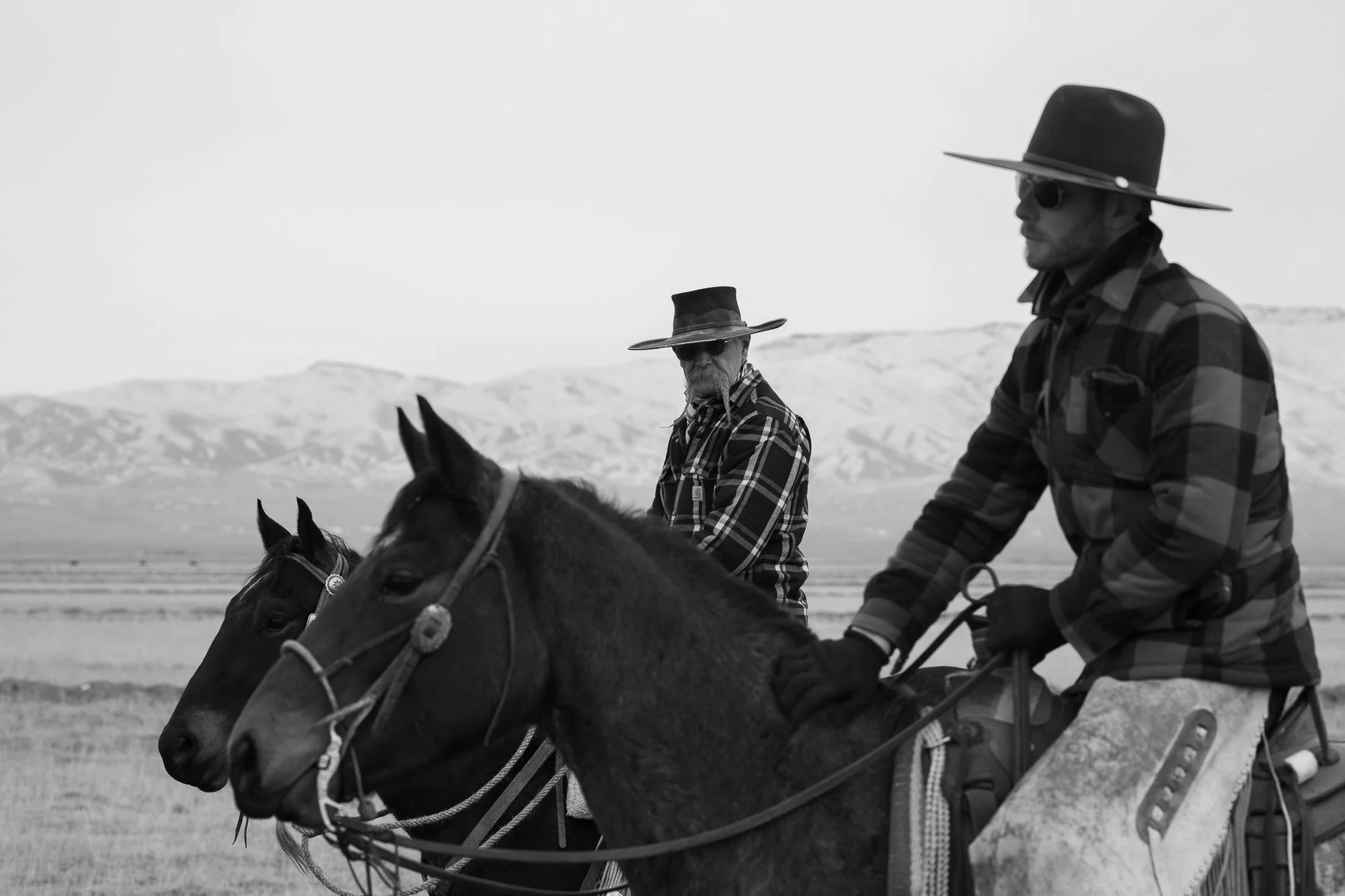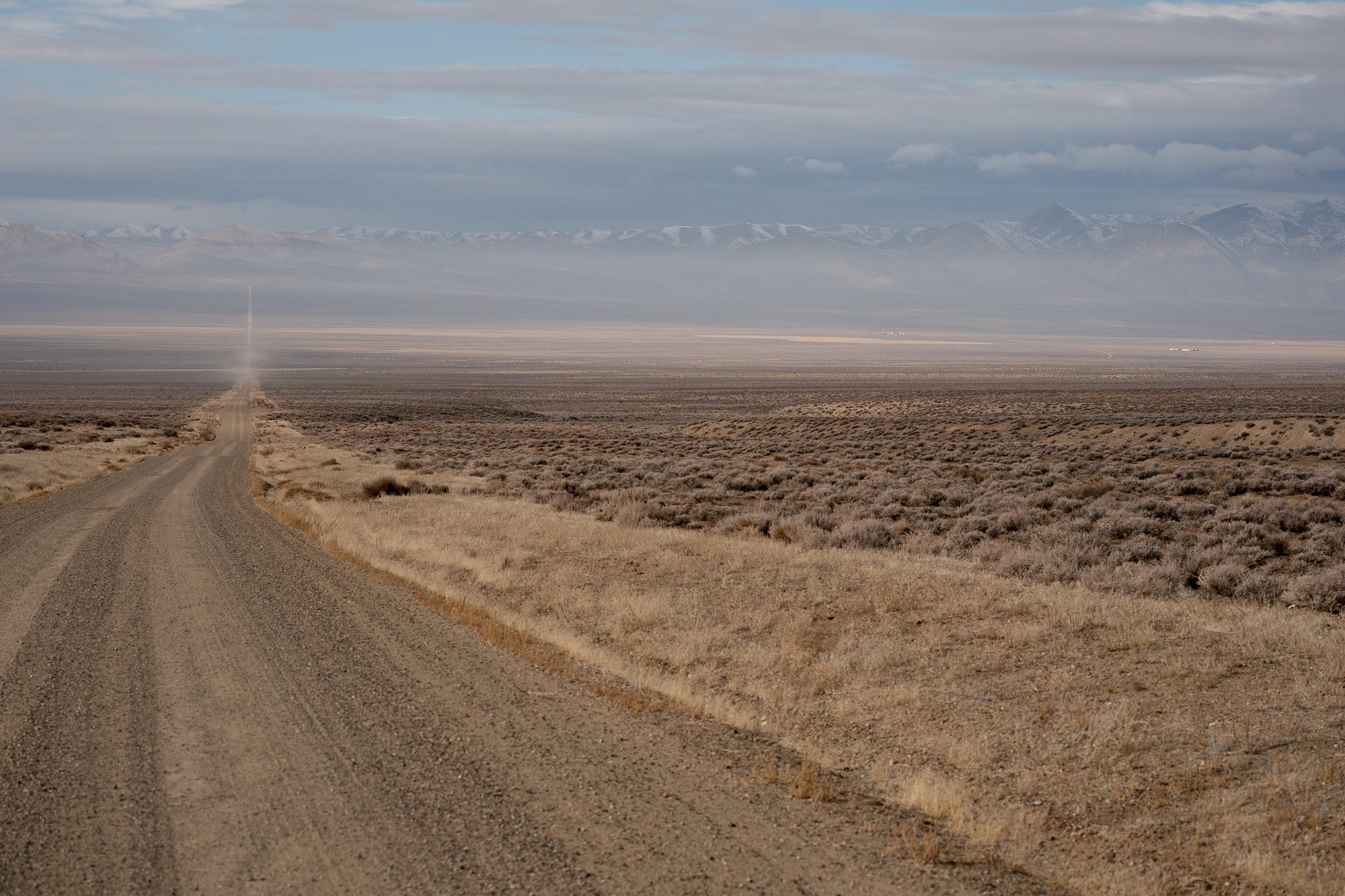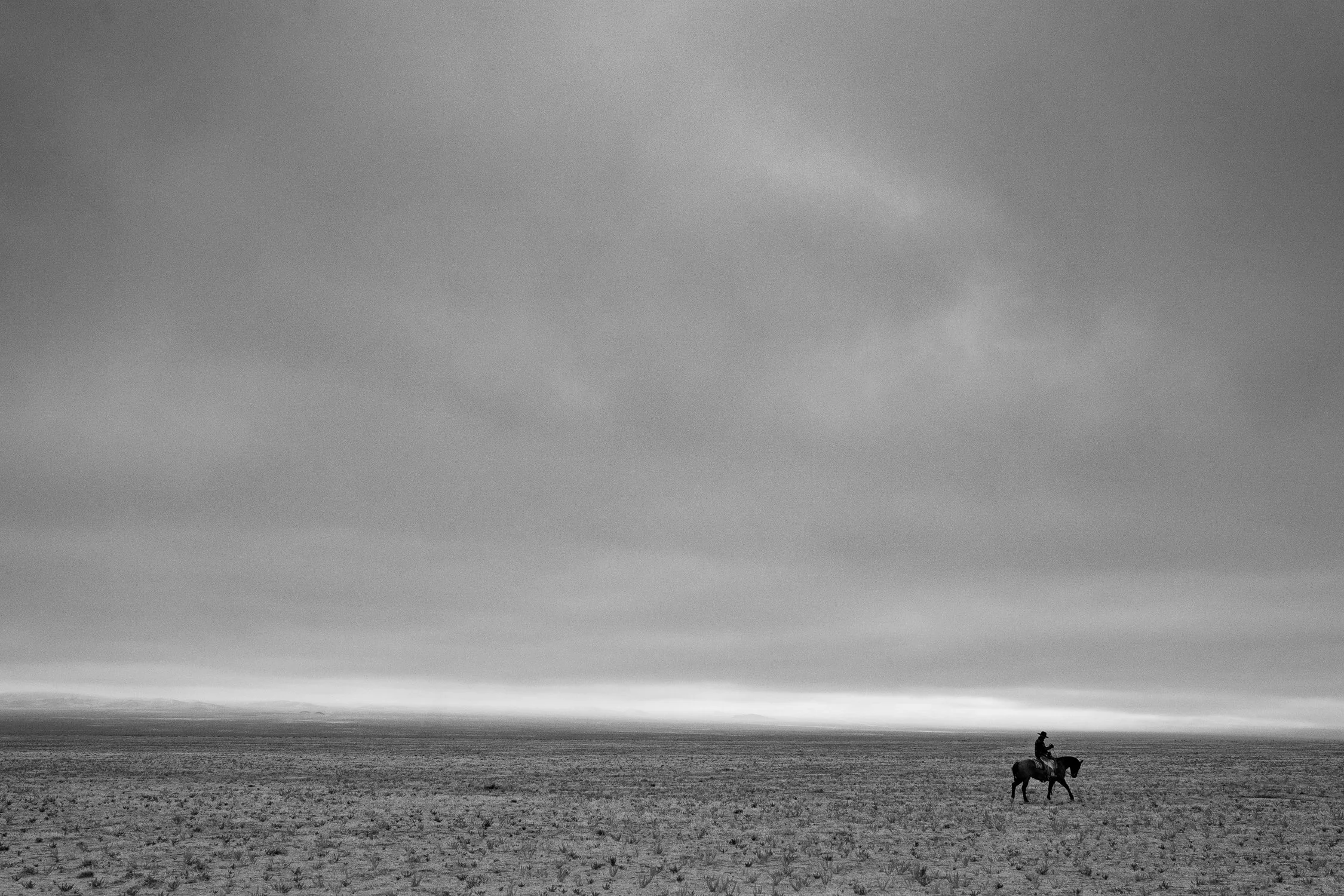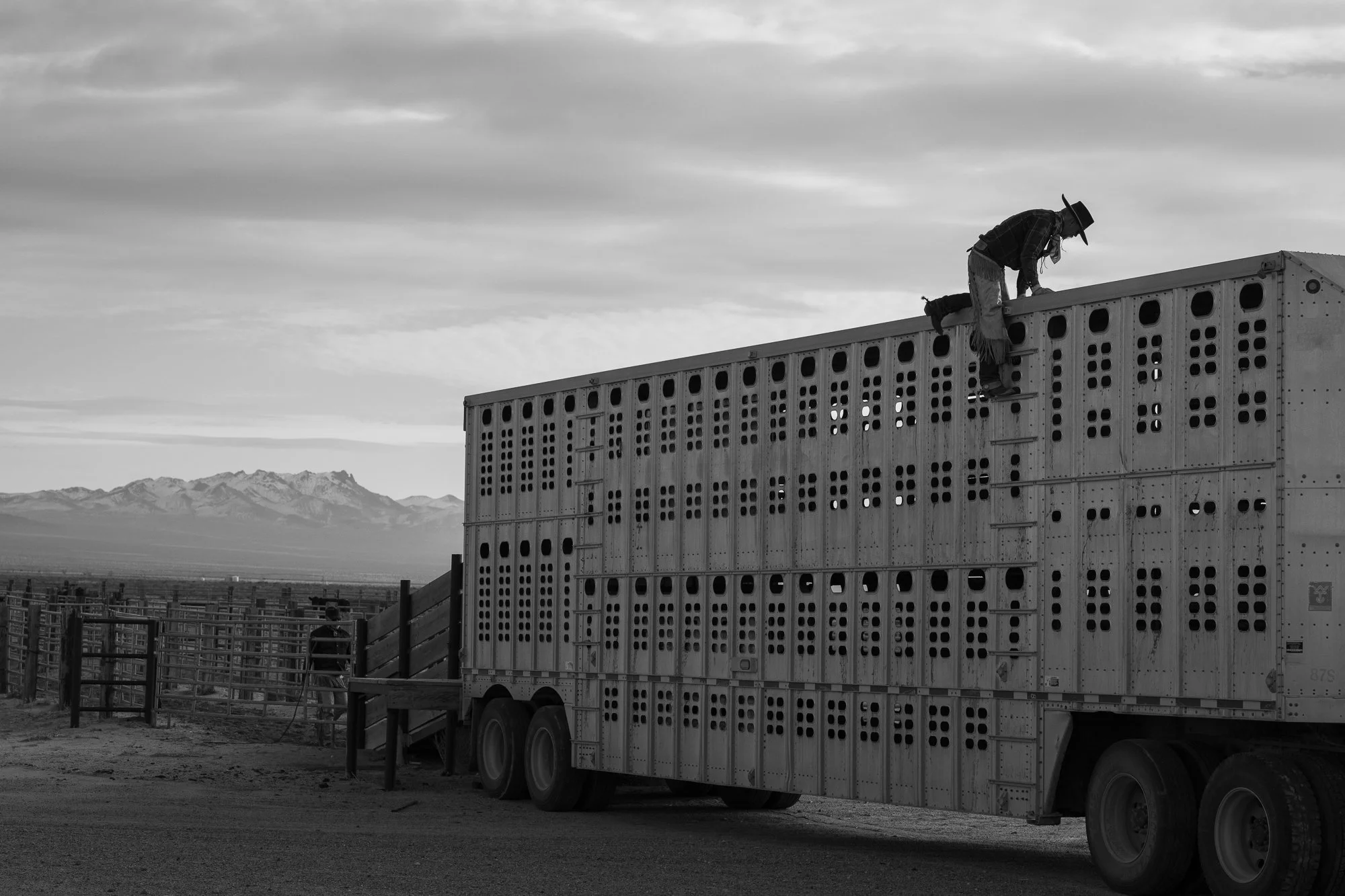
Gym Fitness Photoshoot

Gym Fitness Photoshoot

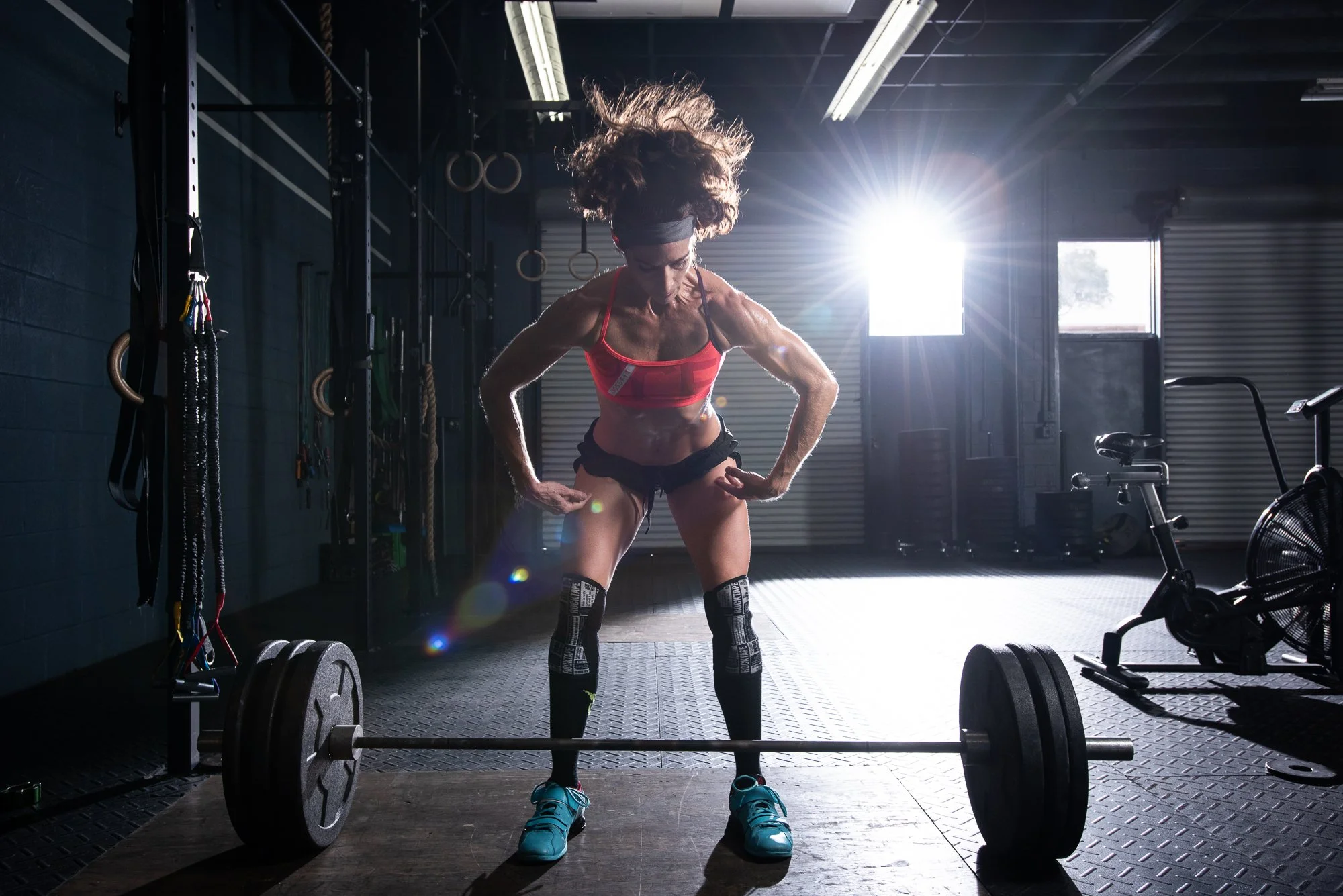
This series was photographed during a strength training session inside a working gym. No staging, no resets—just photographing what was already happening.
The focus stays on movement, effort, and the environment itself. The rhythm of a workout doesn’t leave much room to slow things down, so the approach is simple: work within it, anticipate moments, and keep the camera moving.
Photographing Training as It Happens

Fitness photography often leans heavily on setup—controlled lighting, repeated takes, and carefully constructed scenes. There’s a place for that, but this work comes from a different approach.

These images were made during an active session. Reps weren’t repeated for the camera, and nothing was adjusted mid-set. The goal is to stay close to the pace of the workout and respond to it, rather than interrupt it.

That shift changes the photographs. Movements feel less polished, but more accurate. The small details—grip, fatigue, timing—start to carry more weight.

The Gym as an Environment

A gym has its own structure and texture. Light falls unevenly, equipment gets worn down, and every space develops its own rhythm over time.

Instead of trying to reshape that environment, the photographs lean into it. Shadows, overhead light, and open space all become part of the image. The setting isn’t just a backdrop—it’s part of the work.

Fitness Photography for Gyms, Athletes, and Brands

This type of approach translates well for gyms, trainers, and brands that want imagery grounded in real training environments.

Rather than building a scene from scratch, the focus is on documenting what’s already there—movement, effort, and the atmosphere of the space. That tends to create photographs that feel more usable across campaigns, editorial features, and ongoing content.

Real Fitness Photography for Licensing and Photoshoots

These images are available for editorial and commercial licensing. I also work with gyms, brands, and athletes on fitness photoshoots—both in active training environments and more controlled settings when needed.
If you’re planning a shoot or looking for existing imagery, feel free to get in touch to discuss the project.

View More Fitness Photography

Female athlete preparing to lift barbell in gym focusing on form and stance

Athlete preparing for a barbell lift, focusing on stance, form, and pre-lift intensity in a gym environment.

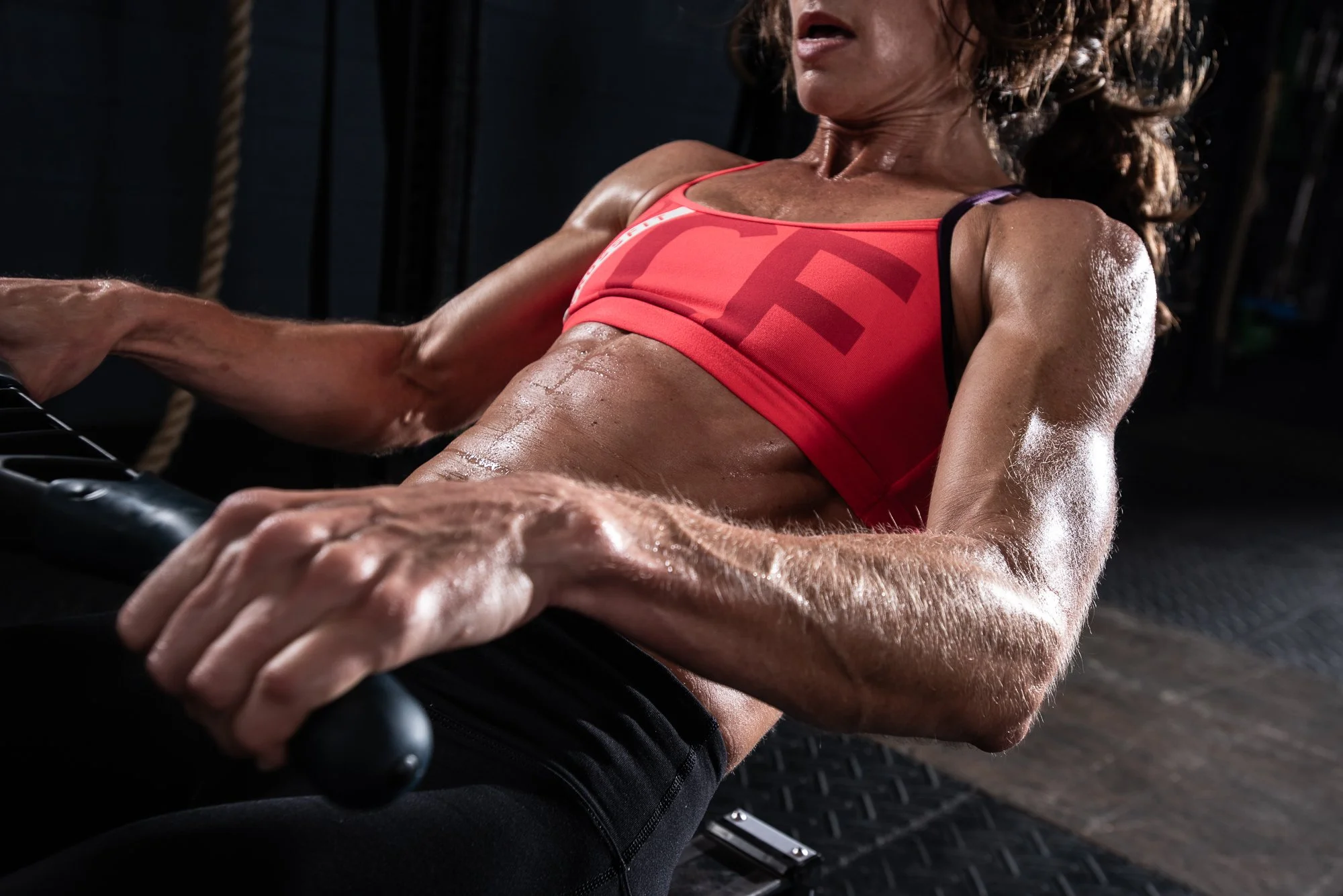
Close up of female athlete using rowing machine during gym fitness photoshoot with sweat and muscle detail

Close-up of athlete using a rowing machine during a high-intensity gym fitness photoshoot, highlighting strength, effort, and real training conditions.

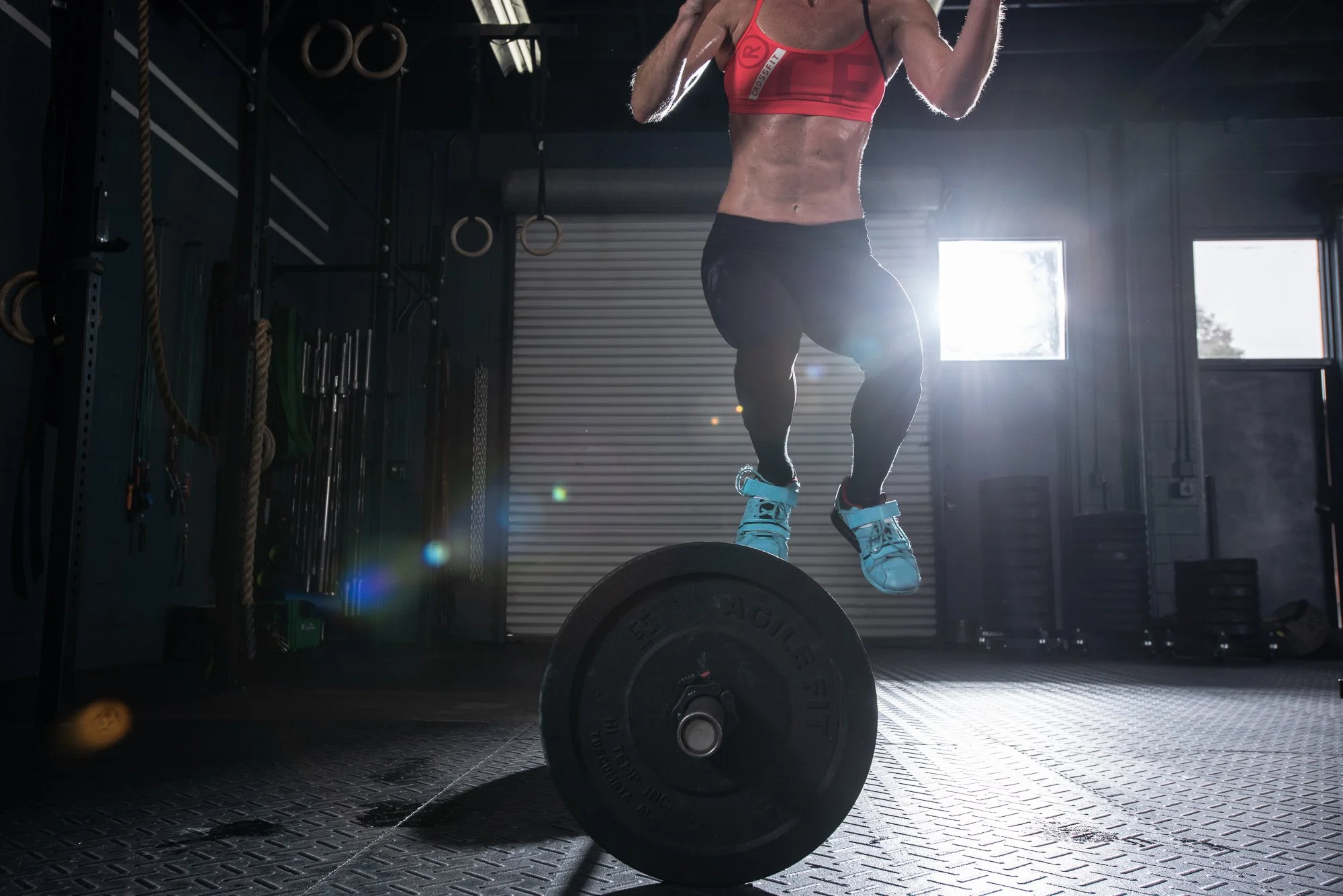
Female athlete performing box jump in crossfit gym with barbell and backlight during fitness photoshoot

Athlete performing a box jump in a CrossFit gym, captured with dramatic lighting for commercial fitness and training imagery.

Female athlete performing barbell clean in gym with dramatic lighting and sweat during fitness photoshoot

Athlete performing a barbell clean in a gym environment, showcasing strength, form, and intensity for fitness brand imagery.

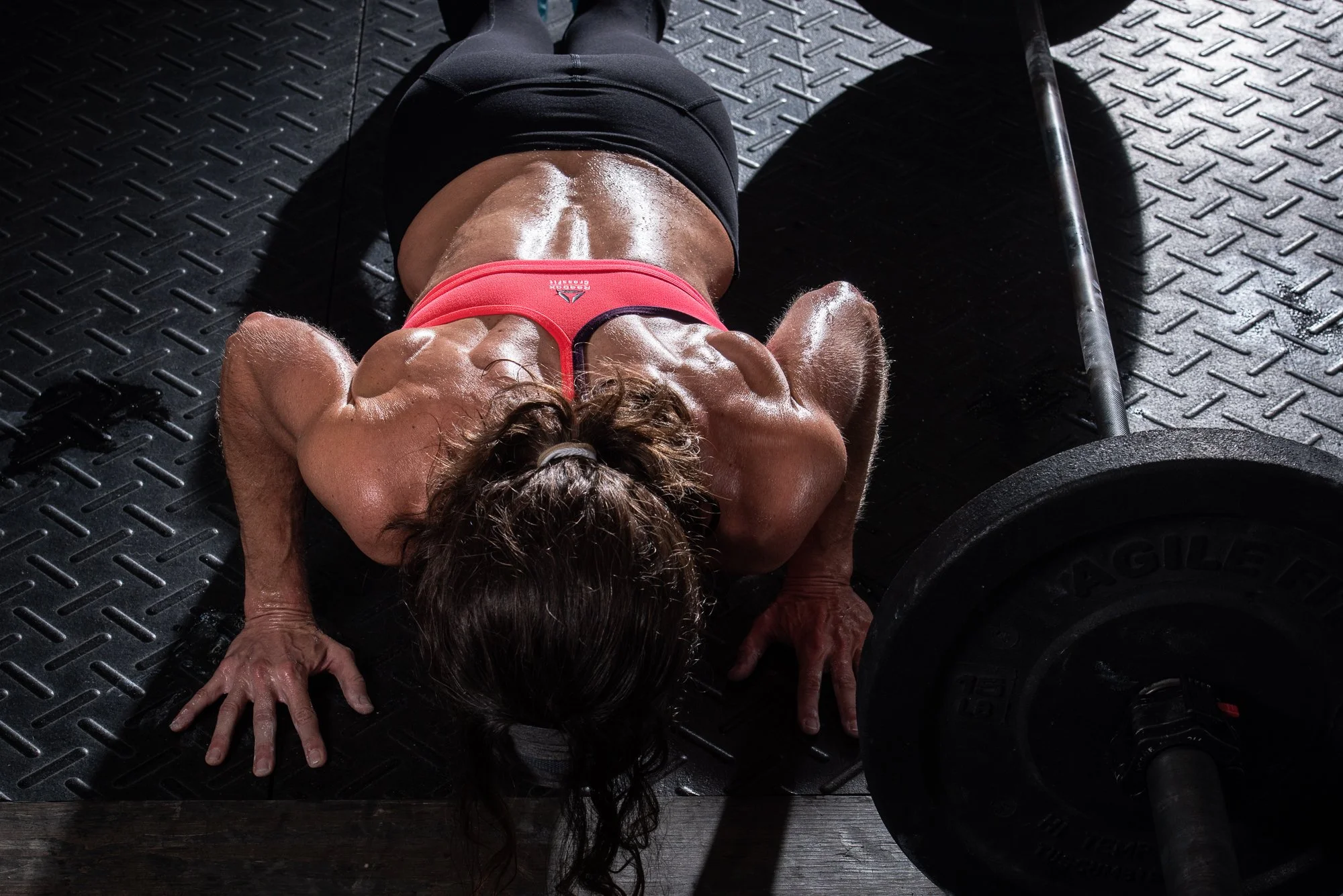
Female athlete doing pushups on gym floor next to barbell during fitness photoshoot

Athlete performing pushups on a gym floor beside a loaded barbell, emphasizing strength training and functional fitness.

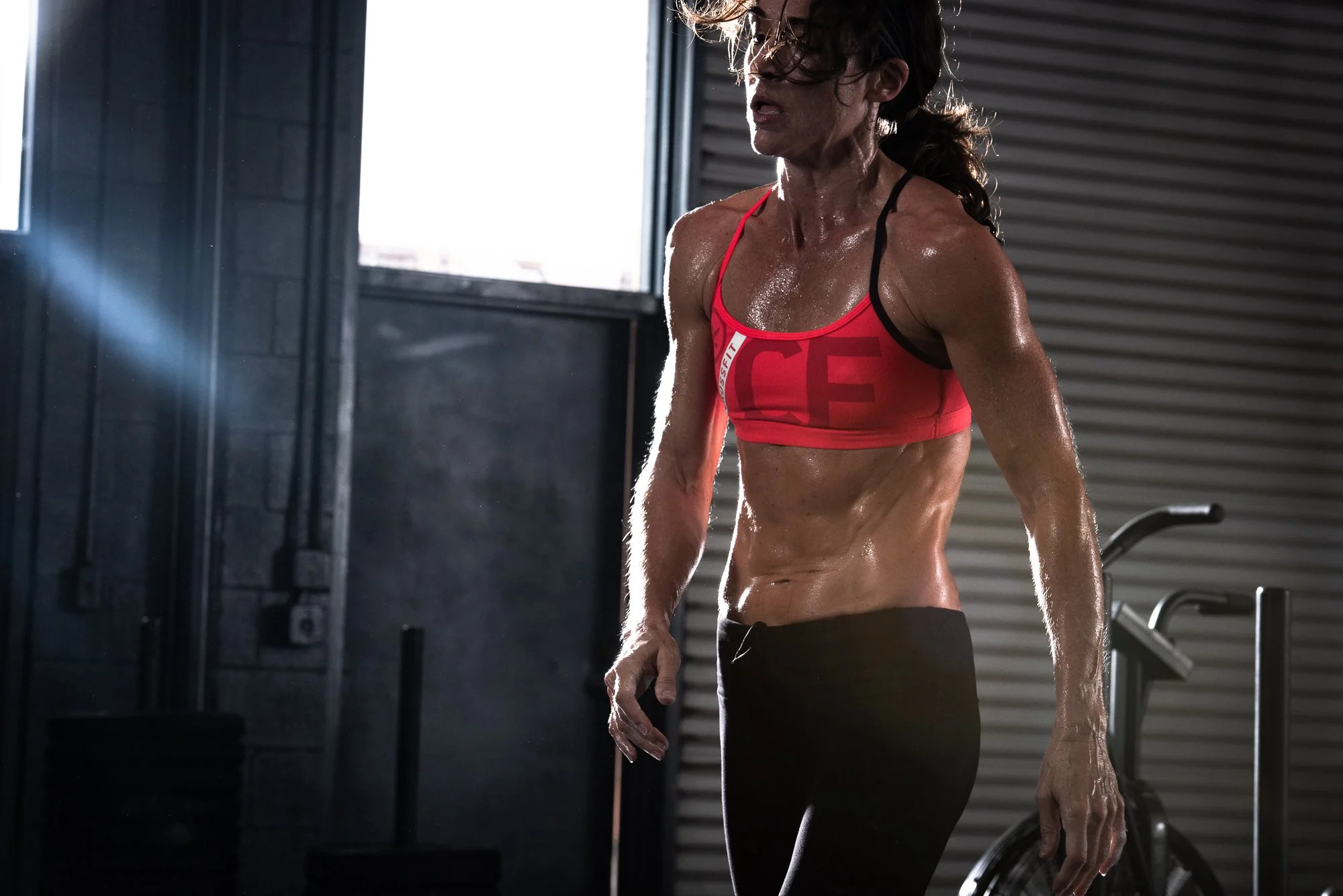
Female athlete standing in gym post workout with sweat and defined muscles during fitness photoshoot

Athlete recovering between sets in a gym, highlighting endurance and physical intensity in a real training environment.

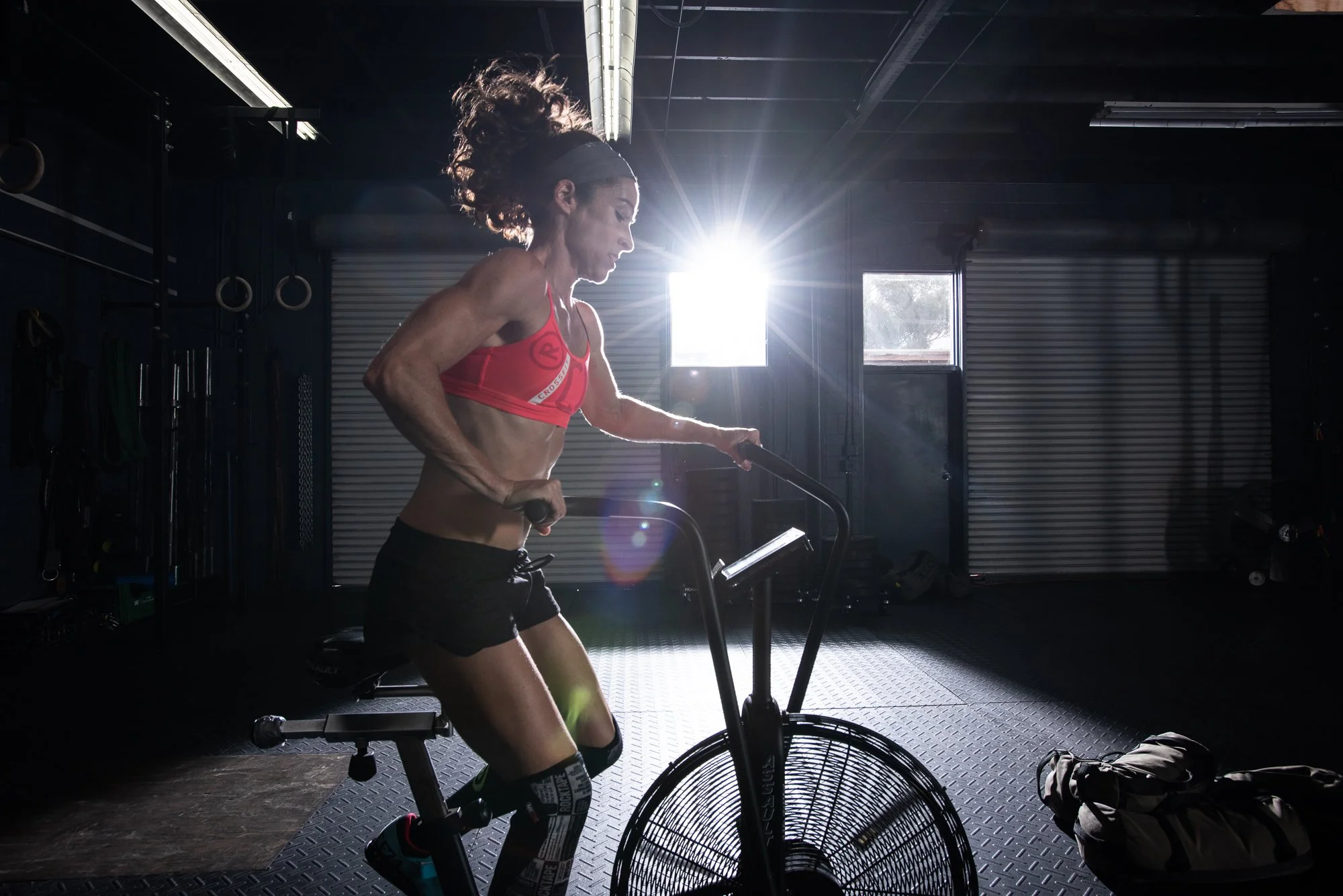
Female athlete using assault bike in crossfit gym during conditioning workout photoshoot

Female athlete pushing through a conditioning workout on an air bike in a CrossFit gym, captured for commercial fitness campaigns.

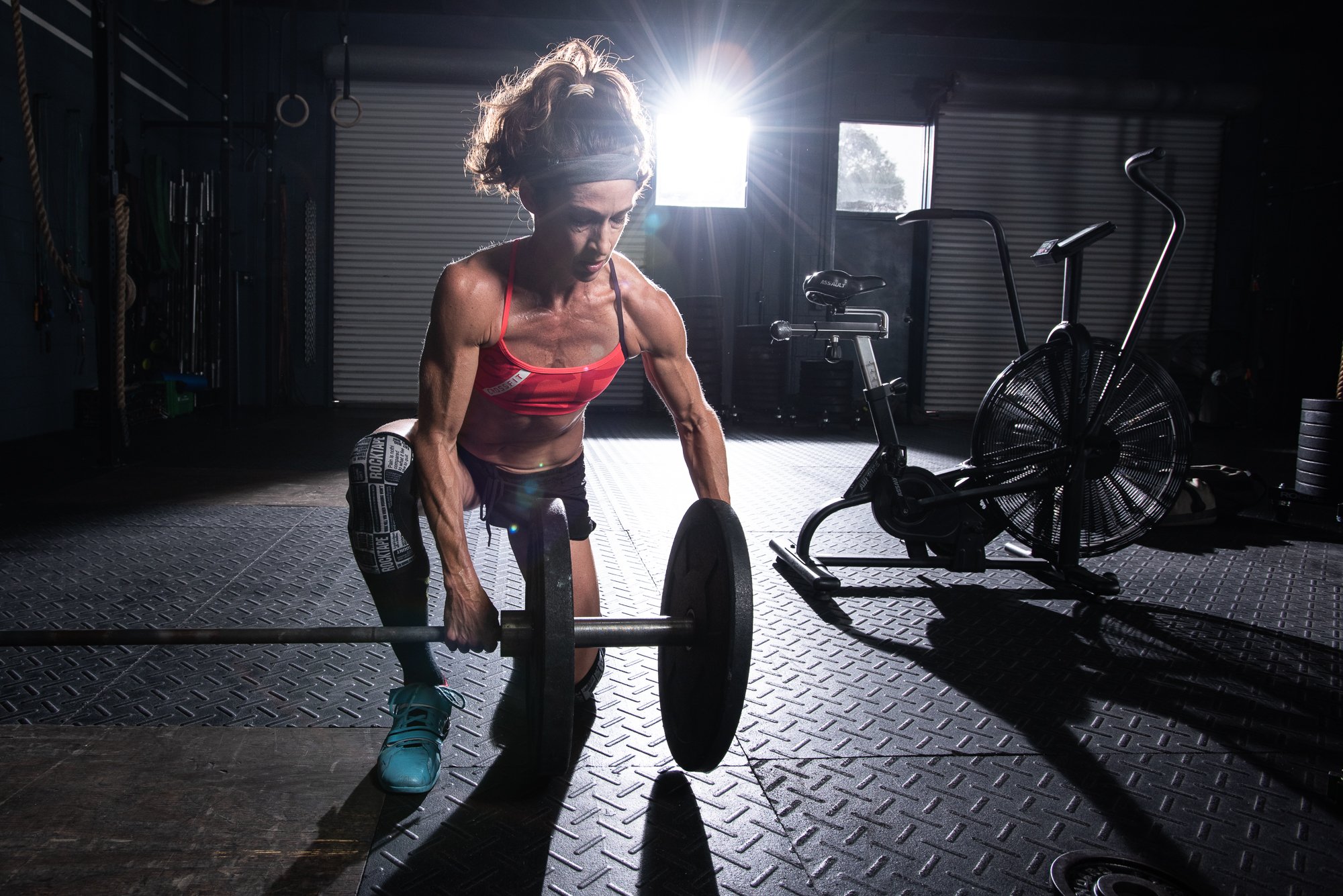
Female athlete lifting barbell from floor in gym during strength training photoshoot

Athlete performing a deadlift in a gym setting, emphasizing power and controlled movement for fitness brand use.

Female athlete performing upright row with barbell in gym with dramatic lighting

Athlete performing an upright row in a CrossFit gym, captured with strong directional light for commercial fitness imagery.

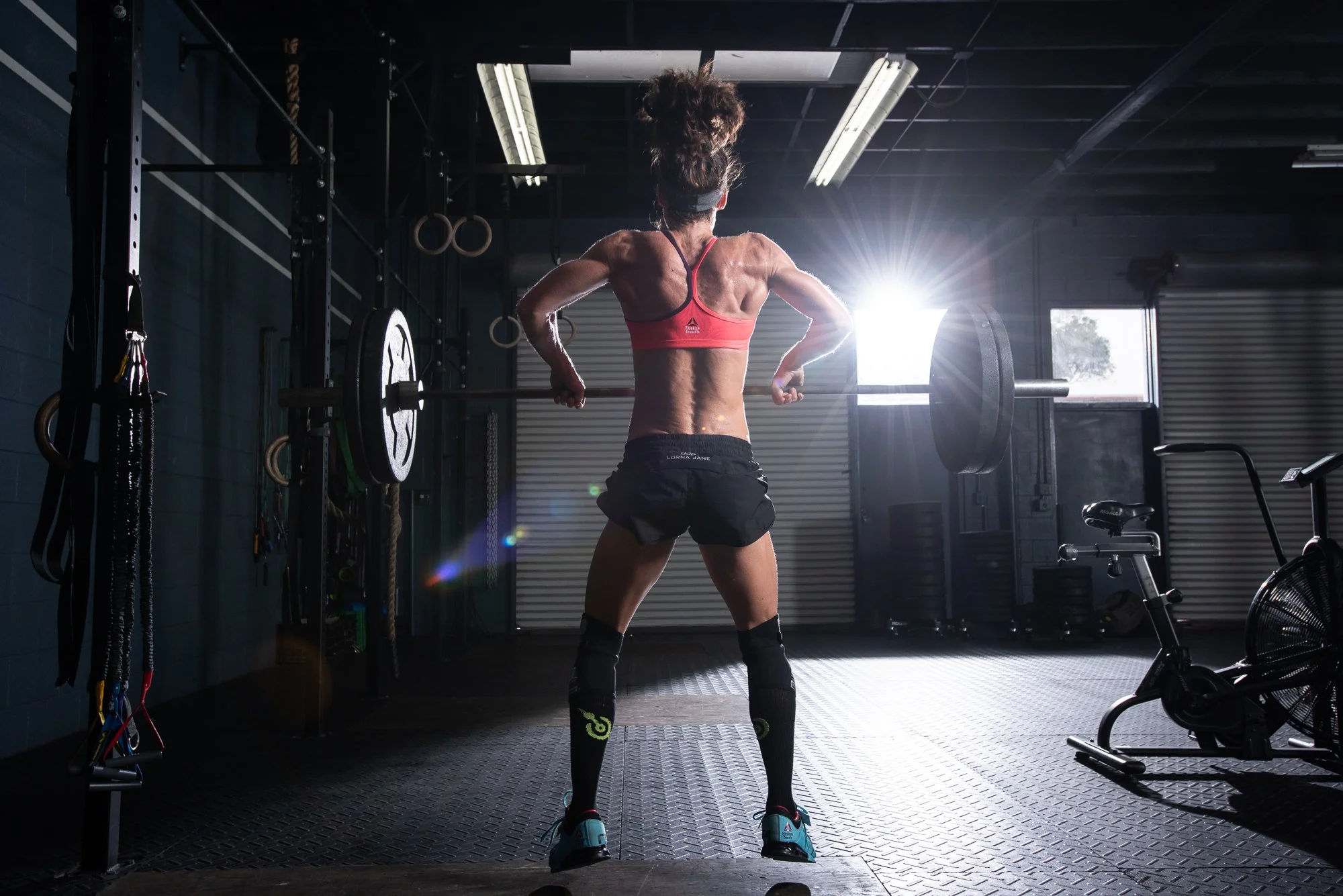
Female athlete performing barbell back squat in crossfit gym with strong back muscles visible

Athlete performing a barbell back squat, highlighting strength, form, and muscle definition in a gym environment.

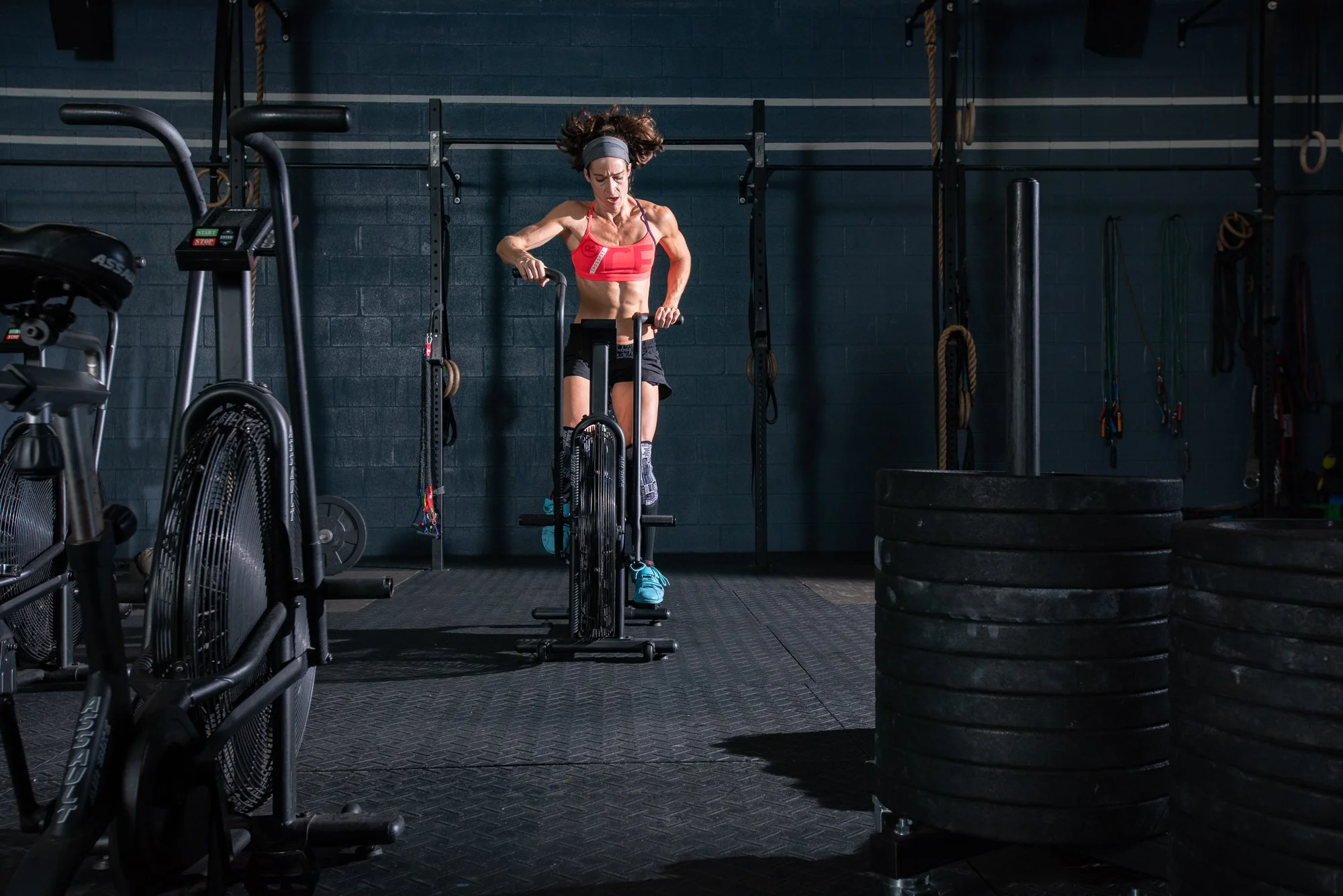
Female athlete using air bike in crossfit gym during high intensity conditioning workout photoshoot

Athlete performing a high-intensity conditioning workout on an air bike in a CrossFit gym, capturing effort, endurance, and real training conditions.

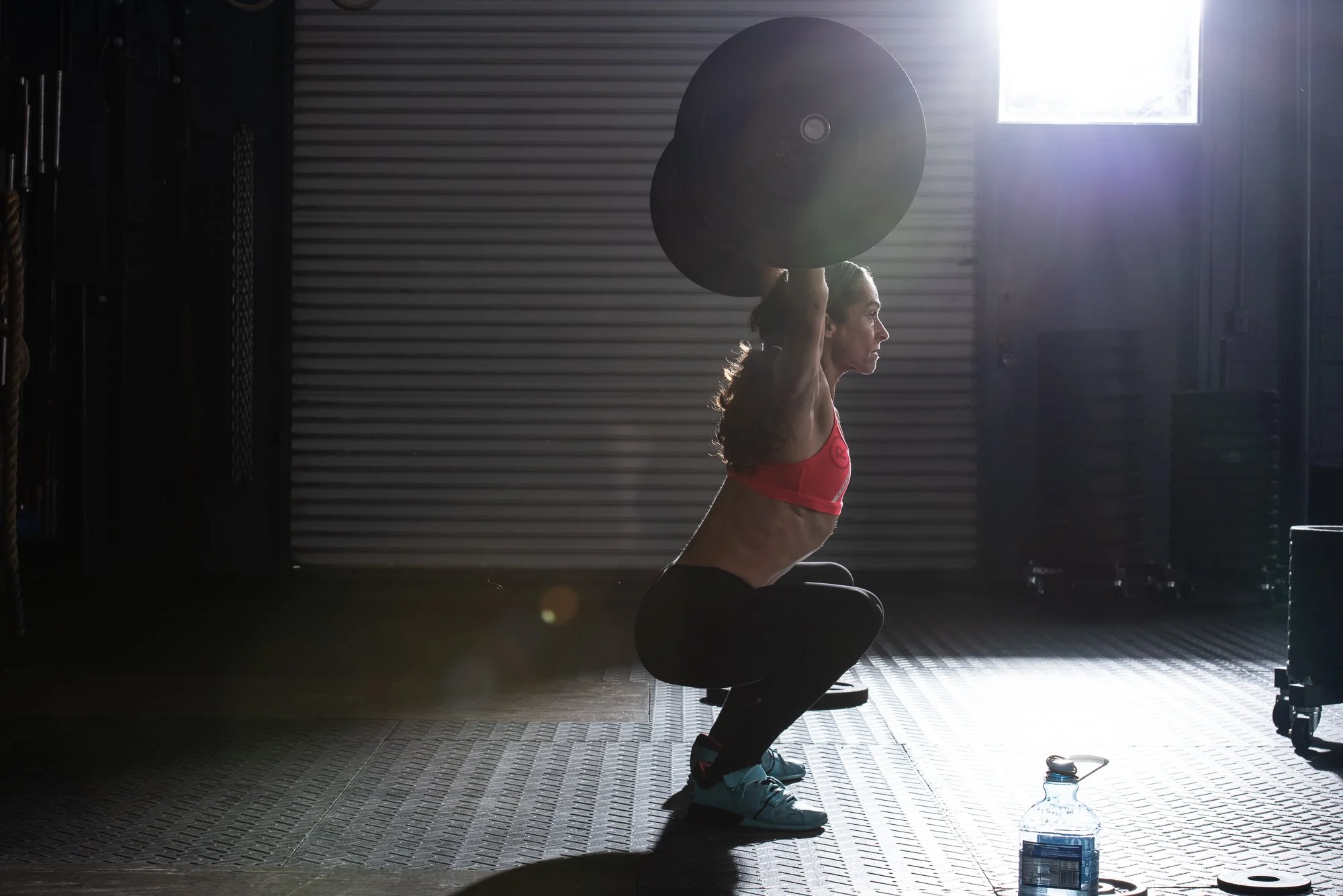
Female athlete performing overhead barbell squat in crossfit gym with strong backlighting and water bottle on floor

Female athlete performing an overhead barbell squat in a CrossFit gym, showcasing strength, mobility, and form in a real training environment.

Black Barbershop Culture in America

Black Barbershop Culture in America: A Documentary Photography Project

For more than a decade, I’ve been photographing barbershops across the United States. Some are well-known, others are easy to miss if you’re not looking for them. Many have been around for decades. Others have quietly disappeared.

What’s consistent isn’t the layout or the signage—it’s what happens inside.

Black barbershops, in particular, carry a different kind of weight. They are places where people return week after week, if not daily. Not just for a haircut, but for conversation, friendship, and a sense of familiarity that doesn’t change much, even as everything around them does.

A Space Defined by Consistency

There’s a rhythm to a barbershop that can’t be explained.

The door opens. Someone takes a seat. Another person is already mid-conversation. Clippers harmonize. A game is on in the back corner. People come and go, but the structure stays the same. The energy rises and falls depending on who’s there and where the conversation goes - sometimes it stays between one customer and his barber. Other times the topic flows throughthe whole shop. It’s a glorious energy to witness.

What makes these spaces distinct isn’t just the haircut—it’s the familiarity, like being at home. The same chairs, the same mirrors, the same people you can count on day after day.

Over time, that consistency builds something more permanent than the physical space itself.

More Than a Haircut

It’s easy to reduce a barbershop to its function, but that misses the point entirely.

These shops operate as meeting places. Conversations move between topics without structure—sports, work, family, local news. Some are loud, some are quiet. Some are built on long-standing relationships, others on quick exchanges between people who may never see each other again.

What matters is that the space allows for it.

There’s no expectations. It’s a place you can feel safe and open.

Details That Hold the History

Much of what defines a barbershop isn’t immediately obvious.

It’s in the details: the tools worn down from years of use. Handwritten signs. Photographs of real people - local people. Chairs older than anyone in the shop.

These elements aren’t curated. They accumulate.

Over time, they become a record of the people who have passed through the space—both barbers and customers.

The Barbershop as Community

In many neighborhoods, the barbershop extends beyond its walls.

People gather outside. Conversations continue on the sidewalk. The shop becomes part of the street itself—connected to everything happening around it.

This is especially true in Black barbershops, where the role of the space has historically gone beyond business. It has functioned as a place of connection, discussion, and continuity within the community.

That presence is still there, even as many of these shops face pressure from rising costs, changing neighborhoods, and shifting culture.

What’s Changing—and What Isn’t

Some of the barbershops in this series are no longer there.

Others are still operating, largely unchanged.

There’s a tendency to focus on what’s disappearing, but that only tells part of the story. What’s just as important is what remains—the memories, the relationships, and the role these spaces continue to play.

The physical details may shift. The structure holds.

Part of something Bigger

This work is part of Barbershops of America, a long-term documentary photography project(and photo book) spanning more than fifteen years and all fifty states.

The goal has never been to define these spaces, but to document them as they are—honestly, without direction, and over time.

Some shops close. Others continue. All of them contribute to a larger record of a place that has remained a constant in American life.

If you’re interested in seeing more from this project, you can view the full Barbershops of America series here and the photography book/prints here.

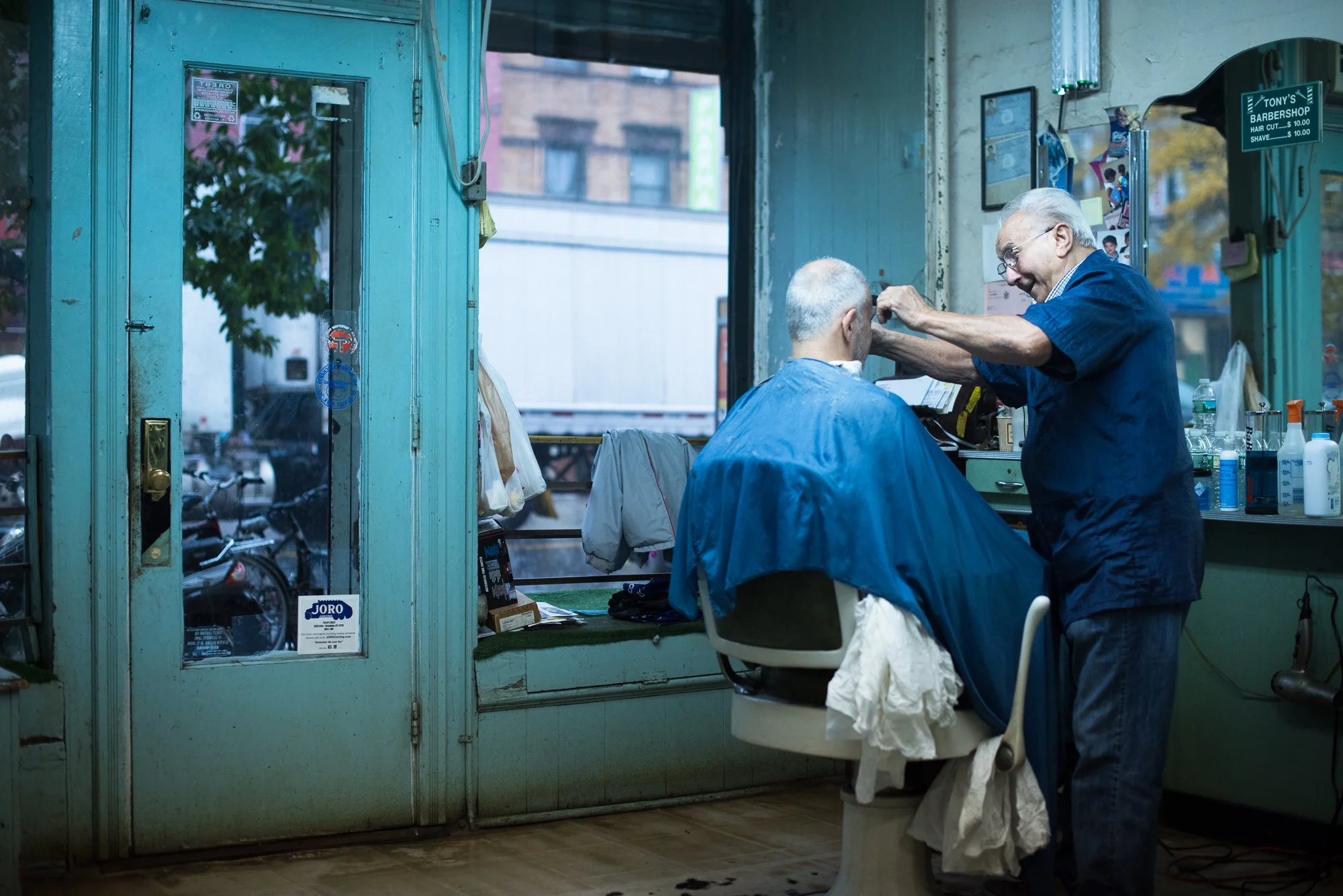
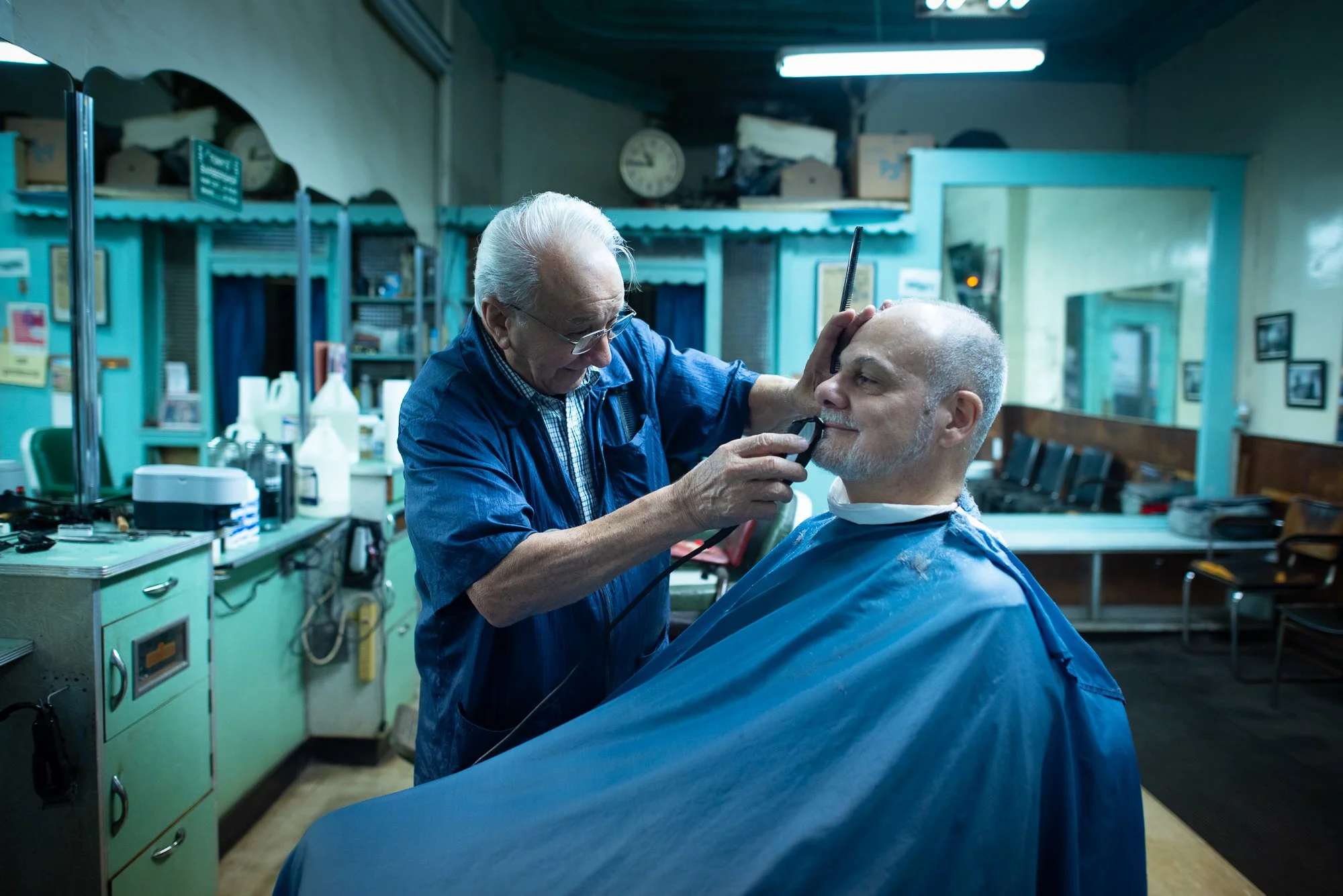
Explore another barbershop story - Tony’s Barbershop

Contact me directly for editorial and commercial licensing - rob@robhammerphotography.com

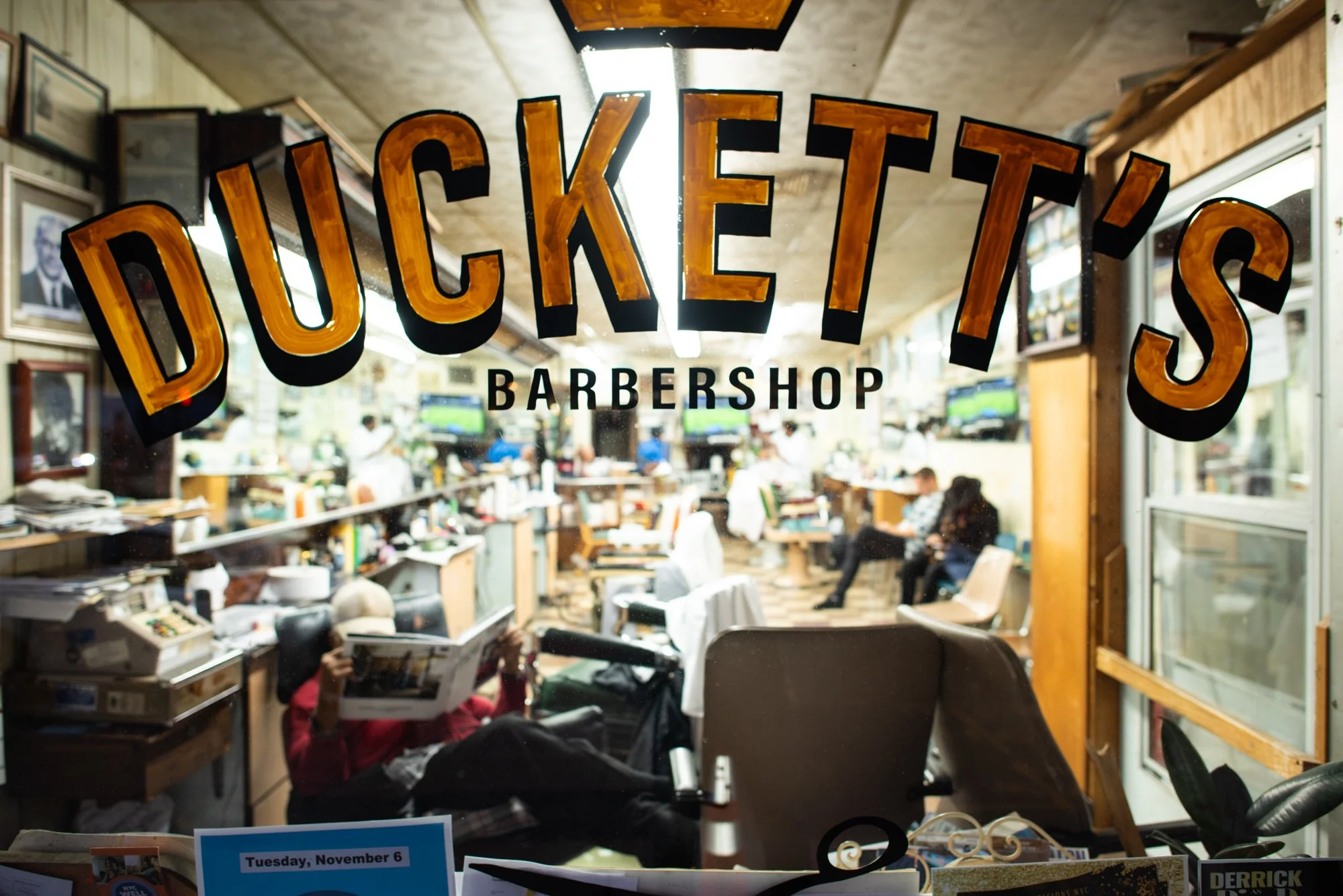
View through a barbershop window with lettering reading Ducketts Barbershop and customers inside

Looking in from the outside—another day unfolding inside a working barbershop.

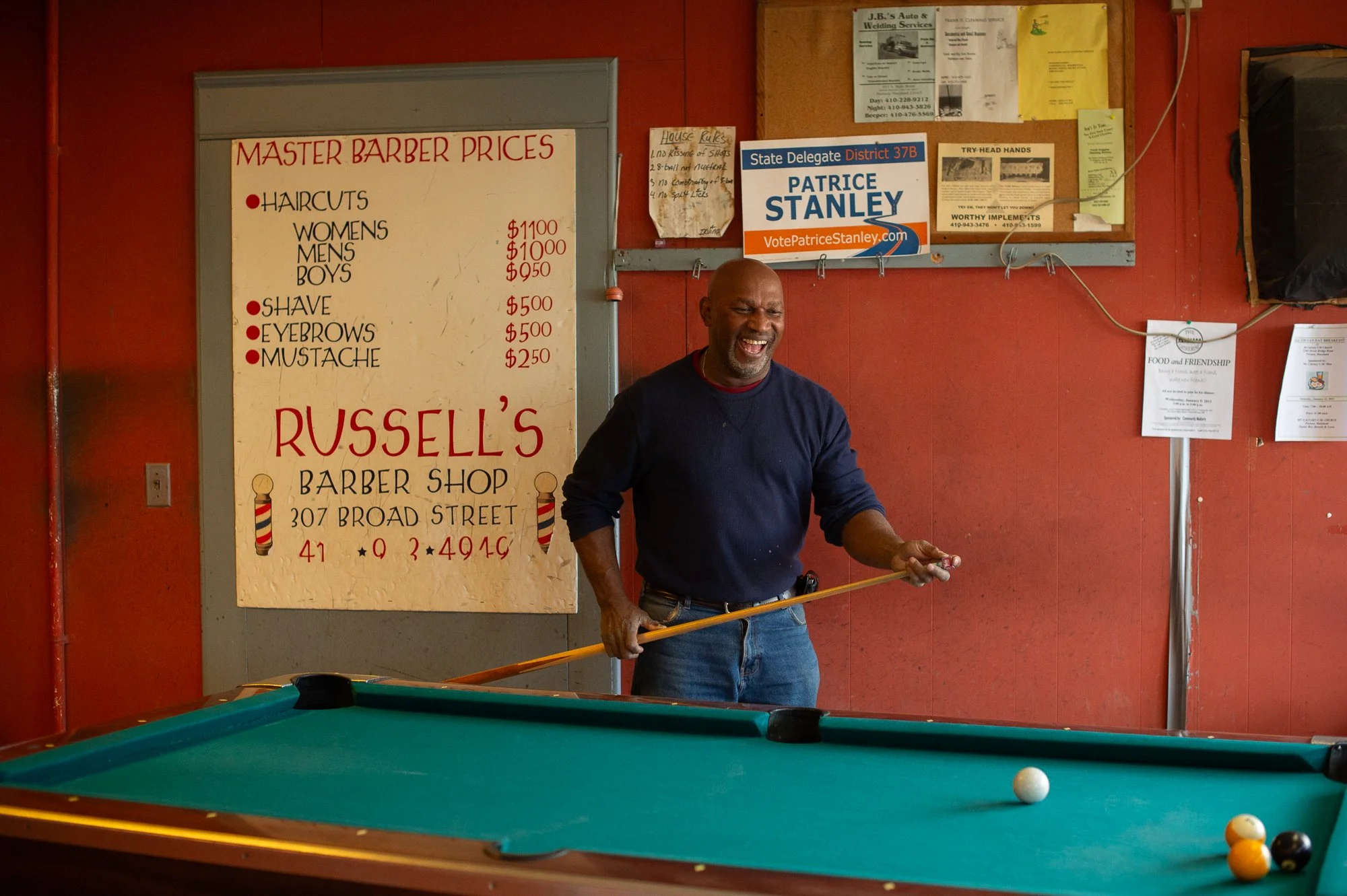
Man smiling and holding a pool cue inside a barbershop with signage and price board behind him

Beyond haircuts, the barbershop becomes a social space—games, laughter, and time shared between neighbors.

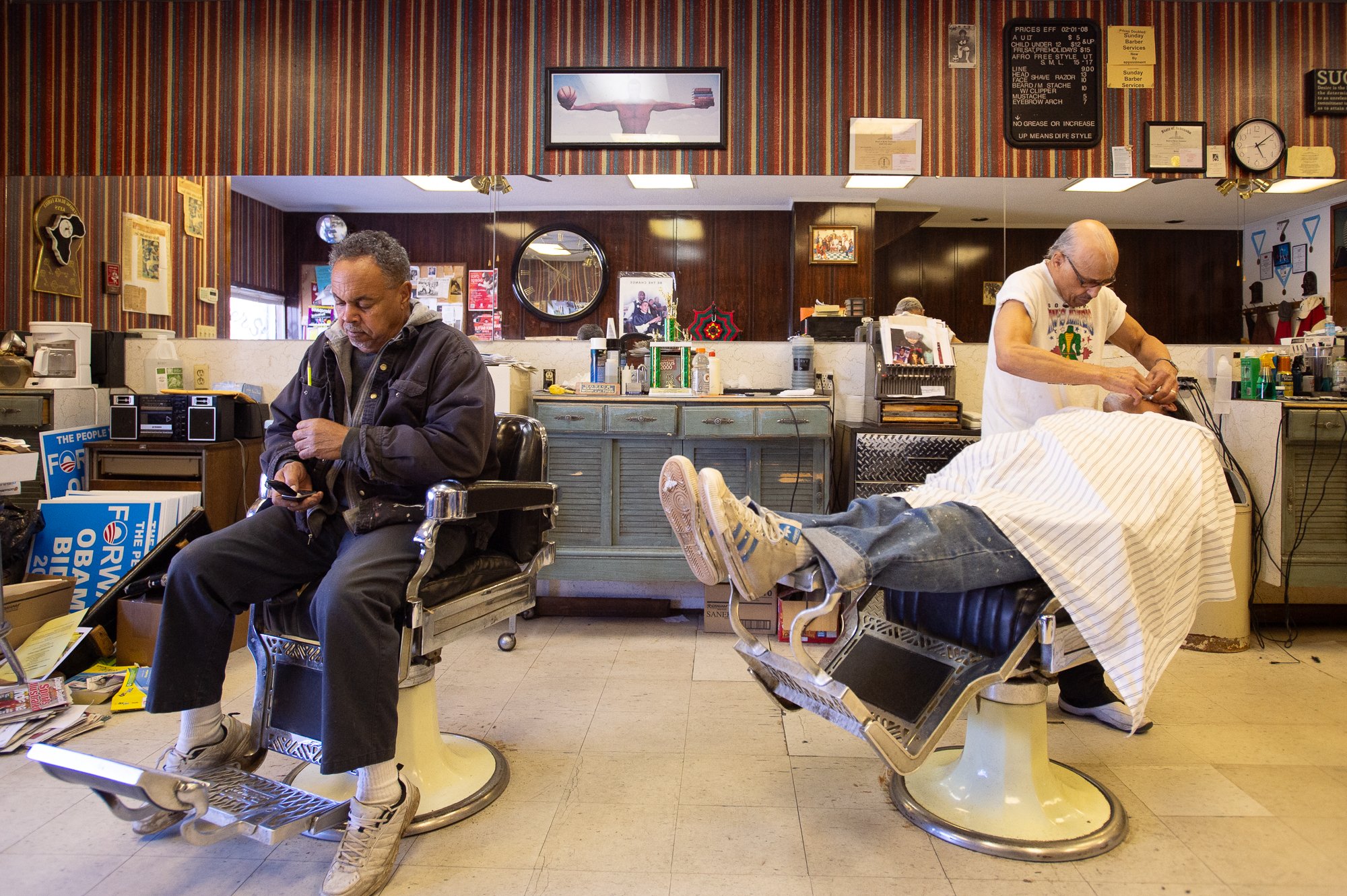
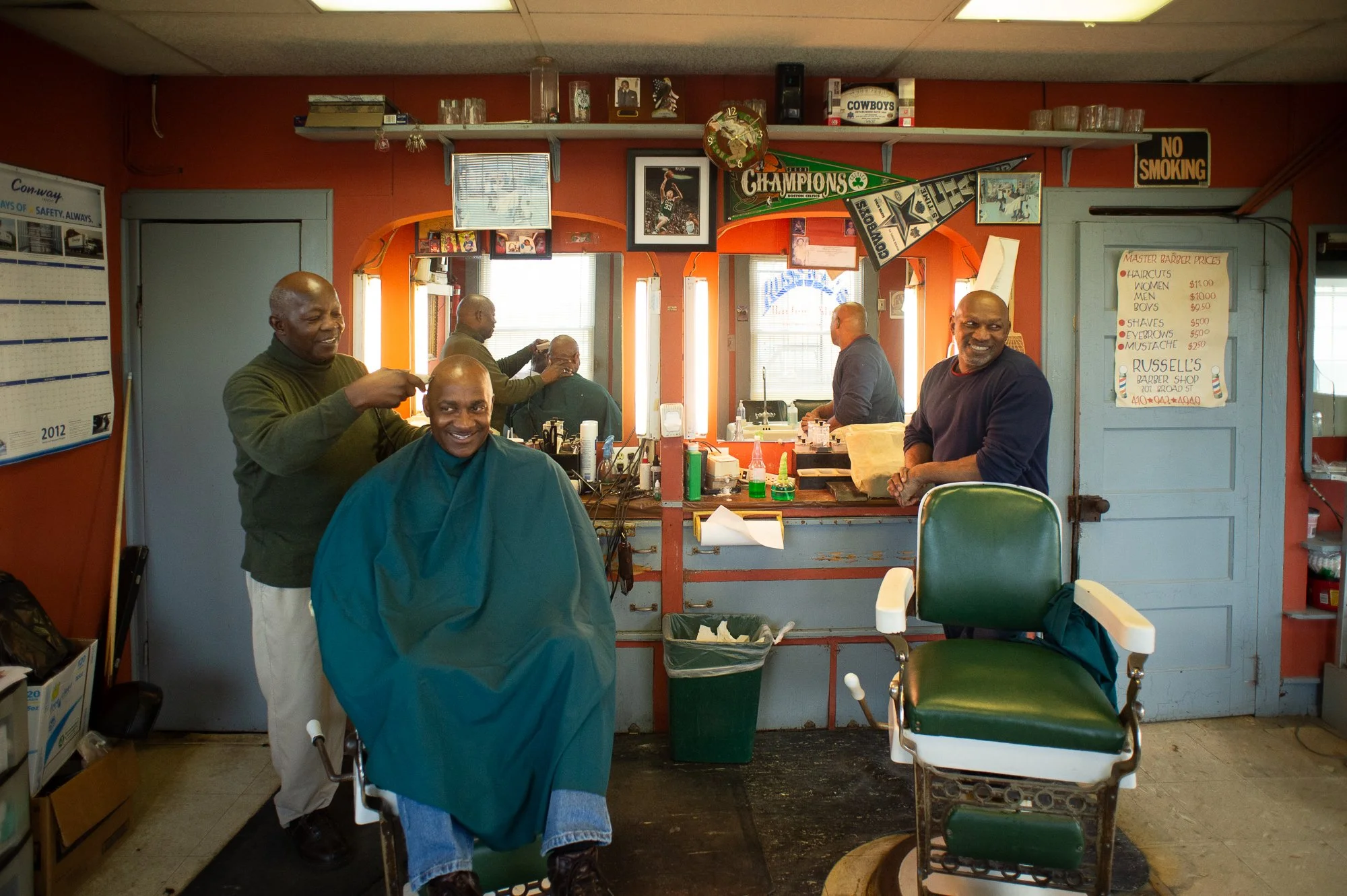
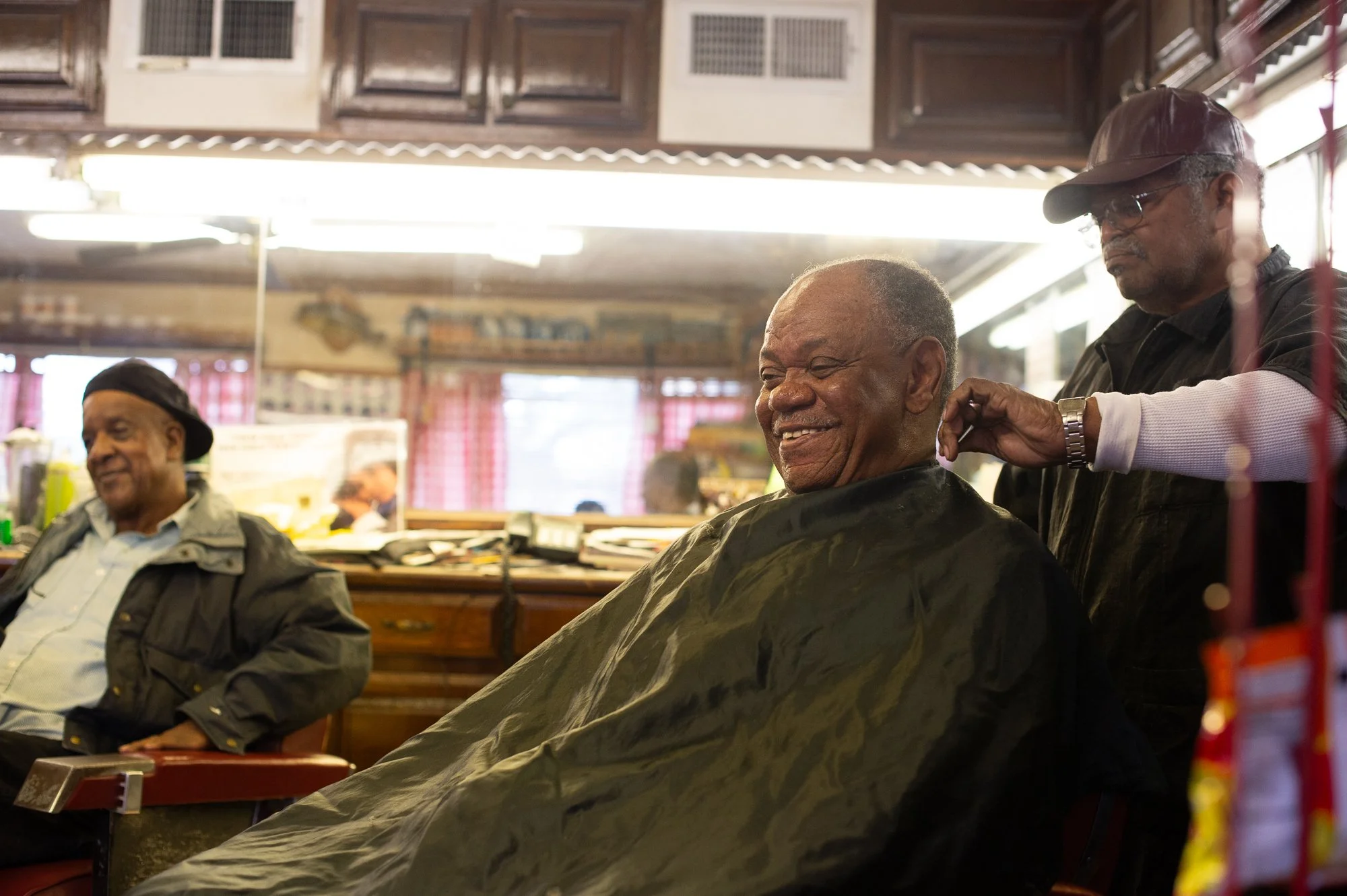
Barber cutting a client’s hair while another man sits nearby in a traditional Black barbershop

An everyday moment inside the shop—conversation, routine, and the quiet rhythm of a haircut unfolding.
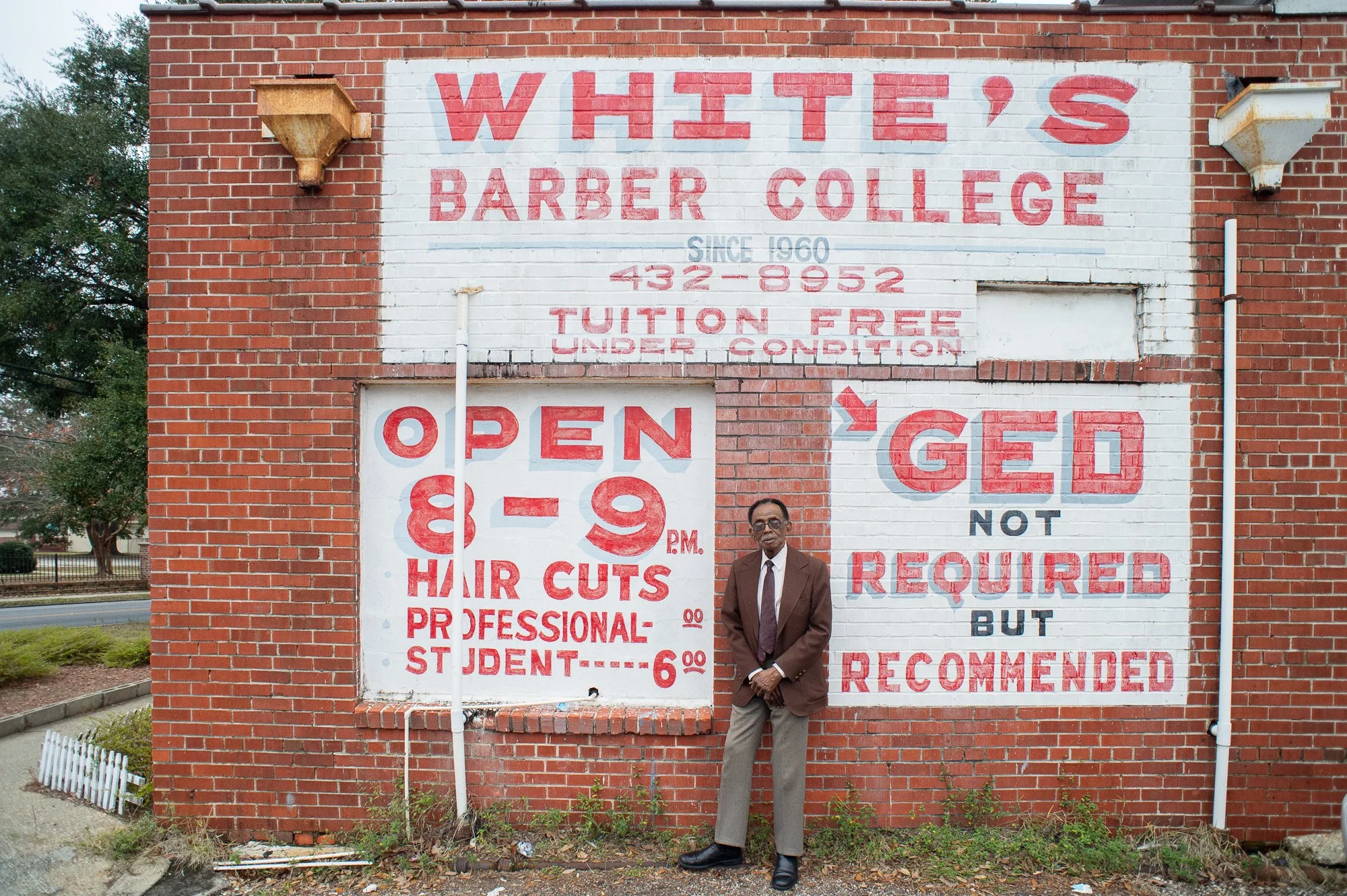
Man standing in front of Whites Barber College exterior with painted signage

A portrait rooted in place—barbering passed down through training, tradition, and time.
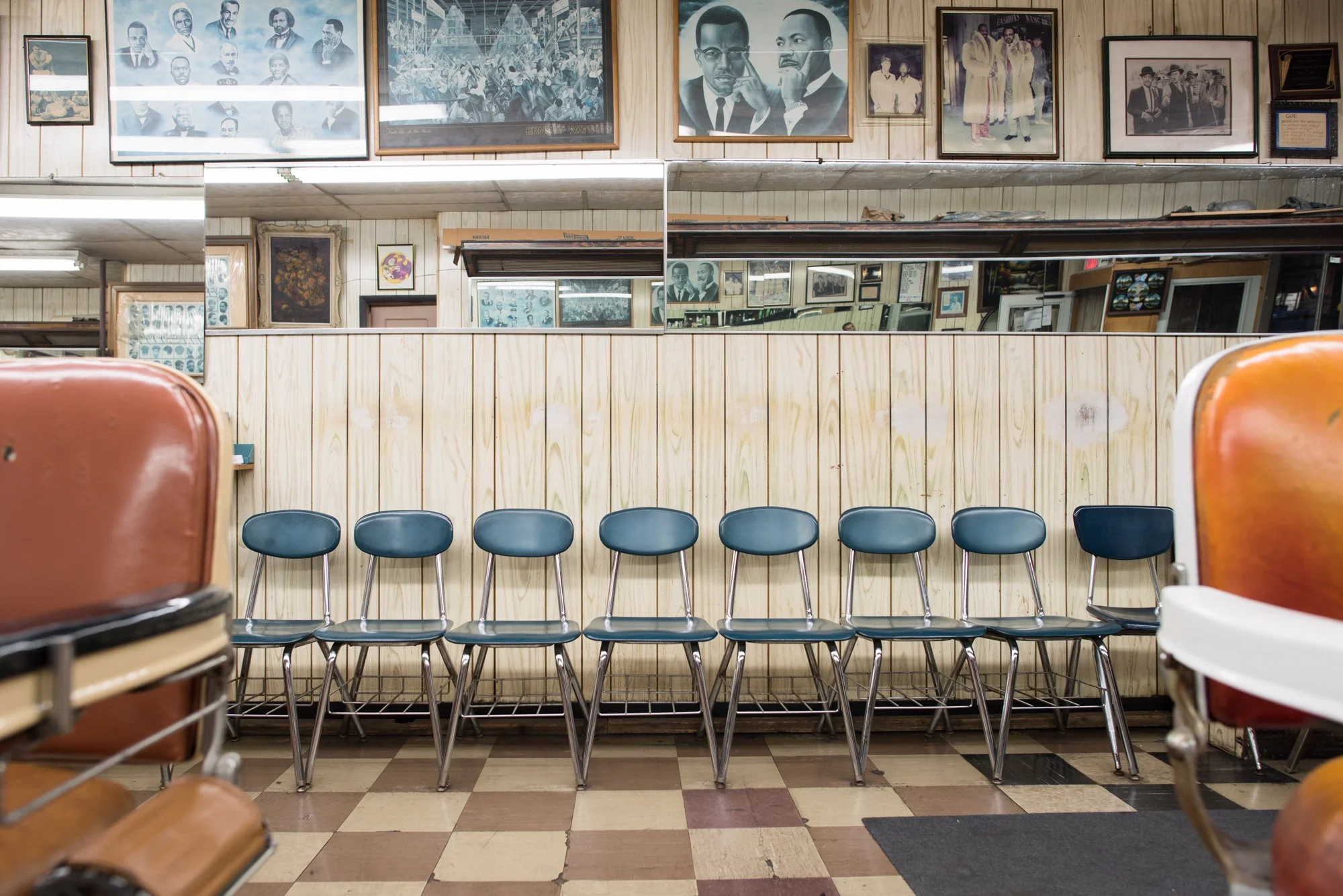
Row of empty chairs inside a historic Black barbershop with framed portraits and mirrors

A row of worn chairs sits beneath decades of history—photographs, mirrors, and memories layered into the walls of a neighborhood barbershop.

Barber cutting hair while other men watch and talk inside a lively Black barbershop

A gathering place as much as a business—where conversation, humor, and community unfold alongside every cut.

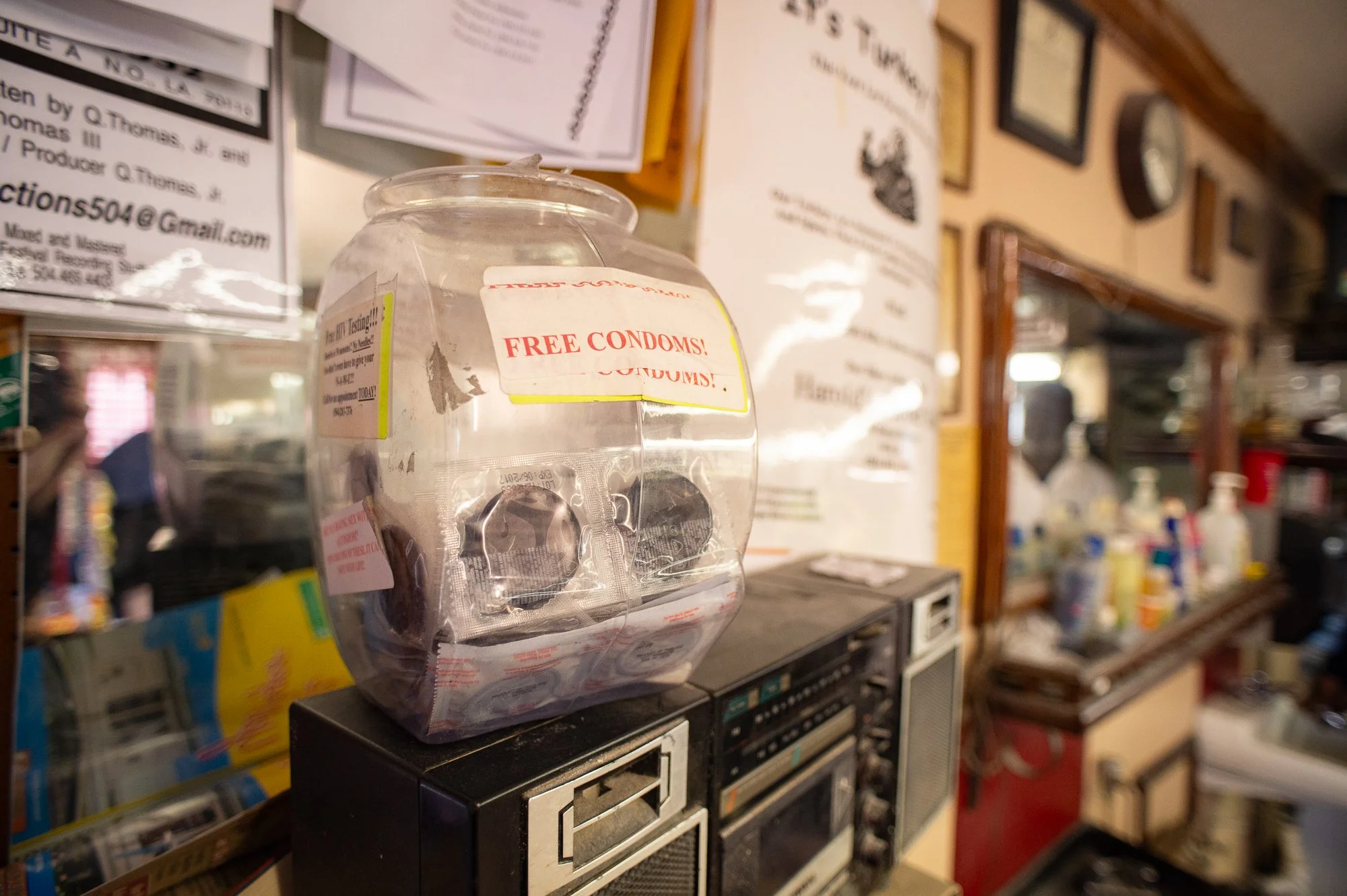
Jar labeled free condoms sitting on a counter inside a Black barbershop with posters behind it

A small but telling detail—barbershops have long served as places of care, conversation, and community beyond the haircut.

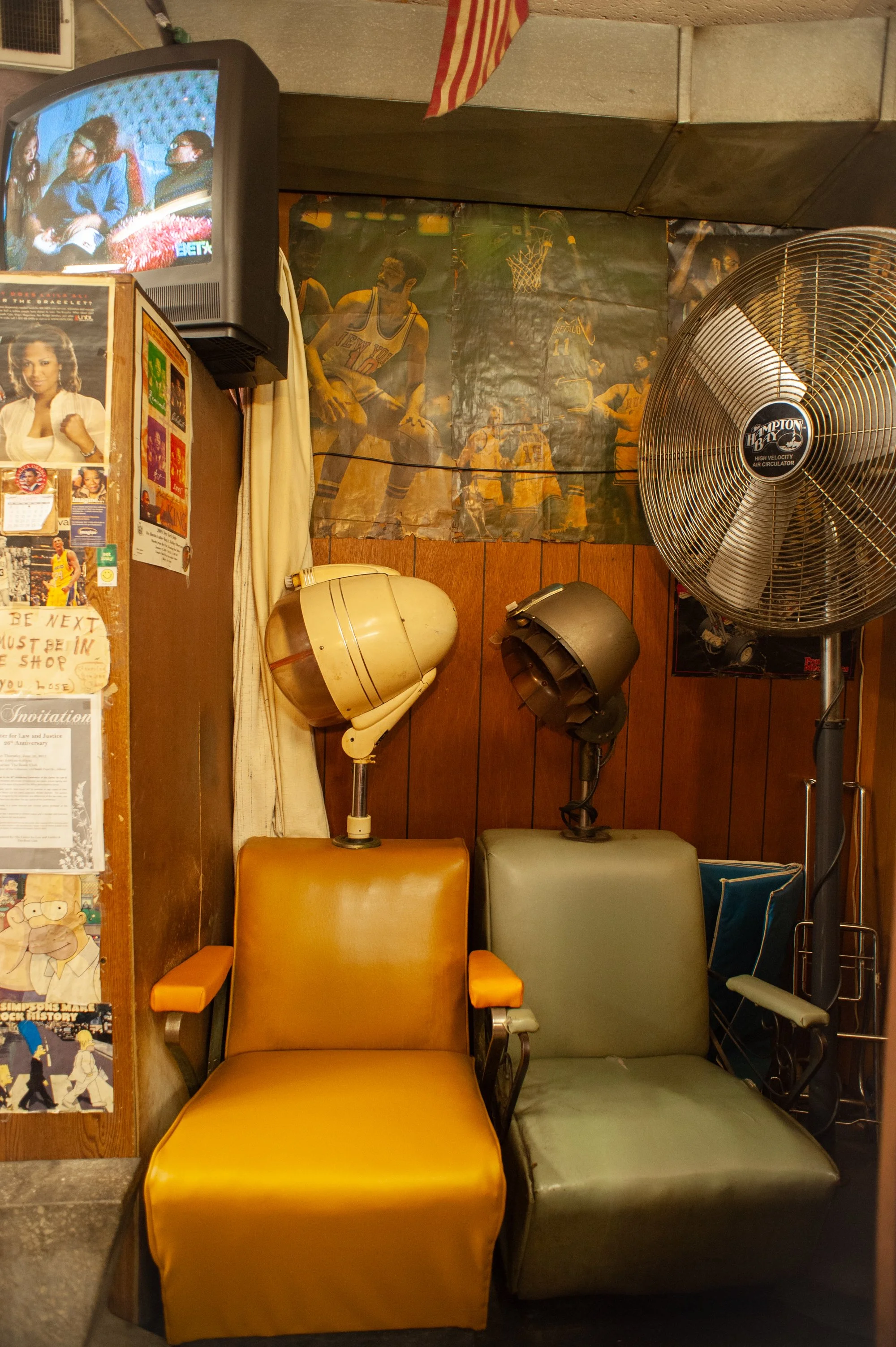
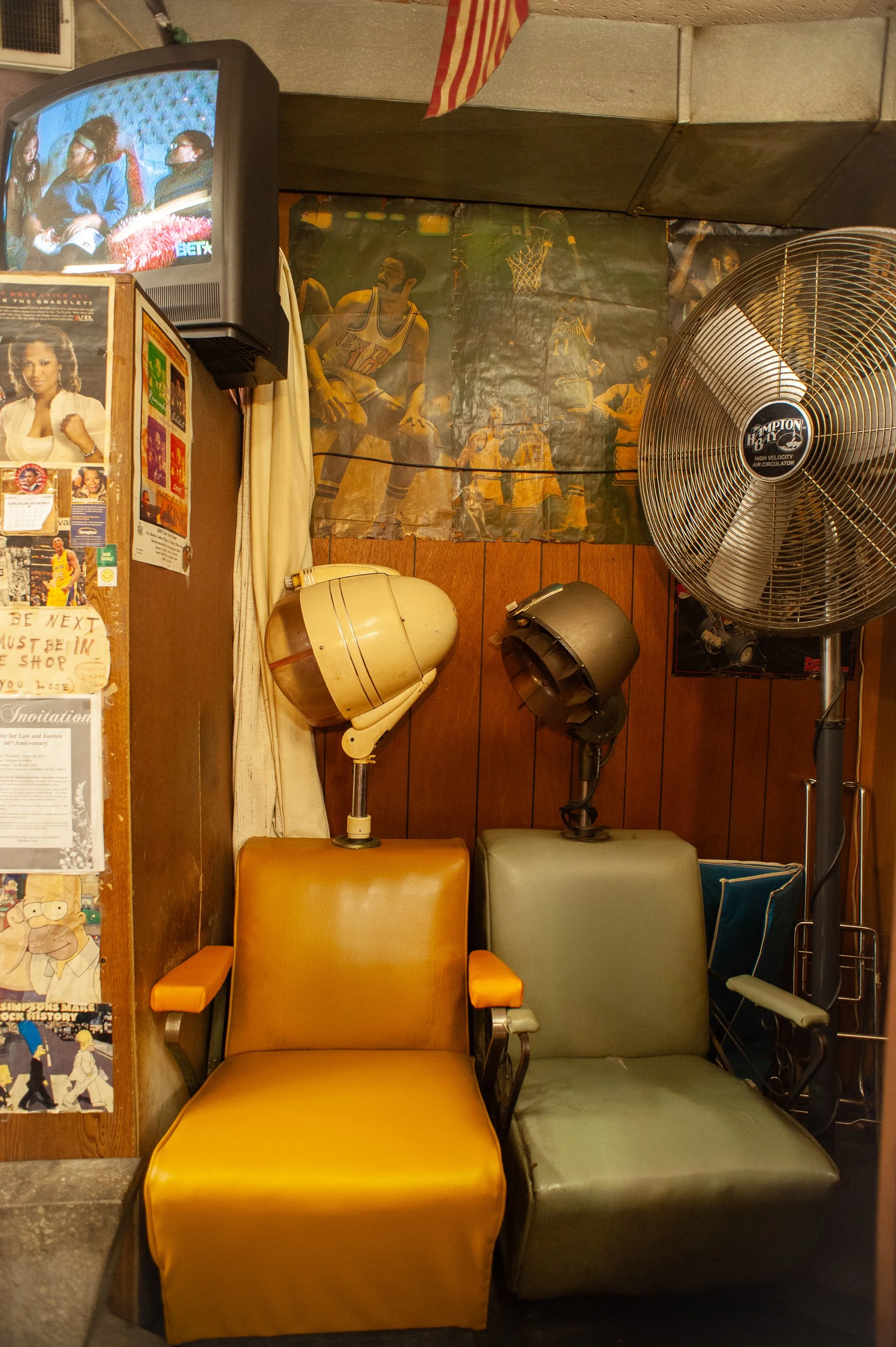
Old hair dryers and posters on the wall inside a classic barbershop interior

Details that mark the era—equipment and imagery that speak to decades of use and change.

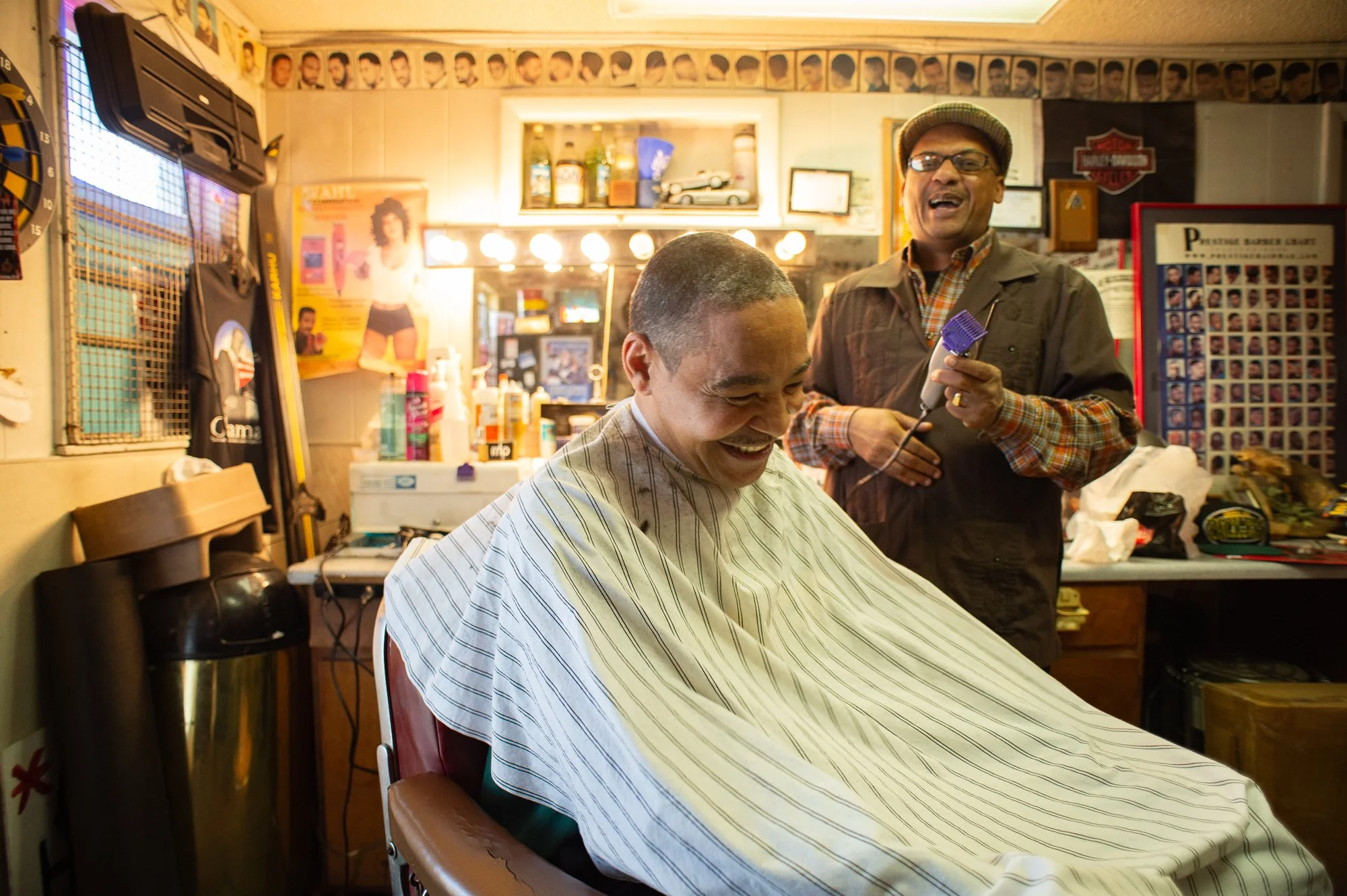
Barber smiling while cutting a client’s hair inside a traditional Black barbershop

A moment of humor during a haircut—relationships built over years, not just appointments.

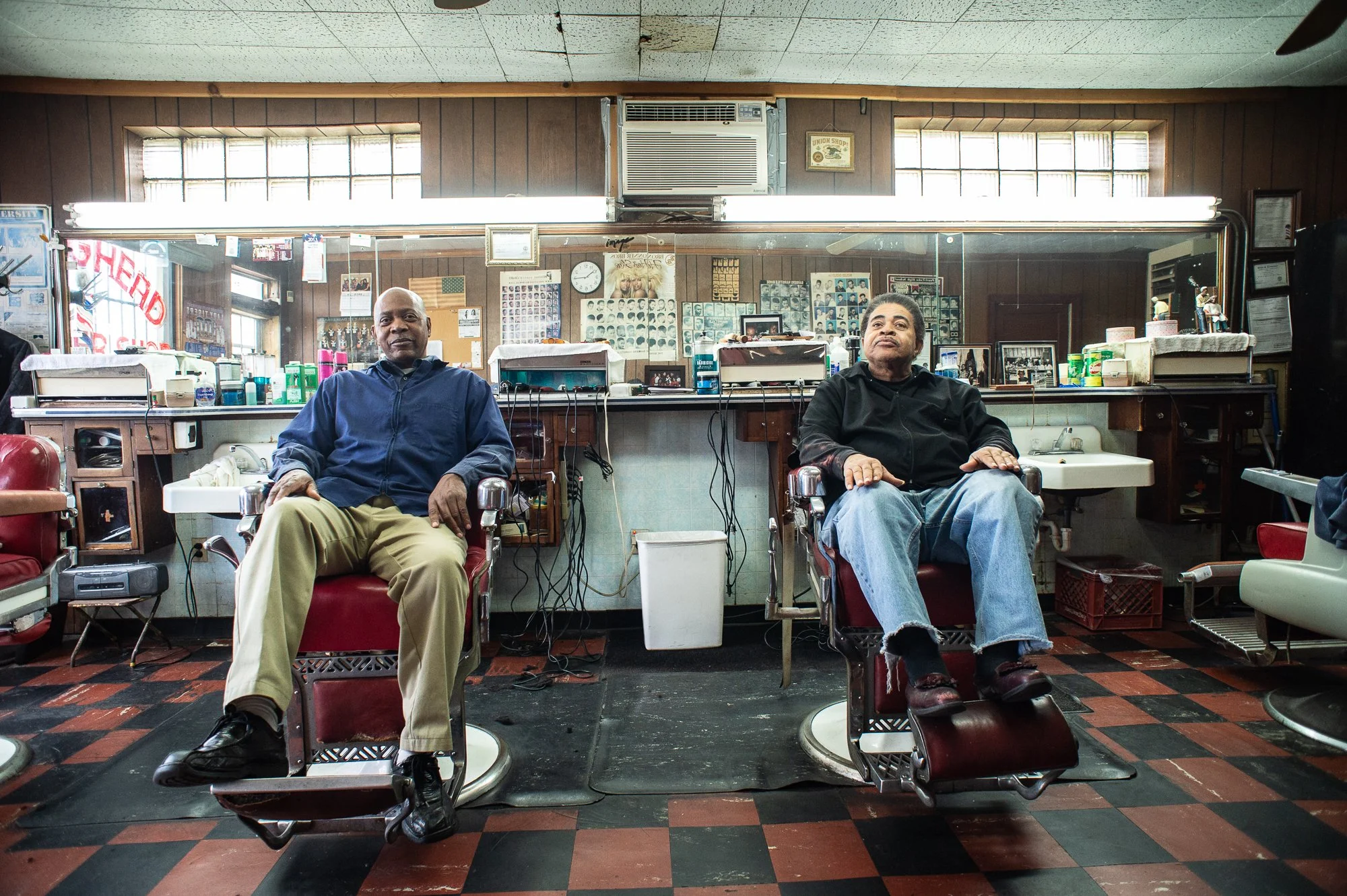
Two men seated in barber chairs inside a historic Black barbershop interior

Waiting, watching, and talking—the chair is as much about presence as it is about the haircut.

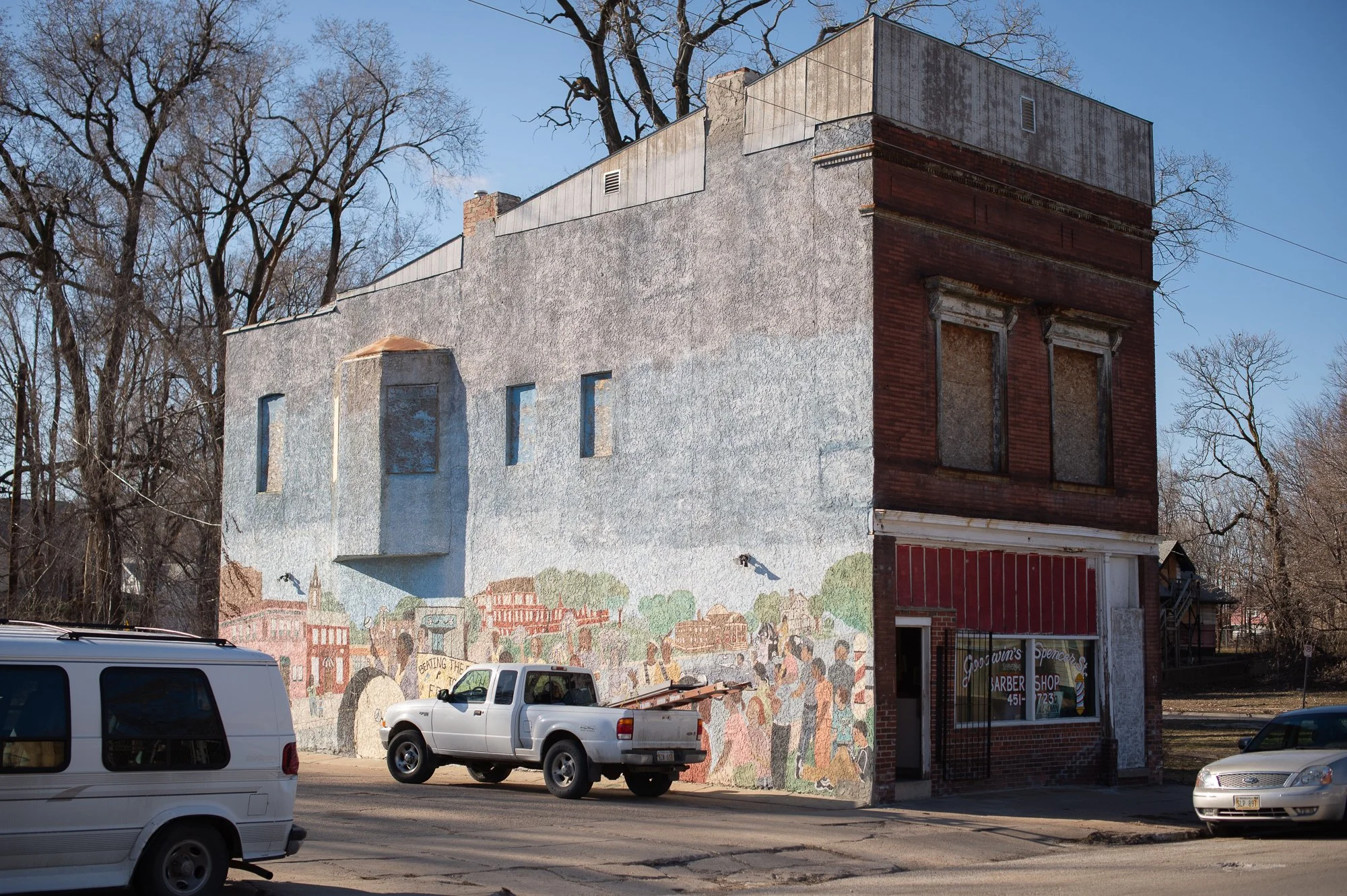
Exterior of an old Black barbershop building with mural and parked cars in a small American town

The outside of the shop carries its own story—weathered walls, murals, and a presence rooted in the neighborhood.

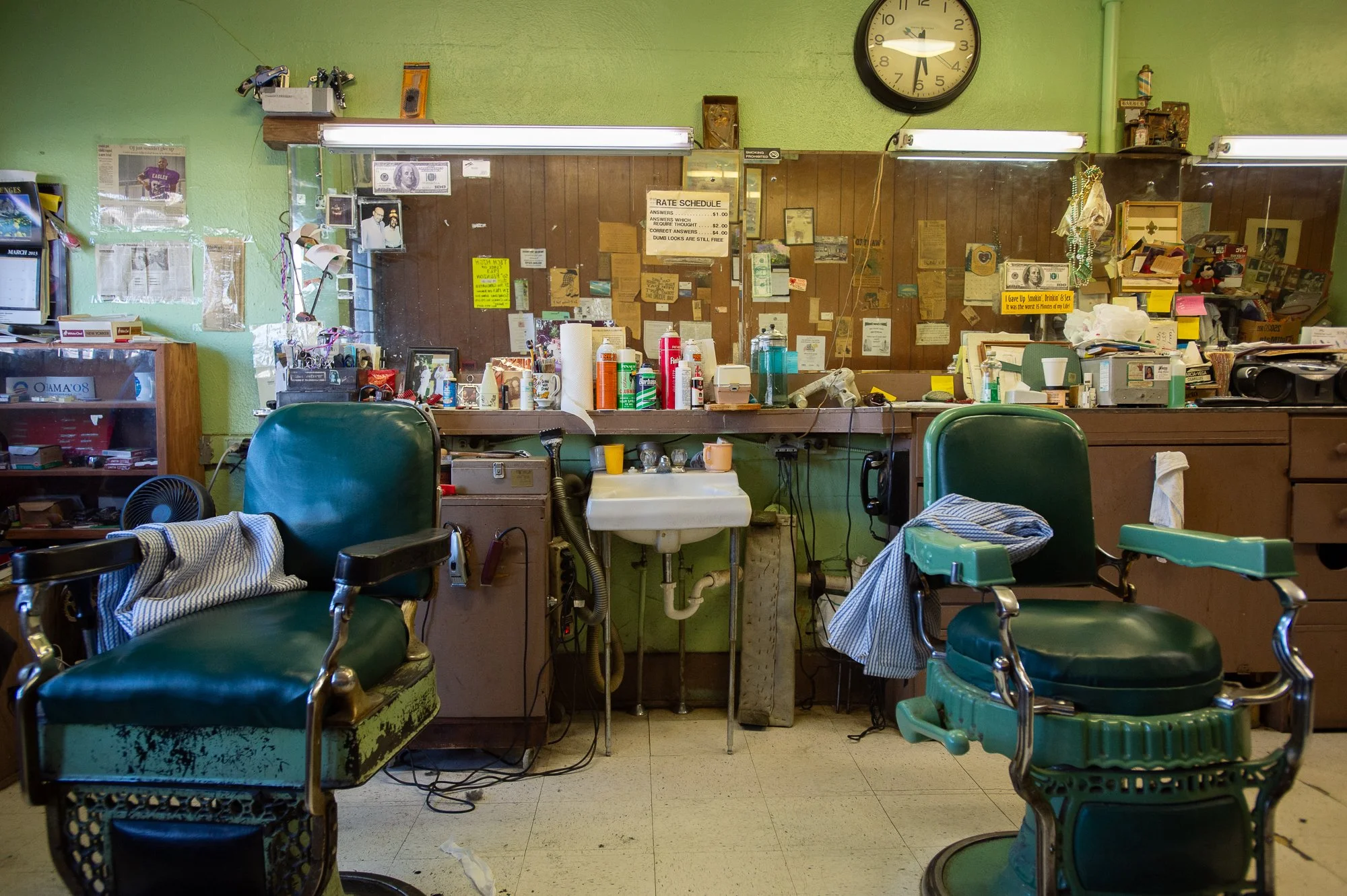
Two vintage green barber chairs facing a cluttered mirror and work station in a traditional shop

Tools, notes, and years of work surround the chair—evidence of a craft practiced daily over decades.

Barber trimming a client’s hair with another man sitting nearby in a classic barbershop interior

Generations gather in these spaces—routine, trust, and tradition carried forward one cut at a time.

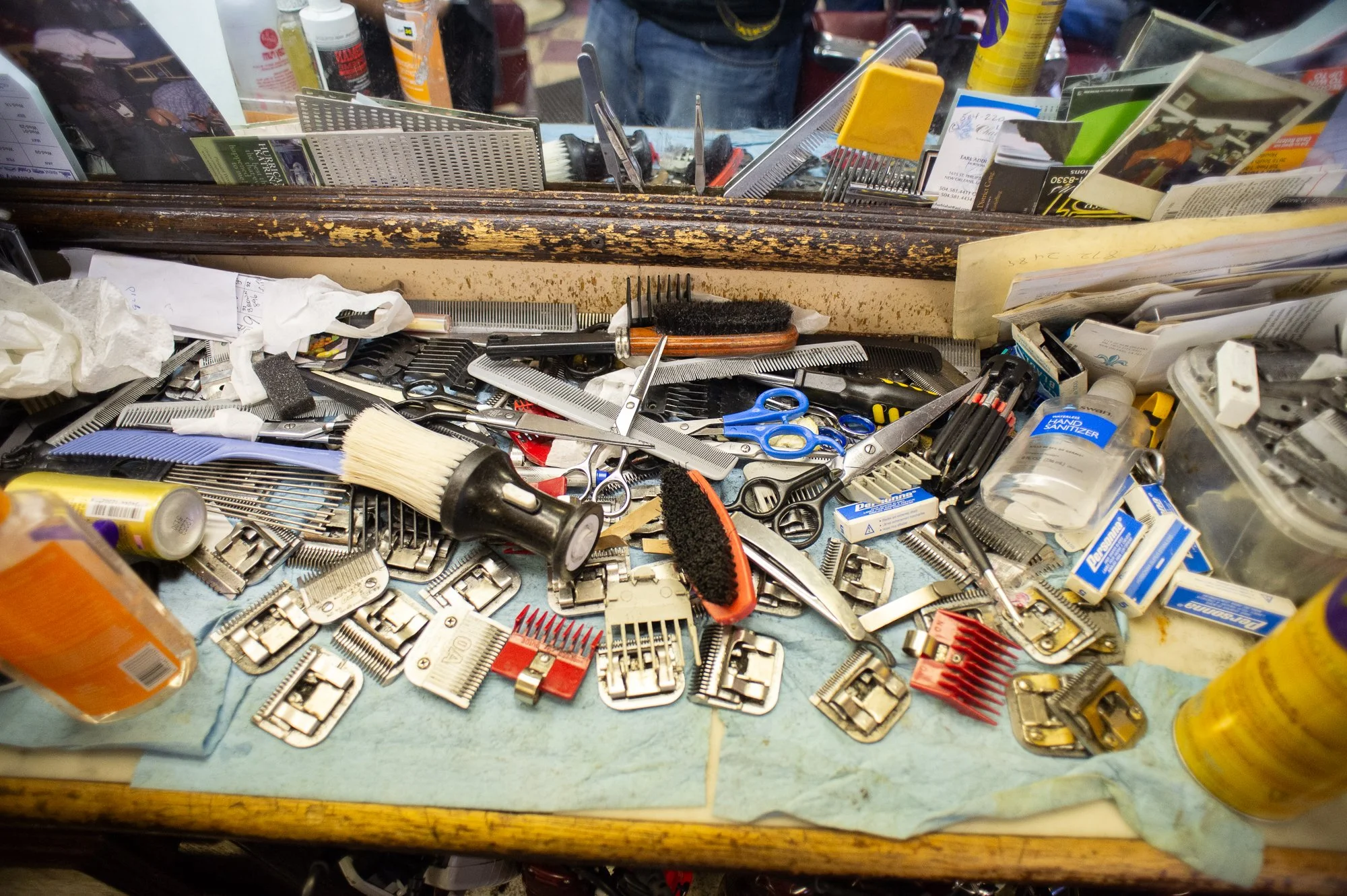
Close up of barber tools including clippers, combs, scissors, and brushes scattered across a worn counter

The tools of the trade—used daily, worn over time, and essential to the craft practiced in every shop.

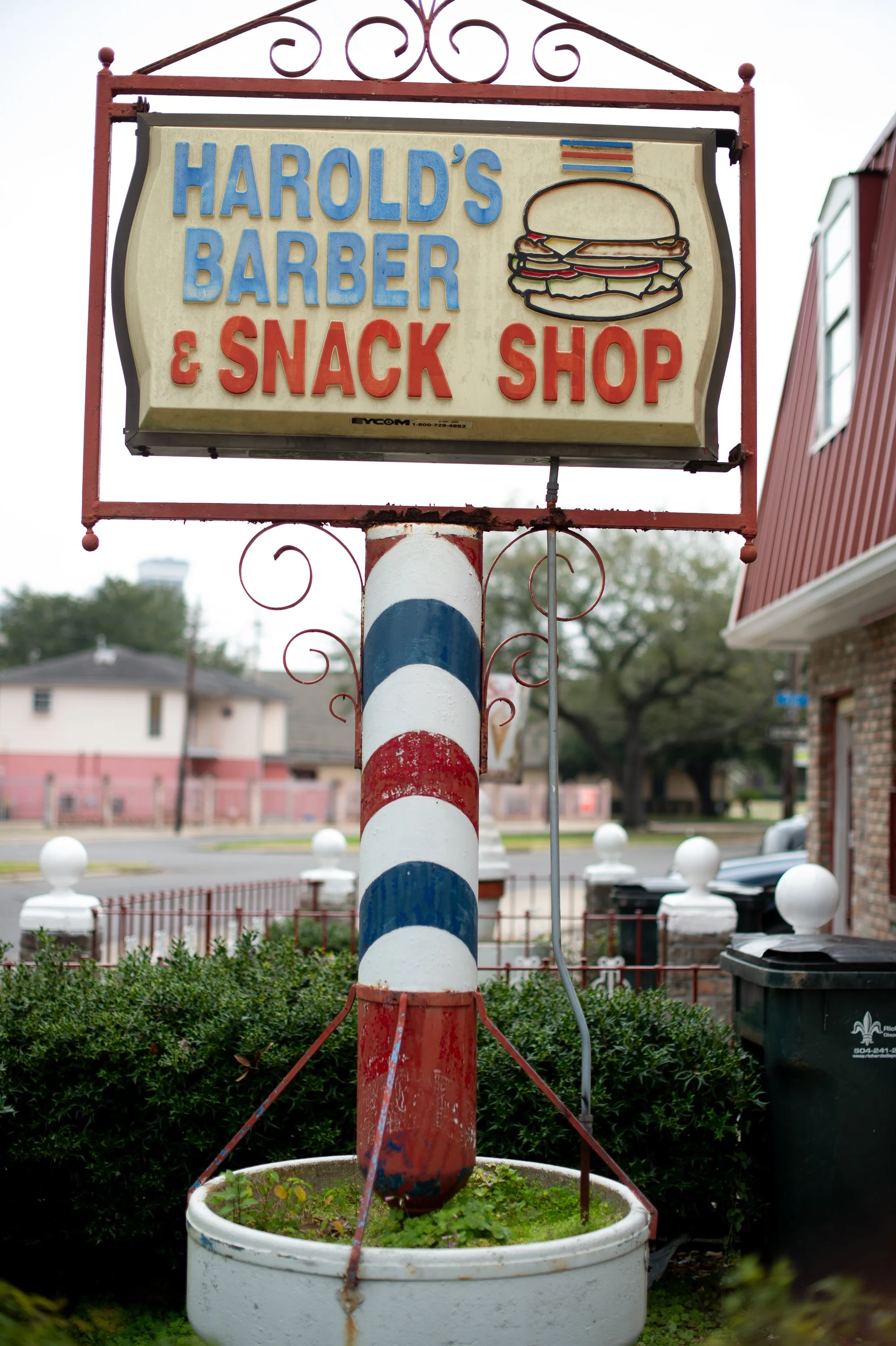
Vintage sign reading Harold’s Barber and Snack Shop above a barber pole outside

A sign that reflects the role of the barbershop as both business and gathering place within the neighborhood.

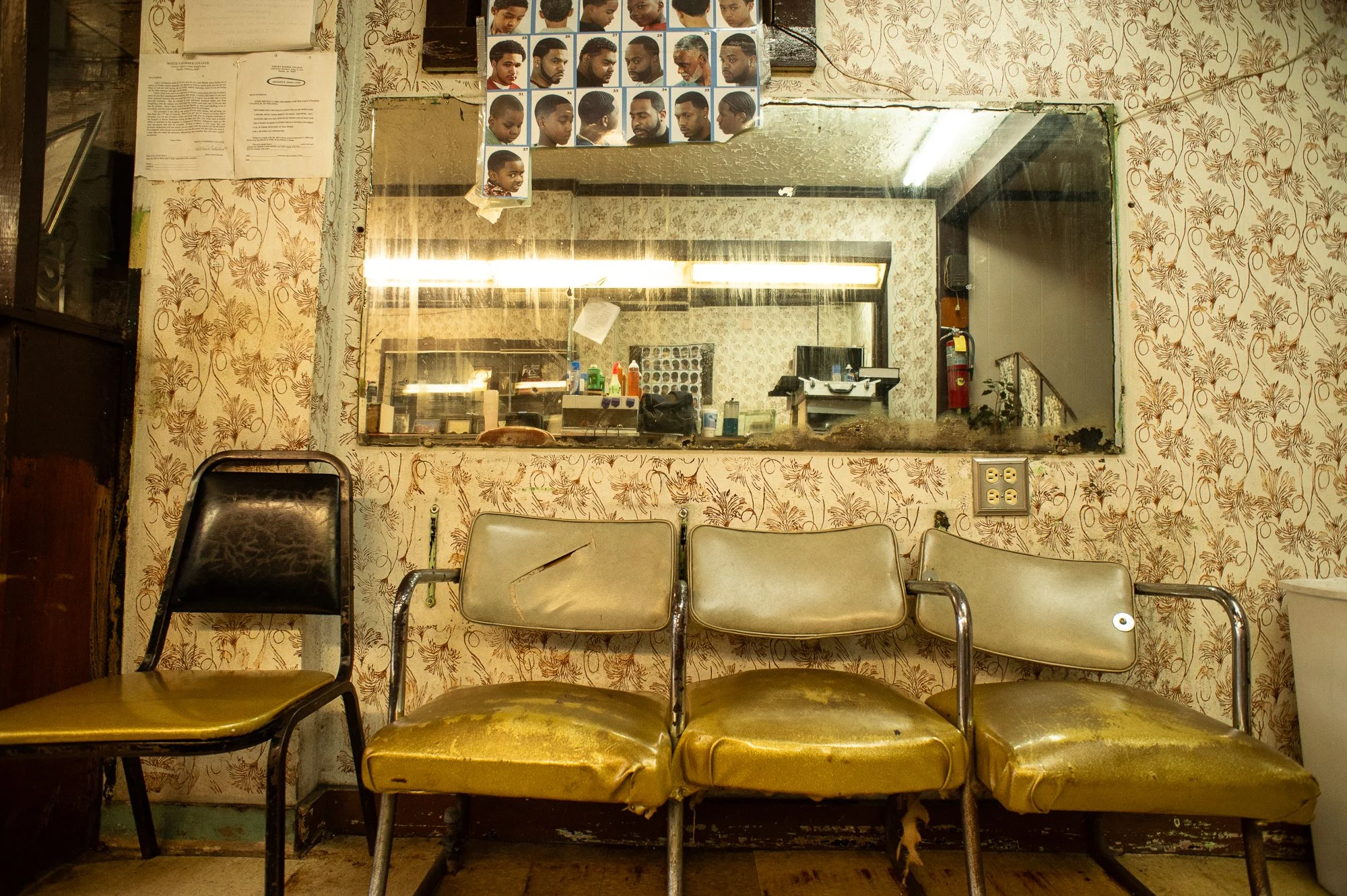
Old worn waiting chairs inside a historic barbershop with patterned wallpaper and mirror

Chairs worn from years of use—each one holding its own history of conversations and waiting.

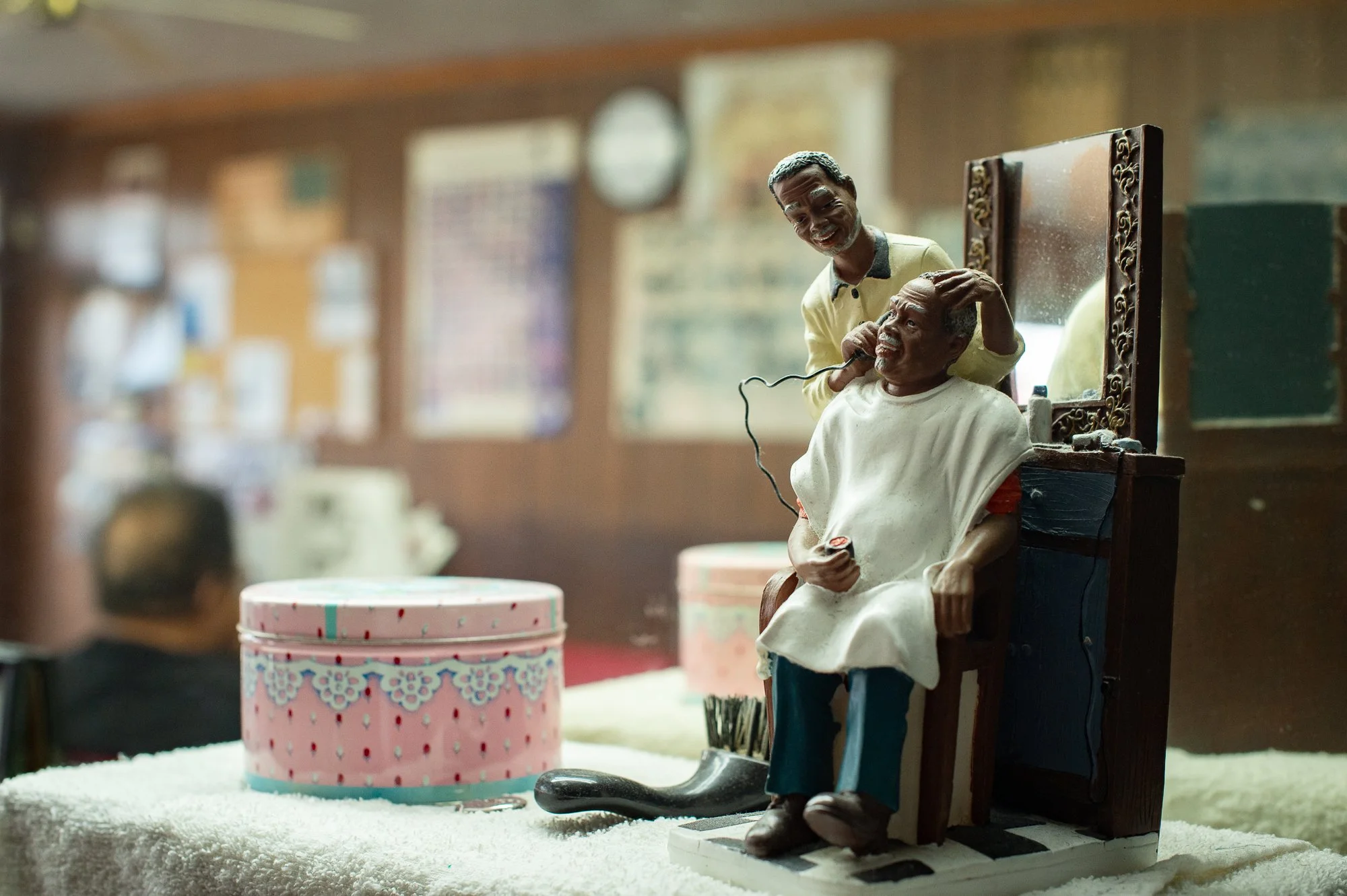
Small figurine of a barber cutting hair placed on a towel inside a barbershop

A small detail on the counter—a reflection of the craft and culture that defines the space.

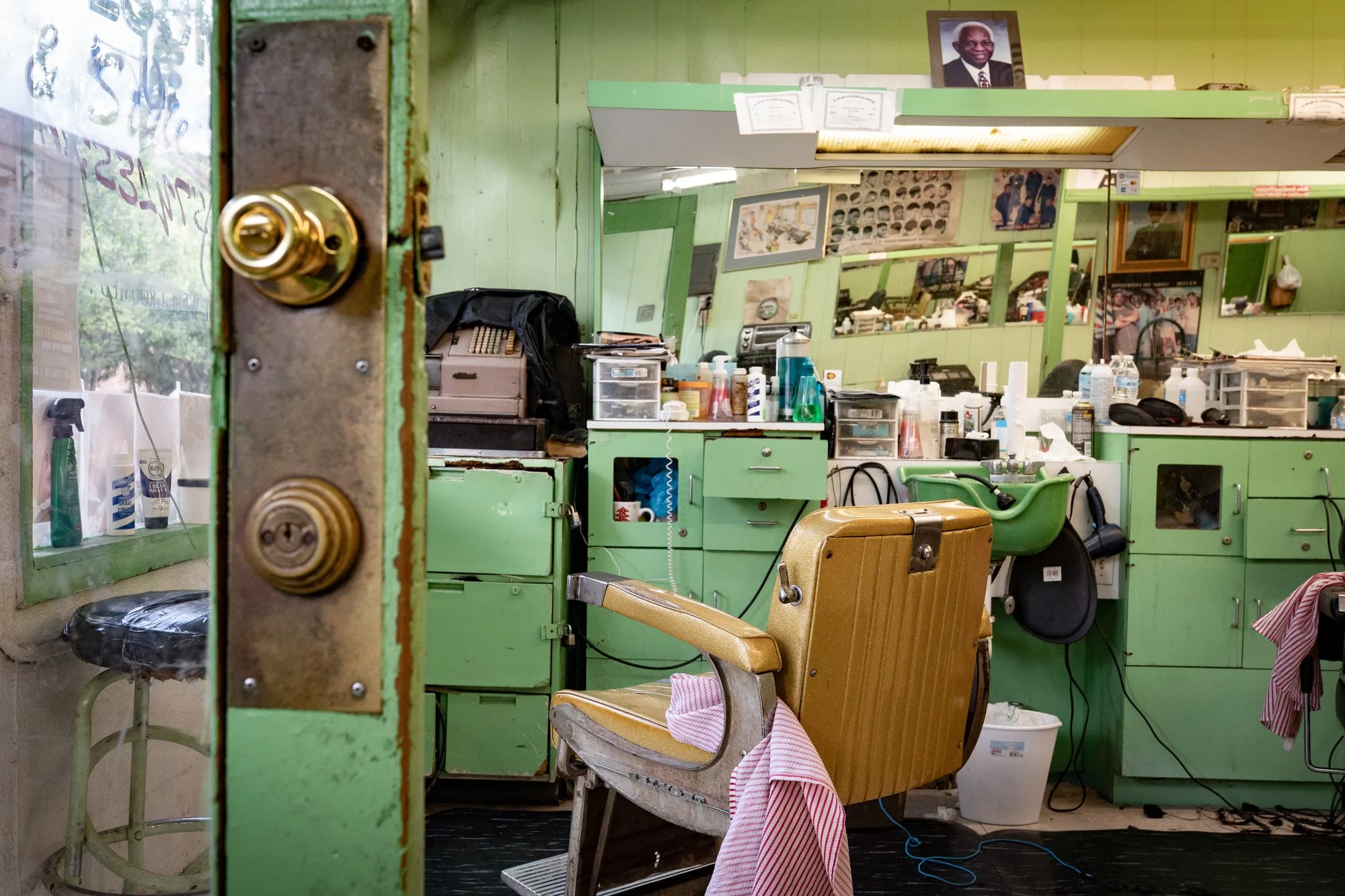
Interior of a barbershop with green cabinets and a vintage barber chair viewed through an open door

A quiet interior between customers—the shop as both workspace and daily routine.

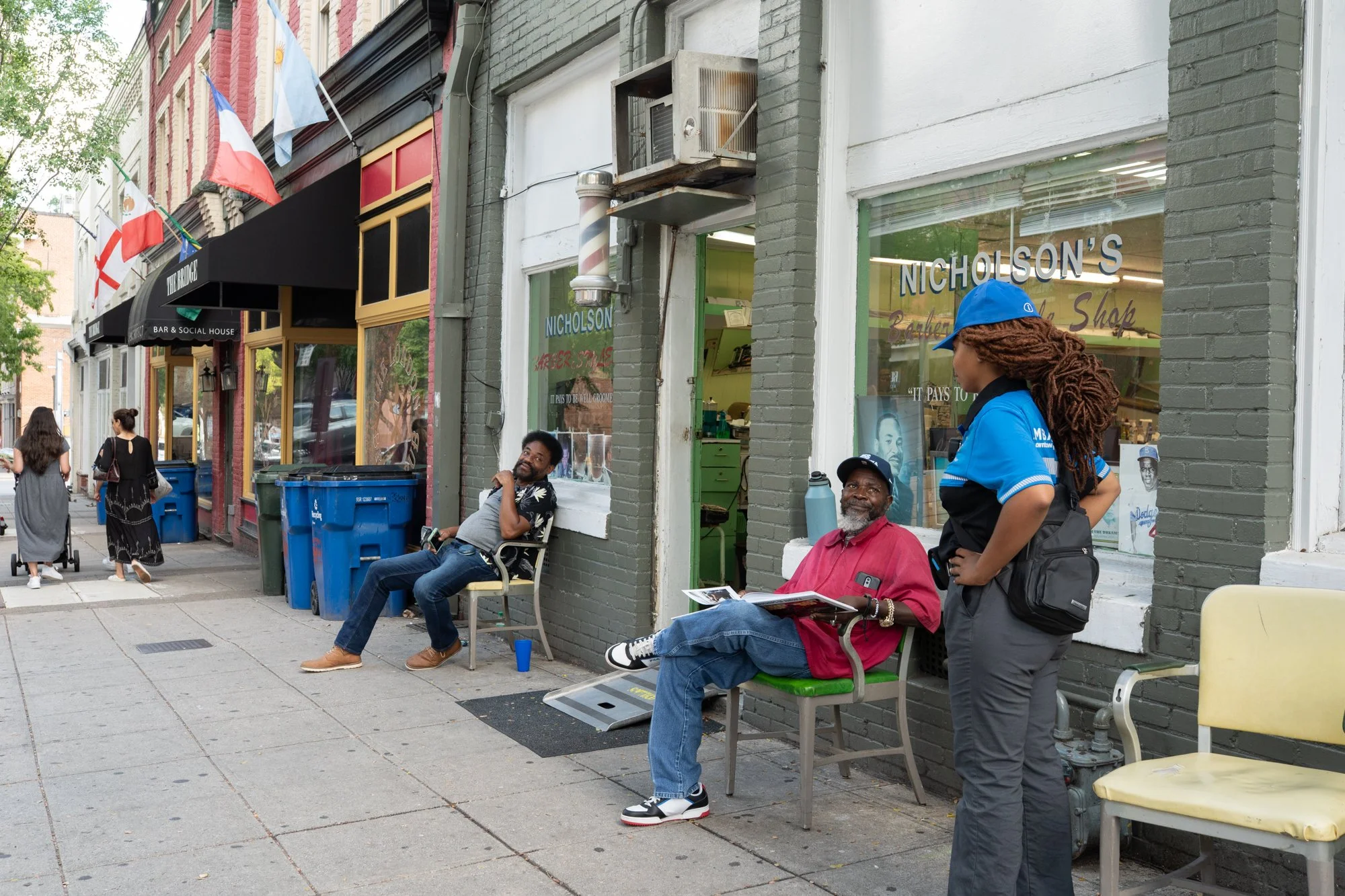
People sitting and talking outside a neighborhood barbershop on a city street

The sidewalk becomes an extension of the shop—conversation and community continuing just outside the door.

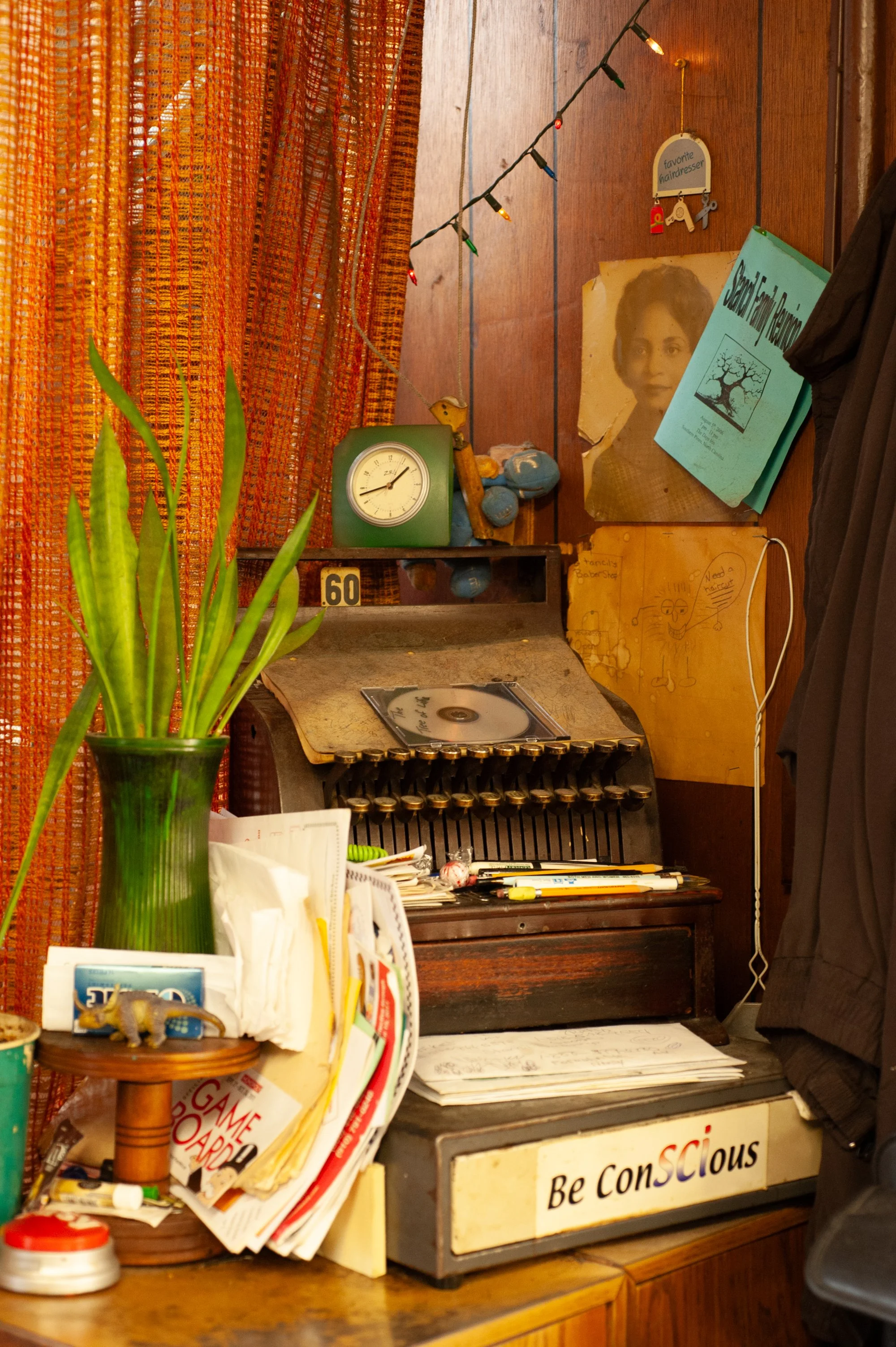
Vintage typewriter and personal items on a cluttered counter inside a Black barbershop

Personal objects layered into the space—notes, tools, and history sitting side by side on the counter.

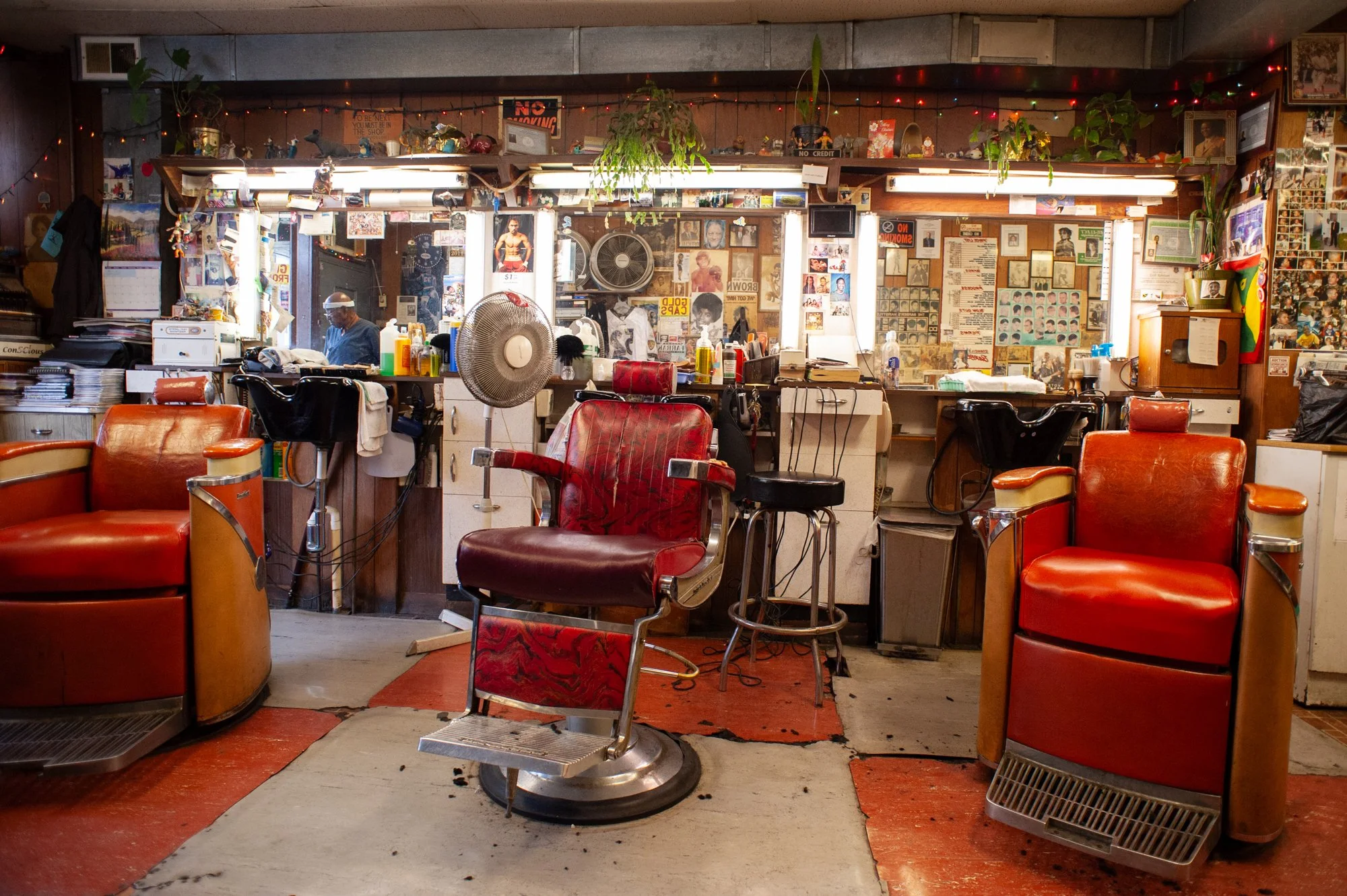
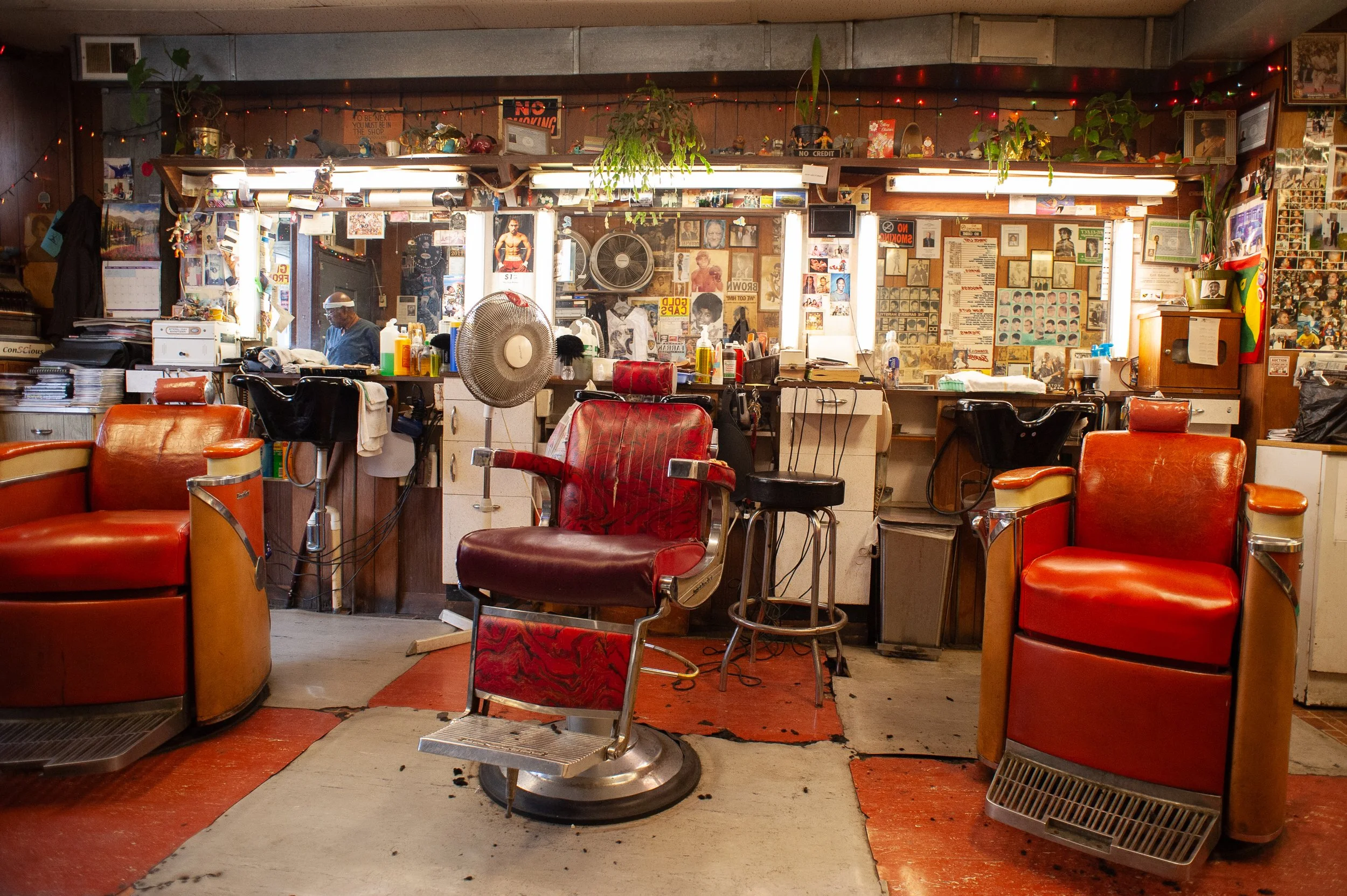
Interior of a traditional barbershop with red vintage barber chairs and mirrors

A full view of the shop—chairs, mirrors, and walls layered with history and everyday life.

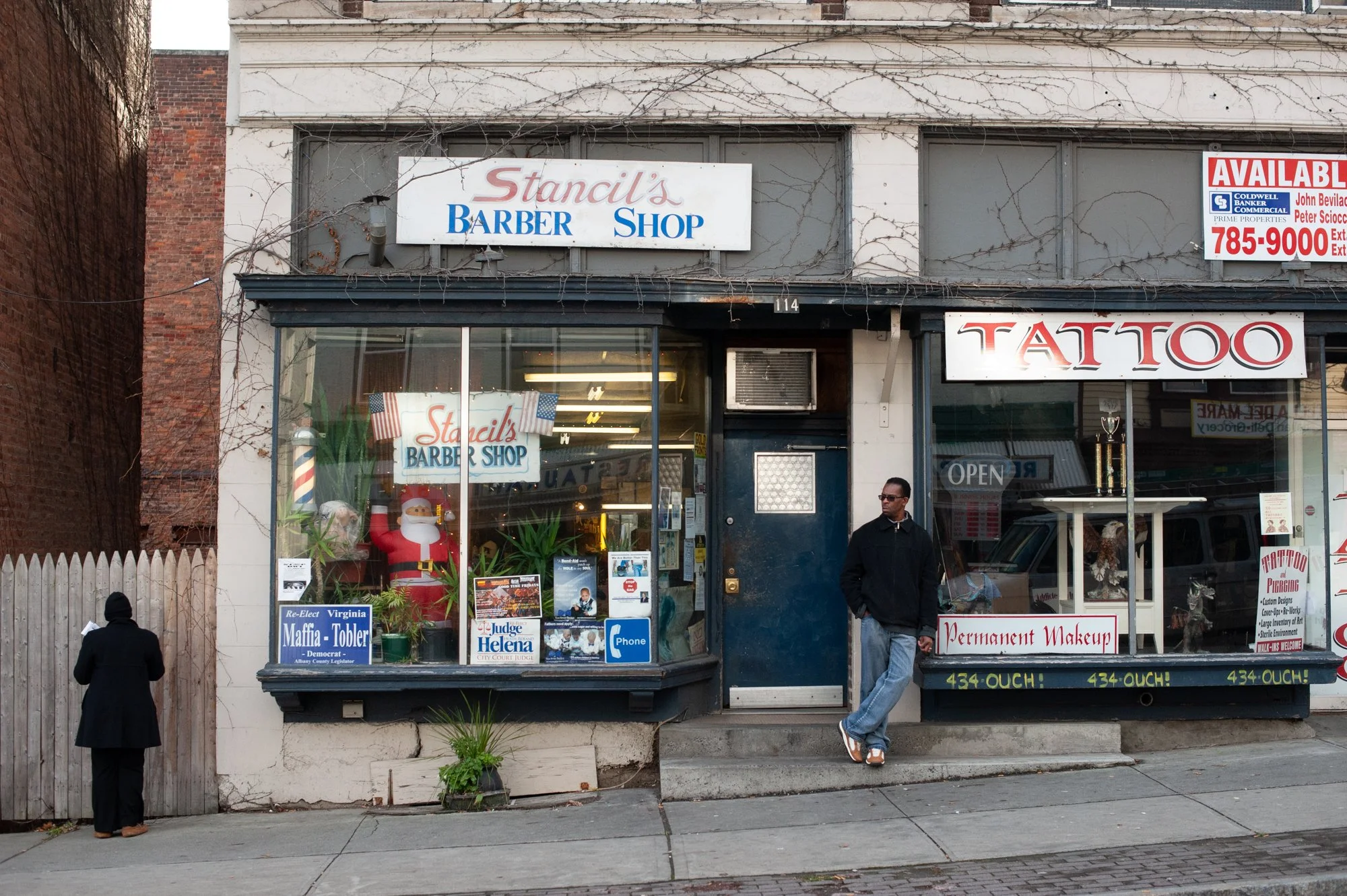
Exterior of Stancil’s Barbershop with people standing outside on a city street in Albany New York

The shop as part of the street—where daily life, community, and routine meet the sidewalk.

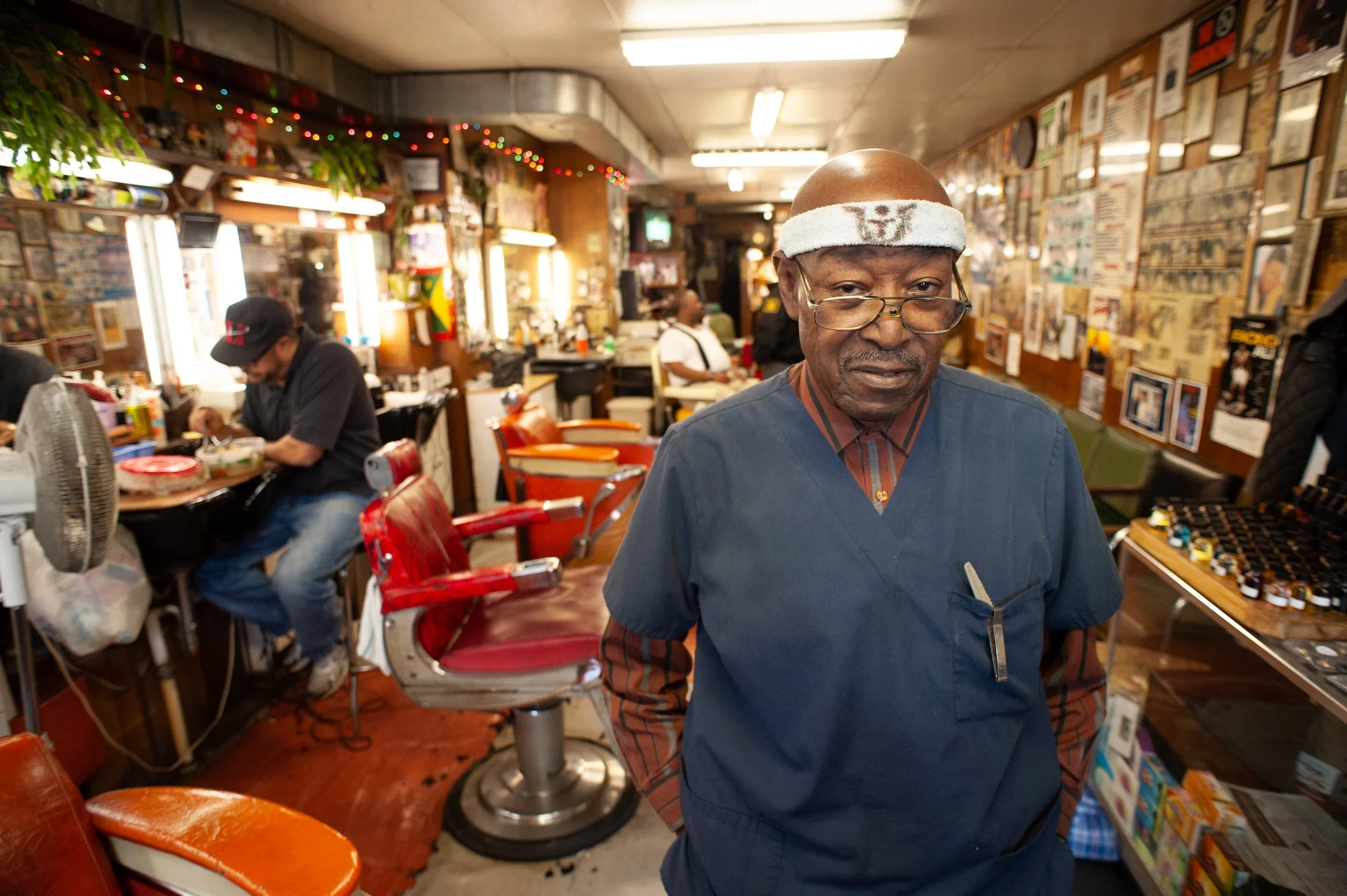
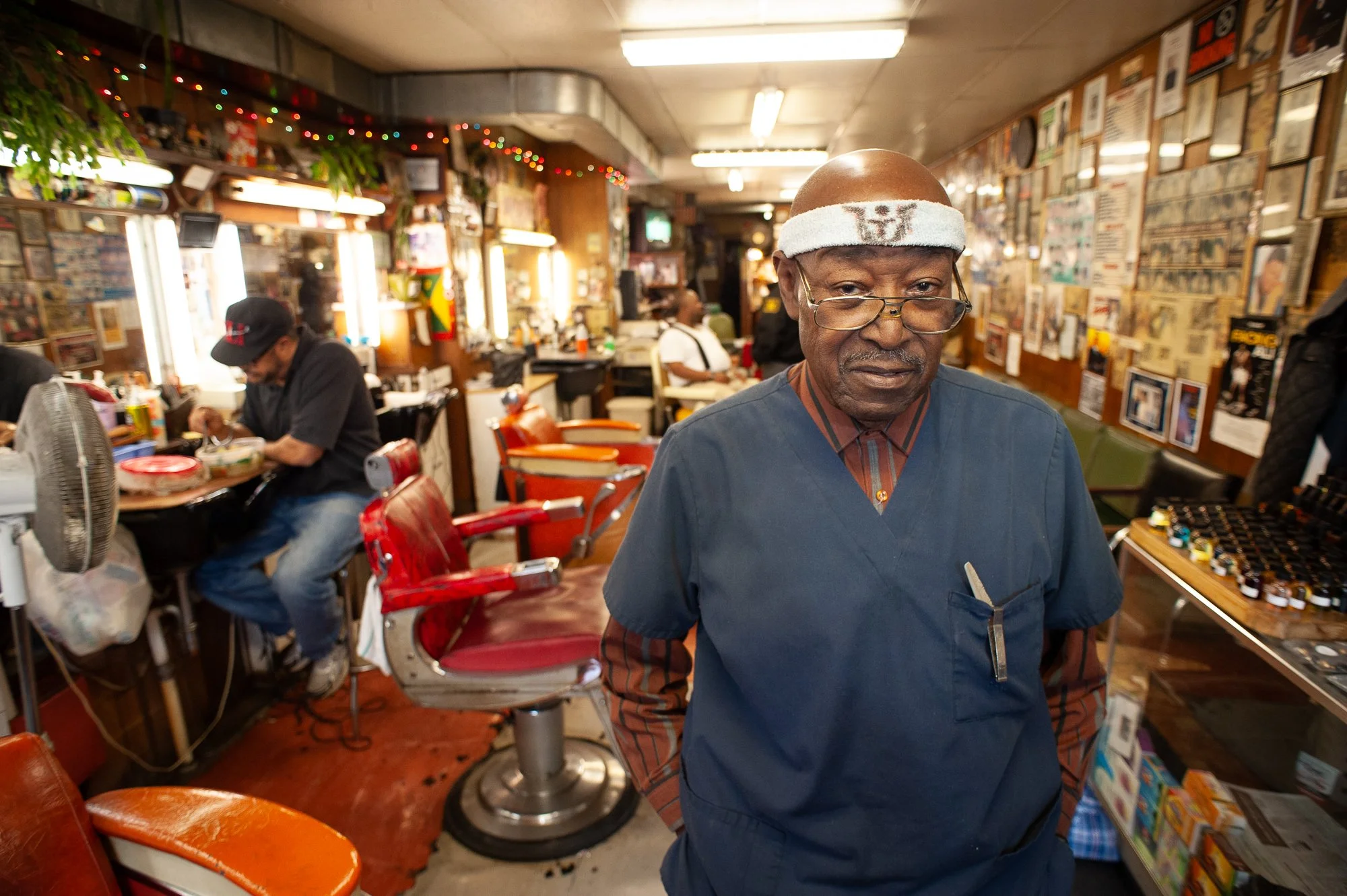
Portrait of a barber standing inside a traditional Black barbershop with chairs and mirrors behind him

A portrait inside the shop—years of experience, routine, and presence behind the chair.

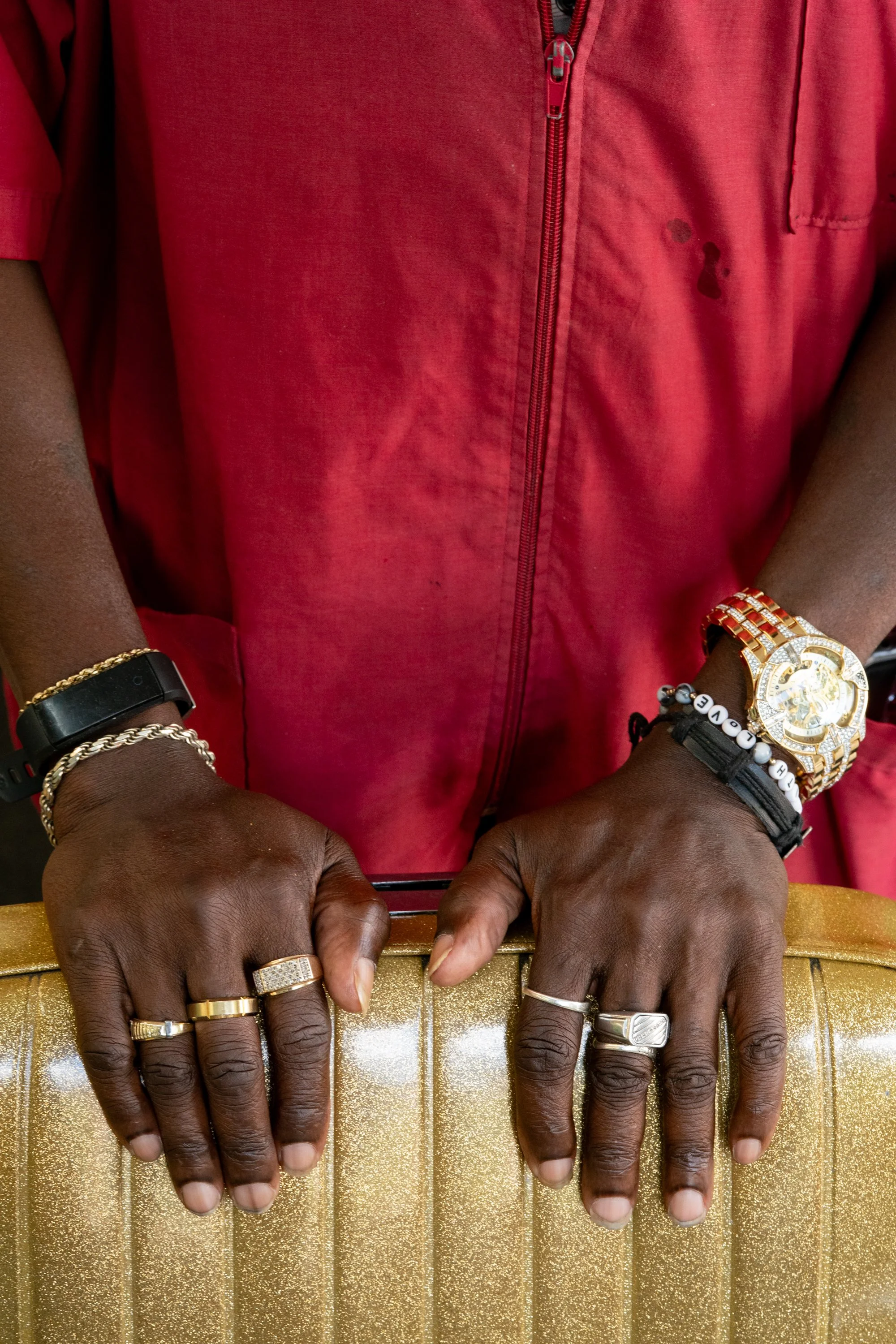
Close up of a barber’s hands with rings and watch resting on a barber chair

Hands that define the craft—tools, precision, and personal style carried into the work.

Shane's Barbershop - San Mateo, CA

Shane’s Barbershop, San Mateo

A Standard That Hasn’t Been Matched

There was a time when if you cared about getting a proper haircut in San Mateo, you knew exactly where to go.

Shane’s Barbershop didn’t run on normal hours. The lights were on at 3:00 in the morning. Guys heading to work, early shifts, long days—they could count on Shane being there before most of the city was even awake. That alone set him apart. But it wasn’t the reason people kept coming back.
The work did that.

Shane Nesbitt built a reputation the hard way—one cut at a time, day after day, year after year. His standards were high, and he didn’t bend them. There was a level of consistency to what he did that a lot of shops never reach. Clean fades, sharp lines, no shortcuts. You sat in his chair, you knew what you were getting.
And other barbers paid attention.

Shane was, and still is, a reference point—someone peers and younger barbers looked to, whether they realized it or not. The kind of barber who quietly raises the bar for everyone else in the room. Not by talking about it, but by showing up and doing the work.

A Shop Built on Culture

Shane’s Barbershop was curated, but not overdone. It felt lived in. And a natural extension of Shane’s life.

There was a strong undercurrent of skateboard culture in the space—something that came through in the details more than anything obvious. The music, the energy, the way people moved through the shop. It wasn’t trying to be anything. It just was.
That mattered.

Because the best barbershops aren’t built around aesthetics or trends. They’re built around identity. Around the people who spend their time there. Around the conversations, the routines, the repetition of daily life.

Shane’s shop had that.

It was a place where working people came through the door, where time moved a little differently, where the day started early and didn’t slow down until it was done.

The Hours, The Work, The Reputation

Opening at 3:00am isn’t something you do for show.

It’s a reflection of who you are and who you’re there for.

Shane understood his customers—guys who didn’t have the luxury of showing up midday, who needed to be in and out before the rest of their day started. That schedule built a kind of loyalty you can’t manufacture.

And over time, that kind of consistency turns into something else.

Respect.

Not just from customers, but from other barbers. From people who know how hard it is to maintain that level of work, that kind of schedule, that kind of focus over years.

Shane was ahead of his time. He was the first barber to become a brand - selling t-shirts, stickers, even his own custom branded straight razors. Nobody else was doing that. Most importantly though, Shane knew that he was there to serve. A lot of barbers these days have giant egos and think their clients don’t deserve to sit in the chair. Yet despite Shane’s status, he knew he was there for the customer!

A Barbershop That’s No Longer There

The shop is closed now.

Things change. Life moves on. That’s part of it.

But places like Shane’s don’t just disappear. They stick with the people who spent time there. In the routines. In the stories. In the way other barbers approach their own work after seeing what was possible.

For a lot of people, Shane Nesbitt wasn’t just another barber.

He was the blueprint.

Part of a Larger Archive

This set of photographs is part of a long-term project documenting barbershops across America—places like this that define their communities, shape local culture, and, in many cases, quietly disappear over time.

Some shops are still open. Others, like Shane’s, live on through the people who remember them.

If you’ve spent enough time in barbershops, you know the difference between a place that cuts hair and a place that means something.
Shane’s was the latter.
Explore the Barbershops of America gallery

Read another barbershop story - Spanky’s Barbershop - Covington, KY

View Barbershop Prints + Photo Book

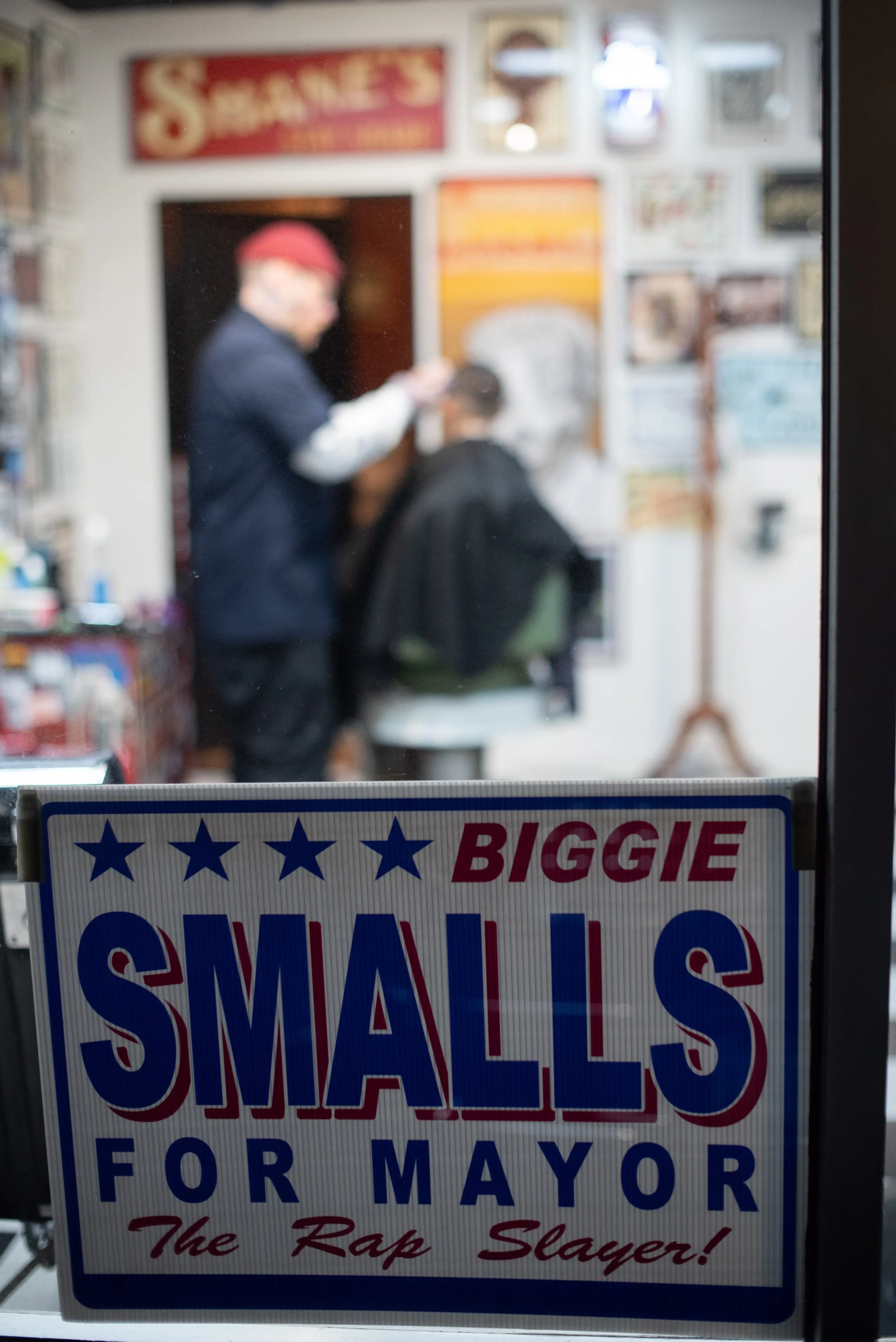
view through window into Shane's Barbershop San Mateo with barber cutting hair and campaign sign in foreground

View into Shane's Barbershop in San Mateo capturing everyday life inside the shop from the street

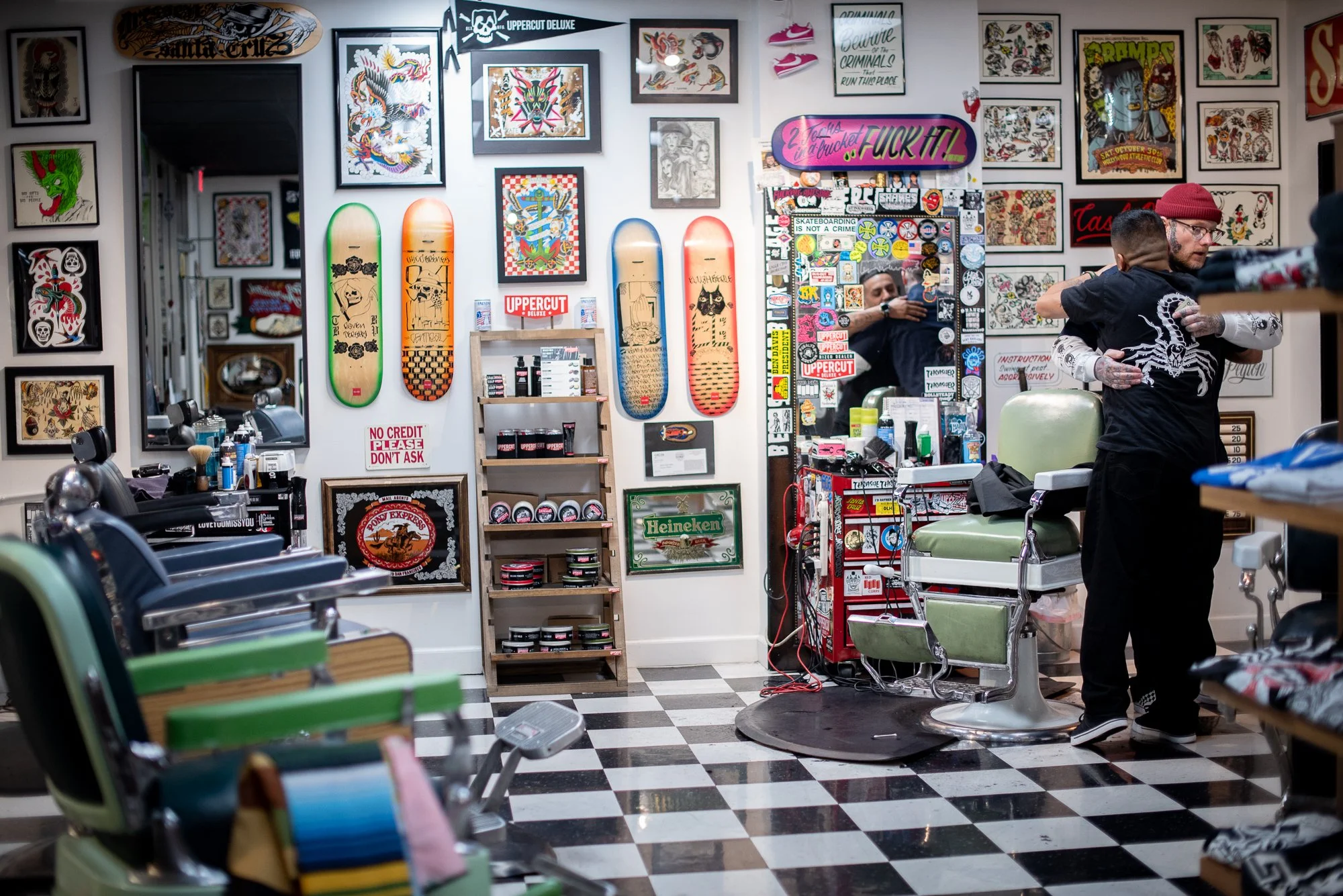
interior of Shane's Barbershop San Mateo with barber hugging client and tattoo artwork walls

Barber Shane Nesbitt shares a moment with a client inside his San Mateo shop surrounded by tattoo art and personal memorabilia

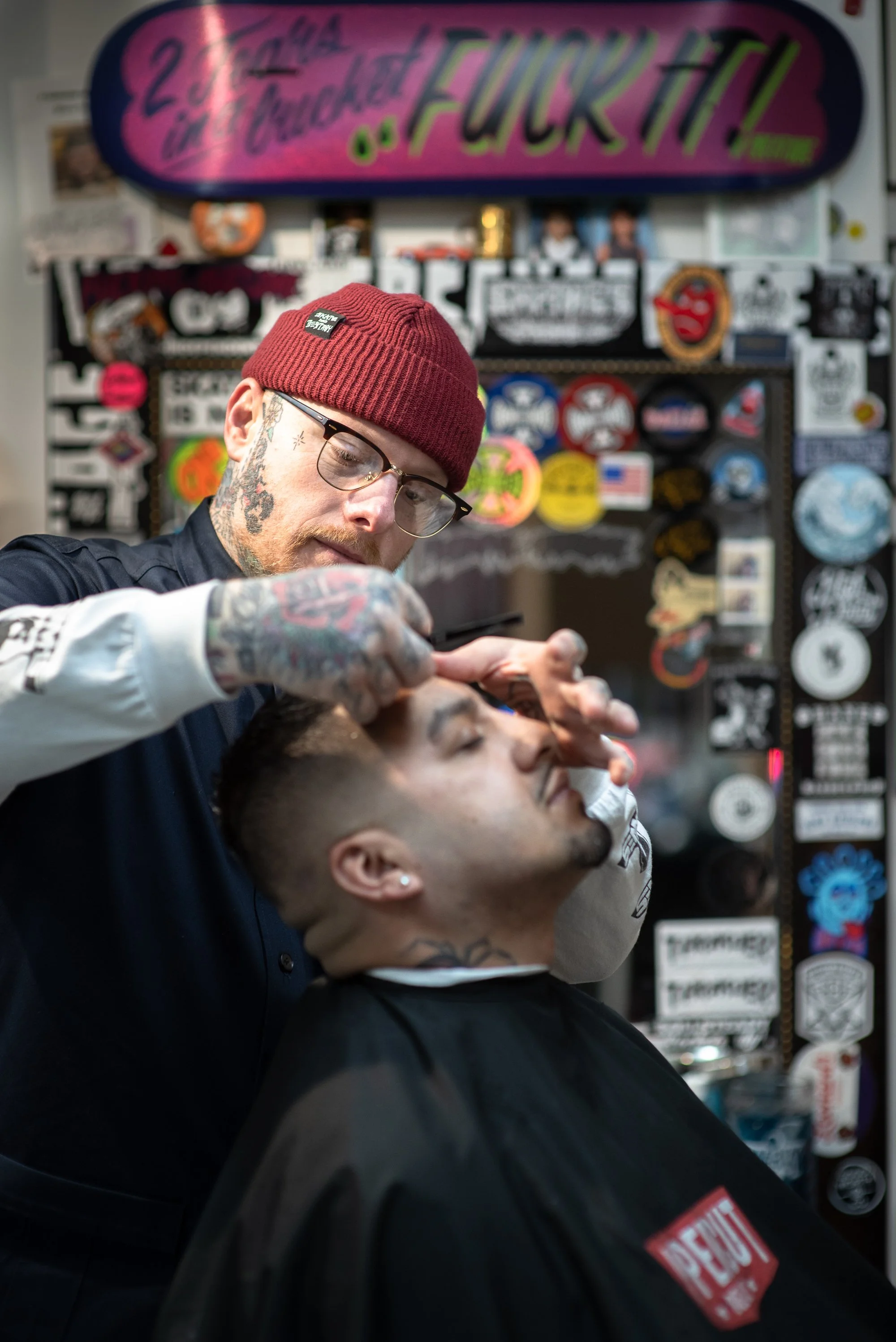
barber Shane Nesbitt giving detailed haircut to client inside Shane's Barbershop San Mateo

California barber Shane Nesbitt focuses on precision haircut inside Shane's Barbershop in San Mateo

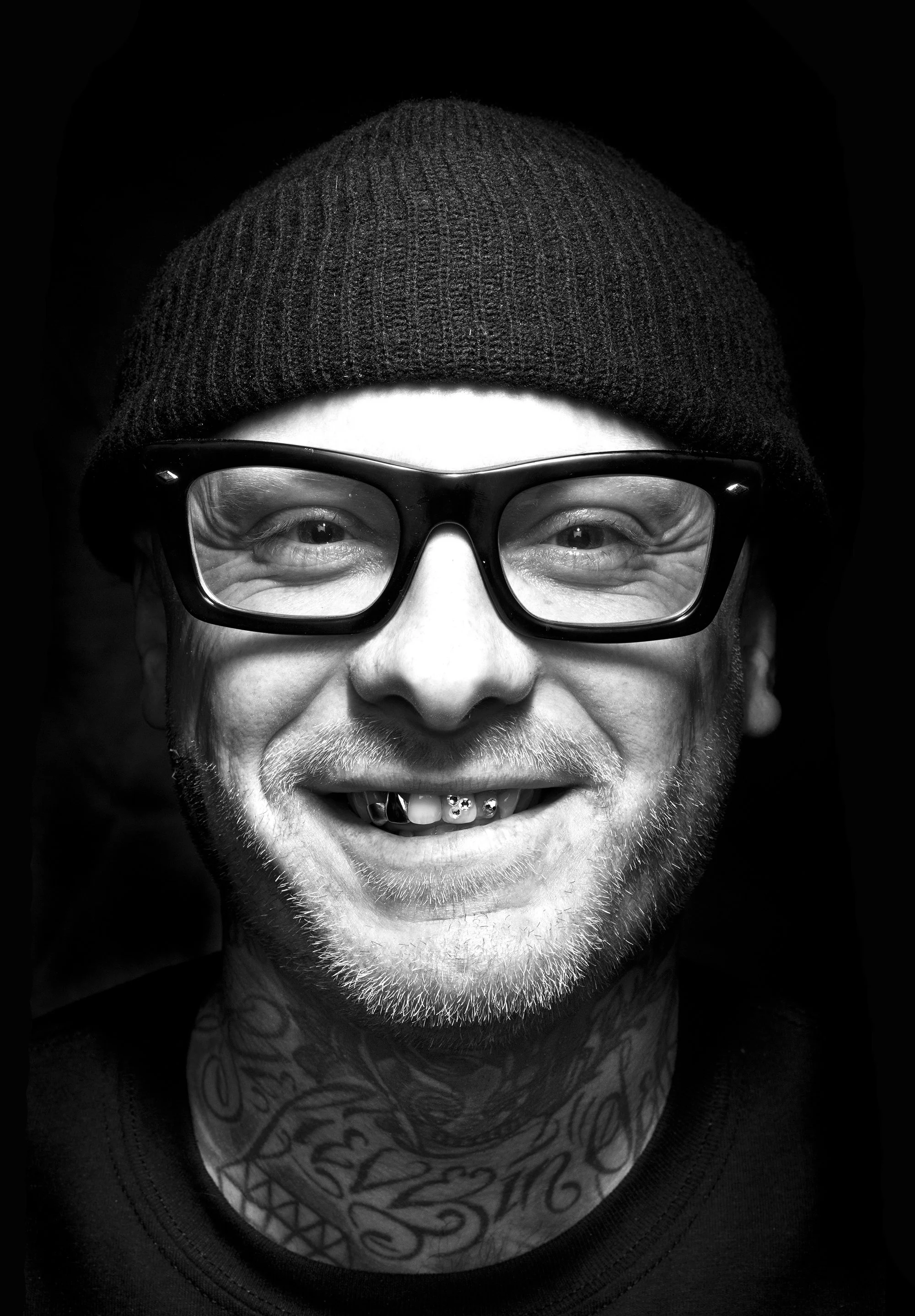
Black and white portrait of barber Shane Nesbitt wearing glasses and a beanie, San Mateo California

Shane Nesbitt, photographed in his San Mateo barbershop. For years, he set the standard—opening before dawn, cutting hair for working people, and building a reputation that reached far beyond the shop itself.

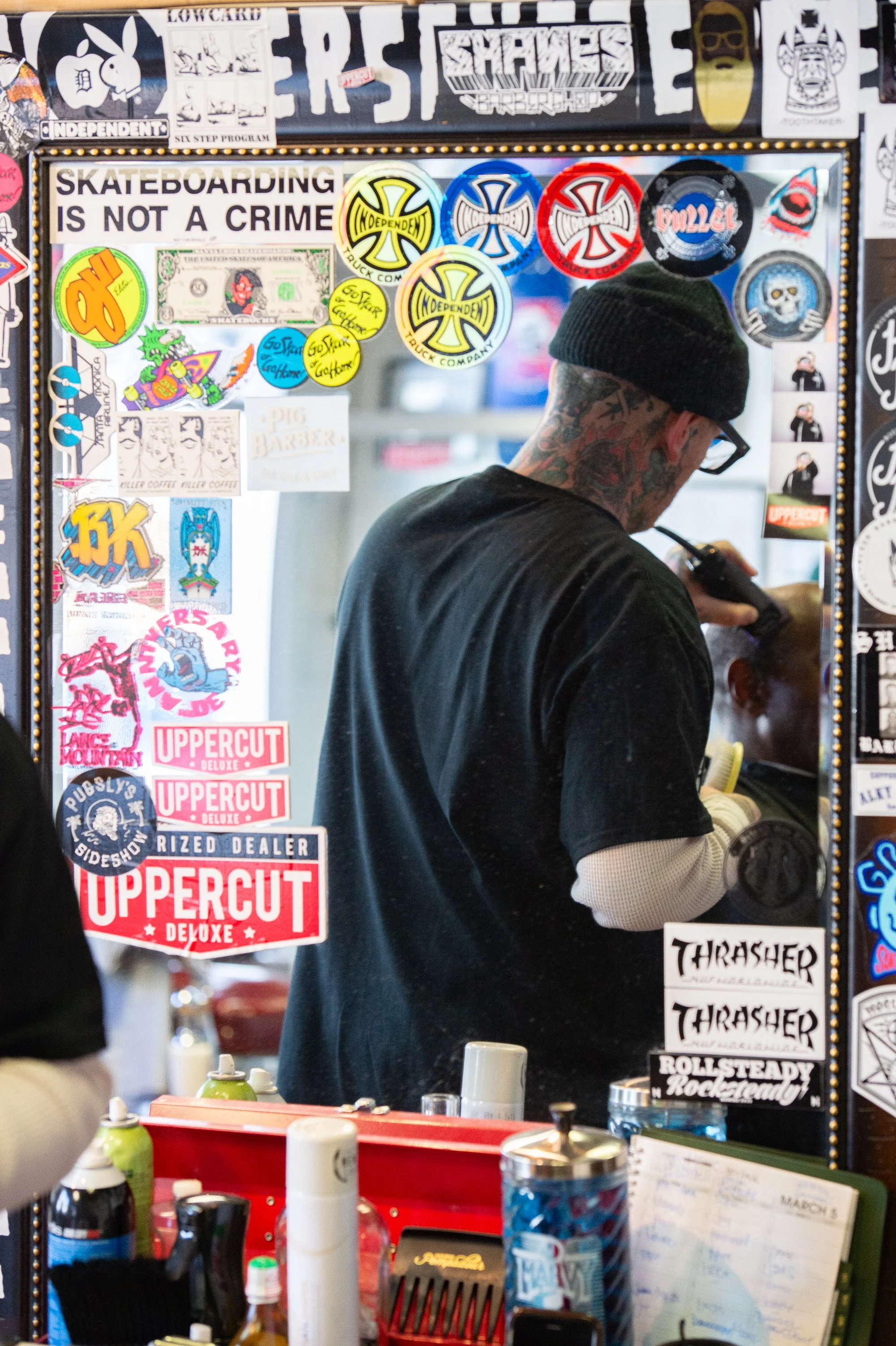
barber working through mirror covered in stickers inside Shane's Barbershop San Mateo

Barber Shane Nesbitt works through a sticker-covered mirror reflecting the layered skateboard culture inside his San Mateo shop

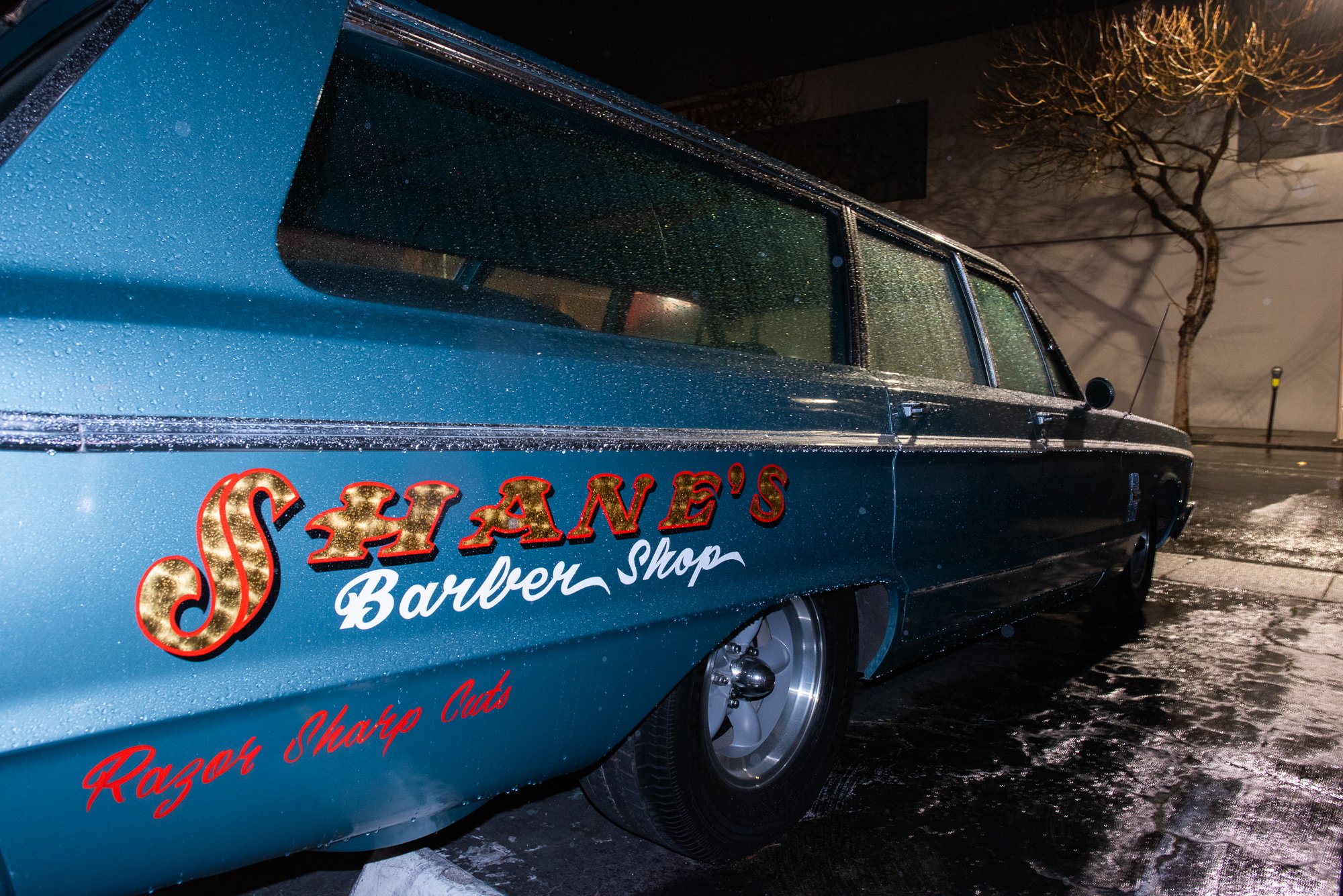
hearse with Shane's Barbershop lettering parked outside at night San Mateo

California custom hearse with Shane's Barbershop branding parked outside at night reflecting the personality of the shop

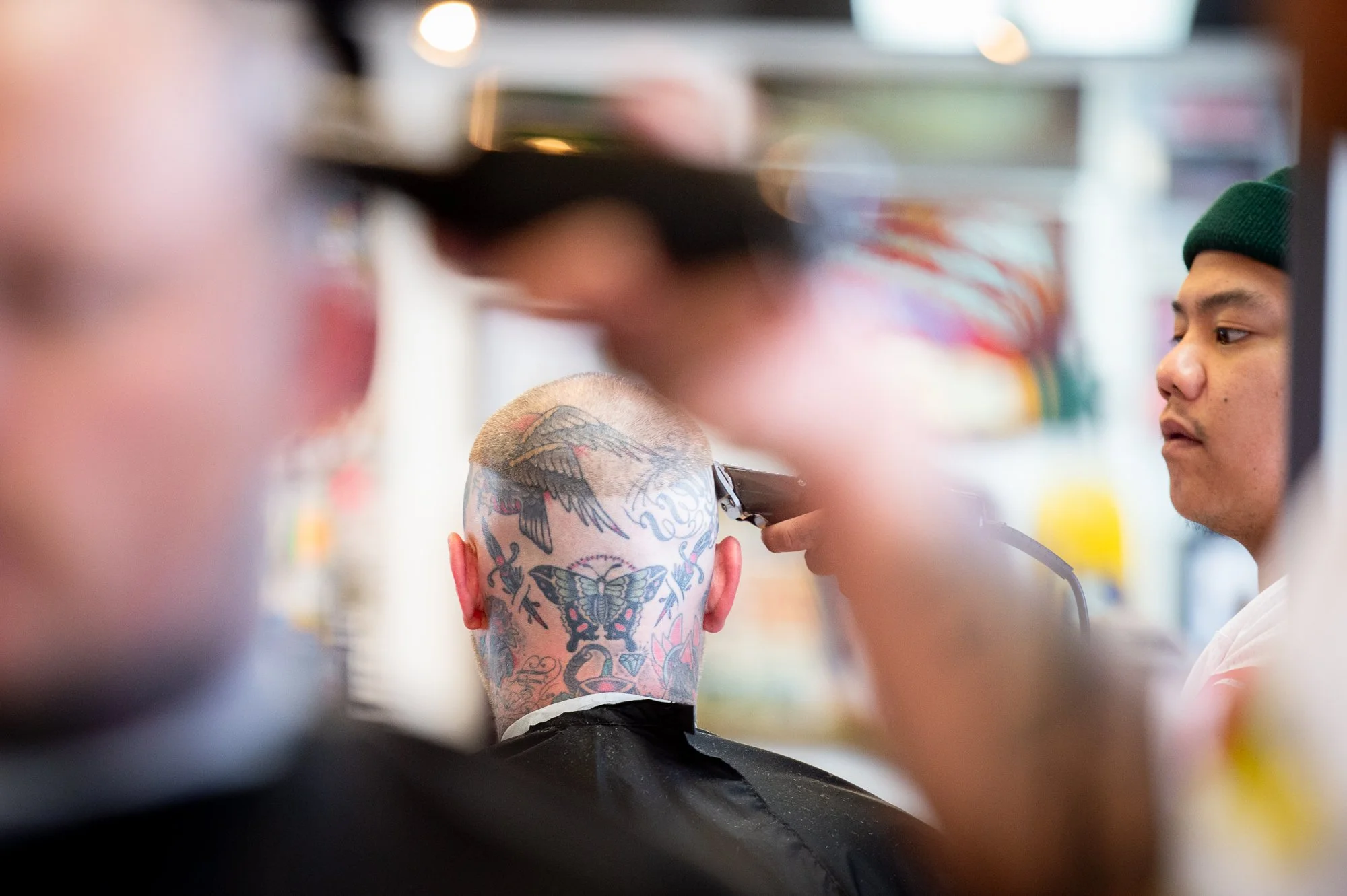
client with tattooed head getting haircut inside Shane's Barbershop San Mateo

Close-up of Shane’s tattooed head receiving a haircut highlighting the detail and individuality inside Shane's Barbershop

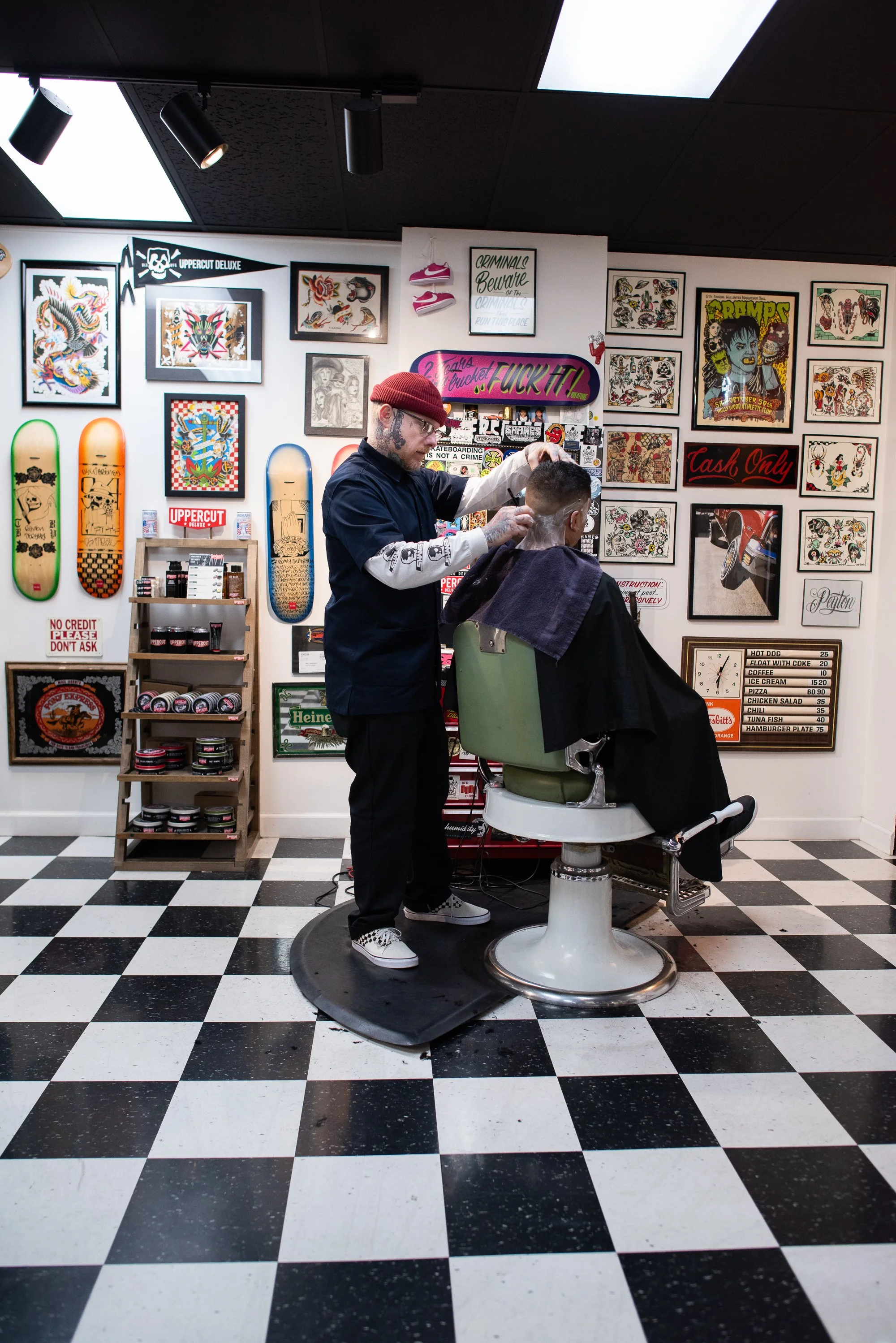
barber Shane Nesbitt cutting hair in vintage barber chair inside Shane's Barbershop San Mateo

Wide view of Shane Nesbitt cutting hair in his San Mateo barbershop surrounded by artwork and classic barber chairs

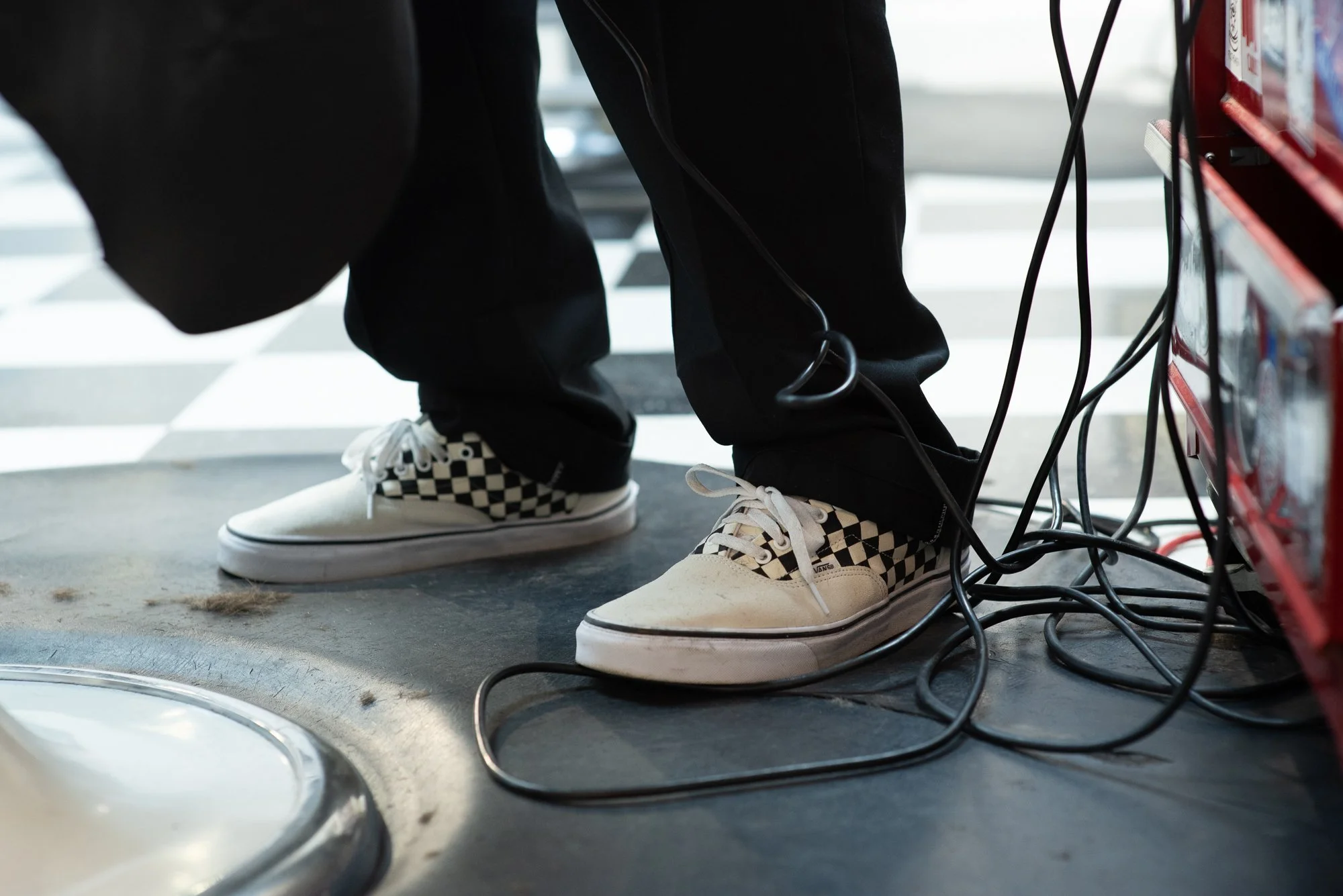
Checkerboard Vans shoes standing on barbershop floor with hair clippings and electrical cords

Hair on the floor, cords underfoot, and long days on your feet—details like this are what defined the rhythm inside Shane’s Barbershop.

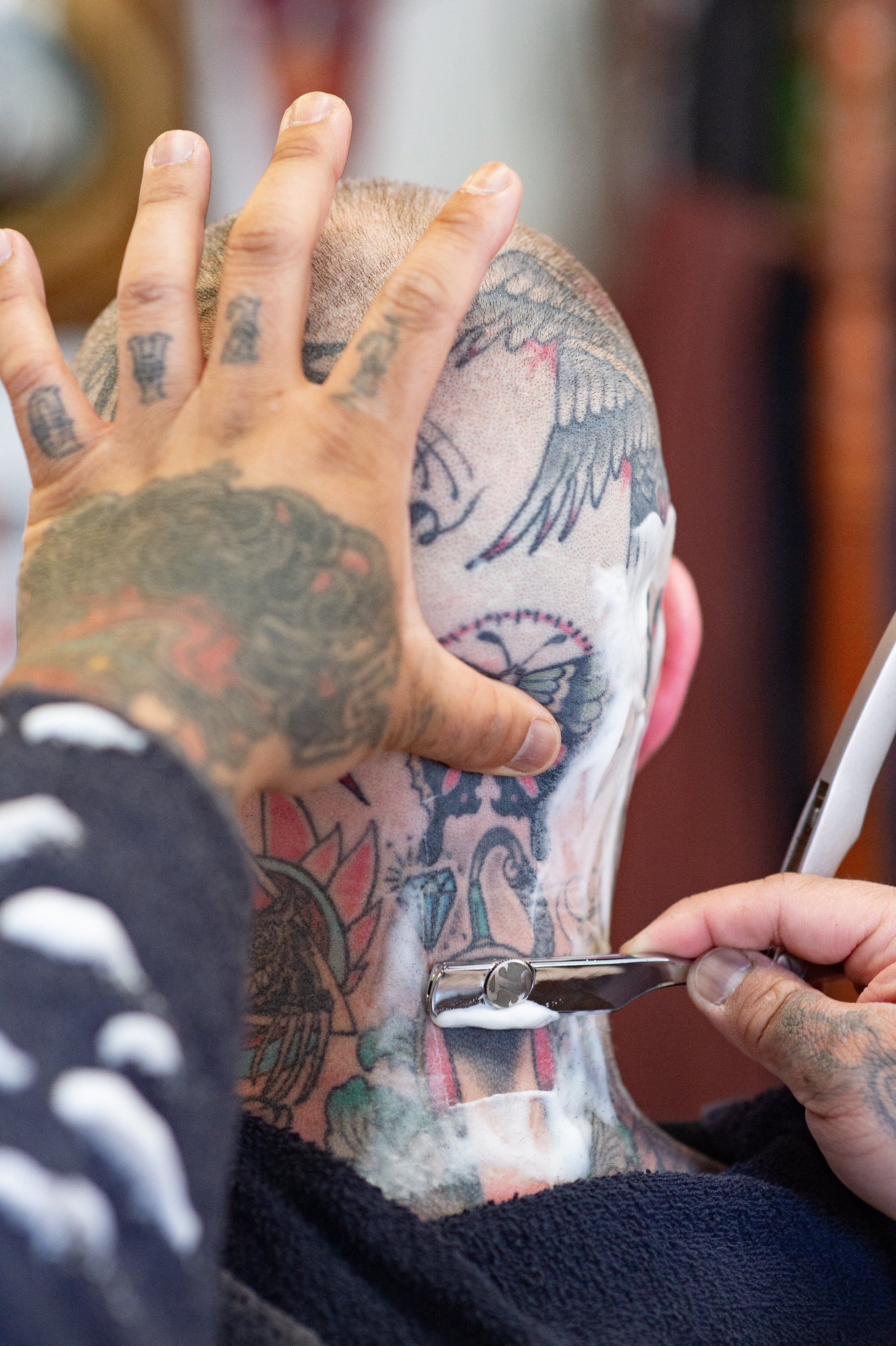
straight razor shave on tattooed head inside Shane's Barbershop San Mateo

Close-up of straight razor shave highlighting the craftsmanship and trust inside Shane's Barbershop in San Mateo

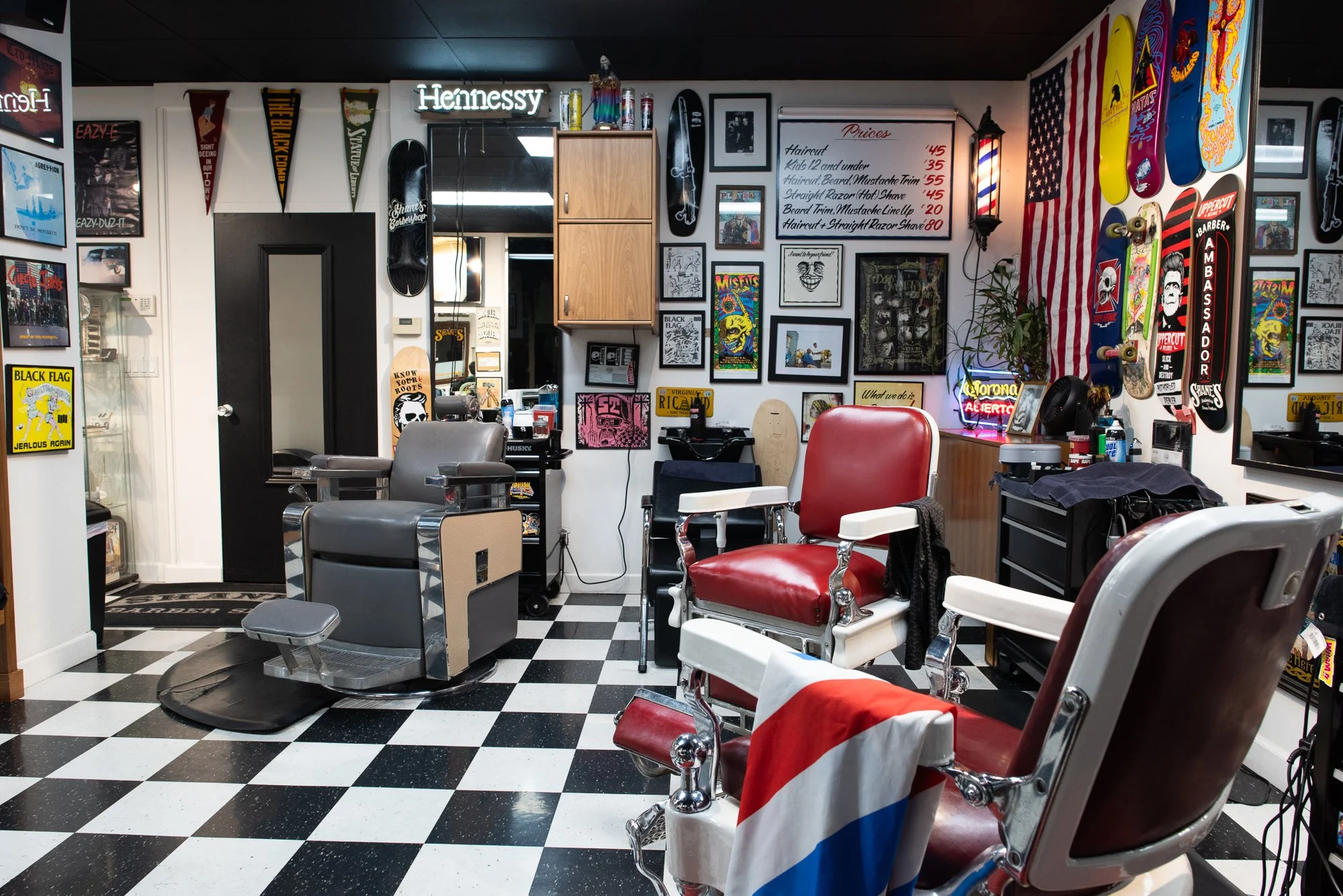
empty interior of Shane's Barbershop San Mateo with barber chairs and artwork on walls

Interior of Shane's Barbershop in San Mateo showing the space that once served its community

Traditional Barbershops of Scotland

Barbershops of Scotland

After more than 15 years photographing barbershops across all 50 states, I’ve come to recognize certain constants—spaces shaped by routine, built on familiarity, where the walls carry just as much history as the people sitting in the chair. What started as a project rooted in American culture gradually extended beyond it. Everywhere I travel, I find myself stepping into barbershops. Different countries, different cities—but often, the same feeling.

It wasn’t something I set out to do. At some point, it just became part of how I move through a place. I’ll walk past a shop, look through the window, and recognize something immediately—an arrangement of chairs, a certain kind of light, the way tools are laid out, or what’s hanging on the walls. It’s familiar, even when it shouldn’t be.

In Scotland, that feeling was there from the start.

The shops are different in the details, and their history - often sitting on narrower street in front of a 500 year old church. The signage has its own character. The interiors feel a little more restrained in some cases, a little more utilitarian in others. But step inside, and the rhythm is the same. A customer in the chair, another waiting, conversation moving easily through the room. The quiet repetition of a trade that hasn’t changed much, even as everything around it has.

That’s what continues to stand out—how consistent these spaces are, no matter where you are. The barbershop may be one of the last places that still exists in nearly the same form across different cultures. Not identical, but recognizable. You don’t need to be from there to understand it.

And yet, like many of the shops I’ve photographed across America, there’s a sense that these places are becoming less common. The pace of change is different depending on where you are, but the result is often the same. Older shops close. New ones open with a different feel. Something shifts.

That’s part of what makes photographing them feel important.

The Barbershops of America project has always been about more than documenting interiors. It’s about holding onto these spaces as they exist right now—before they change, before they disappear, before they’re replaced by something else entirely. Photographing barbershops in Scotland—and in other countries I’ve traveled to—has only reinforced that idea. It’s not just an American story. It’s a broader one.

But America is still the foundation.

Fifteen years of work, across small towns and cities, documenting shops that are deeply tied to the communities around them. The photographs from Scotland don’t sit apart from that—they connect back to it. They show how far this kind of place reaches, and how much of it is shared.

A Growing Archive

This work in Scotland is part of a much larger archive built over more than a decade on the road—photographing barbershops across the United States and, increasingly, in other parts of the world.

Some of these shops are still operating. Many are not.

Together, they form a record of a space that has remained remarkably consistent over time, even as the world around it continues to change.

Explore the Barbershops of America archive
Read more individual shop stories → Tony’s - a 200 year old barbershop in Brooklyn

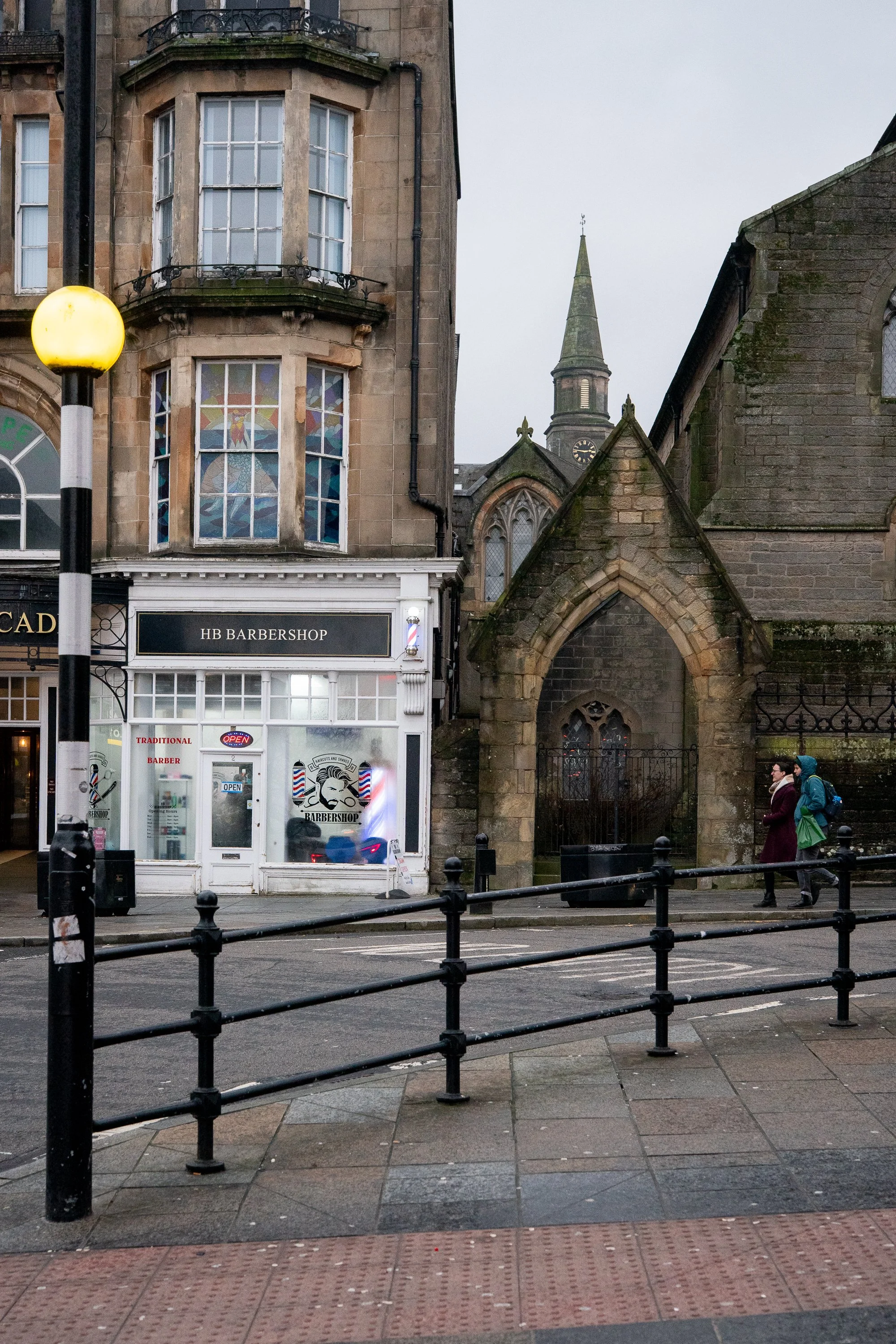
hb barber shop next to historic stone church in scotland street scene

HB Barber Shop sits beside a historic church, blending into the layered streets of Scotland

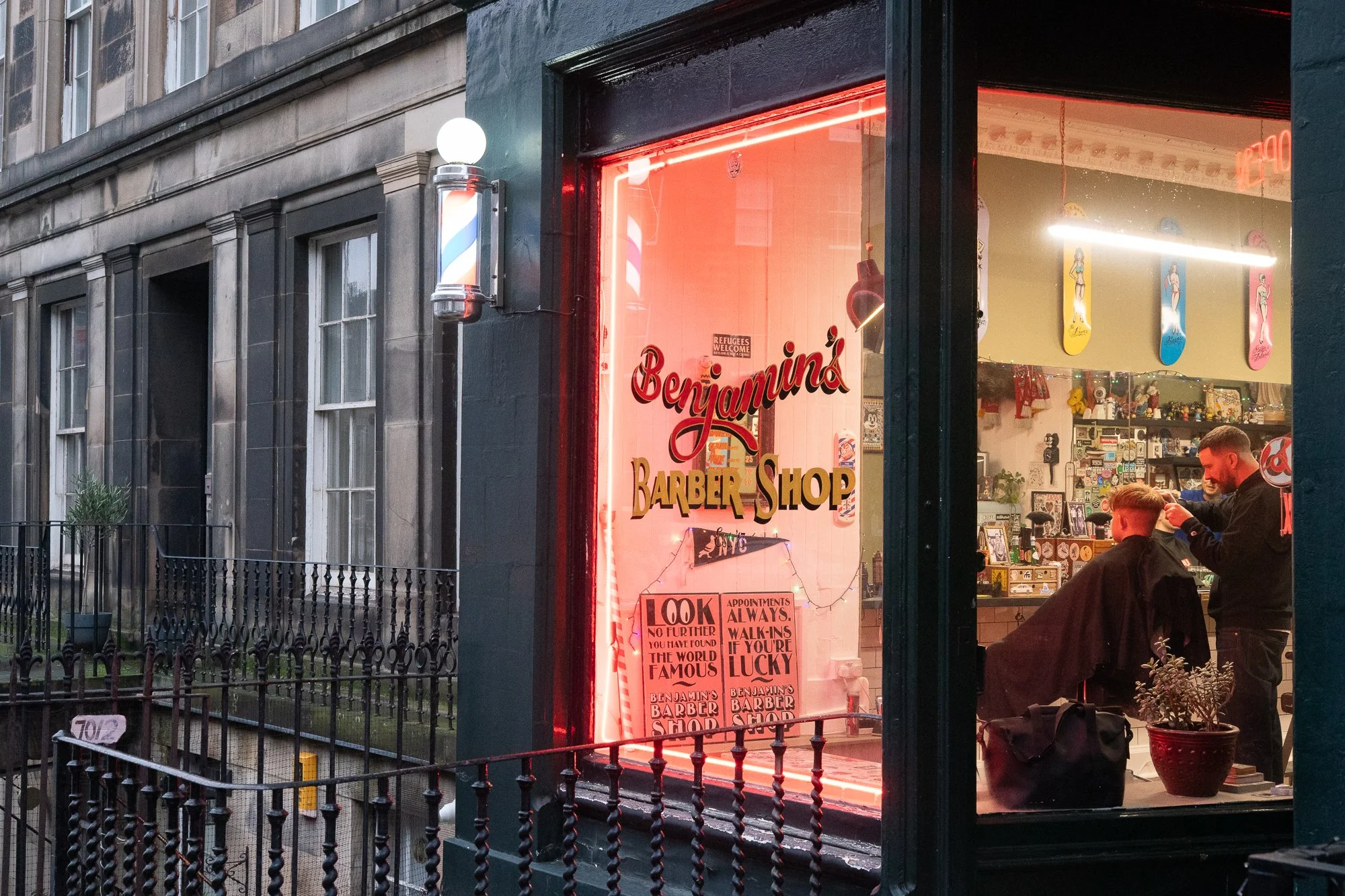
barber cutting hair inside benjamins barber shop edinburgh through window

A haircut in progress inside Benjamin’s Barber Shop, seen through the glass from the street

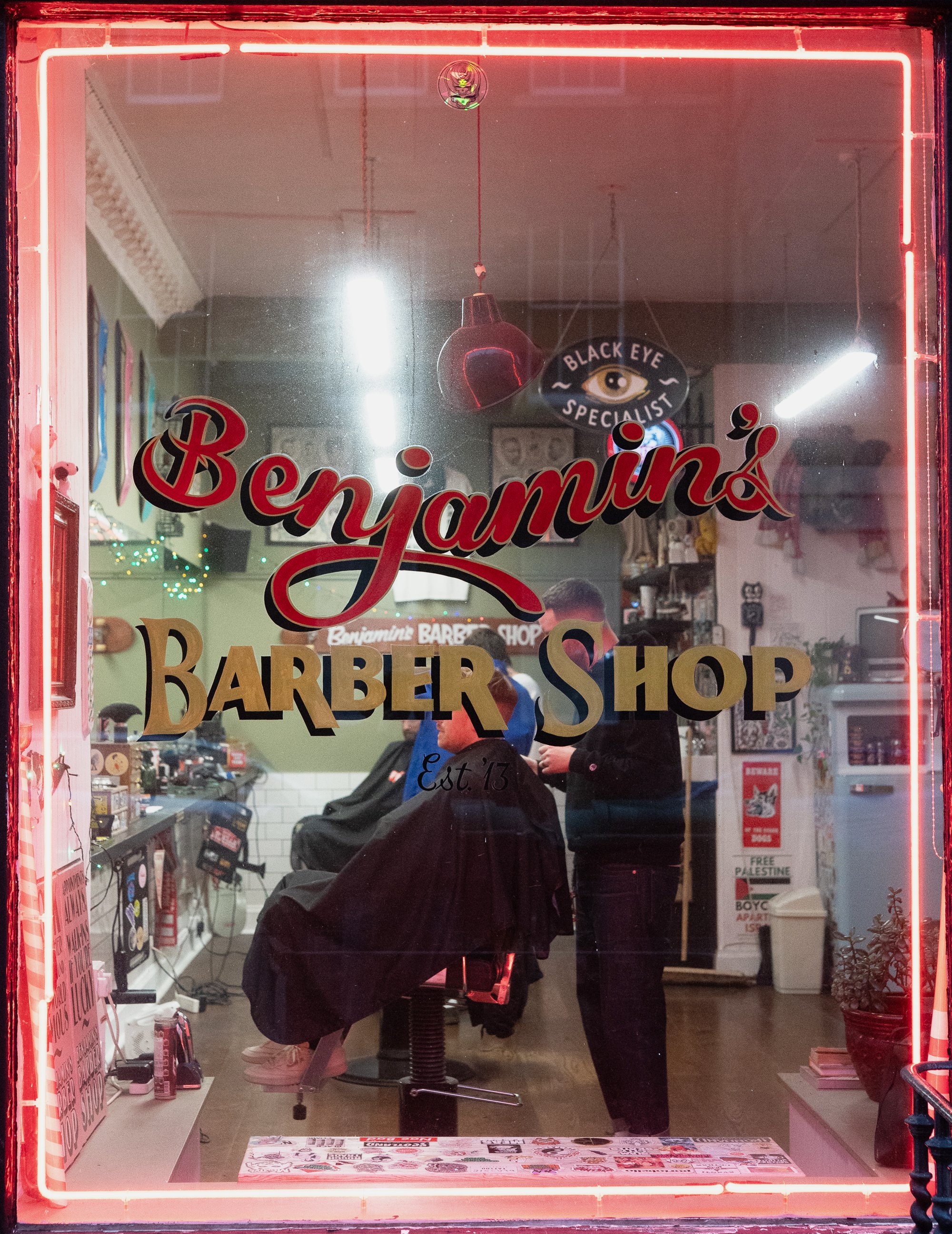
benjamins barber shop window with red neon glow in edinburgh street

Neon-lit window of Benjamin’s Barber Shop glowing onto the street, revealing a working shop inside

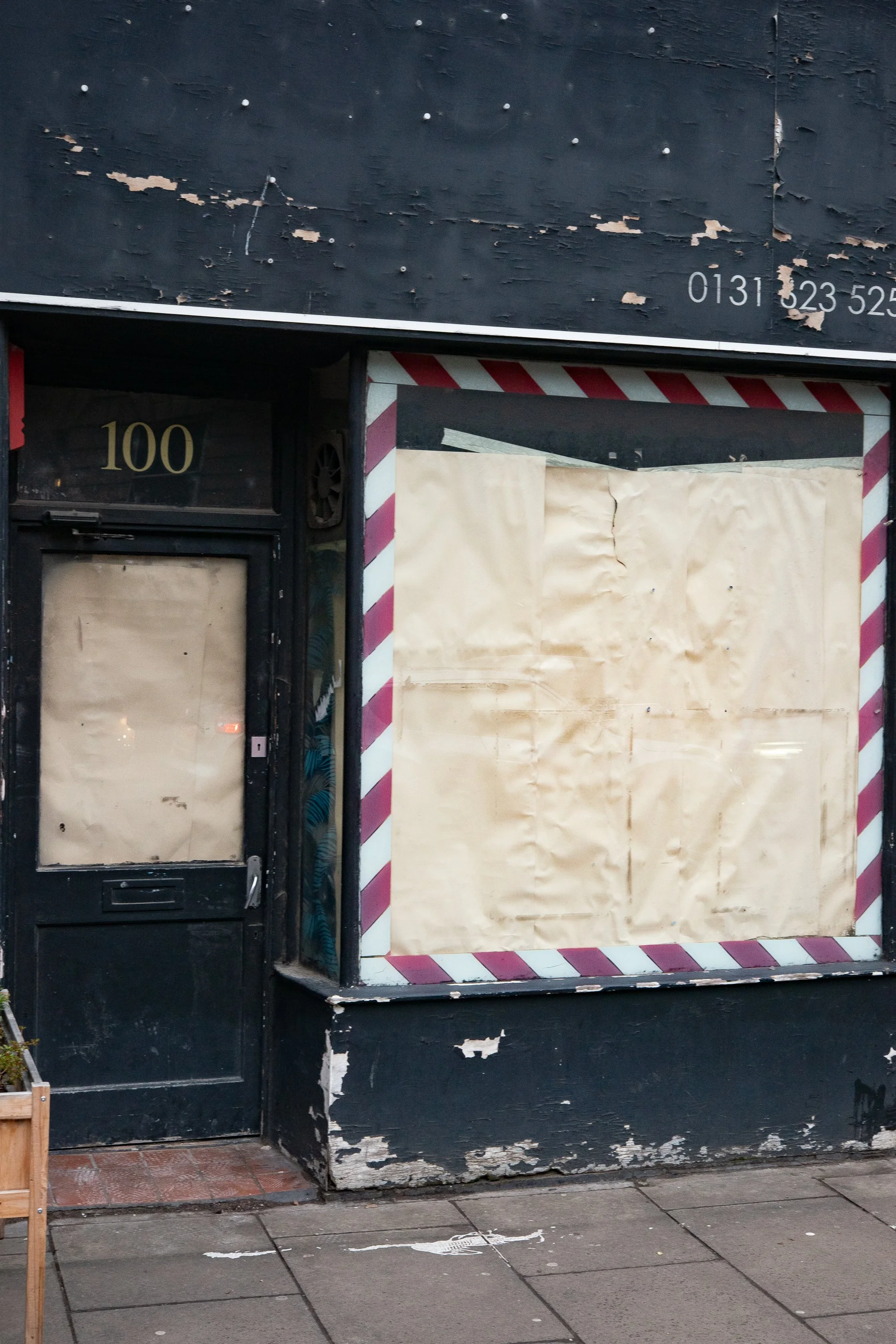
boarded-up barbershop storefront with striped trim and peeling paint in scotland

Boarded-up barbershop with classic red-and-white trim, showing the quiet disappearance of neighborhood shops in Scotland

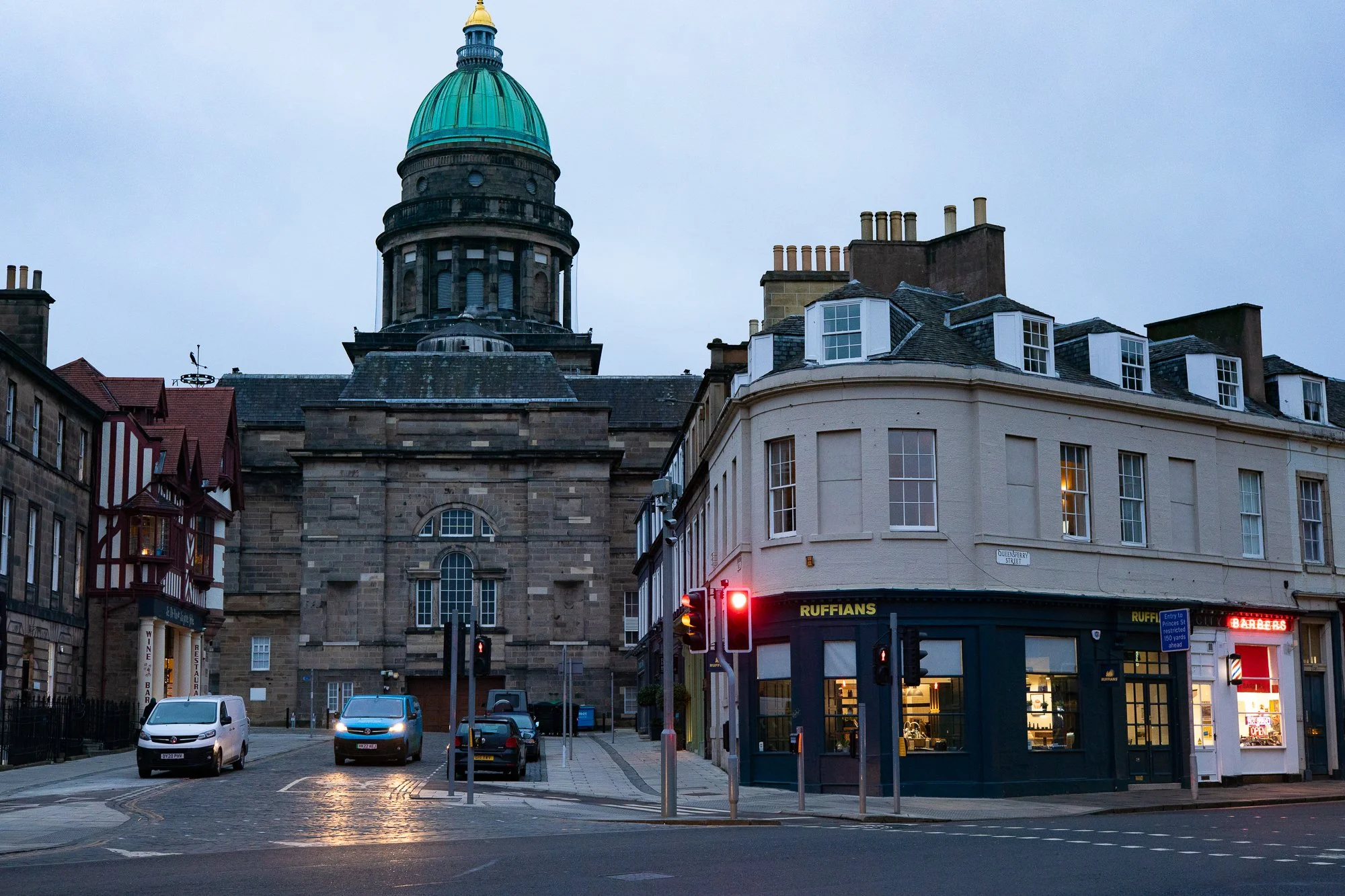
ruffians barbershop on historic edinburgh street corner at dusk

Ruffians barbershop on a quiet Edinburgh corner, framed by historic stone architecture and evening light

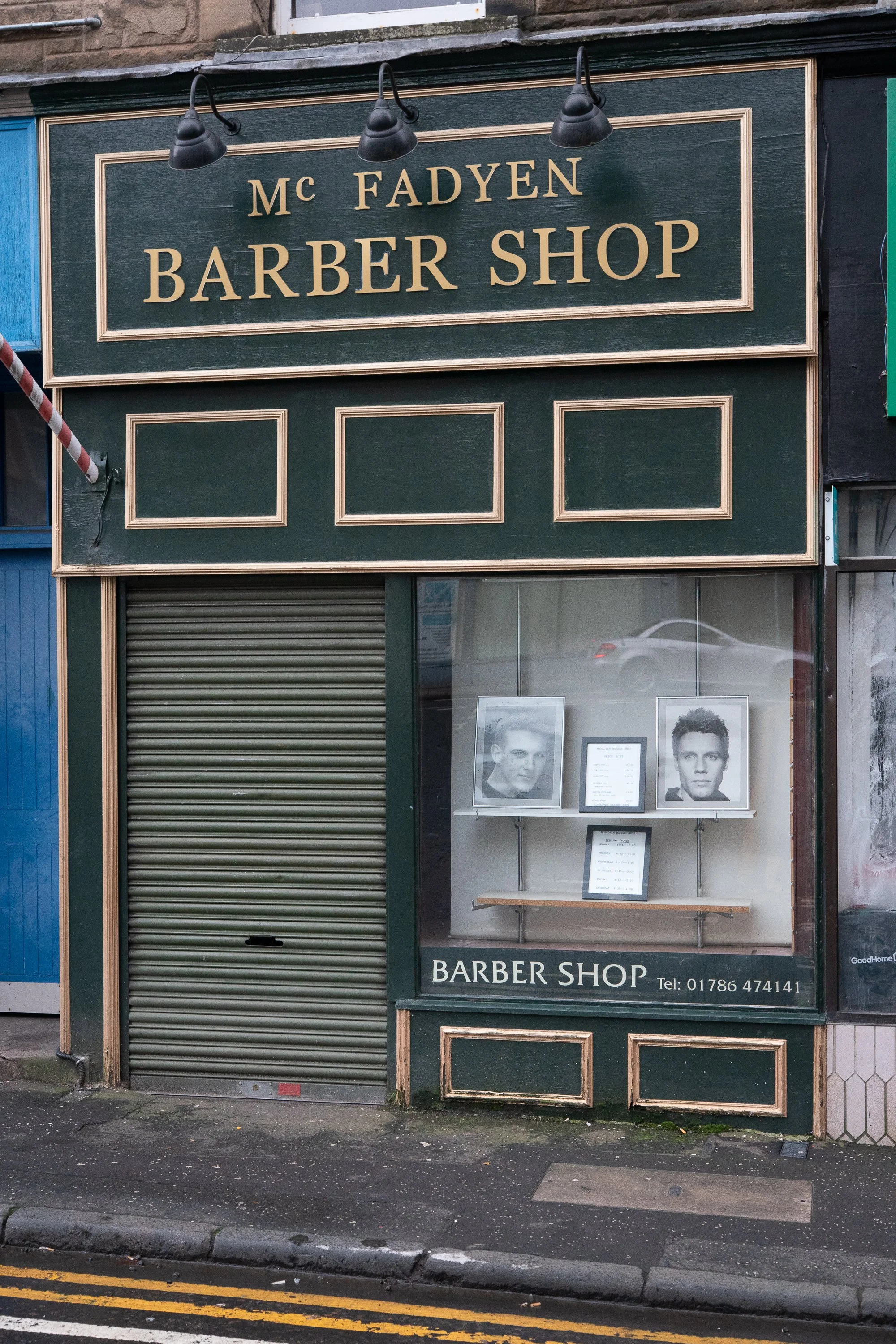
mcfadyen barber shop storefront with traditional signage and display window

McFadyen Barber Shop with classic painted signage and a simple, traditional front window display

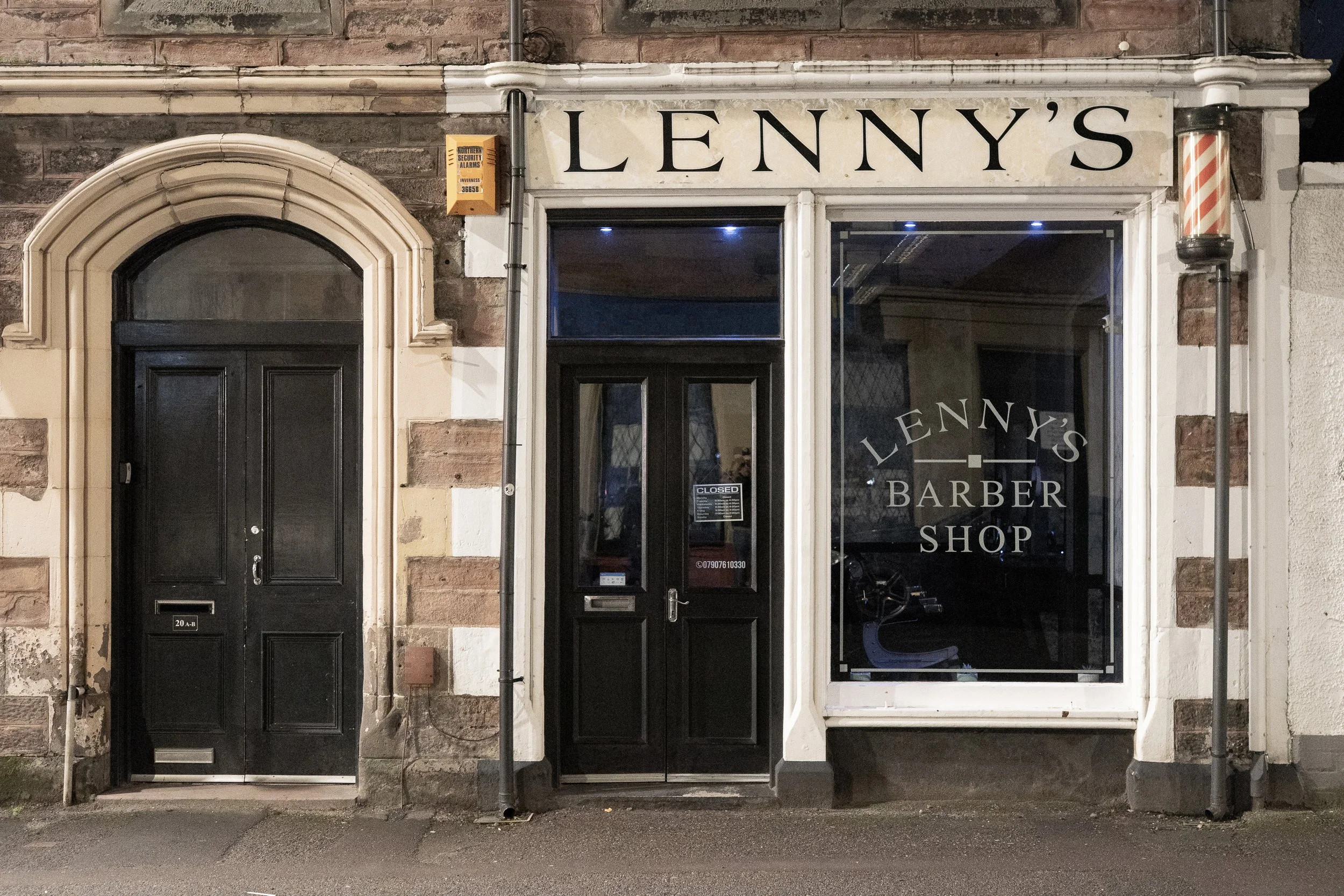
lennys barber shop storefront closed at night with sign on door

Lenny’s Barber Shop closed for the night, its windows dark and the street quiet

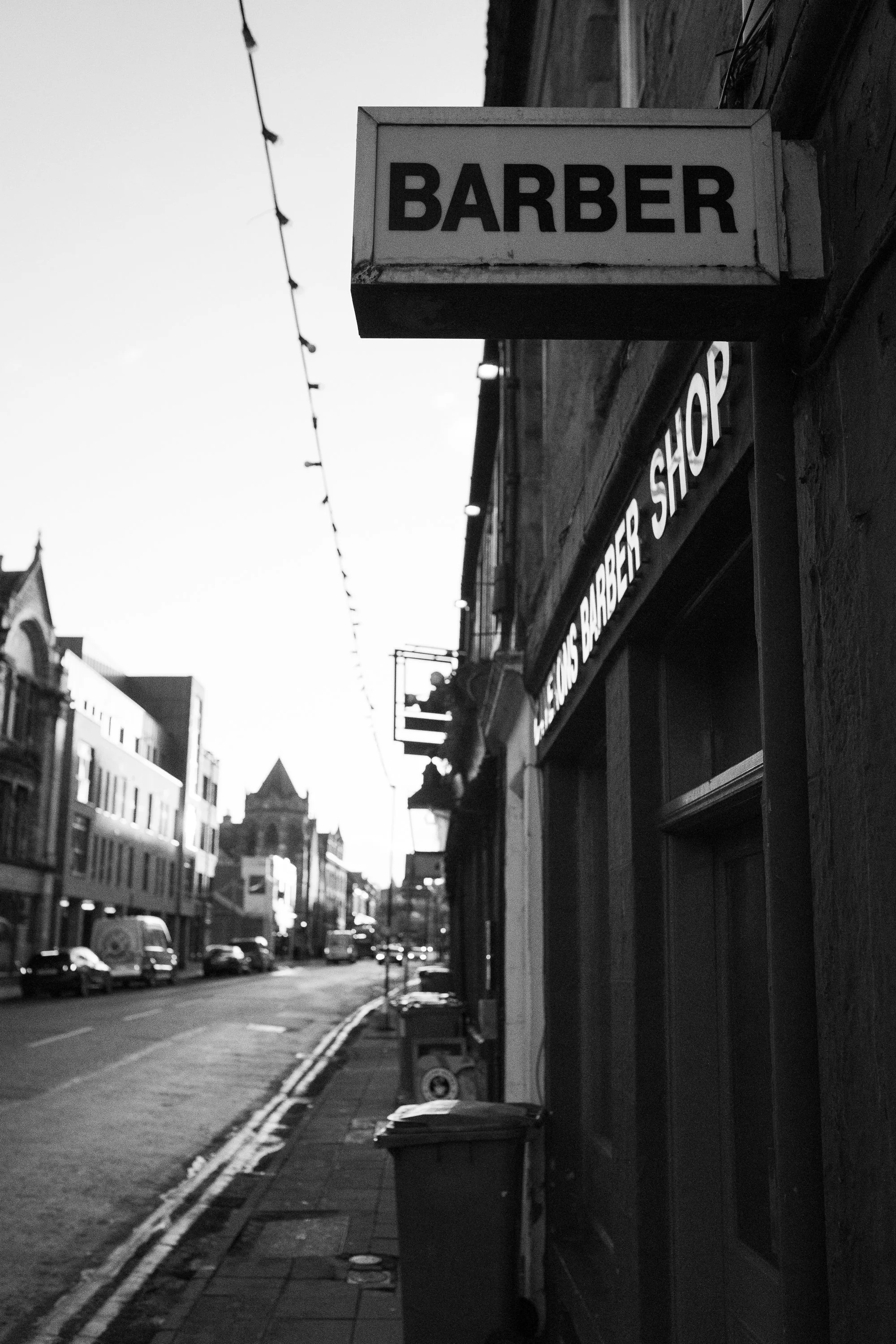
barber shop sign on empty street in scotland black and white photo

A simple barber shop sign extends over an empty street, captured in black and white

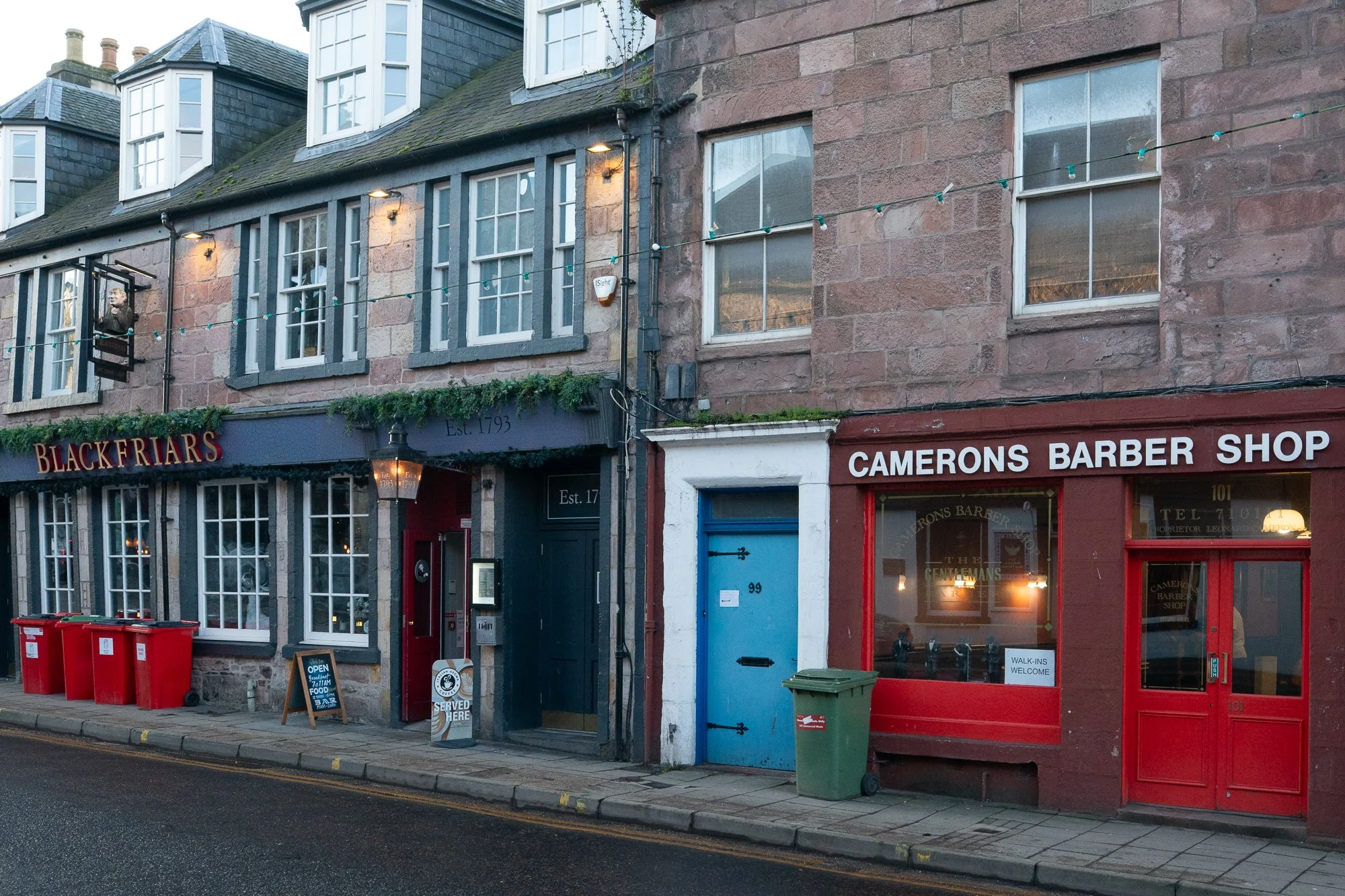
camerons barber shop red storefront on traditional scottish street

Camerons Barber Shop stands out in red along a row of weathered buildings on a Scottish street

Traditional Barbershop in Greenwich, Connecticut

Tony’s Barbershop - Greenwich, CT

There was a time when a barbershop like Tony’s felt permanent.

Tucked into the rhythm of Greenwich, Connecticut—a town better known for hedge funds and waterfront estates—Tony’s Barbershop stood apart. It wasn’t trying to keep up with anything. It didn’t need to. The shop operated on its own timeline, built on routine, familiarity, and the quiet trust between a barber and the people who repeatedly sat in his chair.

Tony Sciarrillo had been cutting hair there for decades. Long enough to watch generations come and go. Fathers bringing in their sons, who would eventually come back on their own. Regulars who didn’t need to explain how they liked their hair cut because Tony already knew. In a place where so much is polished and constantly changing, his shop felt grounded—unchanged in the ways that mattered.

Inside, nothing was overly styled or curated. The details were simple: worn chairs, mirrors that had seen years of conversations, tools laid out with purpose. It was a working shop, not a concept. The kind of place where the value wasn’t in how it looked, but in what happened there every day.

That’s part of what made it so rare.

Barbershops like Tony’s have always been more than places to get a haircut. They’re social spaces, community anchors, places where people show up not just for a service, but for a sense of continuity. And yet, shops like this are quietly disappearing. Rising costs, shifting neighborhoods, and a culture that moves faster than it used to have made it harder for these long-standing spaces to survive.

Tony’s Barbershop is now closed. Tony himself has passed on. What remains are the photographs—and the memory of a place that held its ground for as long as it could.

There’s something worth paying attention to in that.

Because in towns like Greenwich, where change is constant and often accelerated, places like Tony’s remind us that not everything of value announces itself. Some of it exists quietly, in routine, in repetition, in the trust built over years of small, consistent interactions.

And when it’s gone, you realize how rare it actually was.

A Part of a larger Archive

Tony’s Barbershop, although incredibly unique and special, is one of hundreds of shops I’ve photographed over the past 15 years as part of an ongoing project documenting barbershops in all 50 states of the USA—spaces that reflect the character of the communities they serve.

Many of these shops are still operating. Many are not.

Together, they form a record of a disappearing part of American life—one haircut, one conversation, one shop at a time.

Explore the full Barbershops of America archive
View the photo book and fine art prints

Explore another story of a historic black barbershop in Albany, NY - Stancil’s Barbershop

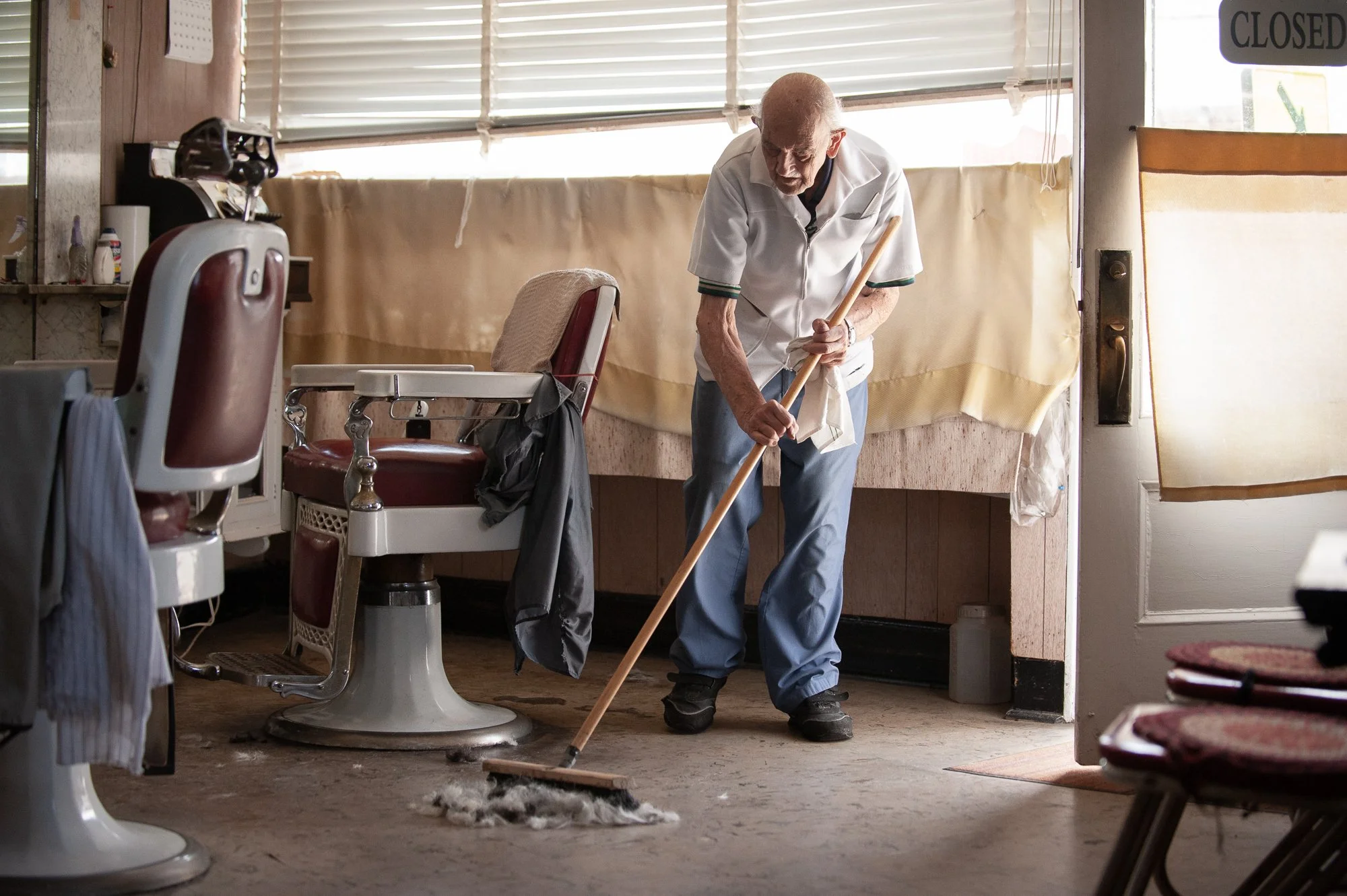
barber Tony sweeping hair off the floor inside his Greenwich Connecticut barbershop

At the end of the day Tony sweeps the floor himself - a routine repeated for years before the shop closed

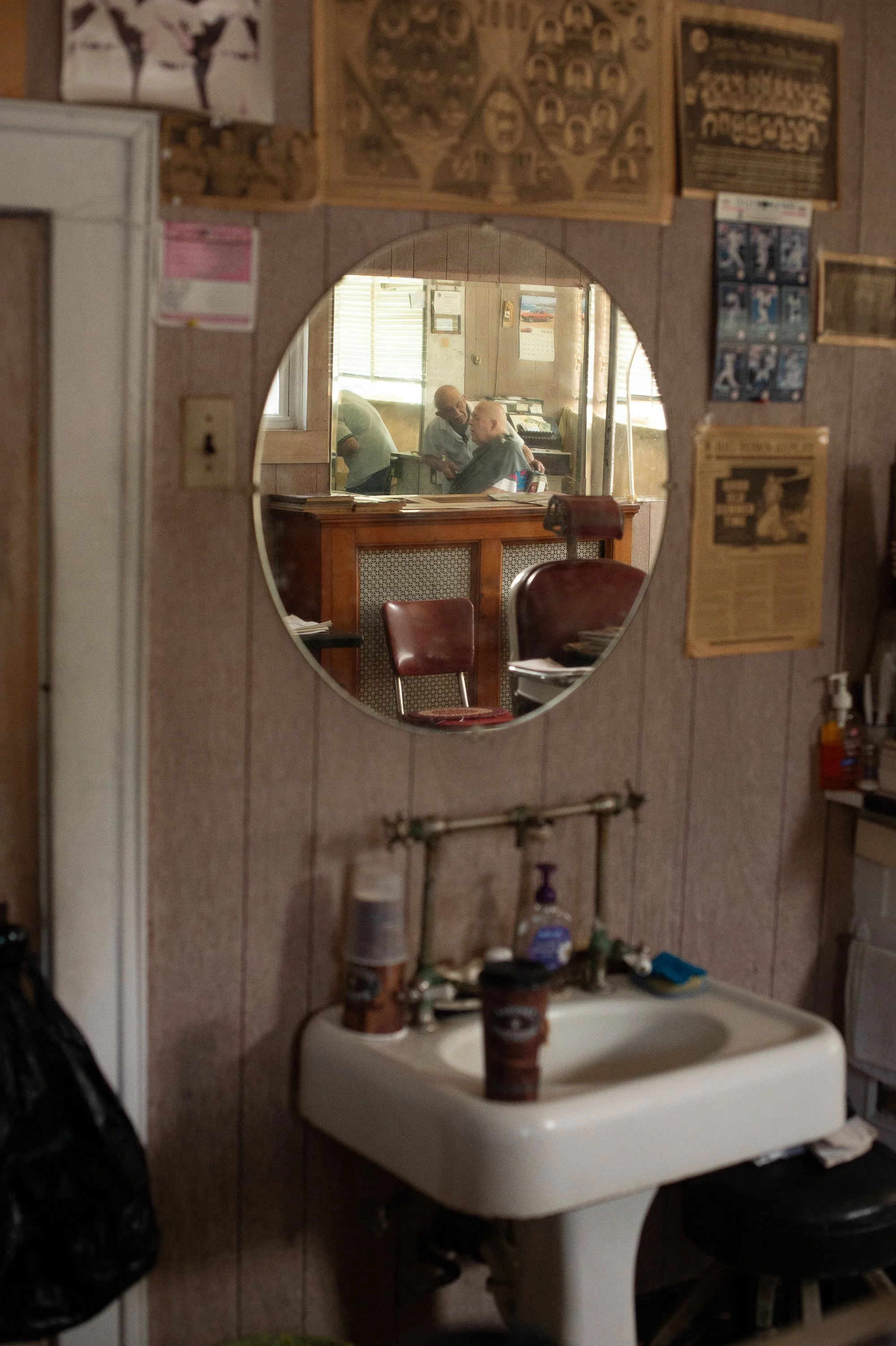
mirror reflection of barber cutting hair inside Tony's Barbershop Greenwich Connecticut vintage interior

A small round mirror captures Tony mid haircut - a layered view into the rhythm of the shop

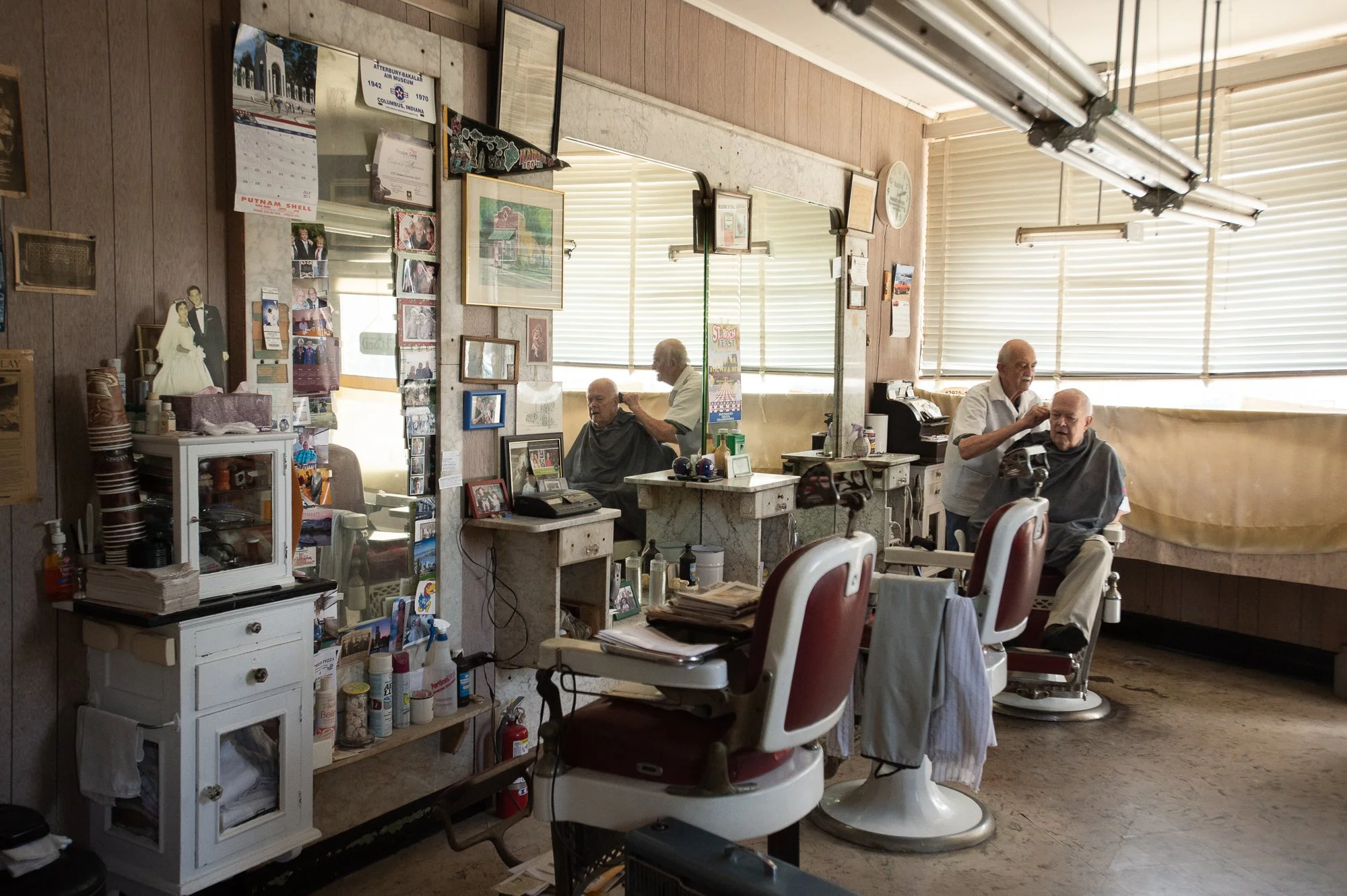
wide interior of Tony's Barbershop in Greenwich Connecticut showing vintage barber chairs and mirrors during a haircut

Tony works in the same space he did for decades - a quiet morning inside his Greenwich shop before it eventually closed

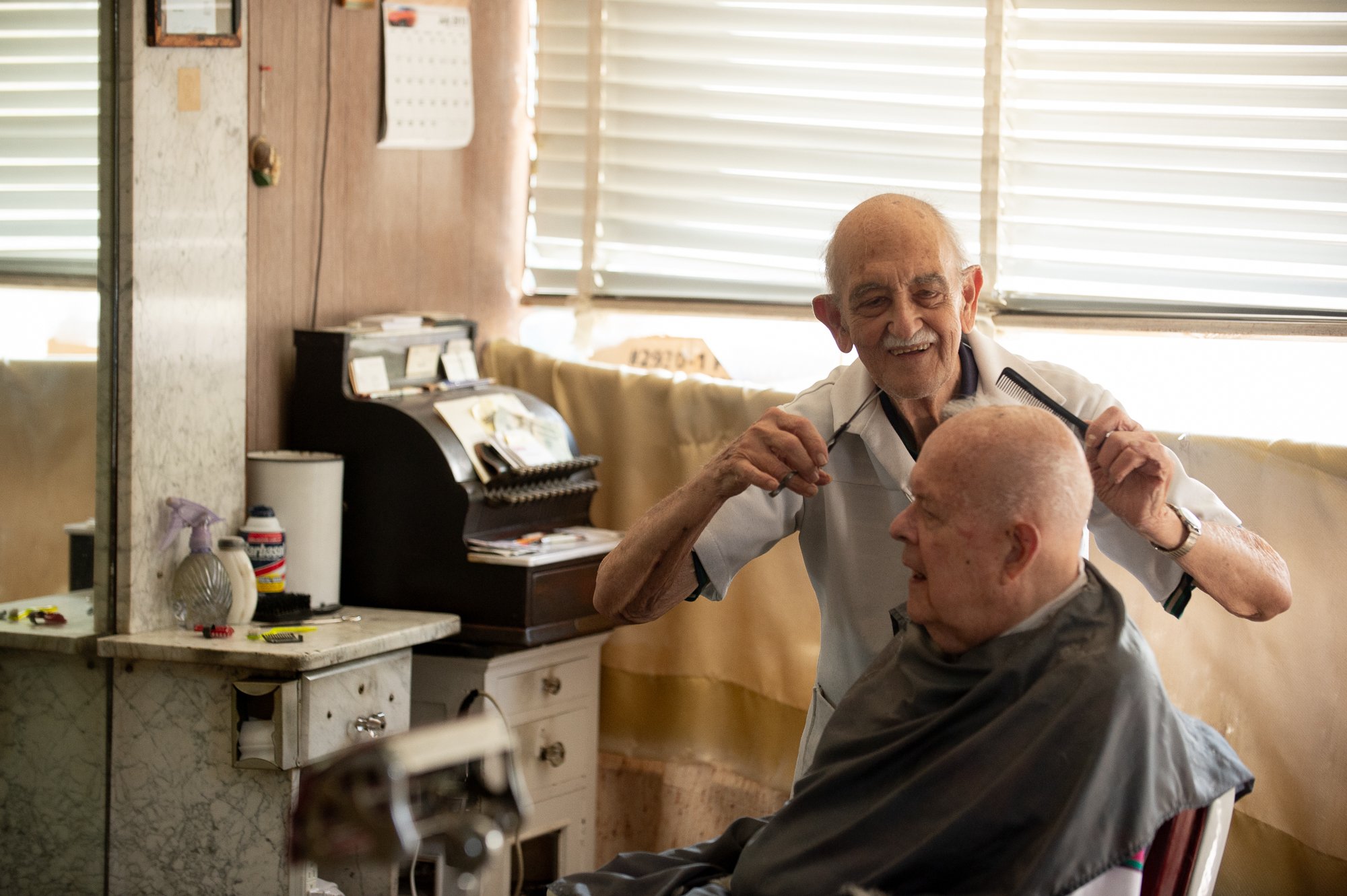
elderly barber Tony cutting a customer's hair inside his Greenwich Connecticut barbershop

Tony mid cut - focused and steady - serving longtime clients in a shop that remained unchanged for years

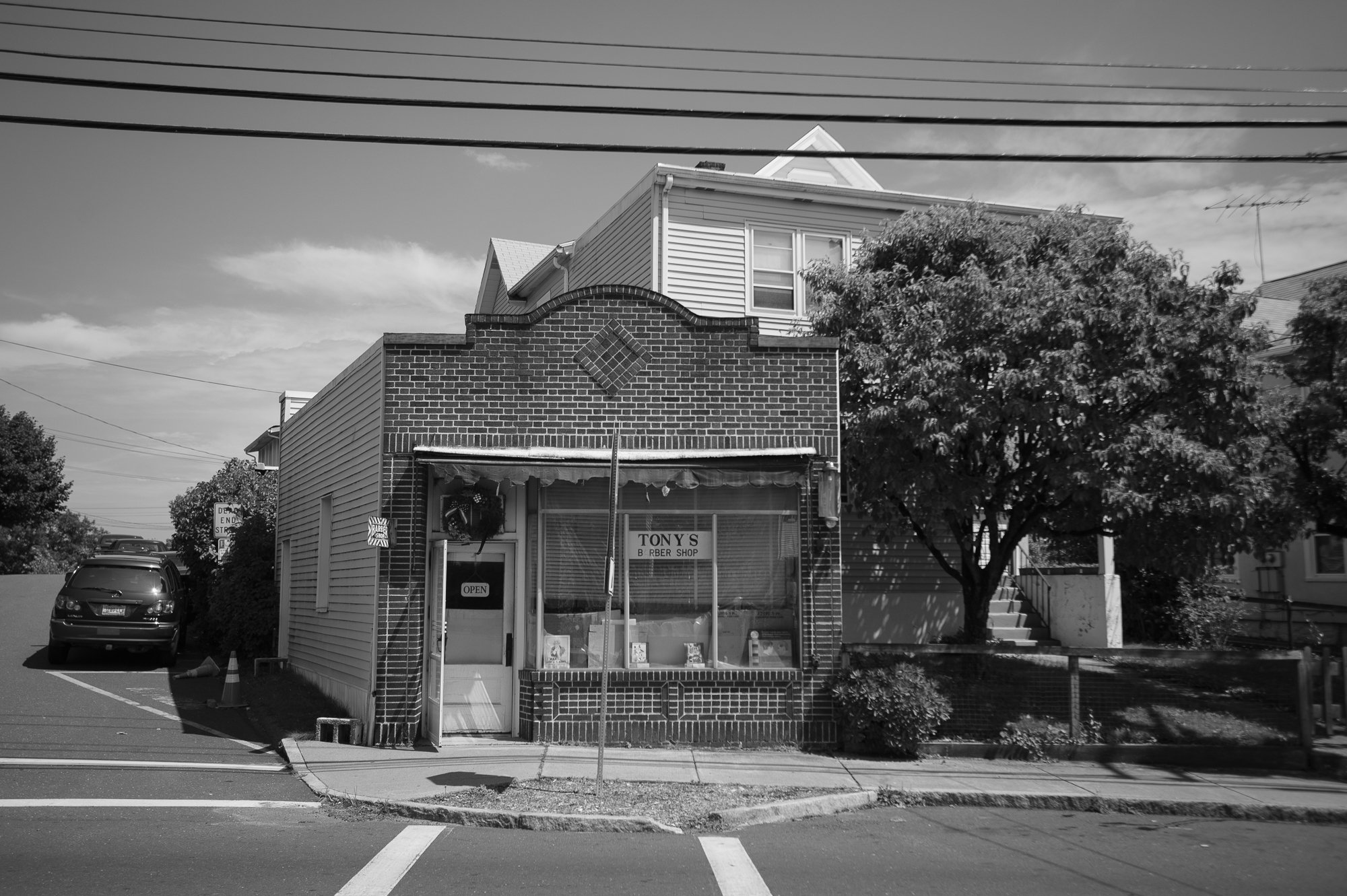
black and white exterior of Tony's Barbershop in Greenwich Connecticut storefront

The modest storefront of Tony's Barbershop in Greenwich - a place that quietly served its neighborhood for decades before closing

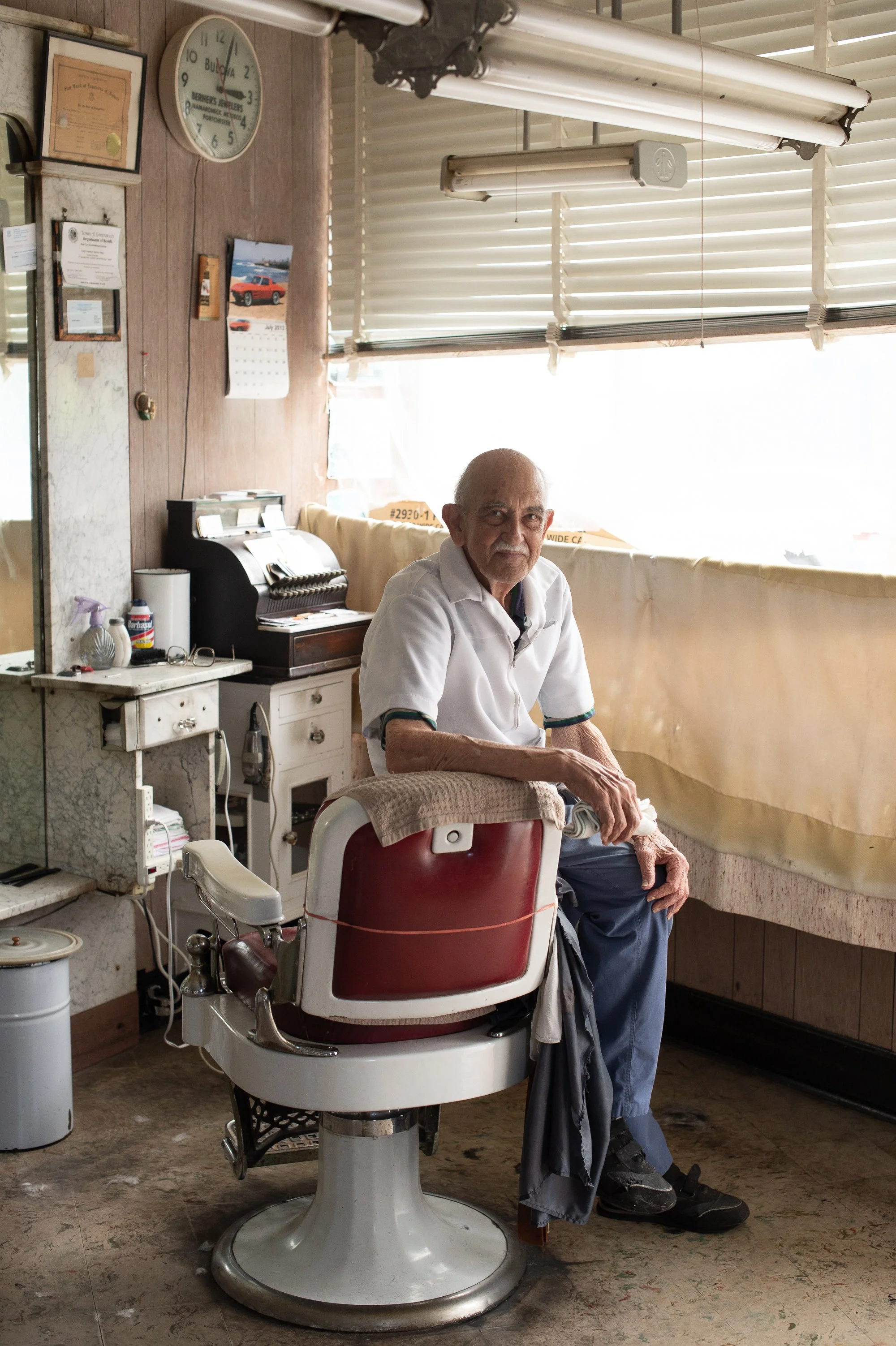
portrait of elderly barber Tony sitting in barber chair inside his Greenwich Connecticut shop

Tony sits in his chair surrounded by decades of history - a rare quiet moment inside his shop

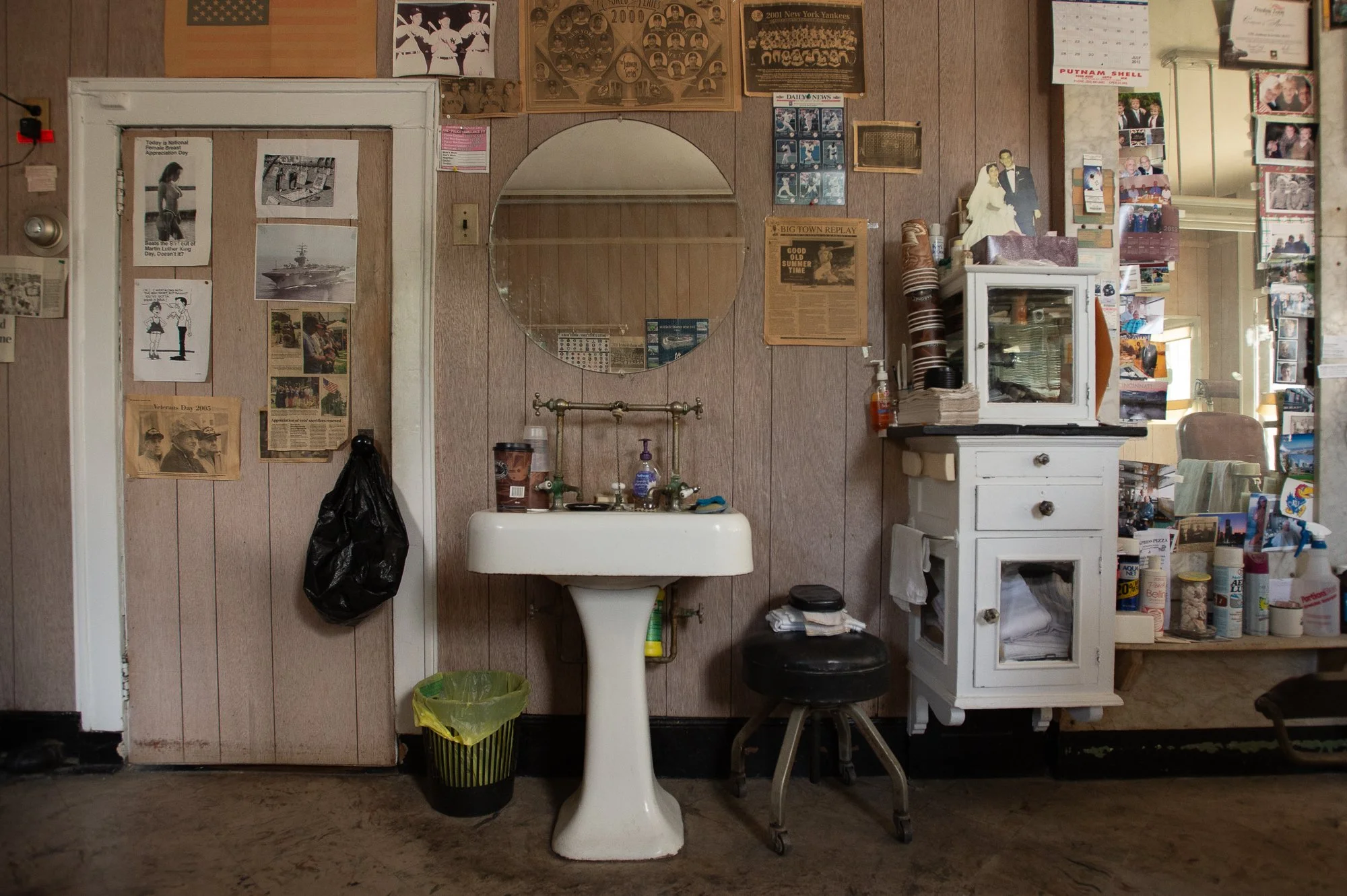
vintage sink and wall covered in photos inside Tony's Barbershop Greenwich Connecticut interior

Family photos newspaper clippings and everyday objects line the walls - telling the story of a life spent inside the shop

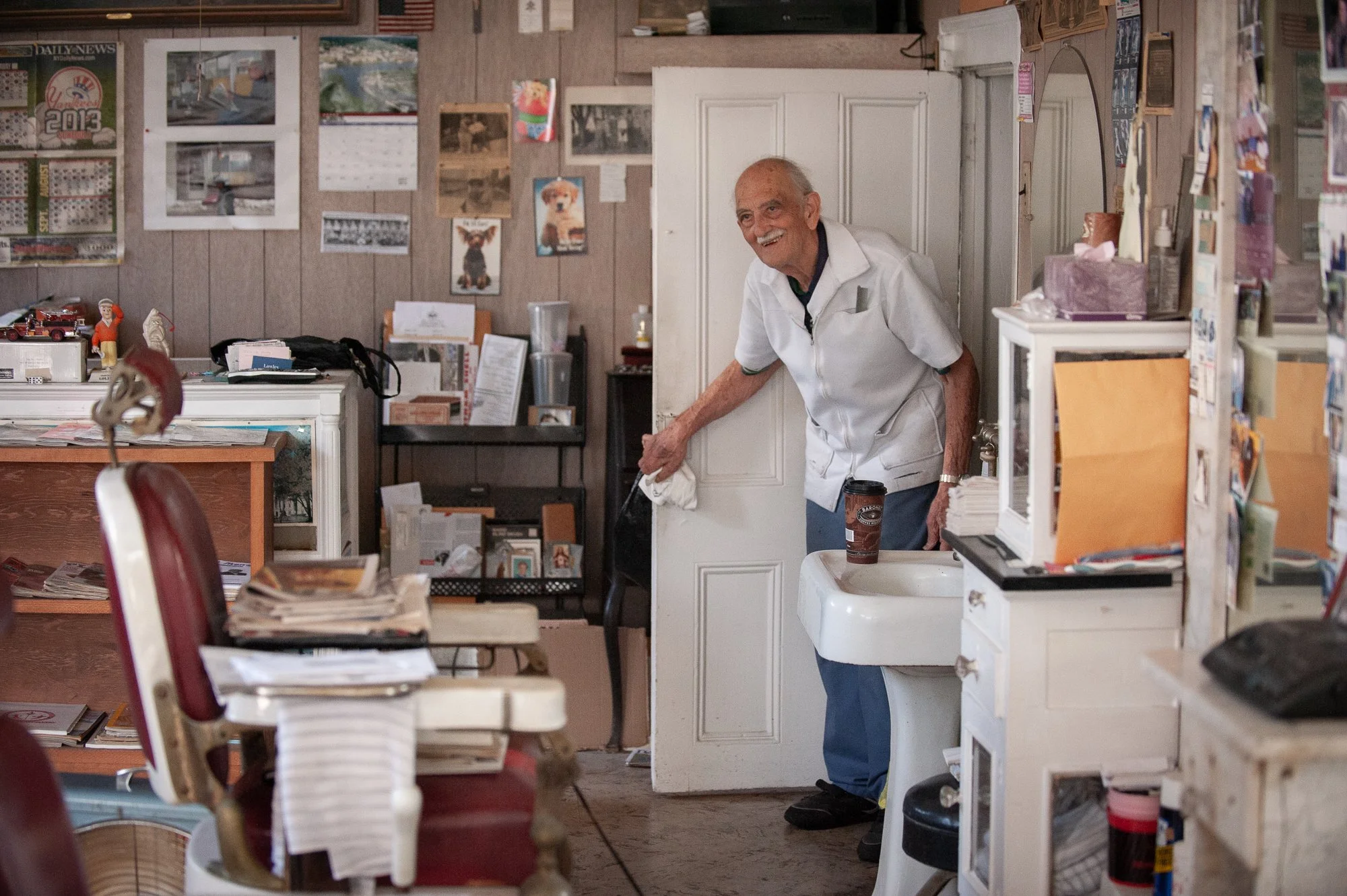
elderly barber Tony cleaning inside his Greenwich Connecticut barbershop interior

Tony moves through the shop tidying up - maintaining the same space he worked in for decades

Inside The TS Ranch: A 156-Year-Old Working Cattle Ranch

TS Ranch: 156 Years of Buckaroo Tradition in the American West

The TS Ranch sits in northeastern Nevada, in the country stretching between Carlin and Battle Mountain—part of the larger Great Basin where cattle ranching has operated on open range for well over a century.

Originally known as the T Lazy S Ranch, the operation has long been tied to the development of both ranching and mining in this part of Nevada. Like many ranches in the region, its history isn’t isolated—it’s connected to the broader story of land use in the West, where cattle operations and resource extraction have overlapped for generations.

The ranch itself is owned by Nevada Gold Mines, but that doesn’t matter much to the cowboys, because they just want to cowboy. Although it does give them plenty of room to roam, as the mines own almost 3 million acres of earth between all of their ranches.

Ranching in the Carlin and Battle Mountain Country

This part of Nevada is defined by distance.

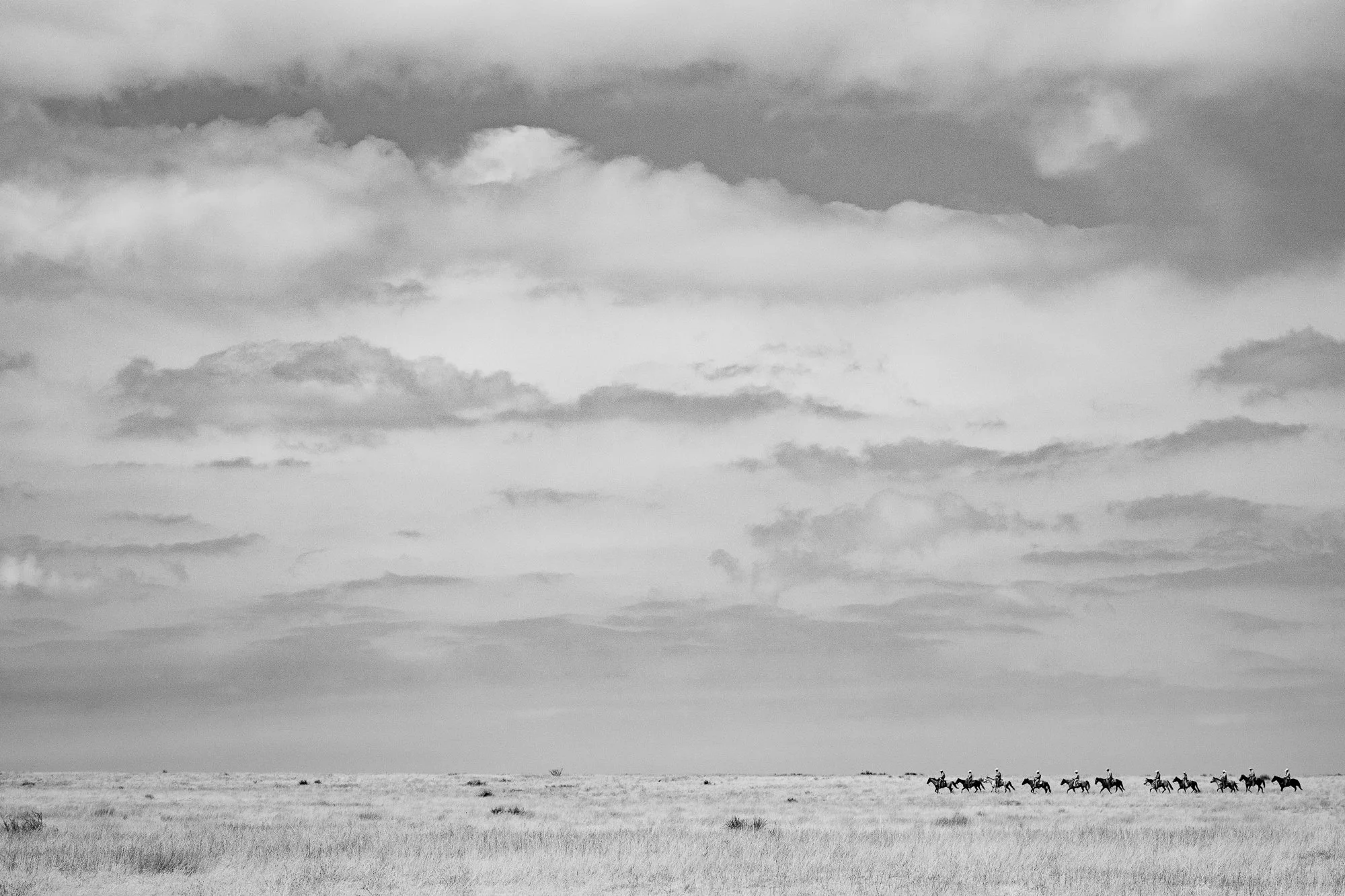
The land is dry, open, and expansive—sagebrush valleys broken by low mountain ranges, with limited water and long seasonal swings. Ranching here has always required movement. Cattle are spread across large allotments, often miles apart, and gathering them means covering serious ground on horseback.

At the TS Ranch, that hasn’t changed.

The work still follows the same patterns established generations ago: long days in the saddle, trailing cattle across open range, managing herds in terrain that offers very little room for error. Efficiency comes from experience, not speed.

From T Lazy S to TS Ranch

The ranch’s earlier identity as the T Lazy S reflects a period when large, independently run cattle operations dominated northern Nevada.

As mining expanded in the Carlin Trend—one of the most significant gold-producing regions in the world—land ownership and management structures began to shift. Ranches like this became part of a broader landscape where livestock production and mining interests coexisted.

Despite those changes, the function of the ranch itself remained consistent.

Cattle still move across the same country. Riders still gather and trail them the same way. The systems in place today are less about ownership on paper and more about what continues to work on the ground.

Photographing TS Ranch

I’ve said this before, but I’m partial to the ranches in Nevada, and love photographing on them. Everything from the buckaroo style, to the nature of the land, colors, and textures is, in my opinion, exceptional. Ranches in this part of the world represent a culture unique in itself, yet still part of the greater cowboy universe. Photographing here means working within the rhythm, not interrupting it.

Nothing is staged. Nothing is slowed down. The work happens whether a camera is present or not.

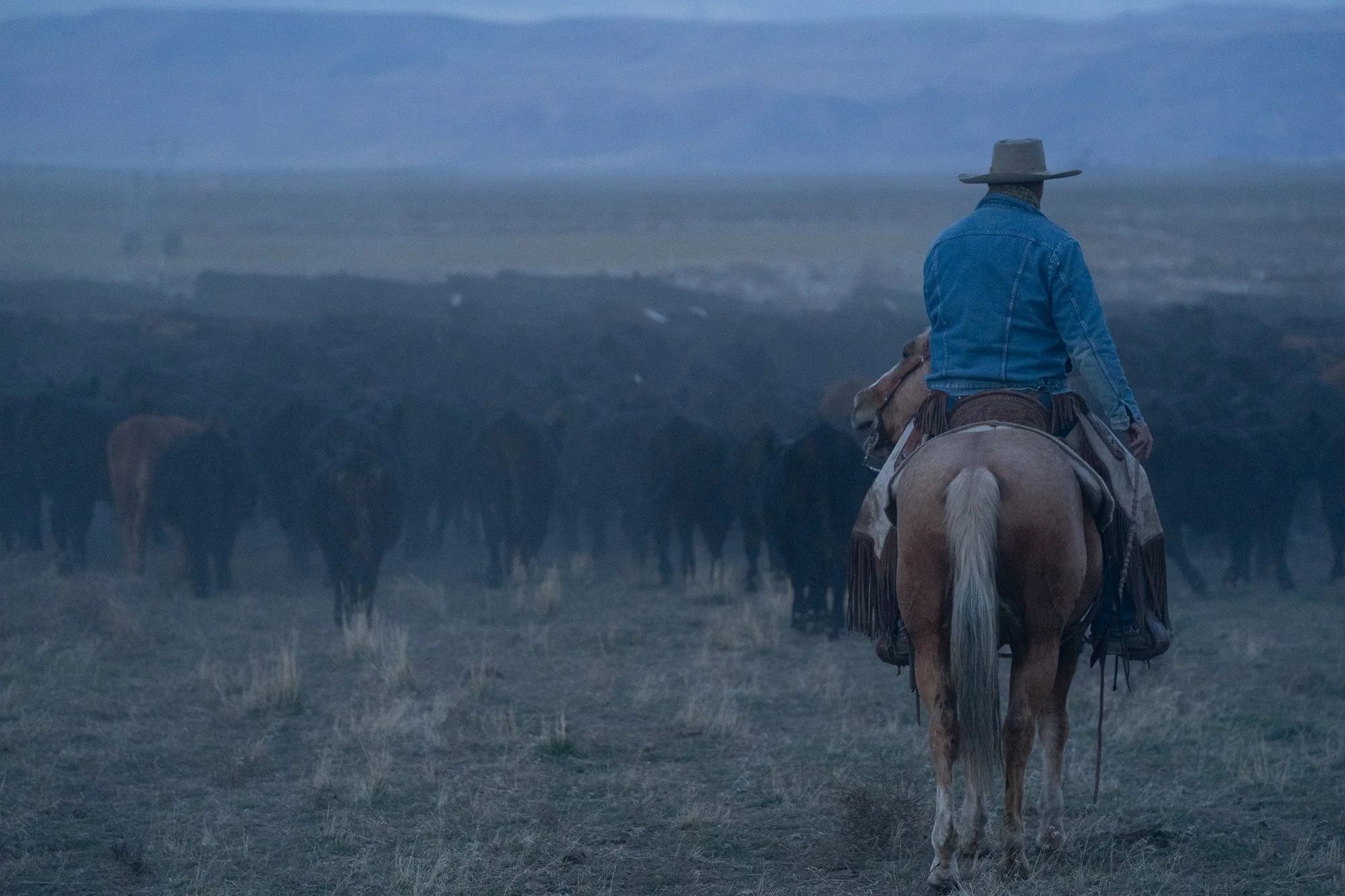
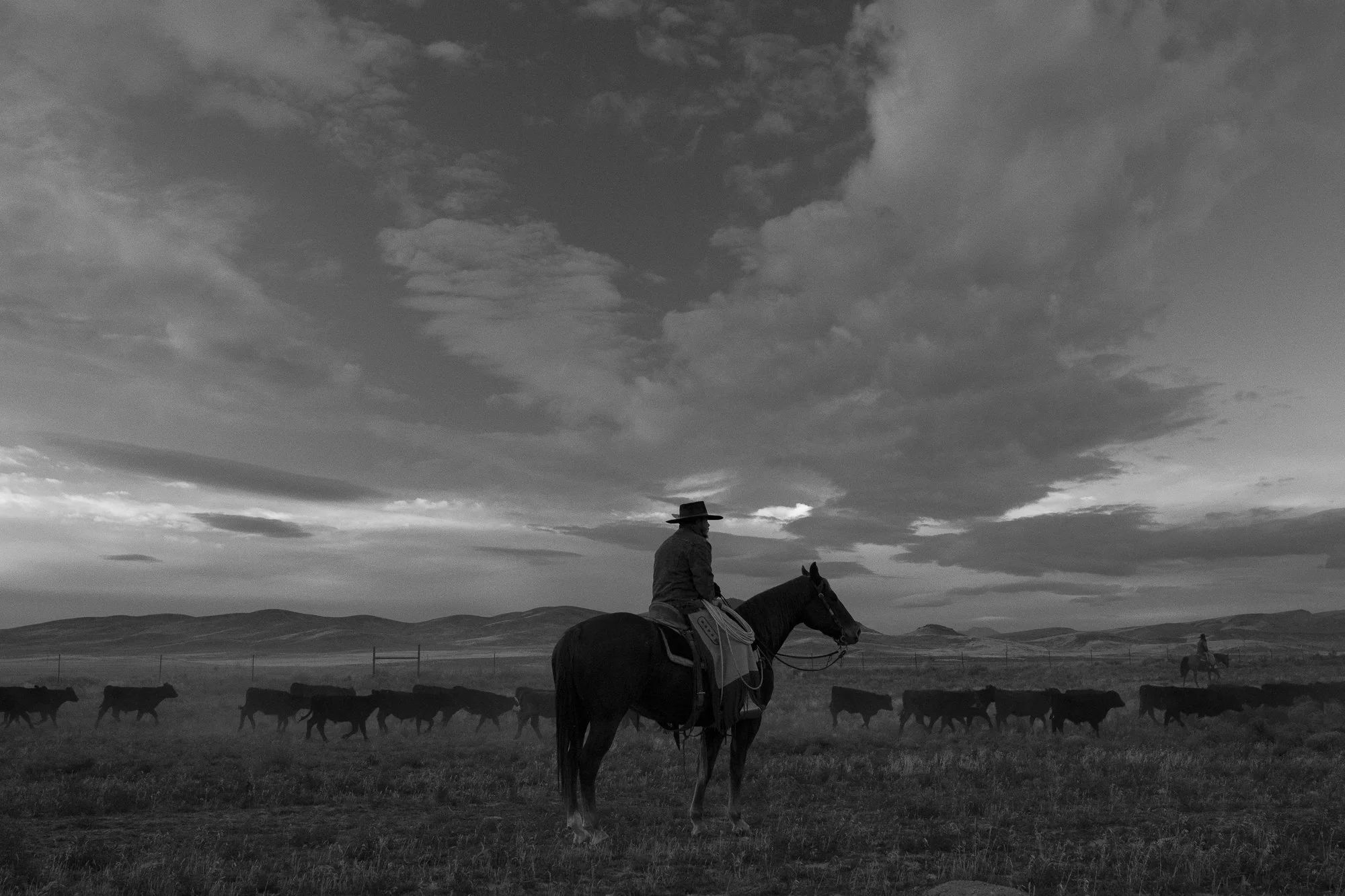
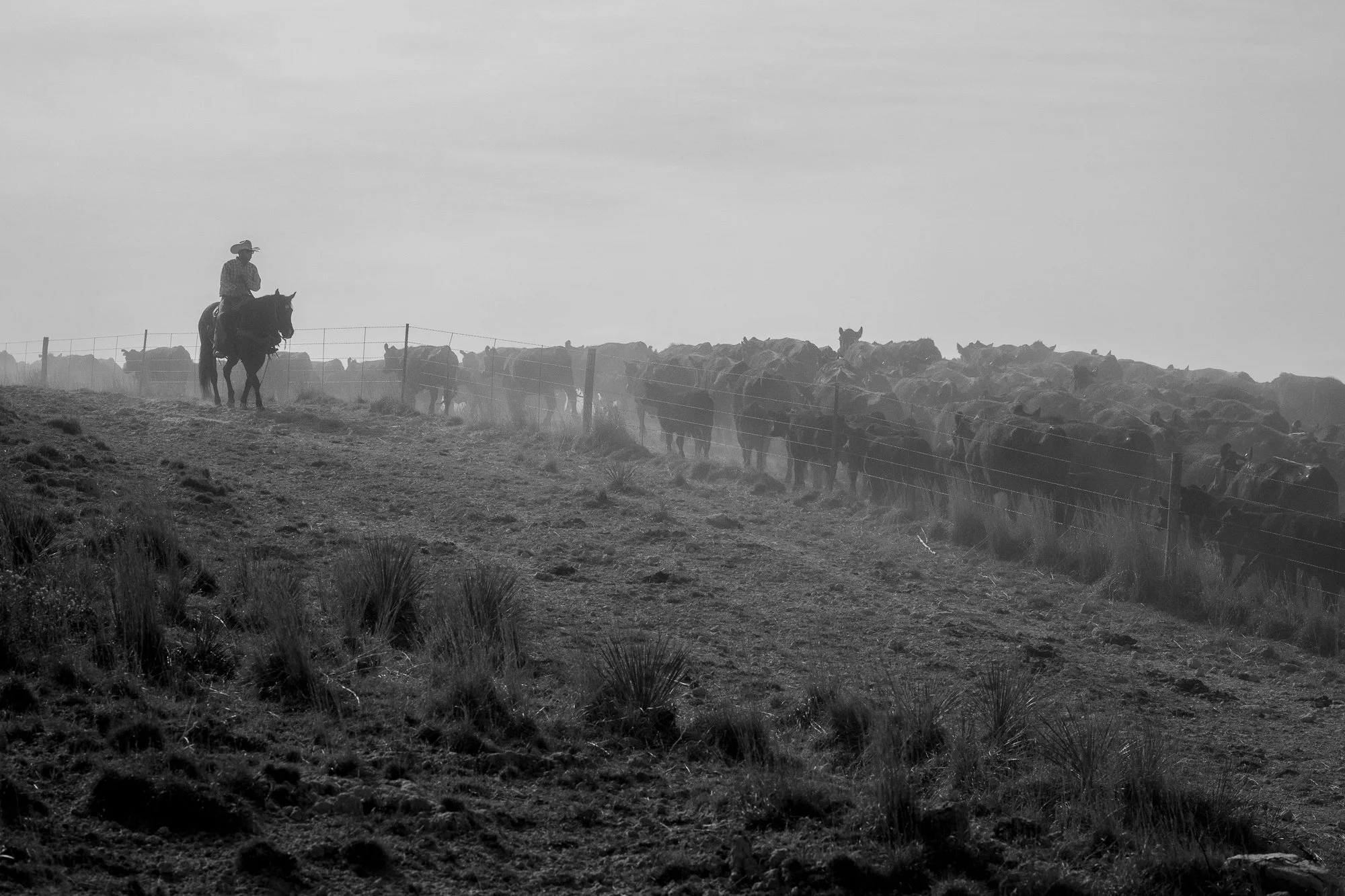
The photographs come from paying attention to what’s already there—dust hanging in the air during a gather, a rider holding position on a ridge, cattle settling at the end of a long push. Over time, those moments build into a more accurate picture of what ranching in this part of Nevada actually looks like.

I’m grateful to the whole crew for letting me be a small part of their work and look forward to being back on The TS. They are a good bunch of humans with a great chemistry that was fun to take in from the outside.

Part of an Ongoing Western Project

The photographs from TS Ranch are part of a larger body of work focused on working cowboys across the American West.

This project has been developed over years of access to ranches where the work is still done horseback, across open range, and without alteration for the camera. Each image is part of a broader effort to document a way of life that continues largely out of public view.

View the full project

Limited edition prints from this series are available for collectors

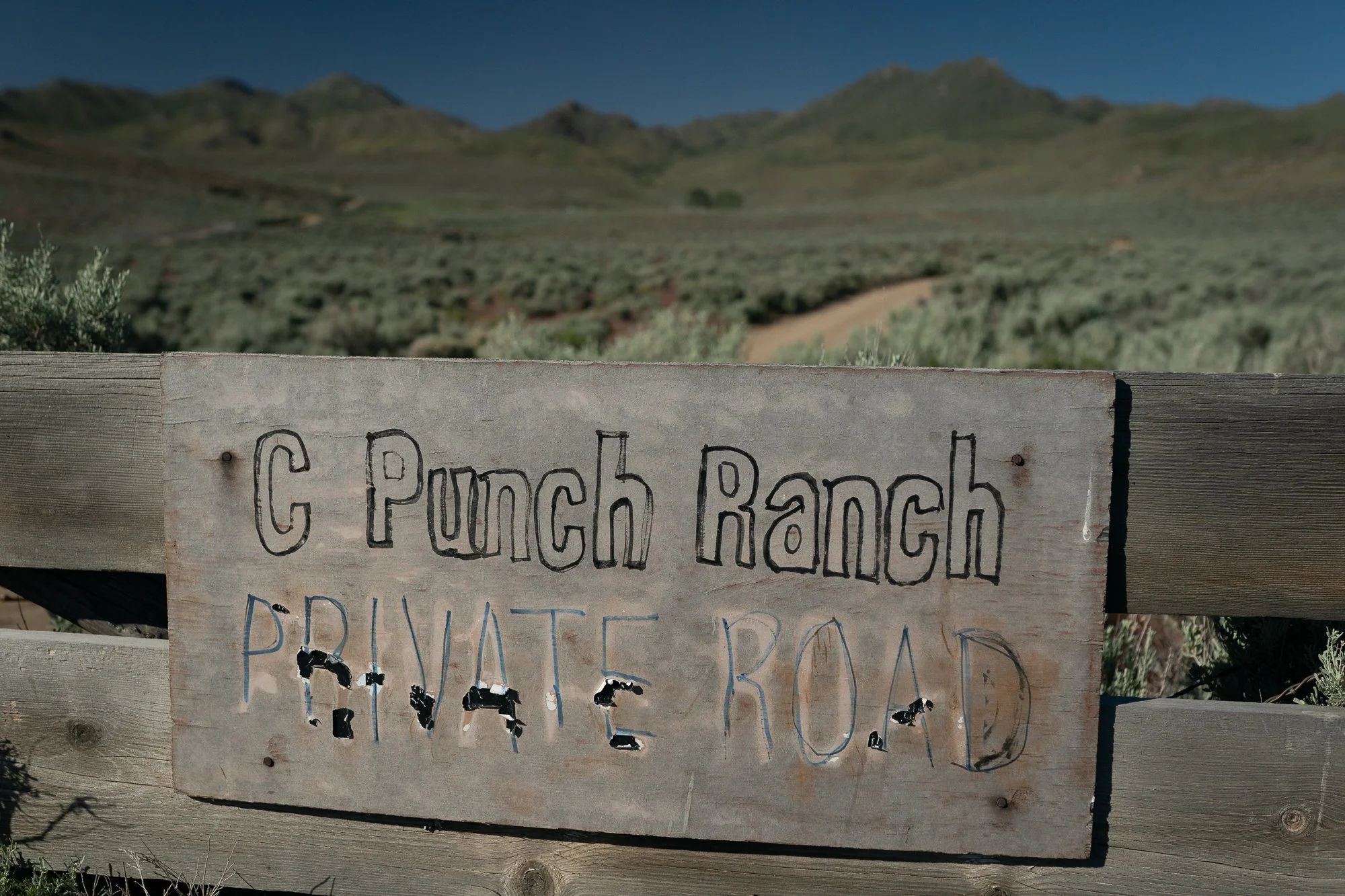
View more photographs from another historic Nevada cattle ranch - The C-Punch

Contact me directly for editorial and commercial licensing - rob@robhammerphotography.com

Sunrise over mountains and ranch land at TS Ranch

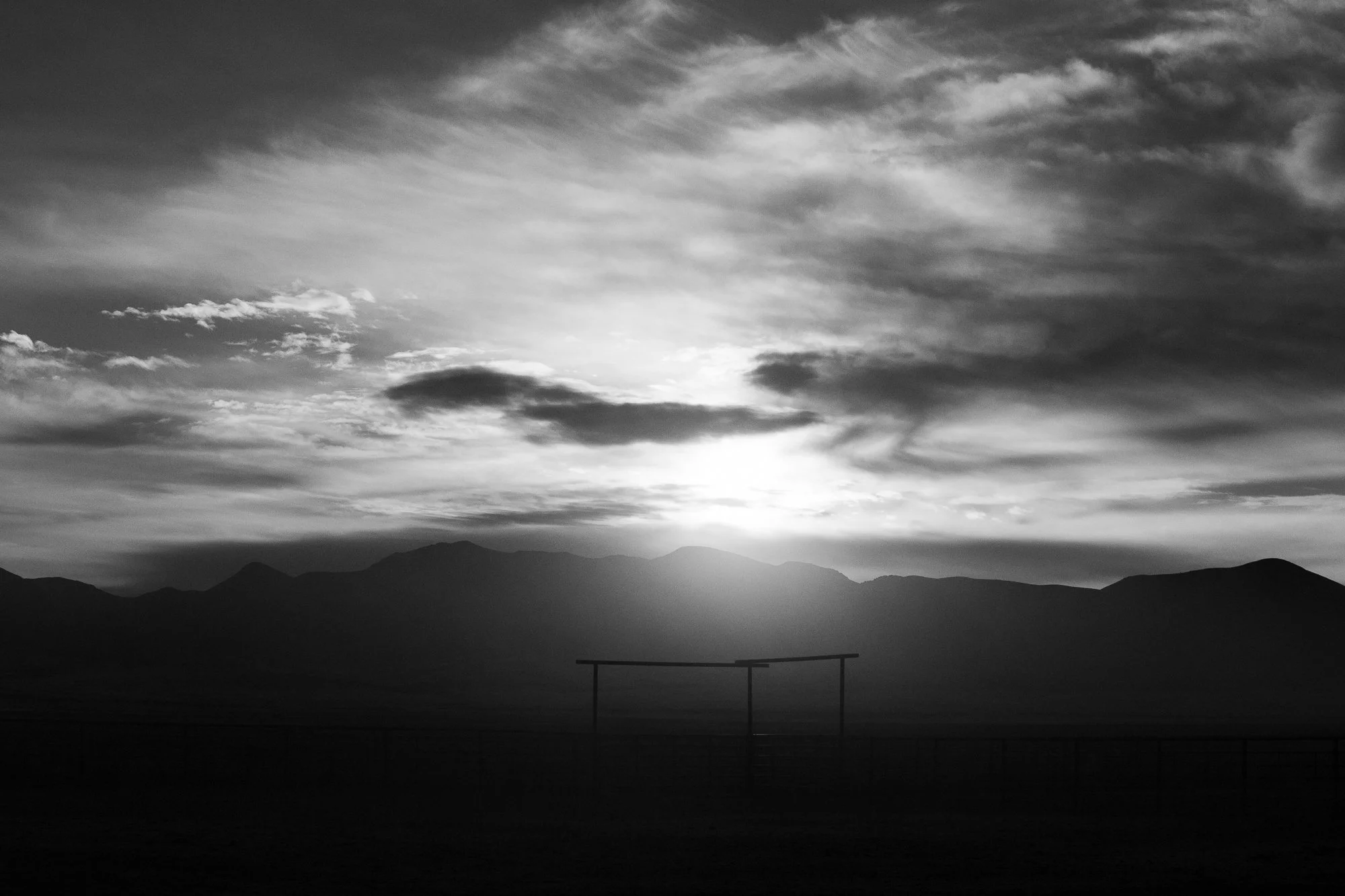
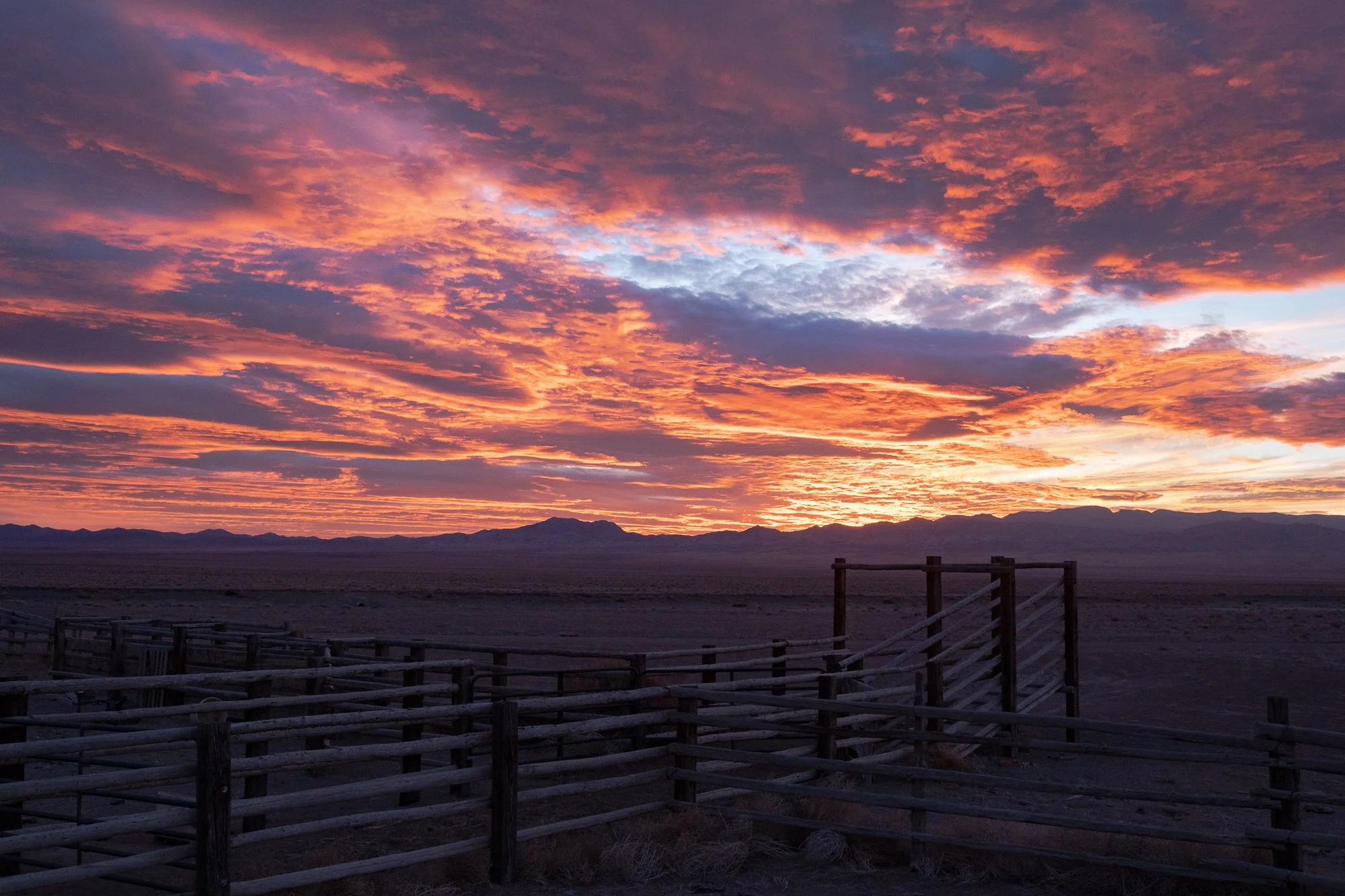
The first light breaks over the mountains, casting long shadows across the open ranch land.

Cowboys gathering cattle across open high desert landscape at TS Ranch

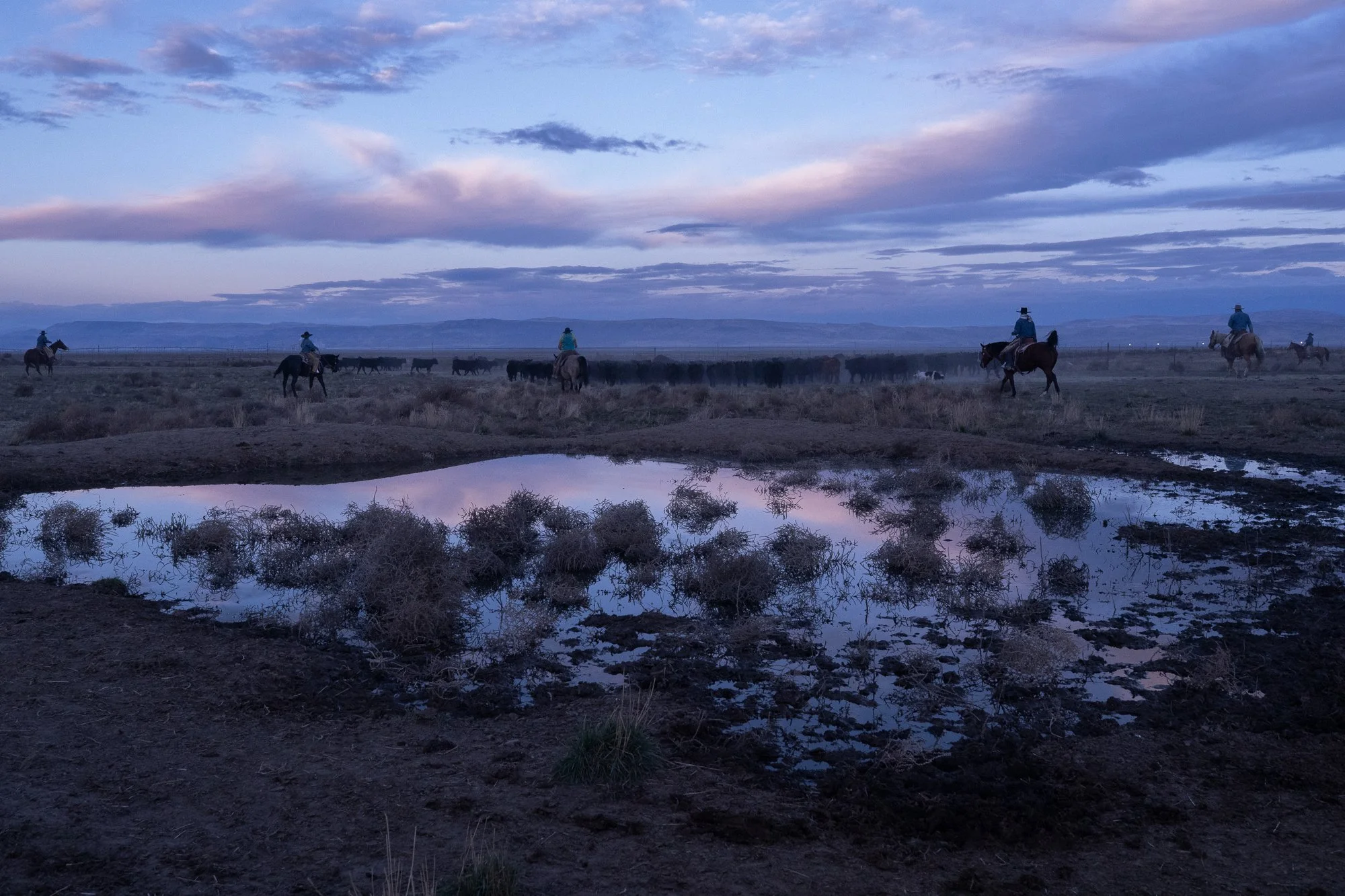
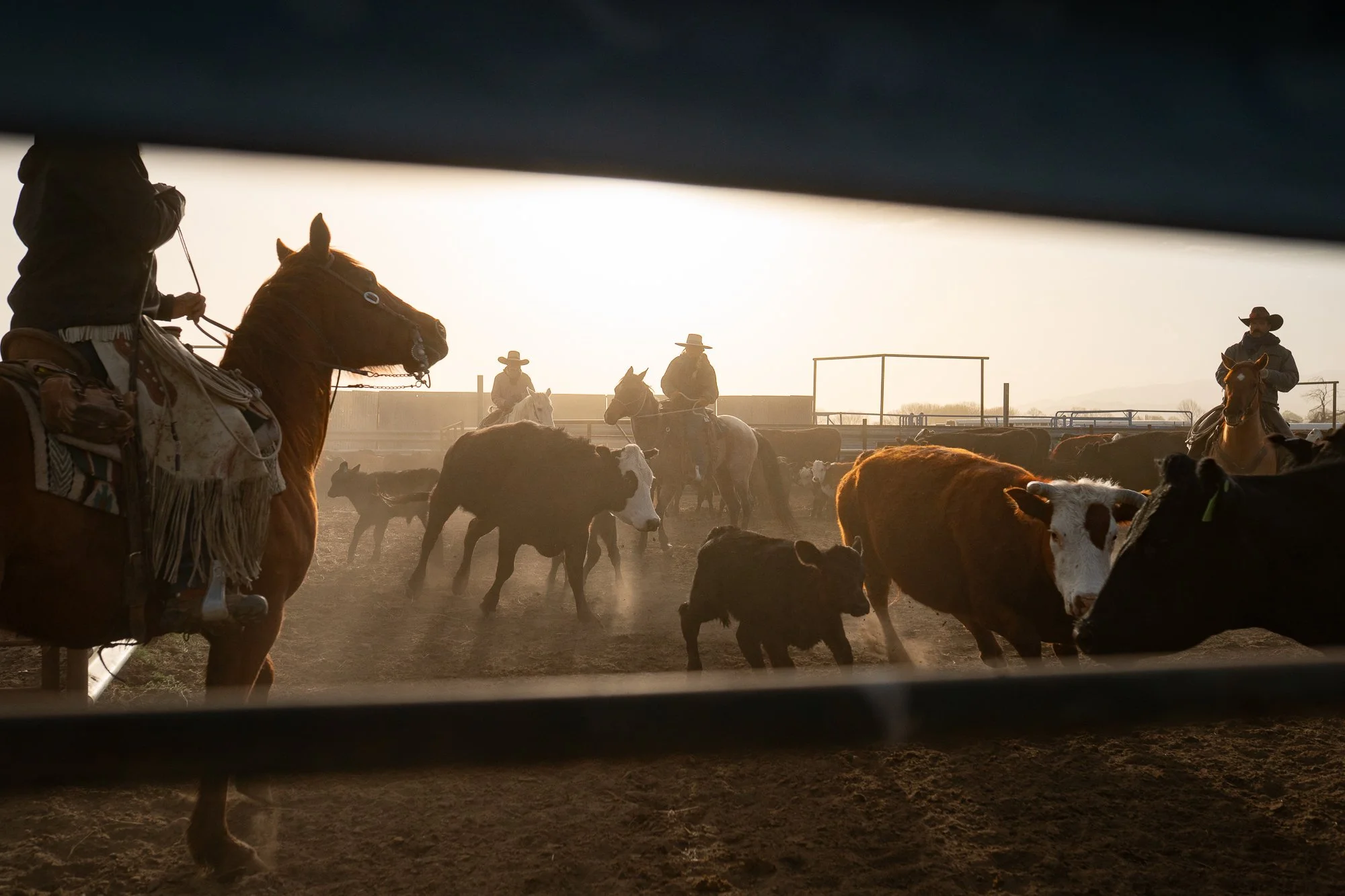
Buckaroos spread out across the range, slowly gathering cattle as the morning light settles over the high desert.

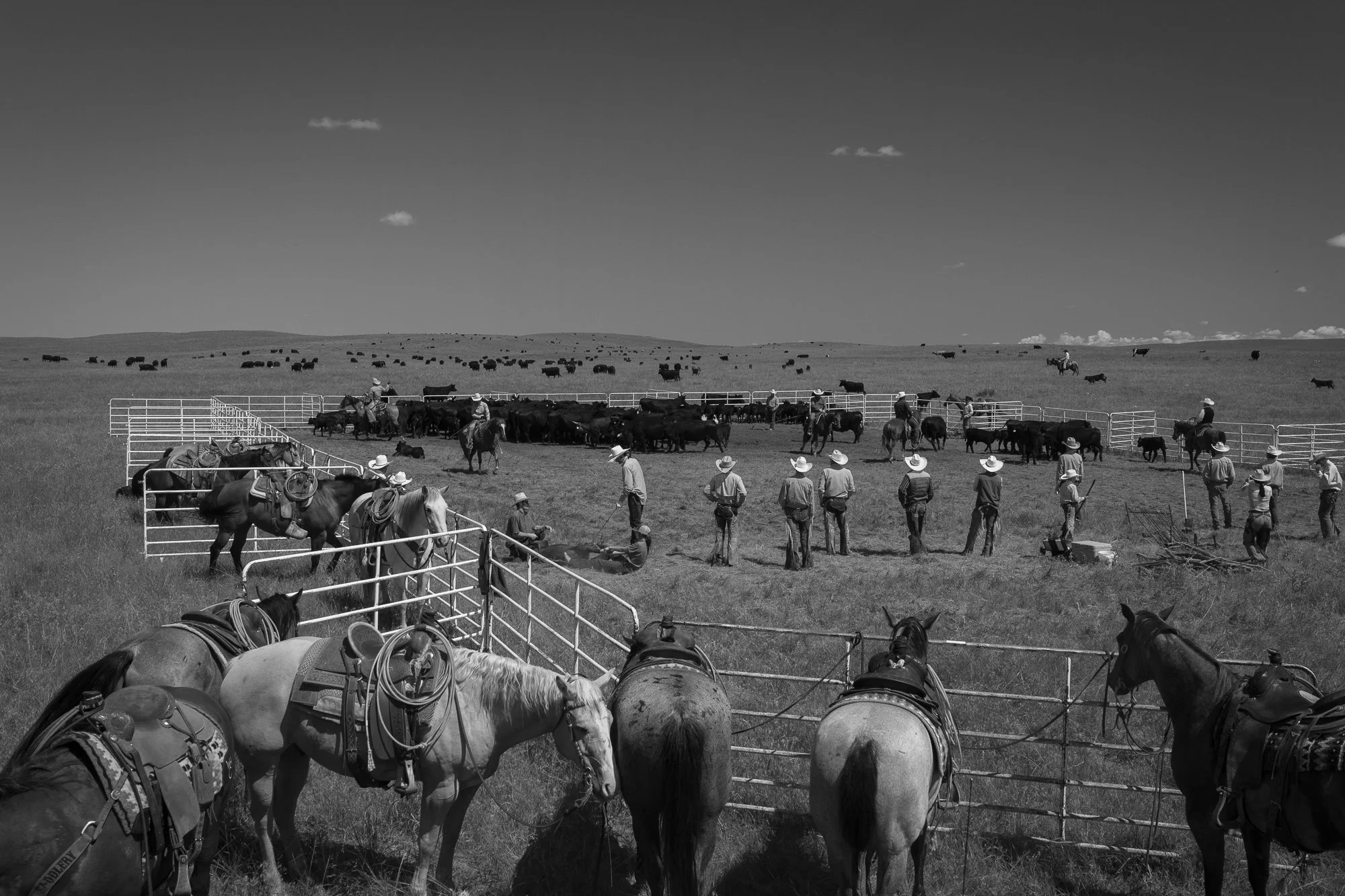
Group of buckaroos on horseback waiting in cattle pens at TS Ranch

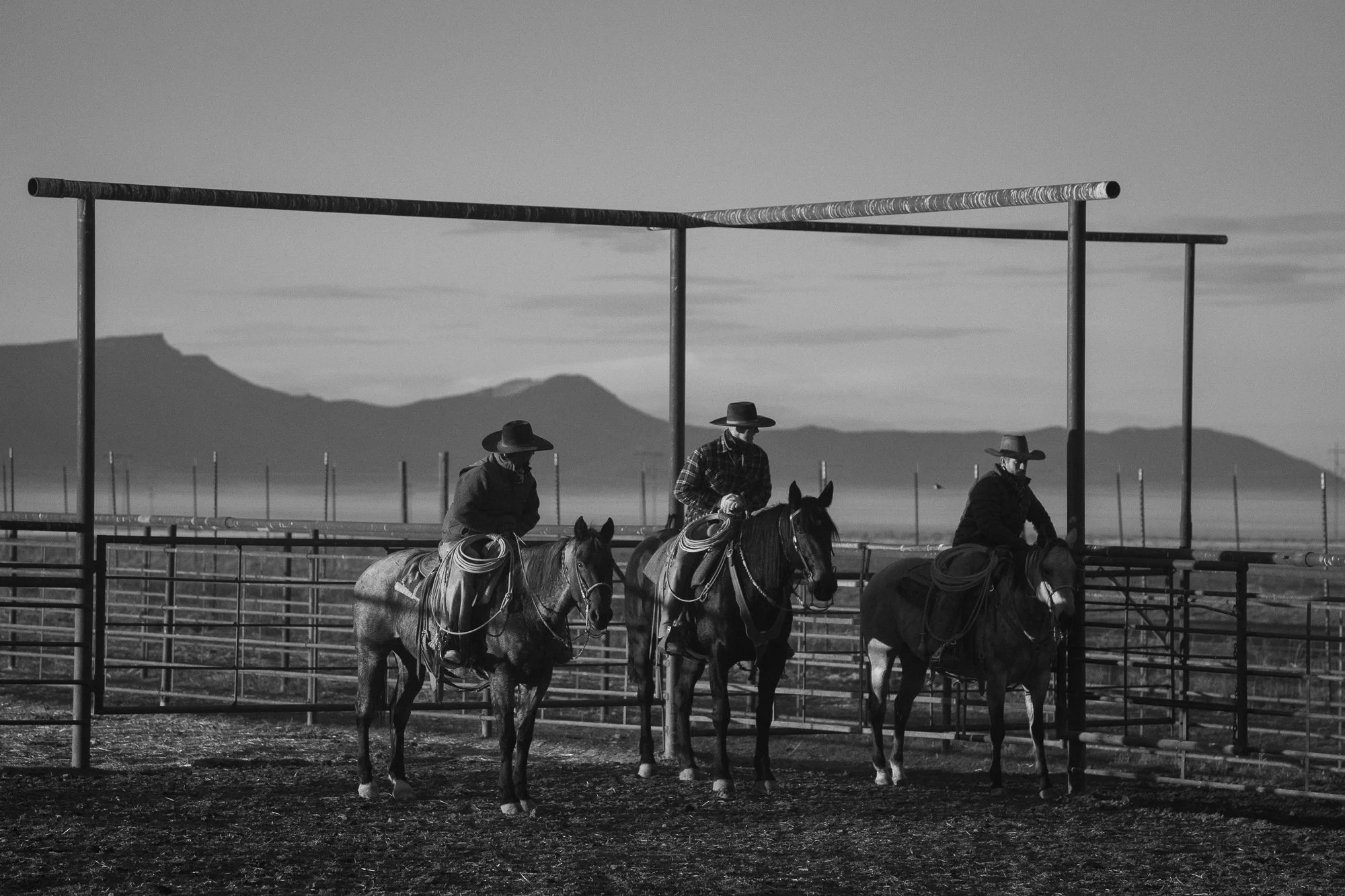
Buckaroos sit mounted in the pens, waiting for the next move as cattle work begins to unfold.

Buckaroo riding horseback across open desert landscape at TS Ranch

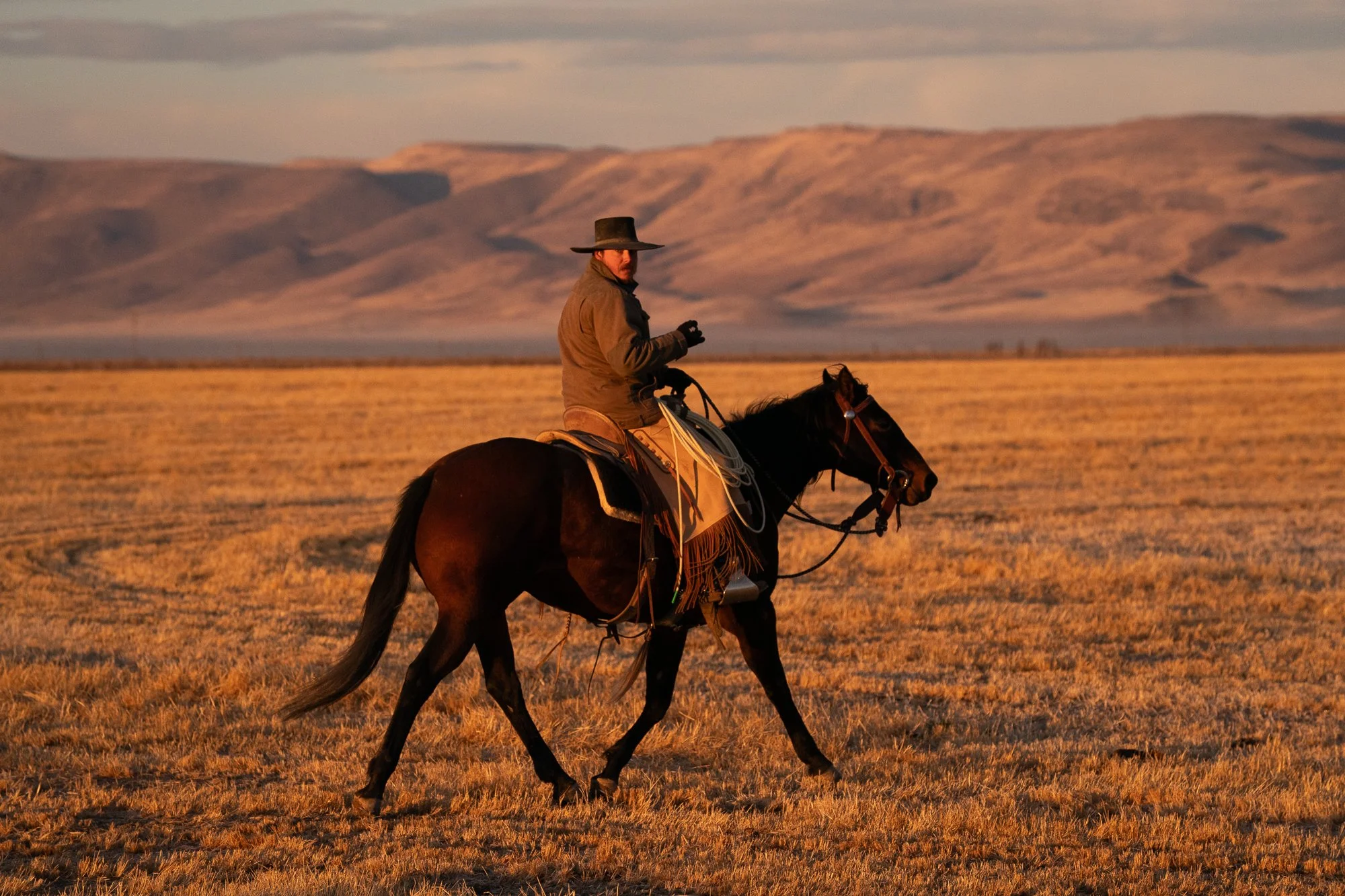
A buckaroo rides across the open range at TS Ranch, the high desert stretching out beneath the evening light.

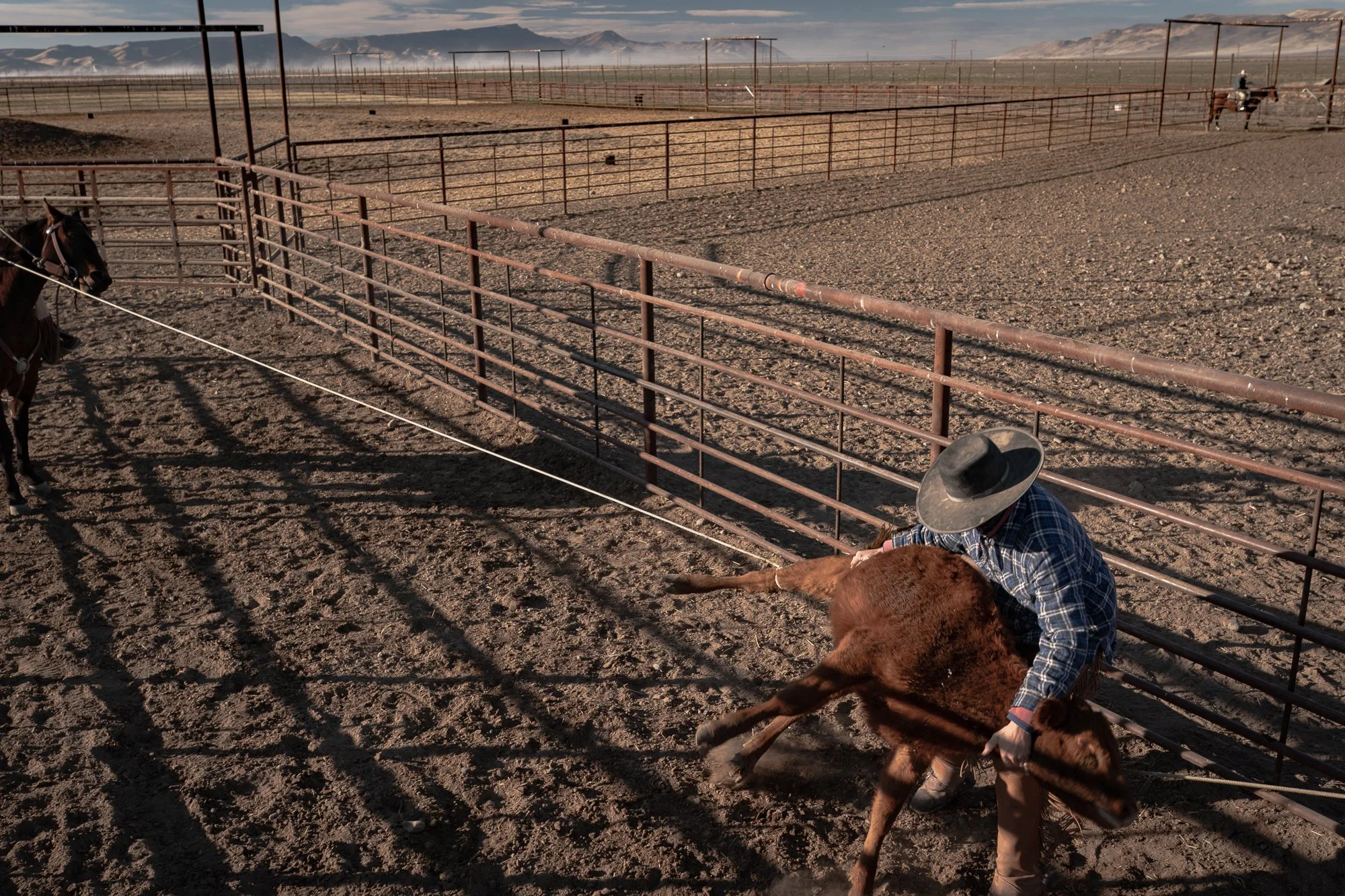
Cowboy roping a calf in the branding pen at TS Ranch

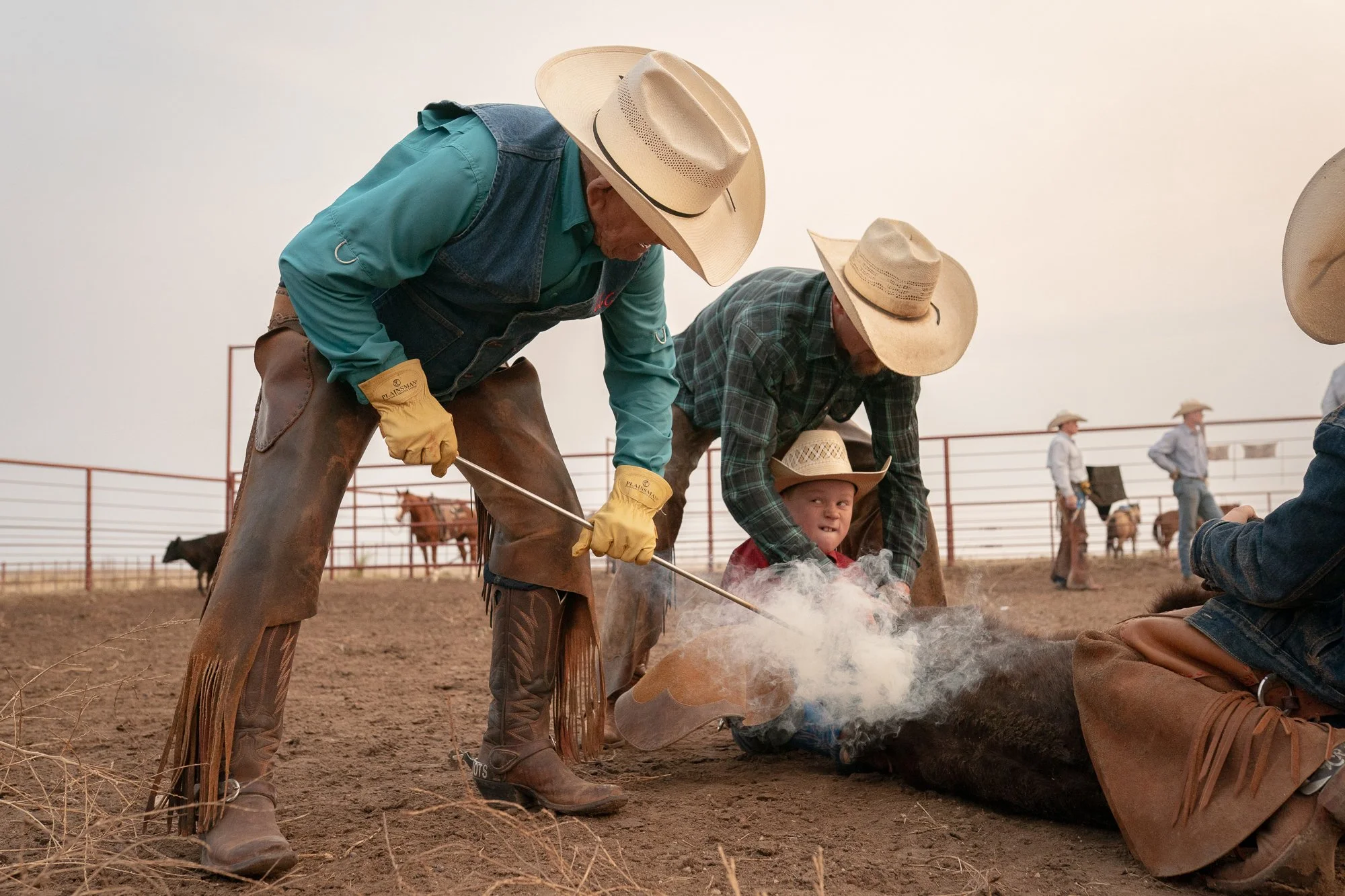
A calf is roped and held steady in the branding pen, a routine part of cattle work that has remained unchanged for generations.

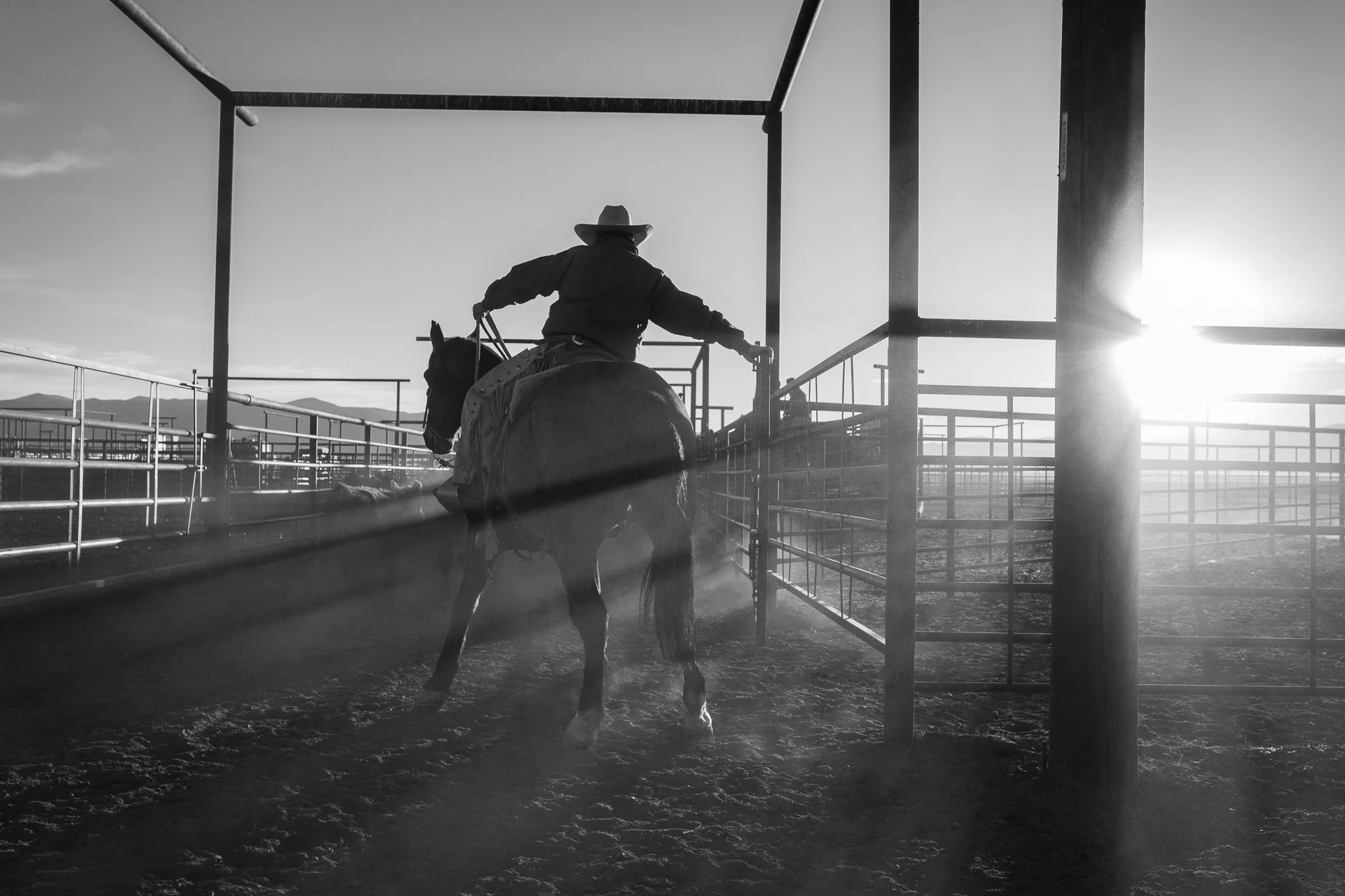
Buckaroo riding through dusty cattle pens at sunrise at TS Ranch

A buckaroo moves through the cattle pens at first light, dust catching the sun as the day’s work begins at TS Ranch.

Close-up of buckaroo hat in early morning light at TS Ranch

A worn hat catches the early light, a quiet detail that reflects the long days and tradition behind the work.

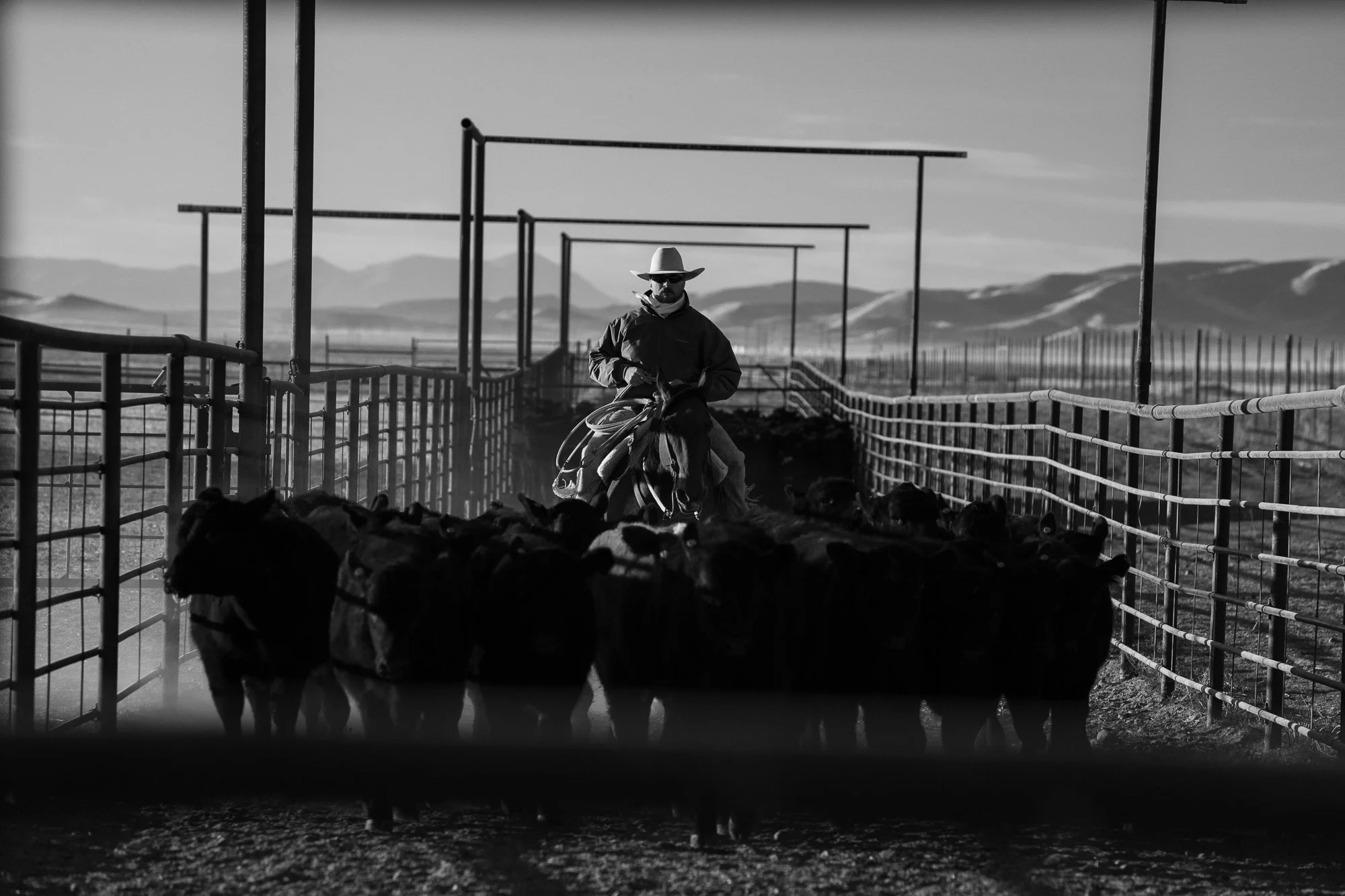
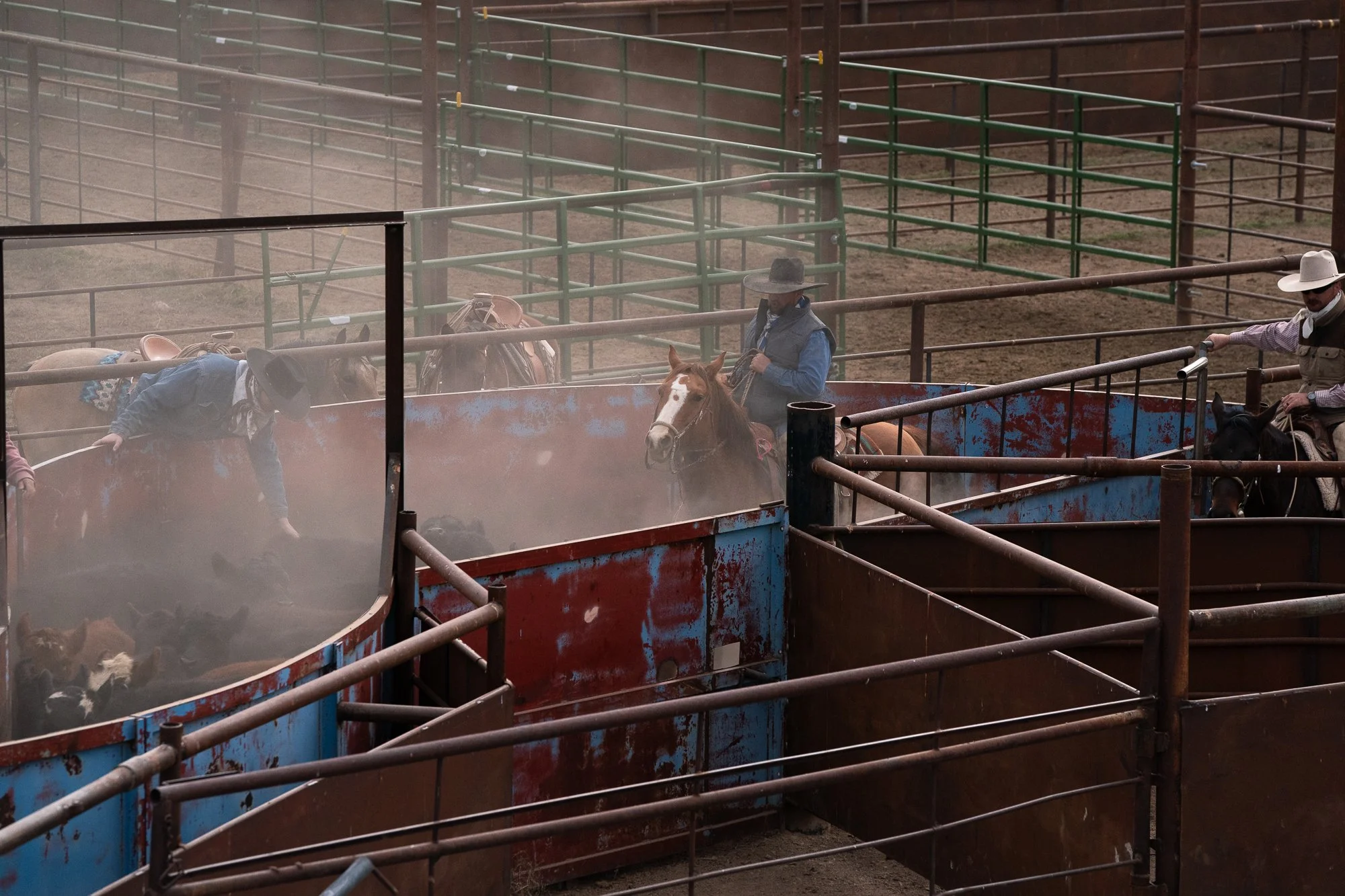
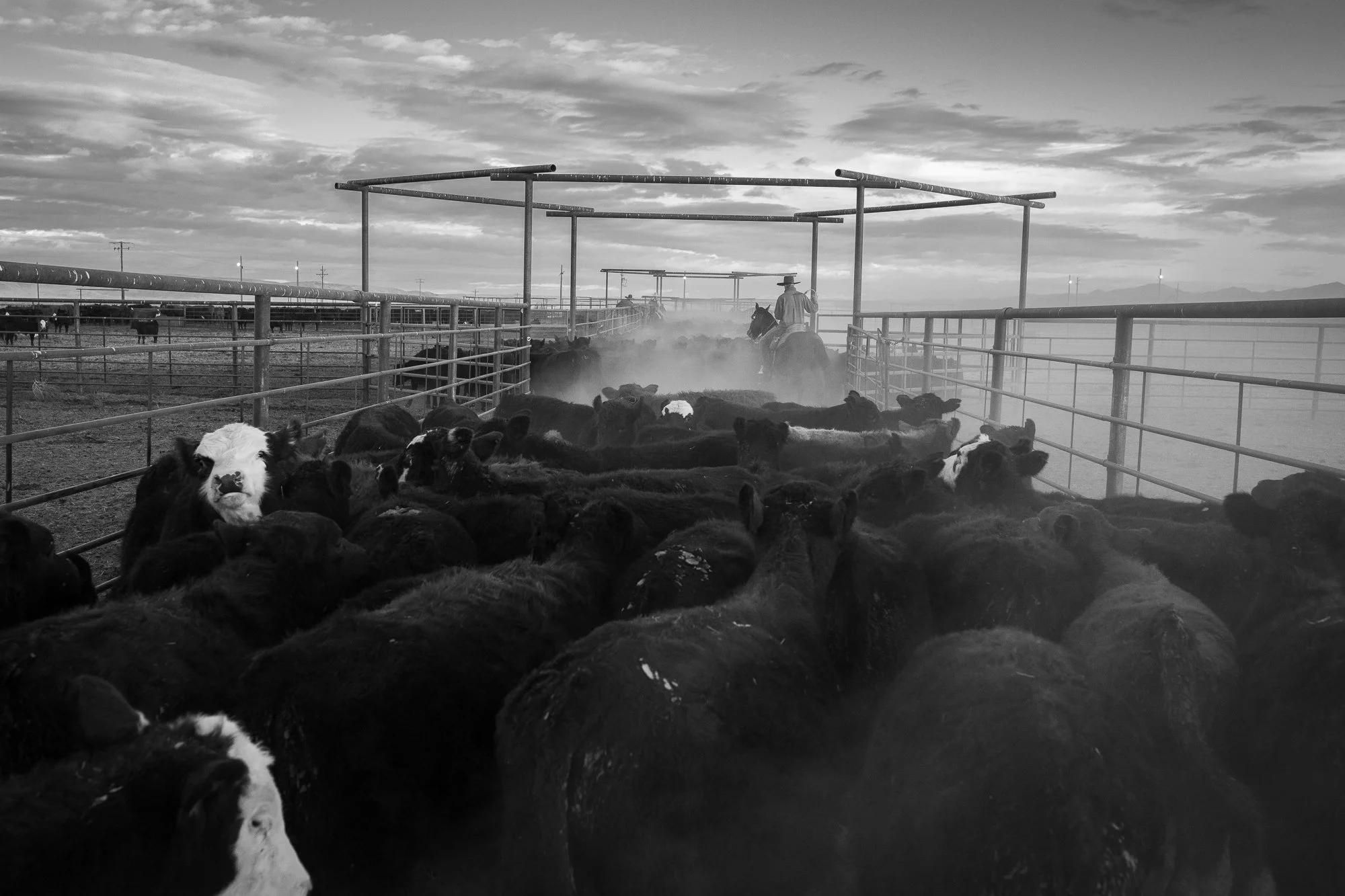
Cowboy pushing cattle through narrow alley in ranch pens at TS Ranch

A buckaroo pushes cattle through the alleyway, guiding the herd forward through the maze of steel pens.

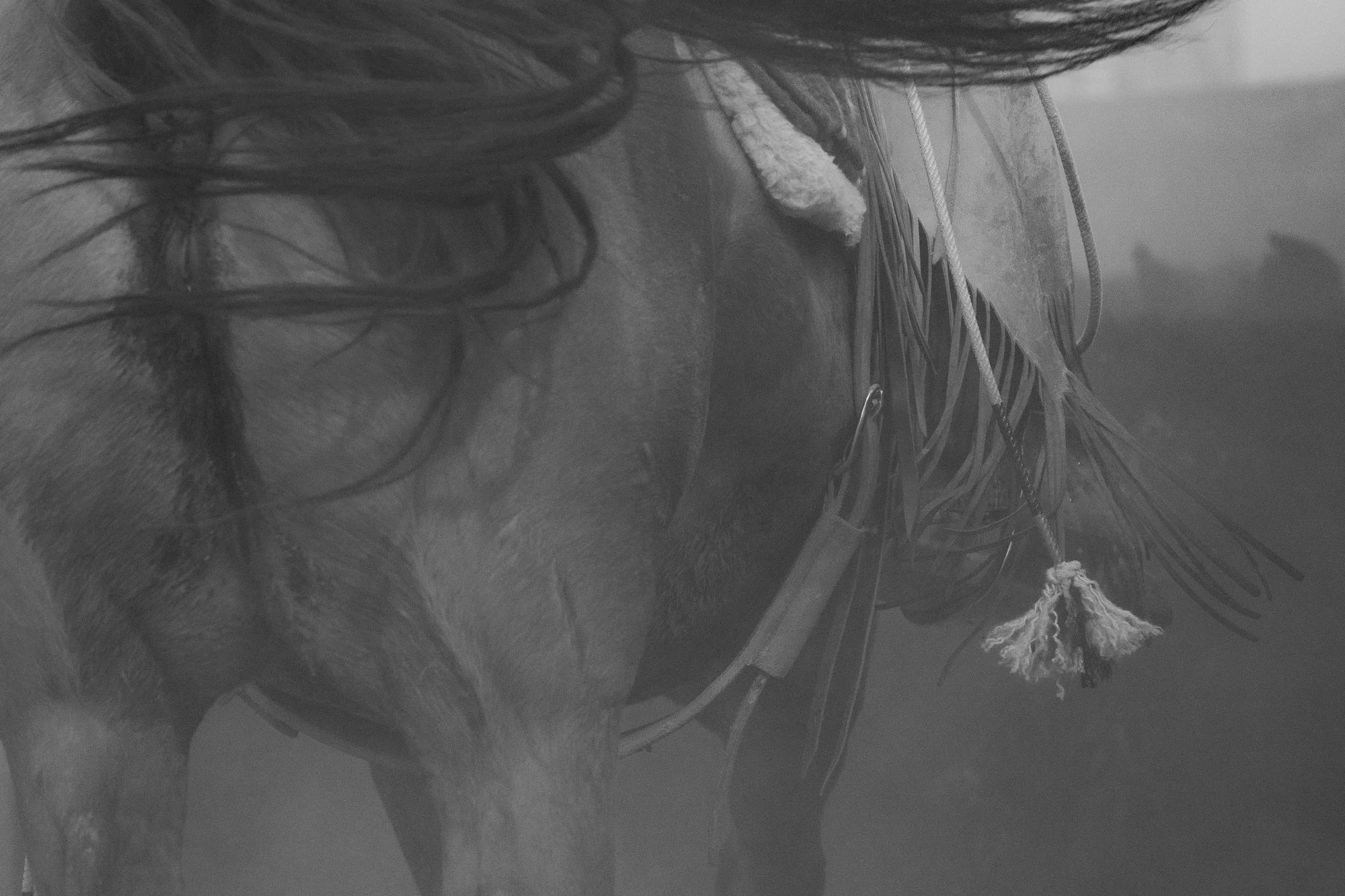
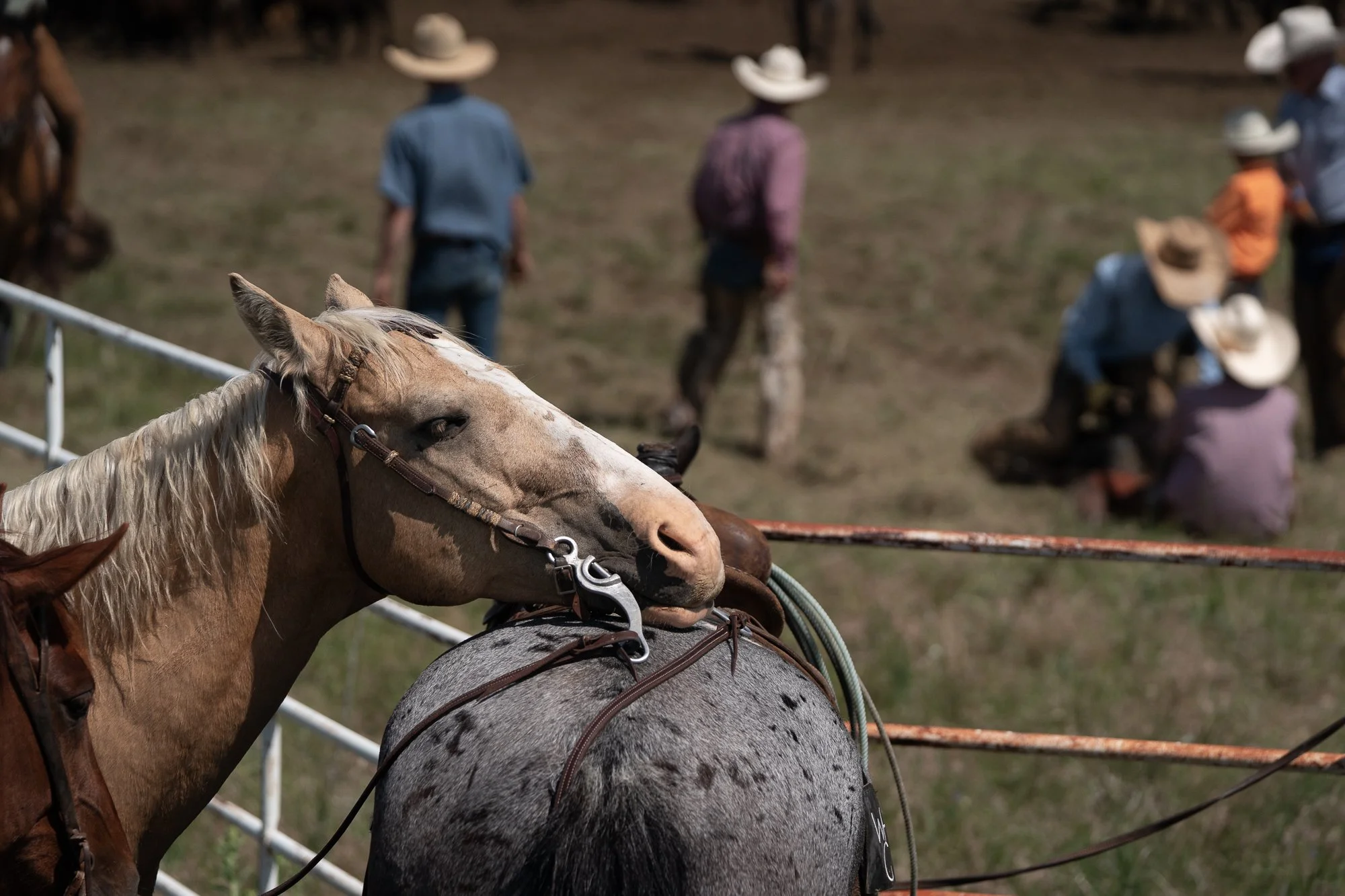
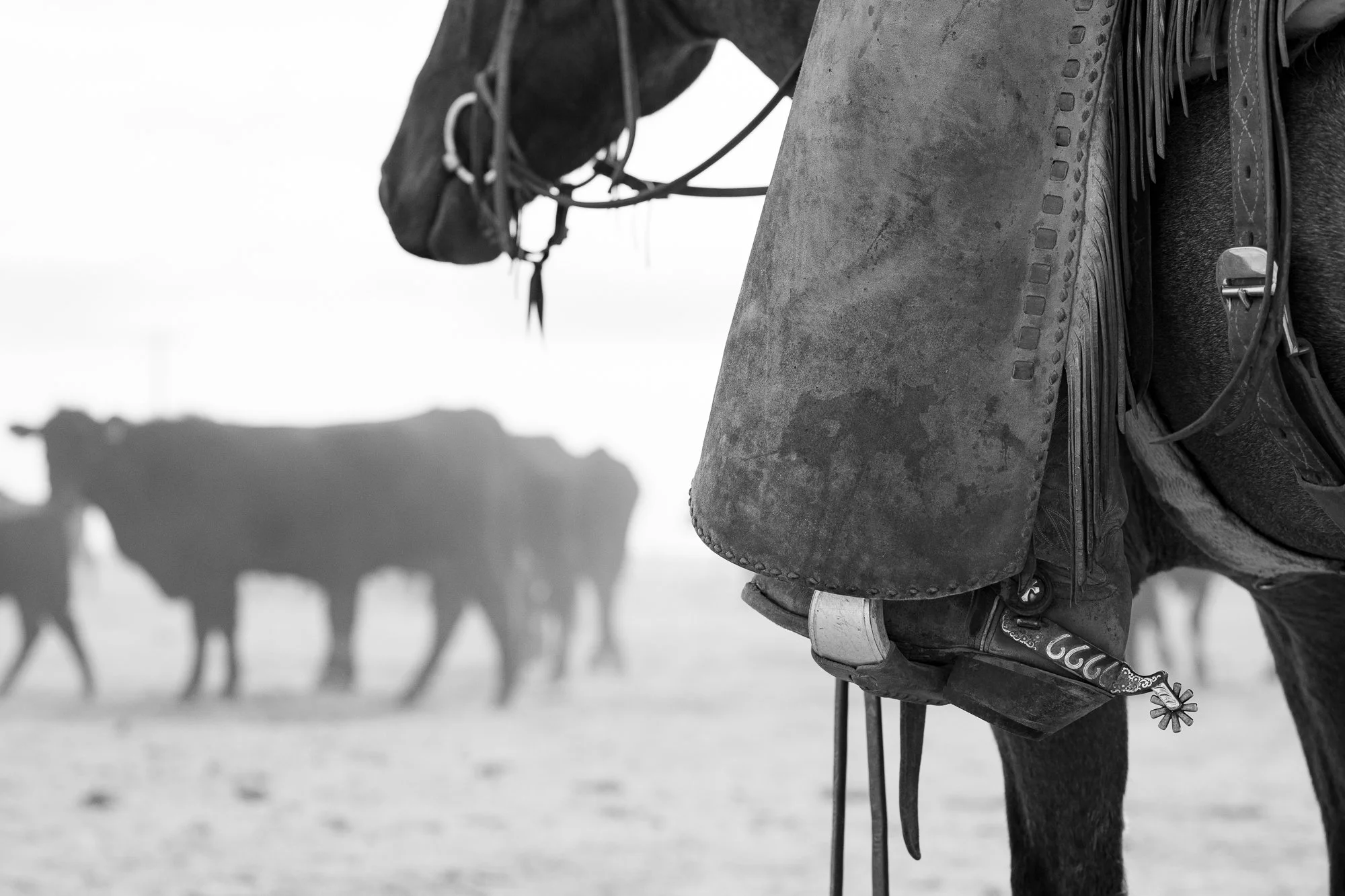
Close-up of horse and western tack in dusty ranch environment at TS Ranch

A close study of horse and gear, where movement and dust soften the edges of the scene.

Buckaroo sorting cattle inside working pens at TS Ranch

A buckaroo counts cattle inside the pens, before they are loaded onto the shipping truck.

Buckaroos holding cattle herd across open range at TS Ranch

Buckaroos hold the herd in place, spacing themselves across the landscape to keep the cattle settled.

Buckaroo holding cattle herd in dusty pasture at TS Ranch

A buckaroo holds position behind the herd, keeping the cattle together as they move through the corrals.

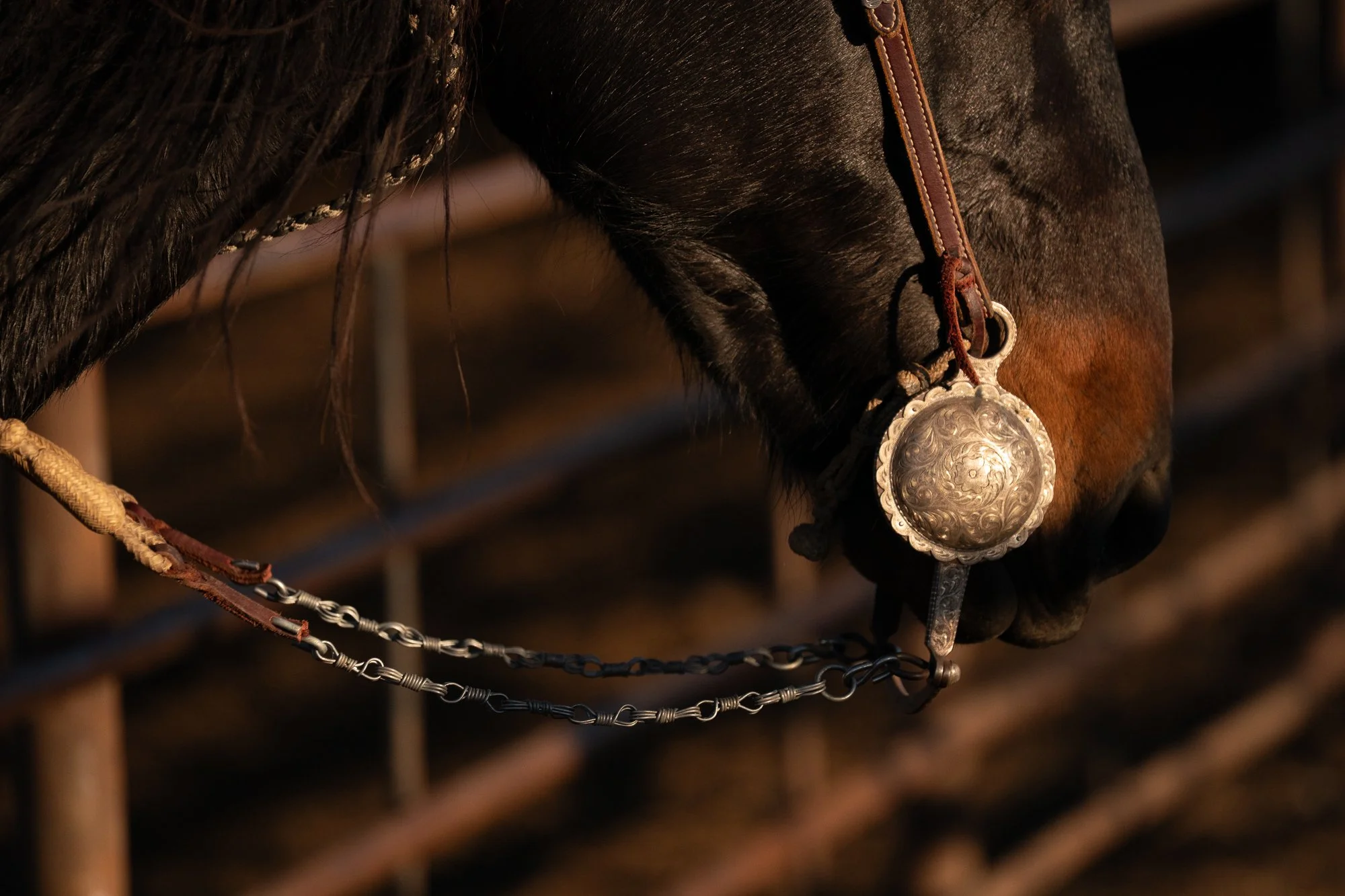
Close-up of horse bridle with silver concho detail at TS Ranch

A close look at the craftsmanship of a working bridle, worn and used daily in the rhythm of ranch work.

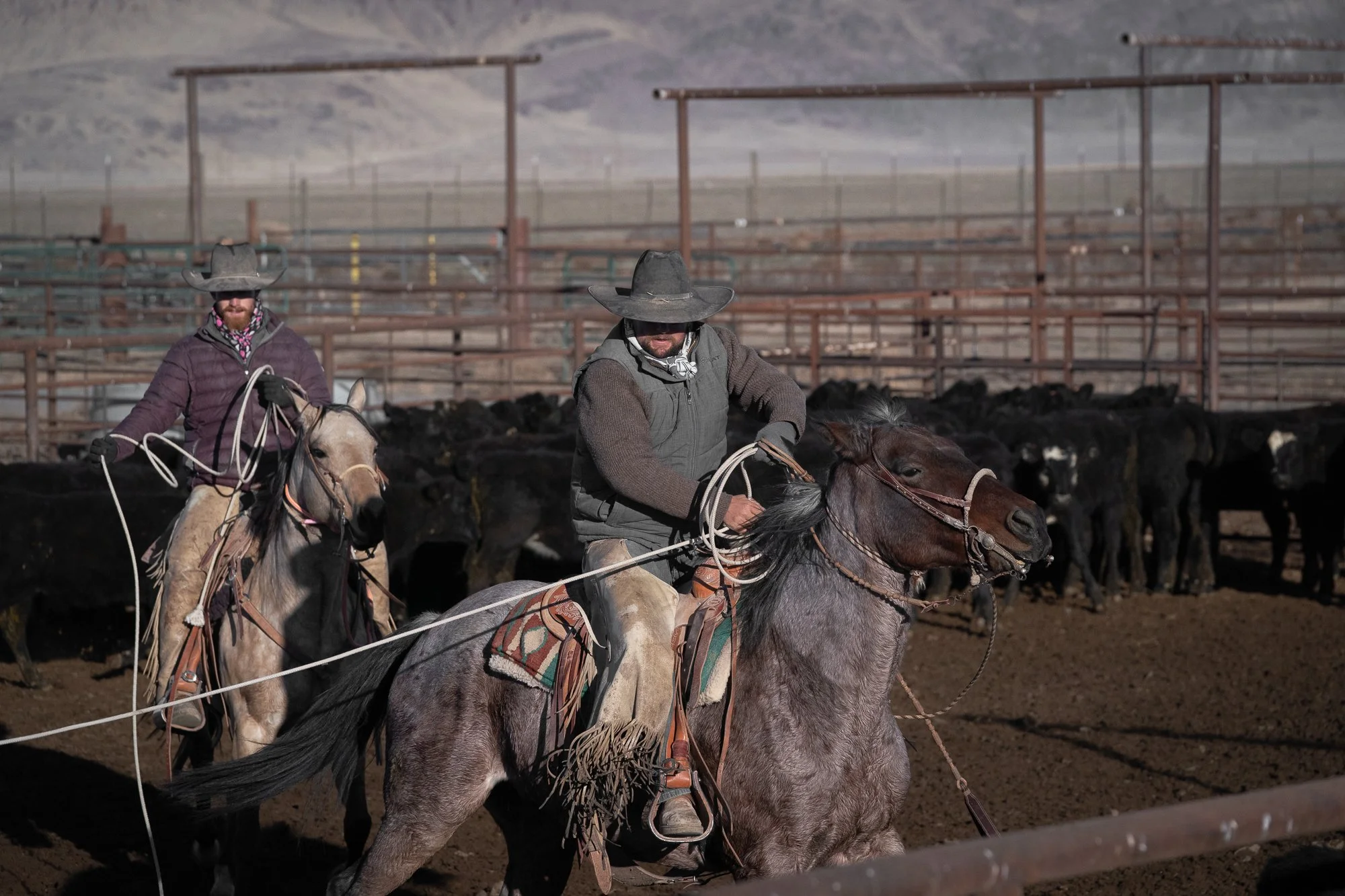
Two buckaroos roping cattle in ranch pens at TS Ranch

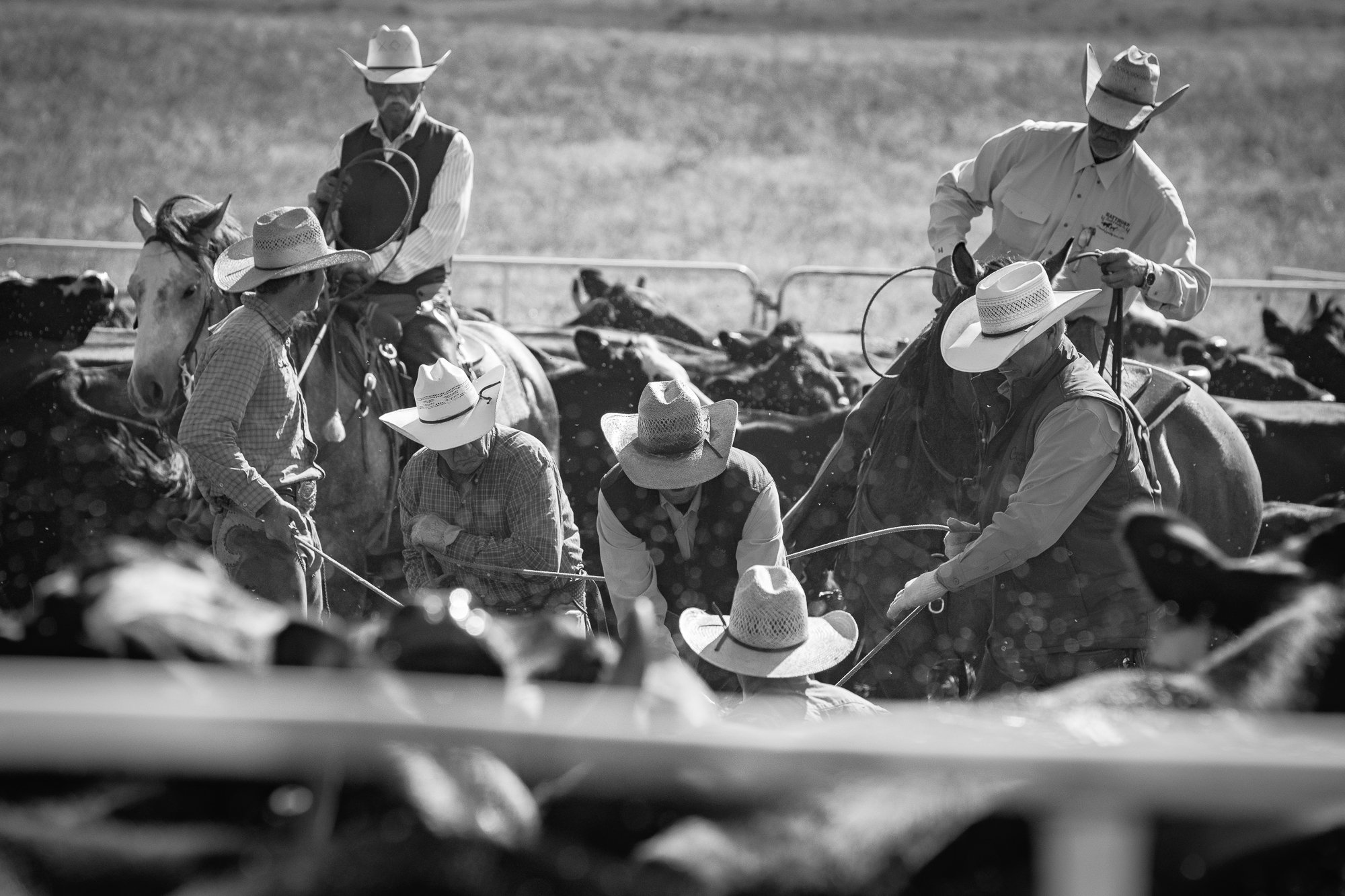
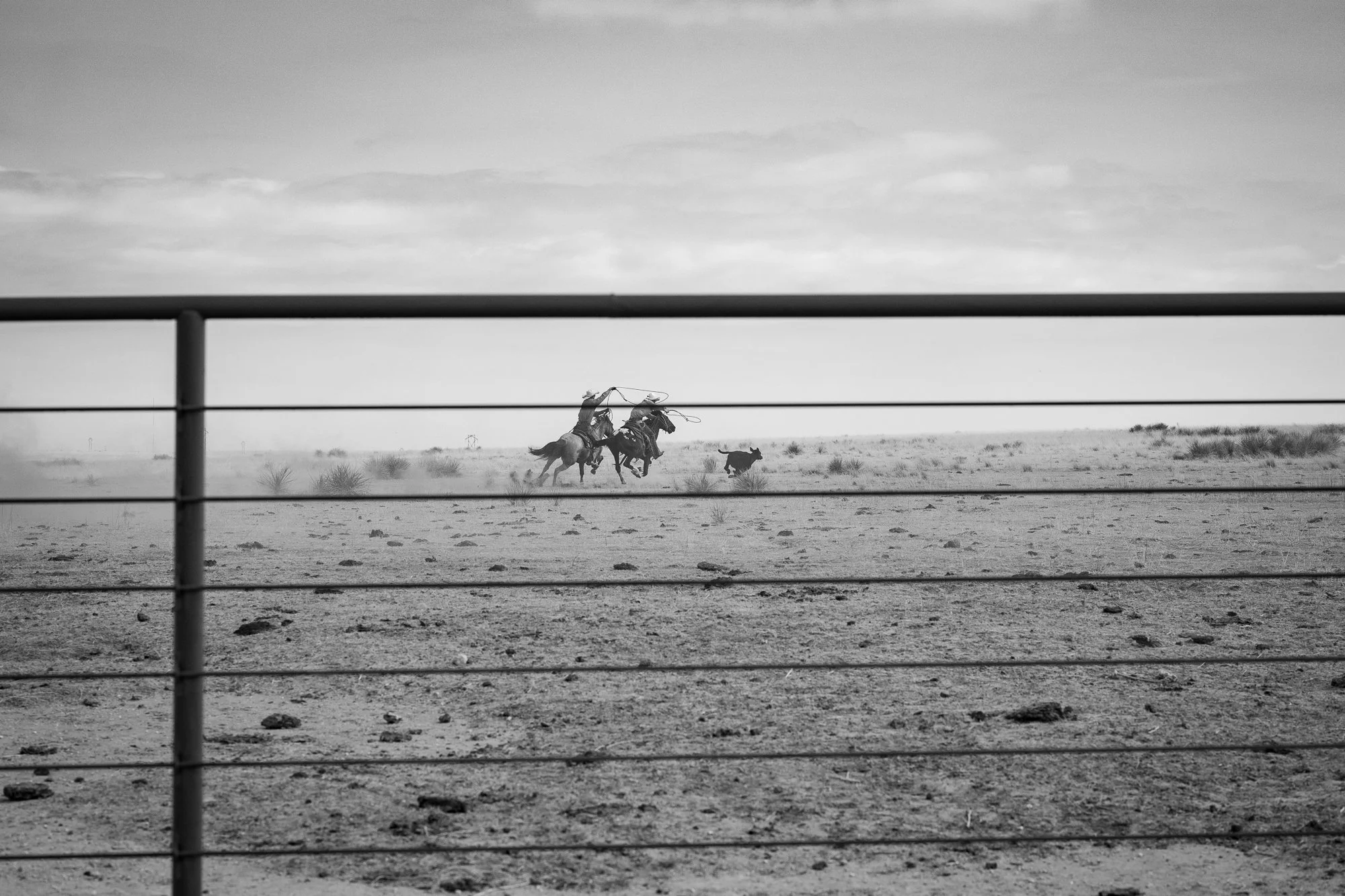
Two buckaroos rope cattle in the pens, working together to manage the herd with precision and control.

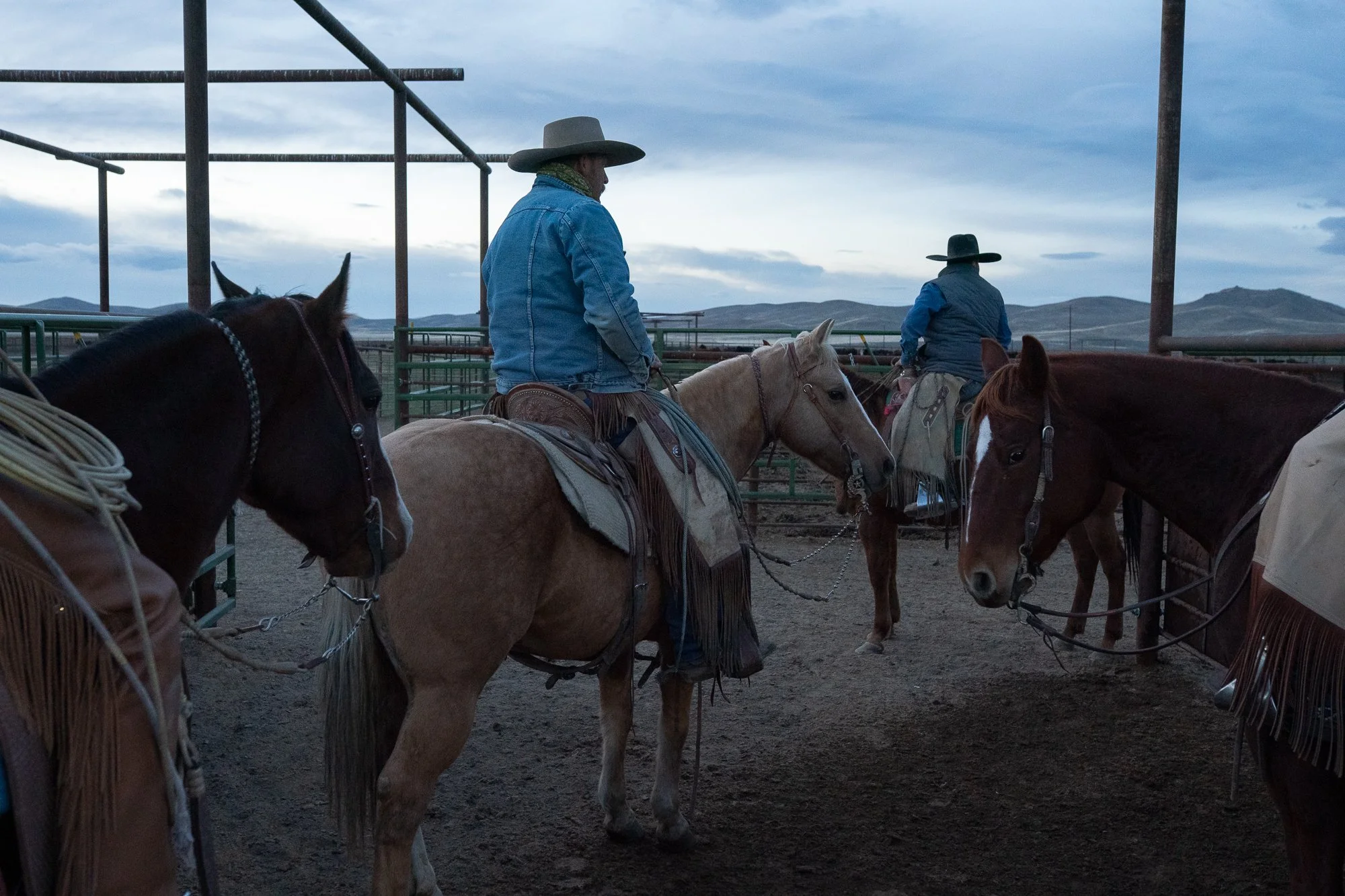
Buckaroos on horseback in cattle pens at sunrise at TS Ranch

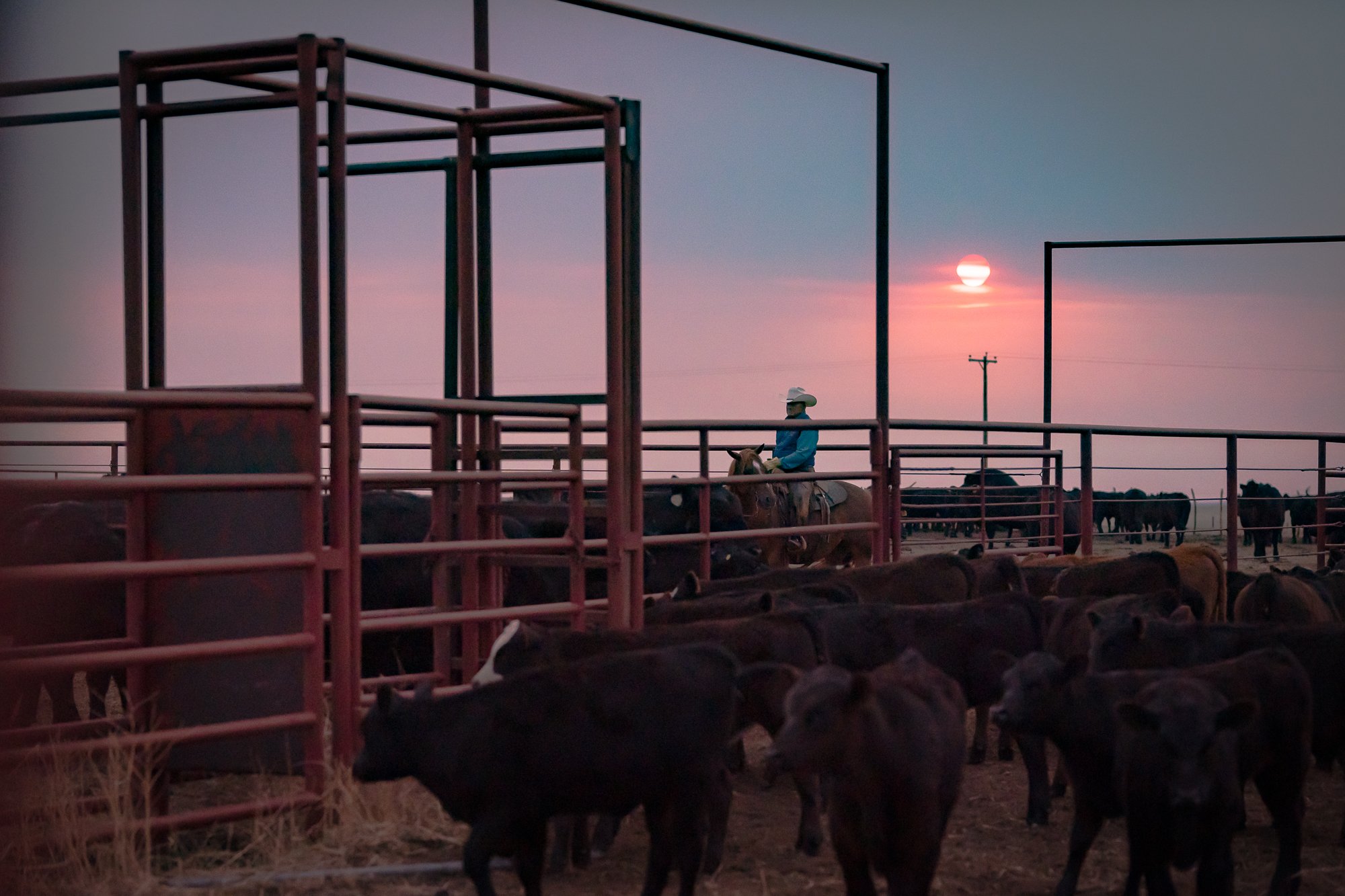
Buckaroos sit mounted in the pens at first light, preparing for the day’s work as the ranch comes to life.

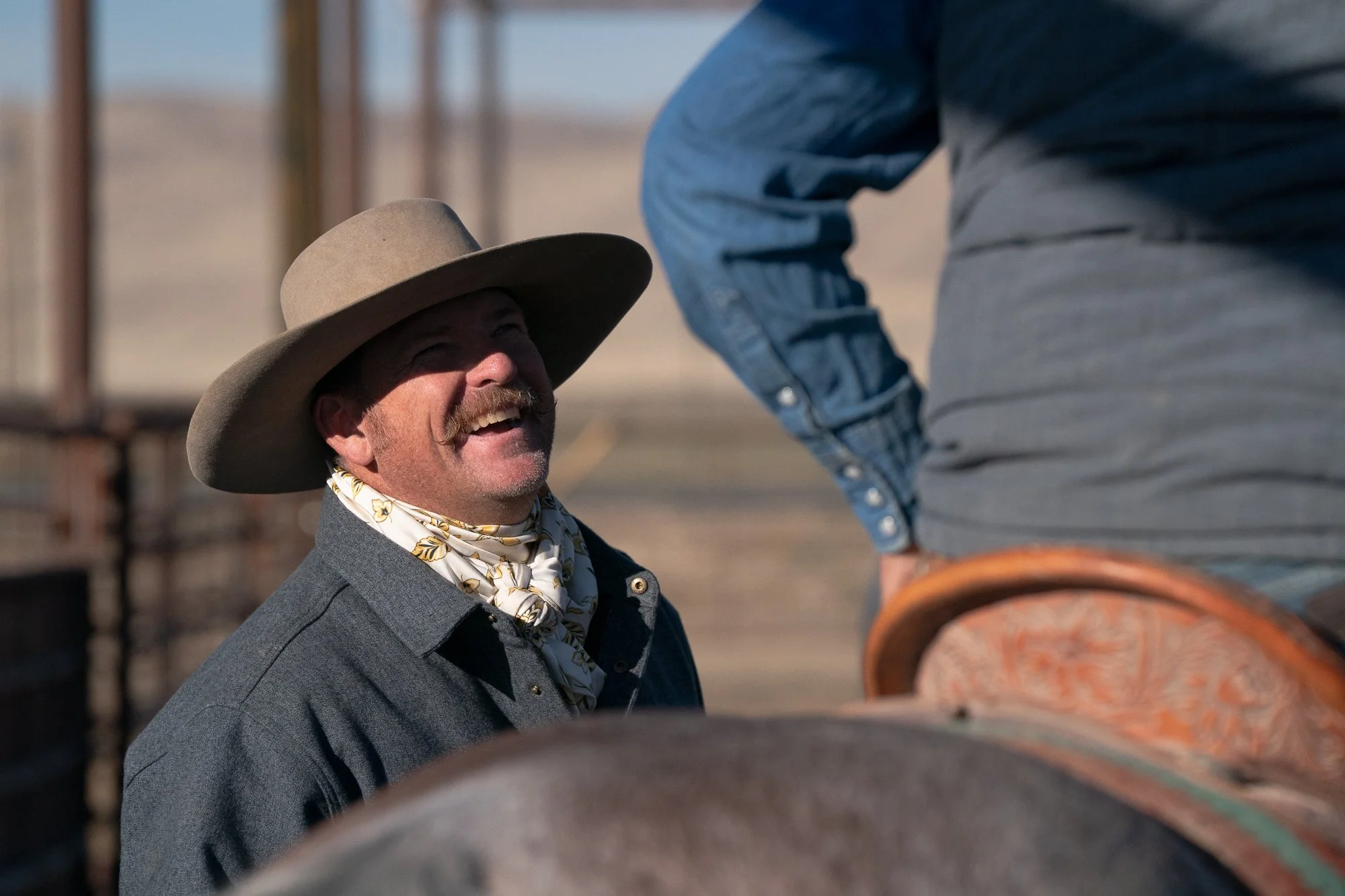
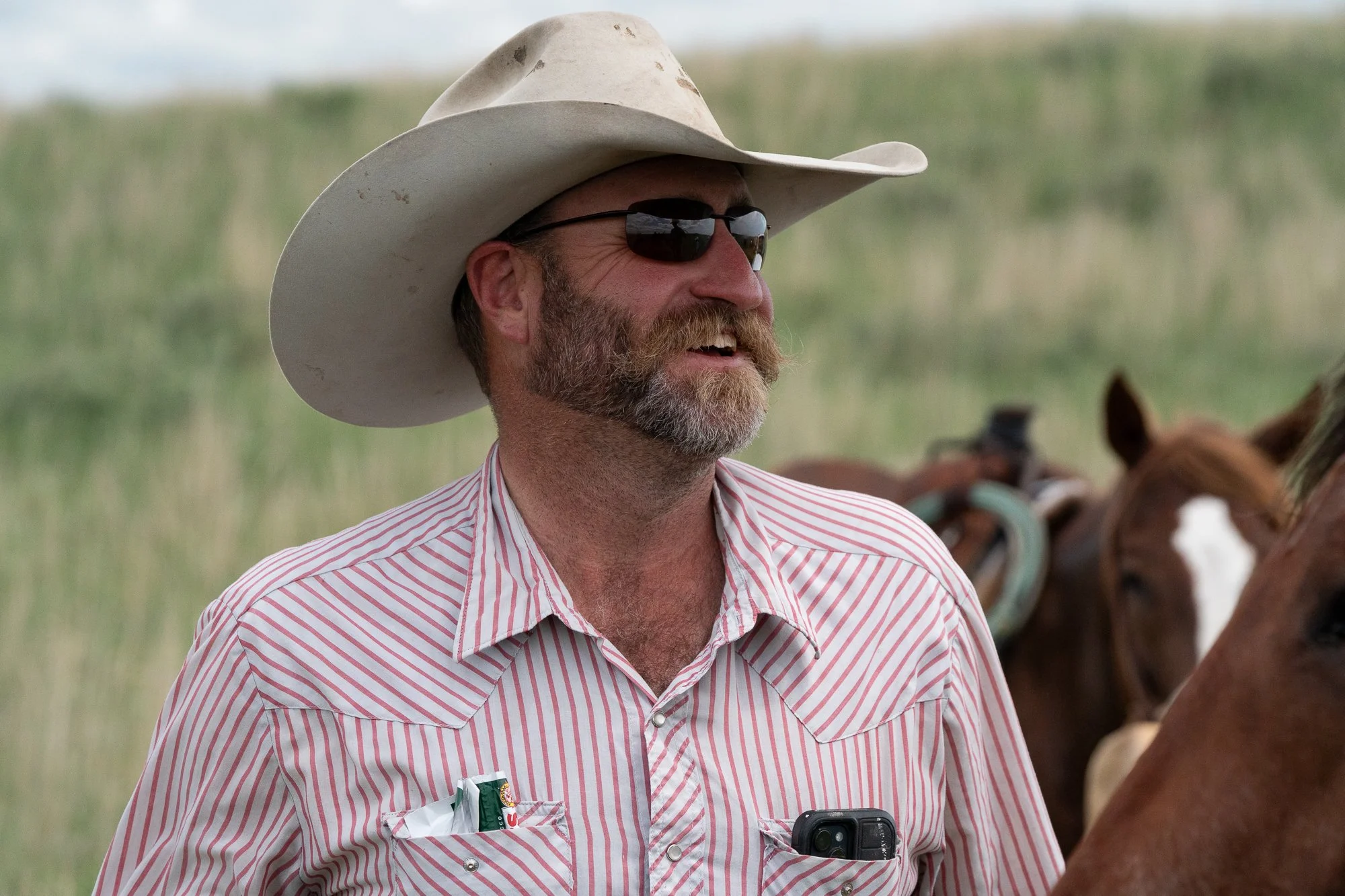
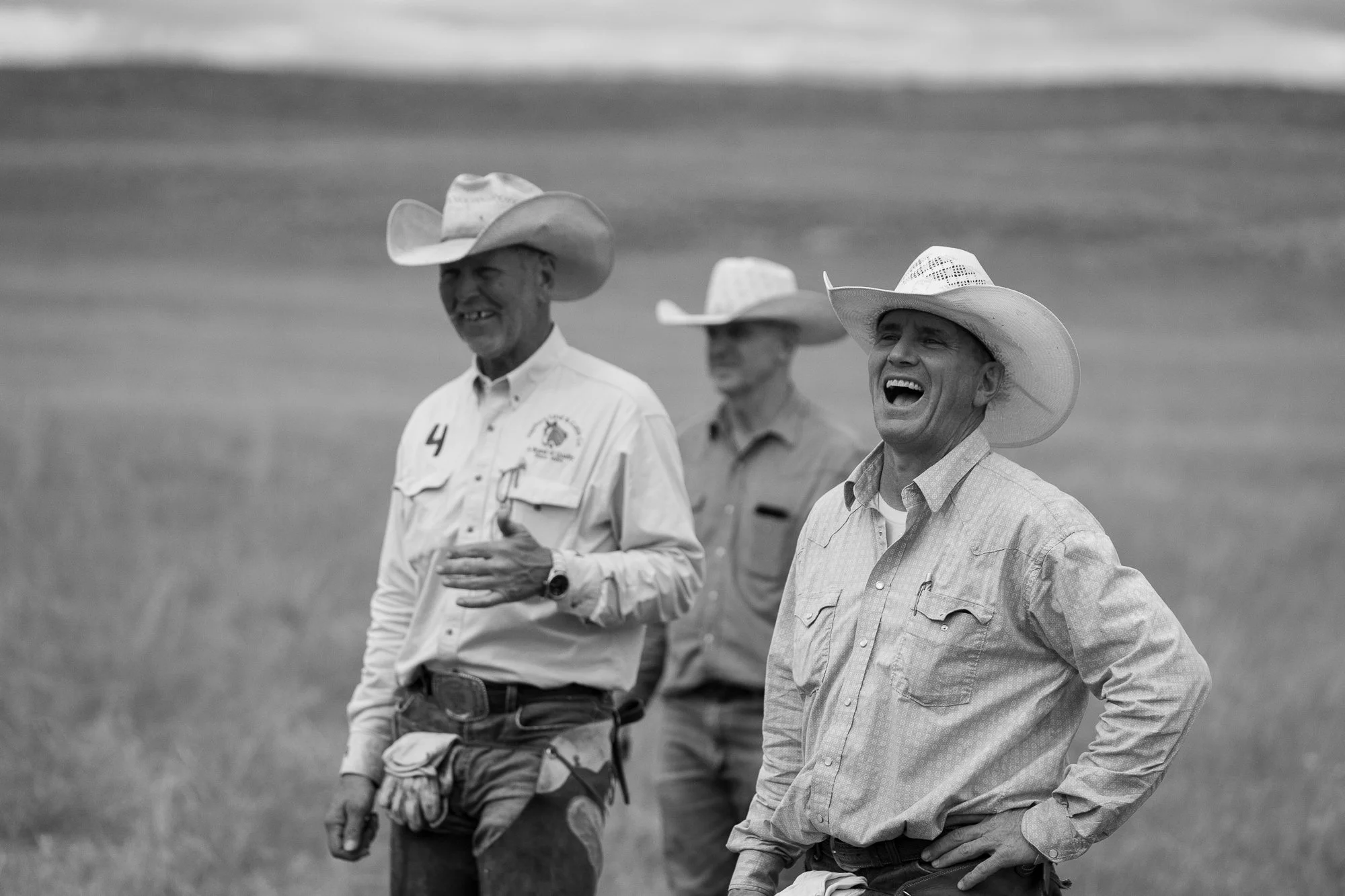
Candid portrait of cowboy smiling during ranch work at TS Ranch

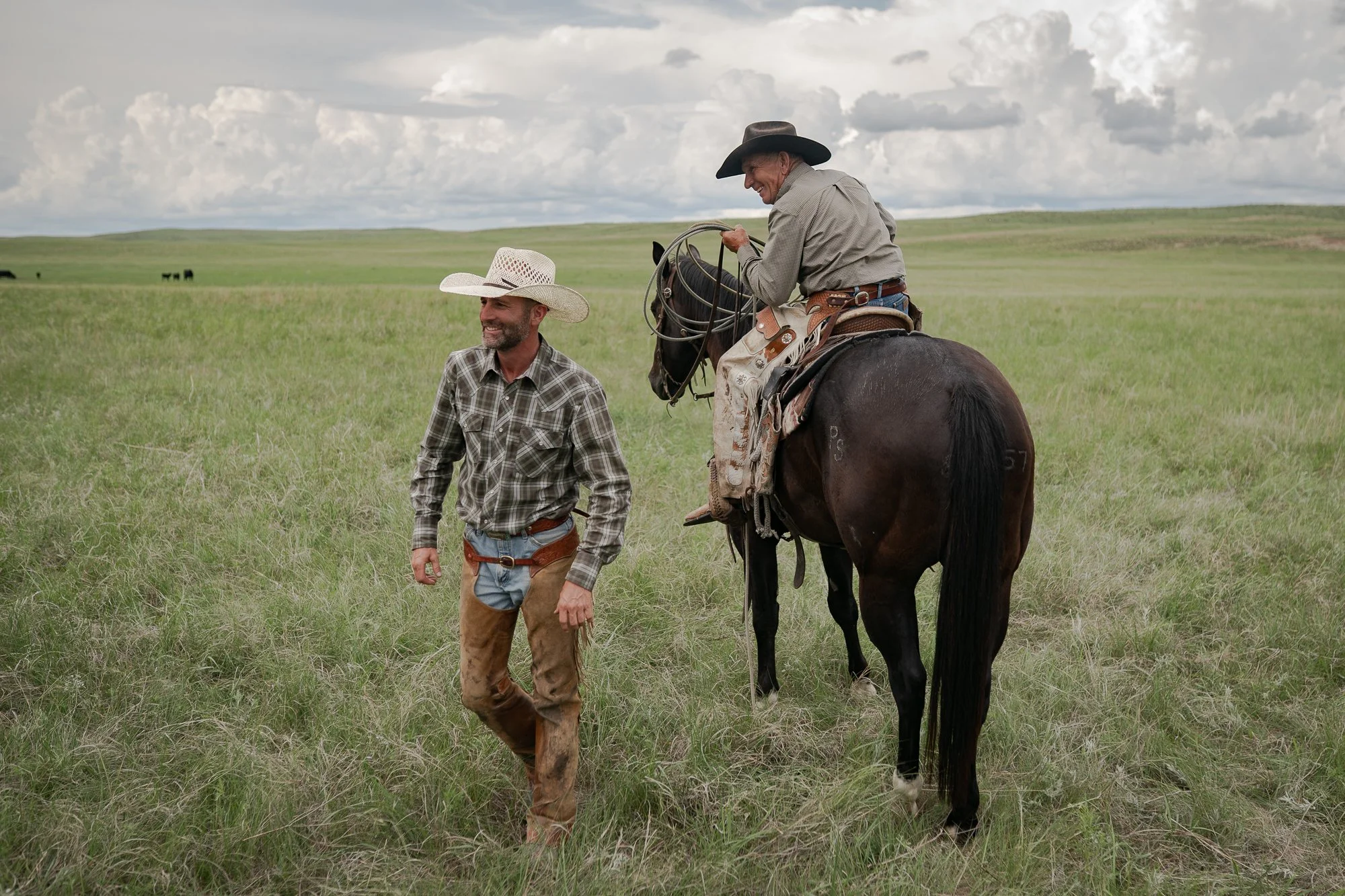
A quiet moment between tasks, where conversation and humor break up the rhythm of the day.

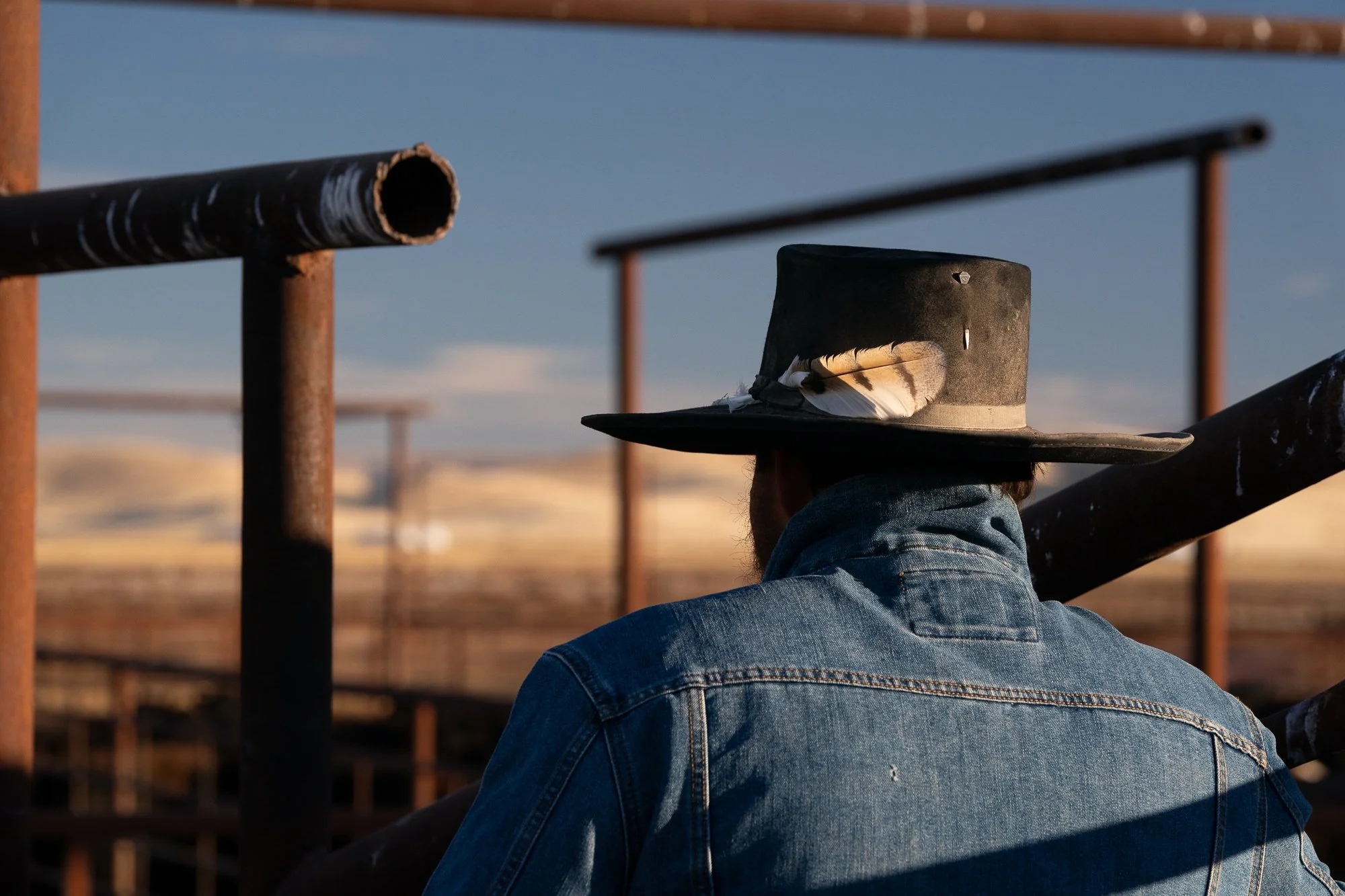
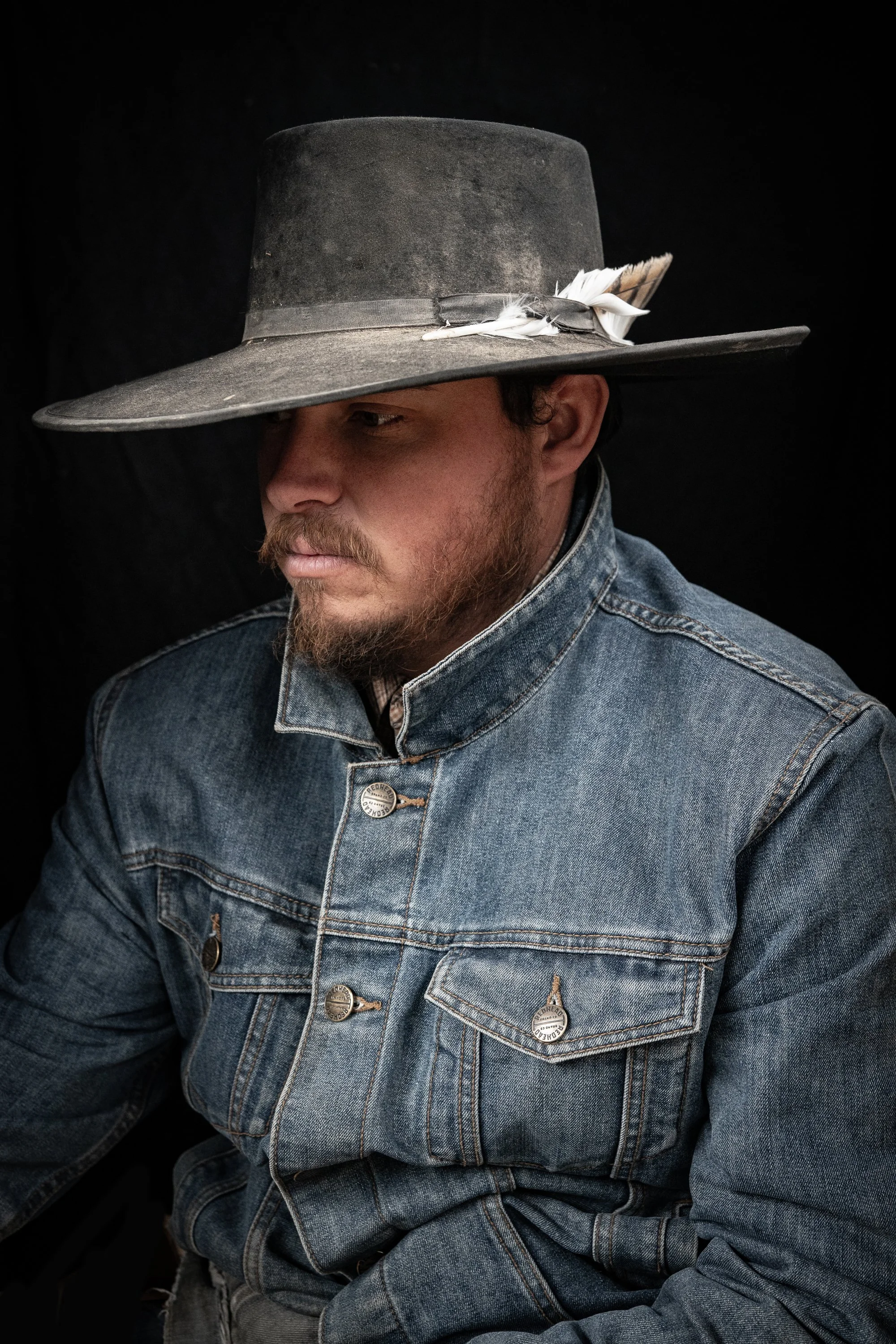
Portrait of cowboy in denim jacket and hat at TS Ranch

A quiet portrait of a buckaroo, worn denim and dust marking years of work in the West.

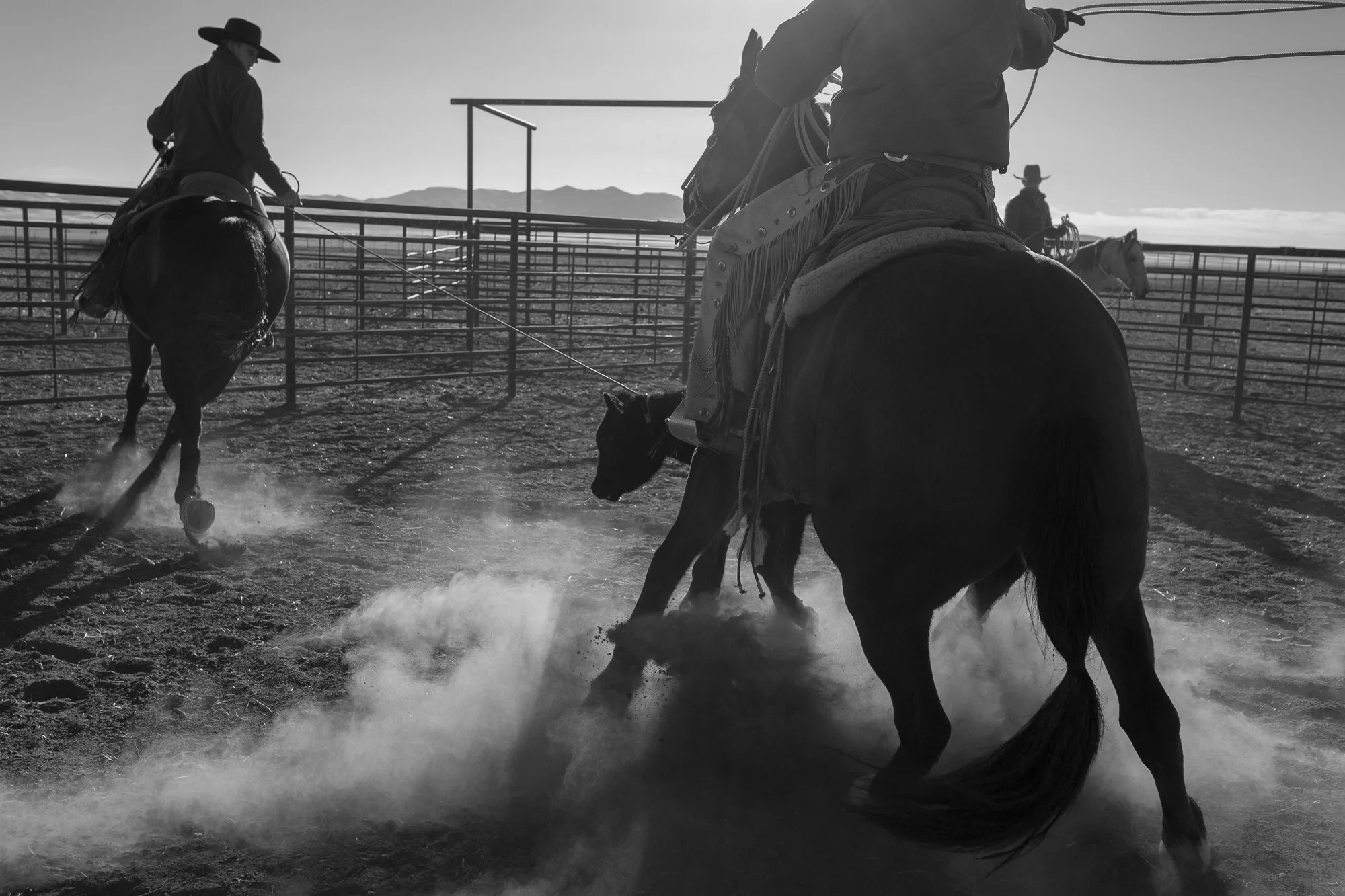
Cowboy roping cattle in dusty ranch pen at TS Ranch

A rope swings through the dust as a buckaroo works cattle in the pens, the movement quick and deliberate.

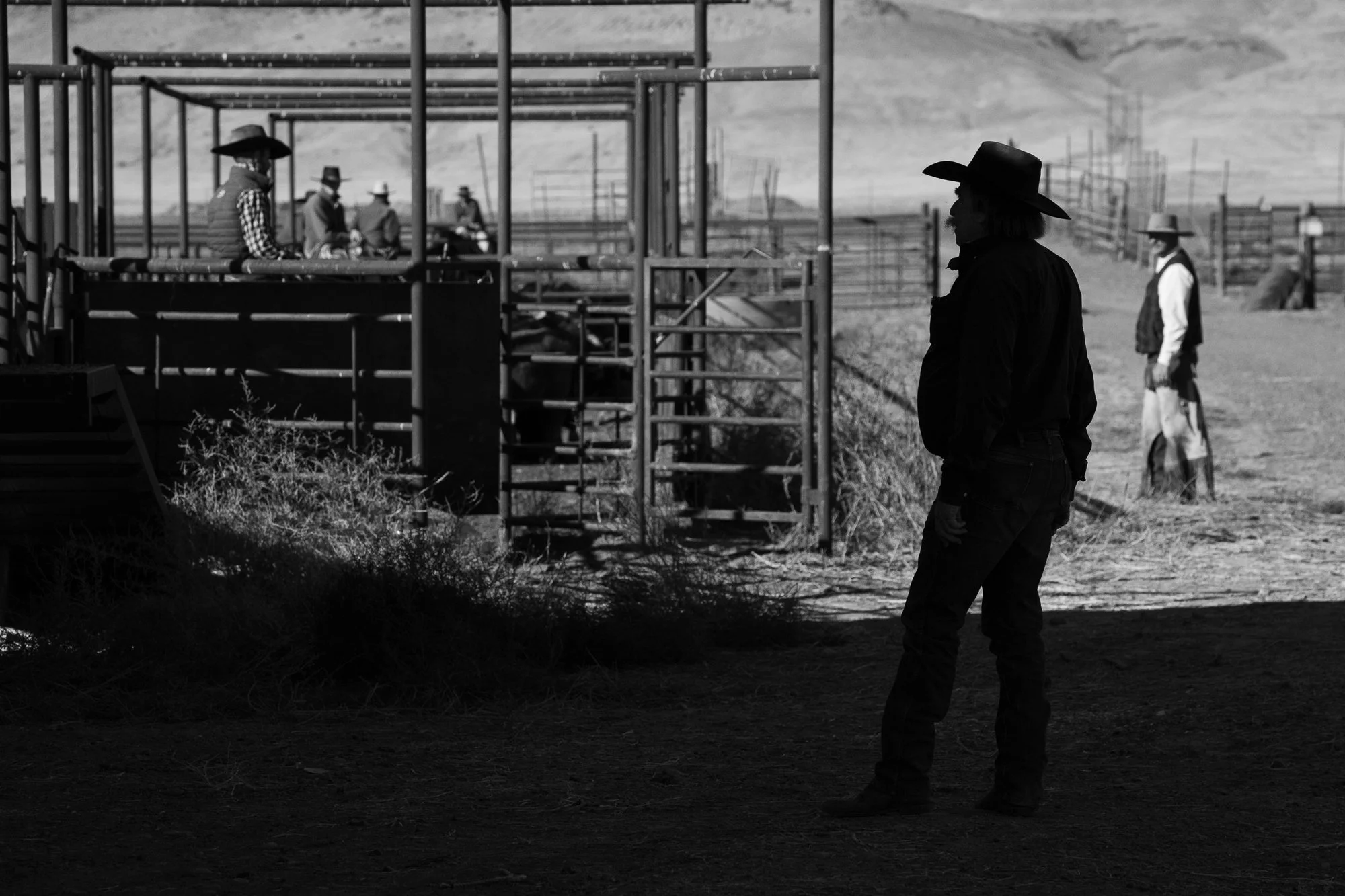
Cowboy standing and observing cattle work in ranch pens at TS Ranch

A quiet moment on the edge of the pens, where observation is just as important as action.

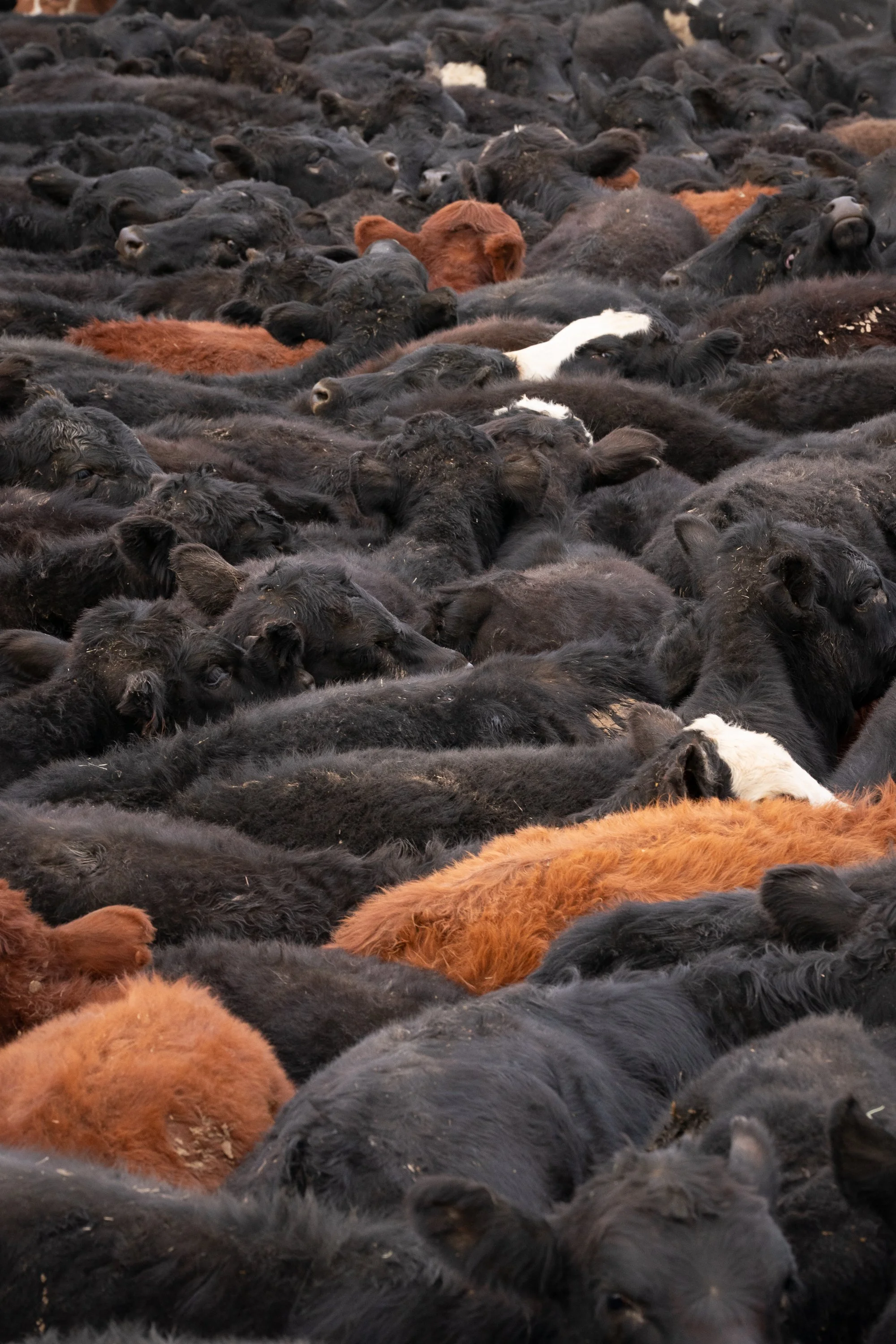
Close-up of dense cattle herd showing texture and movement at TS Ranch

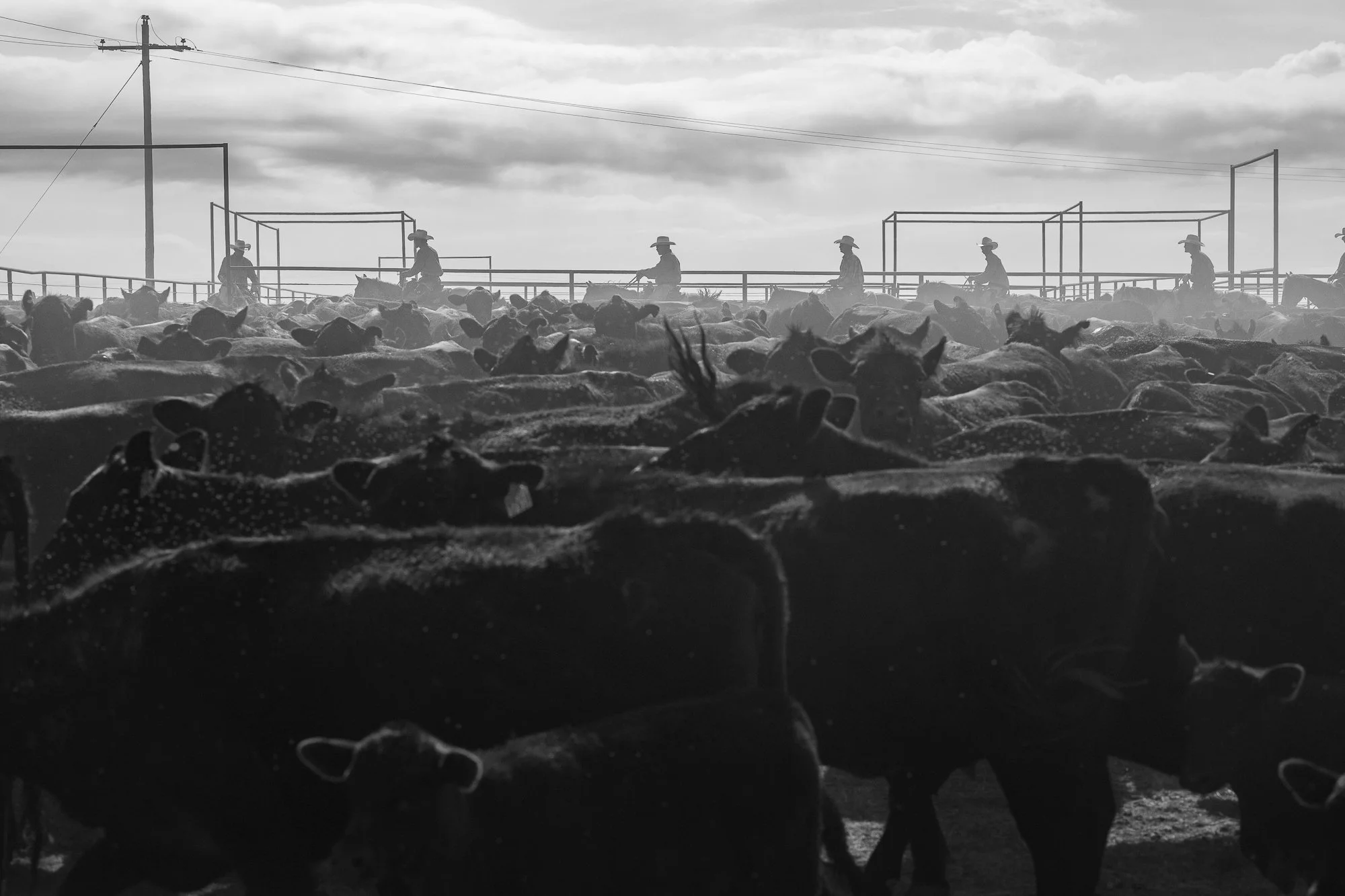
Packed tightly together, the herd becomes a study of movement, texture, and weight.

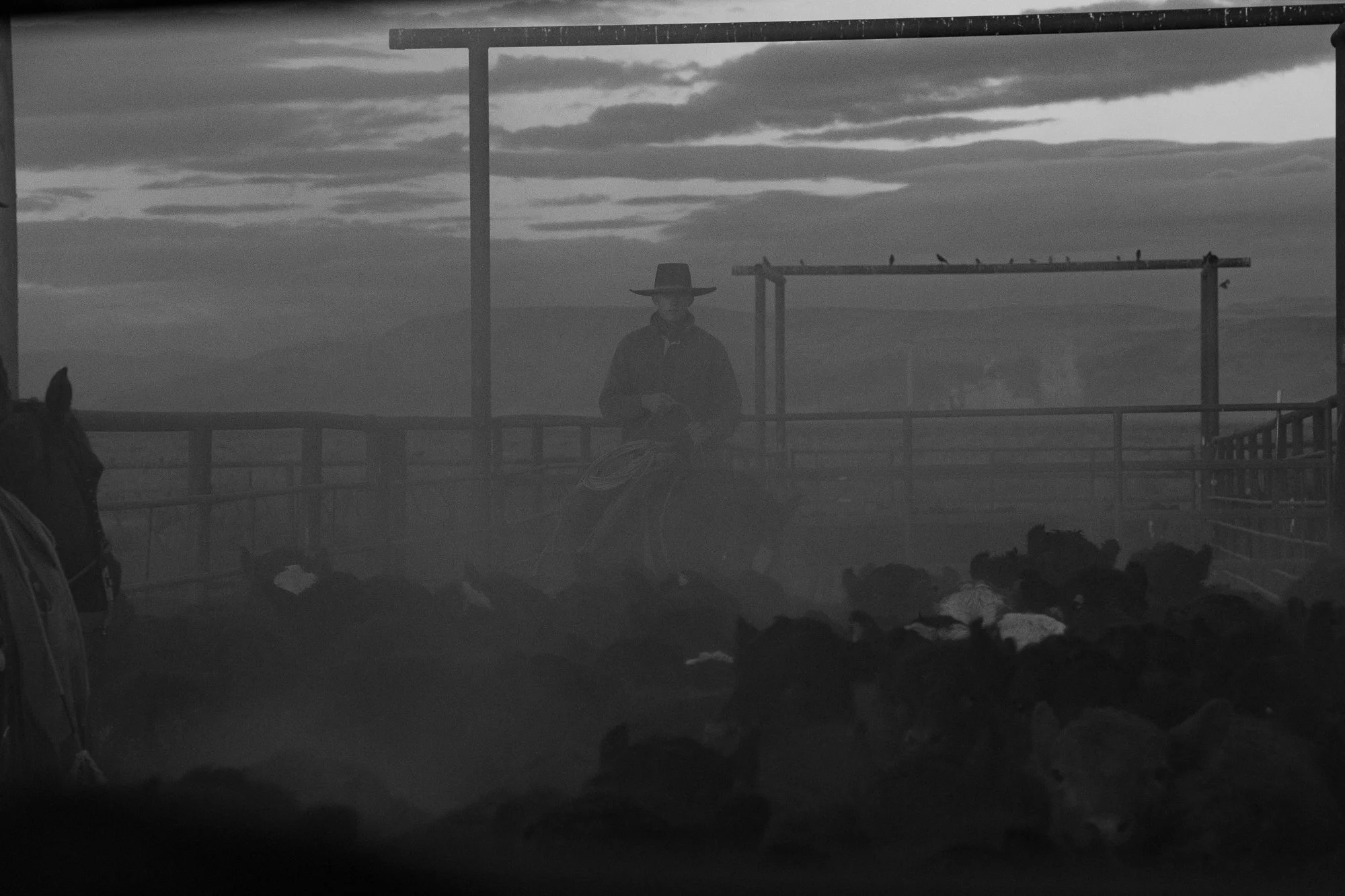
Buckaroo riding horseback into cattle herd in morning haze at TS Ranch

A buckaroo moves into the herd through the morning haze, guiding cattle forward as the dust begins to rise.

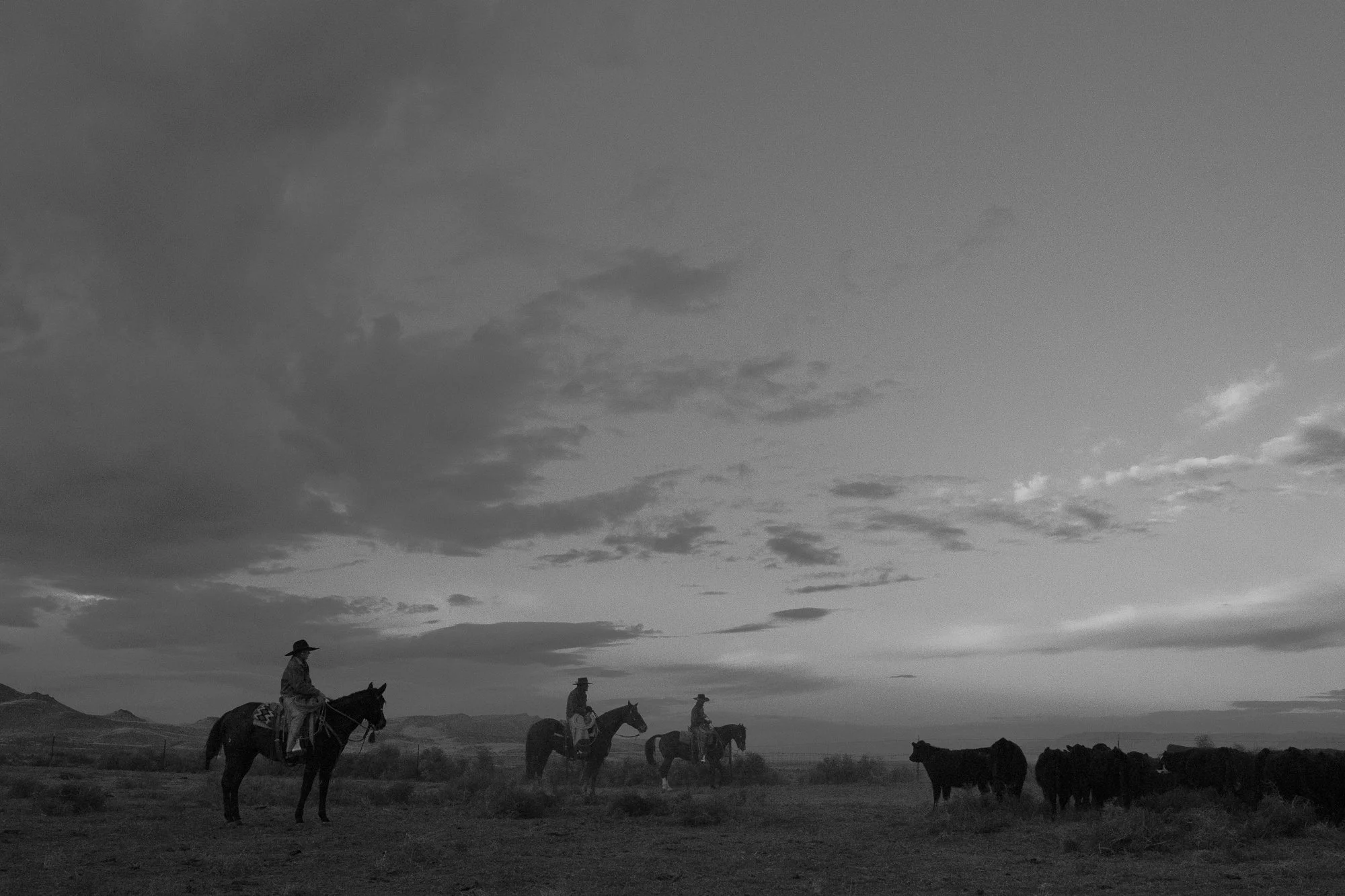
Buckaroo on horseback holding position as cattle move across open range at TS Ranch

A buckaroo sits steady as cattle drift across the range, holding position while the herd moves past.

Cowboys pushing cattle through dusty pens at TS Ranch

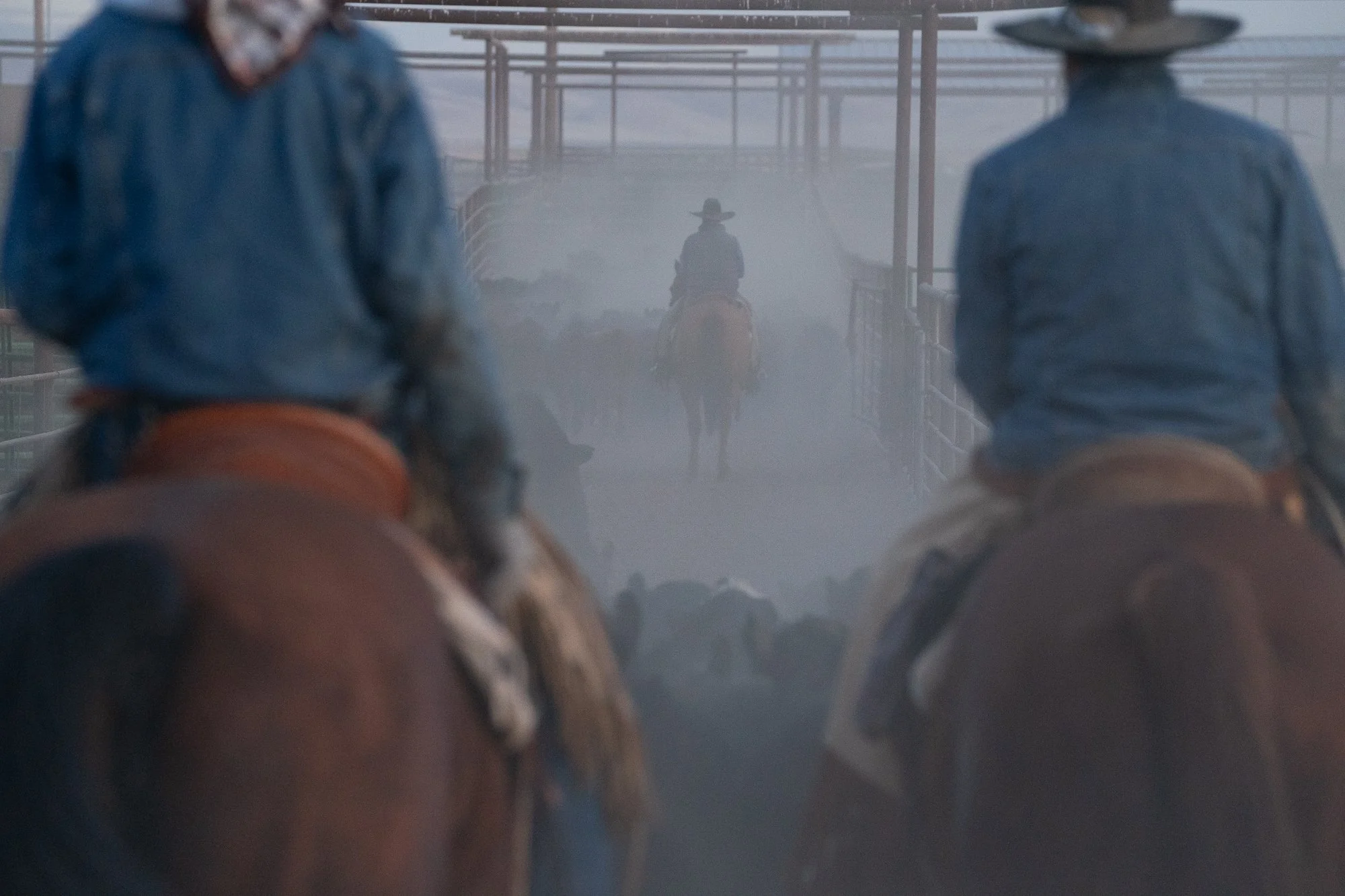
Buckaroos push cattle through the pens, the air thick with dust as the herd moves forward.

Cowboys sorting cattle in dusty ranch pens at TS Ranch

Buckaroos work cattle through the maze of pens, guiding movement through dust and steel.

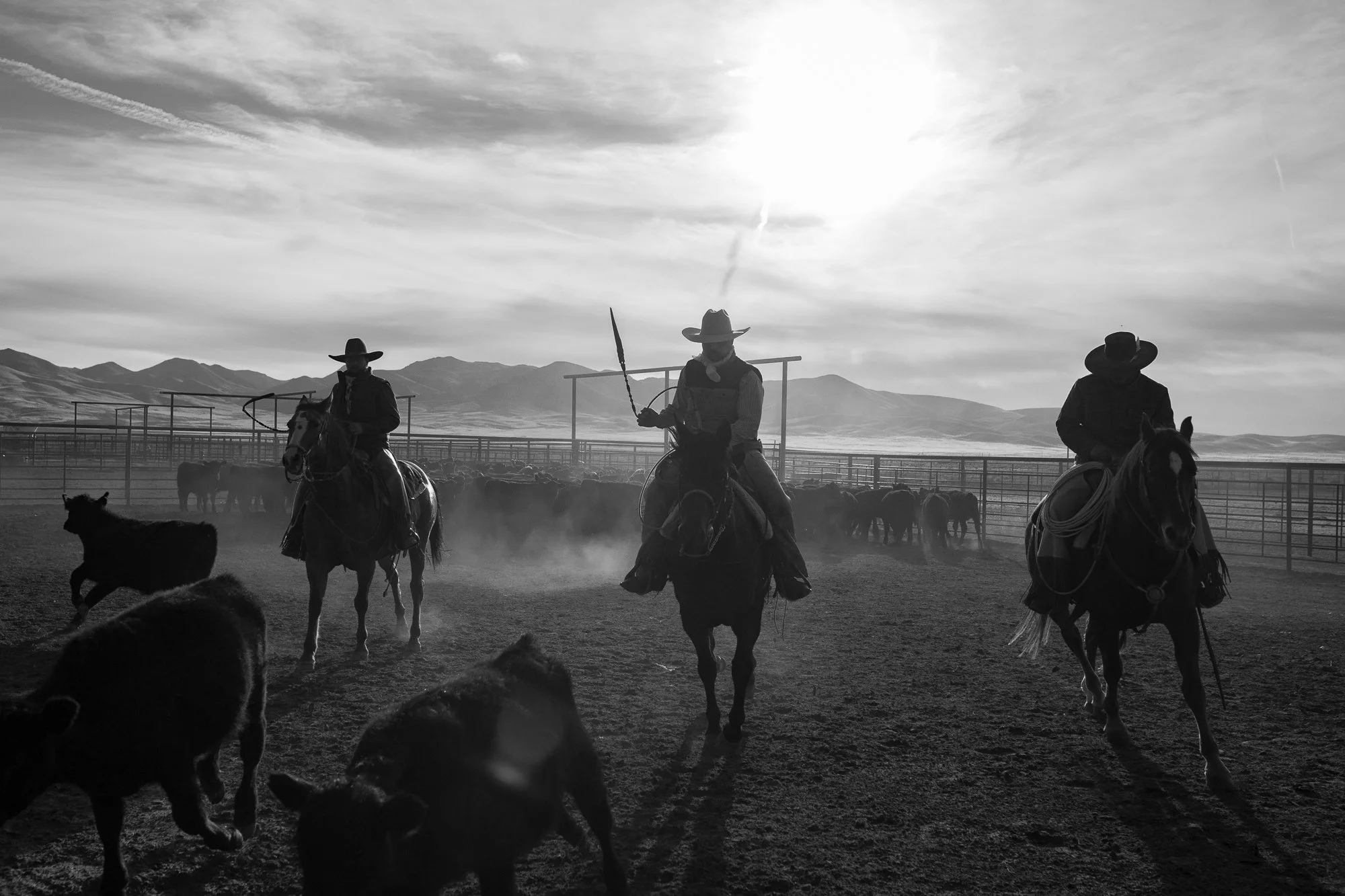
Three cowboys on horseback working cattle in dusty pens at TS Ranch

Three buckaroos move in sync, guiding cattle through the pens with quiet precision.

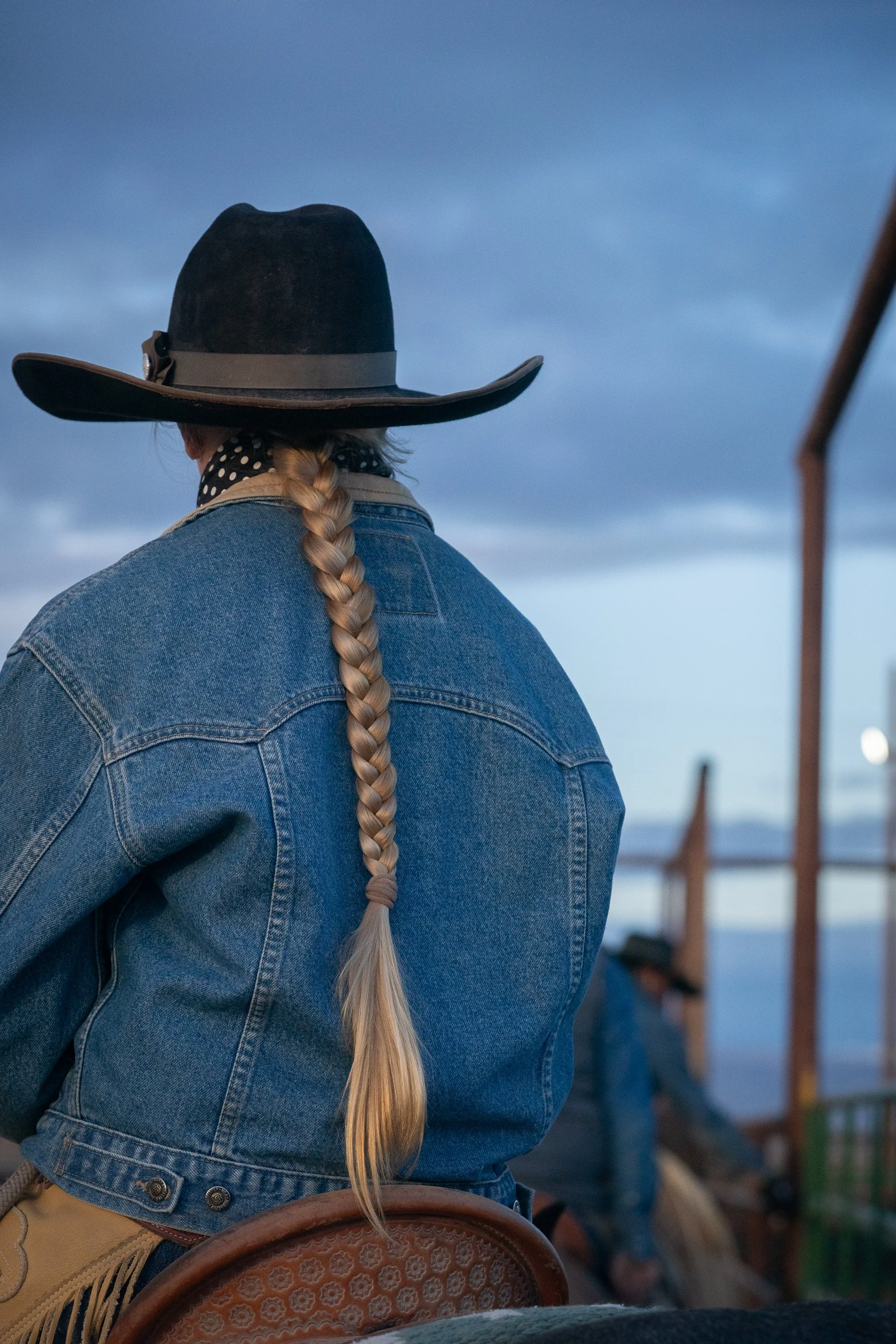
Close-up of buckaroo hair braid and hat from behind at TS Ranch

A long braid falls down the back of a denim jacket, a quiet detail rooted in buckaroo tradition.

Cattle herd moving through ranch pens with cowboy on horseback at TS Ranch

Cattle press forward through the pens as a buckaroo guides them from horseback, the air thick with dust.

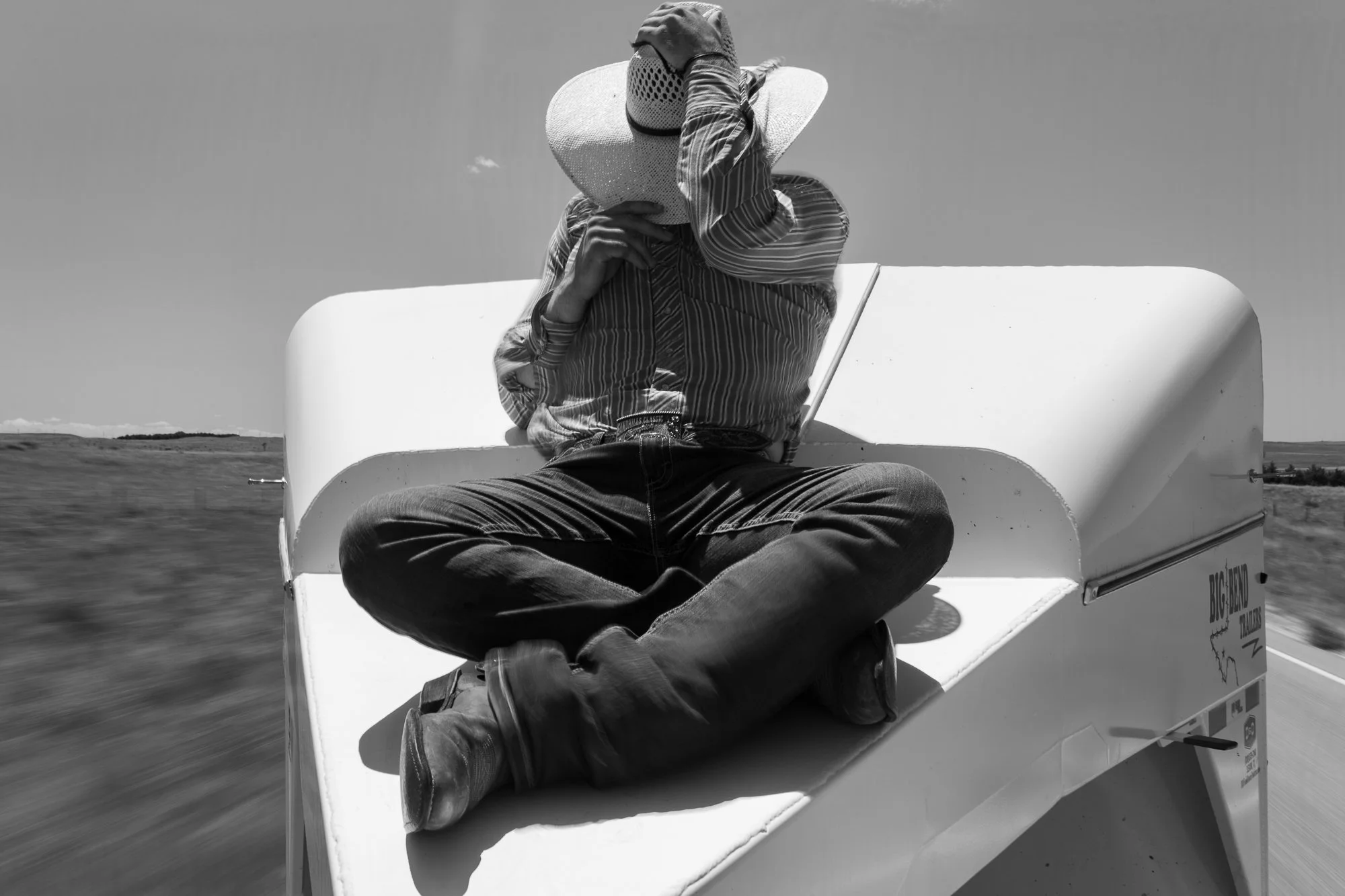
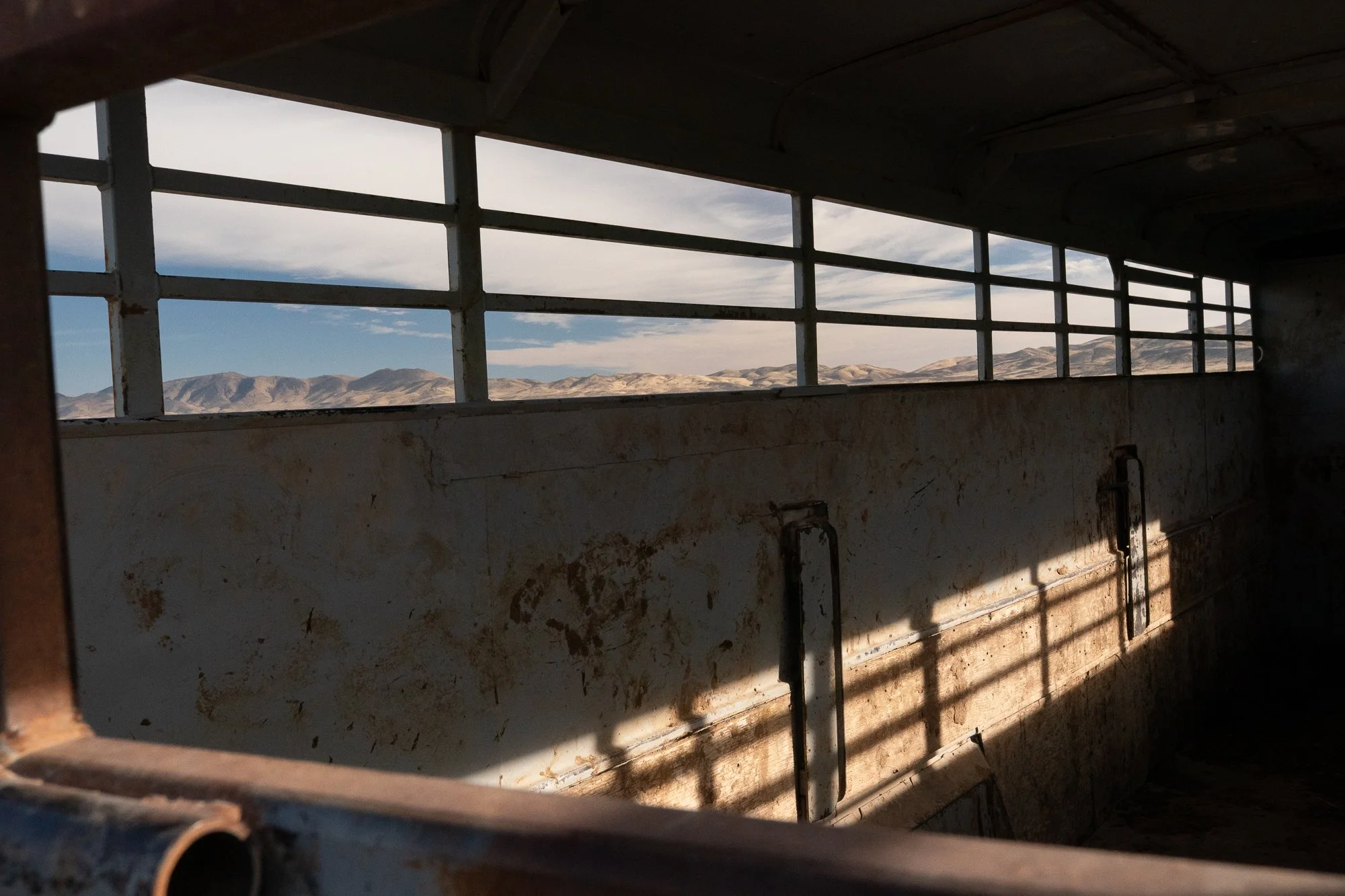
Interior of livestock trailer with light and shadow at TS Ranch

Light cuts through the slats of a stock trailer, revealing the worn surfaces shaped by years of use.

Cattle herd grouped tightly in ranch pens with cowboy on horseback at TS Ranch

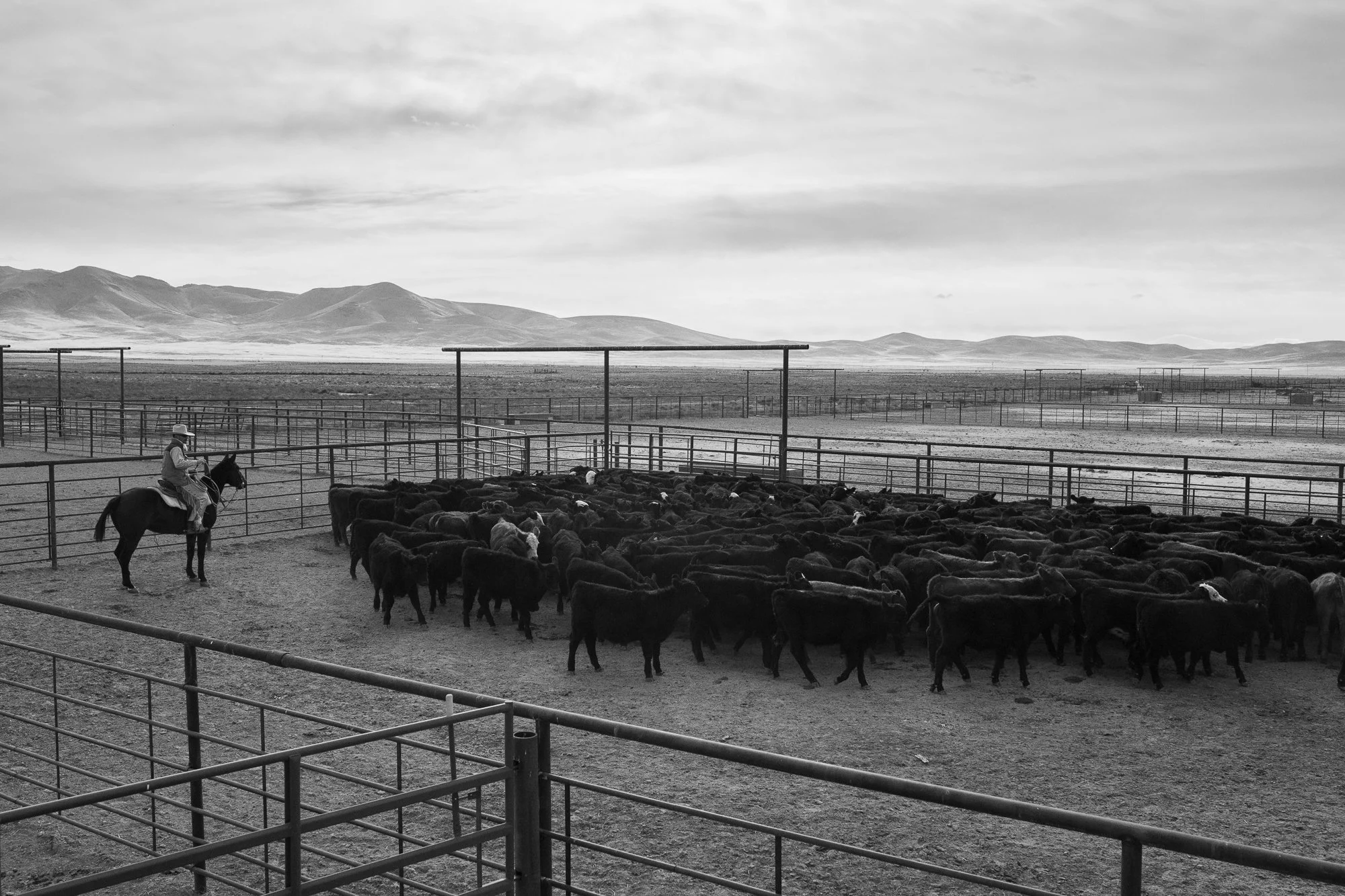
A buckaroo watches over a tight group of cattle, keeping them settled inside the pens.

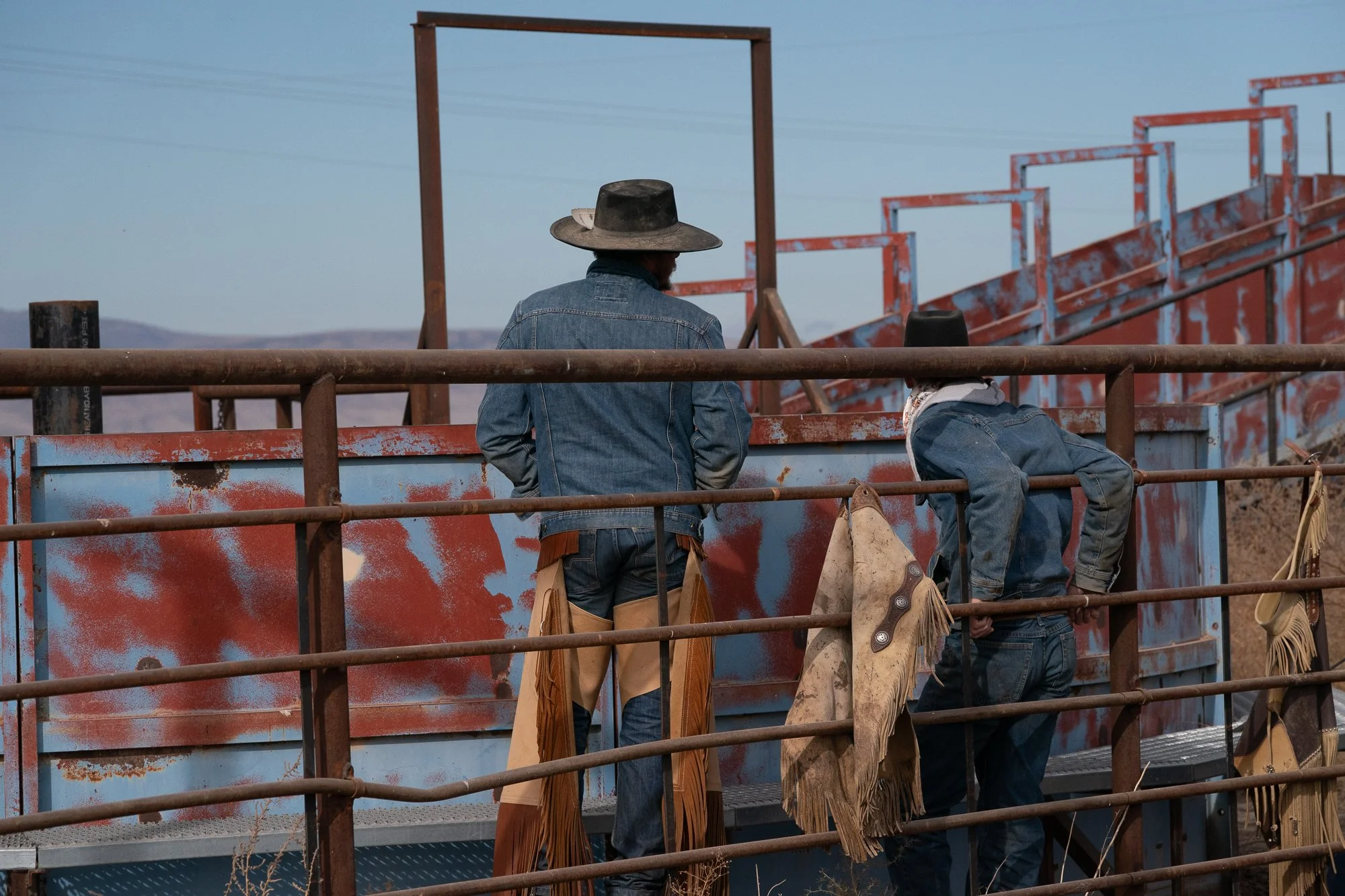
Two buckaroos standing at fence watching cattle work at TS Ranch

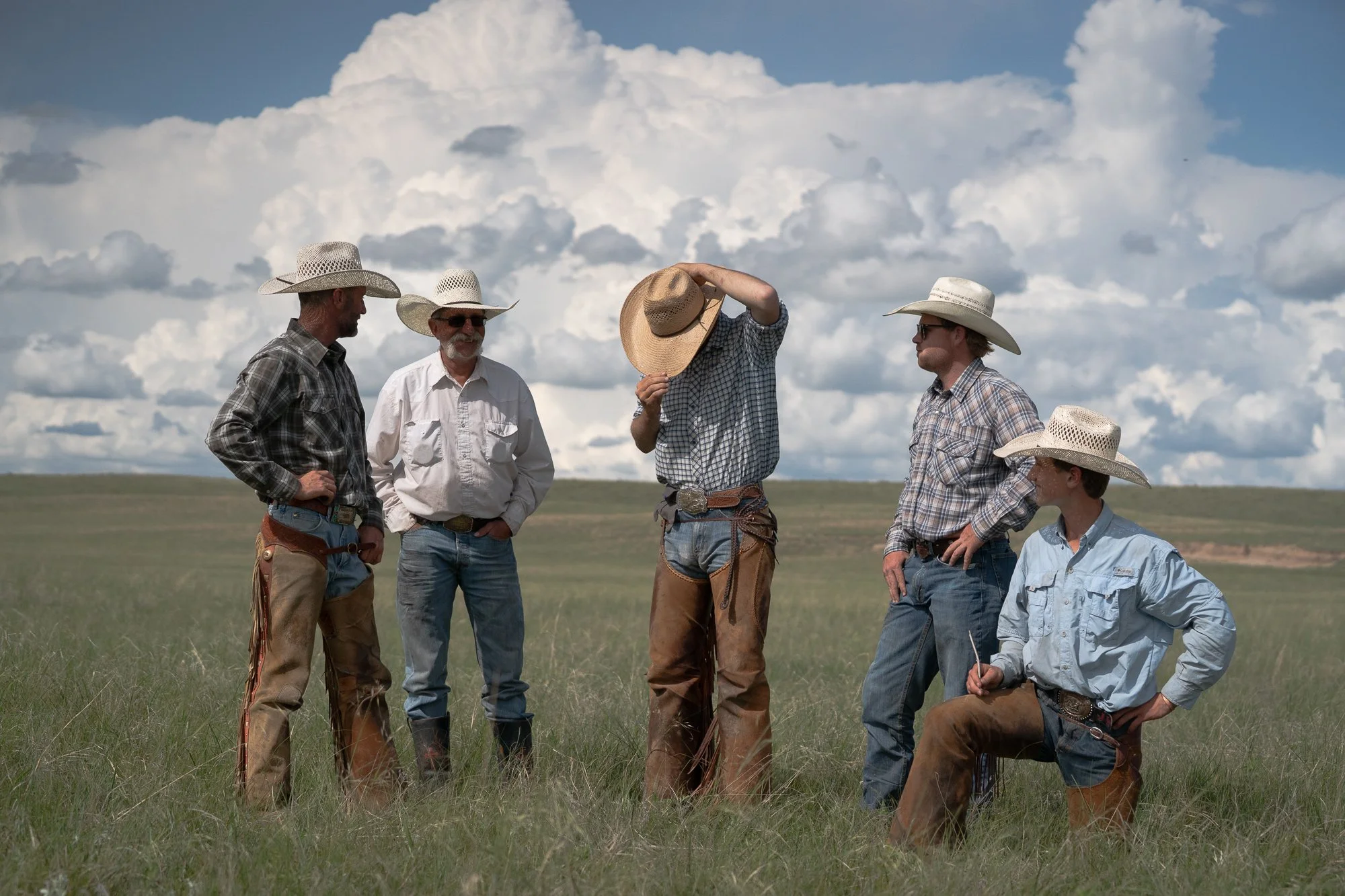
Two buckaroos lean against the fence, watching the work unfold between runs through the pens.

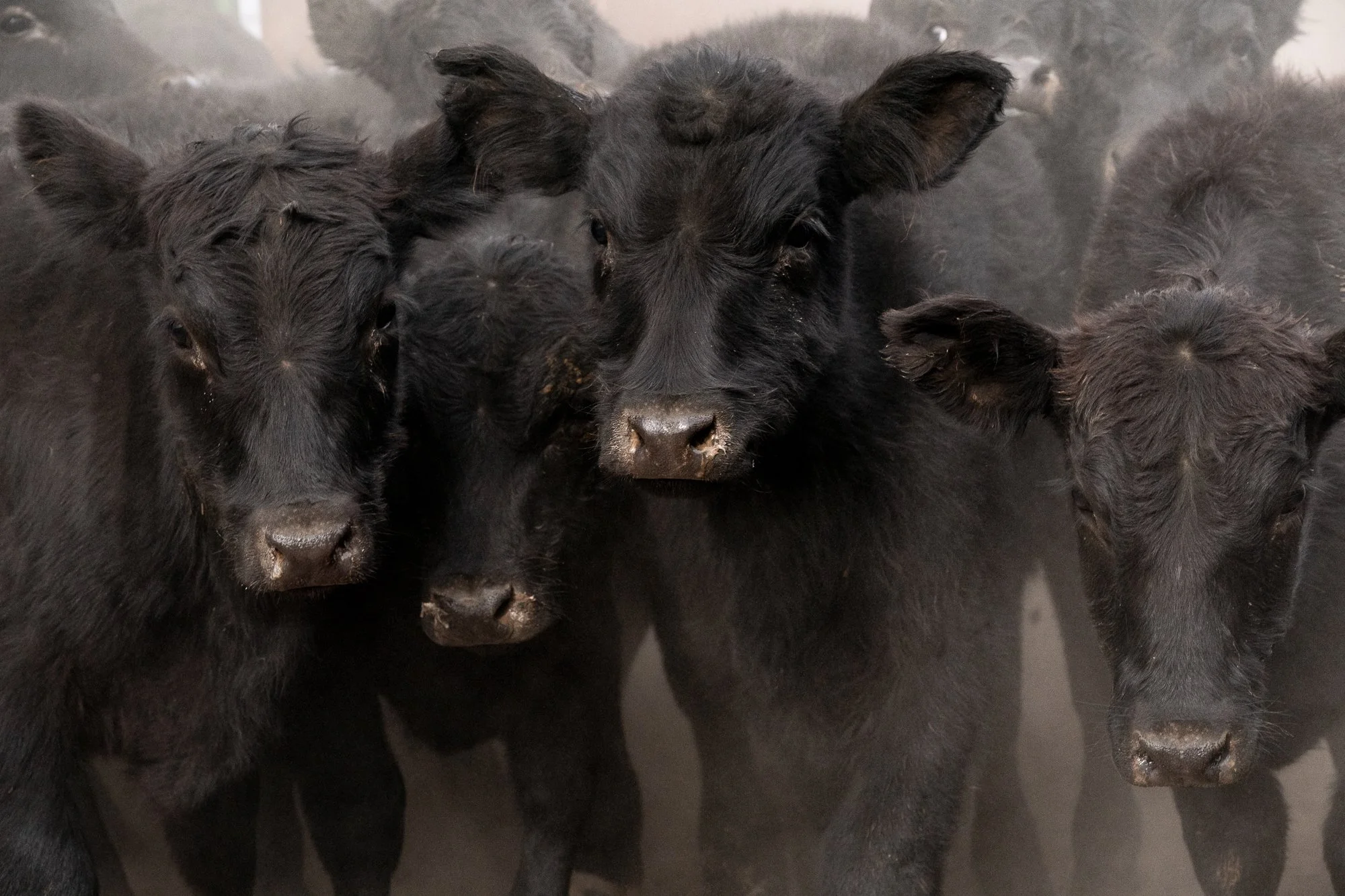
Close-up of cattle faces in herd at TS Ranch

A few heads rise above the herd, each animal alert as dust hangs in the air.

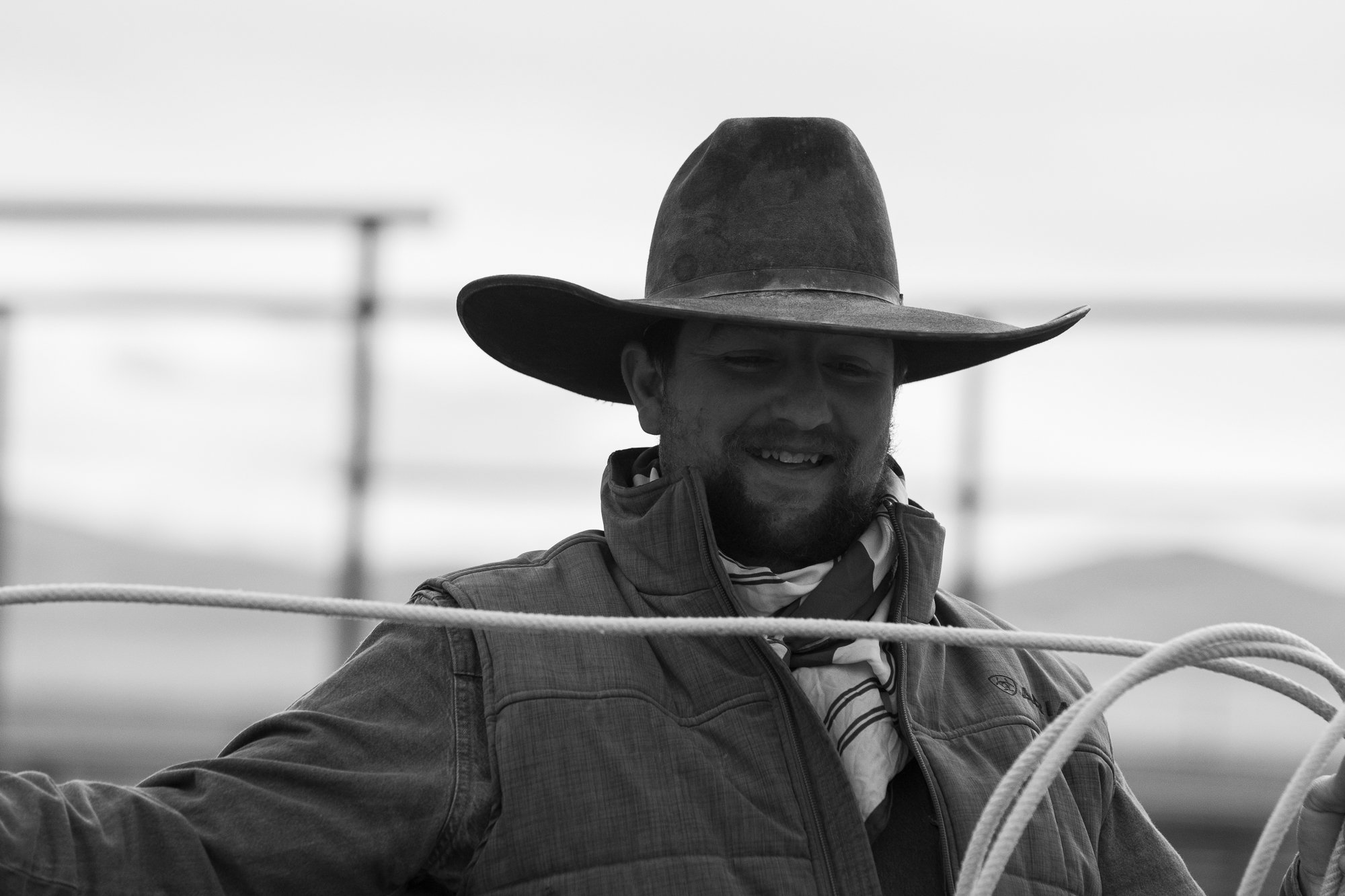
Black and white portrait of smiling cowboy at TS Ranch

A moment of ease breaks through the work as a buckaroo smiles between tasks.

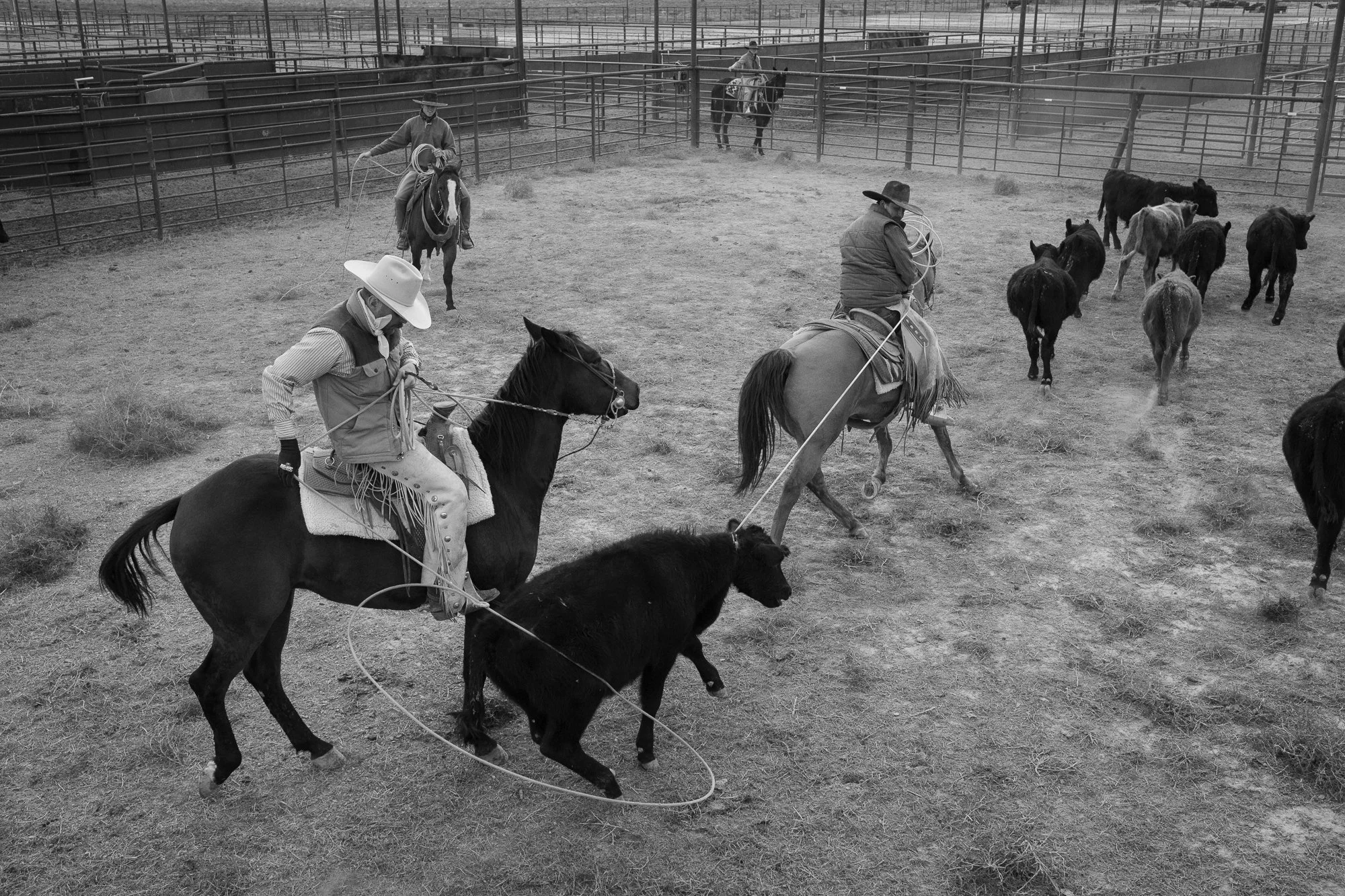
Cowboy roping calf in cattle pens during ranch work at TS Ranch

A buckaroo steps into position, roping a calf as others guide cattle across the pen.

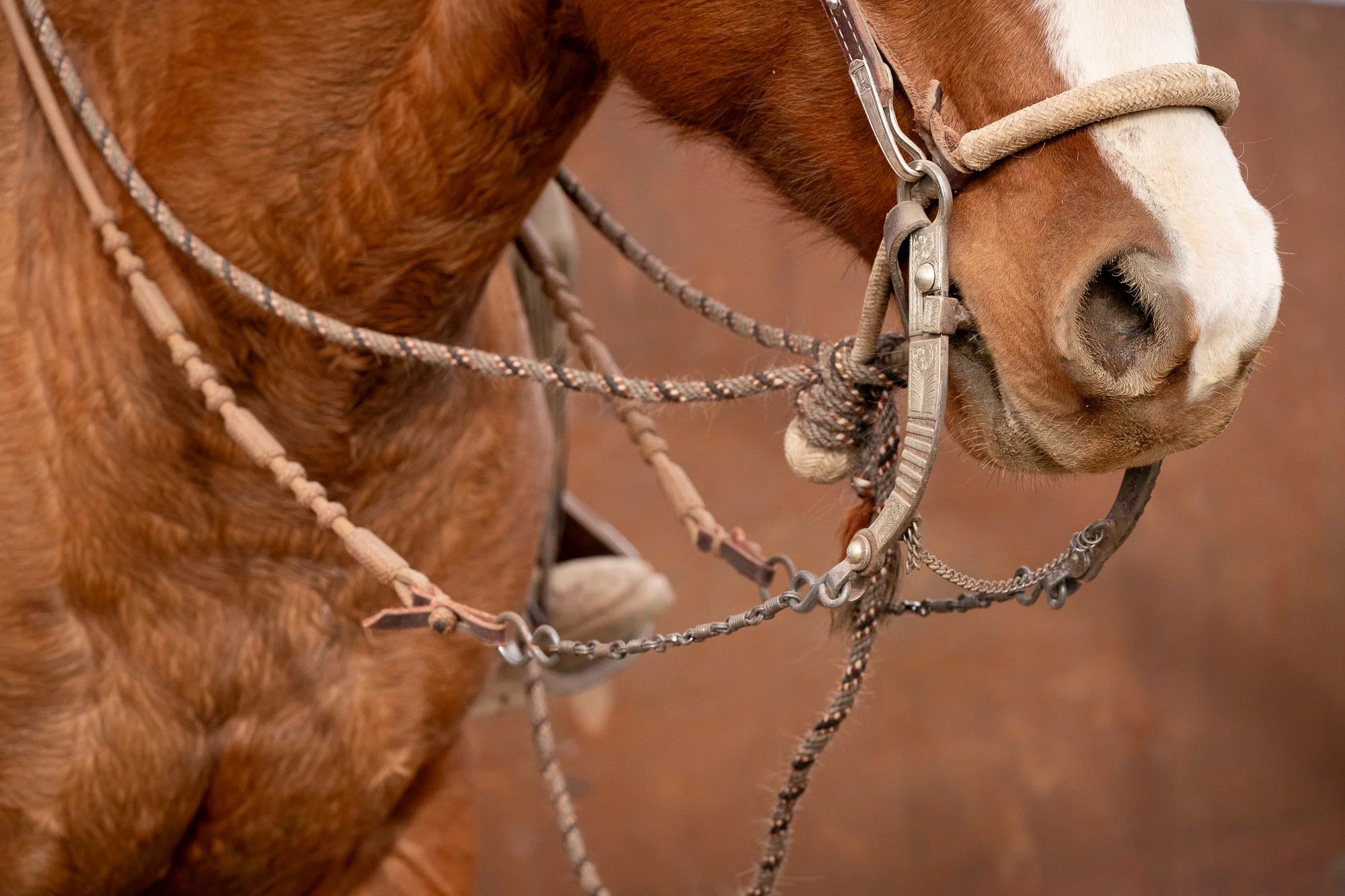
Close-up of horse bridle and bit showing western tack detail at TS Ranch

A close look at the reins and bridle, where craftsmanship and daily use meet.

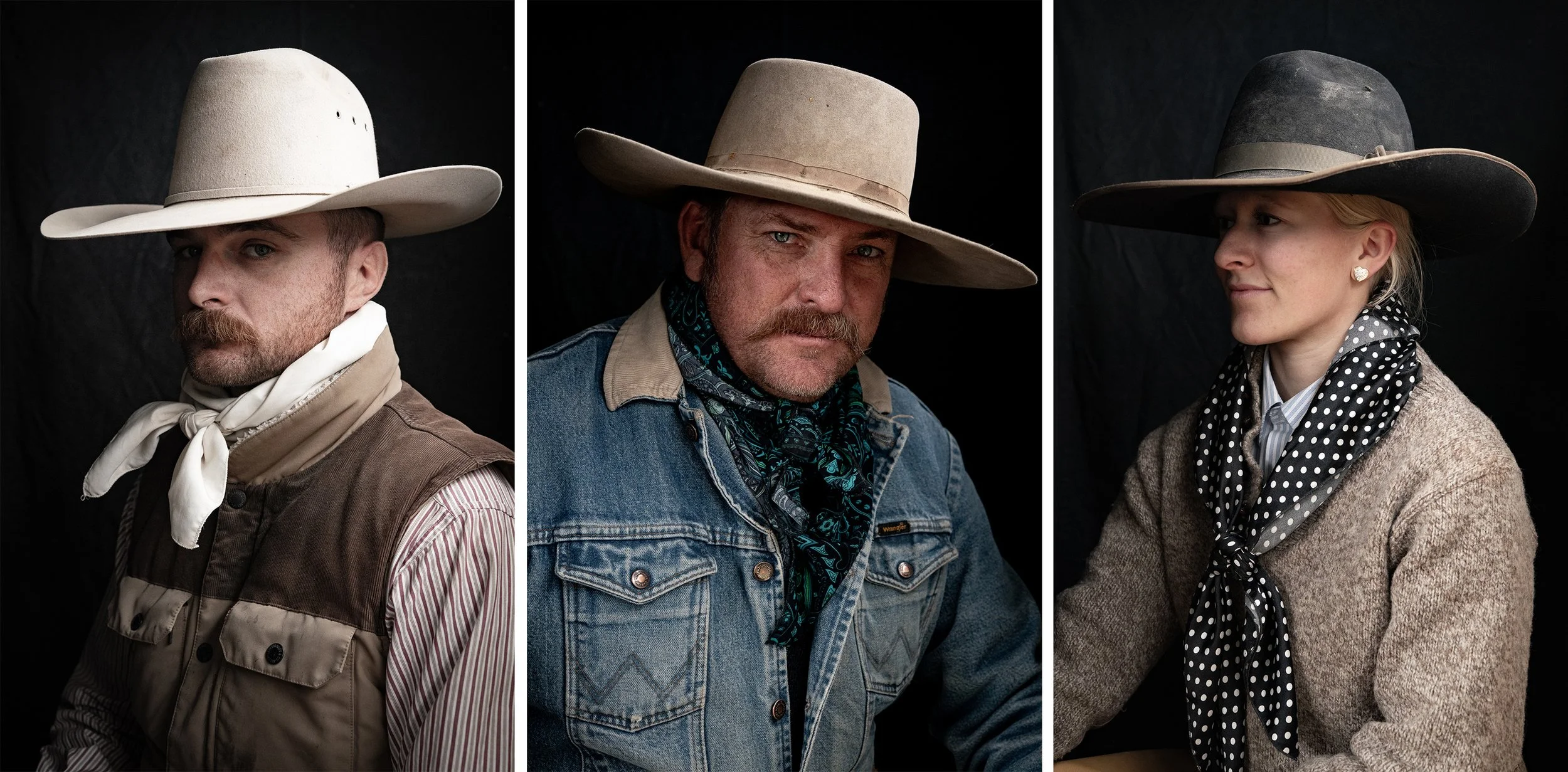
Group of cowboy portraits showing western clothing and character at TS Ranch

A series of buckaroo portraits, each shaped by the work and traditions of the American West.

Albany, NY Barbershop

Historic Black Barbershop in Albany, New York

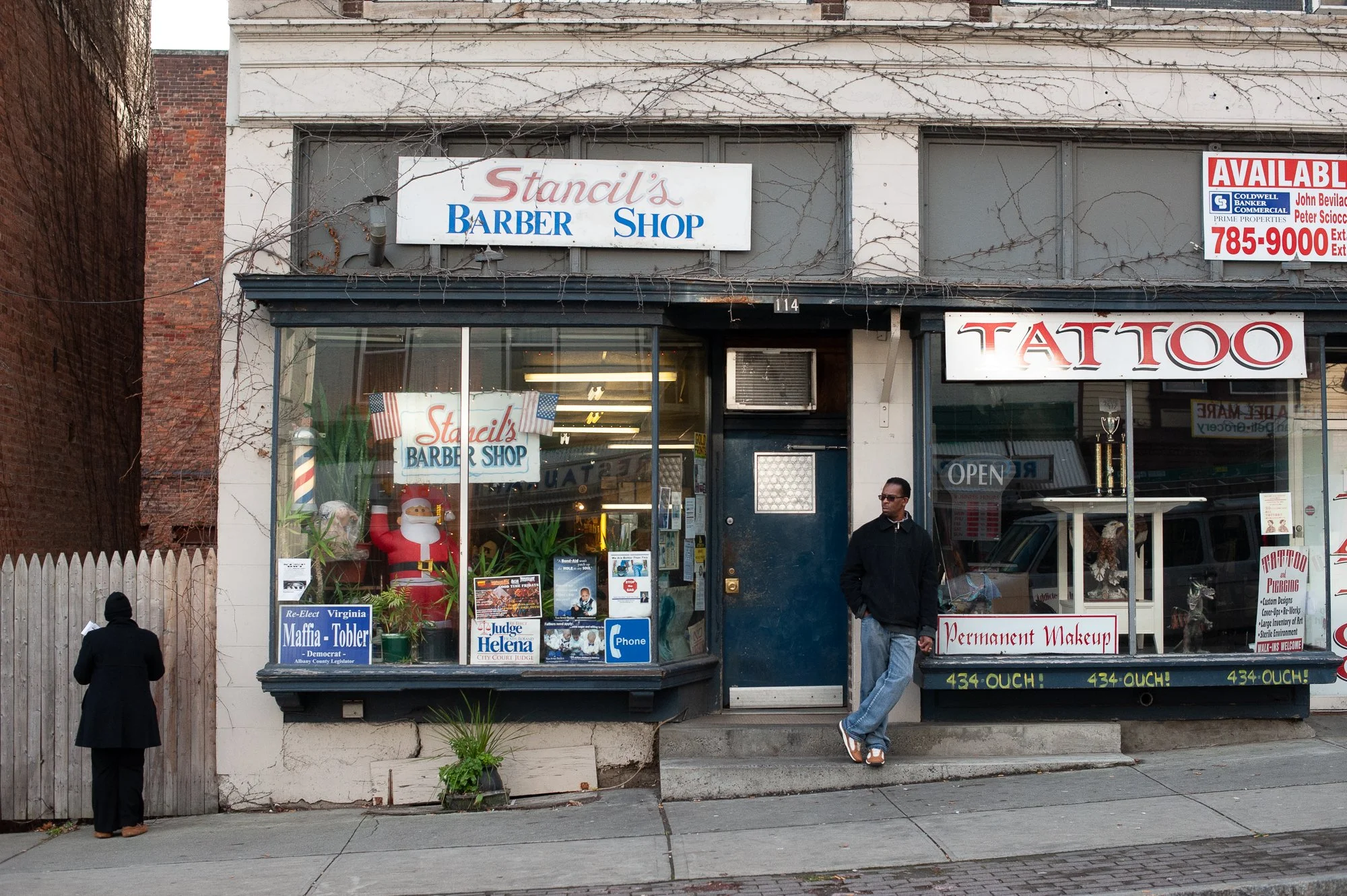
There was nothing particularly flashy about Stancil’s Barbershop when I photographed it in 2011. It sat on Madison Avenue like it had for decades—blending into the rhythm of the street. The kind of place you could walk past a hundred times without thinking twice, unless you knew what it was.

But once you stepped inside, it was all there.

Wood-paneled walls covered in photographs and newspaper clippings. An overall patina from years of use. Chairs that had seen thousands of haircuts, laughs, arguments, and long pauses in between. Nothing curated. Nothing staged. Just a shop that had grown into itself over time. A one of a kind.

A Place Built Over Time

From the outside, Stancil’s didn’t ask for attention. The sign was faily straightforward. The windows were filled with whatever had accumulated—plants, flyers, a few political signs, whatever made sense at the time.

It felt like a place that existed for the people who already knew it was there.

Not everything needs to be rebranded or reimagined. Some places just hold their ground.

Inside the Shop

Inside, it was exactly what you’d hope for. As a photographer working on a project like this, Stancil’s was a dream.

The layout hadn’t been touched in years. Maybe longer. Chairs spaced just far enough apart. Mirrors lined with lights that had seen better days but still did their job. Every surface carried something—photographs, certificates, handwritten notes, reminders of people who had passed through. The classic barber hairstyle charts still clung to the same wall where they were placed 40 years ago - the styles themselves had clearly come and gone, but they remained. A stack of Yellow Page phone books sat quietly, although it was obvious they still got used. Ironically, not far away, was a padlocked rotary phone.

You could tell this wasn’t designed. It was accumulated, organically.

That’s the difference.

The Barbers

My time at Stancil’s wasn’t long, but it was more than memorable. The thing that stuck out was how candid all the barbers were together. Comedy was a constant. Stancil himself has an old pair of slippers on that must have been handed down because the toe section had been cut off so his feet could fit. Life at this barbershop didn’t feel like work, it was a second home. There didn’t happen to be any customers at the time, so some of the barbers calmly watched television while throwing sarcastic remarks across the shop to their co-workers (friends).

What’s Left

Sadly, I checked in on Stancil’s recently only to find a Google street view of the place boarded up.

Like a lot of shops across the country, it eventually closed its doors. The reasons are usually the same—rising costs, changing neighborhoods, time catching up with the people who built them.

When a place like this disappears, it’s not just a business that’s gone.

It’s the accumulation of years—of routines, relationships, and small, everyday moments that don’t get documented unless someone happens to be there with a camera.

Part of a Larger Project

This photograph is part of a long-term project documenting traditional barbershops across the United States.

Over the past 15 years, I’ve photographed shops in all corners of the country—some still operating, many no longer there. Together, they form a kind of archive of places that were never meant to last forever, but somehow did for longer than expected.

→ View the full Barbershops of America archive
→ Explore a 200 year old barbershop in Brooklyn
→ Fine art prints available from this series

Stancil’s Barbershop exterior on Madison Avenue in Albany New York photographed in 2011, historic Black barbershop now closed

Stancil’s Barbershop on Madison Avenue in Albany, New York, photographed in 2011. A neighborhood shop that quietly served its community for decades—now gone.

Empty barber chairs inside Stancil’s Barbershop Albany New York, historic Black barbershop interior photographed in 2011

Rows of worn chairs inside Stancil’s Barbershop. Even when empty, the space carried the weight of years of daily routine and conversation.

Portrait of barber inside Stancil’s Barbershop Albany New York, historic Black barbershop documented in 2011

A barber at Stancil’s Barbershop. Places like this were built on people—their presence, their stories, and years behind the chair.

Vintage hair dryers and chairs inside Stancil’s Barbershop Albany New York historic Black barbershop interior

Old dryers tucked into the corner—equipment that stayed long after trends had moved on.

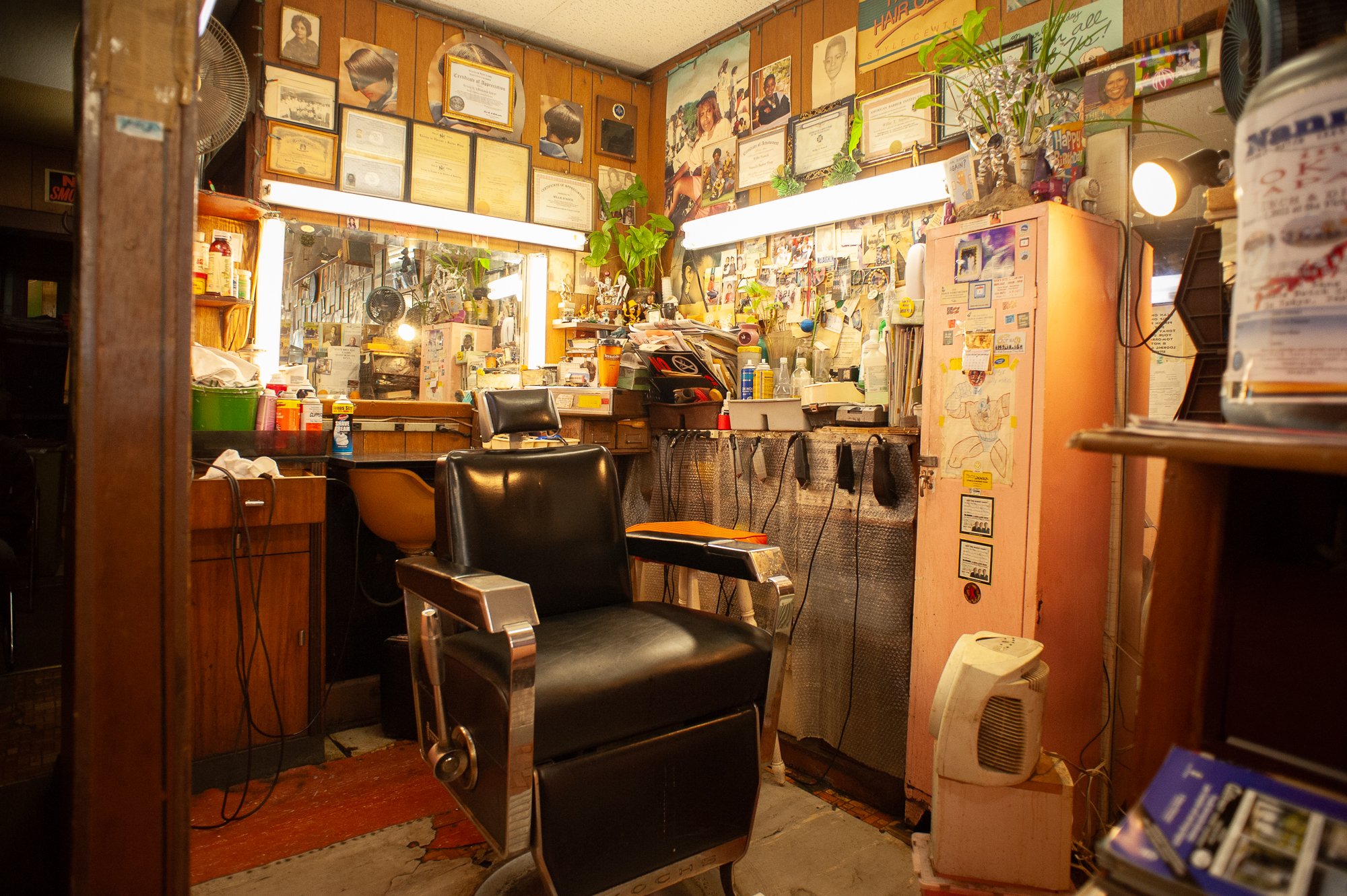
Vintage barber chair and mirror station inside Stancil’s Barbershop Albany New York photographed in 2011

A single chair beneath fluorescent lights, surrounded by decades of photographs, certificates, and memory.

Barber sitting in barber chair at Stancil’s Barbershop Albany NY, Black barbershop culture documented in 2011

A moment in the chair. For many, the visit was routine—but the shop itself was something much deeper.

Cash register and counter inside Stancil’s Barbershop Albany NY small business interior photographed in 2011

A corner of the shop where transactions were simple and personal—part of the daily rhythm.

Barber seated inside Stancil’s Barbershop Albany NY, traditional Black barbershop interior photographed in 2011

Inside Stancil’s, where time moved at its own pace. Shops like this were as much about community as they were about haircuts.

Close up of barber tools scissors combs clippers inside Stancil’s Barbershop Albany New York 2011

Tools of the trade, worn from years of use—handled thousands of times without much thought.

Yellow vintage barber chair and shop details inside Stancil’s Barbershop Albany NY historic interior 2011

A worn yellow chair surrounded by everyday objects that gave the shop its character.

Rock Springs, Wyoming: Photographs From an Overlooked American Town

Photographing Rock Springs, Wyoming

Spending 35k miles a year on the road photographing America brings you to a lot of interesting places. Most are often a welcomed surprise, but this visit to Rock Springs was a forced hiatus. While driving through Wyoming on the way to a ranch further out west, my truck broke down in the middle of nowhere, an hour outside of Rock Springs. After having it towed into town, and a series of unfortunate events, I was stranded there for four days waiting for a new fuel pump to arrive.

Rock Springs sits in Sweetwater County along Interstate 80, a corridor that thousands of travelers cross every day on their way somewhere else. Many of them never leave the highway. But like a lot of towns shaped by mining, railroads, and the boom-and-bust cycles of the West, Rock Springs carries a deeper history beneath its surface.

Rock Springs, Wyoming: A Town With a Complicated Past

Rock Springs has a deeper history than many travelers realize. In 1885 the town became the site of one of the most violent anti-Chinese riots in American history when tensions between white coal miners and Chinese workers erupted into violence. Dozens of Chinese miners were killed and much of the Chinese community in town was burned to the ground. Today the streets of Rock Springs appear quiet and ordinary, but like many Western towns the landscape holds layers of history that aren’t always visible at first glance.

People of Rock Springs

Each day in Rock Springs blended into the next as the arrival of the truck part kept getting delayed, souring my mood by the hour. With little else to do, the only productive option was to keep walking around with the camera. Naturally, that led to some interesting encounters with the locals.

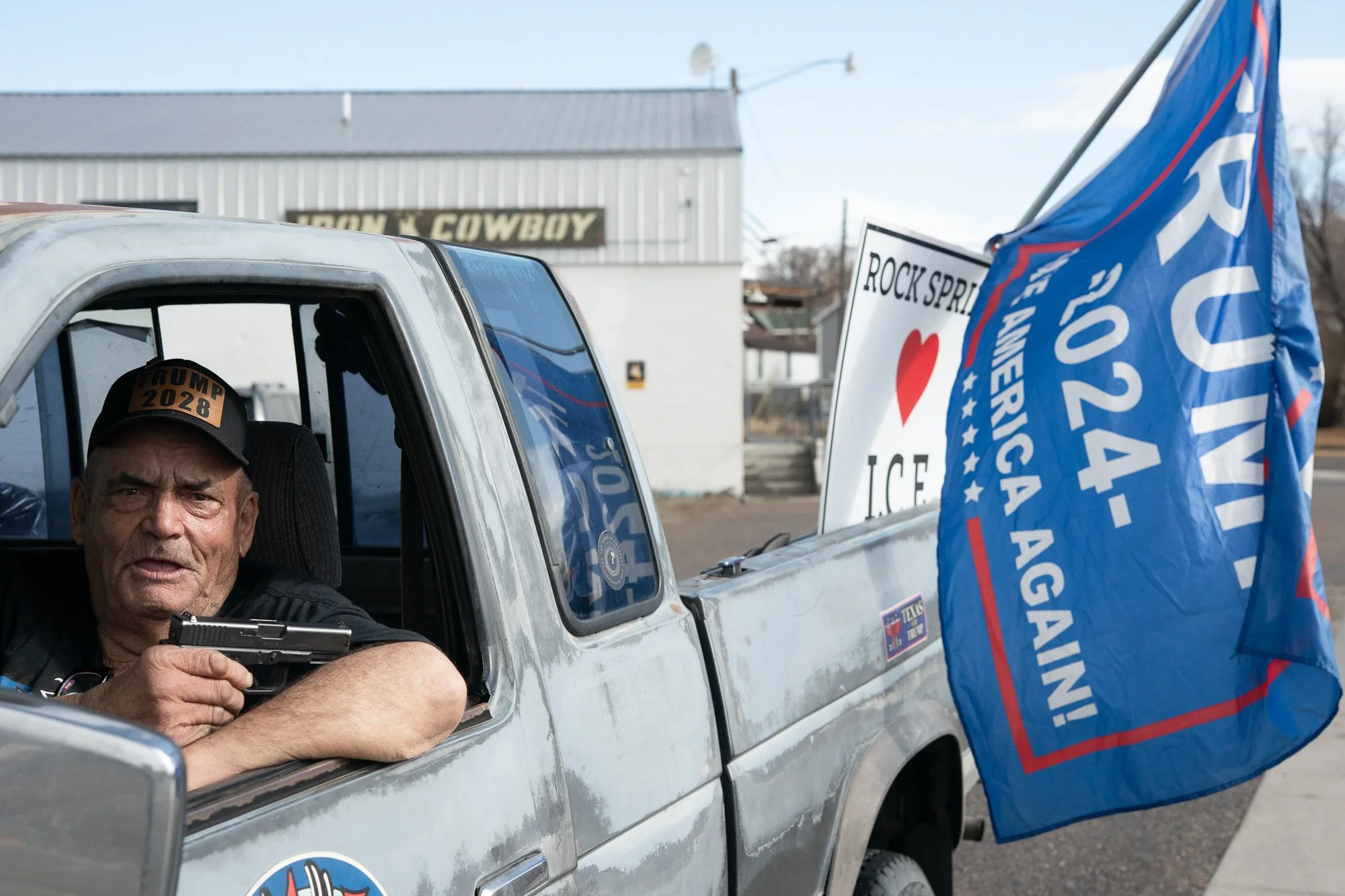
The first portrait below is of a lone protester I approached and asked to make his photograph. “I sure wish you would,” he replied immediately, then pulled out a gun that had been sitting on the passenger seat beside him and held it up for the picture. After a few minutes of conversation he asked what I was doing in town, so I explained the situation with my truck. Without missing a beat he asked if I was doing alright—if I had money for food and gas to get back home. It was a very genuine response, and one I hadn’t expected.

A few hours later I was still wandering around shooting when it started to rain. I ducked under the entrance of a karate dojo to wait out the storm. Not soon after, the owner arrived and asked, “Do you want to come inside and warm up?” What the hell—why not.

Once inside he launched into an impromptu oral history of Rock Springs during its oil boom years. “These streets right here were filled with nothing but drunks, whores, and pimps,” he told me. Then went on to describe finding a dead man outside his building one morning and how the girls working the streets would sometimes come inside to warm themselves on his couch during the winter months.

Today the town is quiet and well past it’s prime, like many American boomtowns after the rush has passed. Most residents now work in the nearby trona mines, but you can still feel what is was like during the days of rough bars, gambling halls, and brothels. The locals sure haven’t forgotten that history.

A Town Along The American Railroad

I never planned to spend four days in Rock Springs, but sometimes the road decides where you stop. In the end I left with a set of photographs that feel true to the town and to a larger project I’ve been working on for years — documenting the overlooked places that quietly shape the American landscape.

Explore more photographs from the America project

View more photographs from an another overlooked American mining town - Helper, Utah

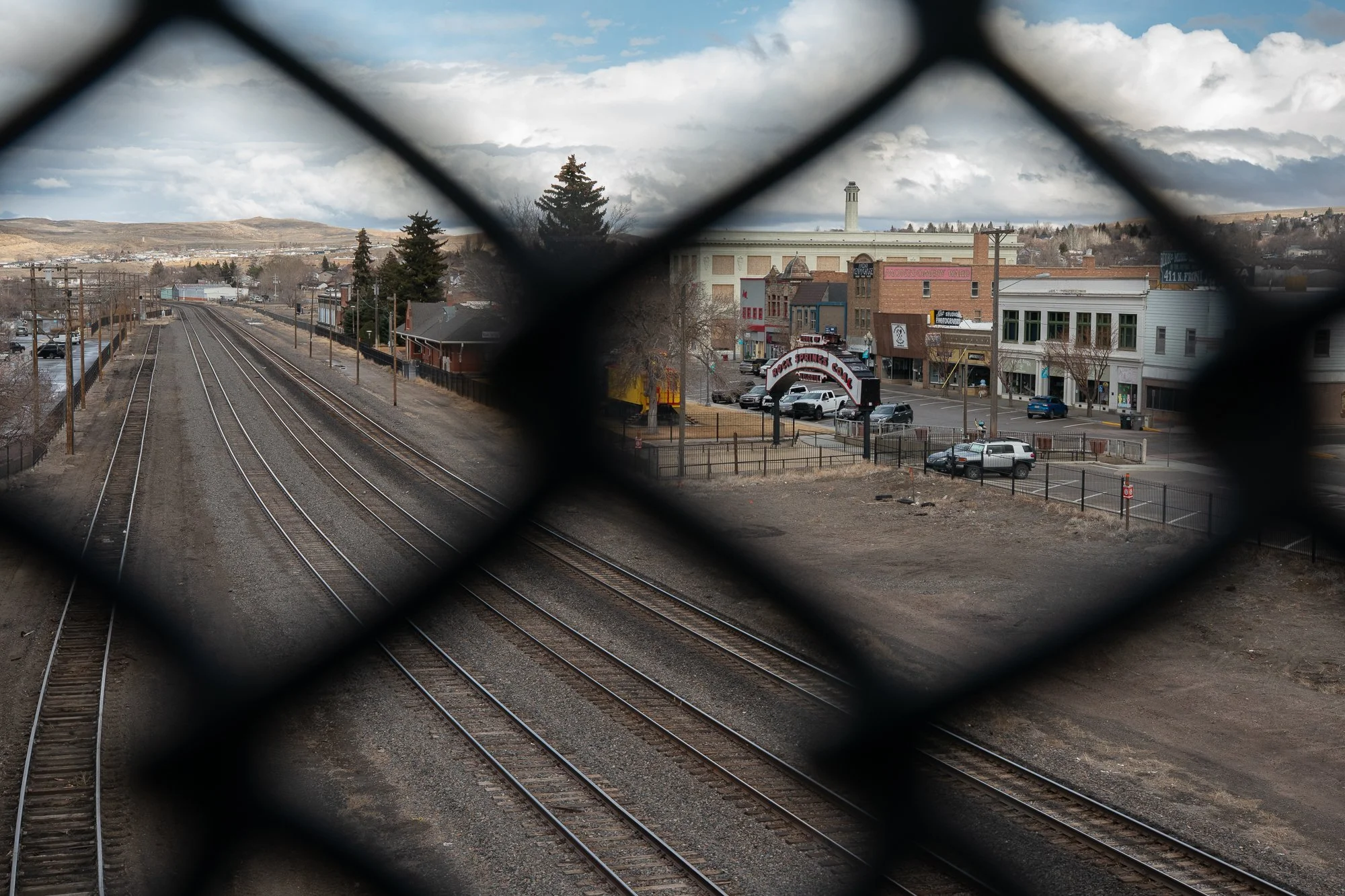
Railroad tracks leading toward downtown Rock Springs Wyoming seen through chain link fence

Railroad tracks stretch toward downtown Rock Springs from an overpass above the line.

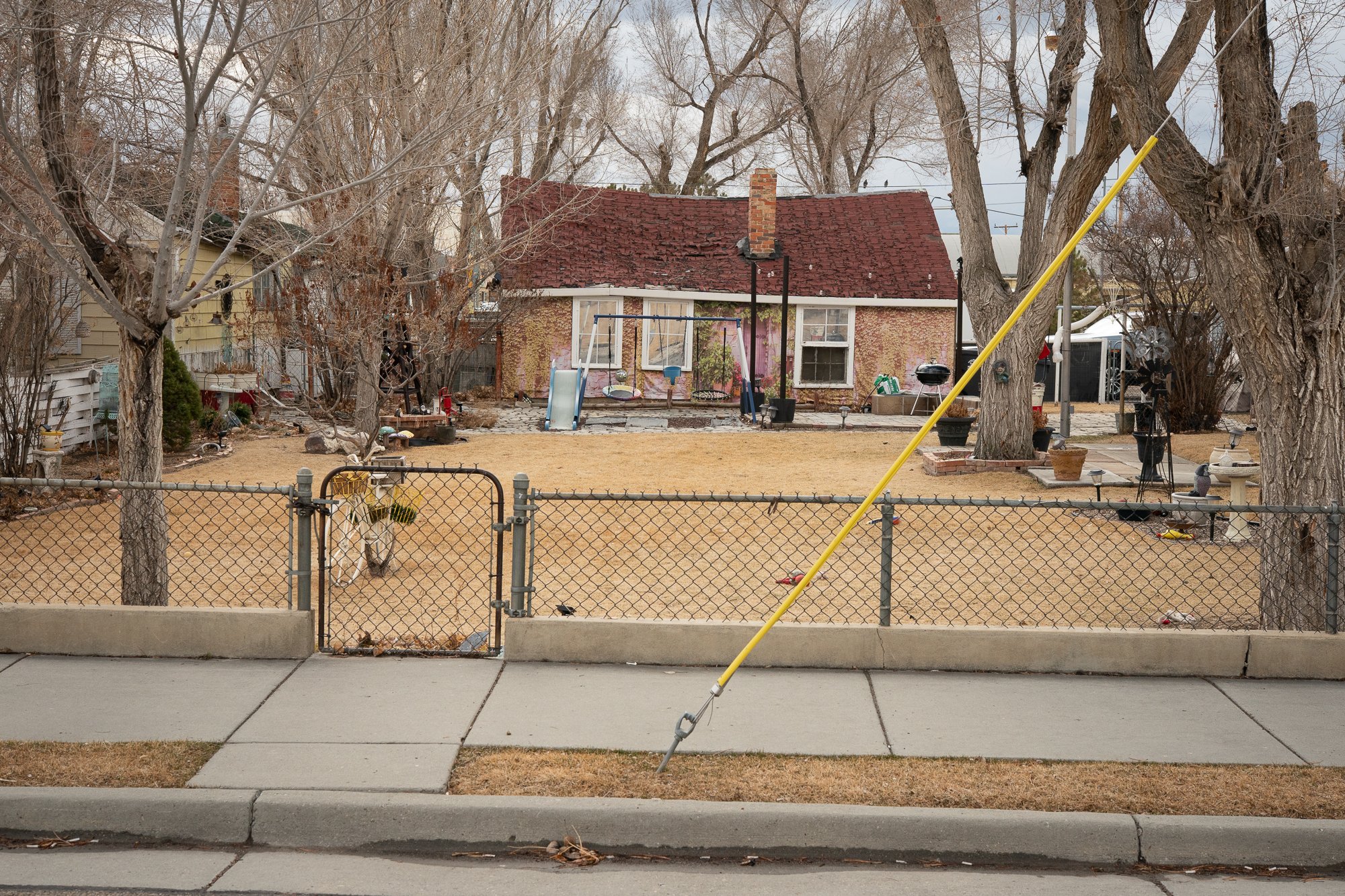
Small house and backyard behind a chain link fence in a residential neighborhood in Rock Springs

A small house and backyard sit quietly behind a chain-link fence in a Rock Springs neighborhood.

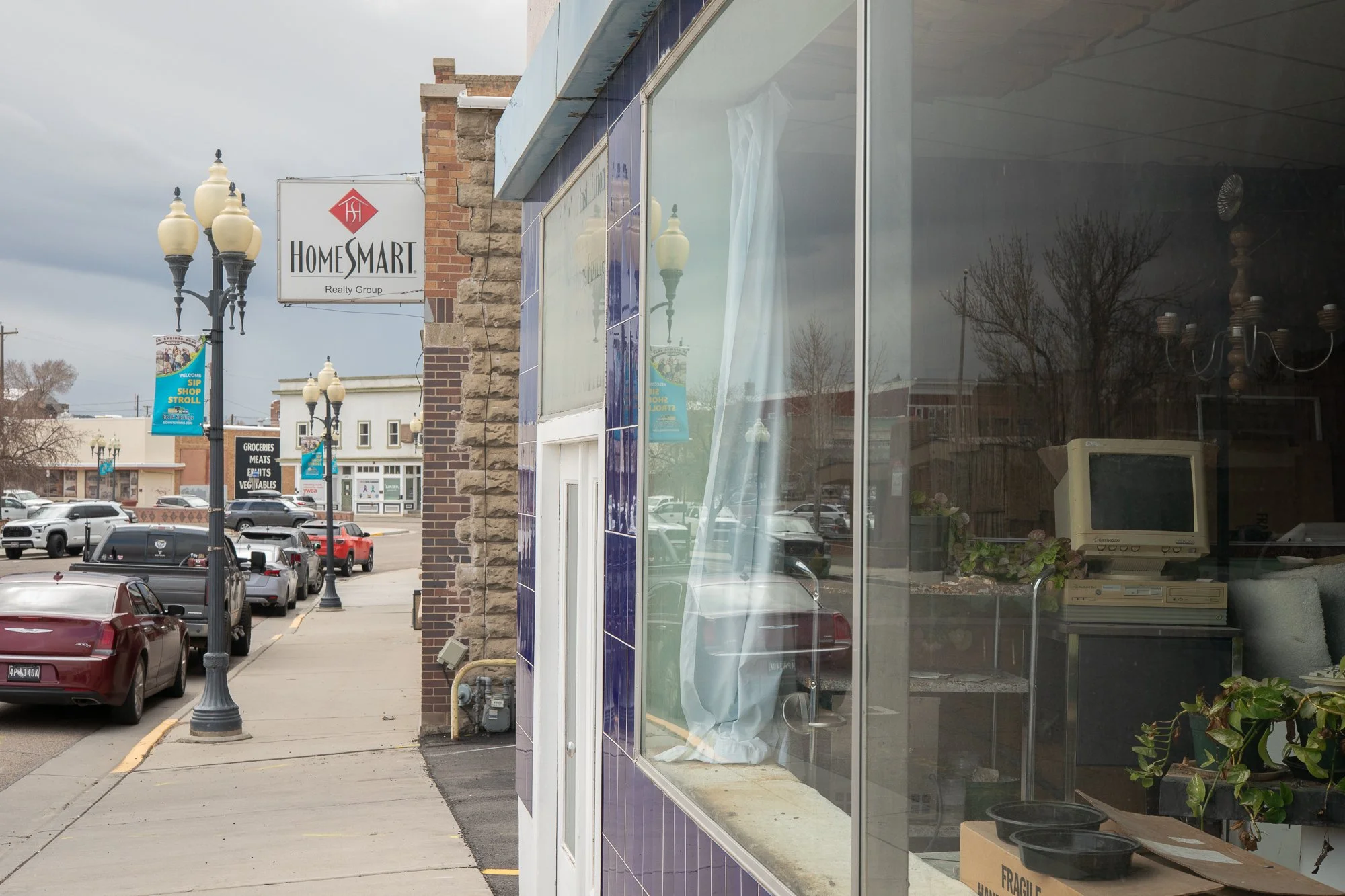
Old computer monitor displayed inside a storefront window in Rock Springs Wyoming  On-Page Caption

An aging computer sits in a storefront window along a downtown street in Rock Springs.

Man sitting in pickup truck with political flags along roadside in Rock Springs Wyoming

A protester with a gun and political flags attached to his truck.

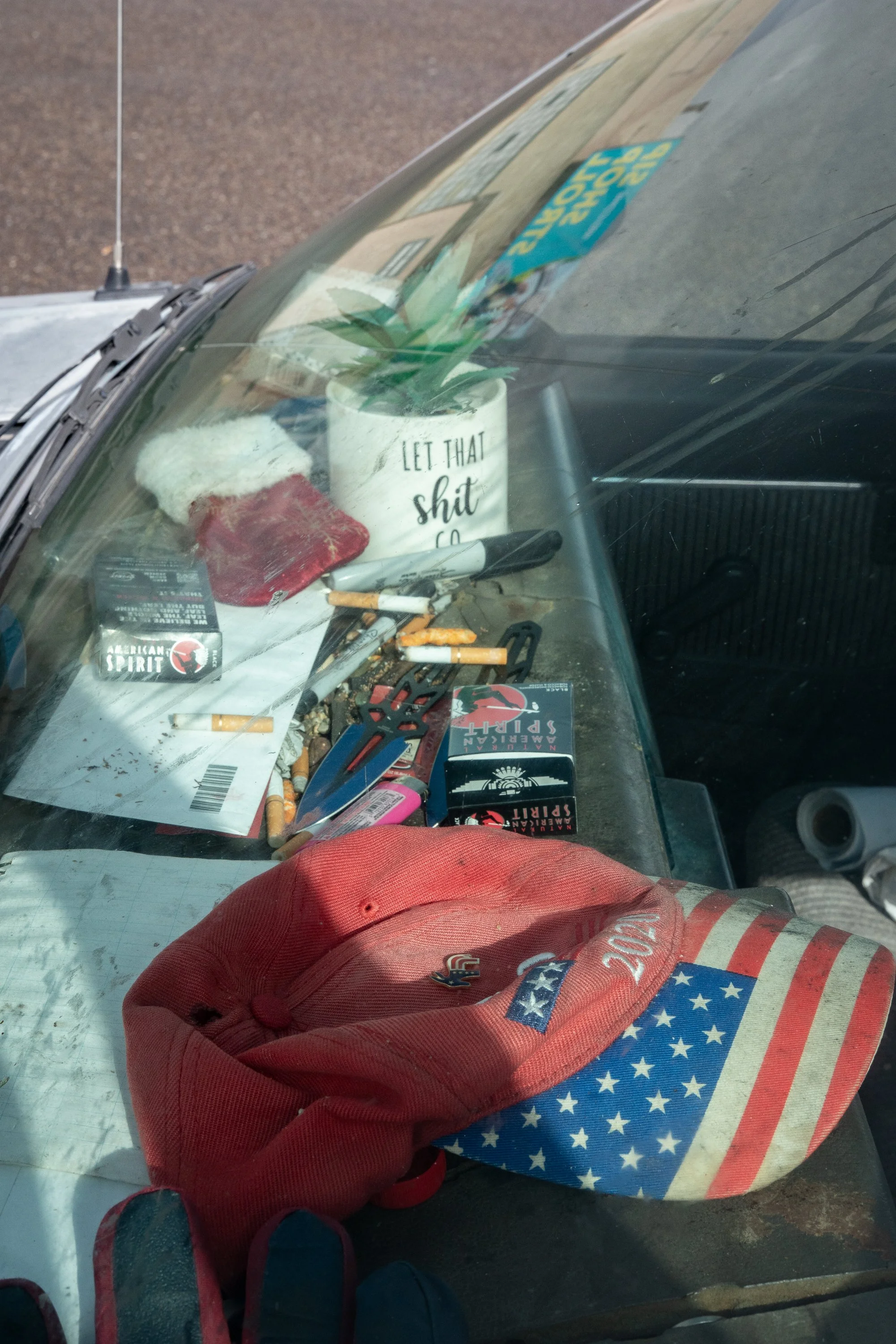
Dashboard of pickup truck cluttered with cigarettes hat and small objects in Rock Springs Wyoming

Personal items gather across the dashboard of a pickup truck parked in Rock Springs.

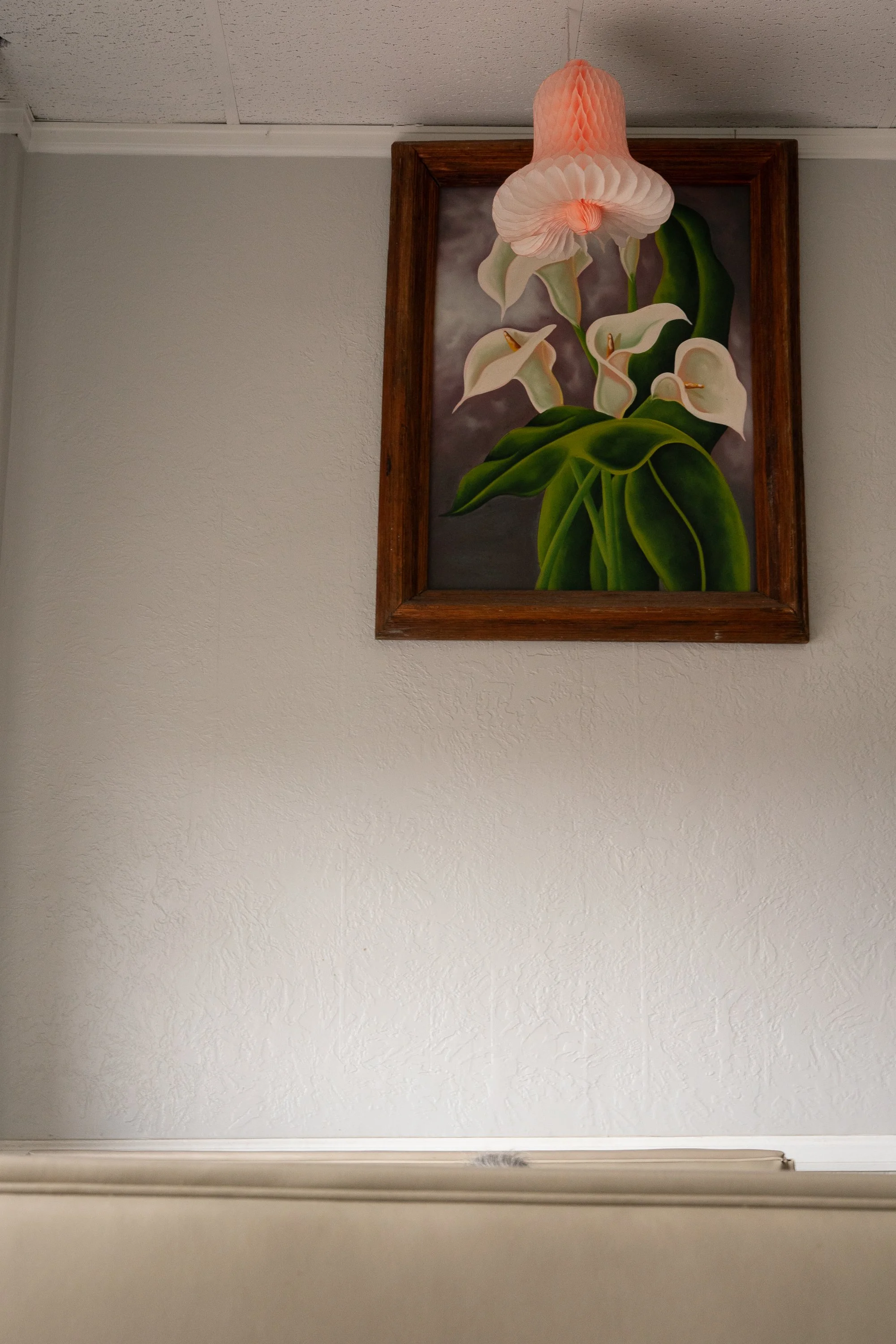
Framed calla lily painting hanging on a wall inside a room in Rock Springs Wyoming

A framed painting of calla lilies hangs awkwardly on the wall of a Mexican restaurant in Rock Springs.

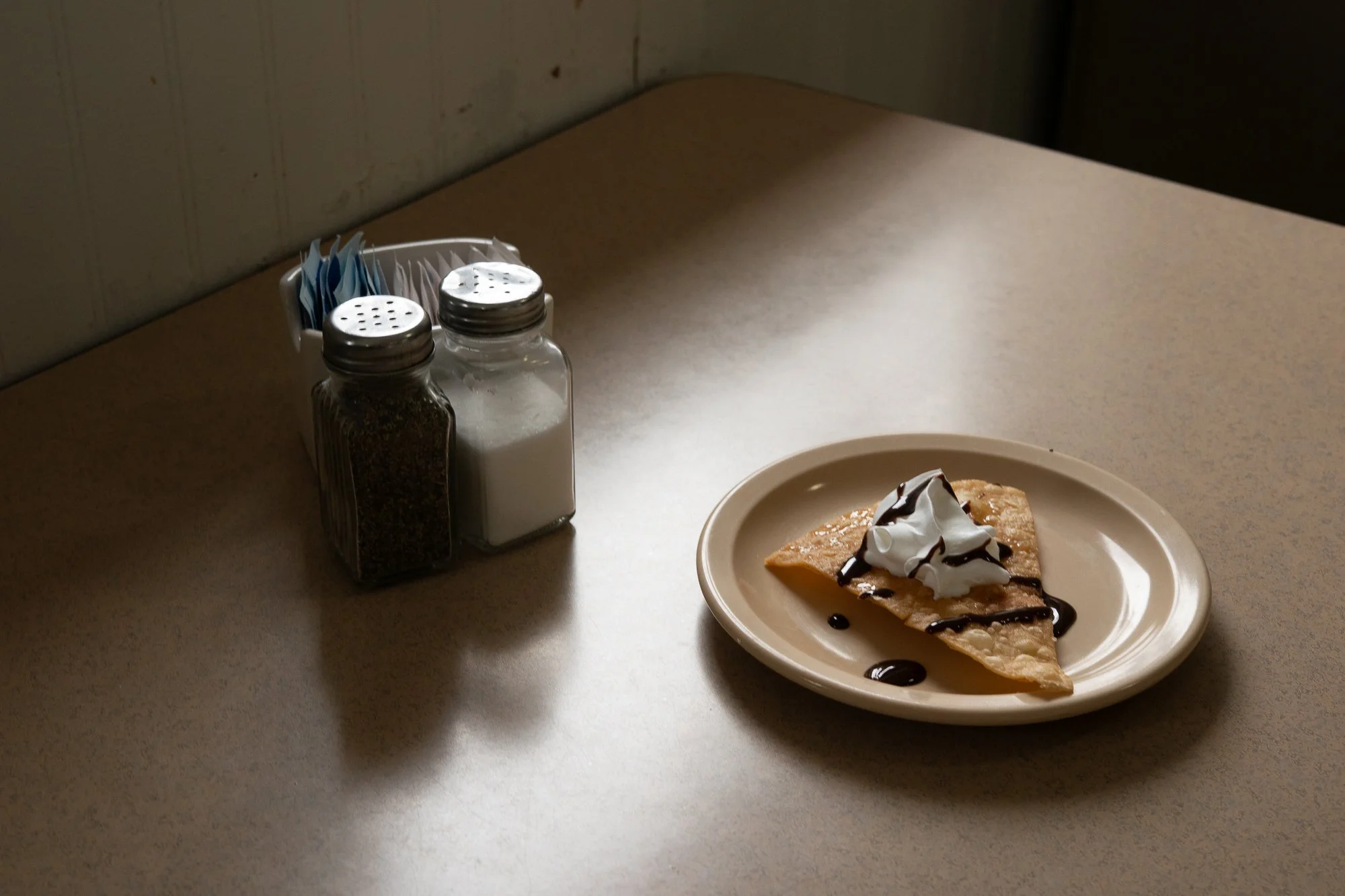
Slice of fried dessert with whipped cream and chocolate syrup on a diner table in Rock Springs Wyoming

A small dessert arrives on a diner table in Rock Springs.

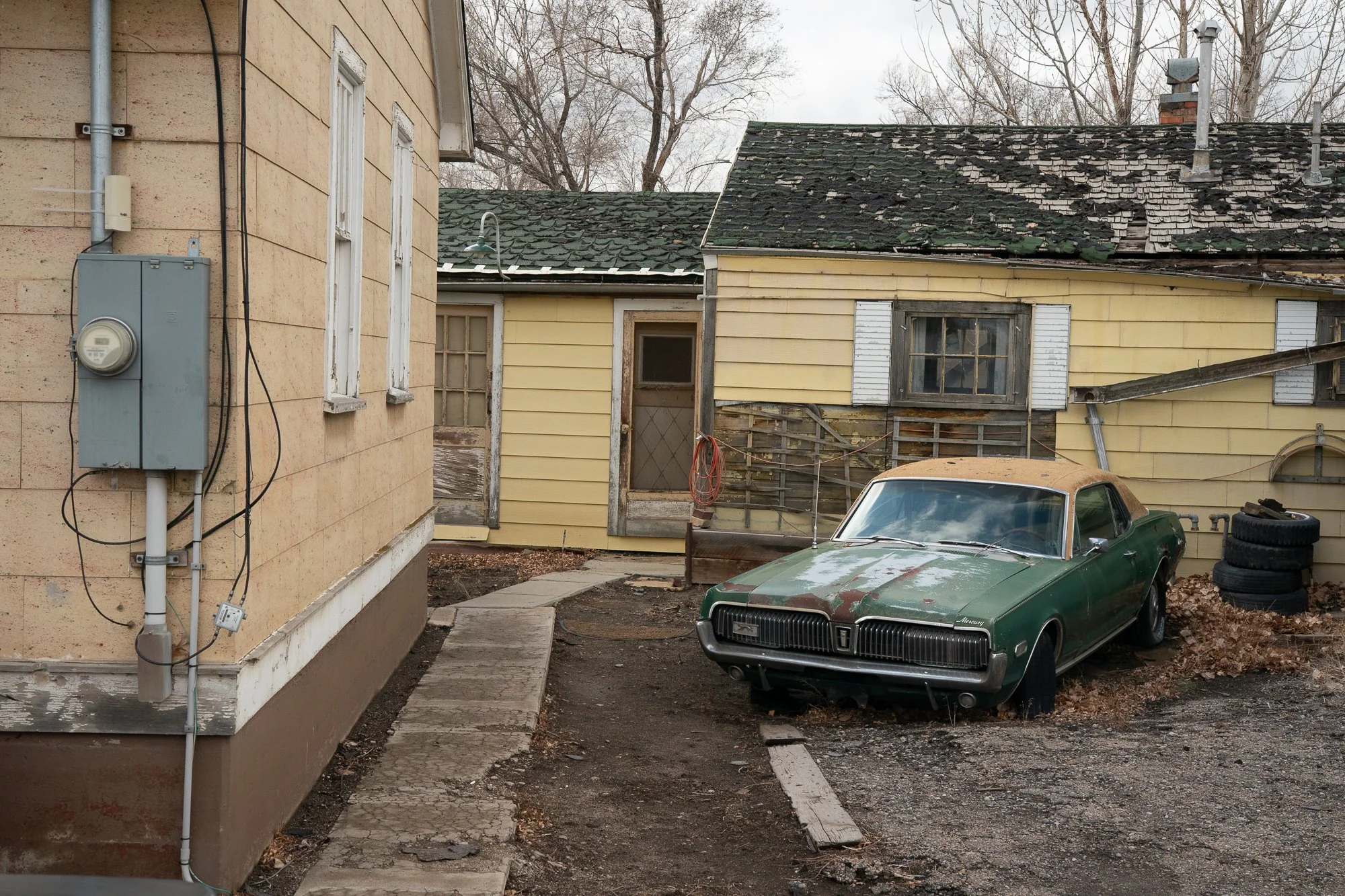
Vintage Mercury Cougar parked beside an aging house in Rock Springs Wyoming

An old Mercury Cougar rests beside a weathered house in Rock Springs, a scene that feels suspended somewhere between the past and present.

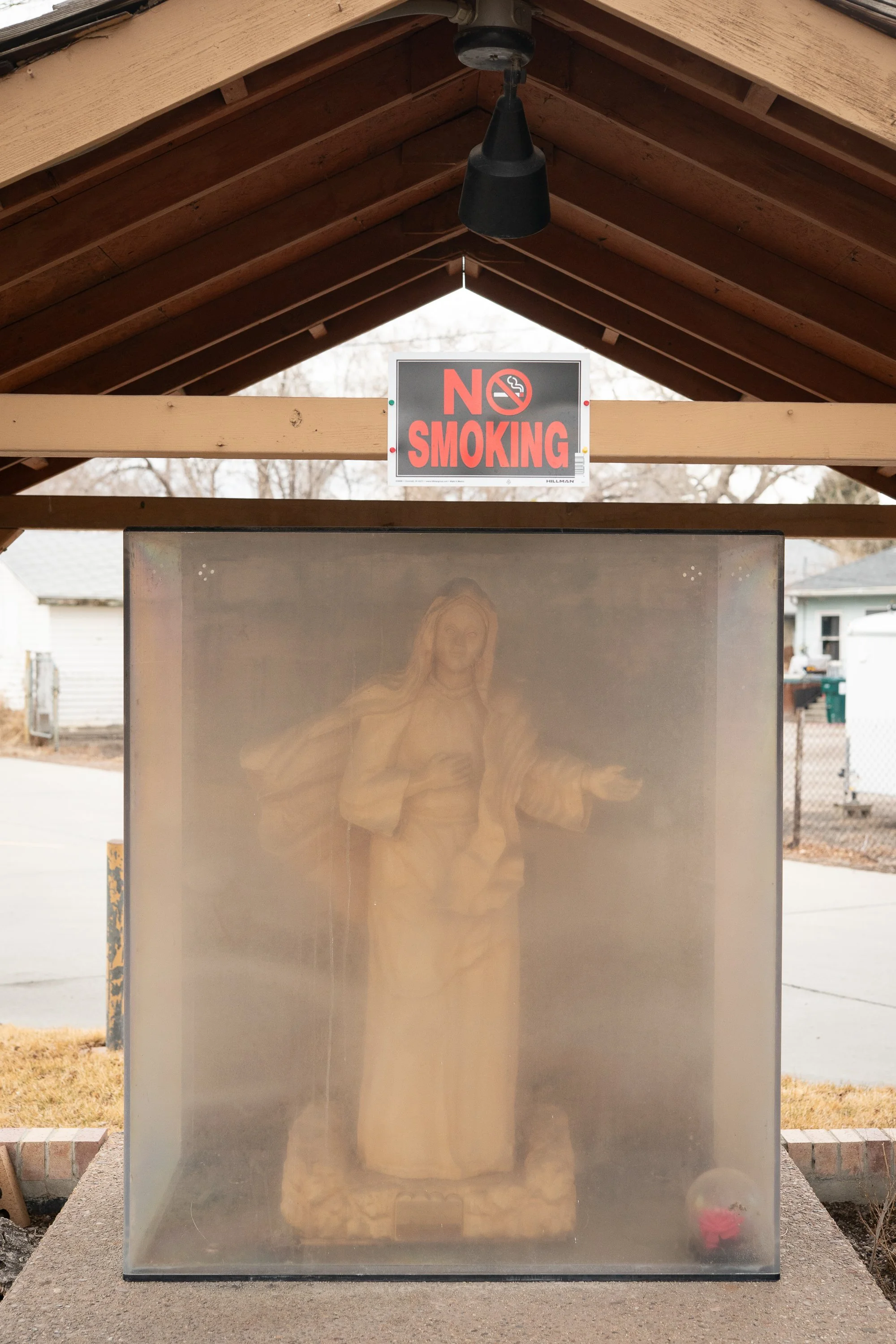
Statue of Jesus inside a glass case beneath a No Smoking sign in Rock Springs Wyoming

A roadside shrine in Rock Springs pairs a statue of Jesus with an unexpected “No Smoking” sign above it.

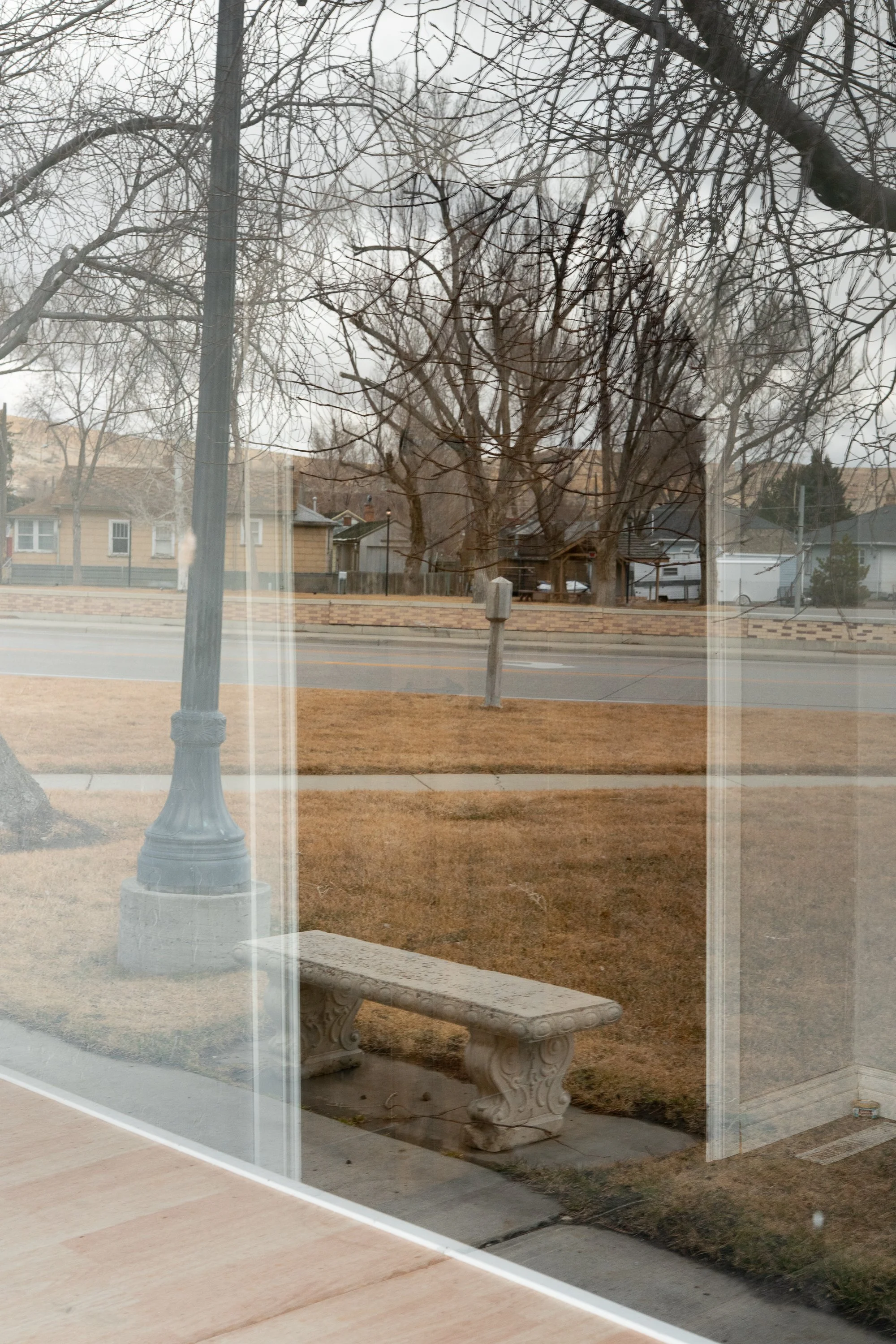
Reflection of trees and a bench in a storefront window in Rock Springs Wyoming

Reflections of winter trees and a park bench appear in a storefront window along a quiet Rock Springs street.

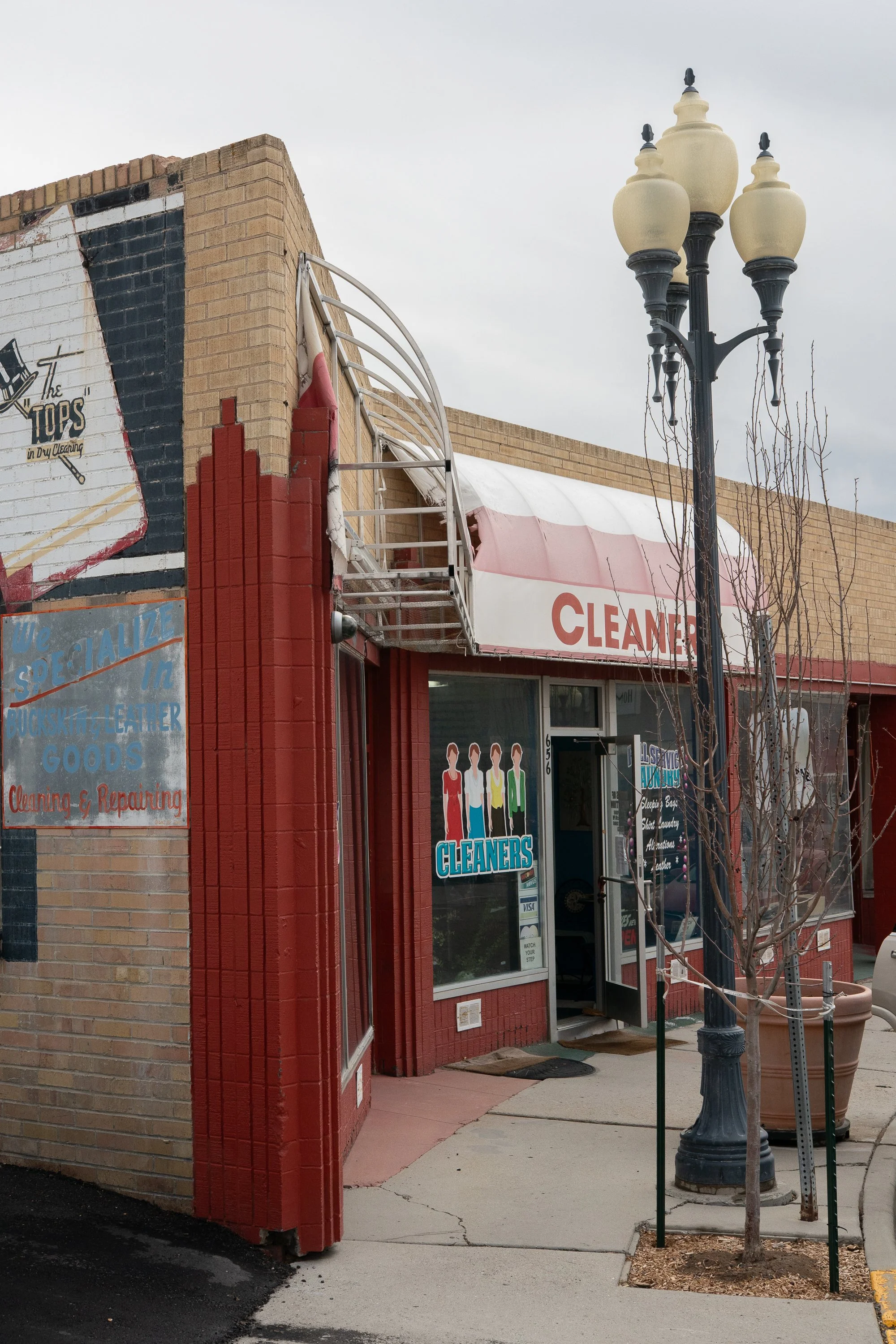
Neighborhood cleaners storefront on a street corner in downtown Rock Springs Wyoming

A neighborhood cleaners sits on a quiet corner in downtown Rock Springs.

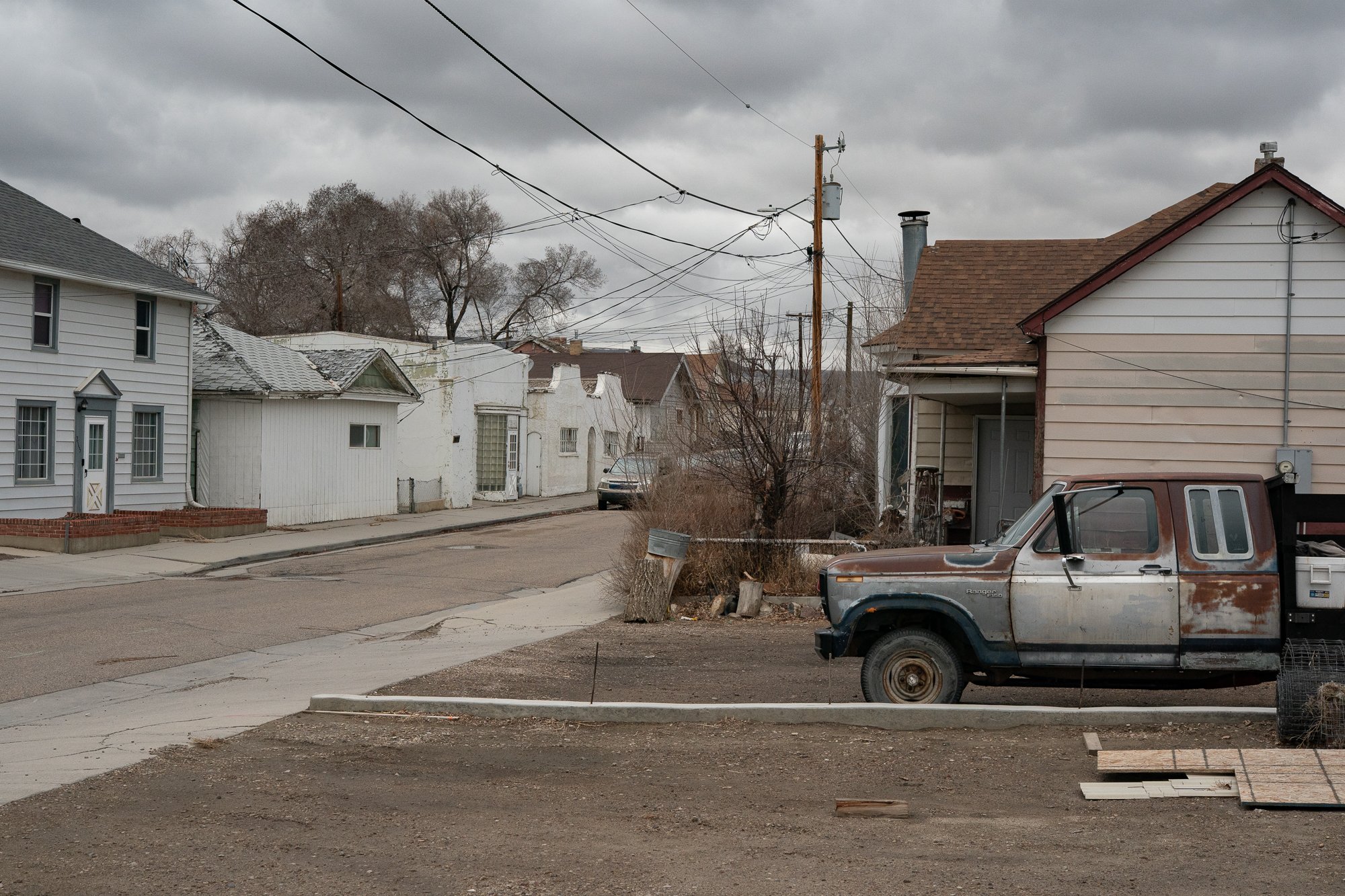
Old rusted pickup truck parked beside a residential street in Rock Springs Wyoming

An aging pickup truck sits along a residential street in Rock Springs beneath a web of overhead power lines.

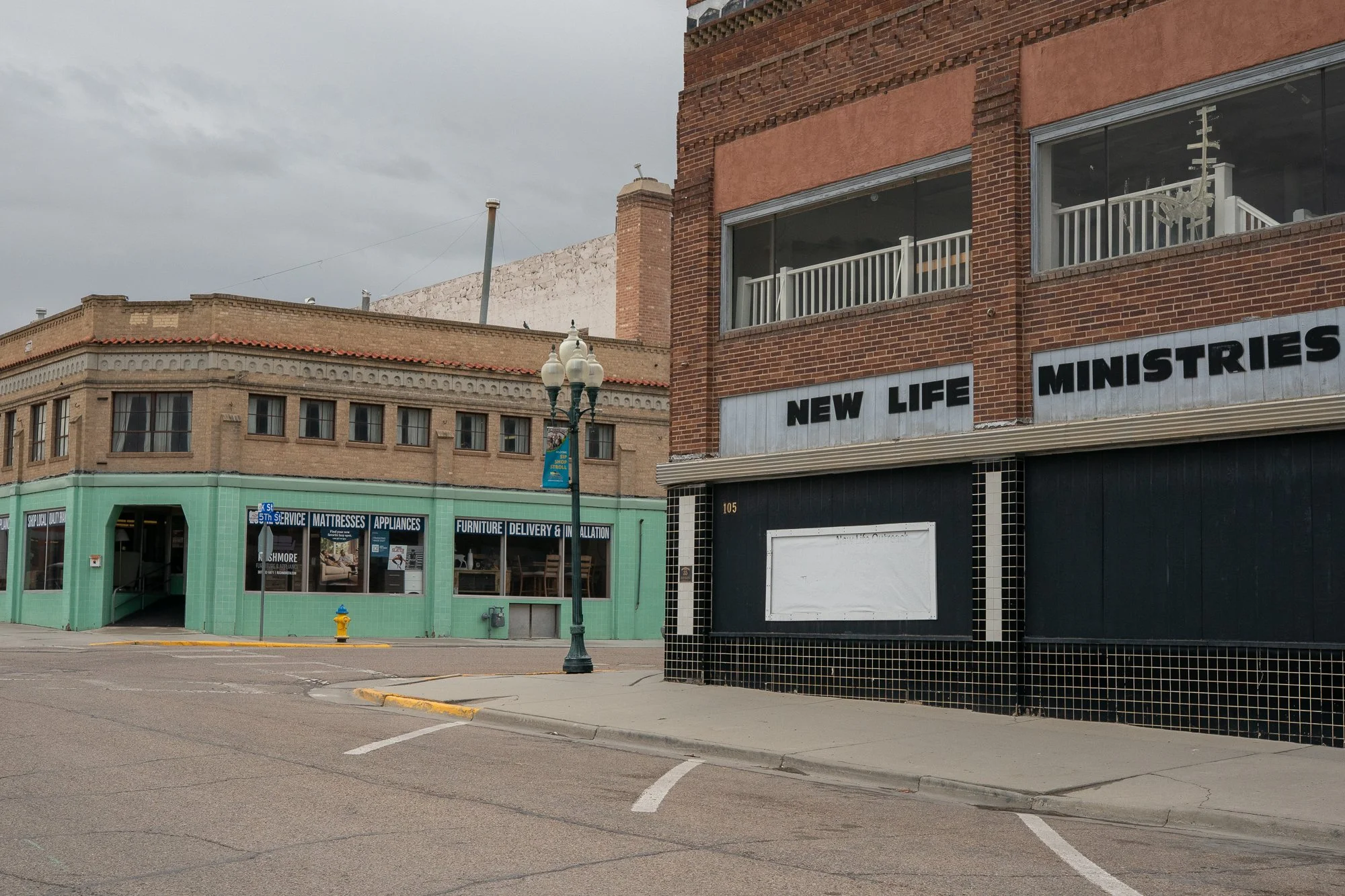
New Life Ministries church building along a downtown street in Rock Springs Wyoming

New Life Ministries occupies a brick building along a quiet street in downtown Rock Springs.

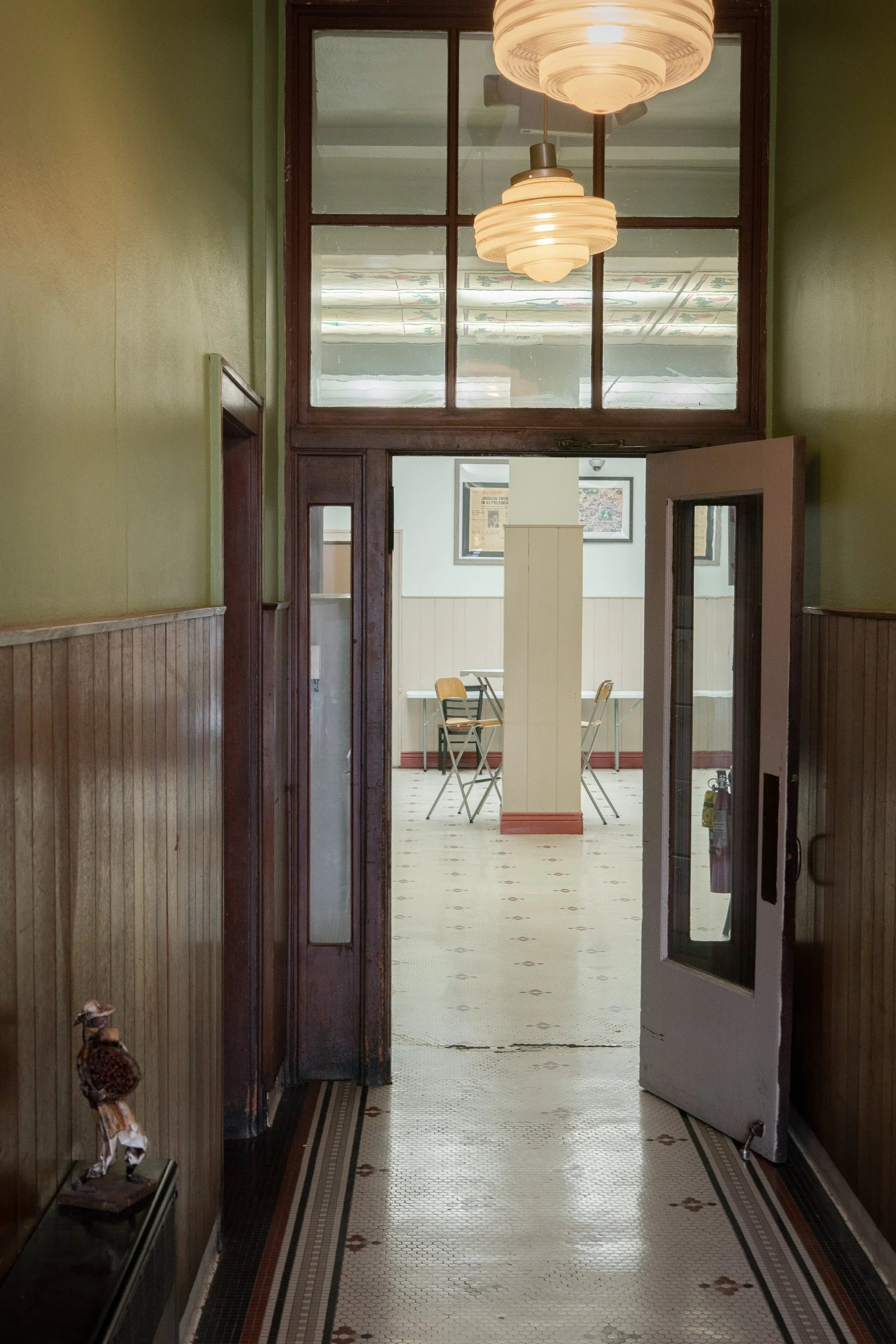
The hallway and lobby of the Park Hotel in Rock Springs, Wyoming

A narrow hallway opens into the lobby at the Park Hotel in Rock Springs

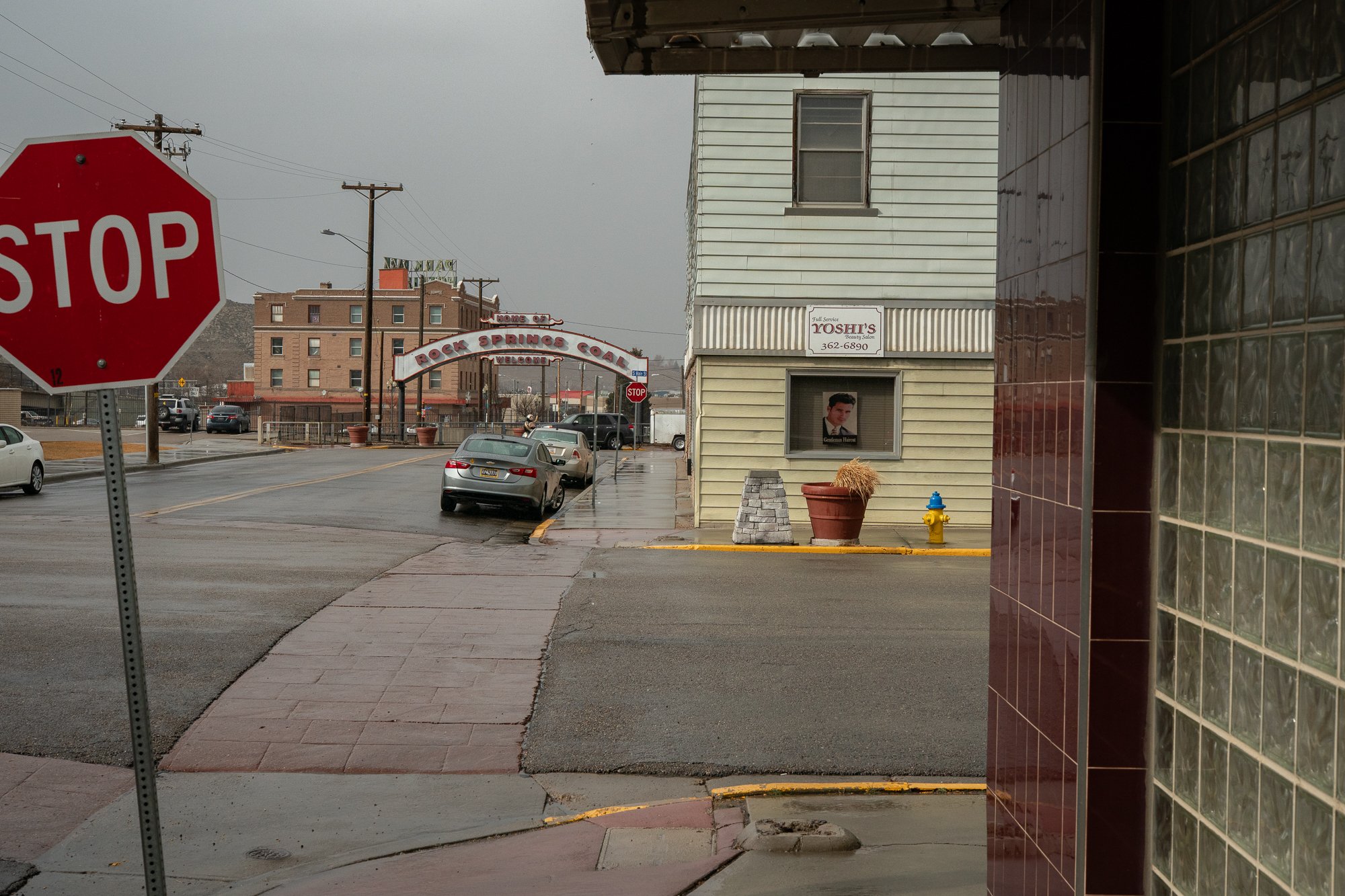
street scene near the Rock Springs Coal arch in downtown Rock Springs Wyoming

A rainy street corner near the Rock Springs Coal arch in the center of town.

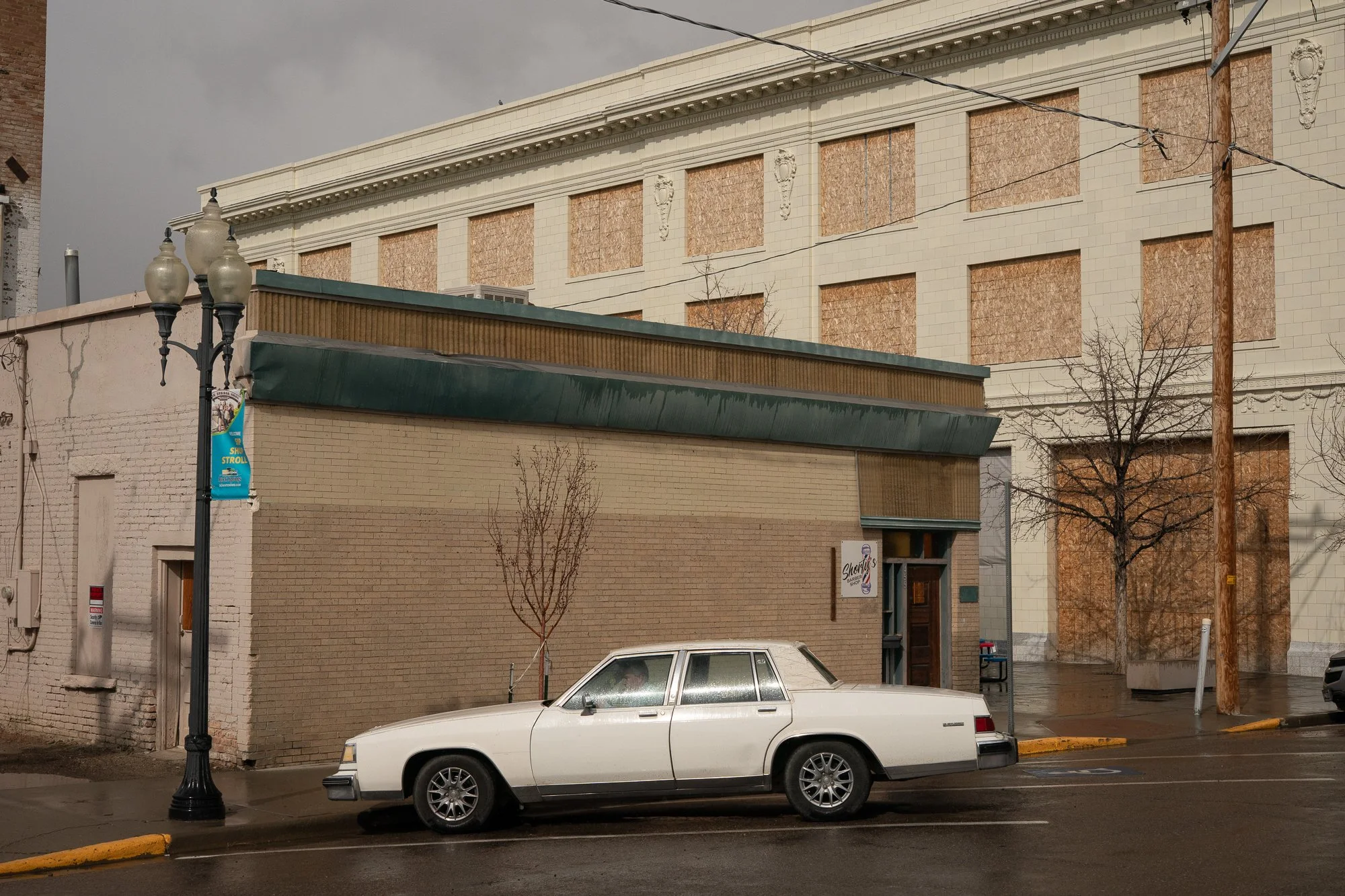
Older sedan parked beside buildings with boarded windows in downtown Rock Springs Wyoming

An older sedan sits parked along a wet street lined with boarded windows in downtown Rock Springs.

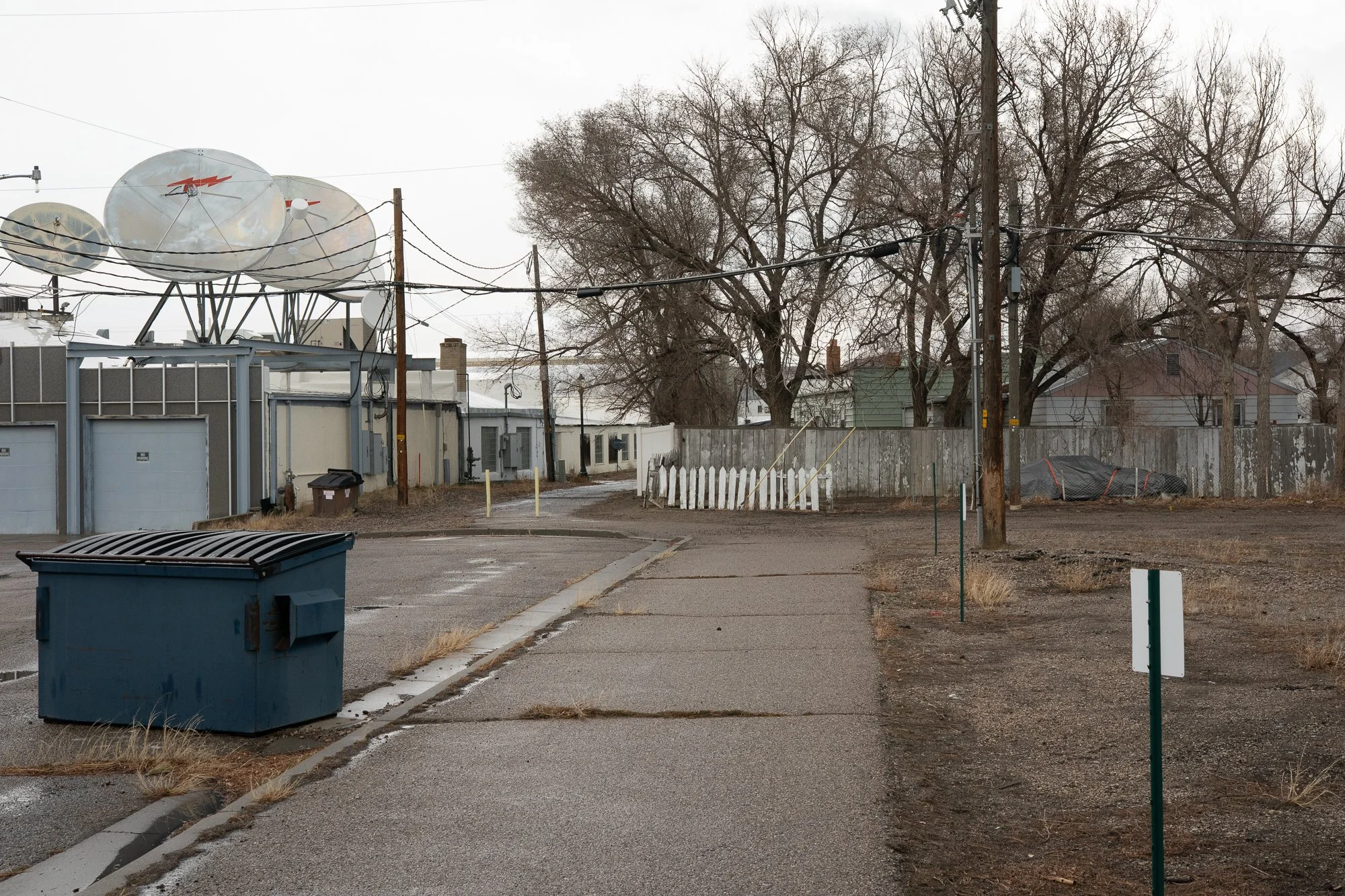
Satellite dishes and utility wires above a back street in Rock Springs Wyoming

Satellite dishes and overhead wires crowd the skyline above a quiet back street in Rock Springs.

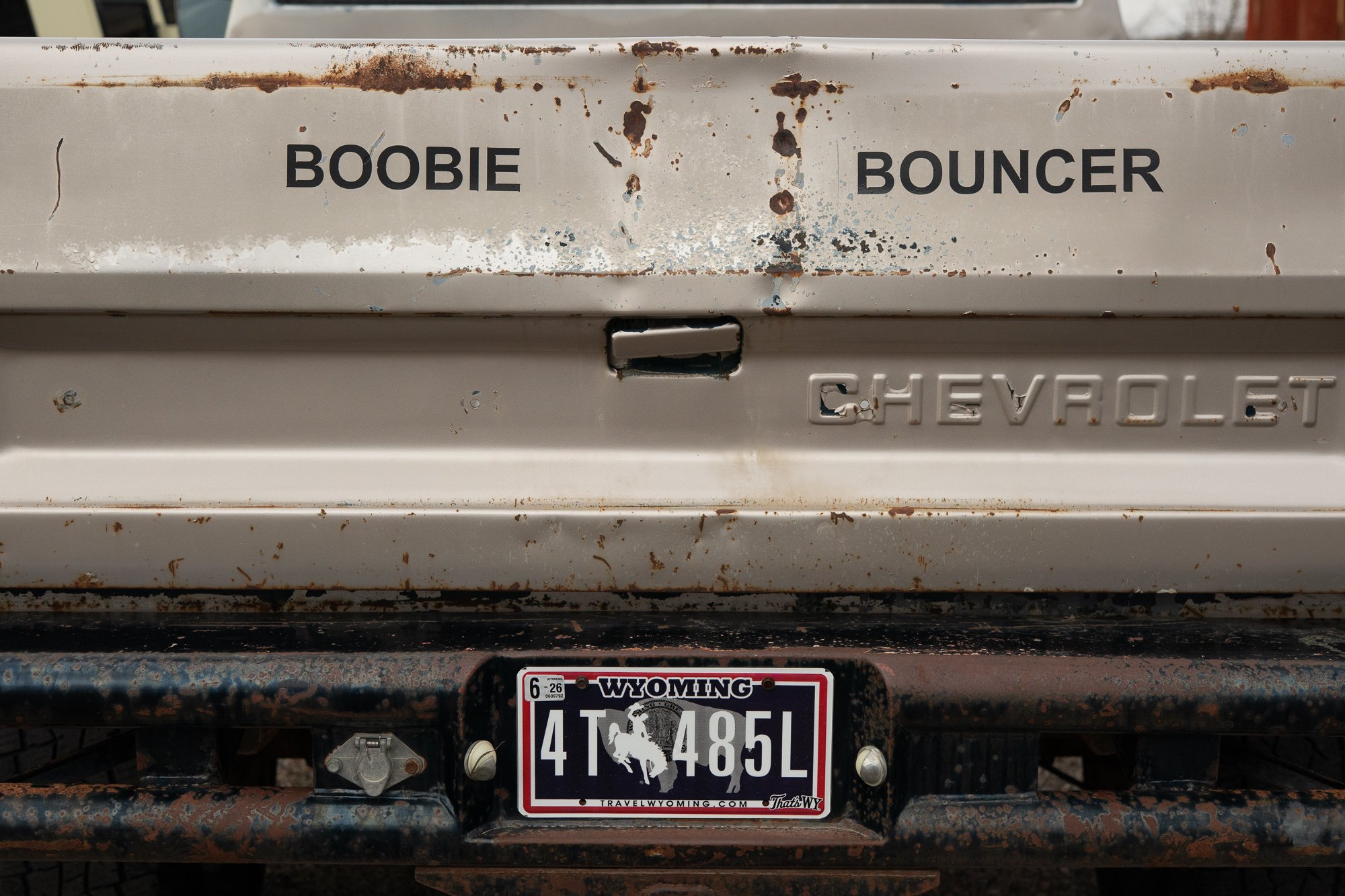
Rusted Chevrolet pickup tailgate with Wyoming license plate in Rock Springs Wyoming

An old Chevrolet pickup truck with “Boobie Bouncer” stickers on the tailgate.

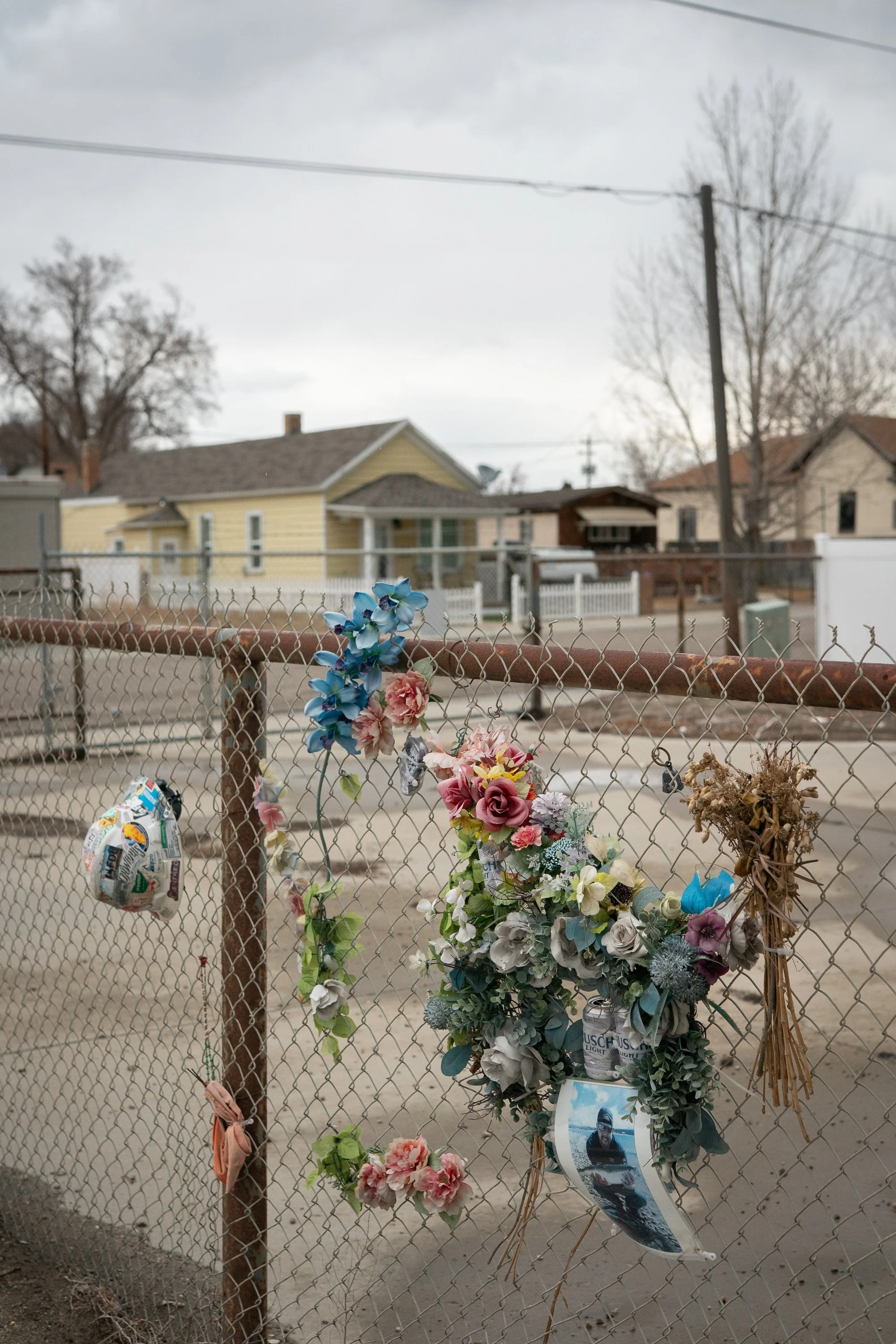
Flowers and memorial decorations attached to chain link fence in Rock Springs Wyoming

Flowers and small objects hang from a chain-link fence marking a roadside memorial.

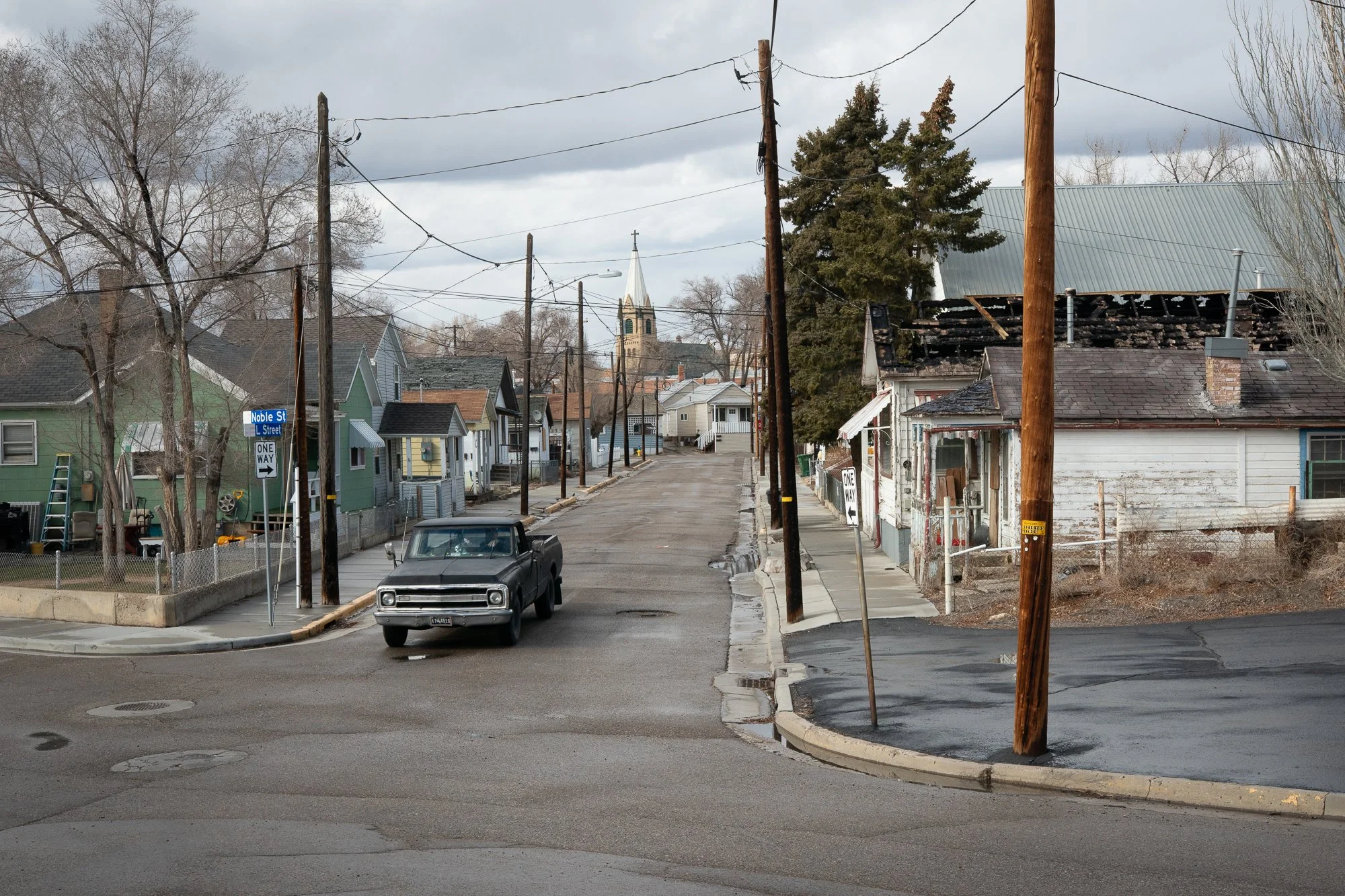
Pickup truck driving through residential neighborhood street in Rock Springs Wyoming

A pickup truck moves slowly through a quiet neighborhood street in Rock Springs.

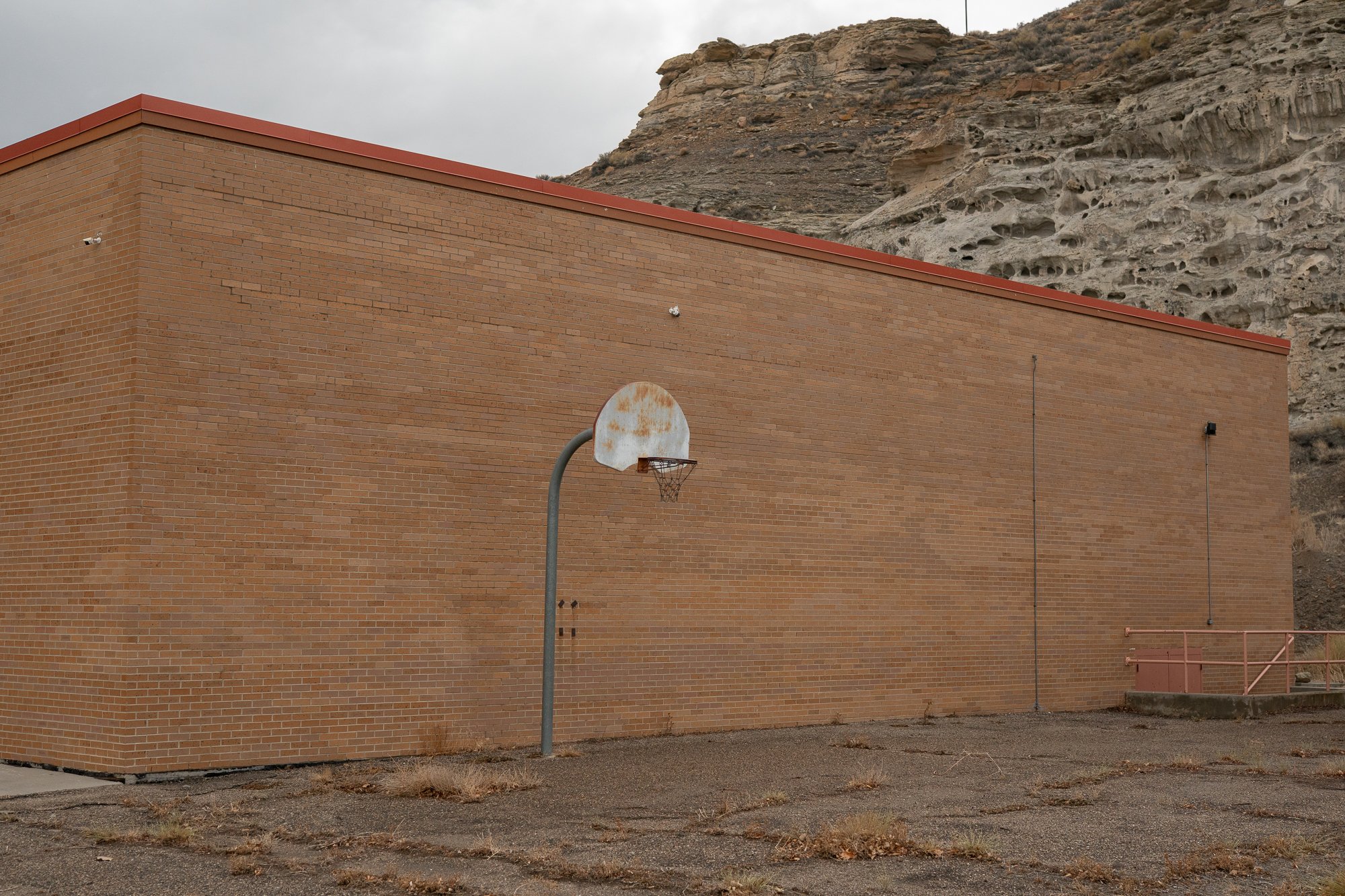
Rusted basketball hoop beside large brick building in Rock Springs Wyoming

A rusted basketball hoop stands beside a long brick wall near the edge of town.

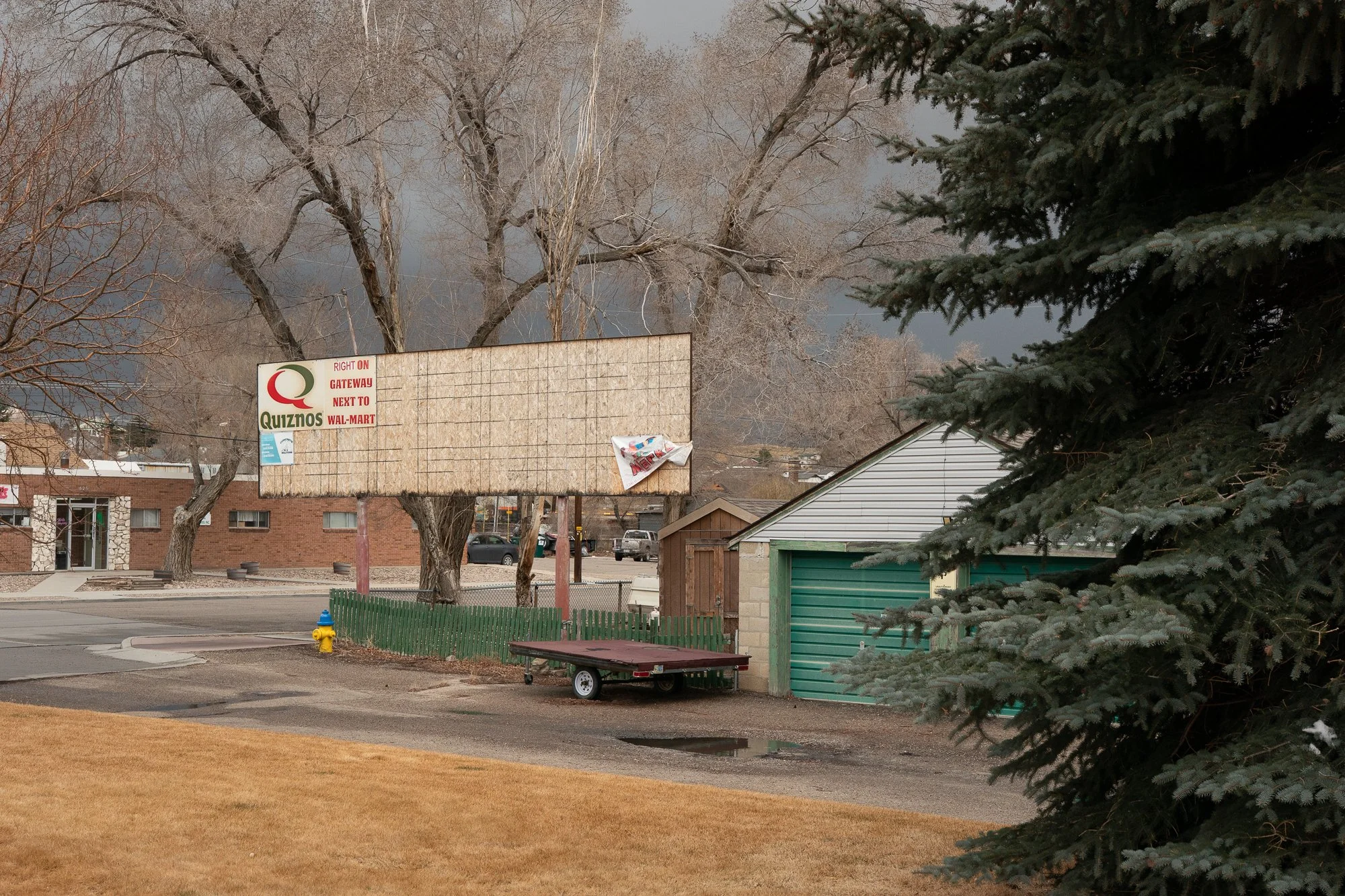
Old faded Quiznos restaurant sign along street in Rock Springs Wyoming

A faded Quiznos sign hangs on a dilapidated wood billboard in Rock Springs

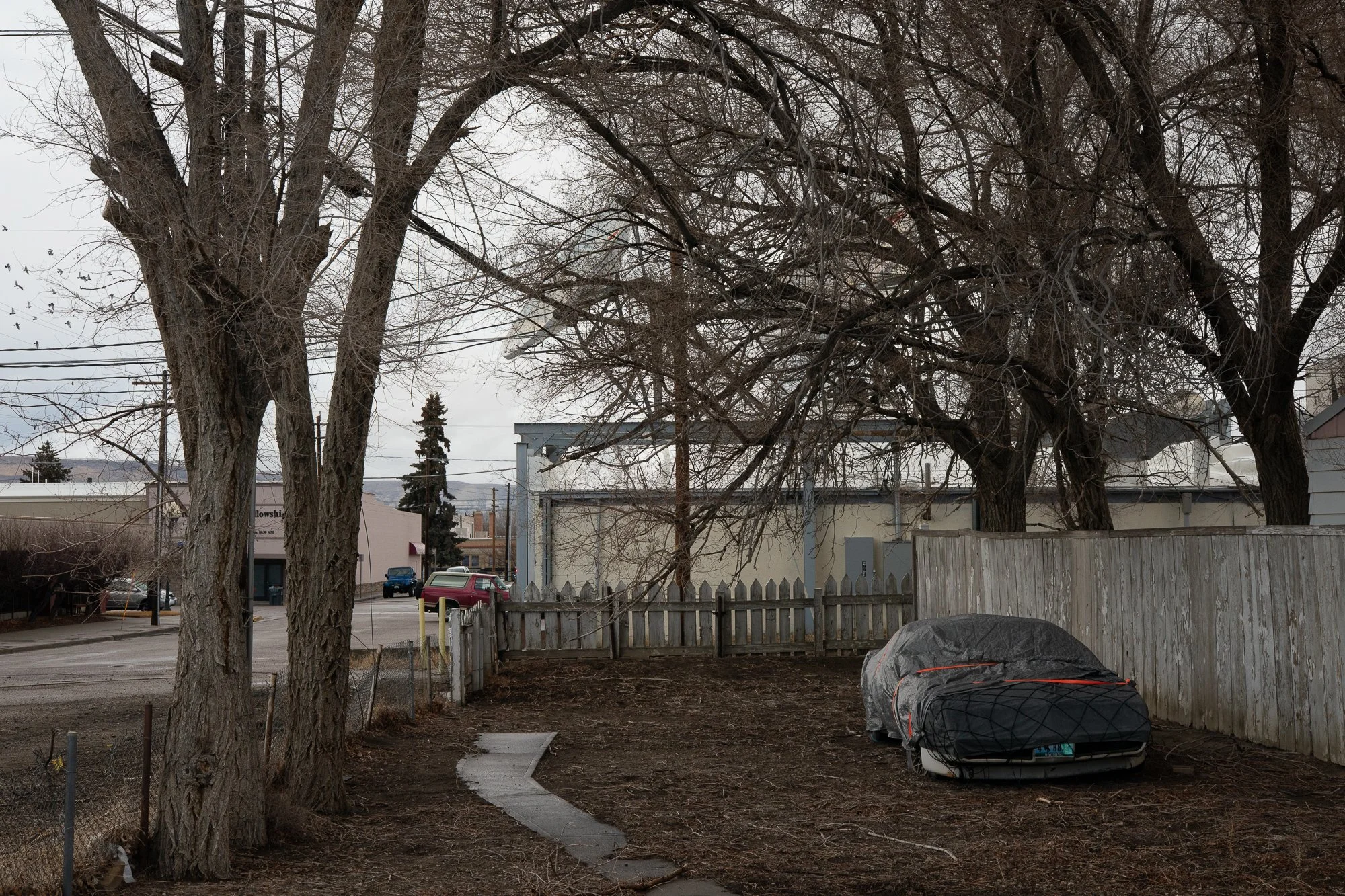
Car covered with tarp in a backyard beneath large leafless trees in Rock Springs Wyoming

A car rests beneath winter trees in a backyard on the edge of a Rock Springs neighborhood.

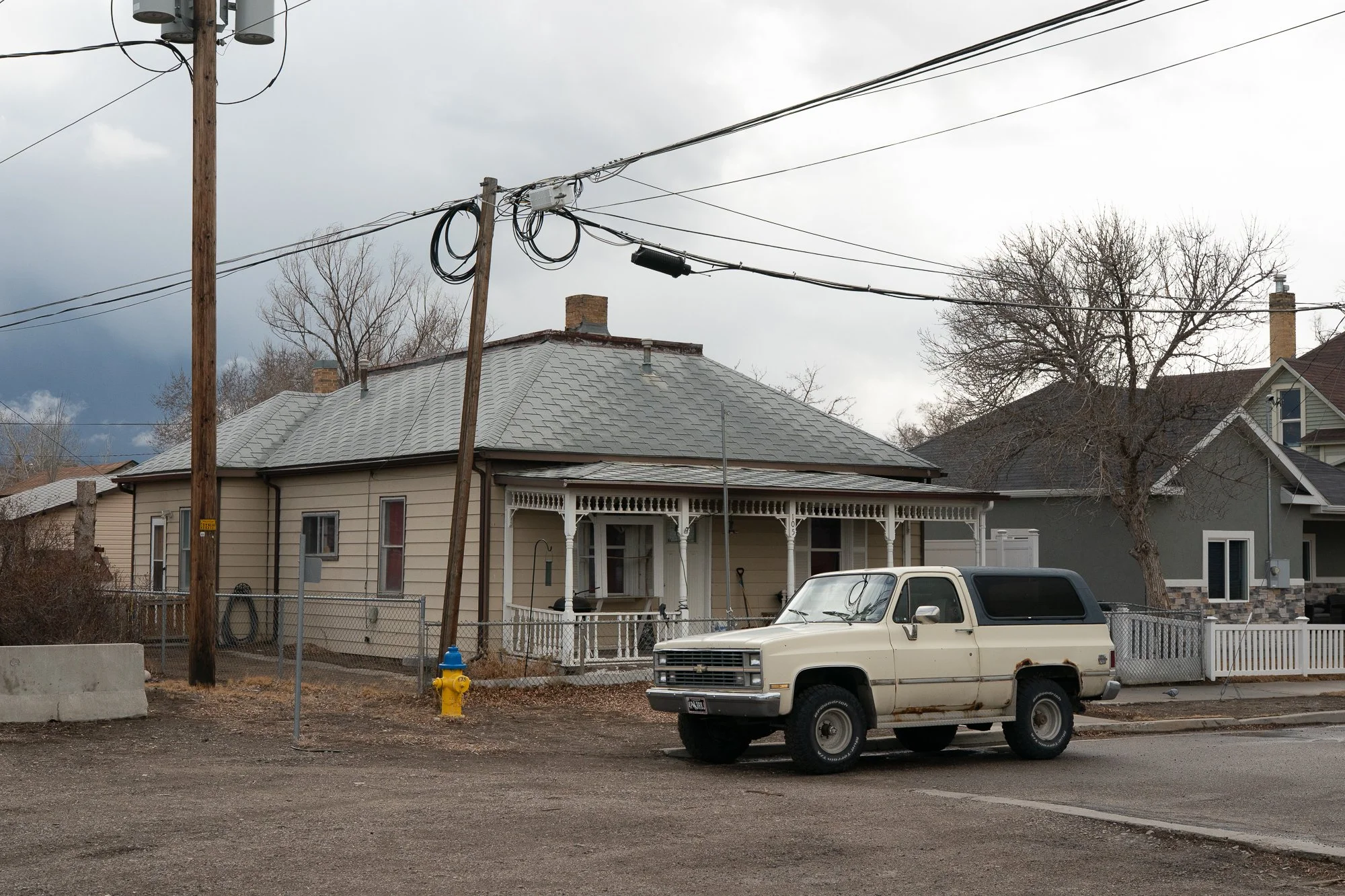
Older pickup truck parked at a residential corner beside a small house in Rock Springs Wyoming

A weathered pickup truck sits at a quiet residential corner beneath a web of overhead wires in Rock Springs.

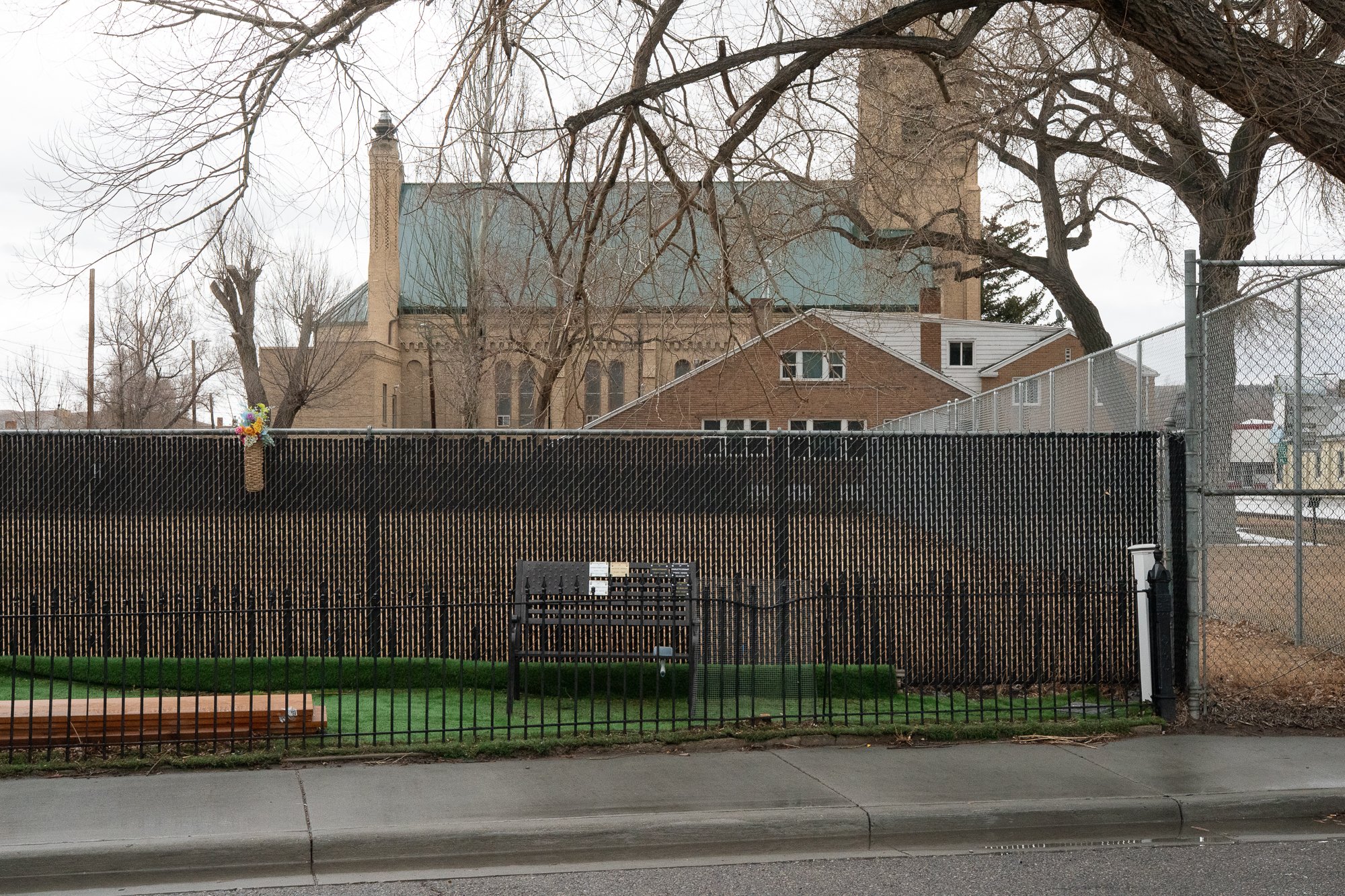
Church building seen behind fence and winter trees in Rock Springs Wyoming

A church rises behind fences and bare winter trees along a quiet street in Rock Springs.

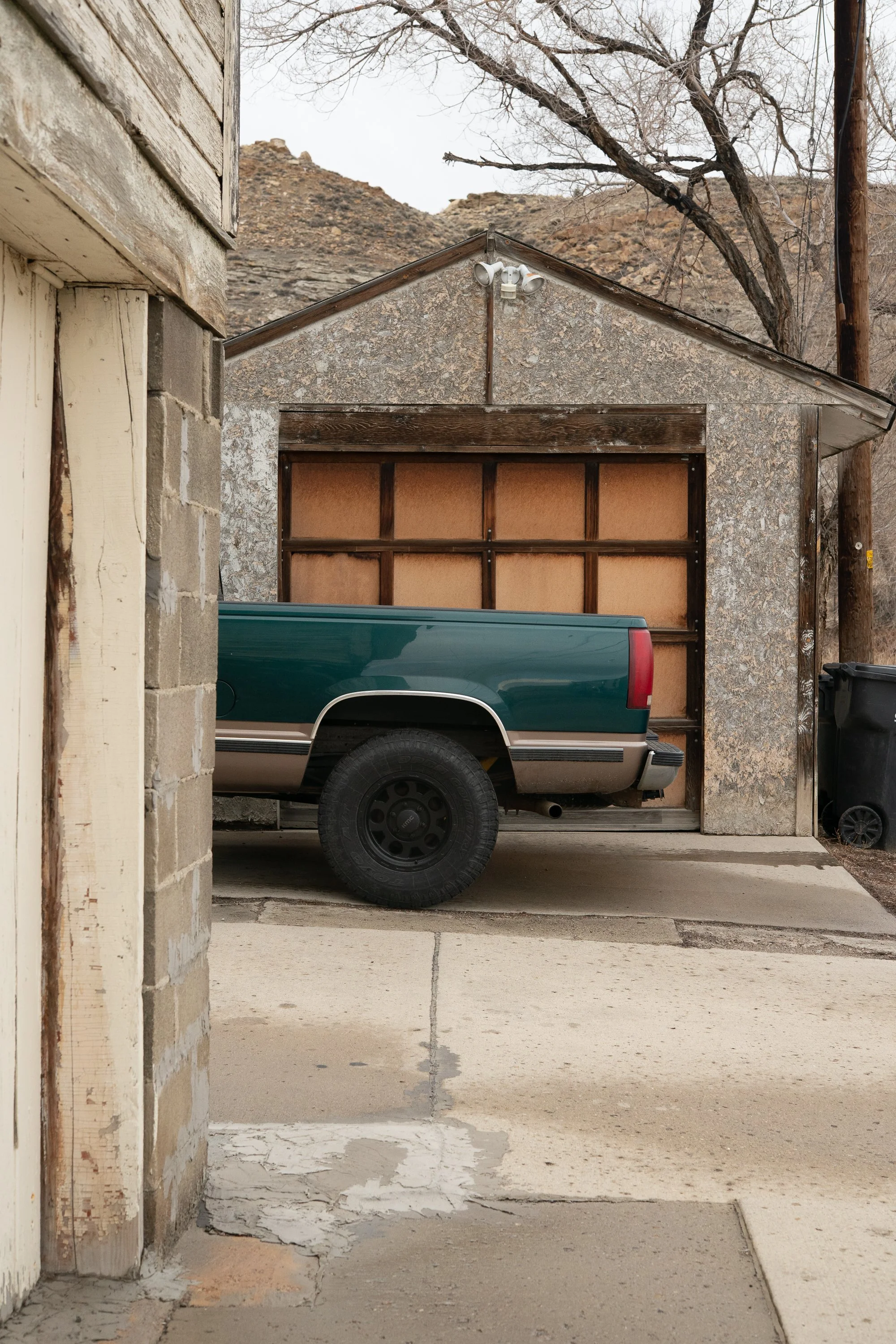
Pickup truck parked beside a garage at the end of a narrow driveway in Rock Springs Wyoming

A pickup truck sits tucked beside a small garage at the end of a narrow driveway in Rock Springs.

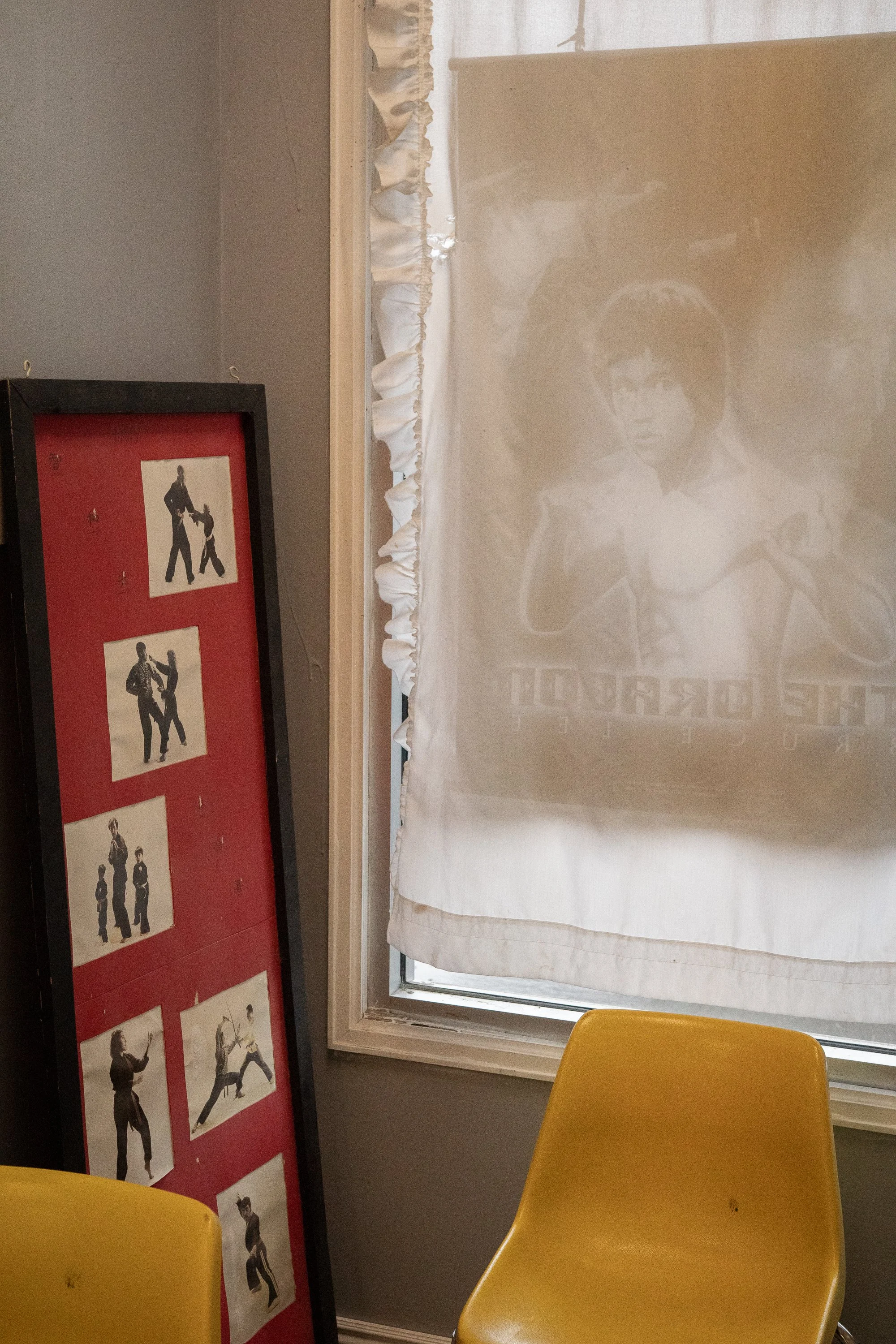
Bruce Lee poster visible through curtain beside martial arts photos in Rock Springs Wyoming

A Bruce Lee poster hangs behind a thin curtain beside framed martial arts photos inside a karate dojo.

Railroad tracks running through an industrial alley between metal buildings in Rock Springs Wyoming

Old rail tracks cut through an industrial alley in Rock Springs, a quiet reminder of the railroad and coal economy that built the town.

Pubs of Edinburgh, Scotland

Historic Pubs in Edinburgh | A Photographer’s Study of Cultural Spaces

I recently spent time photographing pubs throughout Edinburgh, focusing not only on the historic interiors the city is famous for, but also on newer establishments that are quietly building their own character. What interested me wasn’t simply age. It was atmosphere — and how authentic that atmosphere can feel regardless of when a pub first opened its doors.

Walk around Edinburgh for any amount of time and you’ll come across countless pubs in famous places like The Royal Mile, Princess St. and Victoria St. And sure they do serve beer and haggis, but they are tourist traps cloaked as pubs. Venture out a little further and you’ll find some incredible communal living rooms filled with people from all walks of life enjoying a Proper Pint.

Old Edinburgh Pubs: Age You Can Feel

Some of Edinburgh’s traditional pubs carry centuries in their walls. In places like The Bailie, the wood is darkened by time, mirrors show their age in softened edges, and the floors lean slightly from generations of use.

These rooms don’t need to advertise their history. You sense it in the walls and in the unselfconscious way people occupy the space. Regulars move with familiarity across the carpeted floor to their regular stool. The bartender doesn’t perform; he or she simply works. The architecture frames the experience, but it doesn’t dominate it.

There is restraint in these historic pubs. Nothing feels curated for spectacle. The room exists to welcome conversation and return visits.

Newer Edinburgh Pubs with the Same Atmosphere

What surprised me most was how similar the feeling remained in newer pubs. In spaces like The Standing Order, which was once a bank, the design may be more grand, the lines cleaner, the lighting slightly more intentional — yet the atmosphere carries the same steady rhythm.

The bar still anchors the room. People still return to the same seats. Conversations still expand and contract in familiar corners. The success of the space has less to do with its age and more to do with intention and the quiet accumulation of evenings spent there enjoying cask ales.

Authenticity, I was reminded, isn’t guaranteed by centuries. It’s built through use.

What Edinburgh’s Pubs Share with American Dive Bars

Sitting in the back of one Edinburgh pub, I was struck with familiarity. For years I’ve been documenting American dive bars and roadside motels across the West and Midwest. Many of them are far younger than Scotland’s historic pubs, yet the emotional architecture is strikingly similar.

In a small-town dive bar in Wyoming or Nevada, the makings are humbler — paneled walls instead of stone, fluorescent light instead of filtered daylight — but the function is identical. The bar is an anchor. The room absorbs stories. The regulars give it gravity.

The same is true of roadside motels. Some are mid-century survivors with neon signs buzzing against the night. Others have been partially updated. Yet they continue to serve as quiet infrastructure for travelers and locals alike.

The geography changes. The timeline stretches or contracts. The human need remains consistent.

Photographing Cultural Spaces That Endure

Whether historic or newly established, a pub succeeds when it becomes woven into daily life. The same can be said for a dive bar in rural America. Age may add texture, but continuity builds meaning.

Photographing these spaces — in Scotland and in the United States — is less about nostalgia and more about record-keeping. These rooms function as cultural anchors. They are democratic environments. They hold celebration, argument, solitude, and routine without demanding attention.

Edinburgh reinforced something I’ve long believed: authenticity isn’t a design choice. It’s the result of intention and presence.

View the American Dive Bars & Roadside Motels Gallery

If you’re drawn to spaces with atmosphere, history, and lived-in character, I invite you to view my ongoing series documenting American dive bars and roadside motels throughout the United States.

→ View the full American Dive Bars & Roadside Motels gallery
→ Licensing inquiries welcome

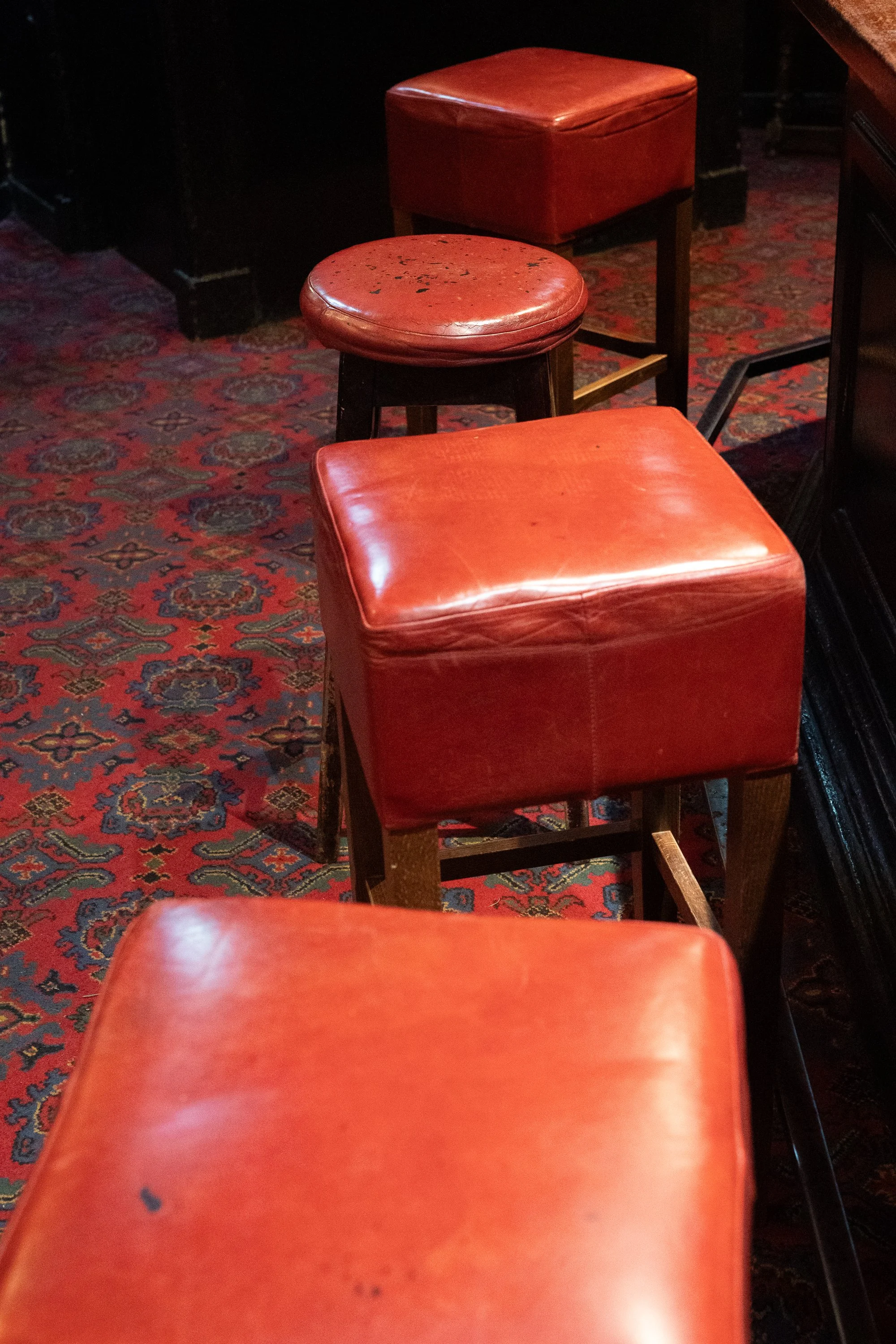
Red leather bar stools lined up on patterned carpet inside a traditional Edinburgh pub

Worn red leather stools rest quietly on patterned carpet, the kind of small detail that reveals how long a pub has been lived in rather than designed.

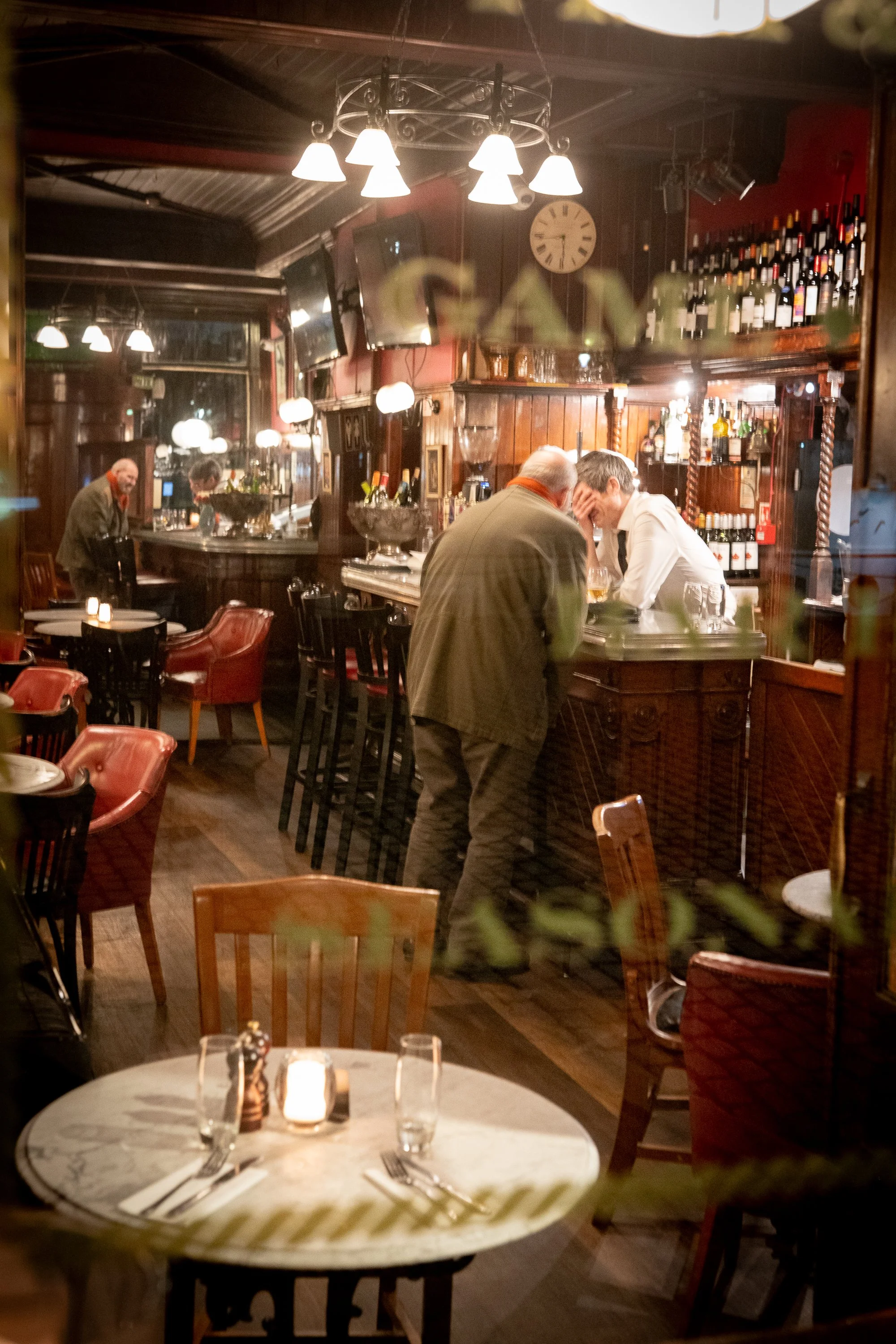
Man leaning on bar counter inside traditional Edinburgh pub at night

Through the window, a quiet exchange unfolds at the bar — a familiar posture, a familiar ritual, the steady rhythm of an evening in an Edinburgh pub.

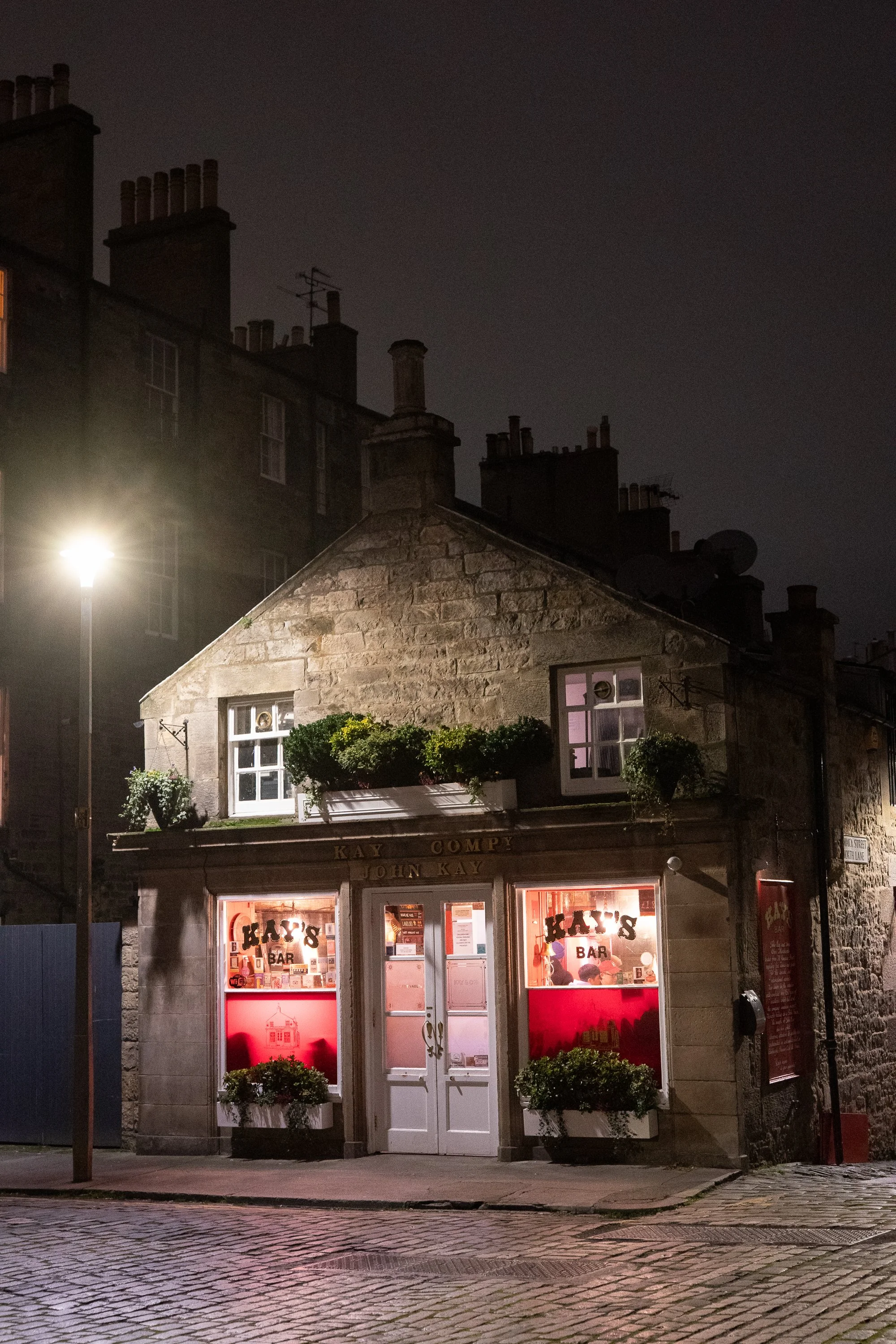
Kay’s Bar illuminated at night on cobblestone street in Edinburgh

Kay’s Bar glows against the dark stone of the city, a small corner pub holding its ground beneath the streetlight and chimney-lined skyline.

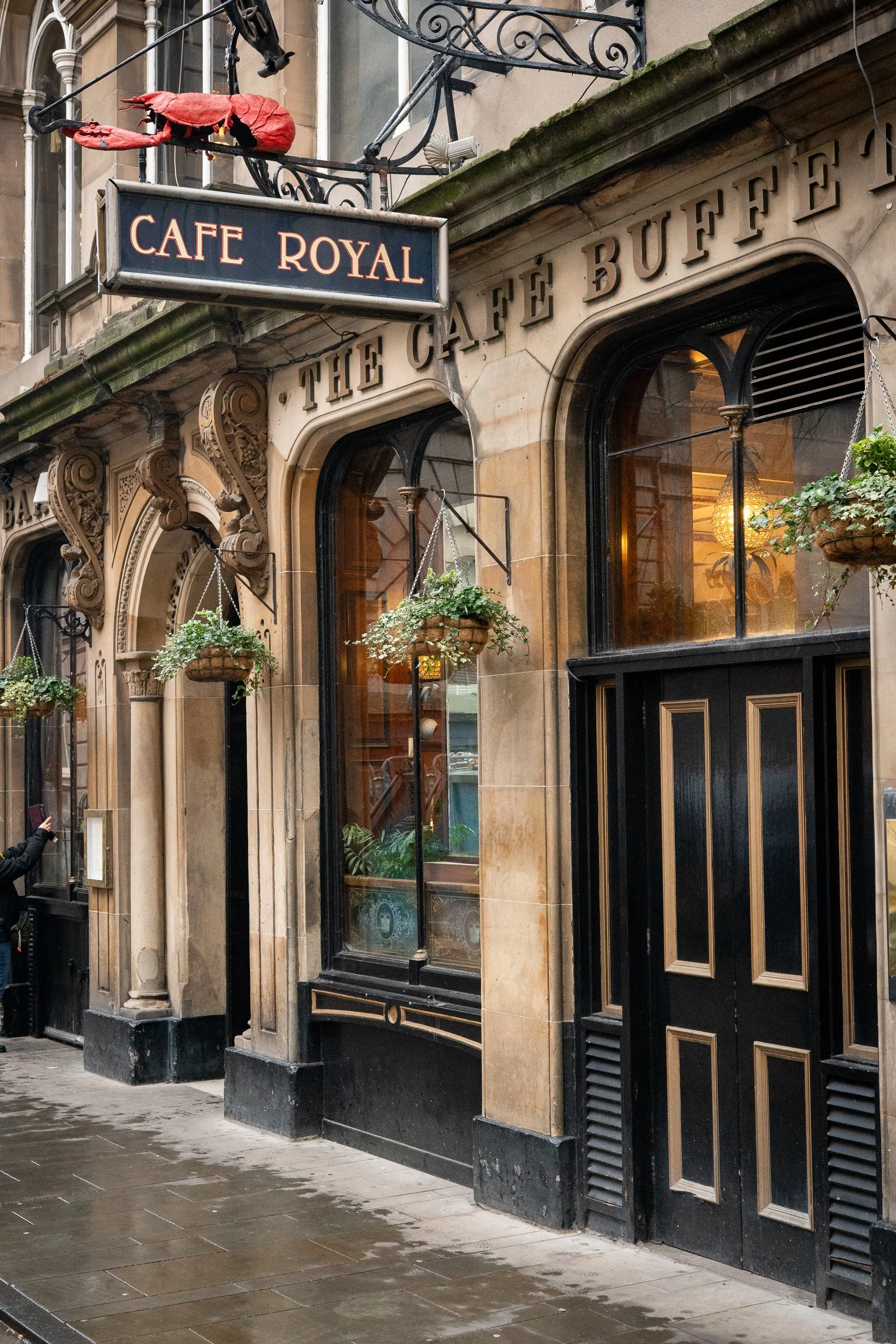
Exterior facade of Cafe Royal in Edinburgh with hanging plants and ornate stonework

The facade of Cafe Royal stands with carved stone and hanging greenery, its Victorian architecture hinting at the grandeur waiting just inside.

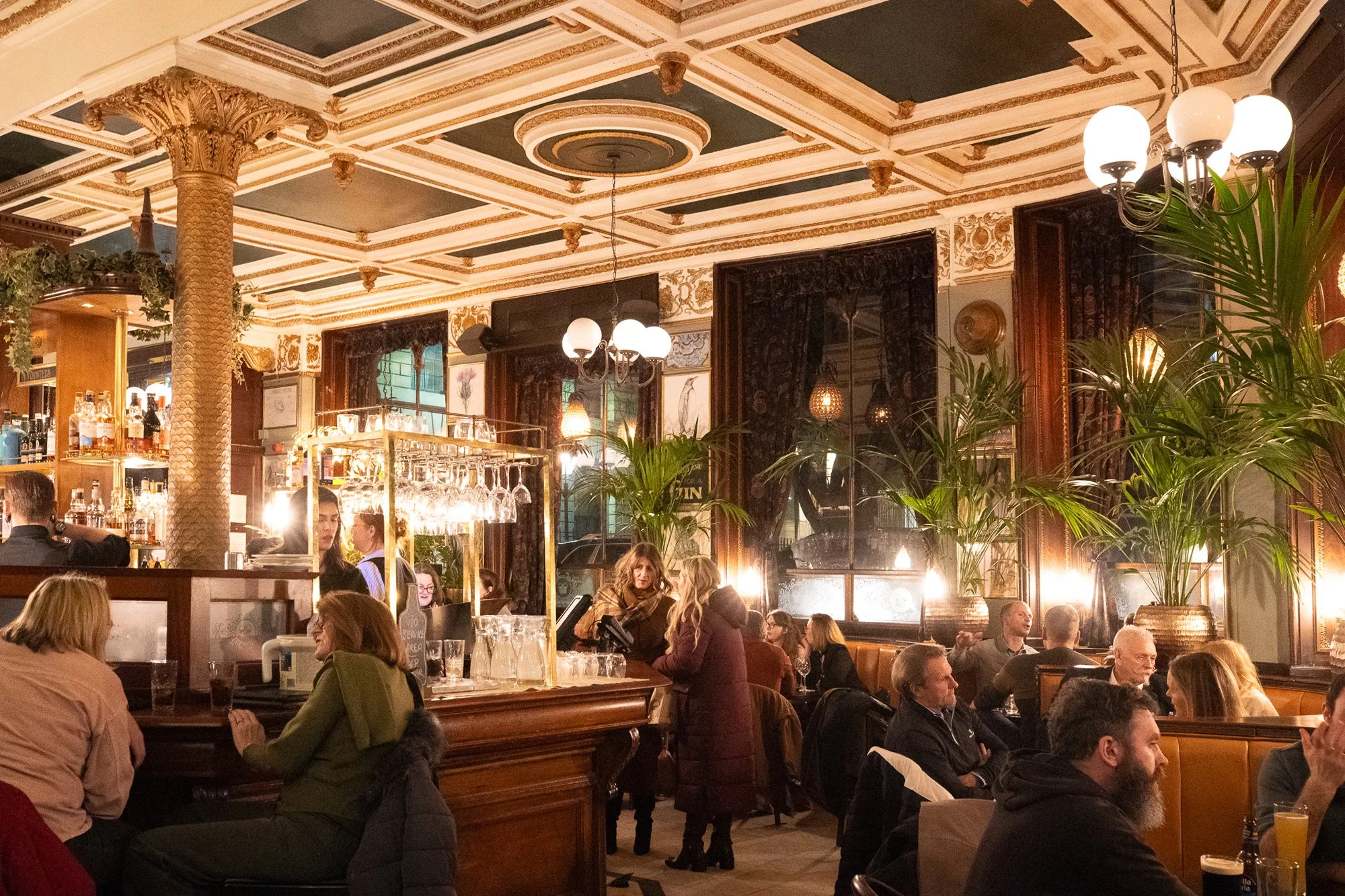
Wide interior view of Cafe Royal in Edinburgh with ornate ceiling, carved columns, and evening crowd

Inside Cafe Royal, carved columns and gilded ceilings frame a room that feels almost theatrical. Conversations move between tables while the architecture quietly holds the weight of another century.

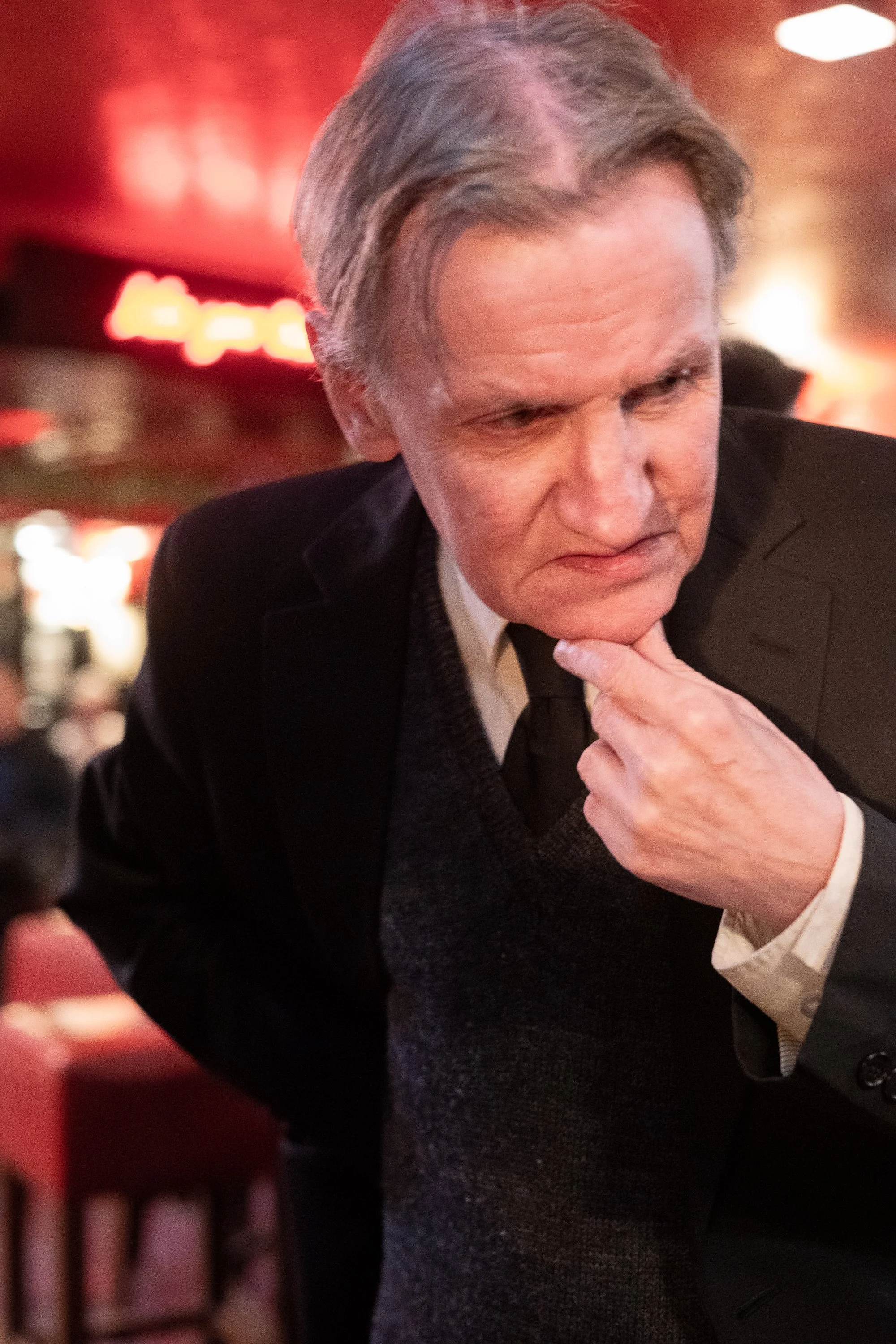
Portrait of man in suit standing thoughtfully inside Edinburgh pub

A moment of stillness at the bar — one hand at his chin, the noise of the room fading as he stands briefly alone in his thoughts.

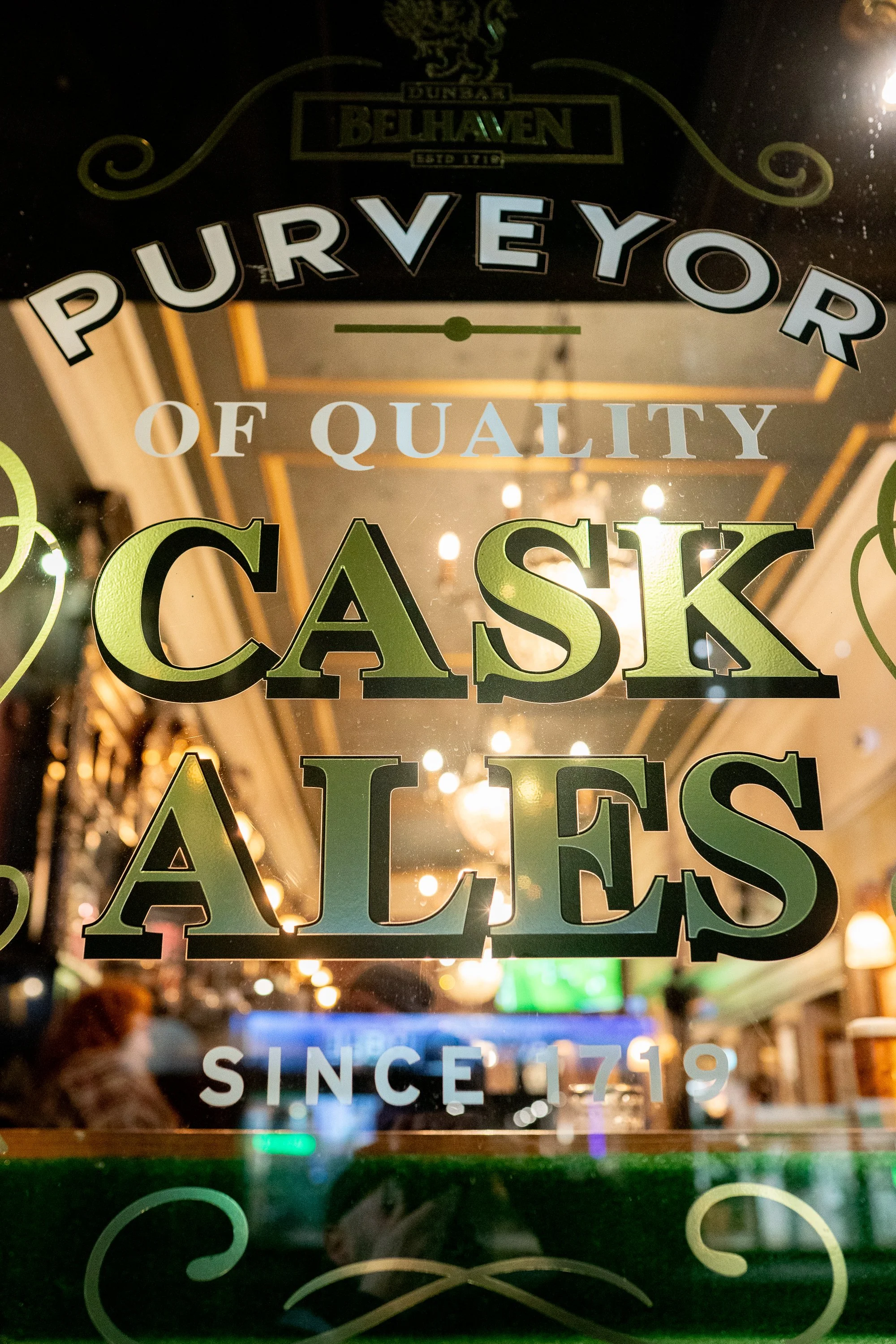
Window sign reading Purveyor of Quality Cask Ales inside Edinburgh pub

Lettering on glass announces “Purveyor of Quality Cask Ales,” a quiet declaration of standards that predate modern branding.

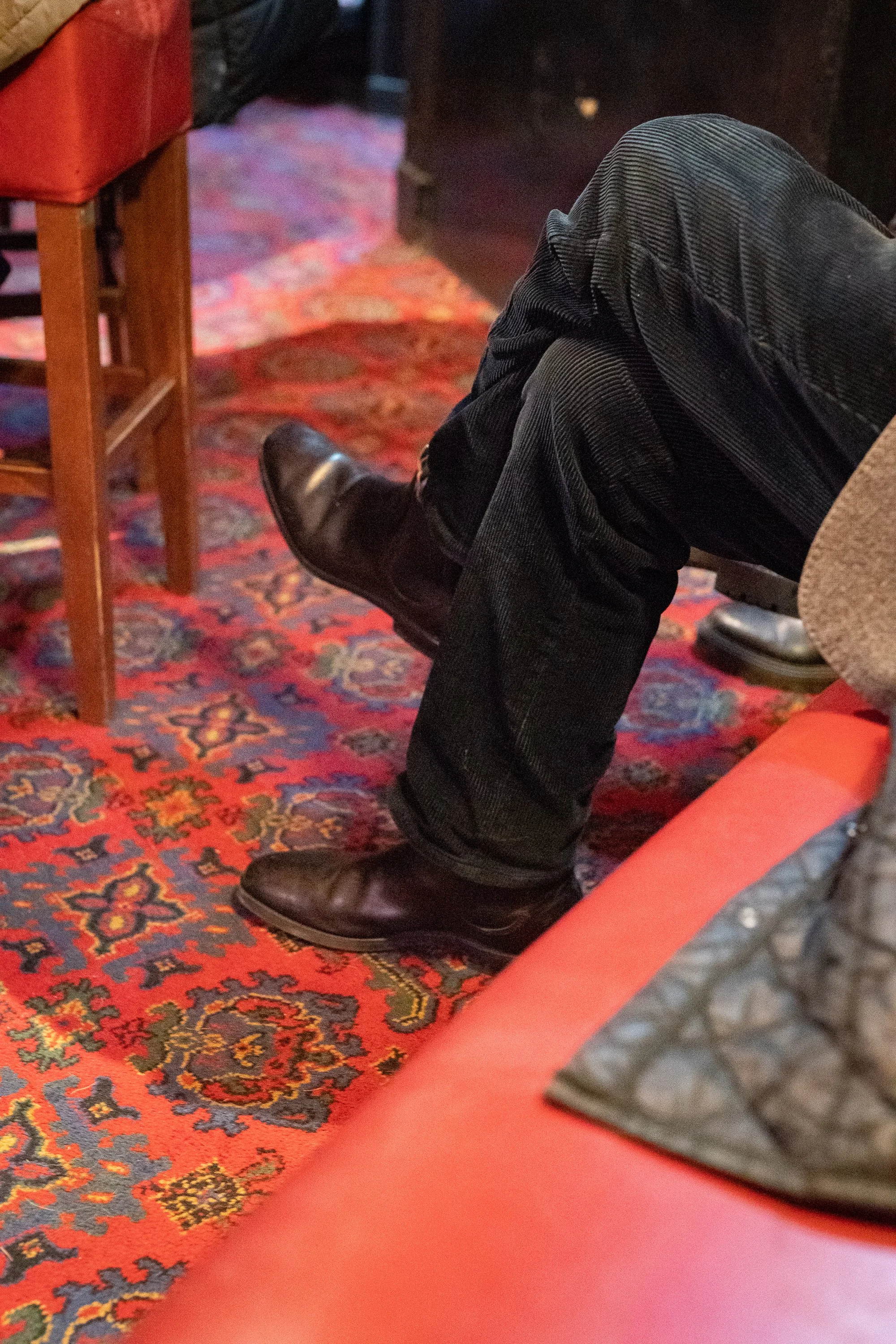
Close-up of boots resting on red patterned carpet inside traditional pub

Boots and corduroy pants planted firmly on worn carpet — the kind of grounded detail that says more about a place than any wide shot ever could.

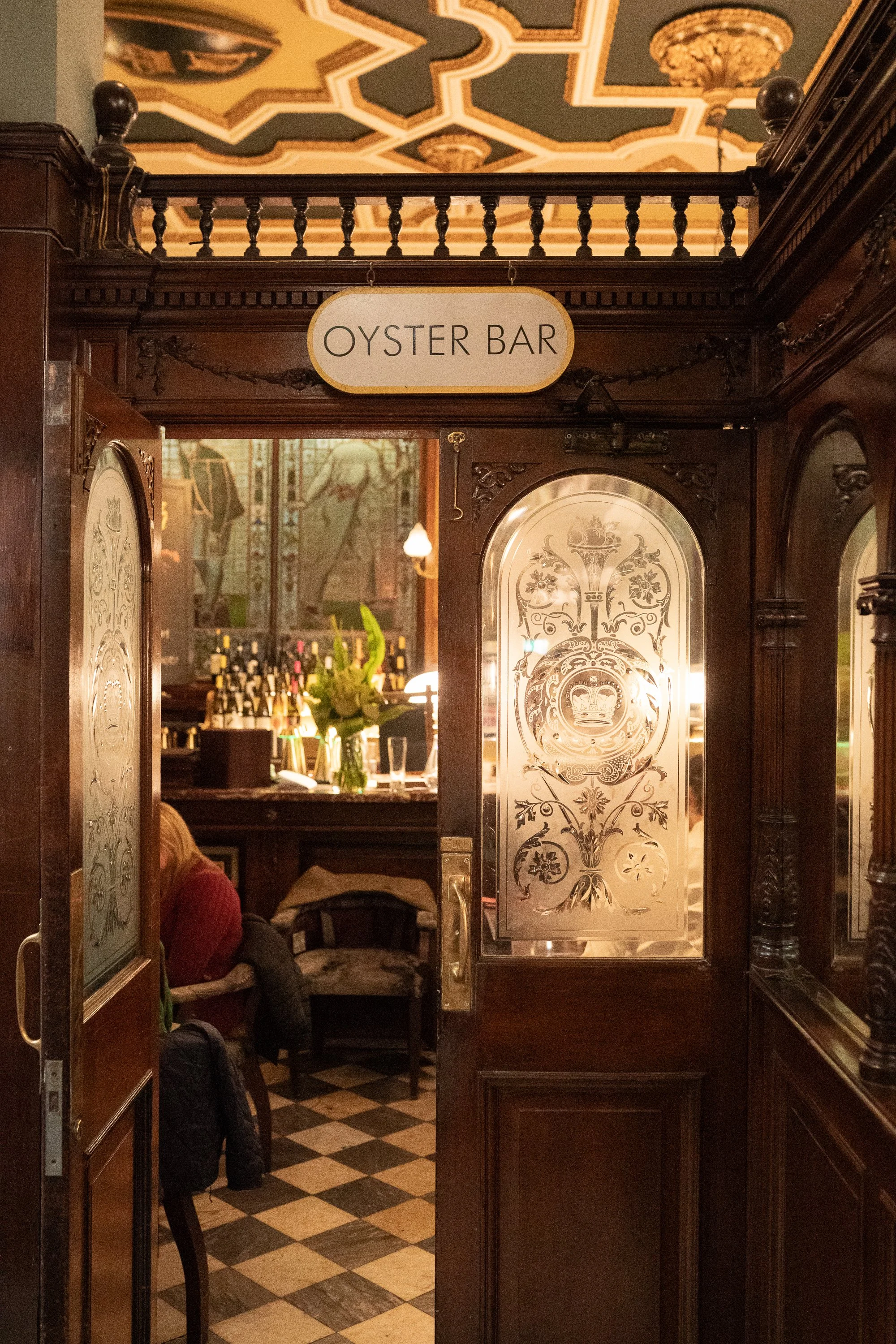
Wooden doorway entrance to the Oyster Bar at Cafe Royal in Edinburgh with etched glass panels

The Oyster Bar entrance at Cafe Royal stands beneath carved wood and etched glass, a narrow threshold between the noise of the main room and a more intimate corner of the pub.

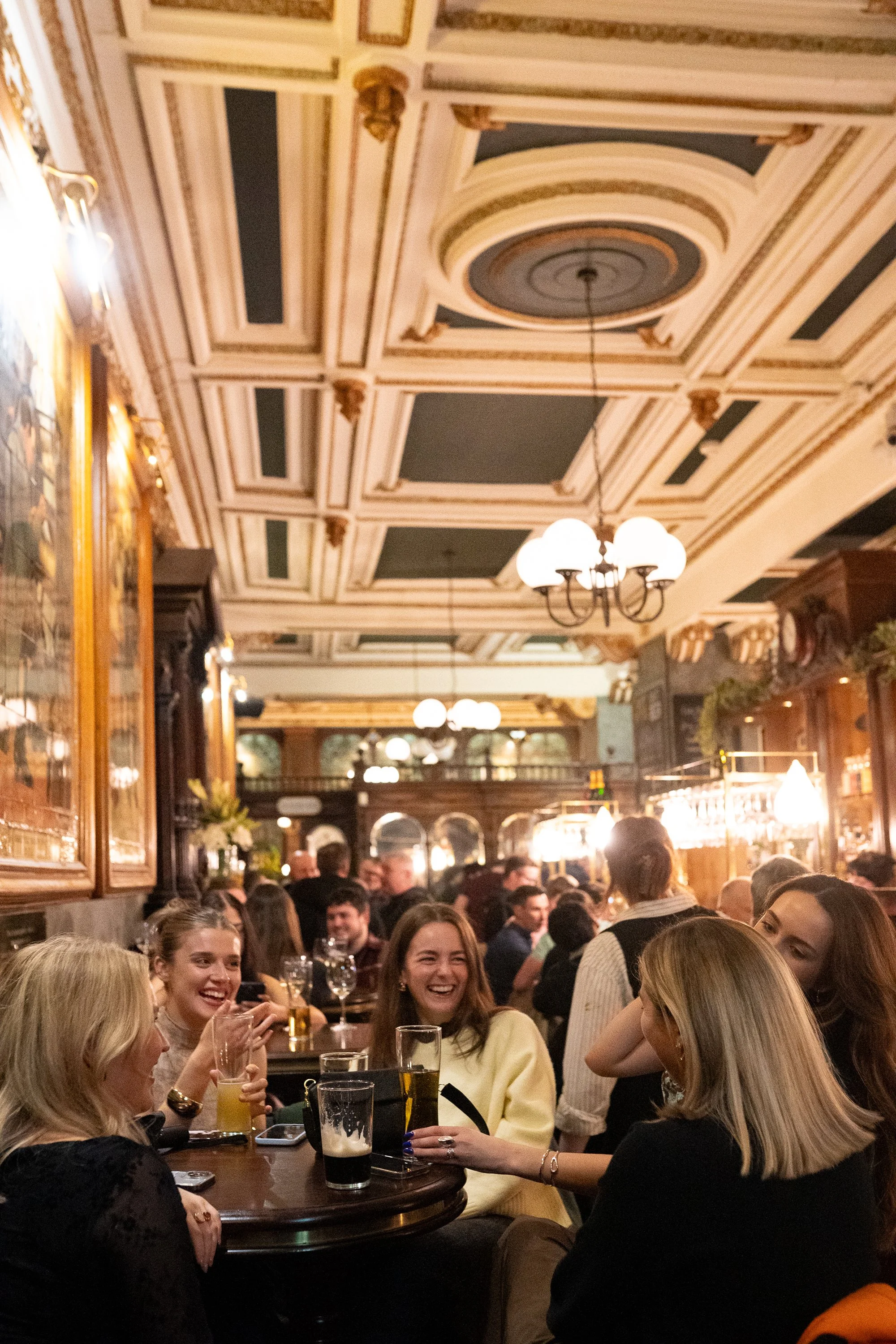
Group of women laughing at table inside Cafe Royal Edinburgh

At the Cafe Royal in Edinburgh friends lean in close at a small round table, their laughter rising into a room that has held a century of similar evenings.

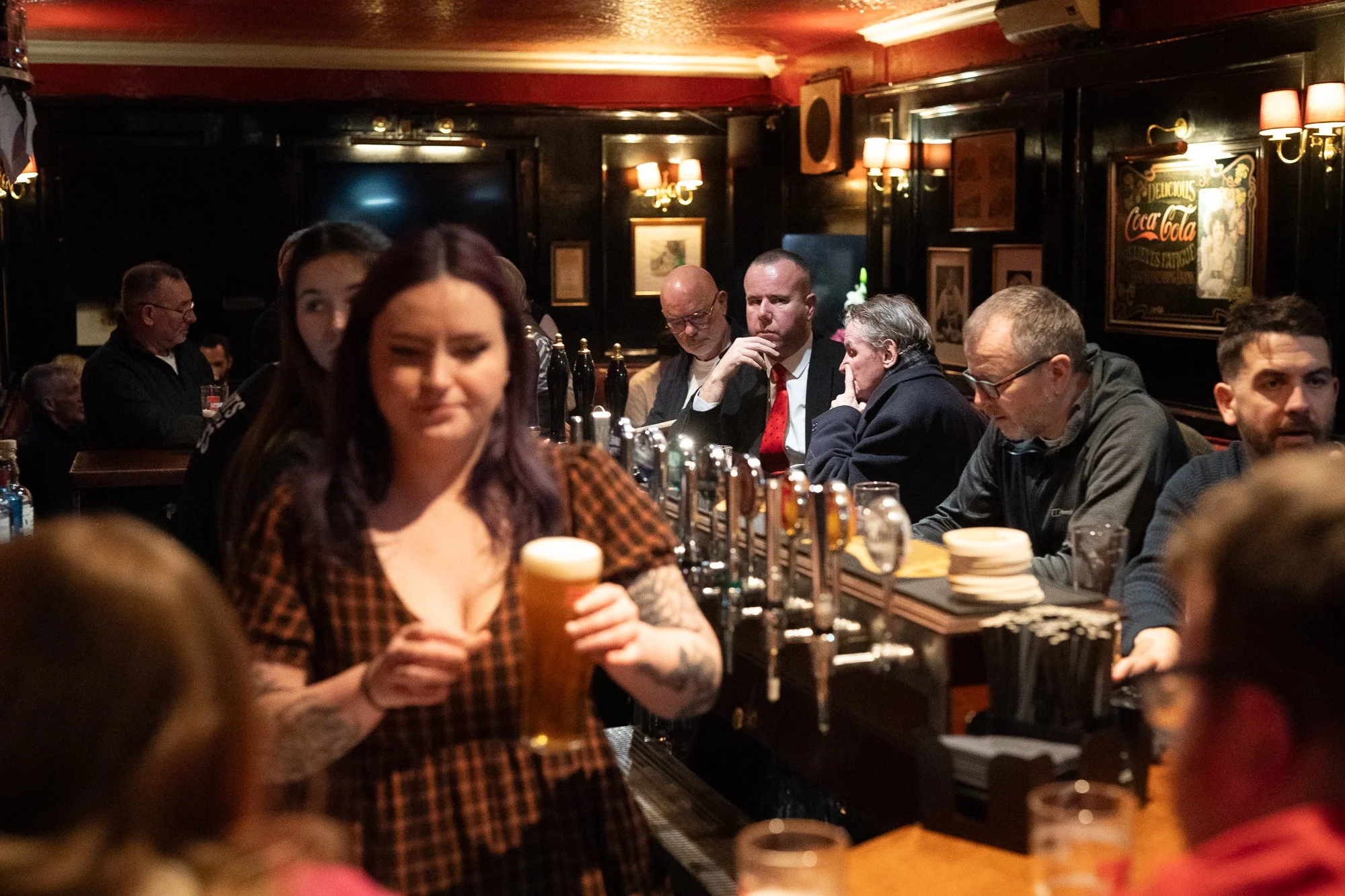
Bartender serving pint of beer inside The Bailie Bar in Edinburgh

The Bailie Bar- Edinburgh, Scotland

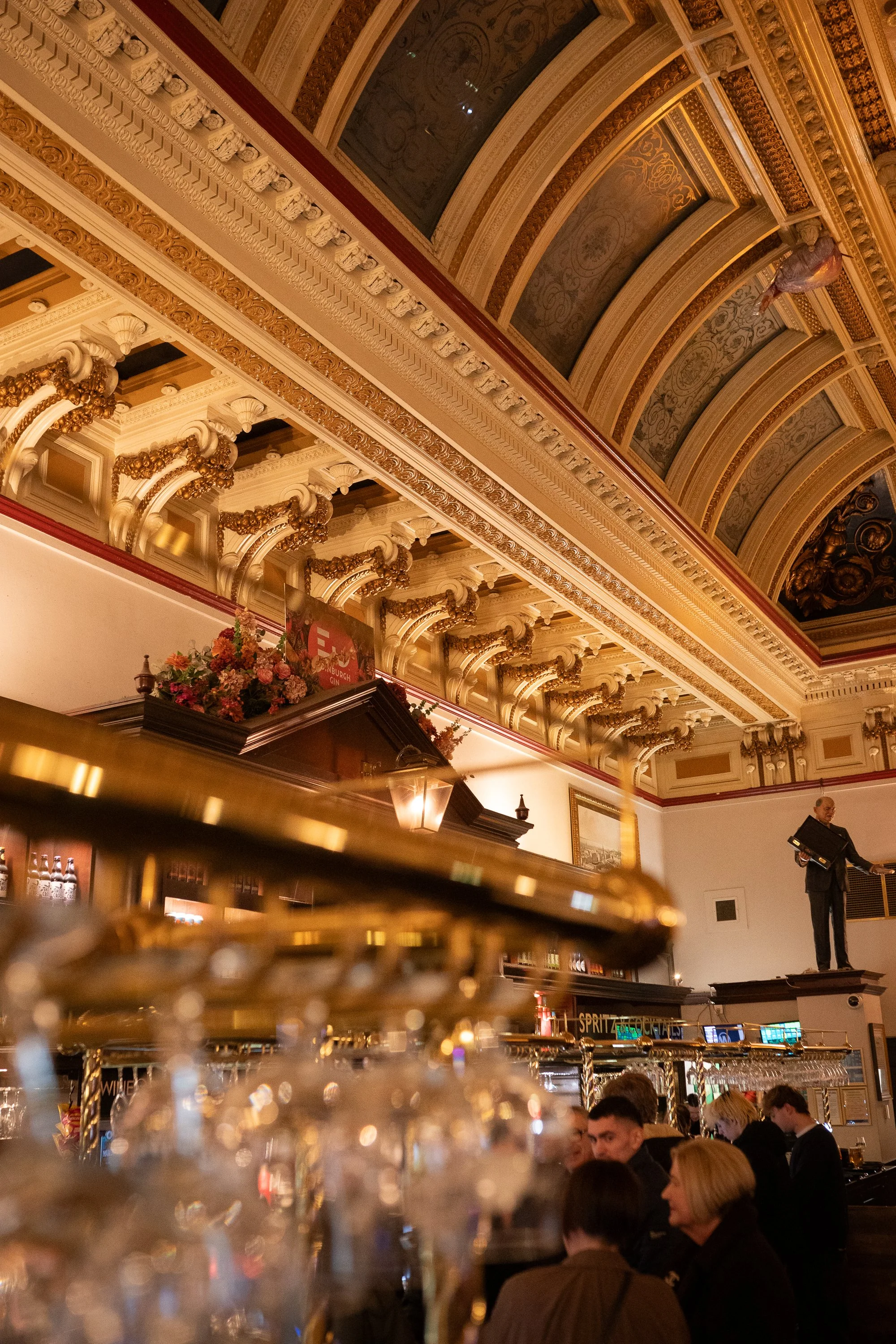
Ornate ceiling and crowded bar interior at The Standing Order in Edinburgh

Beneath gilded ceilings and carved arches, the bar hums with conversation — architecture and atmosphere sharing the same space at The Standing Order in Edinburgh

Spanky’s Barbershop, Covington KY: Modern Design Rooted in Craft

Spanky’s Barbershop in Covington, Kentucky

Covington, Kentucky sits just across the river from Cincinnati, but in recent years it has developed a rhythm all its own. Historic storefronts are being restored. Independent businesses are opening their doors. There’s a steady sense of momentum — not loud, not flashy — but real.

Spanky’s Barbershop is part of that shift.

I first met Sean Caudill — known to most simply as Spanky — years ago at his first shop in the same area. It was a beautiful shop, but when I returned to photograph this second location, it was clear he was building something much bigger.

A Second Shop Built from Experience

Spanky’s new Covington location wasn’t opened just for a bigger footprint — it’s the result of his unique personality, years behind the chair, and having a distinct vision for the future of his business.

When I first photographed Spanky at the old shop, he was know for his skills behind the chair. The foundation was there: strong cuts, loyal clients, a clear identity. What stands out now is the confidence that comes from time.

This shop feels curated. Every design decision — from layout to lighting to branding — carries the weight of experience. It’s what happens when a barber has spent years refining his craft and understands exactly how he wants a space to function.

Sean is damn fine human being. As kind and welcoming as they come. He’s also part of the crew at Uppercut Deluxe, a globally respected pomade company known for aligning with some of the strongest barbers in the industry. That level of professional connection shows. Not in excess, but in execution.

The result is a shop that feels intentional without feeling over-designed. Confident without trying too hard. Built by someone who knows the culture from the inside and wants everyone who walks through his door to feel like they belong.

Inside Spanky’s Barbershop – Design & Atmosphere

From a design standpoint, the shop is as good as it gets these days.

The materials feel grounded and intentional. The lighting is clean but warm. The stations are arranged with space to move, but without losing the intimacy that makes a traditional barbershop work.

There’s balance here — modern but not sterile. Classic but not nostalgic.

This is what makes strong barbershop interior design compelling: it respects tradition without being trapped by it.

The chairs, mirrors, floor color, and decor work together as a unified environment rather than individual pieces. It feels cohesive. Confident. Functional.

And above all, it feels lived in — not staged. Stepping into Spanky’s place, you know it was put together by a person with passion, not a group of executives in a highrise.

For a city like Covington, where small businesses are helping redefine entire blocks, spaces like this matter. They become visual anchors. They build neighborhood identity.

Covington’s Growth and Independent Energy

Northern Kentucky has been steadily growing, especially with its proximity to Cincinnati. But Covington has developed its own personality — one built around independent restaurants, bars, and retail rather than chains.

Spanky’s Barbershop fits that model perfectly.

It’s not corporate.
It’s not trend-driven.
It’s personal.

As neighborhoods evolve, businesses like this often become the steady presence — the kind of place people return to weekly or monthly, long after other storefronts have changed hands.

Barbershops, at their best, are consistent. They operate on routine and relationship. That consistency becomes more valuable as cities shift.

Barbershops of America – The Long View

This shop is part of my ongoing 15+ year project, Barbershops of America, documenting traditional and independent barbershops across all 50 states.

Most shops I photograph represent continuity — decades in one location, sometimes passed down through generations.

Spanky’s second location represents something slightly different: progression.

It shows what happens when a barber grows with his city.

It shows what happens when craft meets momentum.

Not every shop closes. Not every shop fades. Some expand. Some adapt. Some refine their space and raise their standard.

Those stories deserve to be documented too.

Fine Art Prints & Licensing

Photographs from Spanky’s Barbershop are available as limited edition fine art prints and for editorial or commercial licensing.

For interior designers, hospitality spaces, and collectors interested in contemporary American craftsmanship and small business culture, this body of work reflects both design and identity.

View the full Barbershops of America gallery here.
Explore fine art prints+photobook here.
Contact for licensing inquiries - rob@robhammerphotography.com

Continue Through the Archive

Spanky’s Barbershop is one of hundreds of shops photographed across all 50 states.

→ View a traditional barbershop in Marfa, Texas

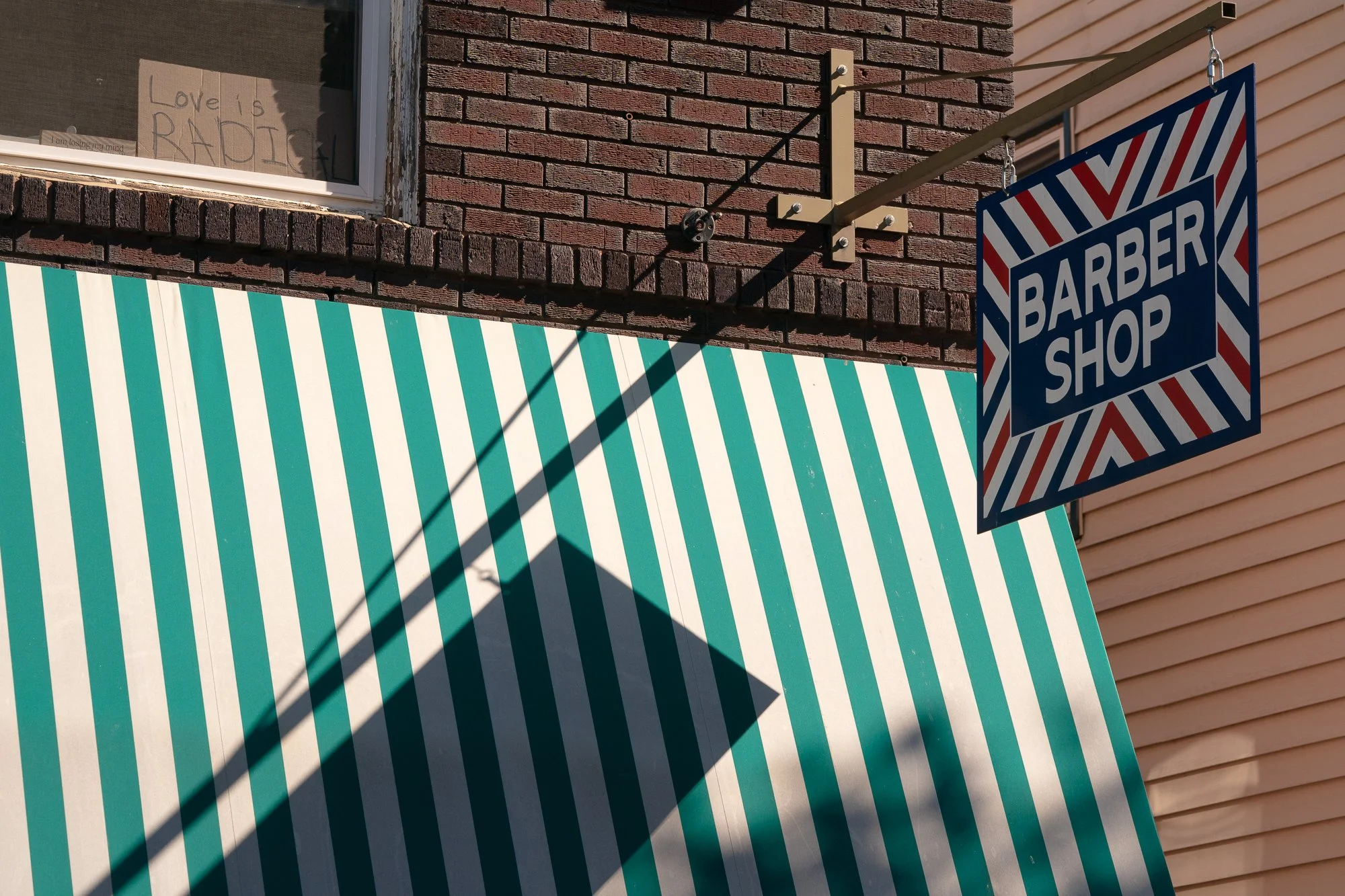
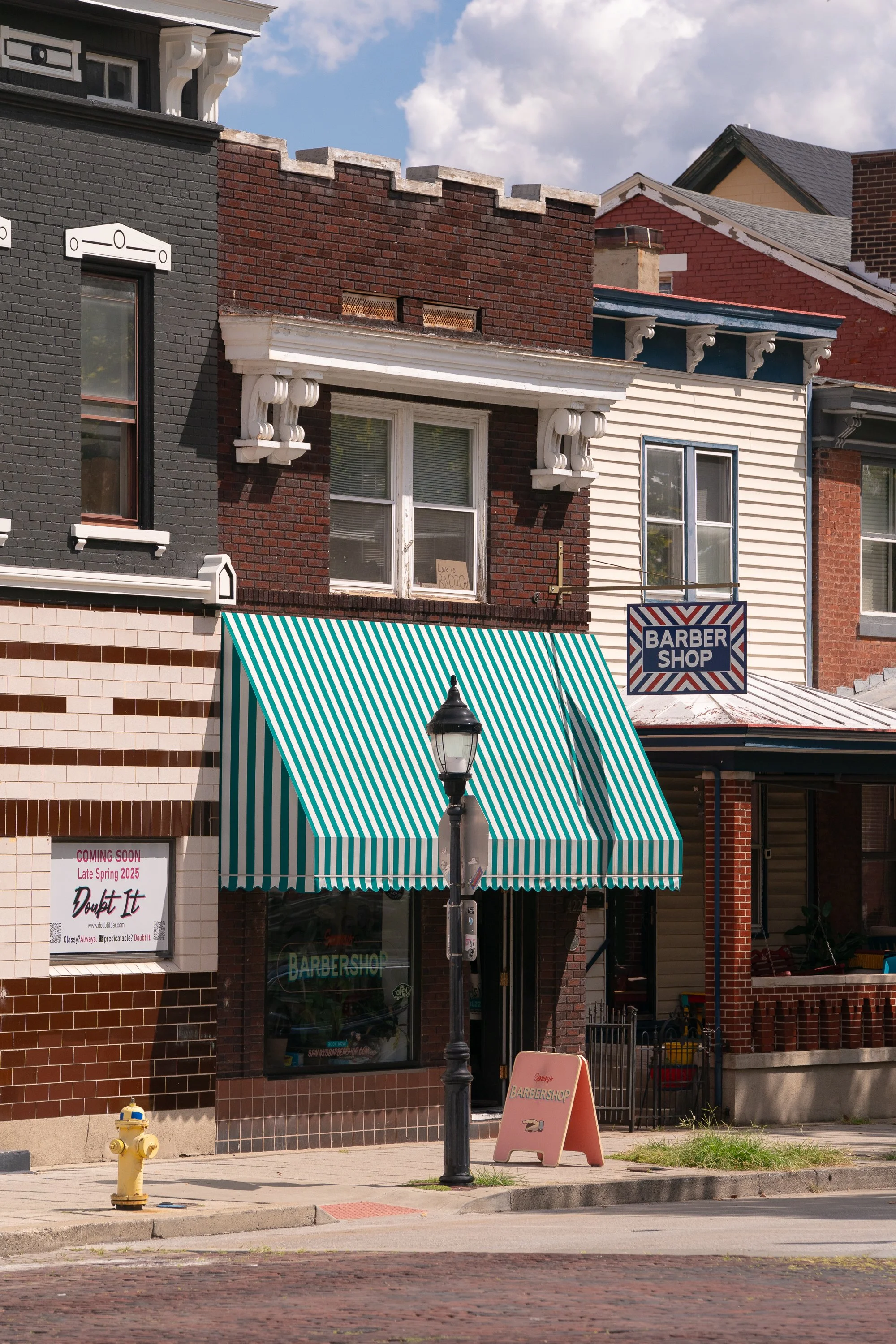
Classic barber shop sign hanging above a green striped awning on a brick storefront in Covington, Kentucky.

The striped awning and traditional barber sign anchor the storefront along a historic Covington block.

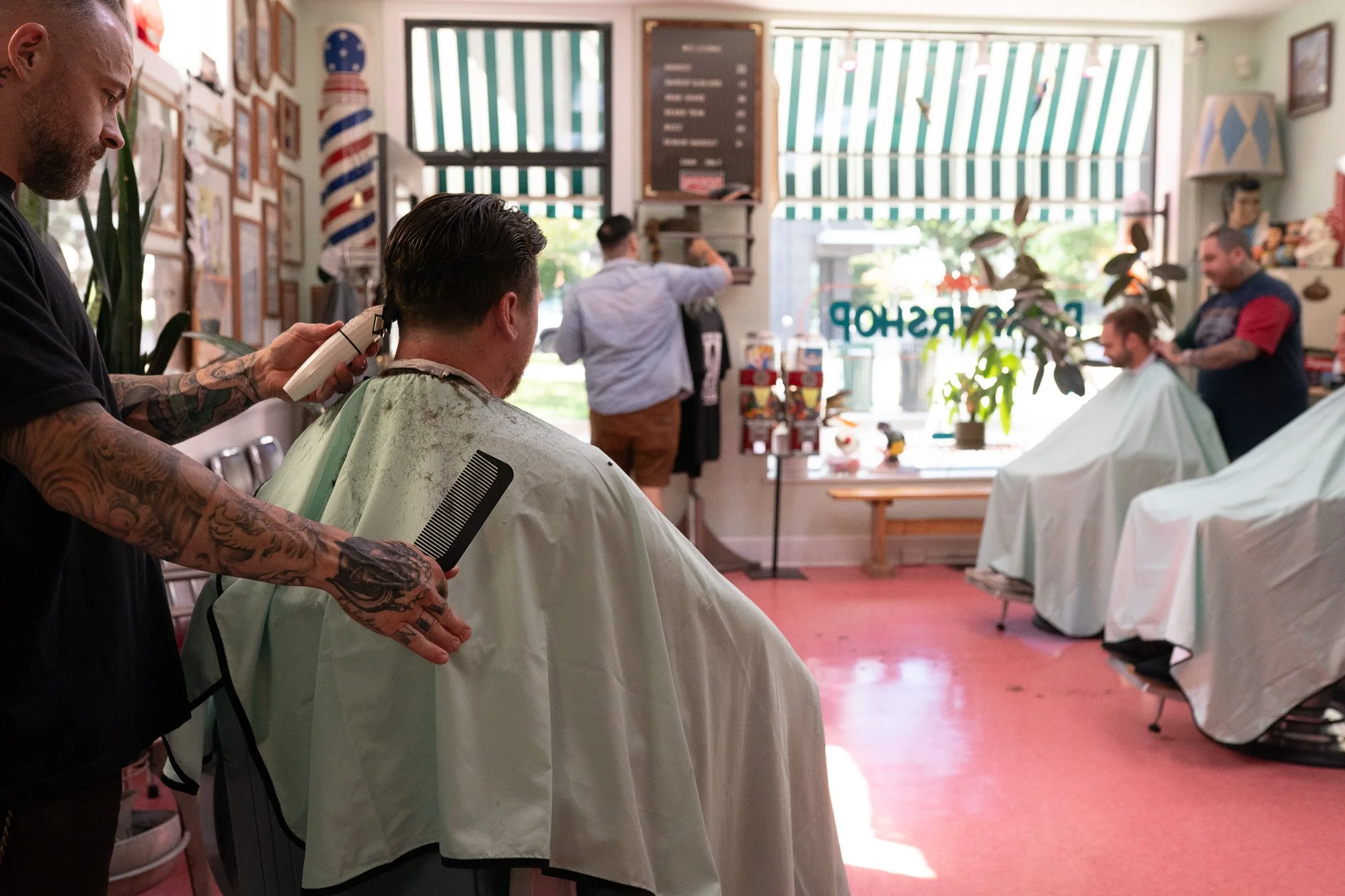
Barber trimming a client’s hair with clippers at Spanky’s Barbershop in Covington, Kentucky.

Natural light filters through the striped awning as a barber finishes a cut

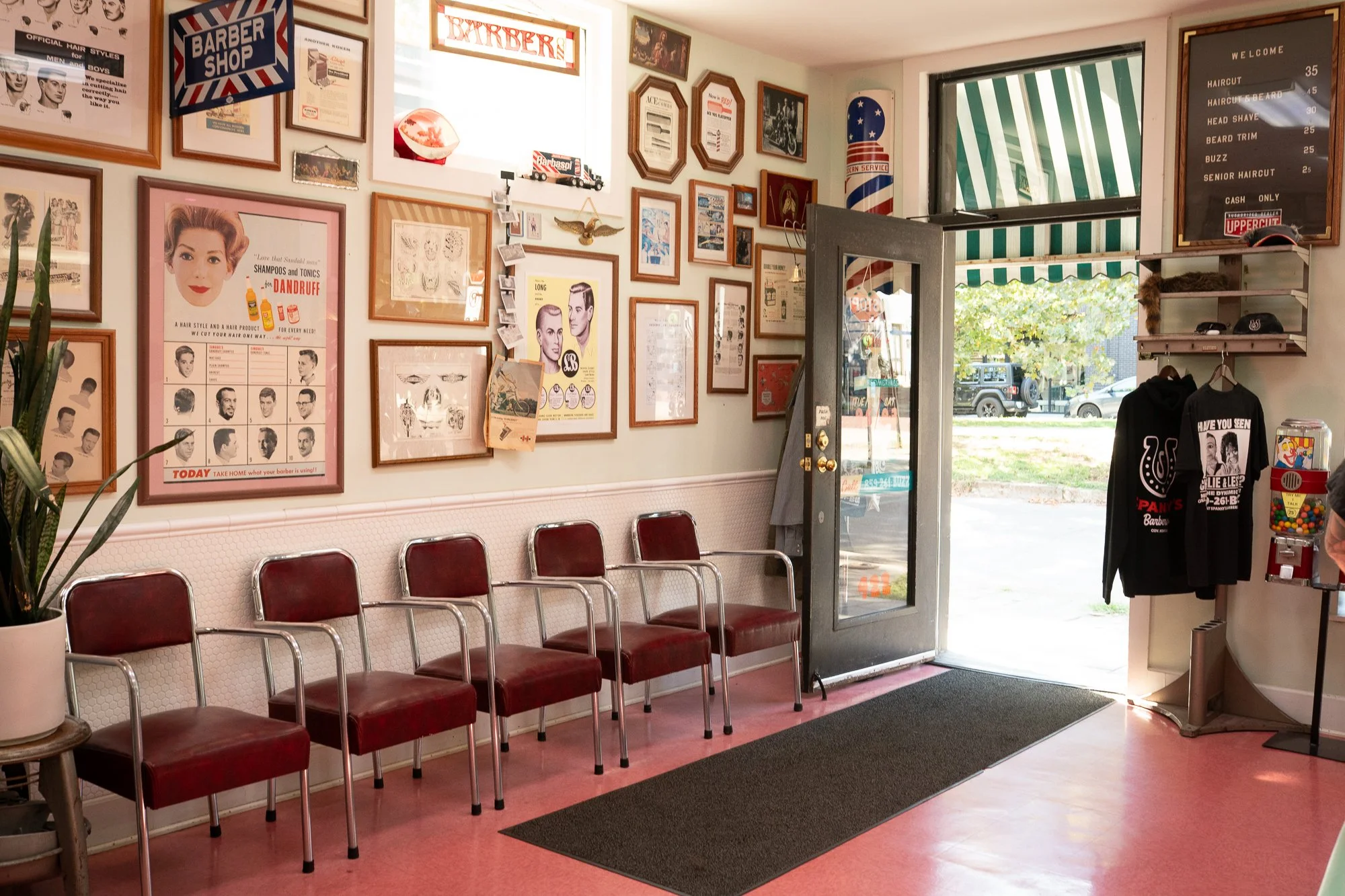
Waiting area inside Spanky’s Barbershop in Covington, Kentucky with red vinyl chairs, vintage barber posters, and green striped awning visible through the open door.

The waiting area at Spanky’s Barbershop in Covington blends vintage barber ephemera, red vinyl chairs, and natural light from the street, setting the tone for the shop’s design-forward interior.

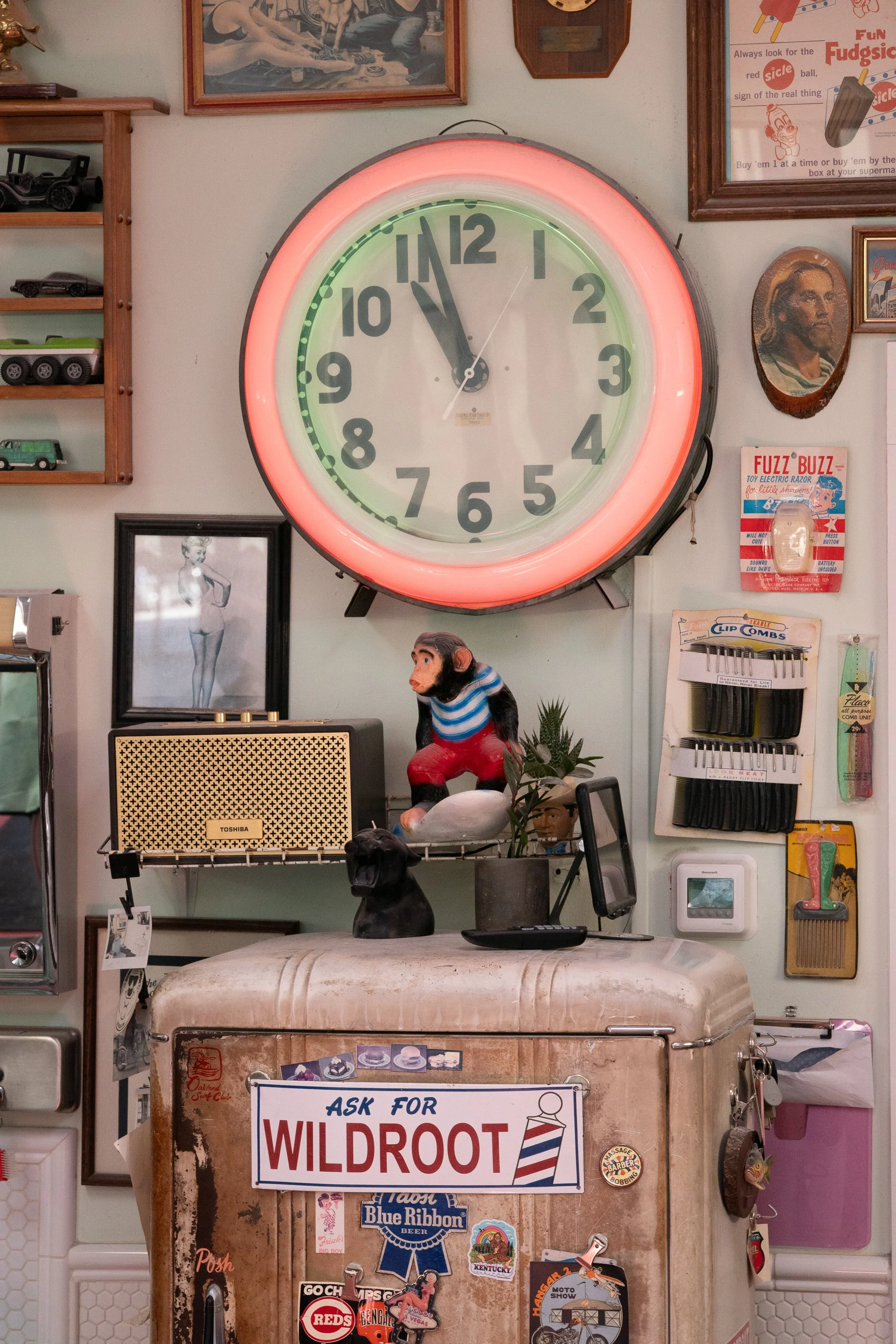
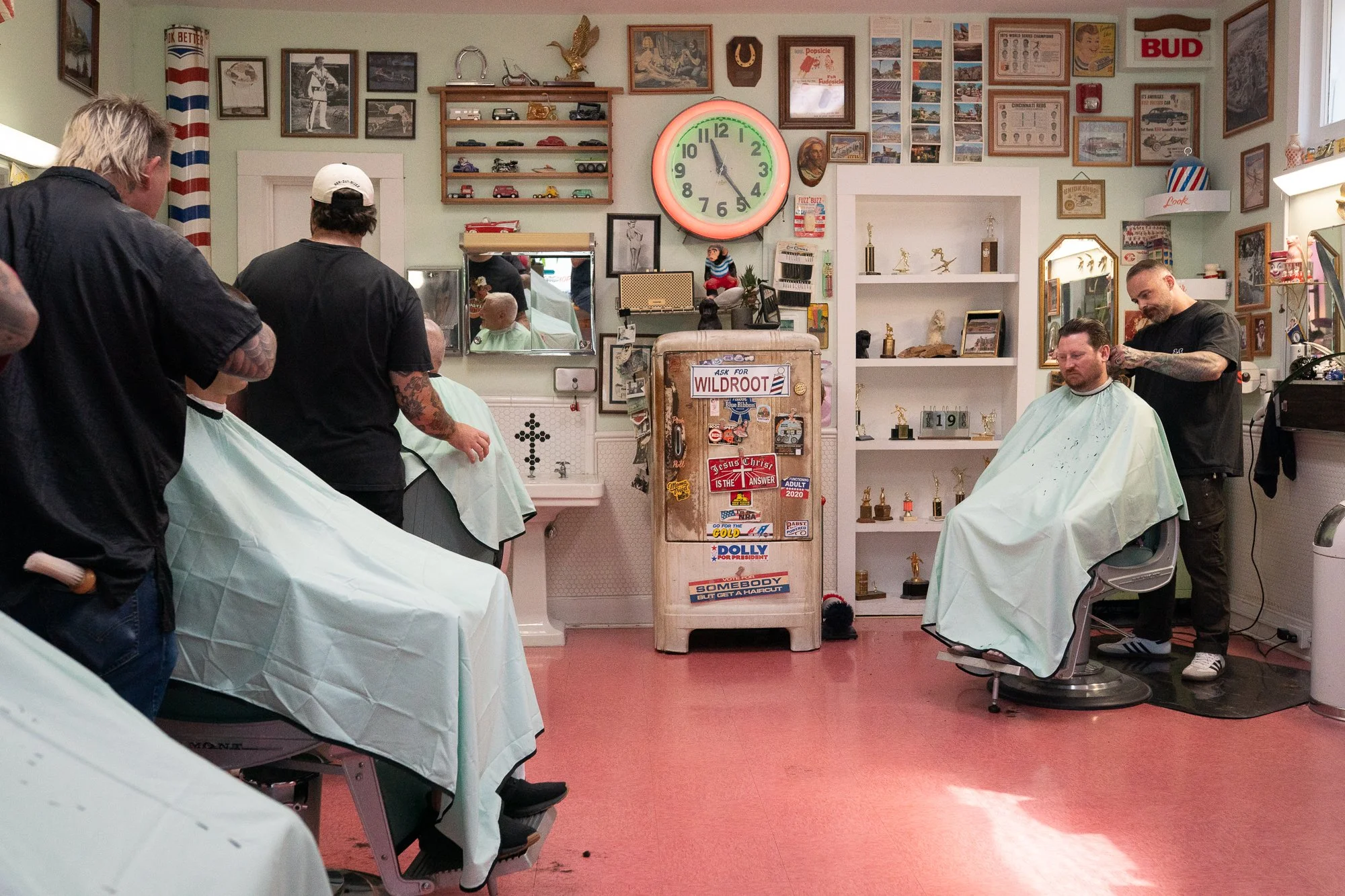
Vintage neon wall clock above a Wildroot refrigerator inside Spanky’s Barbershop in Covington, Kentucky.

Vintage neon wall clock above a Wildroot refrigerator inside Spanky’s Barbershop in Covington, Kentucky.

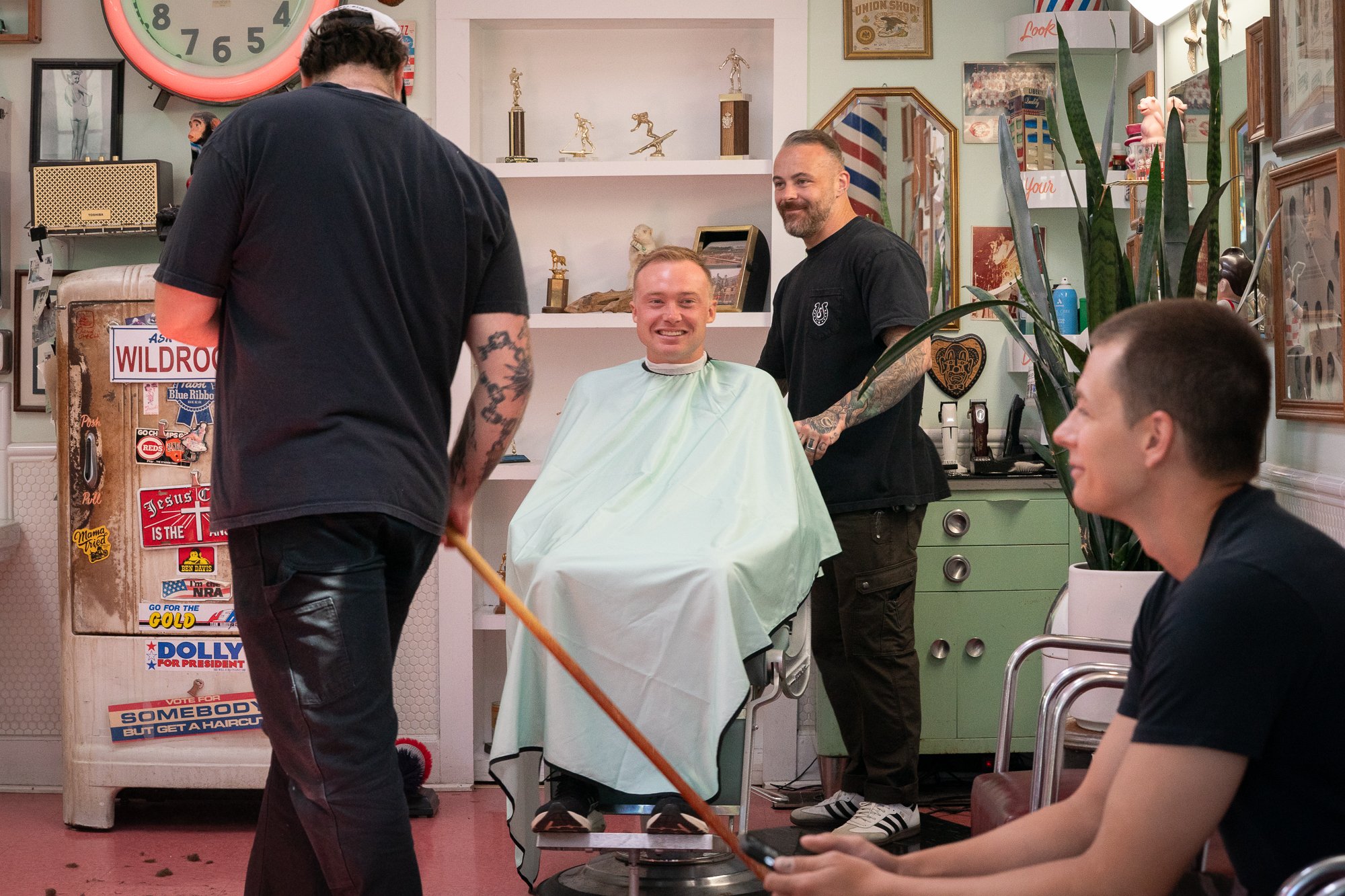
Client smiling during a haircut inside Spanky’s Barbershop in Covington, Kentucky.

Conversation and humor are as much a part of the shop as clippers and combs.

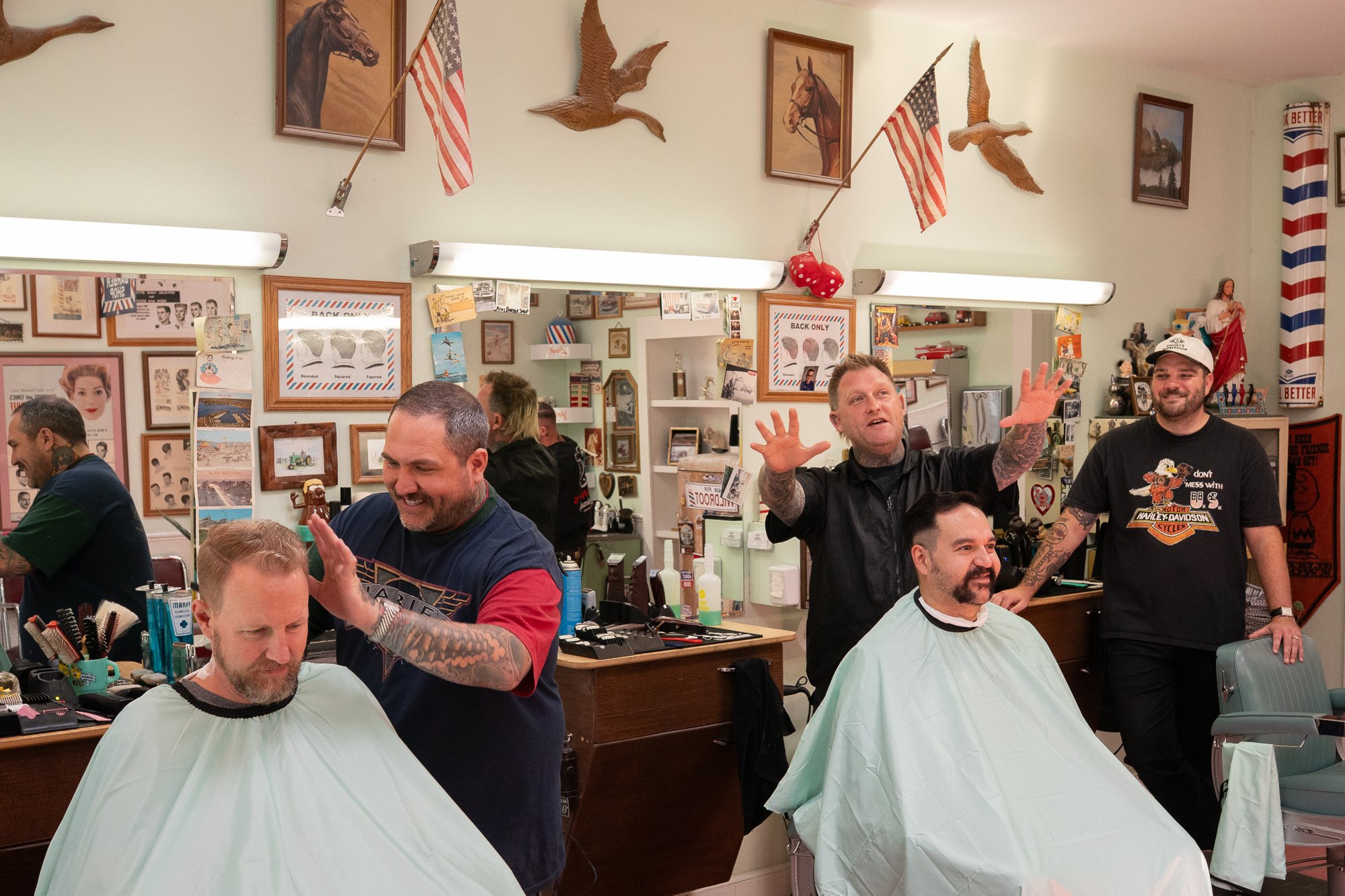
Barbers cutting hair inside Spanky’s Barbershop in Covington, Kentucky surrounded by framed artwork and traditional barber decor.

Barbers at work inside Spanky’s Barbershop in Covington, where layered wall art and Americana details form the backdrop to daily ritual.

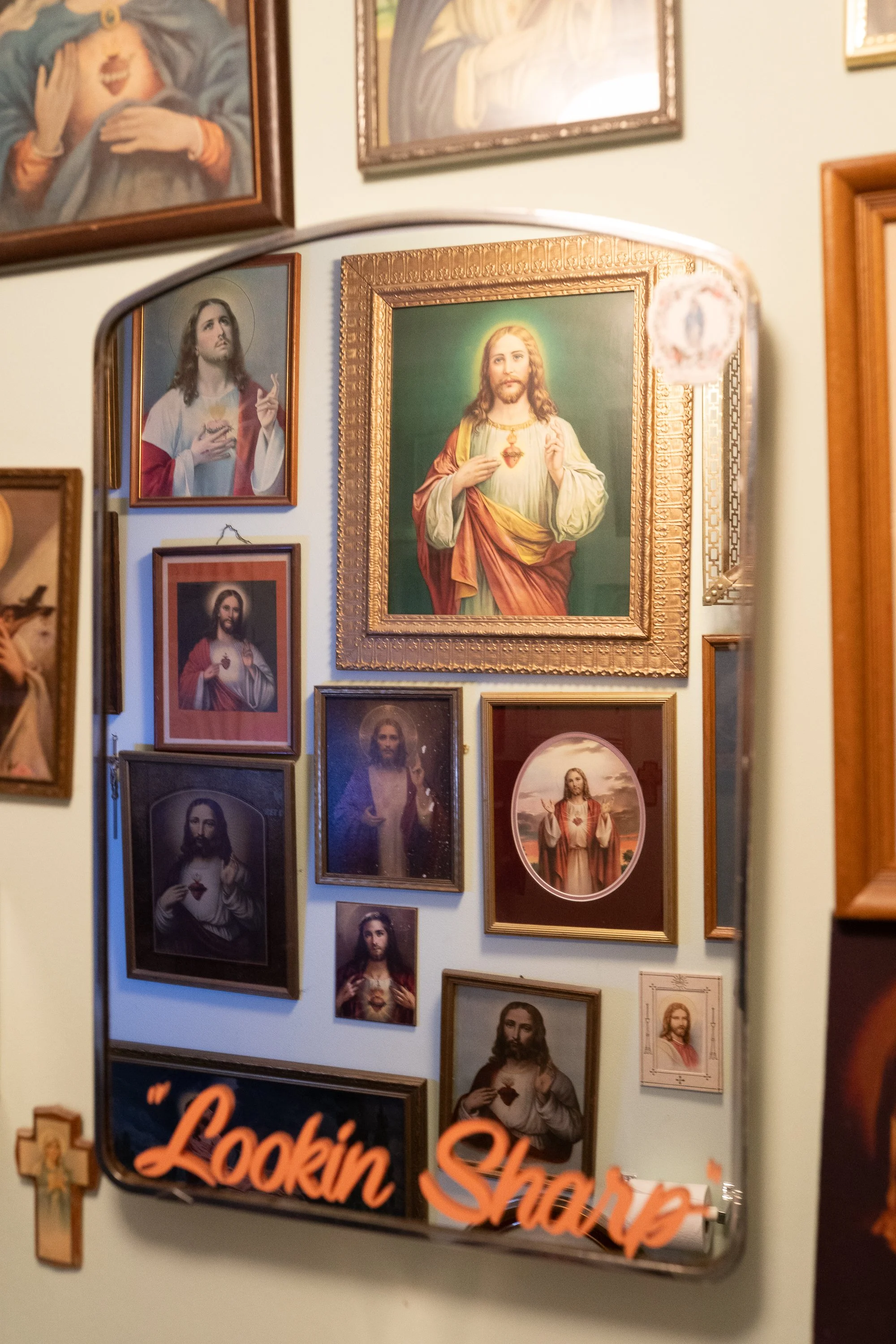
Religious artwork and framed Sacred Heart images displayed on the wall inside Spanky’s Barbershop in Covington, Kentucky.

Personal objects and religious iconography add another layer to the shop’s visual identity.

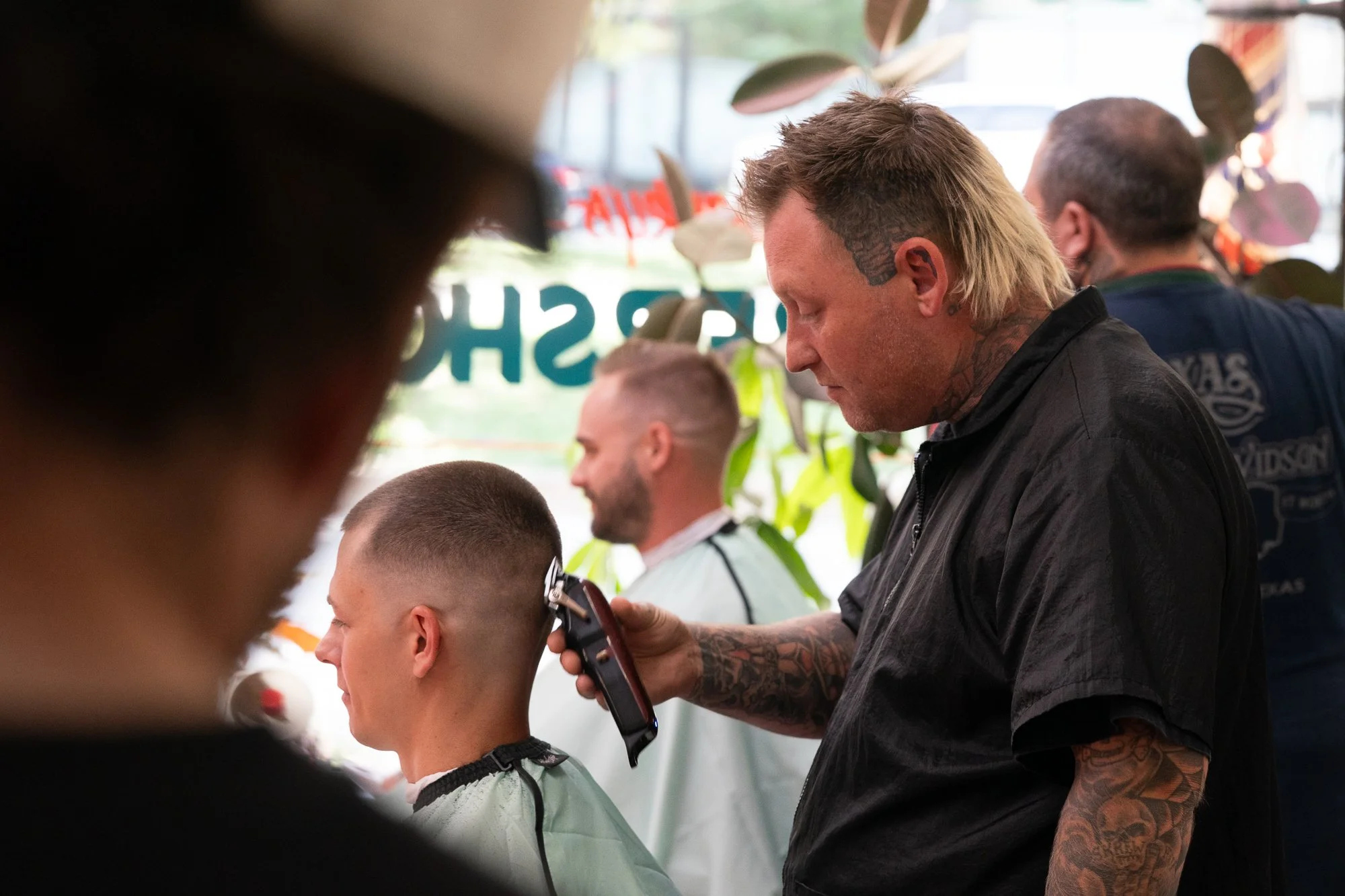
Barber trimming a fade cut at Spanky’s Barbershop in Covington, Kentucky.

A fade cut in progress—straightforward, precise, and rooted in tradition.

Wide interior view of Spanky’s Barbershop in Covington, Kentucky featuring vintage neon clock, Wildroot refrigerator, and framed wall art.

A wide view reveals the shop’s layered design—vintage signage, trophies, and a glowing clock anchoring the space.

Exterior of Spanky’s Barbershop in Covington, Kentucky with green striped awning and brick storefront.

Spanky’s Barbershop sits along a historic Covington street just across the river from Cincinnati.

C-Punch Ranch - Nevada

C-Punch Ranch, Nevada – Working Cowboys of the Great Basin

The C-Punch Ranch sits deep in the high desert of northern Nevada, a place where the road narrows, cell service disappears, and the landscape stretches out far beyond what most people ever get to see. I’ve photographed a lot of working cowboys across the West over the years, but the C-Punch has a way of staying with you. It’s a ranch of unthinkable size (1.8 million acres), resilient horses, and buckaroo traditions that haven’t been watered down by time or convenience. Everything about it feels rooted in the old ways—not out of nostalgia, but because it’s the only thing that works in a place that big!

This is a photographic look inside one of the Great Basin’s most respected outfits.

A Historic Ranch in the Heart of the Great Basin

The Great Basin is unlike anywhere else in the country. It’s wide, harsh, and rugged in a way that demands a certain type of cowboy—someone who’s as comfortable riding an endless trot as they are roping in big country. The C-Punch Ranch fits squarely into that tradition. It’s one of the longstanding outfits that helped define the buckaroo style: rawhide gear, flashy bits, big loops, Vaquero-influenced horsemanship, and an unwavering focus on stockmanship.

Ranches in this region operate across huge expanses of desert and sagebrush. The land is open, unforgiving, and absolutely beautiful. Cattle graze for miles. Horses cover ground that would break most people. And the cowboys who work here carry forward a culture that remains largely unseen by the outside world.

Photographing at the C-Punch is stepping into that rhythm—into a world where the work is real and the traditions matter.

Photographing Life on the C-Punch Ranch

My time on the ranch always starts before sunrise. The crew saddles in the pale light, horses blowing steam into the morning air. Coffee is hot, conversation is short, and the day begins quickly. Once you ride out onto the range, time moves differently. The distances feel enormous, and the silence is broken only by bawling cows, wind, and wild horses playing in the distance.

I photograph quietly. I don’t stage anything, and I don’t ask people to perform. The work is honest as it is, and the best photographs come from letting the day unfold as it always does.

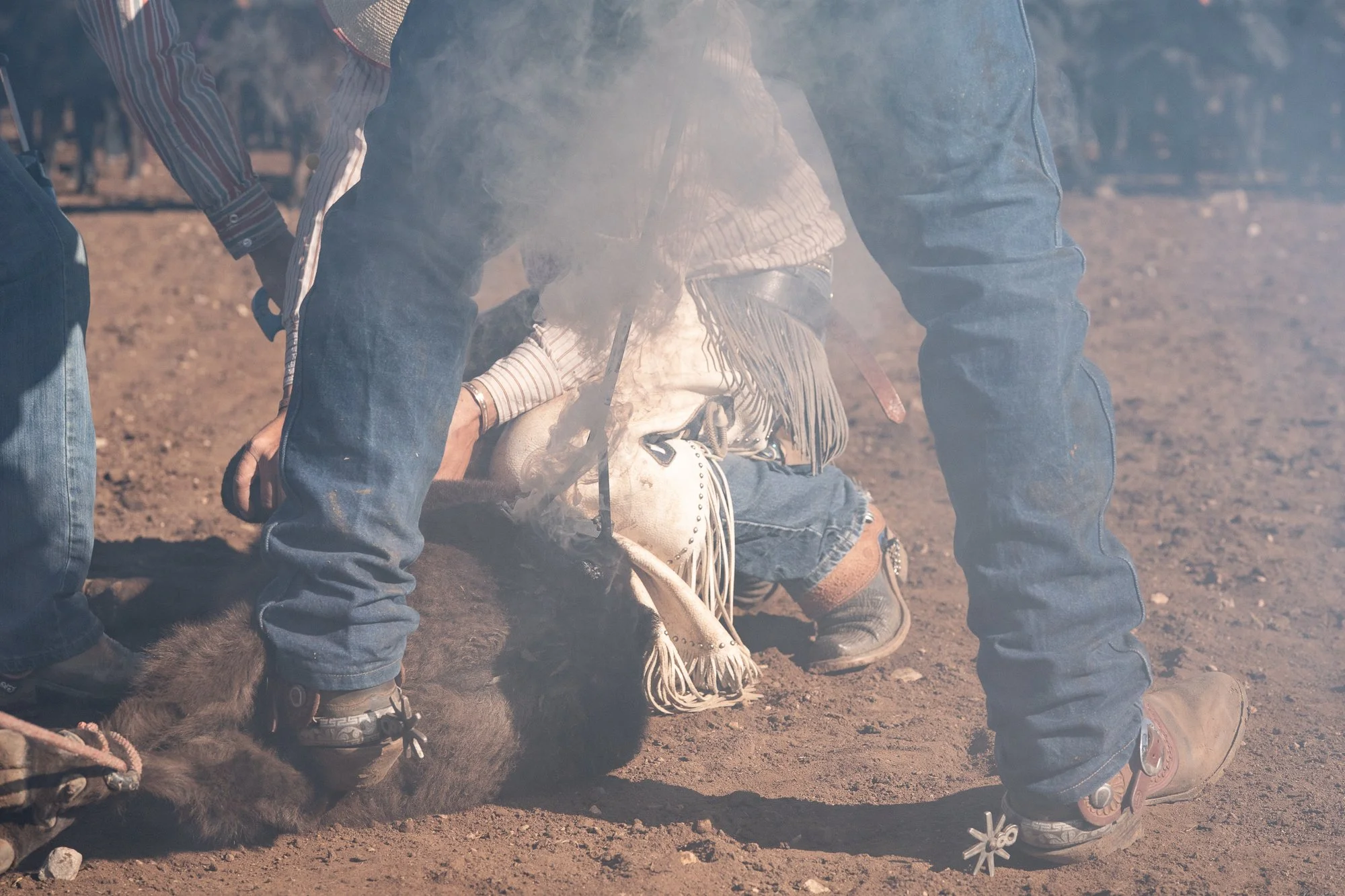
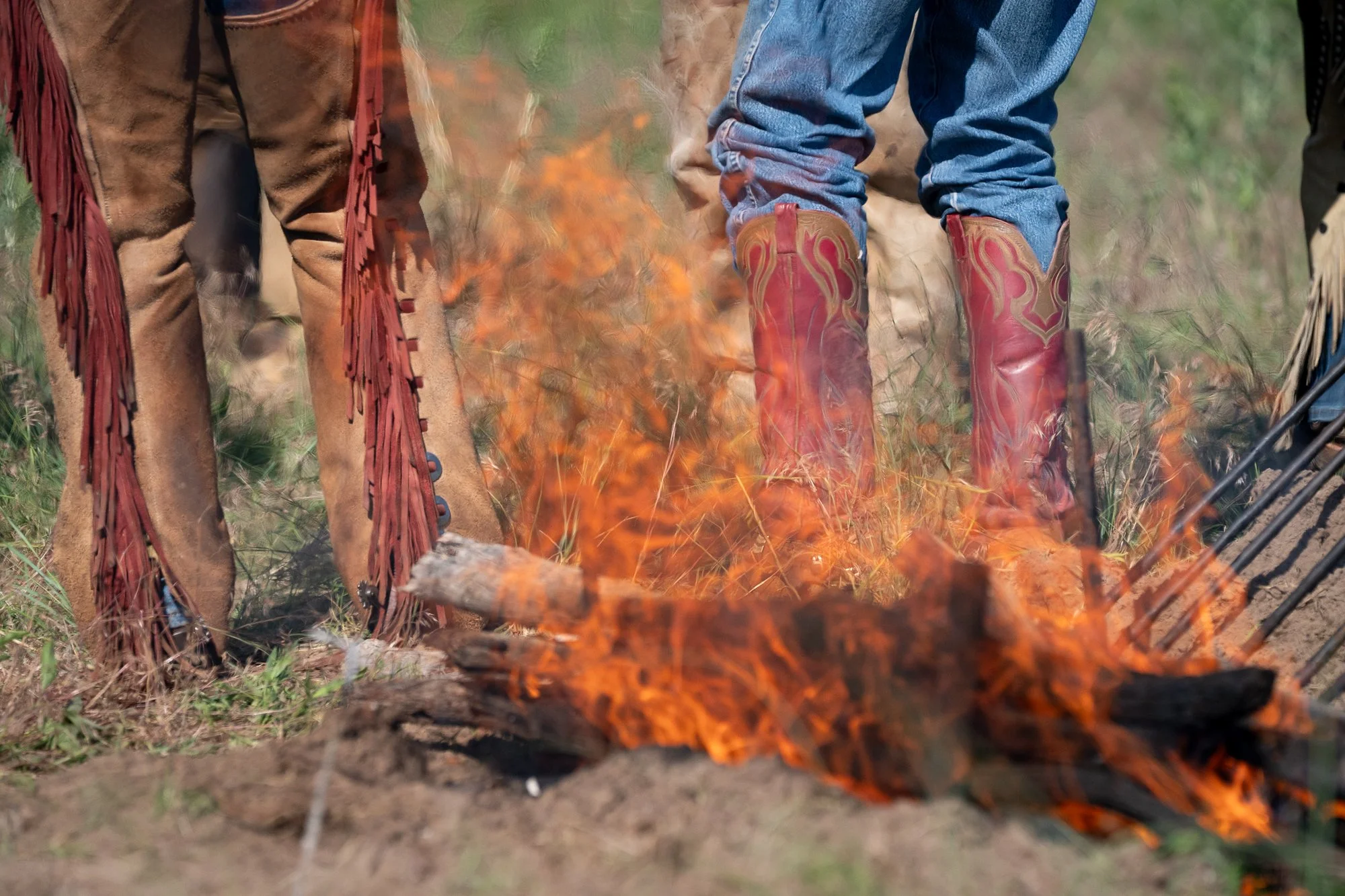
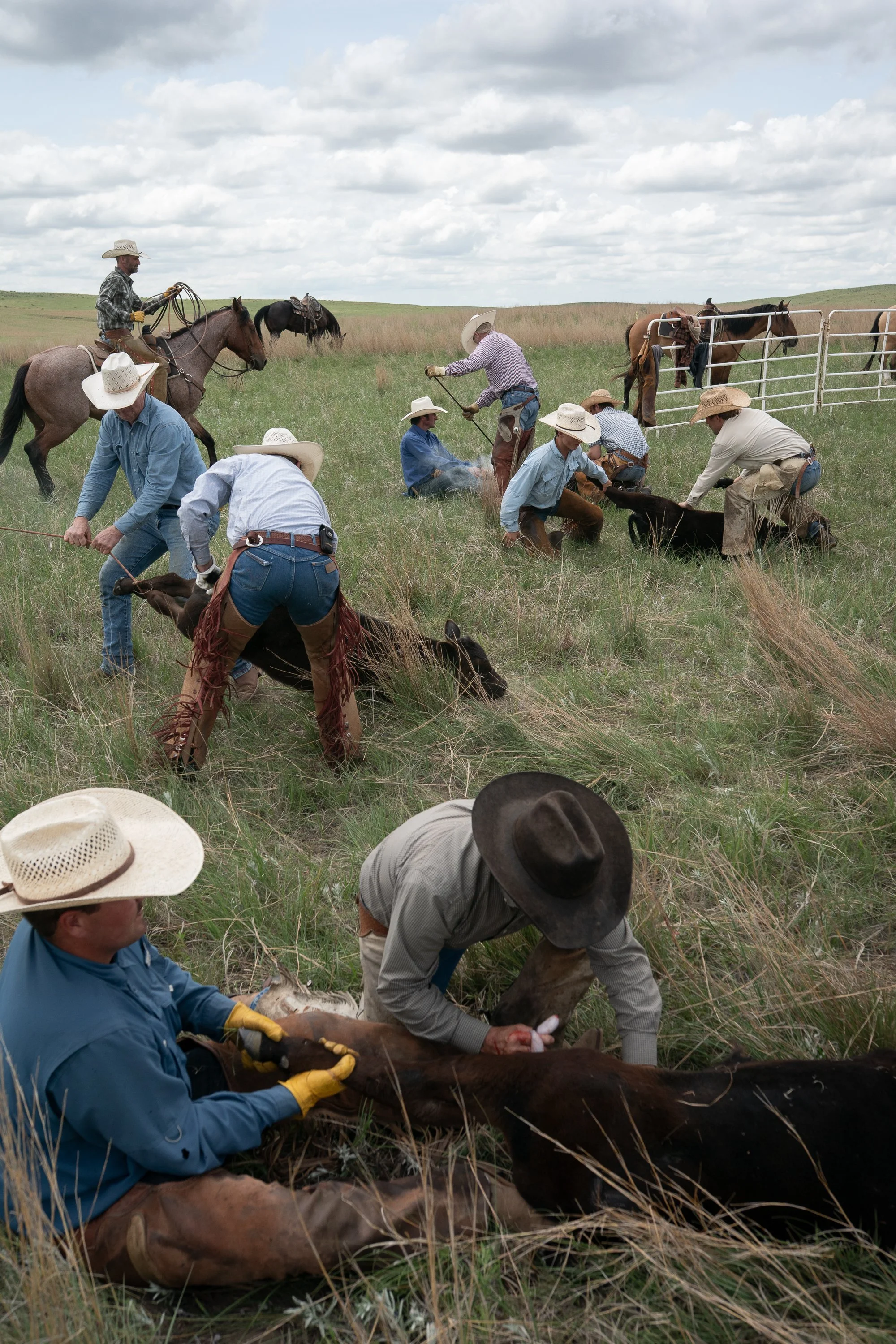
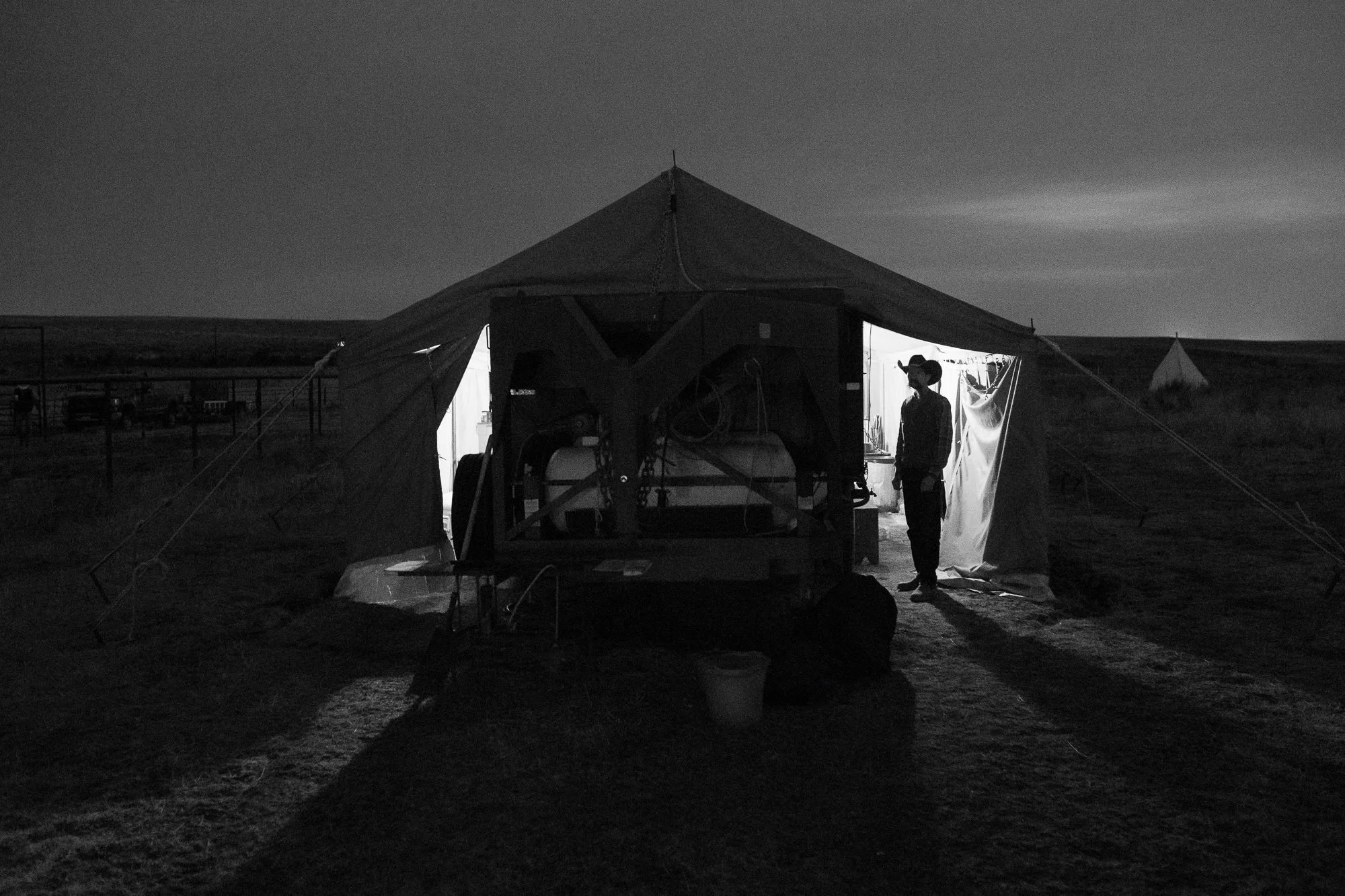
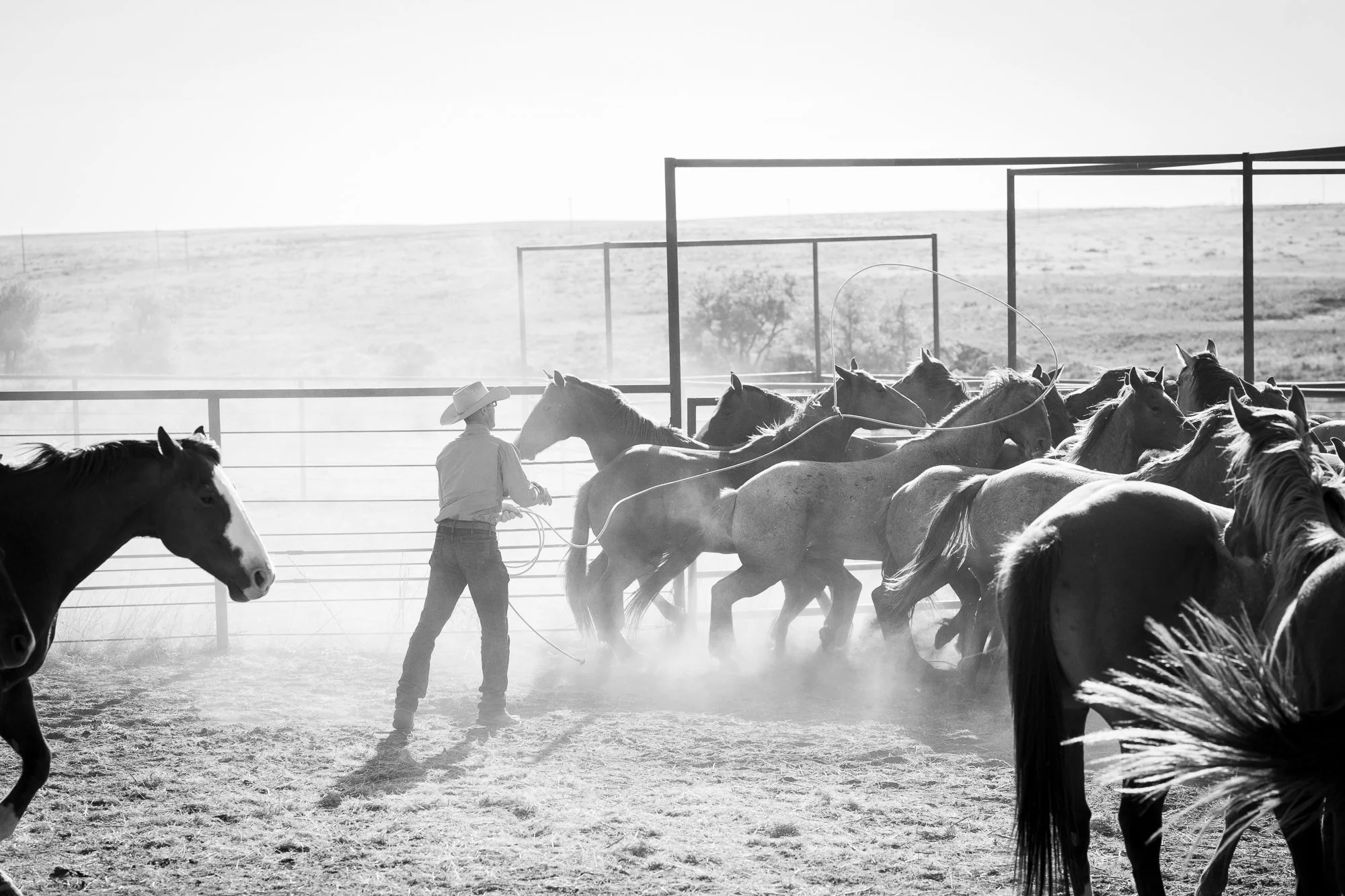
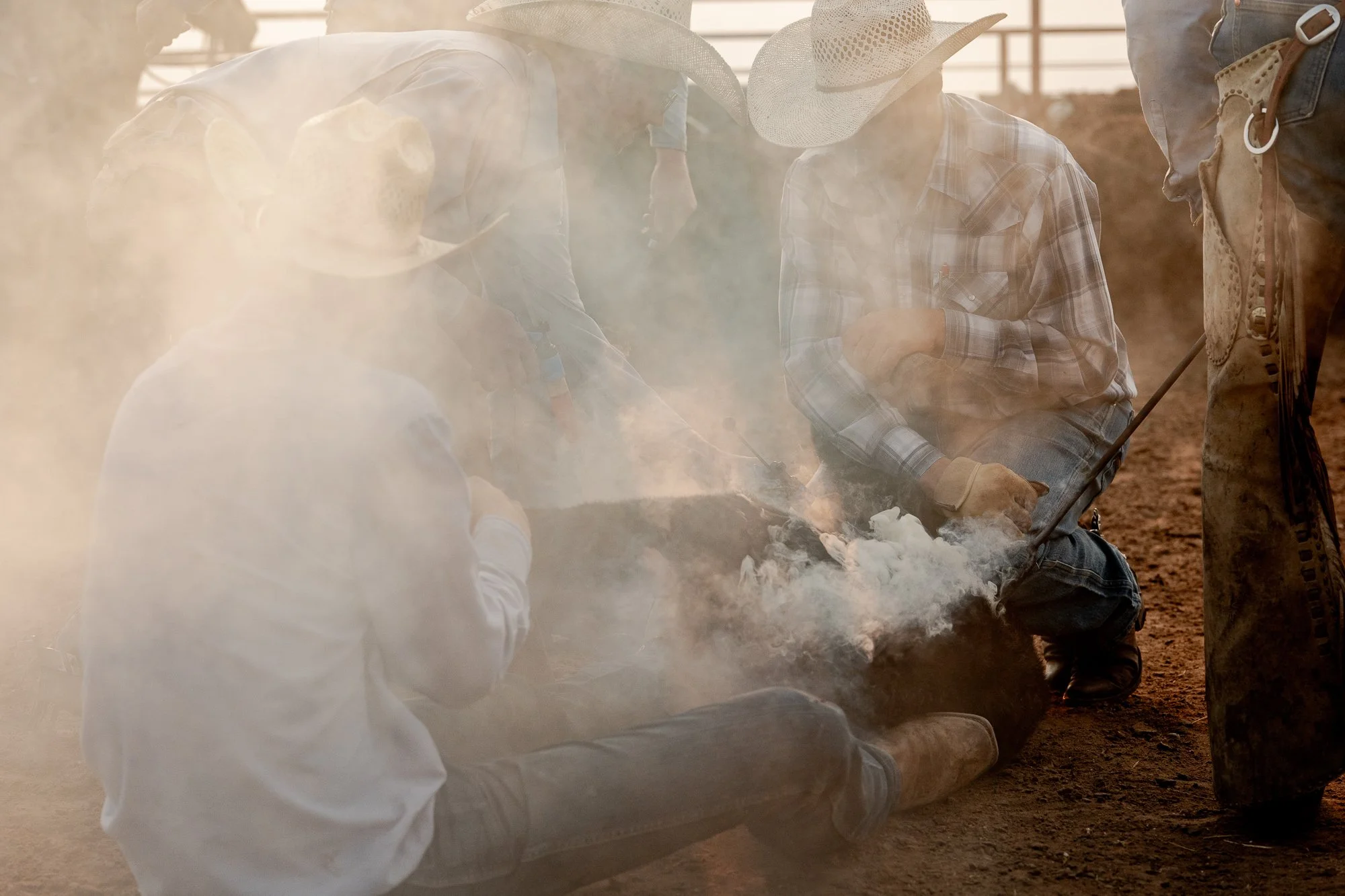
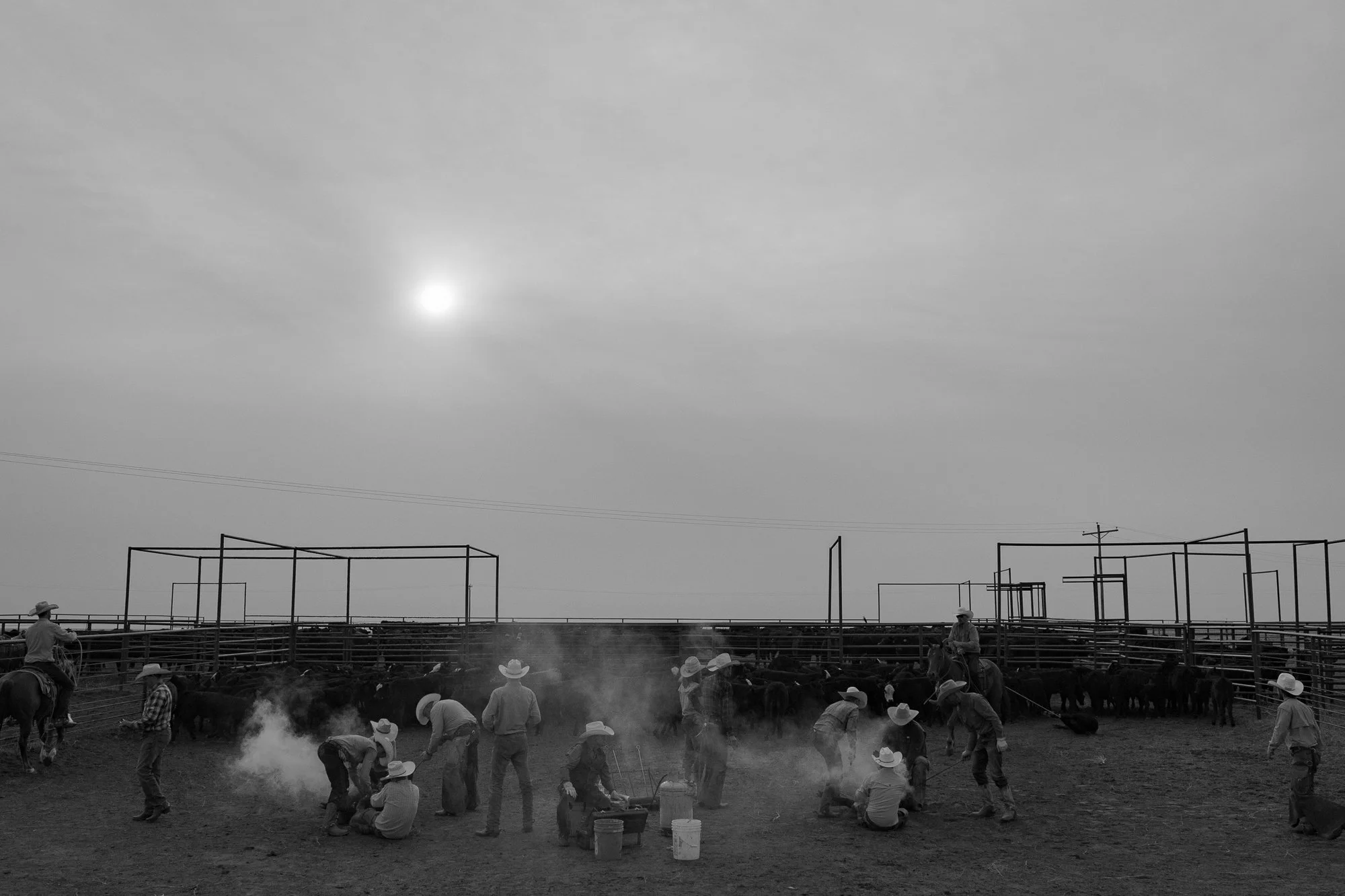
Some days are spent gathering cattle across rough desert country. Other days are branding days—dust, smoke, ropes, and a kind of controlled chaos that resolves into teamwork. No two days are the same, and that’s the beauty of working ranches like the C-Punch.

Gathering Cattle Across the Nevada Desert

Cattle work in the Great Basin means covering many many many miles—sometimes more before lunch than most people drive in a week. The C-Punch cowboys ride out into sagebrush flats and rocky hillsides, spreading wide across the desert to bring cattle together. Horses work hard out there. Cowboys do too.

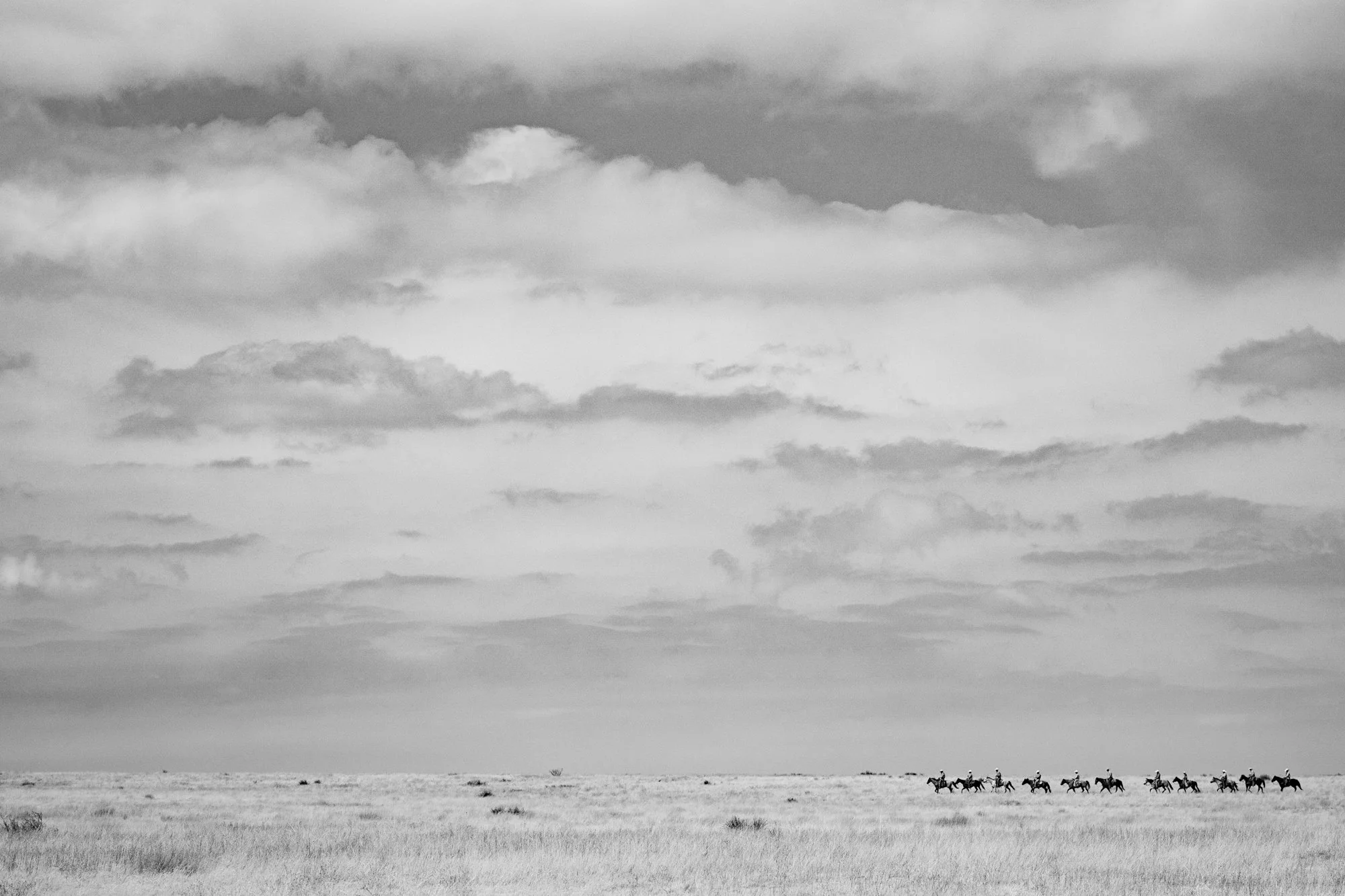
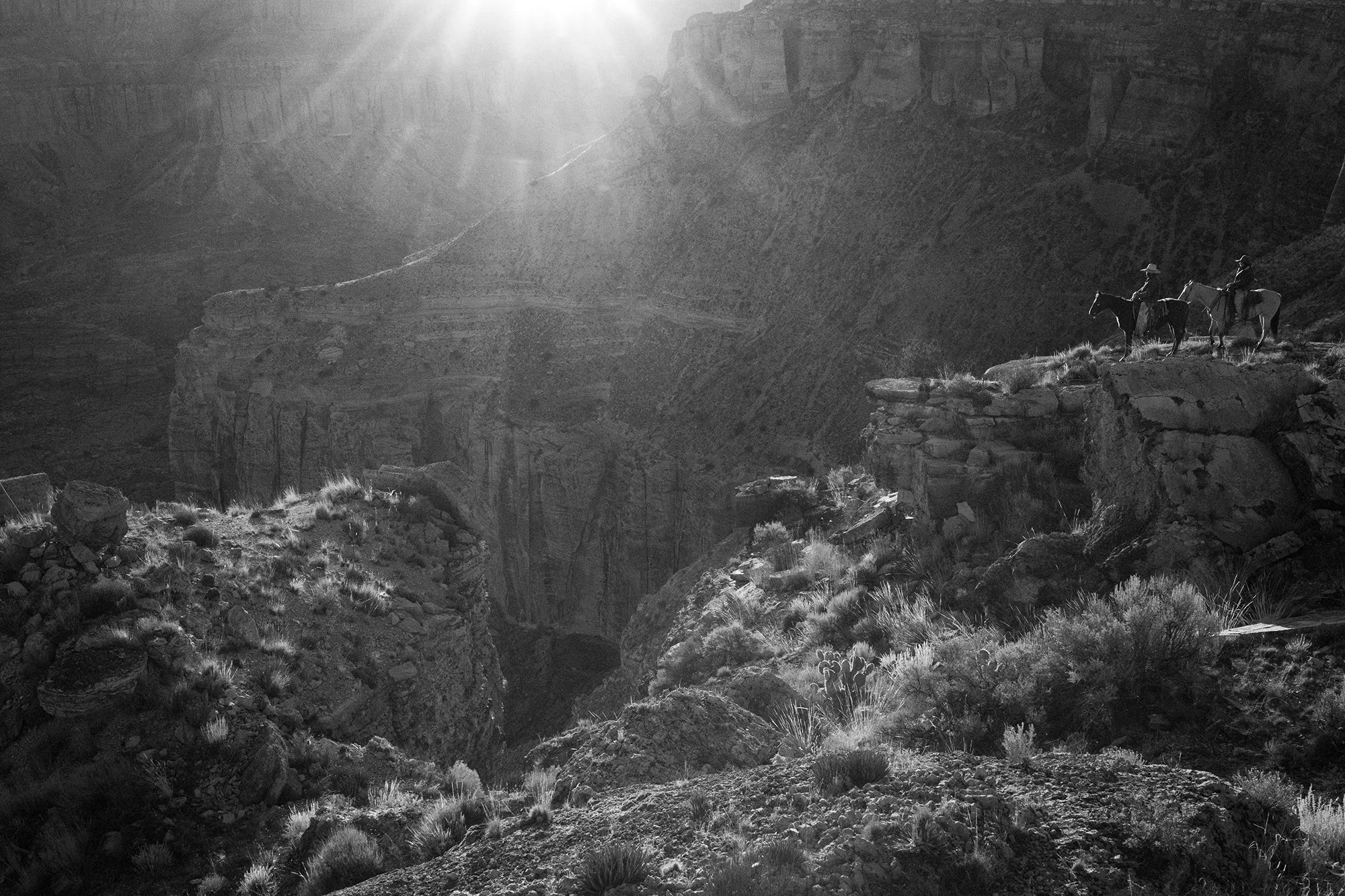
The landscape is big enough that you often see a single rider silhouetted against an entire mountain range. Dust hangs low. Light shifts quickly. And the relationships between riders and horses become clear in those long, quiet hours.

These are some of my favorite moments to photograph—honest, solitary, and rooted in the environment.

Branding on the C-Punch – Dust, Smoke, and Traditions That Don’t Change

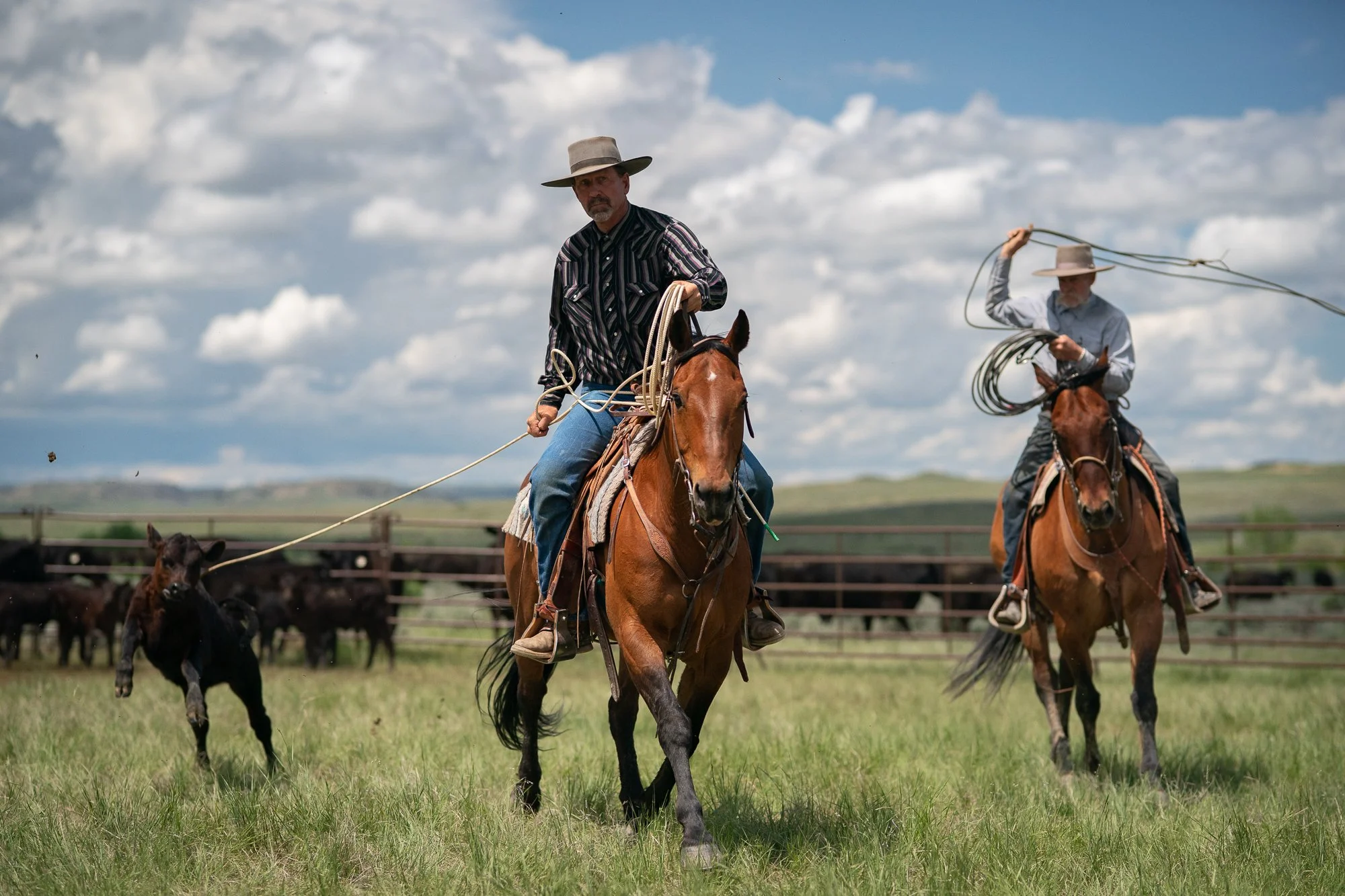
Branding on the C-Punch is high desert ranching at its most iconic. There’s smoke, dust, noise, and movement from every direction. Cowboys rope calves from horseback. Ground crew works quickly. Horses stand steady in the swirl of dust. It’s a fast, physical kind of work, but everyone knows their place and the flow stays remarkably smooth.

What stands out most is how much horsemanship is involved. Everything is done with a rope, a horse, and practiced timing. It’s the kind of branding that defines buckaroo culture—the kind rarely seen by the general public.

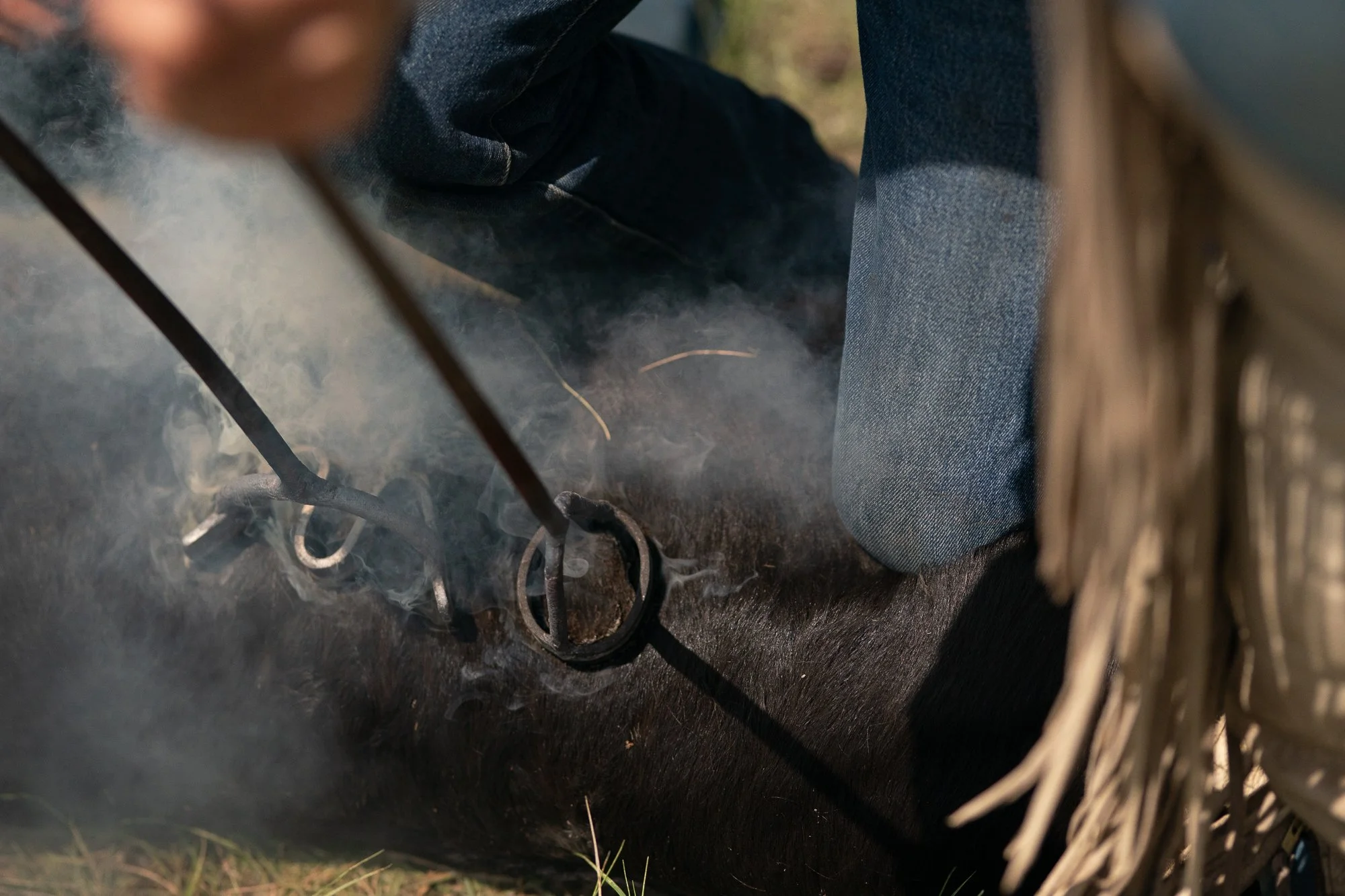
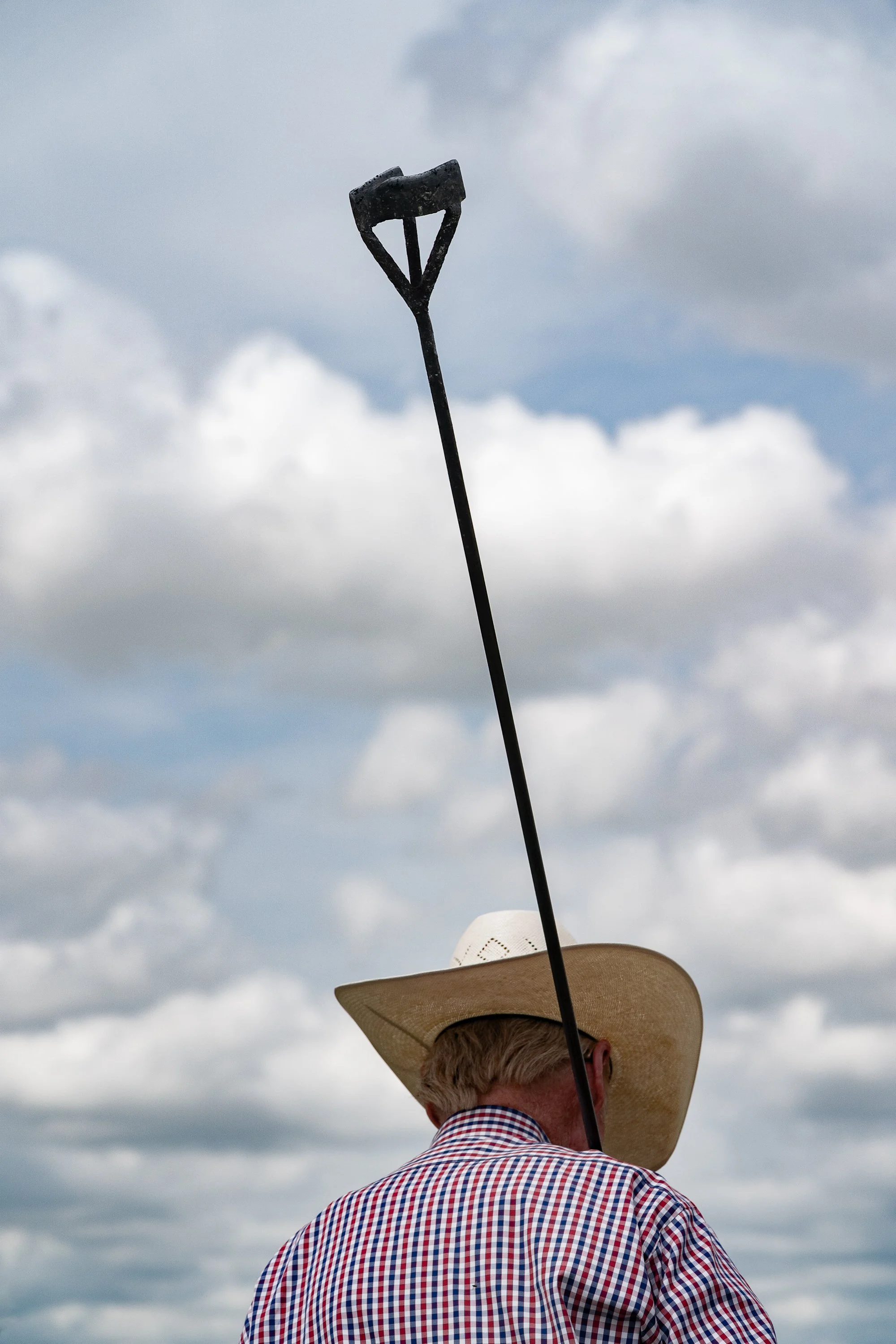
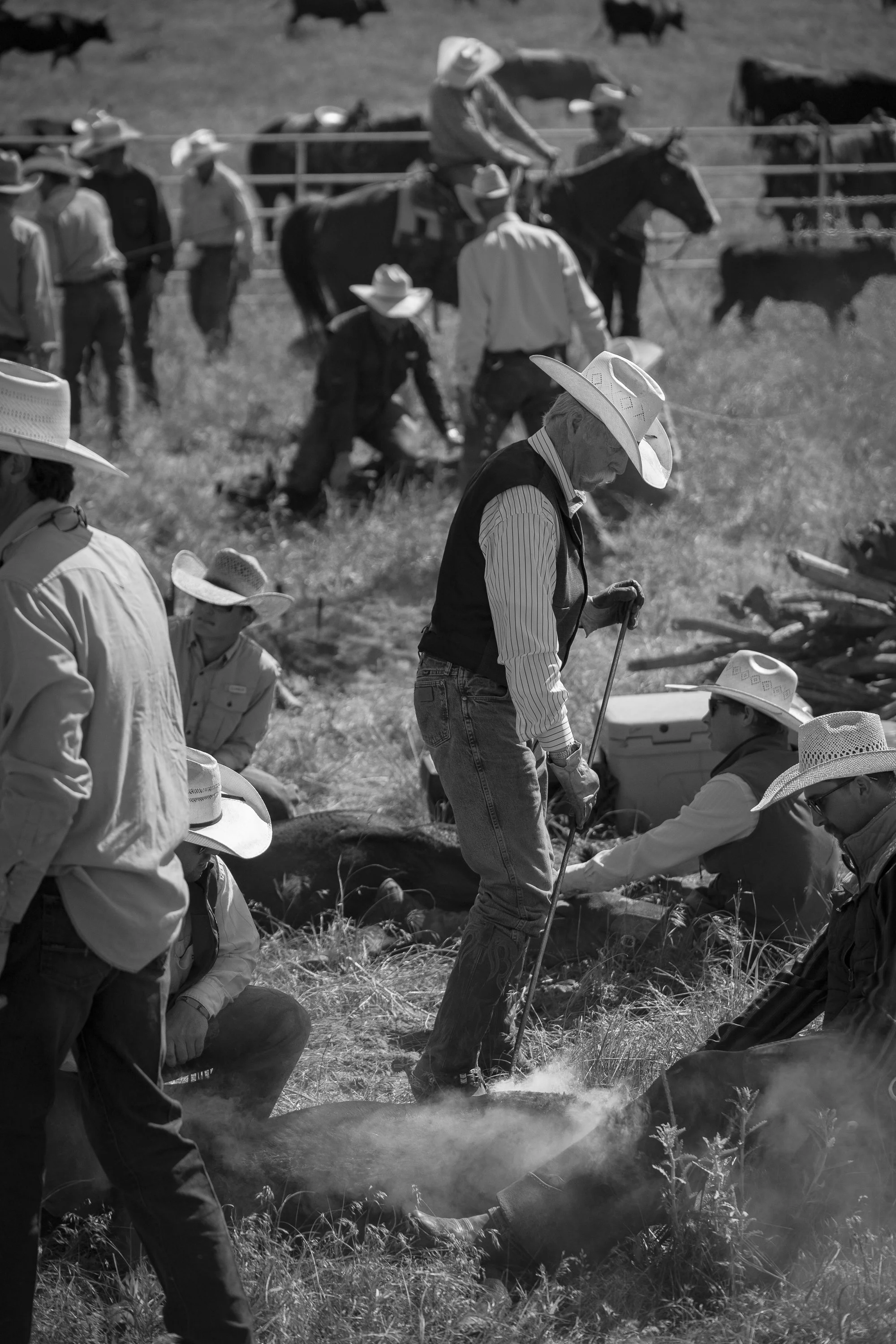
Photographically, it’s a gift: sun slicing through dust, silhouettes in motion, rawhide ropes swinging through the air, and the steam rising off a fresh brand.

Details That Define a Buckaroo Outfit

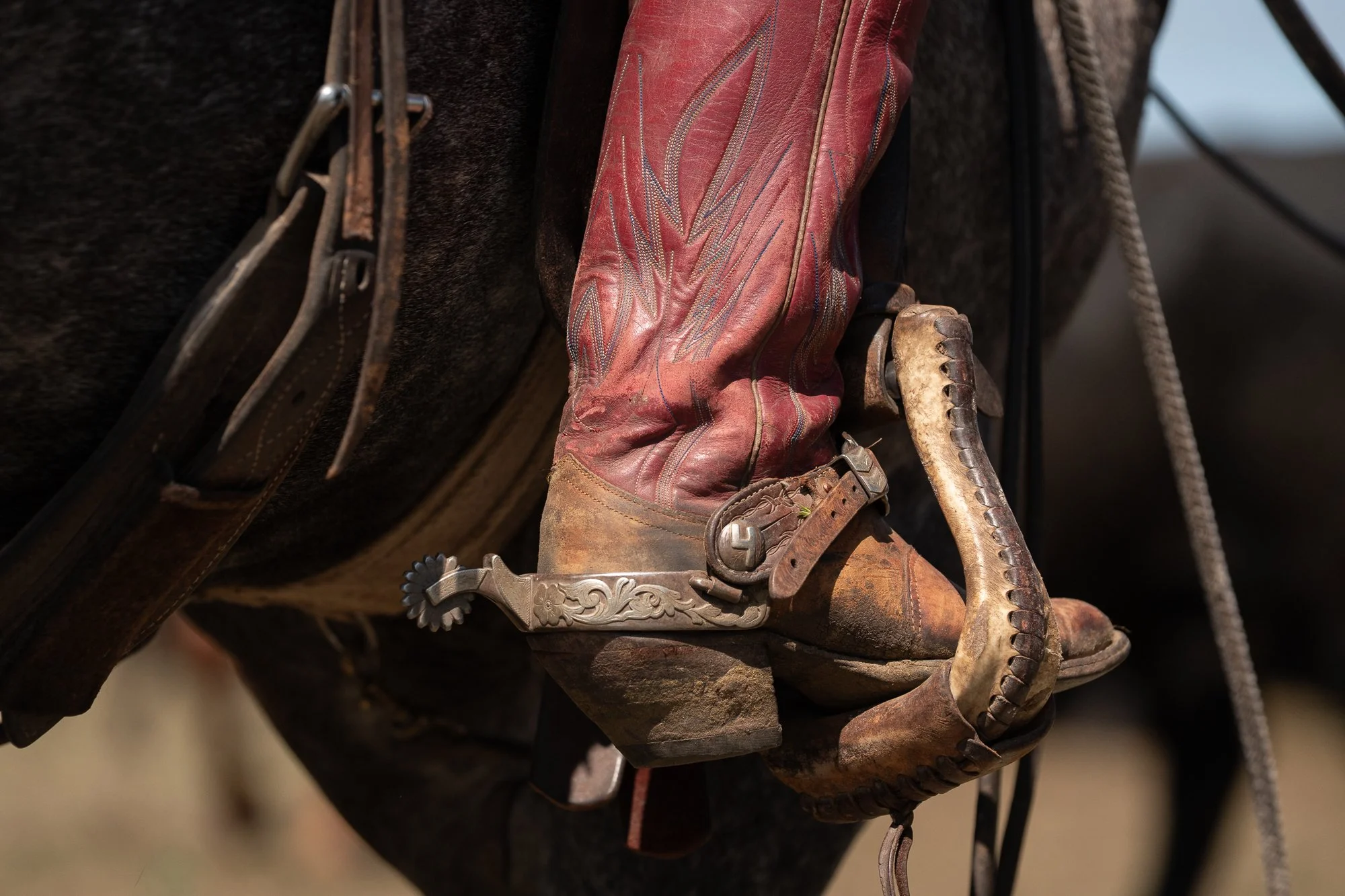
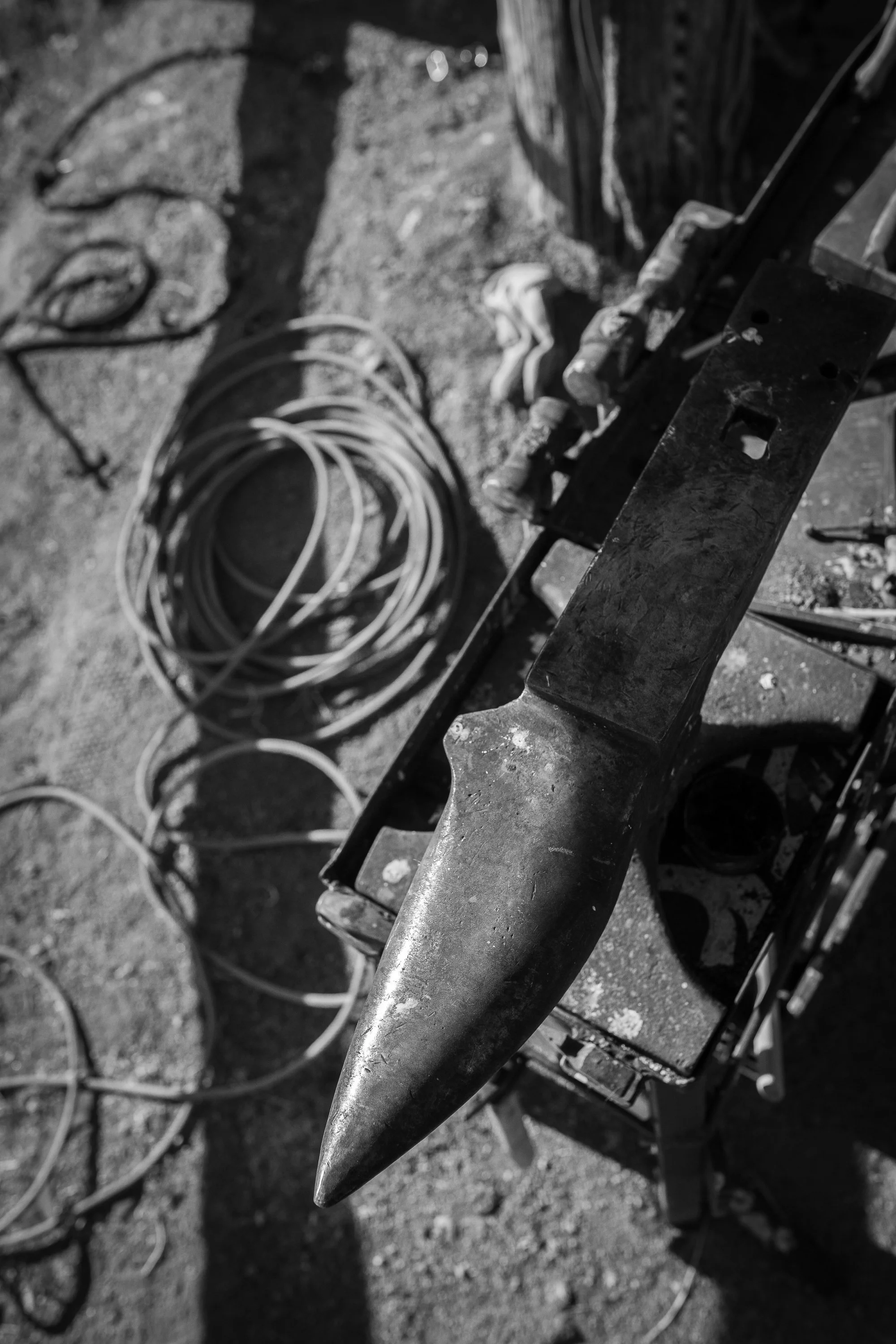
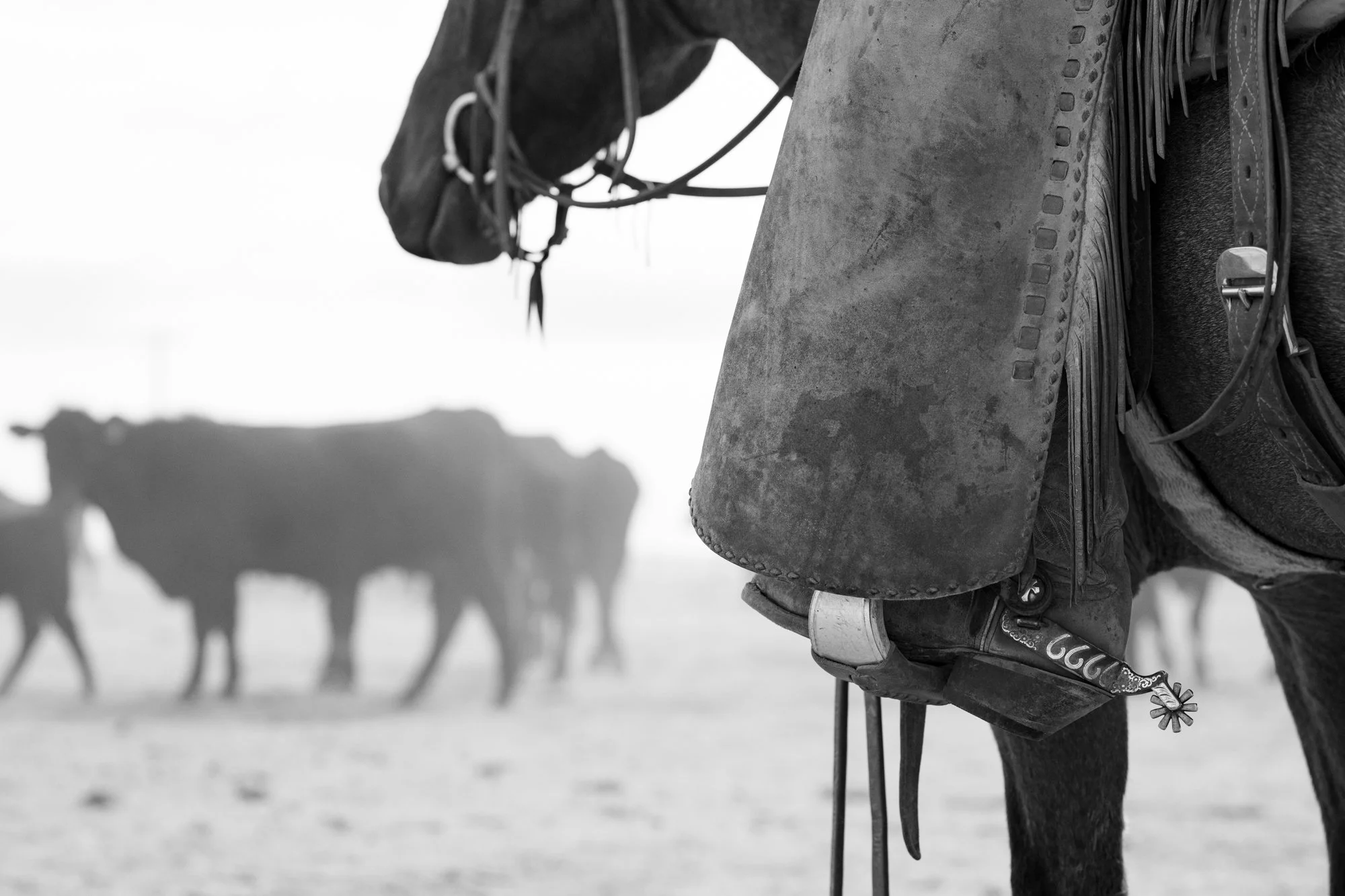
You can learn a lot about a ranch by looking at the details. The worn bell stirrups marked by years of use, Garcia bits, rough out saddles, flat hats, rawhide reins that have passed through the hands of several cowboys. Spurs shaped by tradition, not fashion.

These details tell the story just as much as the wide landscapes or branding scenes. They show the craftsmanship, the lifestyle, and the individuality of each rider. They’re reminders that buckaroo culture isn’t just about cattle work—it’s about a way of life built over generations.

A Ranch Where Tradition Still Matters

The C-Punch Ranch is one of those rare places where the past and present meet naturally. The work is still done horseback. Young cowboys learn from seasoned hands. Horses are respected. Gear is functional, not decorative. And there is pride—quiet, deep pride—in doing the job well.

In a world moving fast and often in the opposite direction of tradition, the C-Punch remains steady. That’s what makes documenting it so meaningful. It isn’t a reenactment. It isn’t a version cleaned up for guests or cameras. It’s the real thing, practiced every day because it’s how the work gets done.

Related Ranches of the Great Basin

If you’re interested in this story, you may also like my photographs from:

Fine Art Prints & Licensing

Images from the C-Punch Ranch are available as fine art prints.
Licensing is also available for editorial, commercial, and documentary projects.

To inquire about prints or licensing, please contact me here - rob@robhammerphotography

Closing Thoughts

Every time I photograph the C-Punch Ranch, I leave with a deeper respect for the cowboys who ride there. The land is tough. The work is tougher. But there’s a sense of pride, purpose, and tradition that you won’t find anywhere else.

The Great Basin is a world unto itself—huge, harsh, and beautiful—and the C-Punch is one of the ranches that keeps its culture alive. My hope is that these photographs help preserve a small piece of that legacy.

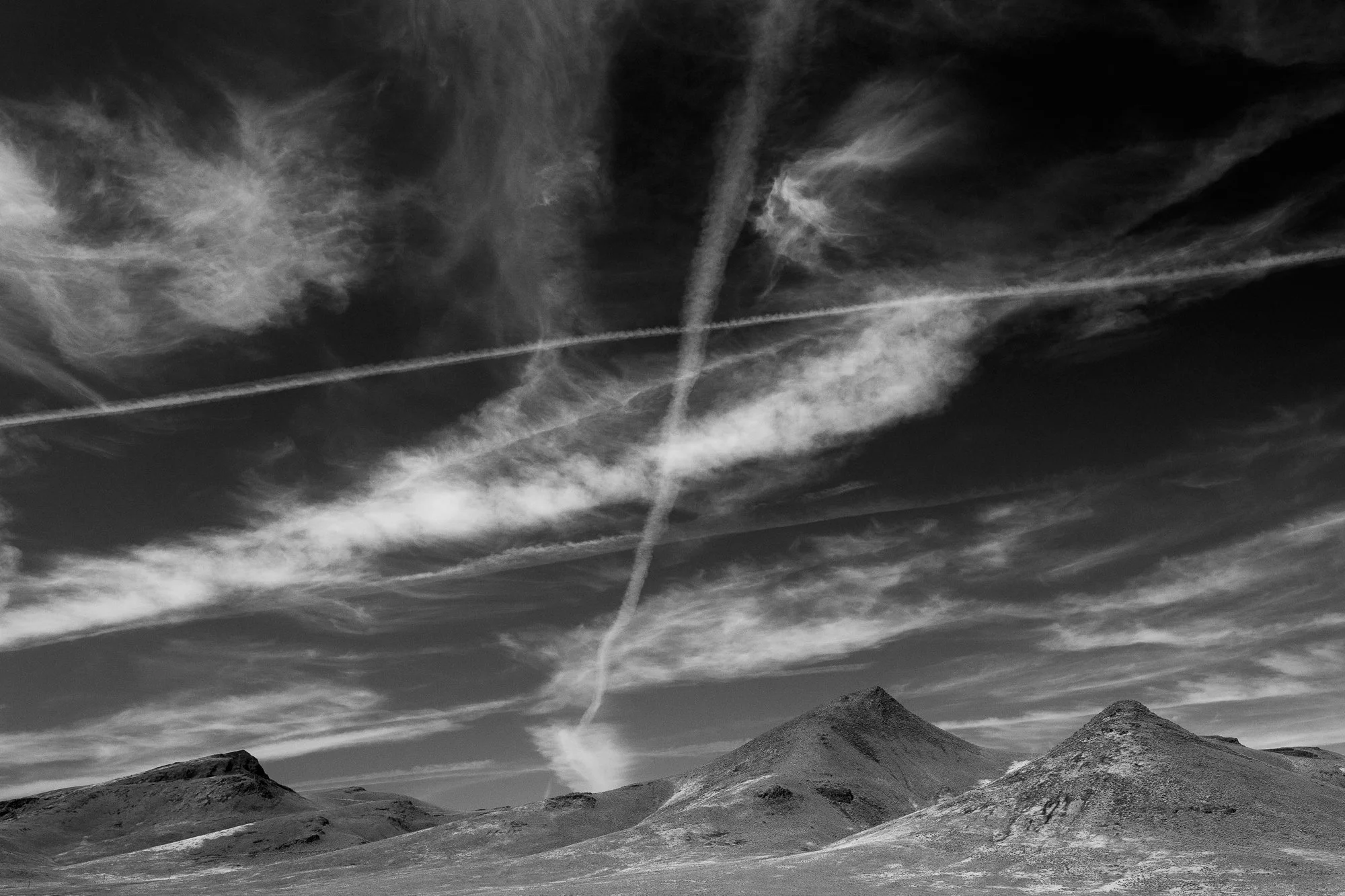
Black-and-white clouds and contrails over mountain peaks near the C-Punch Ranch.

Clouds sweep over the mountain peaks that border the C-Punch Ranch, a reminder of the scale and isolation of Nevada’s Great Basin.

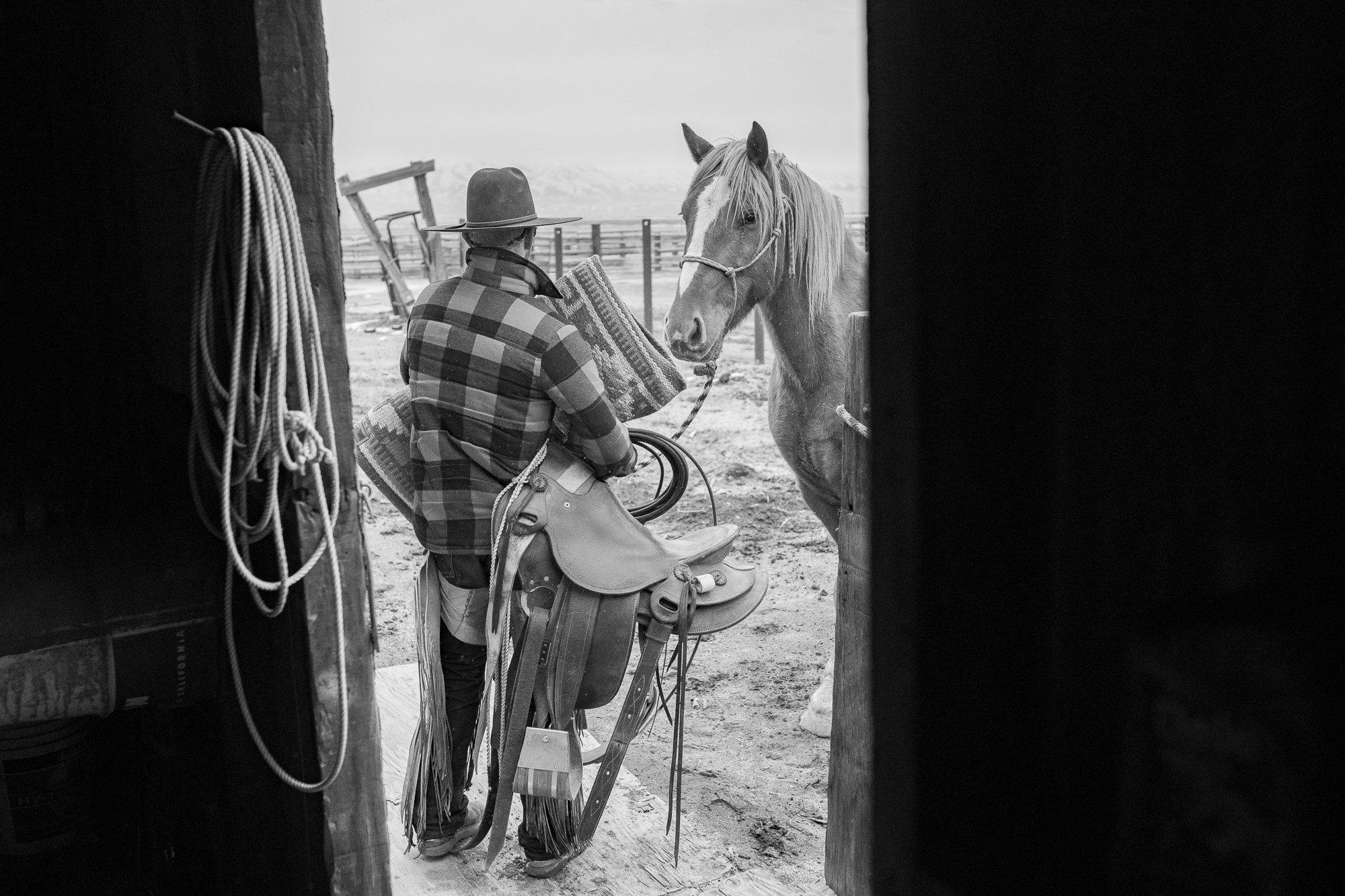
Cowboy saddling his horse inside a barn at the C-Punch Ranch in Nevada, preparing for winter ranch work

A quiet moment at the barn as a cowboy saddles his horse before heading out onto the winter range at the C-Punch Ranch.

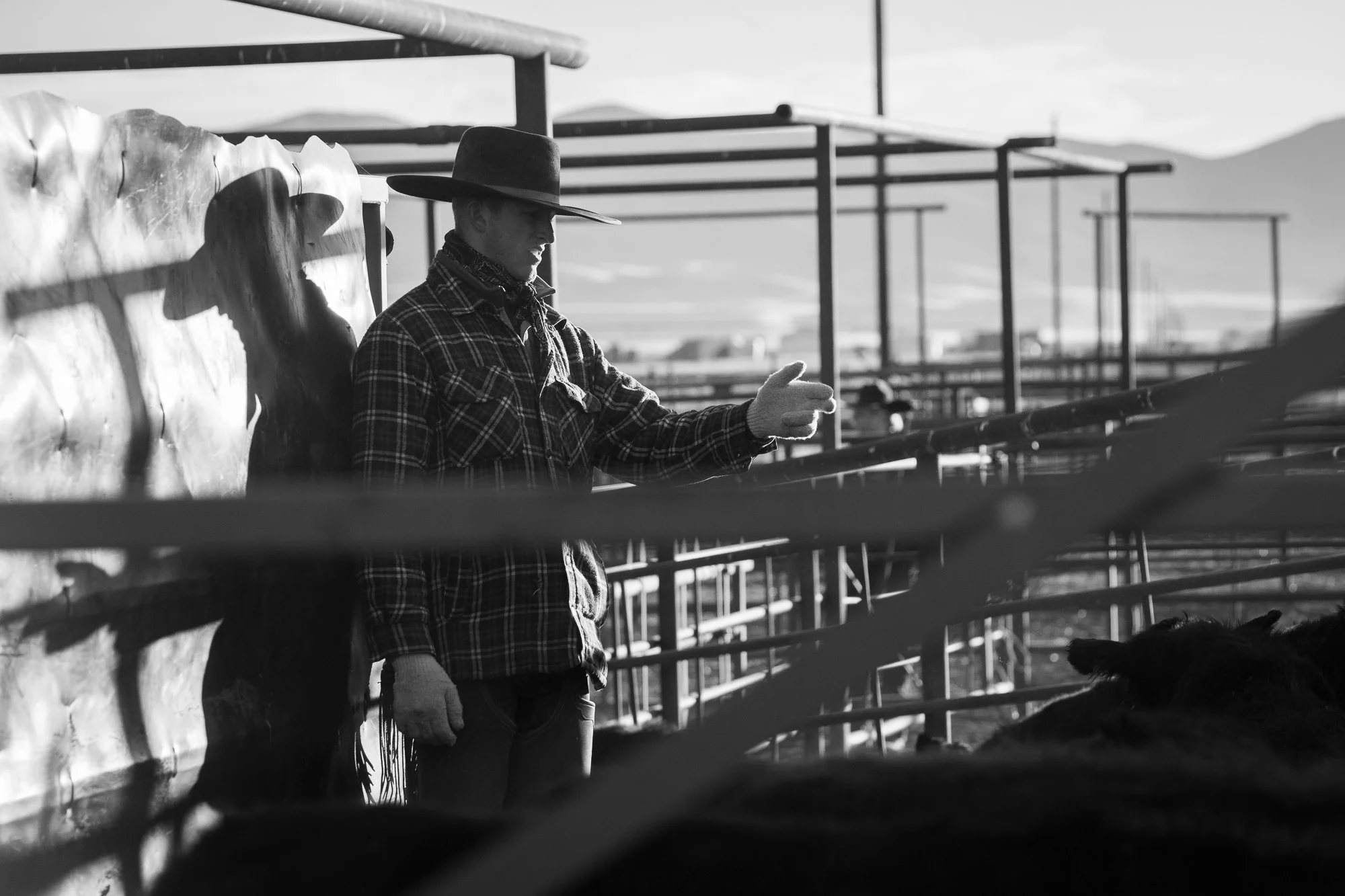
Experienced cowboy standing beside the cattle chutes at the C-Punch Ranch in Nevada on a cold winter morning.

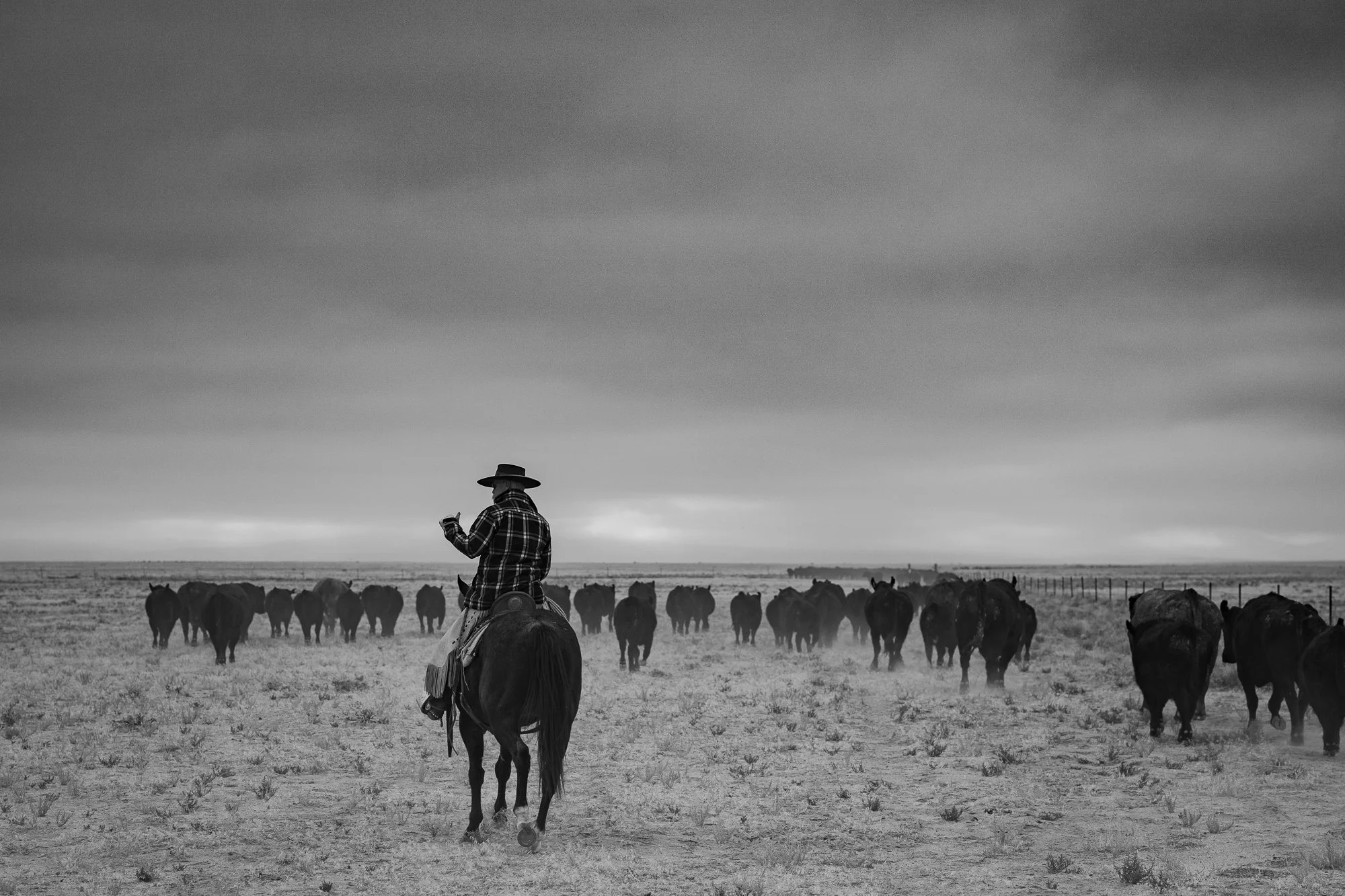
A cowboy pushes cattle across frozen ground at the C-Punch Ranch, the quiet rhythm of winter work in northern Nevada.

Cowboy on horseback swinging a rope during cattle work at the C-Punch Ranch in Nevada.

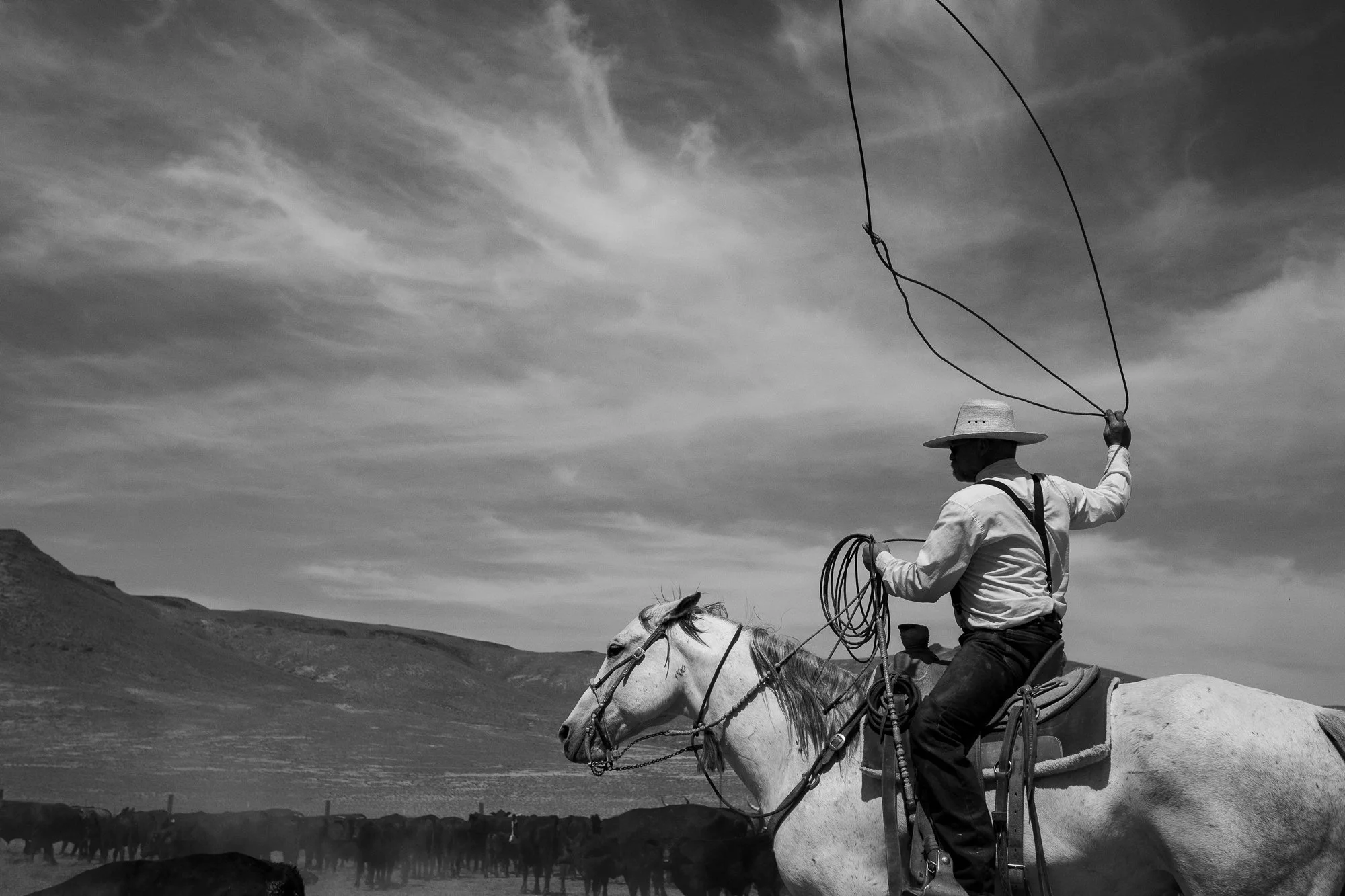
A buckaroo swings a loop from horseback during cattle work at the C-Punch Ranch, where roping is still done the traditional Great Basin way.

Miniature metal roping dummy with a small rope draped over it inside the C-Punch Ranch bunkhouse.

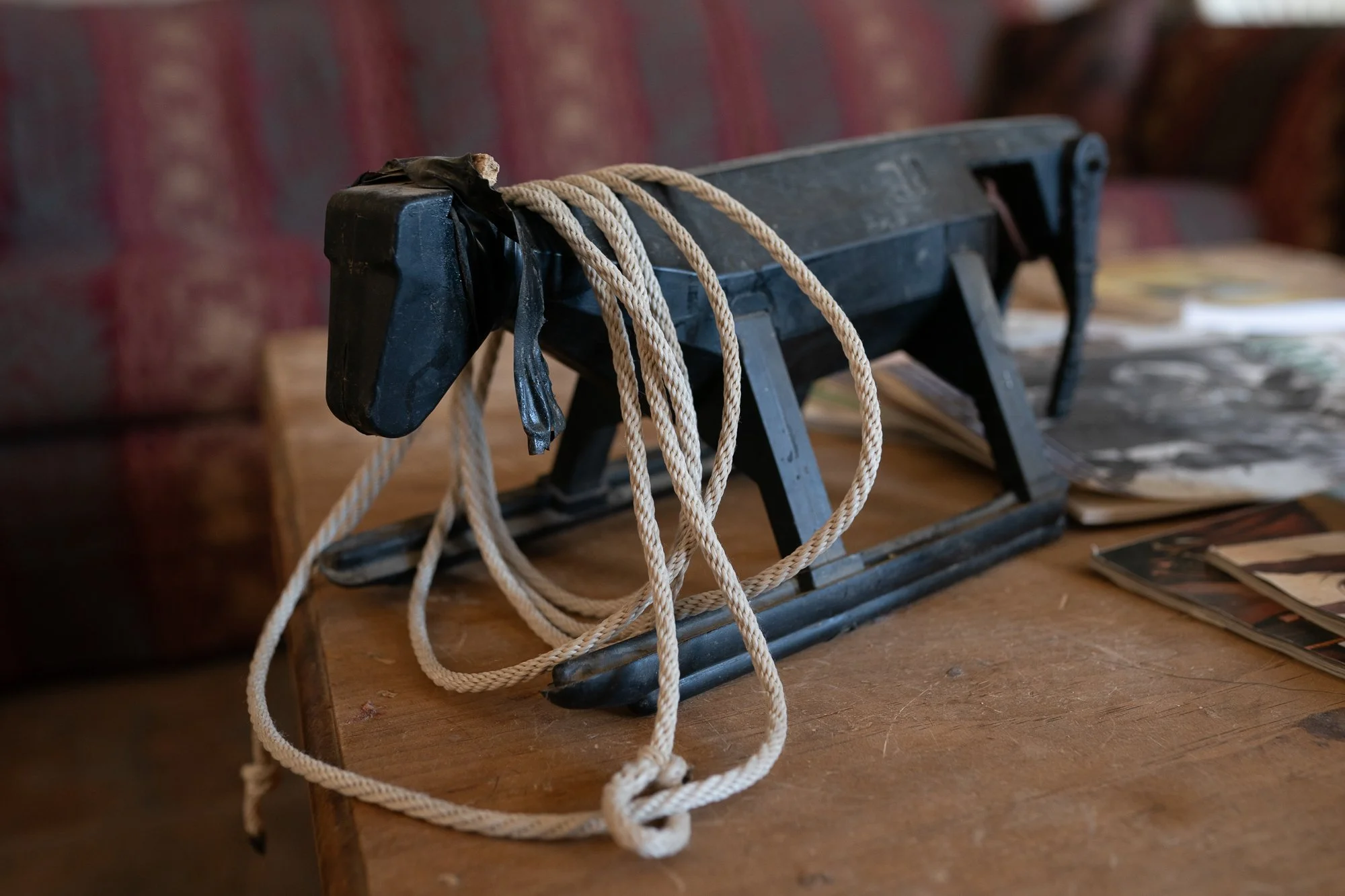
A miniature metal roping dummy sits on the bunkhouse table, used by young buckaroos learning the craft at the C-Punch Ranch.

Cowboy on horseback driving cattle in front of mountain range and dramatic clouds in Nevada.

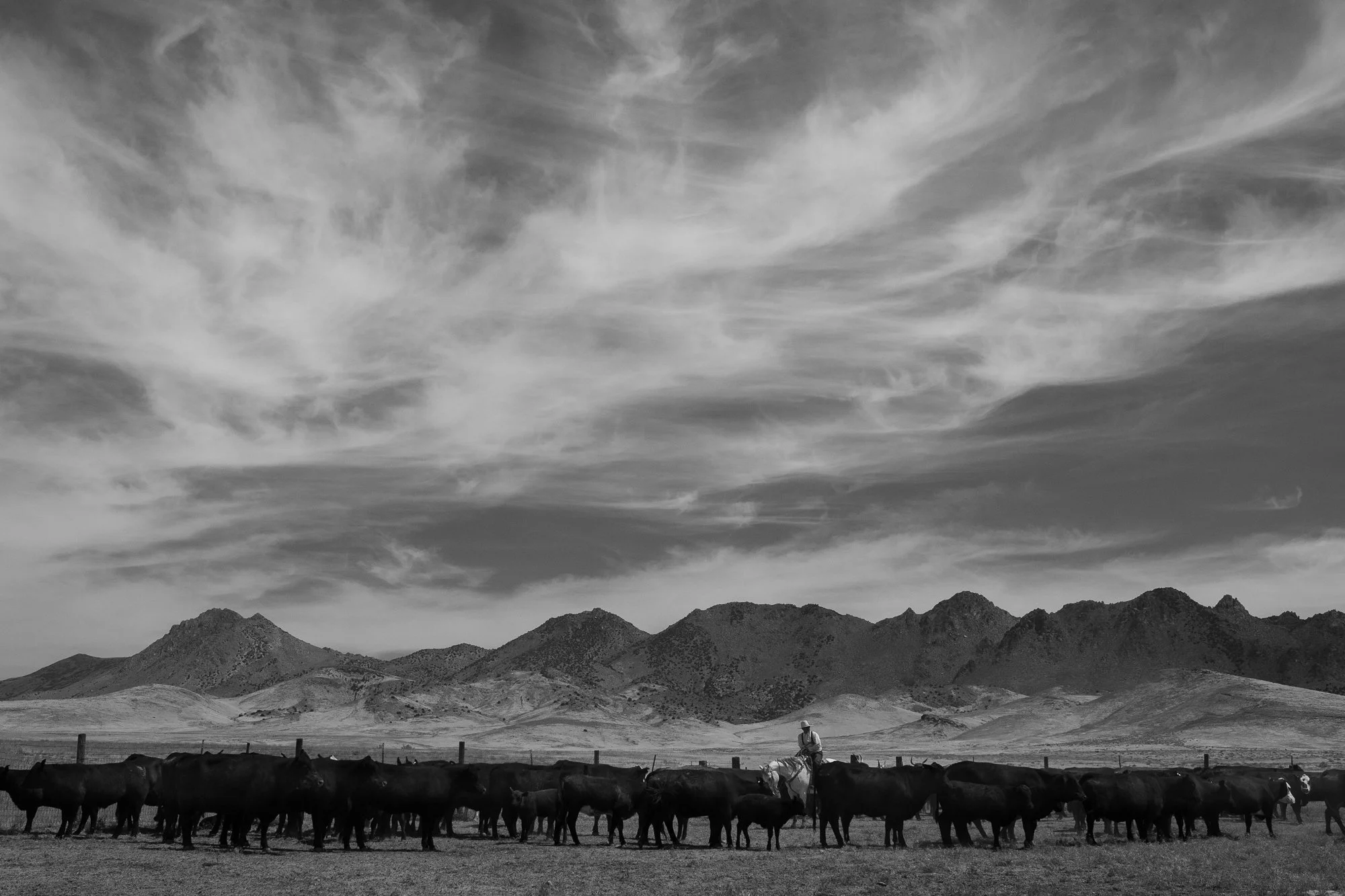
A cowboy drives cattle beneath a sweeping sky at the C-Punch Ranch, framed by the rugged mountains of northern Nevada.

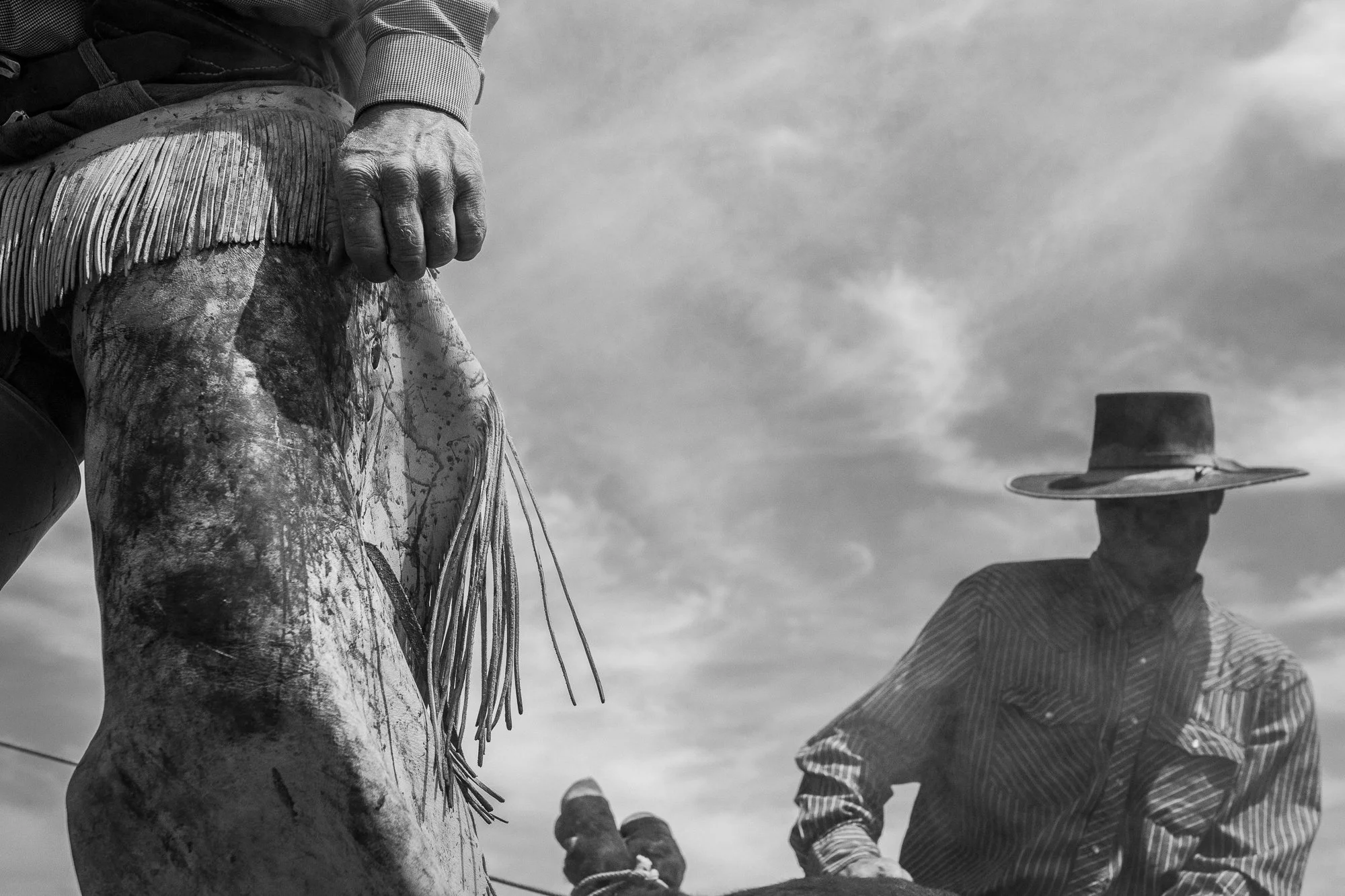
Close-up of a cowboy’s hand gripping chinks during branding at the C-Punch Ranch.

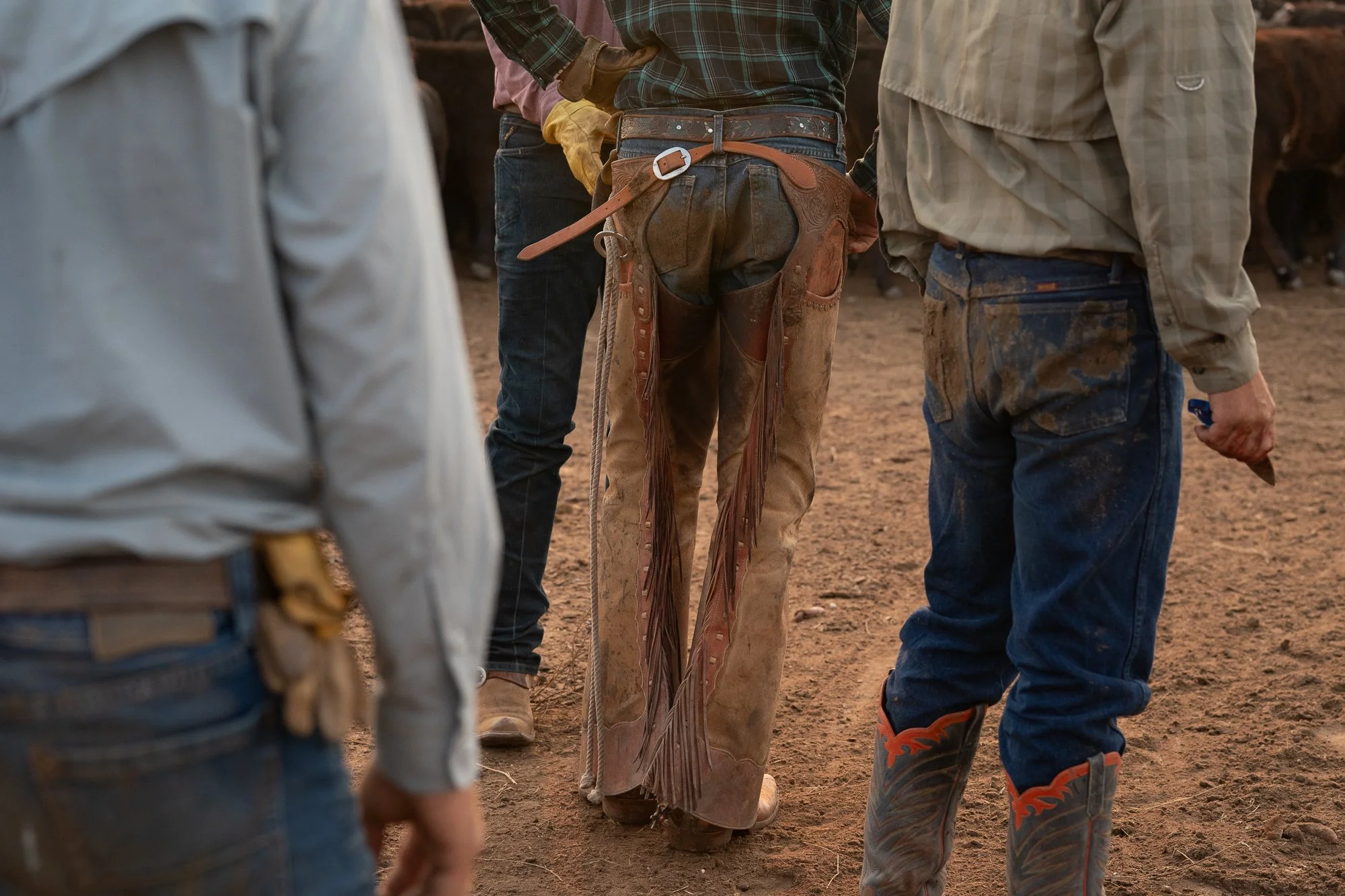
A close look at worn chinks and a working hand during branding at the C-Punch Ranch—details that define the buckaroo tradition.

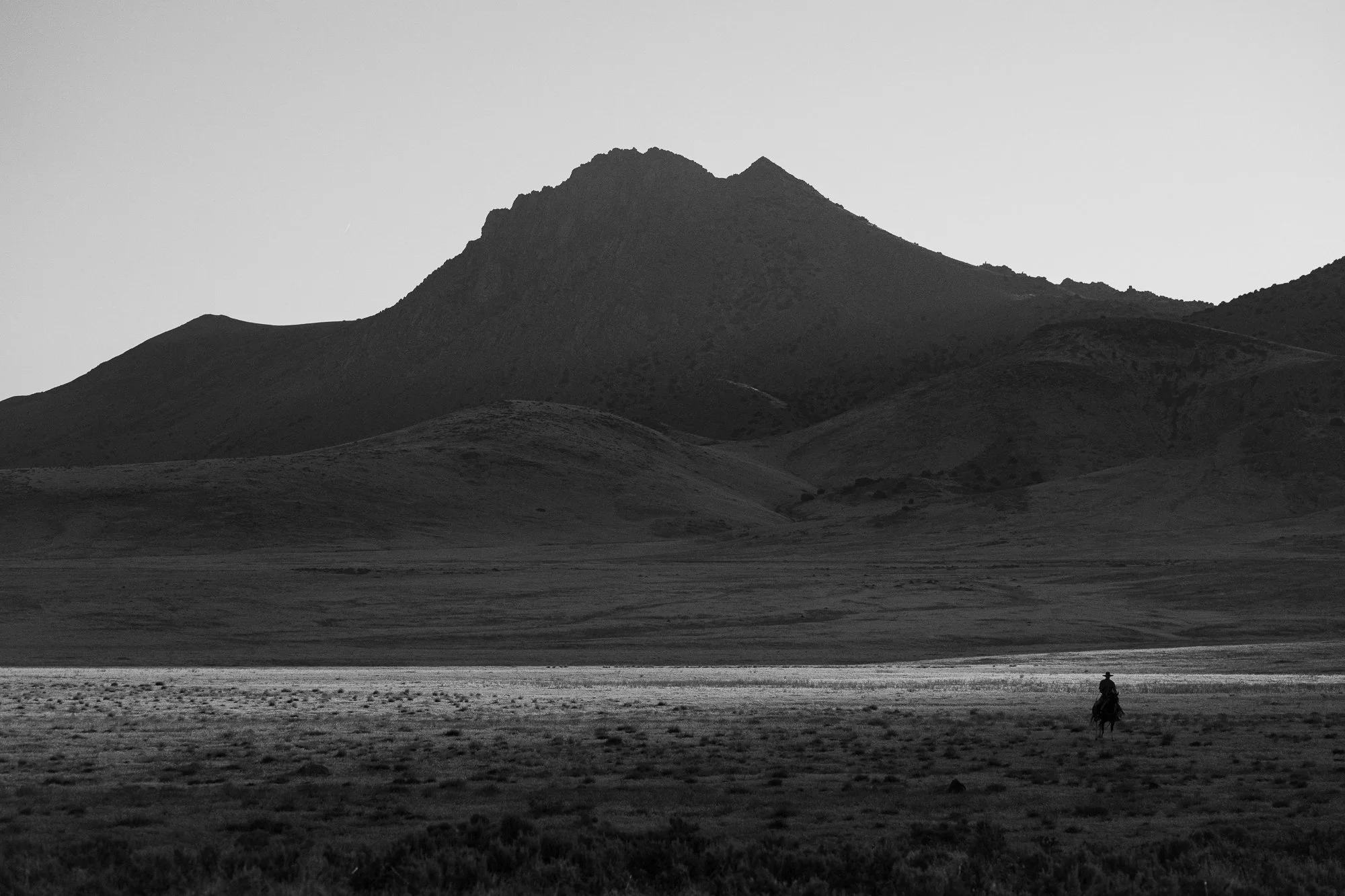
Cowboy riding alone at dawn with mountain silhouette in the background at the C-Punch Ranch.

A lone rider crosses the valley at dawn as the first light hits the mountains surrounding the C-Punch Ranch.

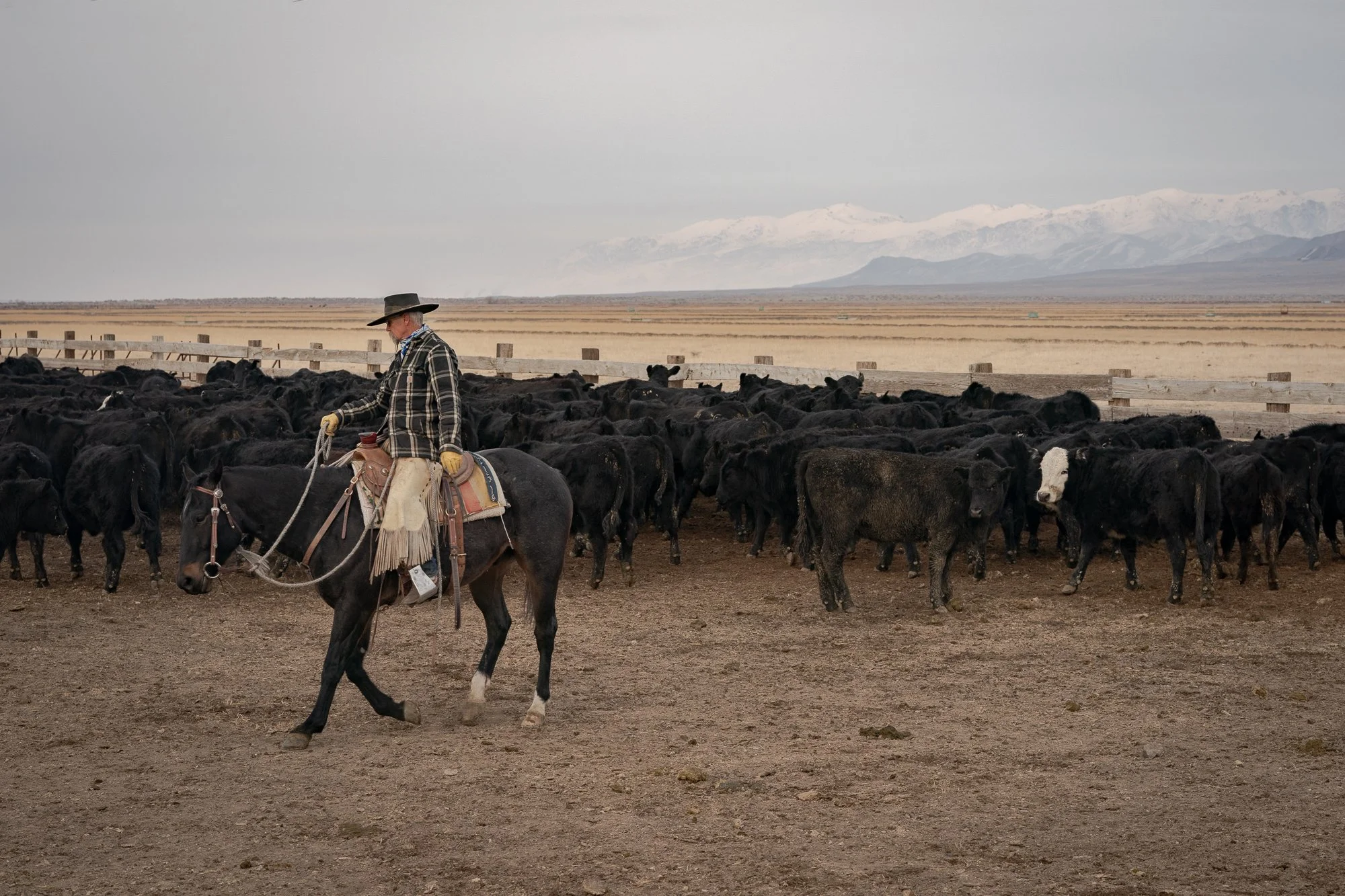
Cowboy riding through a tight herd of cattle at the C-Punch Ranch in Nevada during winter sorting.

A cowboy threads his horse through a dense herd of cattle at the C-Punch Ranch, checking animals before the day's work begins.

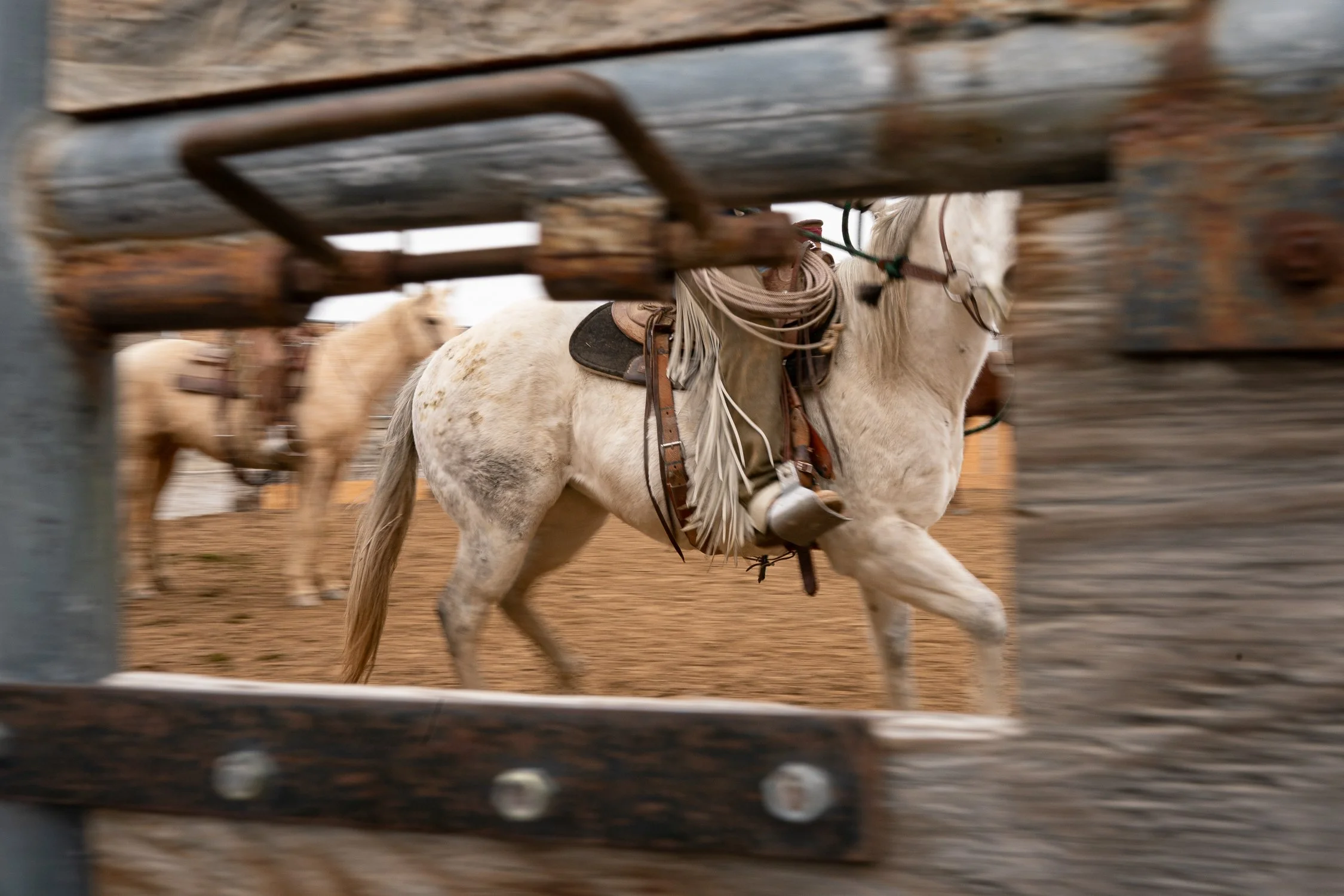
A fleeting glimpse of a saddle horse moving through the corrals during morning work at the C-Punch Ranch.

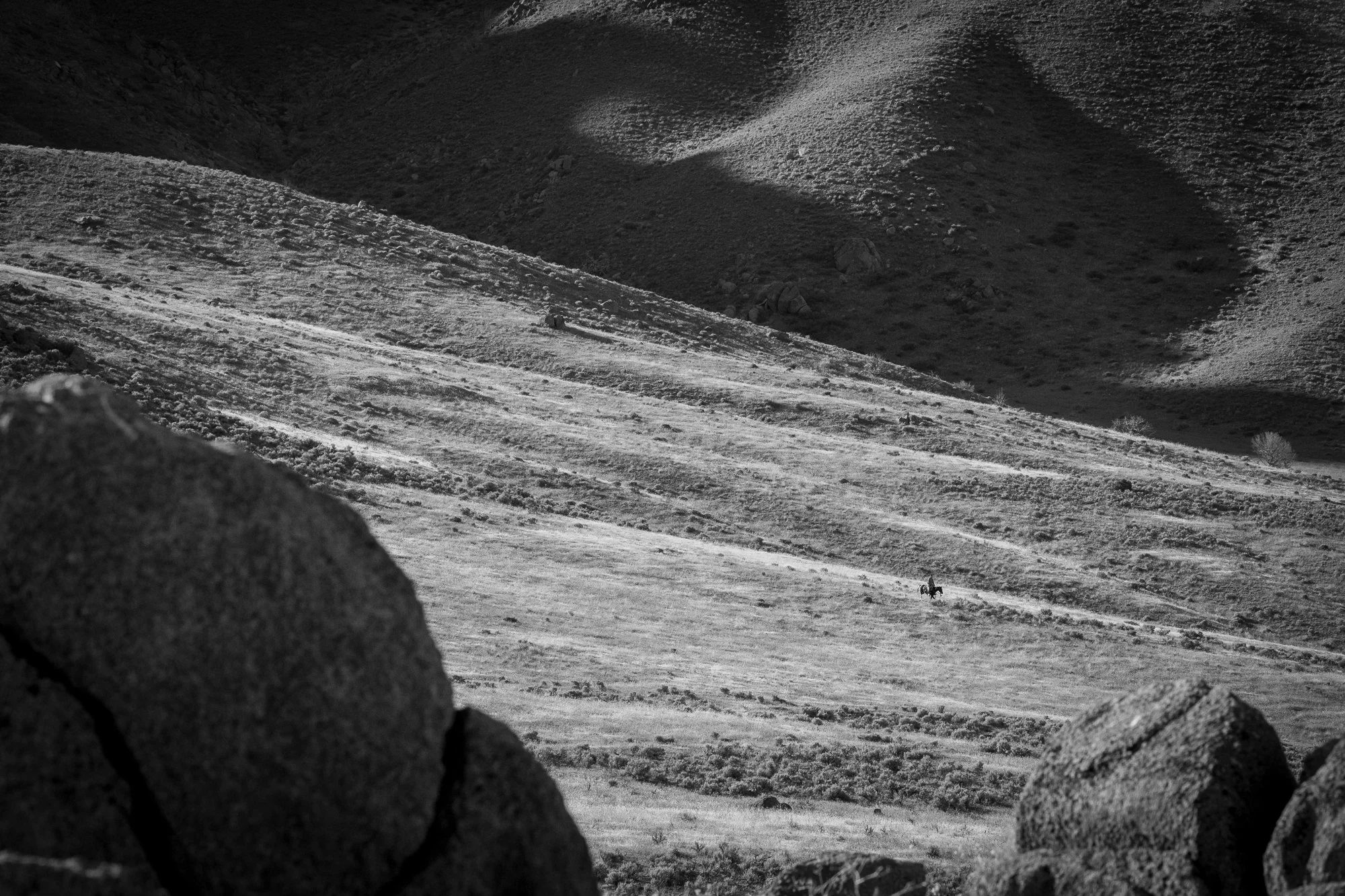
Distant cowboy on horseback riding across a sunlit hillside in the Great Basin near the C-Punch Ranch.

A distant cowboy rides along a sunlit hillside near the C-Punch Ranch, dwarfed by the scale and shadows of the Great Basin.

Wide view of the high desert and distant mountains near the C-Punch Ranch in northern Nevada

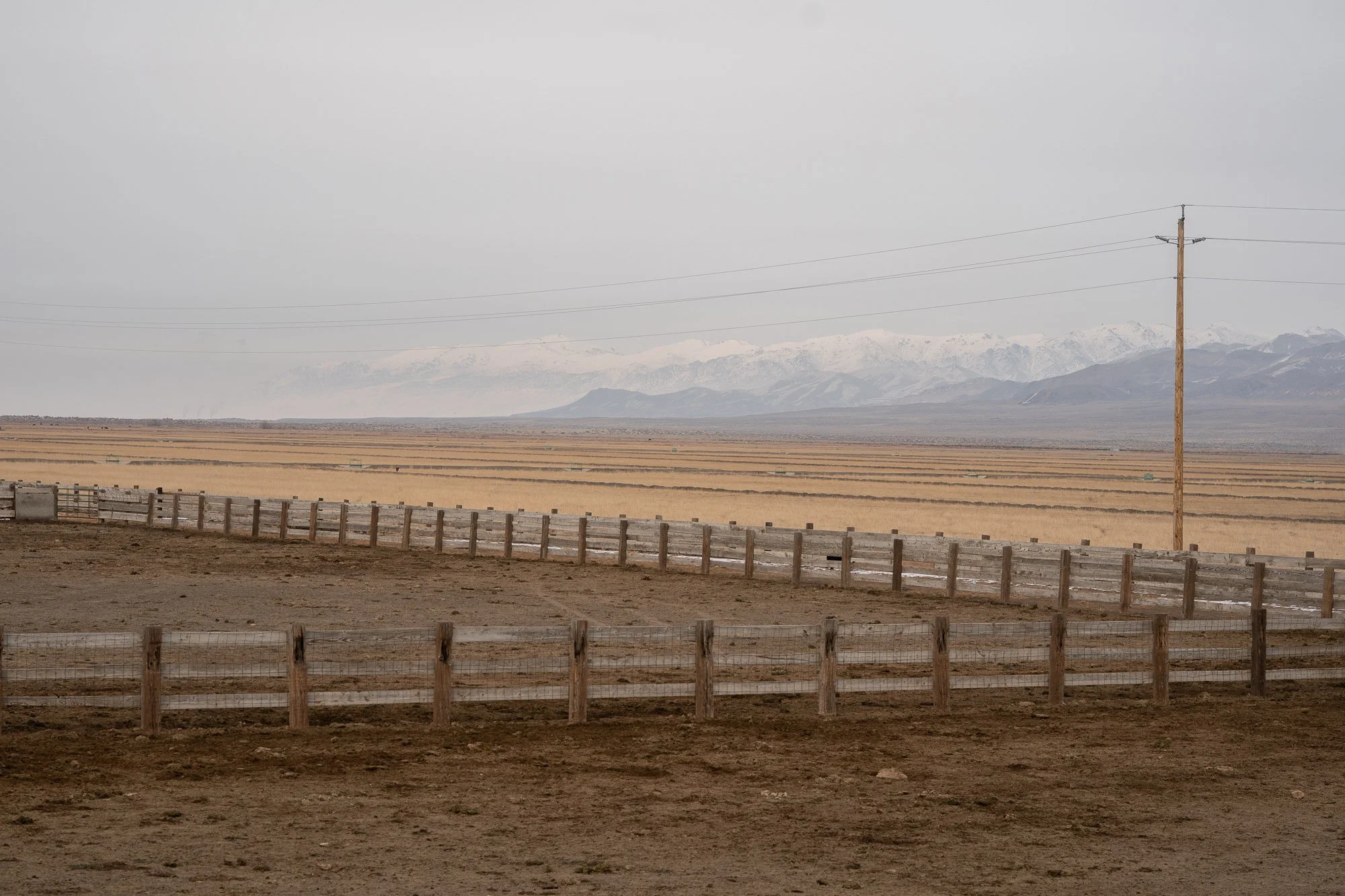
A wide view of the high desert near the C-Punch Ranch in northern Nevada, where sagebrush flats meet distant mountains across the Great Basin.

A close look at the traditional buckaroo gear used at the C-Punch Ranch, from the rawhide reins to the well-worn saddle built for long days on the desert range.

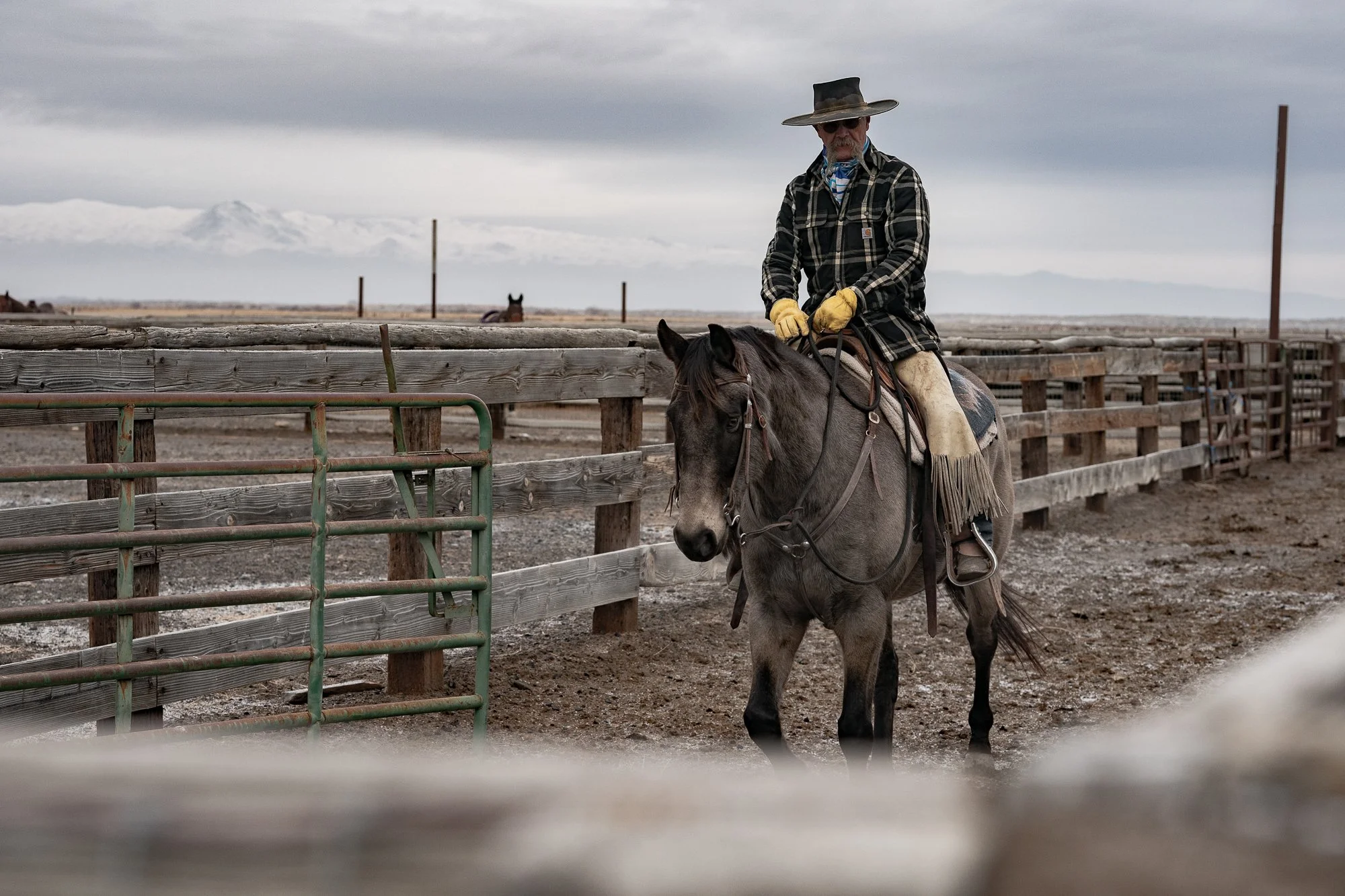
Cowboy riding a horse through the wooden corrals at the C-Punch Ranch in Nevada on a winter morning.

Riding through the corrals at the C-Punch Ranch, a cowboy prepares to move cattle after a cold overnight storm.

Black-and-white photo of an anvil and ropes on the ground at the C-Punch Ranch.

Anvil and ropes at the C-Punch Ranch, showing the worn metal and dust of daily work during branding season.

Cowboy riding a horse inside the round pen at the C-Punch Ranch in Nevada with winter mountains in the background.

A cowboy works a young horse in the round pen at the C-Punch Ranch, a daily part of keeping saddle horses sharp through the winter.

Winter fog covering the Great Basin landscape with the peaks of the Ruby Mountains rising above the clouds.

A thick layer of winter fog settles across the Great Basin near the C-Punch Ranch, leaving only the Ruby Mountains visible above the cloud line.

Cow skull and Western painting hanging on a wood-paneled wall inside the C-Punch Ranch bunkhouse.

A cow skull and weathered Western painting hang on the wood-paneled wall of the C-Punch Ranch bunkhouse—a small glimpse into the everyday life of a historic Nevada outfit.

Experienced cowboy standing beside the cattle chutes at the C-Punch Ranch in Nevada on a cold winter morning.

A seasoned buckaroo waits by the chutes at the C-Punch Ranch, preparing for another day of winter cattle work.

Cowboy riding along the fence line near the C-Punch Ranch in Nevada with winter sagebrush and mountains.

A cowboy rides the fence line near the C-Punch Ranch, a daily task in the wide-open winter desert of northern Nevada.

Shaggy ranch dog eating scraps beside a horse trailer at the C-Punch Ranch in Nevada

ranch dog sneaks a makeshift lunch beside the horse trailer — a small slice of daily life at the C-Punch.

Two cowboys on horseback at the C-Punch Ranch with snow-covered Nevada mountains in the background.

Cowboys at the C-Punch Ranch pause on horseback as morning light hits the snow-covered mountains of the Great Basin.

Long dirt road stretching across the Great Basin near the C-Punch Ranch with distant mountains.

A dirt road cuts across the Great Basin near the C-Punch Ranch, capturing the vast, quiet space of Nevada’s high desert.

A single rider crosses the open winter range—one of the most iconic sights in the Great Basin buckaroo tradition.

Cowboy climbing the outside of a livestock trailer at the C-Punch Ranch in Nevada.

A cowboy climbs a livestock trailer at the C-Punch Ranch as cattle are prepared for shipping across the winter range.

The hand-painted sign at the entrance to the C-Punch Ranch, marking the start of a long dirt road that winds deep into the sagebrush country of northern Nevada.

Fly Fishing Colorado’s Fall Colors: Real Anglers on the Colorado River

Colorado River Fly Fishing Photography in Peak Fall Foliage

There’s a short window on the Colorado River every year when the angling and the scenery hit their stride at the same time. The leaves go yellow overnight, the mornings get cold enough to make you second-guess your life choices, and the trout—rainbow and brown—decide that maybe eating one more bug isn’t the worst idea.

If you’re lucky enough to be on the river when this happens, you’ll never forget it. If you’re stubborn enough to be a photographer, you try to make a picture of it that holds onto the truth of the moment. That’s the part no one tells you: the trout aren’t the slippery ones—memory is.

Autumn Light, Golden Aspens, and the Rhythm of the Colorado River

Fall on the Colorado River has its own kind of math. The light comes in at an angle that makes every rock look older and every shadow more serious. The aspens flare up like they’ve been waiting all year for the chance, and the river—never shy—slows down just enough for the reflections to make sense.

Photographing fly fishing in this kind of light is a lot like fishing it: you show up early, stand in the cold, and wait for the thing you hope will happen. Sometimes it does.
Sometimes it doesn’t.
But the truth is, you’d be standing out there anyway.

The angler in these photographs isn’t a models—he’s the kind of person who know which seam holds fish and which one just looks good from the bank. He wades out on their own terms, cast with a little grace and a little grit, and don’t make a big deal out of any of it. That’s why they photograph so well.

The river gives you a backdrop. The anglers give you the story.

On this particular day in this particular location I had a specific shot in mind which involved sitting up on the hill about 100 yards from where the angler was casting, just hoping he would catch a fish. Some time later, sure enough his body language completely changed and it was obvious he connected with a big fish. He fought with that thing for some time while I made some photographs. Entertaining as hell to watch and all the more enjoyable knowing that he had forgotten his net in the truck. Luckily he was able to beach the fish on the side of the river, which was punctuated with a scream heard from 100 yards away! A scene and a fight neither of us will ever forget.

Real Anglers, Real Casting, and True Western Fly Fishing

There’s a difference between someone who’s “out fishing” and someone who’s actually fishing. The former drinks beer out of a can and tells the same stories louder every year. The latter ties knots by feel, argues with themselves about tippet size, and doesn’t mind getting skunked as long as the cast felt right.

These are the anglers in my frames:
the real ones.

Some of these shots are wide—an angler small against a big bend in the river. That’s how it really looks out there. The scale is tilted in the river’s favor, and the angler knows it. The other shots get closer to the action: the line tightening, the water breaking, the moment right before a fish decides whether it’s smarter than you.

If you’ve ever fished fall in Colorado, you know the feeling. If you haven’t, these images get pretty close.

Fine Art Prints and Licensing Options for Brands and Magazines

Every photograph in this series came from a real day on the river, watching for the way autumn light settles across a seam or how a cast runs parallel to a line of yellow trees.

For collectors, these images make strong fine art prints—color-rich landscapes with just enough human presence to pull you in without letting you forget where you are. They hang well in homes, offices, lodges, and cabins, especially among people who know a good drift when they see one.

For brands, outfitters, and magazines, the images are available for editorial and commercial licensing. They were made with real anglers, real rivers, and real weather, which seems to matter more and more these days. If you need authentic Western fly fishing photography for a campaign or feature, these frames will do the job without pretense.

Fall doesn’t last long out here, but the river runs all year.
The photography tries to keep pace.

Fine art prints are are available in my Fly Fishing Print Gallery

You can also view the full collection of fly fishing photographs HERE

For editorial and commercial licensing options or custom assignments on the water, feel free to email me - rob@robhammerphotography.com

Photograph of a fly fisherman walking through trees full of fall foliage

Fall fly fishing lifestyle photograph

Photograph of a fly fisherman casting in a river surrounded by beautiful yellow fall foliage

Colorado fly fishing in fall foliage

Action shot of a fly fisherman on the Colorado River in fall foliage

A fly fisherman surrounded by yellow leaves

Brand photography shoot for fall foliage fly fishing

Fly fishing brand photography

Photograph of a fly fisherman on a river in a large Western landscape surrounded by fall foliage

Fall foliage fly fishing in a Western landscape

Wide angle shot of a fly fisherman on the Colorado River surrounded by trees with bight yellow leaves

Fly fisherman on the Colorado river in fall

Beautiful photograph of a fly fisherman walking through large trees covered in fall foliage. Available for editorial and commercial licensing.

Fly fisherman walking through fall foliage