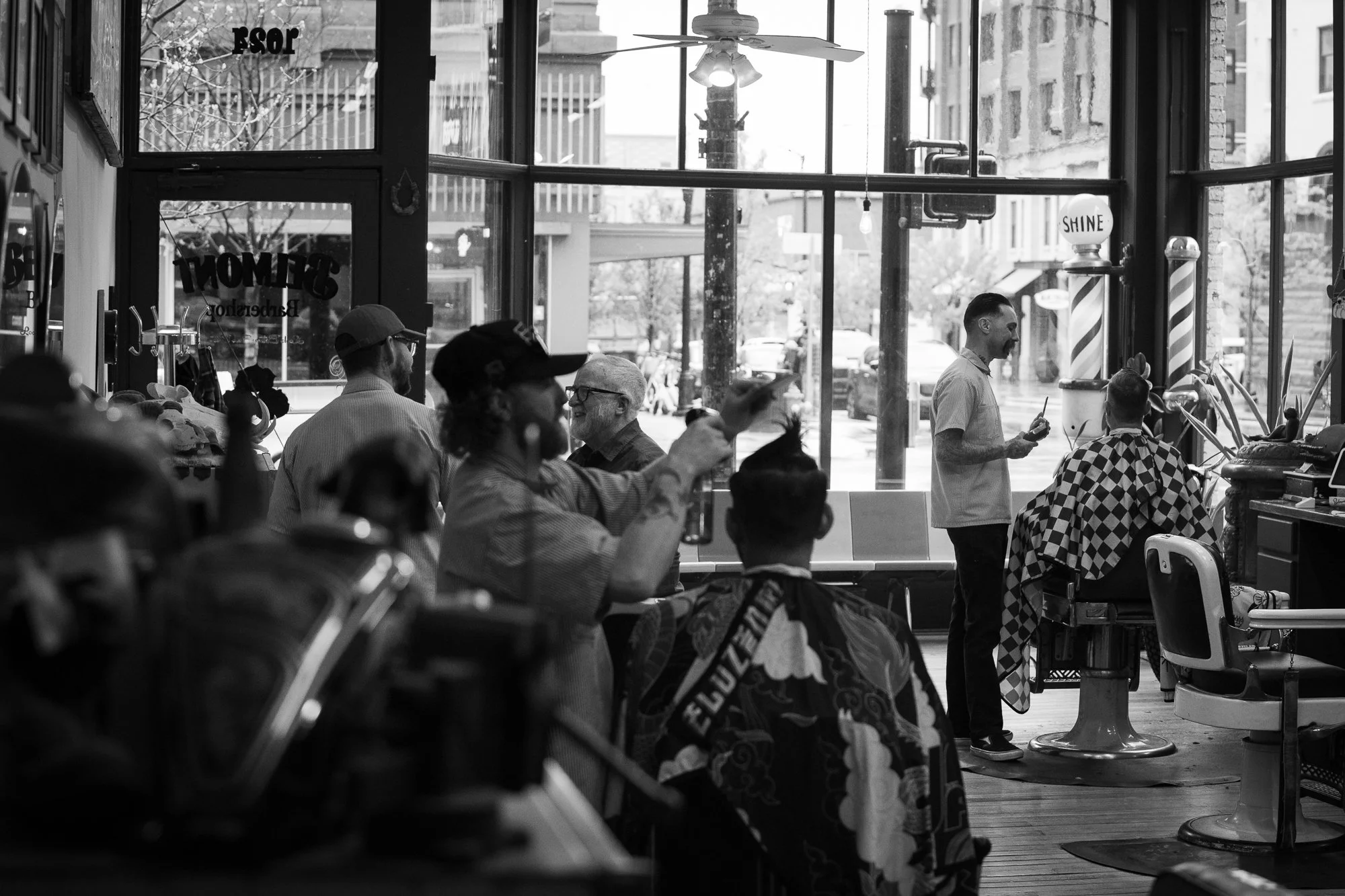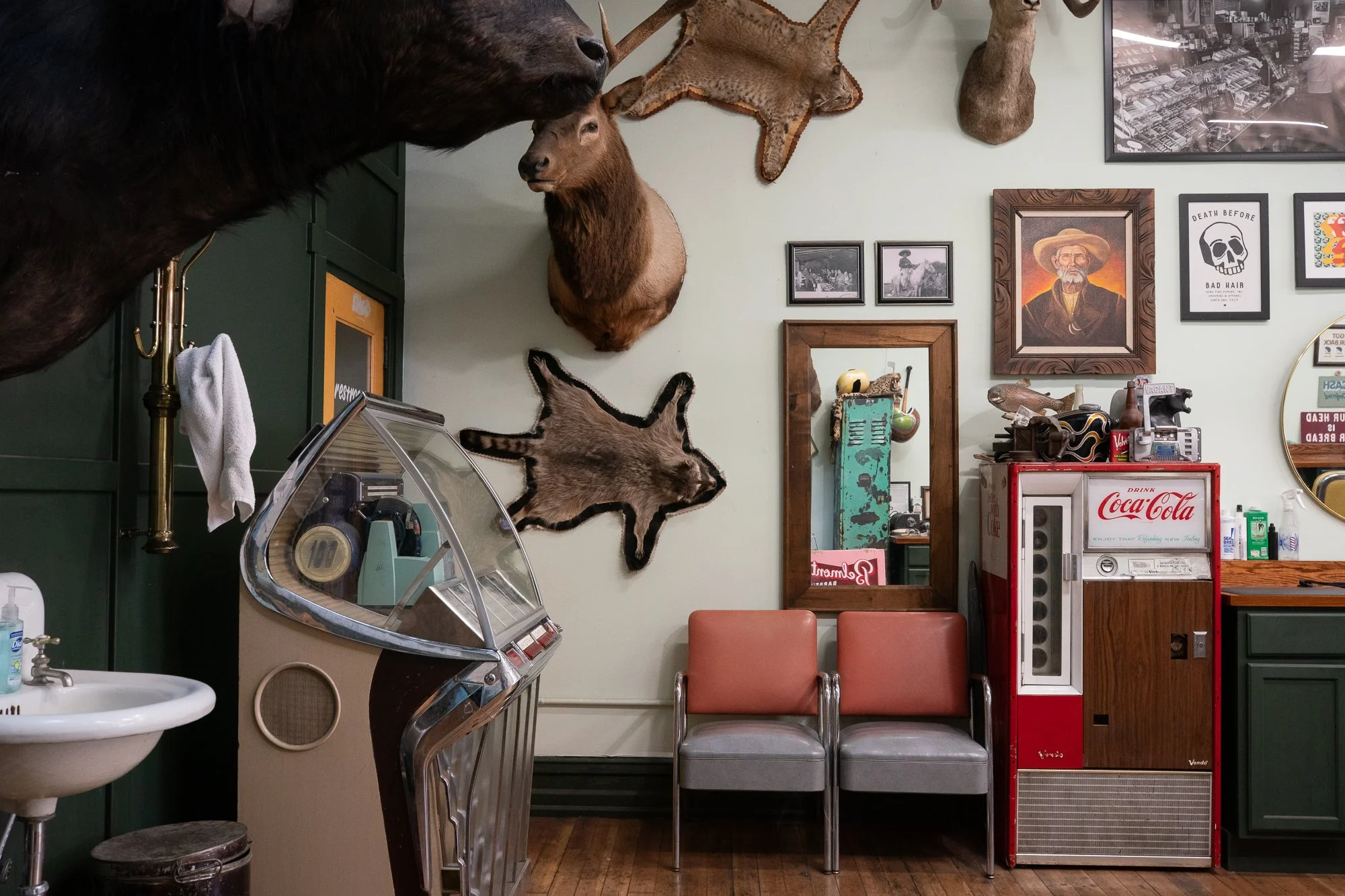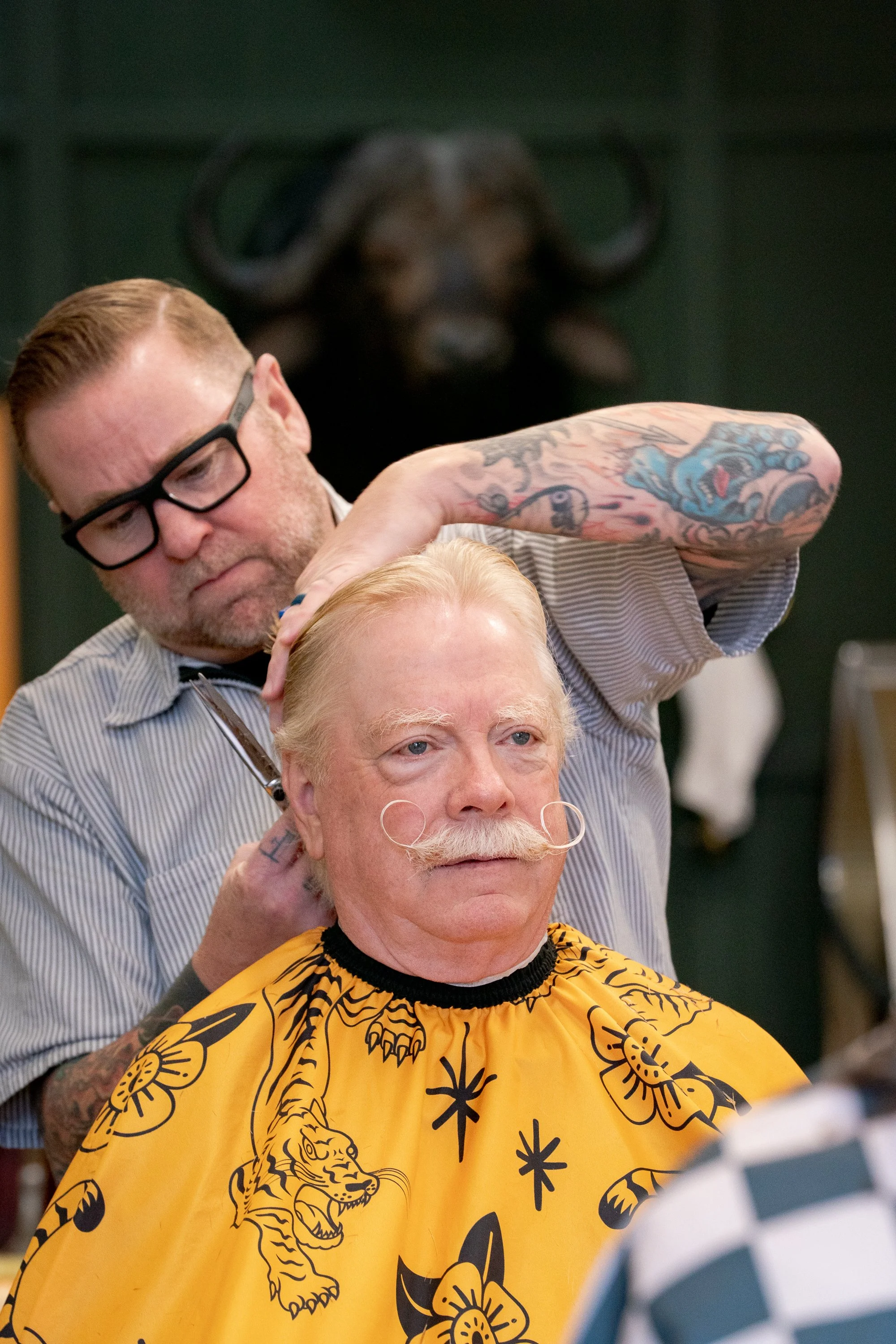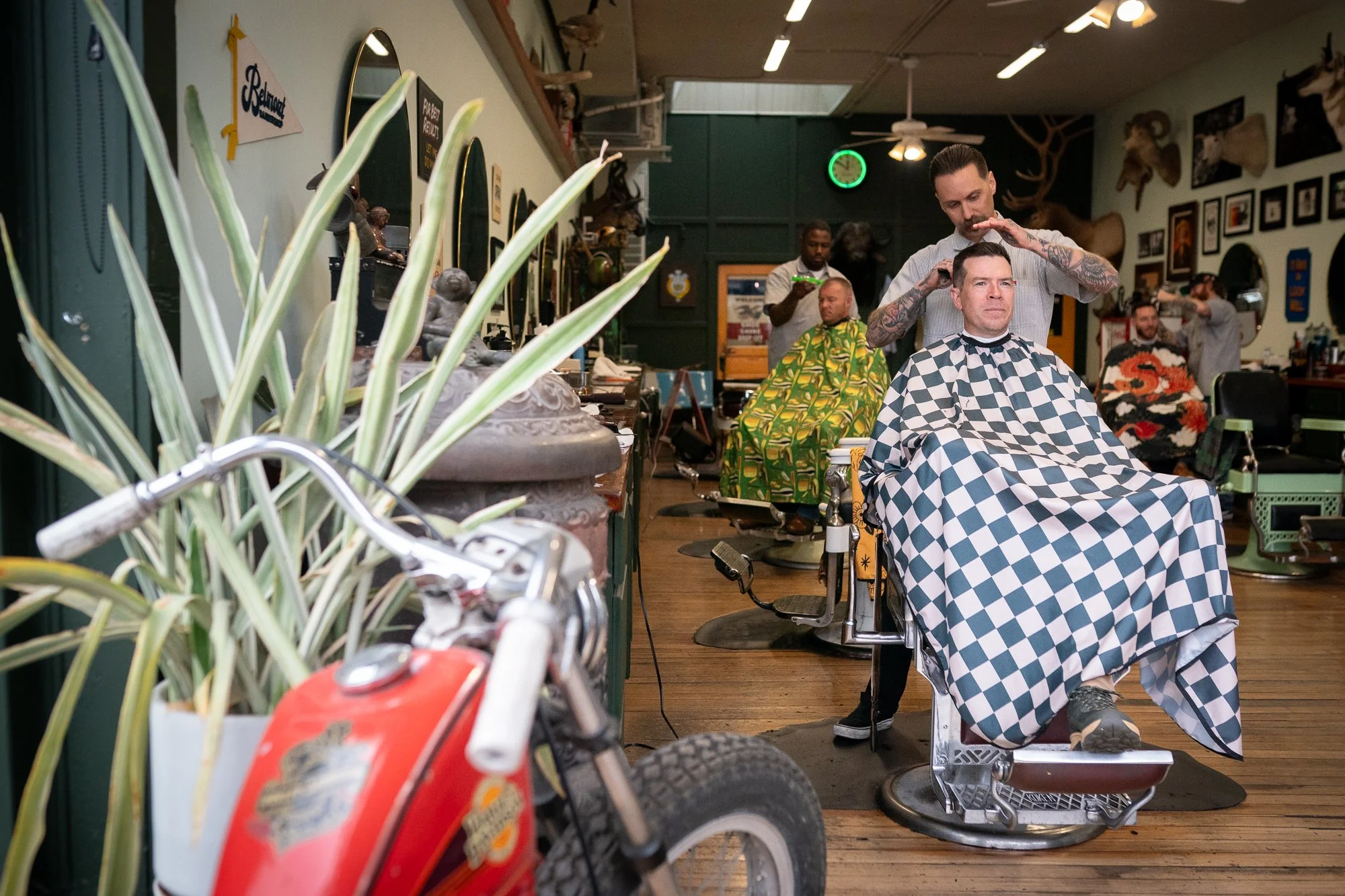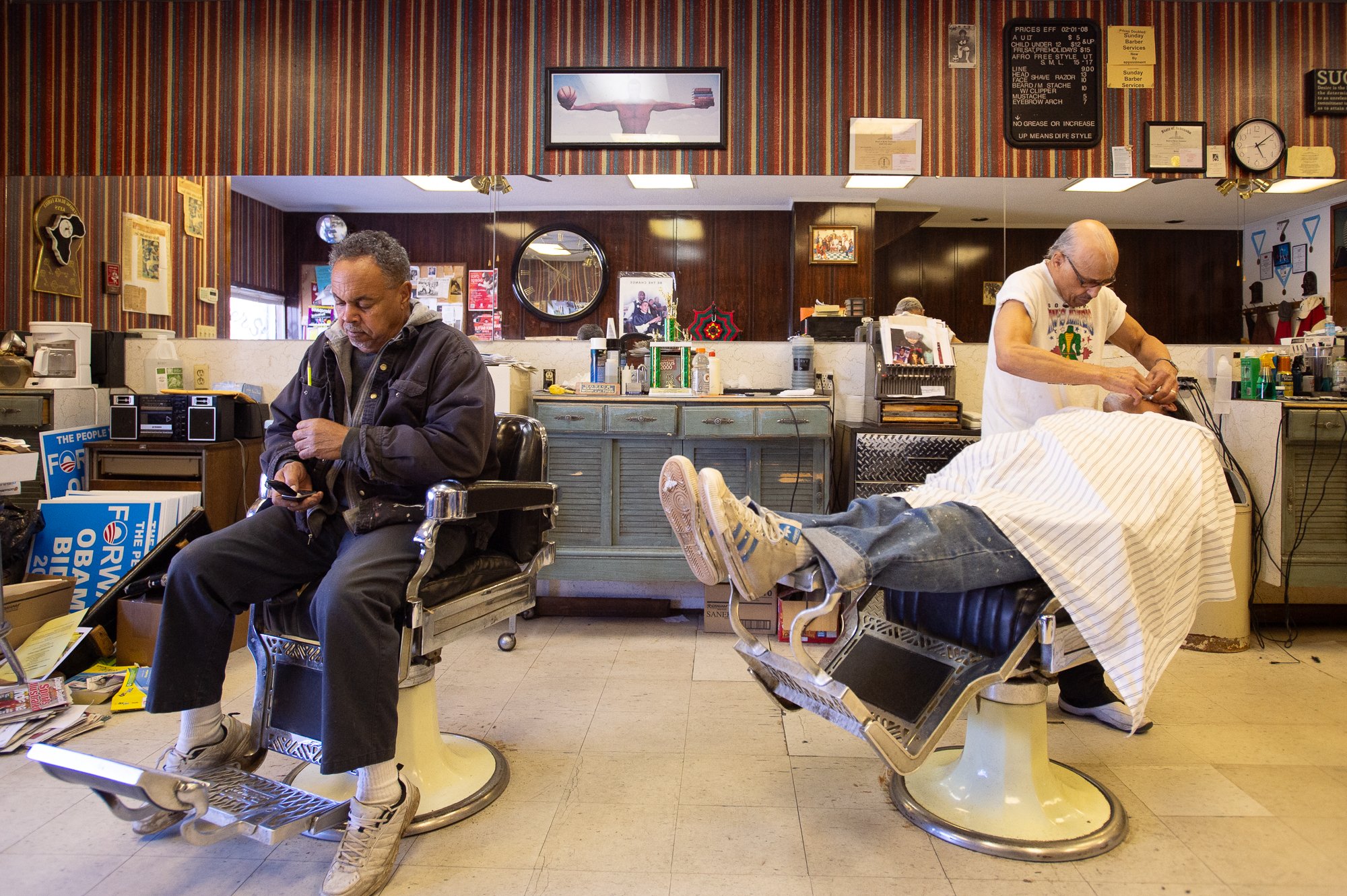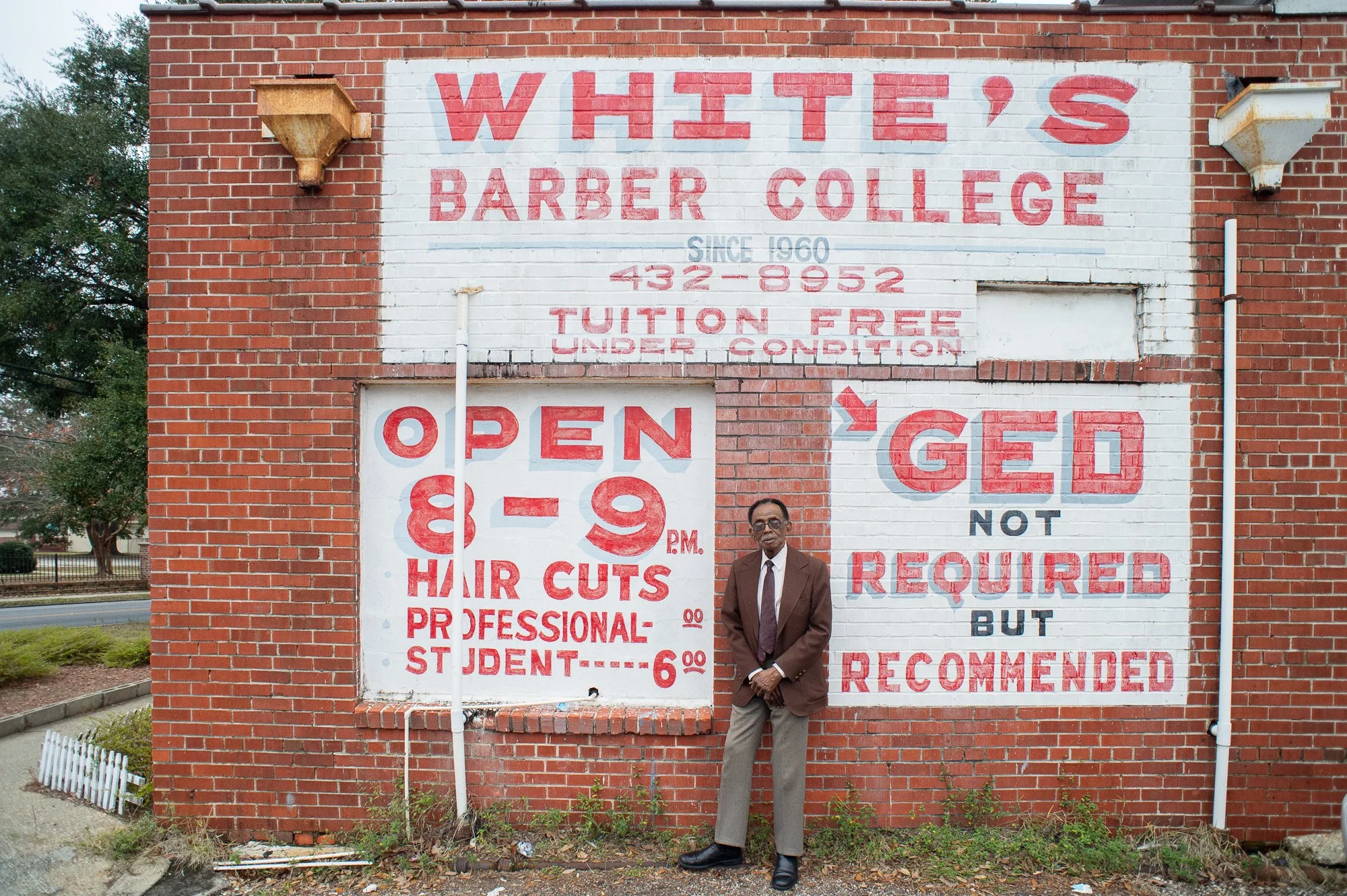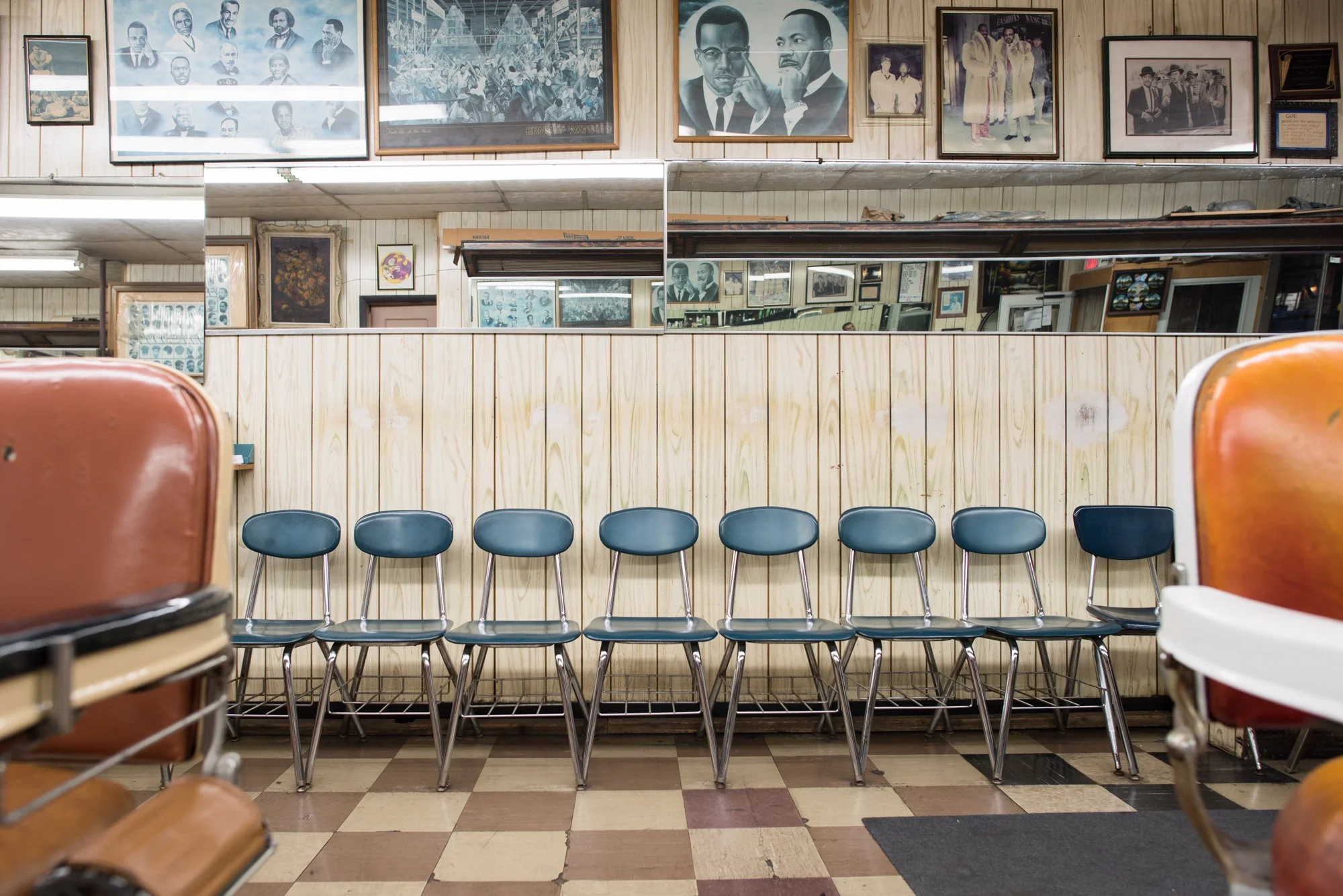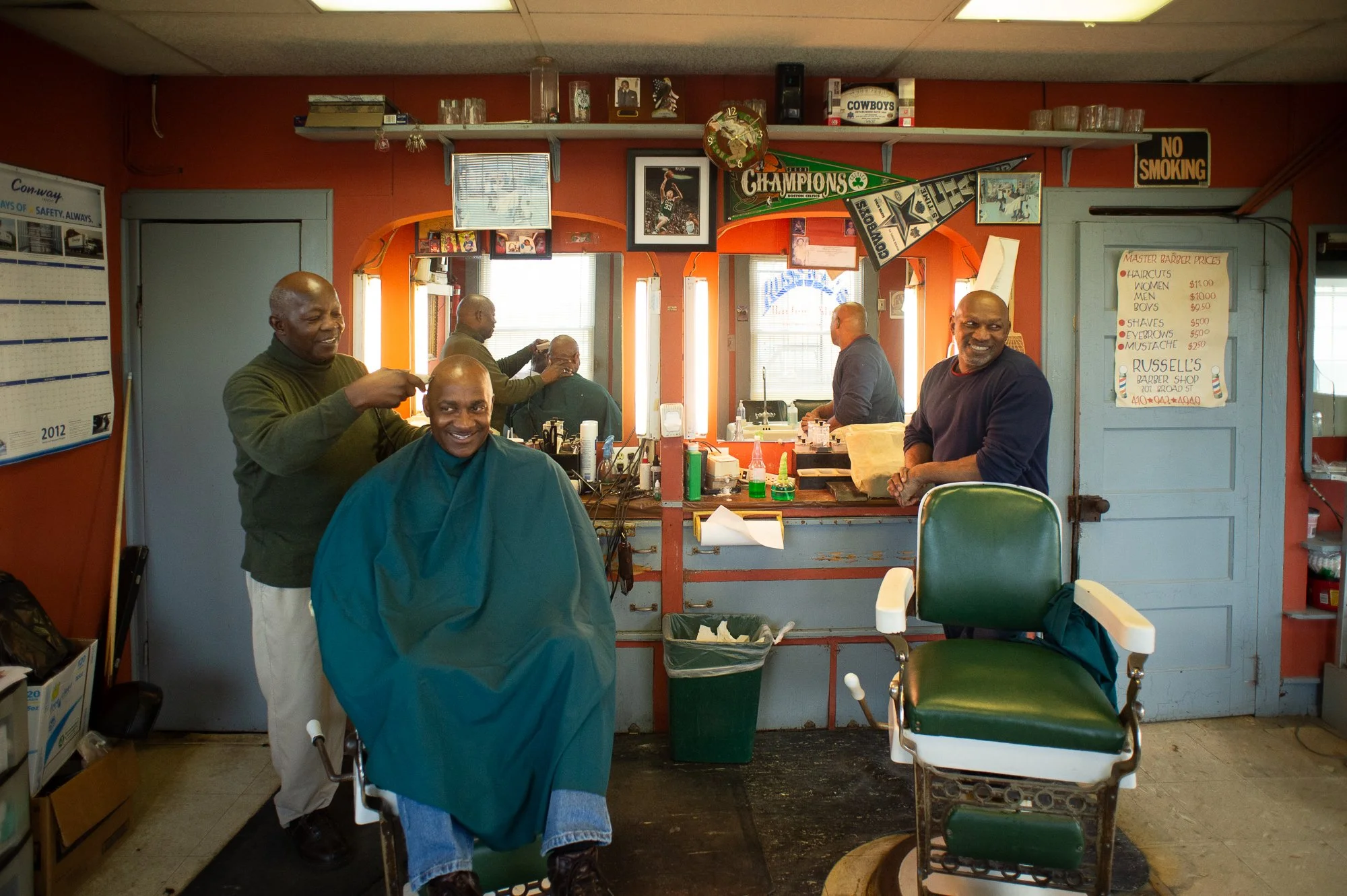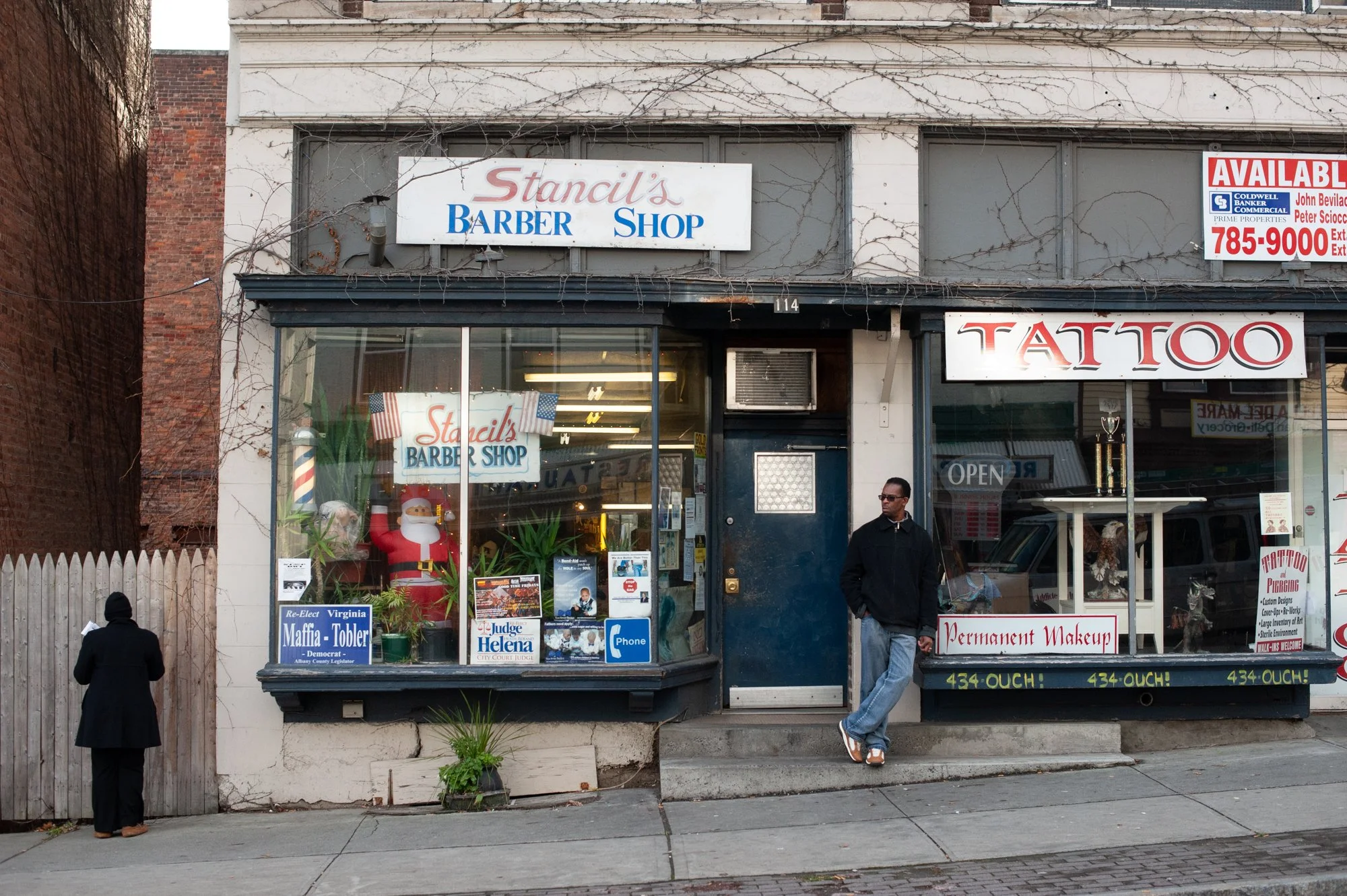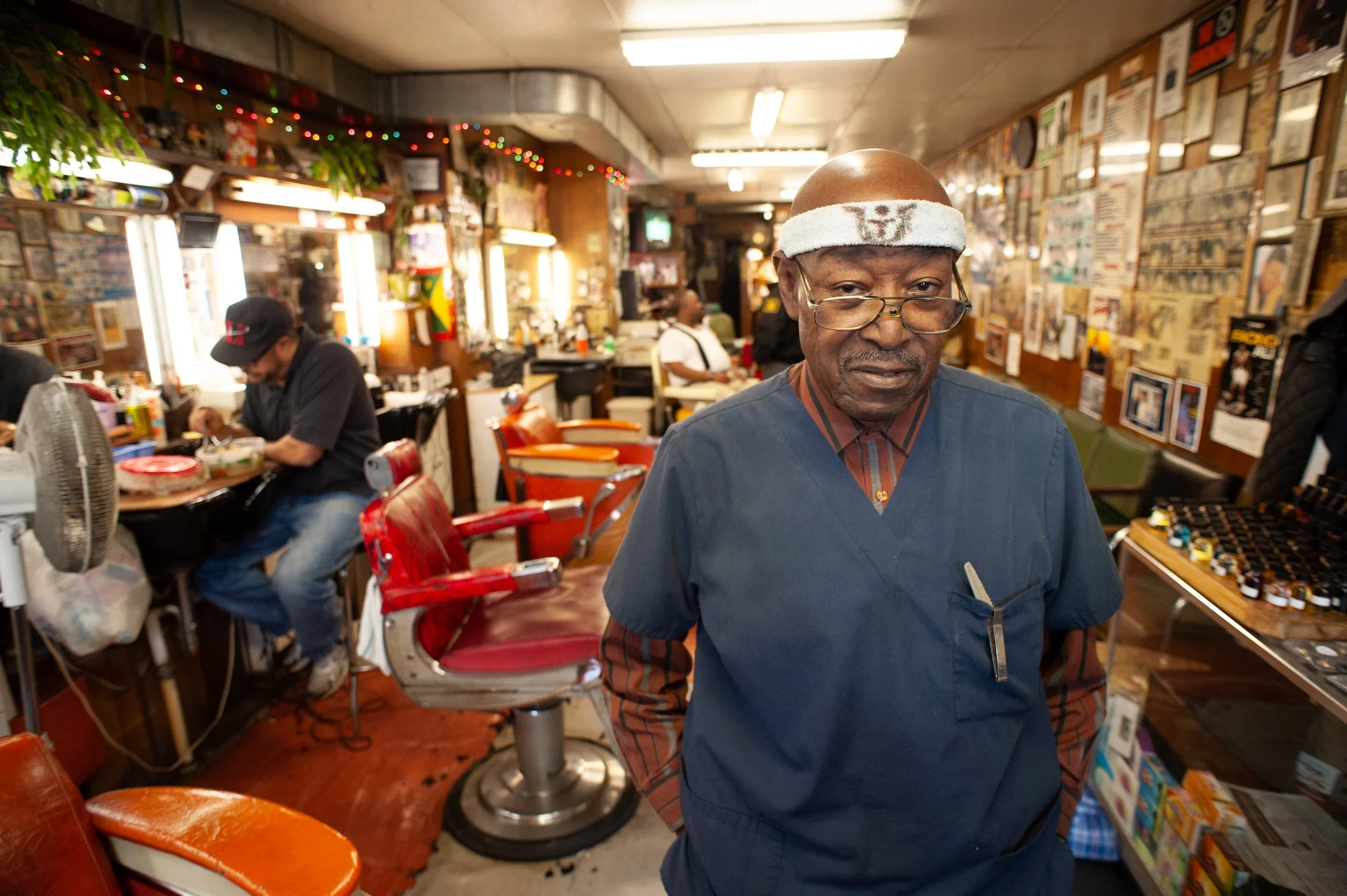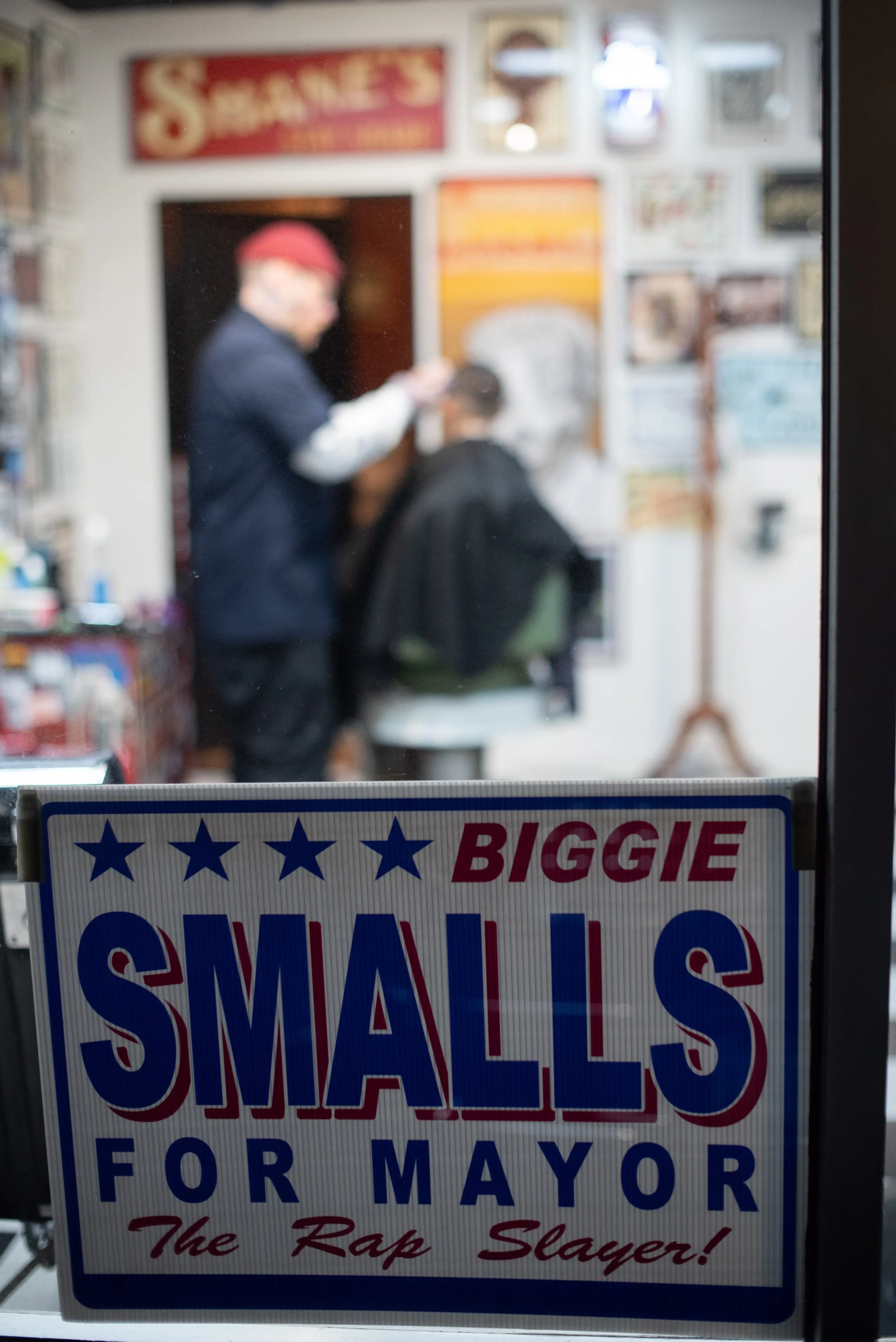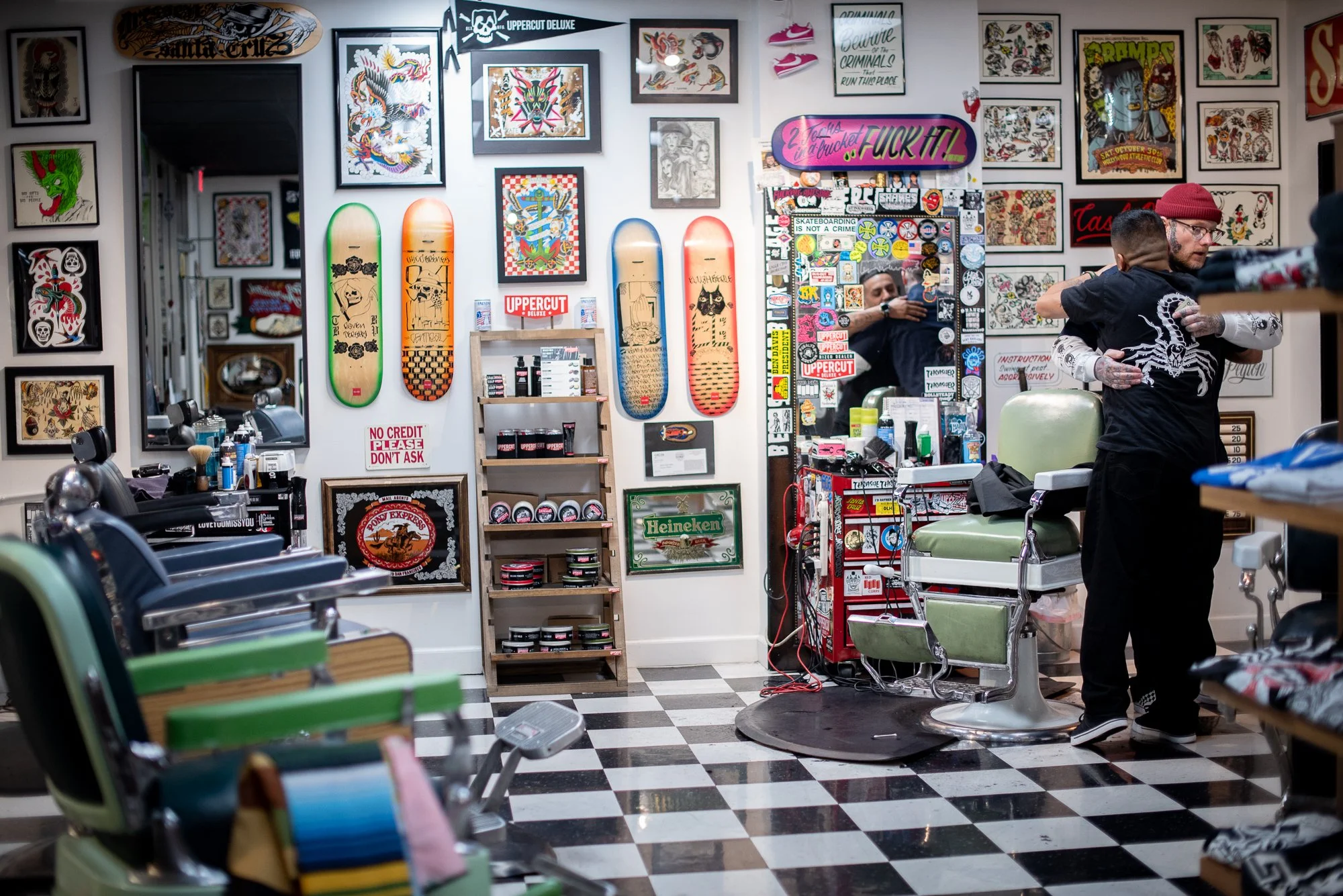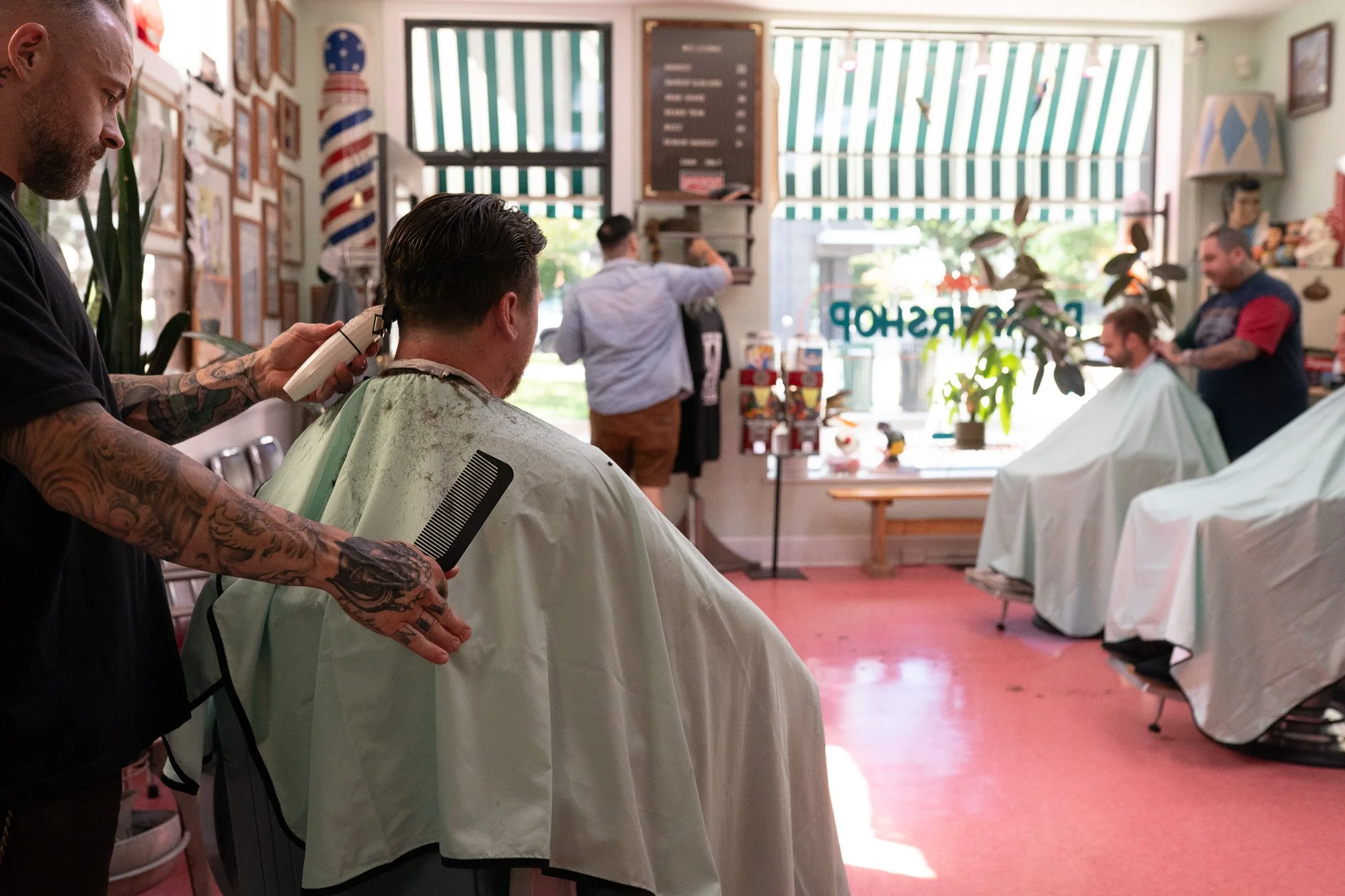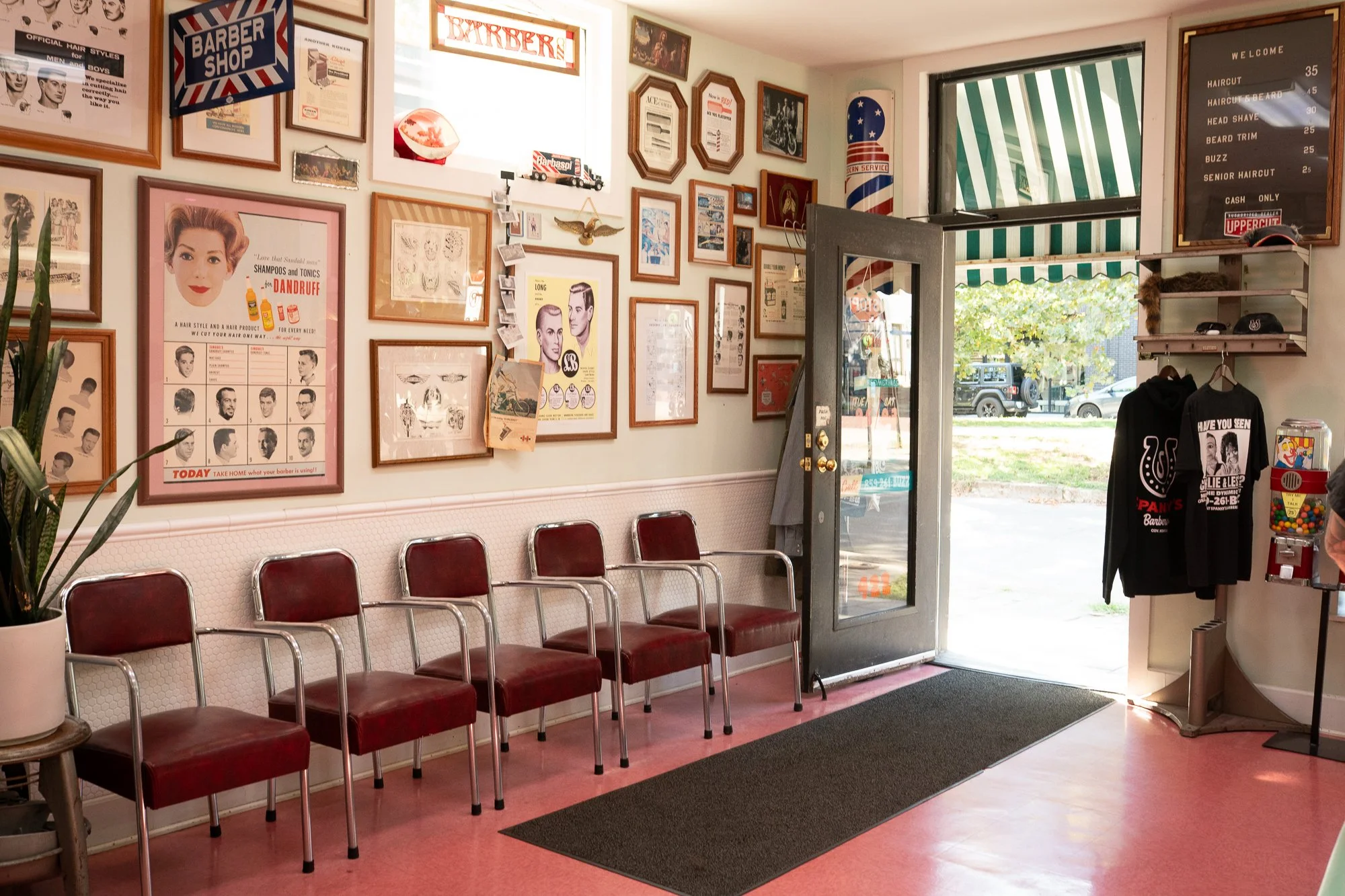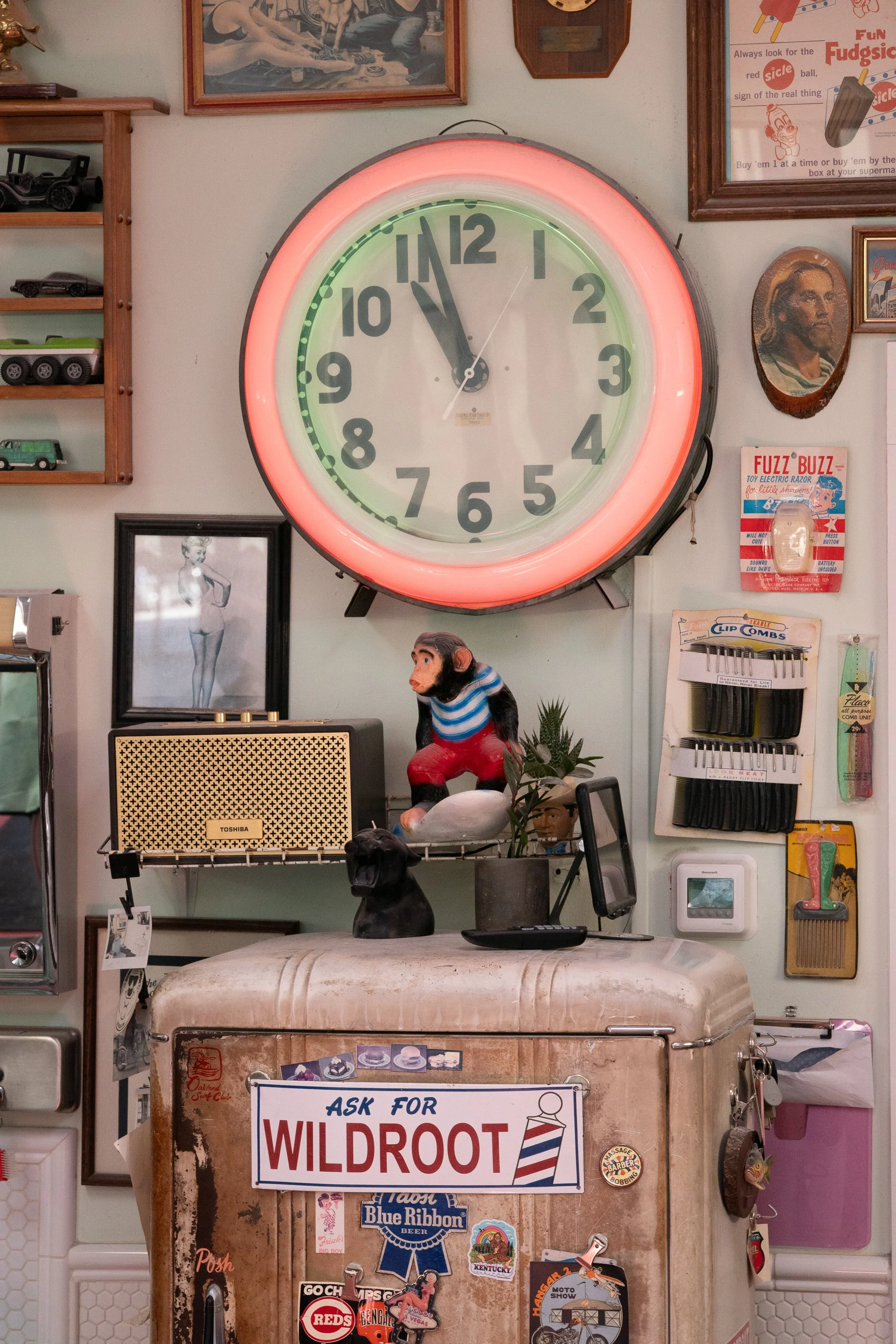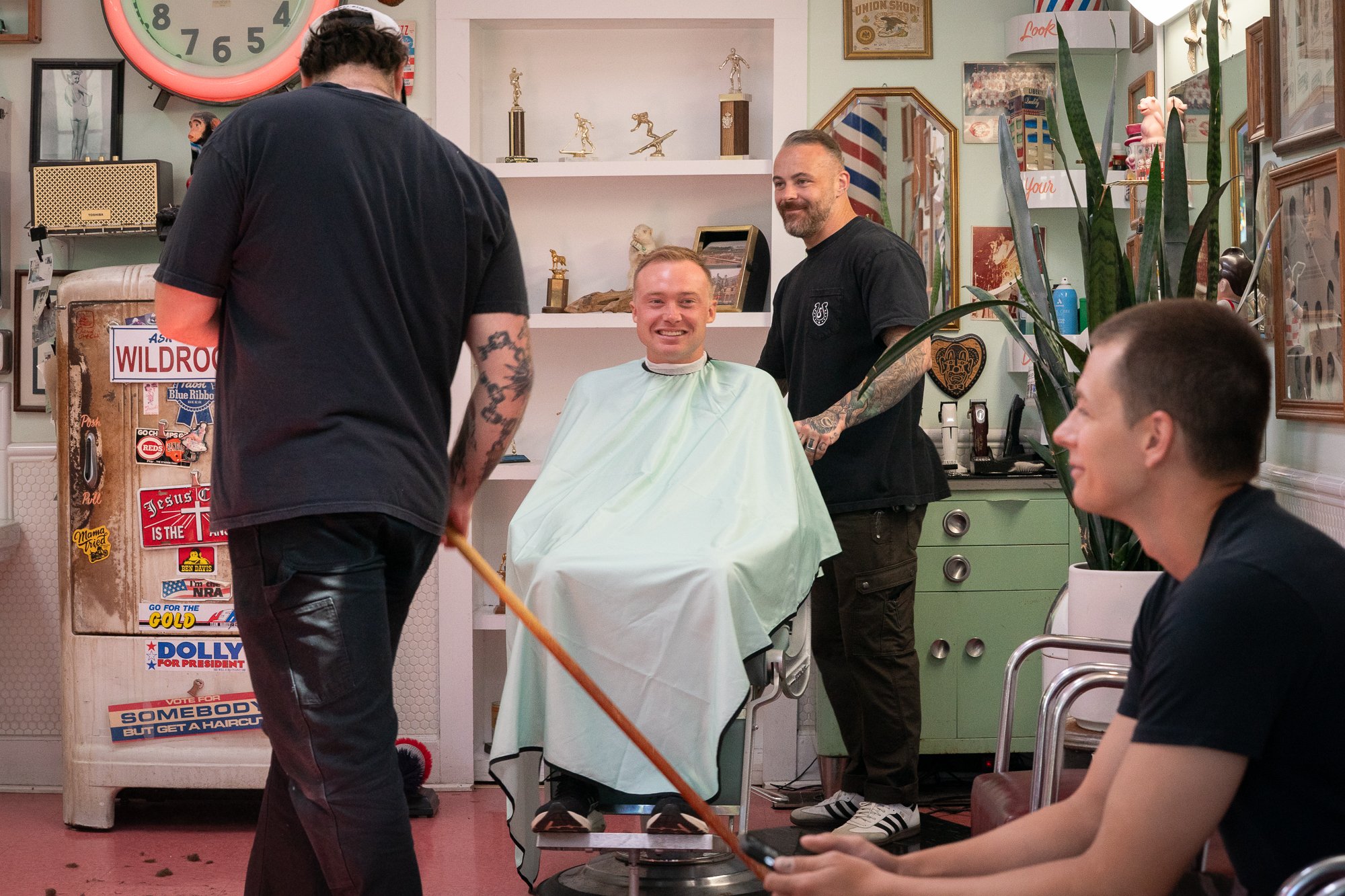
Inside One of America’s Oldest Barbershops, Before It Closed

Tony’s Barbershop, Brooklyn, New York

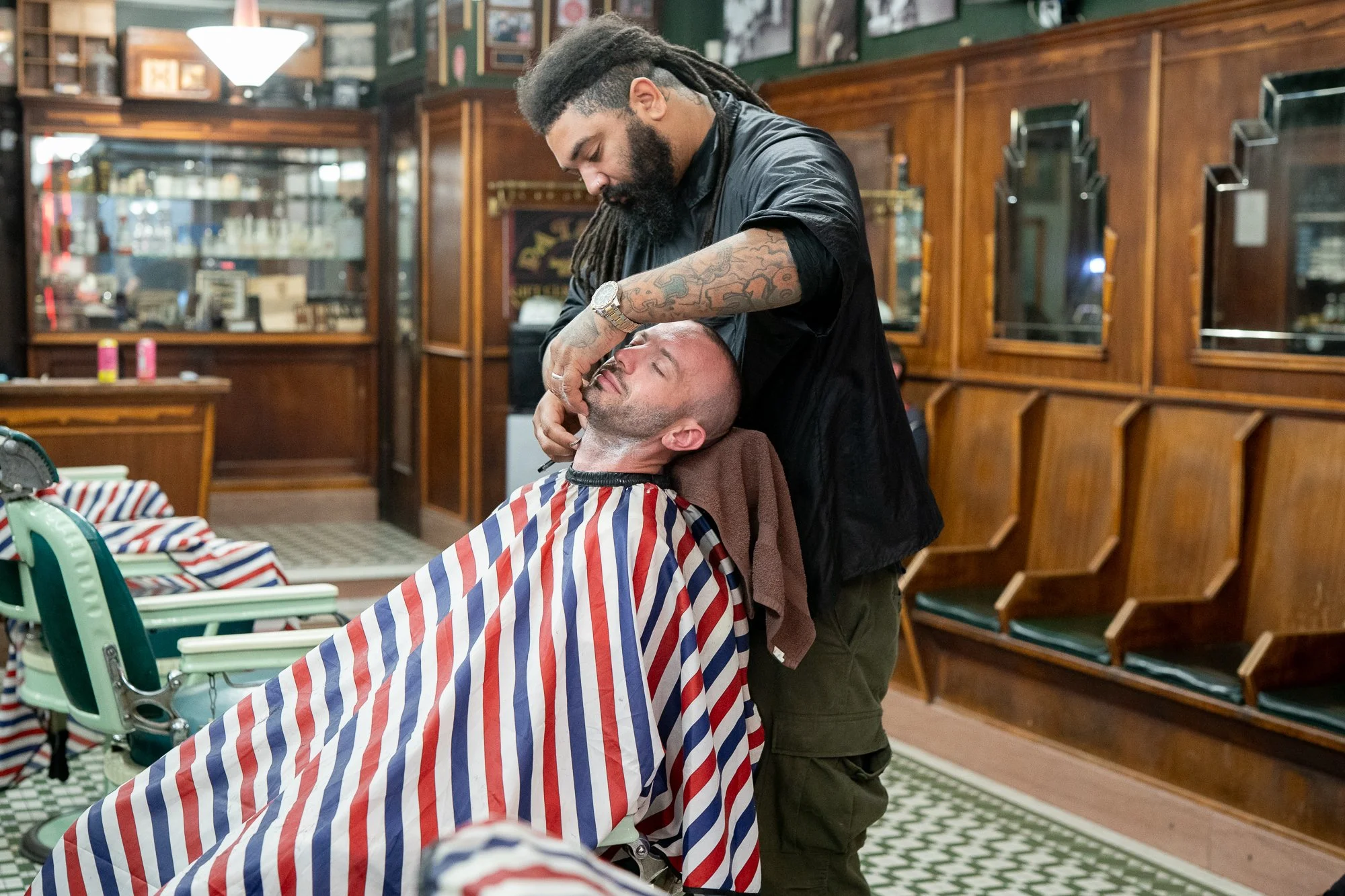
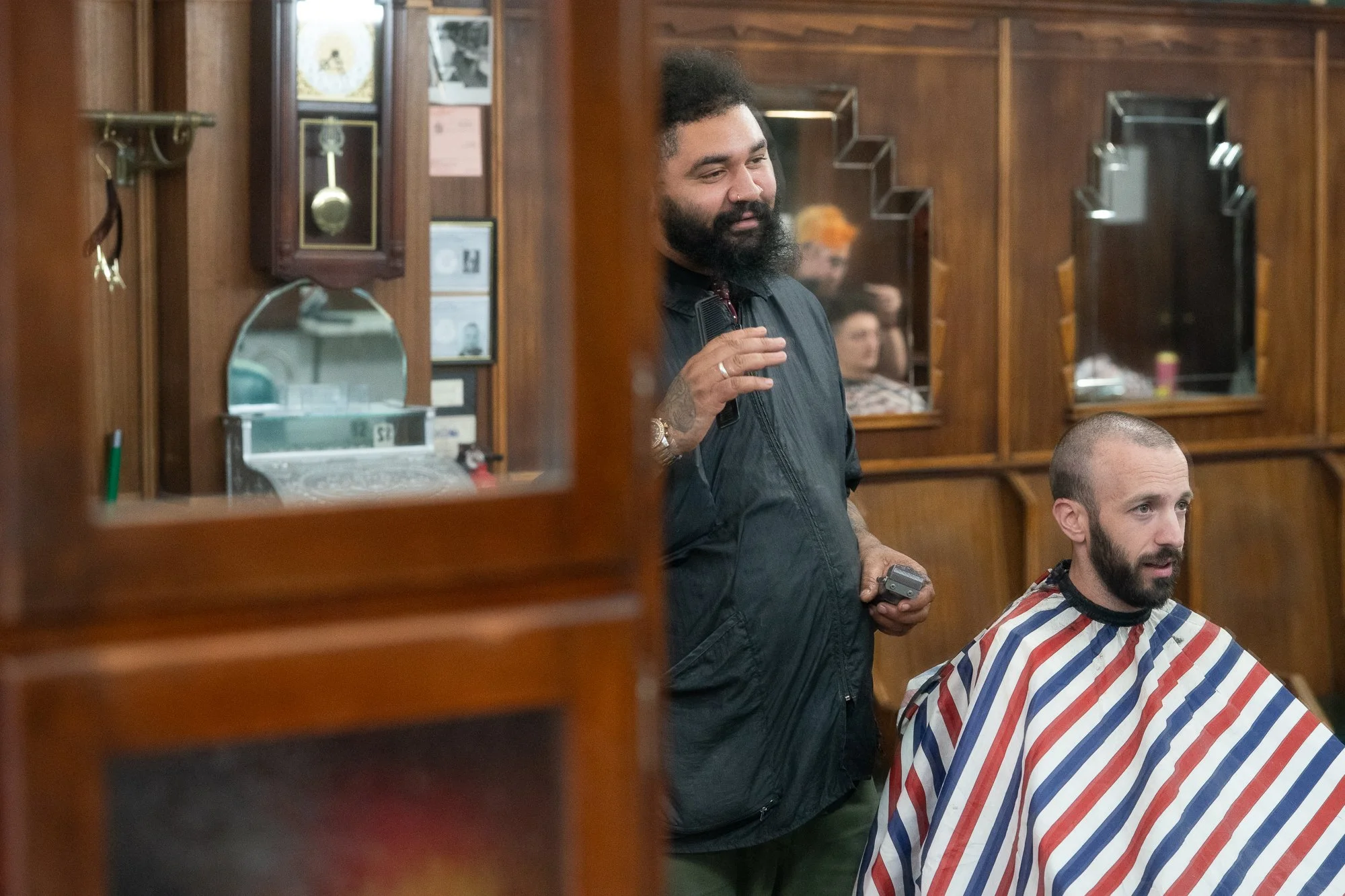
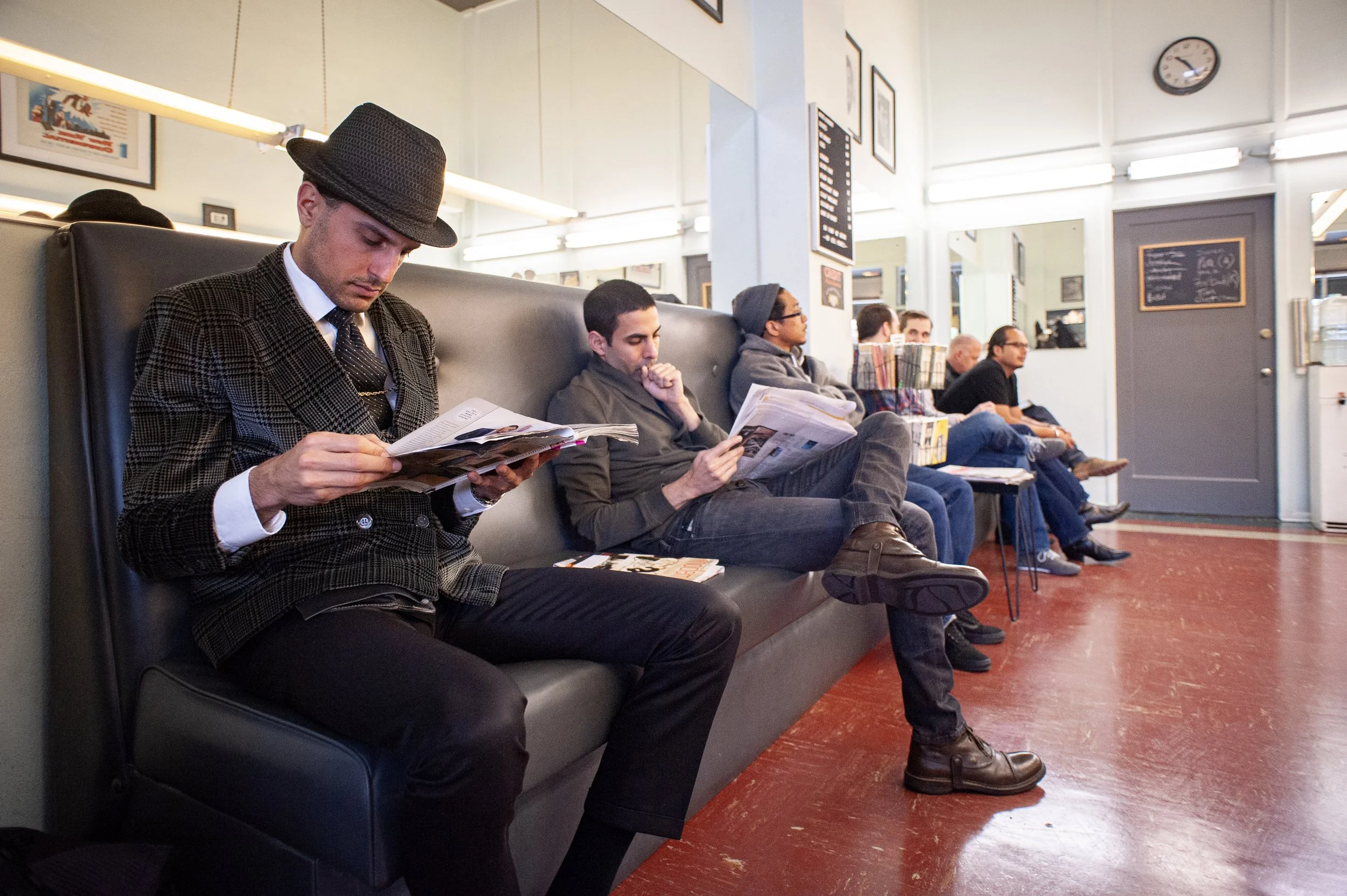
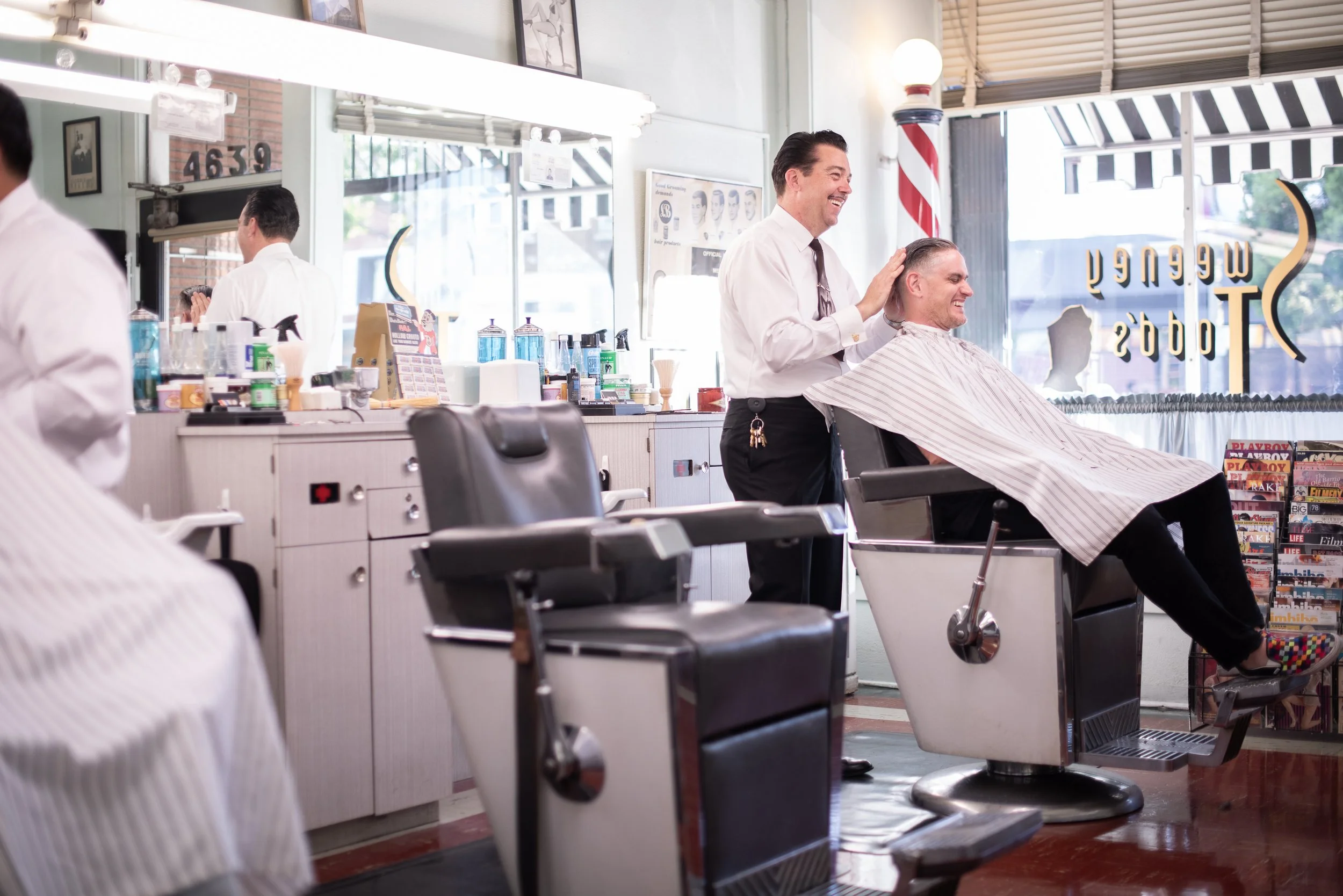
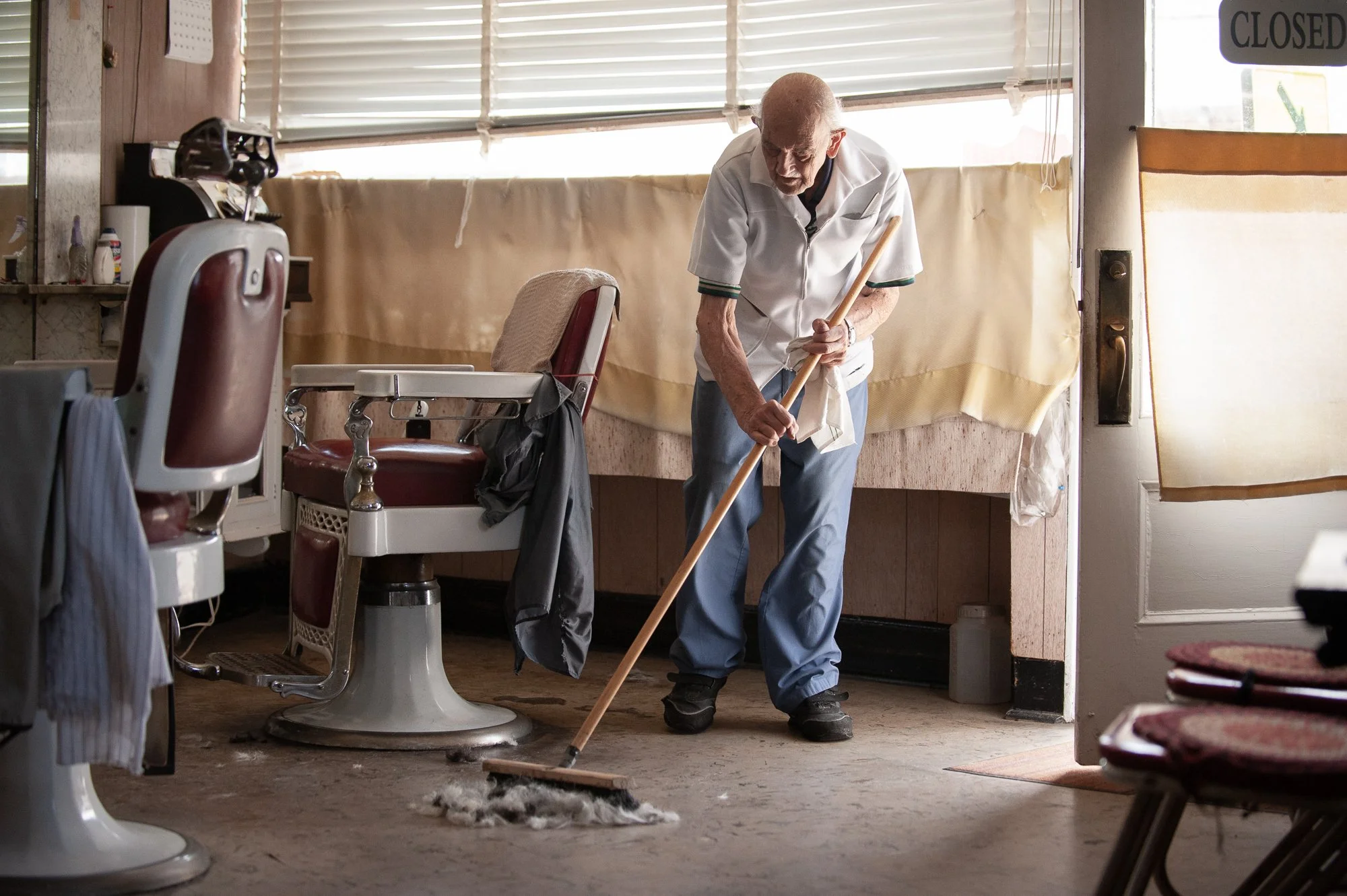
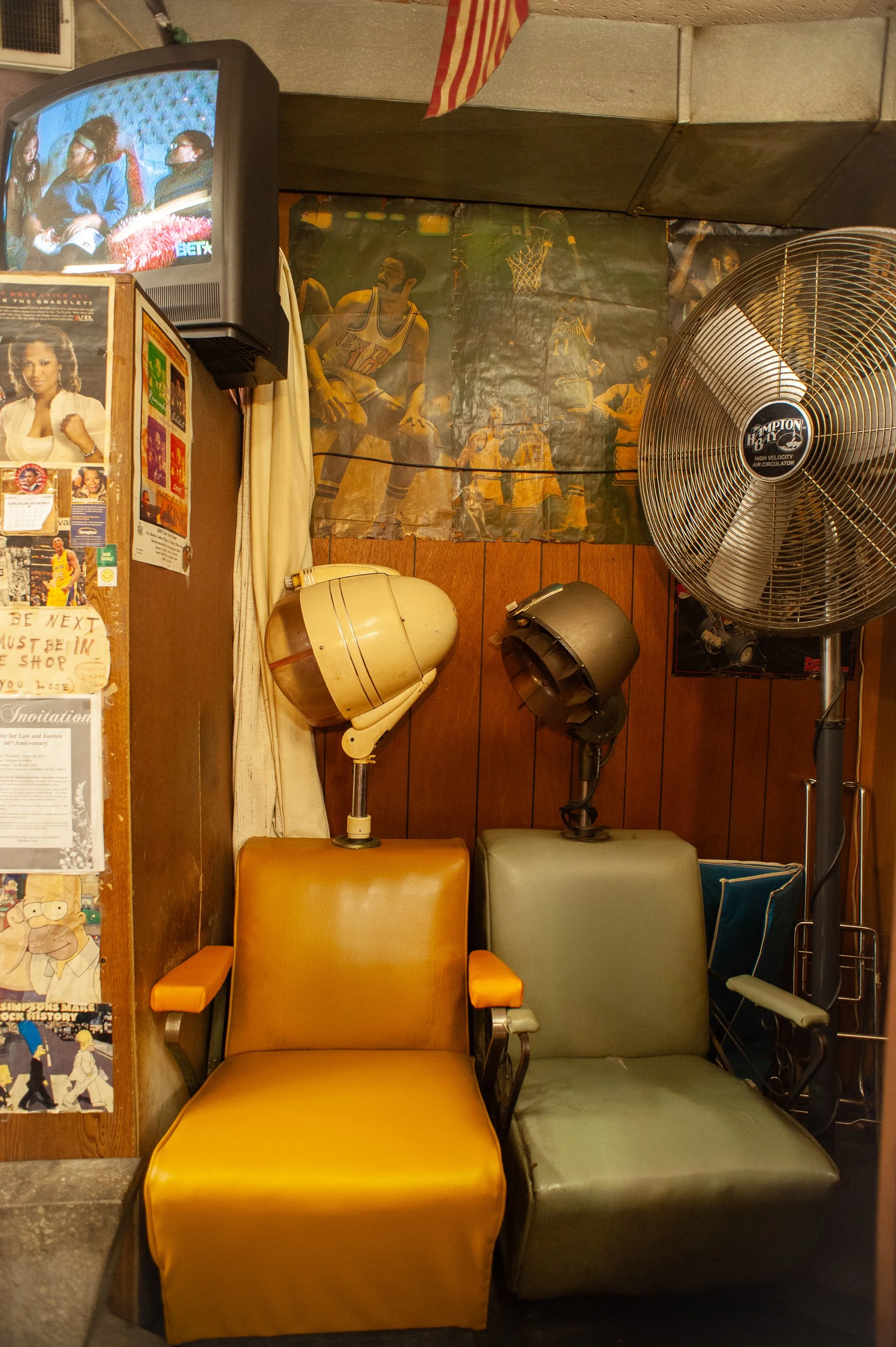
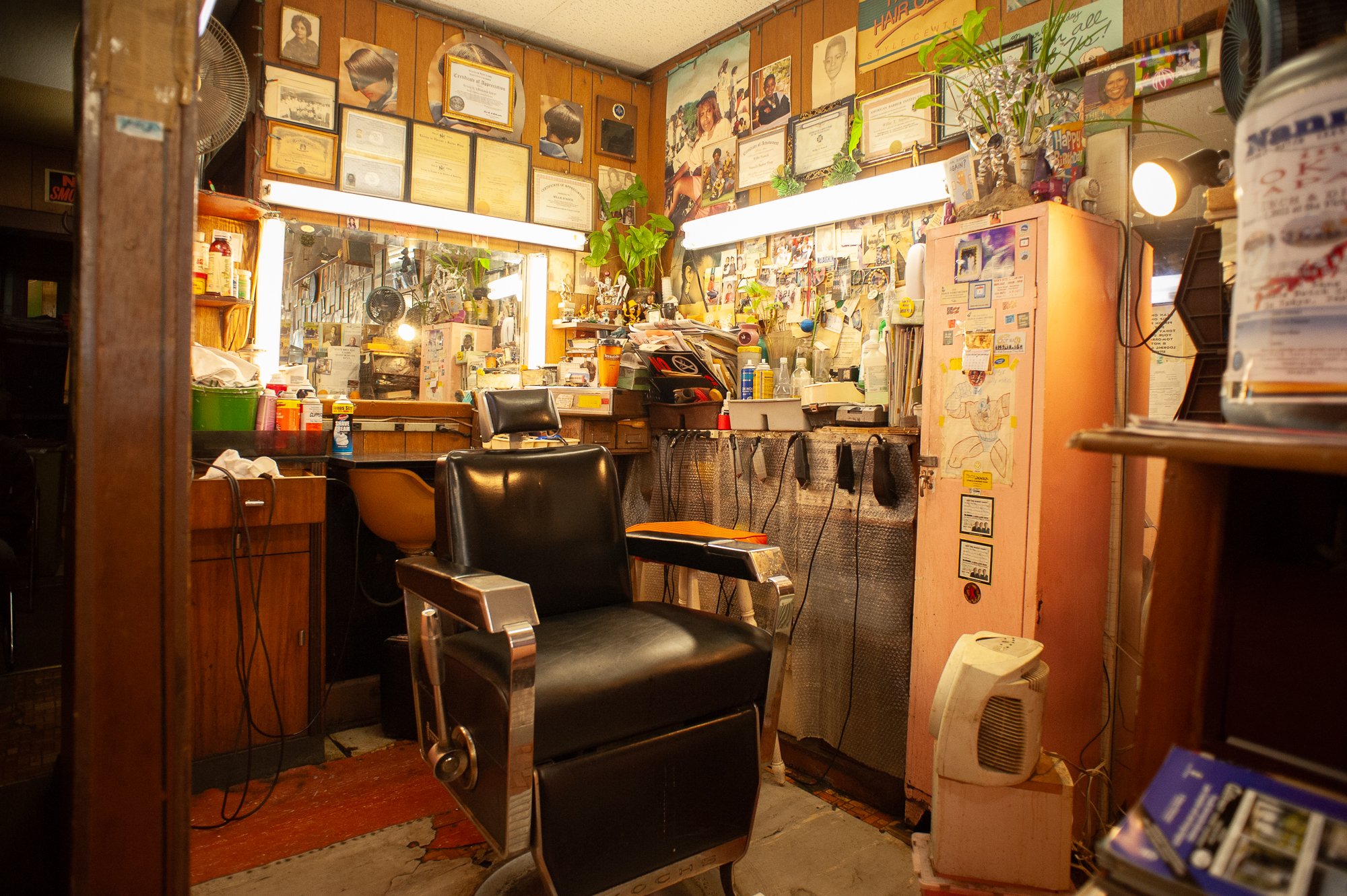
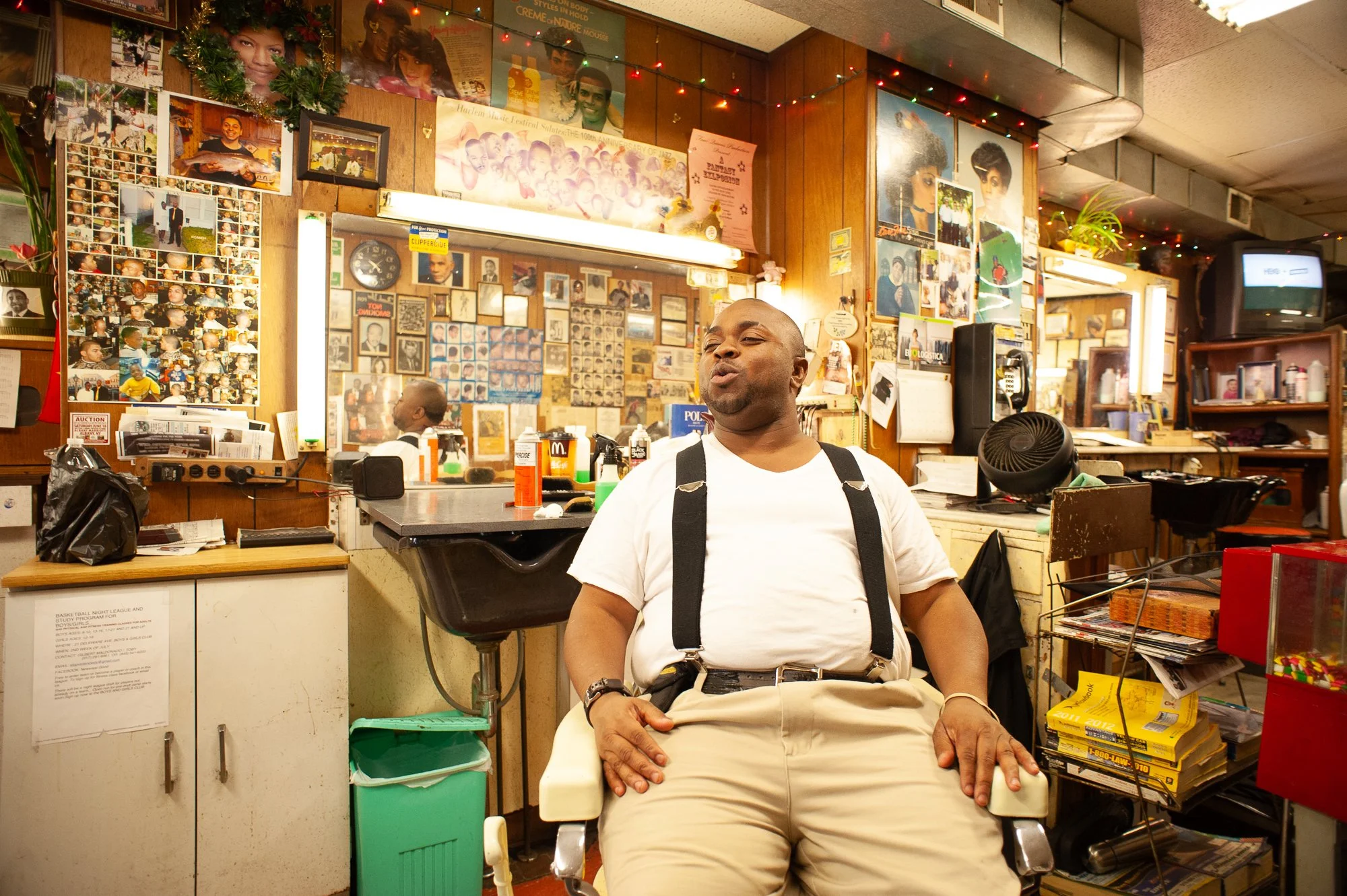
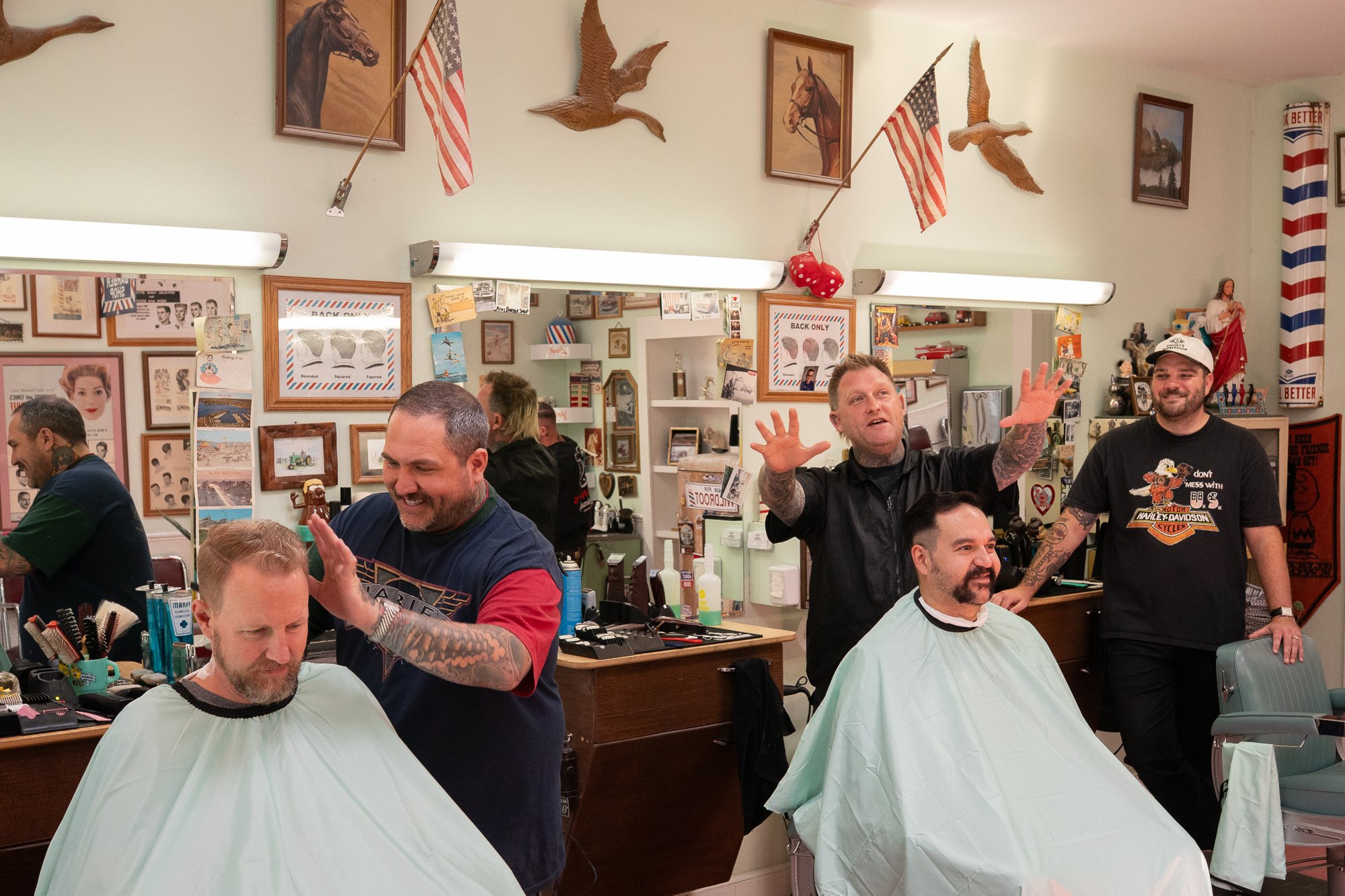
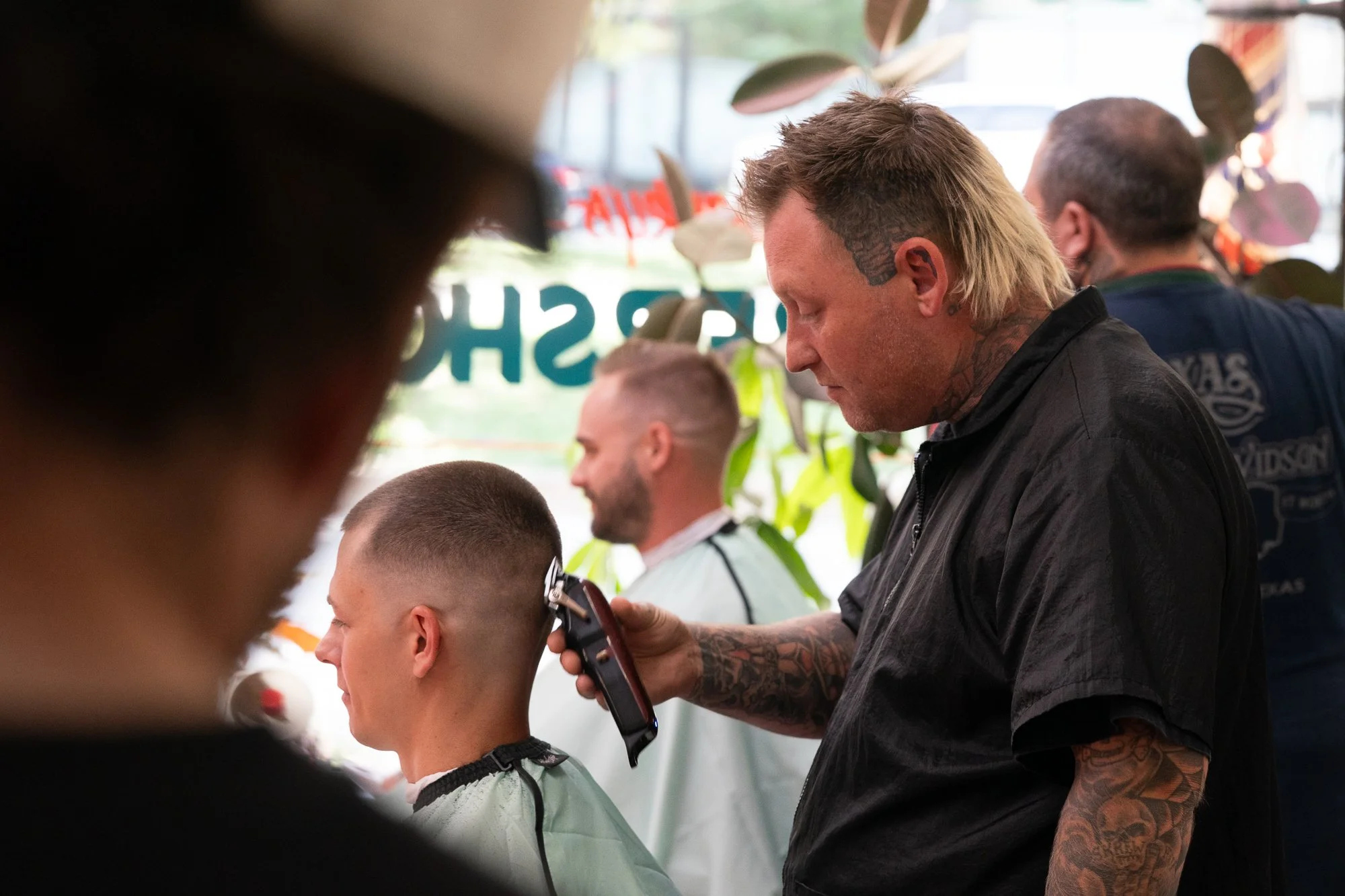
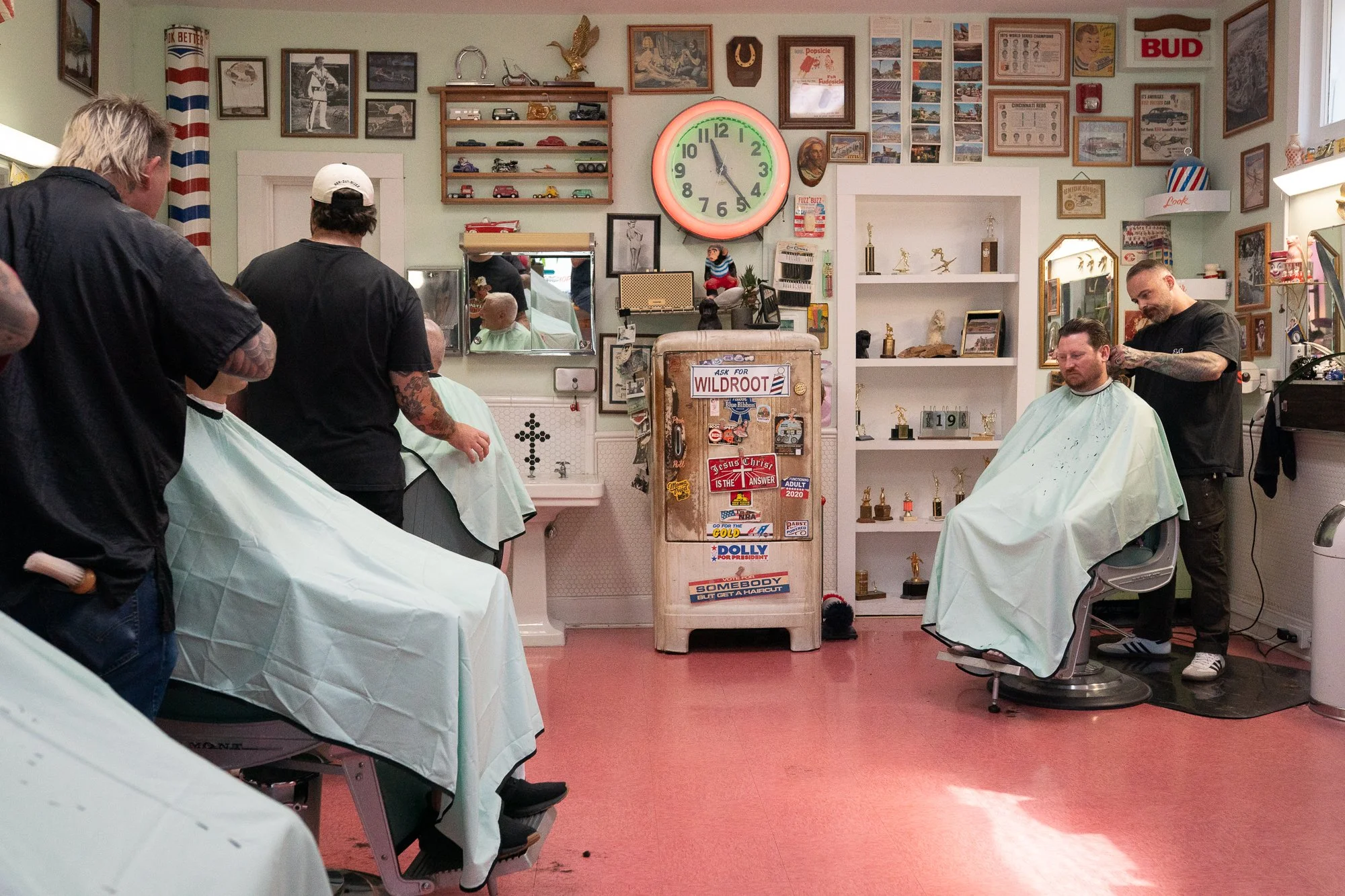
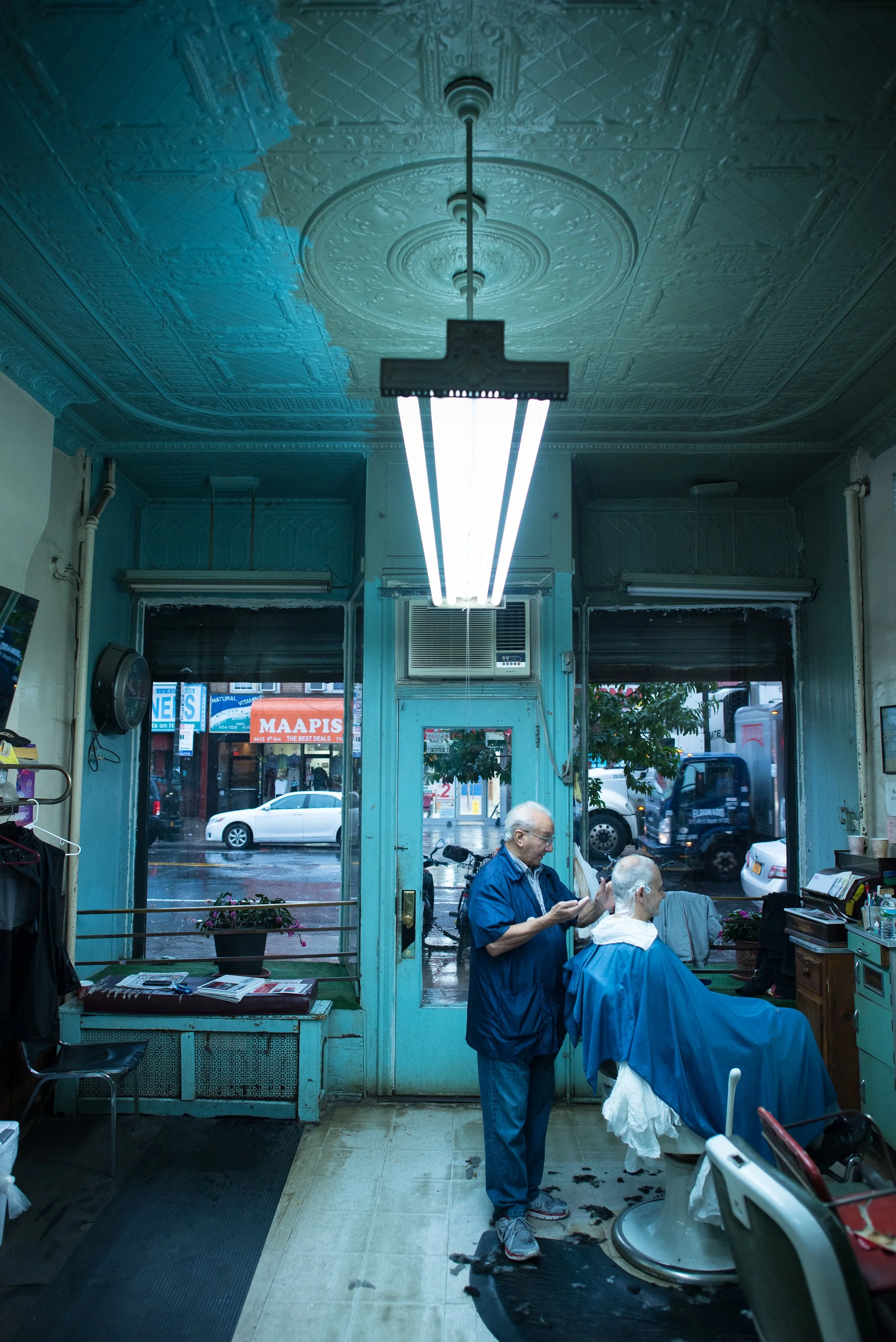
For more than 200 years, Tony’s Barbershop stood in the Sunset Park neighborhood of Brooklyn as a constant—outlasting wars, economic cycles, and generations of change. Inside, little evolved by design: the same chairs, the same mirrors, the same daily rhythms shaped by friendship and conversation rather than efficiency or trend. It was a place where time moved at a human pace, where neighbors returned year after year not just for a haircut, but for continuity. When the owner passed away in 2020 and the shop closed soon after, that unbroken history ended quietly, marking the loss of not just one of America’s oldest barbershops, but a form of community that is becoming increasingly rare.

A Barbershop Shaped by Time

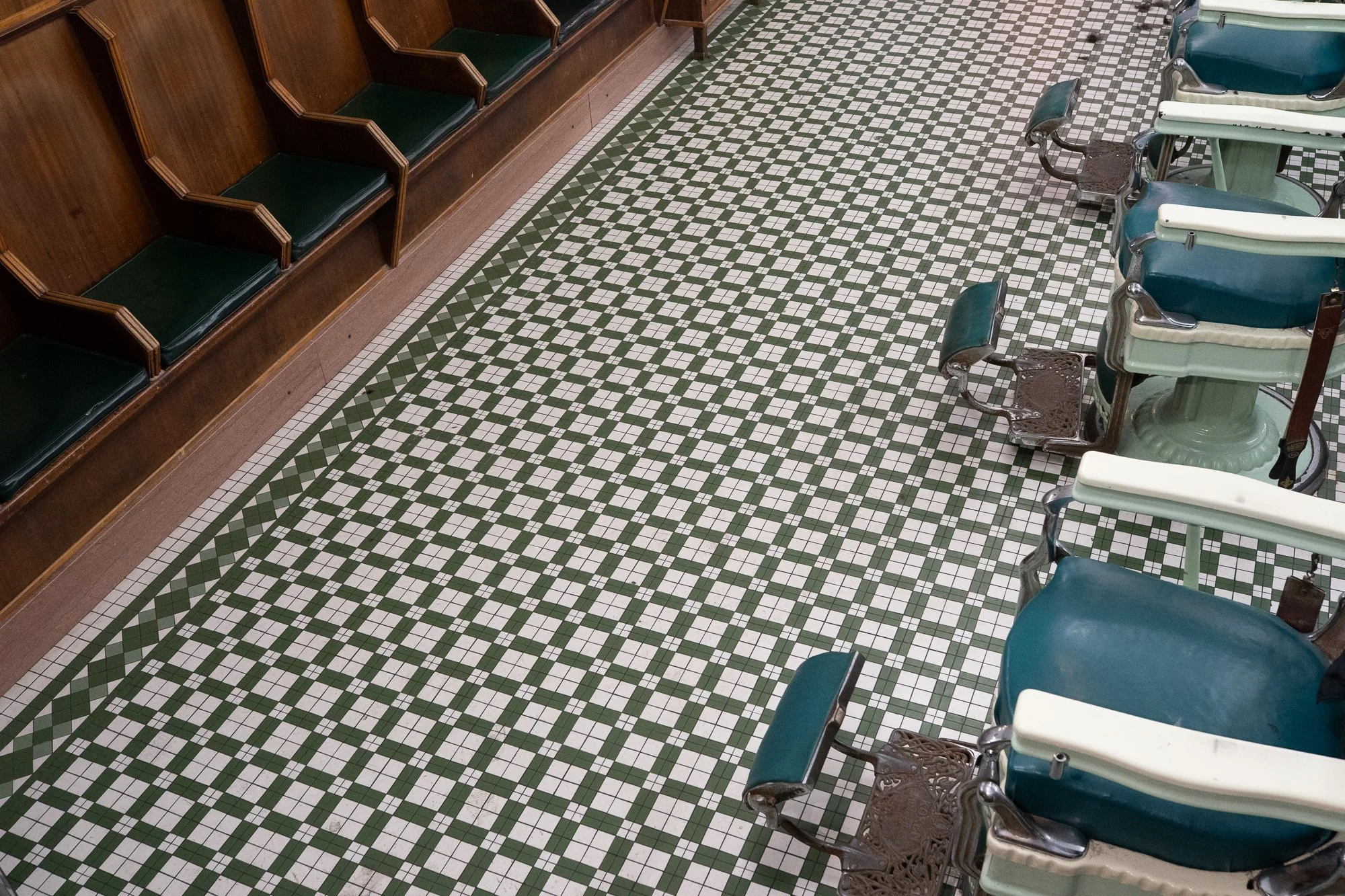
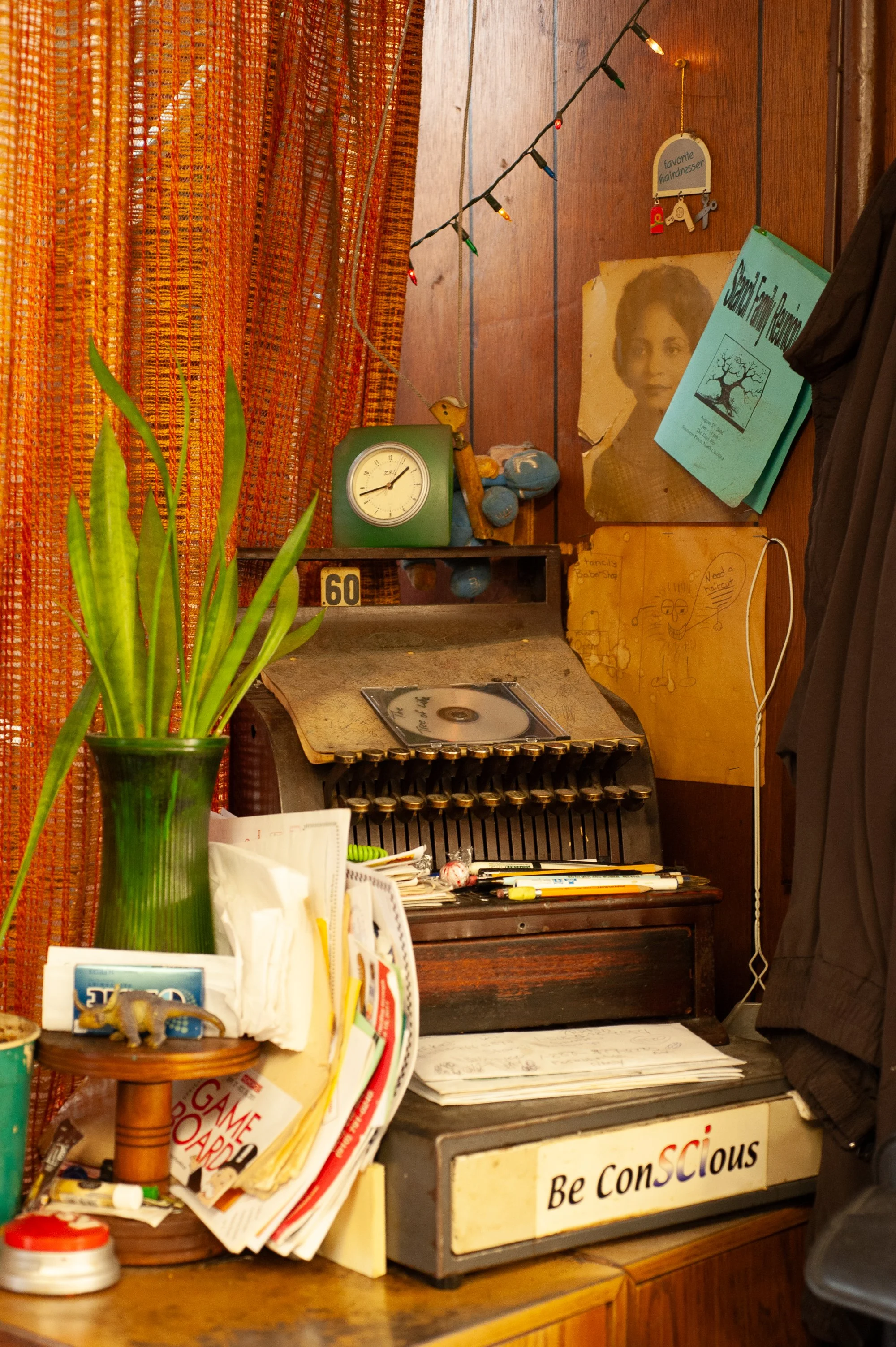
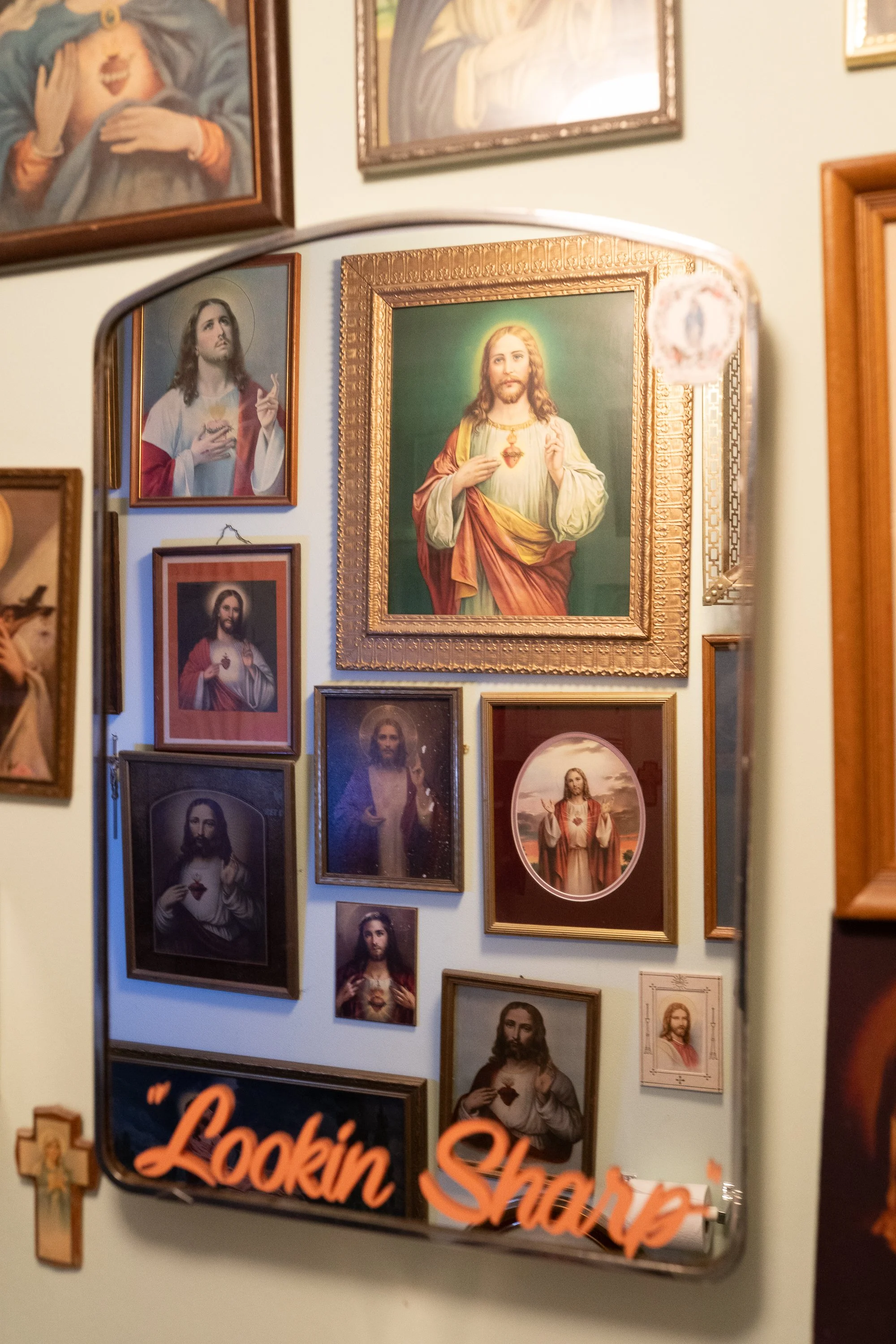
There is no faking what Tony’s has. It’s the kind of place you’d want to use as inspiration for the classic American barbershop in a movie, but achieving that look is impossible because the grit and patina, the thing that truly makes it special, is time. Centuries, in fact. Hard to say for sure, but you could argue that Tony’s was one of, if not the oldest barbershop in America?

Routine, Relationships, and Community

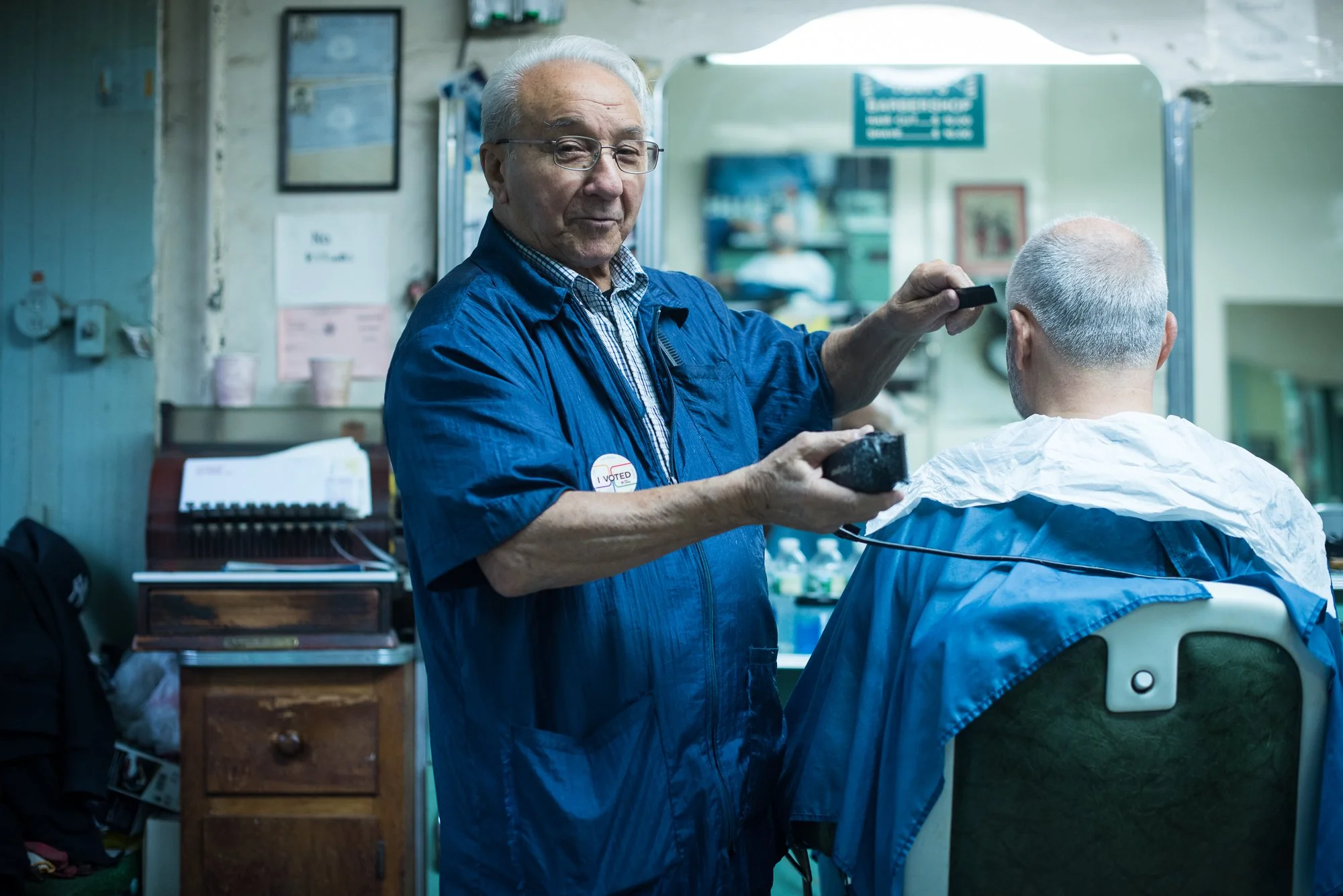
Ever since he moved to American from Italy, Tony has been cutting hair in the same Brooklyn barbershop, decade after decade. There is no way to measure the effect his shop and his presence has had on a neighborhood. It’s people like him that have made barbershops more than just a place to get your haircut. They are about community and friendship. In a lot of ways, Tony is a true American success story. When he first arrived here with just a few dollars to his name, his English was so bad that he could barely communicate with customers. They would come in and he’d introduce himself by his real name - Felice. Only his accent was so thick that everyone thought his first name was Phil. This caused a lot of frustration until one day a “Tony” came in and asked his name, to which he replied “I’m like you, Tony!” Later when he bought the shop, it became Tony’s. Years passed and he was able to buy the apartments above the shop too!

The Quiet End of a Long Continuity

Most traditional barbershops do not disappear by choice. Across the country, many are forced out by rising rents and landlords eager to replace long-standing tenants with more profitable uses, cutting short decades of continuity with little regard for the communities those shops served. Tony’s Barbershop was spared that fate. Because Tony owned the building, the shop did not end in eviction or displacement, but concluded on his own terms, following his retirement and passing in 2020. Even so, the outcome is no less final. Ownership could protect the space from outside pressure, but it could not preserve what mattered most—the accumulated history of daily routines, relationships, and shared memory built over more than two centuries. Once that continuity ends, there is no way to replicate it, only to acknowledge what has quietly been lost.

Documenting America’s Vanishing Barbershops

Projects like Barbershops of America exist not just out of nostalgia, but necessity. As traditional barbershops disappear—often quietly and without record—their absence leaves a gap that is cultural as much as physical. Over the past 15 years, documenting these spaces across all 50 states has revealed how deeply they are woven into the fabric of American life, particularly in working-class and rural communities. These shops are not interchangeable businesses; they are long-term social institutions shaped by trust, routine, and presence. Photographing them is an effort to preserve evidence of places that once held communities together, before they vanish without acknowledgment.

More work from the Barbershops of America series can be found here:

Barbershop Photography Gallery

Blog: Granville Barbershop - North Carolina

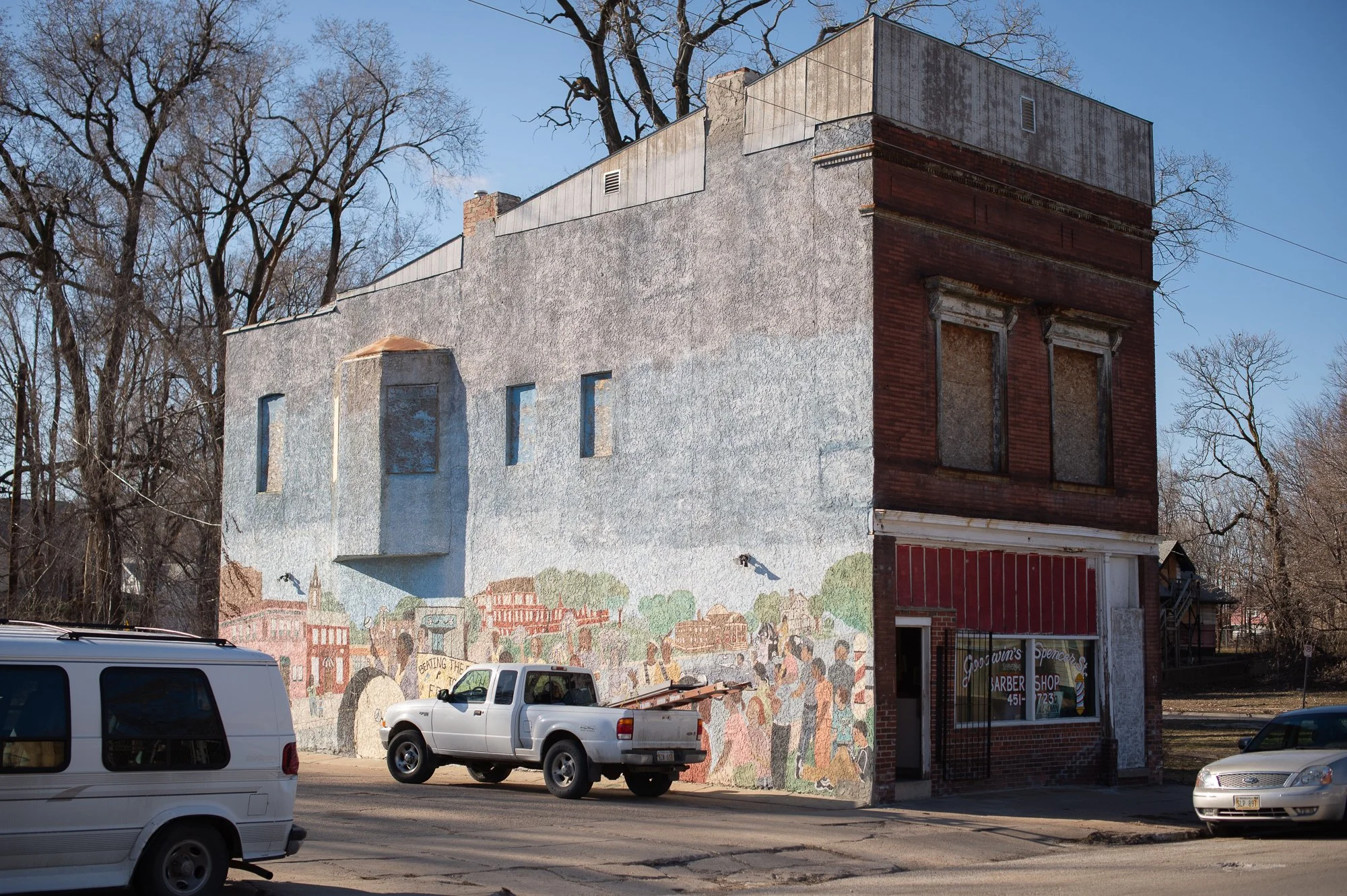
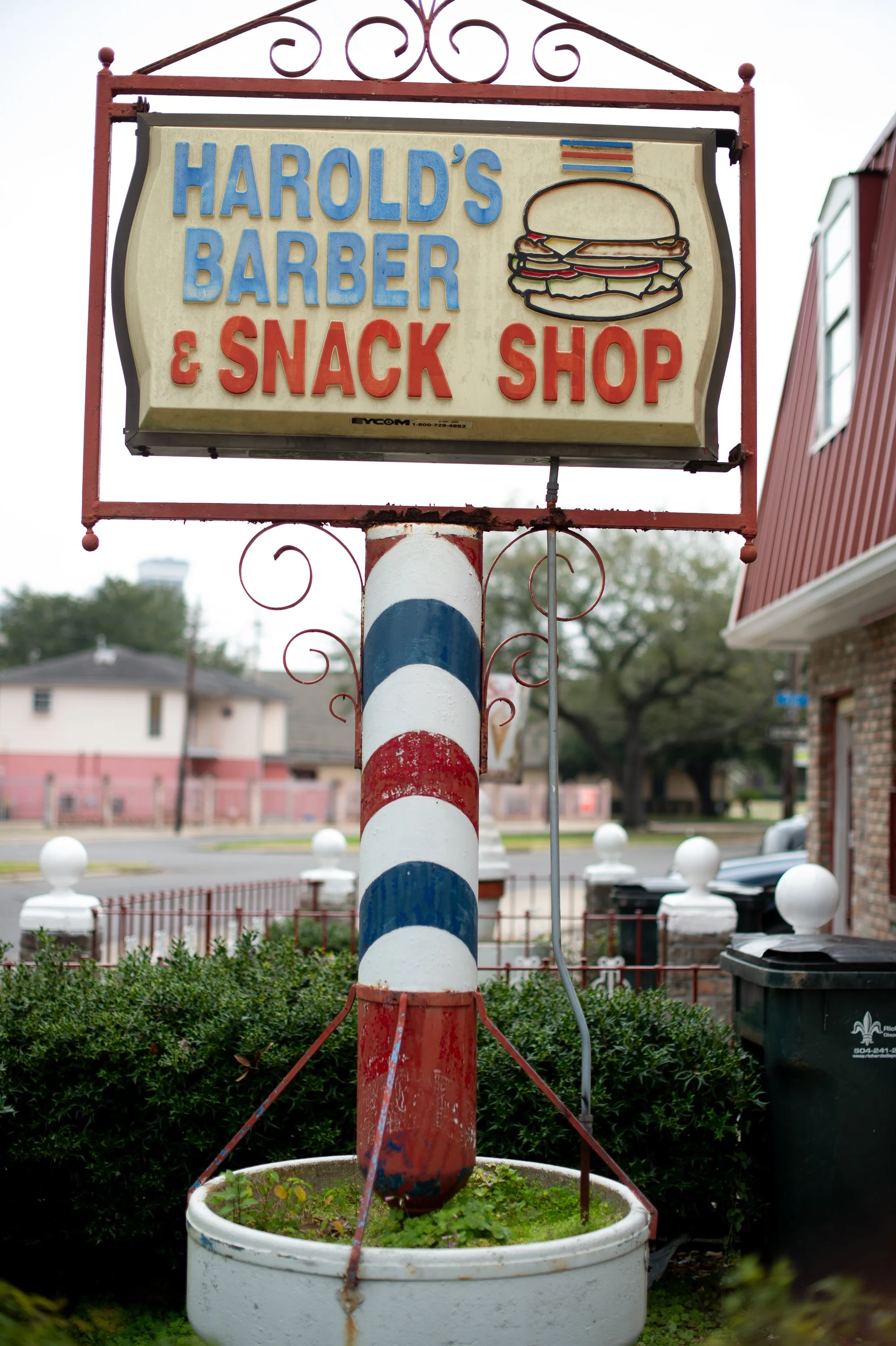
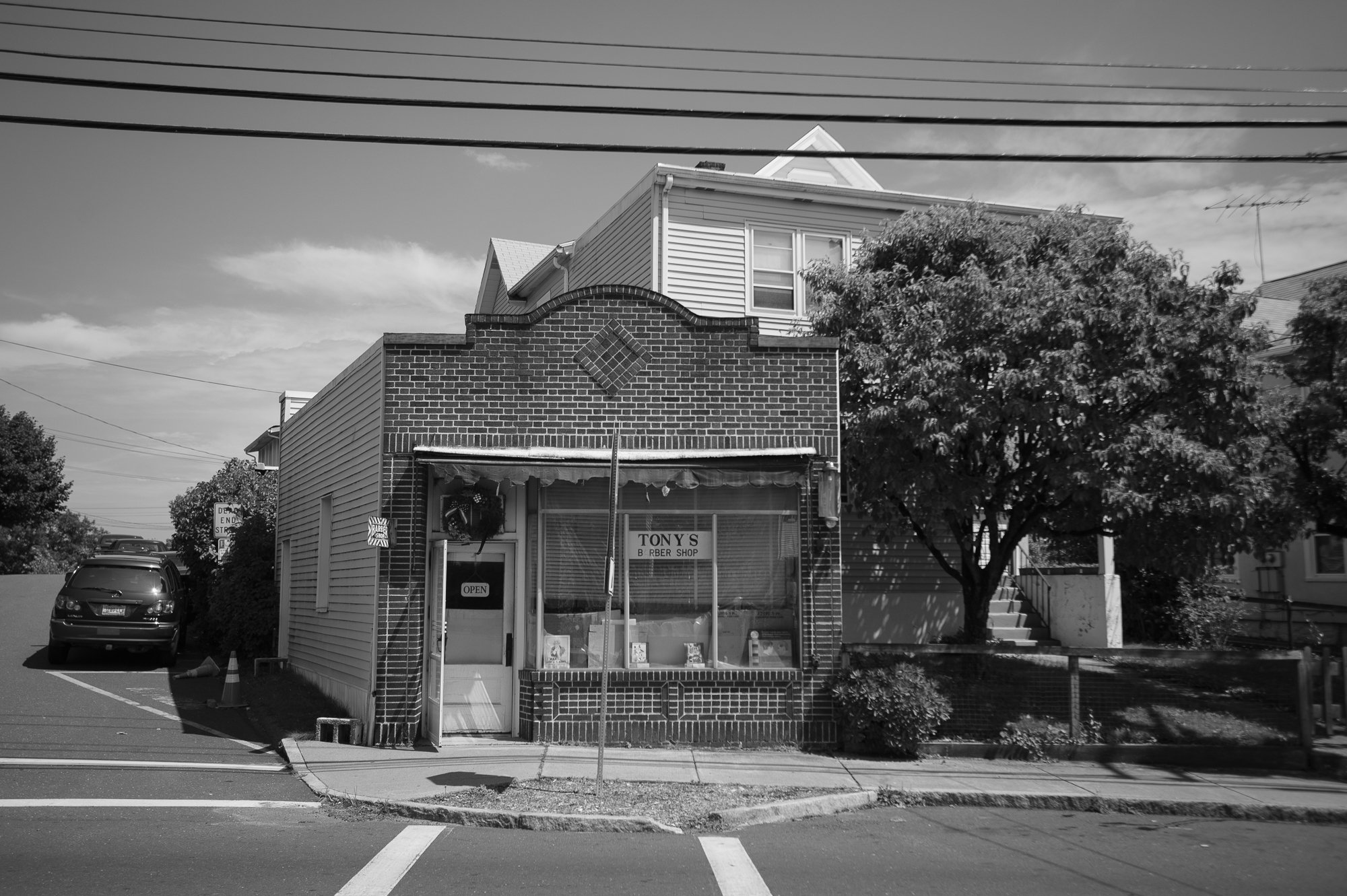
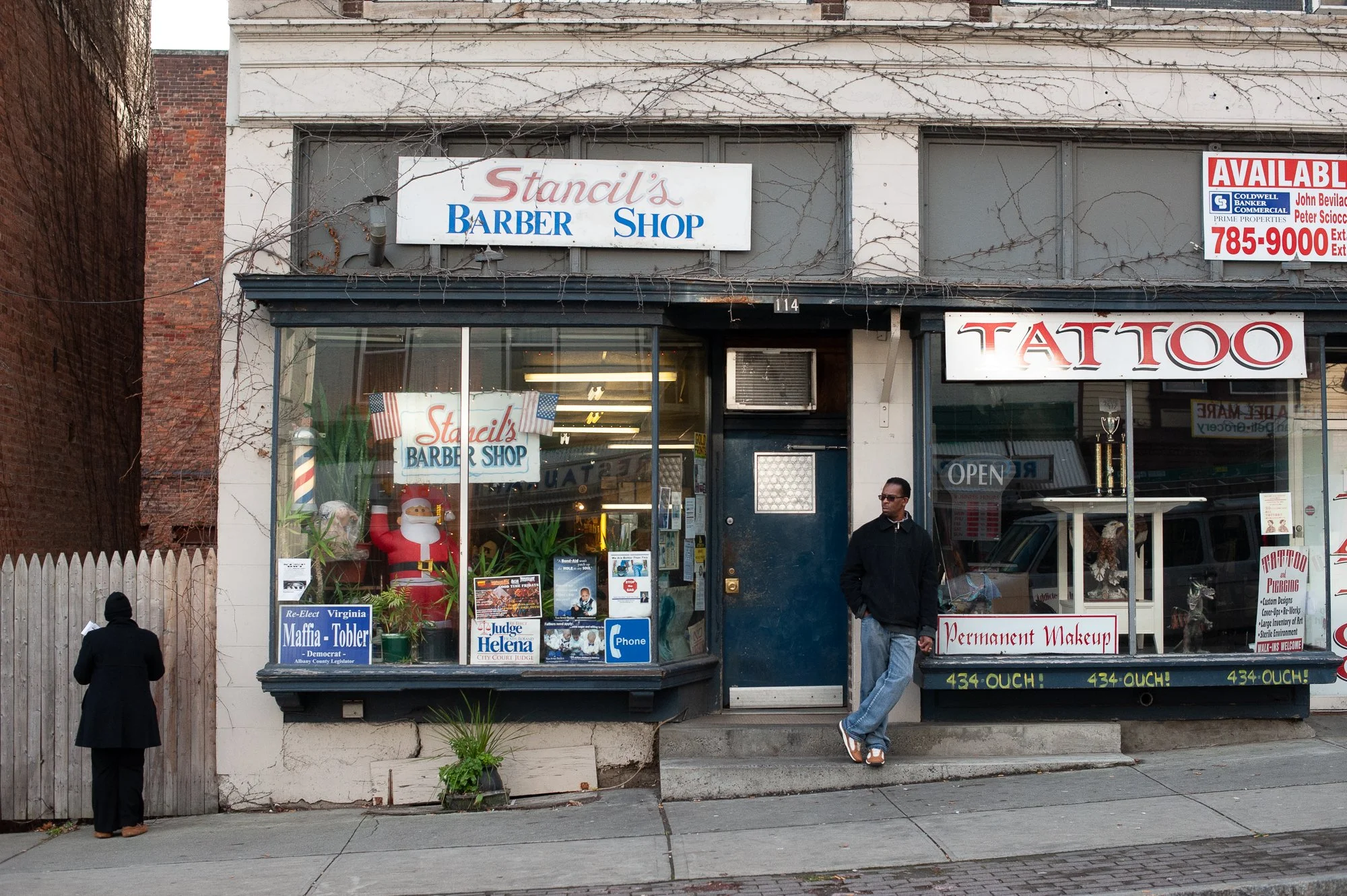
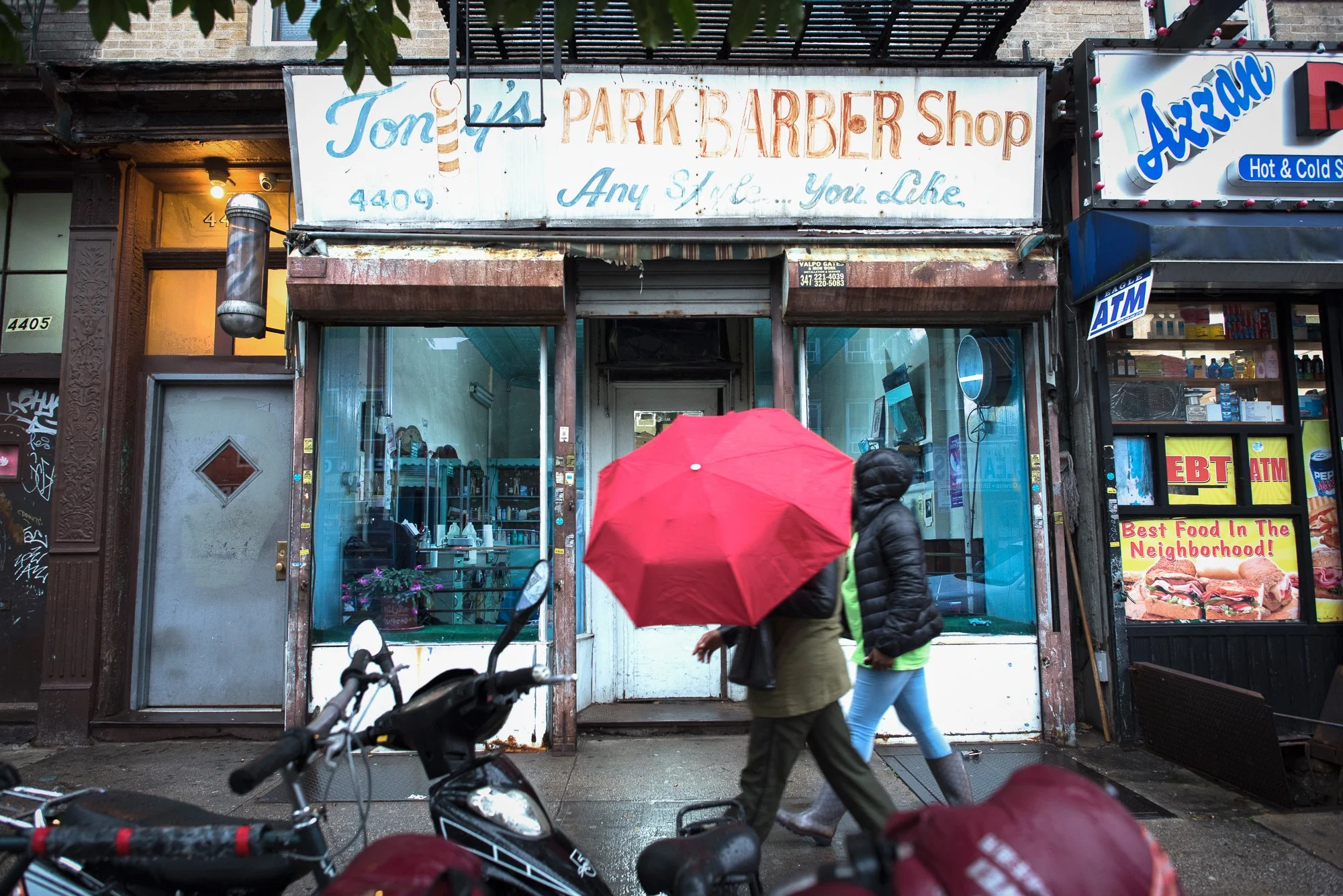
Exterior of Tony’s Park Barber Shop in Brooklyn, New York, a historic barbershop that operated for more than 200 years before closing in 2020.

The exterior of Tony’s Park Barber Shop in Brooklyn, New York. The shop operated for more than 200 years before closing following the owner’s passing in 2020.

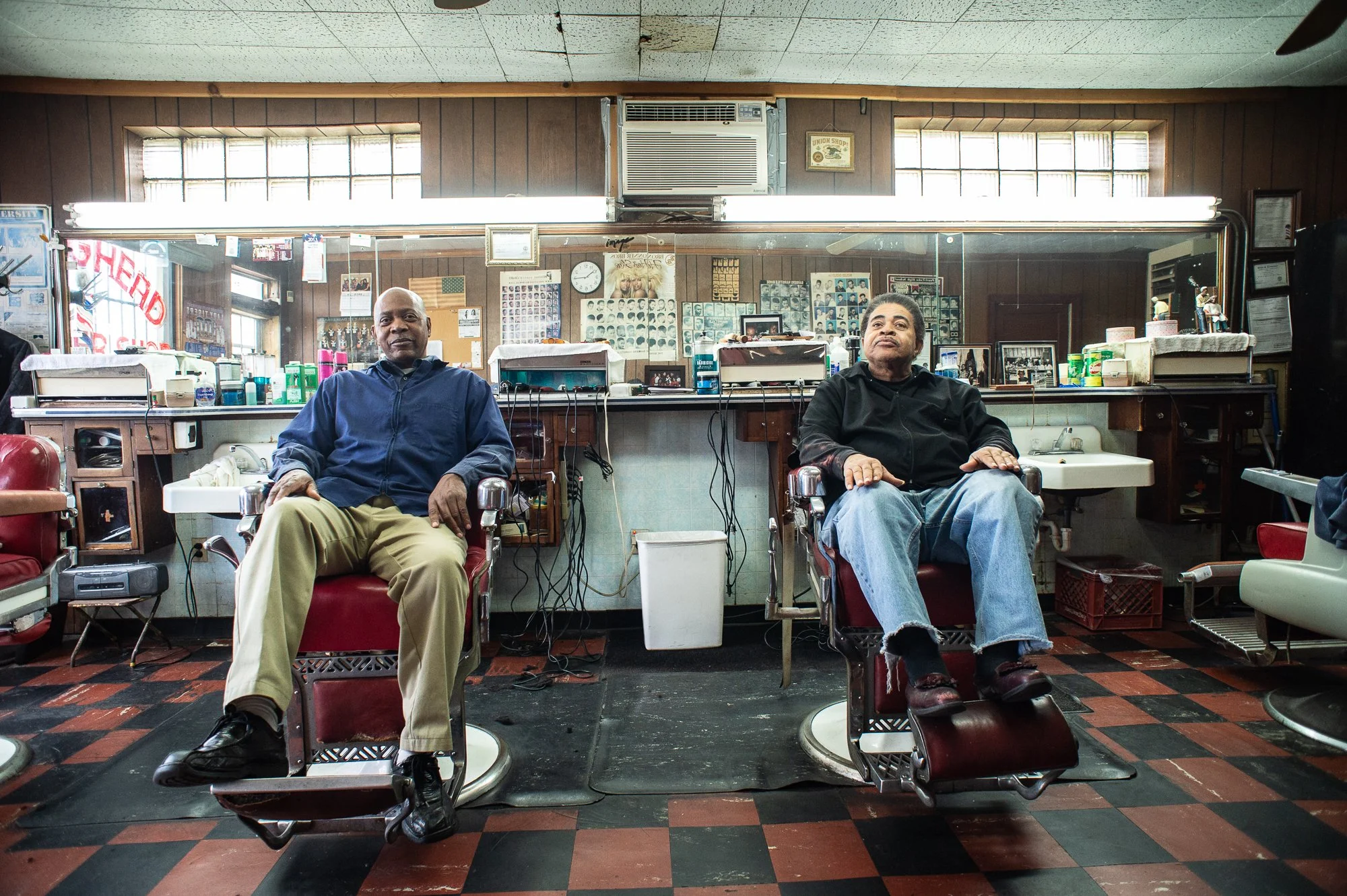
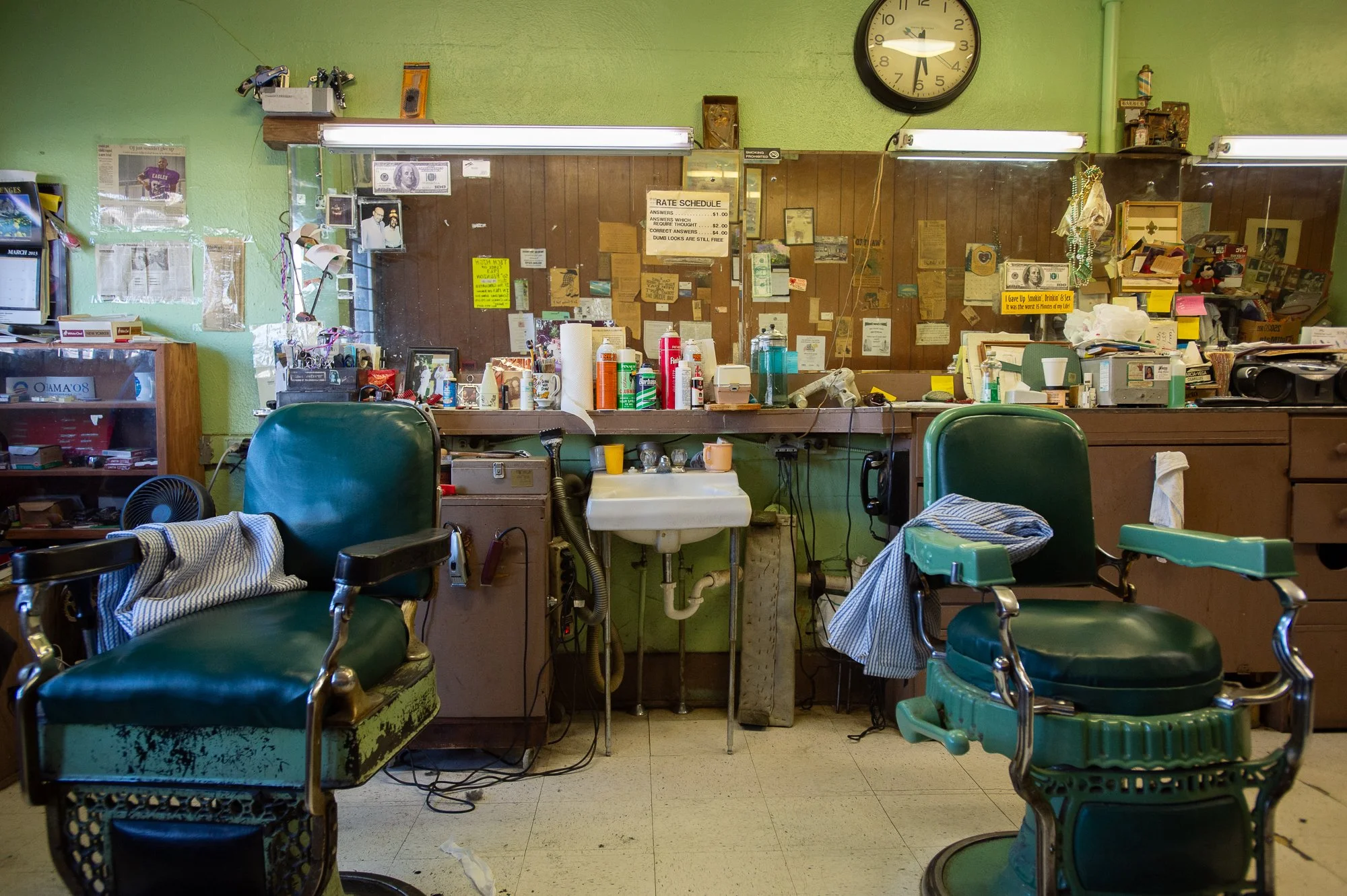
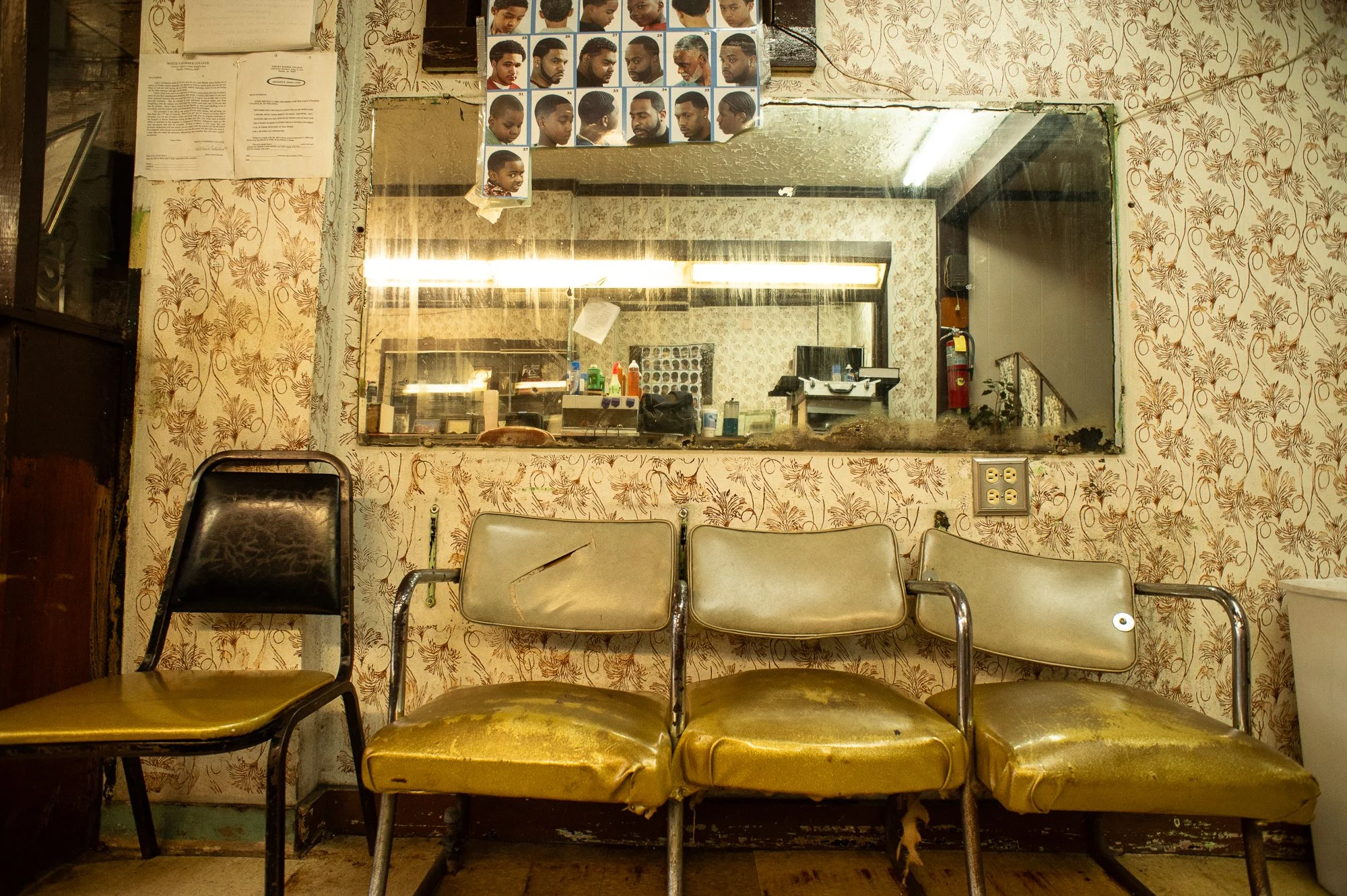
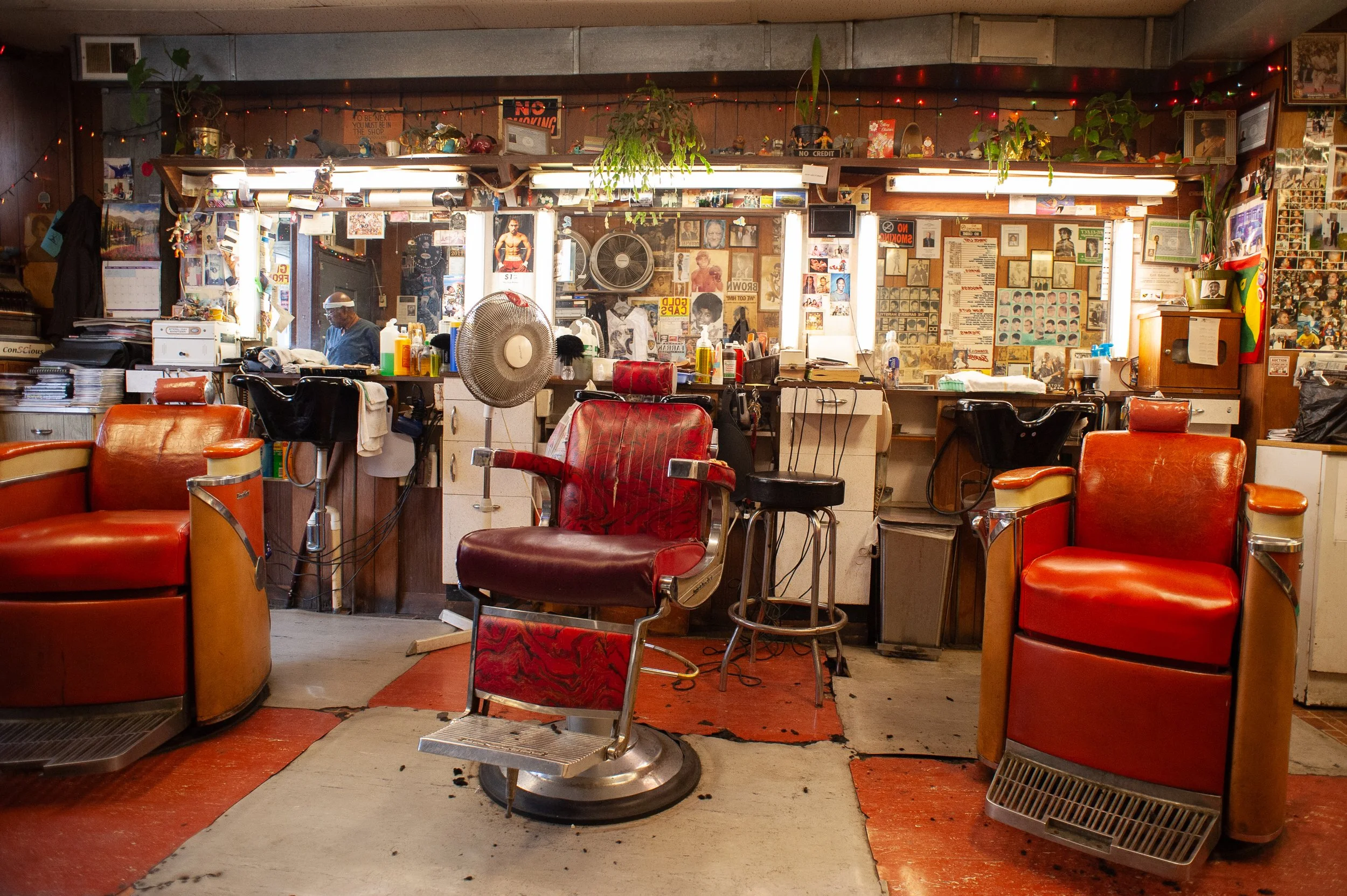
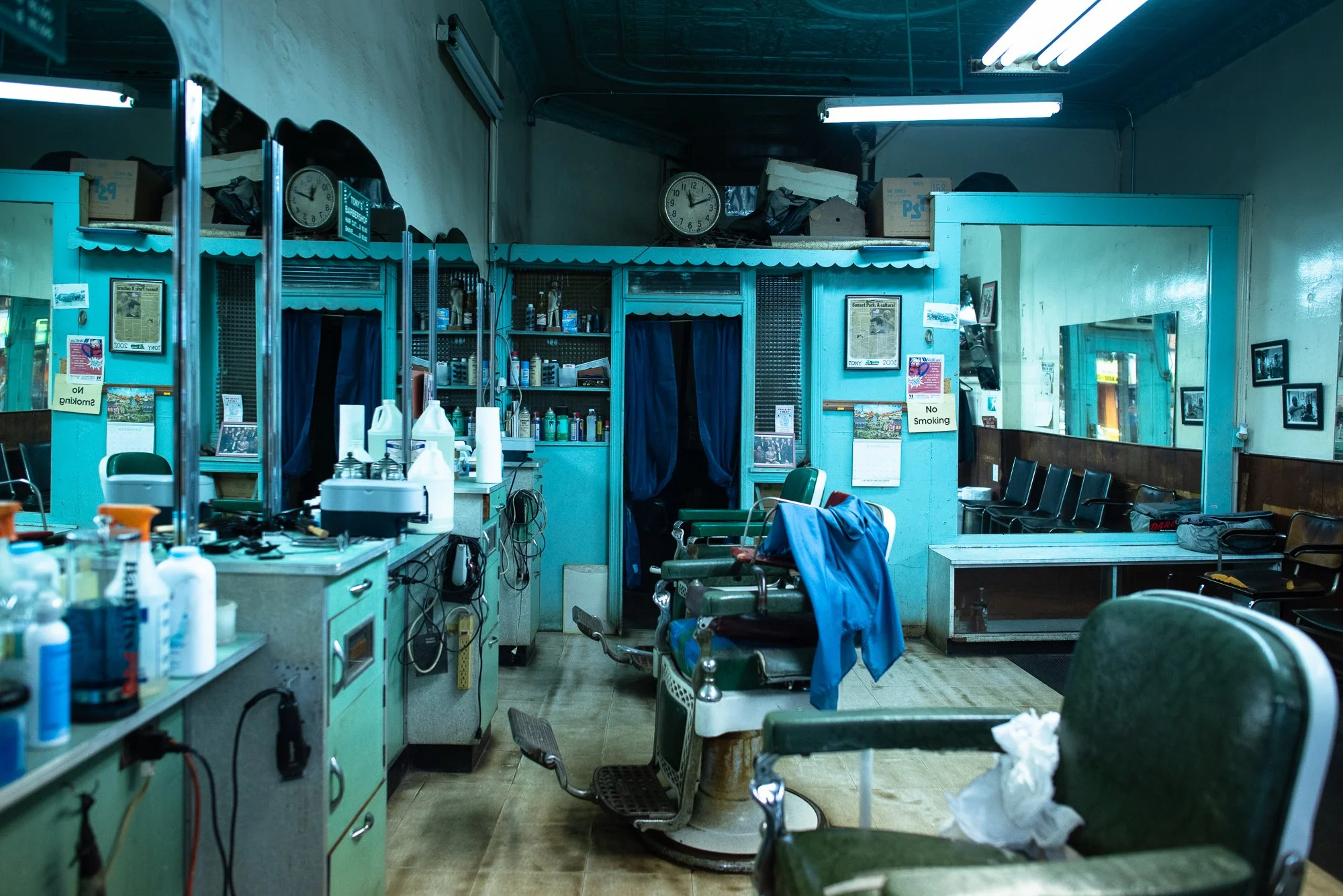
Barber chairs and workstations lined up inside Tony’s Barbershop in Brooklyn, New York.

Barber chairs and workstations inside Tony’s Barbershop in Brooklyn, New York, reflecting decades of continuous use.

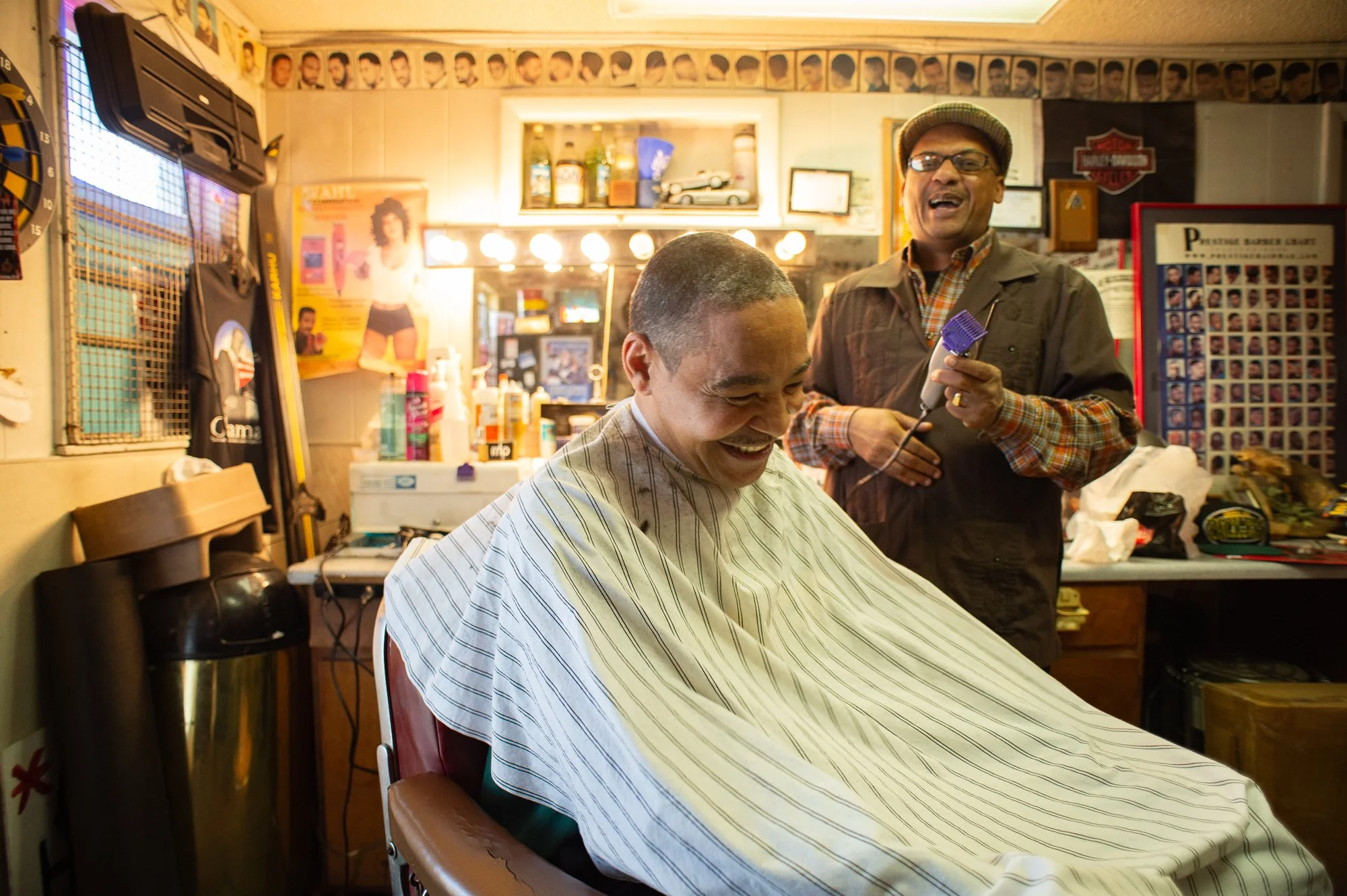
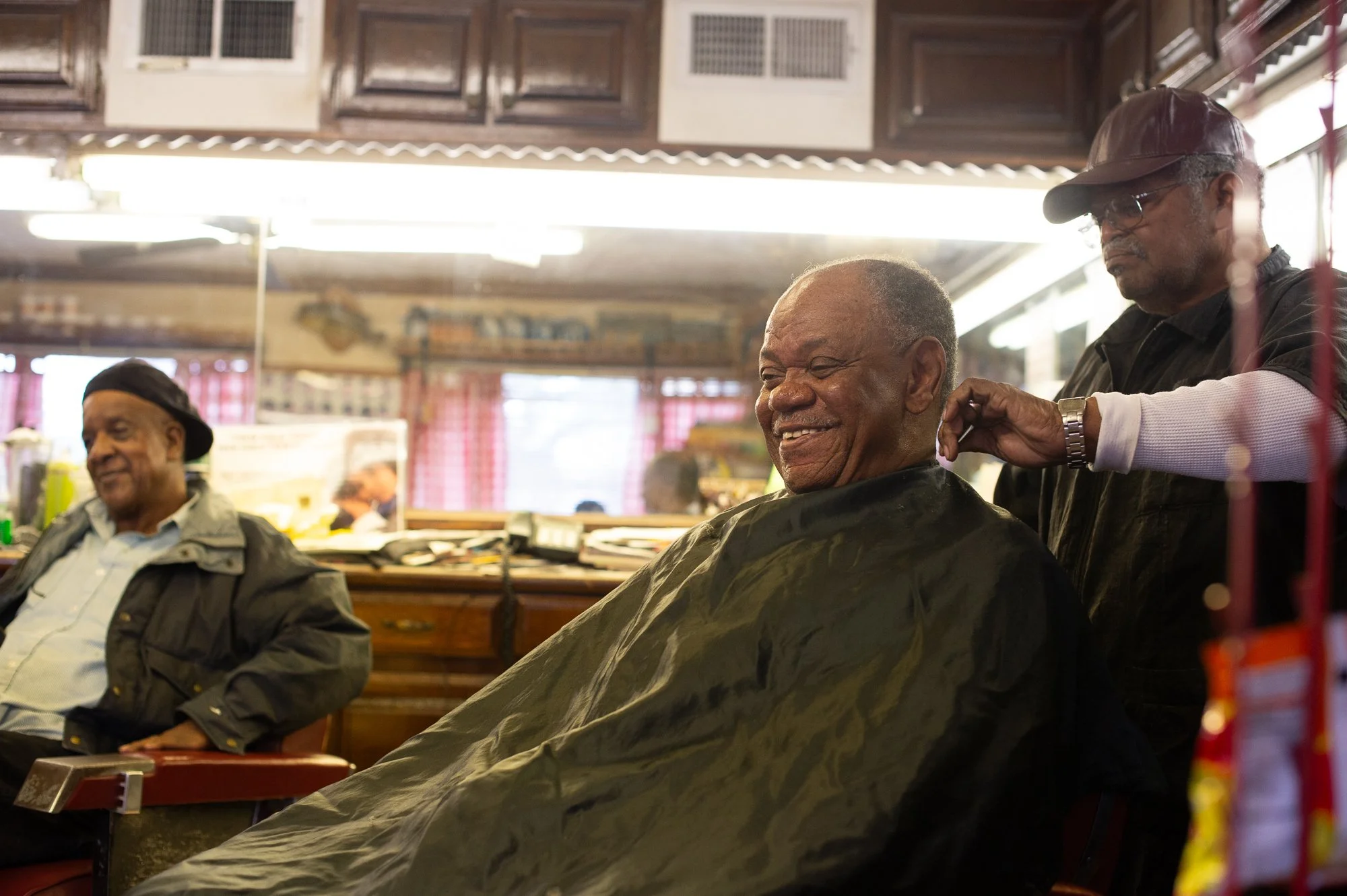
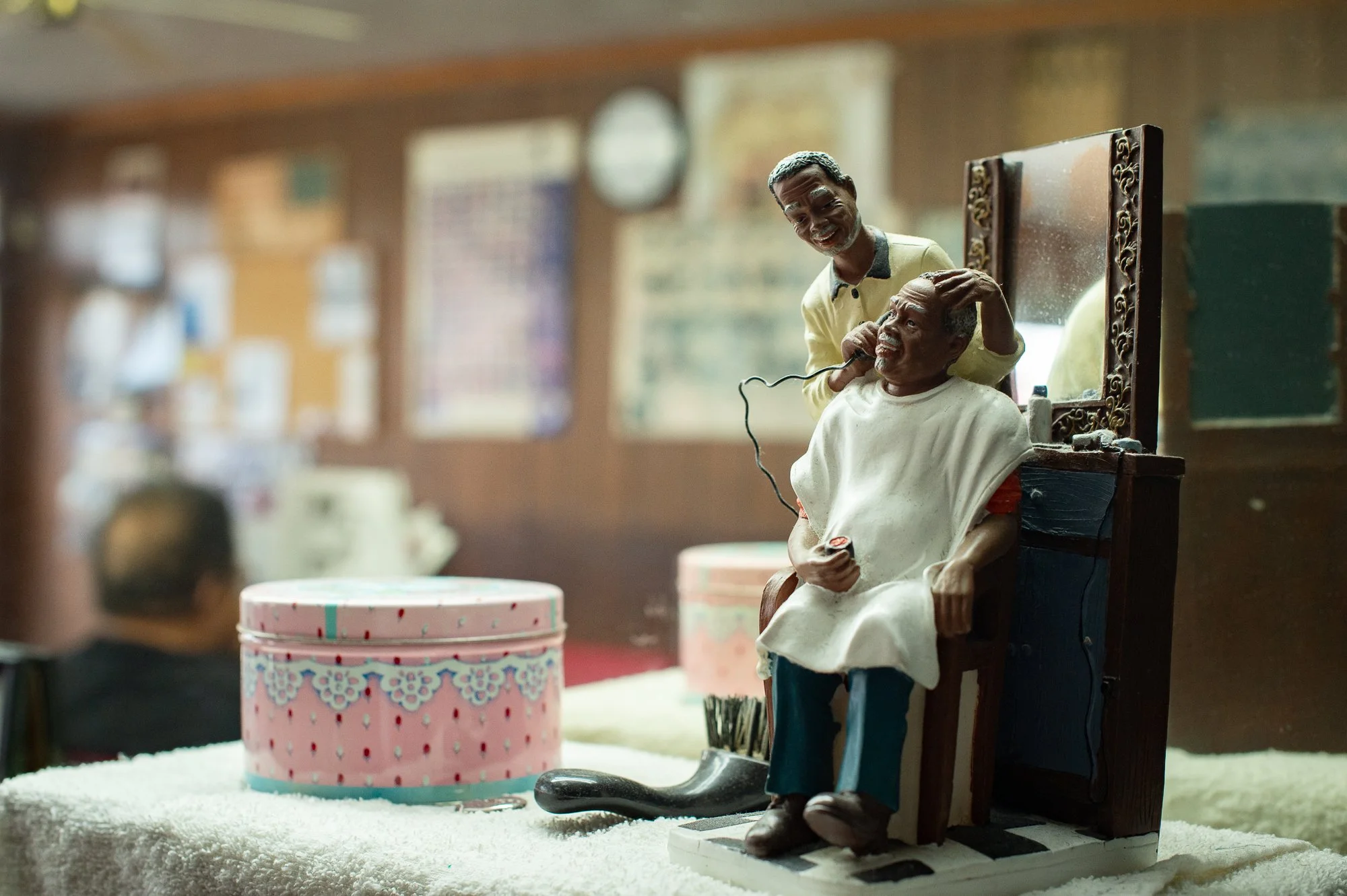
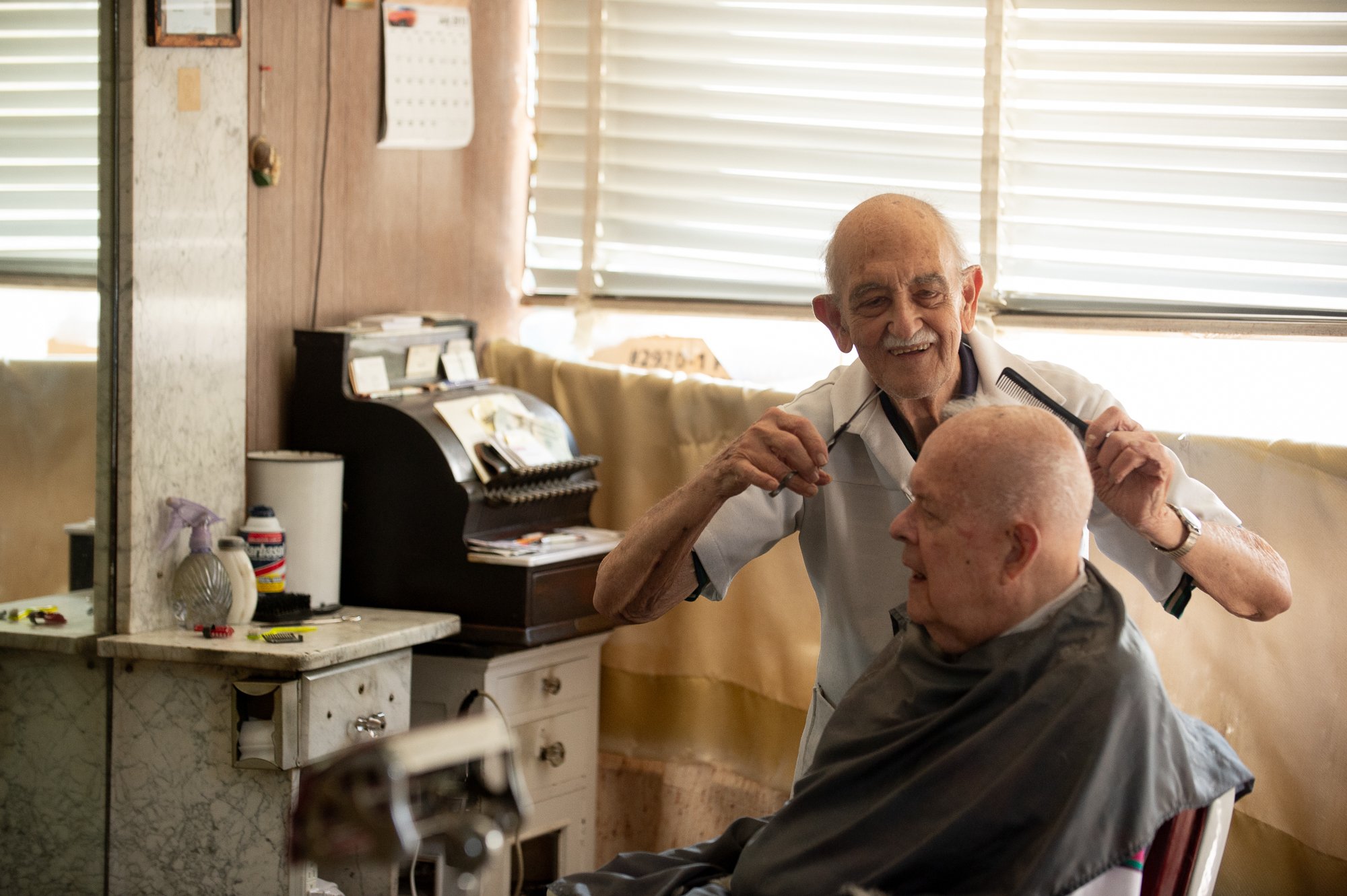
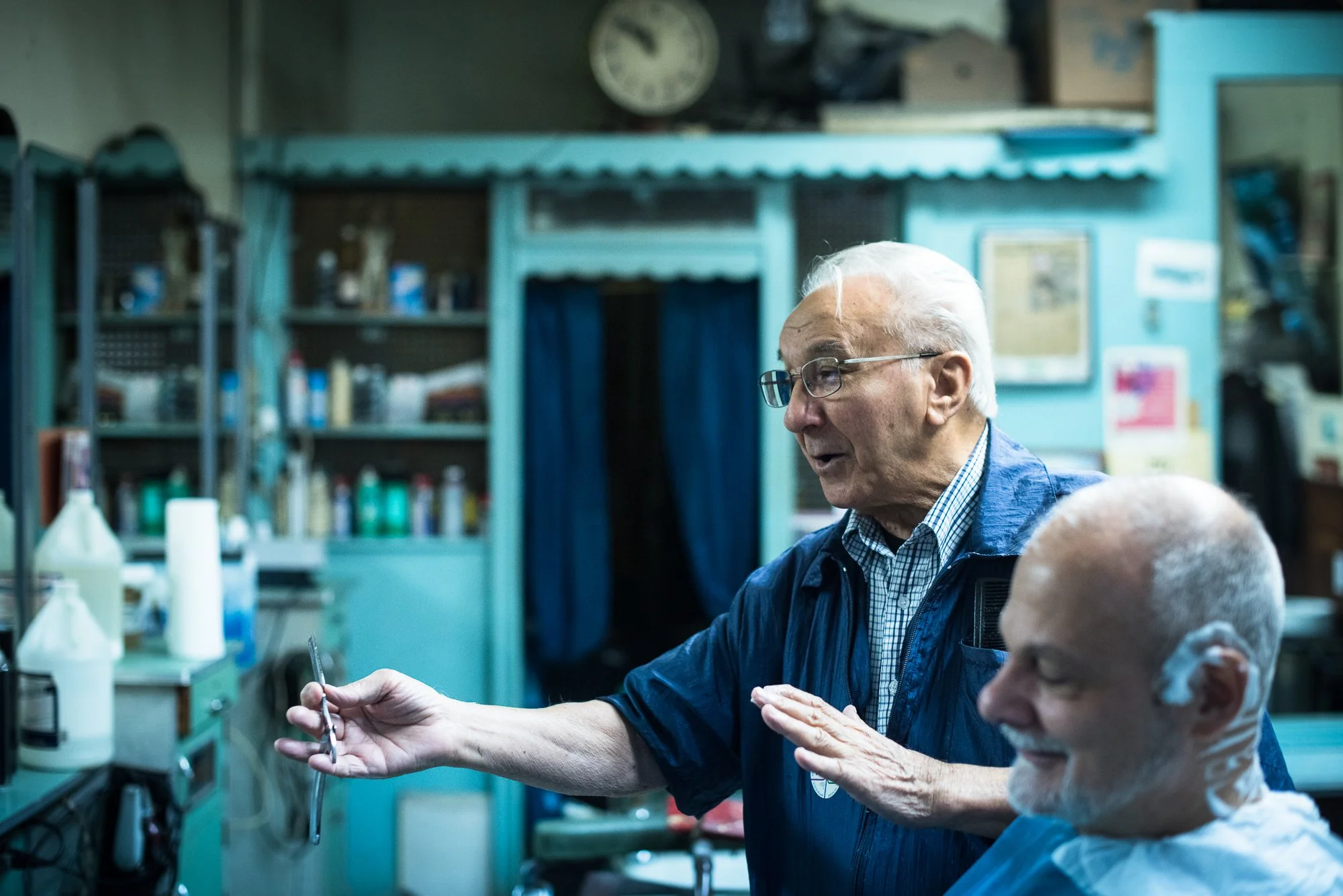
An elderly barber laughs with his client inside Tony’s Barbershop in Brooklyn, New York.

A barber laughing with his client inside Tony’s Barbershop in Brooklyn, New York. The shop served generations of neighborhood residents and functioned as a long-standing community space.

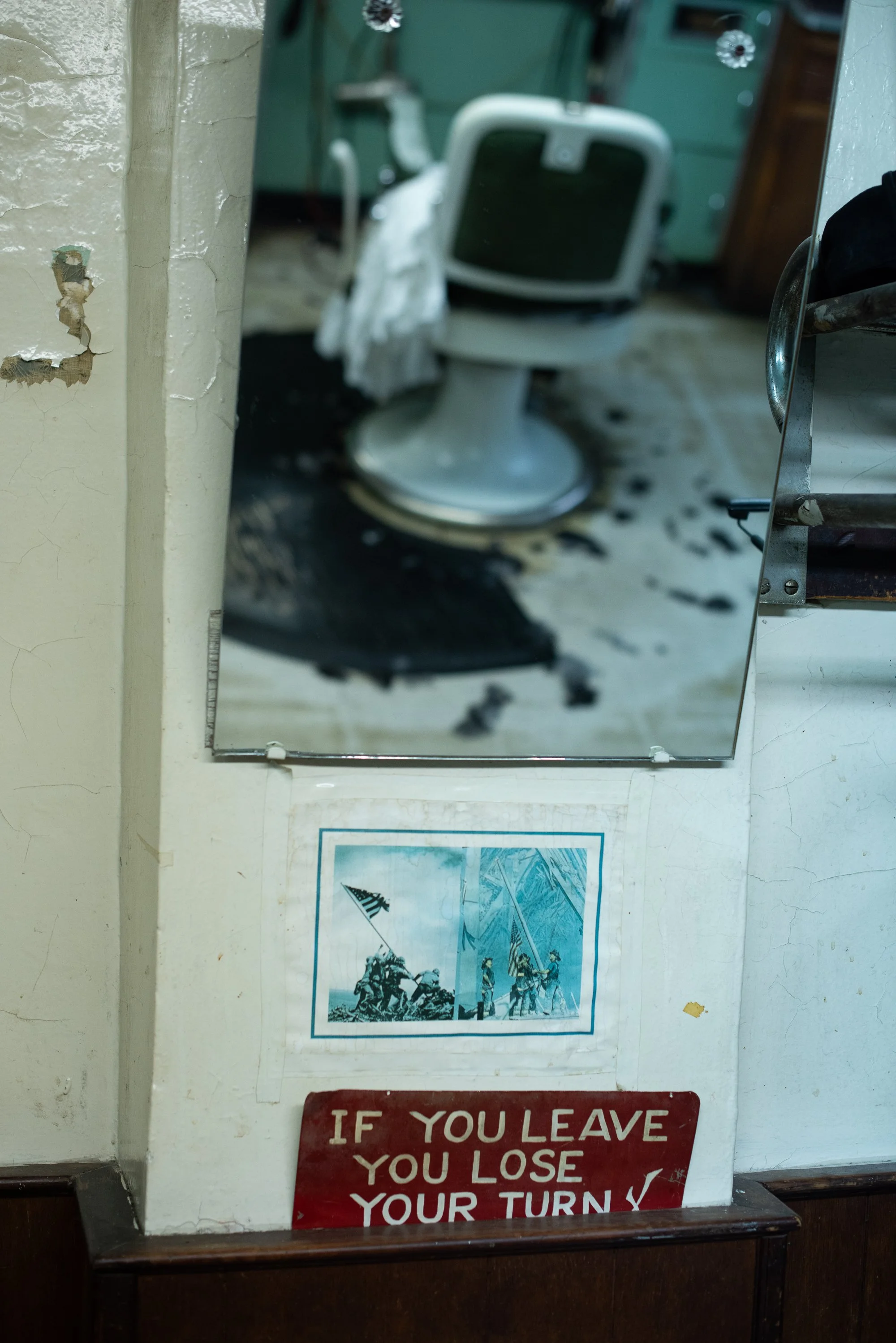
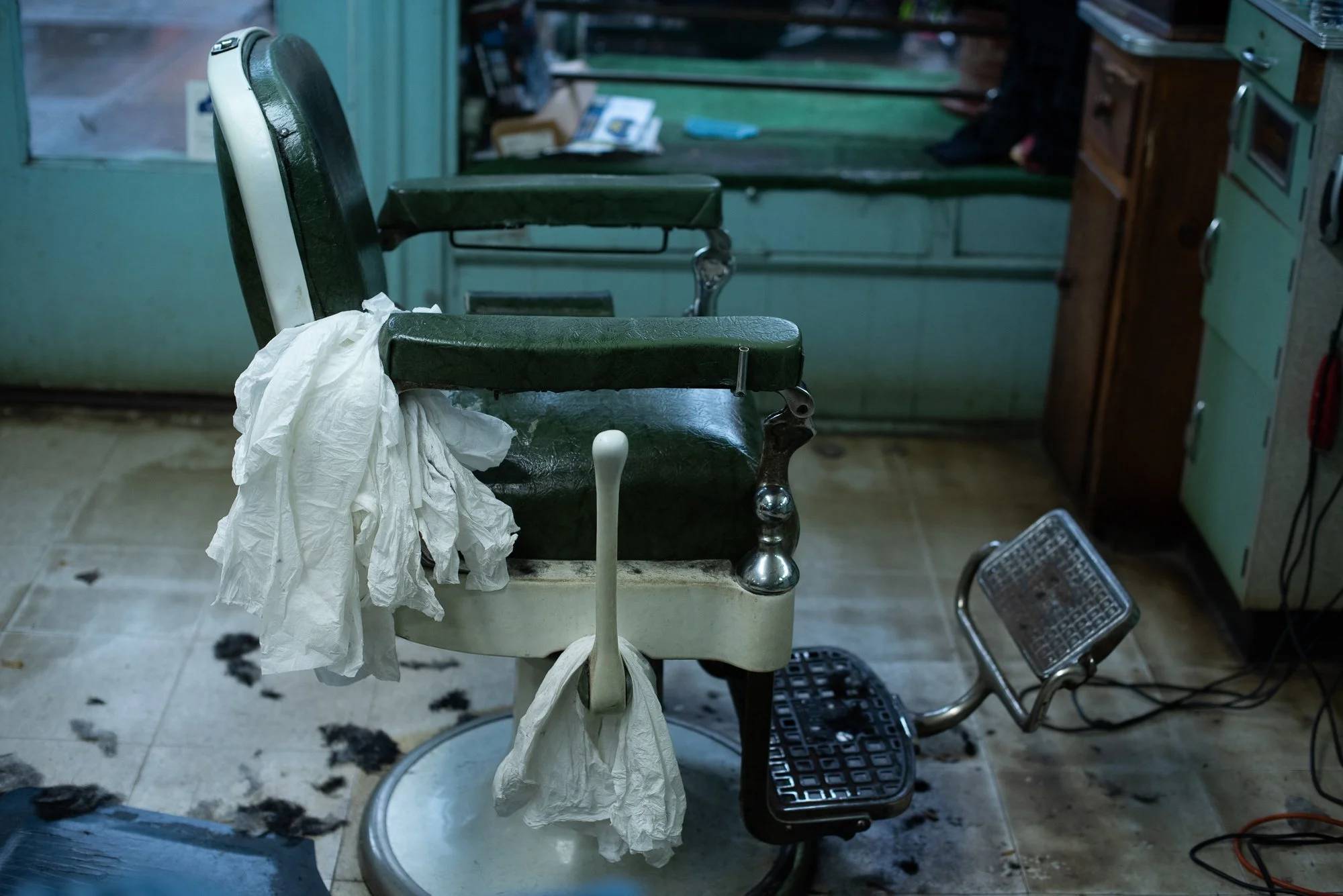
A worn barber chair reflected in a mirror inside Tony’s Barbershop in Brooklyn, New York.

A barber chair reflected in the mirrors at Tony’s Barbershop above a sign reading “If you leave you lose your turn”. The walls showing decades of use and an interior largely unchanged over time.

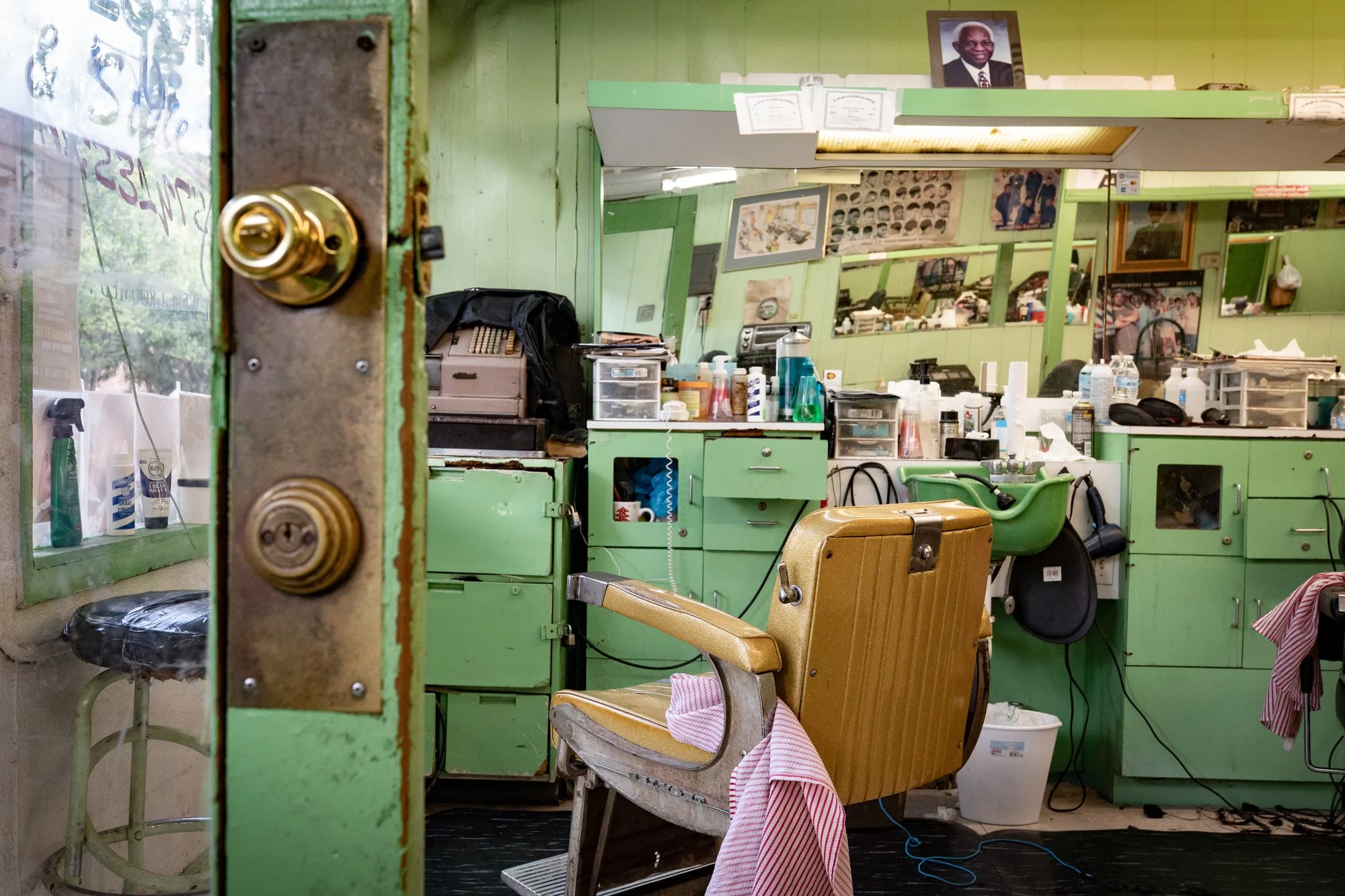
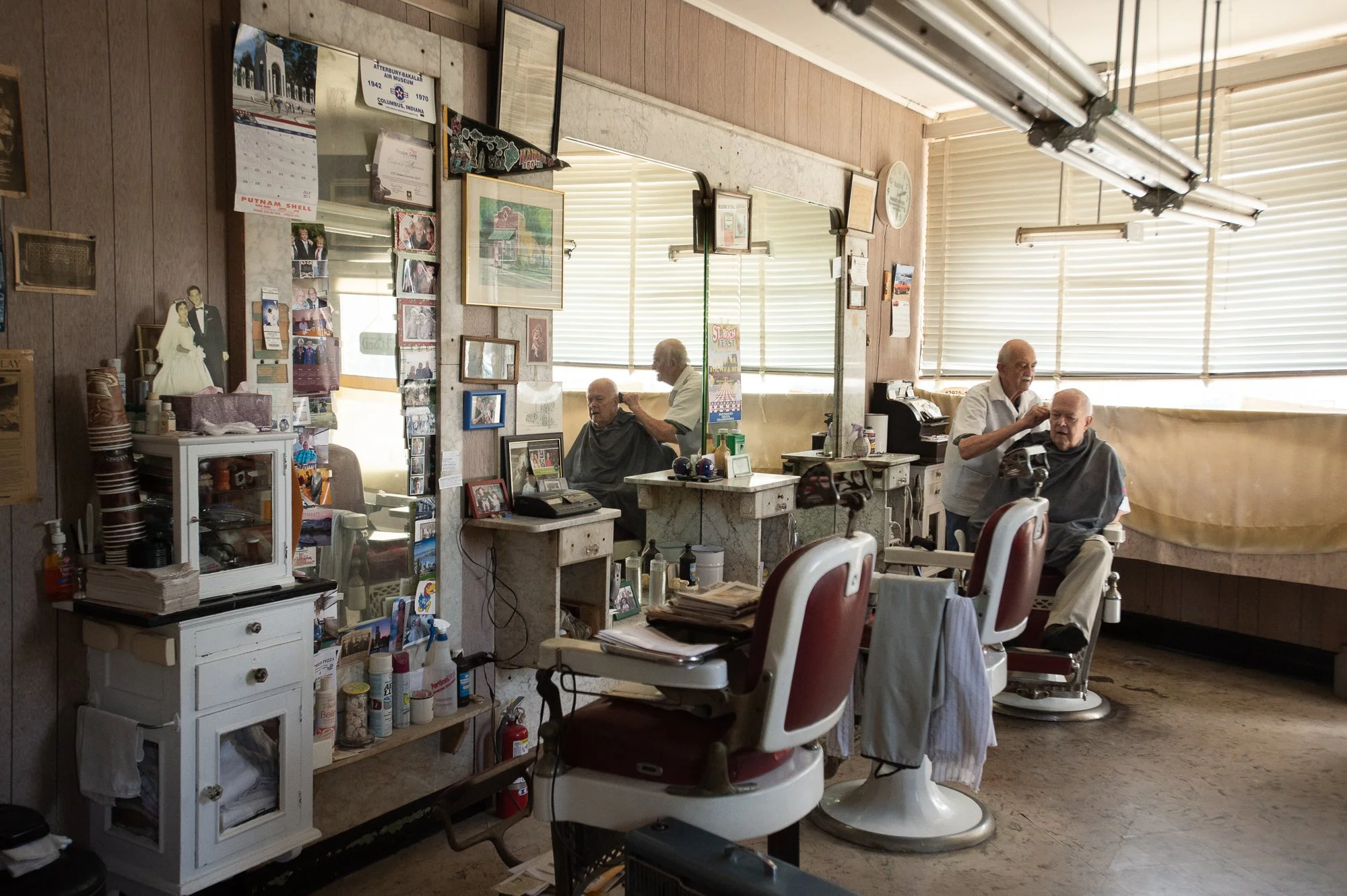
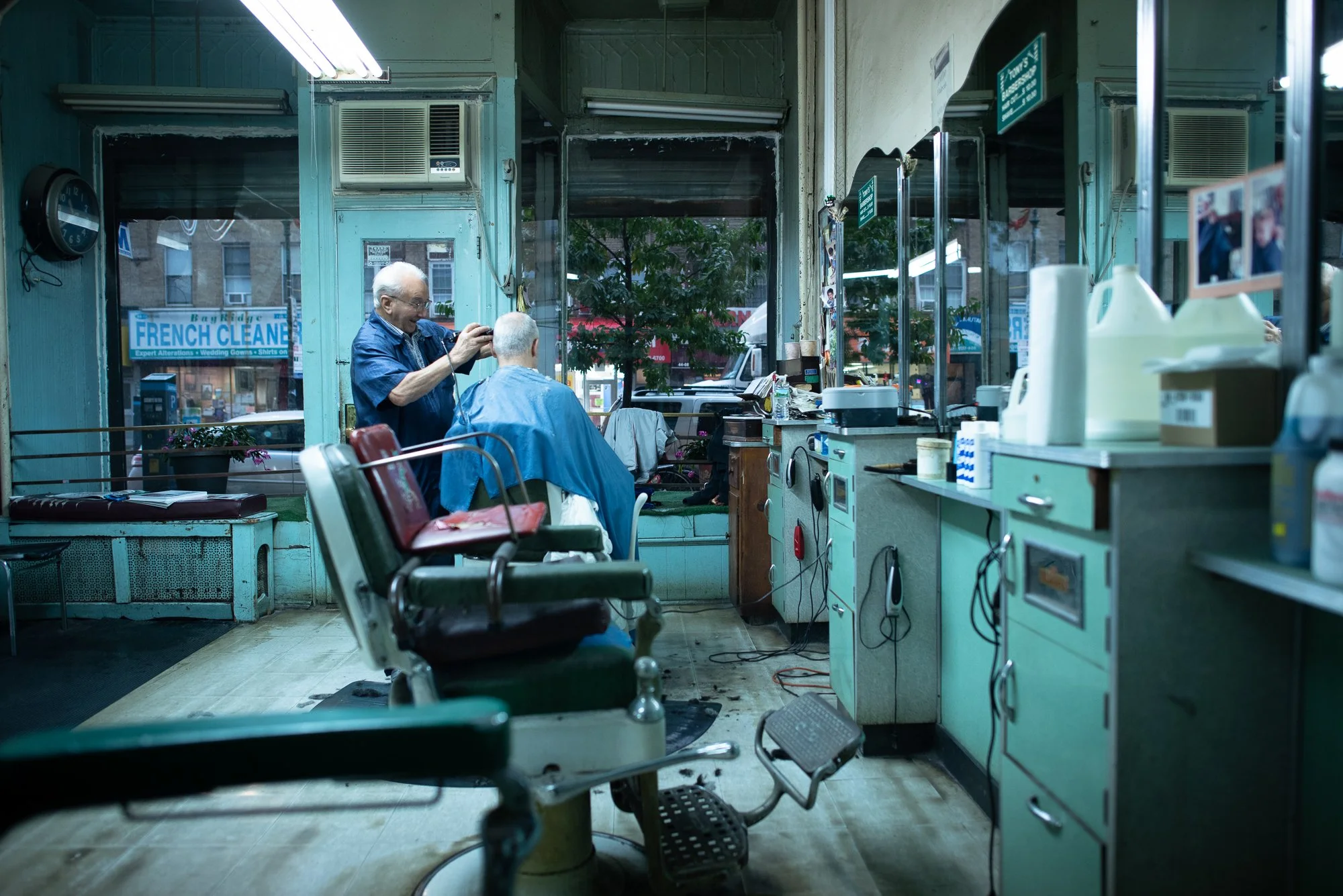
Wide interior view of Tony’s Barbershop in Brooklyn, New York, showing traditional barber chairs and workstations.

A wide interior view of Tony’s Barbershop in Brooklyn, New York, where the layout and tools reflected decades of daily practice.

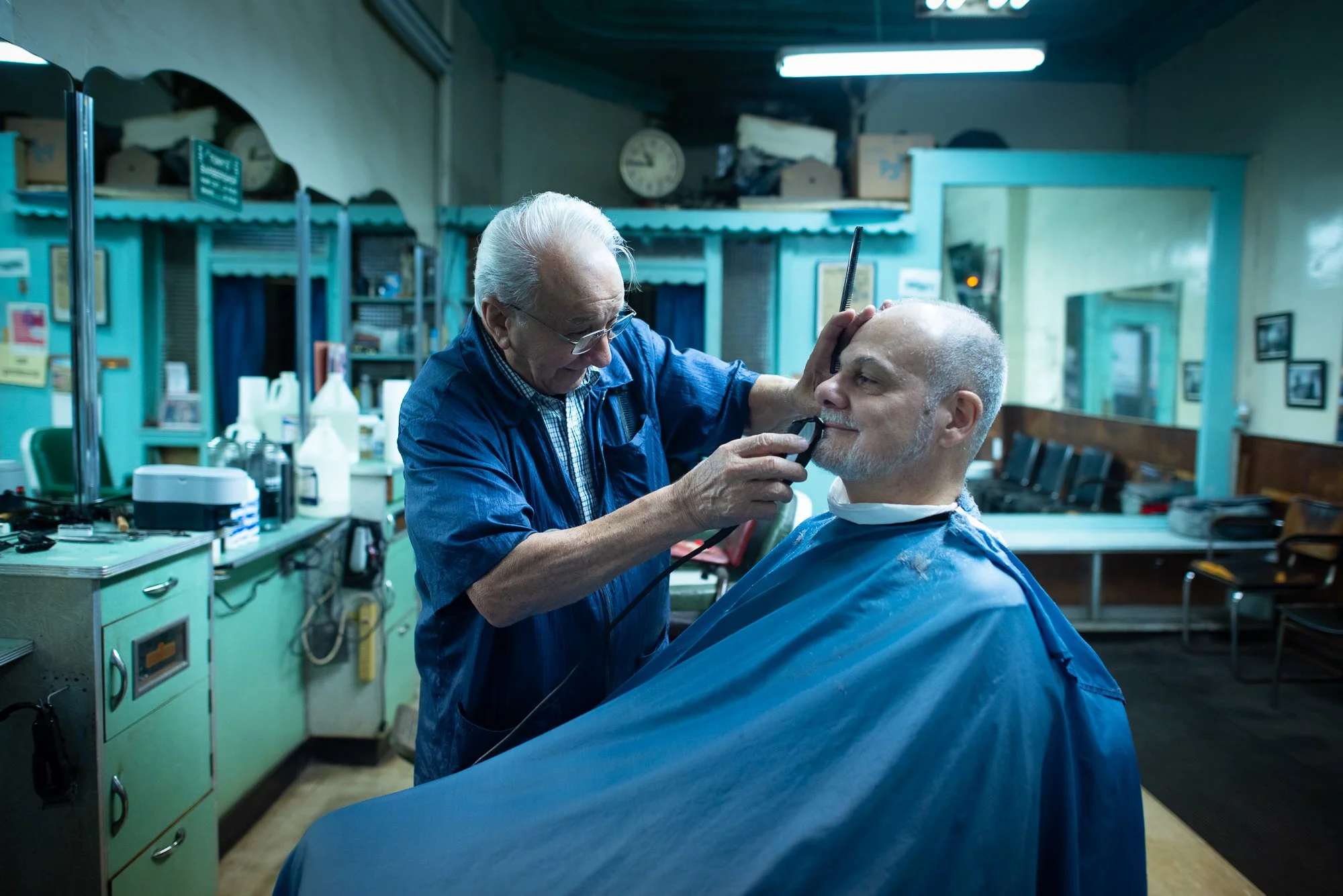
A barber trims a longtime client inside a traditional barbershop in Brooklyn, New York.

A barber and client during a routine haircut at Tony’s Barbershop in Brooklyn, New York.

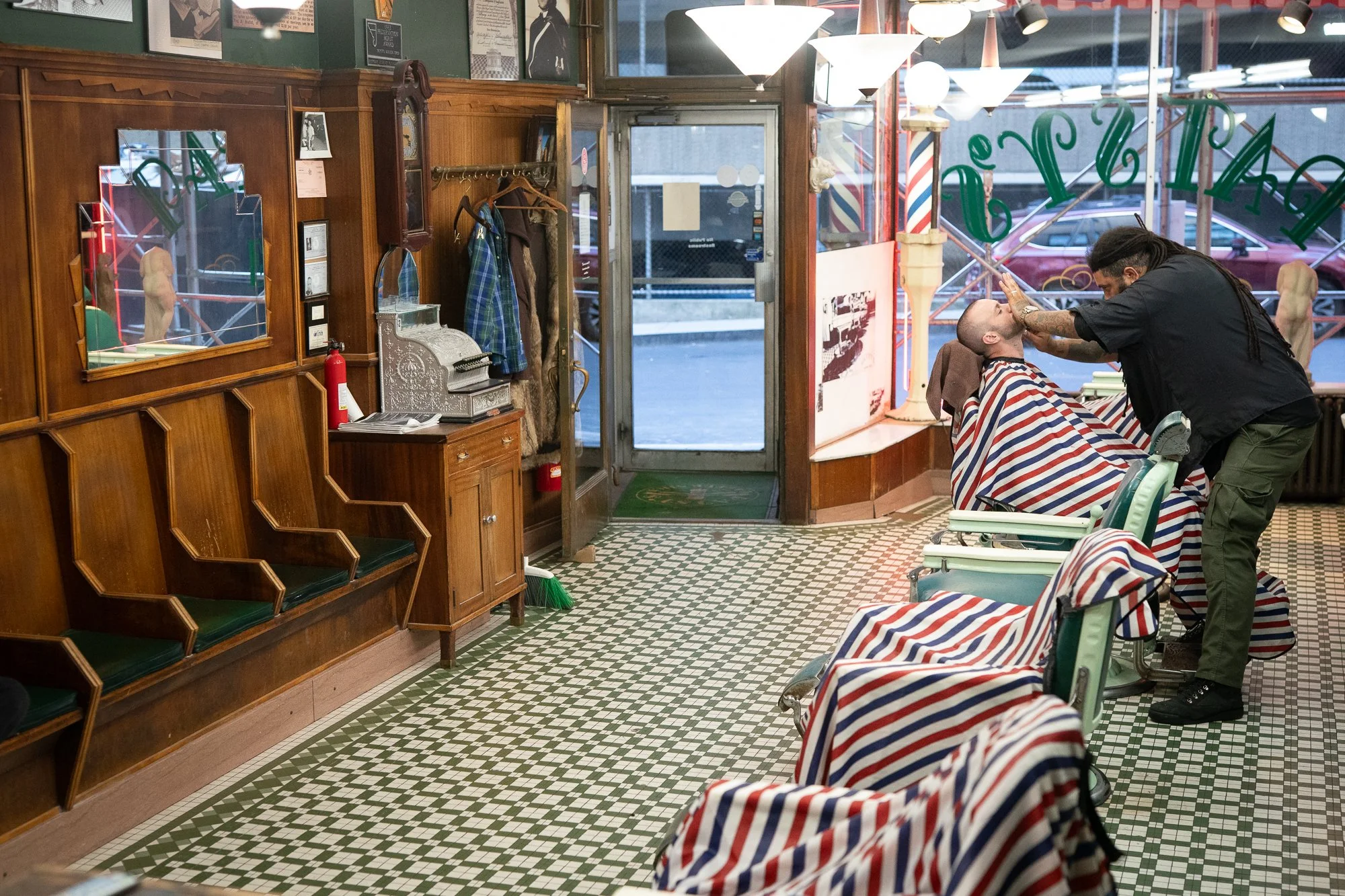
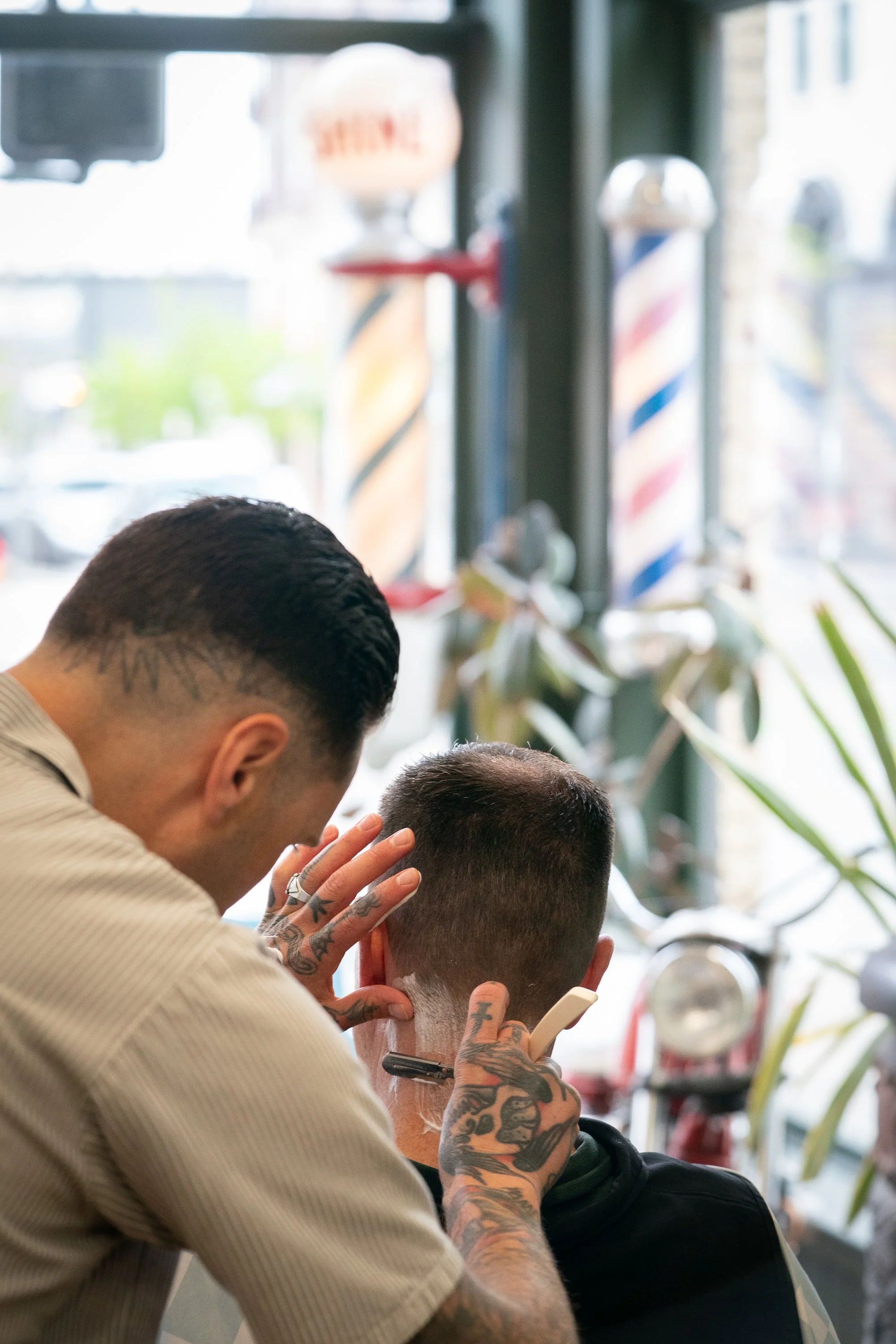
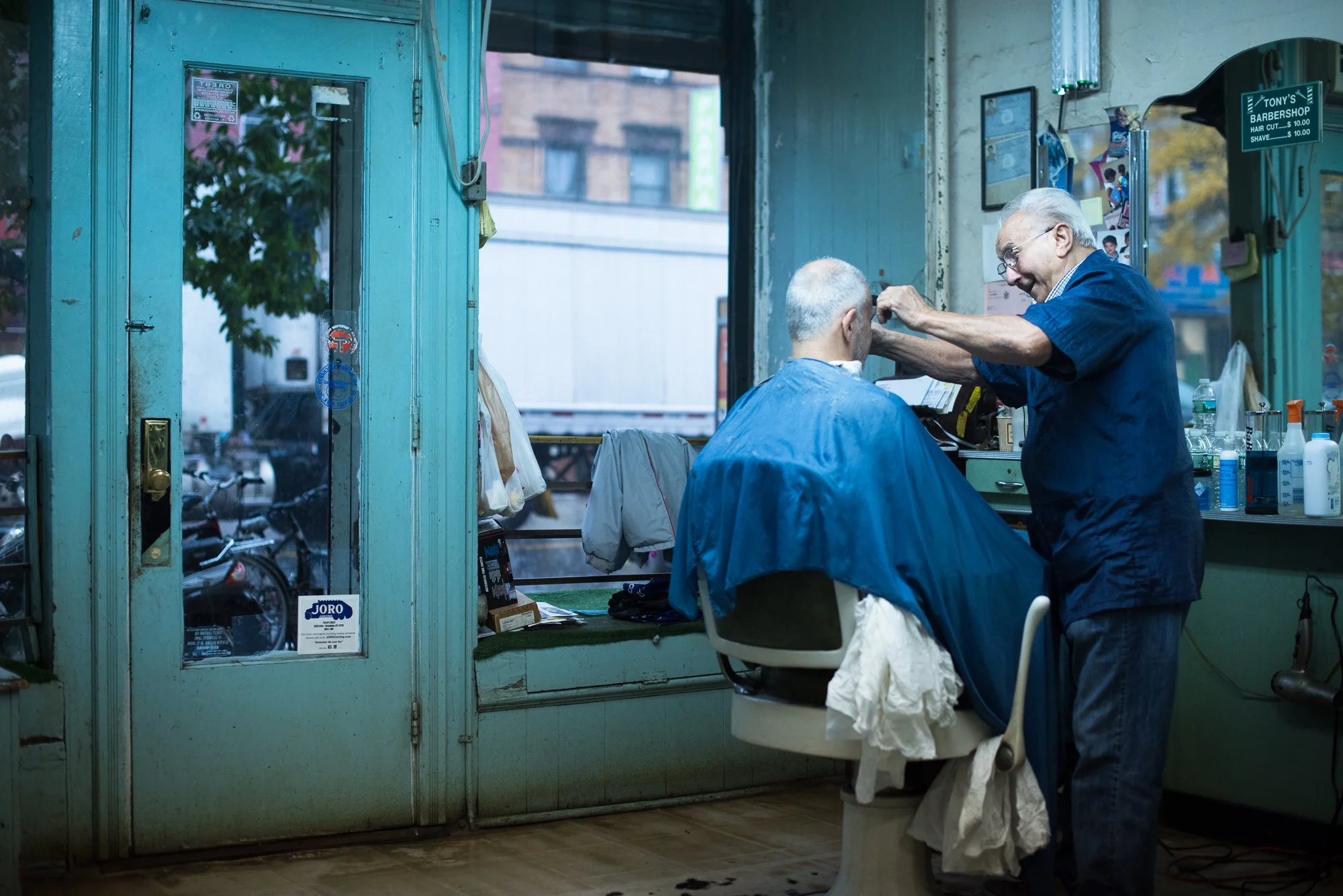
A barber cuts a client’s hair near the front window of Tony’s Barbershop in Brooklyn, New York.

A haircut in progress near the front window of Tony’s Barbershop in Brooklyn, New York. The shop’s street-facing layout reinforced its role as an open, accessible community space.

A barber trims a client’s hair inside a historic Brooklyn barbershop.

A haircut in progress at Tony’s Barbershop in Brooklyn, New York, where barbering was practiced through experience and repetition.

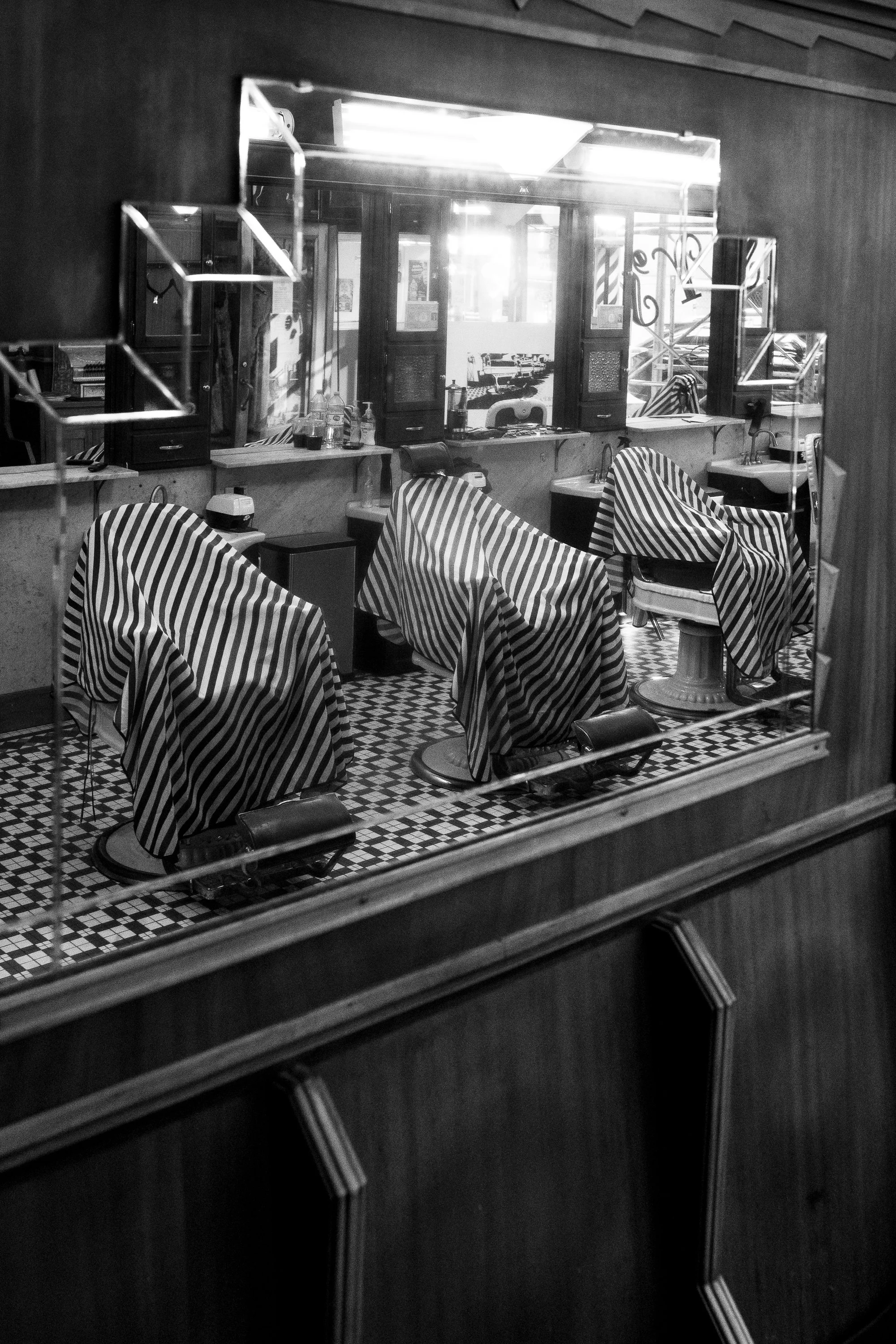
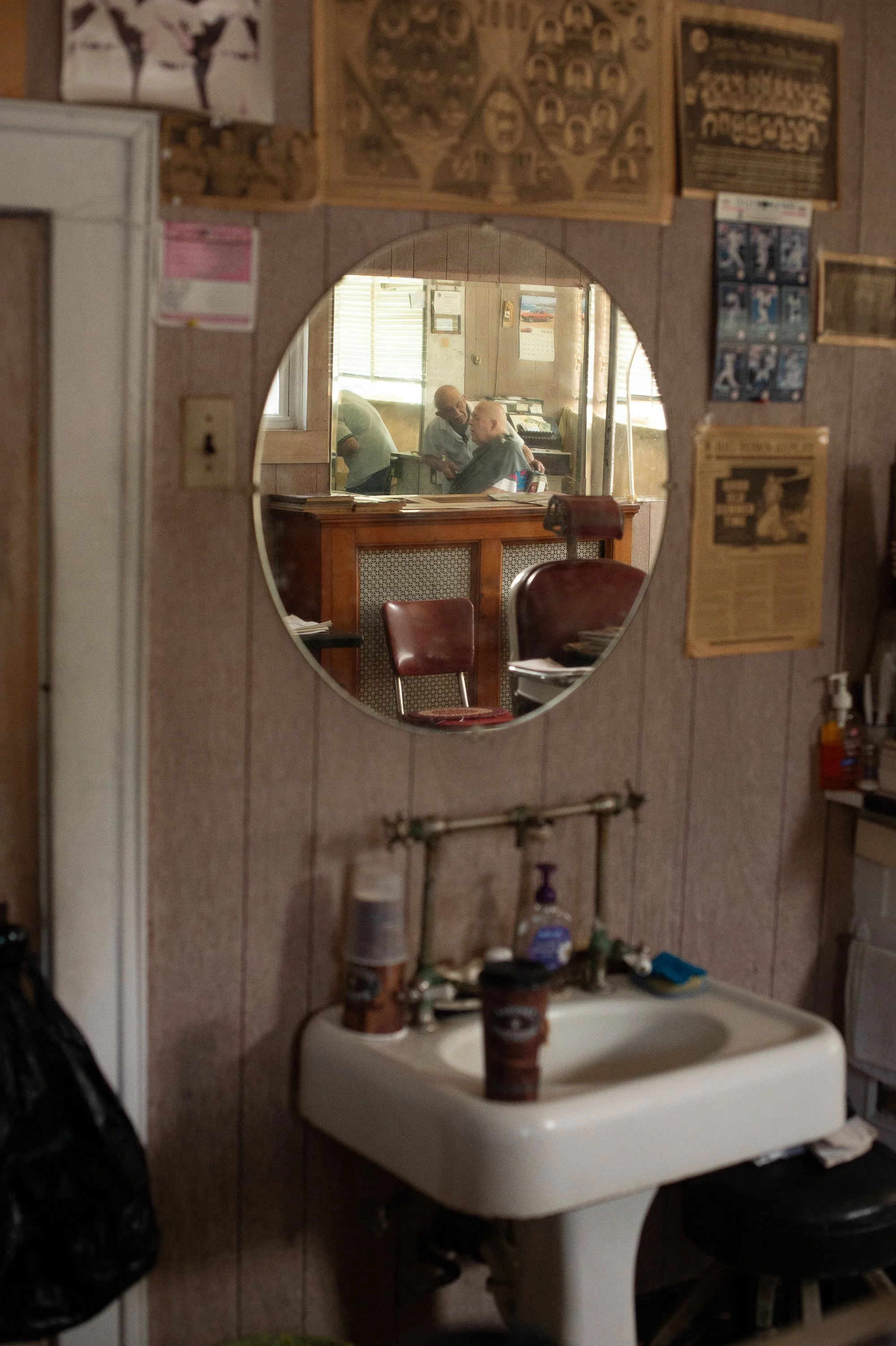
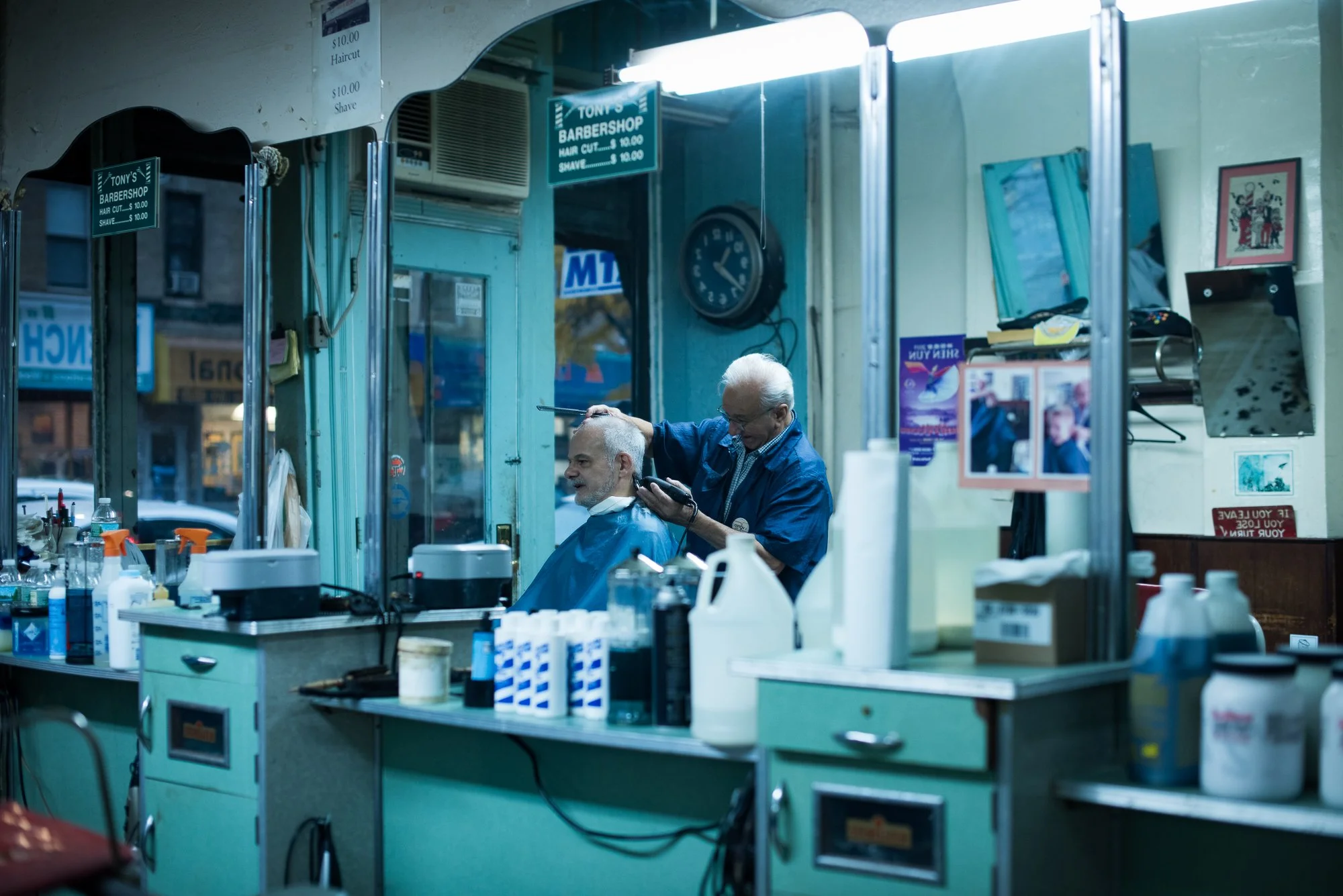
A barber trims a client’s hair as seen through mirrors inside Tony’s Barbershop in Brooklyn, New York.

A barber and client reflected in the mirrors at Tony’s Barbershop in Brooklyn, New York, emphasizing the intimacy and routine of the barber–client relationship.

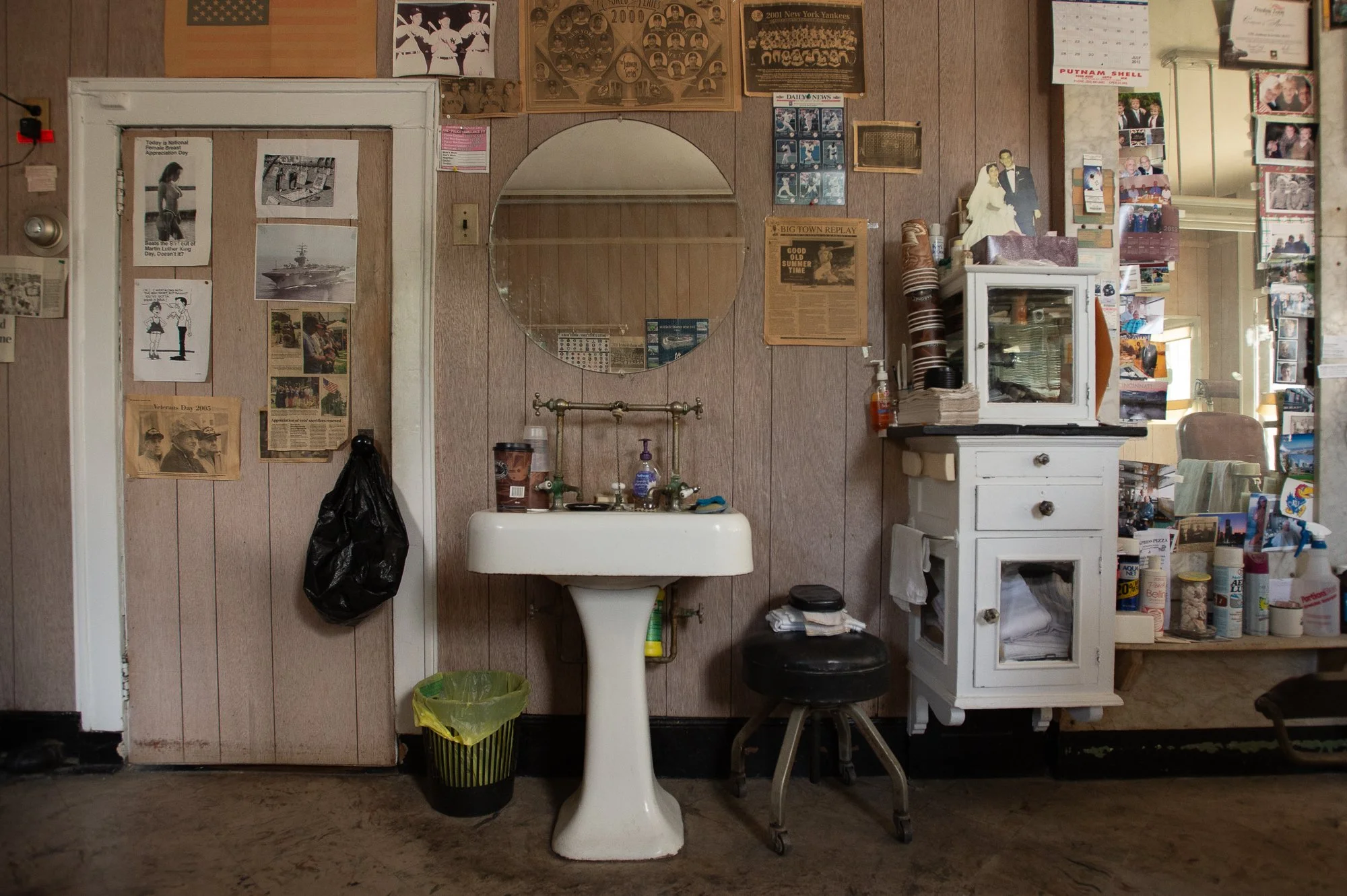
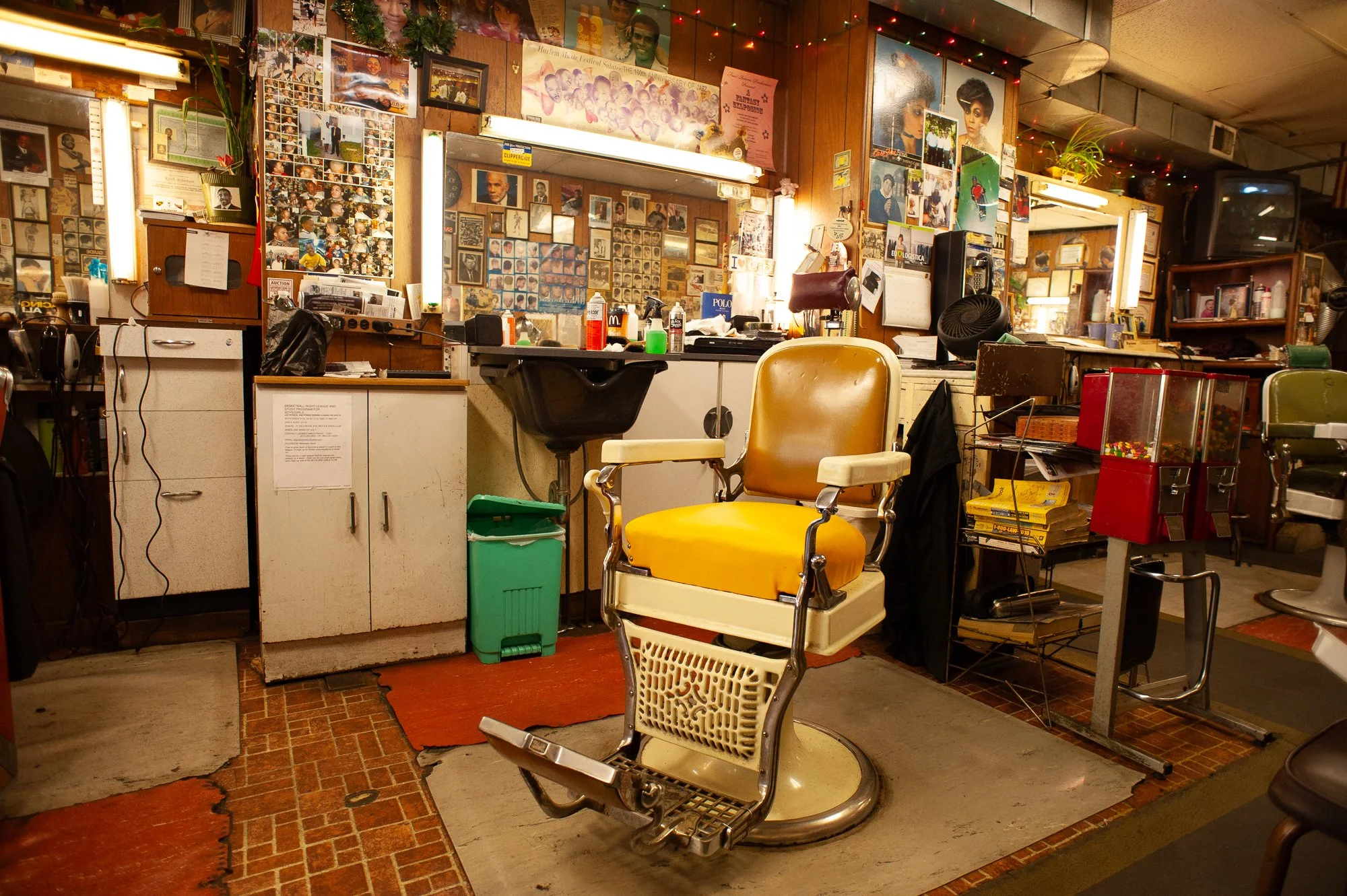
Interior of a historic barbershop in Brooklyn, New York, with vintage chairs and mirrors.

The interior of Tony’s Barbershop in Brooklyn, New York. The space remained largely unchanged for decades, preserving a traditional working environment.

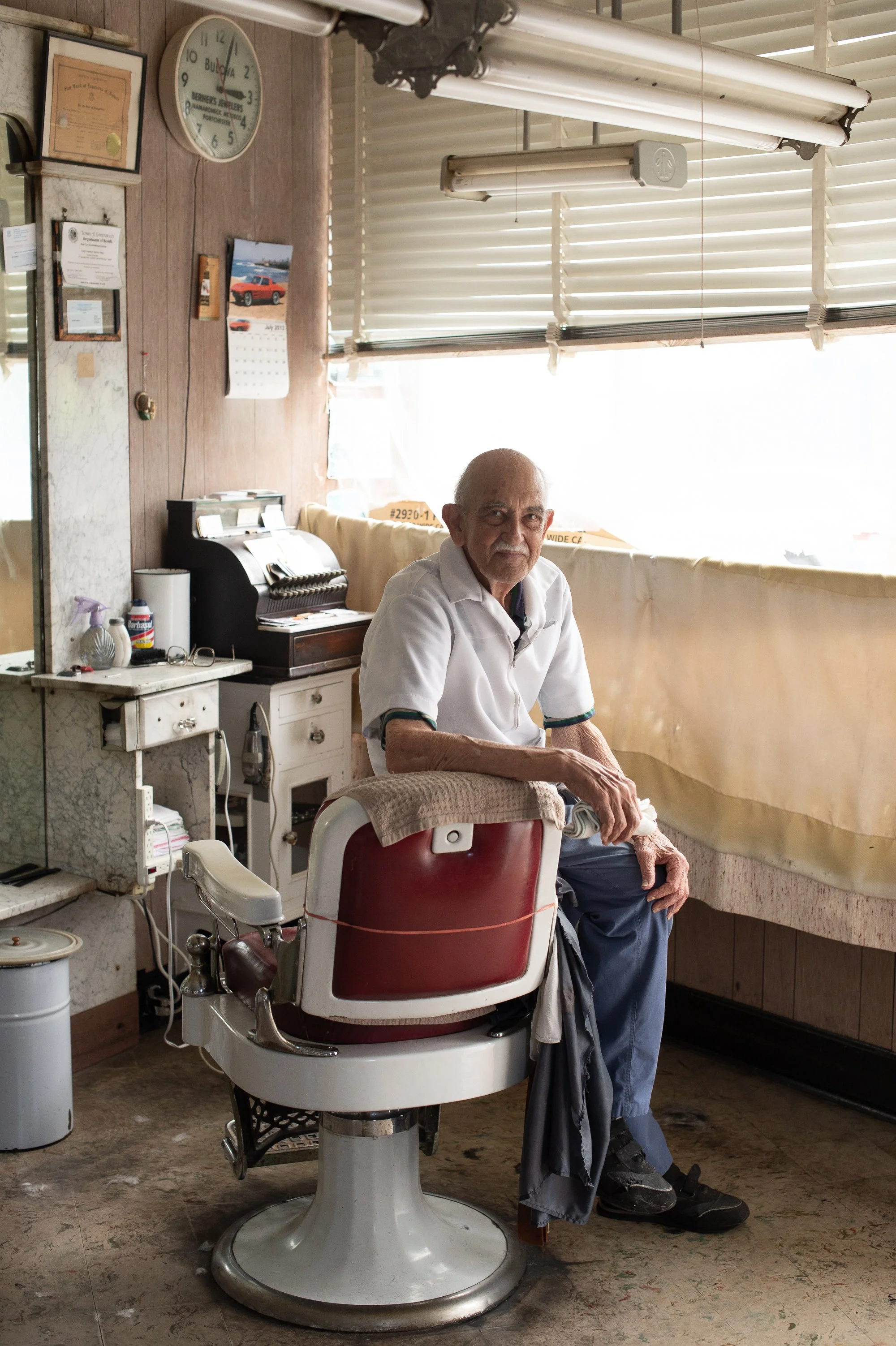
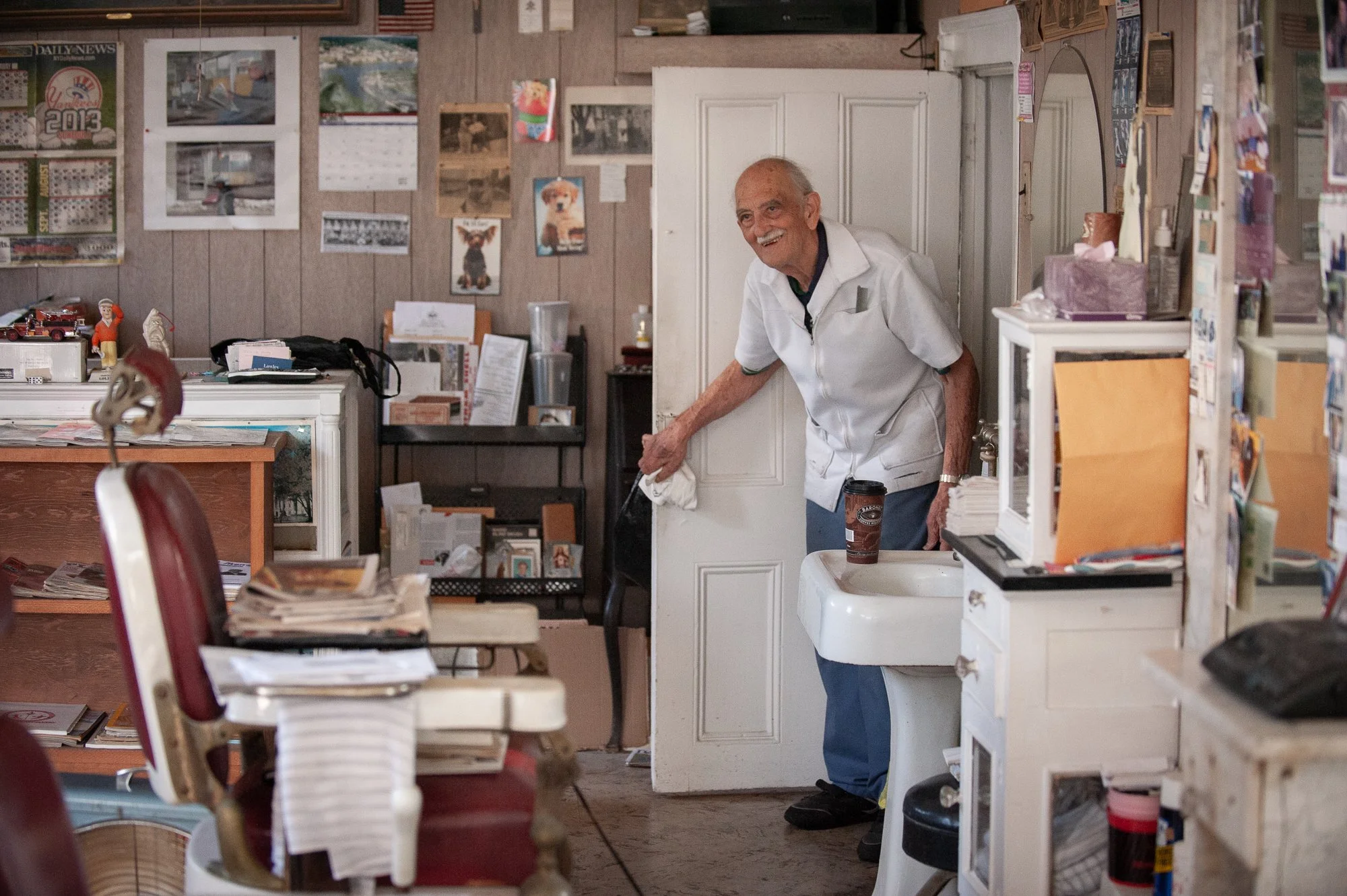
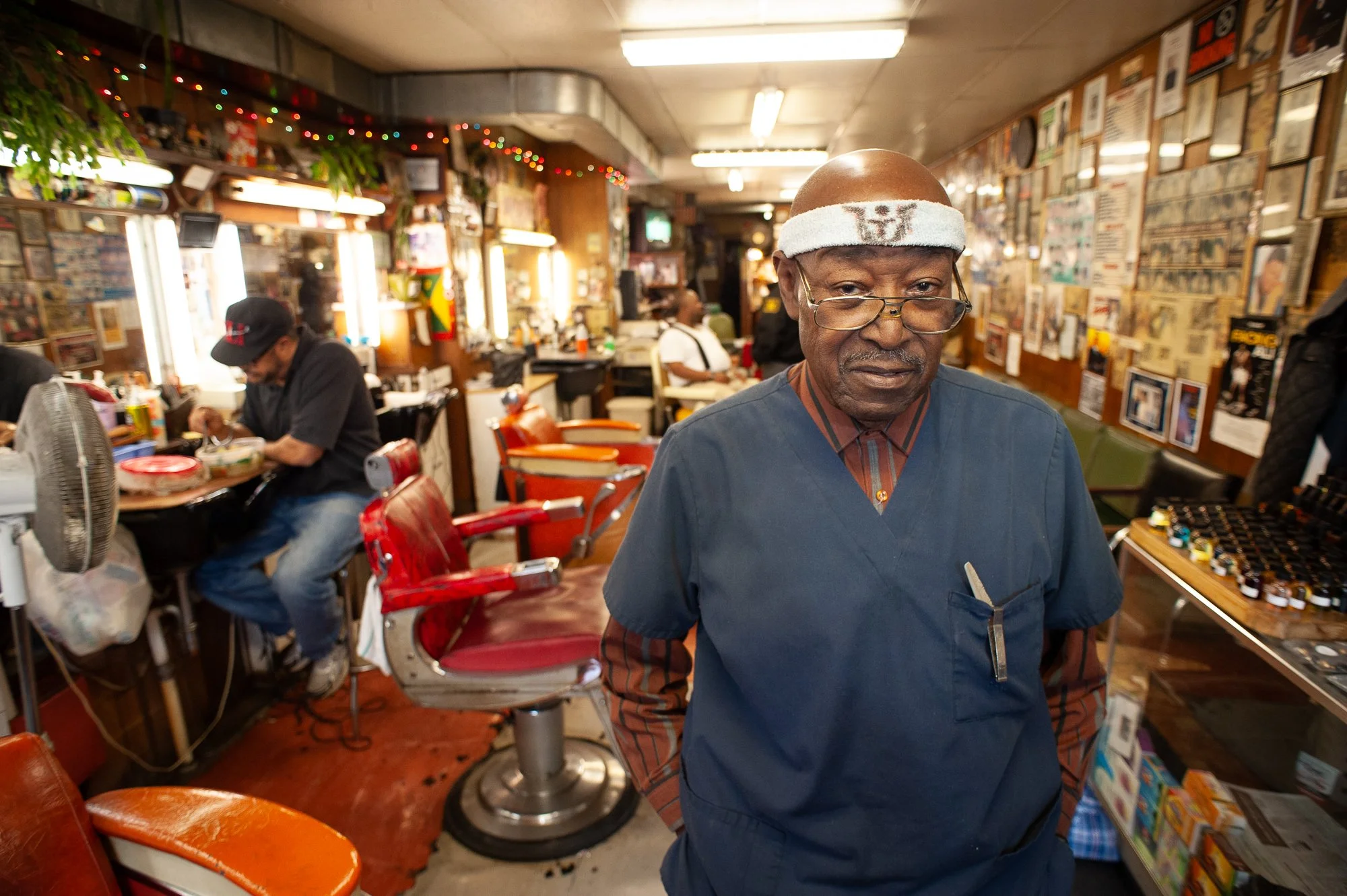
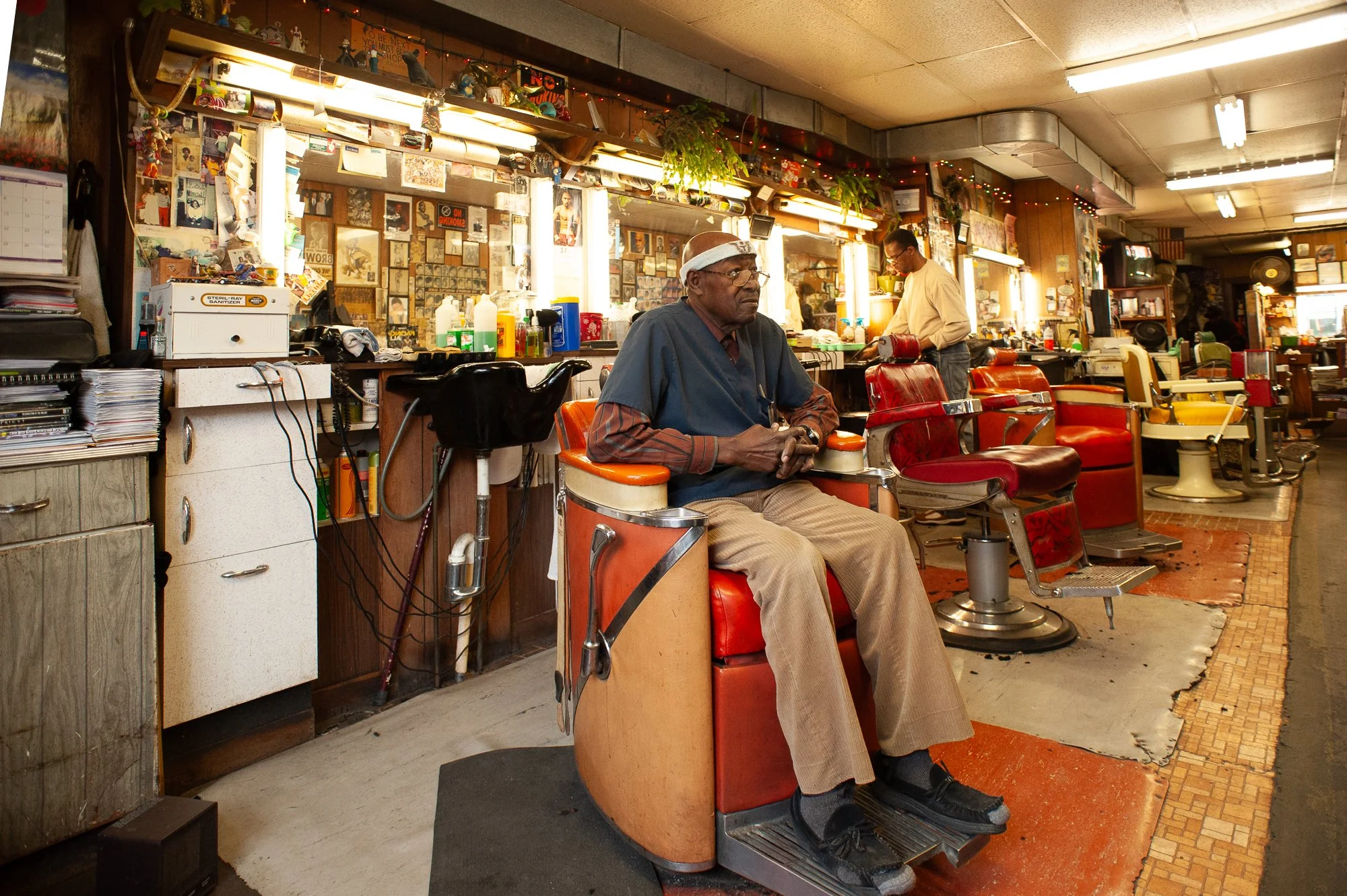
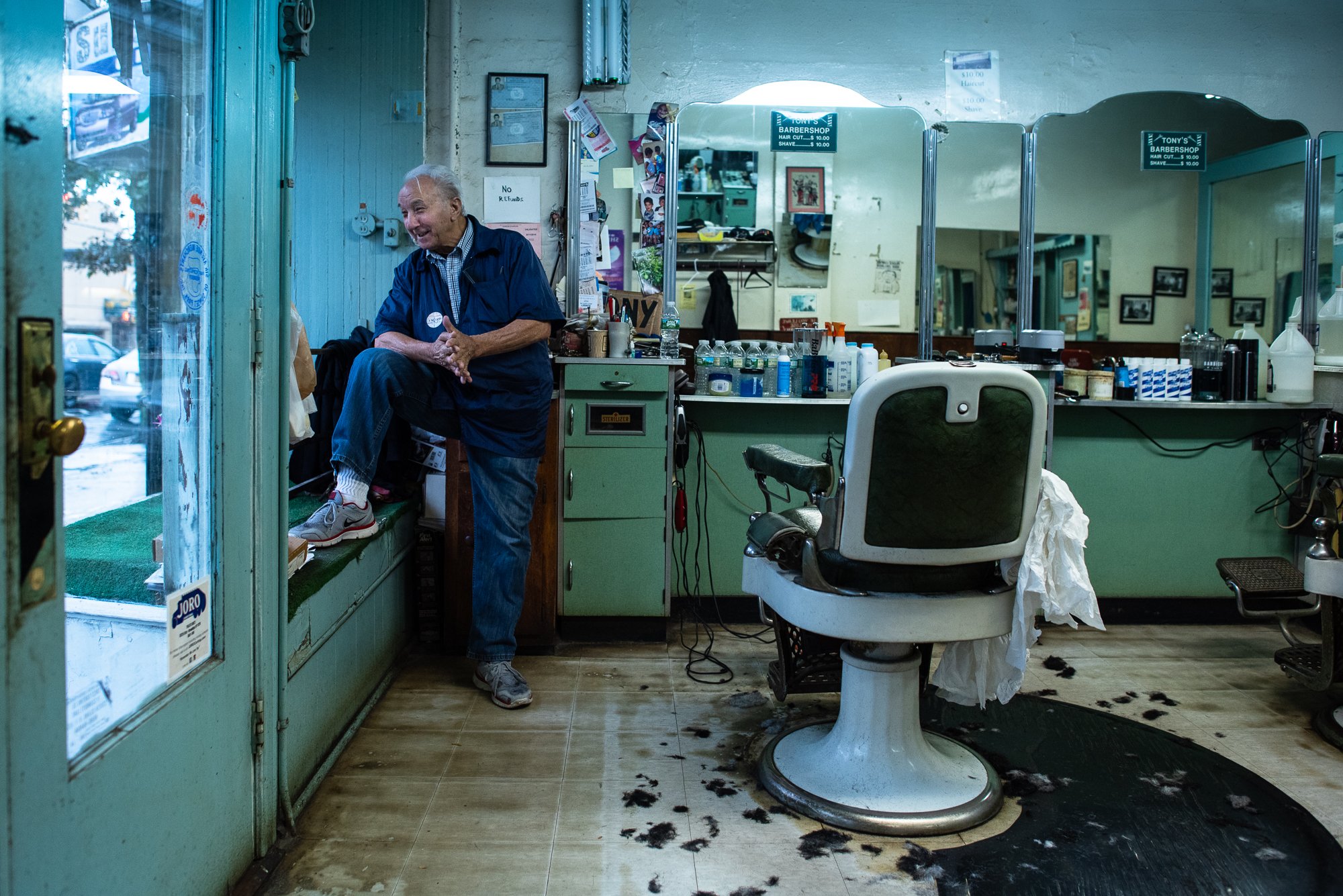
An elderly barber pauses between appointments inside Tony’s Barbershop in Brooklyn, New York.

A barber pauses between appointments at Tony’s Barbershop, a place where relationships extended beyond the chair.

Cohoes, New York

Photographs of Cohoes, New York

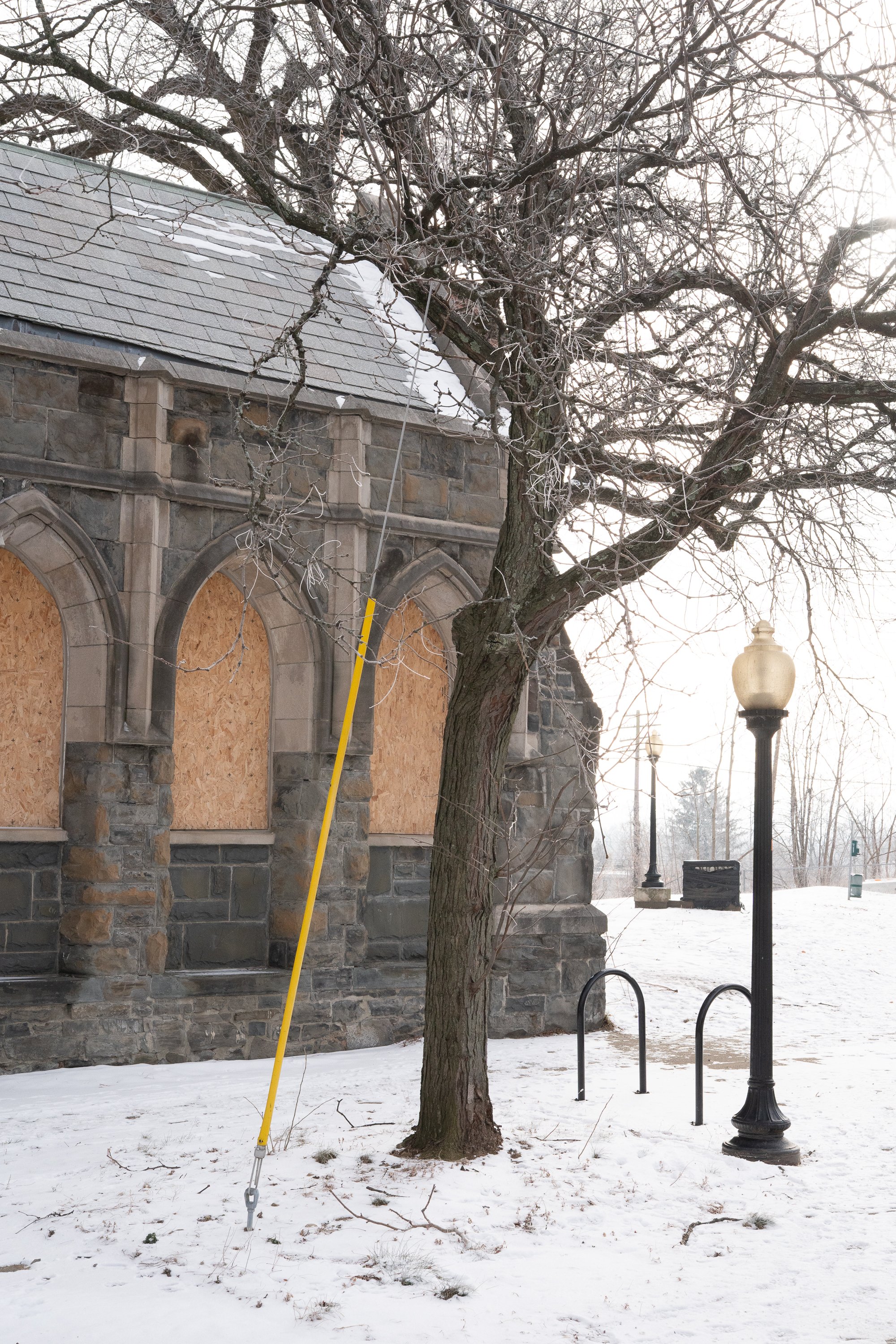
Cohoes, New York is a small city just on the other side of the Hudson River from where I grew up in Averill Park. Despite the proximity, it’s a place I don’t ever recall visiting for any reason. So it was nice to spend some time there exploring with a camera. Like a lot of small towns in Upstate New York, Cohoes has an industrial past. It’s nickname is the “Spindle City” because of the involvement in textile manufacturing in the 19th Century went vast amounts of cotton was shipped to Cohoes from the deep south. There are so many places in New York that had a heyday due to one industry or another, but have remained stagnant at best, ever since. You get that feeling from Cohoes. The architecture is beautiful - homes, commercial buildings, churches, and of course the famous Cohoes Armory were all built with pride, and come together collectively to give the city a lot of character.

Photograph of homes in Cohoes, New York

Old homes in Cohoes, New York

Photograph of a hair salon in Cohoes, New York

Danielle’s House of Hair - Cohoes, New York

Photograph of the National Bank of Cohoes

Cohoes, New York Photography

Historic photograph of Cohoes, New York

Train track running by St. John’s Church in Cohoes, New York

Photograph of Remsen St. in Cohoes, New York

Photograph of the business’ on Remsen St. in Cohoes, New York

Photograph of a flower shop in Cohoes, New York

Flower shop - Cohoes, New York

Photograph of Dennis Holzman Antiques in Cohoes, New York

Antique shop in Cohoes, NY

Photograph of the Cohoes Armory in Cohoes, New York

Cohoes Armory

Photograph of an old church in Cohoes, New York

Old church in Cohoes, NY

Photograph of beautiful old brick homes in Cohoes, NY

Cohoes, NY architecture

Photograph of Cohoes in Upstate New York

Cohoes, New York Photography

Troy, New York Photographs

Troy, NY Photography — Documentary Prints & Editorial Licensing

Why Troy Still Feels Like Home

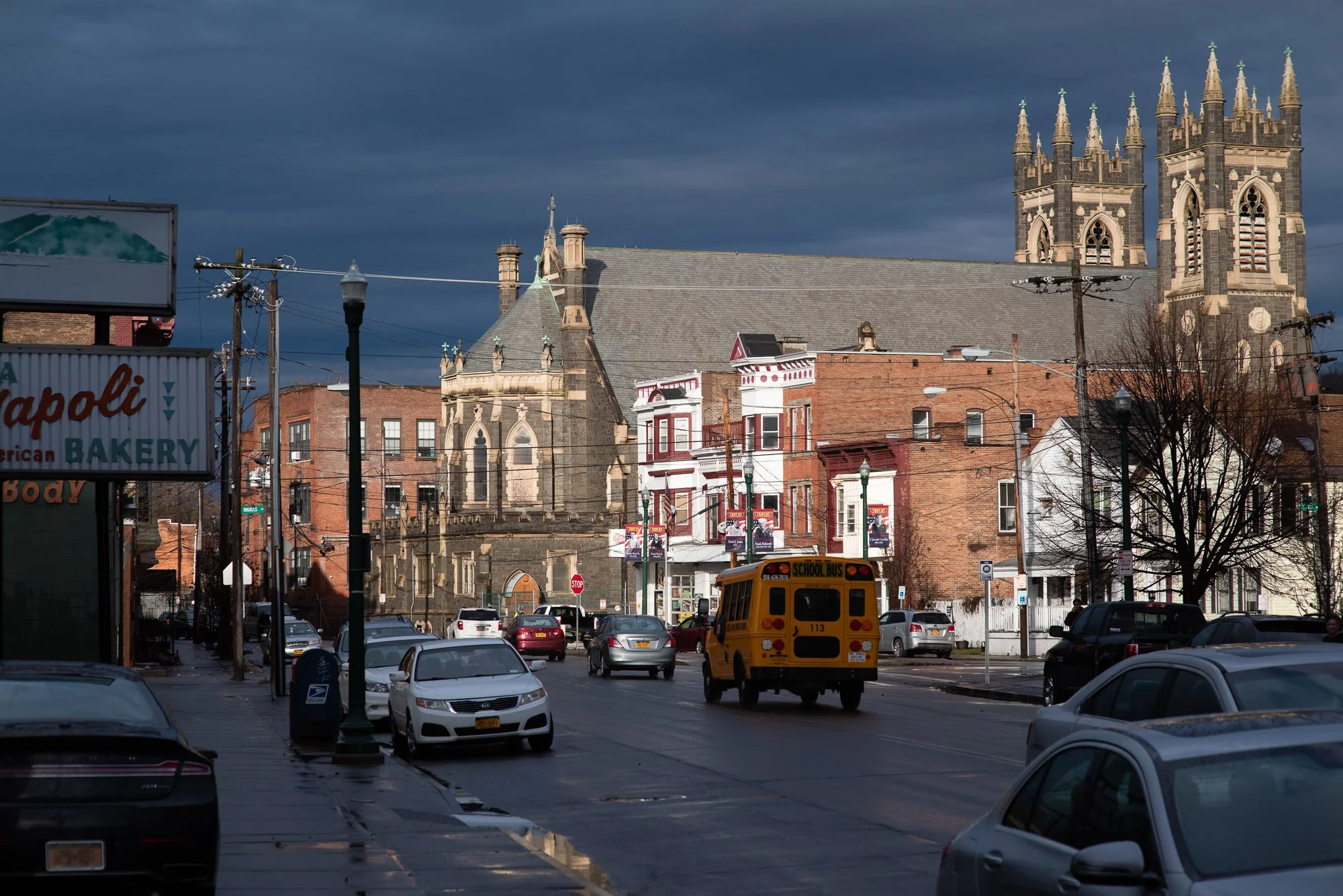
Troy, NY is an industrial city that’s been through a lot of change and it shows. I grew up about 20 minutes from Troy and spent a lot of sinful nights there with a bad Fake ID at bars that have long been shut down or turned into pawnshops. At 4am we always ended up at I love New York Pizza soaking up the booze with dollar slices while waiting for the inevitable fight to erupt on 4th St. I love is still there but they shut down at 1am. Just a few of the many changes that have taken place in the Collar City. Visiting now, 20 years later with different eyes, it’s a whole new experience. You can see why the locals have so much pride. Not just for what Troy has become, but also for the history that is written all over the architecture of it’s many historic buildings. You can feel what Troy was in it’s heyday and that almost makes you want to experience the city at that time. Sure it was rough, and still is in parts, but the Italian food alone would be worth the experience. It’s not all gone though. There are still long running institutions like Bella Napoli, DeFazio’s Pizza, and the iconic Famous Lunch Hot Dogs. It’s even got good beer now - Brown’s Brewing Company is well worth the stop for any connoisseur. I never bothered to look deeply at Troy back in the day, but it’s become a favorite place to photograph every time I return home to visit family and friends. The city has a lot of character that deserves to be documented.

Photographing the History and Architecture of Troy, New York

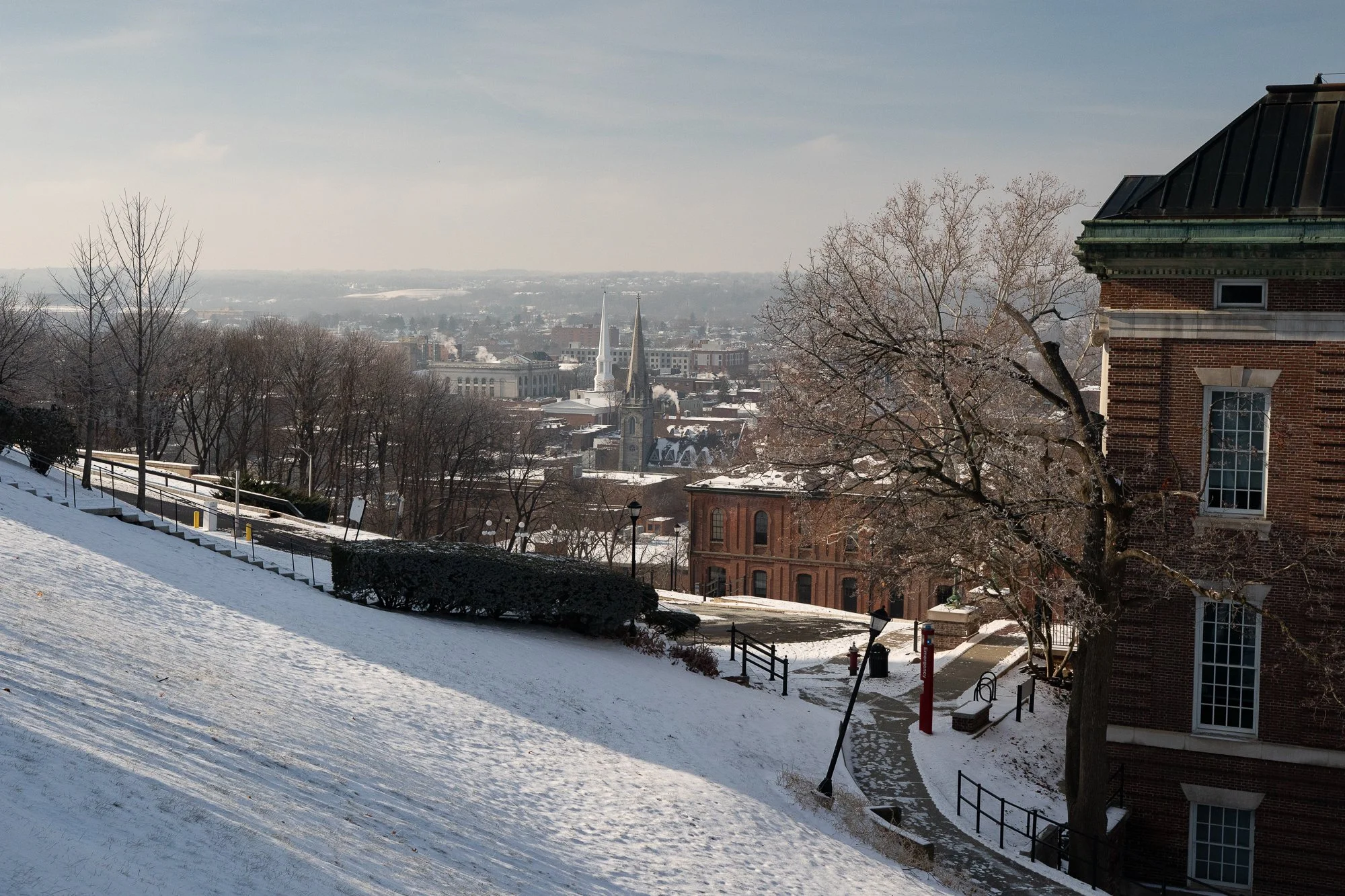
Troy’s nickname, the “Collar City,” comes from its industrial past - but what stands out today is the mix of preservation and grit. The Central Troy Historic District is lined with 19th-century rowhouses, St. Patrick’s Church rises in Gothic stone, and the Sycaway Water Tower still watches from the hillside. From the hill at RPI, you can see the entire city stacked against the Hudson, with the Green Island Bridge tying it all together. These are the scenes that made their way into my prints - quiet, weathered, and timeless.

Fine Art Prints: Sizes, Editions, and Pricing

Every photograph of Troy in this collection is available as a fine art print, made on museum-grade archival paper. Open edition prints start around $50 for smaller sizes (8×10"), while large limited edition prints are signed, numbered, and produced at sizes up to 65". Each piece is crafted to last a lifetime and can be framed to fit your space. Whether it’s for a living room, office, or gallery wall, these prints bring a piece of Troy’s story into your everyday environment.

Licensing Troy Photographs for Editorial & Commercial Use

For businesses, publishers, or art directors looking to license Troy imagery, these photographs are available for editorial and commercial licensing. From historic architecture to atmospheric black-and-white cityscapes, the images can work for magazines, marketing campaigns, and creative projects. Licensing terms are flexible depending on your needs—just reach out directly to start the conversation.

Troy has always been a mix of nostalgia and resilience for me. These photographs hold on to that character, offering more than just a view—they carry the texture of a city that built its name on hard work and history. Contact me directly if you’d like to discuss licensing or to purchase a photography print of Troy, NY for your home, office, or commercial space - rob@robhammerphotography.com

See My Albany, New York Photography Prints →

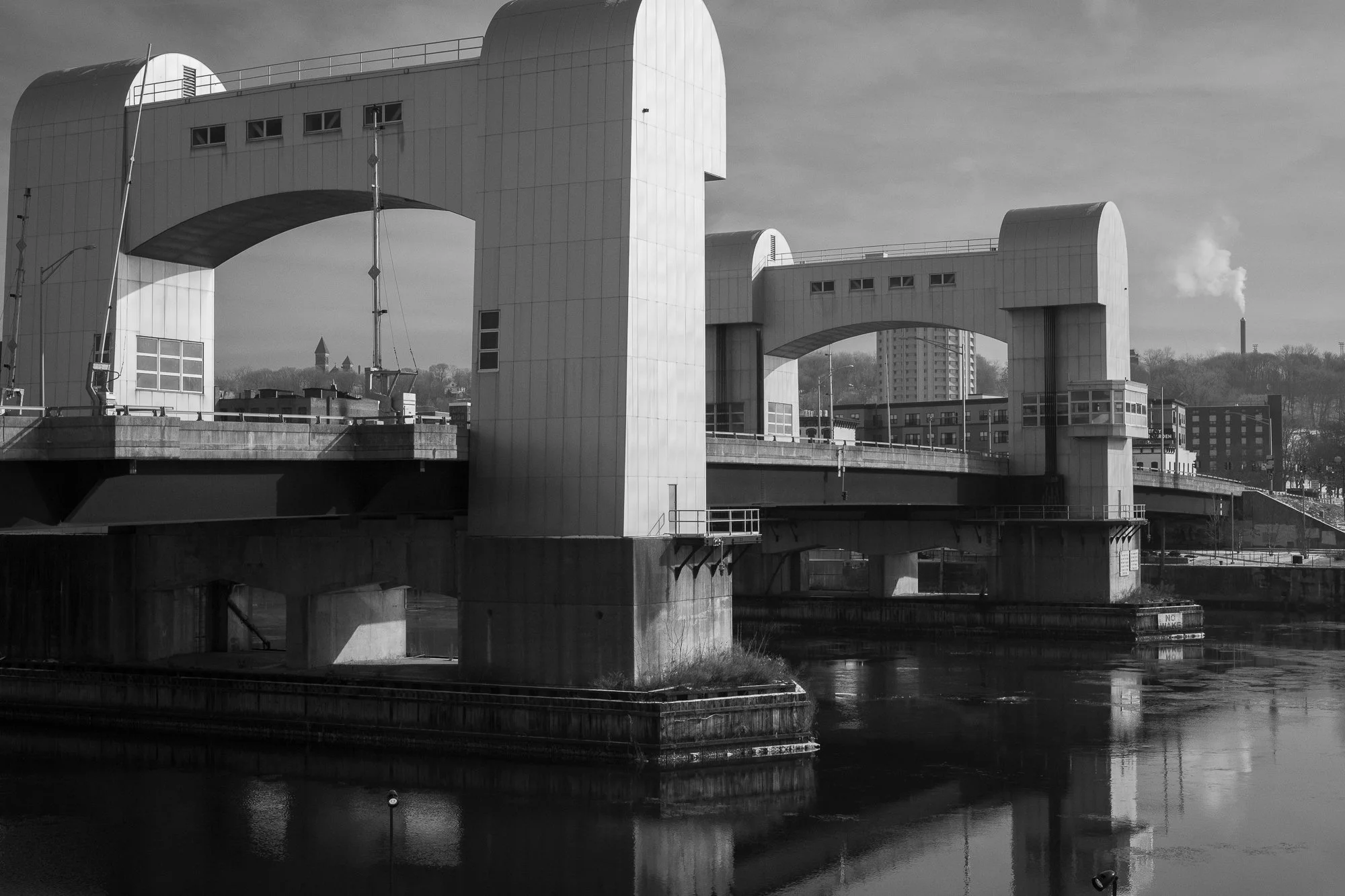
Green Island Bridge spanning the Hudson River in Troy, New York, documentary photography

The Green Island Bridge over the Hudson River in Troy, New York

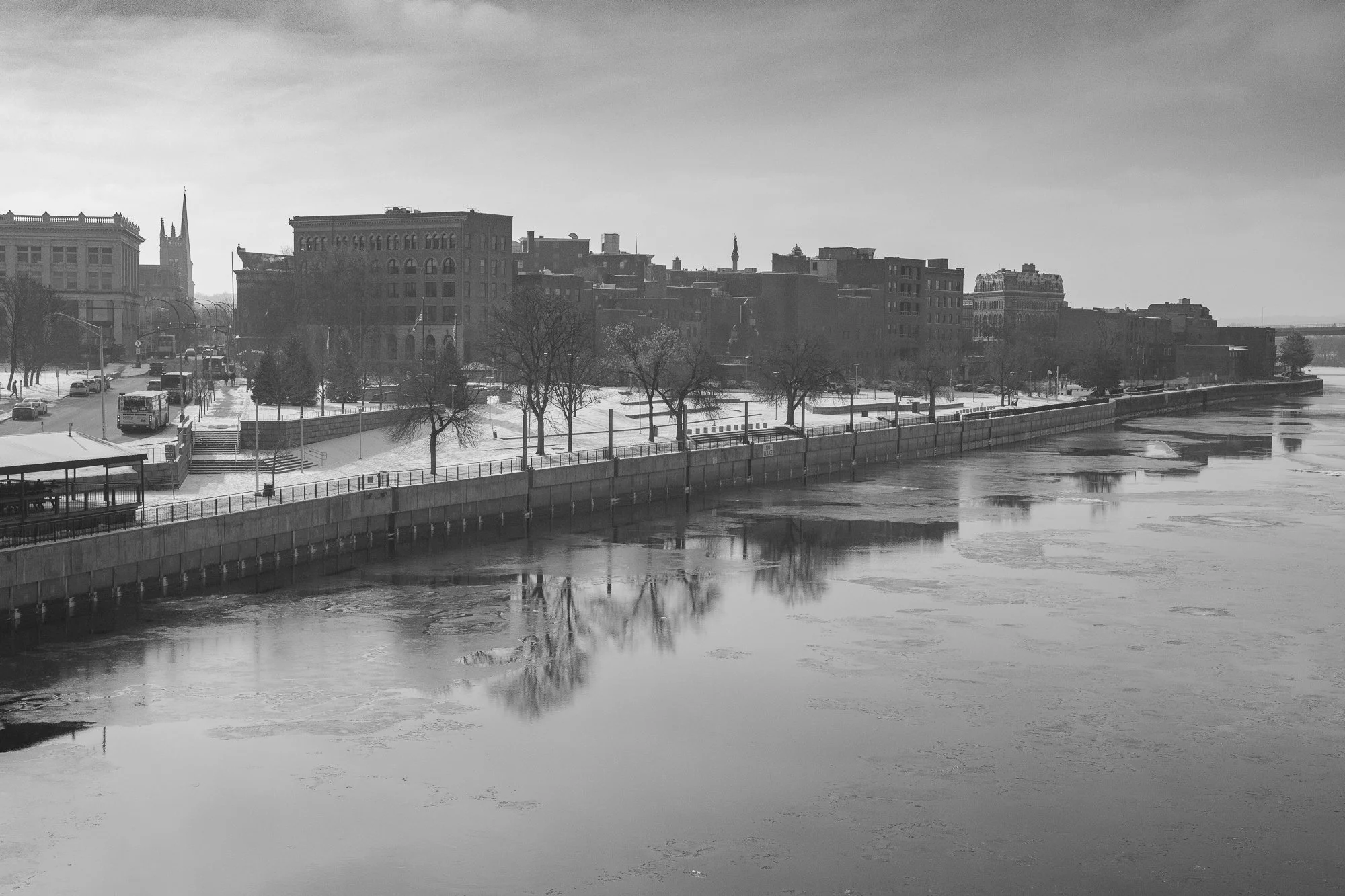
Historic Troy, New York cityscape showing 19th-century architecture in black and white

Historic architecture in Troy, New York

St. Patrick’s Church in Troy, New York, Gothic Revival architecture photograph

St. Patrick’s Church - Troy, NY

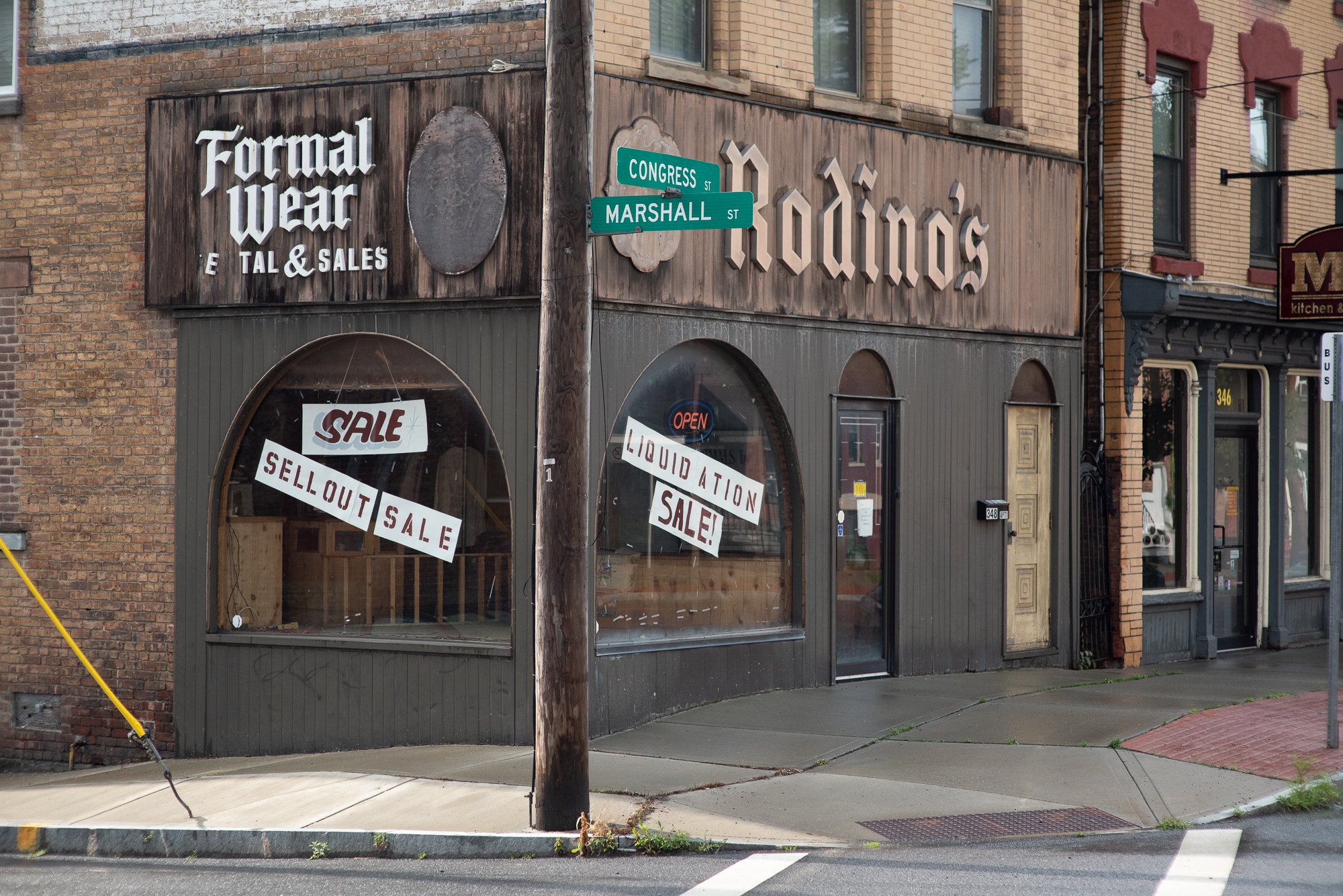
Rodino’s Tuxedo Shop storefront in Troy, New York, vintage downtown scene

Rodino’s Tuxedo Shop - Troy, NY

Photograph of the Sycaway Water Tower in Troy, NY

Sycaway Water Tower

Black and white historical photograph of Troy, NY

Church spires in Troy, NY

Photograph of the Famous Lunch hot dog restaurant in Troy, NY

Famous Lunch Hot Dogs - Troy, NY

Photograph of soda cans for sale hanging up at Famous Lunch Hot Dogs in Troy, NY

Soda for sale at Famous Lunch in Troy, NY

Photograph of a man working inside Famous Lunch Hot Dogs in Troy, NY

World Famous Hot Dogs since 1932

Photograph of a train bridge along the Hudson River near Troy, NY

Train bridge on the Hudson River in Upstate New York

Photograph of Uncle Sam Lanes bowling alley in Troy, NY

Uncle Sam Lanes

The view of Troy from the campus of RPI

Overlooking the city of Troy from the Renssalaer Polytechnic Institute

Black and white photograph of a basketball hoop under a bridge in Troy, NY

Troy Basketball

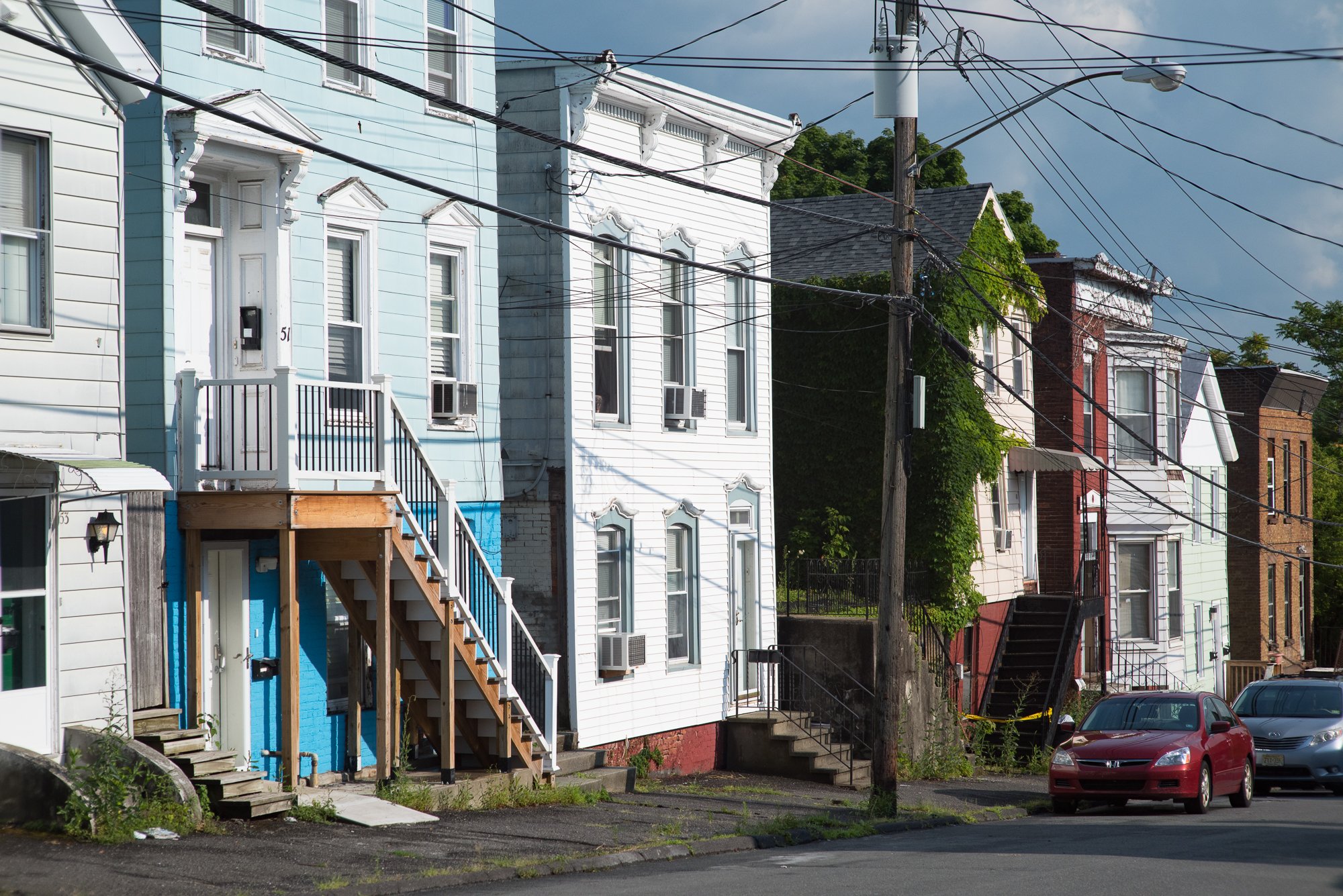
Photograph of homes in the typical architectural style of Troy, NY

Homes in the city of Troy, NY

Tree shadows on the beautiful architecture of an old church in Troy, NY

Architecture of an old church in Troy, NY

The best barbershop in Troy, NY

Barbershop - Troy, NY

Photograph of a girl writing on a typewriter at Yellow Lab Vintage and Books in Troy, NY

Used book store in Troy, NY

Photograph of the Livingston Avenue Bridge on the Hudson River

Livingston Avenue Bridge

Black and white photograph of an iconic bride in Troy, NY

Troy, NY


A Traditional American Barbershop - A Neighborhood Fixture

An Old School Neighborhood Barbershop

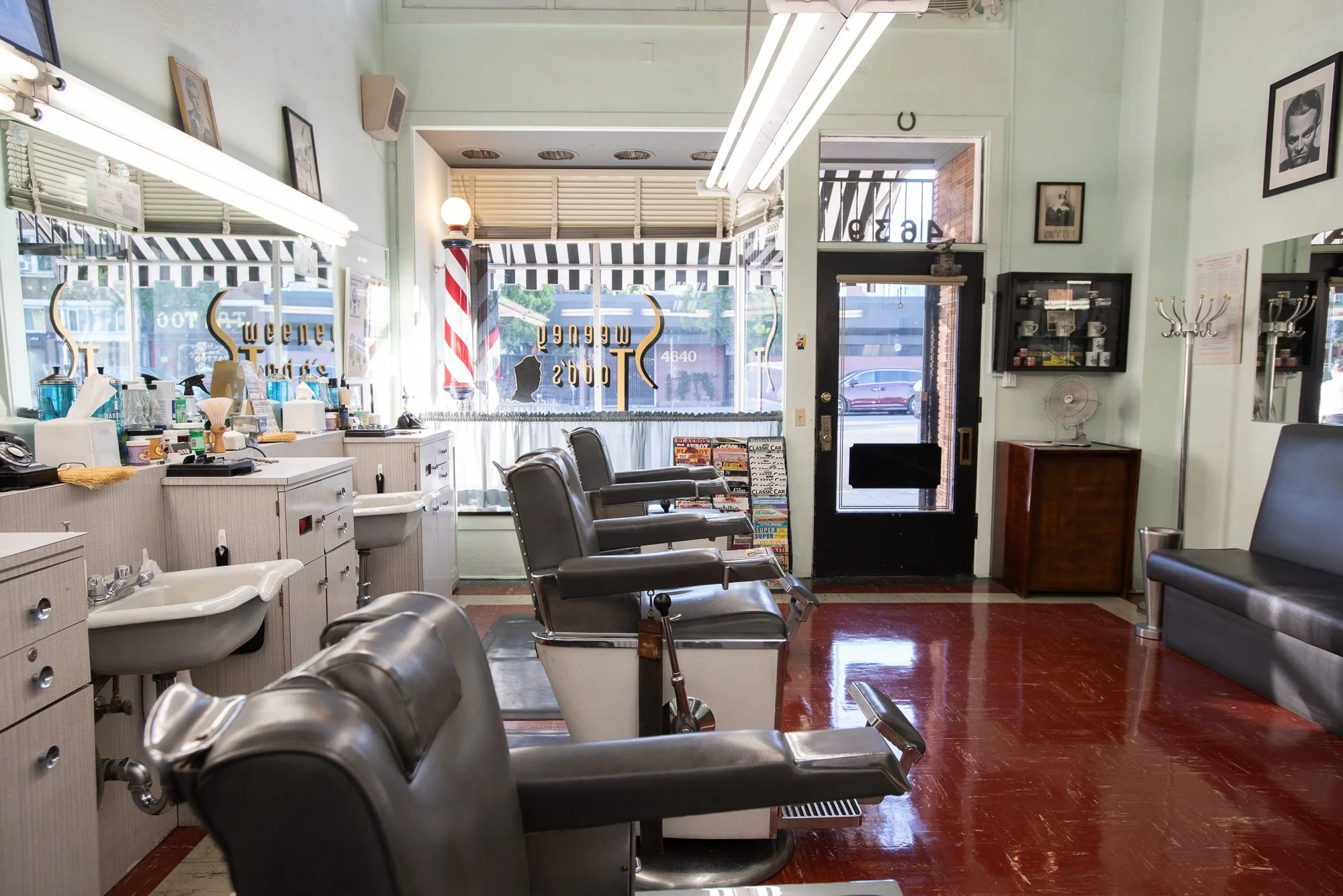
I first photographed this barbershop in San Diego in 2011, early on in what would eventually become the Barbershops of America project. At the time, I didn’t fully realize how important these photographs would become. I was simply drawn to places like this — shops that felt unchanged, where time moved a little slower and the barber knew everyone who walked through the door.

This shop, run by Johnny Lovato, was one of those places.

A Shop That Felt Lived In

Walking into Johnny’s barbershop felt like stepping into another era. The space wasn’t curated or styled — it was simply lived in. The chairs, the mirrors, the worn floor, the little personal details scattered throughout the shop all told a story without trying to.

These weren’t decorations meant to evoke nostalgia. They were just the things that had accumulated over time. That honesty is what made the shop special and what kept the doors open to the same neighborhood of friendly customers for decades.

The Barber and the Community

Johnny was always kind and welcoming, the type of barber who made time for conversation as easily as he made time for a haircut. His shop wasn’t just a place people came to get cleaned up — it was a place where stories were shared and relationships were maintained.

One of the small details I always remember is how happy Johnny was feeding his bird Cheetos. It’s a simple moment, but it perfectly captures the personality of the space and the rhythm of the shop. Those are the moments I’m always looking for when I photograph places like this.

Returning Years Later

I returned to photograph the shop again in 2019. By then, Johnny’s son had taken over the business. Much of the spirit of the shop remained, but time had clearly moved forward — as it always does.

Not long after, the barbershop closed, and the space was eventually transformed into something new, and in my opinion, soulless. That’s the reality for many traditional barbershops across the country. Rising rents, retirement, and redevelopment quietly erase places that once anchored their neighborhoods. Luckily another barber took over the space, so it remains a barbershop, just without the decades of character and memories that once filled it.

Why These Photographs Matter

Barbershops like this rarely close with ceremony. They disappear quietly, often without anyone realizing that a piece of local culture has gone with them.

This series exists so that those places aren’t completely lost. These photographs are not about nostalgia for nostalgia’s sake — they’re about acknowledging the importance of everyday spaces that shaped communities for generations.

Part of a Larger Archive

Johnny Lovato’s barbershop in San Diego is just one small part of a much larger body of work documenting traditional barbershops across the United States. Together, these images form an archive of a disappearing American tradition — one shop, one barber, one story at a time.

More Barbershops of America

View The Book

View The Gallery

Old-school American barbershop interior, Point Loma San Diego documentary photograph

Interior of a traditional barbershop in Point Loma, San Diego, where time-worn chairs and details reflect decades of community history.

Johnny Lovato feeding his pet bird inside his barbershop in San Diego, California

Johnny Lovato, the barber, shares a moment feeding the shop’s pet bird — a small gesture emblematic of daily life in the space.

An old school barber smiles while watching his pet bird

Johnny Lovato smiles after feeding his pet bird at his barbershop in San Diego

Portrait of a barber standing behind his chair in a traditional San Diego barbershop

Portrait of a barber standing behind his chair — a quiet testament to the people who made these shops more than just businesses.

Rotary telephone inside a traditional barbershop, documentary detail photo

An old rotary telephone inside the shop — one of the many small artifacts that speak to the barbershop’s lived-in past

Barber sitting in his chair at a traditional barbershop in San Diego, California

A barber sits in his chair during a quiet moment — a human pause captured in the rhythm of the shop.

Customer getting a haircut in a traditional barbershop in San Diego, California documentary image

A customer receives a haircut — a simple everyday moment that also anchors the narrative of barbershop culture.

The Griffin Museum of Photography

Photography Museum - Winchester, Massachusetts

13+ years now I’ve been photographing traditional barbershops in all 50 states of the USA and the layers continue to peel. In the beginning it was just a thing to do because I love barbershops. Then as time went on I felt responsible for documenting them before they all disappeared. Now, in 2024, I see the collective body of work as a historical document of the barbers and shops that served as a staple in their respective communities for 30, 40, 50, 60+ years. On the surface the theme of this project is about a place to get your haircut. Really though, it’s about community, friendship, and human connection. So I’m honored to announce that a selection of these photographs will be shown at the Griffin Museum of Photography in Winchester, MA for their upcoming group show “Vision(ary) which focuses on communities, cultures, and environments. Please go check out the show as well as the other great exhibitions from June 7th-September 27th.

Click here to purchase a copy of Barbershops of America (photo book) and HERE to purchase prints from this series.

Exhibition at the Griffin Museum of Photography

Barbershops of America at The Griffin Museum of Photography

East Coast Photography

Small Town America - Photography

Road Trip - American Culture

Cross country road trips have been a constant in my life for the past 12+ years, particularly in late December driving from San Diego, CA to upstate NY to visit family for Christmas. This year though, it was significantly shorter as we are currently living in North Carolina. If you want advice on the most soul sucking drive in the USA, it’s I95 from Raleigh to Albany. Avoid it at all costs. I did it once in a straight shot due to a severe lack of time and will never do it again. As a photographer you’re much better off committing to the many backroads that will get you to the same place while also delivering a much better experience. Here are a few images from PA and NY. Pennsylvania has always been a fascinating state. There is a sadness to a lot of the towns, particularly in the rust belt, but they are all undeniably American. Plenty of towns in America could be anywhere in America, but the majority of Pennsylvania makes you acutely aware that you are in a place.

Click here to see more of my American Photography

Union Cemetery - Hudson Falls, NY

Pittston, Pennsylvania

Wilkes-Barre, Pennsylvania

Edwardsville, Pennsylvania

Pittston, Pennsylvania

Pittston, Pennsylvania

Hudson Falls, New York

Photography Books - American Culture

American Photography - Documenting Traditional Barbershops

American photography as a genre is hard to define, especially when it comes to art collection and fine art photography. The term is so broad and leaves plenty of room for interpretation. One of my longest running series Barbershops of America fits into that category. Although it’s only been recently that I realized what’s been put together with this series is as much American photography as it is a historical document of a niche piece of American culture. And it occured to me the other day that getting a haircut is just a bonus to the experience you receive from being in a traditional barbershop. Grateful to see this project getting some exposure on Creative Boom and The Eye of Photography.

Click HERE to purchase a copy of Barbershops of American or HERE to purchase fine art prints.

Barbershop Photography

Traditional American Barbershops

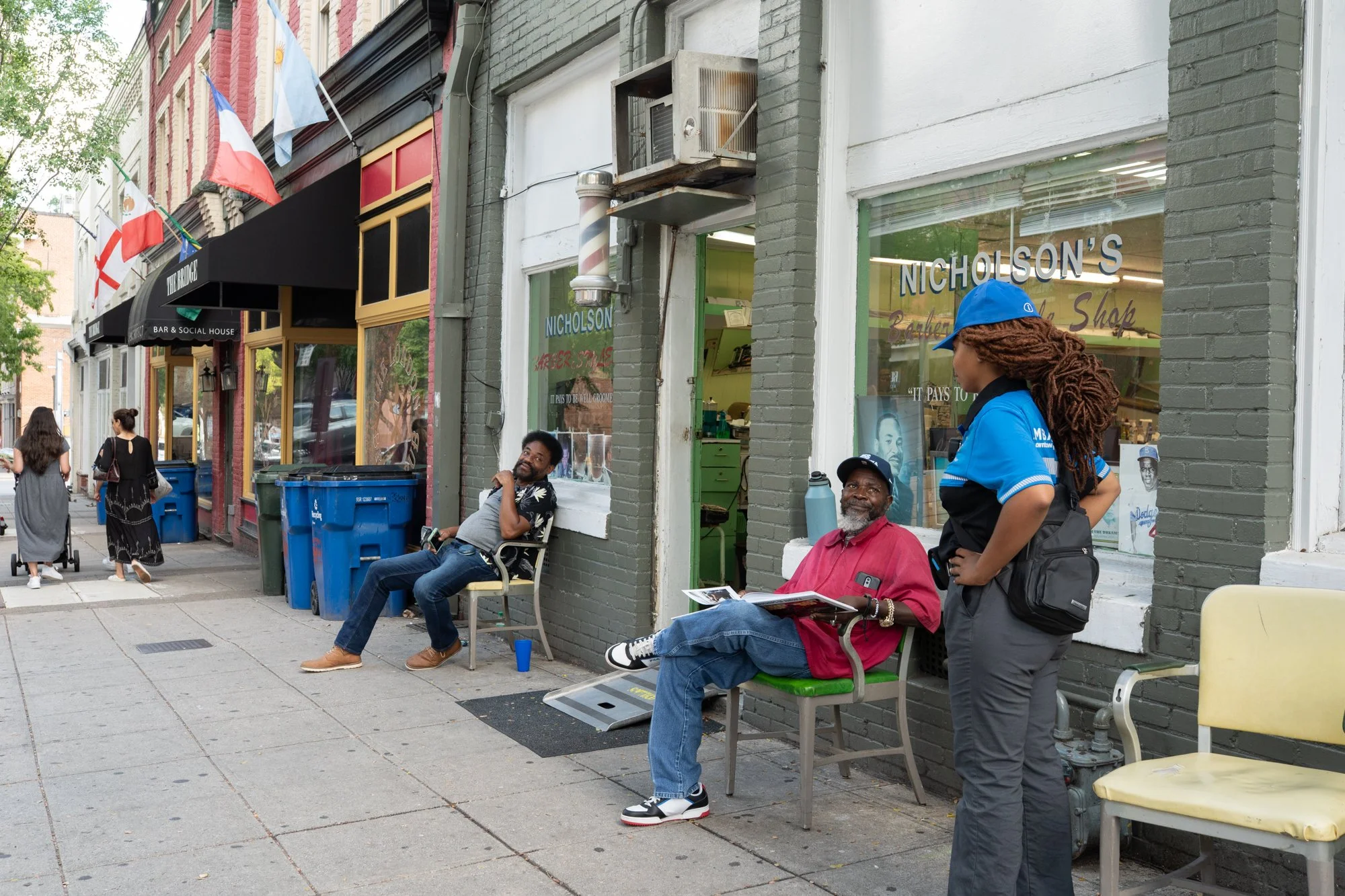
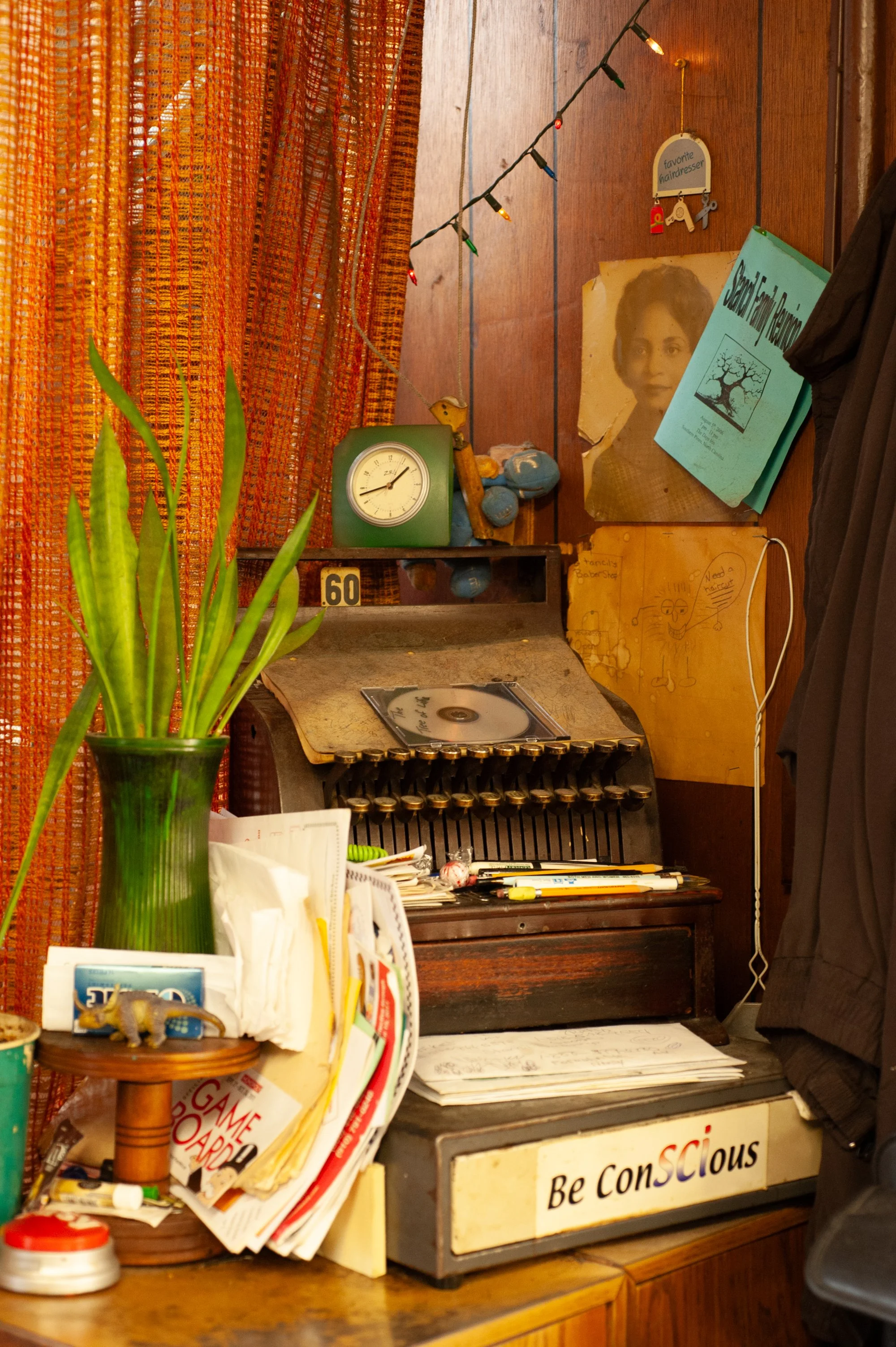
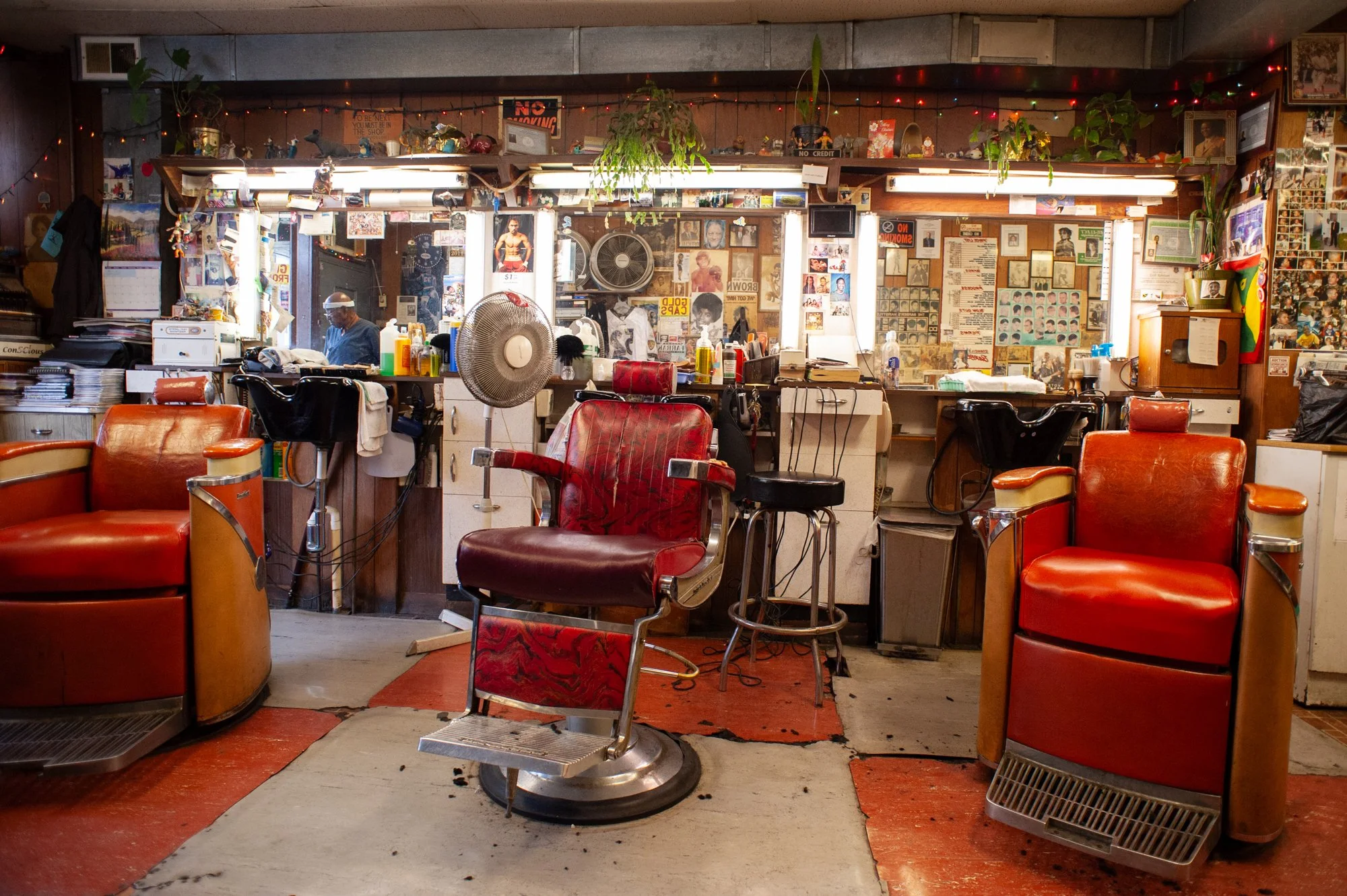
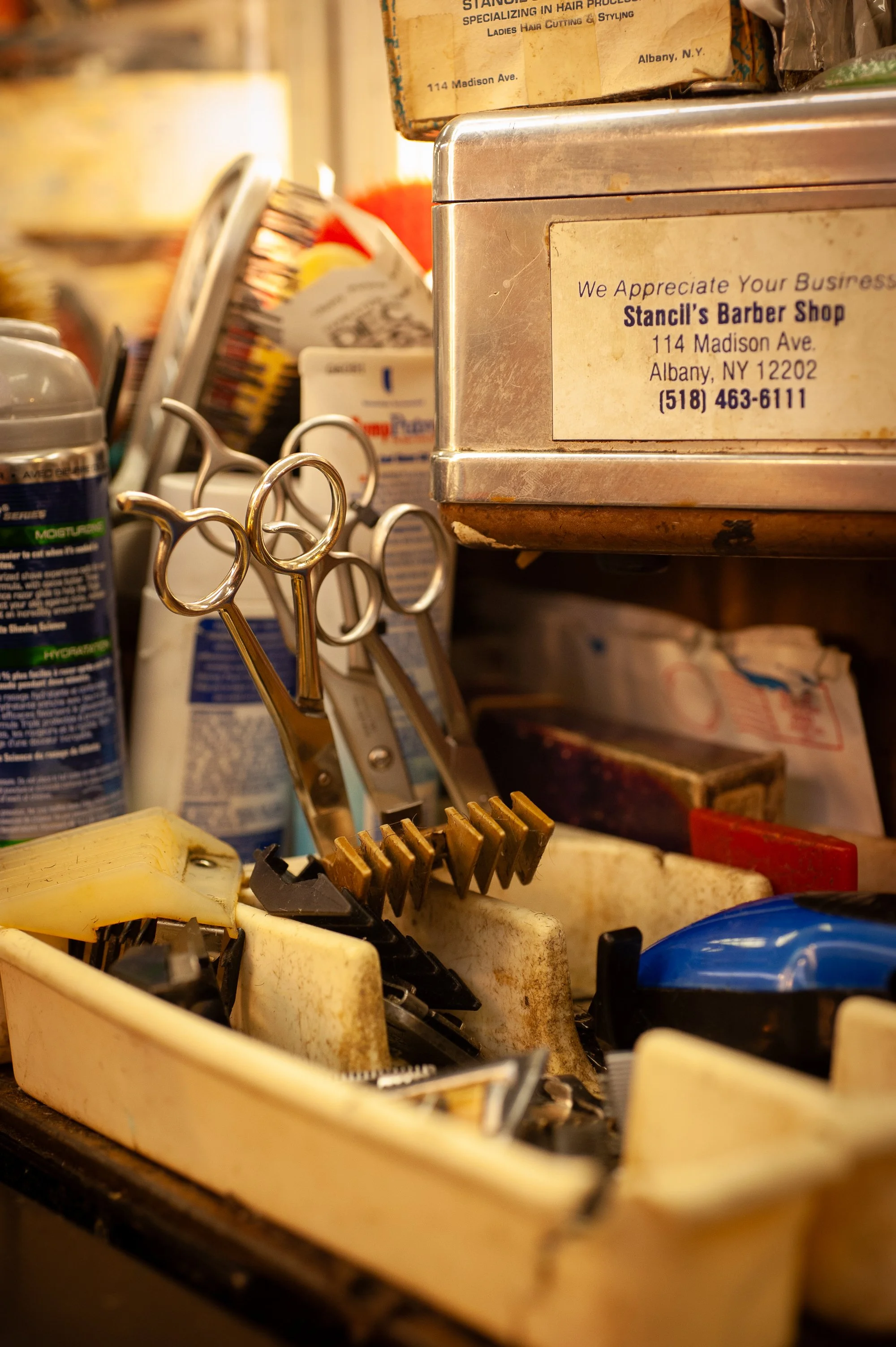
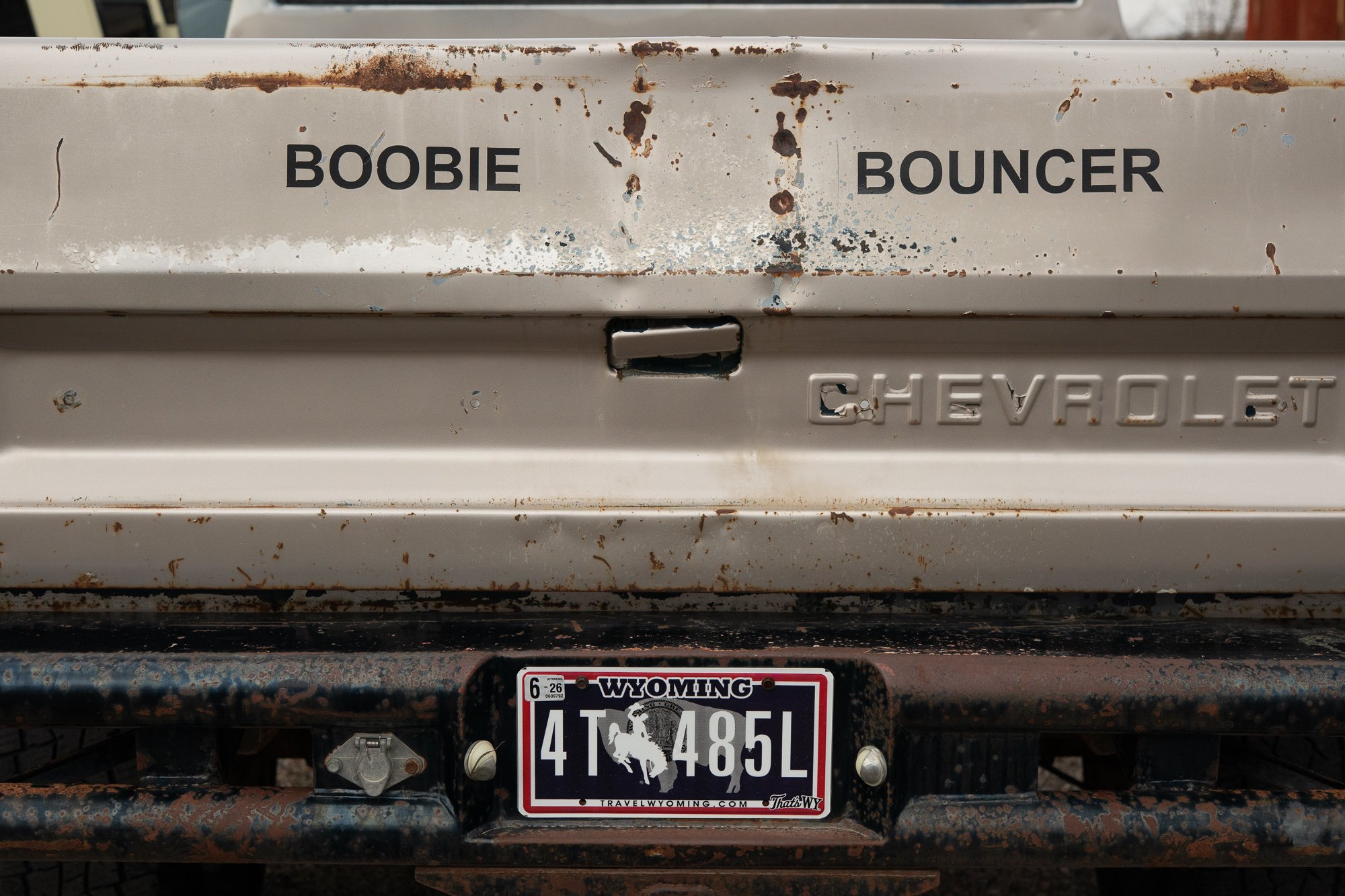
One of the best/hardest parts of working on long term projects focused on one subject matter is the bar is always rising. And that has definitely been the case for Barbershops of America. Traditional shops are a dying breed as is, and after seeing countless shops (good and bad) over the past 10 years, I’ve become quite specific about which shops I want to include in this project. Despite lots of travel and searching for shops over the past year+, the efforts have been fruitless, finding almost nothing worthy of documentation. Sort of hard to believe, actually. Searching for that long without positive results can make you think hard about the project. Is it done? Have I truly found and photographed all the remaining traditional barbershops in America? All of that doubt was erased recently after finding two incredible shops. Nicholson’s Barbershop in Raleigh, NC has been around for 40 years and Patsy’s Barbershop in Albany, NY first opened its doors in 1930! I was born in Albany, lived nearby for 25 years, have been going back at least twice a year for the past 18 years, and just last week discovered Patsy’s. Even more strange, the current owner is a former bouncer that used to, for good reason, throw my friends and I out of the bar. Funny how life works.

Click here to purchase a copy of Barbershops of America

The best barbershop in Raleigh, North Carolina

Nicholson’s Barbershop - Raleigh, North Carolina

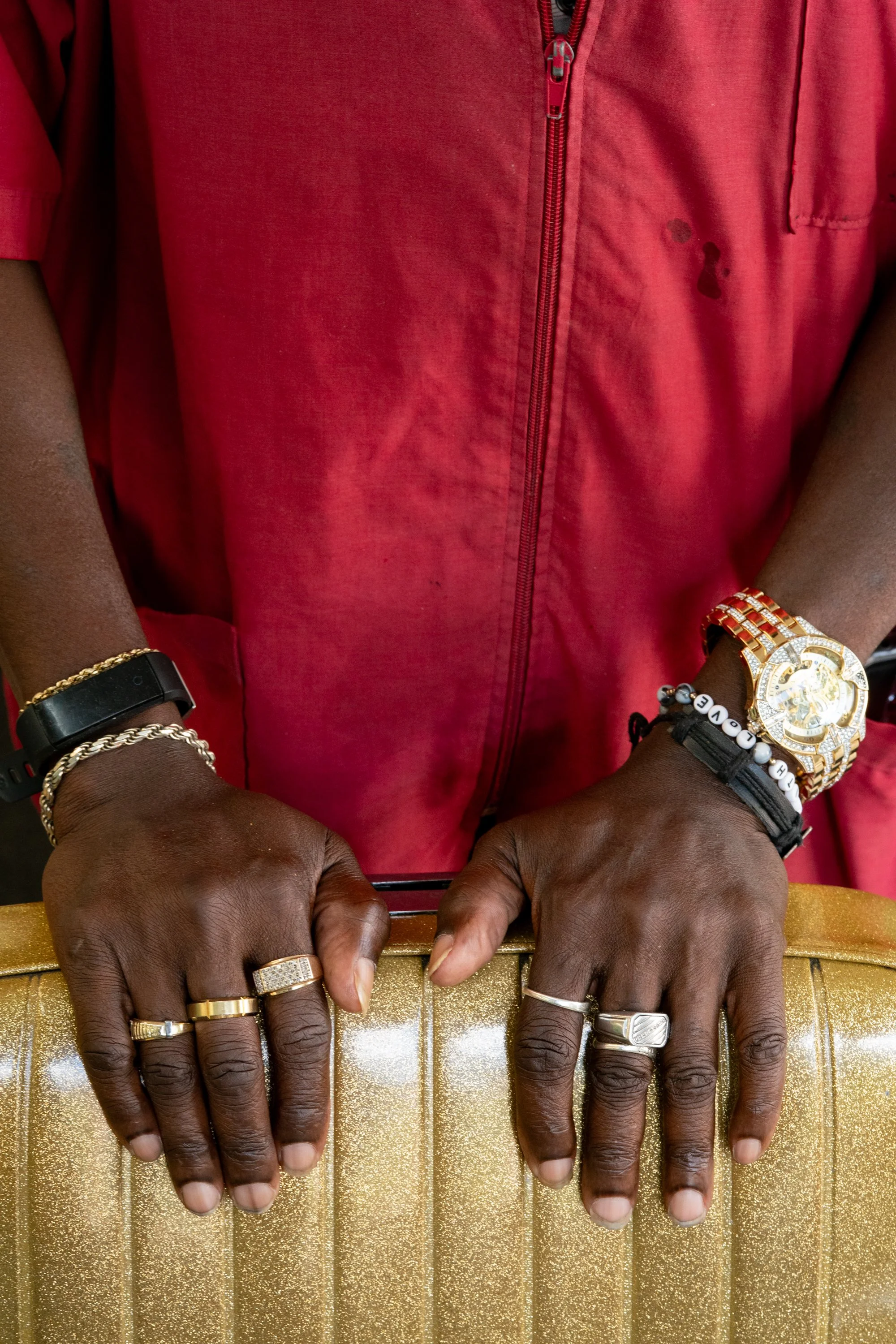
Photograph of a barber's hands
Photograph of a traditional barbershop in Raleigh, North Carolina
The best barbershop in Albany, NY

Patsy’s Barbershop - Albany, NY

Photograph of a beautiful traditional barbershop in Albany, NY

Traditional barbershop in Albany, NY


Cowboy Photography - Buckaroos

Nevada Buckaroo Photos | Authentic Great Basin Cowboy Photography

Buckaroo Photography from the American West

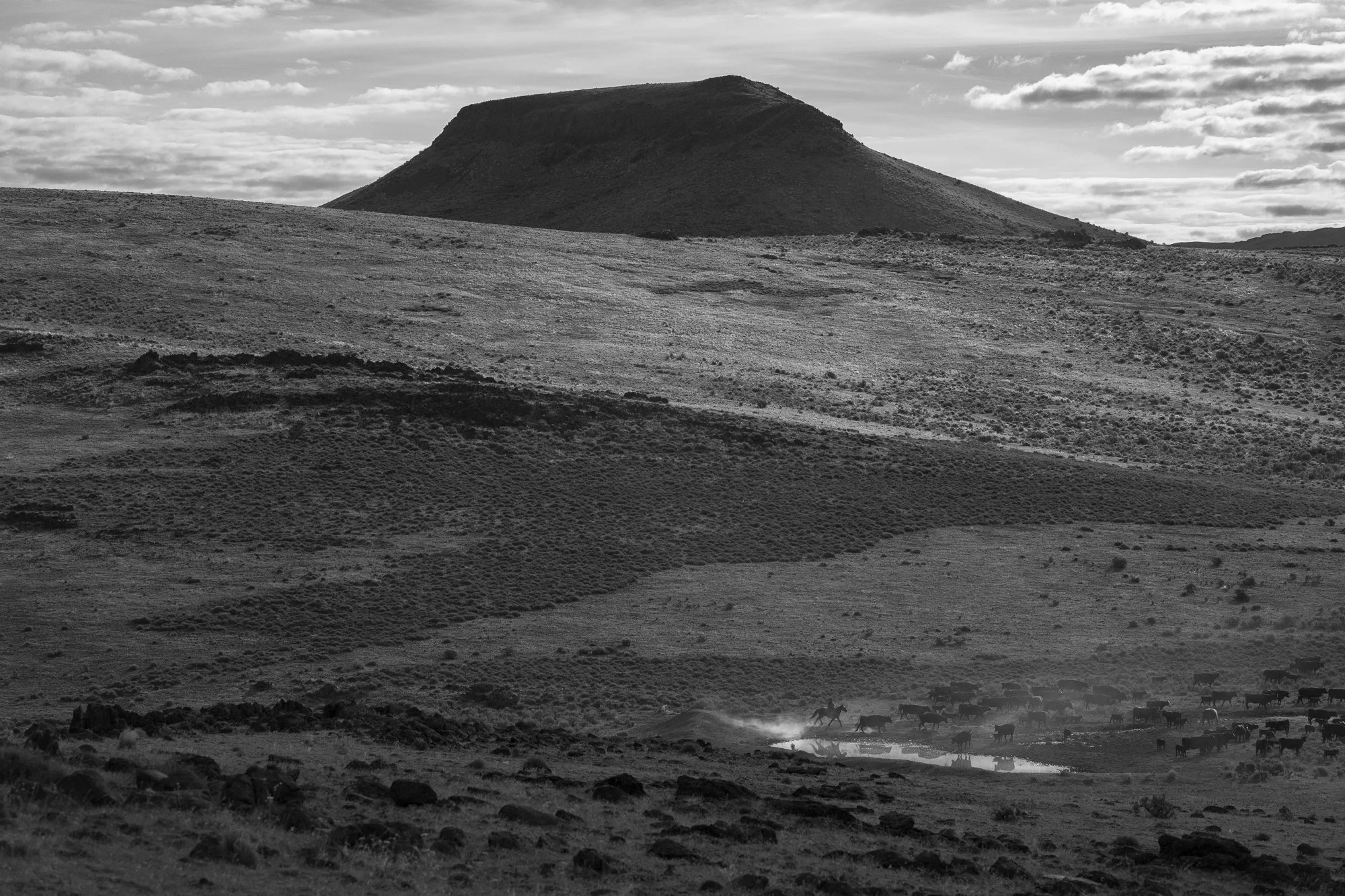
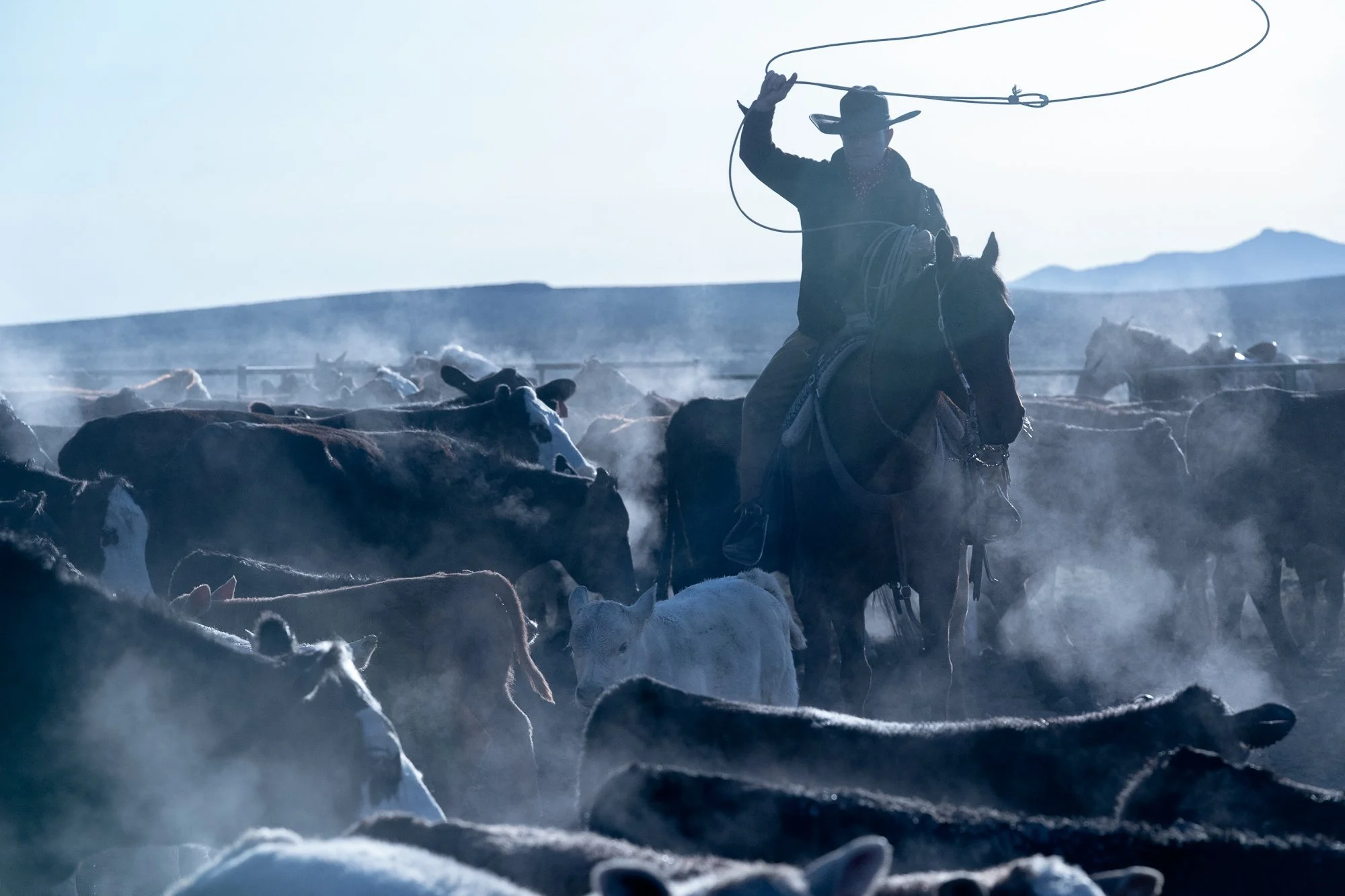
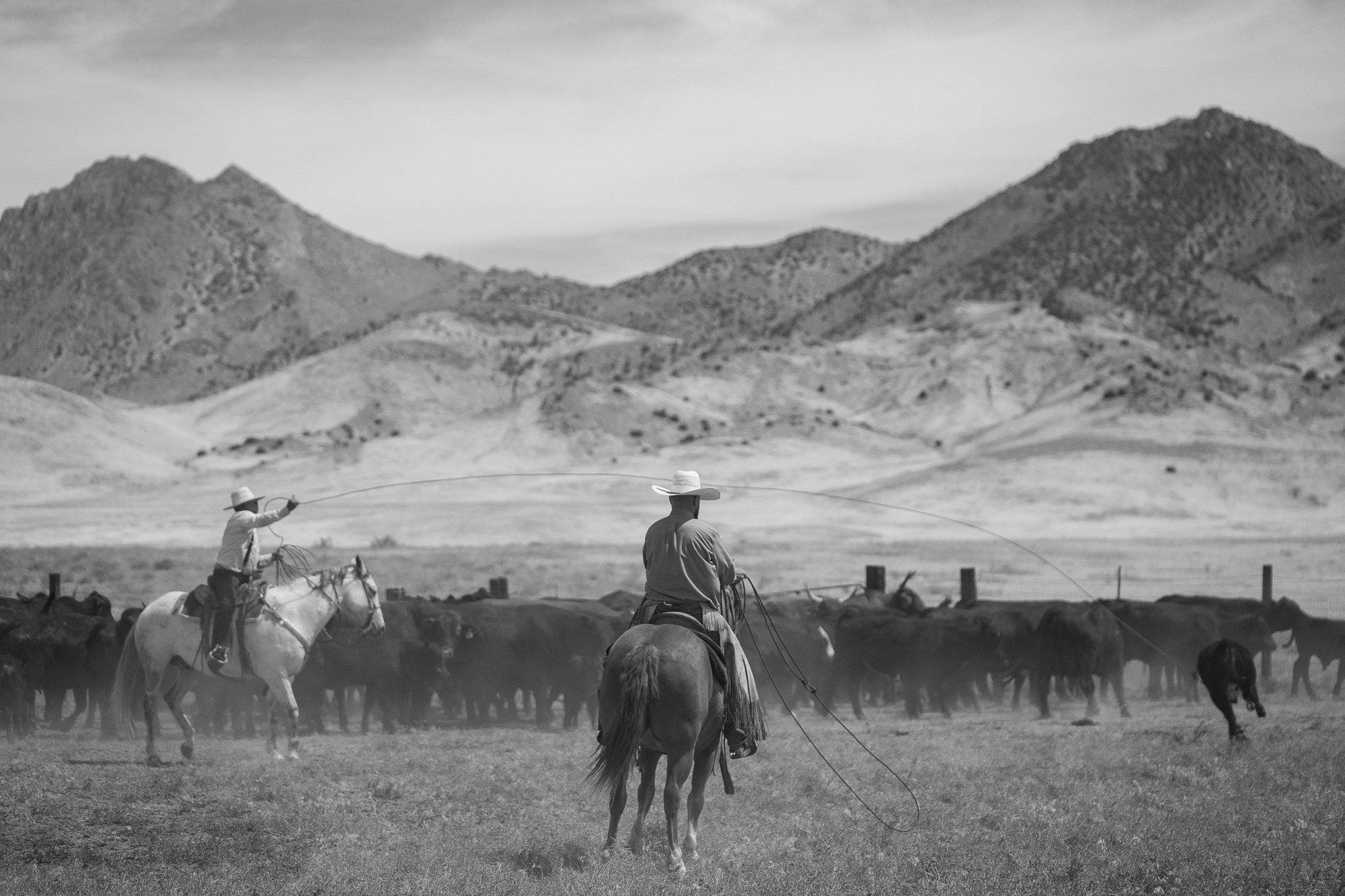
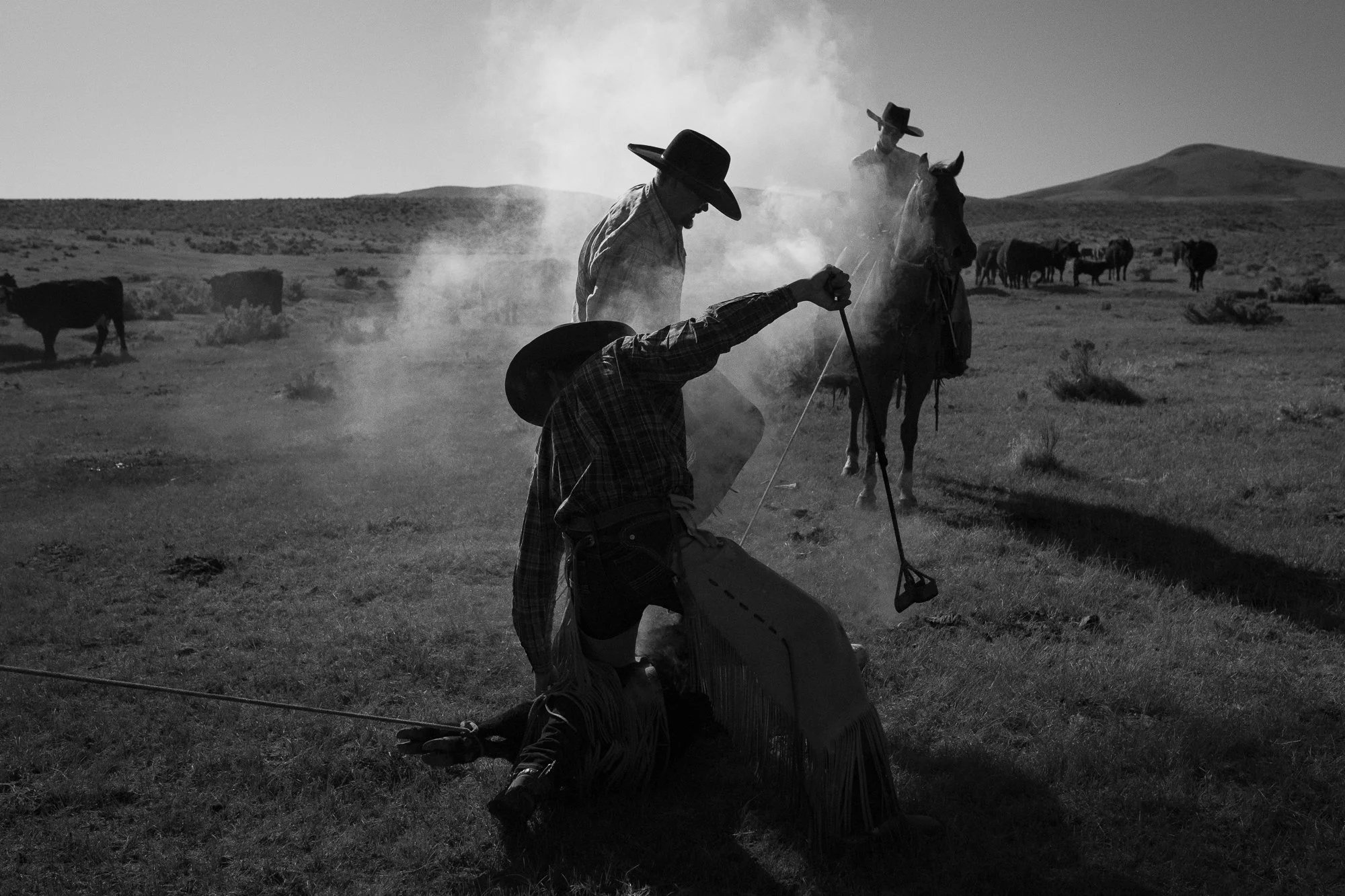
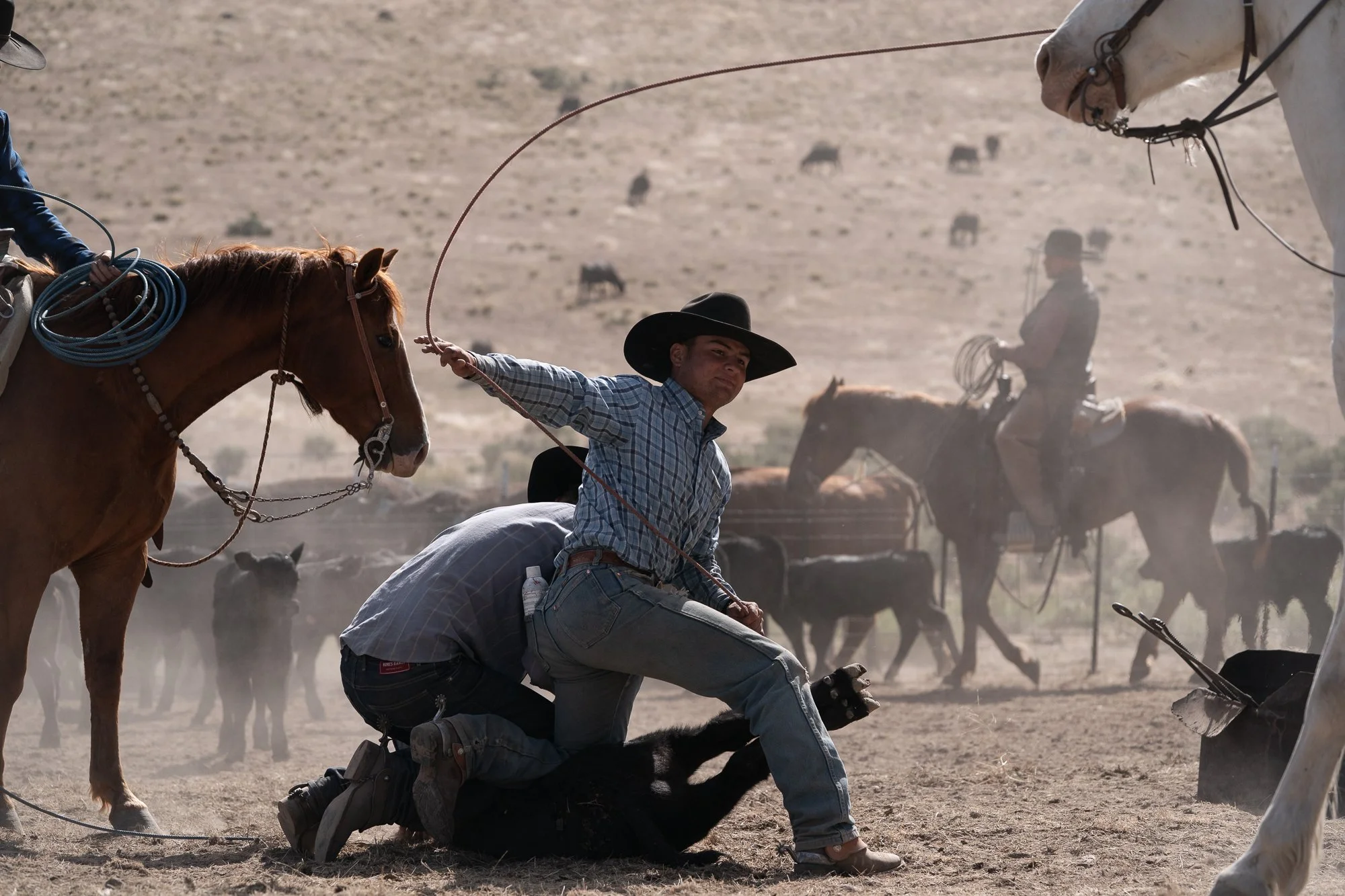
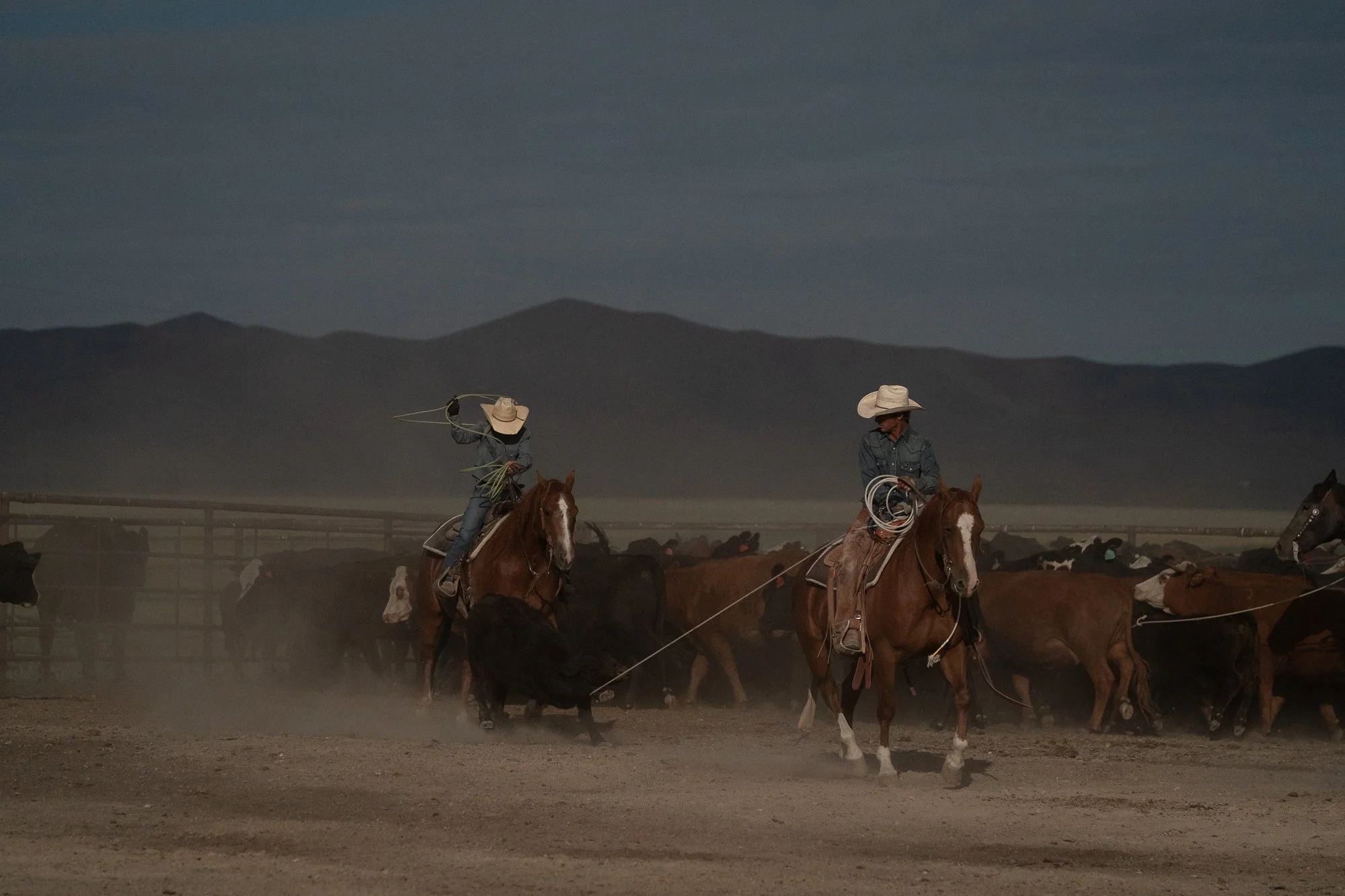
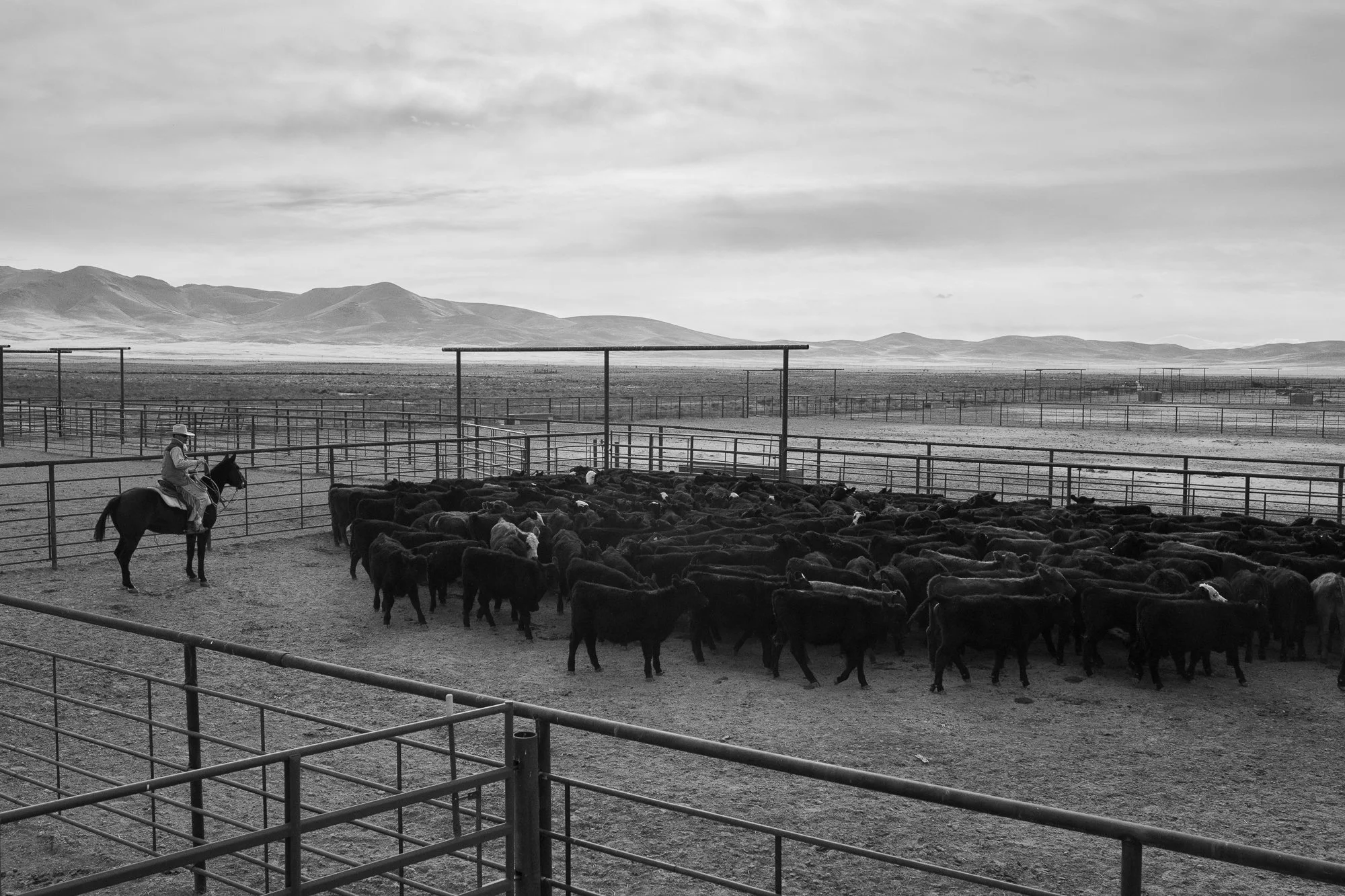
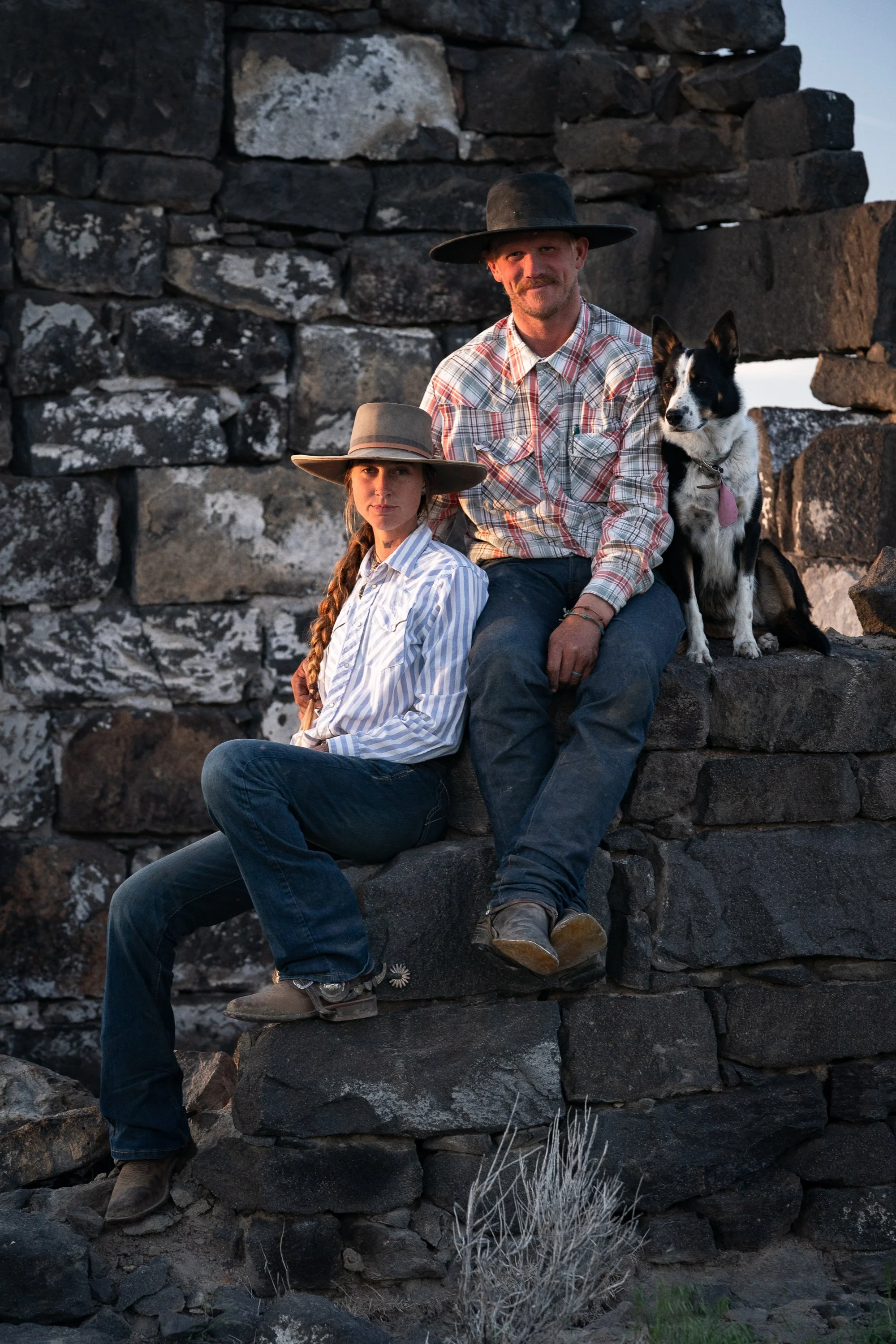
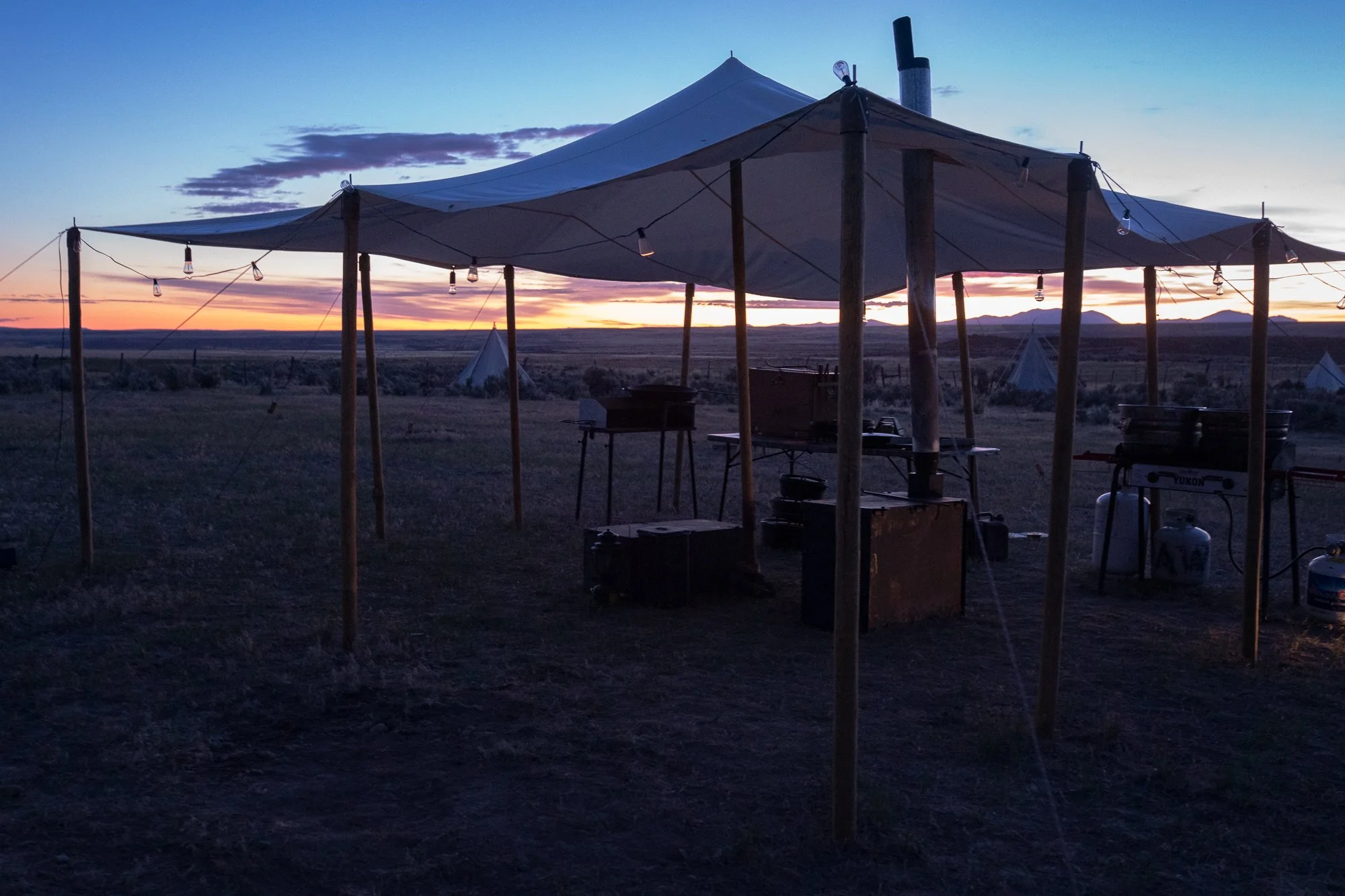
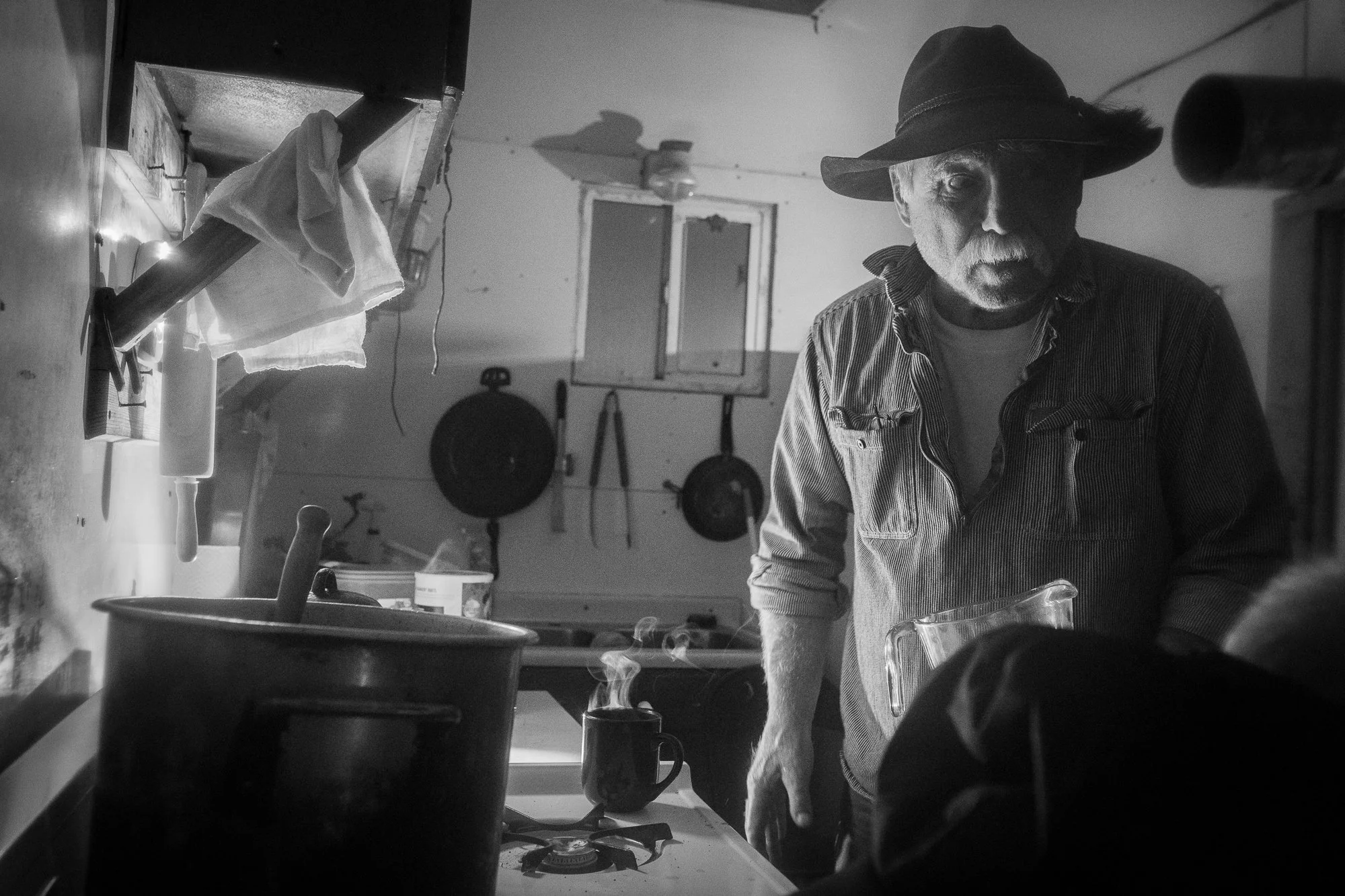
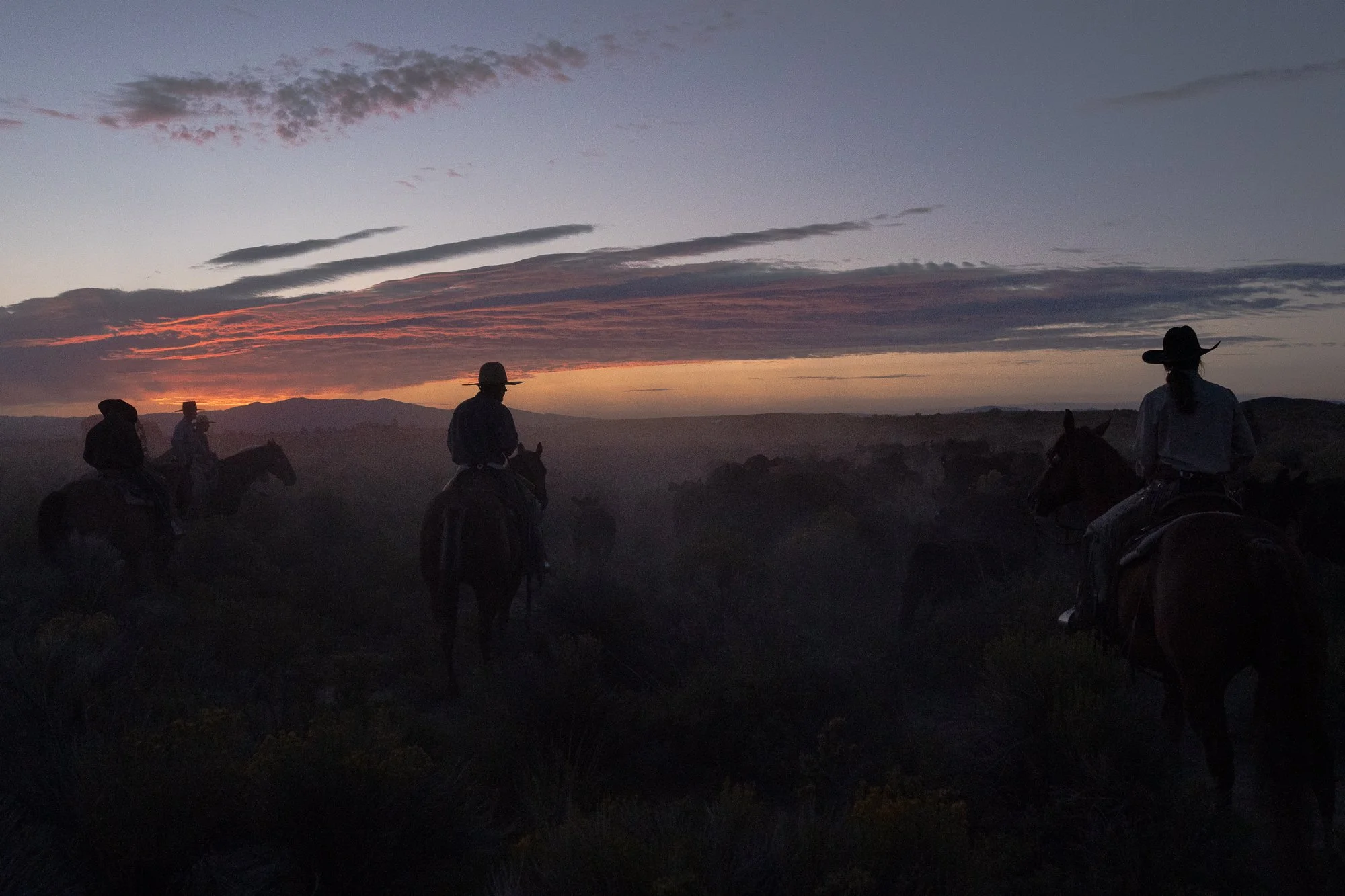
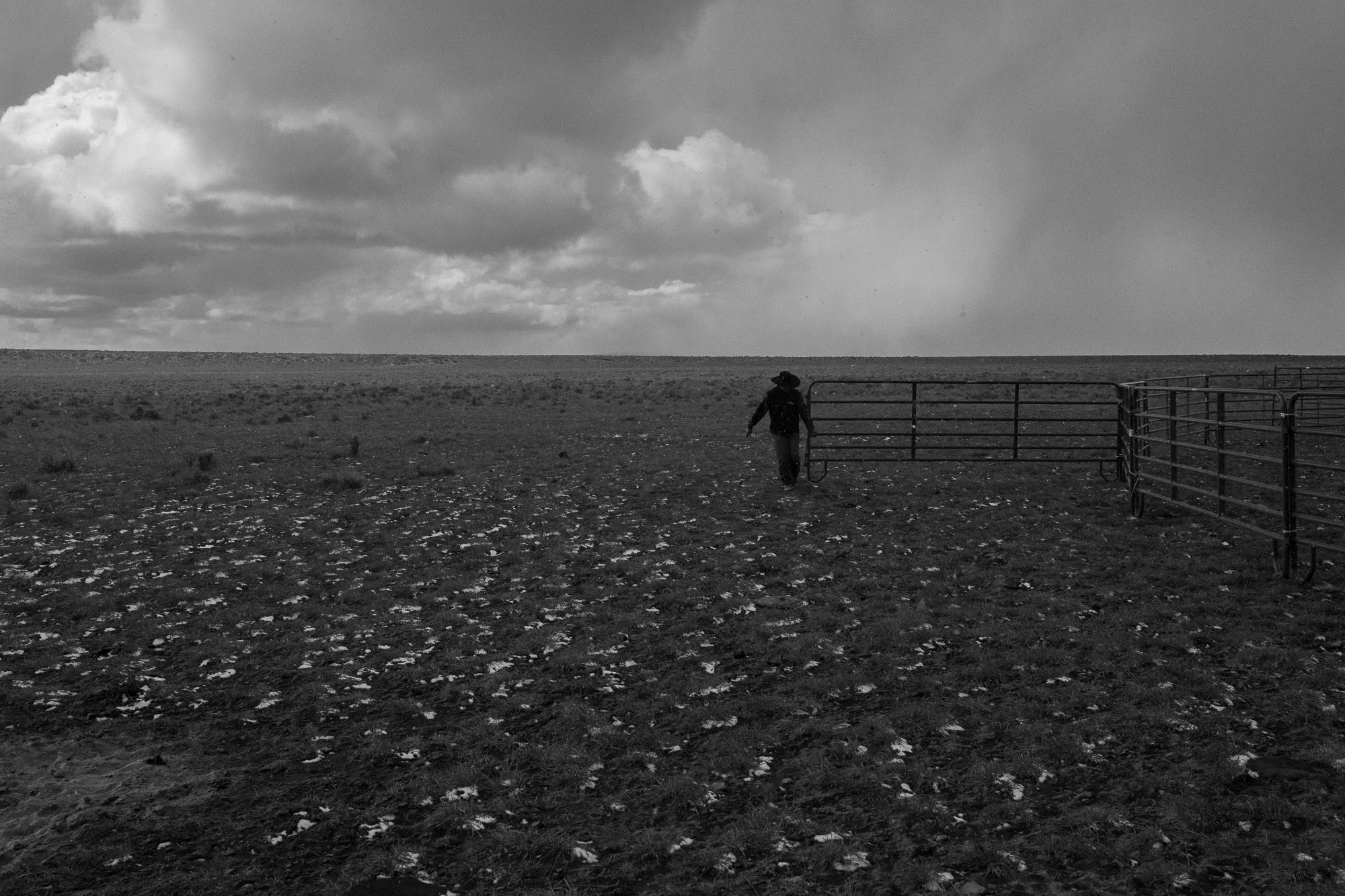
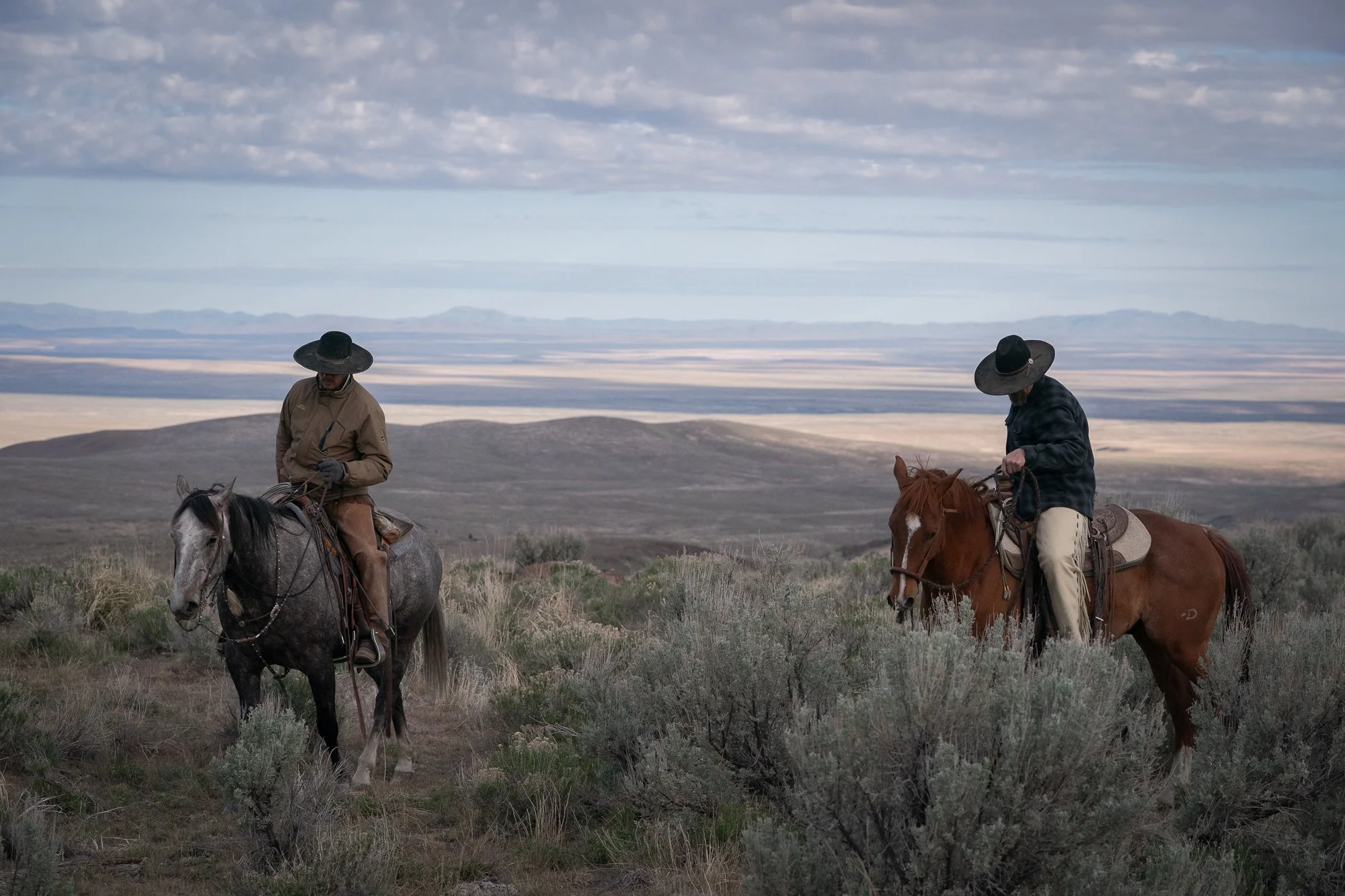
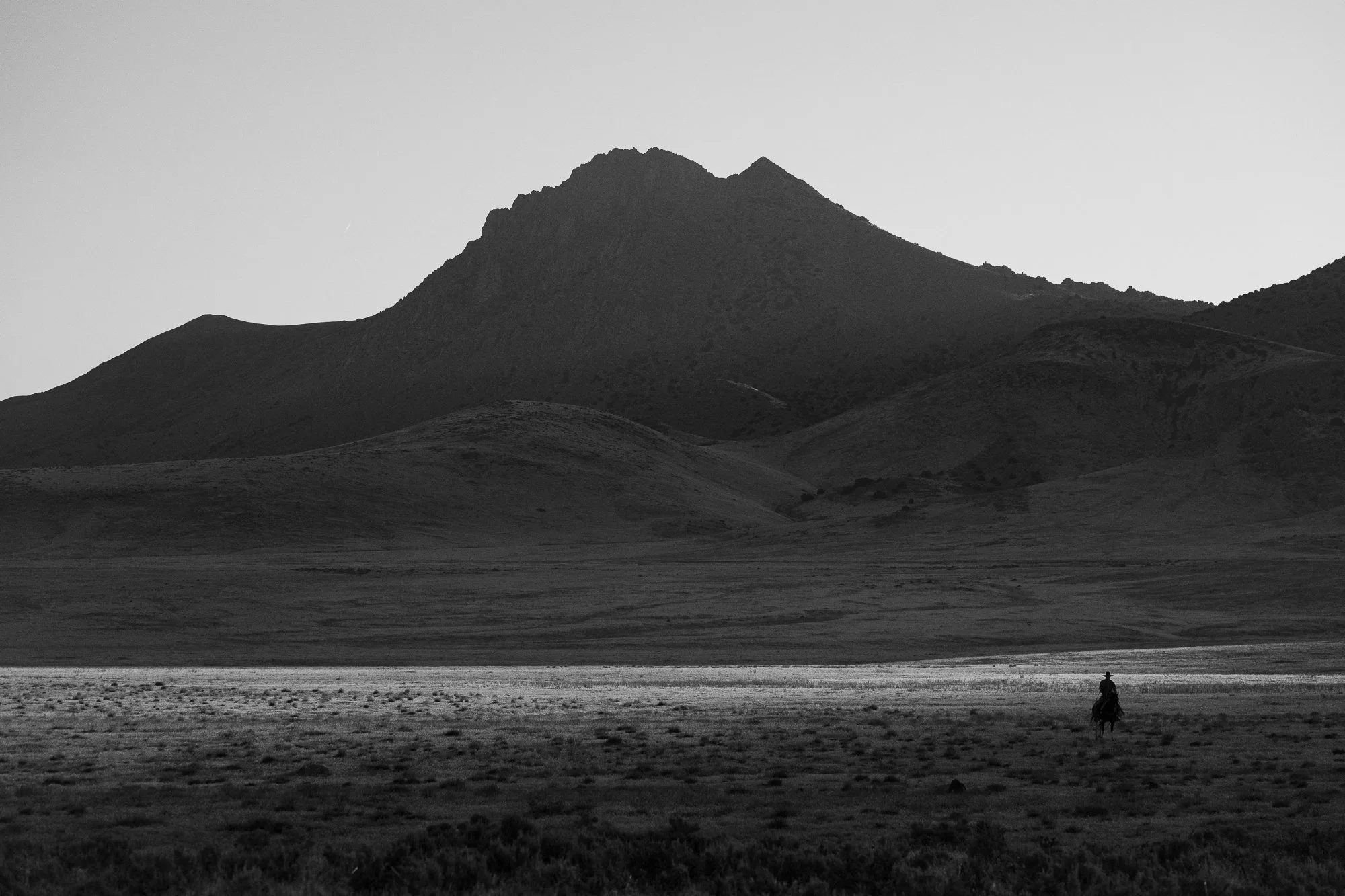
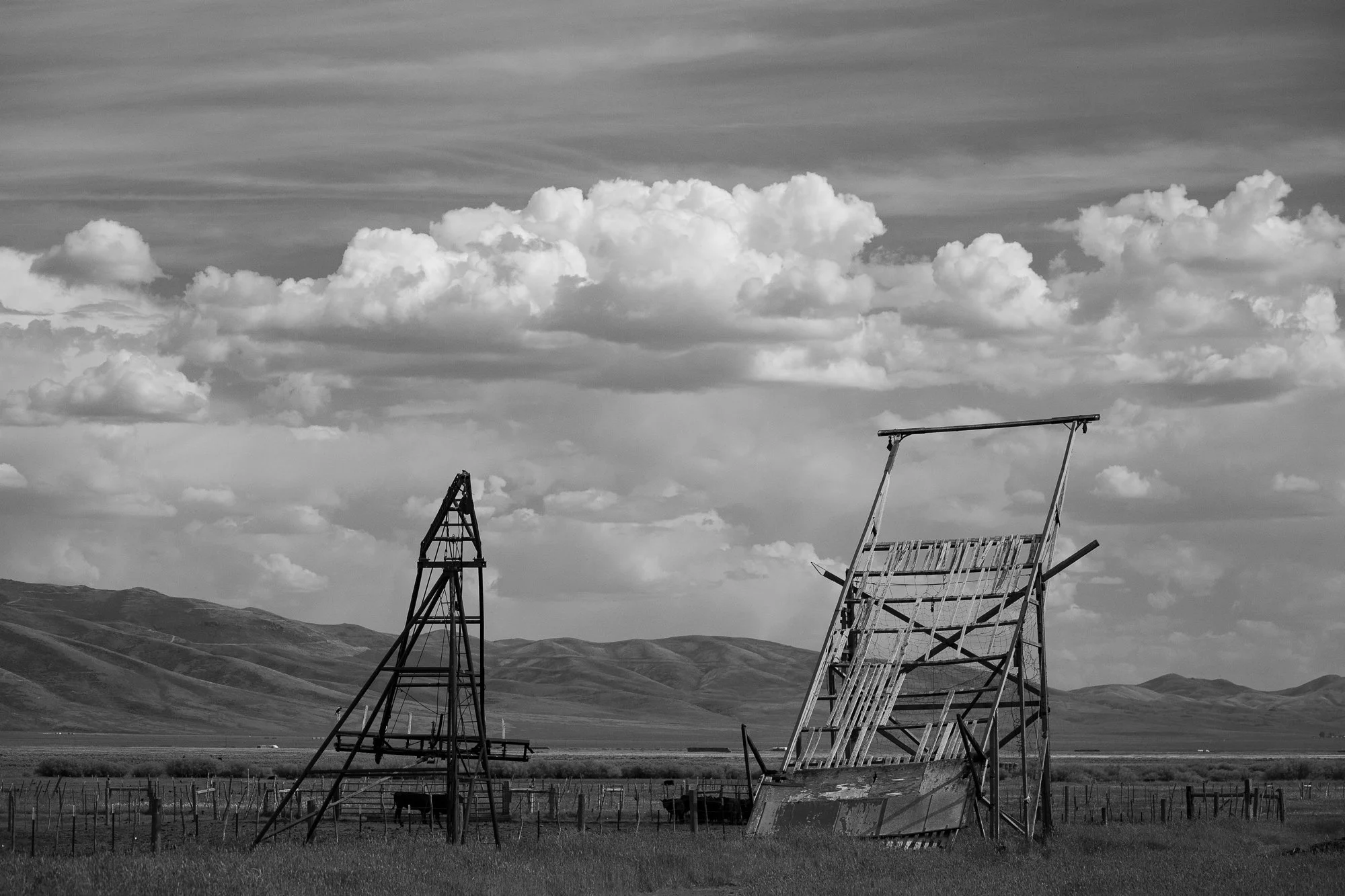
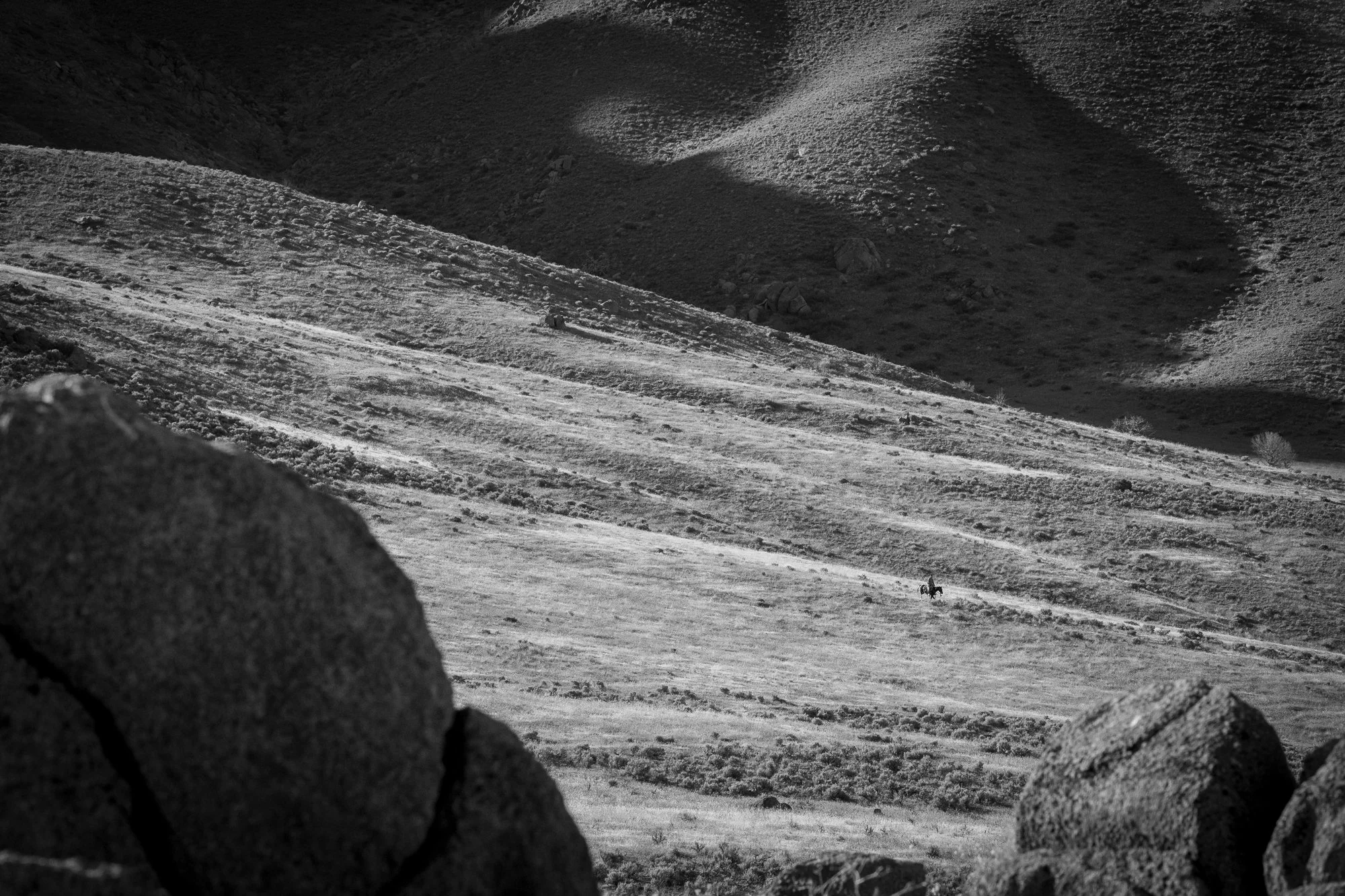
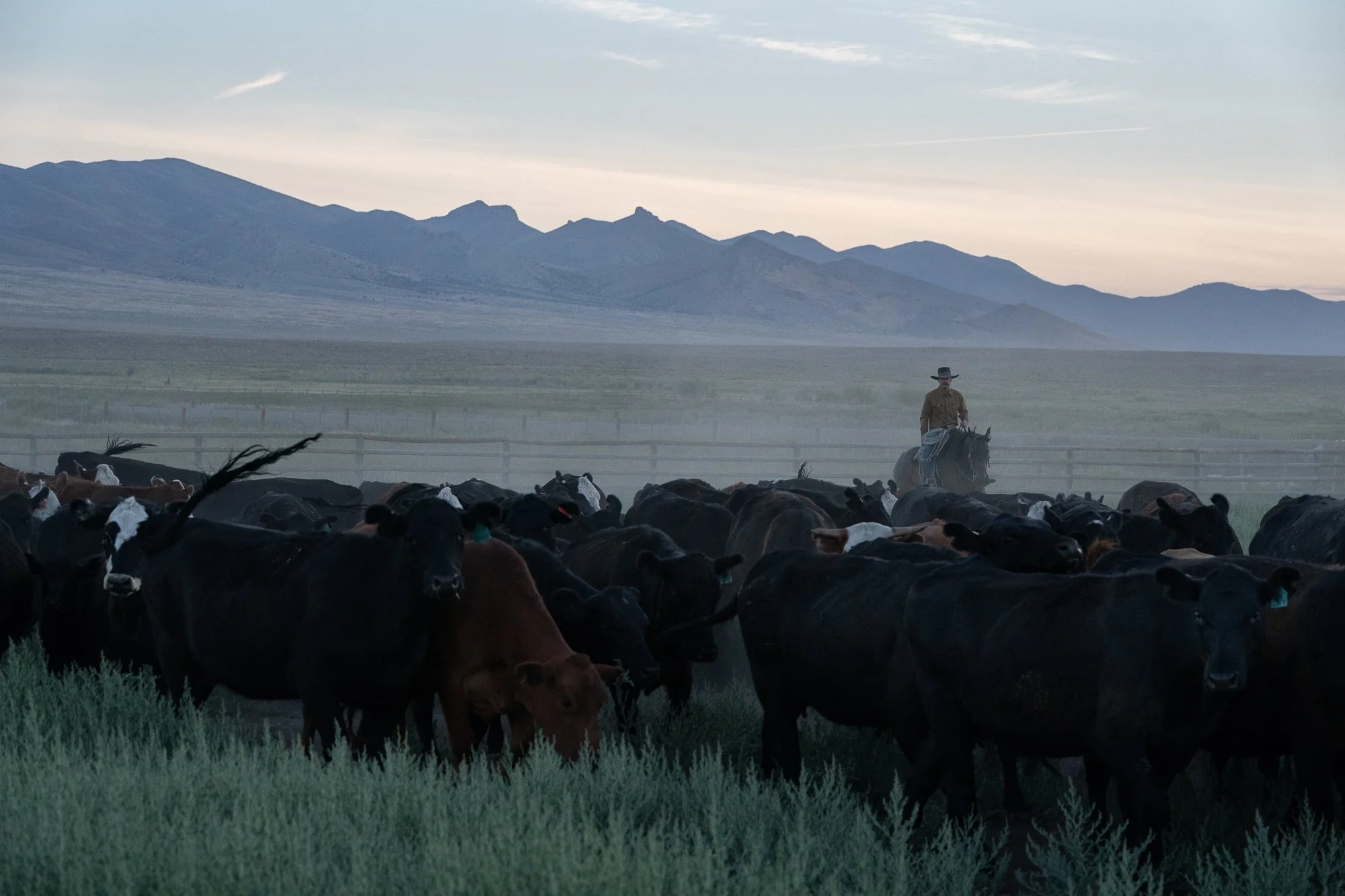
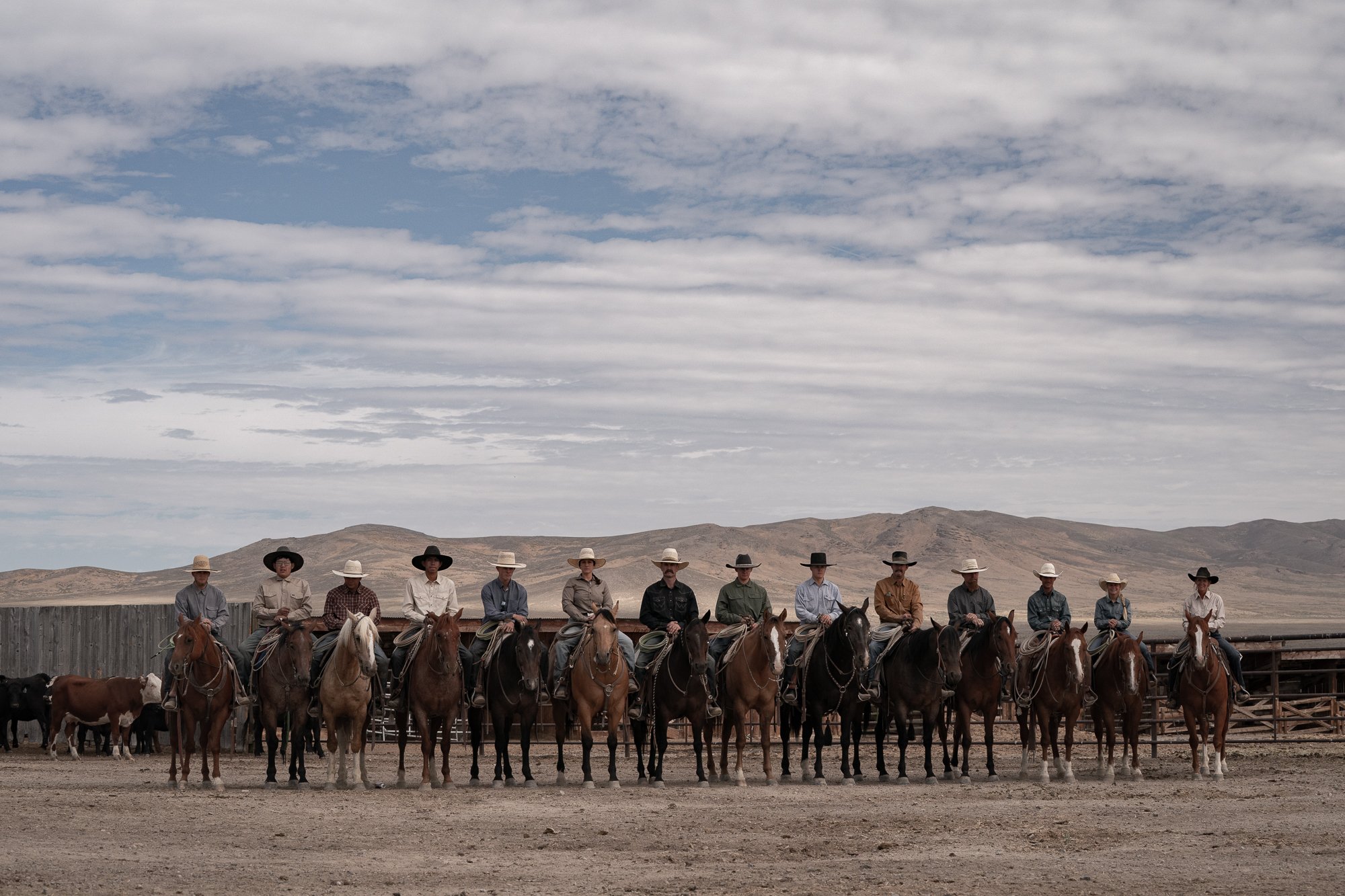
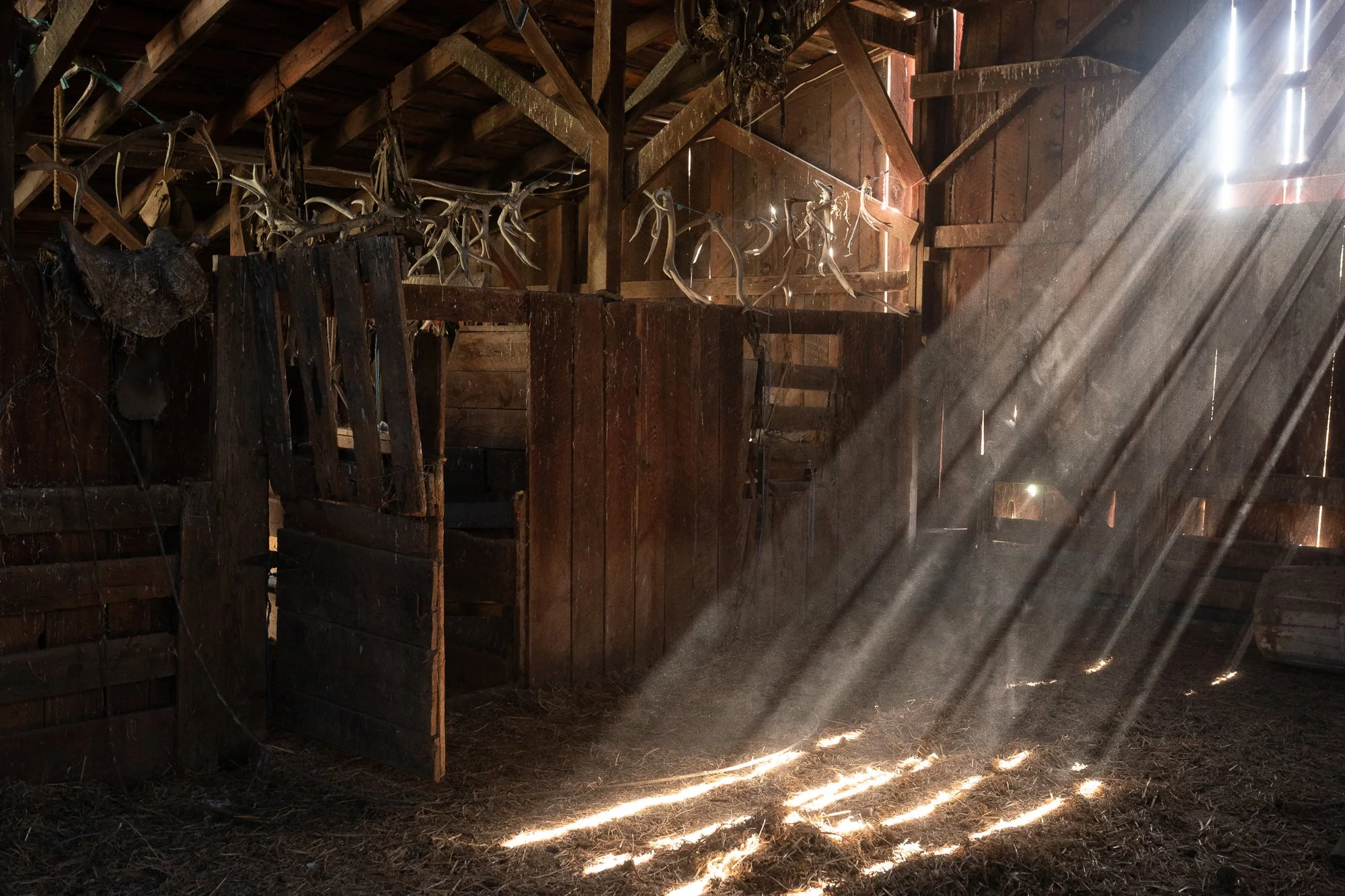
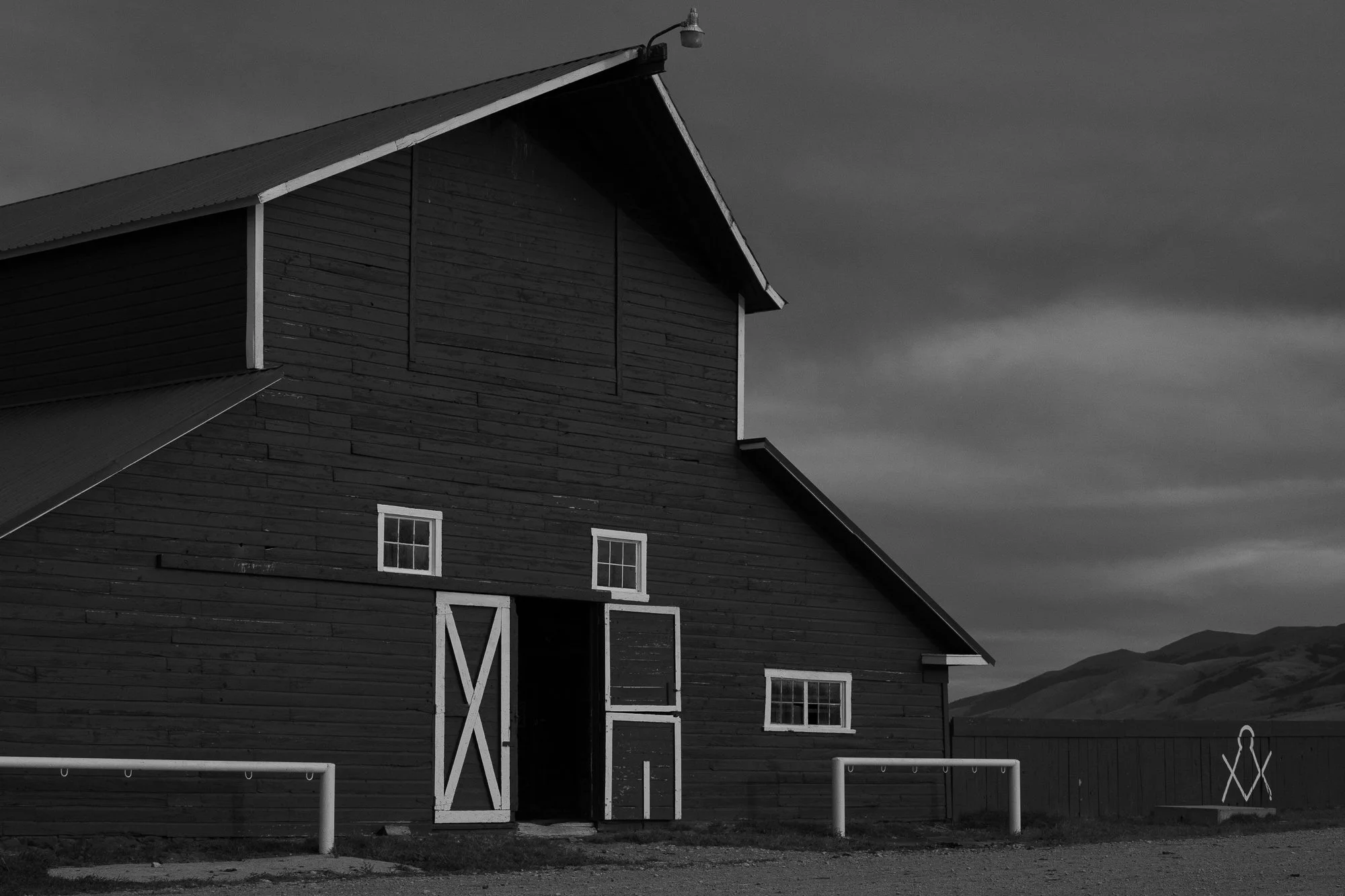
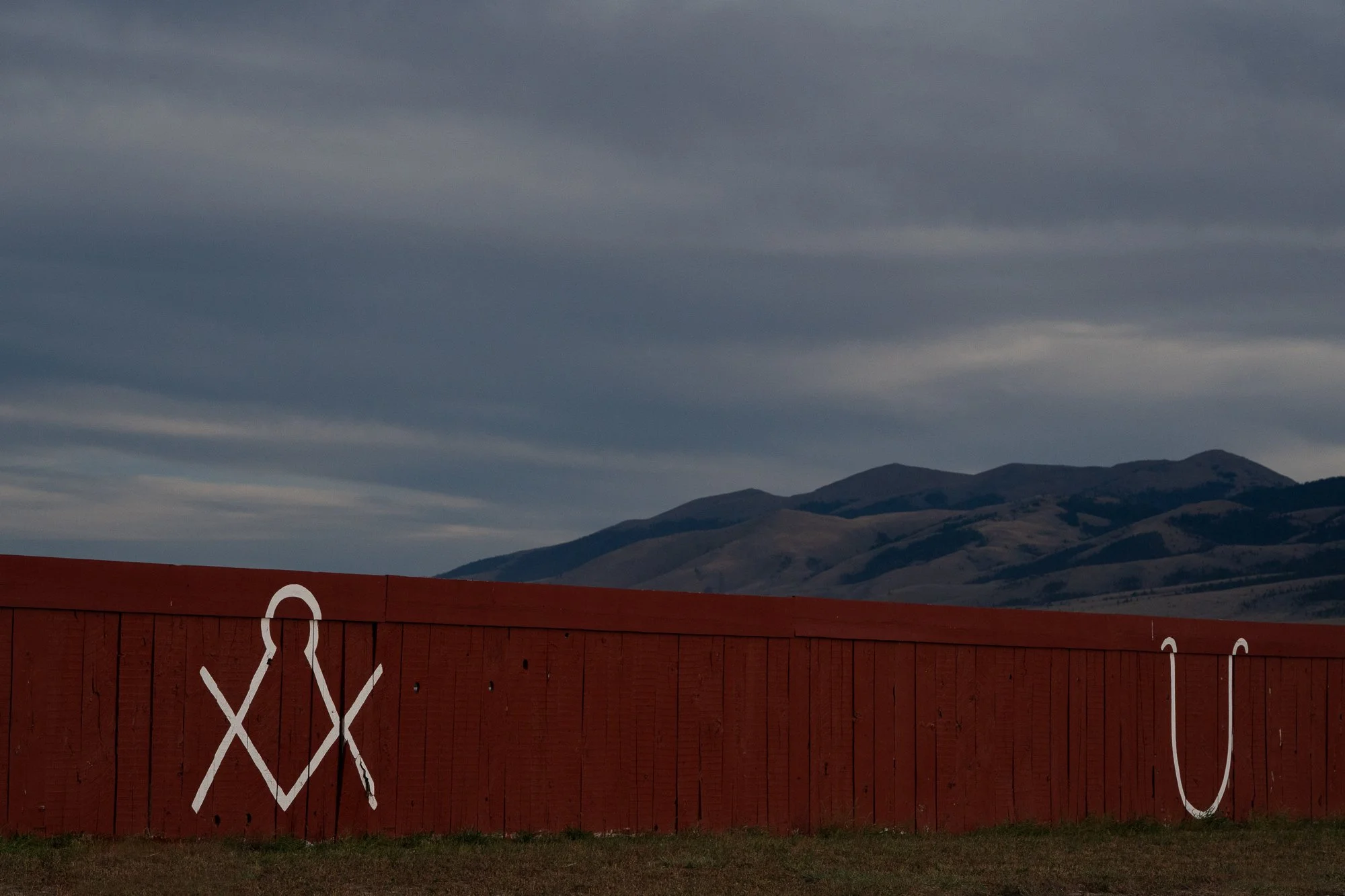
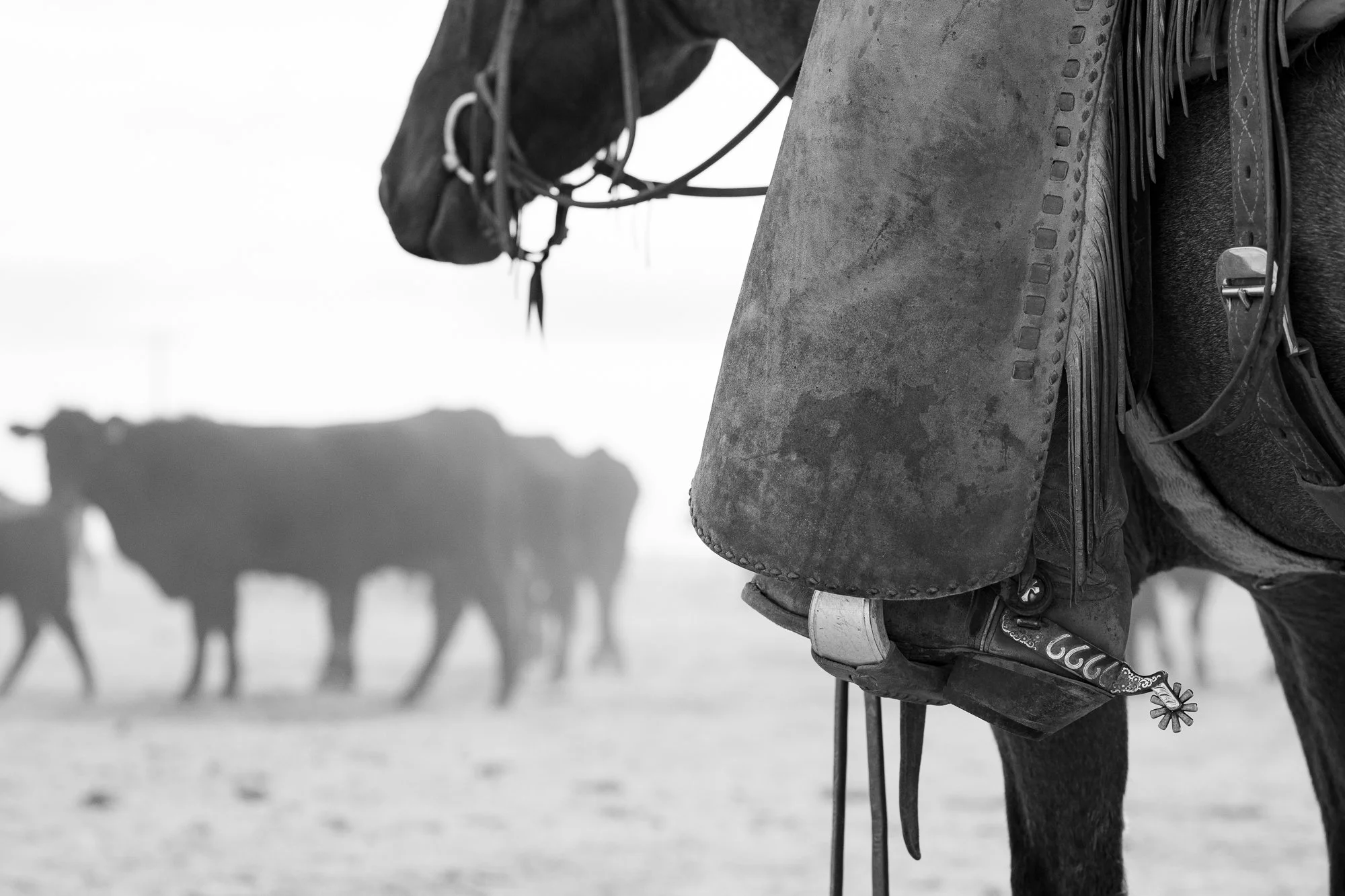
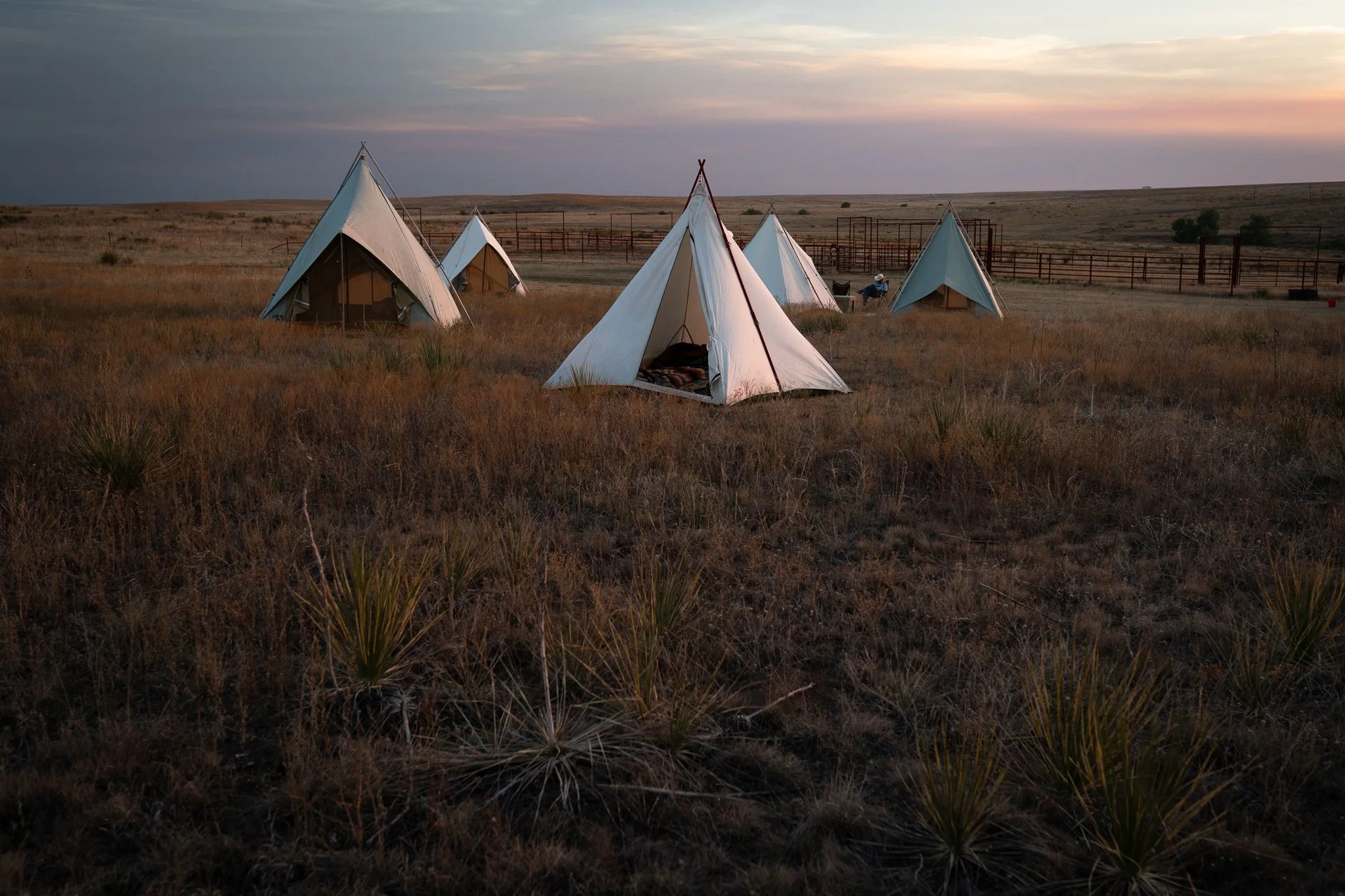
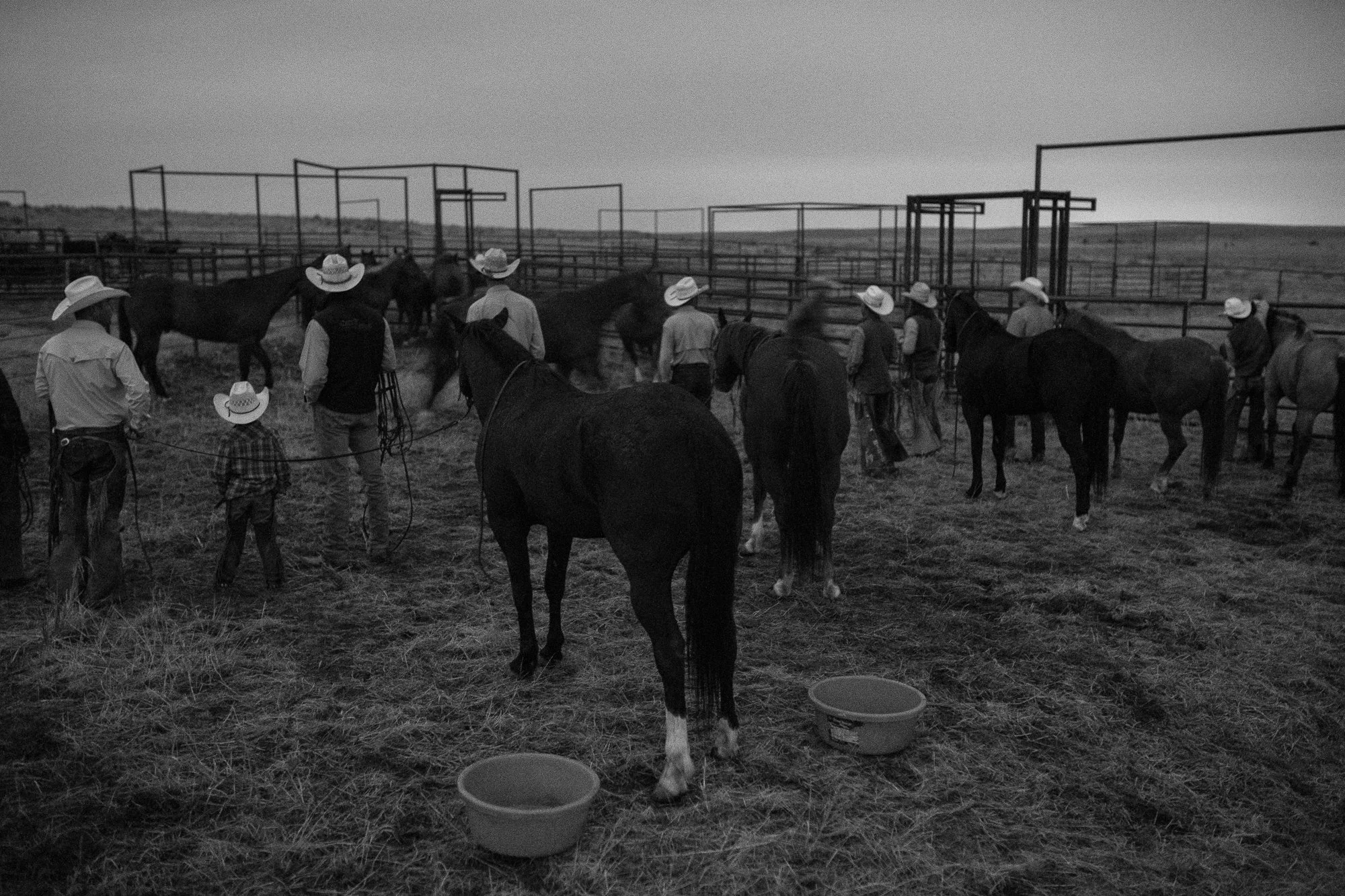
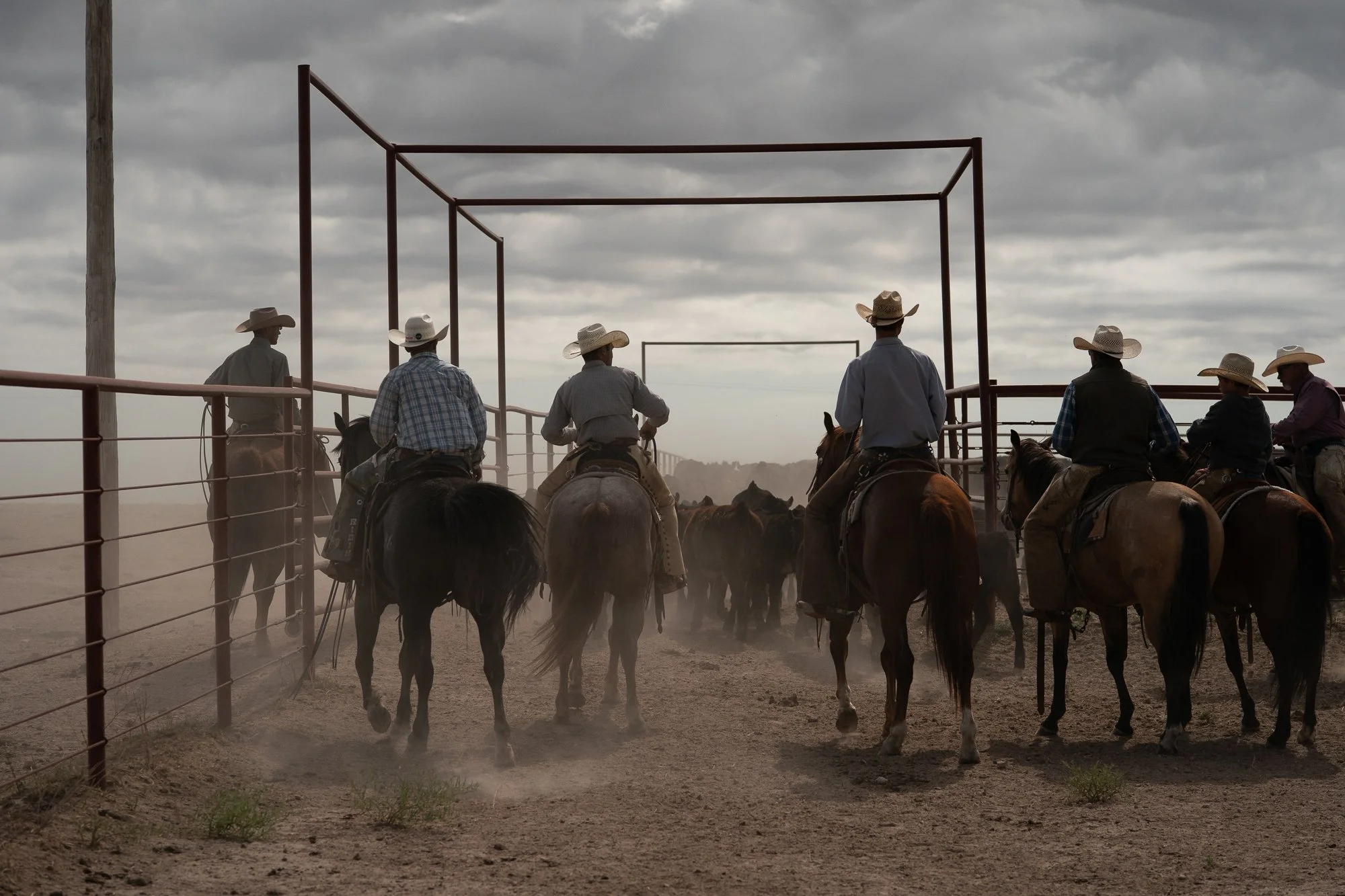
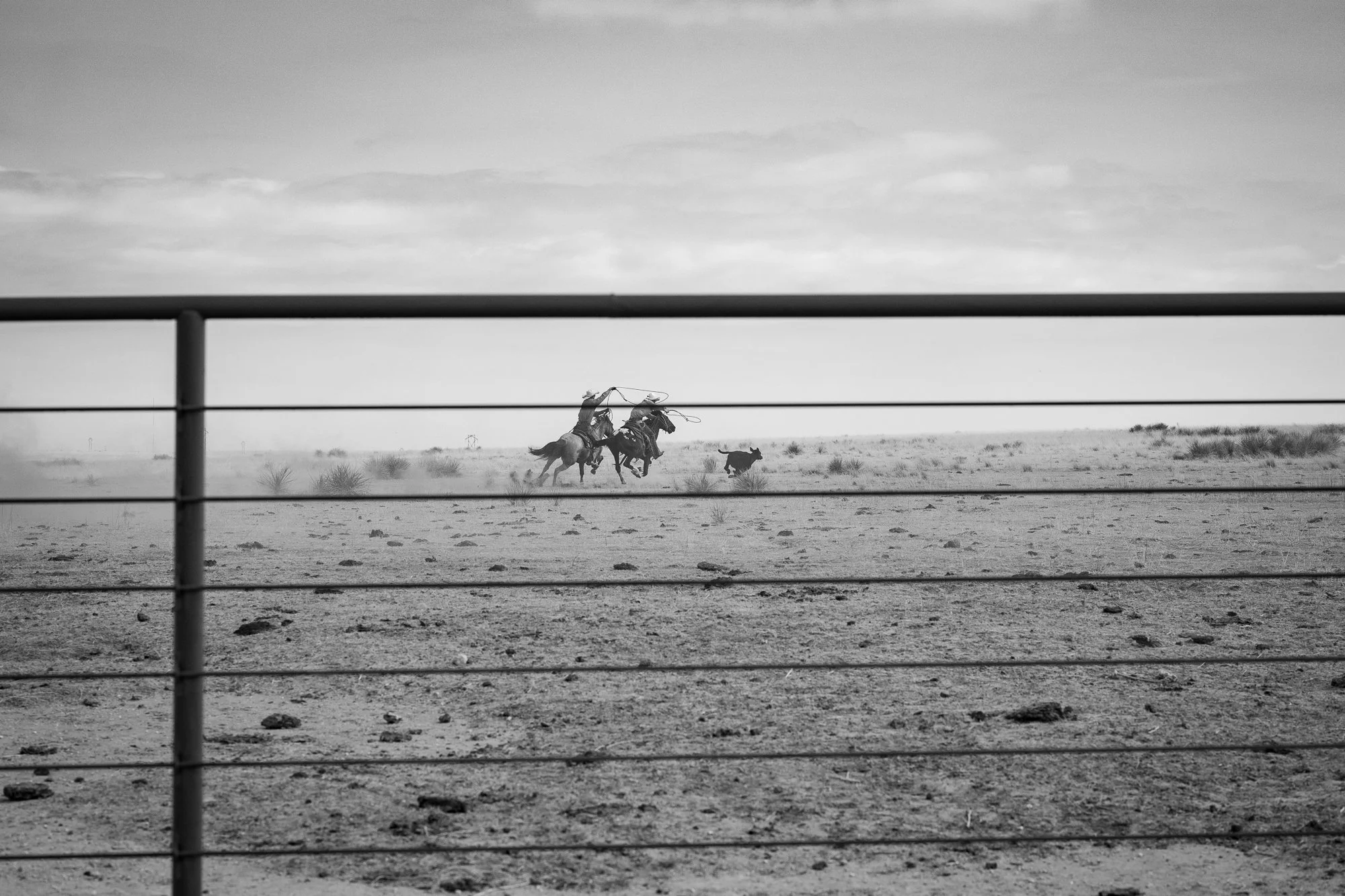
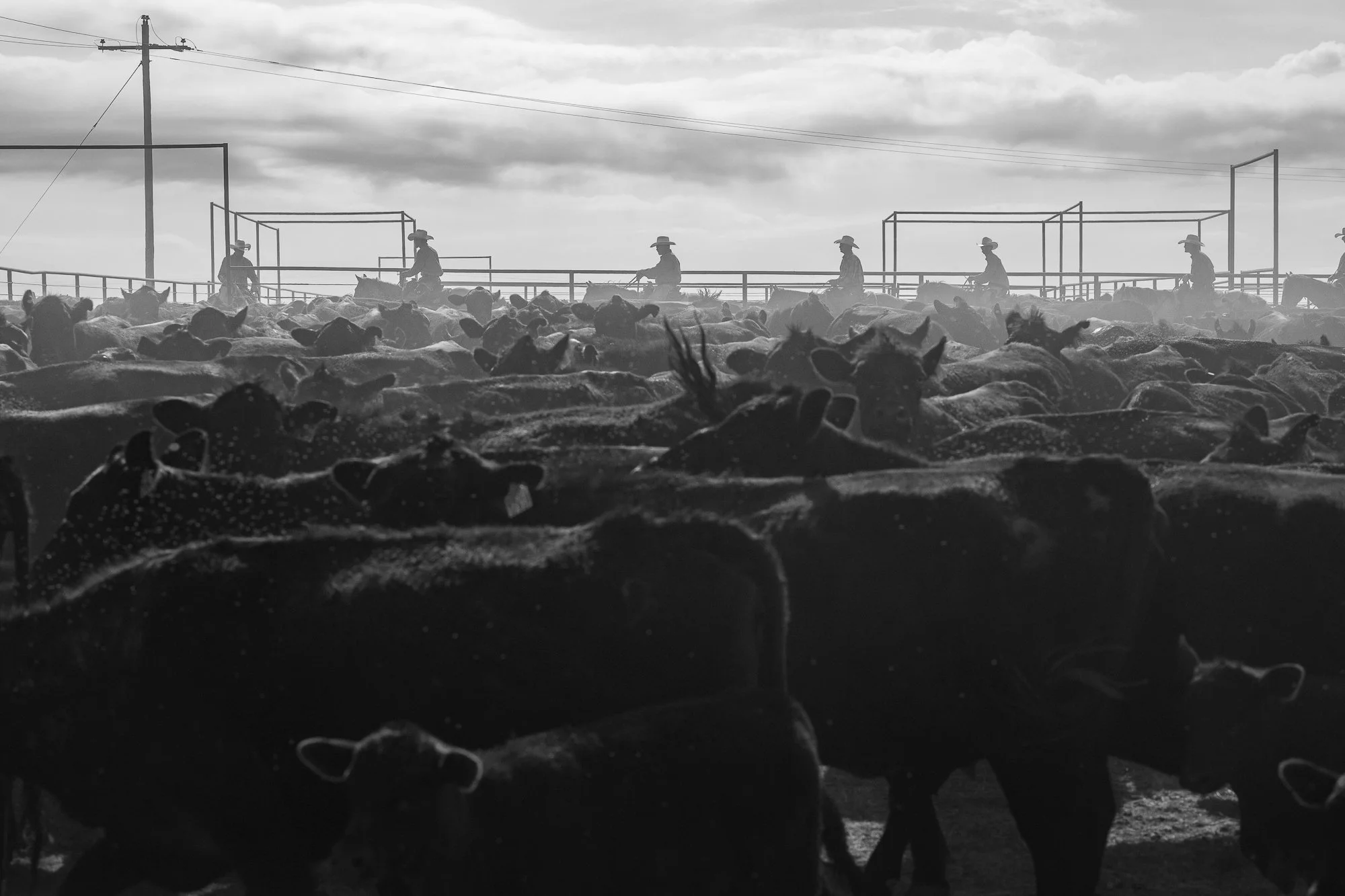
The Great Basin is a special part of the American West, particularly as it applies to cowboy culture and the buckaroos that call it home. Among the few remaining iconic ranches still left in northern Nevada are the C-Punch Ranch in Lovelock and the Winecup Gamble Ranch in Montello. Both are jaw dropping beautiful and incomprehensibly large. The C-Punch, the biggest I’ve been to so far, is 1.8 million acres. Yeah. Try wrapping your head around that. Seeing all these properties in different parts of the country has been amazing. Each region has its own allure. Nobody ever said to pick a favorite, but there’s something about the land in northern Nevada that really does it for me. Still working on putting that into words, but it’s exceptional, to say the least and took a few years to truly understand. At first, places that big, open, and seemingly void of life are difficult to grasp. Then something clicks and you can’t get enough of it. The muted colors, textures, and vibes of the Sage Brush Sea are intoxicating.

Nevada Buckaroos and Great Basin Ranch Culture

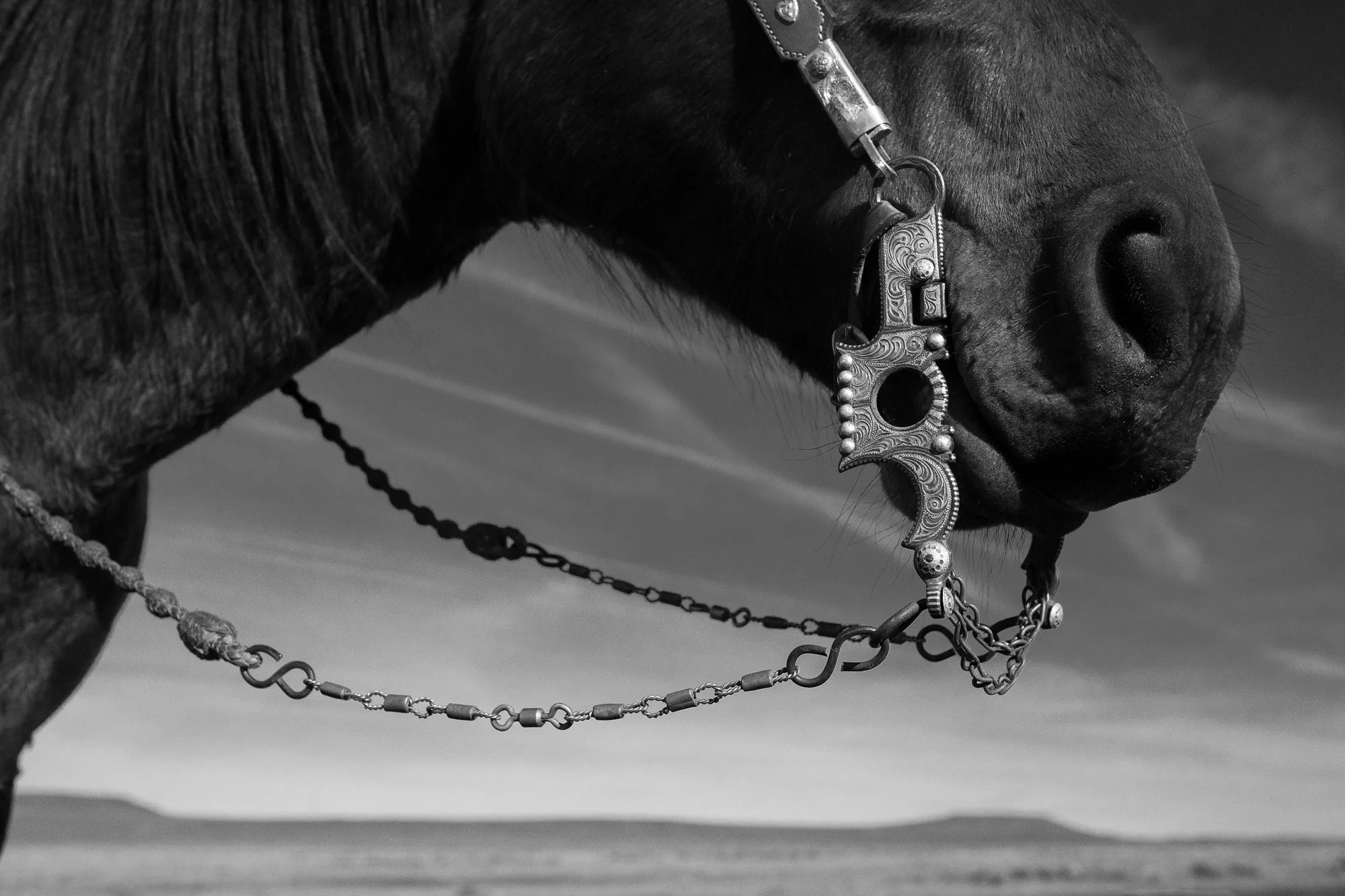
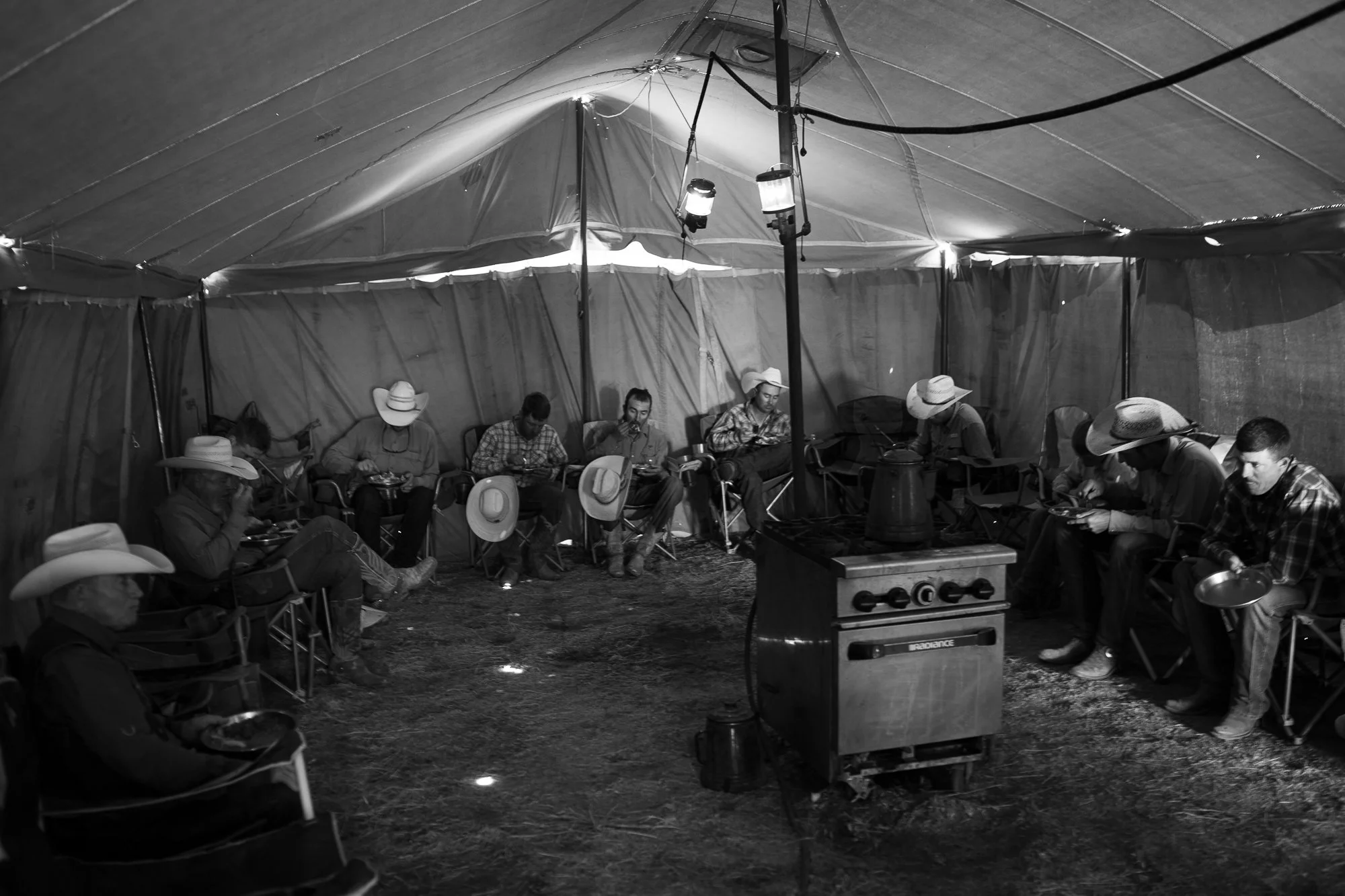
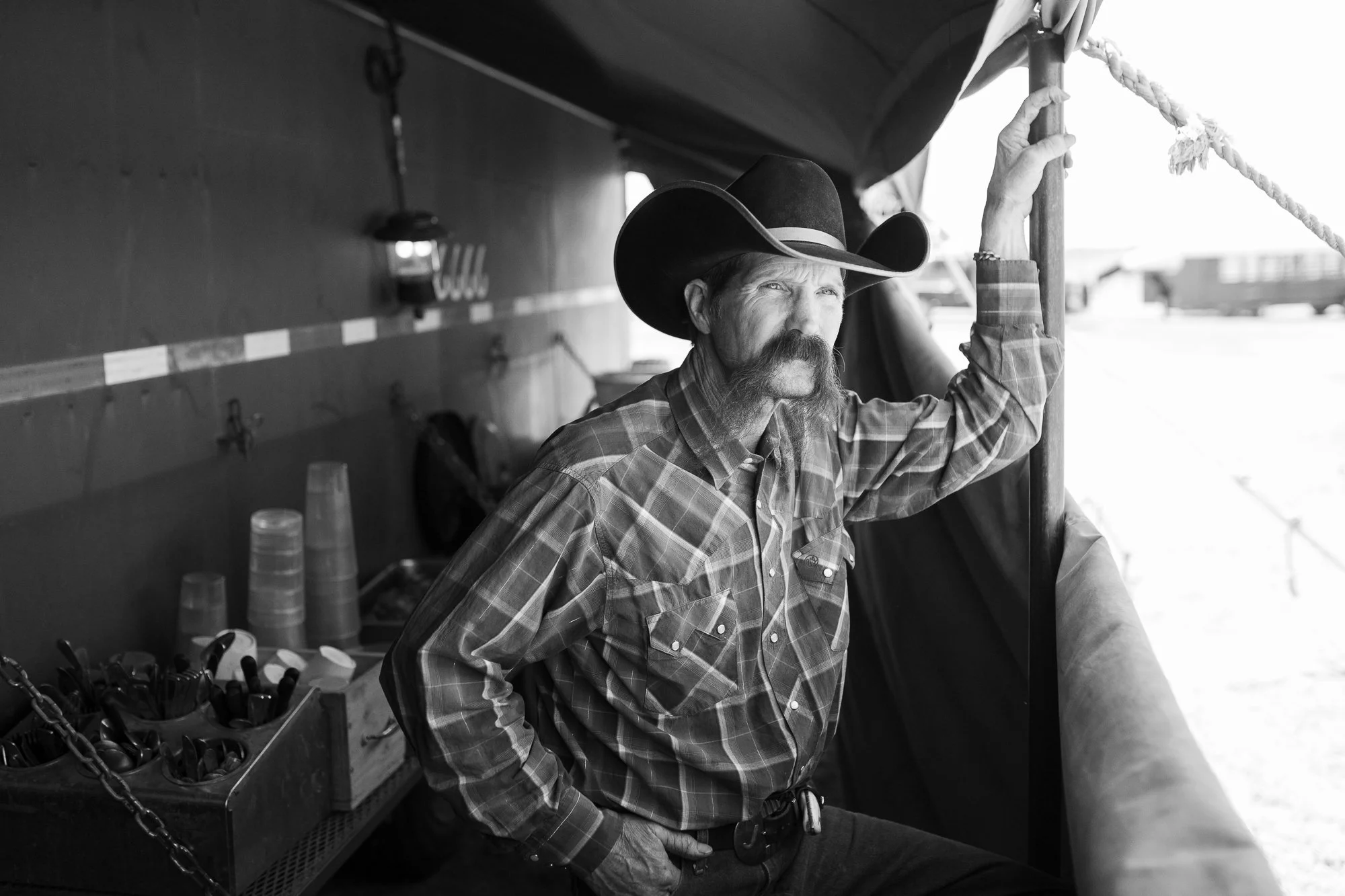
A Nevada buckaroo is not a costume or a posture. It is a way of working that developed in wide country where distance matters and horses are tools, not accessories. The Great Basin shaped this culture the way weather shapes a face—slowly, without asking permission. These photographs were made in that context, among people whose days are structured around stock, seasons, and the quiet competence required to make both endure.

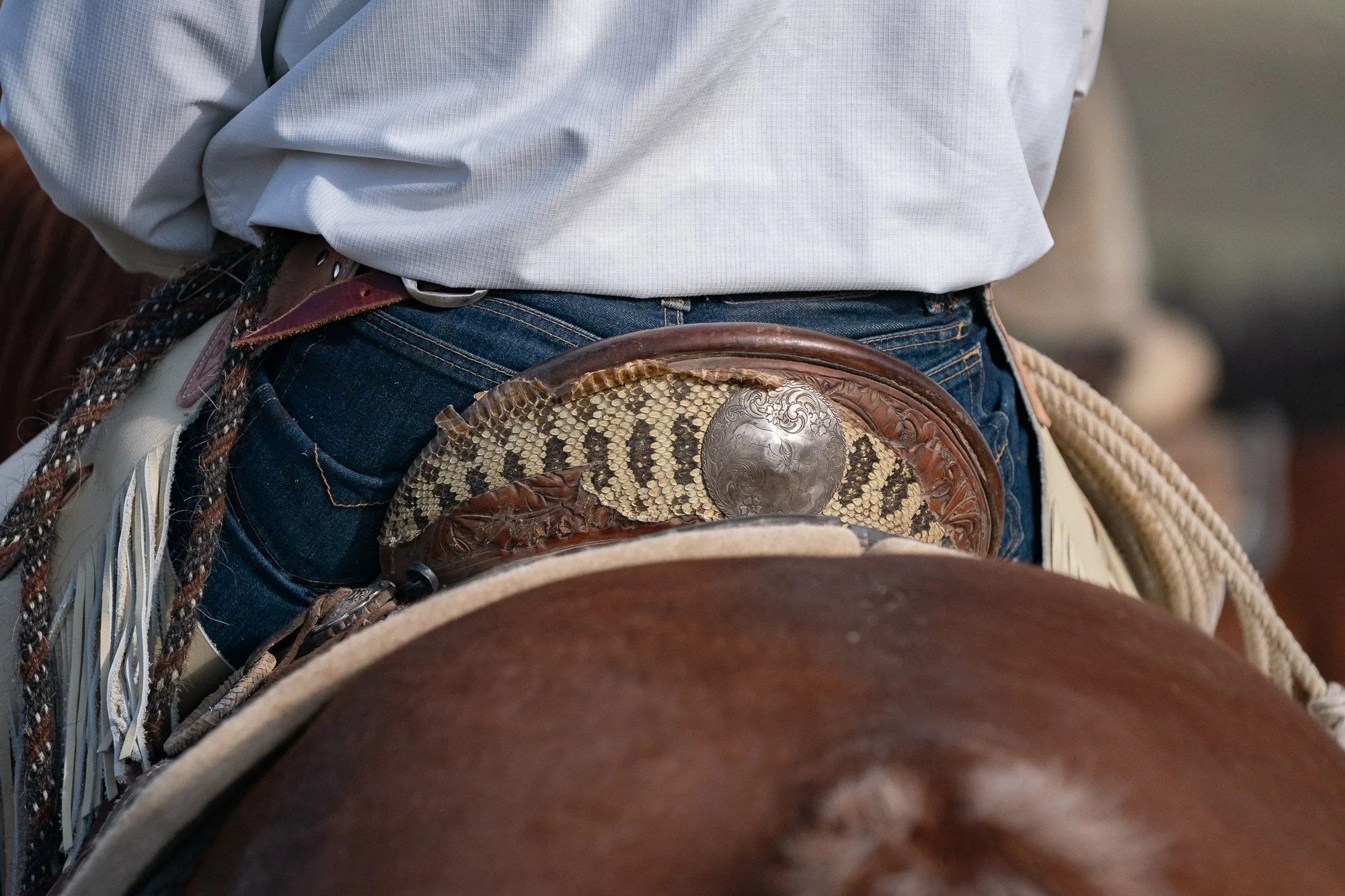
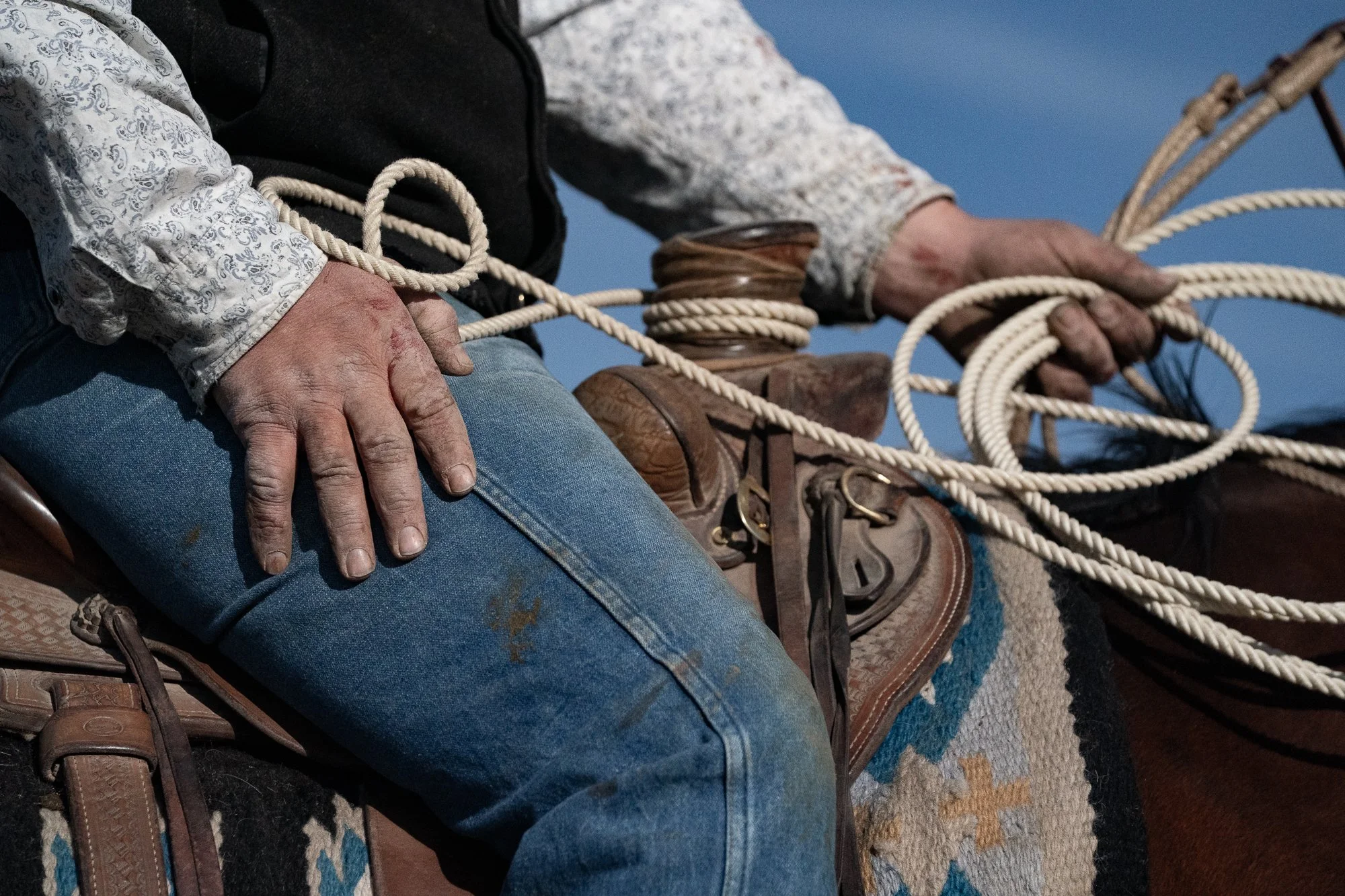
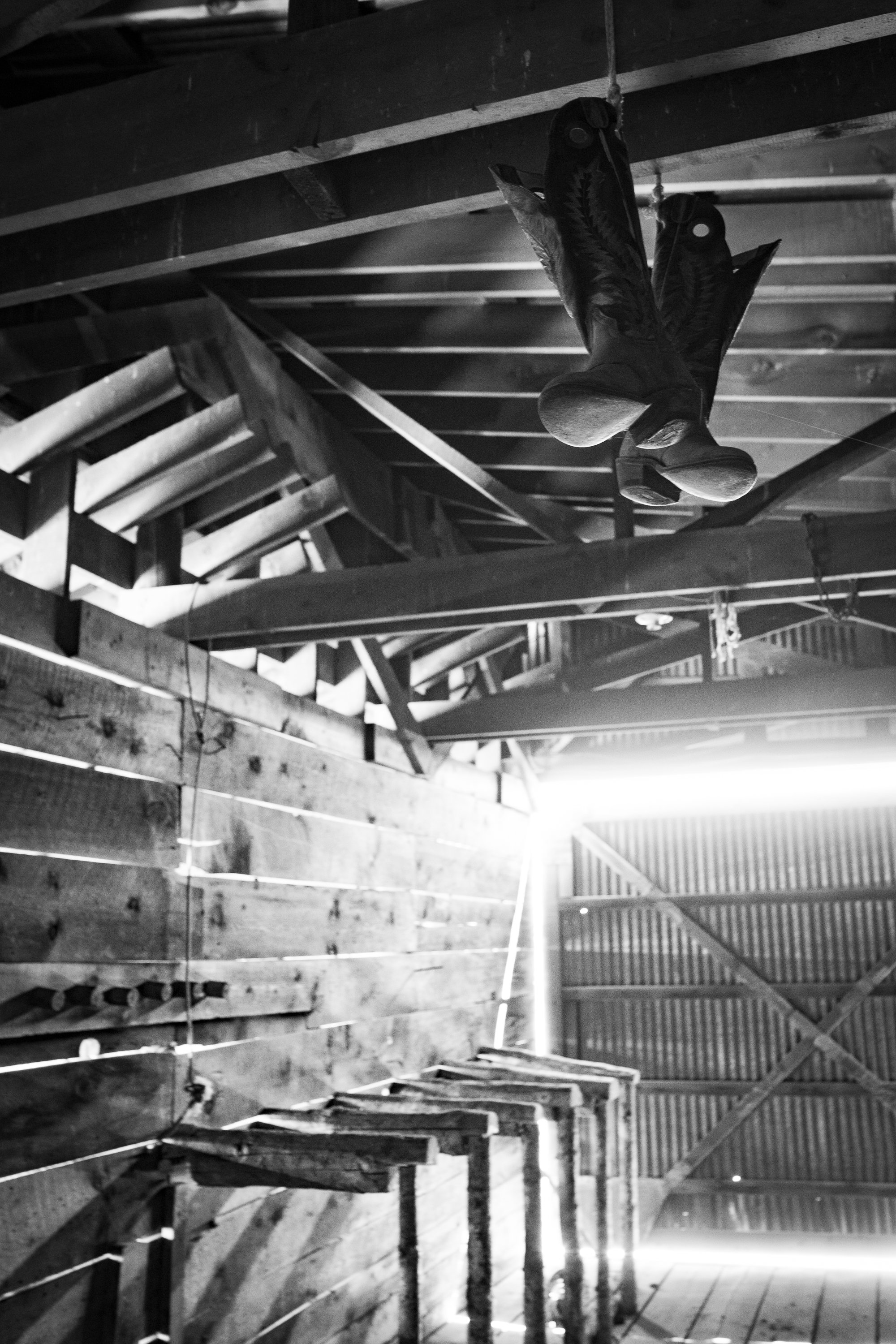
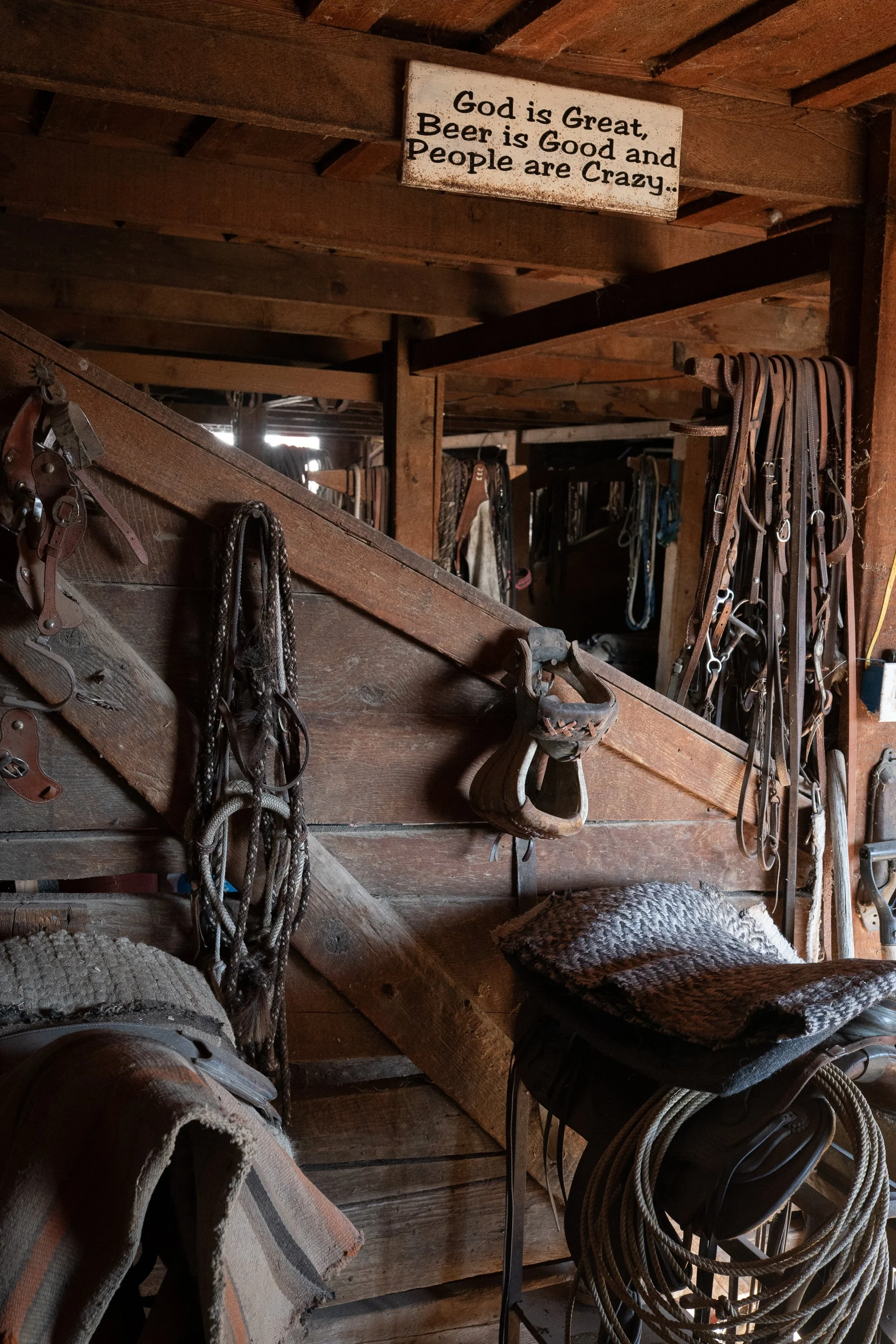
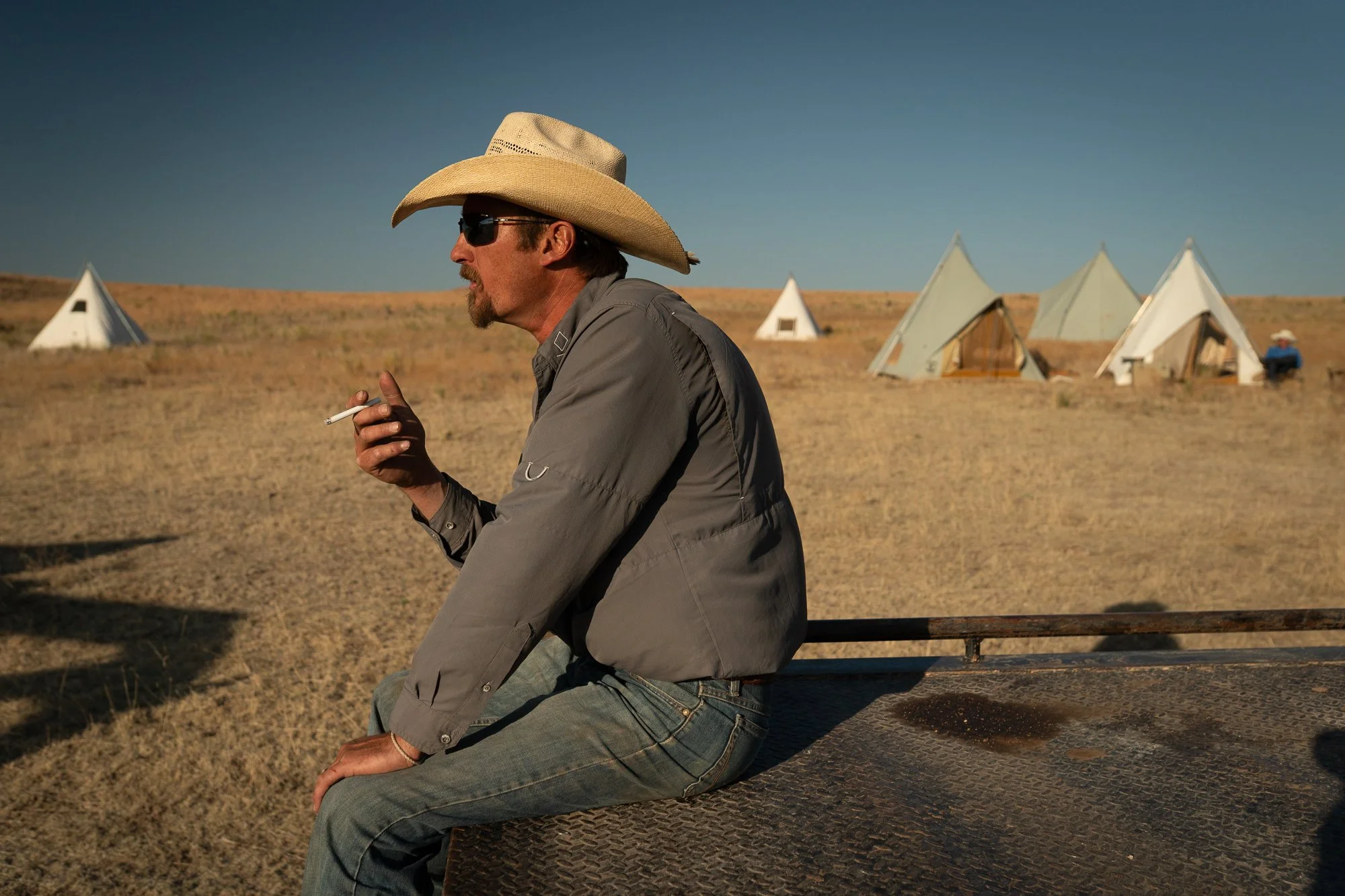
The buckaroo tradition in Nevada carries deep vaquero roots, visible in gear, horsemanship, and the small details that separate function from style. While every worn saddle mark, coil of rope, and dirty Garcia bit does a job it has already done many times, make no mistake, buckaroo gear has a style all it’s own. A style that’s worm with immense pride, not just because it’s part of their very identity, but also because they know it’s the visual element that separates them from cowboys in every other region of the West.
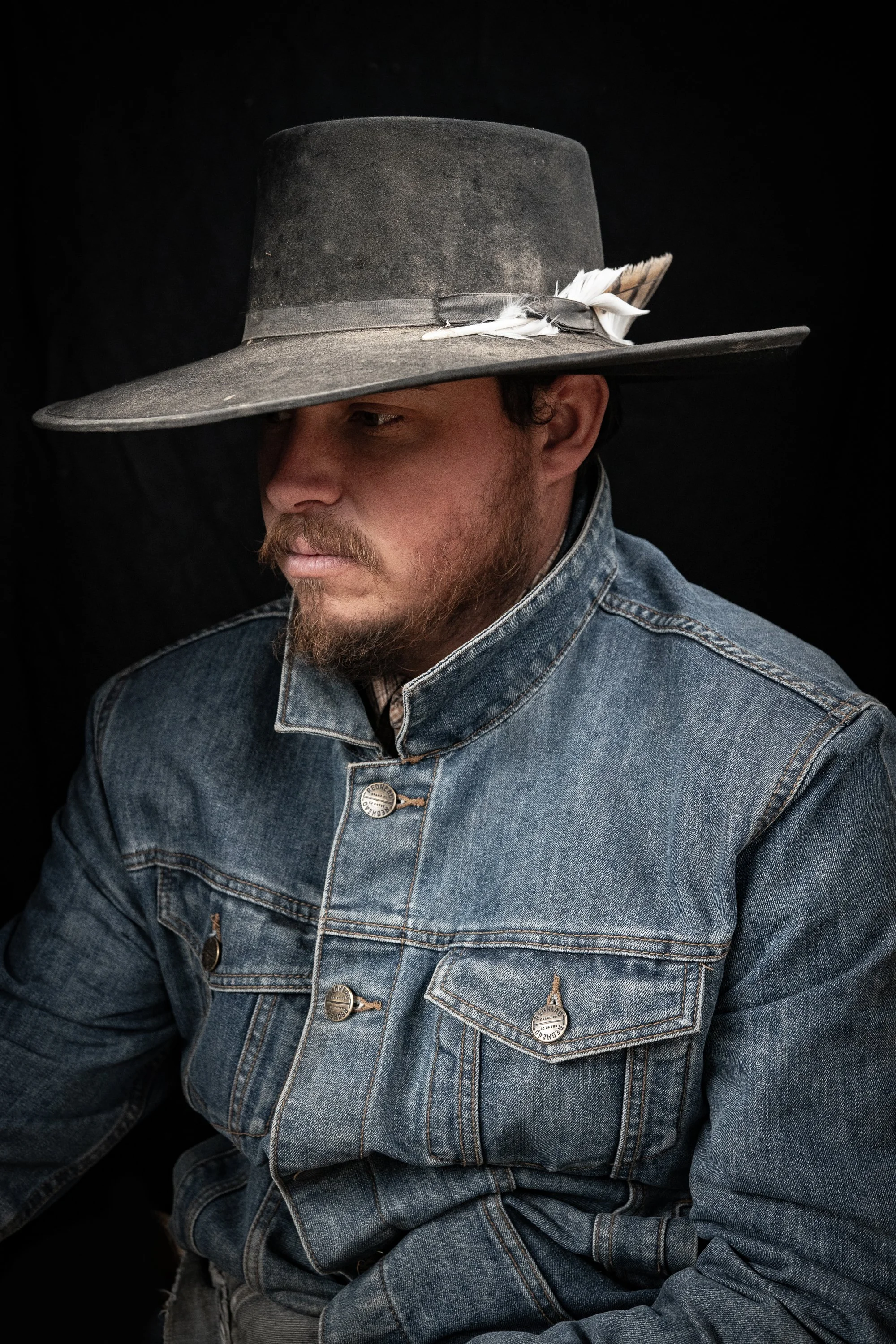
Photographing Working Buckaroos in Nevada

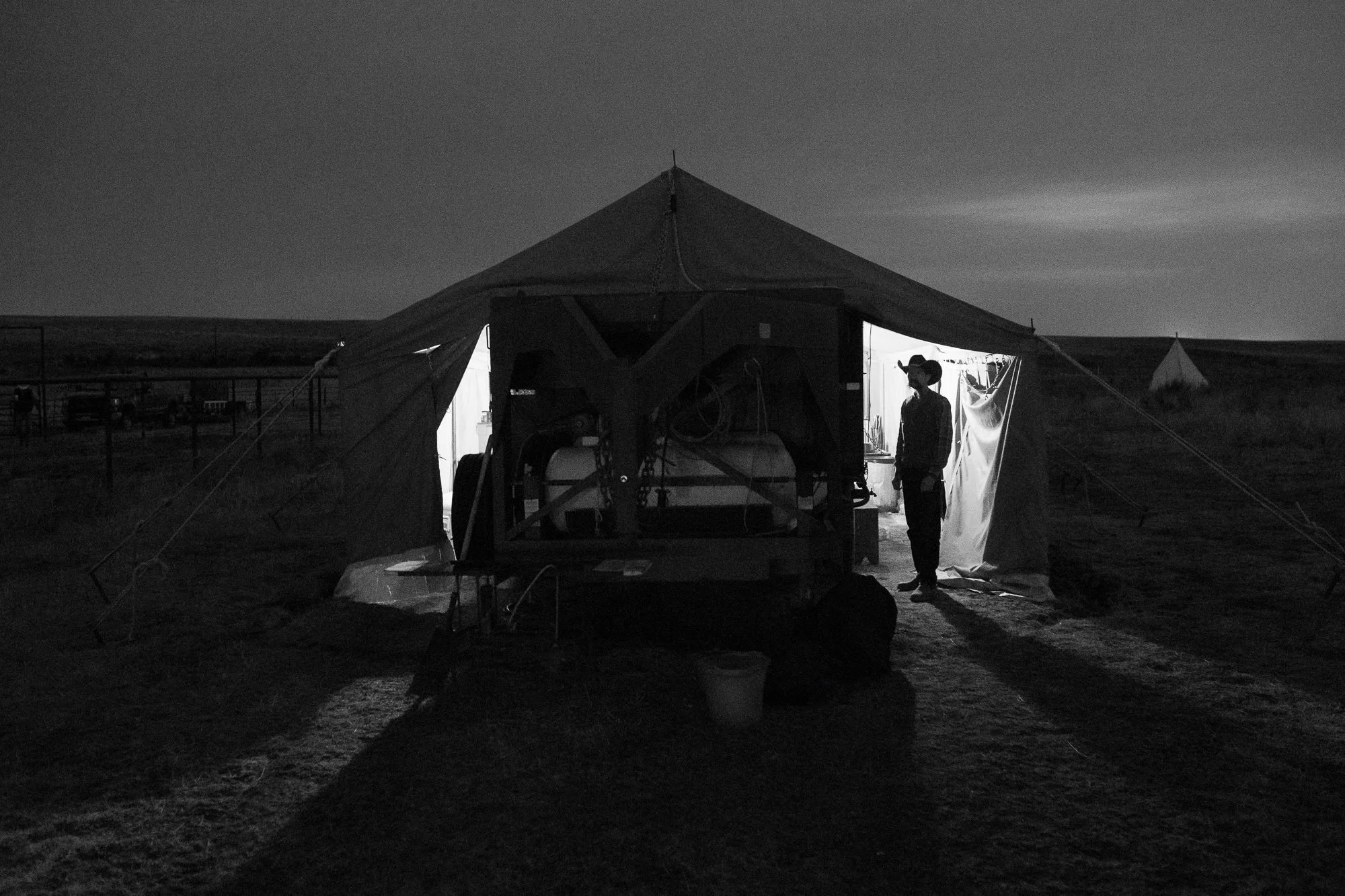
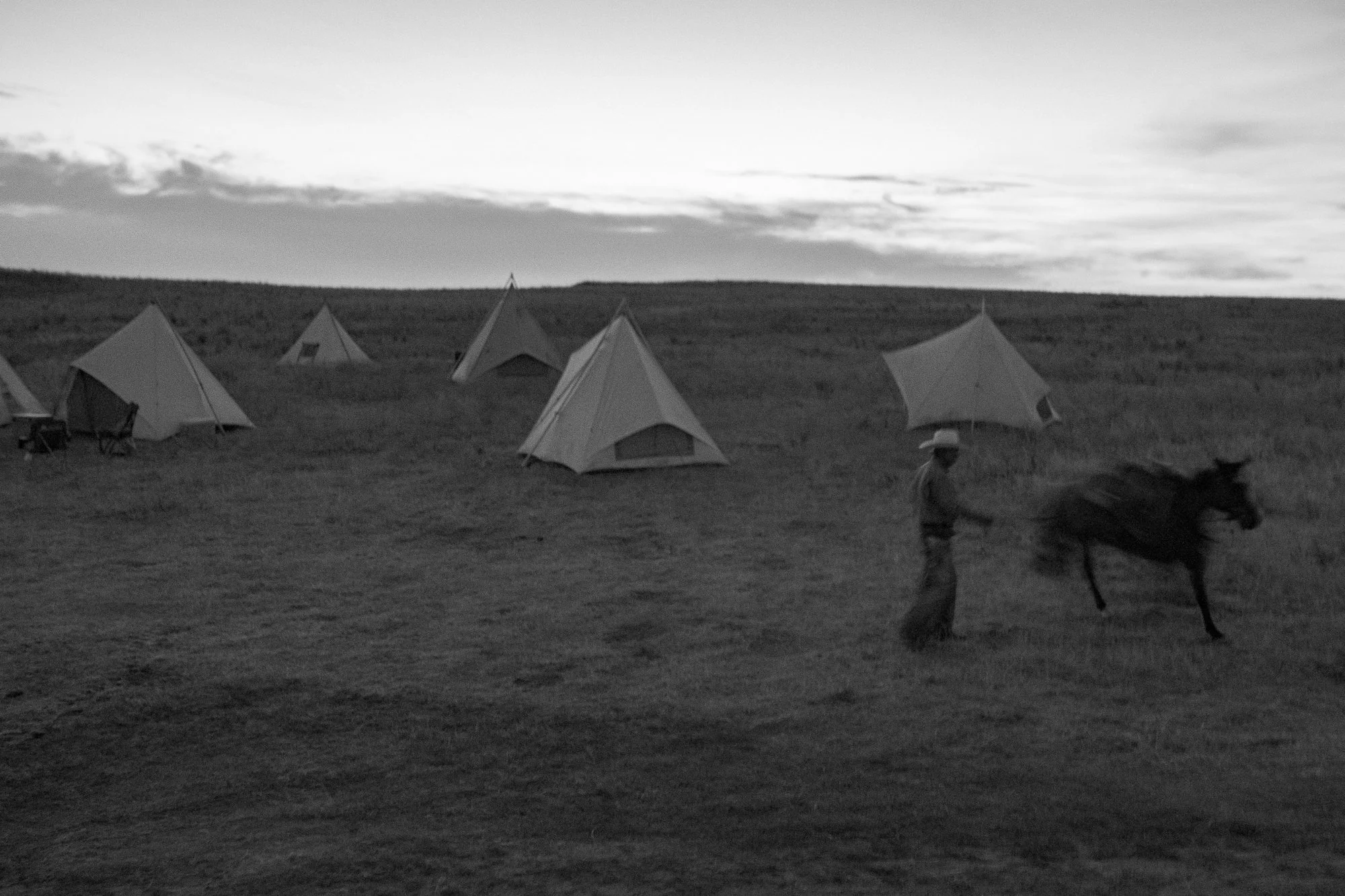
Photographing buckaroos is less about chasing moments and more about staying put long enough for the work to reveal itself. The rhythm is slow, punctuated by long stretches of waiting and brief intervals where everything happens at once. These images come from time spent standing off to the side, watching cattle move, horses settle, and men do what they’ve always done without commentary.

There is no staging here. The photographs are made in real working conditions, often dictated by weather, dust, and the simple fact that ranch work does not stop for a camera. That constraint is part of the appeal. It keeps the photographs honest and the subjects unbothered.

Nevada Buckaroos Within the American West

Within the larger story of cowboy culture, Nevada buckaroos occupy a particular corner—one defined by style, scale, isolation, and continuity. This body of work fits within a broader project photographing working cowboys across the American West, but these images belong specifically to the Great Basin and the people who know it well.

Taken together, the photographs function less as individual moments and more as a quiet record of a way of life that persists without announcement. They are not meant to explain or romanticize the work, only to show it as it appears when you spend enough time around it. I am forever grateful that these these buckaroos have allowed me to spend time with them.

View More Nevada Buckaroo Photography

Shop Cowboy Photography Prints

Photograph of a cowboy working cattle on the C-Punch Ranch - Nevada

Cowboys roping cattle on the C-Punch Ranch in Lovelock, Nevada

C-Punch Ranch

Winecup Gamble Ranch - Montello, Nevada

Winecup Gamble Ranch - Montello, Nevada

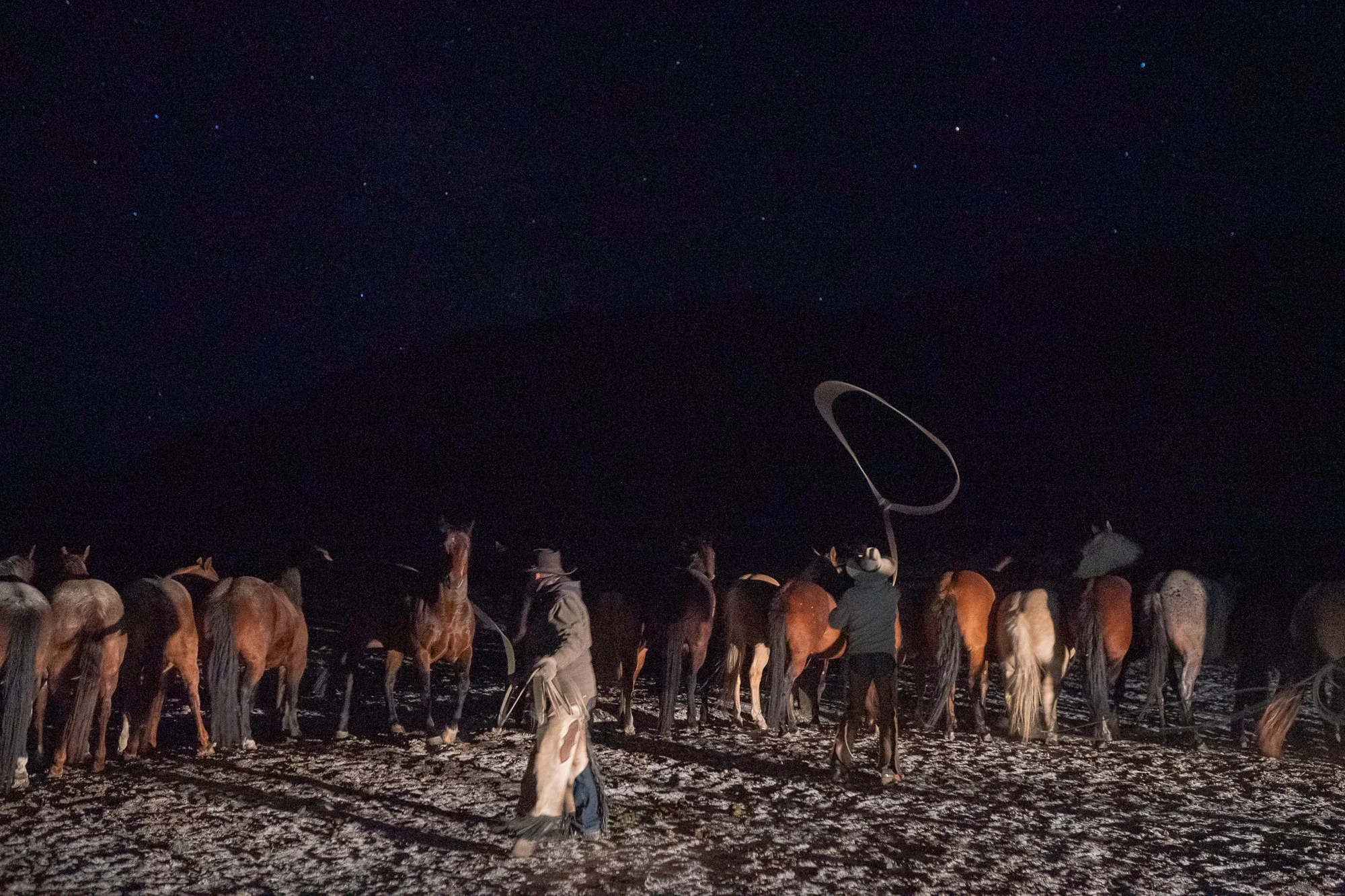
Photograph of a buckaroo catching horses

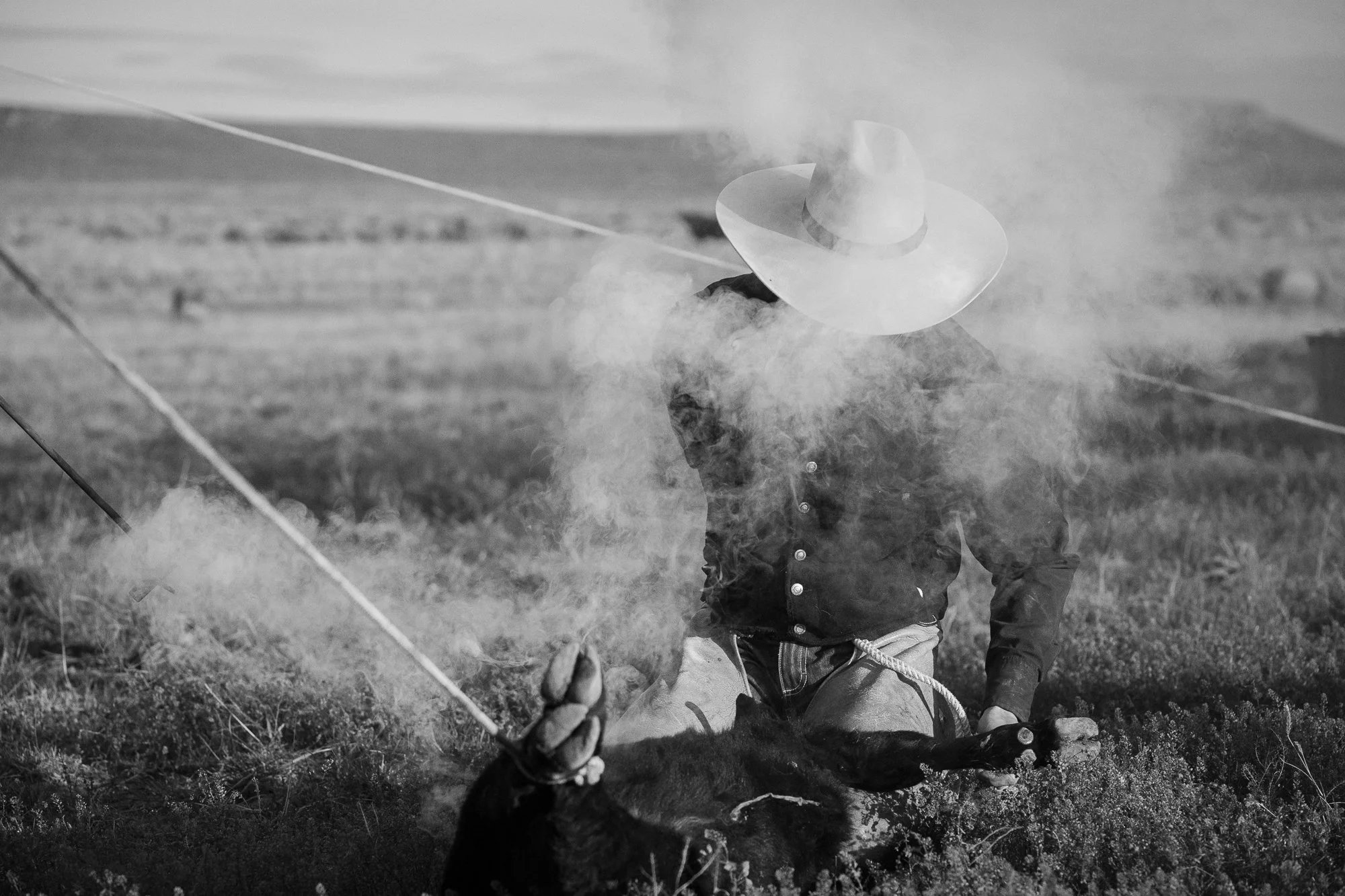
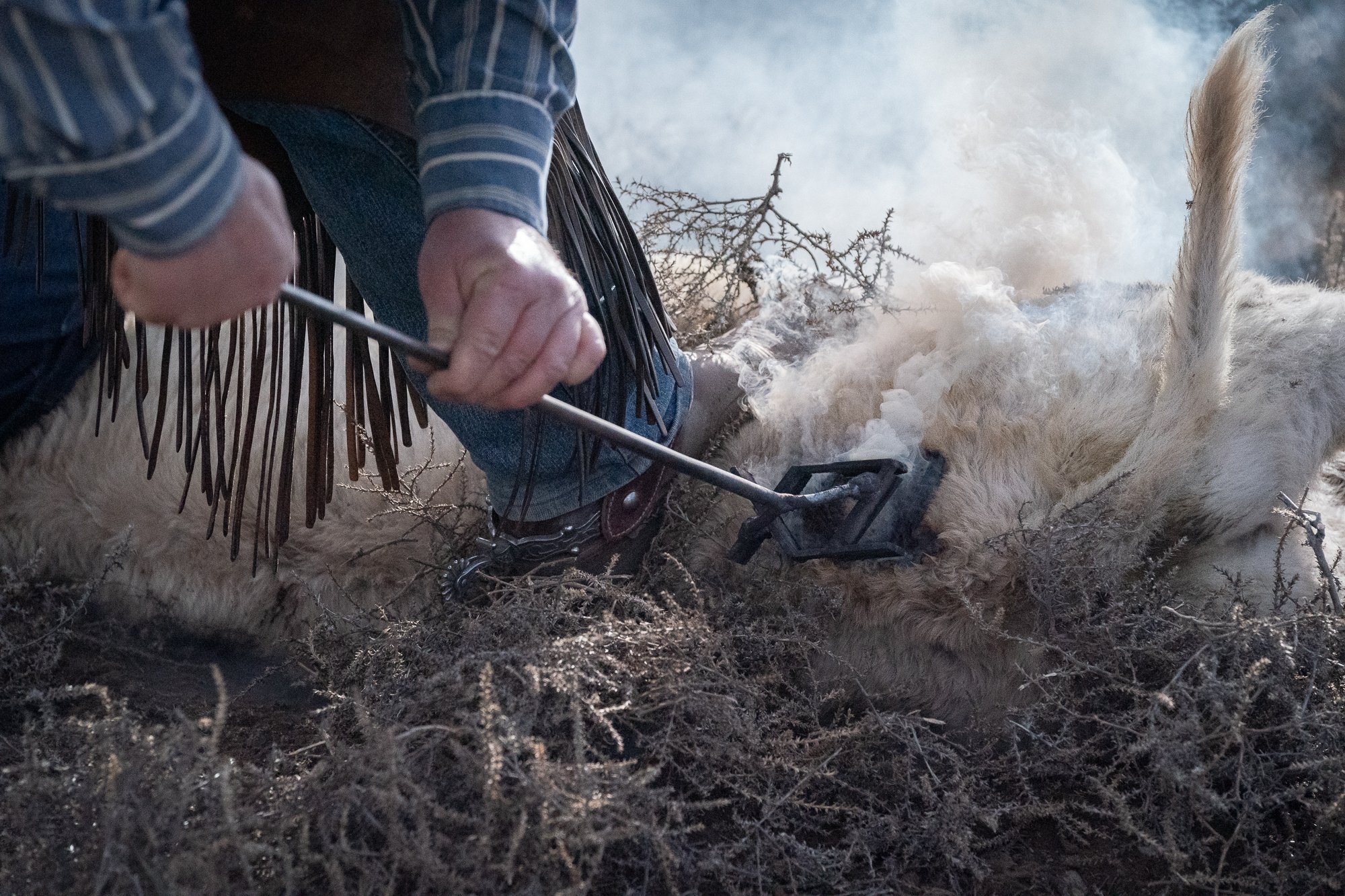
Photograph of Great Basin Buckaroos branding cattle

Buckaroos branding cattle in Nevada

Cowboys working on the Winecup Gamble Ranch in Montello, Nevada

Black and white photograph of cowboys on the Winecup Gamble Ranch

Cowboy moving cattle on the Winecup Gamble Ranch

A cowboy working on the C-Punch Ranch in Lovelock, Nevada

C-Punch Ranch

Cowboys working colts in a round pen on the C-Punch Ranch in Lovelock, Nevada

C-Punch Ranch - Cowboys working horses in a round pen

A cowboy on the C-Punch Ranch in Lovelock, Nevada

C-Punch Ranch

American West Cowboys

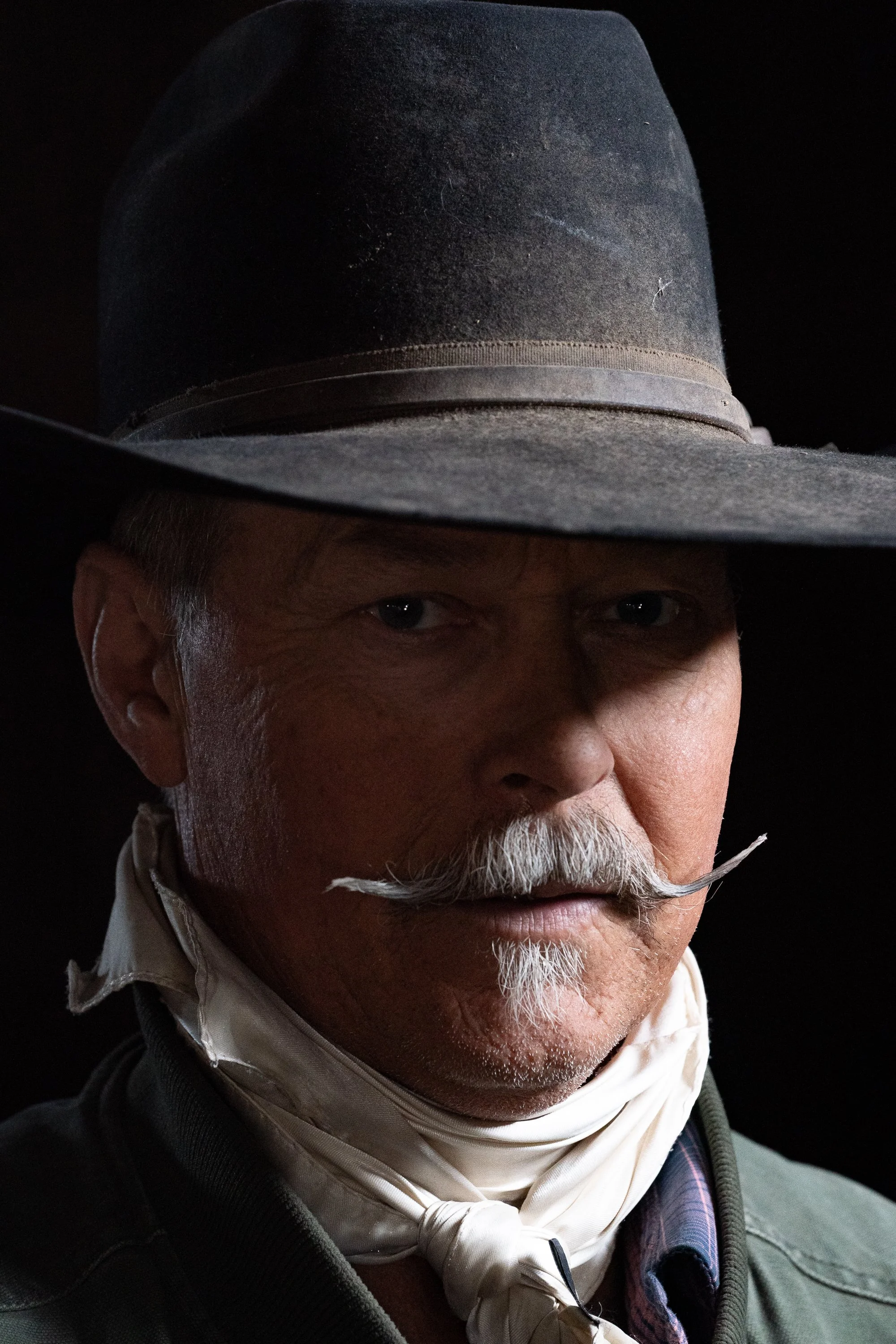
Trapper Rogers - Winecup Gamble Ranch - Montello, Nevada

Portrait of Trapper Rodgers
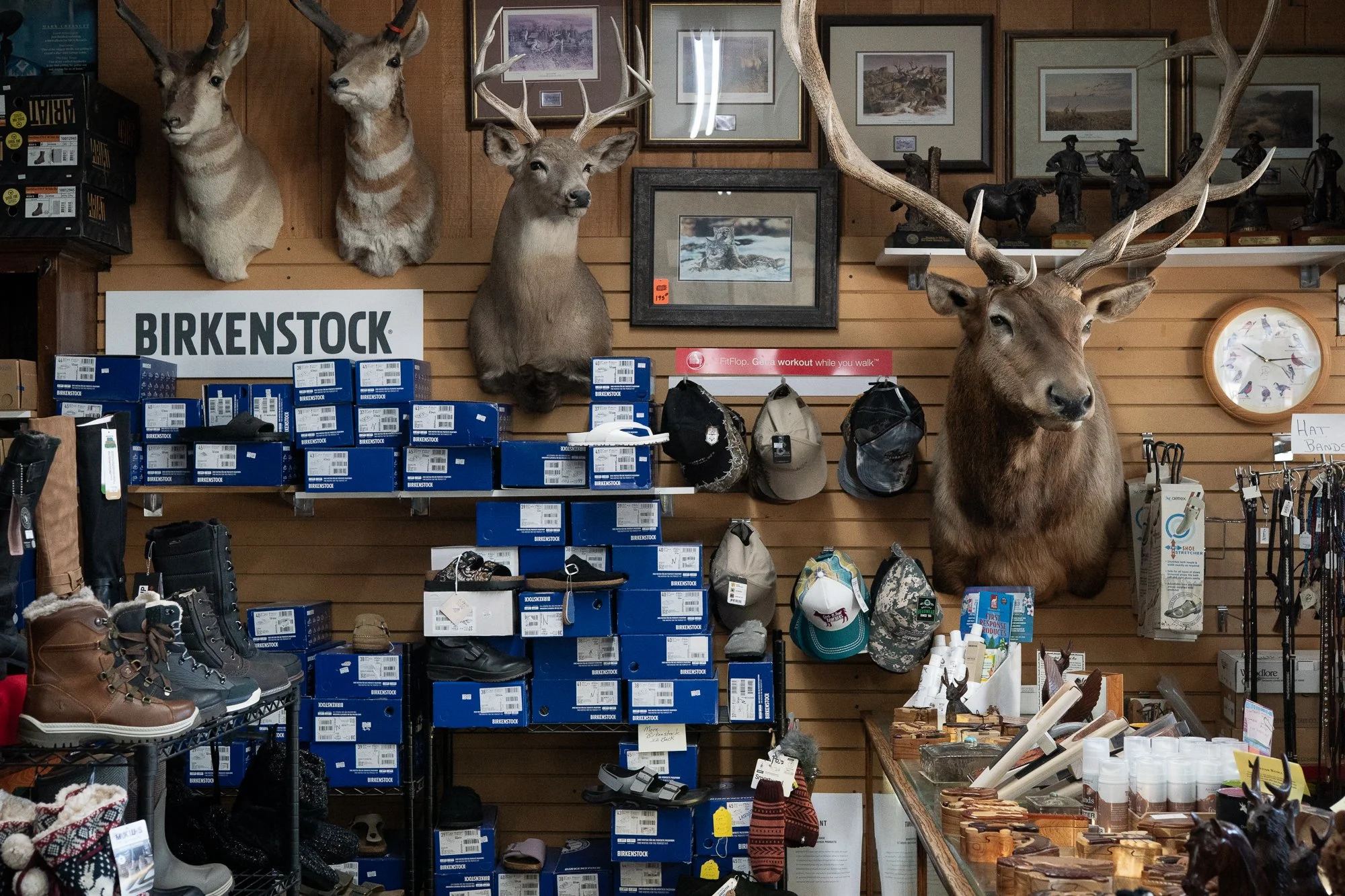
A cowboy lets his horse drink water after branding on the C-Punch Ranch in Lovelock, Nevada

C-Punch Ranch - a cowboy waters his horse
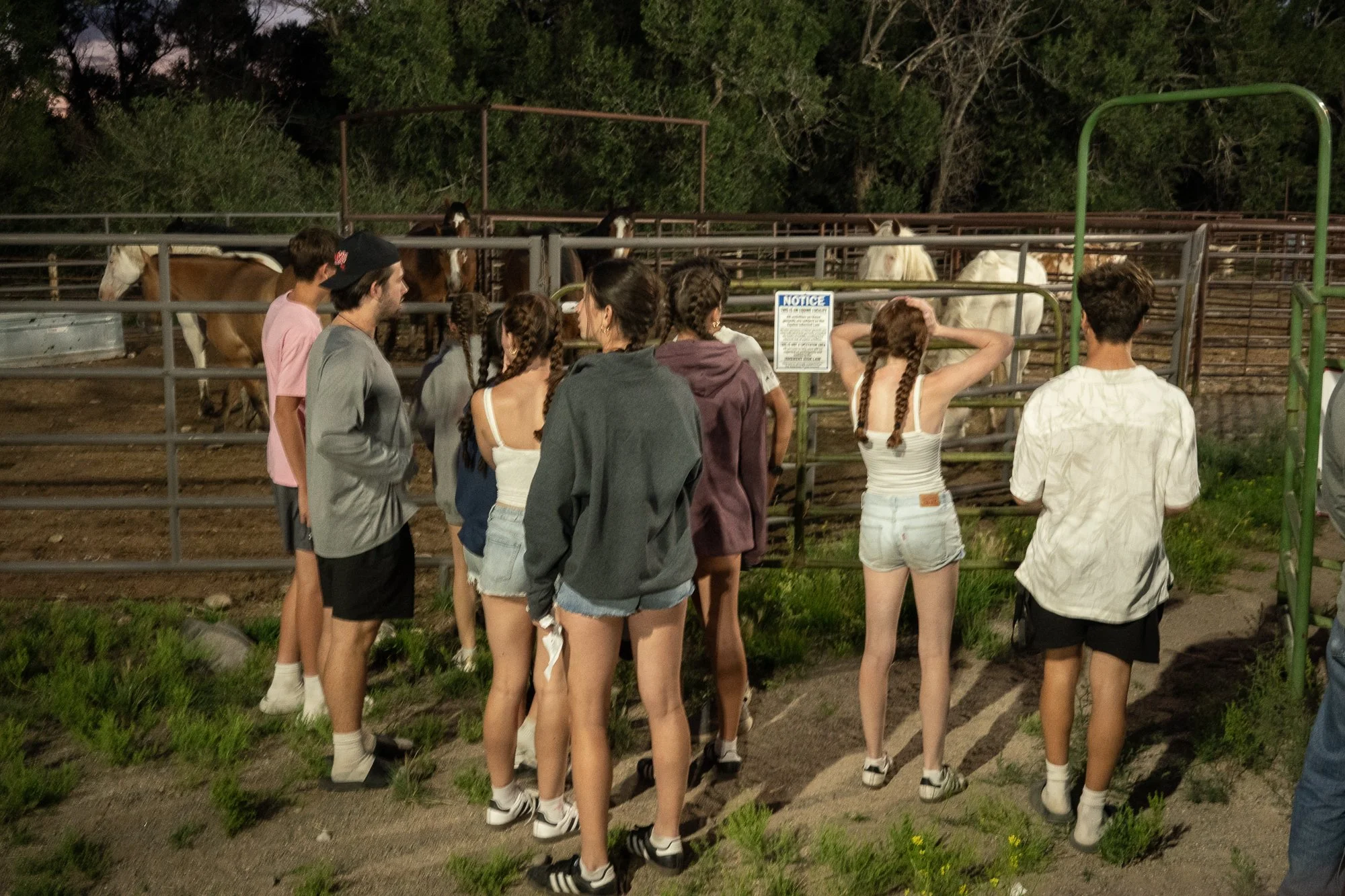
A cowboy pets his cattle dog after a day of work on the C-Punch Ranch in Lovelock, Nevada

C-Punch Ranch

Photograph of a cowboy riding his horse through a huge pasture on the C-Punch Ranch - Lovelock, Nevada

A cowboy riding his horse on the C-Punch Ranch in northern Nevada

Catching Horses
from $75.00

Winter Storm Photography in Mammoth, California

Photographing a Winter Snow Storm in Mammoth

I’ve spent a lot of time in Mammoth over the years, mostly chasing snowstorms and long days on a snowboard. When a real storm rolls in, the town changes completely. Roads disappear, buildings soften, sound drops, and everything starts to feel slower and heavier. Those are the days I usually trade the board for a camera because the mountain tends to shutdown during heavy storms.

These images were made during an active winter snow storm in Mammoth, California. Not the postcard version of winter, but the kind where visibility comes and goes, snow stacks up faster than you expect, and the landscape feels stripped down to its essentials.

Living and Riding Through Winter Storms in Mammoth

If you spend enough winters here, storms stop feeling like events and start feeling like part of daily life. You wake up early to check the wind, ride when it’s good, wait it out when it’s not, and move through town while everything is still half-buried.
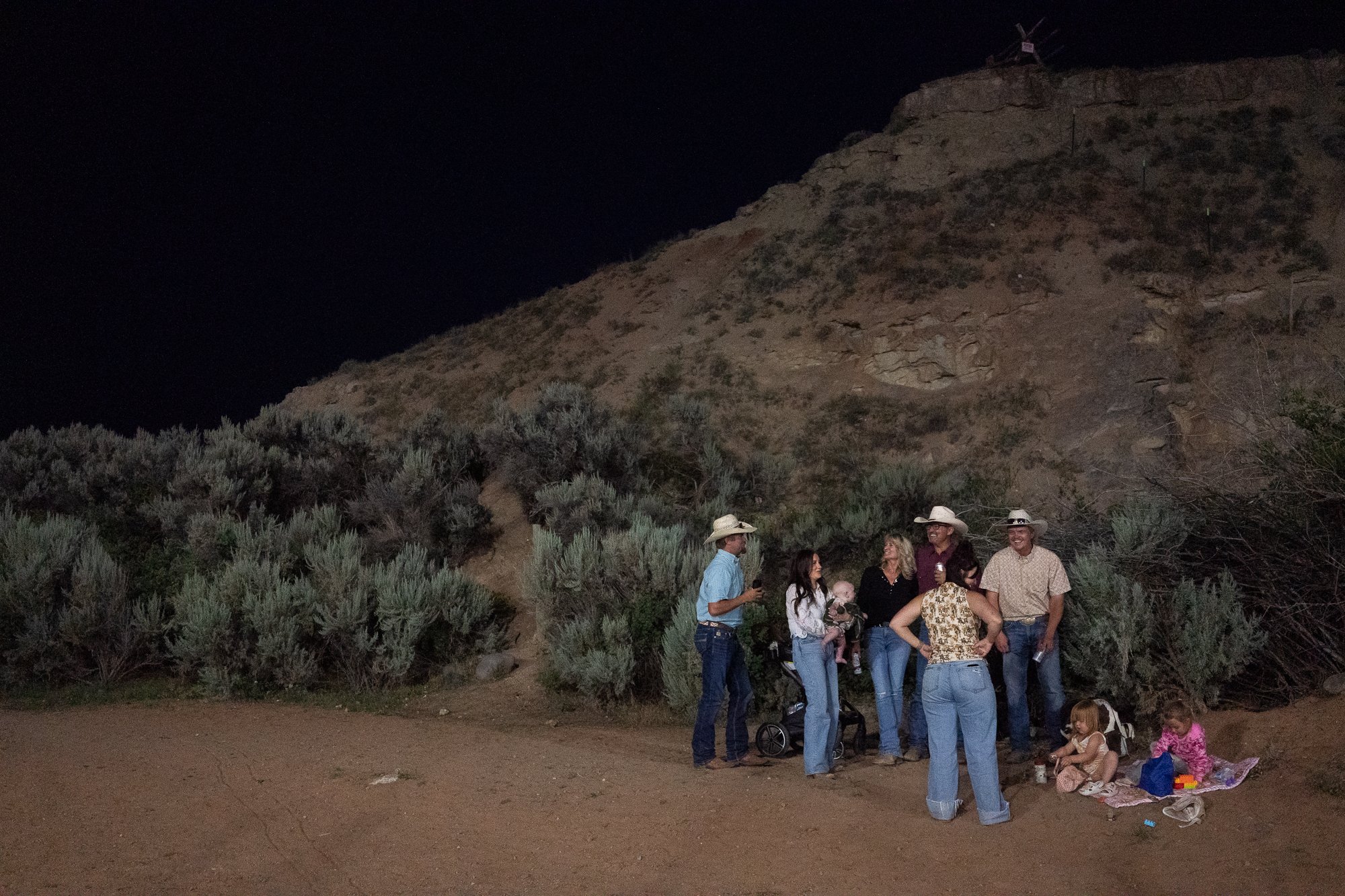
That familiarity makes it easier to photograph in tough conditions. I’m not chasing drama — I’m paying attention to how snow reshapes familiar places. A parking lot becomes abstract. A road turns into a line of tone and texture. Scale shifts constantly as the storm moves through.

Photographing Snow, Wind, and Scale

Winter storm photography is less about spectacle and more about restraint. Snow simplifies scenes, but it also hides detail. Light flattens quickly. Wind erases edges. The challenge is working within those limits without forcing a moment that isn’t there.

Most of these photographs were made quietly, between riding and driving, while the storm was actively changing the landscape. I’m drawn to scenes where human presence feels temporary — plowed roads, snow-covered buildings, tracks that won’t last long.

Why Winter Storm Photography Matters
Severe weather has a way of revealing place. In the mountains, storms expose how people build, move, and adapt. They show scale in a way clear days don’t. For editors, designers, and brands, winter storm imagery can communicate isolation, endurance, calm, and intensity without explanation.

These photographs aren’t about tourism or ski culture. They’re about atmosphere and environment — images that work as visual anchors in editorial layouts, books, campaigns, and long-form storytelling.
Editorial and Commercial Licensing

This series of winter storm photographs from Mammoth, California is available for editorial and commercial licensing. The images are well suited for magazines, books, outdoor and lifestyle brands, environmental storytelling, and large-format applications where mood and scale matter.
If you’re looking for cinematic winter imagery made from lived experience rather than a one-day shoot, I’m happy to help you find the right images or build a custom edit for your project.

Inquire About Licensing

Images from this series are also available as fine art prints. Contact me for details.

The Sierra Nevada Resort in Mammoth Lakes, California after a huge winter snowstorm

Sierra Nevada Resort covered in snow after a winter storm

Schat's Bakery in Mammoth Lakes, California covered in snow after a massive snow storm

Schat’s Bakery in Mammoth, California covered in snow

Photograph of a house covered in deep snow after a storm in Mammoth, CA

Photograph of a record breaking snow storm in Mammoth Lakes, CA

A snowboarder walks down the street after a massive winter snow storm in Mammoth Lakes, California

Streets covered in snow after a record storm in Mammoth Lakes, CA

A-Frame Liquor store covered in snow after a record breaking winter storm in Mammoth Lakes, California

A-Frame Liquor covered in snow after a winter storm in Mammoth Lakes, CA

A basketball hoop completely covered in snow after a record breaking winter storm in Mammoth Lakes, California

A basketball hoop sticking out of a snow bank after a record breaking storm in Mammoth,CA

A car completely covered in snow after a massive winter storm in Mammoth Lakes, California

Photograph of a car covered in snow after a storm in Mammoth Lakes, CA

Schat's Bakery and other local businesses covered in snow after a massive winter storm in Mammoth Lakes, California

Snow storm in Sierra Nevada Mountains in California

Buildings covered in snow after a record breaking winter storm in Mammoth Lakes, California

Photograph of a Mammoth California restaurant covered in snow

Mammoth Liquor Store covered in snow after a record breaking storm in Mammoth Lakes, California

Photograph of Mammoth Liquor covered in snow after a record breaking storm

San Francisco Photography

Street Photography - San Francisco

California Photo Gallery

Had another commercial shoot in San Francisco a while ago and planned a little extra time to play around in the streets. It’s always a fun way to relax and grow as a photographer. No idea what the bigger picture is for this ongoing series, but that doesn’t matter. Even if it’s just a personal documentation of the city, that’s ok too. This particular day got interesting about an hour in to the walk, when a women pulled up in her car and asked what I was doing. She didn’t like my simple answer and continued to disagree with everything that came after. So I went on my way, only to have her creep behind me for an hour, watching from a distance. At one point our paths crossed closely and her window was down, so I asked if she was having fun. She replied with an entitled grin as if she had cracked the case of the century, saying “I know what you’re after, mailboxes and garages”. I just kept walking. Eventually she couldn’t follow any longer after my path went through a park. People are funny. Did I handle the situation properly? Probably not. If there was a business card in my pocket it would have went immediately to her, but there was not. And her attitude was such shit, that it seemed like a losing battle to convince her of anything other than what she already had in her head. Moral of the story: always carry a business card to show Karen??

Click here to see more from my American photography series

Street photography from the streets and neighborhoods of San Francisco, California by Rob Hammer

San Francisco street photography

San Francisco street photography

San Francisco street photography

San Francisco Street Photography

San Francisco photography

San Francisco Street Photography

San Francisco street photography

Street Photography in San Francisco, California

Street photography - San Francisco, CA

Photography - San Francisco, California - Street Photography

San Francisco, CA

Street Photography - San Francisco, California

San Francisco, CA

Street Photography - San Francisco, California

Street Photography - San Francisco, CA

Street Photography - San Francisco, California

San Francisco street photography

San Francisco Street Photography

Street photograph of a San Francisco neighborhood

Street Photography - San Francisco, California

San Francisco, CA

San Francisco Street Photography

Photo of a beautiful home in San Francisco

Street Photography San Francisco, California

San Francisco street photography

American Photography

Photographing America - The Open Road

Road Trip Photography Prints - Americana

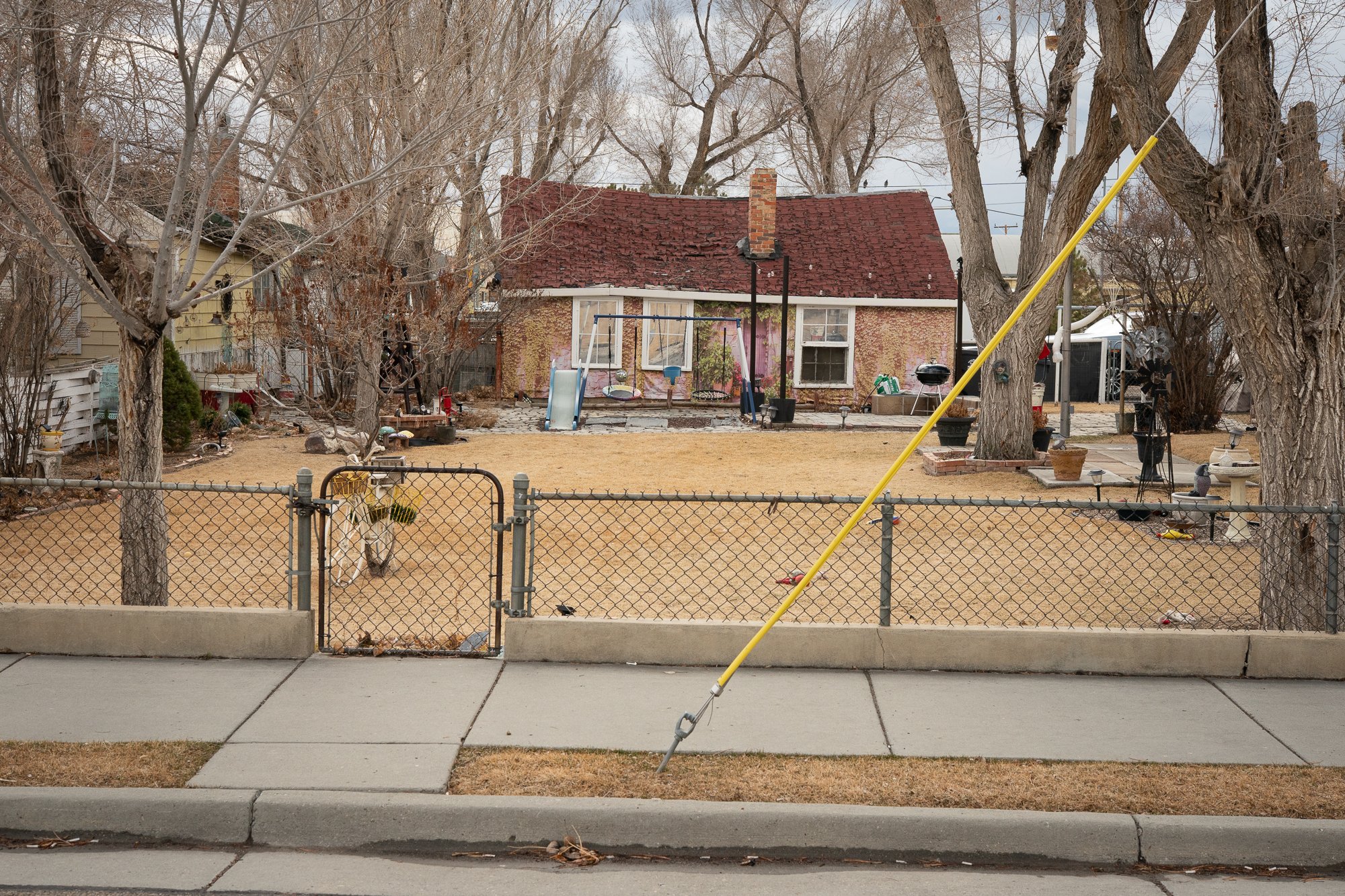
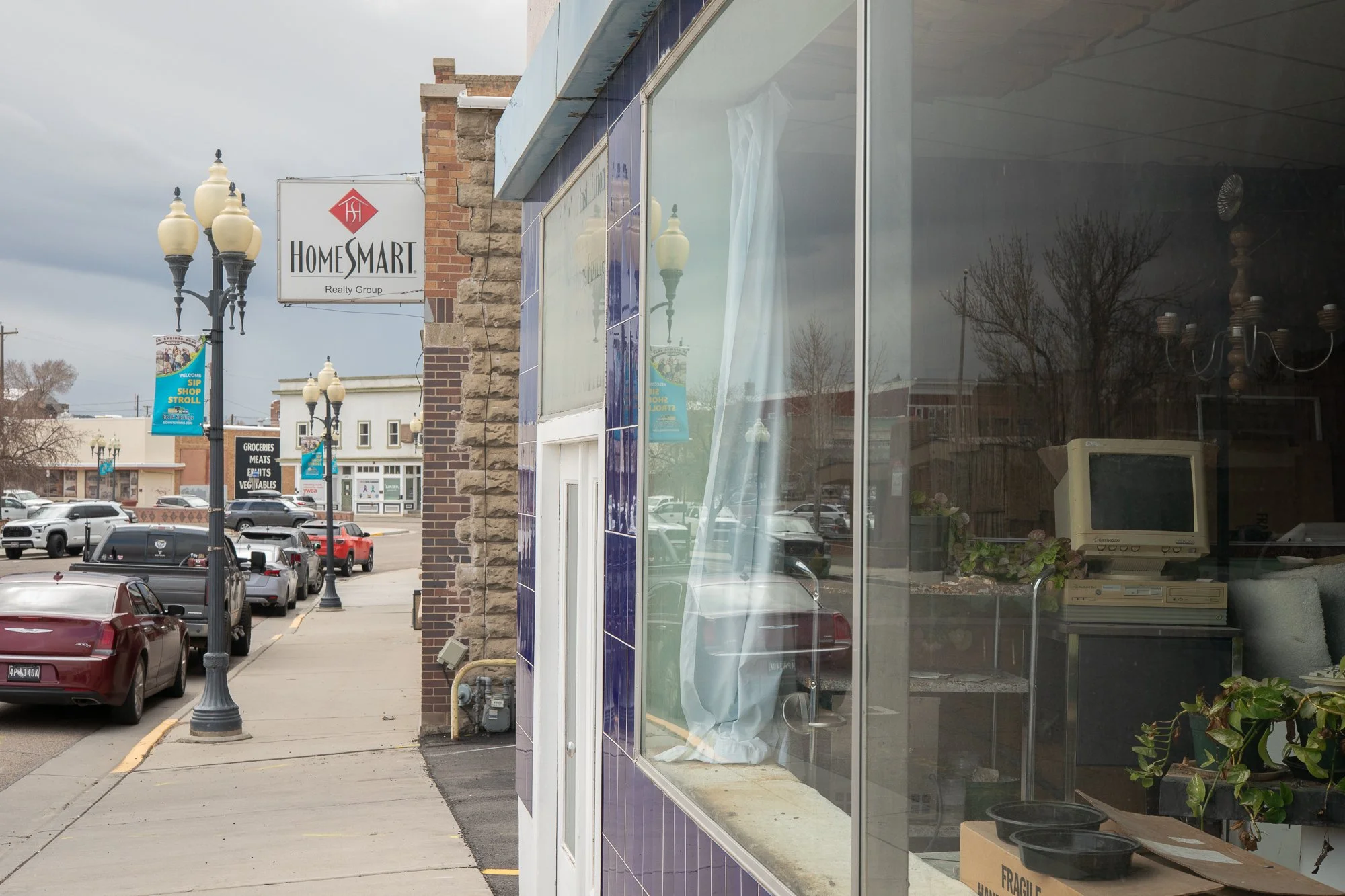
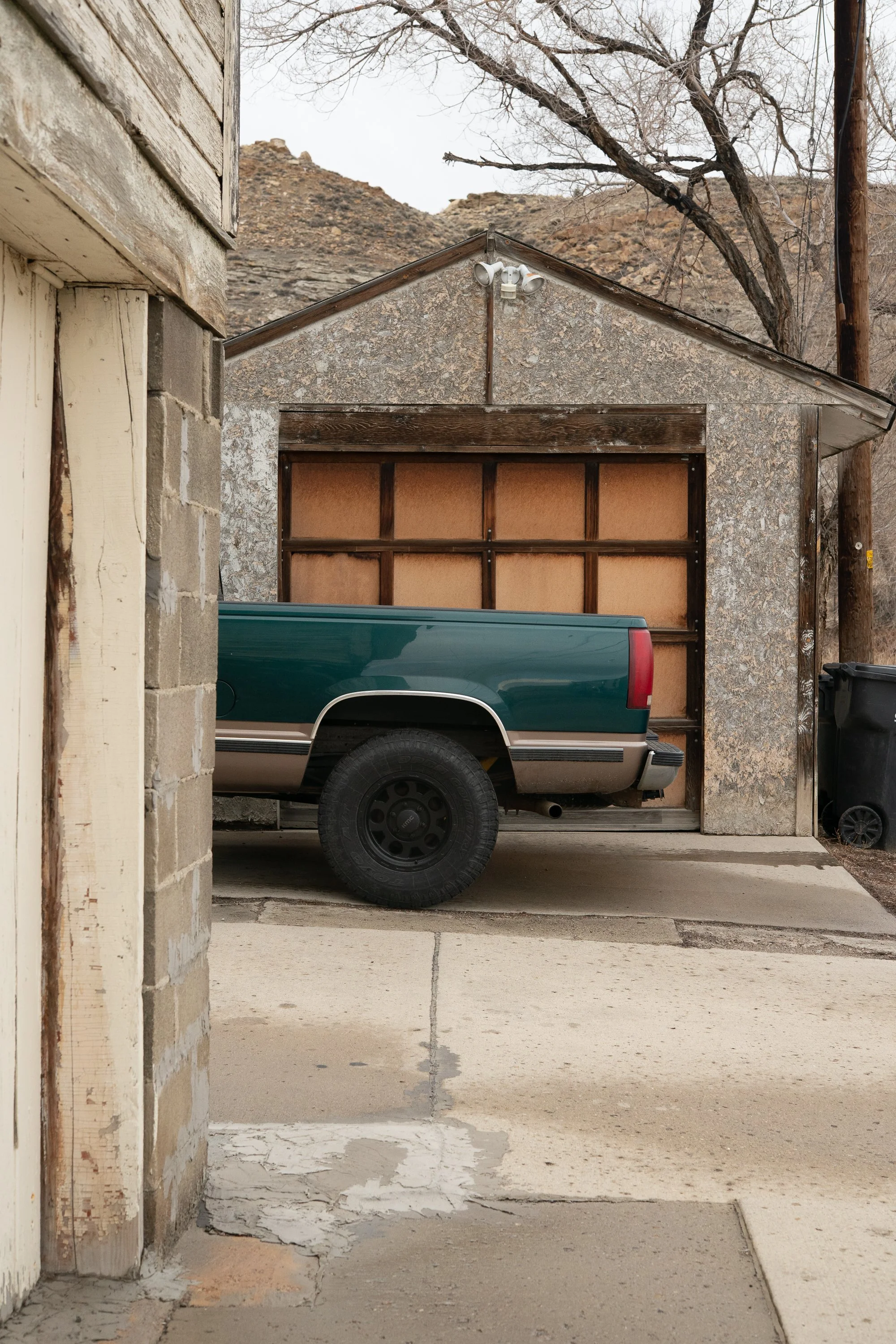
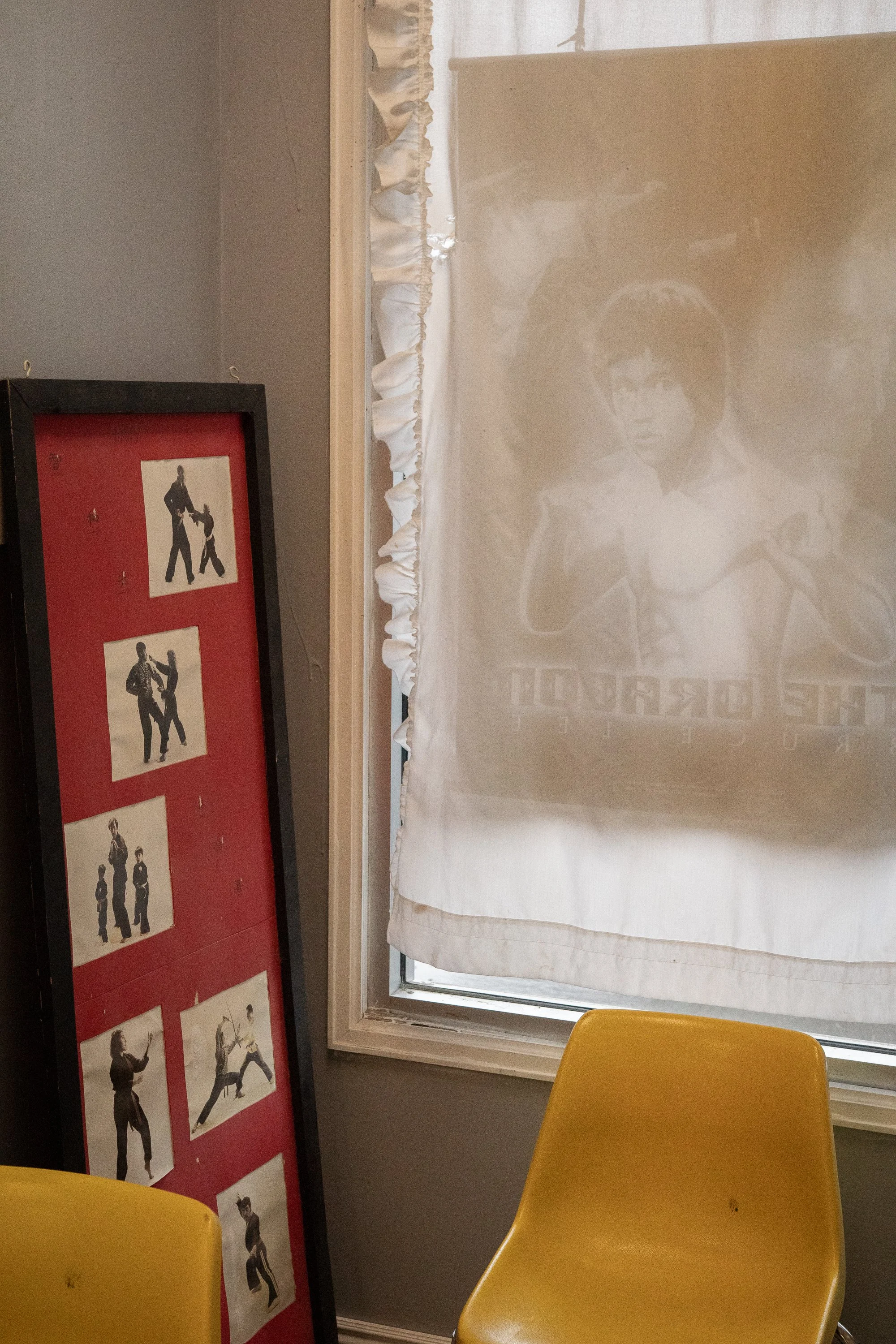
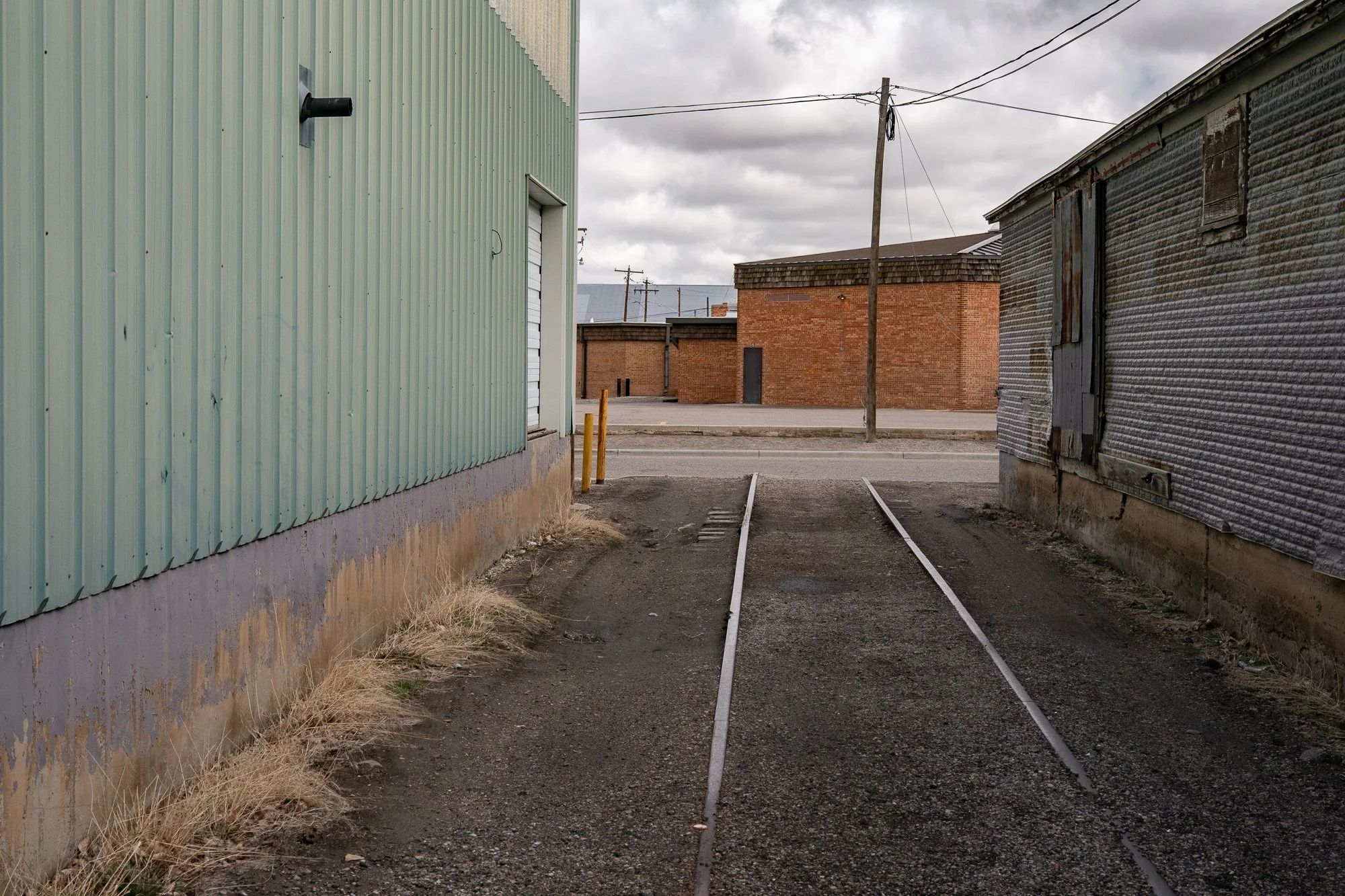
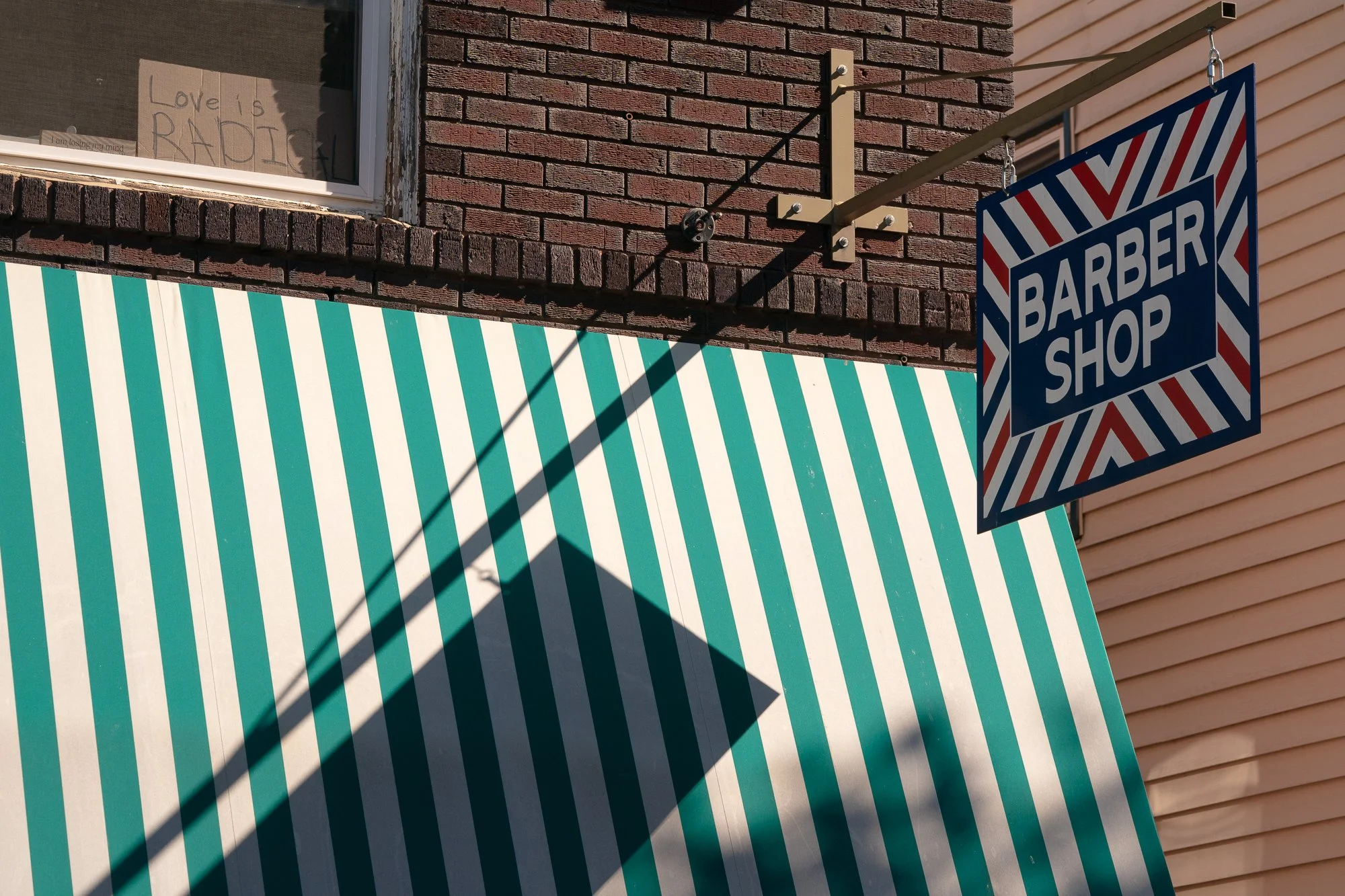
A new batch of American photographs from the last couple road trips around the country. This series has gotten increasingly overwhelming from an archive perspective. It’s probably the largest series to date, but also the one I’ve done the least with. And by “least”, I mean nothing. So to look at it as a whole feels like a monumental tasks to make sense of for a book or any other publication. Guess it’s time to turn things over to a professional??!!

Click here to see more of the America series.

Contact me directly to order fine art prints for your home, office, or commercial space - rob@robhammerphotography.com

El Capitan Casino in Hawthorne, Nevada - Photo

Hawthorne, Nevada

Photo of the Honolulu Club bar in Yucca, Arizona - vintage sign.

Honolulu Club - Yucca, Arizona

McDonald's billboard and other signs in the desert landscape outside Tuba City, Arizona - Photo

Tuba City, Arizona

A small town graveyard with wind turbines in the background in southern Iowa

Southern Iowa

A Little League baseball field in the small farm town of Griswold, Iowa

Griswold, Iowa

Photo of a broken down truck in front of a factory in Big Island, Virginia

Big Island, Virginia

A baseball field in front of farm silos in Mountain Home, Idaho - Photo - Rob Hammer

Mountain Home, Idaho

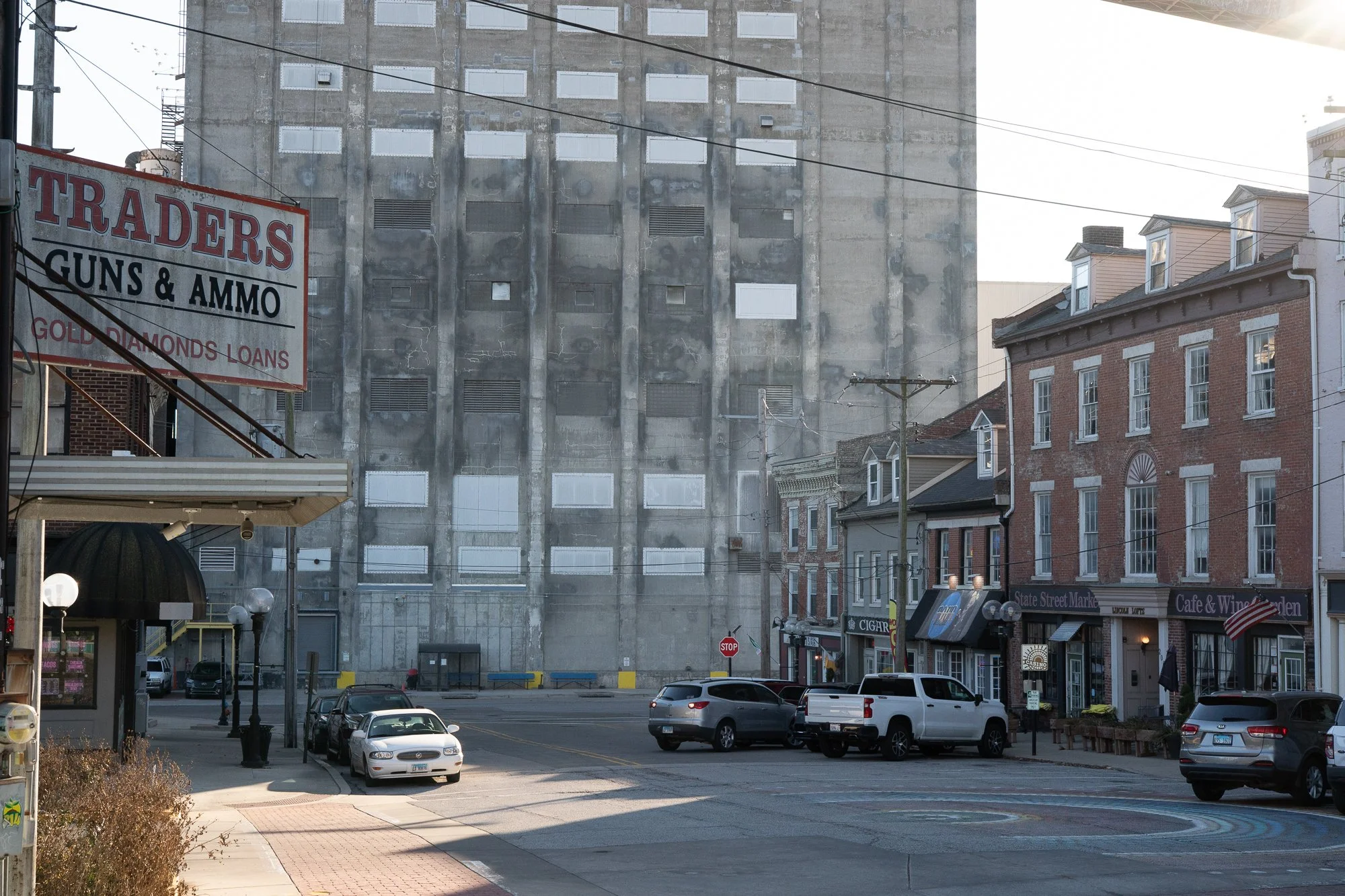
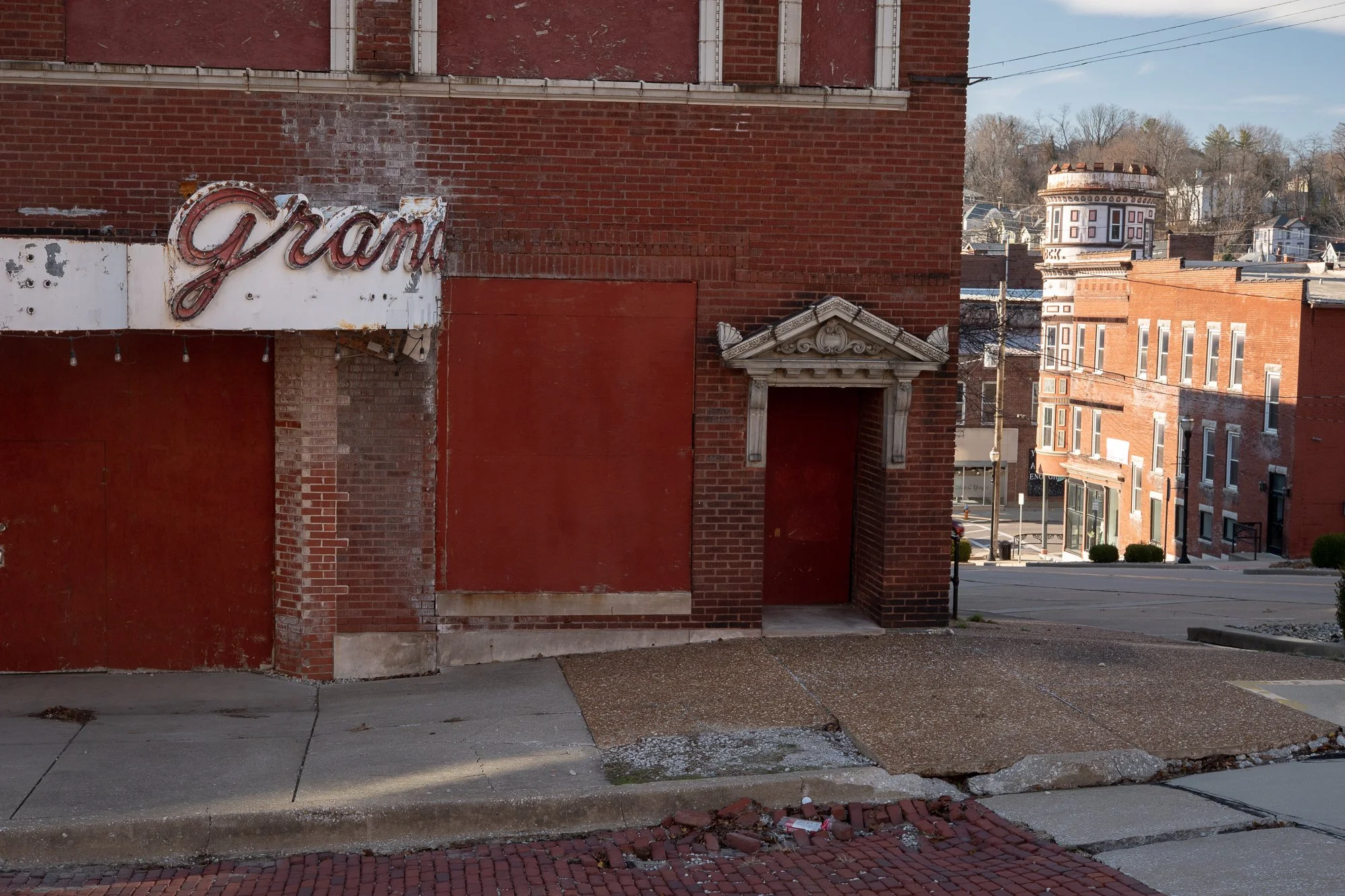
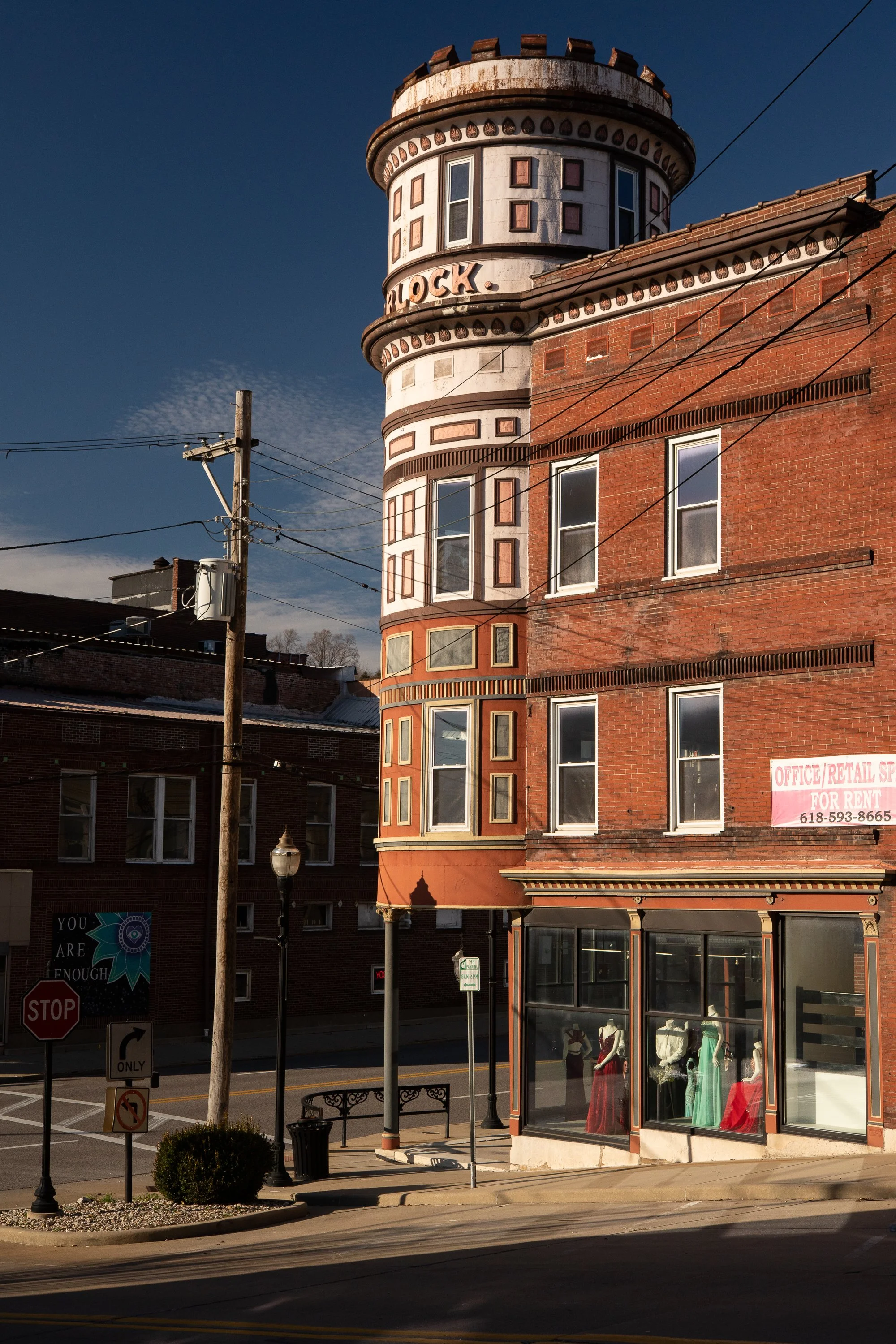
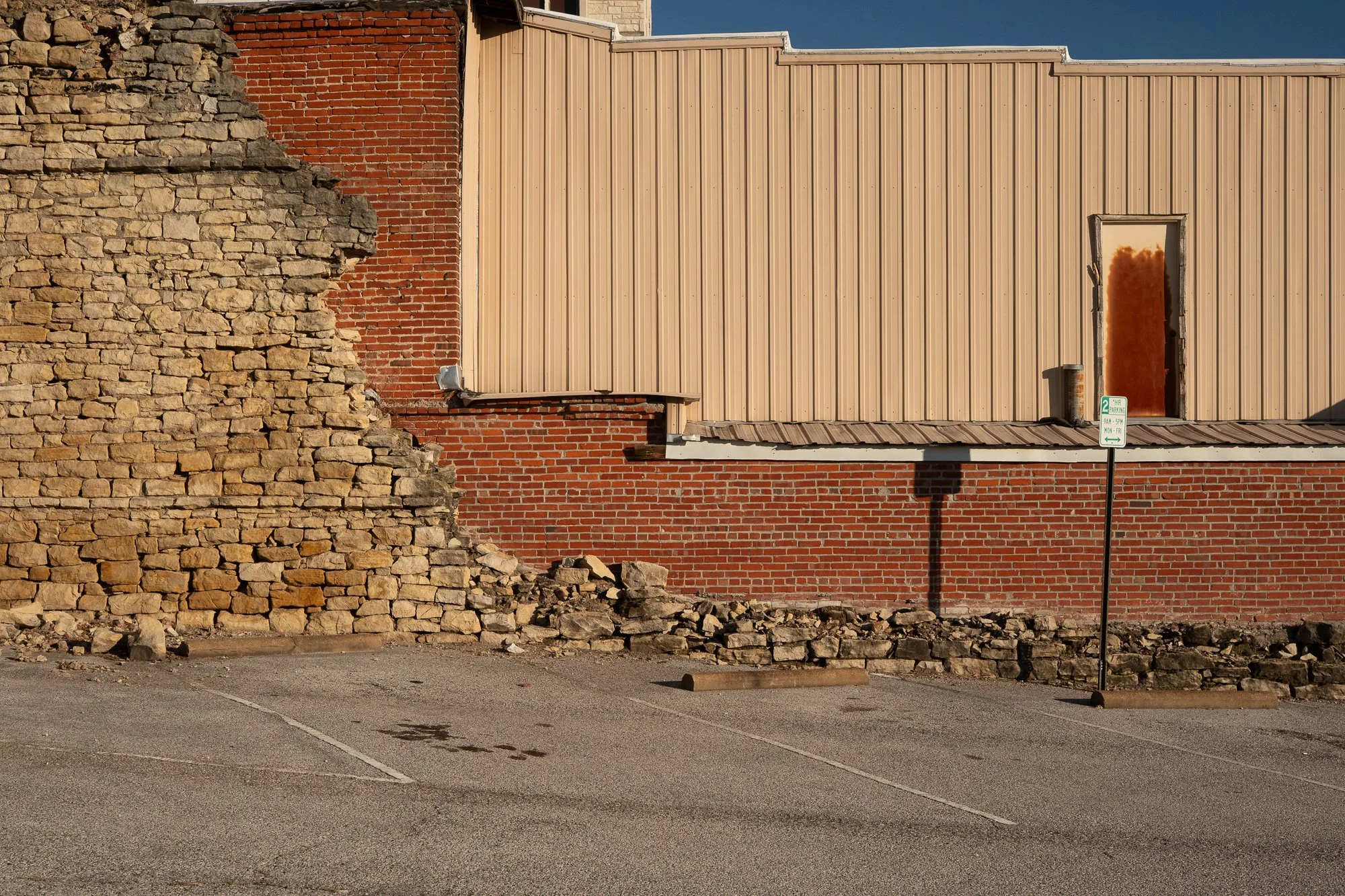
Hillsboro, Ohio

Hillsboro, Illinois

Photo of a palm tree, power lines, and clouds in the California desert

California Desert

Vintage Whiting Bros sign in the small town of Yucca, Arizona

Whiting Bros - Yucca, Arizona

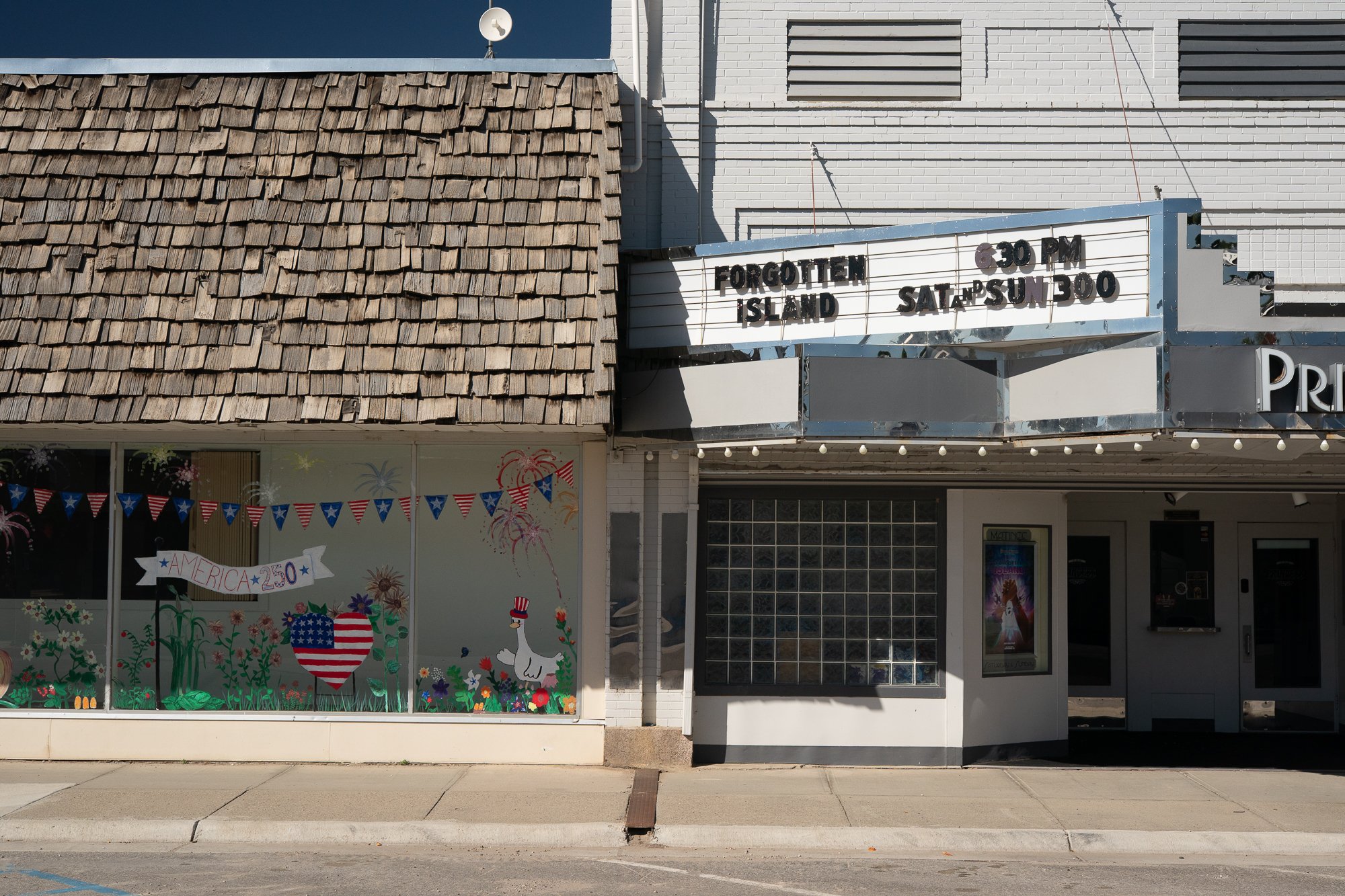
Photo of an old theater in Hawthorne, Nevada

Old movie theater - Hawthorne, Nevada

The Lovelock Speedway in Lovelock, Nevada - Photo

Lovelock Speedway - Lovelock, Nevada

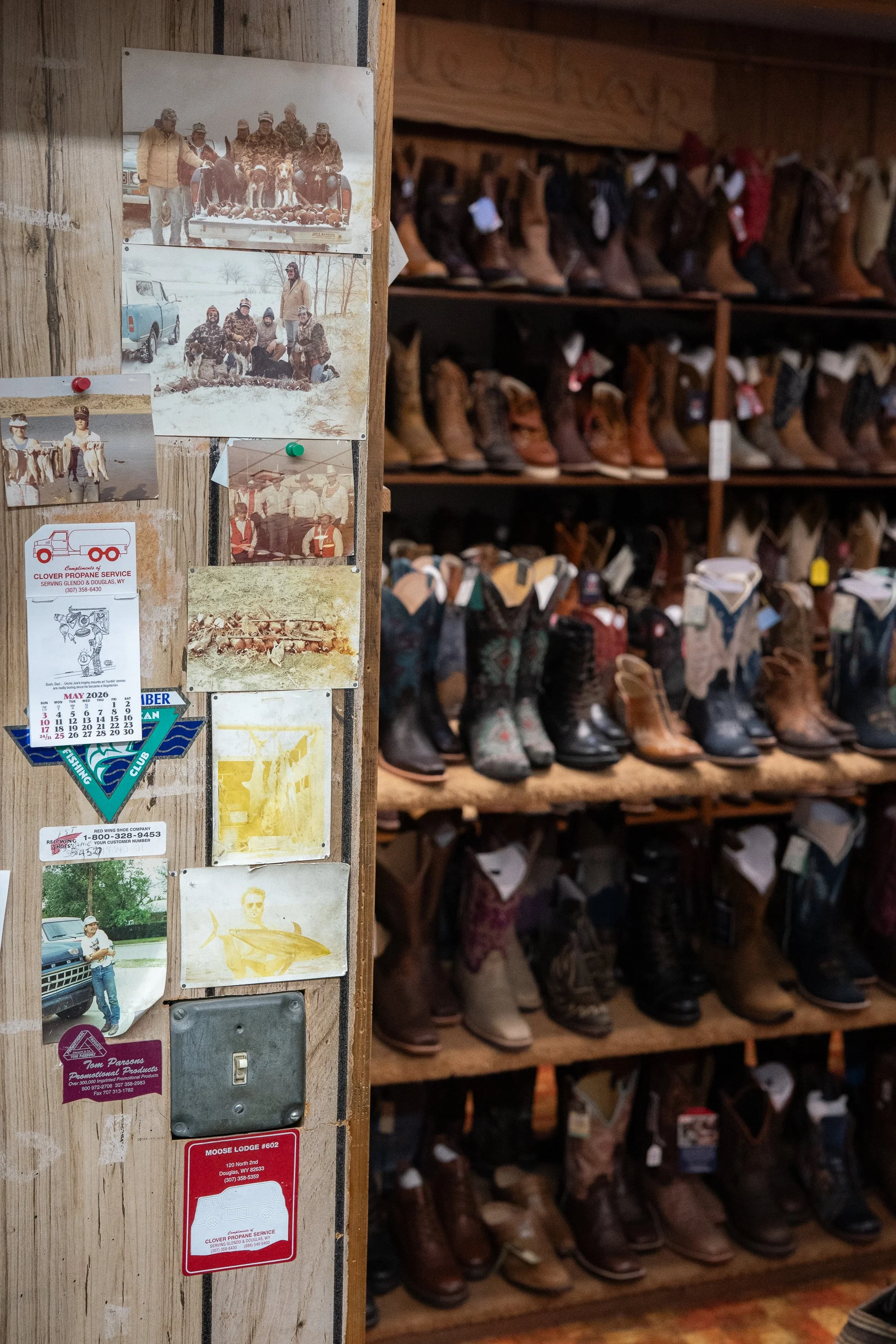
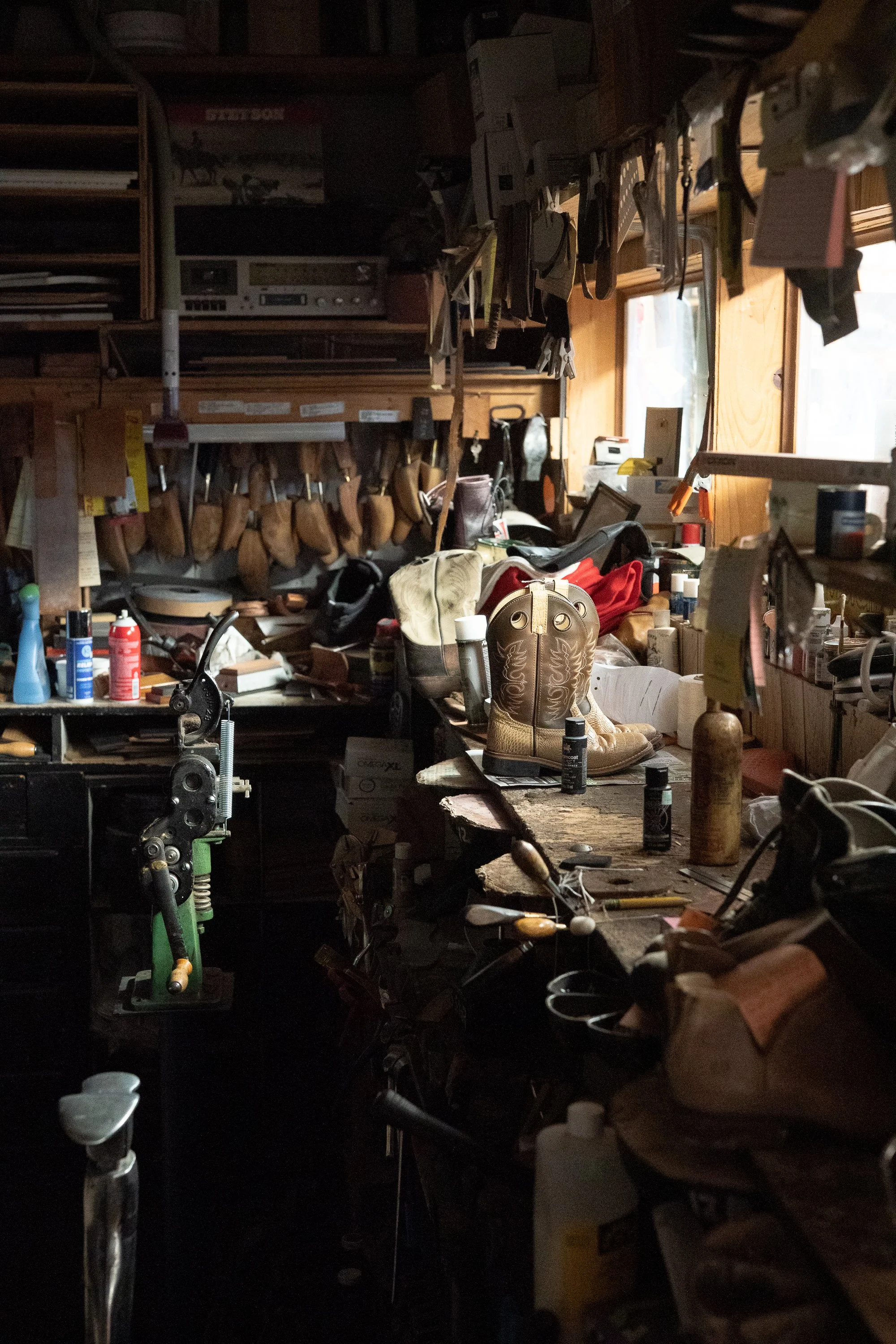
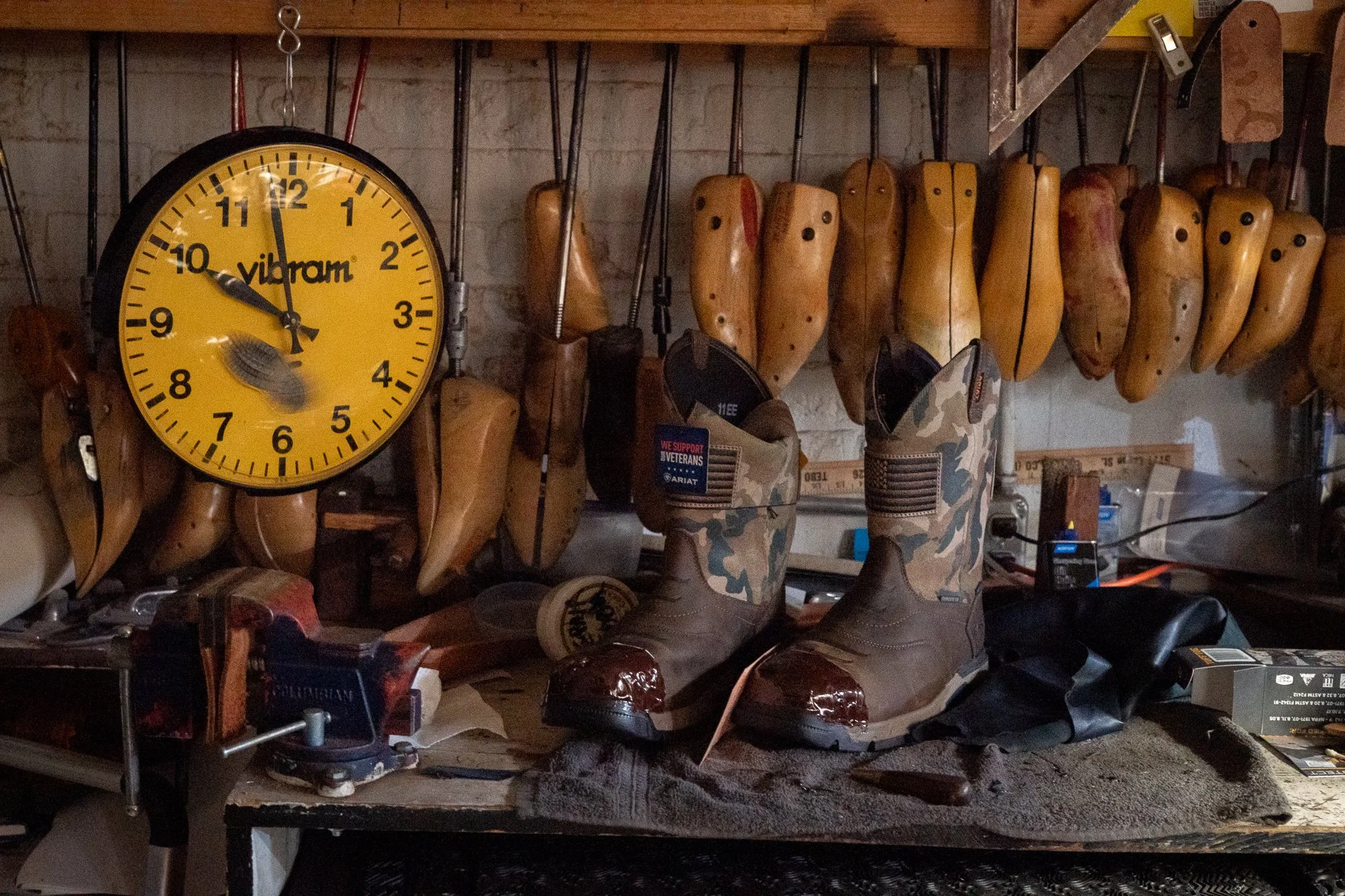
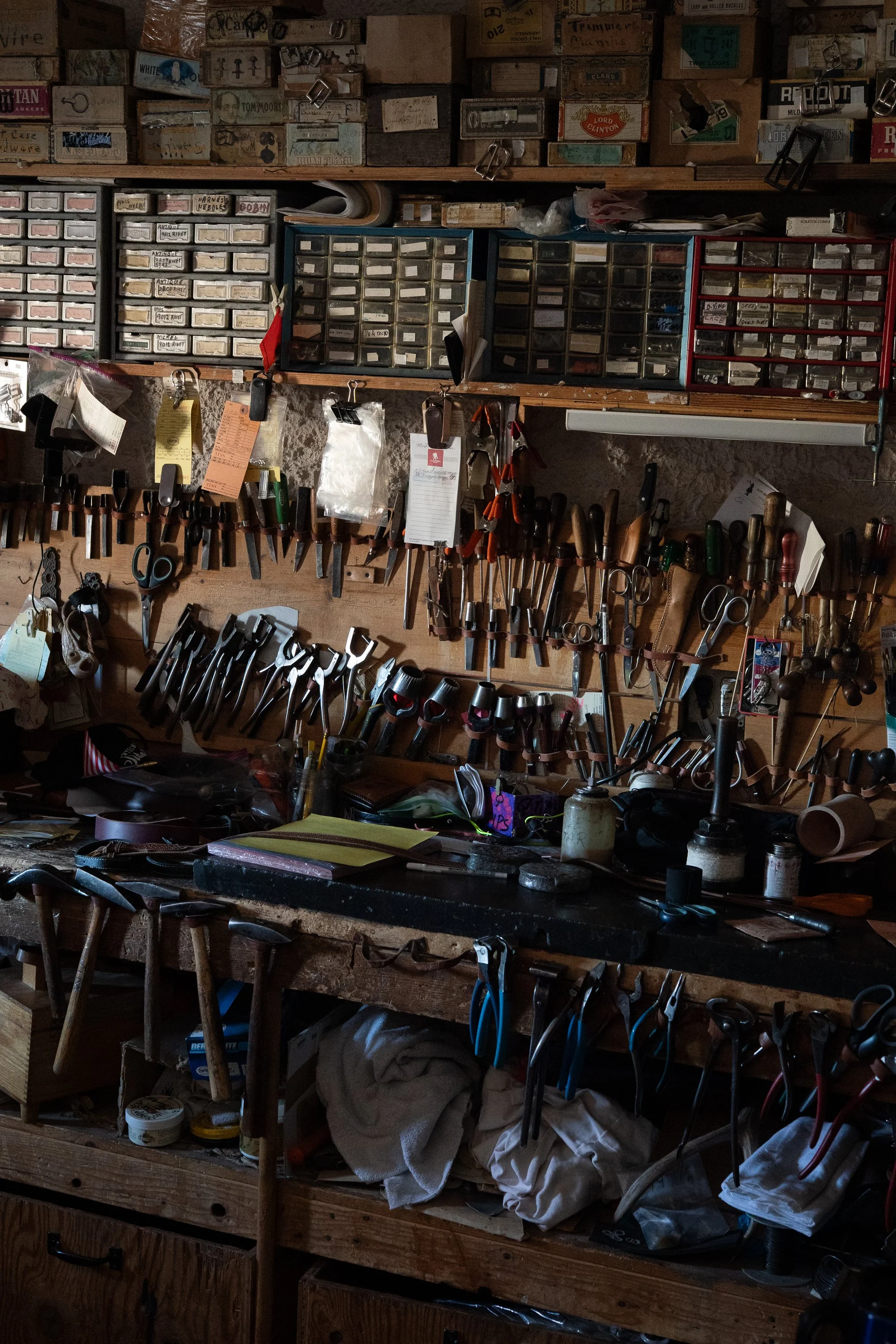
Interior of an old shoe shop in Texarkana, Texas - photo

Shoe shop - Texarkana

An empty pool in a small town neighborhood near Griswold, Iowa

Griswold, Iowa

The American Barbershop

Inside an Old School Barbershop

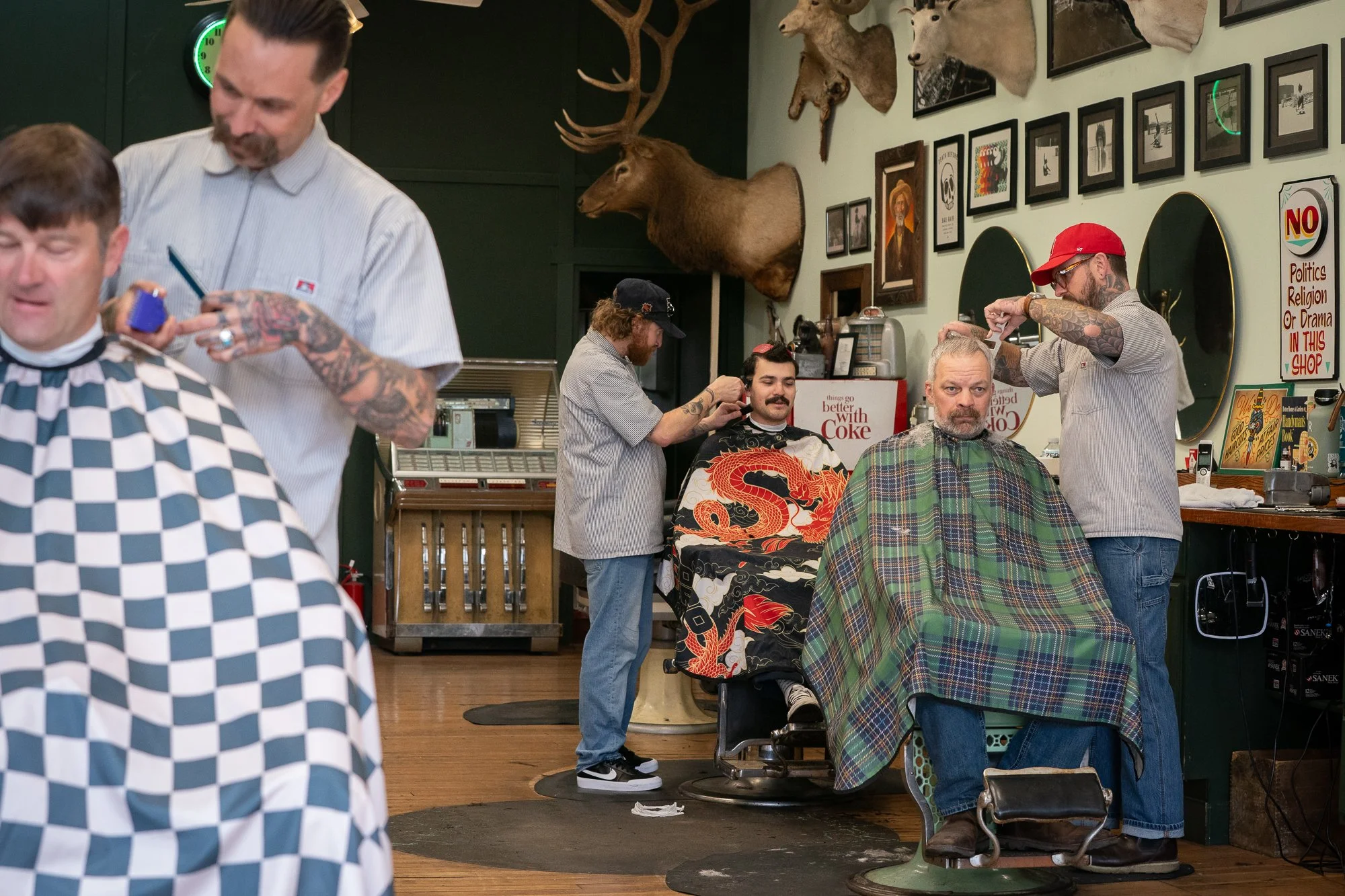
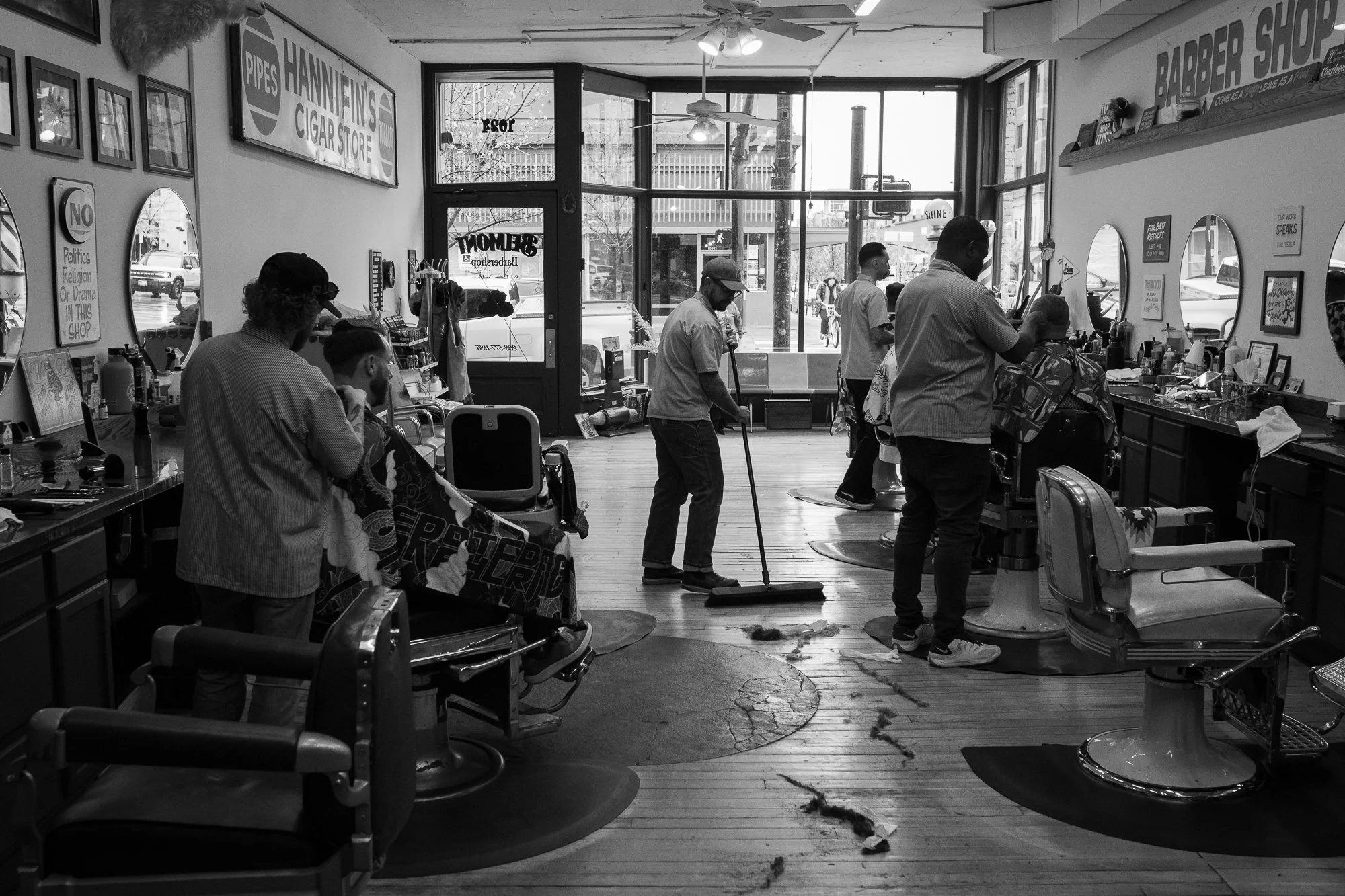
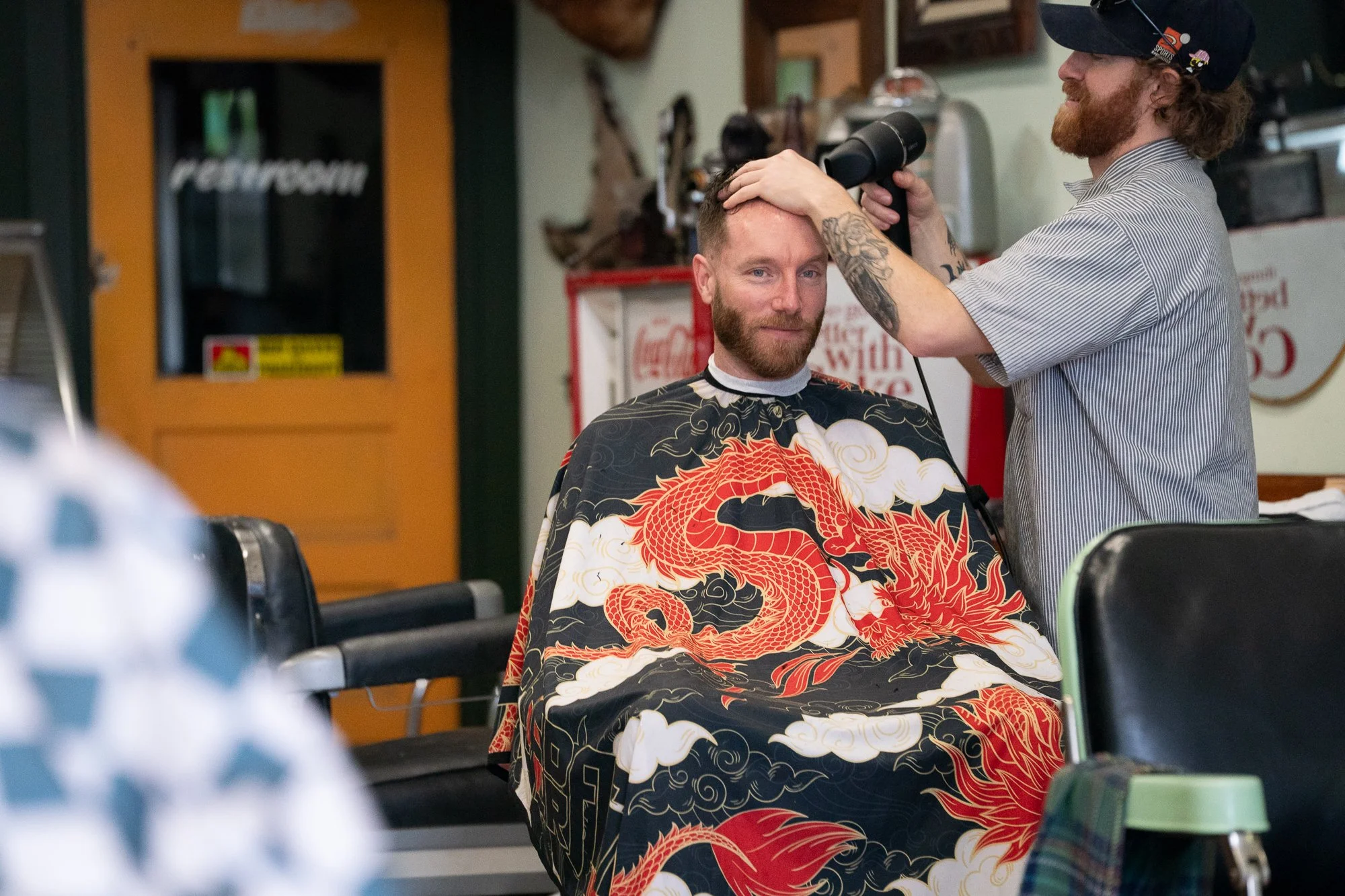
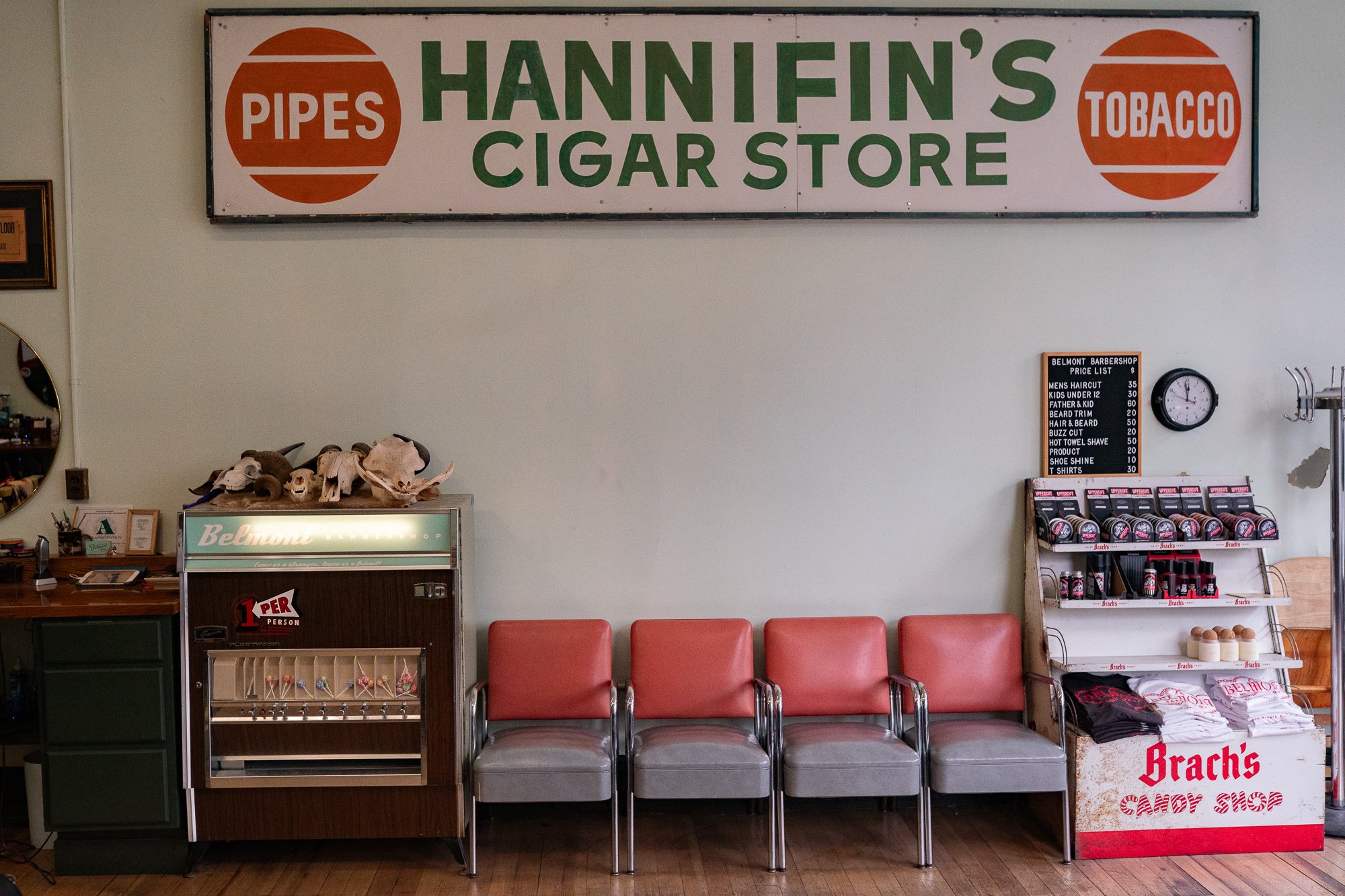
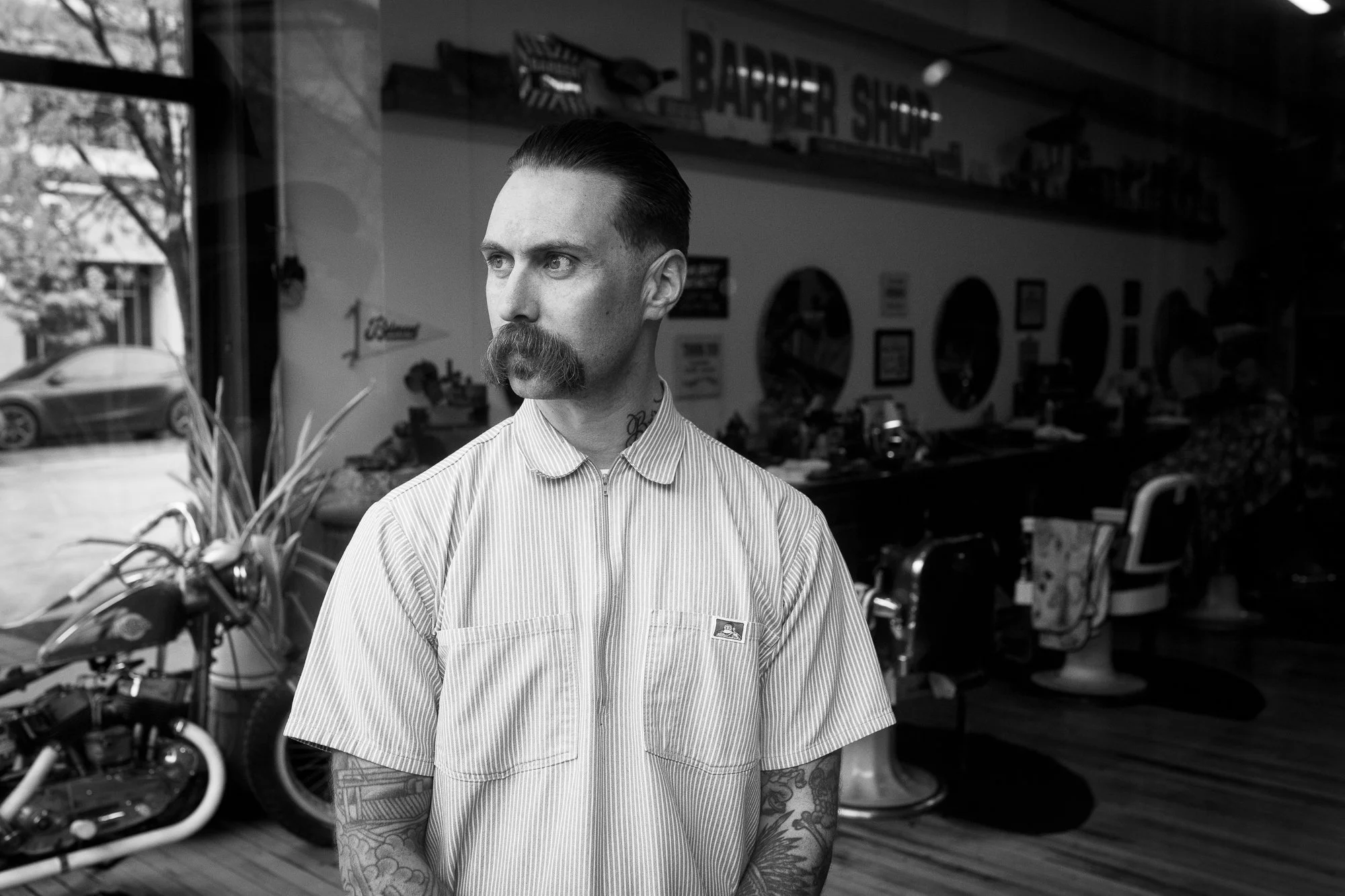
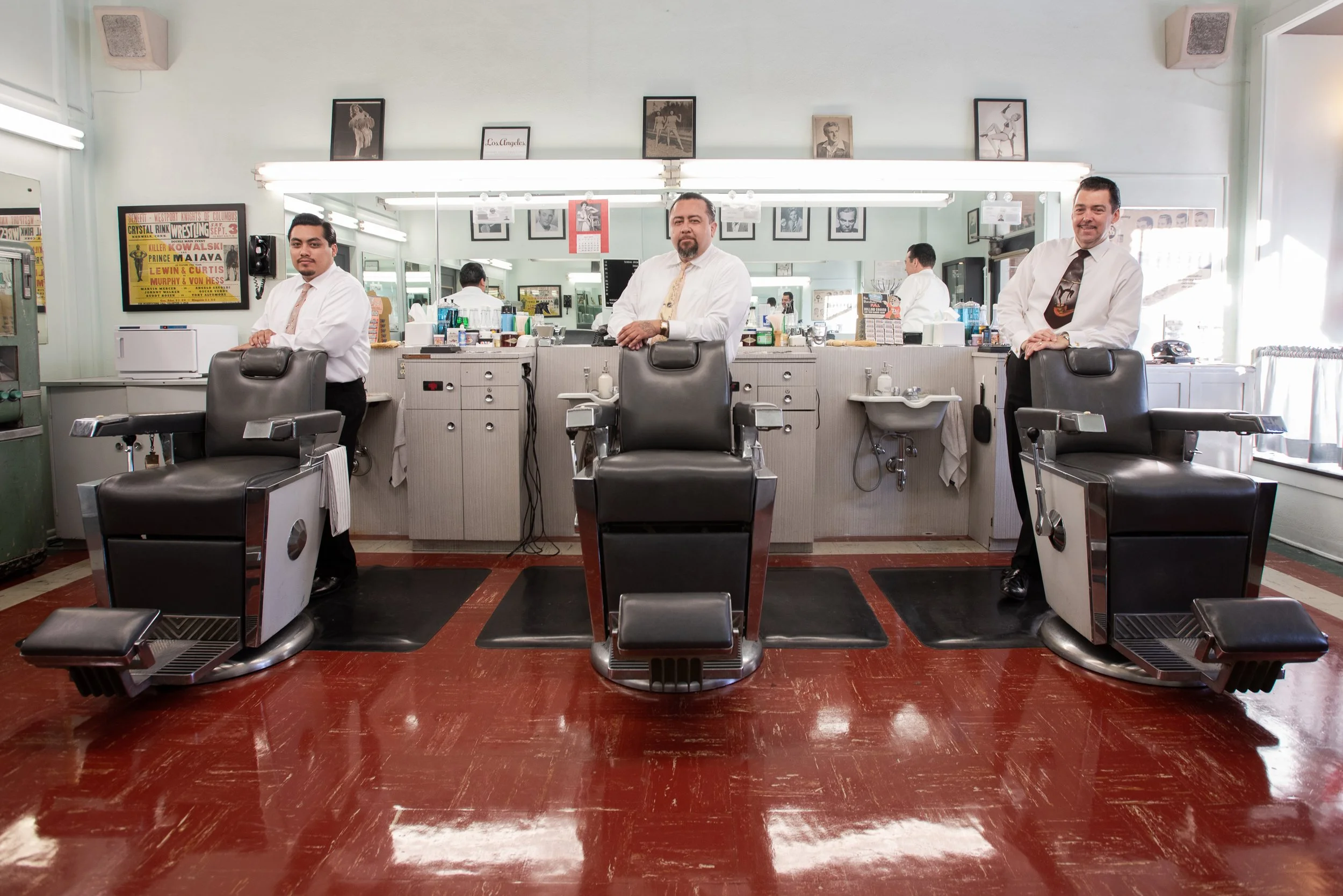
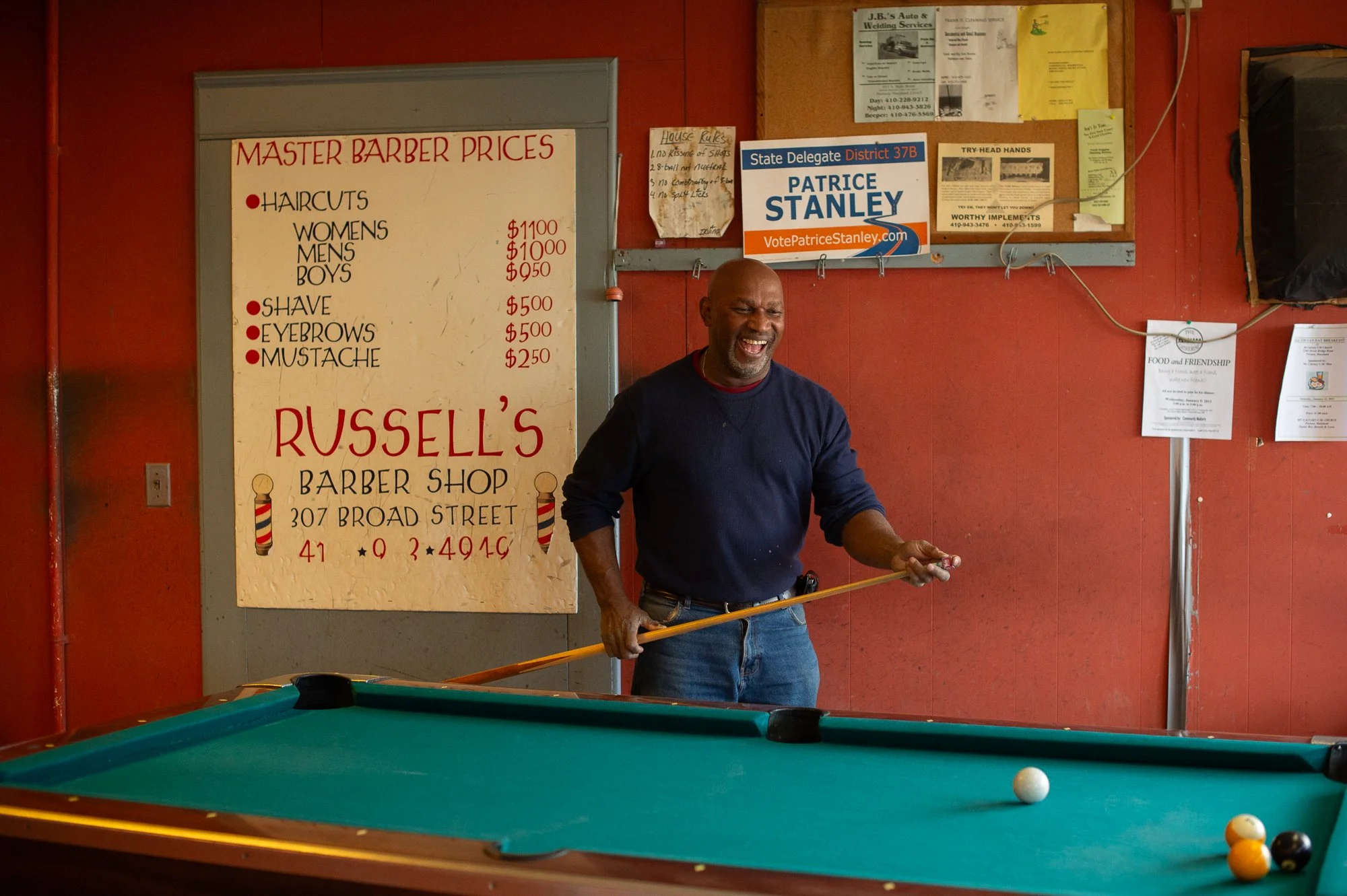
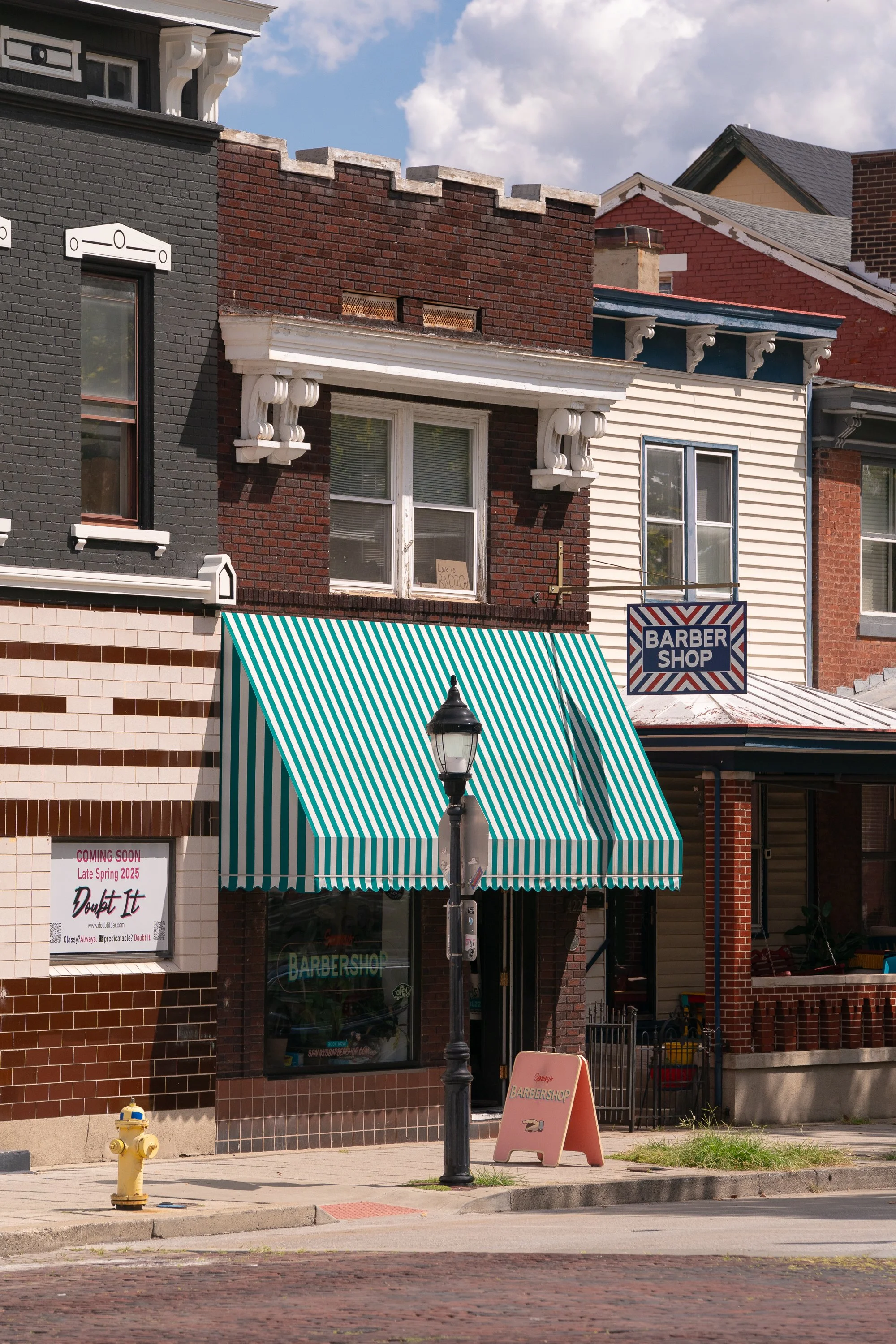
Some barbershops just feel different the moment you walk in, at least they should. This one sits right on Main Street in a small Nevada town, and it hasn’t tried to reinvent itself or keep up with trends. It doesn’t need to. It’s an old school barbershop in the truest sense — a place built on community, friendships, decades of doing things the same way because they work.

You notice it in the details first. The worn chairs. The mirrors that have seen thousands of haircuts. The quiet hum of clippers and conversations that don’t feel rushed. This is the kind of traditional barbershop where people come not just for a haircut, but because it’s part of their weekly or monthly rhythm.

An Old School Barbershop That Still Feels Like Main Street America

Main Street barbershops like this one are becoming harder to find. A lot of them have disappeared, replaced by newer spaces that feel more like salons than barber shops. Luckily, this place hasn’t gone that route. It still feels rooted in tradition, serving the same community it always has.

People come in, take a seat, and wait their turn. Some talk. Some don’t. The barbers know all the faces, and the ones they don’t quickly become familiar. There’s no rush to move people through. The pace is steady and comfortable — exactly what you expect from an old school barber shop that’s been around long enough to earn that confidence.

This is Main Street America in its simplest form.

Photographing a Traditional American Barbershop

When I photograph barbershops, I’m not looking to stage anything or make the space feel more polished than it really is. I’m drawn to places like this because they already have character. The work is about paying attention — to how light hits the mirrors, how chairs sit slightly crooked from decades of use, how people interact when they feel at home.

This traditional barbershop didn’t need direction. I spent time watching, waiting, and letting moments happen naturally. A barber stepping back to check his work. Someone laughing mid-conversation. A quiet pause while clippers buzz in the background. Those are the moments that tell the real story of a shop like this.

Why Old School Barbershops Matter

Old school barbershops are more than just places to get a haircut. They’re social spaces, community anchors, and in many towns, one of the last places where people still slow down a little. They reflect the personality of the neighborhood they’re in and the people who keep them going.

Photographing spaces like this feels important, especially as so many of them disappear. Once they’re gone, they’re gone for good. These photographs are a way of preserving what these places look and feel like — not in a nostalgic or romanticized way, but honestly, exactly as they are.

Vintage Barbershop Photography Prints

This series is part of my ongoing Barbershops of America project (and photo book), documenting traditional and vintage barbershops in all 50 states of the USA. Photographs from this Main Street barbershop are available as fine art prints, and they tend to resonate with collectors, interior designers, and anyone drawn to classic American spaces.

If you’re interested in prints from this series, or in licensing images for editorial or commercial use, you can explore more work from the project through my barbershop photography gallery.

View the barbershop photography book

View the barbershops photography gallery

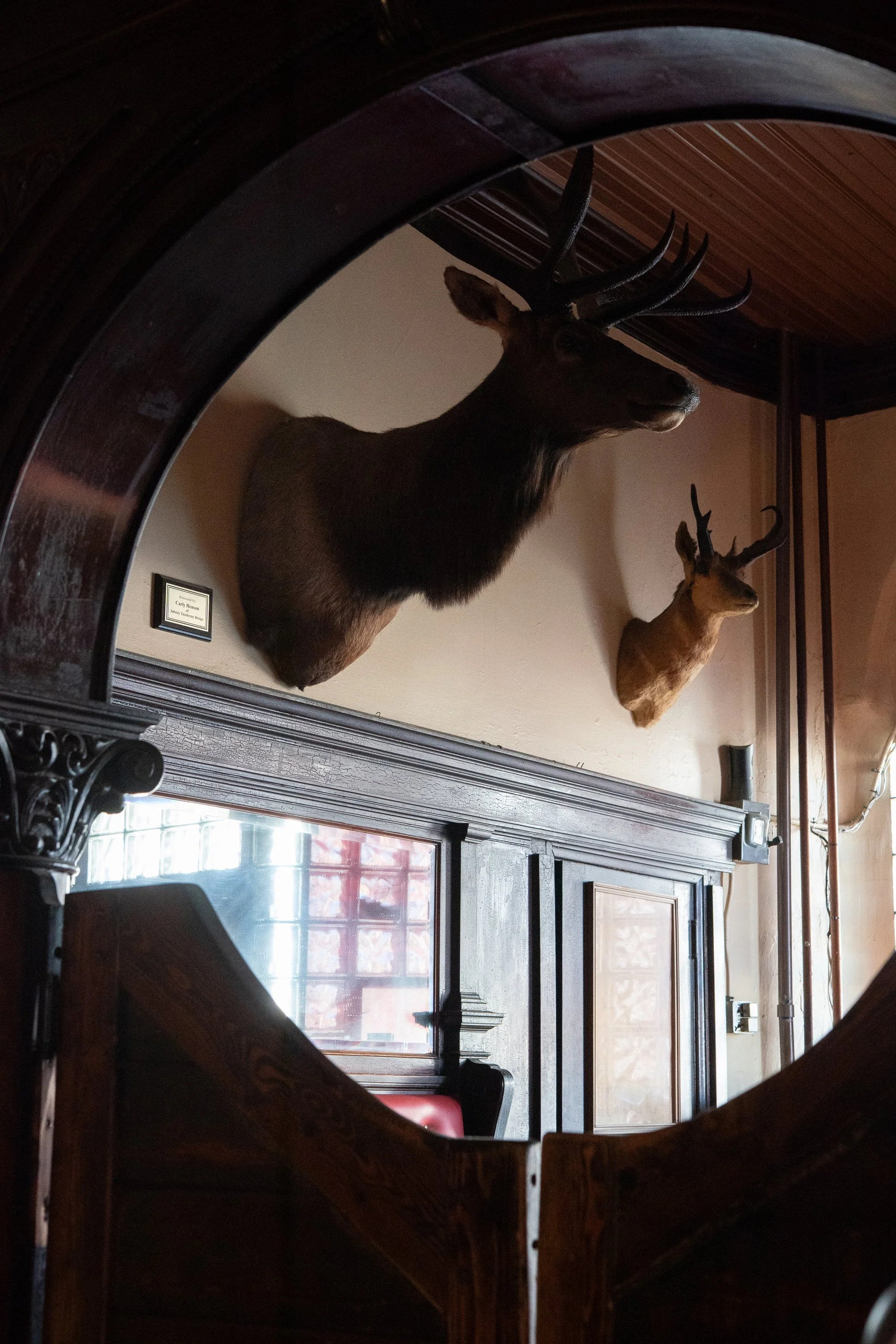
Vintage barbershop interior with a mounted elk head above a counter lined with clippers, shaving tools, and bottles.

A mounted elk watches over the barber’s counter—an unmistakable detail that roots this barbershop firmly in old school tradition.

Details like handwritten signs, framed photographs, and unapologetic Americana are part of what defines this old school barbershop.

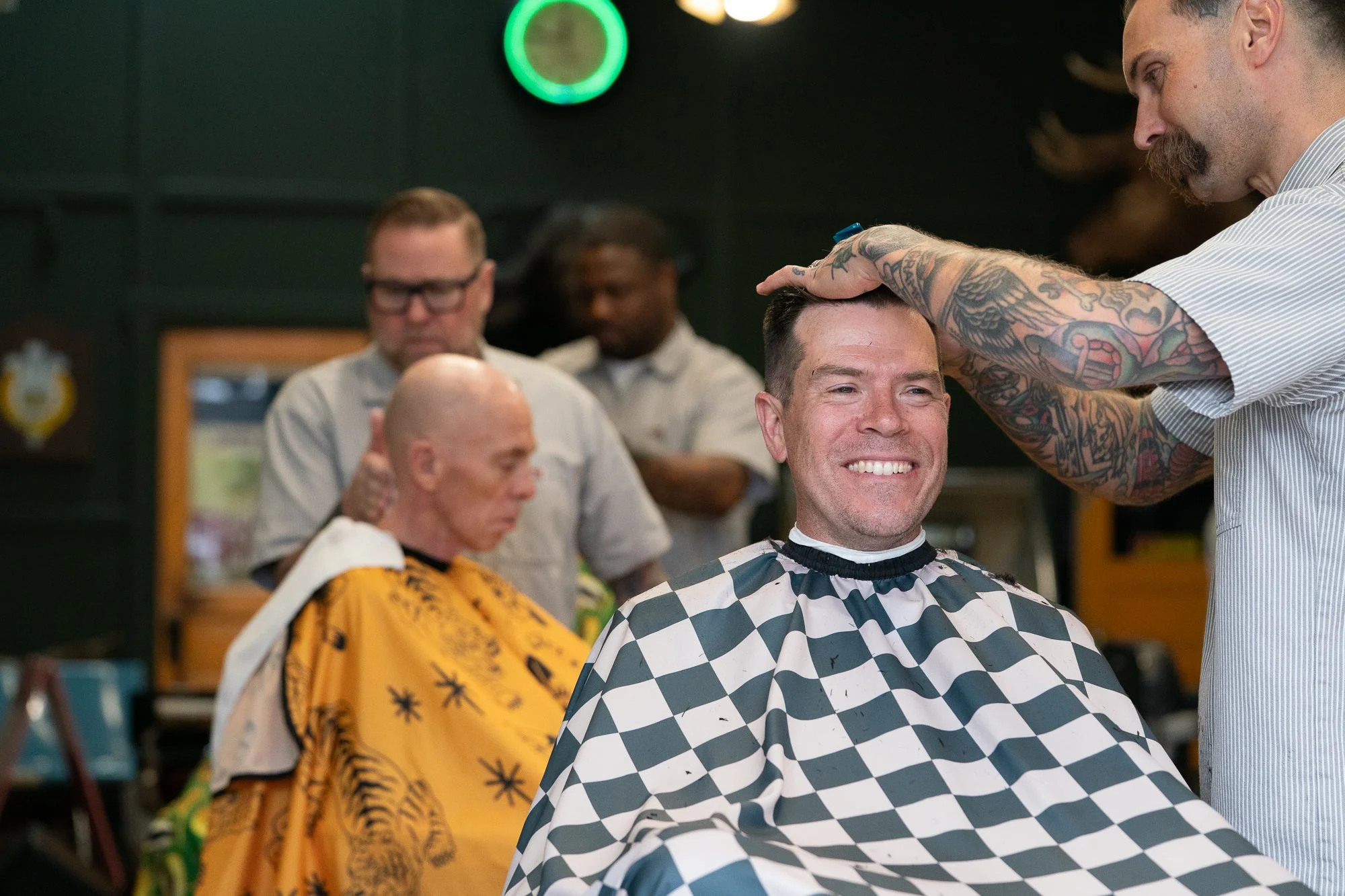
Old school barbershop haircut with a barber laughing beside a client seated beneath a mounted elk head.

A moment of laughter during a haircut in an old school barbershop, where mounted elk and decades of tradition share the same wall.

Ammunition for sale on the counter of an old-school barbershop, reflecting rural Americana and local culture.

A detail that stops you in your tracks—ammo for sale on the barbershop counter, a reminder that these shops often reflect the character of the towns they serve.

Old-school barbershop haircut beneath a mounted elk head in a traditional American barbershop interior.

An old-school barbershop moment—regulars in the chair, clippers on the counter, and a mounted elk watching over decades of haircuts and conversation.

American Photography

Photographing America - Road Trip - USA - Travel

Every day spent on the road is educational in some way, especially when you drive for hours upon hours without producing anything. Half days even. A full day, and you still might not have put the camera up to your eye. Then you get to some kind of hot spot, for the lack of a better word. That’s what happened here. These top 3 images were made within 100 feet of each other in some small Illinois town on a day that otherwise produced almost nothing. Odd how that happens.

Click here to see more from my America series.

At Work

There are a lot of strategies for being productive while on the road. One of them is the “pop-in”. It’s become my go-to when rain won’t let you do much outside. That’s precisely how these images came to be. The pop-in isn’t for everybody. It used to scare the hell out of me. Then you realize there are only two answers, yes or no. If it’s a no, who cares? Just move on. Tony, the owner of this garage, was happy to let me hang out for a few minutes to make some images. Confused as to why, but it didn’t bother him any. Obviously they are going into my “At Work” series that has been so much fun to shoot. Some of the images you’ll see in the gallery are personal and others were made for clients. Better yet, some of them are personal assignments that were later published. Love when that happens.

Photographing America

American Photography - Fine Art

Road Trip Photos - Travel

Walking away from our work can be such a benefit. Meaning that we need to not see it for quite some time to realize what’s good and what isn’t. The “America” series has, like most of my projects, been going on for ten years now. I love it, but things have reached the point where the library is so big that it’s overwhelming. Making it hard to share in any productive manner. Everything you seen in the post was made over the last two or three years, which is usually the amount of time it takes to make sense of it all. That’s not a good thing. It’s time to enlist the help of a professional editor.

Click here to see more from the America series

Traditional Barbershops

Small Town Barbershops

Photographs of American Culture

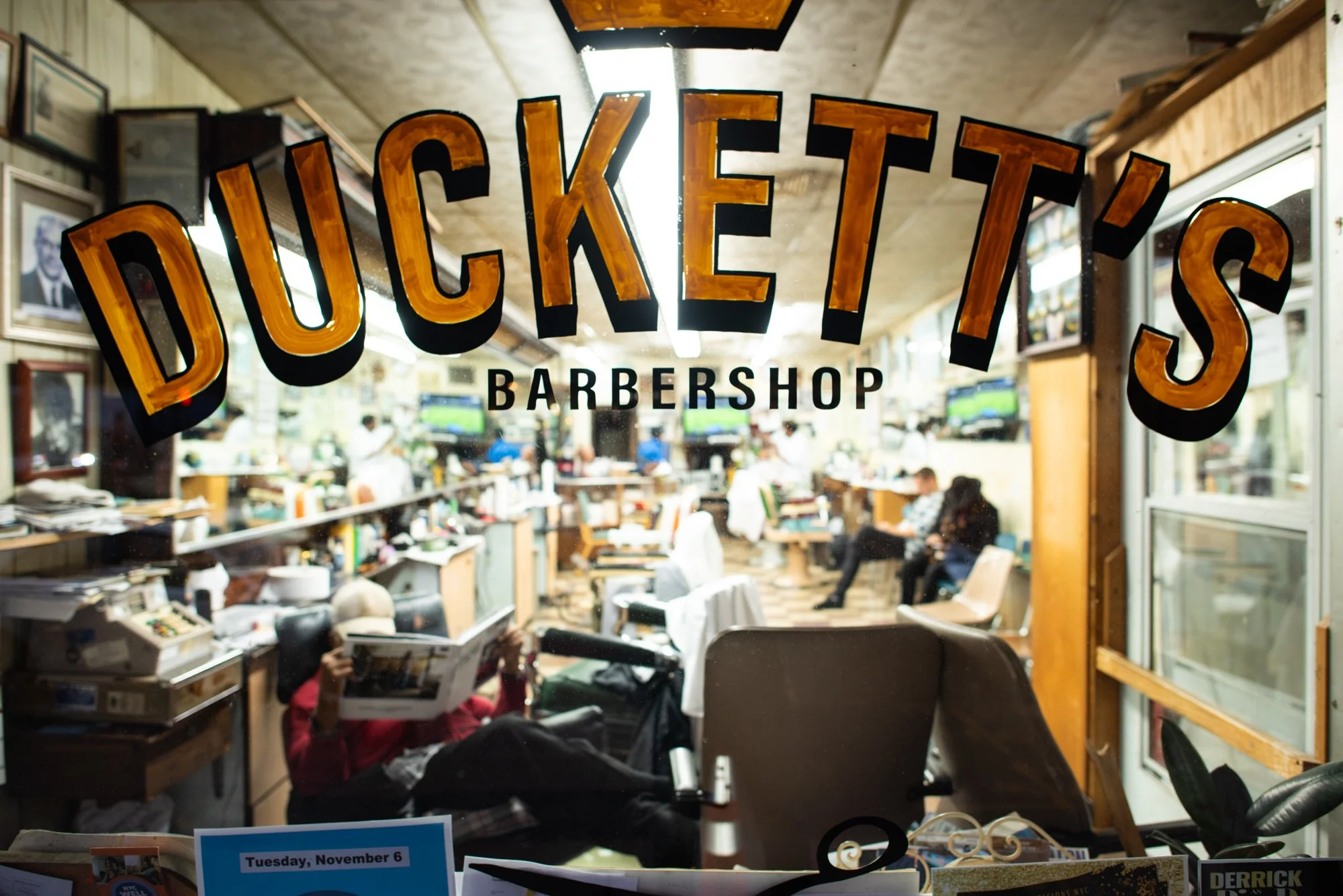
Hard to believe this project has been going on for 10 years now. You’d think after publishing a couple books on the subject, the desire to photograph barbershops would go away. Apparently not. What a journey it’s been and continues to be. Here are a few made over the past 6 months or so. The first shot of the Commercial Barbershop in Elko is actually a shop I photographed 8 or 9 years ago when it was in full swing. Unfortunately, it is no more. Sad, but that is exactly why I started this project.

Click here to pick up a copy of Barbershops of America.

American Basketball Culture

Basketball Hoop Photography - American Sports Culture

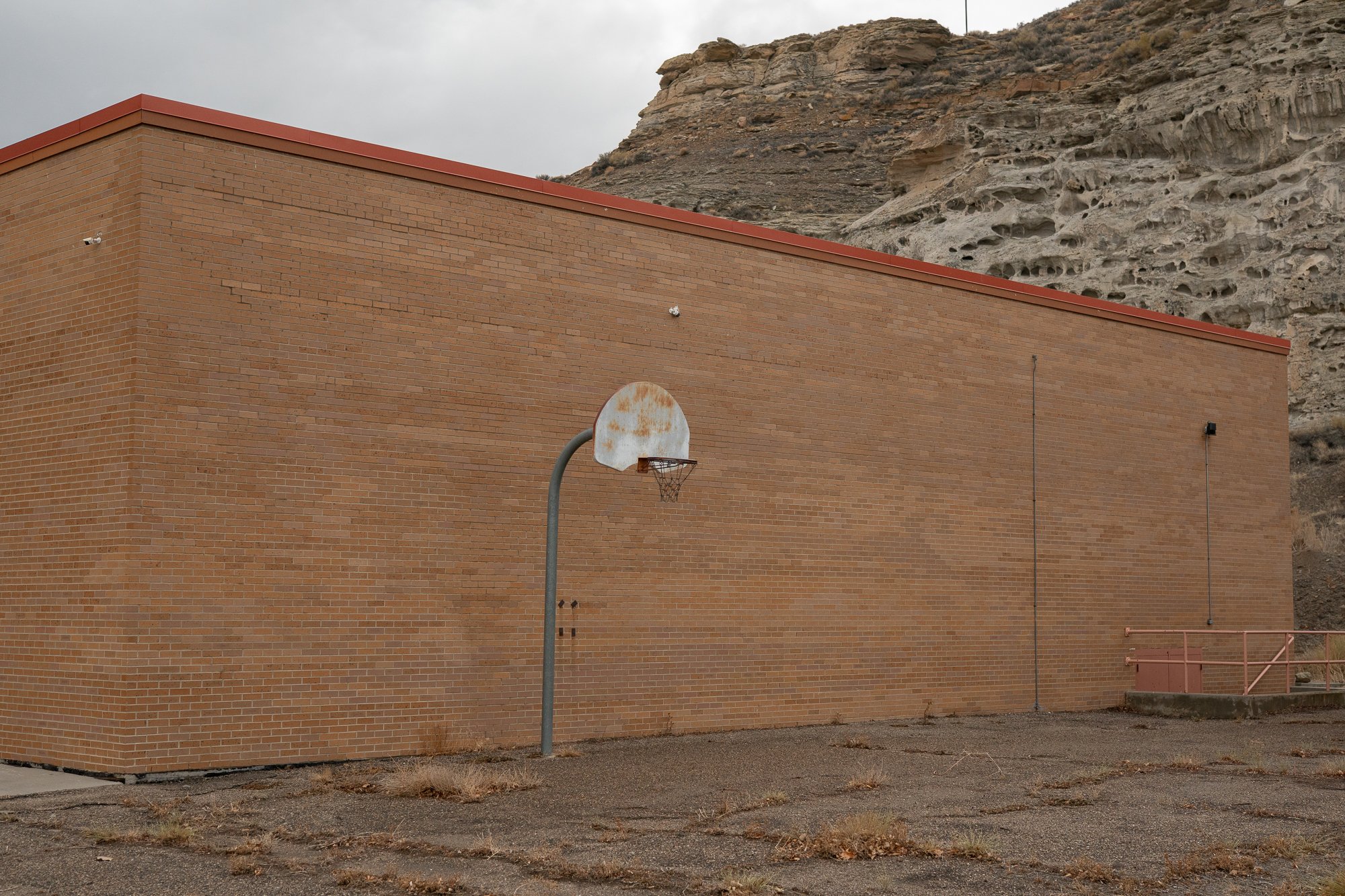
10 years into this series and it’s still just as much fun documenting the sport of basketball as it was initially. It’s always interesting to think about the games played on hoops in different parts of the country. It’s also enjoyable to see the images and realize that each one was an experience in itself to make. The first photo here in Primm was taken on a day so windy that I had to brace myself with one leg five feet in front of the other. You can see how the net is being pushed backwards. The second shot is from a high school gym in the middle of a remodel. Door was wide open and not a sole in sight. The hoop in Santa Rosa is actually one I photographed 10 or so years ago under completely different conditions. That image from all those years ago is in the book. Crazy how a location so random can be unintentionally revisited. And shocking to see that there is still a chain net hanging from the rim. The last image was made on a road I’ve driven a hundred times and never noticed before.

Click here to grab a copy of the book

American Motels

Road Trip Photography - American Culture

American Motels - Open Road - Americana

Another one of those subjects I can’t seem to stay away from - American Motels. Maybe it’s the nostalgia or all the time I’ve personally spent in them? Not sure. Said this in a recent post, but it was shocking to see how many of these old places had shut down during a trip out to Texas a few weeks ago. What a shame.

Click here to see more from this series.

ROAD TRIP

THE BAD:This past week was the first time in a while since I’ve been on this particular route through Arizona, New Mexico, and Texas. The findings were not good economically. It was hard to see so many familiar small town restaurants and hotels closed, boarded up, or in the process of being demolished. Maybe the timing was a coincidence, but you have to wonder if it was all the result of COVID? Either way it’s a shame.

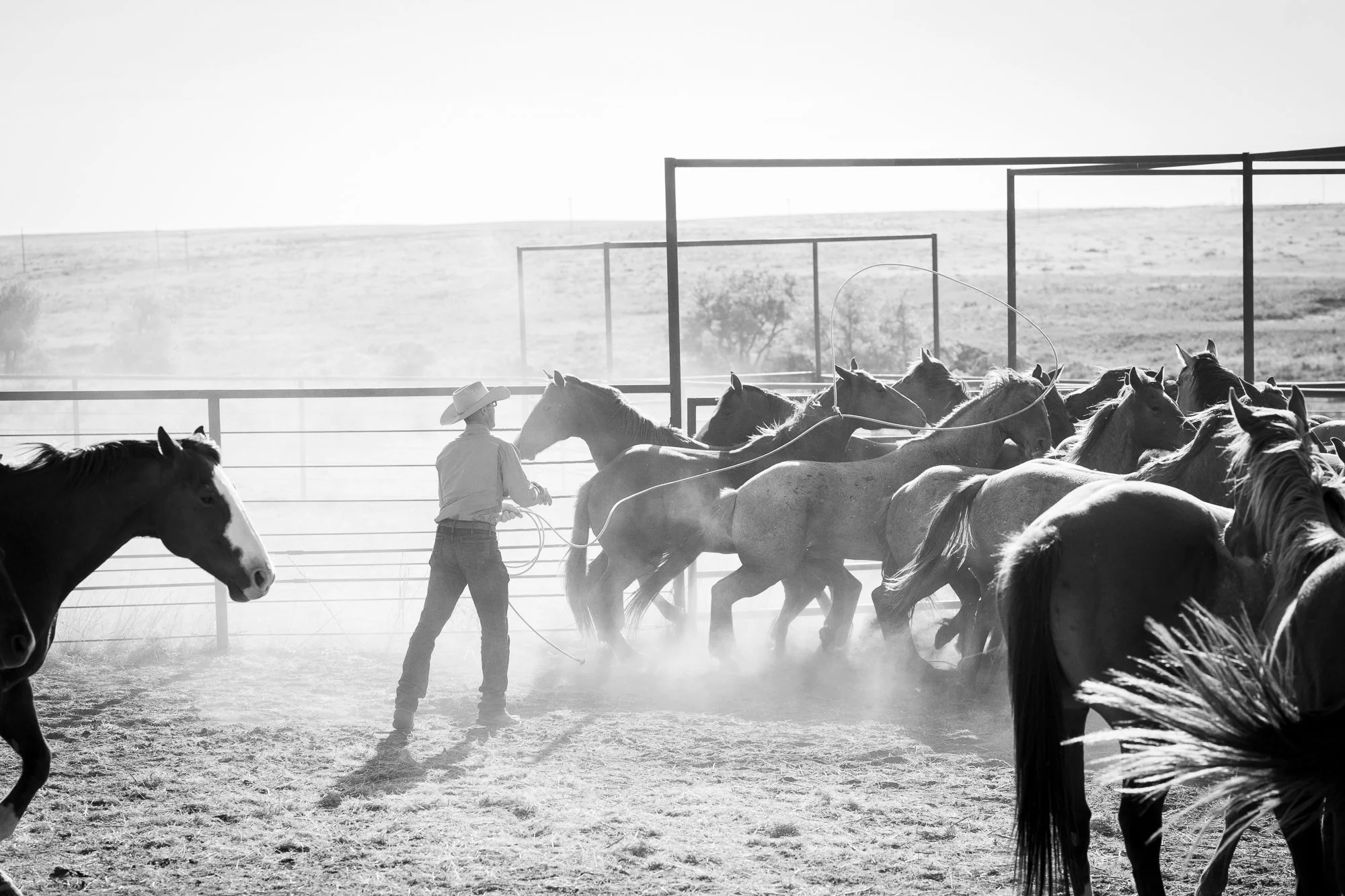
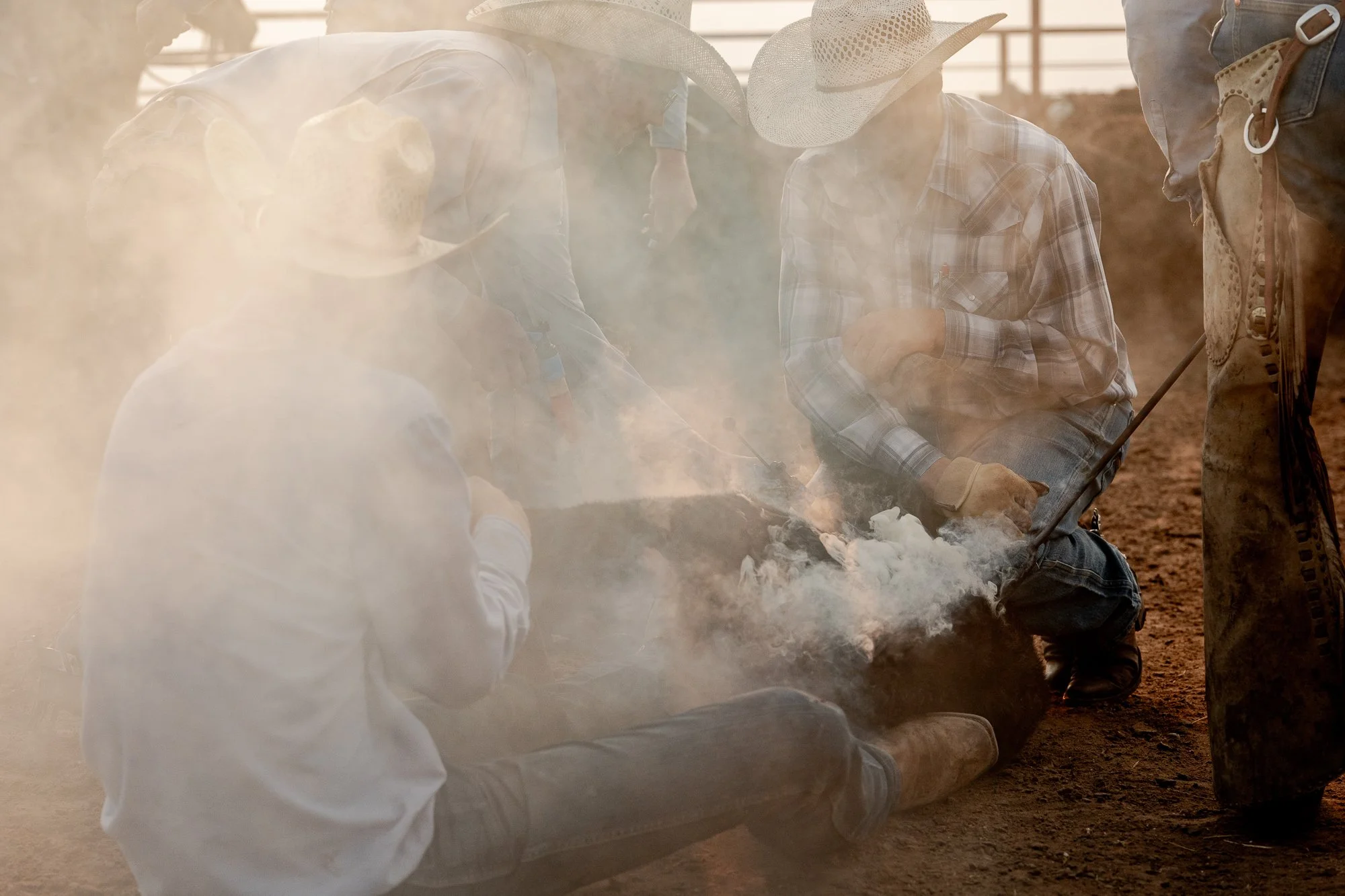
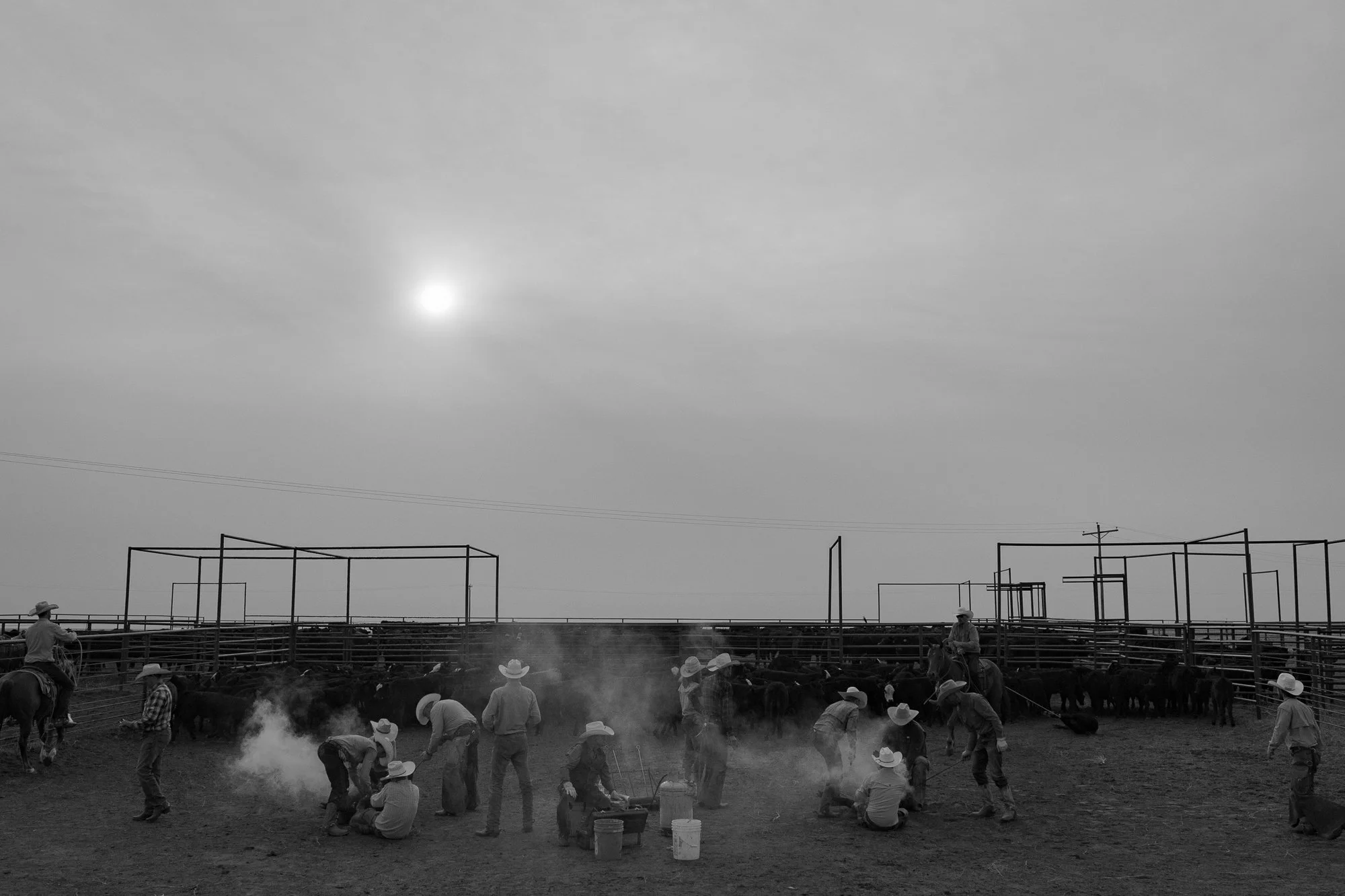
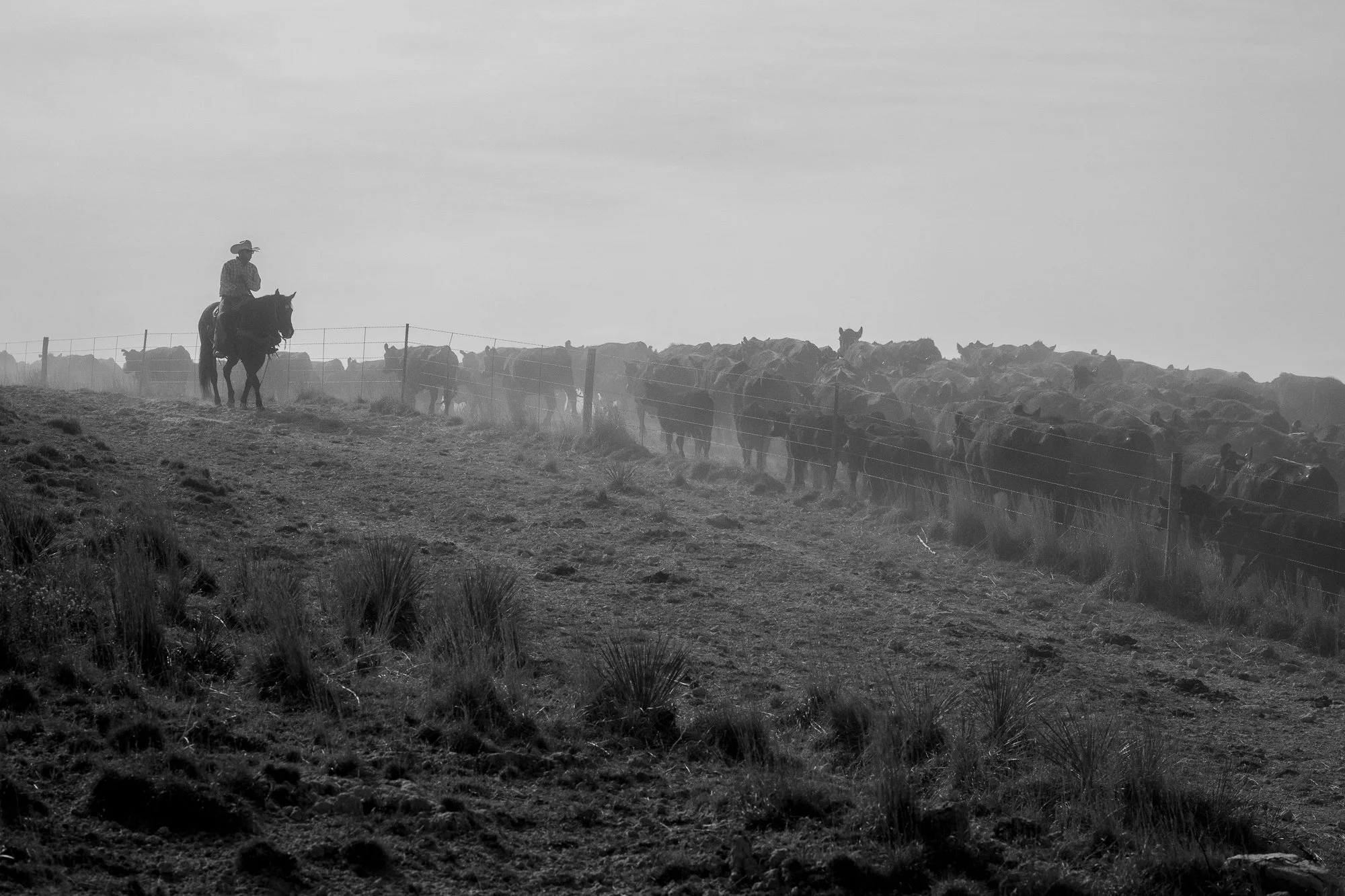
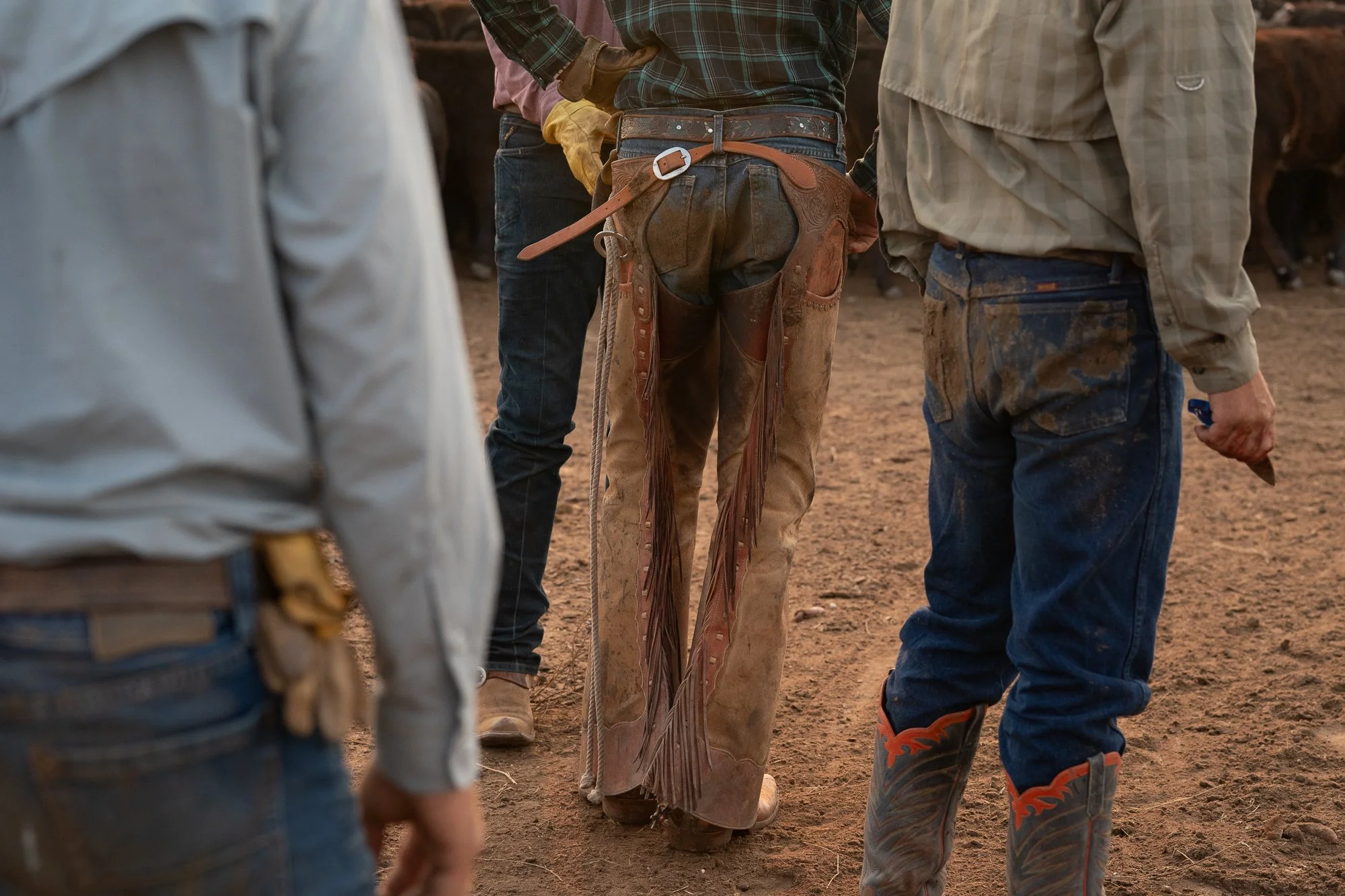
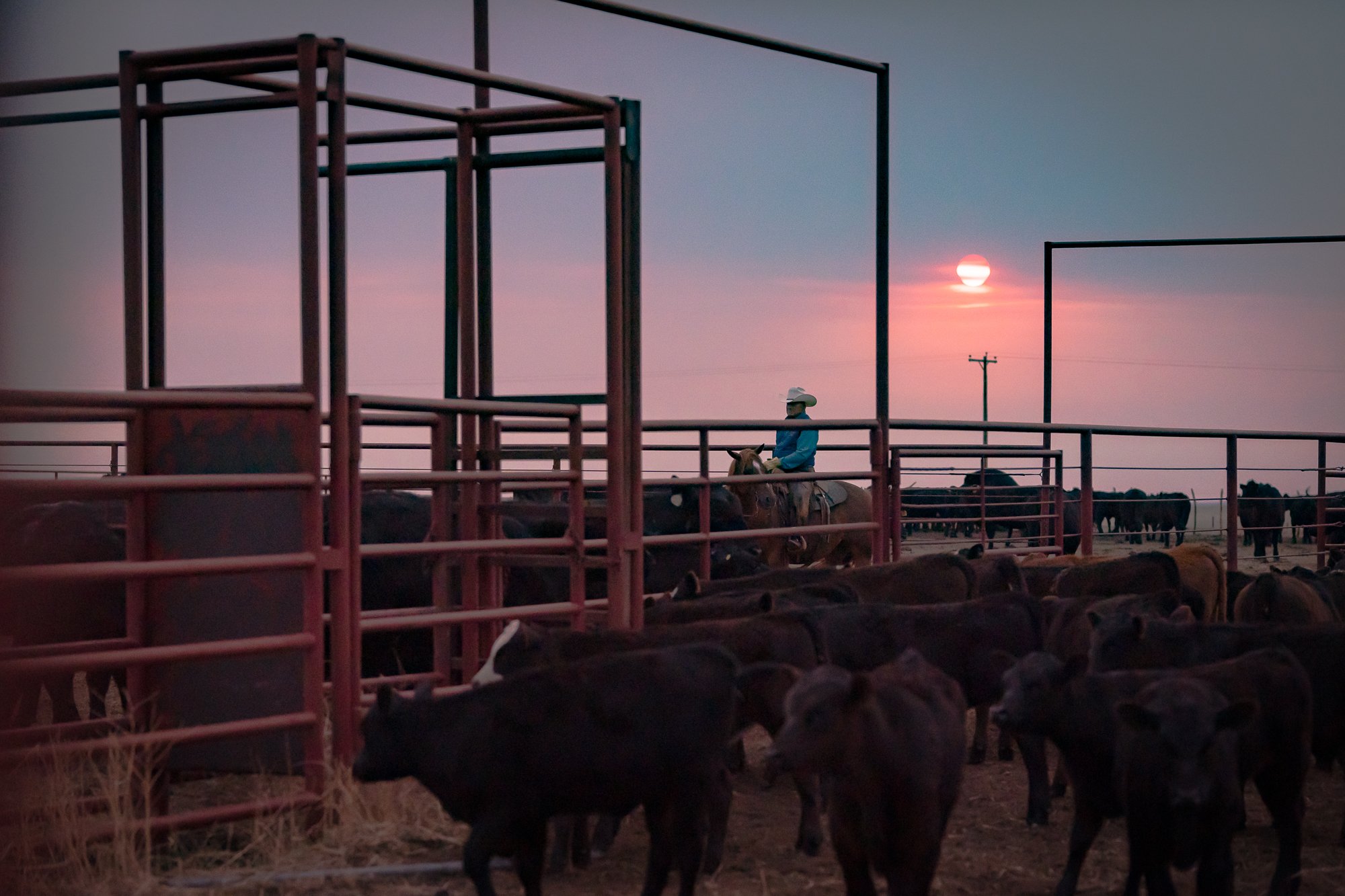
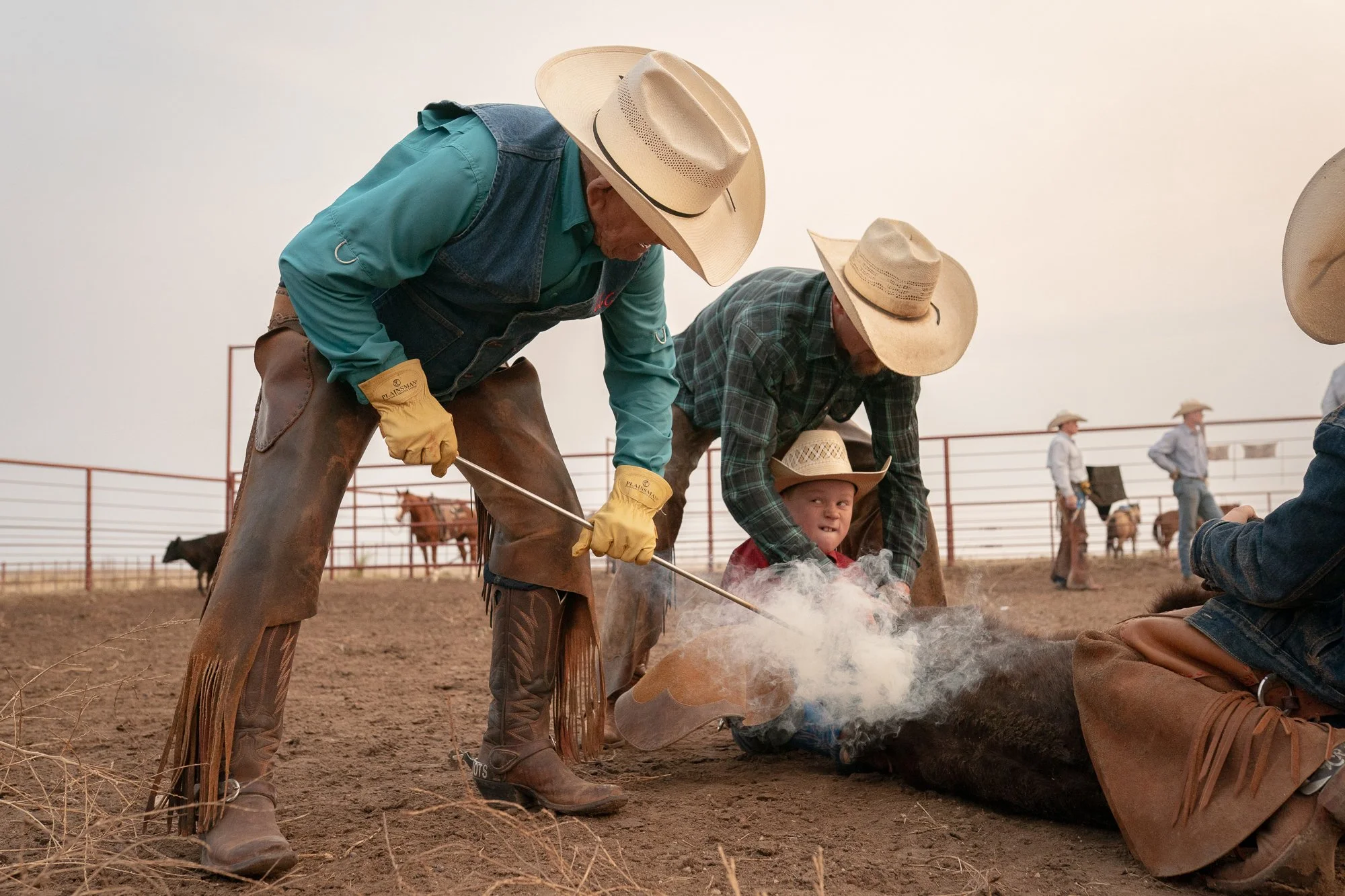
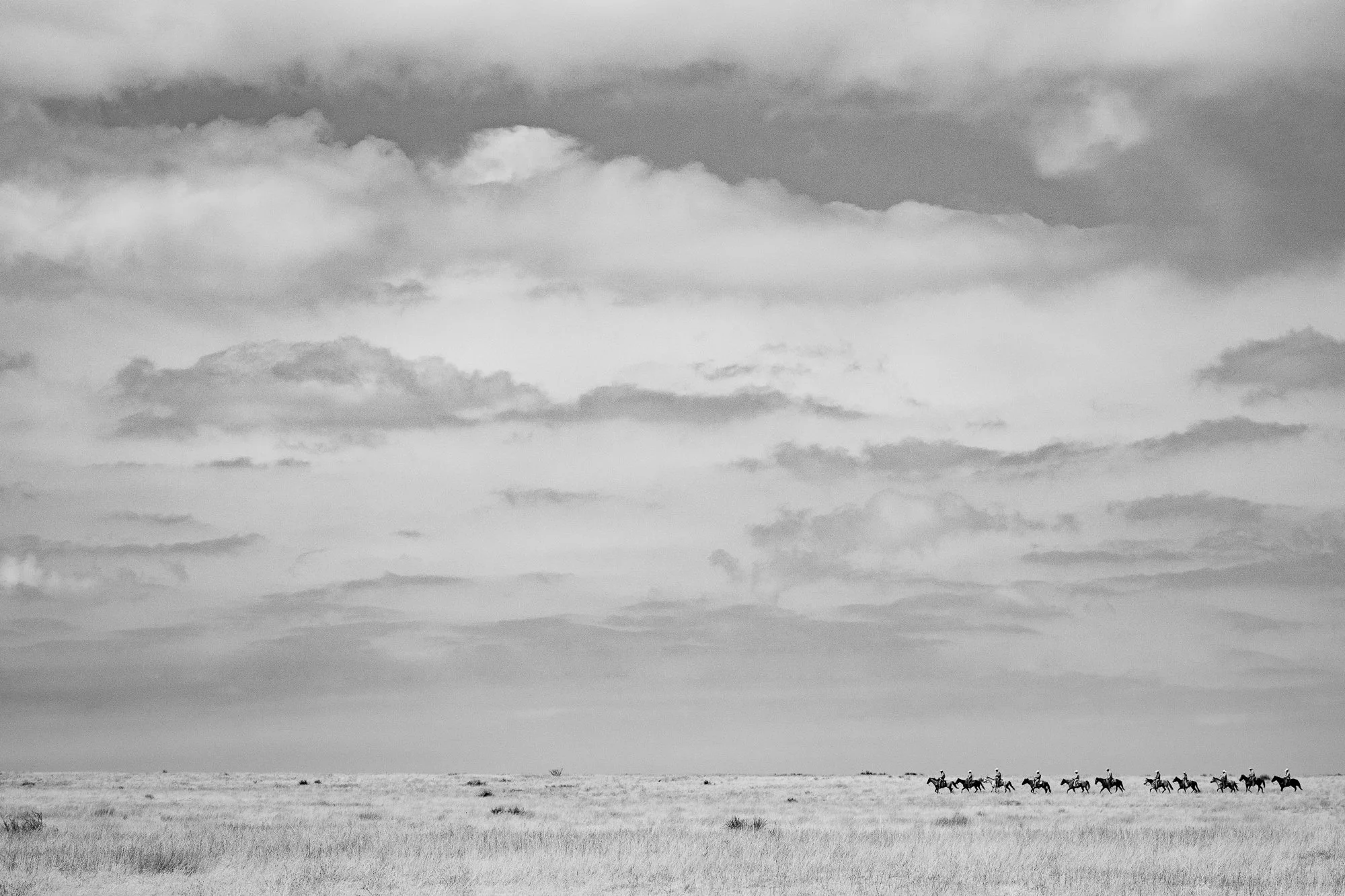
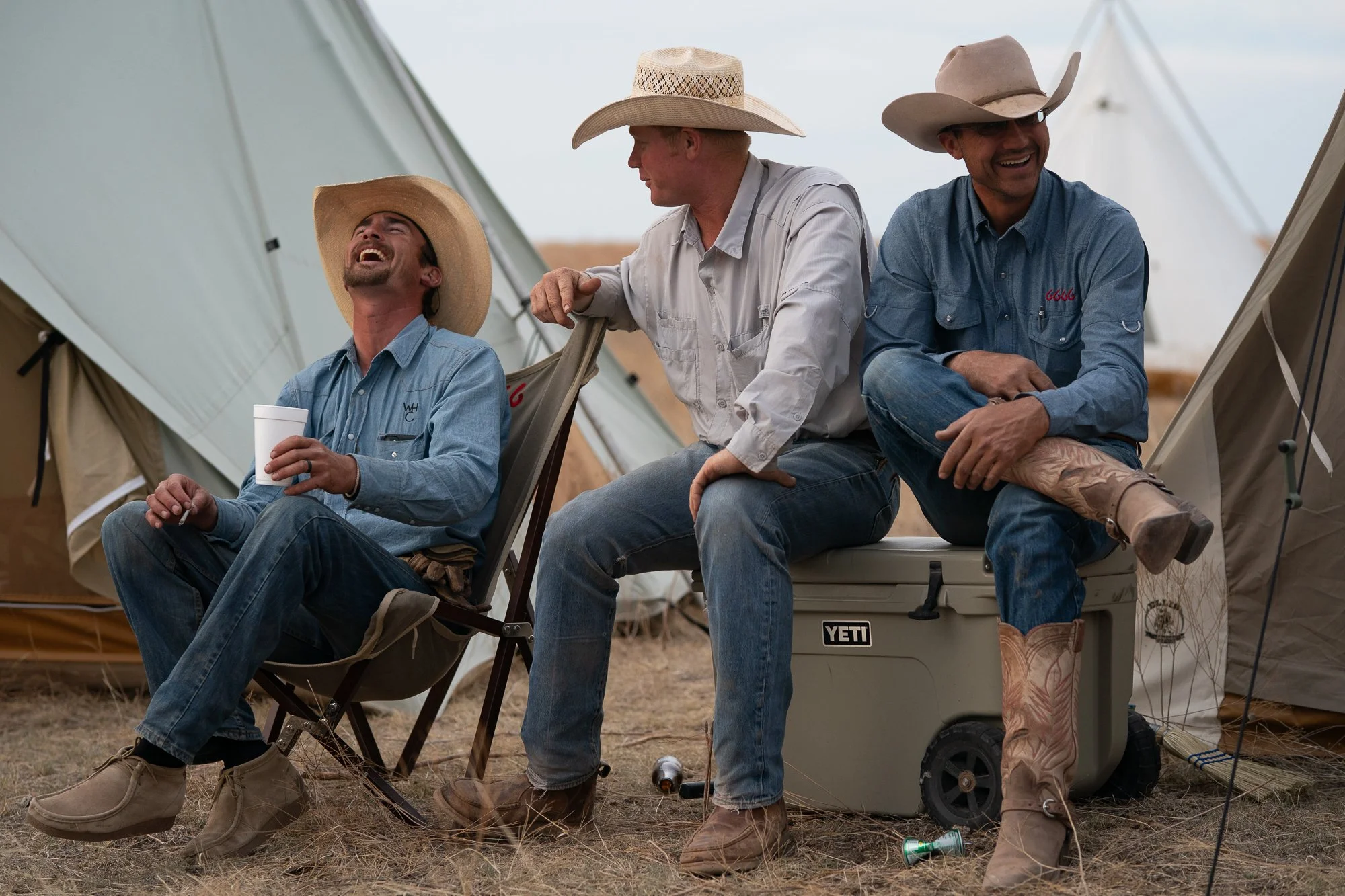
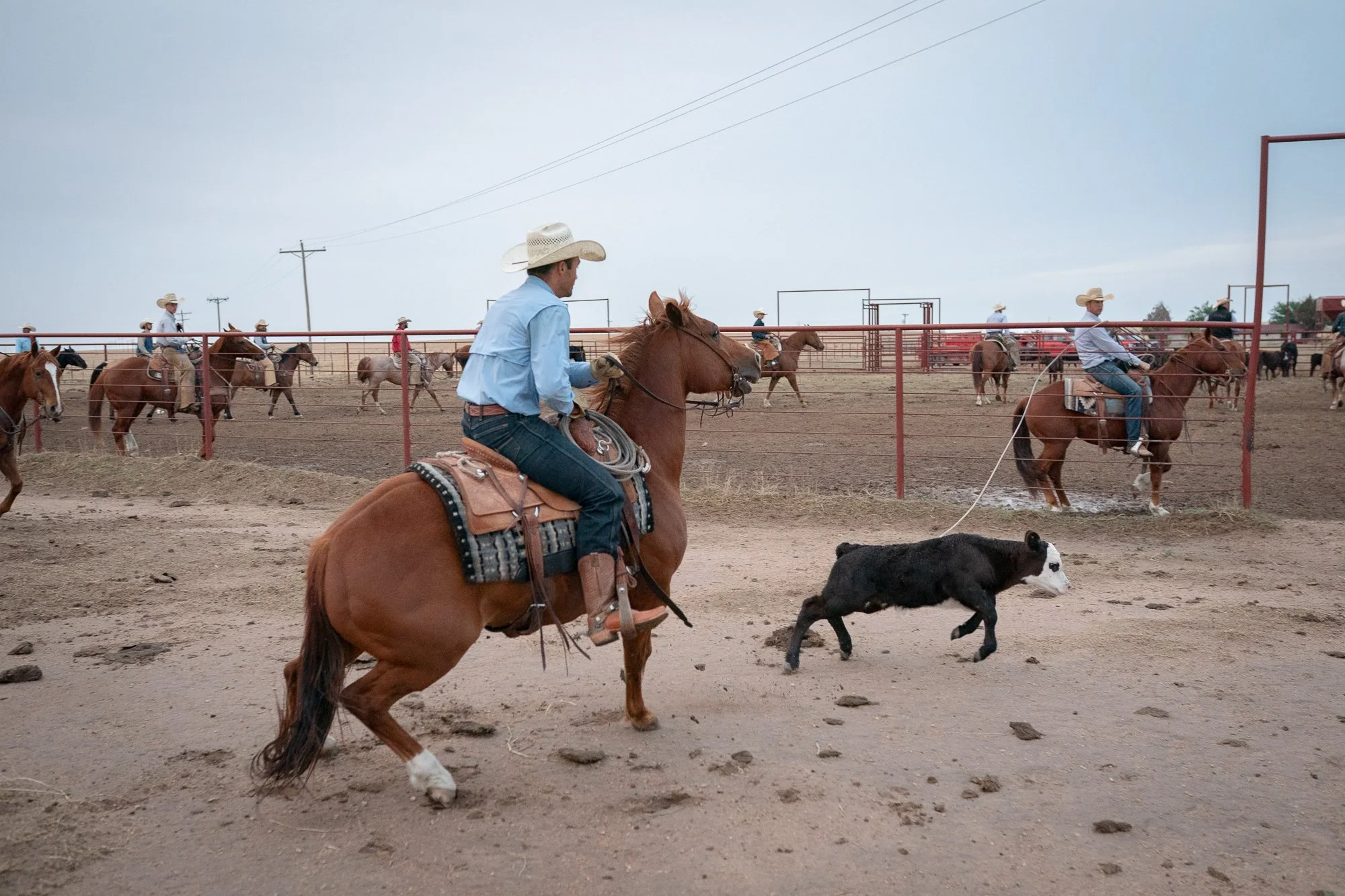
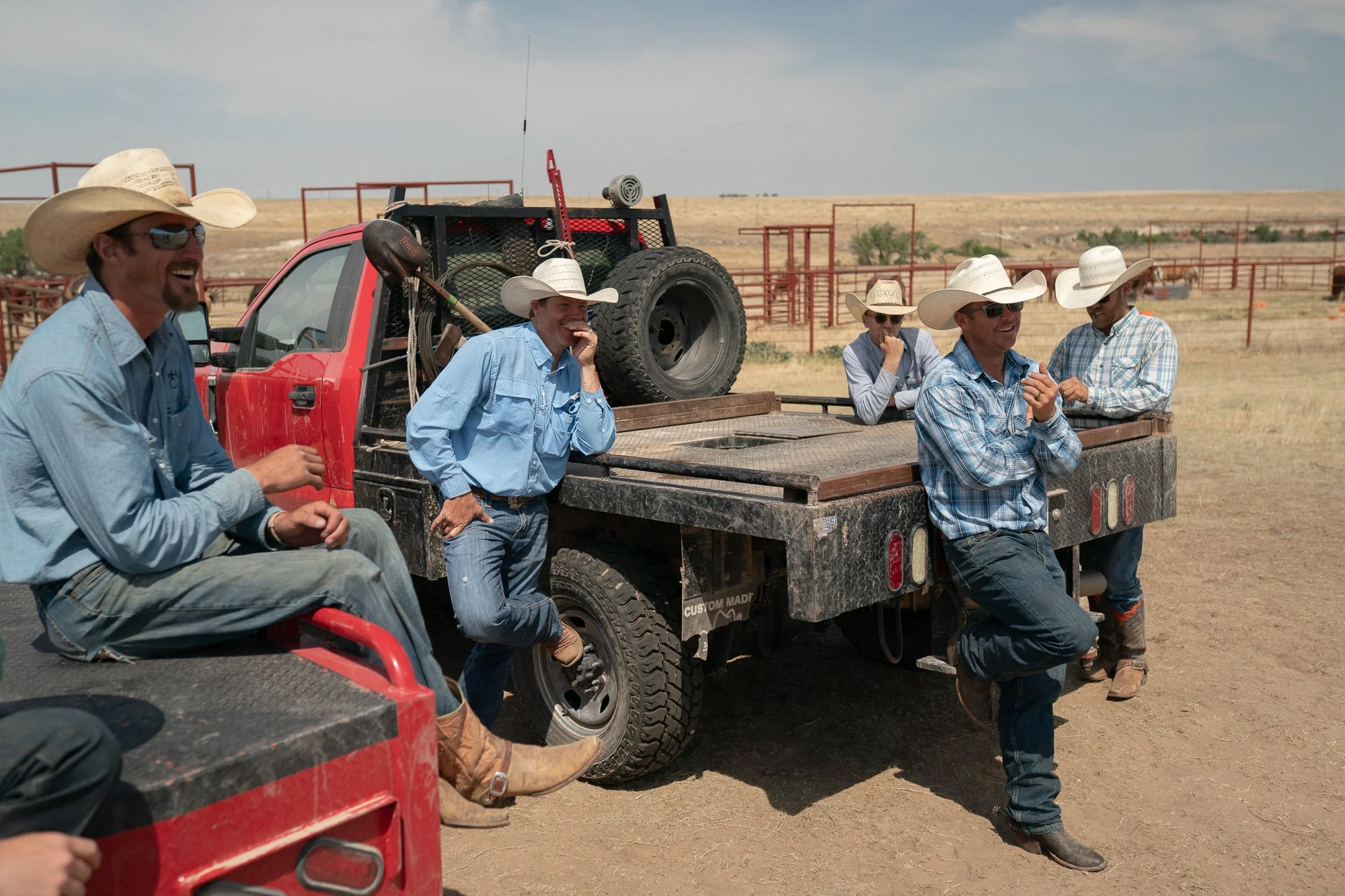
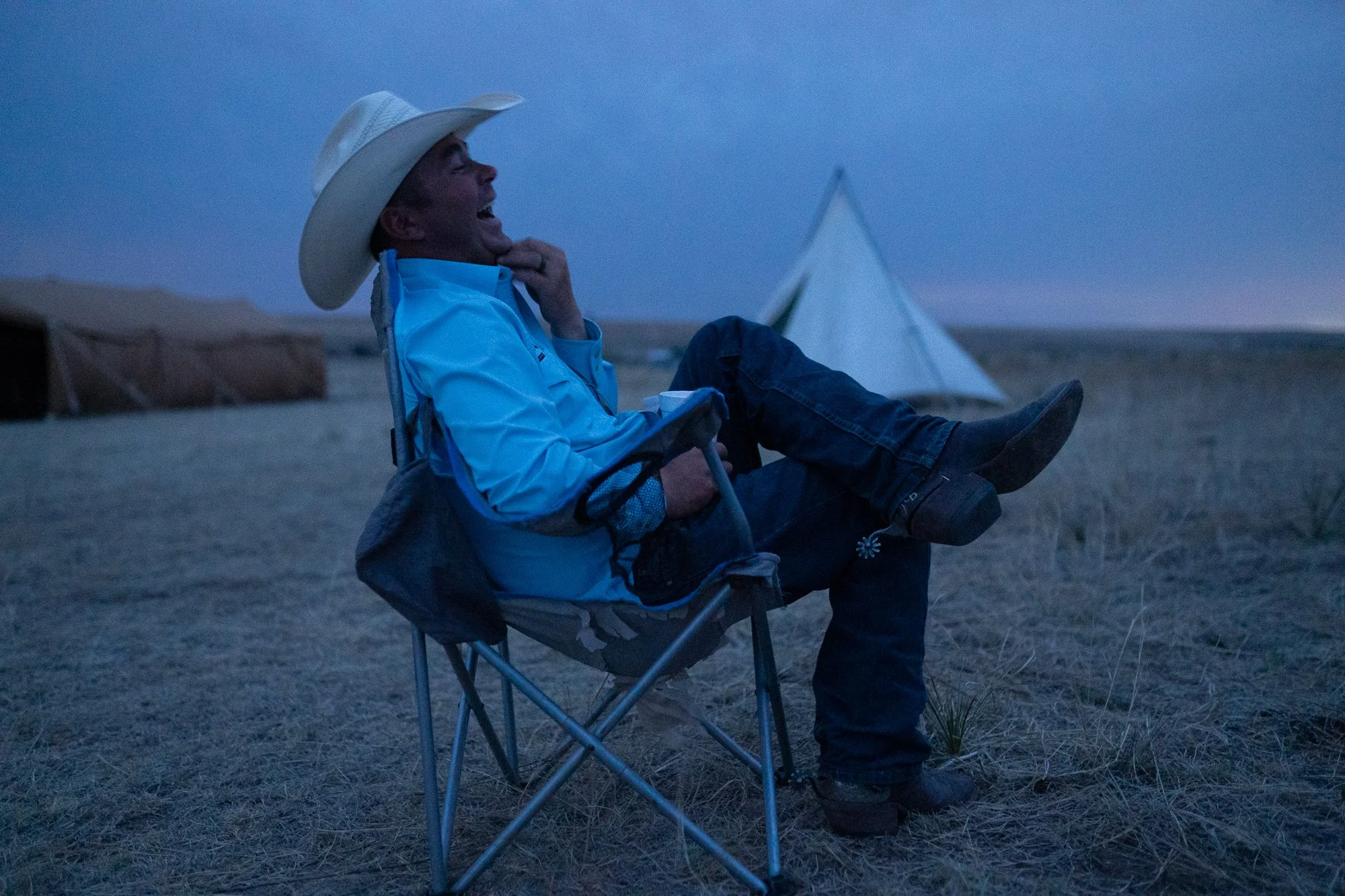
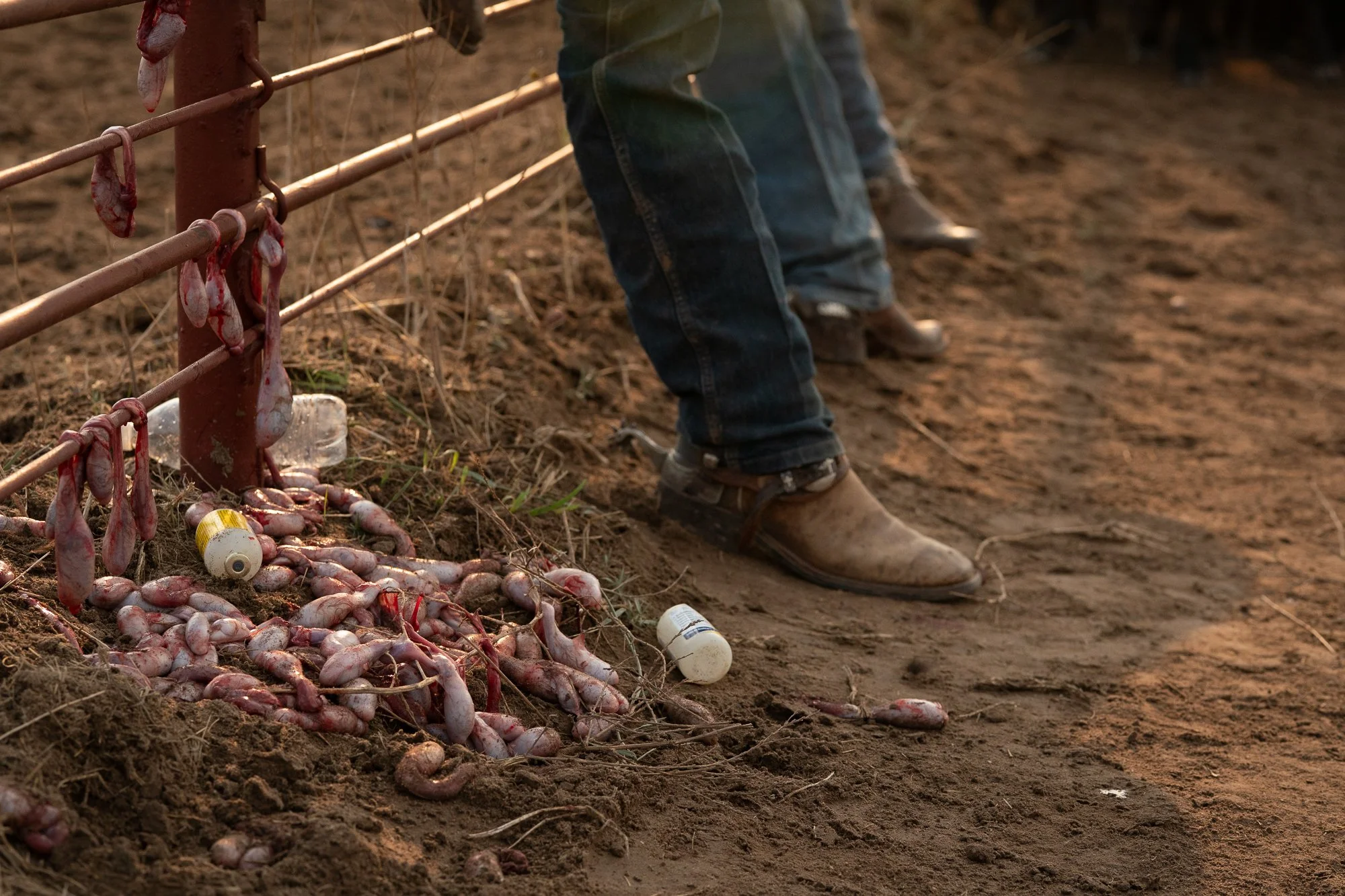
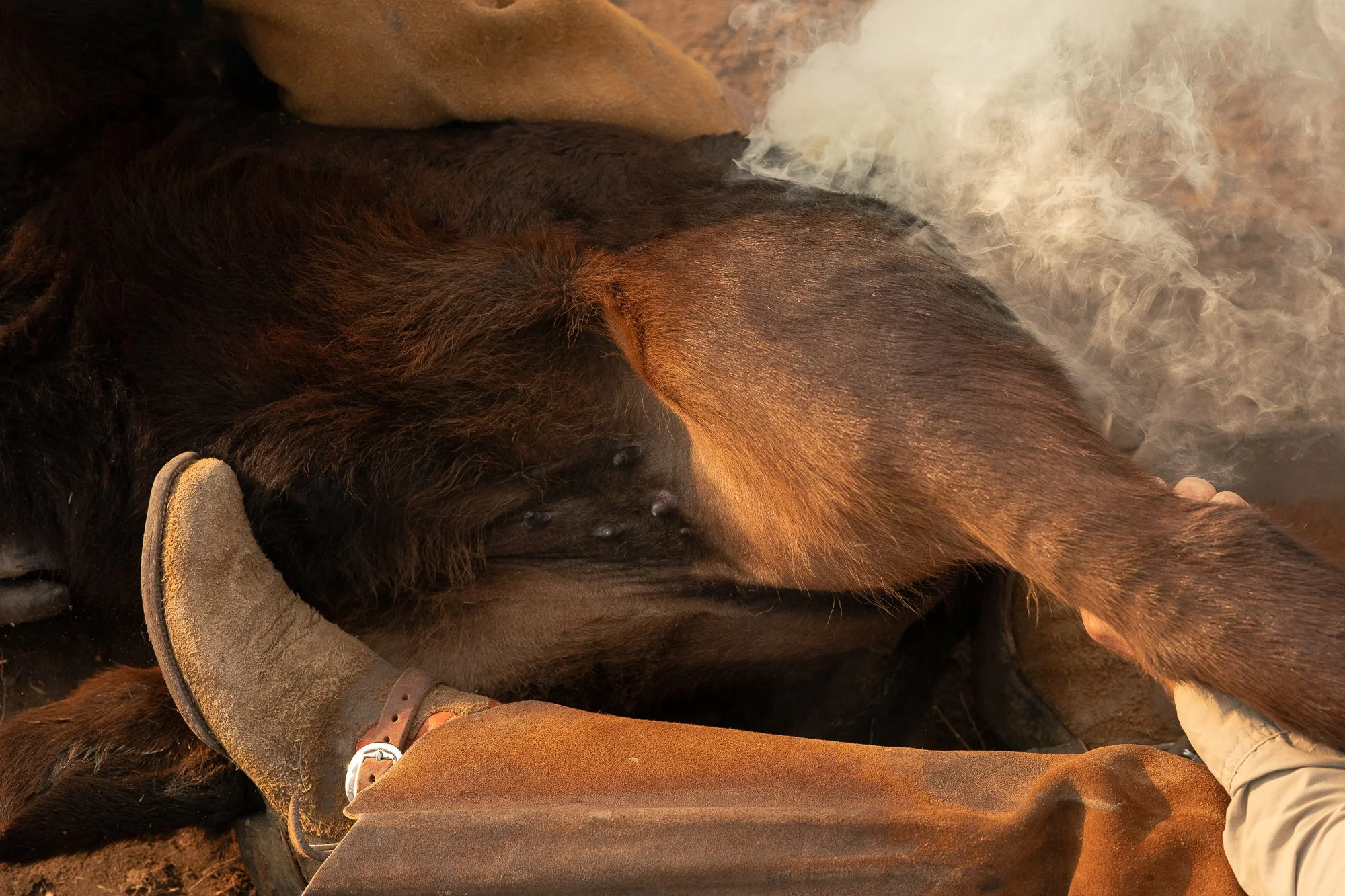
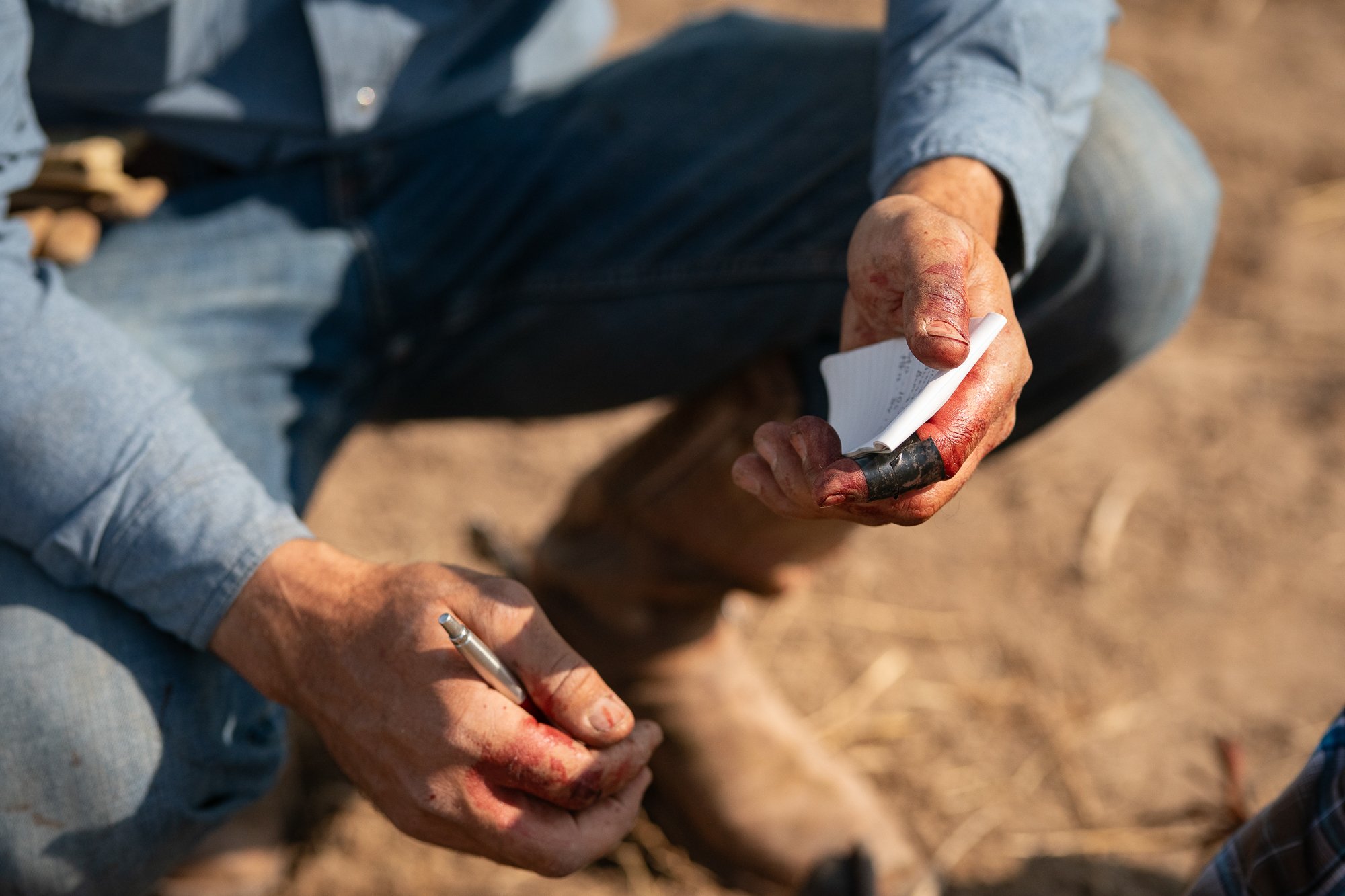
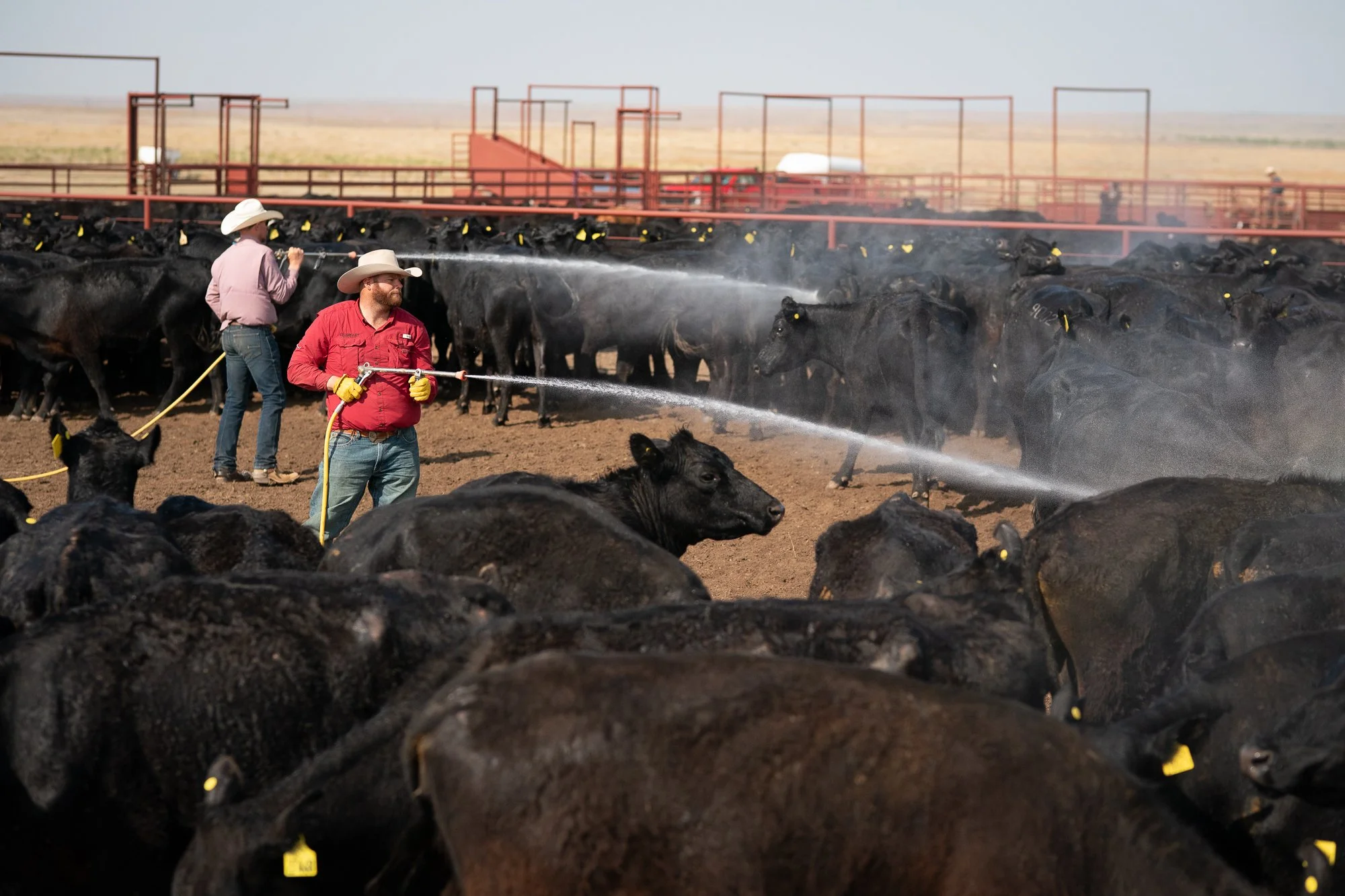
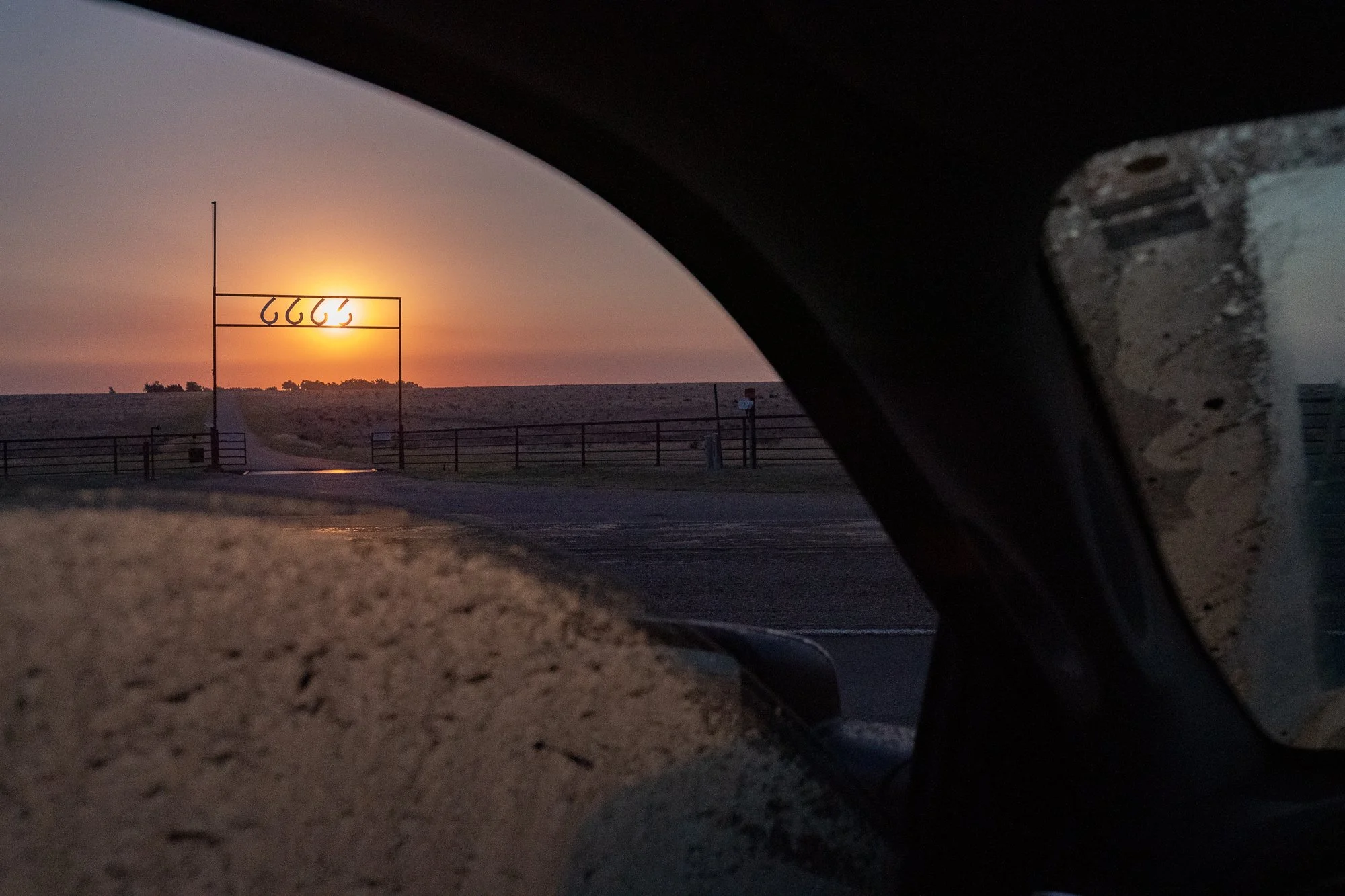
THE GOOD: Road trips are always so much fun, educational, and therapeutic. This one had me shooting on a cattle ranch (The Four Sixes) in the Texas panhandle where I met some great people and had a hell of a lot of fun shooting with them. Will be a while until I can post those images. So for now you can click HERE to see more of my Cowboy photography.