Traditional Barbershop in Greenwich, Connecticut

Tony’s Barbershop - Greenwich, CT

There was a time when a barbershop like Tony’s felt permanent.

Tucked into the rhythm of Greenwich, Connecticut—a town better known for hedge funds and waterfront estates—Tony’s Barbershop stood apart. It wasn’t trying to keep up with anything. It didn’t need to. The shop operated on its own timeline, built on routine, familiarity, and the quiet trust between a barber and the people who repeatedly sat in his chair.

Tony Sciarrillo had been cutting hair there for decades. Long enough to watch generations come and go. Fathers bringing in their sons, who would eventually come back on their own. Regulars who didn’t need to explain how they liked their hair cut because Tony already knew. In a place where so much is polished and constantly changing, his shop felt grounded—unchanged in the ways that mattered.

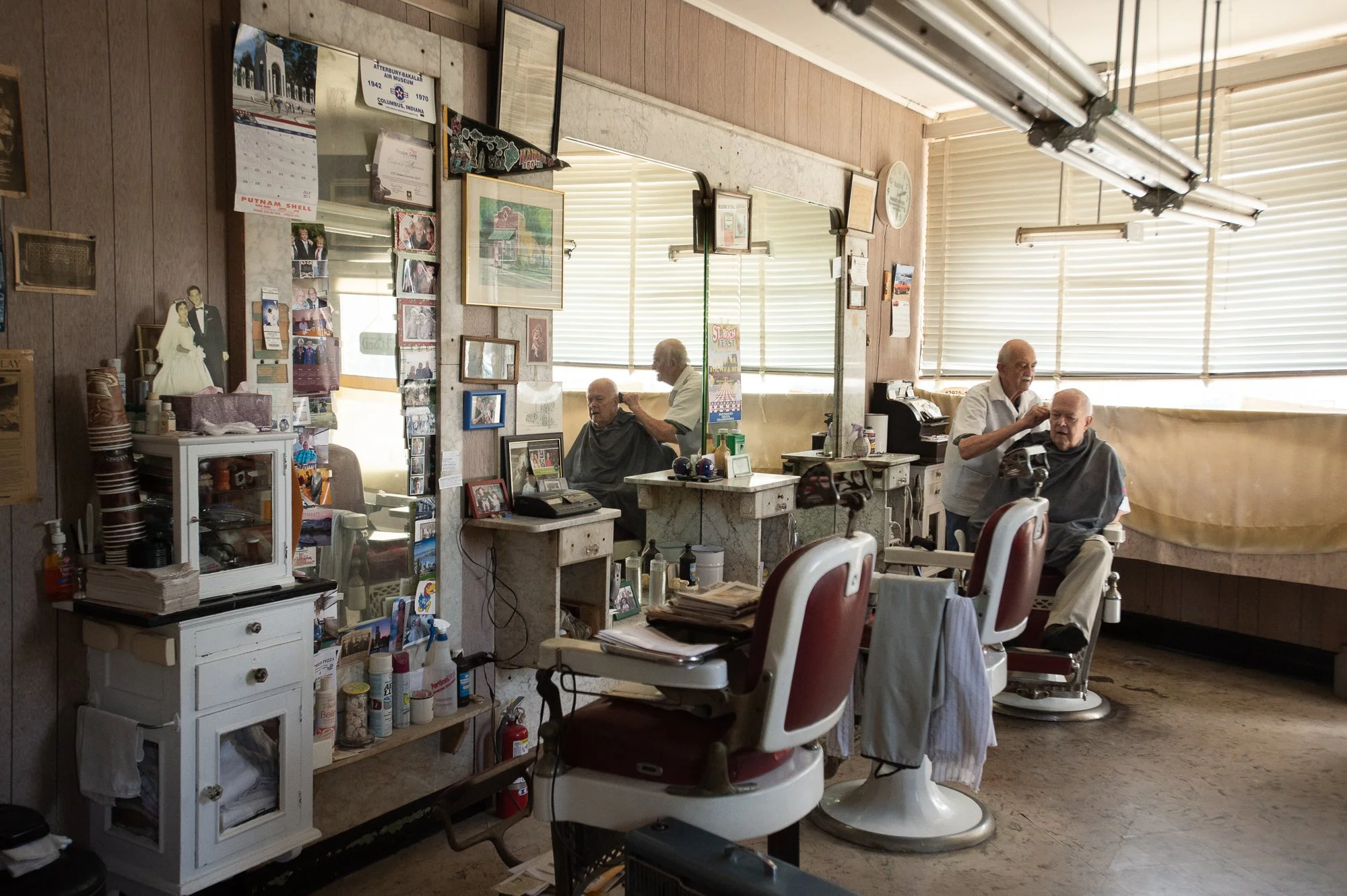
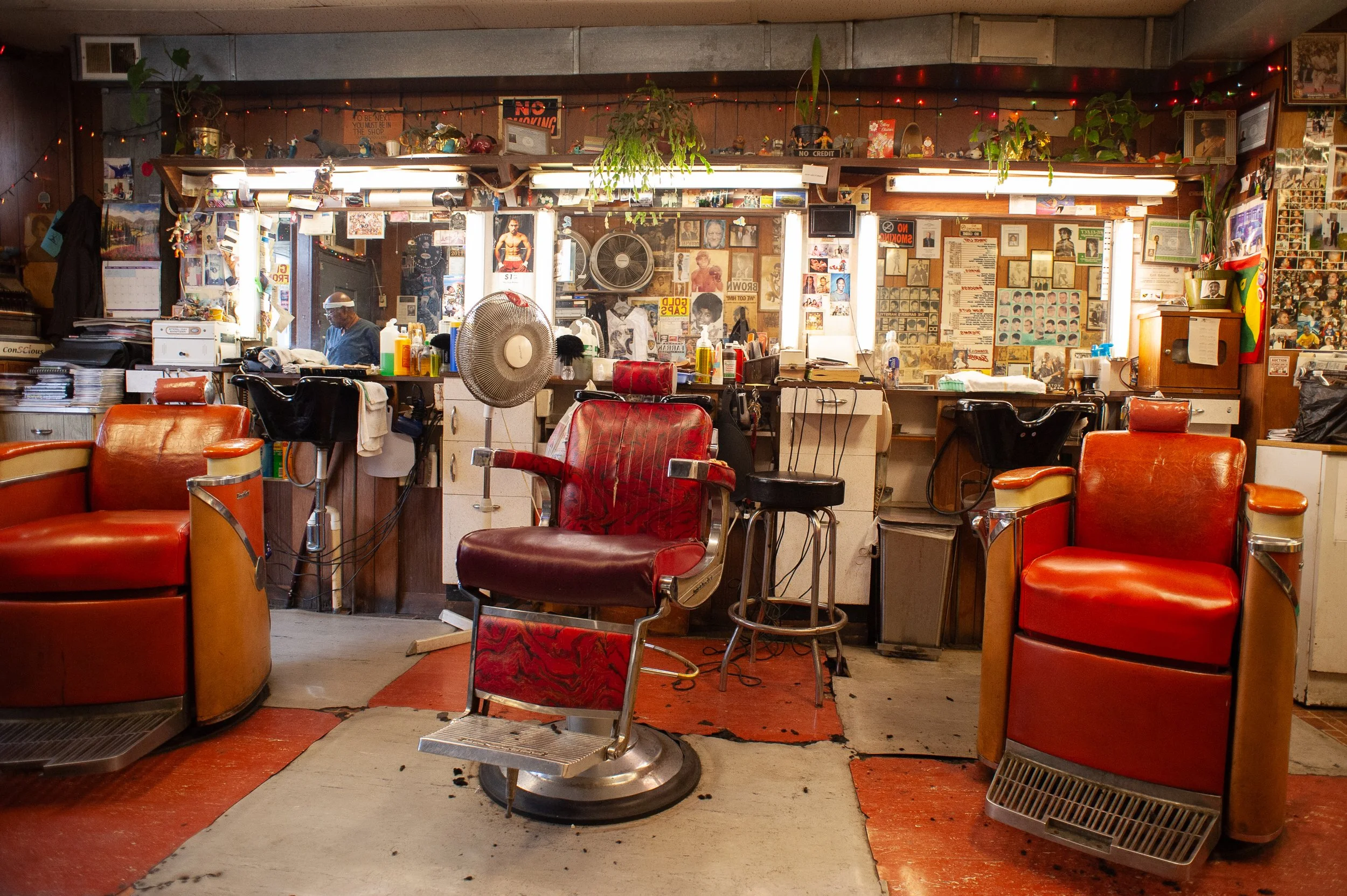
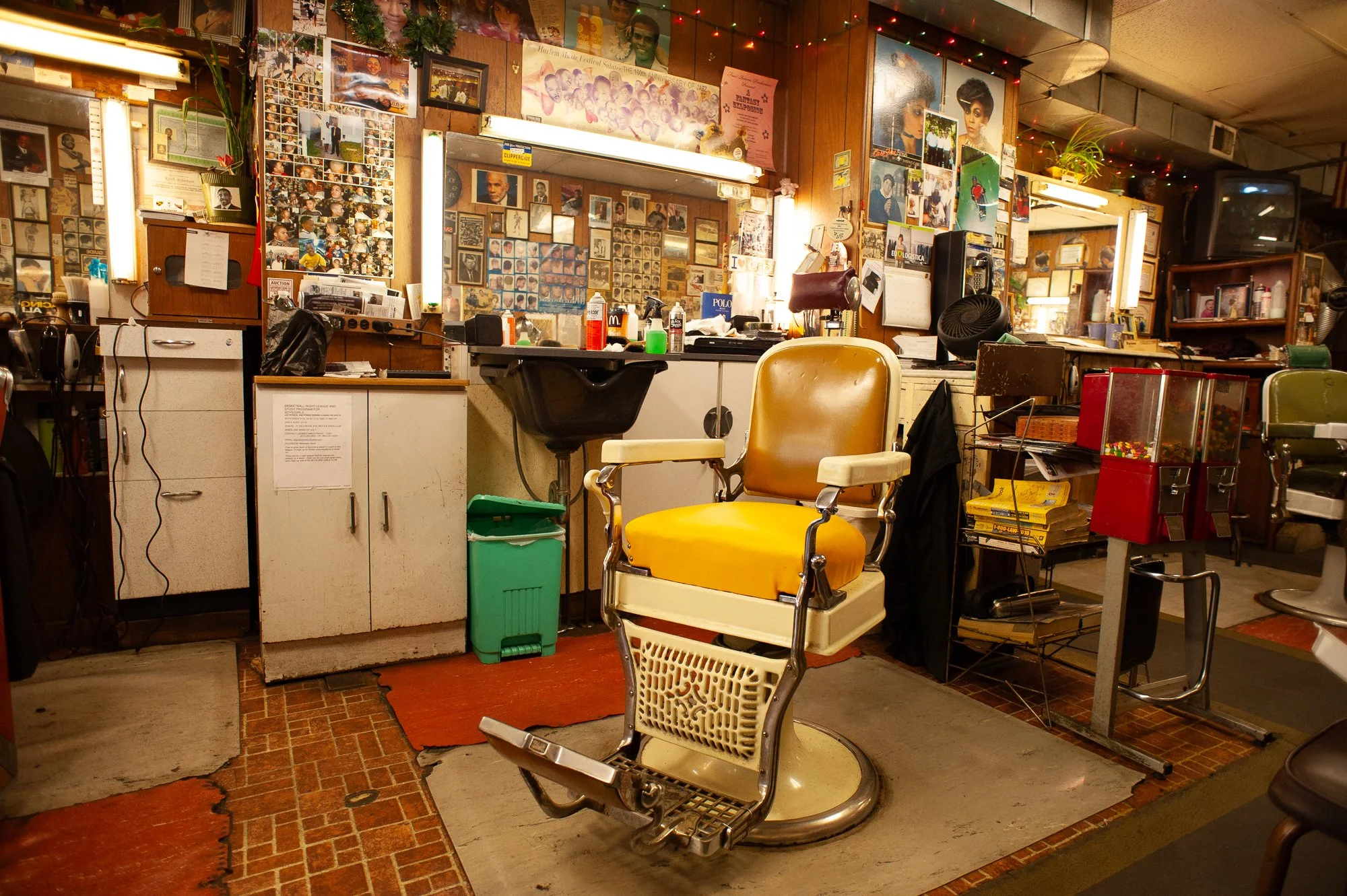
Inside, nothing was overly styled or curated. The details were simple: worn chairs, mirrors that had seen years of conversations, tools laid out with purpose. It was a working shop, not a concept. The kind of place where the value wasn’t in how it looked, but in what happened there every day.

That’s part of what made it so rare.

Barbershops like Tony’s have always been more than places to get a haircut. They’re social spaces, community anchors, places where people show up not just for a service, but for a sense of continuity. And yet, shops like this are quietly disappearing. Rising costs, shifting neighborhoods, and a culture that moves faster than it used to have made it harder for these long-standing spaces to survive.

Tony’s Barbershop is now closed. Tony himself has passed on. What remains are the photographs—and the memory of a place that held its ground for as long as it could.

There’s something worth paying attention to in that.

Because in towns like Greenwich, where change is constant and often accelerated, places like Tony’s remind us that not everything of value announces itself. Some of it exists quietly, in routine, in repetition, in the trust built over years of small, consistent interactions.

And when it’s gone, you realize how rare it actually was.

A Part of a larger Archive

Tony’s Barbershop, although incredibly unique and special, is one of hundreds of shops I’ve photographed over the past 15 years as part of an ongoing project documenting barbershops in all 50 states of the USA—spaces that reflect the character of the communities they serve.

Many of these shops are still operating. Many are not.

Together, they form a record of a disappearing part of American life—one haircut, one conversation, one shop at a time.

Explore the full Barbershops of America archive
View the photo book and fine art prints

Explore another story of a historic black barbershop in Albany, NY - Stancil’s Barbershop

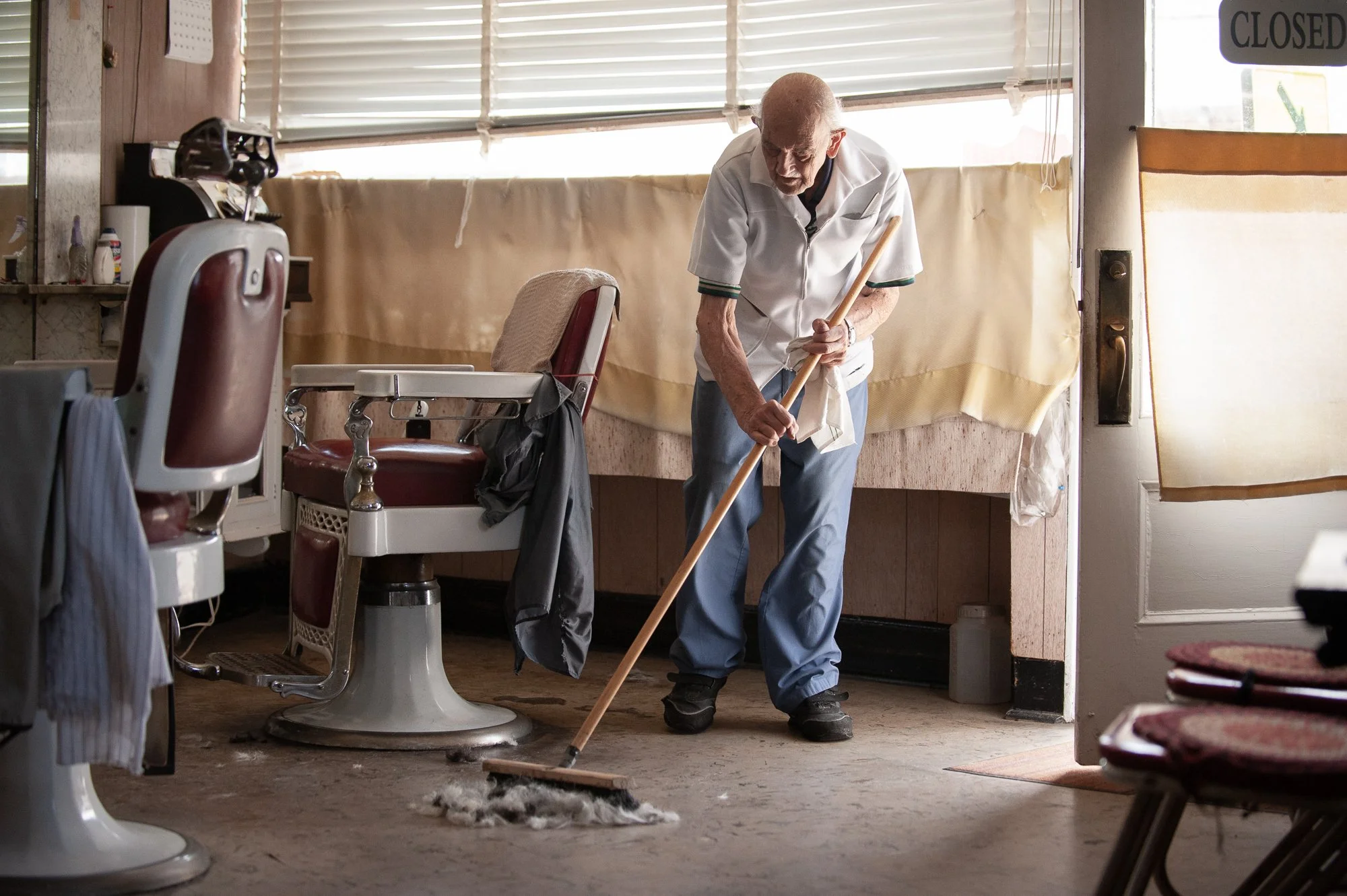
barber Tony sweeping hair off the floor inside his Greenwich Connecticut barbershop

At the end of the day Tony sweeps the floor himself - a routine repeated for years before the shop closed

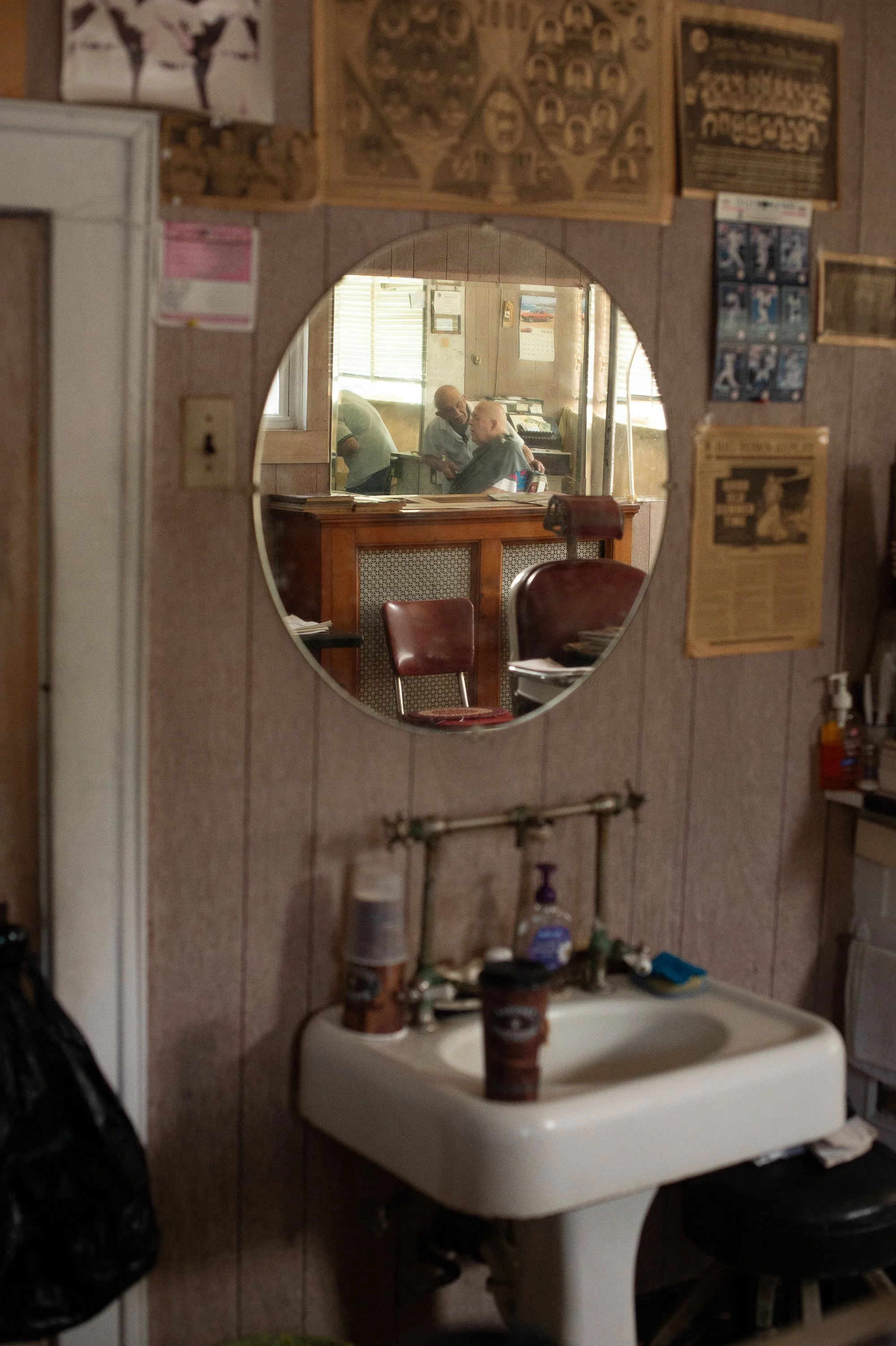
mirror reflection of barber cutting hair inside Tony's Barbershop Greenwich Connecticut vintage interior

A small round mirror captures Tony mid haircut - a layered view into the rhythm of the shop

wide interior of Tony's Barbershop in Greenwich Connecticut showing vintage barber chairs and mirrors during a haircut

Tony works in the same space he did for decades - a quiet morning inside his Greenwich shop before it eventually closed

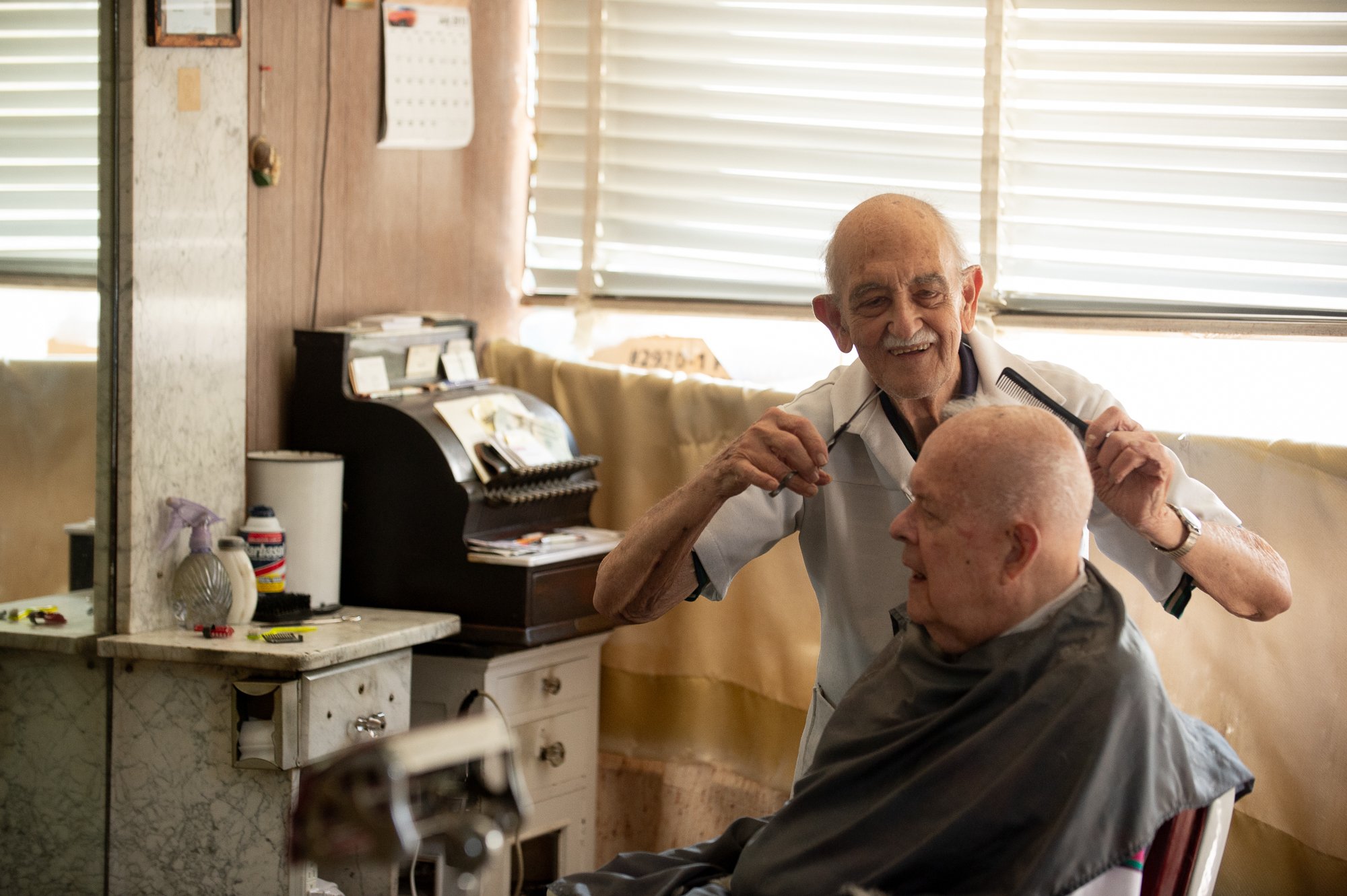
elderly barber Tony cutting a customer's hair inside his Greenwich Connecticut barbershop

Tony mid cut - focused and steady - serving longtime clients in a shop that remained unchanged for years

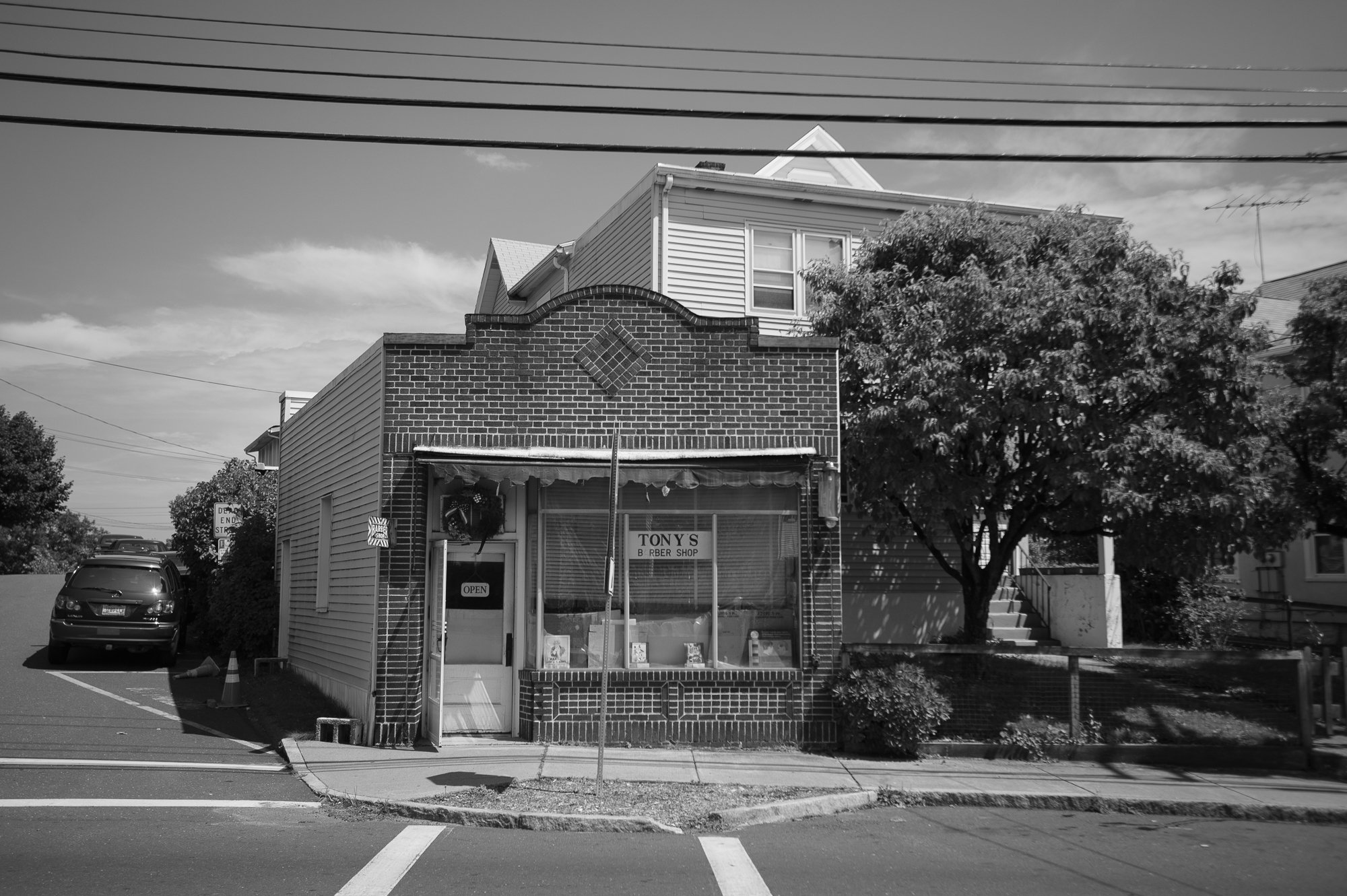
black and white exterior of Tony's Barbershop in Greenwich Connecticut storefront

The modest storefront of Tony's Barbershop in Greenwich - a place that quietly served its neighborhood for decades before closing

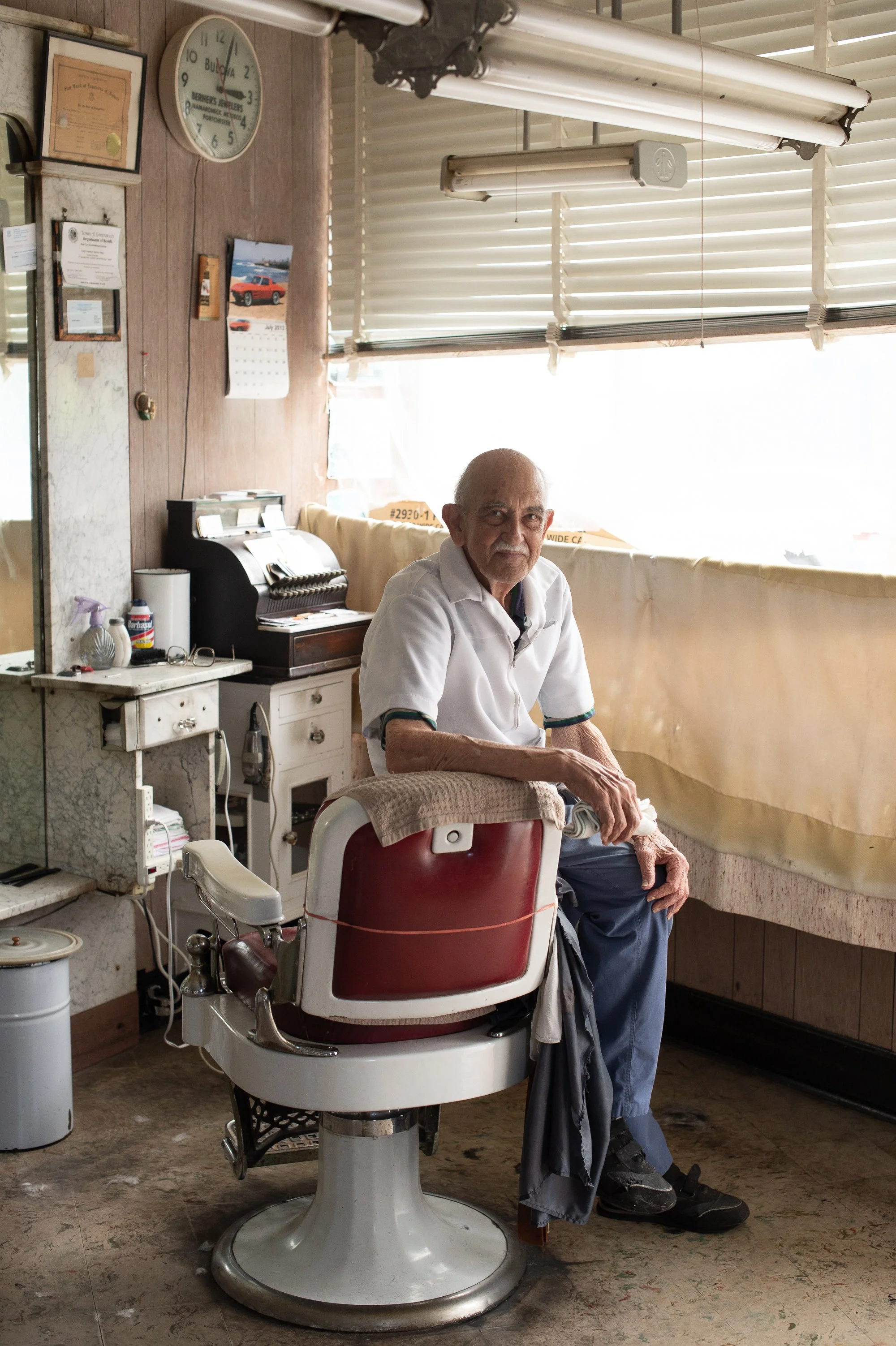
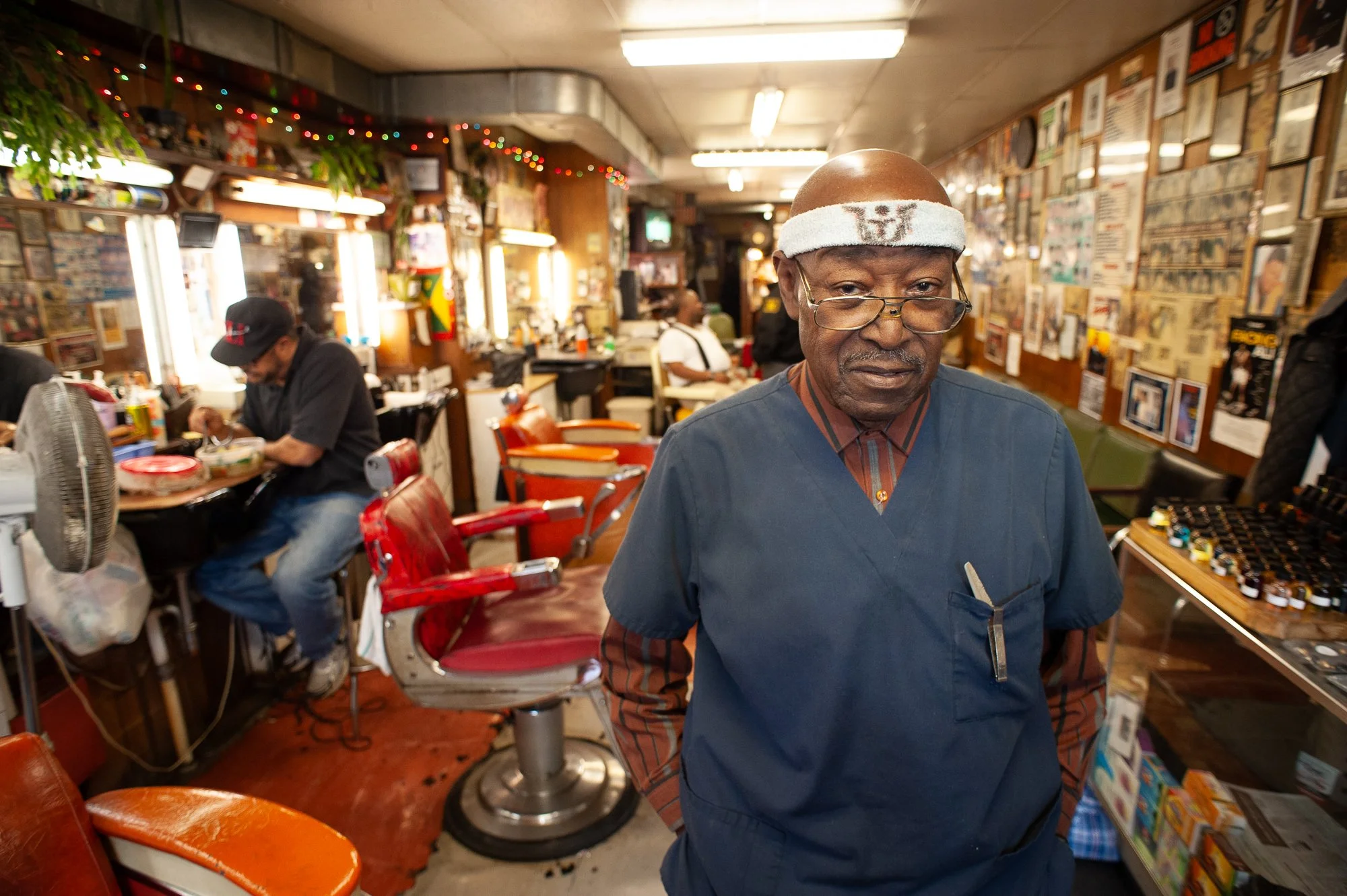
portrait of elderly barber Tony sitting in barber chair inside his Greenwich Connecticut shop

Tony sits in his chair surrounded by decades of history - a rare quiet moment inside his shop

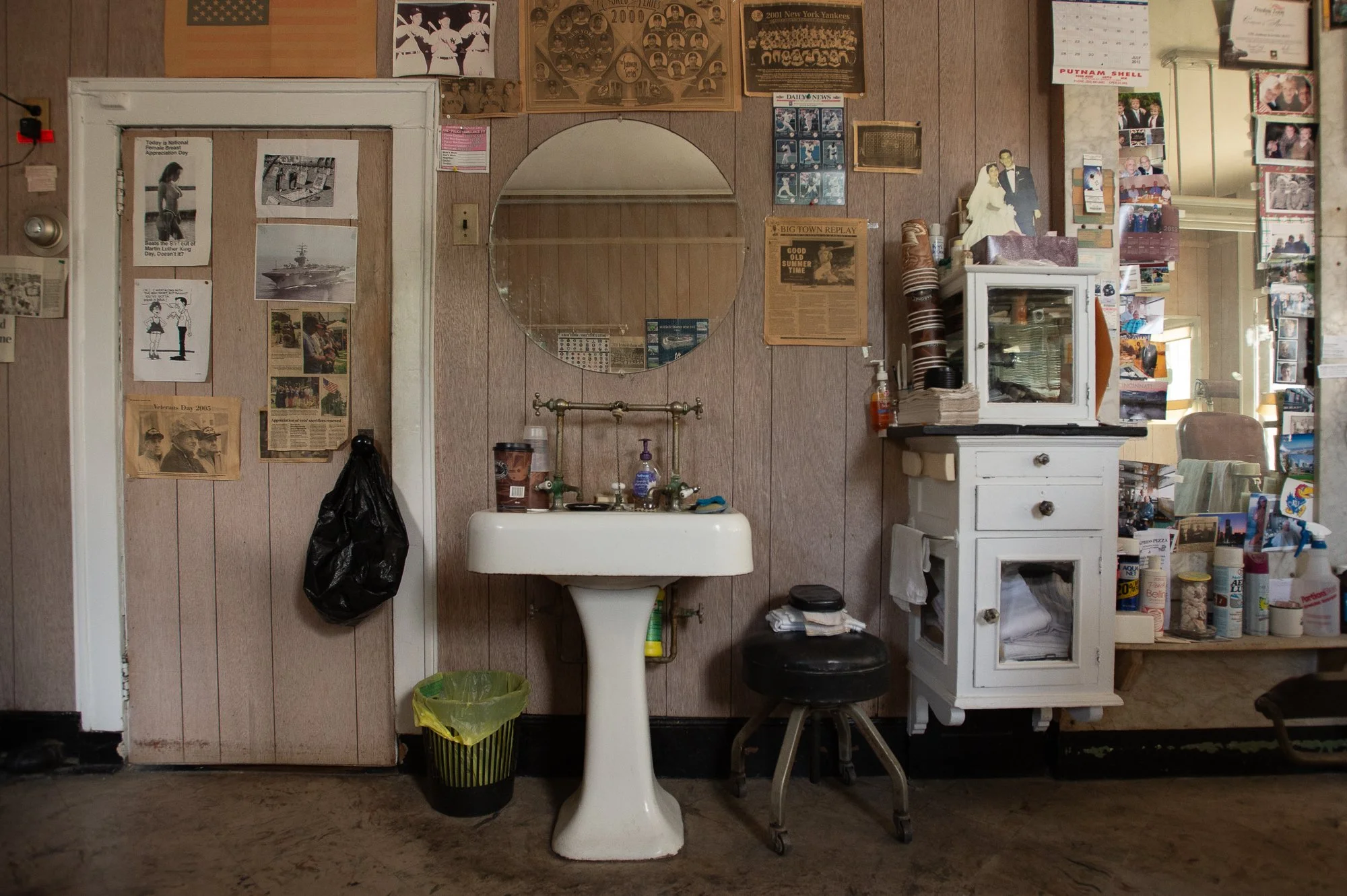
vintage sink and wall covered in photos inside Tony's Barbershop Greenwich Connecticut interior

Family photos newspaper clippings and everyday objects line the walls - telling the story of a life spent inside the shop

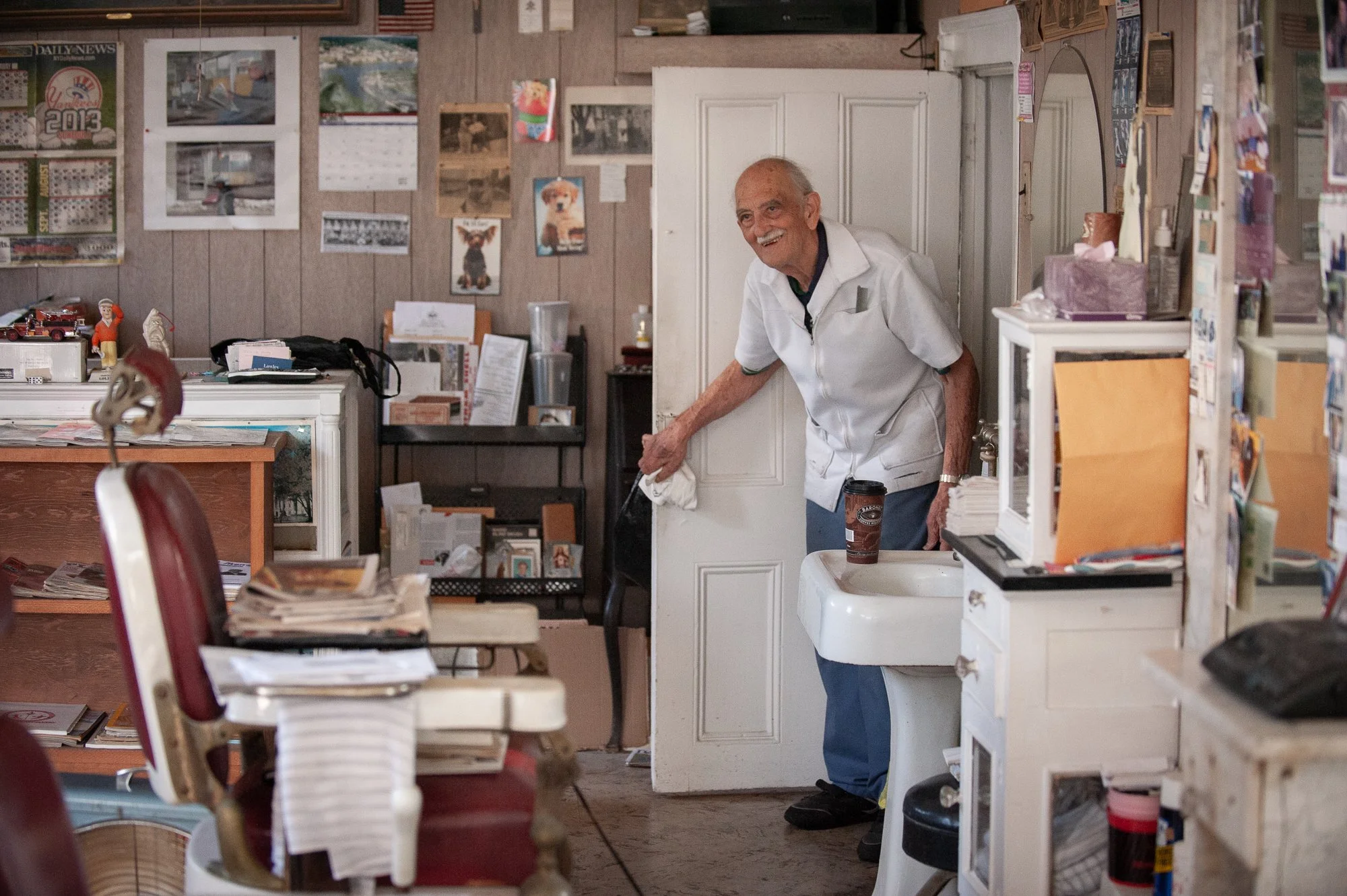
elderly barber Tony cleaning inside his Greenwich Connecticut barbershop interior

Tony moves through the shop tidying up - maintaining the same space he worked in for decades

Albany, NY Barbershop

Historic Black Barbershop in Albany, New York

There was nothing particularly flashy about Stancil’s Barbershop when I photographed it in 2011. It sat on Madison Avenue like it had for decades—blending into the rhythm of the street. The kind of place you could walk past a hundred times without thinking twice, unless you knew what it was.

But once you stepped inside, it was all there.

Wood-paneled walls covered in photographs and newspaper clippings. An overall patina from years of use. Chairs that had seen thousands of haircuts, laughs, arguments, and long pauses in between. Nothing curated. Nothing staged. Just a shop that had grown into itself over time. A one of a kind.

A Place Built Over Time

From the outside, Stancil’s didn’t ask for attention. The sign was faily straightforward. The windows were filled with whatever had accumulated—plants, flyers, a few political signs, whatever made sense at the time.

It felt like a place that existed for the people who already knew it was there.

Not everything needs to be rebranded or reimagined. Some places just hold their ground.

Inside the Shop

Inside, it was exactly what you’d hope for. As a photographer working on a project like this, Stancil’s was a dream.

The layout hadn’t been touched in years. Maybe longer. Chairs spaced just far enough apart. Mirrors lined with lights that had seen better days but still did their job. Every surface carried something—photographs, certificates, handwritten notes, reminders of people who had passed through. The classic barber hairstyle charts still clung to the same wall where they were placed 40 years ago - the styles themselves had clearly come and gone, but they remained. A stack of Yellow Page phone books sat quietly, although it was obvious they still got used. Ironically, not far away, was a padlocked rotary phone.

You could tell this wasn’t designed. It was accumulated, organically.

That’s the difference.

The Barbers

My time at Stancil’s wasn’t long, but it was more than memorable. The thing that stuck out was how candid all the barbers were together. Comedy was a constant. Stancil himself has an old pair of slippers on that must have been handed down because the toe section had been cut off so his feet could fit. Life at this barbershop didn’t feel like work, it was a second home. There didn’t happen to be any customers at the time, so some of the barbers calmly watched television while throwing sarcastic remarks across the shop to their co-workers (friends).

What’s Left

Sadly, I checked in on Stancil’s recently only to find a Google street view of the place boarded up.

Like a lot of shops across the country, it eventually closed its doors. The reasons are usually the same—rising costs, changing neighborhoods, time catching up with the people who built them.

When a place like this disappears, it’s not just a business that’s gone.

It’s the accumulation of years—of routines, relationships, and small, everyday moments that don’t get documented unless someone happens to be there with a camera.

Part of a Larger Project

This photograph is part of a long-term project documenting traditional barbershops across the United States.

Over the past 15 years, I’ve photographed shops in all corners of the country—some still operating, many no longer there. Together, they form a kind of archive of places that were never meant to last forever, but somehow did for longer than expected.

→ View the full Barbershops of America archive
→ Explore a 200 year old barbershop in Brooklyn
→ Fine art prints available from this series

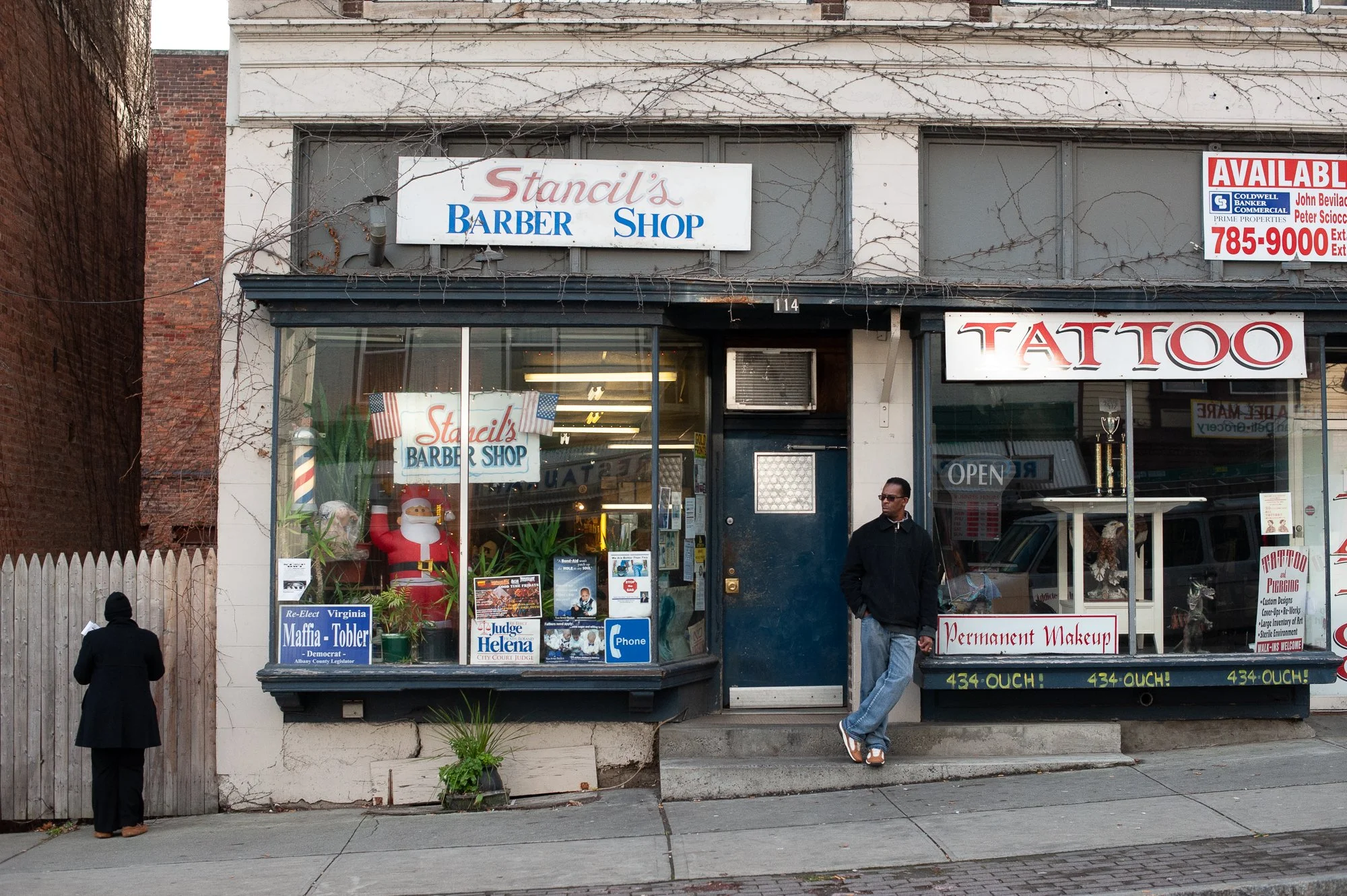
Stancil’s Barbershop exterior on Madison Avenue in Albany New York photographed in 2011, historic Black barbershop now closed

Stancil’s Barbershop on Madison Avenue in Albany, New York, photographed in 2011. A neighborhood shop that quietly served its community for decades—now gone.

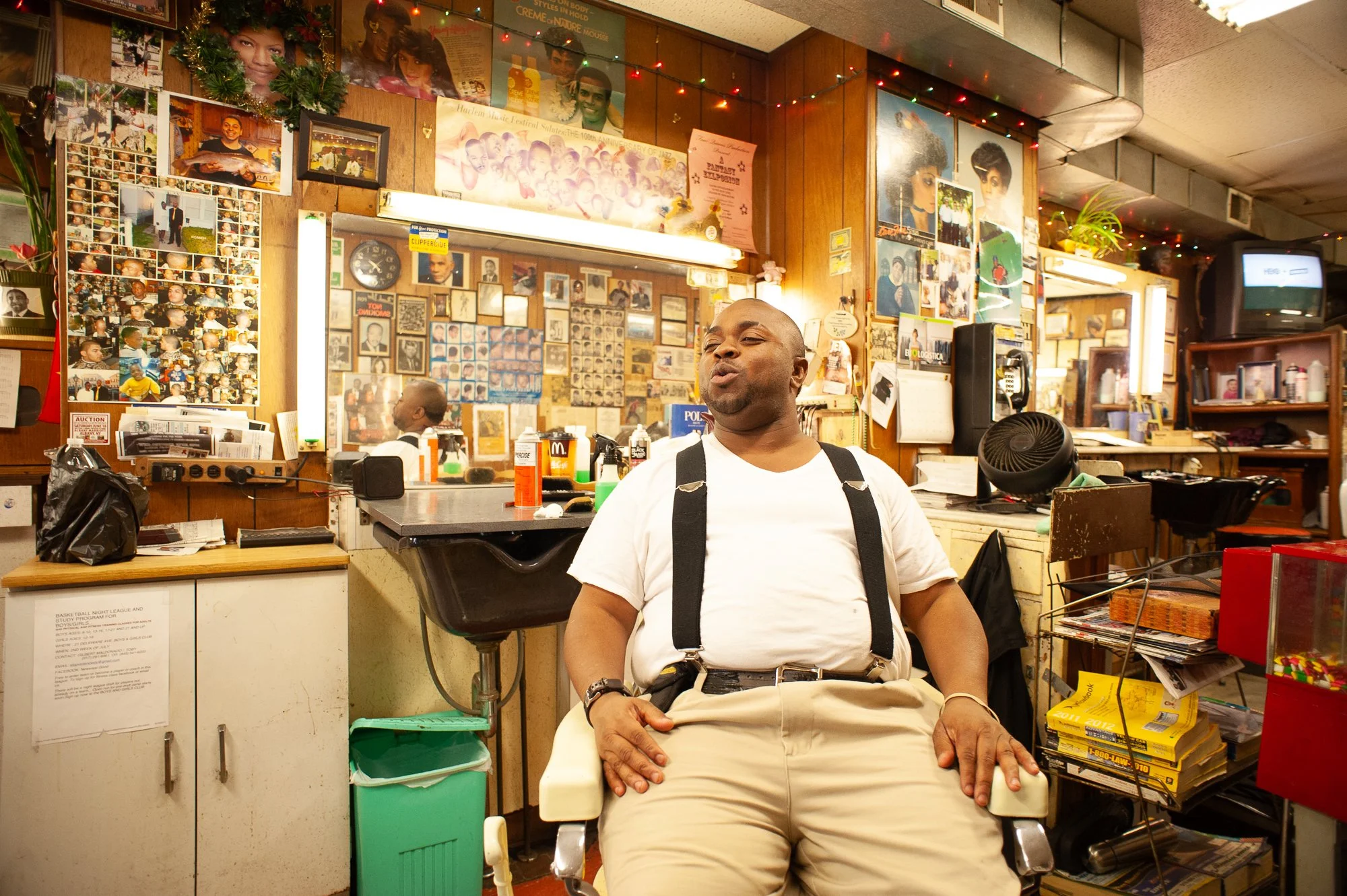
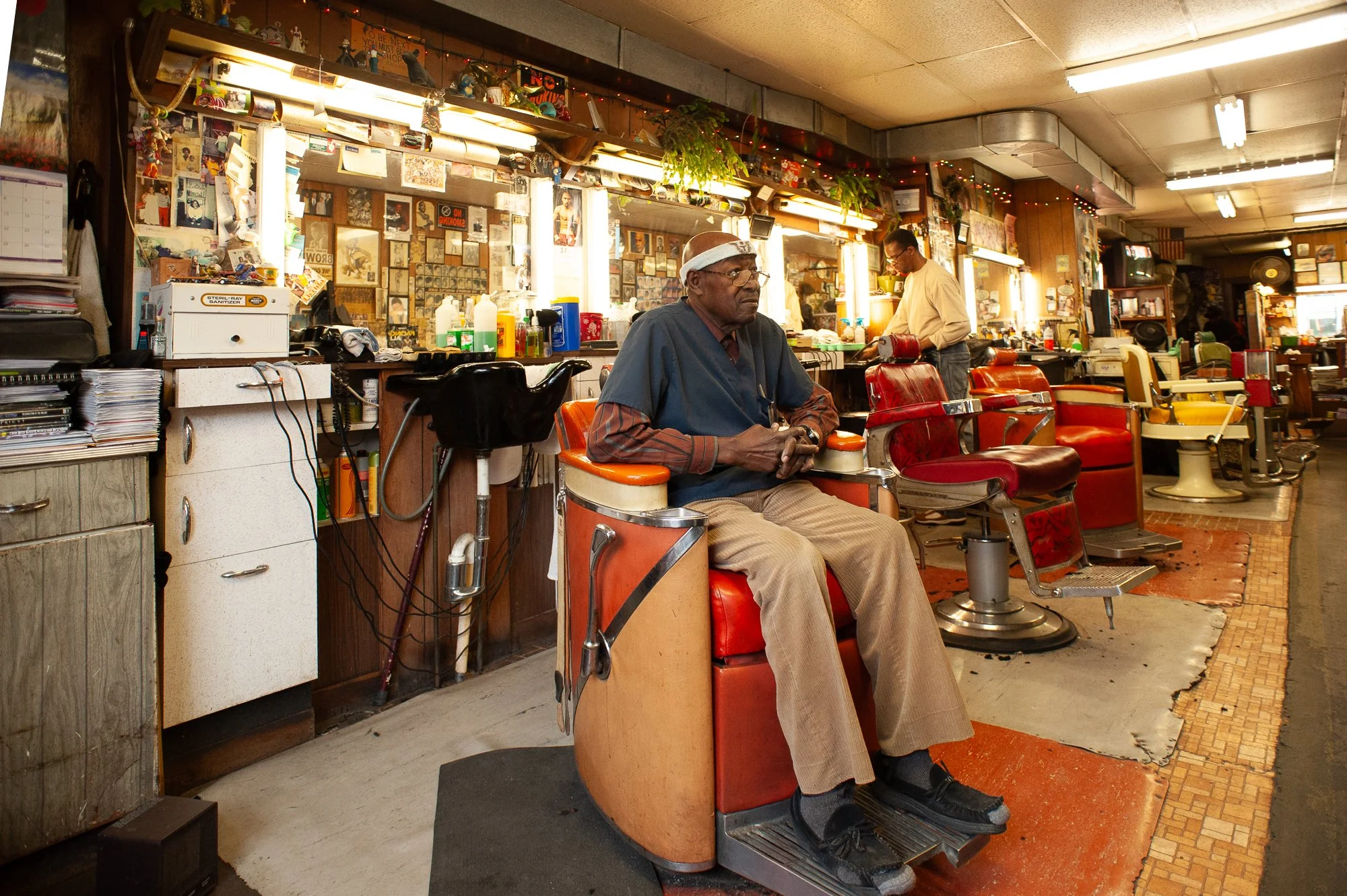
Empty barber chairs inside Stancil’s Barbershop Albany New York, historic Black barbershop interior photographed in 2011

Rows of worn chairs inside Stancil’s Barbershop. Even when empty, the space carried the weight of years of daily routine and conversation.

Portrait of barber inside Stancil’s Barbershop Albany New York, historic Black barbershop documented in 2011

A barber at Stancil’s Barbershop. Places like this were built on people—their presence, their stories, and years behind the chair.

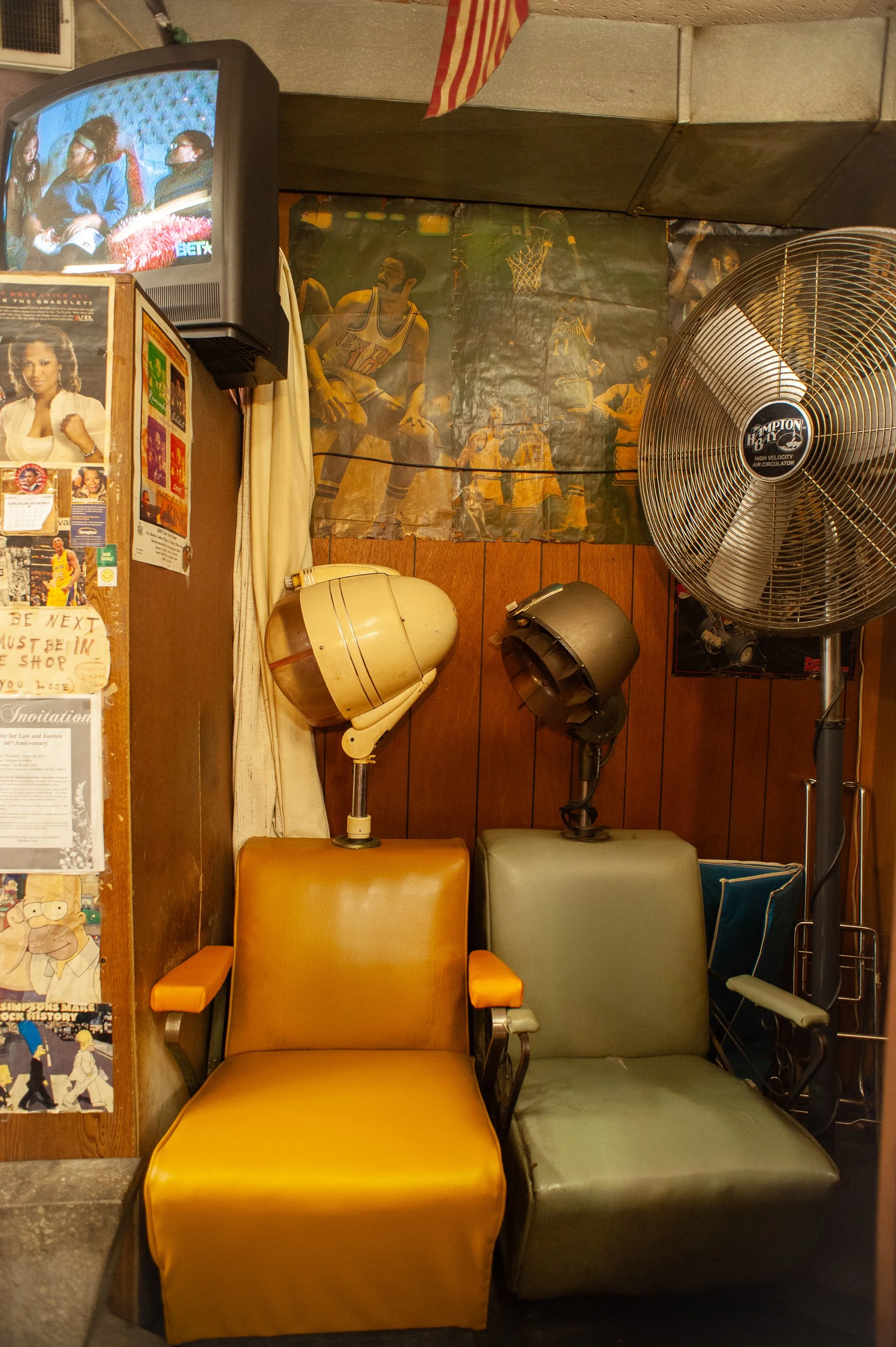
Vintage hair dryers and chairs inside Stancil’s Barbershop Albany New York historic Black barbershop interior

Old dryers tucked into the corner—equipment that stayed long after trends had moved on.

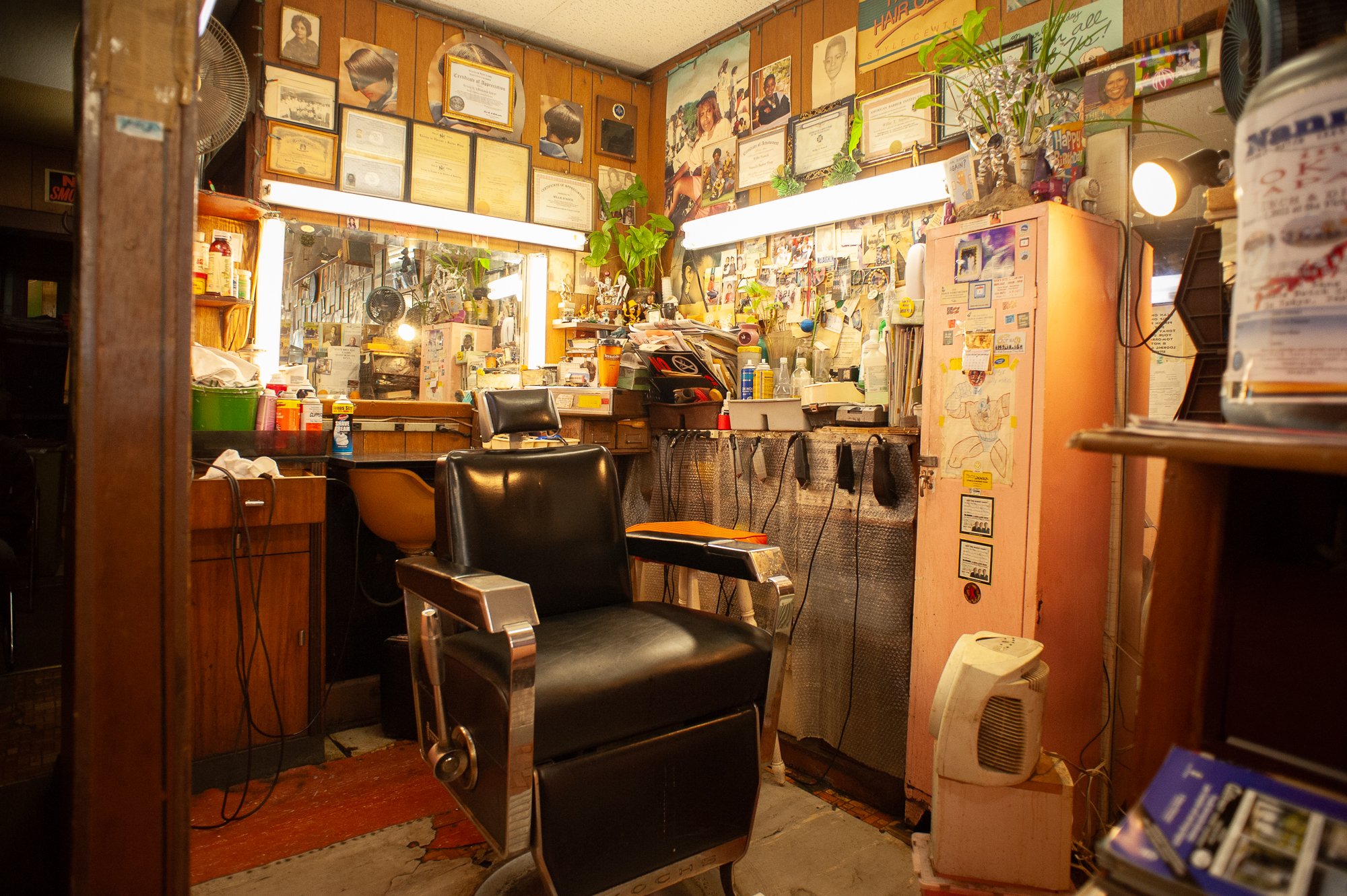
Vintage barber chair and mirror station inside Stancil’s Barbershop Albany New York photographed in 2011

A single chair beneath fluorescent lights, surrounded by decades of photographs, certificates, and memory.

Barber sitting in barber chair at Stancil’s Barbershop Albany NY, Black barbershop culture documented in 2011

A moment in the chair. For many, the visit was routine—but the shop itself was something much deeper.

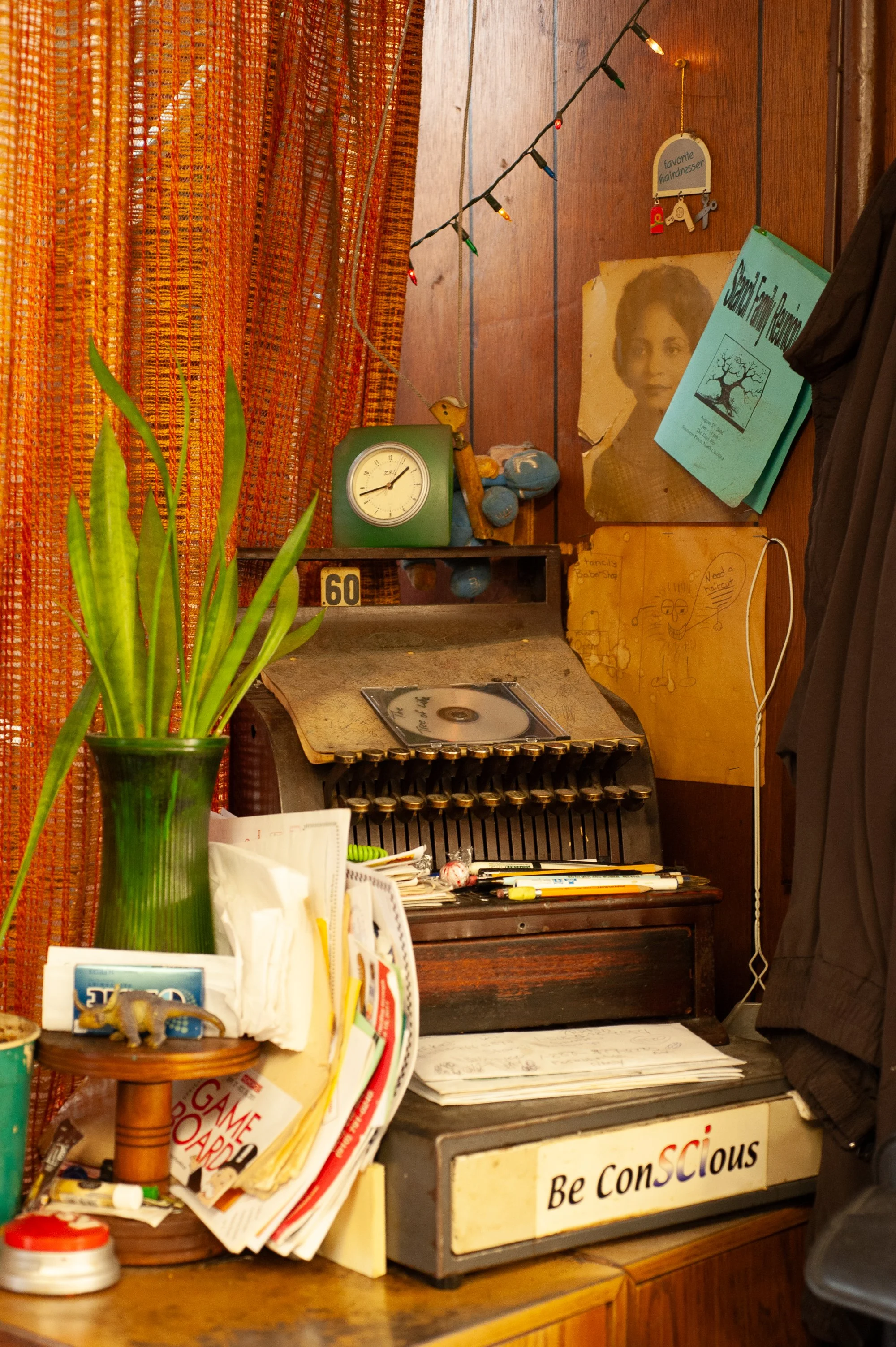
Cash register and counter inside Stancil’s Barbershop Albany NY small business interior photographed in 2011

A corner of the shop where transactions were simple and personal—part of the daily rhythm.

Barber seated inside Stancil’s Barbershop Albany NY, traditional Black barbershop interior photographed in 2011

Inside Stancil’s, where time moved at its own pace. Shops like this were as much about community as they were about haircuts.

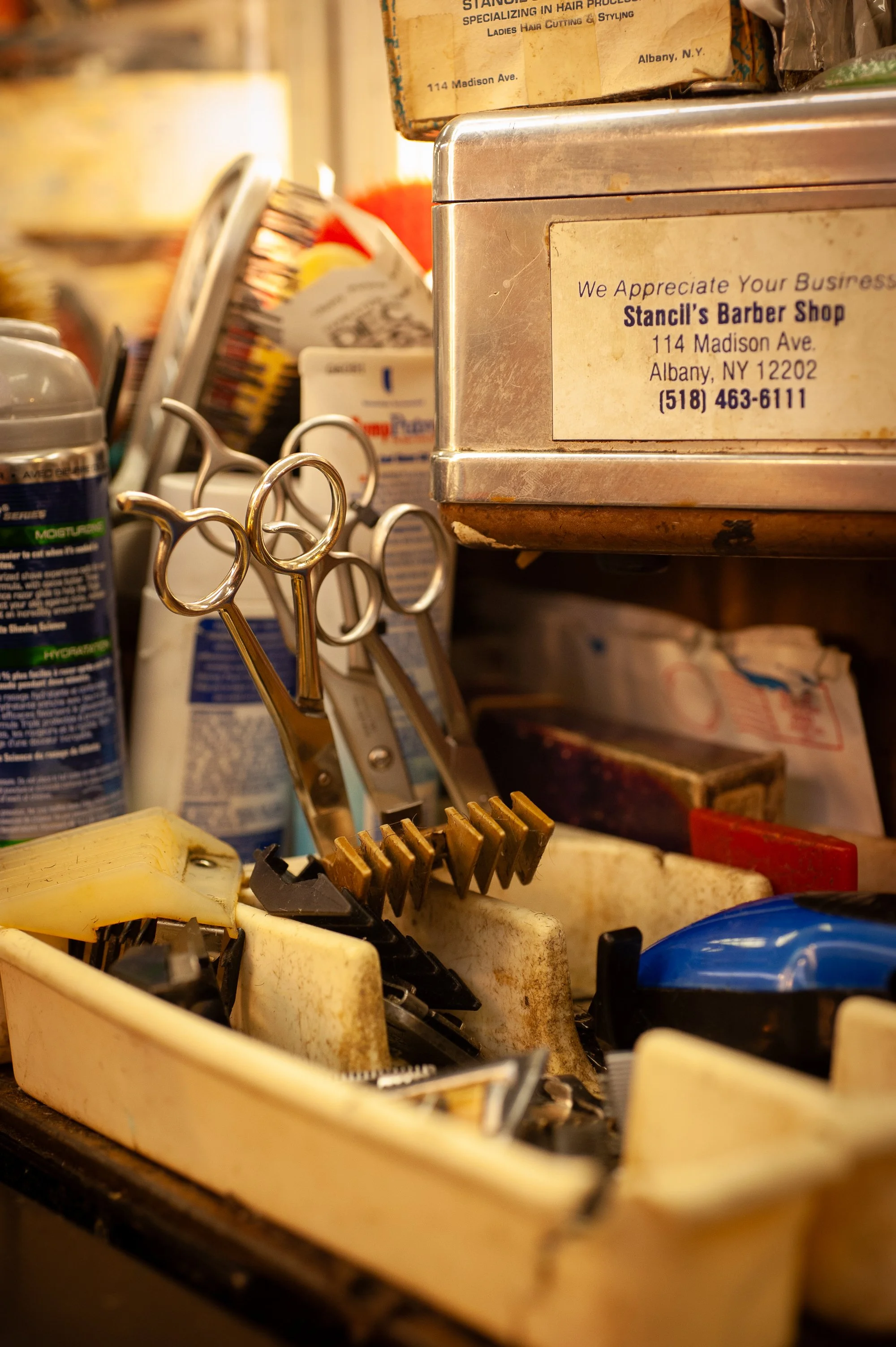
Close up of barber tools scissors combs clippers inside Stancil’s Barbershop Albany New York 2011

Tools of the trade, worn from years of use—handled thousands of times without much thought.

Yellow vintage barber chair and shop details inside Stancil’s Barbershop Albany NY historic interior 2011

A worn yellow chair surrounded by everyday objects that gave the shop its character.

Pubs of Edinburgh, Scotland

Historic Pubs in Edinburgh | A Photographer’s Study of Cultural Spaces

I recently spent time photographing pubs throughout Edinburgh, focusing not only on the historic interiors the city is famous for, but also on newer establishments that are quietly building their own character. What interested me wasn’t simply age. It was atmosphere — and how authentic that atmosphere can feel regardless of when a pub first opened its doors.

Walk around Edinburgh for any amount of time and you’ll come across countless pubs in famous places like The Royal Mile, Princess St. and Victoria St. And sure they do serve beer and haggis, but they are tourist traps cloaked as pubs. Venture out a little further and you’ll find some incredible communal living rooms filled with people from all walks of life enjoying a Proper Pint.

Old Edinburgh Pubs: Age You Can Feel

Some of Edinburgh’s traditional pubs carry centuries in their walls. In places like The Bailie, the wood is darkened by time, mirrors show their age in softened edges, and the floors lean slightly from generations of use.

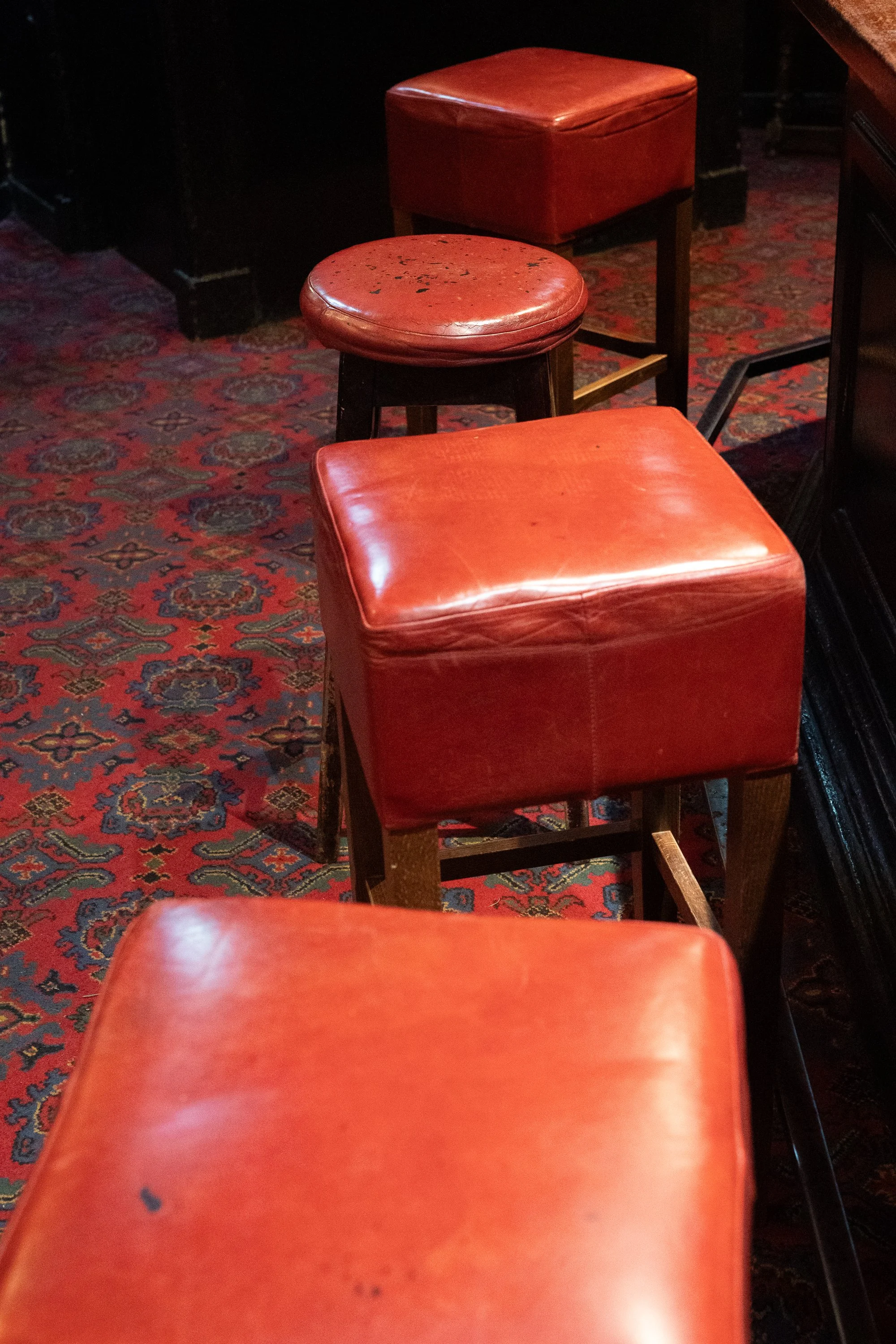
These rooms don’t need to advertise their history. You sense it in the walls and in the unselfconscious way people occupy the space. Regulars move with familiarity across the carpeted floor to their regular stool. The bartender doesn’t perform; he or she simply works. The architecture frames the experience, but it doesn’t dominate it.

There is restraint in these historic pubs. Nothing feels curated for spectacle. The room exists to welcome conversation and return visits.

Newer Edinburgh Pubs with the Same Atmosphere

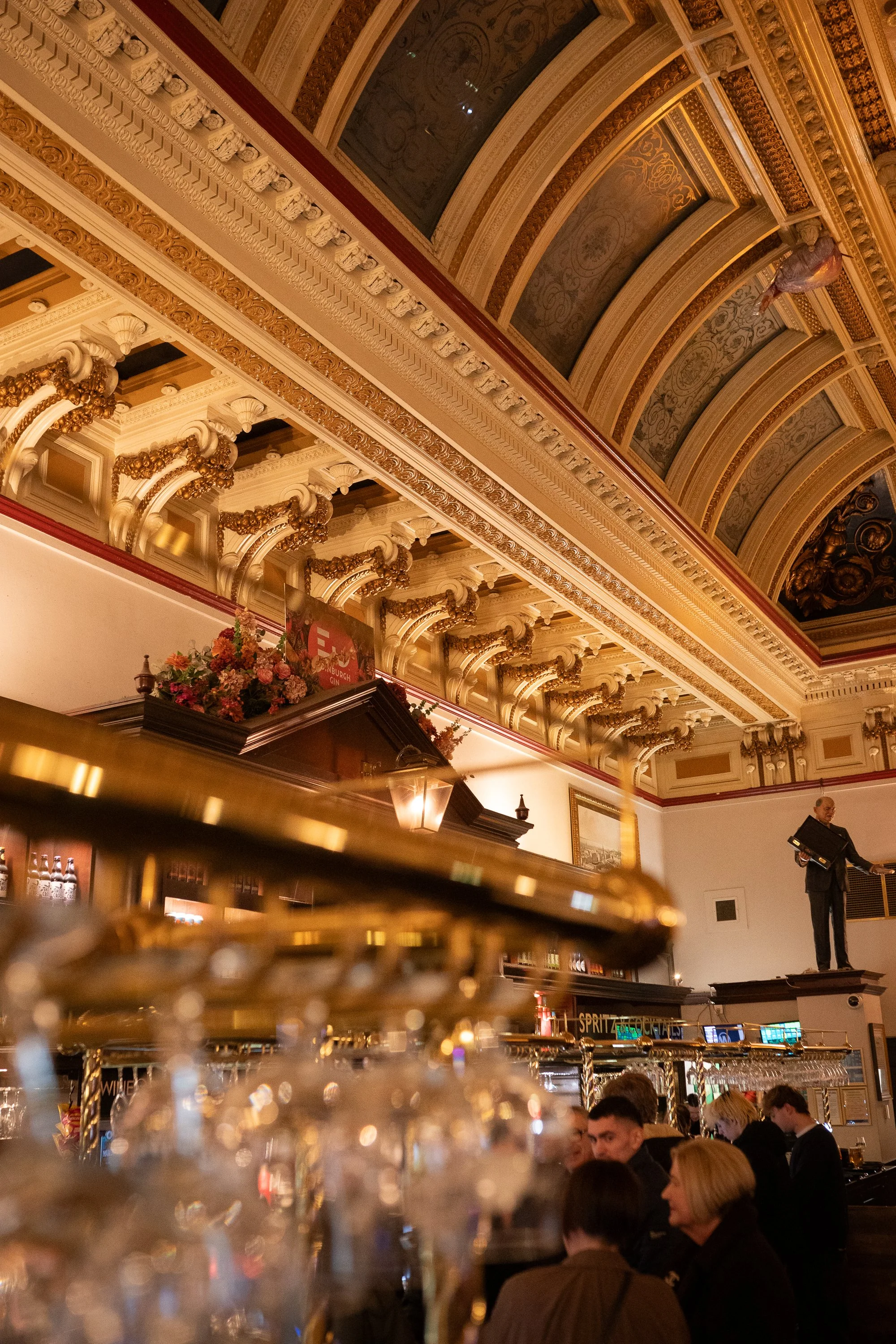
What surprised me most was how similar the feeling remained in newer pubs. In spaces like The Standing Order, which was once a bank, the design may be more grand, the lines cleaner, the lighting slightly more intentional — yet the atmosphere carries the same steady rhythm.

The bar still anchors the room. People still return to the same seats. Conversations still expand and contract in familiar corners. The success of the space has less to do with its age and more to do with intention and the quiet accumulation of evenings spent there enjoying cask ales.

Authenticity, I was reminded, isn’t guaranteed by centuries. It’s built through use.

What Edinburgh’s Pubs Share with American Dive Bars

Sitting in the back of one Edinburgh pub, I was struck with familiarity. For years I’ve been documenting American dive bars and roadside motels across the West and Midwest. Many of them are far younger than Scotland’s historic pubs, yet the emotional architecture is strikingly similar.

In a small-town dive bar in Wyoming or Nevada, the makings are humbler — paneled walls instead of stone, fluorescent light instead of filtered daylight — but the function is identical. The bar is an anchor. The room absorbs stories. The regulars give it gravity.

The same is true of roadside motels. Some are mid-century survivors with neon signs buzzing against the night. Others have been partially updated. Yet they continue to serve as quiet infrastructure for travelers and locals alike.

The geography changes. The timeline stretches or contracts. The human need remains consistent.

Photographing Cultural Spaces That Endure

Whether historic or newly established, a pub succeeds when it becomes woven into daily life. The same can be said for a dive bar in rural America. Age may add texture, but continuity builds meaning.

Photographing these spaces — in Scotland and in the United States — is less about nostalgia and more about record-keeping. These rooms function as cultural anchors. They are democratic environments. They hold celebration, argument, solitude, and routine without demanding attention.

Edinburgh reinforced something I’ve long believed: authenticity isn’t a design choice. It’s the result of intention and presence.

View the American Dive Bars & Roadside Motels Gallery

If you’re drawn to spaces with atmosphere, history, and lived-in character, I invite you to view my ongoing series documenting American dive bars and roadside motels throughout the United States.

→ View the full American Dive Bars & Roadside Motels gallery
→ Licensing inquiries welcome

Red leather bar stools lined up on patterned carpet inside a traditional Edinburgh pub

Worn red leather stools rest quietly on patterned carpet, the kind of small detail that reveals how long a pub has been lived in rather than designed.

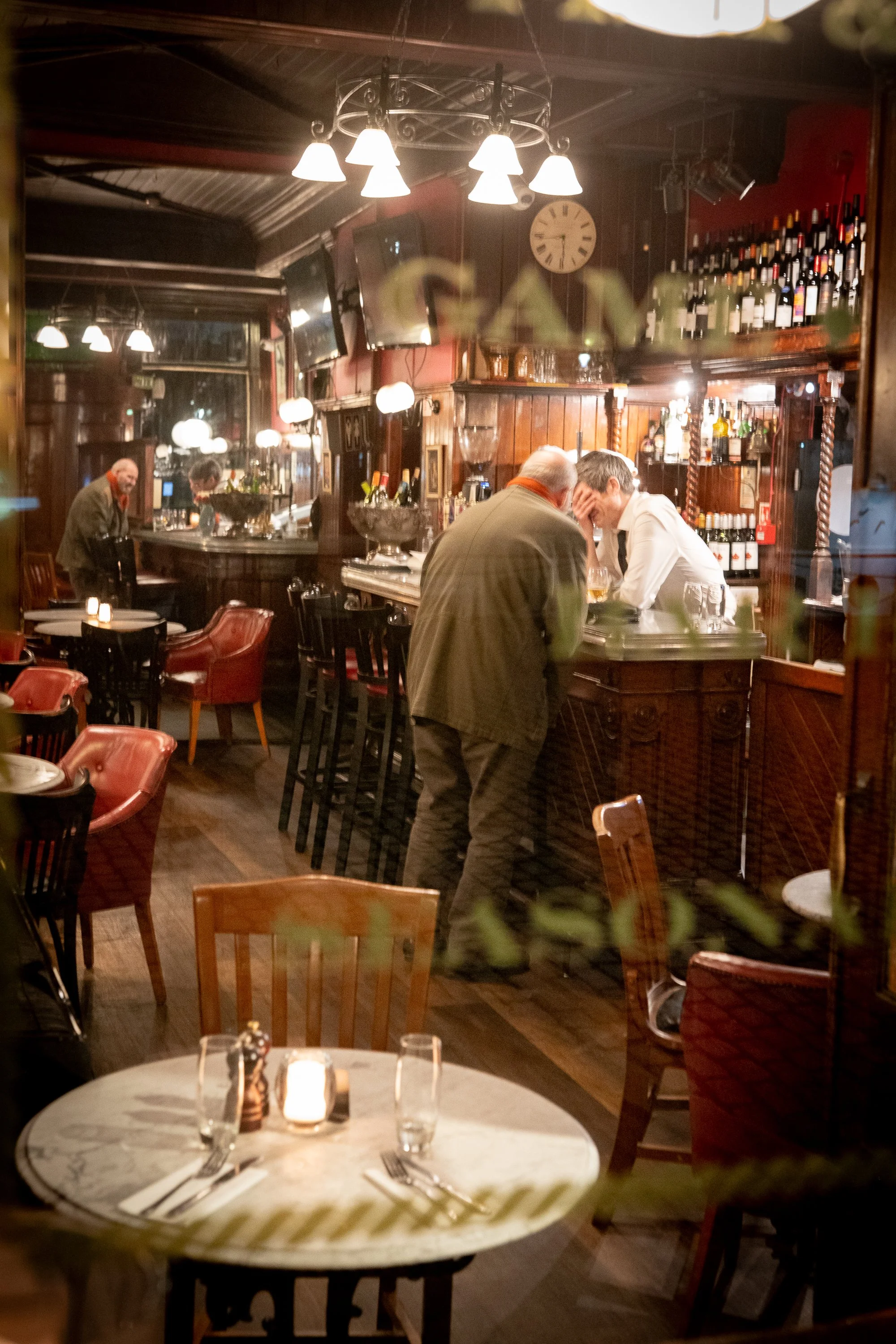
Man leaning on bar counter inside traditional Edinburgh pub at night

Through the window, a quiet exchange unfolds at the bar — a familiar posture, a familiar ritual, the steady rhythm of an evening in an Edinburgh pub.

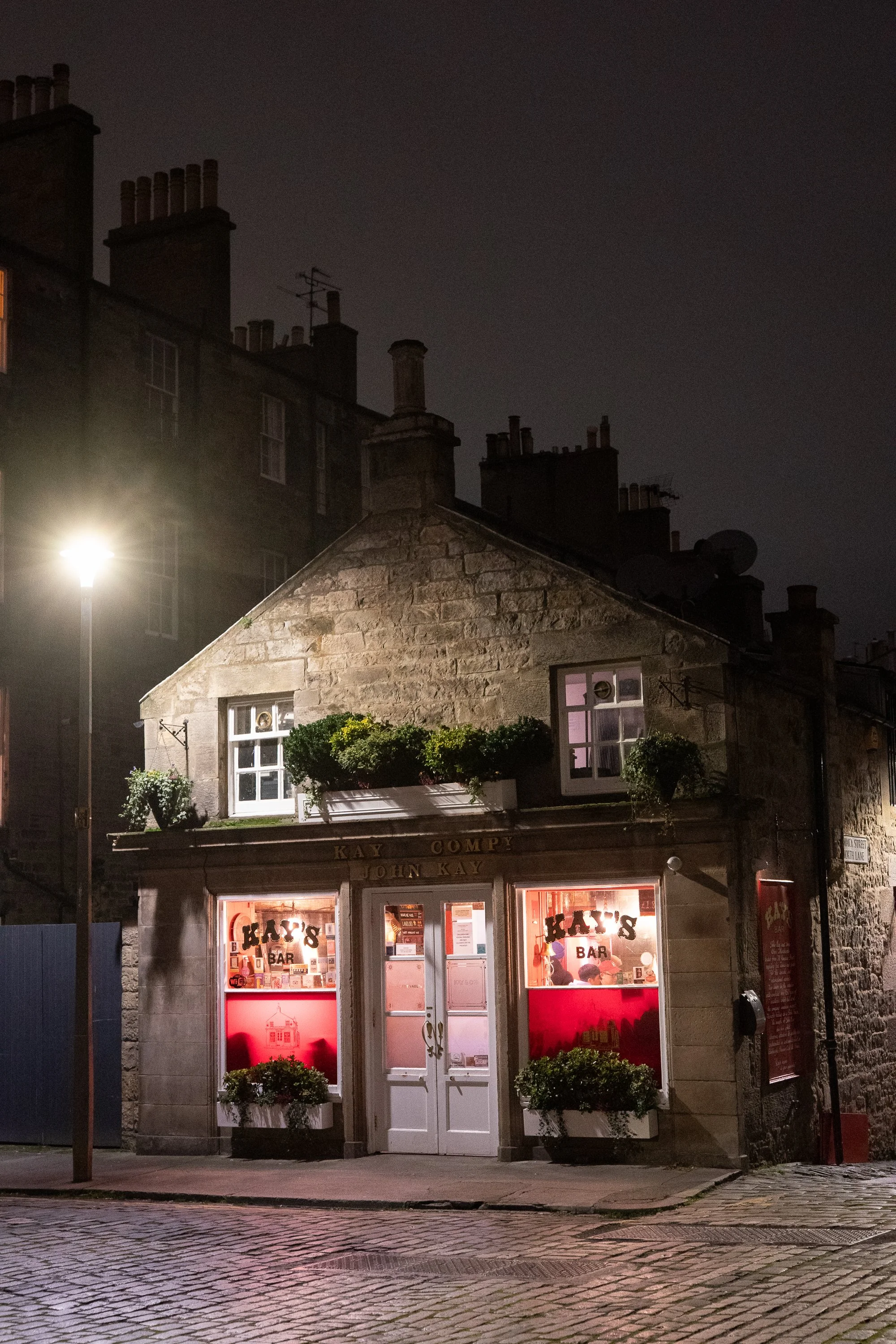
Kay’s Bar illuminated at night on cobblestone street in Edinburgh

Kay’s Bar glows against the dark stone of the city, a small corner pub holding its ground beneath the streetlight and chimney-lined skyline.

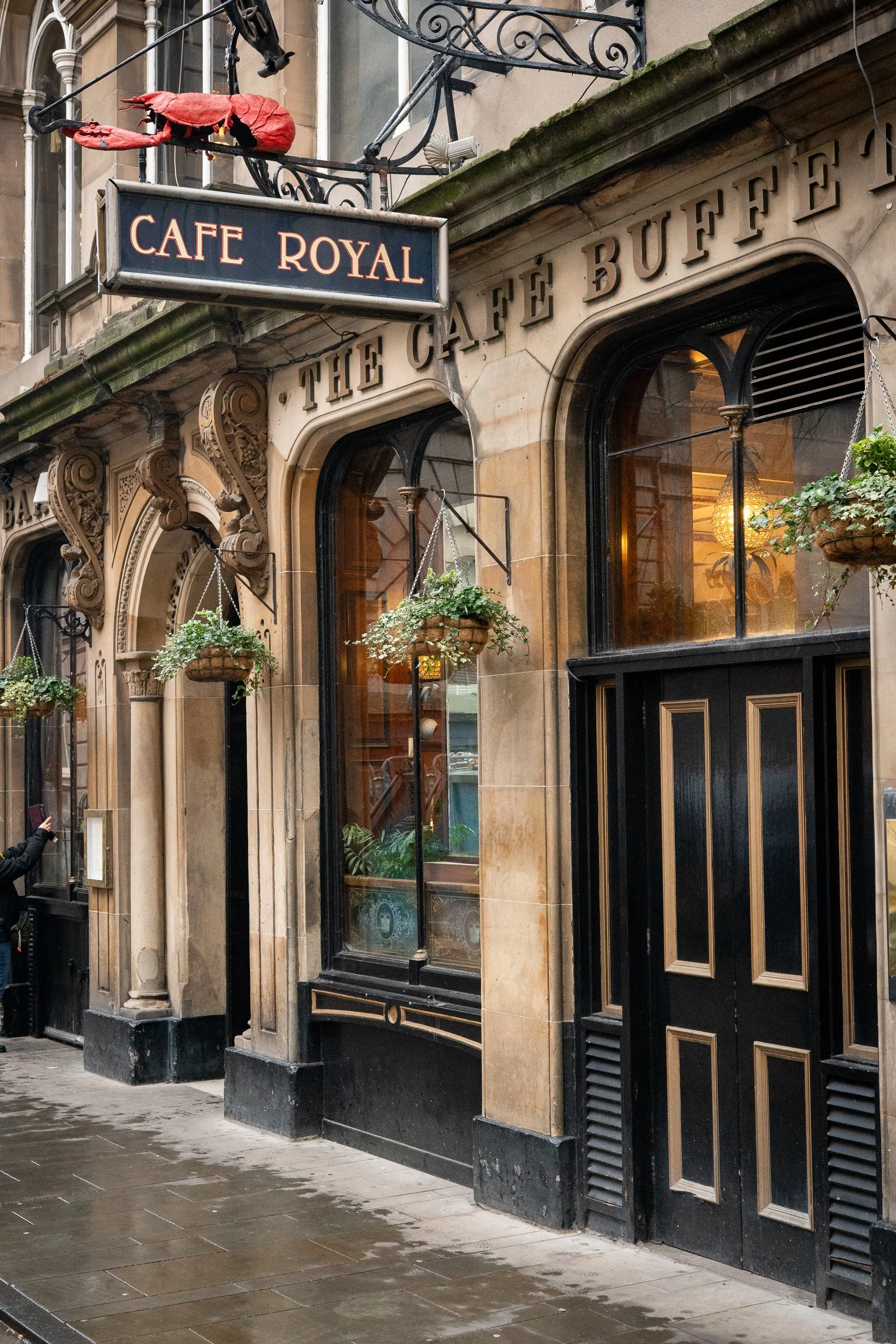
Exterior facade of Cafe Royal in Edinburgh with hanging plants and ornate stonework

The facade of Cafe Royal stands with carved stone and hanging greenery, its Victorian architecture hinting at the grandeur waiting just inside.

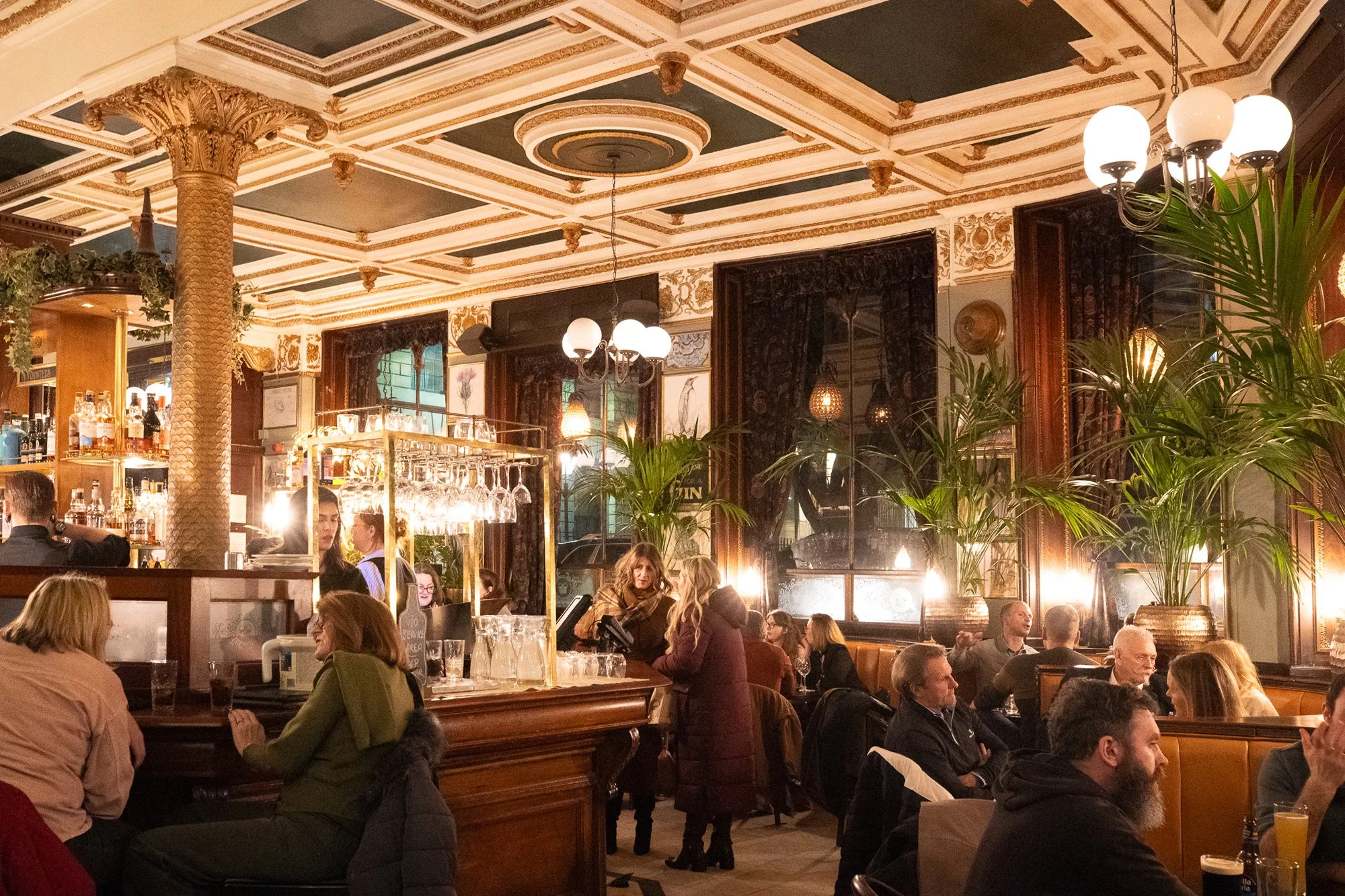
Wide interior view of Cafe Royal in Edinburgh with ornate ceiling, carved columns, and evening crowd

Inside Cafe Royal, carved columns and gilded ceilings frame a room that feels almost theatrical. Conversations move between tables while the architecture quietly holds the weight of another century.

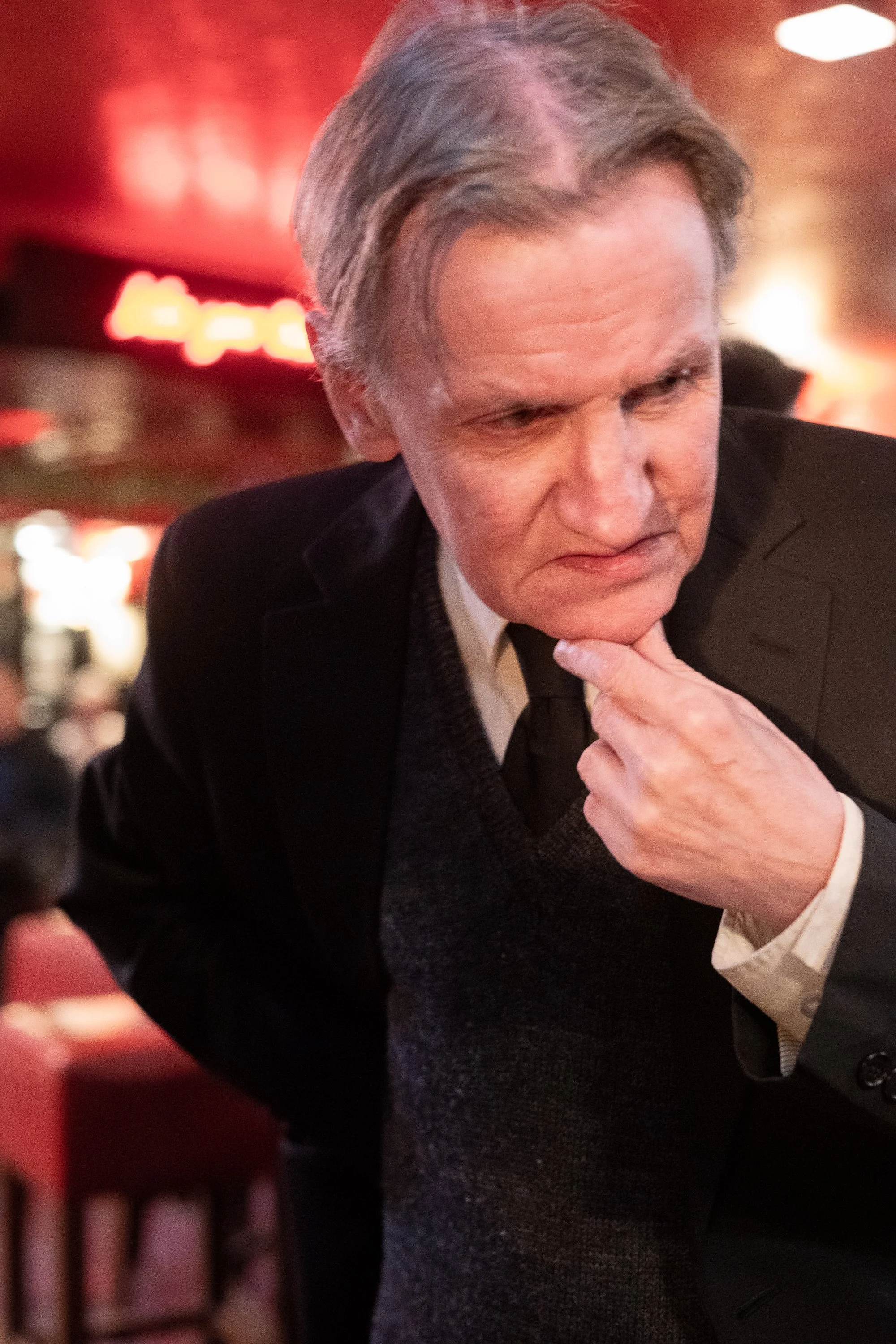
Portrait of man in suit standing thoughtfully inside Edinburgh pub

A moment of stillness at the bar — one hand at his chin, the noise of the room fading as he stands briefly alone in his thoughts.

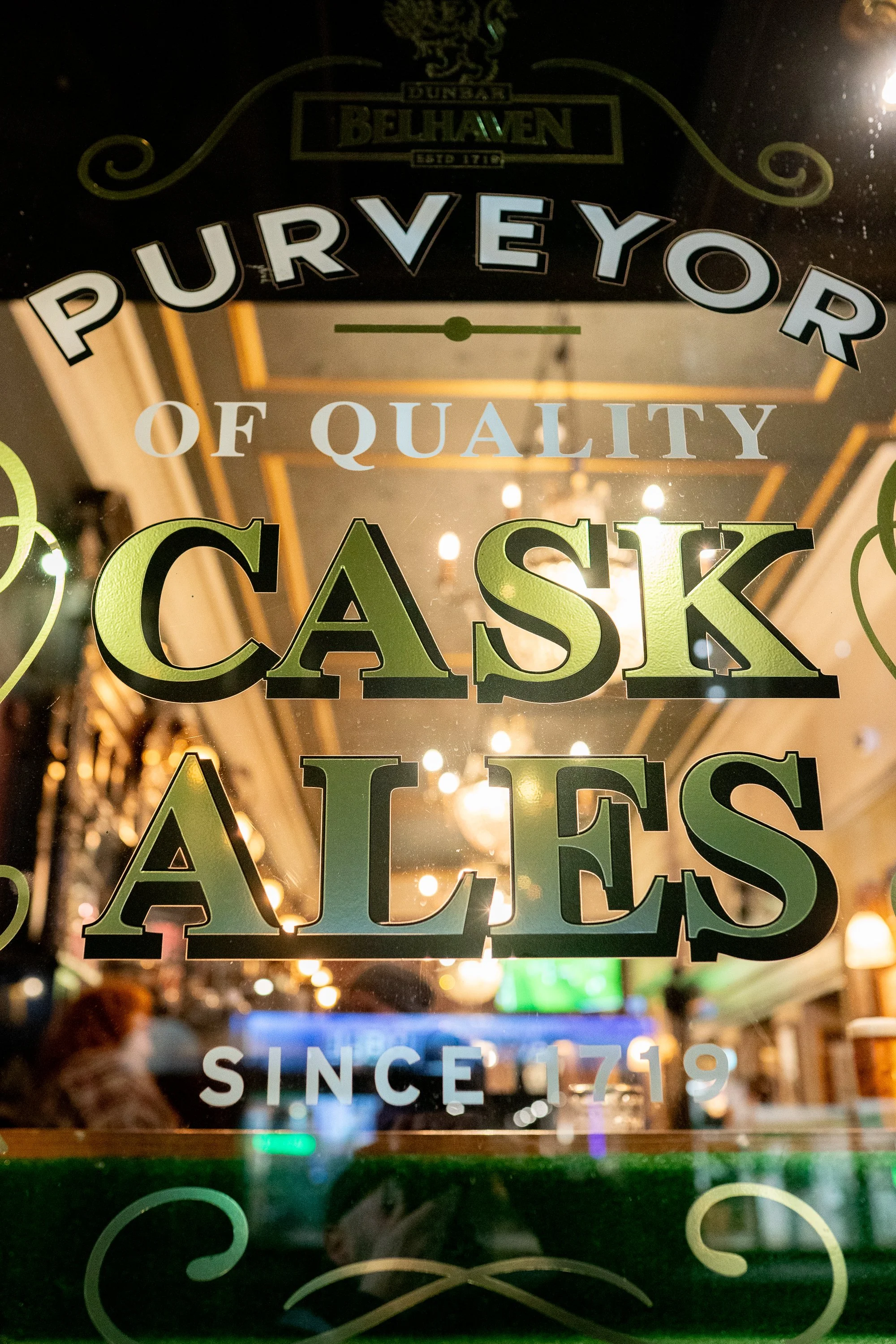
Window sign reading Purveyor of Quality Cask Ales inside Edinburgh pub

Lettering on glass announces “Purveyor of Quality Cask Ales,” a quiet declaration of standards that predate modern branding.

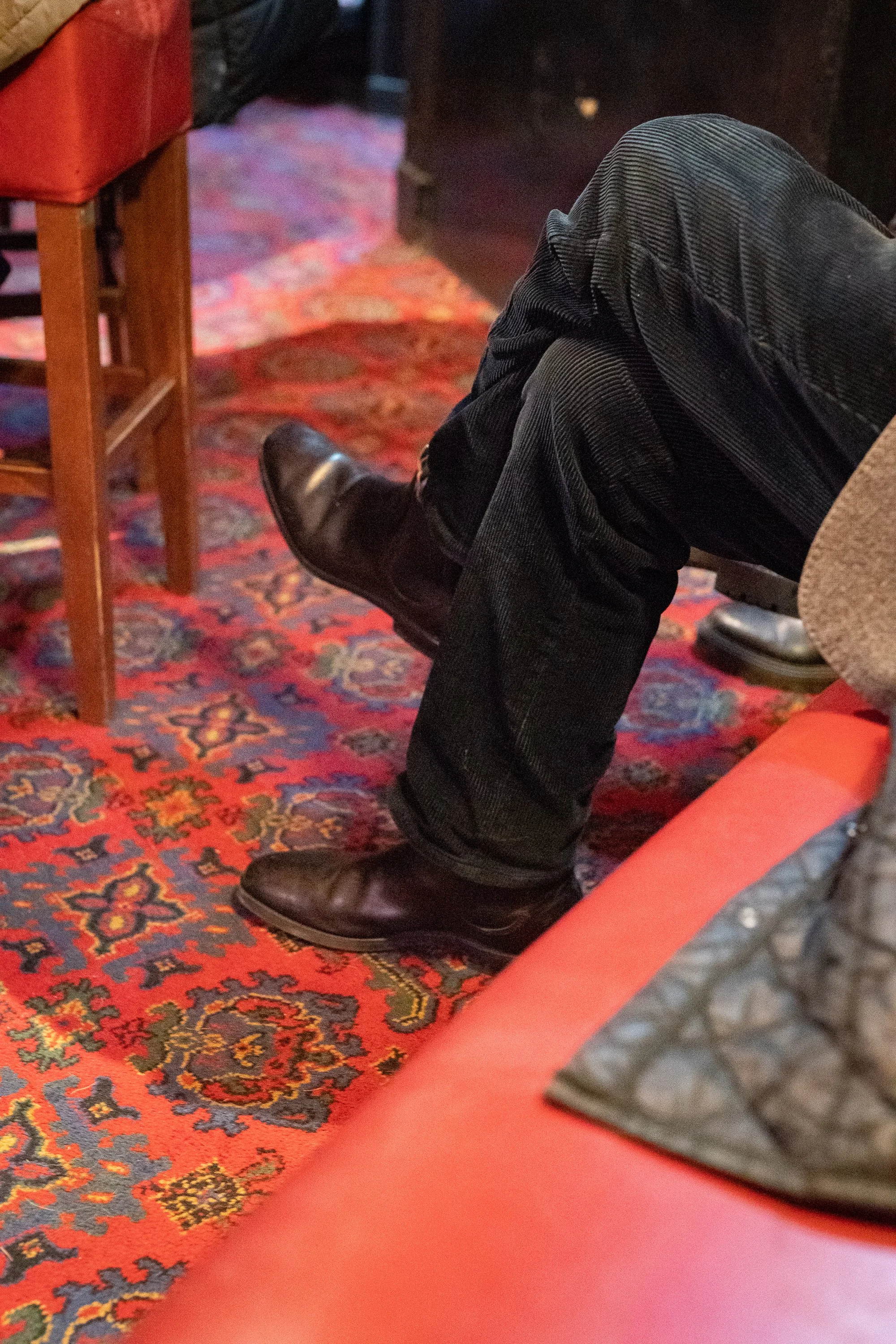
Close-up of boots resting on red patterned carpet inside traditional pub

Boots and corduroy pants planted firmly on worn carpet — the kind of grounded detail that says more about a place than any wide shot ever could.

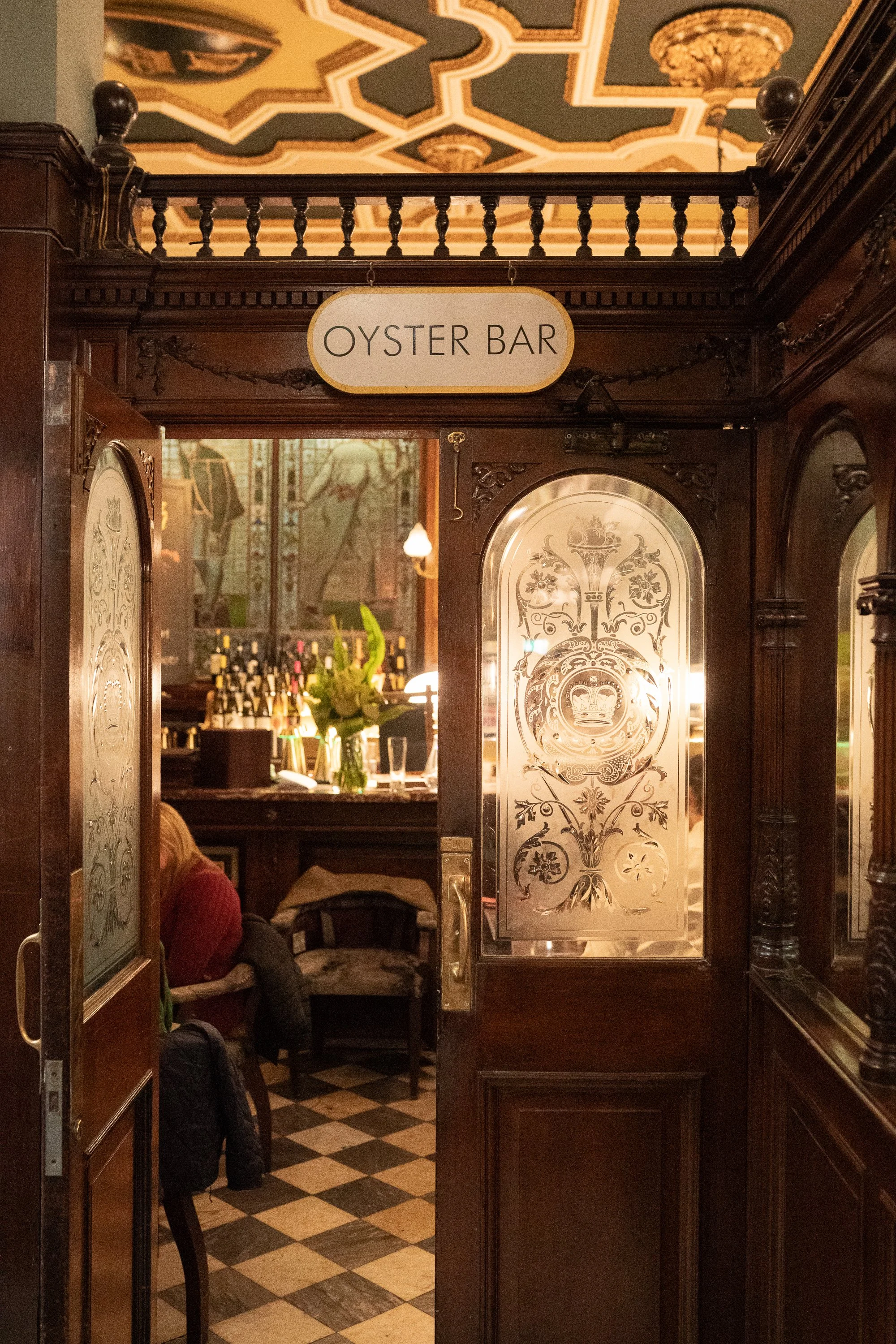
Wooden doorway entrance to the Oyster Bar at Cafe Royal in Edinburgh with etched glass panels

The Oyster Bar entrance at Cafe Royal stands beneath carved wood and etched glass, a narrow threshold between the noise of the main room and a more intimate corner of the pub.

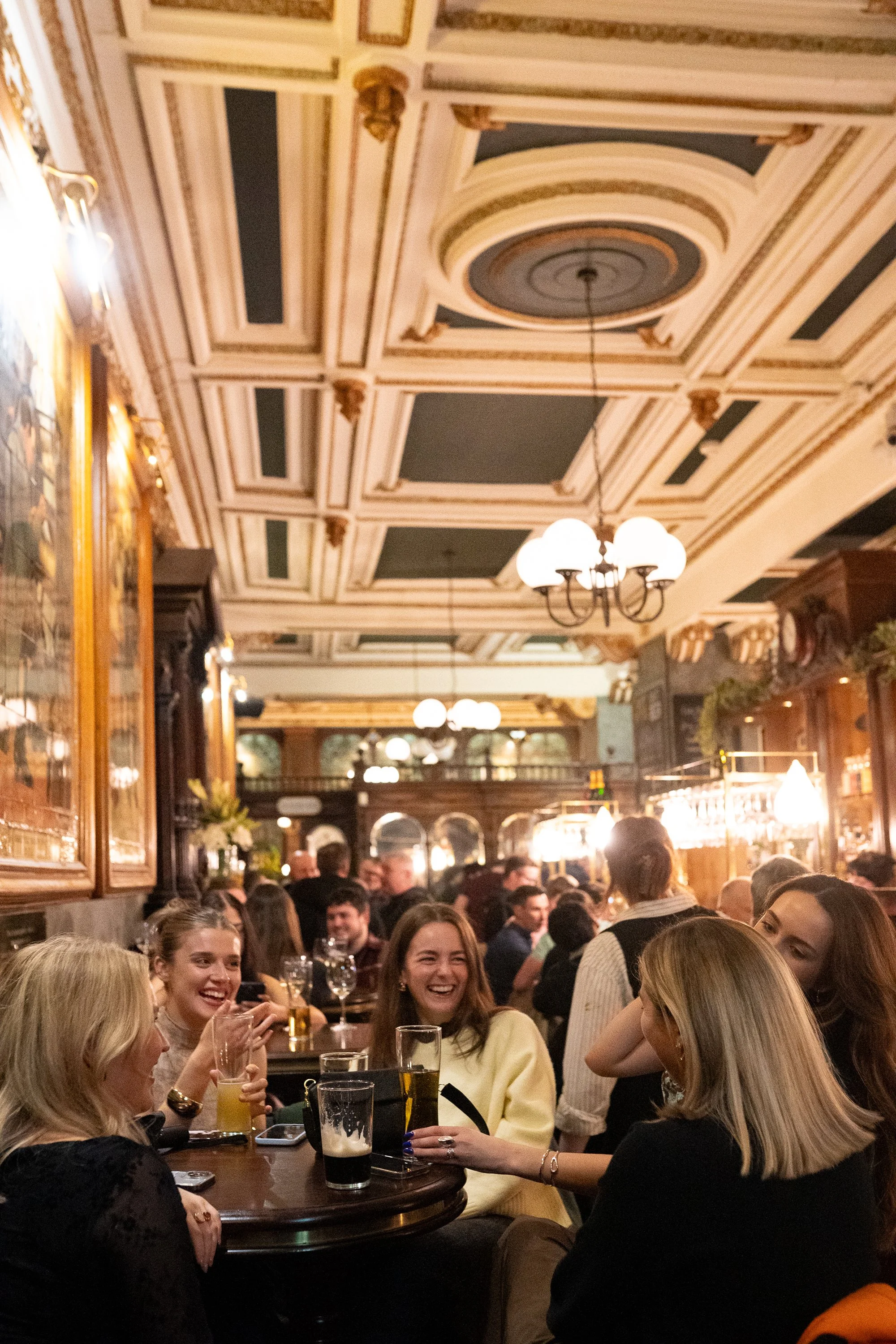
Group of women laughing at table inside Cafe Royal Edinburgh

At the Cafe Royal in Edinburgh friends lean in close at a small round table, their laughter rising into a room that has held a century of similar evenings.

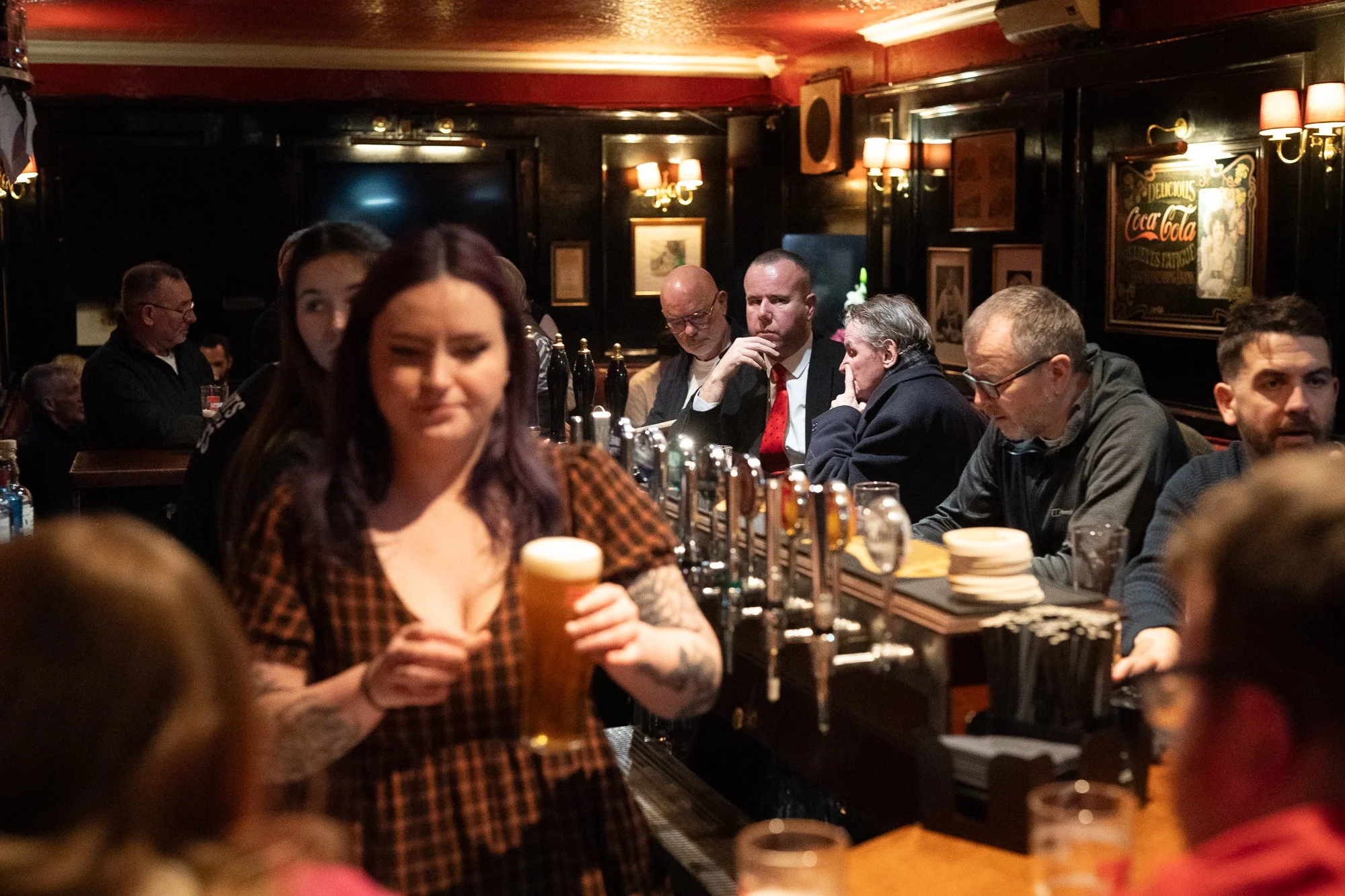
Bartender serving pint of beer inside The Bailie Bar in Edinburgh

The Bailie Bar- Edinburgh, Scotland

Ornate ceiling and crowded bar interior at The Standing Order in Edinburgh

Beneath gilded ceilings and carved arches, the bar hums with conversation — architecture and atmosphere sharing the same space at The Standing Order in Edinburgh

C-Punch Ranch - Nevada

C-Punch Ranch, Nevada – Working Cowboys of the Great Basin

The C-Punch Ranch sits deep in the high desert of northern Nevada, a place where the road narrows, cell service disappears, and the landscape stretches out far beyond what most people ever get to see. I’ve photographed a lot of working cowboys across the West over the years, but the C-Punch has a way of staying with you. It’s a ranch of unthinkable size (1.8 million acres), resilient horses, and buckaroo traditions that haven’t been watered down by time or convenience. Everything about it feels rooted in the old ways—not out of nostalgia, but because it’s the only thing that works in a place that big!

This is a photographic look inside one of the Great Basin’s most respected outfits.

A Historic Ranch in the Heart of the Great Basin

The Great Basin is unlike anywhere else in the country. It’s wide, harsh, and rugged in a way that demands a certain type of cowboy—someone who’s as comfortable riding an endless trot as they are roping in big country. The C-Punch Ranch fits squarely into that tradition. It’s one of the longstanding outfits that helped define the buckaroo style: rawhide gear, flashy bits, big loops, Vaquero-influenced horsemanship, and an unwavering focus on stockmanship.

Ranches in this region operate across huge expanses of desert and sagebrush. The land is open, unforgiving, and absolutely beautiful. Cattle graze for miles. Horses cover ground that would break most people. And the cowboys who work here carry forward a culture that remains largely unseen by the outside world.

Photographing at the C-Punch is stepping into that rhythm—into a world where the work is real and the traditions matter.

Photographing Life on the C-Punch Ranch

My time on the ranch always starts before sunrise. The crew saddles in the pale light, horses blowing steam into the morning air. Coffee is hot, conversation is short, and the day begins quickly. Once you ride out onto the range, time moves differently. The distances feel enormous, and the silence is broken only by bawling cows, wind, and wild horses playing in the distance.

I photograph quietly. I don’t stage anything, and I don’t ask people to perform. The work is honest as it is, and the best photographs come from letting the day unfold as it always does.

Some days are spent gathering cattle across rough desert country. Other days are branding days—dust, smoke, ropes, and a kind of controlled chaos that resolves into teamwork. No two days are the same, and that’s the beauty of working ranches like the C-Punch.

Gathering Cattle Across the Nevada Desert

Cattle work in the Great Basin means covering many many many miles—sometimes more before lunch than most people drive in a week. The C-Punch cowboys ride out into sagebrush flats and rocky hillsides, spreading wide across the desert to bring cattle together. Horses work hard out there. Cowboys do too.

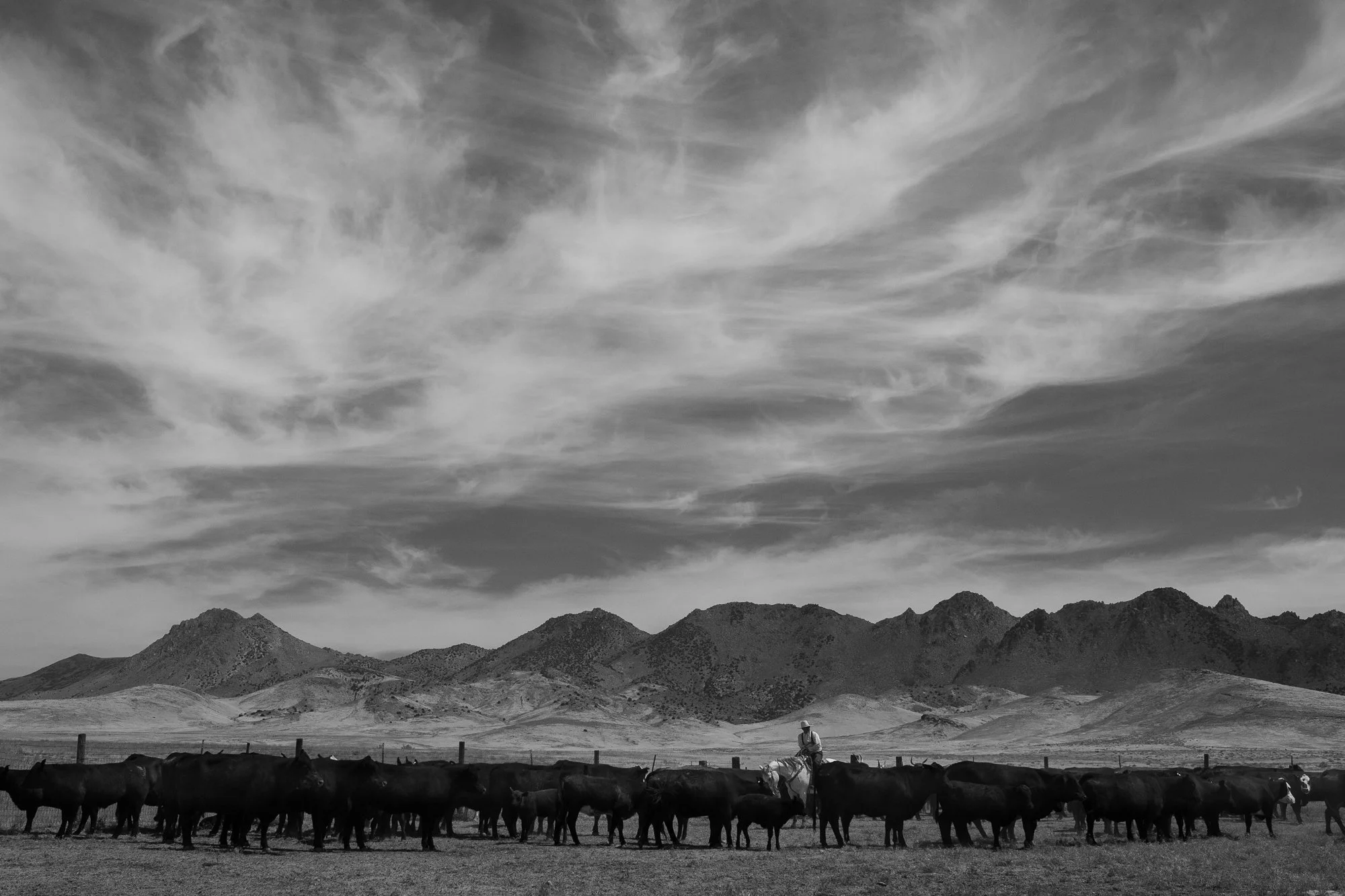
The landscape is big enough that you often see a single rider silhouetted against an entire mountain range. Dust hangs low. Light shifts quickly. And the relationships between riders and horses become clear in those long, quiet hours.

These are some of my favorite moments to photograph—honest, solitary, and rooted in the environment.

Branding on the C-Punch – Dust, Smoke, and Traditions That Don’t Change

Branding on the C-Punch is high desert ranching at its most iconic. There’s smoke, dust, noise, and movement from every direction. Cowboys rope calves from horseback. Ground crew works quickly. Horses stand steady in the swirl of dust. It’s a fast, physical kind of work, but everyone knows their place and the flow stays remarkably smooth.

What stands out most is how much horsemanship is involved. Everything is done with a rope, a horse, and practiced timing. It’s the kind of branding that defines buckaroo culture—the kind rarely seen by the general public.

Photographically, it’s a gift: sun slicing through dust, silhouettes in motion, rawhide ropes swinging through the air, and the steam rising off a fresh brand.

Details That Define a Buckaroo Outfit

You can learn a lot about a ranch by looking at the details. The worn bell stirrups marked by years of use, Garcia bits, rough out saddles, flat hats, rawhide reins that have passed through the hands of several cowboys. Spurs shaped by tradition, not fashion.

These details tell the story just as much as the wide landscapes or branding scenes. They show the craftsmanship, the lifestyle, and the individuality of each rider. They’re reminders that buckaroo culture isn’t just about cattle work—it’s about a way of life built over generations.

A Ranch Where Tradition Still Matters

The C-Punch Ranch is one of those rare places where the past and present meet naturally. The work is still done horseback. Young cowboys learn from seasoned hands. Horses are respected. Gear is functional, not decorative. And there is pride—quiet, deep pride—in doing the job well.

In a world moving fast and often in the opposite direction of tradition, the C-Punch remains steady. That’s what makes documenting it so meaningful. It isn’t a reenactment. It isn’t a version cleaned up for guests or cameras. It’s the real thing, practiced every day because it’s how the work gets done.

Related Ranches of the Great Basin

If you’re interested in this story, you may also like my photographs from:

Fine Art Prints & Licensing

Images from the C-Punch Ranch are available as fine art prints.
Licensing is also available for editorial, commercial, and documentary projects.

To inquire about prints or licensing, please contact me here - rob@robhammerphotography

Closing Thoughts

Every time I photograph the C-Punch Ranch, I leave with a deeper respect for the cowboys who ride there. The land is tough. The work is tougher. But there’s a sense of pride, purpose, and tradition that you won’t find anywhere else.

The Great Basin is a world unto itself—huge, harsh, and beautiful—and the C-Punch is one of the ranches that keeps its culture alive. My hope is that these photographs help preserve a small piece of that legacy.

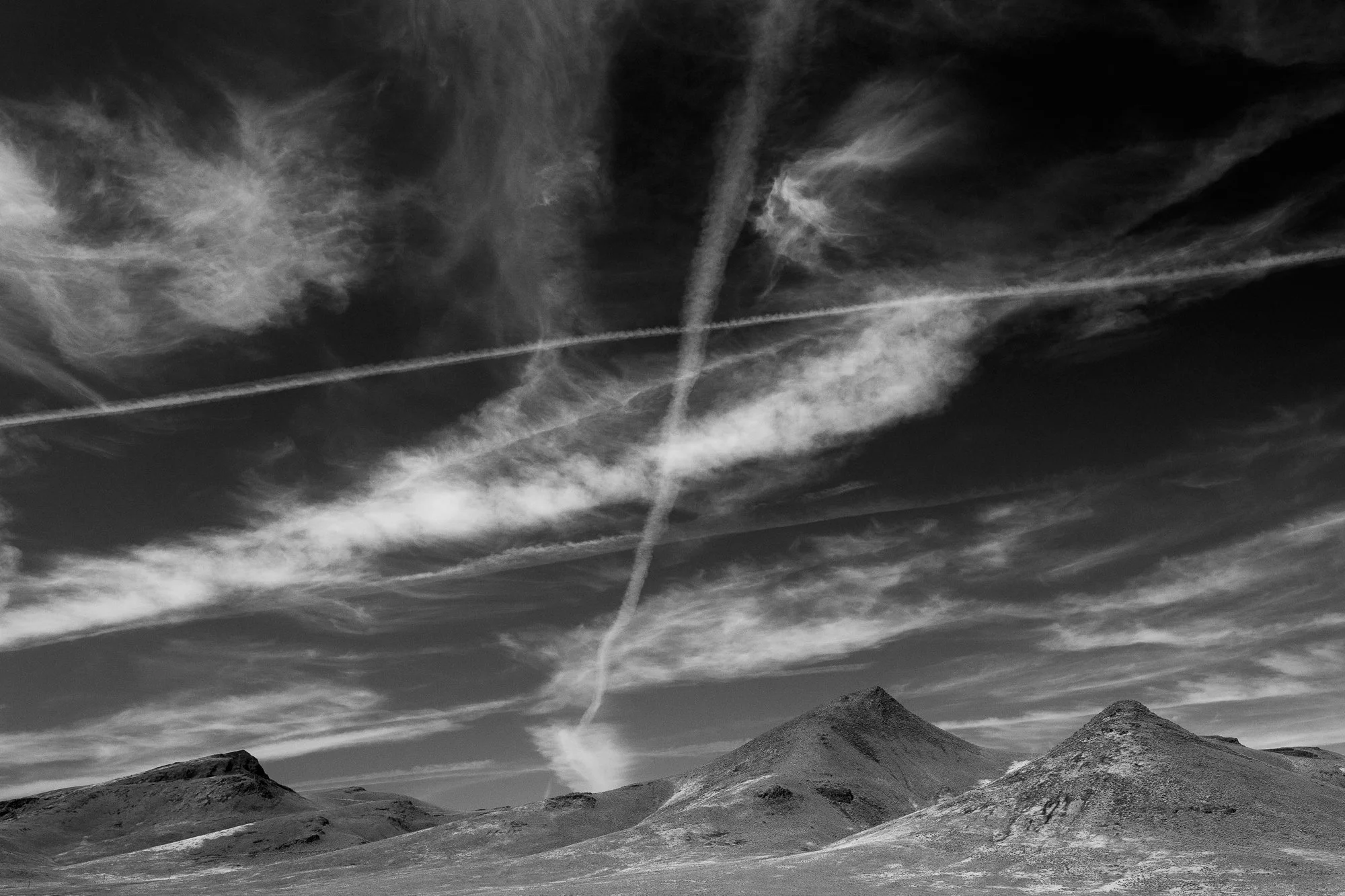
Black-and-white clouds and contrails over mountain peaks near the C-Punch Ranch.

Clouds sweep over the mountain peaks that border the C-Punch Ranch, a reminder of the scale and isolation of Nevada’s Great Basin.

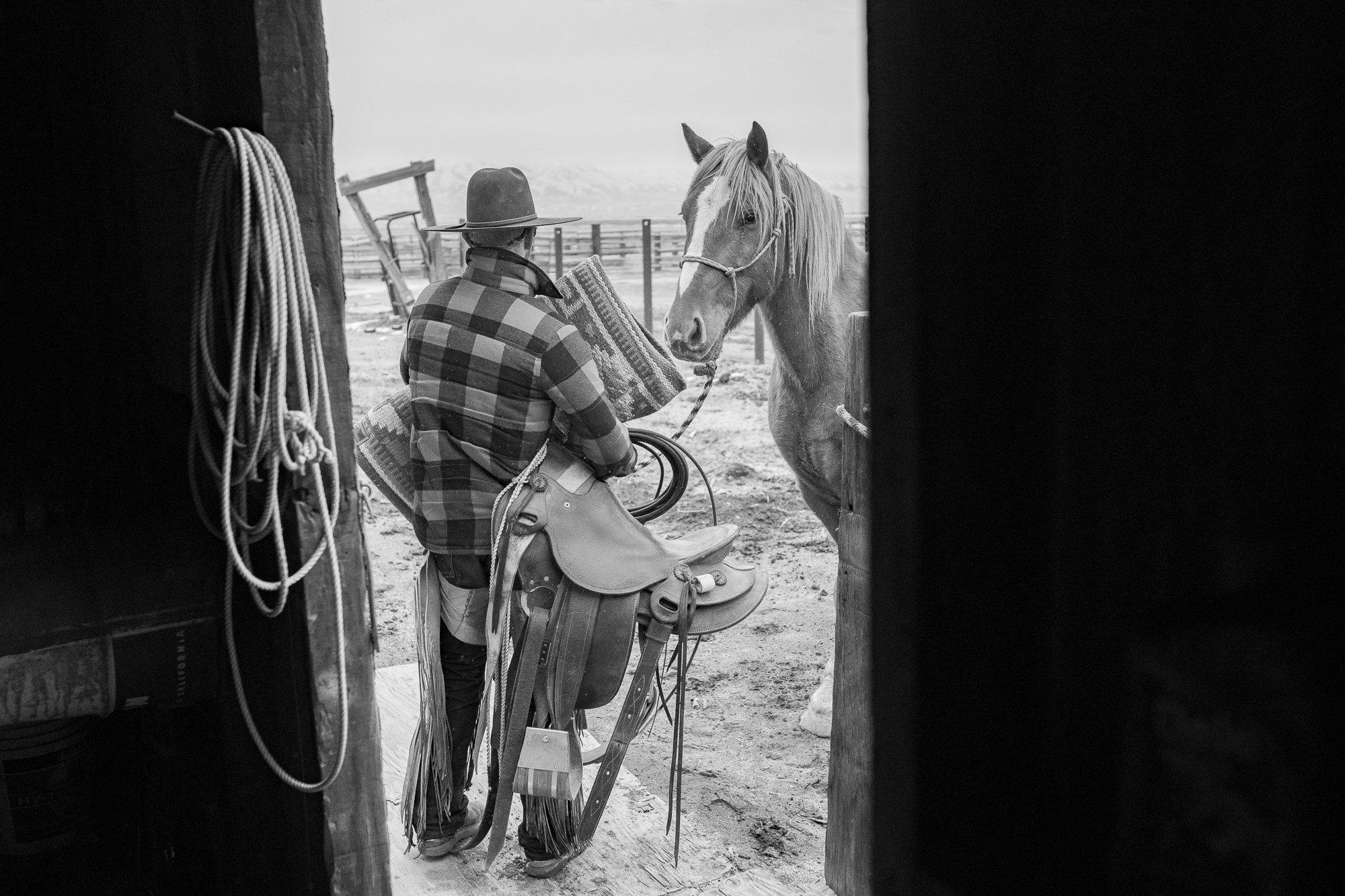
Cowboy saddling his horse inside a barn at the C-Punch Ranch in Nevada, preparing for winter ranch work

A quiet moment at the barn as a cowboy saddles his horse before heading out onto the winter range at the C-Punch Ranch.

Experienced cowboy standing beside the cattle chutes at the C-Punch Ranch in Nevada on a cold winter morning.

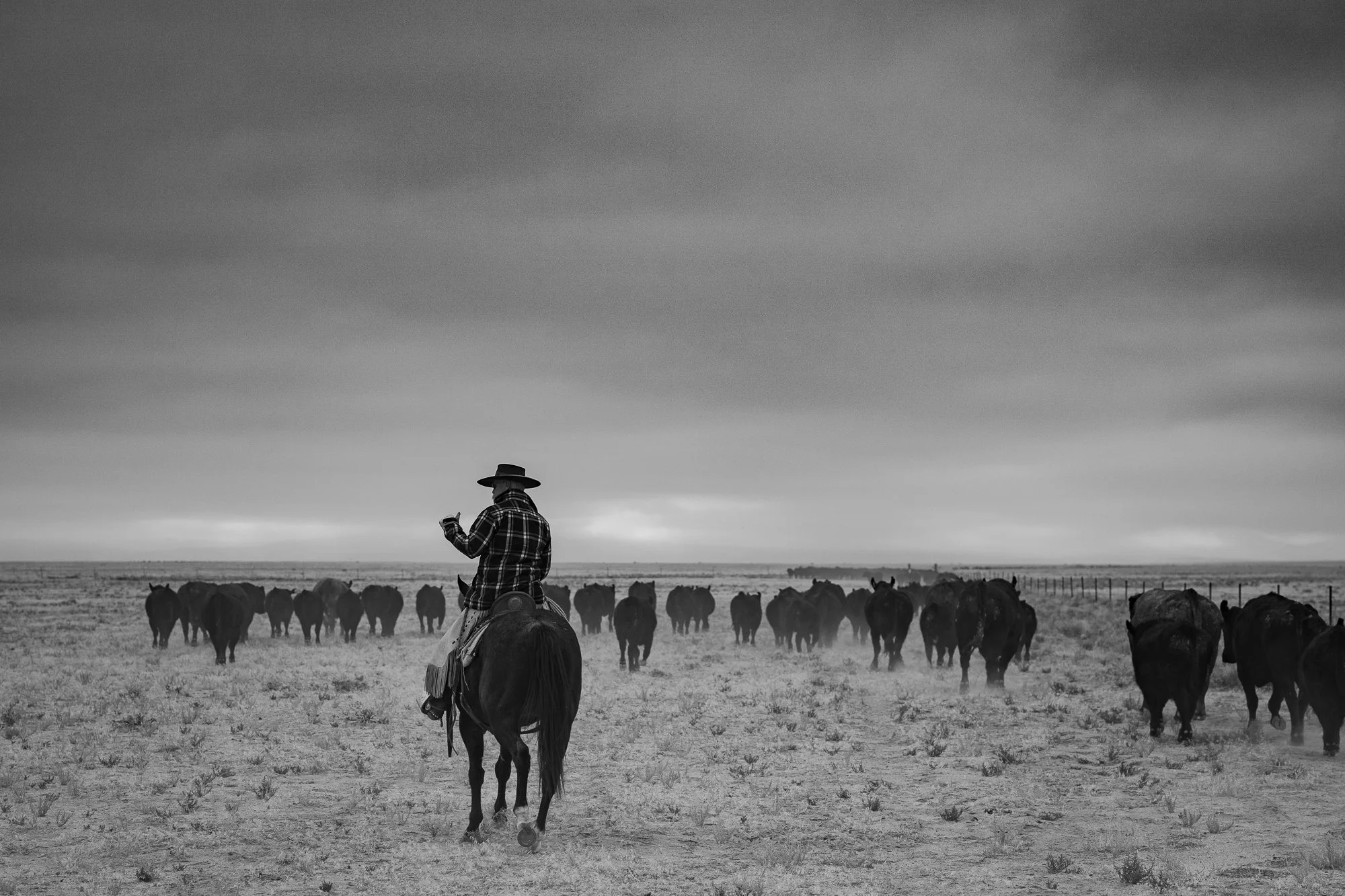
A cowboy pushes cattle across frozen ground at the C-Punch Ranch, the quiet rhythm of winter work in northern Nevada.

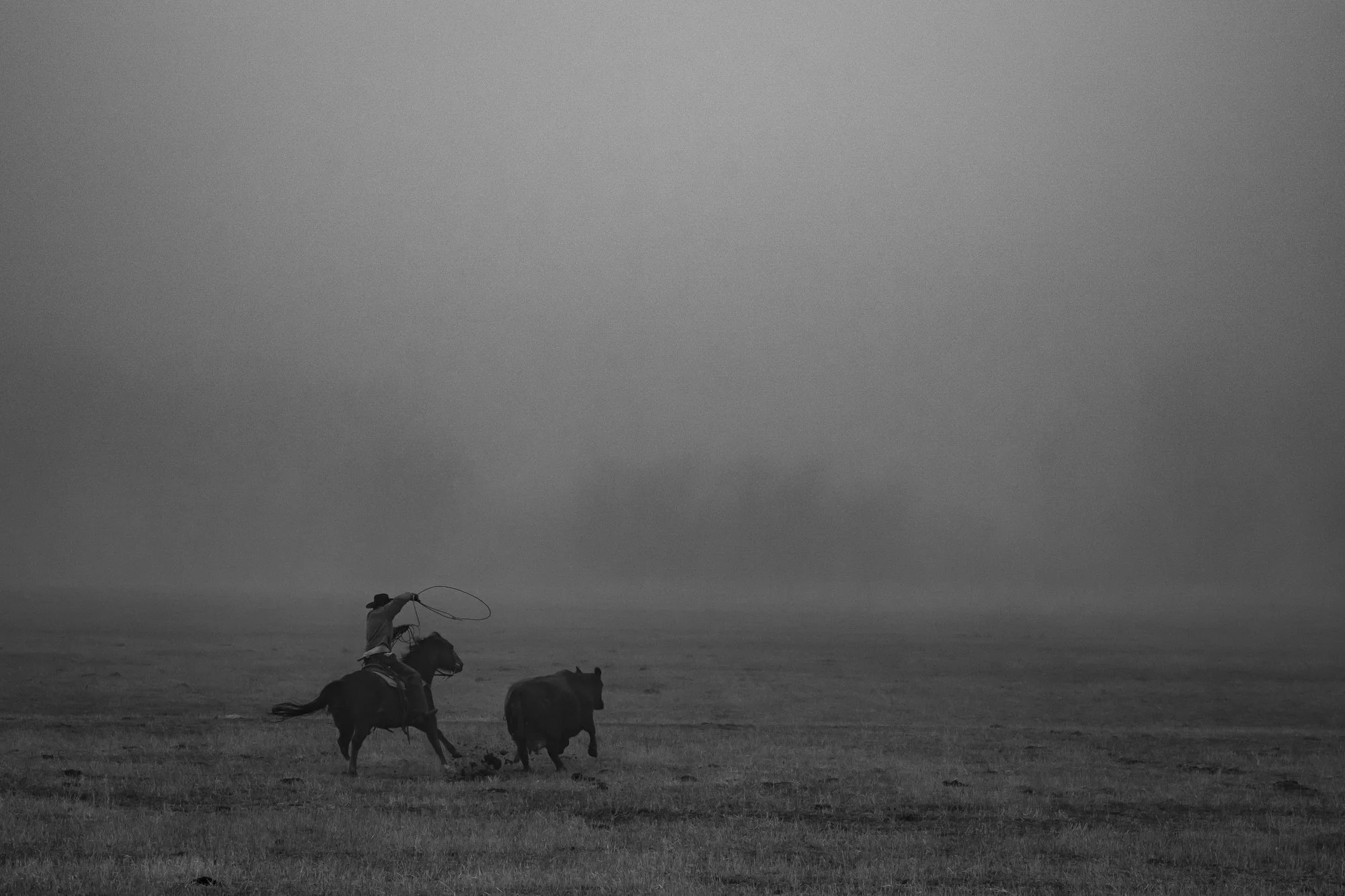
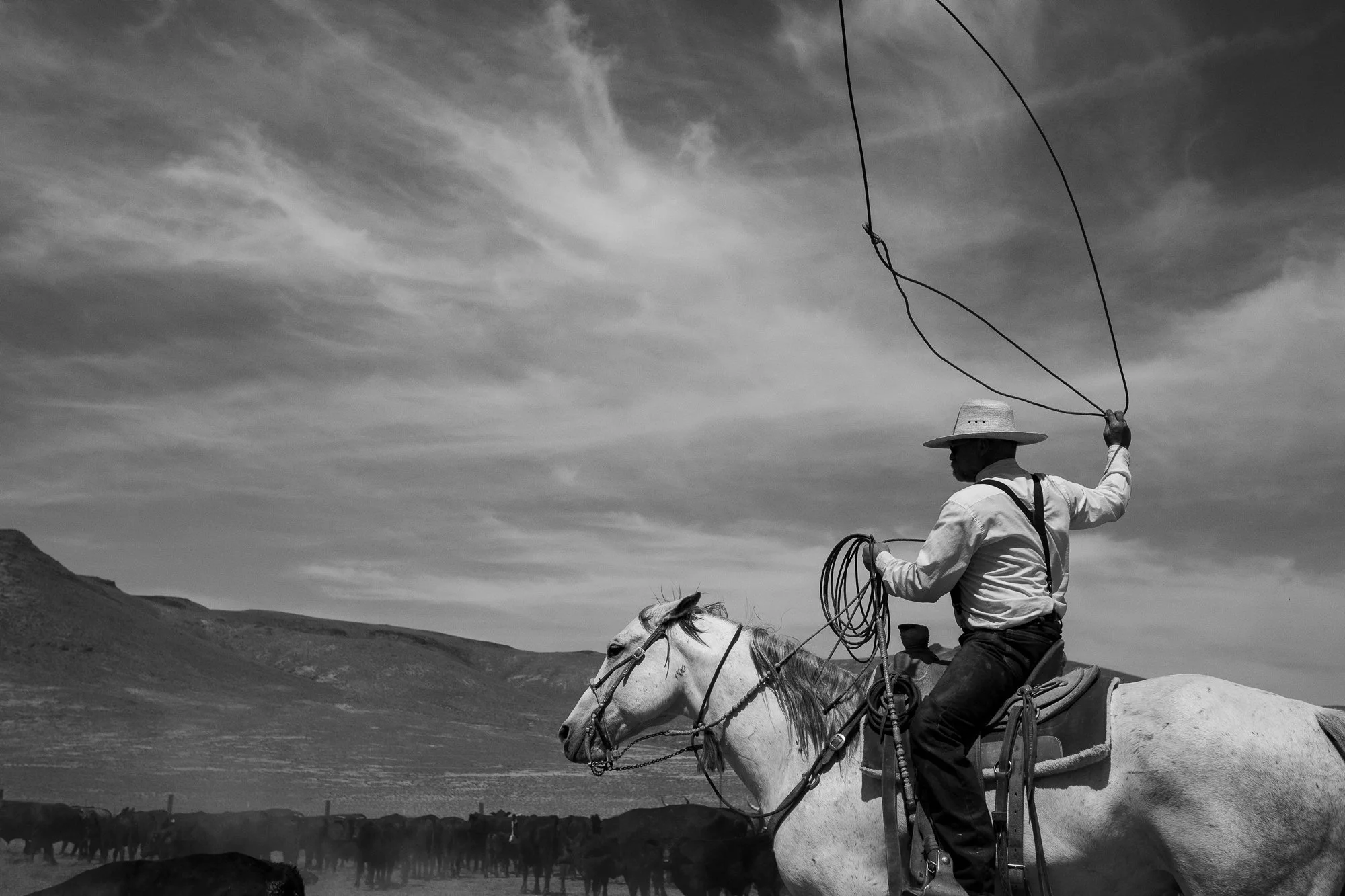
Cowboy on horseback swinging a rope during cattle work at the C-Punch Ranch in Nevada.

A buckaroo swings a loop from horseback during cattle work at the C-Punch Ranch, where roping is still done the traditional Great Basin way.

Miniature metal roping dummy with a small rope draped over it inside the C-Punch Ranch bunkhouse.

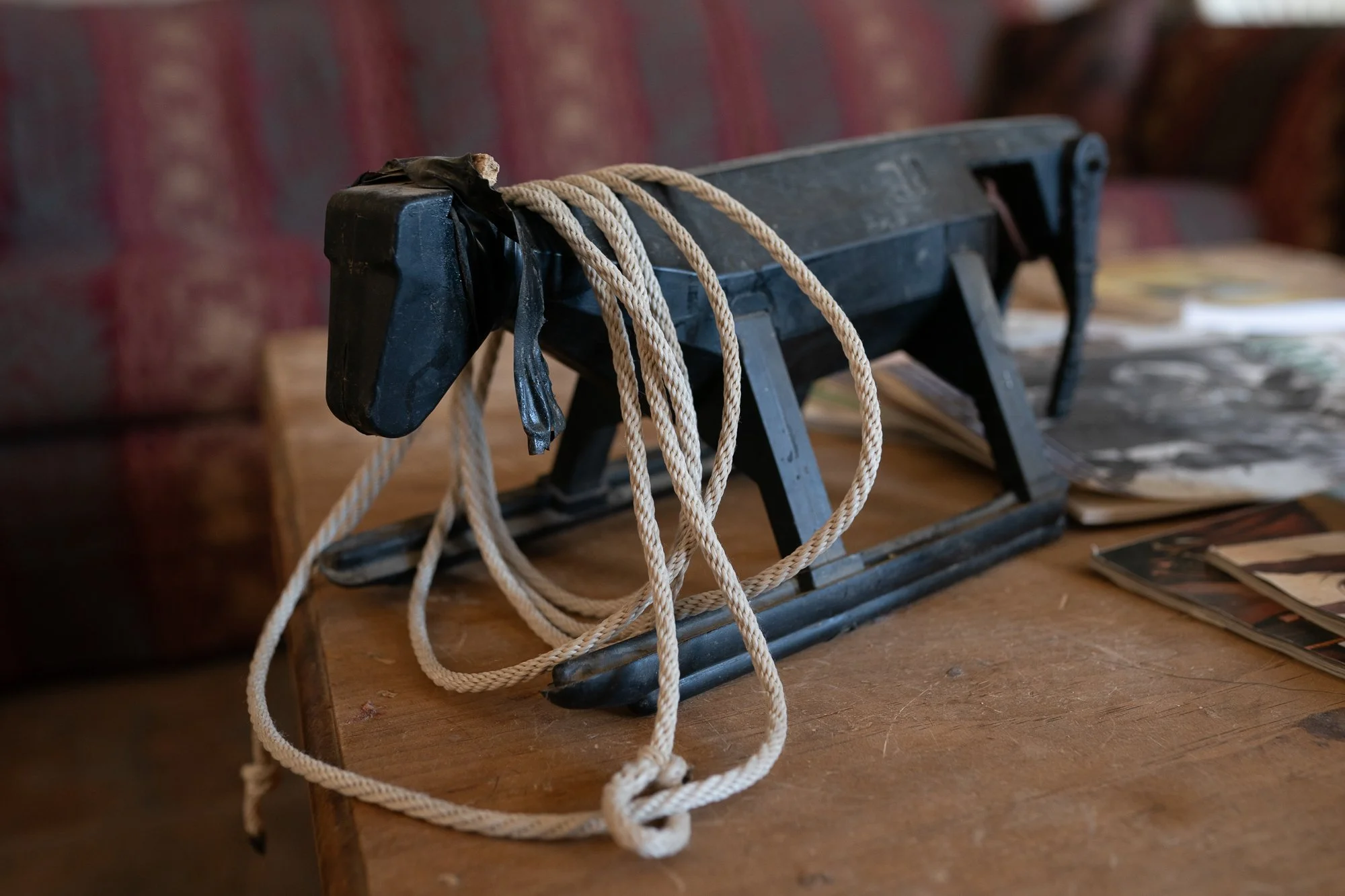
A miniature metal roping dummy sits on the bunkhouse table, used by young buckaroos learning the craft at the C-Punch Ranch.

Cowboy on horseback driving cattle in front of mountain range and dramatic clouds in Nevada.

A cowboy drives cattle beneath a sweeping sky at the C-Punch Ranch, framed by the rugged mountains of northern Nevada.

Close-up of a cowboy’s hand gripping chinks during branding at the C-Punch Ranch.

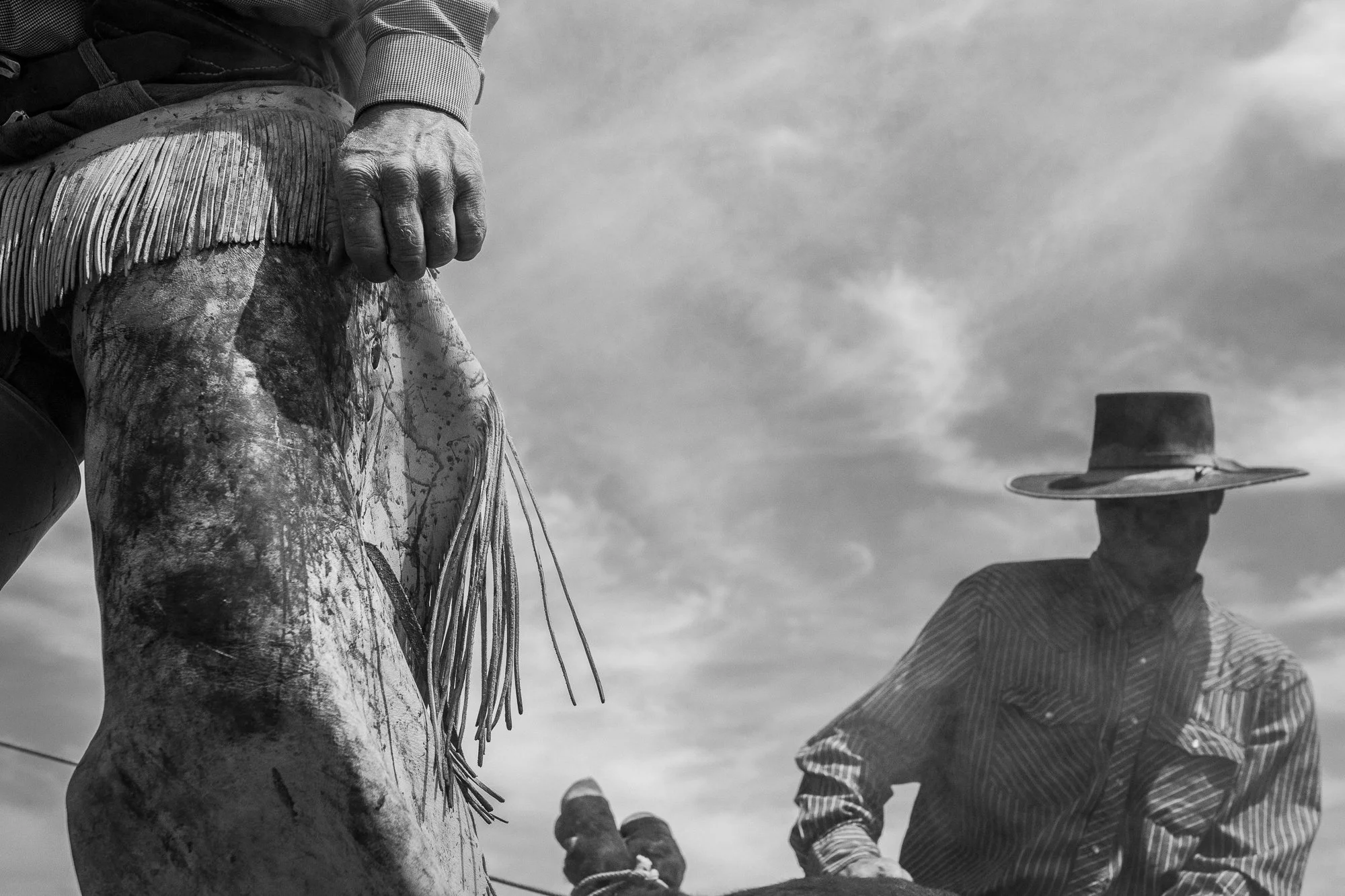
A close look at worn chinks and a working hand during branding at the C-Punch Ranch—details that define the buckaroo tradition.

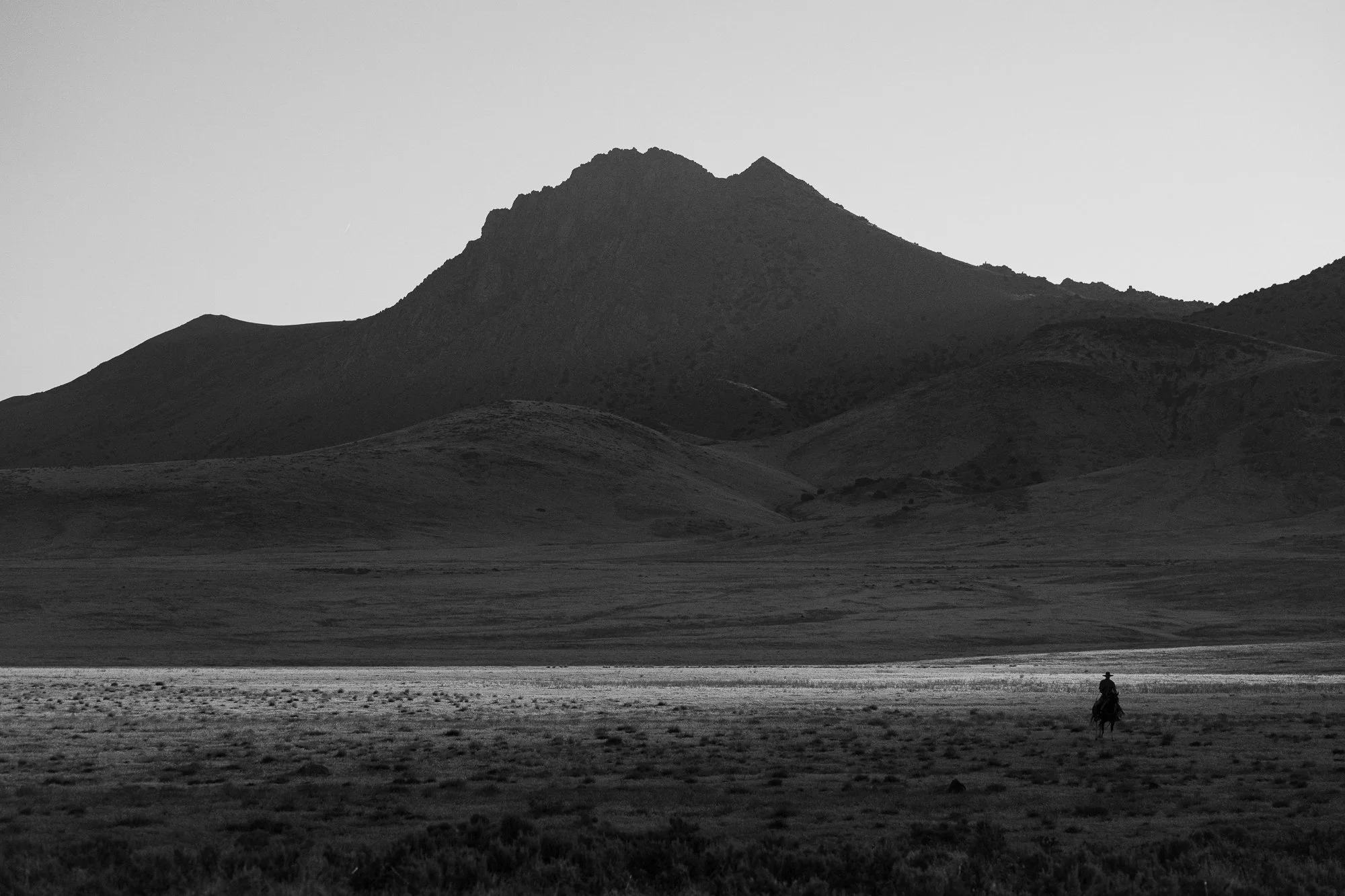
Cowboy riding alone at dawn with mountain silhouette in the background at the C-Punch Ranch.

A lone rider crosses the valley at dawn as the first light hits the mountains surrounding the C-Punch Ranch.

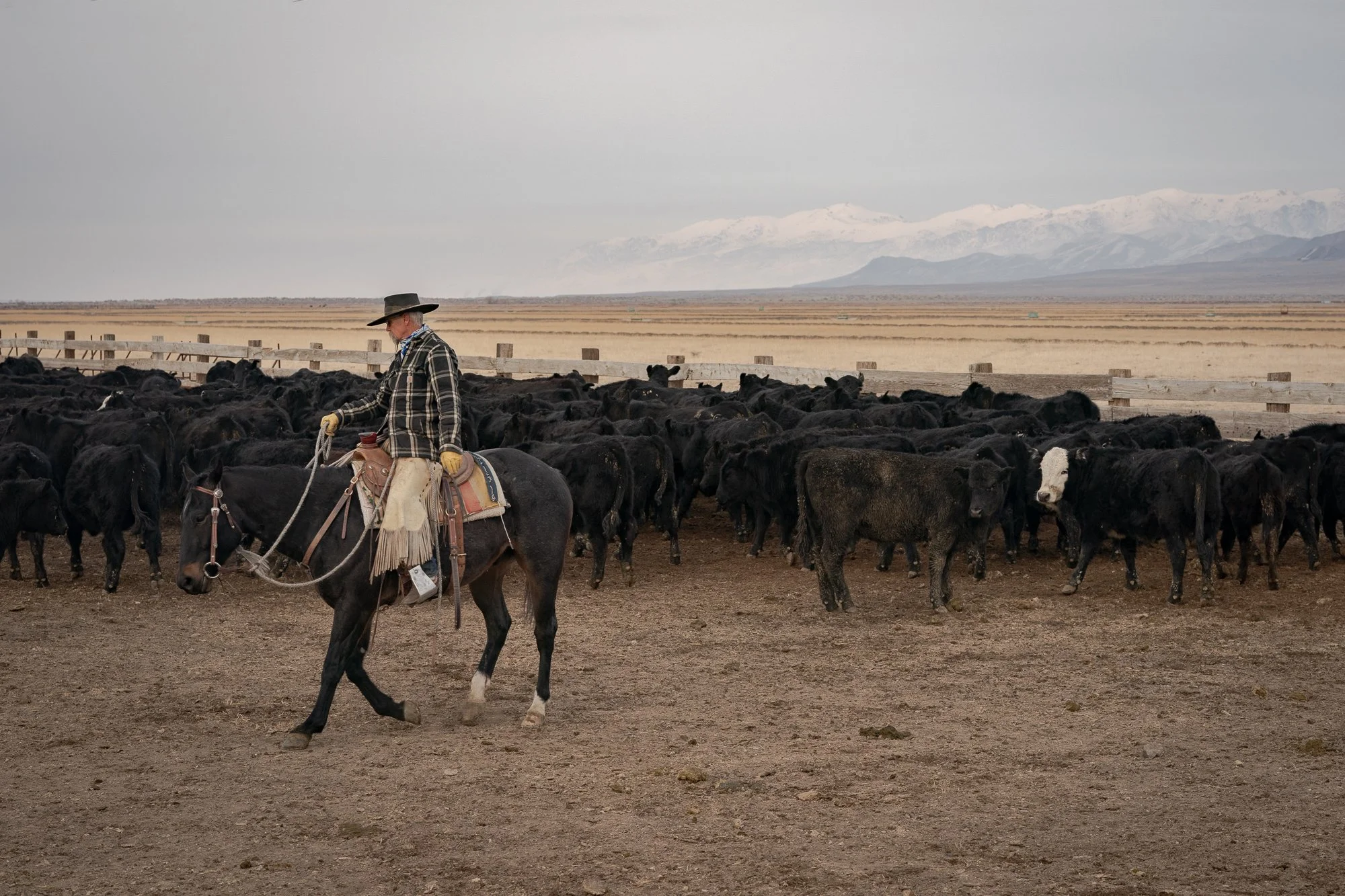
Cowboy riding through a tight herd of cattle at the C-Punch Ranch in Nevada during winter sorting.

A cowboy threads his horse through a dense herd of cattle at the C-Punch Ranch, checking animals before the day's work begins.

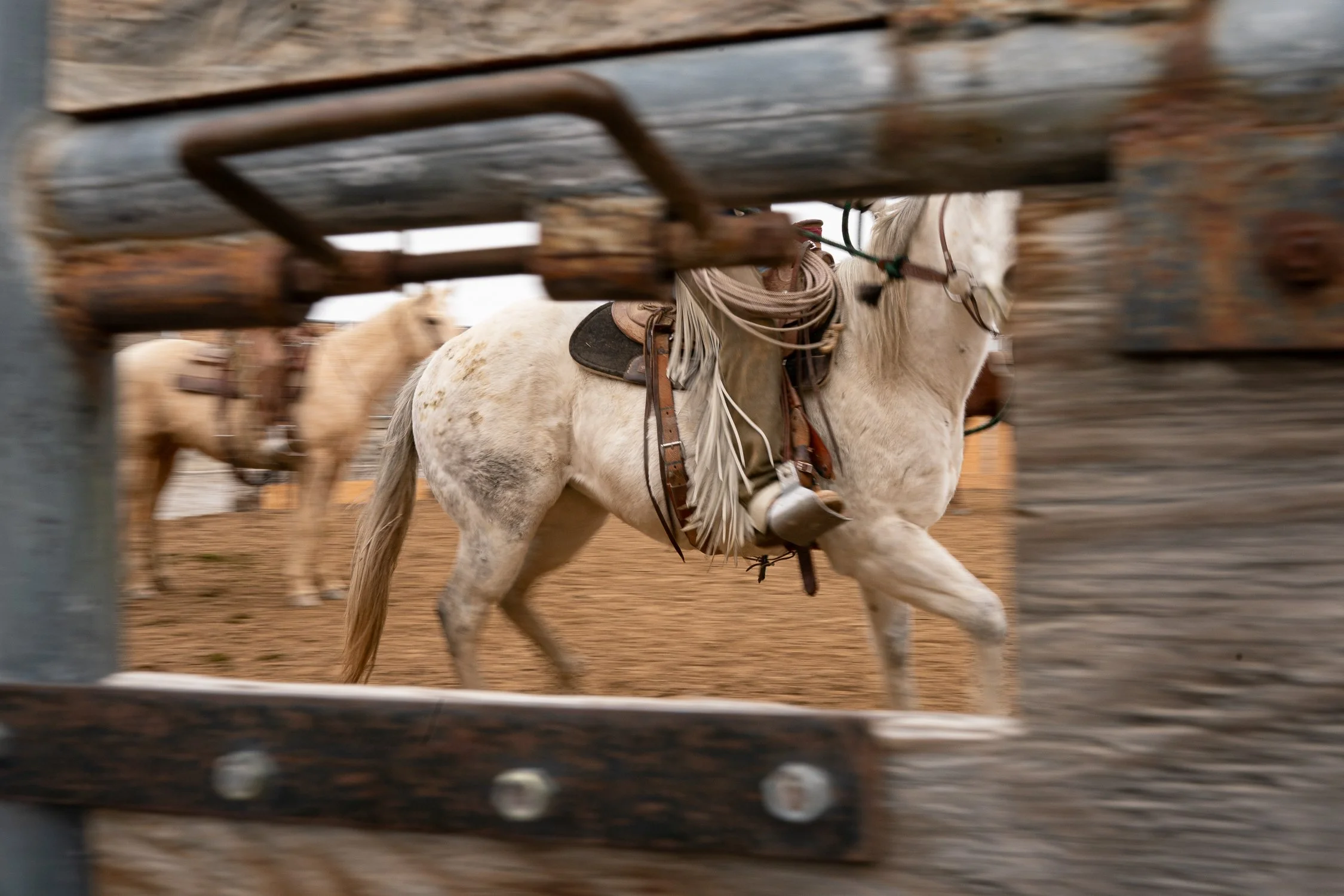
A fleeting glimpse of a saddle horse moving through the corrals during morning work at the C-Punch Ranch.

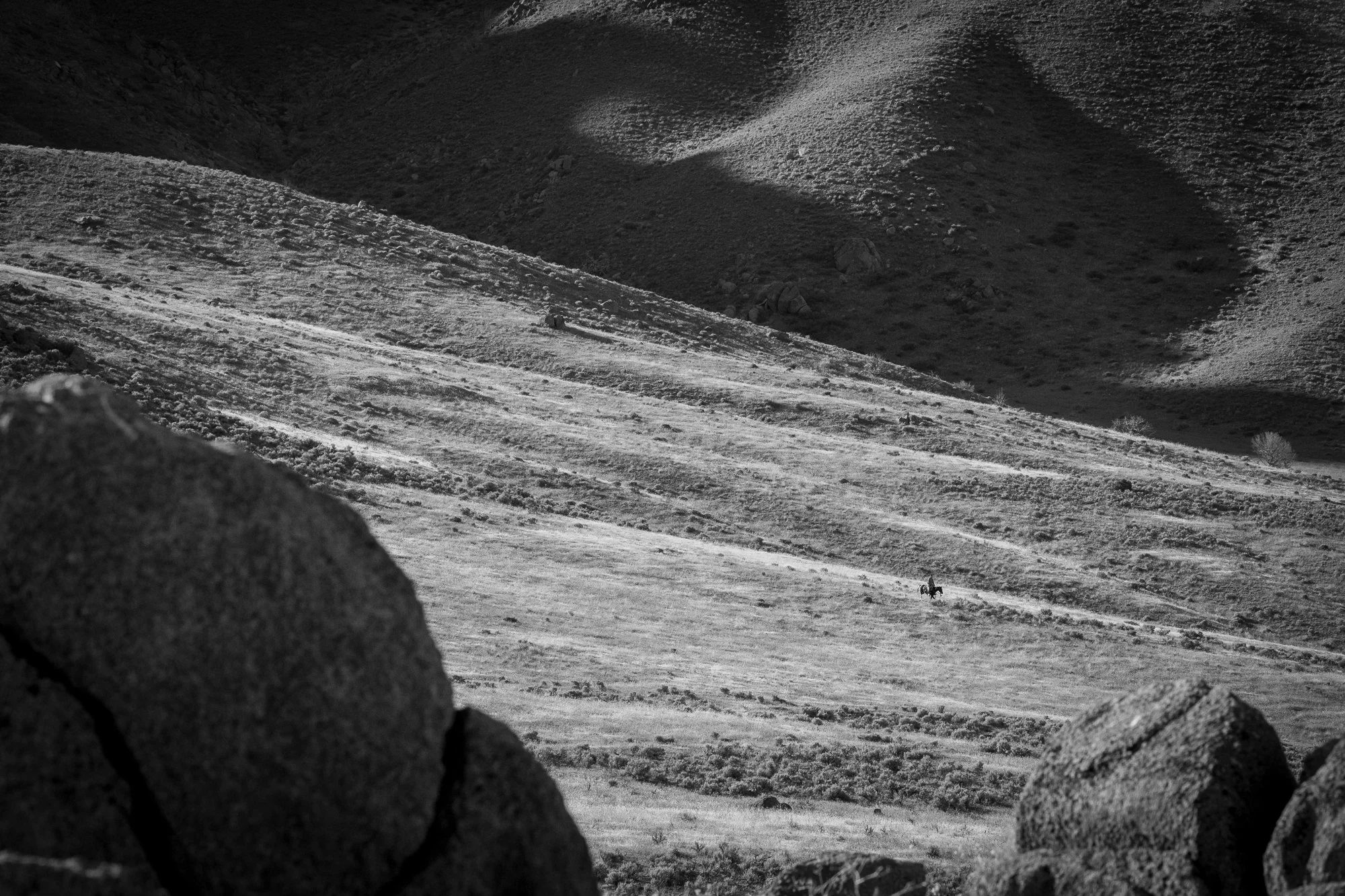
Distant cowboy on horseback riding across a sunlit hillside in the Great Basin near the C-Punch Ranch.

A distant cowboy rides along a sunlit hillside near the C-Punch Ranch, dwarfed by the scale and shadows of the Great Basin.

Wide view of the high desert and distant mountains near the C-Punch Ranch in northern Nevada

A wide view of the high desert near the C-Punch Ranch in northern Nevada, where sagebrush flats meet distant mountains across the Great Basin.

A close look at the traditional buckaroo gear used at the C-Punch Ranch, from the rawhide reins to the well-worn saddle built for long days on the desert range.

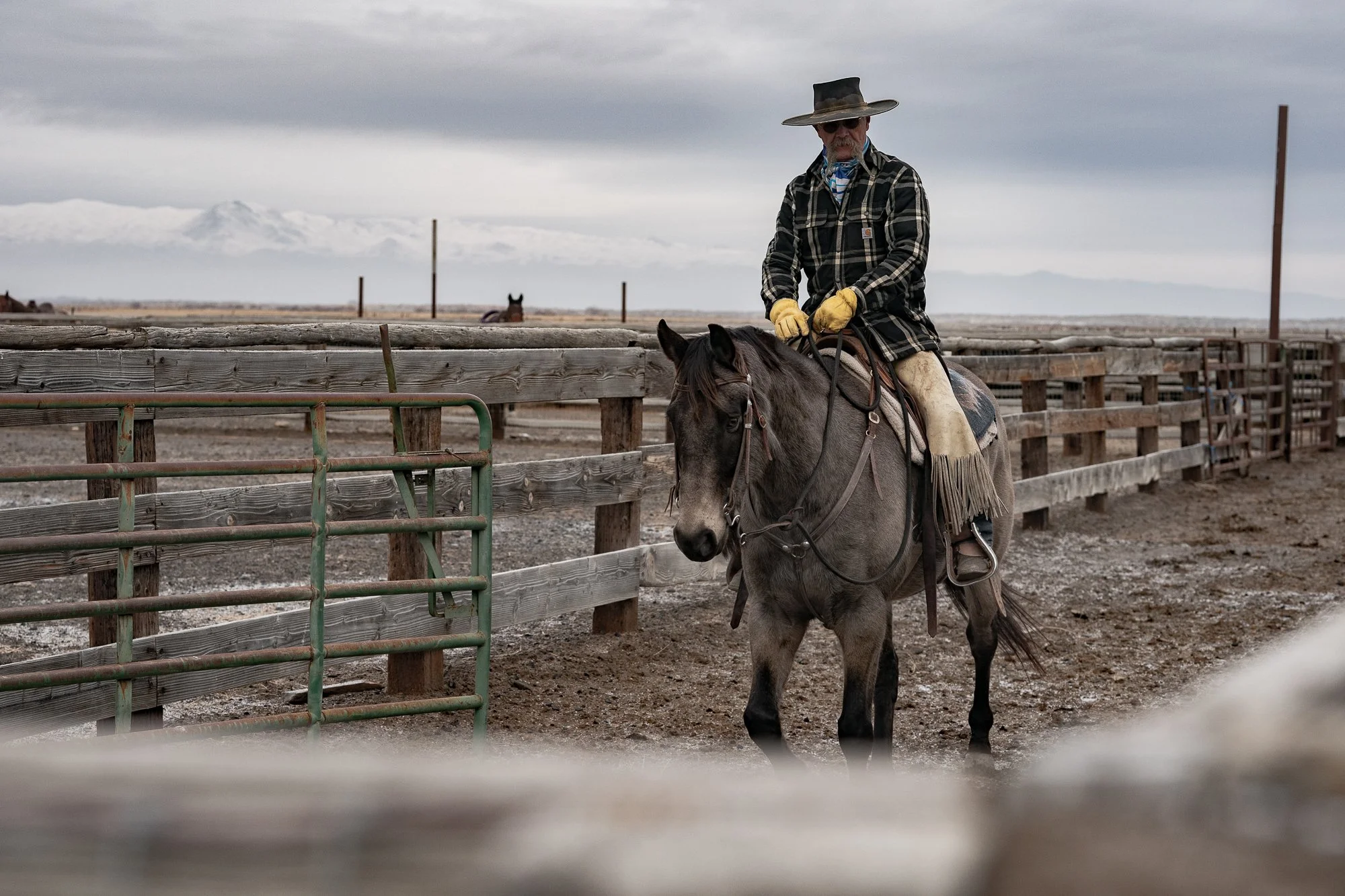
Cowboy riding a horse through the wooden corrals at the C-Punch Ranch in Nevada on a winter morning.

Riding through the corrals at the C-Punch Ranch, a cowboy prepares to move cattle after a cold overnight storm.

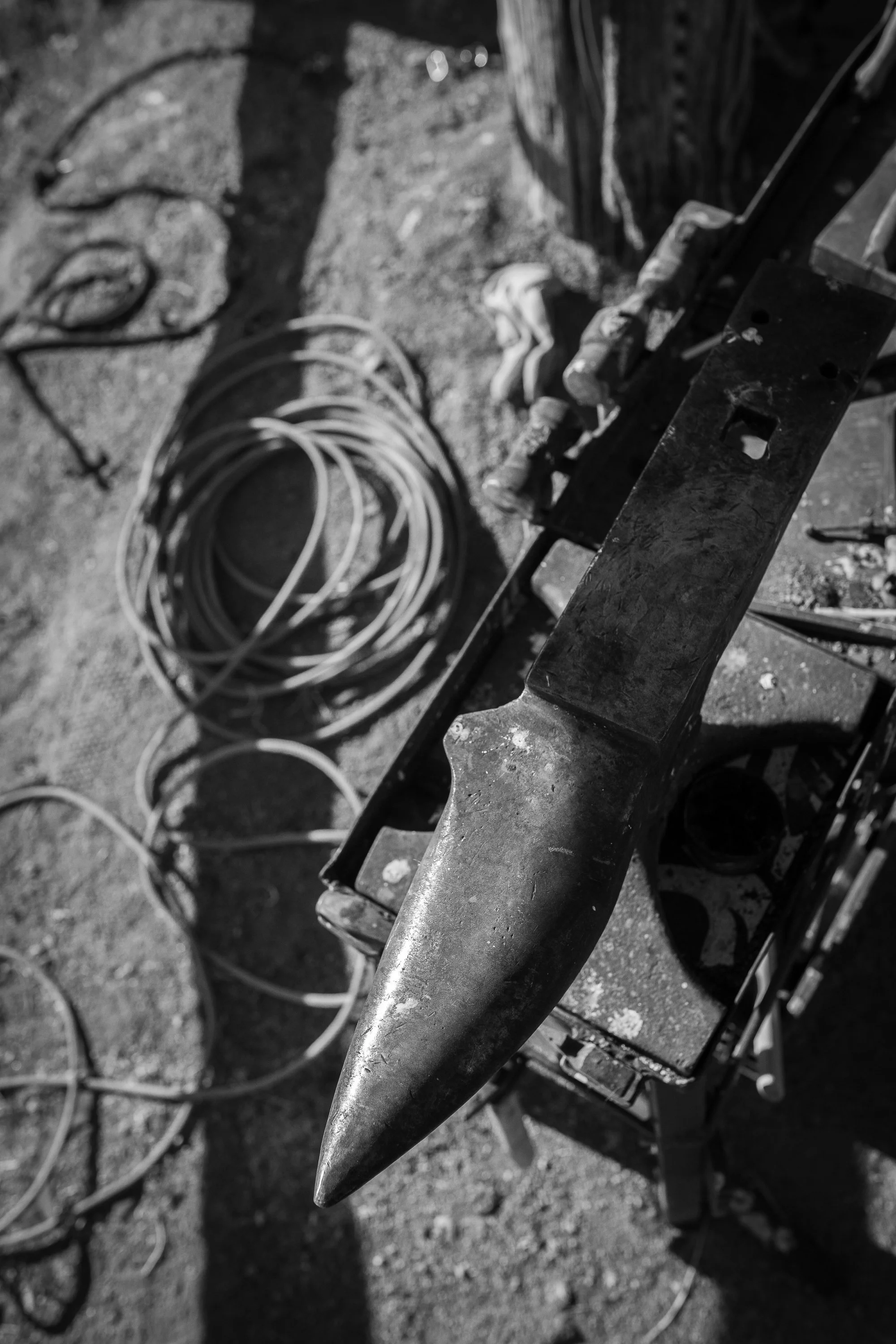
Black-and-white photo of an anvil and ropes on the ground at the C-Punch Ranch.

Anvil and ropes at the C-Punch Ranch, showing the worn metal and dust of daily work during branding season.

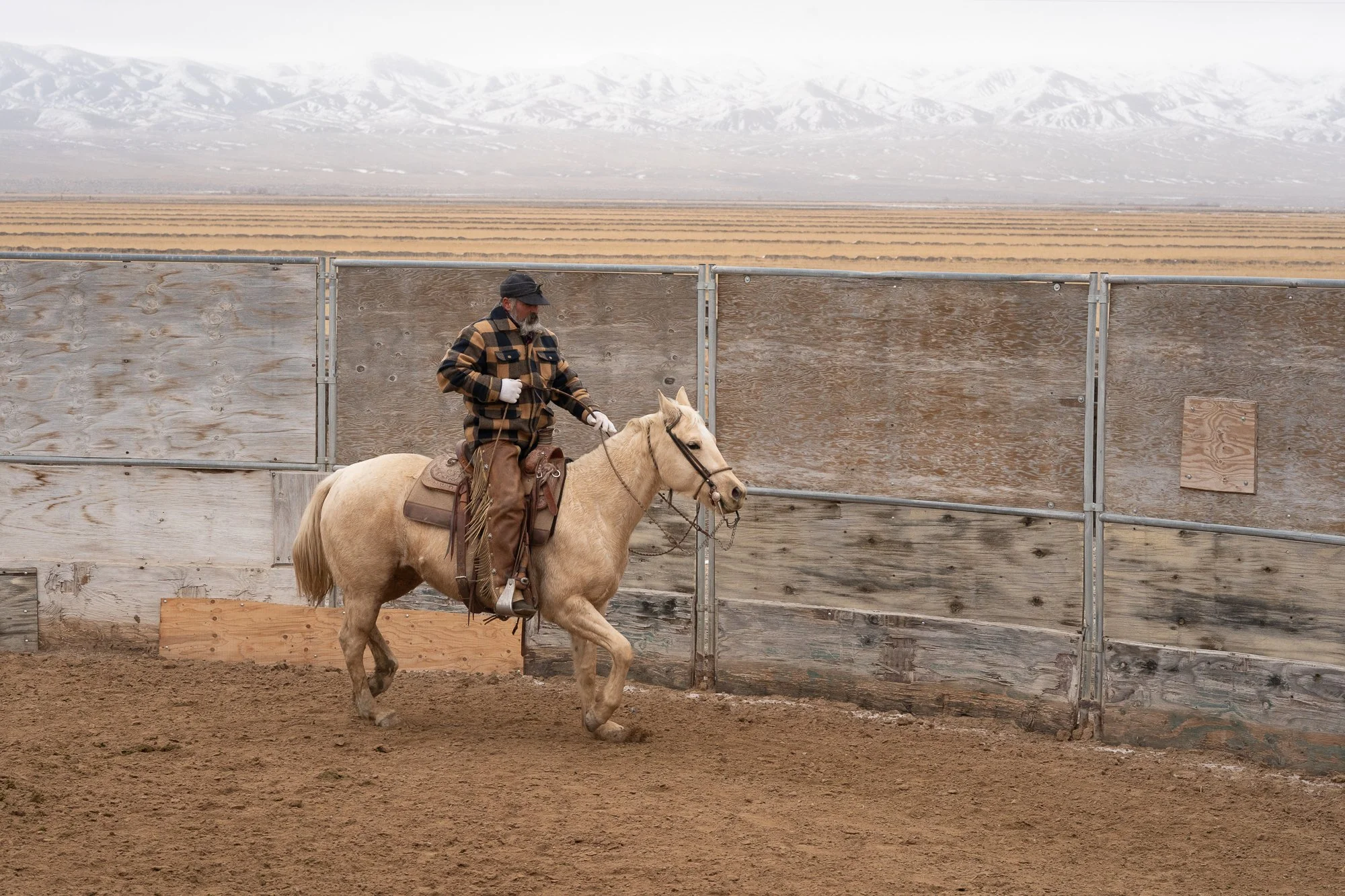
Cowboy riding a horse inside the round pen at the C-Punch Ranch in Nevada with winter mountains in the background.

A cowboy works a young horse in the round pen at the C-Punch Ranch, a daily part of keeping saddle horses sharp through the winter.

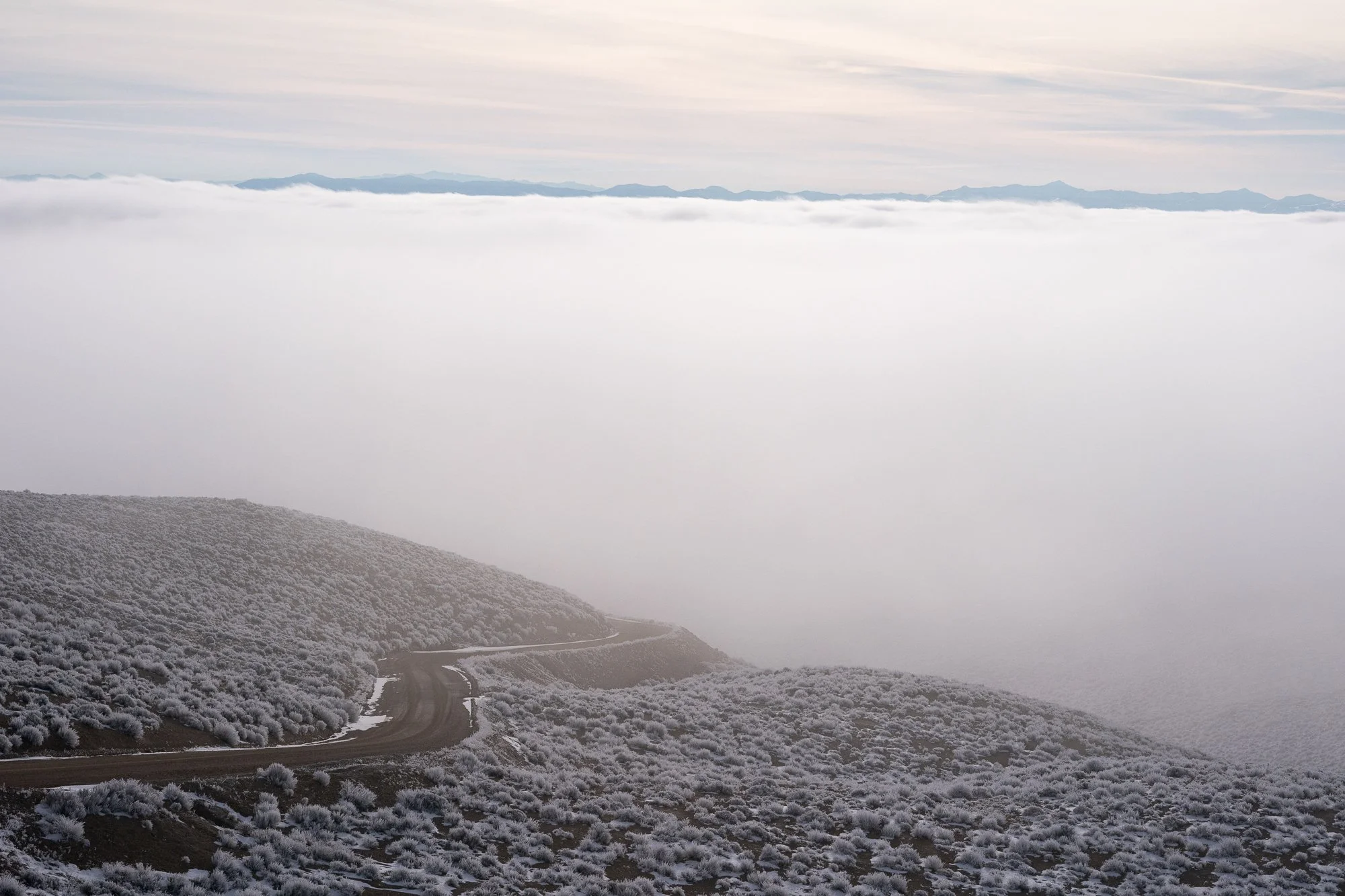
Winter fog covering the Great Basin landscape with the peaks of the Ruby Mountains rising above the clouds.

A thick layer of winter fog settles across the Great Basin near the C-Punch Ranch, leaving only the Ruby Mountains visible above the cloud line.

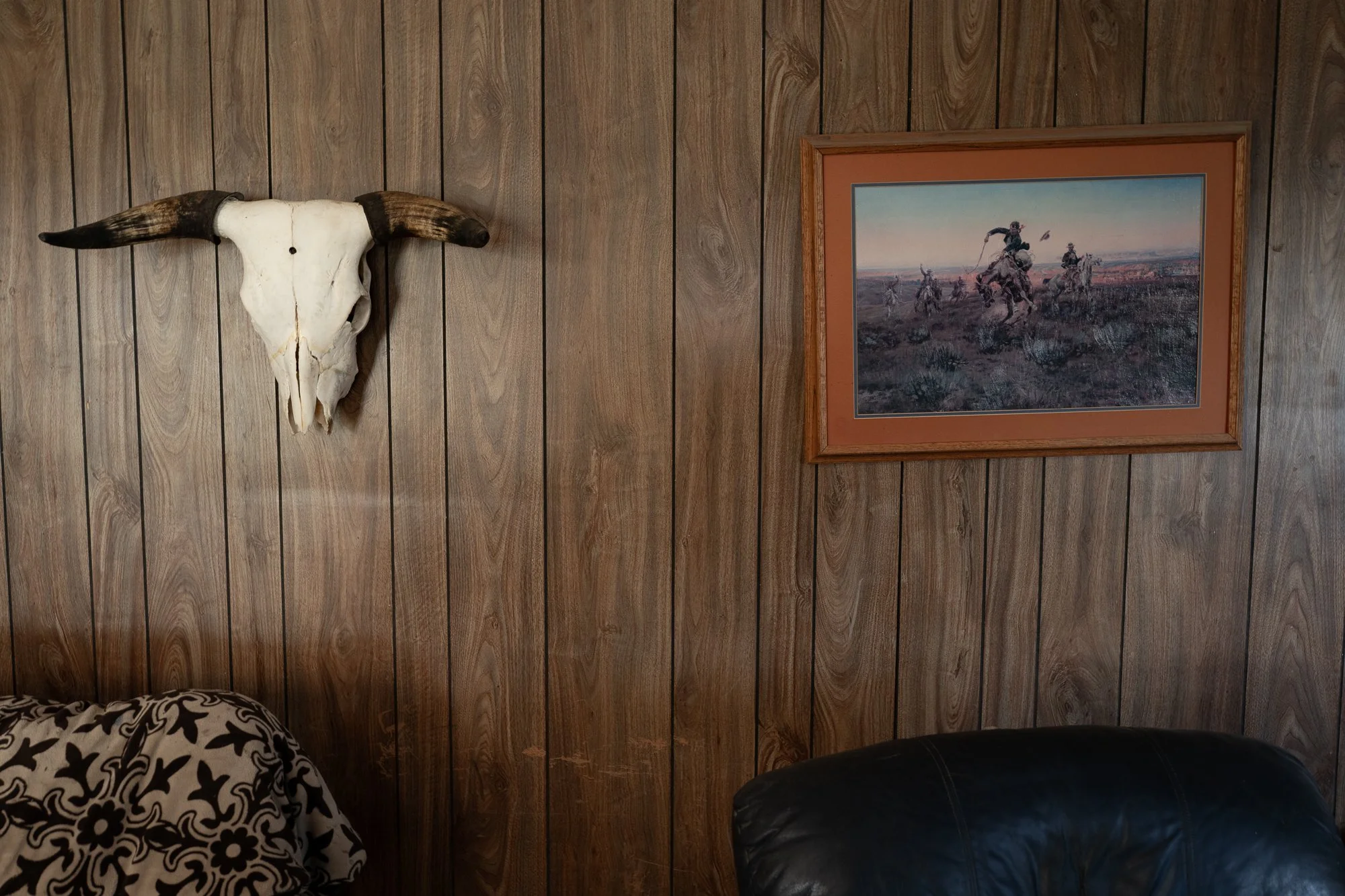
Cow skull and Western painting hanging on a wood-paneled wall inside the C-Punch Ranch bunkhouse.

A cow skull and weathered Western painting hang on the wood-paneled wall of the C-Punch Ranch bunkhouse—a small glimpse into the everyday life of a historic Nevada outfit.

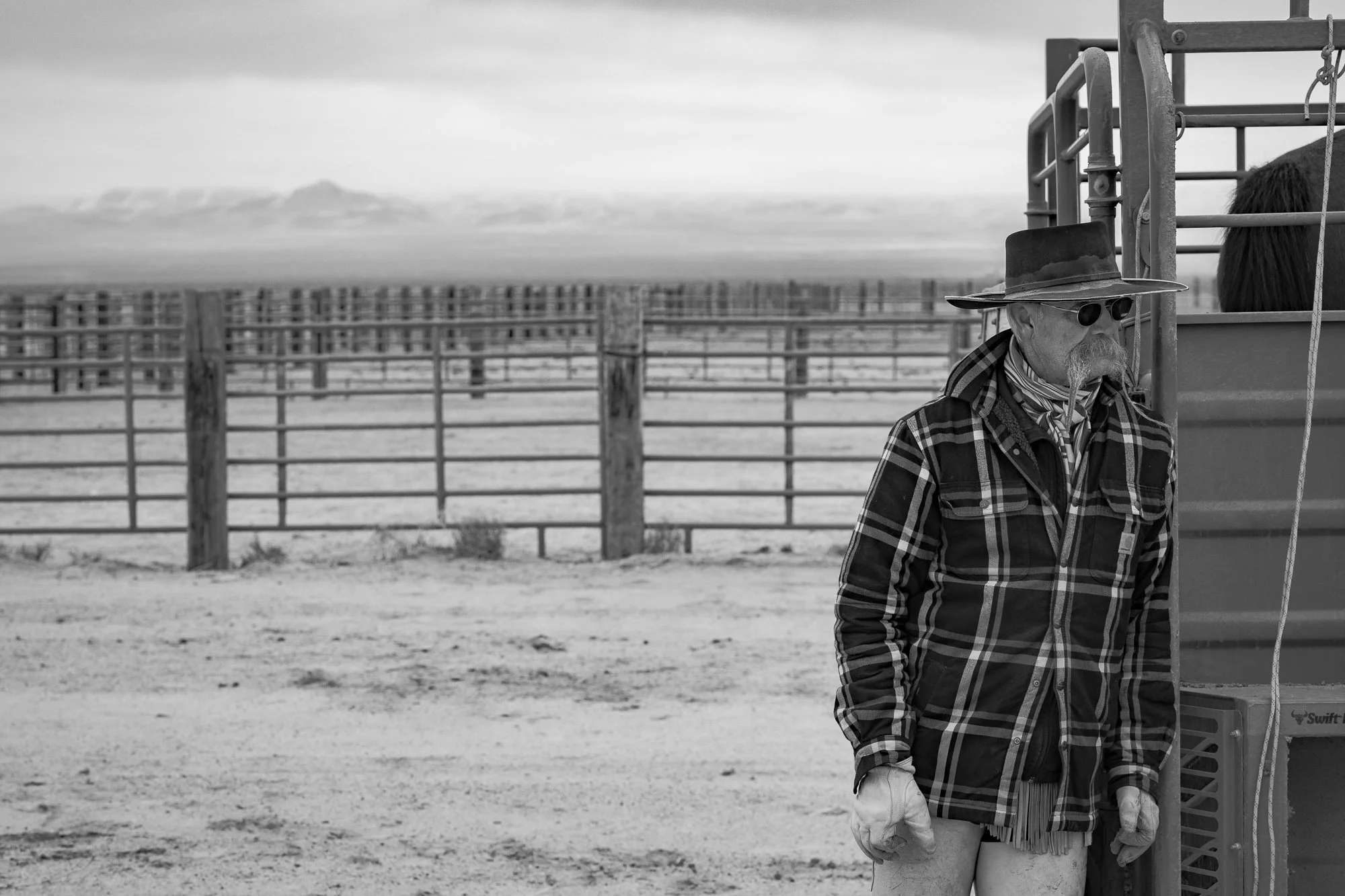
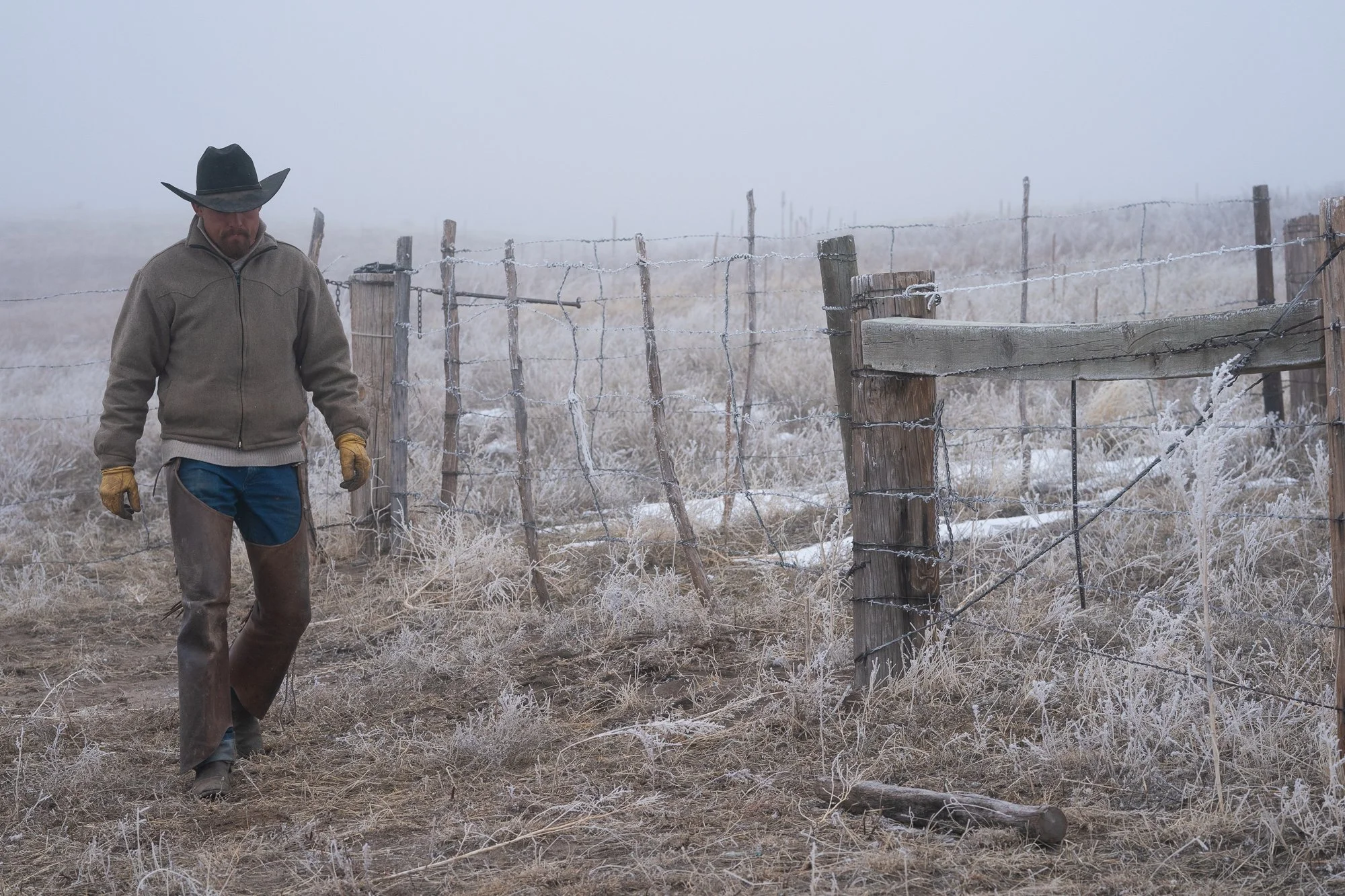
Experienced cowboy standing beside the cattle chutes at the C-Punch Ranch in Nevada on a cold winter morning.

A seasoned buckaroo waits by the chutes at the C-Punch Ranch, preparing for another day of winter cattle work.

Cowboy riding along the fence line near the C-Punch Ranch in Nevada with winter sagebrush and mountains.

A cowboy rides the fence line near the C-Punch Ranch, a daily task in the wide-open winter desert of northern Nevada.

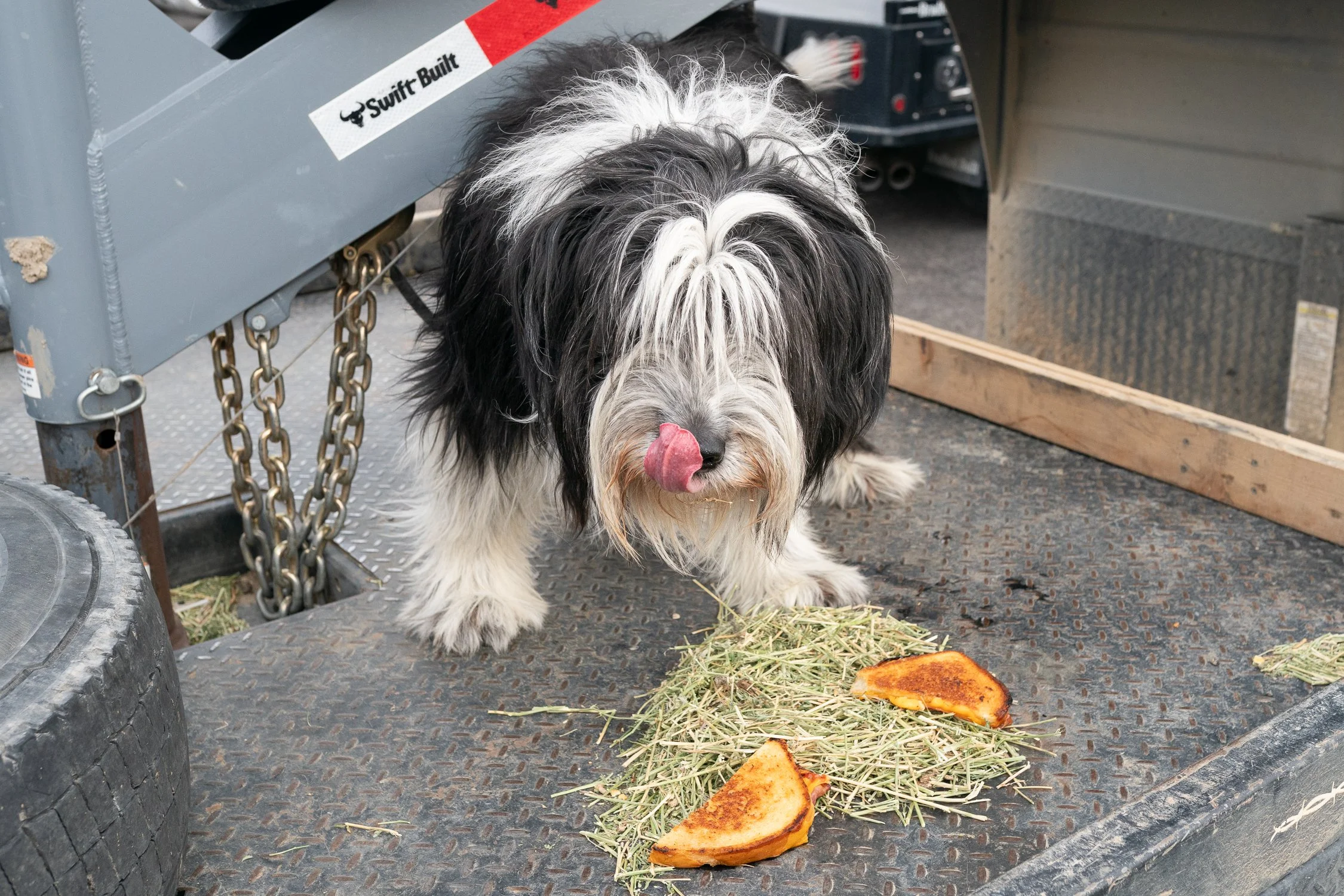
Shaggy ranch dog eating scraps beside a horse trailer at the C-Punch Ranch in Nevada

ranch dog sneaks a makeshift lunch beside the horse trailer — a small slice of daily life at the C-Punch.

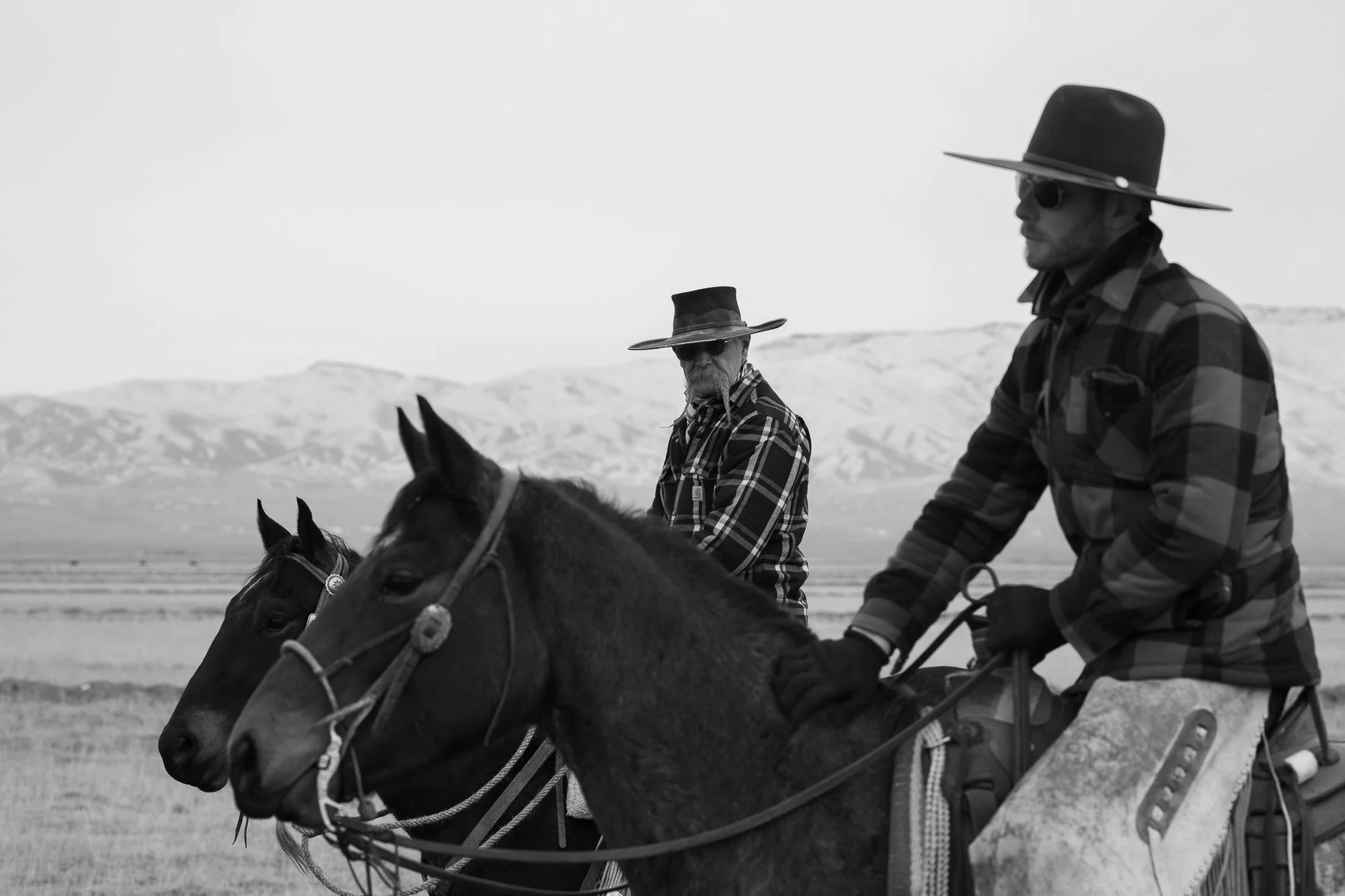
Two cowboys on horseback at the C-Punch Ranch with snow-covered Nevada mountains in the background.

Cowboys at the C-Punch Ranch pause on horseback as morning light hits the snow-covered mountains of the Great Basin.

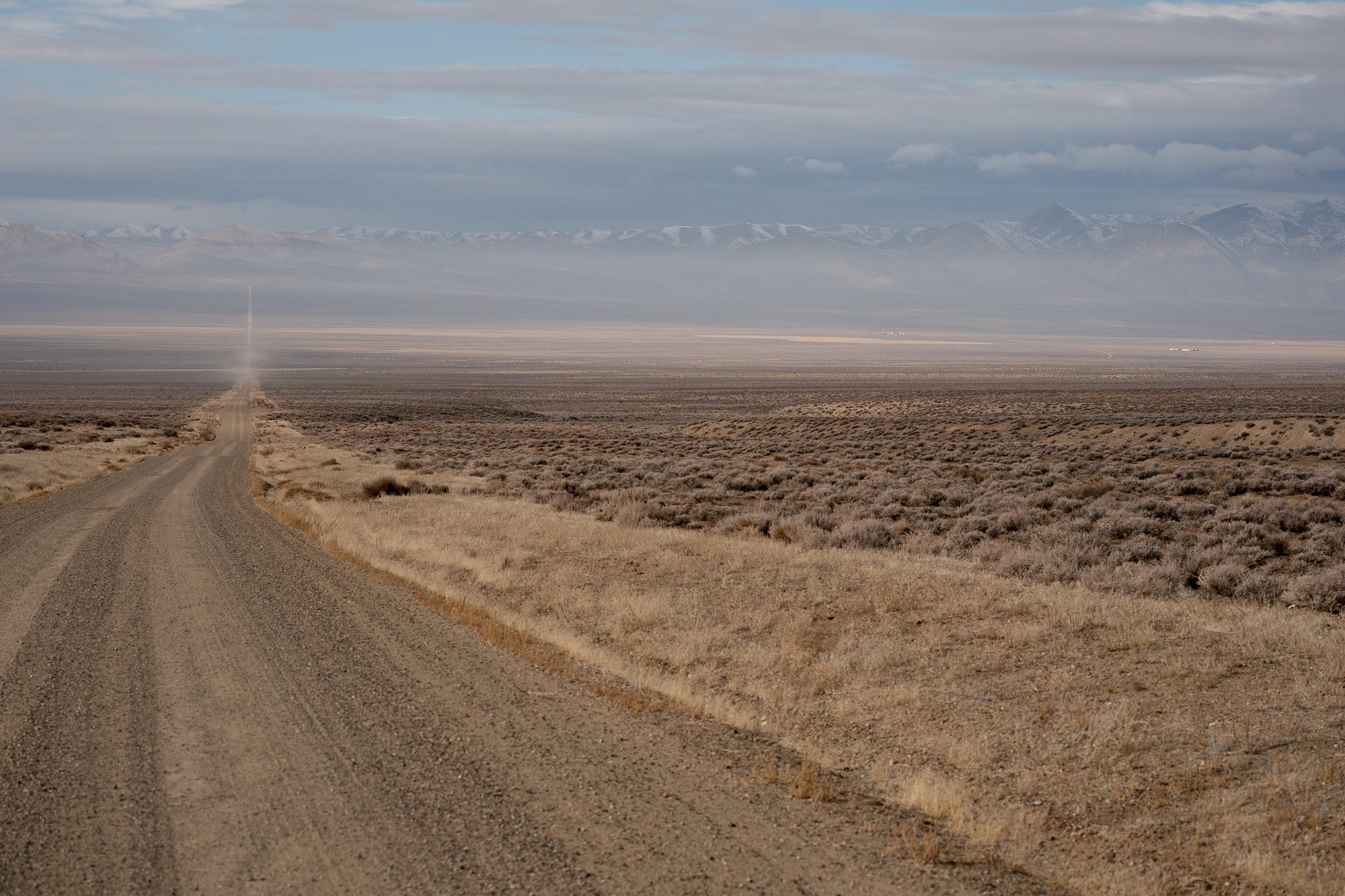
Long dirt road stretching across the Great Basin near the C-Punch Ranch with distant mountains.

A dirt road cuts across the Great Basin near the C-Punch Ranch, capturing the vast, quiet space of Nevada’s high desert.

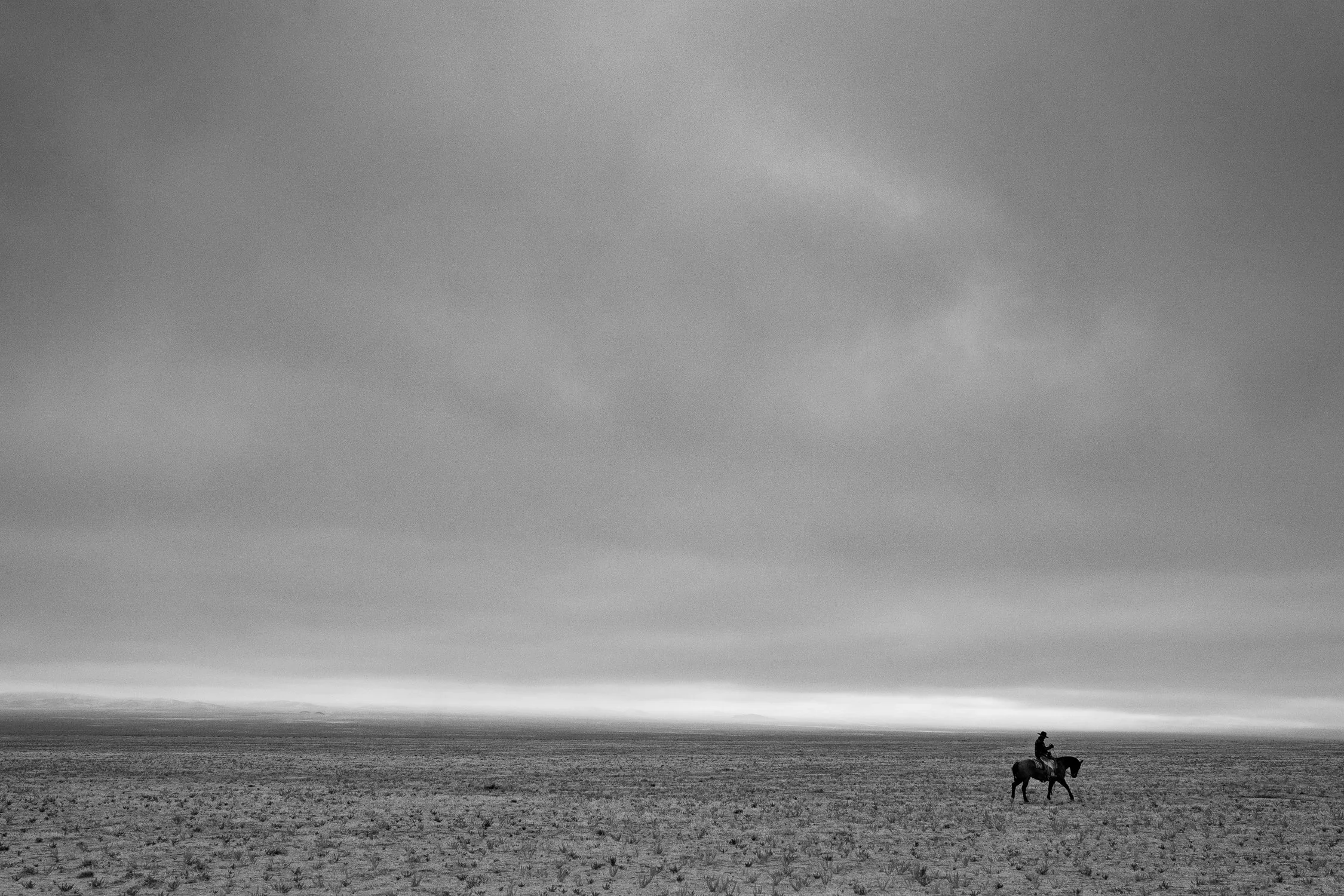
A single rider crosses the open winter range—one of the most iconic sights in the Great Basin buckaroo tradition.

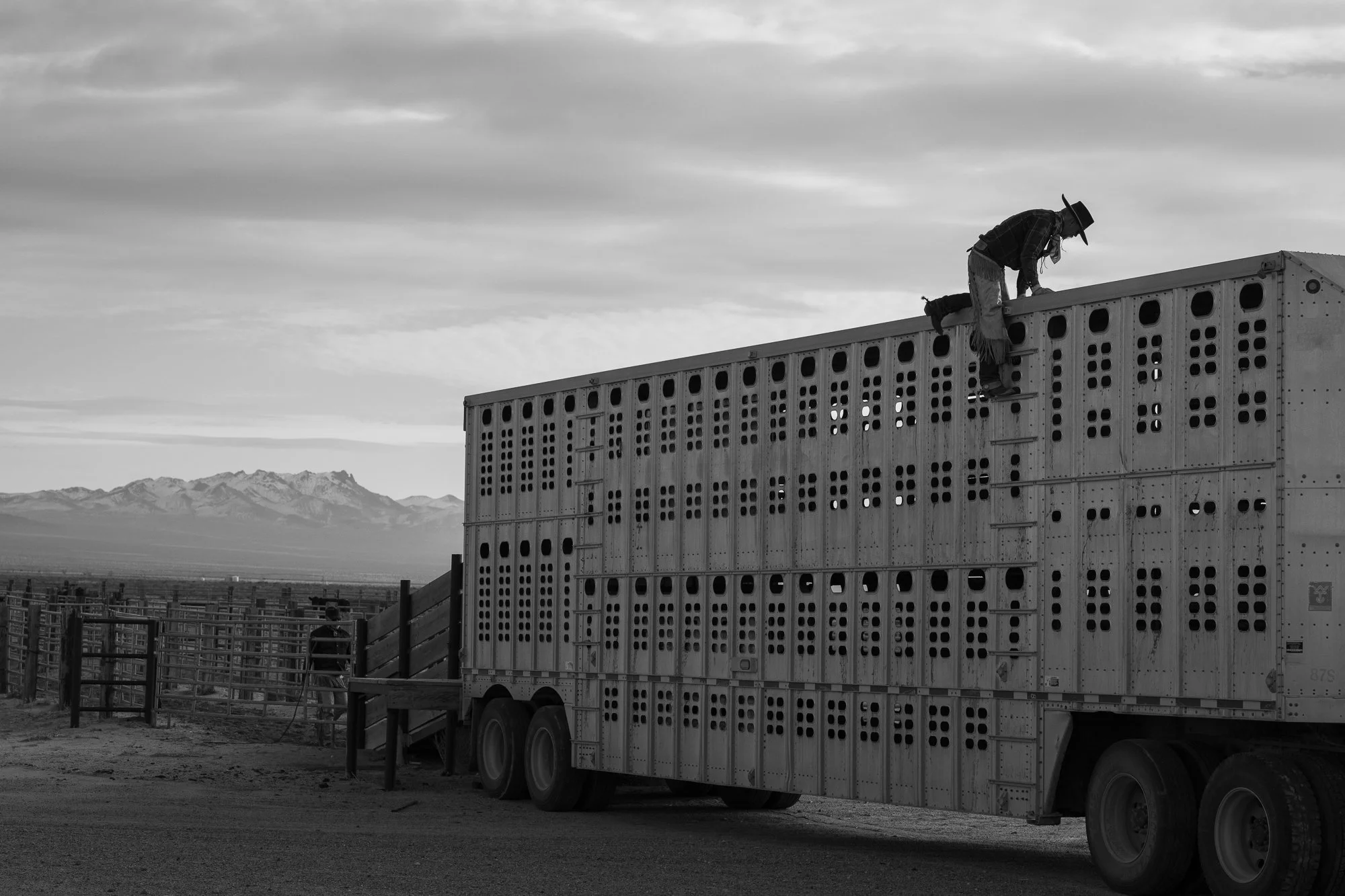
Cowboy climbing the outside of a livestock trailer at the C-Punch Ranch in Nevada.

A cowboy climbs a livestock trailer at the C-Punch Ranch as cattle are prepared for shipping across the winter range.

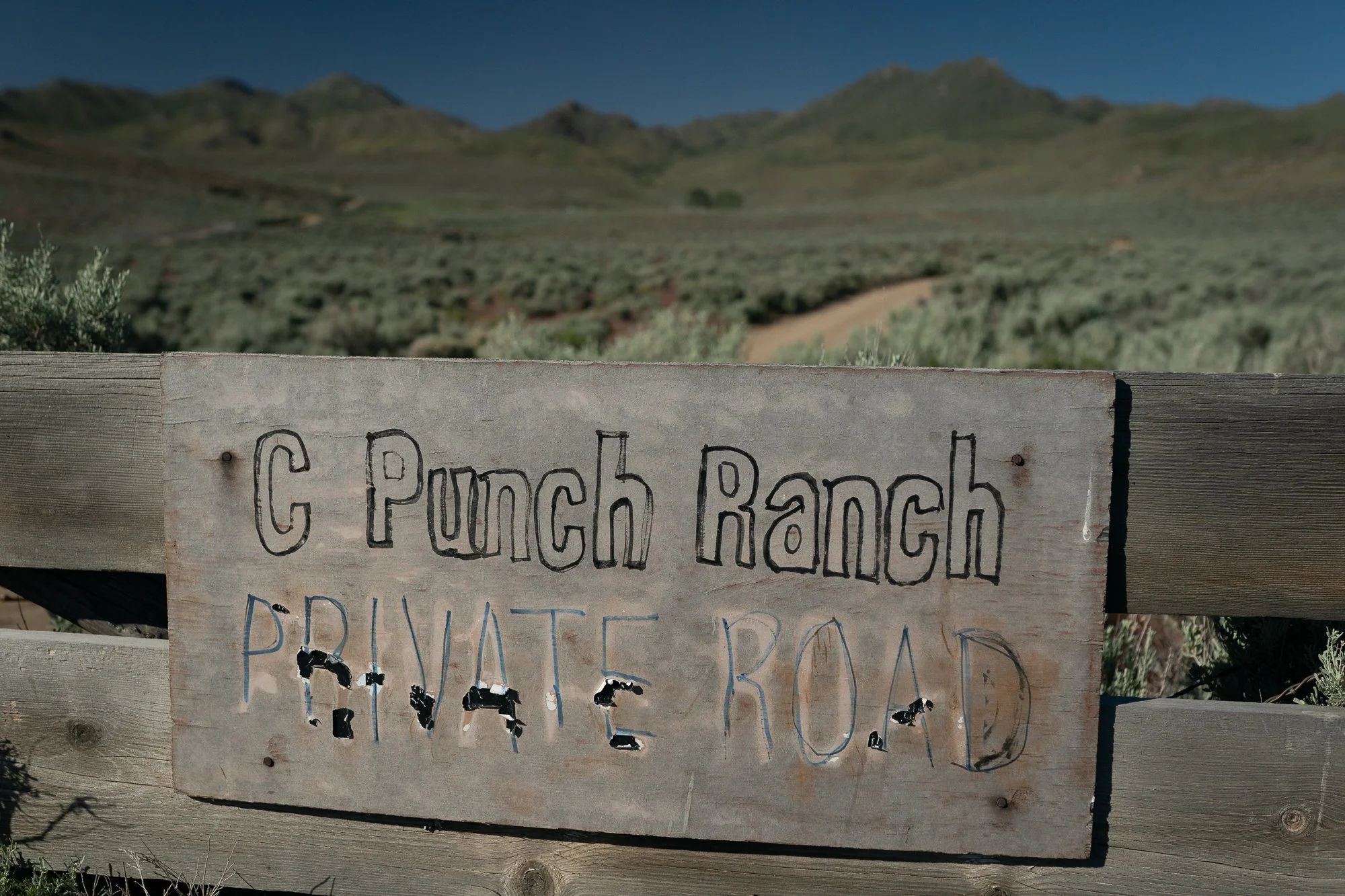
The hand-painted sign at the entrance to the C-Punch Ranch, marking the start of a long dirt road that winds deep into the sagebrush country of northern Nevada.

Photographing Western Apparel in Action

WESTERN LIFESTYLE PHOTOGRAPHER

For more than six years I’ve been photographing real ranch life across the American West. What began as a personal curiosity about cowboy culture slowly turned into a long-term body of work documenting working cowboys, historic ranches, and the landscapes that shape life in cattle country.

Much of the photography labeled “Western lifestyle” today is staged or heavily stylized. My approach has always been different. The goal is simply to spend time on real ranches and photograph what naturally unfolds — long days horseback, early morning gathers, branding fires, and the quiet moments that happen between the work.

Those moments are where the real story of the American West lives.

Photographing Western Lifestyle and Ranch Culture

The culture surrounding ranch life runs deep. On most of the ranches where these photographs were made, traditions have been passed down through generations — how to work cattle, how to read the land, how to handle a horse.

When you spend enough time around ranches, you realize that the cowboy is not a character from a movie. He’s a working professional responsible for managing cattle, horses, land, and weather, often in some of the harshest environments in the country.

As a western lifestyle photographer, the goal is to photograph that reality honestly. There’s no need to manufacture moments when the work itself already contains so much character.

Some days the photographs happen during big events like branding or shipping cattle. Other days they happen quietly while riders move cattle across miles of open country under changing skies.

Working Cowboys of the American West

Much of this work is part of an ongoing project documenting the lives of working cowboys across the American West. Over the years I’ve been fortunate to spend time on several historic ranches where these traditions are still very much alive.

The photographs include moments from ranches such as the OW Ranch in Montana, the legendary 6666 Ranch in Texas, and buckaroo culture in Nevada.

Each place has its own history and rhythm, but the common thread is the same — a deep respect for the land, the animals, and the responsibility that comes with raising cattle.

Photographing these environments requires patience and trust. The best images usually come after spending enough time around the work that people forget the camera is there.

Western Lifestyle Photography for Brands and Publications

Authentic Western imagery has become increasingly important for brands and publications looking to tell real stories about the American West. Companies connected to ranching, agriculture, outdoor gear, and Western culture often need photography that reflects the real environments where their products and stories exist.

Because much of my work takes place on active ranches, the photography naturally reflects the landscape and culture of these places. That authenticity is often what brands and editors are looking for when they search for a western lifestyle photographer.

Rather than recreating Western imagery in controlled environments, the photographs are made where the work actually happens — in the saddle, in the dust, and under the same light that cowboys have worked in for generations.

A Long-Term Documentary Project

What started as a simple interest in cowboy culture has slowly grown into a larger documentary project focused on the traditions of ranching across the American West.

Over time the archive has expanded to include thousands of photographs capturing ranch work, cowboy life, and the landscapes that define cattle country. The project continues to evolve as new ranches, new people, and new stories become part of the work.

You can explore more photographs from this ongoing project here:

Working Cowboys of the American West

Working cowboy roping a calf on the Silver Spur Ranch in Colorado during cattle work.

Cowboy roping a calf on the Silver Spur Ranch in Colorado.

Portrait of a working cowboy photographed on a Colorado cattle ranch by western lifestyle photographer Rob Hammer.

Portrait of a working cowboy on a Colorado cattle ranch.

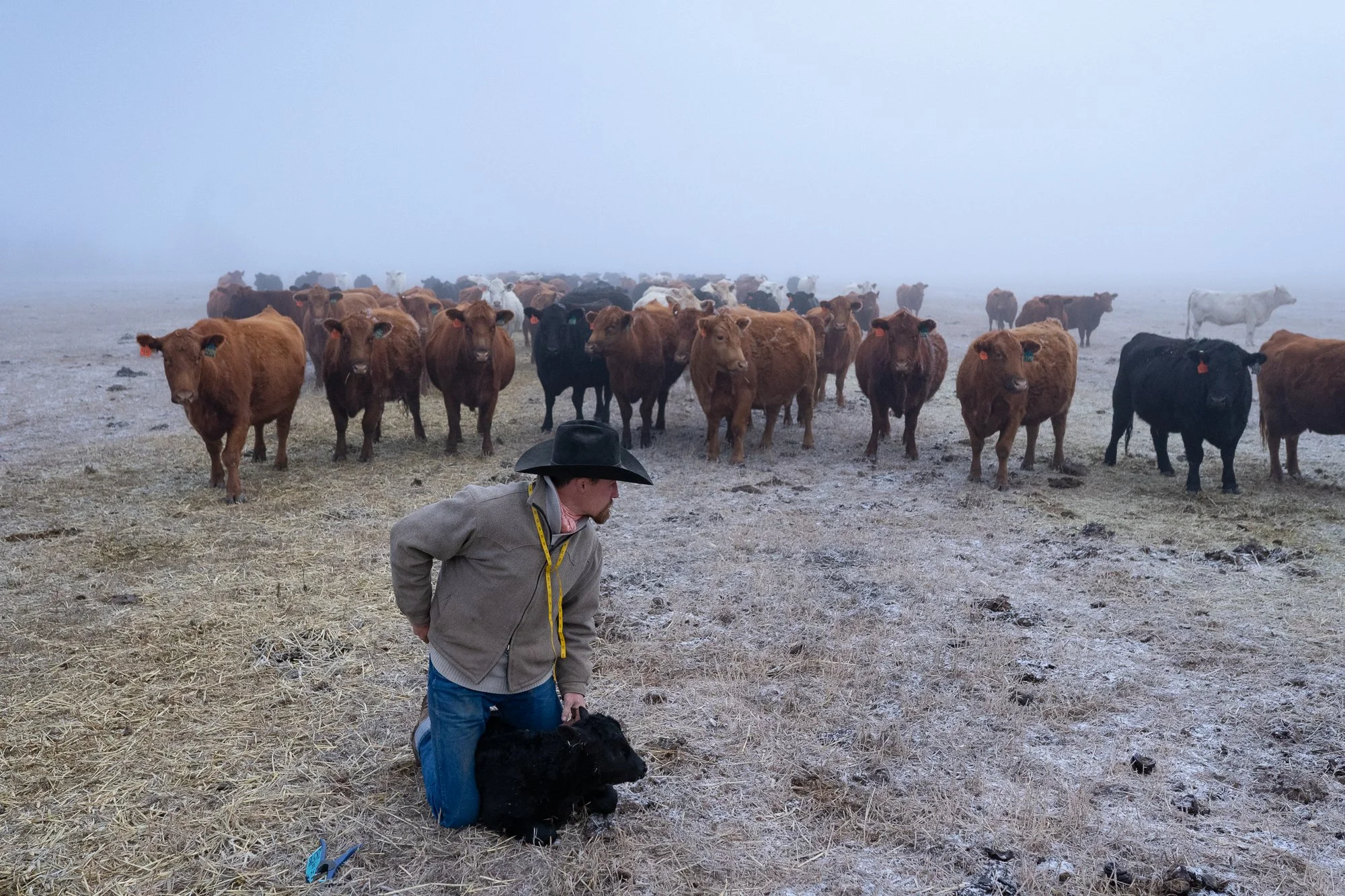
Cowboy tagging a calf during calving season on a Colorado ranch photographed as western lifestyle photography.

Tagging calves during spring cattle work.

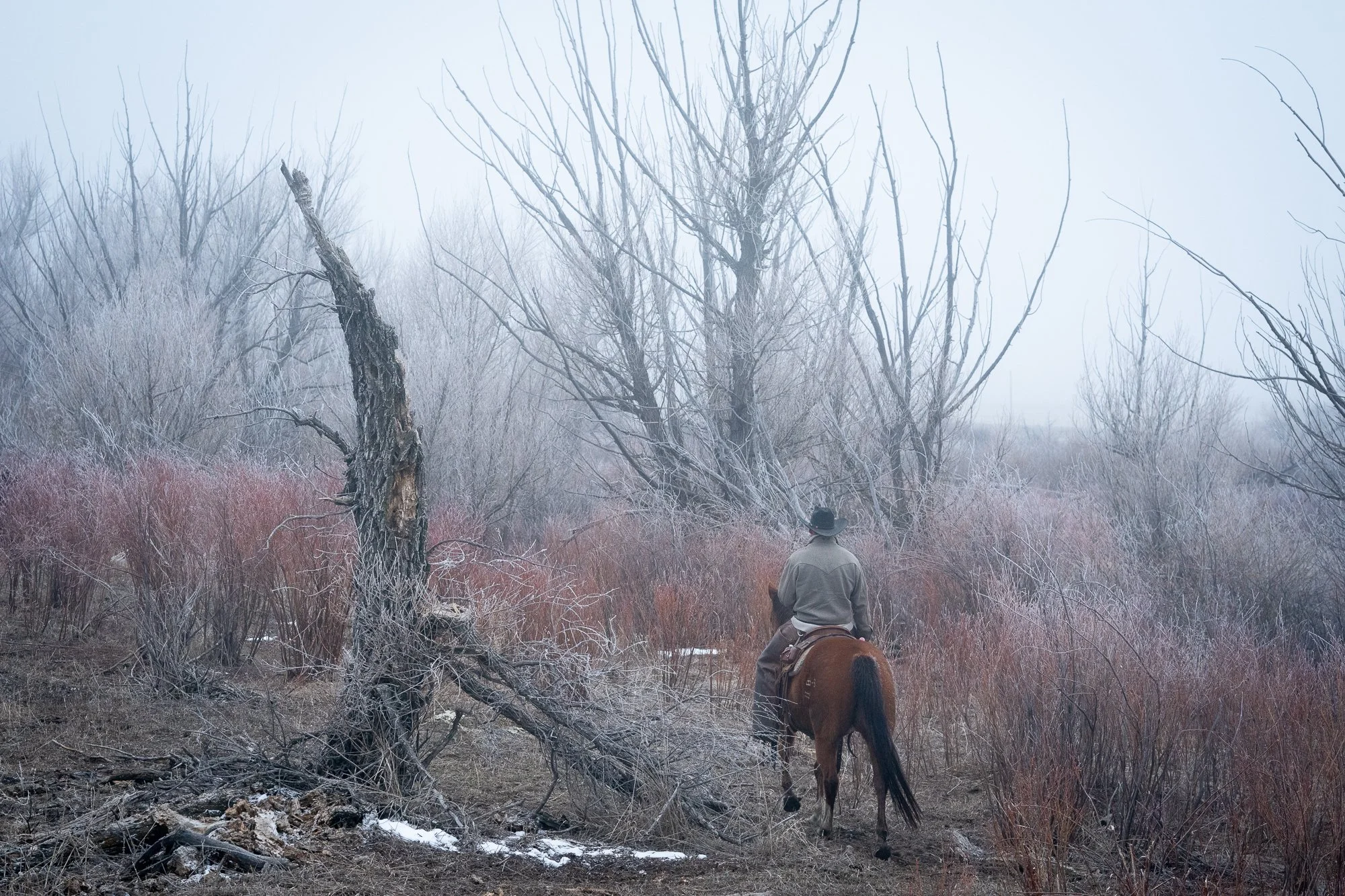
Working cowboy riding a horse through brush on a Colorado cattle ranch photographed in western lifestyle style.

Riding through thick country looking for cattle.

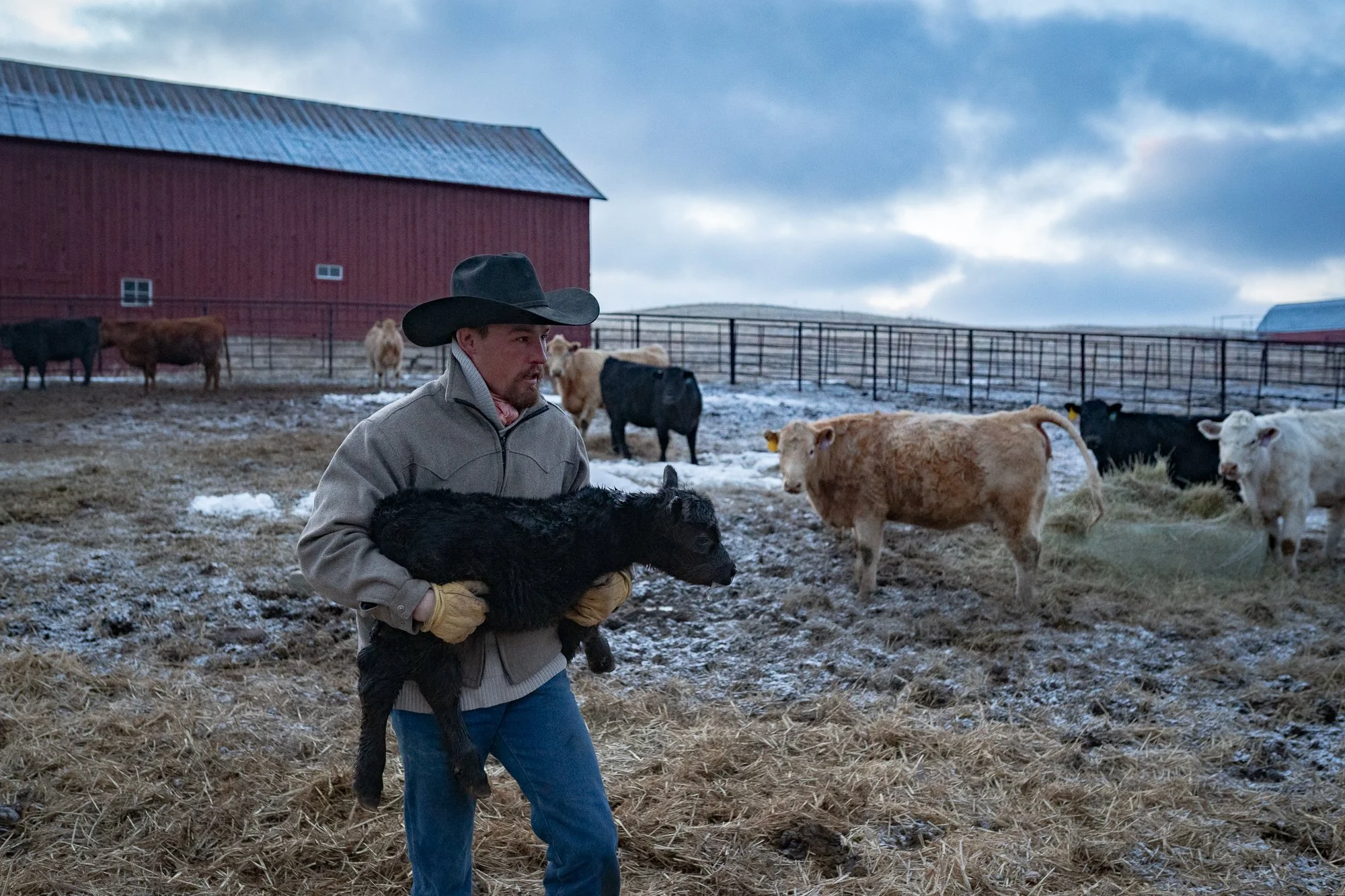
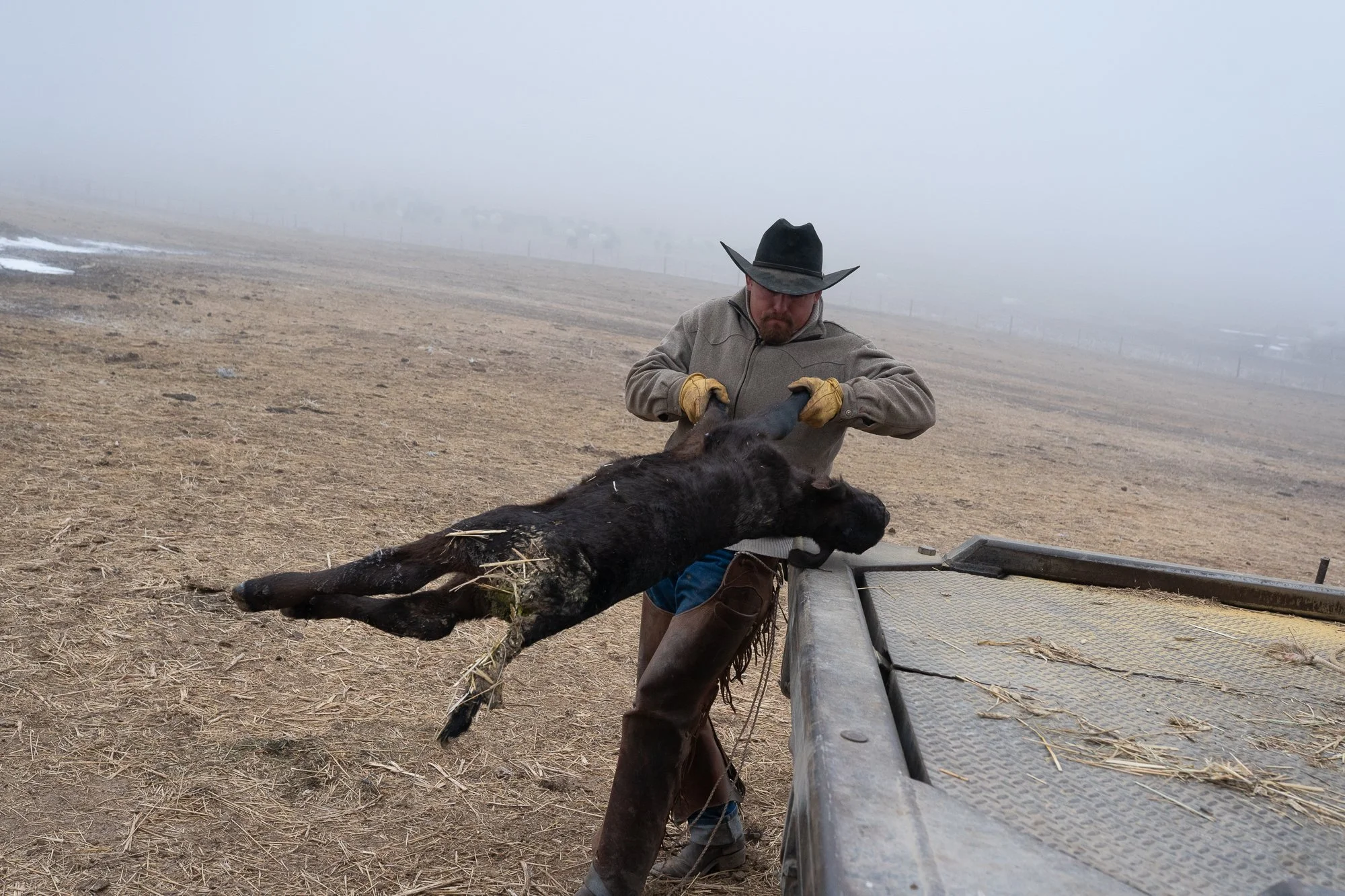
Cowboy carrying a newborn calf across snow on a Colorado cattle ranch during calving season.

Carrying a newborn calf during calving season.

Portrait of a Colorado cowboy wearing traditional ranch gear photographed as western lifestyle photography.

Portrait of a cowboy in working gear.

Working cowboy handling livestock during calving season on a Colorado ranch photographed as authentic western lifestyle photography.

The harder side of ranch life.

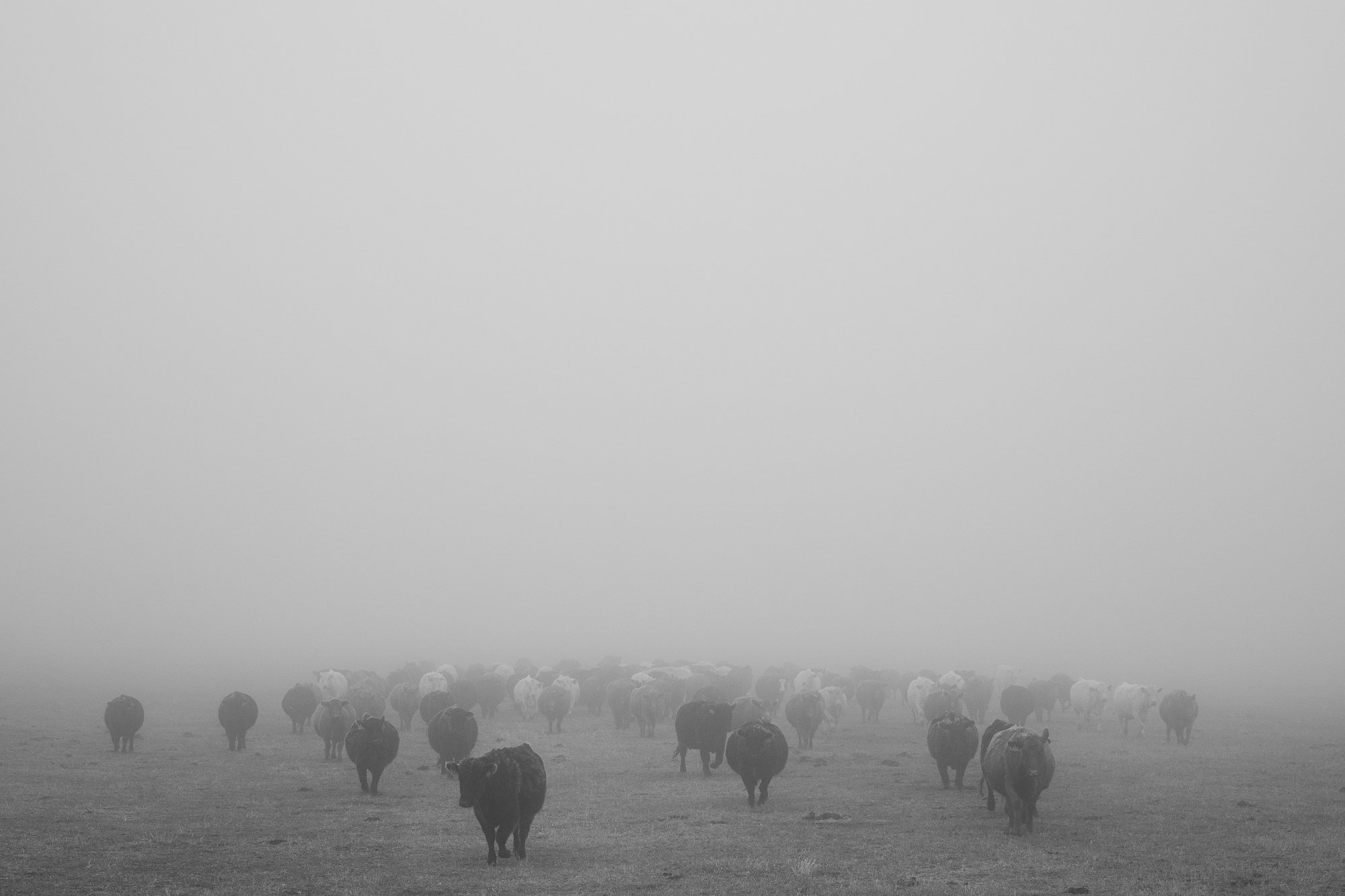
Cattle herd standing in fog on a Colorado cattle ranch pasture photographed as western ranch lifestyle imagery.

Cattle walking in the early morning fog.

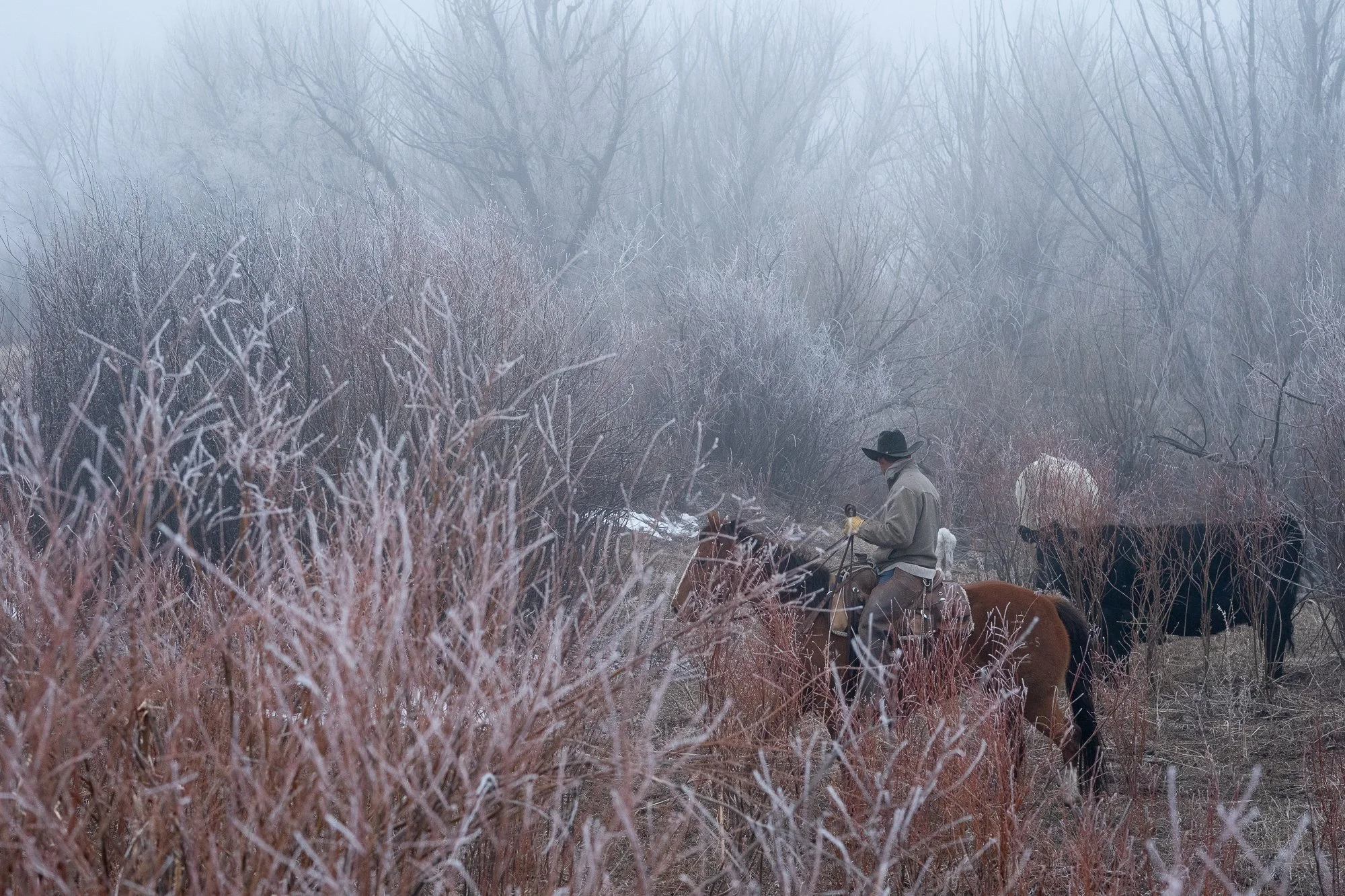
Cowboy riding through brush searching for cattle on a Colorado ranch photographed as western lifestyle imagery.

Searching thick country for cattle.

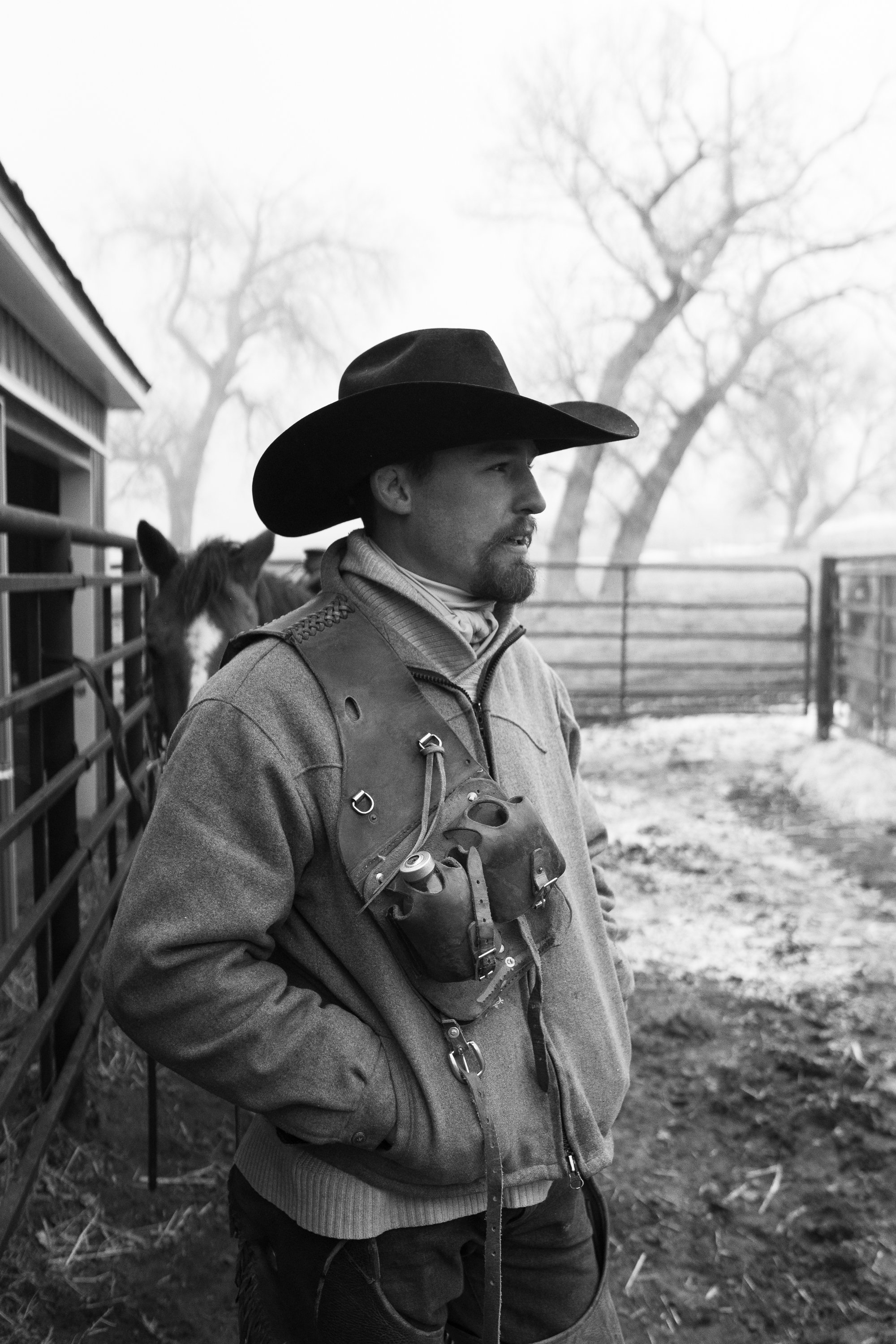
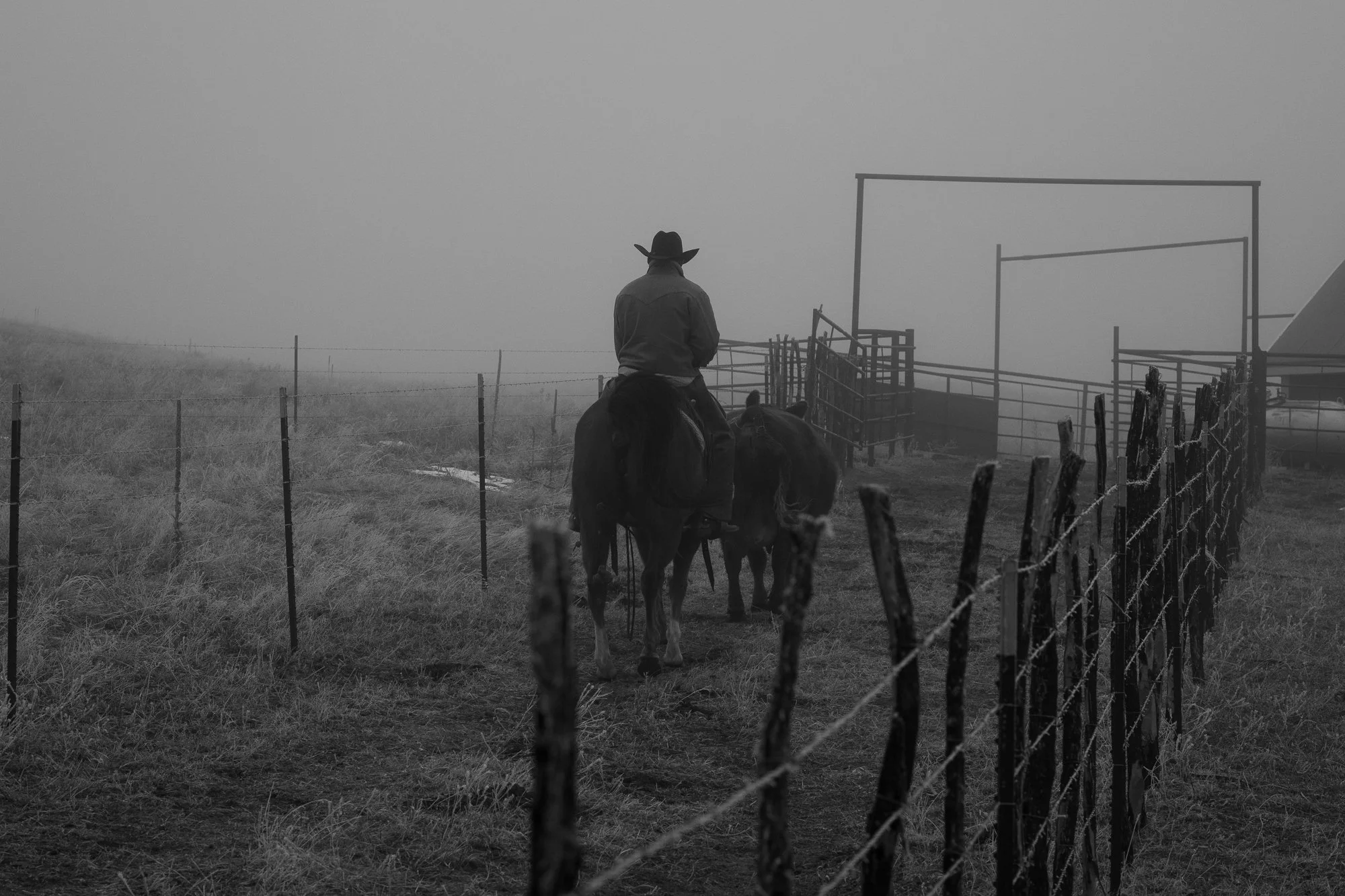
Black and white photograph of a working cowboy in Colorado

Black and white cowboy photograph

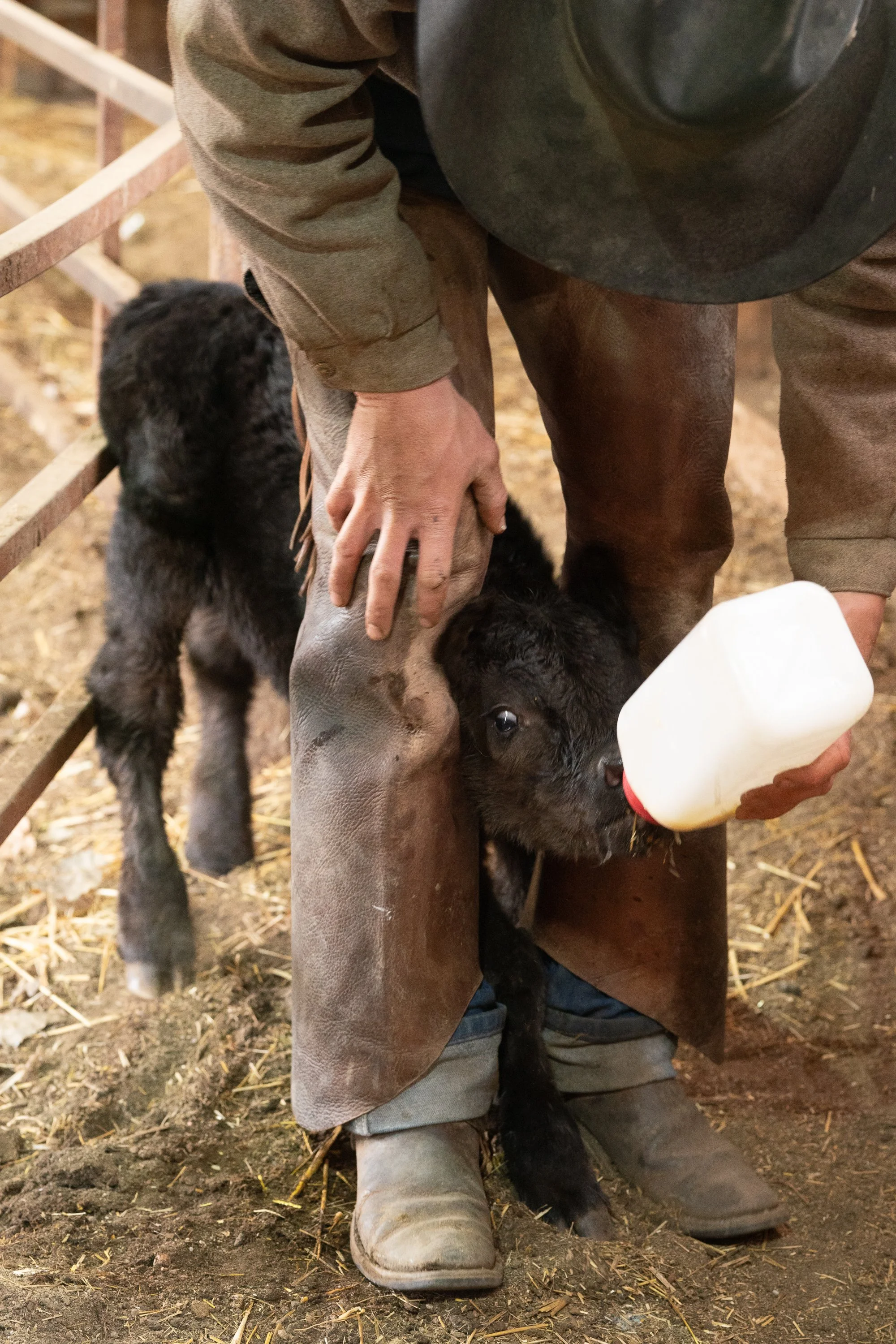
Photograph of a cowboy bottle feeding a baby calf

Bottle feeding a baby calf

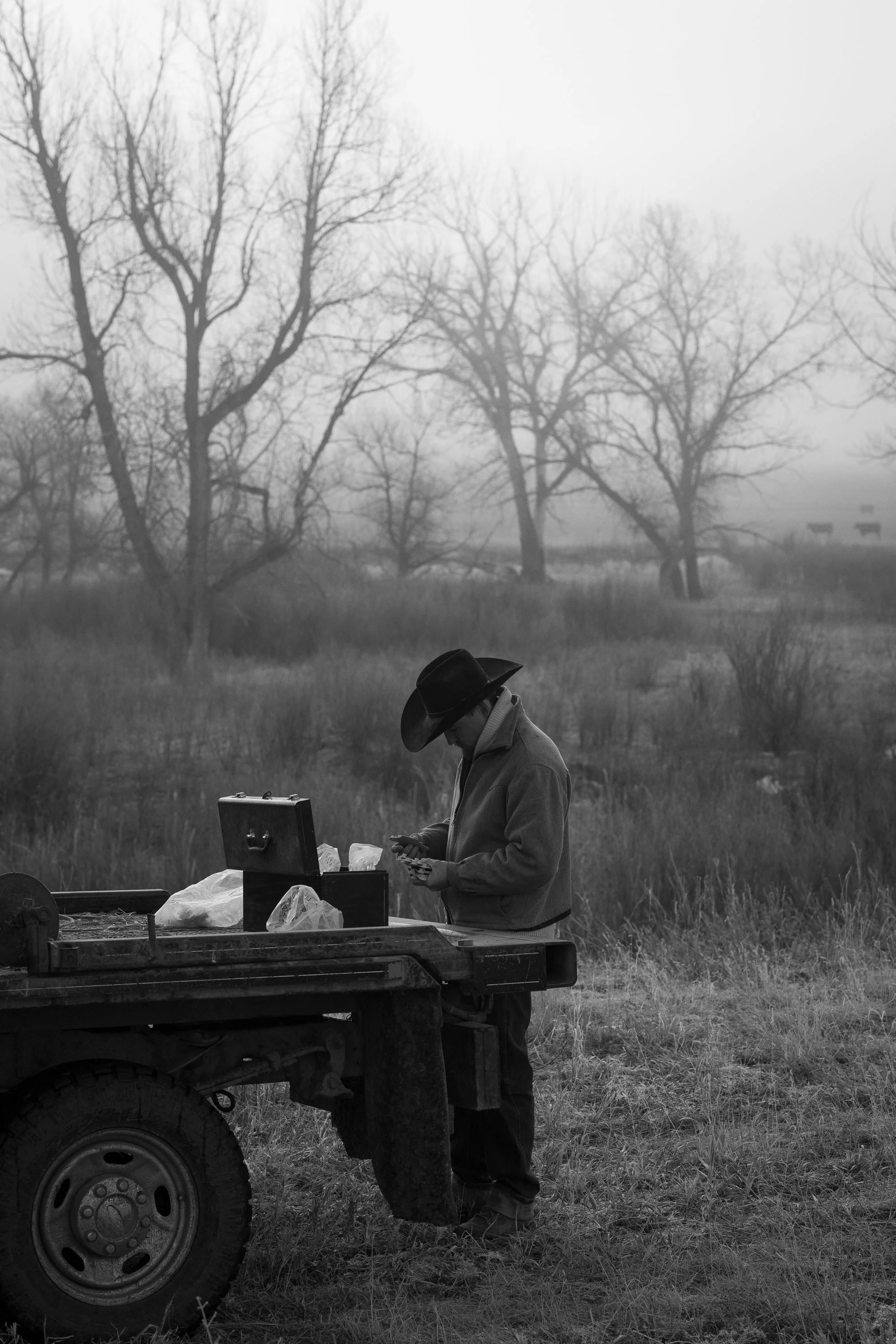
Cowboy counting ear tags on a pickup truck tailgate during cattle work on a Colorado ranch.

Counting ear tags during cattle work.

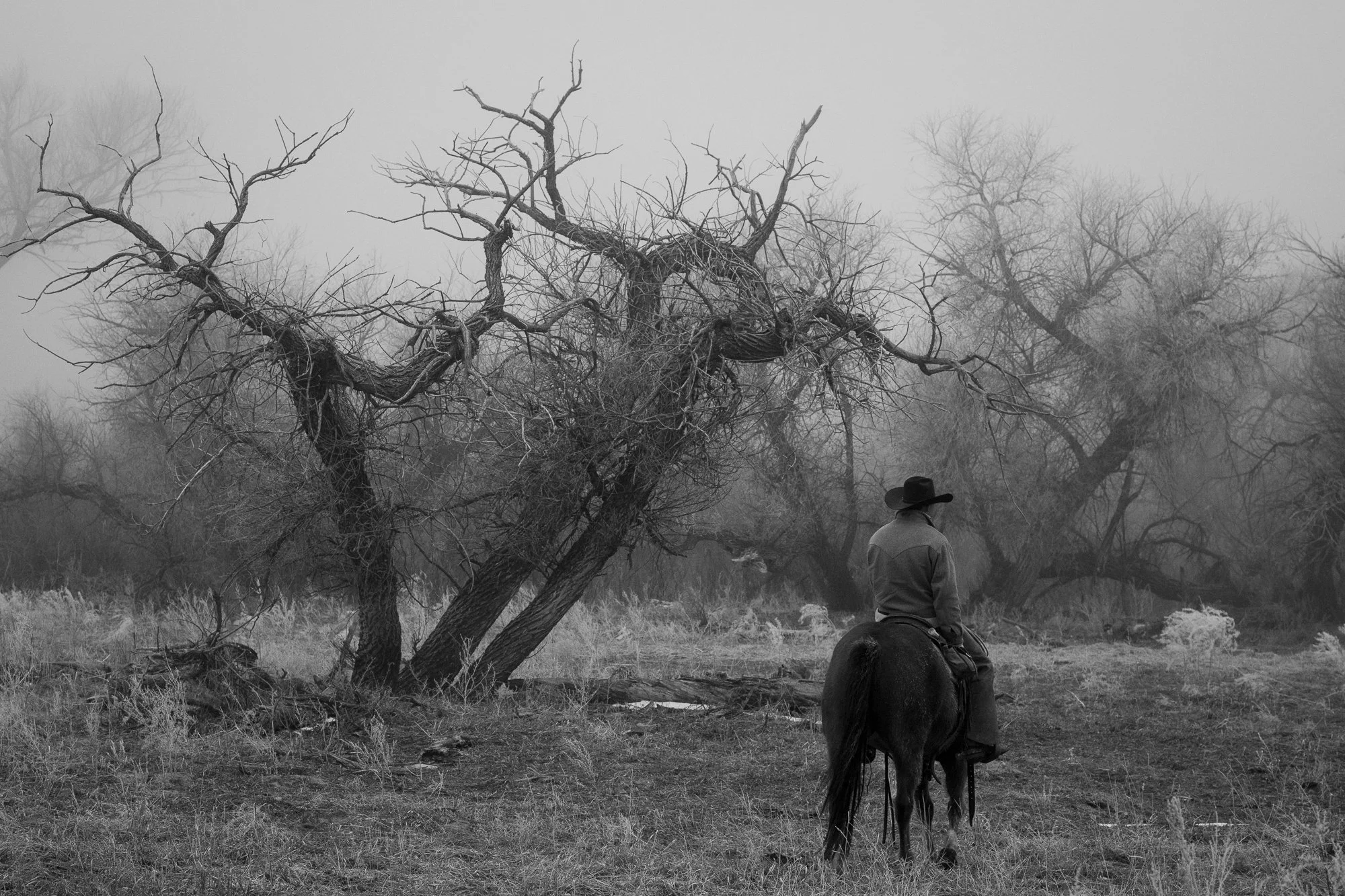
Photograph of a Colorado cowboy on his horse

Colorado cowboy riding his horse through thick country

Photographs of Albany, New York - Historical Landmarks & Architecture

ALBANY, NEW YORK PHOTOGRAPHS

Growing Up Around Albany, New York

I grew up in the Albany area, and my relationship with the city has always been shaped by familiarity rather than novelty. It’s a place I knew long before I ever photographed it—through daily routines, changing neighborhoods, and the quiet rhythms of a city that rarely tries to impress anyone.

That familiarity is what eventually pulled me back with a camera. Photographing Albany wasn’t about rediscovery so much as paying closer attention. I wasn’t looking for defining moments or iconic views. I was interested in the spaces that felt ordinary enough to be overlooked, yet permanent enough to hold memory.

Photographing Albany as a Lived-In City

This photography series is rooted in observation rather than spectacle. Albany is a city layered with history—Federal and Victorian architecture, civic buildings, industrial remnants, and residential streets shaped by decades of quiet change. Much of that history lives in plain sight.

I gravitated toward scenes that reflect that lived-in quality: empty streets, weathered facades, winter light, and moments where architecture and atmosphere intersect. These photographs are intentionally restrained. They aren’t meant to dramatize the city, but to reflect it honestly.

The goal is not to explain Albany, but to let it exist as it is.

Architecture, Atmosphere, and the In-Between

Many of the photographs in this series focus on architecture, but not in a formal or celebratory way. I’m less interested in buildings as symbols than as backdrops for daily life—structures shaped by use, time, and weather.

Light plays an important role. Fog, snow, and low winter sun soften edges and slow the pace of looking. These conditions reveal details that might otherwise go unnoticed, and they echo how the city often feels to move through: quiet, deliberate, and grounded.

This approach mirrors how I work across my broader documentary projects—allowing place to speak without forcing a narrative.

A Long-Term Documentary Project

This Albany photography project is ongoing. The city continues to change, and my relationship to it continues to evolve as well. Returning with a camera allows me to see familiar spaces with fresh attention, while still photographing from a position of understanding rather than distance.

The photographs aren’t meant to define Albany, but to contribute to a broader visual record of American cities—particularly those that exist outside the usual spotlight.

From the Project to the Prints

While this page focuses on the documentary work itself, many of these photographs are available as fine art prints. The prints are produced with the same care and intention as the photographs, emphasizing longevity, material quality, and thoughtful presentation.

If you’re interested in viewing available work from this series, you can explore the print collection below.

View available Albany photography prints

Click HERE to view my photographs of Troy, NY

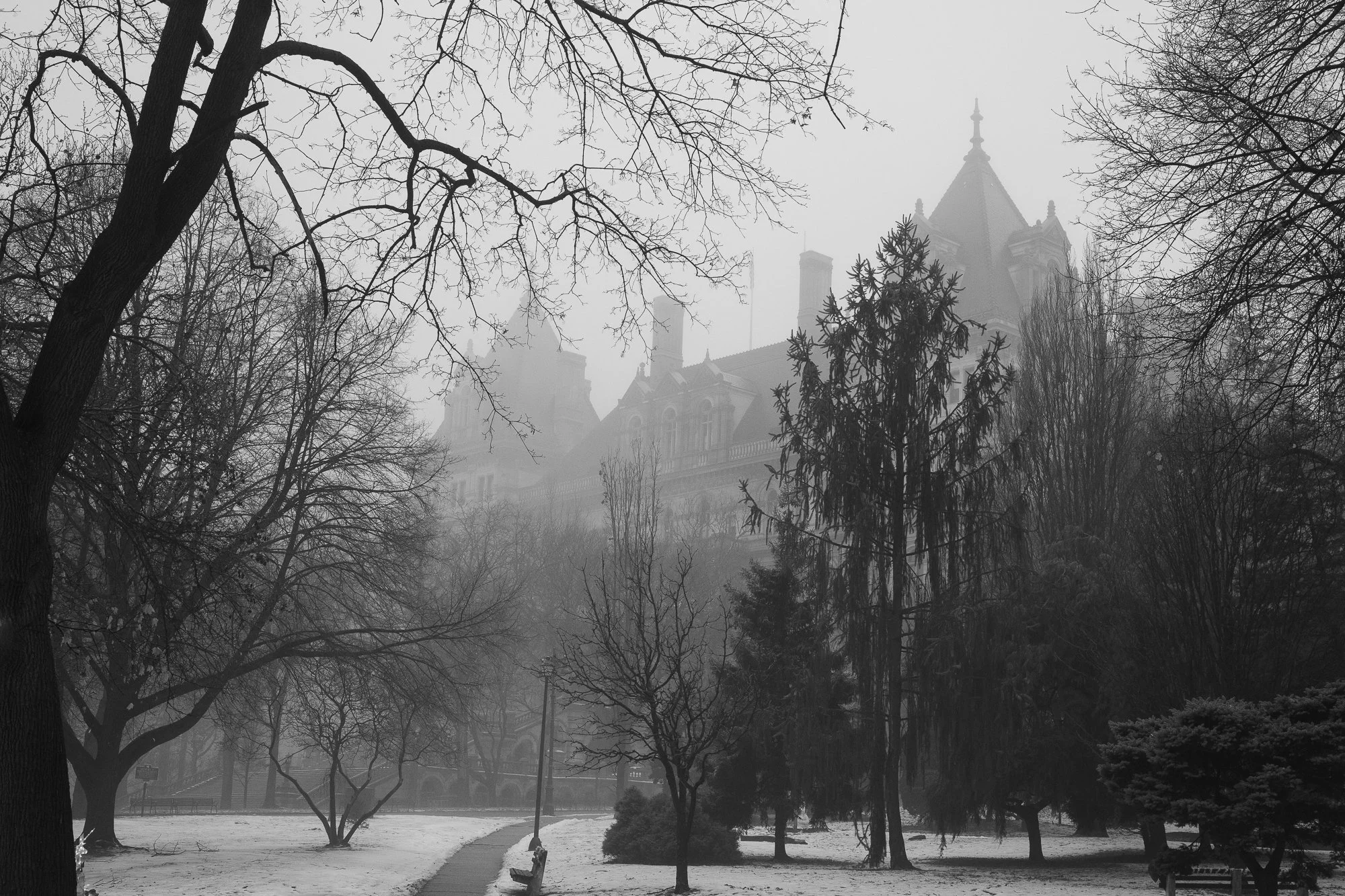
Black and white photograph of the New York State Capitol partially obscured by winter trees in Albany

The New York State Capitol recedes behind bare winter trees as fog softens its presence in Albany, NY

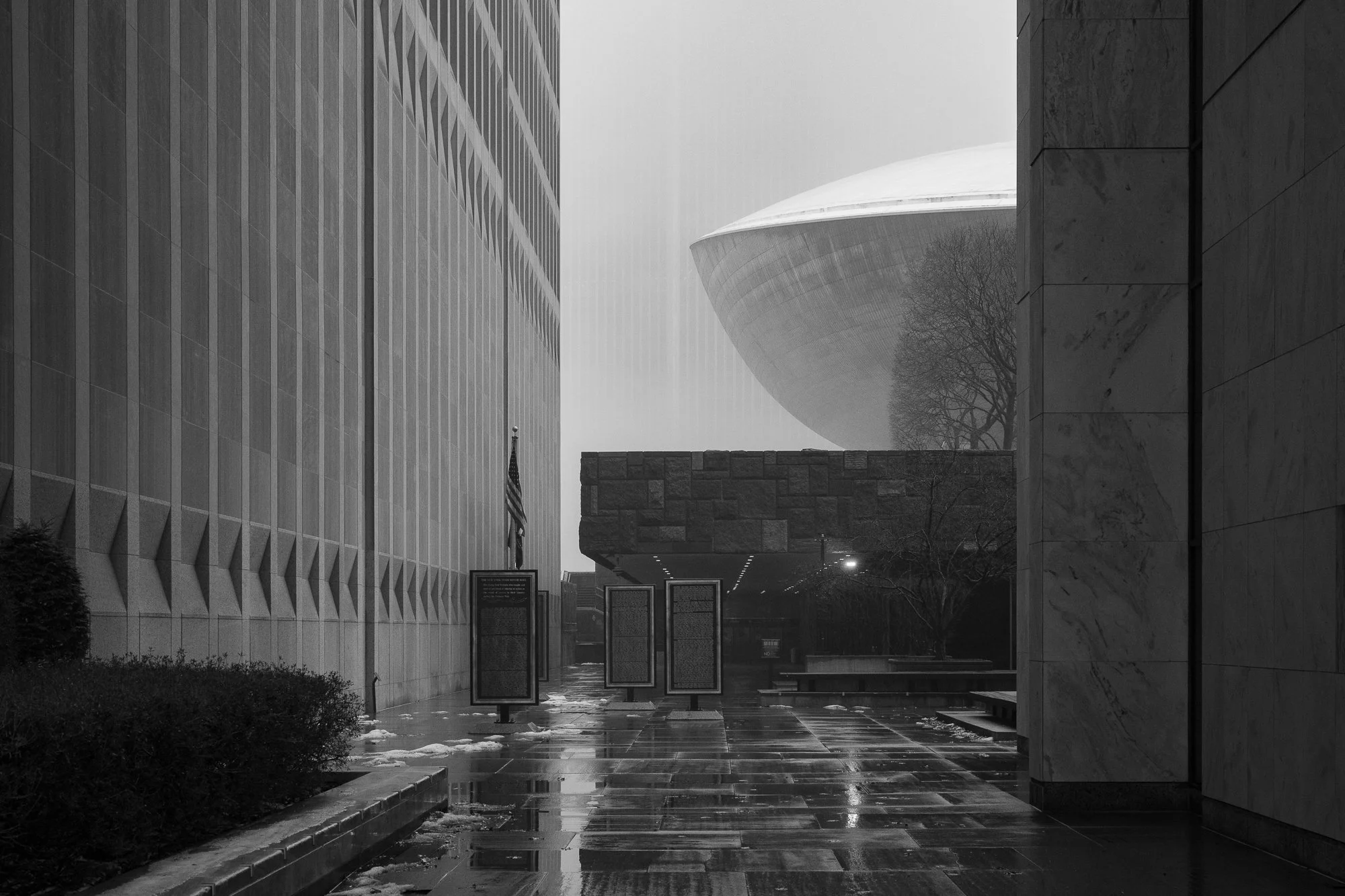
Black and white architectural photograph of Empire State Plaza buildings in Albany, New York

Empire State Plaza emerges through fog, emphasizing clean lines, scale, and negative space.

Timeless black and white photograph of Albany, New York

Classic black and white photograph of Albany, NY

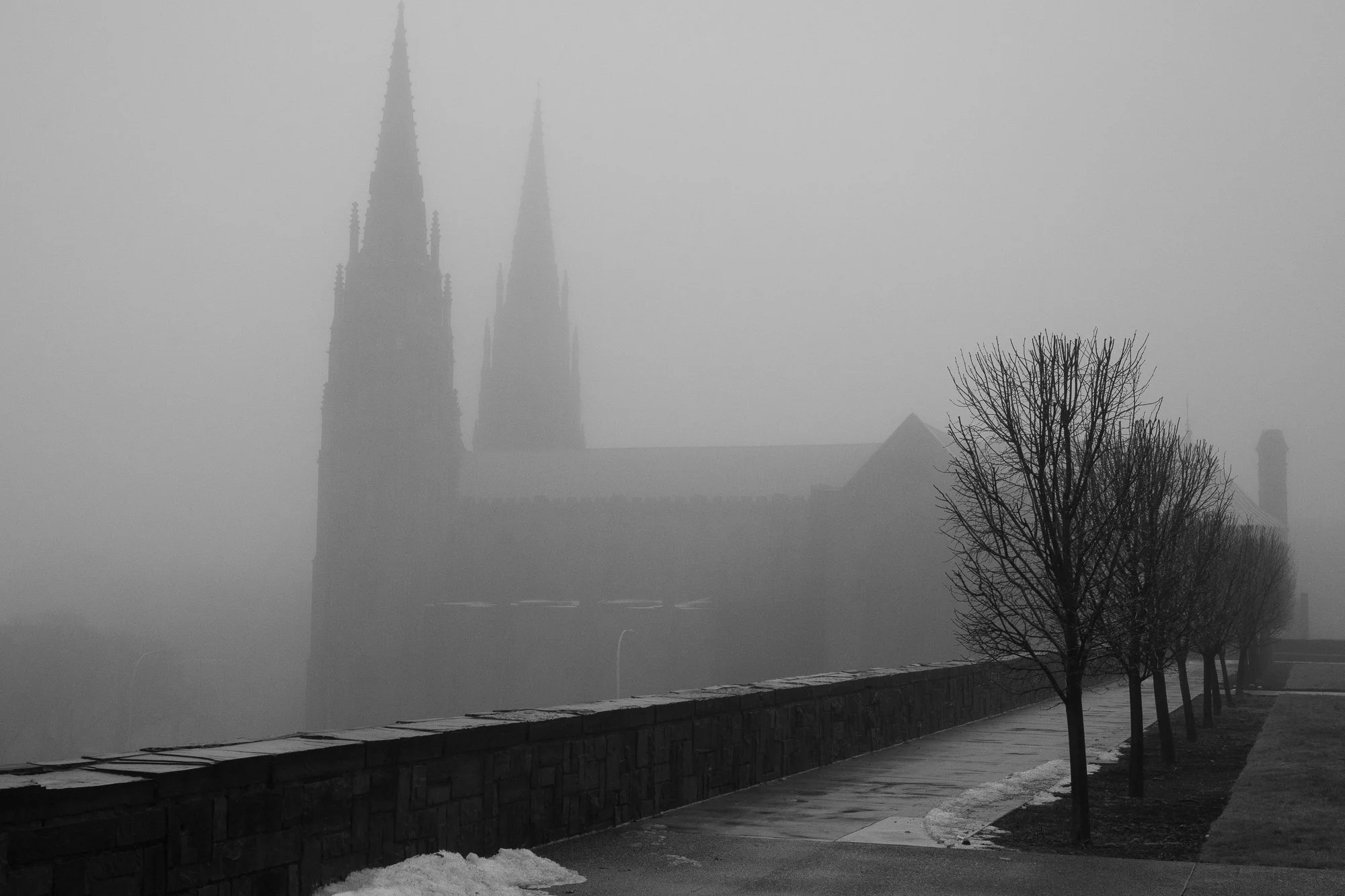
Black and white photograph of cathedral spires emerging through fog in Albany, New York

Cathedral spires of the Church of the Immaculate Conception in Albany, NY rise quietly through dense fog, reducing the city to silhouette and form.

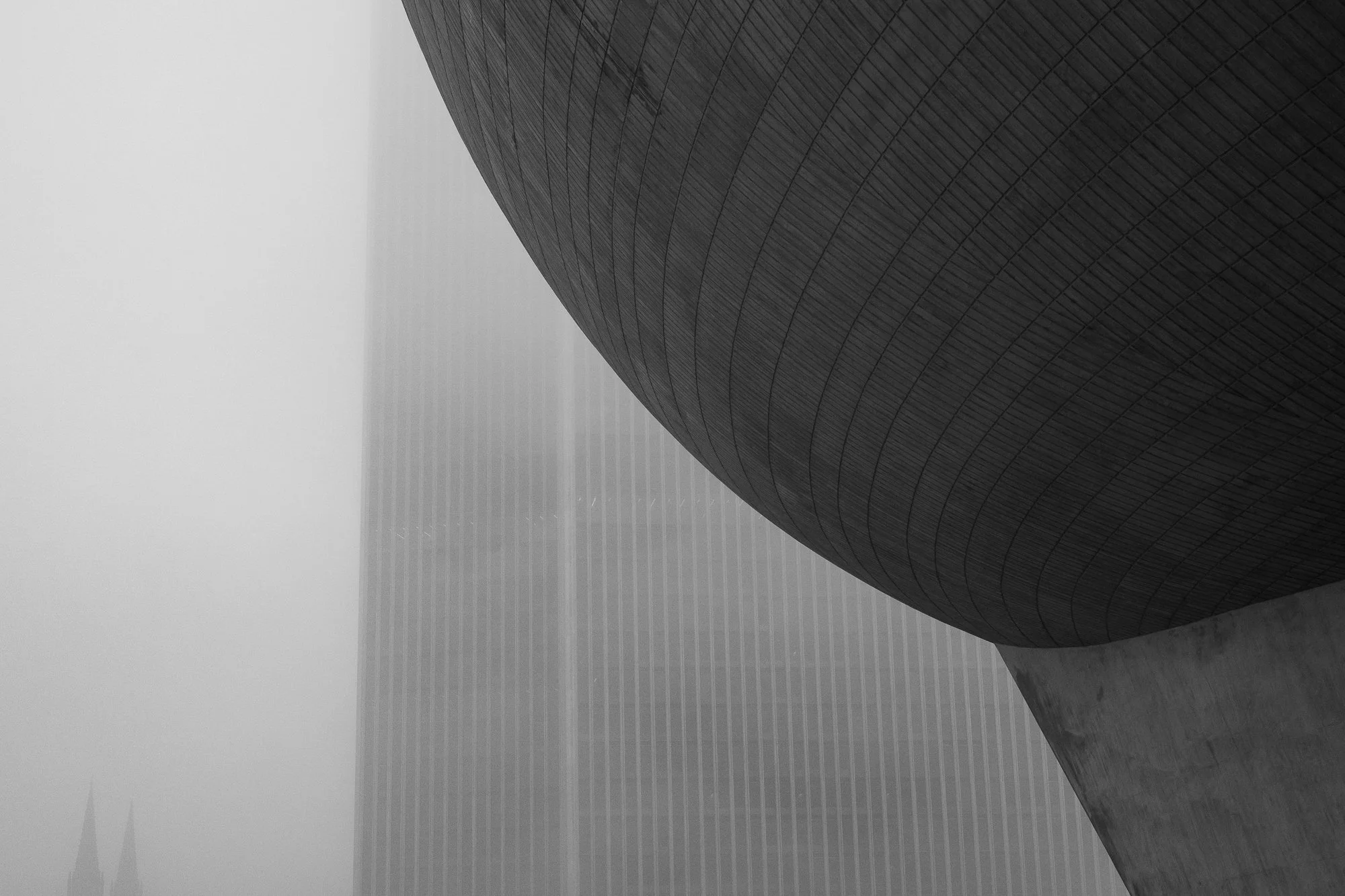
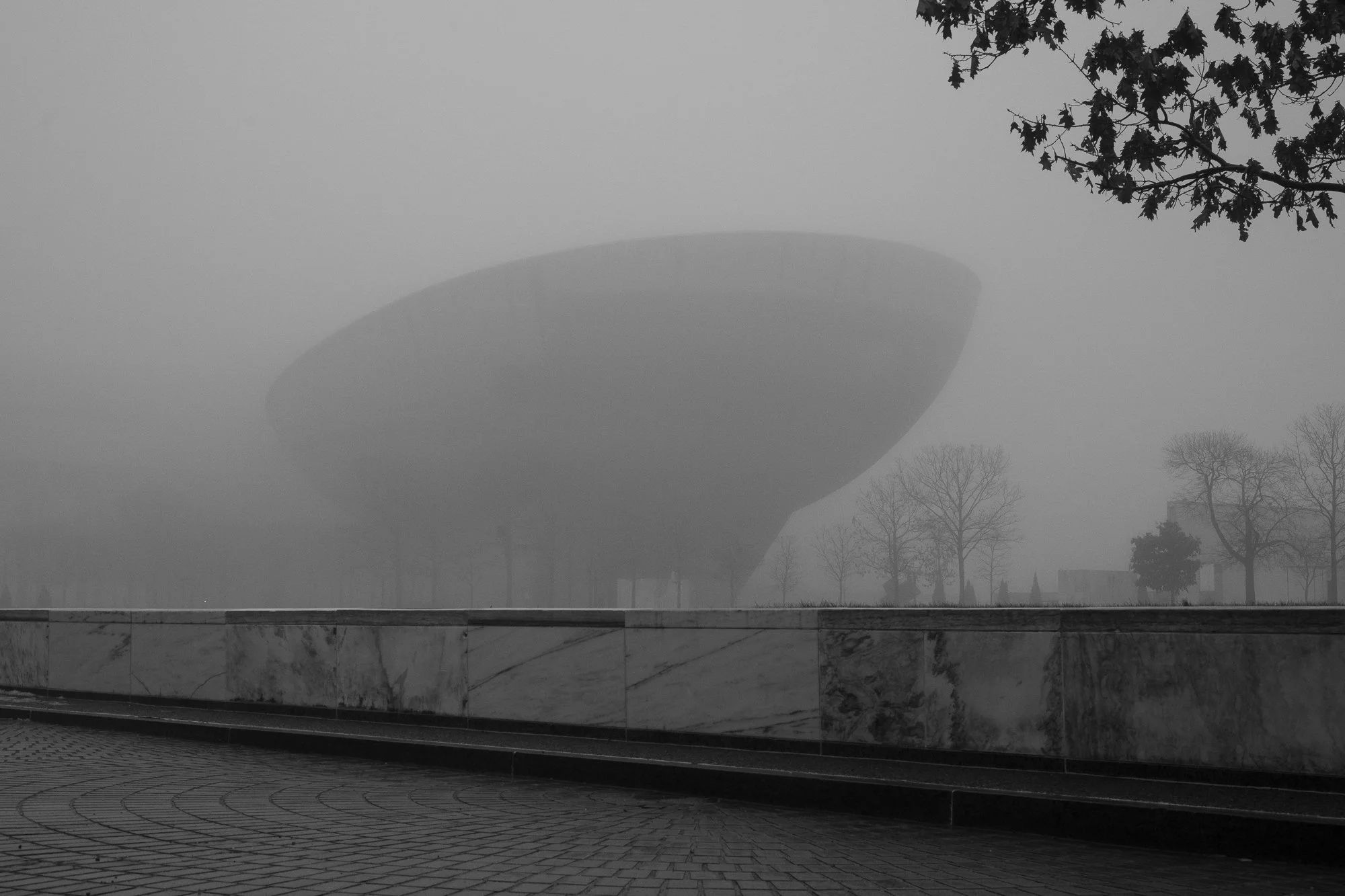
Black and white photograph of The Egg performing arts center in Albany, New York

Empire State Plaza - A close architectural study of The Egg, where curve and concrete dominate the frame.

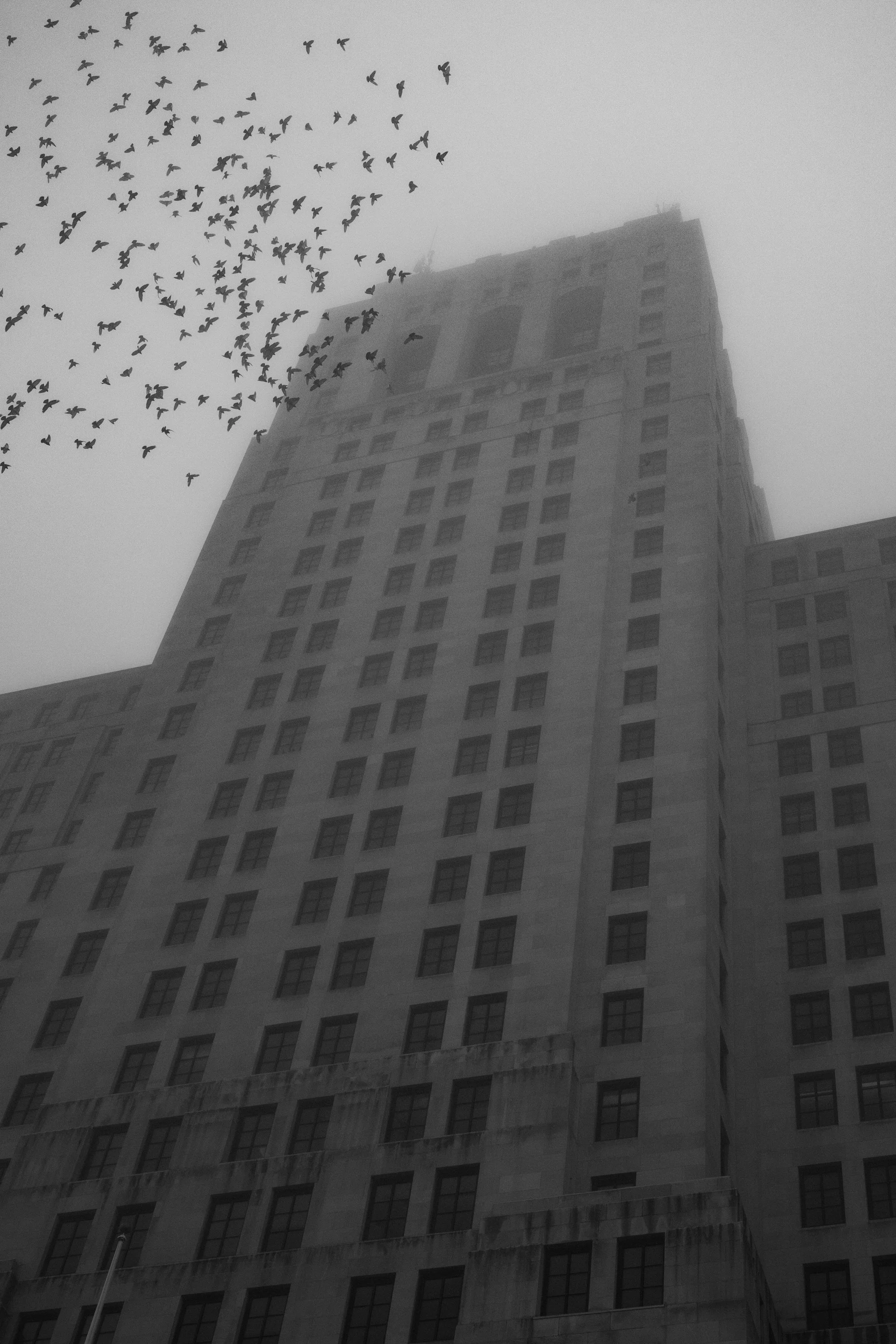
Black and white photograph of birds flying past a tall government building in Albany, New York

A flock of birds breaks the stillness above the Alfred E. Smith building, adding movement to an otherwise rigid form.

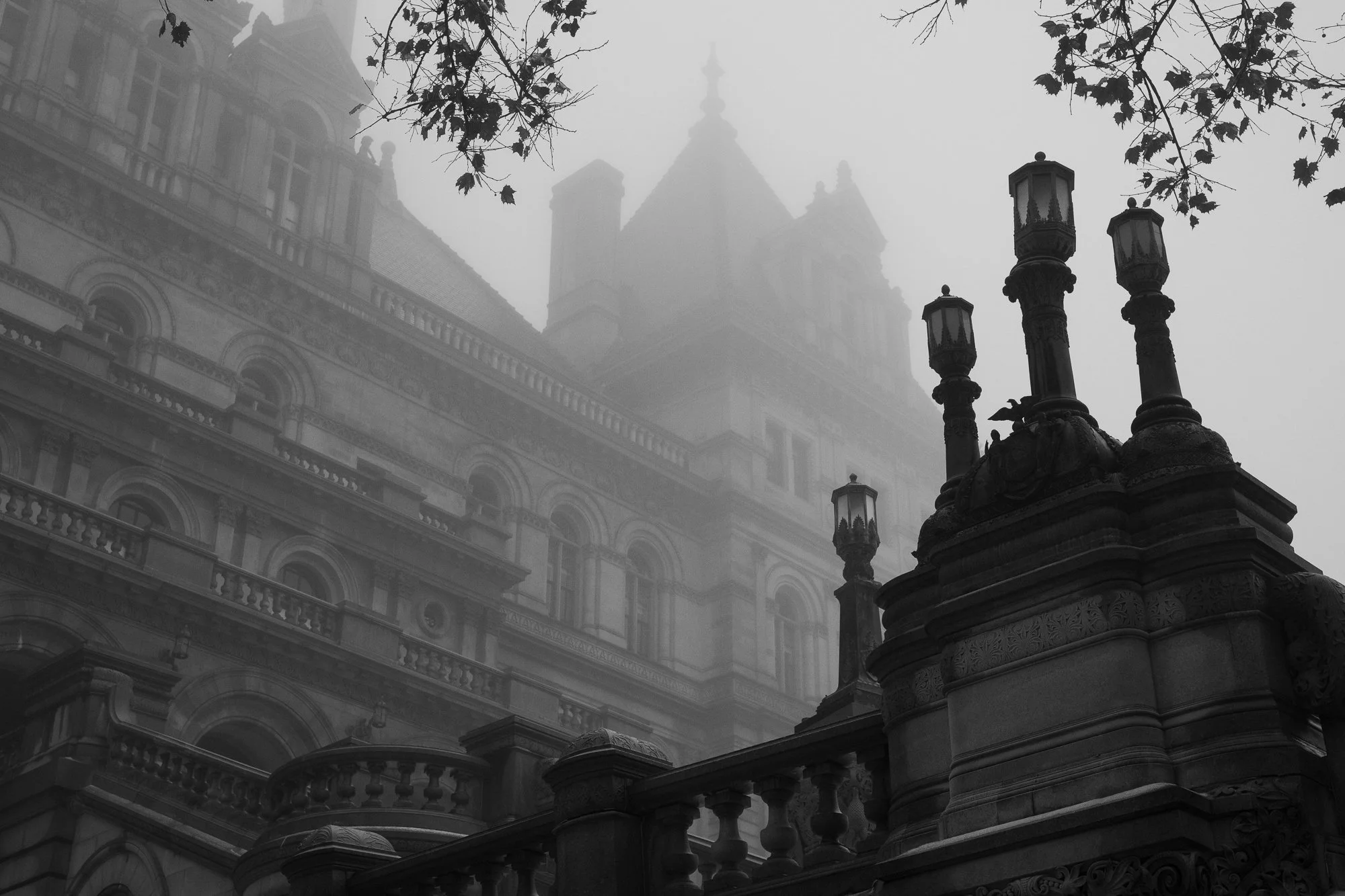
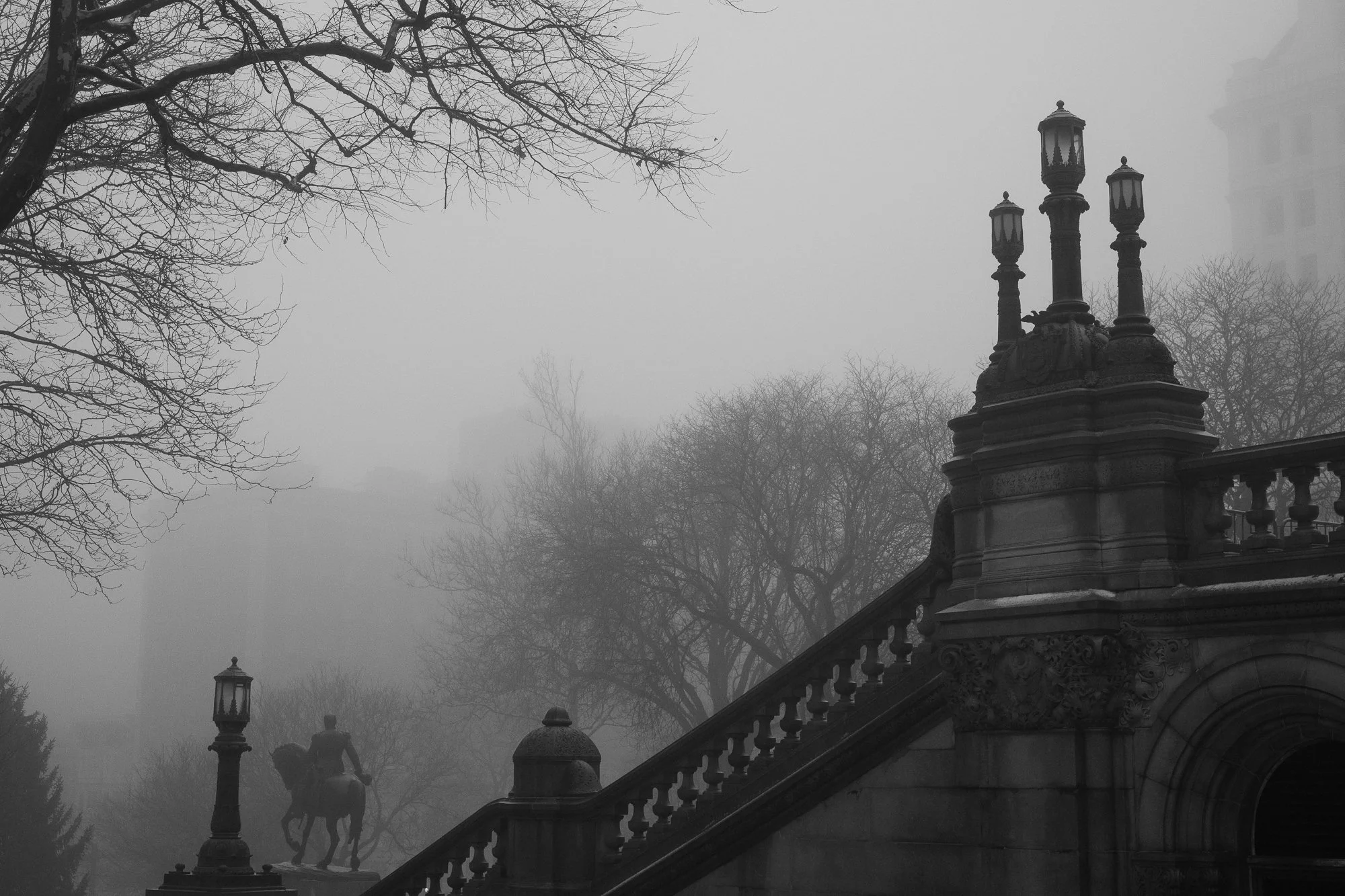
Black and white photograph of decorative balustrades and lampposts at the New York State Capitol in fog

Decorative stonework and lampposts lead the eye toward the Capitol as fog softens the background.

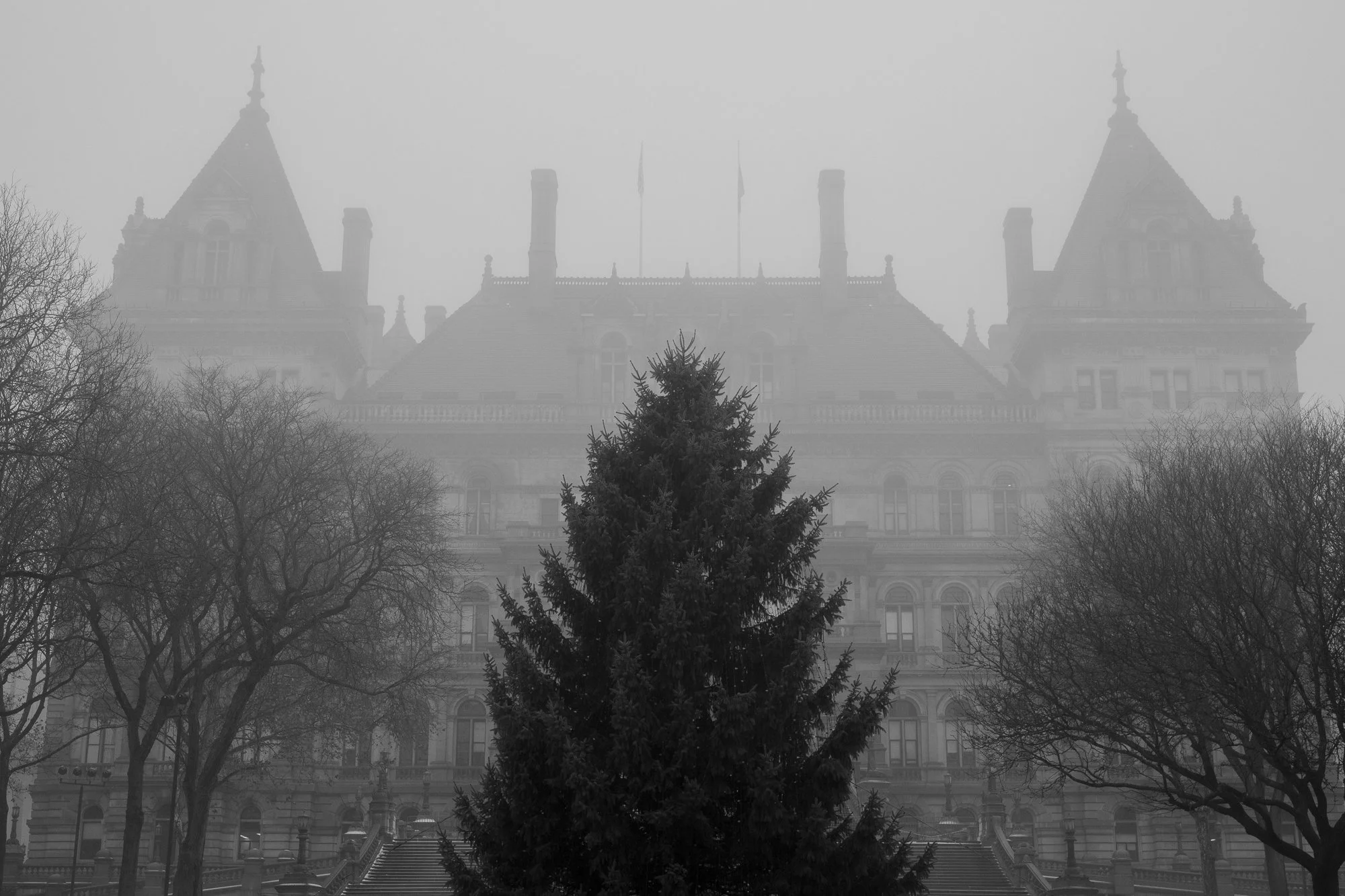
Black and white photograph of the New York State Capitol with symmetrical towers and a central evergreen

Symmetry, fog, and restrained contrast reduce the the New York Sate Capitol building to pure form. This photograph is offered as a fine art print that works especially well in offices and interiors where quiet authority matters.

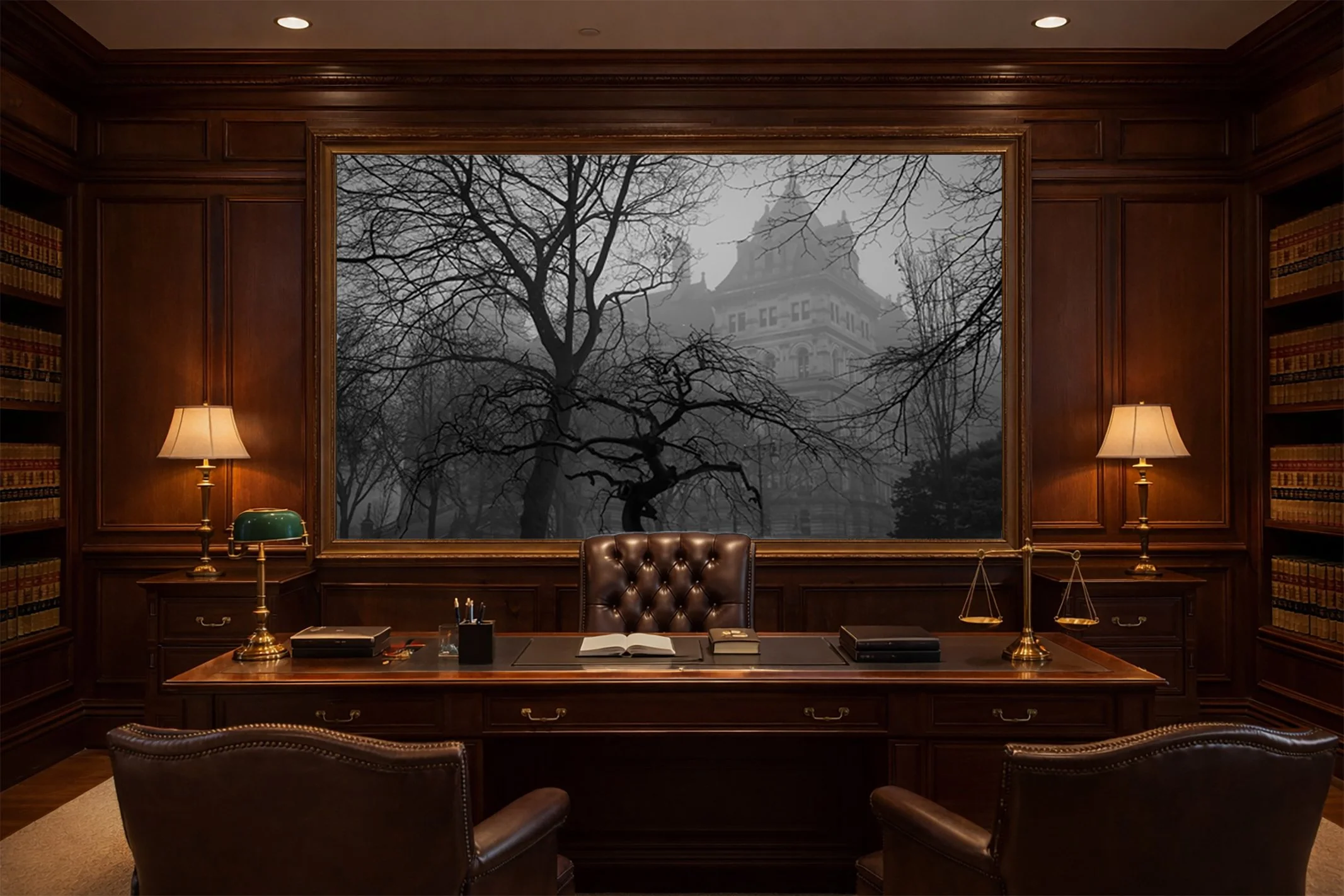
Black and white architectural photograph of an Albany, New York landmark displayed in a high-end attorney’s office with dark wood paneling and classic furnishings

A black and white architectural photograph of Albany, New York, shown here installed in a high-end attorney’s office. The fog-softened historic architecture and bare winter trees bring a quiet sense of permanence and authority to a refined professional space.

Black and white photograph of The Egg performing arts center partially obscured by fog in Albany

The Egg appears as a softened form within heavy fog, emphasizing scale and negative space.

Black and white photography print of historic Albany, NY architecture

Photograph of the New York State Education Department building in Albany, NY

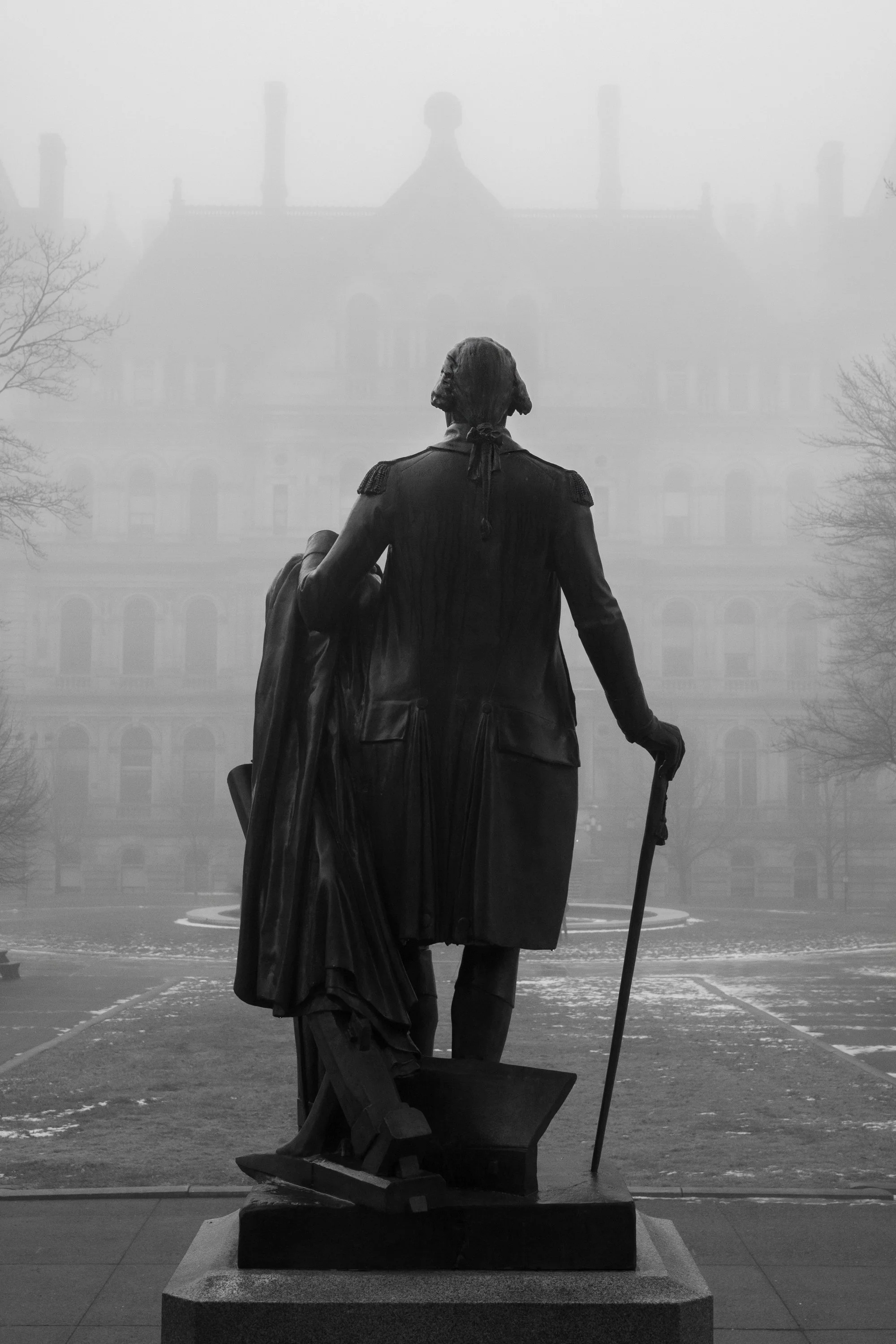
Black and white photograph of a statue in Washington Park framed by bare tree branches in Albany

A statue of George Washington stands quietly framed by winter branches and softened by fog.

Black and white photography print of the statue and staircase in front of the Capital building in Albany, NY

Timeless black and white photograph of Albany, NY architecture

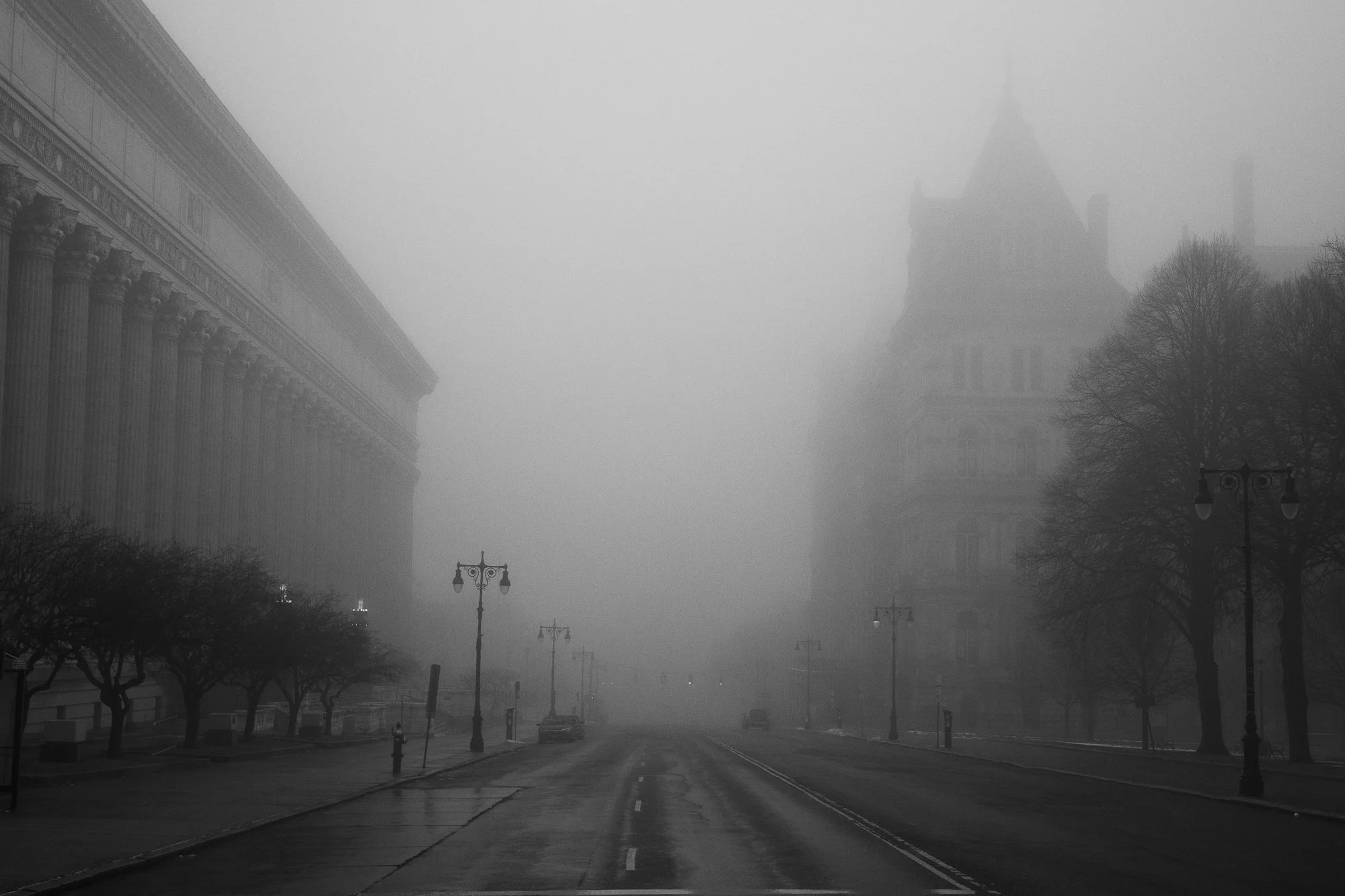
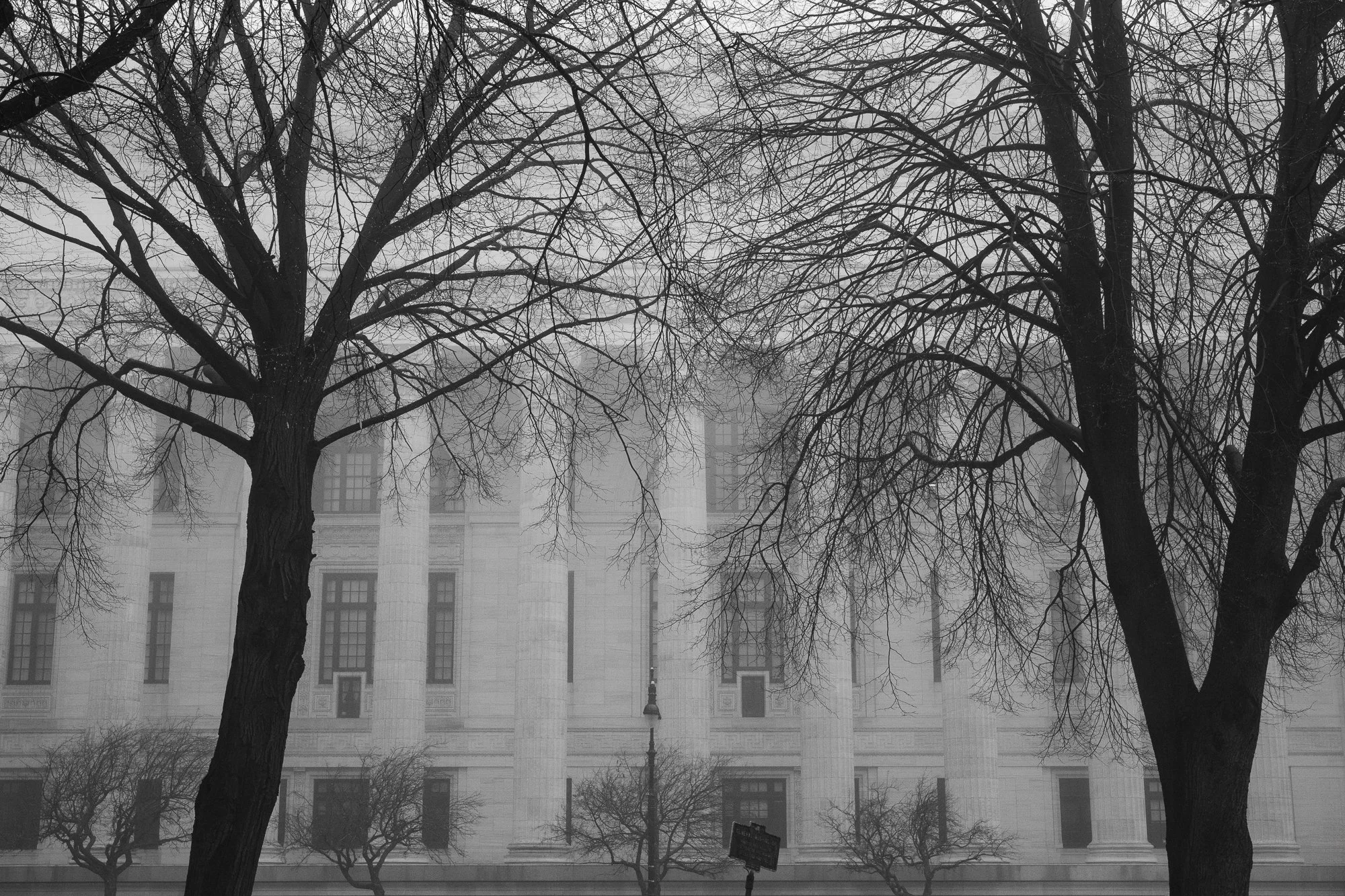
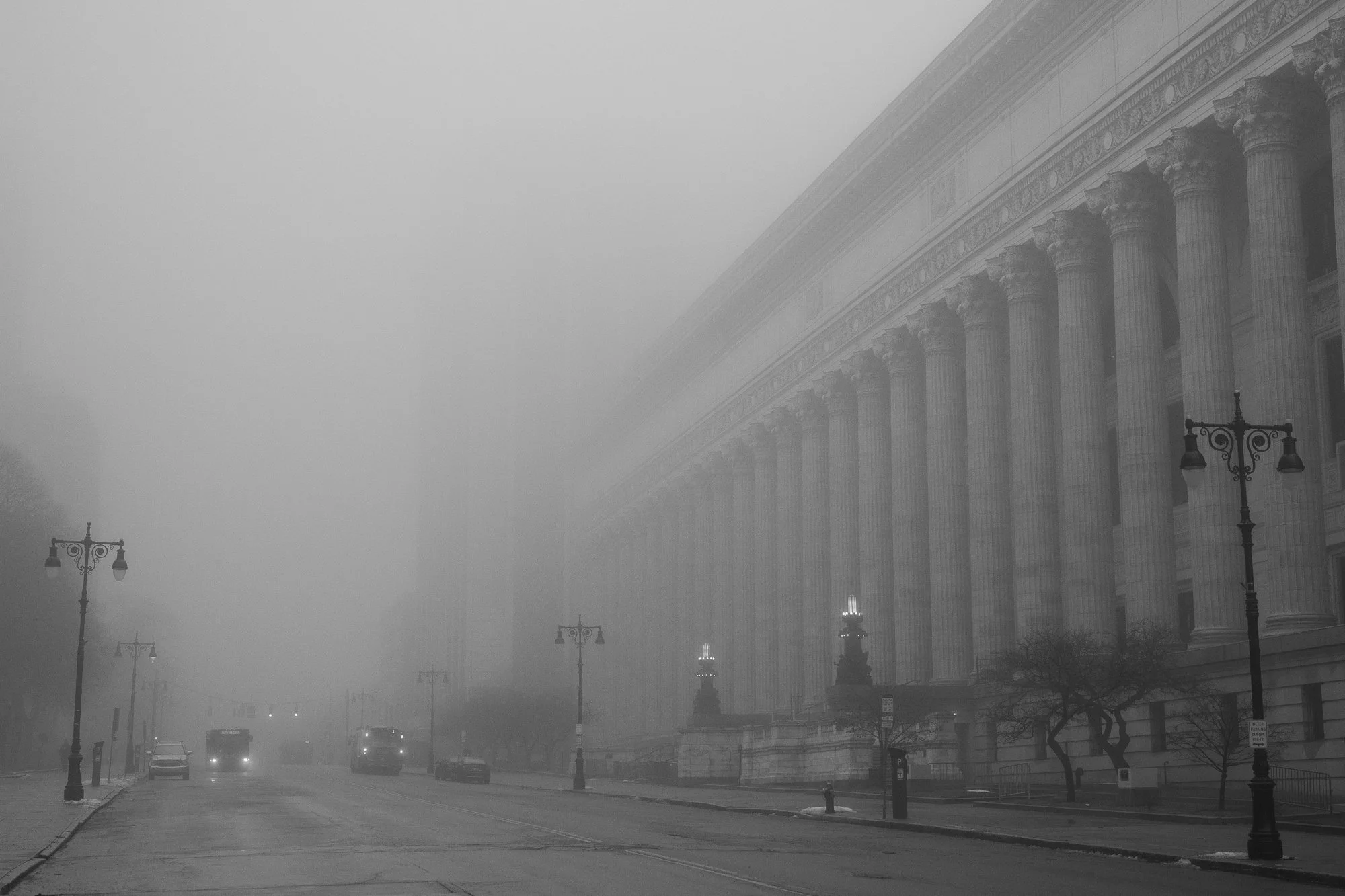
Black and white photograph of a columned government building along an empty street in Albany

A long row of columns fades into fog along a quiet Albany street, emphasizing repetition and scale.

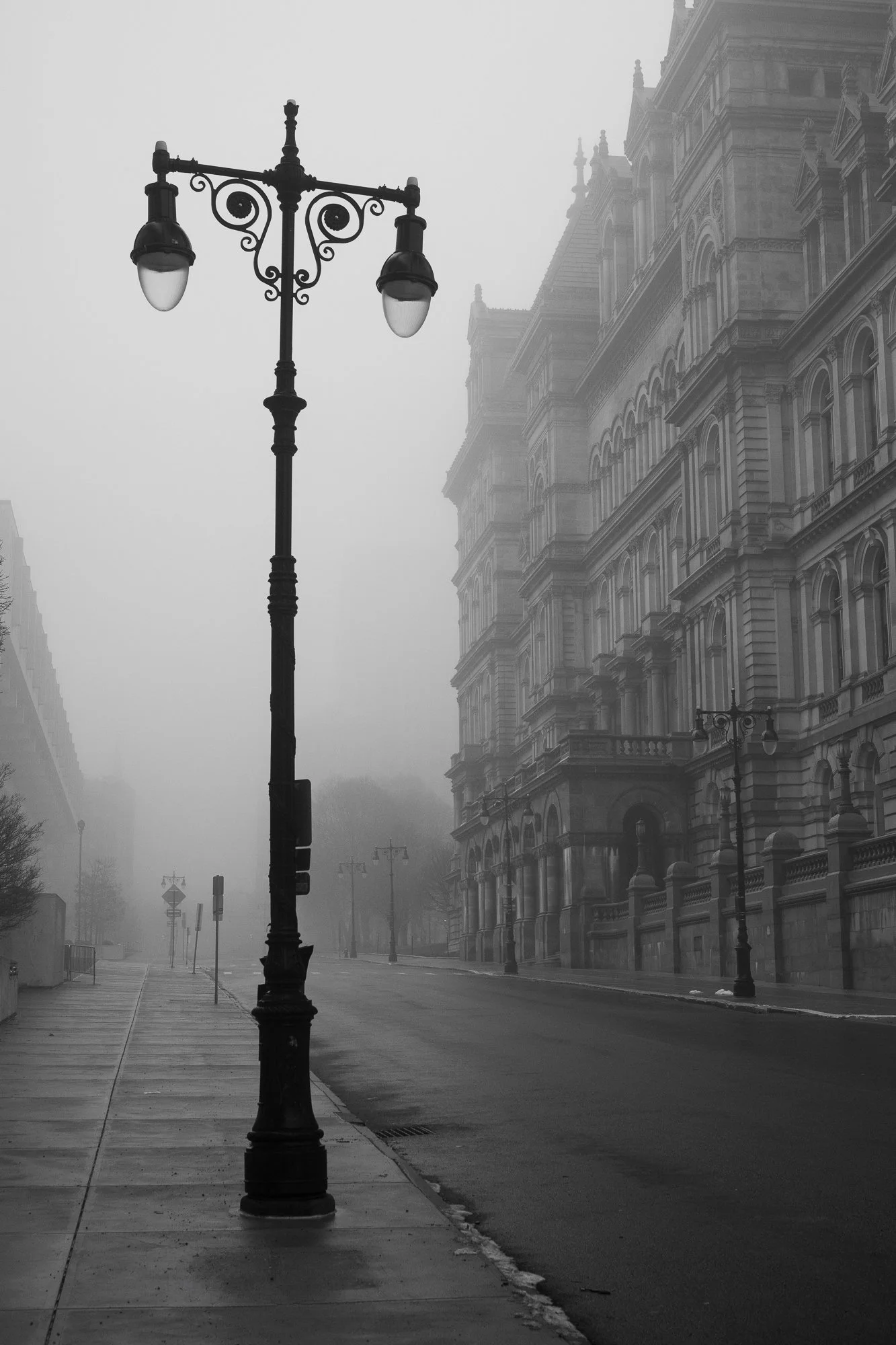
Black and white photograph of Albany, NY architecture

A single lamppost anchors an empty Albany street as fog dissolves the surrounding architecture.

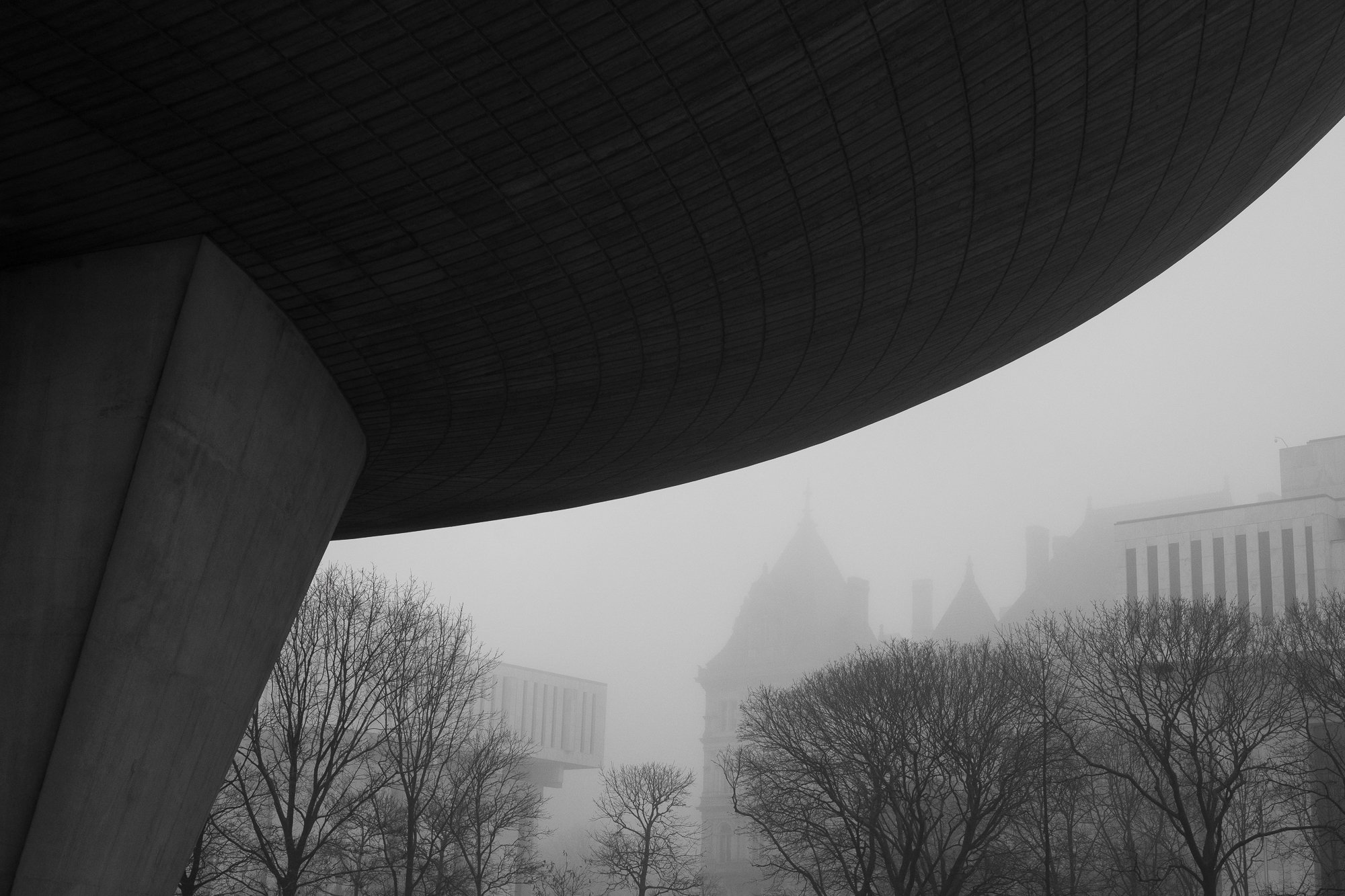
Black and white fine art photograph of The Egg and architecture in Albany, NY

The sweeping curve of The Egg floats above Albany’s softened skyline as fog reduces detail and scale.

Jackson, Mississippi Photography Prints

Bring Home the Charm of Jackson, Mississippi: Wall Art Prints of Historic Landmarks
Jackson, Mississippi, known as the "City with Soul," boasts a rich tapestry of history, culture, and striking landmarks. For photography collectors, the city offers a treasure trove of opportunities to acquire fine art photographs that capture its essence. Whether you're drawn to historical architecture, vibrant street scenes, or serene natural landscapes, Jackson's landmarks provide a stunning canvas for artistic expression.

Why Collect Fine Art Photography of Jackson, Mississippi?

Fine art photography transcends mere documentation—it captures the emotion, texture, and unique character of a place. Jackson’s landmarks, from historic sites to modern attractions, tell stories that resonate with both locals and visitors. Collecting photographs of these iconic scenes allows you to preserve and celebrate the city’s spirit while enhancing your space with meaningful art.

Jackson’s Most Historic Buildings

1. Mississippi State Capitol
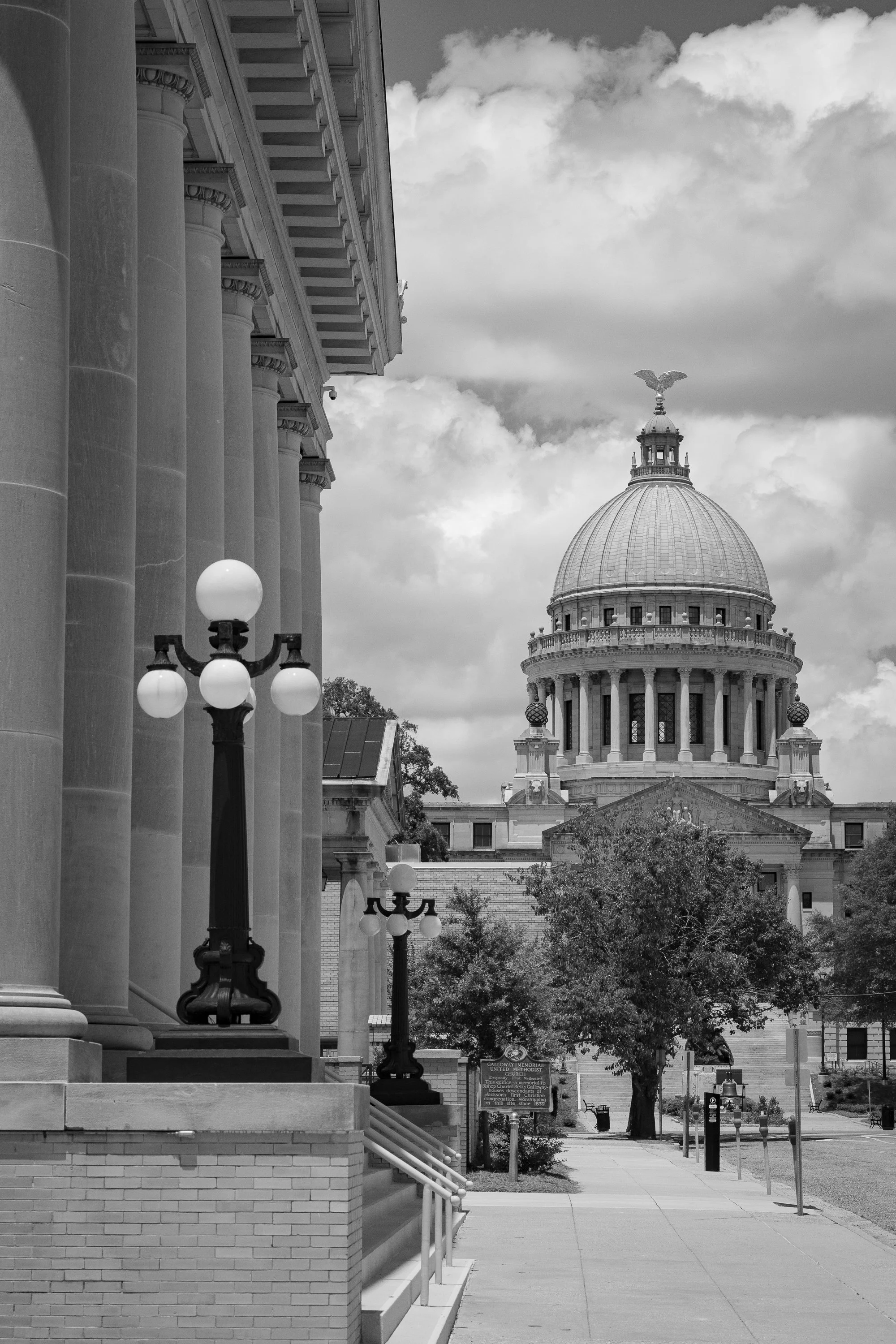
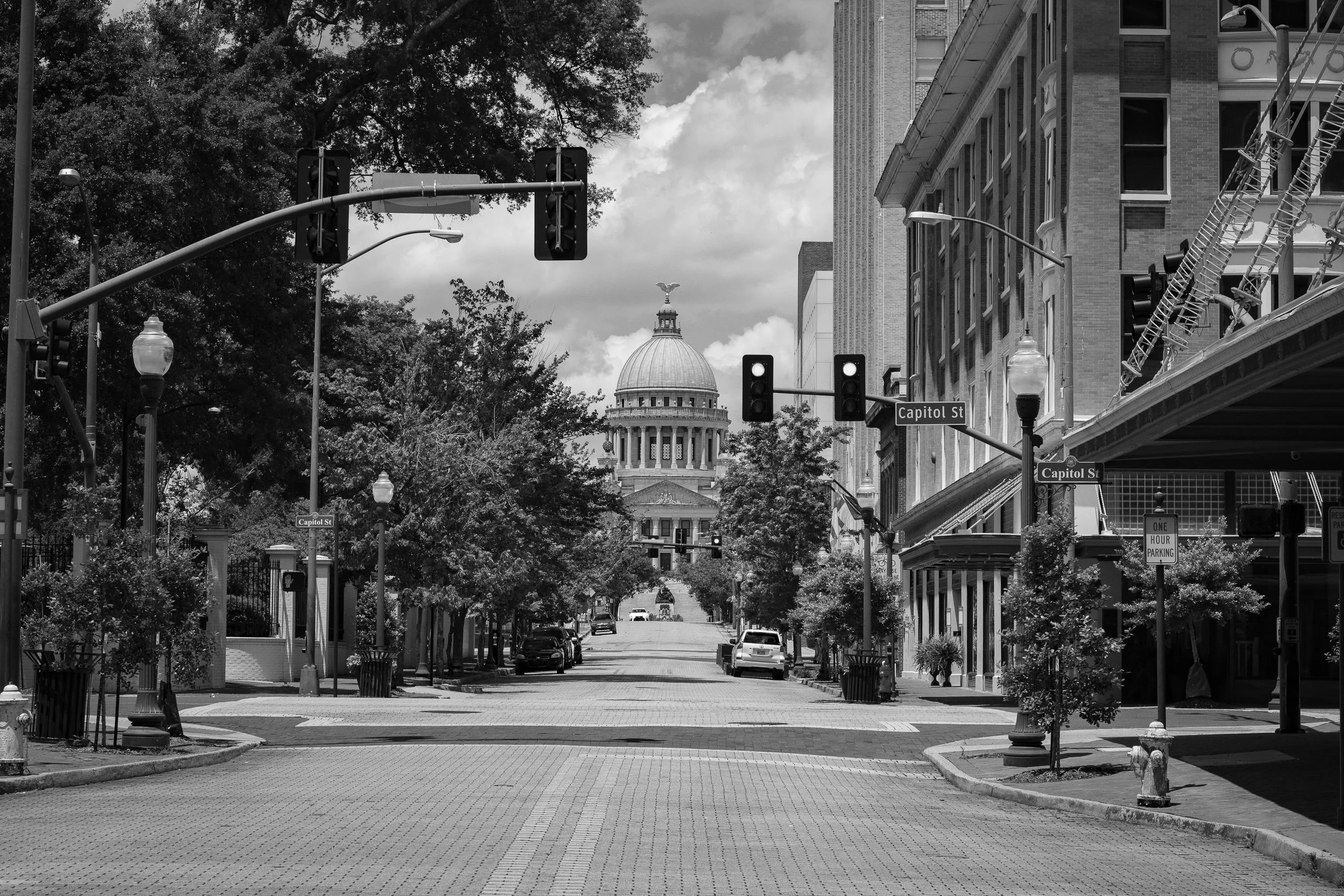
A masterpiece of Beaux-Arts architecture, the Mississippi State Capitol has stood proudly since 1903. With its grand dome, intricate columns, and marble interiors, this building serves as the seat of government and a symbol of Jackson’s political heritage. Its grounds feature notable monuments, including the towering Women of the Confederacy statue.

2. Old Capitol Museum
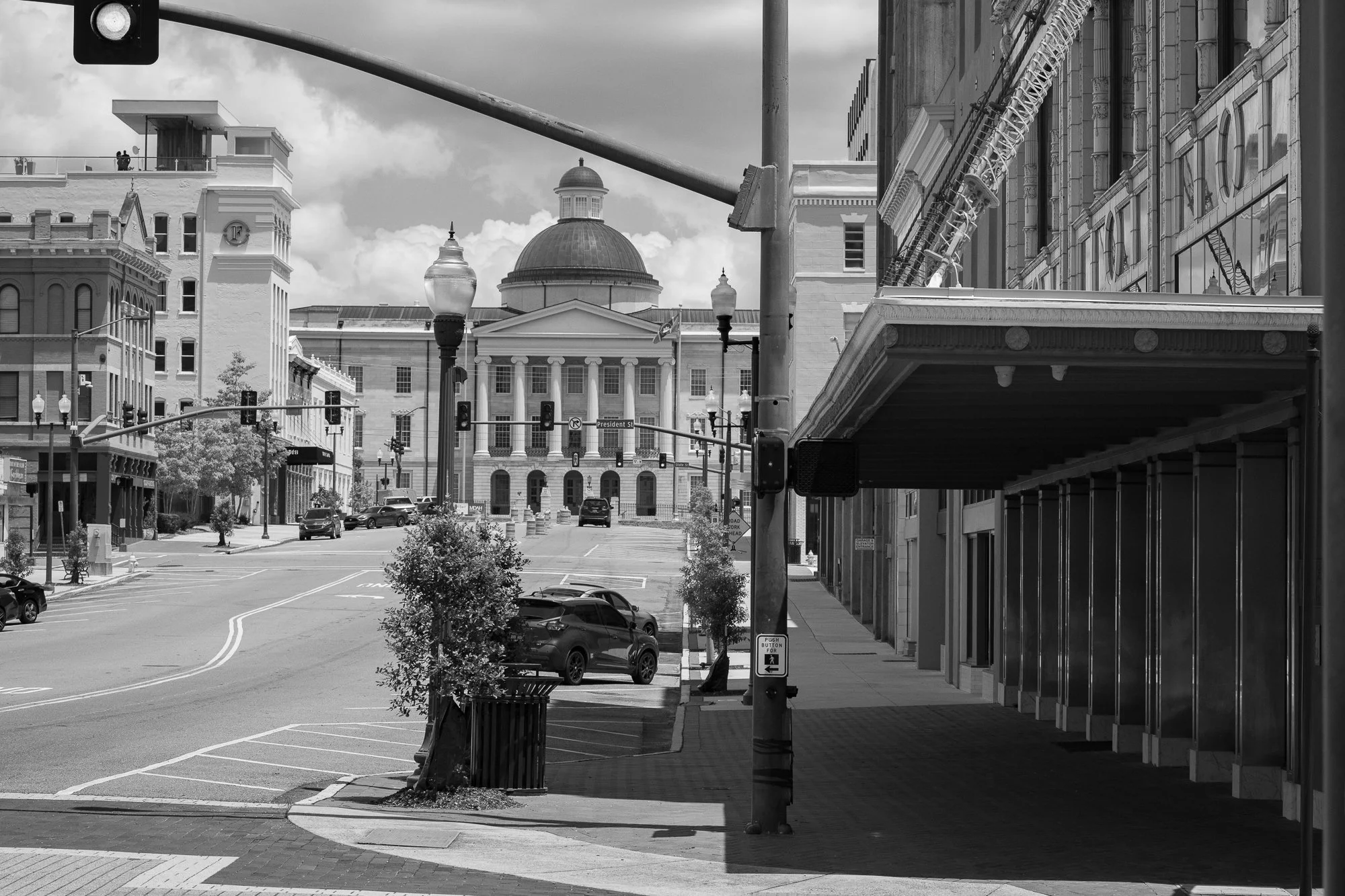
The Old Capitol, constructed in 1839, is one of the most significant landmarks in Mississippi's history. This Greek Revival-style building served as the state’s capitol until 1903 and was the site of major historical events, such as Mississippi’s secession from the Union in 1861. Now a museum, it offers a glimpse into the state’s political past and architectural grandeur.

3. Standard Life Building

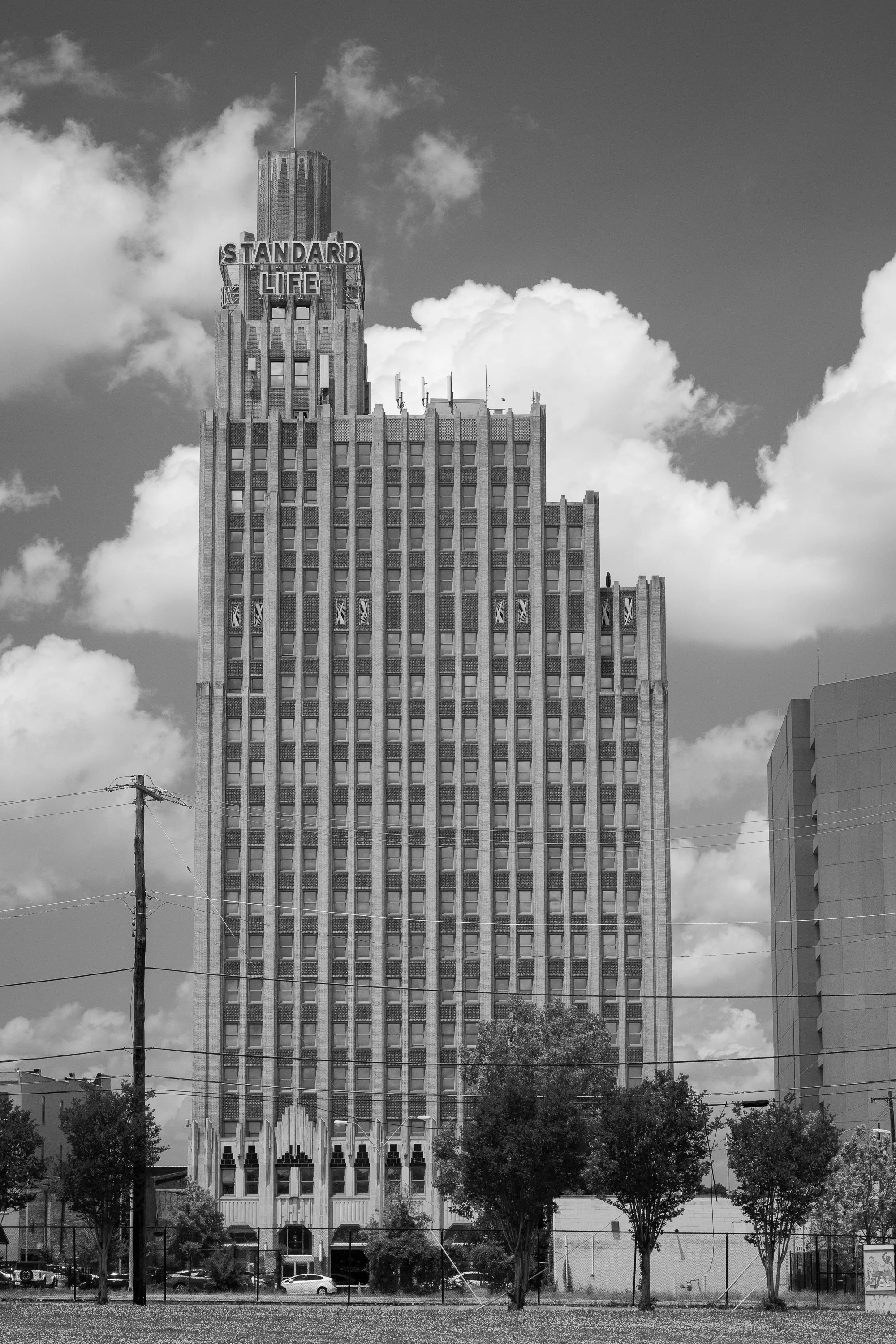
The Standard Life Building in Jackson, Mississippi, is a striking example of Art Deco architecture that has stood as a symbol of the city’s history and resilience since its completion in 1929. Once the tallest building in Mississippi, this iconic structure was designed with intricate details, including geometric patterns, elegant terracotta ornamentation, and distinctive setbacks that embody the architectural trends of the era.

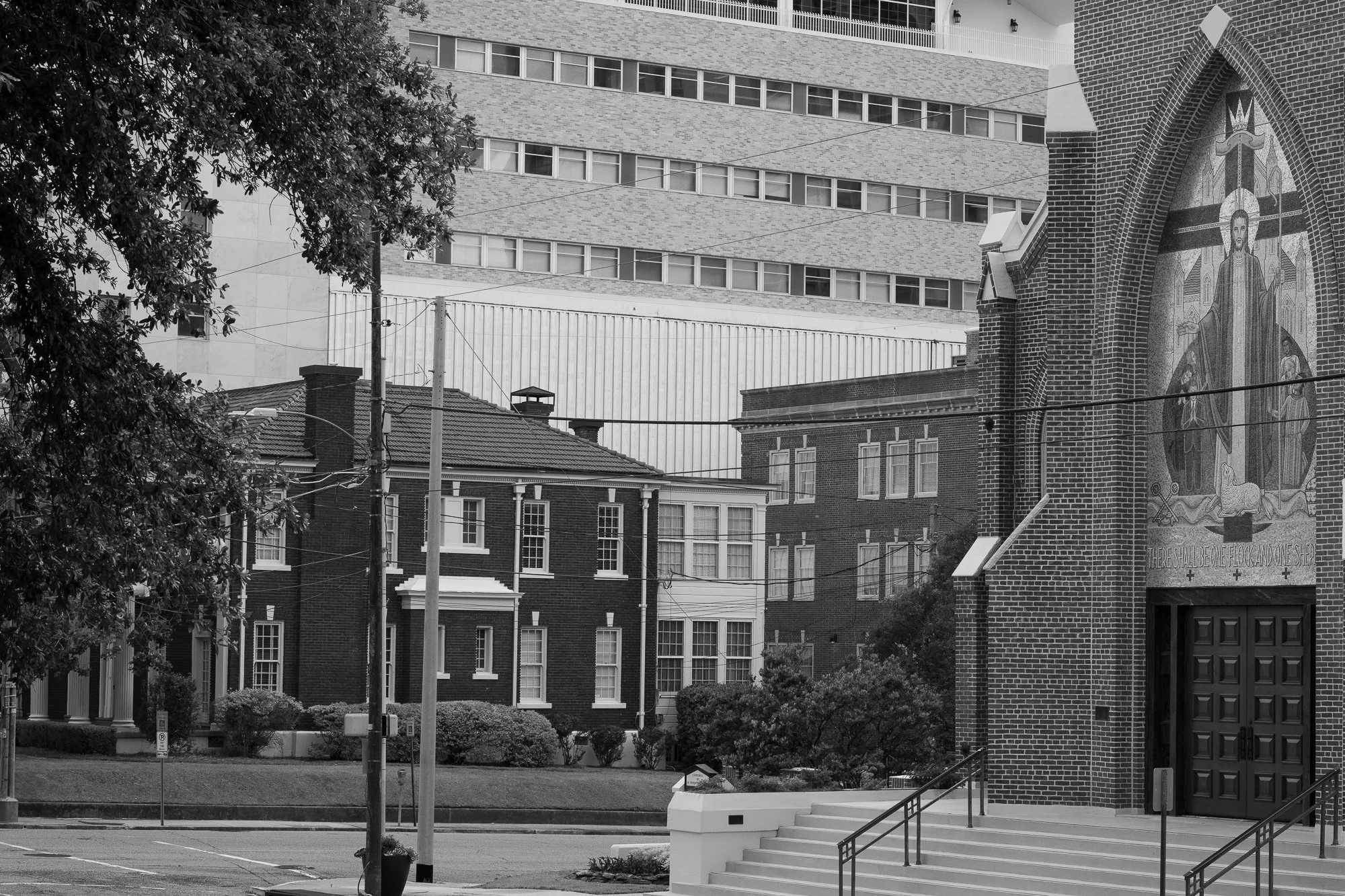
4. Cathedral of St. Peter The Apostle
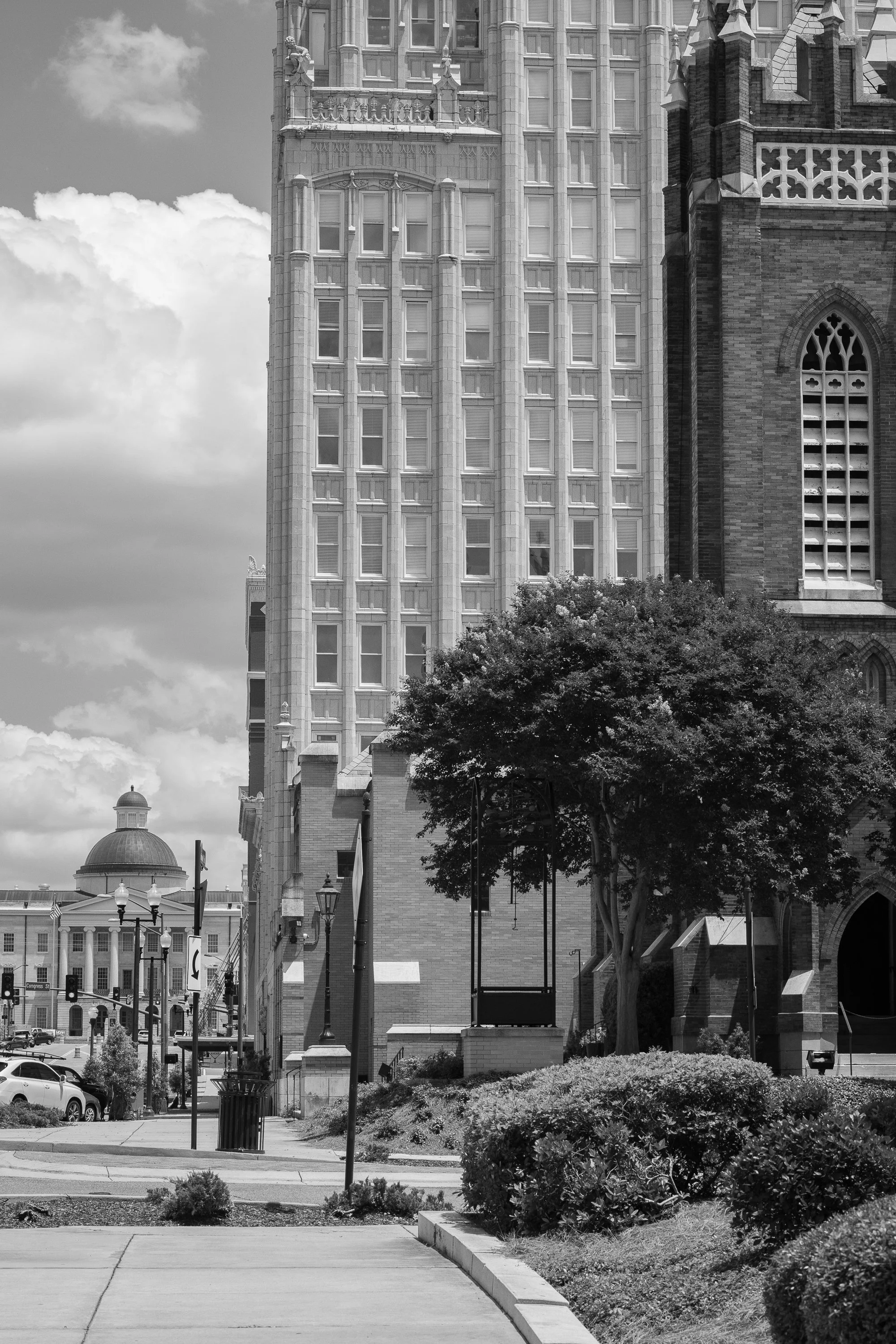
The Cathedral of St. Peter the Apostle in Jackson, Mississippi, is a breathtaking testament to the city's deep religious and architectural heritage. Established in 1847, the cathedral's stunning Gothic Revival style stands tall as a beacon of faith and history. Its pointed arches, intricate stained glass windows, and towering spires evoke a sense of grandeur and spiritual serenity. The cathedral’s presence on the Jackson skyline is both a visual and emotional anchor for the community.

5.LaMar Life Building
The Lamar Life Building is a historic building in Jackson, Mississippi, USA. It was designed in the Gothic Revival architectural style, and it was completed in 1924. It is the twelfth tallest building in Jackson, and was considered Jackson's first skyscraper.

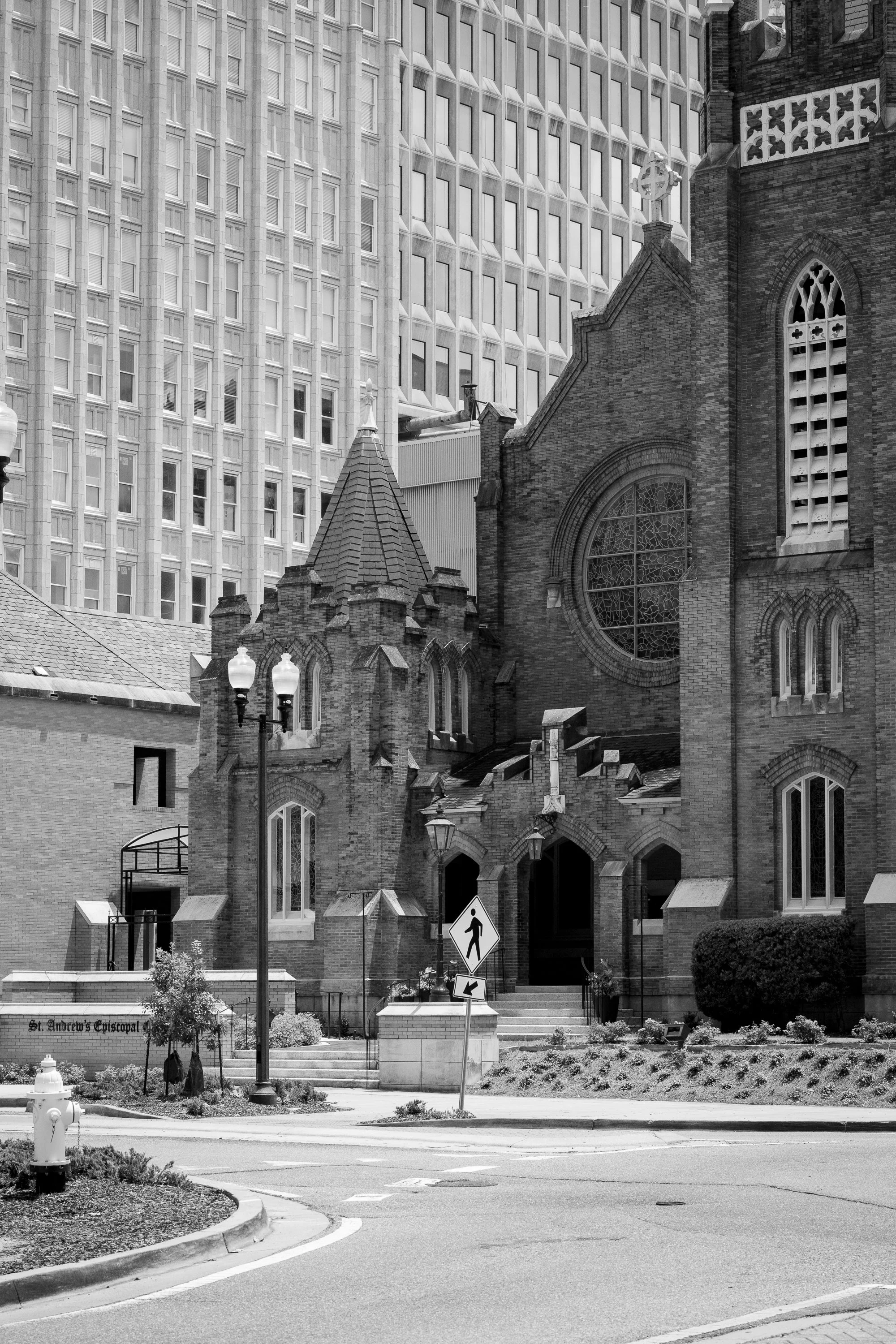
6. Saint Andrew’s Episcopal Cathedral

Saint Andrew’s Episcopal Cathedral is one of Jackson’s most cherished landmarks, a stunning example of English Gothic architecture that blends historical significance with striking beauty. Built in 1903, the cathedral’s soaring spires, intricate stonework, and lush stained glass windows create a visual narrative of both strength and grace. Its hallowed halls have witnessed generations of worshippers, making it a significant symbol of Jackson’s spiritual and cultural life.

Tips for Collectors:

Choosing the Perfect Piece

  • Focus on Quality: Look for prints that showcase exceptional composition, lighting, and attention to detail. High-quality materials such as archival paper or metal prints ensure longevity.

  • Consider the Artist’s Perspective: A fine art photograph should reflect the unique vision of the artist. Consider their ability to tell a story or evoke emotion through their work.

  • Think About Your Space: Consider where the artwork will be displayed. A vibrant cityscape might suit a modern living room, while a tranquil nature scene could enhance a cozy study.All photographs are available as prints for your home of office - rob@robhammerphotography.com

    The Enduring Appeal of Jackson’s Fine Art Photography

    Jackson’s landmarks offer an endless source of inspiration for photographers and collectors alike. Each image tells a story of the city’s past, present, and future, making it a meaningful addition to any art collection. By investing in fine art photography, you’re not only celebrating Jackson’s beauty but also supporting the artists who bring its soul to life. Explore, collect, and let the vibrant spirit of Jackson, Mississippi, enrich your walls and your heart.

    Click here to shop Jackson, Mississippi Wall Art
Photography print of the State Capitol Building in Jackson, Mississippi

Mississippi Capital Building Wall Art
Black and white print of the Standard Life Building in Jackson, Mississippi

Historic black and white photograph of downtown Jackson, Mississippi

The Old Capitol Museum

Black and white print of the LaMar Life Building in Jackson, Mississippi

Photograph of a church in downtown Jackson, MS

Cathedral of St. Peter The Apostle

Fine art print of St. Andrew’s Episcopal Cathedral

Richmond, Virginia Photography Prints

Richmond, VA Wall Art: Fine Art Photography Prints of City Landmarks

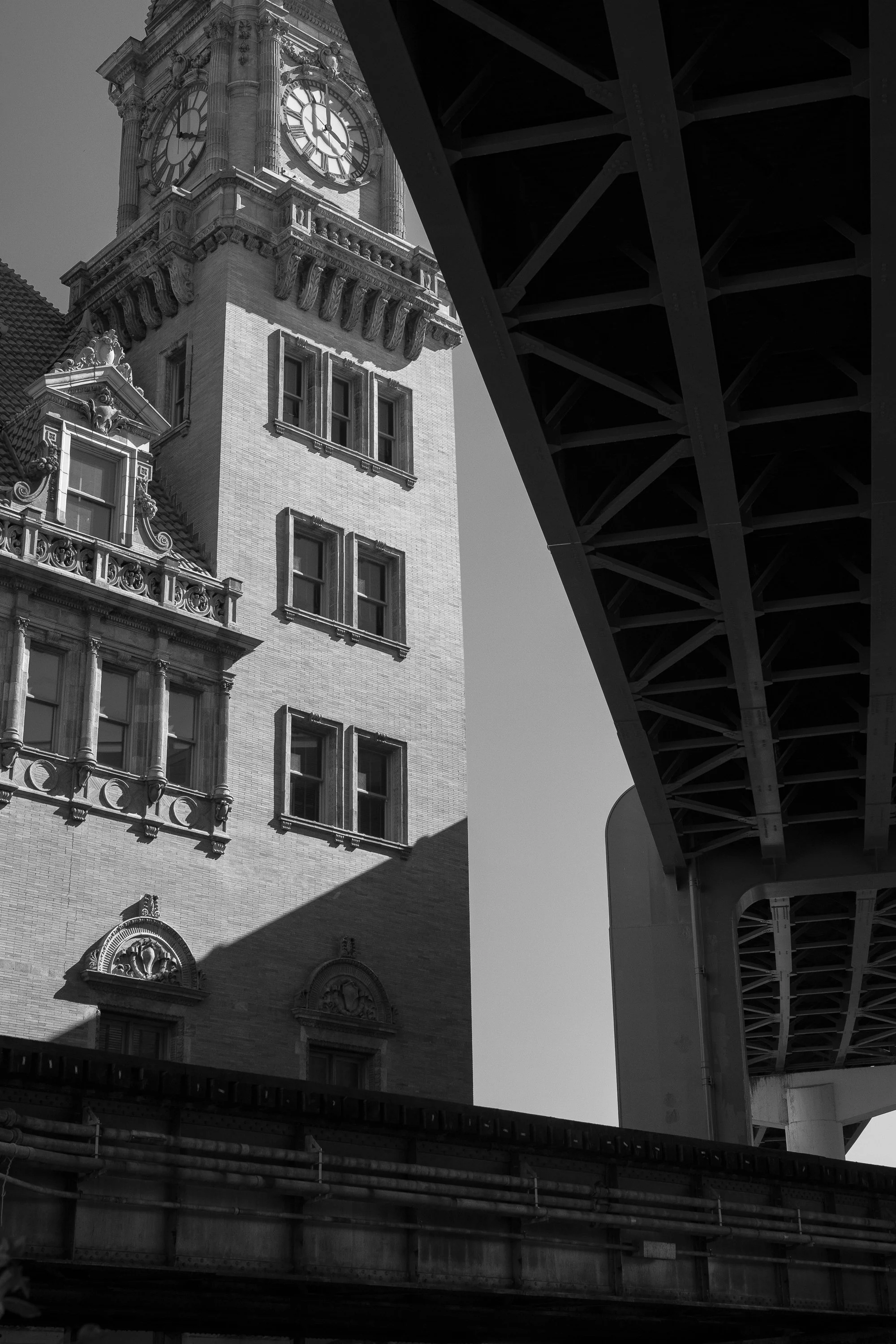
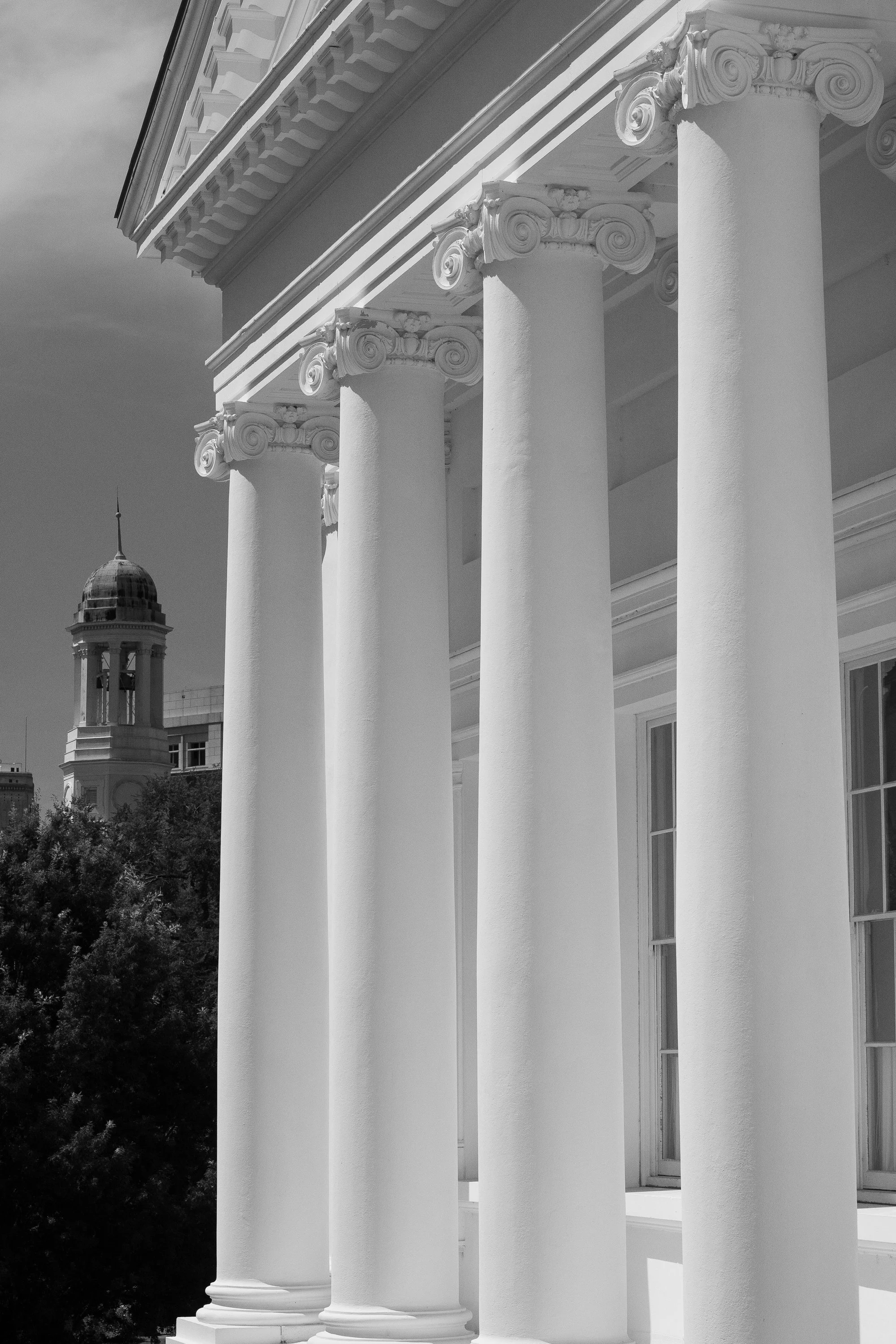
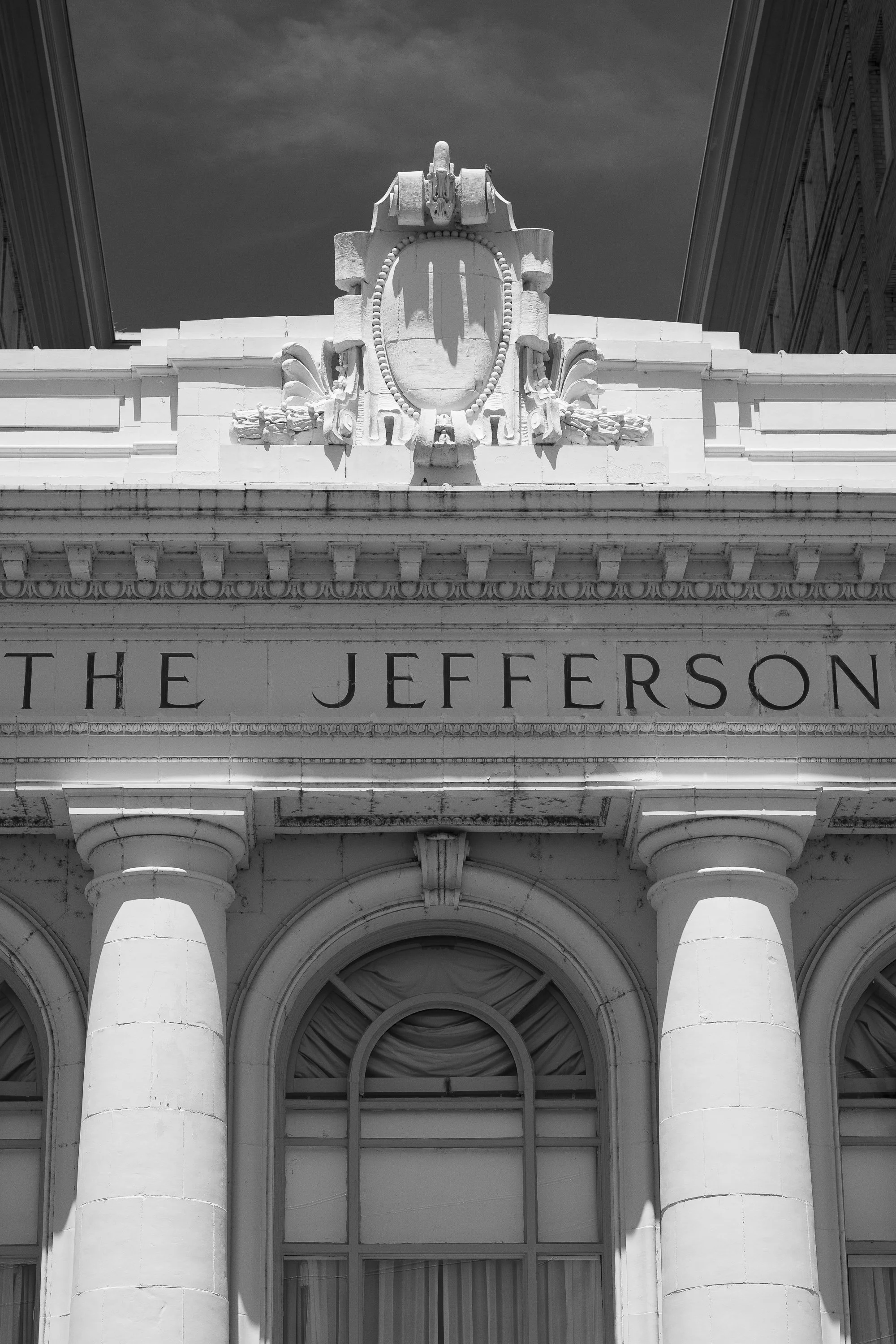
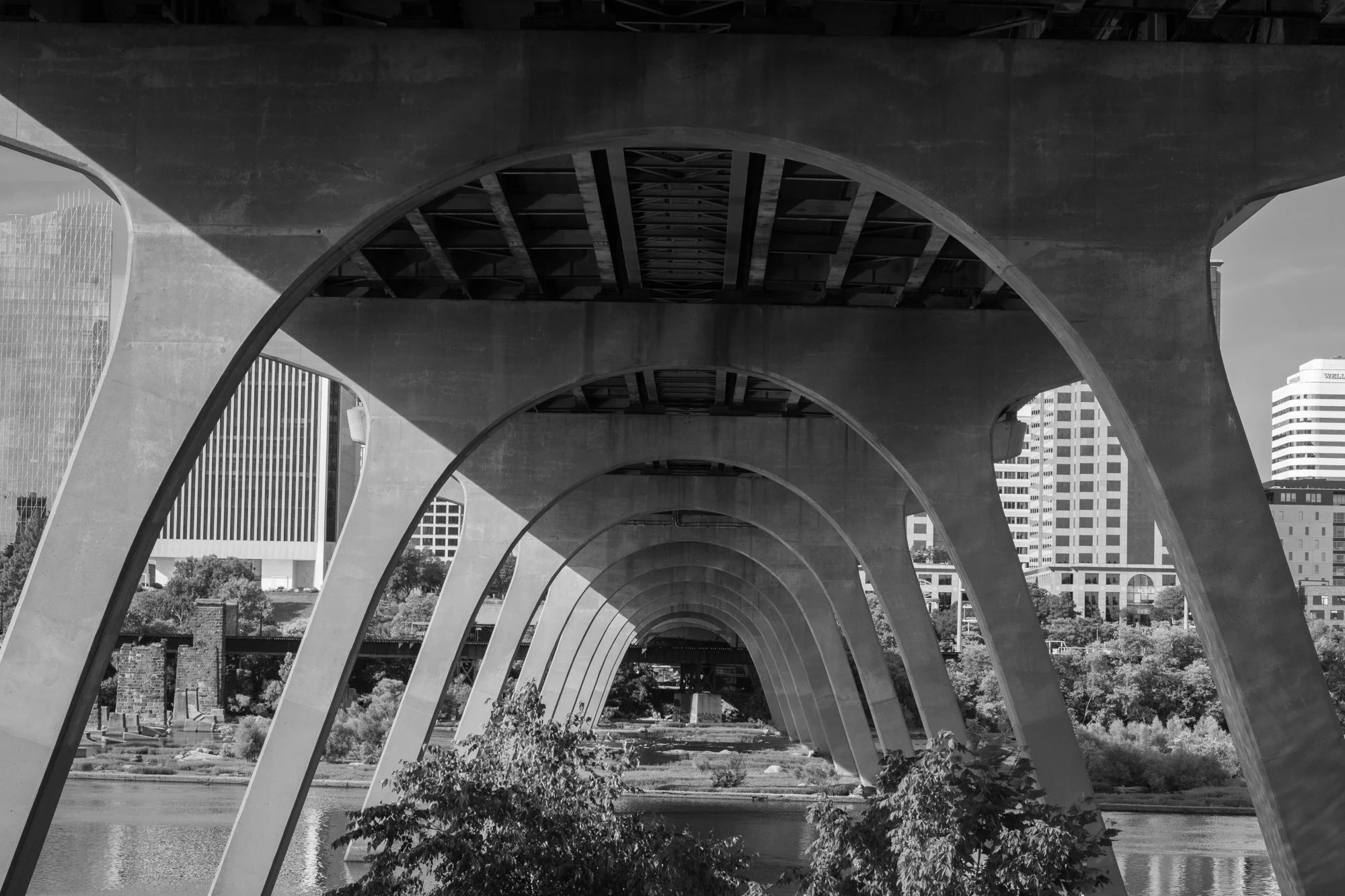
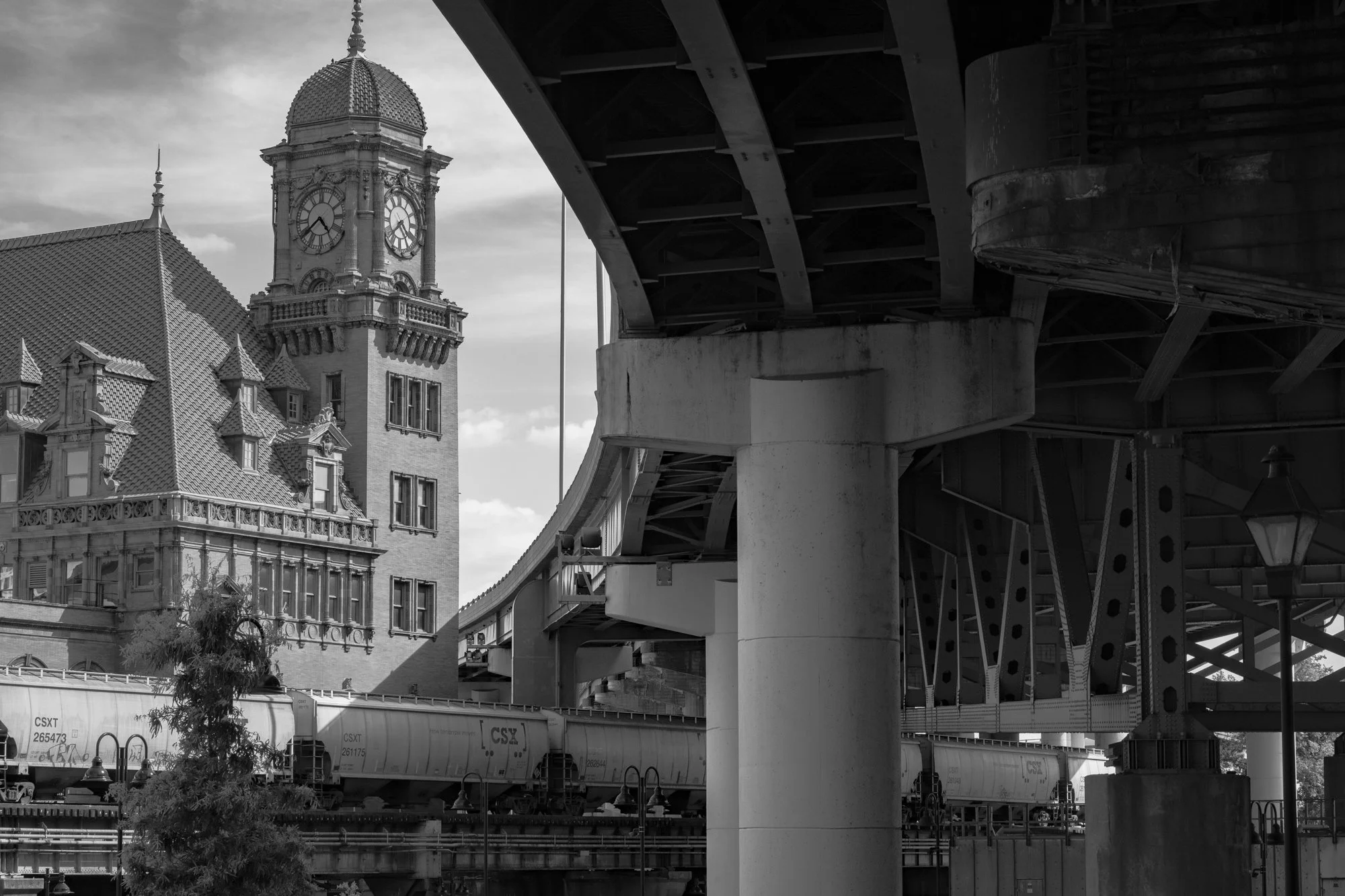
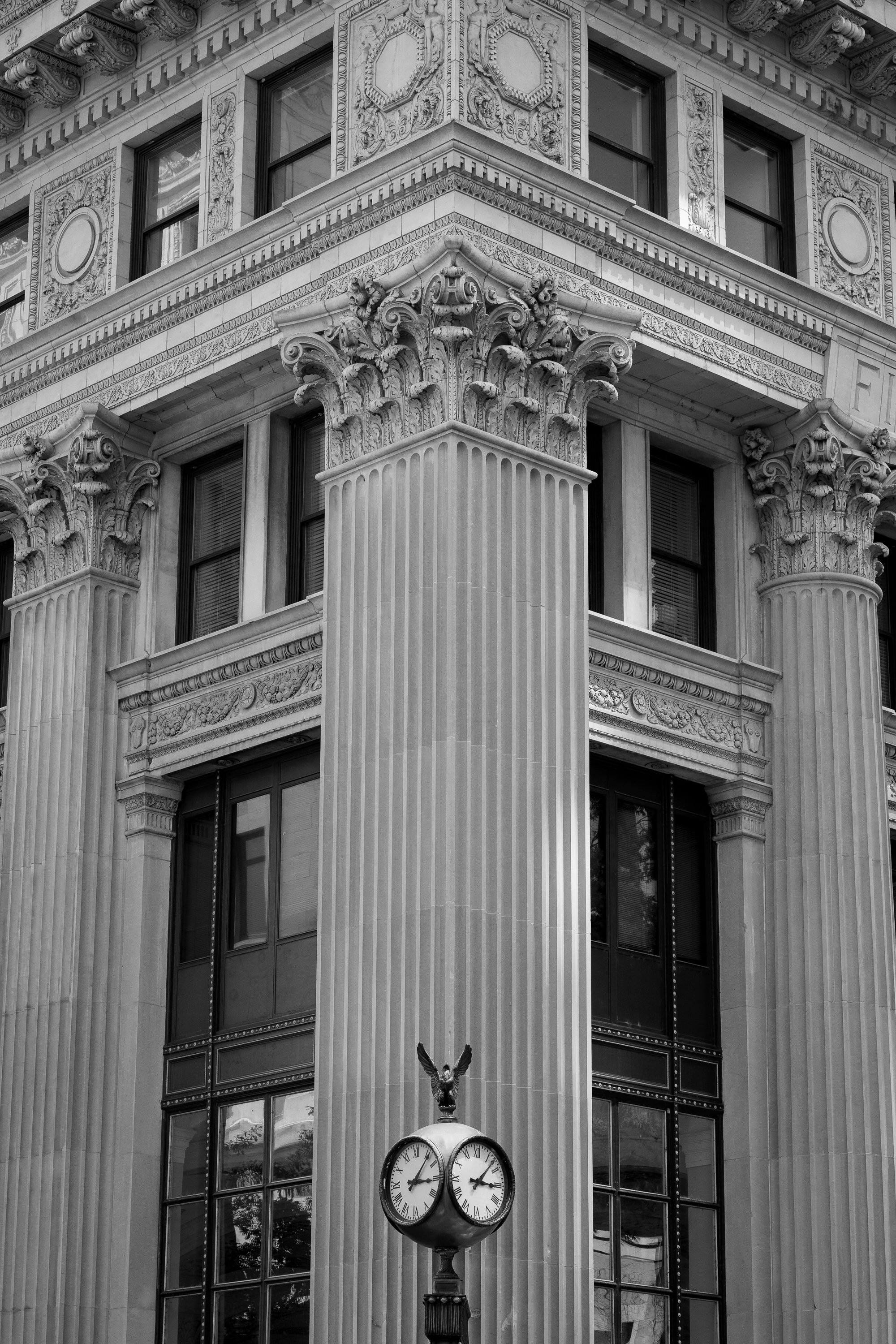
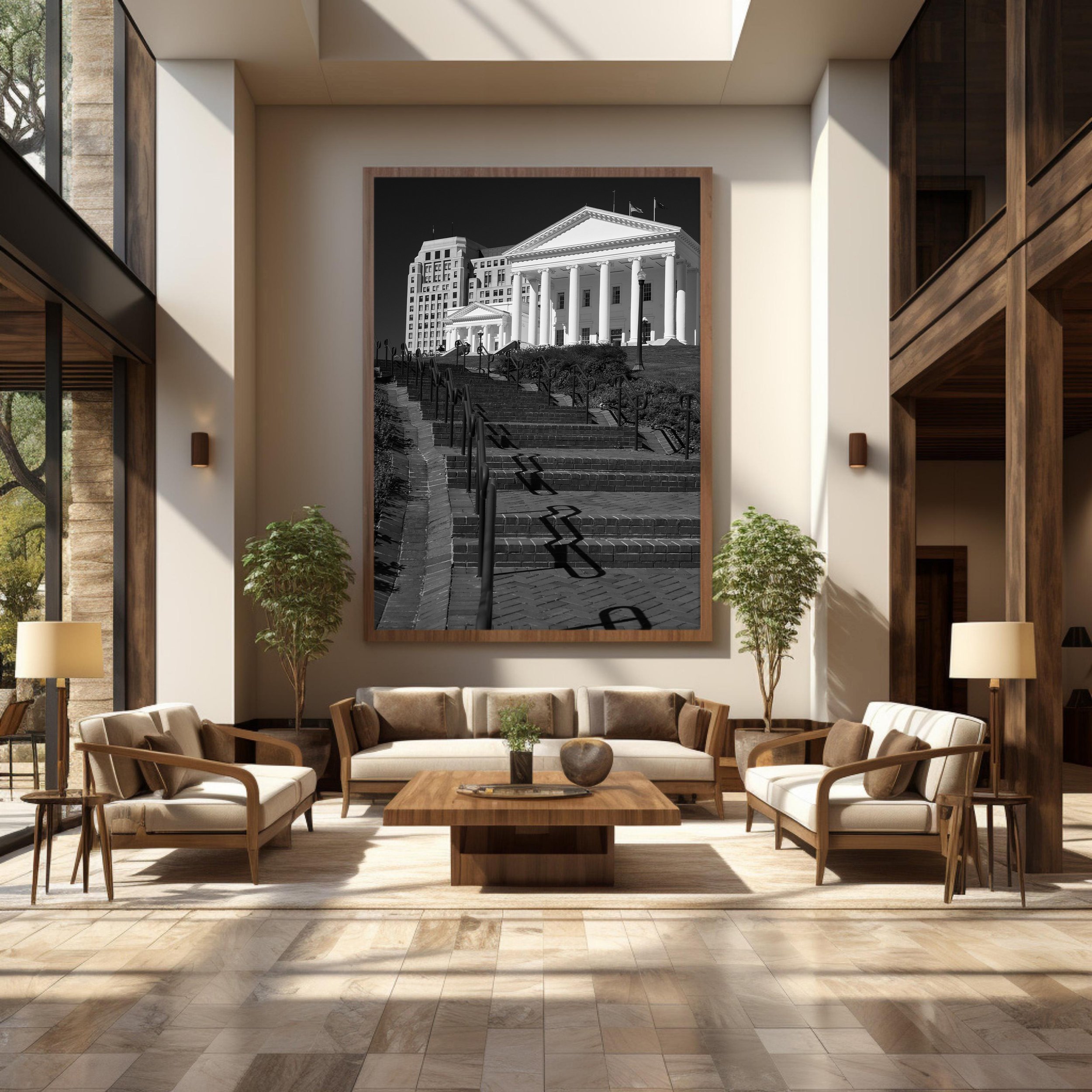
I’ve visited Richmond a handful of times, and something about the city keeps drawing me back. It’s not just the history, though I’m fascinated by that, it’s how that history actually feels when you walk its streets. One thing Richmond has that most smaller cities lack, is a tangible vibe. There is no mistaking that Richmond has a storied past, and one that makes it’s current residents very proud. Perhaps that’s why it’s become such a walkable city, so that locals and tourist alike can be immersed in it from ever angle. As a photographer I’ll never forget the miles spent with a camera shooting landmarks like the State Capitol Building, Main Street Station, and the Tyler Potterfield Memorial Bridge. They, and the rest of the cities architectural icons deserve to be celebrated.

Museum Quality Photo Prints of Richmond, VA

Through the lens of fine art photography, Richmond’s timeless appeal comes to life. Fine art photography doesn’t just document these locations, it transforms them into timeless works of art in intricate detail on museum quality archival paper. Each limited edition print is hand signed and number.

Explore Our Collection: Capital Building, Main Street Station, T. Tyler Potterfield Memorial Bridge

Our collection of fine art photography prints of Richmond, Virginia, offers something for everyone. Each piece is crafted to highlight the unique character and charm of the city. From high-contrast black-and-white prints that emphasize the architectural strength of the capital building, to more subdued tones that emphasize the fine details of Richmond’s most historic buildings, there’s a print for every taste.

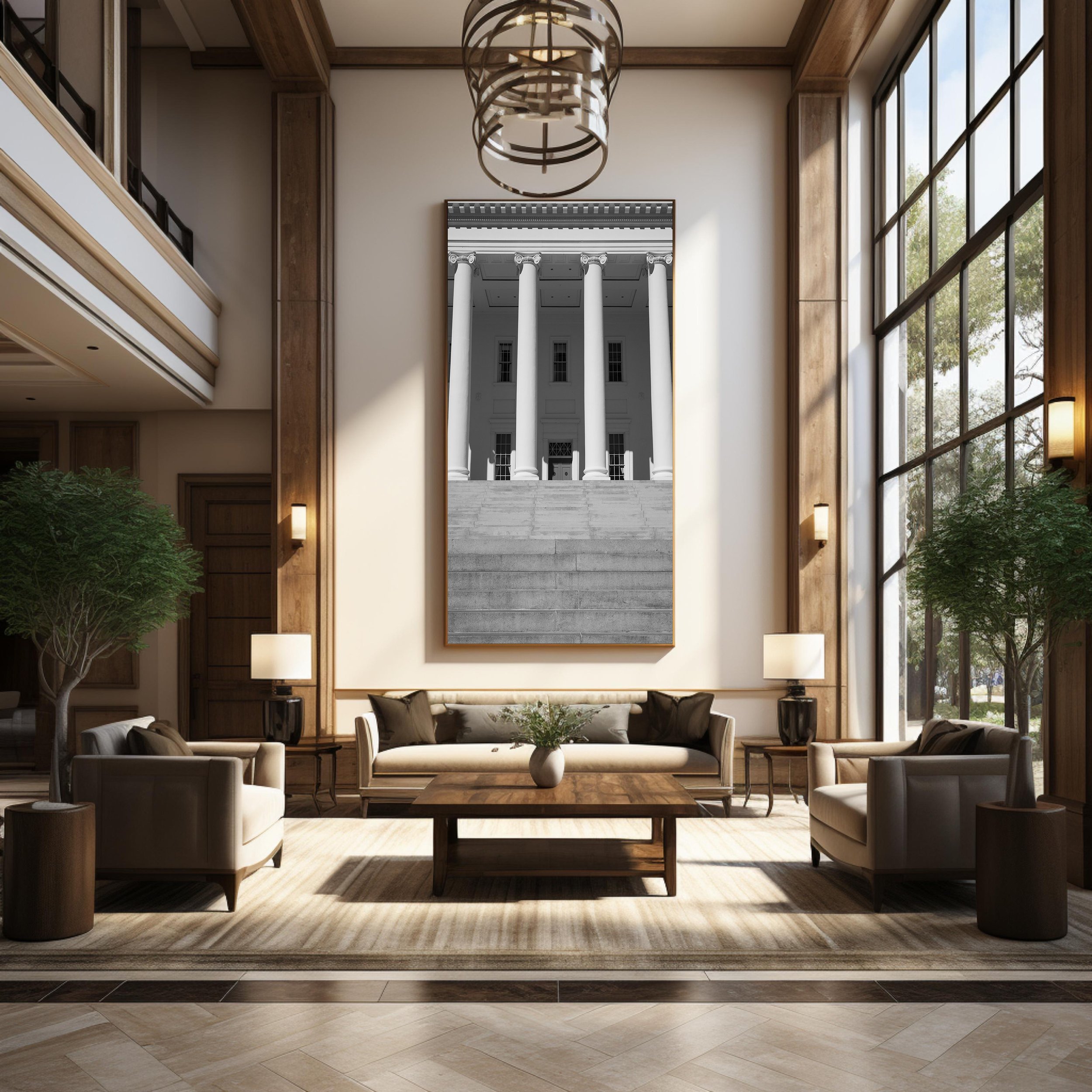
Available in a range of sizes these prints make perfect additions to any space. Choose a sleek, modern frame for a minimalist look or a classic wooden frame for a more traditional feel.

Why Collect Fine Art Photography of Richmond?

Richmond is more than just a city; it’s a tapestry of history, culture, and natural beauty. Collecting fine art photography of Richmond allows you to celebrate this vibrant place and keep its spirit alive in your daily life. These prints make thoughtful gifts for Richmond locals, former residents, or anyone with a connection to the city.

Whether you’re looking to create a gallery wall in your living room or find a statement piece for your office, fine art photography of Richmond brings character and elegance to any space. Explore our collection and discover the perfect print to celebrate the timeless views of Virginia’s capital.


Black and white photography print of the Capital building in Richmond, Virginia

Photography print of the capital building in Richmond, Virginia

Black and white photograph print of the Manchester Bridge in Richmond, Virginia

Richmond, Virginia Wall Art
Fine art photography print of the Virginia state capital building
Black and white photography print of Main Street Station in Richmond, Virginia

Black and white all art of the train station in Richmond, Virginia

Richmond, VA historic landmark photography

Photography print of the First National Bank Building in Richmond, Virginia

Richmond, Virginia fine art photo prints

Black and white photography print of the Jefferson Hotel in Richmond, Virginia

Iconic landmarks in Richmond, Virginia - Wall Art