Cowboy Photography on View at the National Western Center in Denver

Western Photography Exhibition in Denver: Cowboy Work at the National Western Center

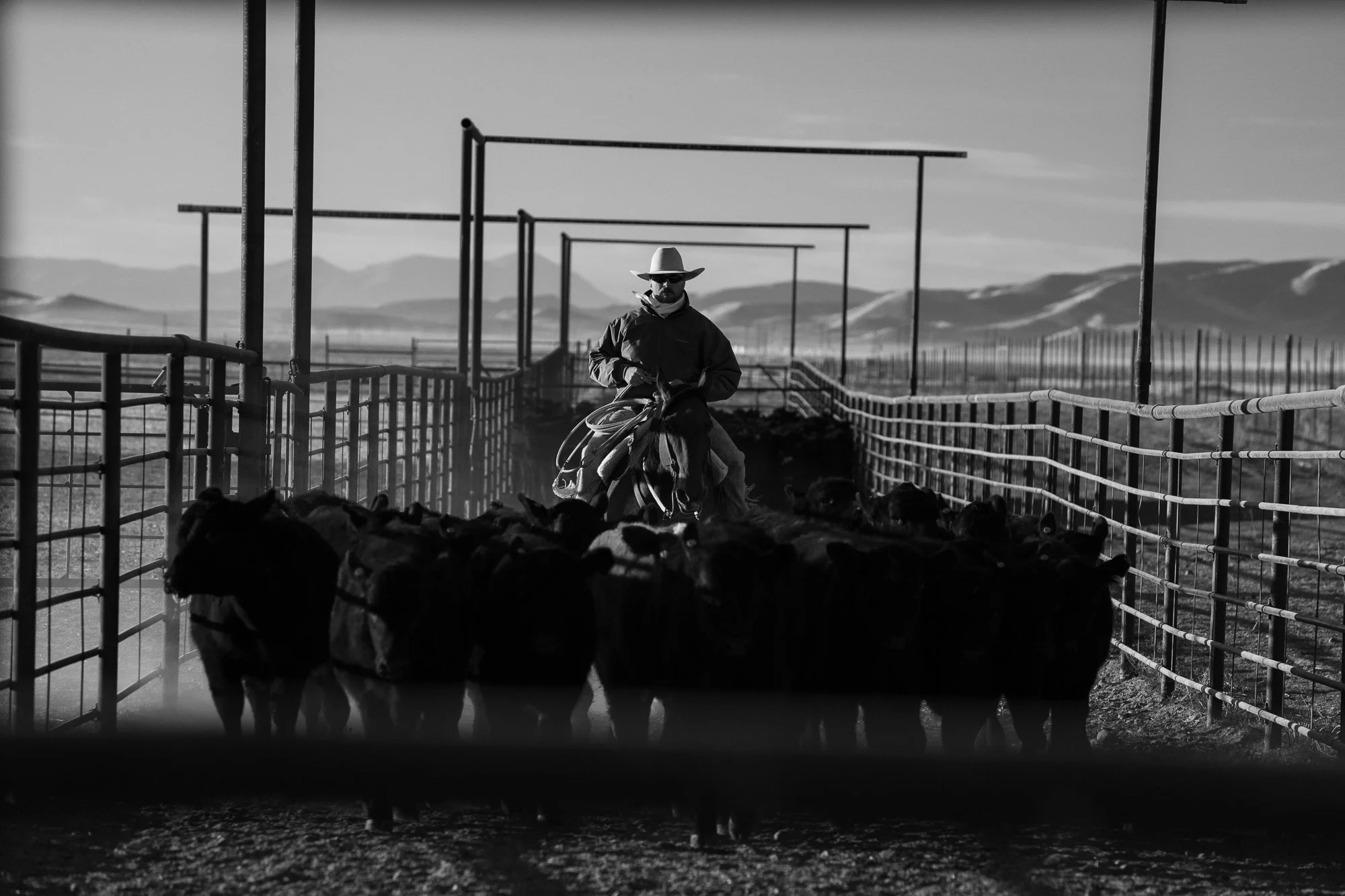
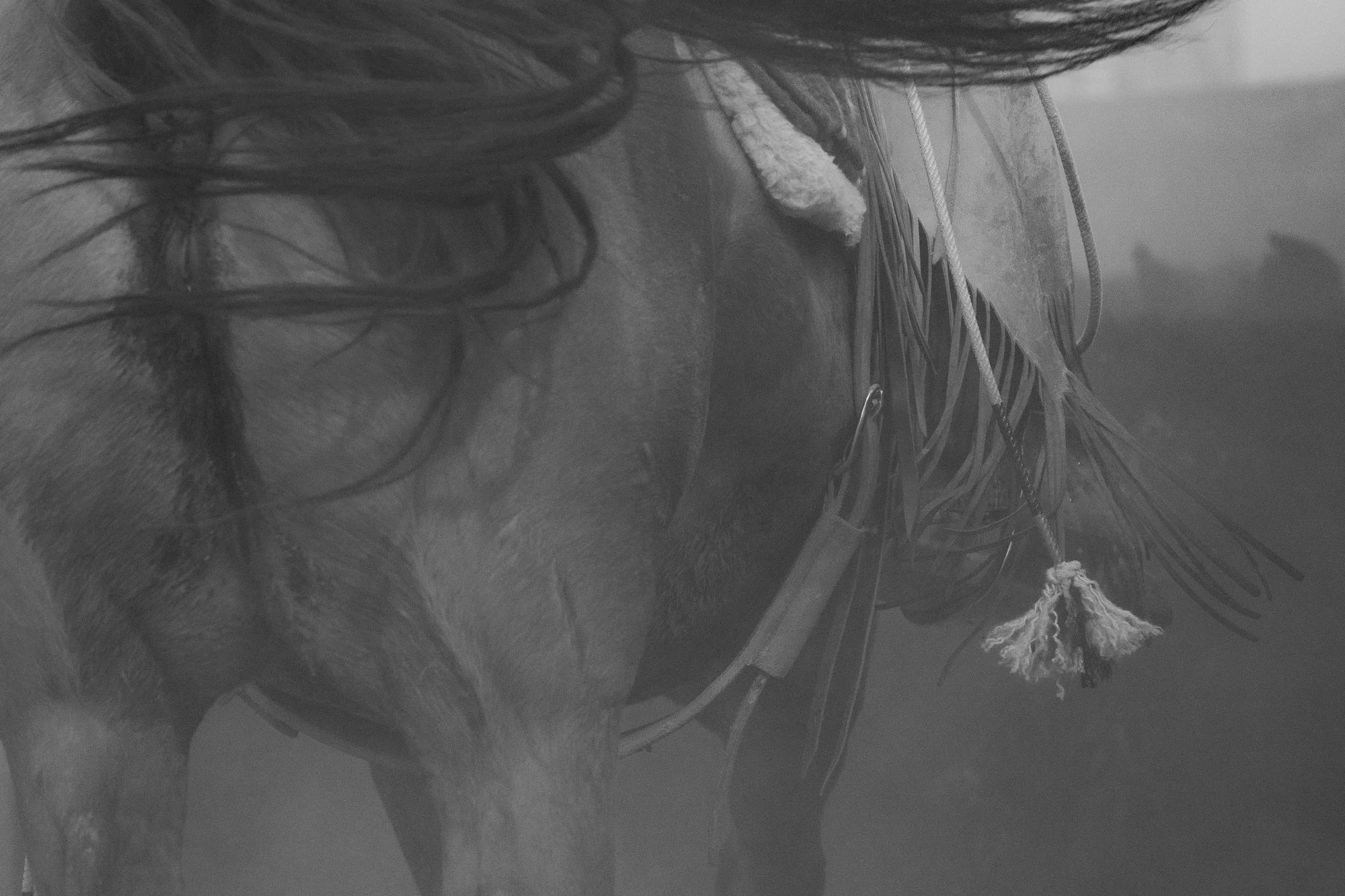
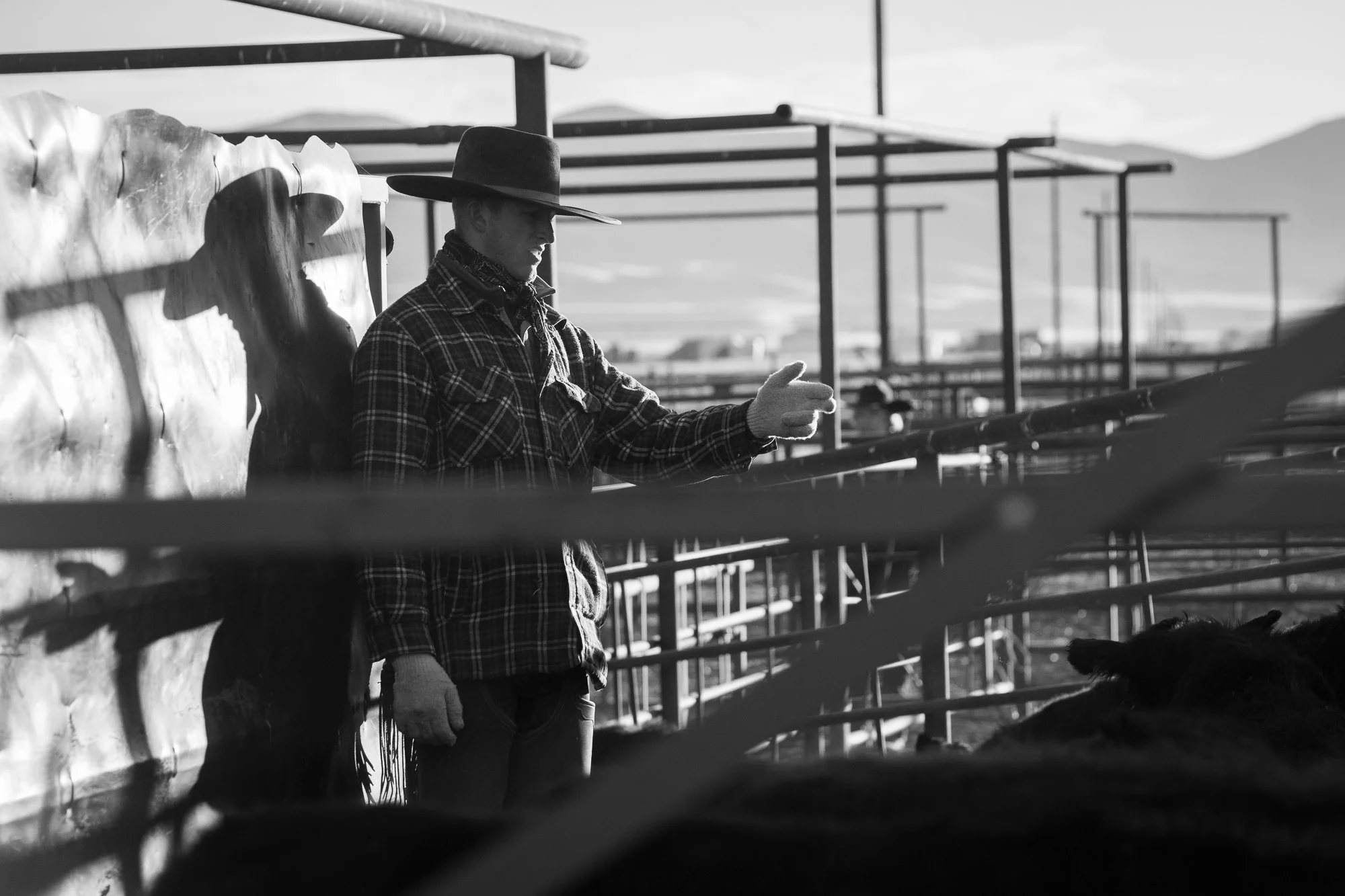
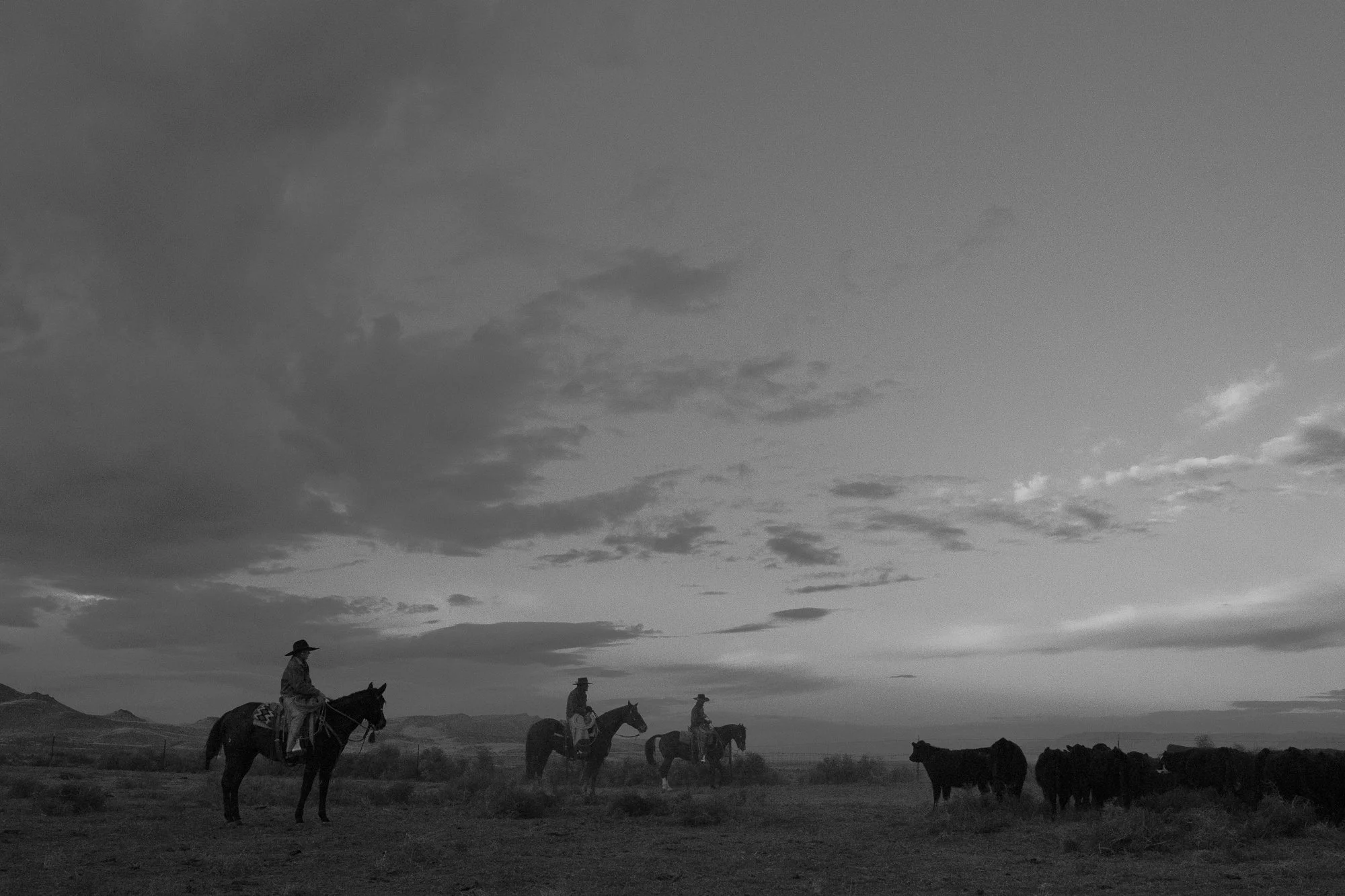
There’s no shortage of Western imagery in Colorado, but very little of it shows the work as it actually is.

Most people encounter the American cowboy through film, advertising, or nostalgia—images that lean heavily on mythology. What’s often missing is the day-to-day reality: the brutally cold mornings, endless days, the physical toll, and the quiet pride that comes with it.

That’s part of what makes this upcoming exhibition at the National Western Center worth paying attention to. Set inside the Legacy Building, the show brings together a group of photographers whose work engages with the modern American West in a more honest way—grounded in real places and real people.

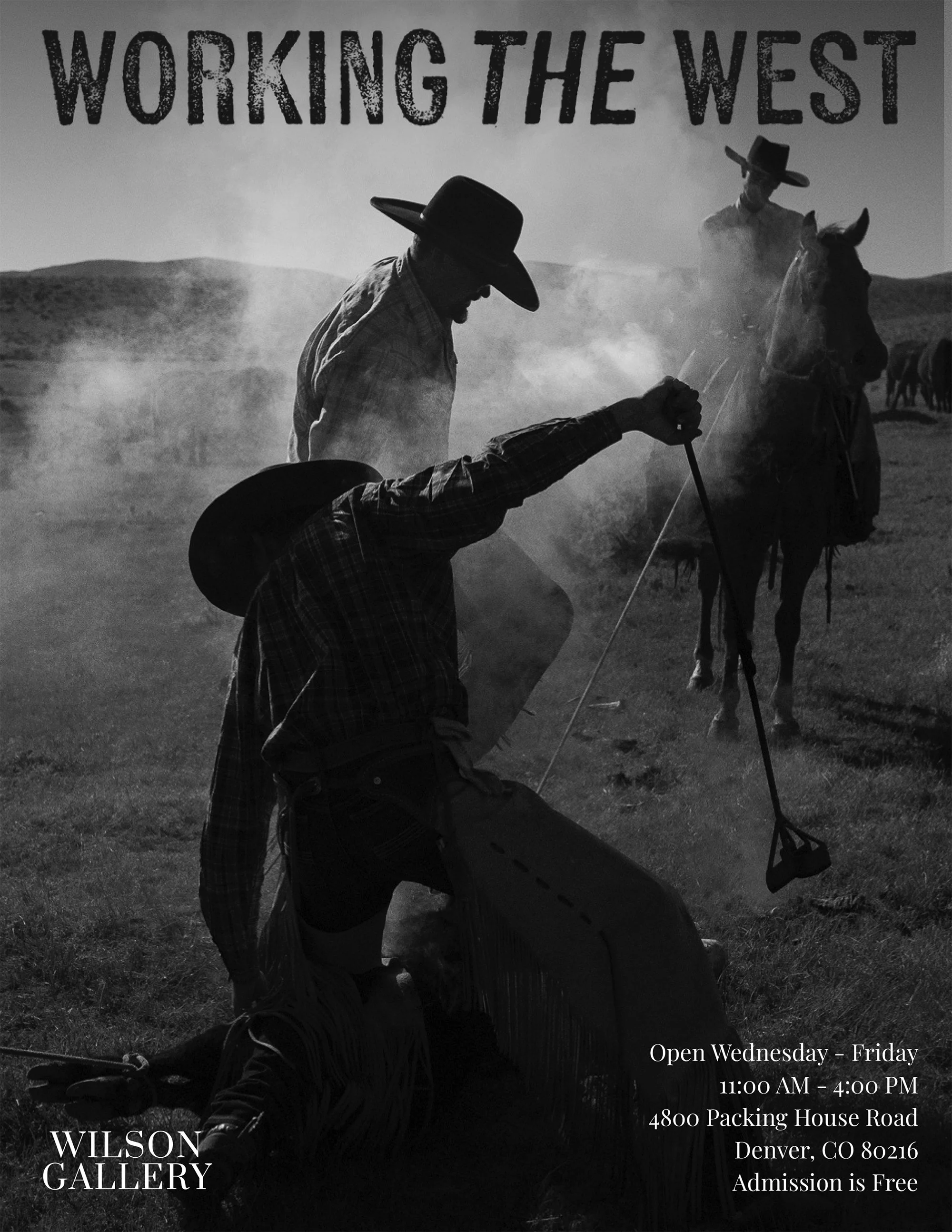
Poster for “Working the West” exhibition featuring cowboys working cattle with gallery details  for Wilson Gallery in Denver, Colorado

Poster for the “Working the West” exhibition at Wilson Gallery in Denver, Colorado, featuring a photograph of cowboys working cattle as part of a larger documentary project.

About the Exhibition at the National Western Center

The exhibition will be held in the Wilson Gallery, a space that has quickly become a focal point for Western art and culture in Denver.

The National Western Center itself is evolving into something more than an event venue. It’s positioning itself as a year-round hub for agriculture, history, and the contemporary West—making it a fitting place for work that sits at the intersection of tradition and modern life.

This particular show brings together a range of photographic perspectives. Some lean toward landscape, others toward portraiture, but all orbit around the same subject: the West as it exists today, not as it’s remembered.

Being included alongside a group of well-known photographers (Anouk Krantz, Jay Dusard, Jim Krantz, and Rob Hammer) adds another layer to the exhibition—not just in terms of visibility, but in how the work is viewed in conversation with others who have spent years documenting similar worlds.

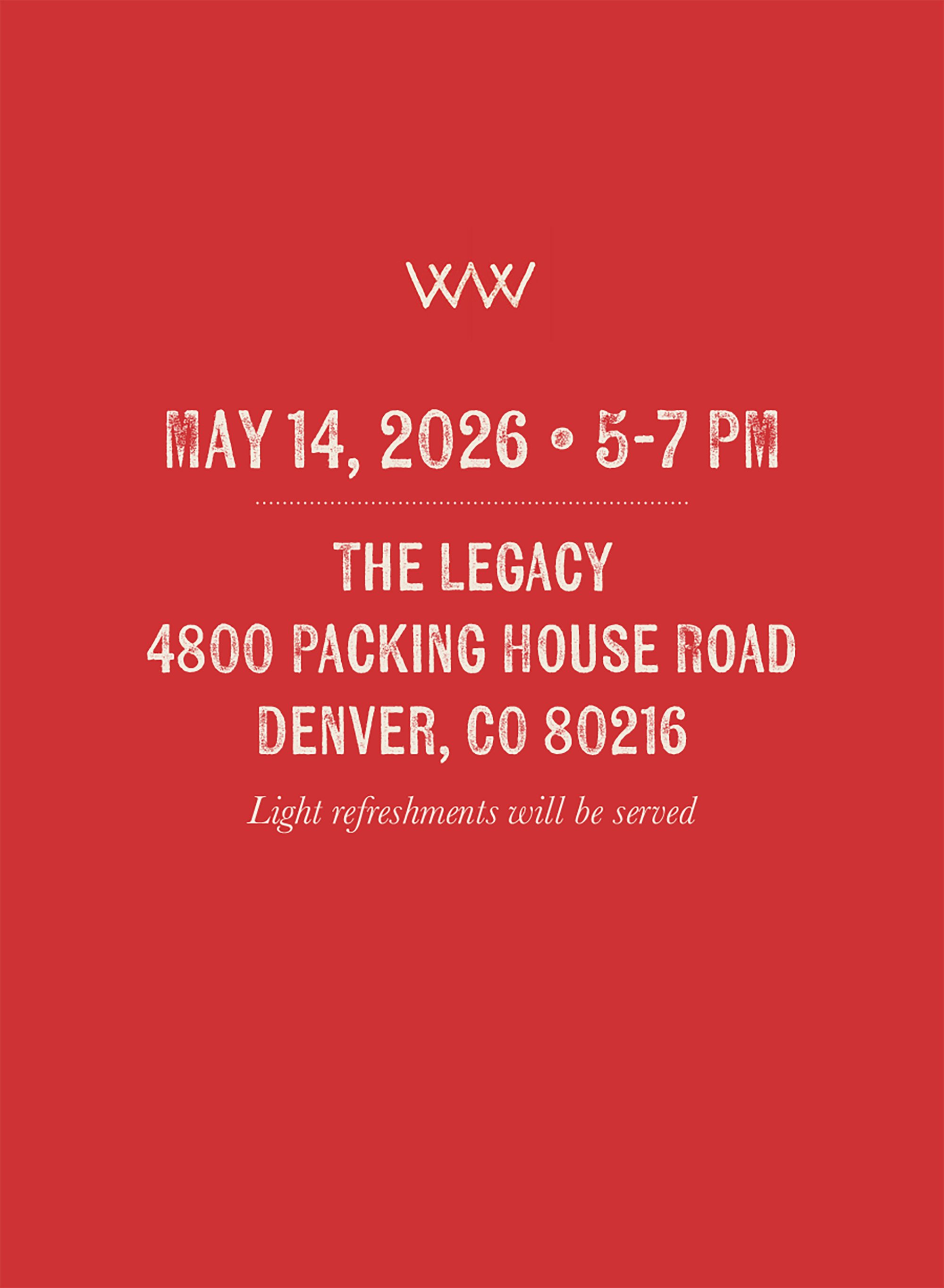
Exhibition poster with date, time, and location details for a Western photography show at the  Legacy Building in Denver, Colorado

A printed graphic listing the date and location for the exhibition at the National Western Center in Denver.

Cowboy Photography as Contemporary Western Art

There’s a tendency to treat cowboy imagery as something fixed in the past. But the reality is that the work hasn’t gone anywhere—it’s just largely out of sight.
Across the American West, cowboys are still doing the same jobs they’ve done for generations: gathering cattle across vast, rugged pastures, branding, doctoring, etc. The tools have changed in small ways, but the core of the work remains the same.

Photographing that world requires access, time, and a willingness to work within it—not around it. The difference shows.

In this context, cowboy photography becomes less about nostalgia and more about documentation. It sits closer to documentary photography than it does to traditional Western art, even if it shares the same visual language.

That shift is subtle, but important—and it’s part of what this exhibition reflects.

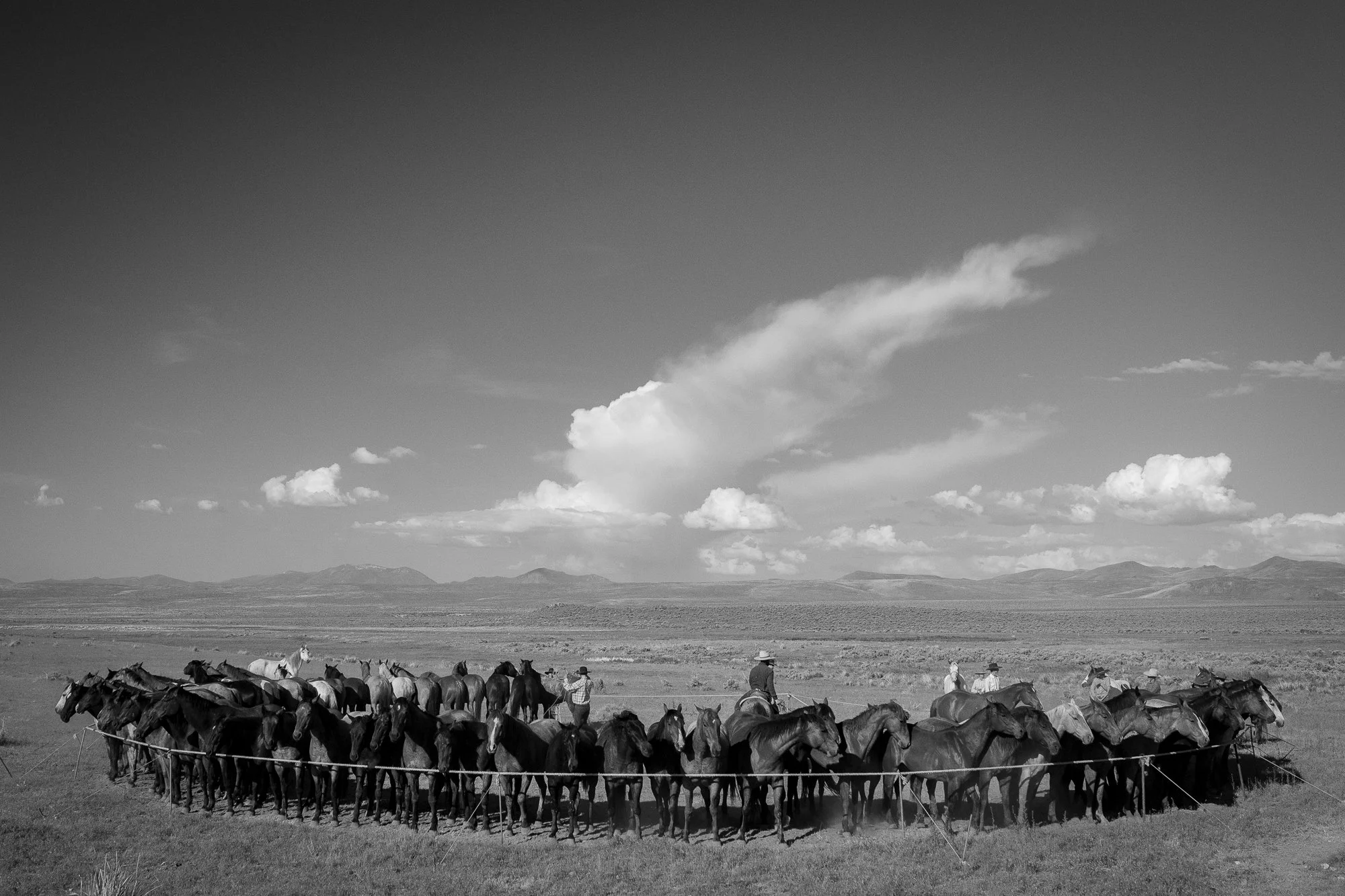
Horses gathered in a line with riders managing them in an open landscape in the  American West

Horses stand grouped in a line while riders move along them, a pause within the ongoing work of managing animals across open range.

Photographs from the Exhibition

The photographs included in this show come from a long-term body of work made across ranches in Texas, Nevada, Arizona, Wyoming, Oregon, Colorado, and Montana.

Rather than isolating dramatic moments, the focus is often on the in-between. These are not staged scenes. They’re fragments of a larger rhythm—one that repeats itself day after day, season after season.

Over time, those moments begin to add up to something more complete: a picture of a way of life that continues largely unchanged, despite the pace of everything around it.

Visiting the Exhibition in Denver

For those in Denver—or passing through—the exhibition offers a chance to see this work in person, outside of a tiny screen or a printed page.

Location: National Western Center
Gallery: Wilson Gallery
Building: Legacy Building

Dates: May 14, 2026 through the middle of July

Seeing the photographs at scale changes the experience. Details that are easy to miss online—subtle expressions, textures, the quality of light—become much more apparent. Come see the work as photographs are meant to be enjoyed, on large fine art paper.

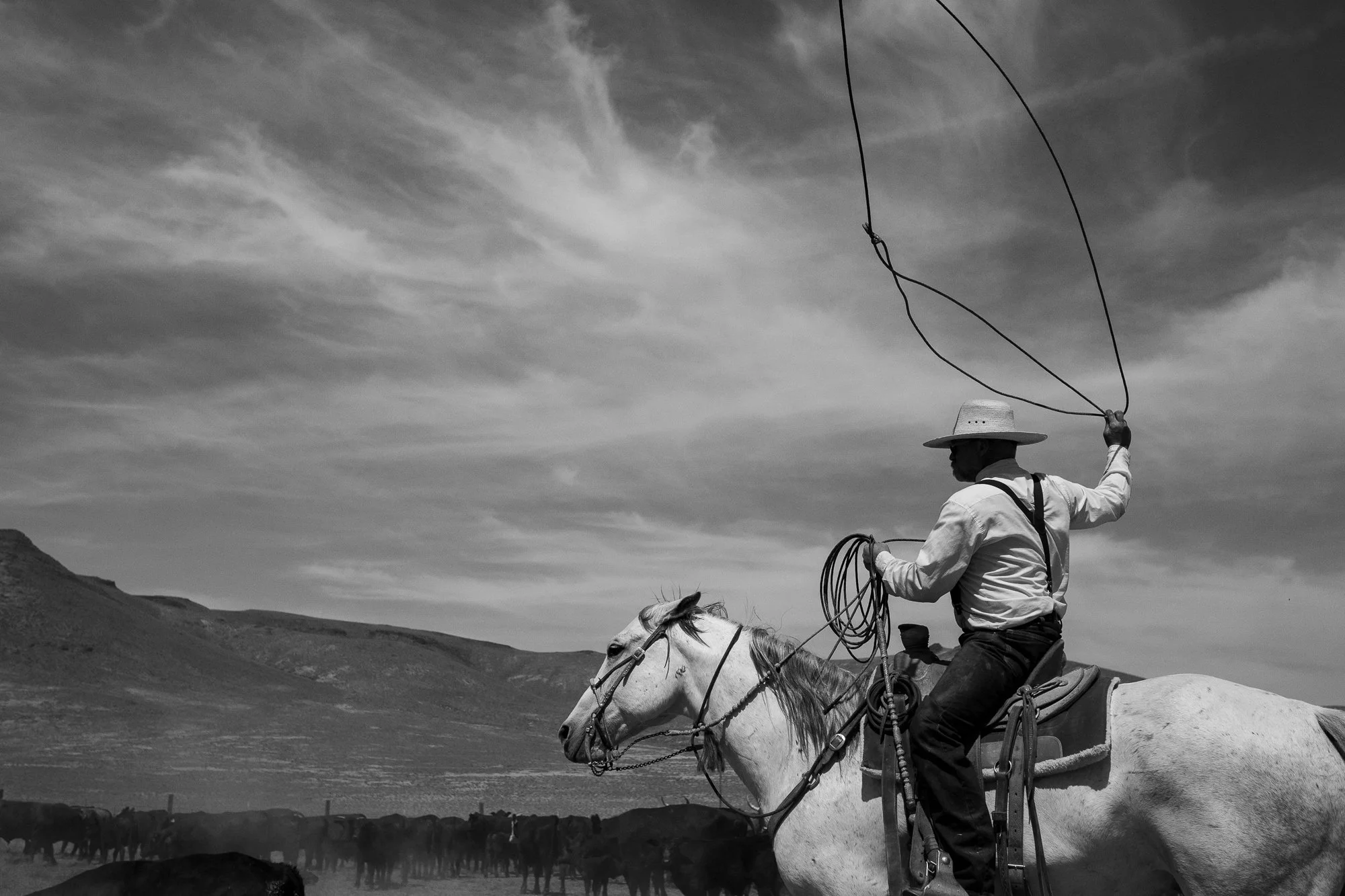
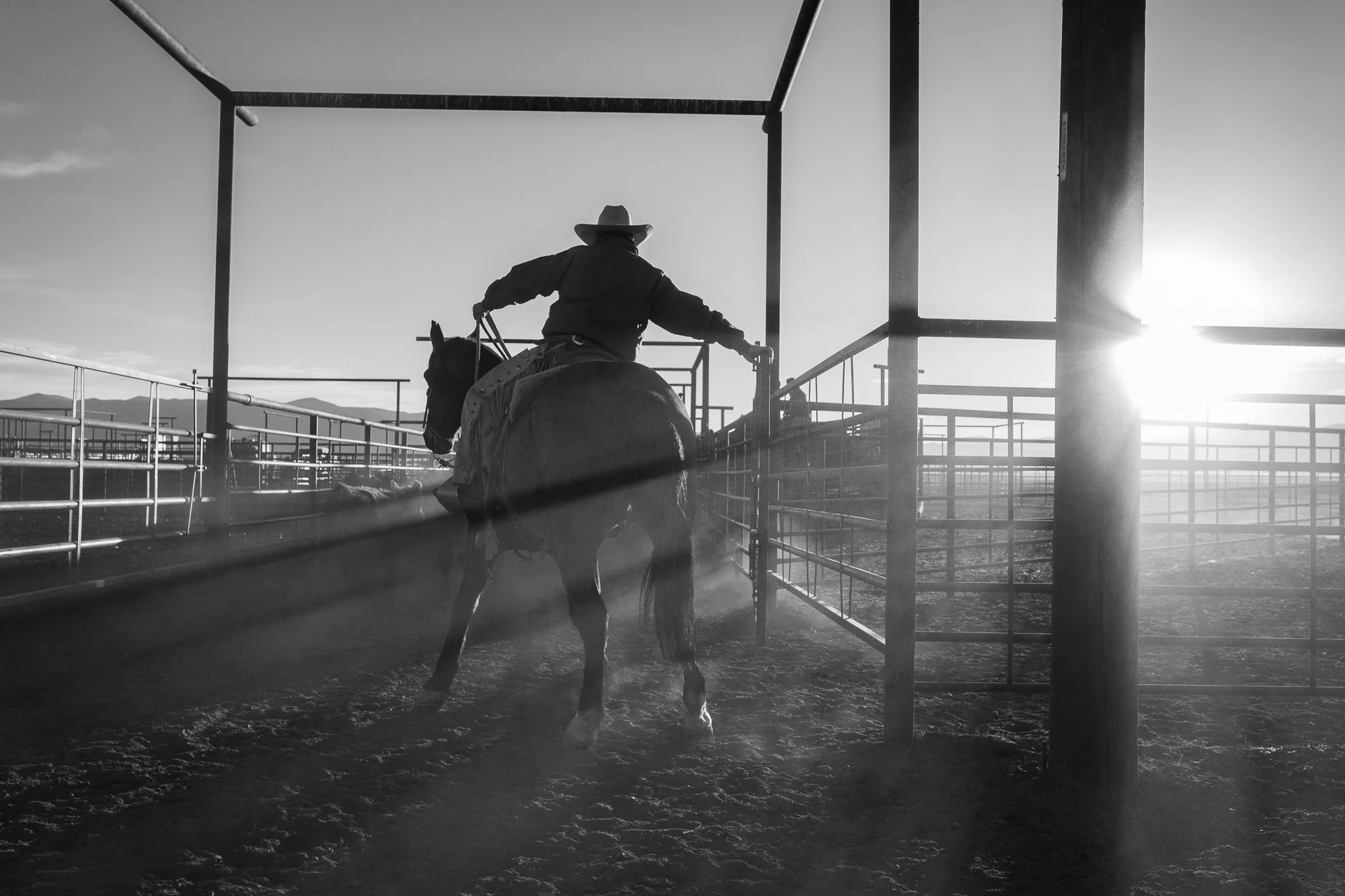
Cowboy on horseback swinging a rope while working cattle in an open landscape in the  American West

A cowboy swings a rope from horseback while working cattle, one of the repeated movements that make up daily ranch work across the American West.

Part of a Larger Body of Work

This exhibition is one piece of a much larger project documenting working cowboys across the American West.

Over the past several years, that work has involved traveling tens of thousands of miles, spending extended time on remote ranches, and building relationships that allow for real access—not just to the work itself, but to the people behind it.

The goal has never been to romanticize the subject, but to show it as it is: demanding and deeply tied to the land.

If you’re interested in seeing more from the series, you can explore the full body of work here:
View the Cowboy Photography Project

A selection of photographs from the project is also available as fine art prints:
View Available Cowboy Photography Prints

For editorial, commercial, or brand licensing inquiries, contact me directly:
Licensing & Assignment Work

How to Choose Minimalist Landscape Photography for Your Home

There’s a point where a space feels finished—but something is still off.

The furniture is in place. The colors work. But the walls either feel empty, or worse, filled with artwork that adds noise instead of calm.

Minimalist landscape photography sits in that middle ground. It brings presence without overwhelming the room. But only if it’s chosen and placed correctly.

This isn’t about filling space. It’s about changing how a room feels.

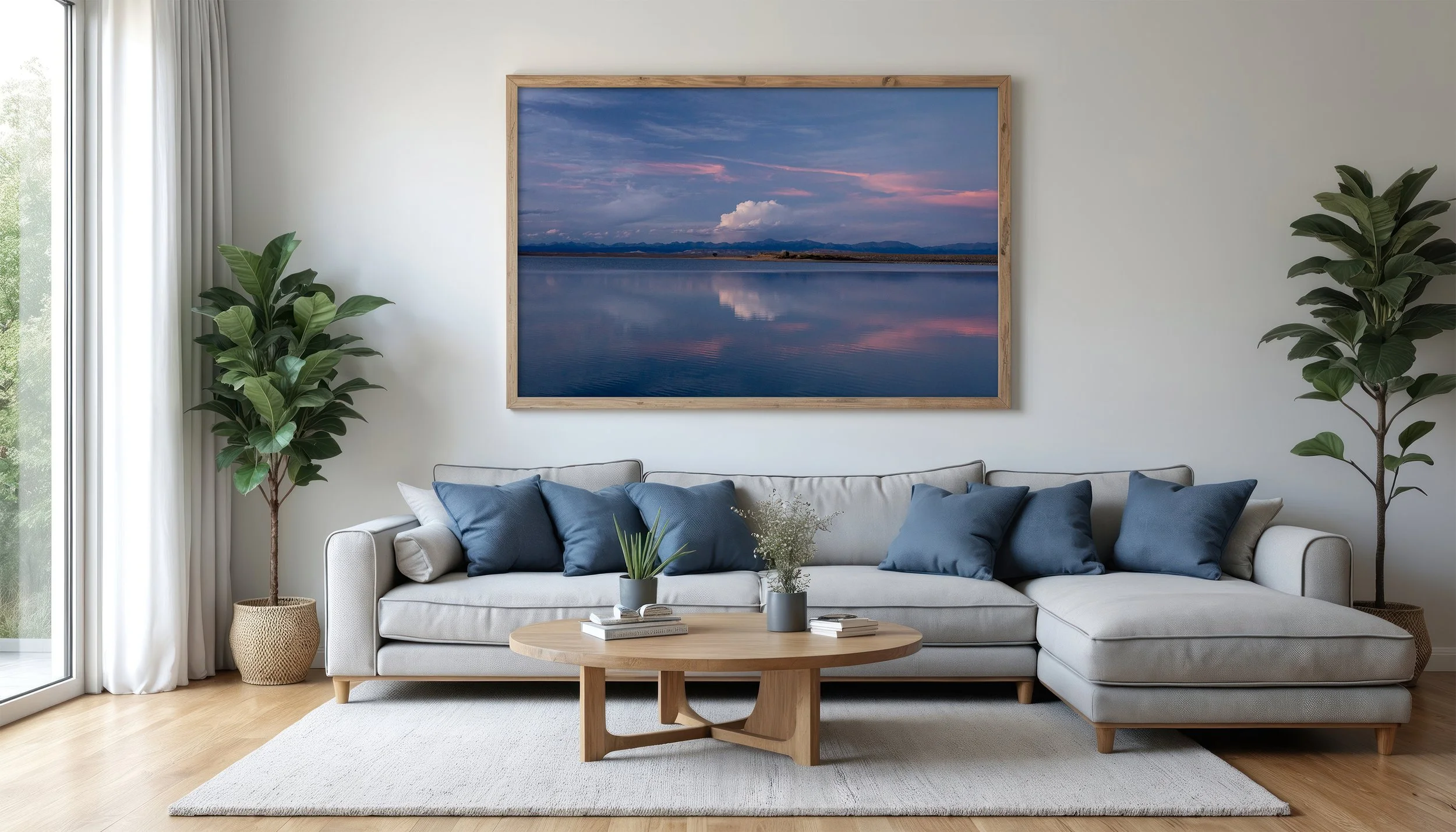
Modern lake reflection wall art with cool blue tones and calm water displayed in a living room

A calm lake reflection in cool blue tones works well as a balanced statement piece for contemporary living room spaces.

Why Minimalist Landscape Photography Works in Interior Spaces

Minimalist landscape photography does something most artwork doesn’t—it gives the eye somewhere to rest.

Instead of competing with the room, it creates space inside it.

  • Negative space keeps walls from feeling crowded

  • Natural tones blend easily with both modern and rustic interiors

  • Subtle compositions hold attention without demanding it

It works just as well in a quiet bedroom as it does in a modern office or a high-end hospitality space.

The goal isn’t to dominate the room. It’s to settle it.

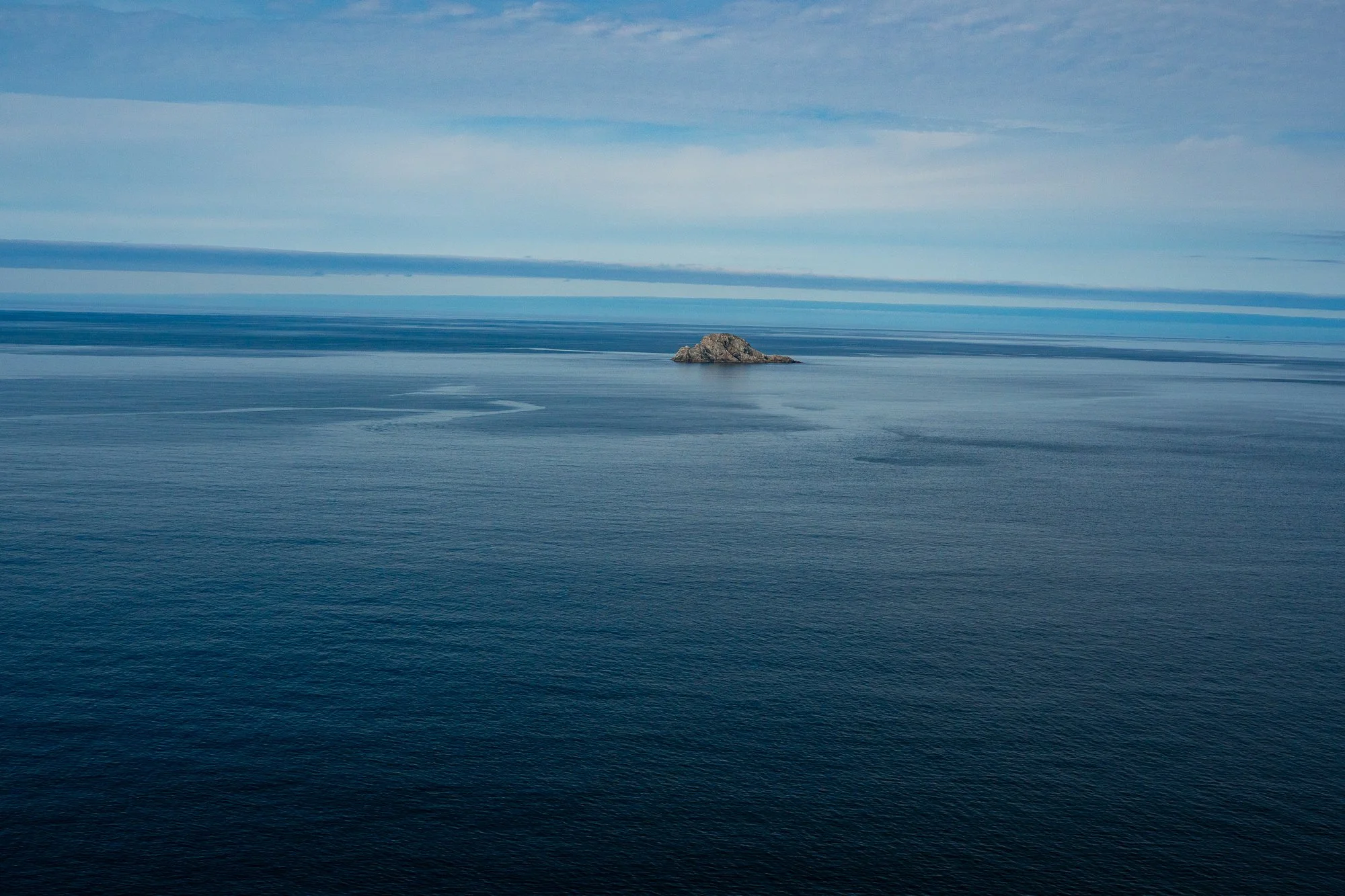
Minimalist ocean island wall art with deep blue water and a small rocky island, perfect for coastal decor

A single rock island sits in calm blue water, creating a minimal focal point for modern wall decor.

What Size Print Works Best for Each Space

This is where most people get it wrong.

They go too small.

A minimalist photograph needs room to breathe—and that usually means going larger than you think.

  • Above a couch: aim for 60–75% of the width

  • Above a bed: a single large piece creates calm more effectively than multiple small ones

  • Office spaces: one strong image often works better than a gallery wall

In most cases:
One large print will feel more intentional—and more calming—than several smaller ones competing for attention.

sunset lake reflection nature photography print with warm light mirrored across still water

Warm sunset light reflects across a still lake, adding a soft, calming presence to nature-inspired interiors.

Framed vs. Unframed Minimalist Photography Prints

Framing changes the entire feel of a photograph.

  • White border + frame (matted look):
    Feels more traditional, more “fine art,” and works well in classic or transitional spaces

  • Full-bleed (no border):
    Feels modern, clean, and more integrated into contemporary interiors

  • Floating frames:
    Sit somewhere in between—structured but still minimal

There isn’t a right answer, but there is a right answer for your space.

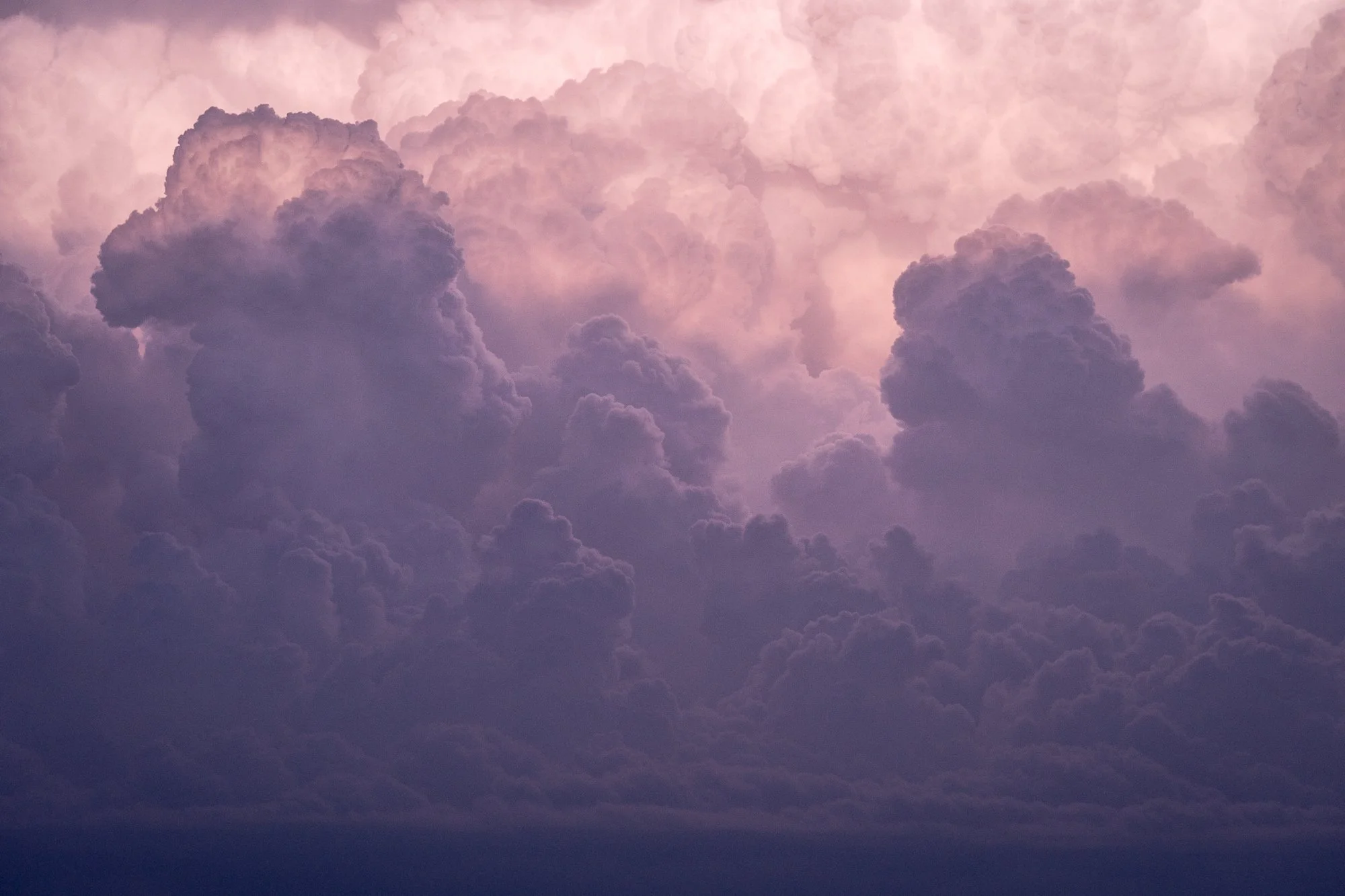
Pink and purple cloudscape wall art with layered dramatic clouds, suited for modern wall decor

Layered clouds in soft pink and purple tones create a full, immersive sky suited for modern wall decor.

Real Examples of Minimalist Landscape Prints in Interior Spaces

This is where it becomes real.

A photograph might look strong on its own—but what matters is how it lives in a space.

  • A soft horizon line can quiet a bedroom

  • A warm-toned desert image can bring depth into a neutral living room

  • A minimalist seascape can open up a tight office

These aren’t just images. They’re part of the environment.

Each photograph shown in this post is available as a fine art print, with multiple sizing and framing options.

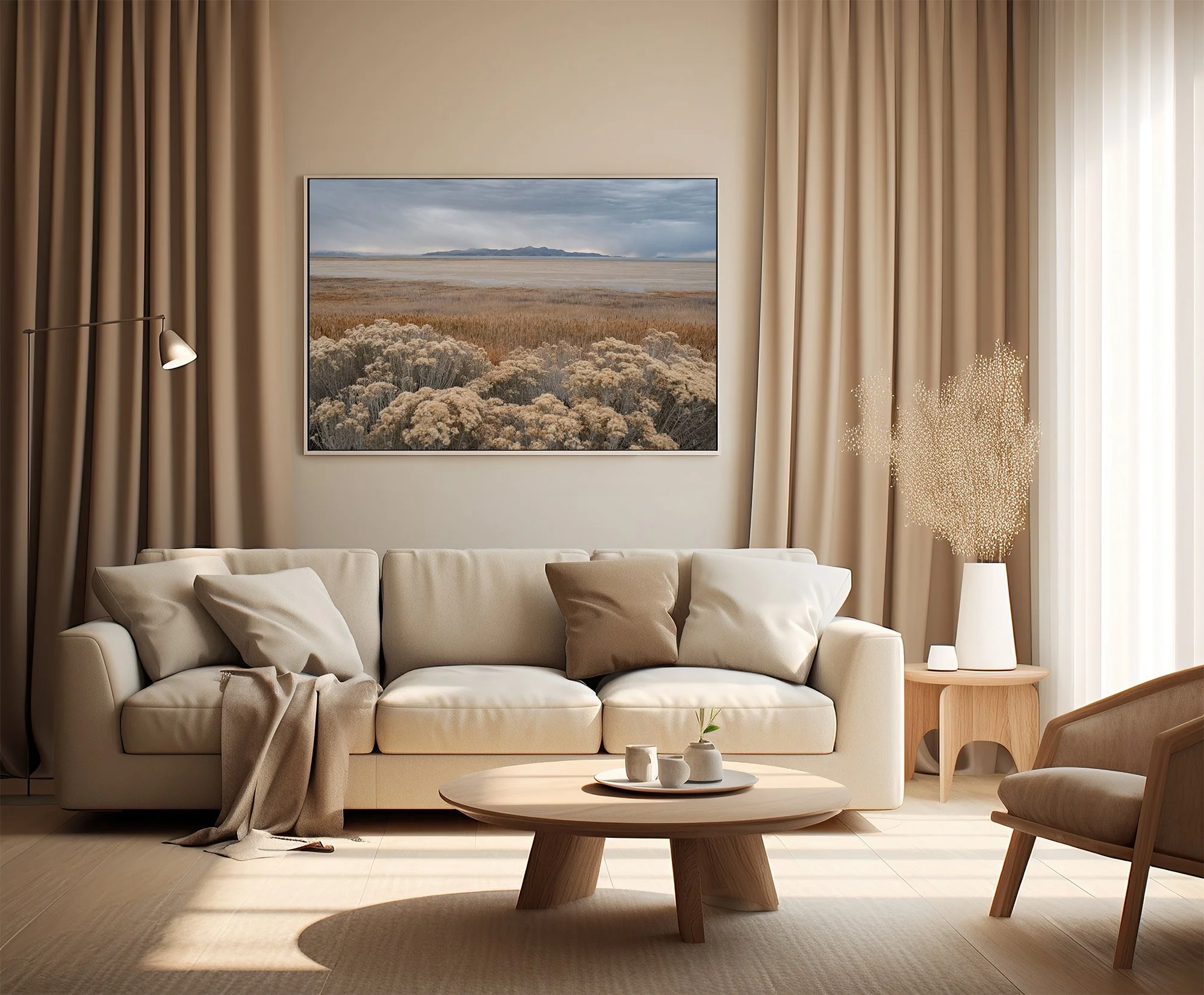
Minimalist desert landscape wall art with soft grasses and distant mountains, styled for neutral home decor

A wide desert lake scene in muted beige and gray tones, ideal for neutral home decor and calming living spaces.

Choosing the Right Photograph for Your Space

The difference between a good choice and a great one is usually subtle.

A few things to pay attention to:

  • Light vs. dark images
    Lighter photographs tend to open up a space
    Darker images add weight and mood

  • Warm vs. cool tones
    Warm tones (desert, earth) feel grounded
    Cool tones (water, sky) feel calm and airy

  • Horizon placement
    A low horizon emphasizes sky and openness
    A higher horizon creates a more grounded, structured feel

You don’t need to overthink it—but these details are what make a photograph feel like it belongs.

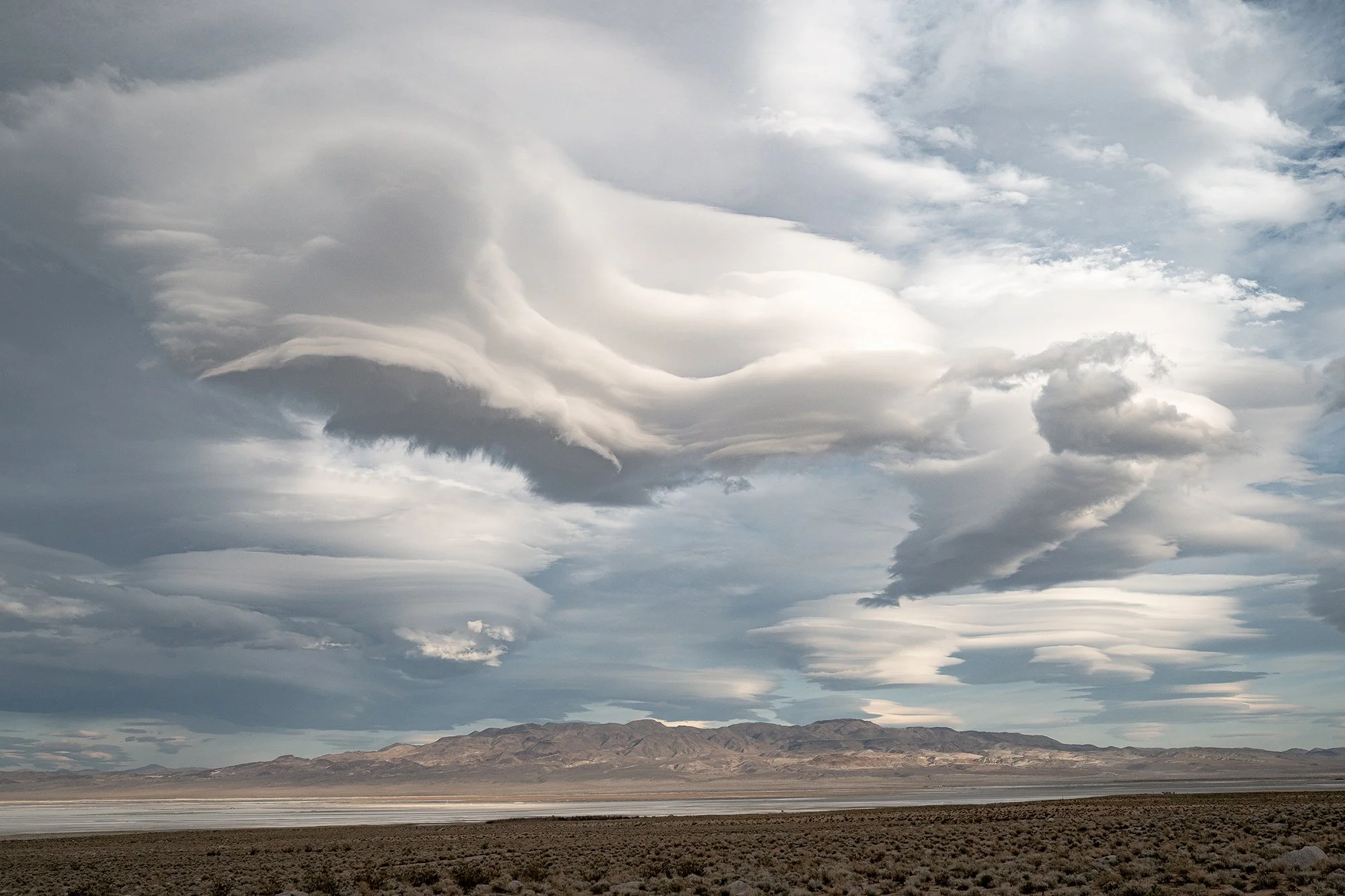
Dramatic desert cloudscape wall art with sweeping clouds over an open landscape, captured as a nature photography print

Large sculptural clouds move across an open desert scene, bringing depth and scale to modern wall decor.

Minimalist Landscape Photography for Designers, Offices, and Hospitality Spaces

This kind of work isn’t just for homes.

Interior designers, architects, and commercial spaces often look for artwork that:

  • Calms a room without flattening it

  • Works across different materials and textures

  • Holds up over time without feeling trend-driven

Minimalist landscape photography does that quietly.

It’s as effective in a private residence as it is in:

  • Offices

  • Boutique hotels

  • Healthcare environments

  • Client-facing spaces

View Available Minimalist Landscape Photography Prints

If you’re considering adding a piece to your space, you can explore the full collection below.

If you’re not sure what will work, I’m happy to help you narrow it down.

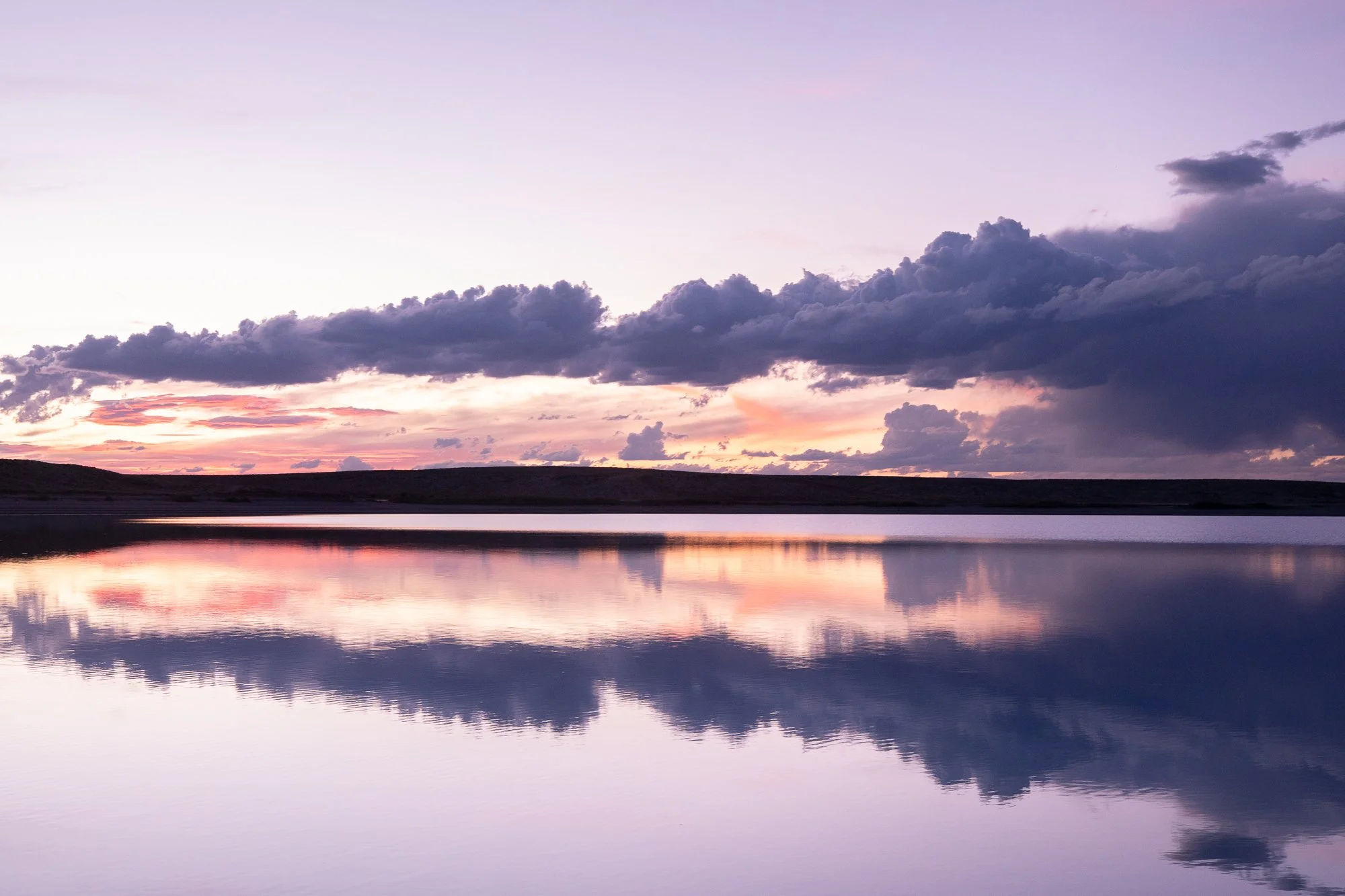
Pastel lake sunset reflection wall art with pink and purple tones mirrored on calm water

Soft pastel reflections stretch across a quiet lake at sunset, creating calming wall art for modern interiors.

Inside The TS Ranch: A 156-Year-Old Working Cattle Ranch

TS Ranch: 156 Years of Buckaroo Tradition in the American West

The TS Ranch sits in northeastern Nevada, in the country stretching between Carlin and Battle Mountain—part of the larger Great Basin where cattle ranching has operated on open range for well over a century.

Originally known as the T Lazy S Ranch, the operation has long been tied to the development of both ranching and mining in this part of Nevada. Like many ranches in the region, its history isn’t isolated—it’s connected to the broader story of land use in the West, where cattle operations and resource extraction have overlapped for generations.

The ranch itself is owned by Nevada Gold Mines, but that doesn’t matter much to the cowboys, because they just want to cowboy. Although it does give them plenty of room to roam, as the mines own almost 3 million acres of earth between all of their ranches.

Ranching in the Carlin and Battle Mountain Country

This part of Nevada is defined by distance.

The land is dry, open, and expansive—sagebrush valleys broken by low mountain ranges, with limited water and long seasonal swings. Ranching here has always required movement. Cattle are spread across large allotments, often miles apart, and gathering them means covering serious ground on horseback.

At the TS Ranch, that hasn’t changed.

The work still follows the same patterns established generations ago: long days in the saddle, trailing cattle across open range, managing herds in terrain that offers very little room for error. Efficiency comes from experience, not speed.

From T Lazy S to TS Ranch

The ranch’s earlier identity as the T Lazy S reflects a period when large, independently run cattle operations dominated northern Nevada.

As mining expanded in the Carlin Trend—one of the most significant gold-producing regions in the world—land ownership and management structures began to shift. Ranches like this became part of a broader landscape where livestock production and mining interests coexisted.

Despite those changes, the function of the ranch itself remained consistent.

Cattle still move across the same country. Riders still gather and trail them the same way. The systems in place today are less about ownership on paper and more about what continues to work on the ground.

Photographing TS Ranch

I’ve said this before, but I’m partial to the ranches in Nevada, and love photographing on them. Everything from the buckaroo style, to the nature of the land, colors, and textures is, in my opinion, exceptional. Ranches in this part of the world represent a culture unique in itself, yet still part of the greater cowboy universe. Photographing here means working within the rhythm, not interrupting it.

Nothing is staged. Nothing is slowed down. The work happens whether a camera is present or not.

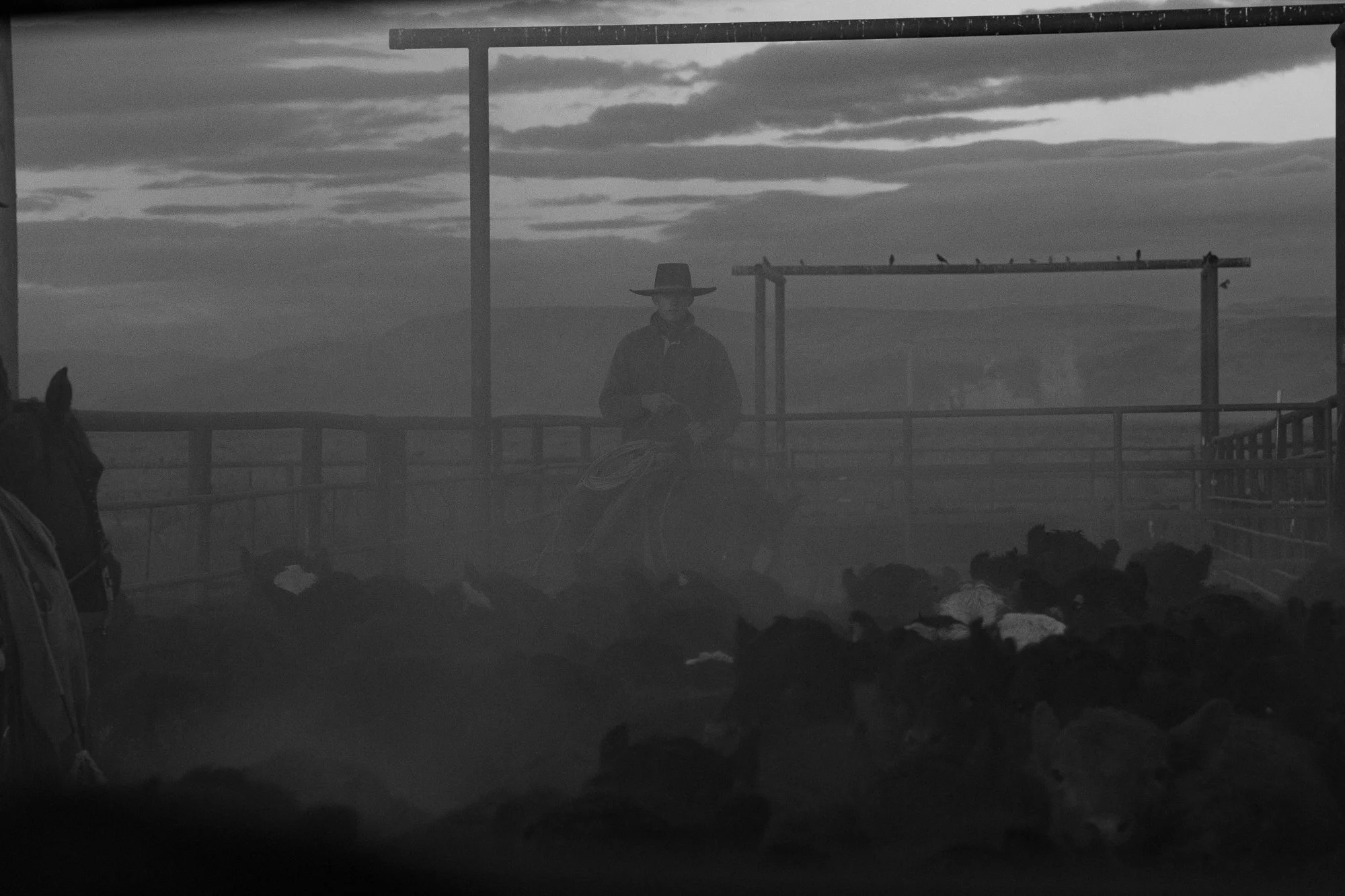
The photographs come from paying attention to what’s already there—dust hanging in the air during a gather, a rider holding position on a ridge, cattle settling at the end of a long push. Over time, those moments build into a more accurate picture of what ranching in this part of Nevada actually looks like.

I’m grateful to the whole crew for letting me be a small part of their work and look forward to being back on The TS. They are a good bunch of humans with a great chemistry that was fun to take in from the outside.

Part of an Ongoing Western Project

The photographs from TS Ranch are part of a larger body of work focused on working cowboys across the American West.

This project has been developed over years of access to ranches where the work is still done horseback, across open range, and without alteration for the camera. Each image is part of a broader effort to document a way of life that continues largely out of public view.

View the full project

Limited edition prints from this series are available for collectors

View more photographs from another historic Nevada cattle ranch - The C-Punch

Contact me directly for editorial and commercial licensing - rob@robhammerphotography.com

Sunrise over mountains and ranch land at TS Ranch

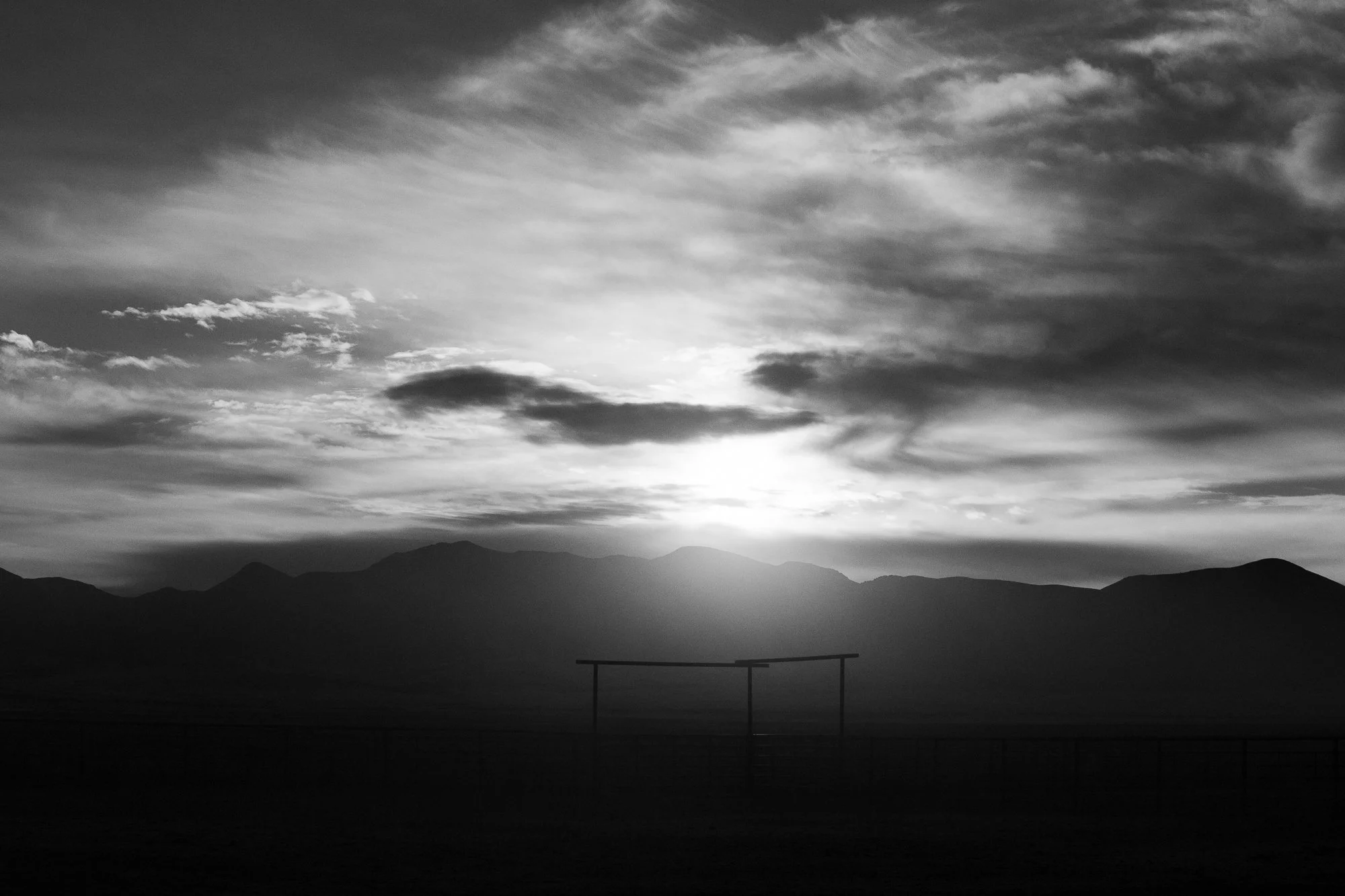
The first light breaks over the mountains, casting long shadows across the open ranch land.

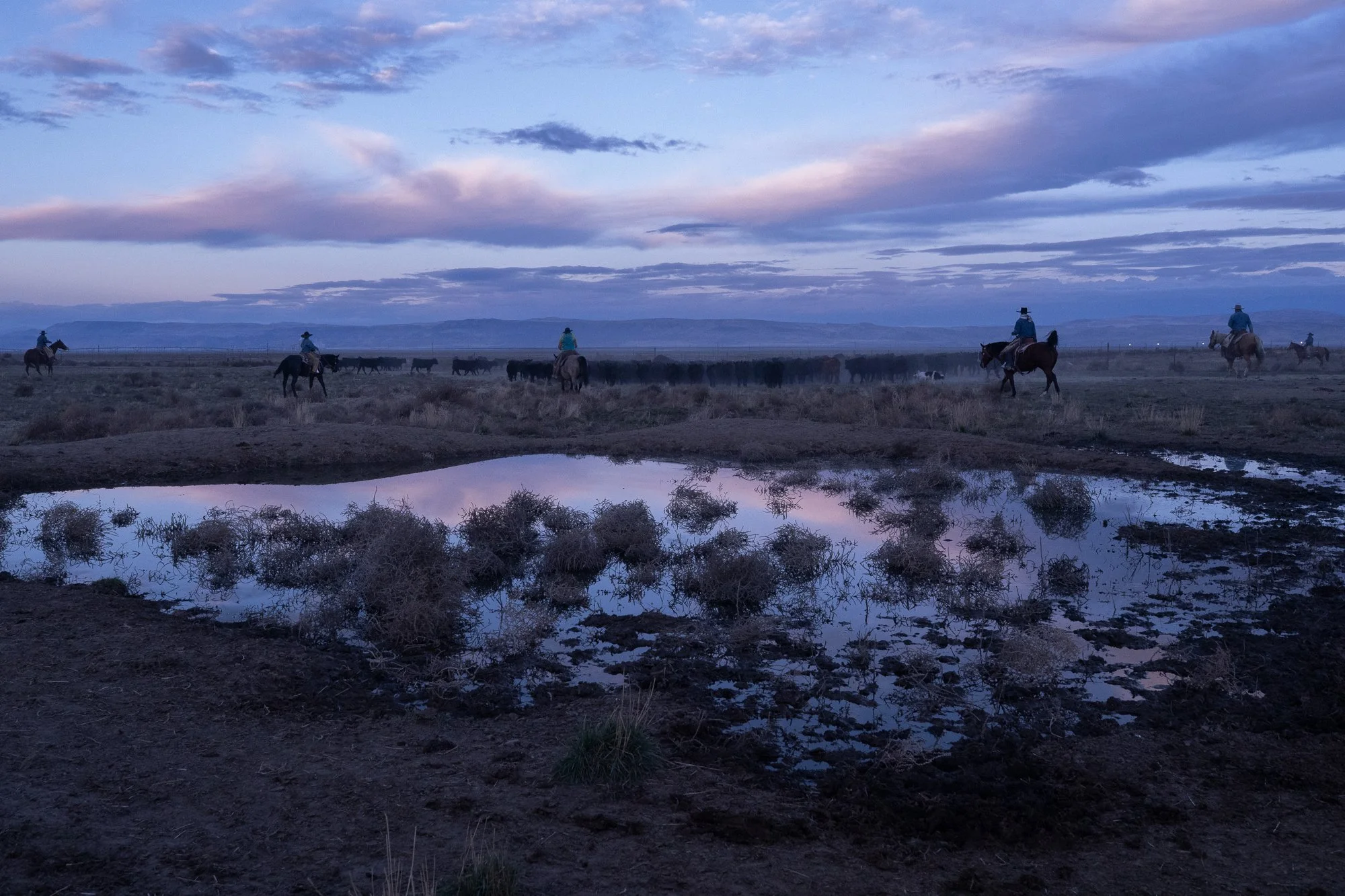
Cowboys gathering cattle across open high desert landscape at TS Ranch

Buckaroos spread out across the range, slowly gathering cattle as the morning light settles over the high desert.

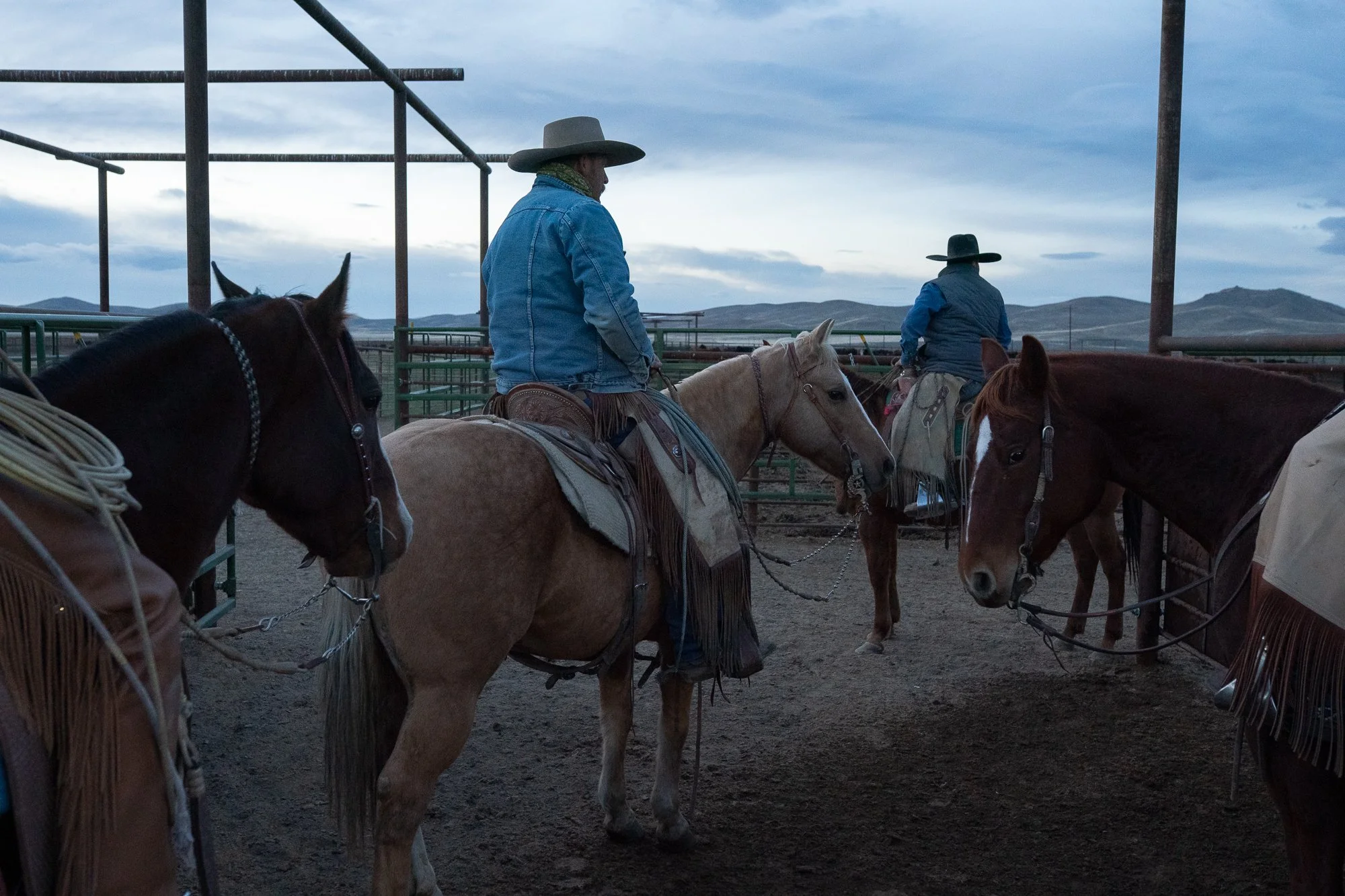
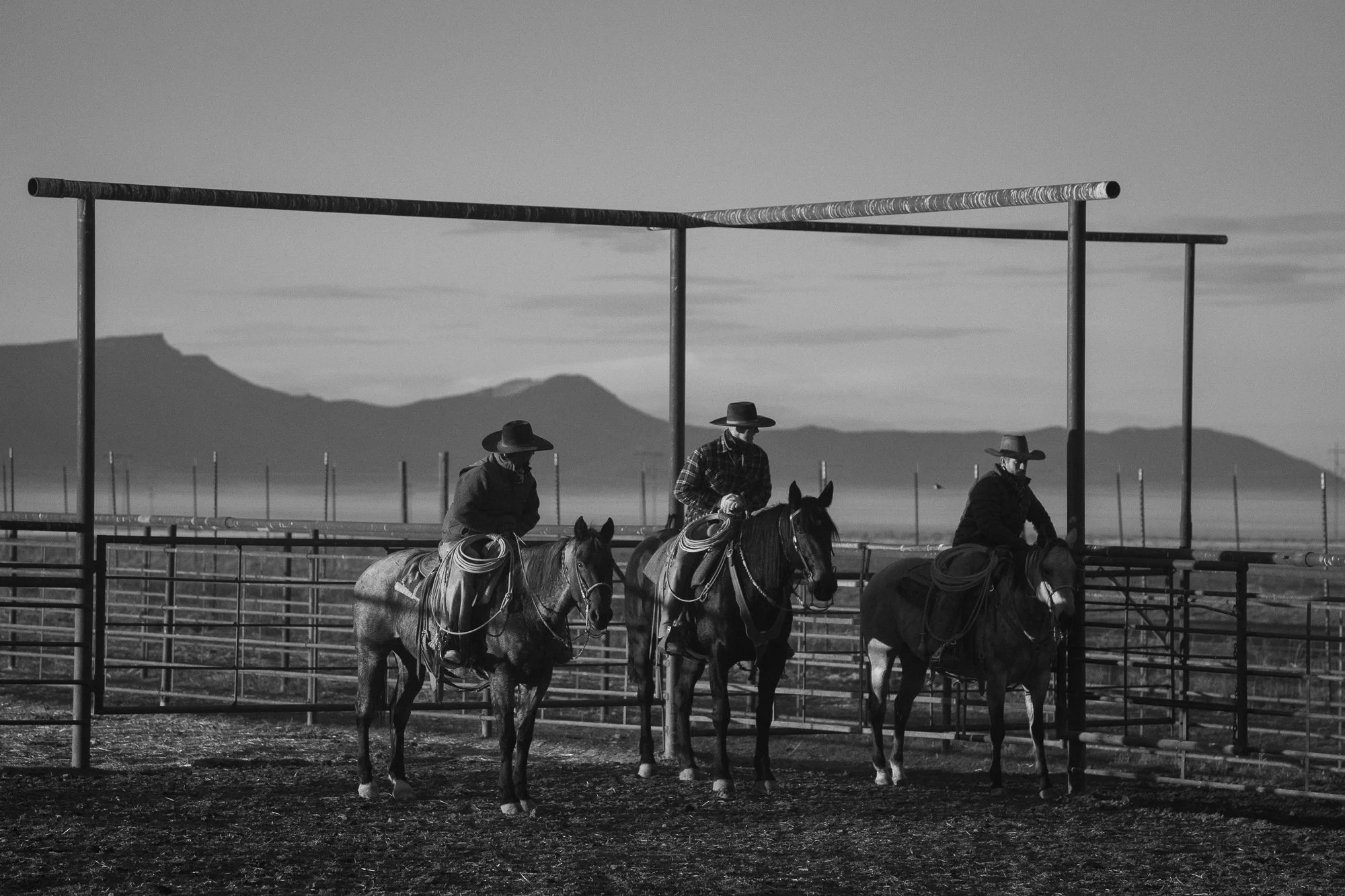
Group of buckaroos on horseback waiting in cattle pens at TS Ranch

Buckaroos sit mounted in the pens, waiting for the next move as cattle work begins to unfold.

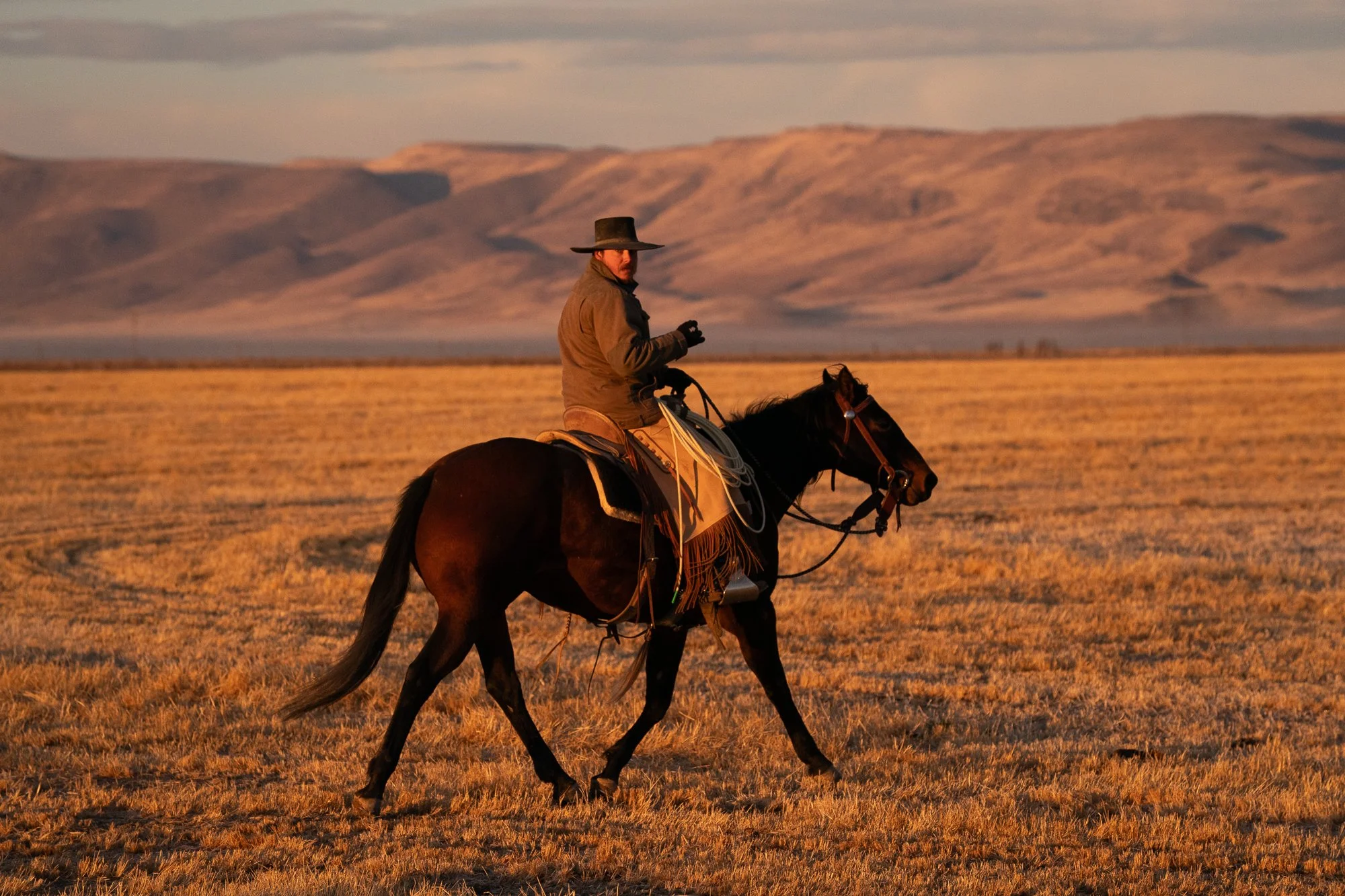
Buckaroo riding horseback across open desert landscape at TS Ranch

A buckaroo rides across the open range at TS Ranch, the high desert stretching out beneath the evening light.
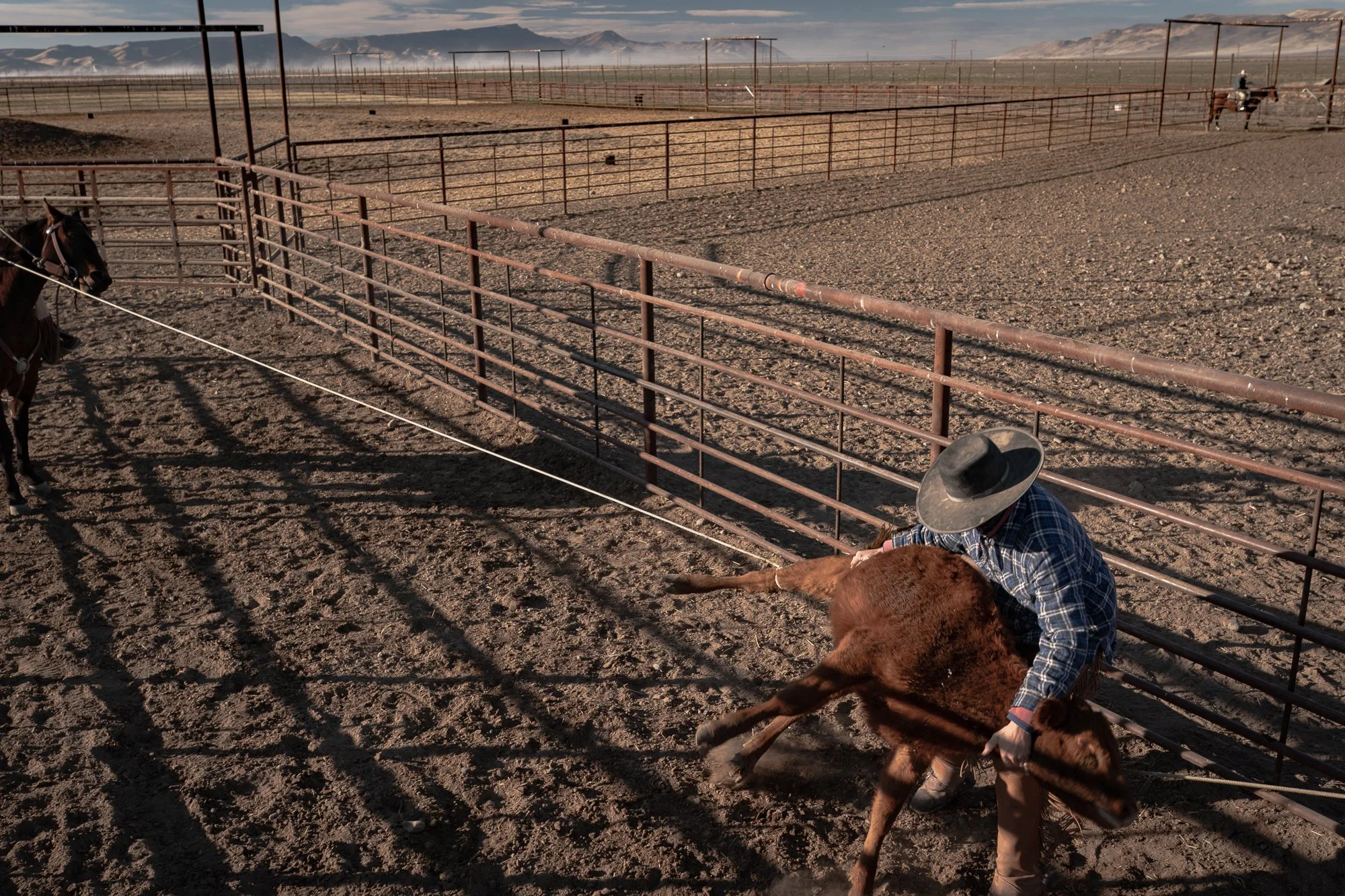
Cowboy roping a calf in the branding pen at TS Ranch

A calf is roped and held steady in the branding pen, a routine part of cattle work that has remained unchanged for generations.

Buckaroo riding through dusty cattle pens at sunrise at TS Ranch

A buckaroo moves through the cattle pens at first light, dust catching the sun as the day’s work begins at TS Ranch.

Close-up of buckaroo hat in early morning light at TS Ranch

A worn hat catches the early light, a quiet detail that reflects the long days and tradition behind the work.

Cowboy pushing cattle through narrow alley in ranch pens at TS Ranch

A buckaroo pushes cattle through the alleyway, guiding the herd forward through the maze of steel pens.

Close-up of horse and western tack in dusty ranch environment at TS Ranch

A close study of horse and gear, where movement and dust soften the edges of the scene.

Buckaroo sorting cattle inside working pens at TS Ranch

A buckaroo counts cattle inside the pens, before they are loaded onto the shipping truck.

Buckaroos holding cattle herd across open range at TS Ranch

Buckaroos hold the herd in place, spacing themselves across the landscape to keep the cattle settled.

Buckaroo holding cattle herd in dusty pasture at TS Ranch

A buckaroo holds position behind the herd, keeping the cattle together as they move through the corrals.

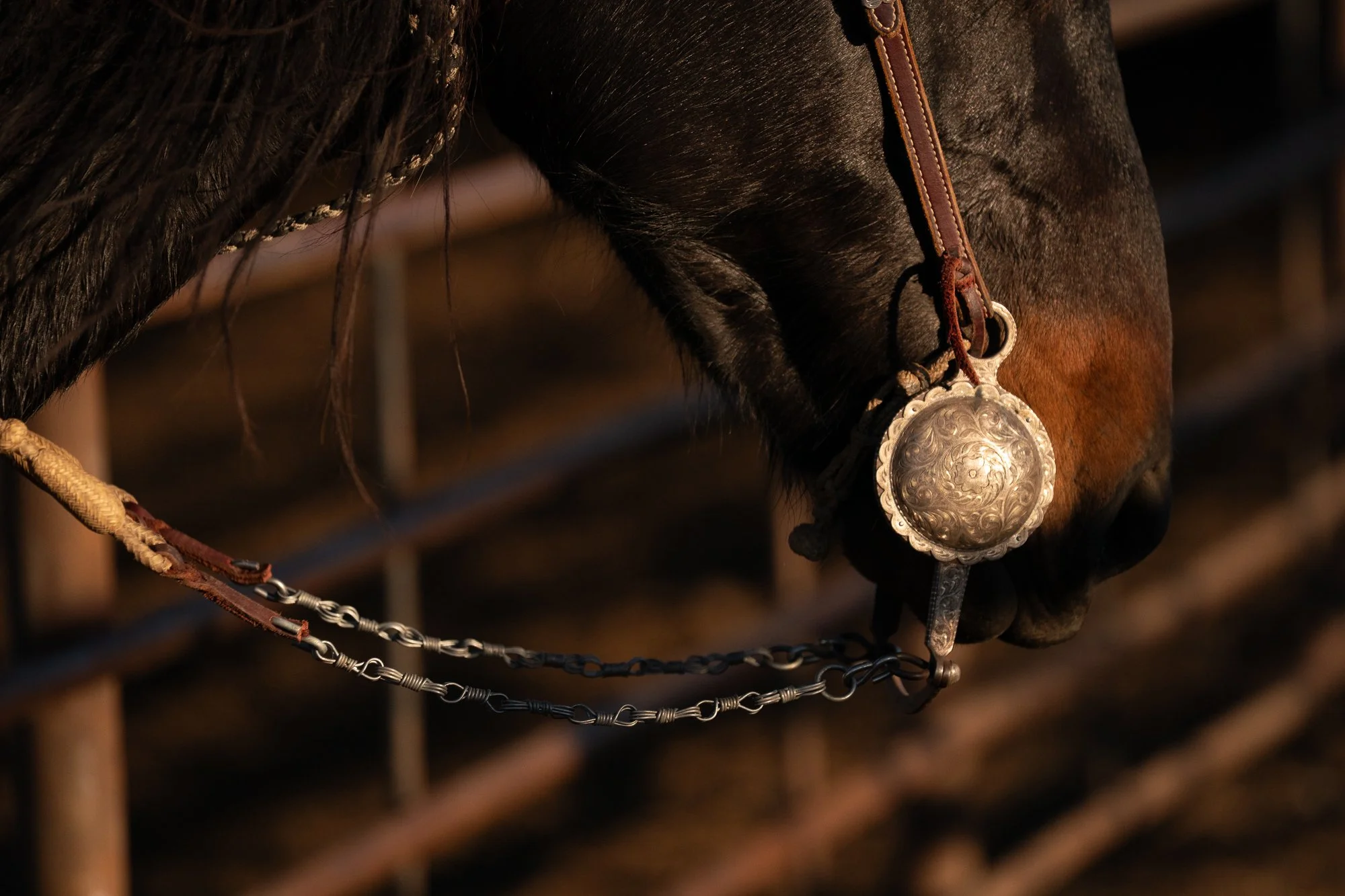
Close-up of horse bridle with silver concho detail at TS Ranch

A close look at the craftsmanship of a working bridle, worn and used daily in the rhythm of ranch work.

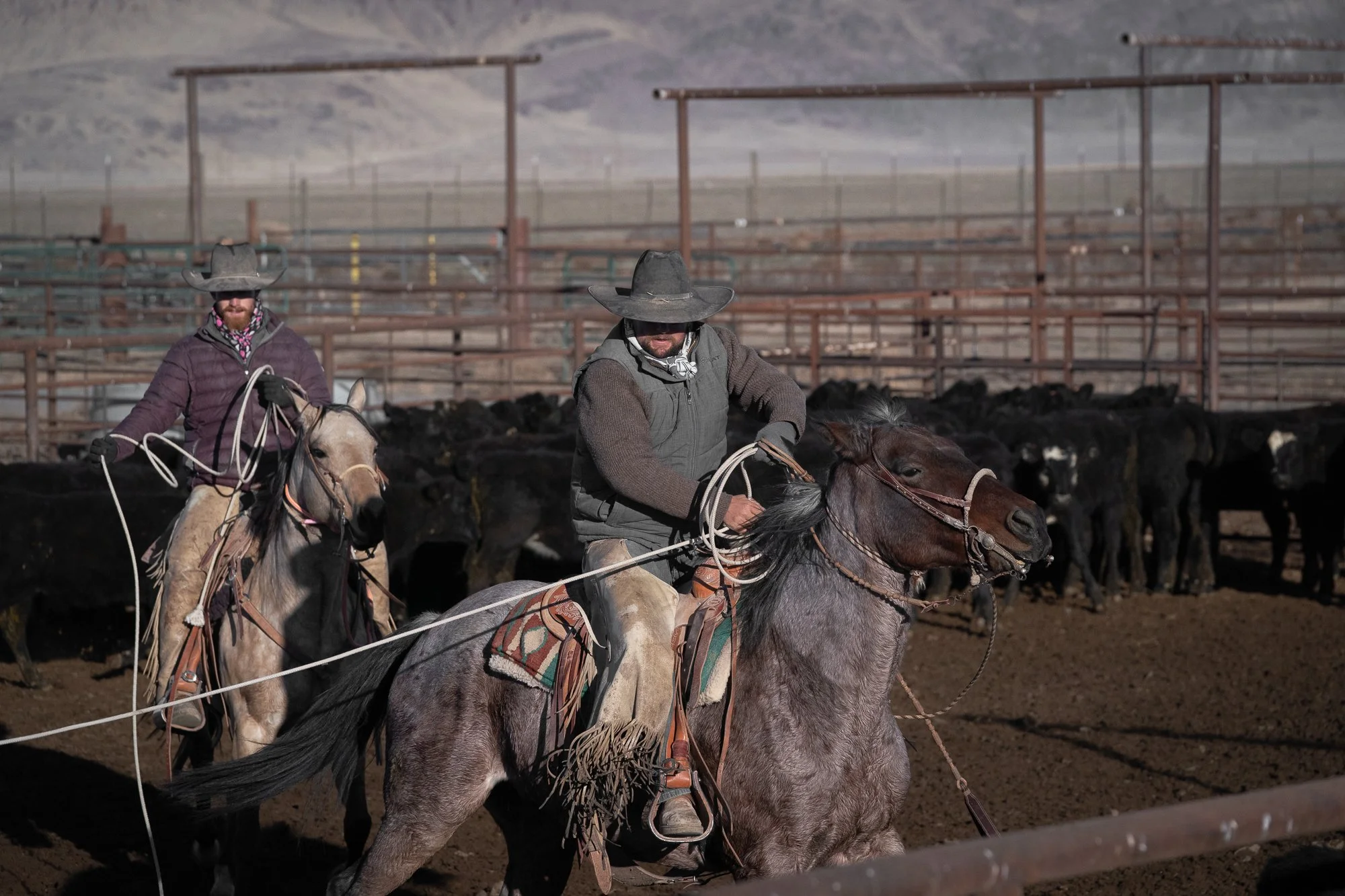
Two buckaroos roping cattle in ranch pens at TS Ranch

Two buckaroos rope cattle in the pens, working together to manage the herd with precision and control.

Buckaroos on horseback in cattle pens at sunrise at TS Ranch

Buckaroos sit mounted in the pens at first light, preparing for the day’s work as the ranch comes to life.

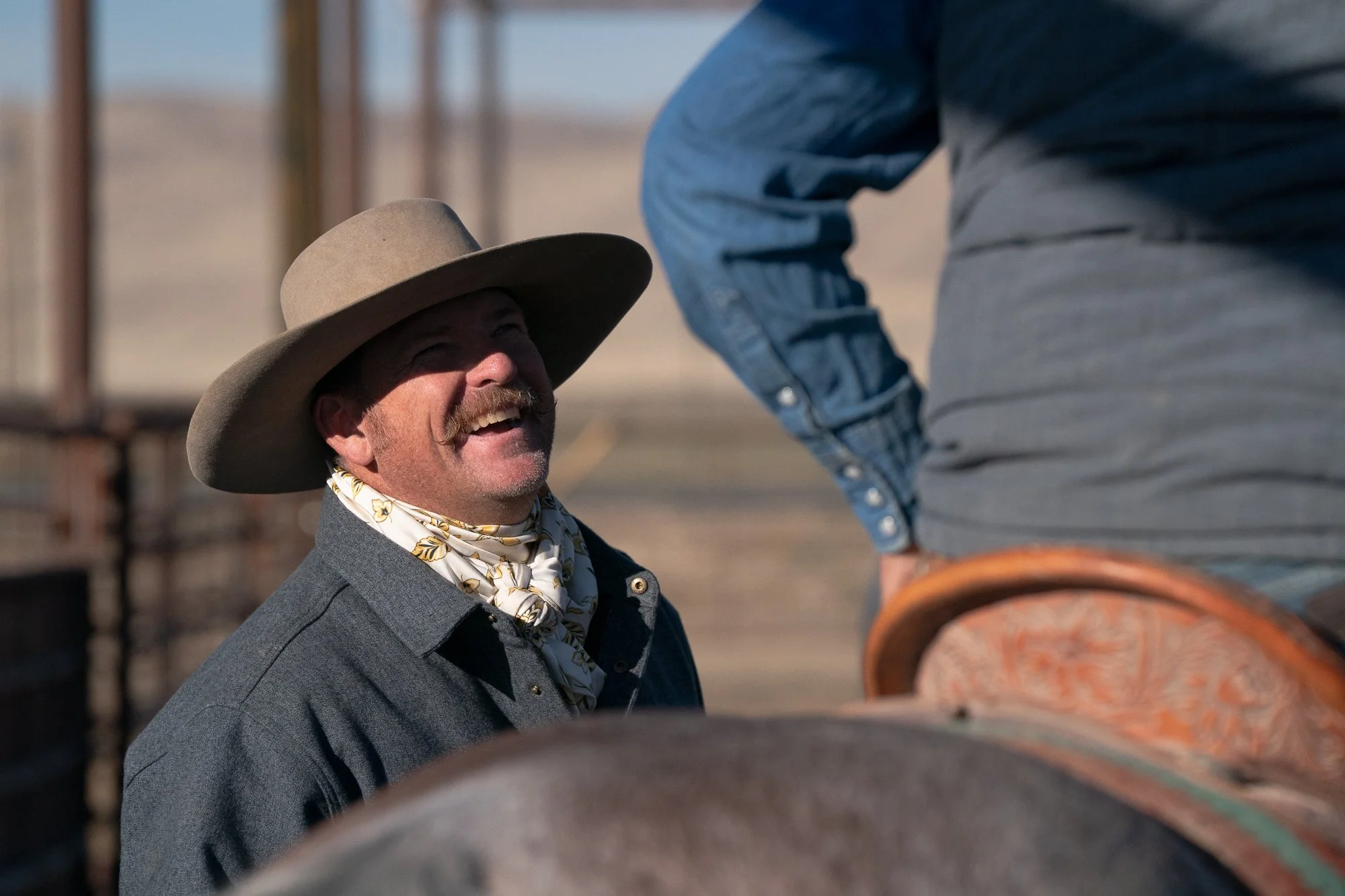
Candid portrait of cowboy smiling during ranch work at TS Ranch

A quiet moment between tasks, where conversation and humor break up the rhythm of the day.

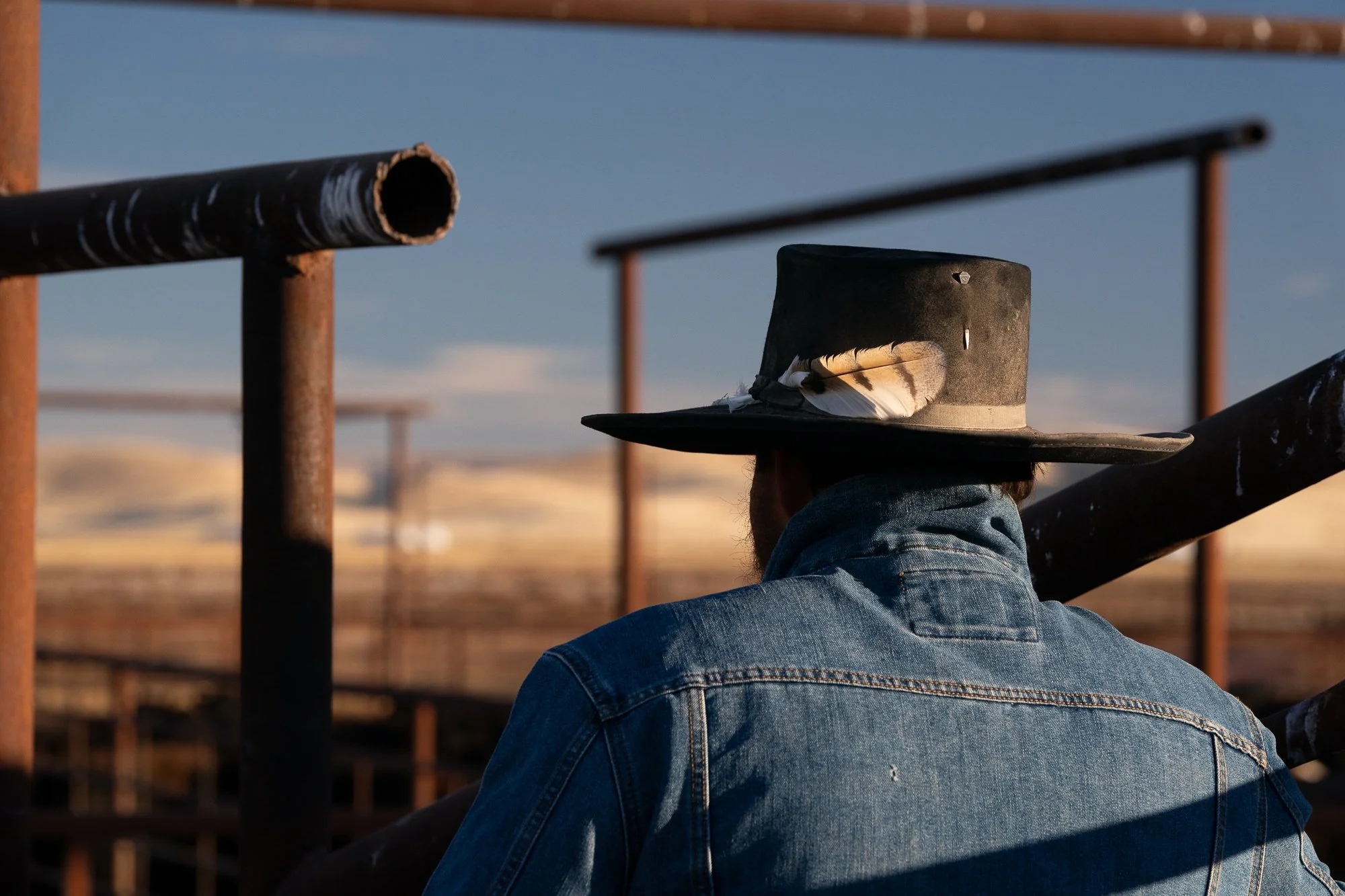
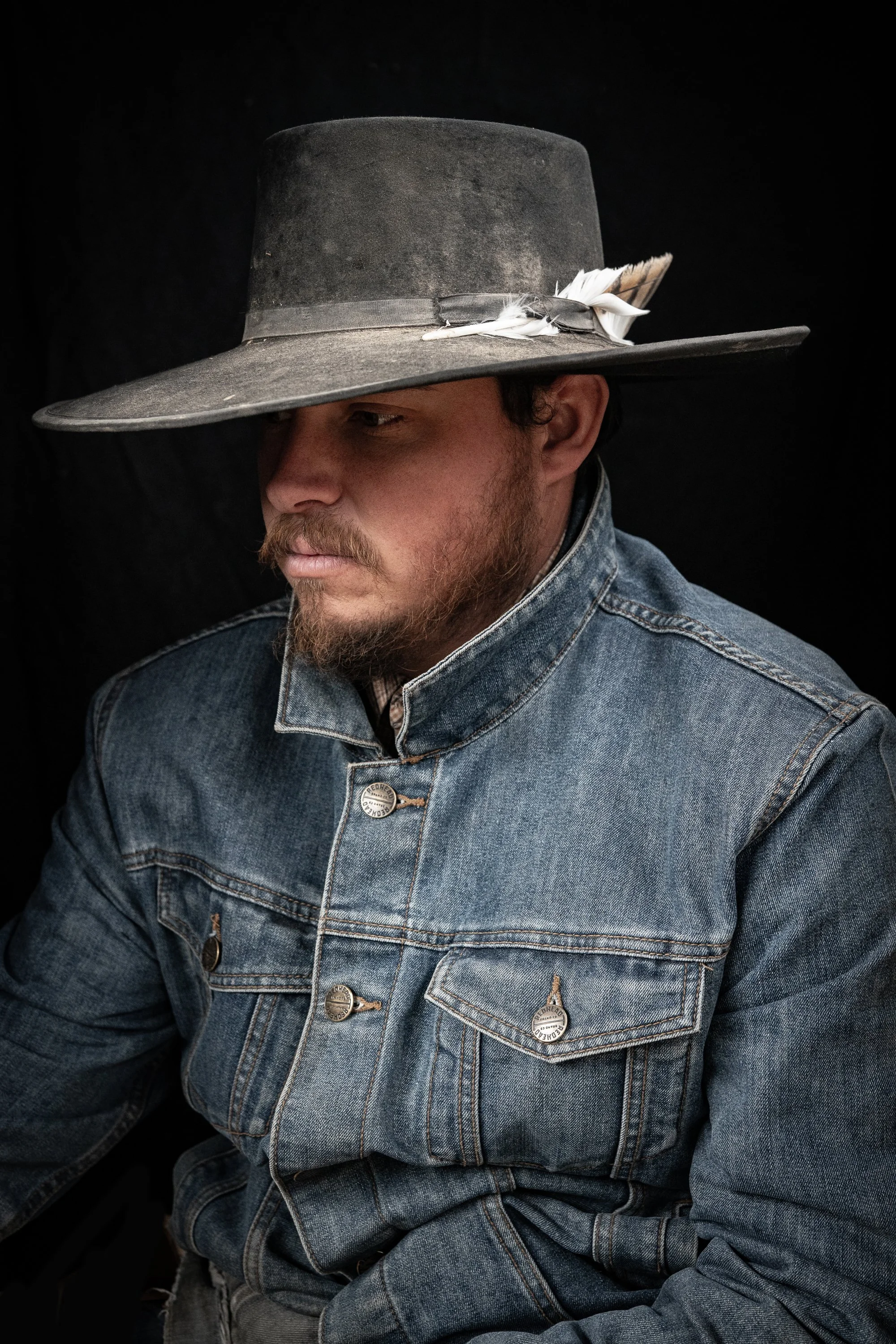
Portrait of cowboy in denim jacket and hat at TS Ranch

A quiet portrait of a buckaroo, worn denim and dust marking years of work in the West.

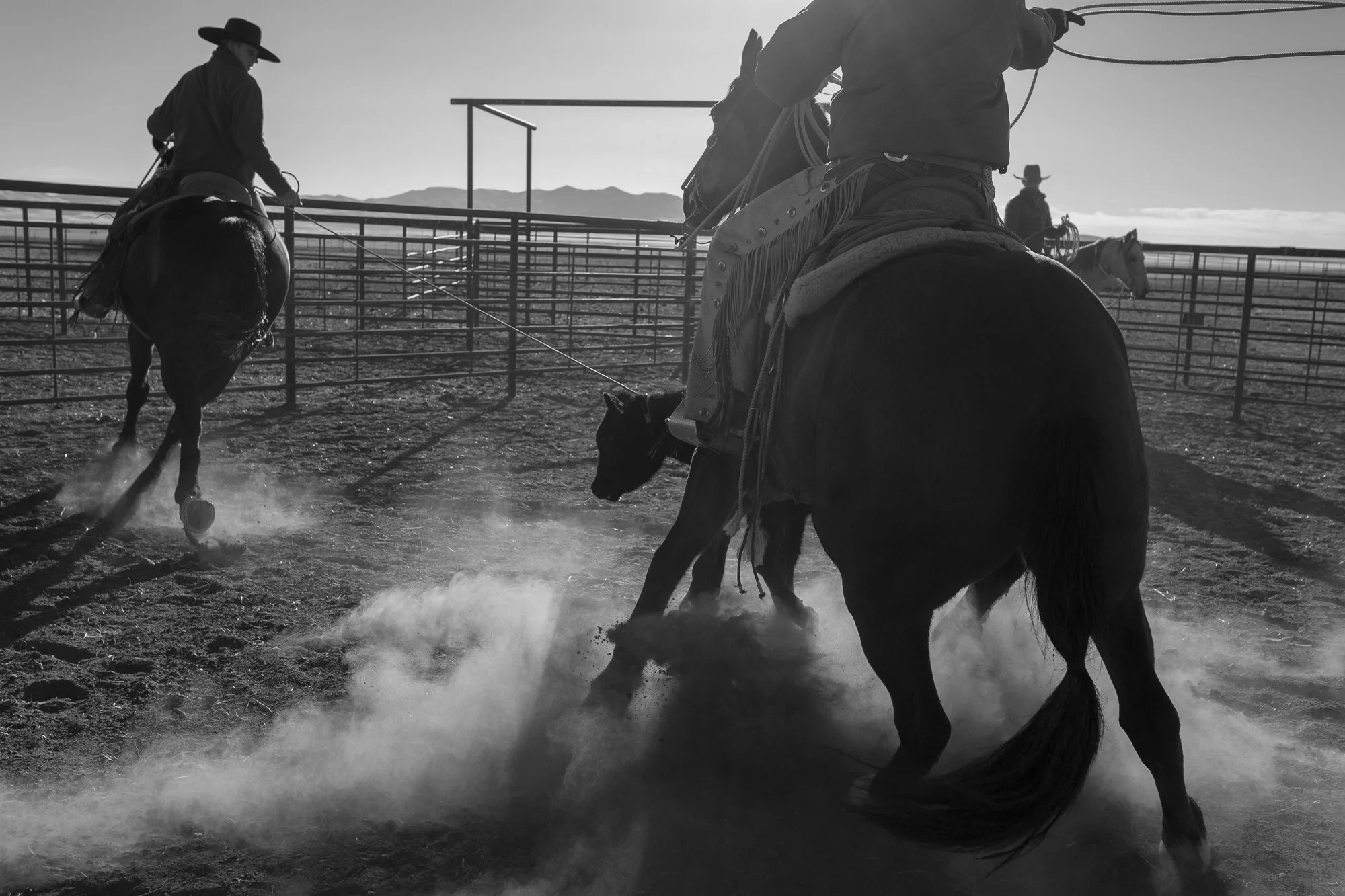
Cowboy roping cattle in dusty ranch pen at TS Ranch

A rope swings through the dust as a buckaroo works cattle in the pens, the movement quick and deliberate.

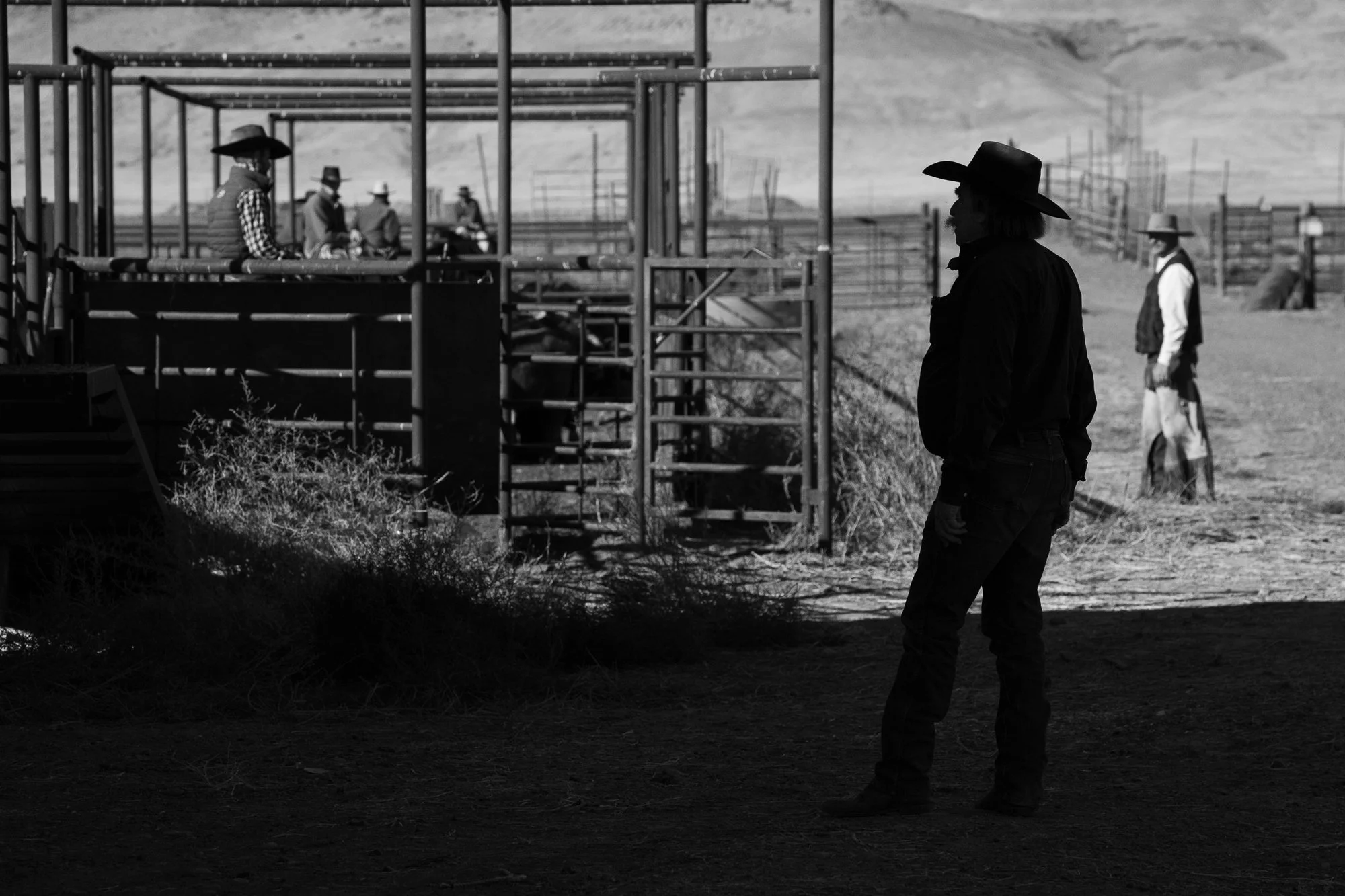
Cowboy standing and observing cattle work in ranch pens at TS Ranch

A quiet moment on the edge of the pens, where observation is just as important as action.

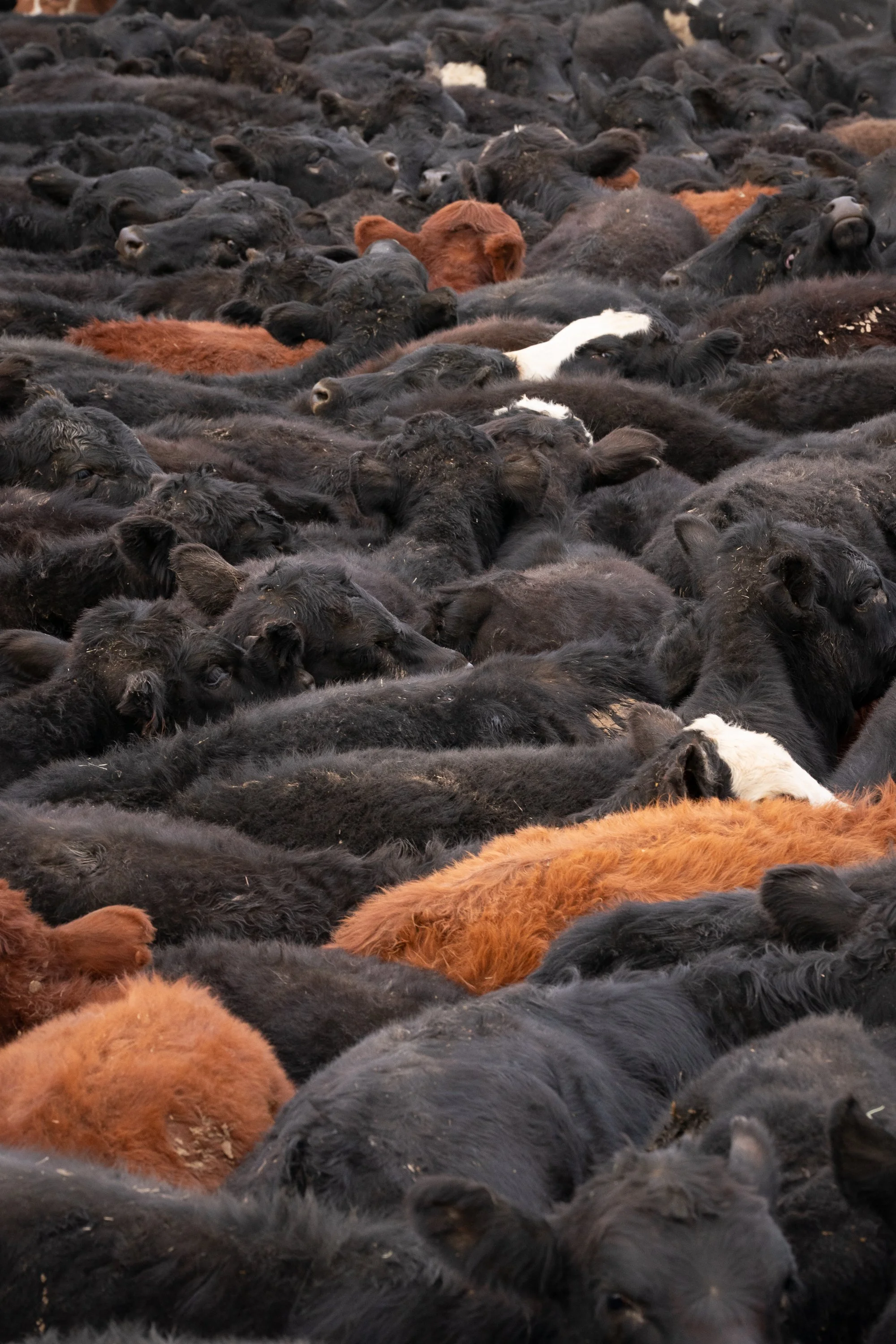
Close-up of dense cattle herd showing texture and movement at TS Ranch

Packed tightly together, the herd becomes a study of movement, texture, and weight.
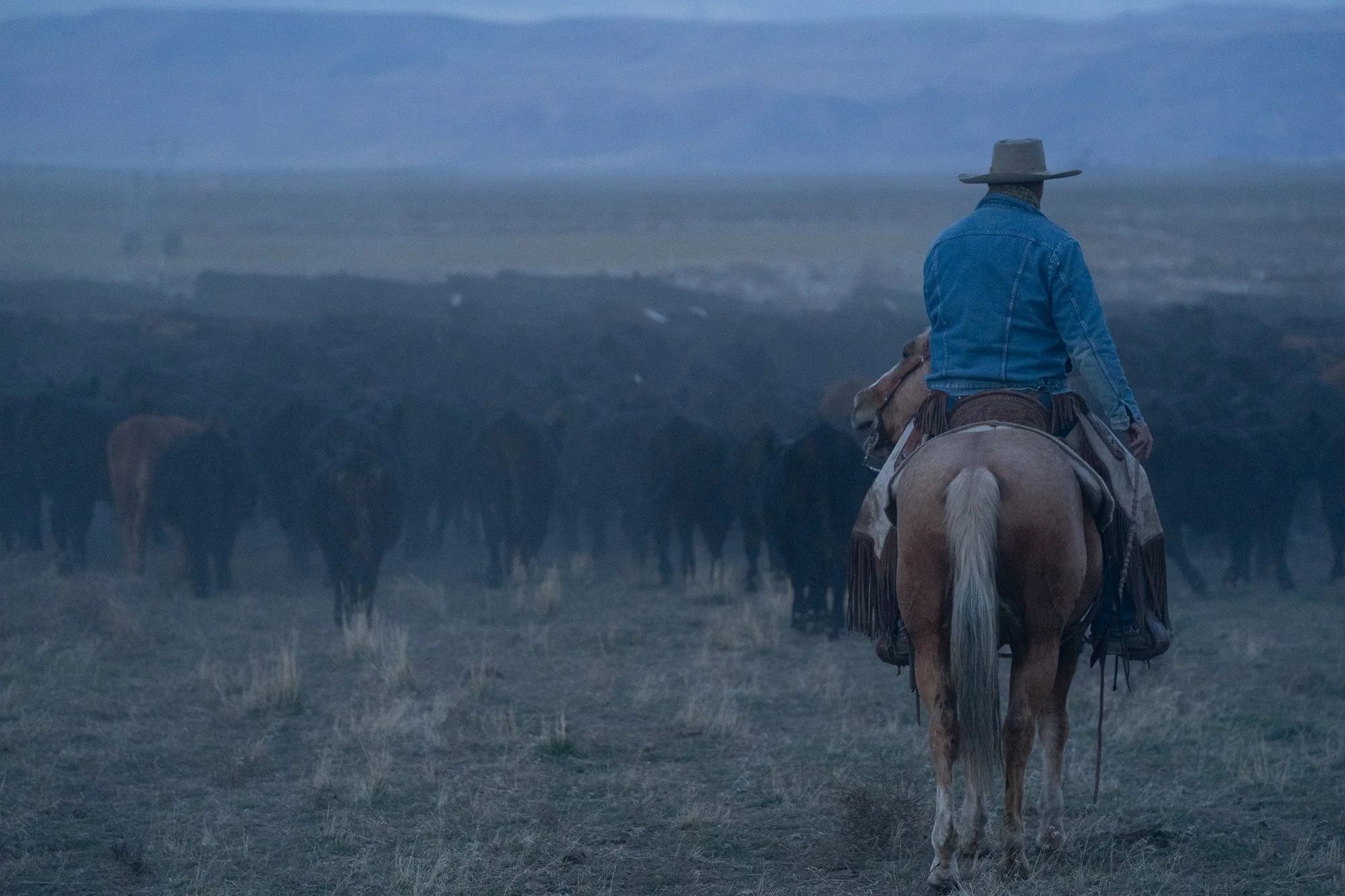
Buckaroo riding horseback into cattle herd in morning haze at TS Ranch

A buckaroo moves into the herd through the morning haze, guiding cattle forward as the dust begins to rise.

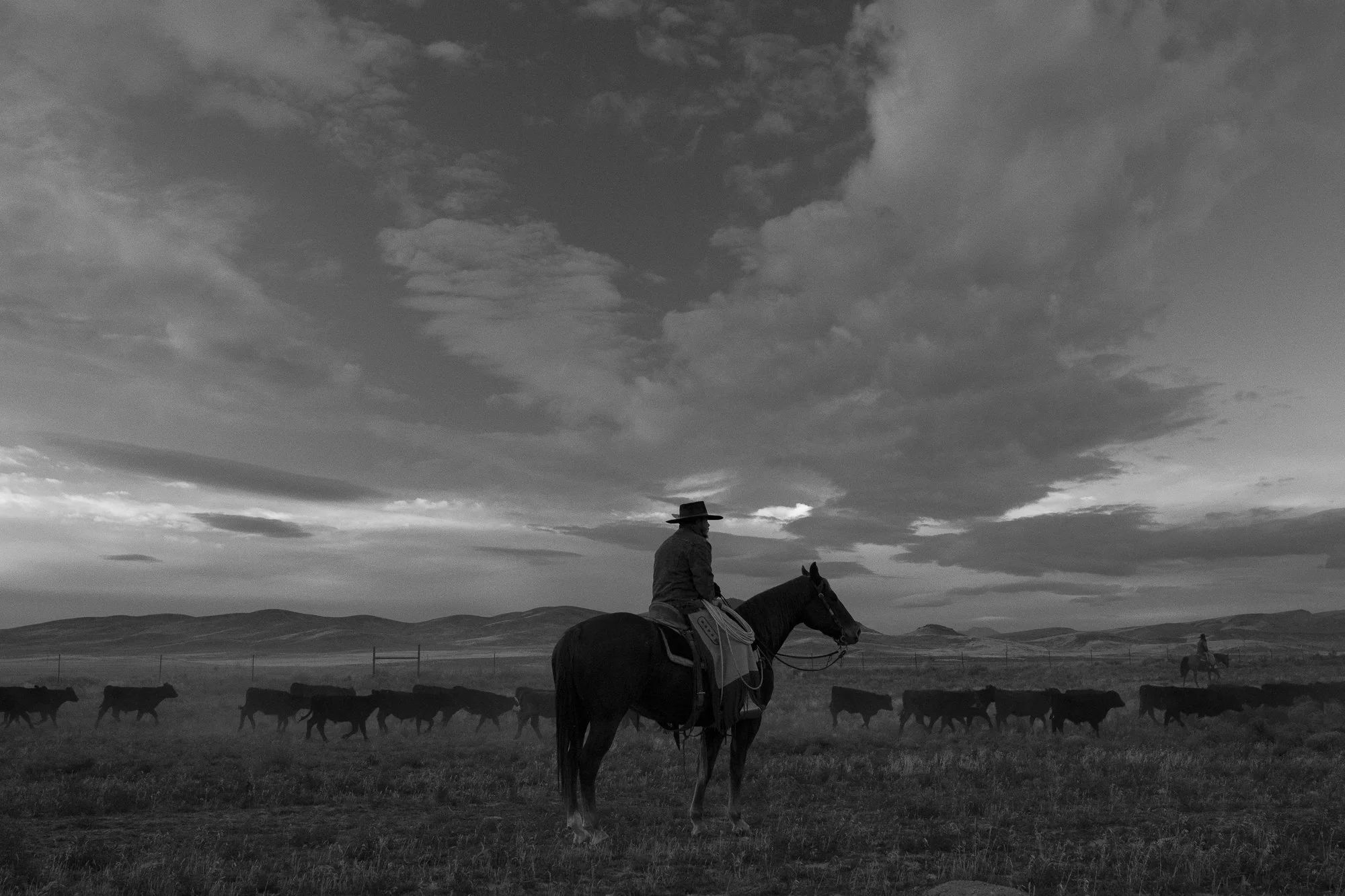
Buckaroo on horseback holding position as cattle move across open range at TS Ranch

A buckaroo sits steady as cattle drift across the range, holding position while the herd moves past.

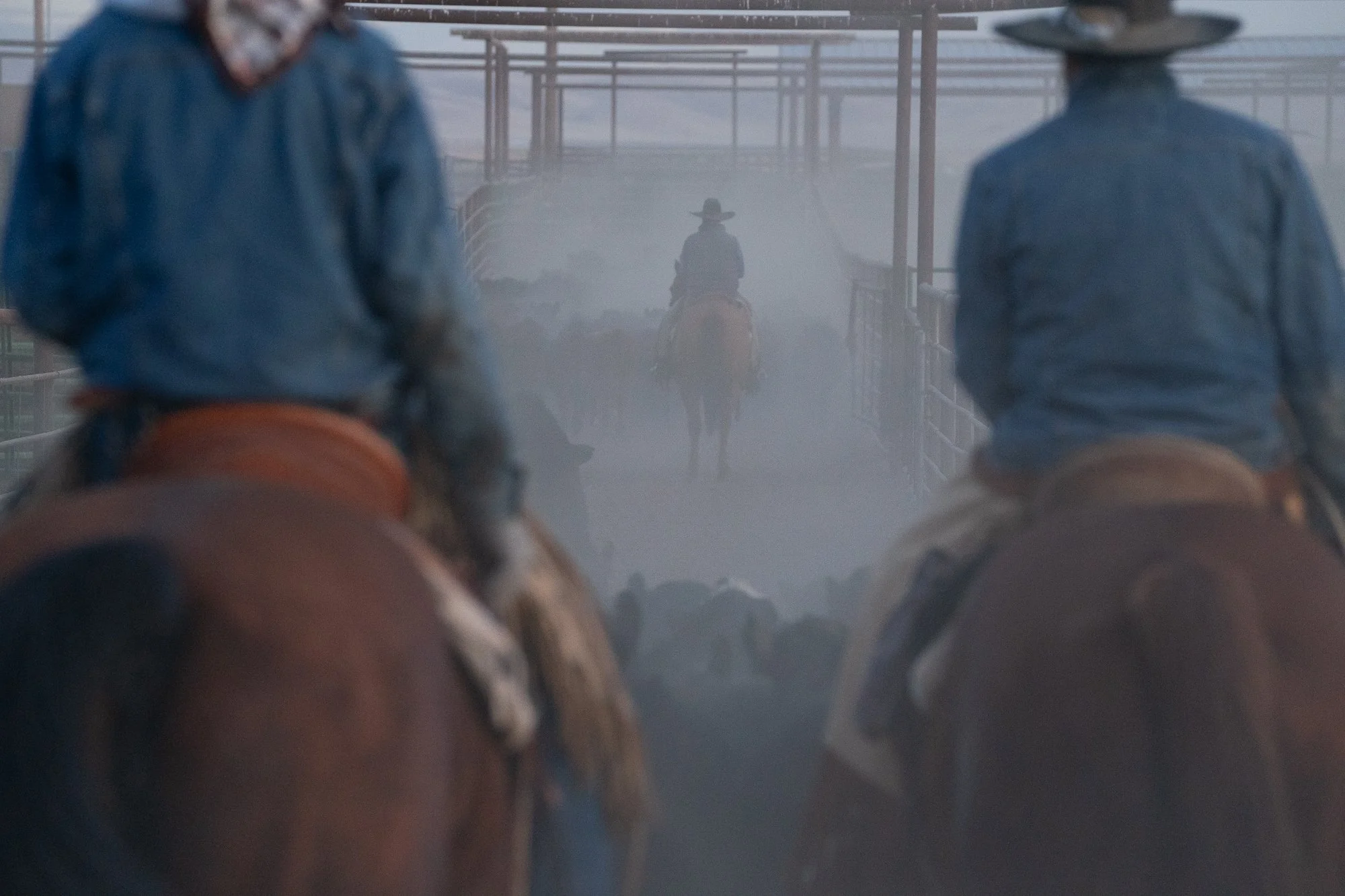
Cowboys pushing cattle through dusty pens at TS Ranch

Buckaroos push cattle through the pens, the air thick with dust as the herd moves forward.

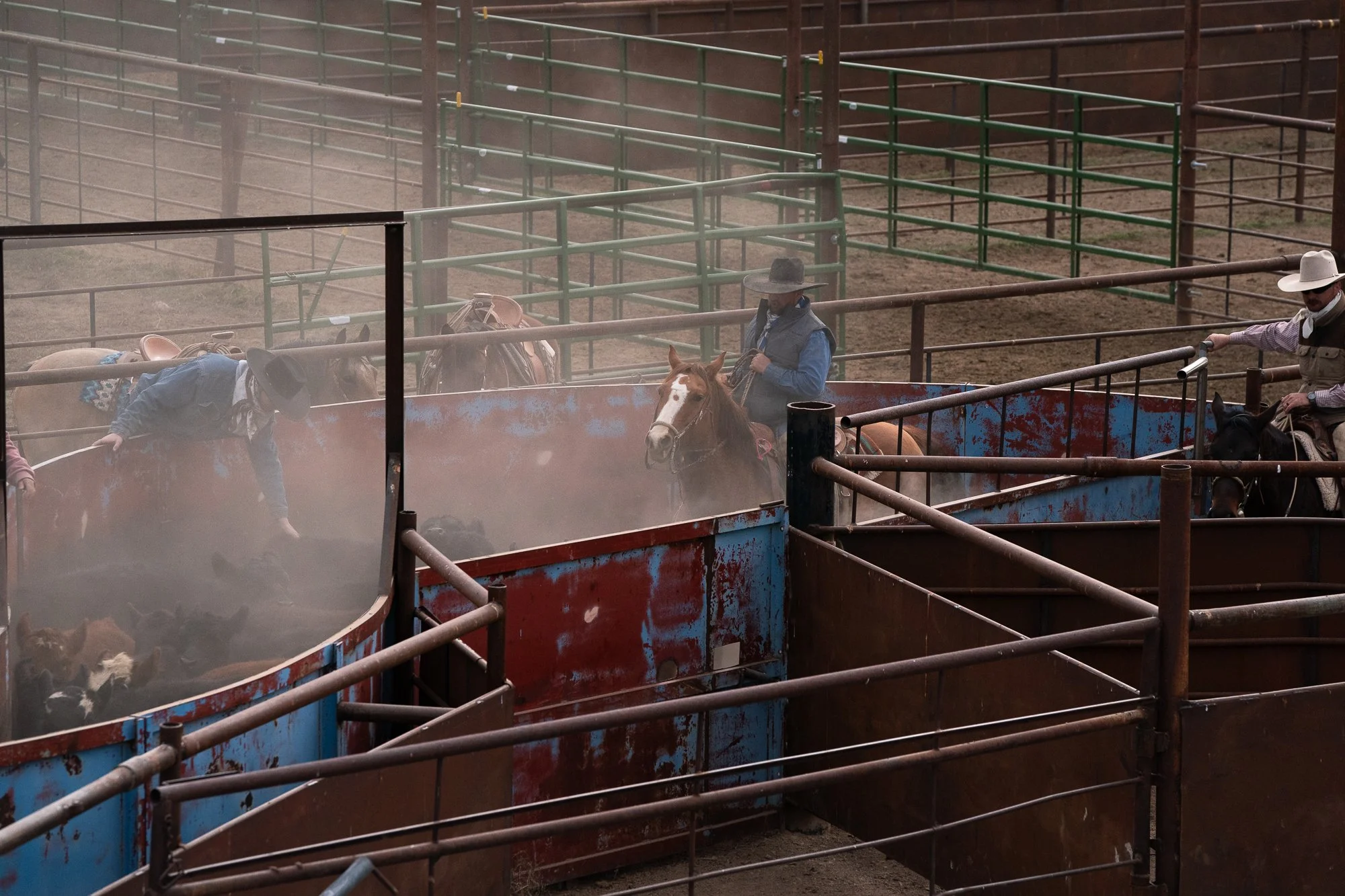
Cowboys sorting cattle in dusty ranch pens at TS Ranch

Buckaroos work cattle through the maze of pens, guiding movement through dust and steel.

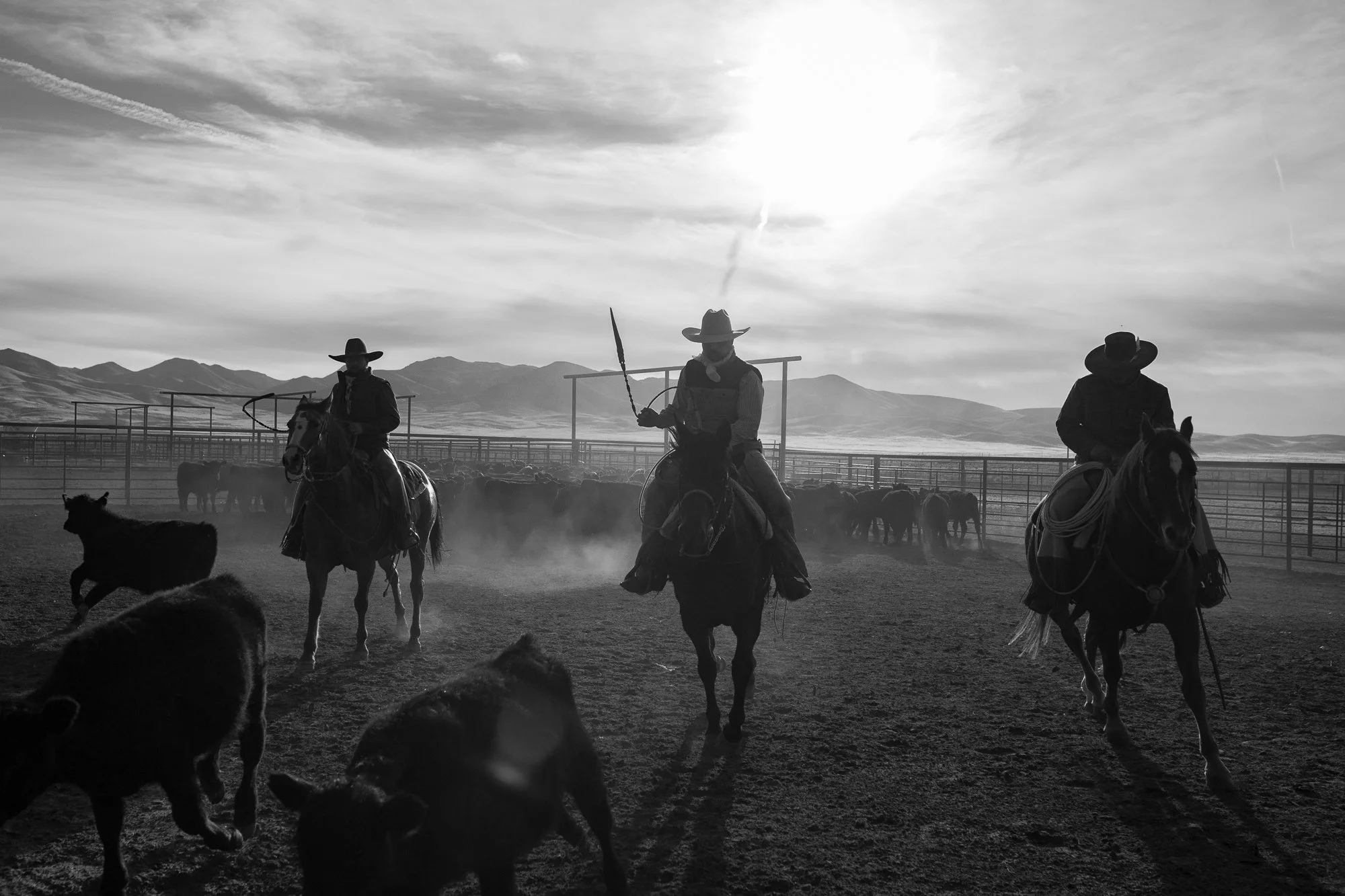
Three cowboys on horseback working cattle in dusty pens at TS Ranch

Three buckaroos move in sync, guiding cattle through the pens with quiet precision.

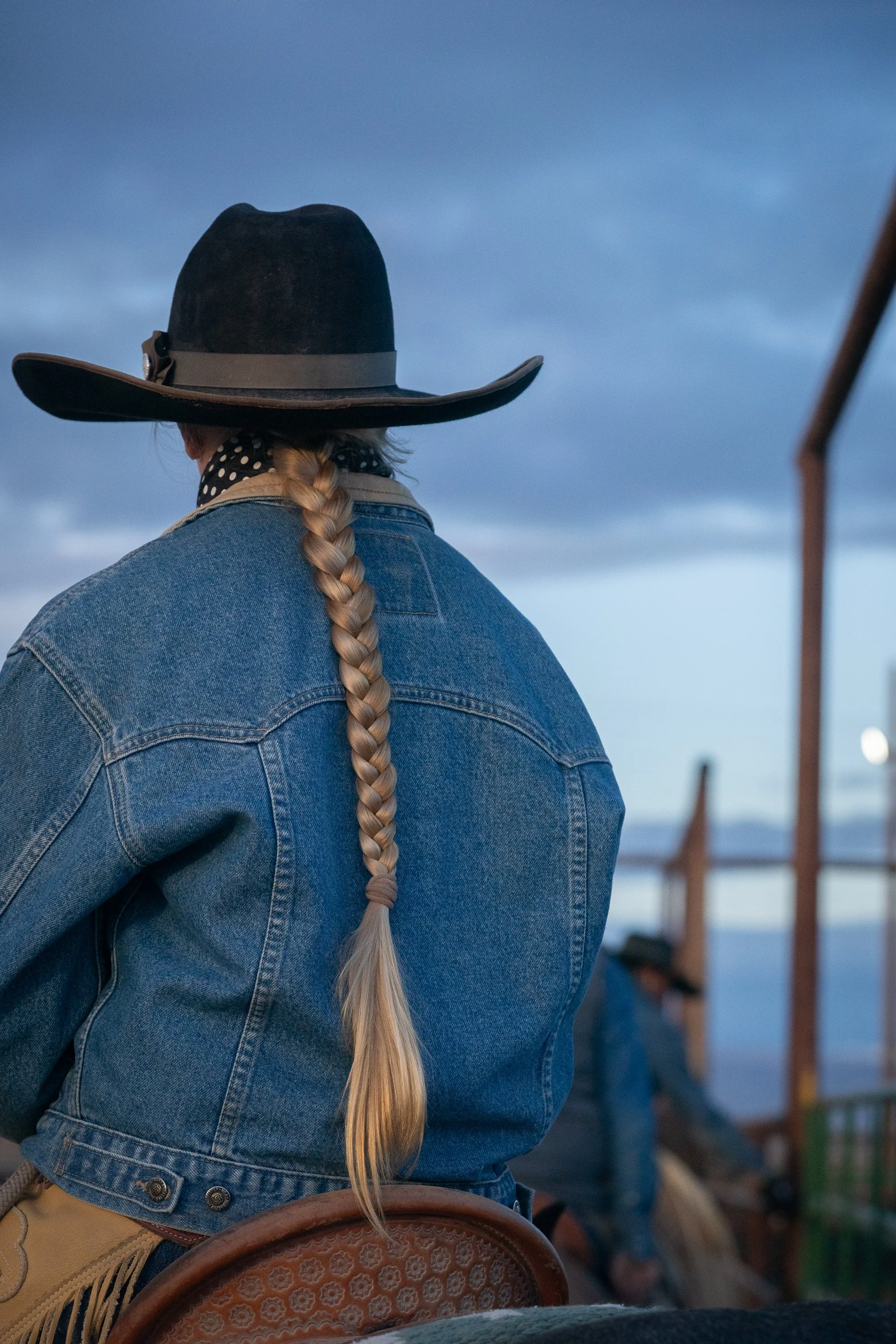
Close-up of buckaroo hair braid and hat from behind at TS Ranch

A long braid falls down the back of a denim jacket, a quiet detail rooted in buckaroo tradition.

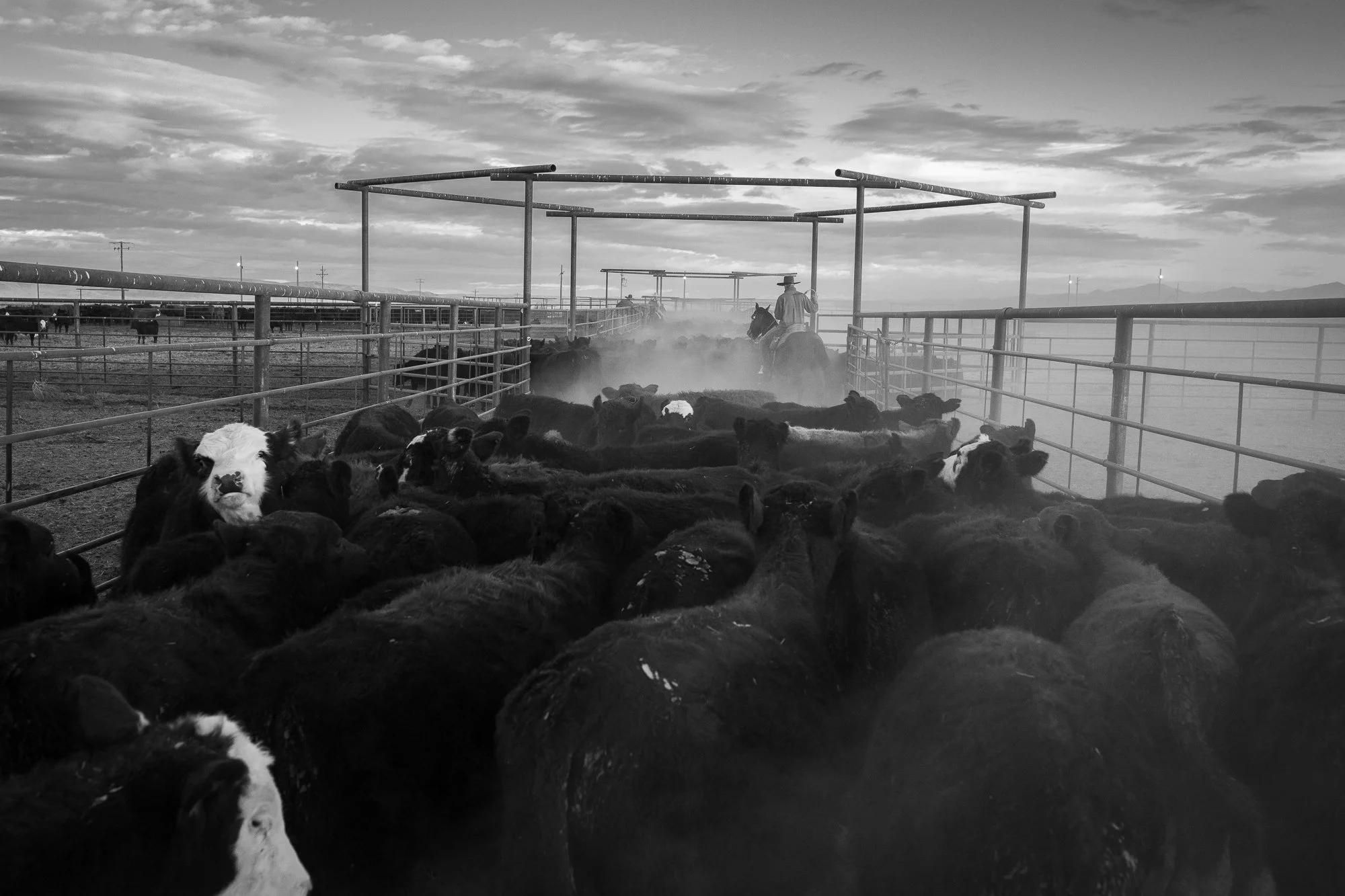
Cattle herd moving through ranch pens with cowboy on horseback at TS Ranch

Cattle press forward through the pens as a buckaroo guides them from horseback, the air thick with dust.

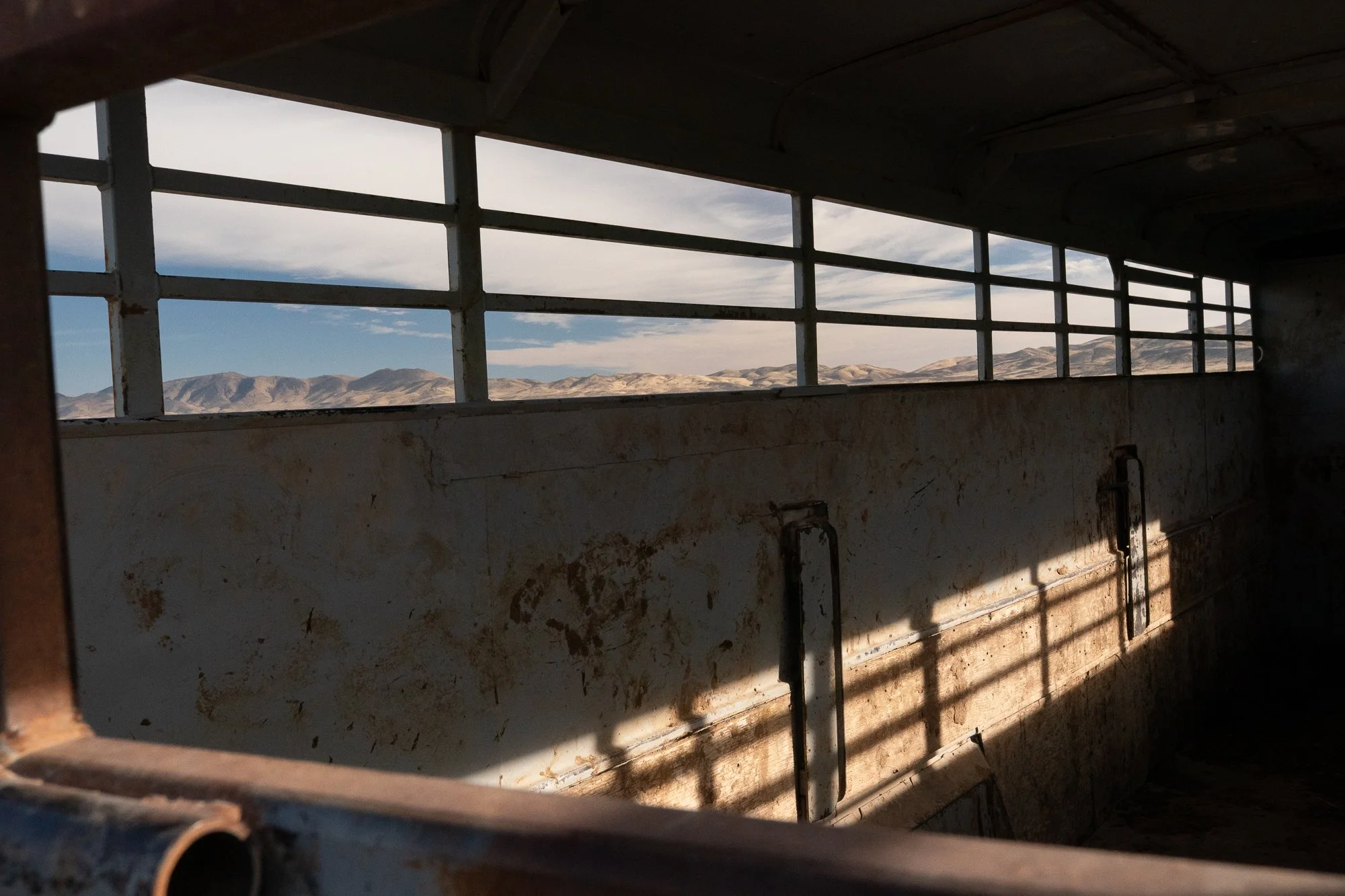
Interior of livestock trailer with light and shadow at TS Ranch

Light cuts through the slats of a stock trailer, revealing the worn surfaces shaped by years of use.

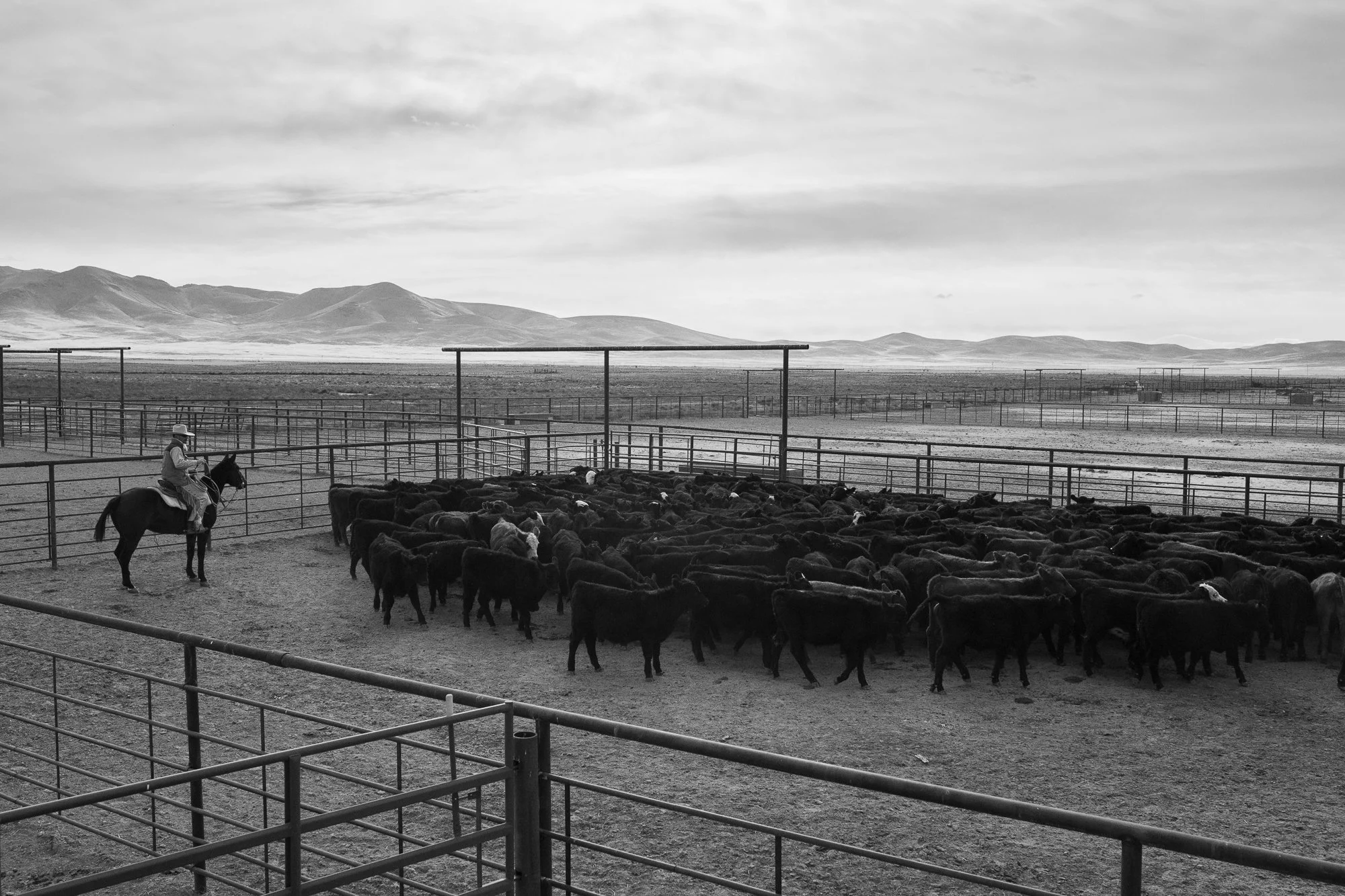
Cattle herd grouped tightly in ranch pens with cowboy on horseback at TS Ranch

A buckaroo watches over a tight group of cattle, keeping them settled inside the pens.

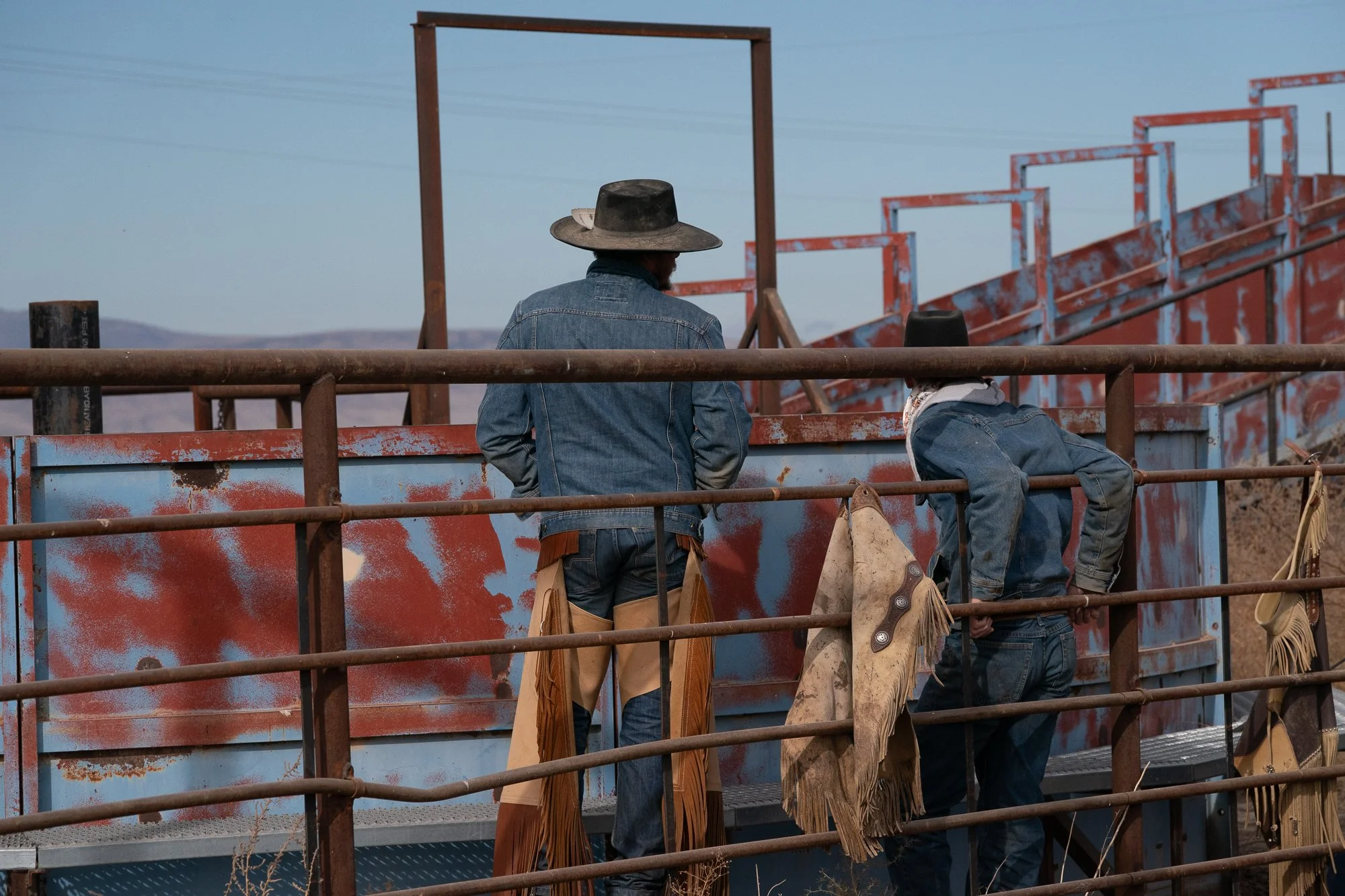
Two buckaroos standing at fence watching cattle work at TS Ranch

Two buckaroos lean against the fence, watching the work unfold between runs through the pens.

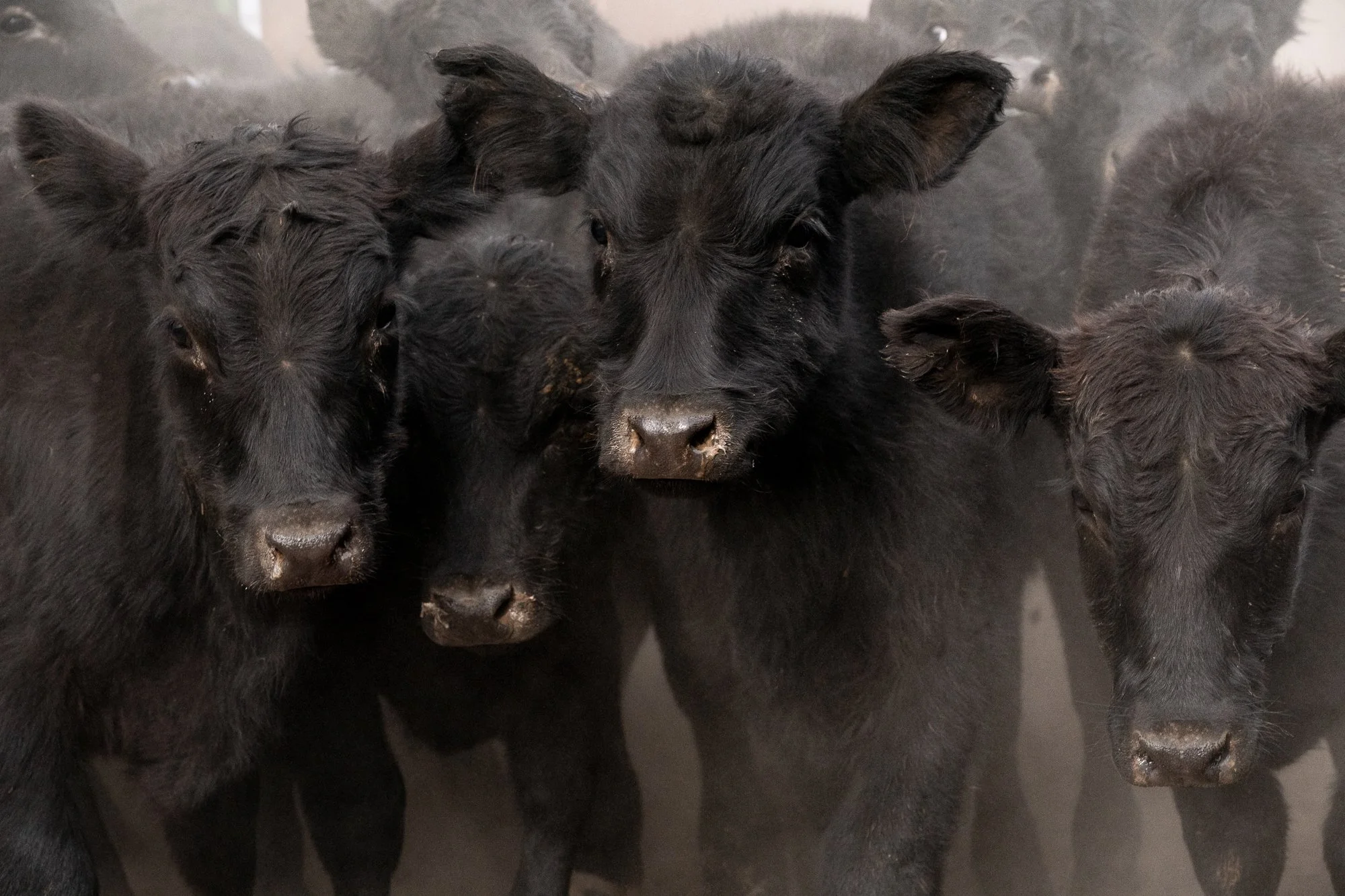
Close-up of cattle faces in herd at TS Ranch

A few heads rise above the herd, each animal alert as dust hangs in the air.

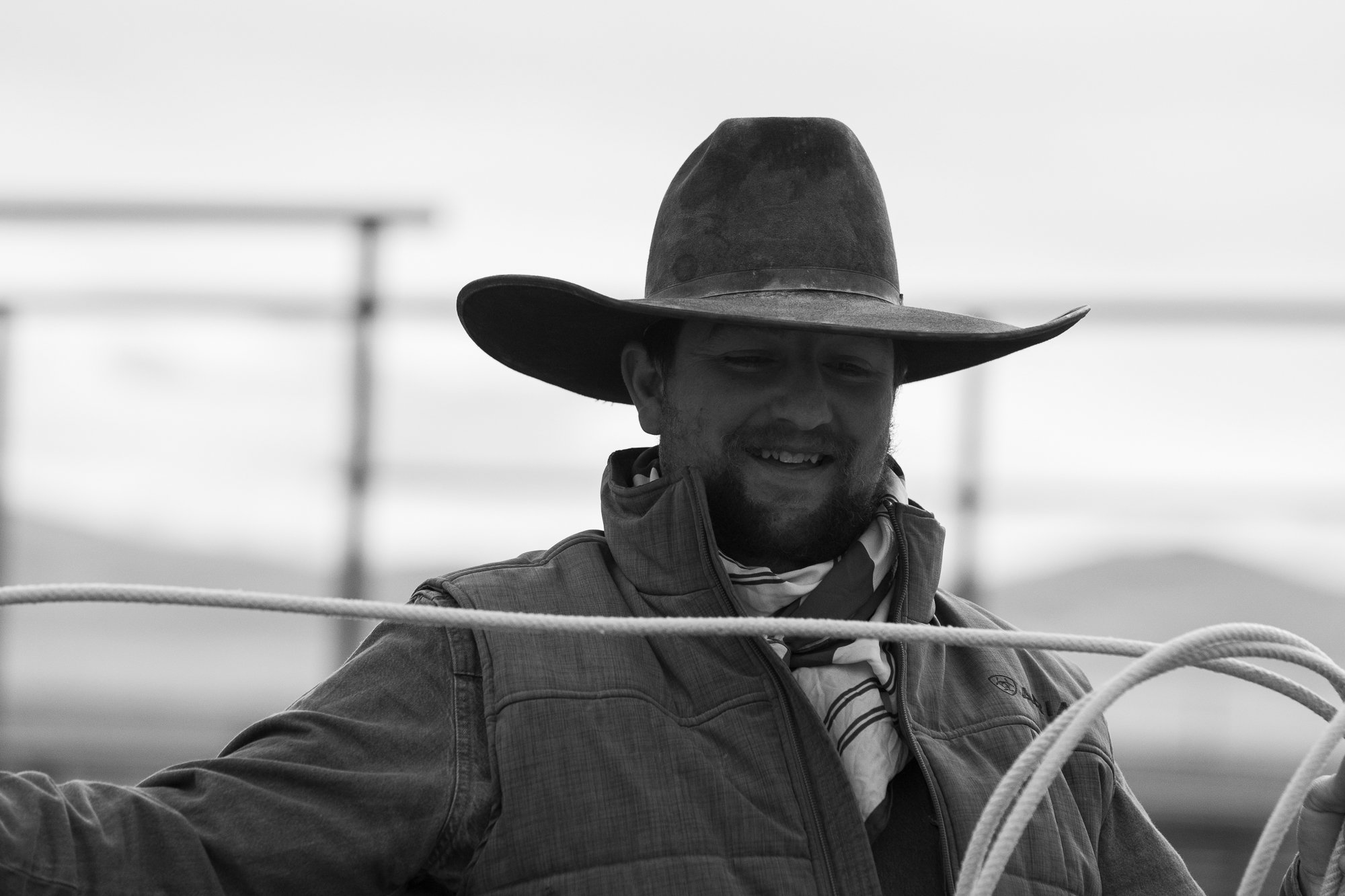
Black and white portrait of smiling cowboy at TS Ranch

A moment of ease breaks through the work as a buckaroo smiles between tasks.

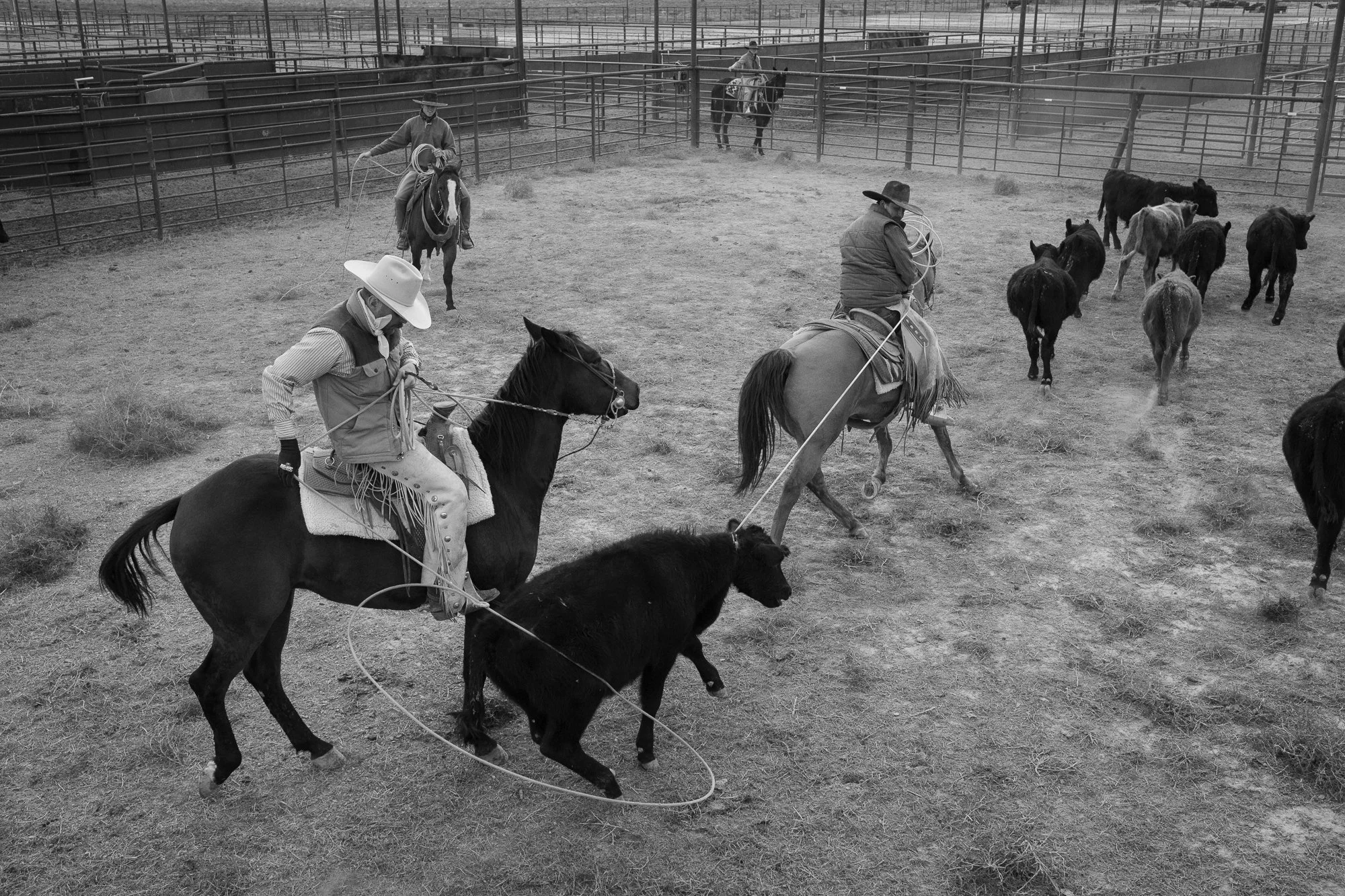
Cowboy roping calf in cattle pens during ranch work at TS Ranch

A buckaroo steps into position, roping a calf as others guide cattle across the pen.

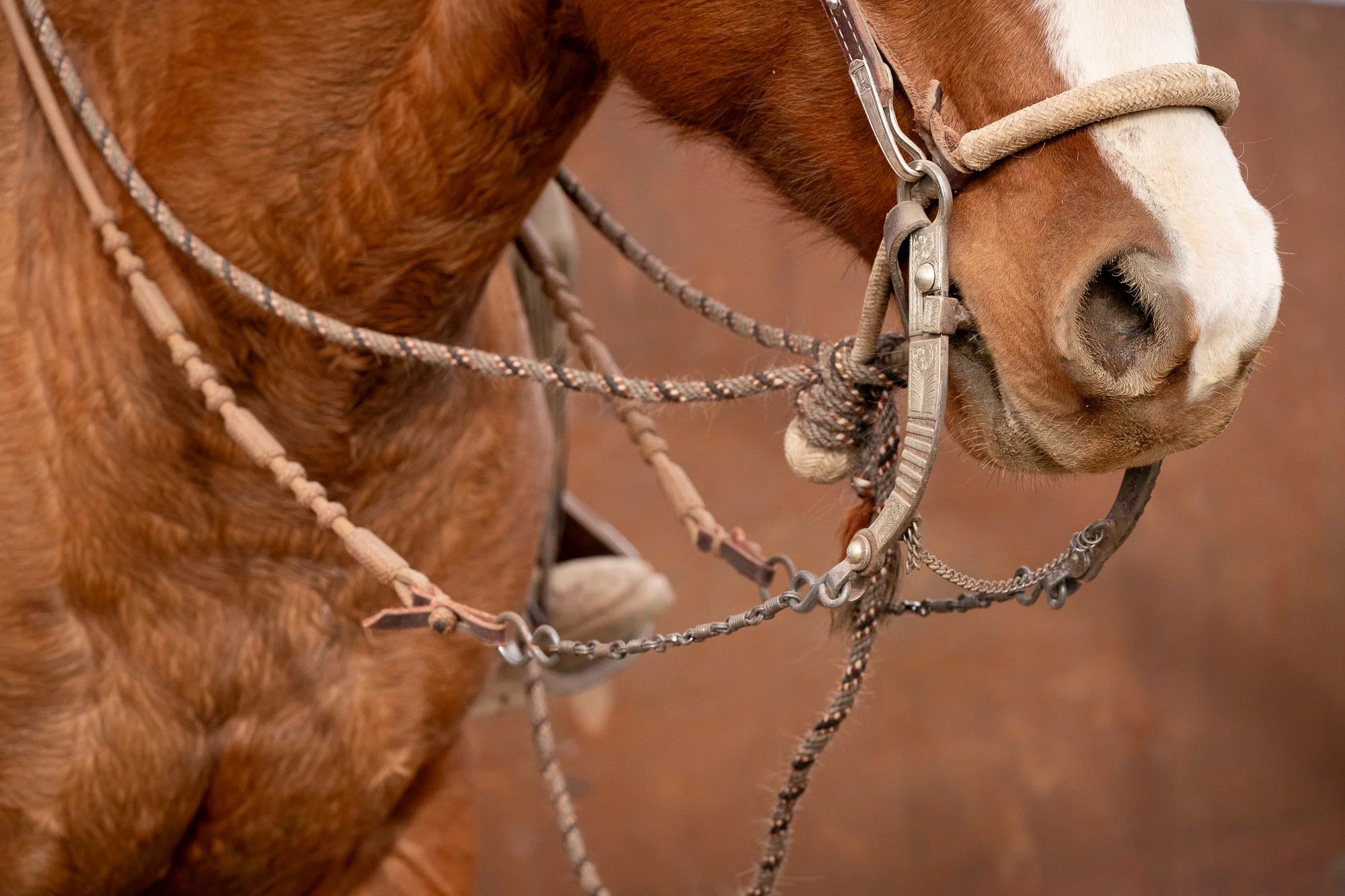
Close-up of horse bridle and bit showing western tack detail at TS Ranch

A close look at the reins and bridle, where craftsmanship and daily use meet.

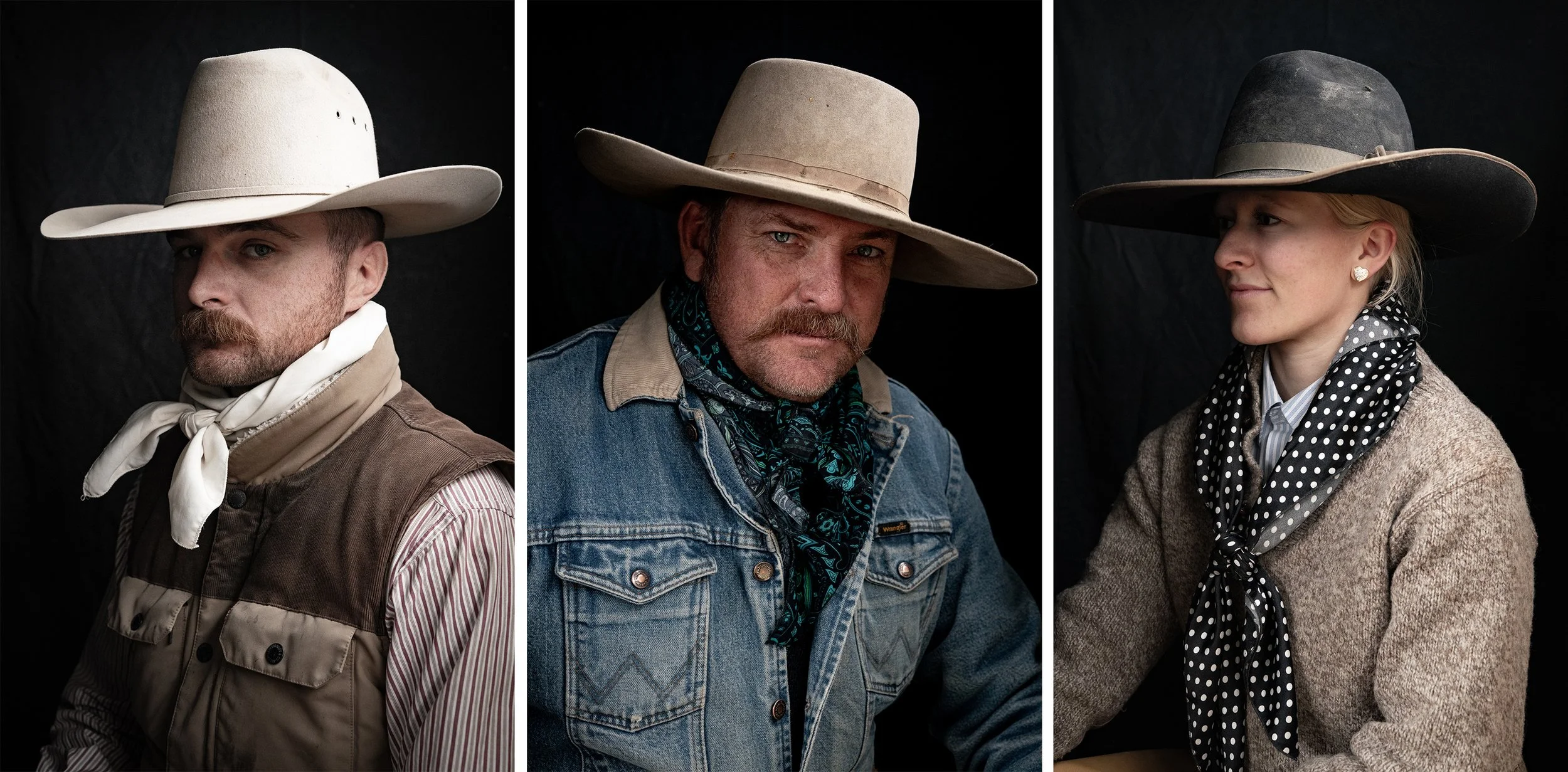
Group of cowboy portraits showing western clothing and character at TS Ranch

A series of buckaroo portraits, each shaped by the work and traditions of the American West.

Frames Magazine

Photography Podcast - Frames Magazine

It’s rewarding connecting with people that you’re on the same page with. The motto at Frames Magazine is “Because excellent photography belongs on paper”. For quite some time I’ve been saying that photography belongs on your wall, not your phone. So you can see the natural connection to the people at Frames. They get it. So I was honored to be interviewed about Roadside Meditations by W. Scott Olsen for their podcast. Scott is as talented a photographer as he is an interviewer and writer. If you’re into long form photo essays about travel, check out the piece he did on traveling the country by train - Scenes From a Moving Window . It’s a lot of fun. Here is a link to my episode on the Frames Photography Podcast.

And here is a link to purchase Roadside Meditations

American Road Trip Photography Book

American Road Trip Photography Book

Photo Book - The Open Road

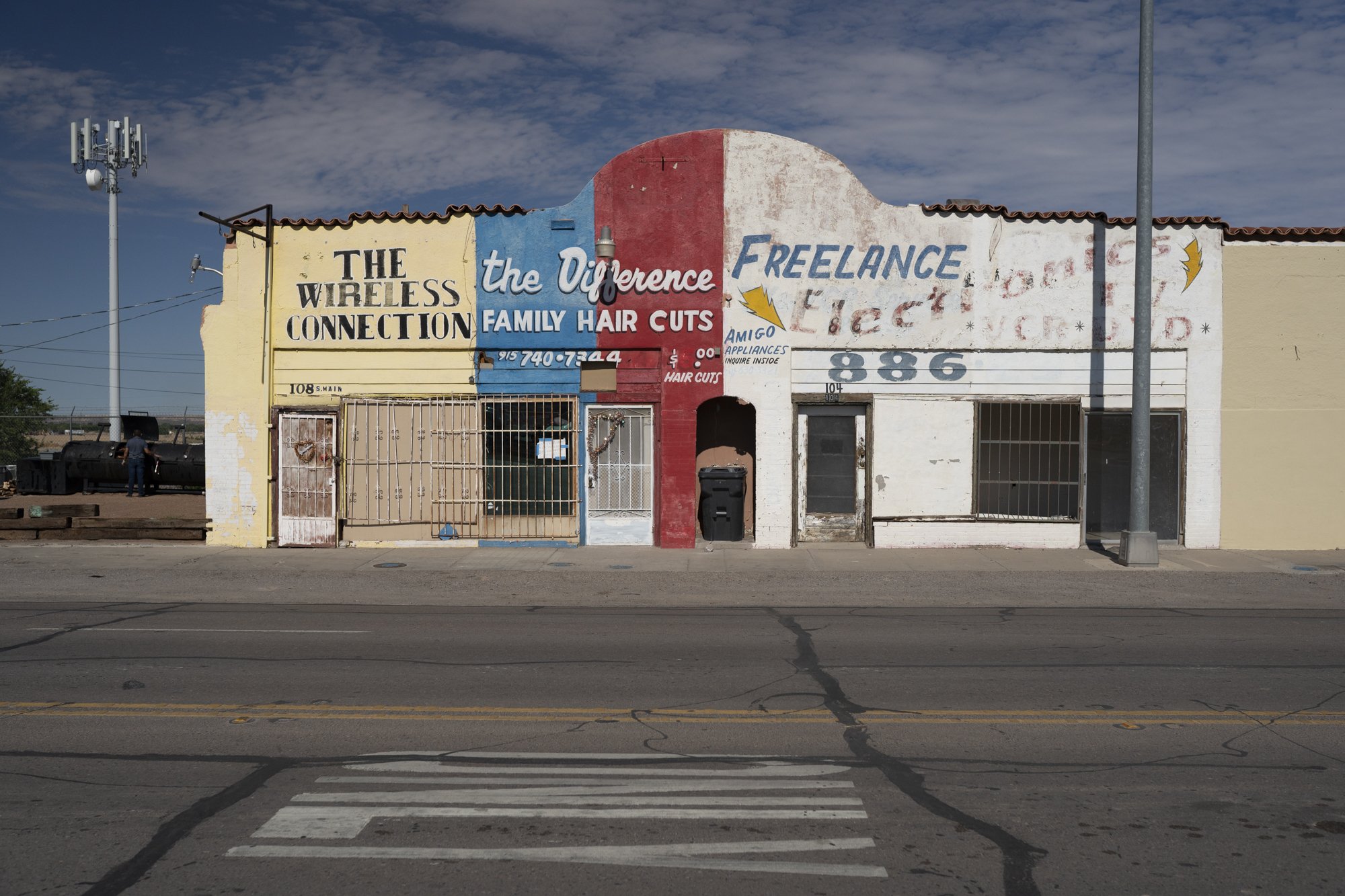
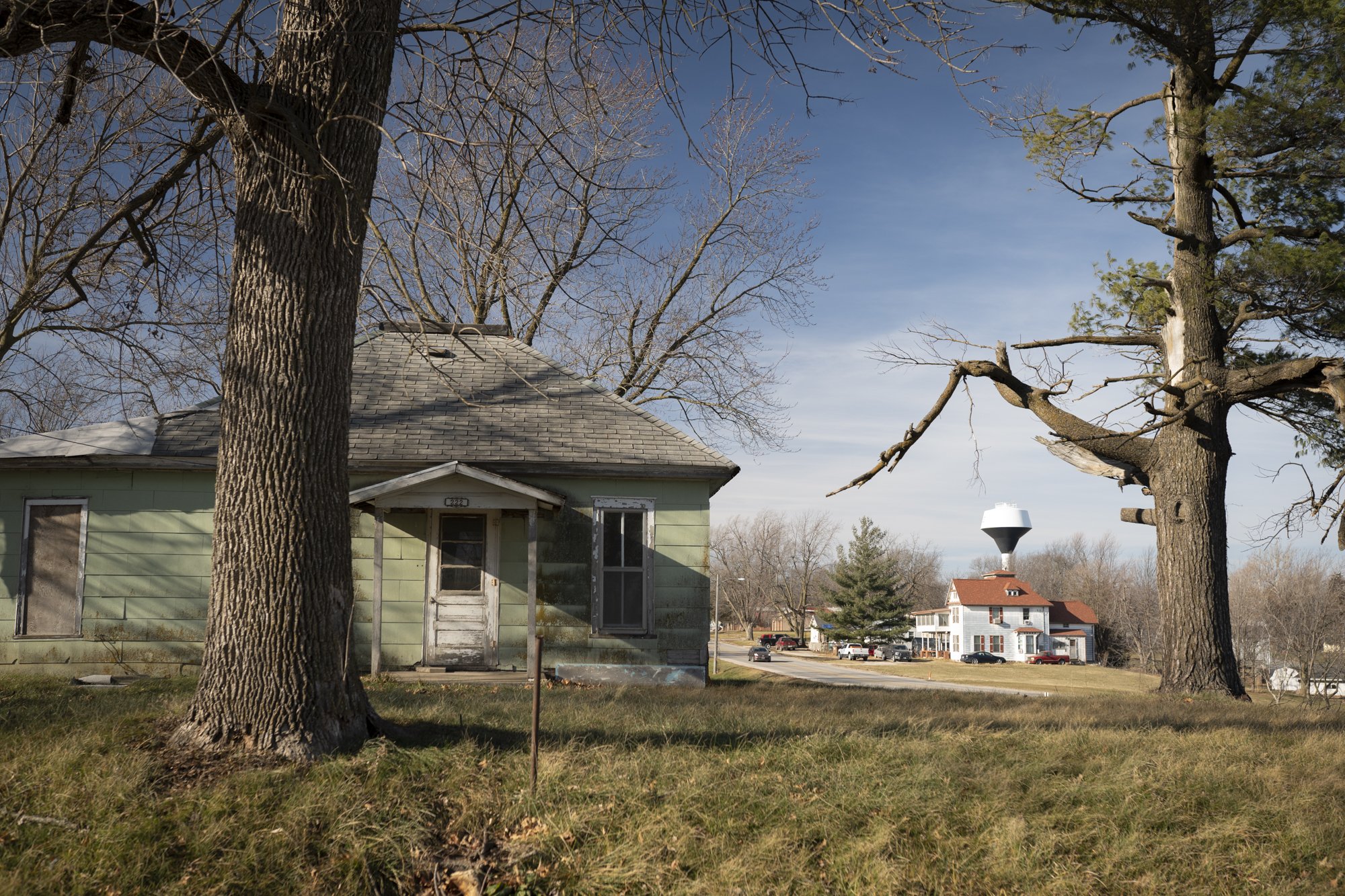
For the past 13 years, I’ve been photographing the quieter edges of America—small towns, roadside motels, empty streets, and the kinds of places most people pass without stopping.

What began as a road trip became a long-term body of work built over hundreds of thousands of miles on the road.

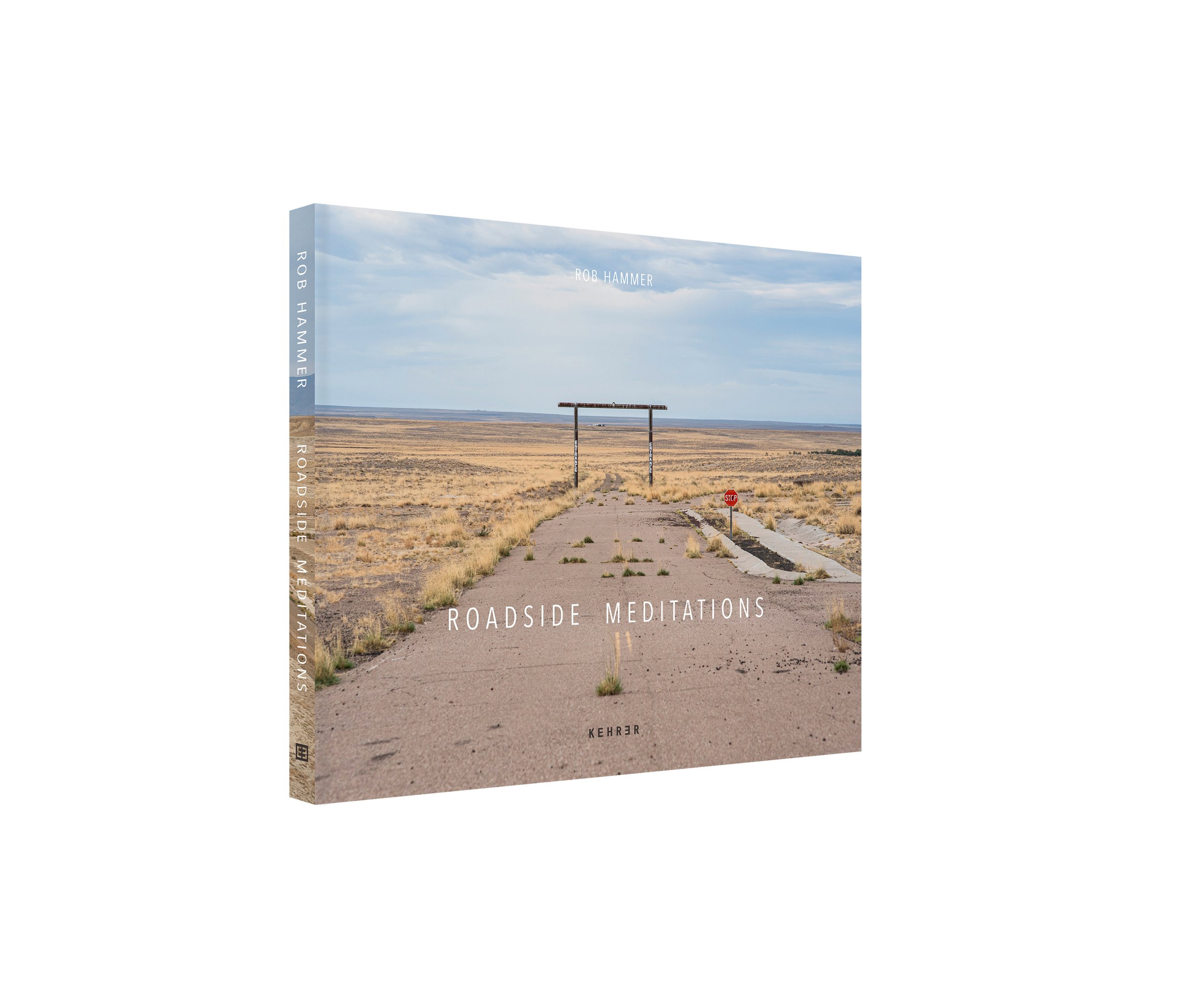
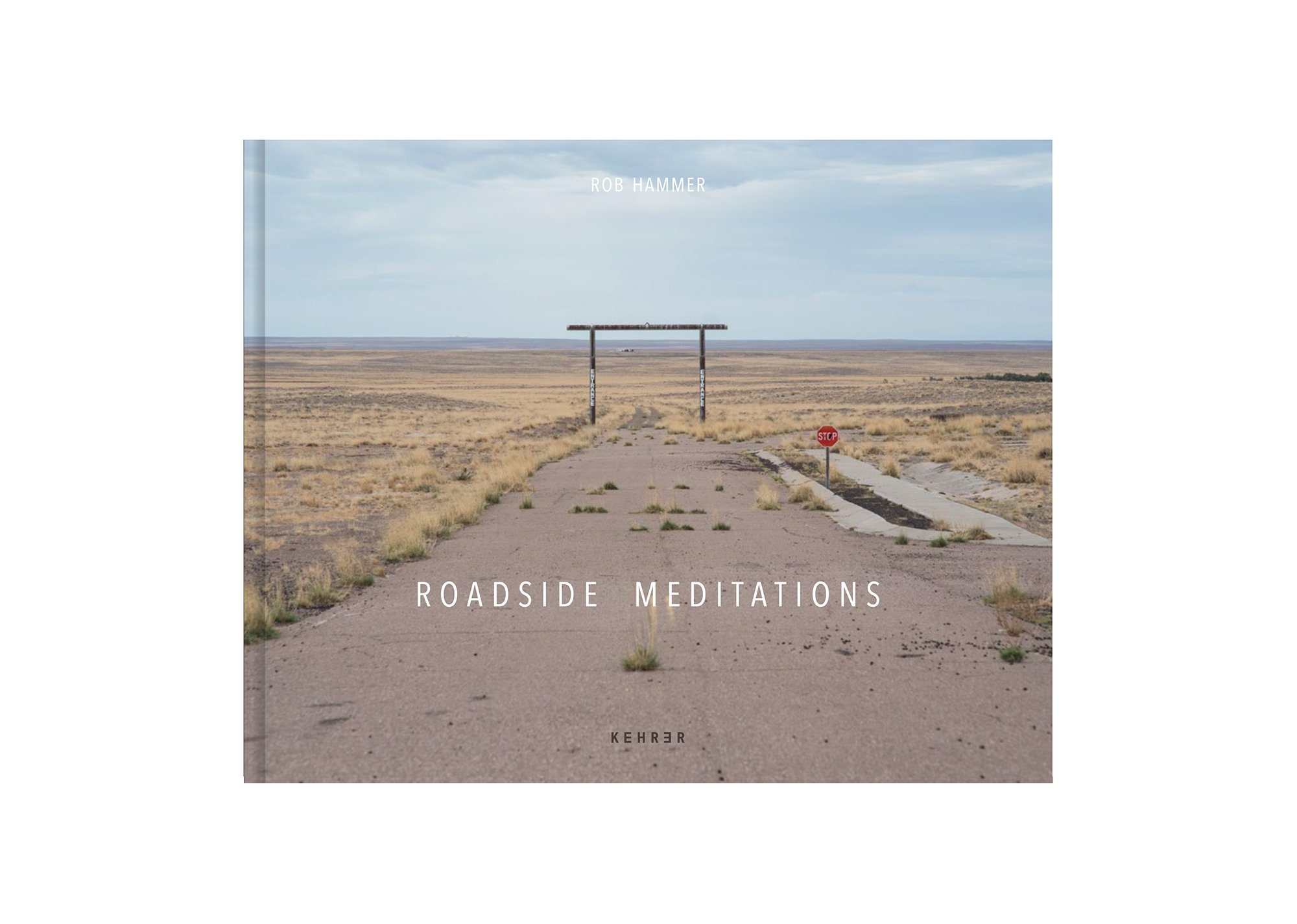
That work is now collected in the book Roadside Meditations.

Roadside Meditations — A Photographic Record of the American Road

This fine art photography book brings together photographs made across the United States, focusing on places that exist just outside of attention.

There’s no single destination or narrative arc. The work moves through the country the same way the photographs were made—slowly, without urgency, and often without a clear endpoint.

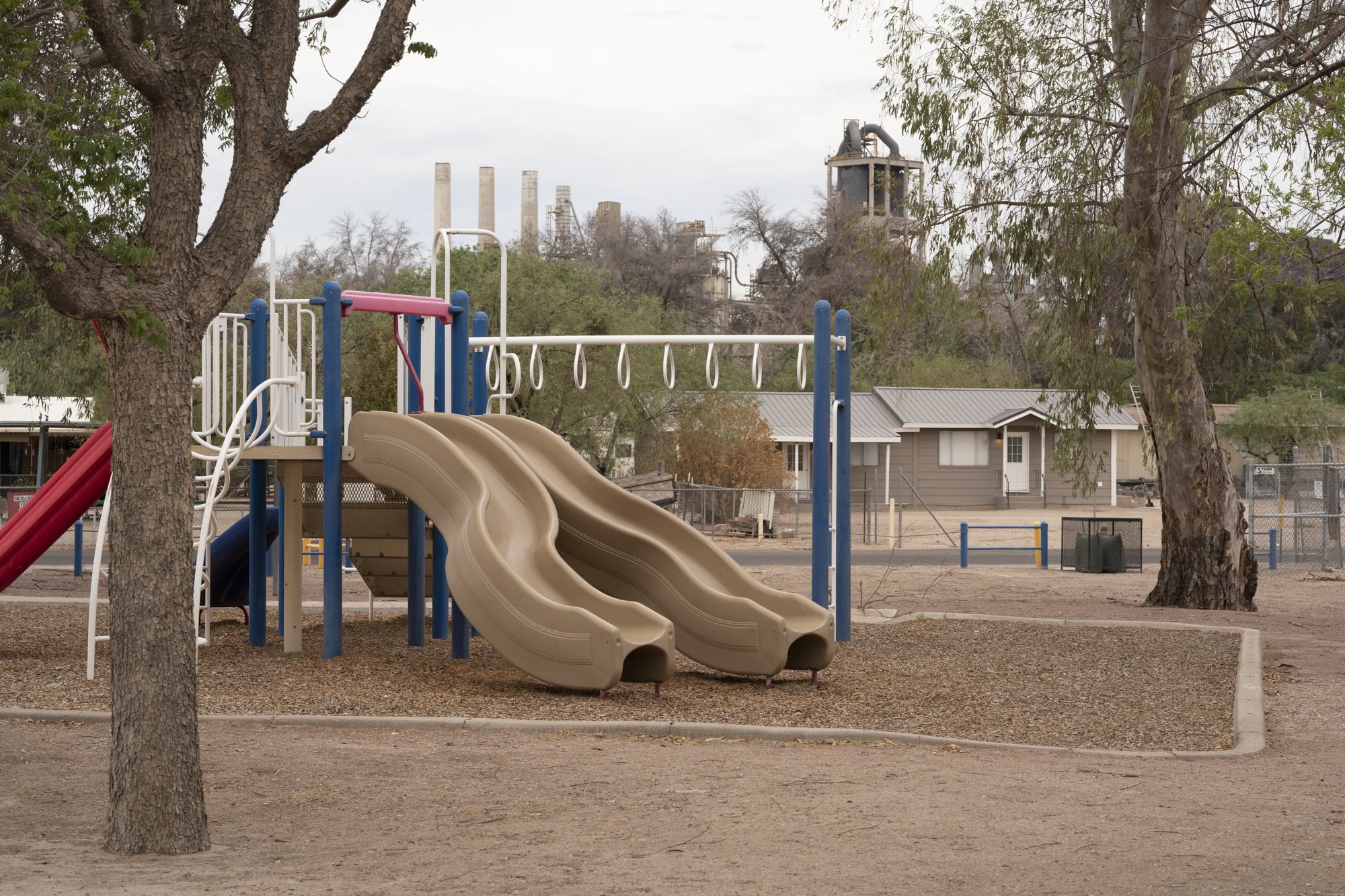
The images reflect towns that feel paused in time, buildings that have outlived their purpose, roadside spaces shaped more by use than design, and landscapes that hold a quiet, persistent stillness

This is not a document of landmarks, but of presence—of what remains when nothing is trying to be seen.

An American Landscape Between Moments

The photographs sit within a tradition of American color work that looks beyond spectacle and into the everyday.

Gas stations, motel rooms, desert edges, storefronts, parking lots—places that are often overlooked, but deeply characteristic of the American landscape.

The interest is in the in-between: The space before something happens. The trace of something that already has. The feeling that time moves differently in certain places

Many of these scenes resist being tied to a specific moment. They exist somewhere outside of it.

The Book

Last week on the drive home from Wyoming I listened to a great podcast with Rick Ruben and Rich Roll. Rick is such a unique and inspiring individual with an immense amount of knowledge from a lifetime of varying experiences. Of the many nuggets he dropped on the show, this one stuck out the most - “The audience comes last, in service to the audience. The audience wants the best thing. They don’t get the best thing when you’re trying to service them. They get the best thing when you’re servicing yourself. When you’re true to who you are”.

That’s an invaluable statement for any creator to hear and it sums up exactly how I feel about photography, for personal projects as well as commercial work. Very rarely do you see commercial work that has any great effect on people or the world of photography, because it’s watered down generic imagery that’s sole purpose is to sell a product and feature the companies logo as many times as possible. Nobody wants to take a risk. They want to play it safe and not ruffle any feathers. Seldom does an ad campaign come out with historical significance or staying power. They are about now! How much can we sell now!!?? So what does this have to do with a photography book? Everything. If I or any other photographer set out to make a book strictly with the audience in mind, it would suck. The intention would be glaringly obvious and the images would reflect a direct lack of caring. The title of the book might as well be Money Grab.

Roadside Meditations is a niche subject that’s not for everyone, which you could argue is the case for any fine art book. If it were for everyone, it wouldn’t be worth a damn. To further Ruben’s above quote, I’d like to share how my latest photo book came to be. A few years back I began collaborating with (now) photo editor/consultant Alexa Becker (Germany). At the time she was working for Kehrer Verlag and I was trying to pitch her one (maybe three?) different book ideas, none of which landed. Her interest in my work seemed genuine though, so I kept in touch. And at one point I reached out asking simply for a consultation on my “America” series. After a half dozen back and forths through Zoom, she pulled a few outlying images from my edit and asked if I had anything else that might go along with it. I did, so she began assembling a side edit. A while later she had the beginnings of Roadside Meditations, and told me to forget all about the America series, because “this” was the book! Turns out she was right, and all the roadside images I made thinking they were just accents to the bigger series, was IT all along. The point is that I never had anything in mind for the photos. I wasn’t making them for anyone but myself, and maybe one or two of them might find their way into a book, print, whatever?? Well, here we are a year and a half later, and a large shipment of books is scheduled to arrive from Germany in less than a half hour. So much has happened since then. I’ve continued shooting images that would fit into a Roadside Meditations Vol. 2, but that’s not the intention. The images are only made because I’m drawn to make them. And it would be a bonus if another book happened to develop. Vol.1 isn’t out in the world yet, so there is nothing to say people even want it, but I’m still a firm believer that “the audience comes last, in service of the audience.”

Collecting the Work

Photographs from Roadside Meditations are available as fine art prints.

Each print is produced using museum-grade materials and intended for long-term display in private collections, interior spaces, and galleries. If you’re interested in prints, please contact me directly - rob@robhammerphotography.com

Purchase the Book

Click here to purchase a copy of Roadside Meditations

Fine art American road trip photography book Roadside Meditations by Kehrer Verlag and Rob Hammer

Fine Art Road Trip Photography Book

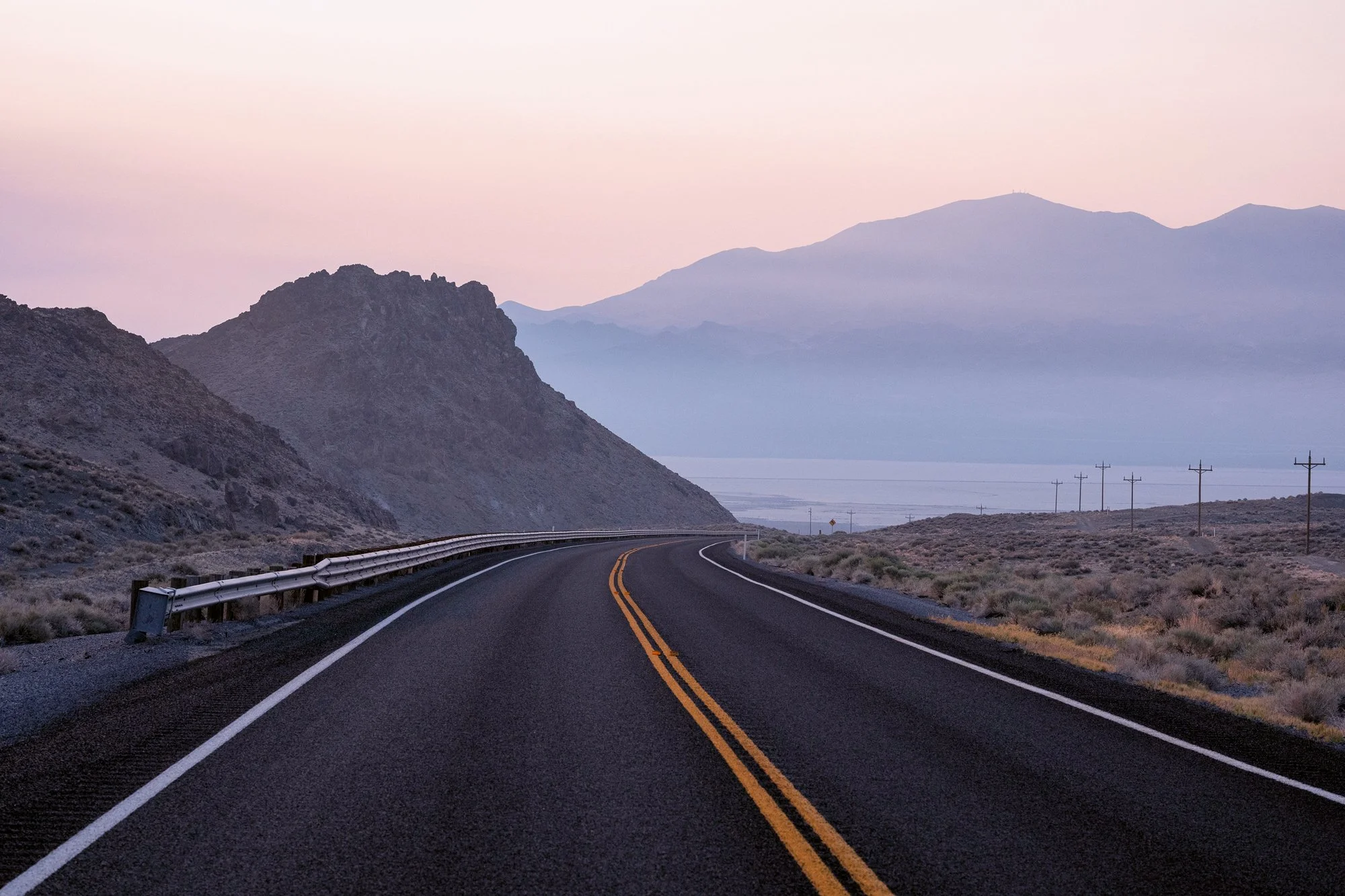
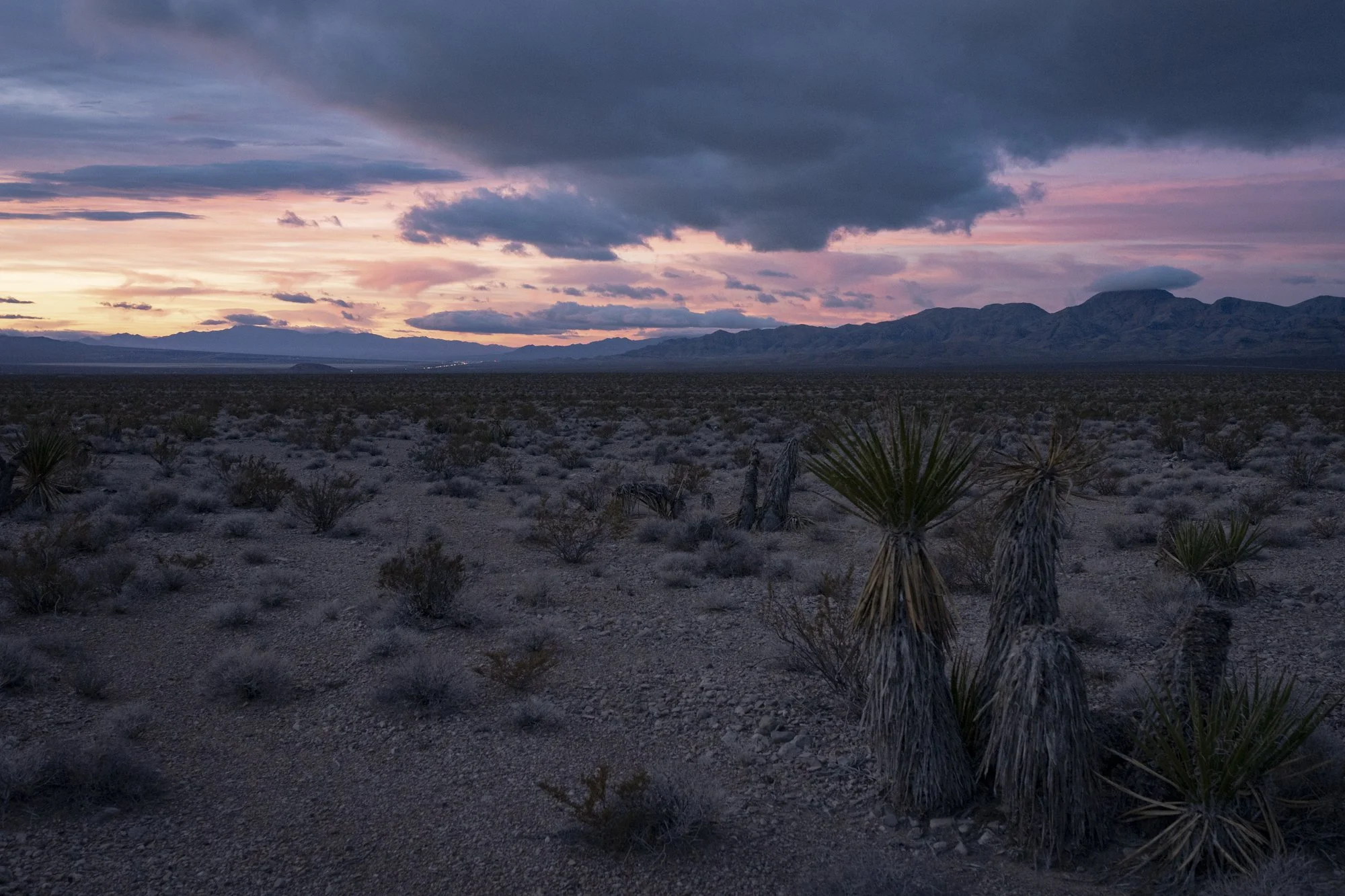
A two-lane road curves into the desert as the last light settles over the mountains.

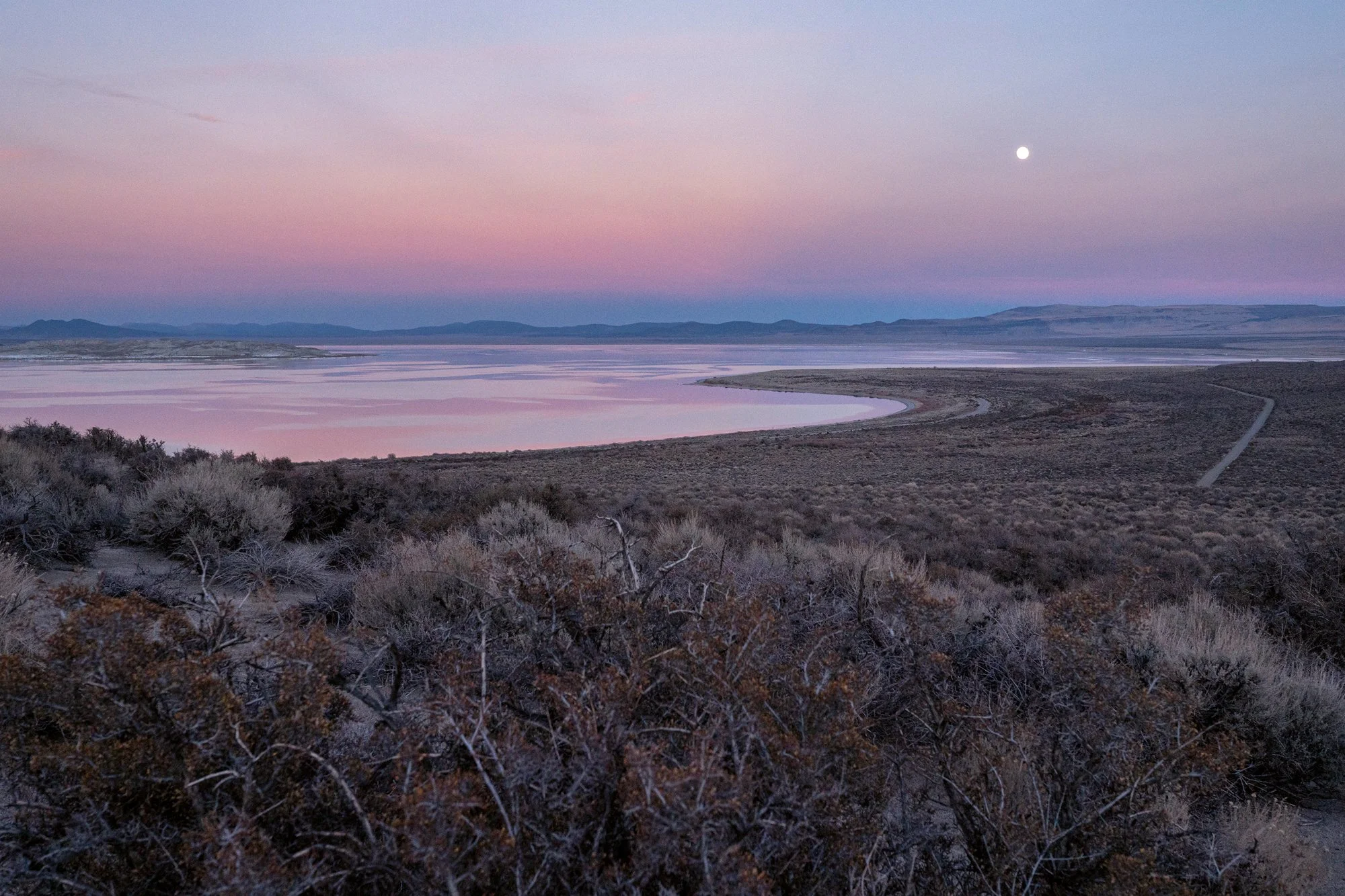
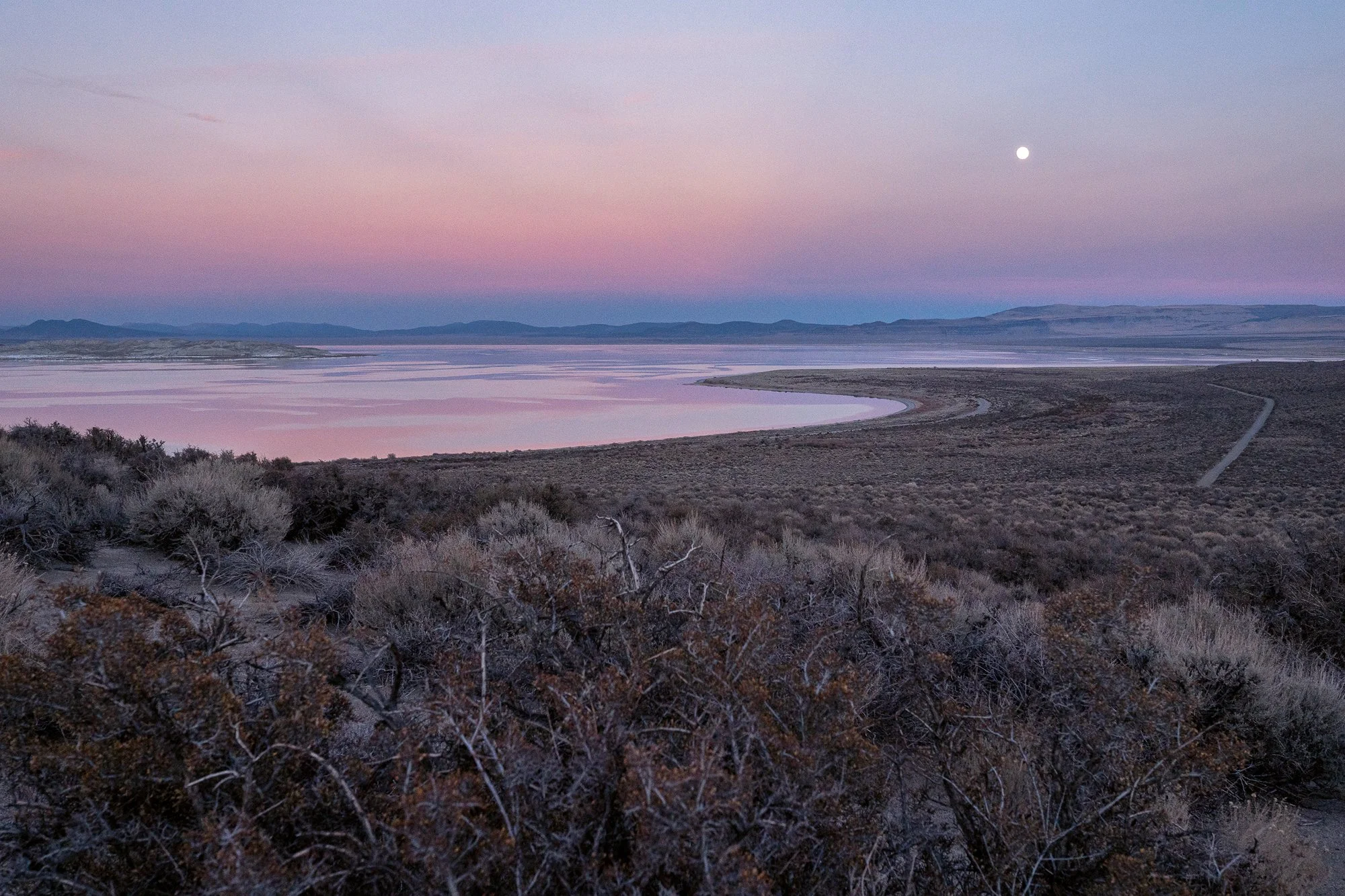
The shoreline bends into still water under a fading sky, the moon rising over the basin.

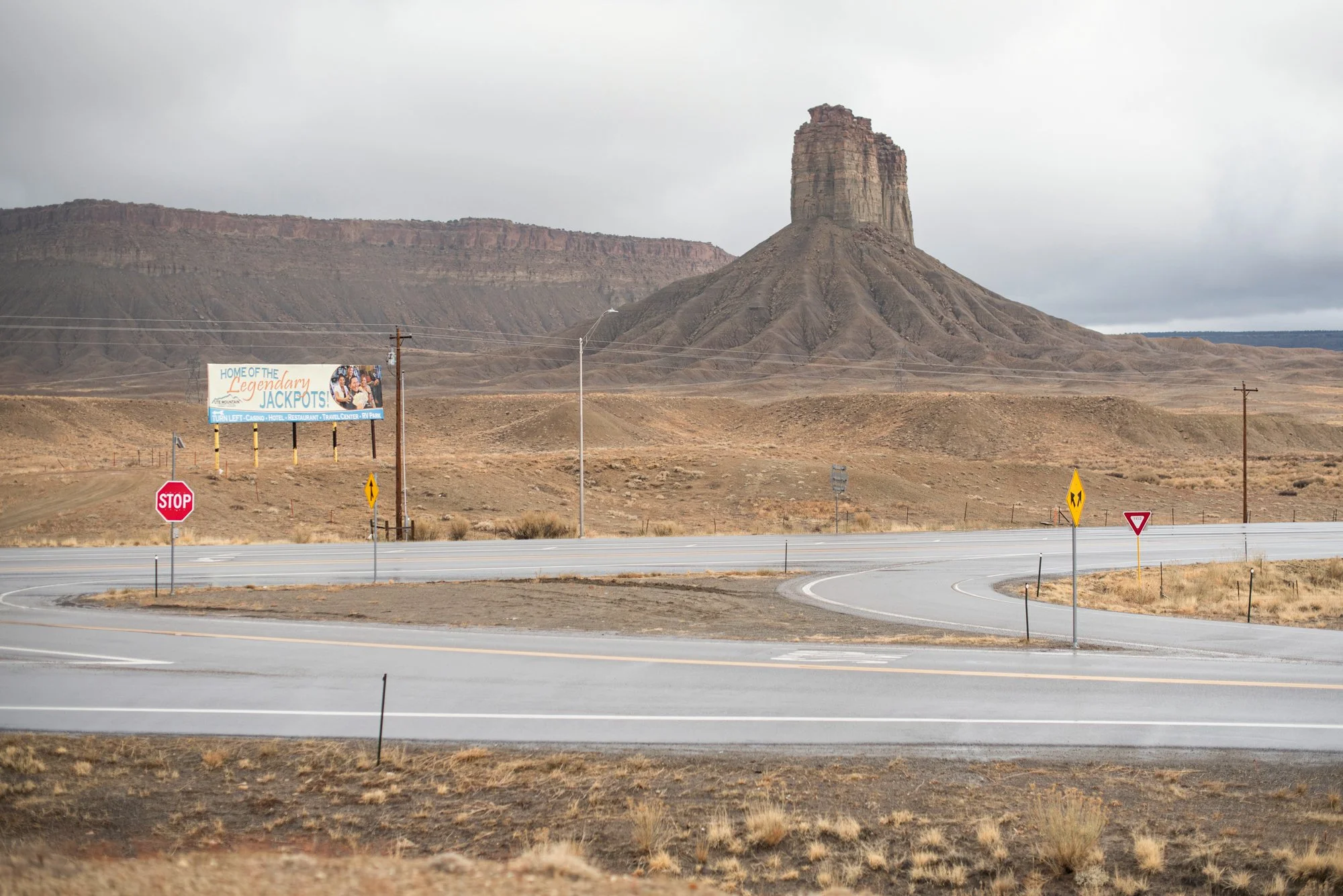
A quiet intersection sits beneath a weathered formation, where signage meets open land.

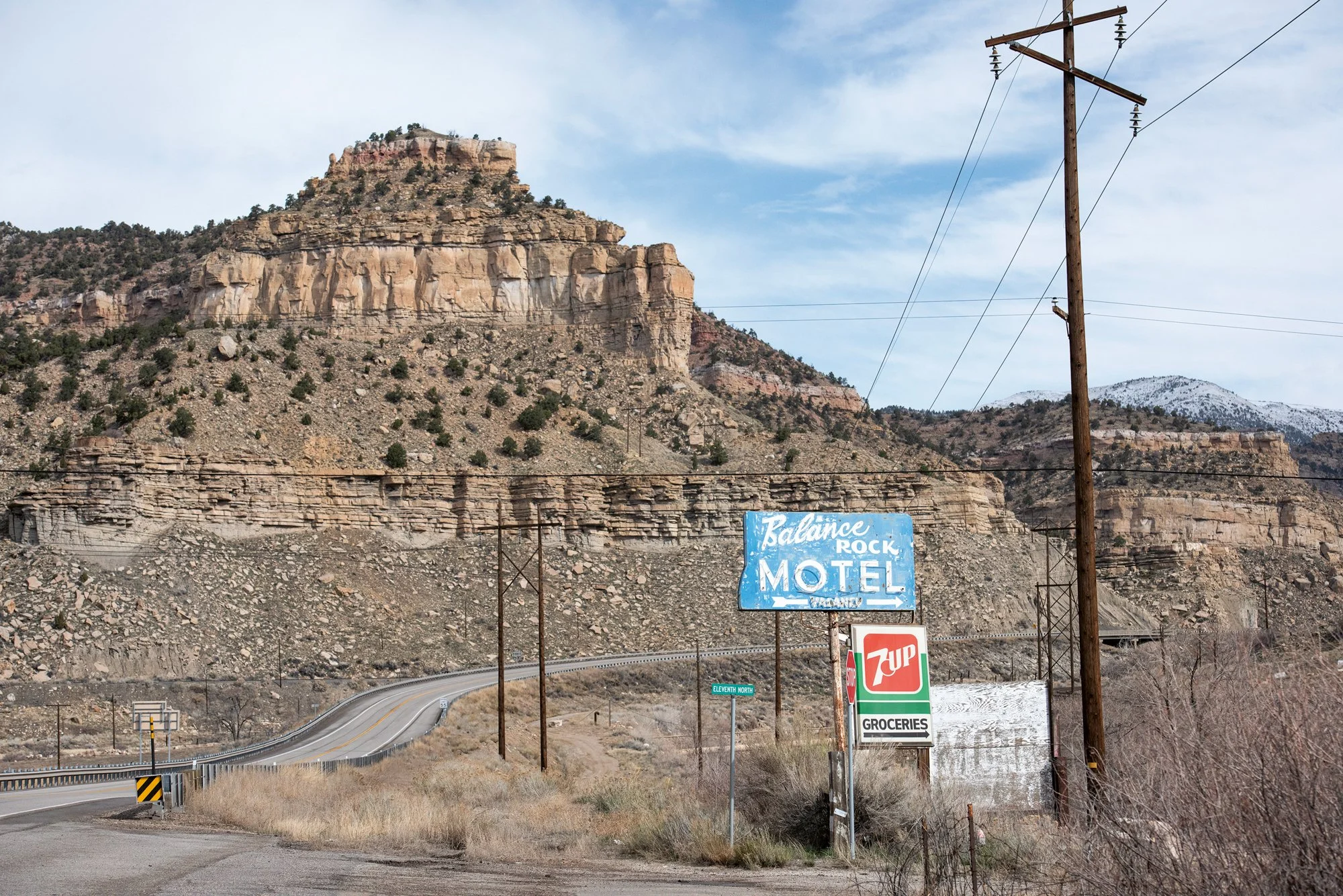
A roadside sign marks a place to stop, set against the slow movement of the landscape.

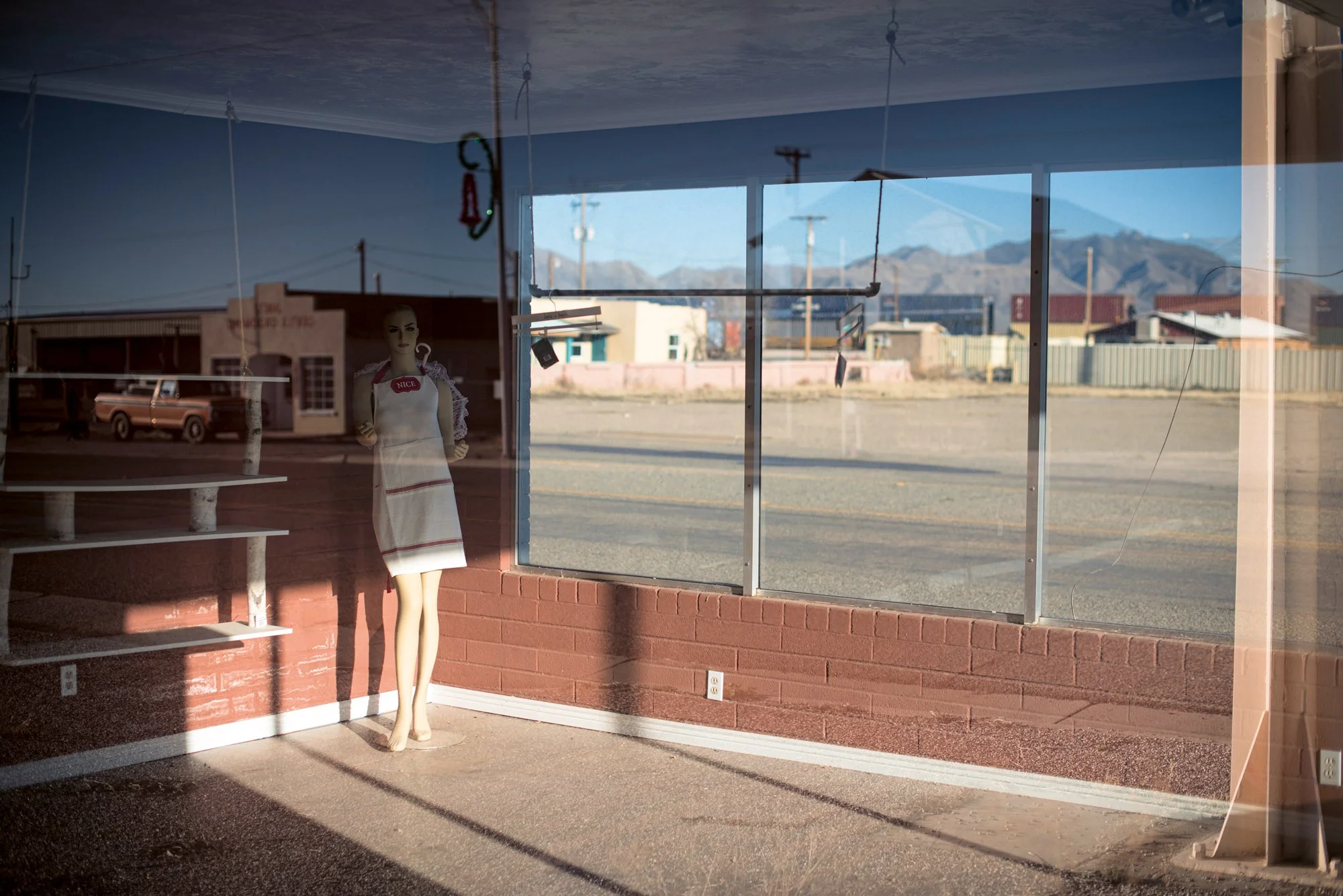
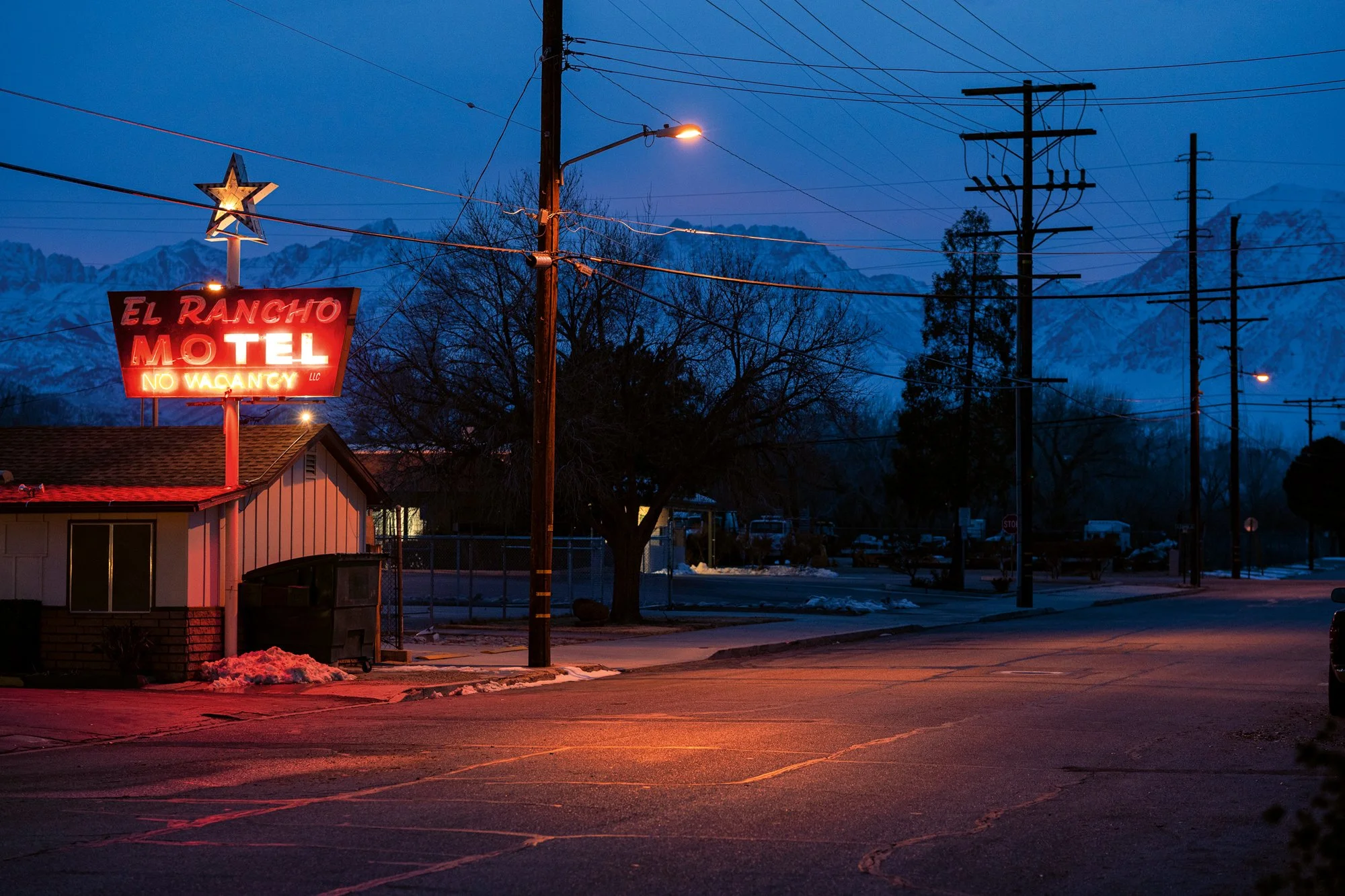
Neon light spills onto an empty street, holding the only sign of activity after dark.

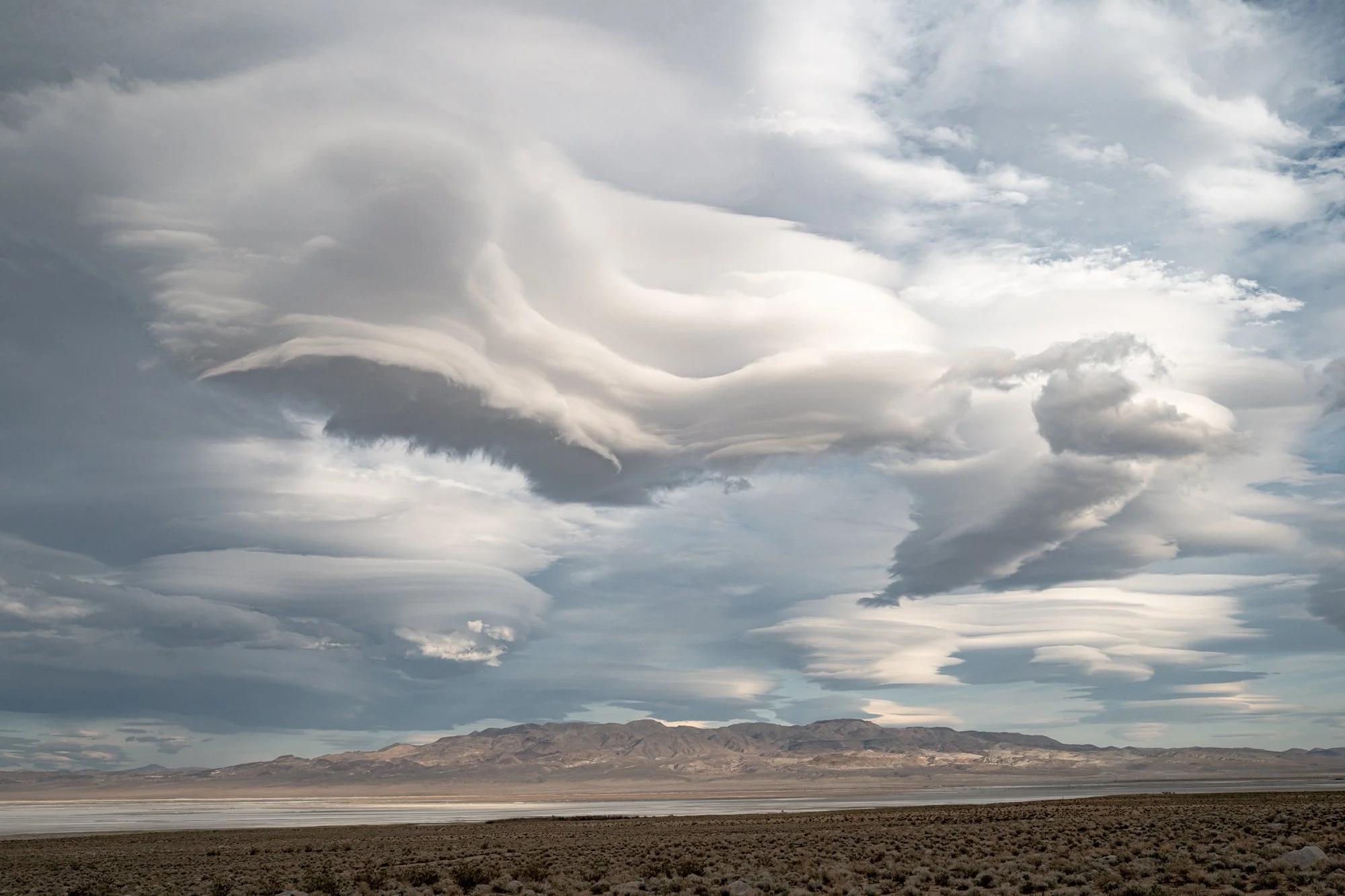
Expansive desert landscape with dramatic cloud formations over vast basin

Clouds gather and stretch across the basin, moving slowly over an open and unchanged landscape.

Basketball Wall Art For Modern Interiors

Basketball Wall Art Ideas for Modern Interiors

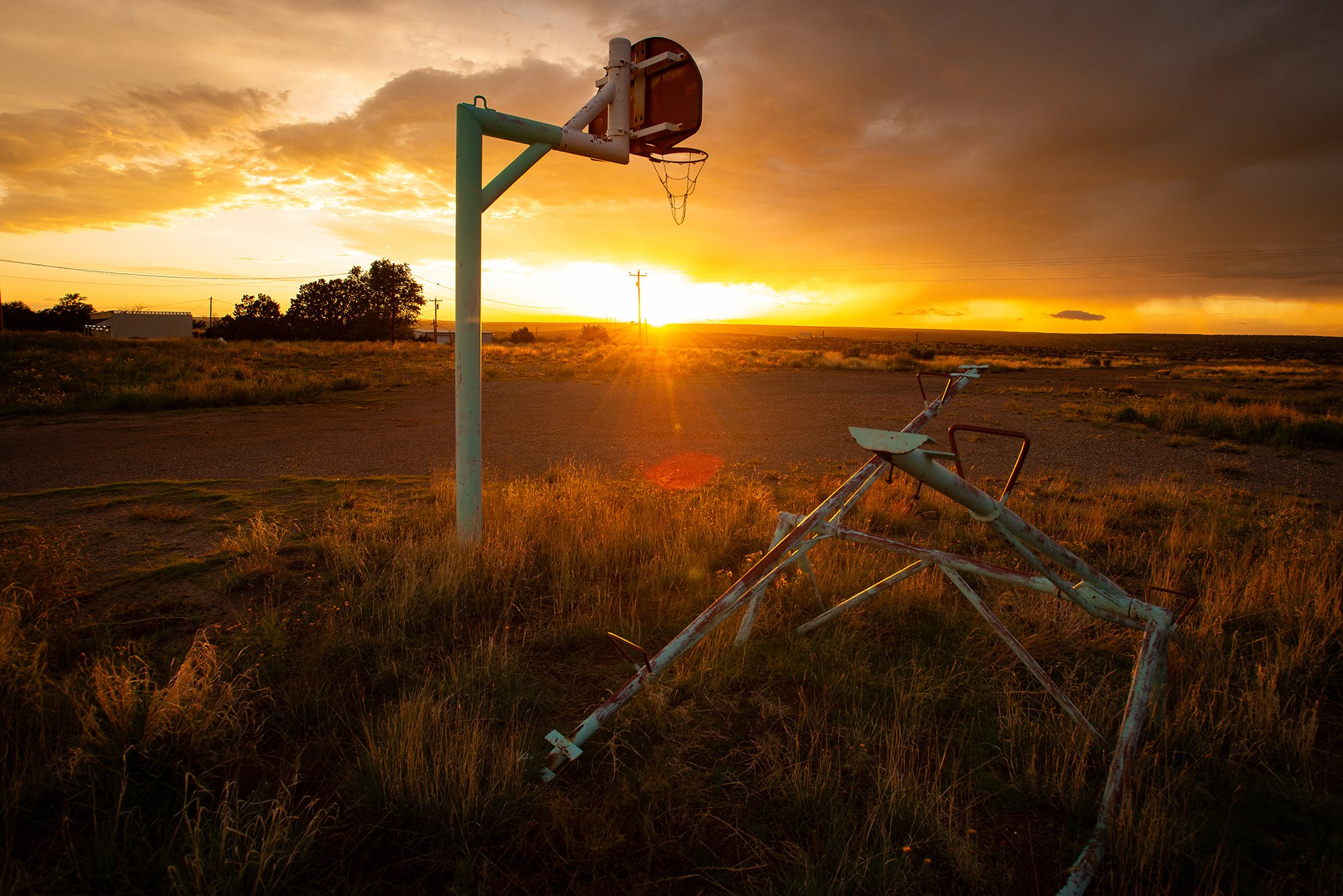
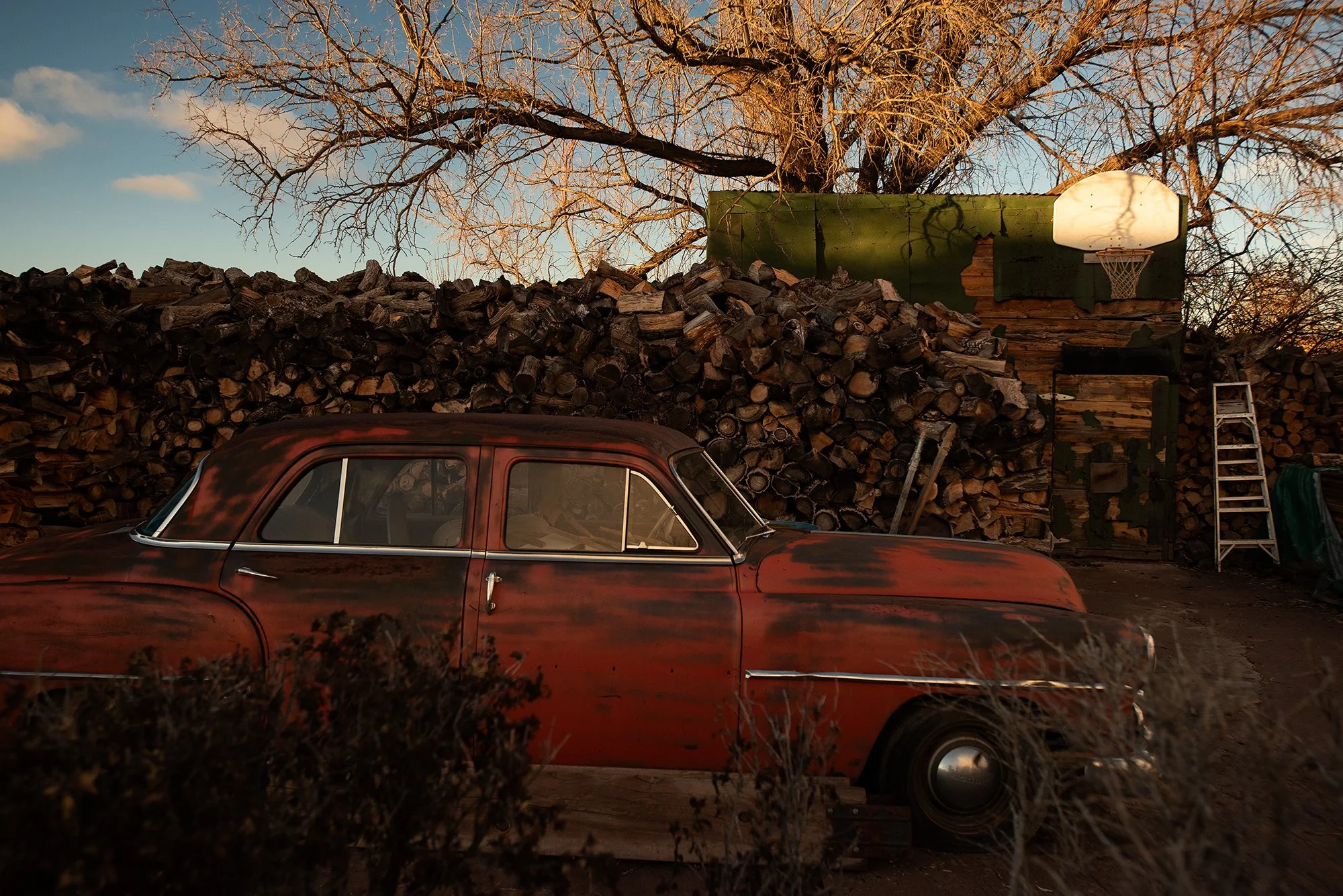
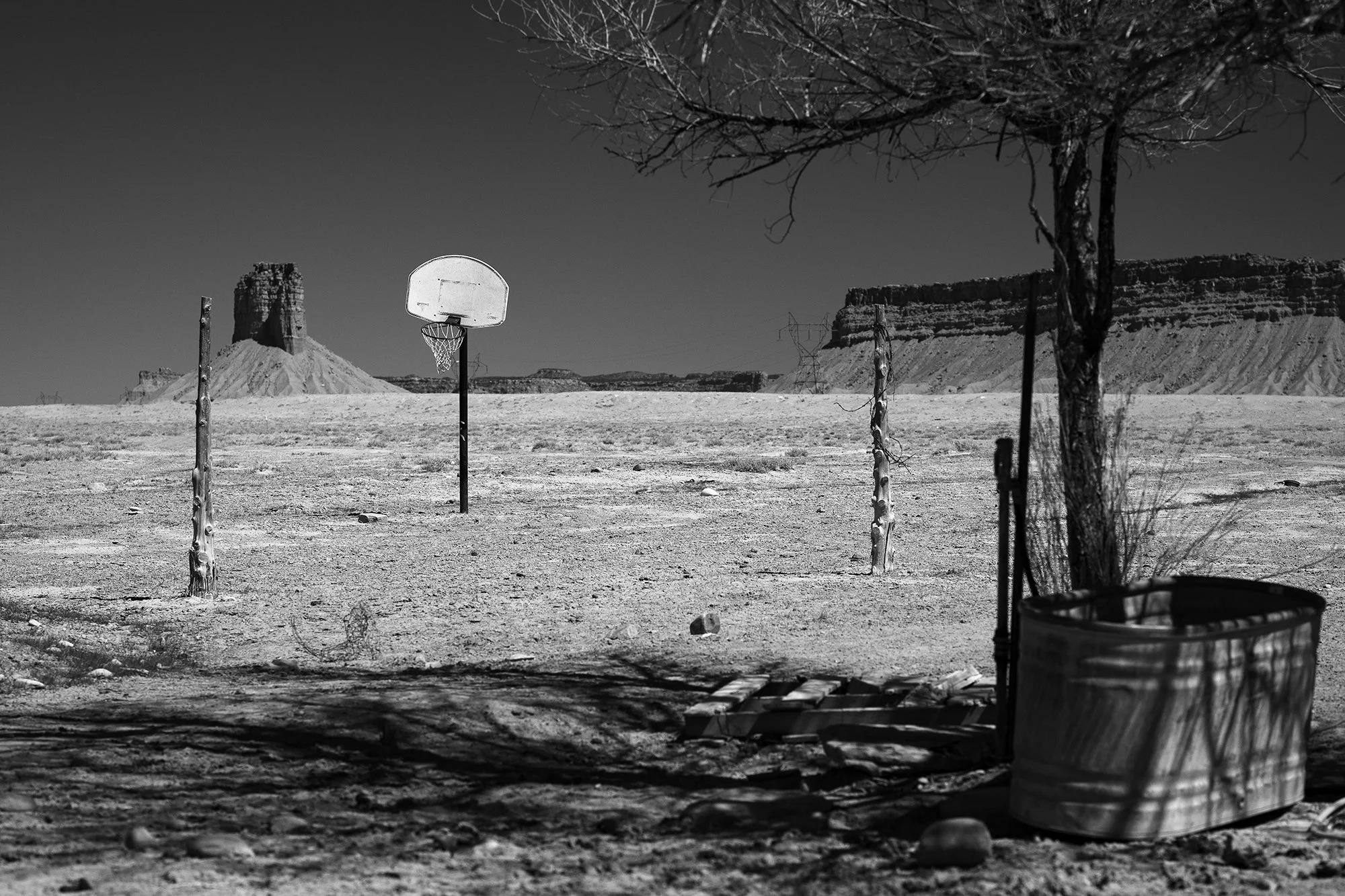
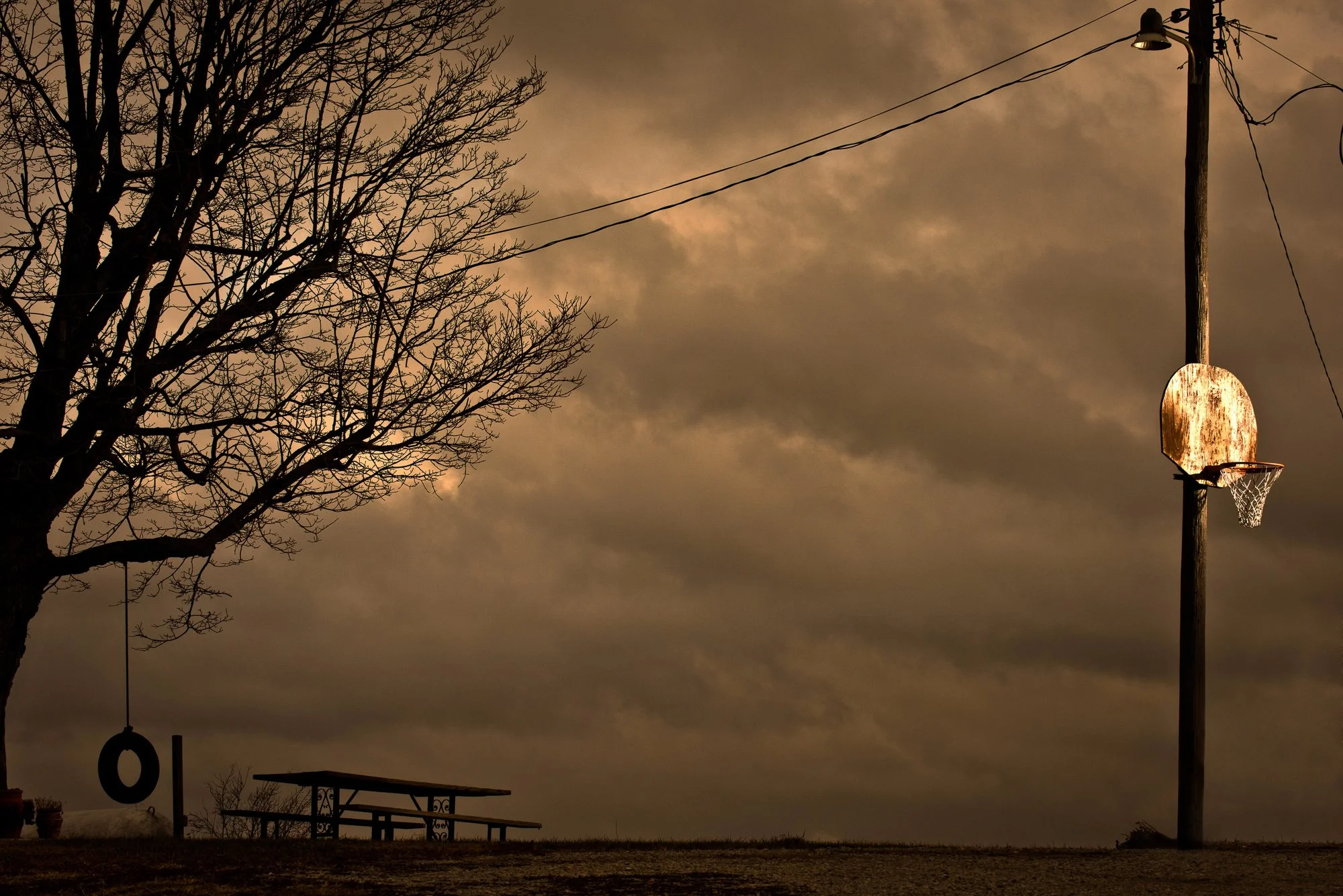
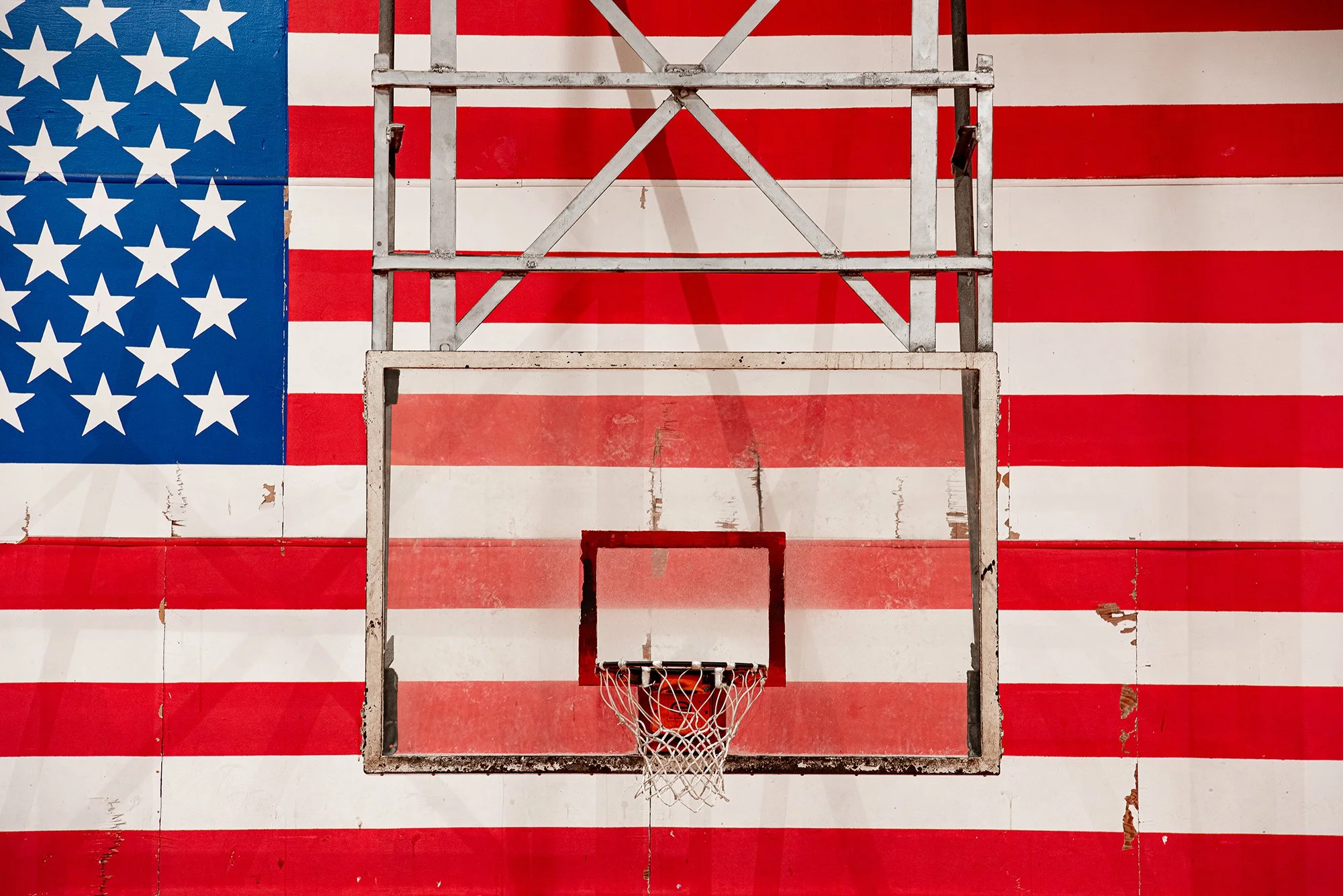
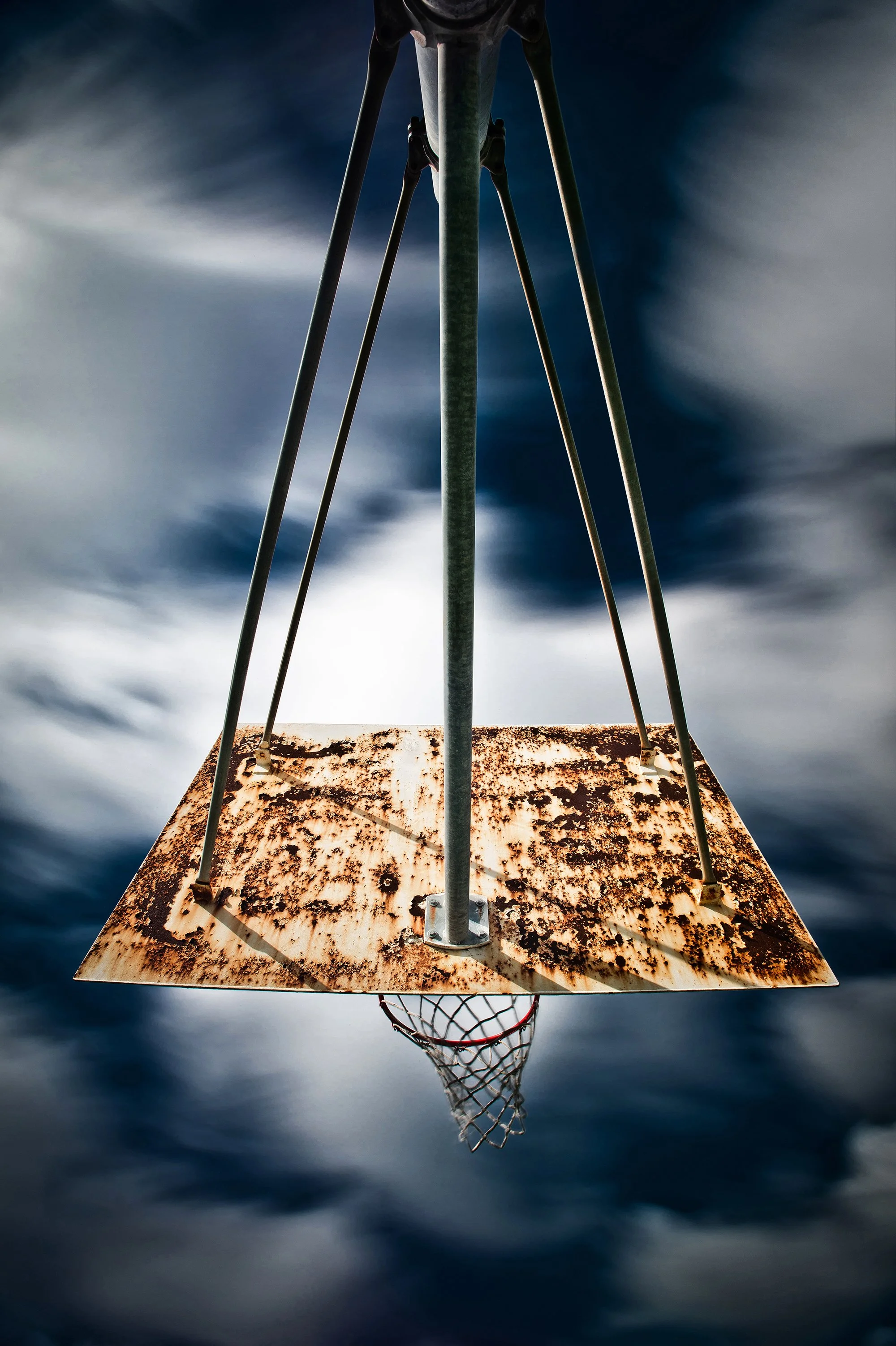
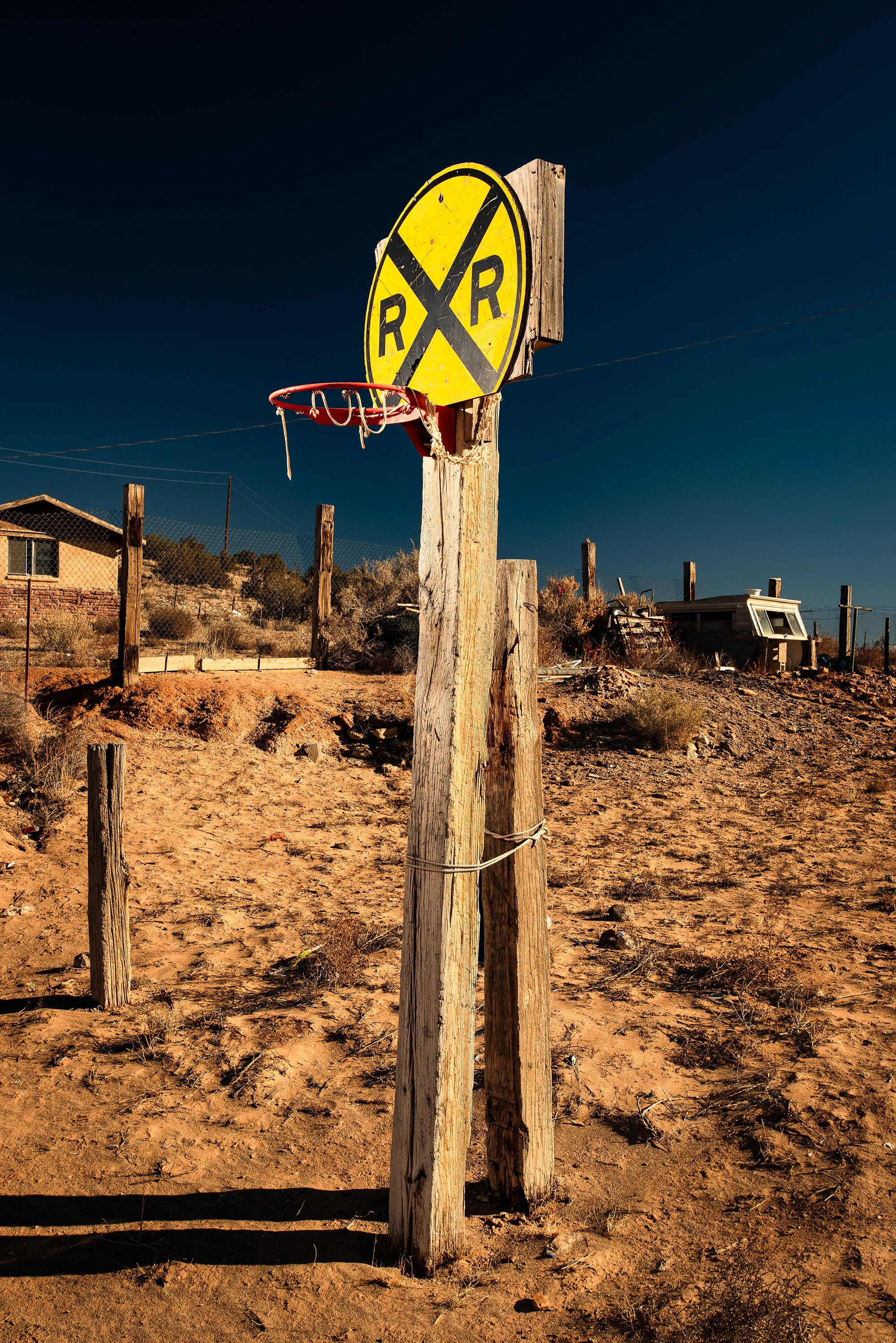
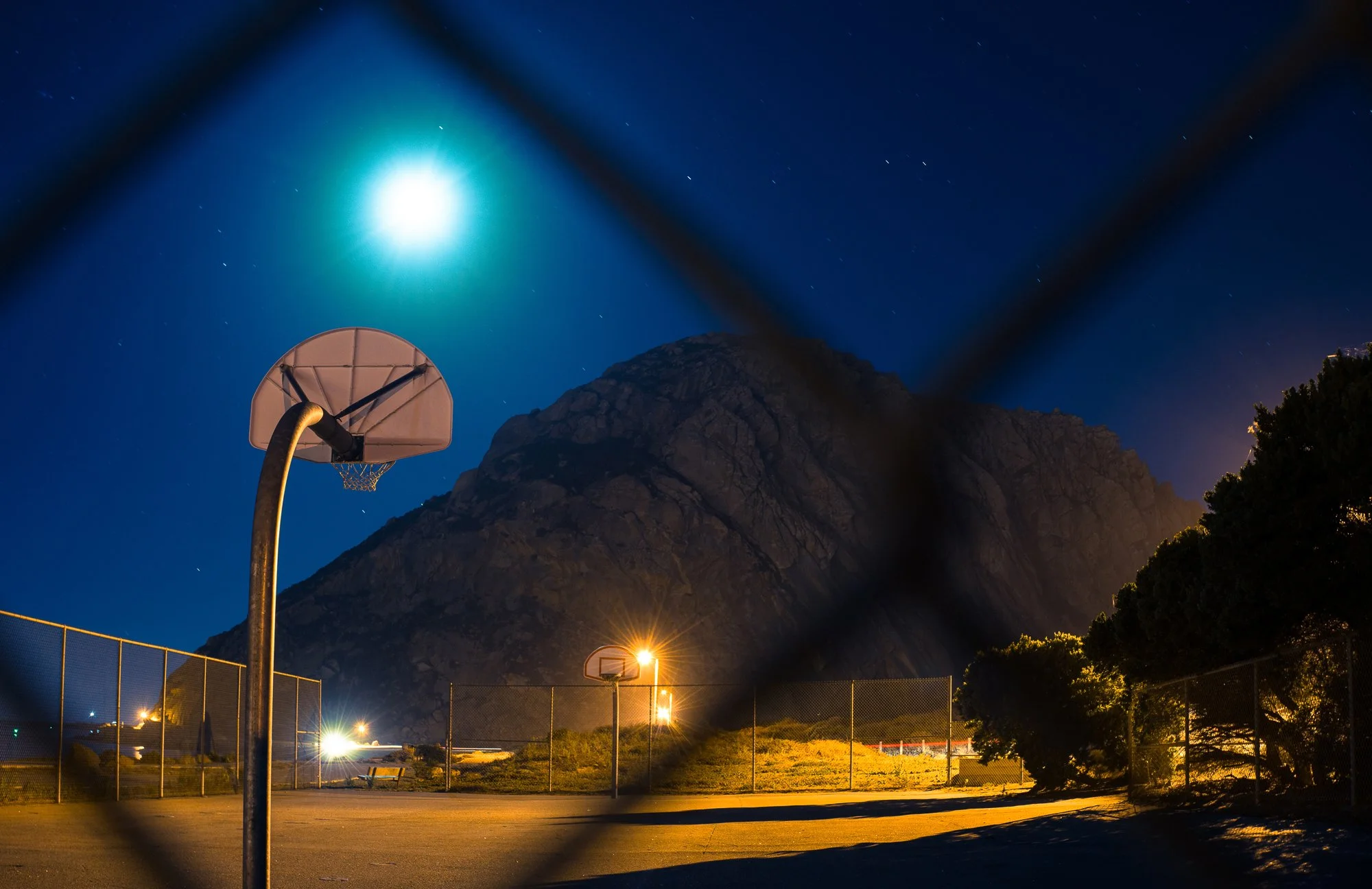
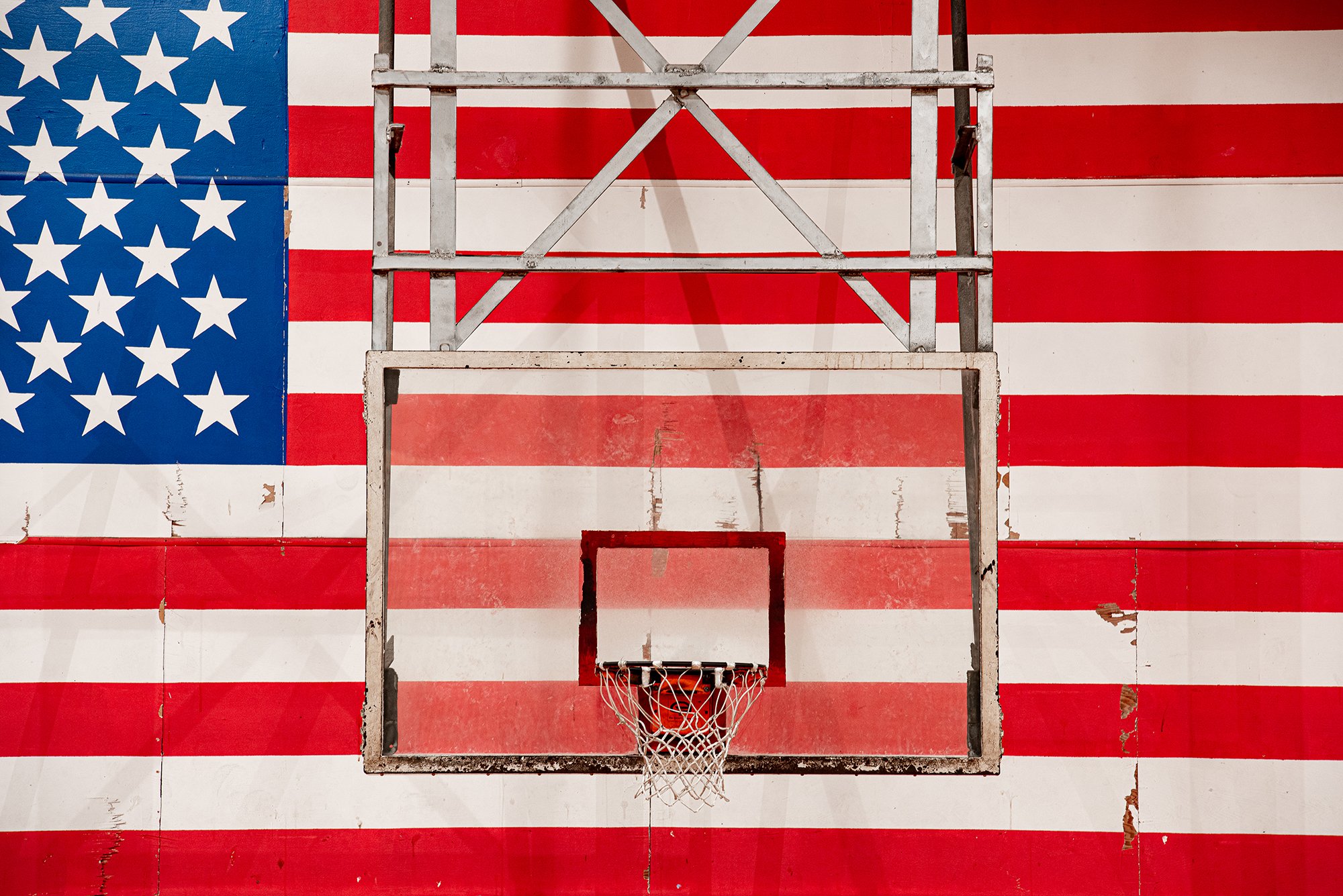
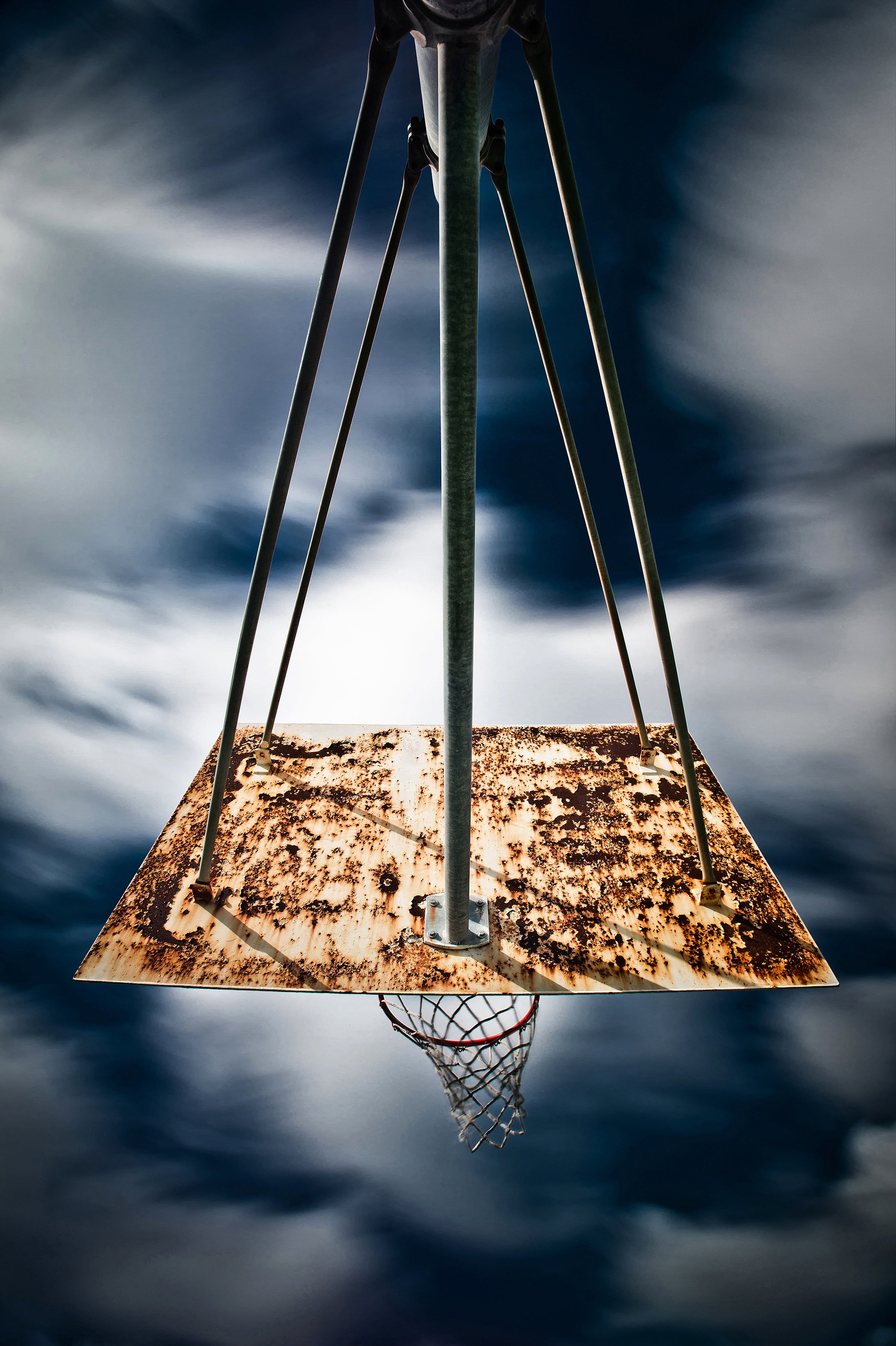
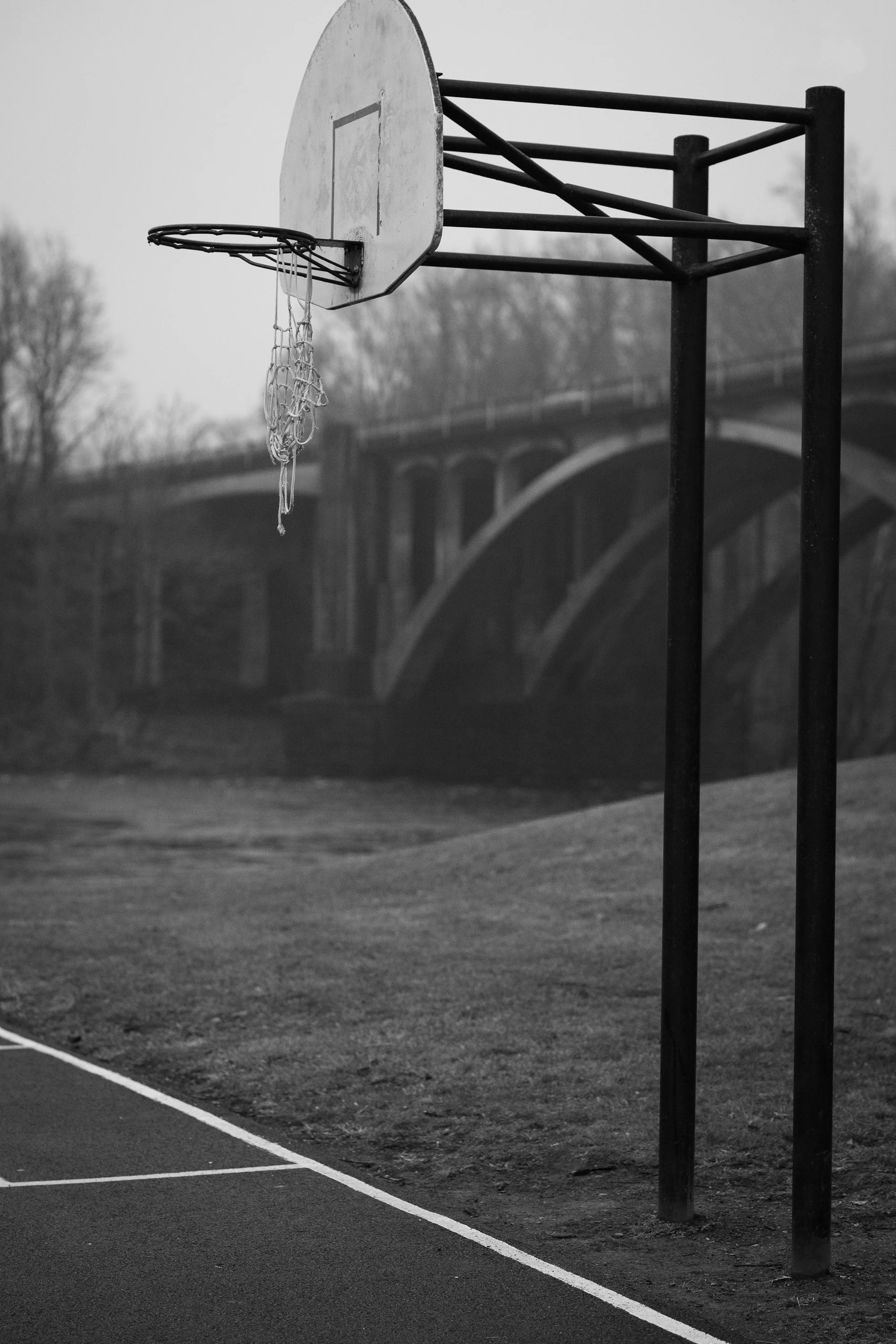
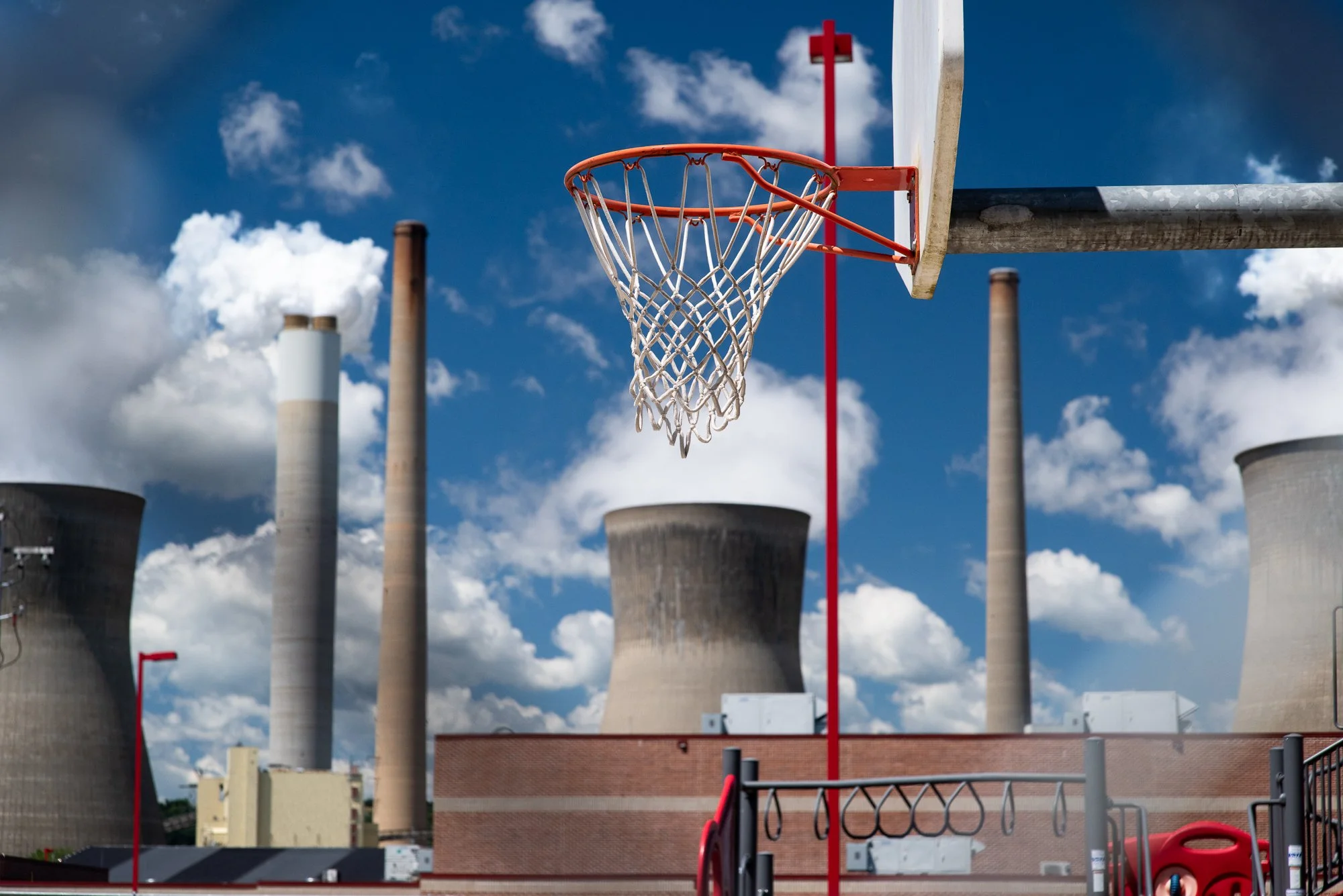
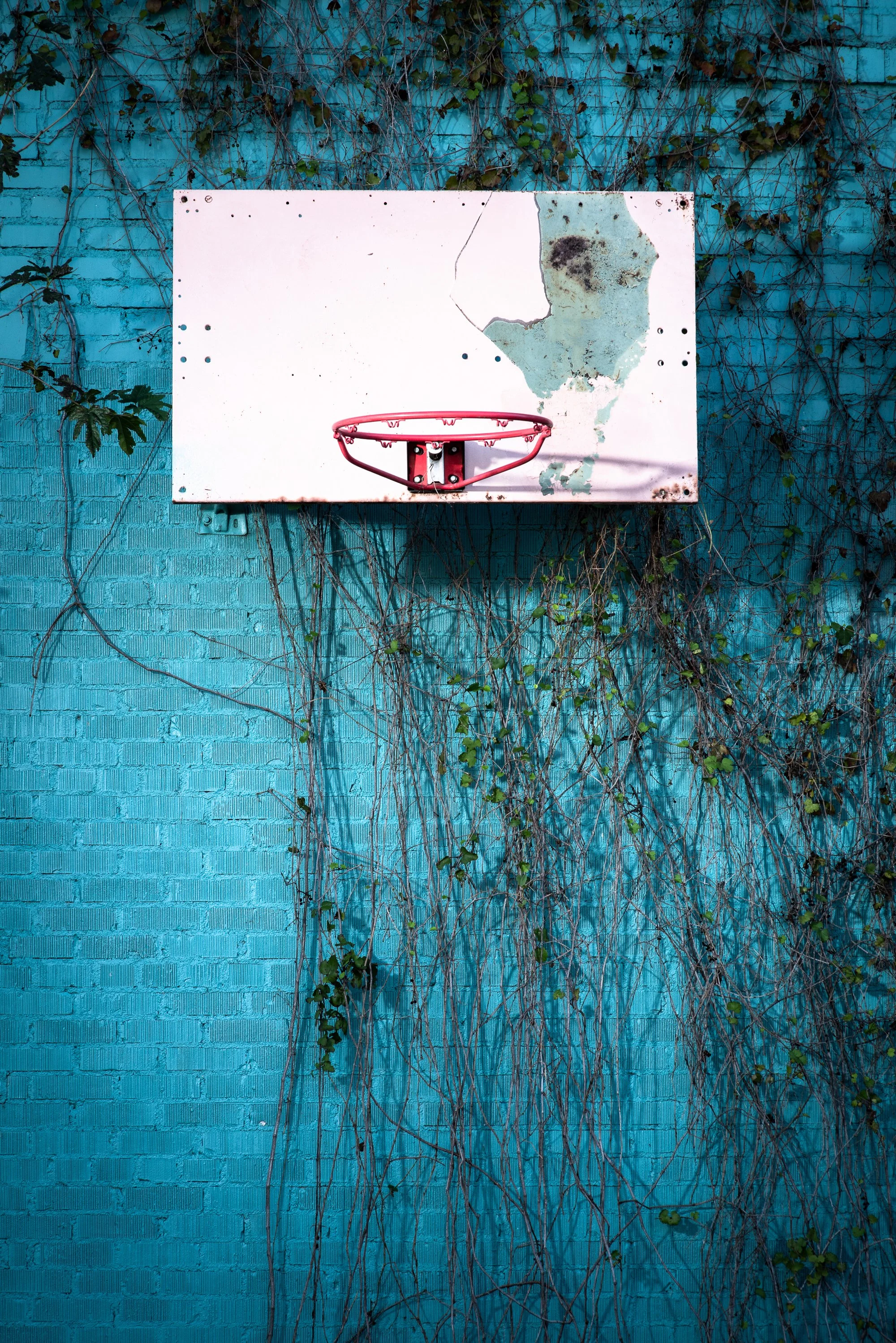
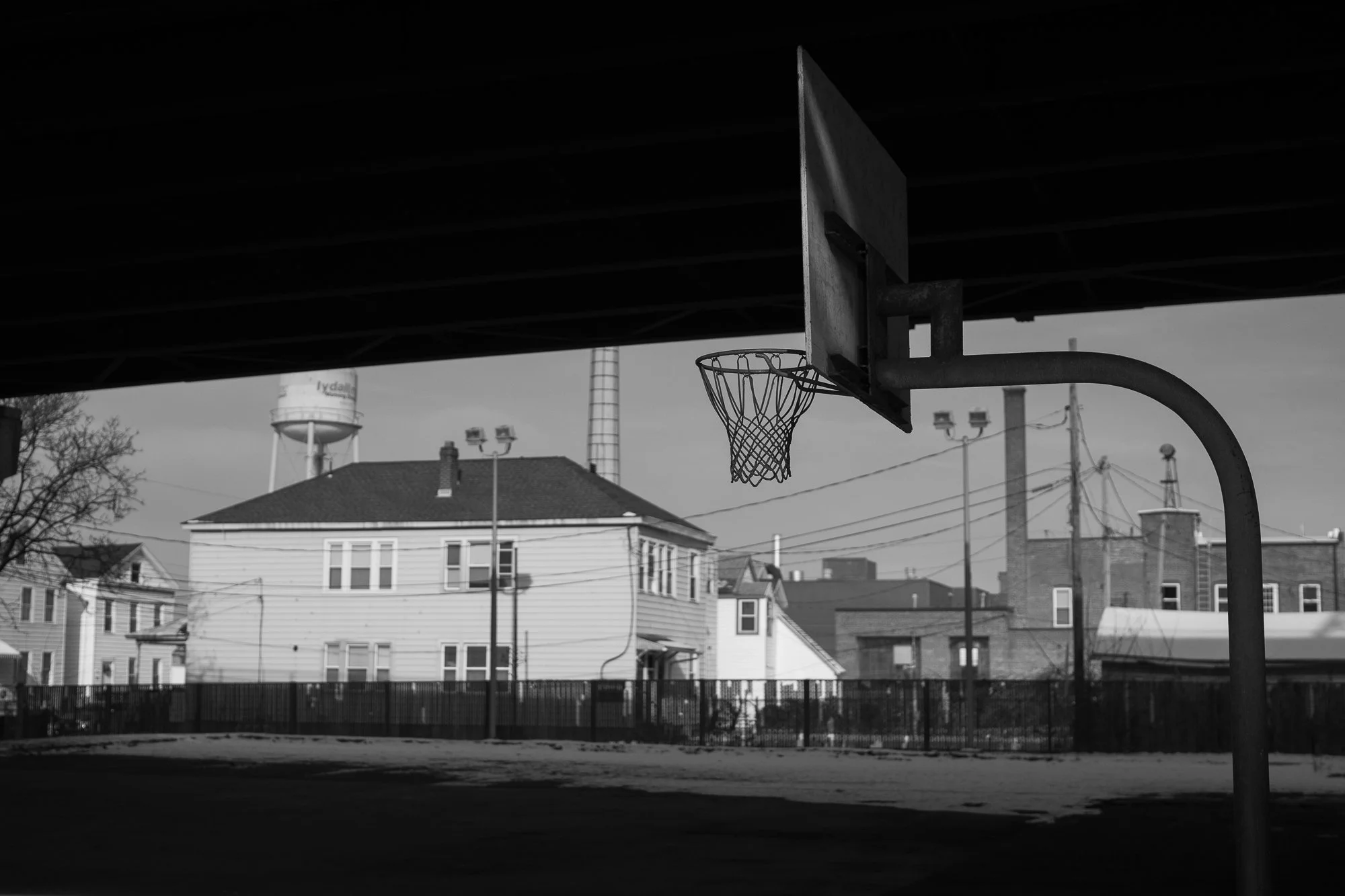
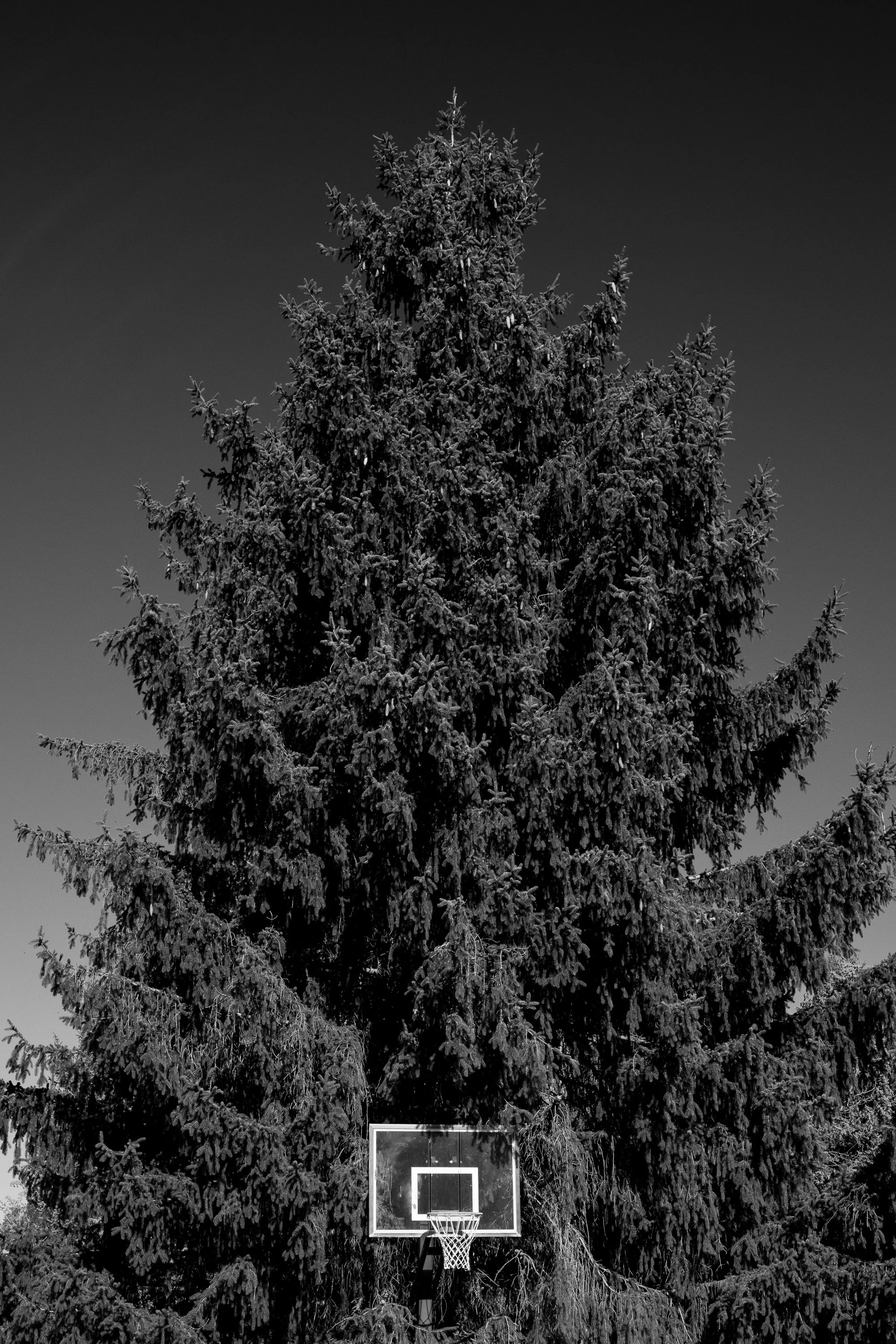
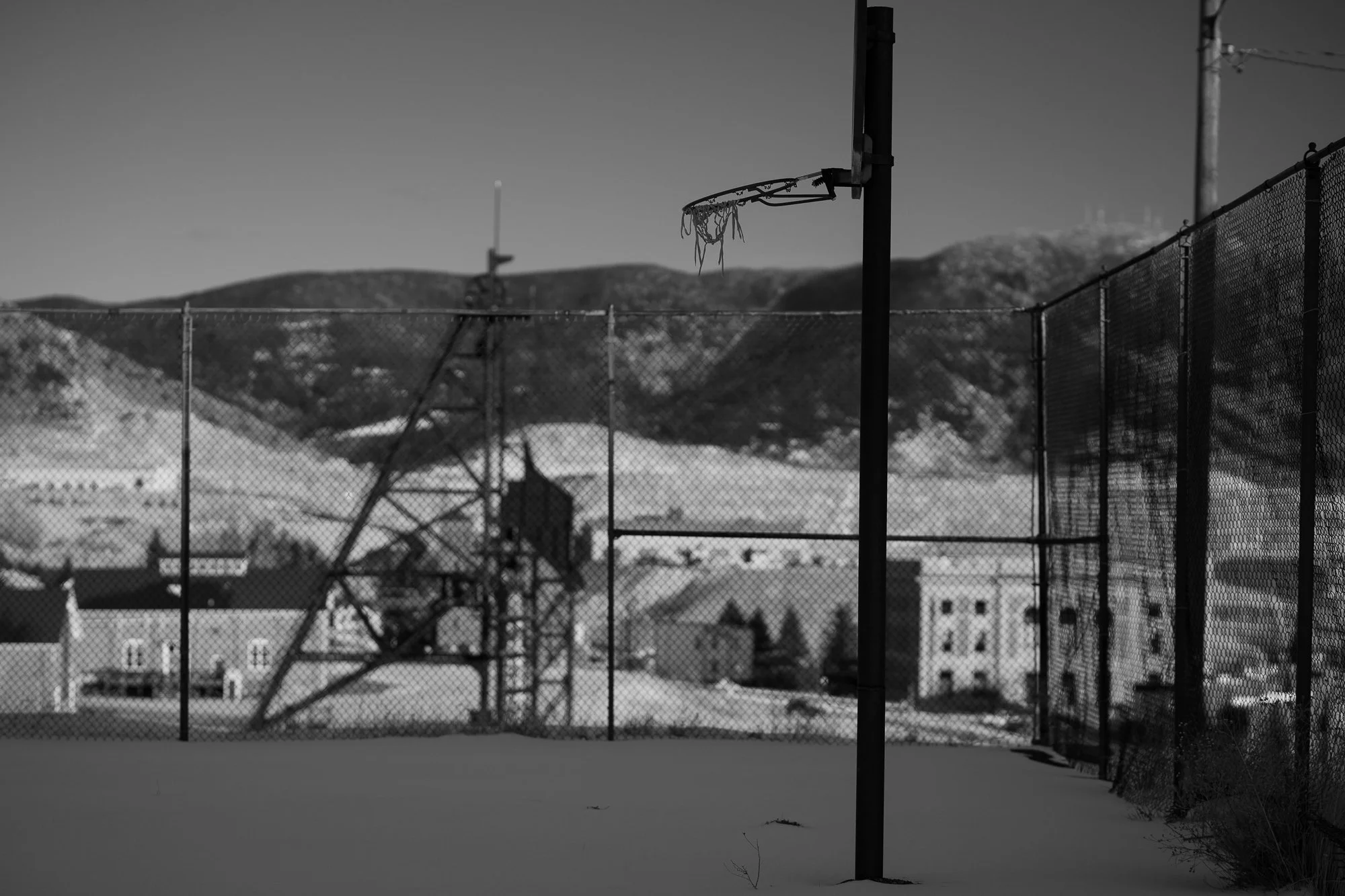
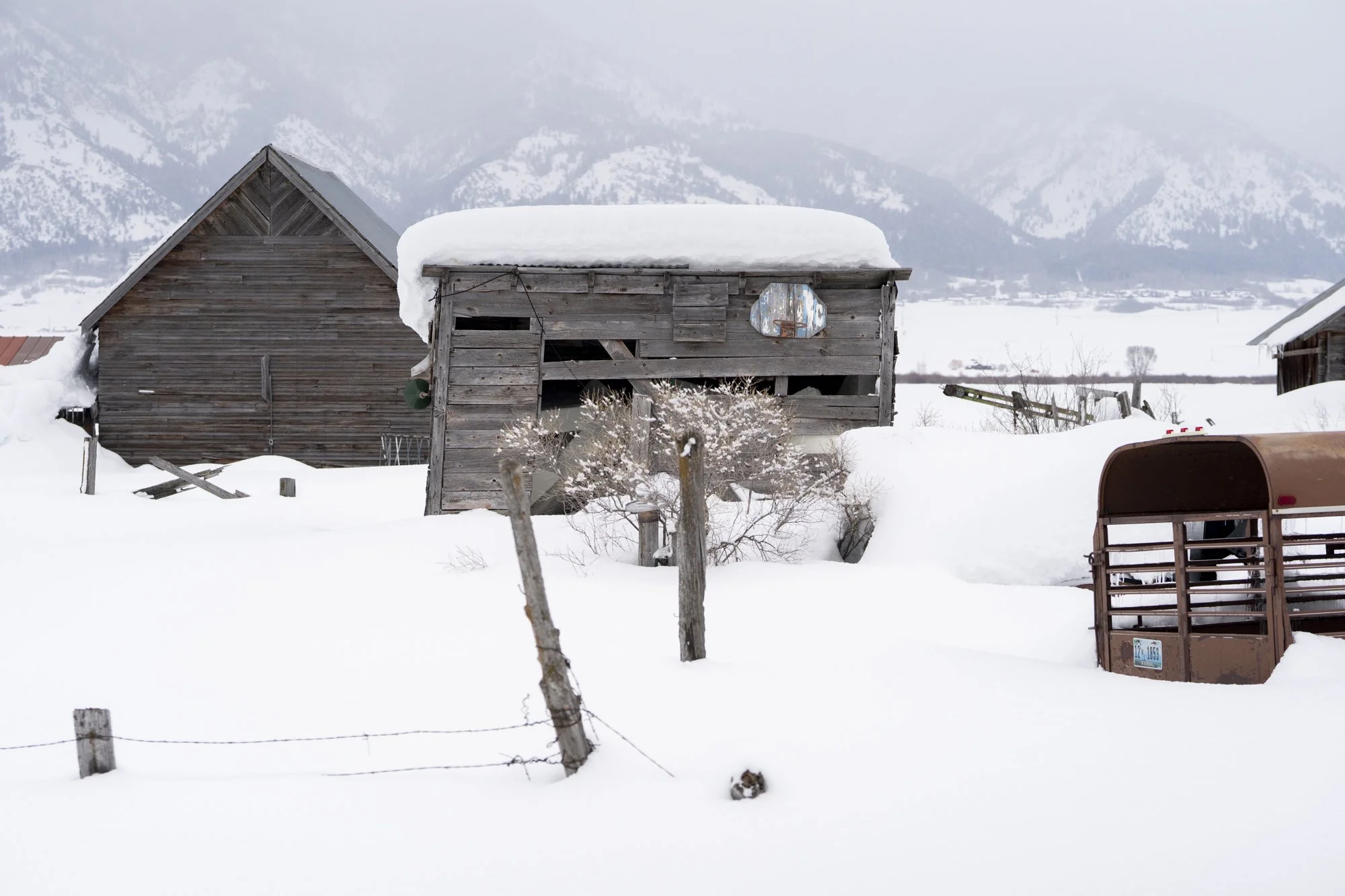
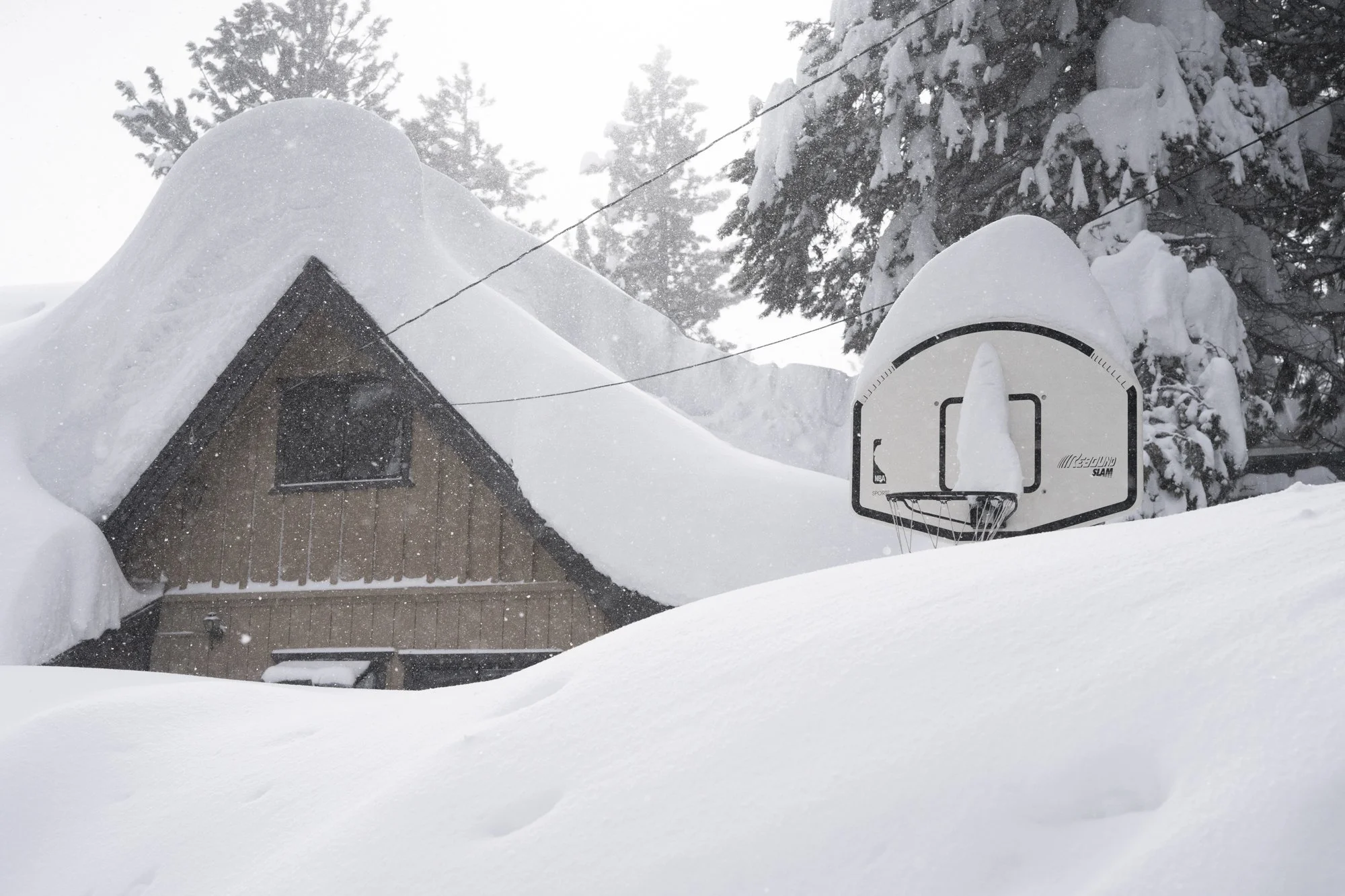
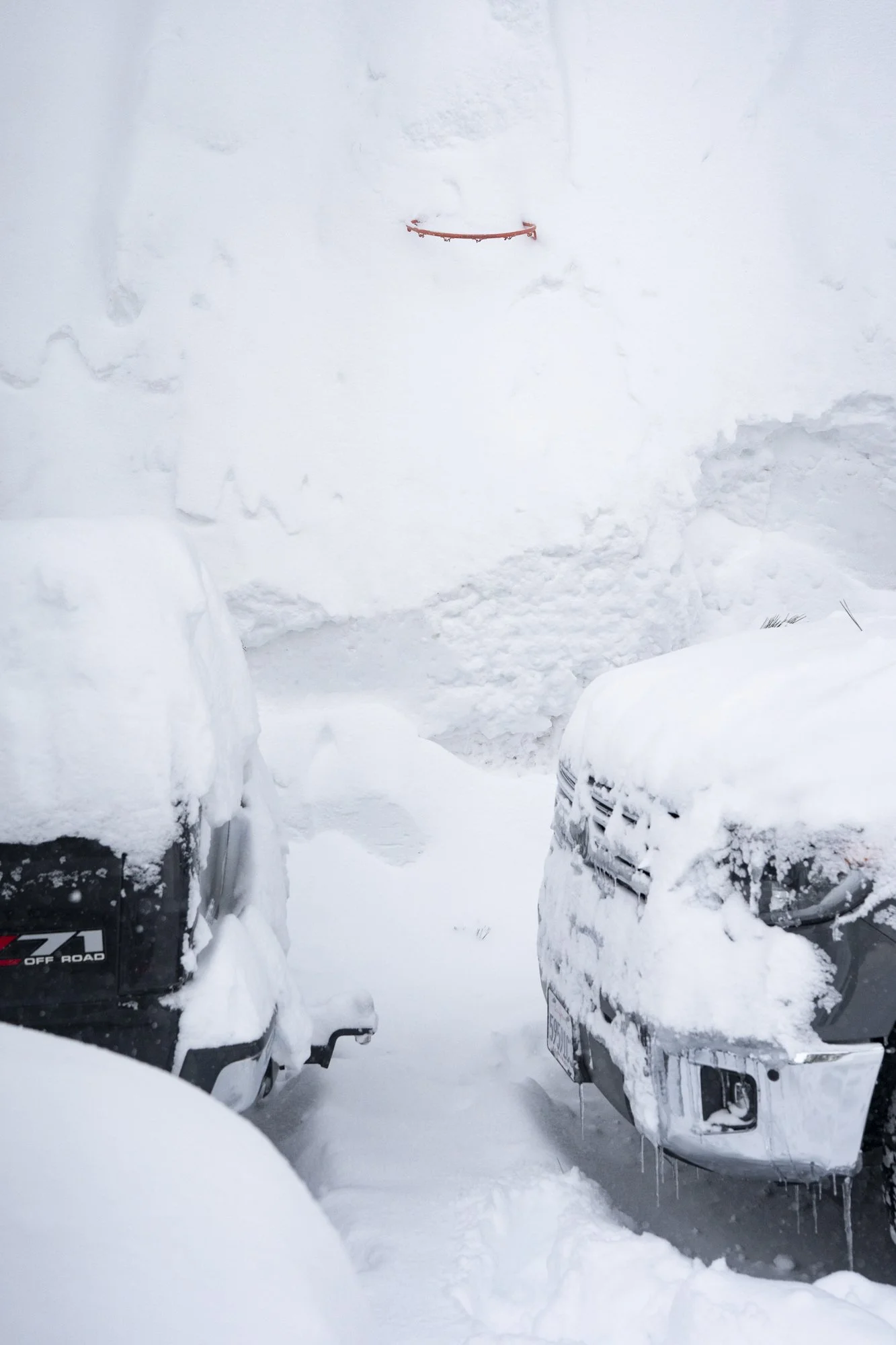
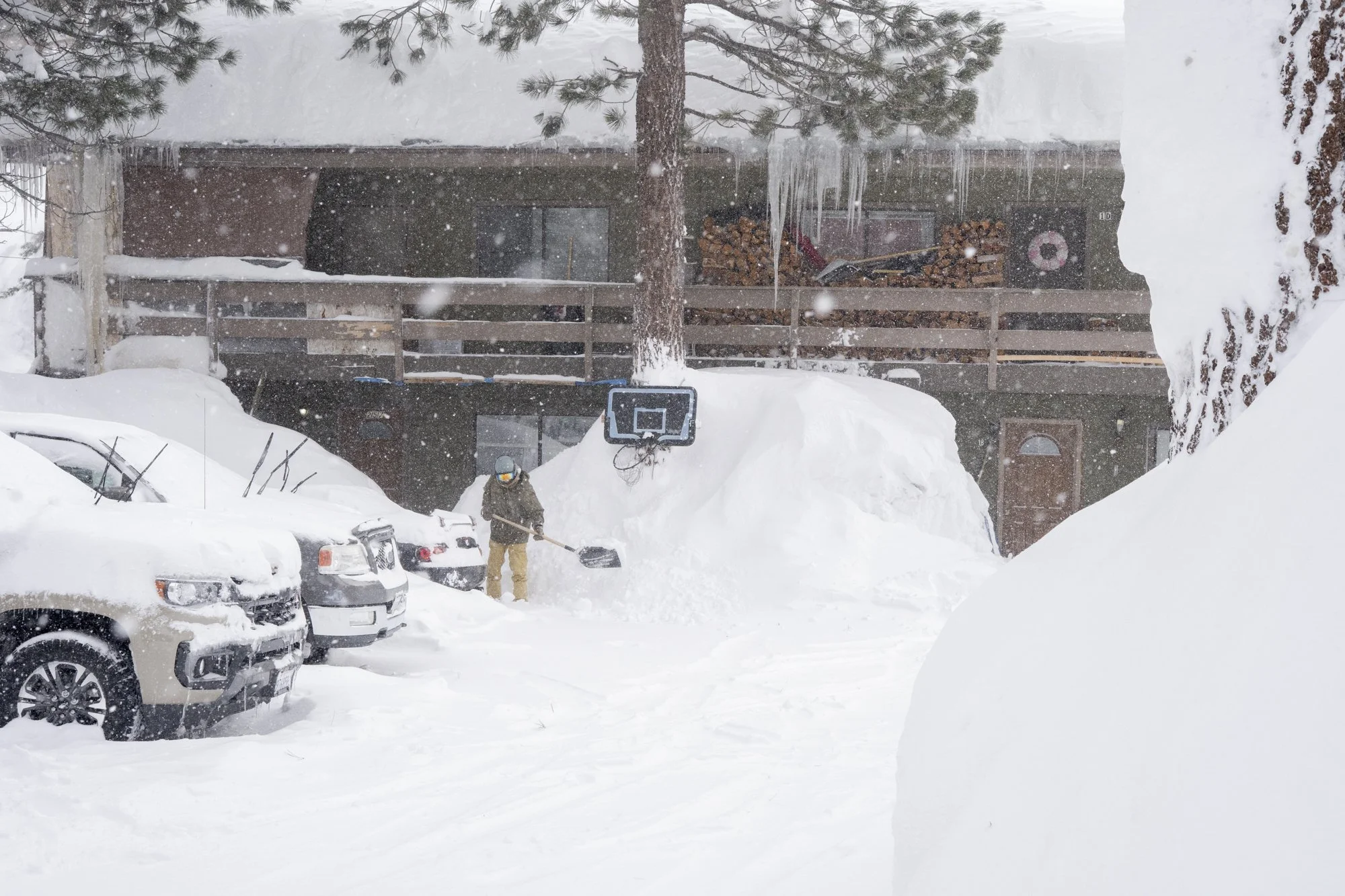
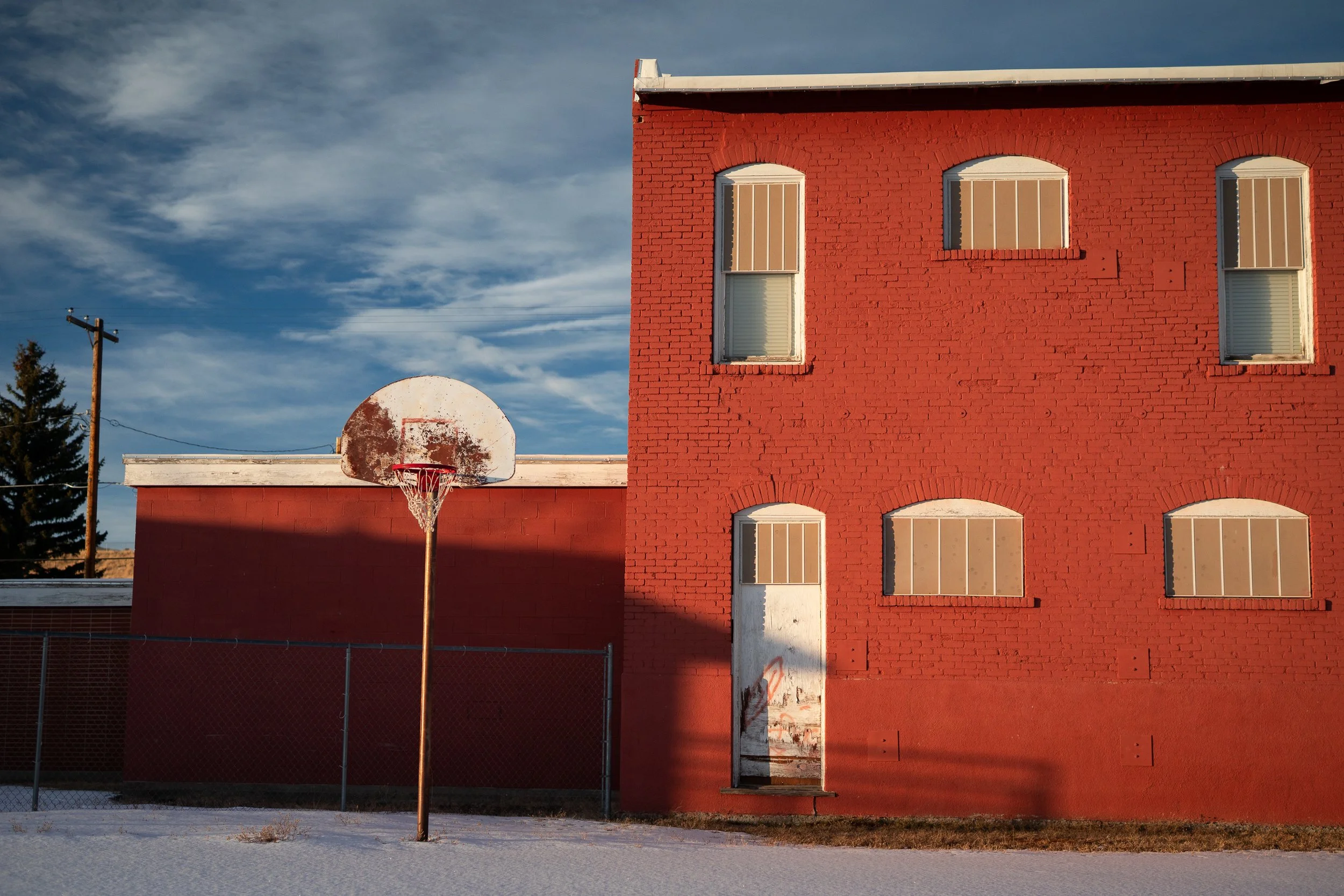
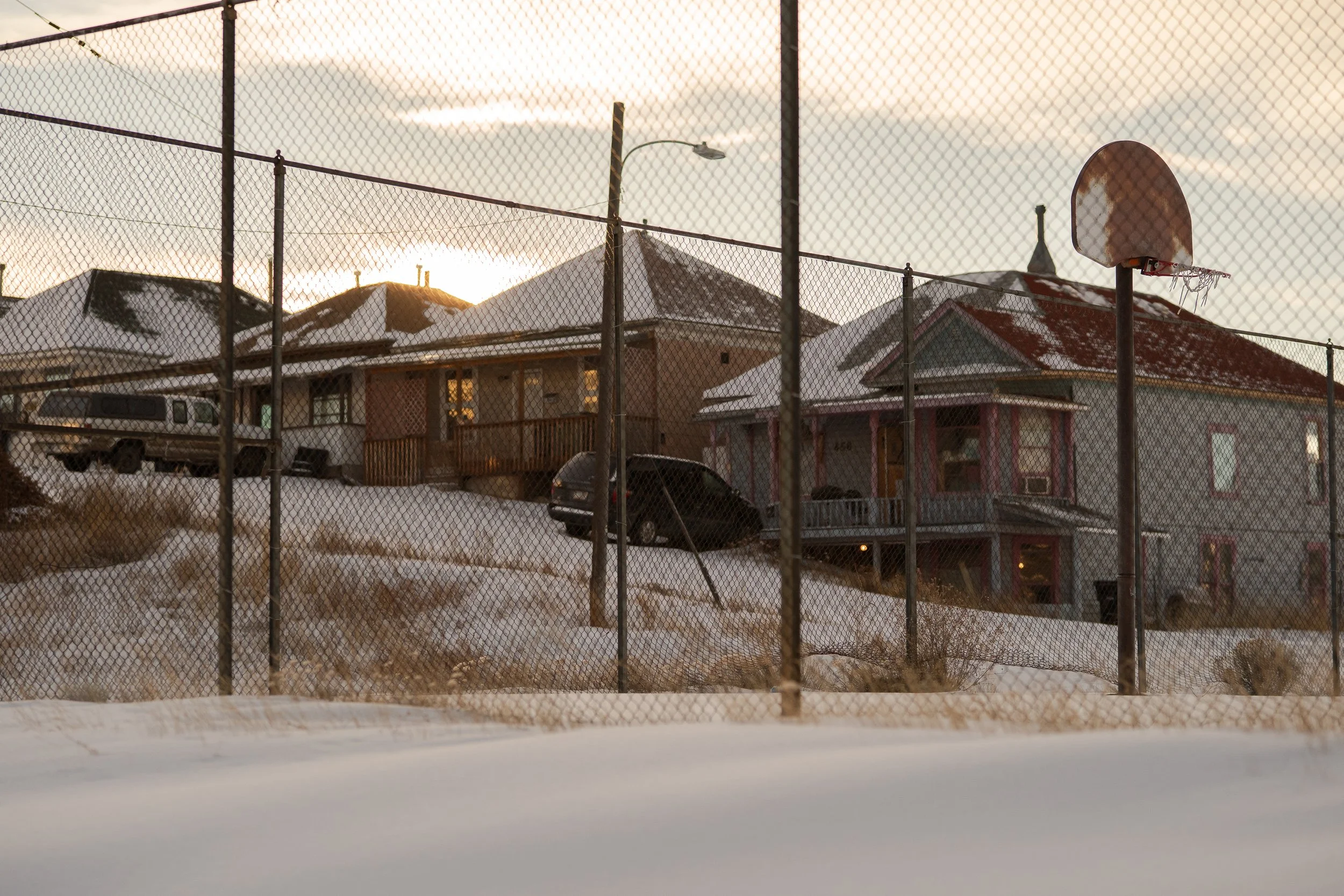
Basketball doesn’t just belong in arenas. It shows up in driveways, alleyways, deserts, and small towns—places where the game exists without an audience. As wall art, these scenes bring a sense of quiet, structure, and familiarity into a space.

For those looking to add basketball wall art to their home or office, the question isn’t just what to hang—but what kind of image holds attention over time.

Why Basketball Works as Wall Art

At its simplest, basketball is a set of recognizable forms—a rim, a backboard, a painted line. When photographed outside of a stadium, those elements become graphic and minimal.

A single hoop against an open sky. A backboard weathered by years of use. A court fading into the landscape.

These images tend to work well as wall art because they balance:

  • strong, simple composition

  • texture and age

  • a subject that feels familiar without being overly specific

They don’t rely on action or players. Instead, they create space—something that holds attention without overwhelming it.

Different Styles of Basketball Wall Art

Not all basketball imagery feels the same in a room. The setting and composition shift the tone entirely.

Minimal / Isolated Hoops
A lone hoop in an open environment creates a clean, understated presence. These pieces often work best in modern interiors.

Urban Courts and Alleyways
Layers of texture—walls, pavement, fencing—bring more density and detail. These images tend to feel more grounded and architectural.

Rural and Landscape-Driven Scenes
Hoops set against fields, mountains, or desert environments introduce scale and atmosphere. These often read as quieter, more contemplative pieces.

Graphic Light and Shadow
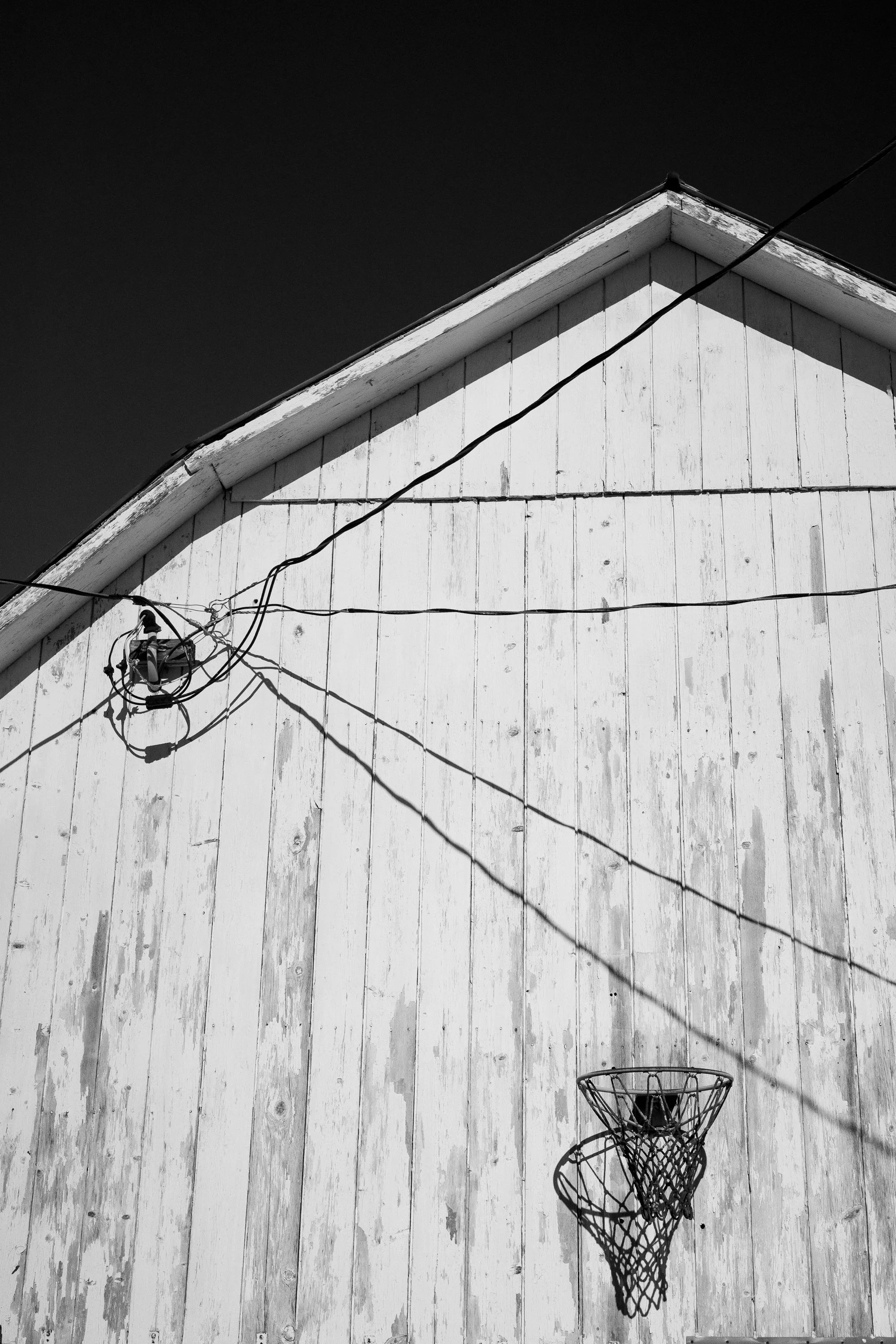
Reflections, silhouettes, and strong contrast push the work toward abstraction, where the subject becomes more about shape than place.

Basketball Photography as Fine Art

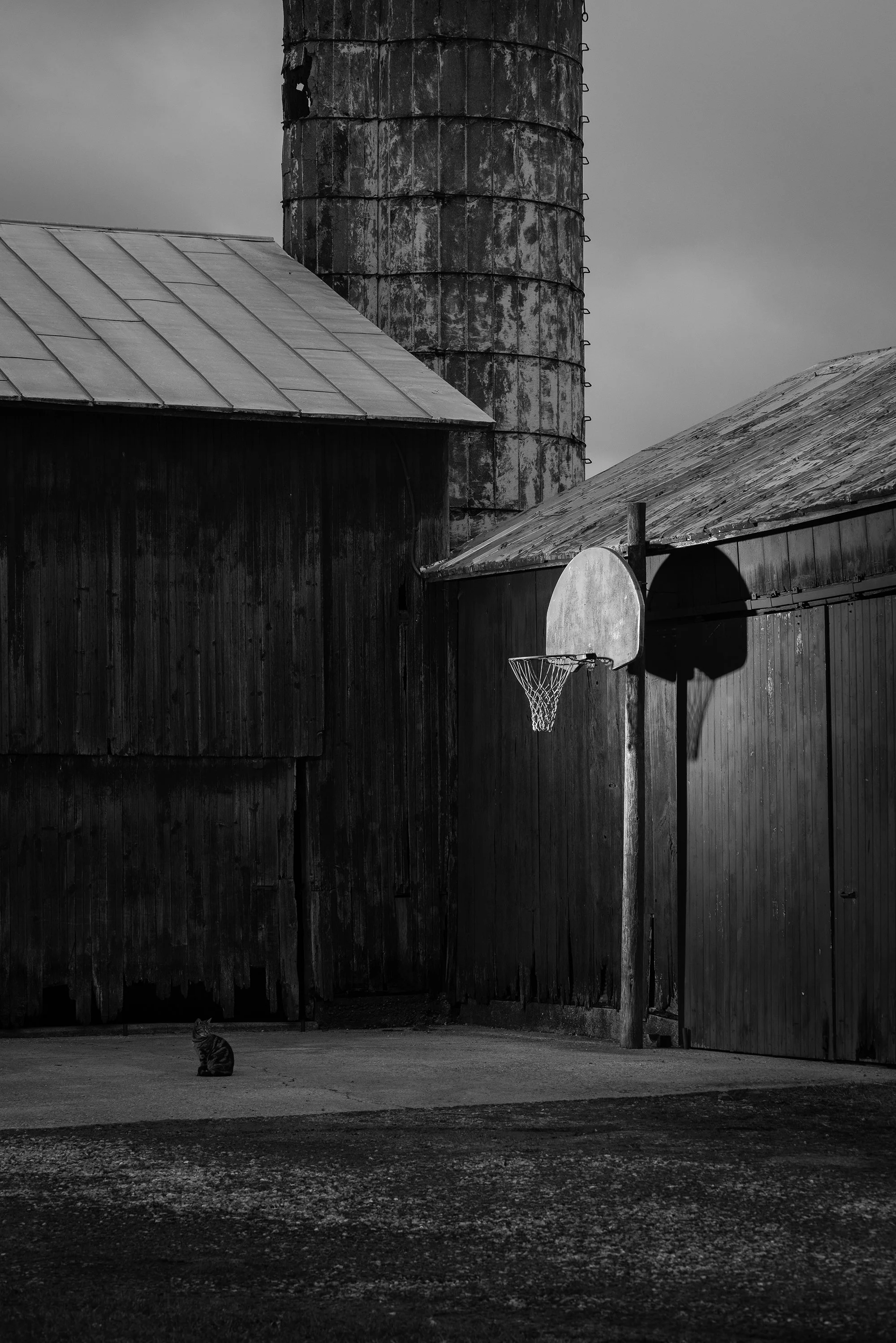
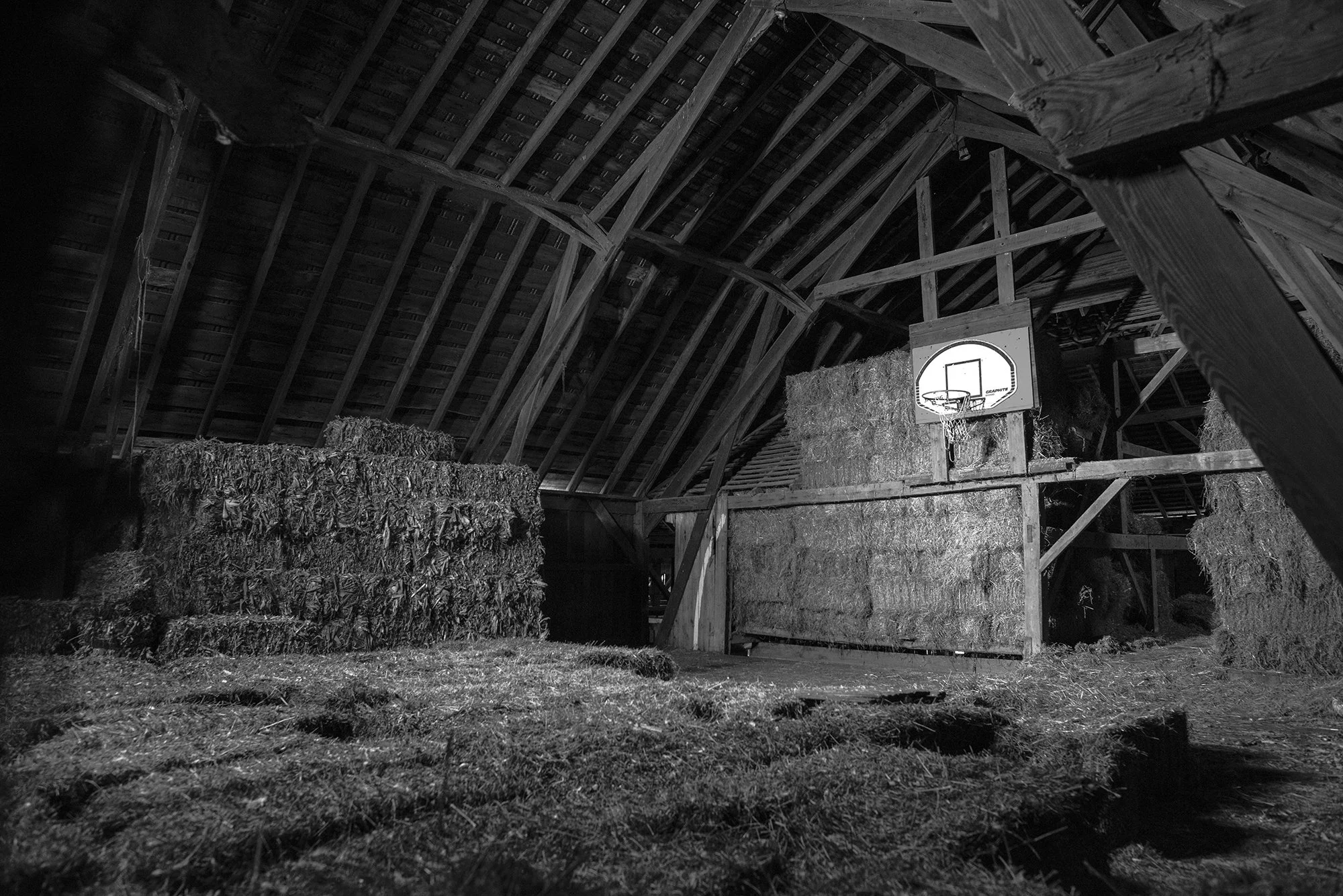
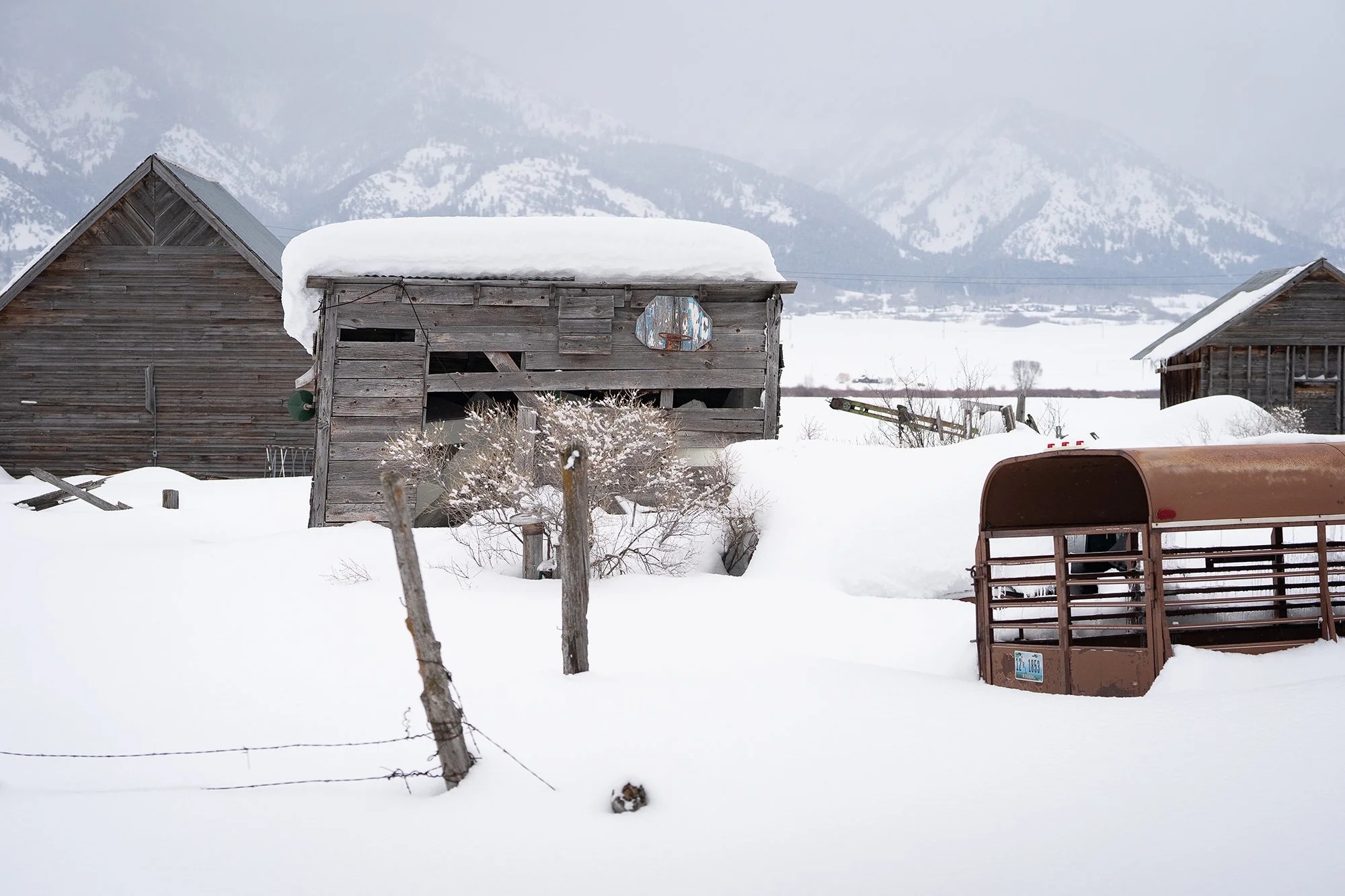
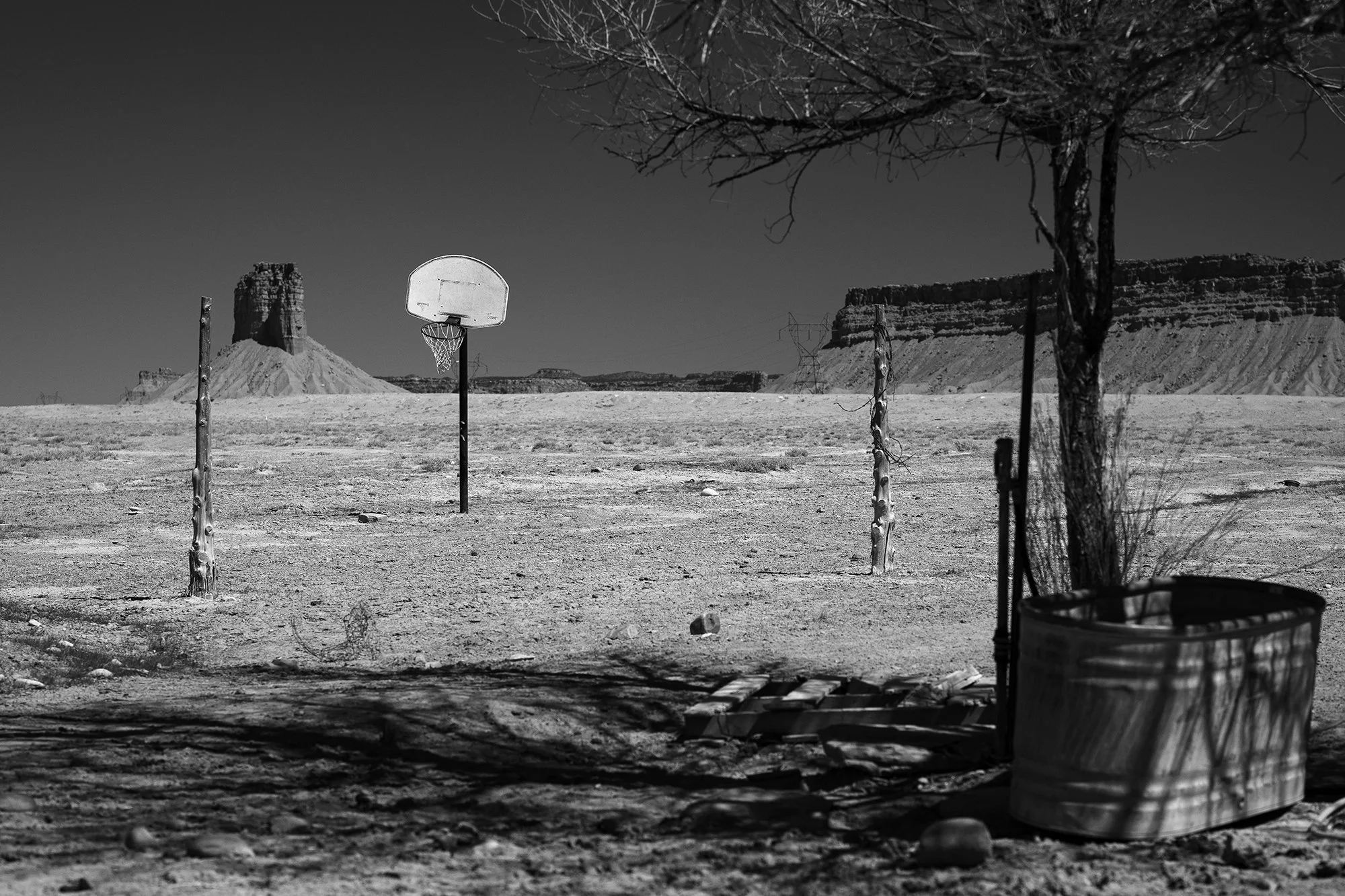
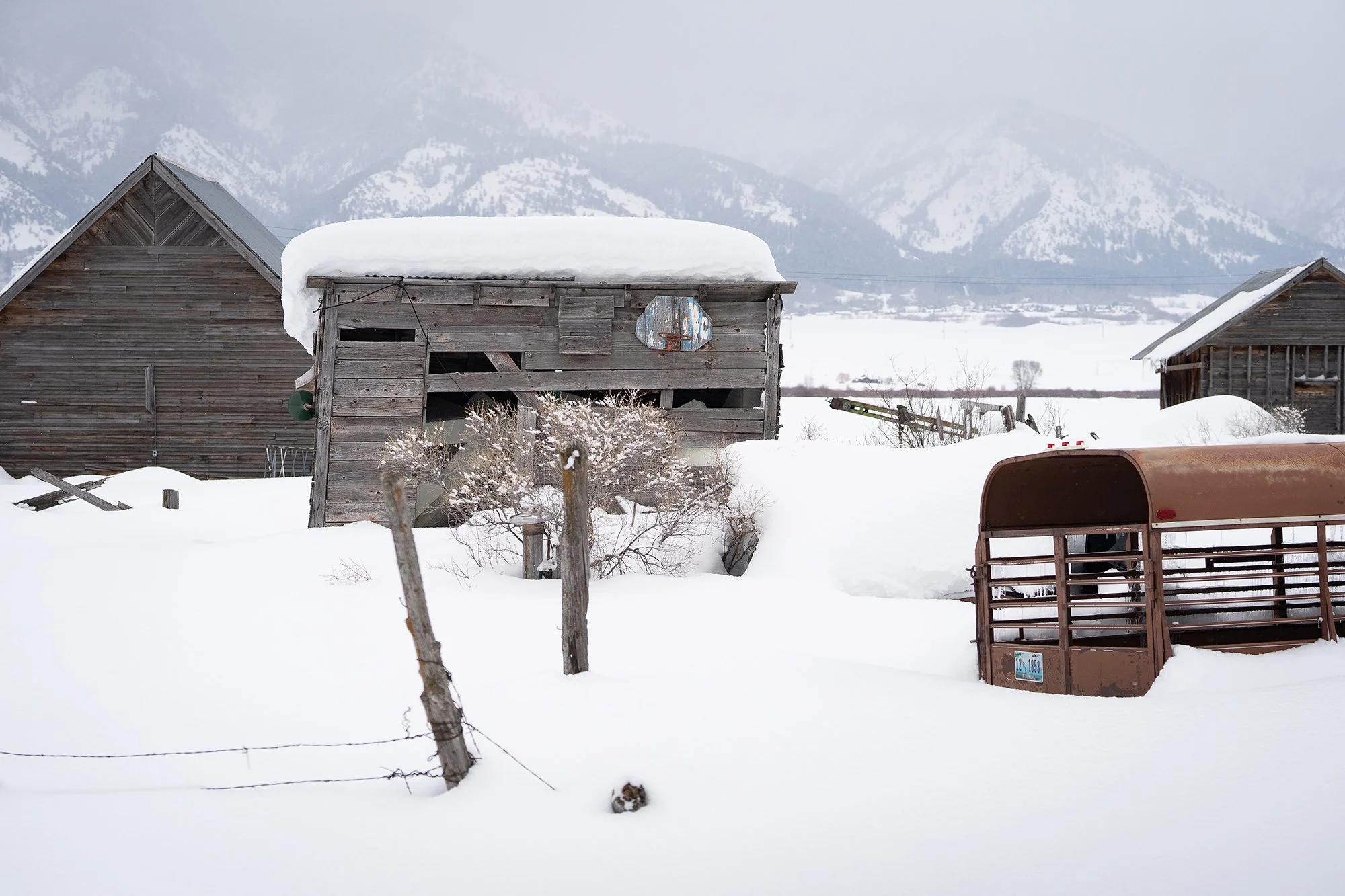
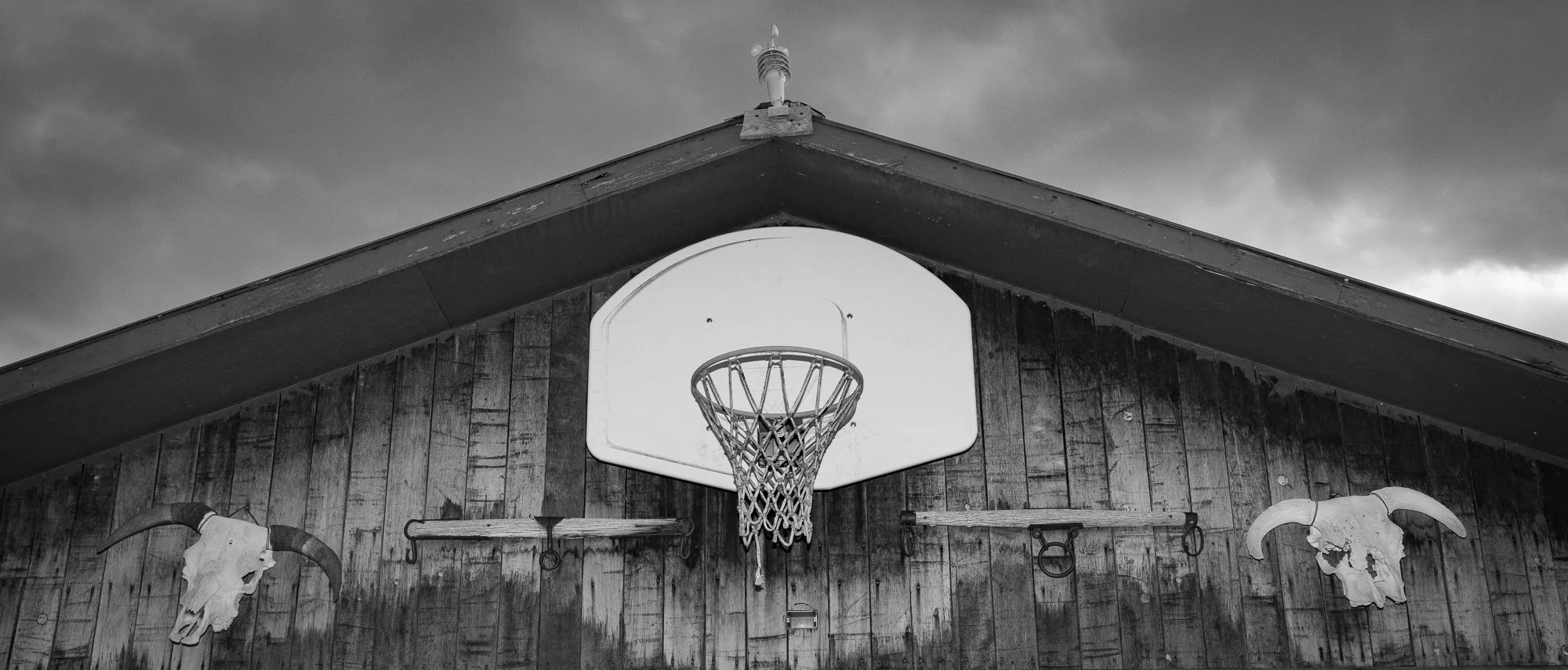
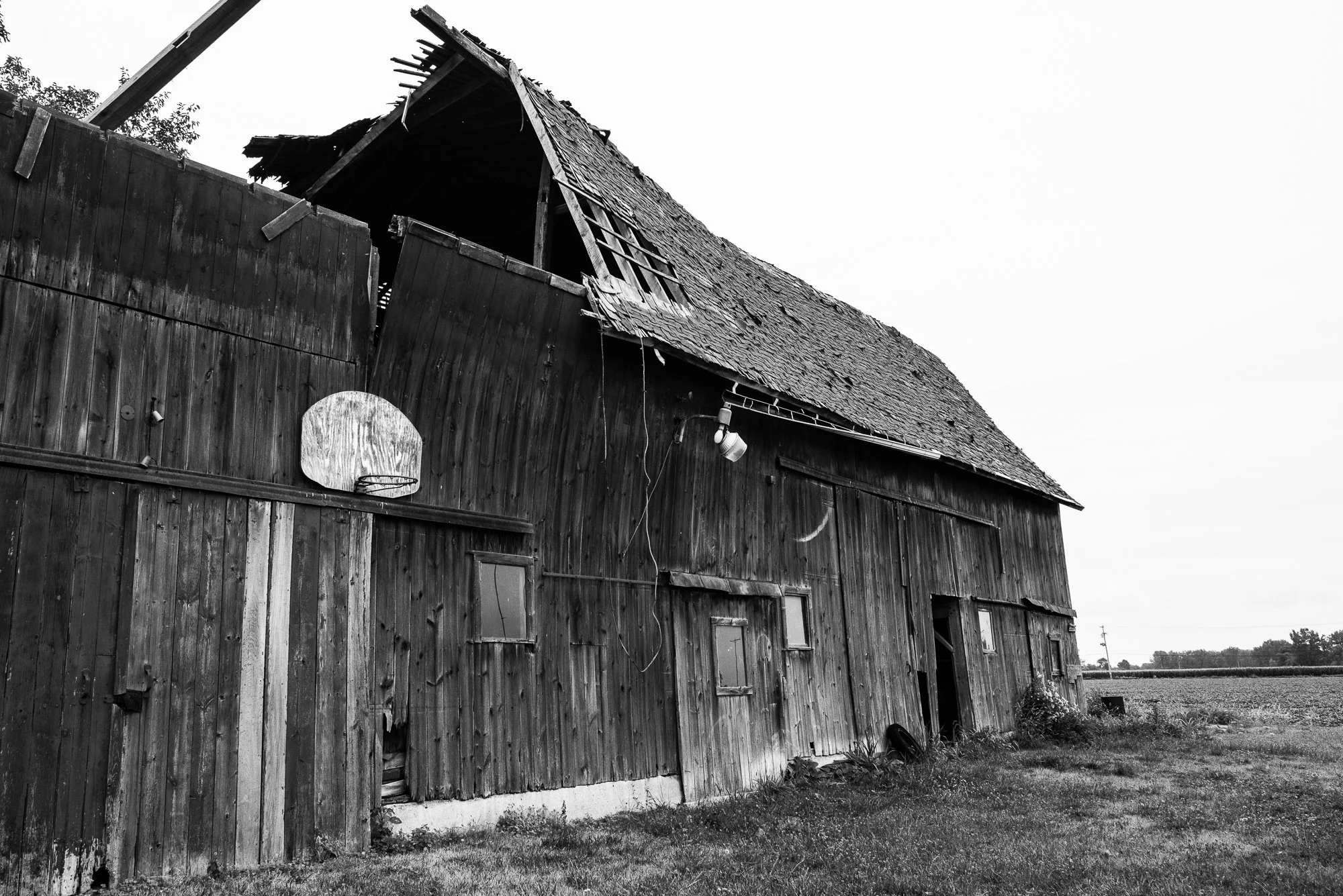
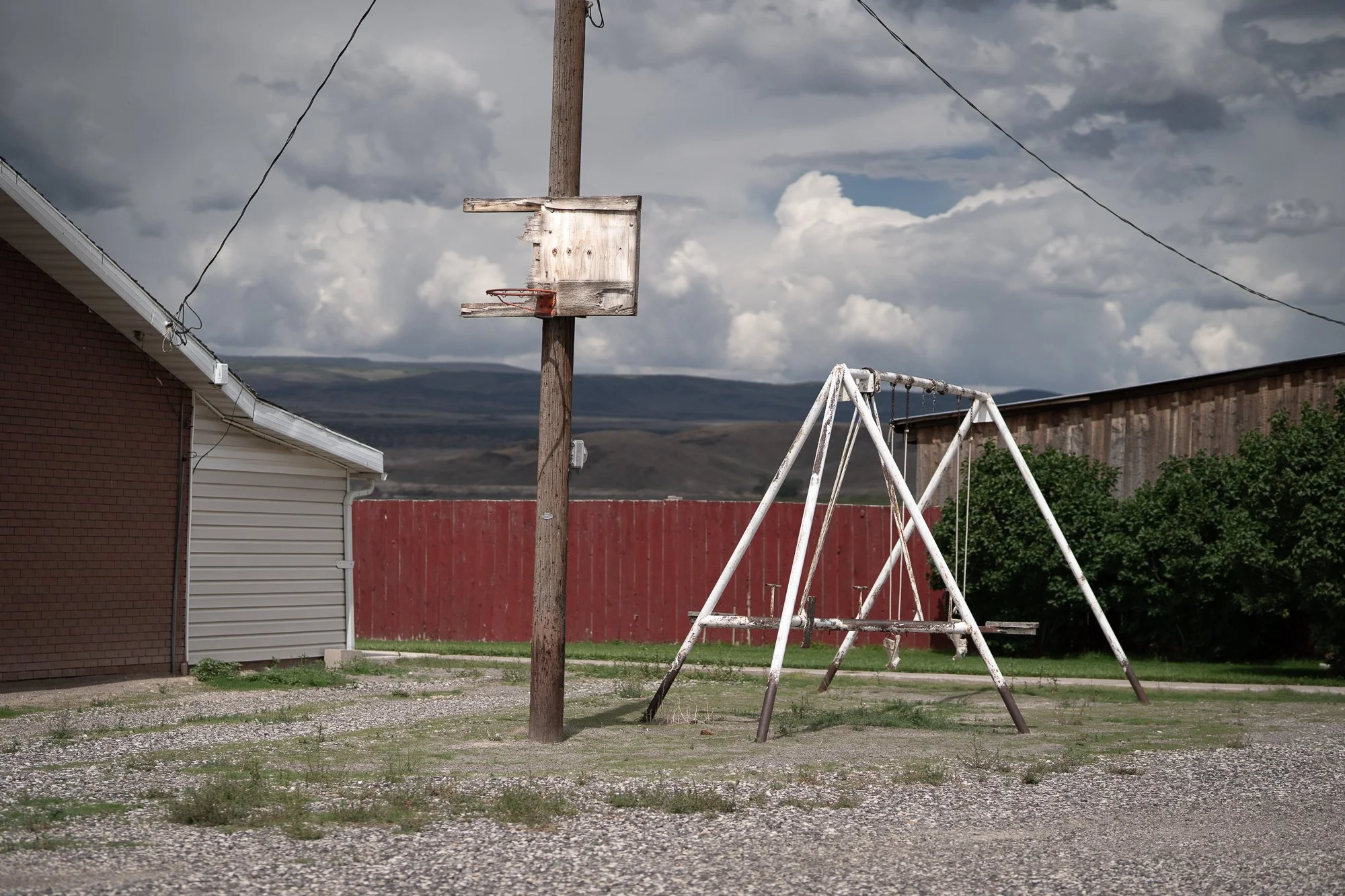
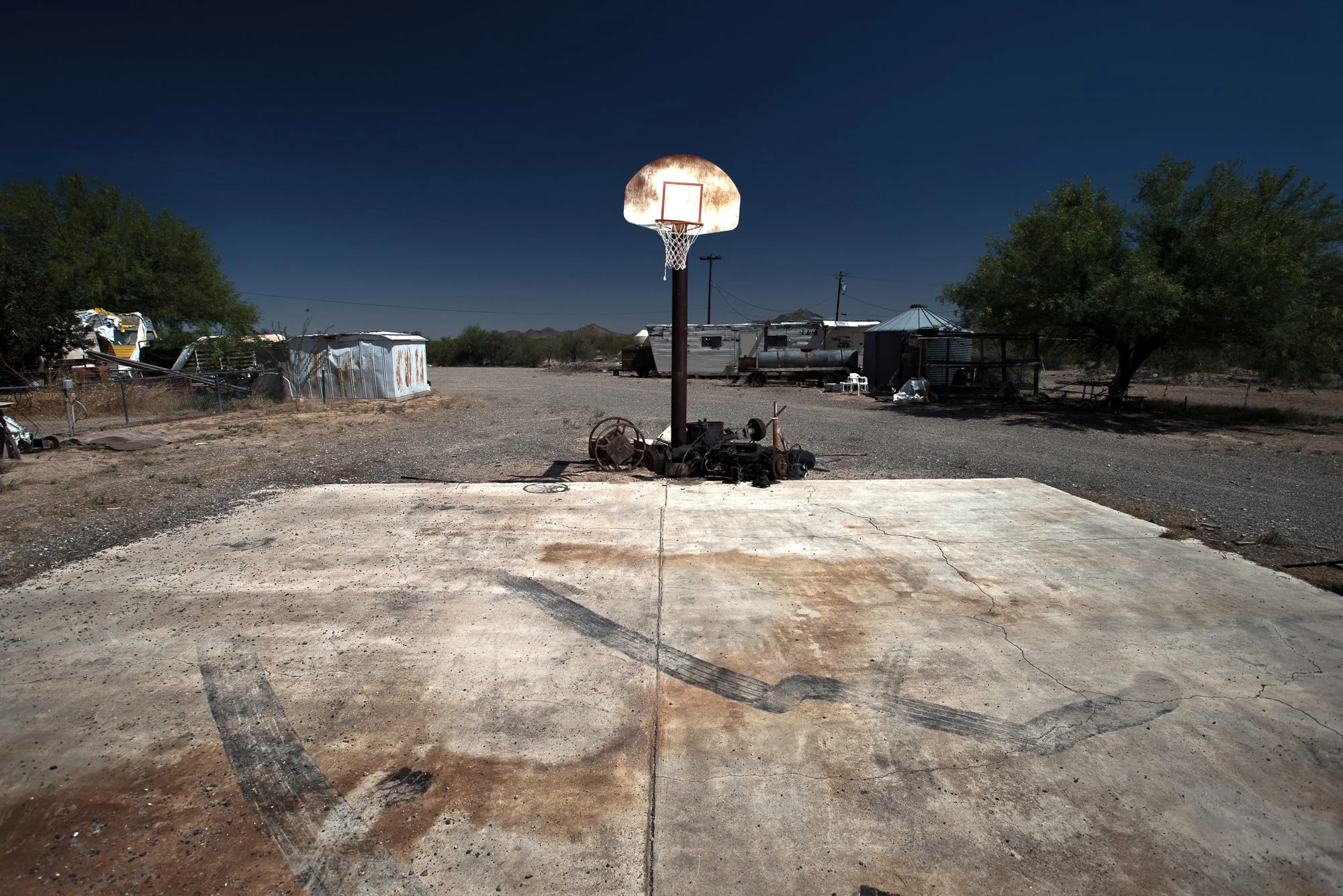
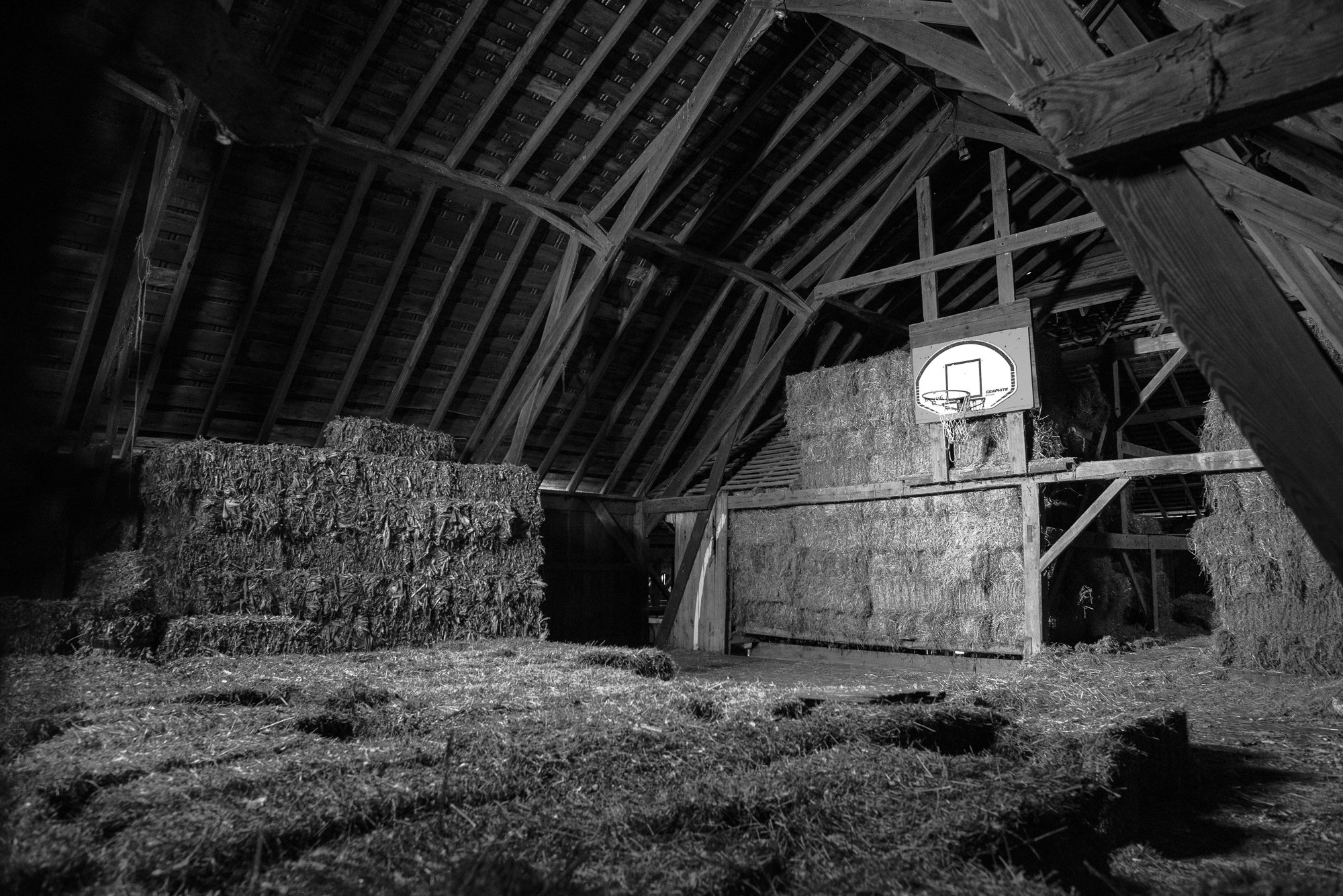
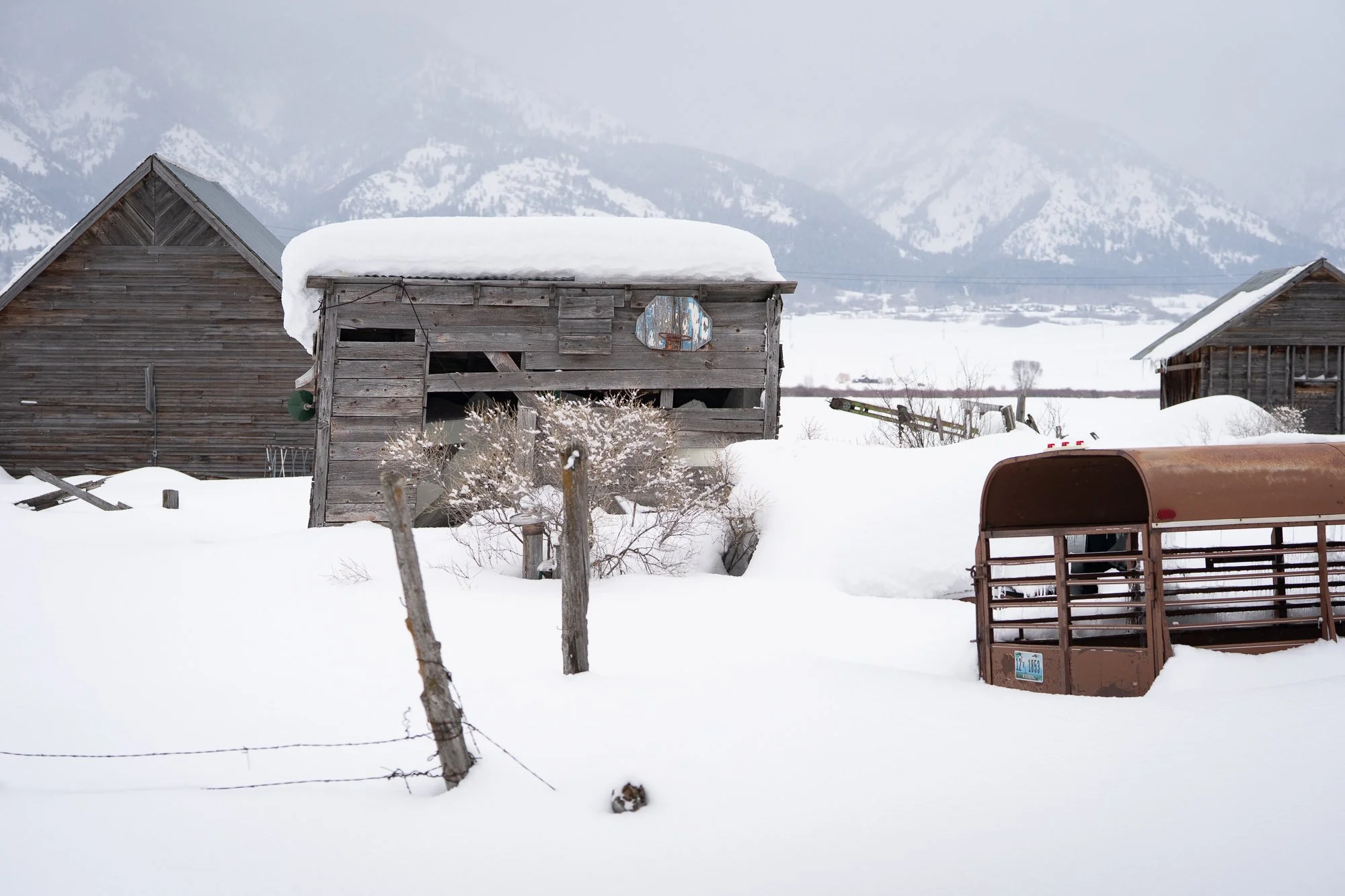
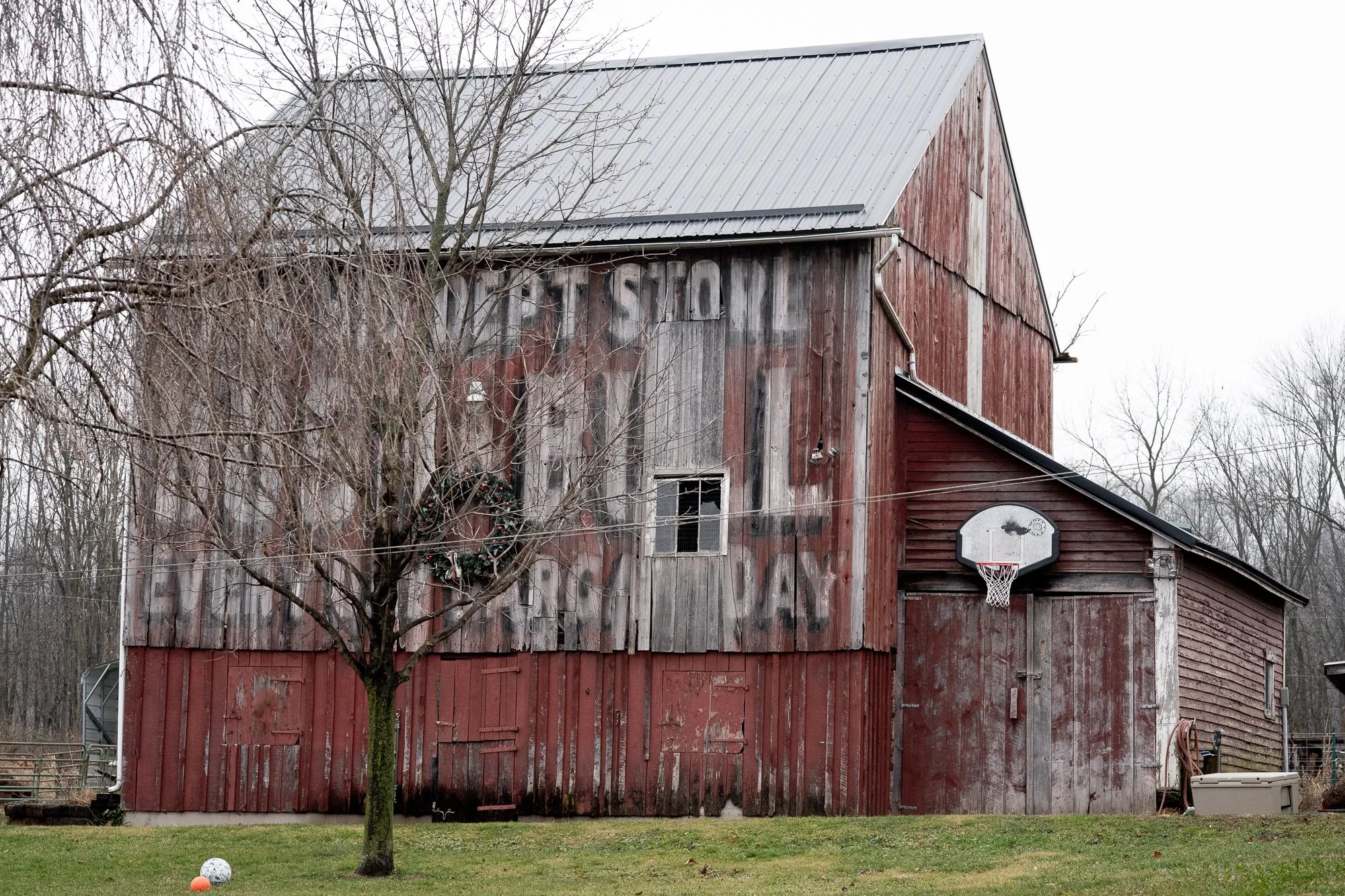
For over 15 years, this project has focused on basketball hoops found far from stadiums—mounted to barns, garages, telephone poles, and fading backboards in rural towns.

The photographs are not staged. Each one is discovered, observed, and documented as it exists. Together, they form a visual record of basketball as a constant presence in American life, regardless of location or scale.

This ongoing series has been featured in galleries, museums, on NBA TV, in iconic magazines like SLAM, ESPN, and Sports Illustrated, and international fine art books on basketball, reflecting the broader cultural significance of the work.

View The Full Project

Where to Find Basketball Wall Art Prints

For those looking to bring this work into their own space, a selection of photographs from the series is available as fine art prints.

View Basketball Wall Art Prints

For Collectors, Designers, and Licensing

These basketball hoop photographs are also available for editorial and commercial licensing. The work has been used by brands, publications, and media outlets looking for an authentic representation of basketball culture beyond the professional game.

For inquiries regarding larger installations, hospitality projects, or licensing, please get in touch - rob@robhammerphotography.com

Basketball photography print on the wall of a beautiful home

Basketball hoop wall art for residential design

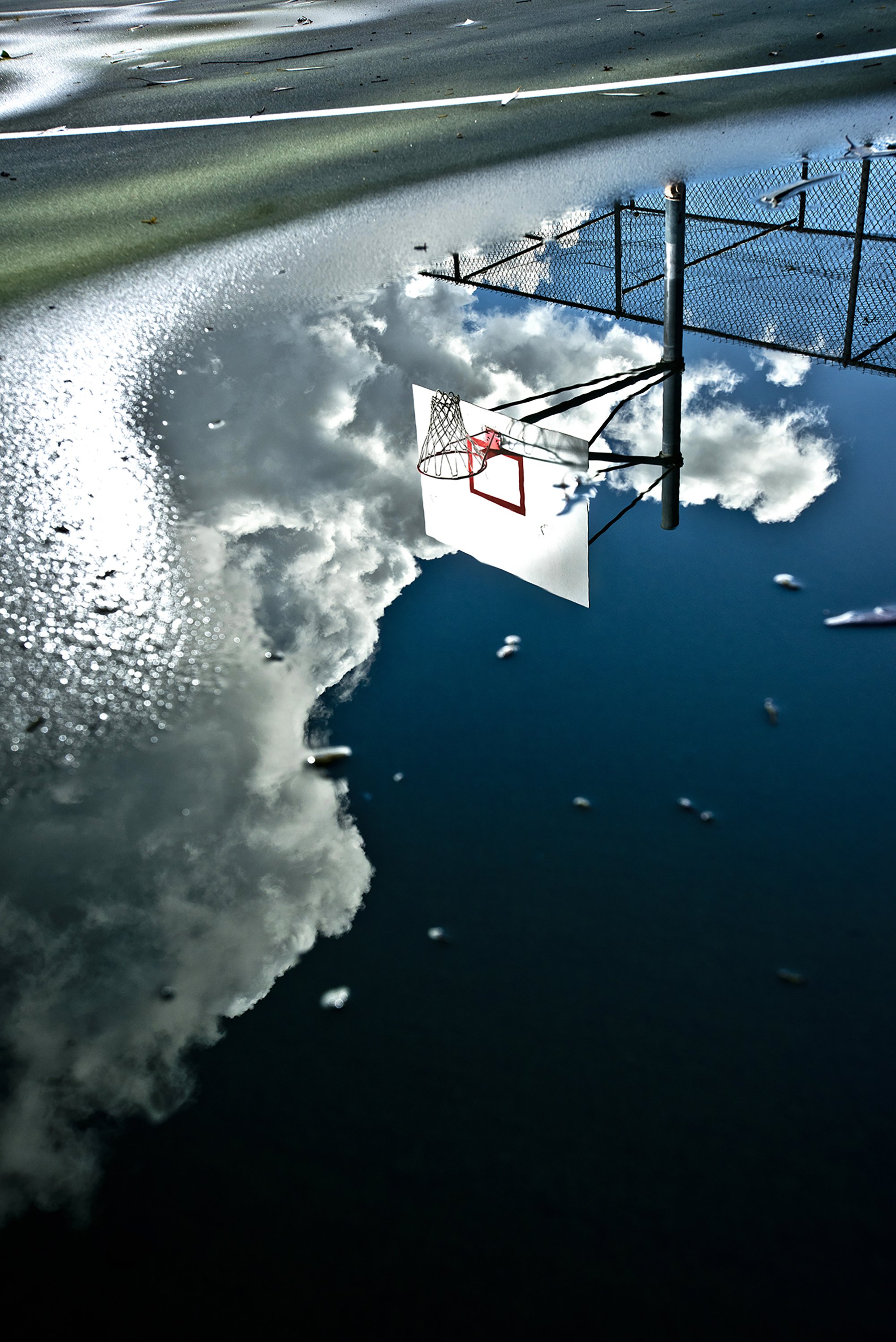
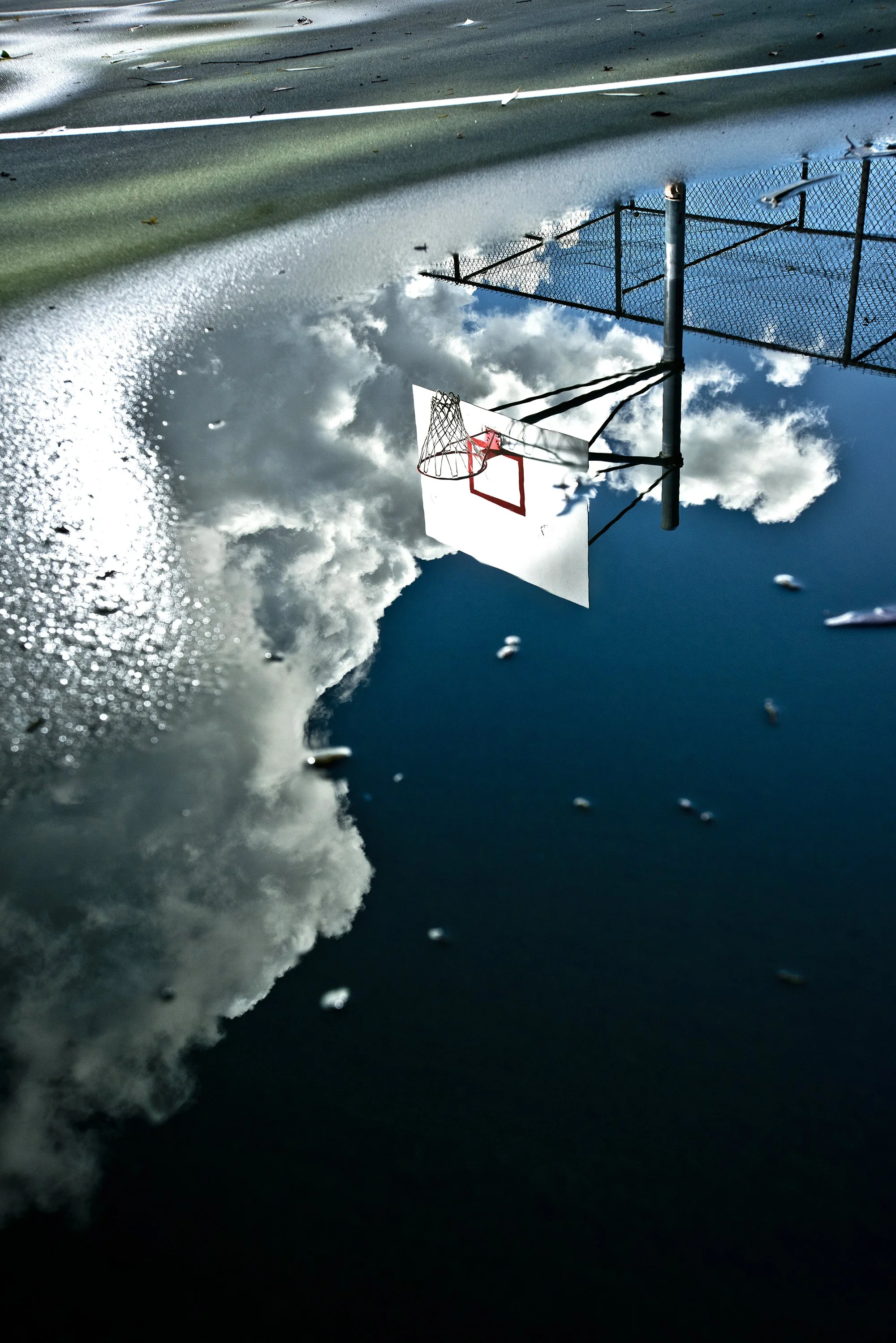
basketball hoop reflected in water puddle on outdoor court fine art print

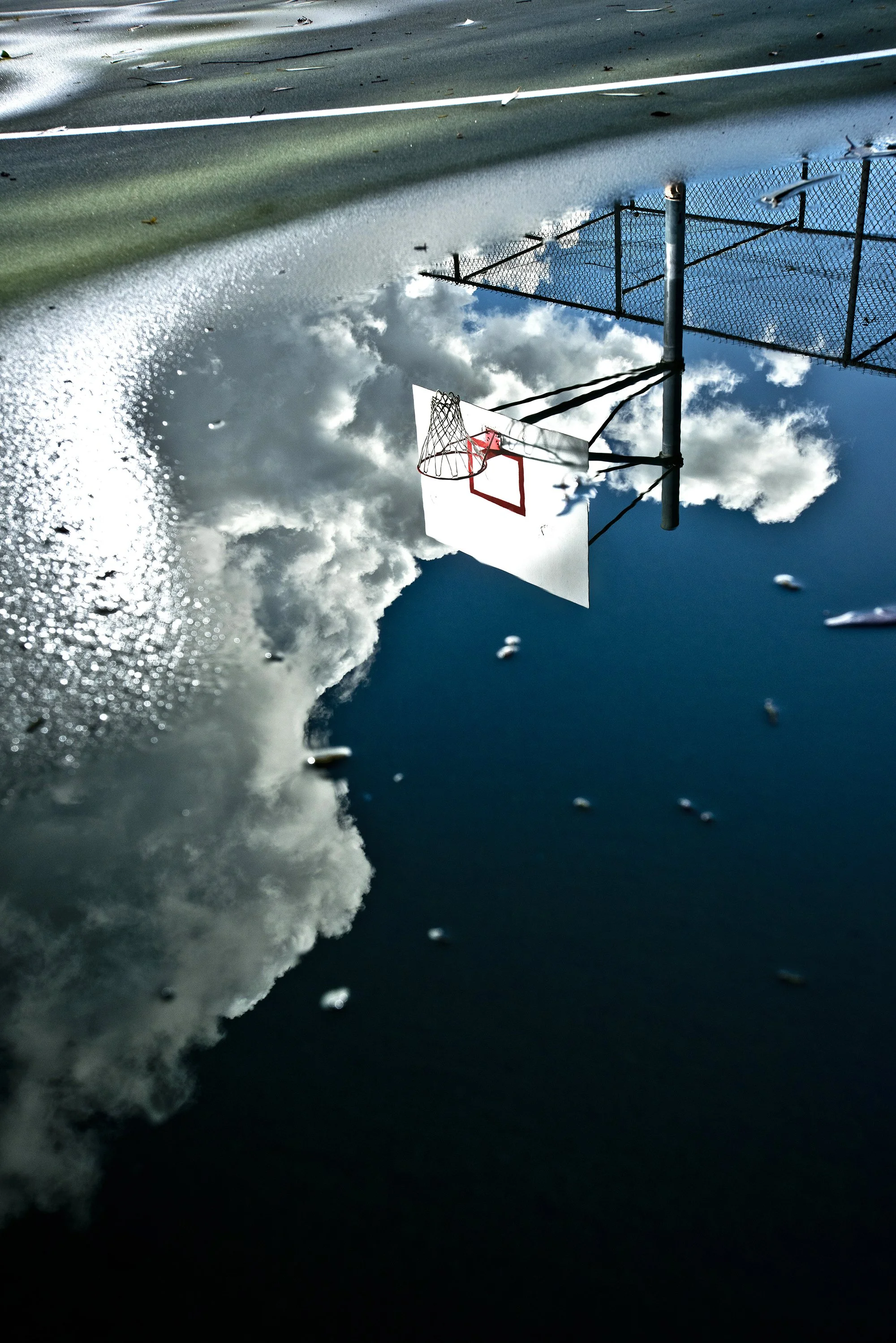
A basketball hoop reflected in a puddle on an outdoor court, creating a surreal, inverted scene. Available as a fine art basketball photography print for modern interiors and collectors.

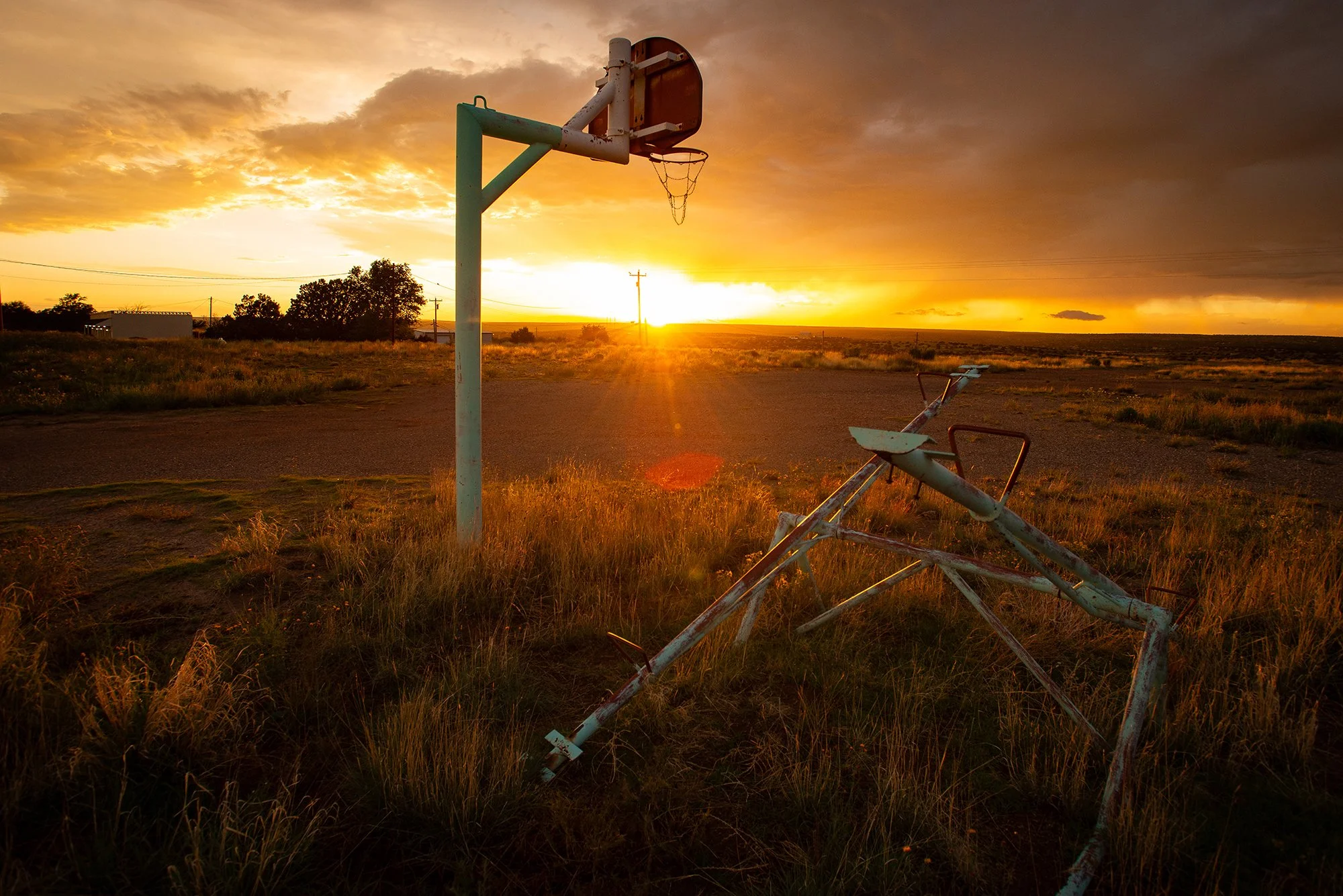
basketball hoop at sunset in rural landscape fine art photography print

A weathered basketball hoop standing against a dramatic sunset in rural America, captured as part of the American Backcourts series. Available as a fine art basketball wall art print for collectors and modern interiors.

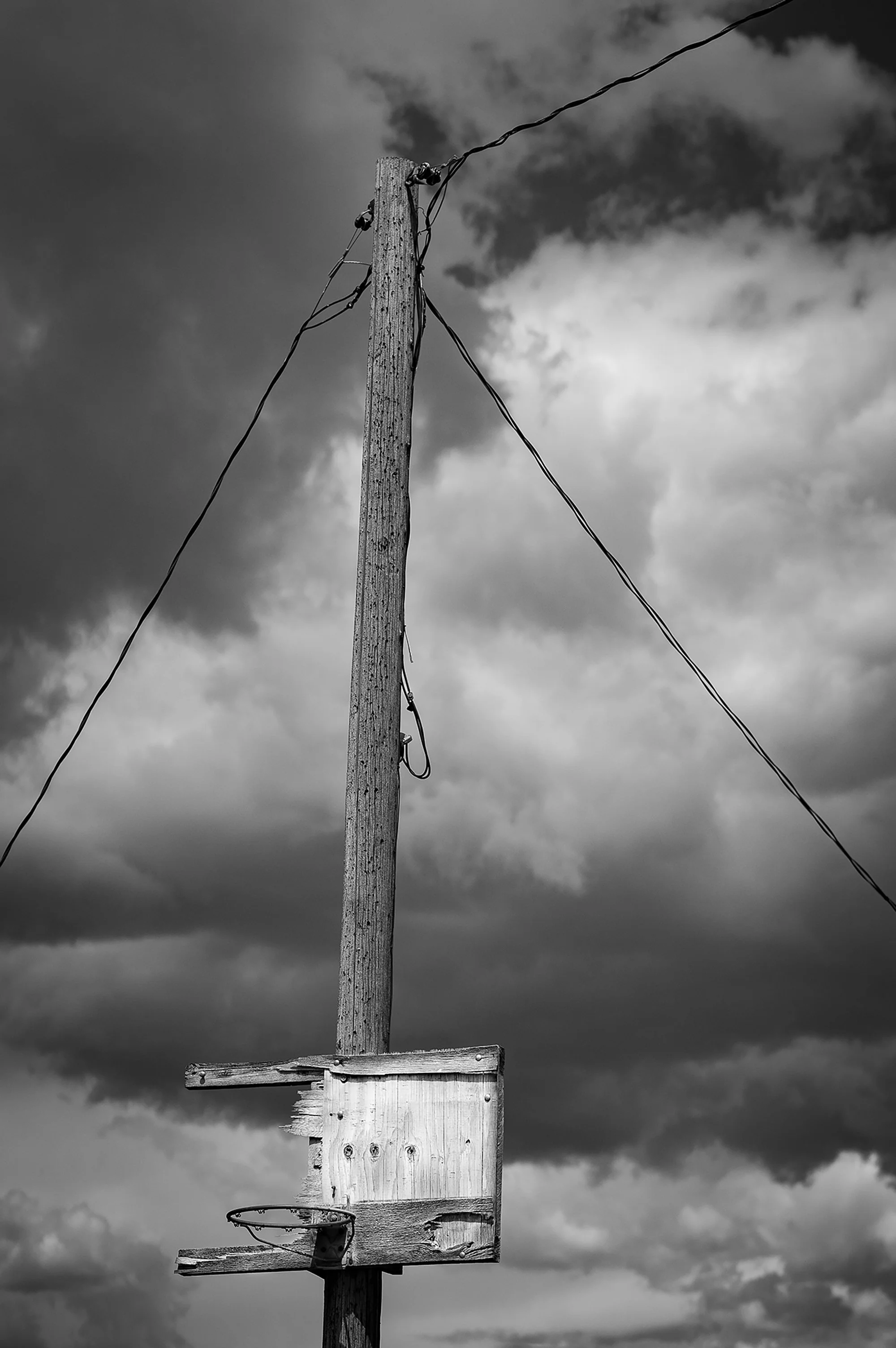
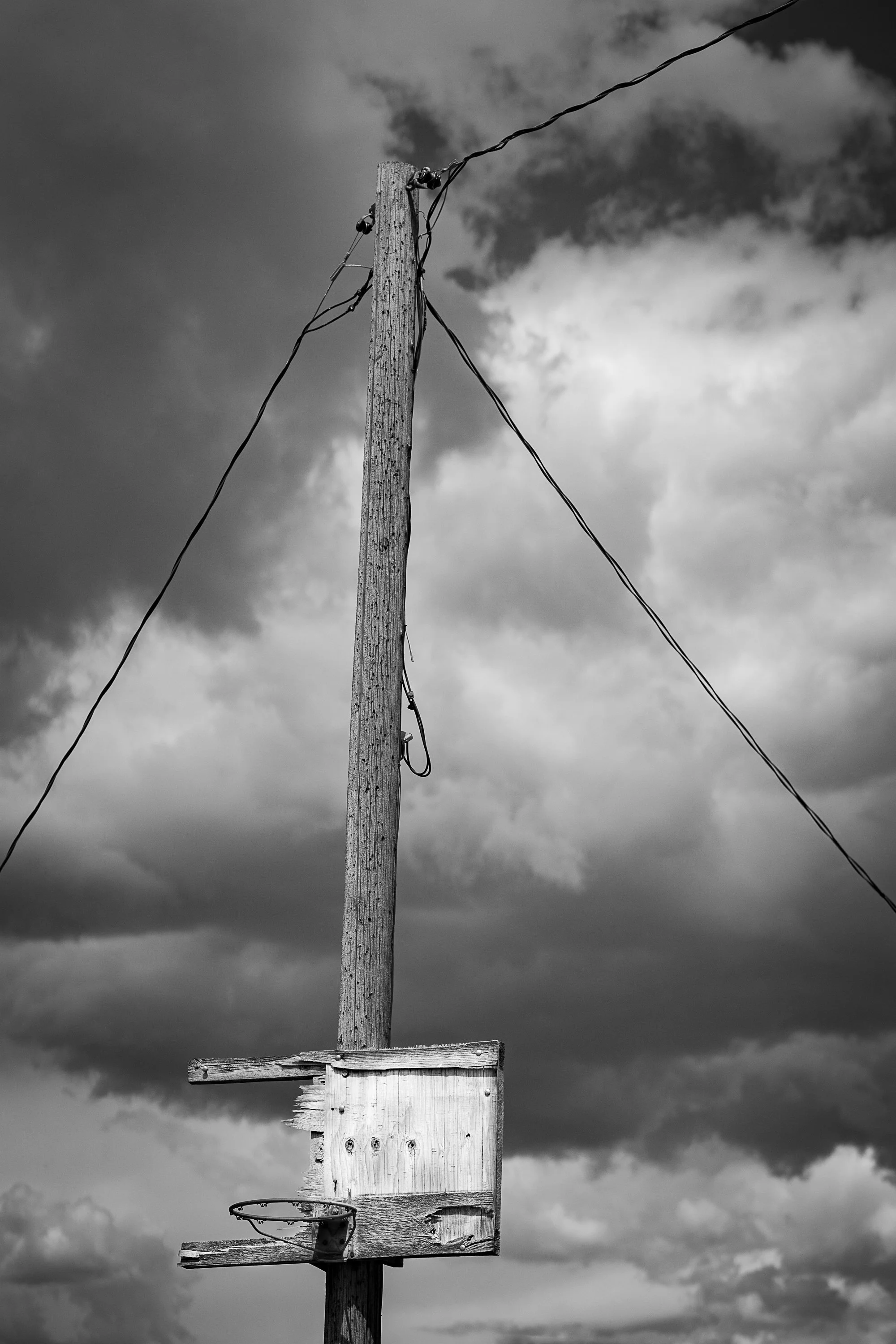
black and white photo of weathered wooden basketball hoop on pole under cloudy sky

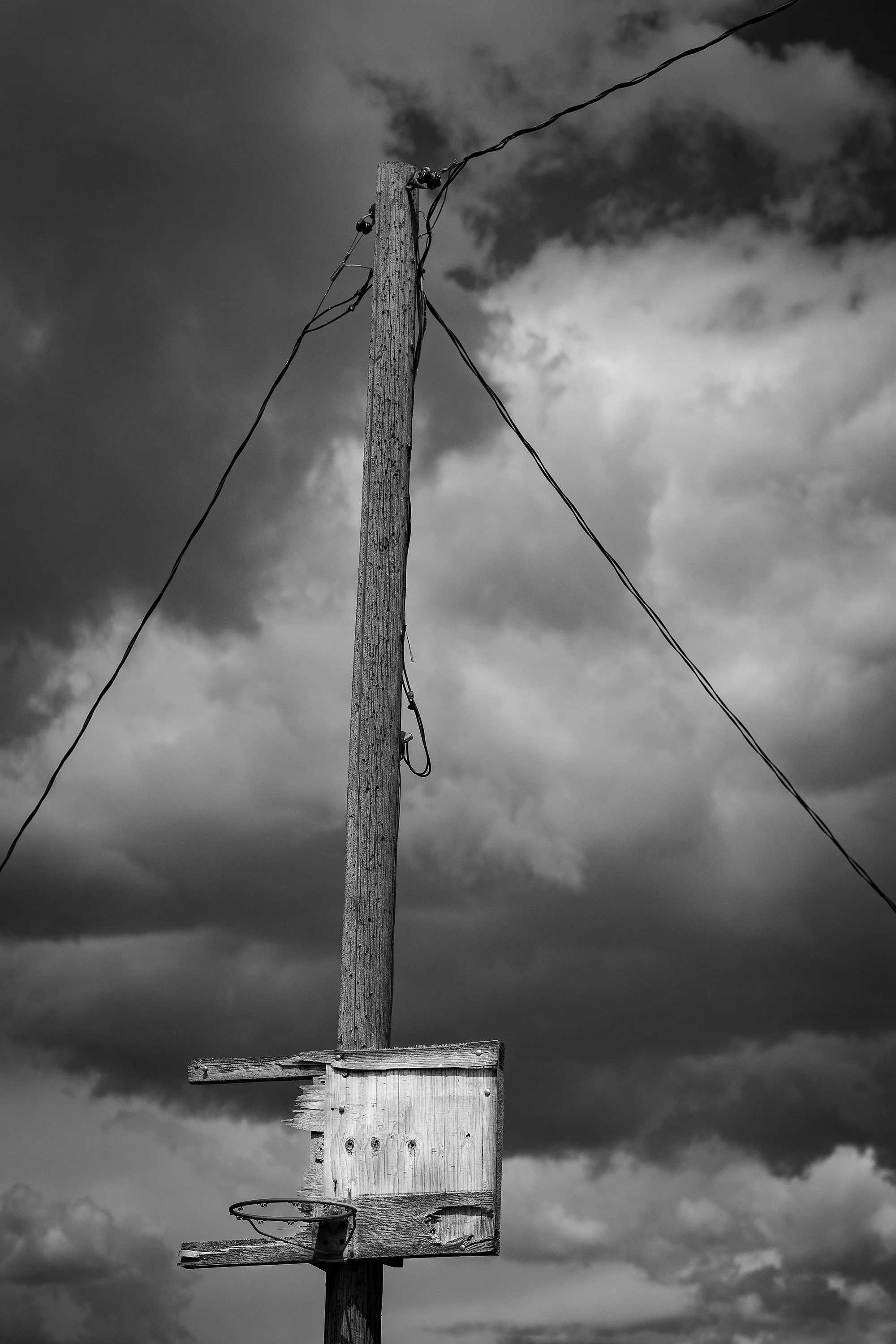
A weathered wooden basketball hoop mounted to a utility pole, photographed in rural America as part of a long-term series documenting the overlooked places where the game is played.

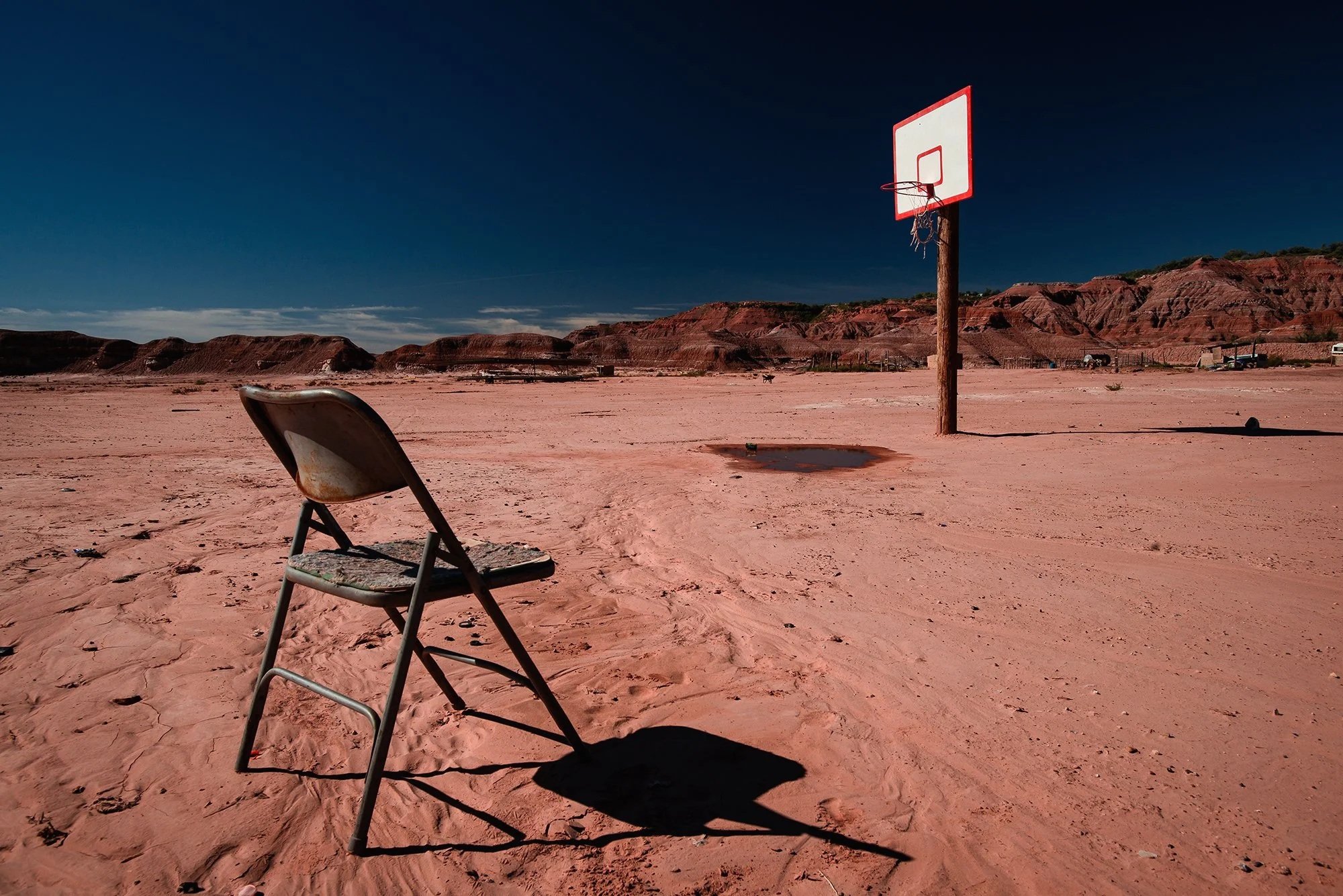
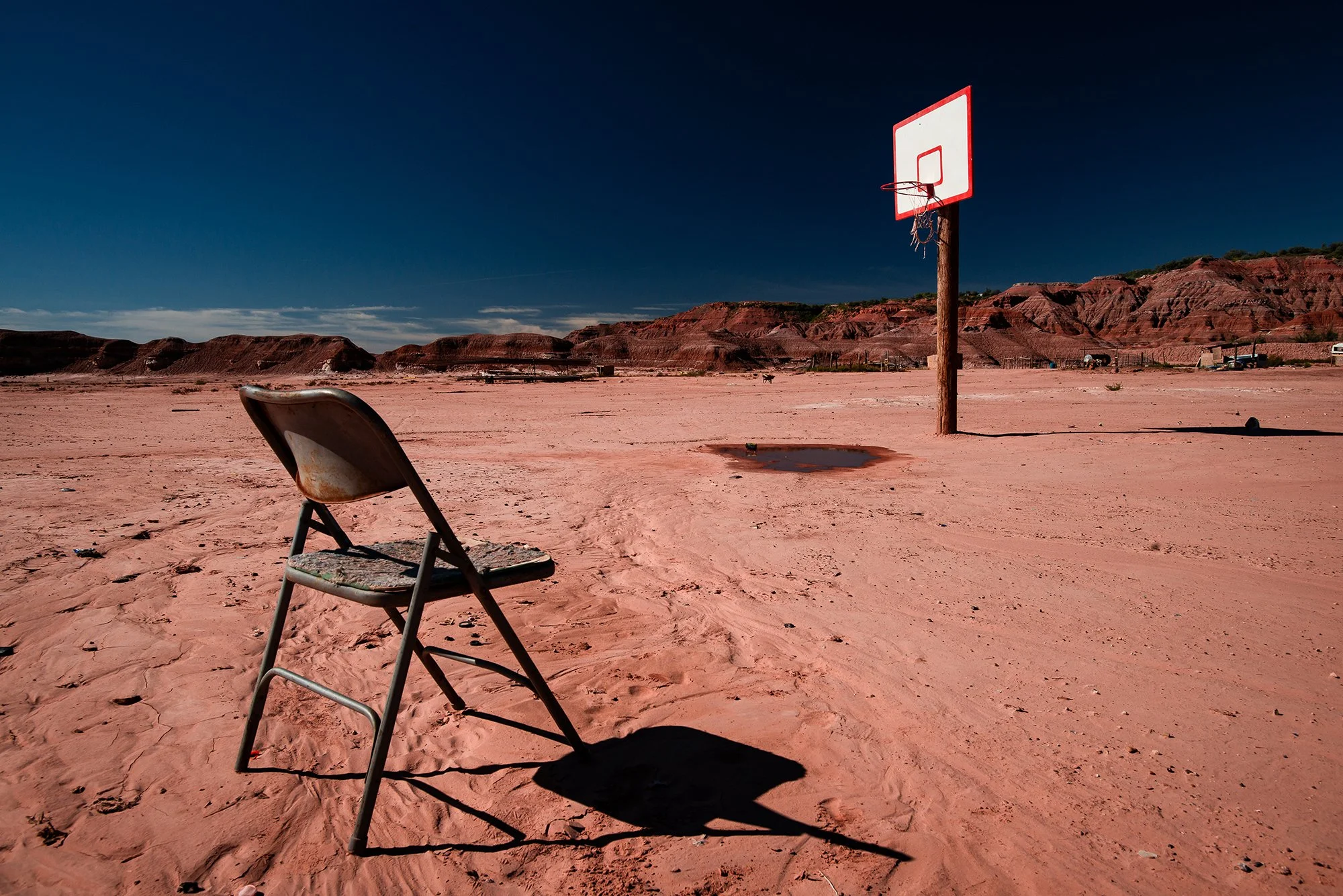
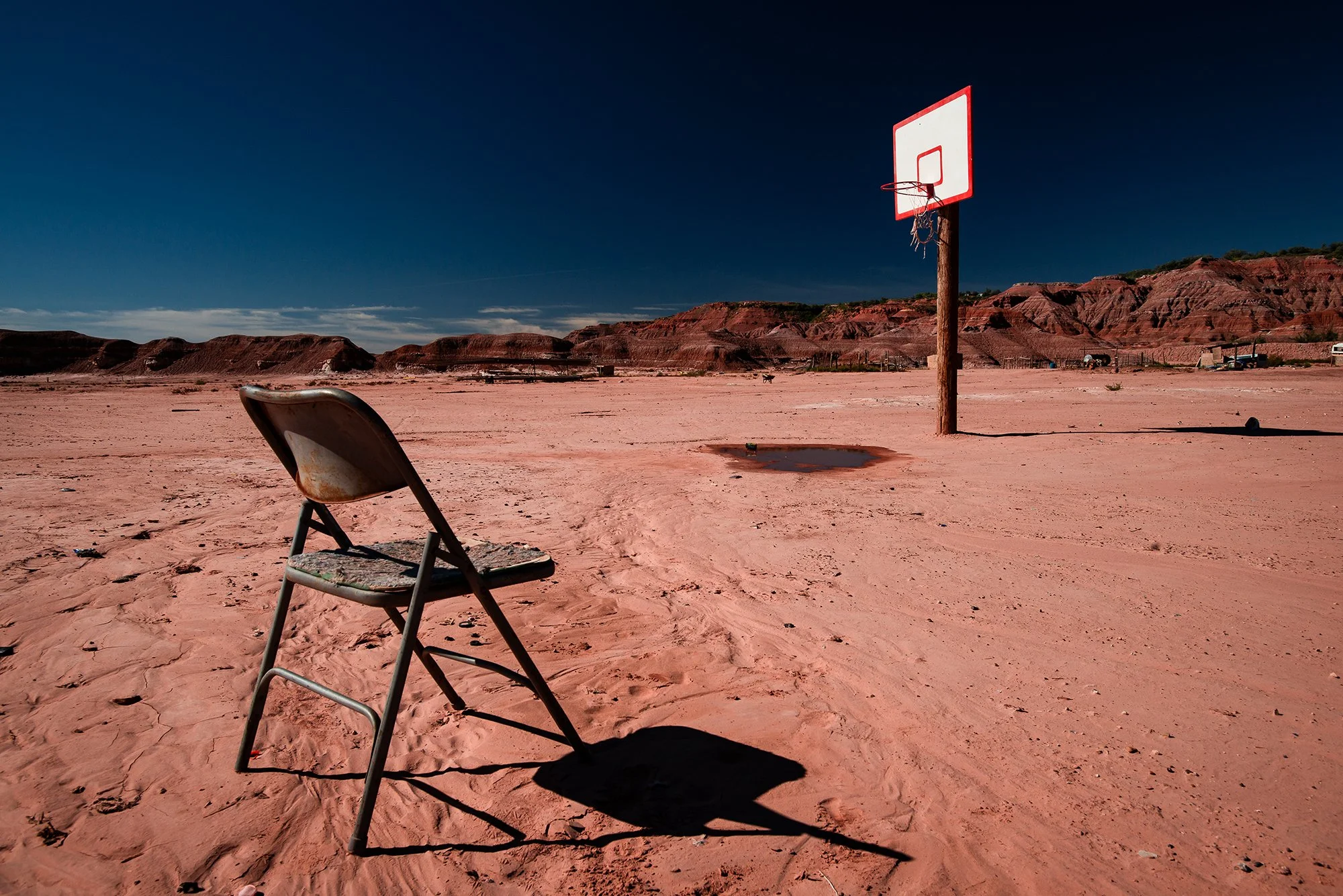
basketball hoop in desert landscape with chair fine art photography print

A solitary chair facing a basketball hoop in a remote desert landscape, part of the American Backcourts series. Available as a fine art basketball wall art print.

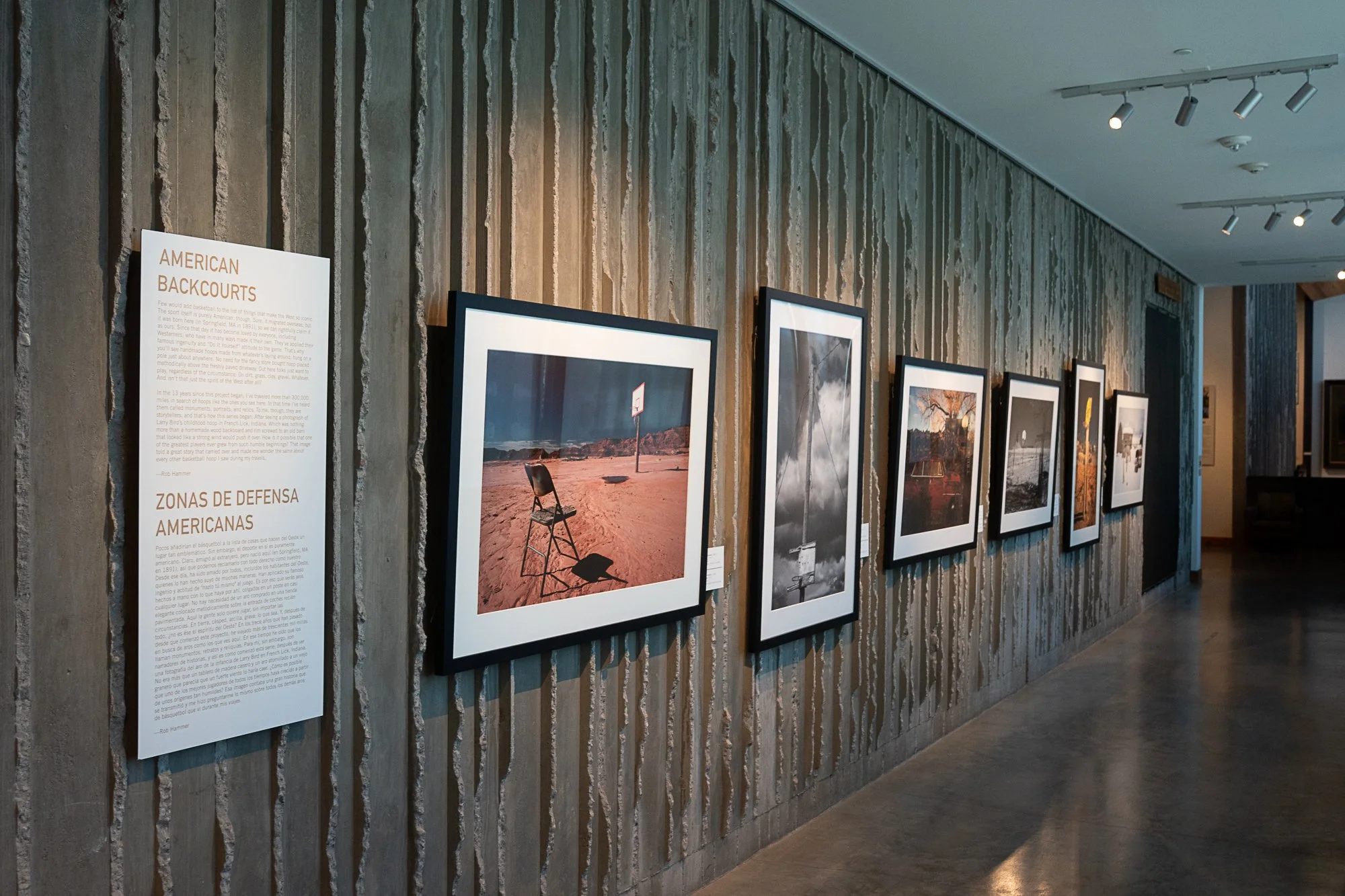
Basketball hoop photography prints displayed in gallery exhibition from the American Backcourts series

Installation view from the American Backcourts series, a long-term project documenting basketball hoops across the United States, exhibited in gallery settings and featured in publications including SLAM and NBA TV.

The Open Road - Photography

American Road Trip Photography

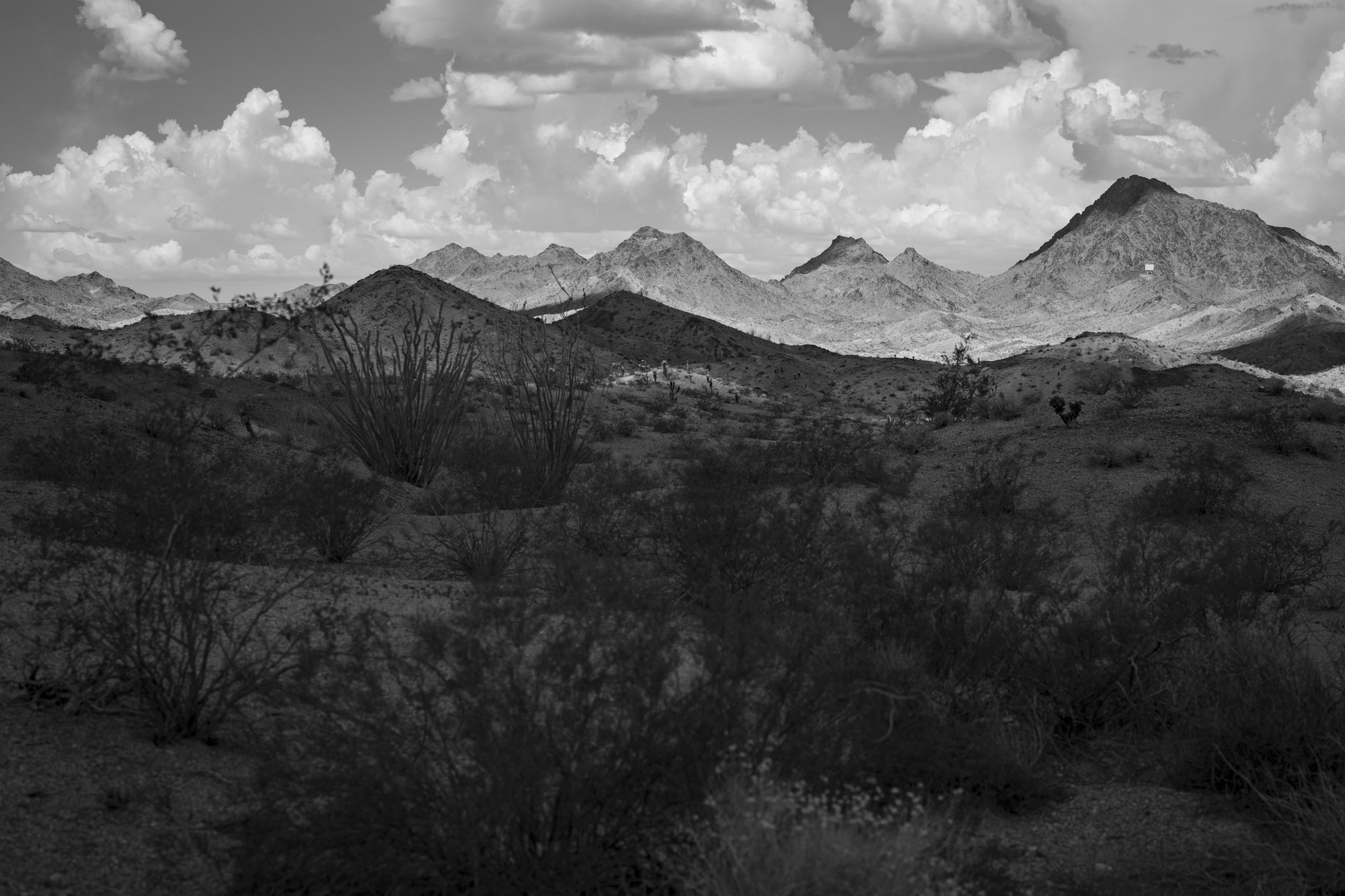
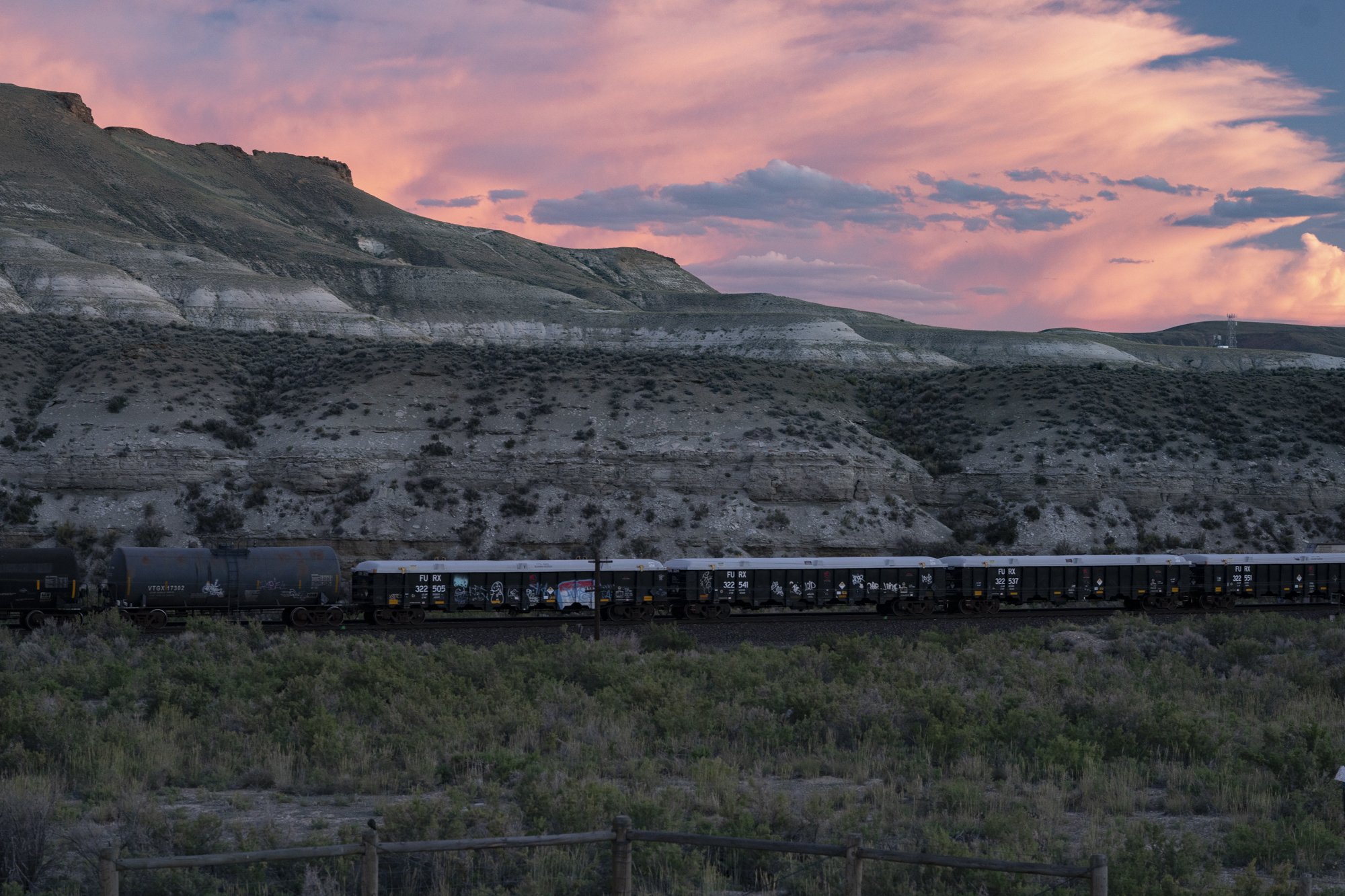
There’s been a hold up with the delivery of Roadside Meditations from Germany, so the release date is looking more like early to mid December. Instead of using this blog post to vent, it seems like a better opportunity to share some new work from the series. They were made over the past two months during two separate road trips to Wyoming and Arizona while working on the new cowboy series.

Looking at these photographs now, there is certainly a calming meditative nature to them. The thing that stands out though, is they aren’t something I could have or would have made 6 months or a year ago. That’s called progress, isn’t it? They aren’t landscapes. So what are they? Not sure you really need to classify them at all. If they are pleasant to look, provide a documentation, or education, that’s what’s important.

Will keep you all posted with updates on the new book as soon as possible.

Utah fine art photography. A beautiful landscape in a rural part of Utah.

Utah

Fine art landscape photos made in a beautiful remote section of Utah, USA.

Utah

Utah Fine art landscape photos by Rob Hammer

Utah

Fine art photo of the California desert. Black and white desert photo.

California

Roadside Meditations - Kehrer Verlag

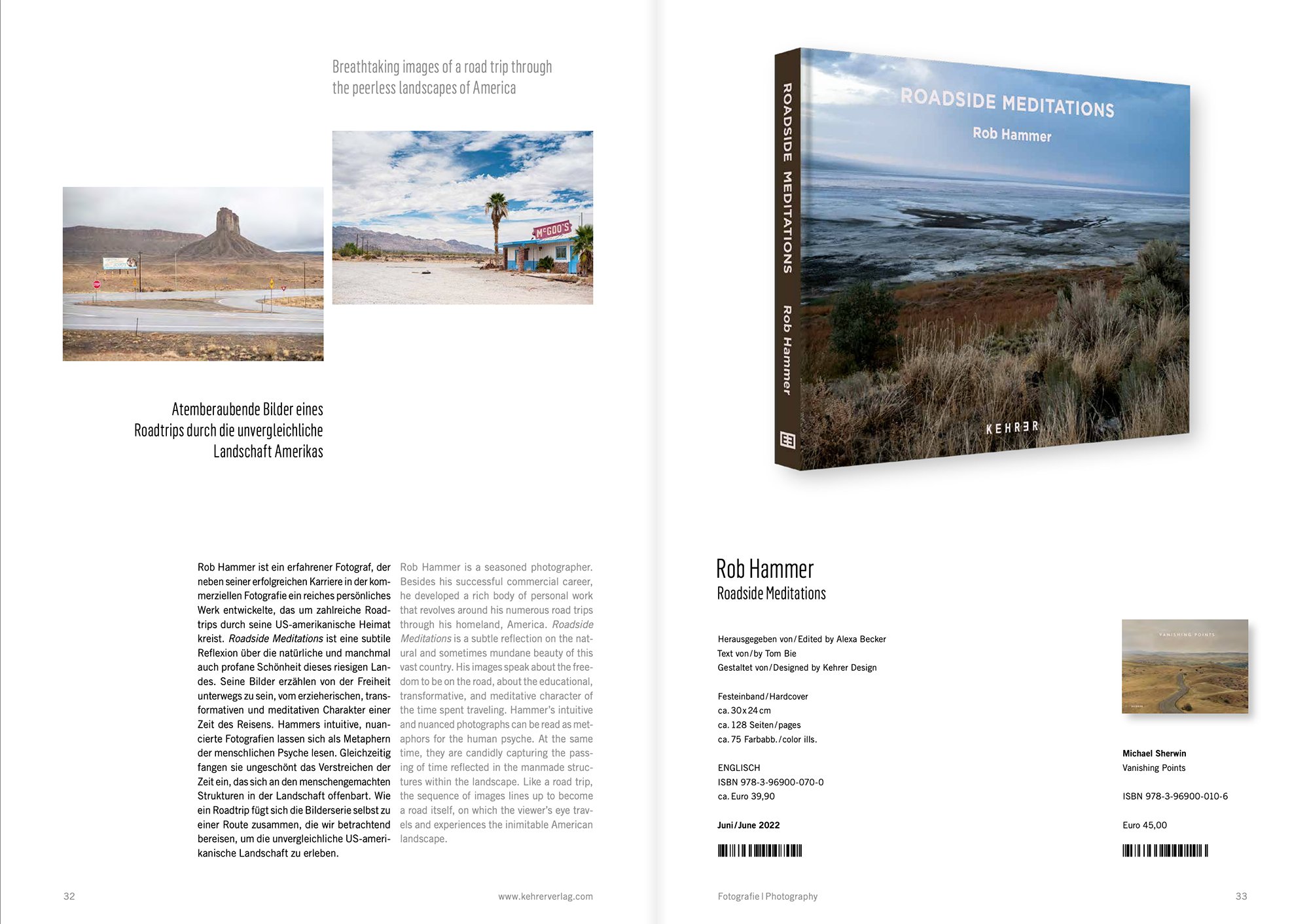
Just returned from the road to find the first copy of Roadside Meditations waiting quietly at home. Feels so good to finally hold a hard copy in my hands after the long (but fun) production process with Kehrer Verlag in Germany. Unfortunately the books aren’t for sale yet in the States, but I will be posting and talking much more about this when the time comes. Hoping to have them up and ready to sell on my web store in about a month. Check back here or Instagram (@robhammerphoto) for updates.

Fine art photography book Roadside Meditations by Rob Hammer and Kehrer Verlag.

American Road Trip Photography Book

The Open Road

Photography and the American Road Trip

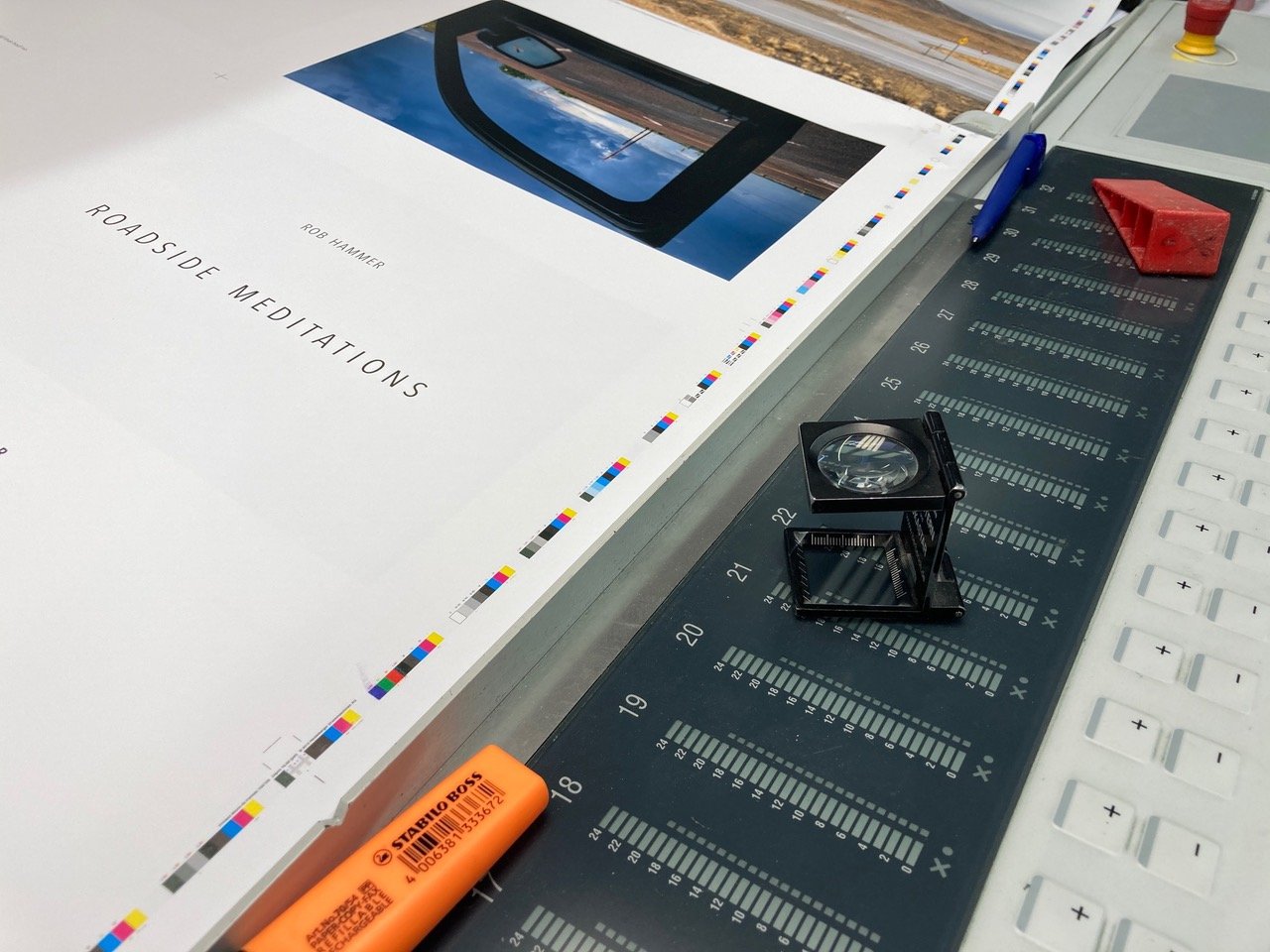
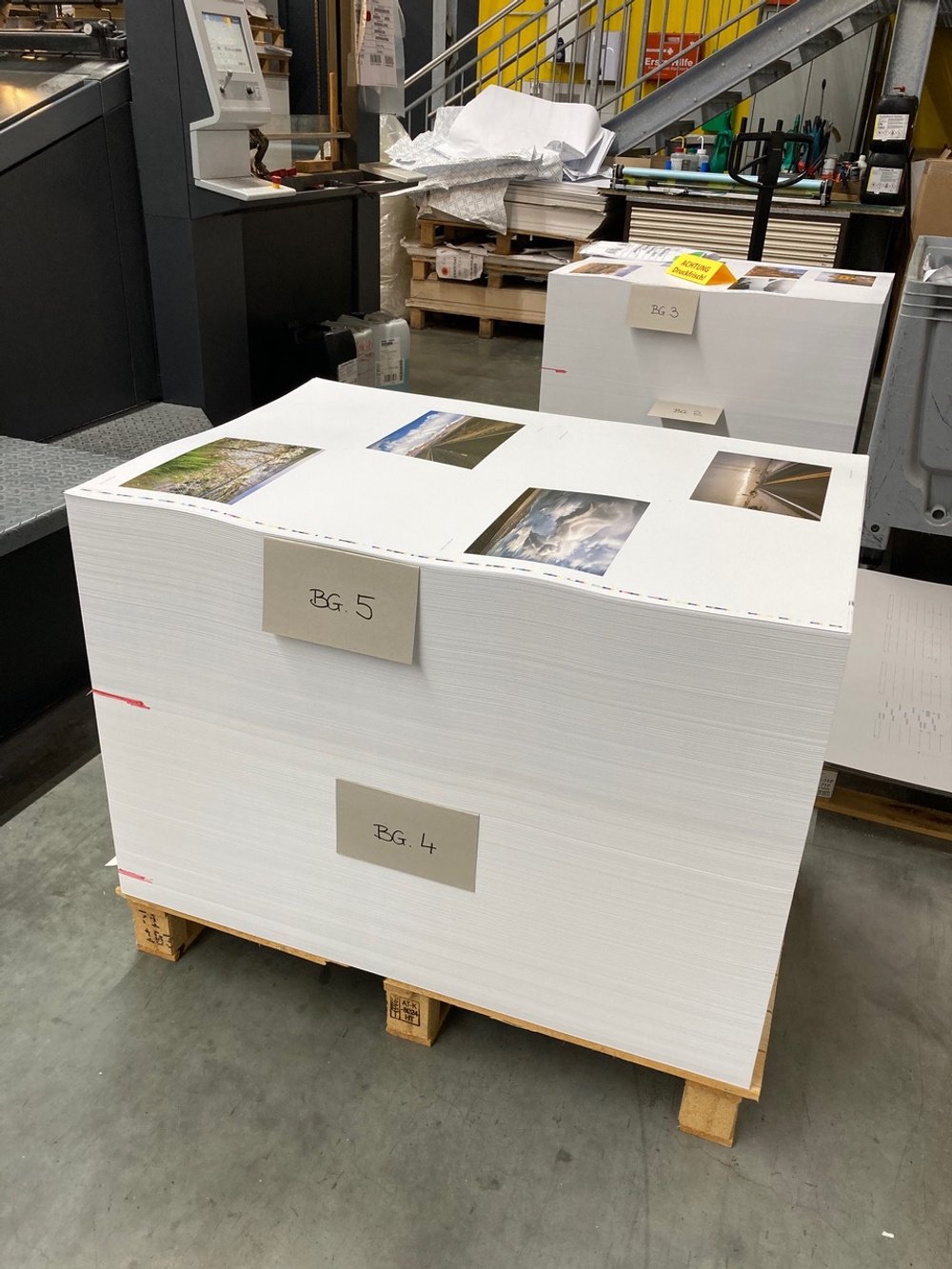
The new book went to press today in Germany! We’ve been working on it for quite some time now, so having forward progress on a physical product feels great. I’m really proud of the work and excited to be able to share it with everyone. Depending on shipping, the books should be here in the middle of October. Follow along on Instagram @robhammerphoto for more frequent updates.

Western Road Trip Photography

American West Road Trip Photography

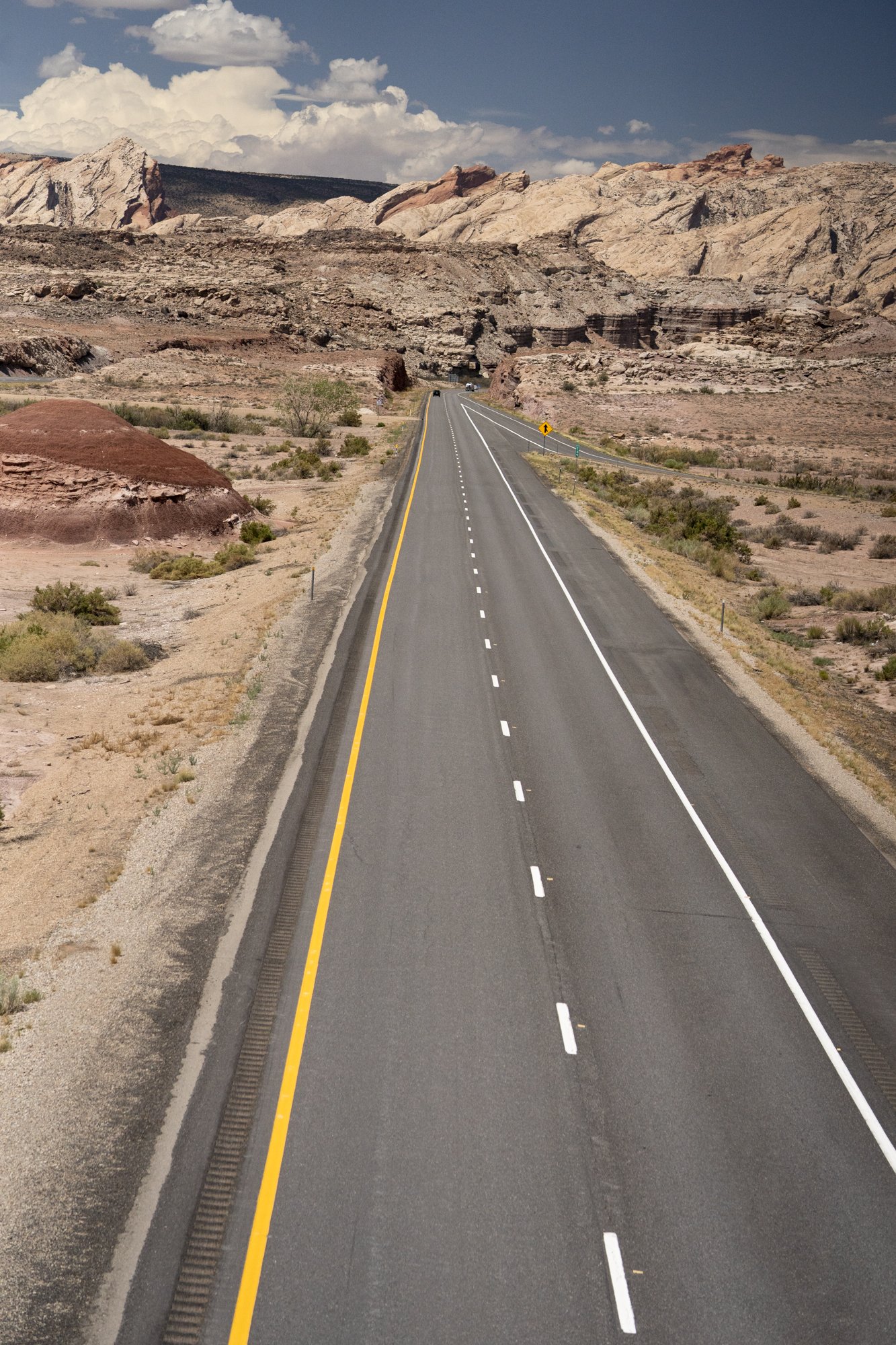
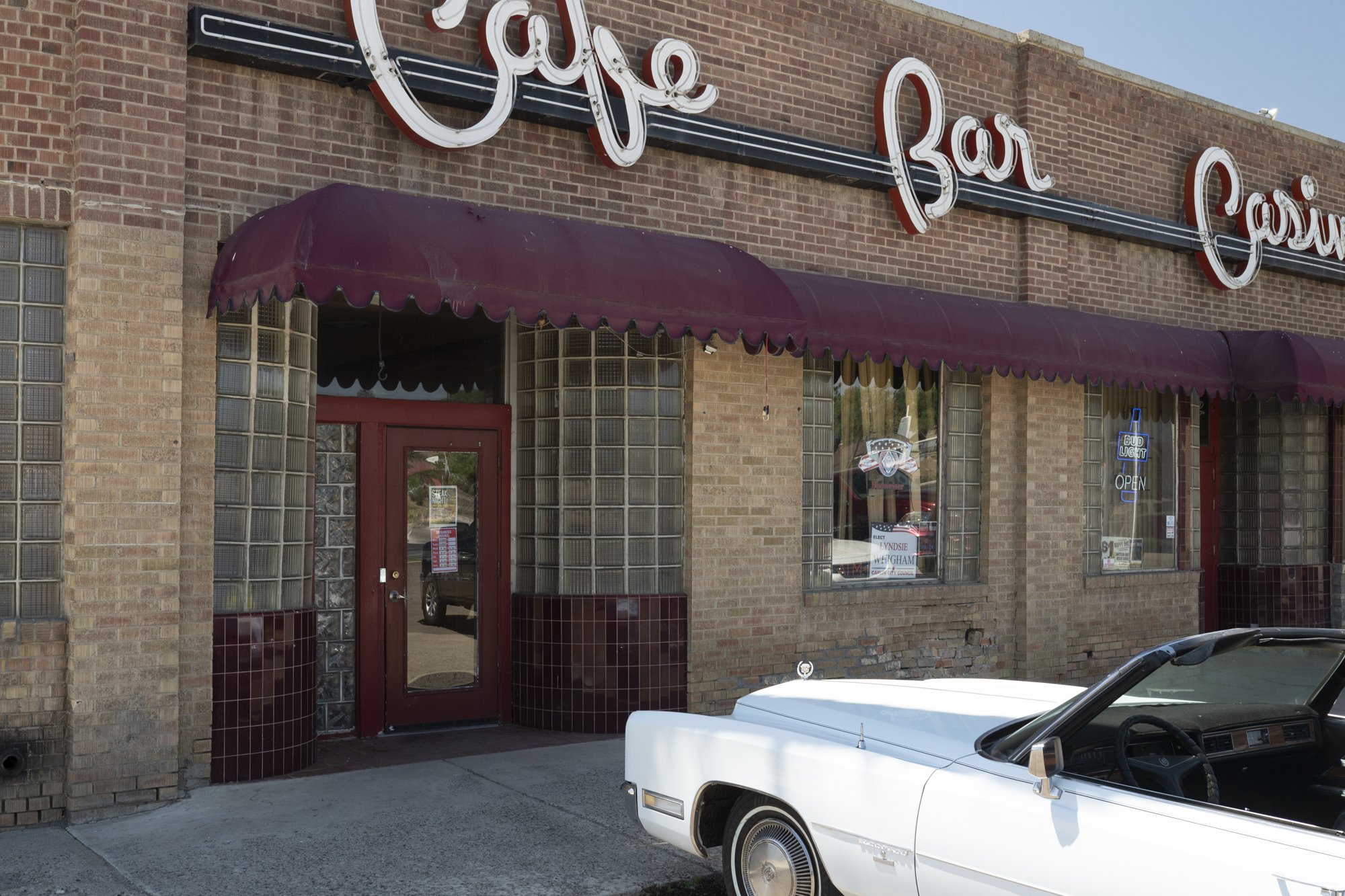
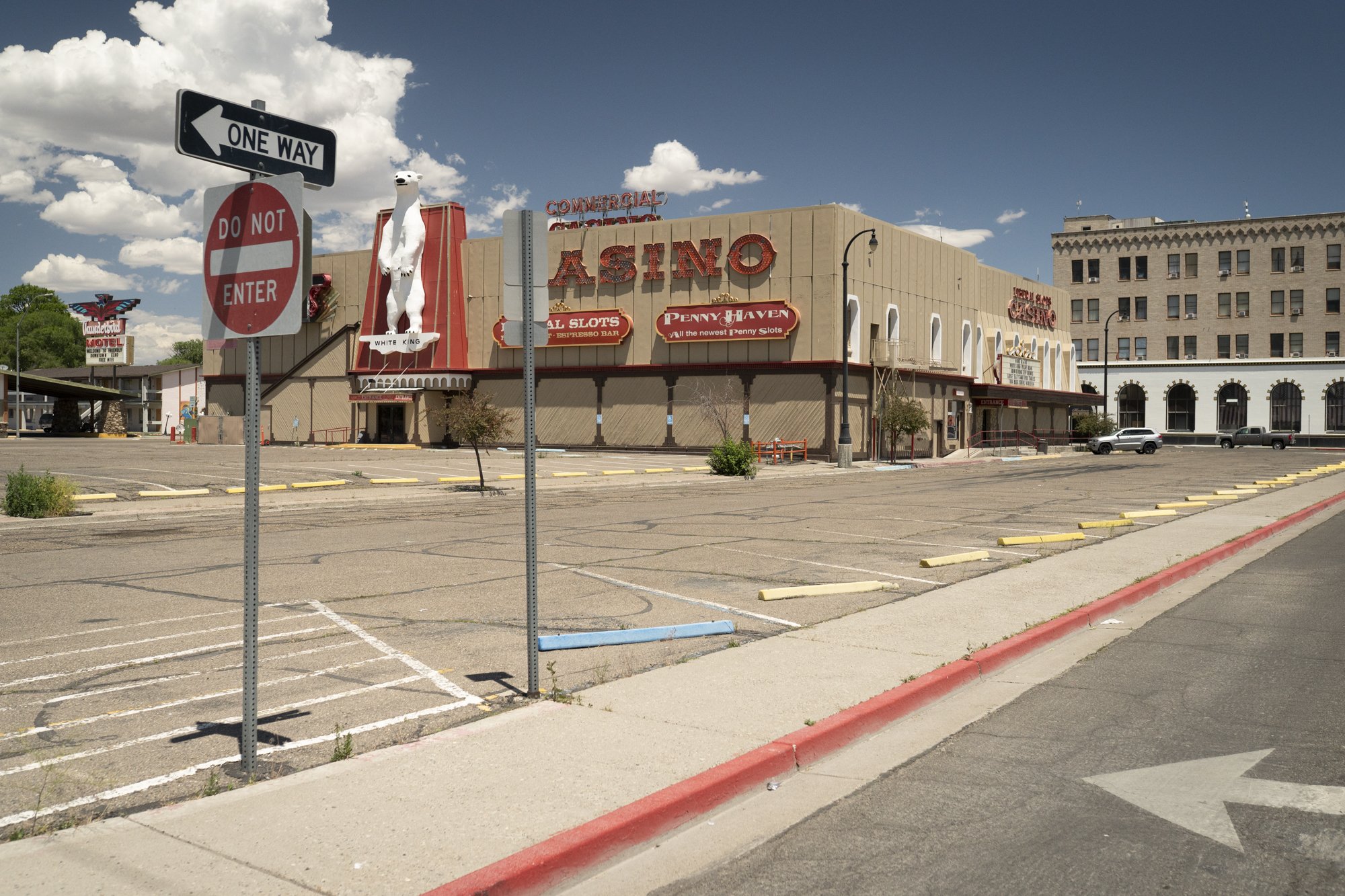
The American road has a way of pulling you back. Long stretches of highway through Nevada and Utah feel endless, but in that repetition there’s a rhythm. Old motels with fading neon, empty casinos standing against the desert sun, and roads that cut straight through the silence — these are the kinds of places I stop for. Photographing them isn’t about chasing a postcard view; it’s about capturing the way travel really feels out here. The grit, the solitude, and the strange beauty of what’s left behind. Many of these kinds of photographs found their way into my book Roadside Meditations, a collection built from years behind the wheel documenting the overlooked corners of America.

Why the Open Road Keeps Calling
There’s something about the freedom of the highway that never wears off. It doesn’t matter how many miles I’ve logged — each trip feels new. With every mile marker comes the possibility of something unexpected: a forgotten town, a roadside diner, or a stretch of desert that feels infinite.

Nevada’s Overlooked Beauty in Photographs
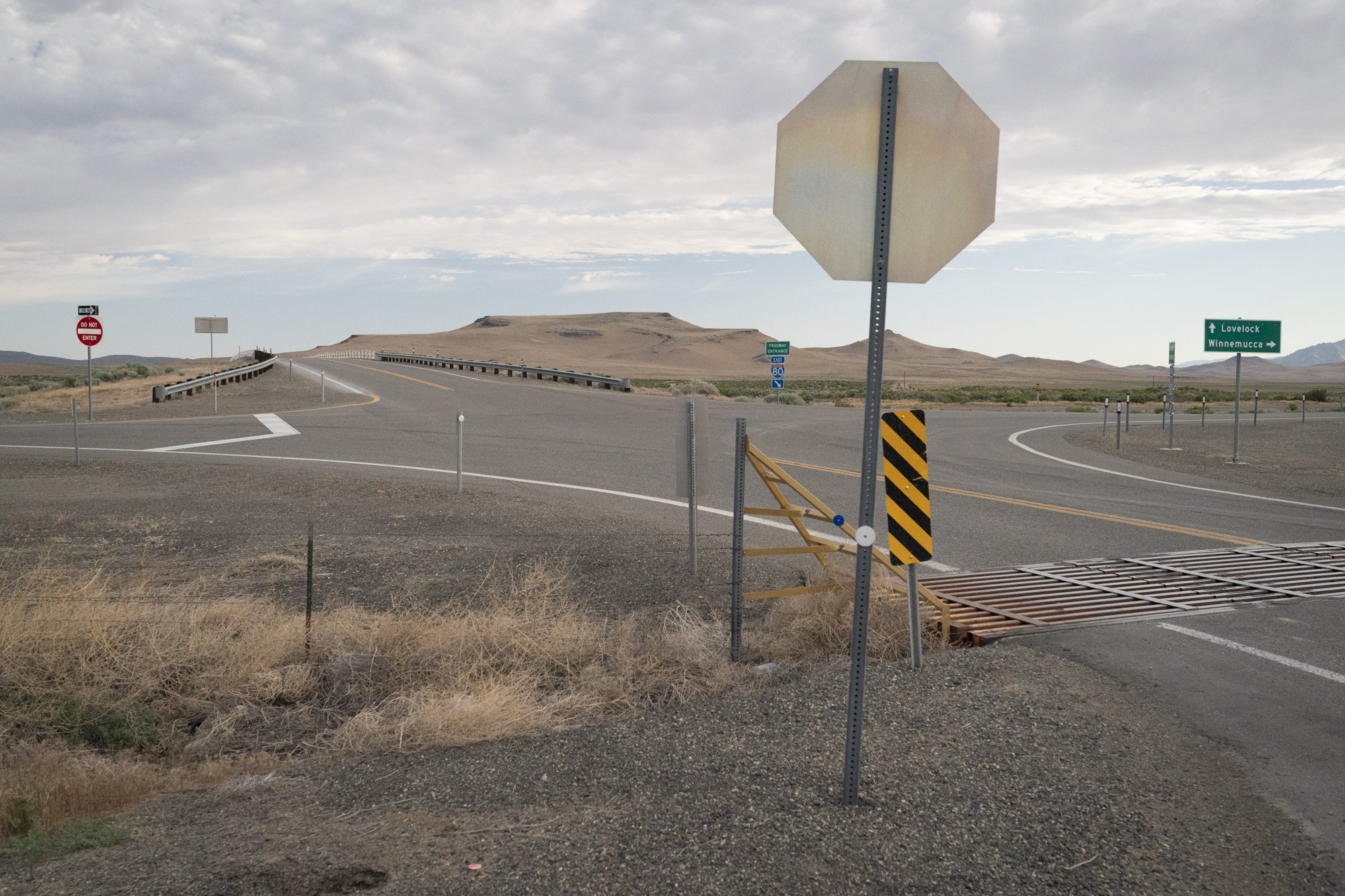
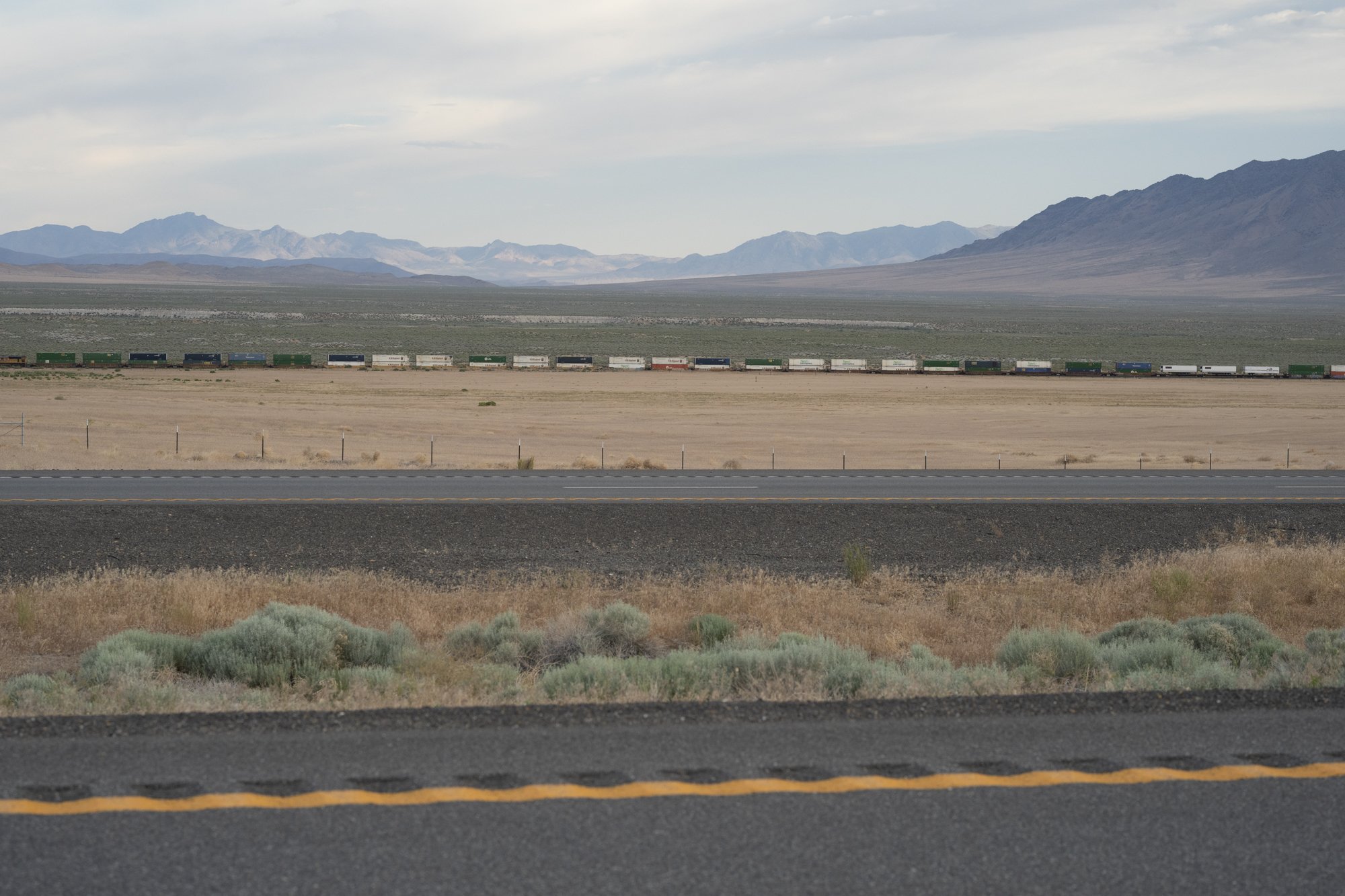
Nevada isn’t just casinos and flashing lights. Once you get off the interstate, the state opens up into a landscape of wide valleys, mountains in the distance, and towns that feel frozen in time. Photographing here means noticing the quiet — the old gas stations, fading billboards, and roads that seem to go on forever.

Utah Road Trip Photography and Timeless Highways
Utah is a different kind of dramatic. The land rises and folds into formations that feel older than time, and the towns tucked between them hold their own stories. Photographing here means chasing light across red rock, watching storms roll over plateaus, and pulling over just to breathe in the silence.

From the Road to the Book: Roadside Meditations
This series of photographs is part of a larger body of work I’ve been building for years — a meditation on the American road. Many images similar to these live in my book Roadside Meditations, which gathers together the motels, highways, small towns, and wide-open spaces that define what it feels like to drive across America. It’s less about where you’re going and more about what you see along the way.

Click here to shop my road trip photo book - Roadside Meditations

Click HERE to see more of my American Road Trip Photography.

Photographing America

American Photography - Fine Art

Road Trip Photos - Travel

Walking away from our work can be such a benefit. Meaning that we need to not see it for quite some time to realize what’s good and what isn’t. The “America” series has, like most of my projects, been going on for ten years now. I love it, but things have reached the point where the library is so big that it’s overwhelming. Making it hard to share in any productive manner. Everything you seen in the post was made over the last two or three years, which is usually the amount of time it takes to make sense of it all. That’s not a good thing. It’s time to enlist the help of a professional editor.

Click here to see more from the America series

Basketball As A Global Language

Basketball Hoops in Europe

Street Basketball and Public Hoops Across European Countries

Basketball is often thought of as an American game, but travel quickly proves otherwise. While moving through cities and small towns across Europe, I began noticing basketball hoops tucked into courtyards, alleys, schoolyards, and public spaces—quietly integrated into daily life. These photographs document street basketball as it exists beyond professional arenas: worn backboards, improvised courts, and places where the game is played simply because space allows for it. What stood out was both the differences from home and the familiarity—evidence that basketball has become a shared, global language spoken in cities far from where the game began.

Basketball Culture Beyond the United States

By the time these photographs were made, I had already spent years documenting basketball hoops across the United States. That long-term work shaped how I saw the game elsewhere. In Europe, basketball didn’t announce itself with signage or formal courts; it appeared quietly—behind apartment buildings, beside schools, along the edges of public parks. The hoops were often worn, sometimes improvised, and clearly used. These weren’t destinations. They were part of the landscape.

Basketball as a Global Game

Basketball’s simplicity is what allows it to travel. A single hoop can turn almost any space into a court. In Europe, that adaptability felt especially apparent. Courts were smaller, surfaces uneven, and surroundings shaped by centuries of architecture rather than modern planning. Yet the game persisted, fitting itself into whatever space was available.

These photographs aren’t about organized play or competition. They focus instead on the presence of the game itself—how basketball exists even when no one is on the court. In that way, the hoops become markers of cultural exchange, evidence of how a game invented in one country has embedded itself into everyday life far beyond its origins.

What These European Hoops Reveal About Basketball in America

Seeing basketball in Europe reinforced something I had already been observing at home: the game belongs as much to ordinary places as it does to arenas. The same visual patterns repeat—bent rims, weathered backboards, courts shaped by their surroundings rather than by regulation. Basketball adapts to place, but it never loses its identity.

That realization continues to inform my ongoing work documenting basketball hoops across the United States. While the landscapes differ, the impulse behind the game feels universal. Basketball shows up wherever people live their lives, and the hoop often remains long after the players have gone—quiet, functional, and waiting.

An Ongoing Documentary Approach

This body of work exists alongside my long-term project photographing basketball hoops in America, where I continue to focus on rural towns, backyards, alleys, and overlooked spaces. Together, the images form a broader visual study of basketball as part of everyday life—one that crosses borders without losing its meaning.

Rather than treating these European photographs as a separate series, they function as context. They reinforce the idea that basketball isn’t confined to a single country or culture. It’s a shared language, expressed through place, architecture, and the simple presence of a hoop.

View More Global Basketball Hoop Photographs

American Backcourts - A long-term photography project documenting old, handmade, and overlooked basketball hoops found in small towns, rural yards, and quiet neighborhoods across the United States.

Vietnam Hoops - A photographic exploration of basketball hoops across Europe, where the game blends into historic streets, housing blocks, and everyday public spaces.

Venice Beach - A vibrant look at basketball culture in Venice Beach, California, where color, creativity, and public courts collide in one of the most iconic basketball environments in the world.

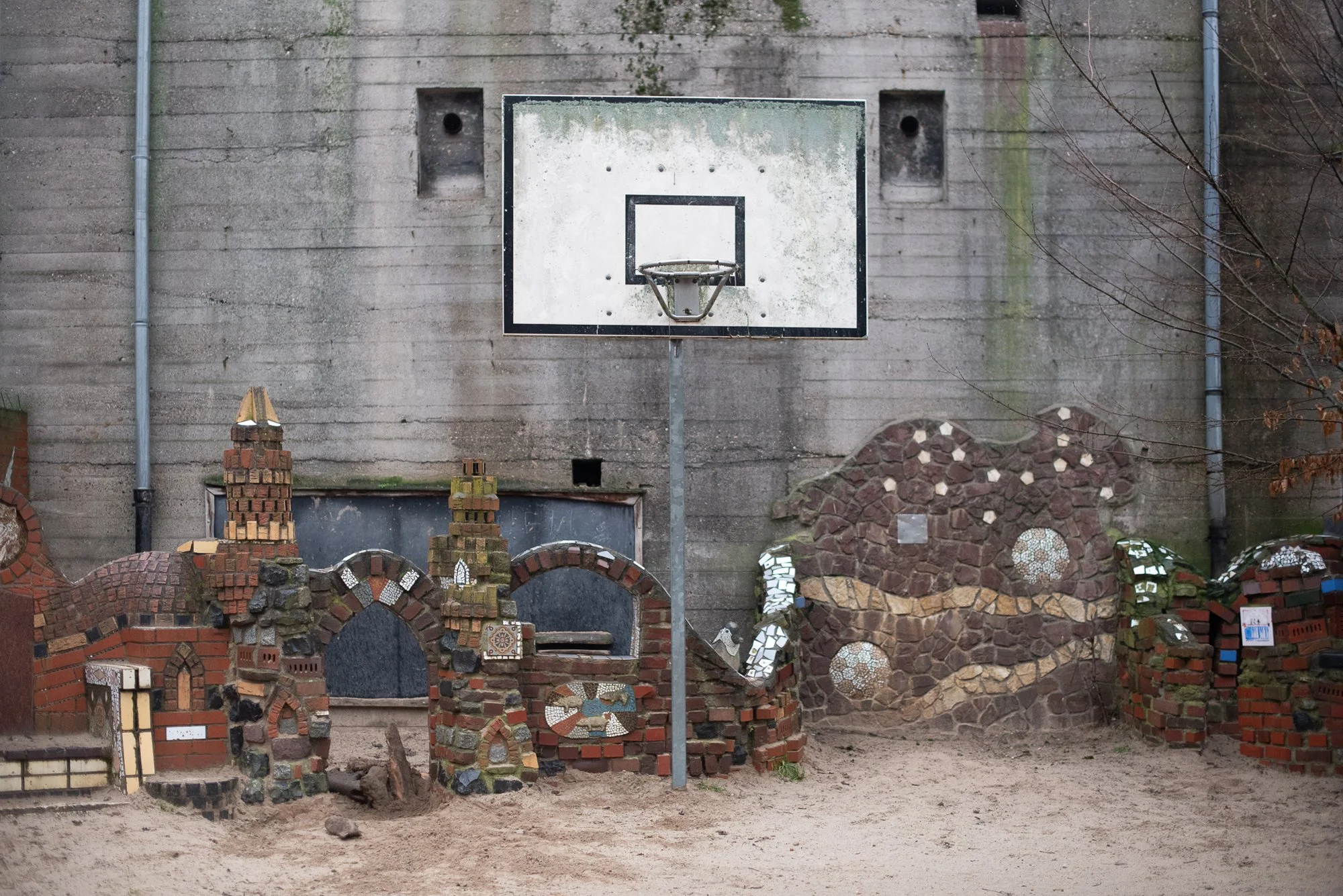
Outdoor basketball hoop on a metal pole set in front of a mosaic brick wall on a European courtyard court.

A basketball hoop stands in a small courtyard, framed by handmade brick and stone mosaics that blend public art and everyday basketball culture

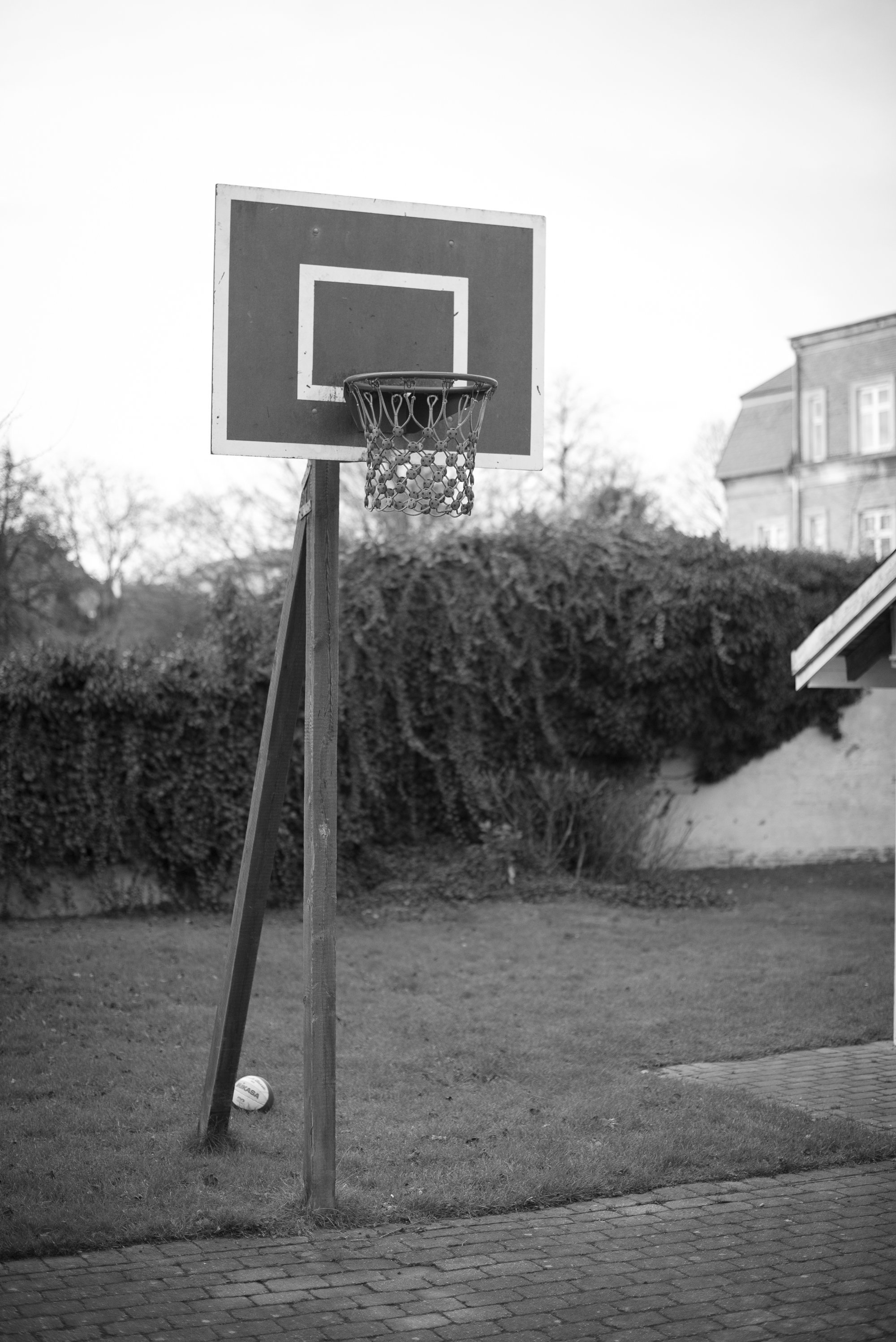
Black and white photograph of a residential basketball hoop set on a small outdoor court in Europe.

A lone basketball hoop in a residential setting, photographed in black and white, highlighting the quieter side of European basketball culture.

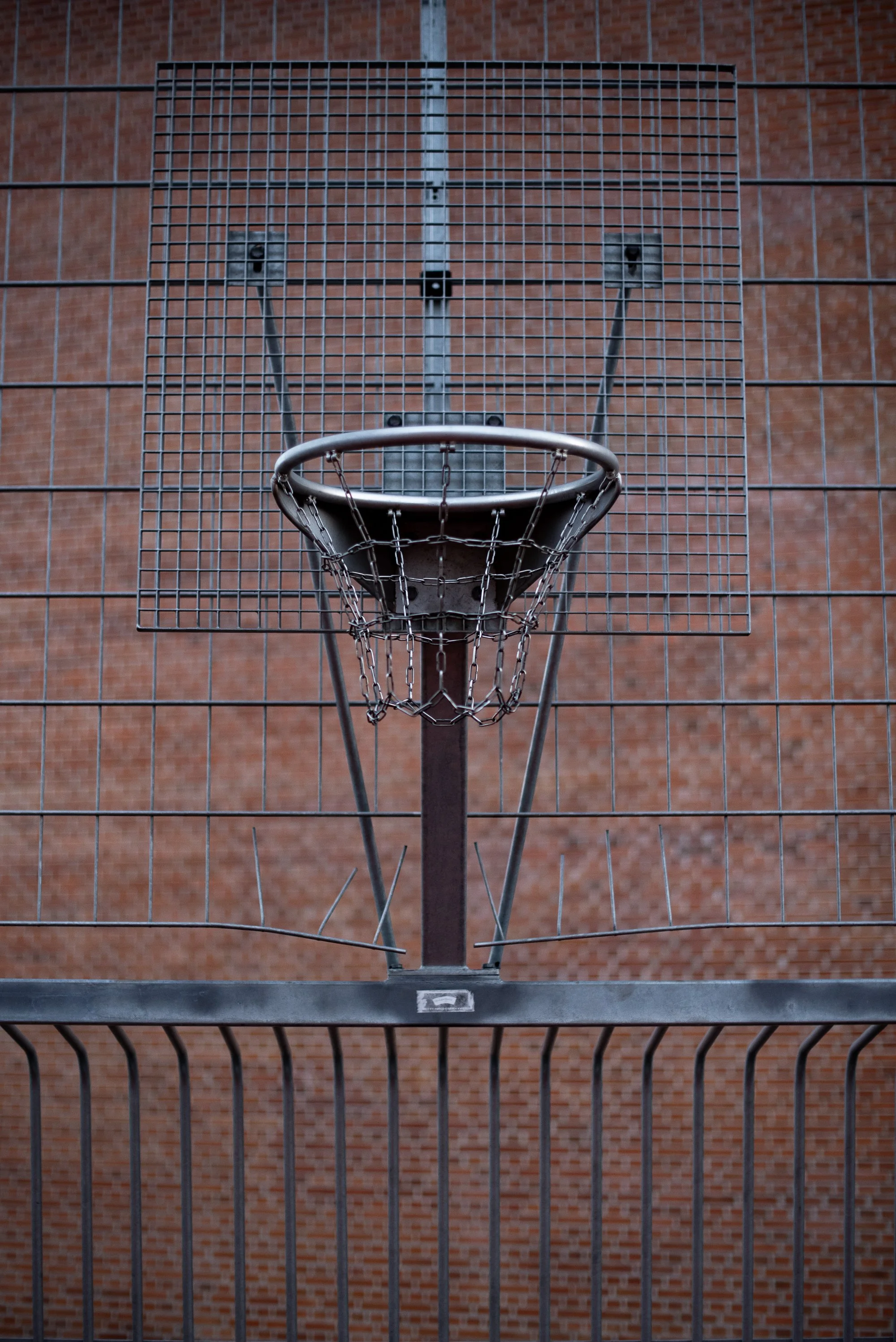
Chain-net basketball hoop mounted on a pole in front of a brick wall on a European outdoor court.

A chain-net basketball hoop centered against a brick backdrop, highlighting durability and utility in European public courts.

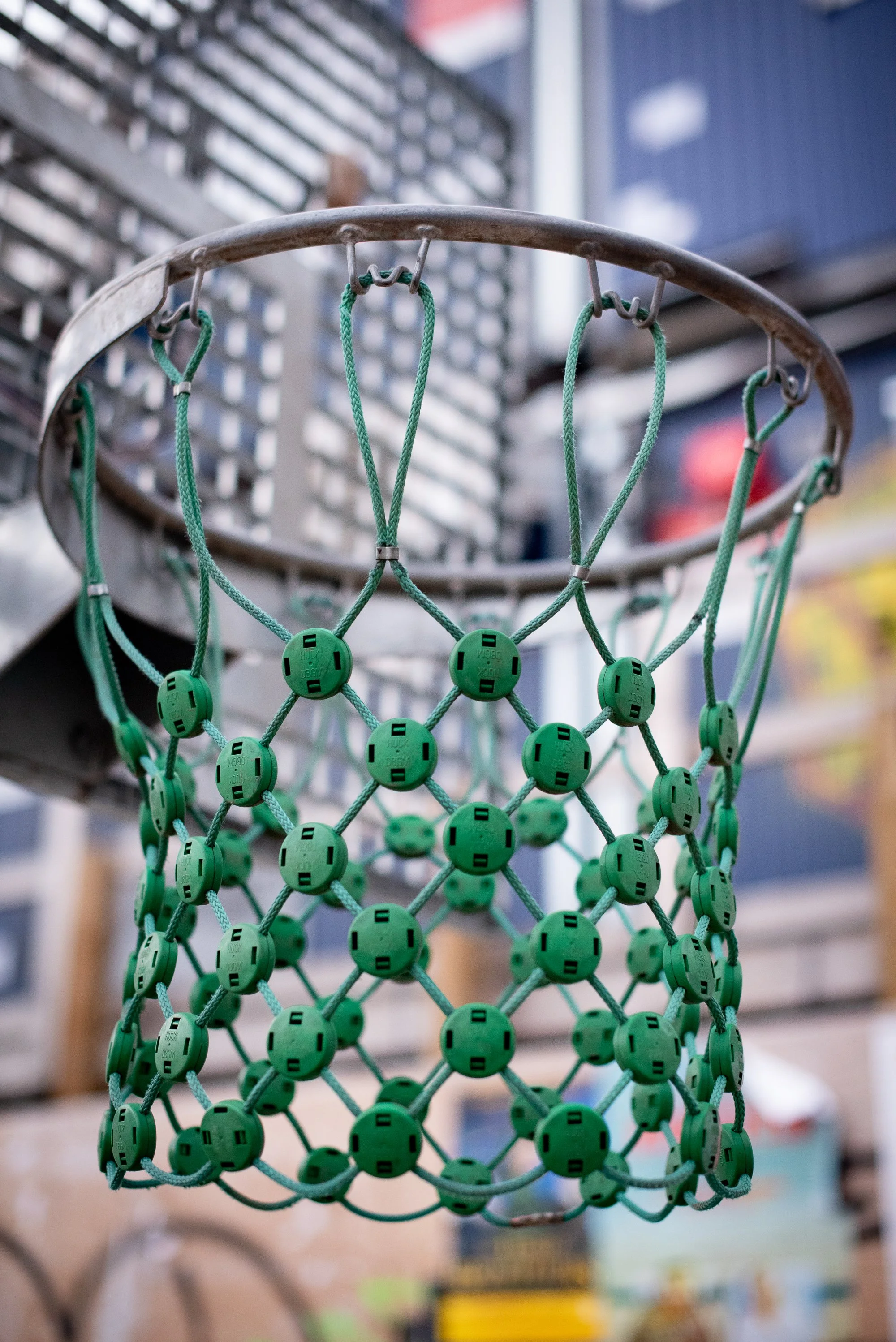
Close view of a basketball hoop with a green net on an outdoor European court, photographed against an urban background.

A brightly colored basketball net hangs from an outdoor hoop, emphasizing the visual details that define everyday basketball culture in European cities.

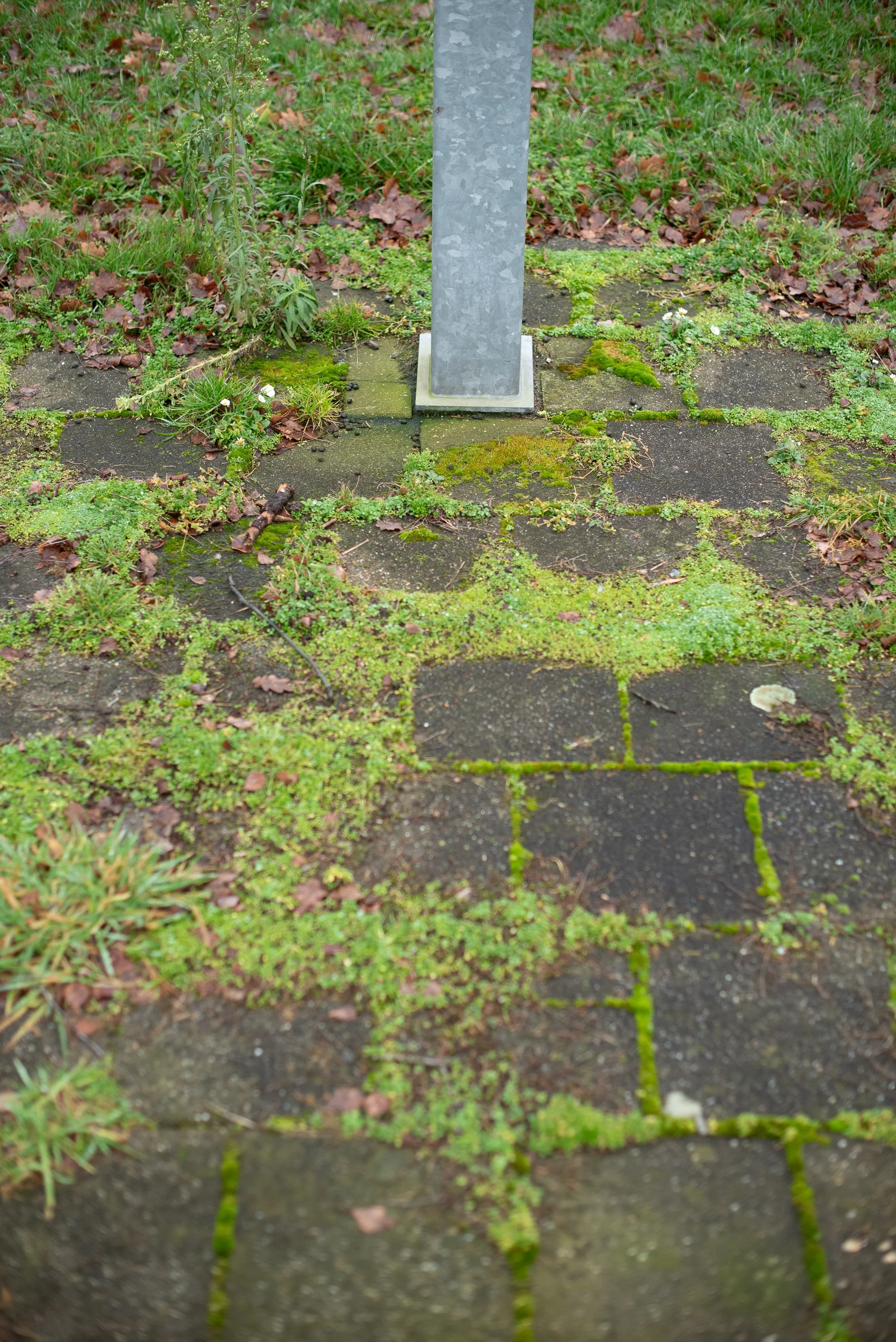
Close-up of a basketball hoop pole anchored into moss-covered stone on an outdoor European court.

Detail of a basketball hoop’s base, where metal, stone, and moss reveal the slow passage of time on an outdoor European court.

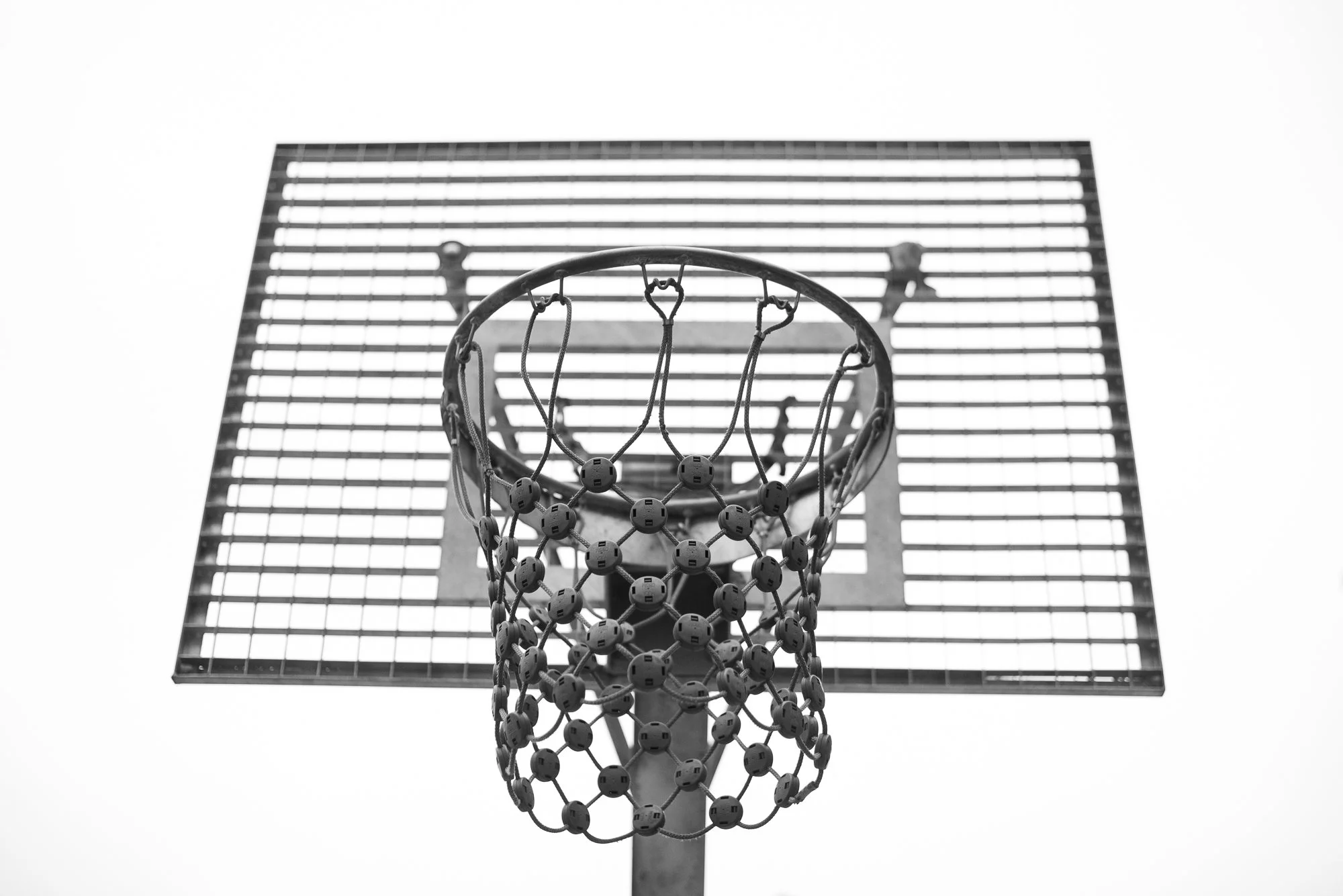
Black and white photograph of an outdoor basketball hoop and net on a European public court.

A straightforward view of an outdoor basketball hoop, photographed in black and white to focus on form, structure, and balance.

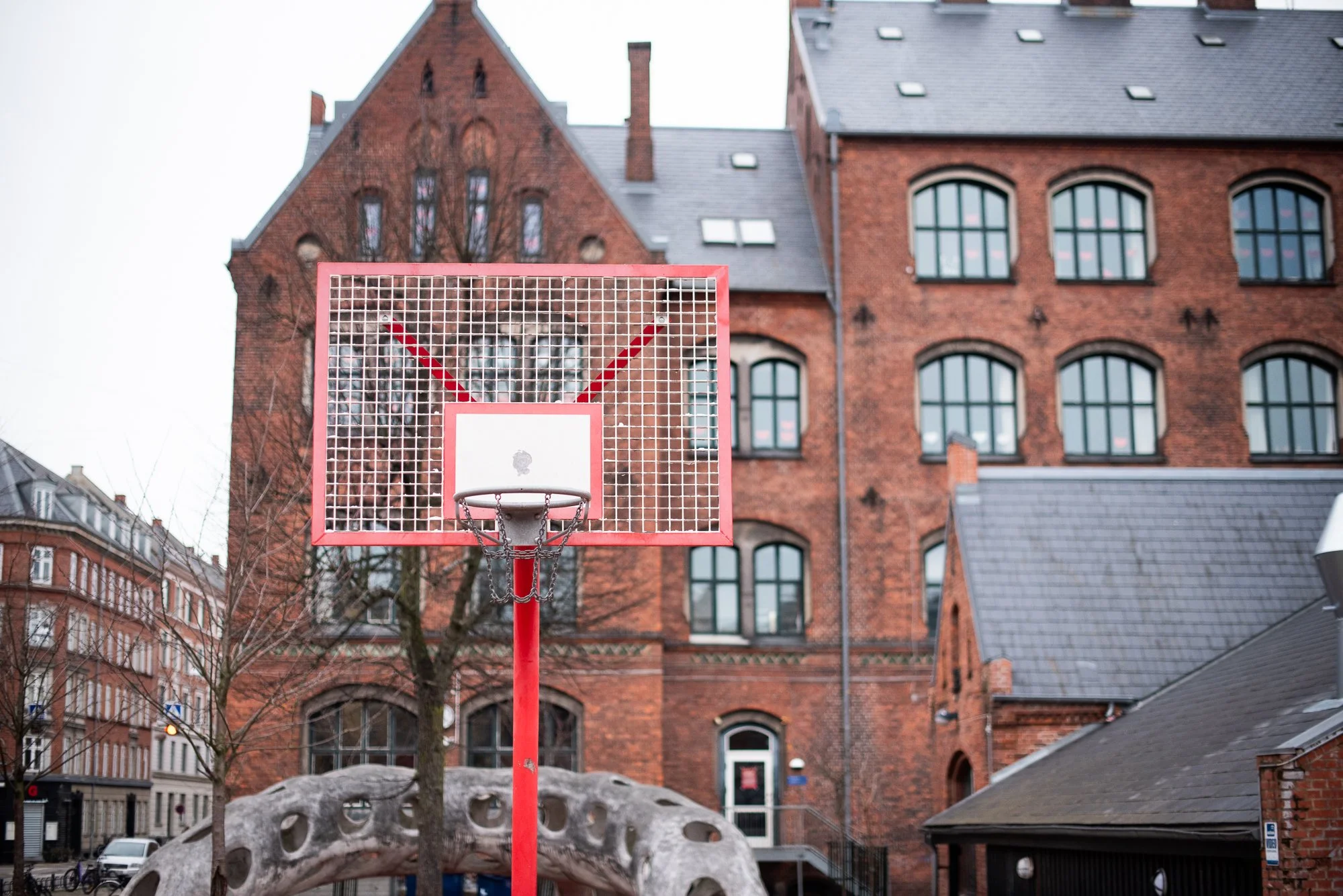
Outdoor basketball hoop with a red backboard set in front of a historic brick building in Europe.

A red basketball backboard stands out against brick architecture, showing how outdoor courts are embedded within everyday European neighborhoods.

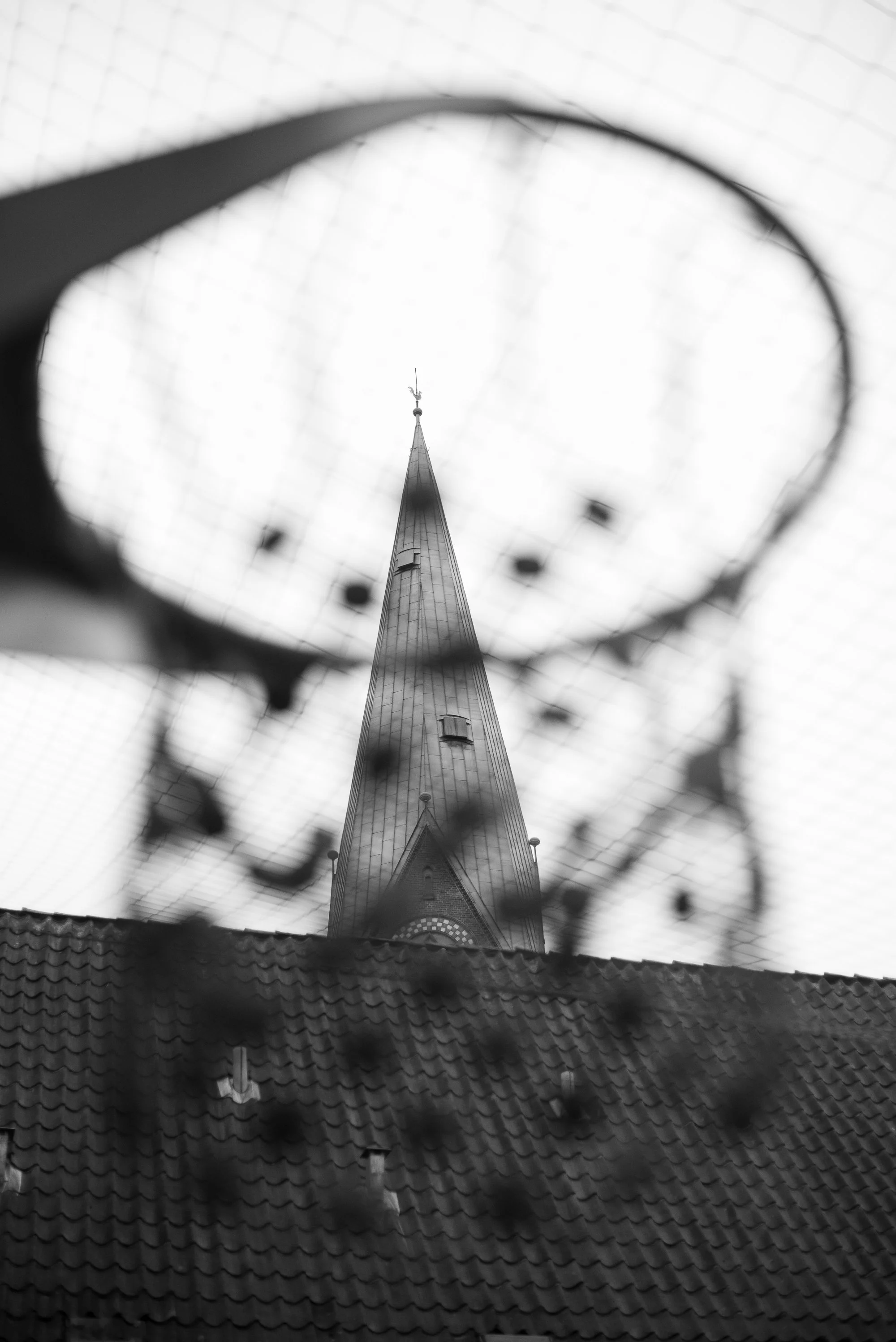
Black and white photograph of a church steeple framed through a basketball hoop on a European outdoor court.

Seen through the rim of a basketball hoop, a church steeple rises in the background, placing the game within the architectural fabric of a European town.

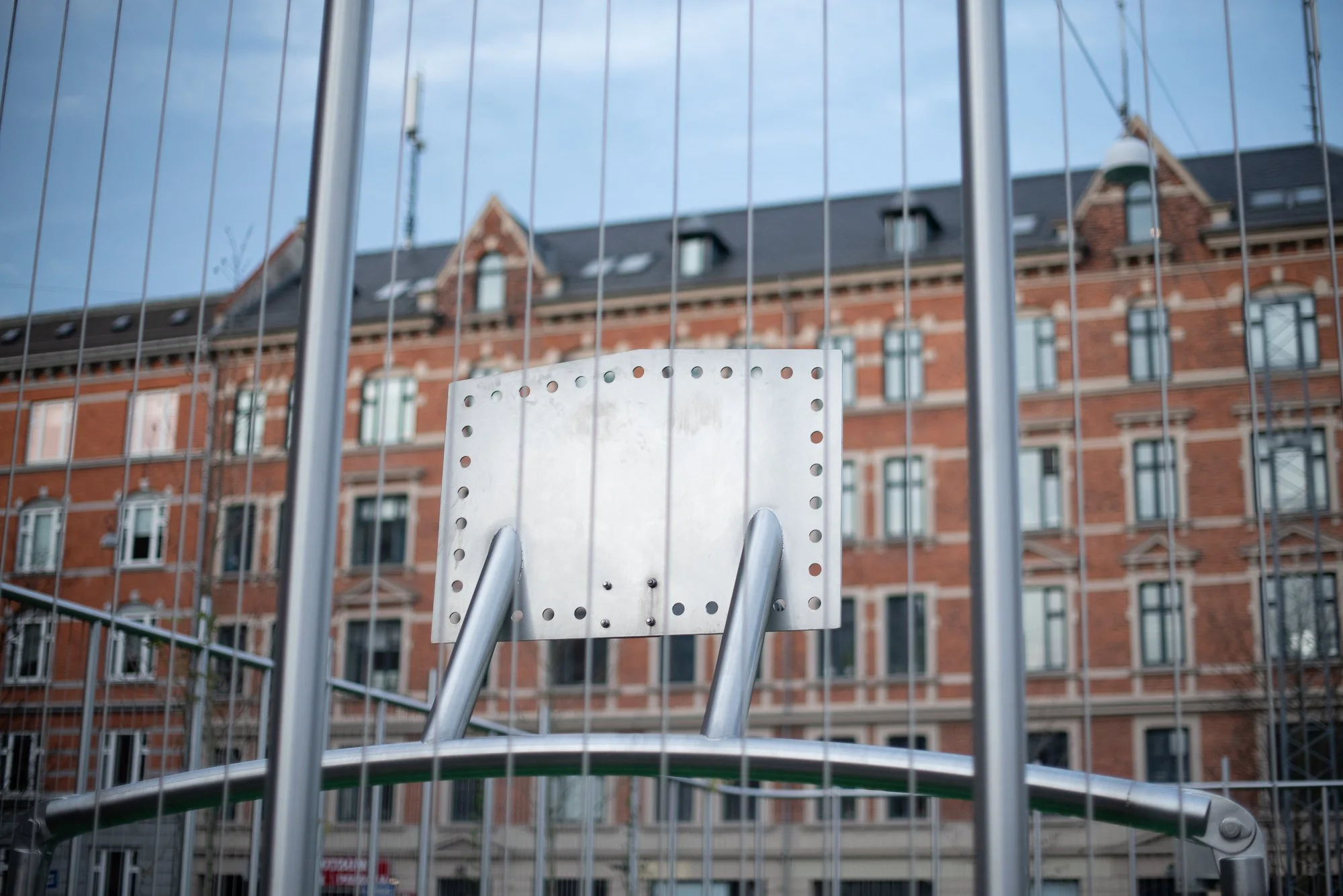
Outdoor basketball backboard photographed behind protective fencing on a European urban court.

A metal basketball backboard seen through fencing, reflecting the layered infrastructure common to many public courts across Europe.

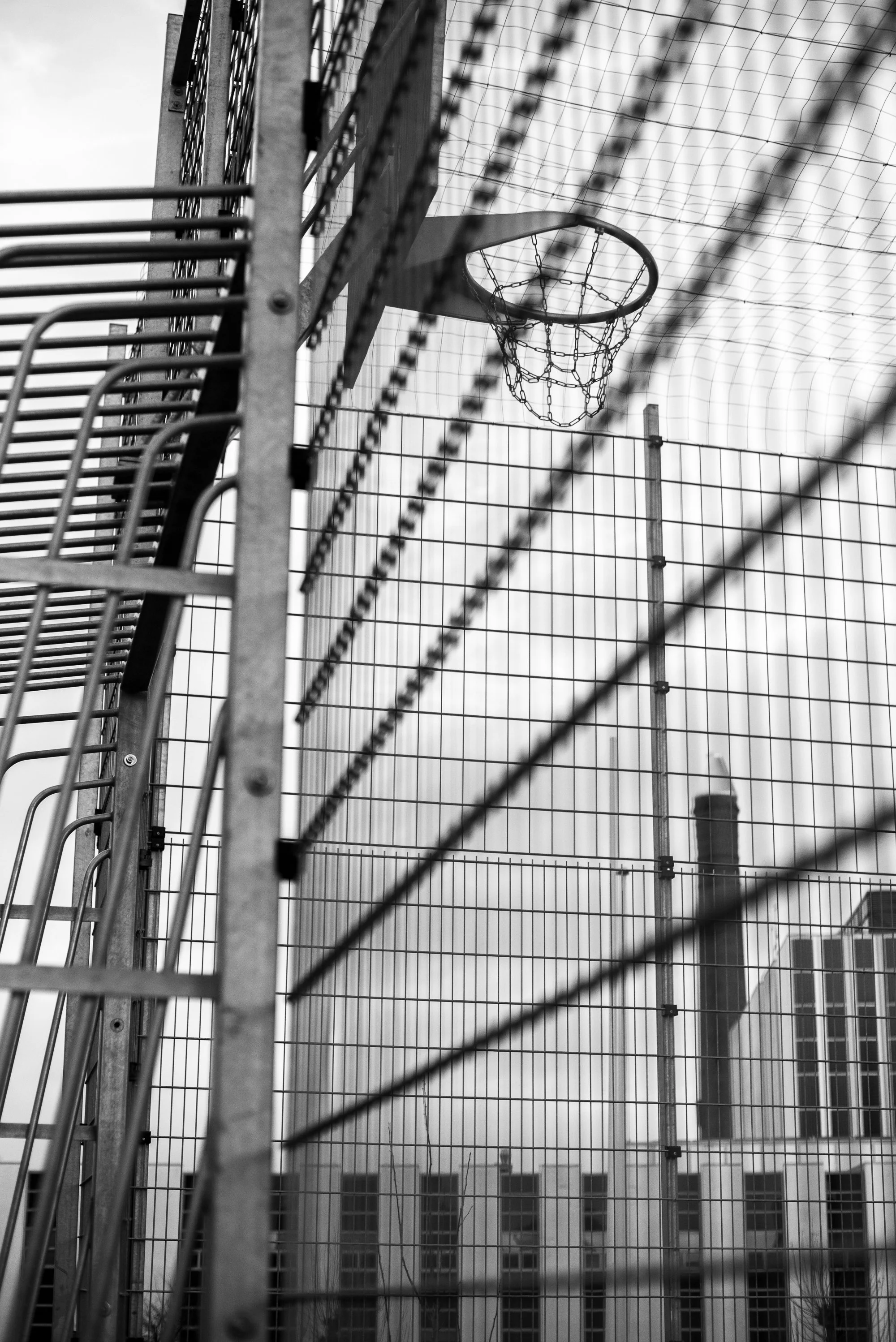
Black and white photograph of a basketball hoop viewed through fencing on an outdoor European court.

Viewed through layers of fencing, an outdoor basketball hoop emphasizes access, separation, and the realities of shared public space.

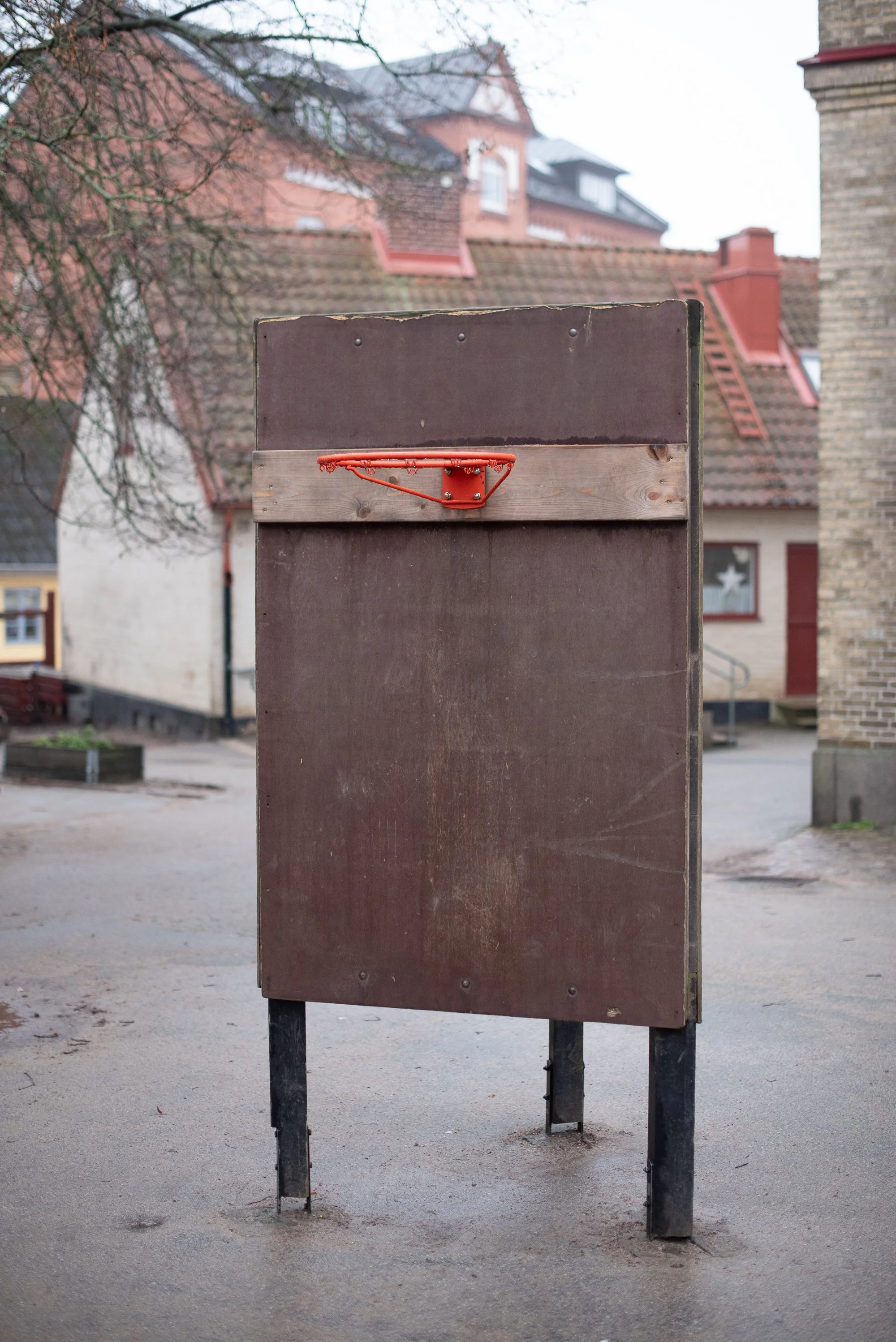
Handmade wooden basketball backboard with an orange rim photographed in a European residential setting.

A handmade wooden backboard with a bright orange rim highlights the improvised, personal nature of informal basketball spaces.

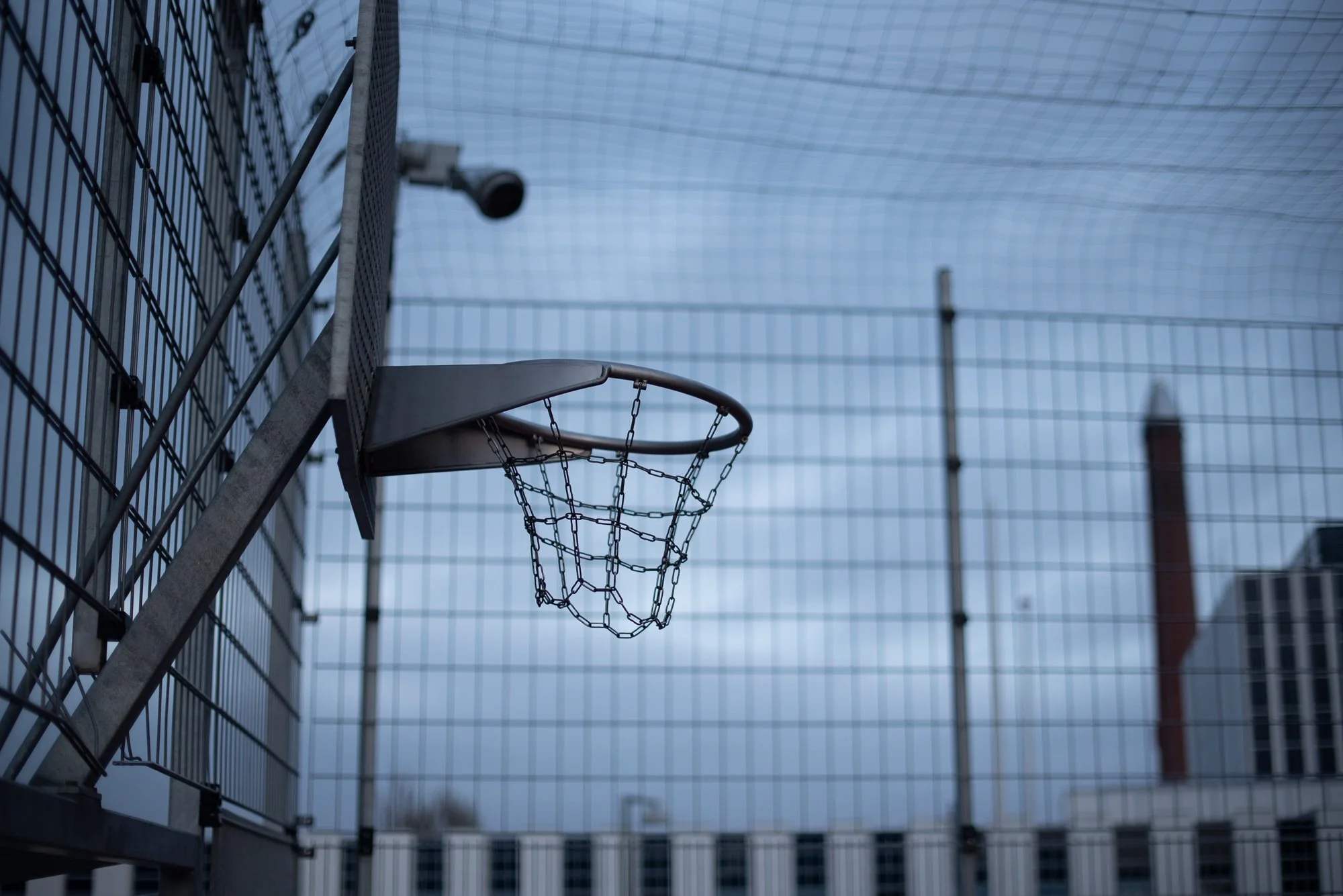
Outdoor basketball hoop photographed at dusk behind fencing on a European public court.

A basketball hoop at dusk, surrounded by fencing, captures the subdued atmosphere of an outdoor European court after daylight fades.

Outdoor basketball hoop on a quiet European court with moss-covered paving stones and surrounding trees.

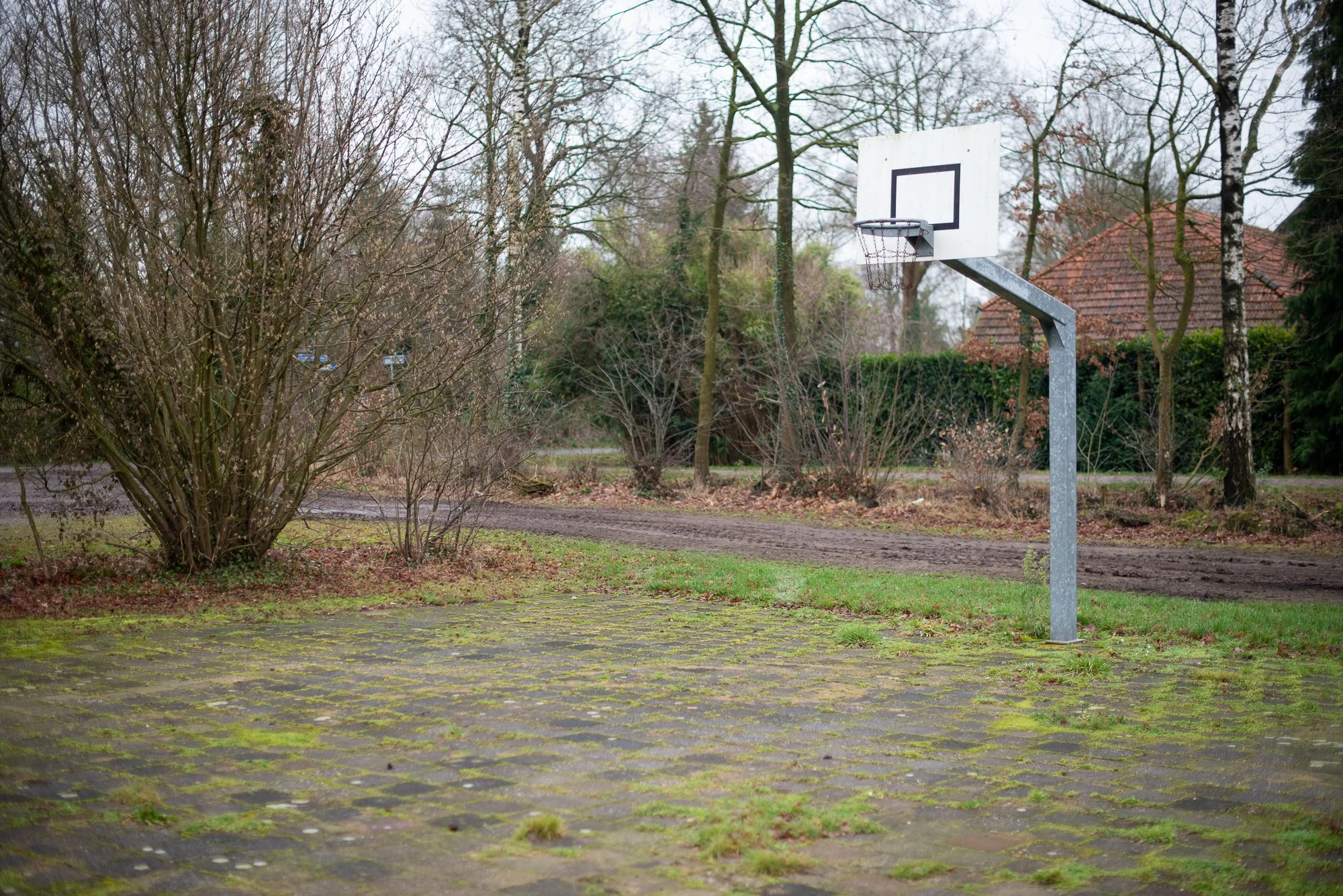
A solitary basketball hoop sits on a moss-covered outdoor court, reflecting the quieter, weathered character of many European public playing spaces.

Outdoor basketball hoop with a chain net set against an urban building facade in Europe.

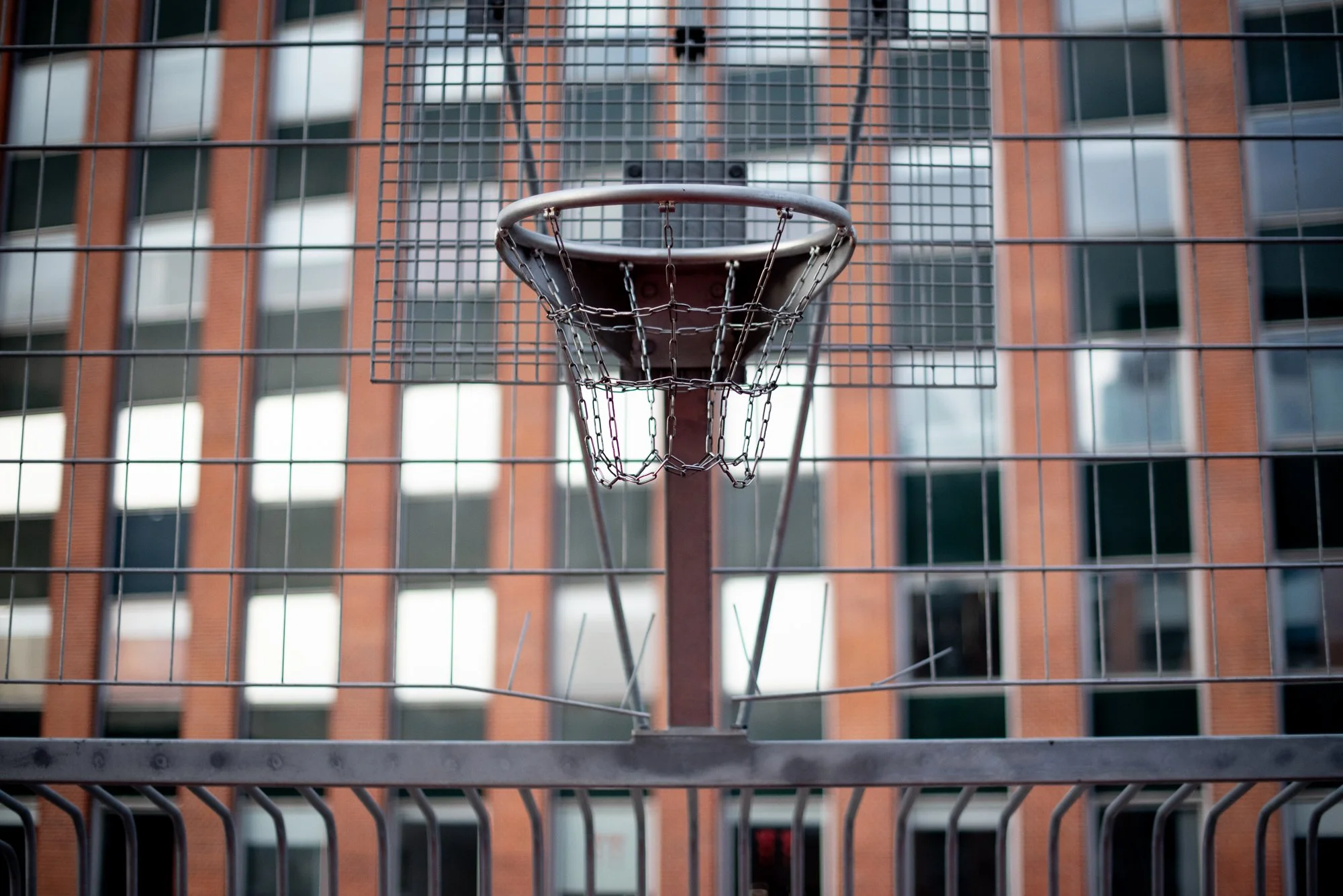
A chain-net hoop framed by city windows, underscoring how basketball courts exist within dense European urban environments.

American Portraits

American Portrait Photography

Road Trip - Americana - Culture

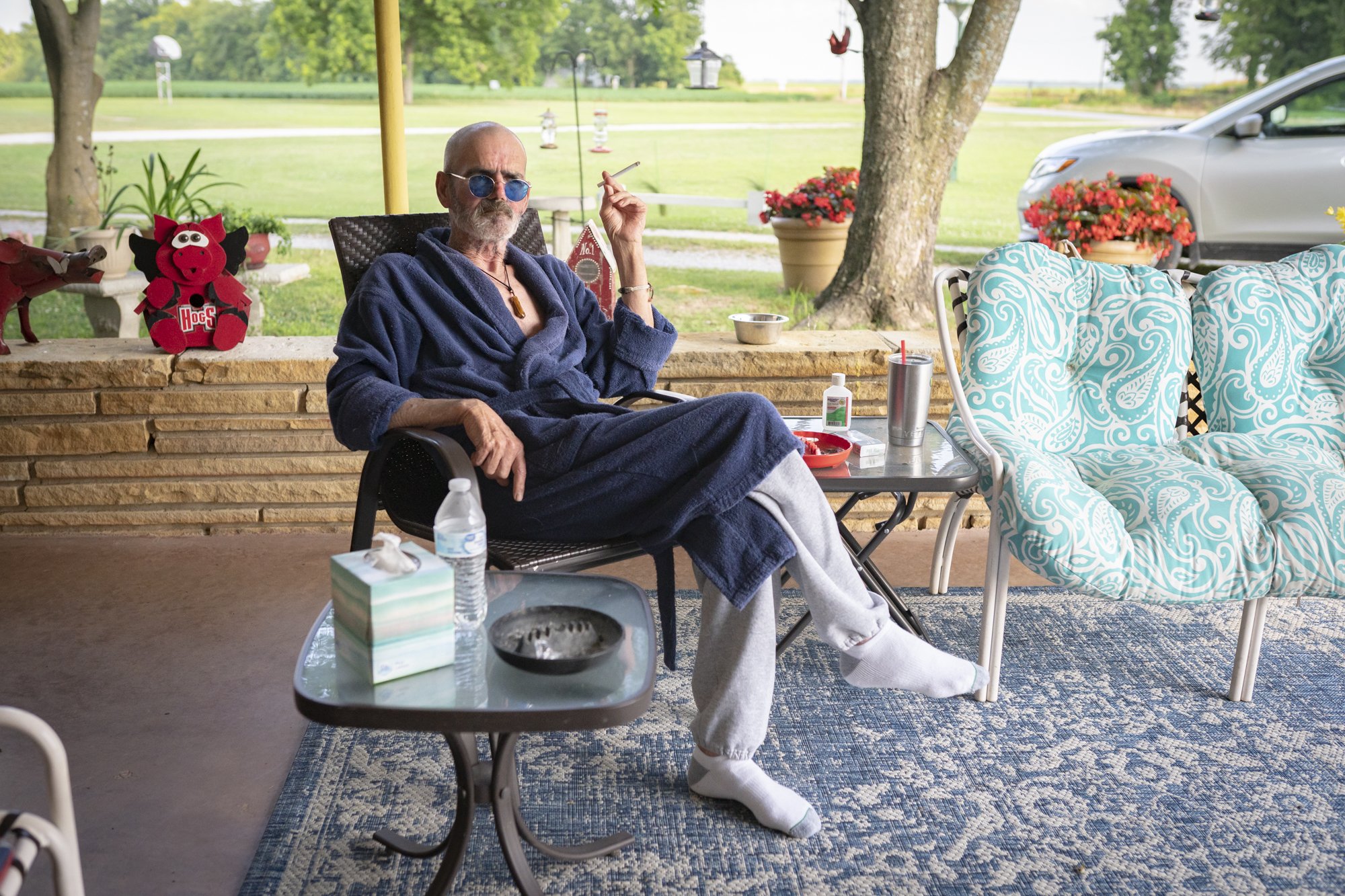
It’s really interesting to look at what you do and don’t shoot over a long period of time. Way back when I first got going it was only people. That’s all I would shoot. Then at some point drifted away from that to basketball hoops and people-less places in small towns. It was never a conscious decision, but it happened. It was a conscious decision to start again however. Not sure why, although it occurred to me that subconsciously I was missing human interaction from COVID? Don’t know. Either way, it’s a plus. I love America so much. And just this second as I’m typing, a commercial comes to mind of John Cena saying “To Love America, is to love all Americans”. While that’s not a reality for most, it’s true. And talking to people from all over this country can teach you so much, about people, and the country. One of my favorite things in the world is being on an empty road for long periods of time, but nothing can replace the interaction between someone that lives, thinks, and believes in things opposite of yourself. It’s also an opportunity to give. To help change a person’s mind about a possible misconception they have of “people from California”, which as I’ve found out is not a liked stated.

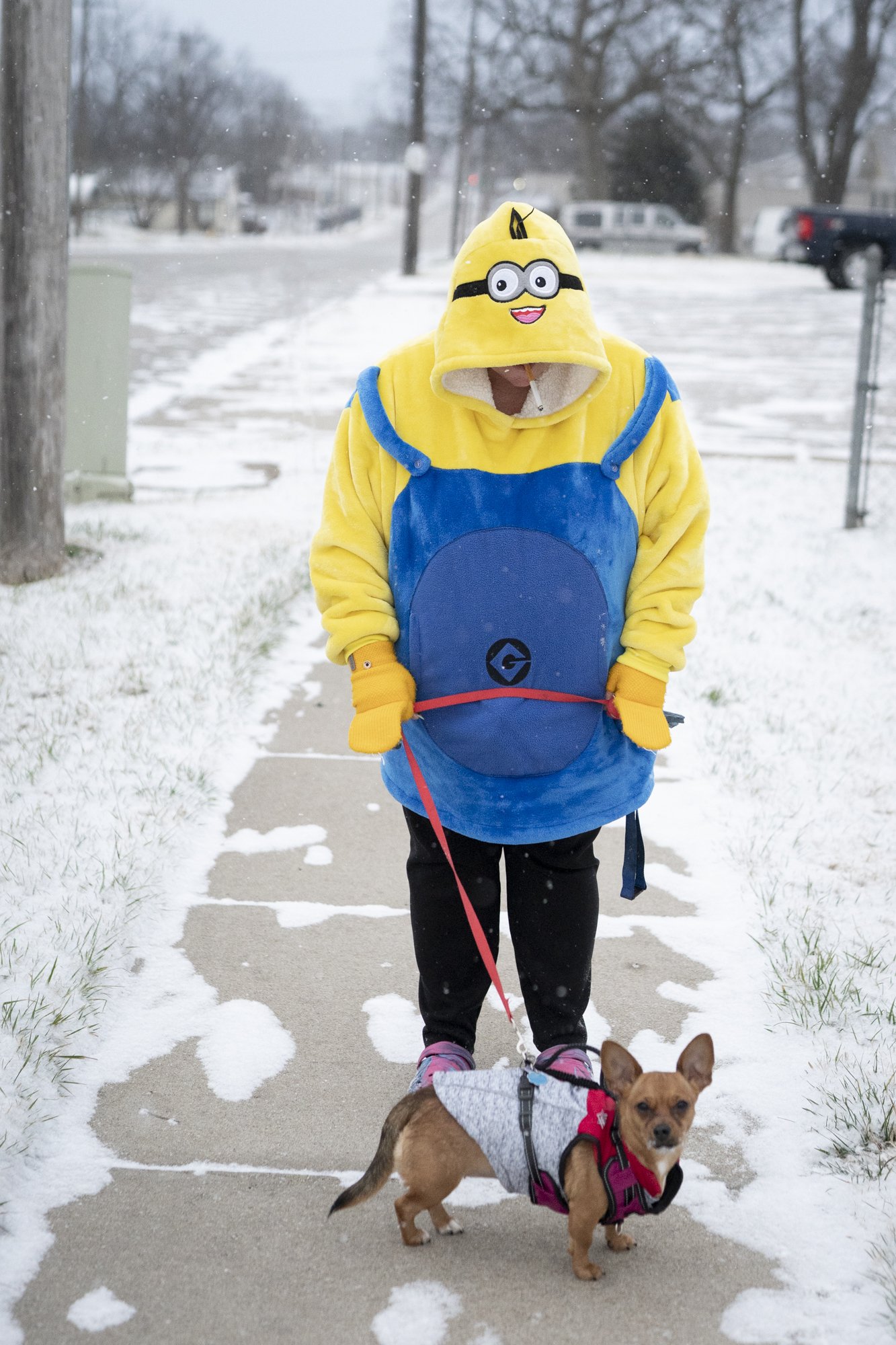
On a photography related topic, you also learn a lot from what you can’t have. The first shot here of the woman in the Minion coat was made about 7:00am while she was out walking her dog/smoking a cigarette. Her response to being asked for a picture was “as long as my face isn’t in it”. That frustrated the hell out of me. What good will this portrait be without her face ? Then she put her head down and the Minion eyes/mouth appeared and solved the whole problem. And on top of that you can still see the cigarette sticking out. So the result wound up being way better than the image I originally set out to make.

Driving across America

Cross Country Road Trip - America - Photography

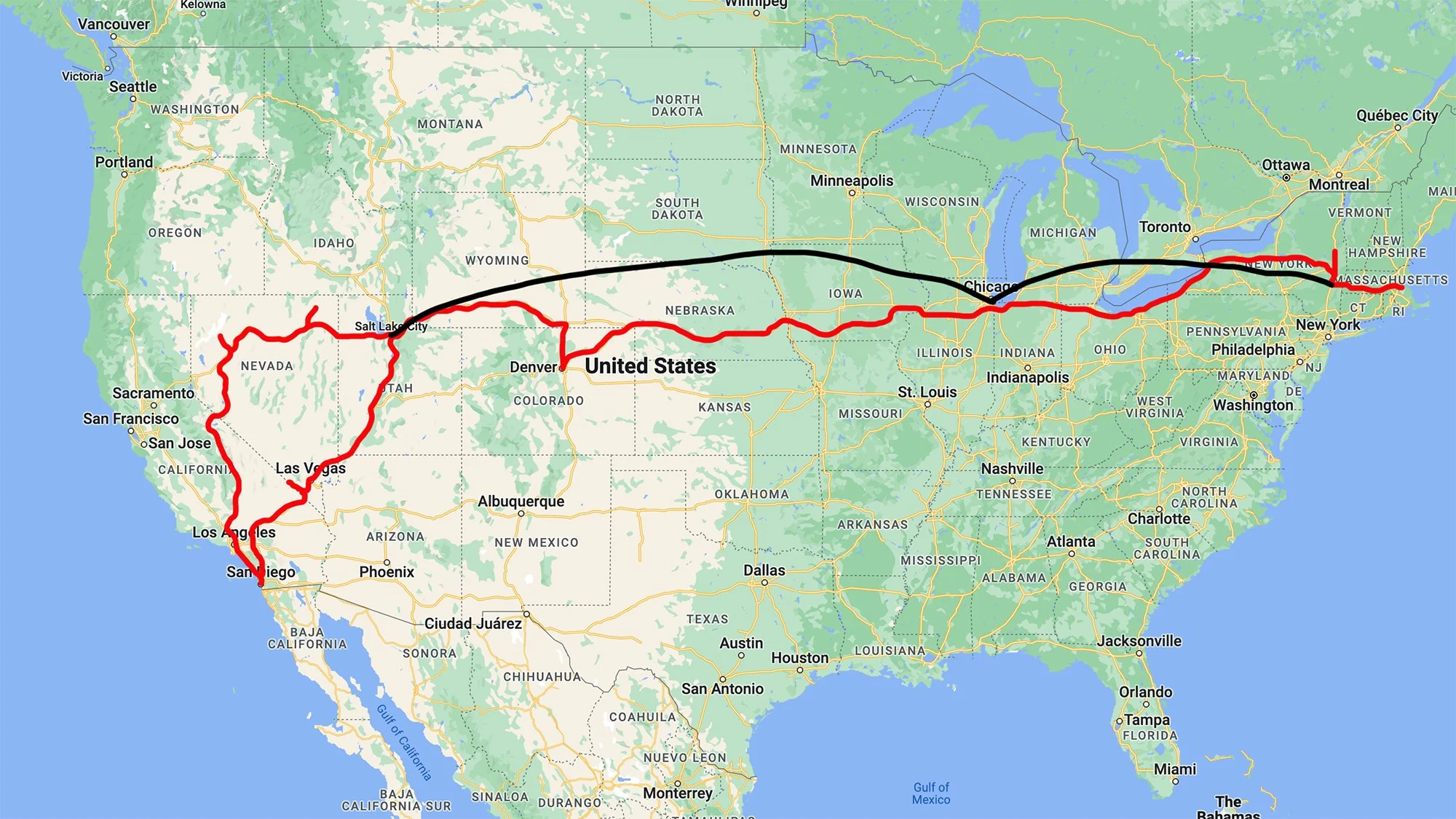
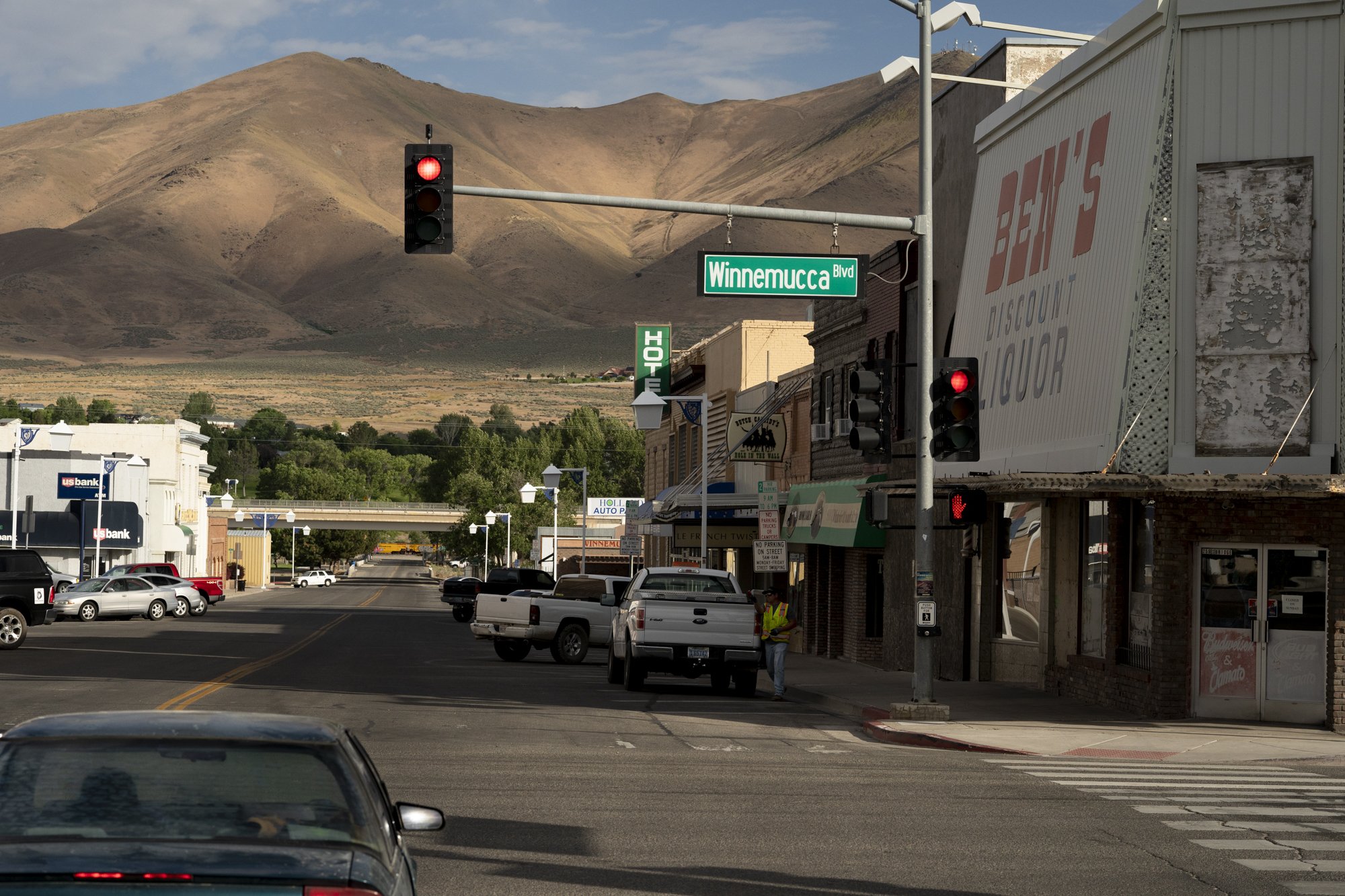
There aren’t a lot of positive things things to say about American highways. Whenever possible I try avoid the soulless stretches of poorly maintained pavement that teach you very little about the country and the towns/people that inhabit it. The 15 on the other hand is something special. It’s one very long stretch of highway that’s as fascinating as any “blue highway” (backroad) in the USA. I’ve personally been traveling this road since 2006 during the move from Upstate, NY to San Diego, CA. It blew my mind then and still does today. Once you get north of the clusterfuck that is Los Angeles /Riverside County and into the desert, there’s a lot to love. Images can be made from the highway or, if you want to get more intimate, try ducking off into one of the many small towns along the way.

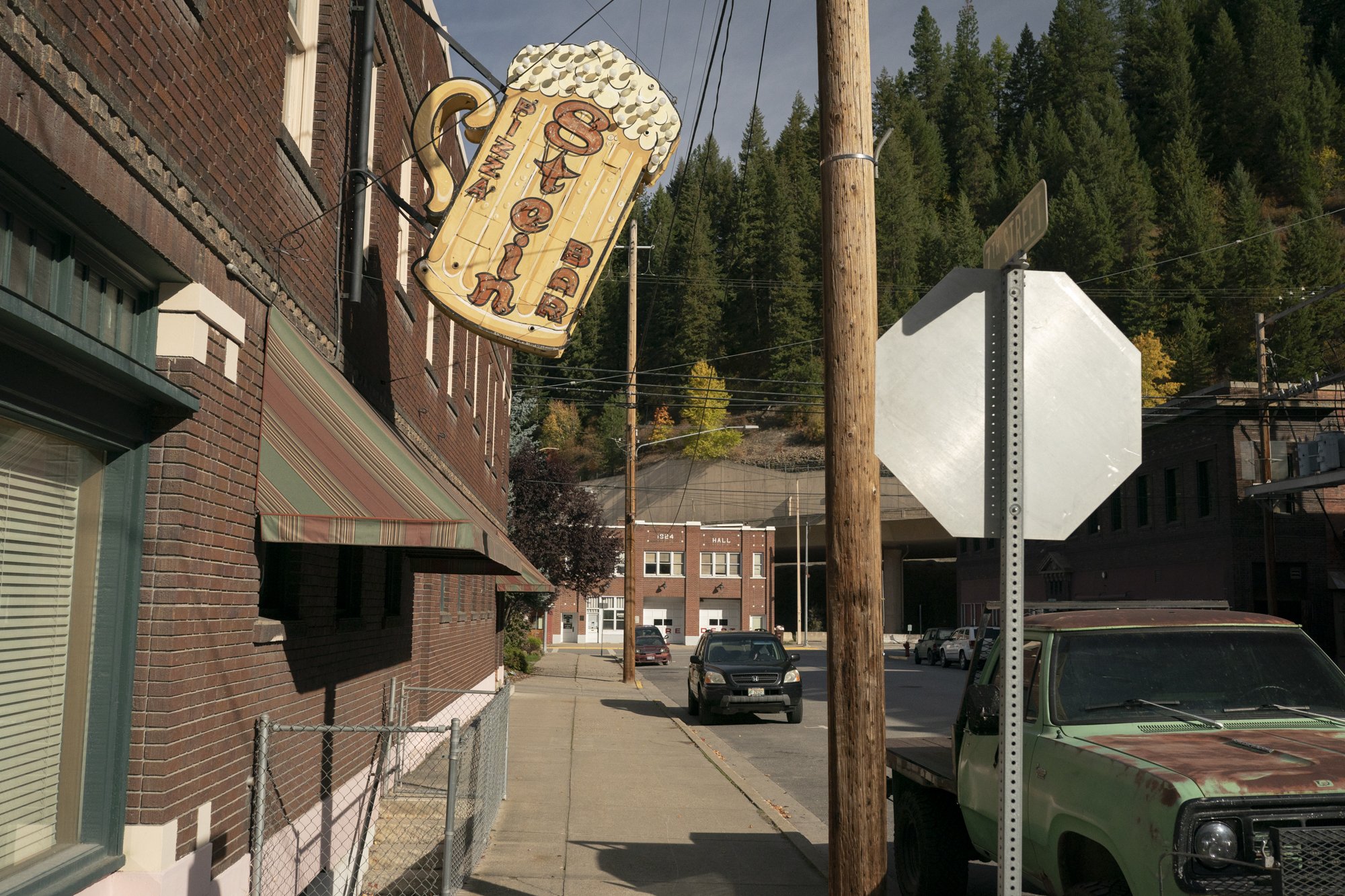
Last month I was working on a a few stories up in Montana without a ton of time to get there, so The 15 it was, straight up north from southern California. Regardless, I ALWAYS find time in-between destinations for one or many of my ongoing series. This trip found images that will fit nicely into the “America” and “Hotel” series.

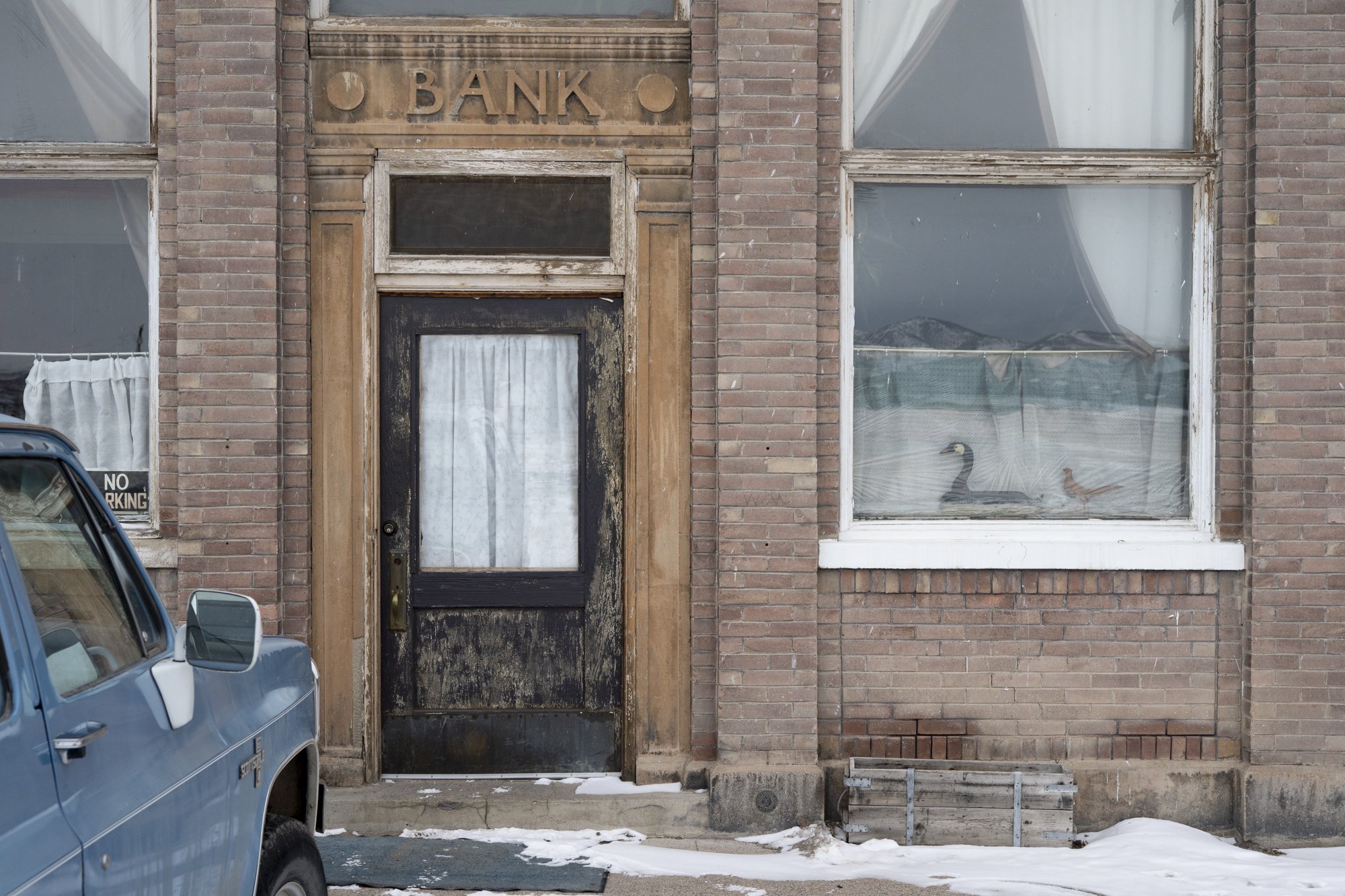
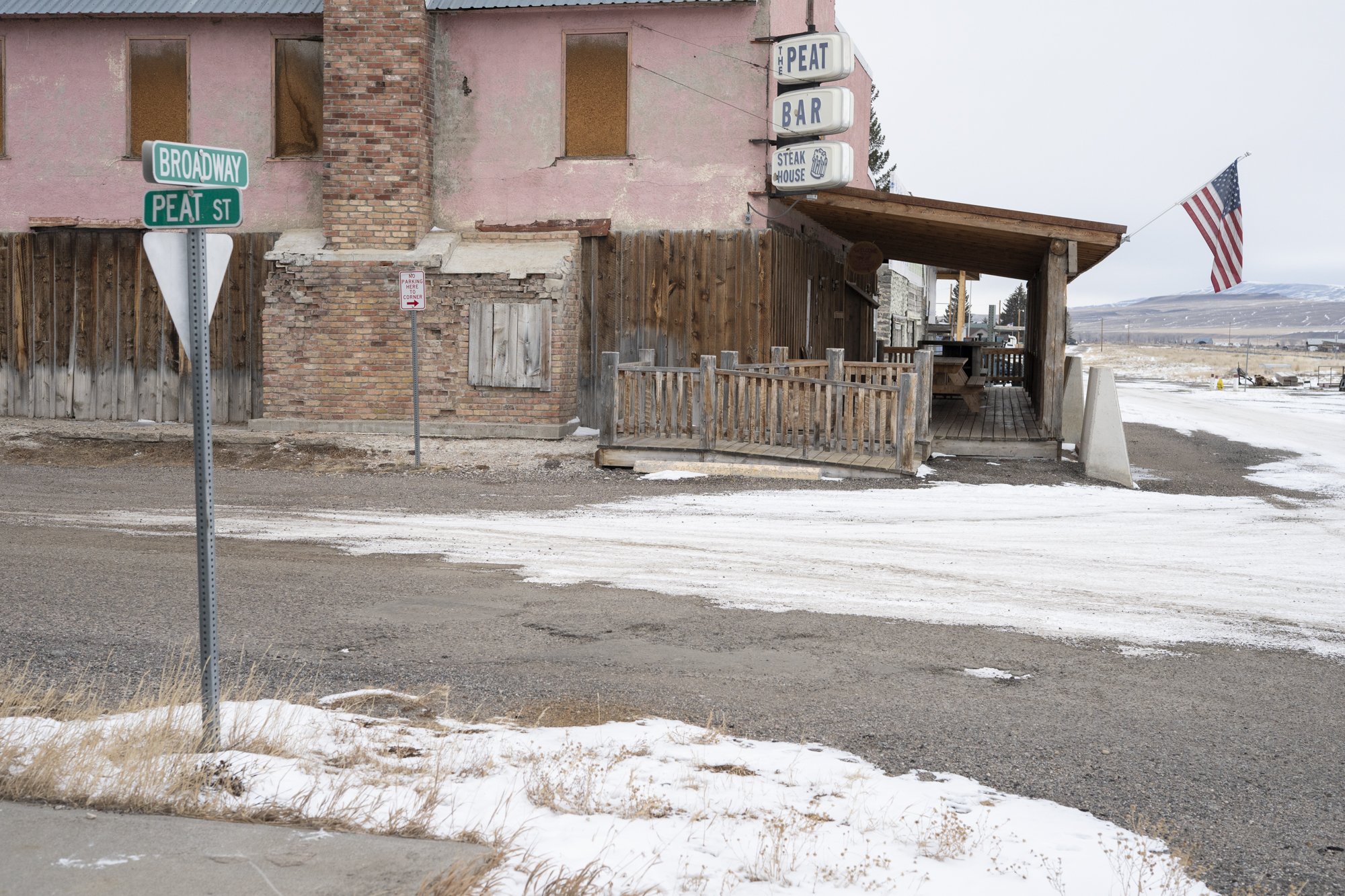
Places like Lima, Montana are endlessly fascinating no matter how many small towns I see. As someone who lives in a frustratingly populated place, it’s stimulating to stand in and see the beginning and end of a town only 75 yards long surrounded by nothing but rolling hills. You can’t help but wonder what everyday life is life for the people of that community.

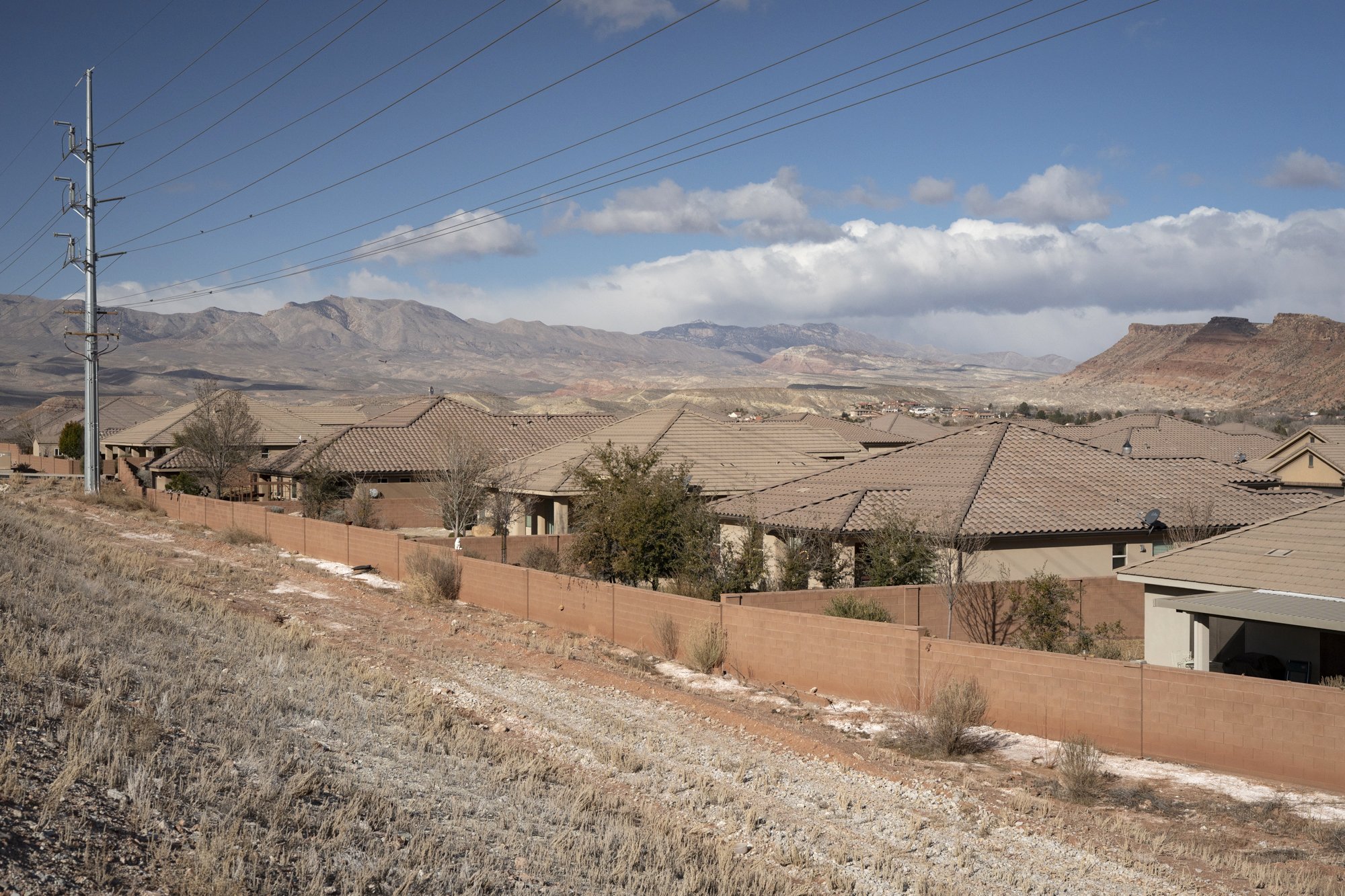
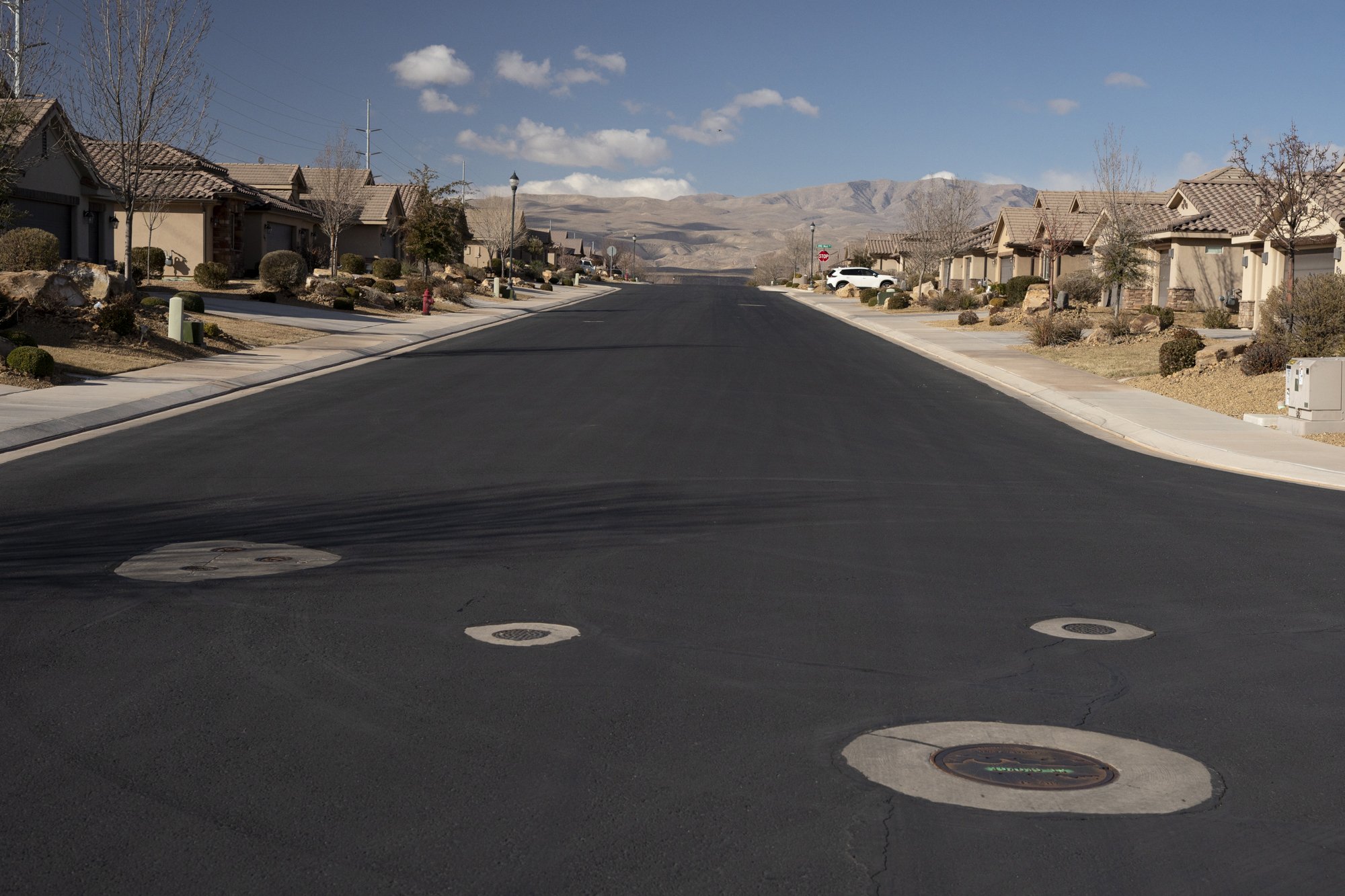
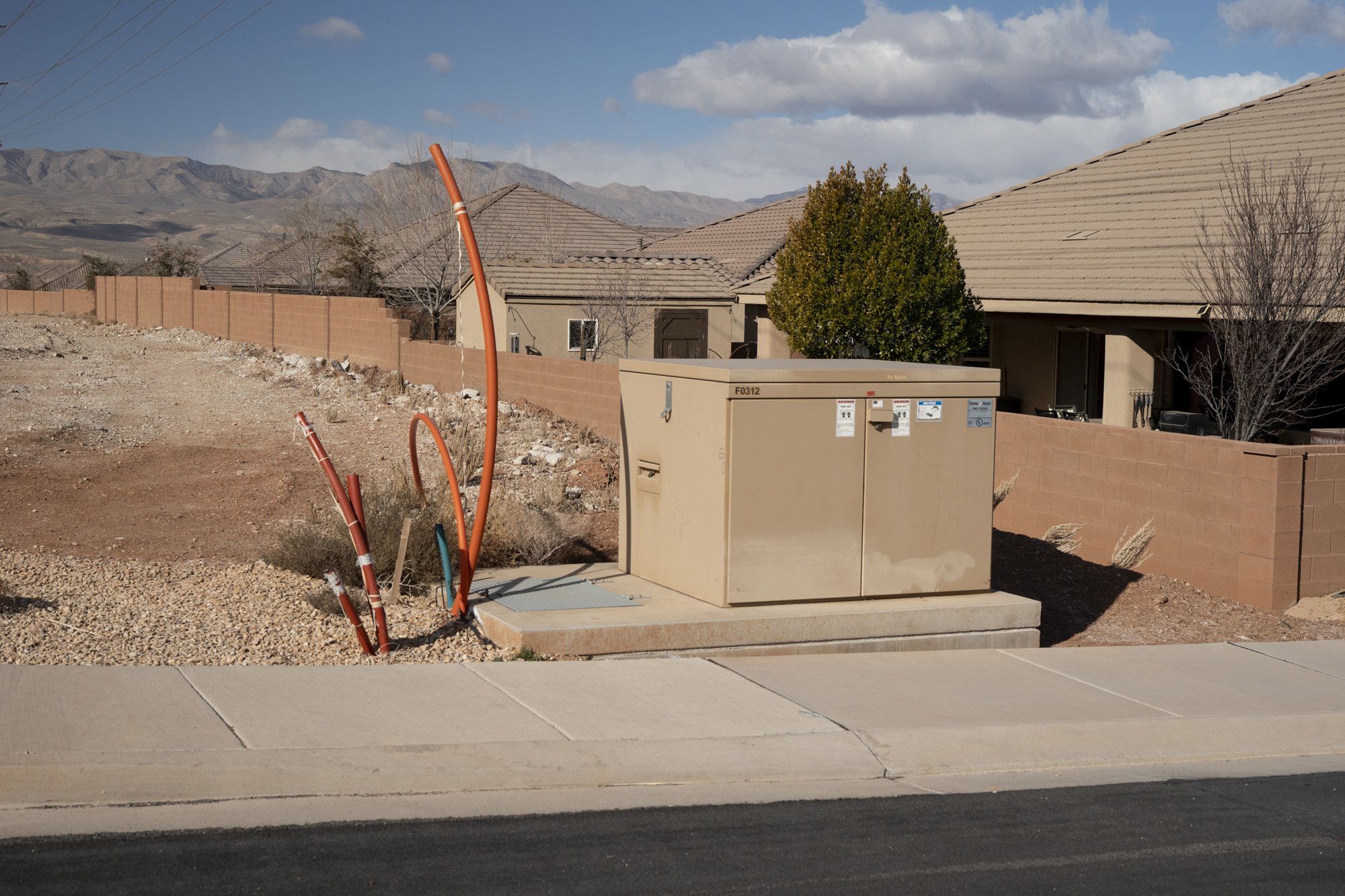
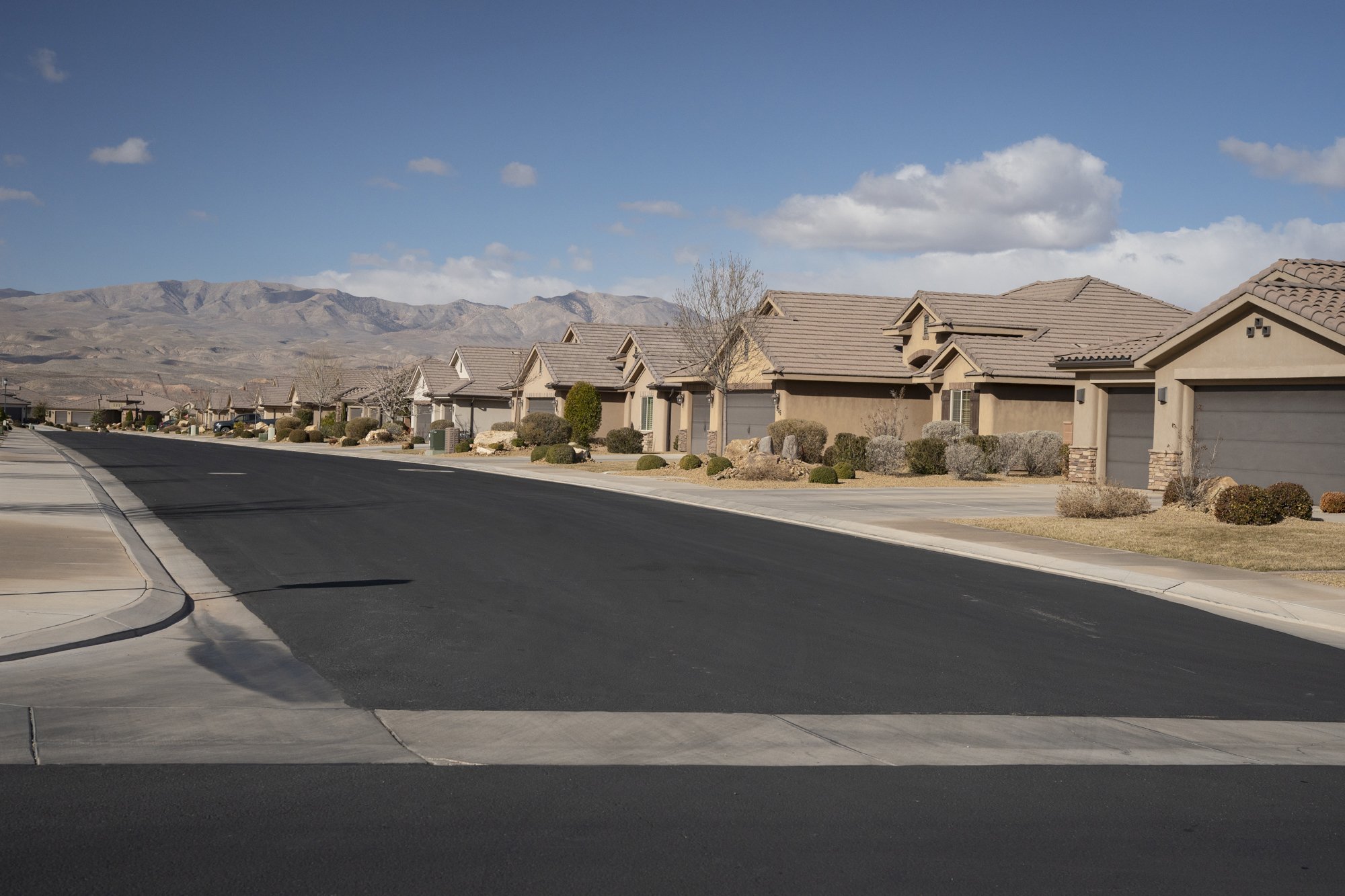
The second set of images were made in St. George, Utah. Also interesting for different reasons. Although much bigger than Lima, it’s still a small town “in the middle of nowhere”. One thing that stands out is the way they build homes there to blend in to the environment. The color palette matches almost seamlessly.

Basketball Hoop Photography

American Basketball Culture - Wall Art - Photography Prints

When you’re a kid the “golden arches” of McDonald’s are a beacon. Recognizable anywhere at any time of day or night. You can see them without even looking. It’s probably been 15 years since I’ve eaten at McDonald’s but it comes to mind every time I work on this project. Weird correlation? Probably, but basketball hoops have become very similar to those famous arches. A shape so distinctive that my mind subconsciously registers it and tells me to hit the breaks. American Backcourts the series has been going on for about 10 years now, yet even after publishing the book it’s a subject that never seems to get boring.
Click here to see more basketball photography from the American Backcourts series. And contact me directly with all print inquiries for your home, office, and commercial space.

Kehrer Verlag

The first book I published was in 2012-ish with the first printing of Barbershops of America. but my relationship with books, photo books in-particular, goes back much farther. Hard to say when my collection really got out of control, although it’s not something I’ll ever apologize for because I can trace all of my significant growth as a photographer to the endless mesmerizing hours spent digesting work of the greats (and unknowns). That, and learning how ego is the enemy.

After self publishing the first book, my obsession with the project continued, as did the shooting. Which led to another self published book on the same subject. Again, shooting continued as it still does 10 years later. About a year and a half ago I published a 3rd barbershop book, this time with an actual publisher out of Pennsylvania. Around the same time also self publishing the American Backcourts book. So I’ve gained quite a lot of knowledge of the publishing world. Most all of that knowledge of course came from making infinite mistakes along the way. Grateful for every single one of them.

Fast forward to last November, I signed a contract with Kehrer Verlag in Germany for a new series with the working title of “Roadside Meditations - Travels through America”. I’ve long been a fan of Kehrer and the beautiful work they produce, so it’s an honor to now be on their roster. Photo books and the industry surrounding it has changed so much over the last 5+ years, and it’s my opinion that there are very few fine art photo book publishers out there doing things the right way for the right reasons. Making me even more grateful to be with Kehrer. The way in which this project/book deal came to be is a whole other story and one that has also taught me a great deal. Roadside Meditations is due out internationally in the Spring of 2022 and domestically in the Fall of 2022. I’m beyond excited about this and can’t wait to see what comes of it.

***This is a mock up of the book in Kehrer’s Spring Catalogue. The final design is still a work in progress.

Reverse Magazine - France

The good people at Reverse Magazine in France did a 14 page spread interview about my photography. It’s strictly a basketball magazine but they were also curious about my celebrity athlete, barbershop, and America series. The interview is all in French obviously, so the English version is posted below.

Check them out on line at Basketsession.com

What made you want to become a photographer in the first place?

Certainly wasn't common sense. Photography was always a hobby as a kid. Even going on trips with friends in high school I would buy a grip of disposable cameras to document everything and couldn't wait to pick them up from the pharmacy when we got back. That desire to take pictures never went away as I got older. During and after college there was a long string of meaningless jobs that made me miserable. And somewhere in that misery it became obvious that photography was the only thing I loved doing and the only way I'd ever want to earn a living.

What was the first picture that really made an impression on you?


Really hard to say. Seems like I've been ingesting photographs since my grandparents got me a subscription to Sports Illustrated at 5, but William Eggleston's "Guide" was the first time a book of photographs ever made me say "what the fuck" out loud.


Are there other photographers that have had a major influence on you?

There isn't enough room in this article to list all the photographers that have and continue to influence me. In fact, it wasn't until developing a serious photo book habit that I feel like my photography started to take hold. Before then it was sort of like I was making images I thought people/brands/magazines wanted to see. If you want some names though, here are a few (in no particular order): William Eggleston, Joel Sternfeld, Stephen Shore, Walter Iooss Jr, William Albert Allard, David Allen Harvey, Fred Herzog, Dan Winters, Alex Webb, Andy Anderson, Martin Parr, Gary Land, Saul Lieter, Dennis Hopper, Michael Muller, Neil Leifer, and on and on and on.

Where does your love for basketball come from?


My mother and her parents. They are from Boston and we used to spend a lot of time at their house growing up. The only TV they had was one with a rabbit ears antenna, so in order to actually watch the Celtics games, you had to spend the whole time dancing with the antenna. Eventually we gave up and just listened to all the games on the radio. Looking back it was such an incredible experience that I'm really grateful for.

How did the whole "American Backcourts" idea come about?


This is a continuation of the last answer. In Boston and my grandparents house at that time (mid to late 80's), there was no way around being a Larry Bird fan. He was it. The admiration that whole city had for him rubbed off on me and my parents got me his book "Drive" for Christmas one year. I'd be lying if I said I could remember a lot of the writing, but there was a picture inside of his childhood hoop that blew me away. I just didn't understand. How could "Larry Legend" get his start on a broken down old hoop barely hanging on a barn in a dirt driveway in the middle of Indiana? As a kid from a small town in upstate New York I always thought that the pros only came from the inner cities and were afforded all the best of everything. So that picture, to me, told a better story than the writing ever could. As time went on and travels continued, I kept wondering about other hoops and the stories they could tell.

How did you go about finding all those hoops and courts?

There was no blueprint whatsoever. In the beginning I wasn't even looking. They just started to present themselves during cross country road trips and I would make pictures of them but never really thought much of it. Years went by and it struck me that there was this body of work that had unintentionally built itself. After digesting a lot of the photos I started to get obsessed and it eventually became The focus of my road trips. 10 years later and I'm still sniffing them out. Doubt this project will ever stop.

What's crazy is that, even though there are no players in your pictures, they tell a story. Was that the whole idea?


Yes. Exactly. There's a lot to be said for photographs of courts filled with people, but there are only a small handful of photographers who shoot that really well, and I certainly wasn't focused on that aspect. The hope is that my images of empty courts are strong enough to make you think about what's happened there. Who has played on that court? Was there another Larry Bird like story that started there? Maybe they remind you of a court you played on as a kid? Or they just make you want to get back out and play if it's been too long since you last picked up a ball. One thing I love about the game is that it doesn't matter how far you went in your career. You can still have fun playing. So those "backcourts" are such a special place because they house so many great memories and experiences that people can carry with them throughout their whole life.

What was the most surprising hoop you found?

Don't know how to answer that as they have all come with their own unique experiences. The one in Idaho filled with deer skulls is up there though. Probably won't find another like that in my life.

You also had the opportunity to shoot Kobe, what was that experience like?


Was lucky to shoot him twice and both were great experiences. During the short time I was able to spend with him I learned that he was a professional in all aspects of his life. Meaning that he strove to do the very best he could do no matter what the task was. He took it seriously and wanted to be great at it. The first time was probably the most nervous I've ever been on a shoot, but it turned out well. Something worth noting is that he showed up ALONE for both shoots. Arrived on his helicopter, but he was alone. One aspect of commercial photography of famous athletes that really turns me off is that they are always surrounded by a squad of people trying to protect and speak for them. Which means that there are far too many opinions and egos in a room already filled with opinions and egos. It's very harmful to the process of a photoshoot. So to have someone like Kobe show up alone was refreshing. My experience is that the athletes are usually very cool and open to collaboration, but the people surrounding them don't allow for that to happen. Which makes for a sub par final product. Two heads are better than one. So if you can get the athlete personally involved, then the outcome will always be better. Kobe was very willing to talk.

Was it how you envisioned it to be?


One of the best lessons to be learned as a photographer is that it's never how you envision it to be. Have a well thought out plan, but also don't be so stubborn or egotistical to see that the immediate circumstances have presented a better (different) way. That doesn't have as much to do with the Kobe shoots as it does with my general attitude toward life and one I would like to have adopted 15 years ago.

When it comes to athletes and sports, you seem to be drawn to the most extreme ones. Whether it's weightlifters and cross fit specialists, MMA fighters like Michael Chandler or mountain climbers and snowboarders. Why is that?


There are a lot of factors at play on this one. It partially has to do with a previous answer about being turned off by the bullshit involved with celebrity. I still do it and enjoy some of it, but have also really grown to appreciate real people that like to work their ass off. Often with a celebrity athlete you're lucky to get 5 minutes with them. So you're waiting around all day just to get 5 minutes. I'm old enough now to not give a shit about famous people. I respect the hell out of them for who they are and what they've accomplished, but it's just not my style any more to build a career photographing them for 5 minutes. There's this thought that keeps coming to my head about photography - "at the end of the day if I'm not exhausted, bloody, or tired, then chances are the shoot wasn't that much fun." So I want to be right in there with people as they are doing what they do. Whether that's a professional athlete, MMA fighter, fly fisherman, hunter, snowboarder, etc. I want to work my ass off to document the experience they are living. 5 minutes of fake isn't worth fuckall. A while back I did a shoot with Canelo Alvarerz for Everlast. He was on the rise then, but not nearly as successful as he is now. We had a lot of time with him and everything was set up and ready to go before he arrived. His English was not good and my Spanish is even worse, but we could communicate well enough. So I explained what I wanted him to do for the photos and he immediately responded that "I am not an actor". He had no interest in fake punches on a heavy bag. All he knows is how to go 100%. So he did and it shows in the photos because he is actually working. Love him for that. And to this day he's still the most physically intimidating person I've ever shot. Shaq is what, 7'2"? Canelo is 5'9', but the sound of his gloves hitting the bag was like a jackhammer going into concrete. There's a realness to photographs when you are shooting someone that is fully engaged as opposed to faking it for the camera. The real thing wins every time.

How did you get to work with someone like Kirstie Ennis? What did you take from that experience?

That was a fantastic experience and Kirstie is such an inspirational human. Got hired by an agency for a GNC shoot in collaboration with the Unbreakable Gym in Hollywood. The focus was military veterans that are members of the gym who use physical fitness/training as a means to overcome the mental (and physical) trauma caused by war. For anyone who doesn't know Kirstie's story, please look her up. She's a champ. I think the entire crew left the shoot that day so inspired and grateful after hearing her and all the other vets spill their guts to the camera. Listening to these Alphas talk about how broken they were, the emotional pain they went through, and ultimately how they built themselves up afterward, was really special. We live in a world now where everyone wants to paint a perfect picture of their lives. Instagram has a lot to do with that. Either way, people don't want to show or talk about what's wrong. They just want to take pictures of themselves drinking on the beach in some exotic location to show how awesome their life is. It's all bullshit though. Kirstie and the other vets threw it right out there for everybody to hear and see.

You also did two other really interesting projects. One with Nick Ansom ("Survival Hoops") and the other being a book about barbershops ("Barbershops Of America"). How did those come about?


Personal projects are the greatest thing any photographer can do for themselves. I learned a long time ago that it's crucial to spend as much (if not more) time on your personal projects as it is on the commercial work. People can see your heart in the personal work, which organically connects you with like minded people. That's exactly what happened with Nick. He's a rad cat. Loves ball. We were introduced by a mutual friend - Dan Peterson of Project Backboard - another guy doing awesome things in the basketball world. For those who don't know, Nick is the leader and mind behind Venice Ball and the Hoop Bus. When COVID hit, all the hoops in Venice were locked up, so nobody could play basketball. Nick started making these beautiful hoops completely out of junk and hung them up all over the alleyways in Venice for people to ball on. It's a very unique piece of basketball culture (and art) that I hope will be remembered for a long time through the photographs we made together.


As for Barbershops of America, that's another personal project still going after 10 years. Loved them since I was a kid. Saw early on that they are a special place for guys to hang out, an integral piece of the communities they are in, and most importantly, a cherished but overlooked piece of American culture. The old traditional shops are quickly going away as the barbers pass on, retire, or get kicked out of their shops by a landlord making way for a higher paying tenant. That's really sad to me. There is no way to replicate a business that's been operating in the same shop for 50+ years. Nor can you put a value on the friendships/relationships that have been built in a place like that. So I set out to document as many as possible before they disappeared. 3 years later I had done so in all 50 states of the USA and continue it today. That project has led to some many great relationships with people and brands all over the country.

What is so special about barbershops?


What isn't special about barbershops? Unfortunately now there are as many new barbershops as there are Starbucks. Most of them are chop shops that will go away in quick order when the owners realize you can't just open the doors and expect to make a quick buck without actually caring about your customers. Real barbershops are about far more than a haircut. Leaving looking good is almost a bonus. The experience you get at a real shop is something you can't get anywhere else in the world. The laughter. The smells. The people. That's what matters. The barbershop is a place you go alone or with friends to see a guy who has become your friend after years and years of service. You know each other well and look forward to each subsequent visit. It's a place of comfort. You know that you're free to say what you wish during your 45 minutes in the chair. Or you can just sit on the side and drink a beer, not ever getting your haircut. Everybody is equal in the barbershop. Doesn't matter if you're a billionaire or a broke college student. Everybody gets treated the same. The barbershop is a great equalizer.

Do you feel like, in some way, you're telling America's story through your work?


Guess I'd have to agree with that. Although the concept only registered in the last year or two. I love America and am extremely lucky to see it in a way that most won't. 30k-40k miles a year on the road for 10 years will give you a whole new appreciation for a country and the people you share it with. Hopefully I can get added to that list of influential American photographers one day because of the way I've presented it.

You've travelled all around America, what has been the most interesting or the most enlightening trip so far?


That's a really hard thought to even wrap my head around. The experience as a whole is something I'm still trying to make sense of. Learning in the traditional way of schooling is something I've never been good at. Horrible actually. The road has been a great teacher though. If I were better with words, I'd make it a life goal to use them to explain all I've learned out there so that others could also learn from it. Overall though, it's that people are for the most part, good. All the preconceived ideas and stigmas you have about the different parts of America are probably equally wrong as they are right. Are there shitty people out there? Absolutely. Tons of them. But there are a lot more good people than there are bad. And most of those people are happy to have you, help you, or just to chat for a few minutes. Travel's great gift is its ability to change you. Before all my roadtrips, I thought that the "locals" would run me out of town with guns and burning torches. That's a bit dramatic, but you get the point. My experience has been the exact opposite, minus a few shady encounters. If you're good to people, then most of them will be good to you. Doesn't matter where you're from. If you're a Snake Oil salesman, then you're going to get treated like one. Last week I had a conversation with a couple buddies in Colorado about Texans. They are always complaining about how loud, rude, and arrogant the Texans are that they encounter in Colorado. In my opinion, that's a classic case of some bad apples ruining it for everybody else. Texas has a bad reputation for exactly what my buddies described and I won't deny that those people exist. However, Texas has grown to be one of my favorite places in the country to visit and photograph because of the people/culture. I've spent a lot of time in the small towns and country of Texas, and can say that the people are some of the warmest, most welcoming, and helpful I've ever met. This past July I was on the road headed back to Cape Cod to visit family and went through Texas to get my fix of BBQ, while also looking out for hoops to photograph. A wrong turn put me on the side street of a high school gymnasium with an open door. I had no intention of photographing an indoor basketball court but took it as a sign. Went in and introduced myself to the guy inside who was coaching a couple kids. This was a Sunday on a holiday weekend. After explaining what I do, he invited me (and my dog Mojo) right in. Showed me around. Took us to the big gym where the games are played, turned on the lights and scoreboard, and left me alone to photograph the place for as long as I wanted. Afterward he brought Mojo and I into his office where he shared boat loads of information about all the oldest and historical highschool basketball gyms within a two hour radius, gave me some of their teams branded clothing, and sent me on my way with his phone number to call if I ever needed anything else. En route to the BBQ joint I stopped at one of the gyms he recommended. It was closed and the campus was deserted. After some searching I found a lady working in the bus garage and told her what I was trying to do. She stopped working to call everyone in her cell phone that could possibly get me into the gym. It didn't work, but she sure tried. About 100 miles later I found a hoop attached to a tree in someone's front yard in the middle of nowhere so I stopped and asked permission to photograph it. The front door was open. Not unlocked. Wide open. A woman came to the door and was happy to oblige. Moments later I was outside making pictures and saw her drive away. Front door was still wide open, and from all I could tell, nobody else was home. Not another person for miles and miles. That's Texas. That's America.

Not sure if that really answers your question. If not, I'd have to say the cumulative experience is what it's all about. Not any individual trip.

Who's the person or the event that you would dream of shooting?


That list is even longer than the one of photographers who have influenced me, but I don't have a lot of interest in just making a portrait of someone. I'd rather hang out with a person or people for an extended period of time to tell their story or the story of something specific going on in their life. Fly on the wall kind of stuff that takes the viewer behind the scenes into real life, not just what you see on TV. Near the top of the list of dream events to photograph is the Iditarod in Alaska. The whole thing from start to finish. "Barbershops of the World" is also a dream. In the people category, I'd love to hang out with a number of NBA guys as a fly on the wall, but don't have anyone specific right now. Maybe a single player or team for the duration of an entire season. The writer Hunter S. Thompson would have been great to shoot like that, but he's gone already. Actually Sturgill Simpson would be my top choice. He's such a talented musician with a brutally honest attitude toward the music industry and life in general. He's not afraid to call out all the scumbag executives that try to take advantage of musicians and artists. A top tier bull rider would be fun to shadow for an entire rodeo season. Those guys are interesting to me and they live a lifestyle unlike anyone else.


What is the most difficult thing to capture when shooting?


People as they are. The camera does weird things to people because they know they are being photographed so something in their head inevitably changes. You have to really work to get someone when their guard is down.

What is the picture that you're the most proud of?


There is no single picture, but I am very proud of being able to hang out and photograph my friends and later on turn those images into a check that pays bills or helps to support the next personal project. In 50 years hopefully I'm still making photographs that matter. Either way I know the celebrity shots made along the way won't mean anything to me, but the ones of friends and family will.

If you had to choose one picture (whether one of yours or somebody else's) to summarize what photography means to you, which one would it be and why?

There's a shot by William Albert Allard from the late 70's of a cowboy sitting alone at an old western bar in Nevada drinking a beer. Nobody else in the bar but him and there's a harsh late day light spilling in the open door. That one gets me every time for a lot of reasons. First because it's a beautifully gritty photograph. I'm enamored with those parts of the country and it shows this guy relaxing after a hard day's work of doing something that he loves. You can tell he's totally beat down but not unhappy. It's so American. He captured this piece of America that most people will never get to see or experience. That's why I love it. After typing that it makes me realize more of what I love about photography. Sharing experiences/places with people that are otherwise foreign and unreachable for them. Opening their eyes to something they probably know nothing about.

Roadside Meditations

Been shooting a “new” series for quite a while now and at this point the working title is Roadside Meditations. The title could change, but the series certainly won’t. If the words don’t make things obvious, the subject will be an array of findings from my time on the road. Isn’t that what I’ve been posting about for years? Yes, but this is different. These images won’t focus on the small broken down towns, barbershops, or basketball hoops. Instead they will show, if I’m at all successful in this pursuit, how I feel while on the road. More precisely how certain places or stretches of road make me feel.

More to come. Lots more.