
Black Barbershop Culture in America: A Documentary Photography Project
For more than a decade, I’ve been photographing barbershops across the United States. Some are well-known, others are easy to miss if you’re not looking for them. Many have been around for decades. Others have quietly disappeared.
What’s consistent isn’t the layout or the signage—it’s what happens inside.
Black barbershops, in particular, carry a different kind of weight. They are places where people return week after week, if not daily. Not just for a haircut, but for conversation, friendship, and a sense of familiarity that doesn’t change much, even as everything around them does.
A Space Defined by Consistency
There’s a rhythm to a barbershop that can’t be explained.
The door opens. Someone takes a seat. Another person is already mid-conversation. Clippers harmonize. A game is on in the back corner. People come and go, but the structure stays the same. The energy rises and falls depending on who’s there and where the conversation goes - sometimes it stays between one customer and his barber. Other times the topic flows throughthe whole shop. It’s a glorious energy to witness.
What makes these spaces distinct isn’t just the haircut—it’s the familiarity, like being at home. The same chairs, the same mirrors, the same people you can count on day after day.
Over time, that consistency builds something more permanent than the physical space itself.
More Than a Haircut
It’s easy to reduce a barbershop to its function, but that misses the point entirely.
These shops operate as meeting places. Conversations move between topics without structure—sports, work, family, local news. Some are loud, some are quiet. Some are built on long-standing relationships, others on quick exchanges between people who may never see each other again.
What matters is that the space allows for it.
There’s no expectations. It’s a place you can feel safe and open.
Details That Hold the History
Much of what defines a barbershop isn’t immediately obvious.
It’s in the details: the tools worn down from years of use. Handwritten signs. Photographs of real people - local people. Chairs older than anyone in the shop.
These elements aren’t curated. They accumulate.
Over time, they become a record of the people who have passed through the space—both barbers and customers.
The Barbershop as Community
In many neighborhoods, the barbershop extends beyond its walls.
People gather outside. Conversations continue on the sidewalk. The shop becomes part of the street itself—connected to everything happening around it.
This is especially true in Black barbershops, where the role of the space has historically gone beyond business. It has functioned as a place of connection, discussion, and continuity within the community.
That presence is still there, even as many of these shops face pressure from rising costs, changing neighborhoods, and shifting culture.
What’s Changing—and What Isn’t
Some of the barbershops in this series are no longer there.
Others are still operating, largely unchanged.
There’s a tendency to focus on what’s disappearing, but that only tells part of the story. What’s just as important is what remains—the memories, the relationships, and the role these spaces continue to play.
The physical details may shift. The structure holds.
Part of something Bigger
This work is part of Barbershops of America, a long-term documentary photography project(and photo book) spanning more than fifteen years and all fifty states.
The goal has never been to define these spaces, but to document them as they are—honestly, without direction, and over time.
Some shops close. Others continue. All of them contribute to a larger record of a place that has remained a constant in American life.
If you’re interested in seeing more from this project, you can view the full Barbershops of America series here and the photography book/prints here.
Explore another barbershop story - Tony’s Barbershop
Contact me directly for editorial and commercial licensing - rob@robhammerphotography.com
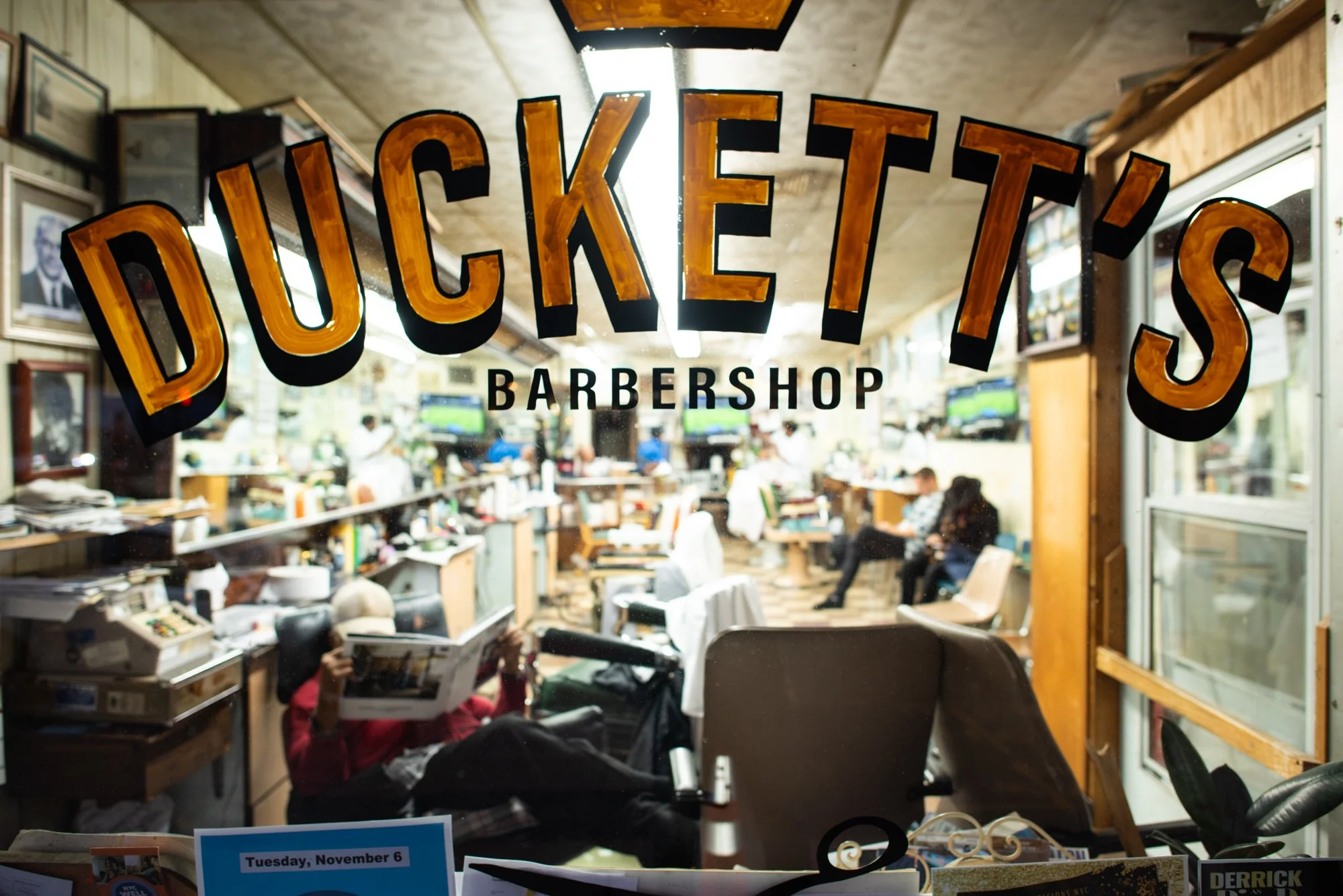
Looking in from the outside—another day unfolding inside a working barbershop.
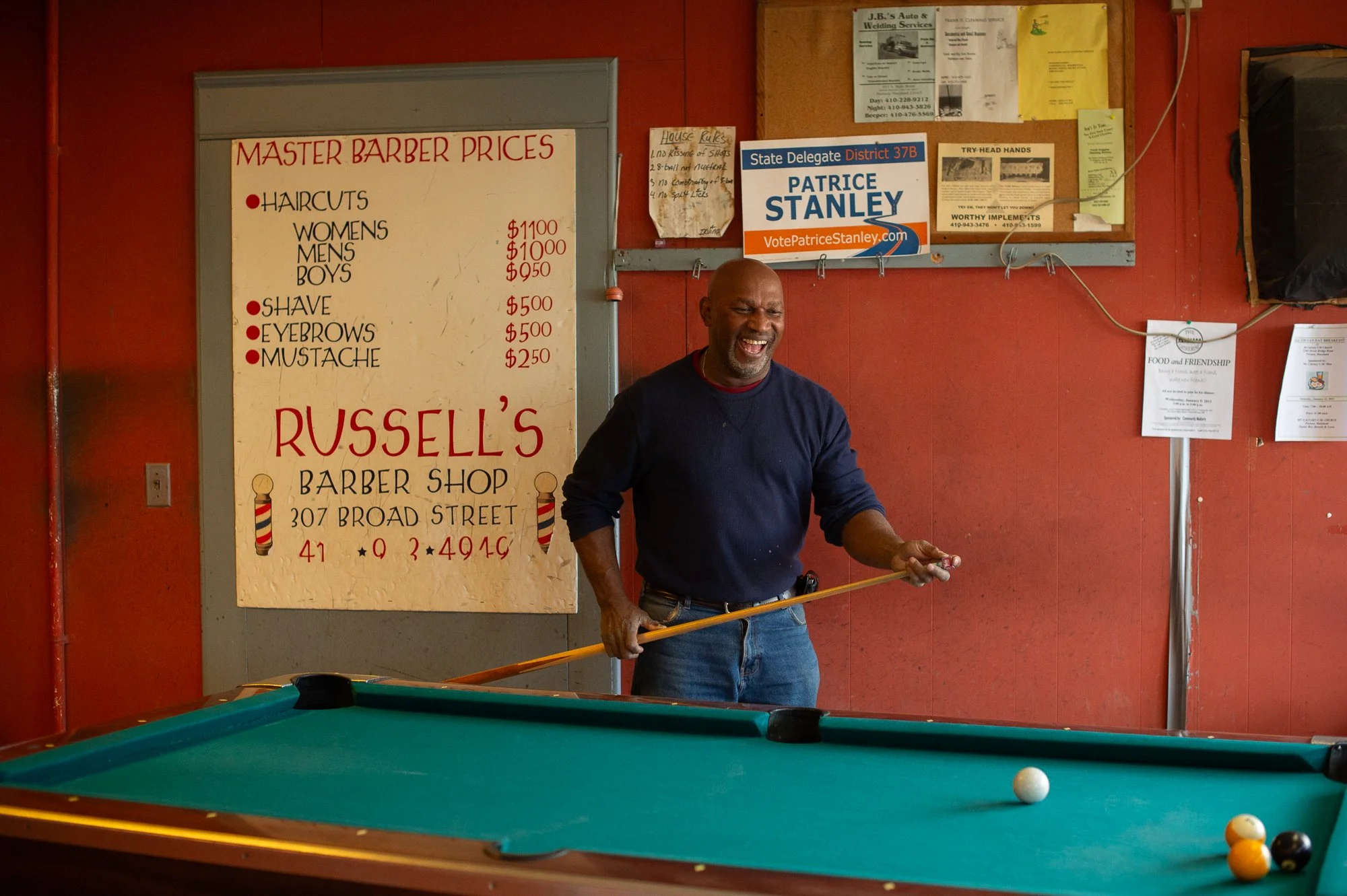
Beyond haircuts, the barbershop becomes a social space—games, laughter, and time shared between neighbors.
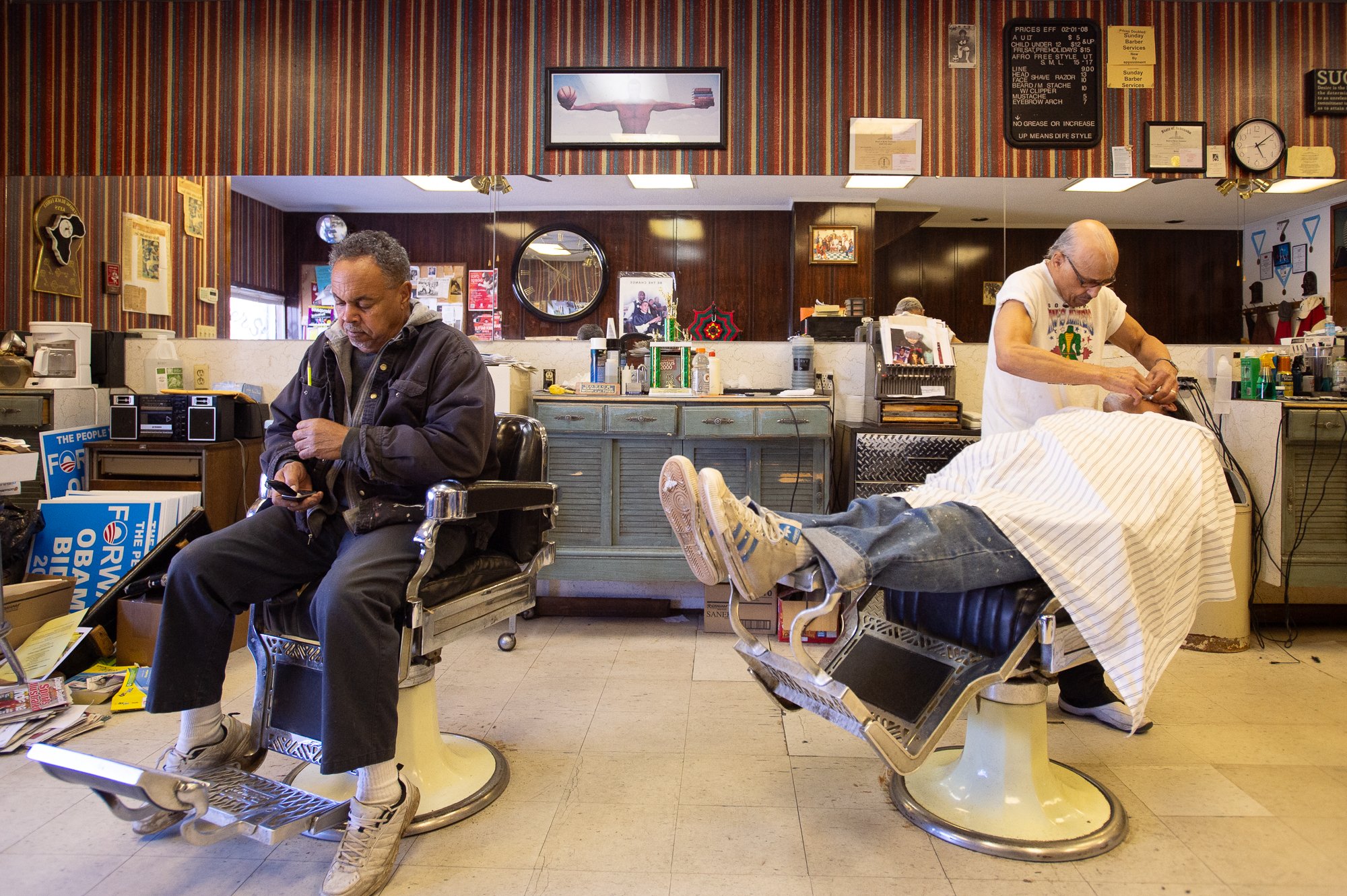
An everyday moment inside the shop—conversation, routine, and the quiet rhythm of a haircut unfolding.
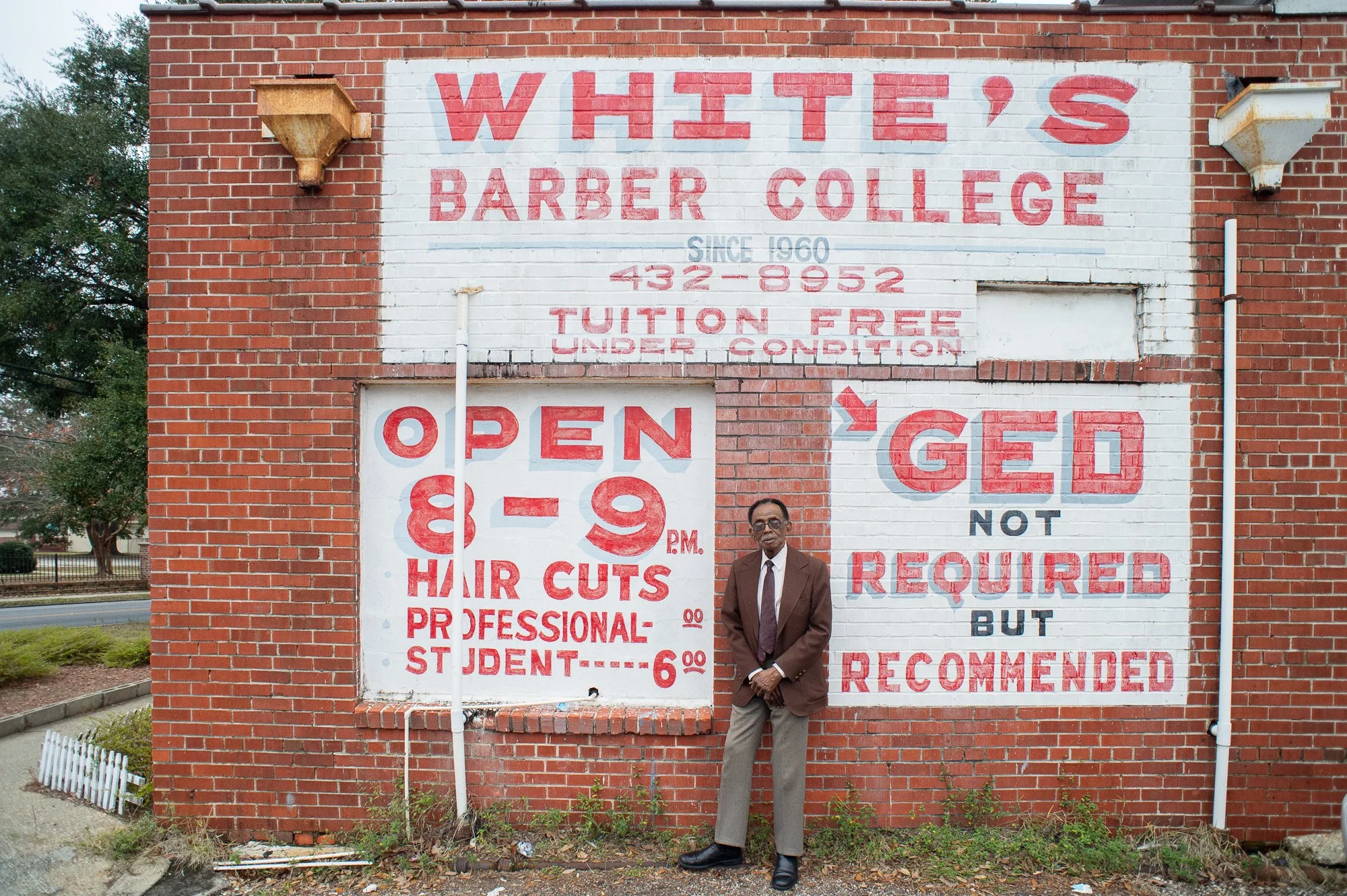
A portrait rooted in place—barbering passed down through training, tradition, and time.
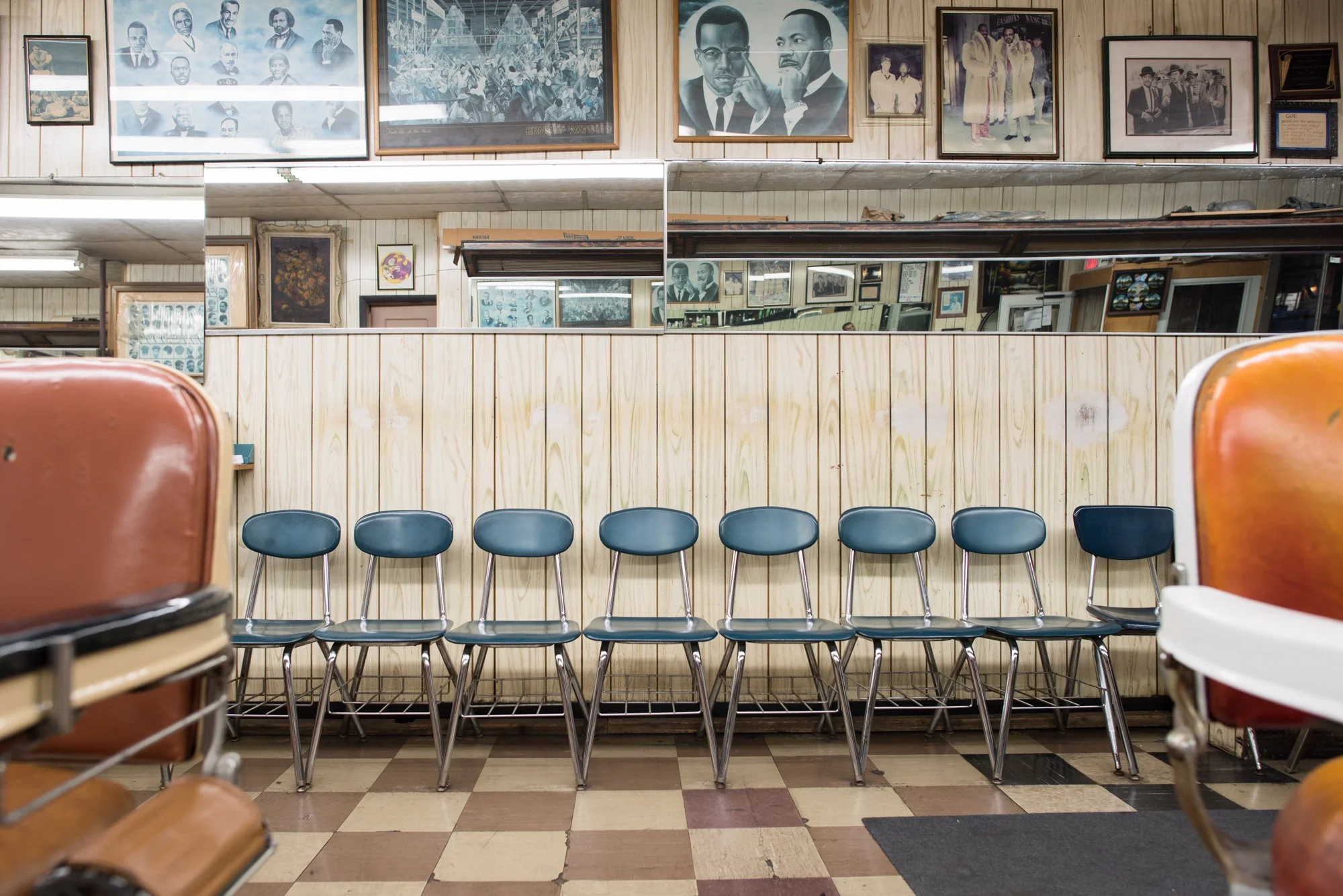
A row of worn chairs sits beneath decades of history—photographs, mirrors, and memories layered into the walls of a neighborhood barbershop.
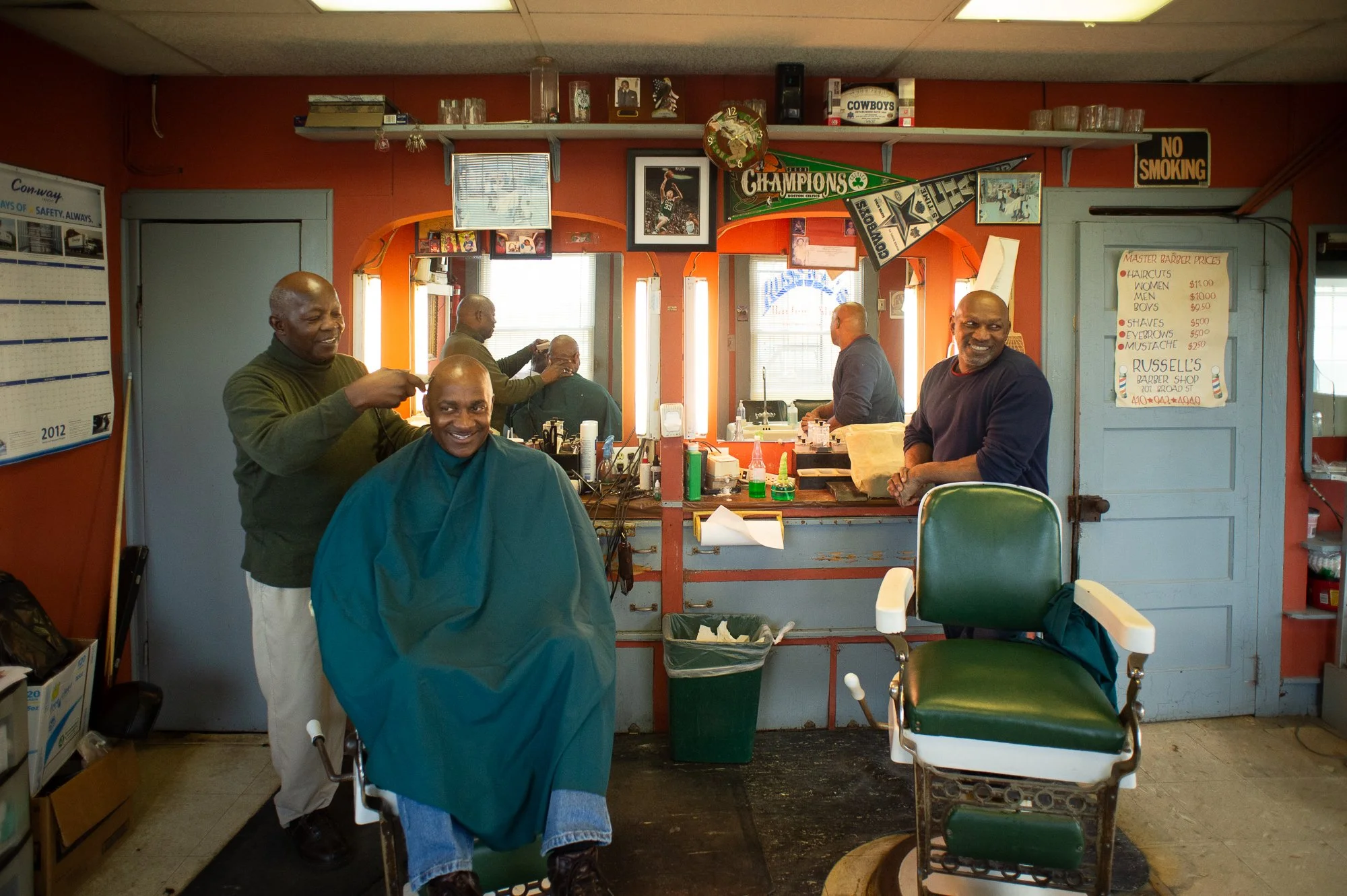
A gathering place as much as a business—where conversation, humor, and community unfold alongside every cut.
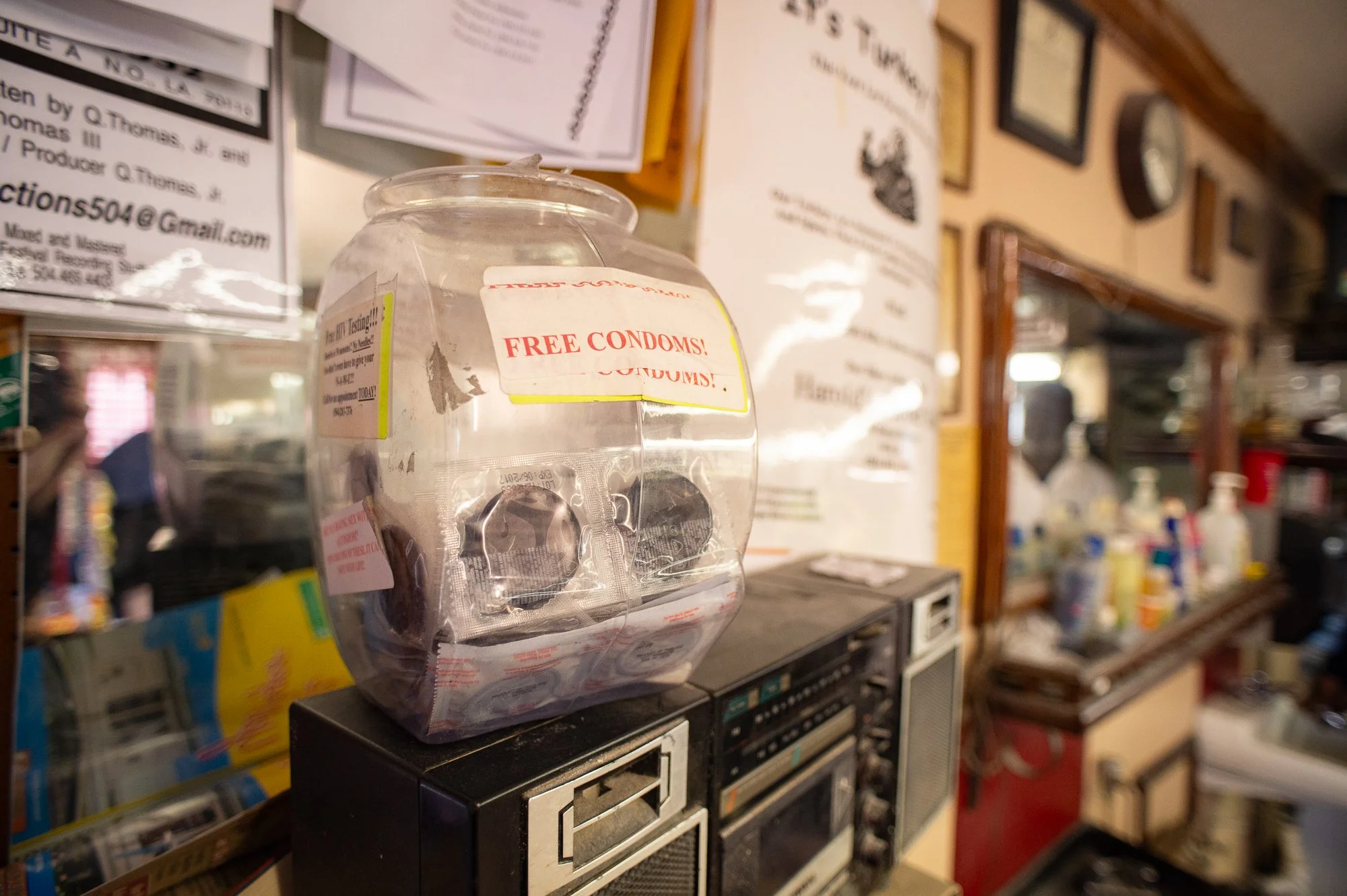
A small but telling detail—barbershops have long served as places of care, conversation, and community beyond the haircut.
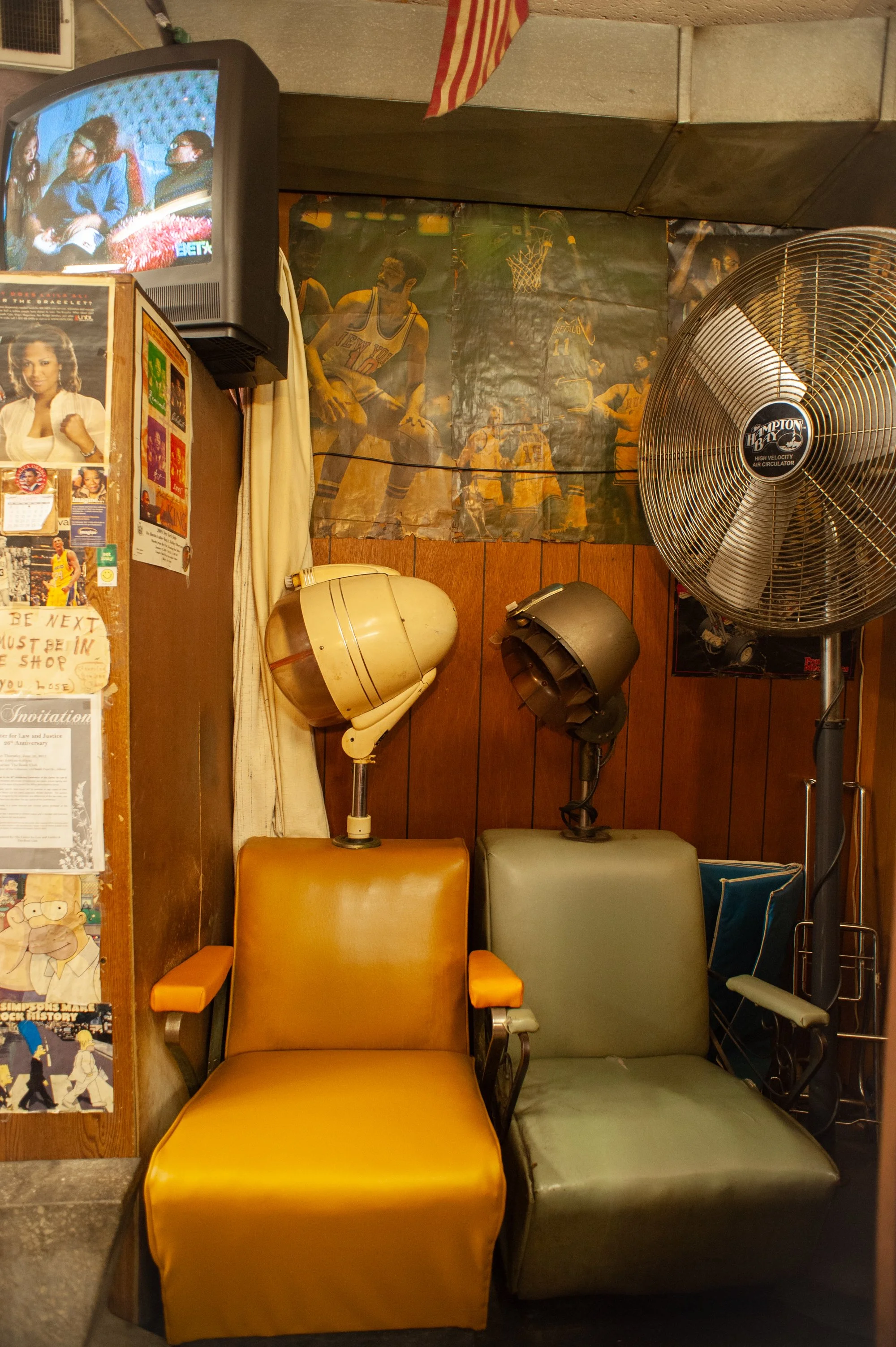
Details that mark the era—equipment and imagery that speak to decades of use and change.
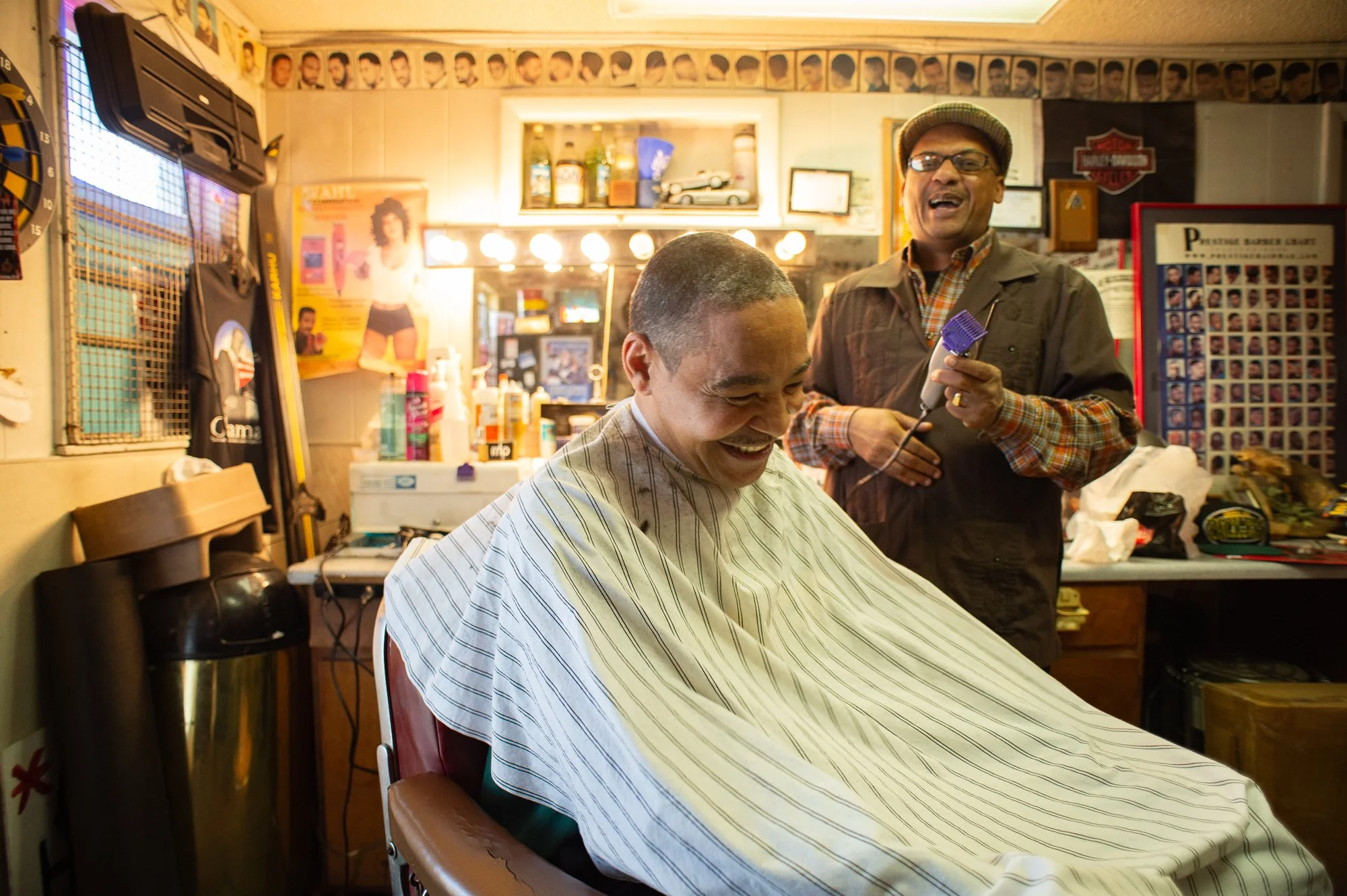
A moment of humor during a haircut—relationships built over years, not just appointments.
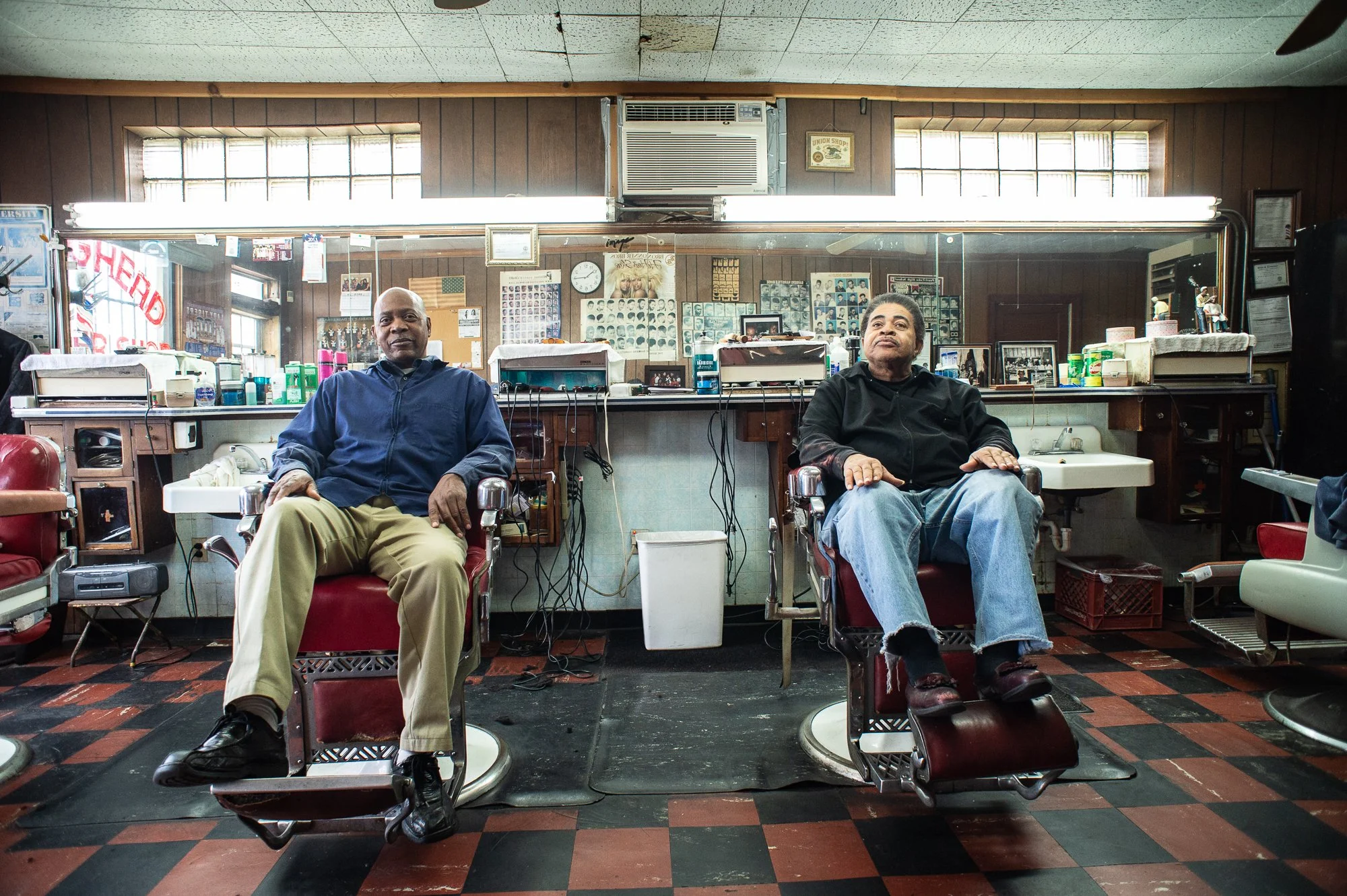
Waiting, watching, and talking—the chair is as much about presence as it is about the haircut.
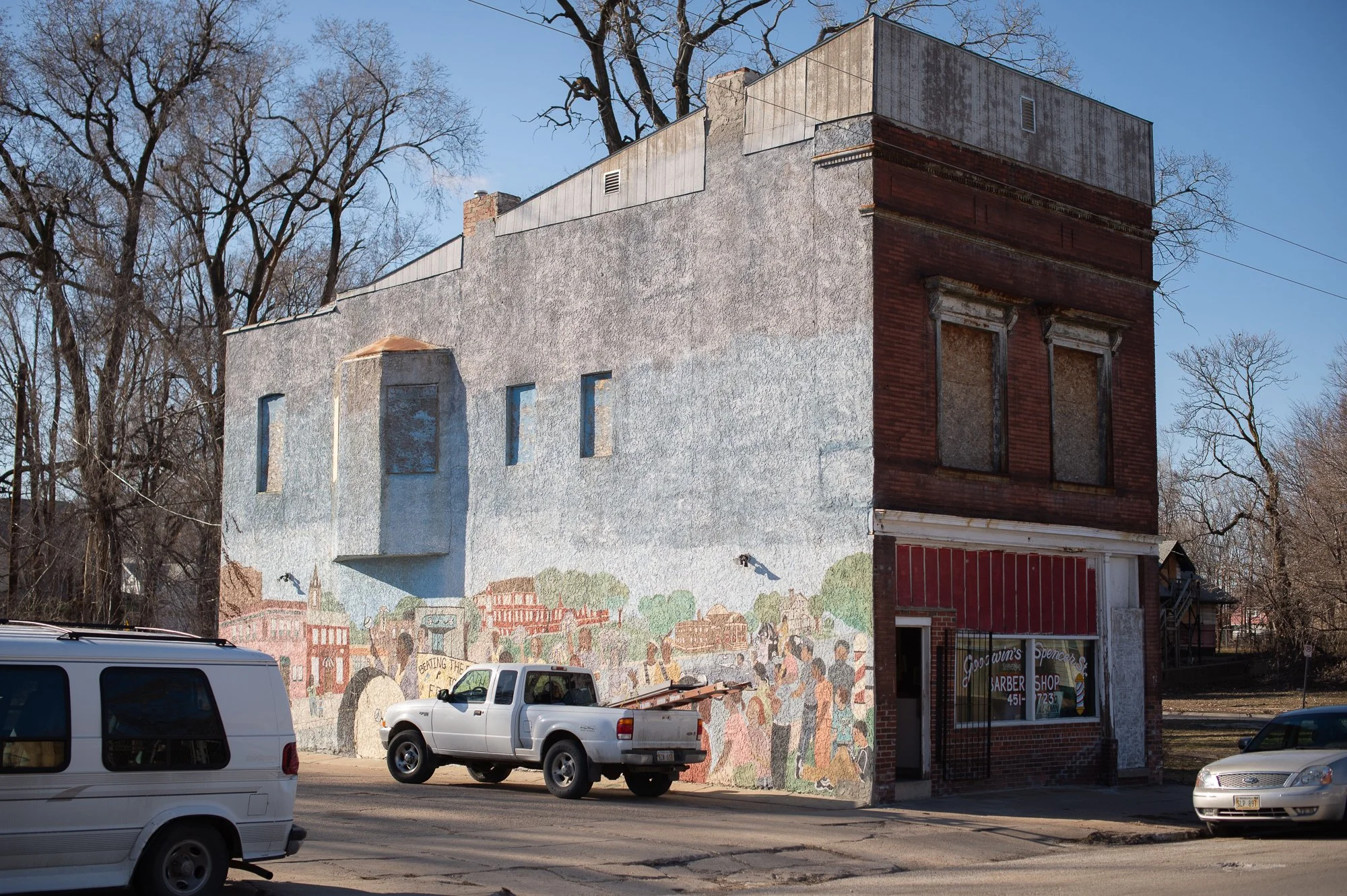
The outside of the shop carries its own story—weathered walls, murals, and a presence rooted in the neighborhood.
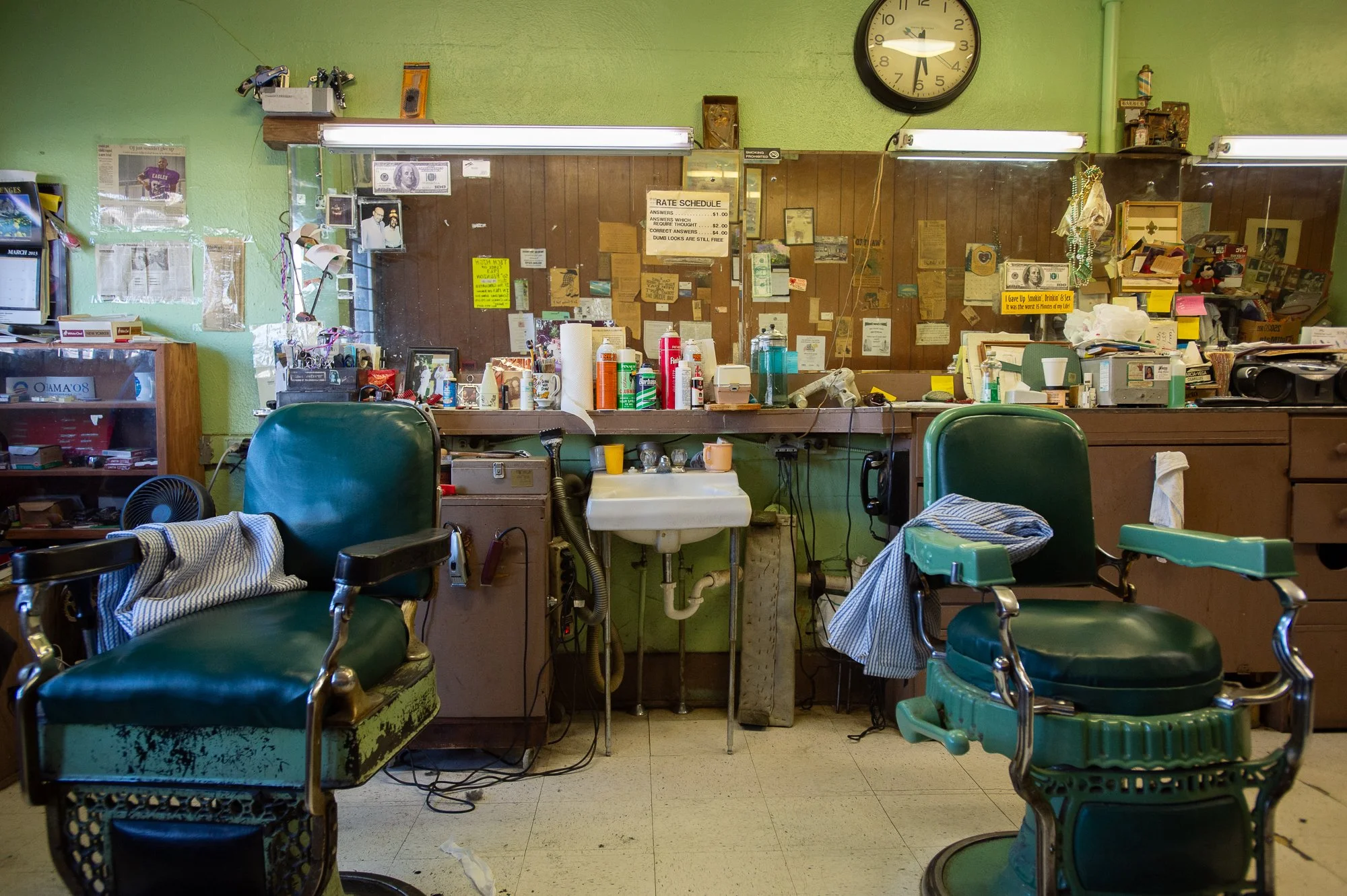
Tools, notes, and years of work surround the chair—evidence of a craft practiced daily over decades.
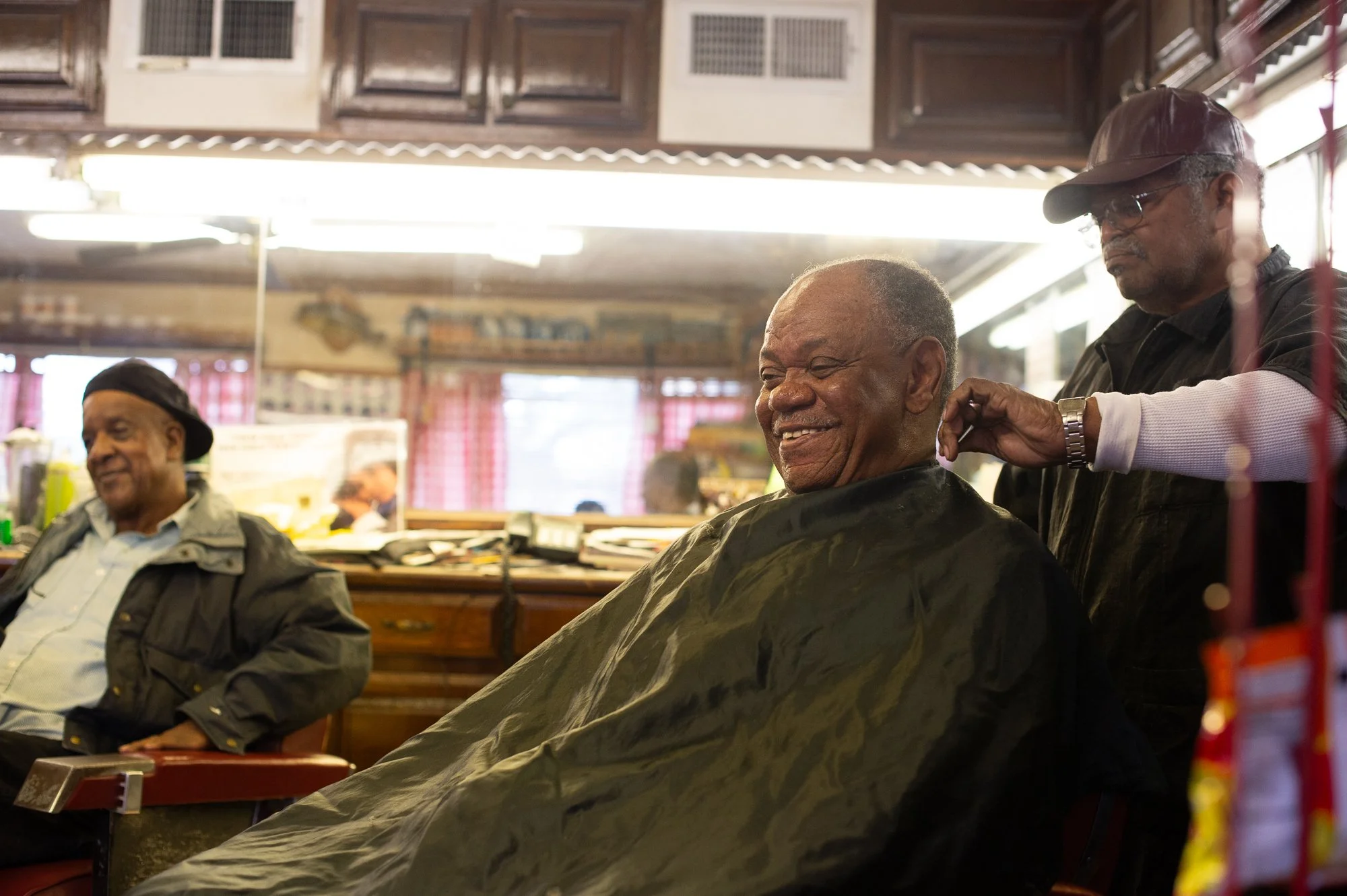
Generations gather in these spaces—routine, trust, and tradition carried forward one cut at a time.
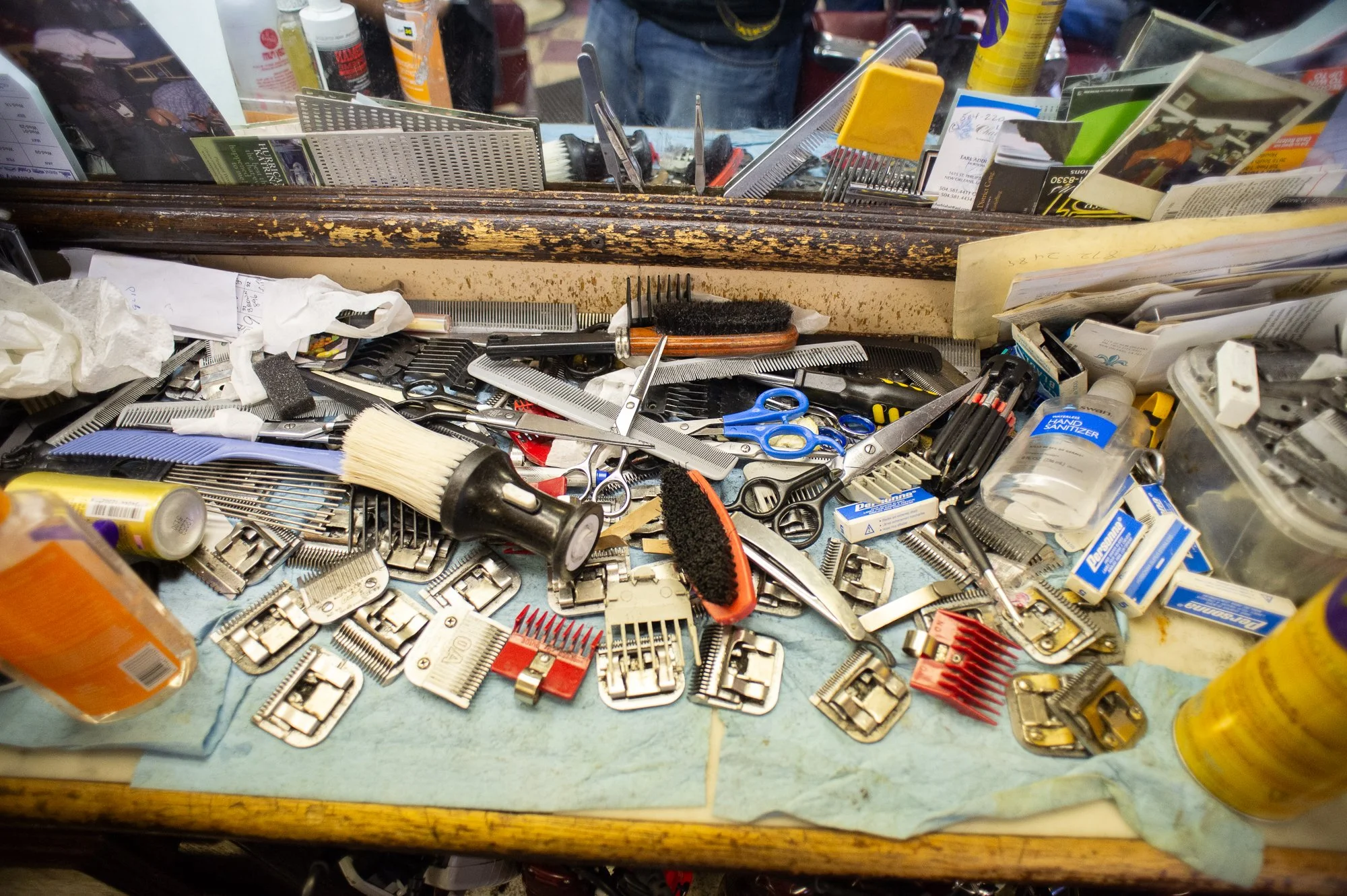
The tools of the trade—used daily, worn over time, and essential to the craft practiced in every shop.
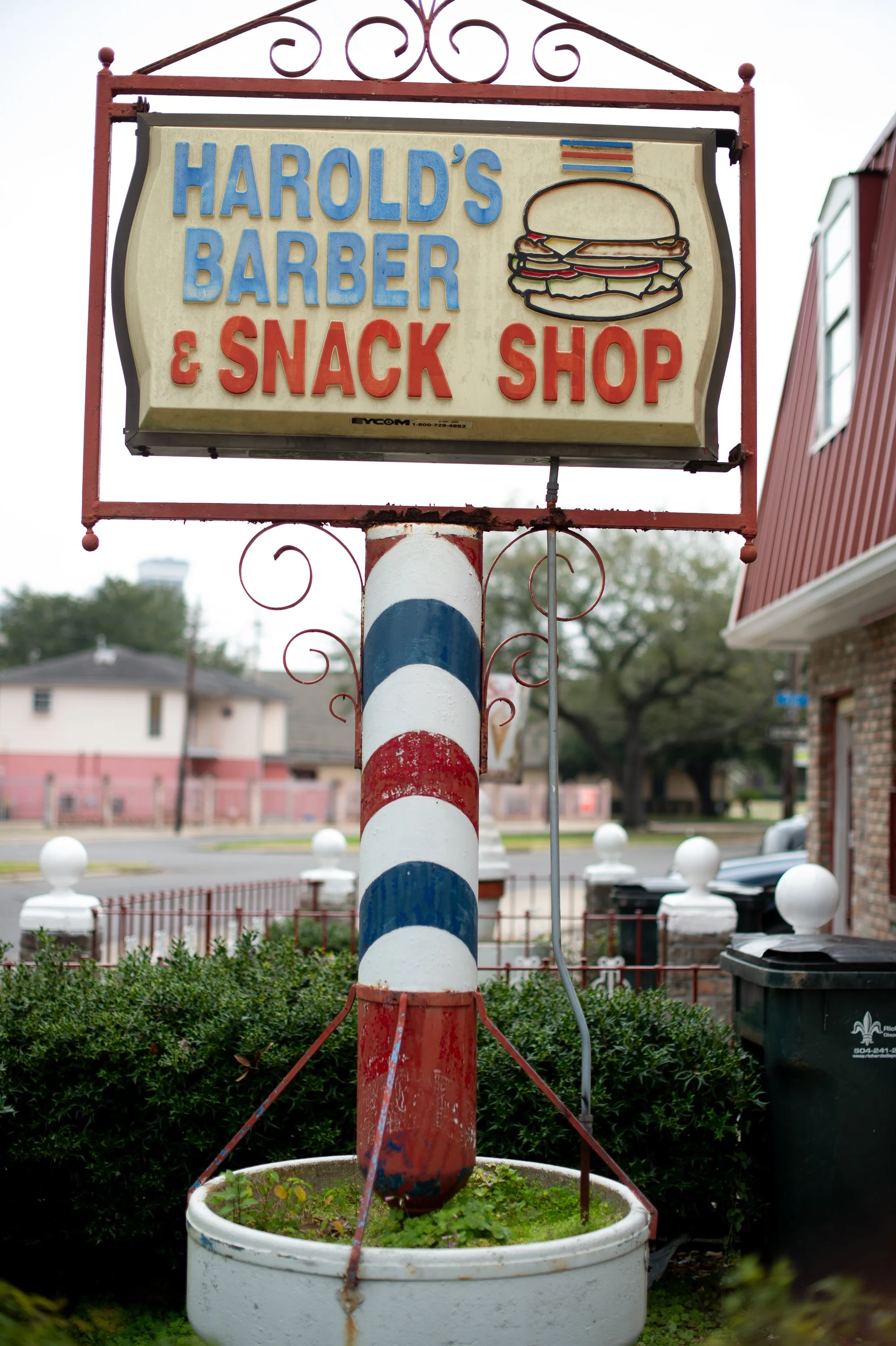
A sign that reflects the role of the barbershop as both business and gathering place within the neighborhood.
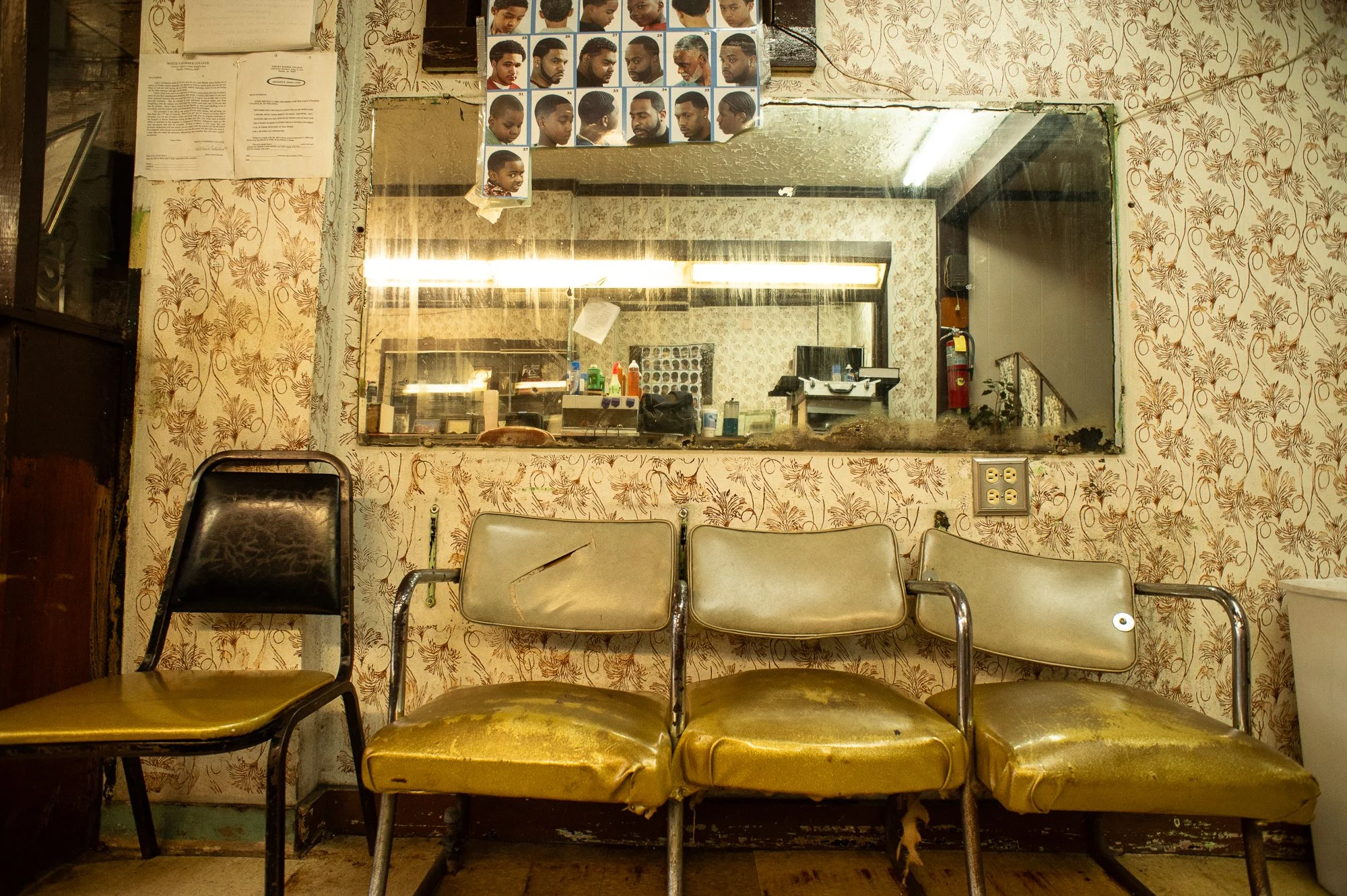
Chairs worn from years of use—each one holding its own history of conversations and waiting.
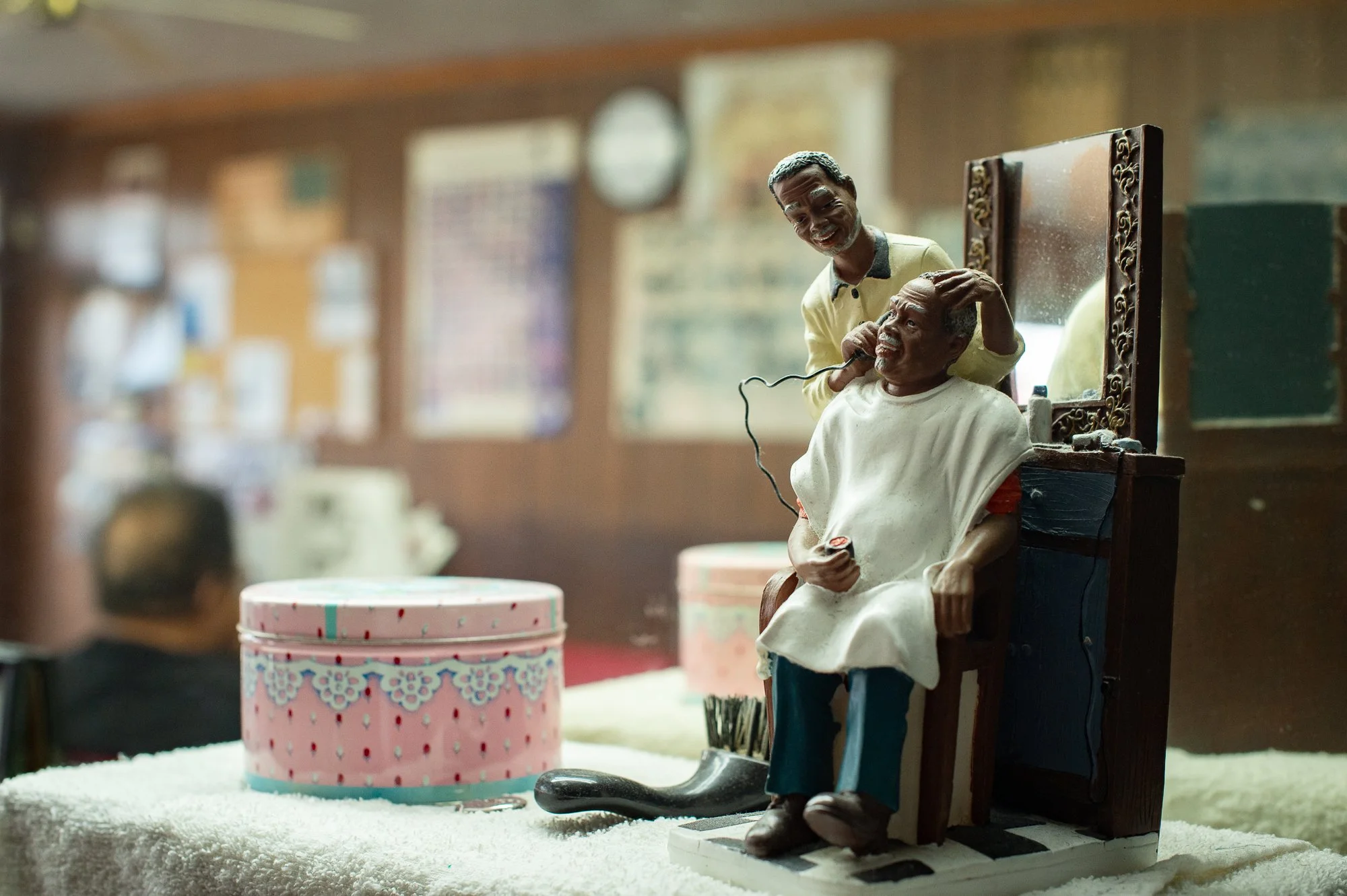
A small detail on the counter—a reflection of the craft and culture that defines the space.
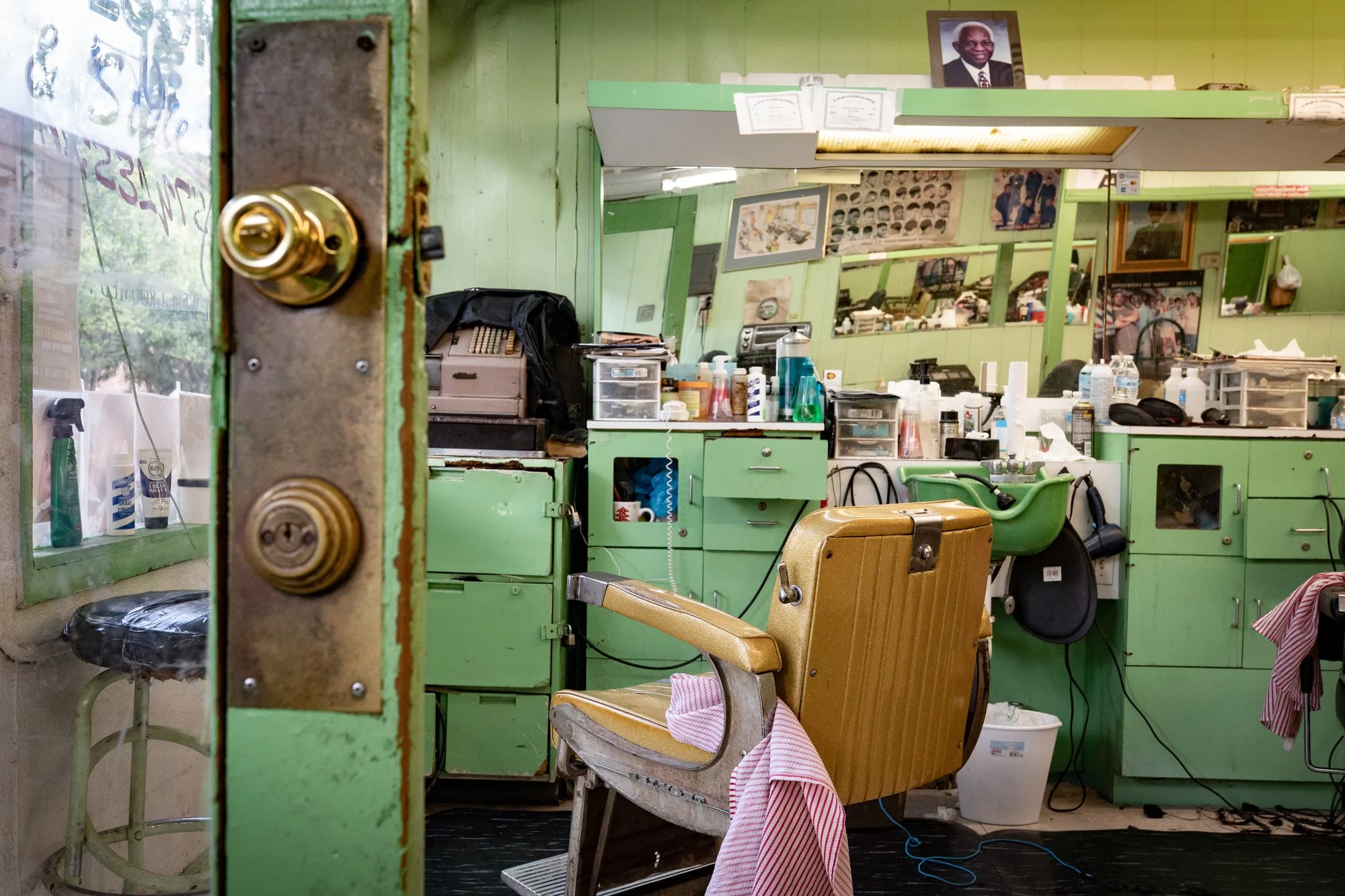
A quiet interior between customers—the shop as both workspace and daily routine.
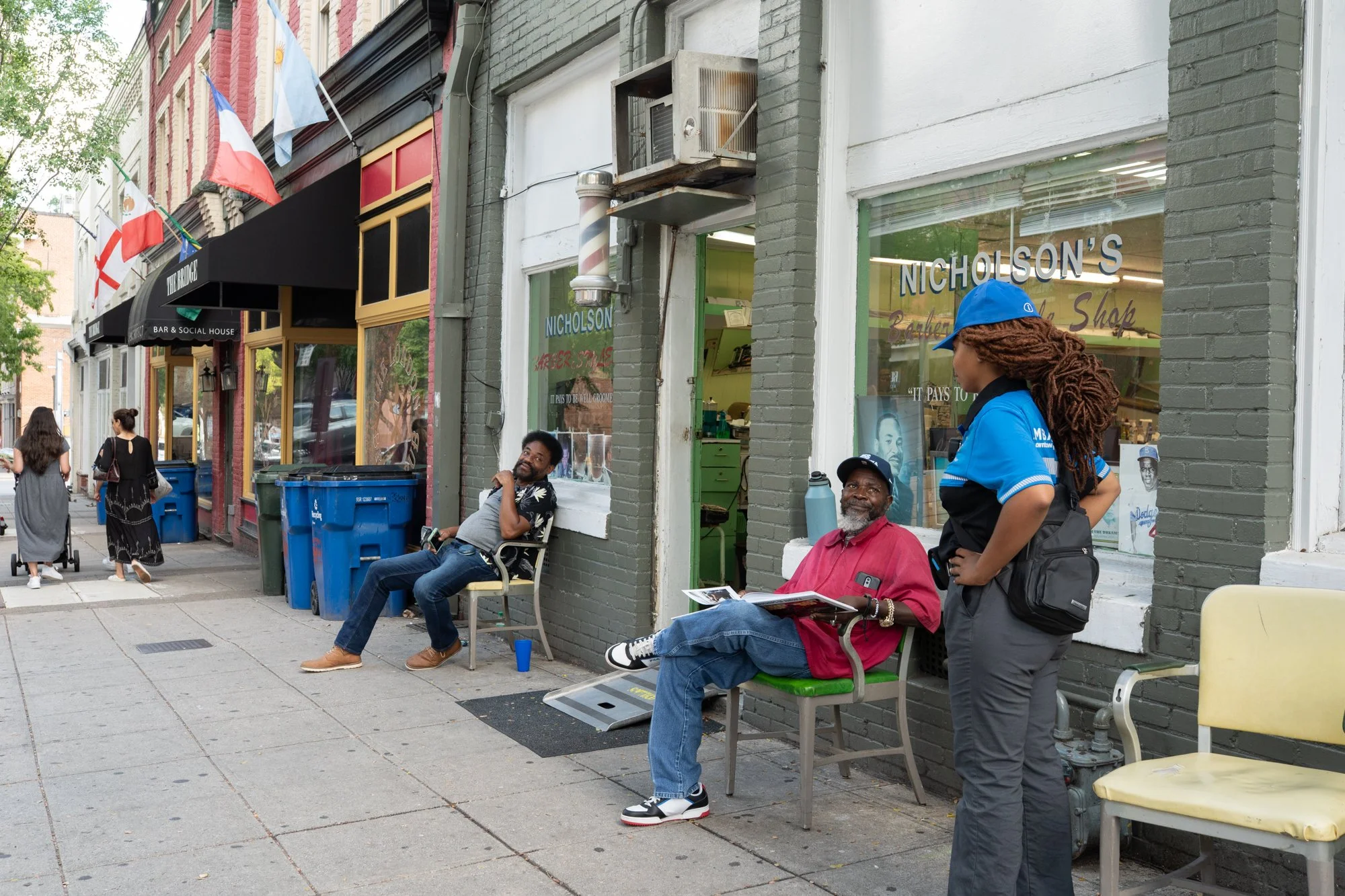
The sidewalk becomes an extension of the shop—conversation and community continuing just outside the door.
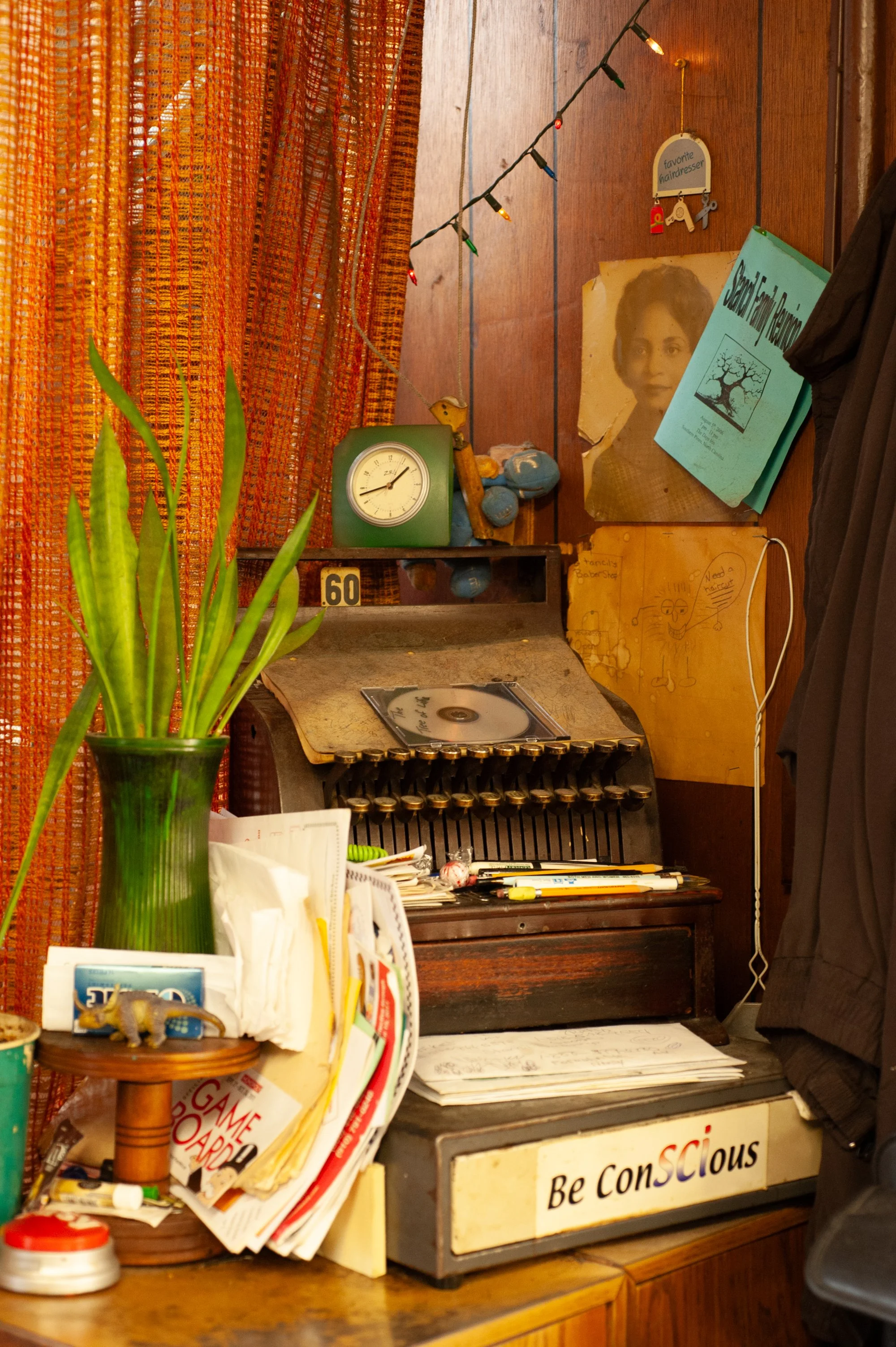
Personal objects layered into the space—notes, tools, and history sitting side by side on the counter.
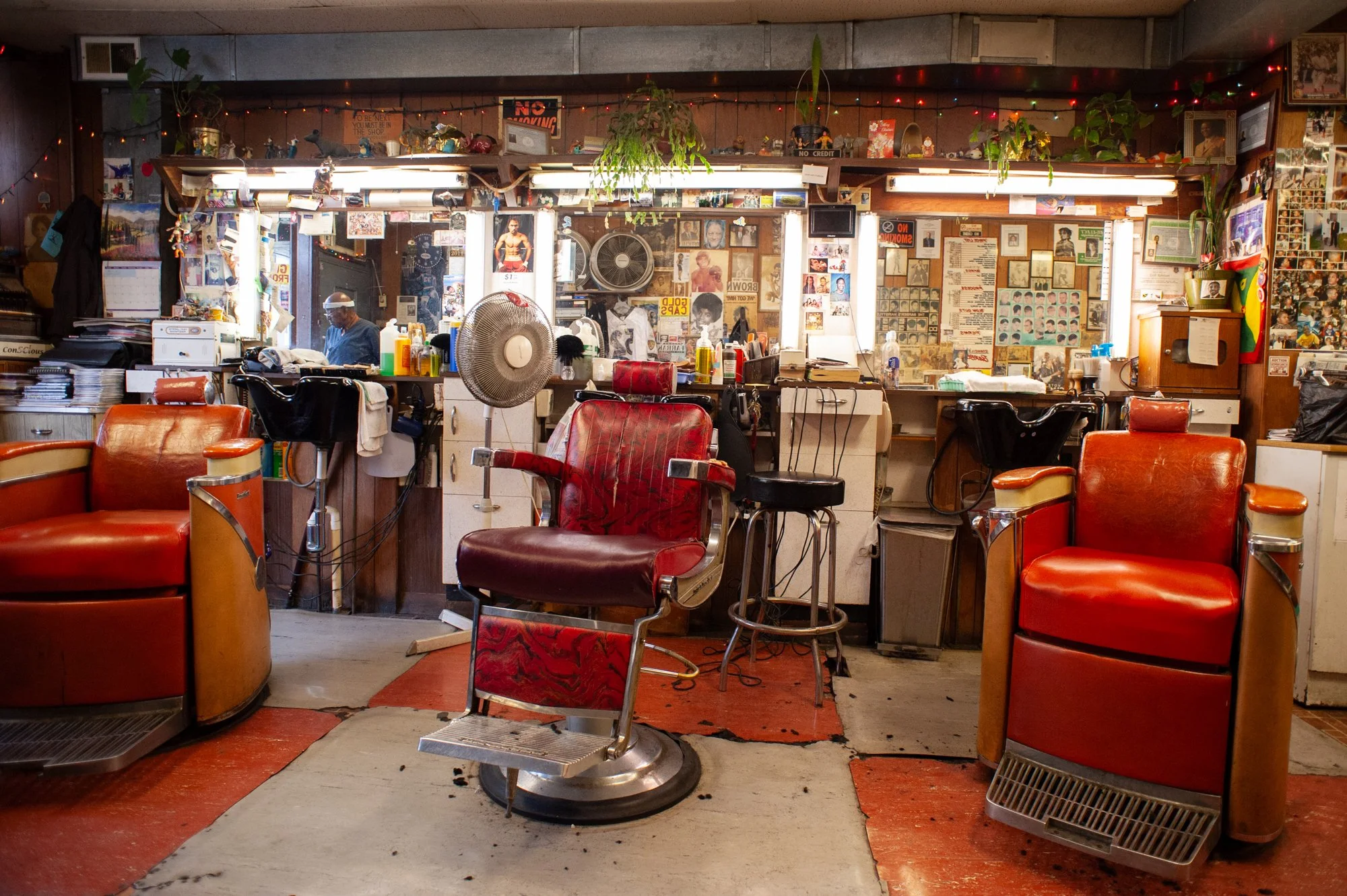
A full view of the shop—chairs, mirrors, and walls layered with history and everyday life.
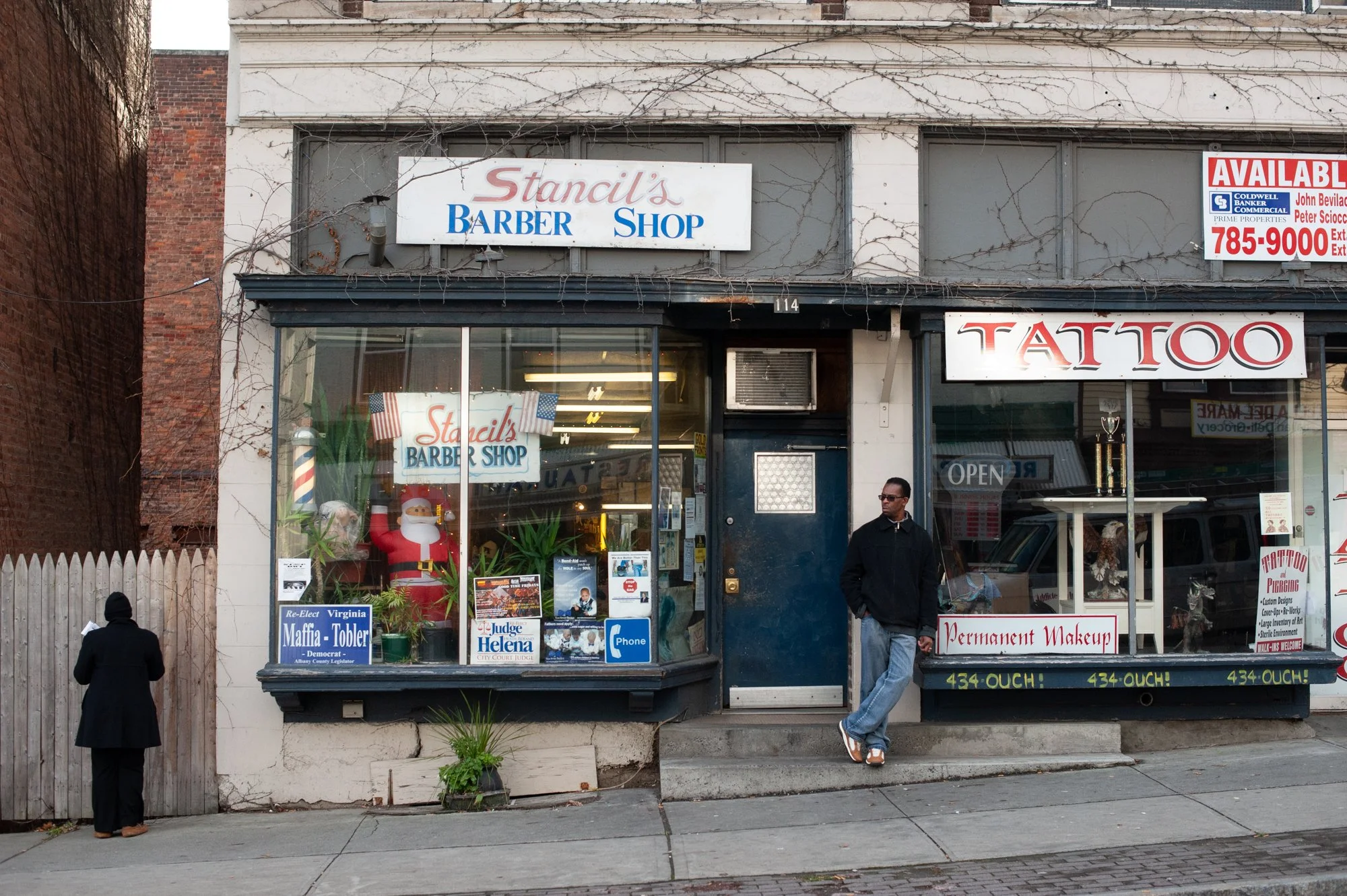
The shop as part of the street—where daily life, community, and routine meet the sidewalk.
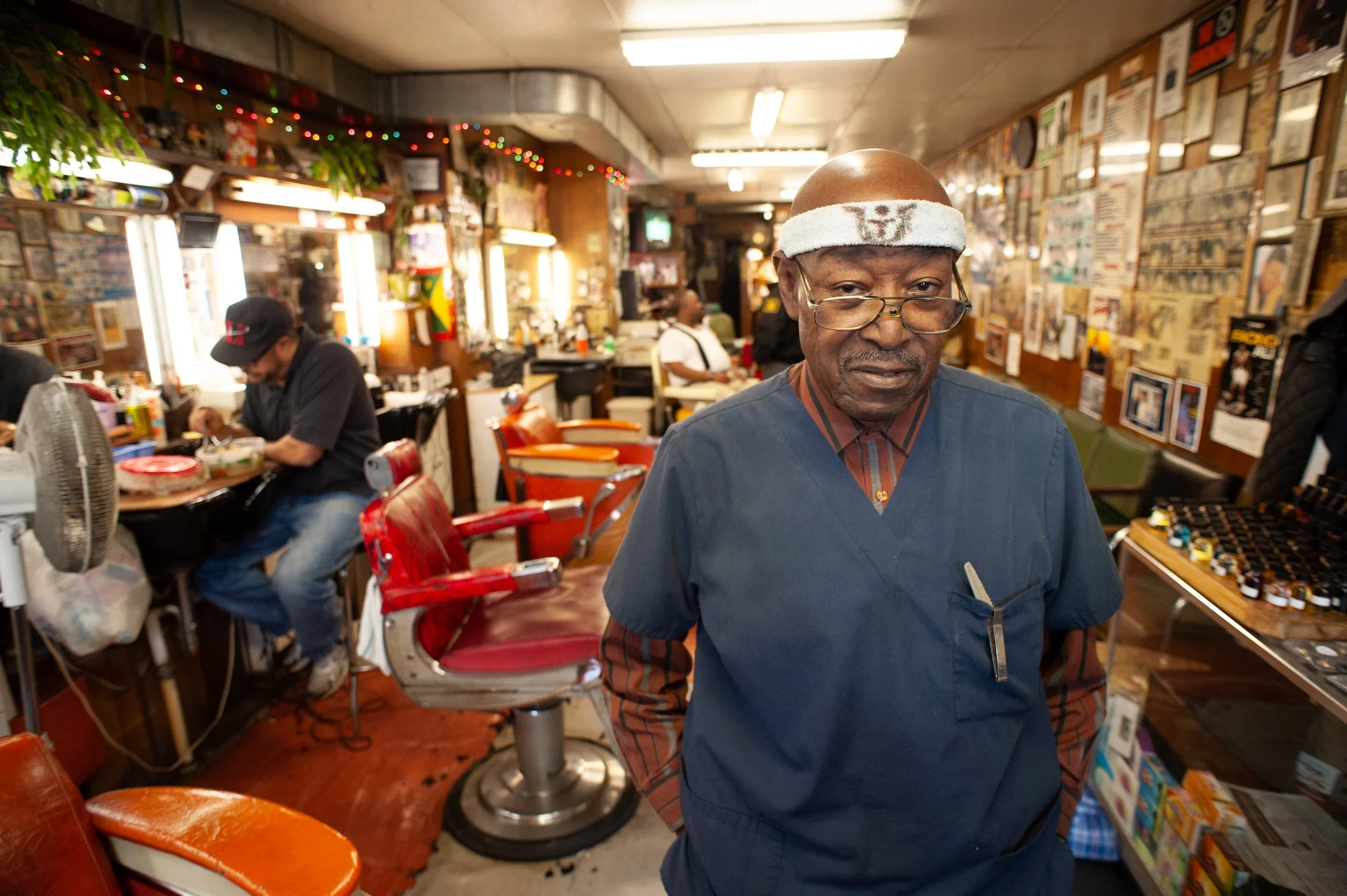
A portrait inside the shop—years of experience, routine, and presence behind the chair.
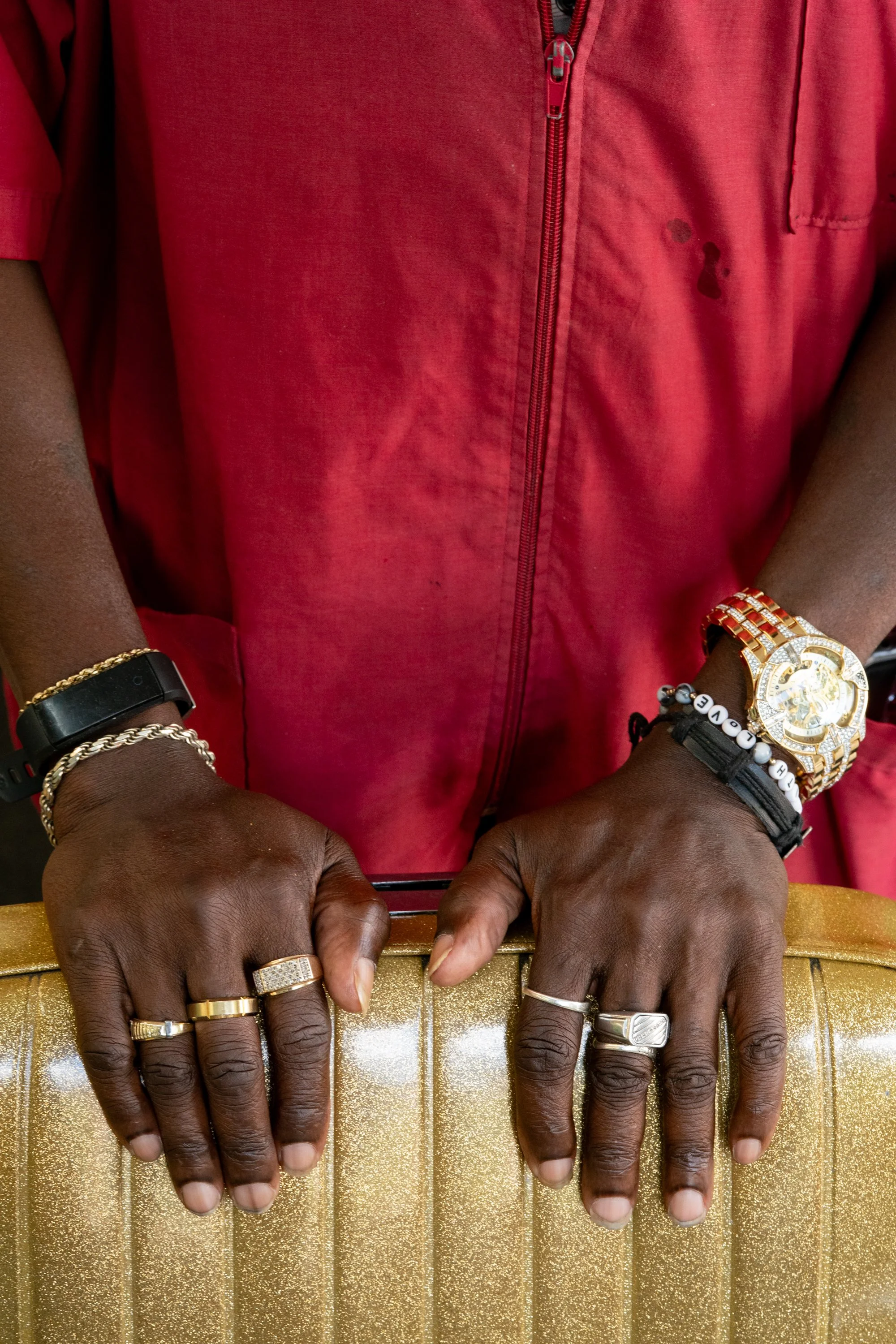
Hands that define the craft—tools, precision, and personal style carried into the work.