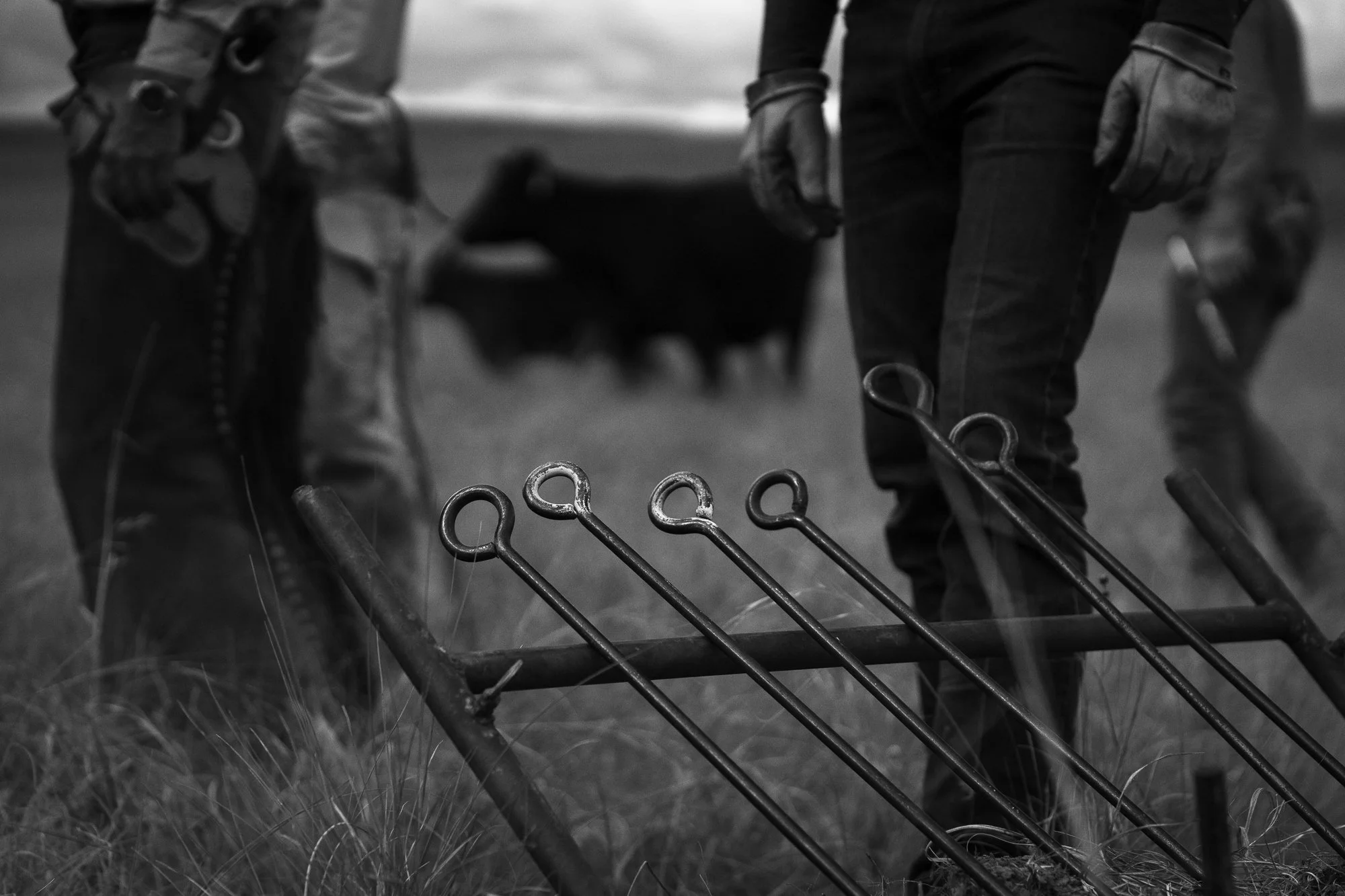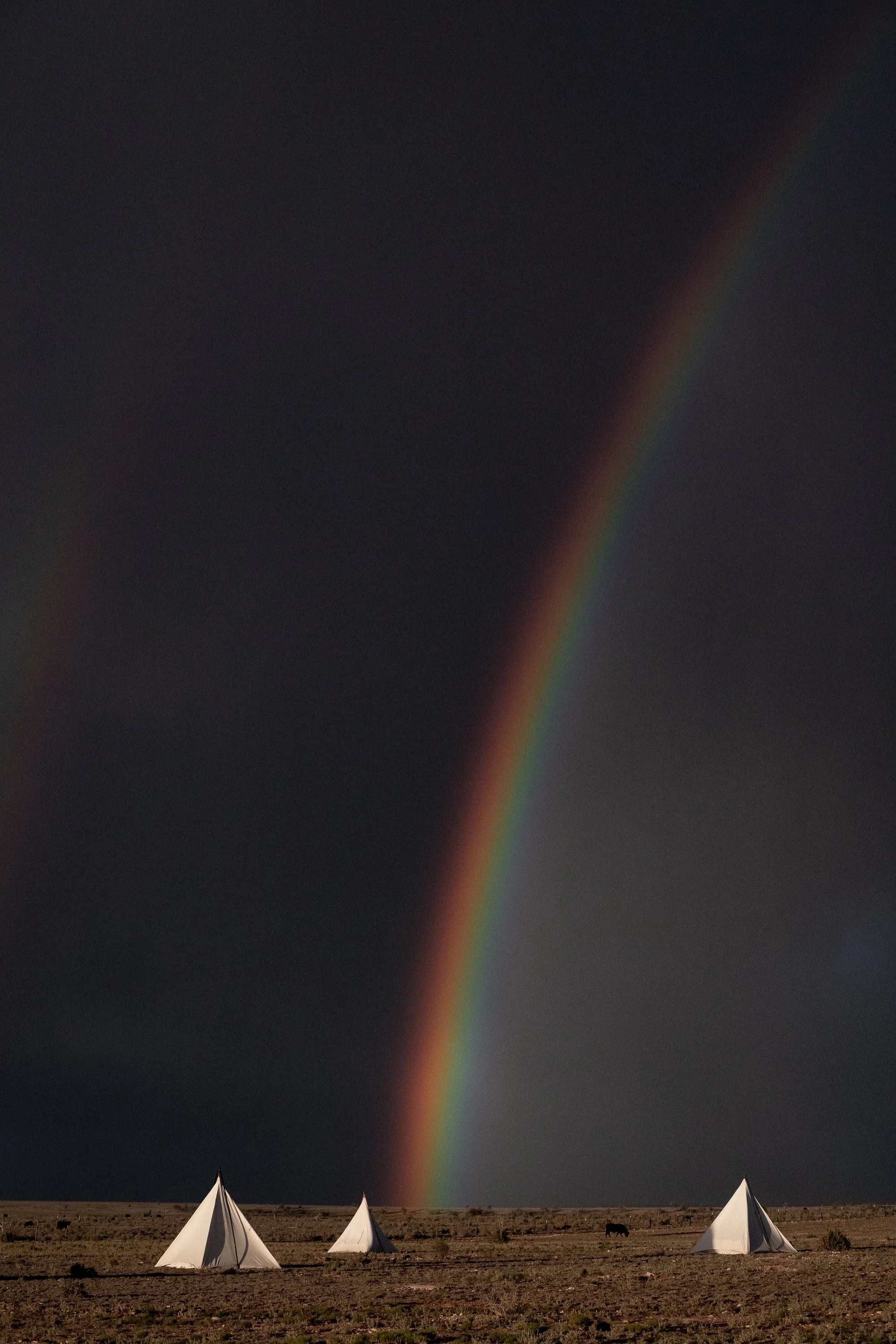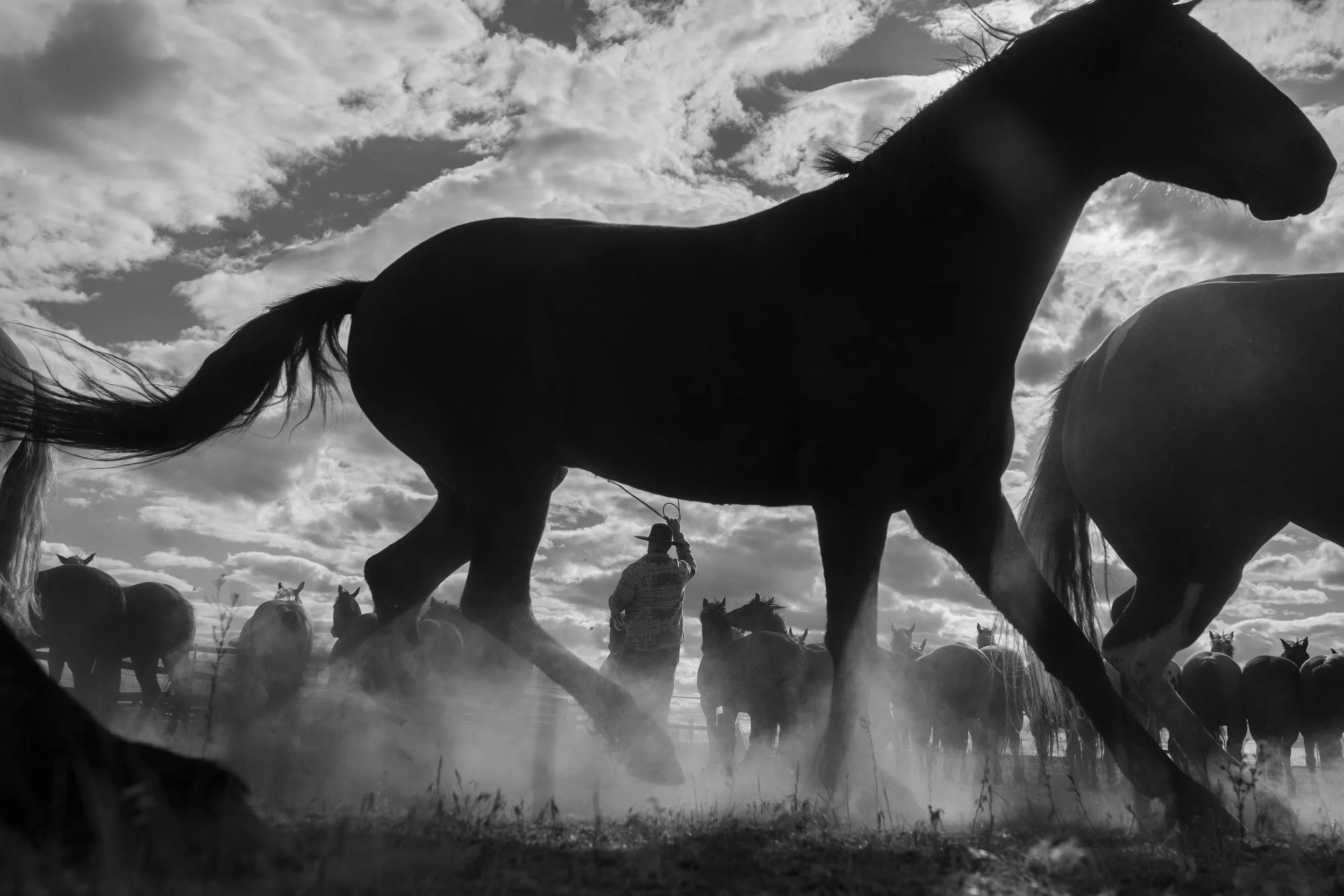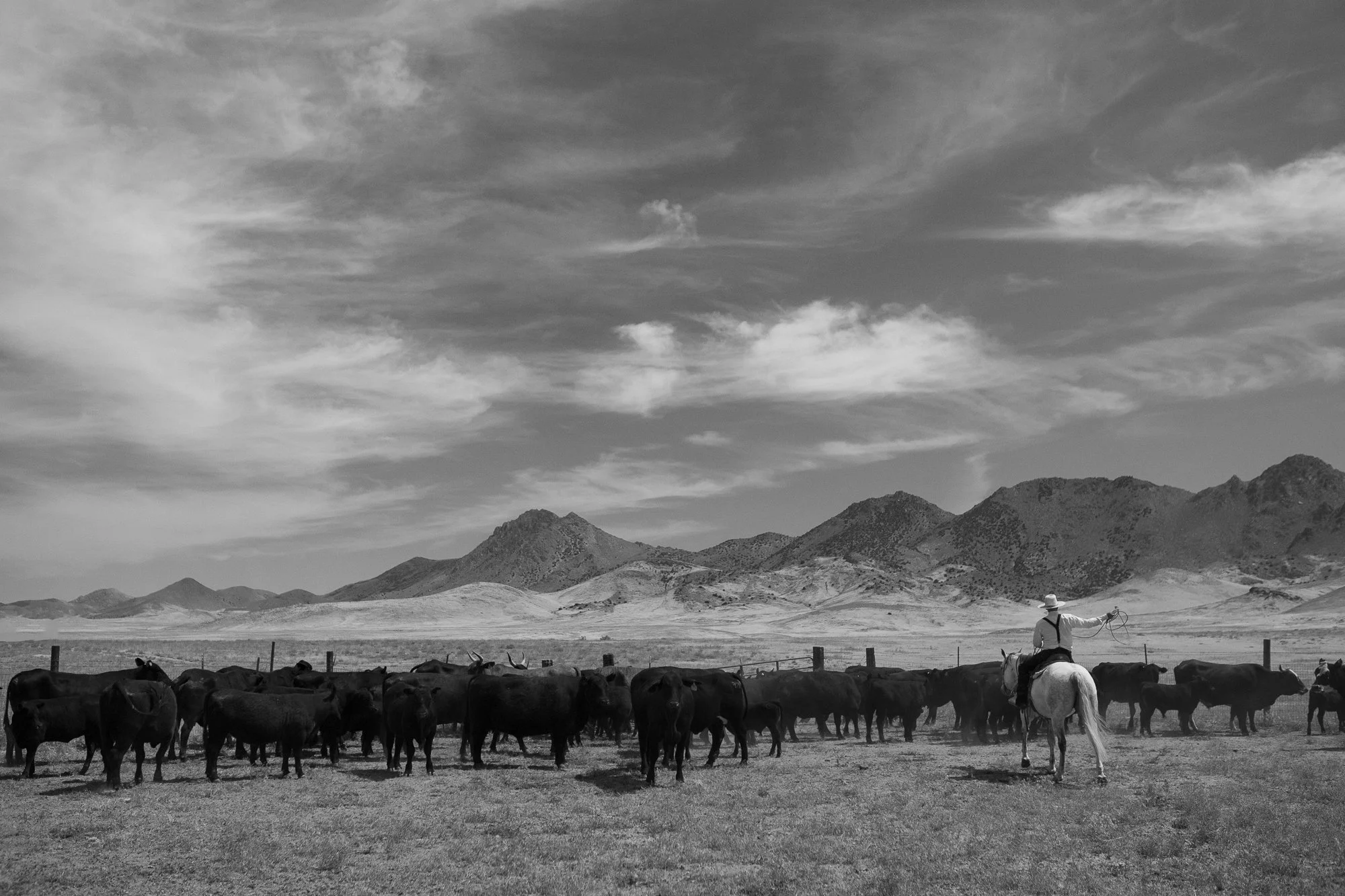
Artwork featured on the set of Dutton Ranch

Cowboy Photography Featured on the Set of Dutton Ranch

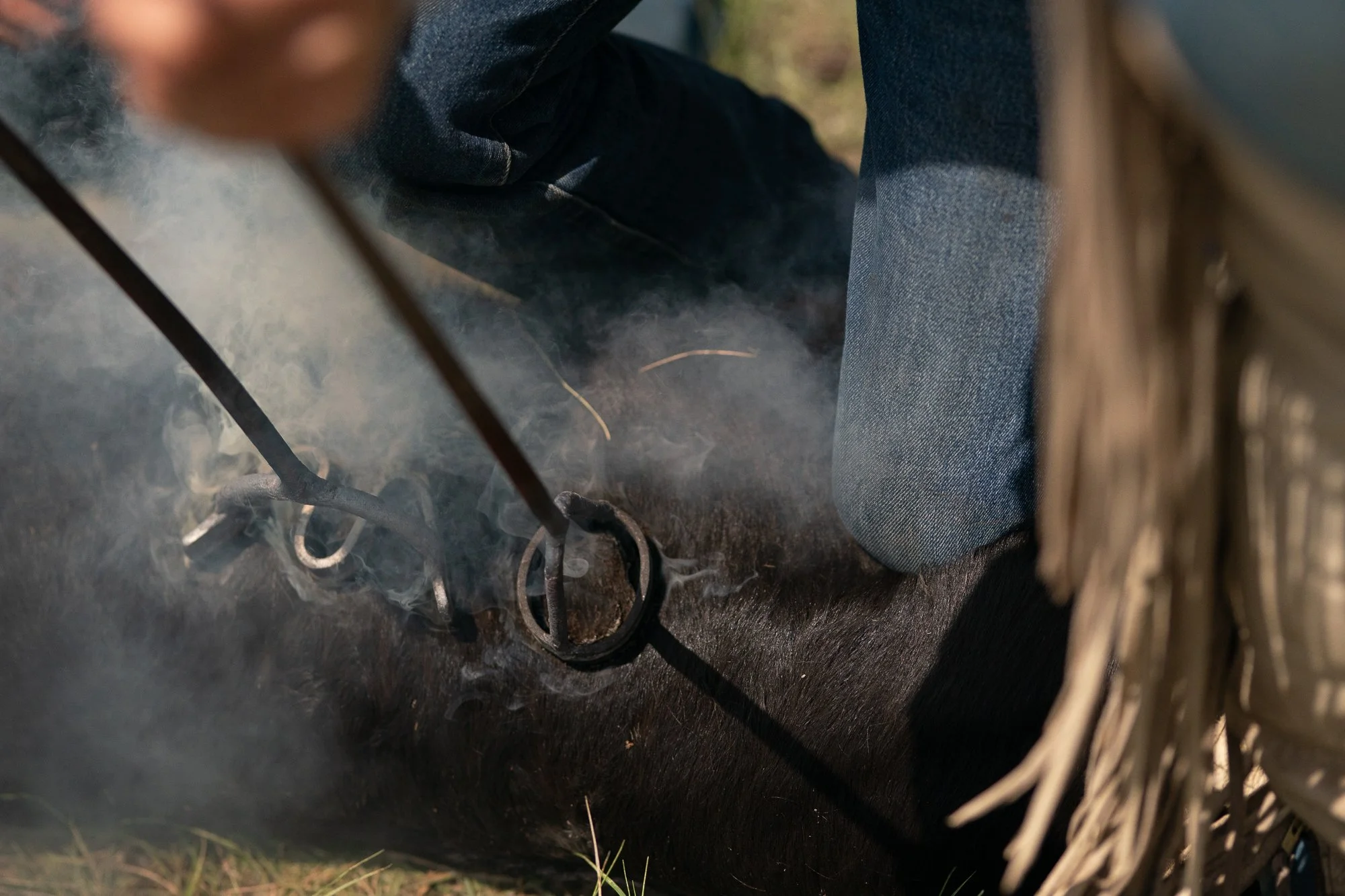
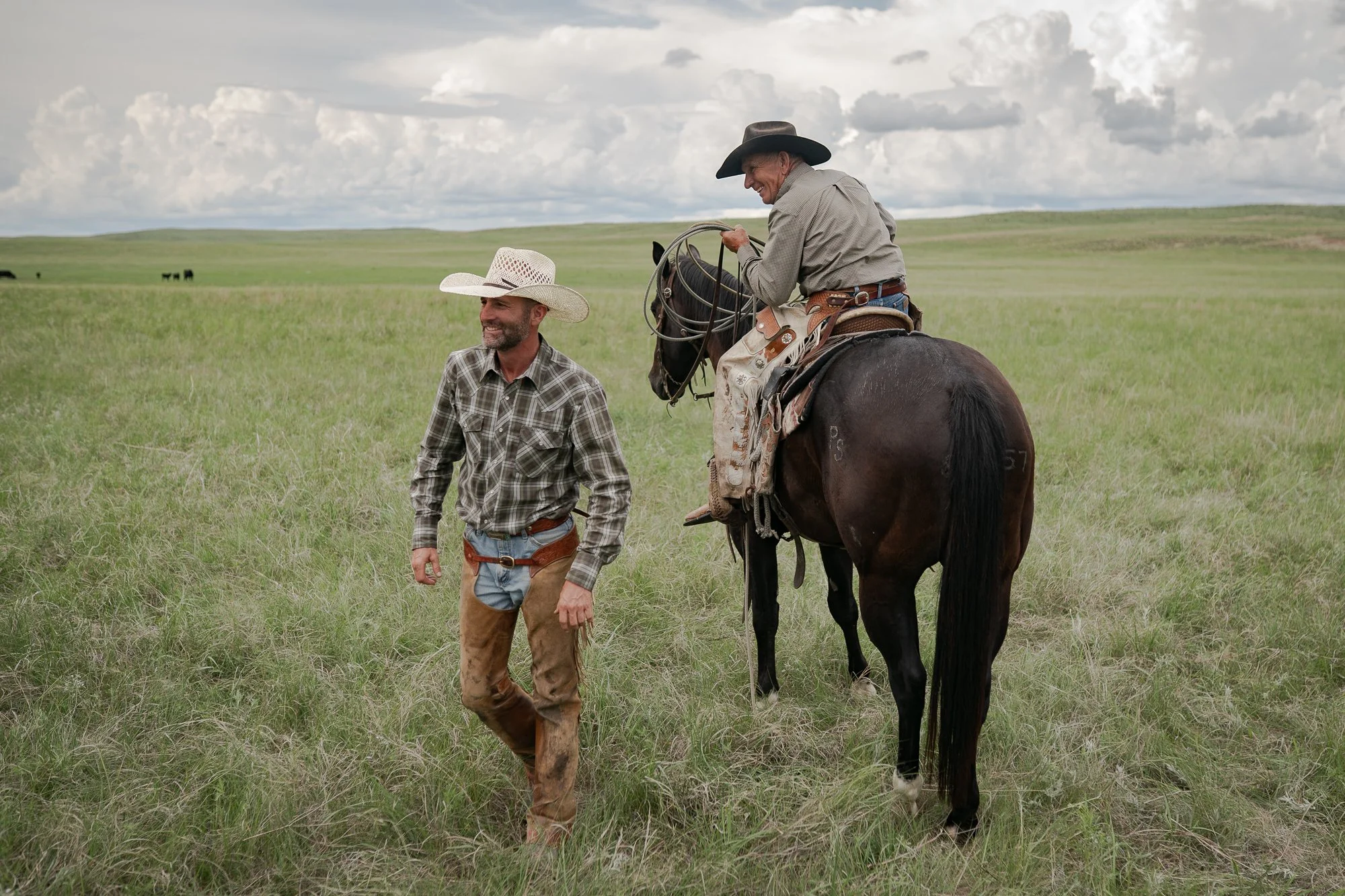
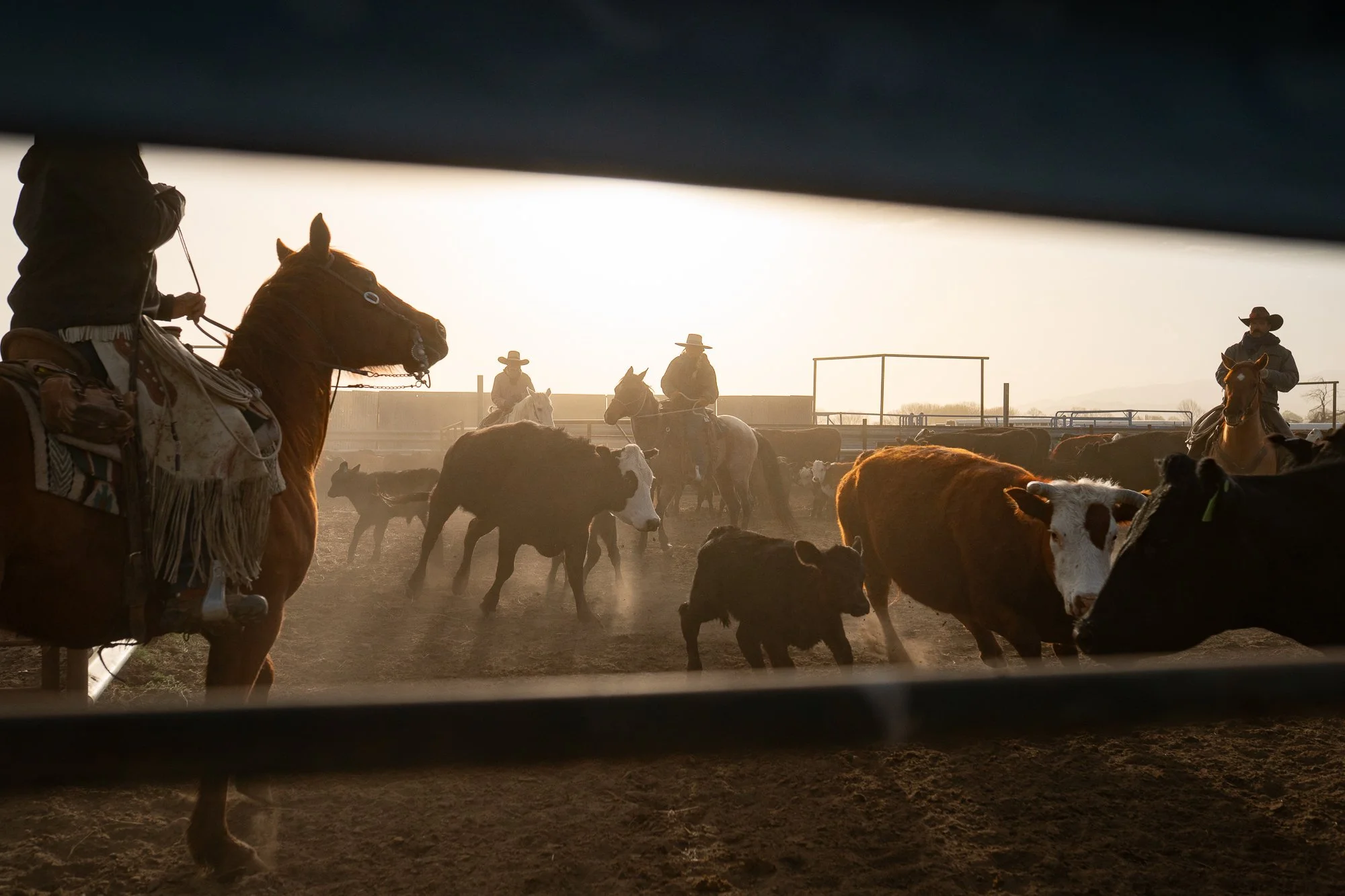
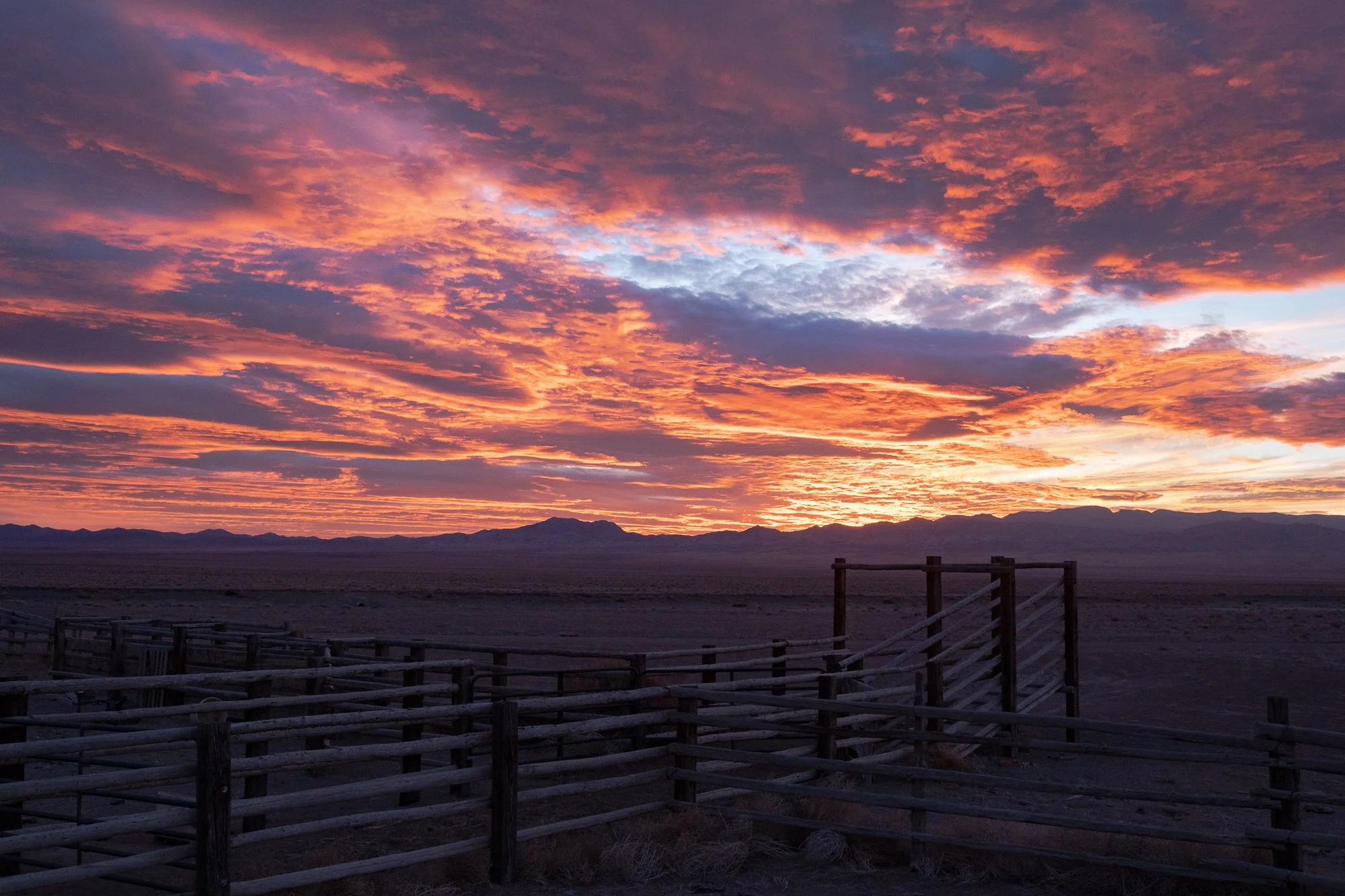
Recently, one of my cowboy photography prints appeared on the set of Dutton Ranch, the latest series set within the world of the modern American West.

It wasn't the first time my work has found its way onto a television set. Previously, four of my photographs were used on the set of Yellowstone, where they appeared as part of the visual landscape of one of the most successful Western dramas in recent memory.

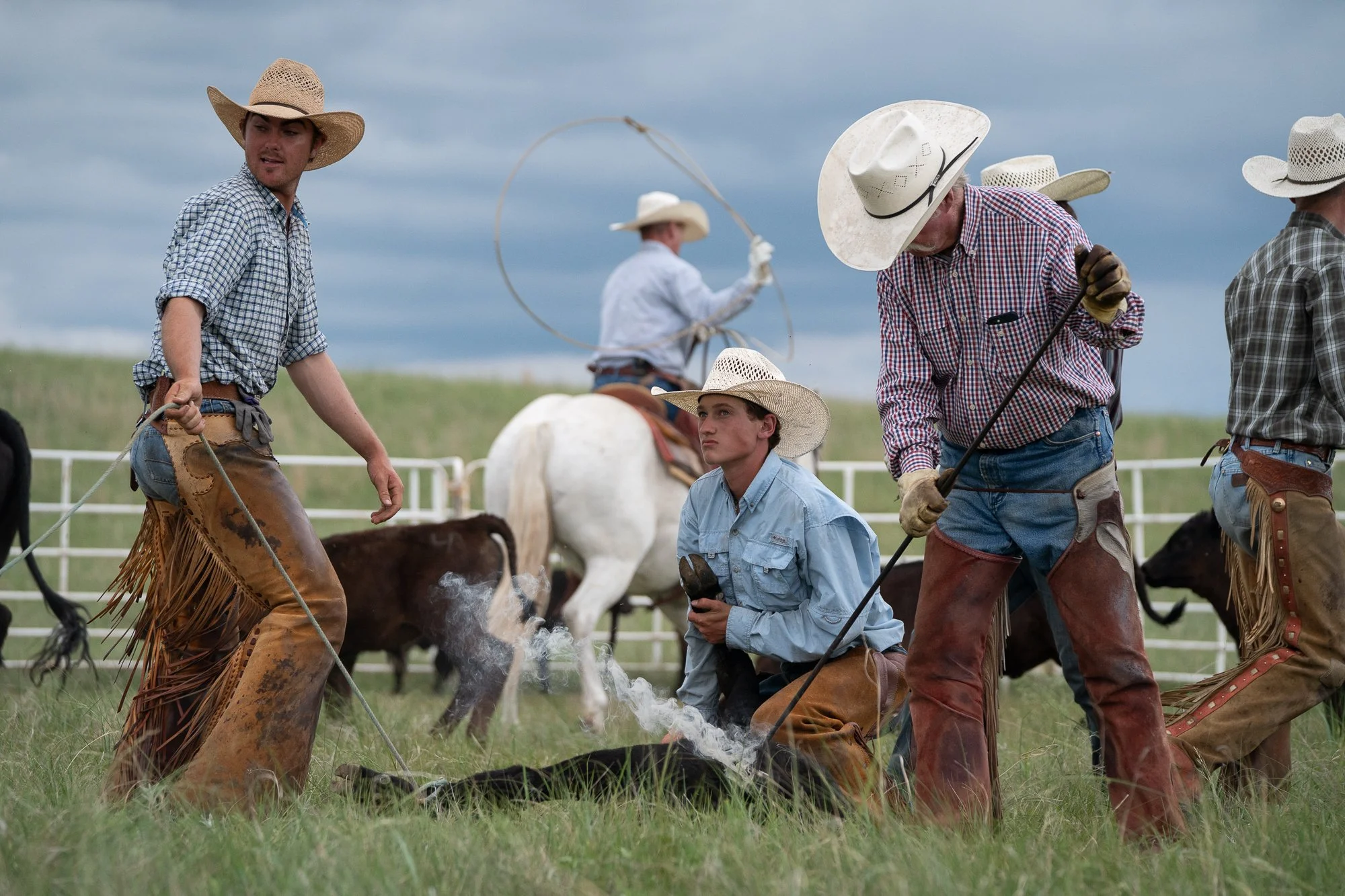
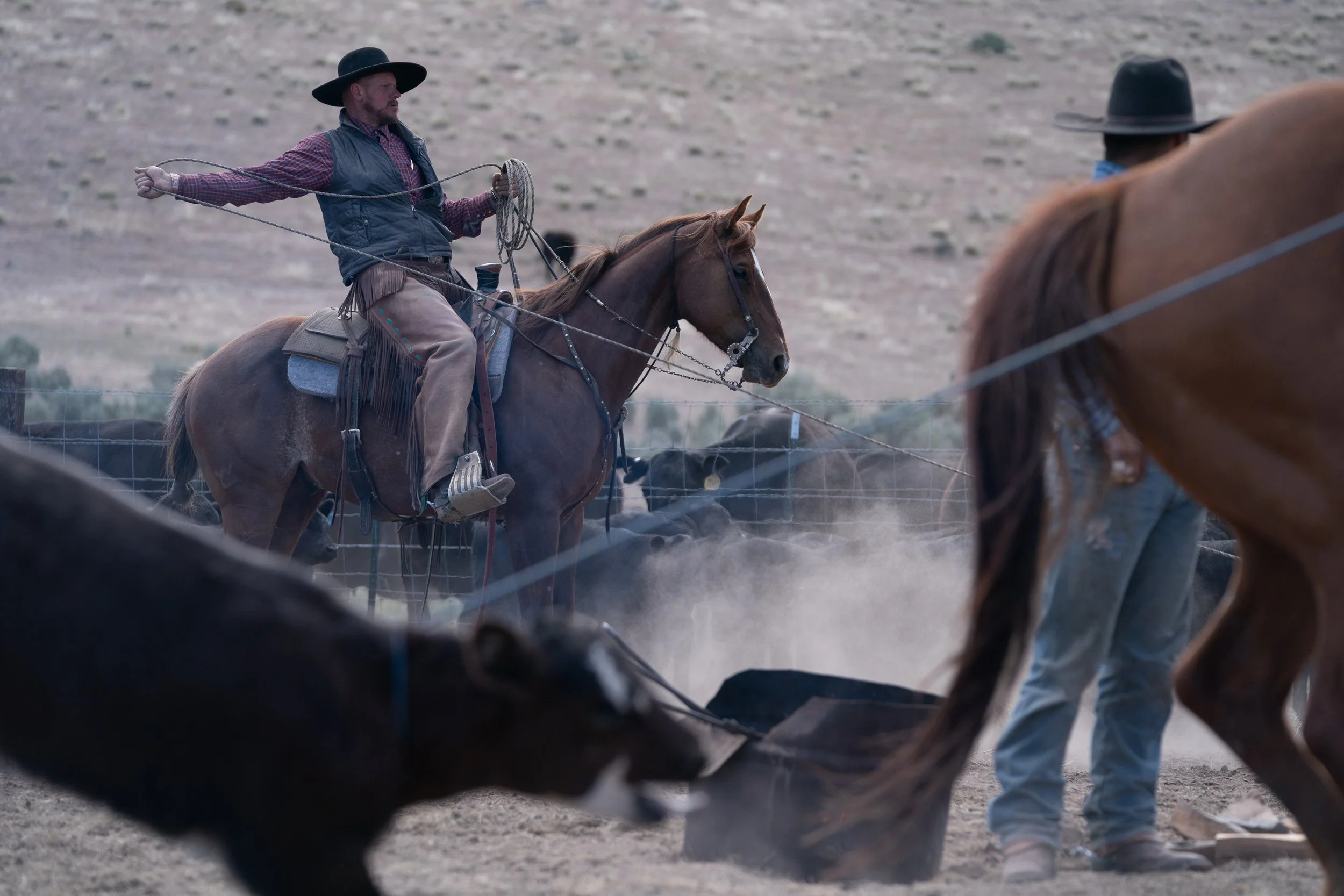
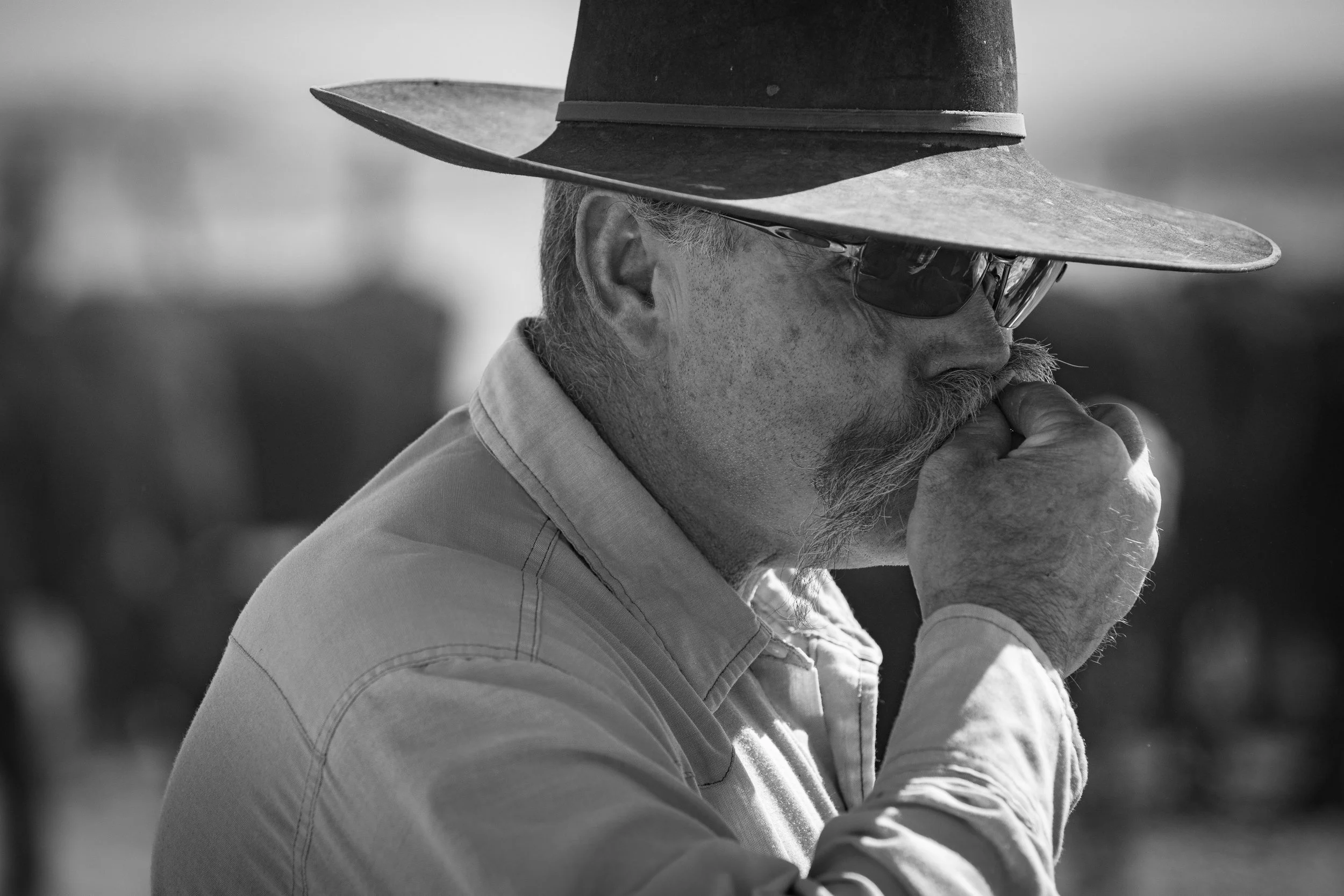
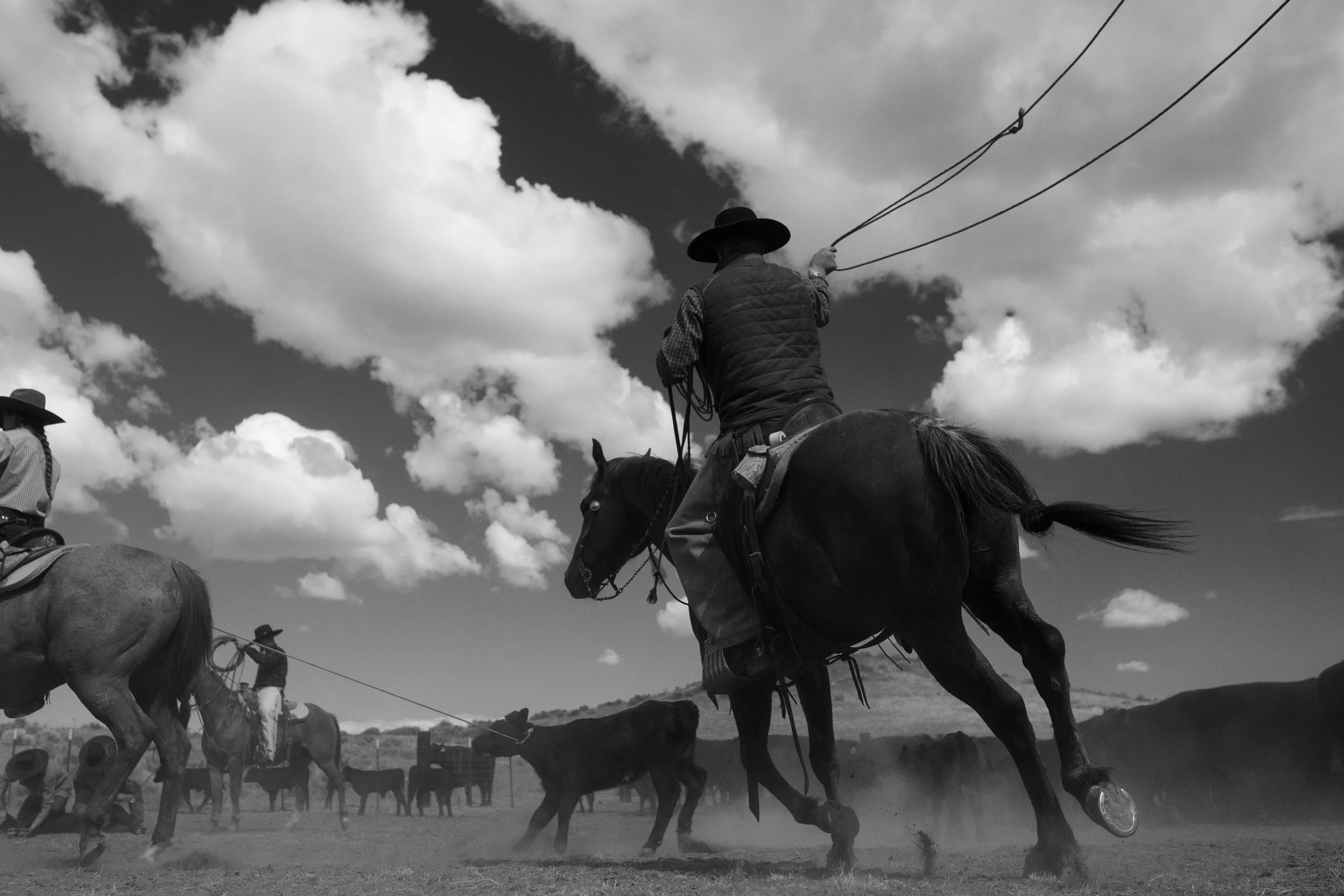
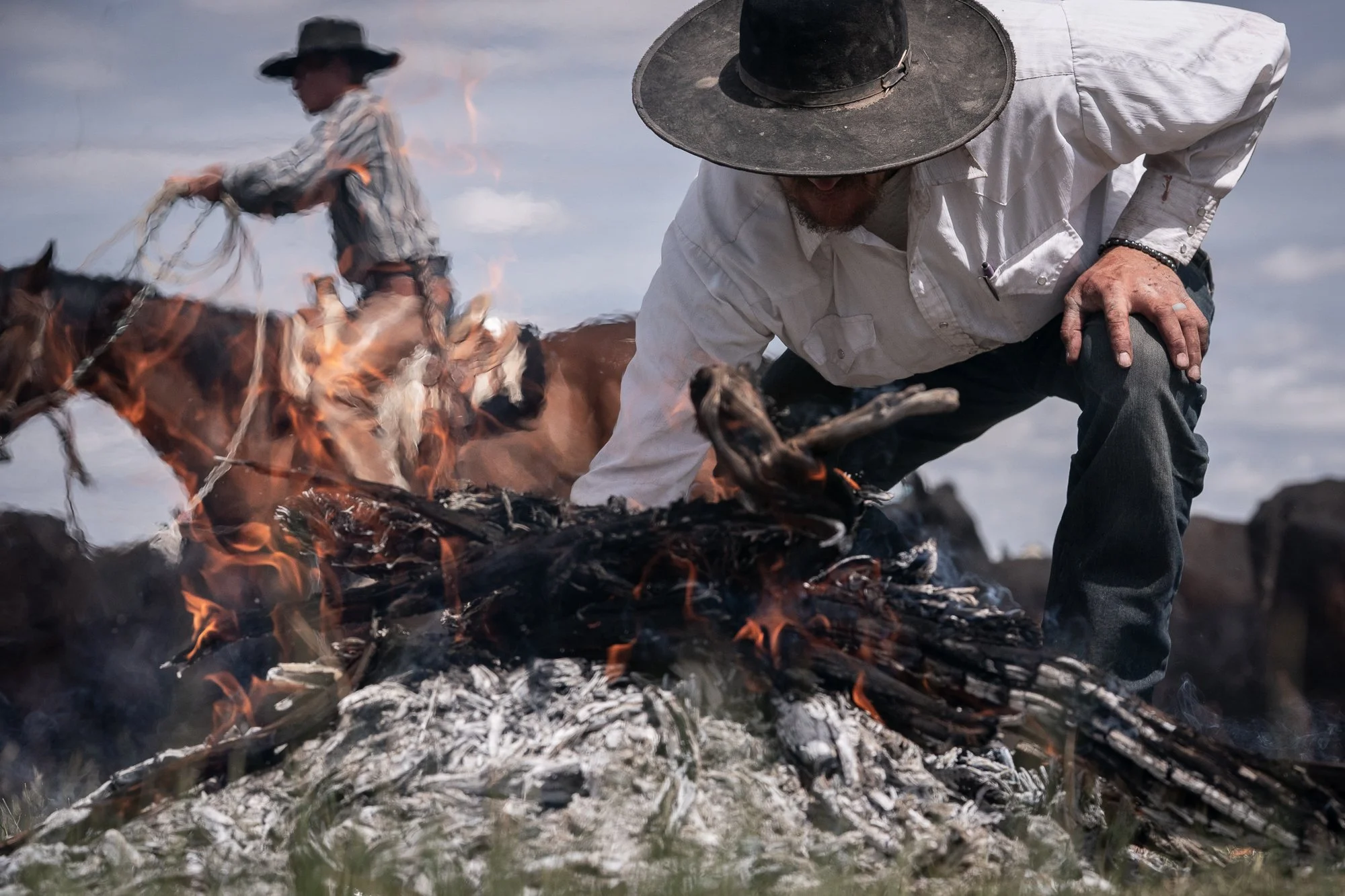
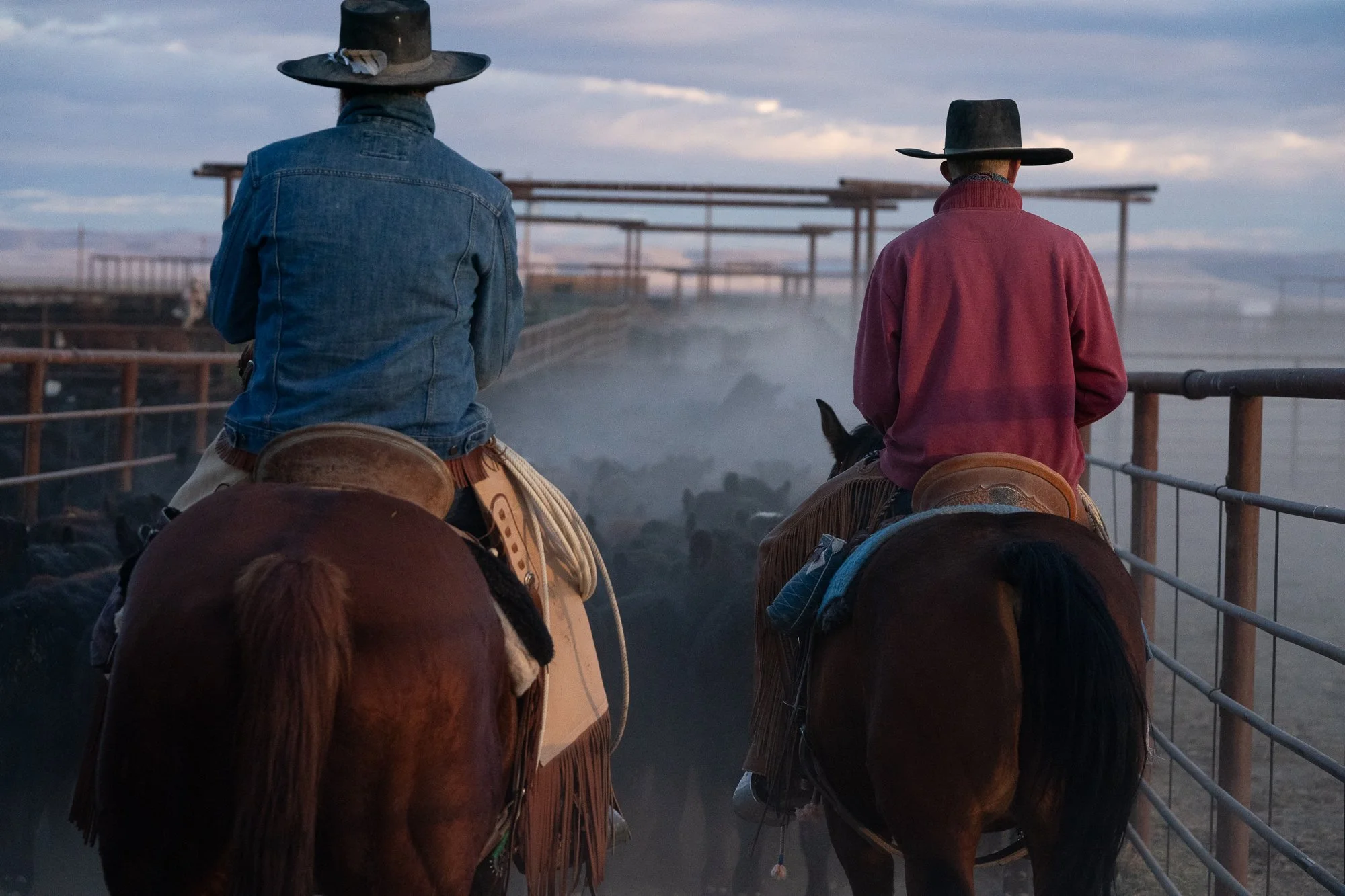
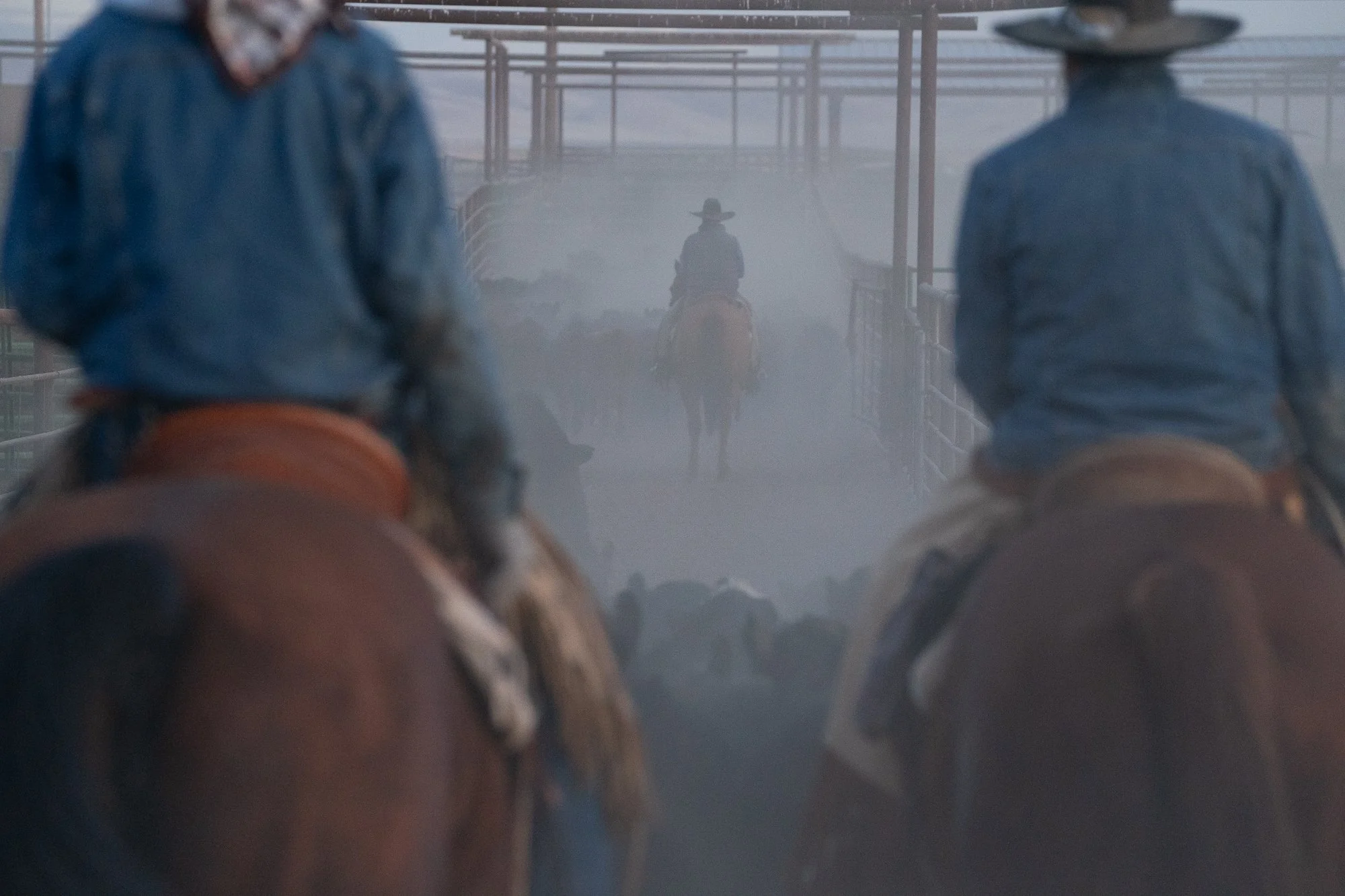
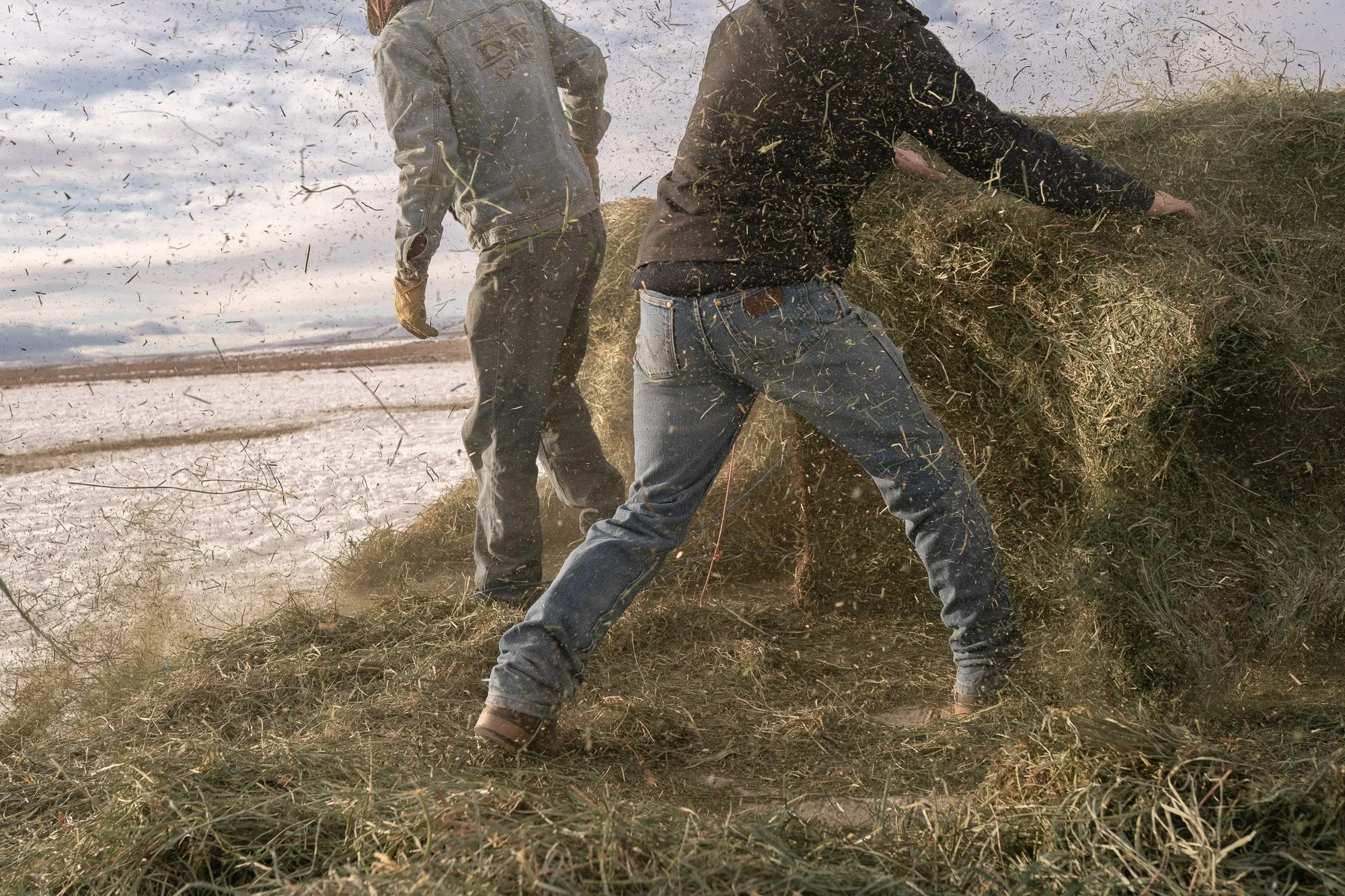
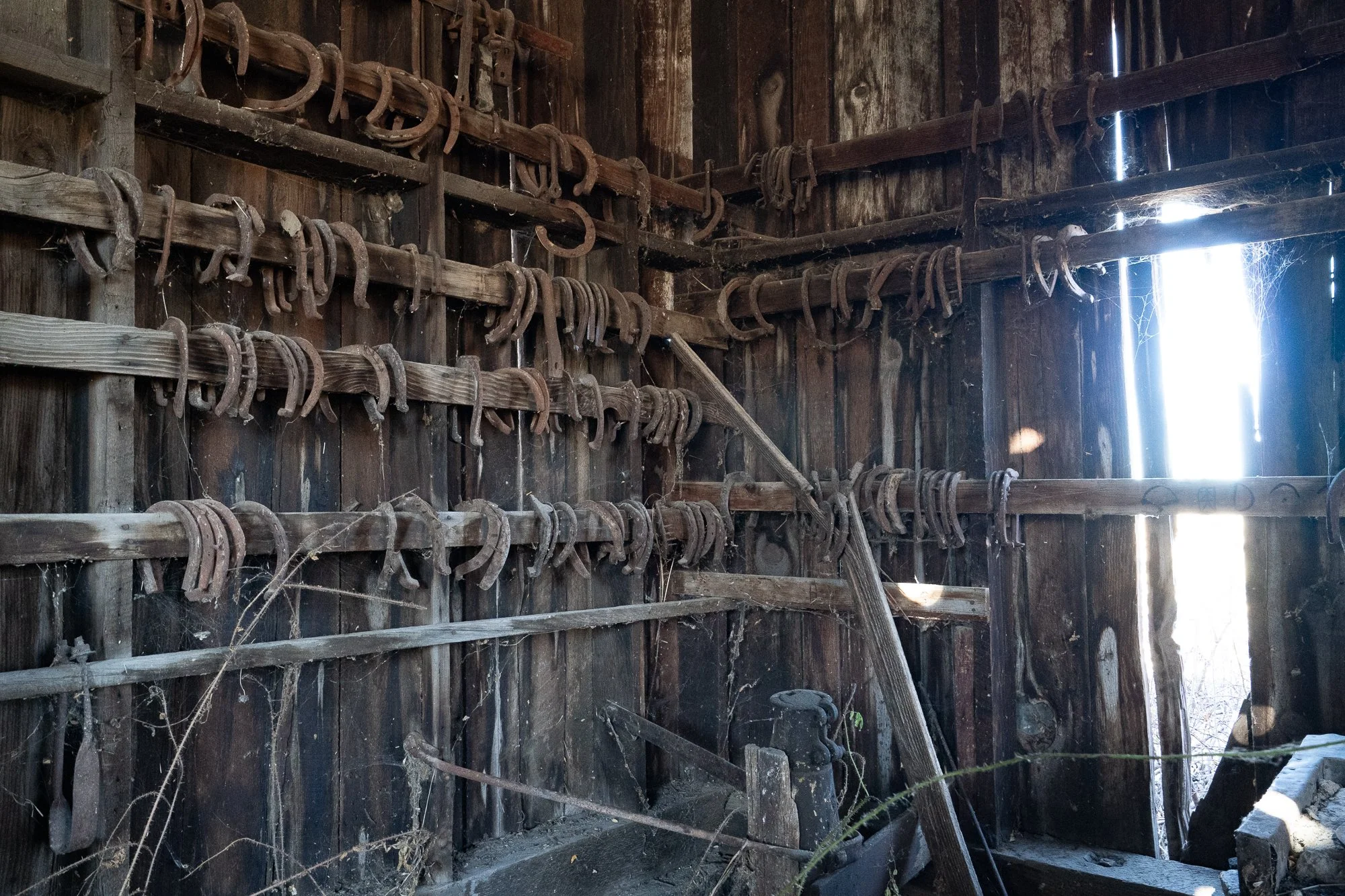
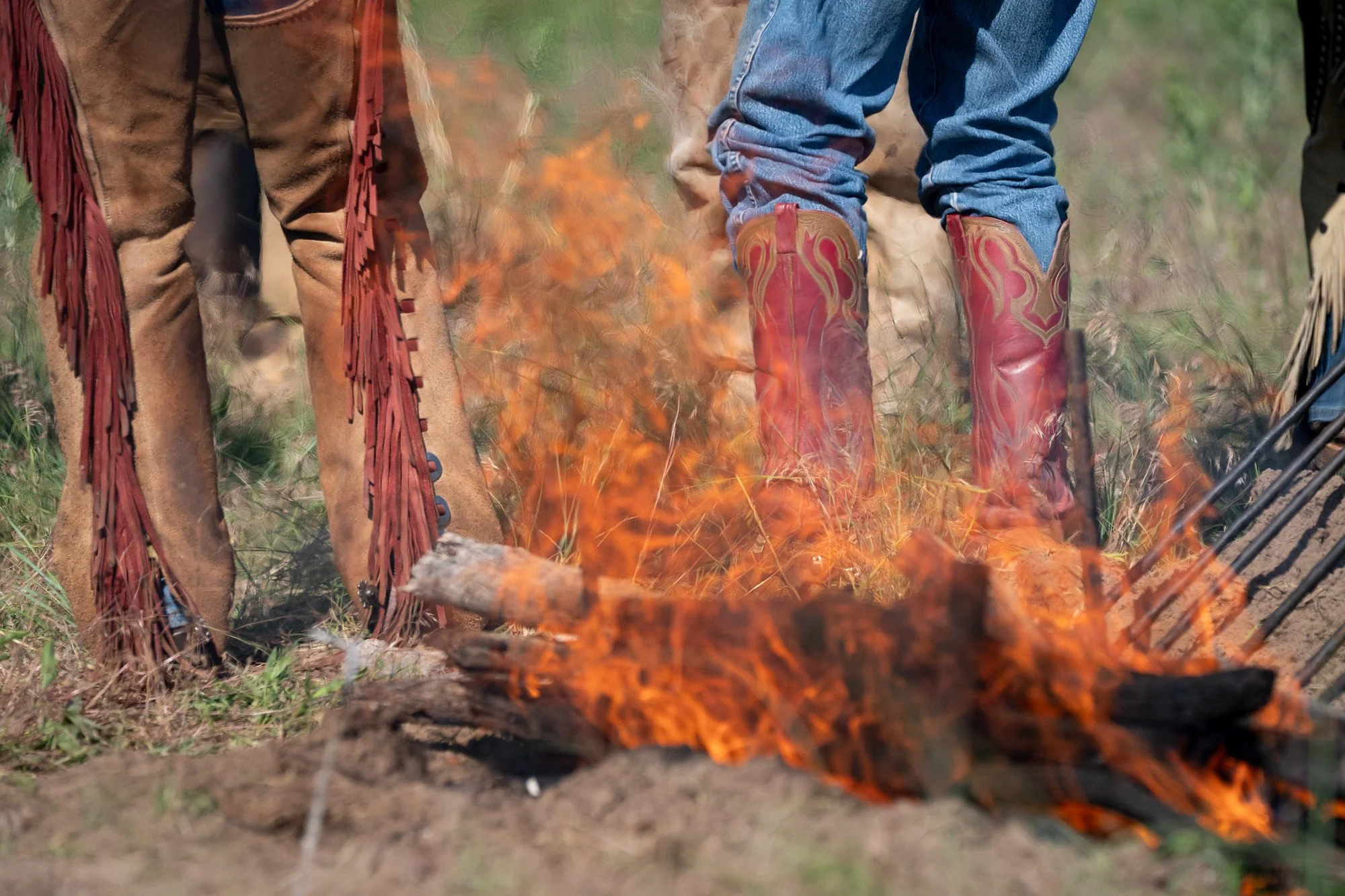
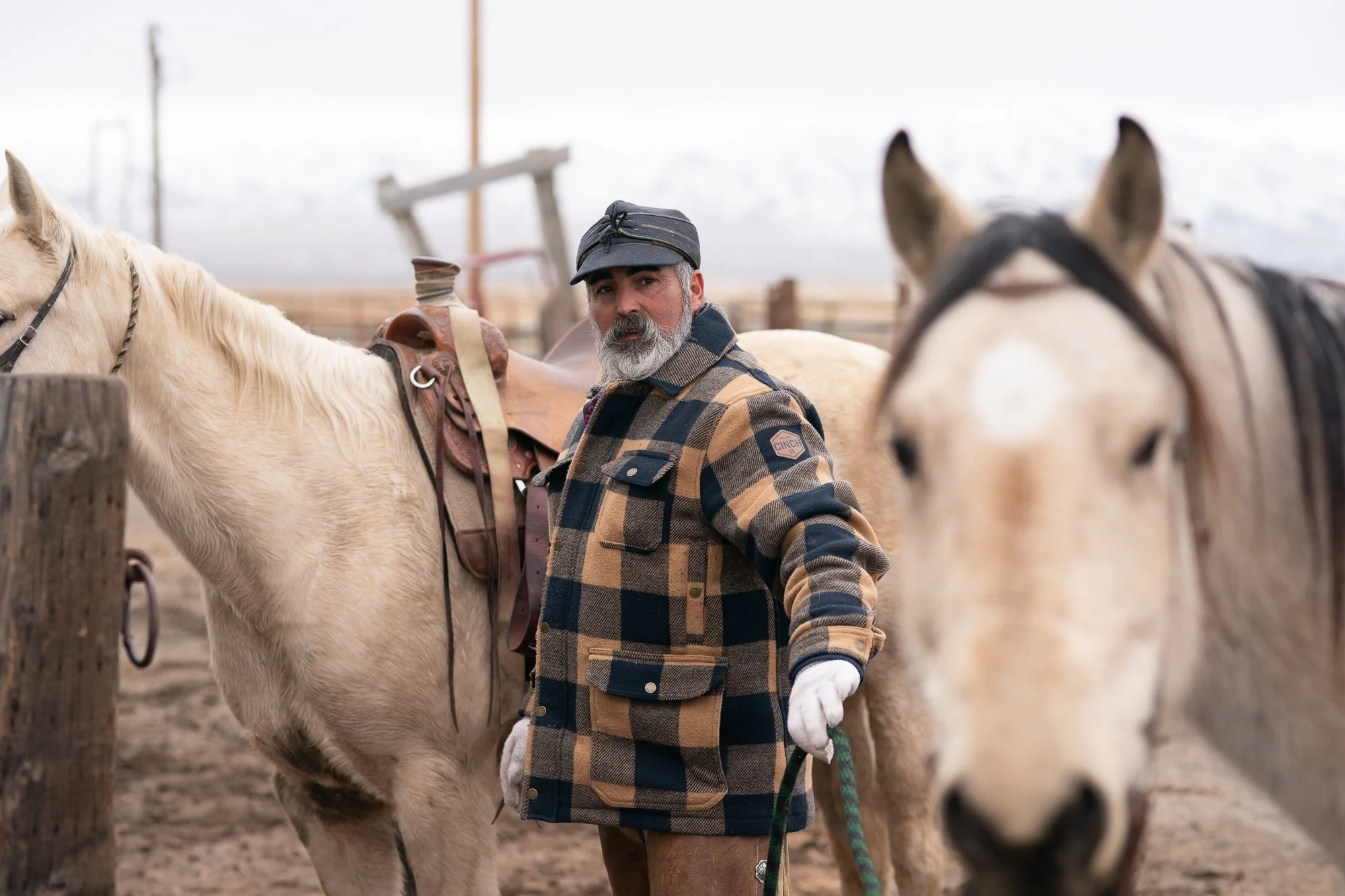
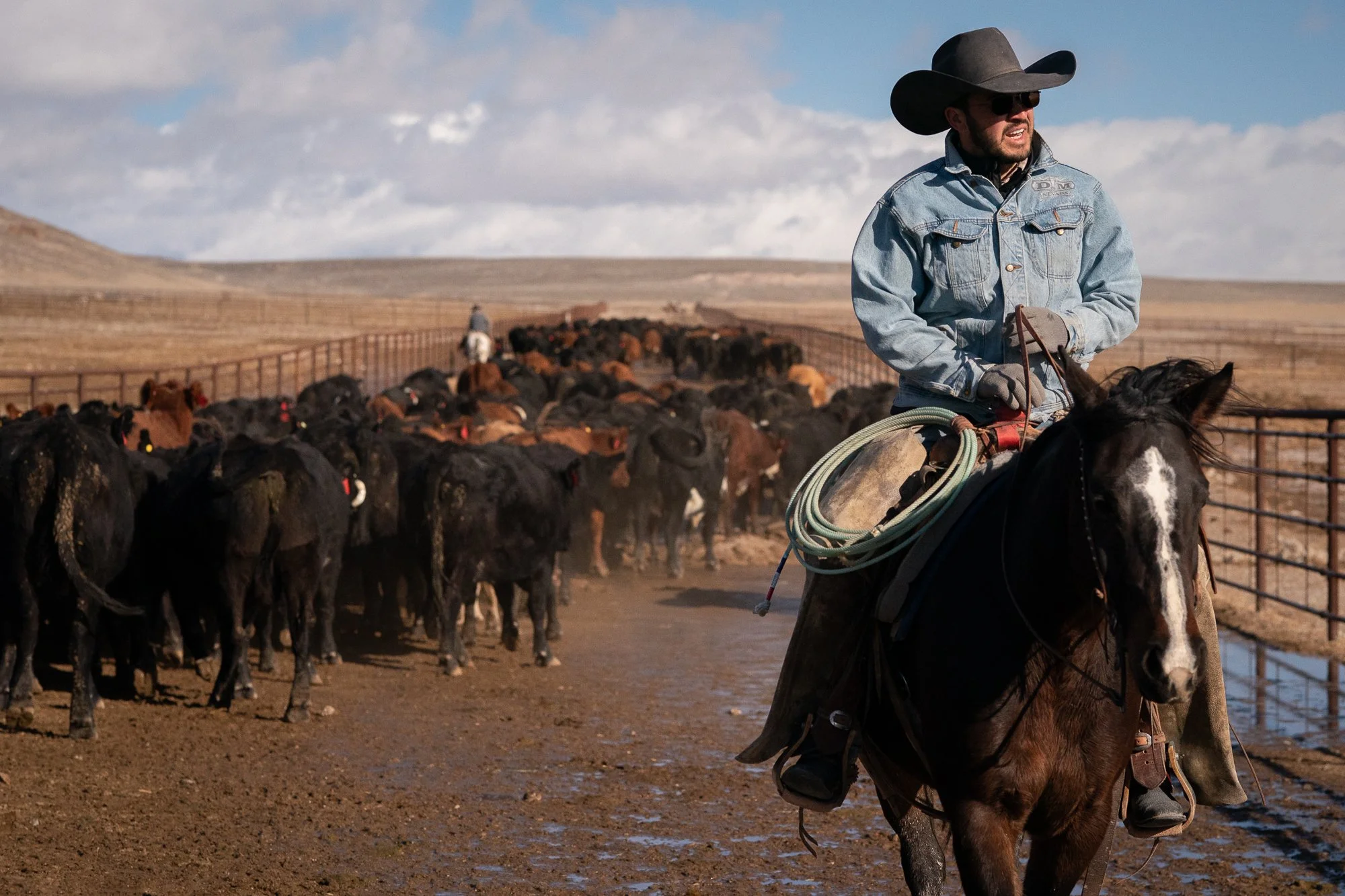
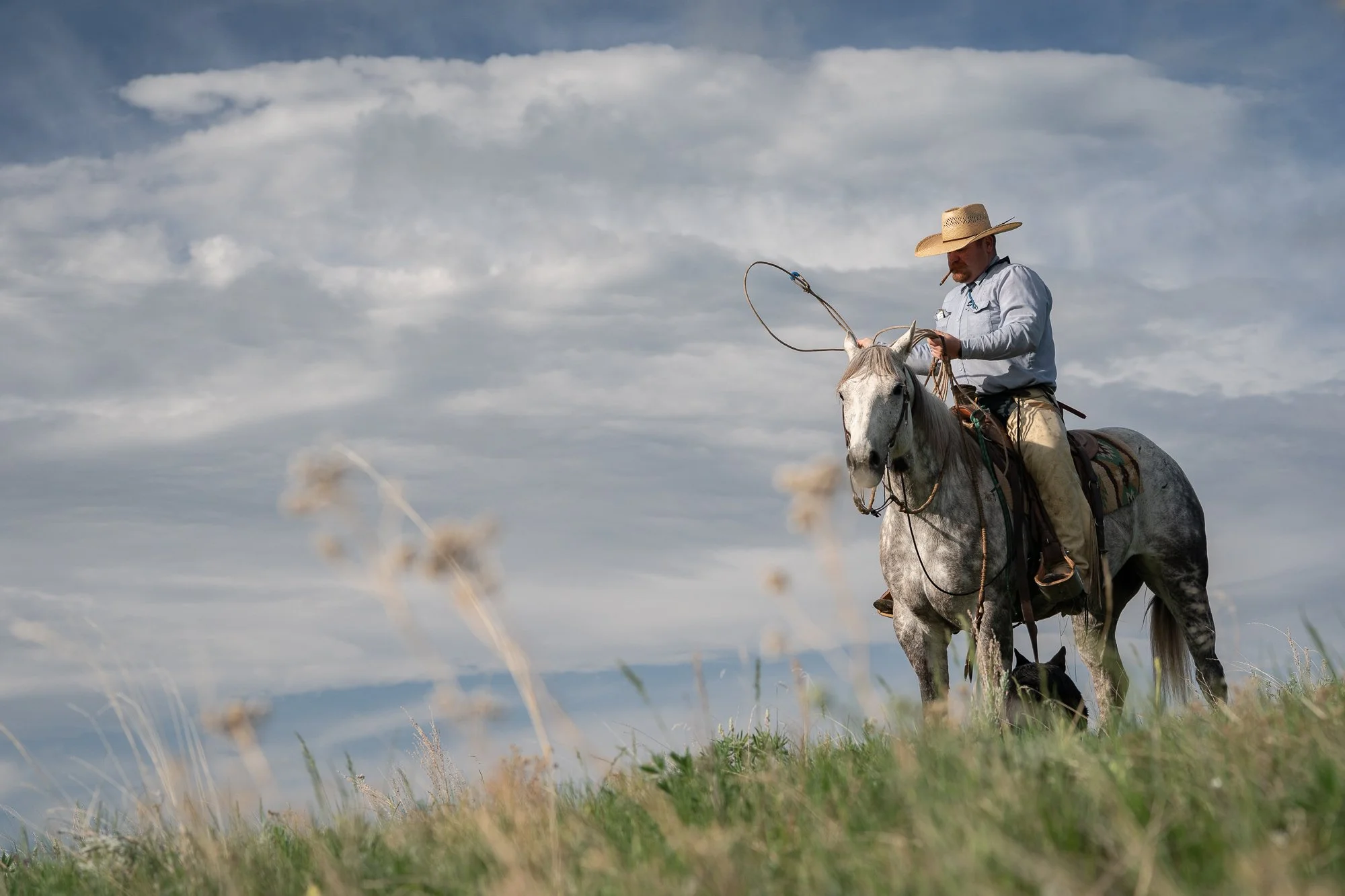
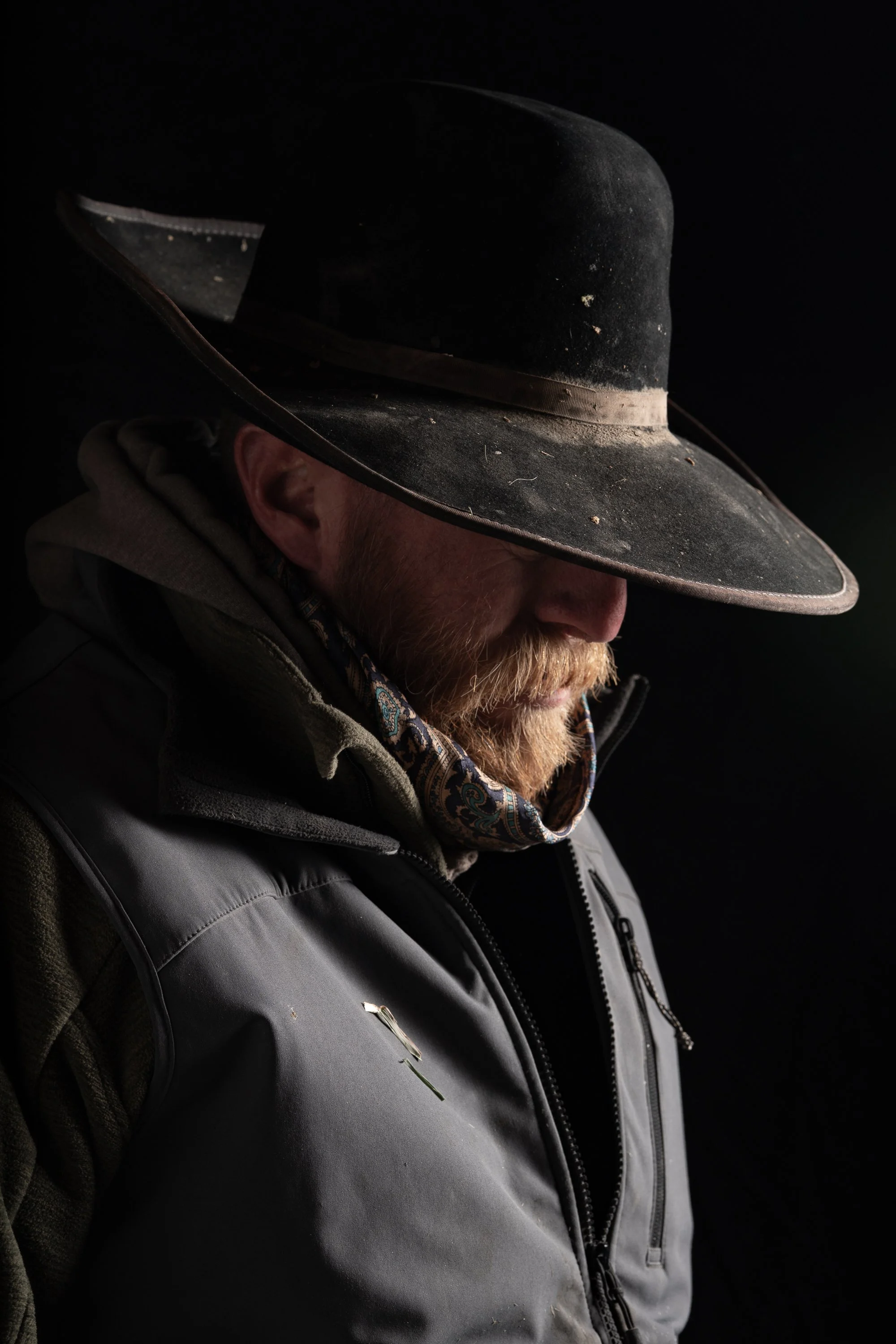
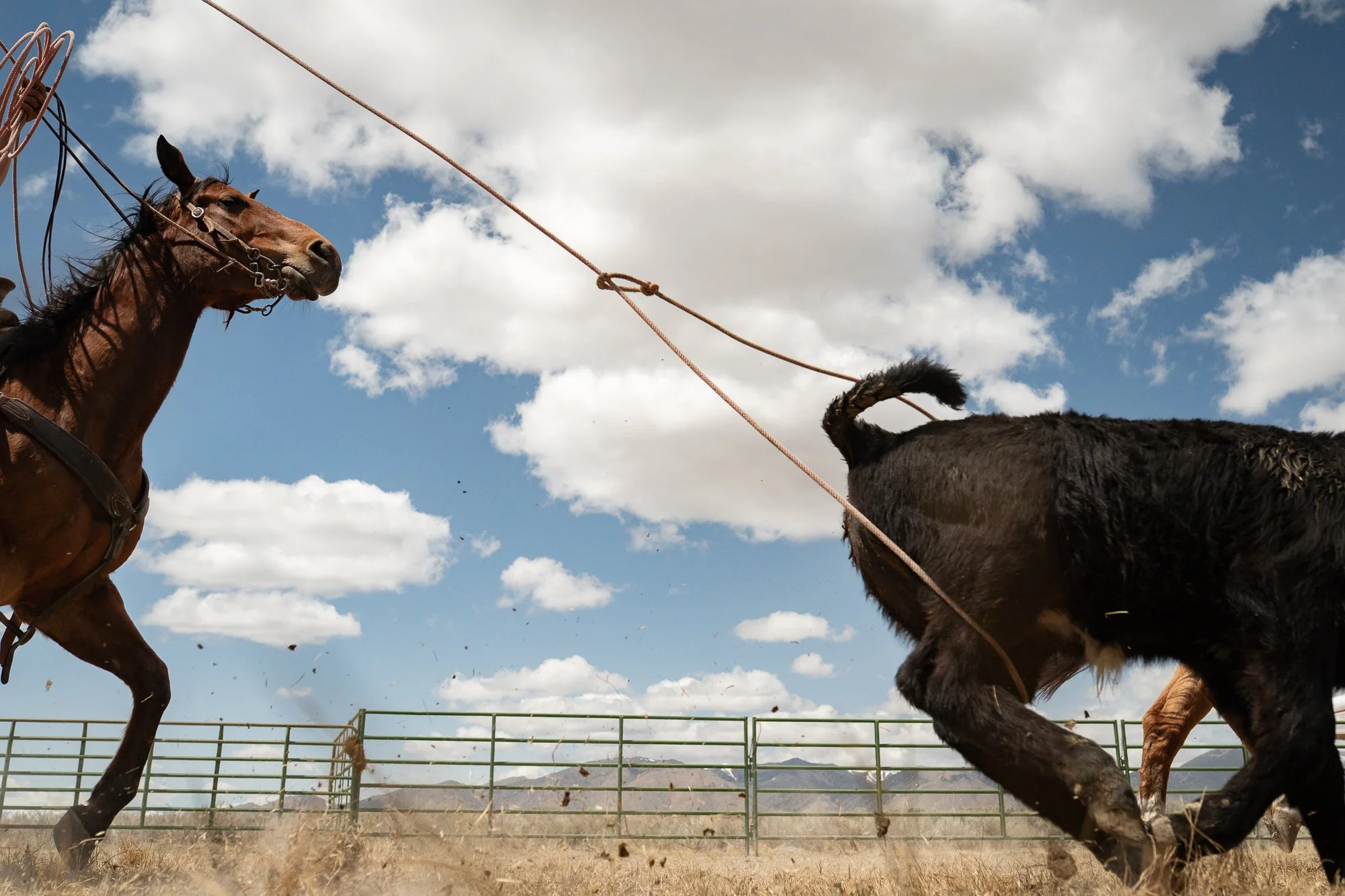
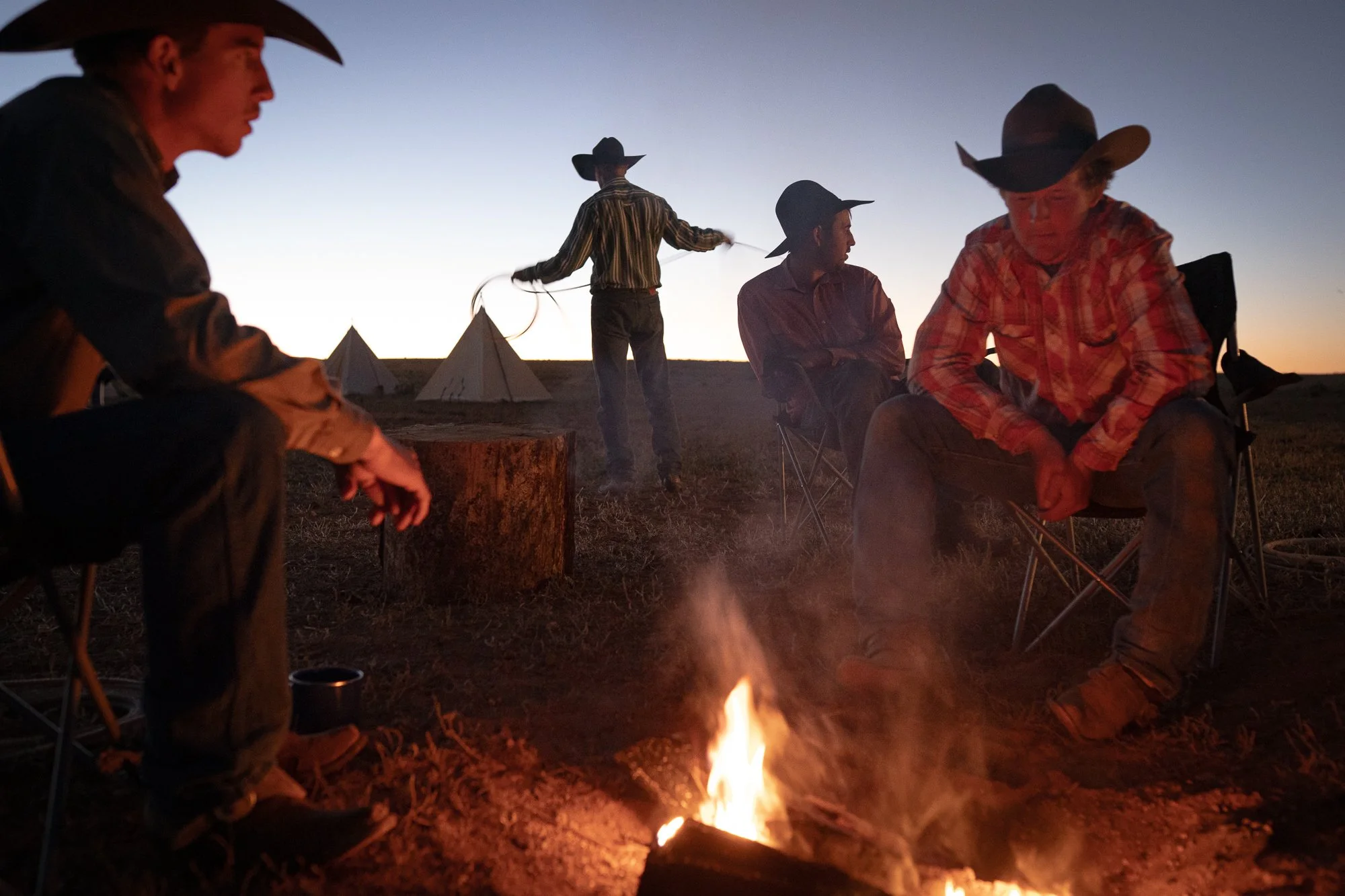
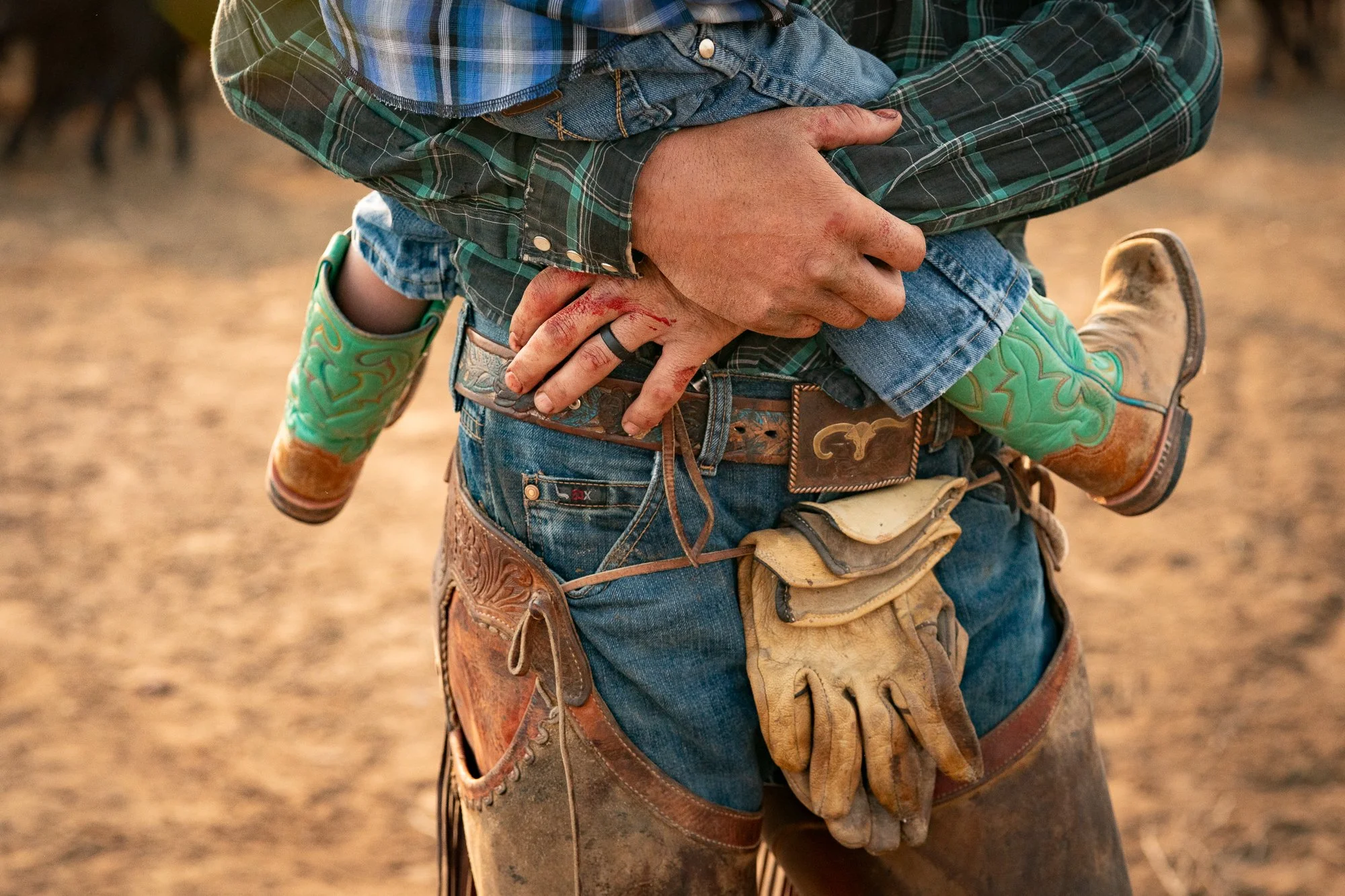
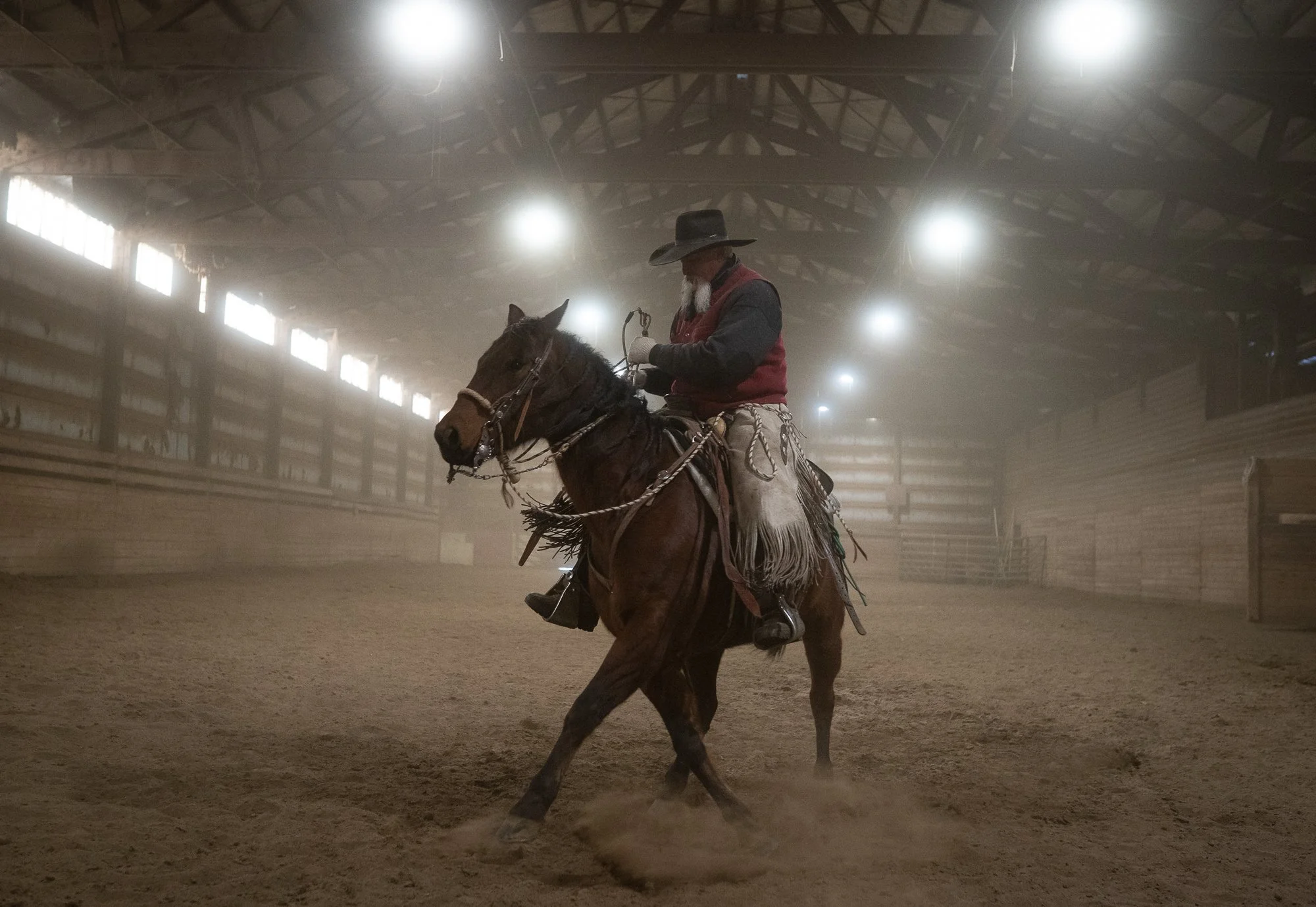
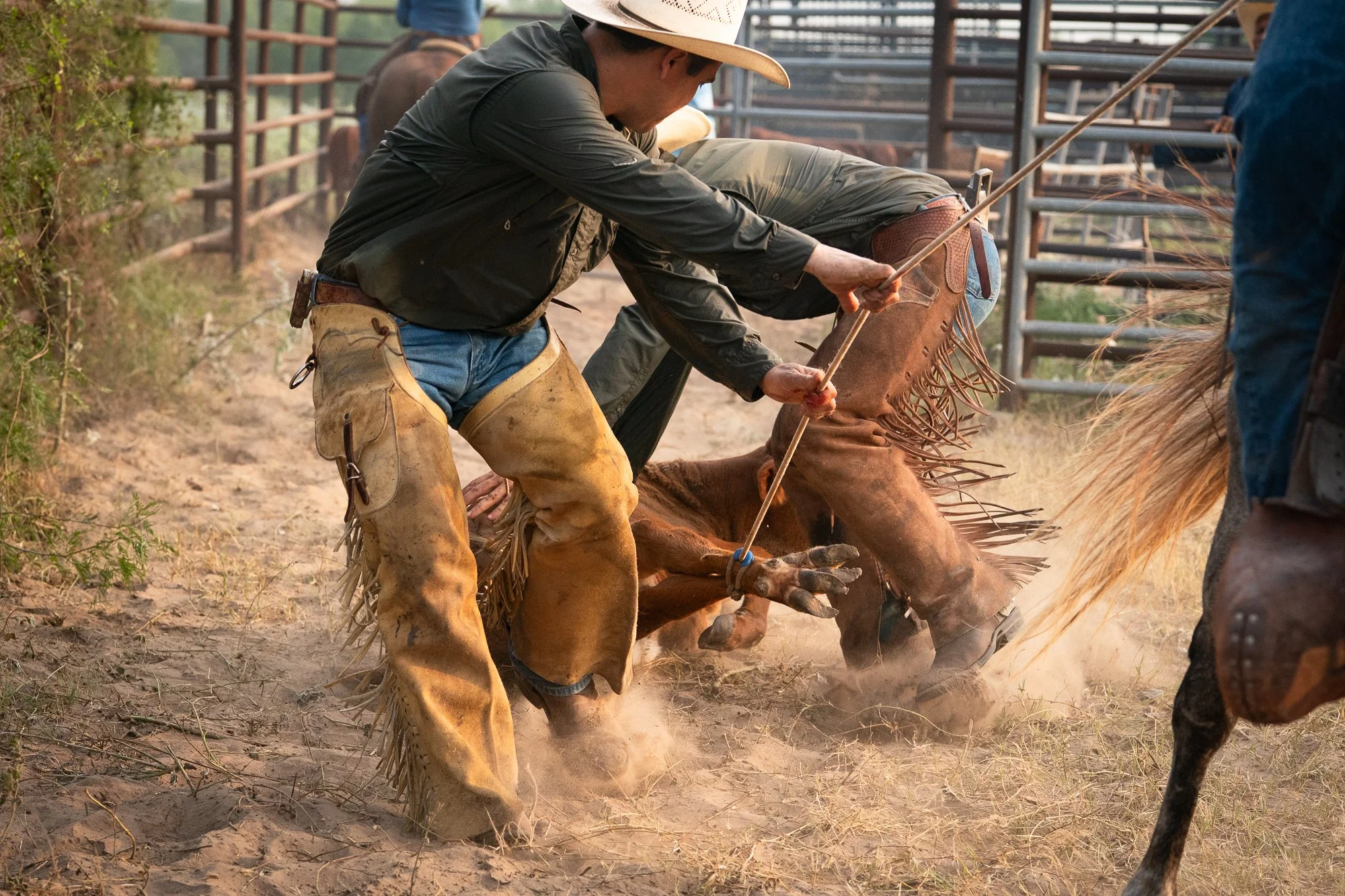
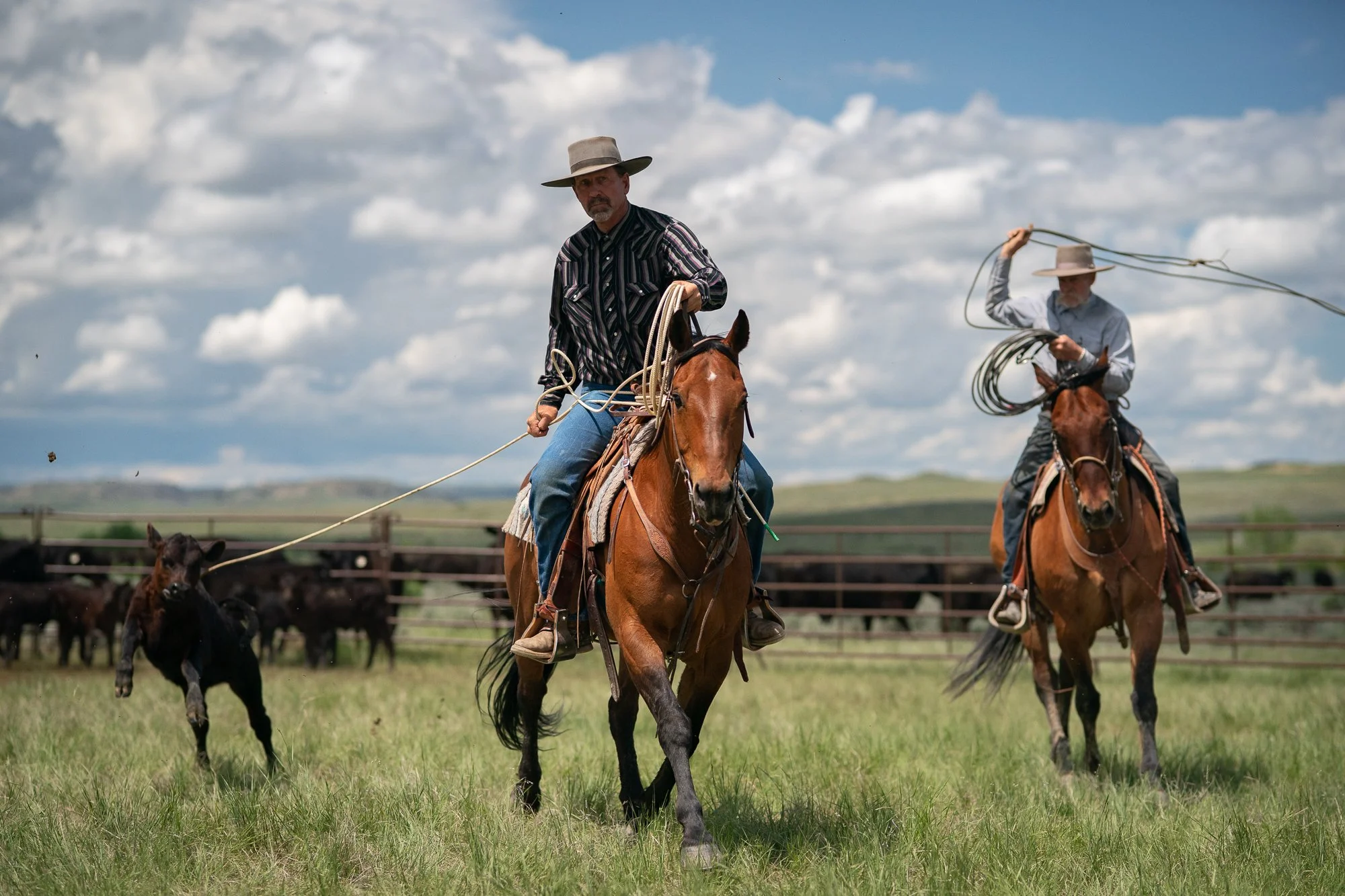
As a photographer who has spent years documenting working ranches, cowboys, and ranching culture throughout the American West, those placements feel particularly meaningful. The photographs weren't created for television. They were made while documenting real people, real ranches, and a way of life that continues to shape the region today.

Seeing those images incorporated into productions that have helped reignite public interest in the American West is a reminder that authentic Western imagery still resonates with audiences far beyond ranch country.

Like many photographers, I've had images published in magazines, licensed for commercial campaigns, and exhibited in galleries. Seeing a photograph become part of a television production is a different experience altogether. Rather than serving as the subject of a story, the image becomes part of the environment itself—helping establish a sense of place, history, and authenticity within the world being portrayed on screen.
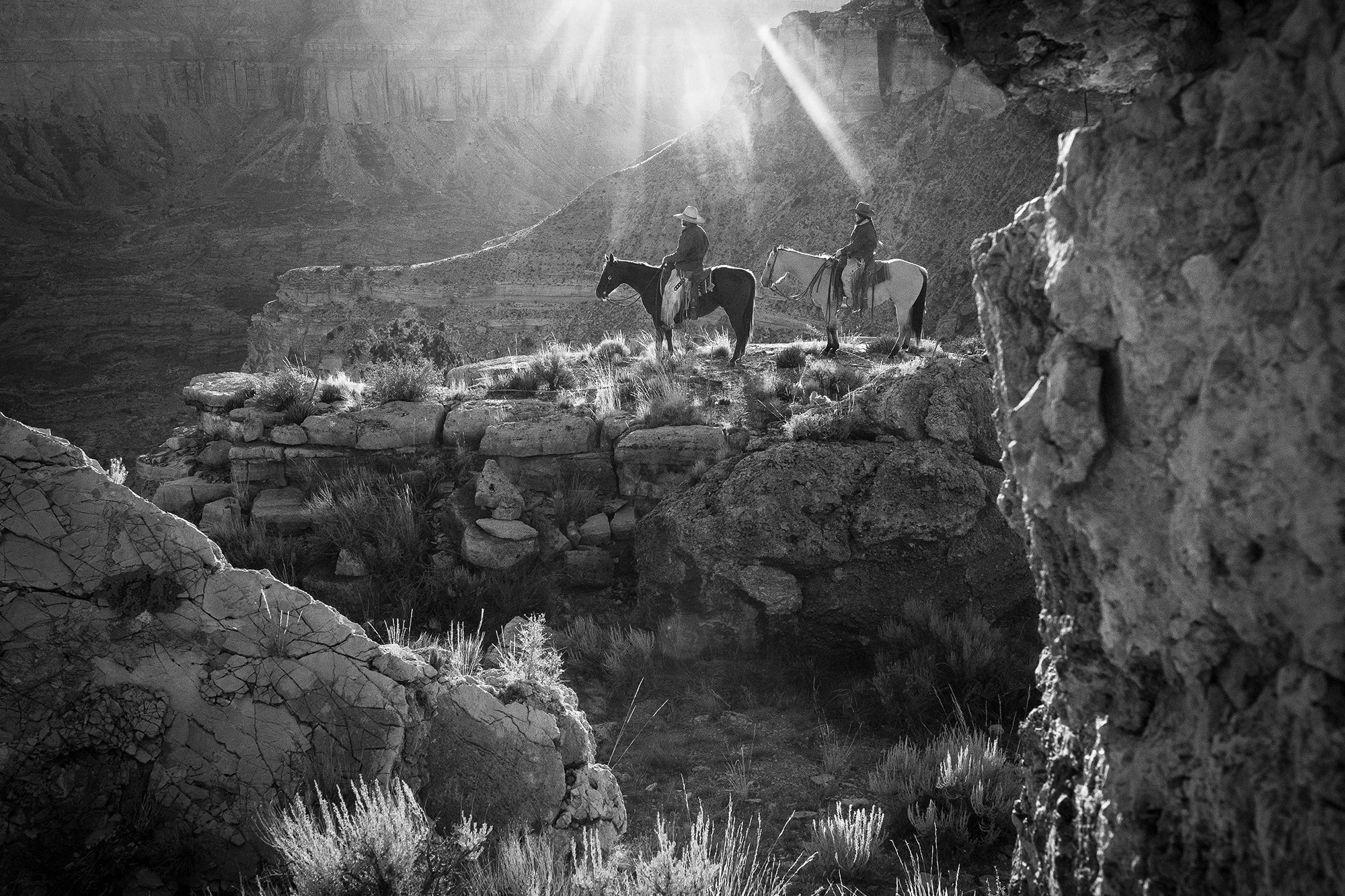
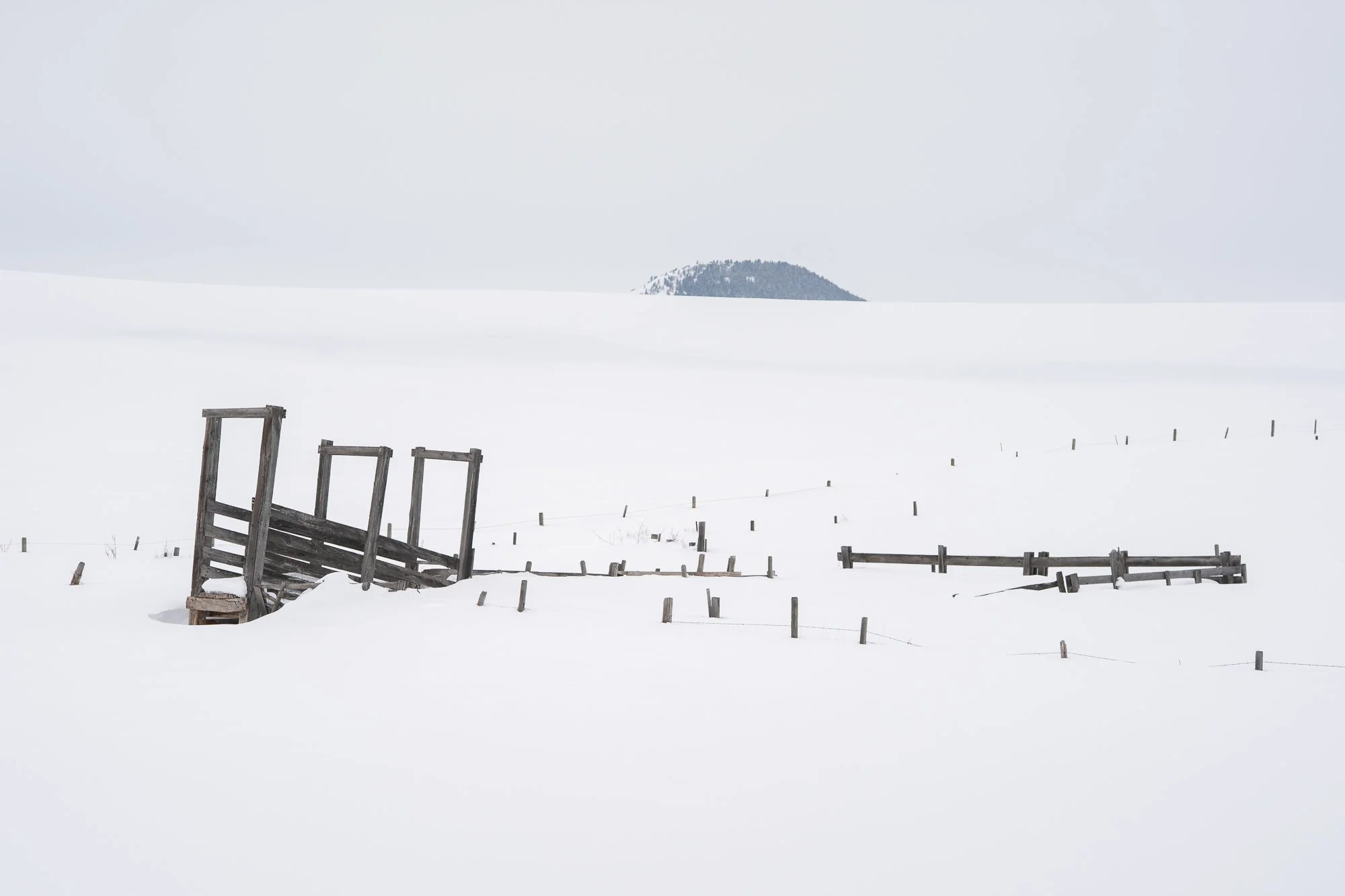
Two cowboys on horseback standing on a canyon ledge in a black and white Western landscape

Two riders pause on a canyon ledge, showing the kind of real Western imagery that gives the cowboy photography project its sense of place.

The Importance of Authentic Western Imagery

The popularity of Western television and film has created renewed interest in the people, places, and traditions that continue to define ranching culture throughout the American West.

Audiences are increasingly drawn to stories that feel authentic. Whether it's a working ranch in Texas, a historic cattle operation in Nevada, or a multi-generational ranching family in Nebraska, viewers can recognize the difference between imagery that is staged and imagery that reflects lived experience.

Production designers and set decorators understand this better than anyone.

Every object that appears on screen helps establish the identity of a character, a family, or a place. The artwork hanging on a wall becomes part of that visual storytelling.

When a production chooses photography from real ranches and real working cowboys, it helps create a more believable world.

Photographing the Modern American West

The photographs featured on the set is part of an ongoing documentary project focused on cowboy culture and ranching communities throughout the American West.

Over the past several years, I've traveled countless miles documenting historic ranches, branding crews, horse wranglers, ranch families, saddle makers, artists, and working cowboys whose lives remain deeply connected to the land.

The goal has never been to recreate a romanticized version of the West.

Instead, the project focuses on the people who continue to live it every day.

The ranches may differ in size and geography, but many share the same values: hard work, stewardship, resilience, and a strong connection to tradition.

Those qualities continue to resonate far beyond ranch country.

Why Western Art Matters in Interior Spaces

One of the things I enjoy most about creating fine art prints is seeing where they ultimately end up.

Some are installed in private homes.

Others find their way into ranch headquarters, lodges, hospitality projects, corporate offices, and Western-inspired interiors.

A television set adds another chapter to that story.

In each case, the photograph becomes more than an image on a wall. It contributes to the atmosphere of a space and helps tell a larger story about the people who inhabit it.

The best Western artwork doesn't simply depict the West—it reflects the character, history, and culture behind it.
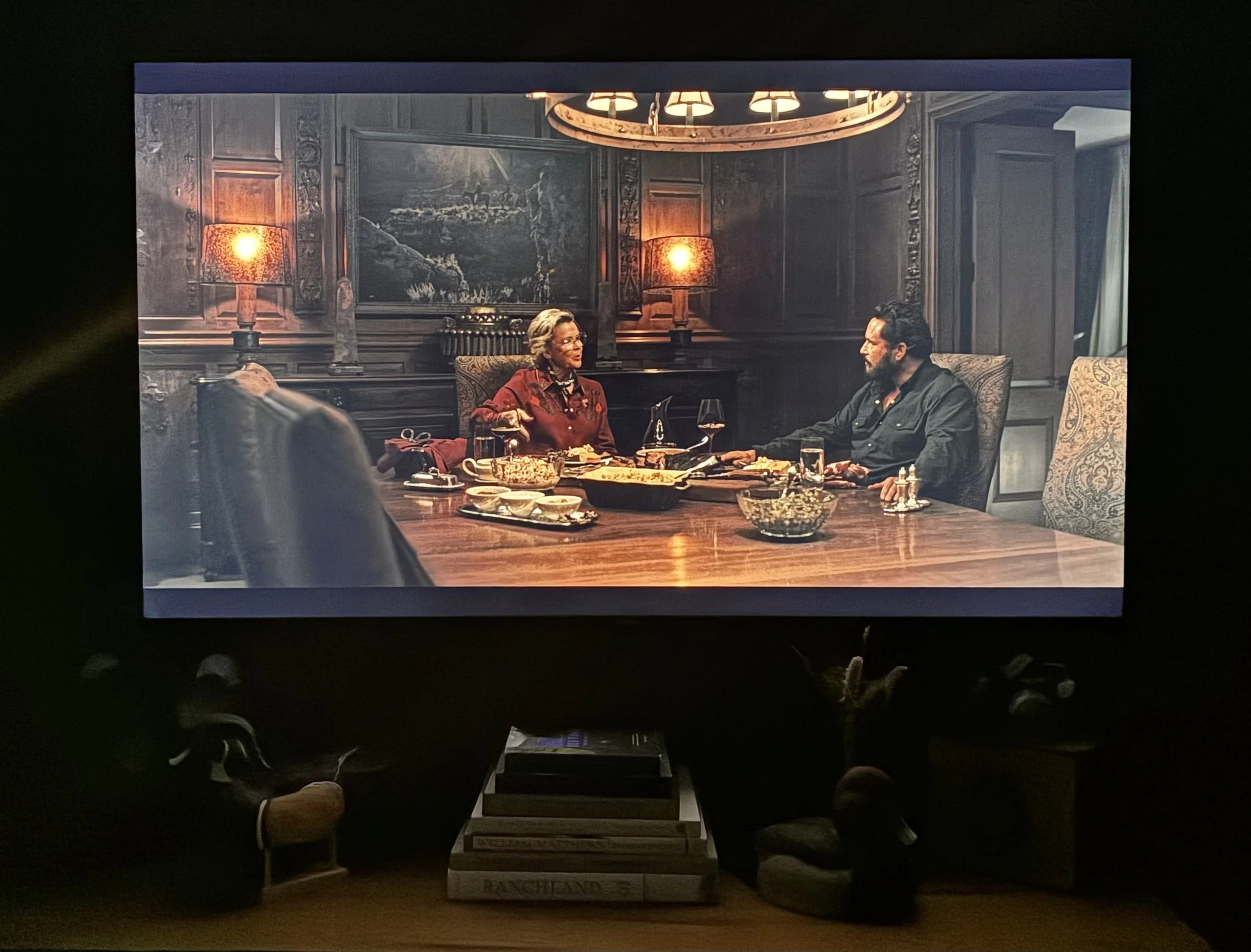
Cowboy photography print displayed on the wall behind a dining table scene on Dutton Ranch

Rob Hammer’s cowboy photography print appears on the set of Dutton Ranch as part of the room’s Western set decor.

From Working Ranches to Television Screens

What makes this placement especially meaningful is that the photograph originated in the same world the series seeks to portray.

The image wasn't made on a movie set.

It wasn't created during a commercial production.

It was made while documenting real people and real ranching communities across the American West.

That authenticity has become one of the defining themes of the project, and it's gratifying to see those photographs continue to find new audiences through publications, exhibitions, private collections, and now television.

Cowboy Photography Prints from the American West

Many of the photographs from this ongoing project are available as museum-quality limited edition prints.

Collectors, ranch owners, designers, and hospitality clients have incorporated the work into homes, offices, lodges, and Western-inspired interiors throughout the country.

Each photograph is rooted in real places and real experiences, offering a contemporary look at ranching culture and life in the American West.

Explore More from the Cowboy Project

The image featured on the set of Dutton Ranch represents one photograph from a much larger body of work documenting cowboy culture across the American West.

Additional stories from the project include historic ranches, working cowboys, ranch families, Western artists, saddle makers, and the landscapes that continue to shape the region.

Together, they form an ongoing visual record of a culture that remains both enduring and relevant in the modern world.

While trends come and go, the stories of the American West continue to resonate. Seeing one of these photographs become part of a television production is a reminder that authentic Western imagery still holds a powerful place in the cultural imagination.
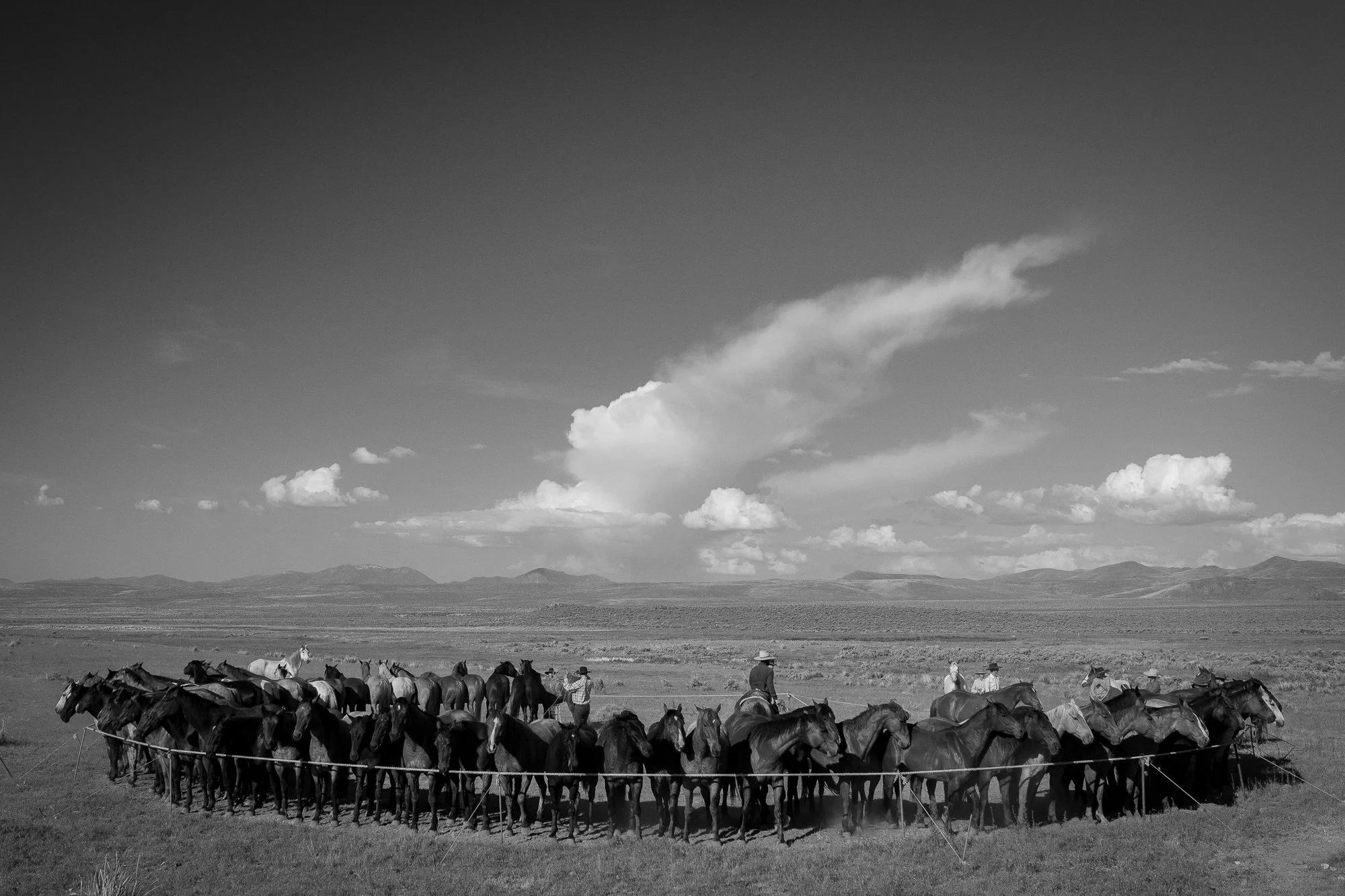
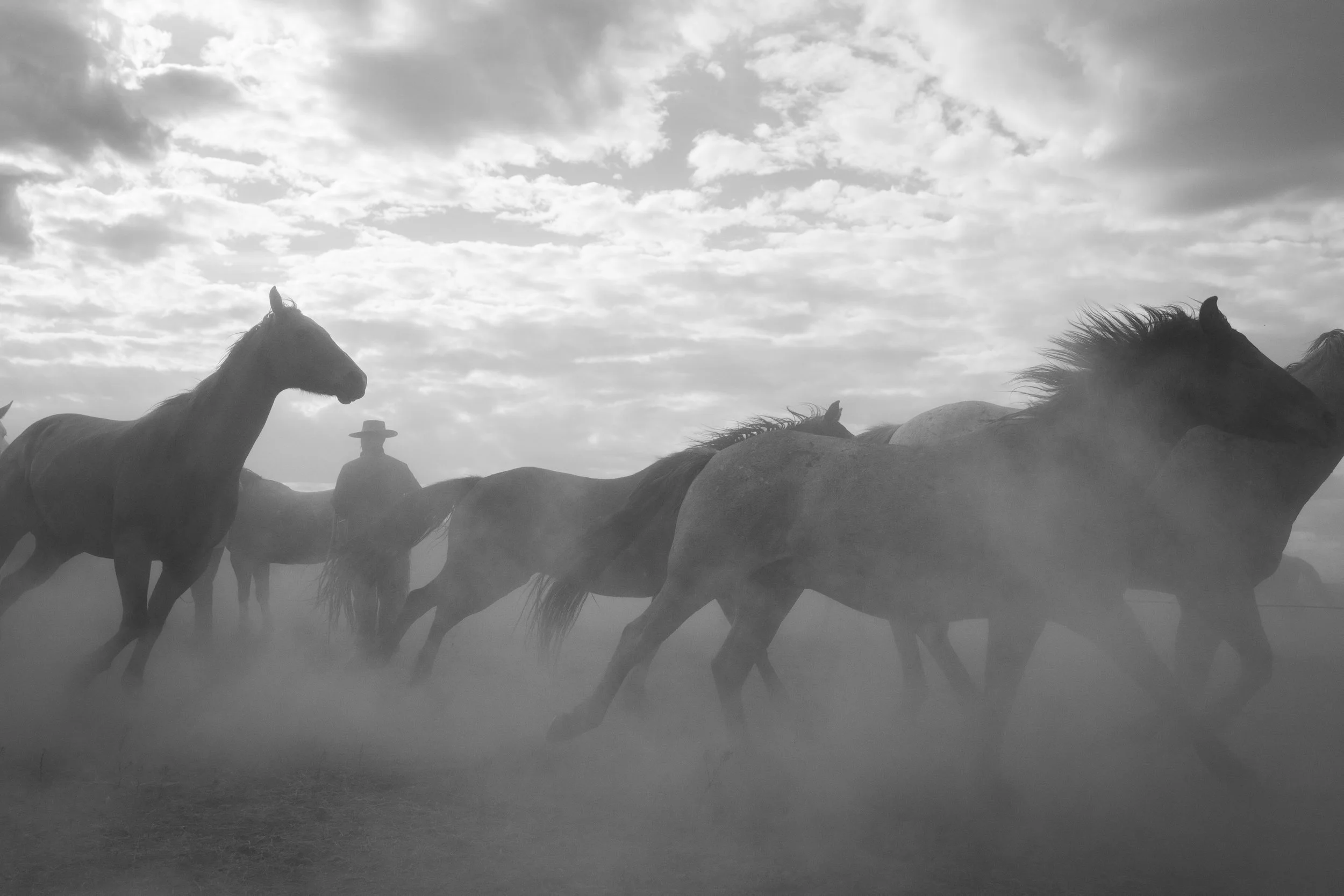
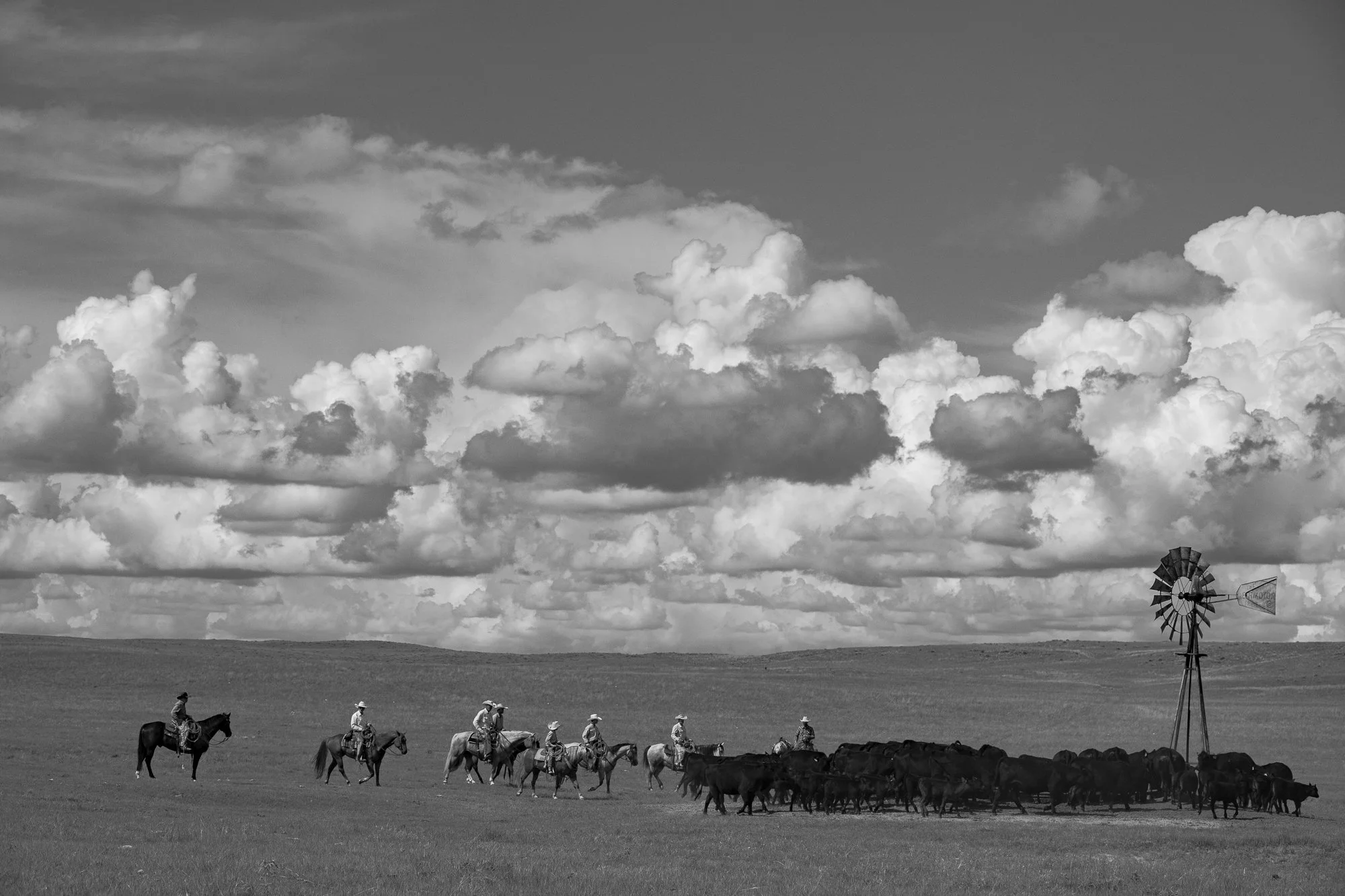
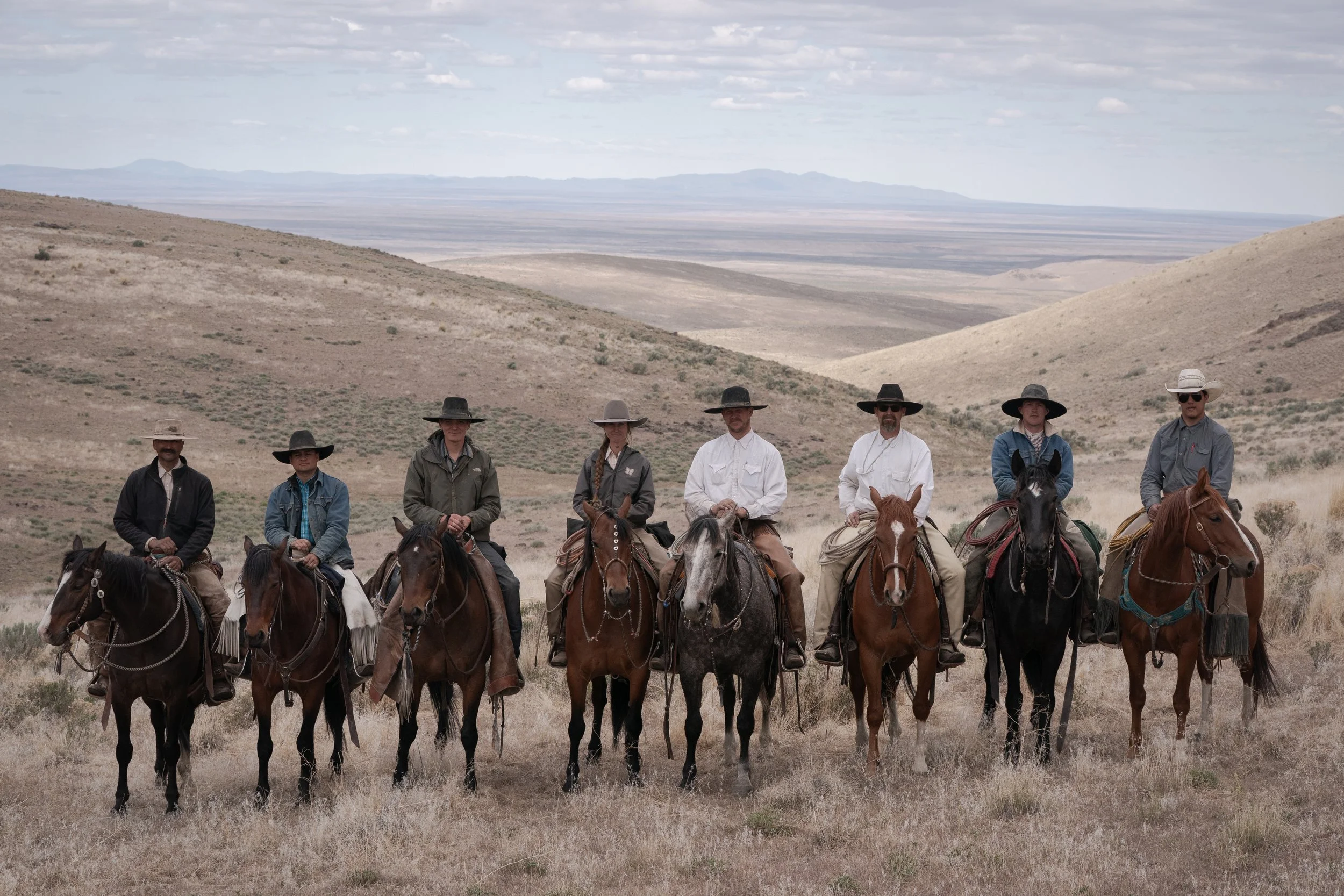
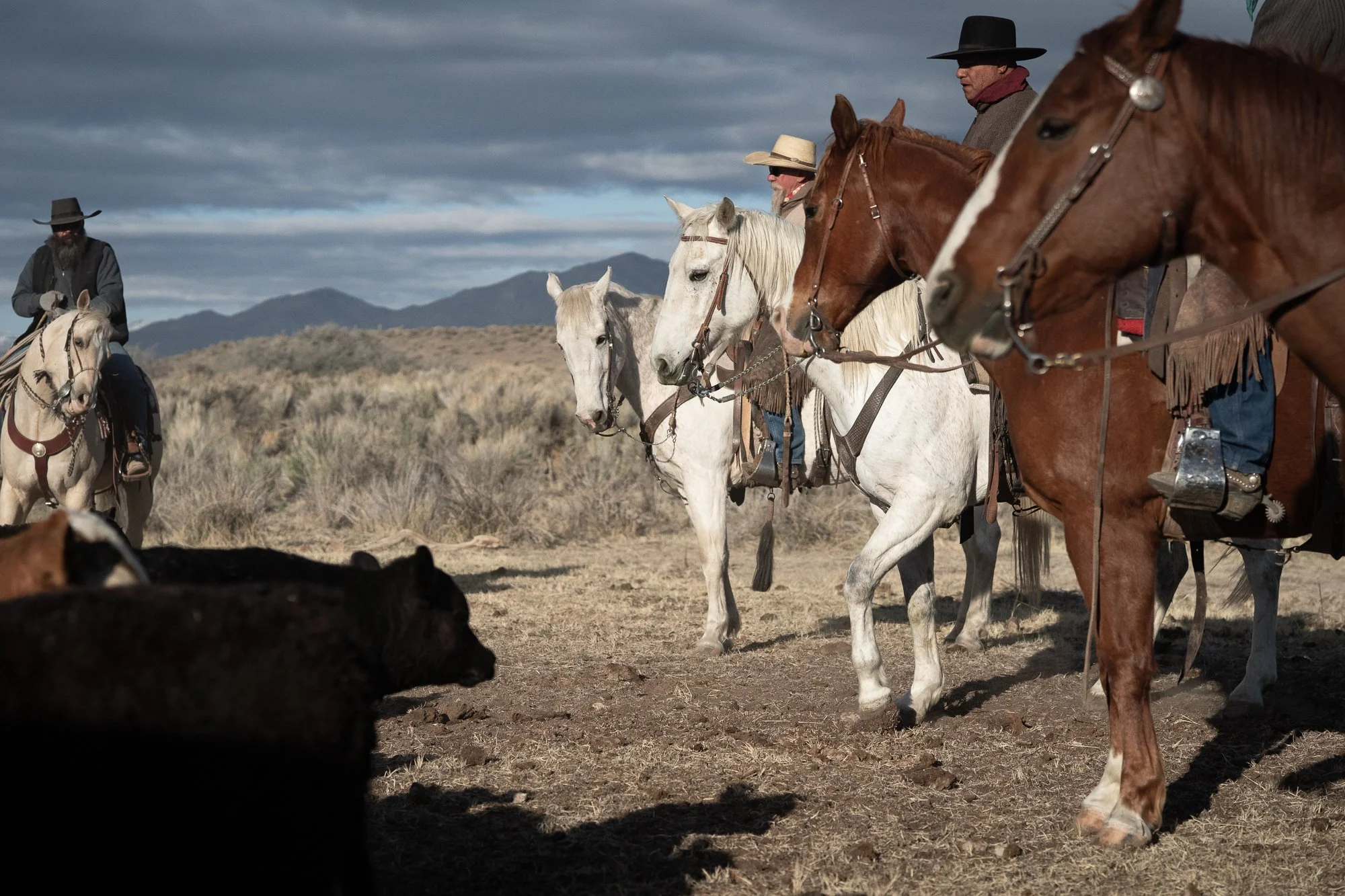
Cowboys on horseback gathered with a large horse herd in open ranch country beneath a wide sky

A horse herd gathers in open ranch country, reflecting the working landscapes and ranch culture behind Rob Hammer’s Western photography.
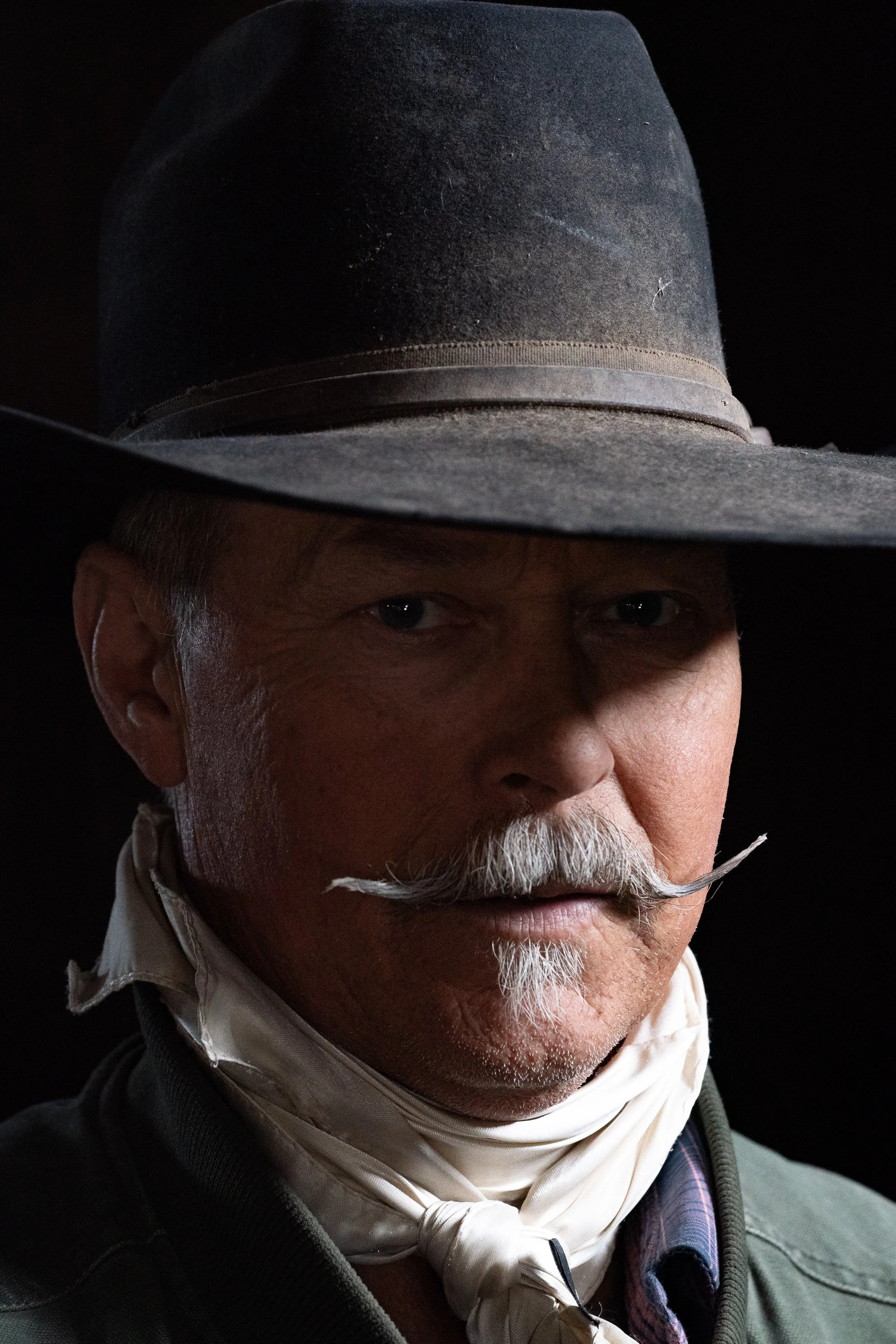
Buck Brannaman Photographs

Buck Brannaman Horse Training Photography

Imagine being a fly on the wall while Marlon Brando rehearses alone. Or having an empty Yankee Stadium while Mickey Mantle takes batting practice.

Witnessing mastery up close is rare. It’s the kind of thing people usually pay for—if they can get access at all.

Every now and then though, it just happens. Right place, right time.

That’s how I found myself watching Buck Brannaman work on a hot, buggy afternoon at the OW Ranch in Montana.

An Unplanned Lesson on the OW Ranch

It wasn’t supposed to be a demonstration.

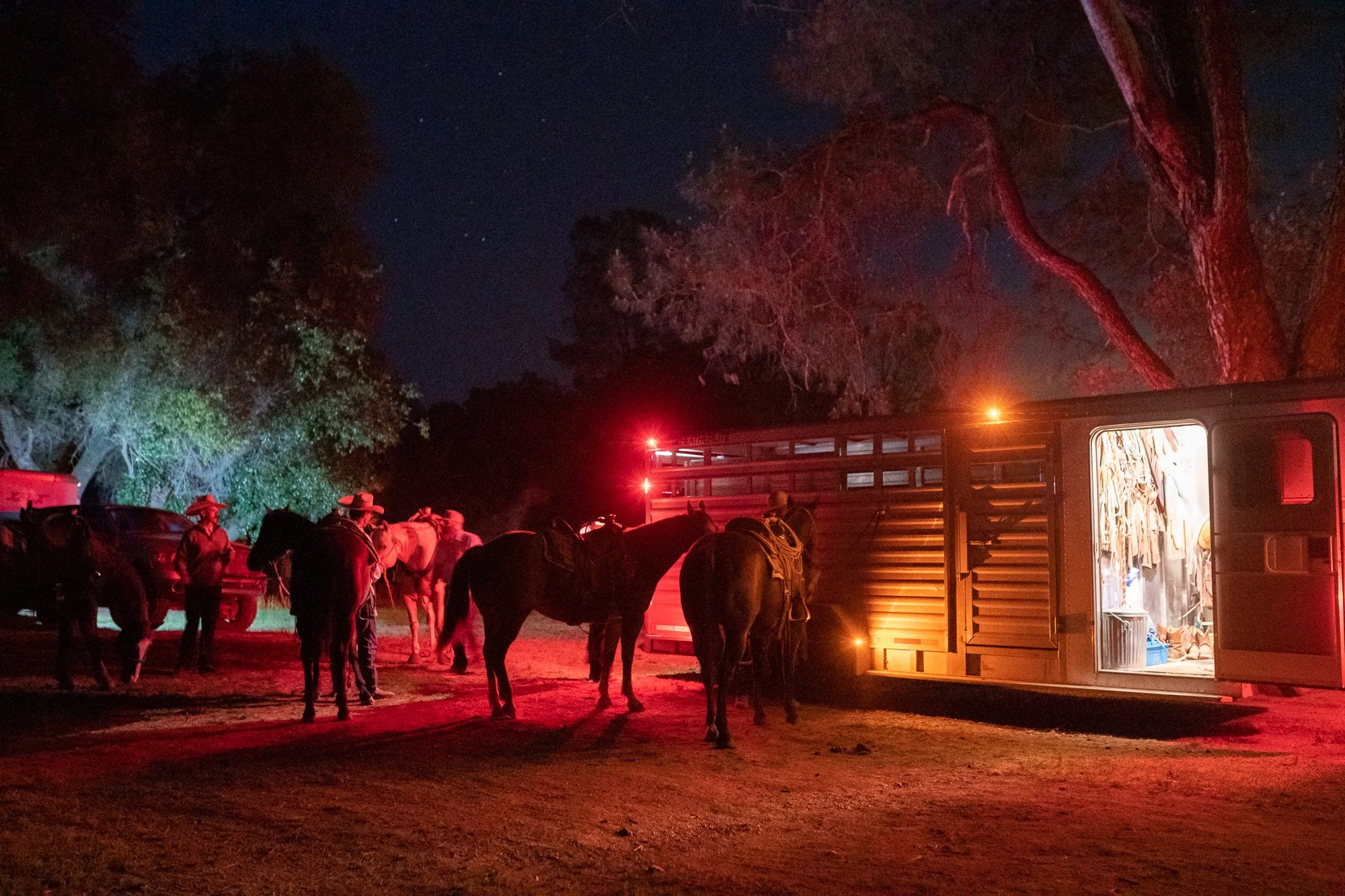
After a long day of branding calves on the OW Ranch in Montana, the crew was back at headquarters unloading horses when a young mare named Lux refused to cooperate with the trailer. What started as a routine problem quickly turned into something else entirely when Buck Brannaman stepped in.

At first, he stood back, letting the next generation work through it. But as the struggle continued, he quietly asked for a swing.

The energy shifted immediately.
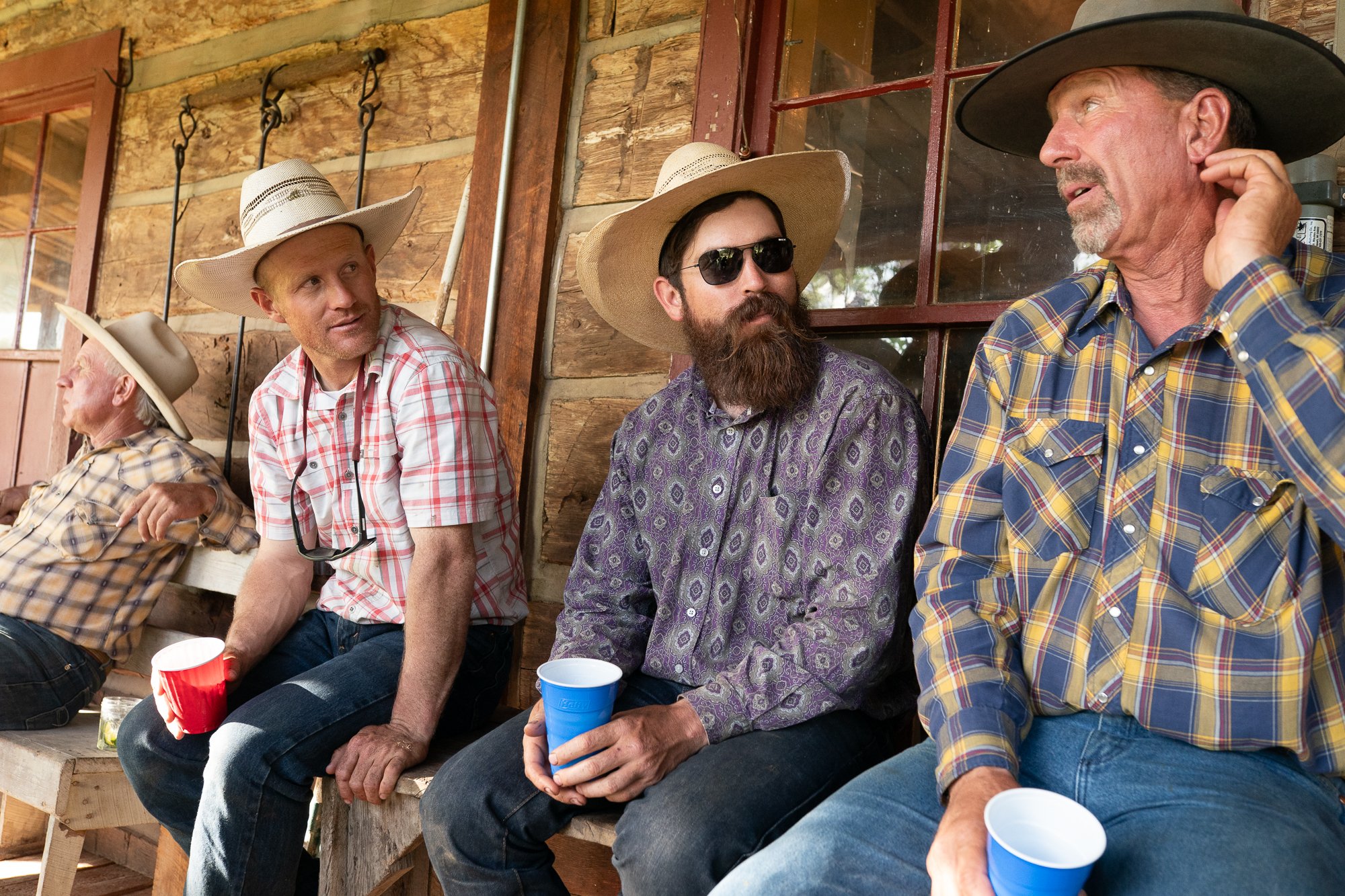
What had been a relaxed end to a branding day became a classroom. Cowboys and cowgirls—many of them highly skilled—gathered in silence, watching closely. Not for spectacle, but for understanding.
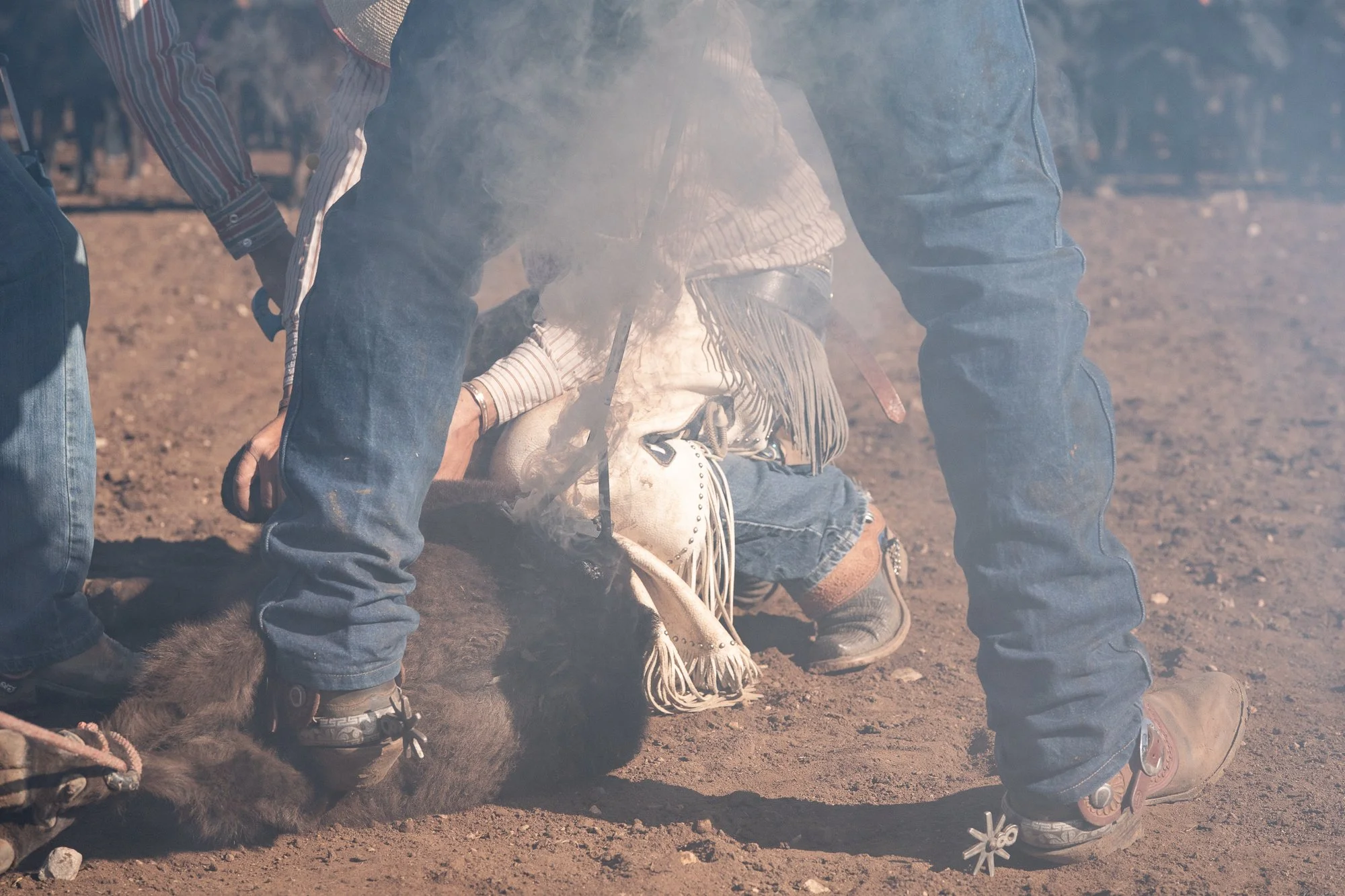
What followed wasn’t dramatic. It was slow. Repetitive. Nearly imperceptible at times.

For over two hours, Buck worked inside the tight confines of the trailer, using subtle pressure and release—tap by tap of a flag—asking the horse to think rather than react. Progress came in inches. Then disappeared. Then returned again.

Some people drifted off as the work stretched on. Most stayed, knowing exactly what they were witnessing.

Patience wasn’t just part of the process—it was the process.

Lux wasn’t his horse. There was no audience to impress, no clinic to run. Just a problem that needed solving, and a responsibility to see it through. By the end, the same horse that had been slamming against metal in fear could walk calmly in and out of the trailer.

No celebration. No moment of triumph. Just a quiet acknowledgment: “that’s the one.”

For those who stayed, it was a rare kind of access—watching mastery reveal itself not through intensity, but through discipline, restraint, and time.

What Makes Buck Brannaman Different

Buck Brannaman’s approach to horsemanship helped inspire the film The Horse Whisperer starring Robert Redford, but what you see in a film doesn’t fully translate to real life.

Out here, there’s no script.

His work isn’t built on force or speed. It’s built on timing, feel, and an ability to read subtle changes most people would miss entirely. The kind of discipline that doesn’t look impressive unless you understand what’s happening.

That’s what makes photographing him difficult—and interesting.

There’s no single defining moment. No peak action. The story lives in the small shifts. A release of pressure. A change in posture. A horse beginning to trust.

You don’t chase those moments. You wait for them.

Photographing Real Cowboy Work in the American West

Moments like this are the reason I’ve spent years photographing working cowboys across the American West.

Not staged shoots. Not recreations.

Real ranches. Real work. Long days that start before sunrise and end when the job is done.

The West is often portrayed through extremes—speed, grit, drama—but most of it exists in quieter spaces. In the discipline it takes to do something well. In the repetition. In the patience.

What I saw that day on the OW Ranch wasn’t unusual in the sense that it happens all the time. But being there to witness it—without interruption, without performance—that’s rare.

And that’s what I try to carry into the photographs.

Fine Art Prints & Licensing

This body of work is part of a long-term project documenting working cowboys, historic ranches, and the realities of life in the American West.

For collectors, a selection of museum-quality prints is available here: View Fine Art Prints

For brands, editorial, or commercial use, image licensing is available upon request - rob@robhammerphotography.com

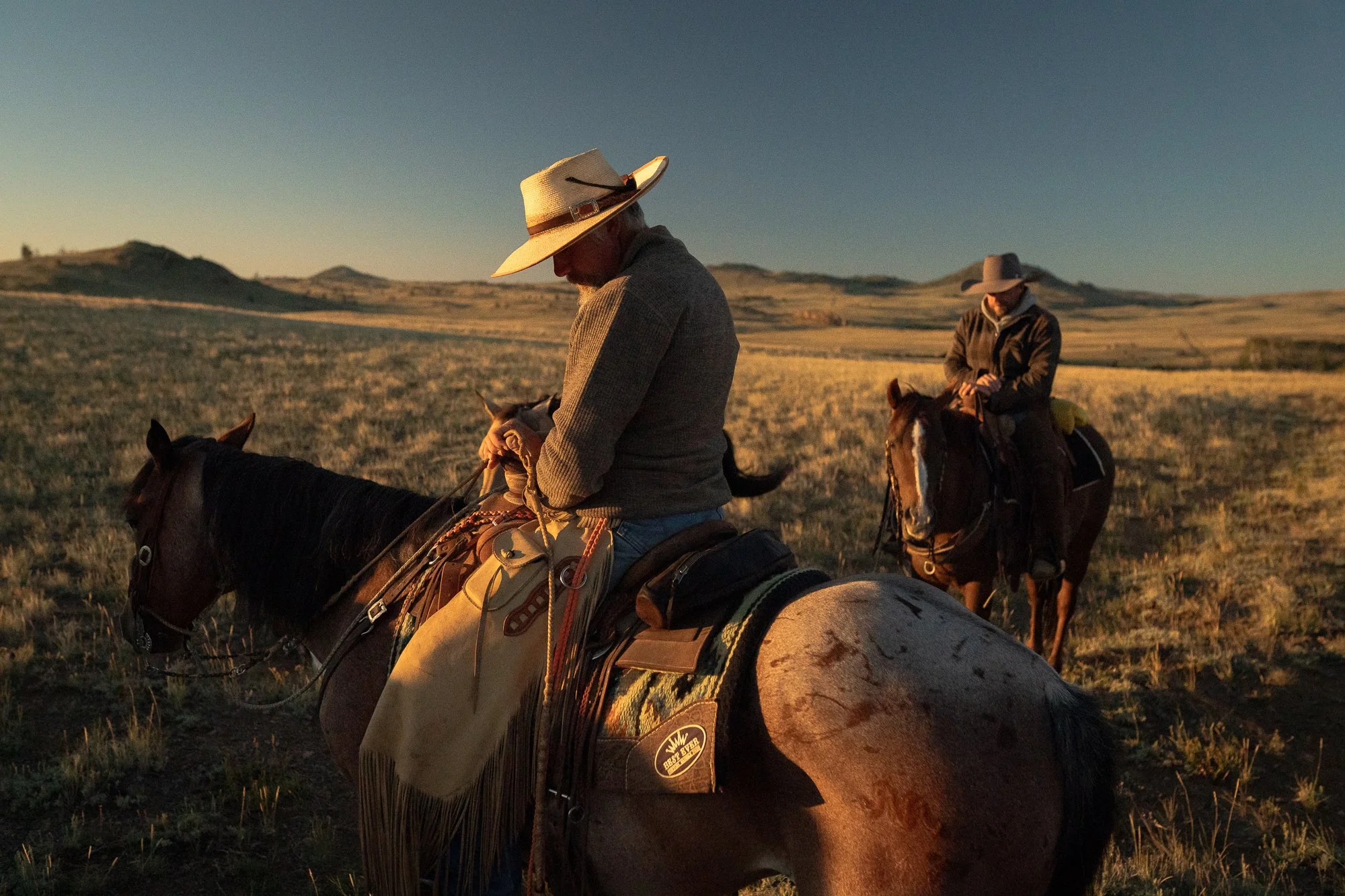
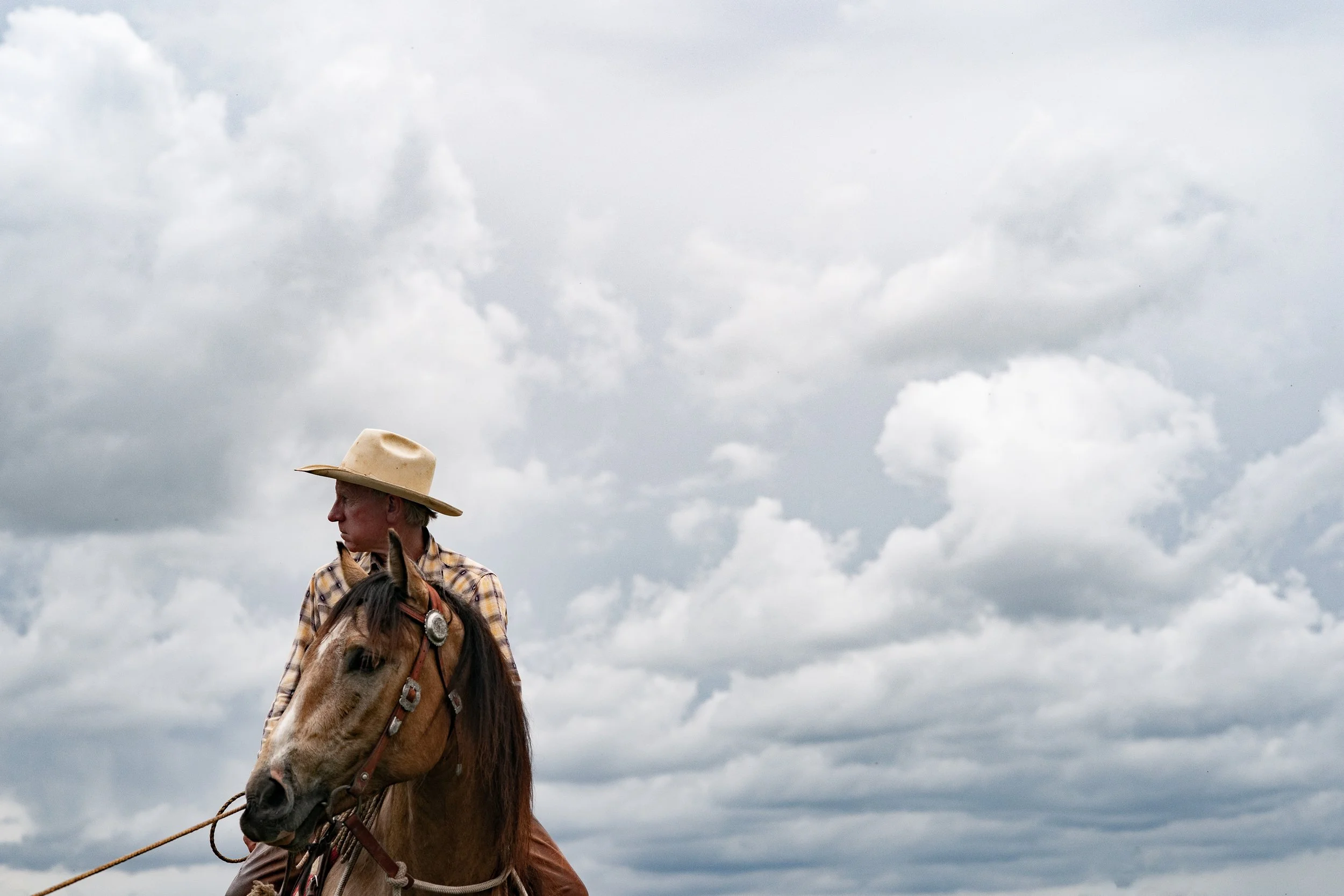
Cowboy sitting on a horse under a wide cloudy sky in Montana, looking off into the distance

Buck Brannaman sitting quiet on horseback under a wide Montana sky, taking in the moment before stepping in. The kind of stillness that comes from knowing when not to act.

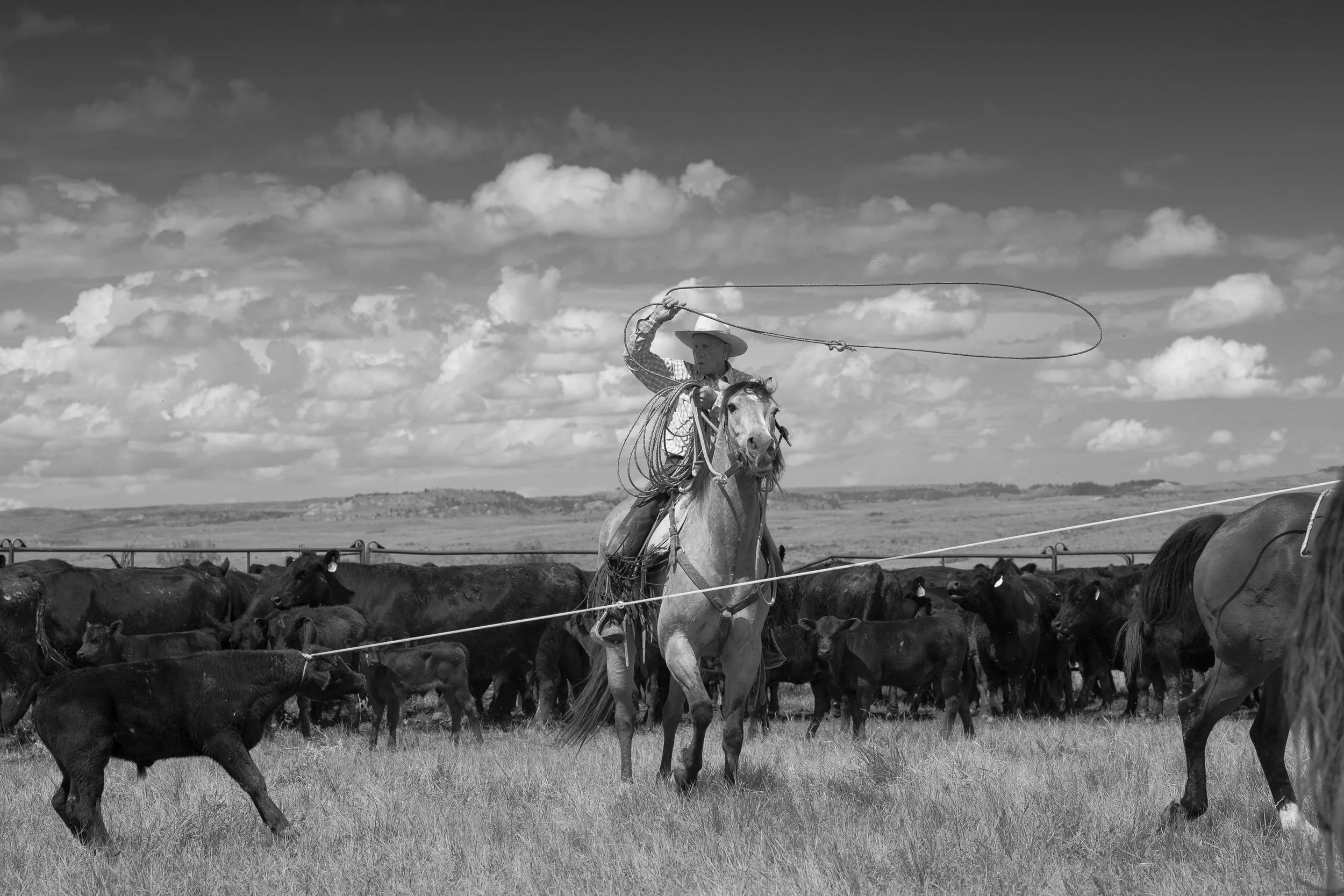
Black and white photo of a cowboy on horseback roping cattle in an open field

Buck Brannaman roping through cattle during the same long day of work. Different task, same rhythm, steady and controlled from horseback.

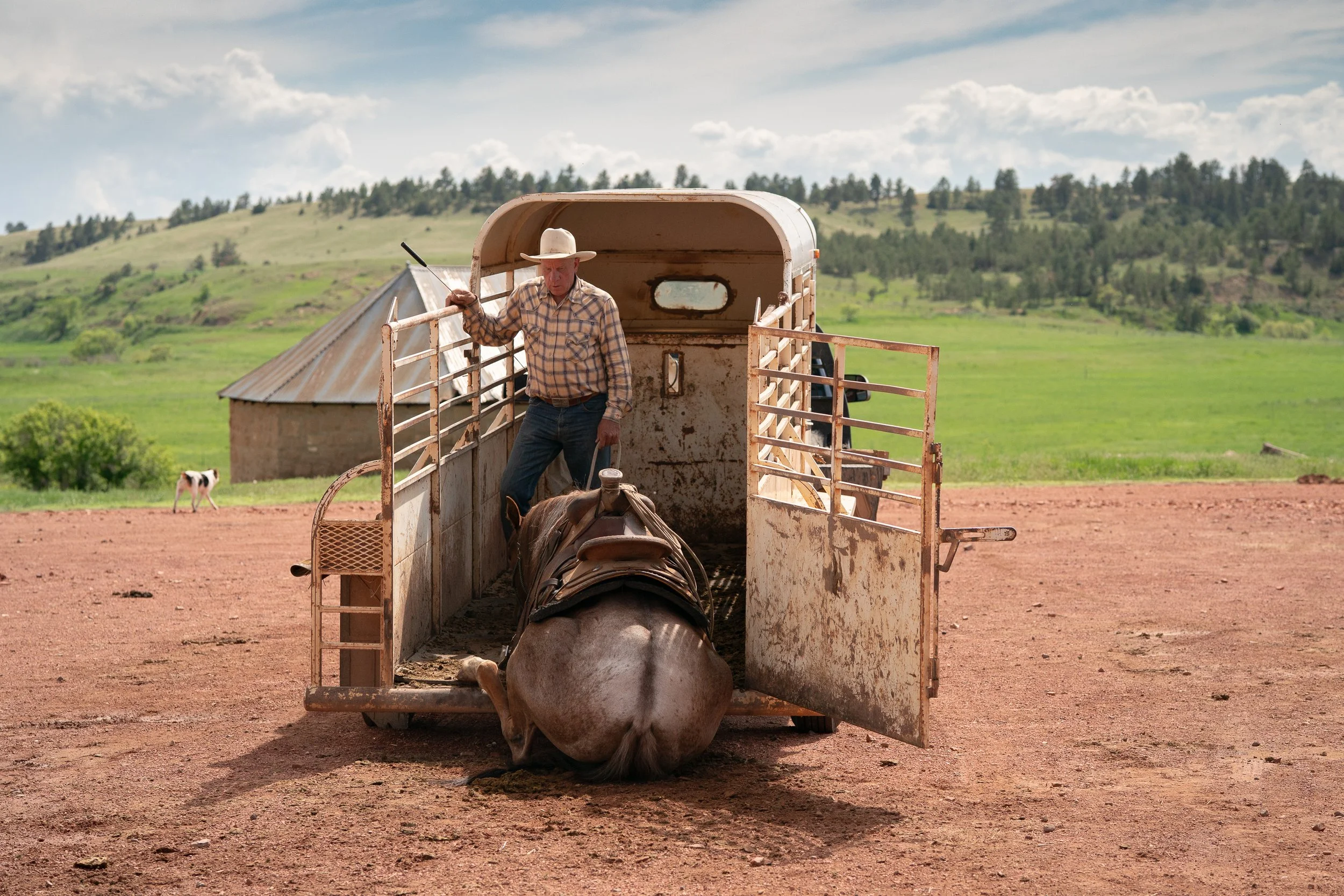
Horse sitting down inside a trailer while Buck Brannaman stands nearby during training in Montana

A horse that shuts down instead of moving forward, sitting back inside the trailer. This is where most would quit, but the work stays the same, steady and patient until something changes.

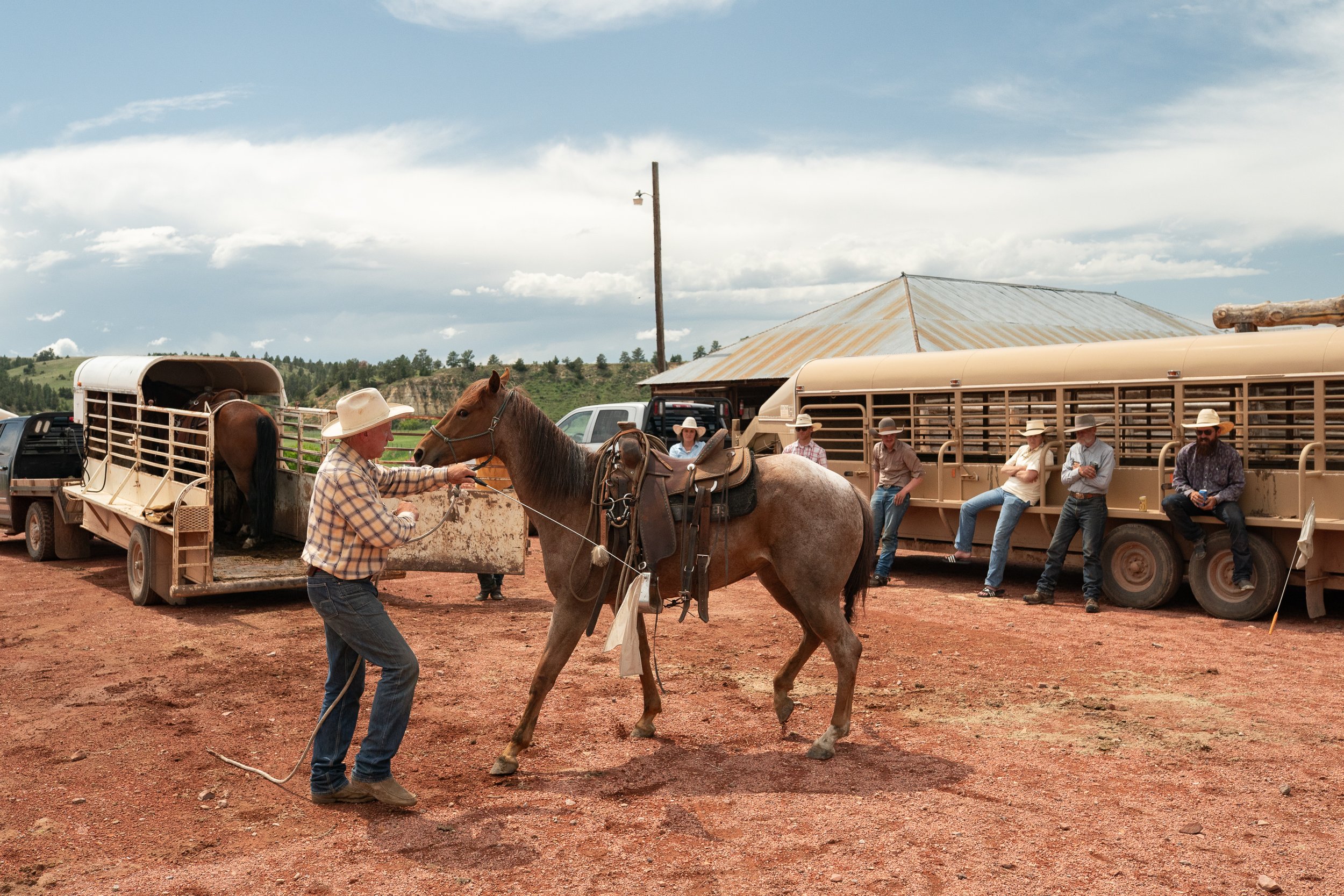
Buck Brannaman working a horse with a lead rope while cowboys sit and watch near trailers on a Montana ranch

Working a young horse away from the trailer while a line of cowboys sits back and watches. No one says much. When someone like this starts working, you pay attention.

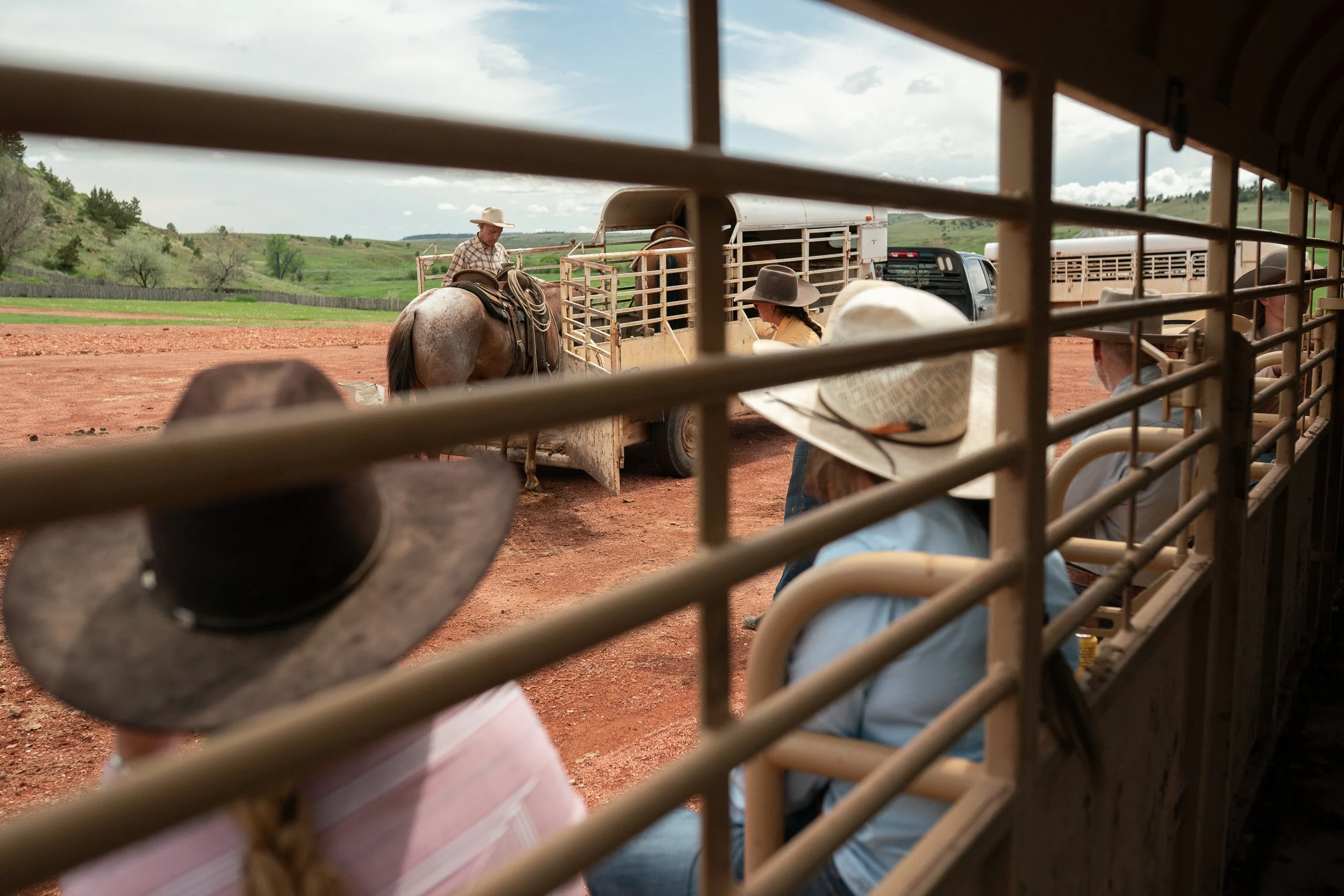
Cowboys watching through the rails of a trailer as Buck Brannaman works a horse near another trailer in Montana

Watching through the rails of a trailer, catching pieces of the work as it unfolds. Not a formal lesson, just a rare chance to see it up close.

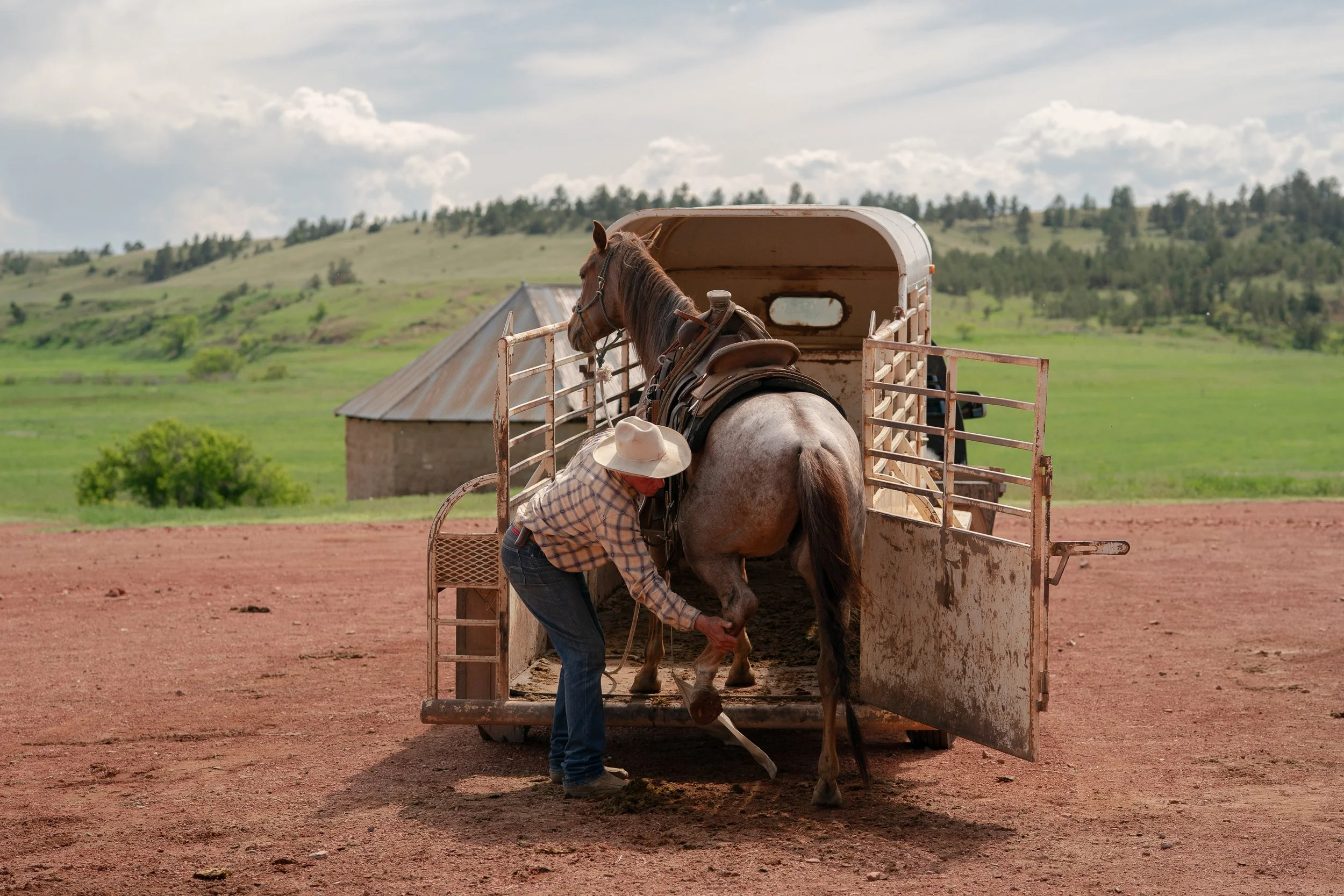
Buck Brannaman guiding a horse stepping into a trailer on a ranch in Montana

Buck Brannaman working at the edge of the trailer, asking the horse forward one step at a time. No force, just timing and feel, the kind of work that builds slowly in the heat after a long day.

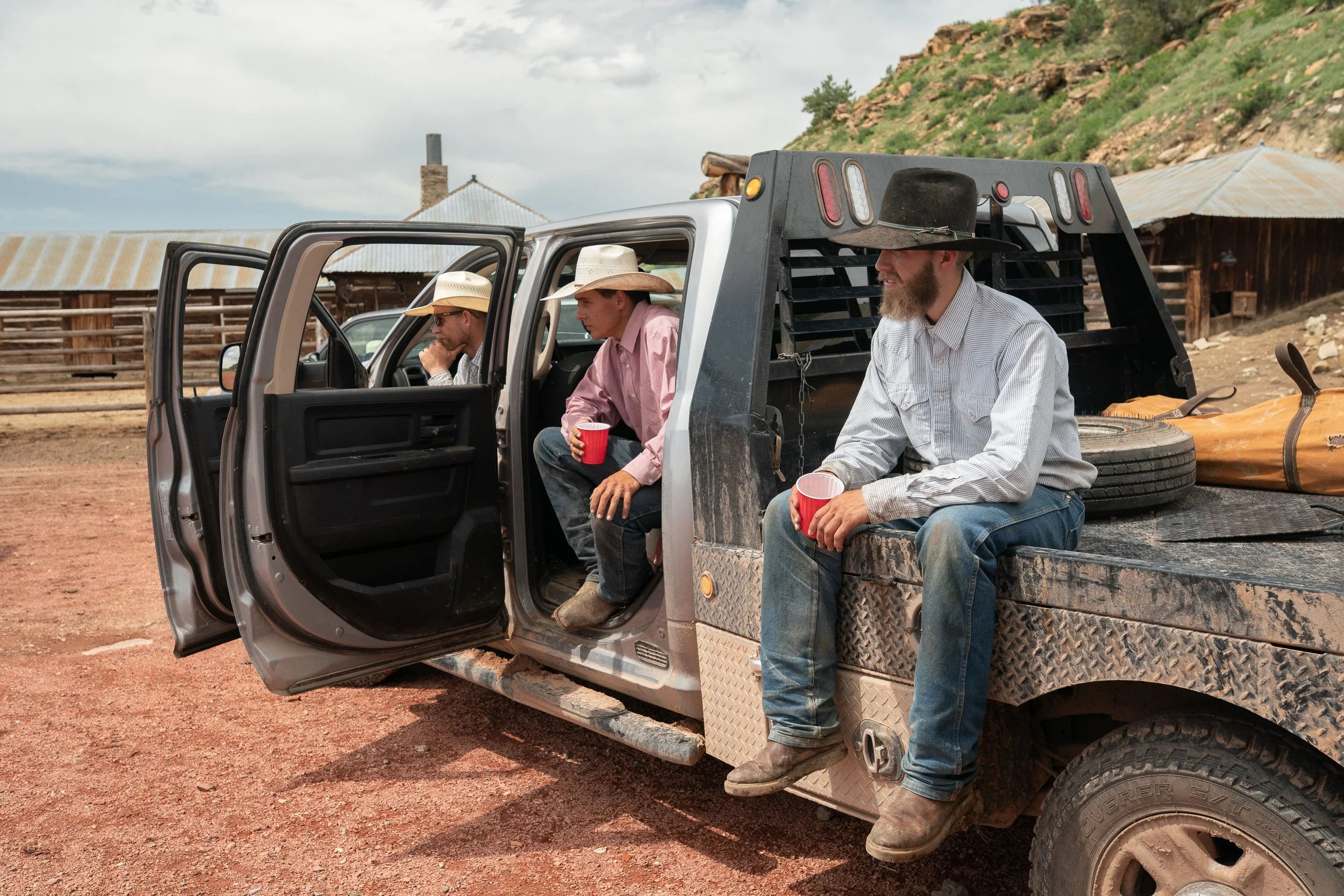
Cowboys sitting on and inside a pickup truck holding drinks while watching horse training on a Montana ranch

Cowboys gathered on a truck, drinks in hand, watching the work unfold from a distance. What started as the end of the day turned into something worth staying for.

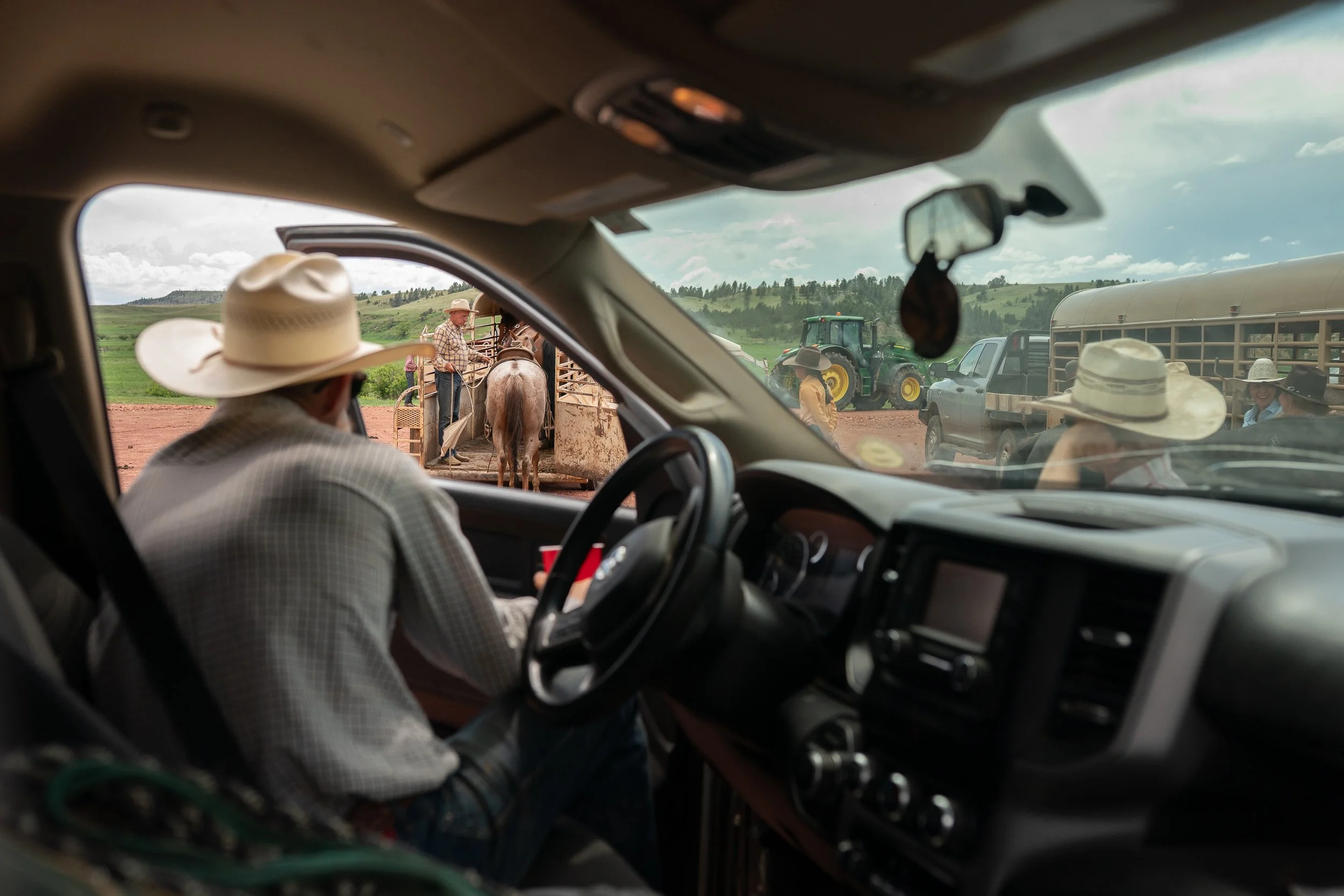
View from inside a pickup truck of a cowboy watching Buck Brannaman work a horse near trailers on a ranch

From inside a truck, looking out at the same quiet process. Different vantage point, same focus, everyone tuned in to the small changes.

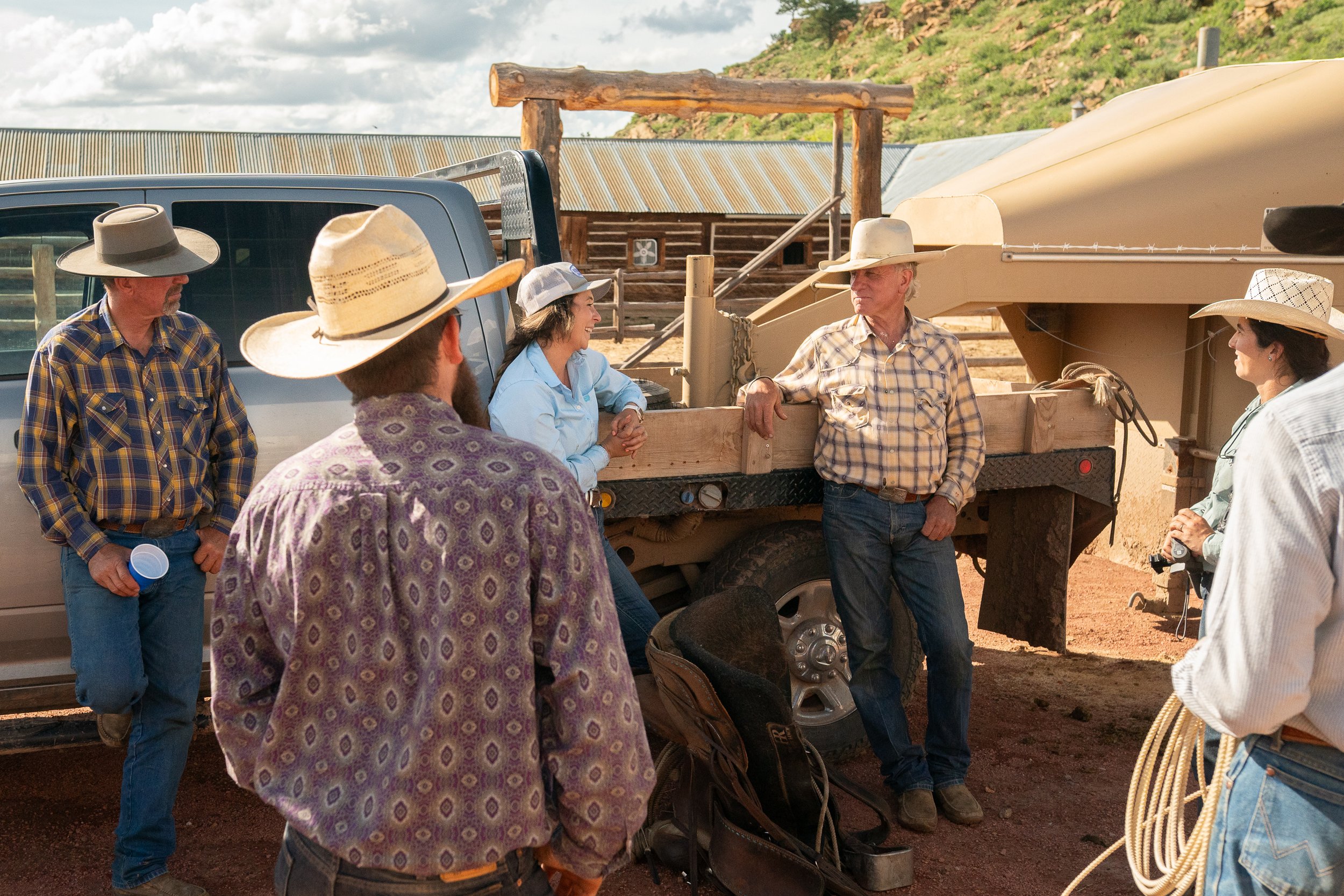
Group of cowboys standing and leaning around a ranch truck talking after work in Montana

Gathered around the truck after the work, talking it through while it is still fresh. The kind of conversations that come from seeing something done right.

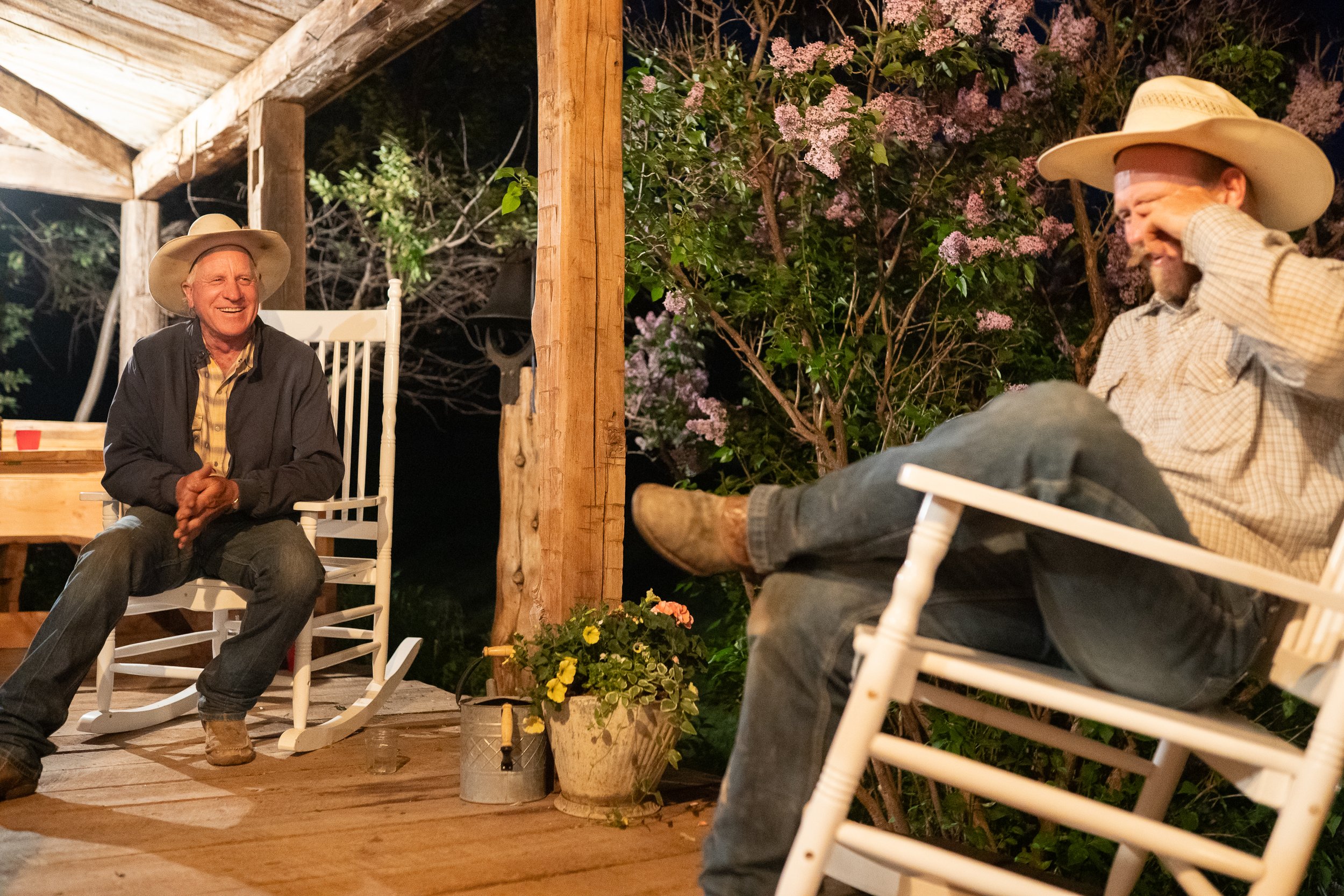
Buck Brannaman sitting on a porch at night talking with another cowboy in rocking chairs

Late evening on the porch, the work behind them and the pace slowed down. Stories, lessons, and time to sit with what the day had to offer.

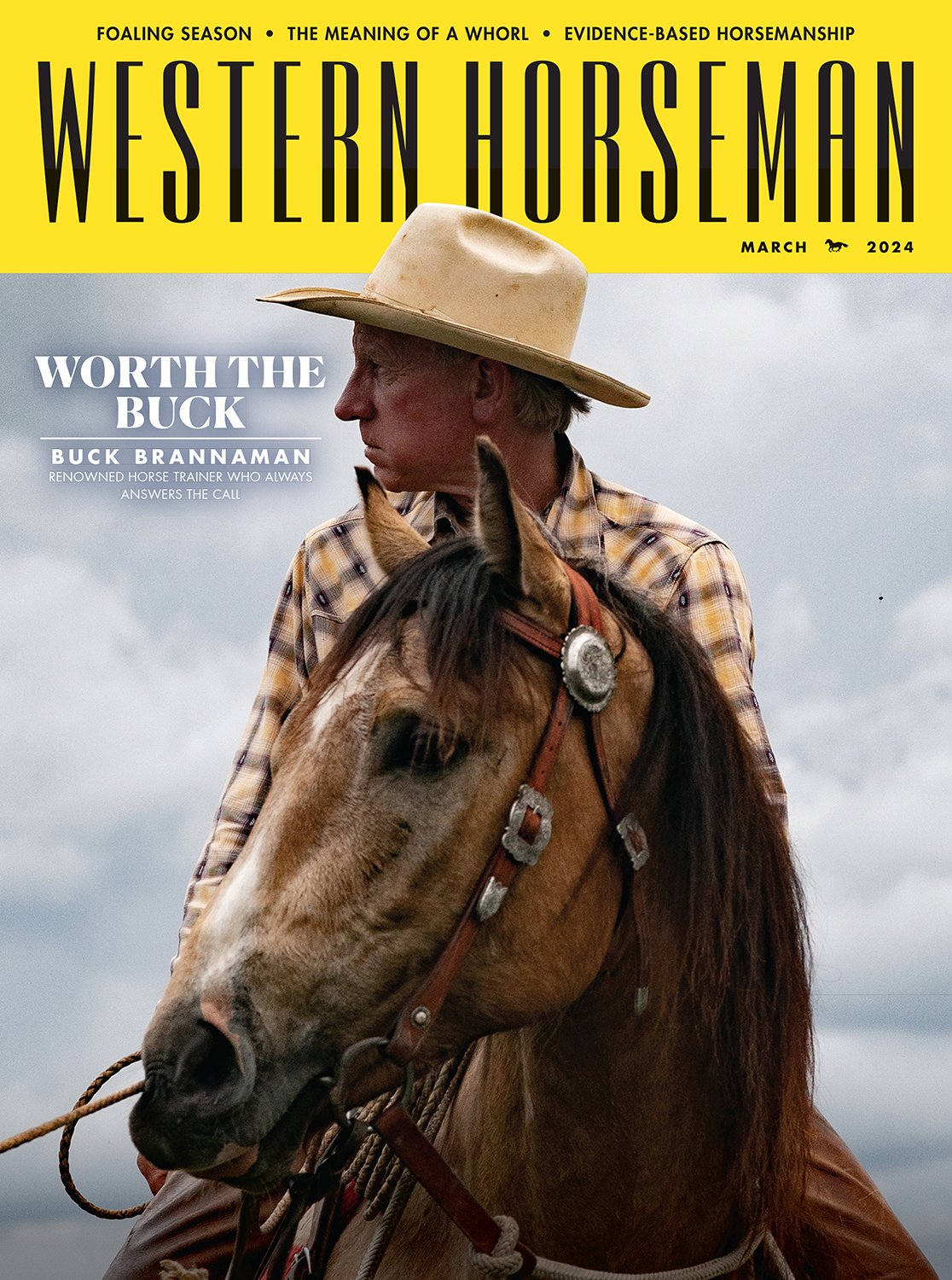
Buck Brannaman on the cover of Western Horseman Magazine

Buck Brannaman - Western Horseman Magazine