
Historic Black Barbershop in Albany, New York
There was nothing particularly flashy about Stancil’s Barbershop when I photographed it in 2011. It sat on Madison Avenue like it had for decades—blending into the rhythm of the street. The kind of place you could walk past a hundred times without thinking twice, unless you knew what it was.
But once you stepped inside, it was all there.
Wood-paneled walls covered in photographs and newspaper clippings. An overall patina from years of use. Chairs that had seen thousands of haircuts, laughs, arguments, and long pauses in between. Nothing curated. Nothing staged. Just a shop that had grown into itself over time. A one of a kind.
A Place Built Over Time
From the outside, Stancil’s didn’t ask for attention. The sign was faily straightforward. The windows were filled with whatever had accumulated—plants, flyers, a few political signs, whatever made sense at the time.
It felt like a place that existed for the people who already knew it was there.
Not everything needs to be rebranded or reimagined. Some places just hold their ground.
Inside the Shop
Inside, it was exactly what you’d hope for. As a photographer working on a project like this, Stancil’s was a dream.
The layout hadn’t been touched in years. Maybe longer. Chairs spaced just far enough apart. Mirrors lined with lights that had seen better days but still did their job. Every surface carried something—photographs, certificates, handwritten notes, reminders of people who had passed through. The classic barber hairstyle charts still clung to the same wall where they were placed 40 years ago - the styles themselves had clearly come and gone, but they remained. A stack of Yellow Page phone books sat quietly, although it was obvious they still got used. Ironically, not far away, was a padlocked rotary phone.
You could tell this wasn’t designed. It was accumulated, organically.
That’s the difference.
The Barbers
My time at Stancil’s wasn’t long, but it was more than memorable. The thing that stuck out was how candid all the barbers were together. Comedy was a constant. Stancil himself has an old pair of slippers on that must have been handed down because the toe section had been cut off so his feet could fit. Life at this barbershop didn’t feel like work, it was a second home. There didn’t happen to be any customers at the time, so some of the barbers calmly watched television while throwing sarcastic remarks across the shop to their co-workers (friends).
What’s Left
Sadly, I checked in on Stancil’s recently only to find a Google street view of the place boarded up.
Like a lot of shops across the country, it eventually closed its doors. The reasons are usually the same—rising costs, changing neighborhoods, time catching up with the people who built them.
When a place like this disappears, it’s not just a business that’s gone.
It’s the accumulation of years—of routines, relationships, and small, everyday moments that don’t get documented unless someone happens to be there with a camera.
Part of a Larger Project
This photograph is part of a long-term project documenting traditional barbershops across the United States.
Over the past 15 years, I’ve photographed shops in all corners of the country—some still operating, many no longer there. Together, they form a kind of archive of places that were never meant to last forever, but somehow did for longer than expected.
→ View the full Barbershops of America archive
→ Explore a 200 year old barbershop in Brooklyn
→ Fine art prints available from this series
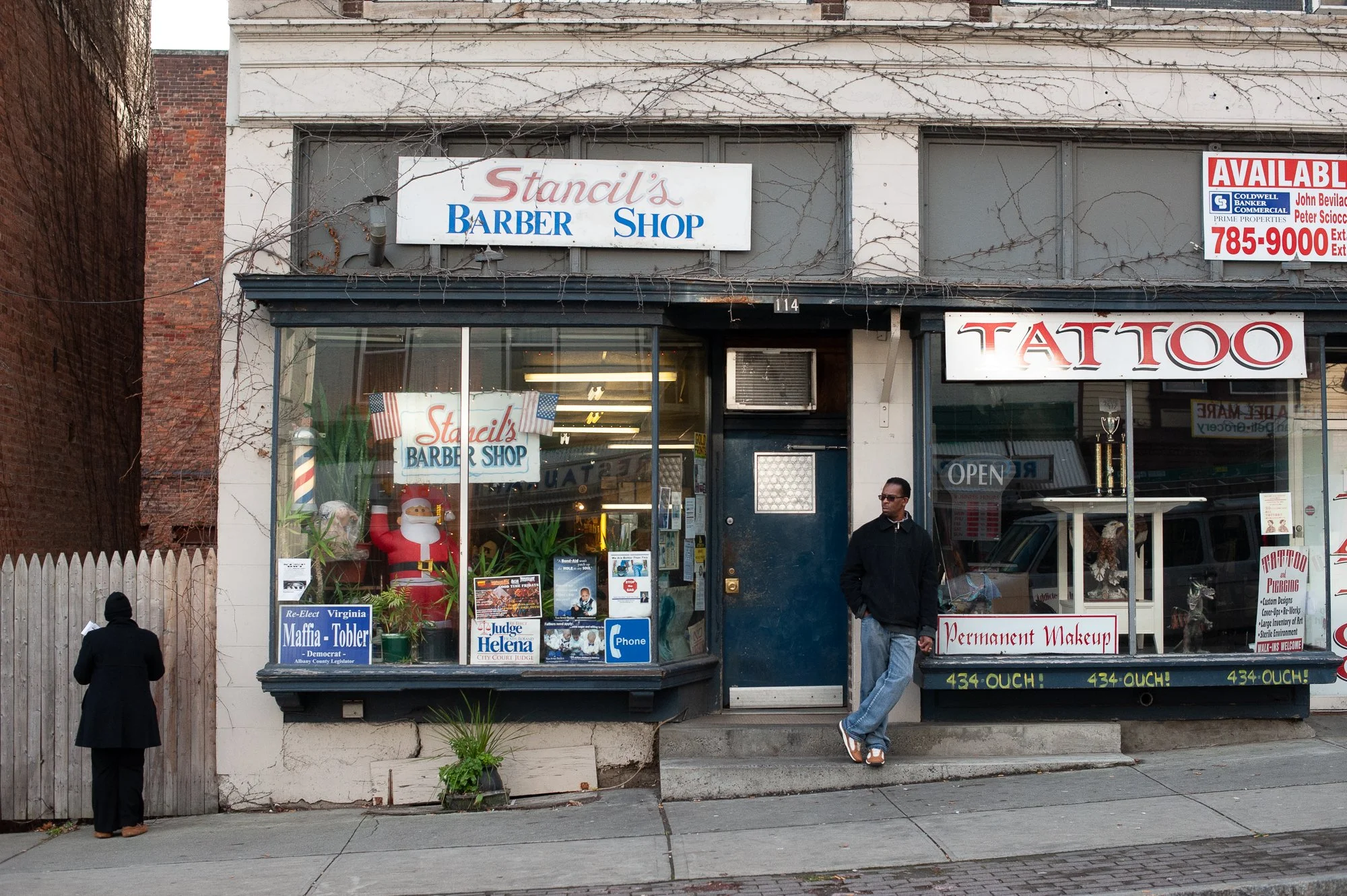
Stancil’s Barbershop on Madison Avenue in Albany, New York, photographed in 2011. A neighborhood shop that quietly served its community for decades—now gone.
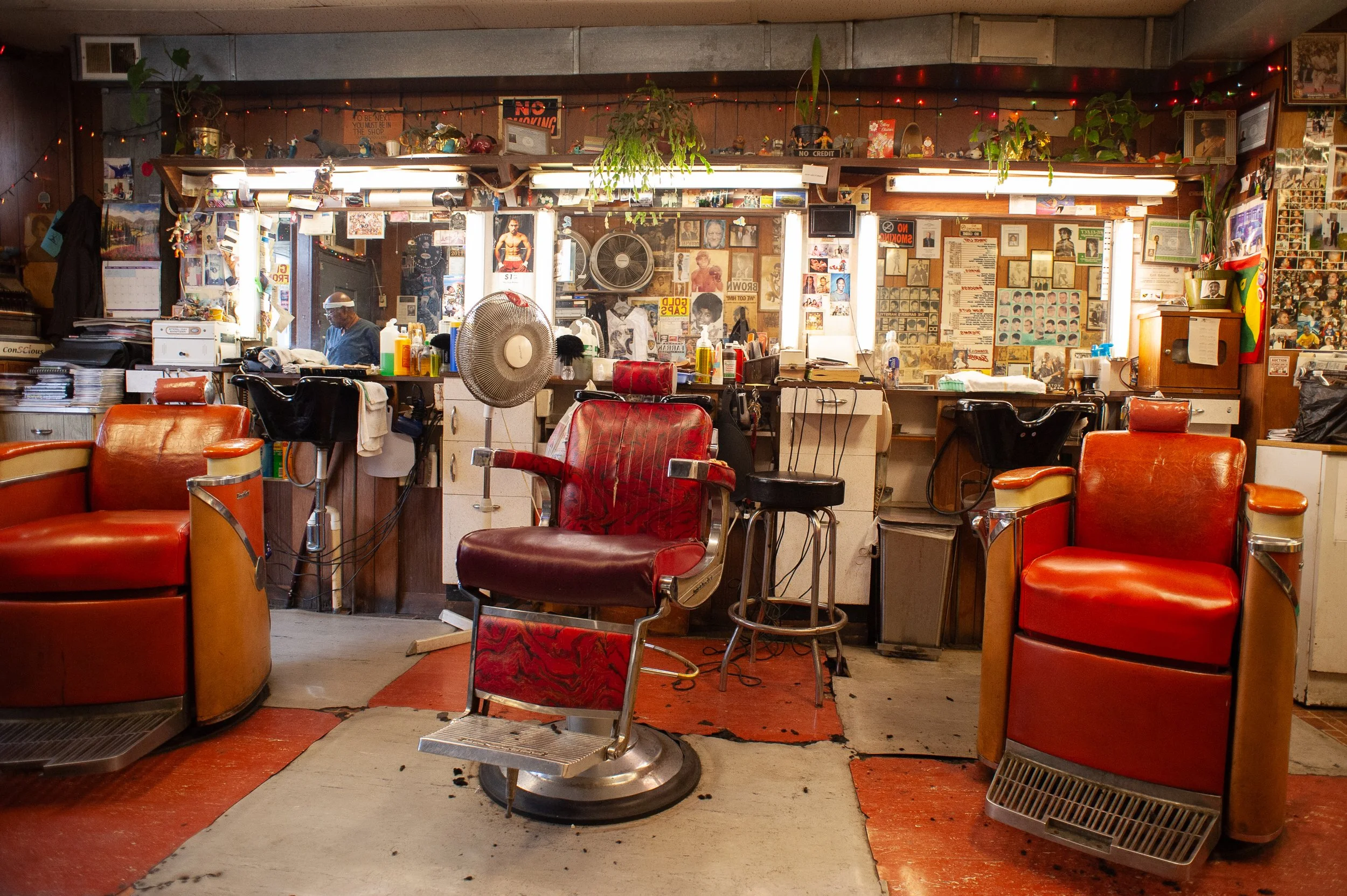
Rows of worn chairs inside Stancil’s Barbershop. Even when empty, the space carried the weight of years of daily routine and conversation.
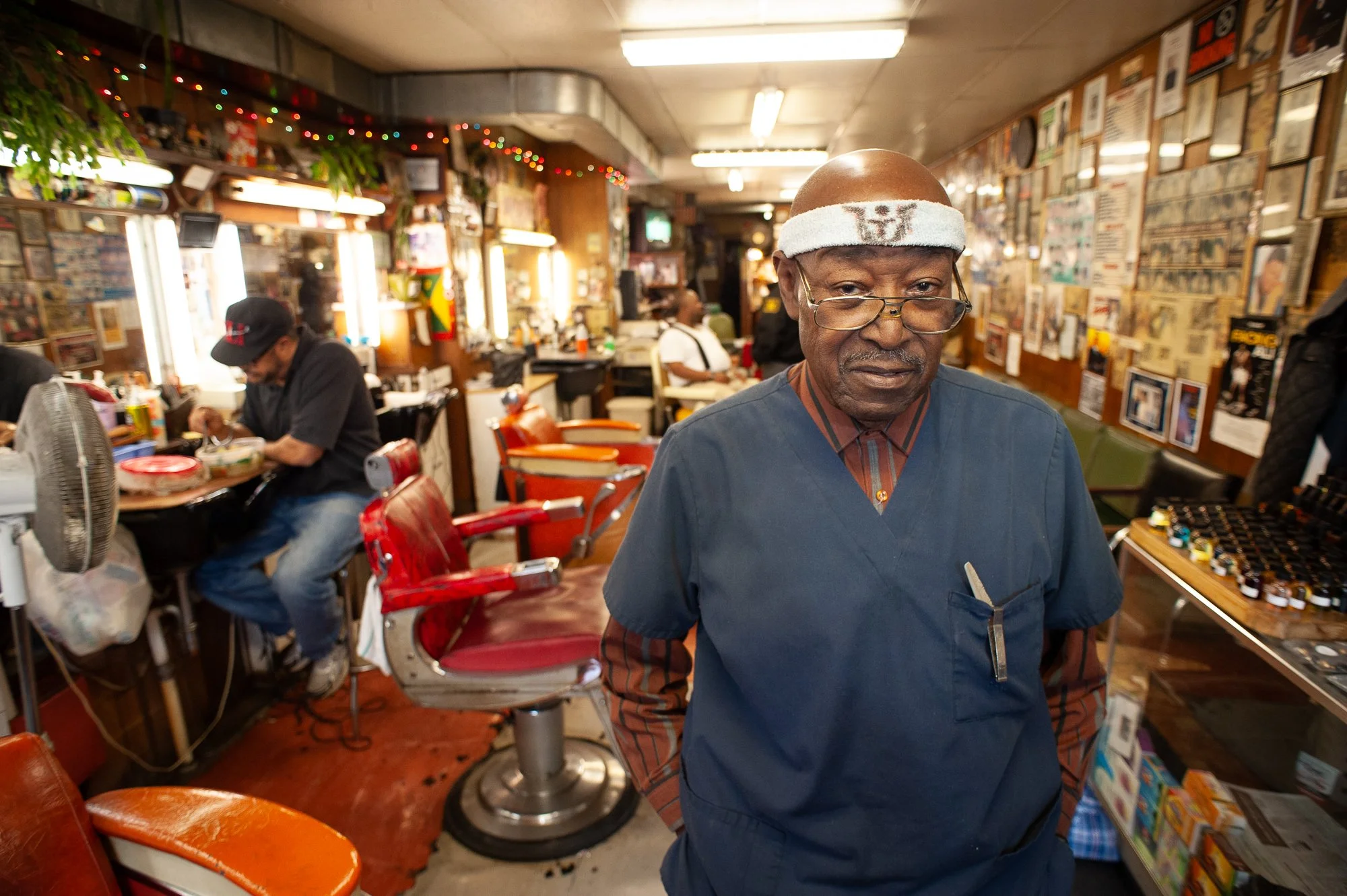
A barber at Stancil’s Barbershop. Places like this were built on people—their presence, their stories, and years behind the chair.
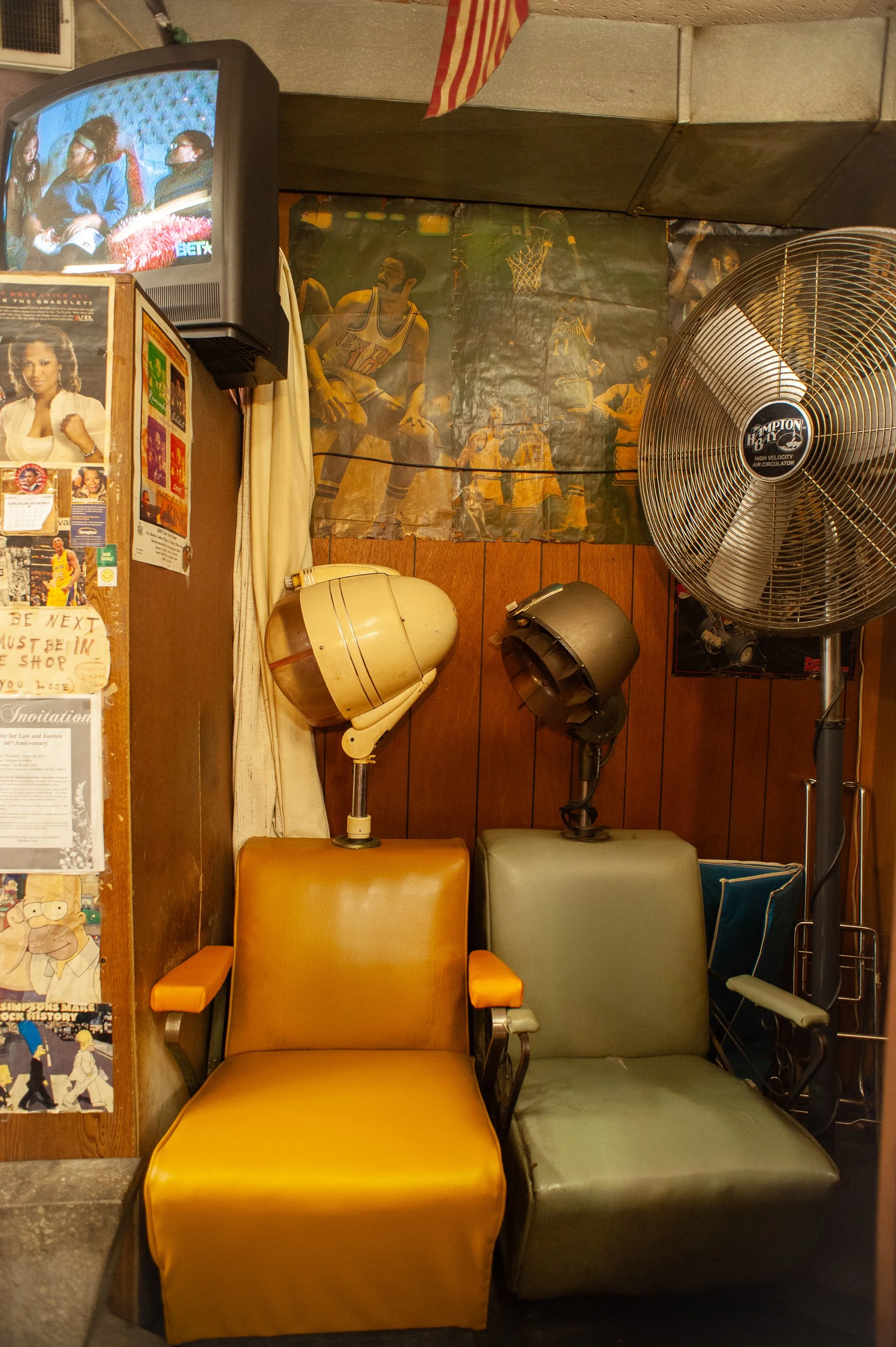
Old dryers tucked into the corner—equipment that stayed long after trends had moved on.
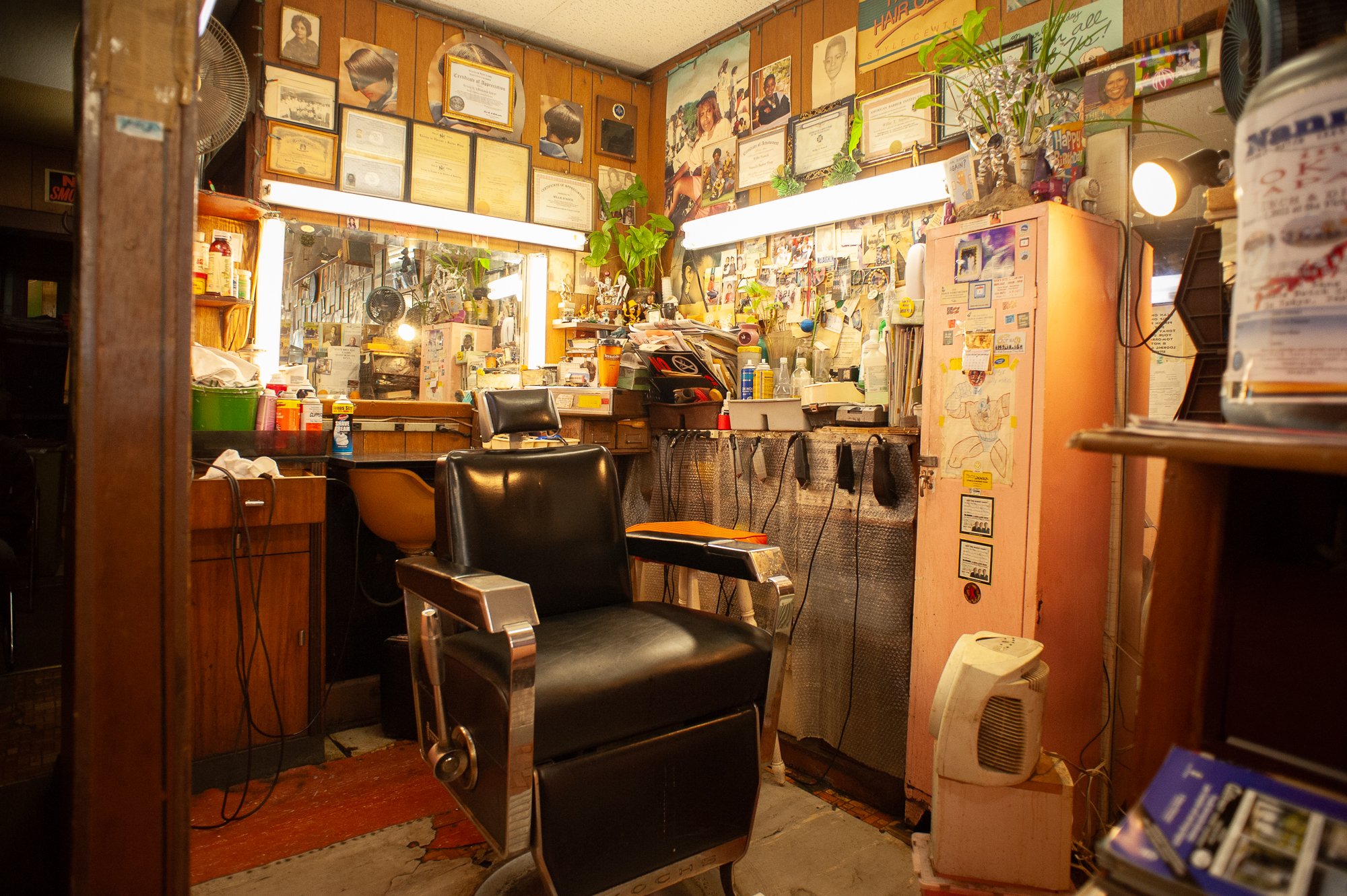
A single chair beneath fluorescent lights, surrounded by decades of photographs, certificates, and memory.
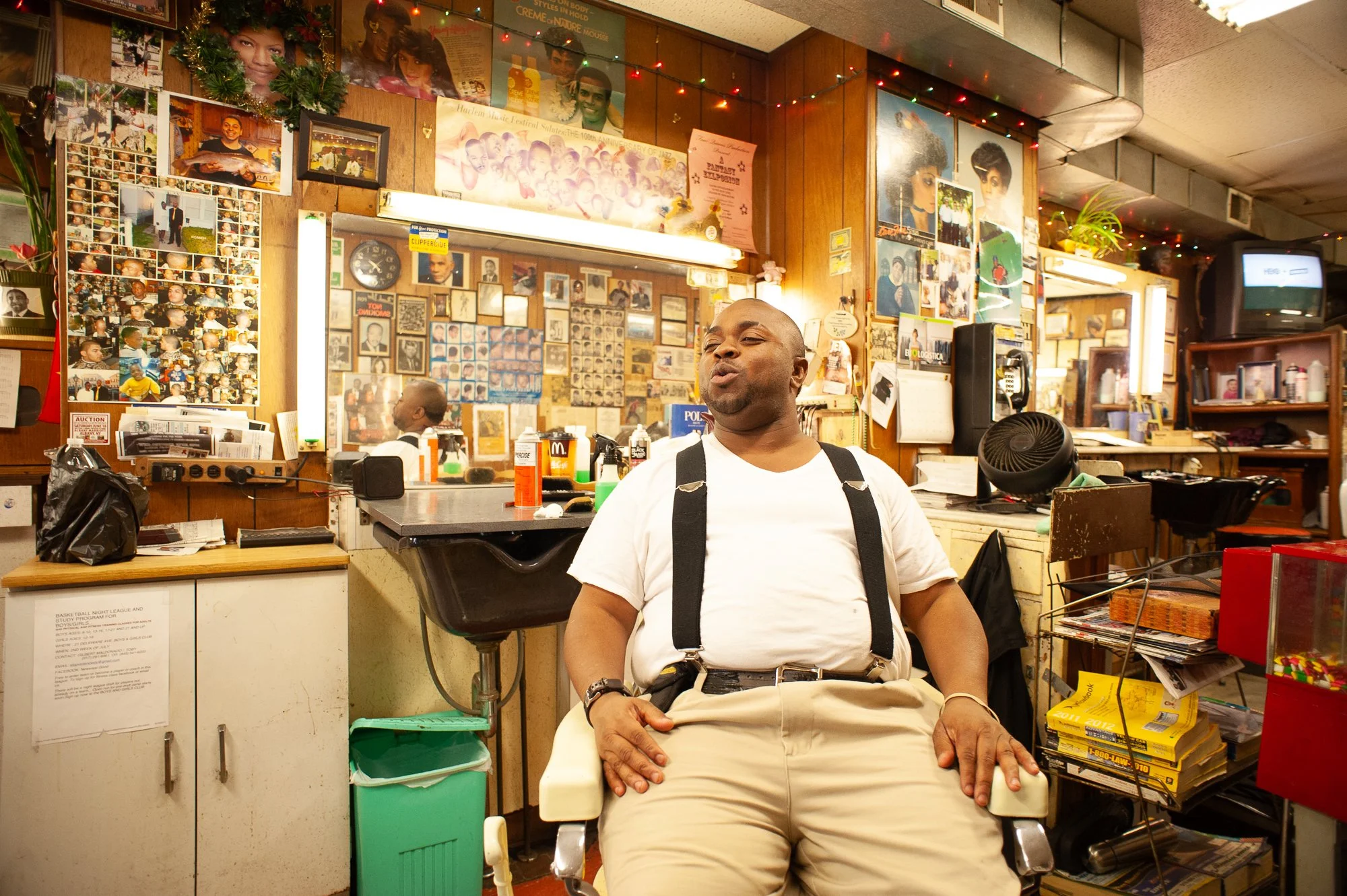
A moment in the chair. For many, the visit was routine—but the shop itself was something much deeper.
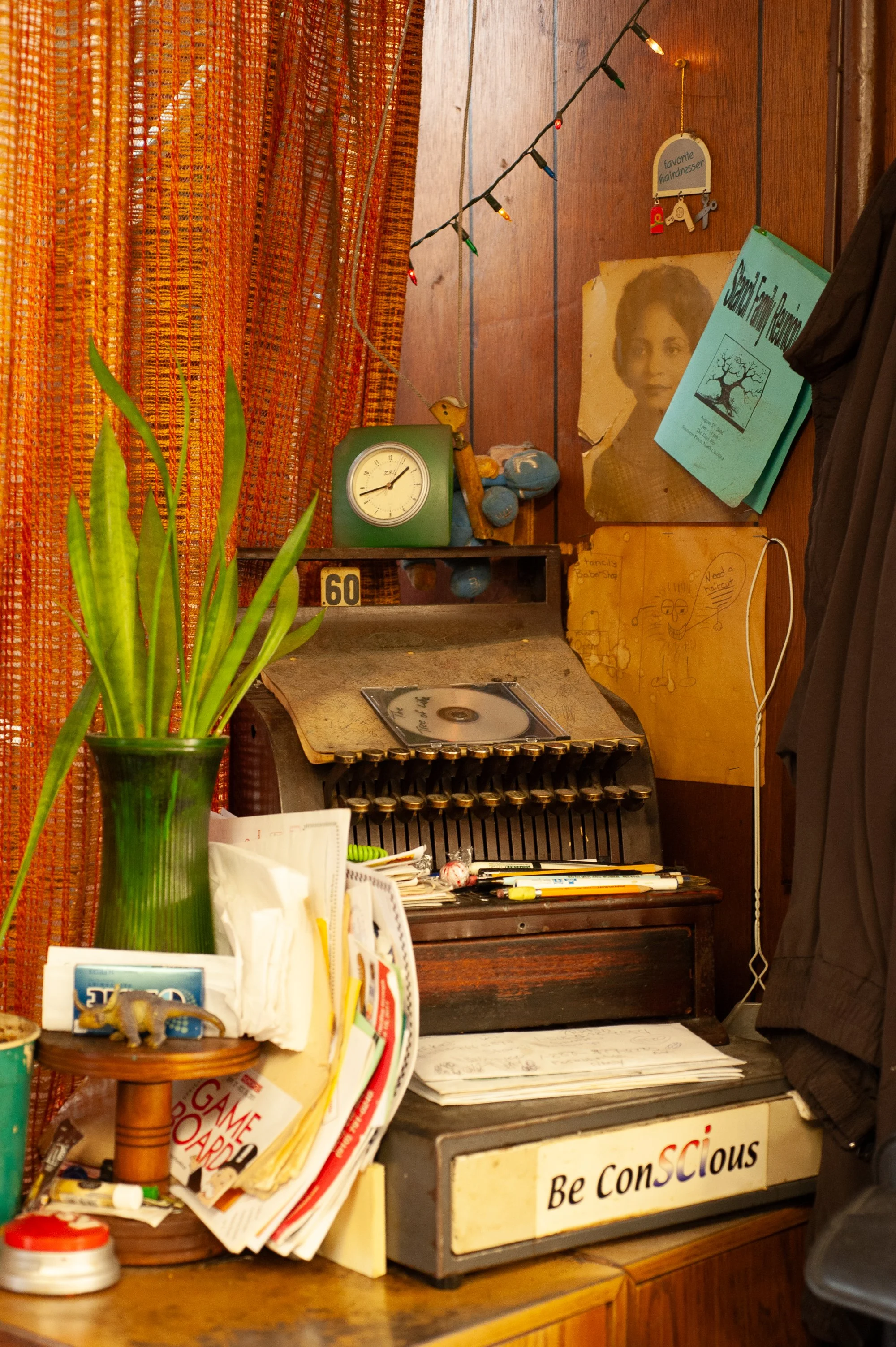
A corner of the shop where transactions were simple and personal—part of the daily rhythm.
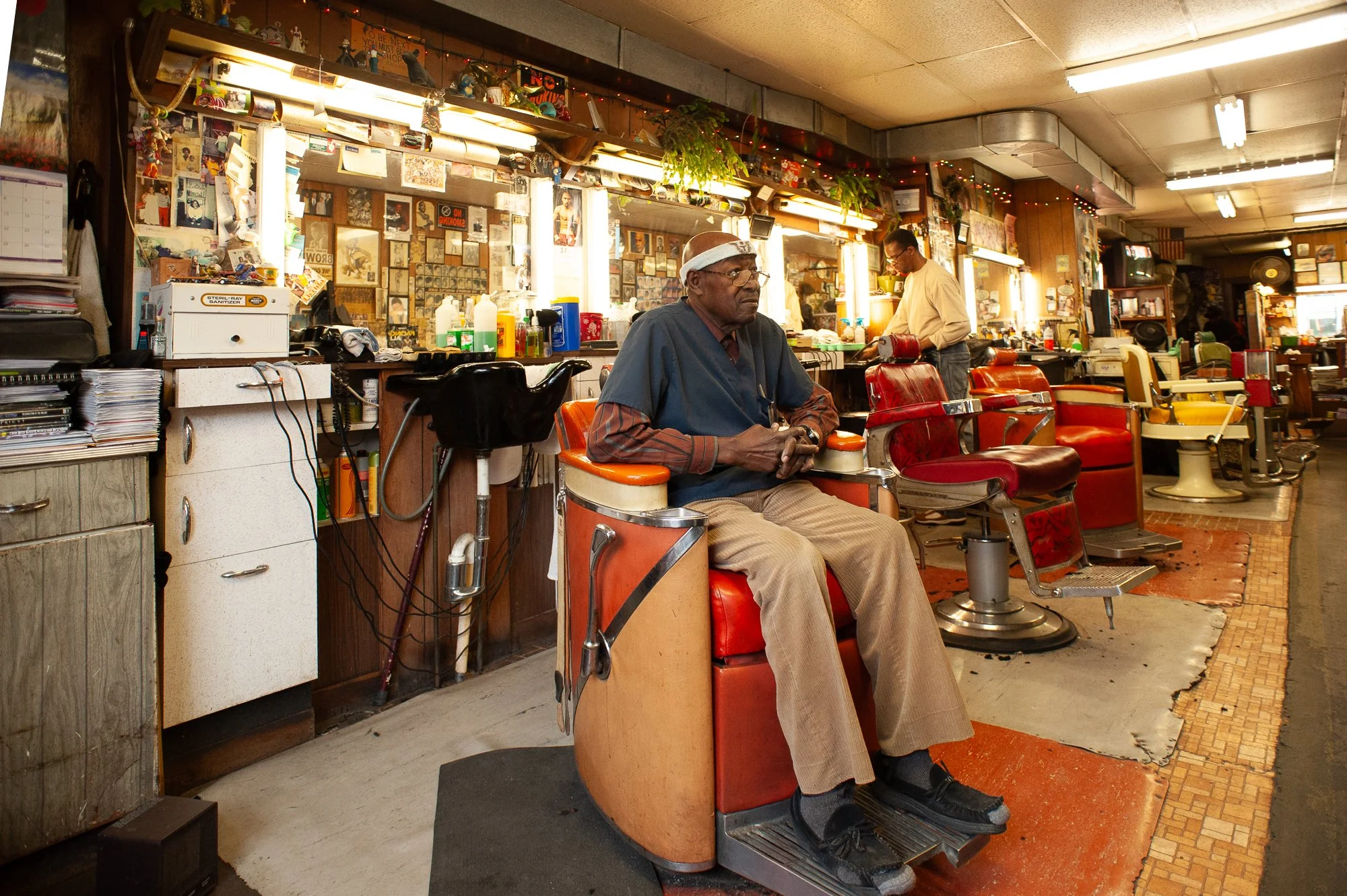
Inside Stancil’s, where time moved at its own pace. Shops like this were as much about community as they were about haircuts.
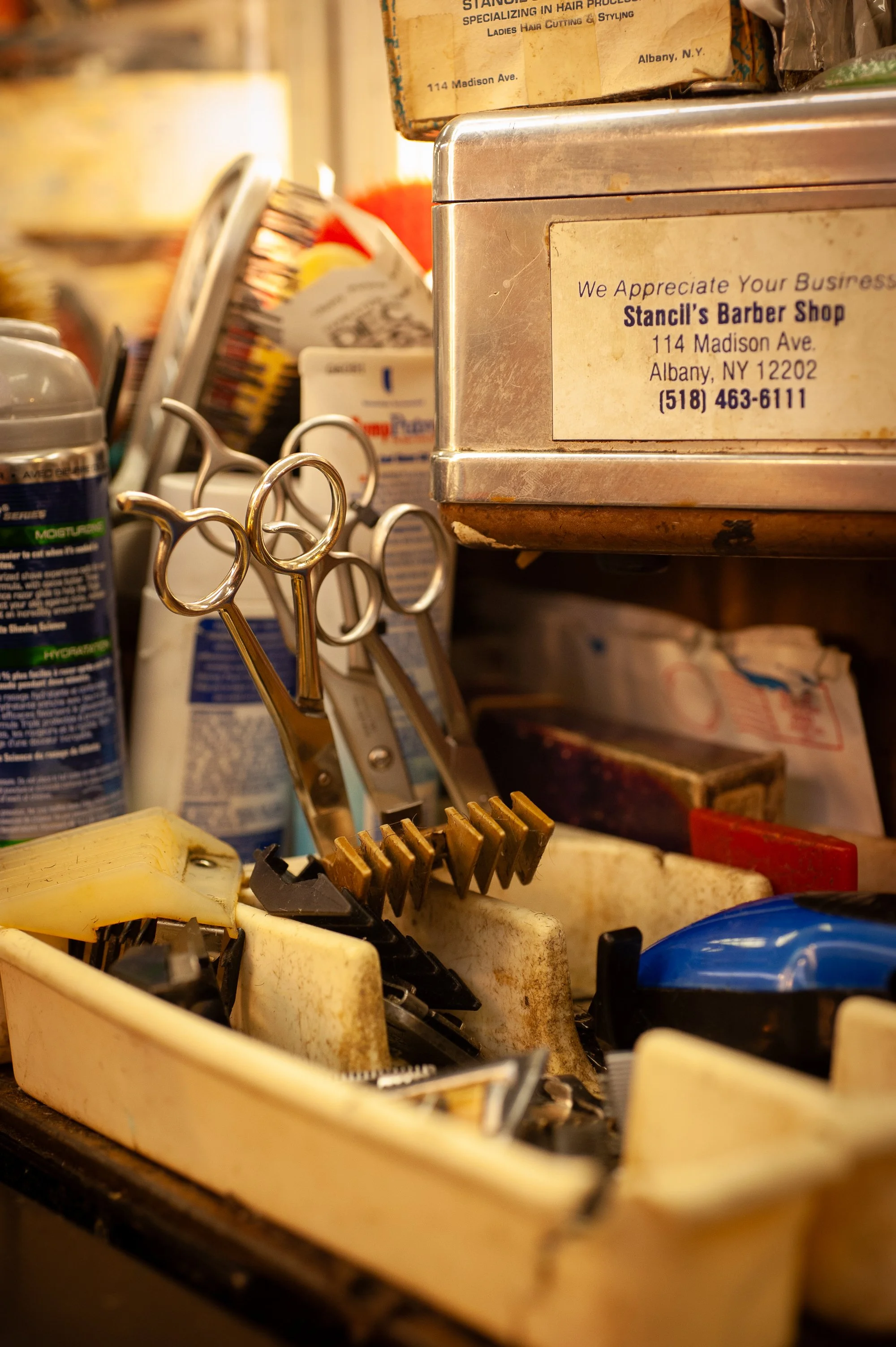
Tools of the trade, worn from years of use—handled thousands of times without much thought.
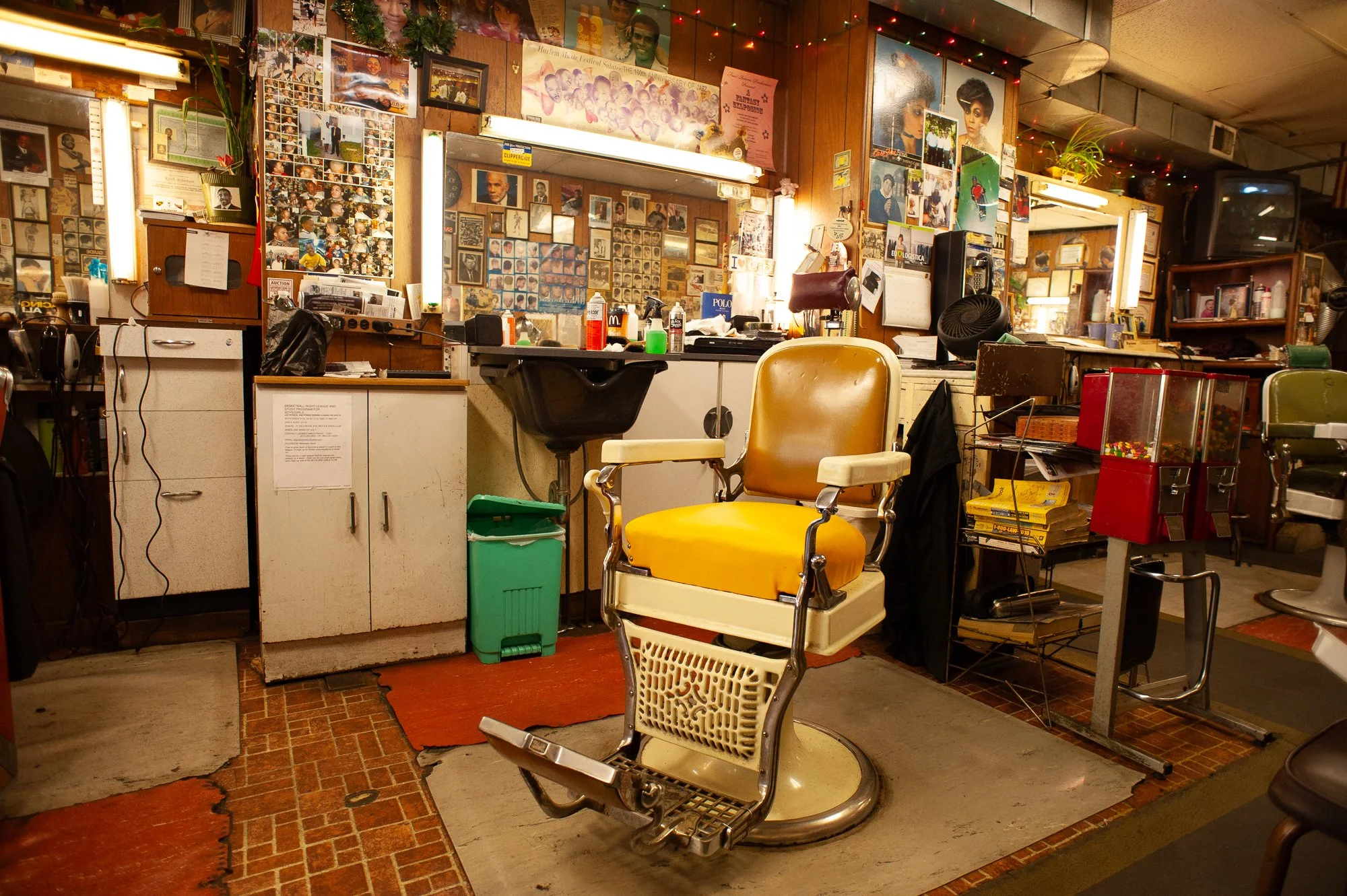
A worn yellow chair surrounded by everyday objects that gave the shop its character.