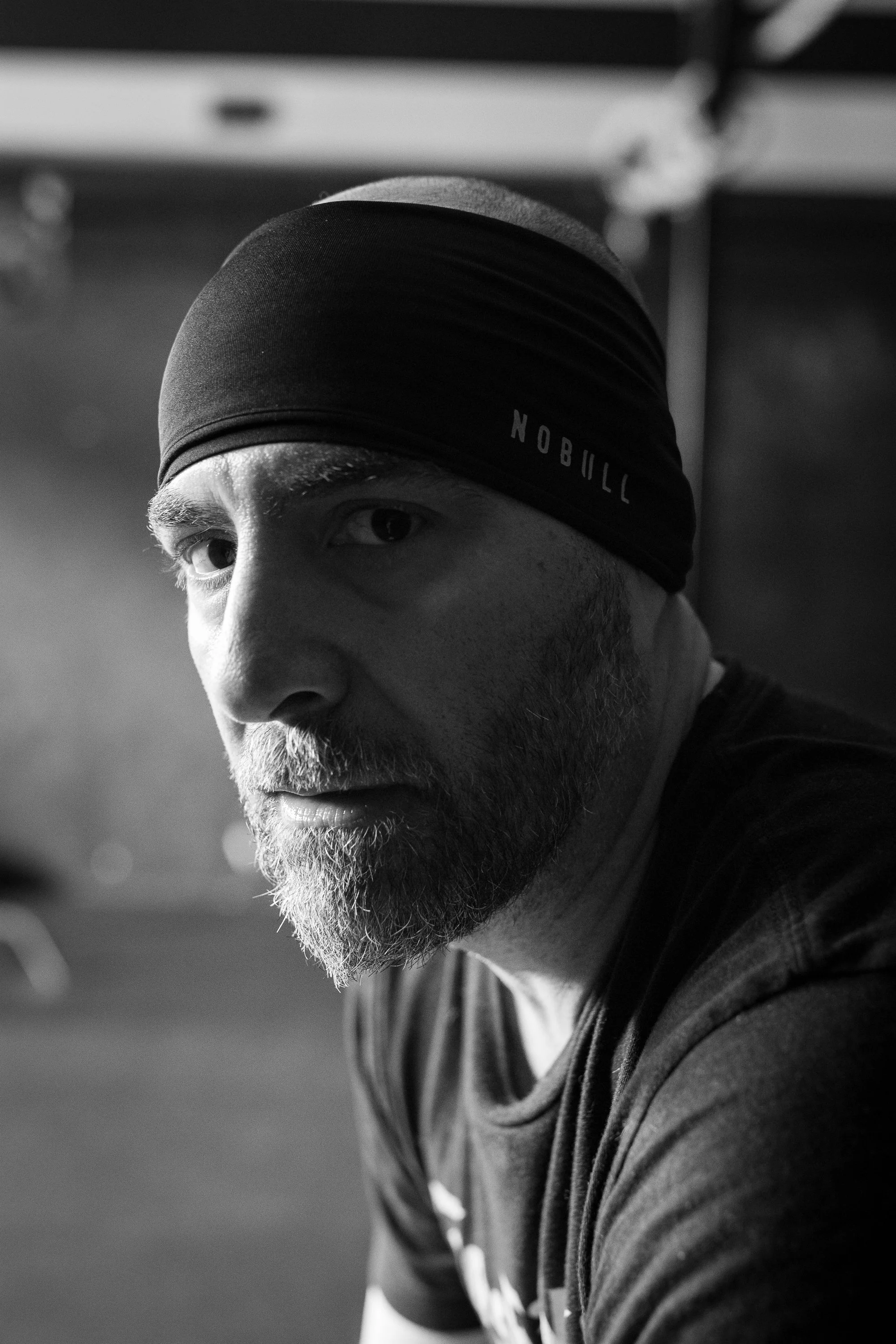
CrossFit Photography in Boulder, Colorado
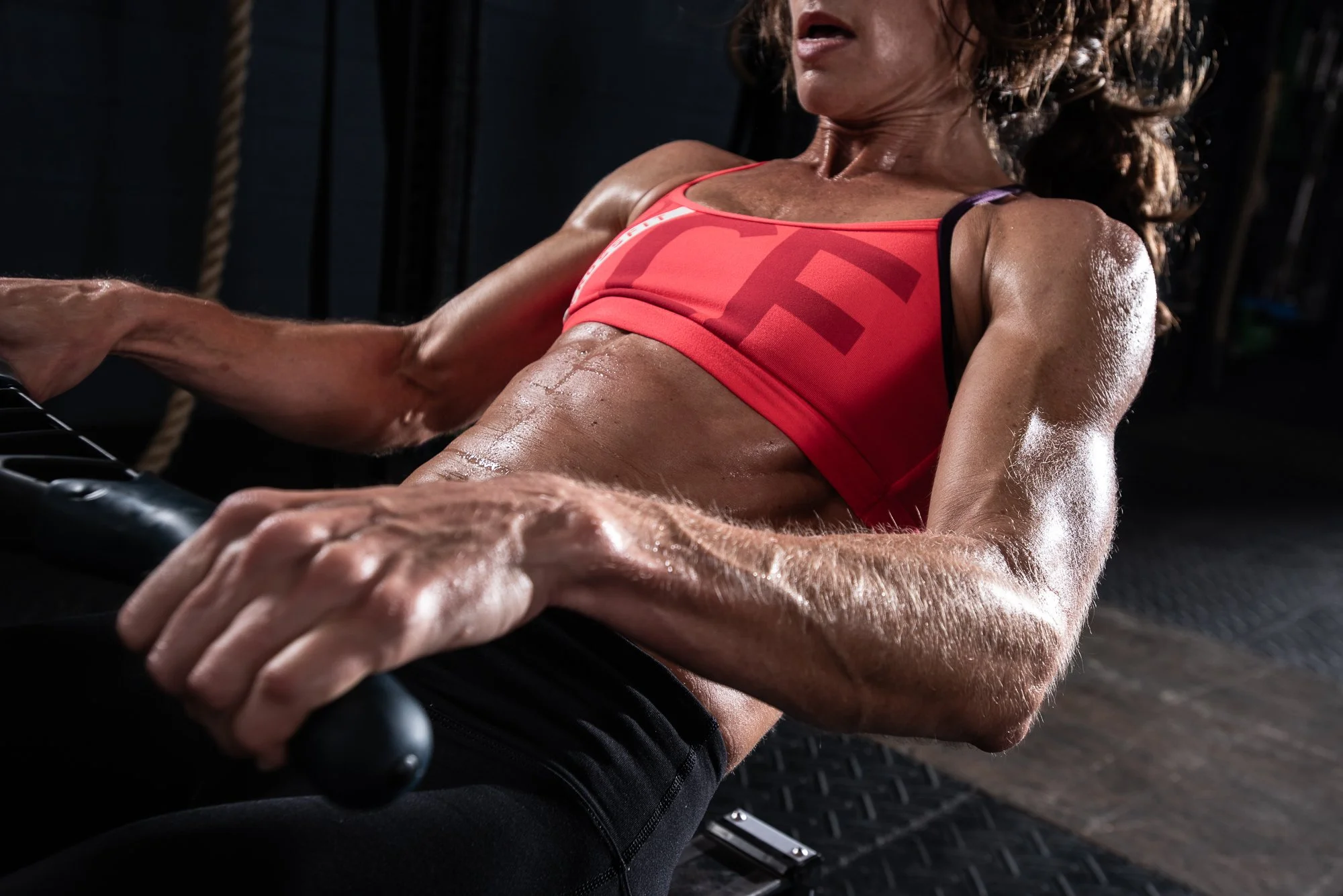
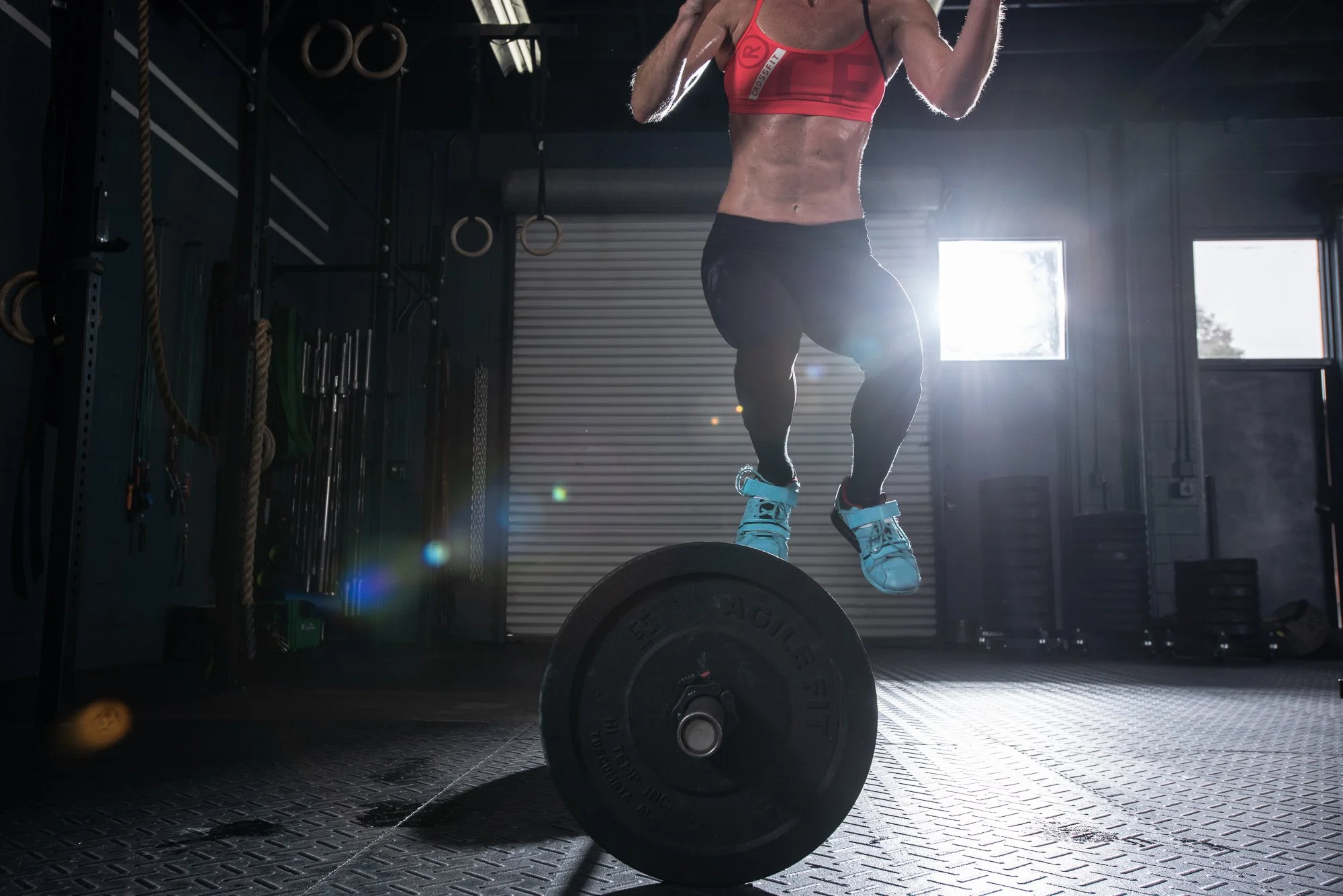
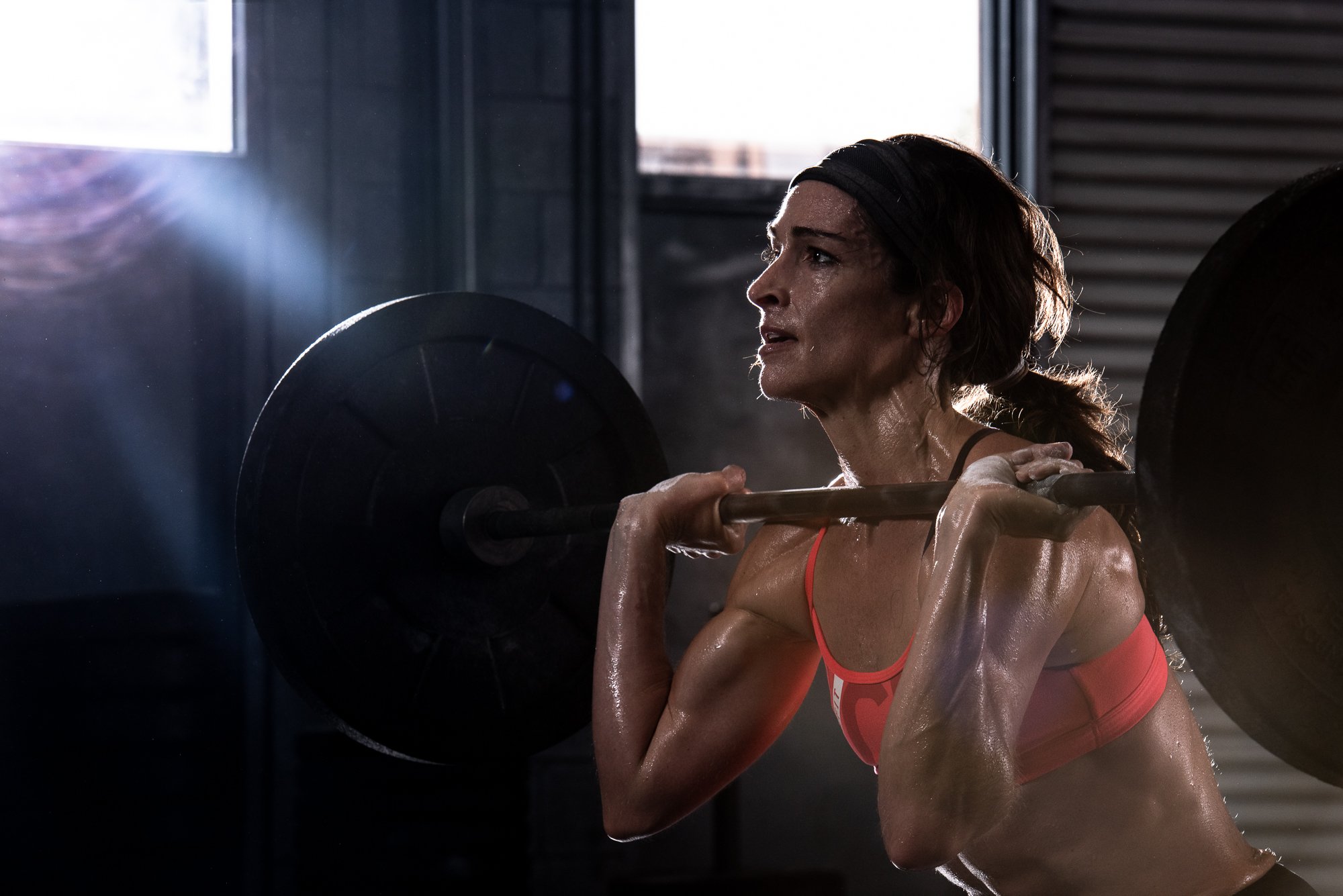
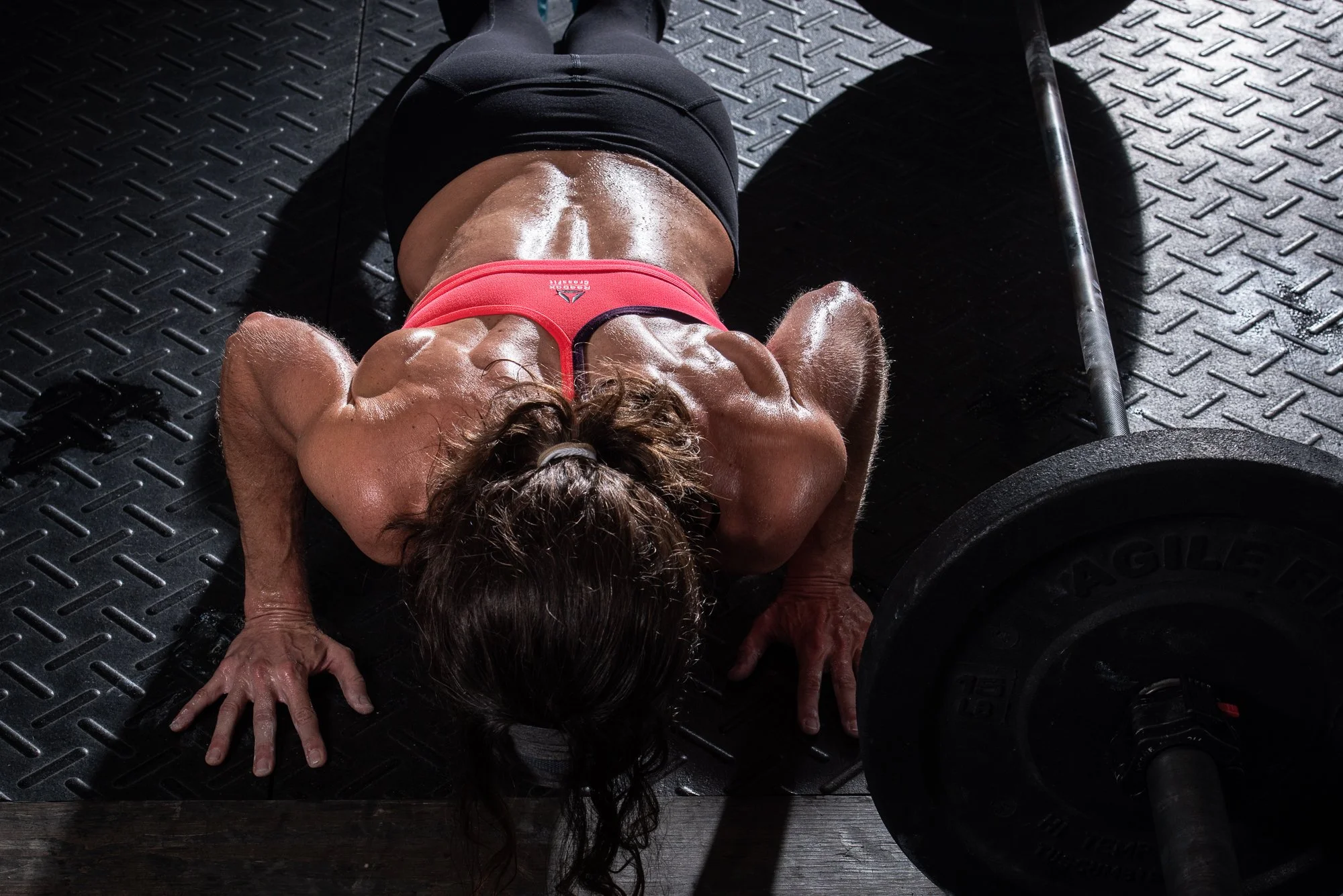
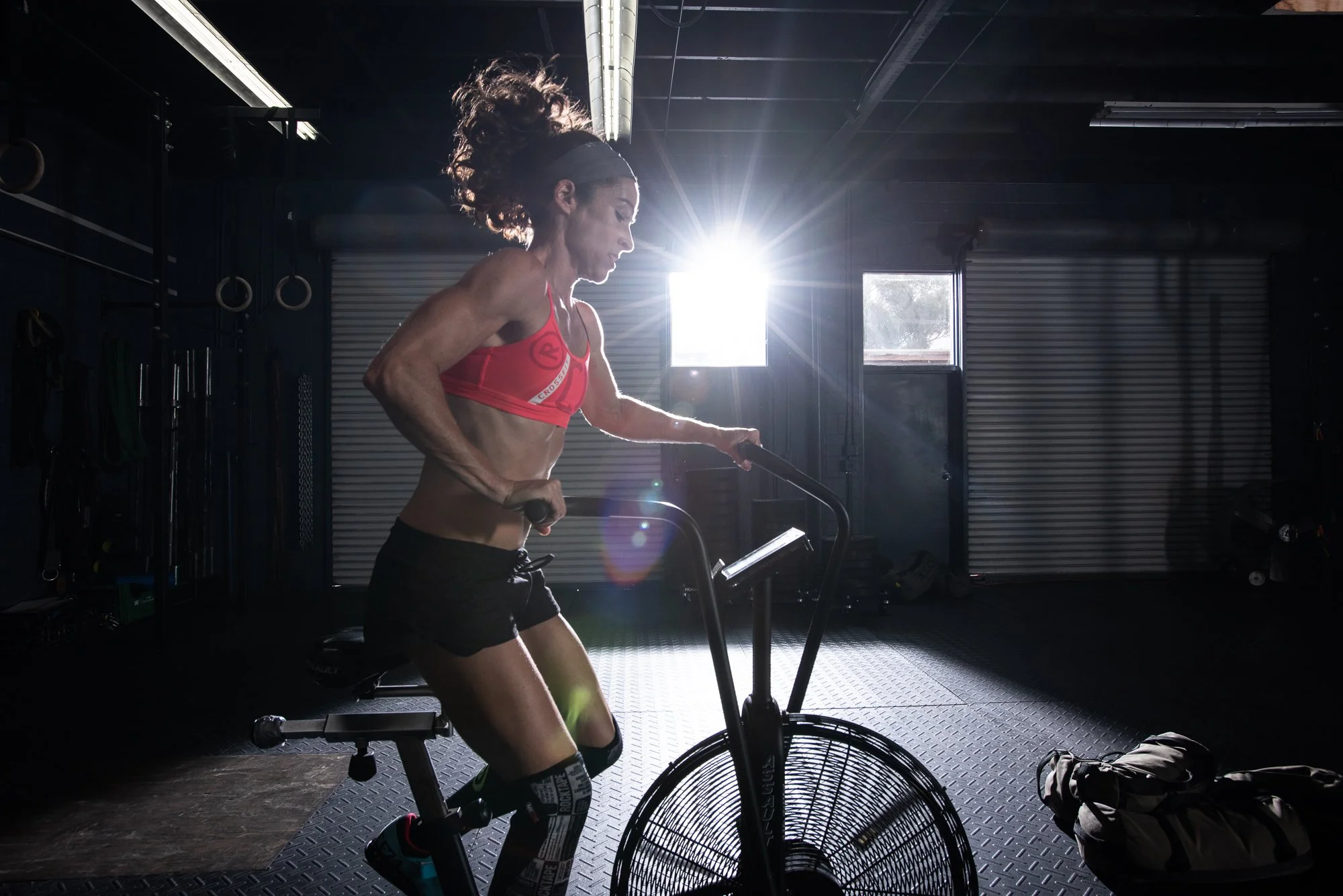
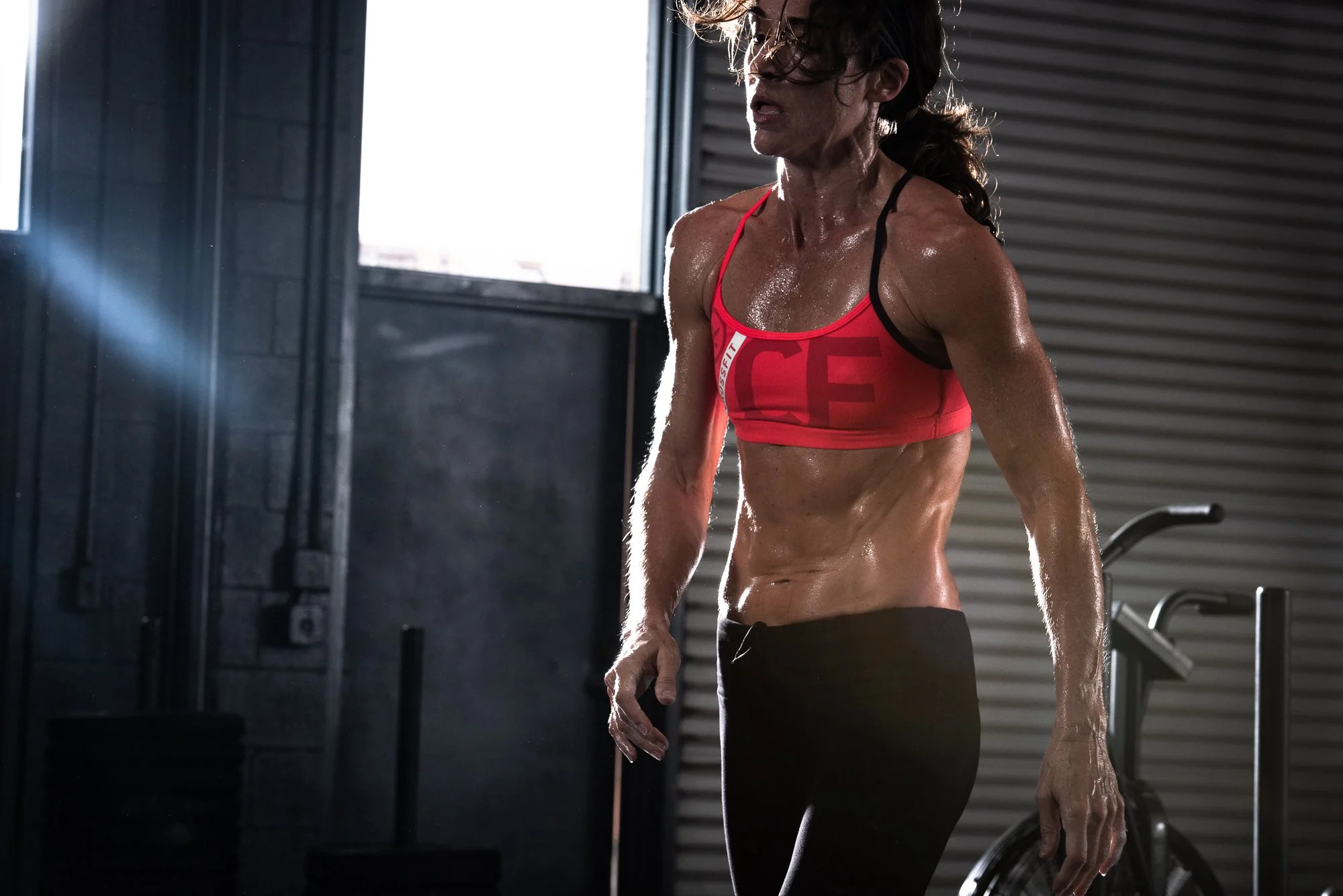
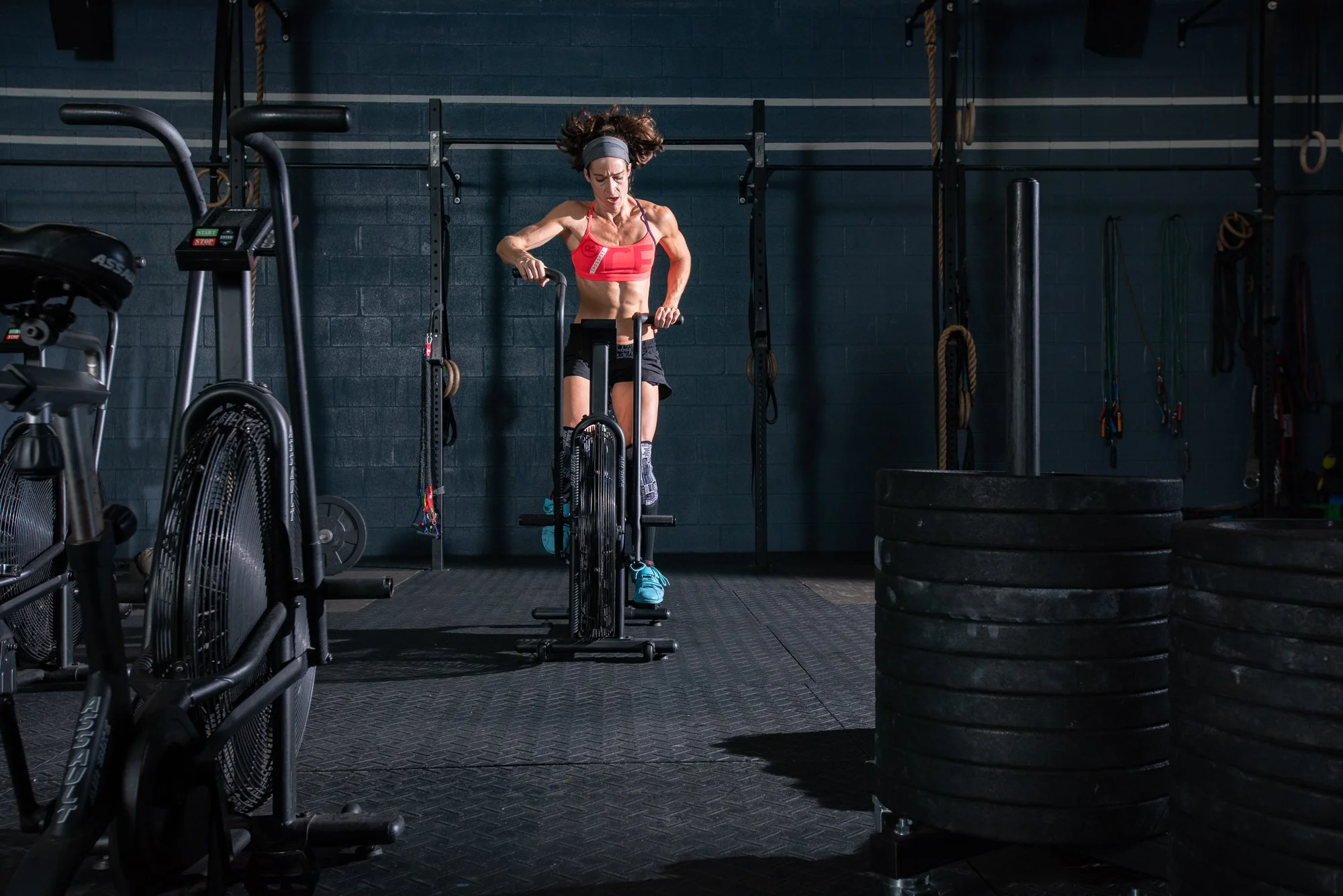
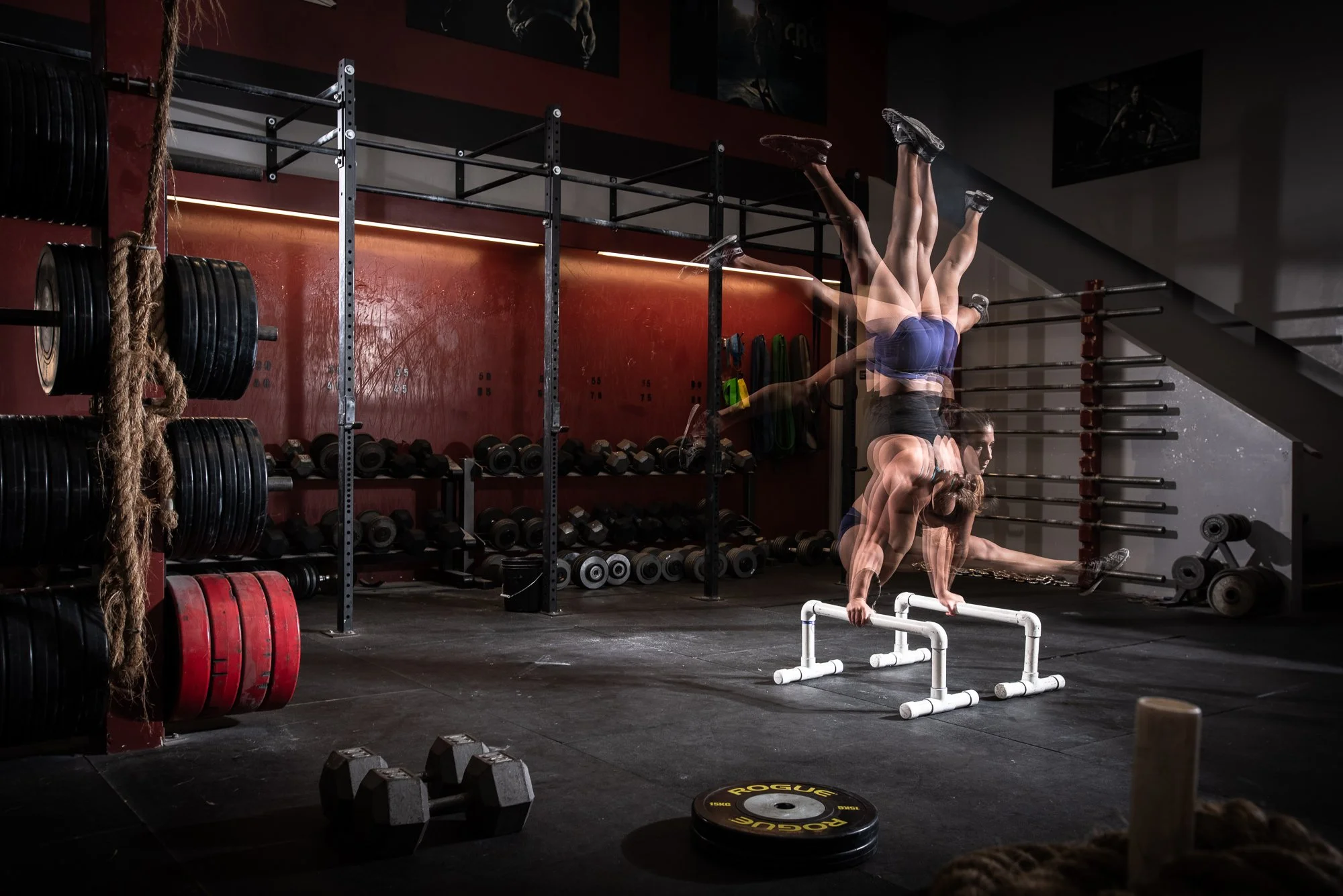
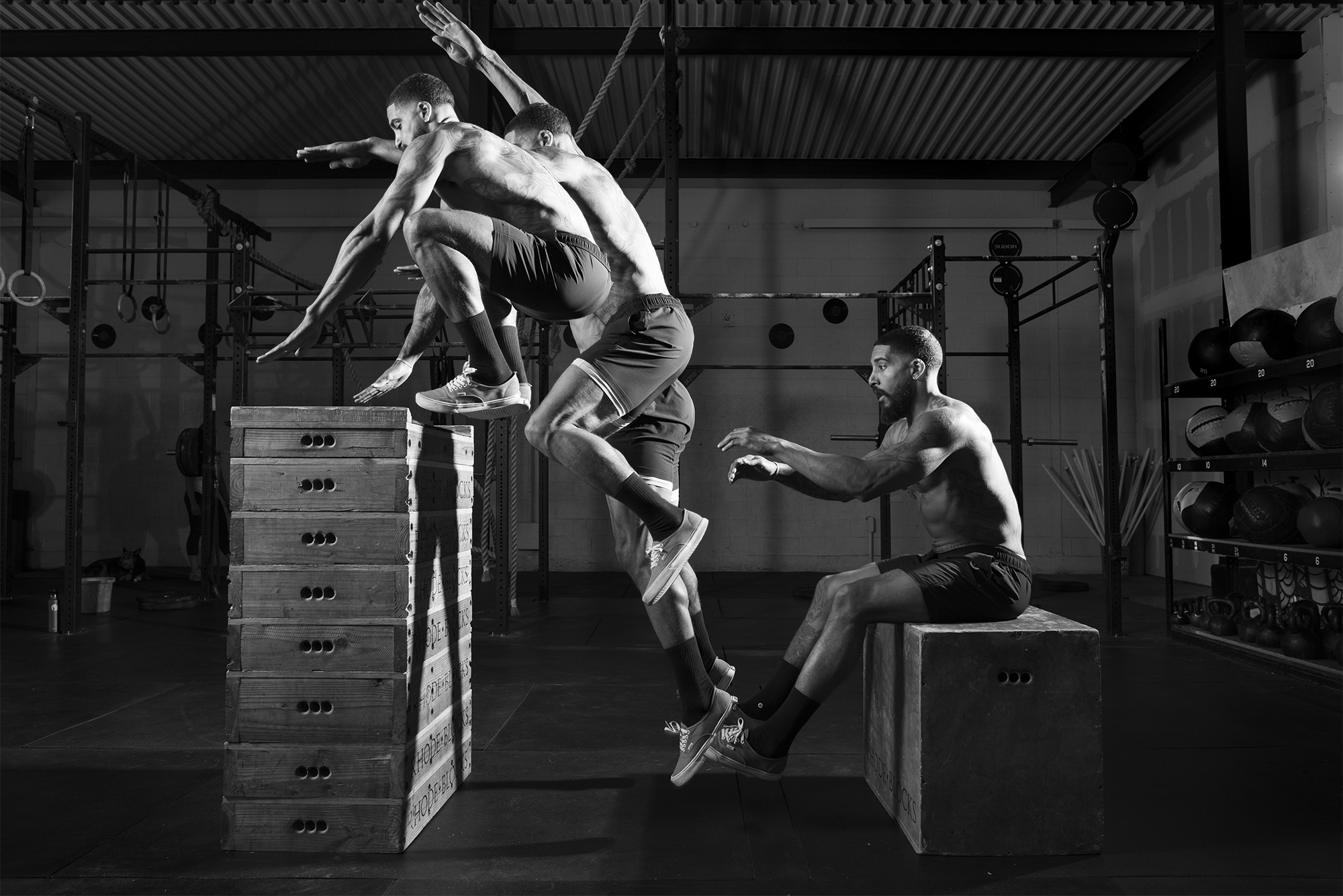
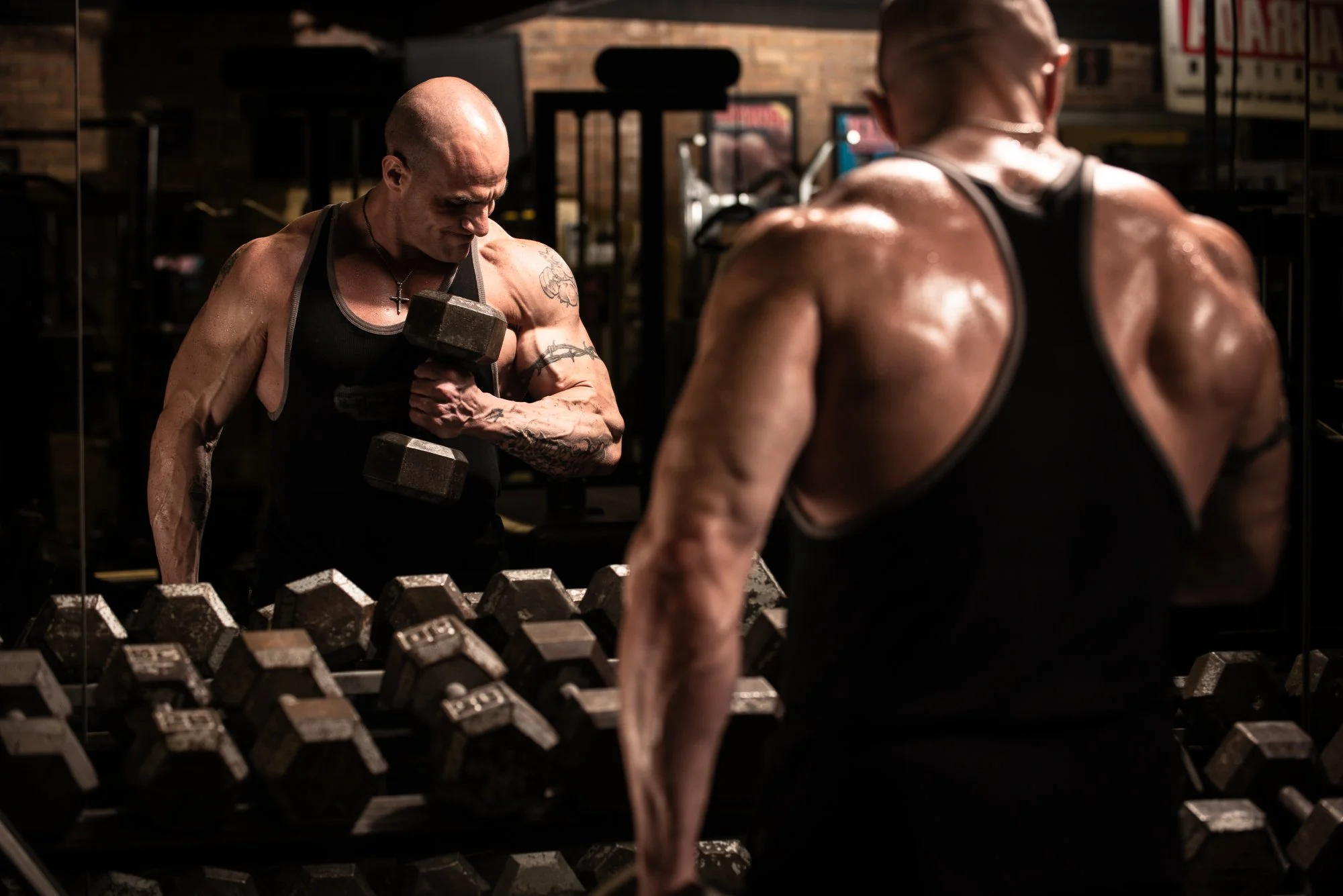
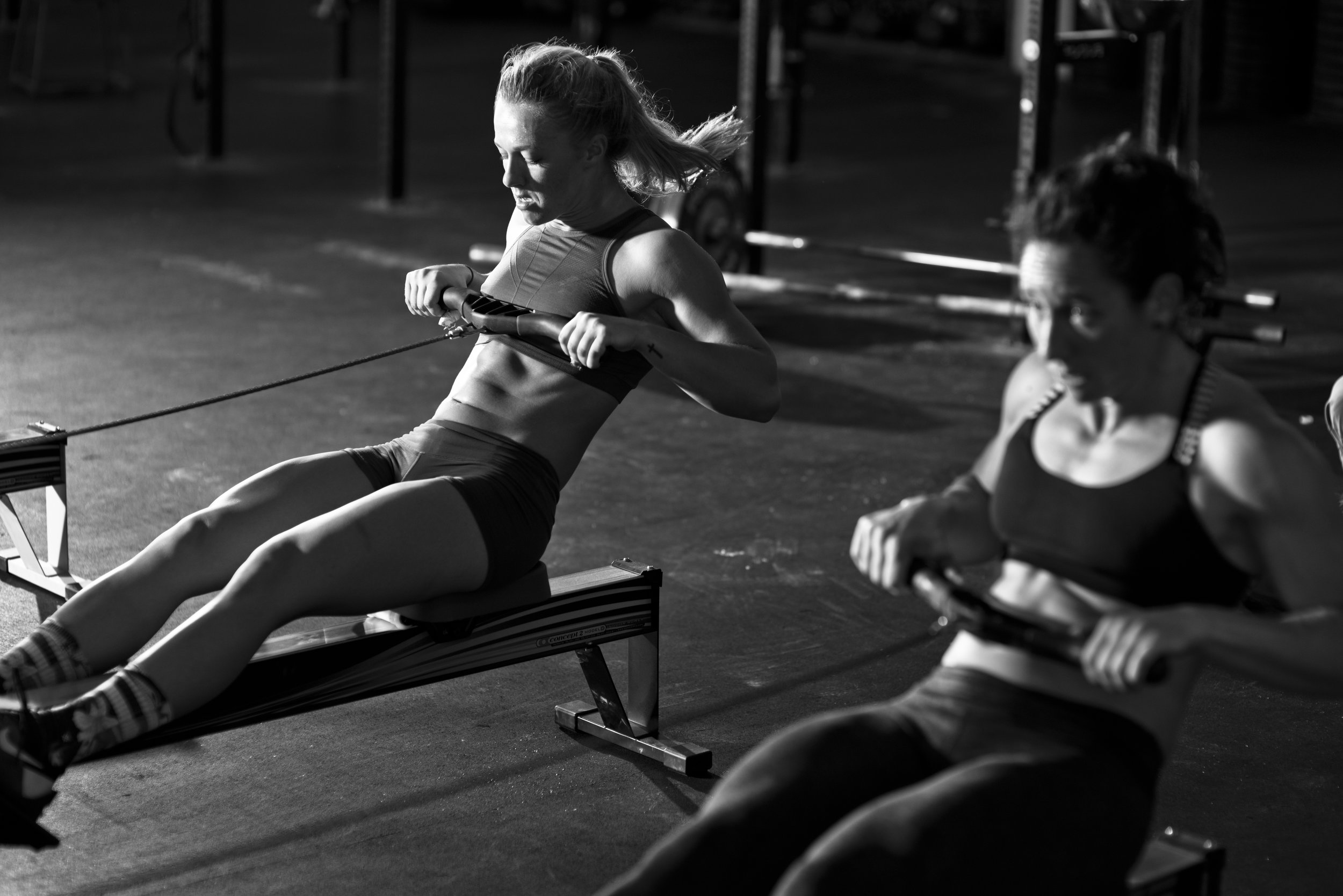
CrossFit is unusually good territory for photography because very little needs to be manufactured. The movement, effort, repetition, exhaustion, chalk, equipment, and interaction between athletes already create the visual language.
The challenge is staying out of the way long enough for those moments to happen.
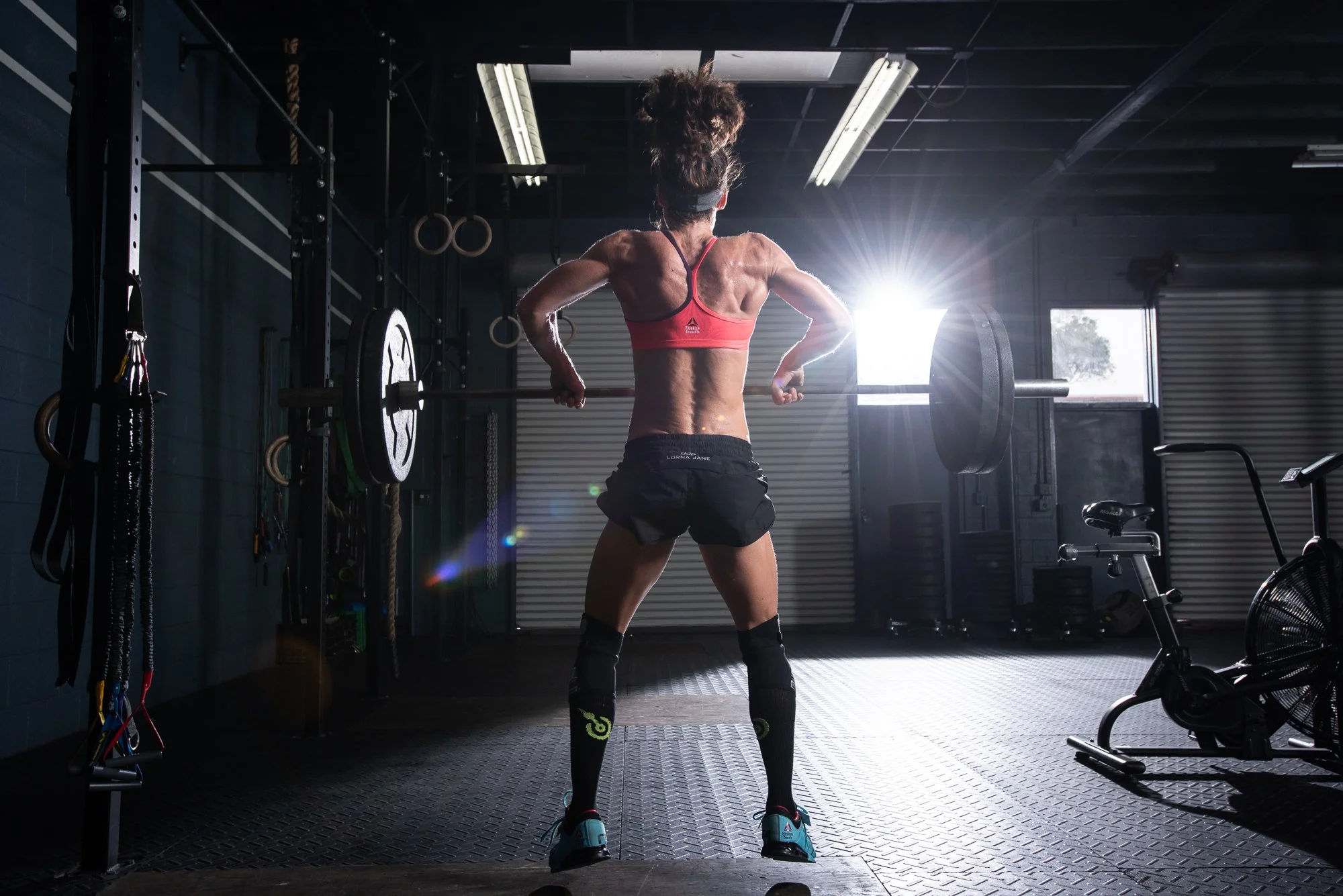
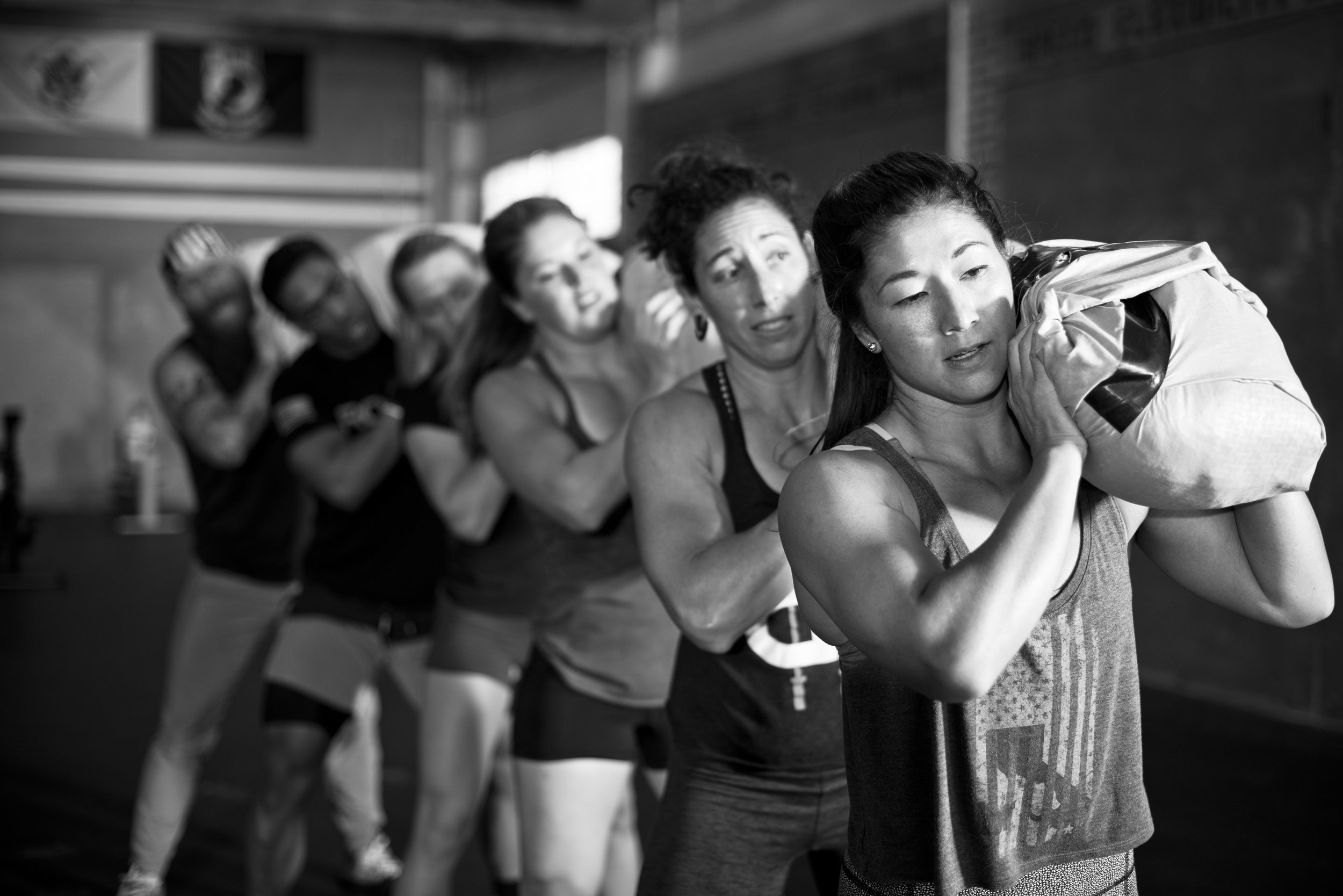
These photographs were made during CrossFit training in Boulder, Colorado, with an approach that has shaped much of my fitness work since: photograph athletes actually training rather than repeatedly stopping workouts to manufacture photographs.
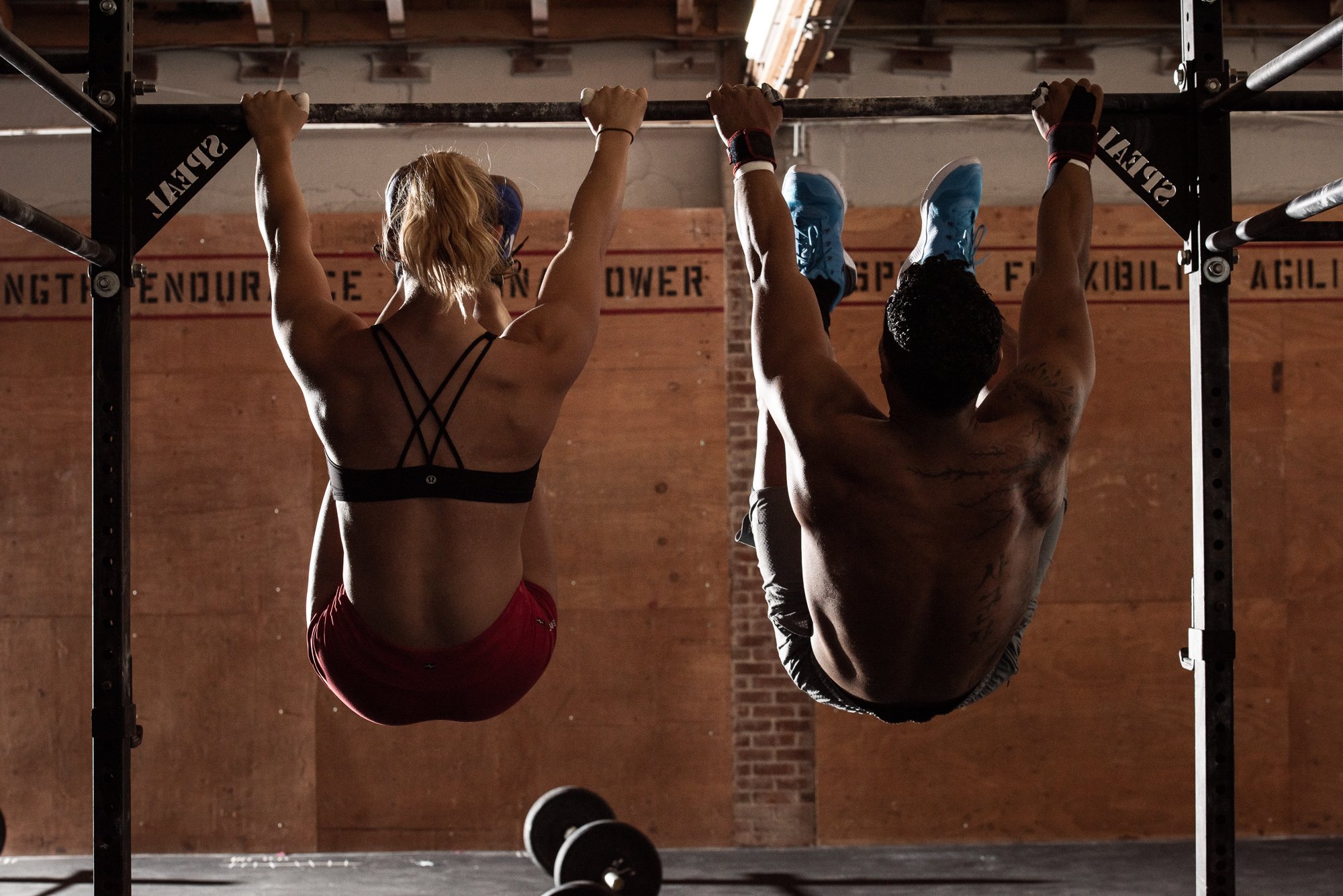
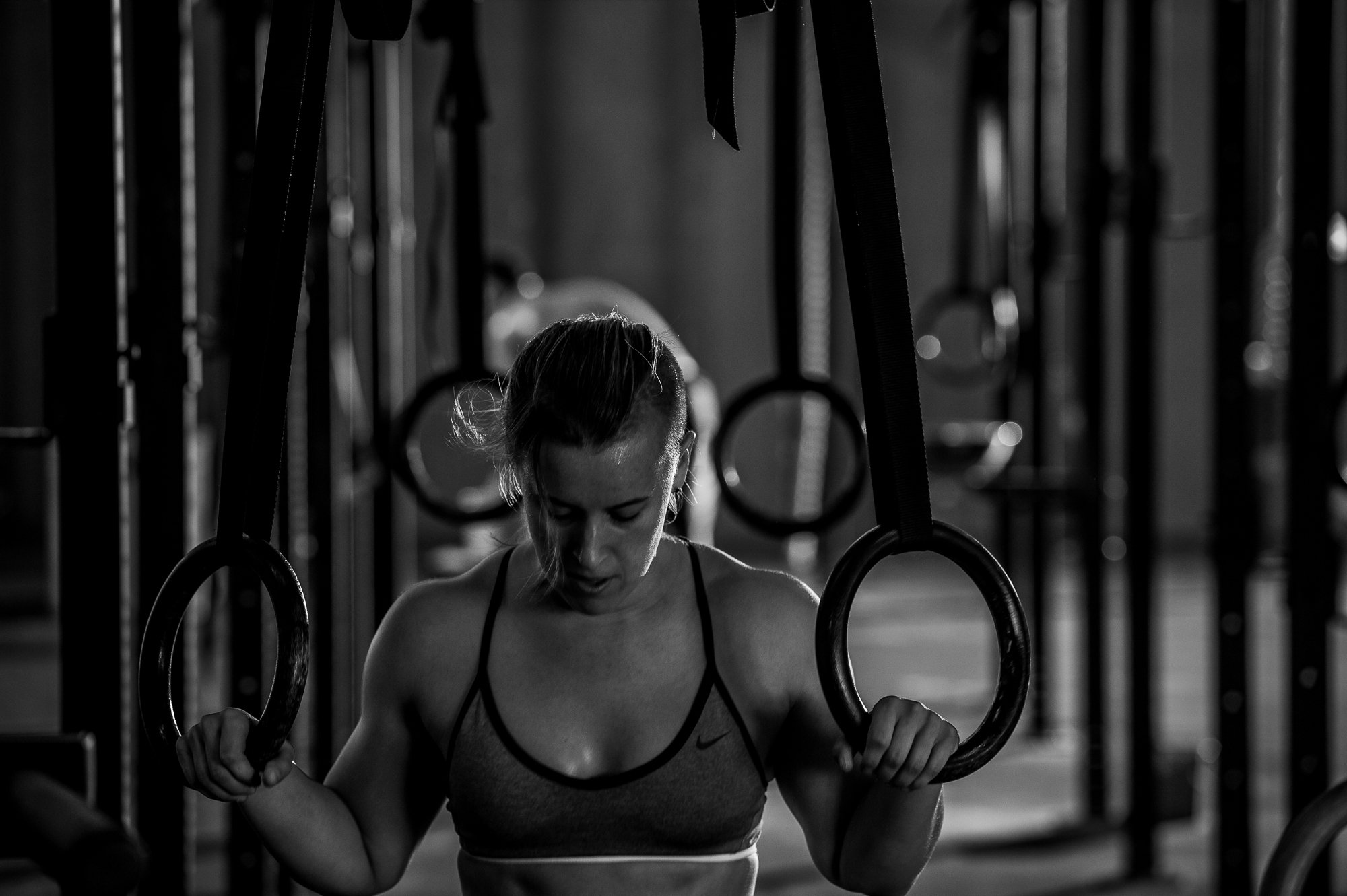
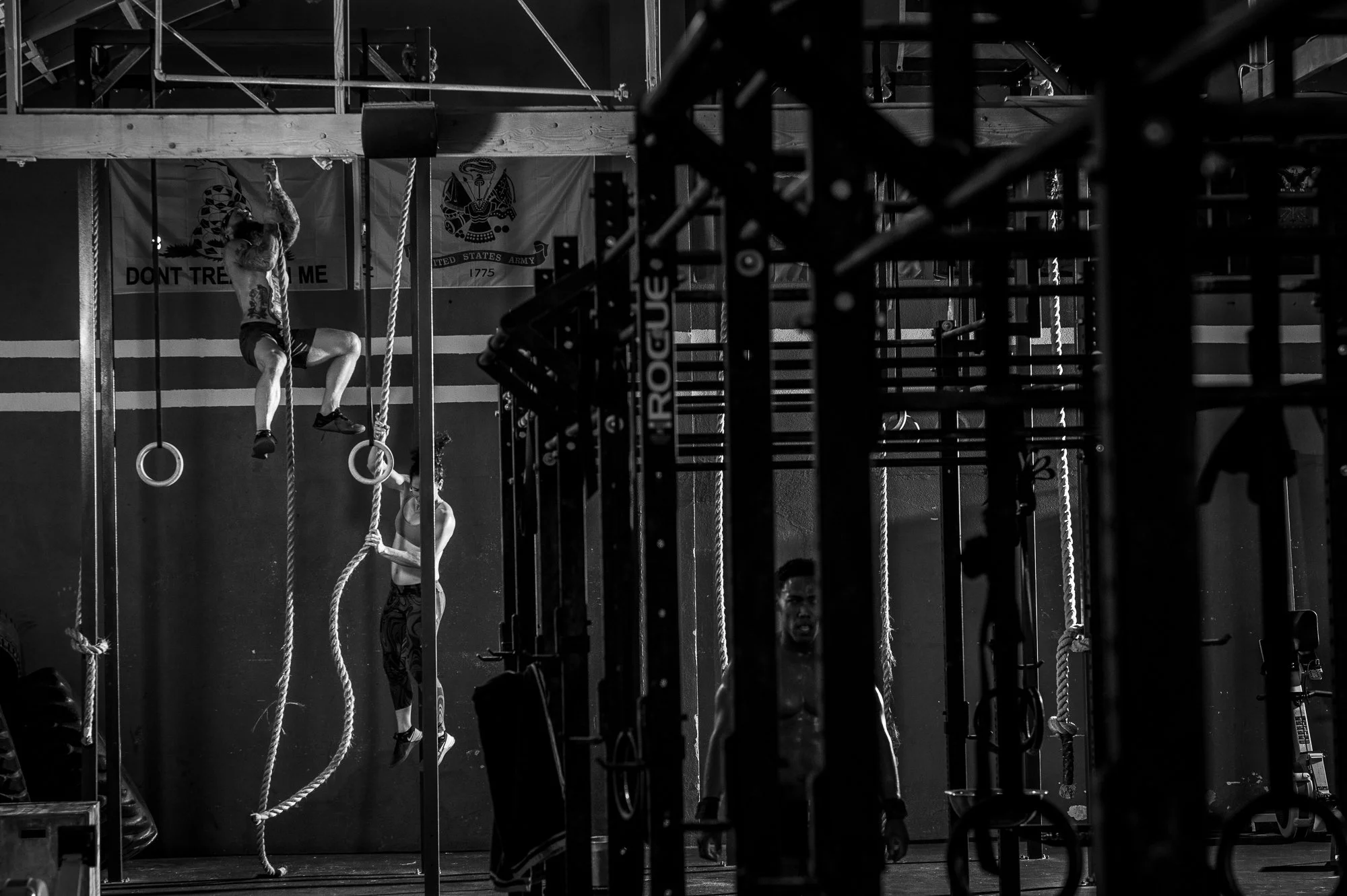
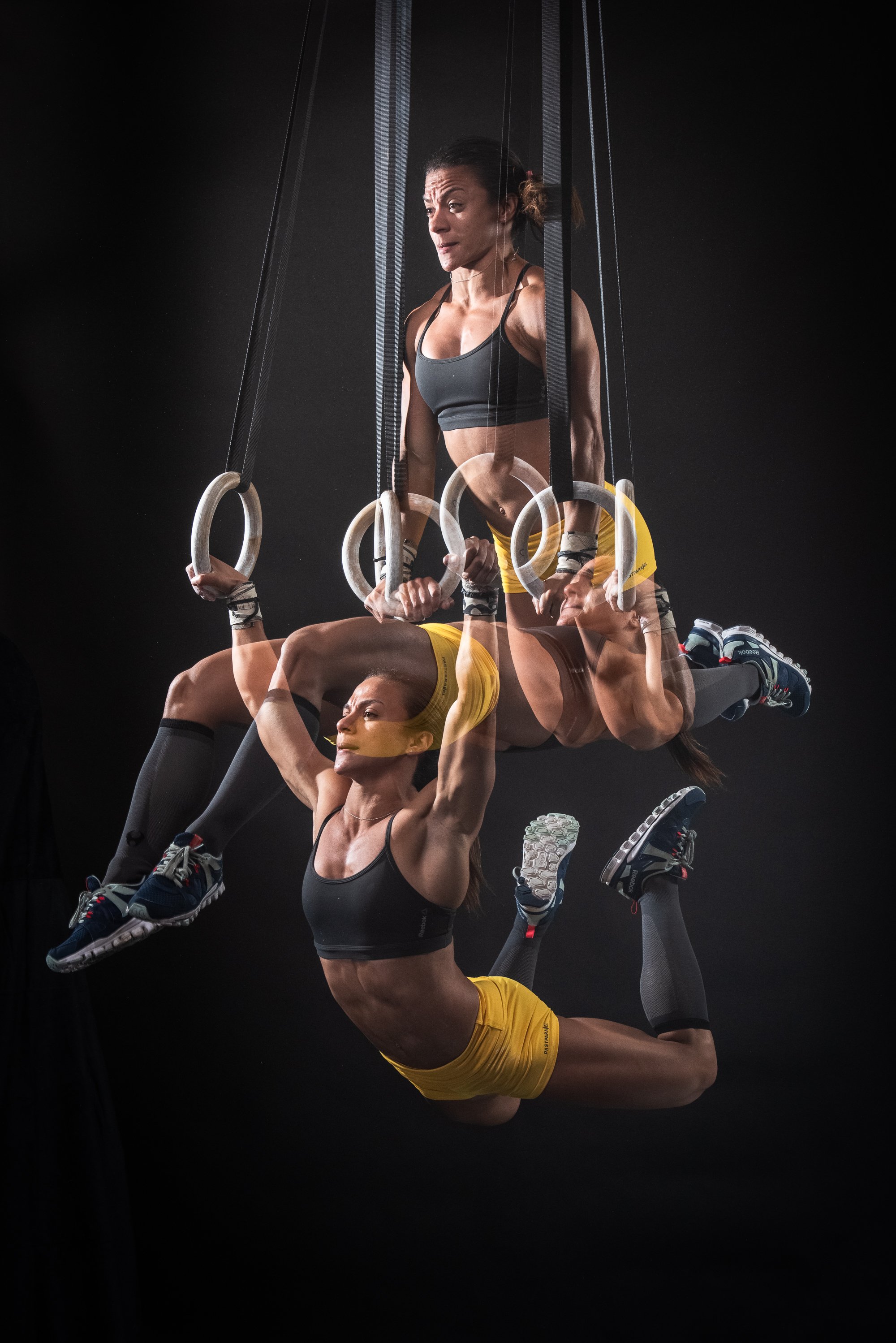
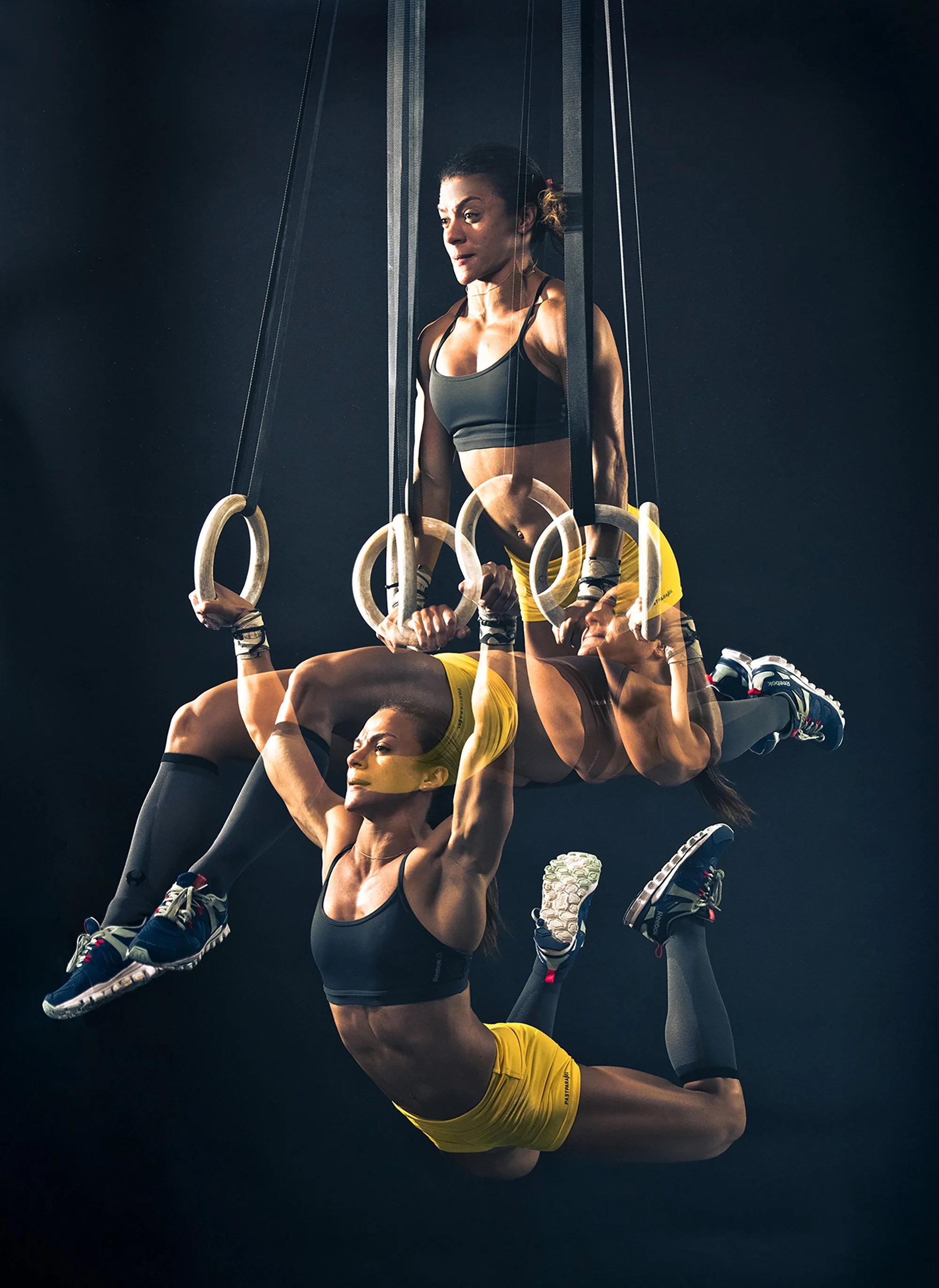
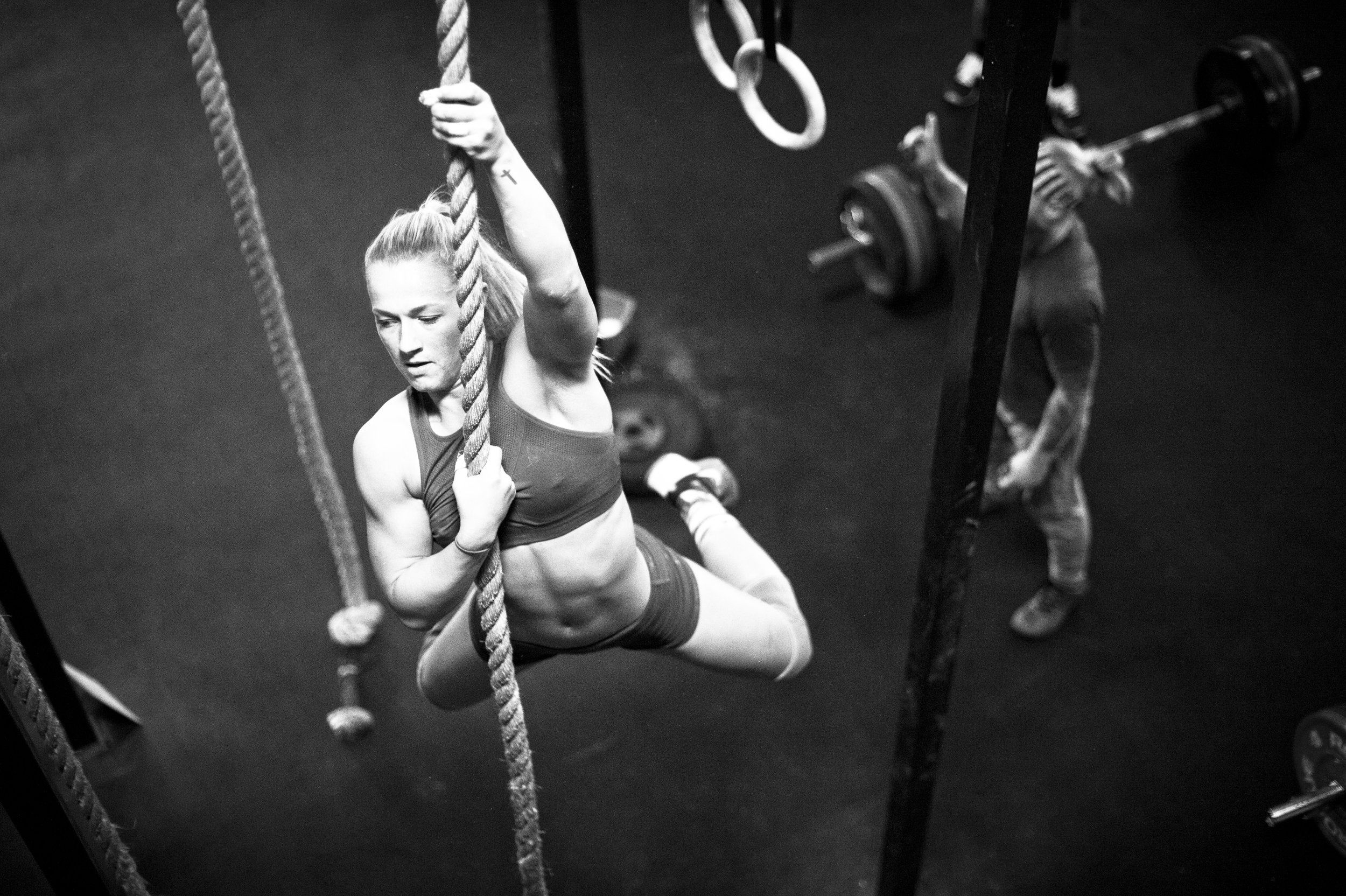
Two athletes hang from the pull-up rig doing toes-to-bar during a CrossFit training session in Boulder.
Photographing the Training, Not Recreating It
There is a noticeable difference between someone performing an exercise for a camera and someone actually training.
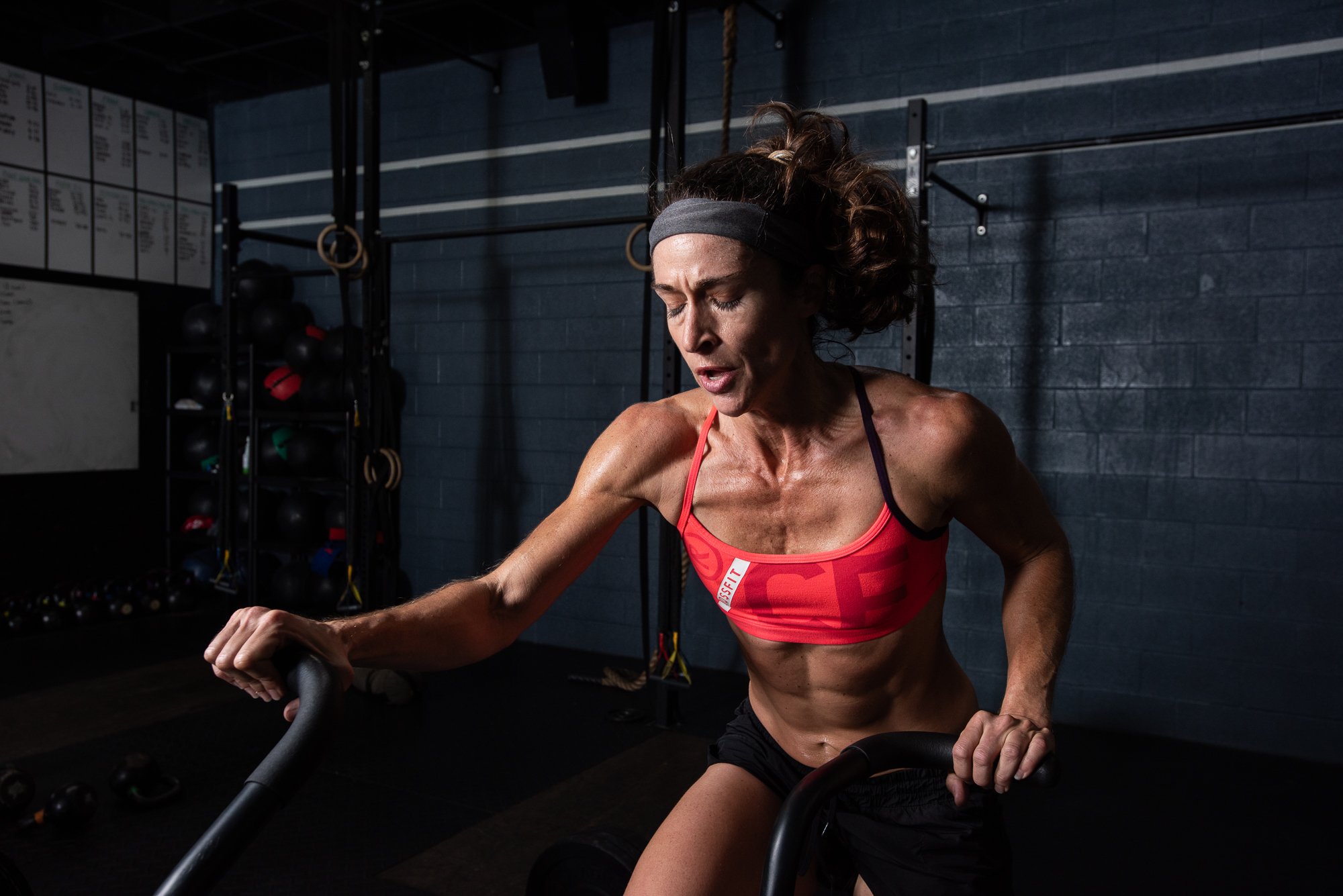
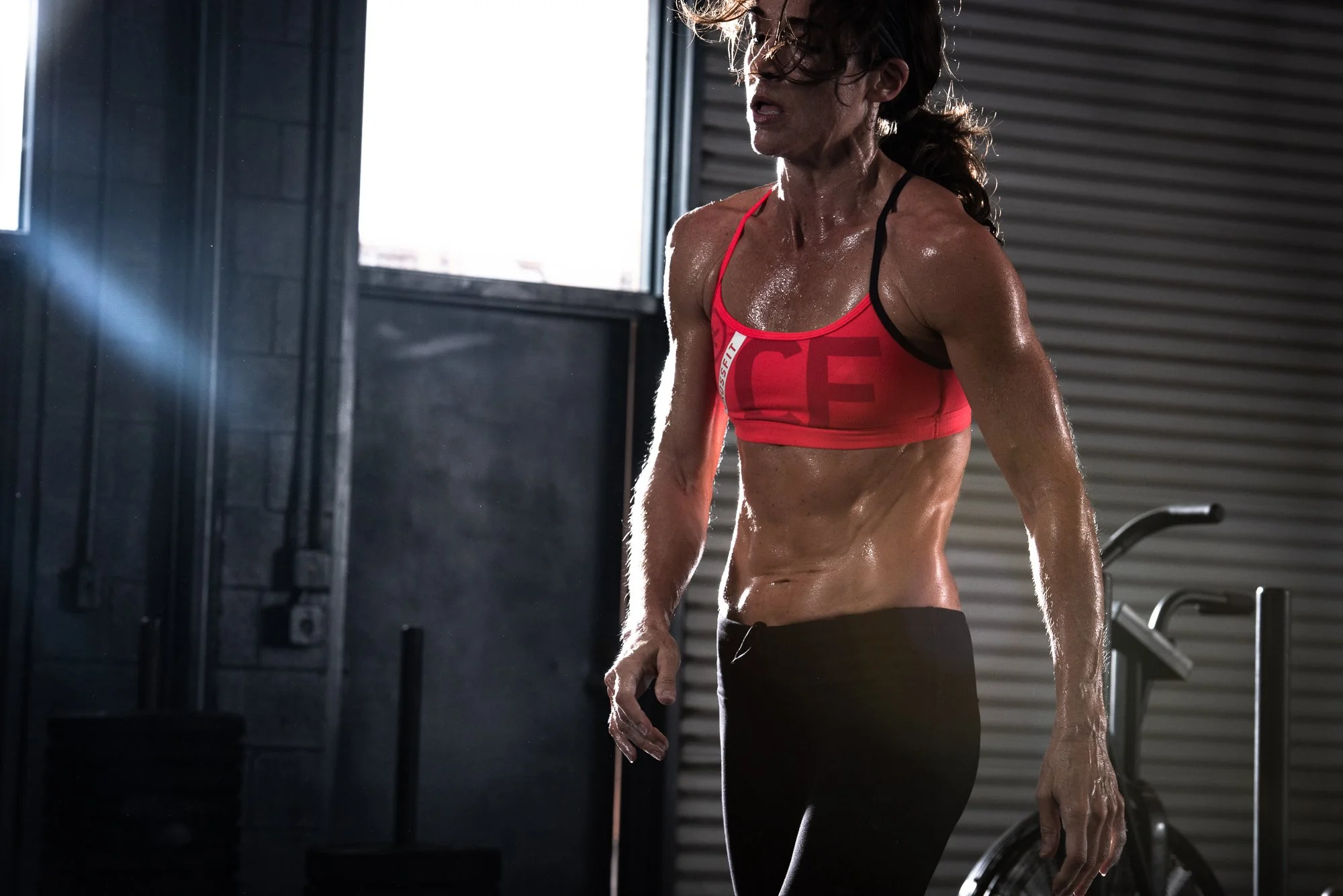
Body language changes. Expressions change. Fatigue accumulates. The gym gets messy. Athletes stop thinking about the photographer.
That's usually when the interesting photographs start happening.
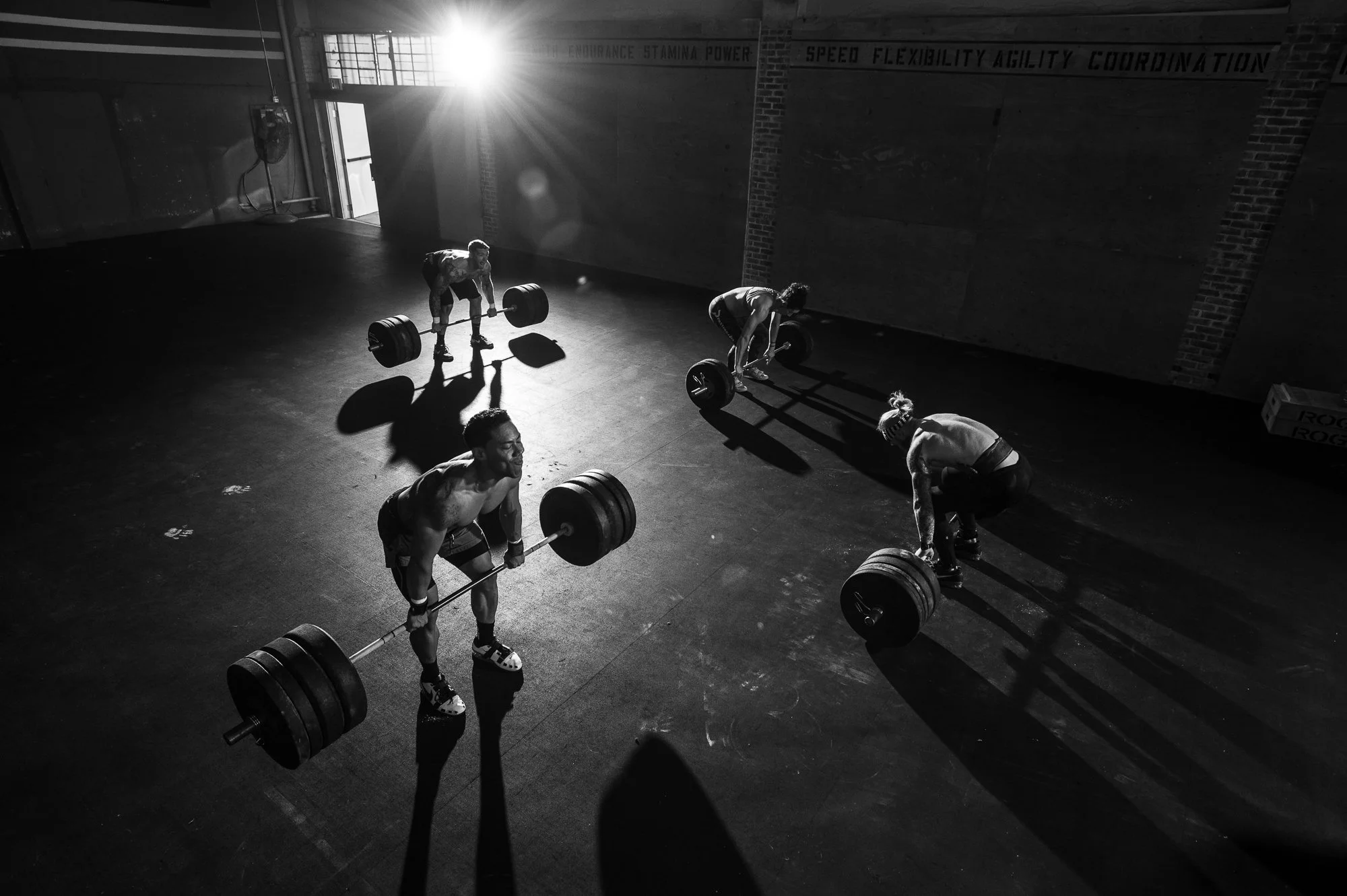
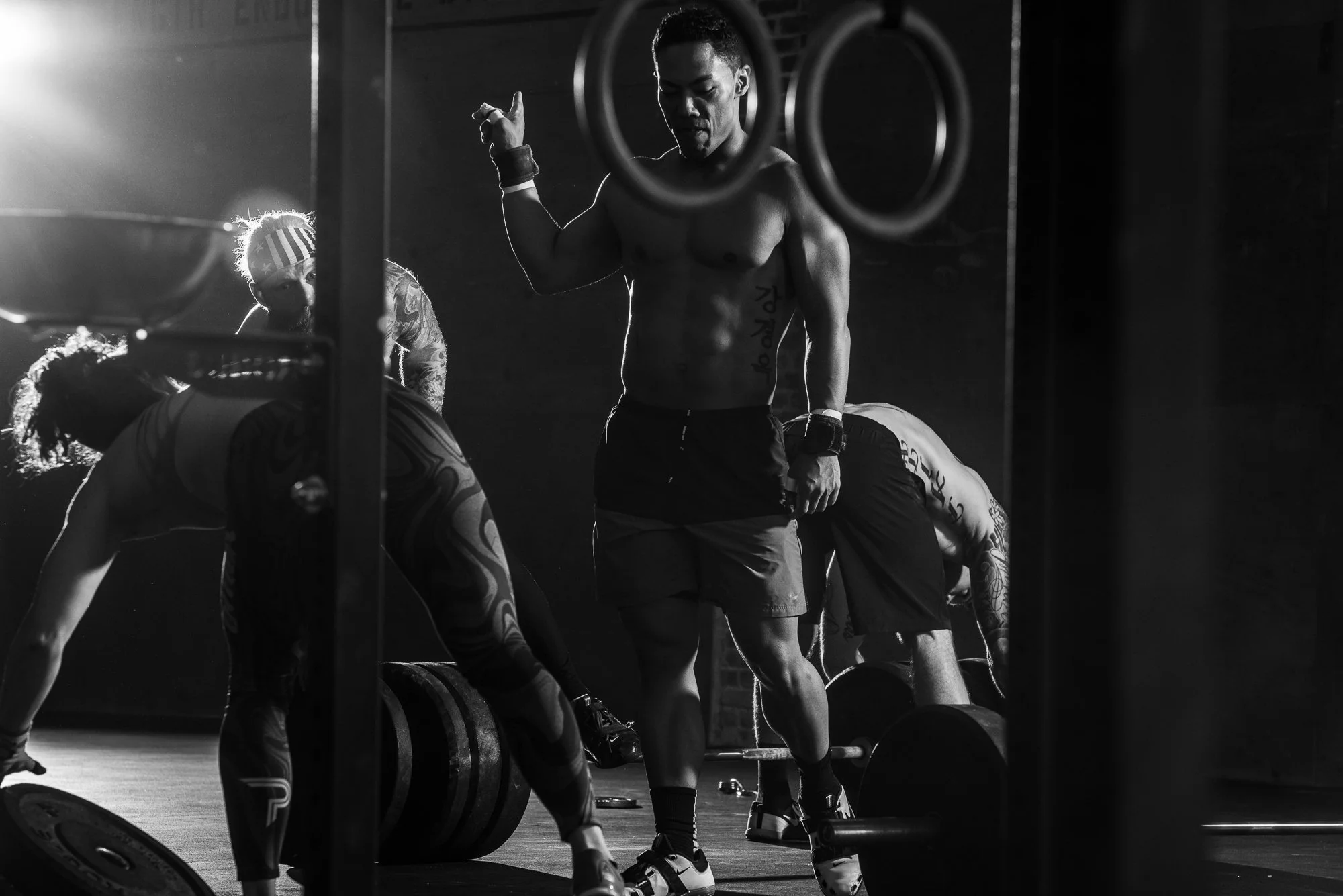
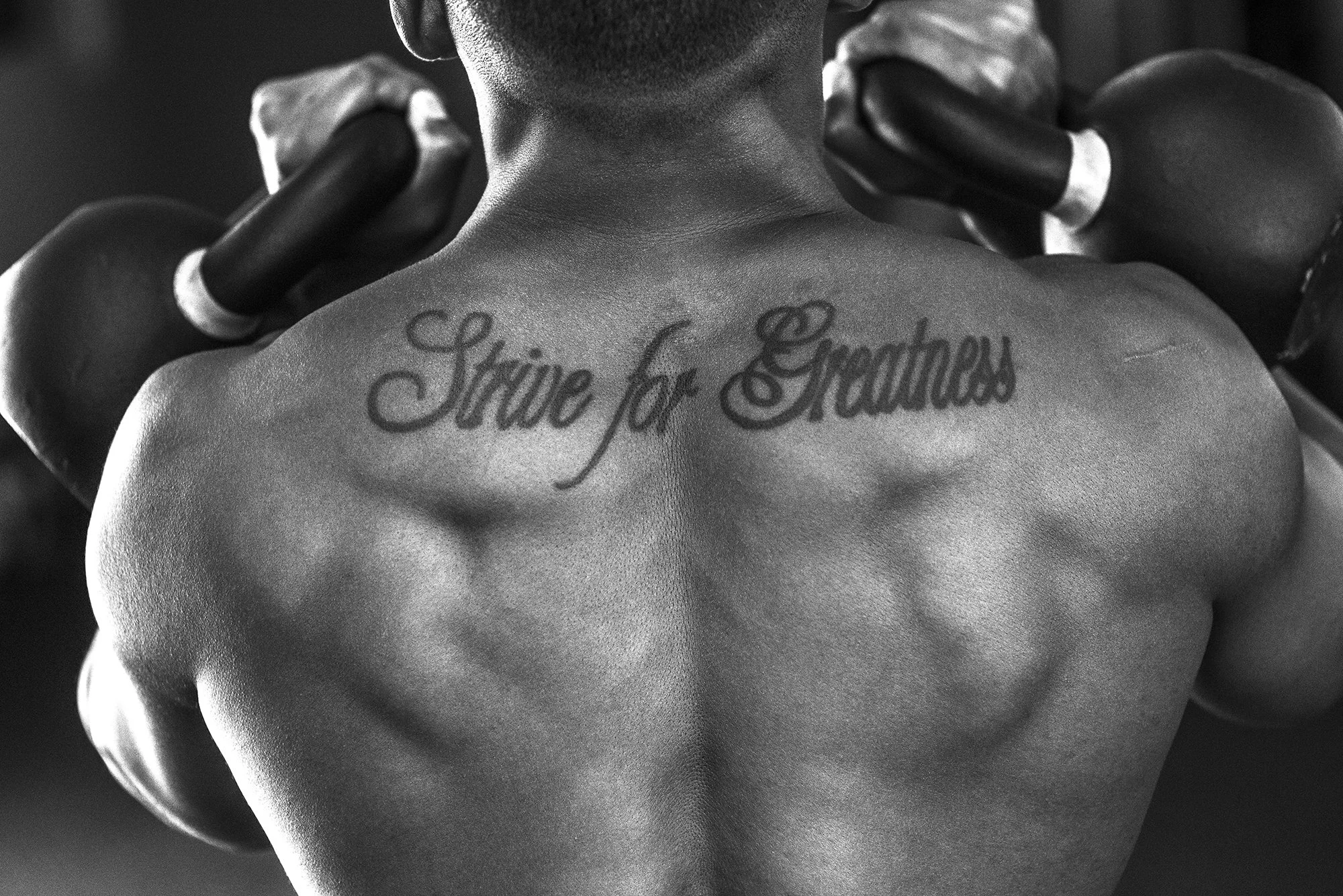
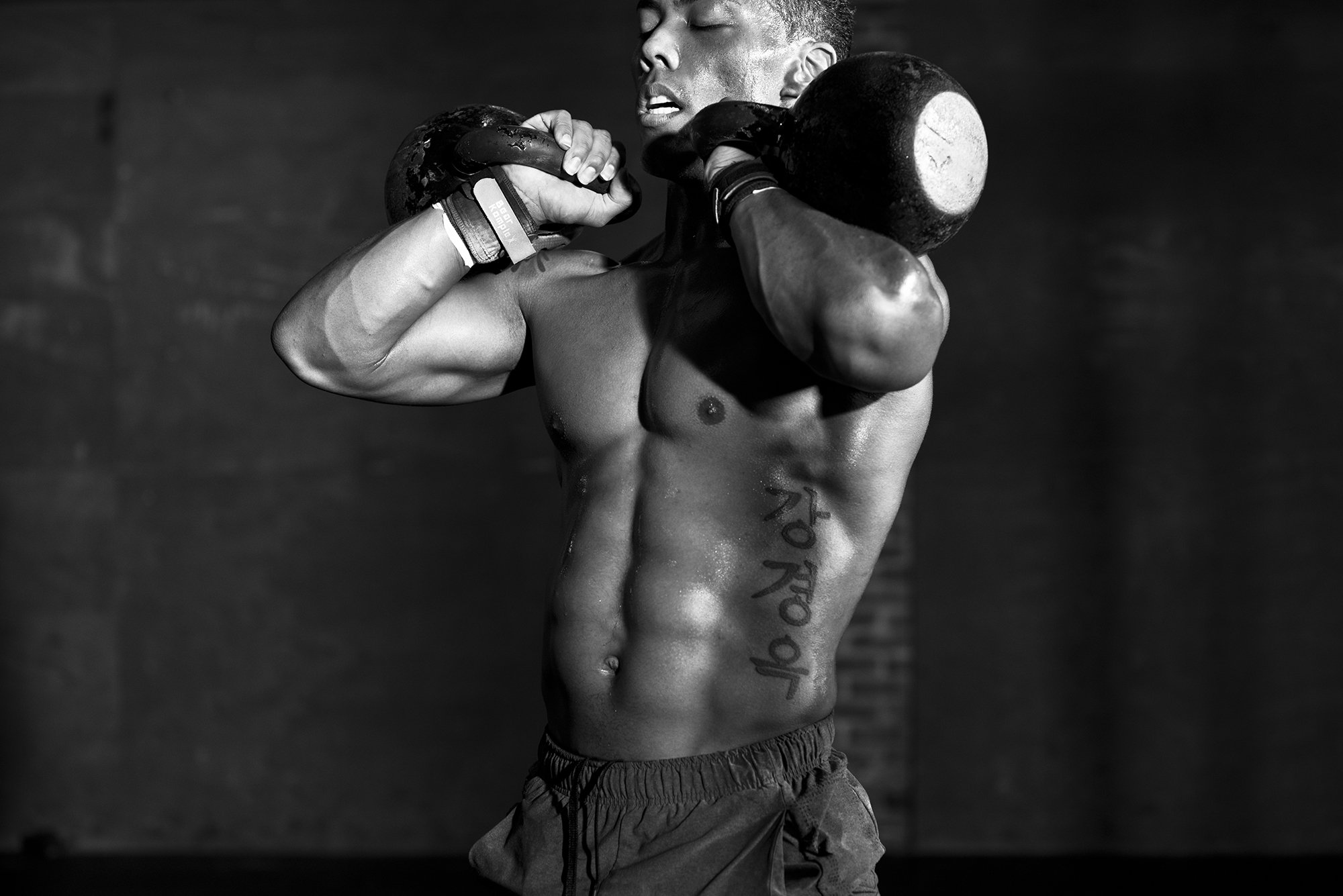
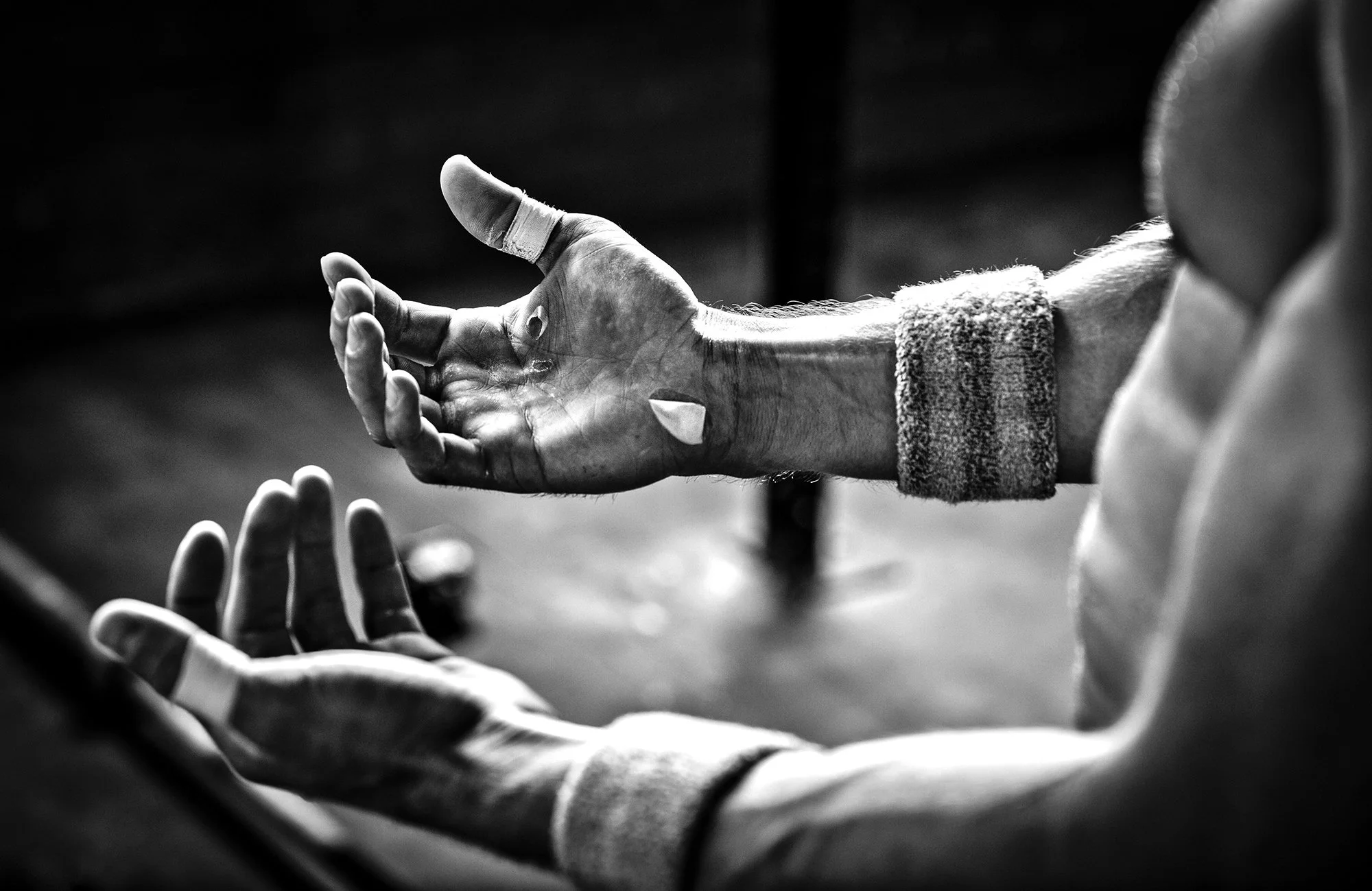
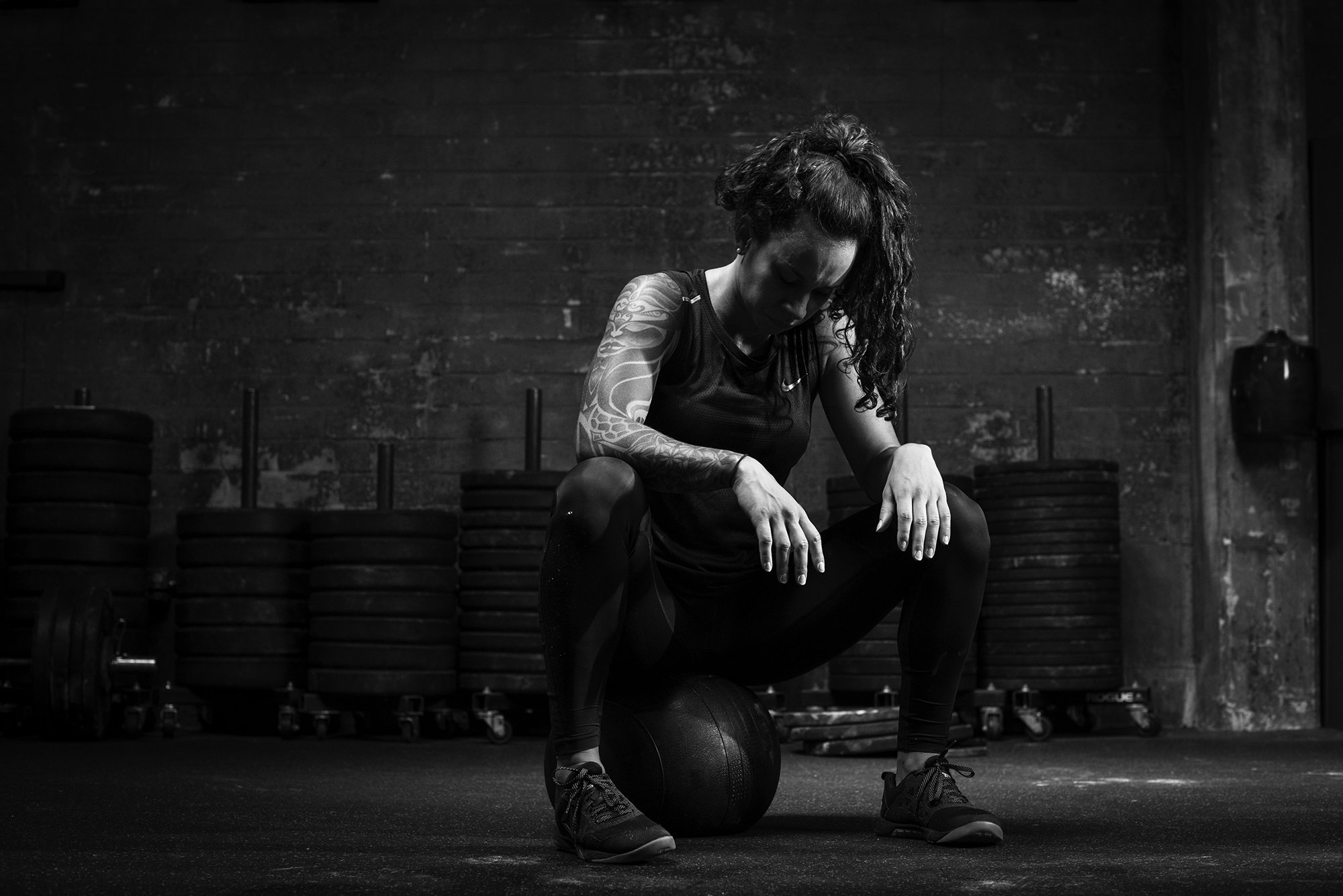
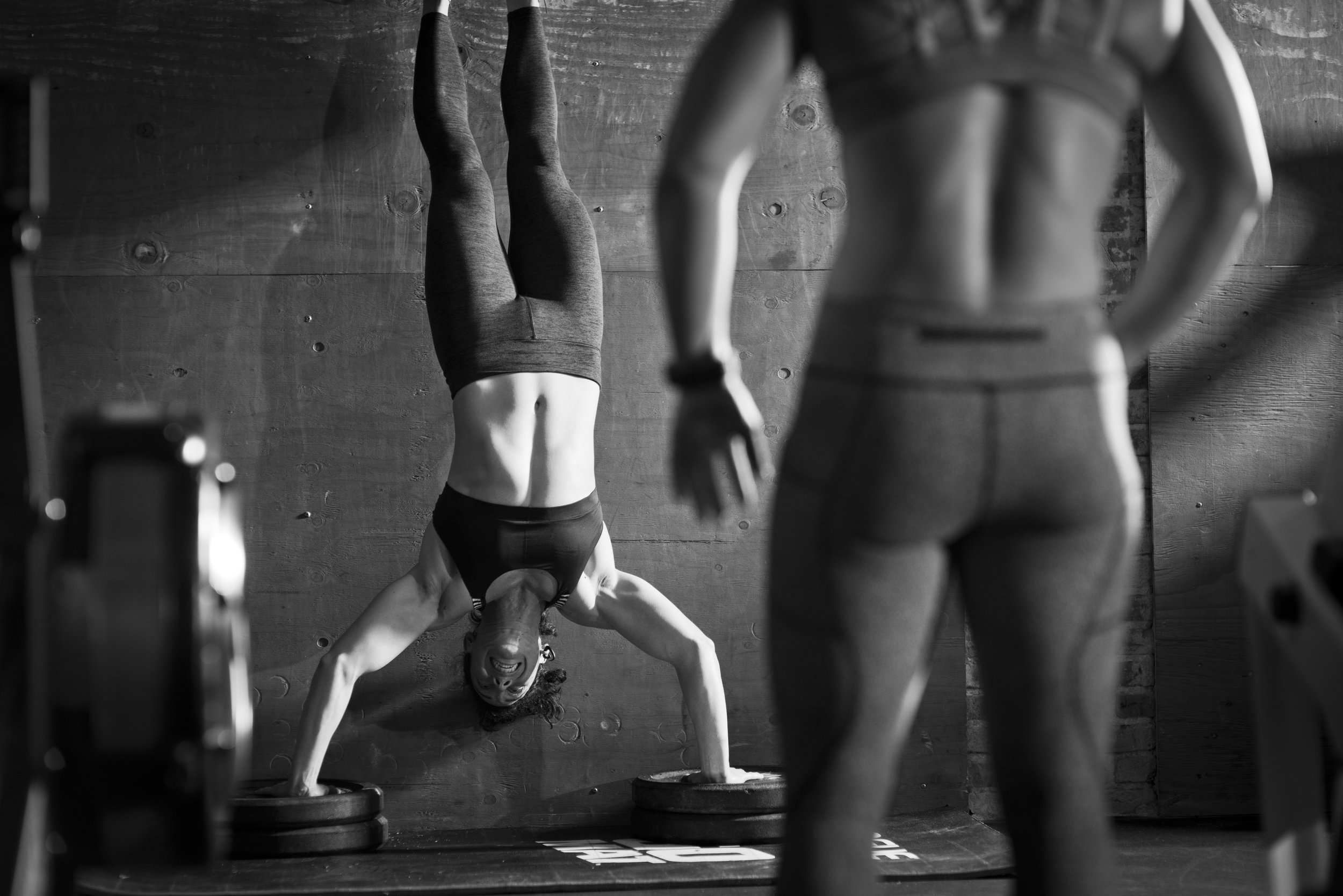
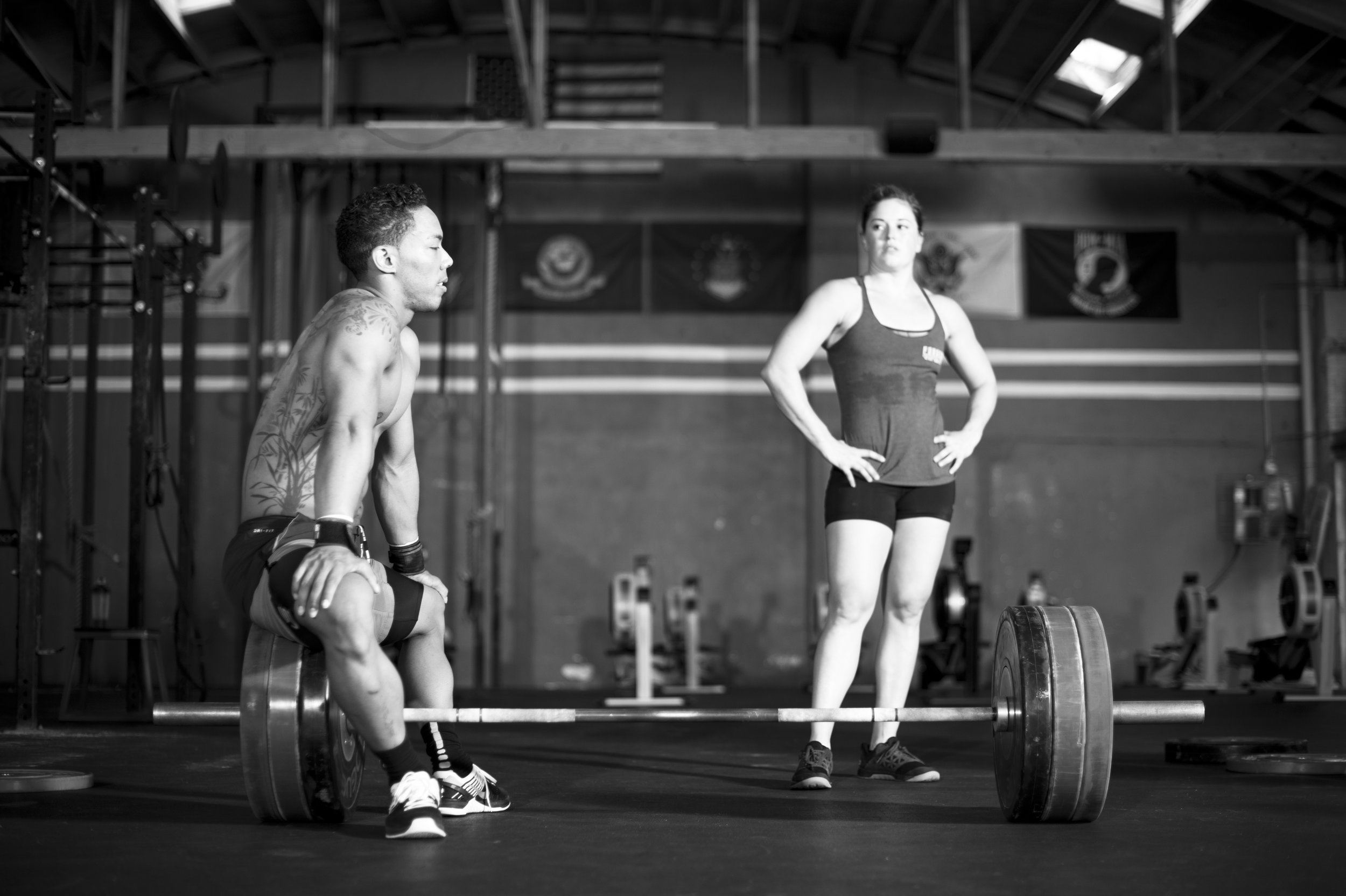
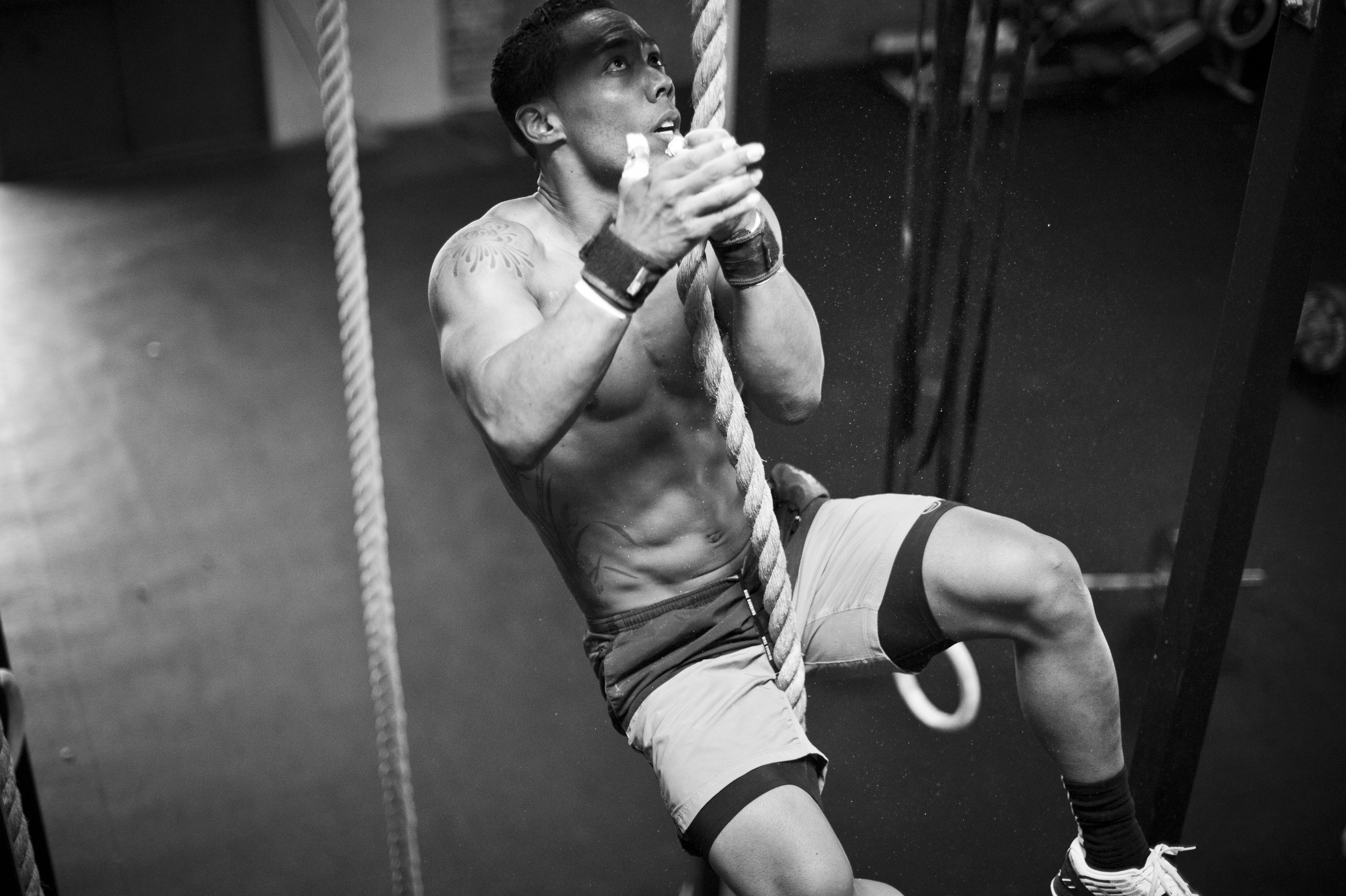
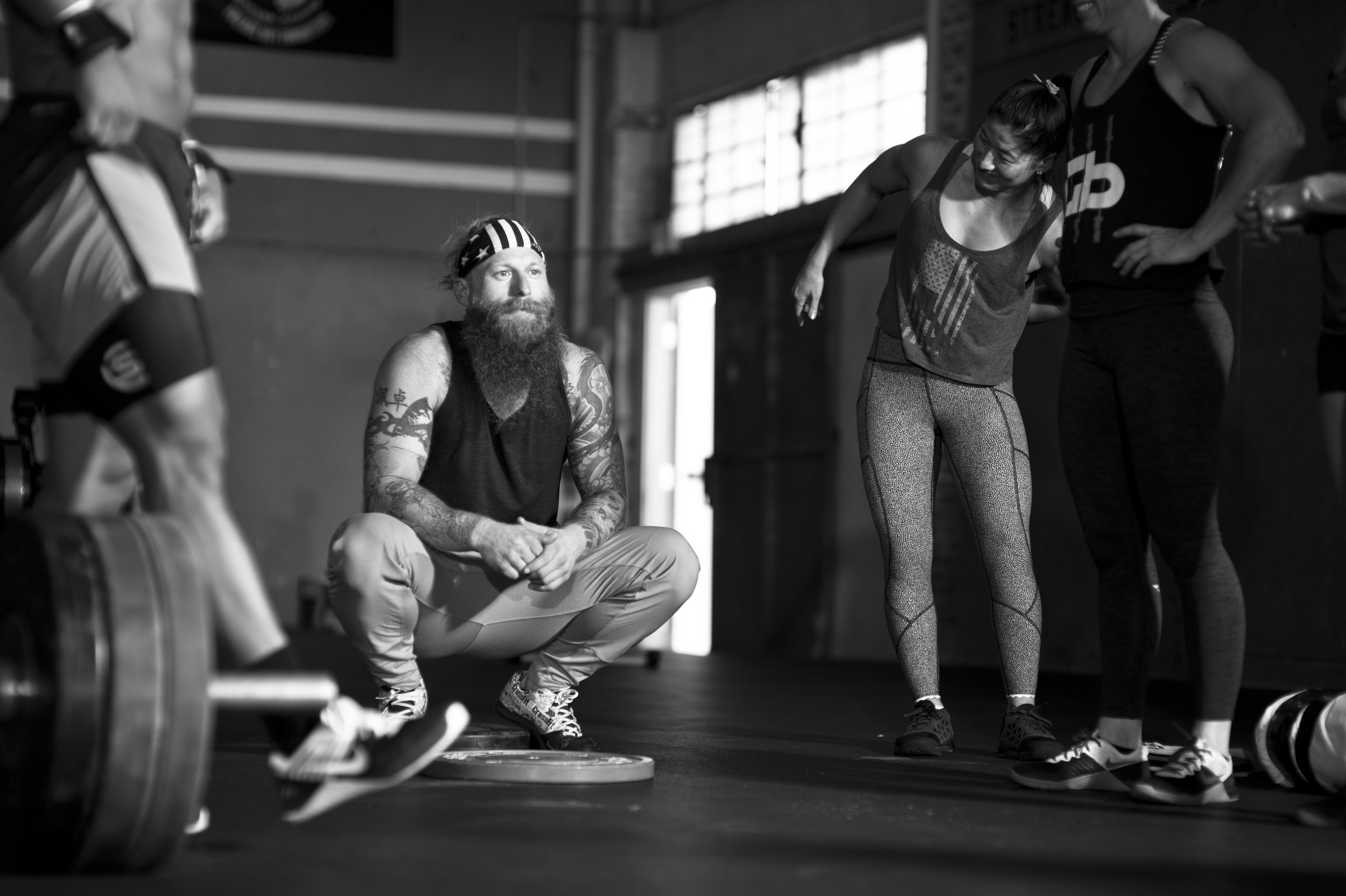
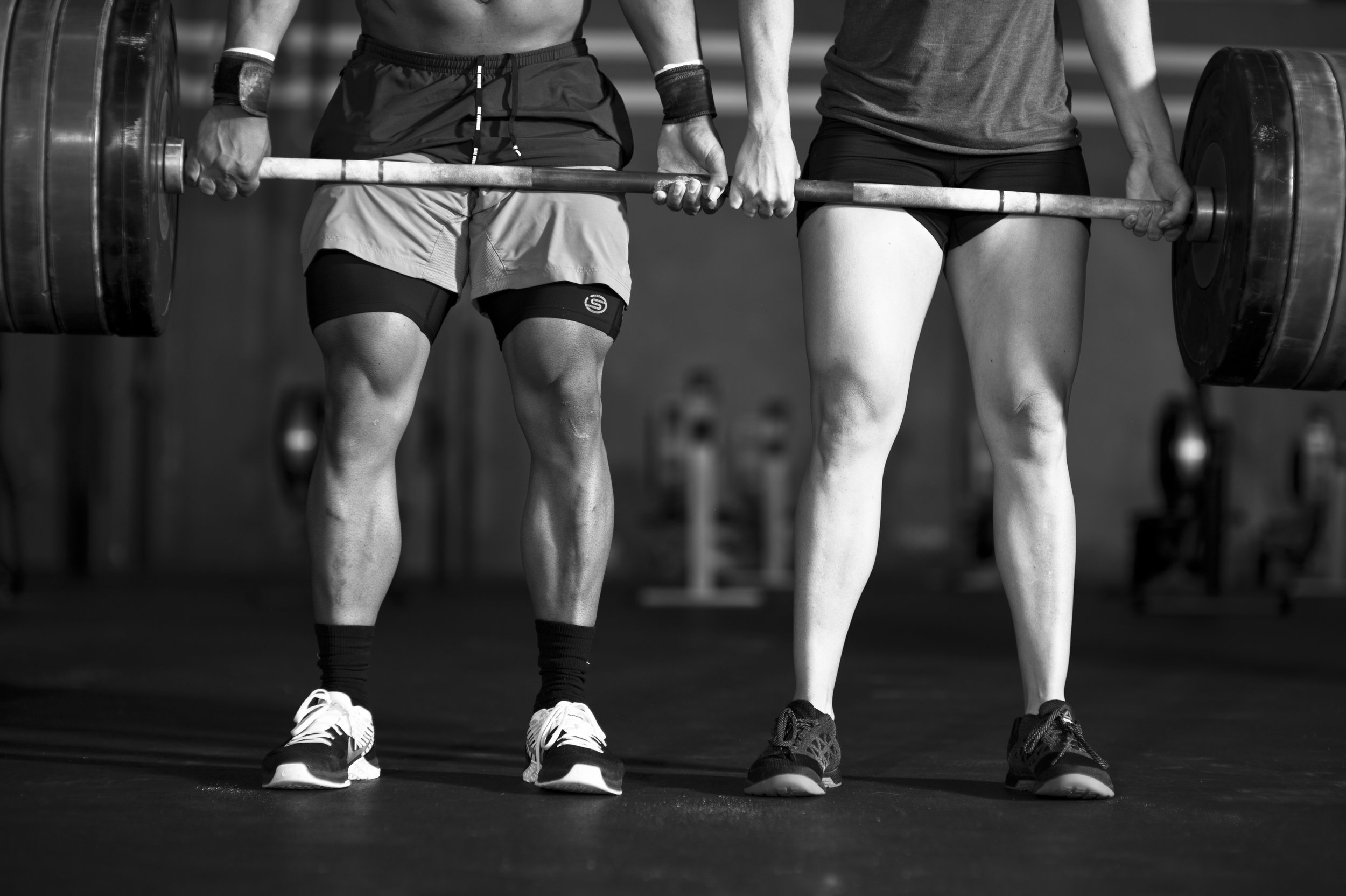
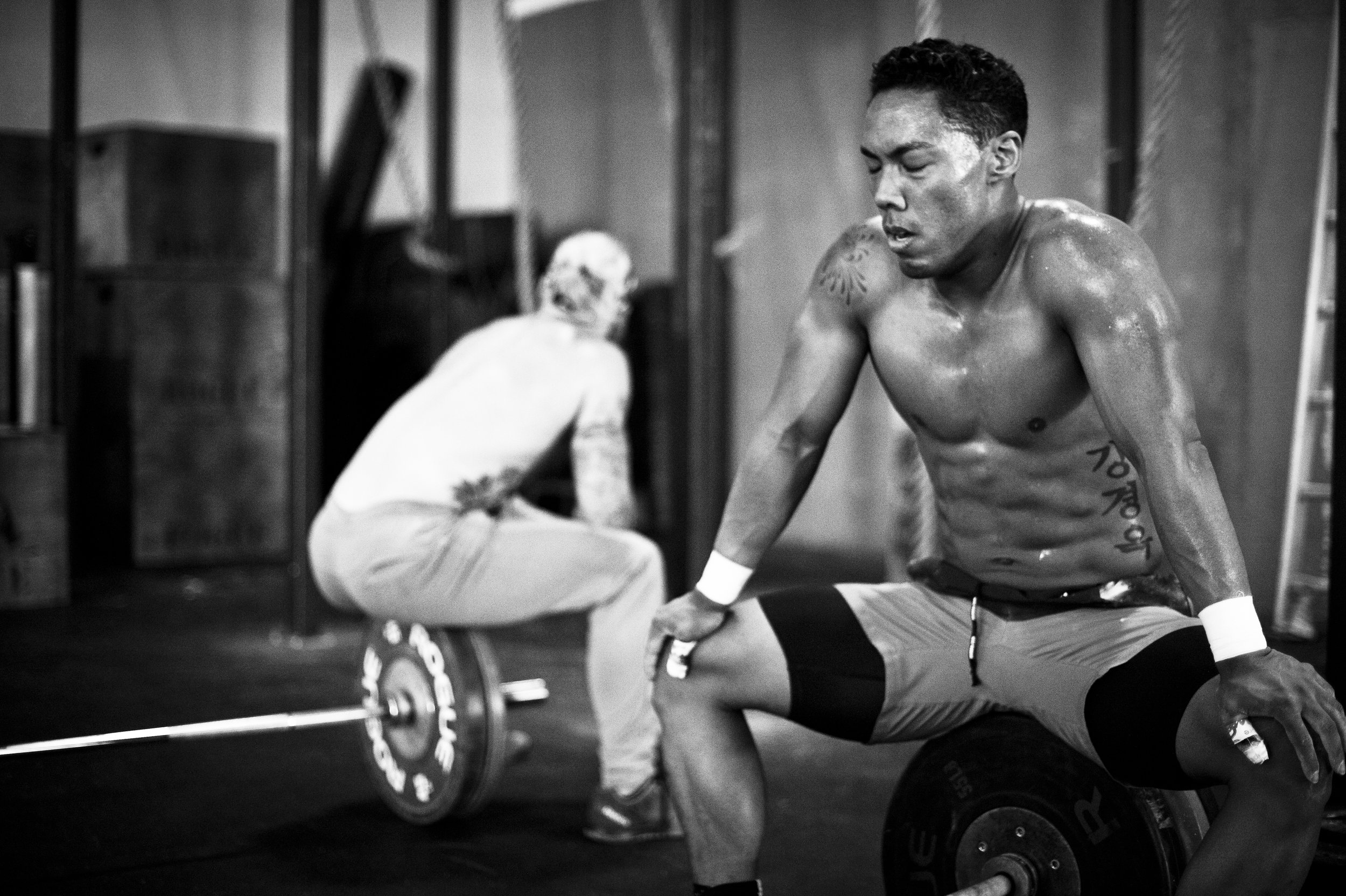
Rather than making every frame about a perfectly executed movement, I'm also looking for everything surrounding it: hands preparing for a lift, athletes recovering between efforts, chalk in the air, interaction between training partners, equipment scattered across the floor, and the moments immediately before and after the work.
Those details give a fitness campaign a sense of place and make the resulting library feel less like a collection of exercise demonstrations.
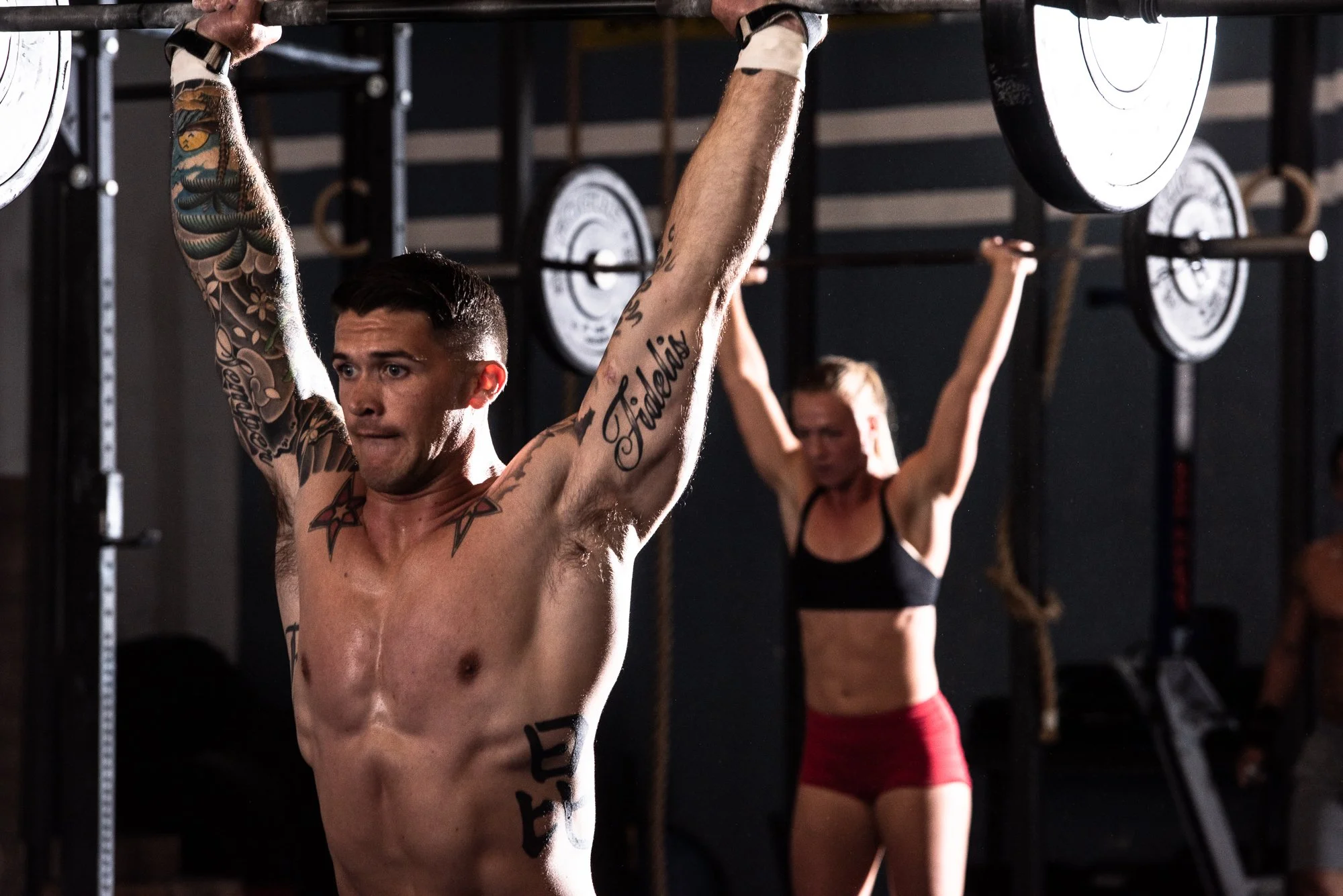
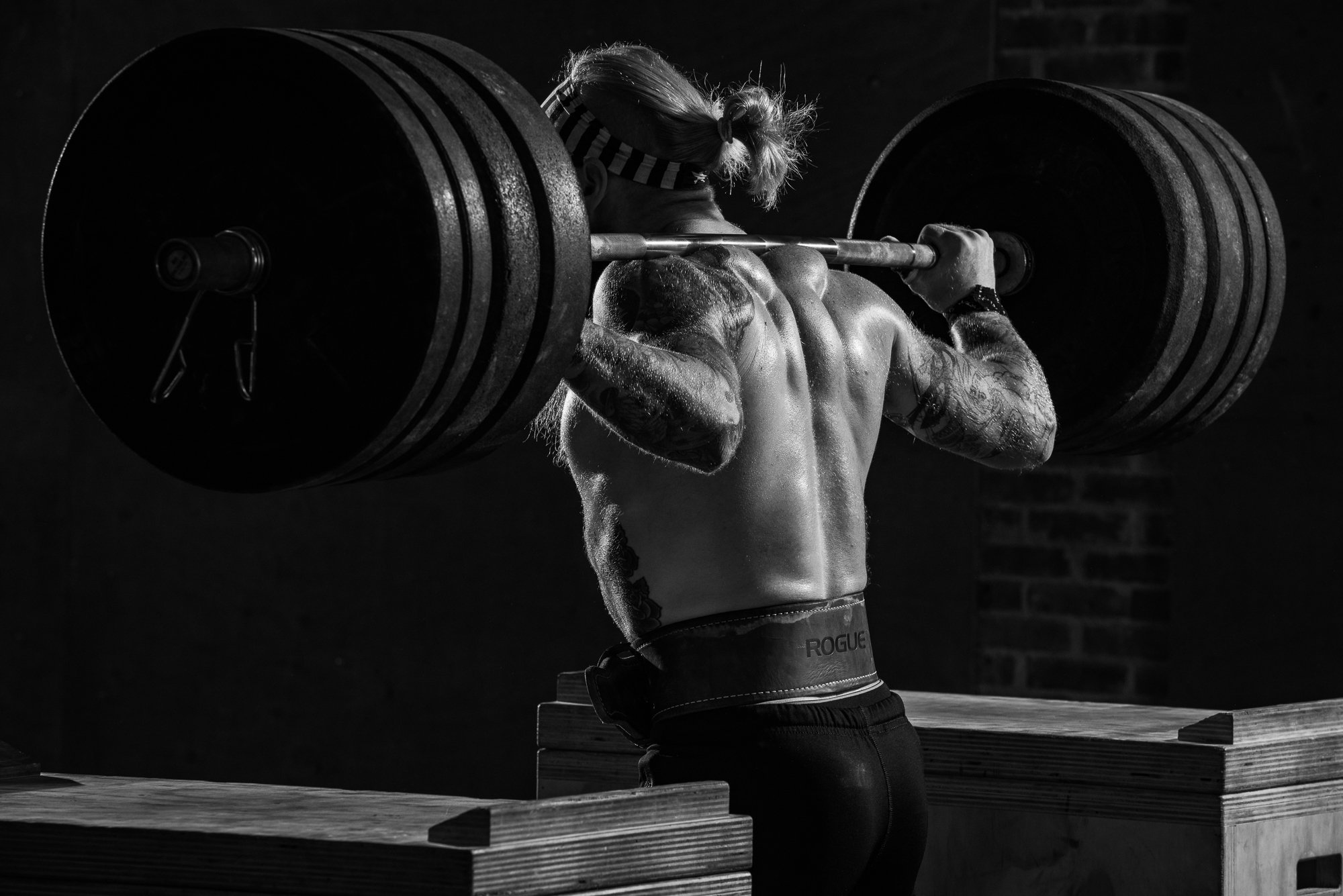
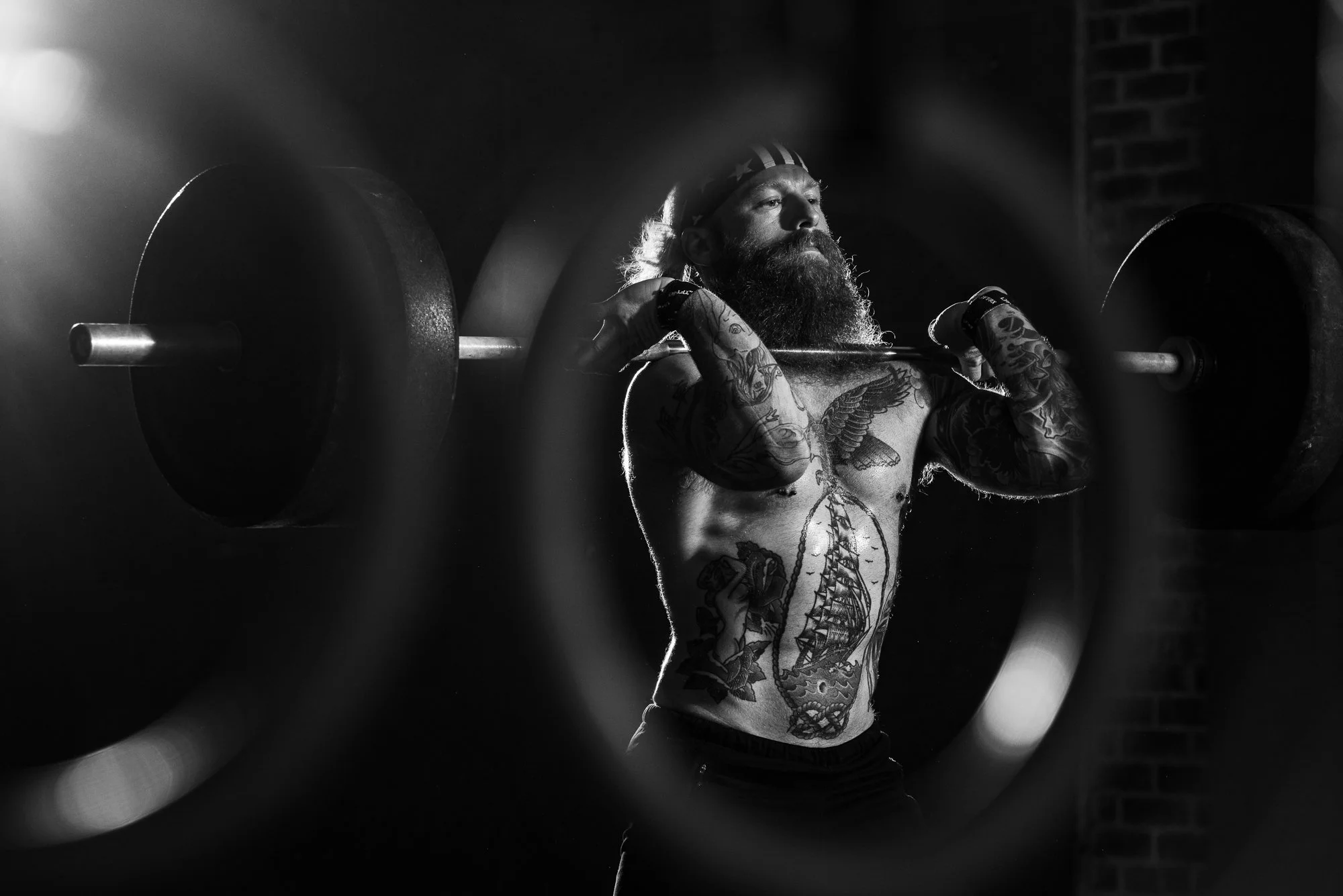
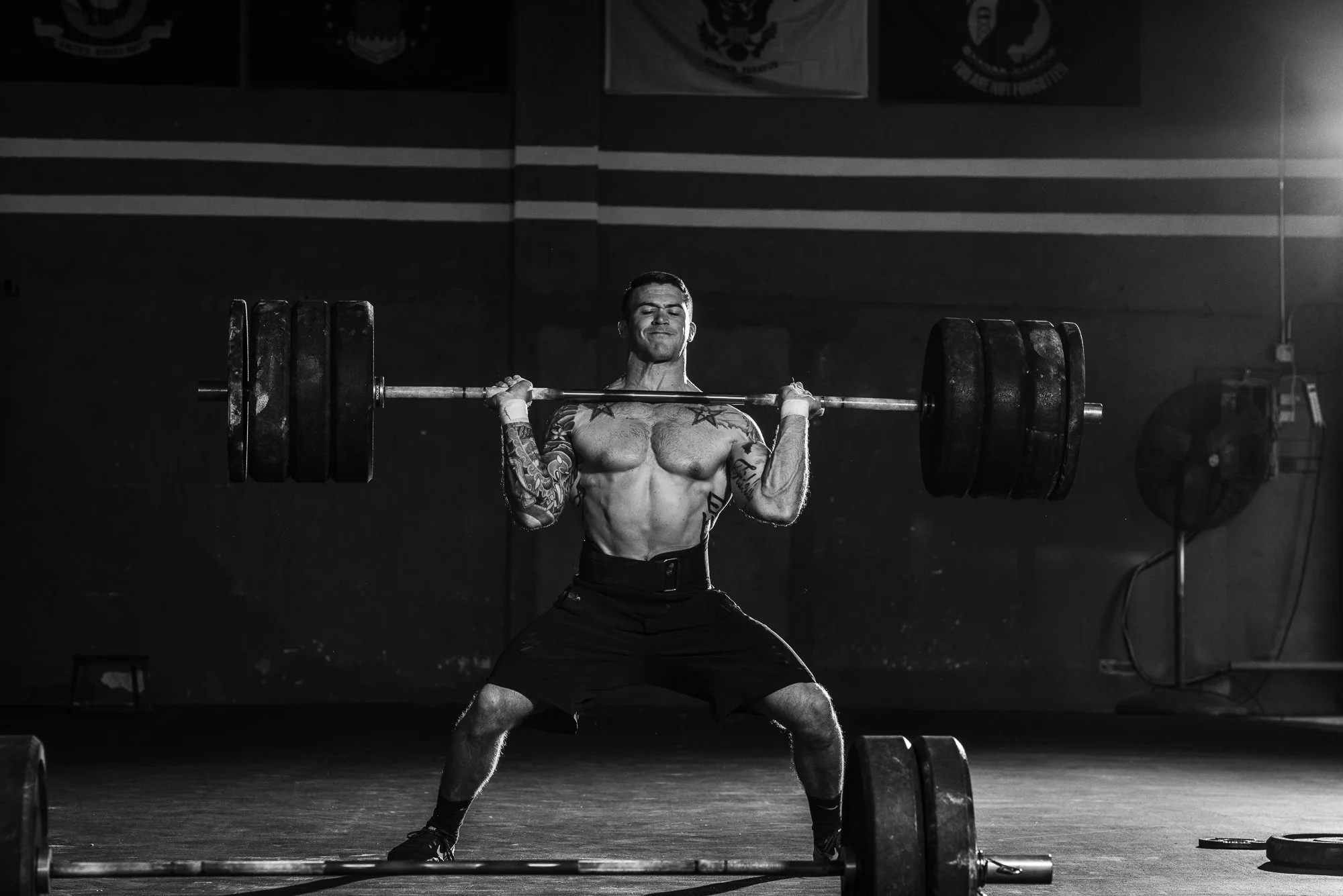
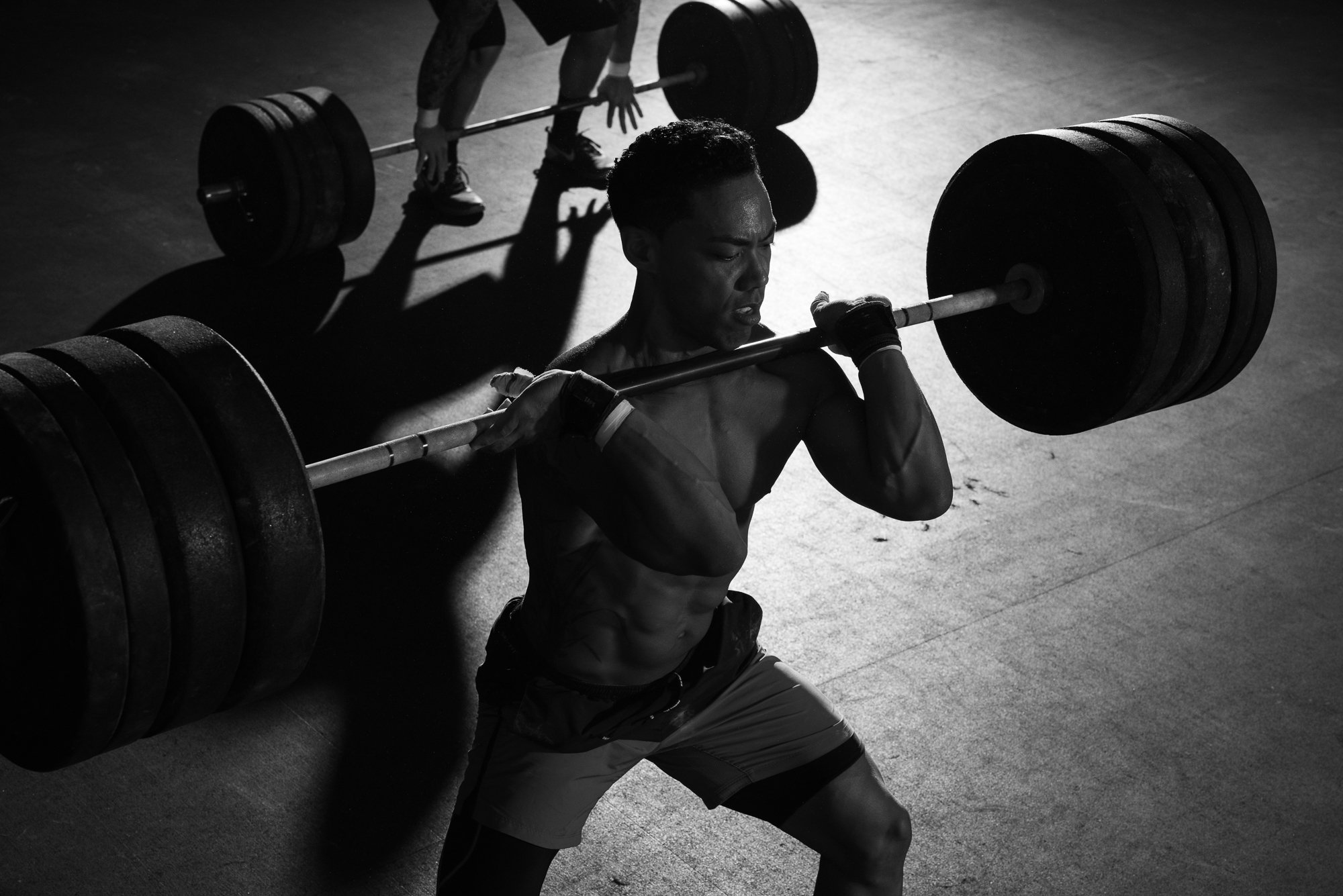
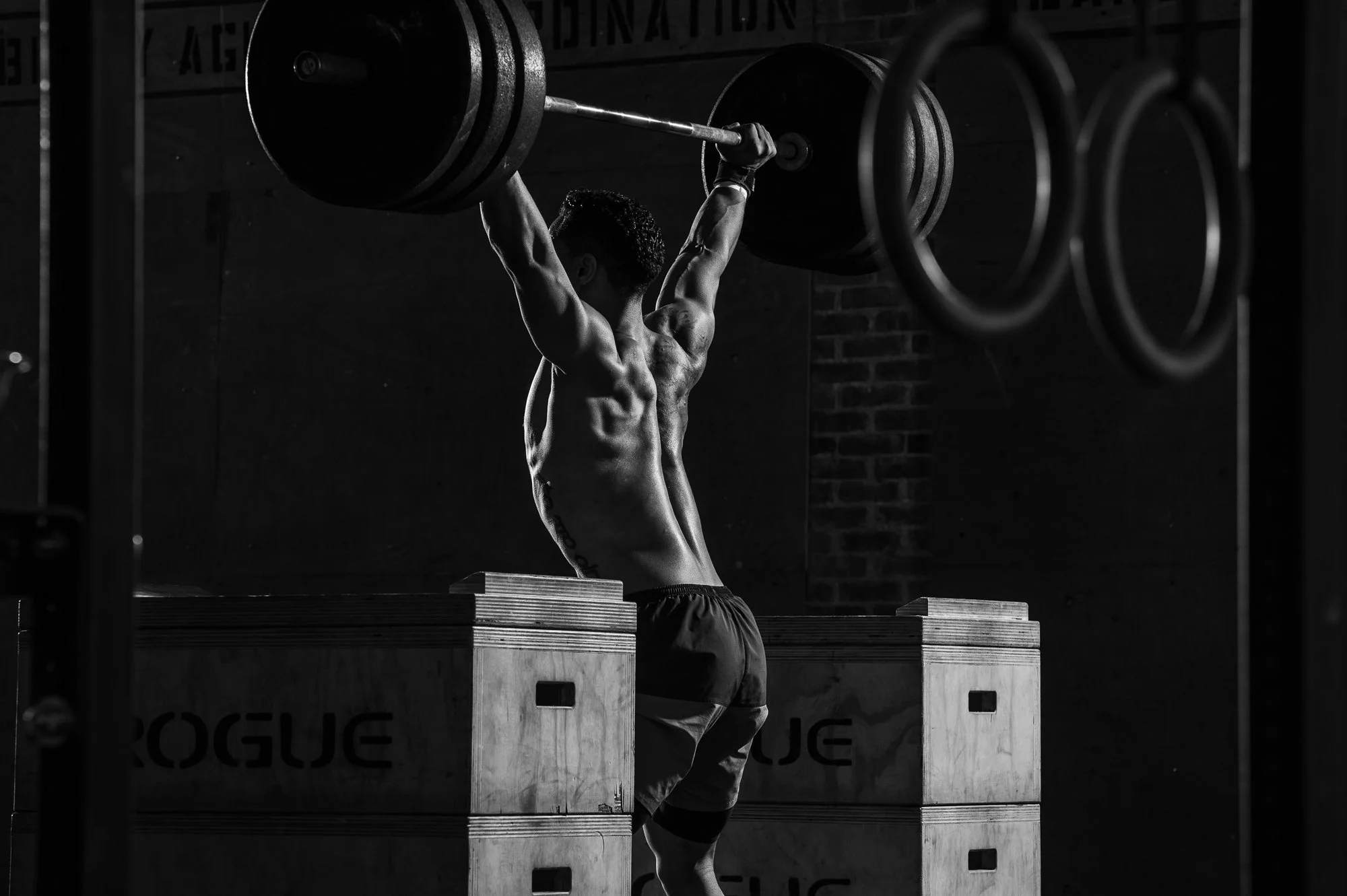
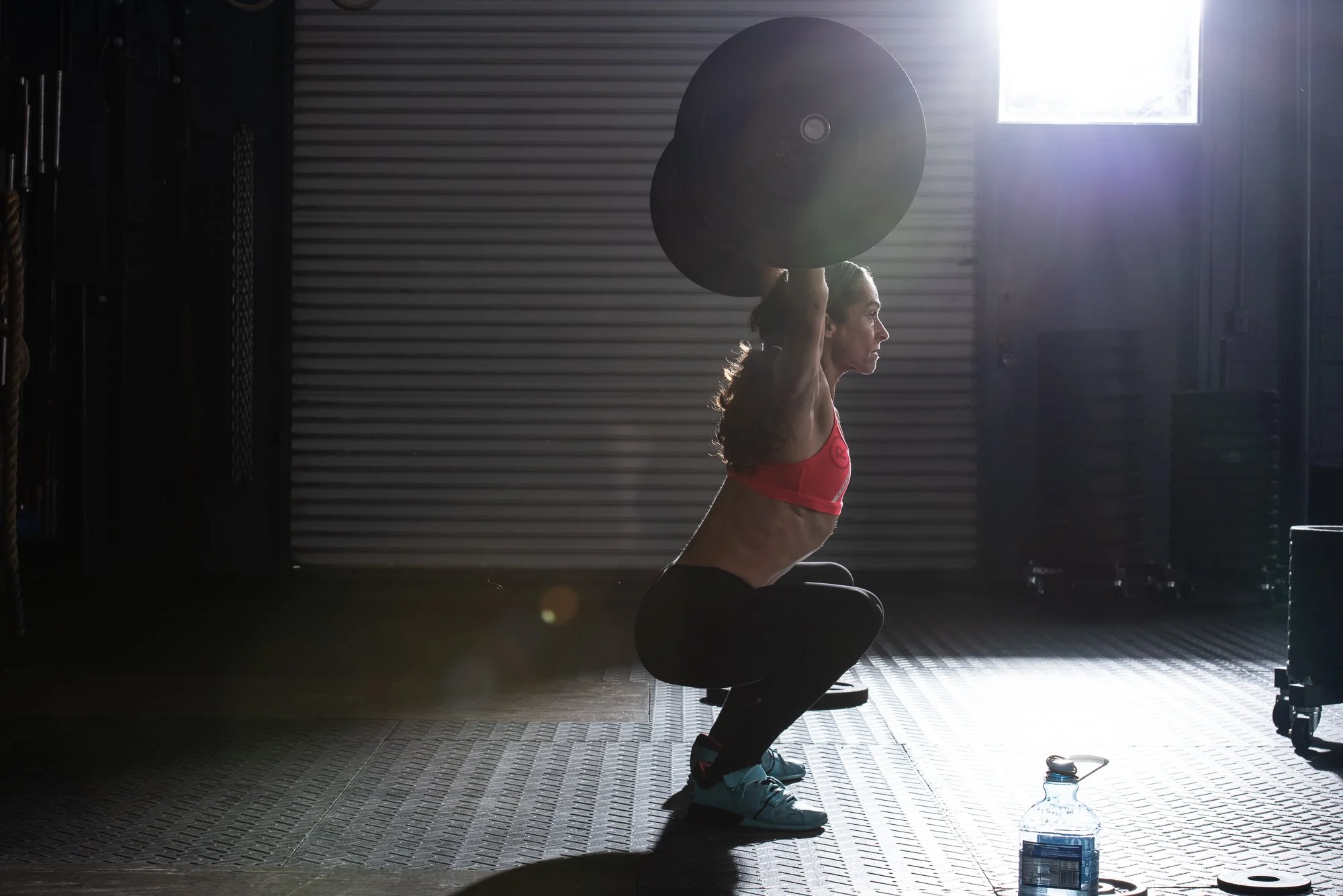
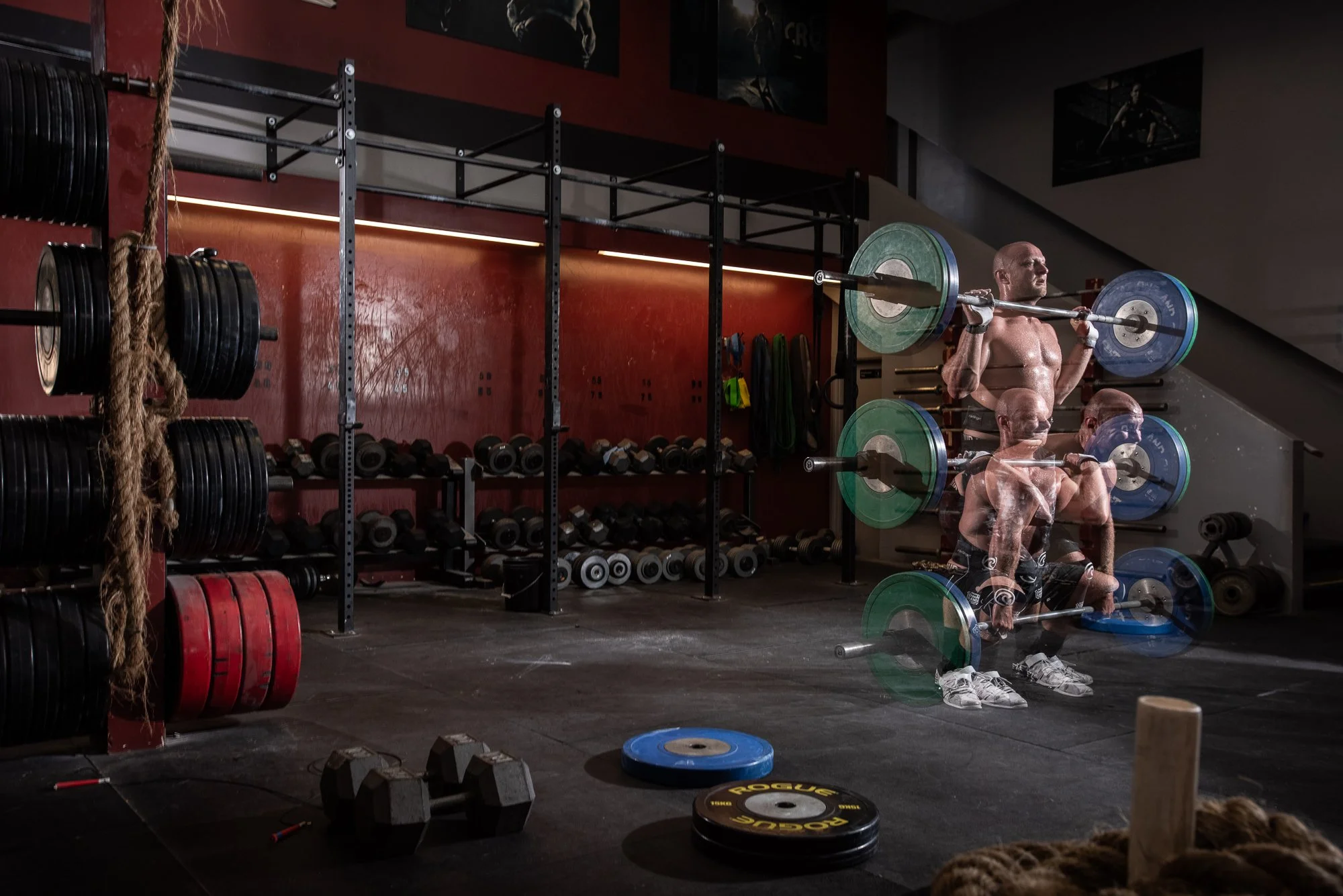
Barbells move overhead as athletes work through a training session inside the gym.
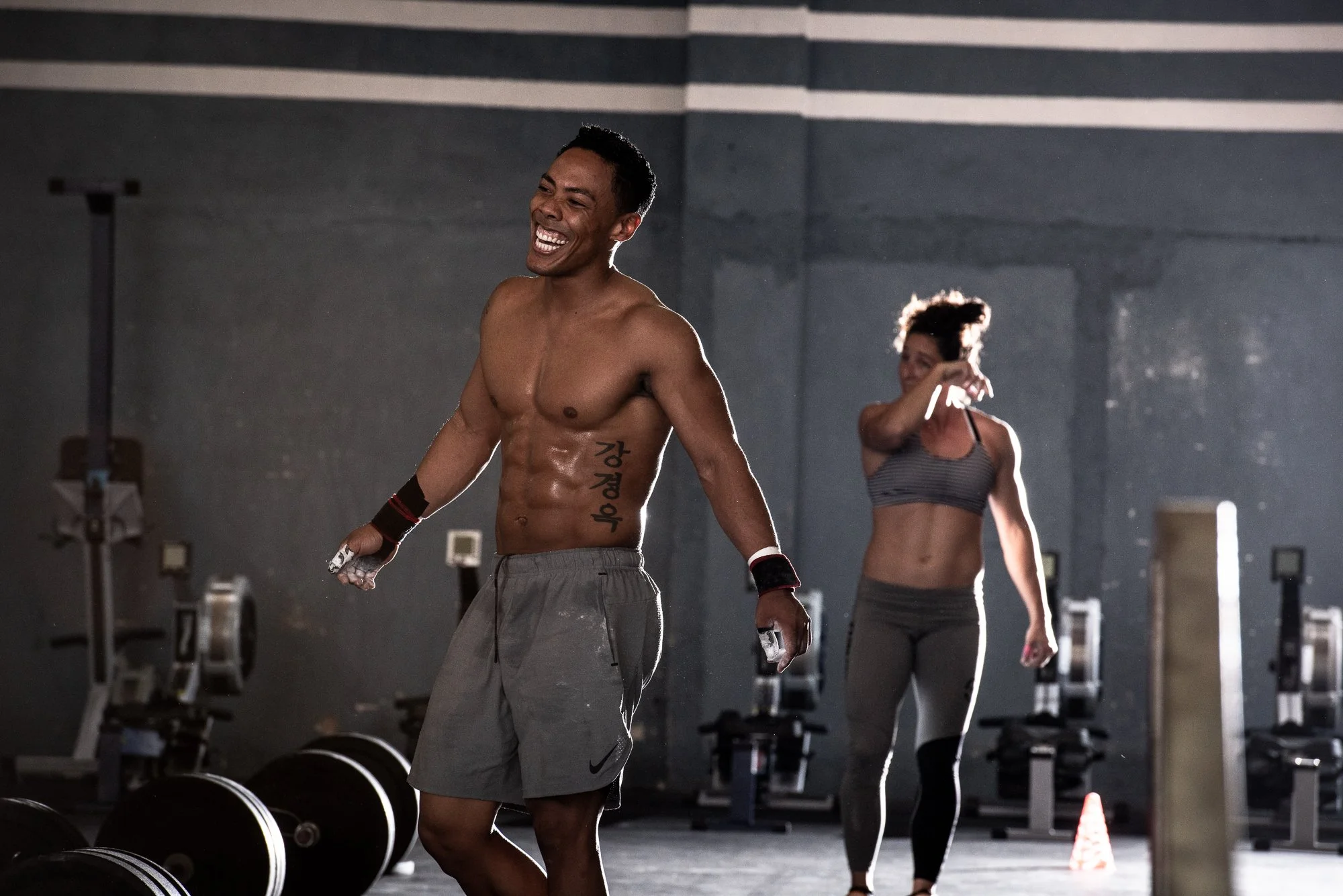
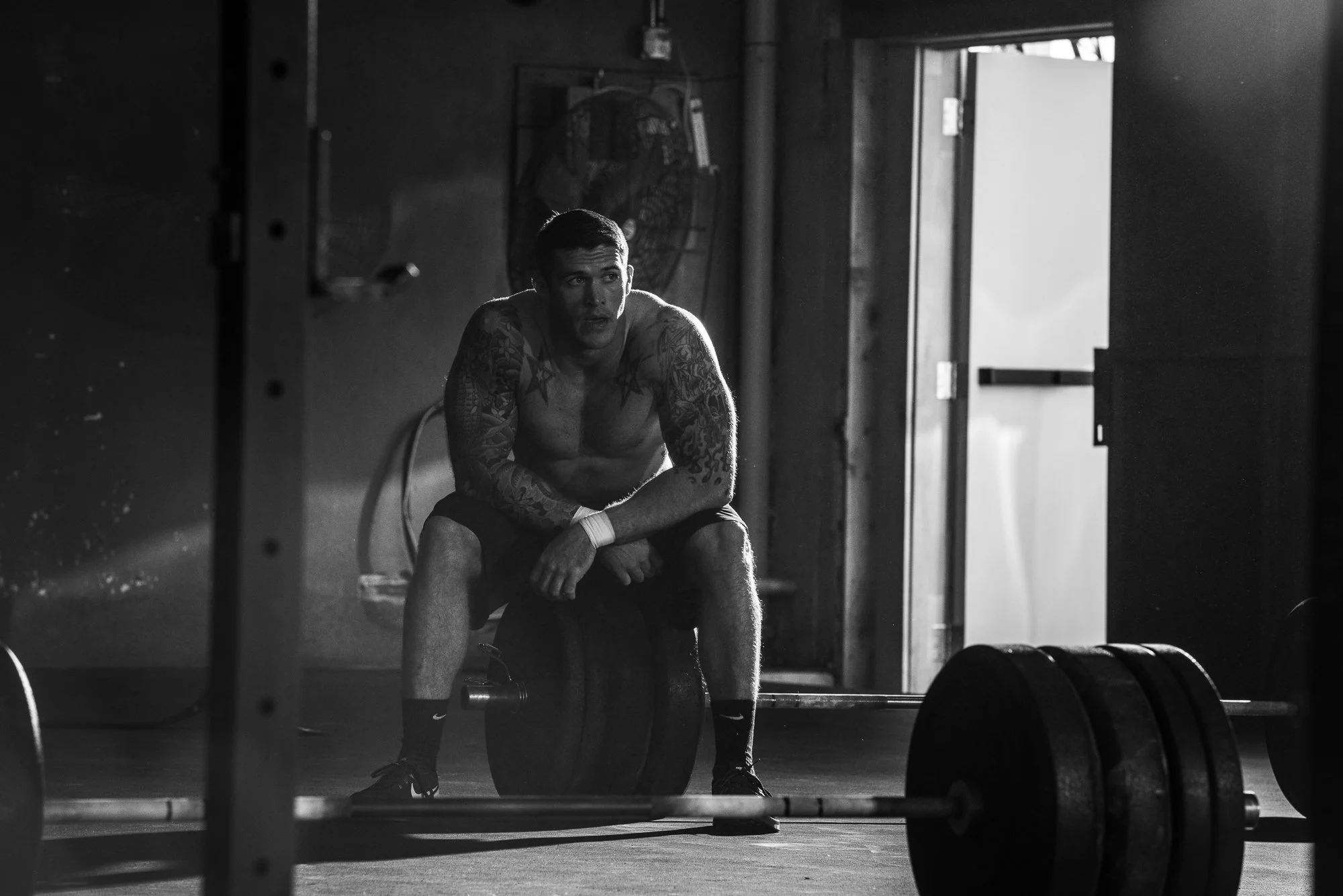
Chalk still covers his hands as an athlete smiles between efforts with other training continuing behind him.
CrossFit Photography for Brands and Advertising
For fitness brands, the advantage of photographing real training is authenticity without giving up production value.
A commercial shoot still needs intention. Lighting, composition, wardrobe, products, locations, shot lists, and usage all matter. But those elements don't necessarily require making the athlete look staged.
My approach is to build the production around the activity whenever possible, then give athletes enough room to move naturally within it.
That can create a much broader image library from a single production: hero images for advertising, wider environmental photographs, product details, portraits, training sequences, and quieter transitional moments for social, editorial, web, and campaign use.
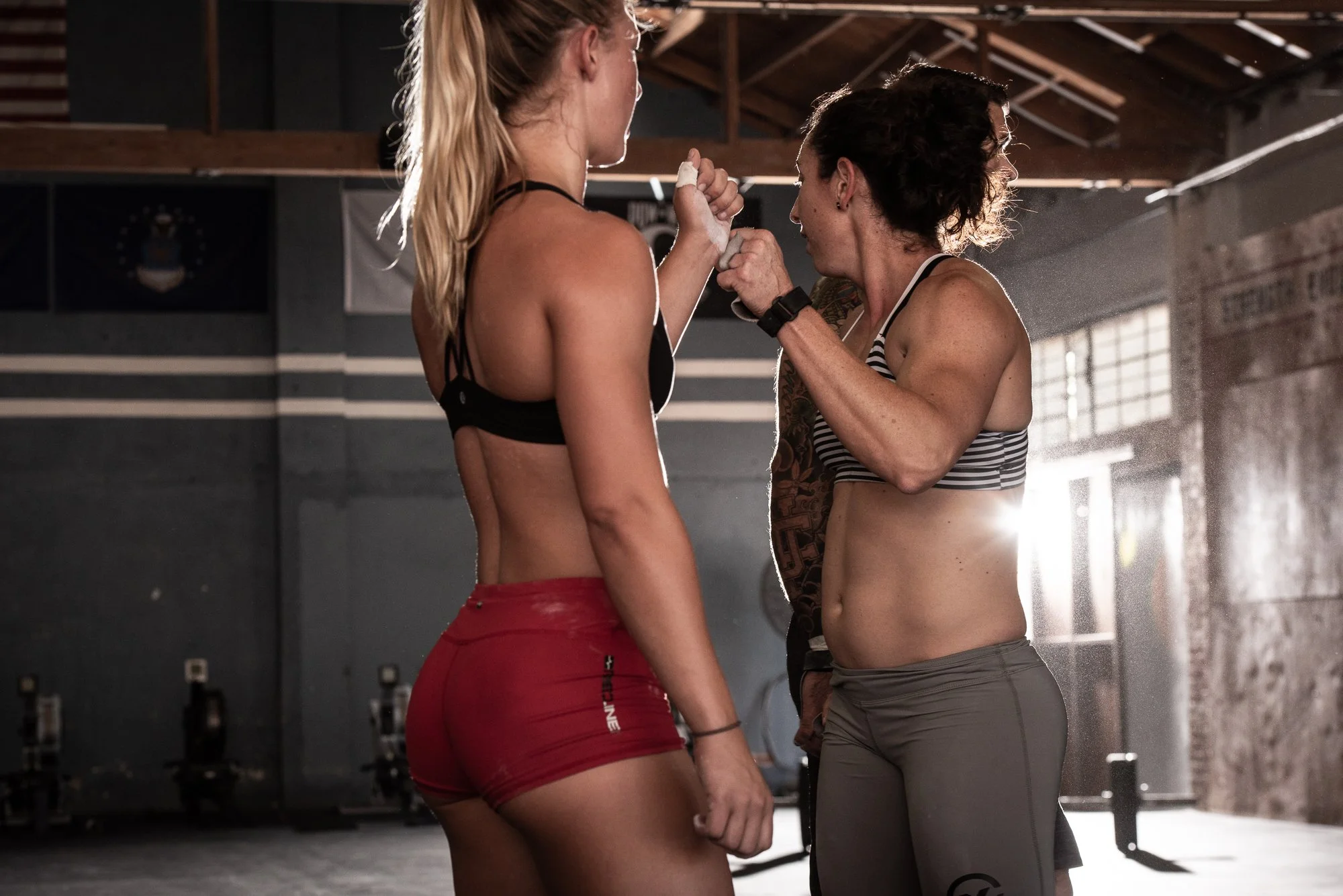
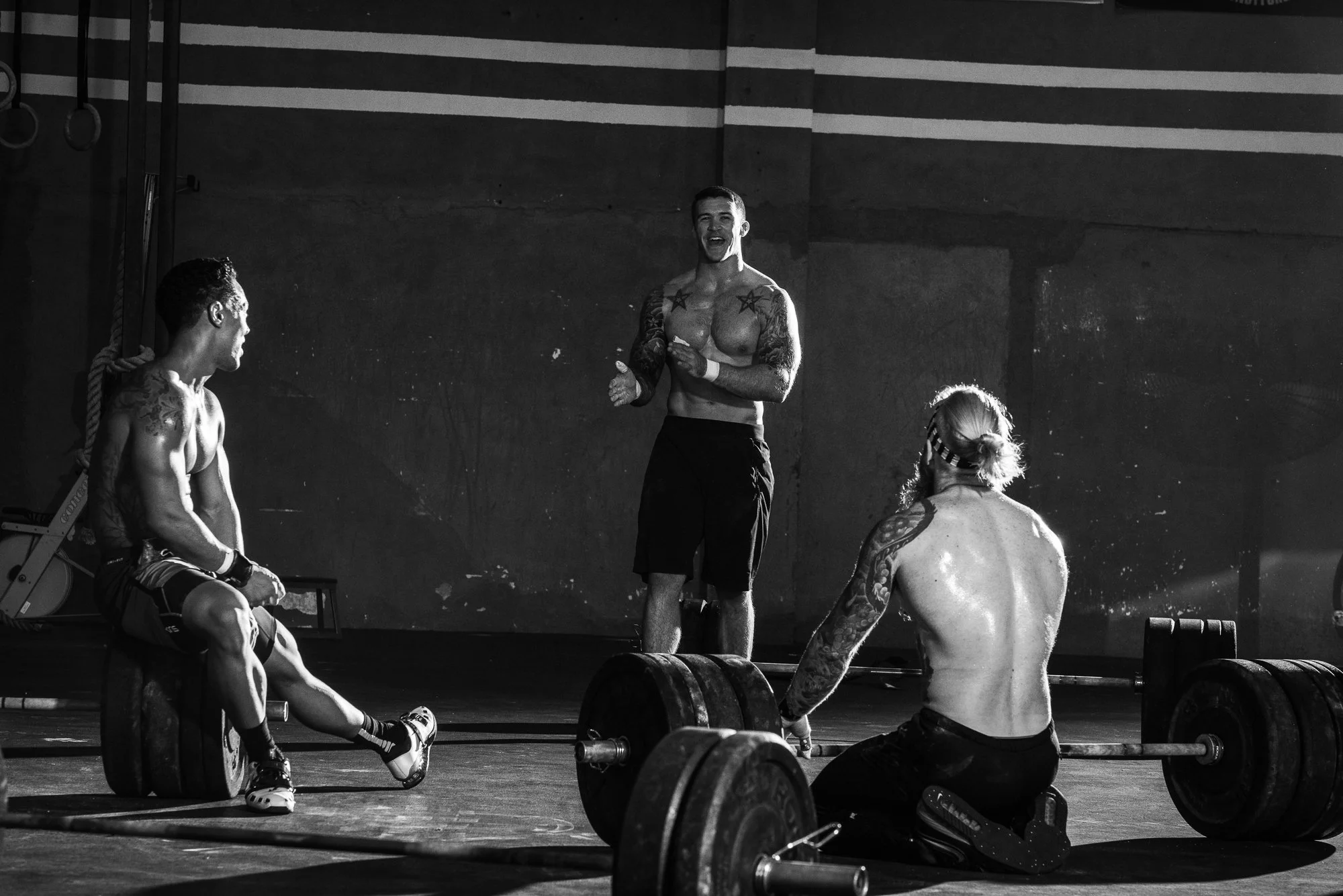
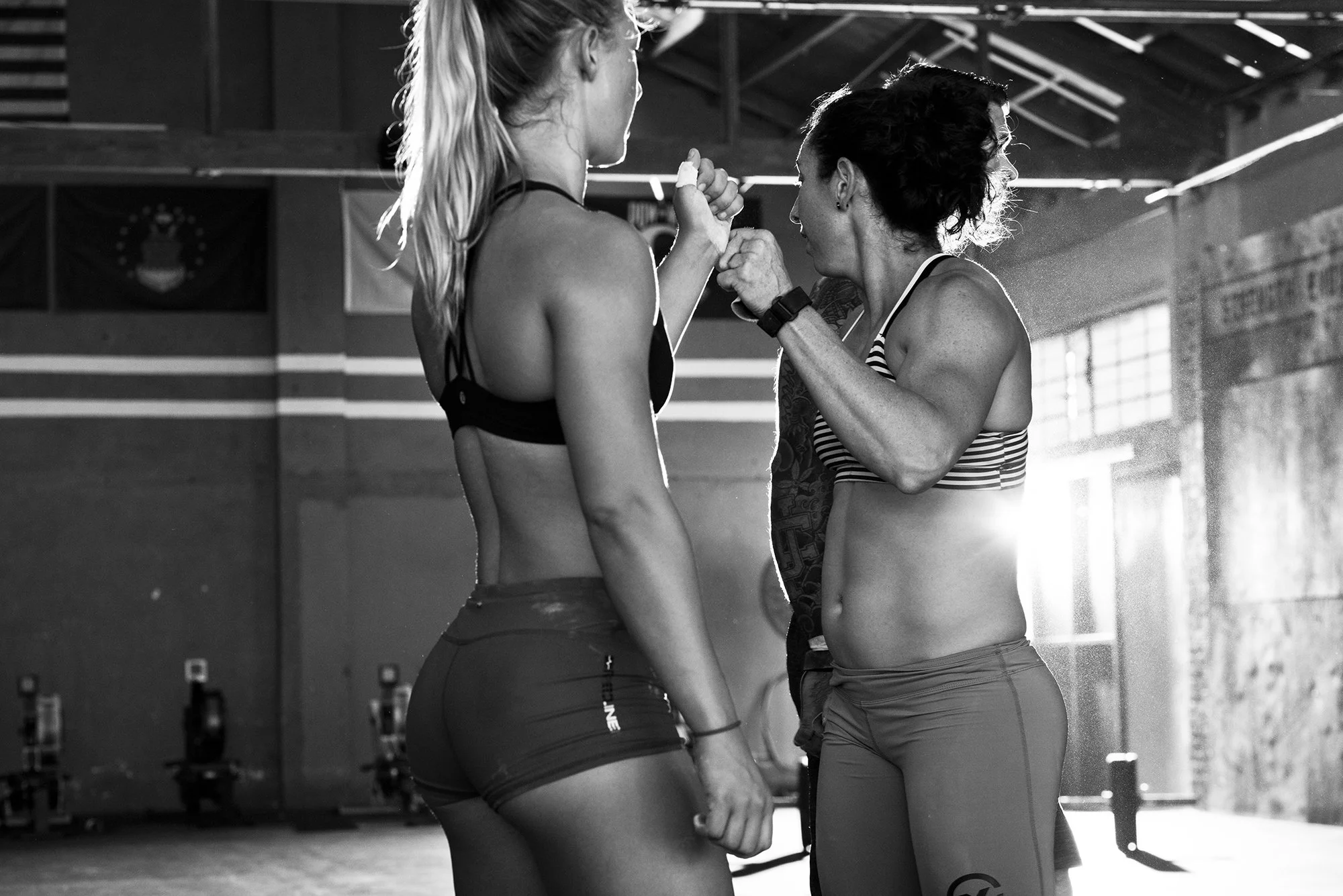
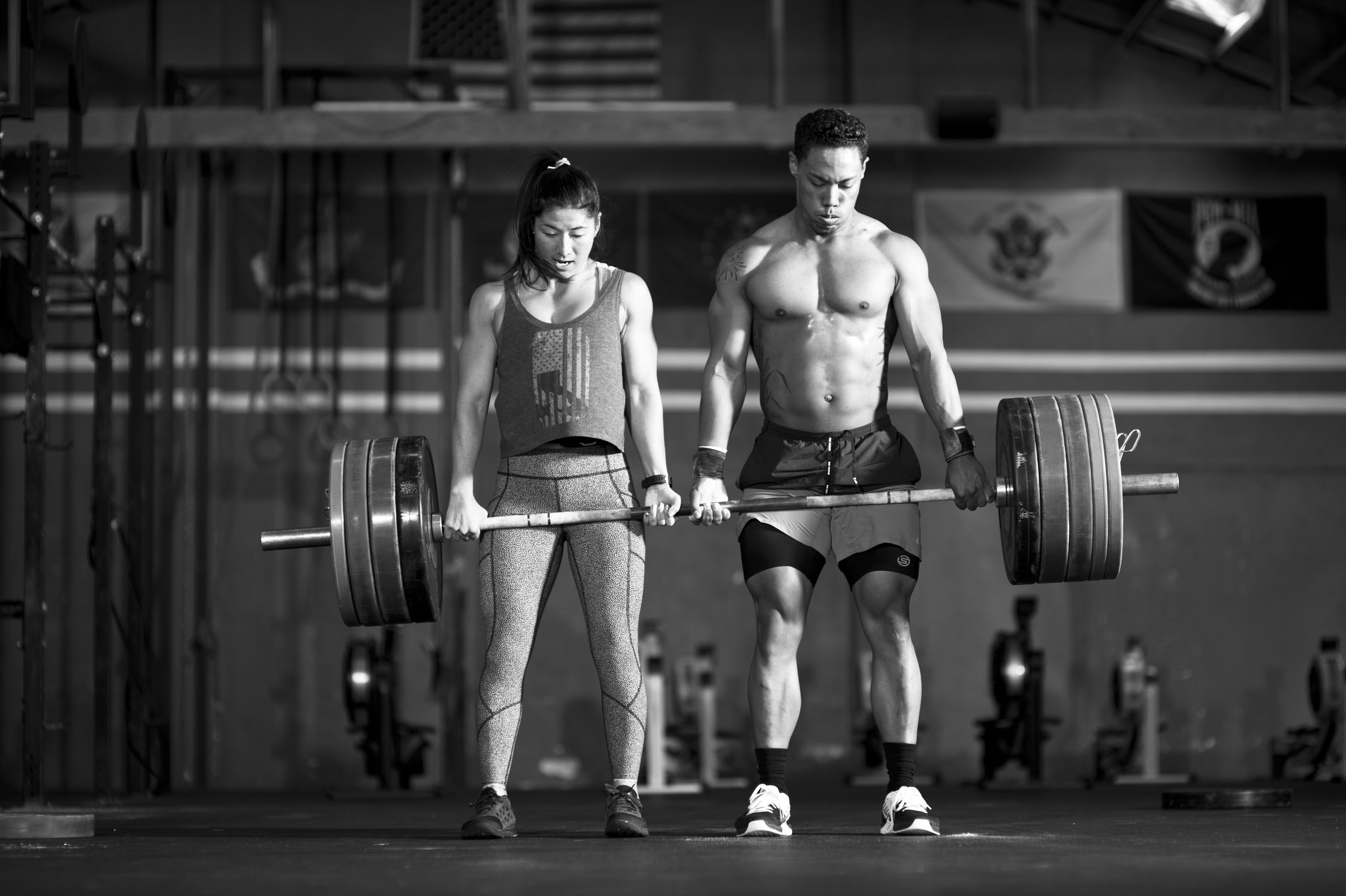
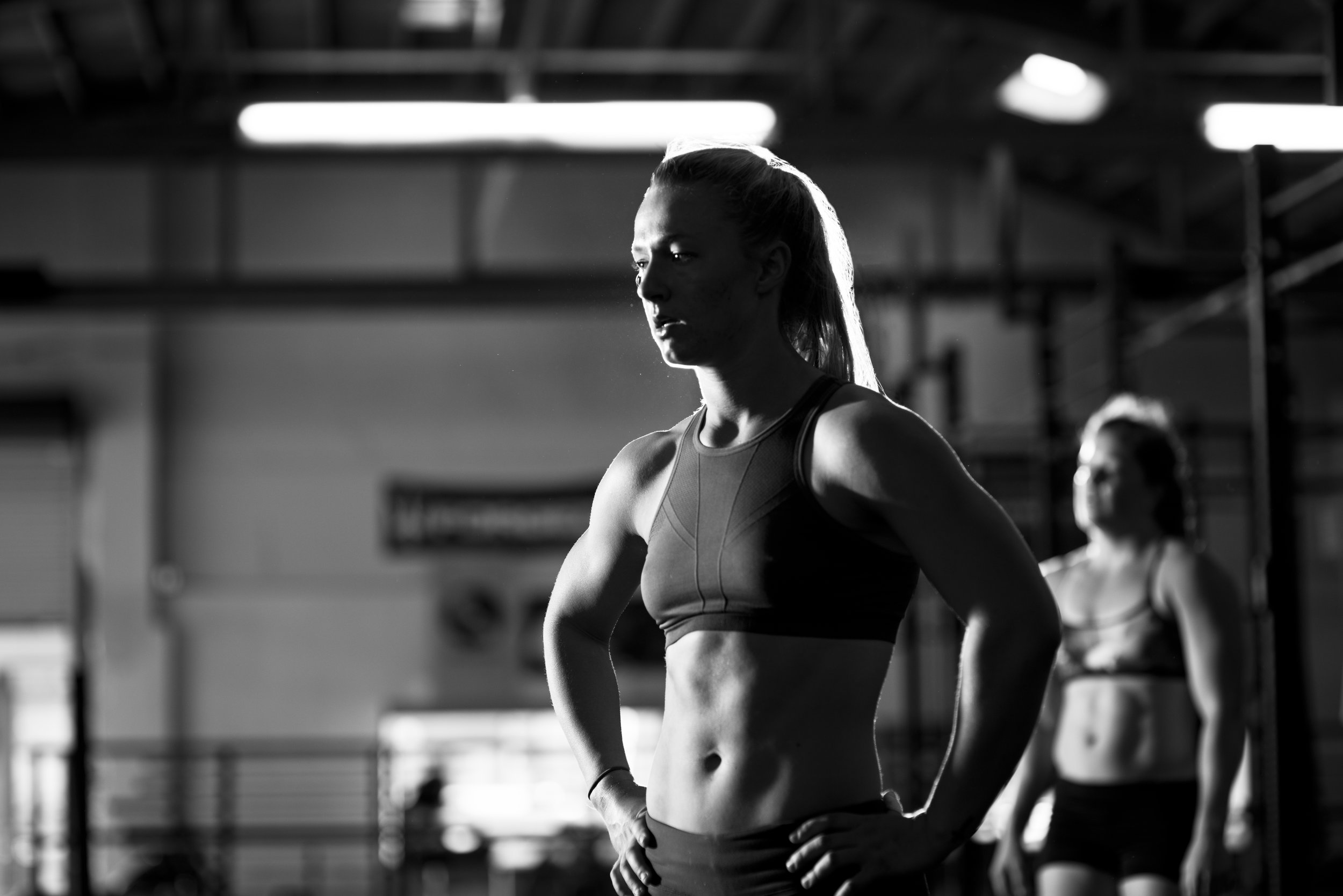
Between sets, the two athletes pause together before continuing the workout.
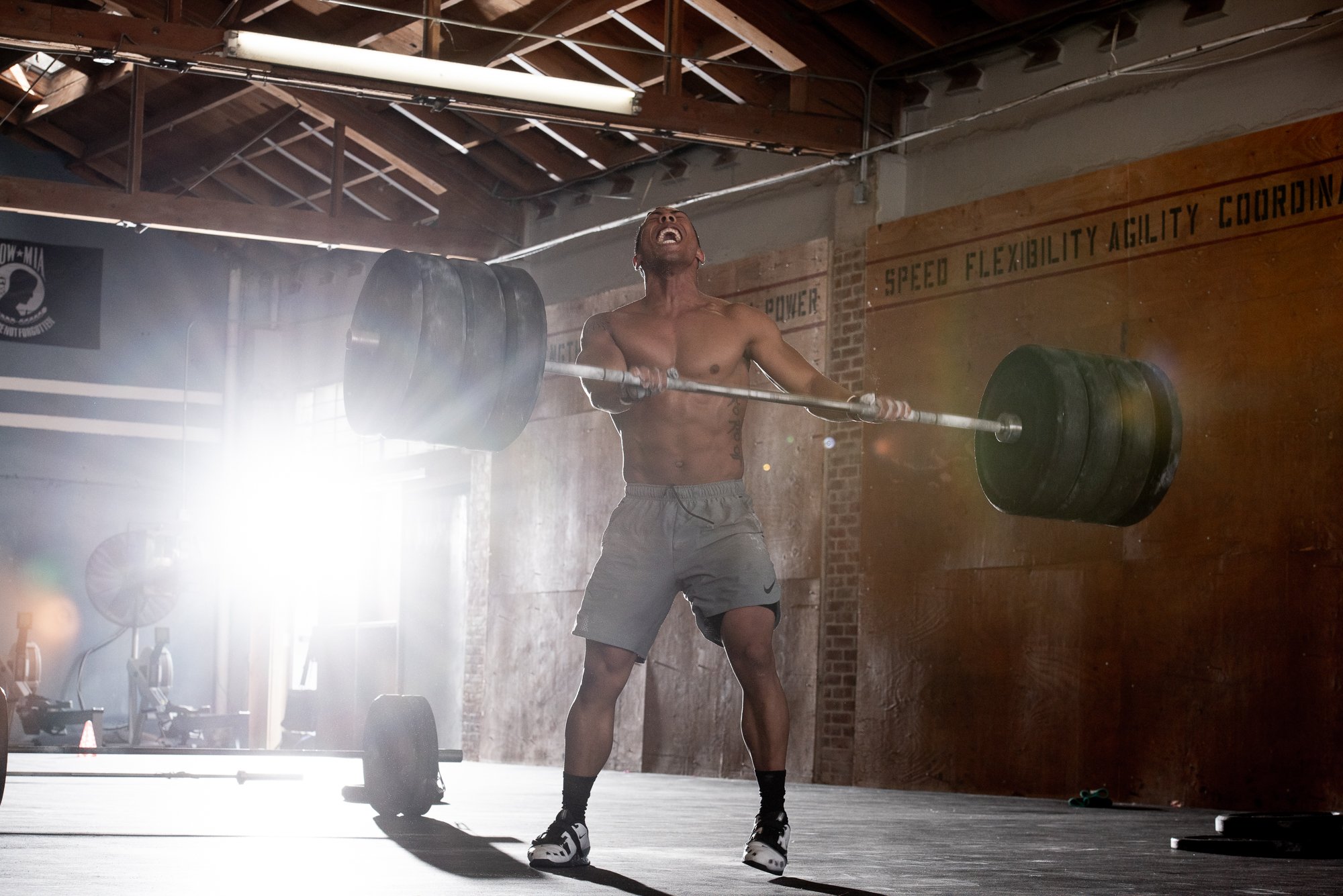
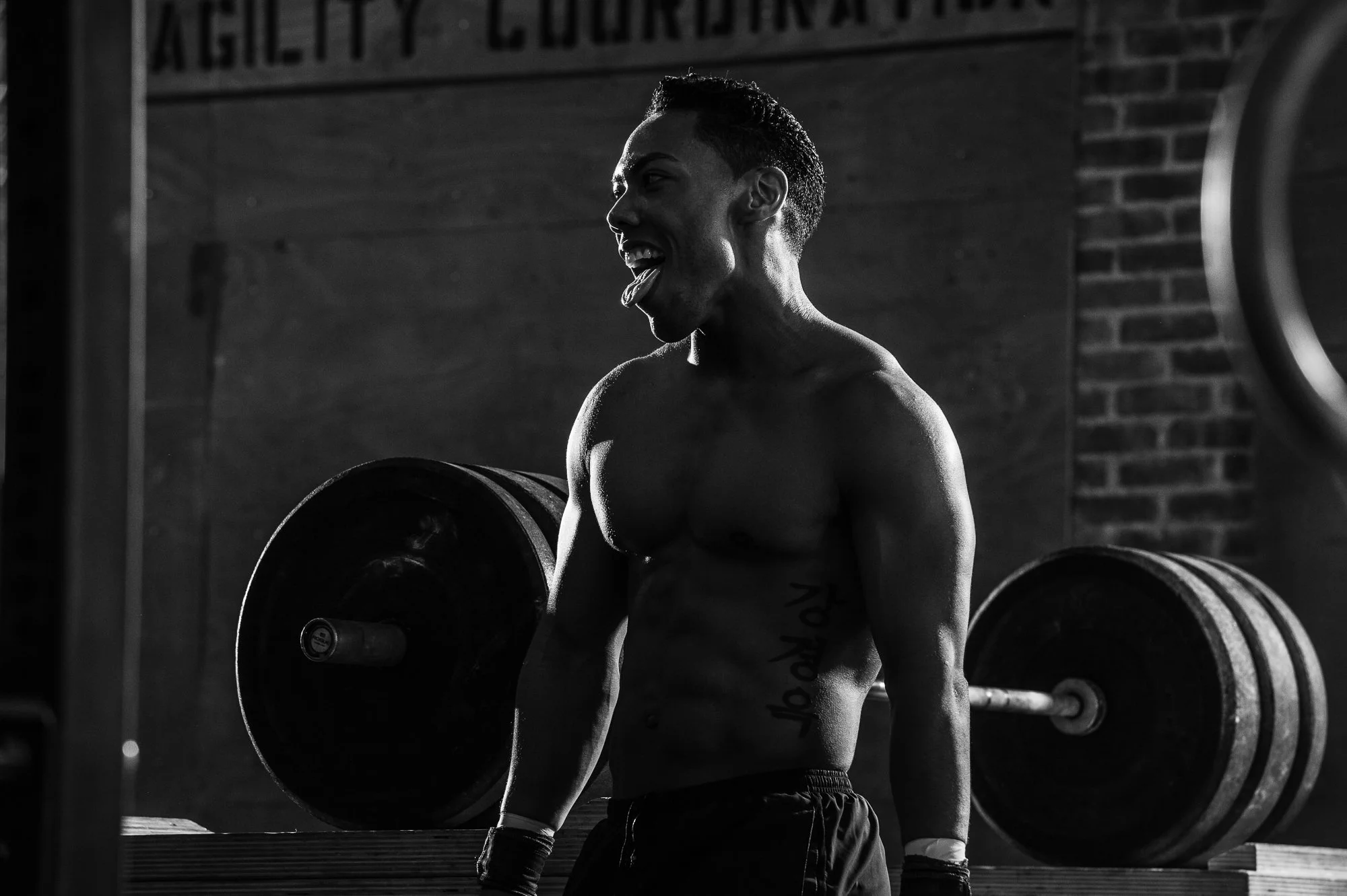
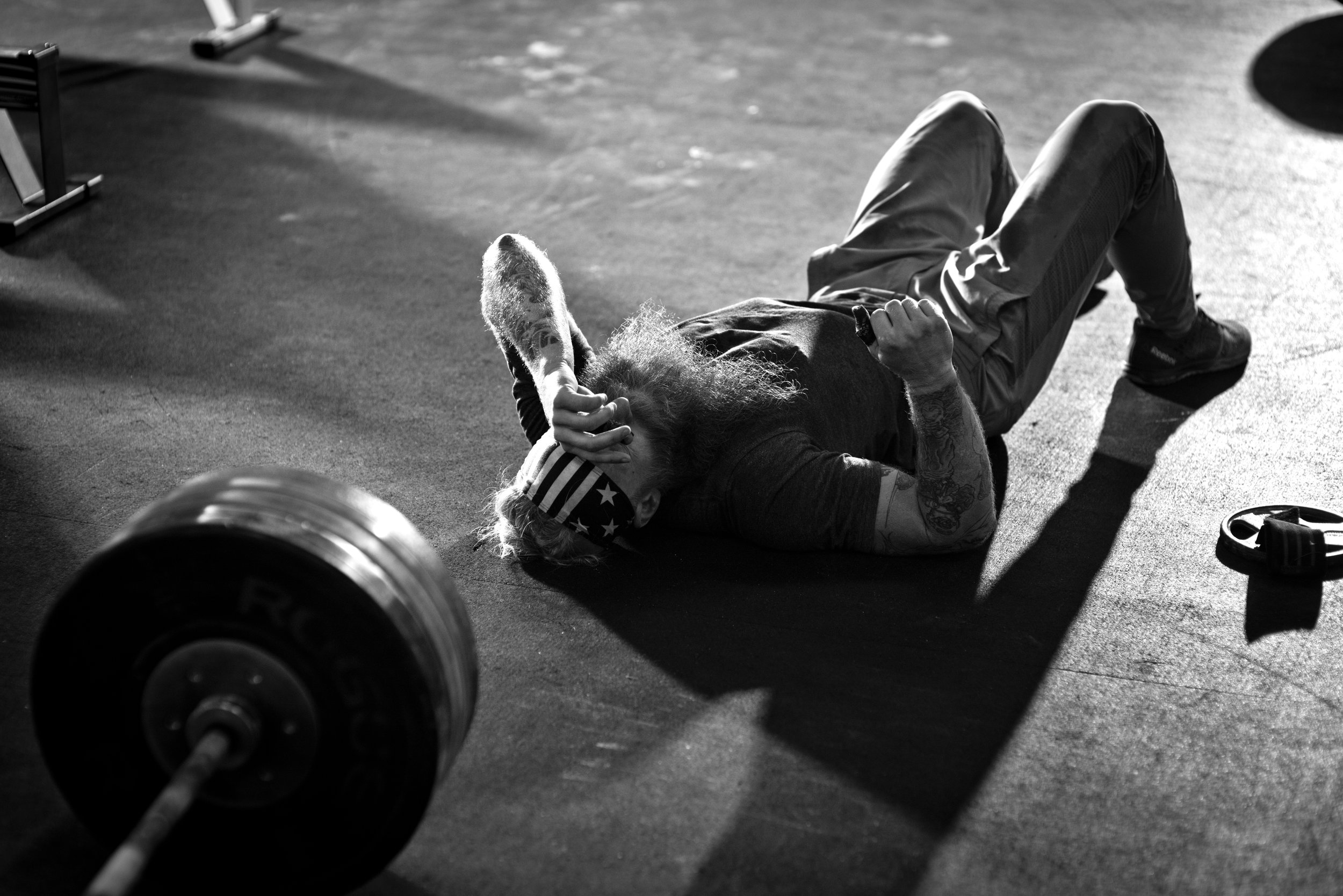
An athlete screams after a failed attempt as sunlight streams across the gym floor.
The Visual Language of Functional Fitness
Functional fitness has its own visual vocabulary.
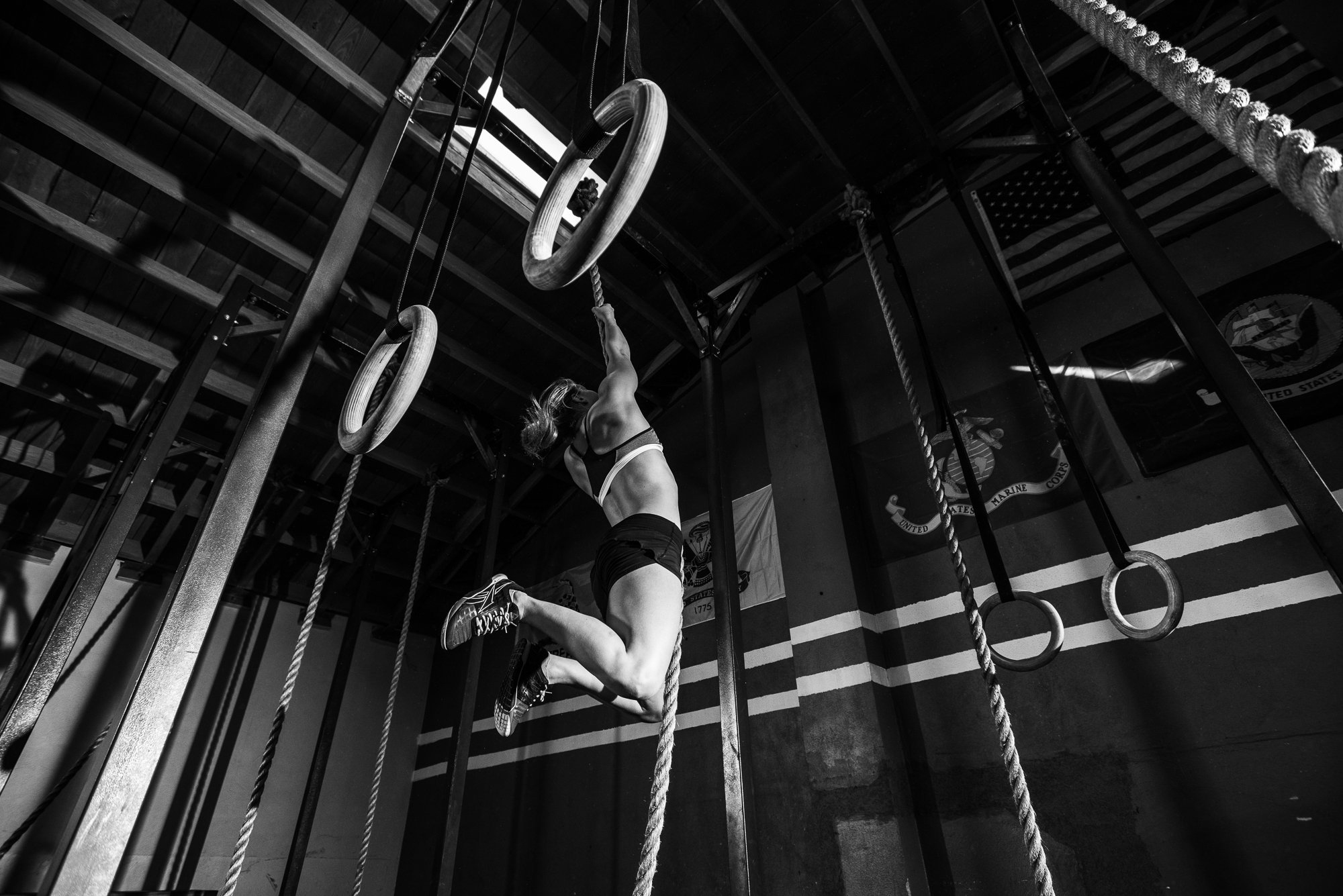
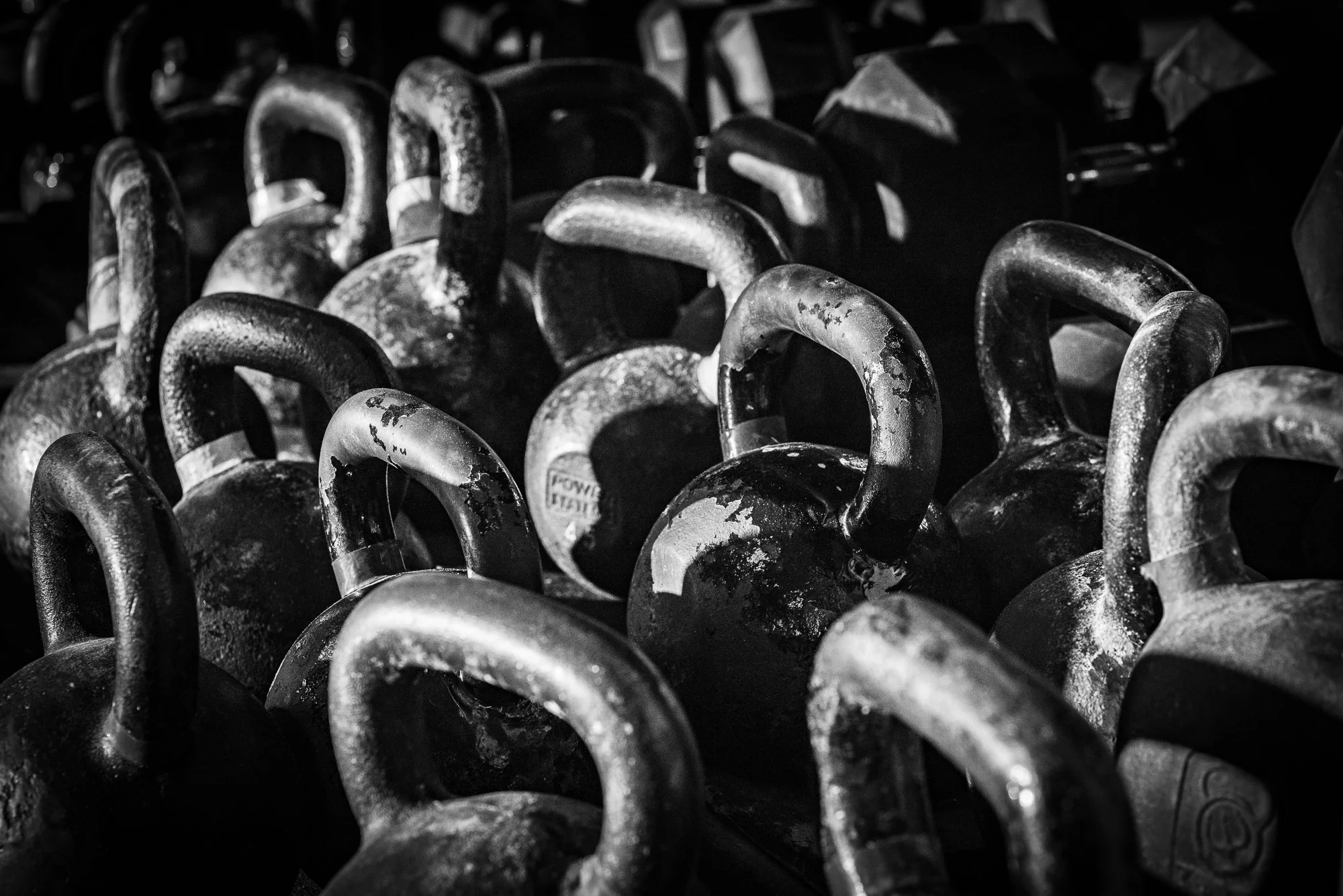
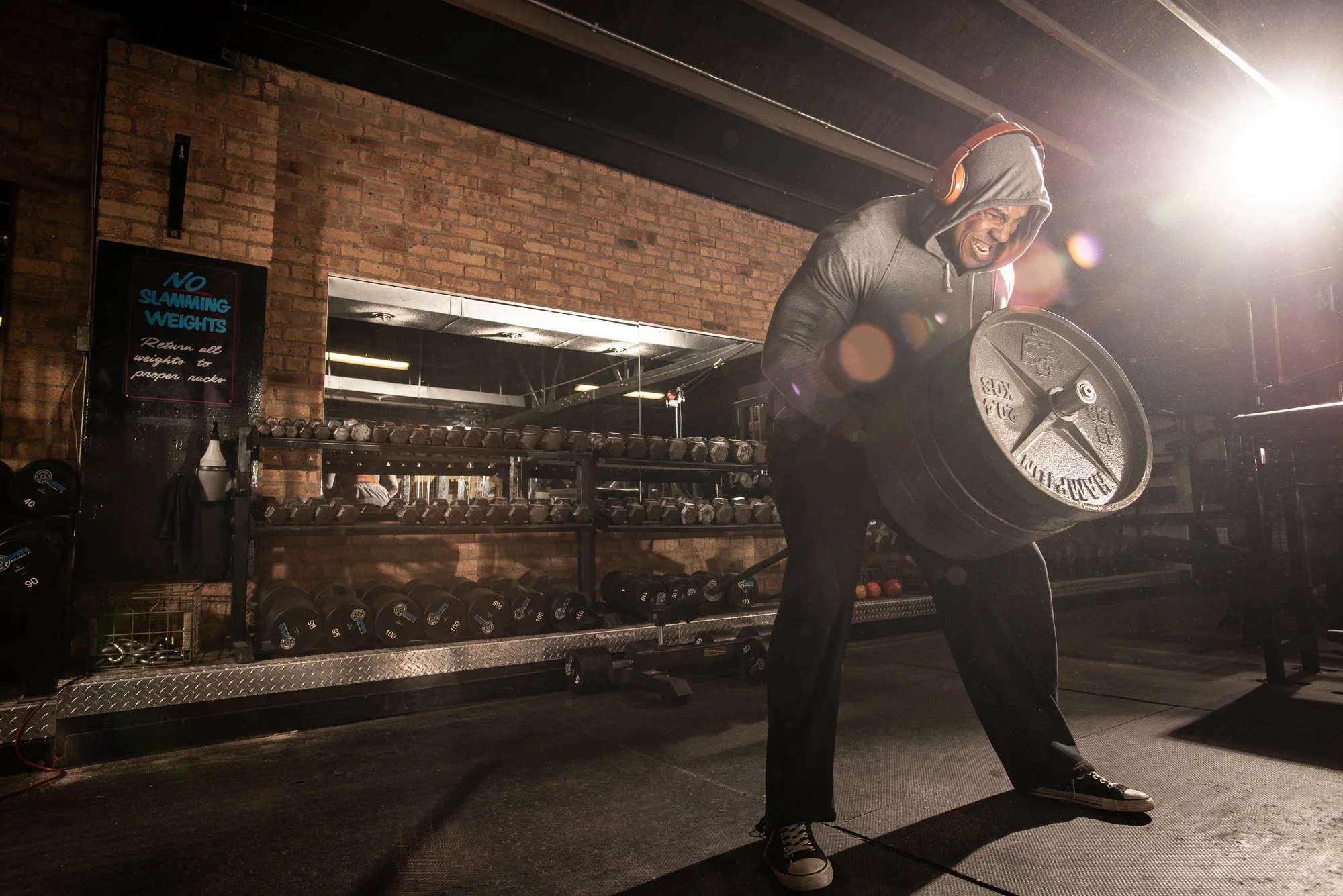
Barbells, kettlebells, rowing machines, bikes, pull-up rigs, boxes, ropes, plates, chalk, rubber floors, and worn equipment immediately establish the environment. But equipment alone doesn't make a photograph feel believable.
The athlete does.
Effort has to look like effort.
That's why I prefer working with real athletes whenever a project allows for it. Their familiarity with the movements means less directing, better body positioning, and more freedom to concentrate on making photographs rather than teaching someone how an exercise is supposed to look.
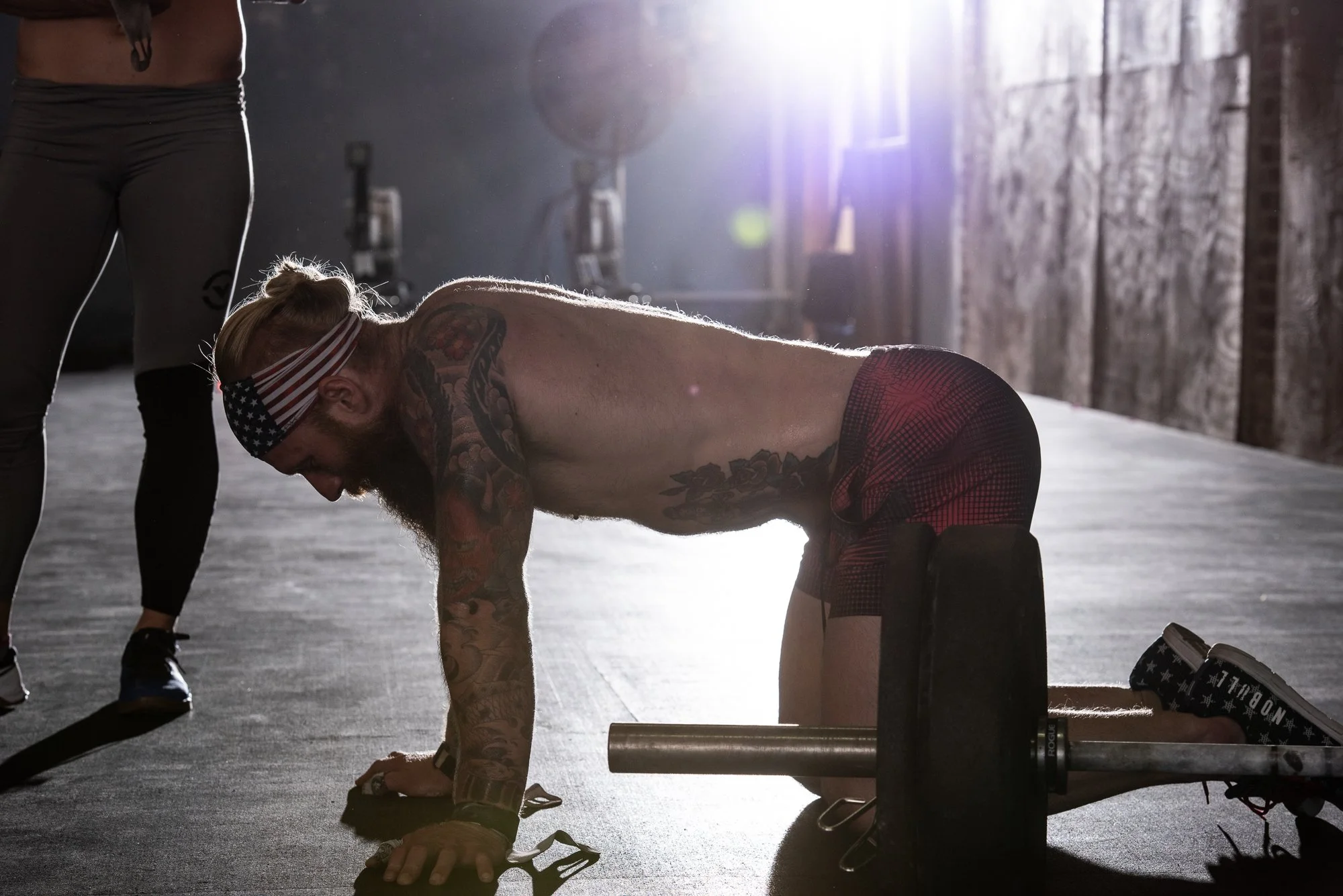
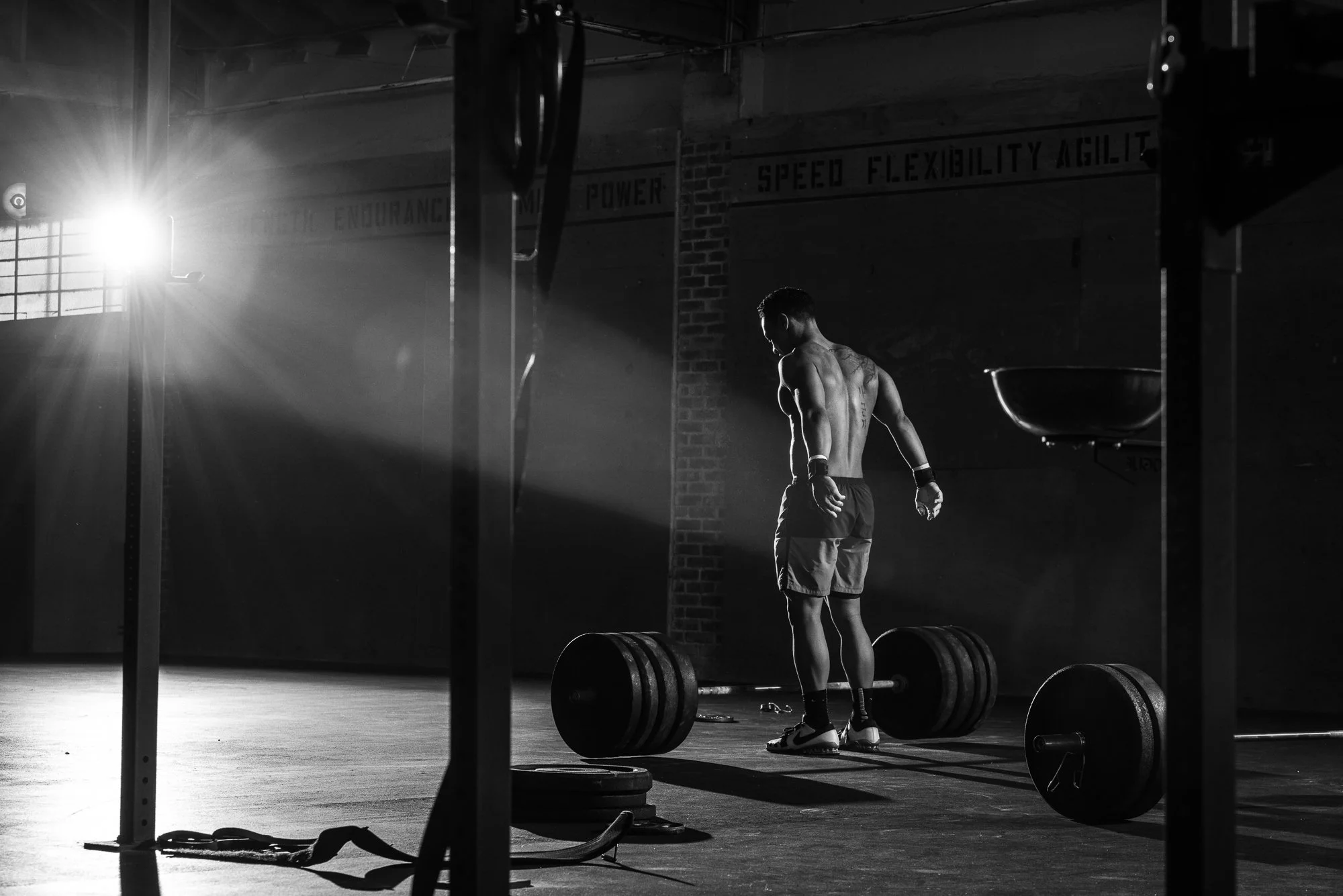
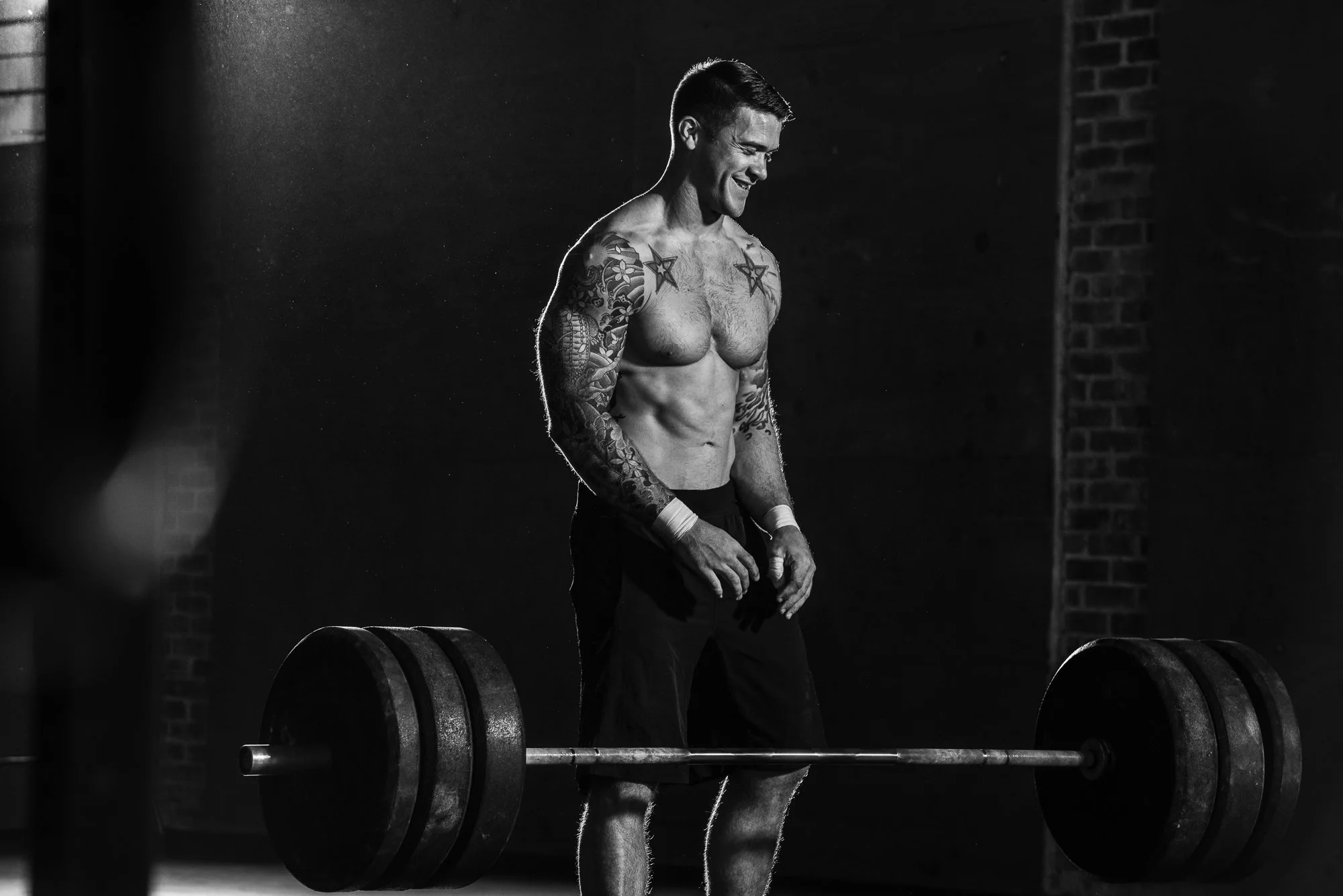
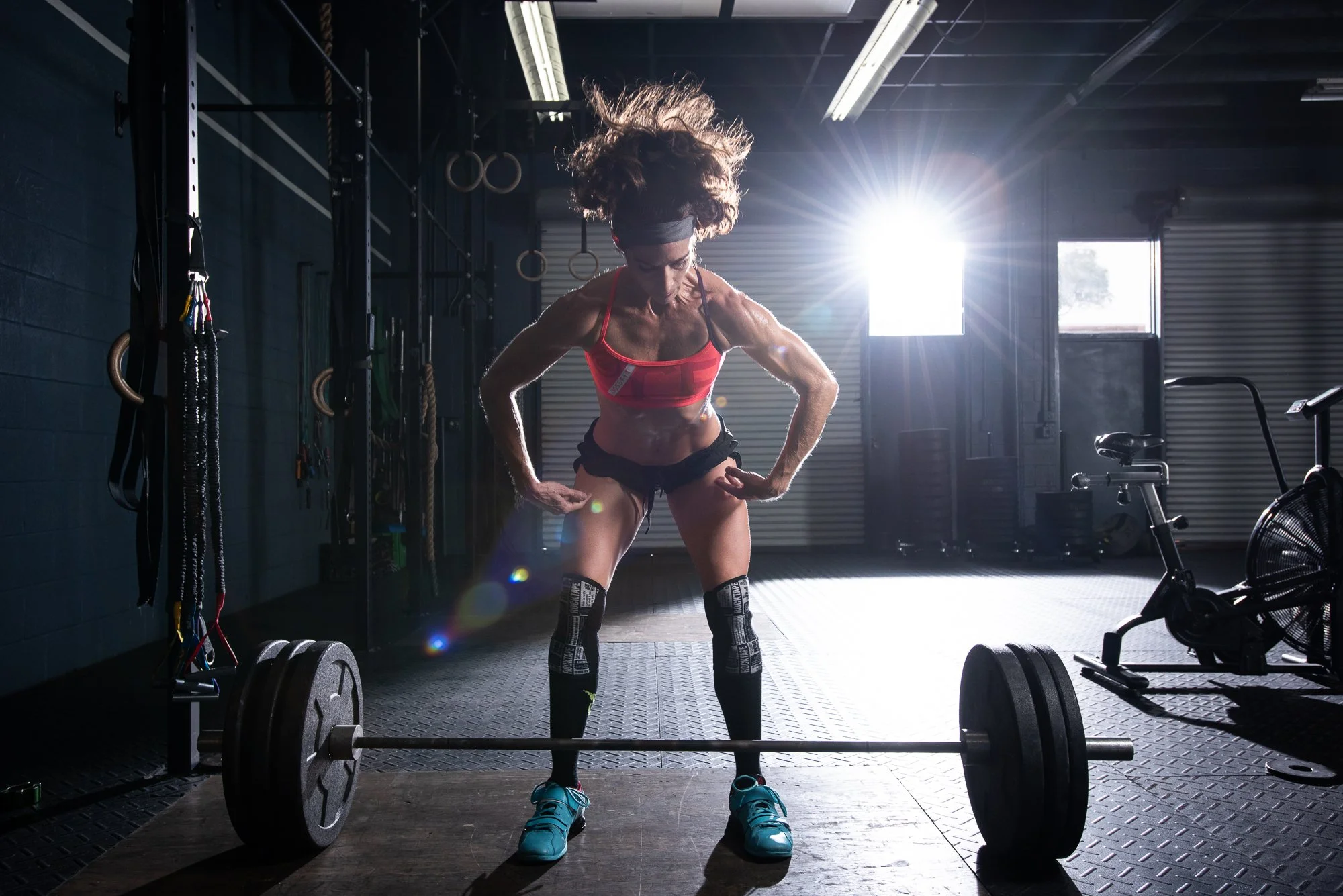
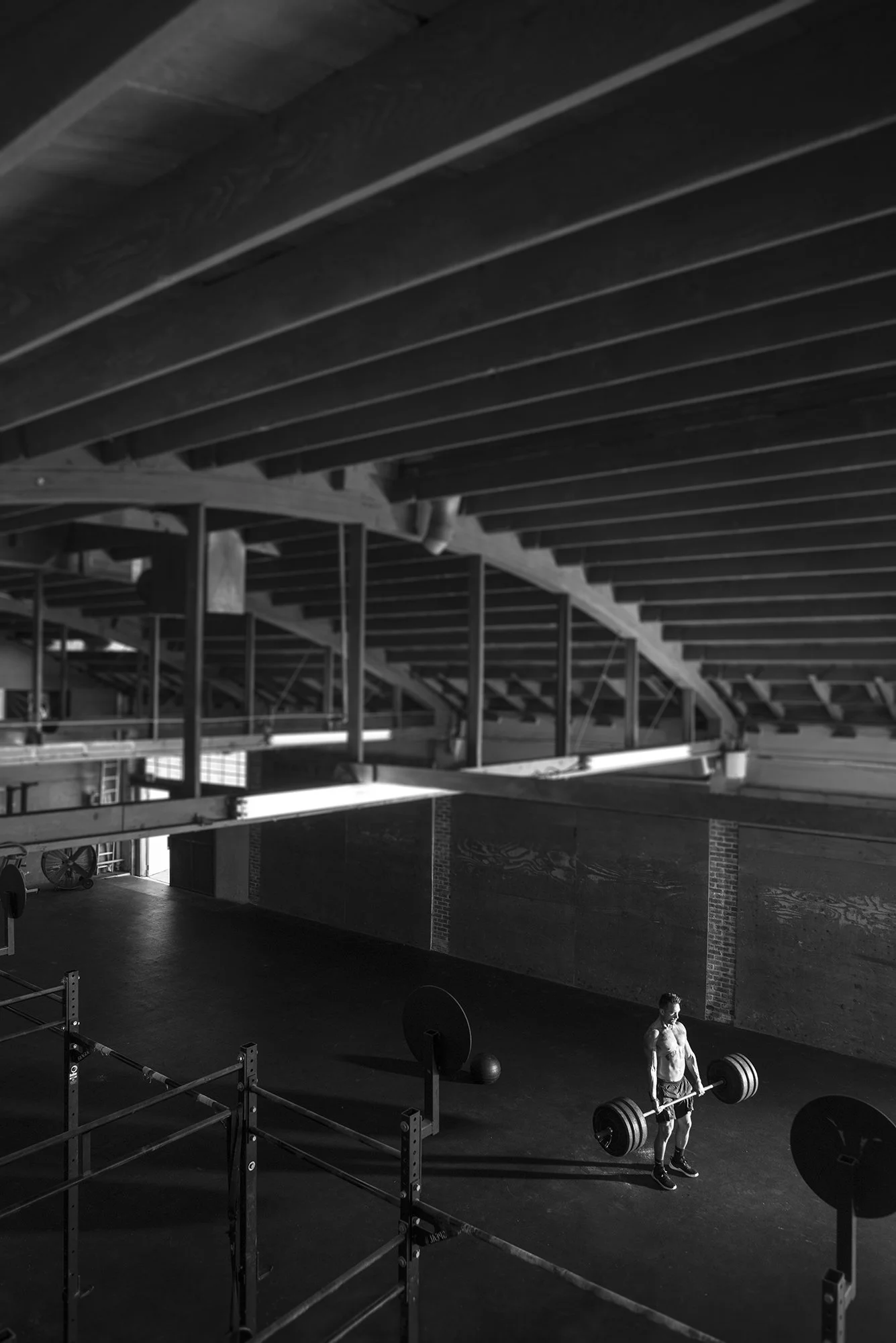
An athlete pauses beside a loaded barbell as sunlight cuts across the gym floor.
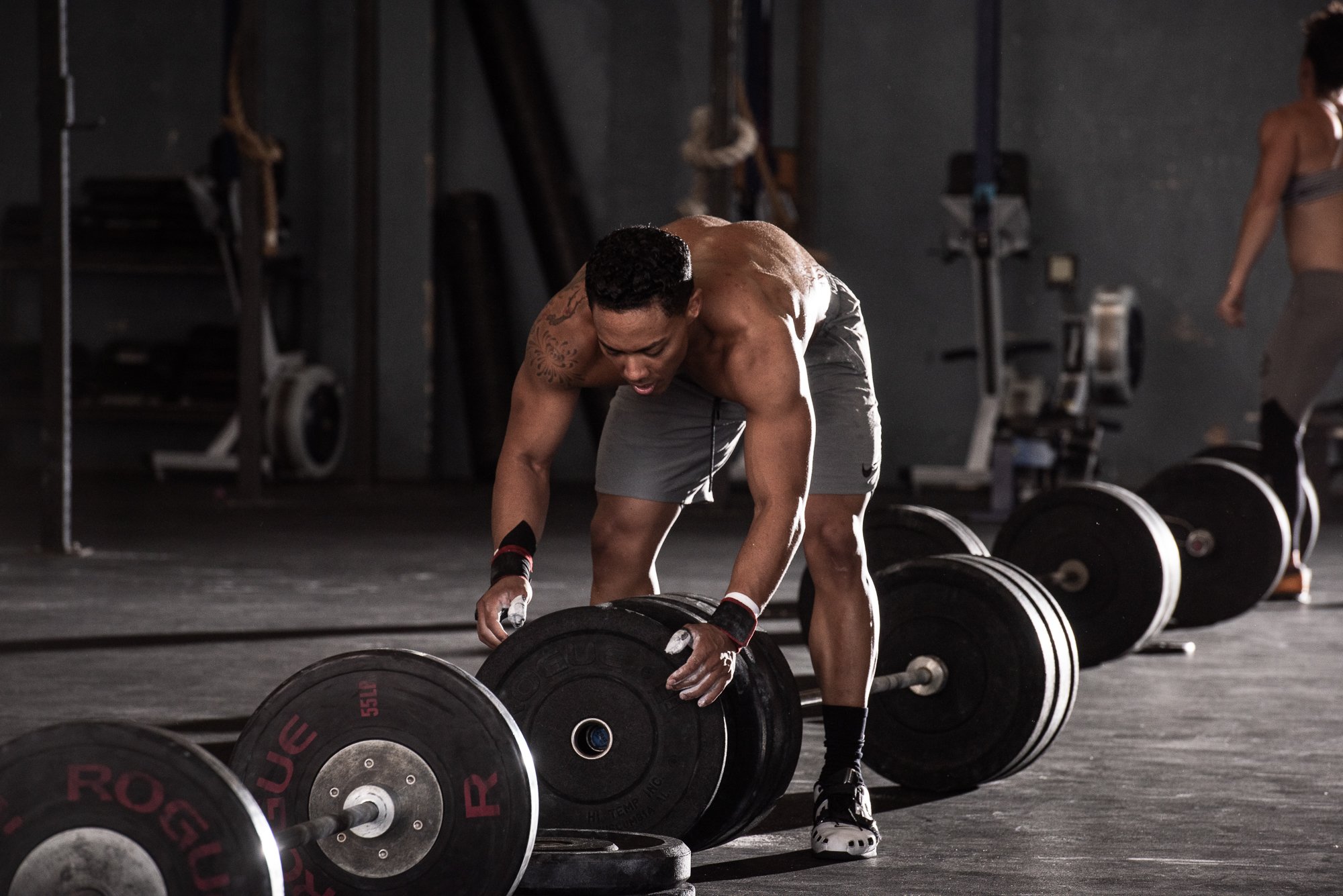
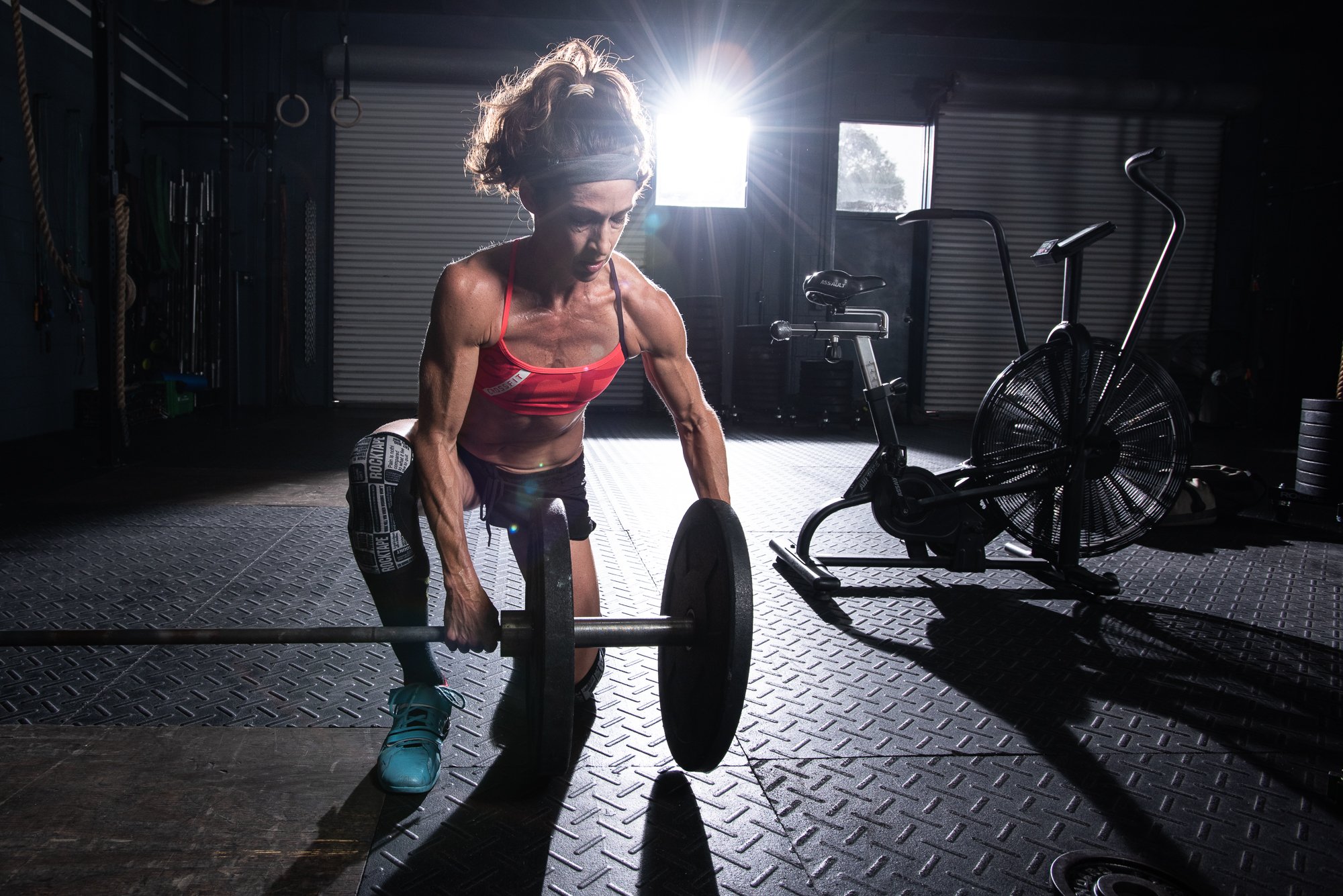
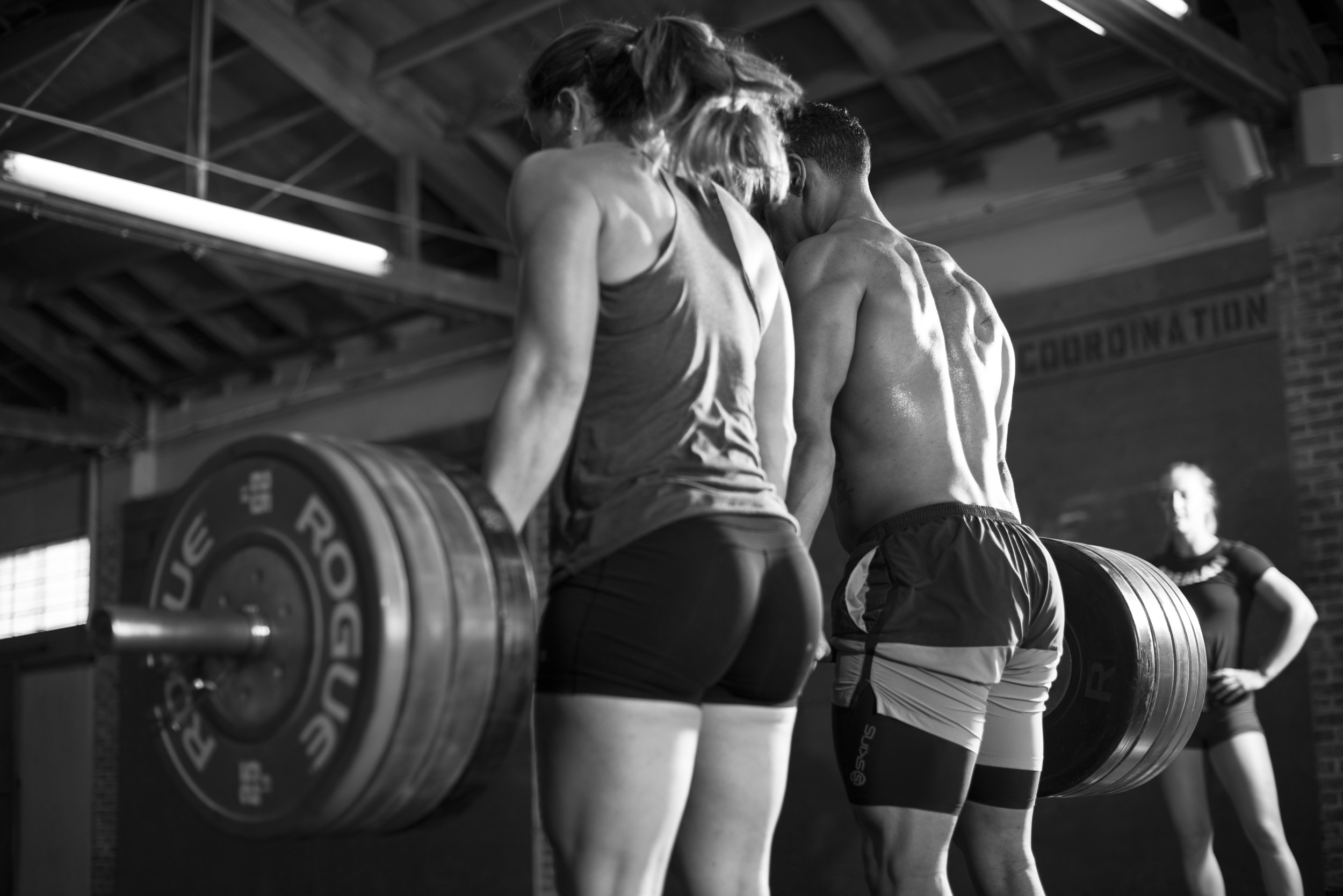
Preparing a loaded barbell on the gym floor, an athlete prepares for the next set.
Fitness Photography in Boulder and Beyond
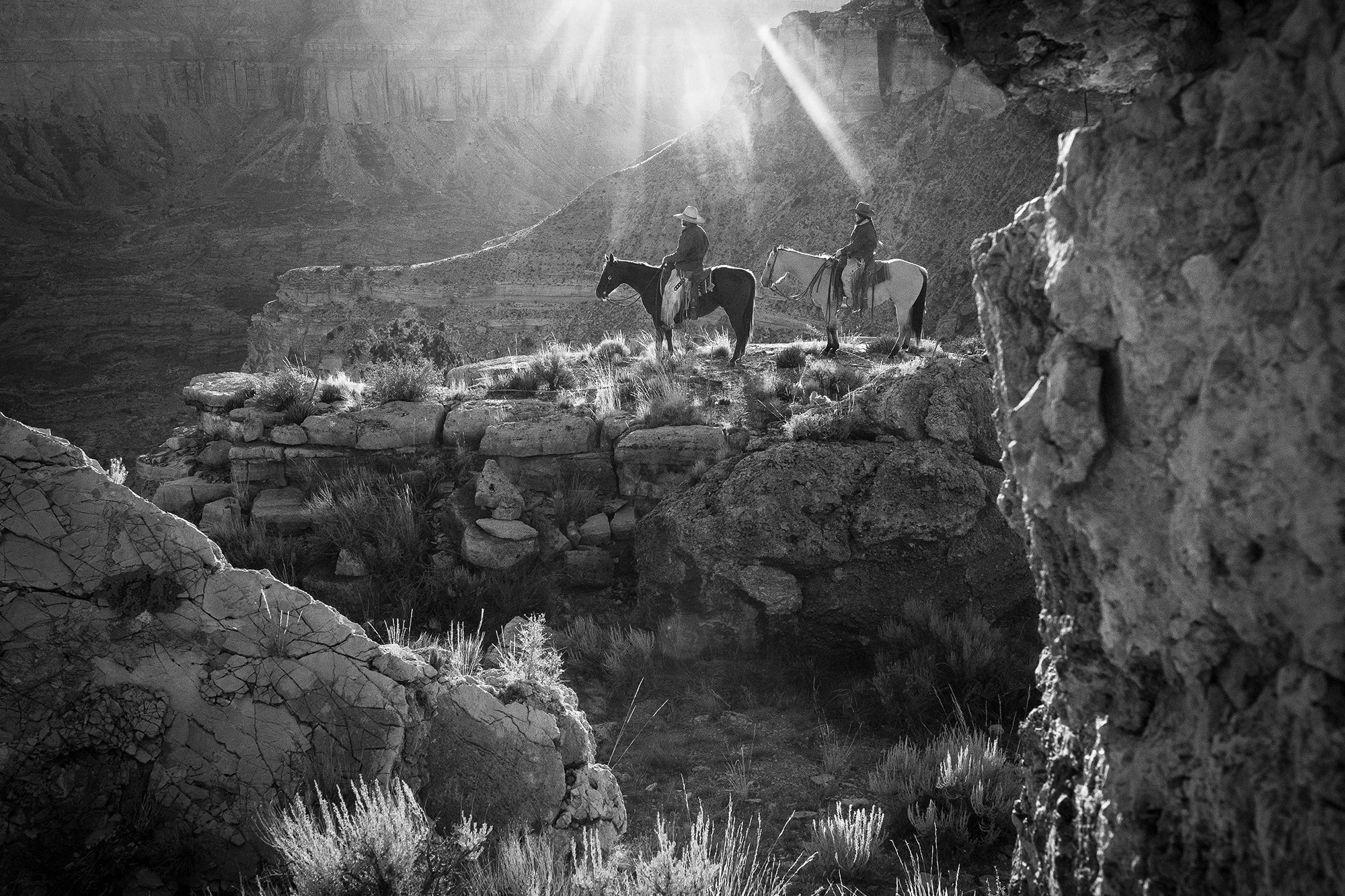
Boulder has a strong connection to training, endurance, and outdoor athletics, which makes it a natural location for fitness productions. It also offers something particularly useful for commercial shoots: the ability to combine indoor training with Colorado's outdoor environments.
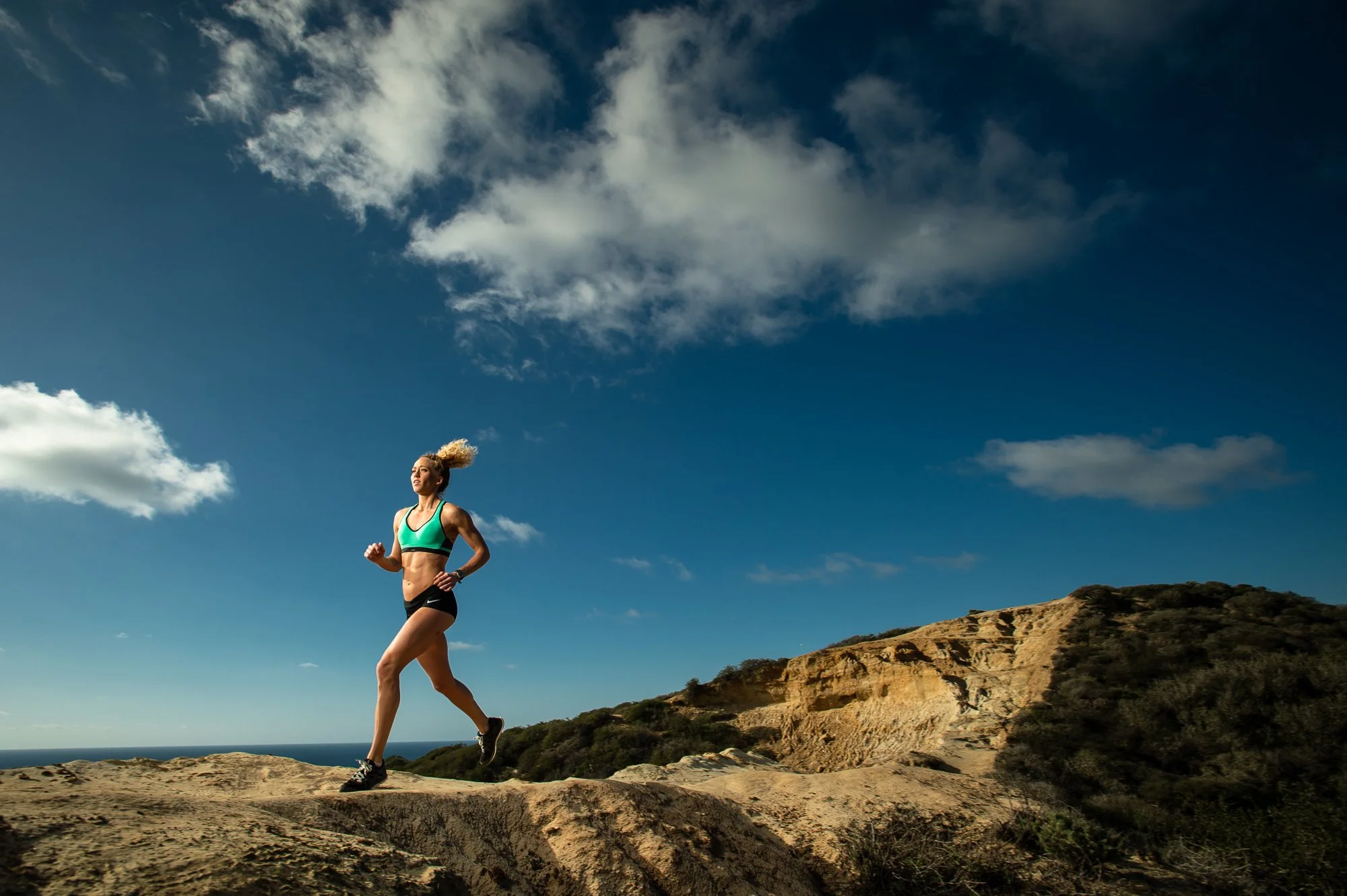
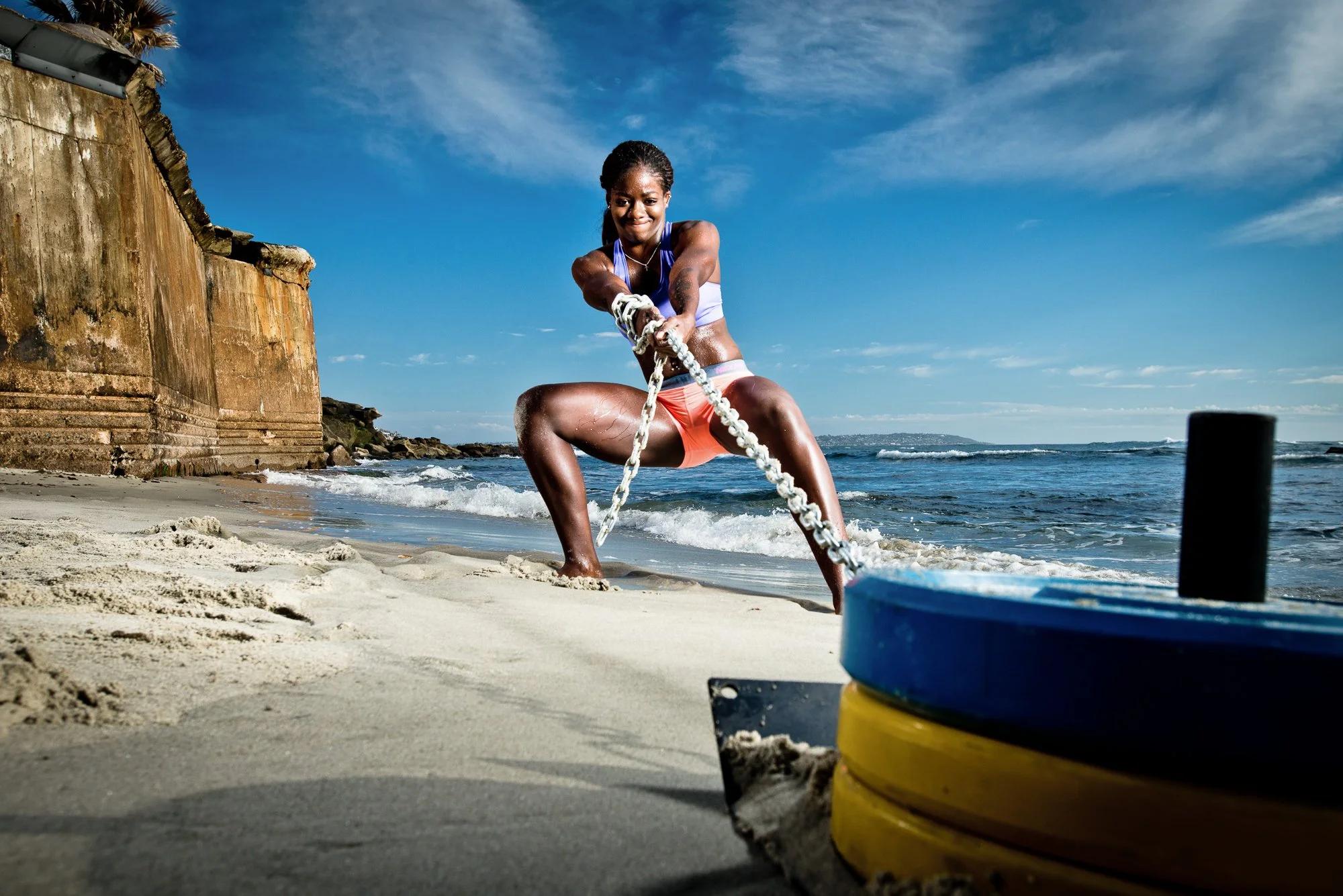
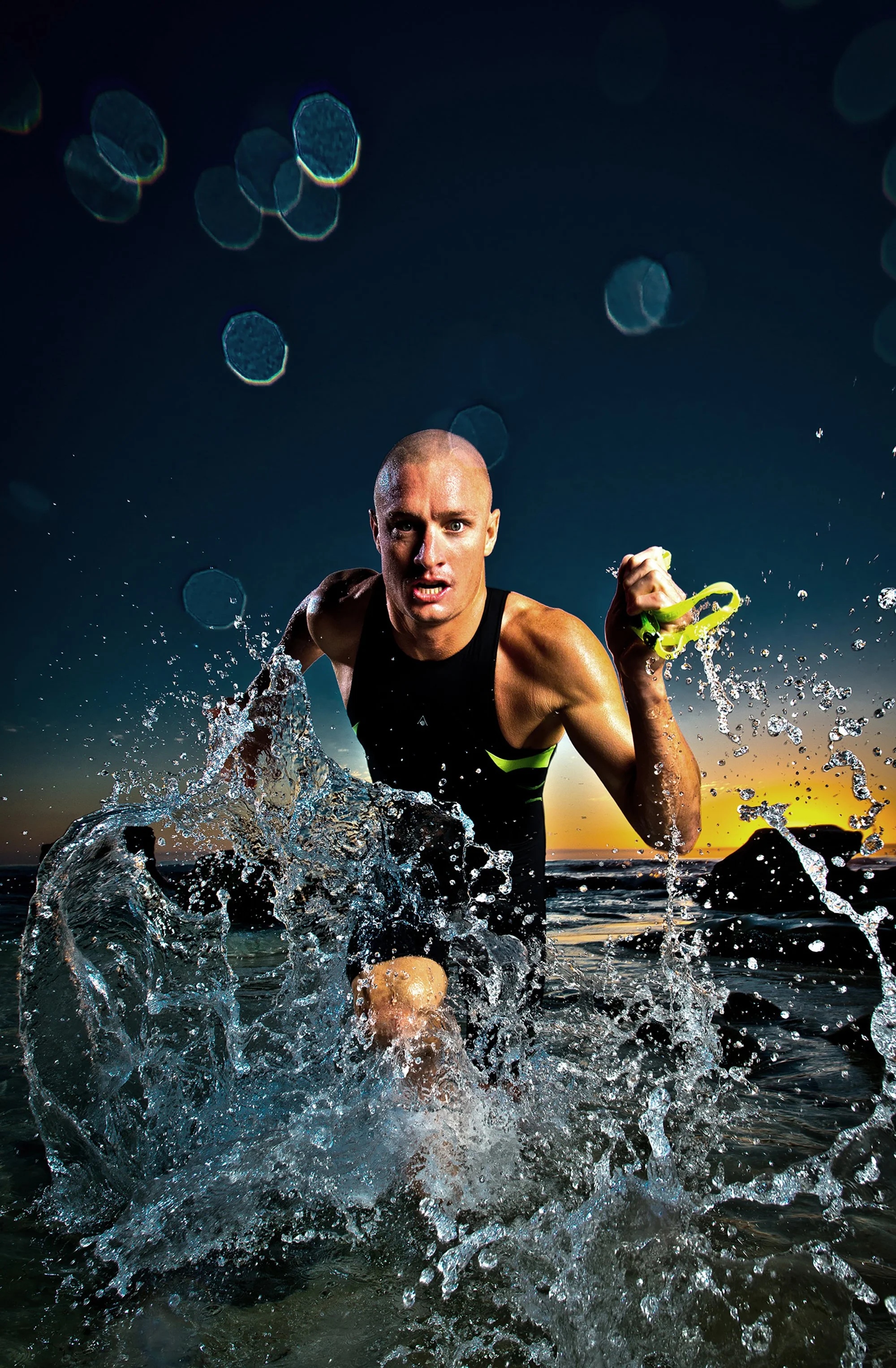
A project can move from strength and functional training inside a gym to running, cycling, hiking, or other active lifestyle imagery outside, creating a larger visual campaign without losing continuity.
While this shoot was made in Boulder, I photograph fitness and active lifestyle campaigns throughout Colorado and travel nationally for commercial and editorial assignments.
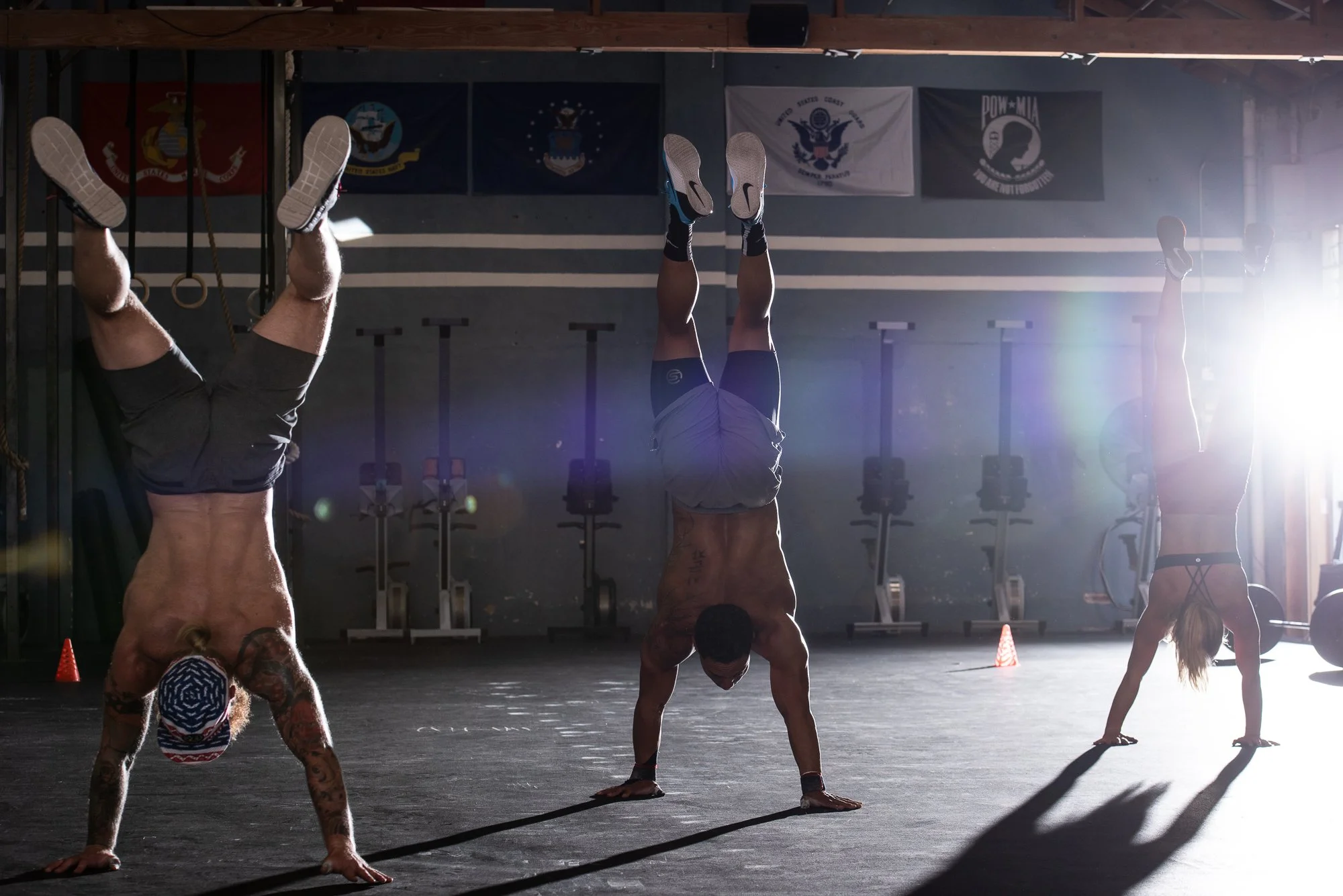
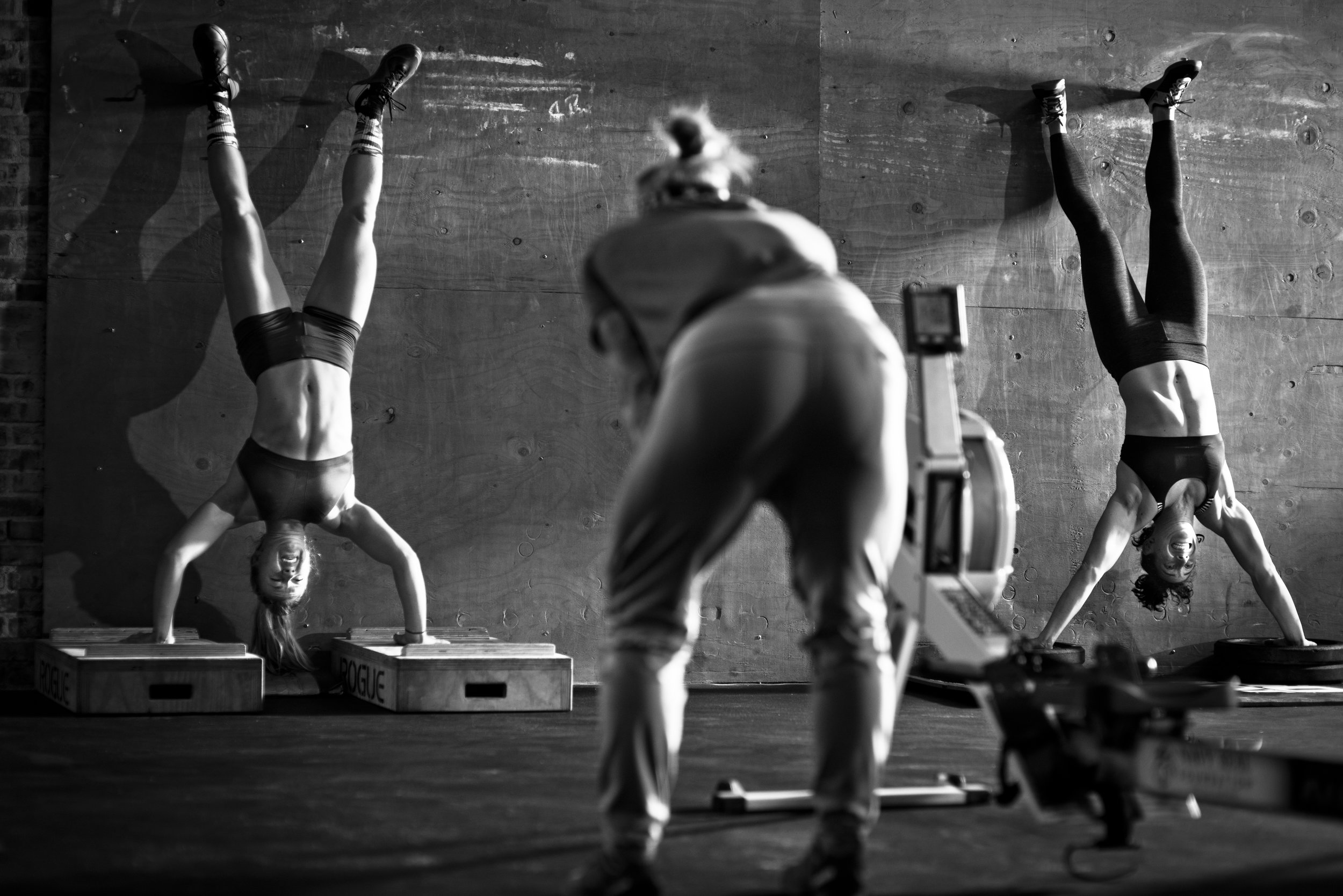
Three athletes work through handstands across the training floor, their shadows stretching through the gym.
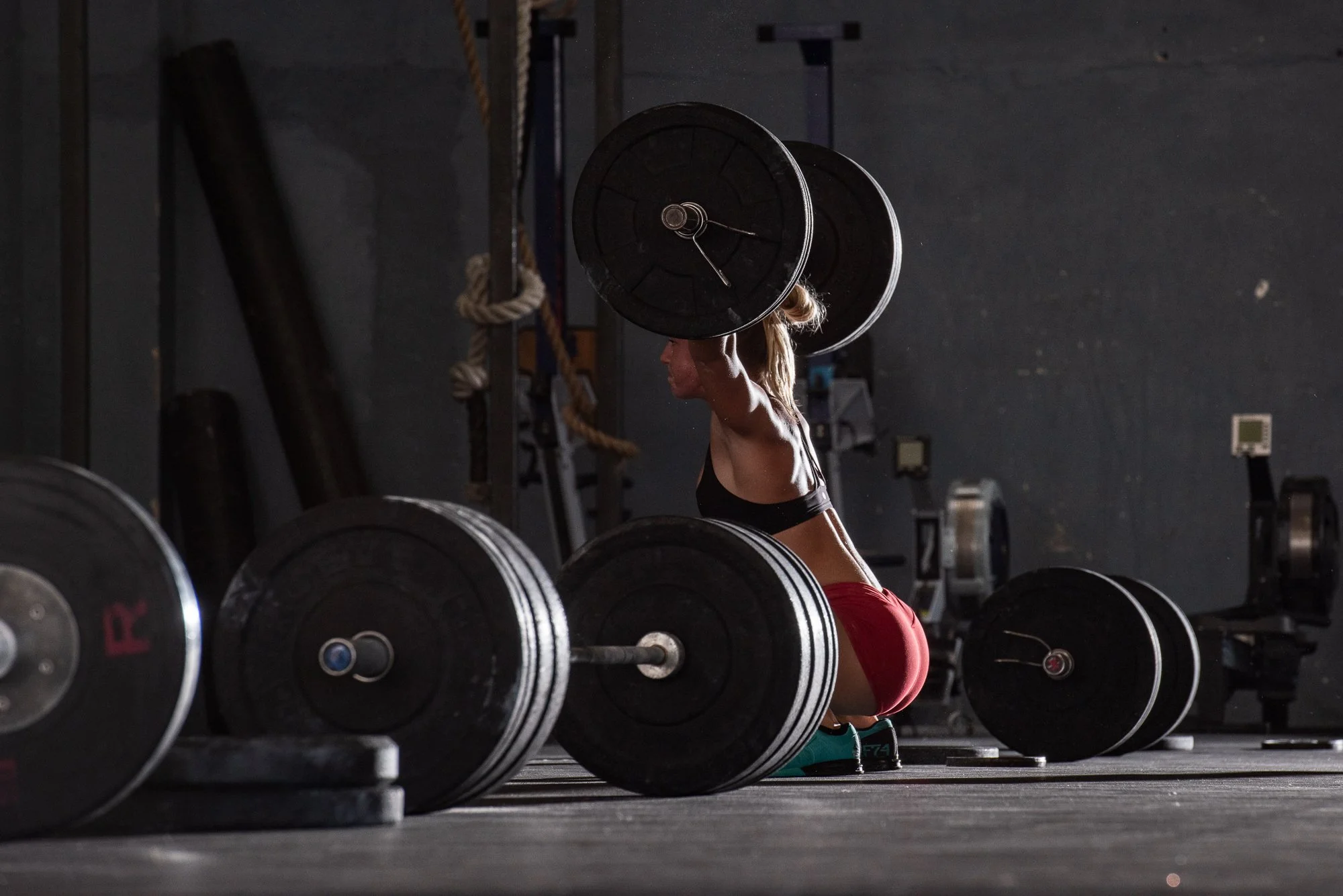
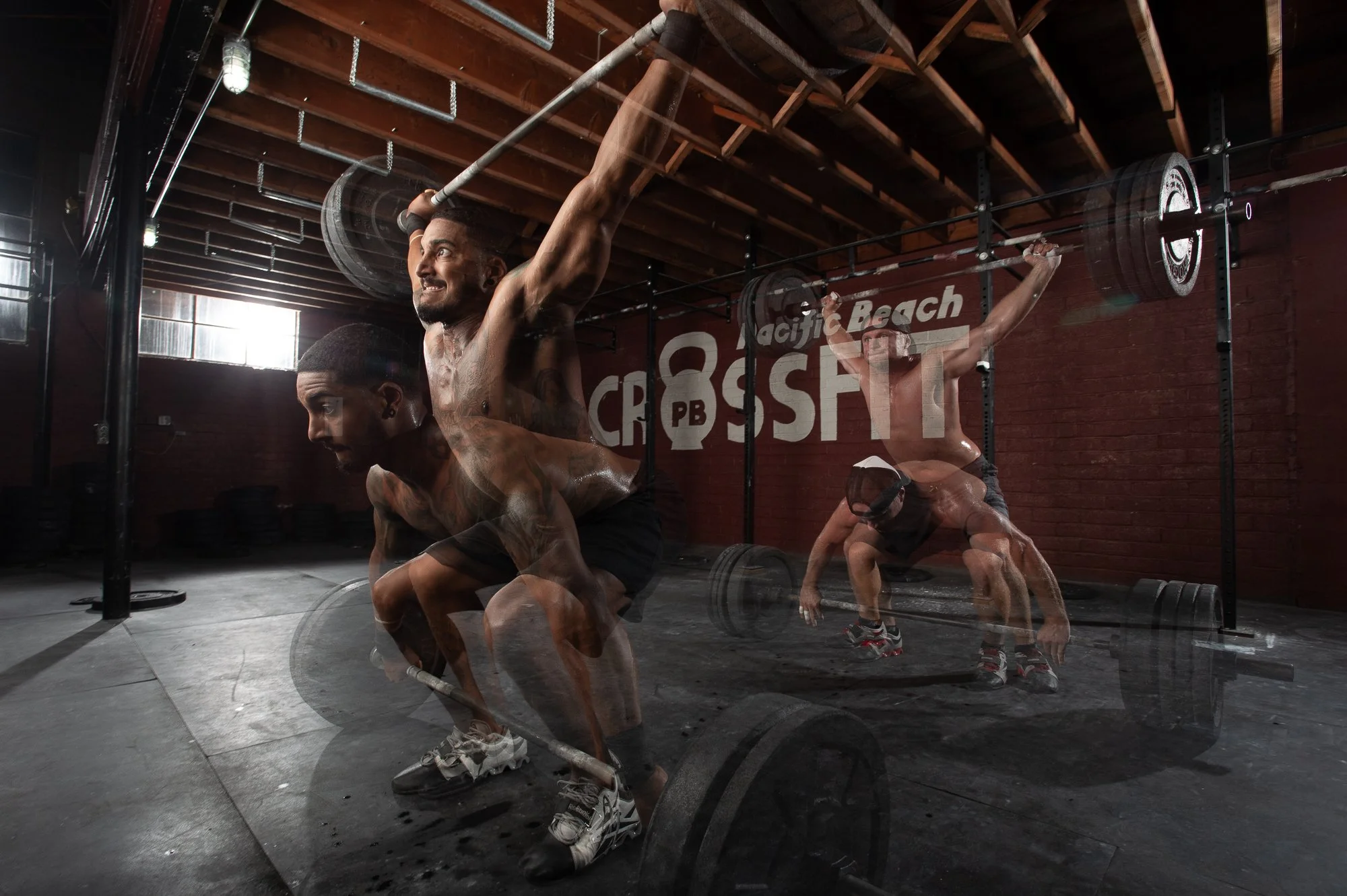
A loaded barbell moves overhead as an athlete works through a strength movement among the equipment on the gym floor.
Commercial CrossFit and Fitness Photographer
I work with advertising agencies, fitness brands, apparel and equipment companies, gyms, and athletes to create photography that feels athletic without feeling manufactured.
The goal isn't to make training look perfect.
It's to make it look believable.
For commercial photography projects involving CrossFit, strength training, functional fitness, athletes, or active lifestyle imagery, view my fitness portfolio or get in touch to discuss the production.
Most of my my fitness photography is also available for editorial and commercial licensing.
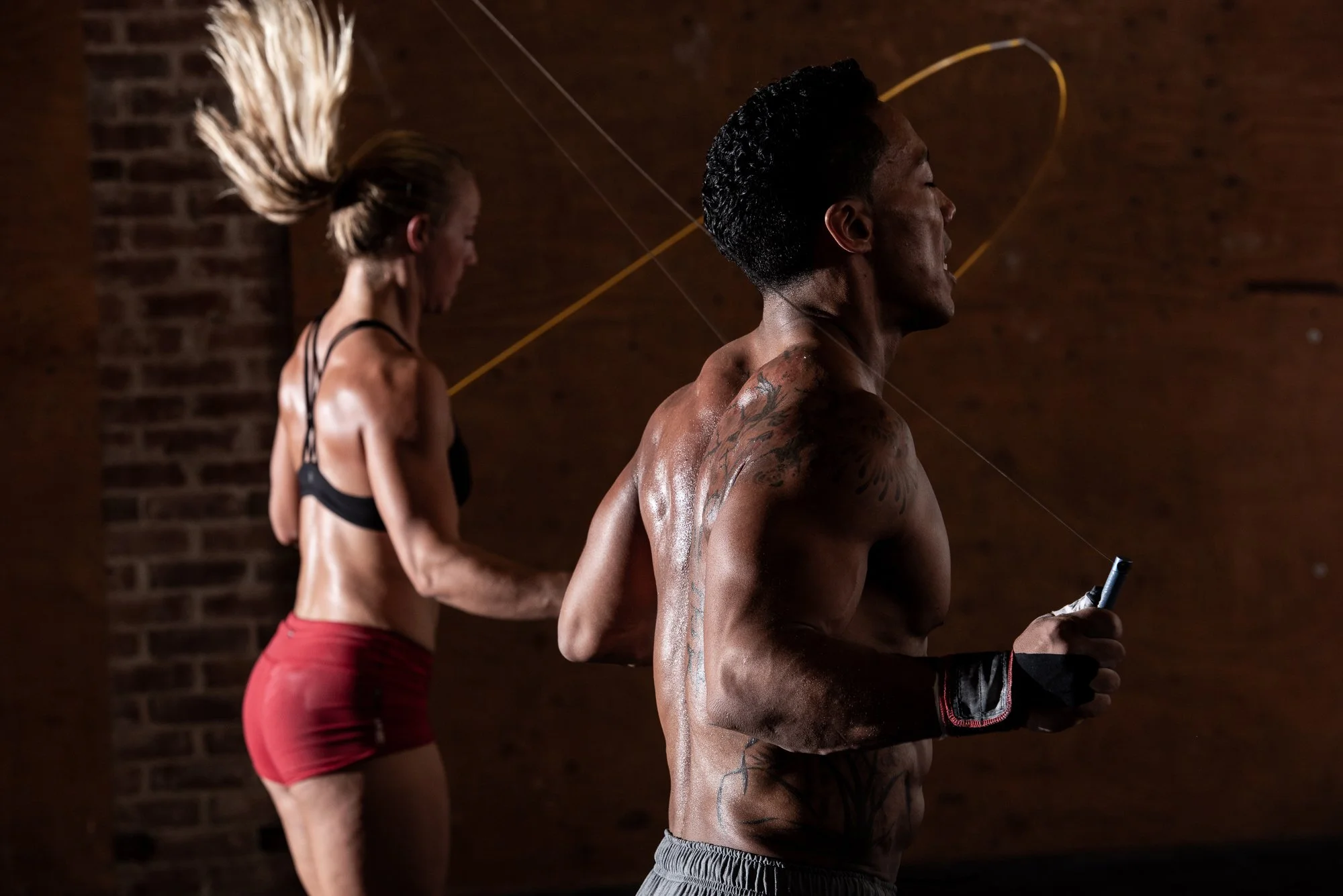
Jump ropes turn between efforts as two athletes continue training against the wood walls of the gym.
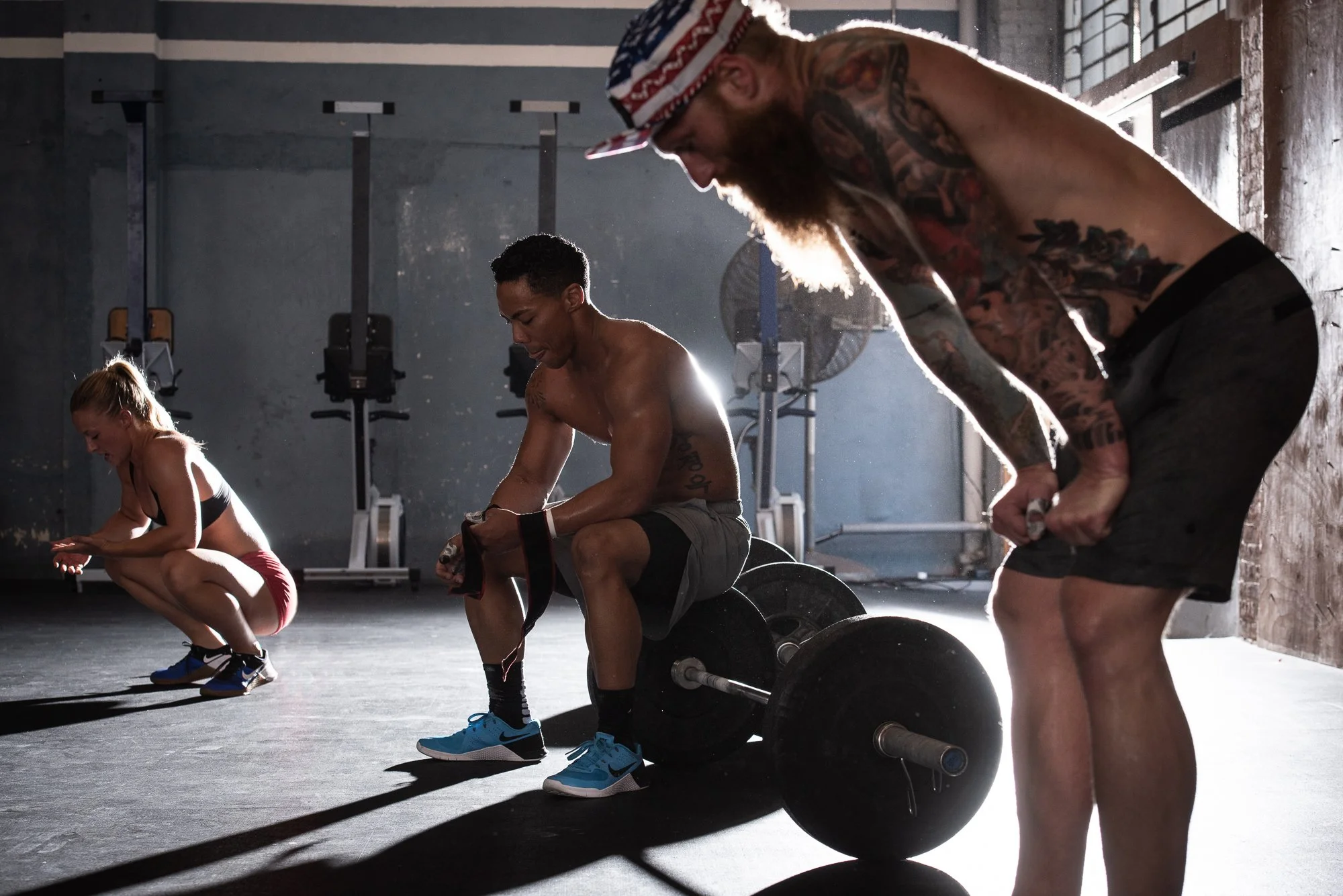
Between efforts, athletes reset around loaded barbells before getting back to the work.