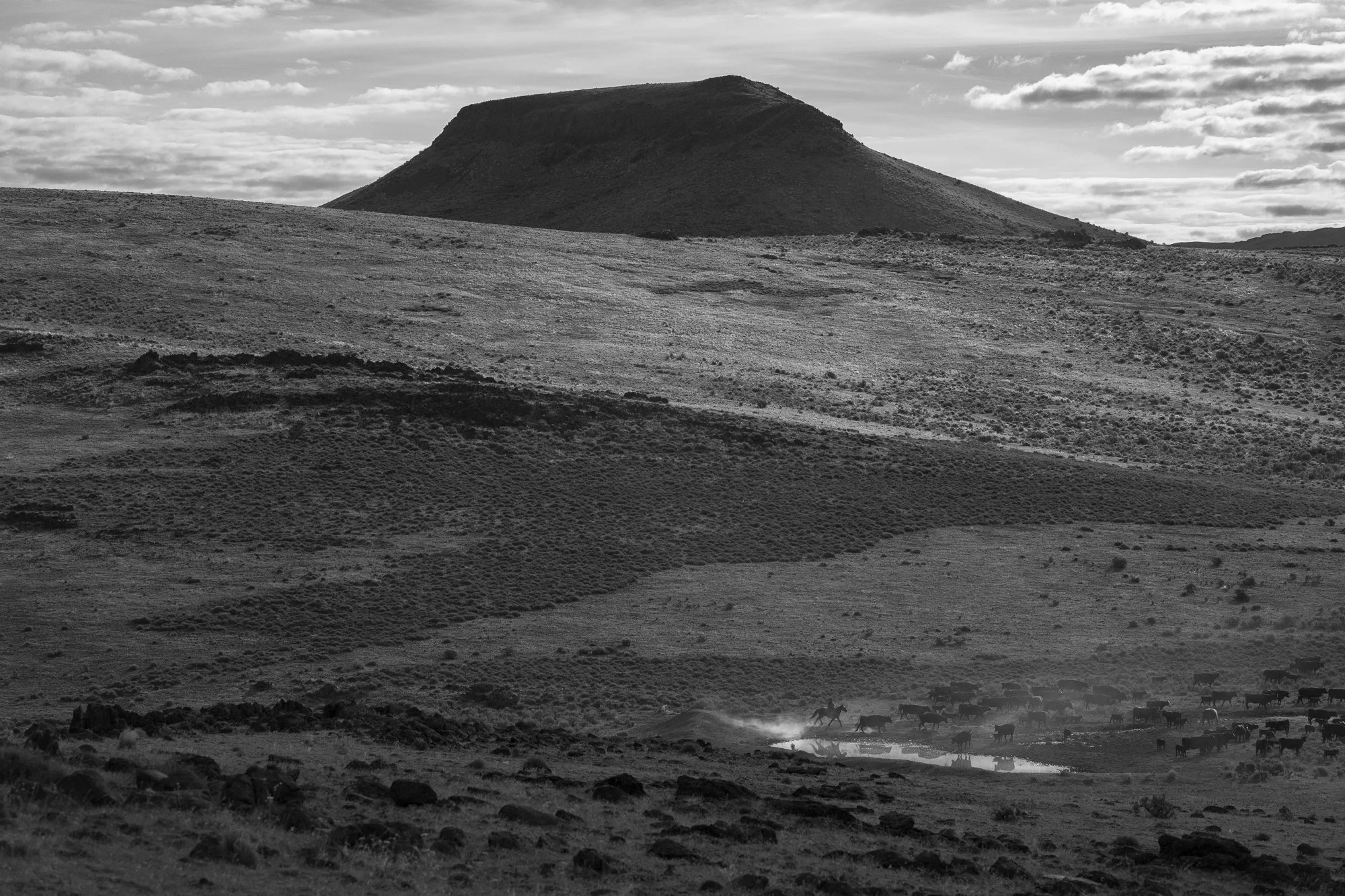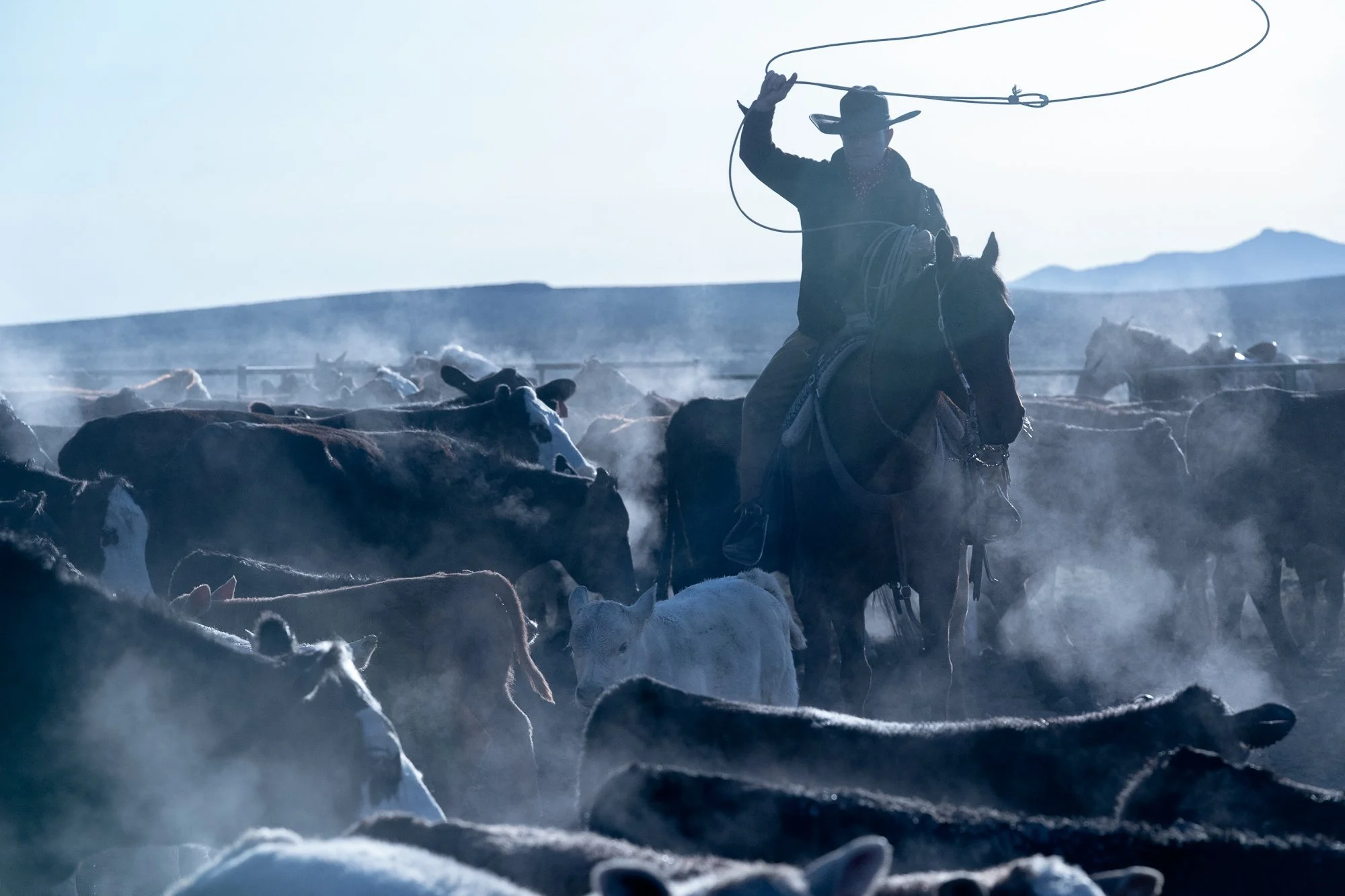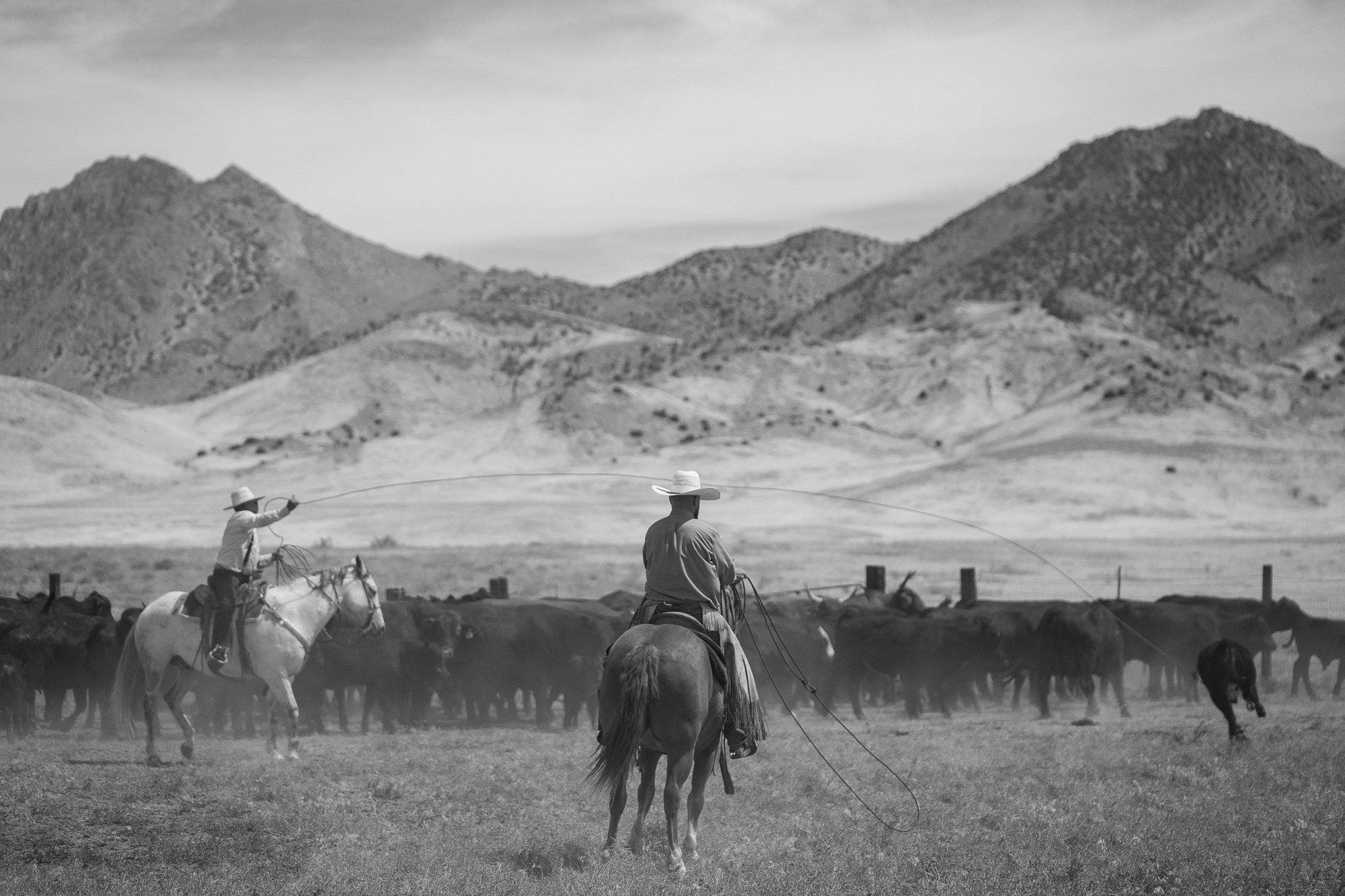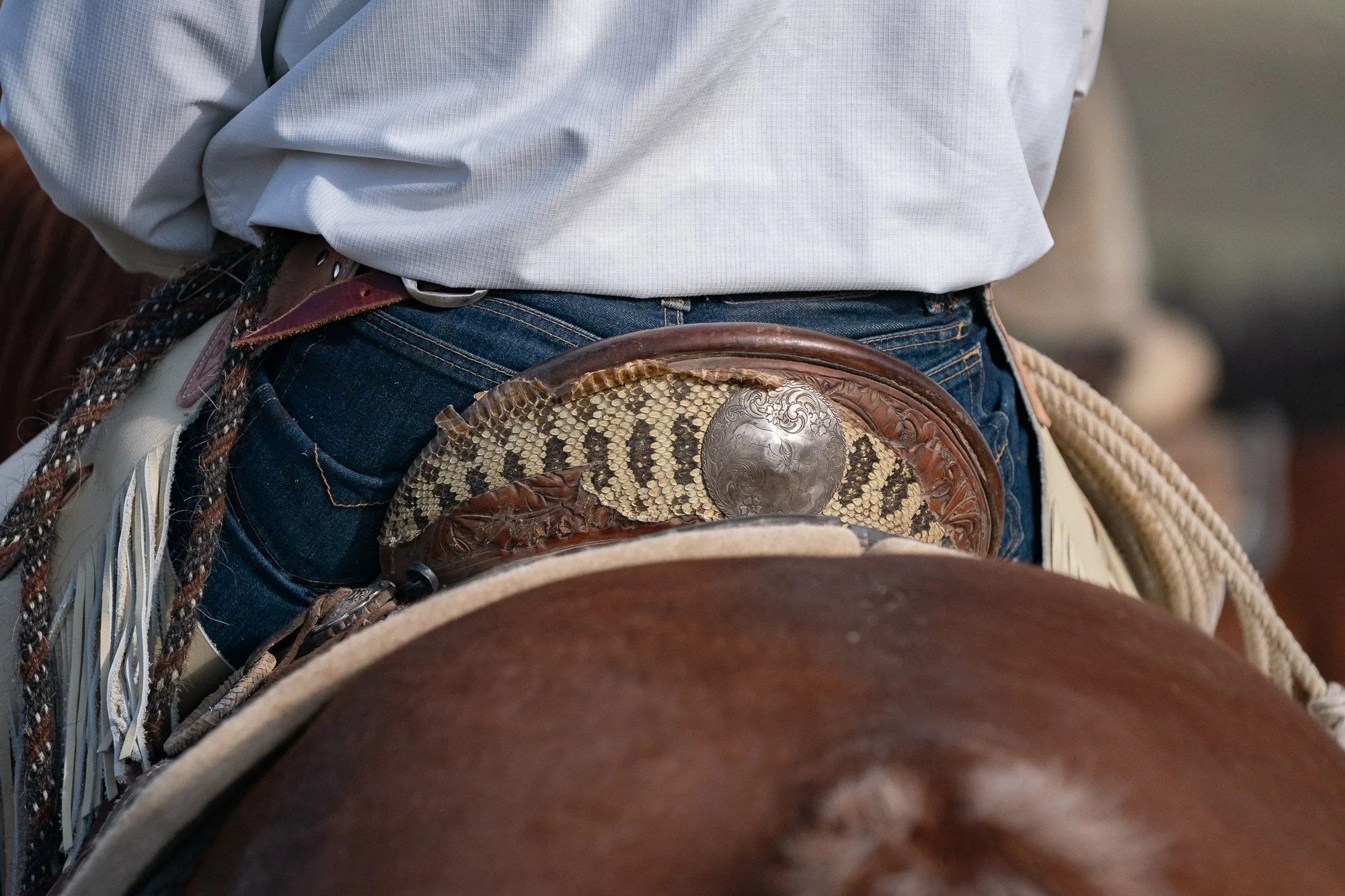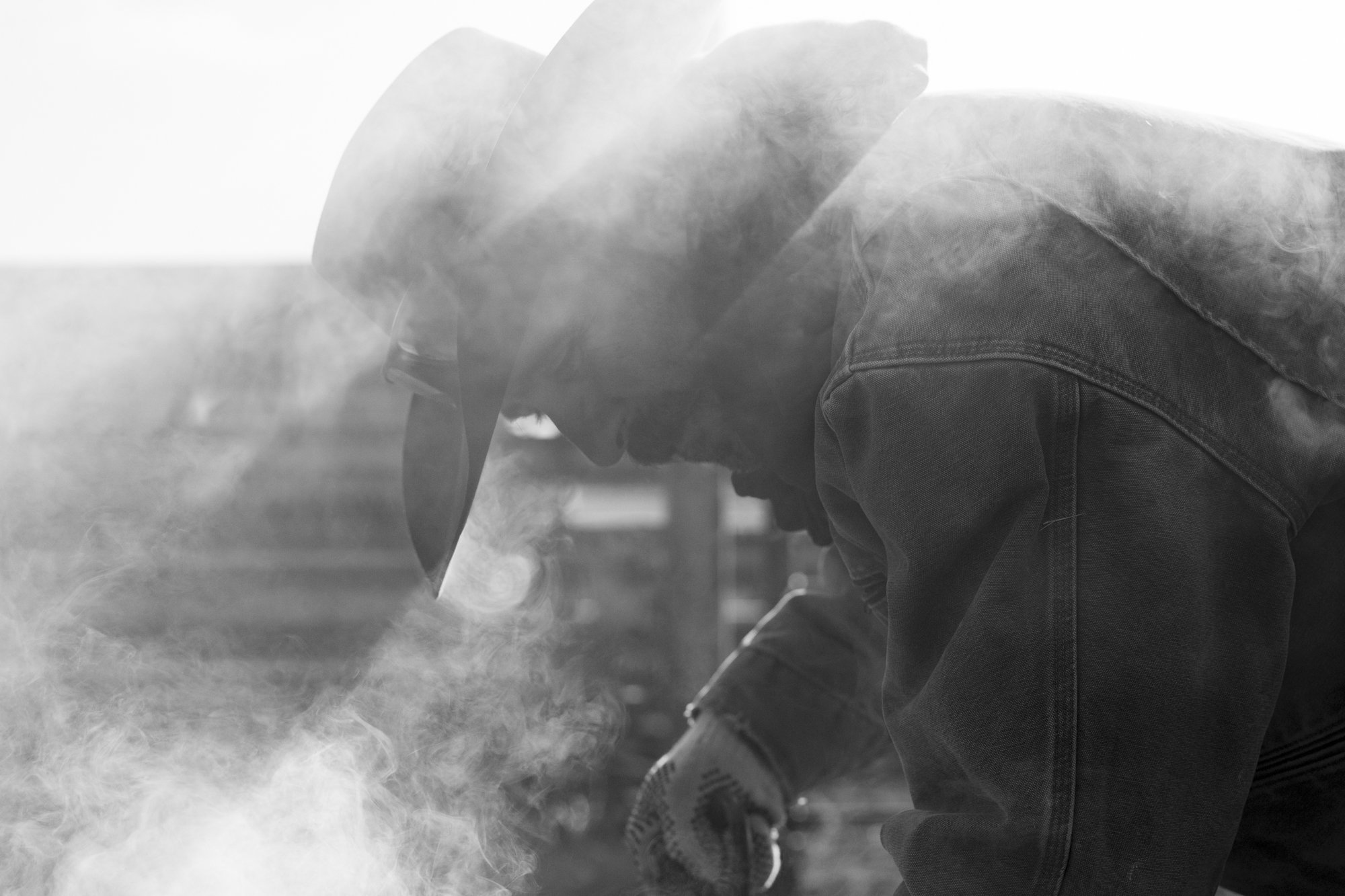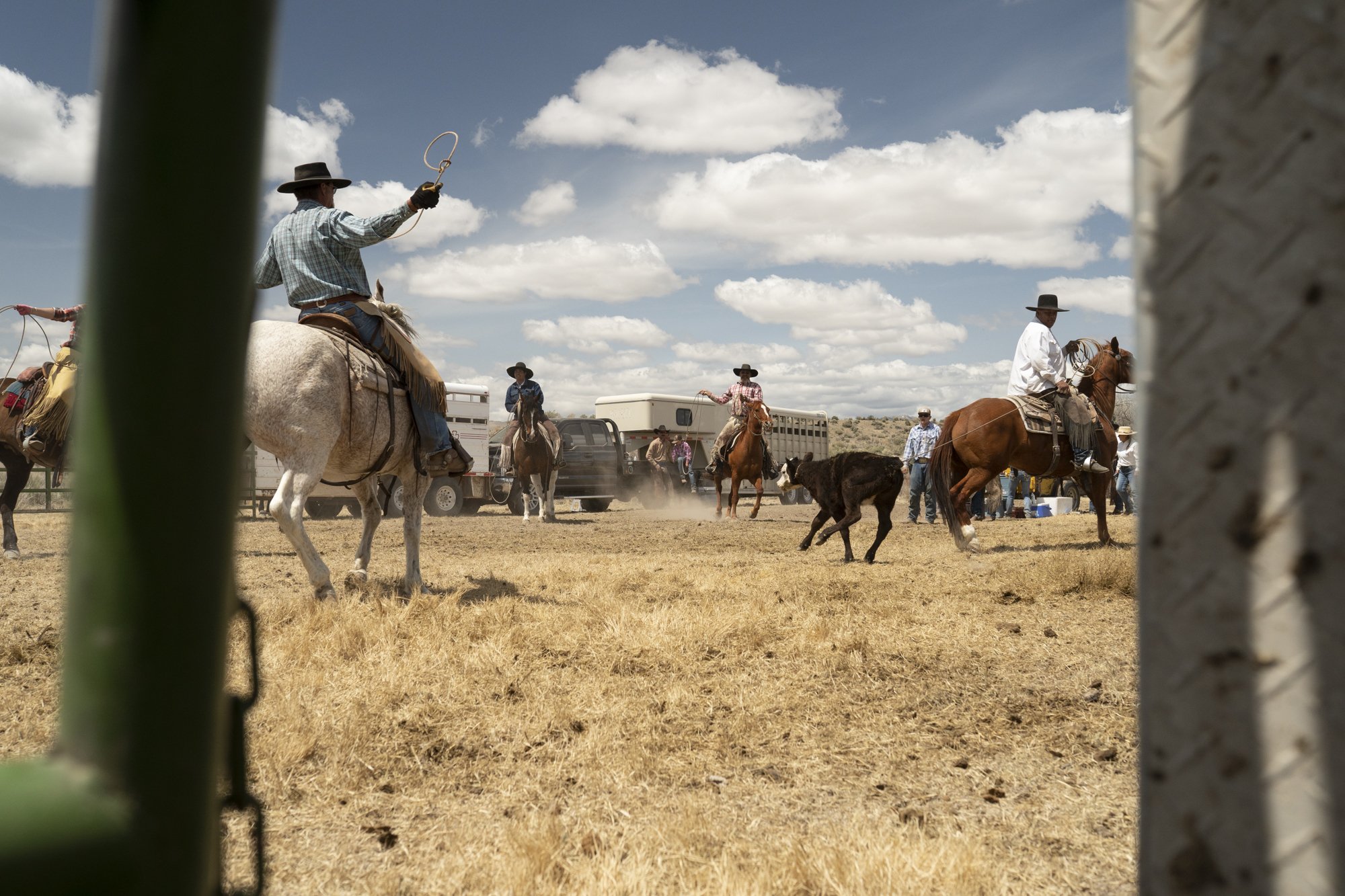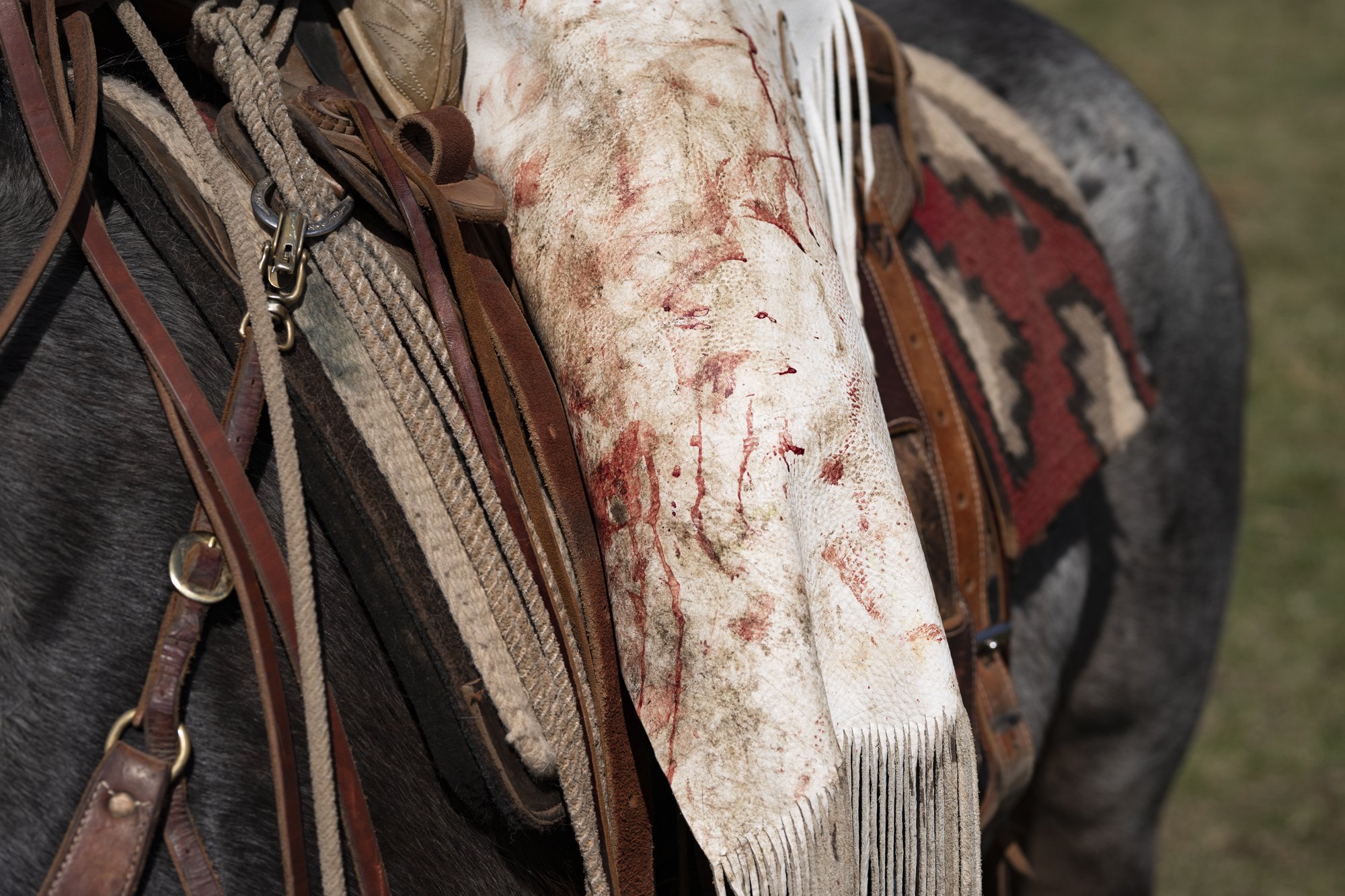
Cowboy Photographer

Western Horseman Magazine Names Rob Hammer Among the Best Western Photographers

Being recognized by Western Horseman Magazine is an honor that carries real weight in the world of Western culture. For over 85 years, Western Horseman has documented the lives, traditions, and work ethic of ranchers and cowboys across the American West. Their editorial standards are deeply rooted in authenticity, history, and respect for the people who make a living on horseback.

That’s why being named one of the best Western photographers by Western Horseman is especially meaningful to me.

A Lifetime Dedicated to Authentic Western Photography

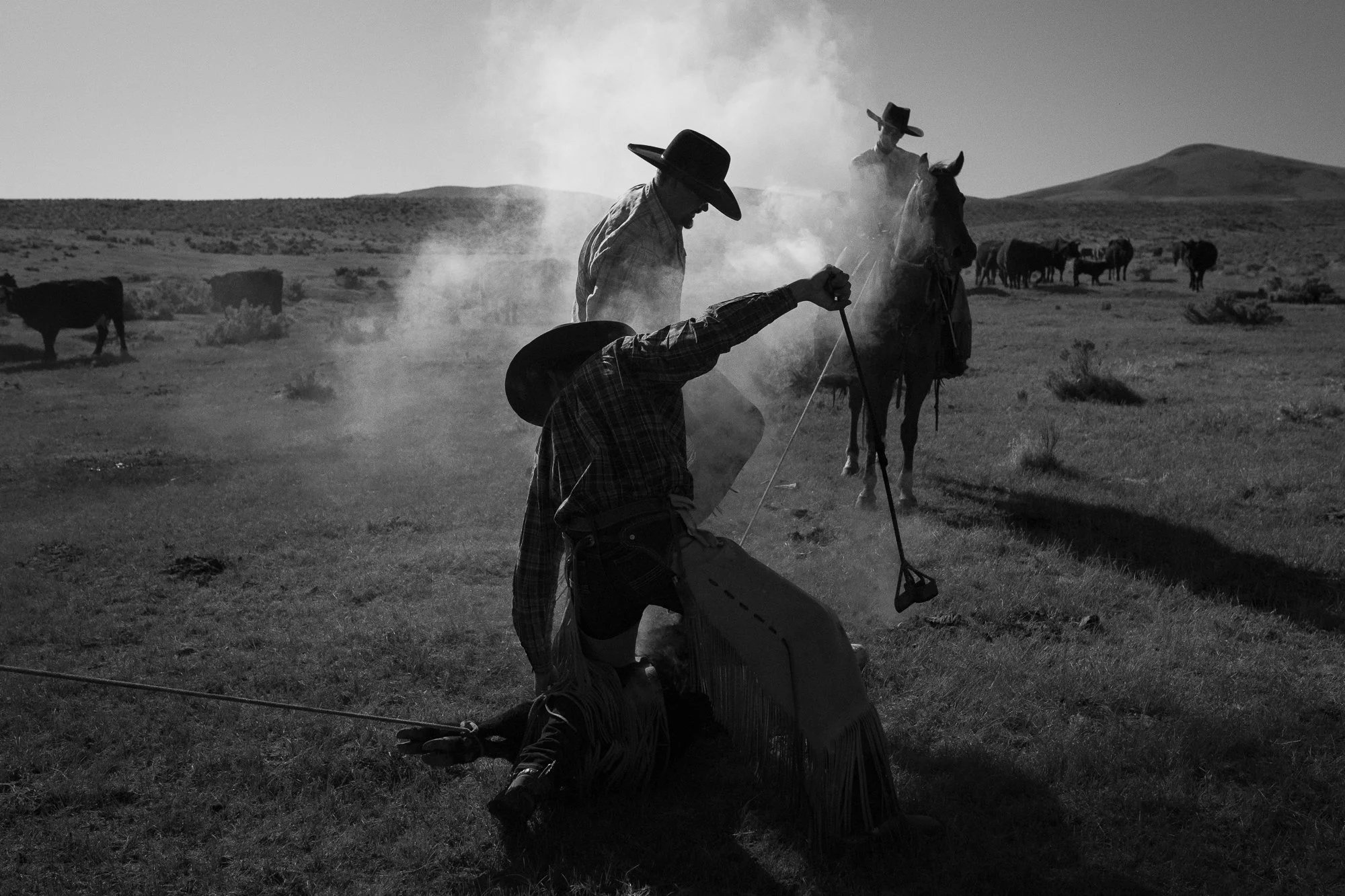
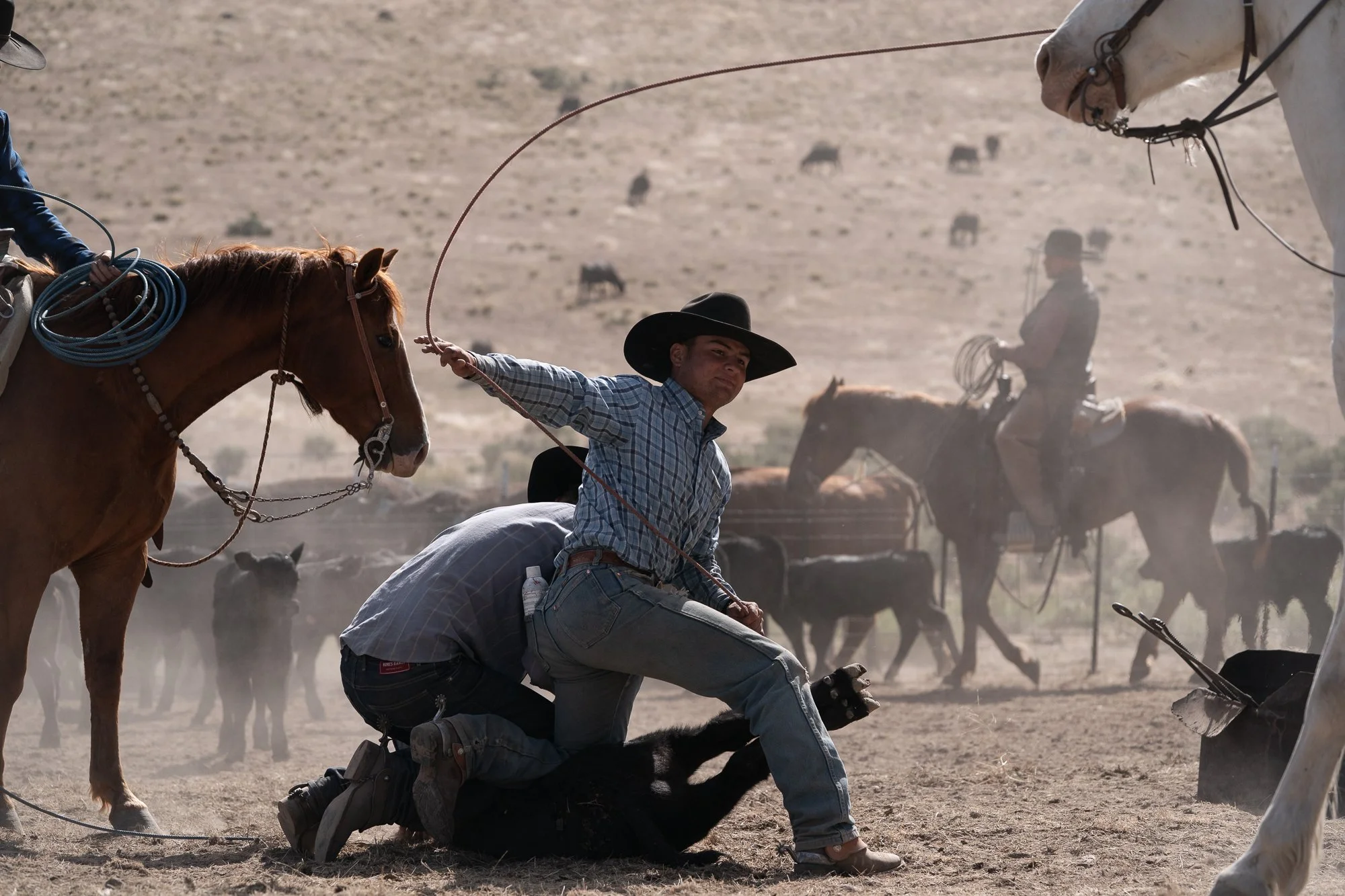
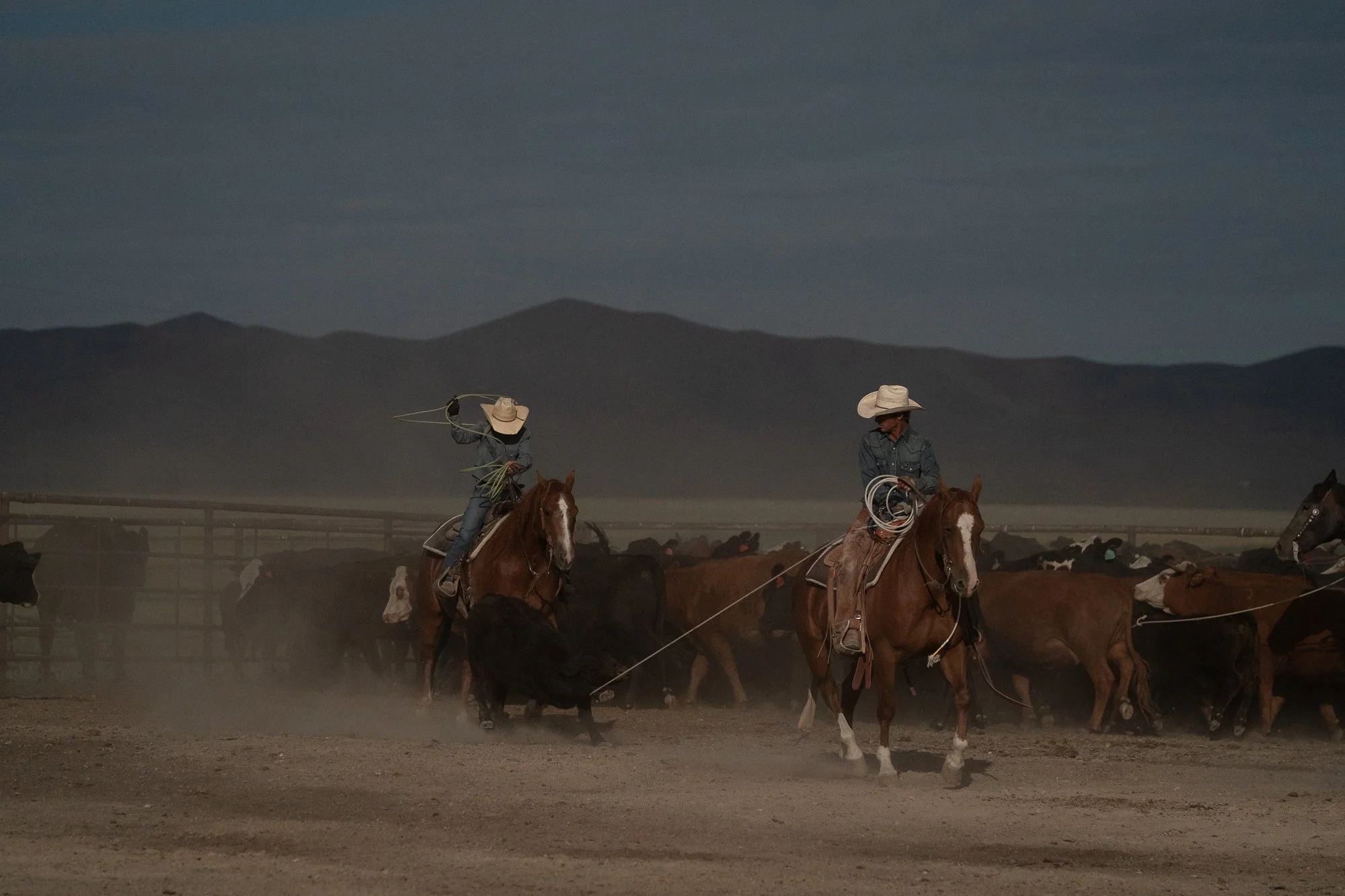
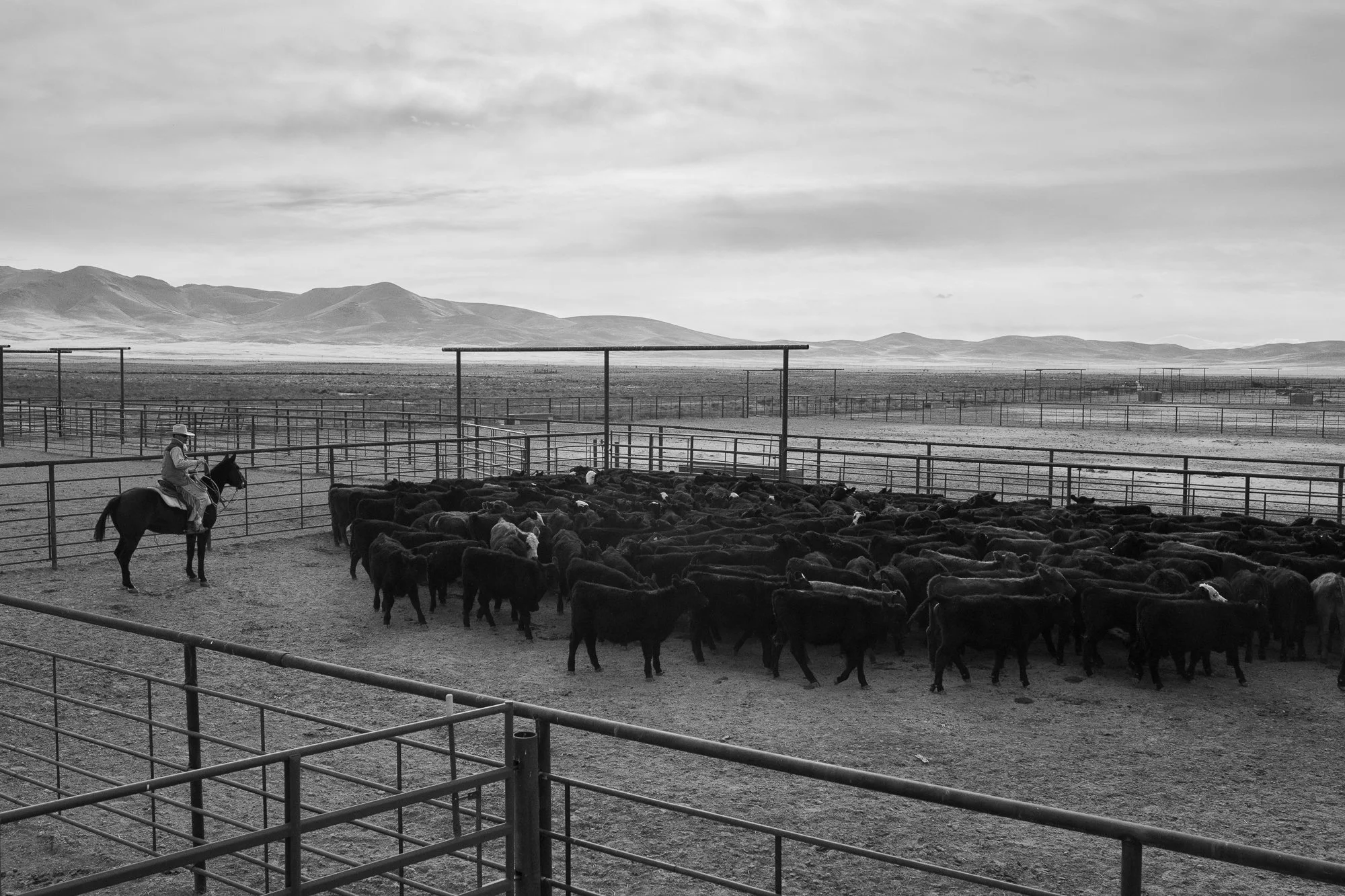
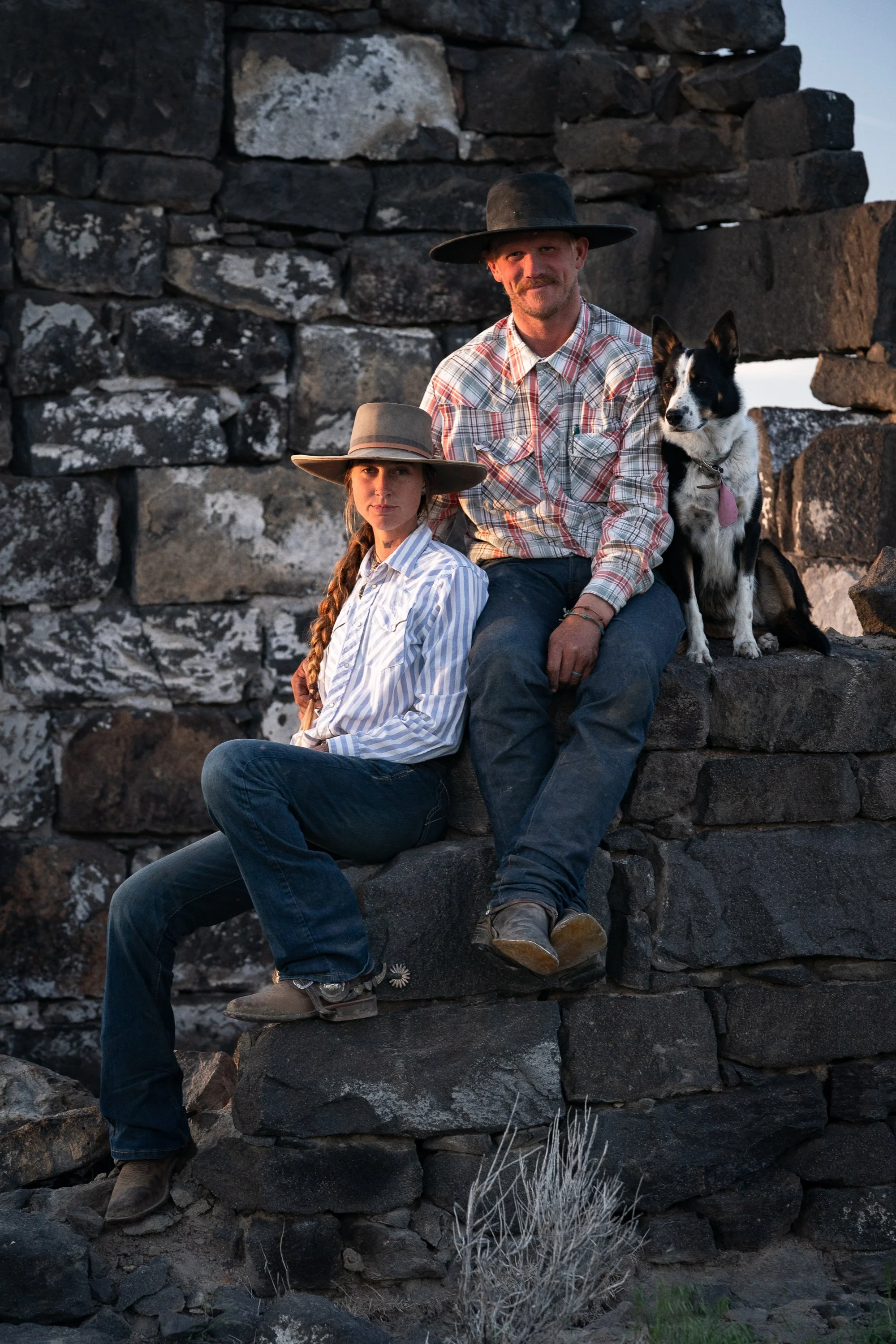
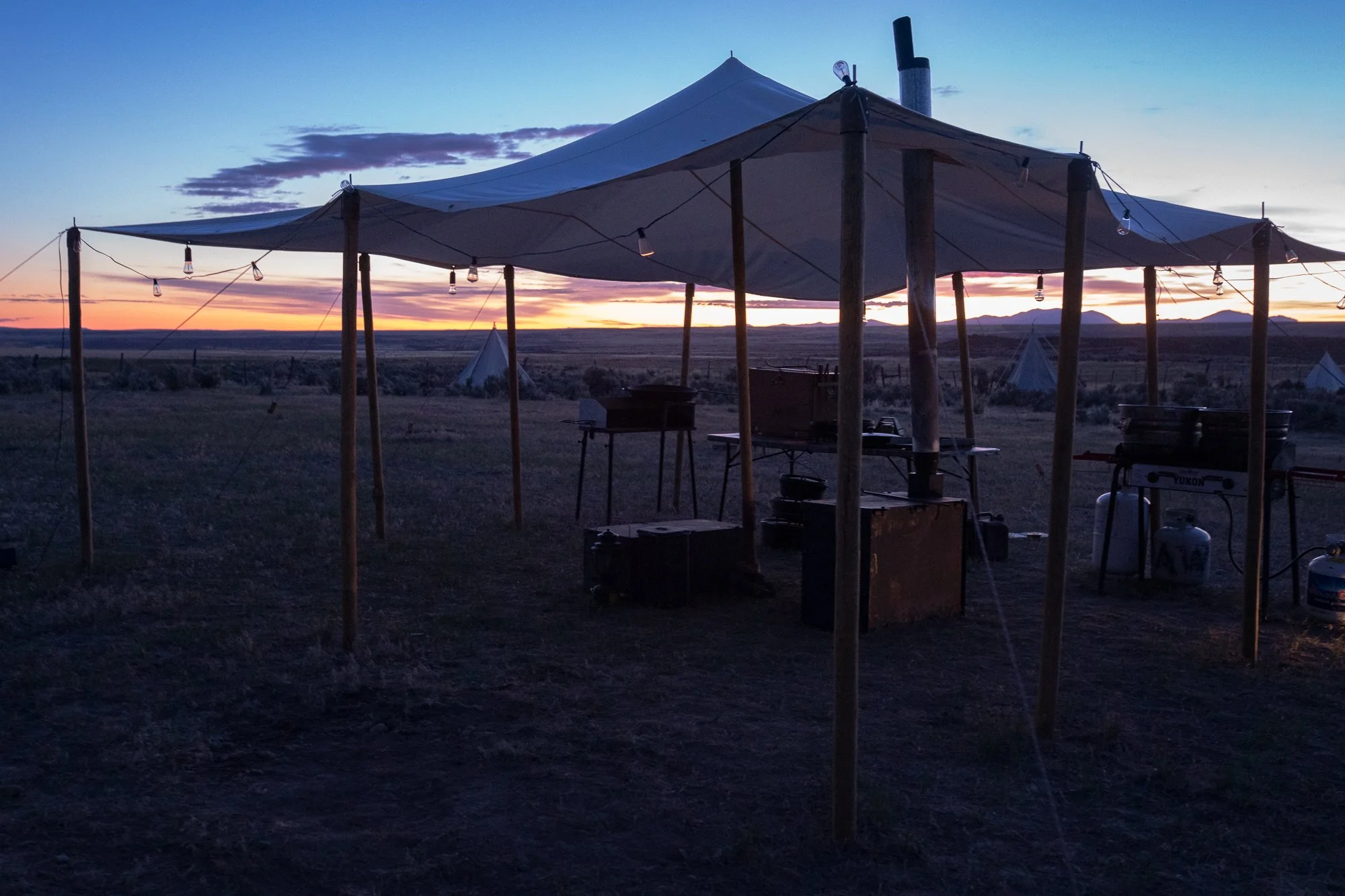
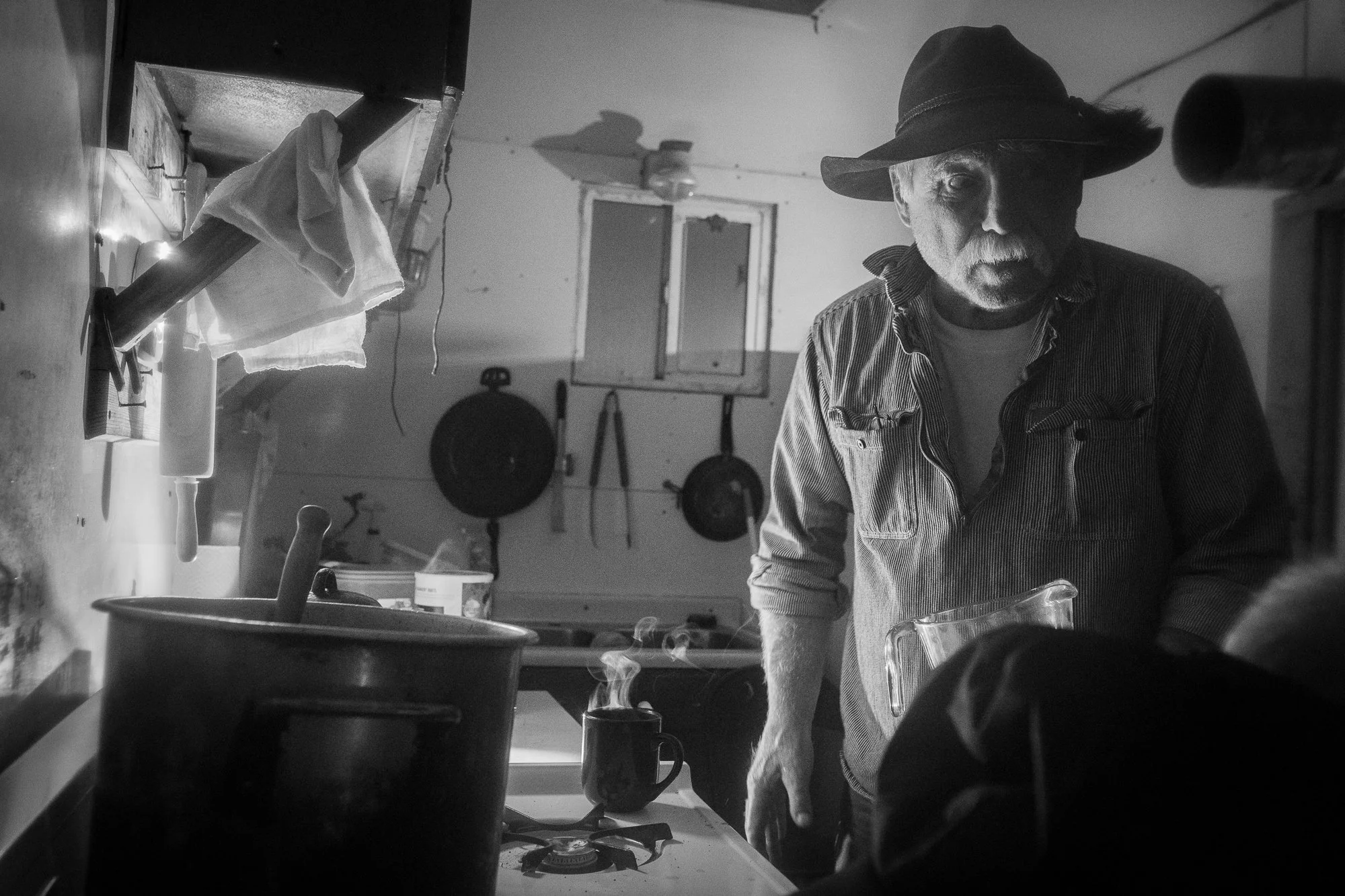
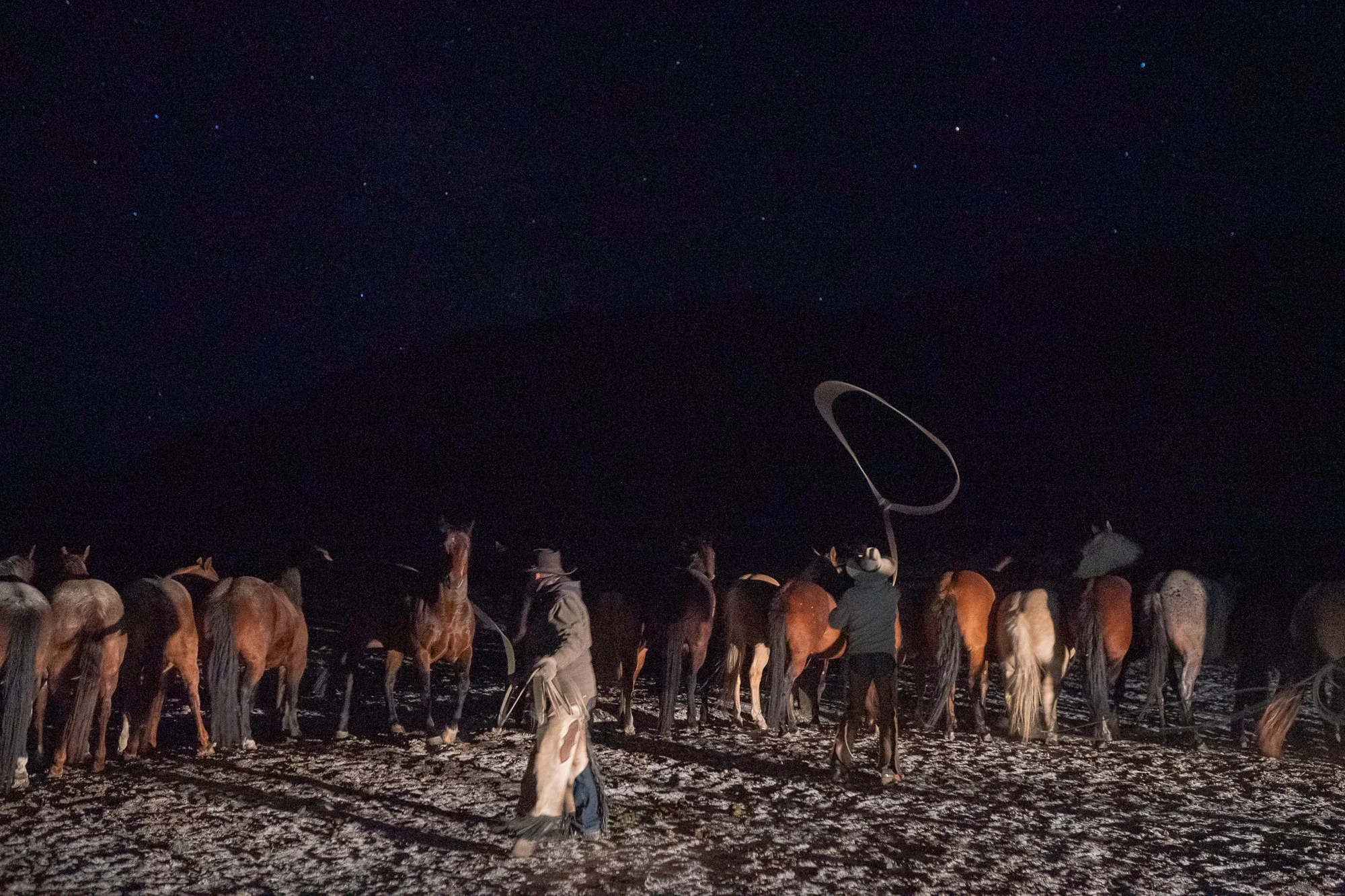
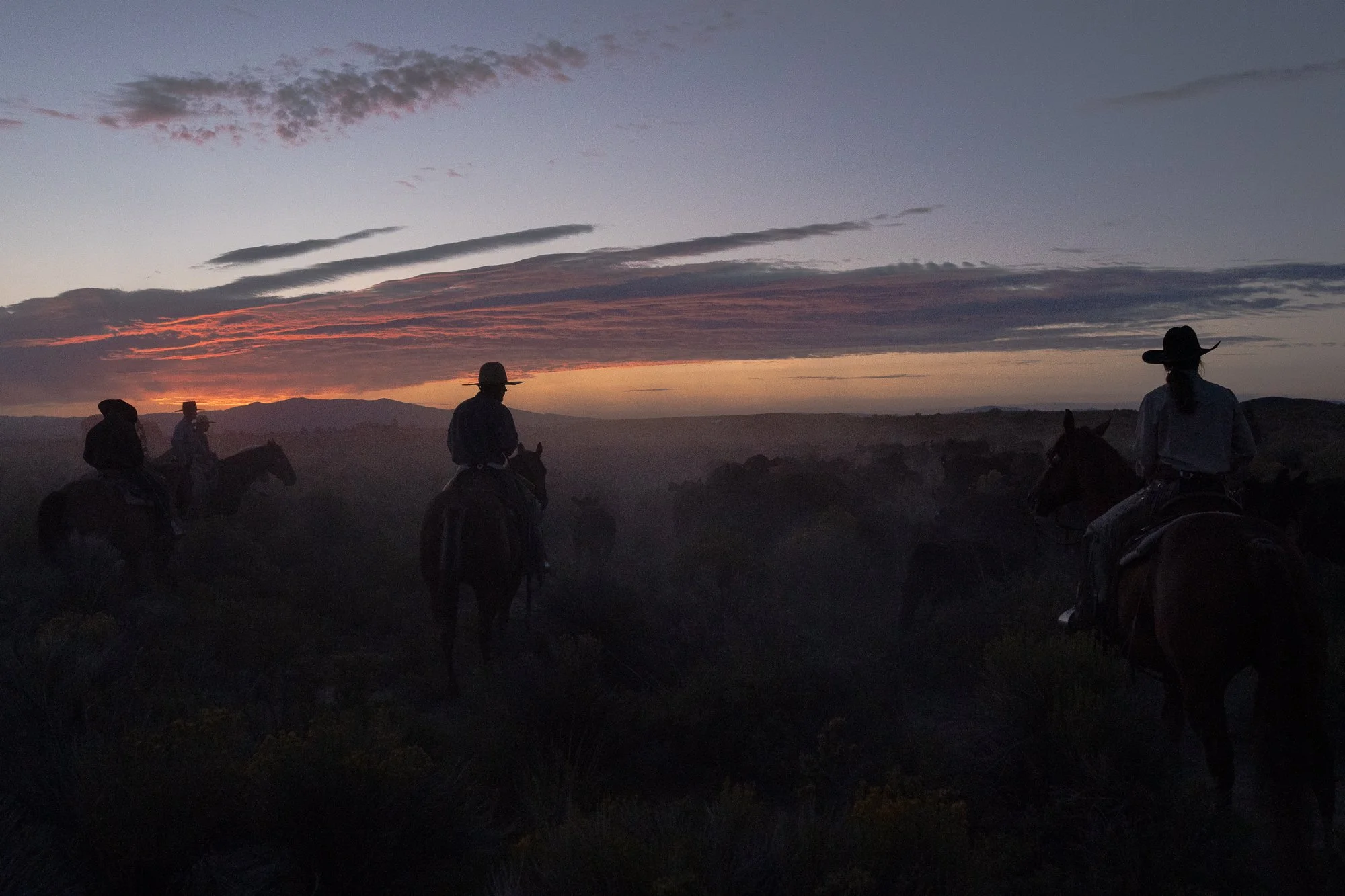
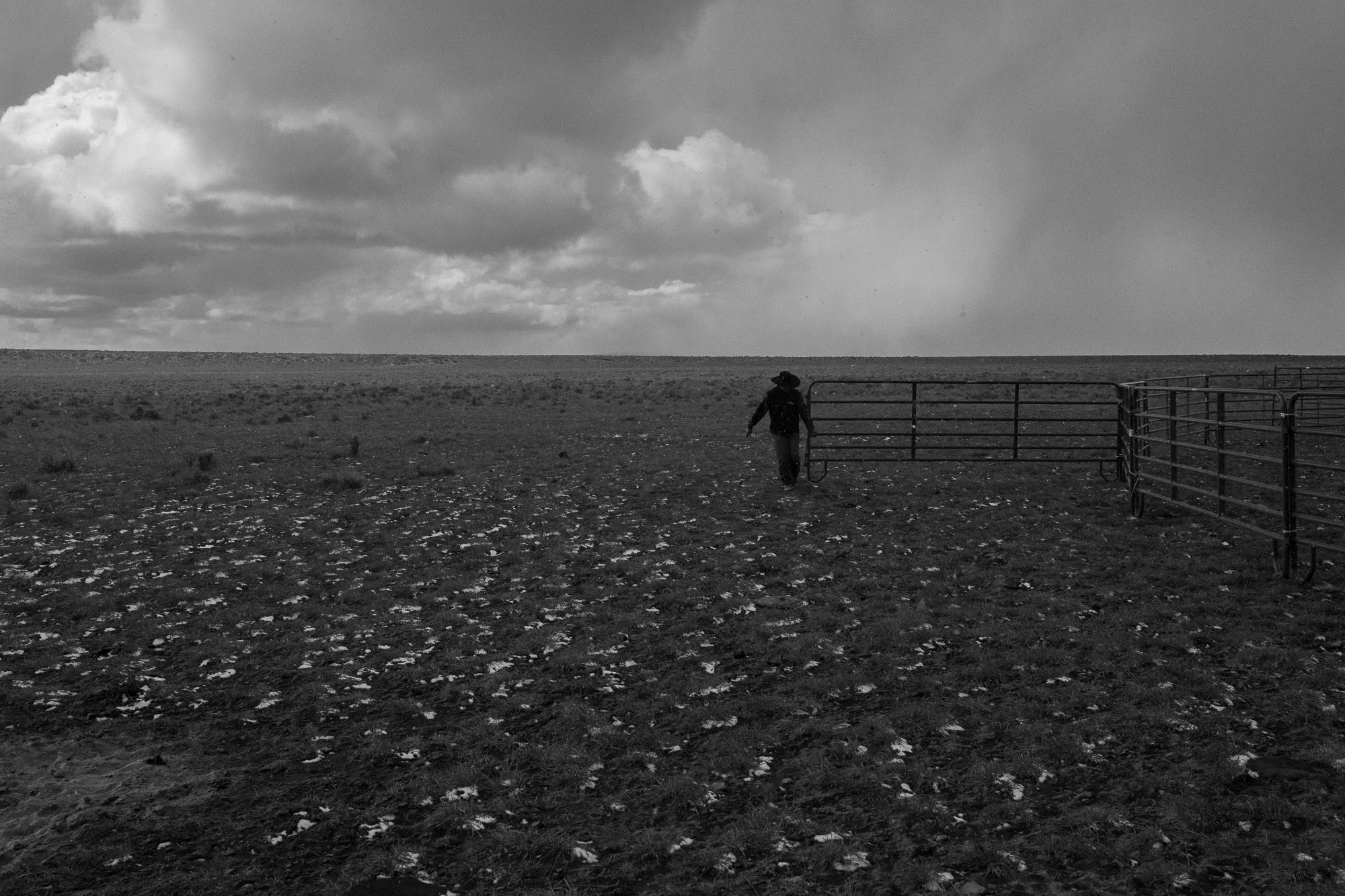
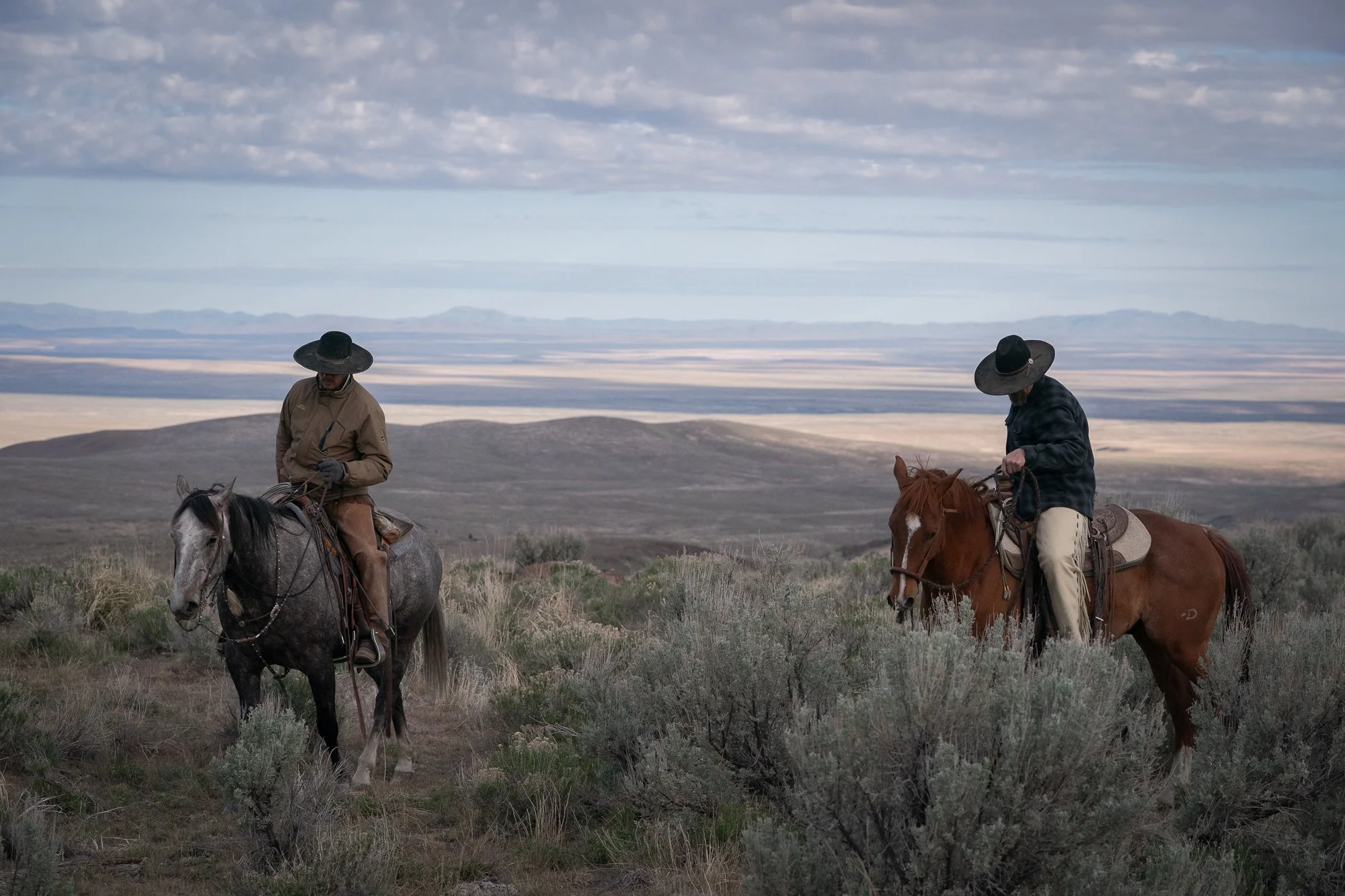
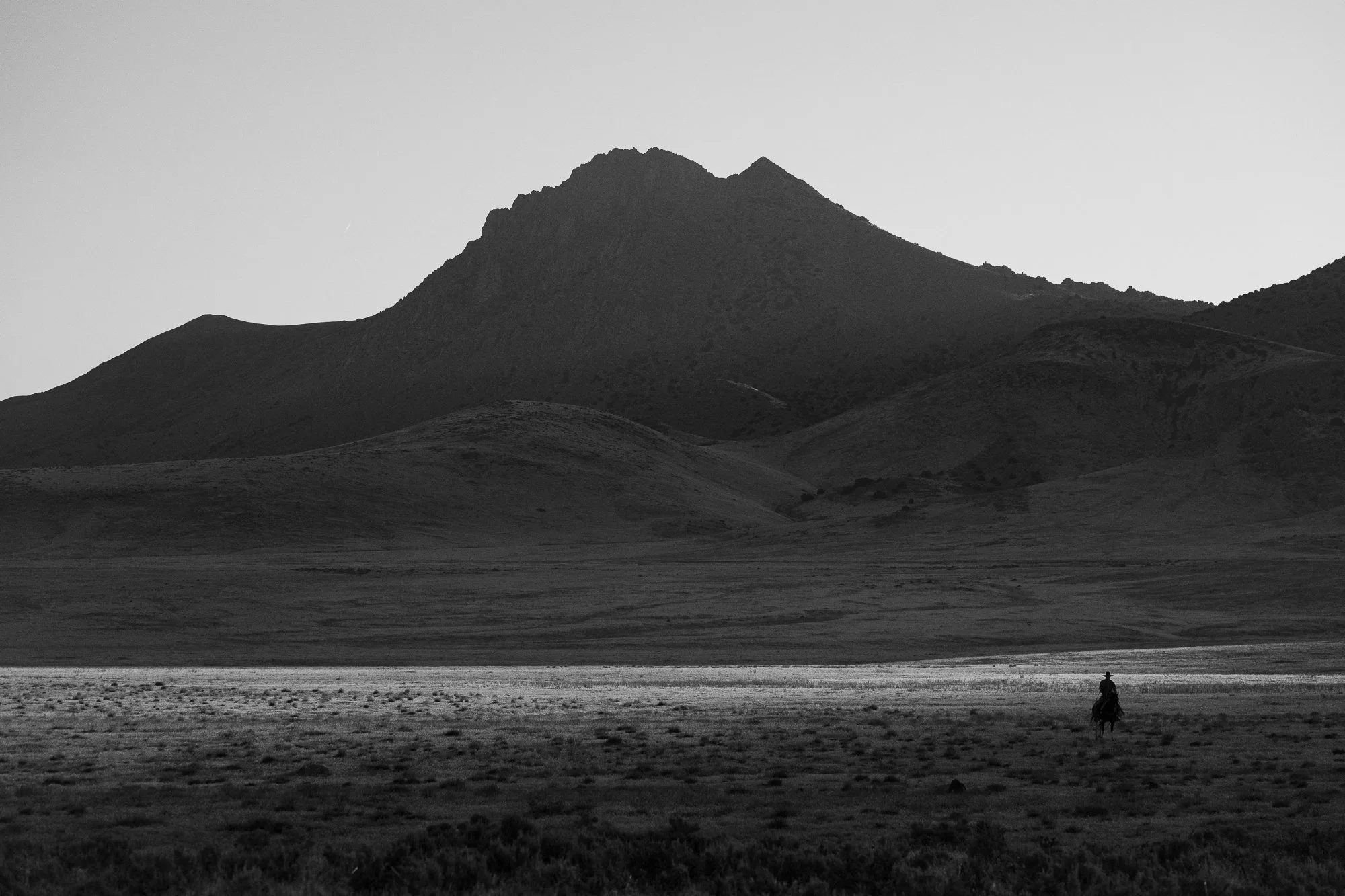
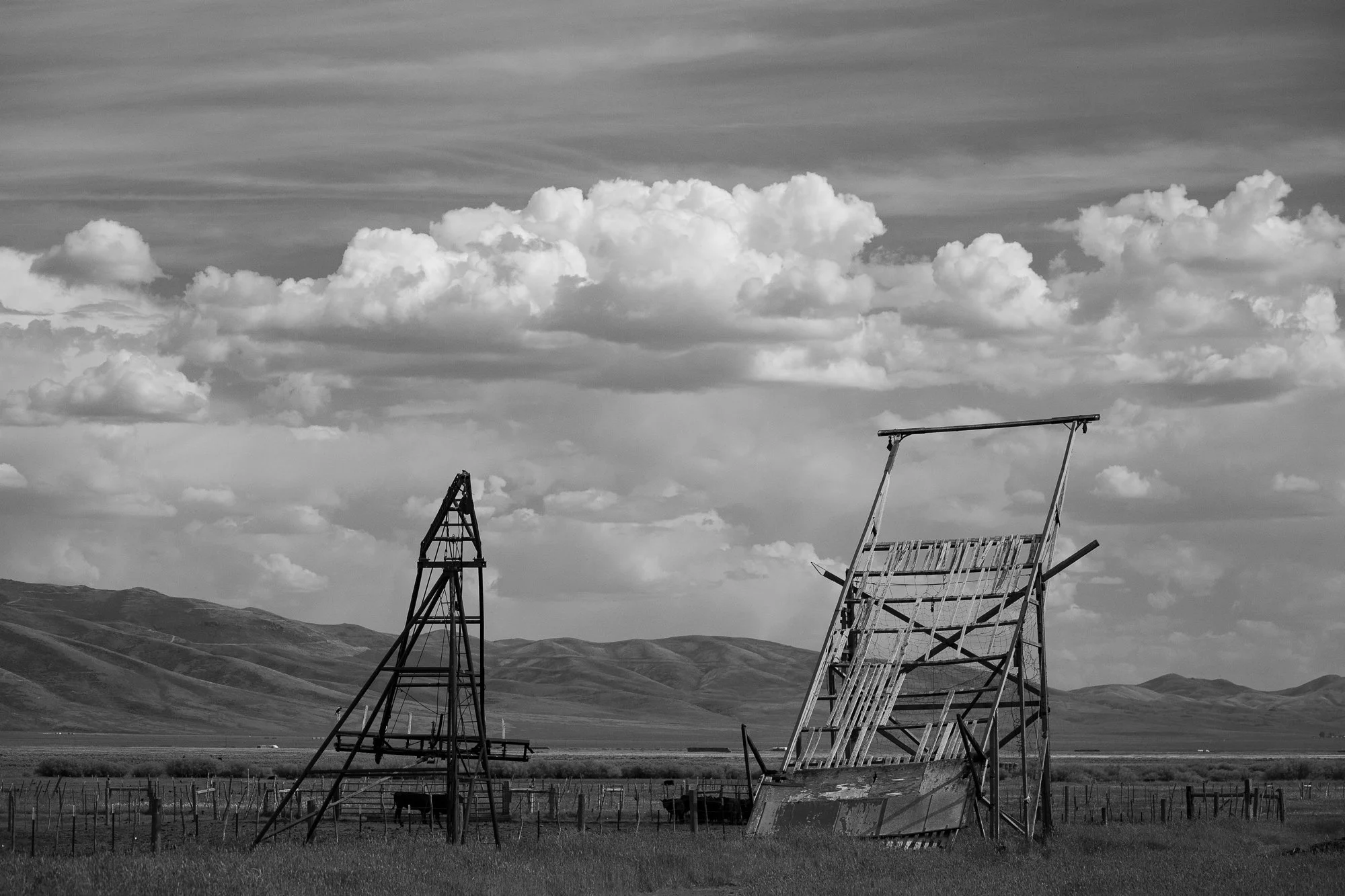
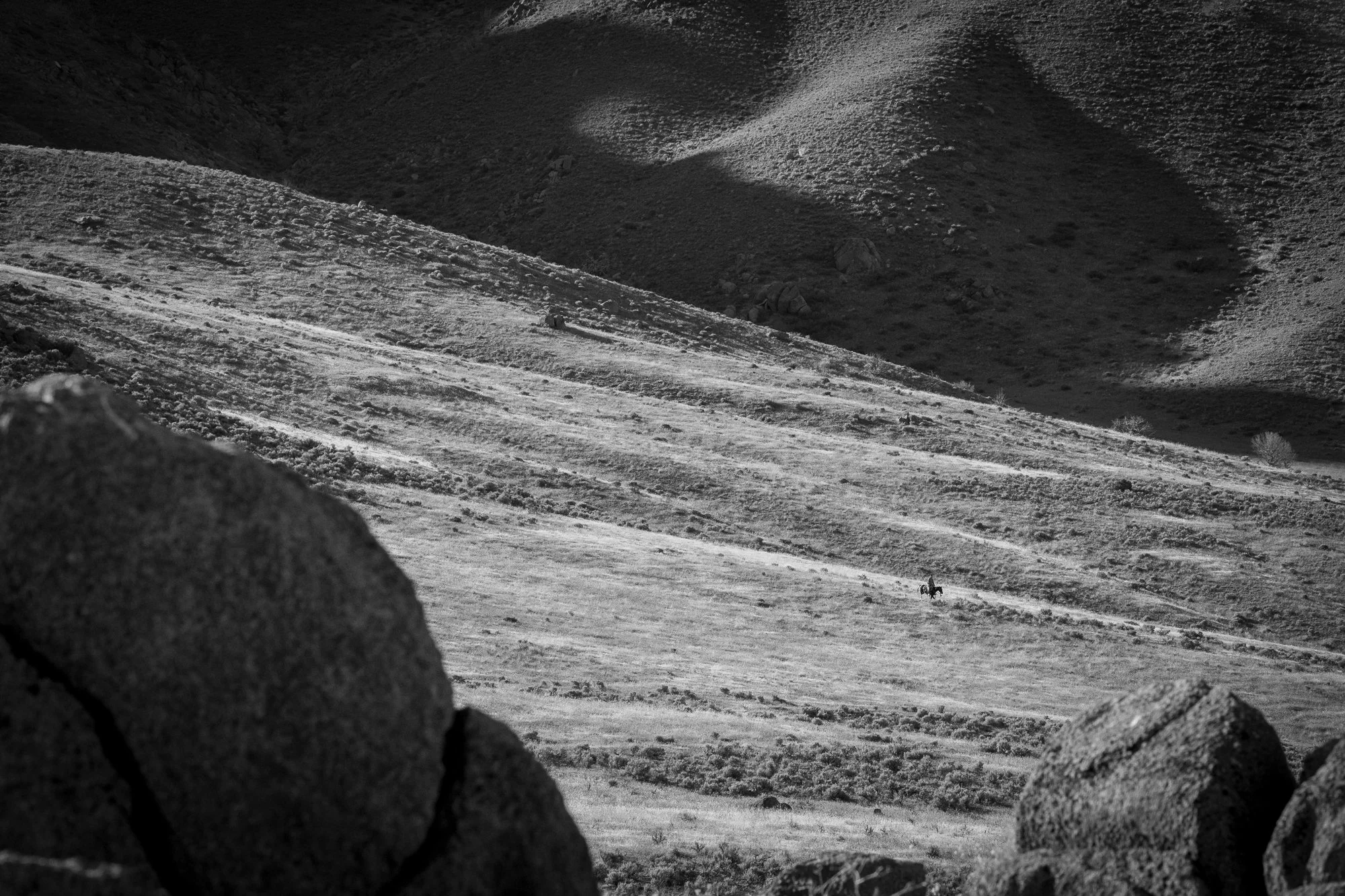
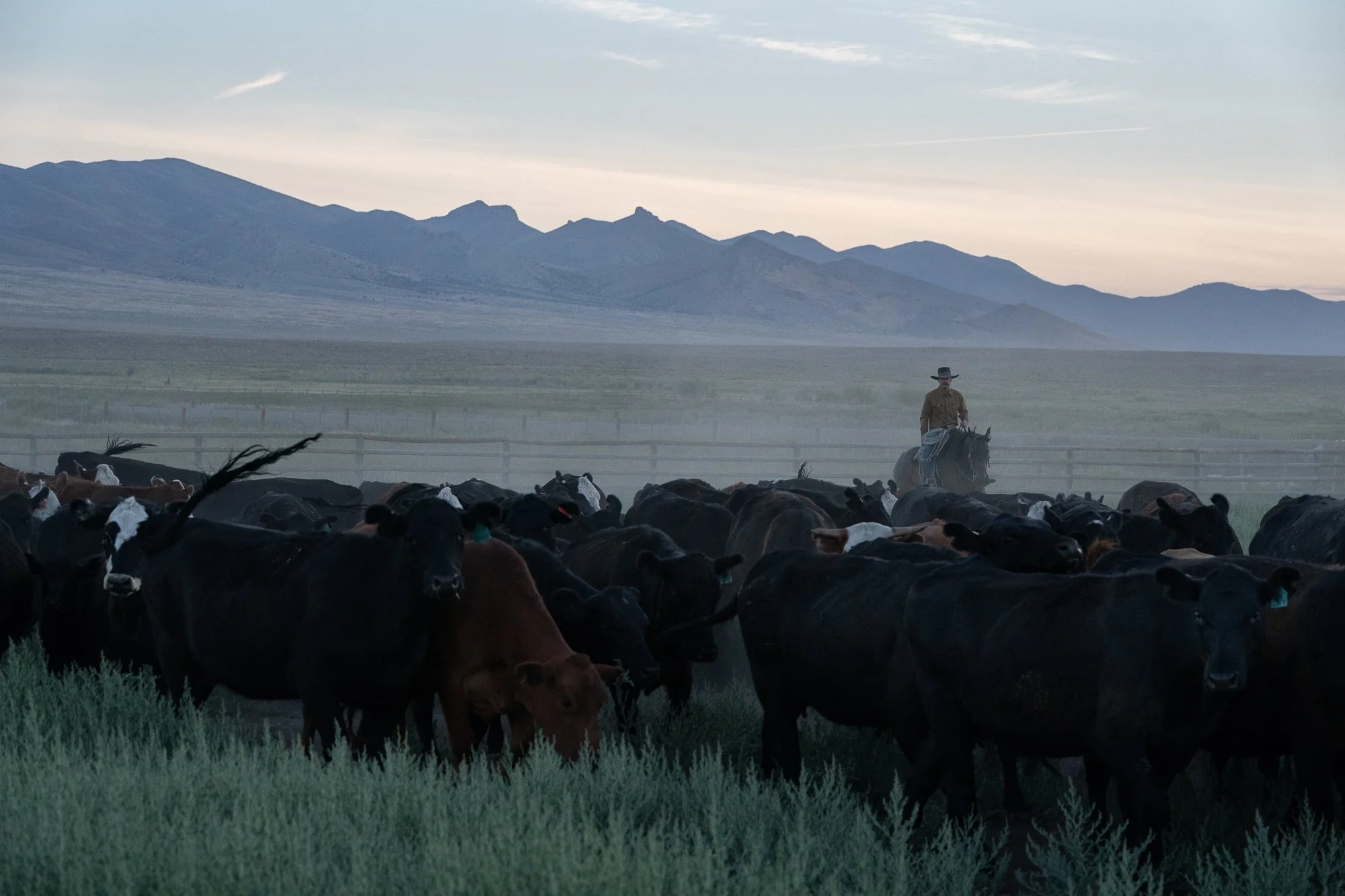
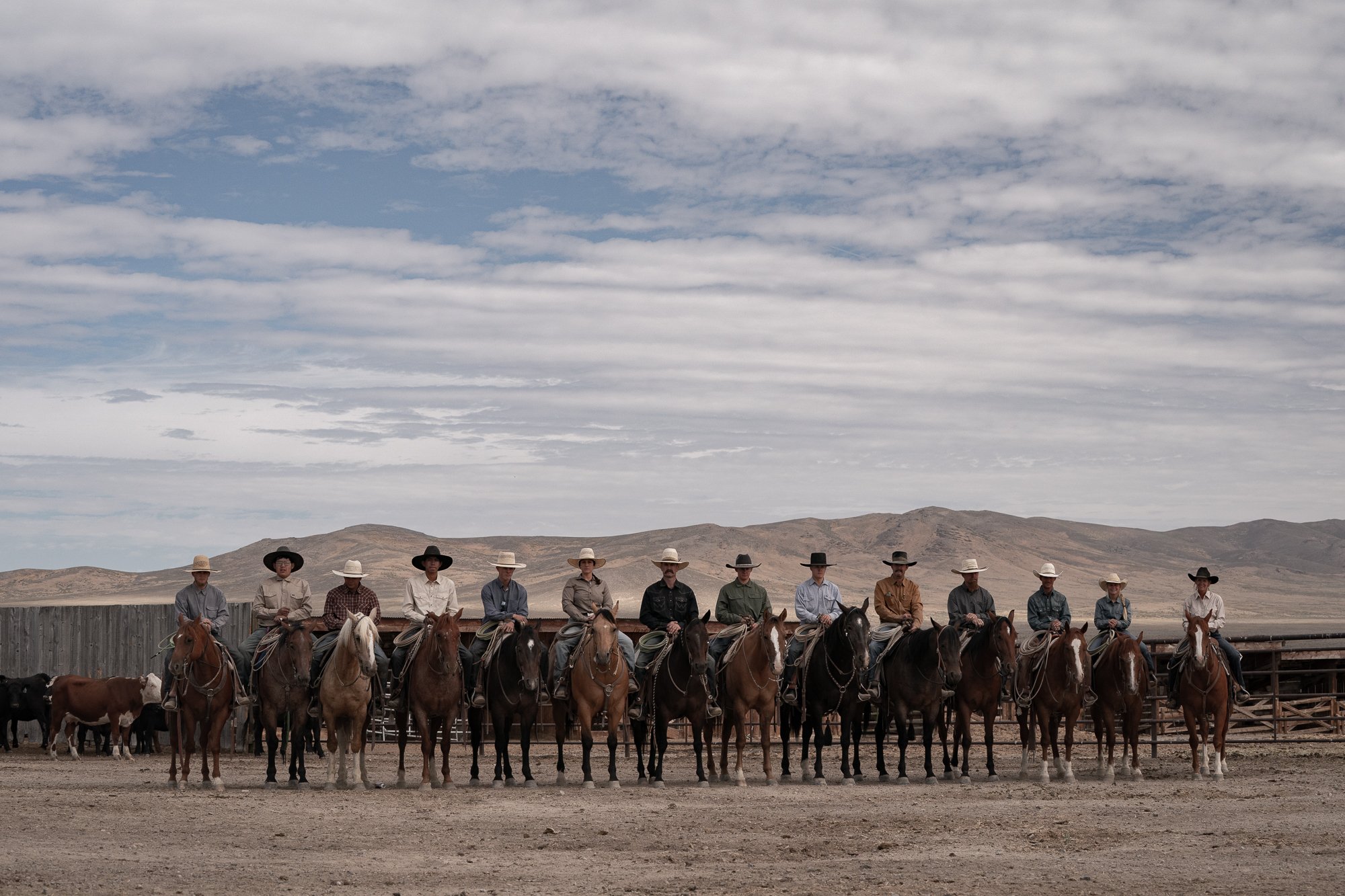
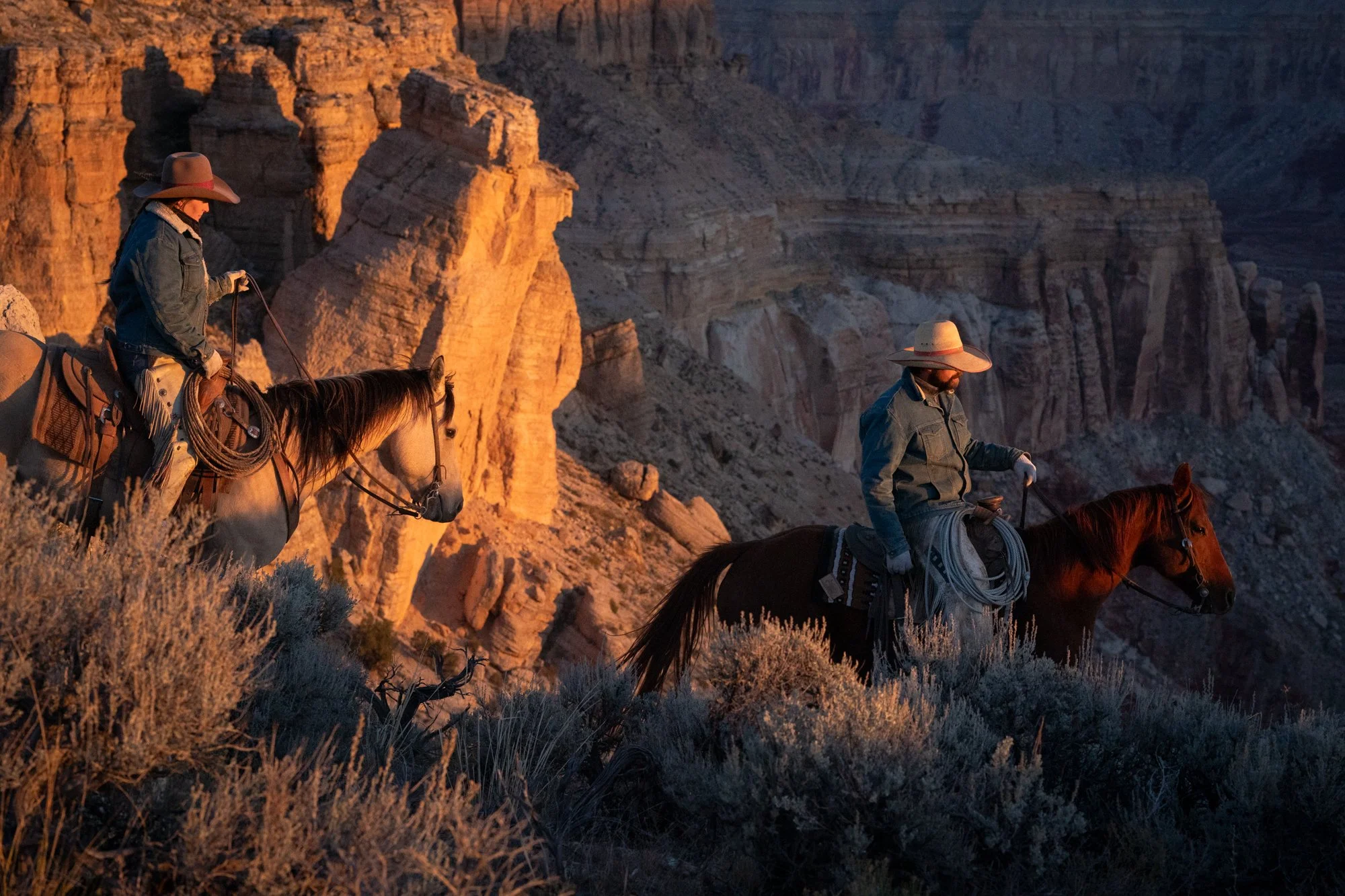
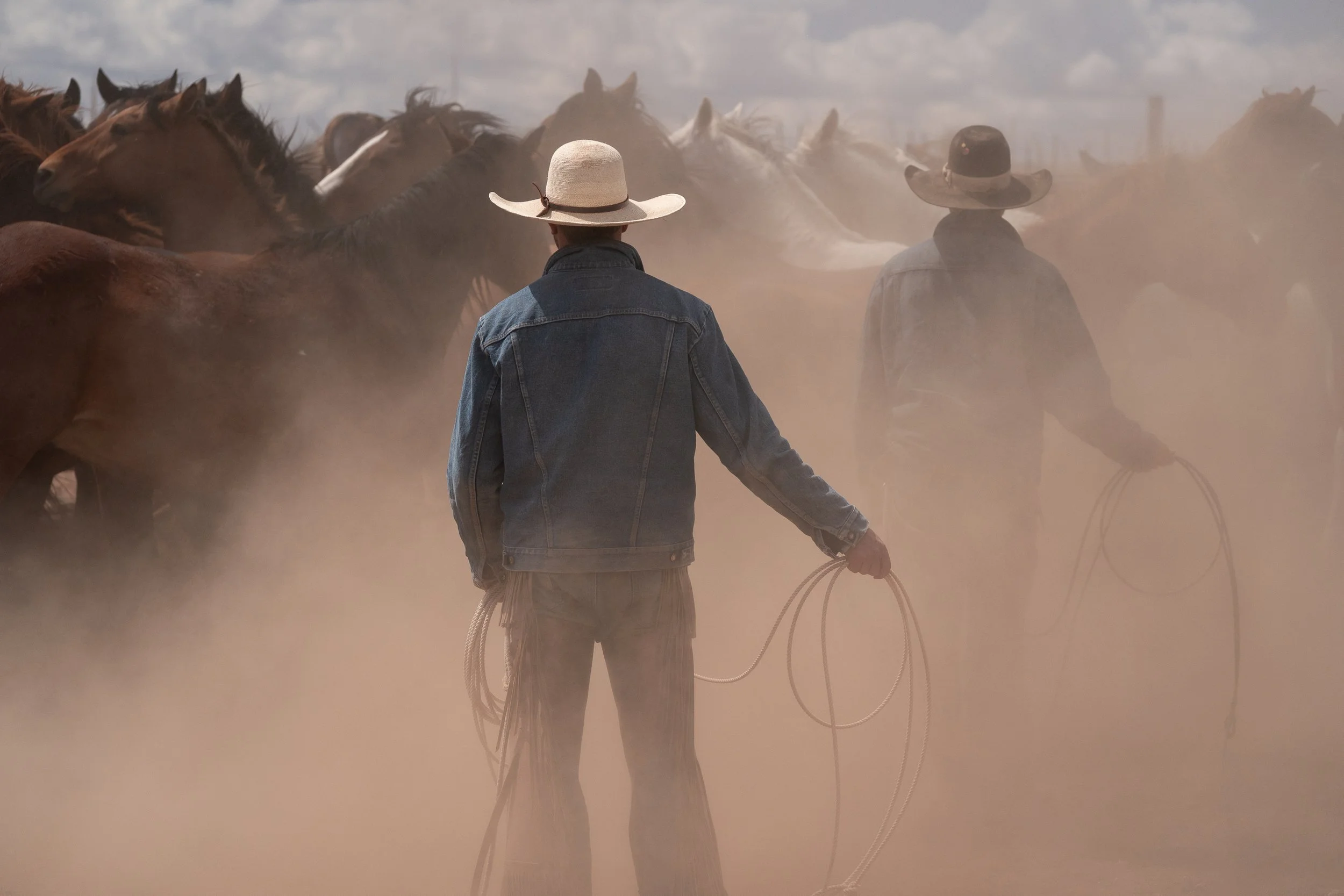
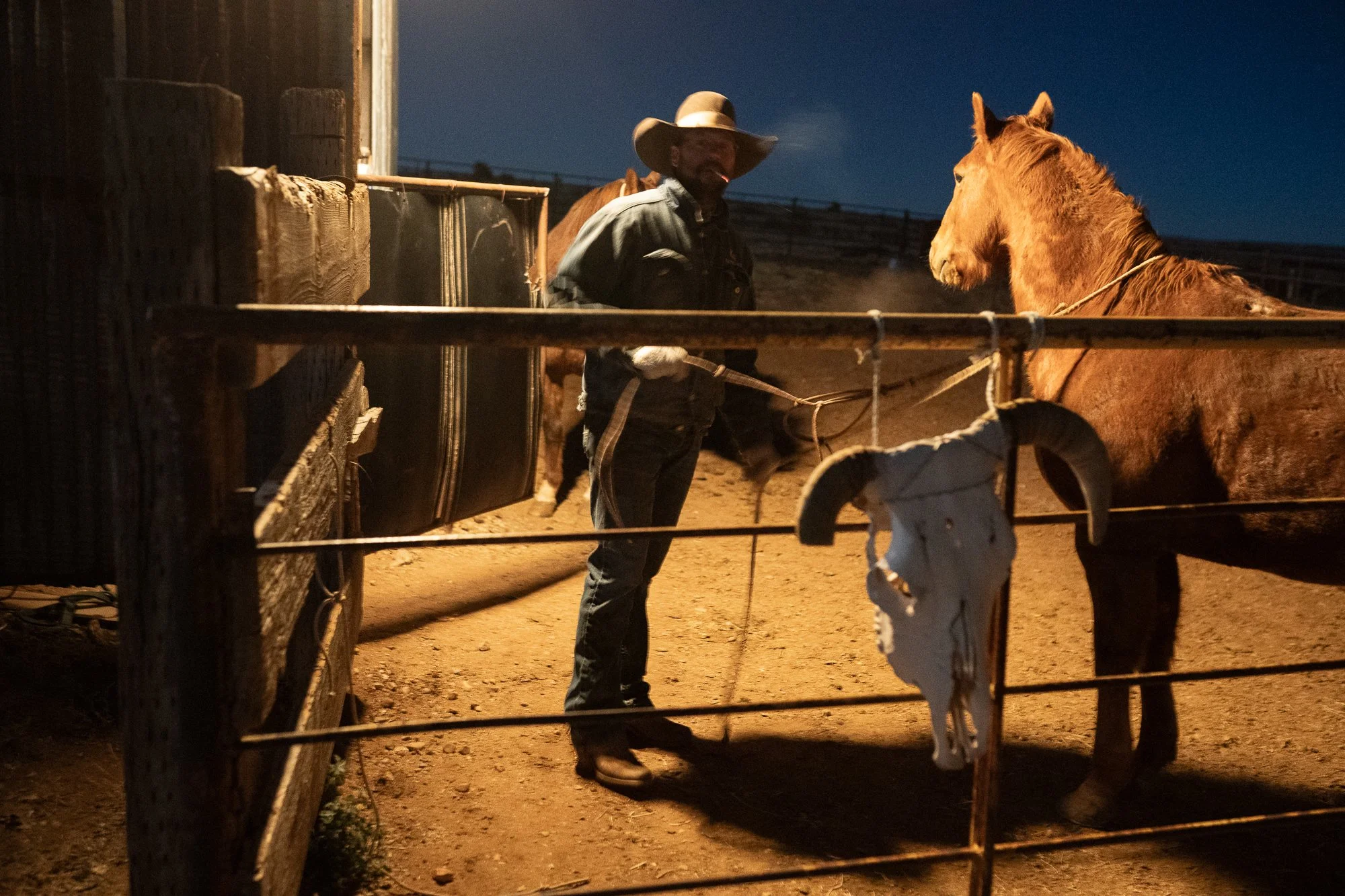
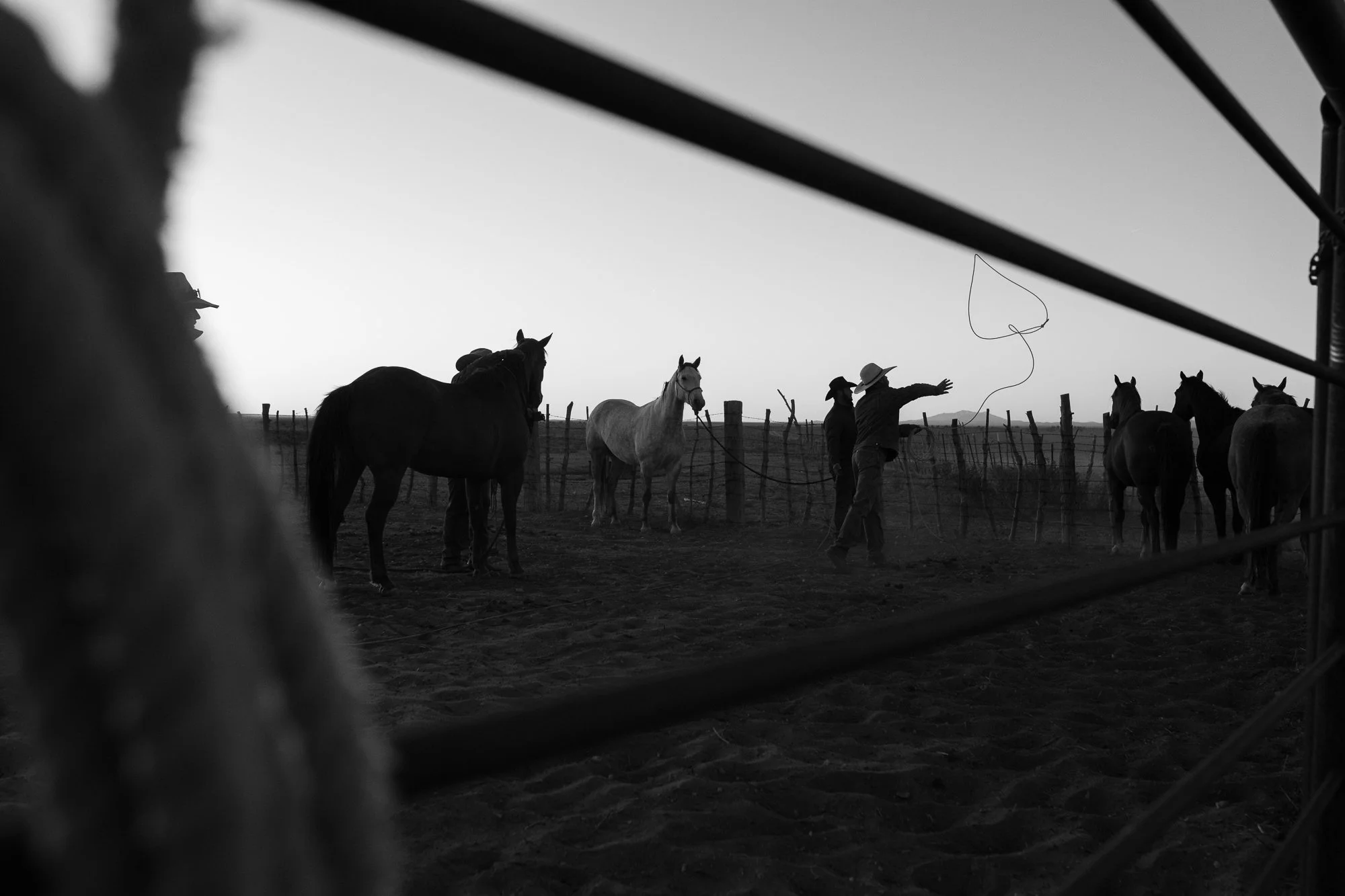
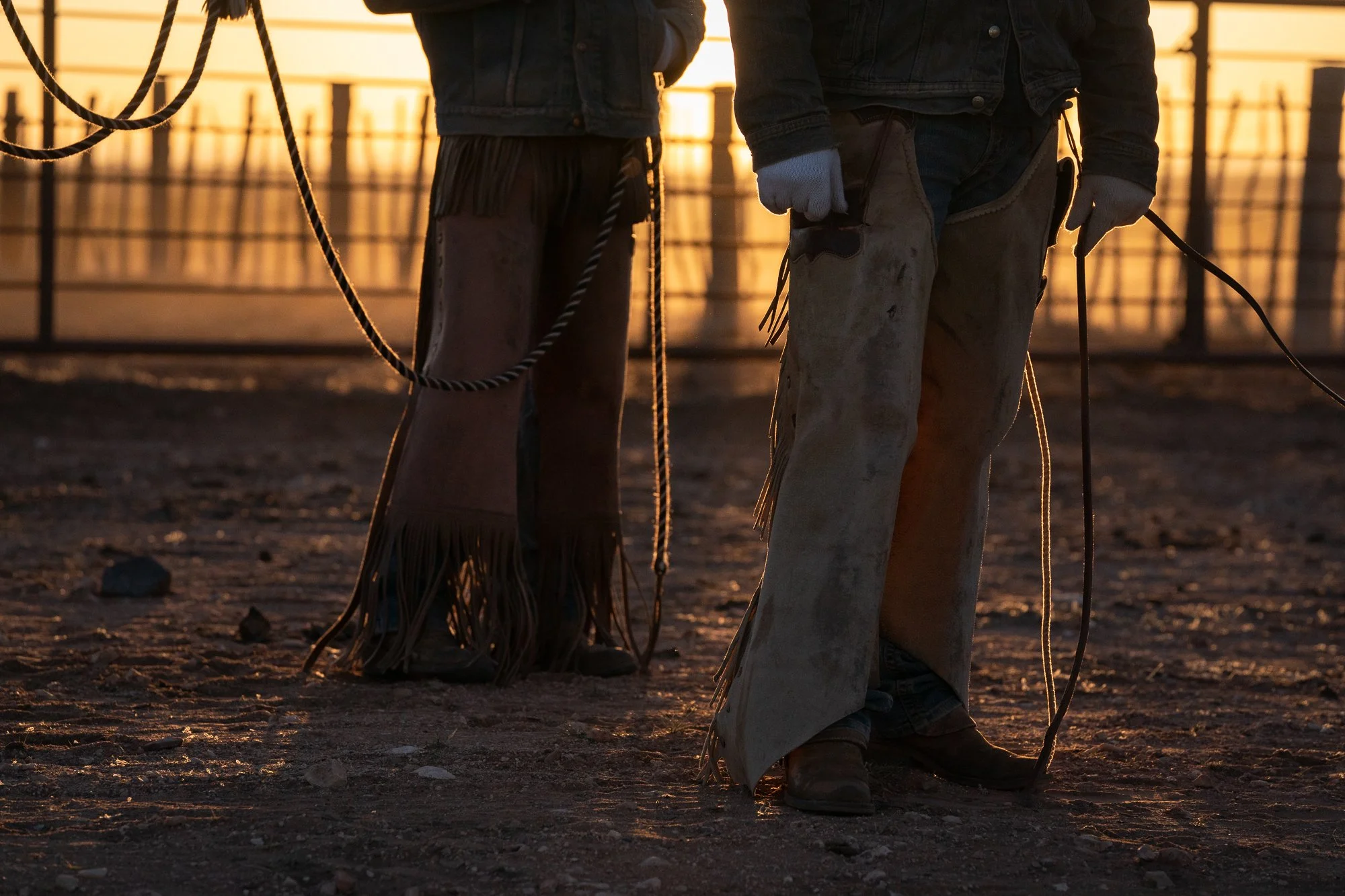
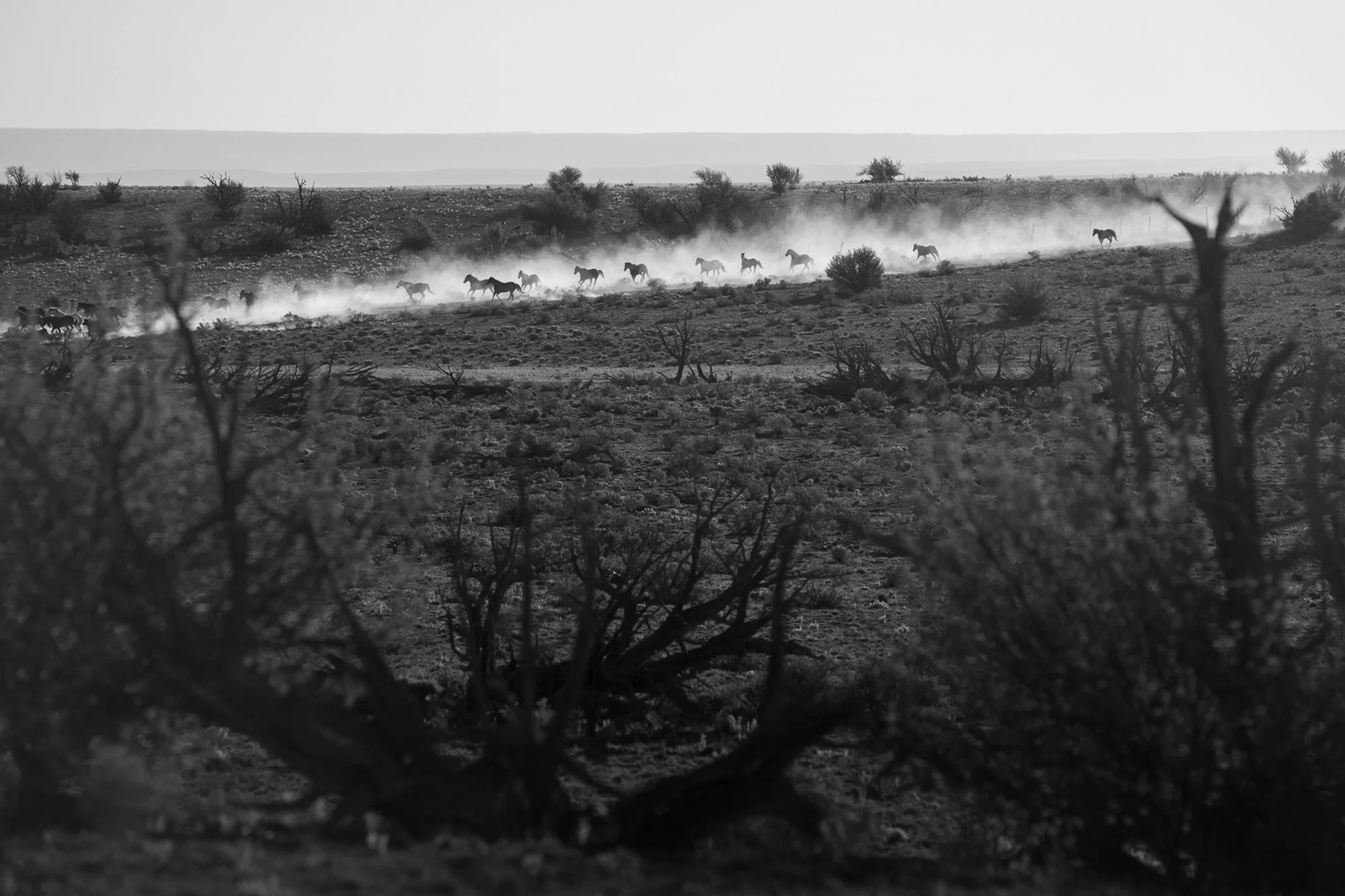
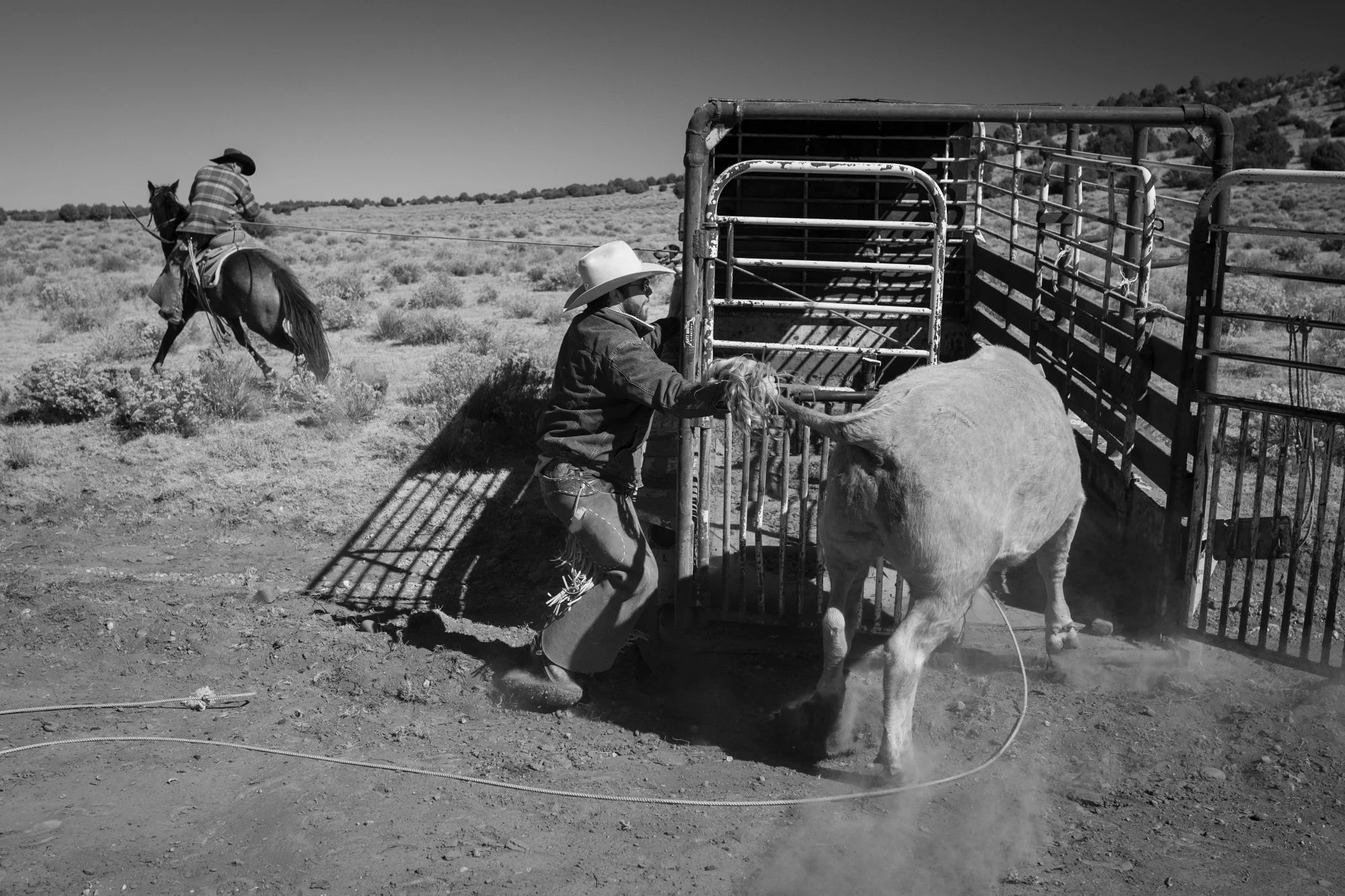
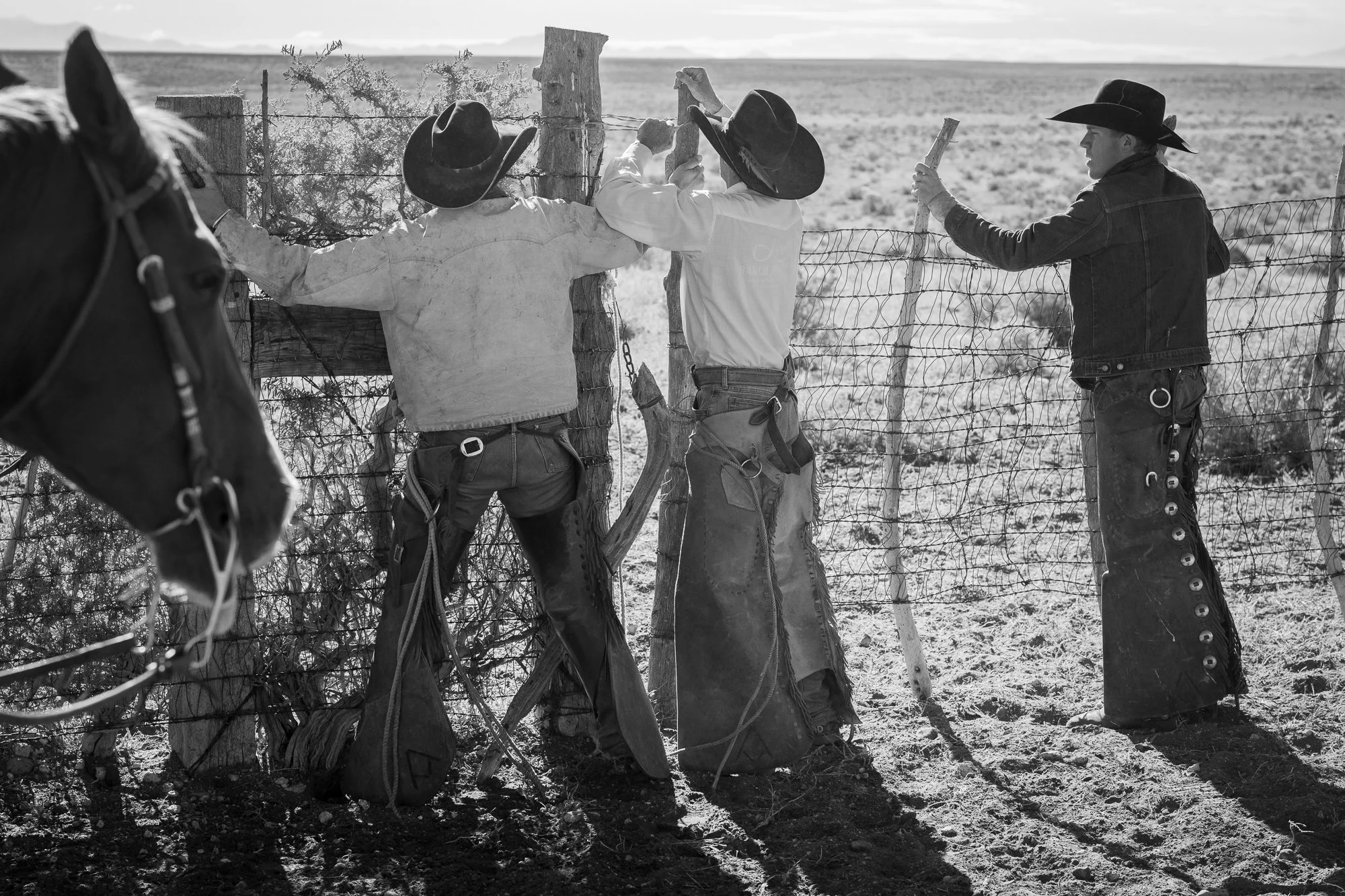
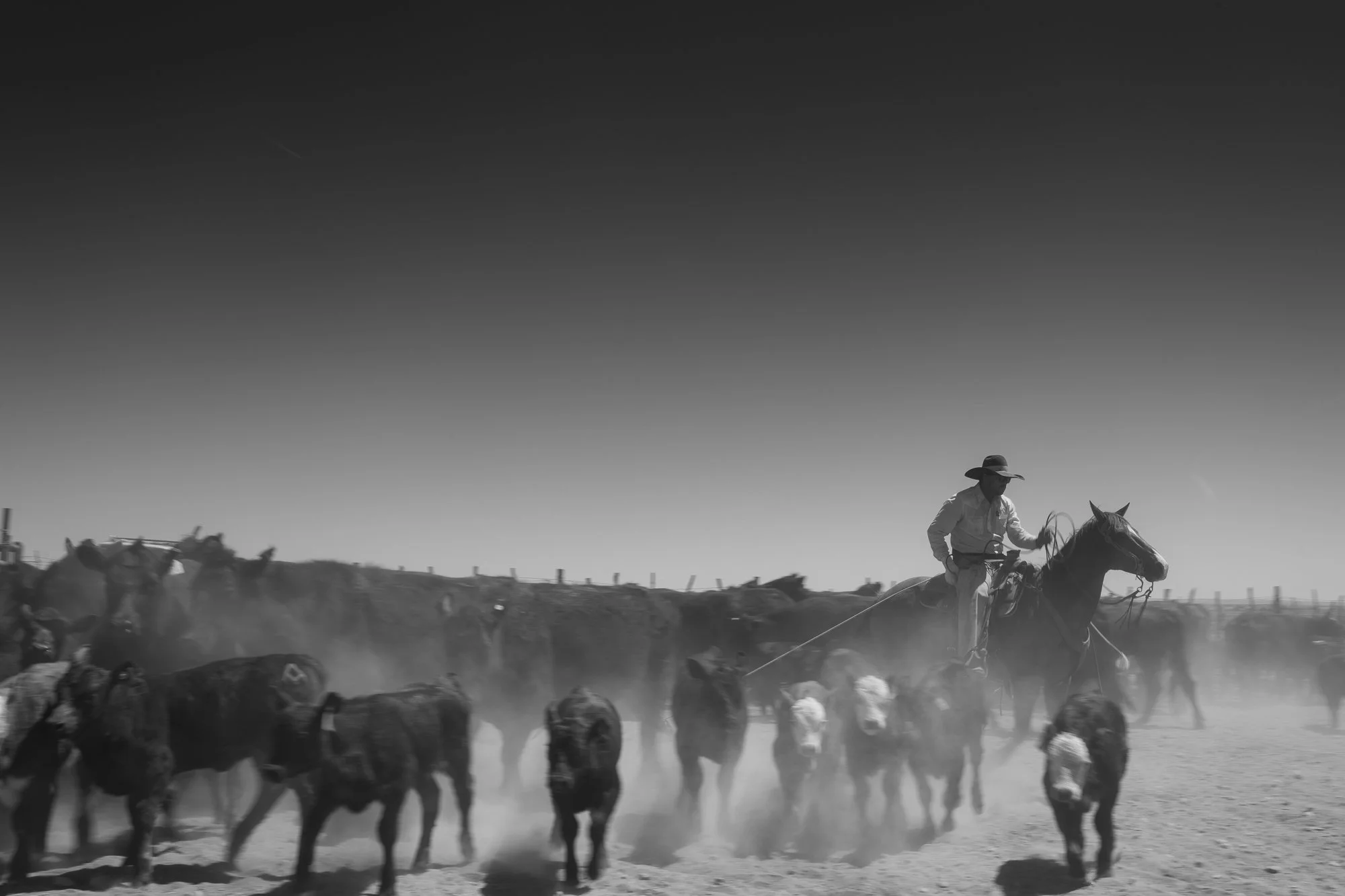
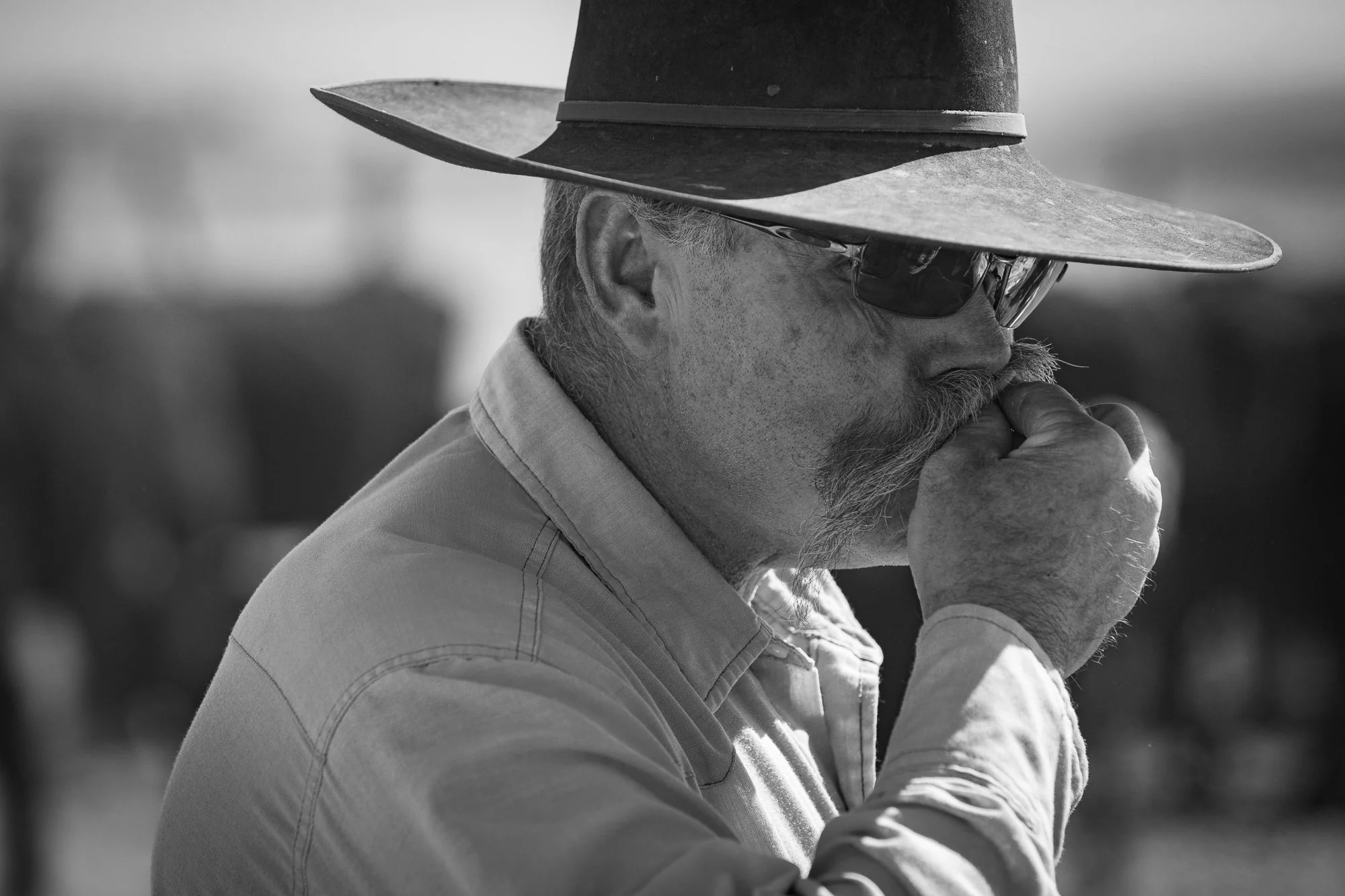
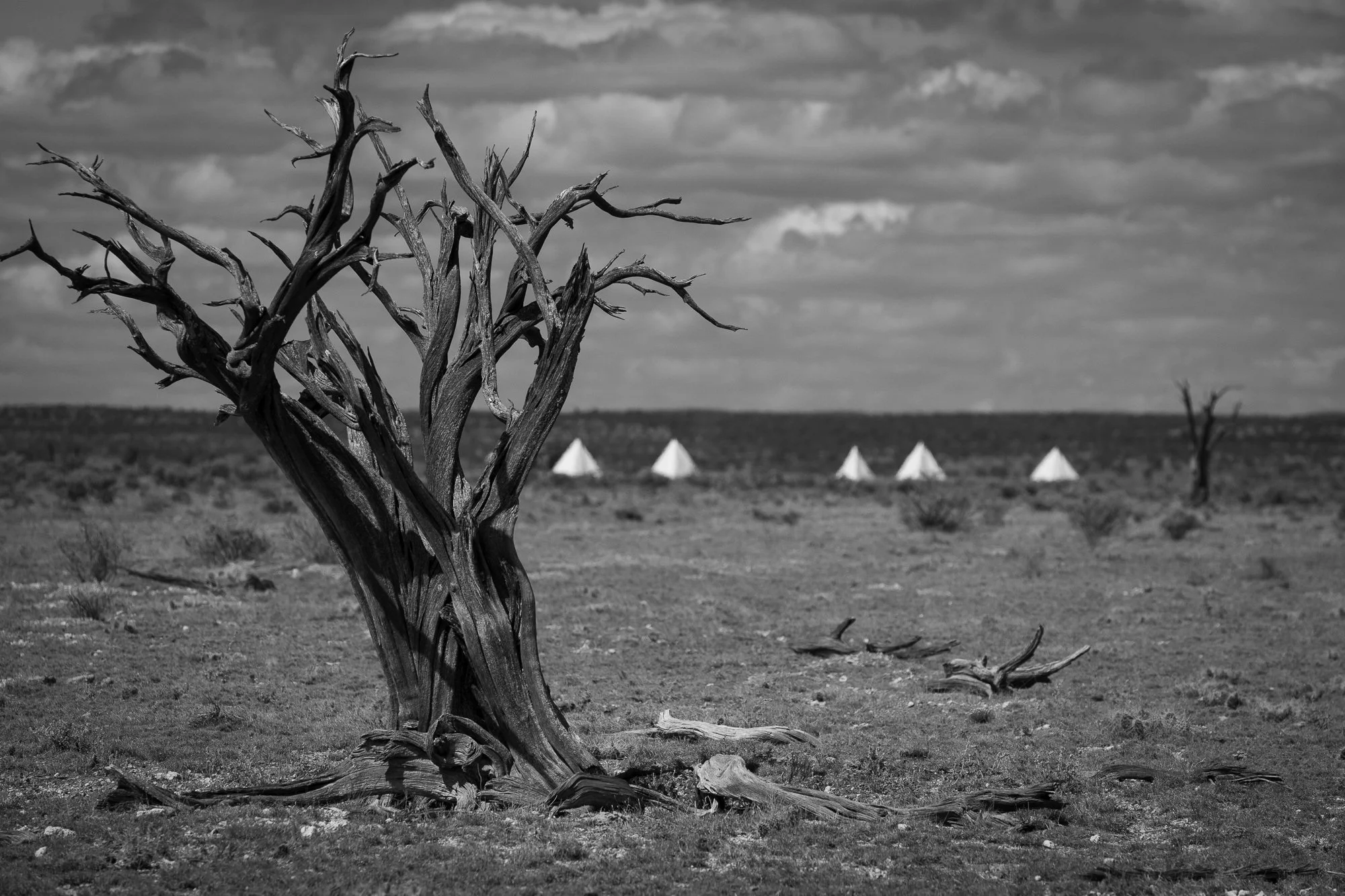
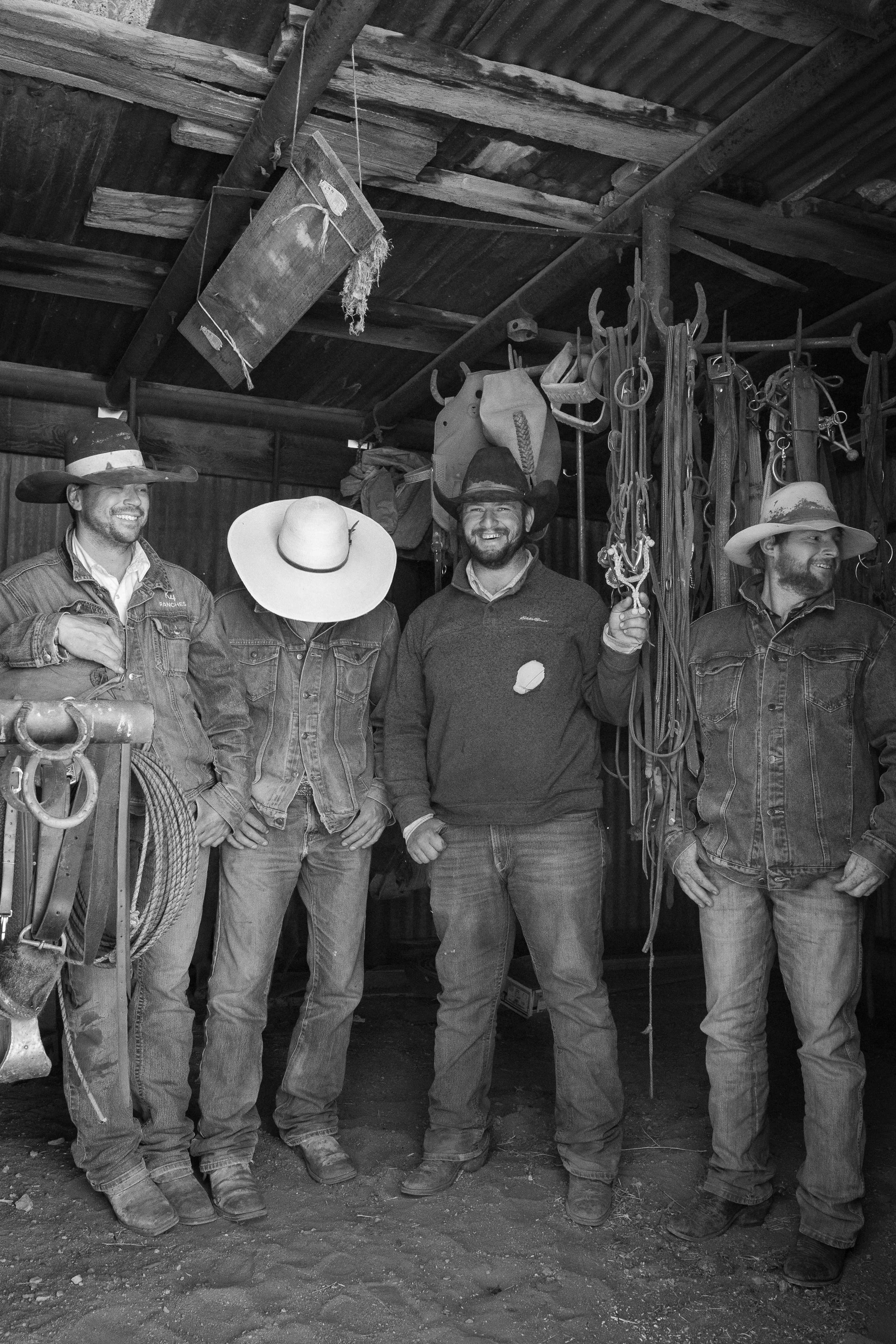
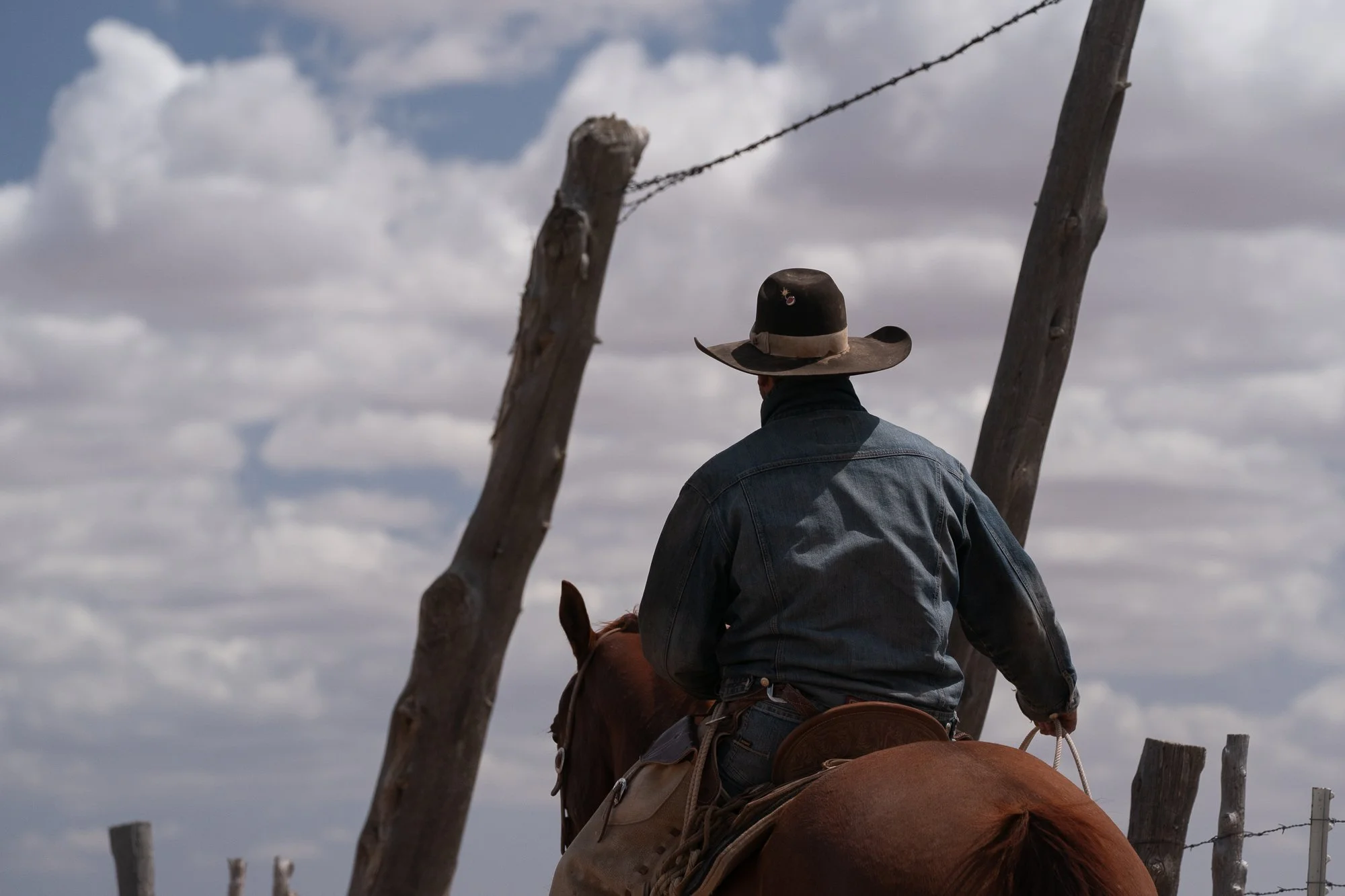
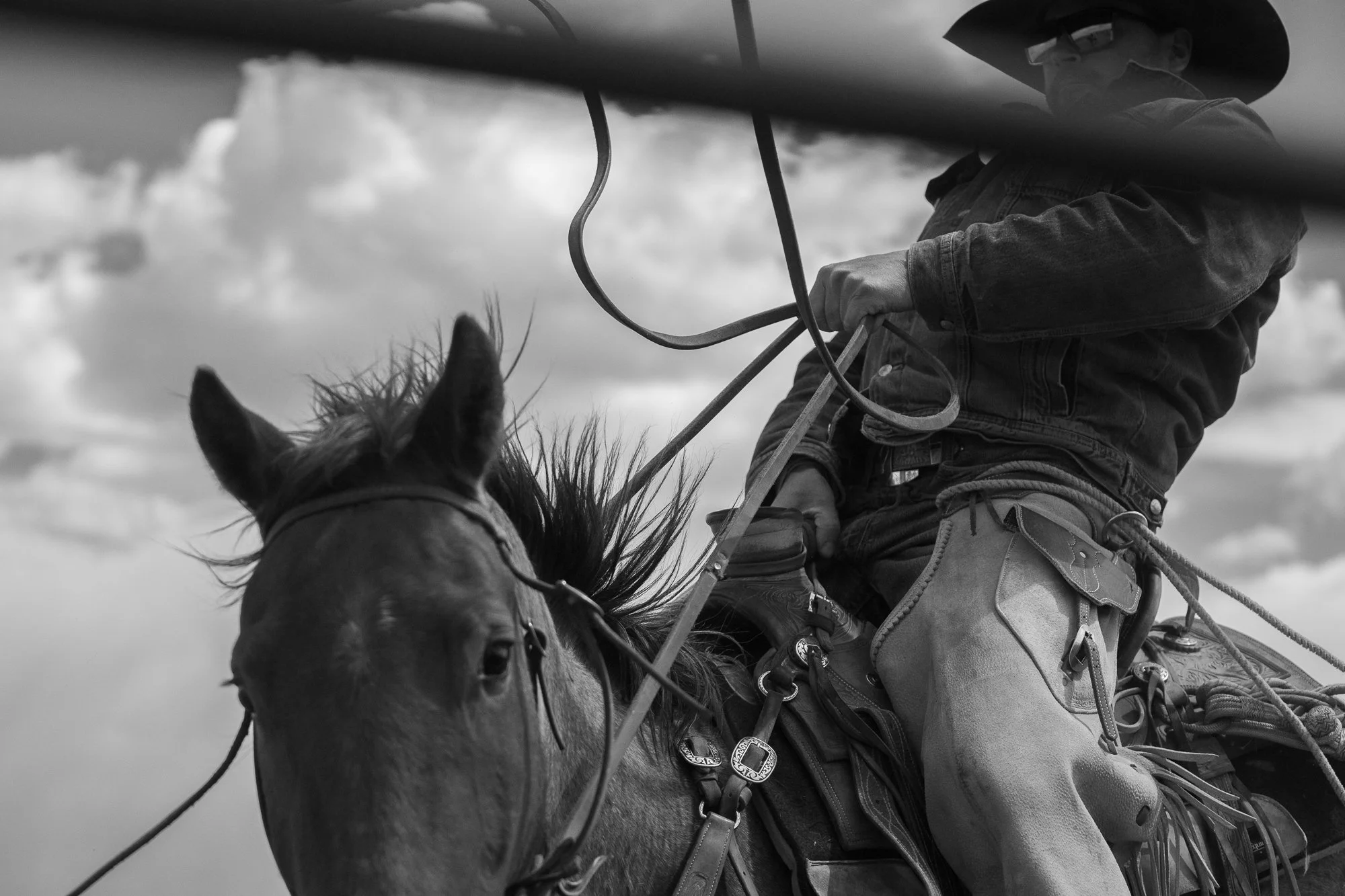
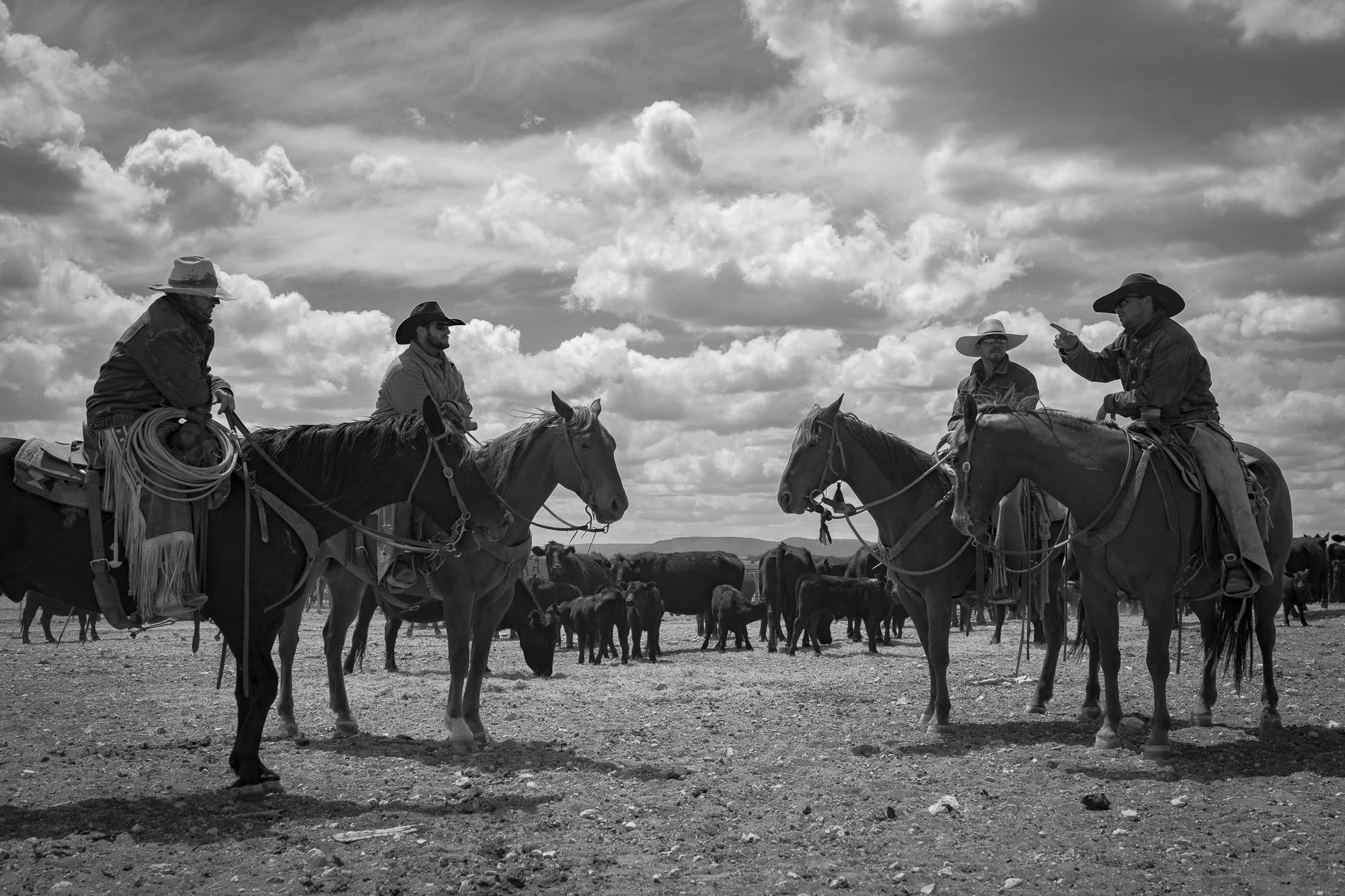
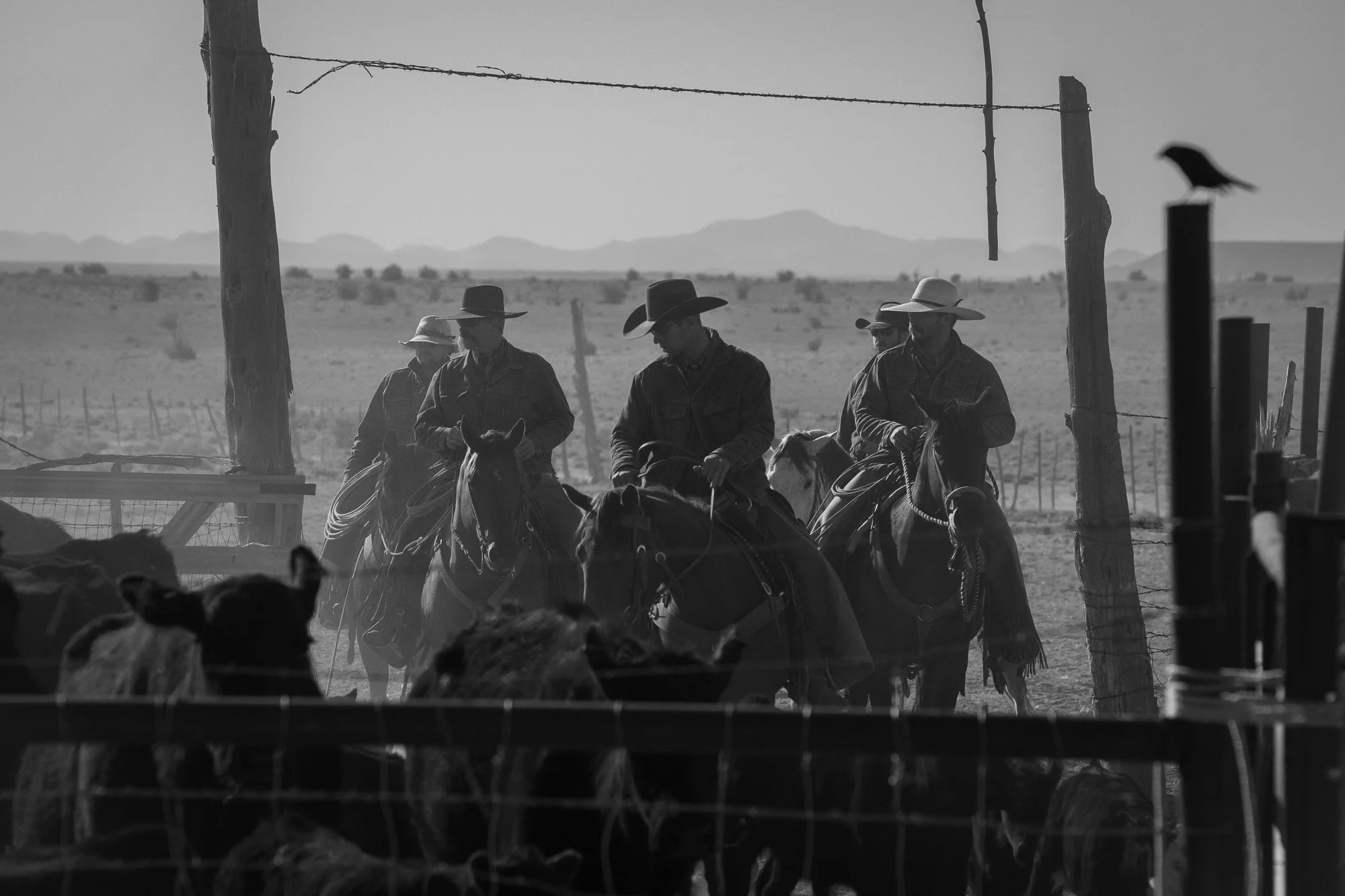
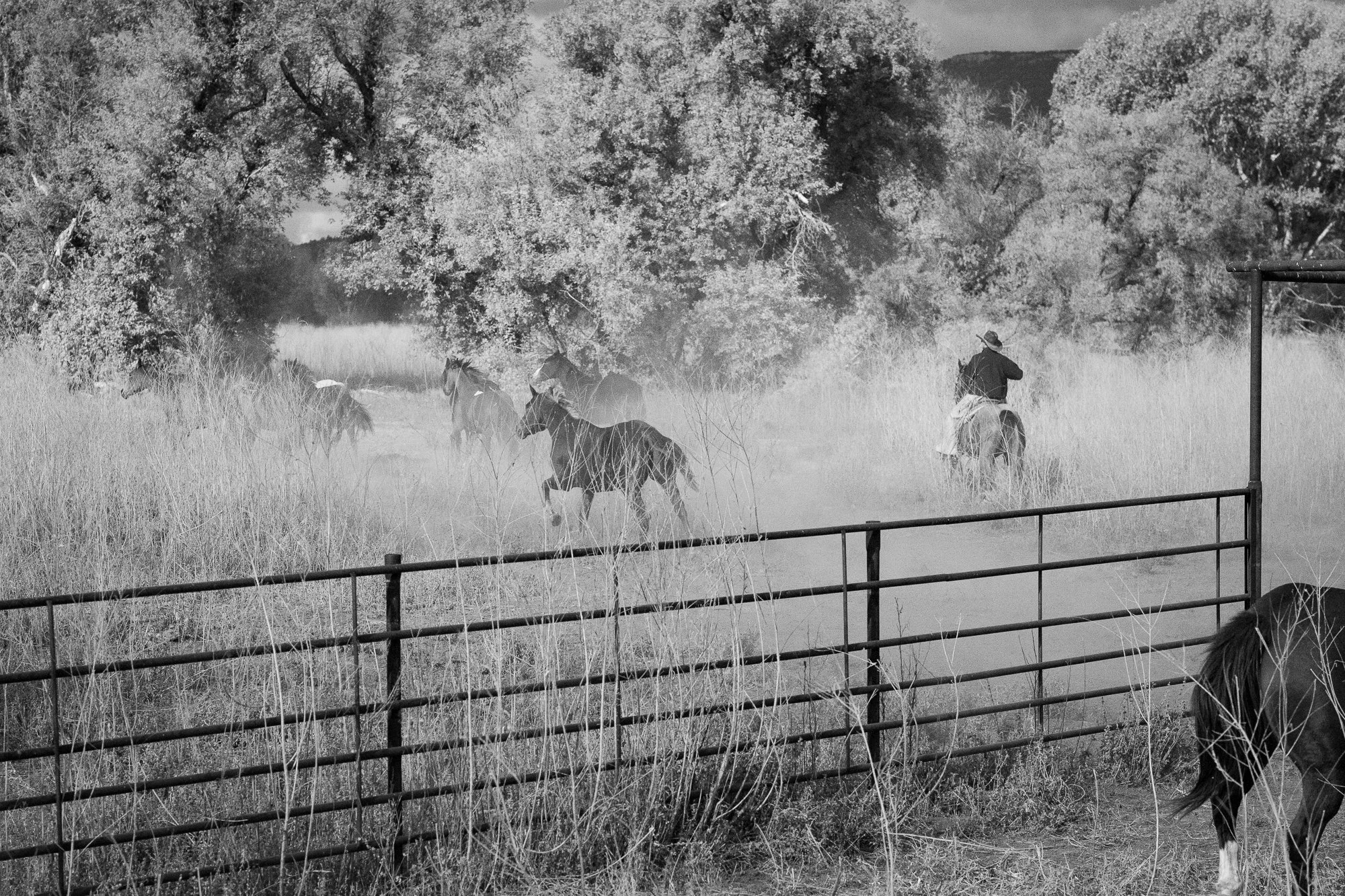
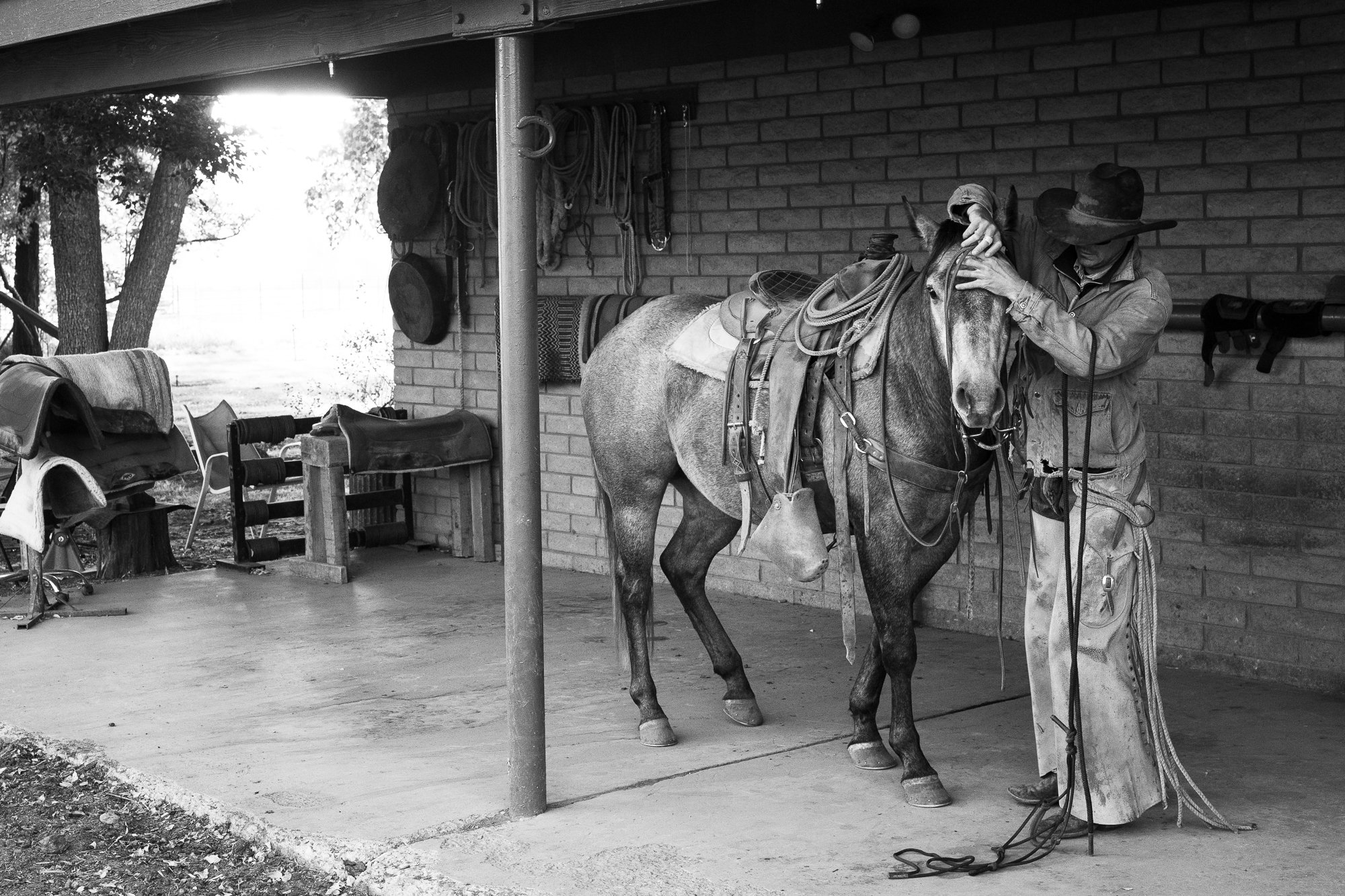
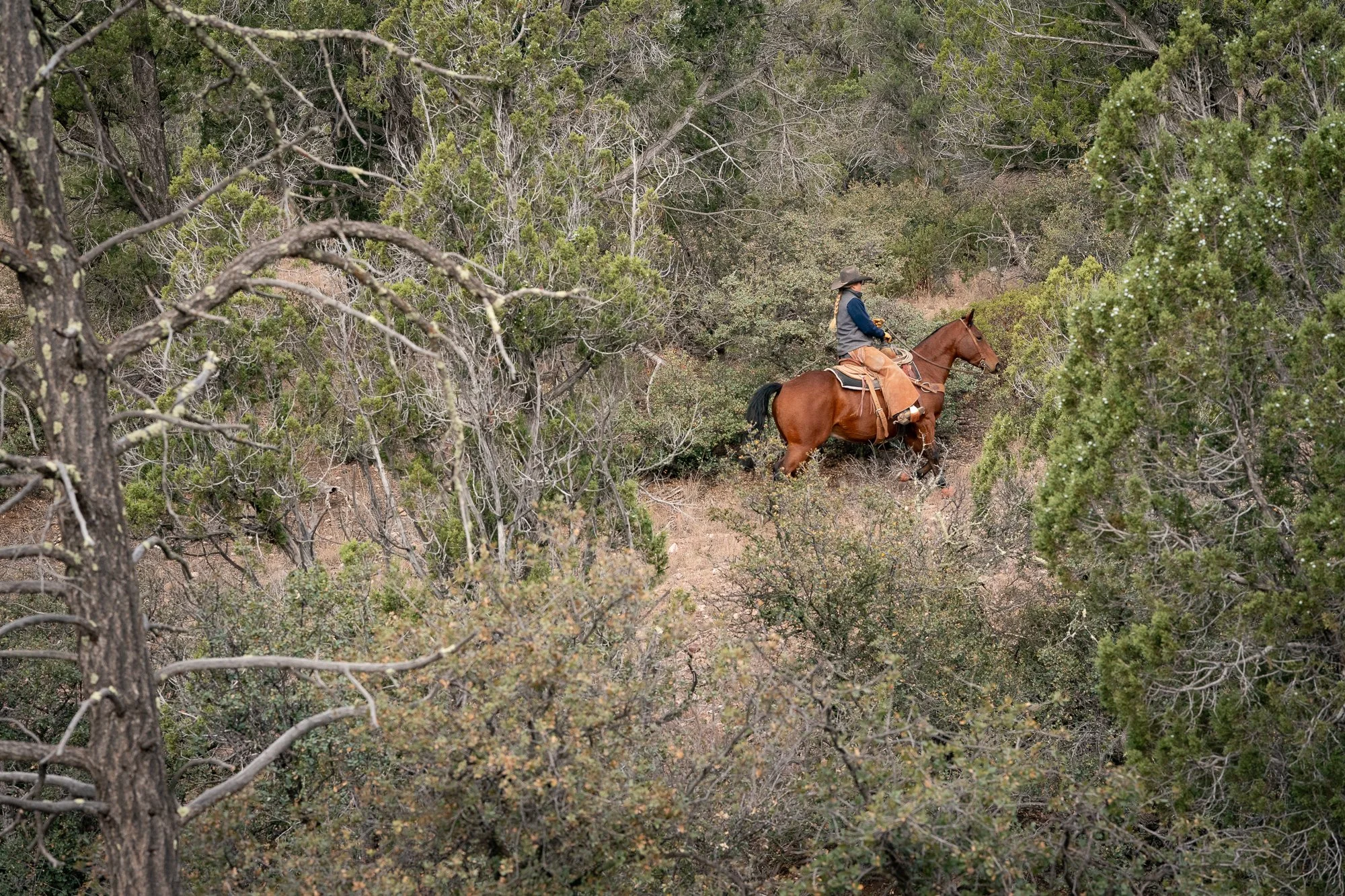
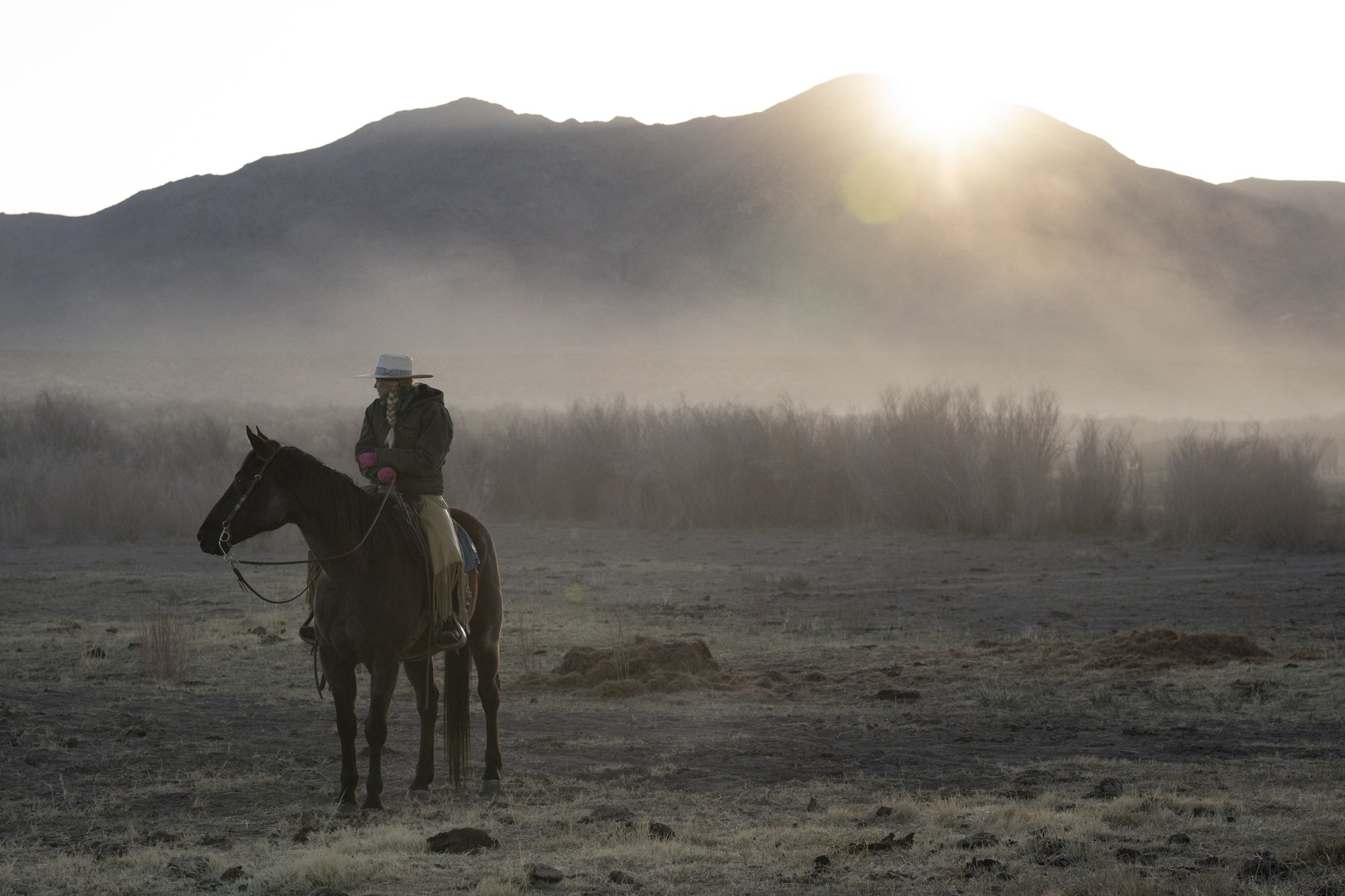
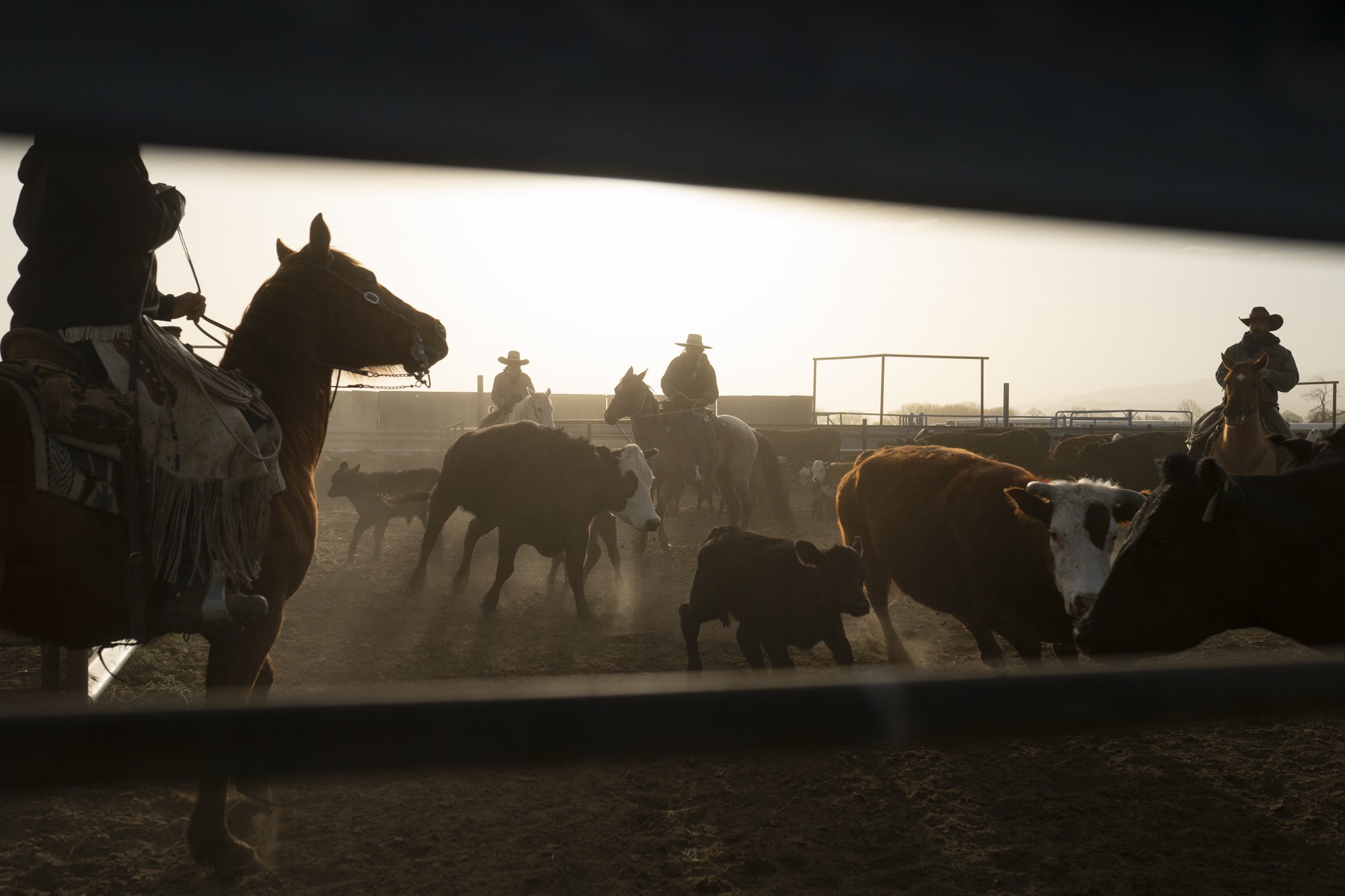
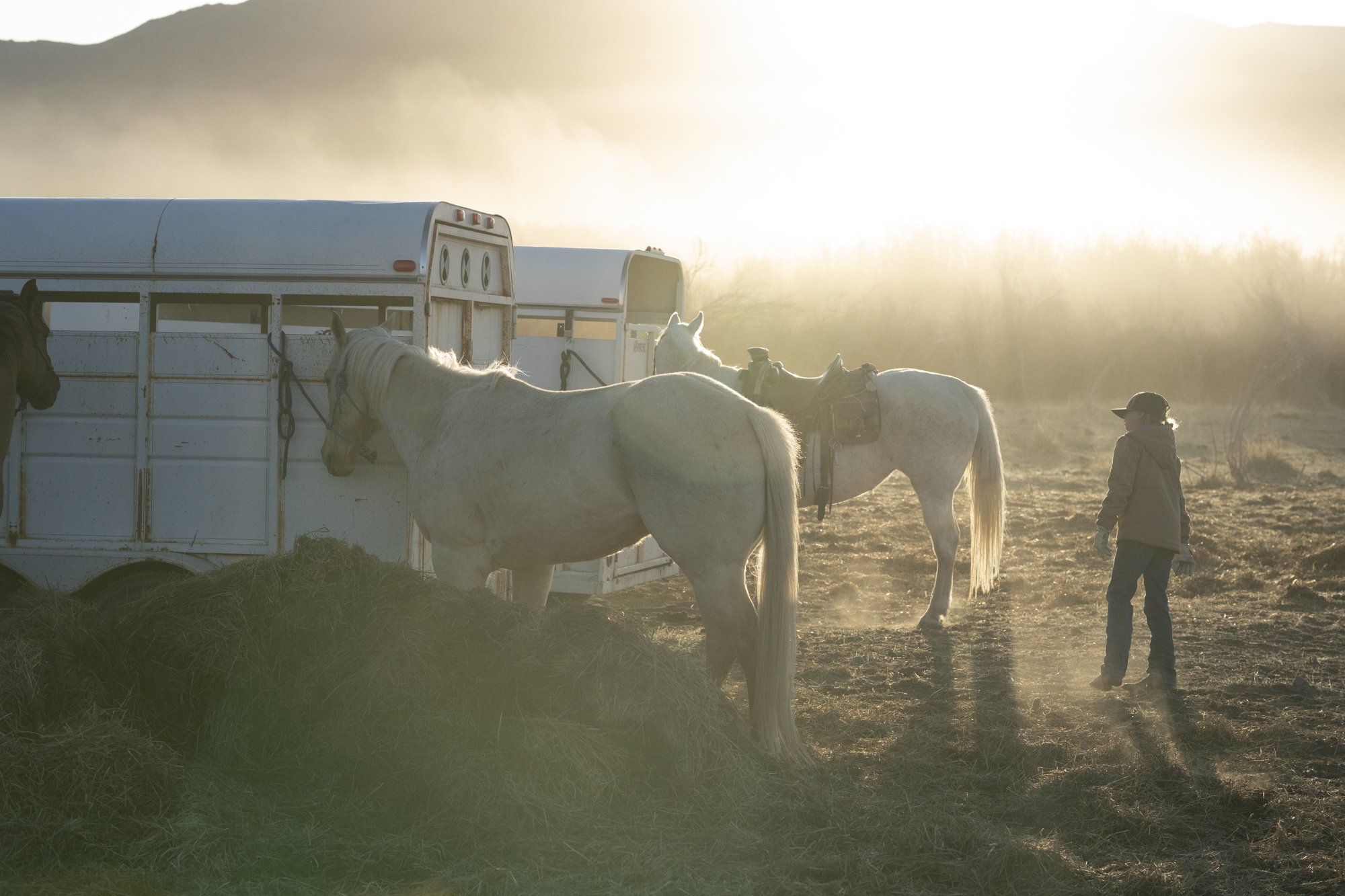
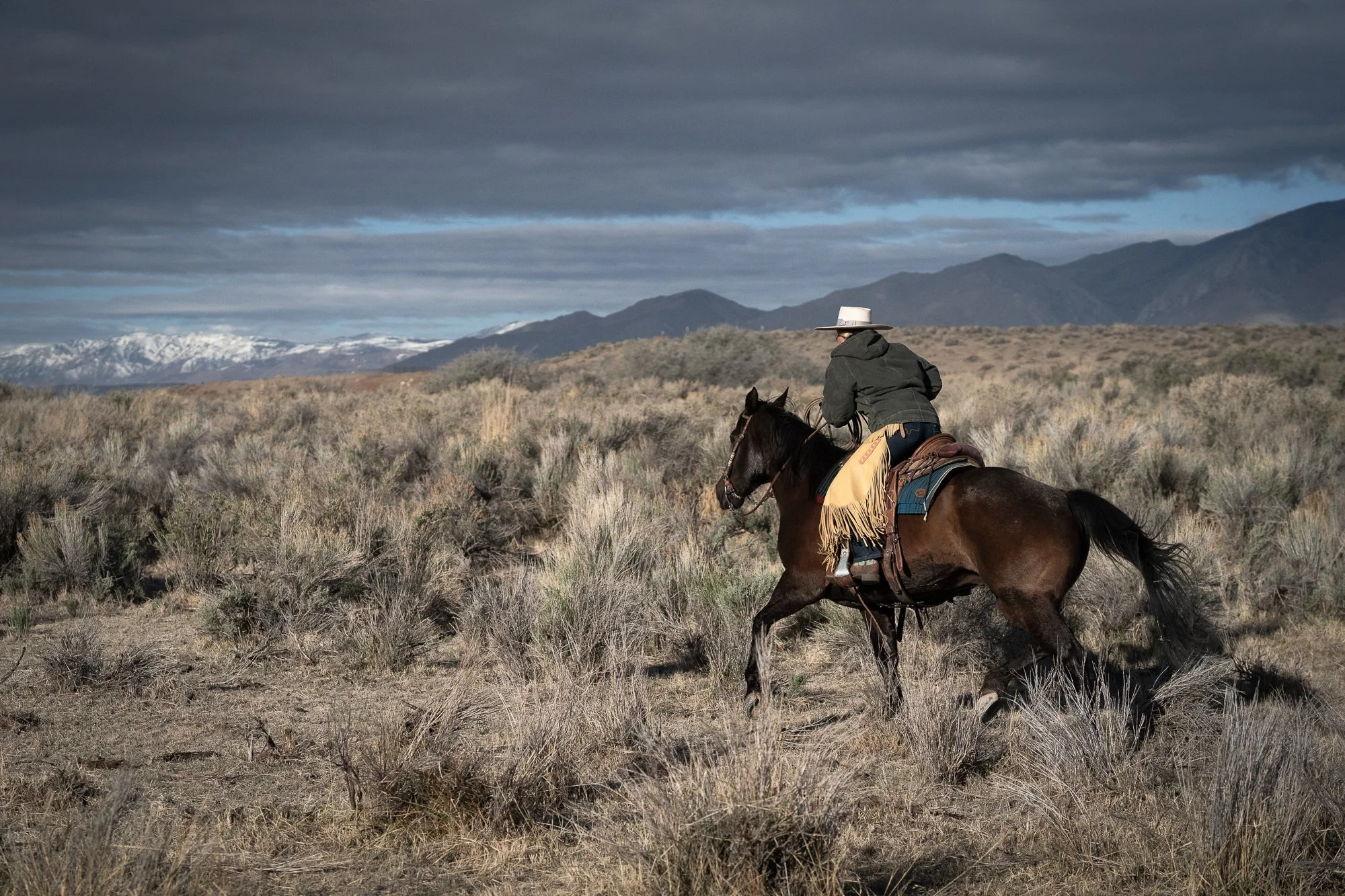
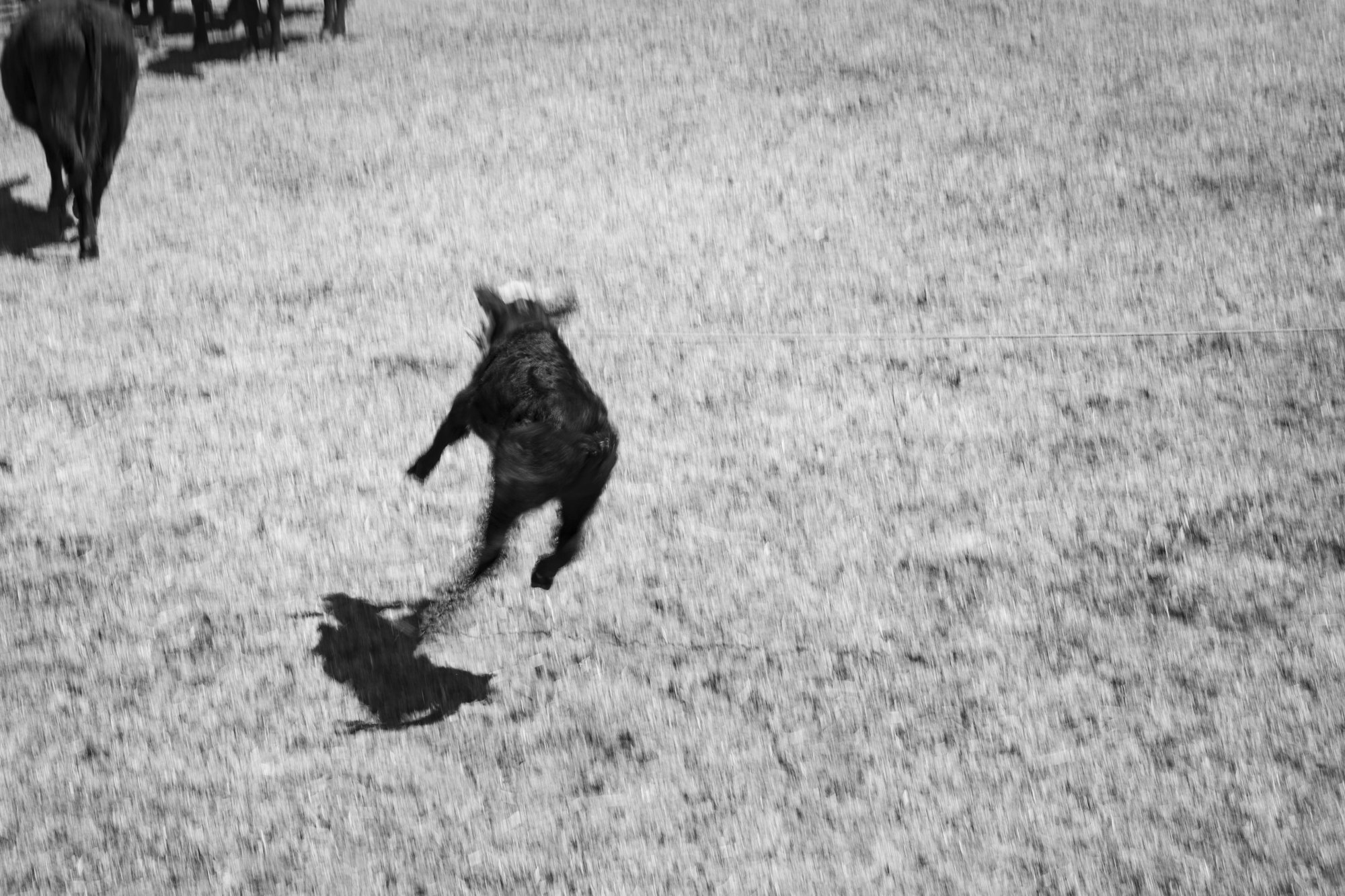
My work as a Western and cowboy photographer has never been about staged moments or romanticized versions of ranch life. I’ve spent years traveling throughout the American West, documenting real working cowboys on historic ranches, often in harsh conditions and far from anything resembling a photo shoot.

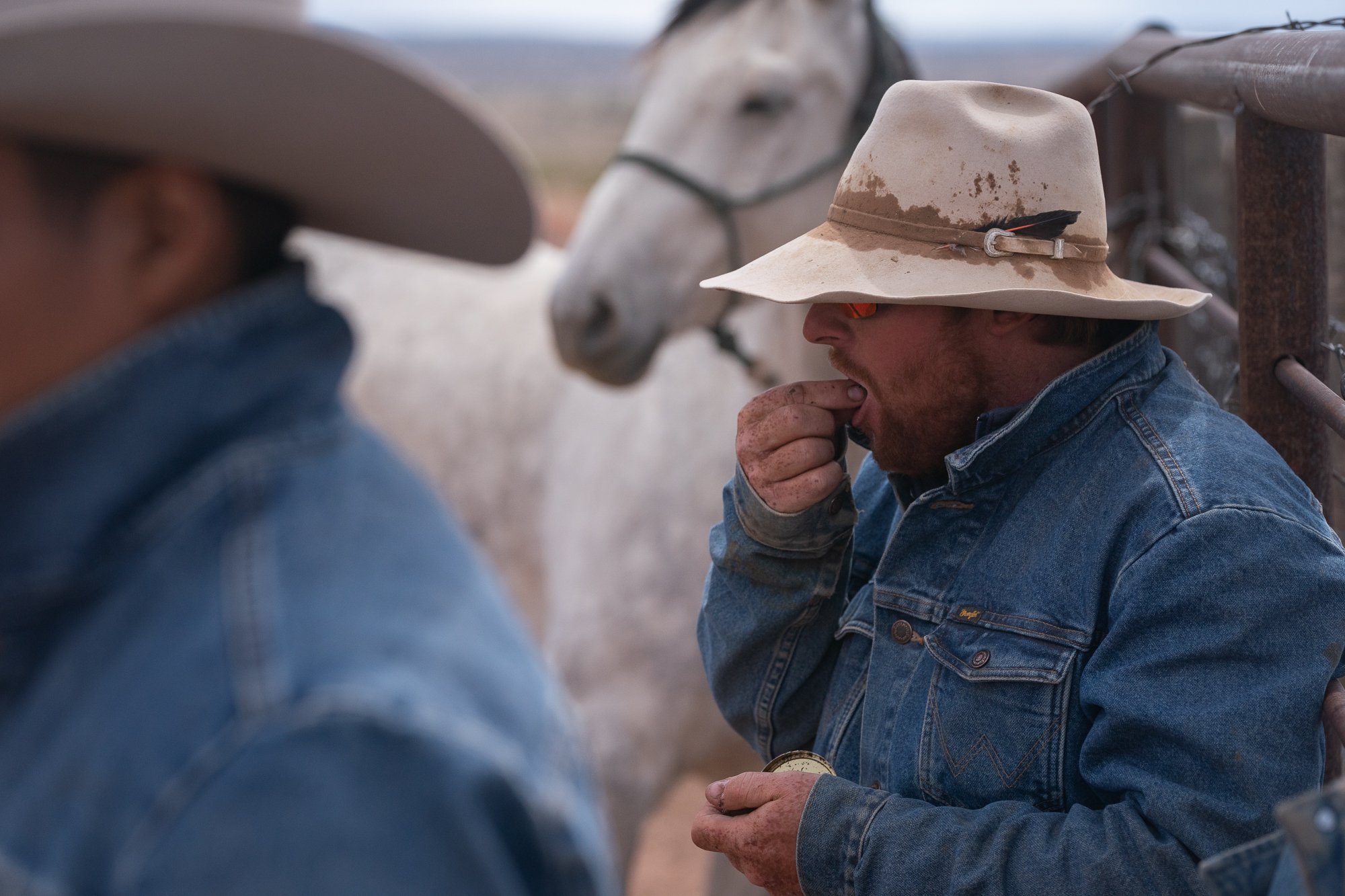
These are early mornings, long days, weather-beaten faces, and generations of knowledge passed down through hands that still carry ropes, saddles, and responsibility. Photographing this world requires patience, trust, and a deep respect for the culture.

Western Horseman’s recognition reflects that approach — one grounded in observation, honesty, and time spent earning access.

Photographing the Working Cowboy

Much of my photography focuses on:

  • Cowboys and ranch hands at work

  • Western horsemanship and ranch traditions

  • Historic ranches across Texas, New Mexico, Montana, Wyoming, and beyond

  • Quiet moments between the work — where the culture reveals itself

These photographs aren’t about nostalgia for something lost. They’re about documenting a way of life that still exists, often misunderstood or oversimplified. Cowboys today are as committed, skilled, and resilient as ever, and their stories deserve to be told accurately.

Why This Recognition Matters

Being acknowledged by Western Horseman is different from being featured by a general photography publication. It comes from within the culture itself — from a magazine that understands ranching, horsemanship, and Western life at a granular level.

That distinction matters.

For collectors, editors, and brands working in the Western space, this recognition serves as confirmation that the work is rooted in lived experience rather than surface-level aesthetics.

Western Photography for Editorial, Commercial, and Fine Art Use

In addition to editorial storytelling, my Western photography is used in:

  • Commercial and brand campaigns

  • Museum and gallery exhibitions

  • Fine art print collections

The common thread is authenticity. Every image is created in real environments, with real people, and without manufactured narratives.

Thank You to the Western Horseman Community

I’m grateful to Western Horseman for the acknowledgment and to everyone who supports thoughtful documentation of Western culture. Recognition like this reinforces why it’s important to continue investing time in long-term projects that honor the people and traditions of the American West.

View the Cowboy Photography Gallery

Shop Western Home Decor

Best photographer - Western Horseman Magazine

Western Horseman Magazine nomination badge recognizing Rob Hammer as one of the best Western photographers.

Eugene, Oregon Photo Gallery

Photography at Oregon

Maude Kerns Art Center

Honored to share that 12 of my black and white cowboy photography prints are part of an invitational group show at the Maude Kerns Art Center with Photography at Oregon. Along with my prints will be others by Barbara Bakalarova, Tracy Barbutes, Sarah Grew, Eric Kunsman, Willie Osterman, Osceola Refetoff, and Nolan Streitberger. If you’re in Eugene, Oregon area please stop in to check out the work from May 10-June 7. They will be having an opening reception on May 10th and an artist talk on June 1st. I’m not able to attend either day, but I still encourage you to check out the show.

Click here to shop my fine art cowboy photography prints

Photography exhibition at Maude Kerns Art Center - Eugene, Oregon

Photographs of cowboys on the Diamond A Ranch - Arizona

Diamond A Ranch Cowboy Photography — Arizona Prints for Western Art Lovers

Diamond A Ranch isn’t just another western setting—it’s one of the largest and most storied ranches in Arizona, spanning 750,000 acres. What I love about photographing here is that each frame can feel both specific to Diamond A and universal to cowboy culture. It’s a place where light, land, horses, and human spirit intersect. I’ve been fortunate to visit the Diamond A a few times now and am proud to call a few of the cowboys my friends. As is the cowboy way, they are always generous with their hospitality and happy to have me around, given that I don’t get in the way of course.

For years, my American West / Cowboy Culture series has focused on capturing raw truth over staged scenes. At Diamond A, that means cowboys being cowboys - riding across wind‑sculpted sage, horses rounding in dust, corrals framed by expansive skies, and intimate gestures of work: stitching, saddling, rope swinging. I try to catch the moments that feel timeless.

These photographs are available as gallery‑quality prints for collectors, interior designers, and Western art enthusiasts. And for those needing images for publication, branding, or creative projects, licensing is available. I also accept commissioned shoots—whether for ranch projects, hospitality brands, or editorial features.

If you’re drawn to Western photography, cowboy imagery, or just the feeling of wide land and quiet grit, take a look at fine art print collection and reach out directly if you like to discuss licensing options - rob@robhammerphotography.com

Photograph print of two cowboys riding their horses along the rim of a canyon at sunrise in Arizona

Photograph of two cowboys riding horses at sunrise with a beautiful western scene behind them

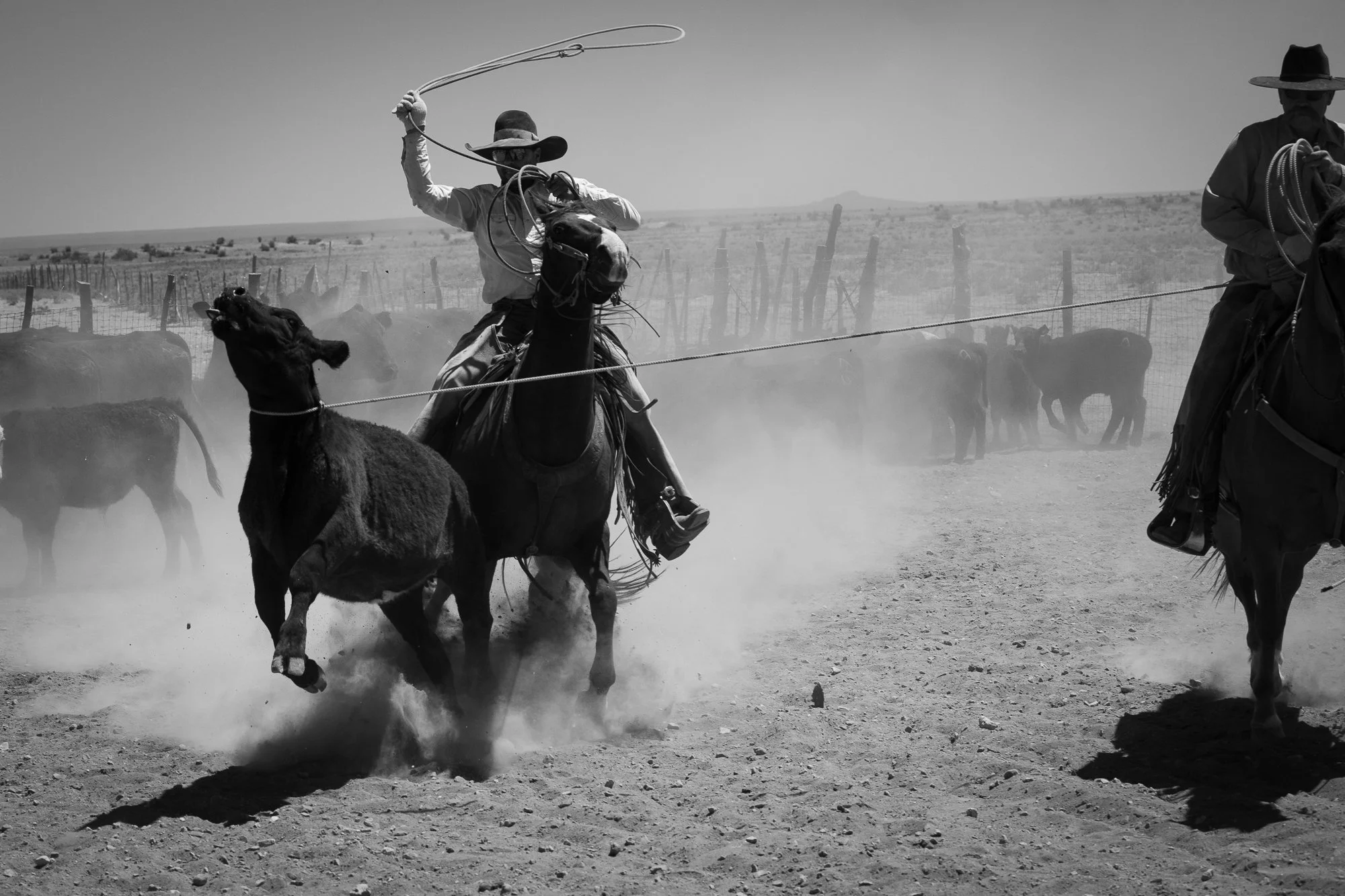
Photograph of two cowboys roping a wild steer into a trailer on a cattle ranch in Arizona

Black and white photograph of two cowboys roping a wild steer

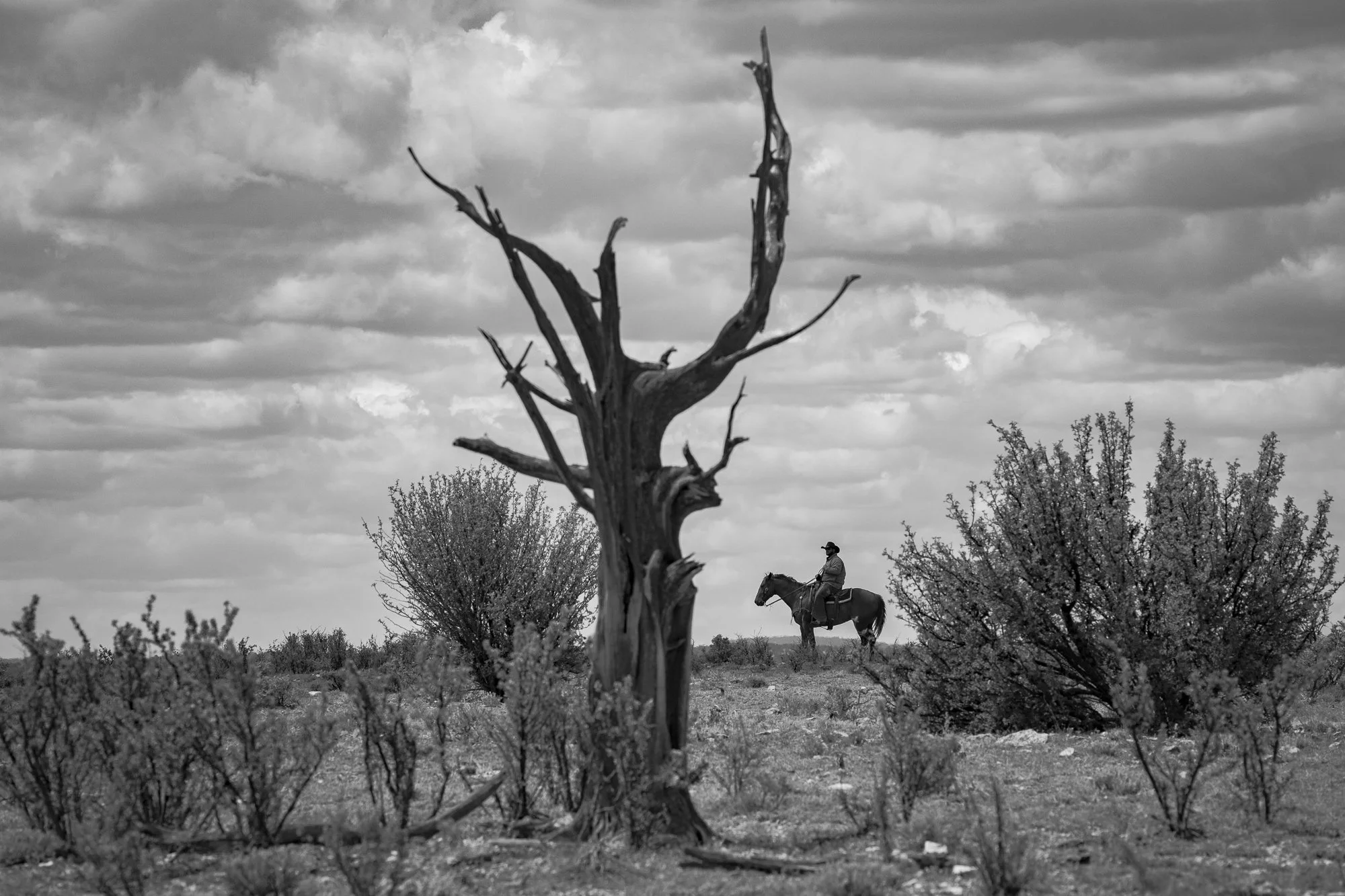
Black and white photograph of cowboys riding horses out into open range

Cowboys riding into open range on an Arizona cattle ranch

Photograph of a cowboy kid on a cattle ranch

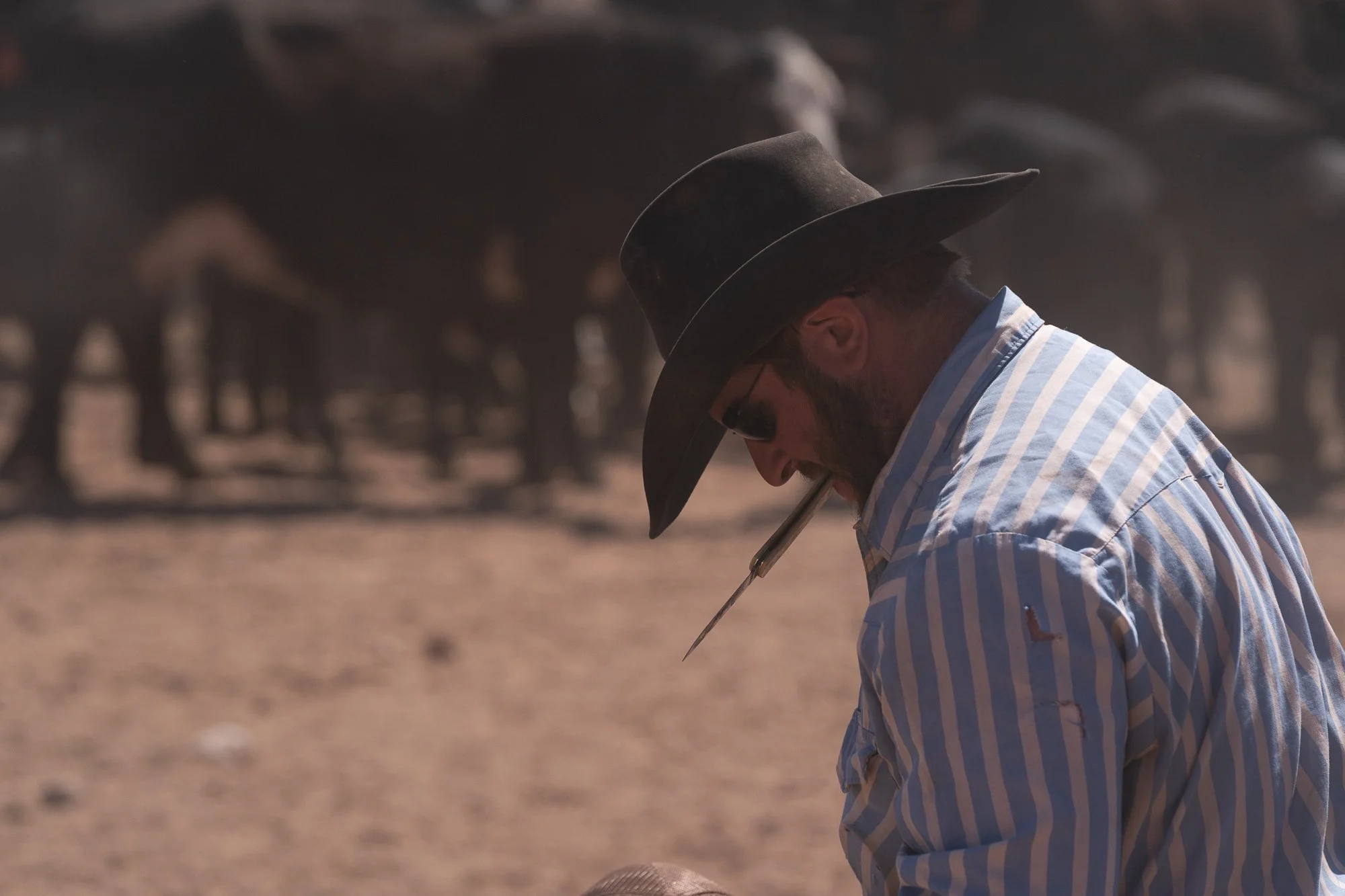
Photograph of.a cowboy kid with blood covered hands

Authentic photograph of cowboys eating dinner in a bunkhouse on a cattle ranch in the American West

Photograph of cowboys eating dinner in a bunkhouse

Cowboys on the Diamond A Ranch

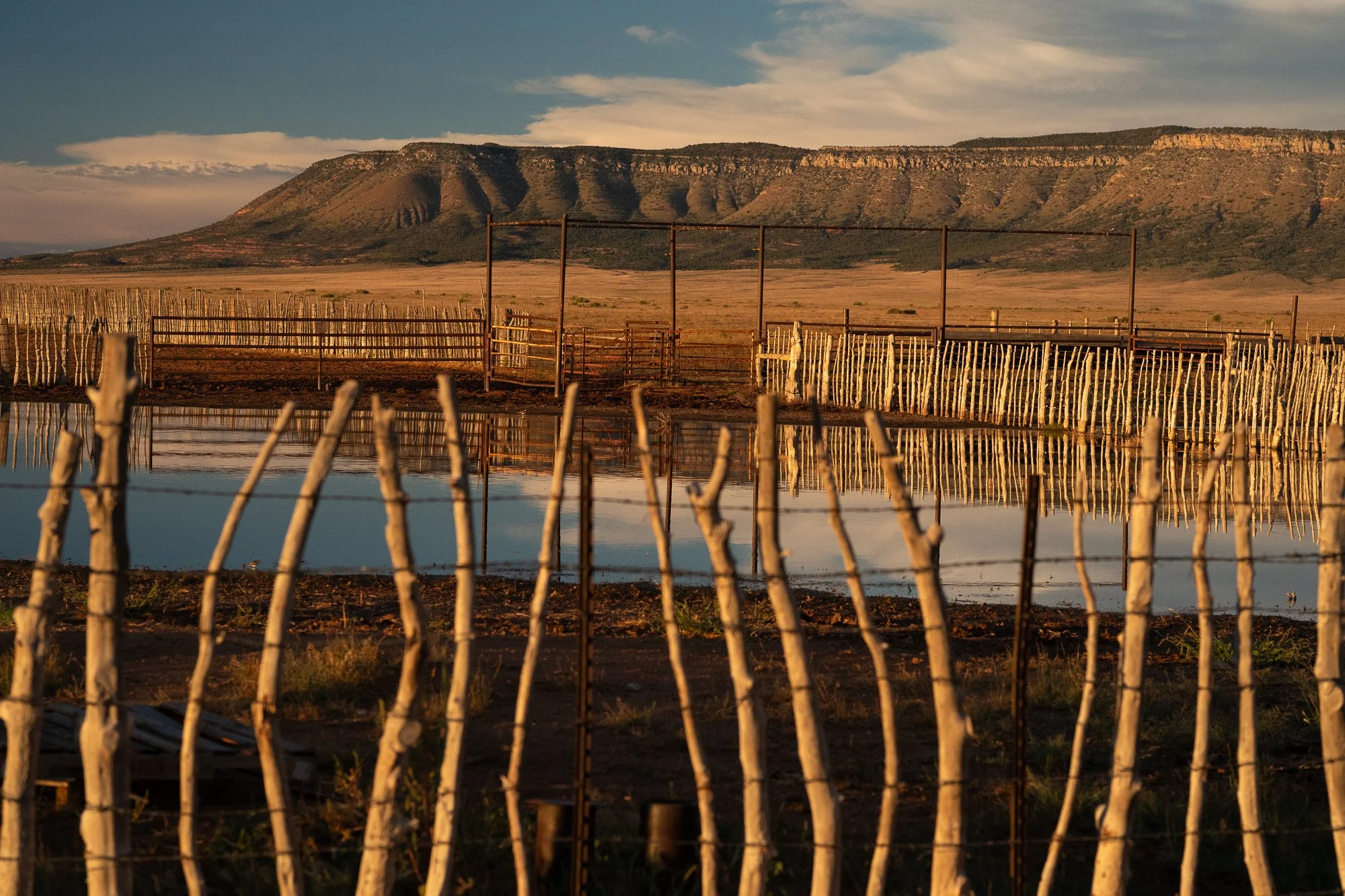
Photograph of wood cattle corrals in a Western landscape

Old wood cattle corrals on the Diamond A Ranch

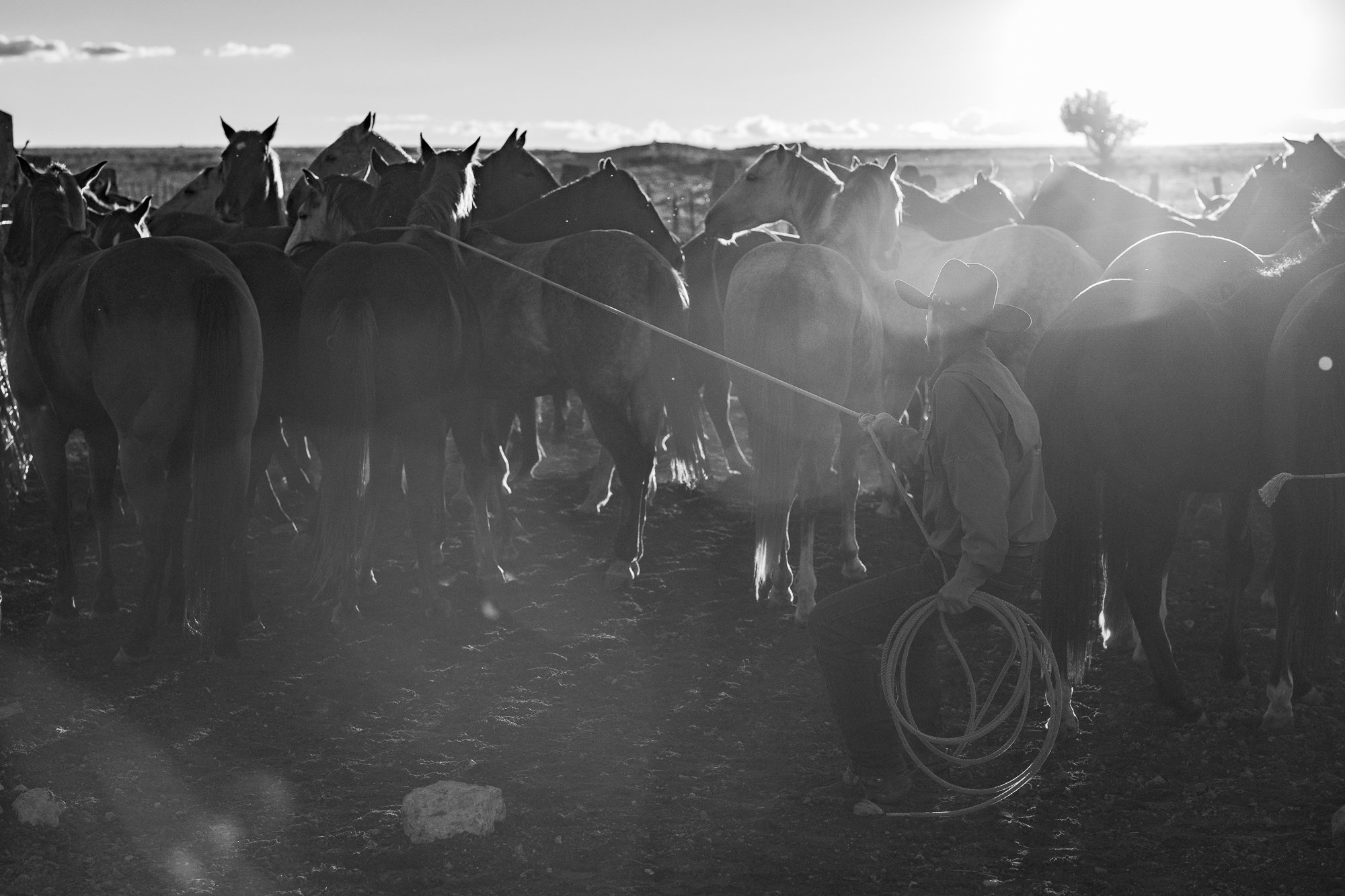
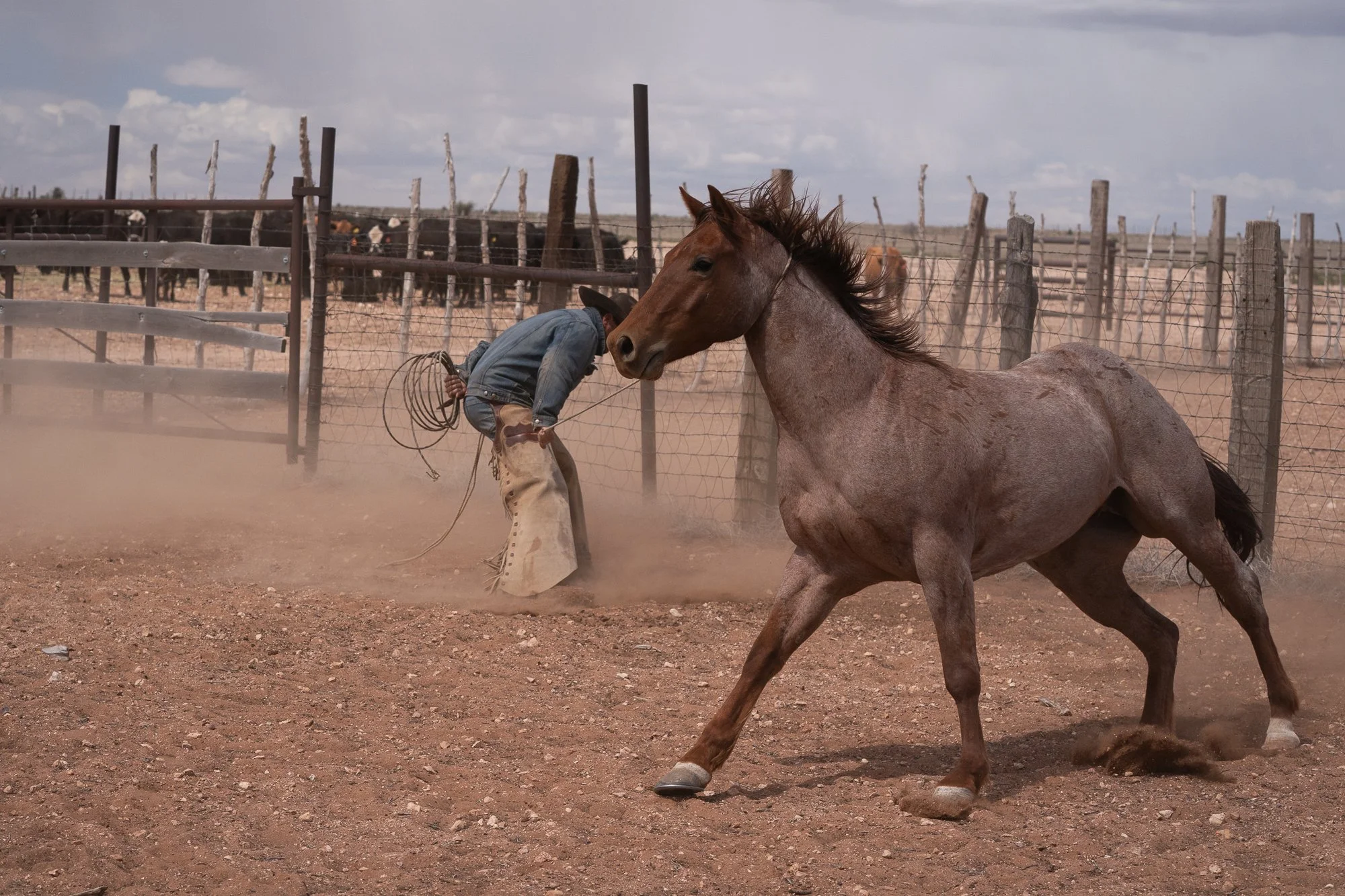
Photograph of a cowboy catching horses in the traditional manner on a cattle ranch in Arizona

A cowboy catching horses in late afternoon light

Photograph of a cowboy saddling a horse early in the morning when the moon is still up

Photograph of a cowboy saddling his horse early in the morning on an Arizona cattle ranch

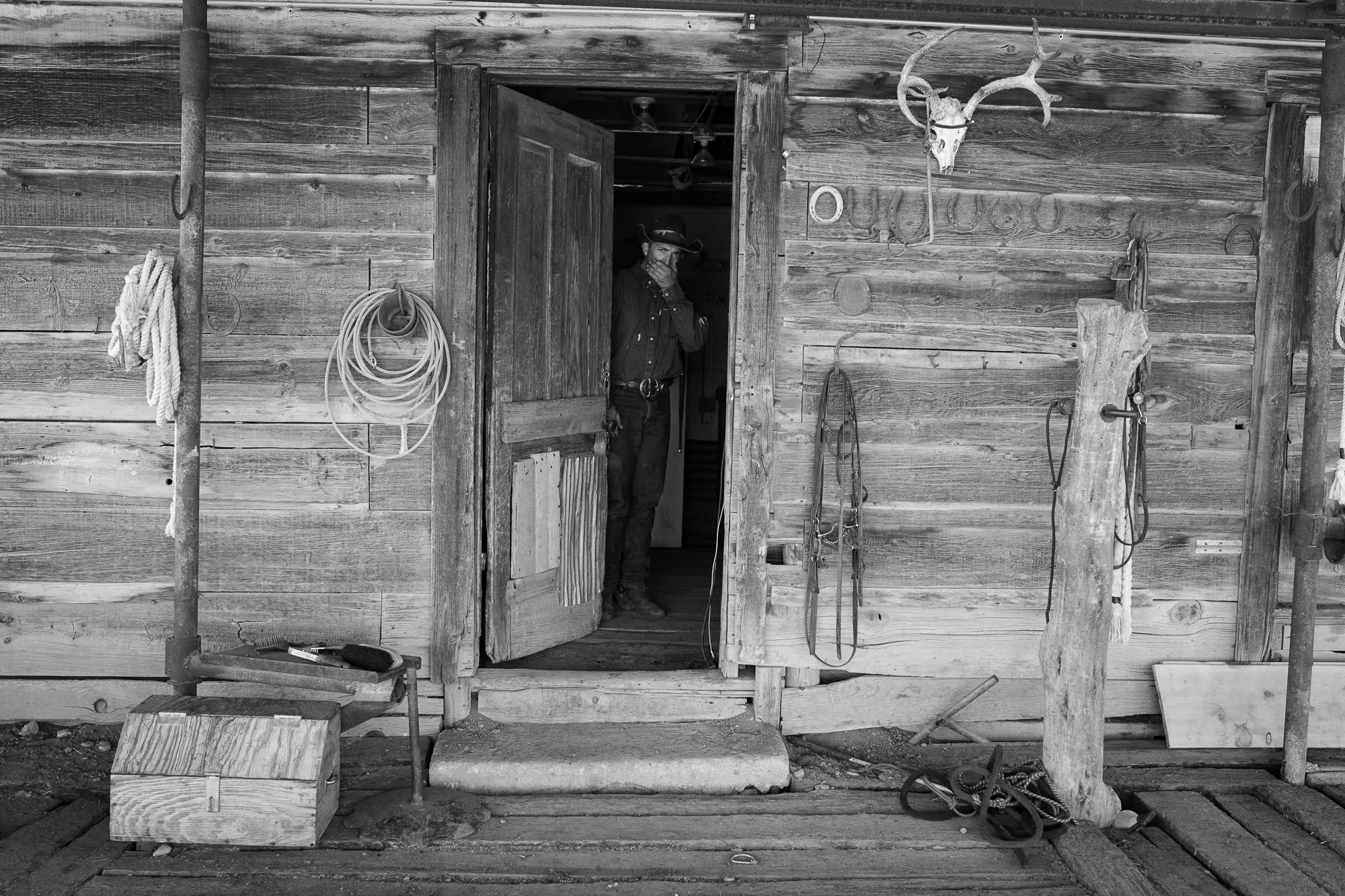
Black and white photograph of a cowboy walking out of an old wood building

Black and white photograph of.a cowboy coming out of an old wood saddle house

Photograph of two cowboys riding horses through steep rocky country  on a cattle ranch in Arizona

Photograph of two cowboy riding their horses through tough terrain in Arizona

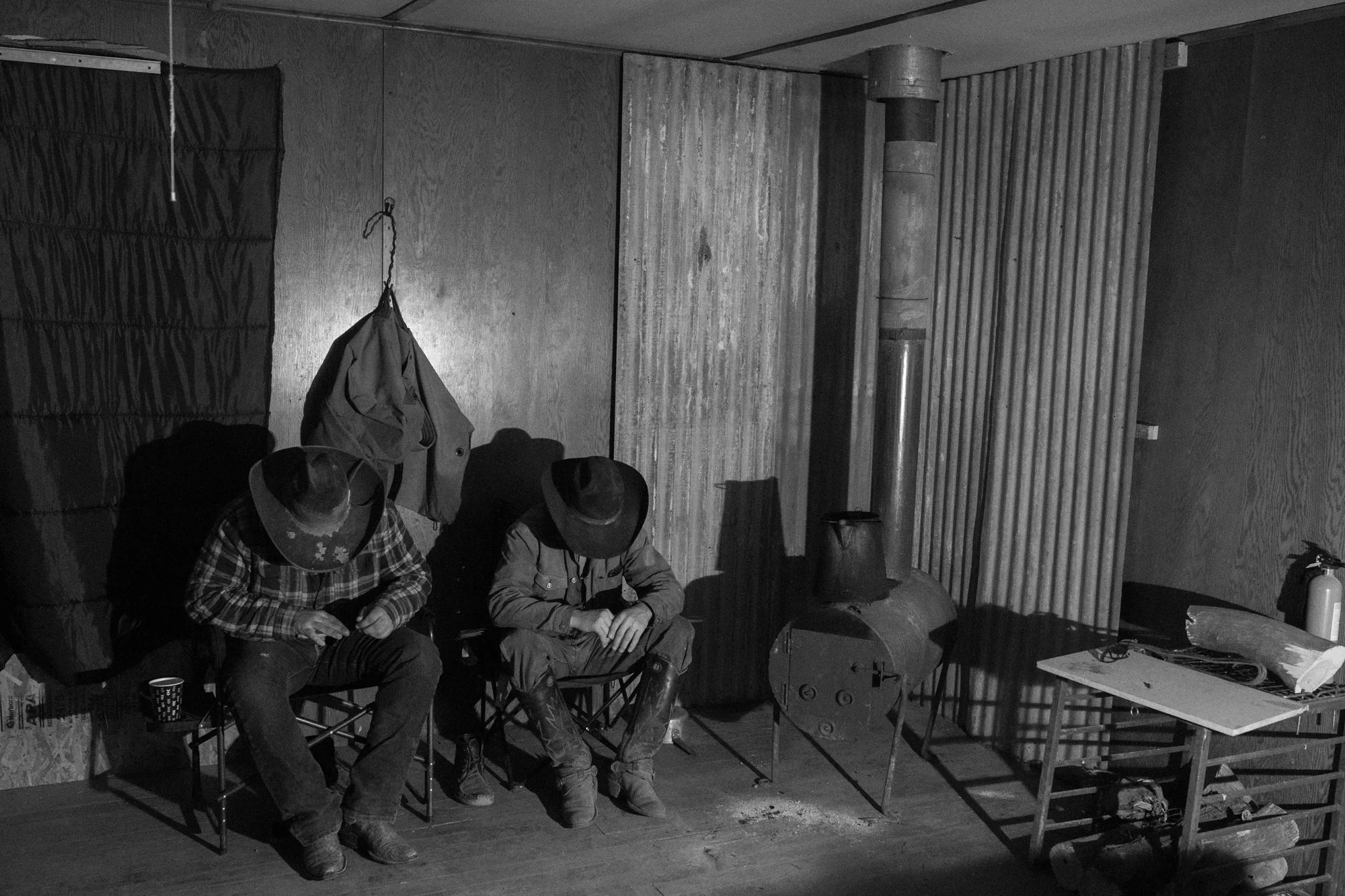
Authentic photography print of two cowboys in a bunkhouse

Black and White photograph of two cowboys in a bunkhouse

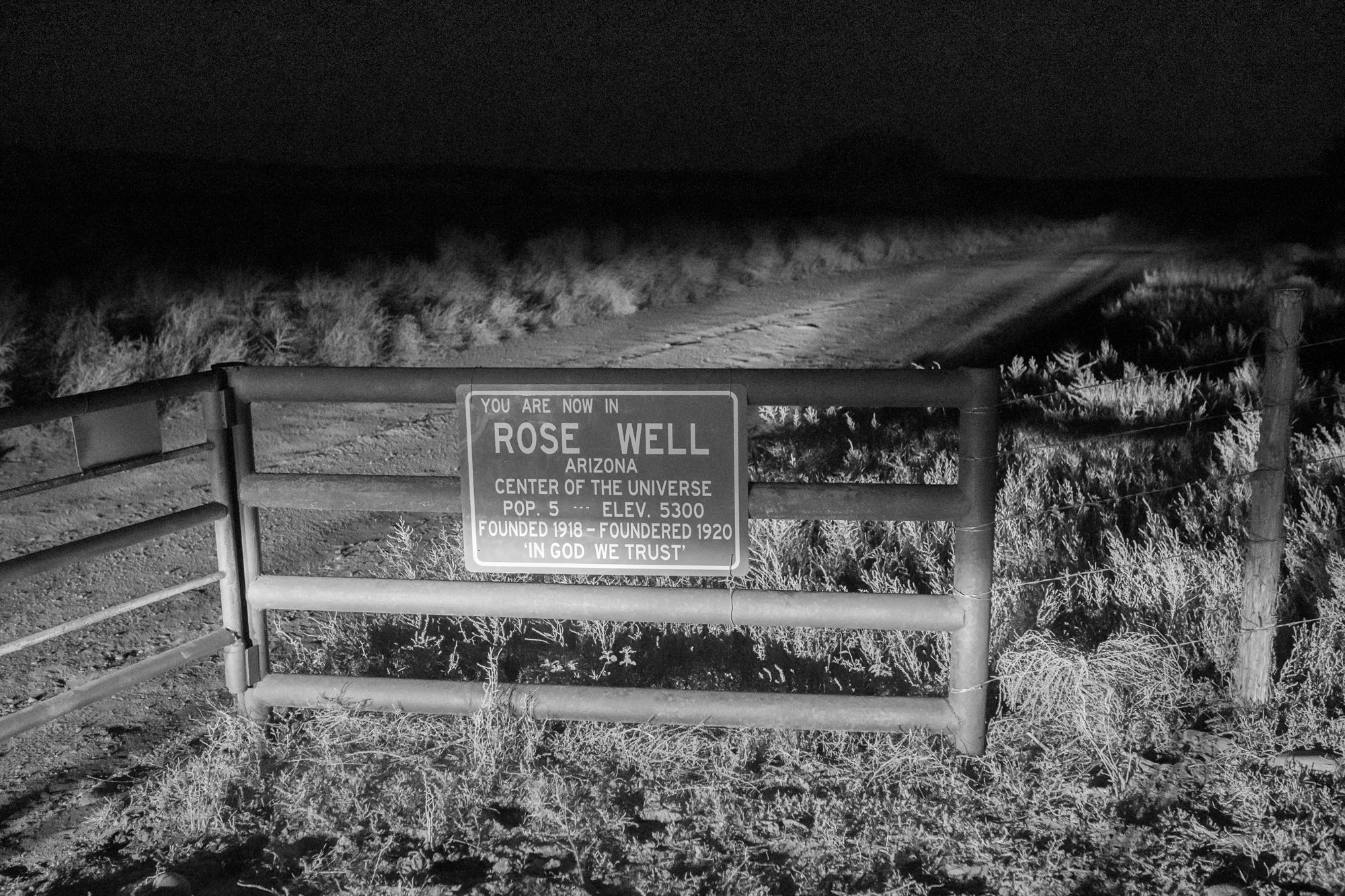
Photograph of the sign for Rose Well on a gate at the Diamond A Ranch in Seligman, Arizona

Sign for the Rose Well camp on the Diamond A Ranch - Center of the Universe

Black and white photograph of cowboys fixing a broken gate

Cowboys repairing a broken gate on a cattle ranch

Photograph of the custom gate at a cattle ranch in Arizona

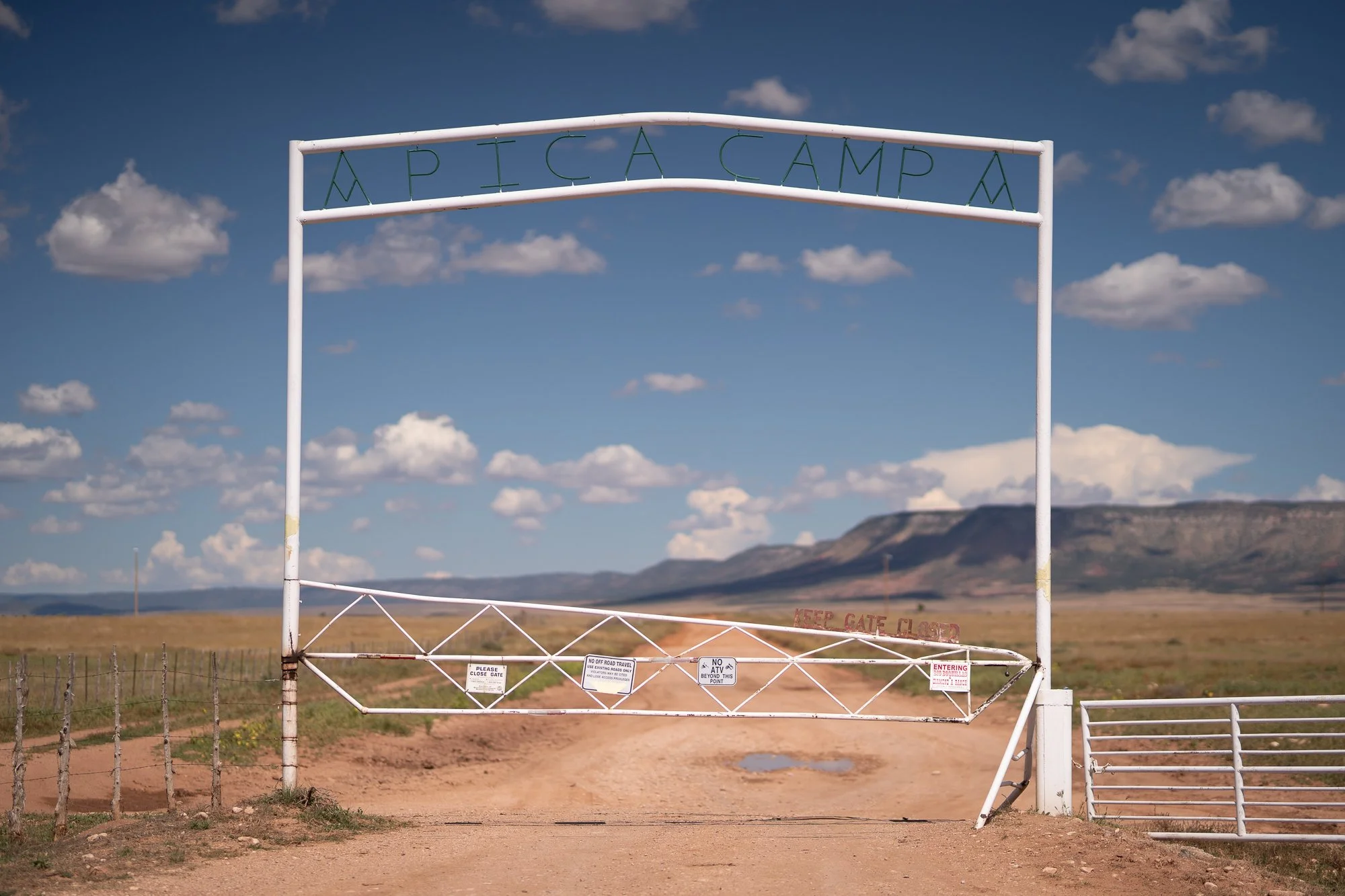
Pica Camp - Diamond A Ranch, Arizona

Arizona Cattle Ranch

Cowboy Ranch Life in Arizona — A Working Ranch Photo Essay

Photographing a Working Cattle Ranch in Rural Arizona

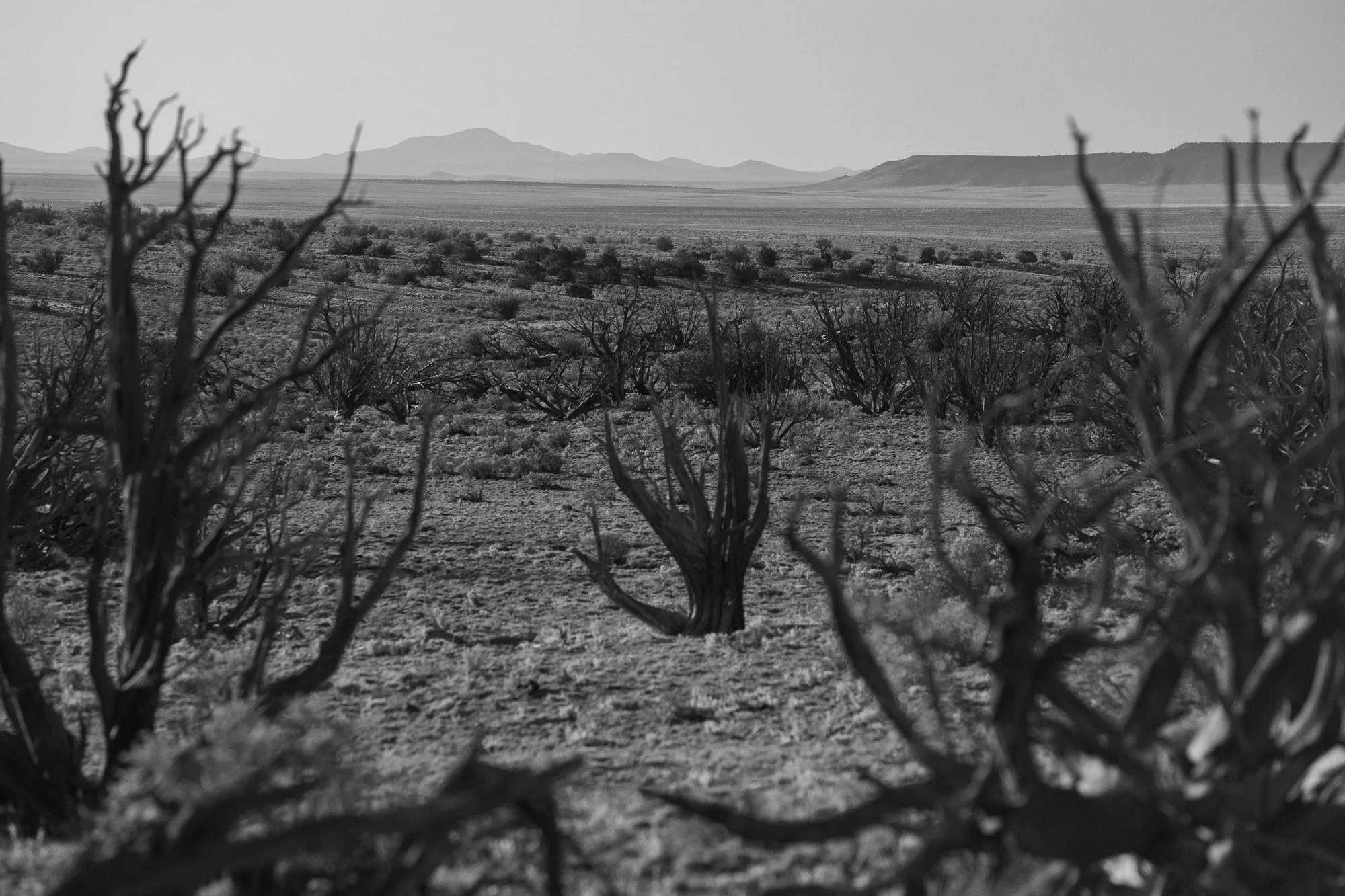
Arizona ranching doesn’t look the way most people imagine it. There are no dramatic mountain backdrops or postcard moments waiting around every corner. Most days are quiet. Dry. Spread out. The work blends into the land in a way that feels almost invisible unless you slow down enough to notice it.

These photographs were made on a working cattle ranch in rural Arizona. No staging. No recreations. Just day-to-day ranch life as it happens — early mornings, long distances, and a rhythm that hasn’t changed much because it doesn’t need to.

Ranch work in Arizona is shaped by the environment more than anything else. The land dictates the pace. Heat, dust, and long distances through dense brush are part of every decision, and nothing happens quickly unless it has to. You feel that right away when you’re there.

What struck me most wasn’t any single moment, but how steady everything felt. Horses saddled without ceremony. Gates opened and closed out of habit. Work done without commentary. It’s not dramatic, but it’s real — and that’s what makes it worth photographing.

Ranching in Arizona Isn’t Romantic — It’s Practical

A lot of imagery of the American West leans hard into nostalgia. This place doesn’t ask for that. Ranching here is practical and stripped down. The landscape doesn’t allow for much excess.

The cattle are moved when they need to be moved. The horses are tools as much as companions. There’s very little separation between work and daily life, and no sense that anyone is trying to preserve an image for the sake of outsiders. It simply exists.

That honesty is what drew me to photograph here.

The K4 Ranch

The photographs in this series were made at K4 Ranch, a working cattle operation where ranching still follows the land rather than trends. Like many ranches across Arizona, it operates quietly, without much outside attention, doing the same work it has for generations.

Places like this don’t always make headlines, but they form the backbone of ranching culture in the Southwest. They’re also disappearing faster than most people realize.

Why Photograph Places Like This

I’ve spent years photographing working cowboys and ranches across the American West, and the more time I spend in places like this, the more important it feels to slow down and document them honestly.

Not to turn them into symbols — but to show what’s actually there.

These photographs aren’t meant to romanticize ranch life or explain it. They’re simply a record of people working, land being used, and traditions continuing without much concern for being noticed.

Arizona Cowboy Photography Prints

Photographs from this Arizona ranching series are available as museum-quality fine art prints. Each print is produced in small editions and made to live with — not just be scrolled past.

View available cowboy photography prints

This story is also part of a larger, ongoing project documenting real working cowboys and ranch life across the American West.

View the complete cowboy photography gallery

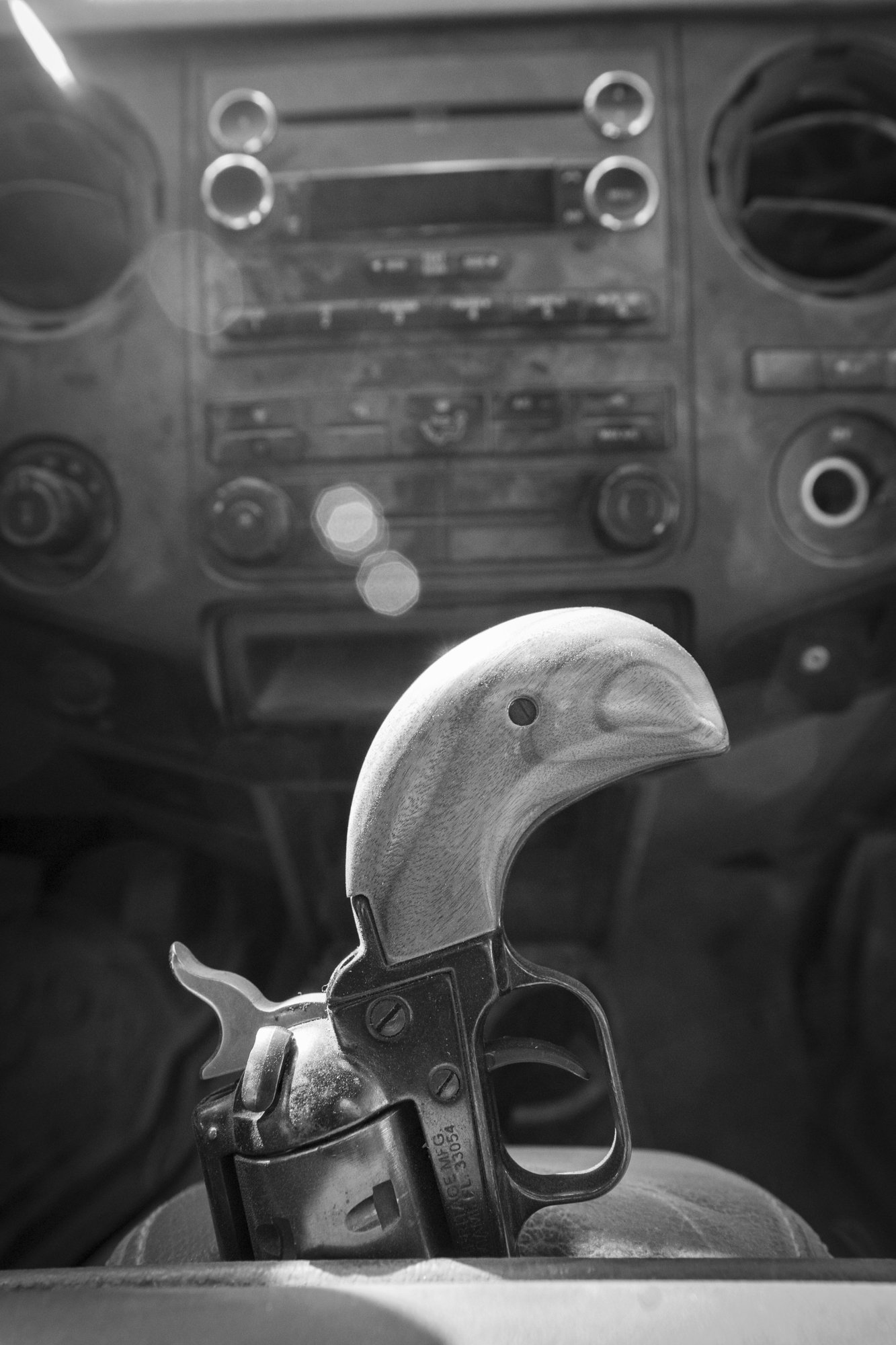
Photograph of a revolver gun in the console of a cowboy's pickup truck

A cowboy’s revolver

Black and white photograph of husband and wife cowboys

Brady and Marianne Clark - Cowboys

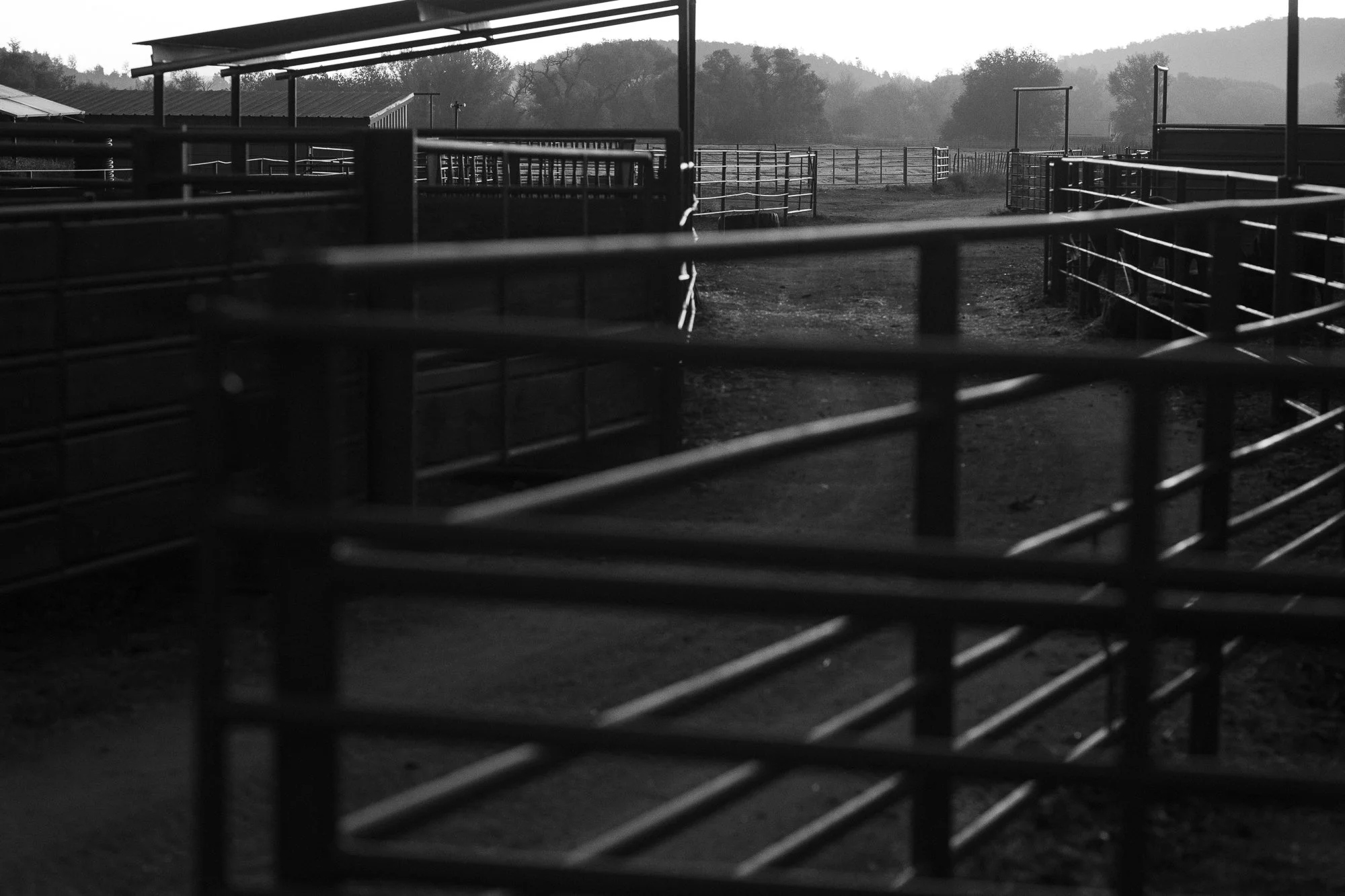
Early morning light illuminates corrals on a working ranch in Arizona

Horse corrals on the K4 Ranch in Prescott Arizona

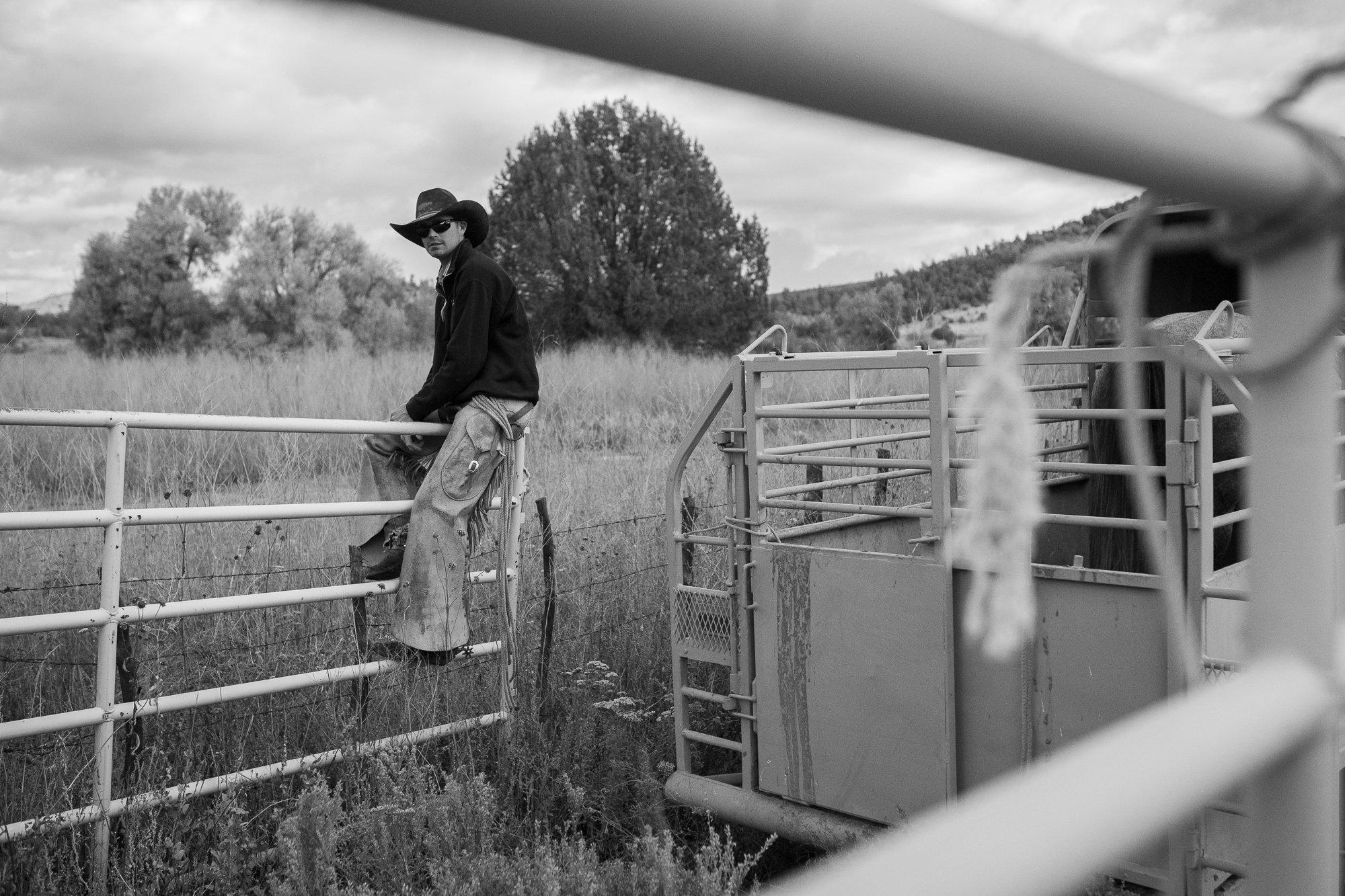
Black and white photograph of a cowboy on an Arizona cattle ranch

Brady Clark - Cowboy

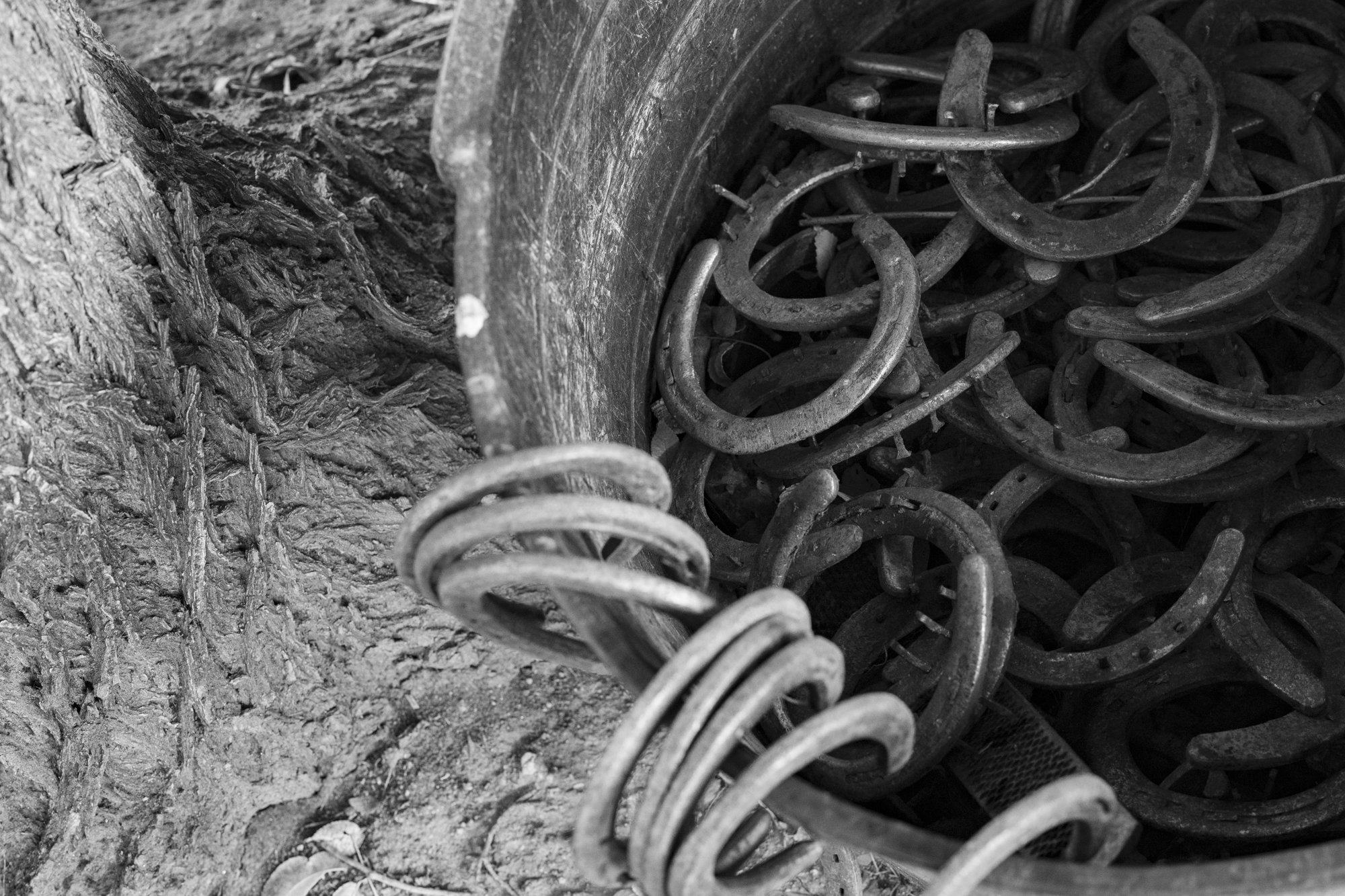
Photograph of a bucket of horseshoes on a cattle ranch in Arizona

Photograph of used horseshoes sitting in a bucket on a cattle ranch in Arizona

Photograph of a cowboy riding through thick brush on an Arizona cattle ranch

Cowboy riding through thick brush

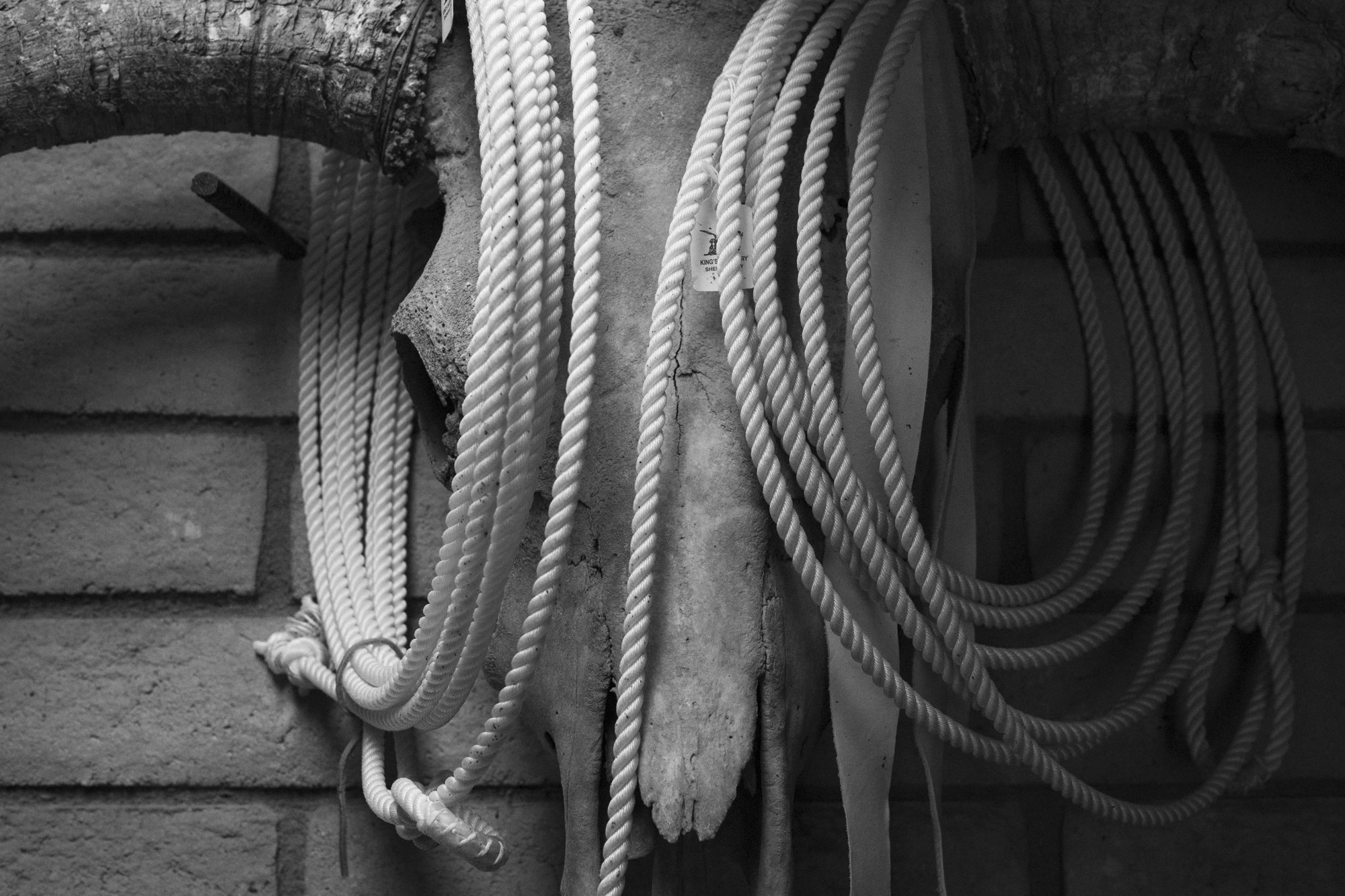
Cowboy lariats hanging on a cattle skull on a working ranch in Arizona

Ropes from King’s Saddlery hang on a cow skull on the K4 Ranch in Prescott, Arizona

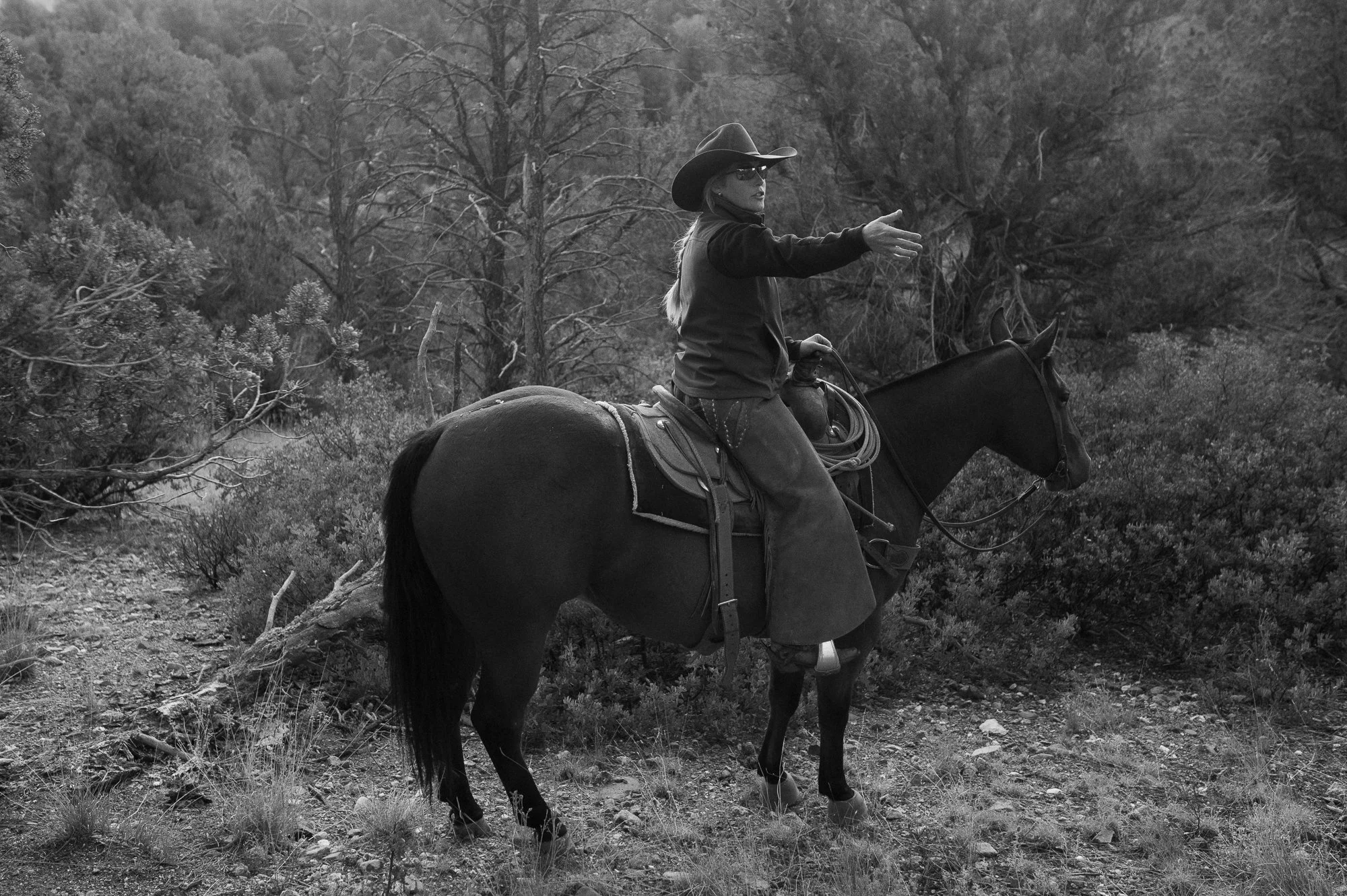
Photograph of a working Arizona cowgirl on her horse in a thick forest

Working Arizona cowgirl - Marianne Clark

Photograph of a cowboys roping dummy

Photograph of a roping dummy on a cattle ranch in the American West

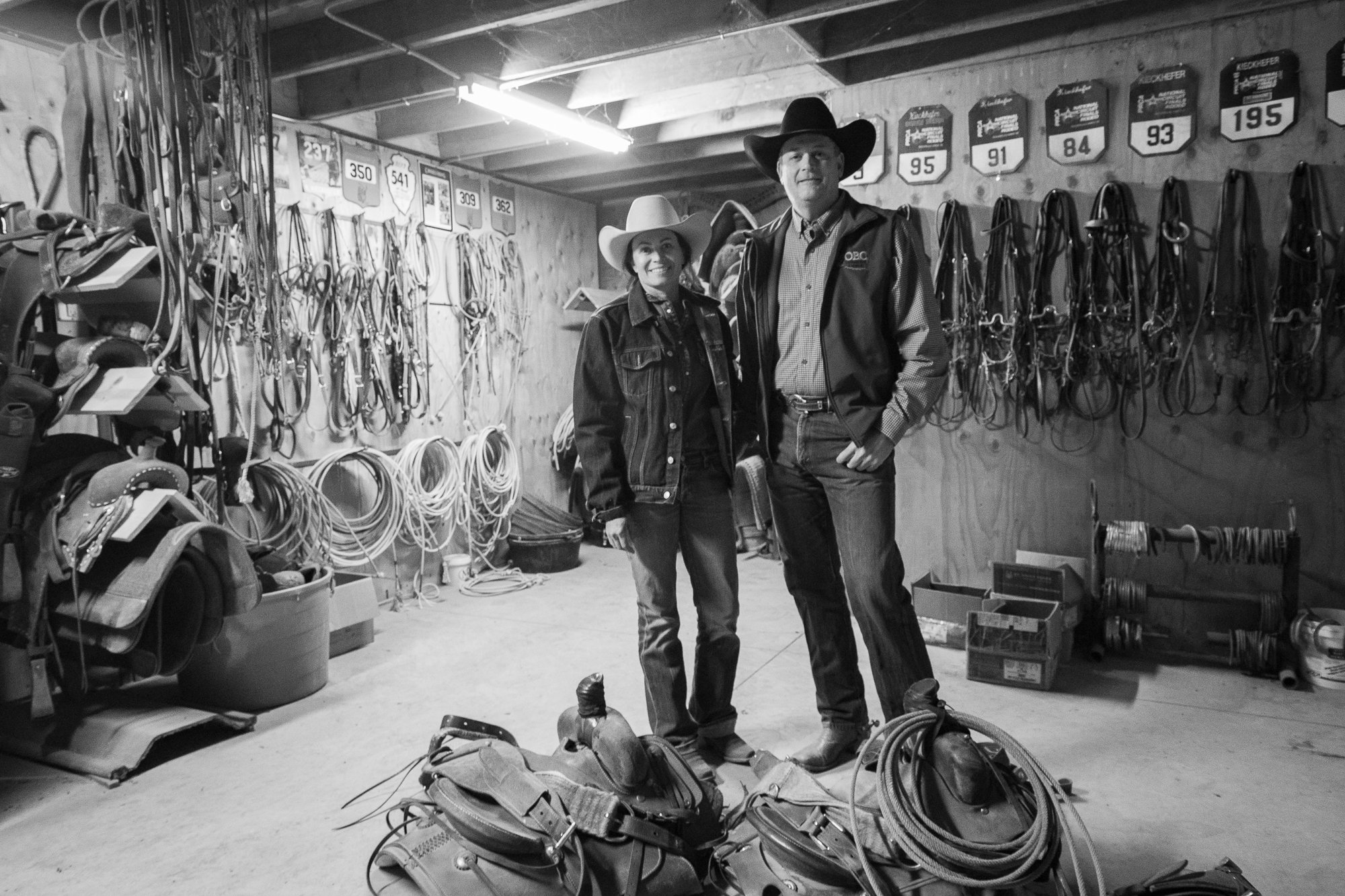
Rick and Sarah Kieckhefer - owners of the largest cattle ranch in the Southwest United States

Rick and Sarah Kieckhefer - Arizona cattle ranchers

Photographs of a cowboys horse shoeing station on a Arizona cattle ranch

A cowboy’s shoeing station for his horse on a cattle ranch in Arizona

Black and white photograph of male and female cowboys mounting horses in Arizona

Arizona cowboys getting on their horses before a day of work

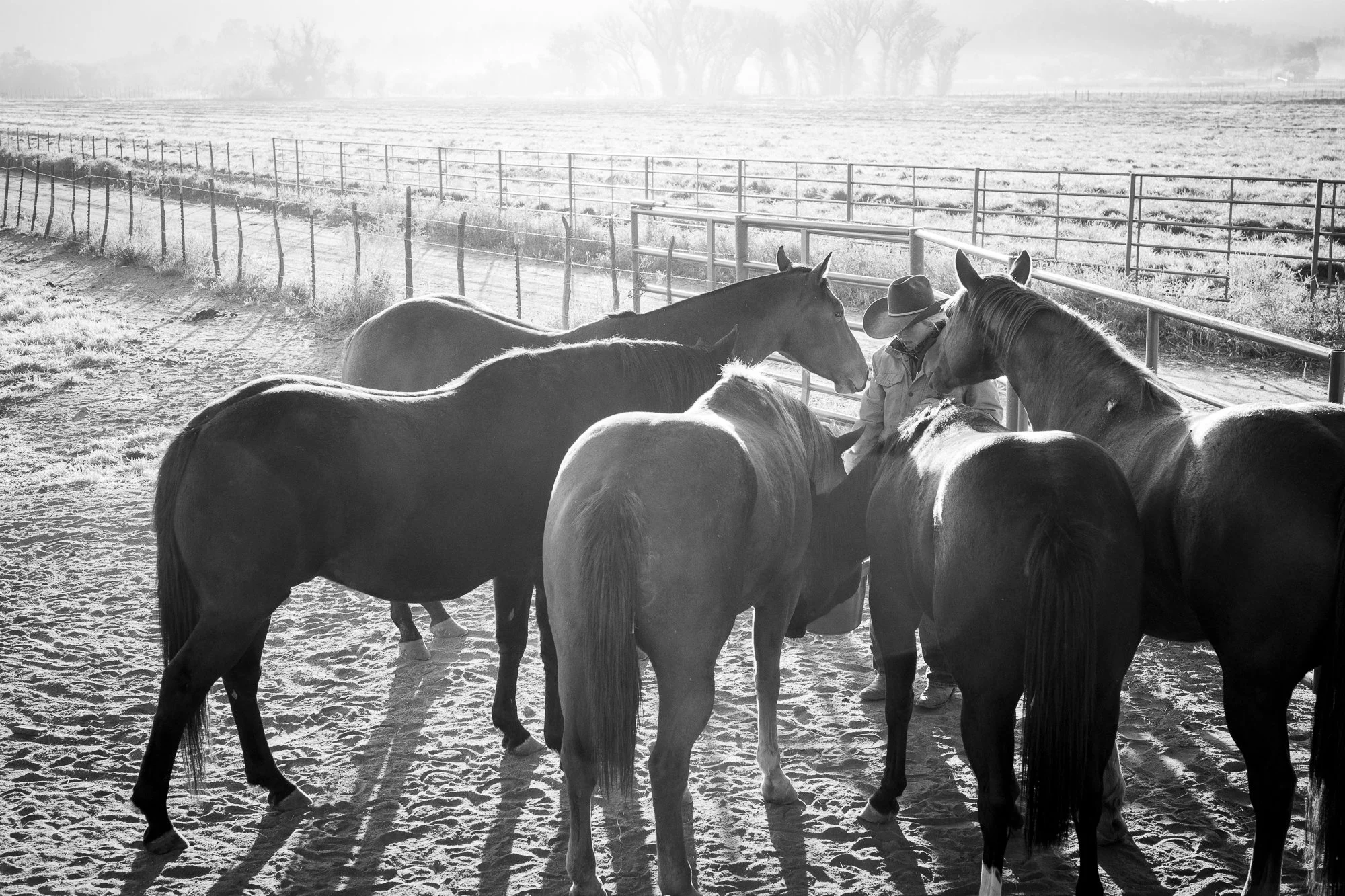
Black and white photograph of a cowgirl feeding horses on a beautiful cattle ranch

Cowgirl feeding horses

A cowboy riding his horse an an Arizona cattle ranch

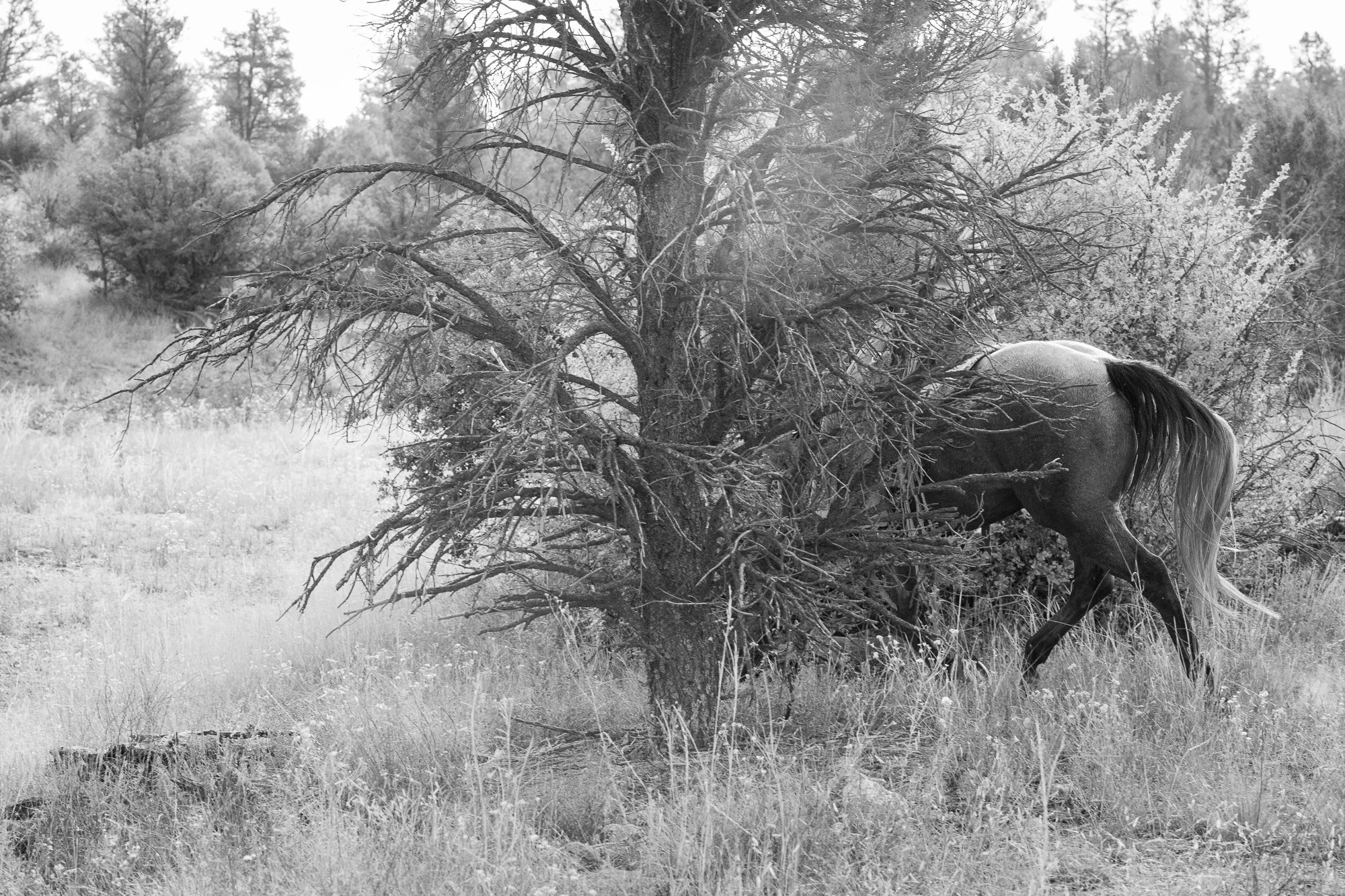
Horses running free on an Arizona cattle ranch

A cowgirl puts her world champion saddle back in the saddle house on a cattle ranch

World Champion Cowgirl

Photograph of a cowboy saddling his horse on the K4 Ranch in Prescott, Arizona

Saddling a horse on the K4 Ranch in Prescott, AZ

Photograph of an Arizona cowgirl riding her horse through dense forest

Arizona cowgirl riding her horse through rough forest

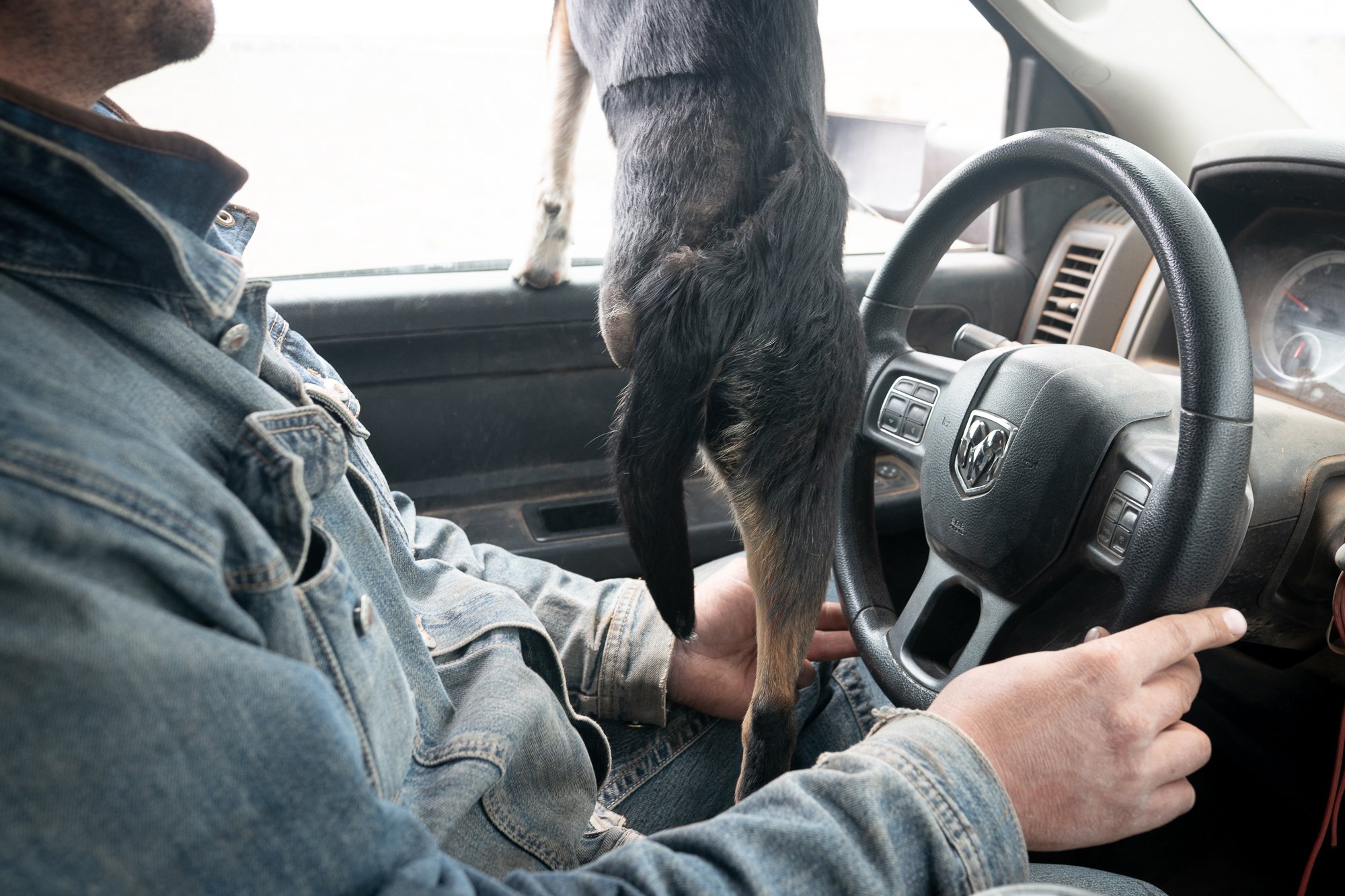
Photograph of a three legged cattle dog

3 legged cattle dog

Boots O'Neal

Boots O’Neal - Cowboy - 6666 Ranch - Texas

Being a photographer has been a great pleasure and an even greater adventure. It’s taken me to some outstanding parts of the earth and allowed me to photograph some of the most famous athletes on it. “Who is your favorite?”, has always been a common question. Until recently that was an impossible question to answer. Now my final is abundantly clear - it’s the legendary Texas cowboy Boots O’Neal. Boots is a 90 year old cowboy on the iconic 6666 Ranch. A more inspiring human you will not meet. To learn more about him continue reading this piece I wrote that was originally published with Wrangler.

All of my photographs of Boots are available as prints as well as for editorial/commercial licensing. Contact me for details.

Browse available cowboy photography prints and wall art

View the complete cowboy photography gallery

Contact Rob
Photograph of legendary Texas cowboy Boots O'Neal on the 6666 Ranch

Boots O’Neal on his horse working cattle in the corrals at the 6666 Ranch

Boots O’Neal and the Tradition of Ranching in West Texas

Imagine for a moment, waking up in the hospital with 12 broken ribs, a punctured lung, broken vertebrae, and a bleeding brain. Now imagine that pain at 82 years of age. Cal Ripken Jr. was Major League Baseball's “Ironman”. Earning the nickname after playing 2,632 consecutive games. Put those end to end and you’ve got over 7 years of straight baseball. An astonishing stat and impressive feat only possible for a human made from the toughest stock. No offense to Mr. Ripken, but that doesn’t hold a candle to the Texas legend - Boots O’Neal, who's been horseback for the better part of the last 75 years. Despite the aforementioned injuries, piled on a lifetime of other broken body parts, the now 90 year old cowboy shows no desire whatsoever to retire. You’d think someone that’s lived in such a way would have a face much resembling their saddle that’s endured as many miles. Instead, O’Neal’s is endearing, and fixed with a perpetual smile that causes you to do the same. The kind of guy that inadvertently makes you a better person just by being in his presence. 

While we’re on the stat train, let’s dole out a few more just to drive the point home, what an outlier he truly is. The average retirement age in America is 62. The average age of death is 78. And a cowboy will normally take home about $31,466 a year. At a time in life when most folks are either dead or in a nursing home, Boots wakes up every morning with excitement to saddle a horse and work cattle alongside fellow cowpunchers that could be his grandkids. People just aren’t built like him anymore. Not a partier, but it would be safe to put O’Neal in the Keith Richards class. Immortal freaks, in the most beautiful way possible. 

Portrait of Boots O'Neal - Cowboy on the 6666 Ranch in Texas. Available as a photography print.

Portrait of Boots O’Neal

Cowboys in general are a strand of human unlike the rest of us. Born not made. And from birth, it was obvious O’Neal created a category all his own. Growing up in the 30’s he was one of 8 children living in a home without running water. The bathroom was an outhouse, and the bath, a tub filled with water and placed next to the kitchen oven, door open for heat. After 3 or 4 of the kids took their turn, that water was tossed outside to calm down the dust. He was never much for school. The only thing he excelled at was boxing, but usually just looked forward to running off the bus and into the barn to saddle a horse, only coming in when his mother hung a white sheet on the clothesline - their version of a dinner bell. 9th grade was as far as he cared to go, leaving home in August of 49’ at sixteen to cowboy for the JA ($90/week). That job found him on the wagon, sleeping in only a bedroll 6-7 months at a time. A lifestyle that fit him just fine. 

Before we go any further, it would be appropriate to define what makes a real cowboy. The loud mouth sporting a big black hat getting in drunken bar fights makes for good movies, but that’s about it. According to the man himself, a real cowboy is polite. Smooth. Talks gentlemanly to ladies and is good under fire. Dusty Burson (32) - foreman on the Four Sixes and close friend to Mr. O’Neal said it best - “What’s a cowboy? Well, they’re good people. Honest. They do what they say they’re gonna do. If they tell you they’ll be there to help, they’ll be there, and they’ll stay to the end.” If that statement made its way into Websters, the following words should read “also see Boots O’Neal”. 

Photograph of Boots O'Neal branding calves on the 6666 Ranch in Texas. Available for editorial and commercial licensing.

Boots O’Neal branding calves in the early morning on the 6666 Ranch in Texas

Photograph of a famous Texas cowboy

Boots O’Neal’s custom spurs

After the JA, he continued punching cows in different places including a quarter century stay at the Waggoner Ranch. All the while racking up a collection of buckles and saddles from bronc riding in rodeos all over the country. Word is he’s still pretty sticky. A wife (Nelda) also came into the mix as did a daughter (Laurie). Despite being opposites, Boots and Nelda remained in love for 44 years until her passing. She was a proper lady that enjoyed being in town but fully supported his innate need for open country. As their relationship grew, his career did along with it. The 50’s’ found him in Korea with the Army, where he stared out at vast foreign valleys, daydreaming about them filled with 1000 steer, and wondering why in the world they didn’t have any. After two years he was back on a ranch working hard to become a Peace Office and Brand Inspector at a time when cattle were still shipped by railroad. Along with the coveted title came a doubled salary, new clothes, fancy truck, and expense account. A novelty quickly erased by jealousy every time business on a ranch forced him to watch cowboys ride away on horses while he sat in a truck headed back to the office. “I just wanted to punch cows” he said. So he gave back a job that most in the industry would kill for and reclaimed his true love, working cattle from the back of a horse. 

Love is what it takes because the life of a cowboy asks a lot of a person, physically and emotionally. “ Even when I know tomorrow is gonna be a bad deal, and they’re predicting snow, and the wind coming out of the north blowing, and we’re gonna ride straight into it in the morning, I just look forward to getting out there and freezing my tail off” says O’Neal. How many 90 year olds have you ever heard say something like that? Burson again offers some insight - “he wakes up thinking I’m going to be happy today. He doesn’t let circumstances dictate happiness.” Dusty was the one who found the 82 year old O’Neal alone in a pasture, after the horse wreck that would have ended any mortal man. Even if it didn’t put him in the ground, the pain alone would cause a rational person to take a brush with death as a sign and say, ok, it’s been a good run. Burson visited him in the hospital shortly after and recalled the nurse asking why he kept lifting his left leg up in the air. Obviously, it was to keep the mobility of toeing a stirrup. “That’s how bad he wants to be a cowboy when he grows up” says Burson. 6 weeks later, he was back on that same horse and continues riding him today.  

Black and white photograph of Boots O'Neal and Charlie Ferguson talking in the chuck wagon tent on the 6666 Ranch in Texas

Boots O’Neal talks with chuck wagon cook Charlie Ferguson on the 6666 Ranch in Texas

Seems like it came naturally for Boots, but don’t get it twisted, any good cowboy is a student of the trade. Always figuring out a way to get it done better without asking for recognition. All of the best cowboys Boots ever knew and patterned himself after, accomplished unthinkable feats even Taylor Shariden couldn’t script, in the middle of nowhere with only a few people to witness. Another friend and Texas icon Tom Moorehouse (72) is quick to point out “I’ve known Boots almost all my life, and anything I’ve got to say about him is good”. From the outside you might think that cowboying is a physical game. Only for the young. Not so. Sure, you need the gumption to handle extreme physical abuse and relentless weather that doesn’t end after an eight hour shift. But Moorehouse says the thing that separates Boots from the rest is that he’s a “keen observer”. He continues “my dad used to say a real cowboy is somebody that pays attention. Now that doesn’t sound like a good story, but that’s the truth.” There is so much that can go wrong when you’re working with 2,000+lb animals and navigating remote unforgiving terrain. One mistake could mean the end. 

We’ve already established that Boots is an enigma, but for arguments sake, let’s say he got lucky? Somehow the body that’s been broken more times than anyone can count, managed to miss the big one. Even with luck, longevity like his doesn’t just happen. And living on a wagon, eating ranch food, wouldn’t make any blueprint for “healthy living”. Cowboys require hearty meals to get them through their overly demanding lives. So It should be no surprise that beef has made its way to Boots’ plate just about every day for the past 90 years. Along with the beef came biscuits, gravy, and potatoes. Breakfast was peanut butter and syrup sandwiches. All of which goes against everything you’ll read from the so-called nutrition experts. Although pinto beans, prunes, and raisins are foods he now tries to consume regularly along with said beef. The fresh fruit and vegetables he also concentrates on just wasn’t a thing back then.”It wasn’t until I got up in years that I ever worried about putting something bad in my body.”  A chuckle was the only answer given when asked about exercise, but “I’ve never been short on sleep” says O’Neal. Which he believes has been the holy grail to his success. For as long as he can remember, even as a young buck, he’d turn in early, ensuring 8-9 hours of shuteye every night. These days he says “it takes me longer to rest than it does to get tired”, but it becomes obvious shortly after meeting him, that modesty is one of his many virtues. He’ll try and claim that he can’t do this, that, or the other. Then he slips into the saddle and the truth is revealed. “It takes a whole crew to keep me going”, he says. Again, modesty perfected. Perhaps his days aren’t spent aboard wild broncs, but he always gets the job done with grace, and his expertise couldn’t be matched anywhere in the world. Ironic for a guy who’s never considered himself very smart. What Boots has can’t be taught. He’s got a PHD in punching cows. Anybody will tell you he’s on the Mount Rushmore of the cowboy universe, but who the hell else could be up there with him? Is there another human that’s punched cows for almost 8 decades?  “It’s amazing what all he’s got stored up inside him that someone oughta have recorded” Dusty says. A lot of people with such knowledge and history can become high and mighty. Not Boots. He’ll let you mess up, then suggest, in a non degrading way, how to do it better. He knows we’re all in this thing together.

Photograph of the famous Texas cowboy Boot O'Neal

Boots O’Neal offloading his horse from a trailer on the 6666 Ranch in Texas

Photograph of Boots O'Neal dragging a calf to the fire for branding on the 6666 Ranch in Texas

Boots O’Neal roping calves on the 6666 Ranch in Texas

If you think about the human condition and what we’re all after, one of the key ingredients is professional happiness. Everyone wants to spend their waking hours doing something they love. Why is that goal so elusive, so rare? A million dollar question. Even harder than finding that happiness, is keeping it. Somehow Boots O’Neal has managed to do it at one of the most physically demanding jobs on the planet and continues today at a very high level. Maybe the how doesn’t really matter. Maybe we should just use Boots as inspiration to be better humans. The iconic Four Sixes has been his home for the past 26 years. Panhandle, Texas is the closest town to their northern division where we met. The town sign fittingly reads “People of Pride and Purpose”. Just like the dictionary, there might as well be a picture of Boots next to that slogan. He figured IT out and still can’t get enough. He doesn’t need to work in a monetary sense. He wants to work, although it’d be a stretch to hear him use a four letter word like that. Even on a rare day off, he doesn’t look forward to a hobby or a vacation. Instead he’ll watch a rodeo on television or sit in a chair outside his bunkhouse apartment to watch the remuda come in. A sight he says, of 50 horses all running together, is one that most people will never get to see. Bob Dylan wrote a song on this very topic using only 17 words:  

“All the tired horses in the sun…..”

The guy has done it all, taken the beatings, and asked for more. He’s been inducted into every Hall of Fame a cowpuncher could possibly be associated with. Somehow that doesn’t seem enough of an honor though. Boots should be everyone's hero. He’s a national treasure and outstanding human being.  We should all strive to accomplish in our own lives what he has in his. Burson says “Yeah, he’s a cowboy, but he wants to be one tomorrow too”. If more people had that attitude, the world would be a better place. 

We were just about done talking when Boots’ story paused abruptly . A mischievous smile came to his face and the words stopped flowing. His attention fixed on one of the guys in a nearby corral working a young horse that was fixing to blow up. The grin stayed as he reminisced “I rode a lot of bucking horses in years past. I could get on a horse like that, just gather that thing up, and he’d be 3 feet in the air when I got that right stirrup”. Boots is a Christian. If he weren’t, and followed a religion believing in reincarnation, he says that’s what he’d want to come back as, a bucking horse. At 90 years young he knows precisely how good his life has been and isn’t scared of the inevitable. In a very matter of fact way he spoke about his funeral, being buried in the cemetery on the Four Sixes, and the speech by his friend Joe Leathers. When asked what he hopes Joe will say, Boots paused then replied humbly with a far off stare ”He was an honorable man. Done what he said he would. And didn’t mistreat his horses” 

Portrait of Boots O'Neal the famous Texas cowboy

Portrait of Boots O’Neal

Silhouette of a cowboy on his horse at sunrise on a cattle ranch in Texas

Boots O’Neal on his horse at sunrise on the 6666 Ranch in Texas

Boots O'Neal
from $75.00

Cowboy Photography - Buckaroos

Nevada Buckaroo Photos | Authentic Great Basin Cowboy Photography

Buckaroo Photography from the American West

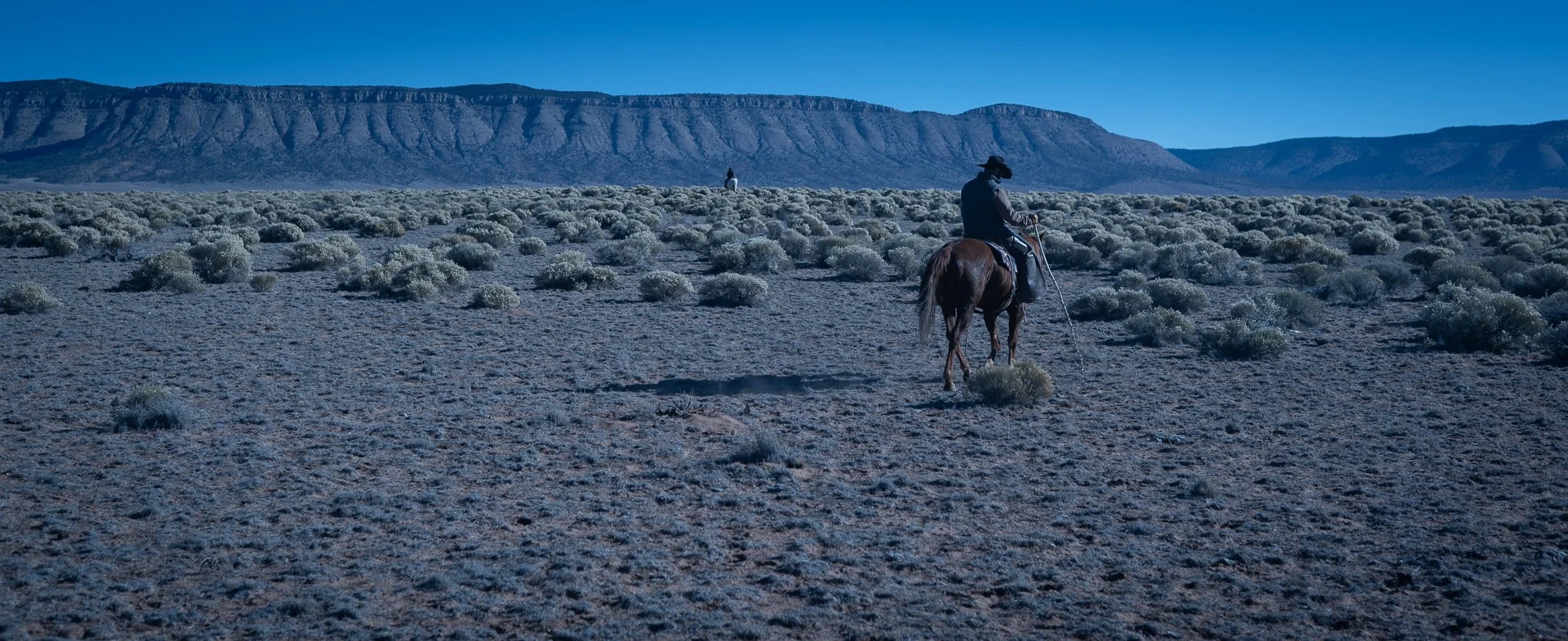
The Great Basin is a special part of the American West, particularly as it applies to cowboy culture and the buckaroos that call it home. Among the few remaining iconic ranches still left in northern Nevada are the C-Punch Ranch in Lovelock and the Winecup Gamble Ranch in Montello. Both are jaw dropping beautiful and incomprehensibly large. The C-Punch, the biggest I’ve been to so far, is 1.8 million acres. Yeah. Try wrapping your head around that. Seeing all these properties in different parts of the country has been amazing. Each region has its own allure. Nobody ever said to pick a favorite, but there’s something about the land in northern Nevada that really does it for me. Still working on putting that into words, but it’s exceptional, to say the least and took a few years to truly understand. At first, places that big, open, and seemingly void of life are difficult to grasp. Then something clicks and you can’t get enough of it. The muted colors, textures, and vibes of the Sage Brush Sea are intoxicating.

Nevada Buckaroos and Great Basin Ranch Culture

A Nevada buckaroo is not a costume or a posture. It is a way of working that developed in wide country where distance matters and horses are tools, not accessories. The Great Basin shaped this culture the way weather shapes a face—slowly, without asking permission. These photographs were made in that context, among people whose days are structured around stock, seasons, and the quiet competence required to make both endure.

The buckaroo tradition in Nevada carries deep vaquero roots, visible in gear, horsemanship, and the small details that separate function from style. While every worn saddle mark, coil of rope, and dirty Garcia bit does a job it has already done many times, make no mistake, buckaroo gear has a style all it’s own. A style that’s worm with immense pride, not just because it’s part of their very identity, but also because they know it’s the visual element that separates them from cowboys in every other region of the West.
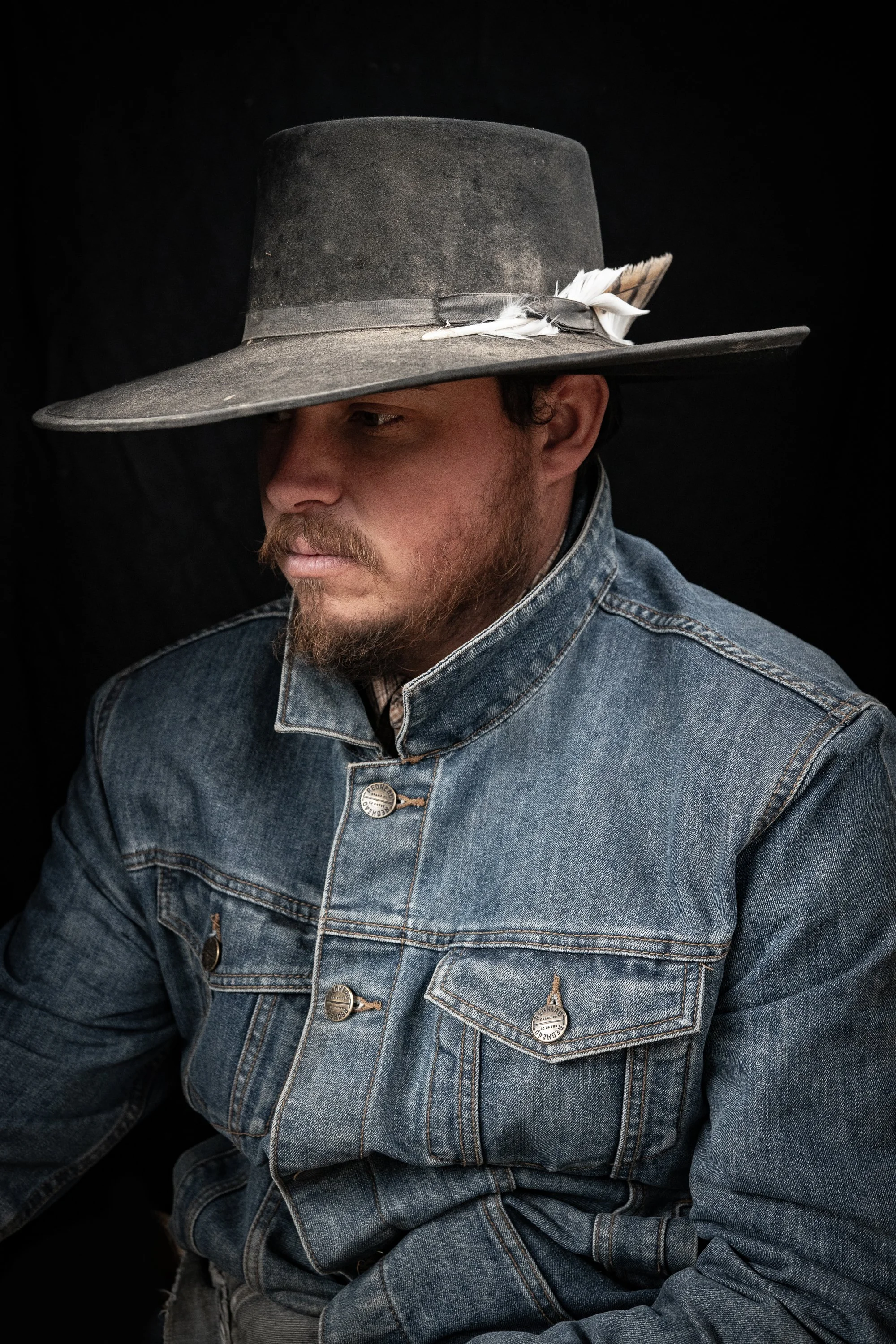
Photographing Working Buckaroos in Nevada

Photographing buckaroos is less about chasing moments and more about staying put long enough for the work to reveal itself. The rhythm is slow, punctuated by long stretches of waiting and brief intervals where everything happens at once. These images come from time spent standing off to the side, watching cattle move, horses settle, and men do what they’ve always done without commentary.

There is no staging here. The photographs are made in real working conditions, often dictated by weather, dust, and the simple fact that ranch work does not stop for a camera. That constraint is part of the appeal. It keeps the photographs honest and the subjects unbothered.

Nevada Buckaroos Within the American West

Within the larger story of cowboy culture, Nevada buckaroos occupy a particular corner—one defined by style, scale, isolation, and continuity. This body of work fits within a broader project photographing working cowboys across the American West, but these images belong specifically to the Great Basin and the people who know it well.

Taken together, the photographs function less as individual moments and more as a quiet record of a way of life that persists without announcement. They are not meant to explain or romanticize the work, only to show it as it appears when you spend enough time around it. I am forever grateful that these these buckaroos have allowed me to spend time with them.

View More Nevada Buckaroo Photography

Shop Cowboy Photography Prints

Photograph of a cowboy working cattle on the C-Punch Ranch - Nevada

Cowboys roping cattle on the C-Punch Ranch in Lovelock, Nevada

C-Punch Ranch

Winecup Gamble Ranch - Montello, Nevada

Winecup Gamble Ranch - Montello, Nevada

Photograph of a buckaroo catching horses

Photograph of Great Basin Buckaroos branding cattle

Buckaroos branding cattle in Nevada

Cowboys working on the Winecup Gamble Ranch in Montello, Nevada

Black and white photograph of cowboys on the Winecup Gamble Ranch

Cowboy moving cattle on the Winecup Gamble Ranch

A cowboy working on the C-Punch Ranch in Lovelock, Nevada

C-Punch Ranch

Cowboys working colts in a round pen on the C-Punch Ranch in Lovelock, Nevada

C-Punch Ranch - Cowboys working horses in a round pen

A cowboy on the C-Punch Ranch in Lovelock, Nevada

C-Punch Ranch

American West Cowboys

Trapper Rogers - Winecup Gamble Ranch - Montello, Nevada

Portrait of Trapper Rodgers
A cowboy lets his horse drink water after branding on the C-Punch Ranch in Lovelock, Nevada

C-Punch Ranch - a cowboy waters his horse
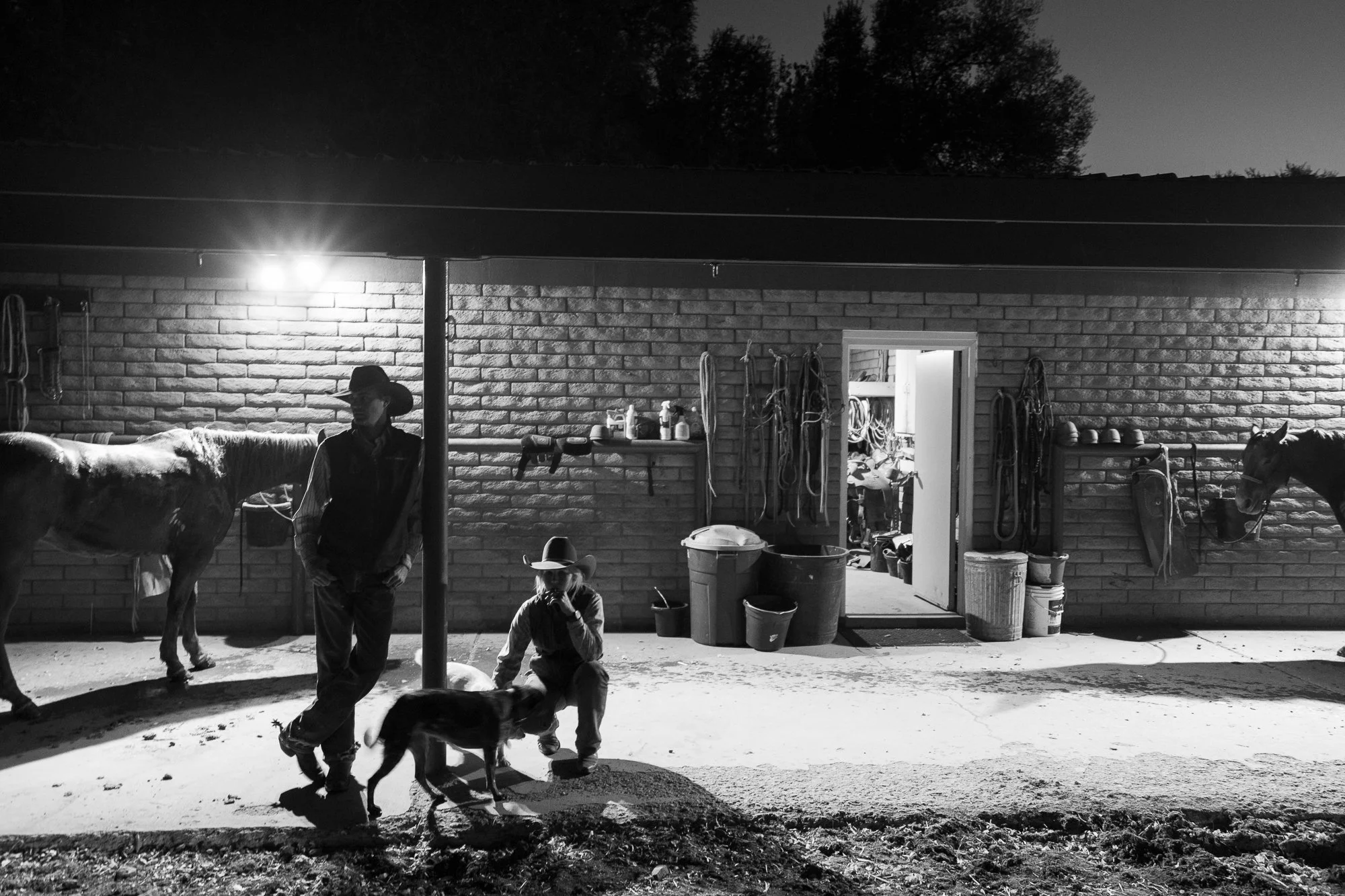
A cowboy pets his cattle dog after a day of work on the C-Punch Ranch in Lovelock, Nevada

C-Punch Ranch

Photograph of a cowboy riding his horse through a huge pasture on the C-Punch Ranch - Lovelock, Nevada

A cowboy riding his horse on the C-Punch Ranch in northern Nevada

Catching Horses
from $75.00

Wyoming Cattle Ranch

Wyoming Cowboy Photography

American West

A cowboy gathering cattle on a ranch outside Laramie, Wyoming. Cowboy Photographer Rob Hammer.

Wyoming cattle drive

Wyoming is a land rich in rugged beauty, where open plains meet towering mountain ranges, and the cowboy way of life still thrives. One of the most iconic images that evokes the spirit of the American West is that of a working cowboy on a Wyoming cattle ranch. These photos not only showcase the breathtaking landscapes but also the hard work, dedication, and heritage that define ranch life.

A cattle drive on a large ranch in Wyoming by cowboy photographer Rob Hammer.

Cowboys moving cattle on a ranch in Wyoming

A cowboy lets his horse drink from a pond during a long cattle drive on a ranch in Wyoming by cowboy photographer Rob Hammer.

Black and white cowboy photography print

Cowboys herd cattle on a rugged section of open ranch in Wyoming by cowboy photographer Rob Hammer

Wyoming cowboys

Cowboy Culture Photography

Cattle Branding - Cowboy Photography - American West

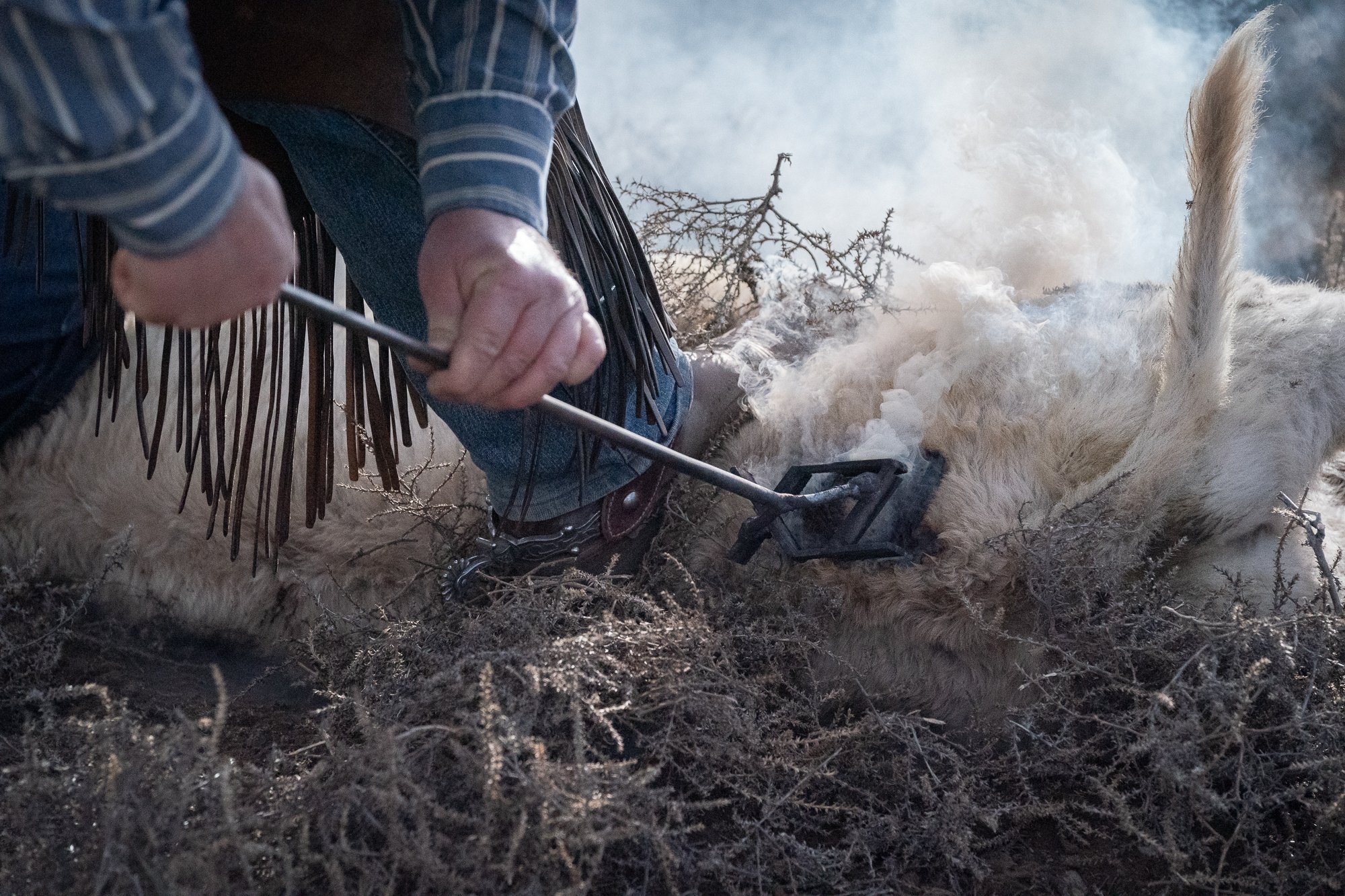
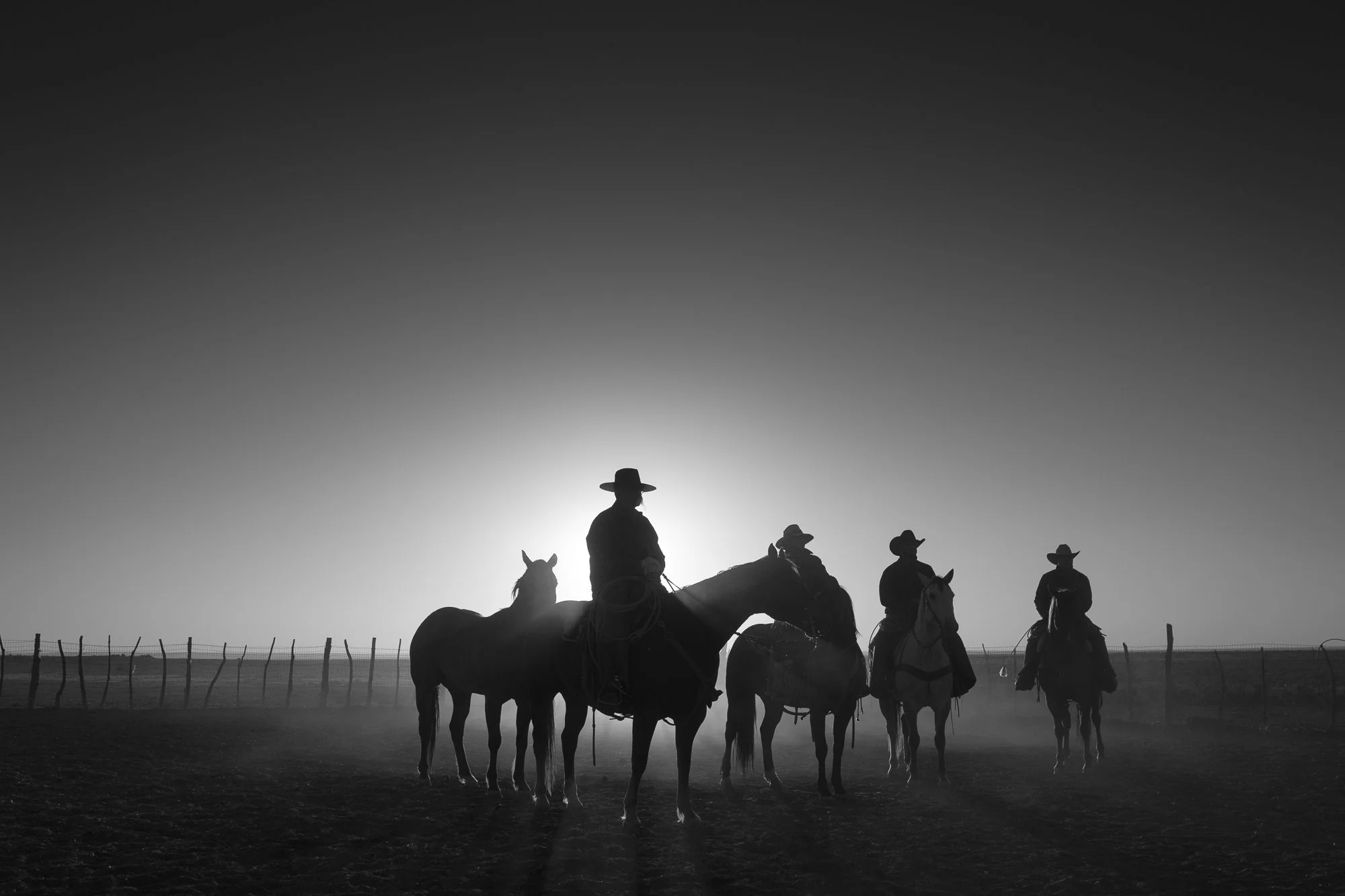
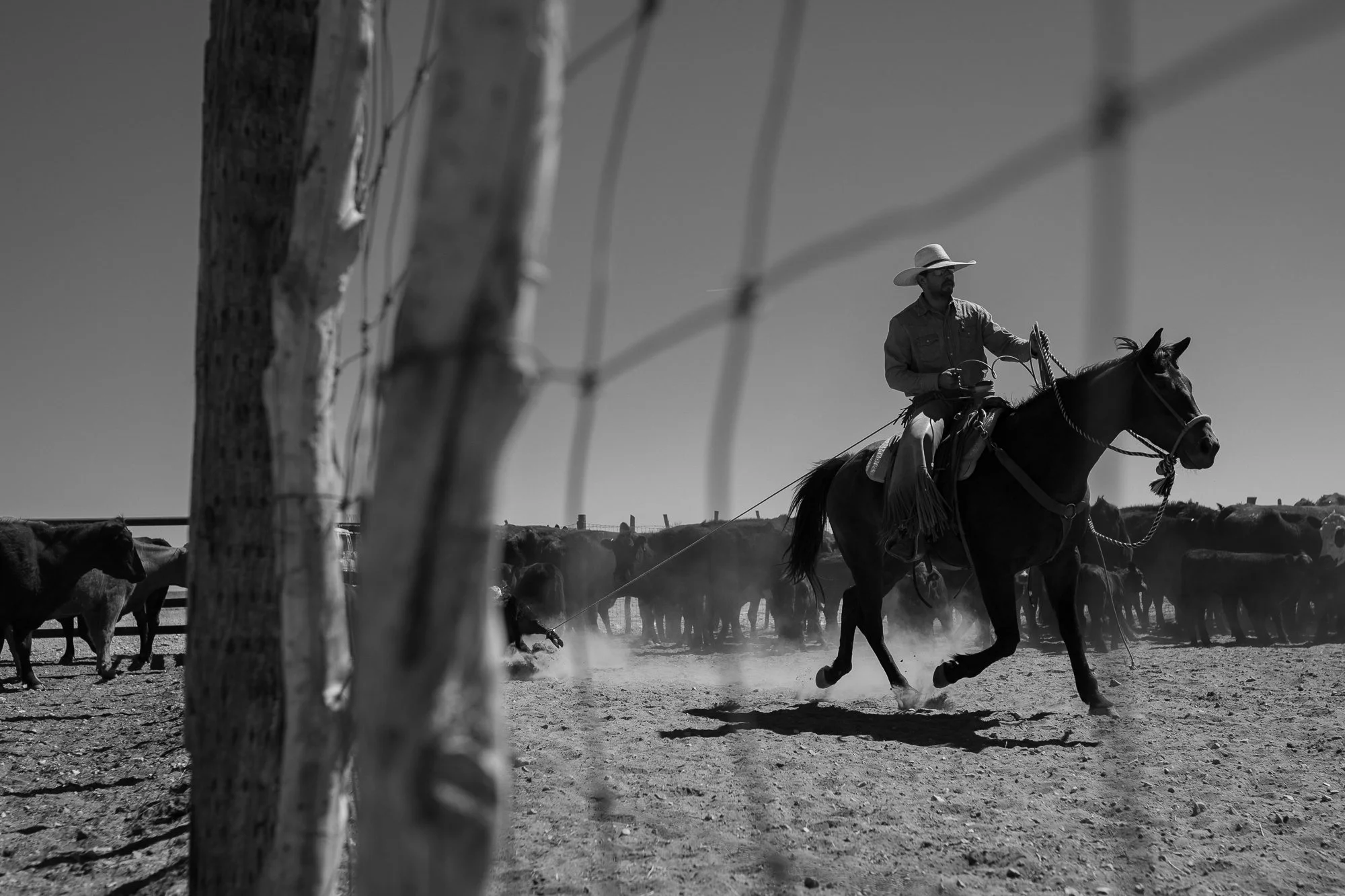
There’s nothing staged about the kind of cowboy photographs I make. No hired models in brand-new hats. No one pretending to ride for the brand. Just real people doing real work day in and day out, in weather that doesn’t care if you’ve got a camera slung over your shoulder.

For the past 5 years I’ve been photographing working cowboys on ranches across the American West. Not for the sake of nostalgia or myth-making, but because this way of life still exists, and it’s worth documenting. It’s early mornings, long days, sore horses, busted hands, and wind that doesn’t quit. It’s also pride, precision, and an unspoken connection between the people, the animals, and the land.
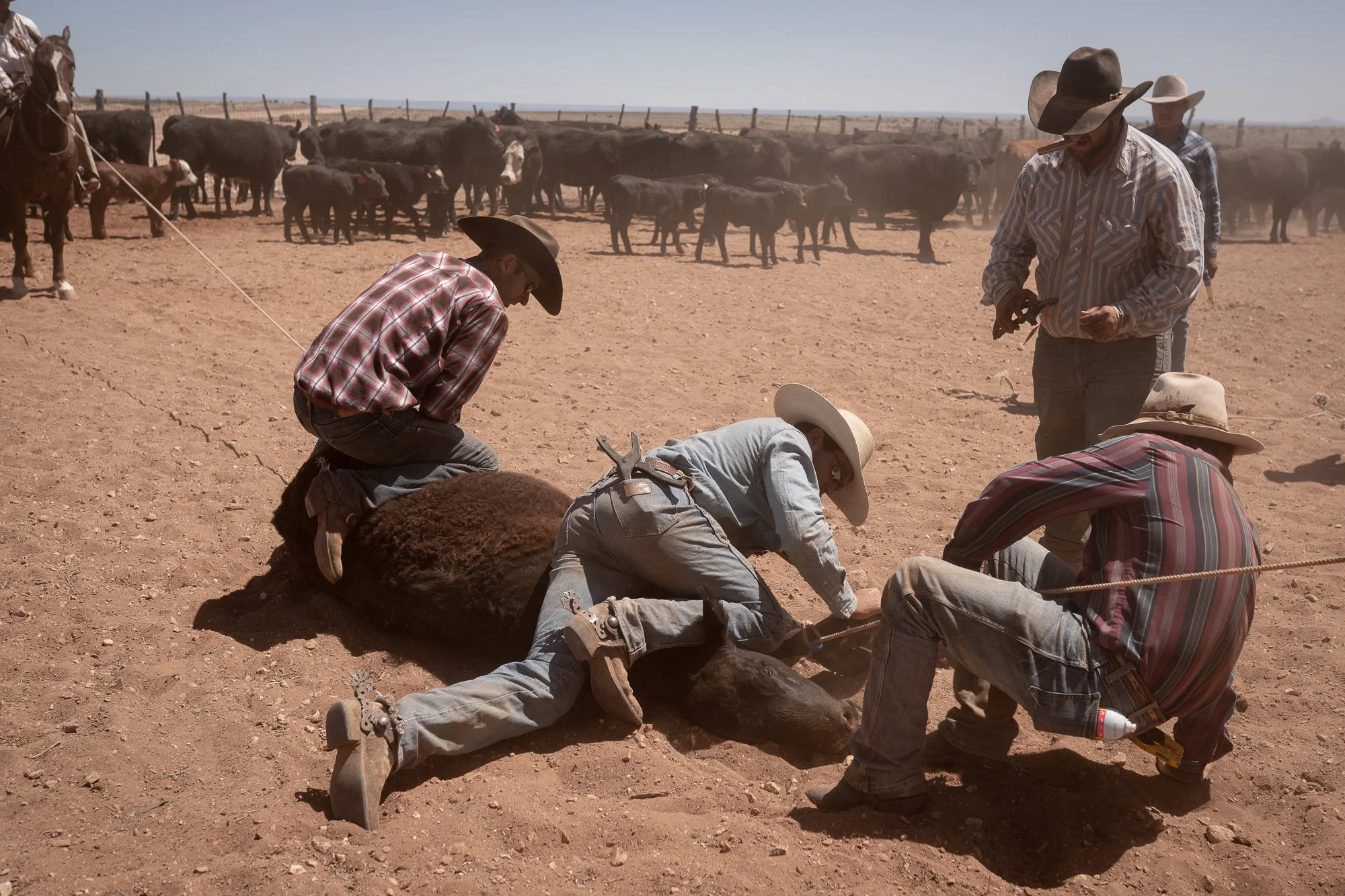
Most of the time, I’m just trying to stay out of the way. The goal isn’t to direct or interrupt—it’s to be quiet, to watch, and to make images that feel true. The kind that a cowboy can look at and say, “Yeah, that’s how it really is.”

These photographs aren’t just about cowboy hats and boots (though those are in there too). They’re about culture. About people whose lives are shaped by purpose, place, and tradition. And if you spend enough time around it, you realize it’s not just a job. It’s a commitment. A way of seeing the world.

If you're interested in cowboy culture—not the romanticized version, but the actual, hard-earned life behind it, this collection of photographs is for you. No frills, no filters. Just the truth of the West, one frame at a time.

Click HERE to see more of my cowboy photography.

Click HERE to shop my collection of cowboy photography prints