Nevada Buckaroo Photos | Authentic Great Basin Cowboy Photography
Buckaroo Photography from the American West
The Great Basin is a special part of the American West, particularly as it applies to cowboy culture and the buckaroos that call it home. Among the few remaining iconic ranches still left in northern Nevada are the C-Punch Ranch in Lovelock and the Winecup Gamble Ranch in Montello. Both are jaw dropping beautiful and incomprehensibly large. The C-Punch, the biggest I’ve been to so far, is 1.8 million acres. Yeah. Try wrapping your head around that. Seeing all these properties in different parts of the country has been amazing. Each region has its own allure. Nobody ever said to pick a favorite, but there’s something about the land in northern Nevada that really does it for me. Still working on putting that into words, but it’s exceptional, to say the least and took a few years to truly understand. At first, places that big, open, and seemingly void of life are difficult to grasp. Then something clicks and you can’t get enough of it. The muted colors, textures, and vibes of the Sage Brush Sea are intoxicating.
Nevada Buckaroos and Great Basin Ranch Culture
A Nevada buckaroo is not a costume or a posture. It is a way of working that developed in wide country where distance matters and horses are tools, not accessories. The Great Basin shaped this culture the way weather shapes a face—slowly, without asking permission. These photographs were made in that context, among people whose days are structured around stock, seasons, and the quiet competence required to make both endure.
The buckaroo tradition in Nevada carries deep vaquero roots, visible in gear, horsemanship, and the small details that separate function from style. While every worn saddle mark, coil of rope, and dirty Garcia bit does a job it has already done many times, make no mistake, buckaroo gear has a style all it’s own. A style that’s worm with immense pride, not just because it’s part of their very identity, but also because they know it’s the visual element that separates them from cowboys in every other region of the West.
Photographing Working Buckaroos in Nevada
Photographing buckaroos is less about chasing moments and more about staying put long enough for the work to reveal itself. The rhythm is slow, punctuated by long stretches of waiting and brief intervals where everything happens at once. These images come from time spent standing off to the side, watching cattle move, horses settle, and men do what they’ve always done without commentary.
There is no staging here. The photographs are made in real working conditions, often dictated by weather, dust, and the simple fact that ranch work does not stop for a camera. That constraint is part of the appeal. It keeps the photographs honest and the subjects unbothered.
Nevada Buckaroos Within the American West
Within the larger story of cowboy culture, Nevada buckaroos occupy a particular corner—one defined by style, scale, isolation, and continuity. This body of work fits within a broader project photographing working cowboys across the American West, but these images belong specifically to the Great Basin and the people who know it well.
Taken together, the photographs function less as individual moments and more as a quiet record of a way of life that persists without announcement. They are not meant to explain or romanticize the work, only to show it as it appears when you spend enough time around it. I am forever grateful that these these buckaroos have allowed me to spend time with them.

Photograph of a cowboy working cattle on the C-Punch Ranch - Nevada

C-Punch Ranch
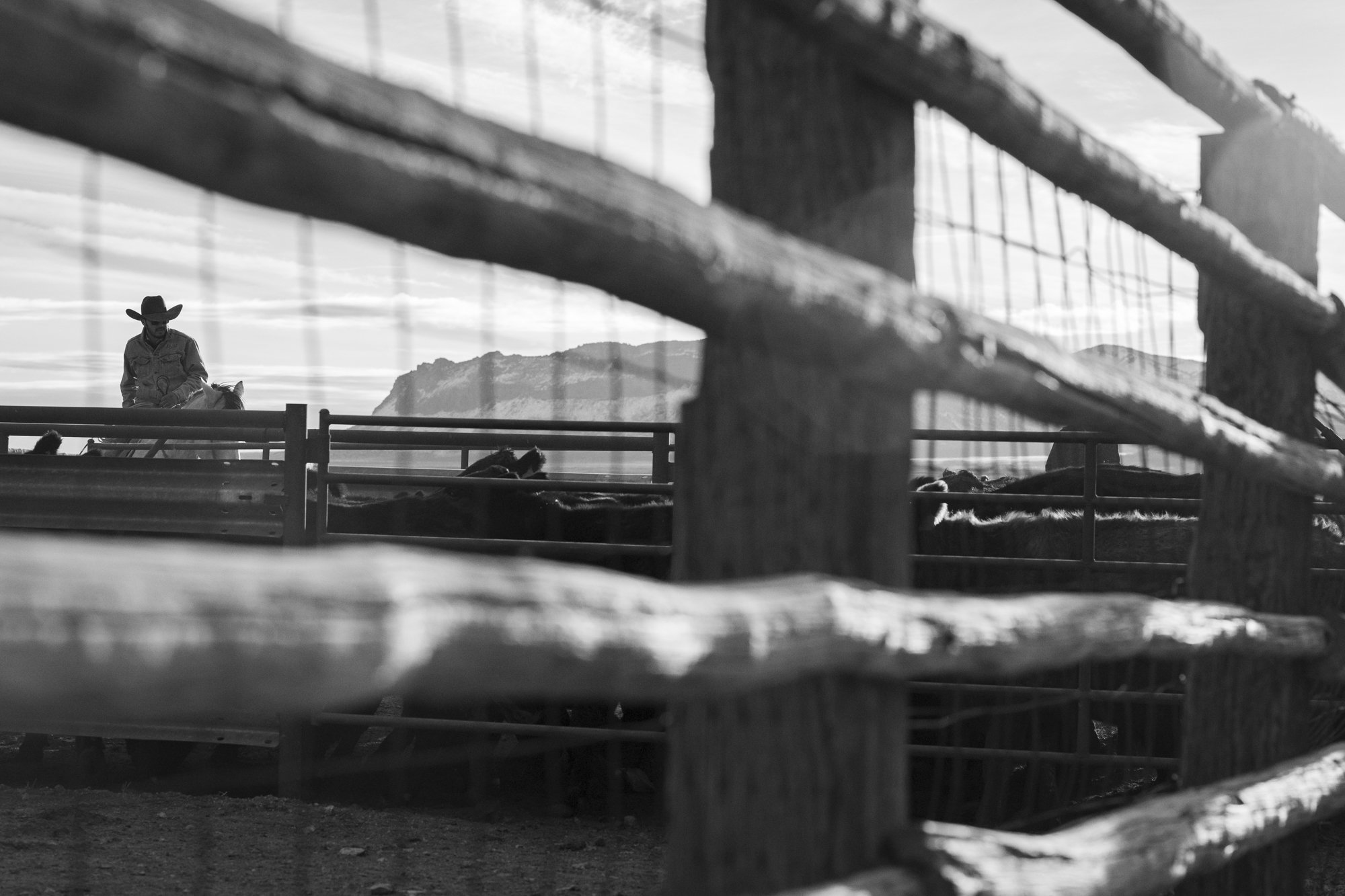
Winecup Gamble Ranch - Montello, Nevada

Photograph of a buckaroo catching horses

Buckaroos branding cattle in Nevada

Black and white photograph of cowboys on the Winecup Gamble Ranch

Cowboy moving cattle on the Winecup Gamble Ranch

C-Punch Ranch

C-Punch Ranch - Cowboys working horses in a round pen

C-Punch Ranch

American West Cowboys

Portrait of Trapper Rodgers

C-Punch Ranch - a cowboy waters his horse

C-Punch Ranch
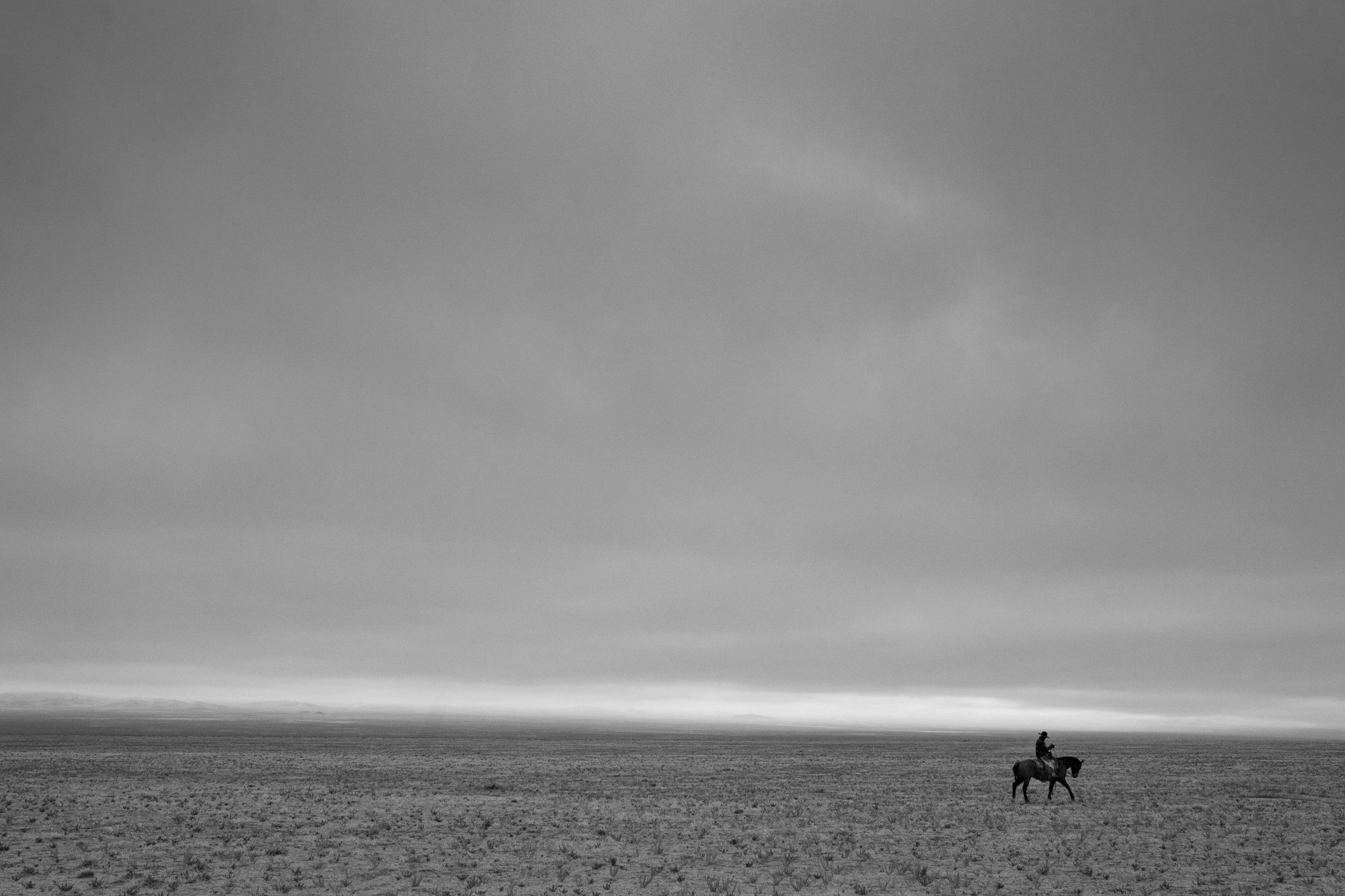
A cowboy riding his horse on the C-Punch Ranch in northern Nevada