The Griffin Museum of Photography

Photography Museum - Winchester, Massachusetts

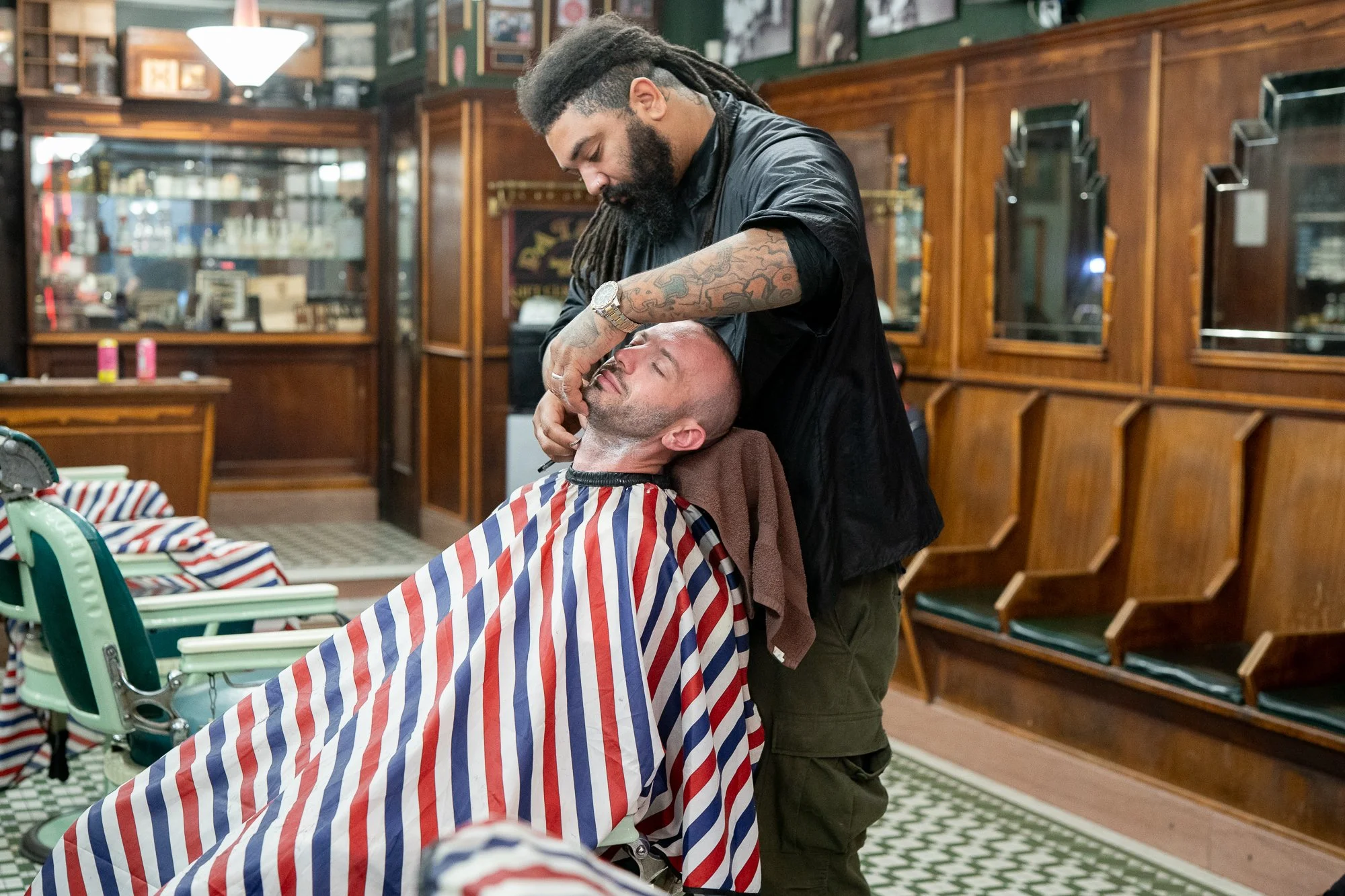
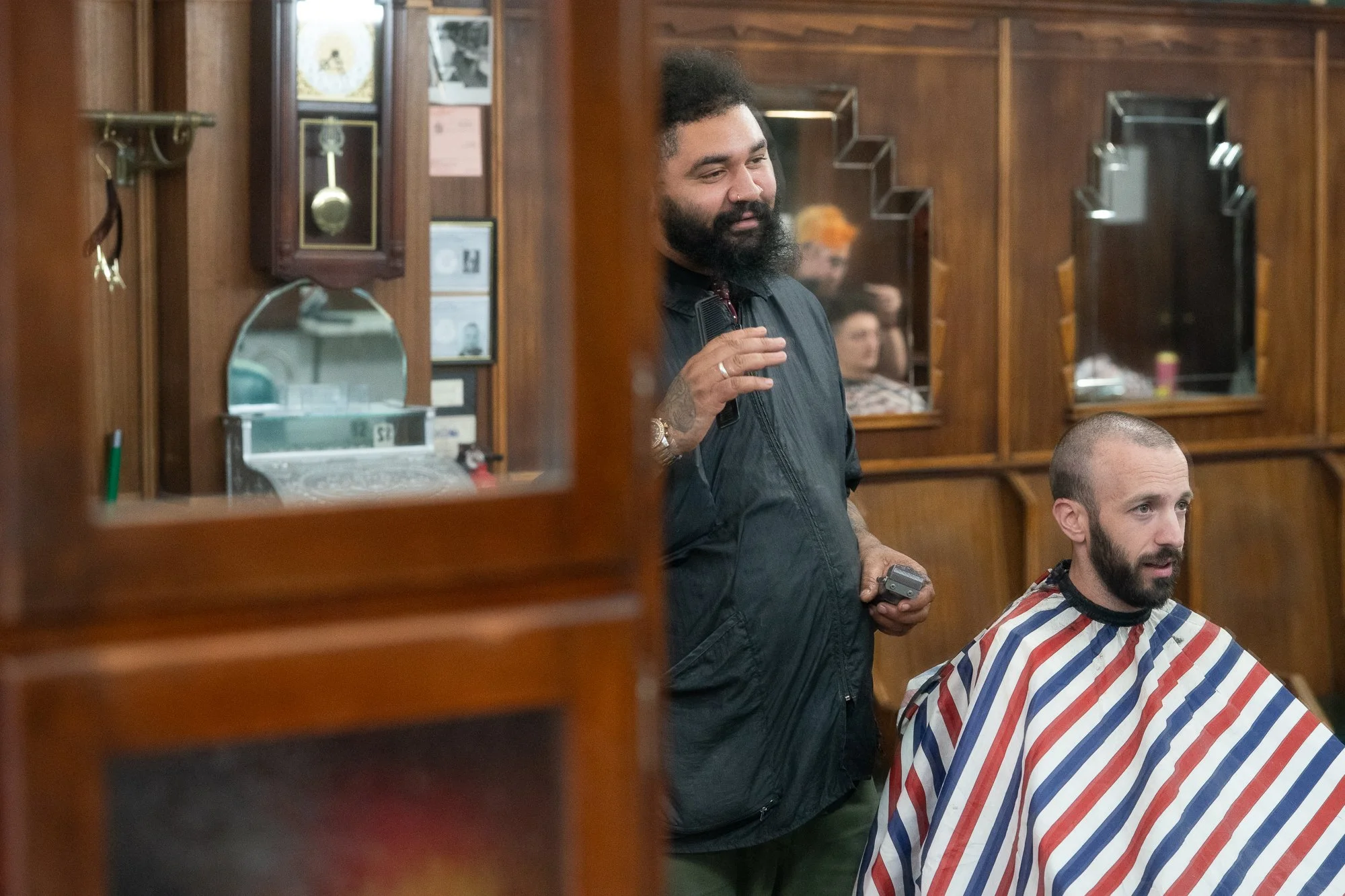
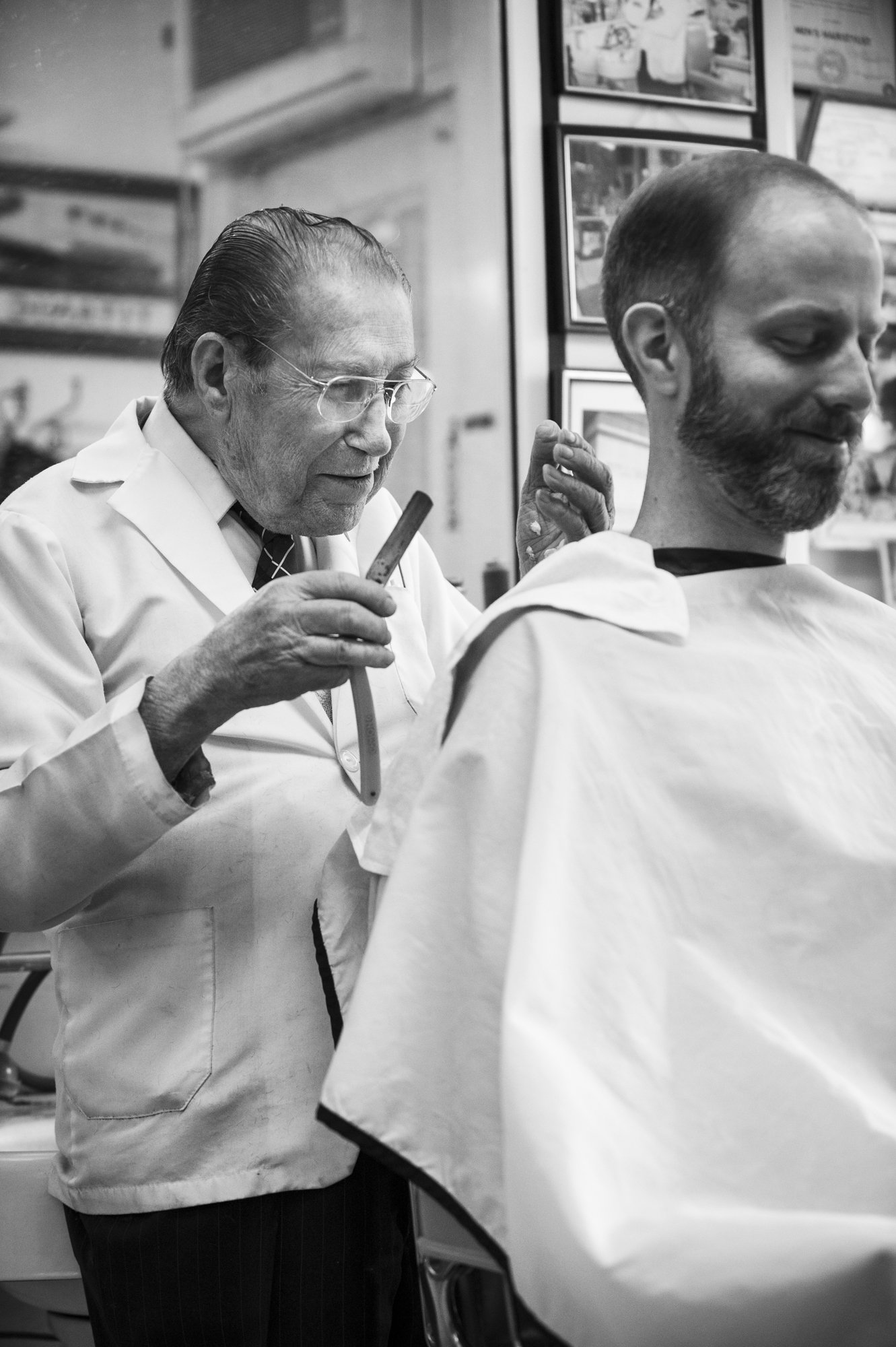
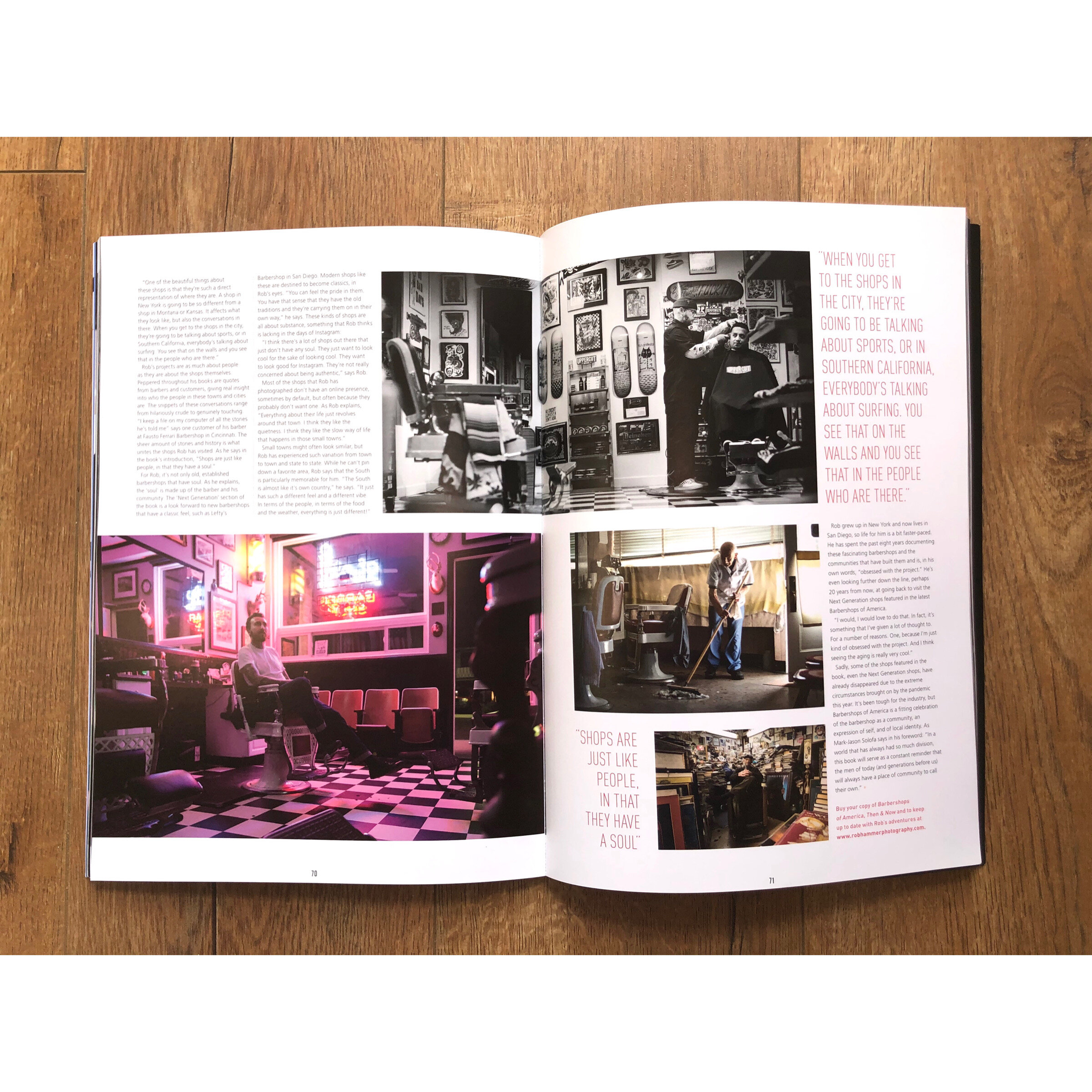
13+ years now I’ve been photographing traditional barbershops in all 50 states of the USA and the layers continue to peel. In the beginning it was just a thing to do because I love barbershops. Then as time went on I felt responsible for documenting them before they all disappeared. Now, in 2024, I see the collective body of work as a historical document of the barbers and shops that served as a staple in their respective communities for 30, 40, 50, 60+ years. On the surface the theme of this project is about a place to get your haircut. Really though, it’s about community, friendship, and human connection. So I’m honored to announce that a selection of these photographs will be shown at the Griffin Museum of Photography in Winchester, MA for their upcoming group show “Vision(ary) which focuses on communities, cultures, and environments. Please go check out the show as well as the other great exhibitions from June 7th-September 27th.

Click here to purchase a copy of Barbershops of America (photo book) and HERE to purchase prints from this series.

Exhibition at the Griffin Museum of Photography

Barbershops of America at The Griffin Museum of Photography

Photography Books - American Culture

American Photography - Documenting Traditional Barbershops

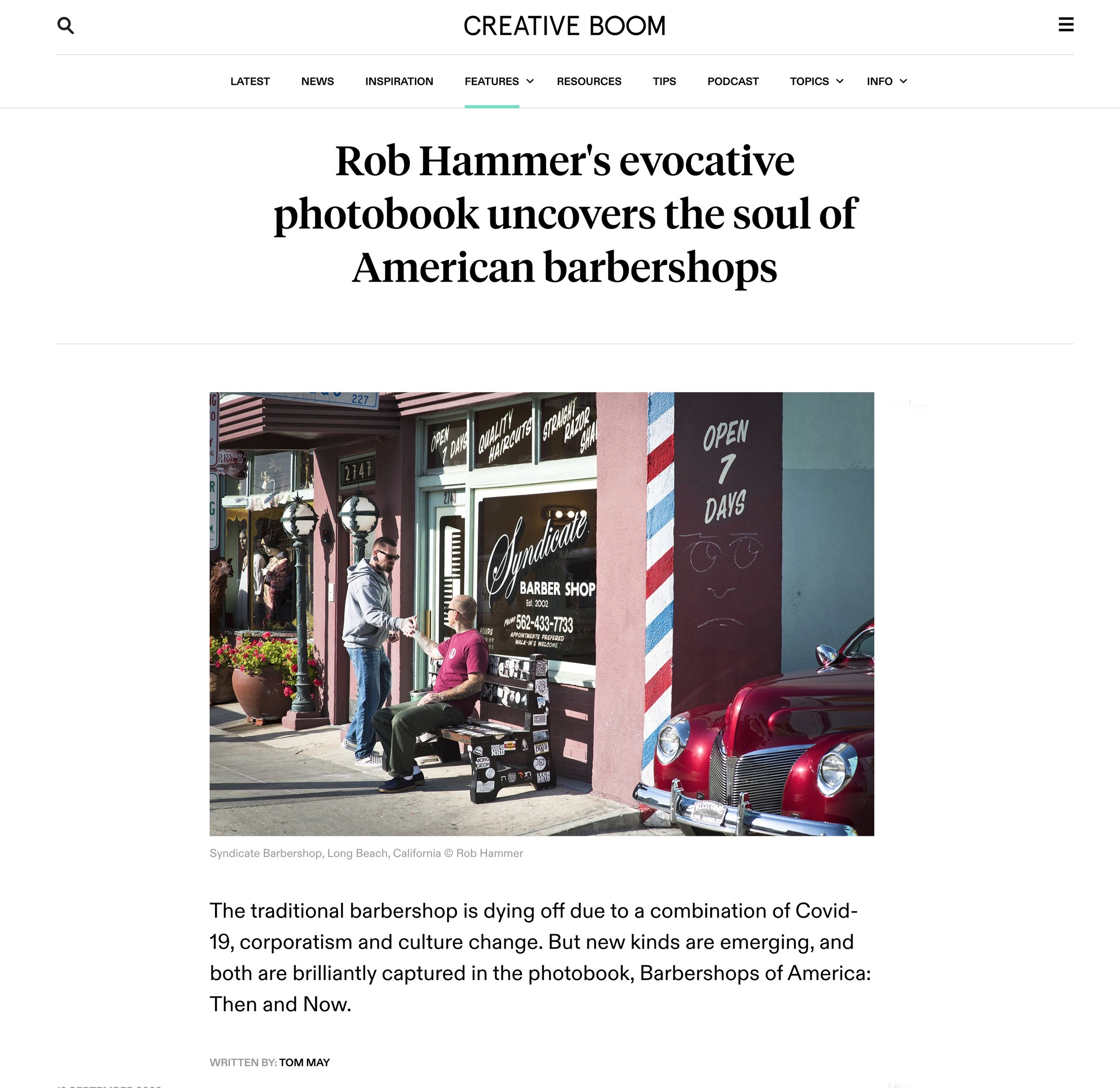
American photography as a genre is hard to define, especially when it comes to art collection and fine art photography. The term is so broad and leaves plenty of room for interpretation. One of my longest running series Barbershops of America fits into that category. Although it’s only been recently that I realized what’s been put together with this series is as much American photography as it is a historical document of a niche piece of American culture. And it occured to me the other day that getting a haircut is just a bonus to the experience you receive from being in a traditional barbershop. Grateful to see this project getting some exposure on Creative Boom and The Eye of Photography.

Click HERE to purchase a copy of Barbershops of American or HERE to purchase fine art prints.

Barbershop Photography

Traditional American Barbershops

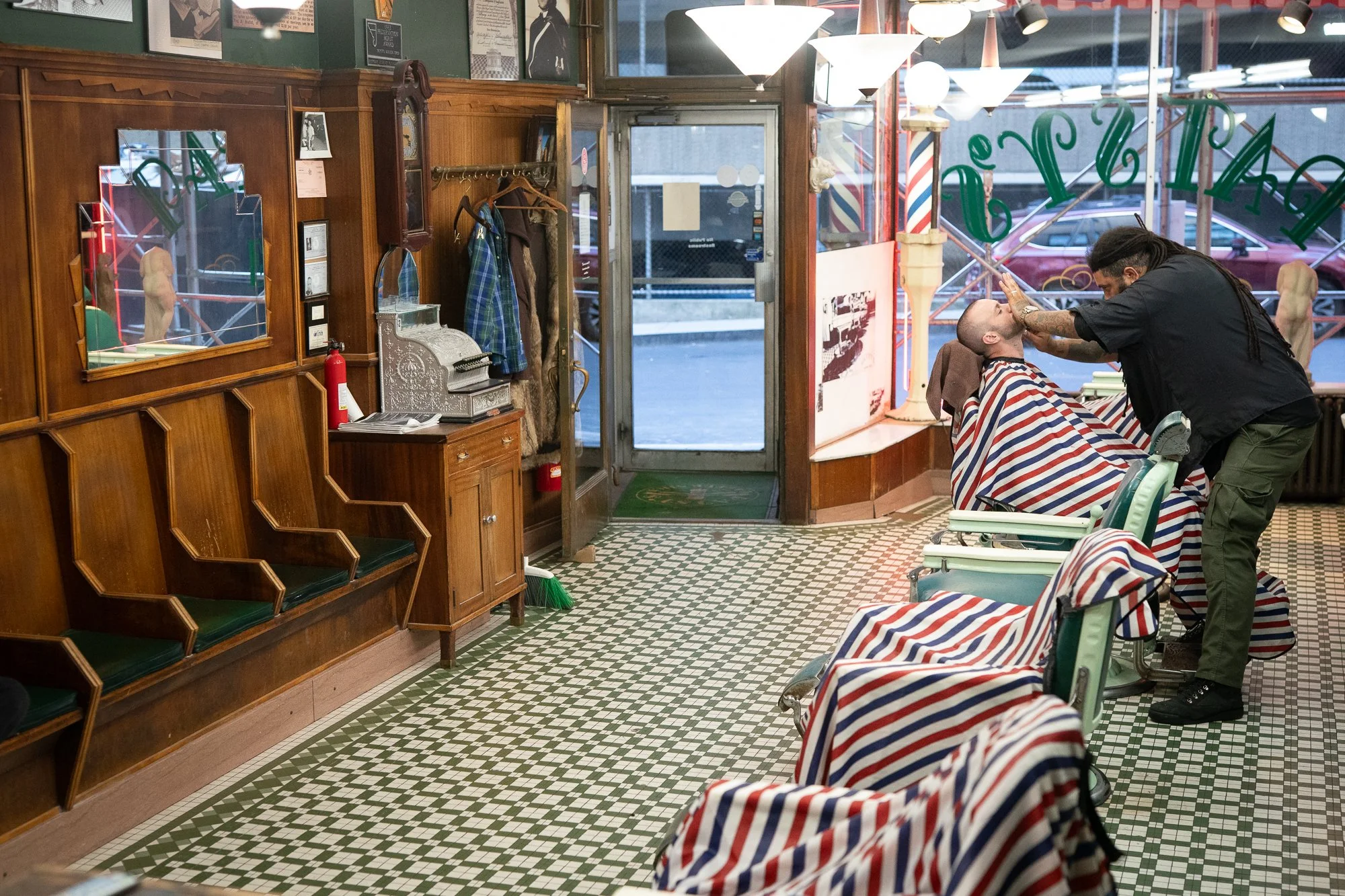
One of the best/hardest parts of working on long term projects focused on one subject matter is the bar is always rising. And that has definitely been the case for Barbershops of America. Traditional shops are a dying breed as is, and after seeing countless shops (good and bad) over the past 10 years, I’ve become quite specific about which shops I want to include in this project. Despite lots of travel and searching for shops over the past year+, the efforts have been fruitless, finding almost nothing worthy of documentation. Sort of hard to believe, actually. Searching for that long without positive results can make you think hard about the project. Is it done? Have I truly found and photographed all the remaining traditional barbershops in America? All of that doubt was erased recently after finding two incredible shops. Nicholson’s Barbershop in Raleigh, NC has been around for 40 years and Patsy’s Barbershop in Albany, NY first opened its doors in 1930! I was born in Albany, lived nearby for 25 years, have been going back at least twice a year for the past 18 years, and just last week discovered Patsy’s. Even more strange, the current owner is a former bouncer that used to, for good reason, throw my friends and I out of the bar. Funny how life works.
Click here to purchase a copy of Barbershops of America

The best barbershop in Raleigh, North Carolina

Nicholson’s Barbershop - Raleigh, North Carolina

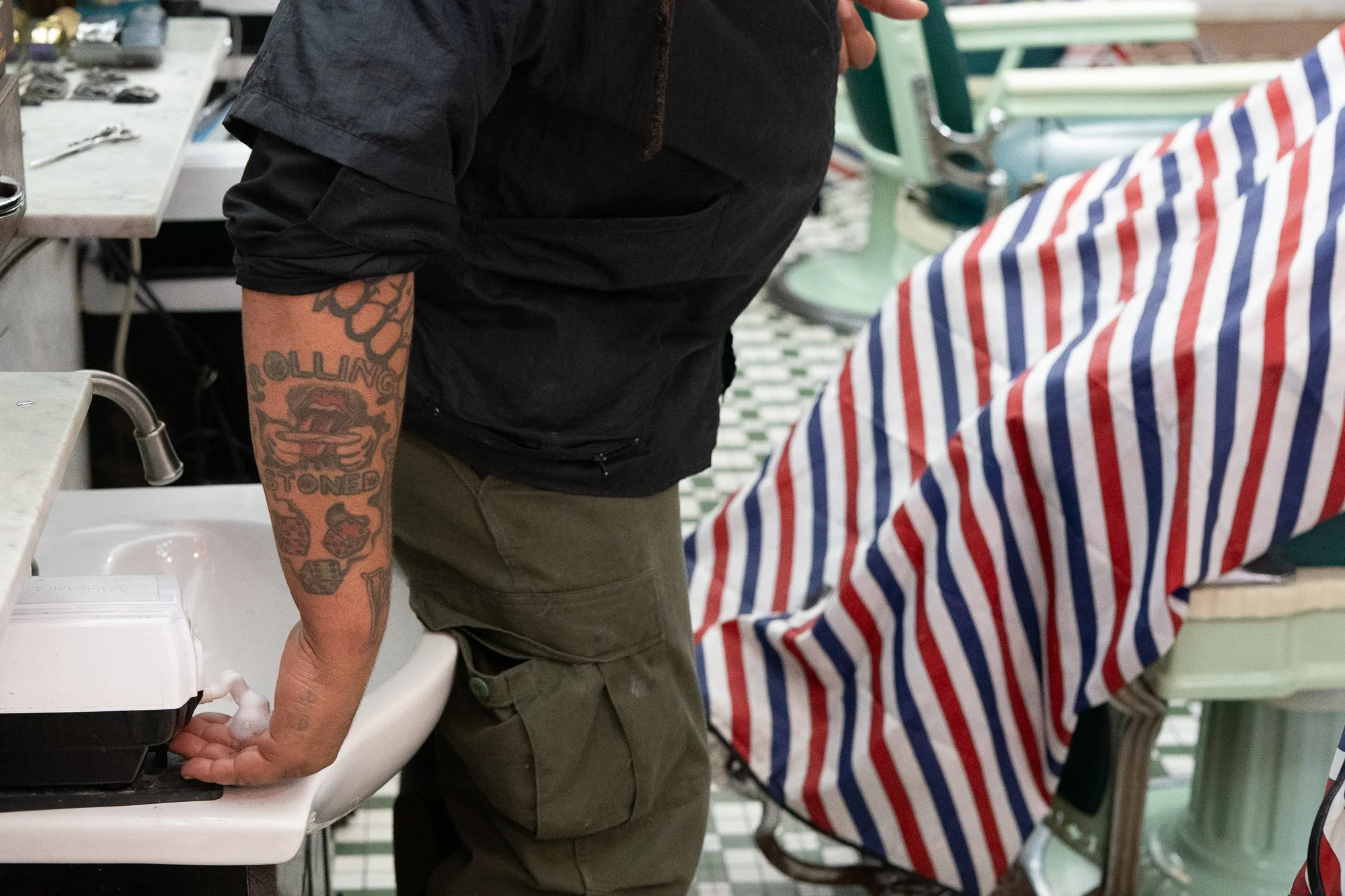
Photograph of a barber's hands
Photograph of a traditional barbershop in Raleigh, North Carolina
The best barbershop in Albany, NY
Patsy’s Barbershop - Albany, NY

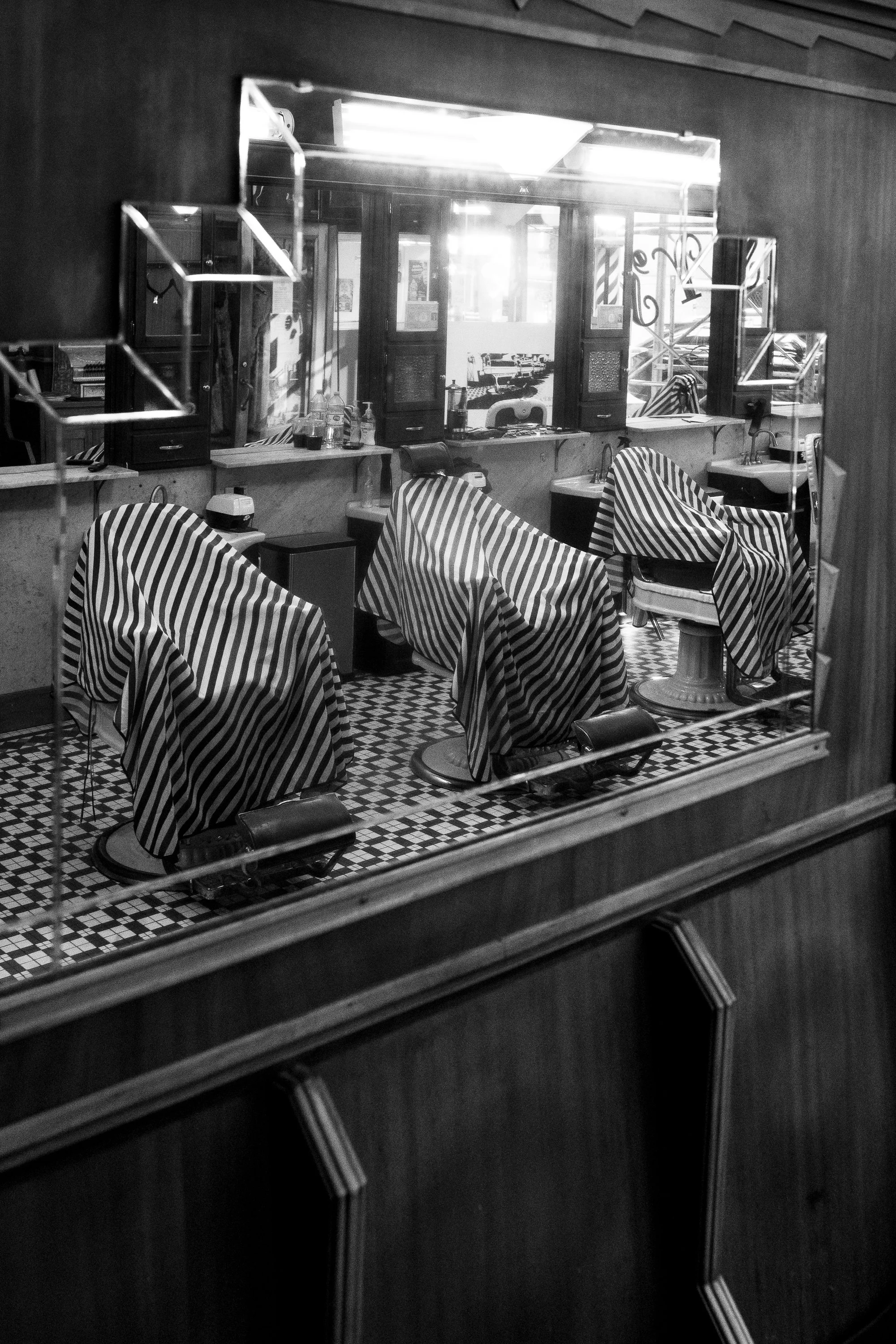
Photograph of a beautiful traditional barbershop in Albany, NY

Traditional barbershop in Albany, NY


American Road Trip Photography

The Great American Road Trip - Photography

When are you supposed to say enough is enough and move on to another subject? Roadside Meditations was published a few months back, which would (should?) be the logical line in the sand stating ok, you did the thing, now try something else! And a person smarter than myself would probably do that! History thus far does not comply. My long term personal project are just that, personal. So I might partially focus on a new subject, but I’m always on the look-out for images that fit the older projects too. It’s not intentional. It just is. I love these projects and can’t help myself.

Click HERE to purchase a copy of Roadside Meditations or contact me directly to inquire about prints of my American road trip photography.

Photograph of a road going through a beautiful cattle ranch in Montana

Wyola, Montana

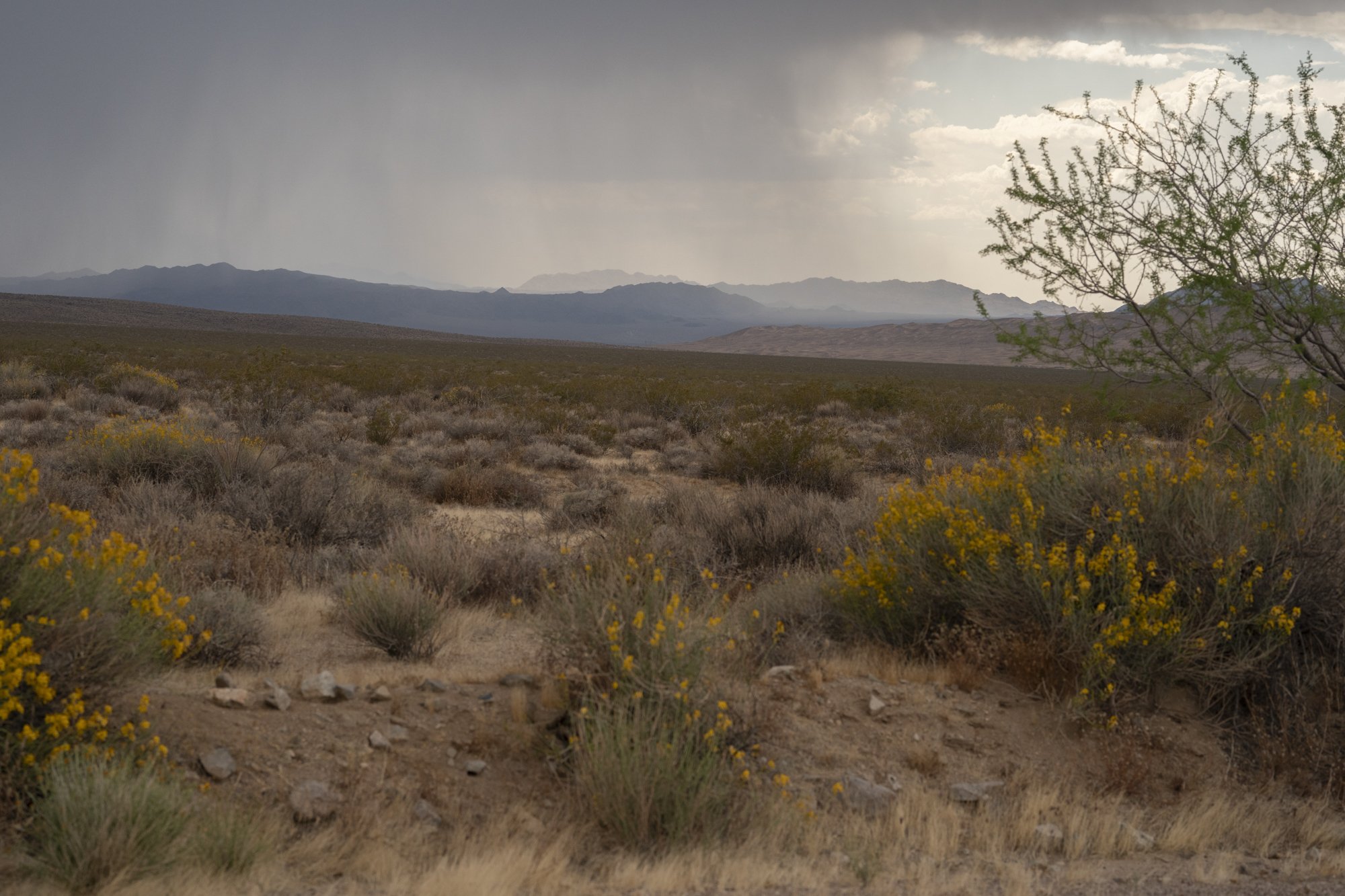
Landscape photo of the California desert

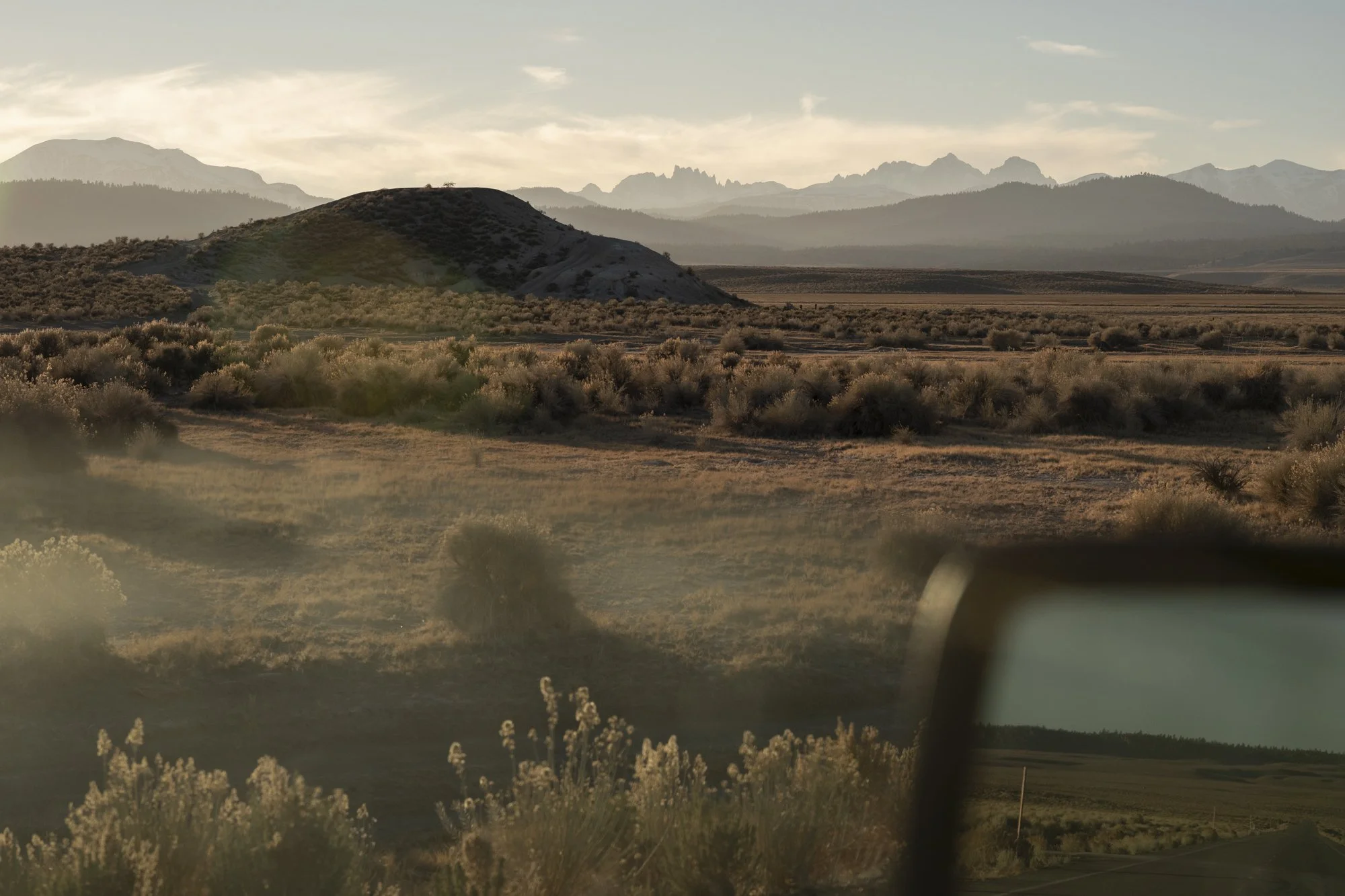
California desert

Photograph of a vast Wyoming landscape

Wyoming

Landscape photo of the California desert

California desert

Photograph of a train going through the landscape of Parker, Wyoming

Parker, Wyoming

California desert road trip photo

California desert

Photograph of plants in the California desert

California desert

Aerial Photograph of a road going through a desolate section of the California desert

California desert

Frames Magazine

Photography Podcast - Frames Magazine

It’s rewarding connecting with people that you’re on the same page with. The motto at Frames Magazine is “Because excellent photography belongs on paper”. For quite some time I’ve been saying that photography belongs on your wall, not your phone. So you can see the natural connection to the people at Frames. They get it. So I was honored to be interviewed about Roadside Meditations by W. Scott Olsen for their podcast. Scott is as talented a photographer as he is an interviewer and writer. If you’re into long form photo essays about travel, check out the piece he did on traveling the country by train - Scenes From a Moving Window . It’s a lot of fun. Here is a link to my episode on the Frames Photography Podcast.

And here is a link to purchase Roadside Meditations

American Road Trip Photography Book

American Road Trip Photography Book

Photo Book - The Open Road

For the past 13 years, I’ve been photographing the quieter edges of America—small towns, roadside motels, empty streets, and the kinds of places most people pass without stopping.

What began as a road trip became a long-term body of work built over hundreds of thousands of miles on the road.

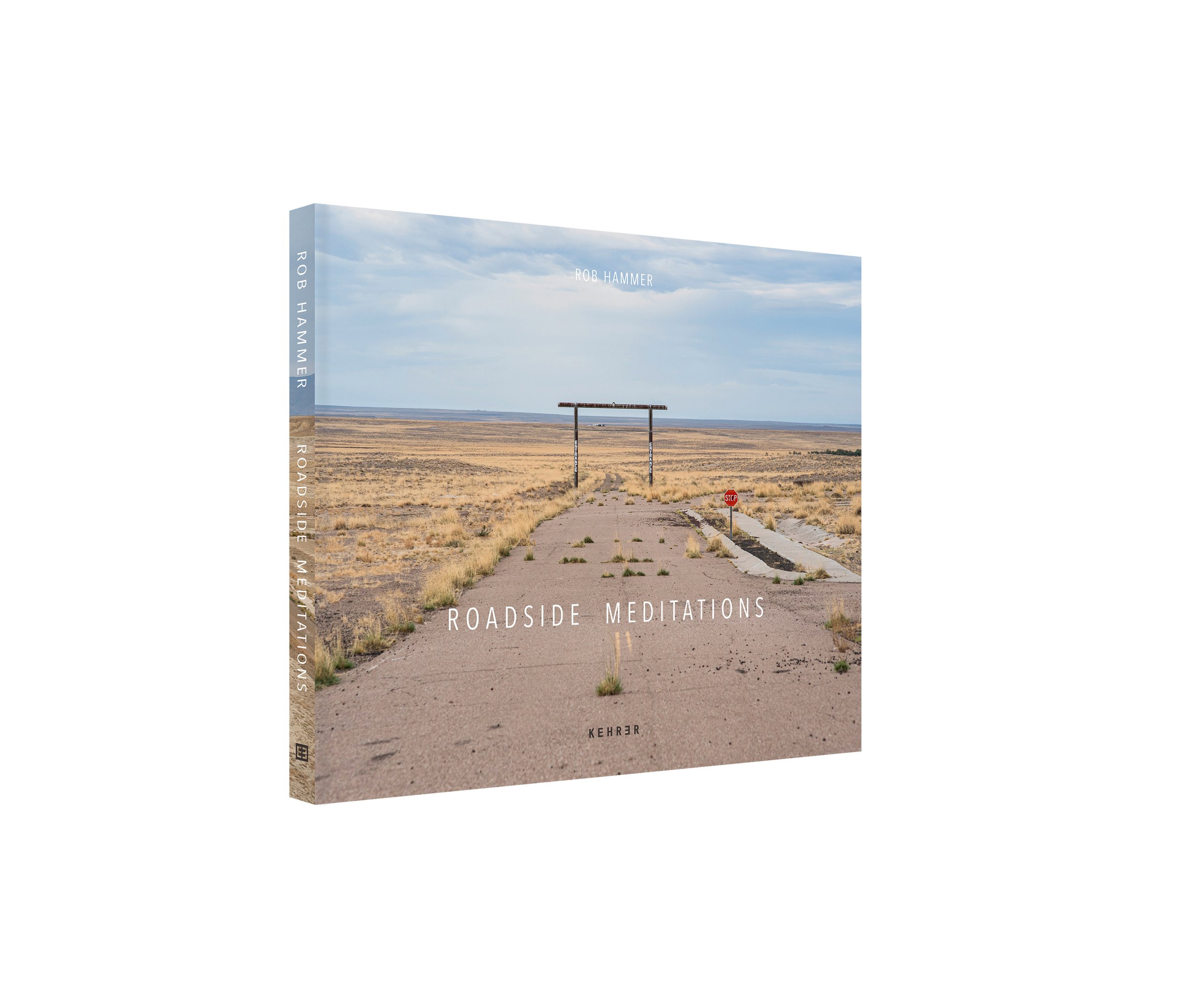
That work is now collected in the book Roadside Meditations.

Roadside Meditations — A Photographic Record of the American Road

This fine art photography book brings together photographs made across the United States, focusing on places that exist just outside of attention.

There’s no single destination or narrative arc. The work moves through the country the same way the photographs were made—slowly, without urgency, and often without a clear endpoint.

The images reflect towns that feel paused in time, buildings that have outlived their purpose, roadside spaces shaped more by use than design, and landscapes that hold a quiet, persistent stillness

This is not a document of landmarks, but of presence—of what remains when nothing is trying to be seen.

An American Landscape Between Moments

The photographs sit within a tradition of American color work that looks beyond spectacle and into the everyday.

Gas stations, motel rooms, desert edges, storefronts, parking lots—places that are often overlooked, but deeply characteristic of the American landscape.

The interest is in the in-between: The space before something happens. The trace of something that already has. The feeling that time moves differently in certain places

Many of these scenes resist being tied to a specific moment. They exist somewhere outside of it.

The Book

Last week on the drive home from Wyoming I listened to a great podcast with Rick Ruben and Rich Roll. Rick is such a unique and inspiring individual with an immense amount of knowledge from a lifetime of varying experiences. Of the many nuggets he dropped on the show, this one stuck out the most - “The audience comes last, in service to the audience. The audience wants the best thing. They don’t get the best thing when you’re trying to service them. They get the best thing when you’re servicing yourself. When you’re true to who you are”.

That’s an invaluable statement for any creator to hear and it sums up exactly how I feel about photography, for personal projects as well as commercial work. Very rarely do you see commercial work that has any great effect on people or the world of photography, because it’s watered down generic imagery that’s sole purpose is to sell a product and feature the companies logo as many times as possible. Nobody wants to take a risk. They want to play it safe and not ruffle any feathers. Seldom does an ad campaign come out with historical significance or staying power. They are about now! How much can we sell now!!?? So what does this have to do with a photography book? Everything. If I or any other photographer set out to make a book strictly with the audience in mind, it would suck. The intention would be glaringly obvious and the images would reflect a direct lack of caring. The title of the book might as well be Money Grab.

Roadside Meditations is a niche subject that’s not for everyone, which you could argue is the case for any fine art book. If it were for everyone, it wouldn’t be worth a damn. To further Ruben’s above quote, I’d like to share how my latest photo book came to be. A few years back I began collaborating with (now) photo editor/consultant Alexa Becker (Germany). At the time she was working for Kehrer Verlag and I was trying to pitch her one (maybe three?) different book ideas, none of which landed. Her interest in my work seemed genuine though, so I kept in touch. And at one point I reached out asking simply for a consultation on my “America” series. After a half dozen back and forths through Zoom, she pulled a few outlying images from my edit and asked if I had anything else that might go along with it. I did, so she began assembling a side edit. A while later she had the beginnings of Roadside Meditations, and told me to forget all about the America series, because “this” was the book! Turns out she was right, and all the roadside images I made thinking they were just accents to the bigger series, was IT all along. The point is that I never had anything in mind for the photos. I wasn’t making them for anyone but myself, and maybe one or two of them might find their way into a book, print, whatever?? Well, here we are a year and a half later, and a large shipment of books is scheduled to arrive from Germany in less than a half hour. So much has happened since then. I’ve continued shooting images that would fit into a Roadside Meditations Vol. 2, but that’s not the intention. The images are only made because I’m drawn to make them. And it would be a bonus if another book happened to develop. Vol.1 isn’t out in the world yet, so there is nothing to say people even want it, but I’m still a firm believer that “the audience comes last, in service of the audience.”

Collecting the Work

Photographs from Roadside Meditations are available as fine art prints.

Each print is produced using museum-grade materials and intended for long-term display in private collections, interior spaces, and galleries. If you’re interested in prints, please contact me directly - rob@robhammerphotography.com

Purchase the Book

Click here to purchase a copy of Roadside Meditations

Fine art American road trip photography book Roadside Meditations by Kehrer Verlag and Rob Hammer

Fine Art Road Trip Photography Book

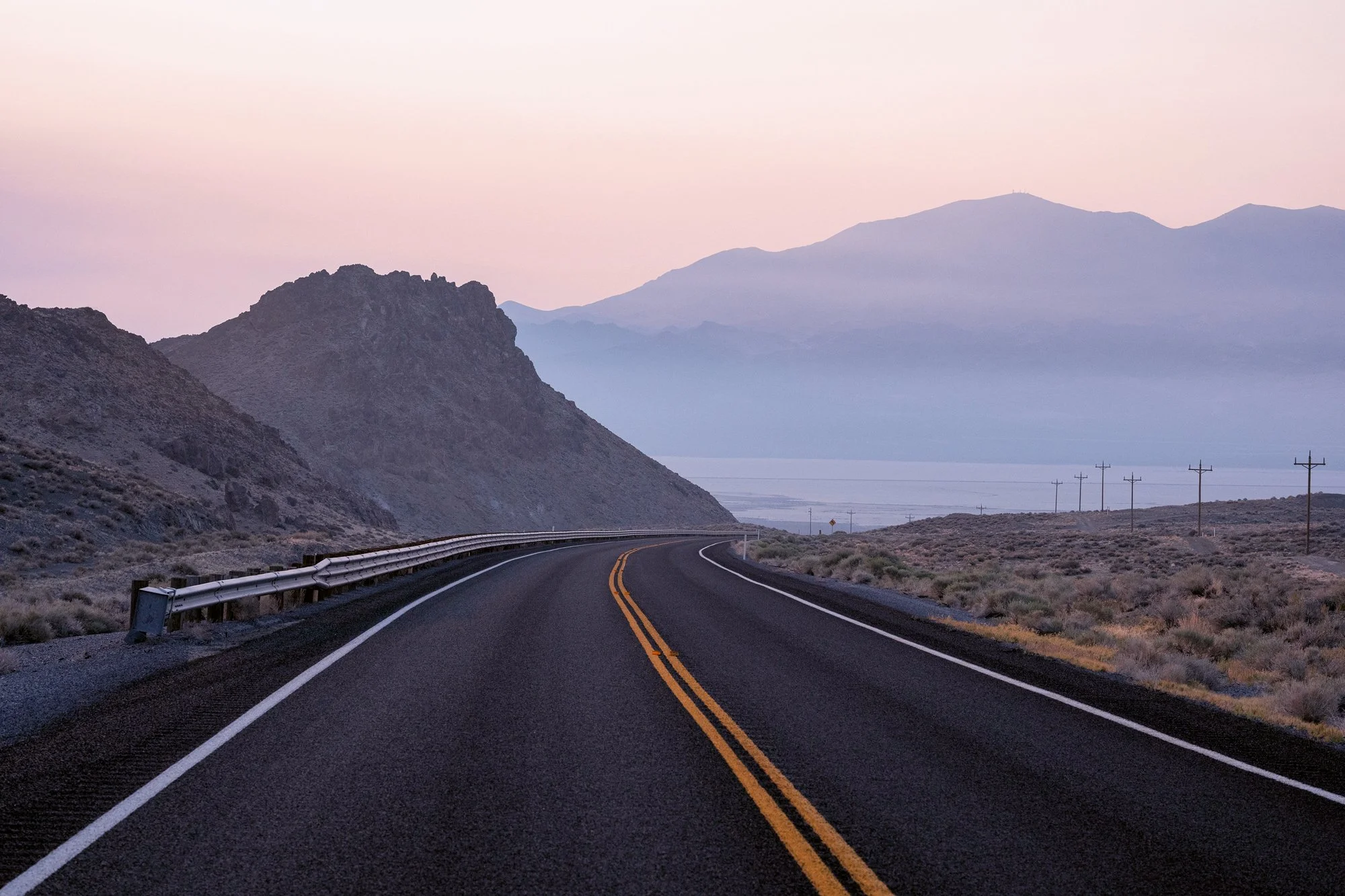
A two-lane road curves into the desert as the last light settles over the mountains.

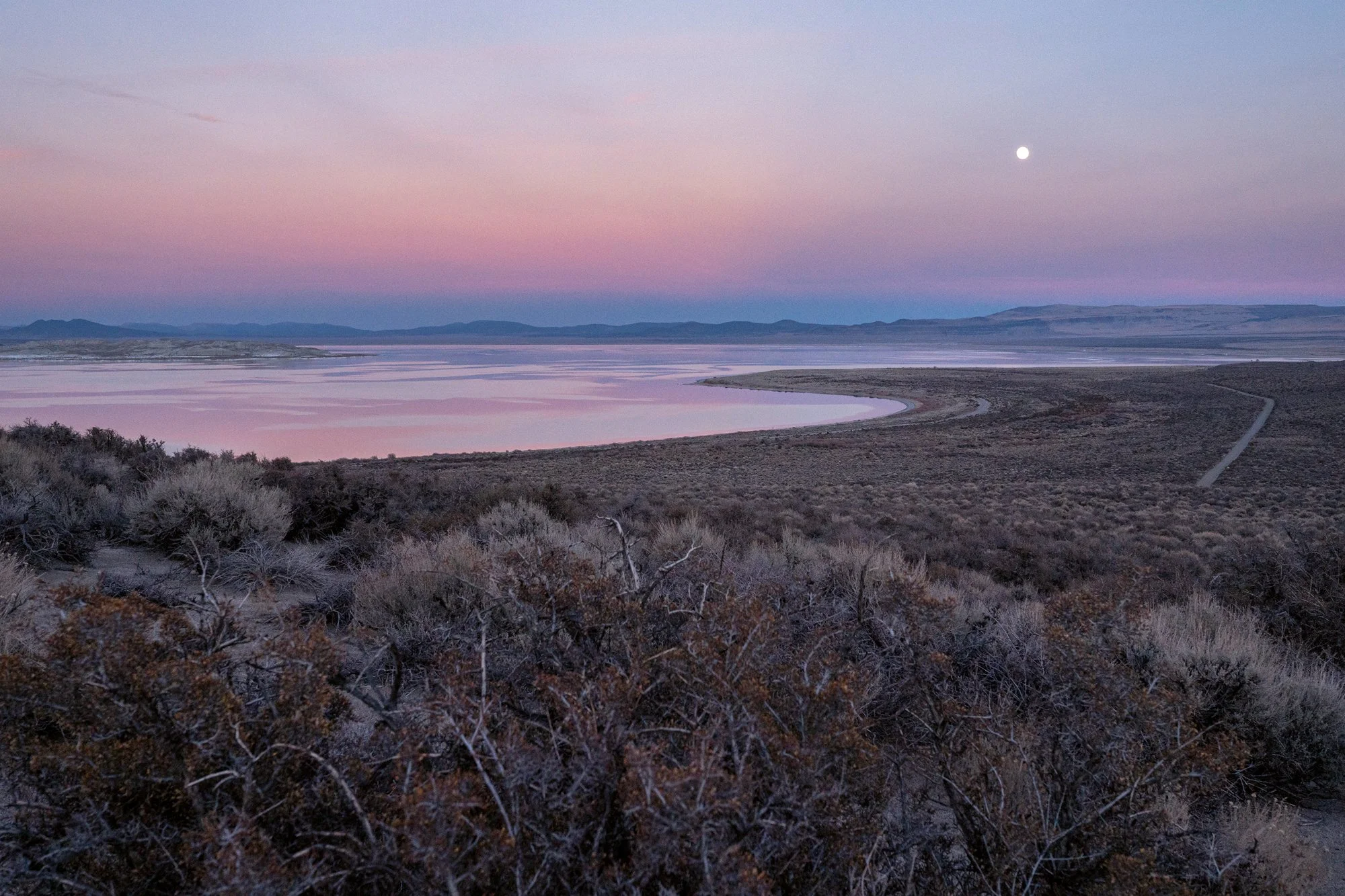
The shoreline bends into still water under a fading sky, the moon rising over the basin.

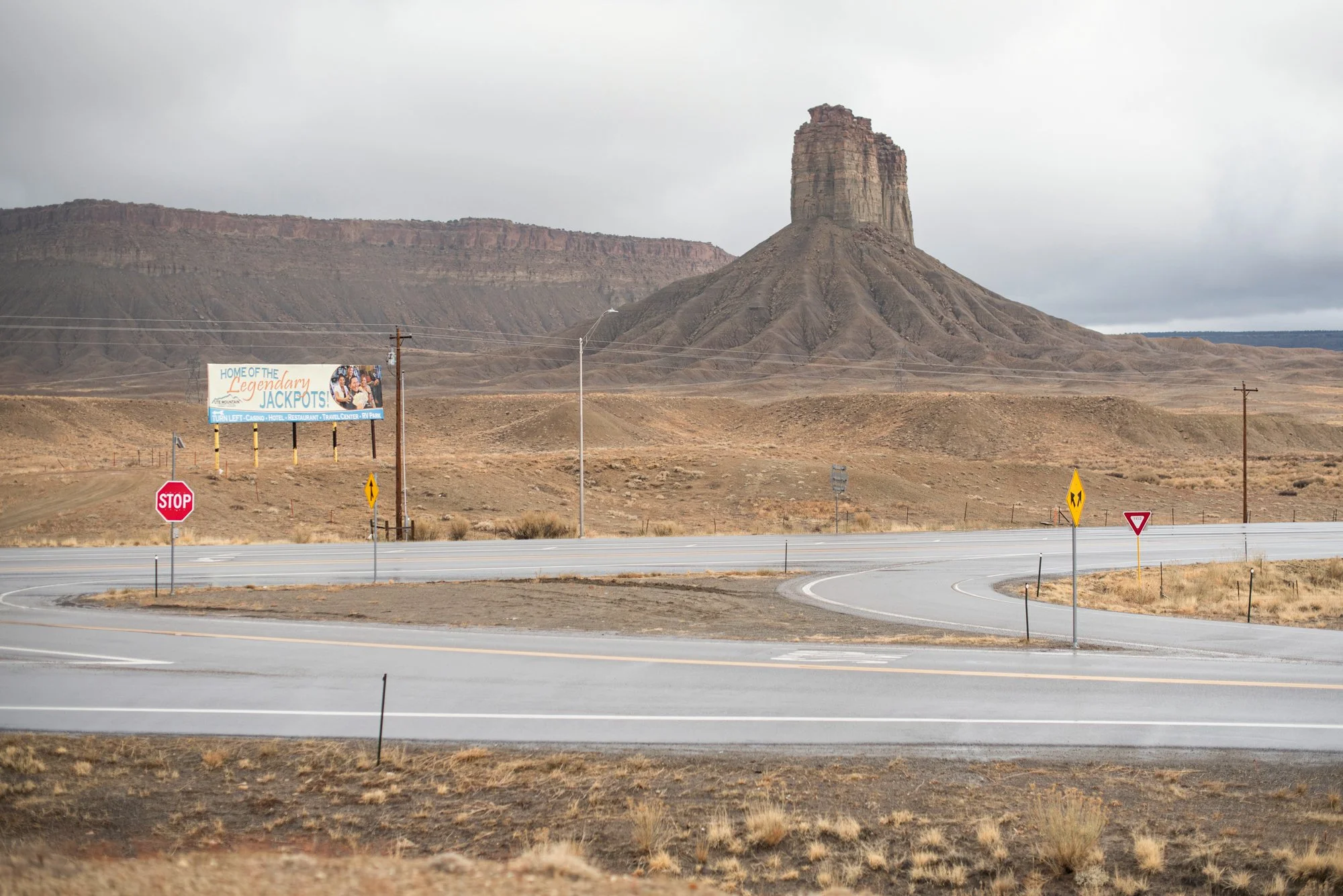
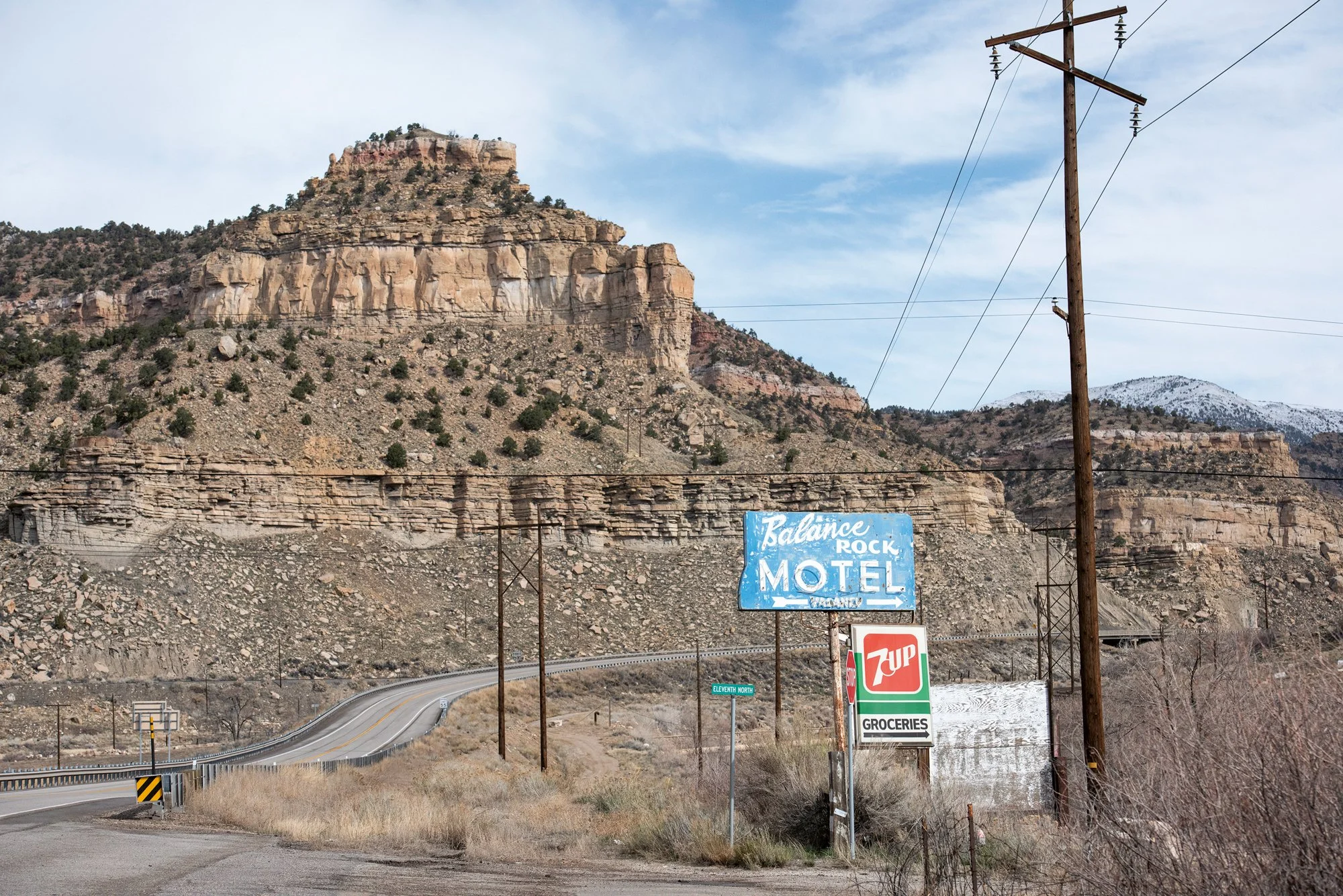
A quiet intersection sits beneath a weathered formation, where signage meets open land.

A roadside sign marks a place to stop, set against the slow movement of the landscape.

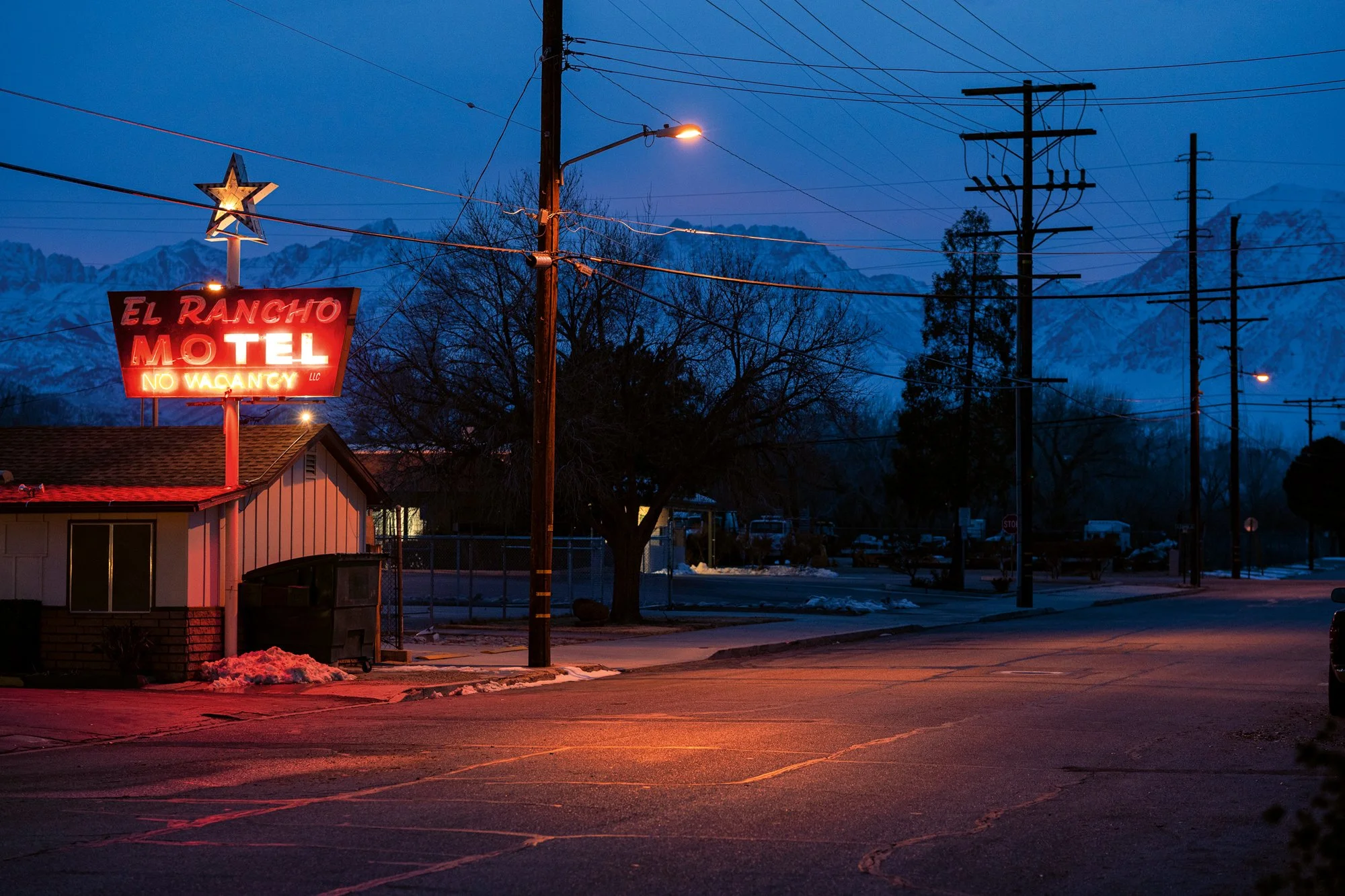
Neon light spills onto an empty street, holding the only sign of activity after dark.

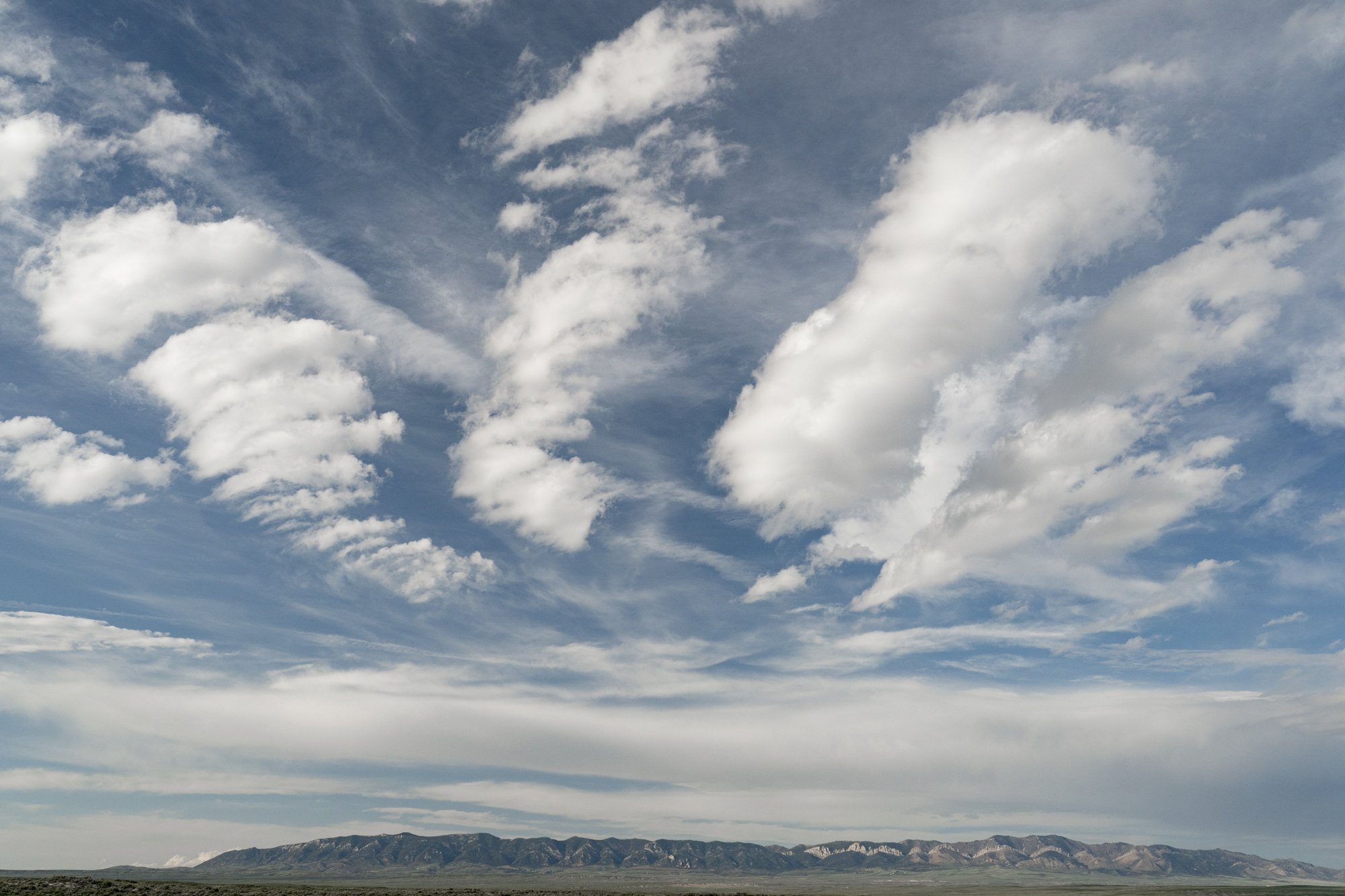
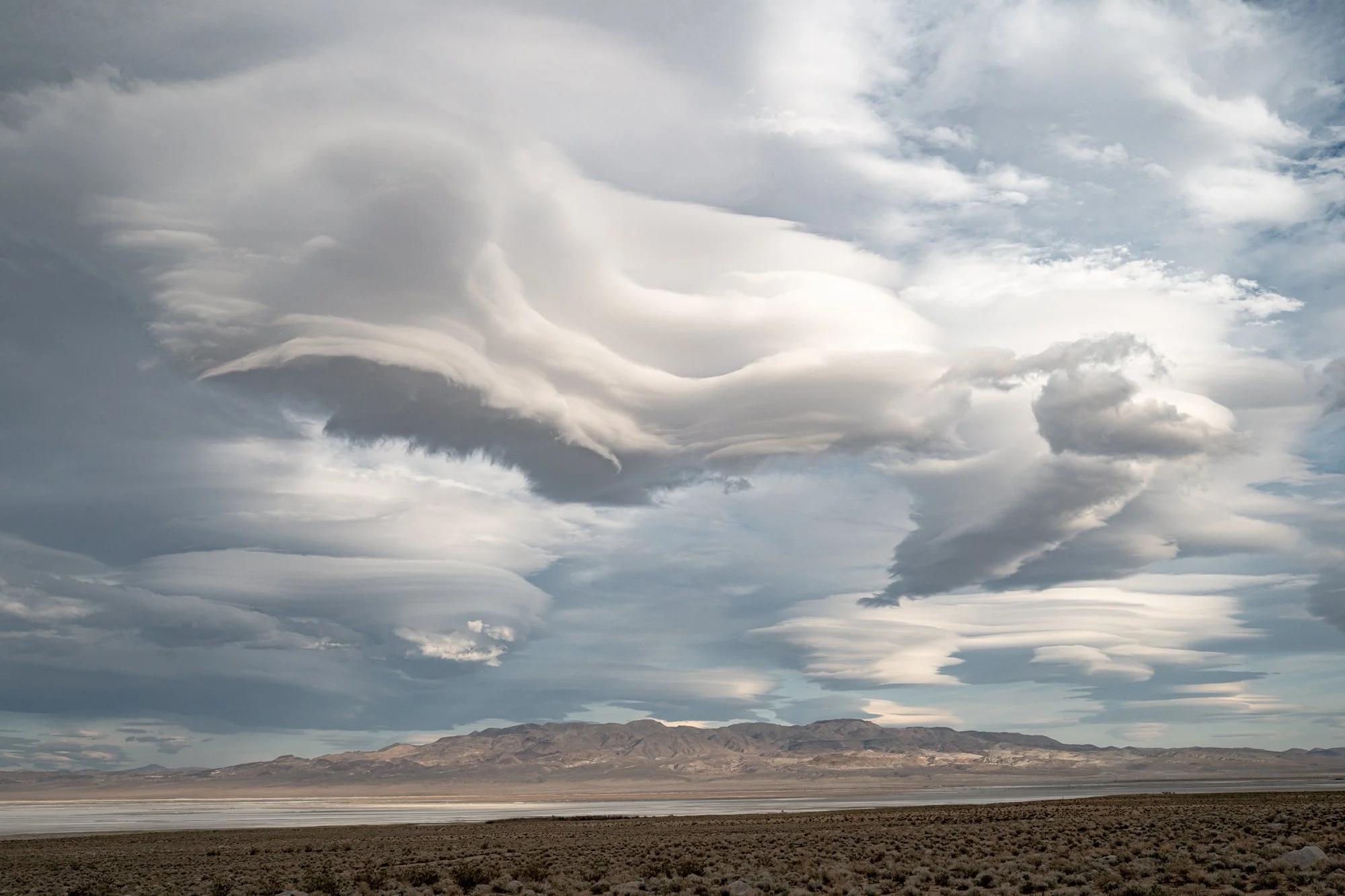
Expansive desert landscape with dramatic cloud formations over vast basin

Clouds gather and stretch across the basin, moving slowly over an open and unchanged landscape.

Roadside Photography in America — Small Towns, Quiet Roads & Stillness

Roadside Photography Across the USA: Small Towns, Country Roads & Quiet Places

This body of roadside photography from across the United States focuses on small towns, country roads, and the overlooked spaces between destinations. Made while traveling secondary highways through places like Iowa, Utah, Nevada, Virginia, and California, these photographs slow down the idea of the American road trip and shift attention away from landmarks toward quieter moments. The work comes from a long-term project that eventually became my book, Roadside Meditations—a photographic exploration of stillness, distance, and the visual language of everyday America.

Photographing America Beyond the Interstate

Much of American road trip imagery centers on motion—crossing state lines, reaching destinations, ticking off places on a map. This work was made by doing the opposite. Instead of interstates and major routes, I spent years driving back roads, county highways, and rural connectors where towns thin out and time feels less compressed.

These roadside photographs aren’t about where you’re going. They’re about where you pause. A quiet diner at dusk. A sun-bleached sign. An empty stretch of road that doesn’t ask for attention but rewards it if you stop. This approach allows the landscape to reveal itself slowly, without narrative pressure or spectacle.

Small-Town America and the In-Between Places

The photographs in this series were made in places most travelers pass without stopping—small towns, agricultural regions, and rural outskirts where commercial life has softened or shifted over time. These in-between places are rarely presented as destinations, yet they form the connective tissue of the American landscape.

By photographing these locations without dramatization, the images lean into quiet observation. The goal isn’t nostalgia or critique, but presence. These towns and roads exist as they are—weathered, functional, sometimes fading—holding layers of American life that often go undocumented in contemporary photography.

A Slow, Observational Approach to Roadside Photography

The photographs in this post were made over many years, often while driving alone, without a fixed itinerary. Working slowly is central to the process. I look for moments when light, geometry, and stillness align—scenes that feel complete without intervention.

There are no staged elements and no attempt to “improve” what’s already there. The camera becomes a tool for noticing rather than arranging. This method allows the work to remain open-ended, inviting viewers to bring their own experiences and memories into the frame.

From Long-Term Project to Roadside Meditations

Select images from this body of work eventually became the book Roadside Meditations, a collection shaped by years of sustained attention to the American roadside. The book brings these photographs together as a single visual conversation—one that reflects on travel, stillness, and the quiet spaces that exist alongside movement.

Rather than documenting a single journey, the book and this ongoing series reflect an accumulation of time on the road. Each image stands on its own, but together they form a broader meditation on how America looks when you stop trying to get somewhere.

This post represents one thread within a larger, ongoing exploration of the American landscape. For those interested in seeing the work as a whole, Roadside Meditations gathers these photographs into a single volume focused on overlooked places, visual quiet, and the spaces we usually pass by.

View the book

View the American Road Trip photography gallery

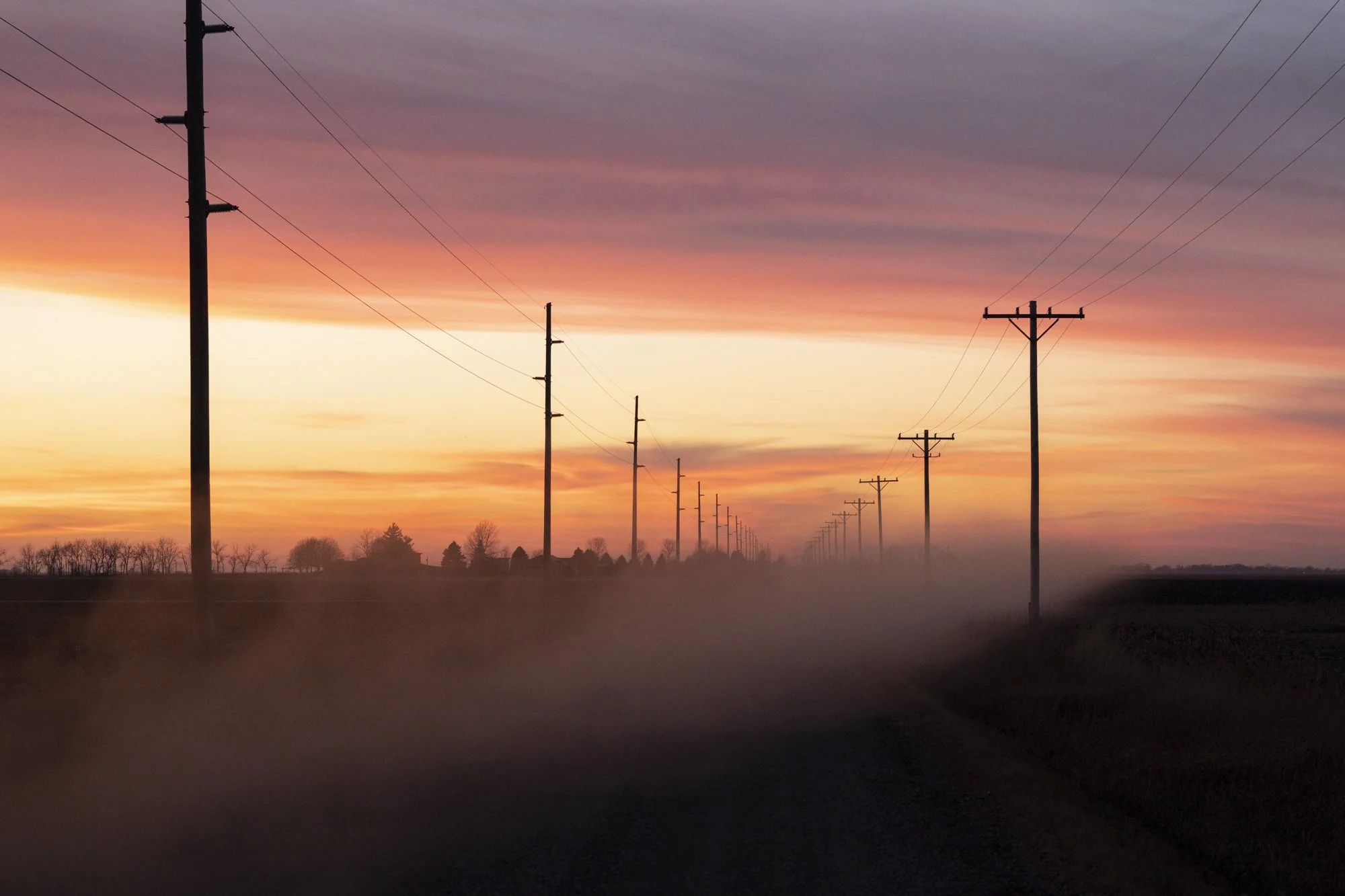
Sunset on a country road in Iowa

Sunset on a country road in rural Iowa

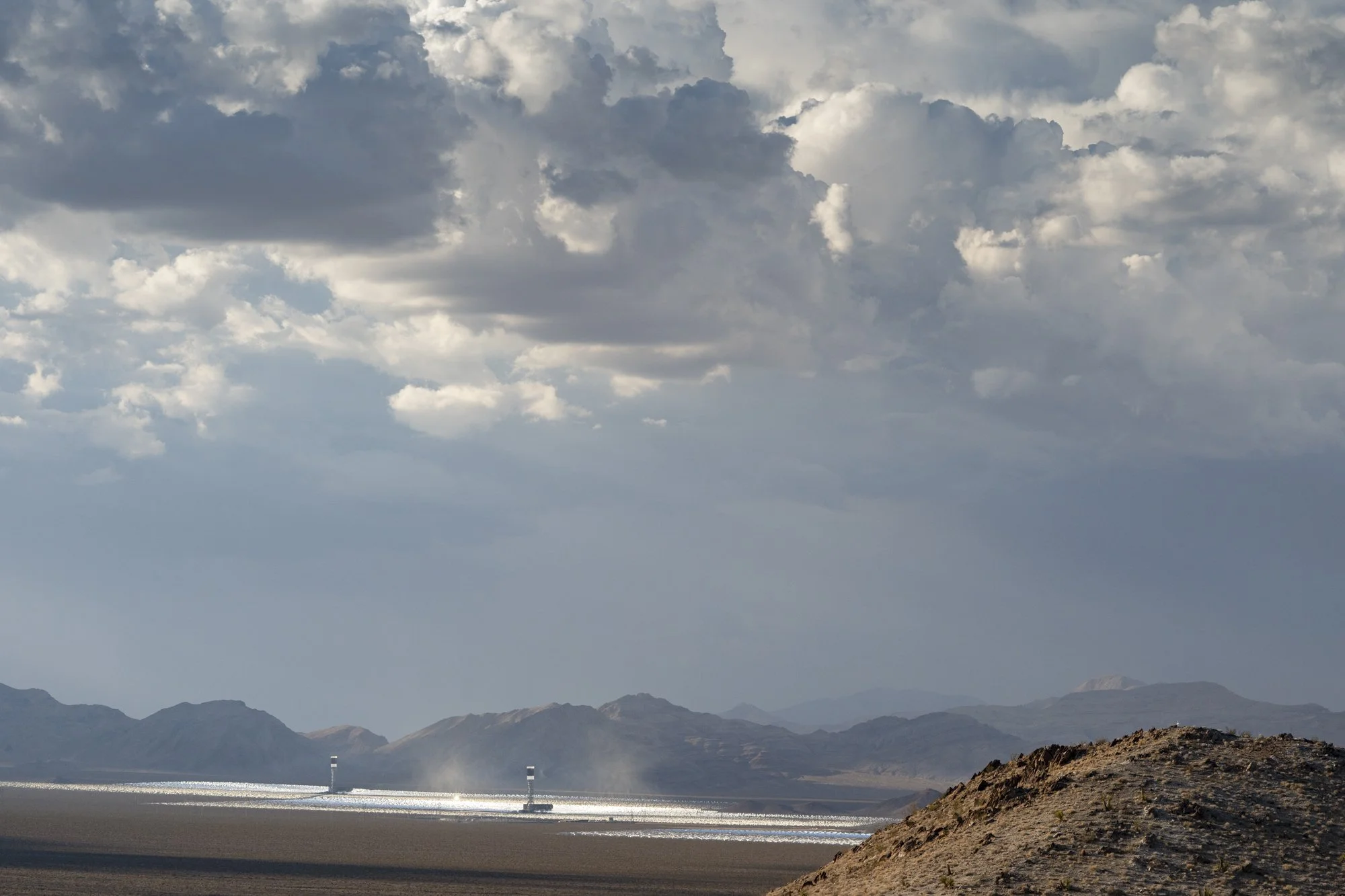
Ivanpah Solar Electric Generating System

Ivanpah Solar Electric Generating System

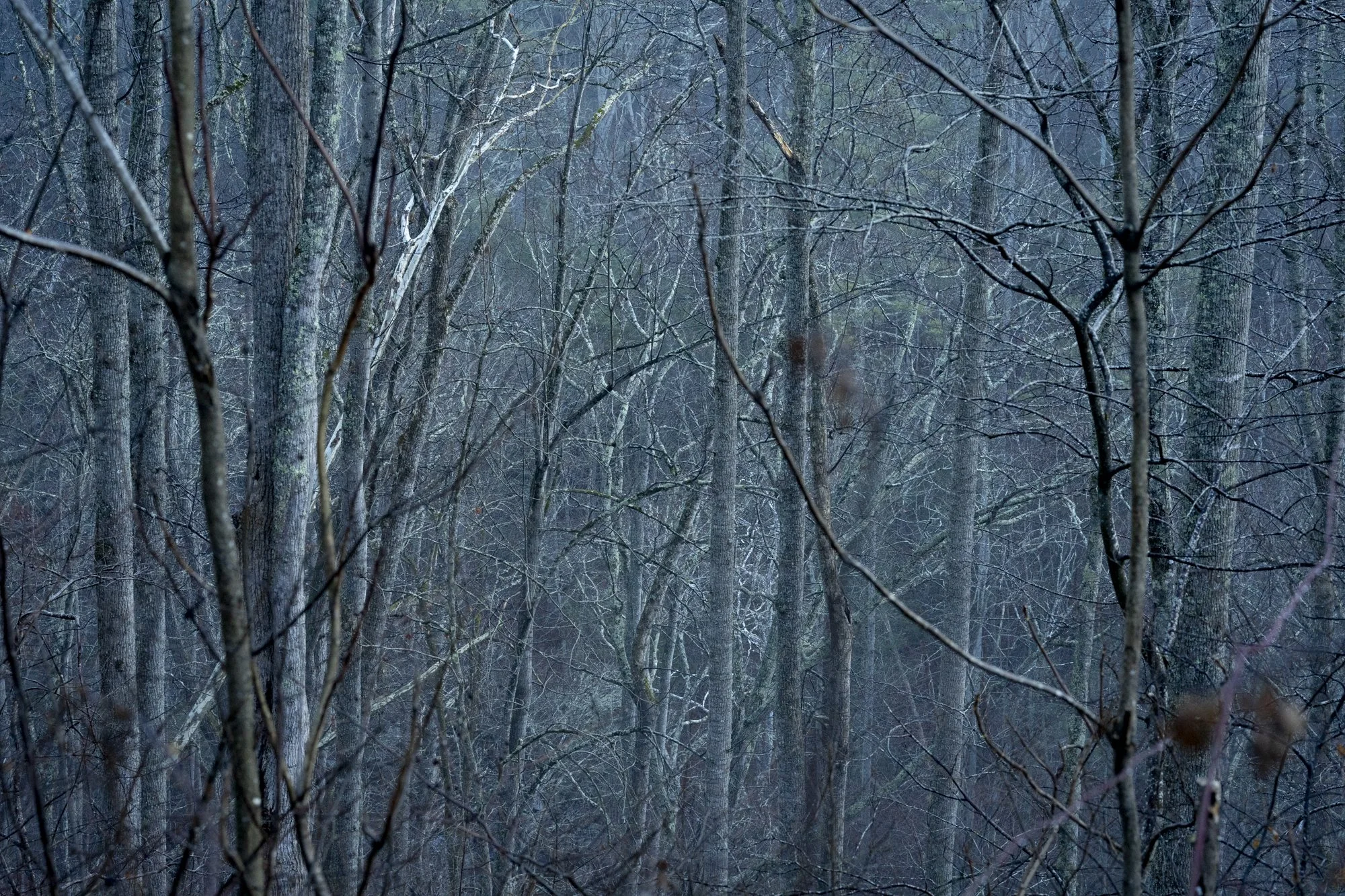
Fine art photograph of a Virginia forest

An abstract view of dense forest in Virginia

Abstract fine art photography

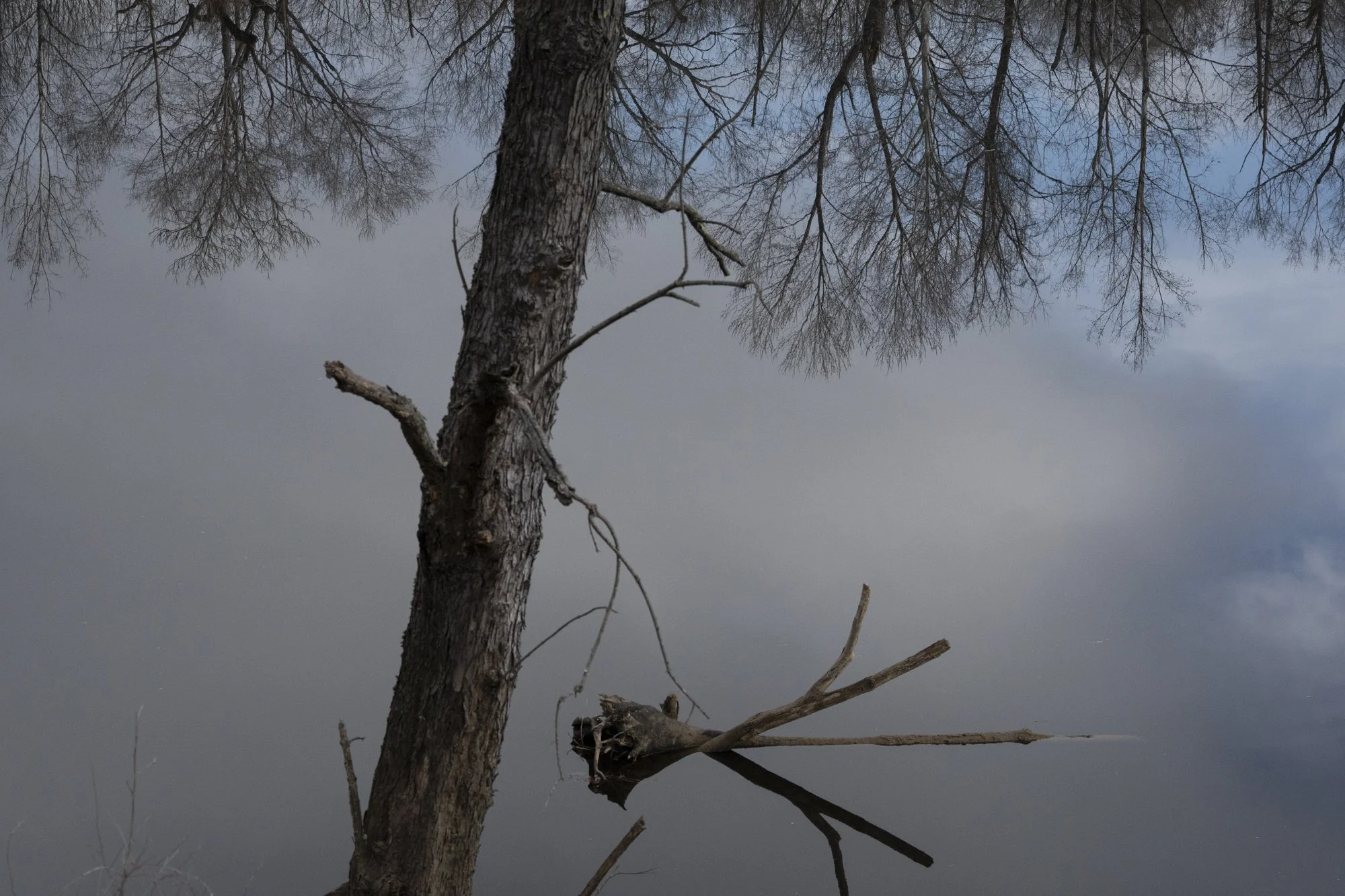
Reflections of trees in a Virginia river

Driving through the Eastern Sierra Mountains near Mammoth, California at sunset

Eastern Sierra - California

Abstract fine art nature photography

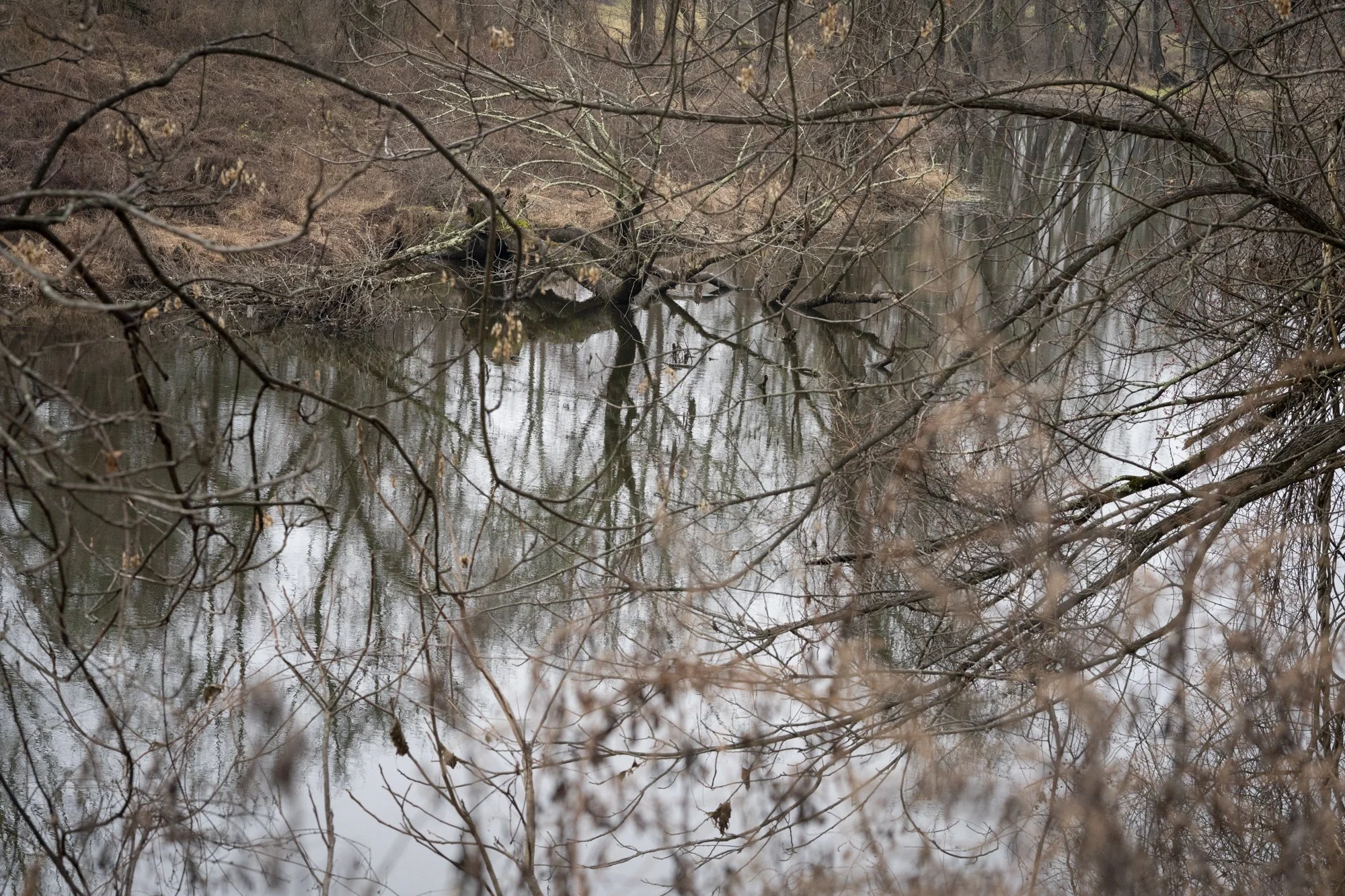
Reflections of trees and foliage in a still river in Upstate New York

Roadside photograph of a country road through farmland in rural Iowa at sunrise

A car kicks up dust on a country road through harvested farmland in rural Iowa, photographed in early morning light.

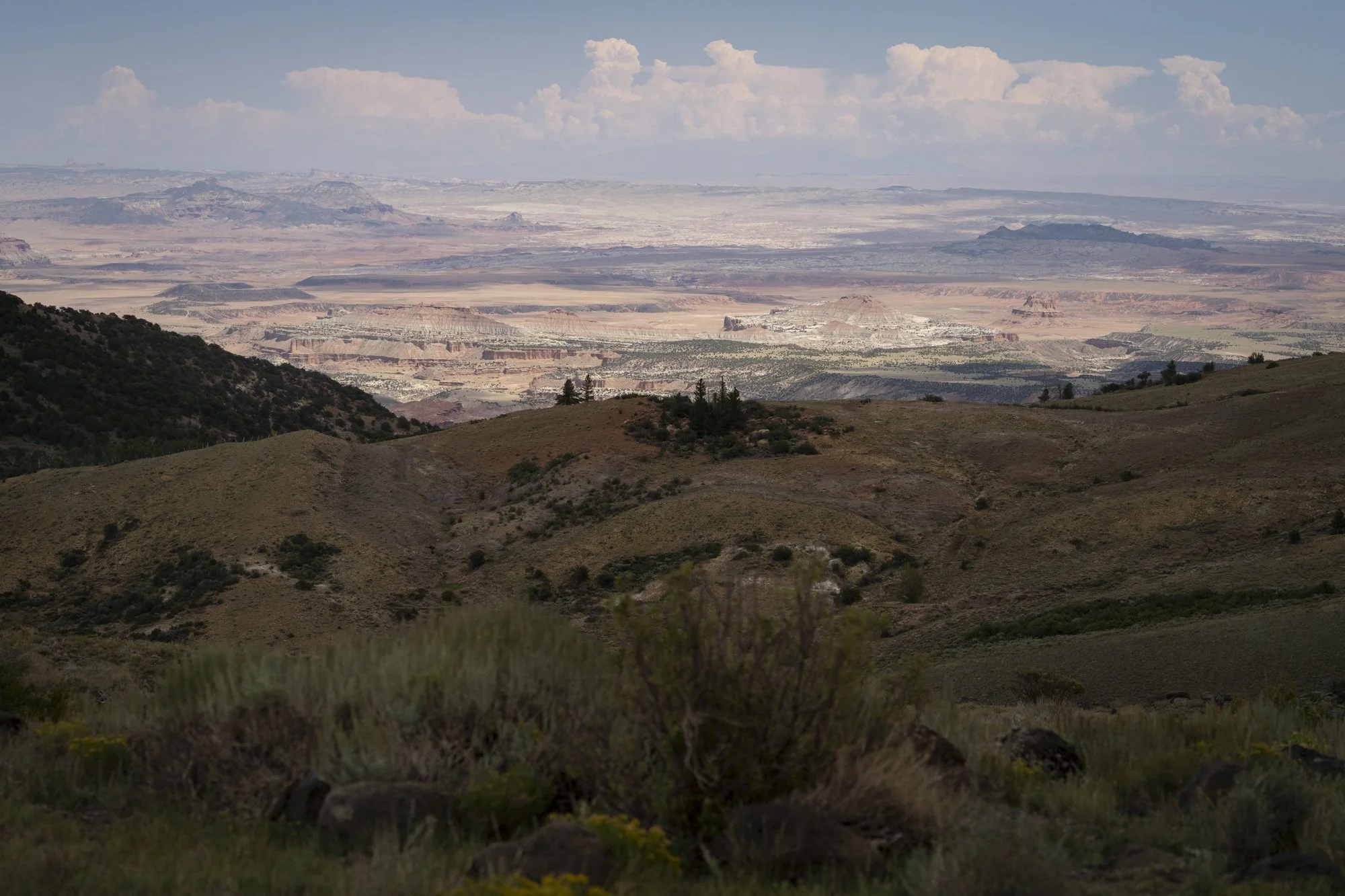
Fine art photograph of a massive desert landscape in Utah

The alien landscape in a remote part of Utah

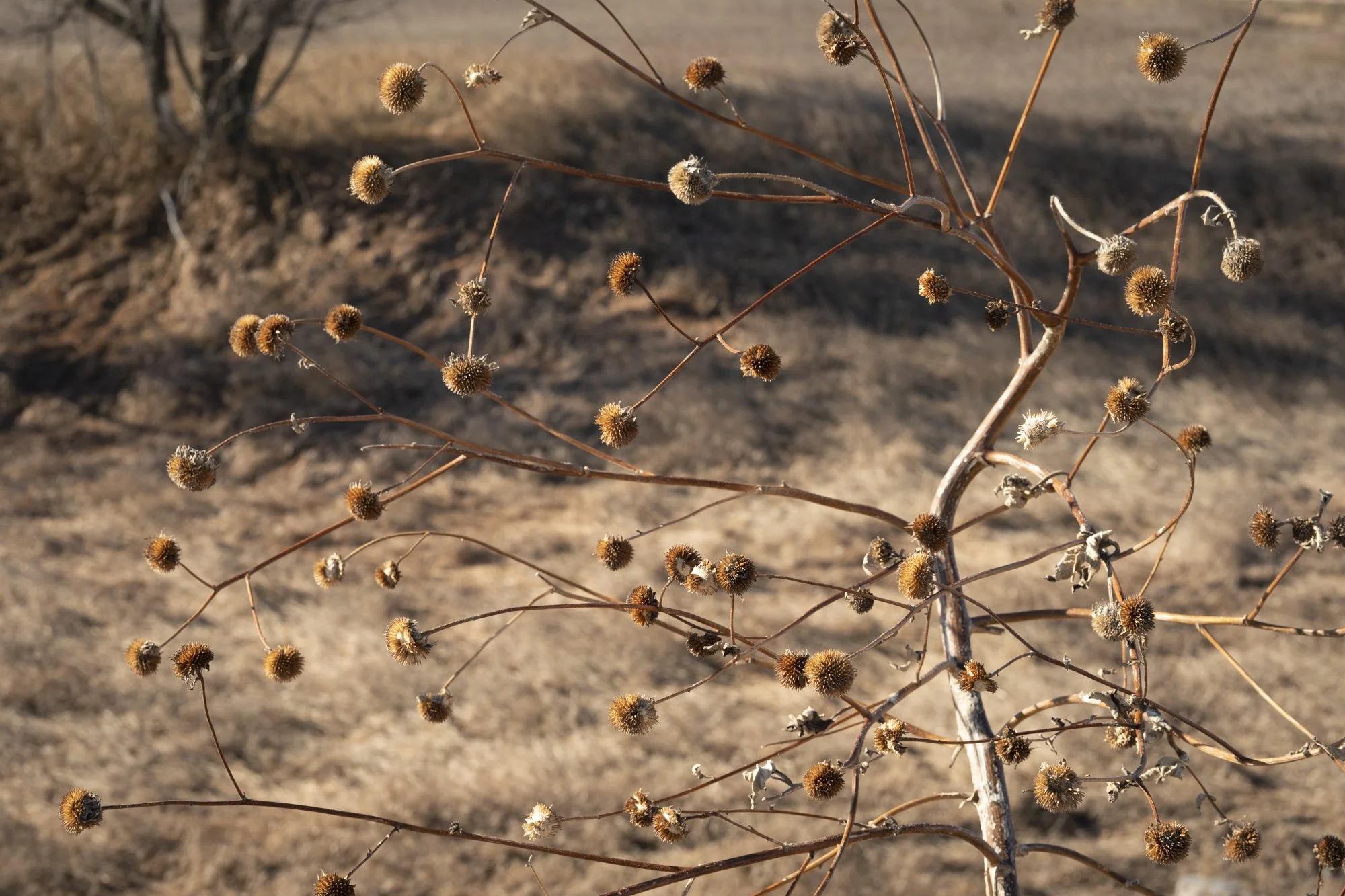
Abstract fine art photography of plants in Iowa farmland

Muted colors of dead plants during winter in Iowa farmland

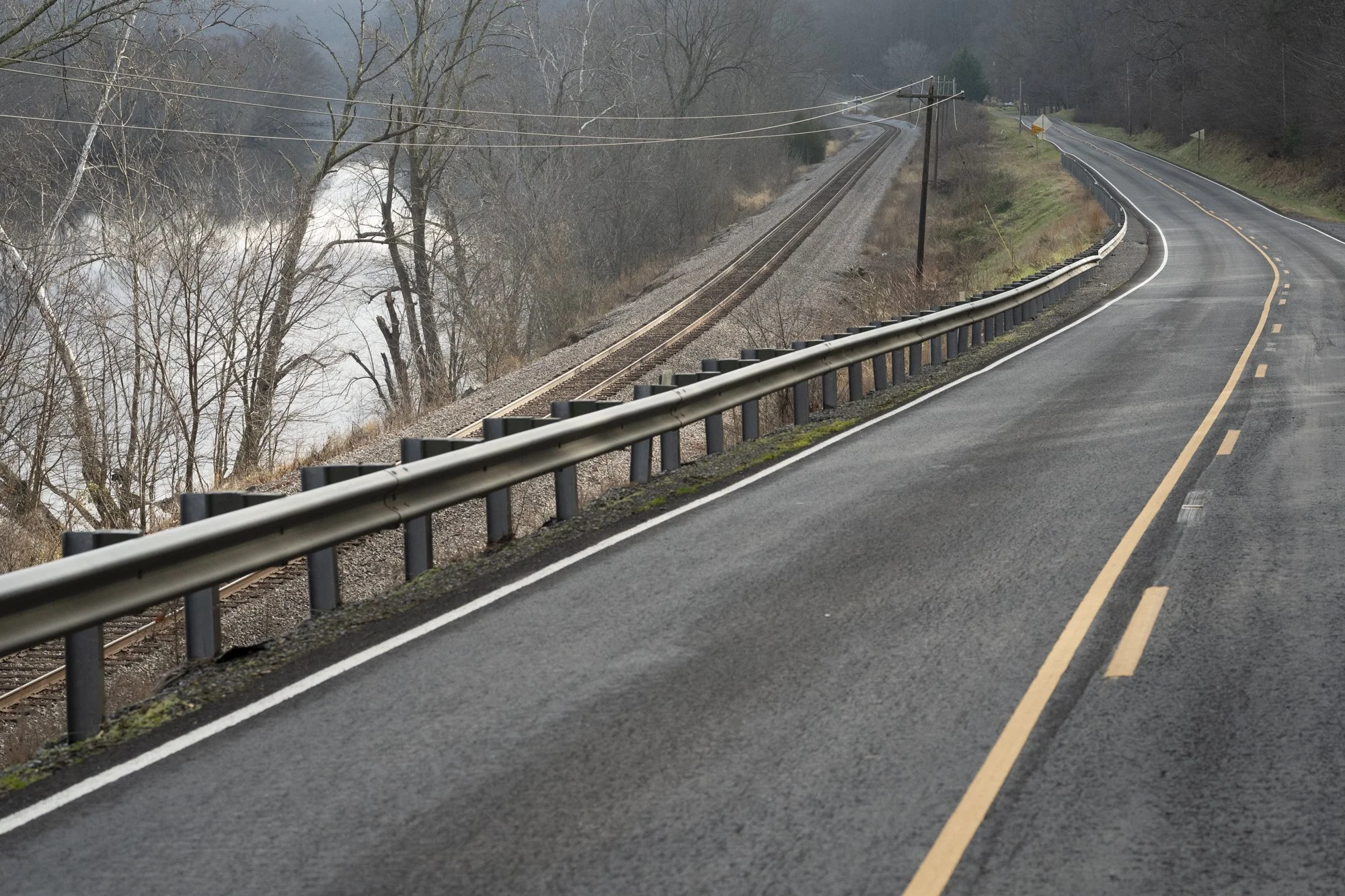
Photograph of a country road and train tracks along a river in Virginia

A country road and train tracks running along a river in rural Virginia

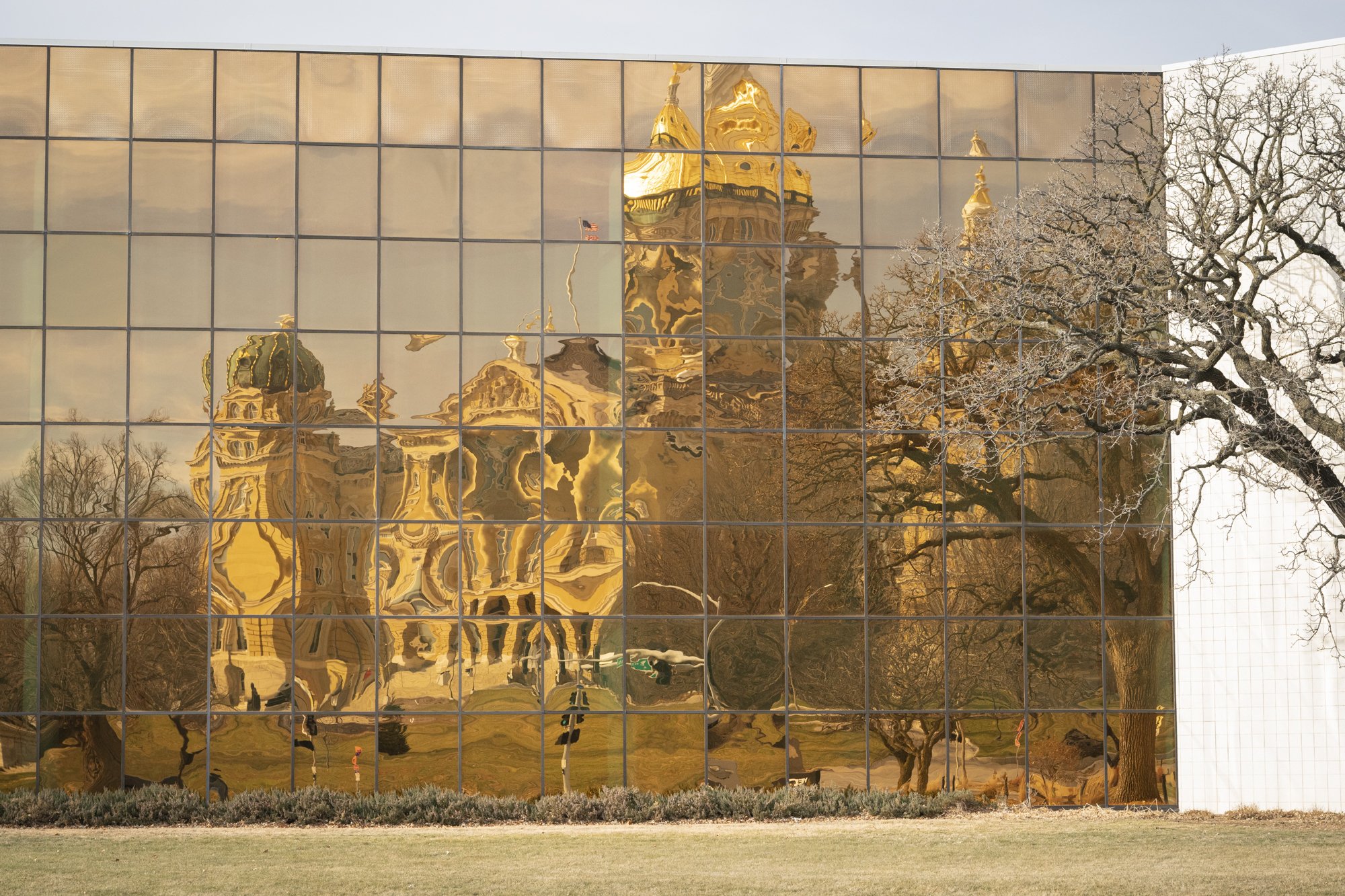
Fine art photograph of the capitol building in Des Moines, Iowa

The Des Moines, Iowa capitol building reflected in windows of a nearby office building

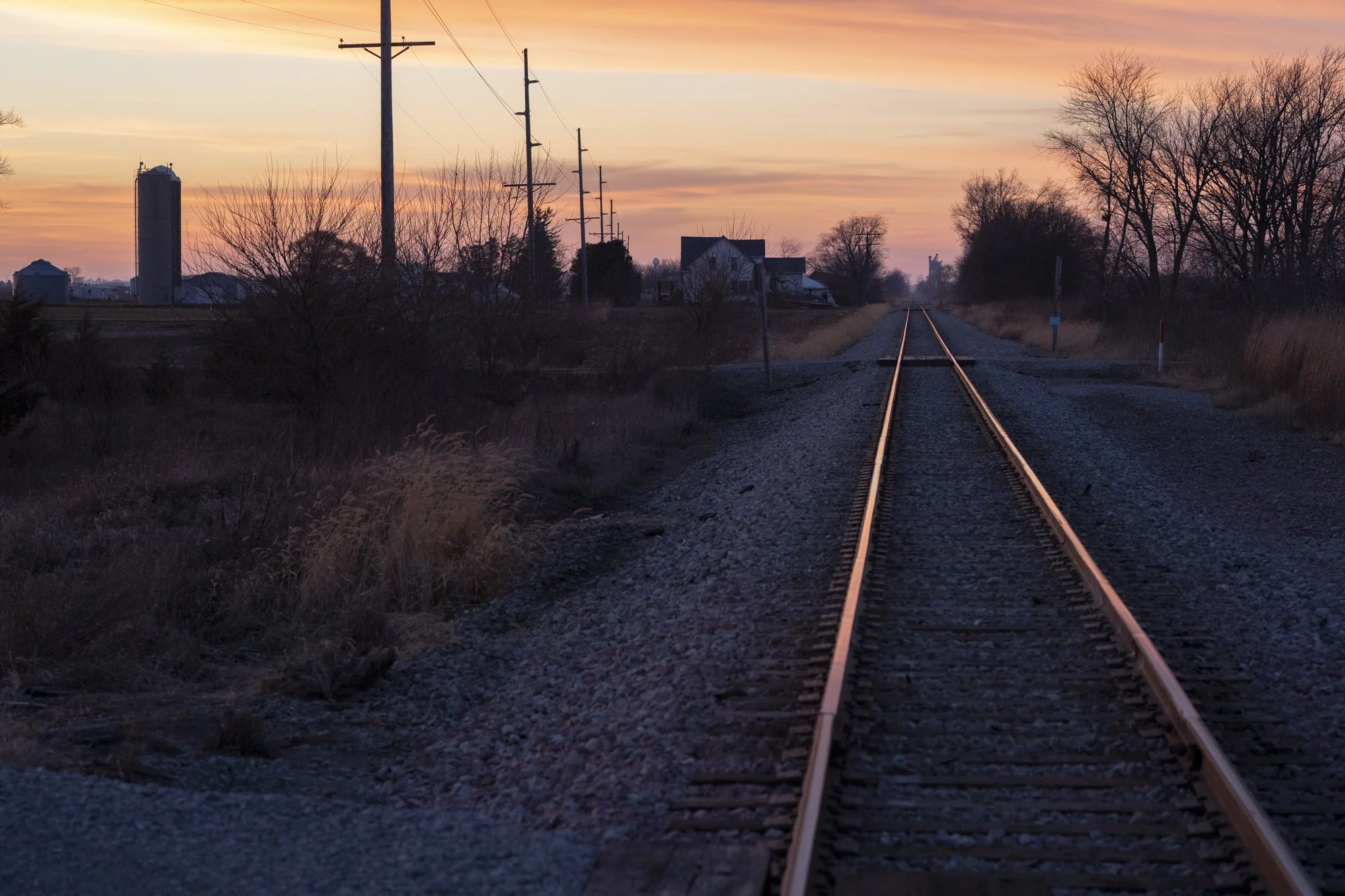
Sunset on train tracks going through farmland in southern iowa

Train tracks going through Iowa farmland at sunset

Barbershop - Marfa, Texas

Marfa, Texas — A Barbershop Now Closed

This barbershop in Marfa, Texas is no longer open.

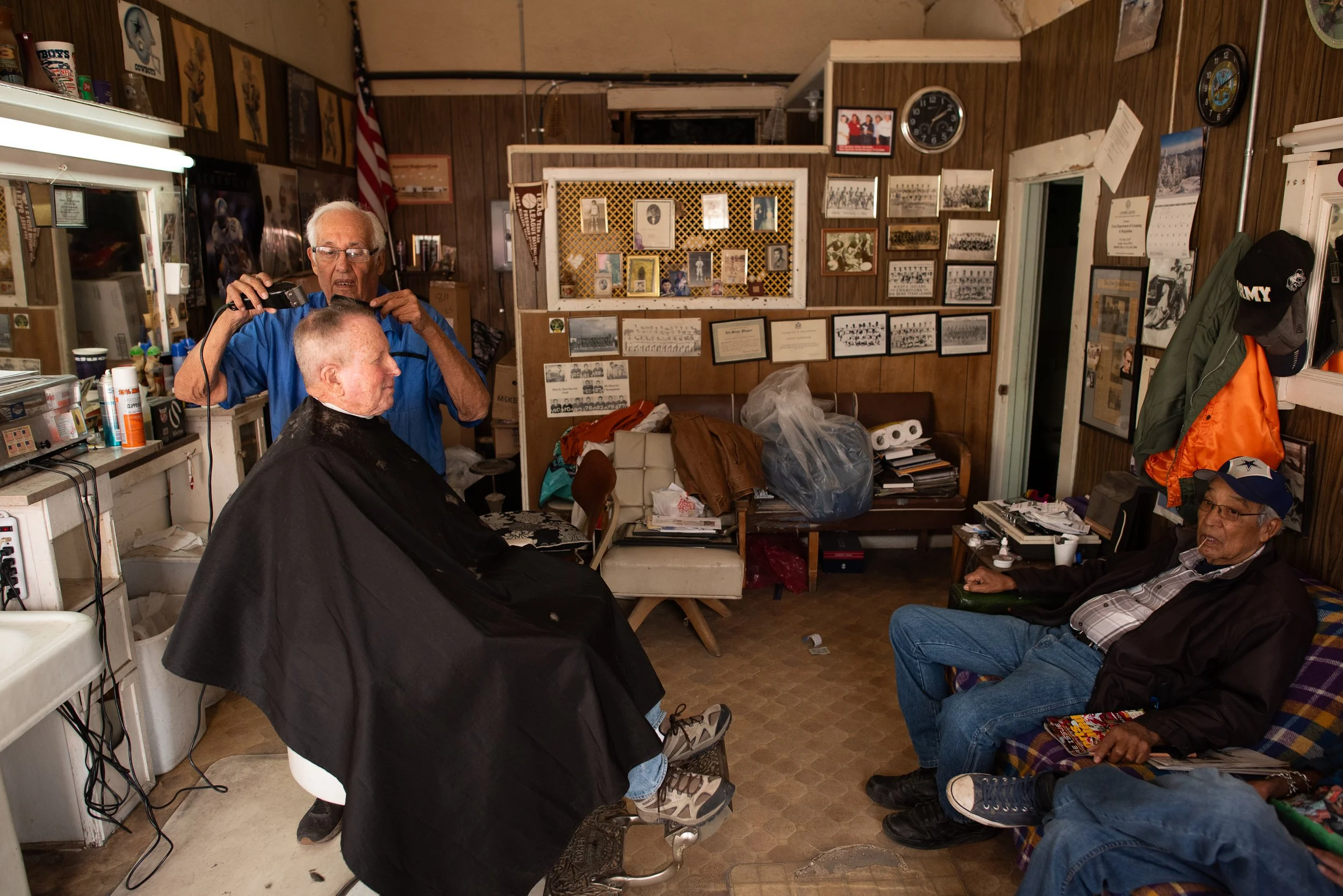
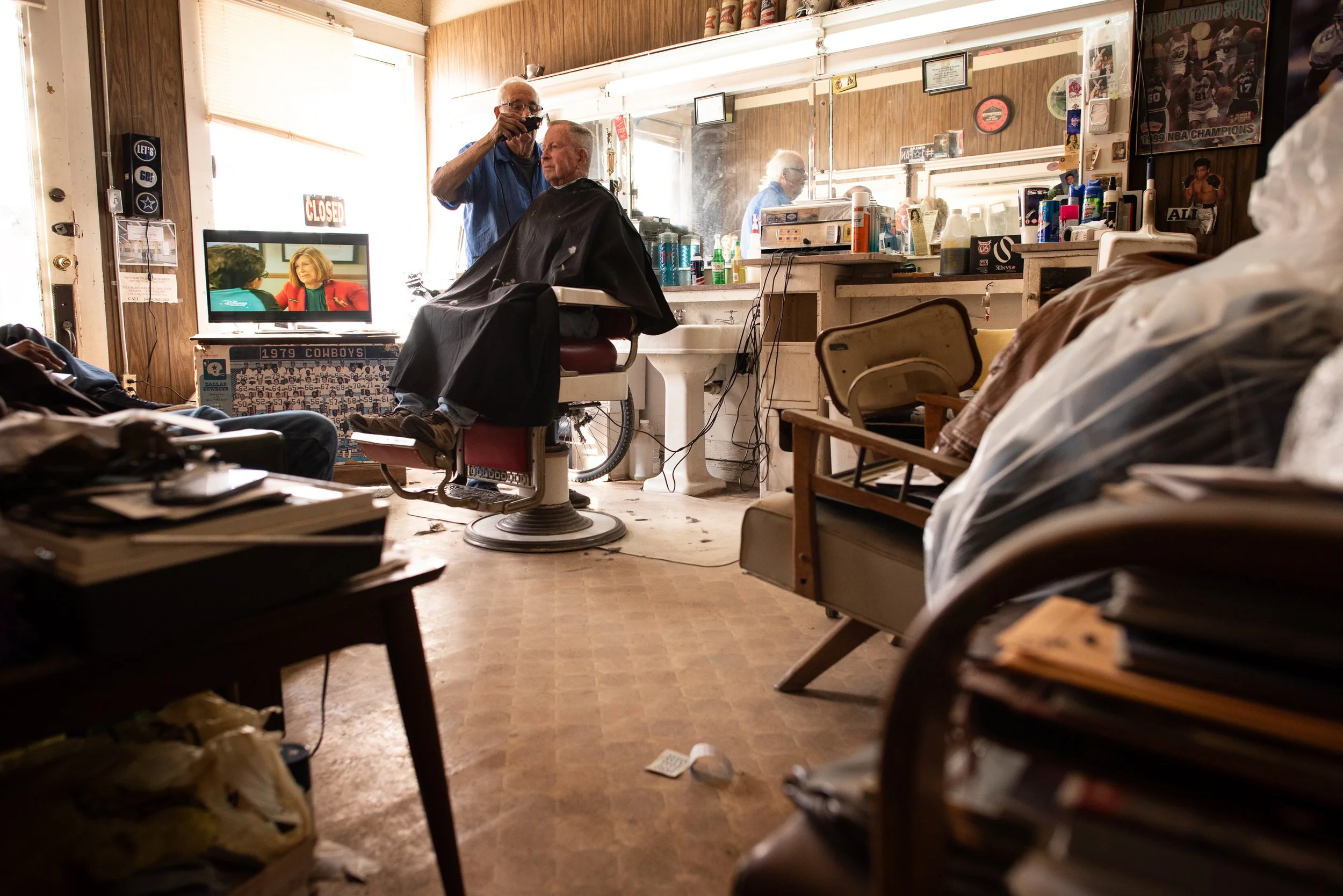
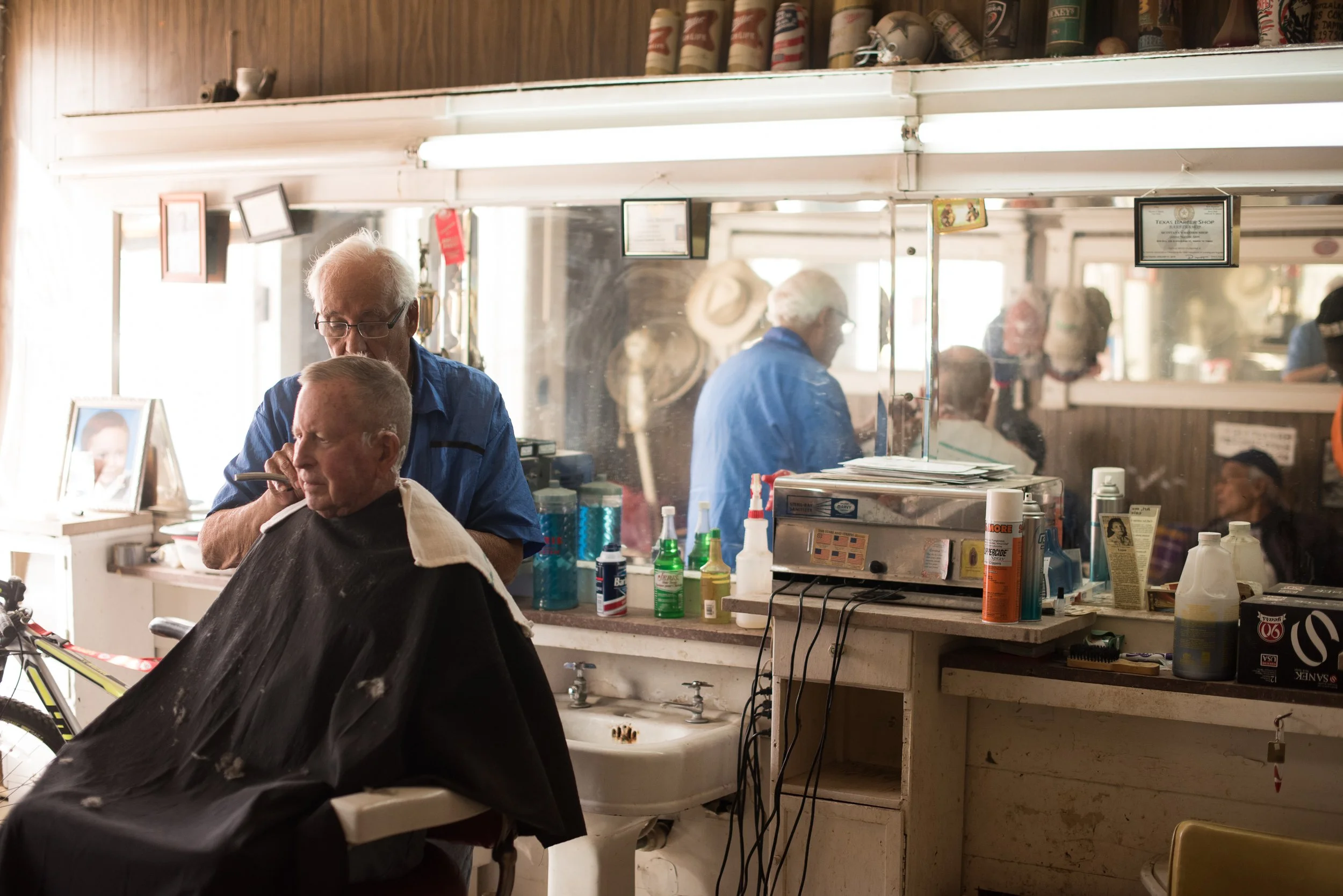
When these photographs were made, the shop was still operating — quietly, modestly, and without spectacle. An elderly barber continued cutting hair for longtime clients beneath fluorescent lights and wood-paneled walls layered with decades of memorabilia.

Not long after, the doors closed.

What remains now are the photographs.

The Final Years

Inside, nothing felt staged.

The floor was worn.
The sink chipped.
Sports posters faded at the edges.
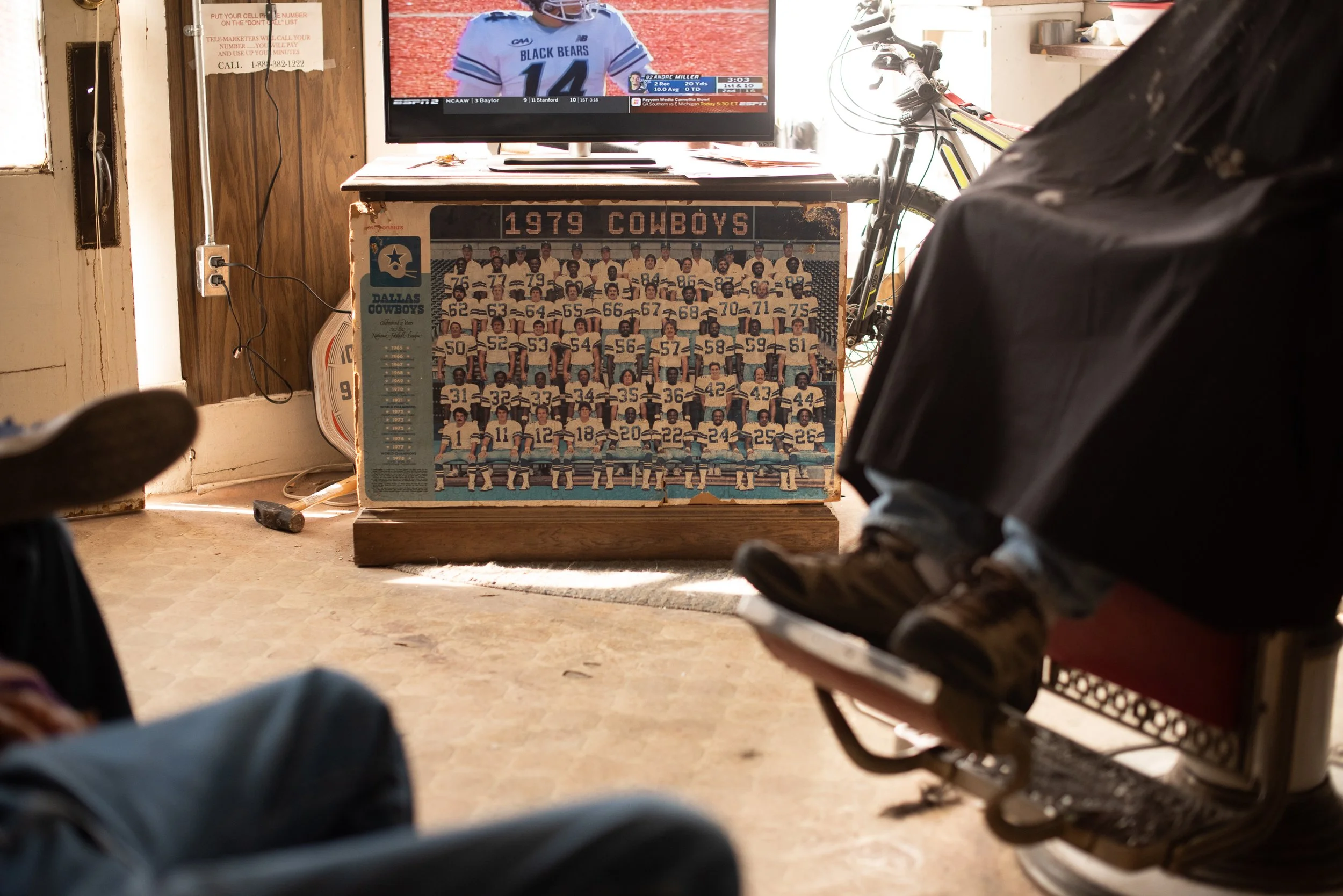
A 1979 Cowboys team photo sat beneath a television.

Customers — mostly older men — waited their turn as they likely had for years. The routine continued as it always had. No announcement. No ceremony. Just haircuts.

In small towns like Marfa, institutions often end not with a grand closing, but with a gradual thinning of time — fewer customers, older hands, fewer reasons to keep the lights on.

A Vanishing American Interior

Barbershops have long functioned as community anchors across the United States, particularly in rural towns. They are practical spaces, but they are also repositories of memory:

  • Photographs of local teams

  • Certificates and clippings

  • Posters taped to wood-paneled walls

  • Objects that accumulate without ever being curated

When a shop closes, those layers often disperse. The room empties. The rhythm stops.

What disappears isn’t just a business. It’s a pattern of local community.

Marfa in Context

Marfa is widely known today for contemporary art and desert minimalism. This shop represented something different — a working-class interior untouched by trend cycles or design updates.

It was modest.
Functional.
Unchanged.

Its closure marks a quiet shift in the town’s cultural landscape — one less everyday institution, one more room that no longer holds history.

The Story Behind The Photographs

As much as I try to embrace social media, it’s difficult to genuinely say anything positive about it sometimes. Every once in a while though, something happens that makes me think twice. A few days ago I posted this image of a traditional barbershop in Marfa, Texas on my @barbershopsofamerica Instagram account, which was re-posted as a story by Visit Marfa. That day I received a direct message from a woman in that had seen their story and was filled with sentimental feelings, as she used to know the shop and the owner. She went back to look at it again later and noticed that the man in the chair was her father, who had passed away two years ago from cancer. The image caused her to cry happy tears and she asked about purchasing a print. Turns out we live 15 minutes from each other! So this morning I drove to her house to deliver some prints and a copy of Barbershops of America. Social media isn’t all bad!

This project has been going on for 10 years now. Hard to believe. Aside from the obvious joy it gives me to make theses images, it’s the auxiliary things that really make it special. The people I’ve met out of pure coincidence or from having shared interests will keep this series going forever.

Continue Through the Archive

The Marfa barbershop is one chapter in a 15+ year effort documenting independent and traditional barber shops across all 50 states.

Some shops are expanding.
Some are adapting.
Others, like this one, have closed.

→ View the full Barbershops of America archive
→ Explore the Barbershops of America photo book
Read another barbershop story from Kentucky

Together, these spaces form a record of a disappearing American institution — preserved one shop at a time.

Customers sitting inside a wood-paneled barbershop in Marfa, Texas as a haircut continues.

Regular customers wait beneath walls lined with photographs and memorabilia inside the now-closed Marfa barbershop.

Worn 1979 Dallas Cowboys team poster displayed beneath a television inside a Marfa, Texas barbershop.

A 1979 Cowboys team poster sits beneath the television, one of many personal details layered into the shop’s interior.

Close view of an elderly barber doing a straight razor shave in a small West Texas barbershop.

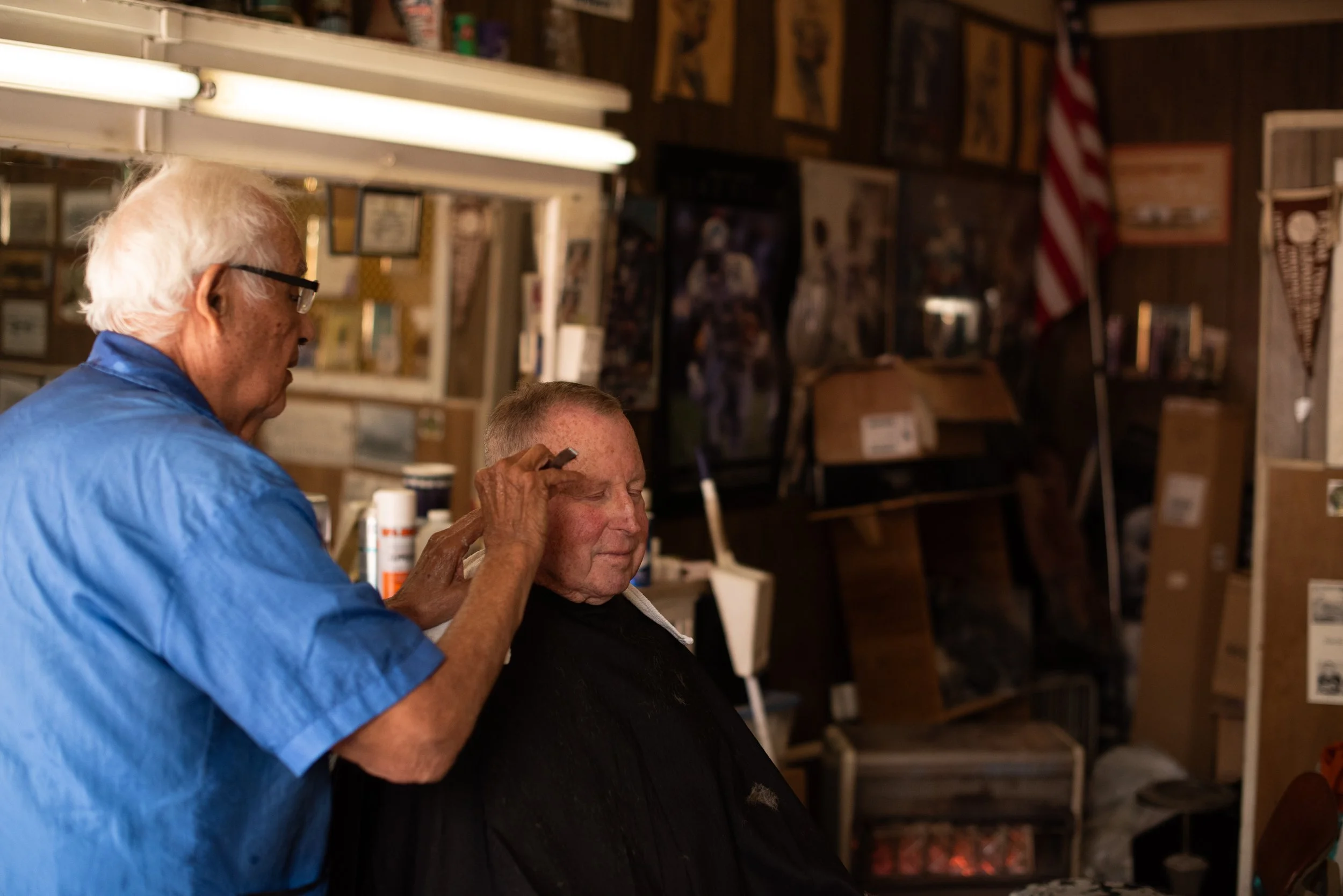
Elderly barber cutting a client’s hair inside a small barbershop in Marfa, Texas shortly before the shop closed.

An elderly barber cuts a longtime client’s hair inside a modest Marfa, Texas barbershop in its final period of operation.

Mirror reflection of barber and client inside a compact workstation in a Marfa, Texas barbershop.

Reflections reveal the compact workstation—fluorescent lighting, worn counters, and tools accumulated over decades.

The American Barbershop

Inside an Old School Barbershop

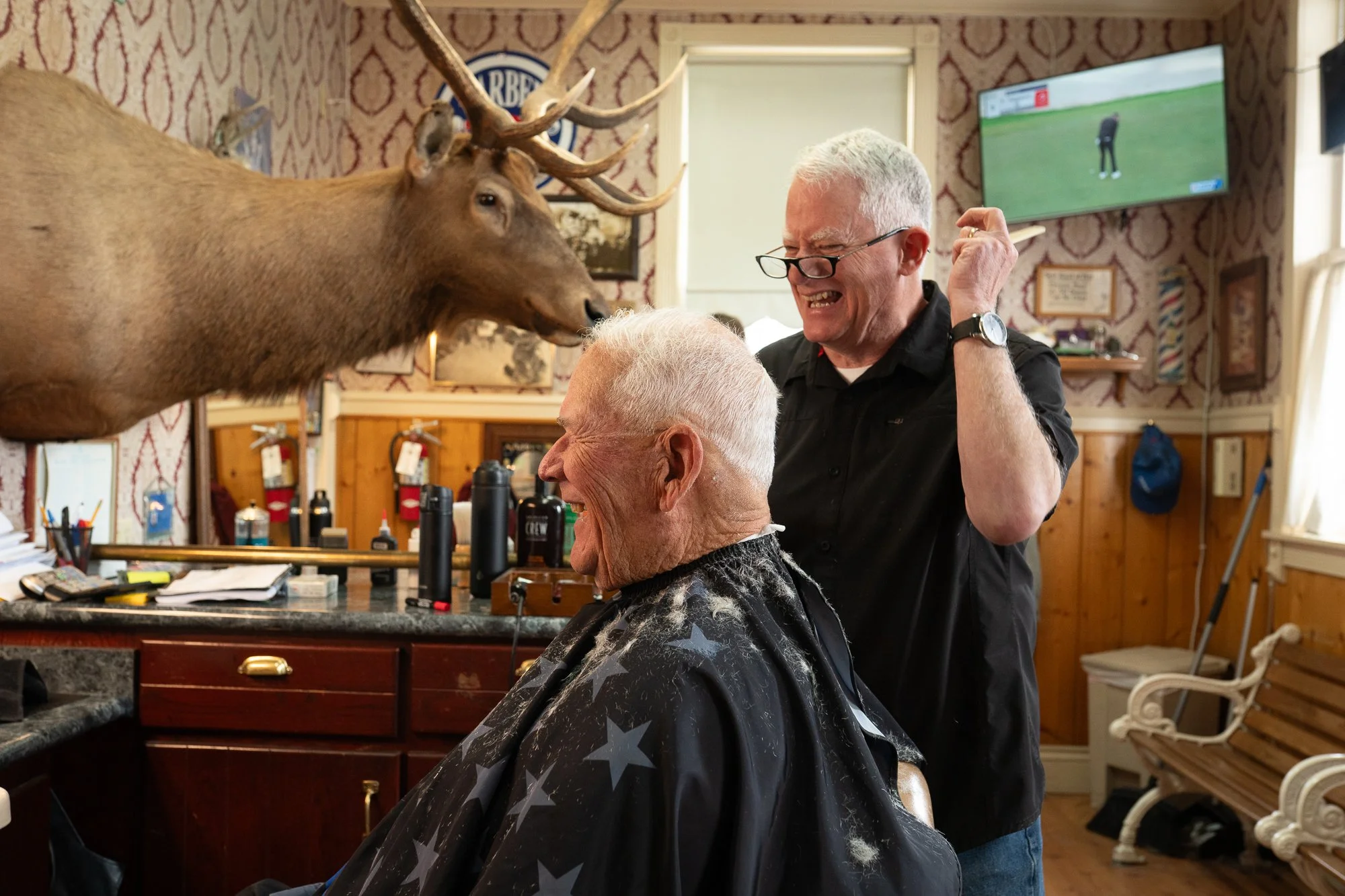
Some barbershops just feel different the moment you walk in, at least they should. This one sits right on Main Street in a small Nevada town, and it hasn’t tried to reinvent itself or keep up with trends. It doesn’t need to. It’s an old school barbershop in the truest sense — a place built on community, friendships, decades of doing things the same way because they work.

You notice it in the details first. The worn chairs. The mirrors that have seen thousands of haircuts. The quiet hum of clippers and conversations that don’t feel rushed. This is the kind of traditional barbershop where people come not just for a haircut, but because it’s part of their weekly or monthly rhythm.

An Old School Barbershop That Still Feels Like Main Street America

Main Street barbershops like this one are becoming harder to find. A lot of them have disappeared, replaced by newer spaces that feel more like salons than barber shops. Luckily, this place hasn’t gone that route. It still feels rooted in tradition, serving the same community it always has.

People come in, take a seat, and wait their turn. Some talk. Some don’t. The barbers know all the faces, and the ones they don’t quickly become familiar. There’s no rush to move people through. The pace is steady and comfortable — exactly what you expect from an old school barber shop that’s been around long enough to earn that confidence.

This is Main Street America in its simplest form.

Photographing a Traditional American Barbershop

When I photograph barbershops, I’m not looking to stage anything or make the space feel more polished than it really is. I’m drawn to places like this because they already have character. The work is about paying attention — to how light hits the mirrors, how chairs sit slightly crooked from decades of use, how people interact when they feel at home.

This traditional barbershop didn’t need direction. I spent time watching, waiting, and letting moments happen naturally. A barber stepping back to check his work. Someone laughing mid-conversation. A quiet pause while clippers buzz in the background. Those are the moments that tell the real story of a shop like this.

Why Old School Barbershops Matter

Old school barbershops are more than just places to get a haircut. They’re social spaces, community anchors, and in many towns, one of the last places where people still slow down a little. They reflect the personality of the neighborhood they’re in and the people who keep them going.

Photographing spaces like this feels important, especially as so many of them disappear. Once they’re gone, they’re gone for good. These photographs are a way of preserving what these places look and feel like — not in a nostalgic or romanticized way, but honestly, exactly as they are.

Vintage Barbershop Photography Prints

This series is part of my ongoing Barbershops of America project (and photo book), documenting traditional and vintage barbershops in all 50 states of the USA. Photographs from this Main Street barbershop are available as fine art prints, and they tend to resonate with collectors, interior designers, and anyone drawn to classic American spaces.

If you’re interested in prints from this series, or in licensing images for editorial or commercial use, you can explore more work from the project through my barbershop photography gallery.

View the barbershop photography book

View the barbershops photography gallery

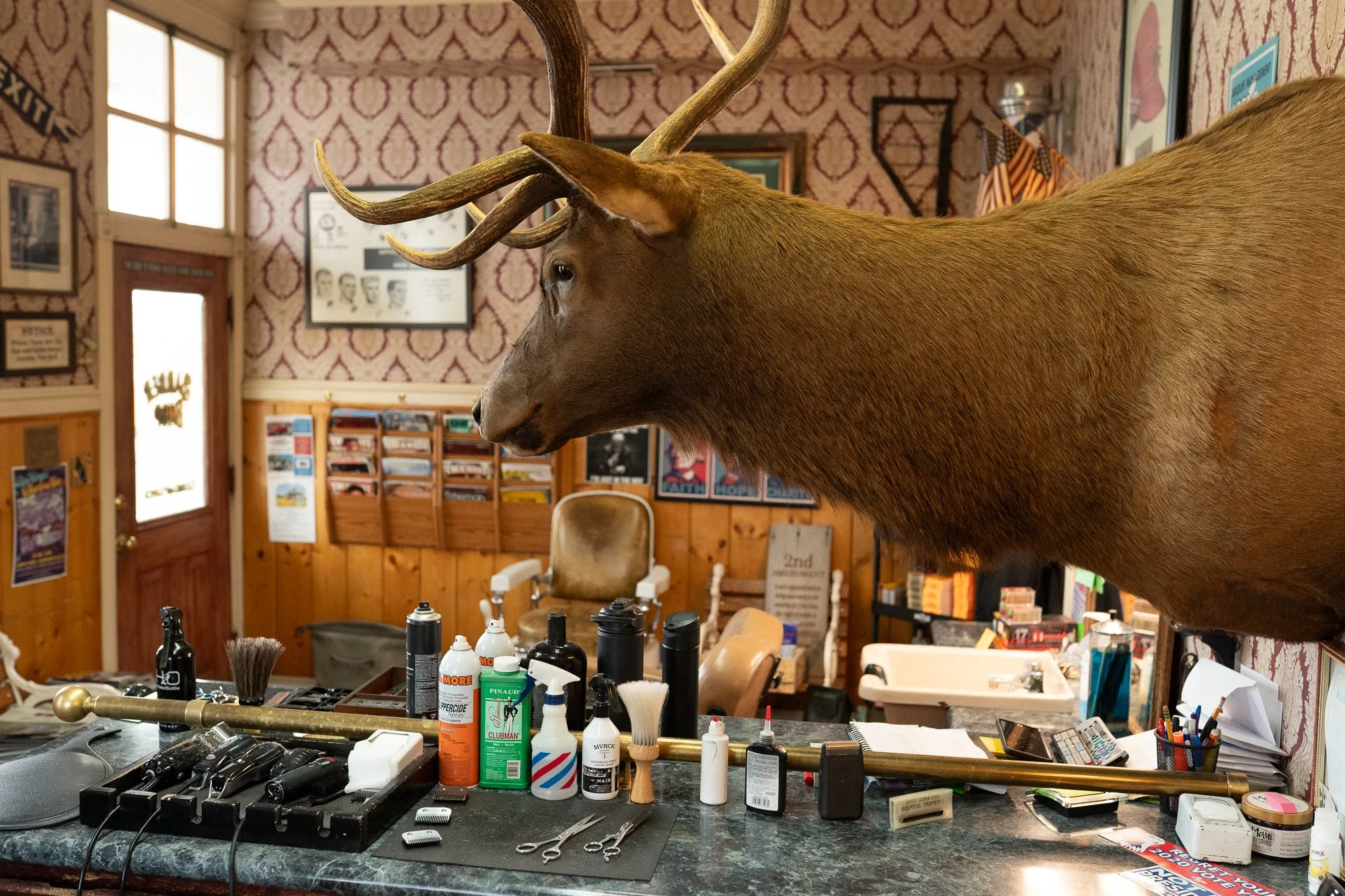
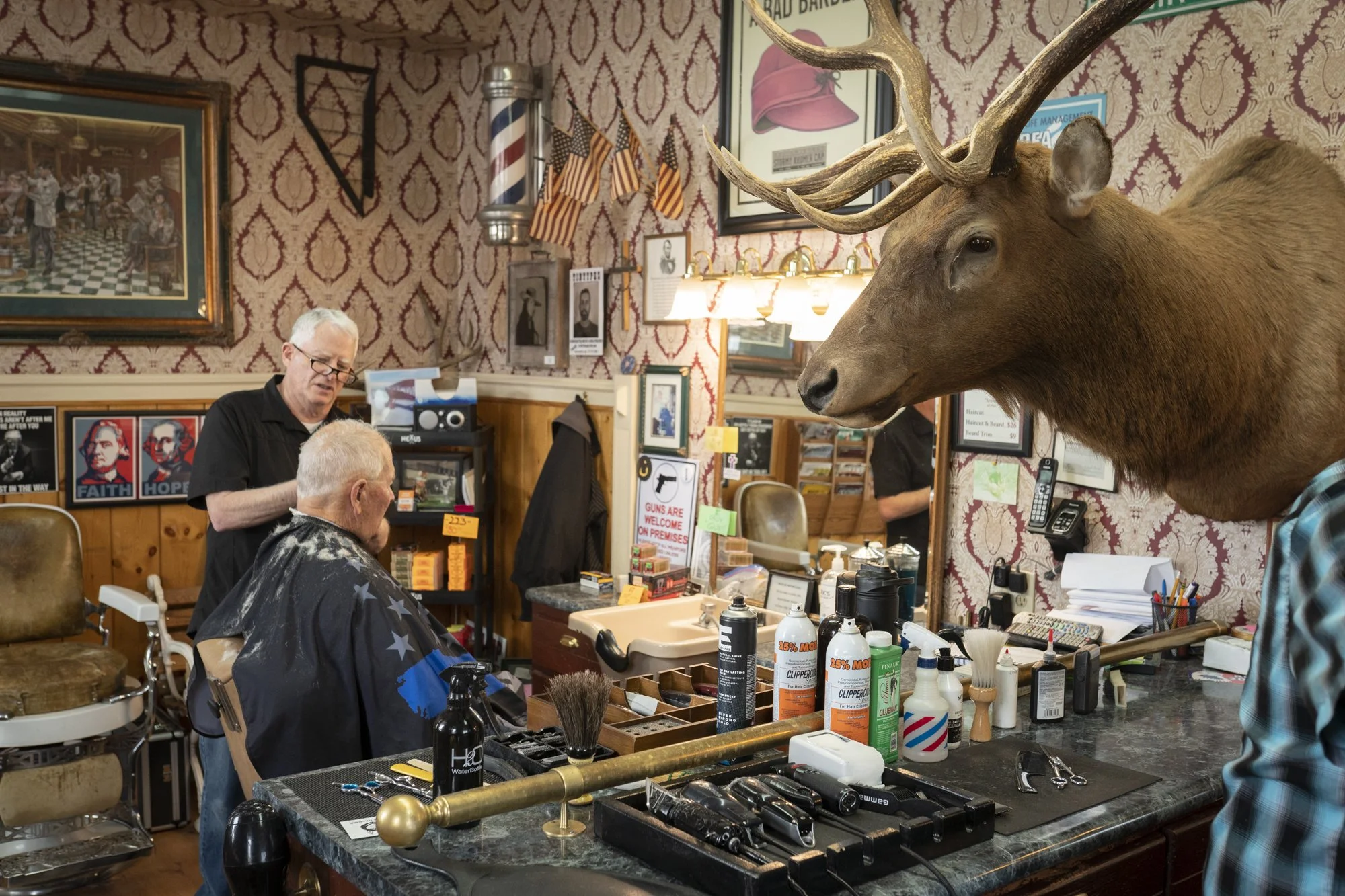
Vintage barbershop interior with a mounted elk head above a counter lined with clippers, shaving tools, and bottles.

A mounted elk watches over the barber’s counter—an unmistakable detail that roots this barbershop firmly in old school tradition.

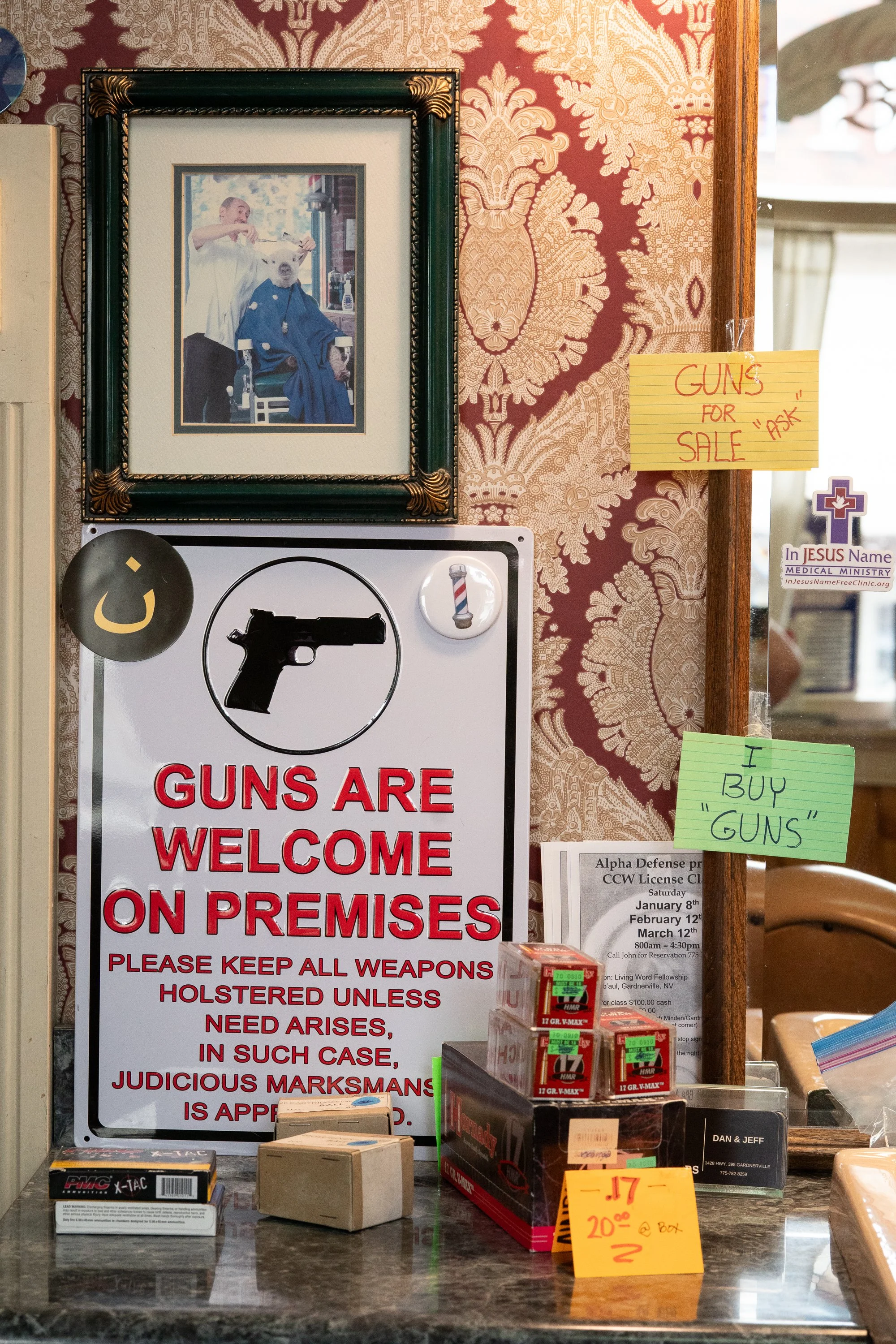
Details like handwritten signs, framed photographs, and unapologetic Americana are part of what defines this old school barbershop.

Old school barbershop haircut with a barber laughing beside a client seated beneath a mounted elk head.

A moment of laughter during a haircut in an old school barbershop, where mounted elk and decades of tradition share the same wall.

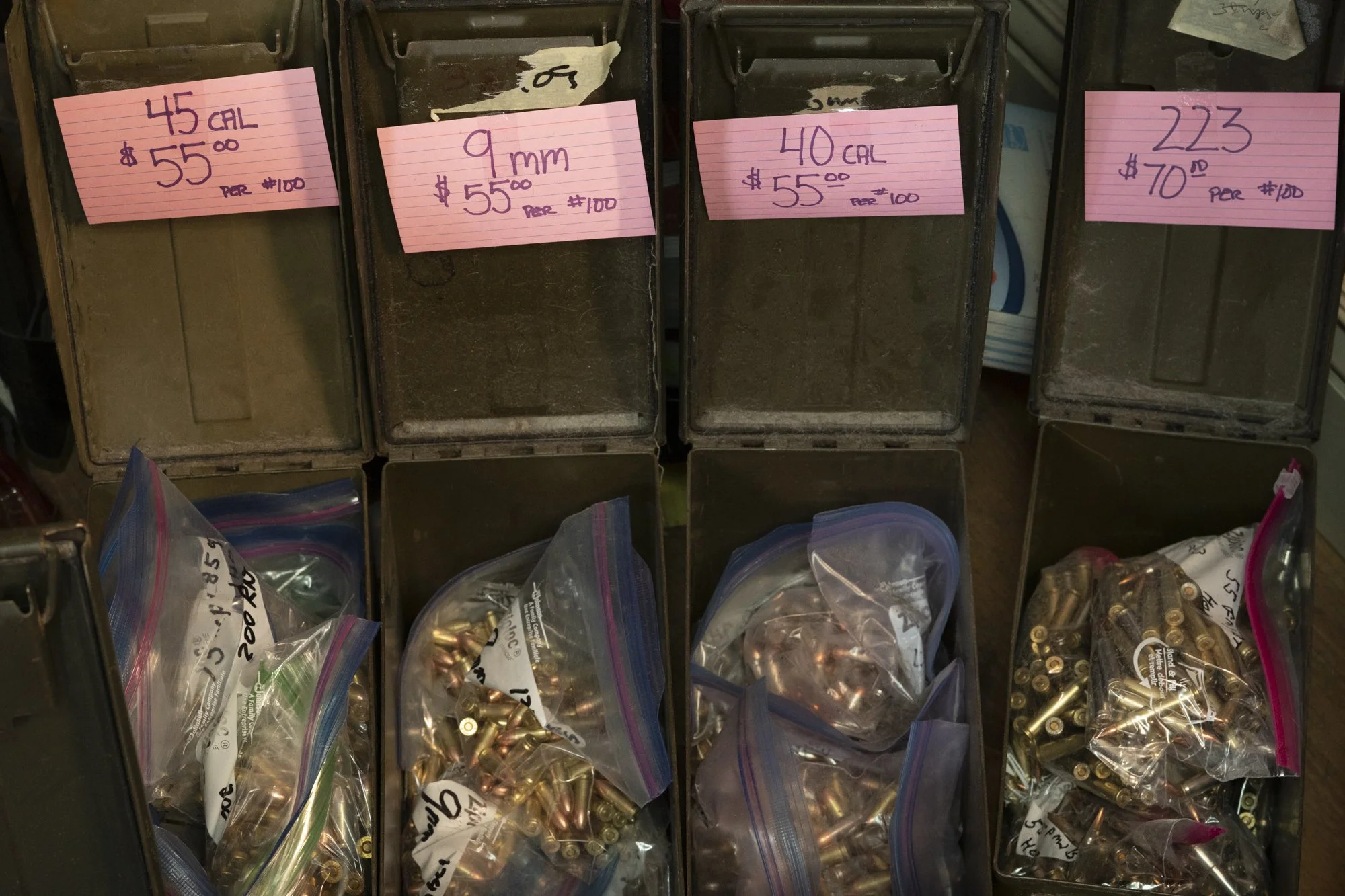
Ammunition for sale on the counter of an old-school barbershop, reflecting rural Americana and local culture.

A detail that stops you in your tracks—ammo for sale on the barbershop counter, a reminder that these shops often reflect the character of the towns they serve.

Old-school barbershop haircut beneath a mounted elk head in a traditional American barbershop interior.

An old-school barbershop moment—regulars in the chair, clippers on the counter, and a mounted elk watching over decades of haircuts and conversation.

Roadside Meditations - Kehrer Verlag

Just returned from the road to find the first copy of Roadside Meditations waiting quietly at home. Feels so good to finally hold a hard copy in my hands after the long (but fun) production process with Kehrer Verlag in Germany. Unfortunately the books aren’t for sale yet in the States, but I will be posting and talking much more about this when the time comes. Hoping to have them up and ready to sell on my web store in about a month. Check back here or Instagram (@robhammerphoto) for updates.

Fine art photography book Roadside Meditations by Rob Hammer and Kehrer Verlag.

Historic Texas Barbershop Photographs

Raymond’s Barbershop - Lockhart, Texas

Lockhart is best known for its barbecue, but places like Raymond’s Barbershop tell another side of the town’s story. Between visits to longtime institutions like Smitty’s Market, everyday routines continue in quiet spaces that rarely draw attention but shape the rhythm of local life just as much.

A Traditional Barbershop in Lockhart, Texas

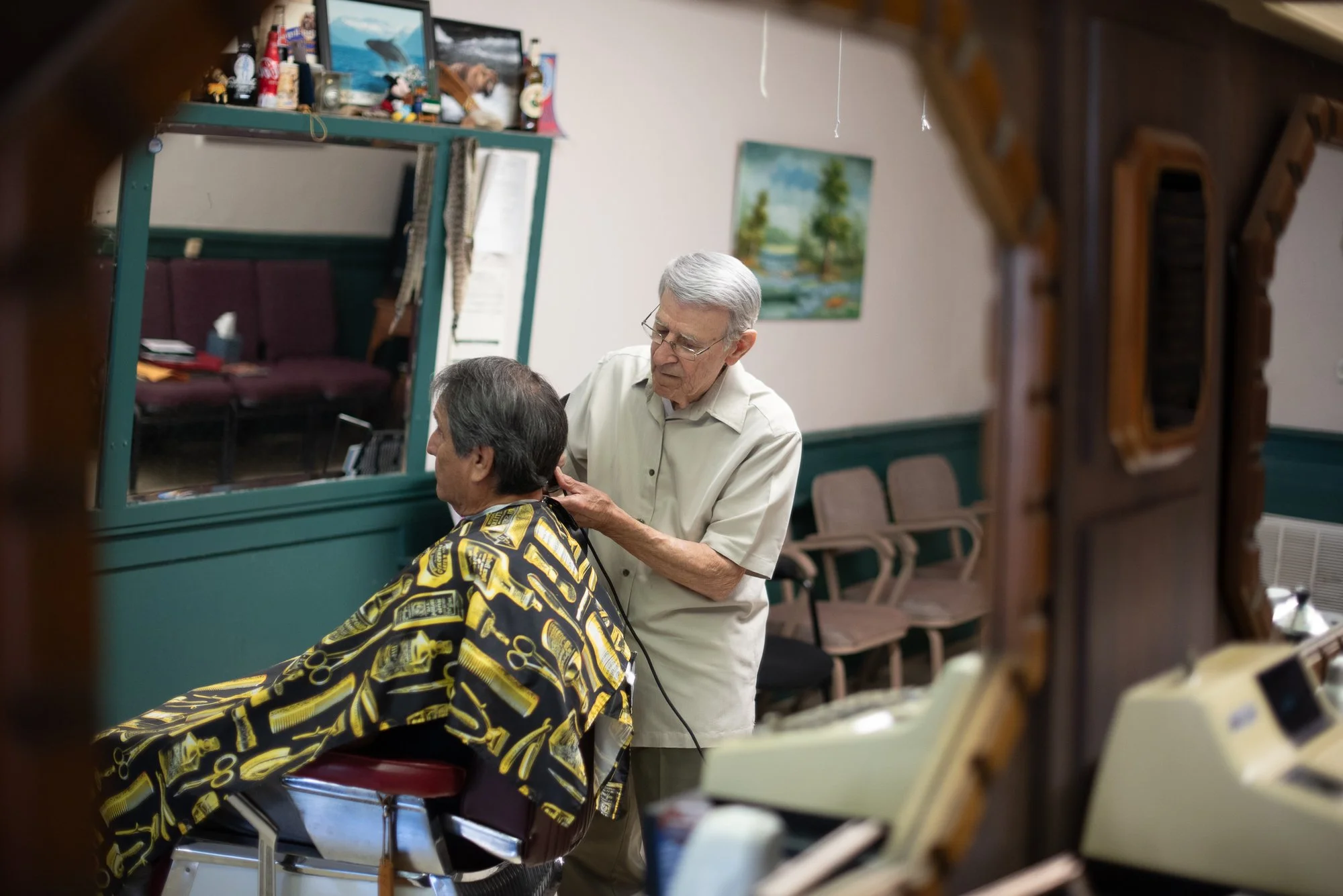
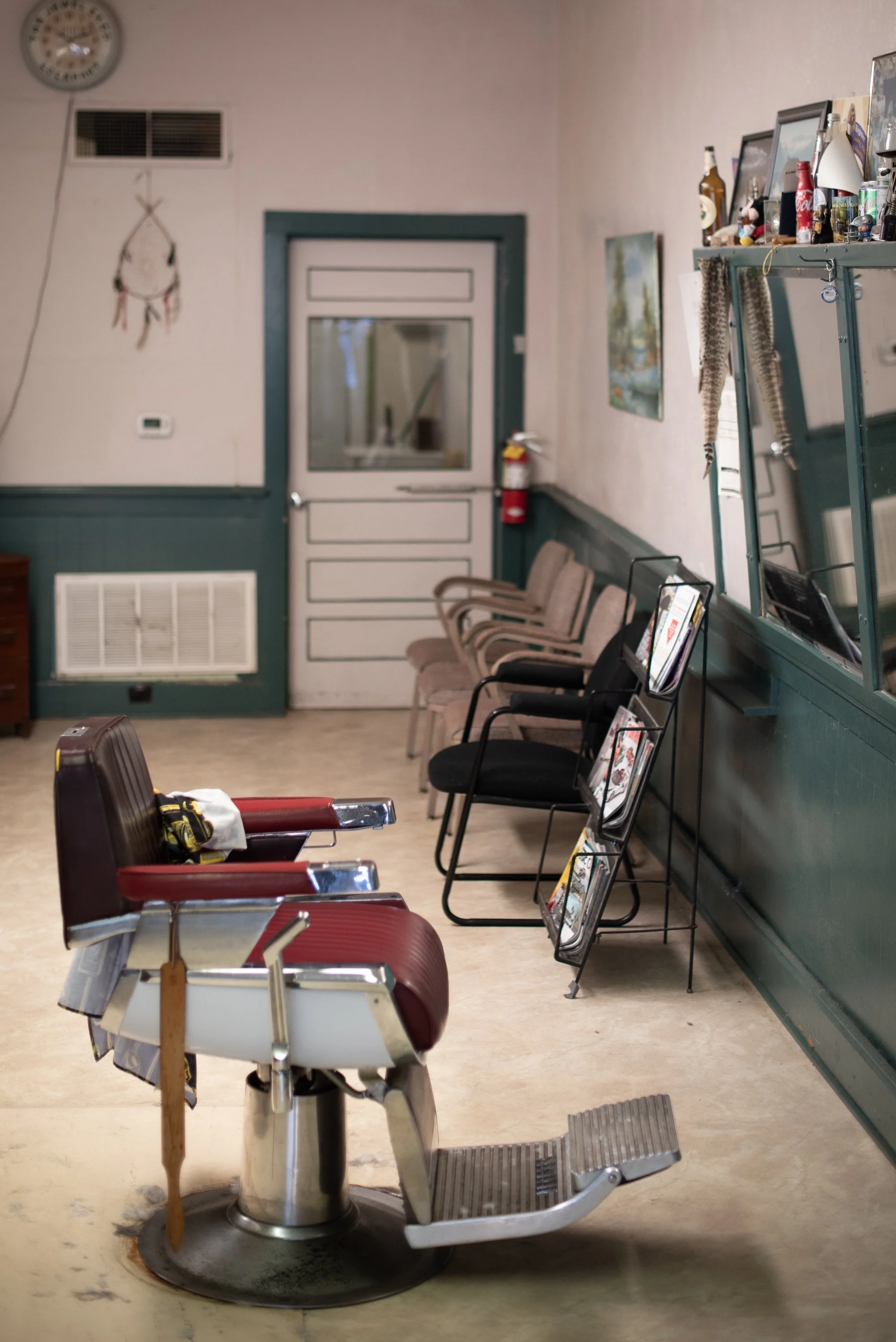
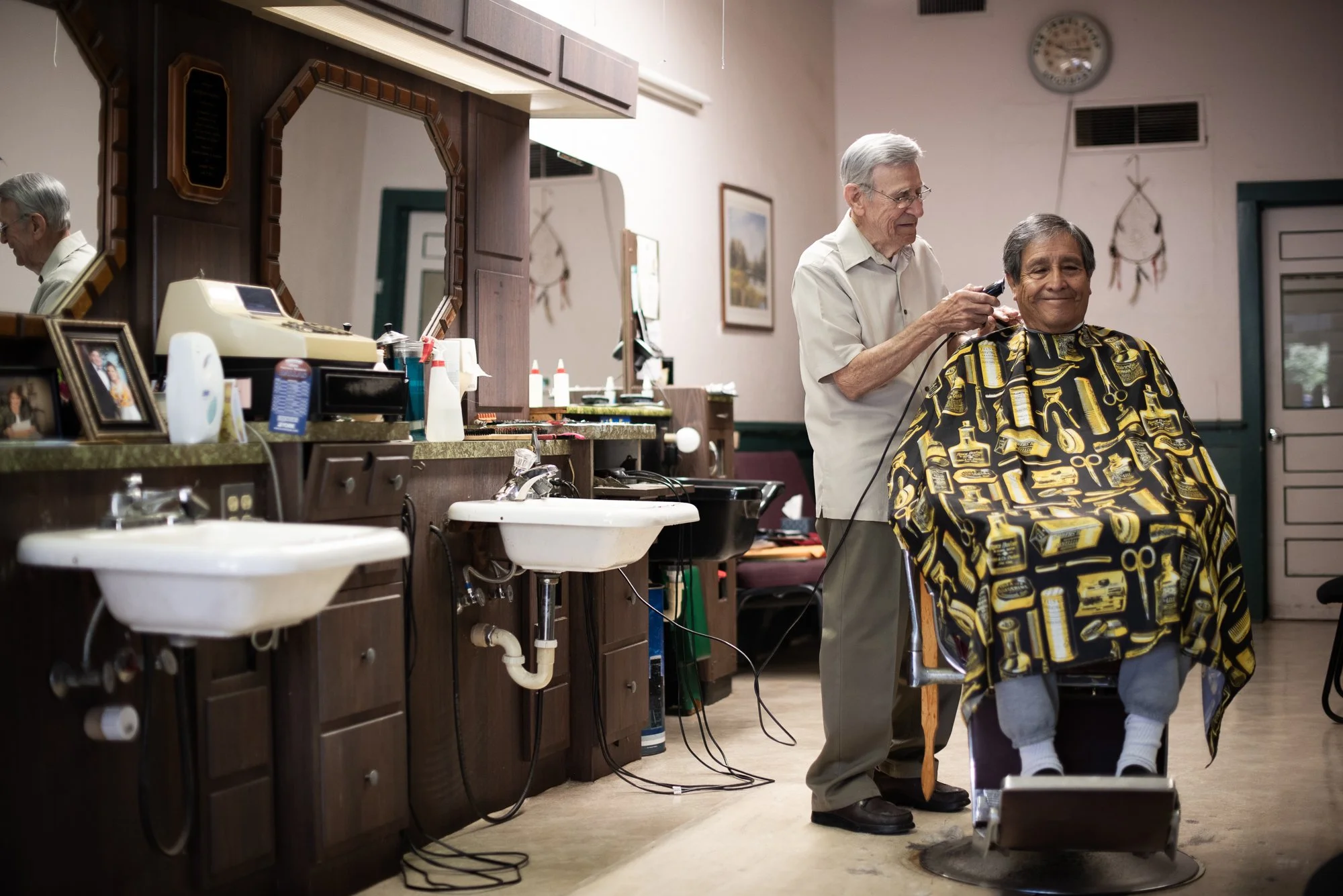
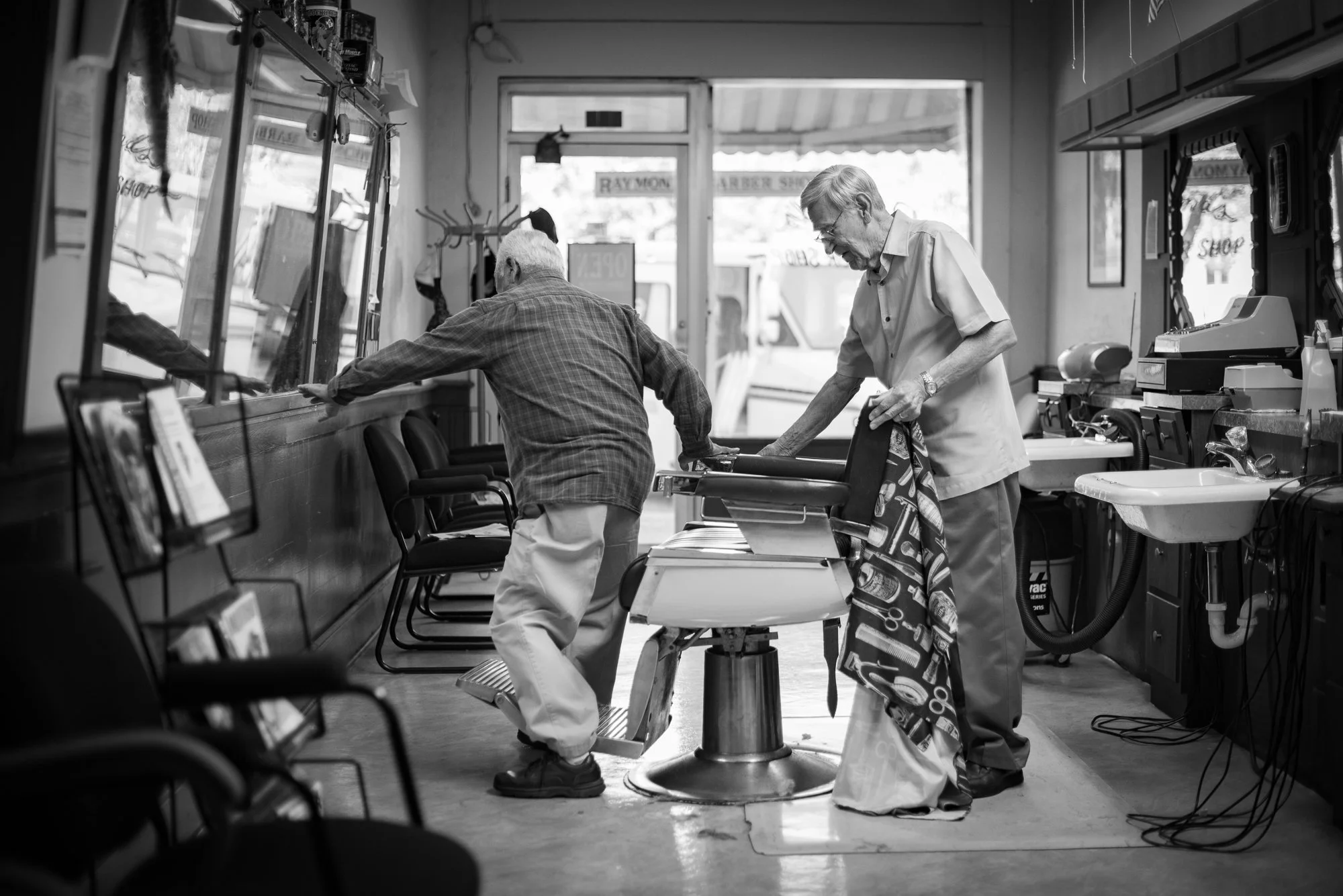
Lockhart has no shortage of visitors passing through, but Raymond’s Barbershop remains firmly rooted in local life. The worn chairs, utilitarian layout, and unpolished surfaces reflect decades of daily use rather than intentional preservation. This is not a styled space—it’s one that has simply been allowed to age naturally alongside the town itself. During my time at Raymond’s, he was cutting the hair of an old friend. This wasn’t made known explicitly, rather in the chemistry the two had—genuine smiles exchanged as the customer walked through the door and candid, easy banter which can only be formed by time.

Why Small-Town Barbershops Still Matter

In towns like Lockhart all across America, barbershops have long functioned as informal gathering places—spaces where news travels, laughs are shared, and familiarity carries more weight than novelty. As commercial rents rise and older barbers retire, places like Raymond’s quietly disappear, taking a long and irreplaceable history with them.

Documenting Raymond’s Barbershop as Part of a Larger Archive

Truth be told I only found Raymond’s because of my obsession with BBQ, which brought me to Lockhart, but that’s just the luck of the draw. You never know how important subjects are going to come into your life. Regardless, these photographs of Raymond and his beautiful old shop are part of an ongoing, 15-year effort to document traditional barbershops across the United States. Each shop is approached individually—rooted in its town, its people, and its history—while collectively contributing to a broader visual record of a disappearing American institution.

View More Traditional Barbershops

→ View the full Barbershops of America gallery

For more work made in Texas, you can also view photographs from another long-standing barbershop documented as part of the same project:

→ View a Texas barbershop in Marfa

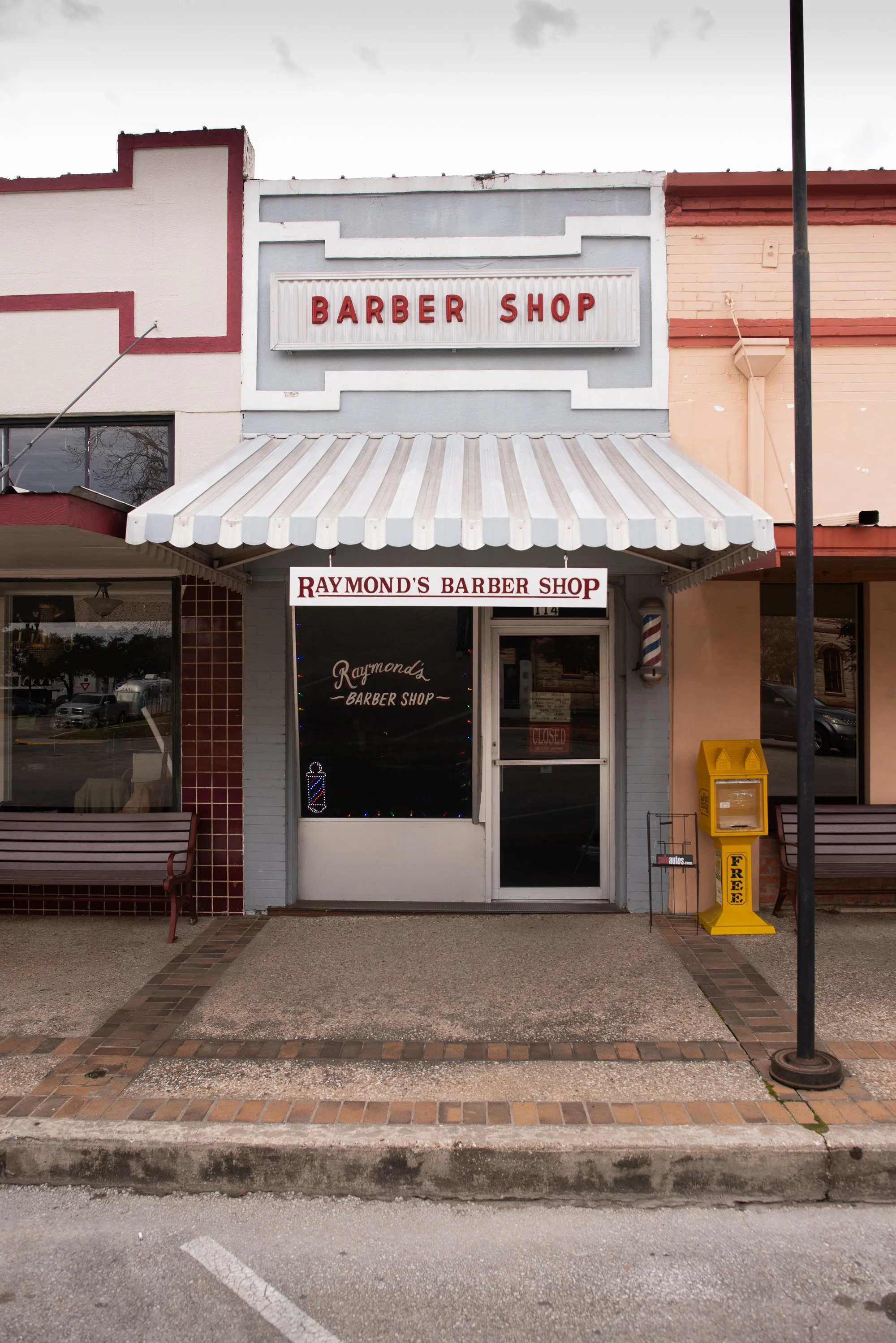
Exterior storefront of Raymond’s Barber Shop in downtown Lockhart, Texas.

The storefront of Raymond’s Barber Shop in Lockhart, Texas—a modest main street presence that has served generations of local residents.

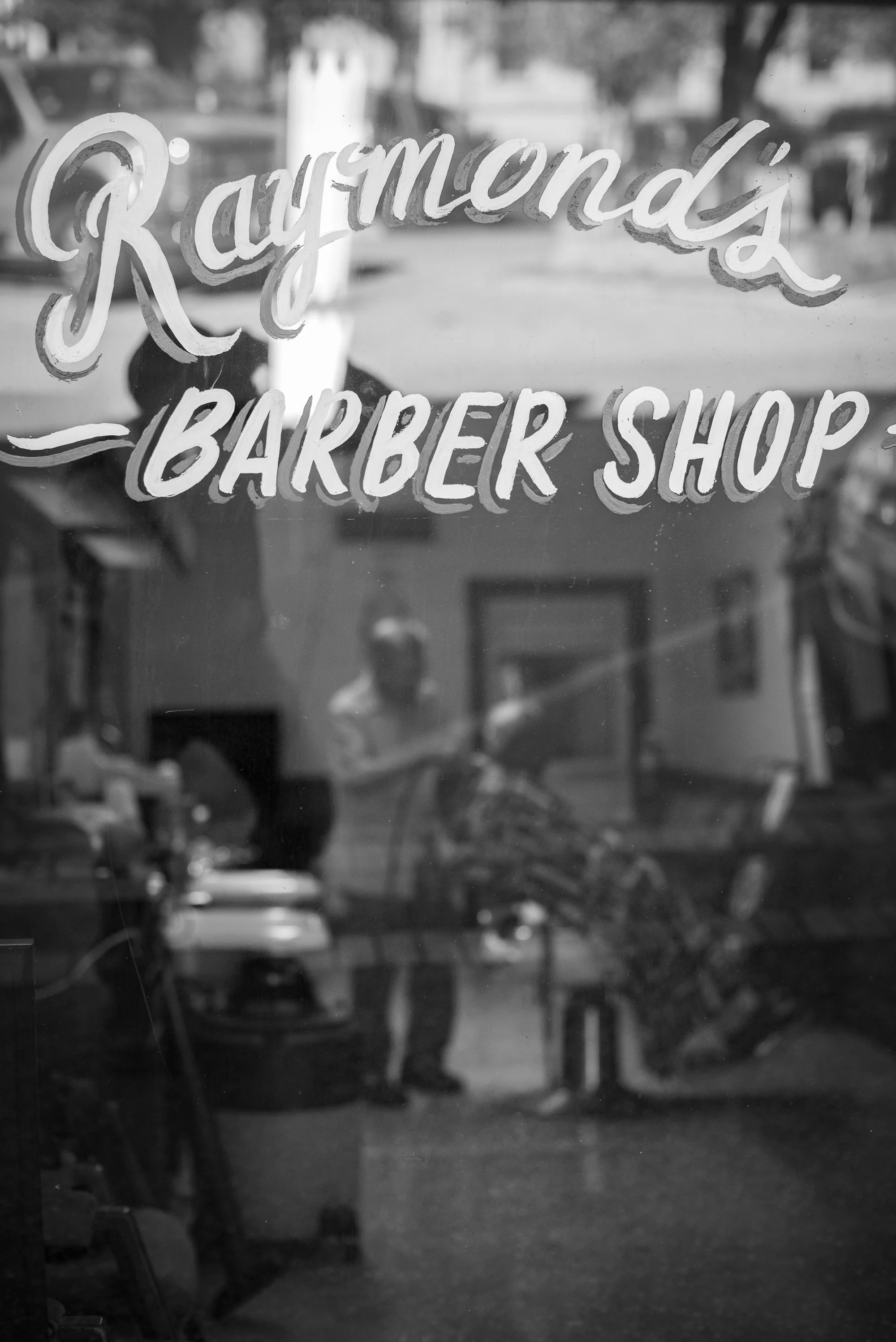
Hand-painted “Raymond’s Barber Shop” lettering on the front window in Lockhart, Texas, with reflections of the barbershop interior.

Hand-painted lettering on the front window of Raymond’s Barber Shop in Lockhart, Texas, separating the street outside from the quiet work happening inside.

Empty barber chair and waiting area inside Raymond’s Barber Shop in Lockhart, Texas.

An empty chair and quiet waiting area inside Raymond’s Barber Shop in Lockhart, Texas, between customers and conversations.

Barber giving a haircut to a customer inside Raymond’s Barber Shop in Lockhart, Texas.

Barber and customer smile together during a routine haircut underway at Raymond’s Barber Shop in Lockhart, Texas, where familiarity and trust guide the work as much as technique.

An elderly man sits in a barber chair inside Raymond’s Barber Shop in Lockhart, Texas.

Barber holds the chair as his elderly customer braces himself at Raymond’s Barber Shop in Lockhart, Texas—part of a daily routine that has remained largely unchanged for decades.

American Basketball Culture

Basketball Hoop Photography - American Sports Culture

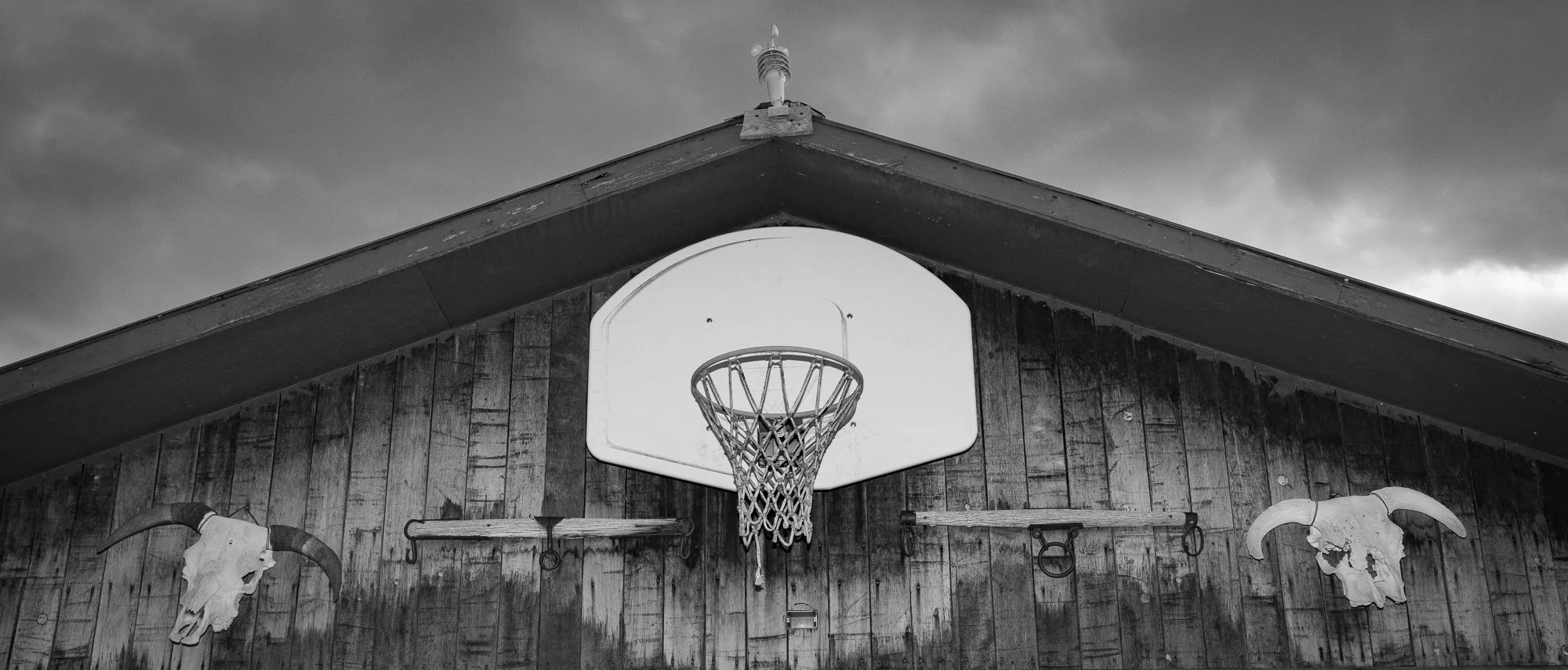
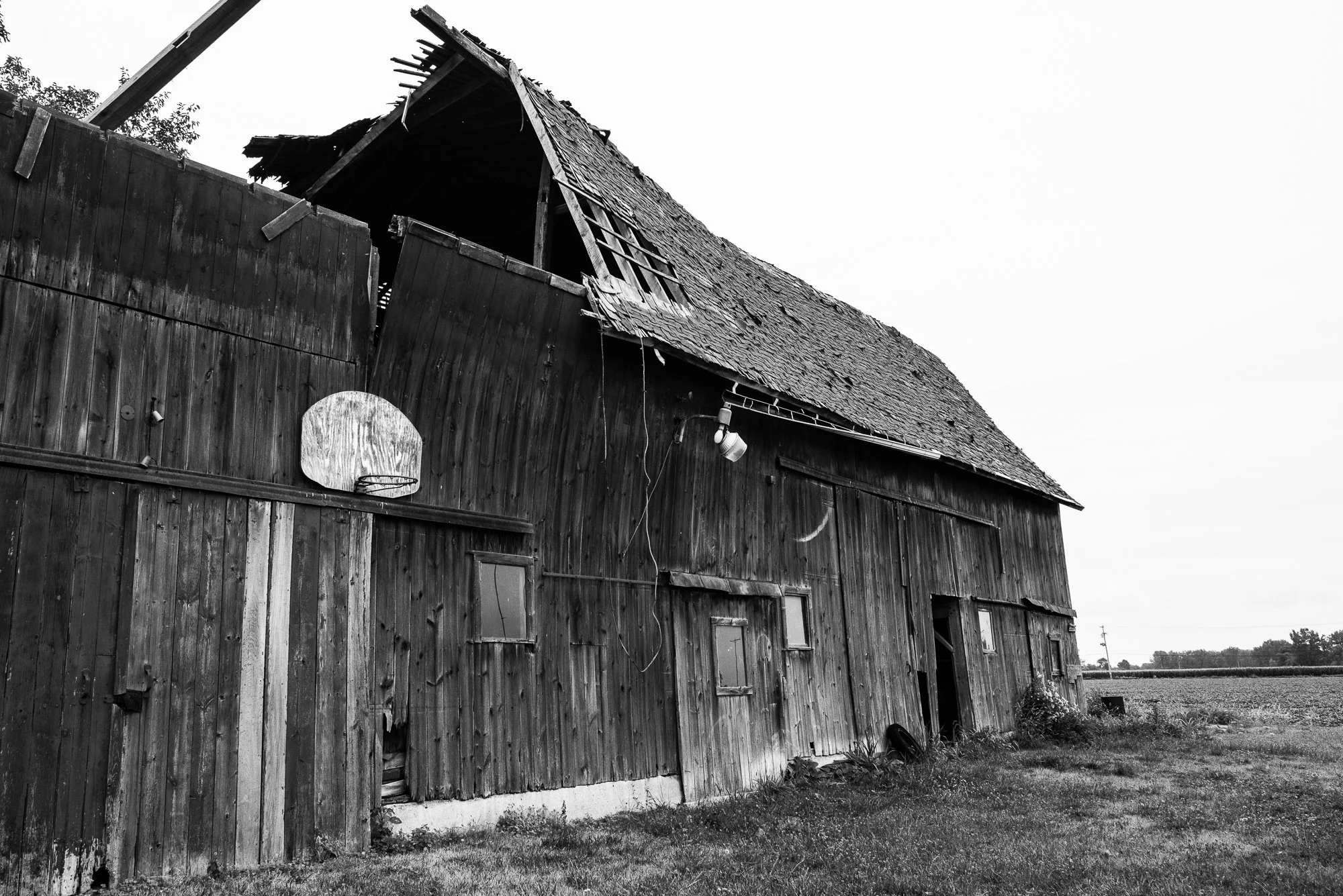
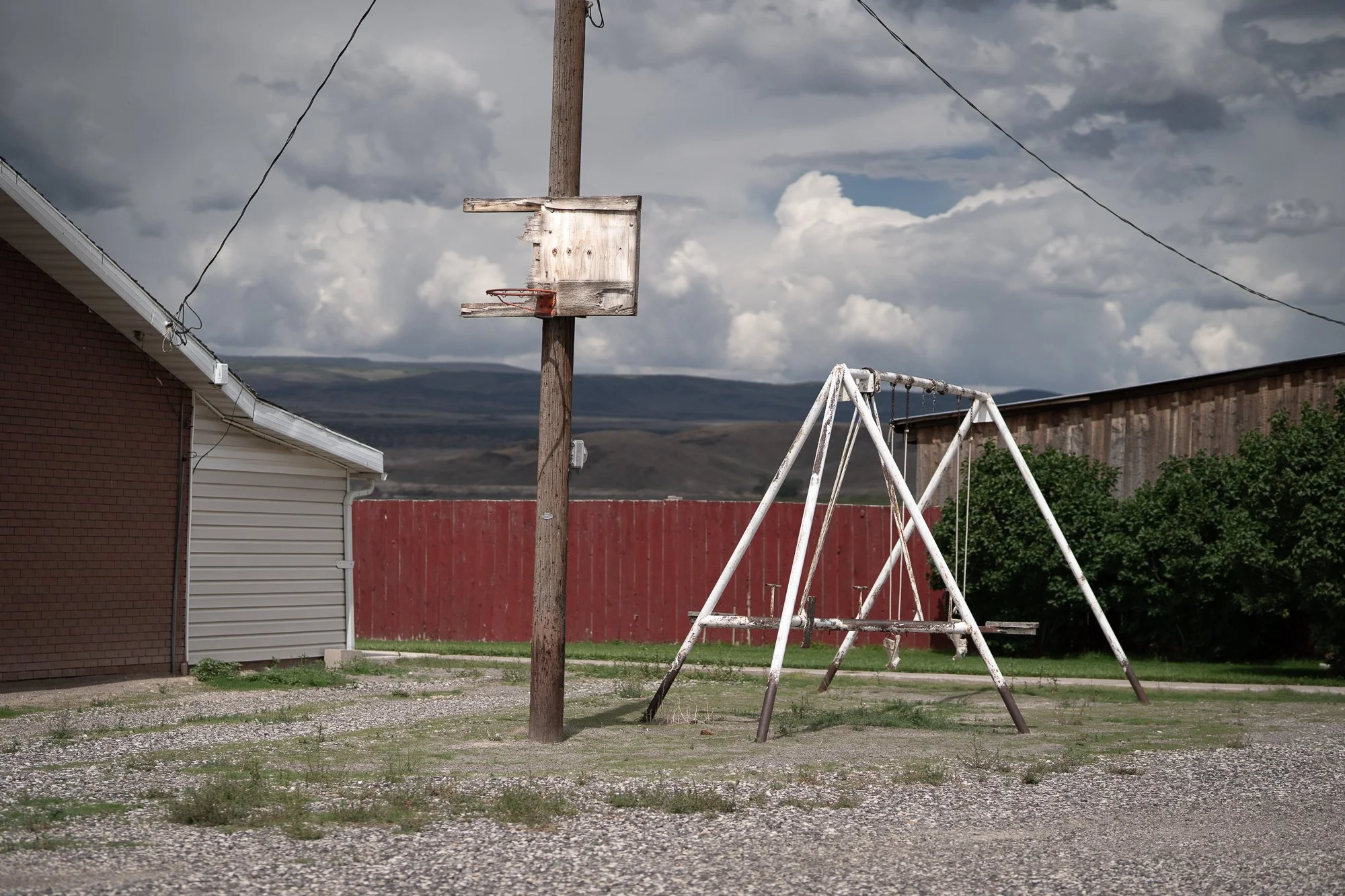
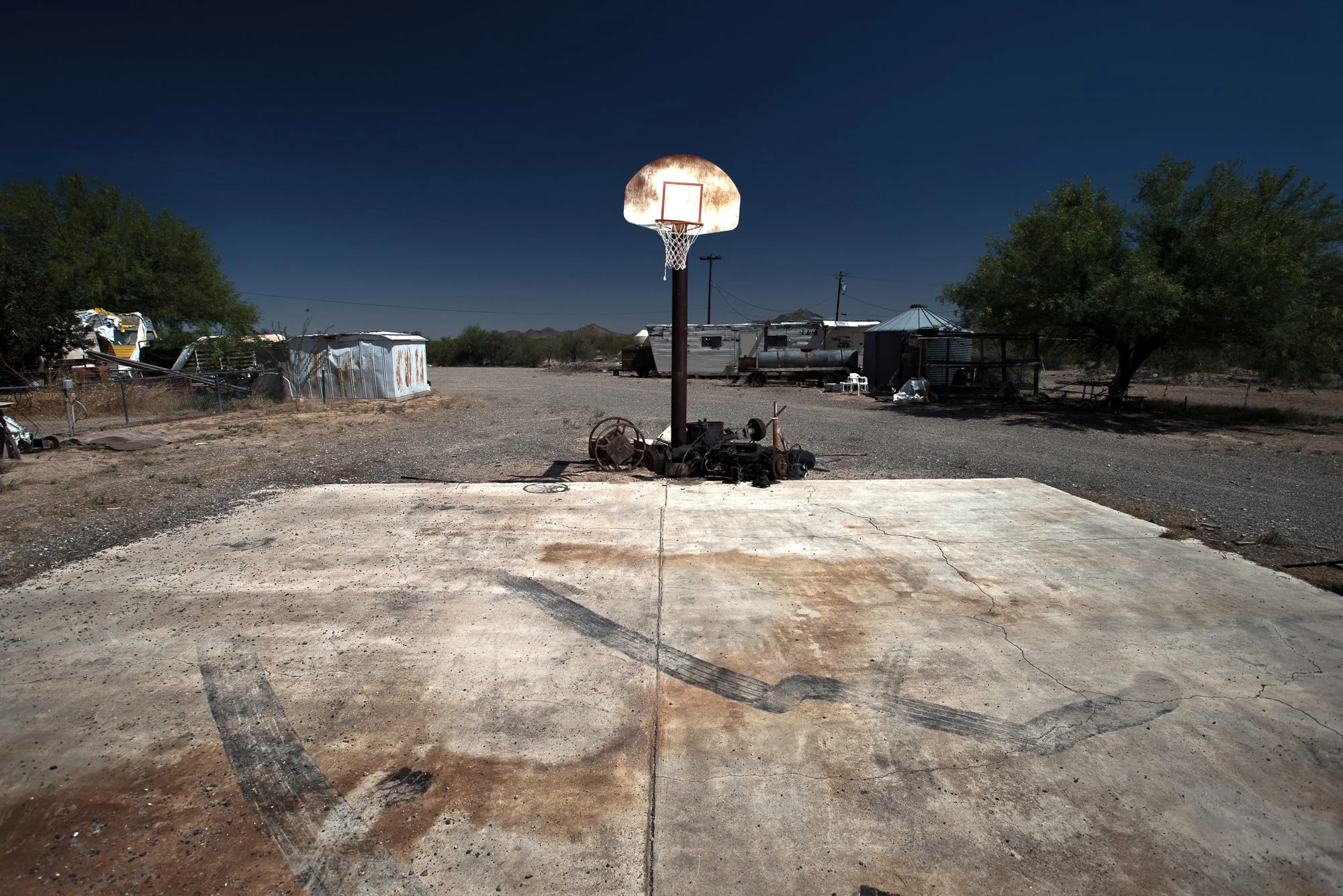
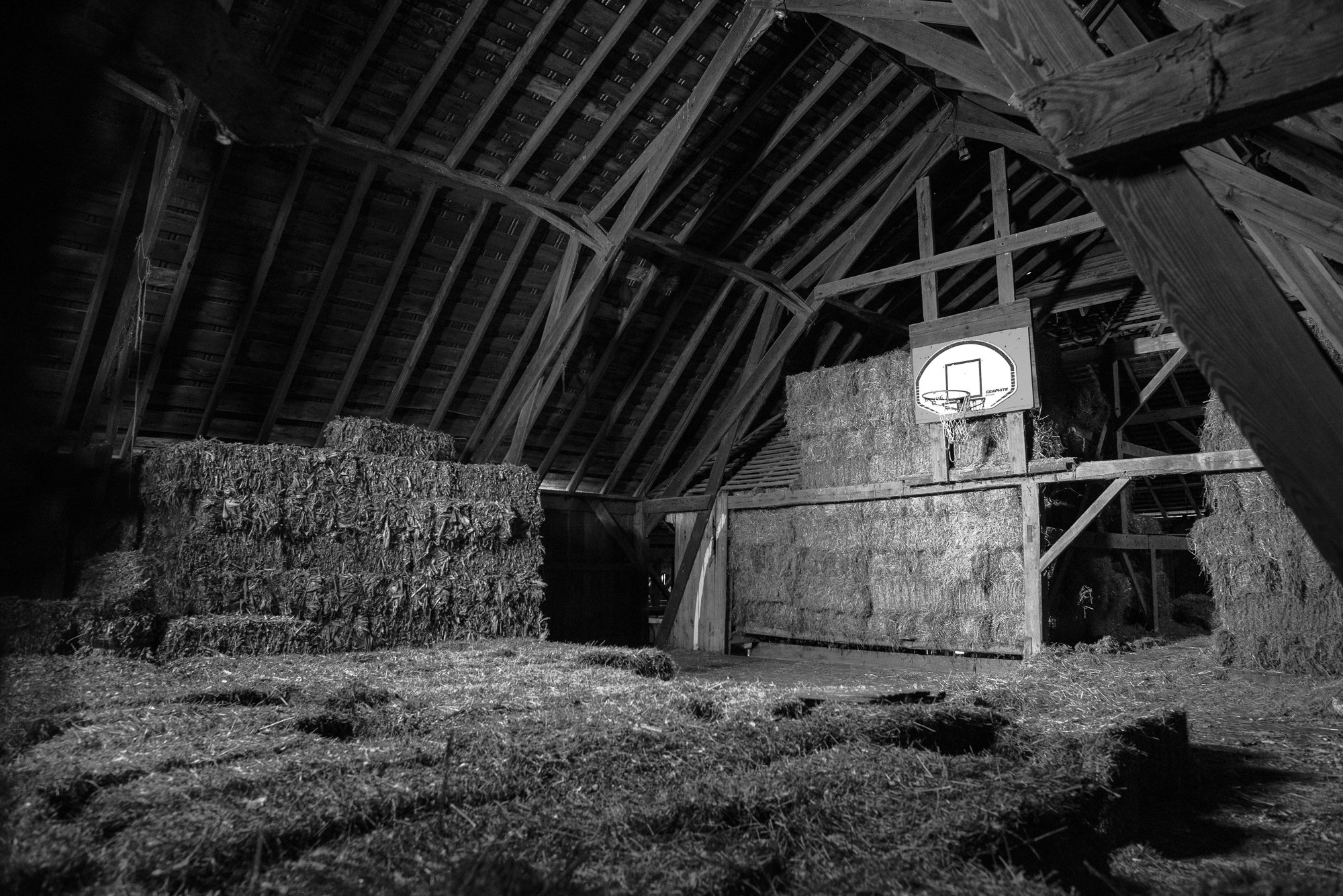
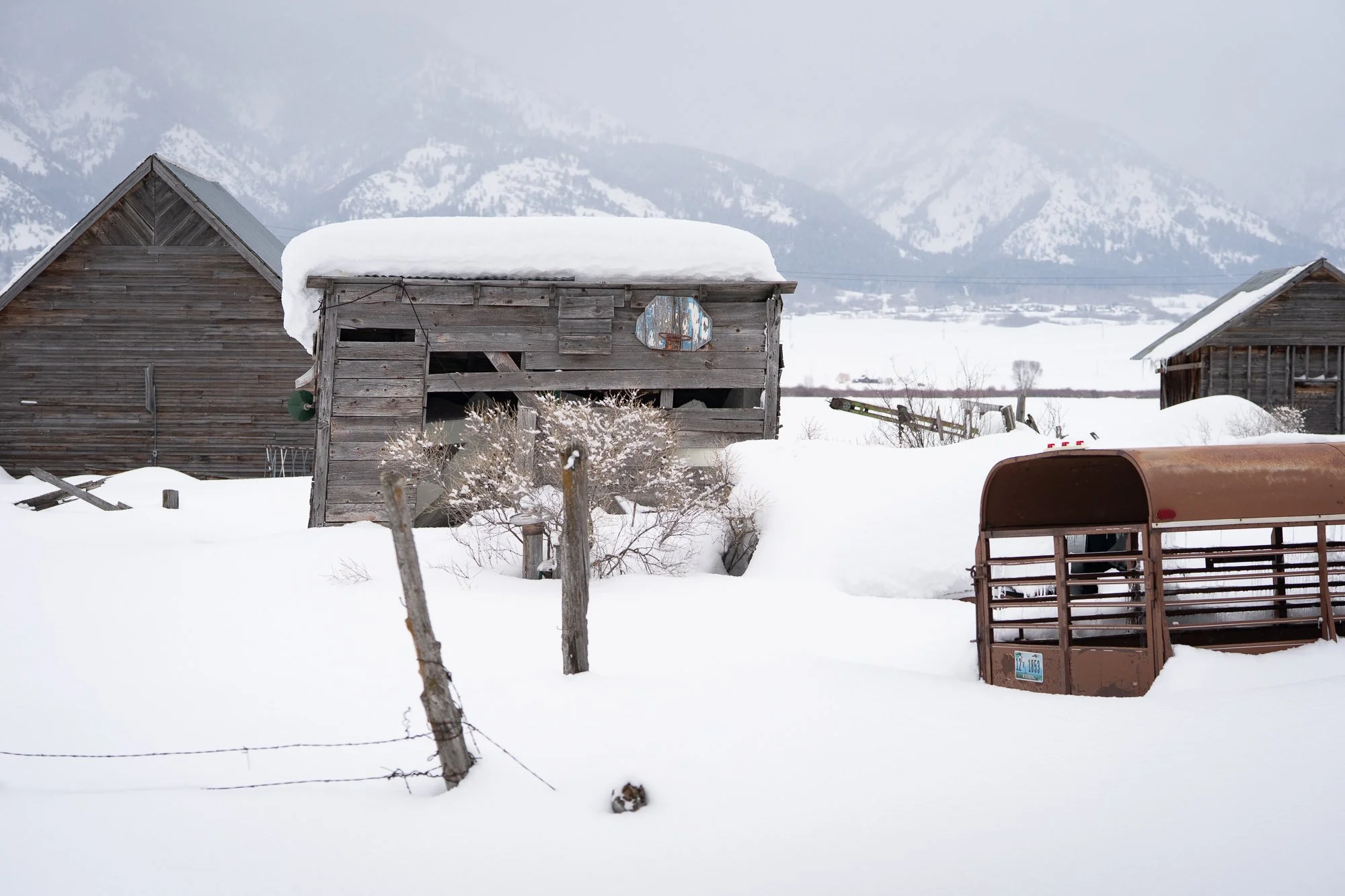
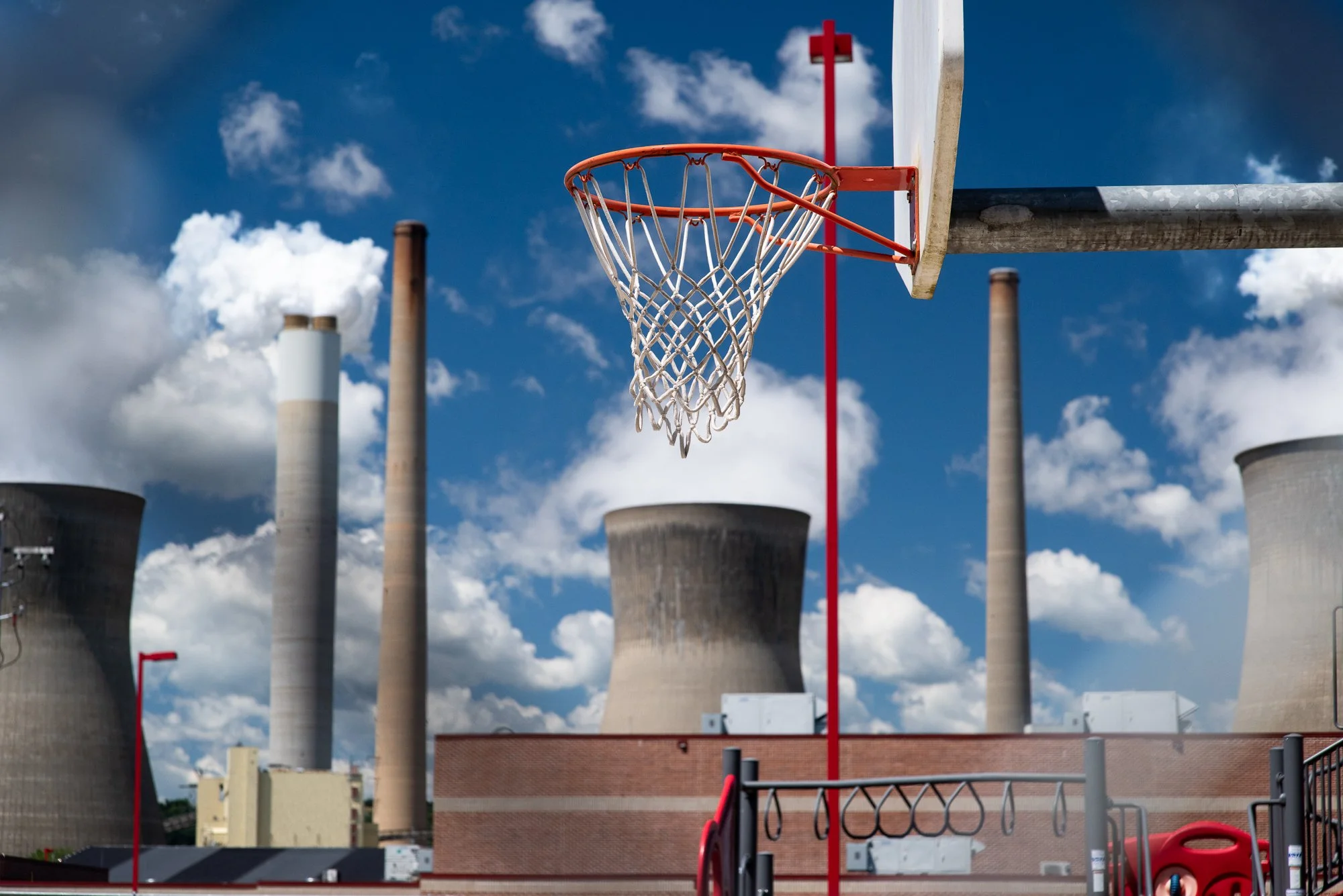
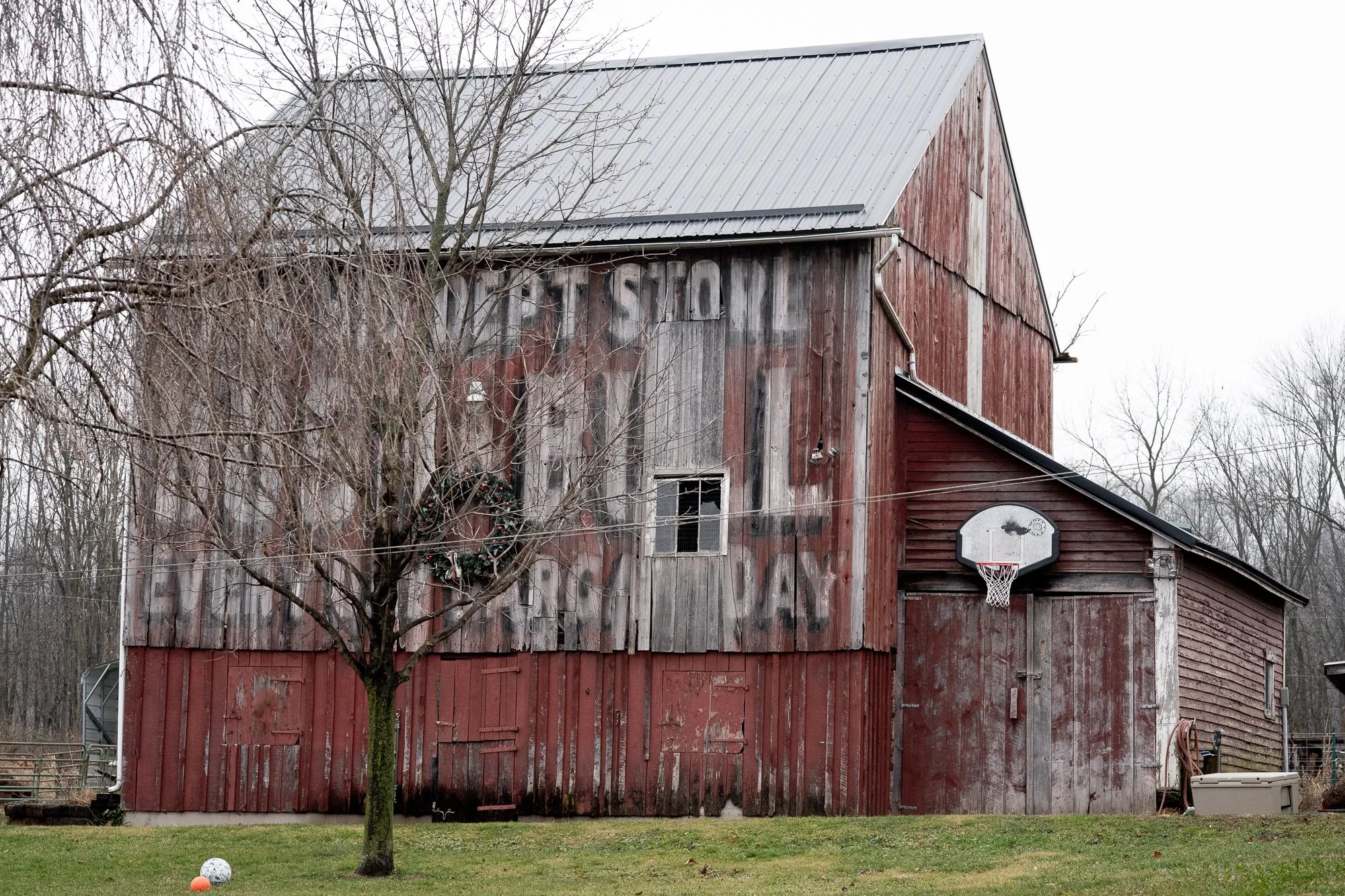
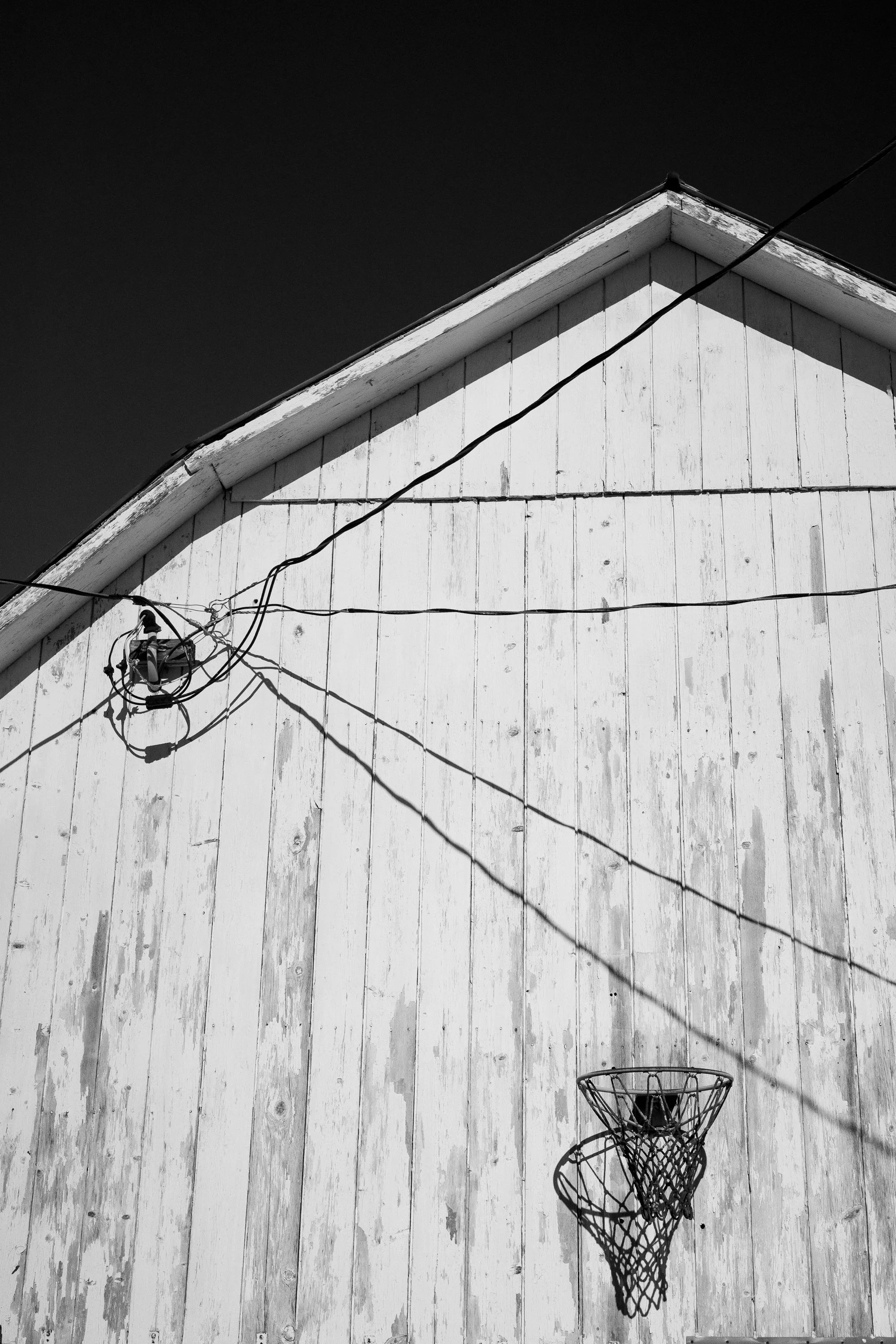
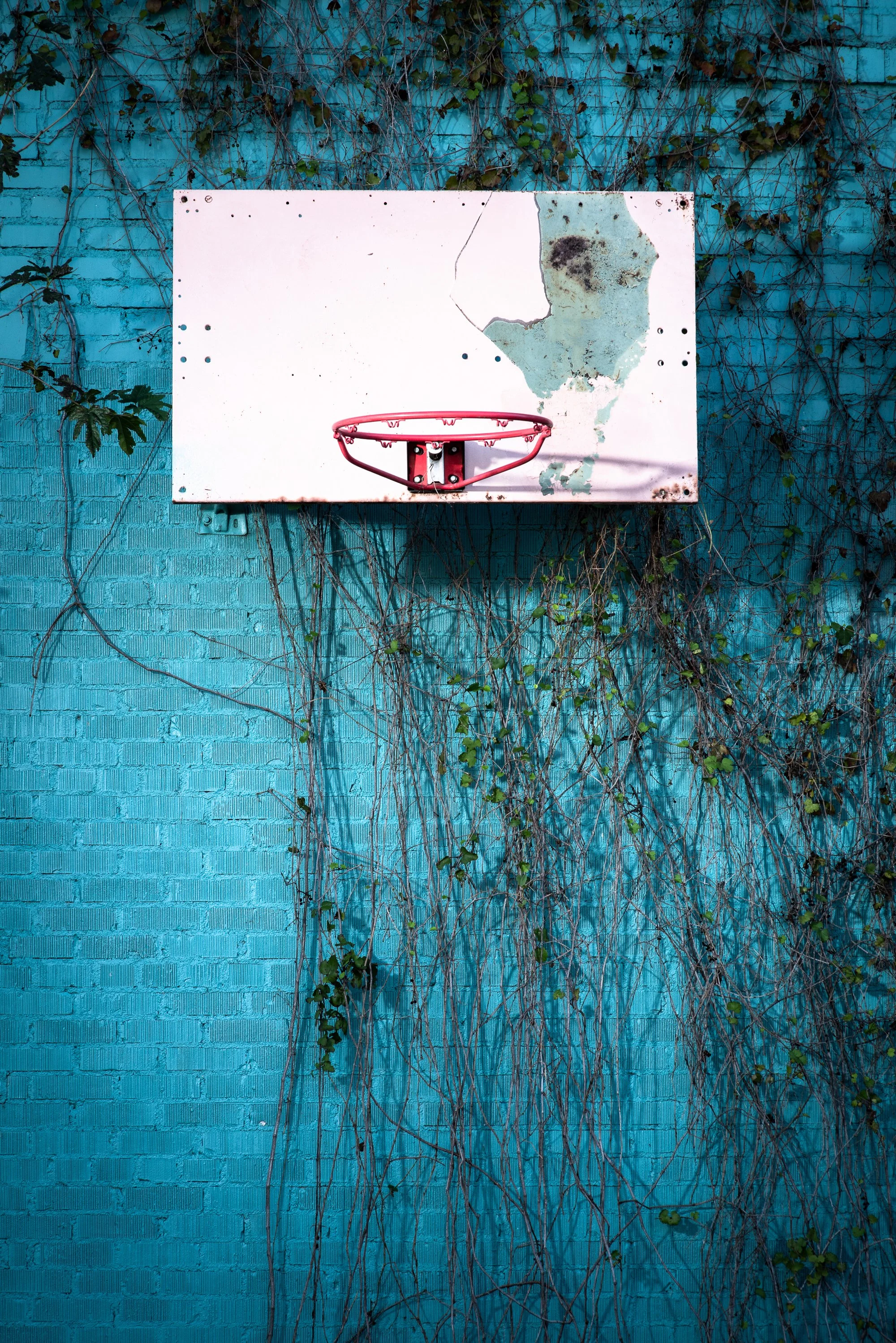
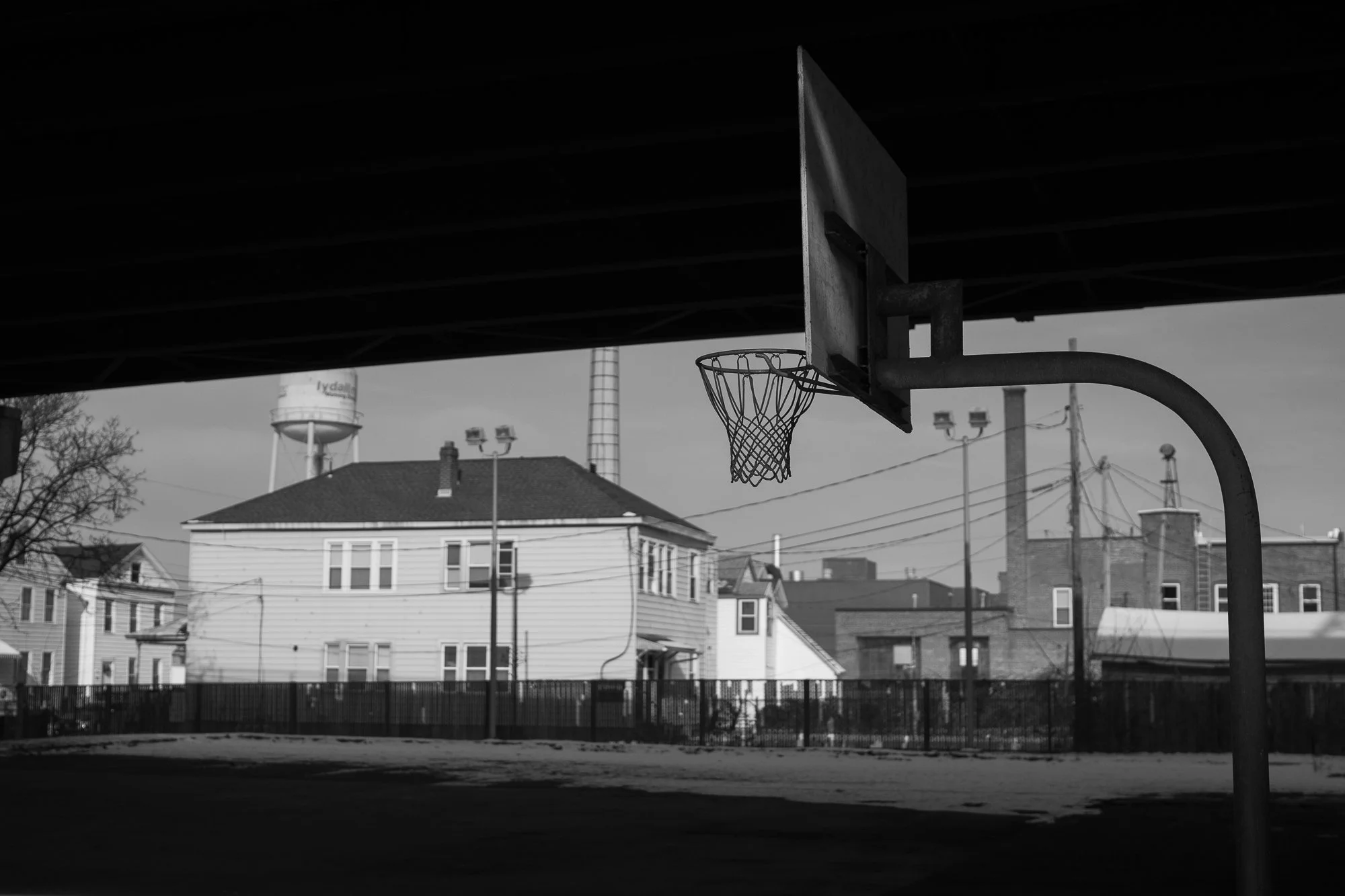
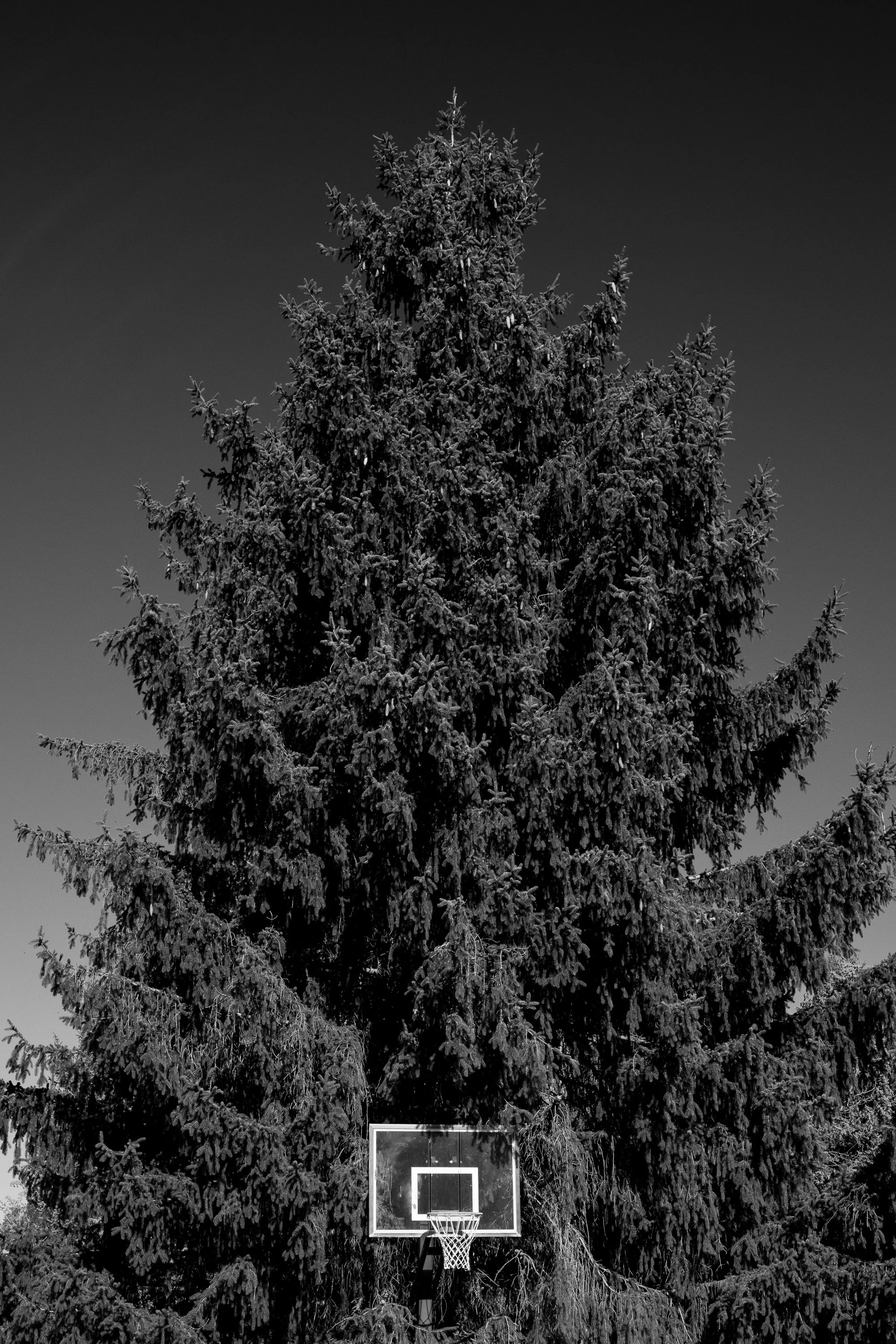
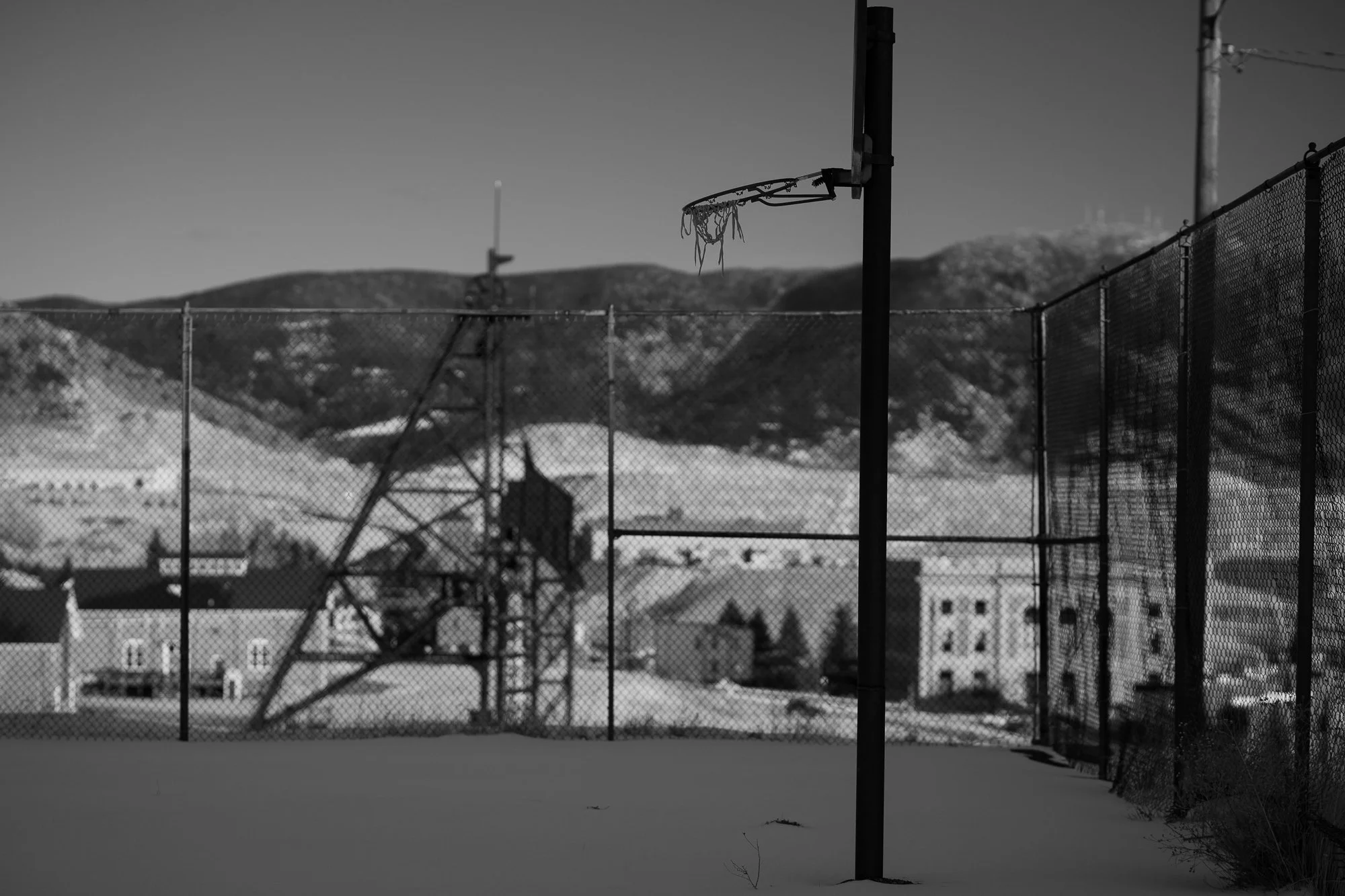
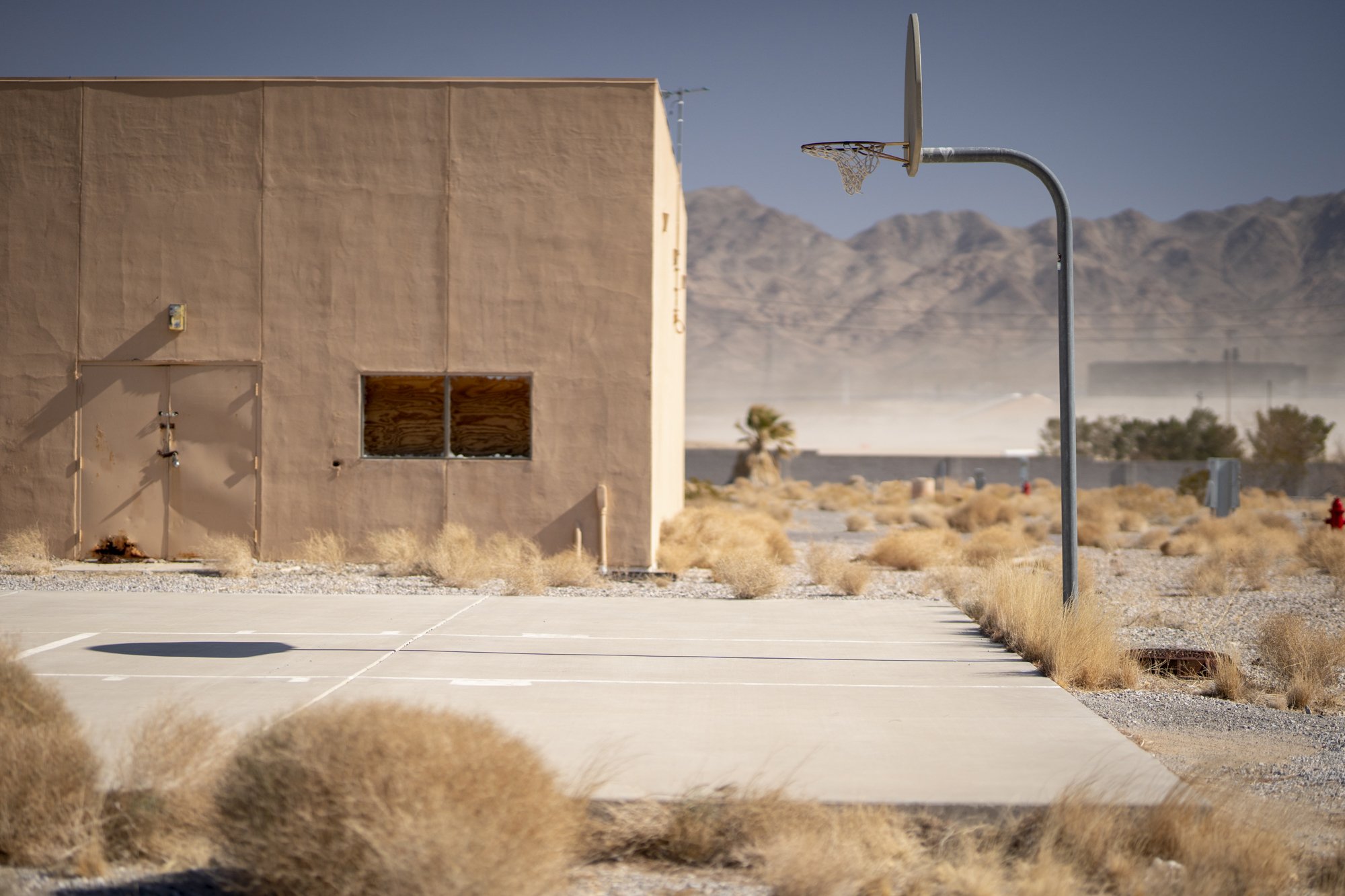
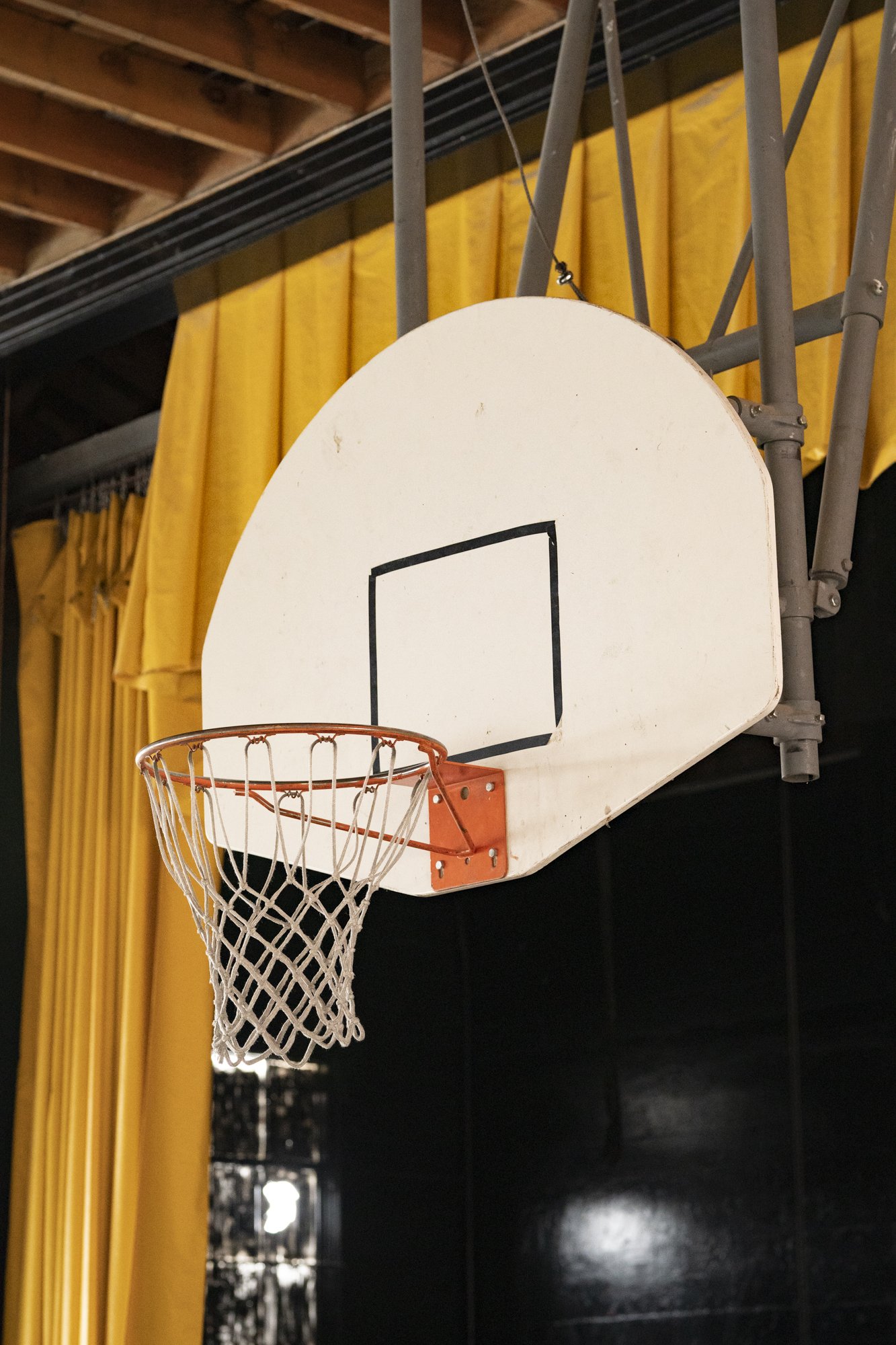
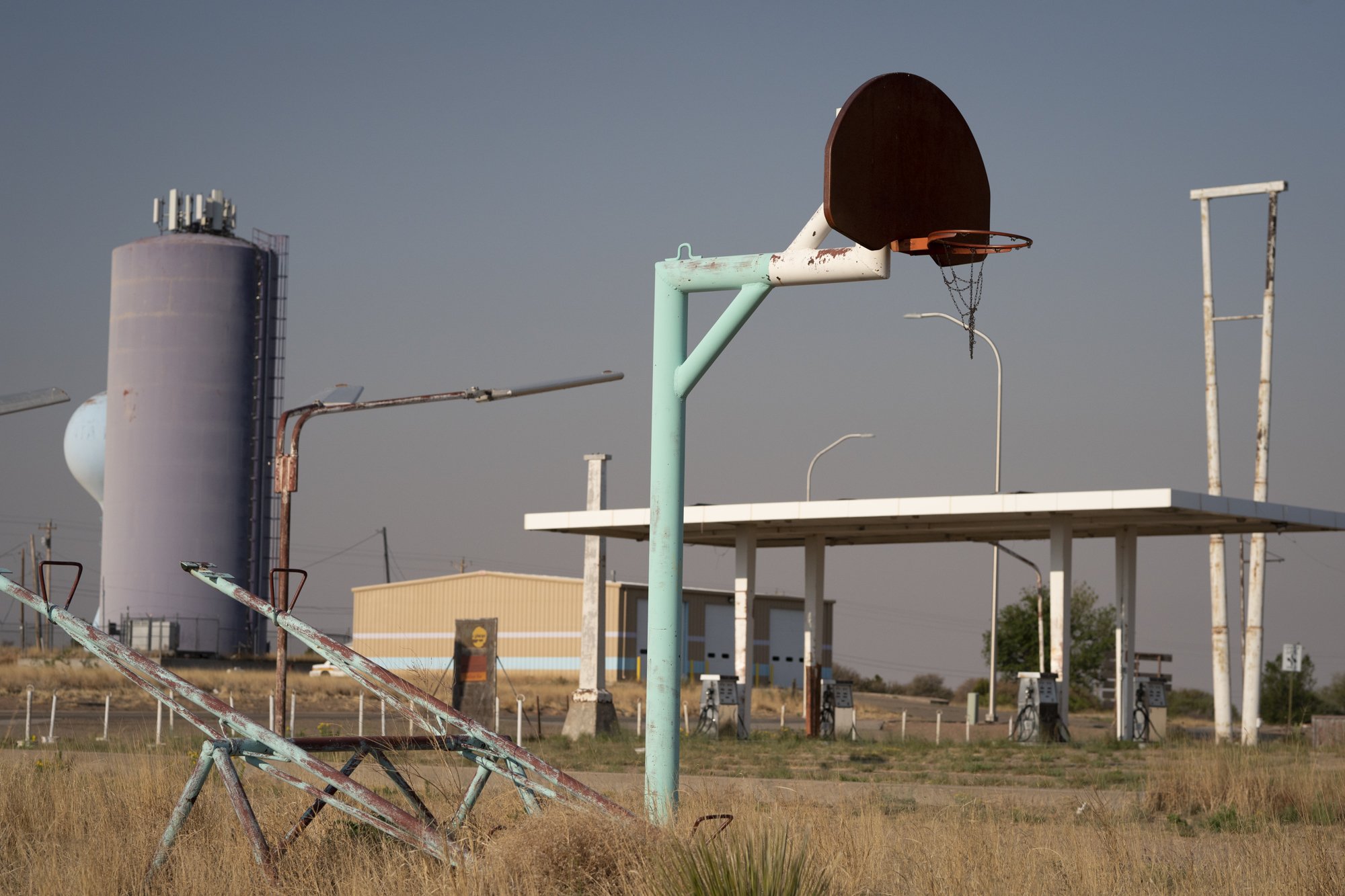
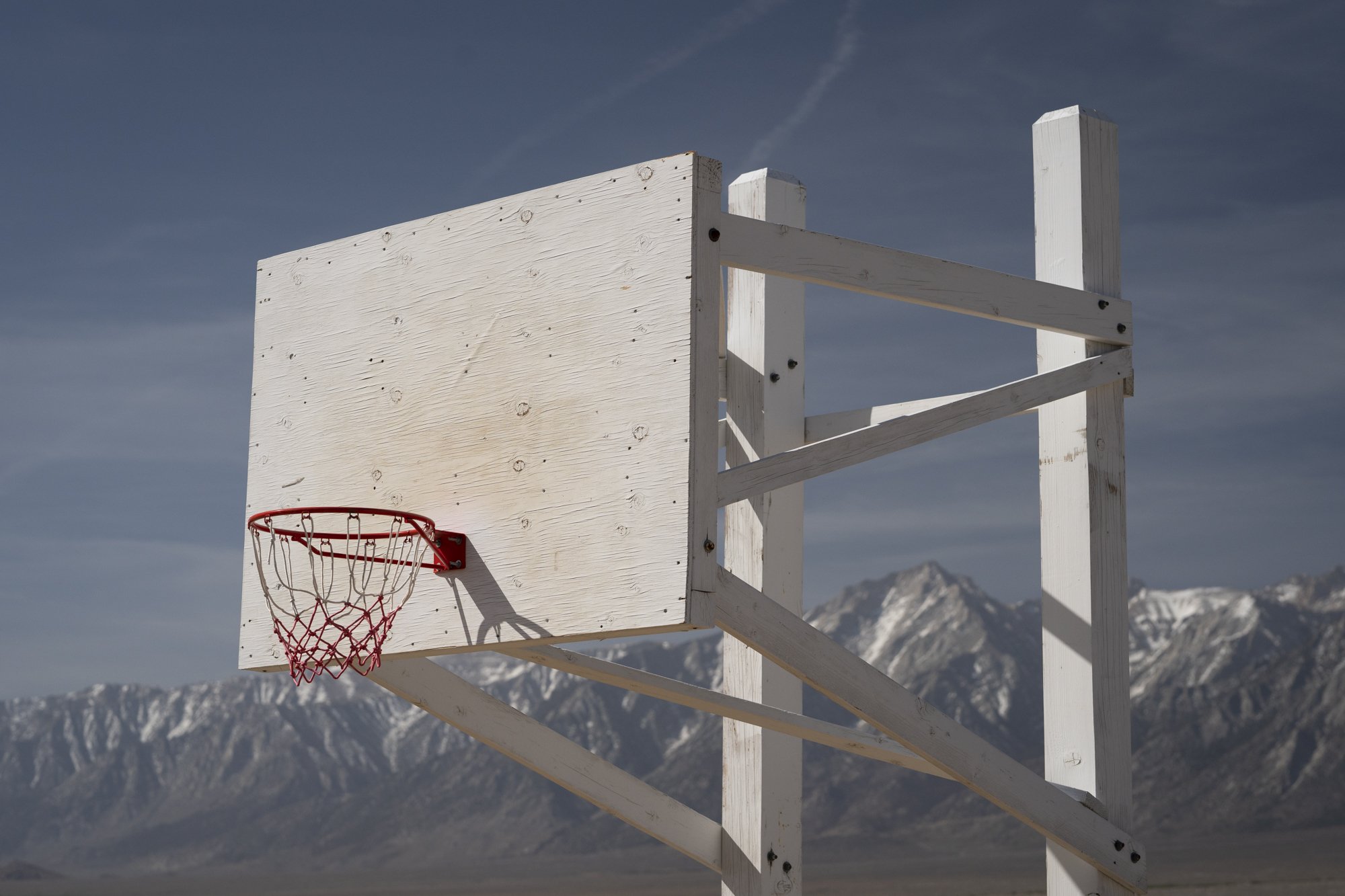
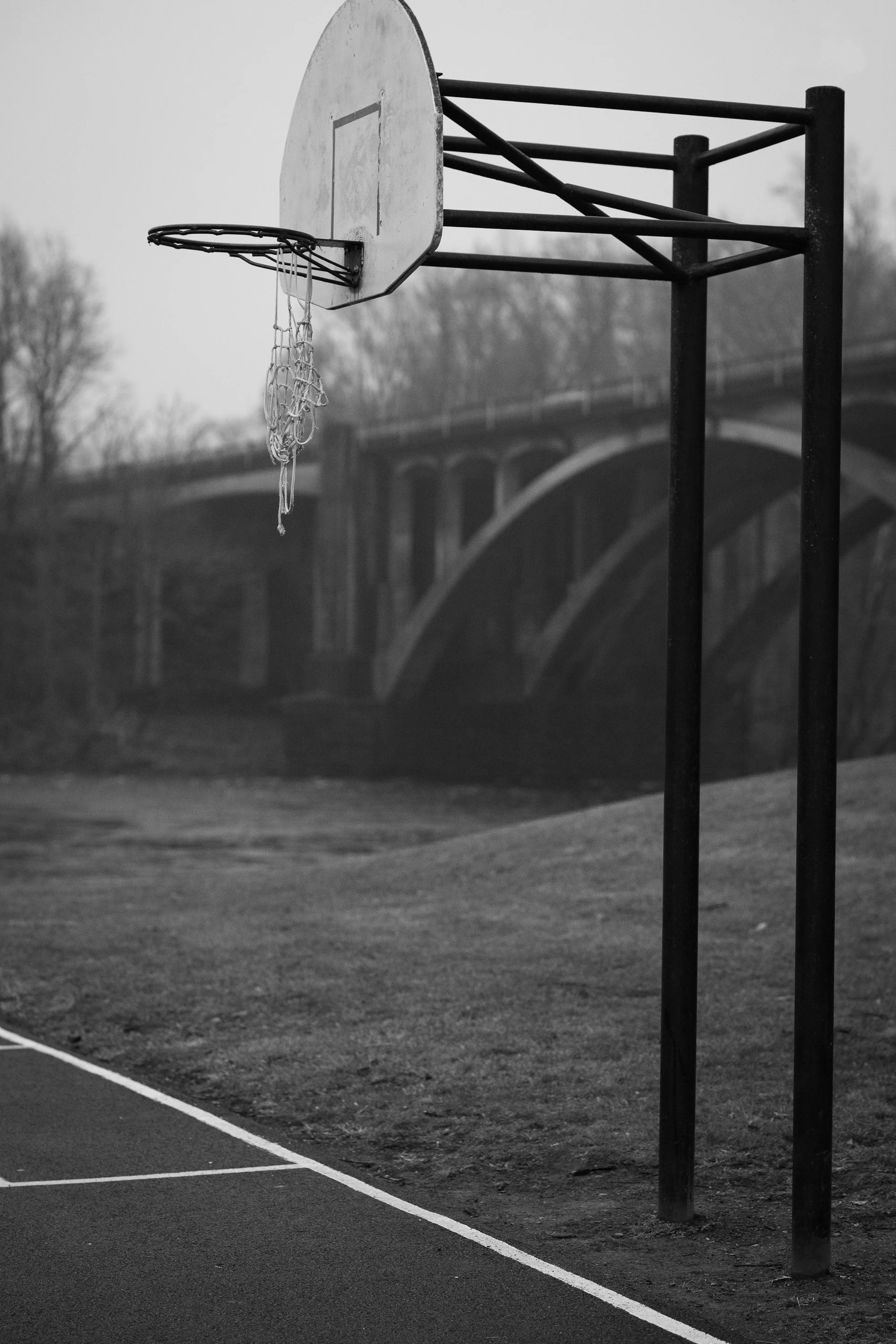
10 years into this series and it’s still just as much fun documenting the sport of basketball as it was initially. It’s always interesting to think about the games played on hoops in different parts of the country. It’s also enjoyable to see the images and realize that each one was an experience in itself to make. The first photo here in Primm was taken on a day so windy that I had to brace myself with one leg five feet in front of the other. You can see how the net is being pushed backwards. The second shot is from a high school gym in the middle of a remodel. Door was wide open and not a sole in sight. The hoop in Santa Rosa is actually one I photographed 10 or so years ago under completely different conditions. That image from all those years ago is in the book. Crazy how a location so random can be unintentionally revisited. And shocking to see that there is still a chain net hanging from the rim. The last image was made on a road I’ve driven a hundred times and never noticed before.

Click here to grab a copy of the book

Fausto Ferrari Barbershop

Traditional Barbershop - Cincinnati, Ohio

It’s crazy what BBQ can bring into your life besides good times and a happy belly. There are countless images made on the road that have been a direct result of my love for smoked meat. In December 2013 I was cruising around downtown Cincinnati in a huge snowstorm when a (meat) smoker caught my eye in front a non-descript store front. If it weren’t for the huge plums of smoke coming from it I would have went right on by. Luckily it was about the only form of life on those empty streets that day. So I stopped for some food which happened to be next door to a beautiful old barbershop, which at the time, was closed despite the listed hours stating it should be open. I remember asking the owner of the bbq joint about the barber - “Good luck. That guy comes and goes whenever he wants to. Who knows when he’ll be back.” I had to take a gamble though, hoping he would indeed be cutting the following day. After spending the night I showed up at his stated “opening” time, but there was no sign of the barber. So I sat in my car wondering if he would show. Quite some time after, he did.

Over the past 10 years of working on this project I’ve encountered an almost endless list of characters. Mr. Fausto Ferrari is at or near the top of them all. Despite being in this country some 50+ years, he still spoke very broken English, so our conversations were fun to dissect. One of his long time customers came in shortly after he arrived and it was obvious that they had quite the history together. Halfway through the cut Fausto went into the back room . The man in the chair could see how much I enjoyed the barbers antics and said “I keep a file on my computer of all the stories he tells me”. Fausto was entertaining on his own, but watching the two of them was a gift. The kind of chemistry that can only happen between old friends. They carried effortless conversations that were often interrupted by the barber abruptly saying “Seeeñññoooooorrr” and the man in the seat volleying back with a smile “Faaaauuuussstooo”. Then the conversation would continue like it never stopped until the next volley. A special interaction that I was luck to witness.

Señor Fausto recently passed away after 94 years. A beautiful ride that any of us would be luck to match. Rest in Power Mr. Ferrari. Cincinnati will miss you.

Click here to grab a copy of Barbershops of America

Photo was made on 12/7/13

Basketball Hoop Photography

American Basketball Culture - Wall Art - Photography Prints

When you’re a kid the “golden arches” of McDonald’s are a beacon. Recognizable anywhere at any time of day or night. You can see them without even looking. It’s probably been 15 years since I’ve eaten at McDonald’s but it comes to mind every time I work on this project. Weird correlation? Probably, but basketball hoops have become very similar to those famous arches. A shape so distinctive that my mind subconsciously registers it and tells me to hit the breaks. American Backcourts the series has been going on for about 10 years now, yet even after publishing the book it’s a subject that never seems to get boring.

Click here to see more basketball photography from the American Backcourts series. And contact me directly with all print inquiries for your home, office, and commercial space.

Kehrer Verlag

The first book I published was in 2012-ish with the first printing of Barbershops of America. but my relationship with books, photo books in-particular, goes back much farther. Hard to say when my collection really got out of control, although it’s not something I’ll ever apologize for because I can trace all of my significant growth as a photographer to the endless mesmerizing hours spent digesting work of the greats (and unknowns). That, and learning how ego is the enemy.

After self publishing the first book, my obsession with the project continued, as did the shooting. Which led to another self published book on the same subject. Again, shooting continued as it still does 10 years later. About a year and a half ago I published a 3rd barbershop book, this time with an actual publisher out of Pennsylvania. Around the same time also self publishing the American Backcourts book. So I’ve gained quite a lot of knowledge of the publishing world. Most all of that knowledge of course came from making infinite mistakes along the way. Grateful for every single one of them.

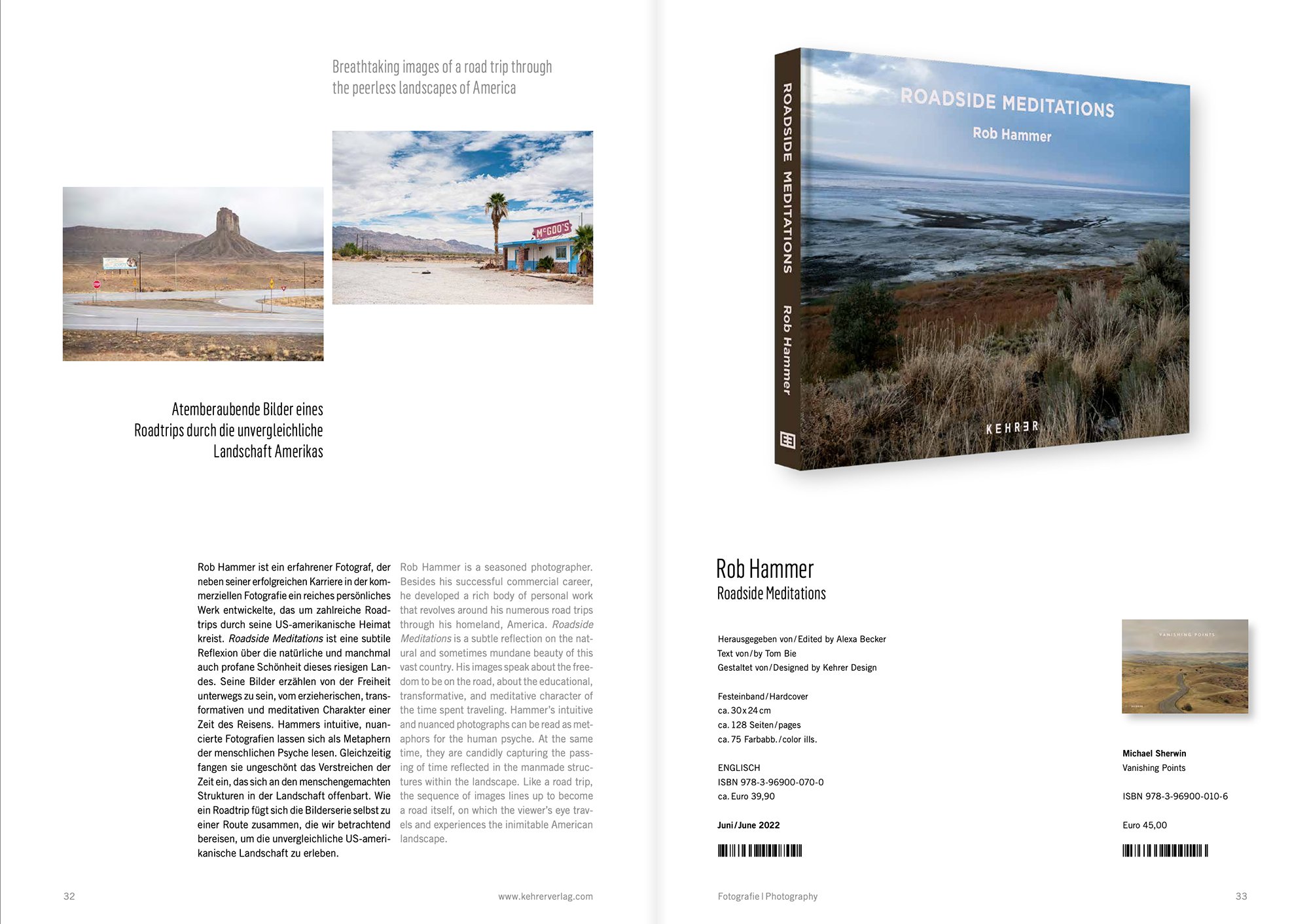
Fast forward to last November, I signed a contract with Kehrer Verlag in Germany for a new series with the working title of “Roadside Meditations - Travels through America”. I’ve long been a fan of Kehrer and the beautiful work they produce, so it’s an honor to now be on their roster. Photo books and the industry surrounding it has changed so much over the last 5+ years, and it’s my opinion that there are very few fine art photo book publishers out there doing things the right way for the right reasons. Making me even more grateful to be with Kehrer. The way in which this project/book deal came to be is a whole other story and one that has also taught me a great deal. Roadside Meditations is due out internationally in the Spring of 2022 and domestically in the Fall of 2022. I’m beyond excited about this and can’t wait to see what comes of it.

***This is a mock up of the book in Kehrer’s Spring Catalogue. The final design is still a work in progress.

Culture Brewing Company - Encinitas

Feels so good to see the world opening back up. Over the last week especially there has been so much life out on the street and in the local shops, restaurants, and bars. Grateful to have the opportunity to be social again while sharing some work from American Backcourts. So if you’re in San Diego during the month of June, stop on by Culture Brewing Company in Encinitas to check out some fine art prints while enjoying some delicious craft beer in the sunshine.

AmericanBackcourtsCulture.jpg

American Backcourts

Last week I listened to a podcast with Sturgill Simpson being interviewed by Rick Rubin. Rick is Rick. He’s a legend. And Sturgill is one of my favorite musicians. Not just because he’s extremely talented, but because he takes risks. Every album is different from the last which probably causes him to lose a lot of fans. During the interview Rubin asked if there were any major things that happened to him which greatly improved his career. His answer was great. He talked about a visit to Merle Haggard’s house where they met for the first time. At that point Merle was already a living legend and one of Sturgill’s heroes. Inside the house was the only Grammy Merle ever won. It was on the ground all banged up and scratched, being used as a door stop. At that point Sturgill knew that nothing mattered but the music and the awards don’t mean shit. Sure, awards bring attention to the music, but they don’t make it any better or worse. A turning point for him.

A long time ago I came to that same conclusion and let go of any desire or need to create images that I thought other people would like. It was the best move I ever made. From that point on there was a major change in my photography and the direction of my career. Those changes can cause a lot of short term stress, but ultimately worth it in order to achieve the long term goals. Working on a project like American Backcourts, which has now been going on for 9 years, you go through many different emotional stages. Along the way everybody wants to tell you what you should be doing. If I had a dollar for every person that said I needed to go to New York City to photograph all the famous courts there! While I appreciate their enthusiasm, we just don’t share the same vision. Much respect to those courts and their history, but that’s not what this project is all about. Besides, there are some guys who have been doing that and doing it damn well. If city hoops are your thing, check out Kevin Couliau and Thai Neave. They both do beautiful work. Ultimately, anyone in my position just wants to find a way to connect with other like minded people who will appreciate their book. So it felt great to have an interview/article on the front of the sports page in Indianapolis, Indiana. The Hoosier state. If ever there was a group of people who could appreciate my style of basketball imagery, it’s the Hoosiers. Dana Benbow did a great job with the article, and people really connected with it. Since the publishing a lot of people reached out saying how much they enjoyed it and my project. What more can you ask for? I’m really thankful for all the books headed to Indiana this week because I know the people who bought them think like me and will get a lot of joy from the content. Long live the personal project!!

Click here to grab a book for yourself or as a gift!

Click here to read the Indy Star article.

IndyStar.jpg

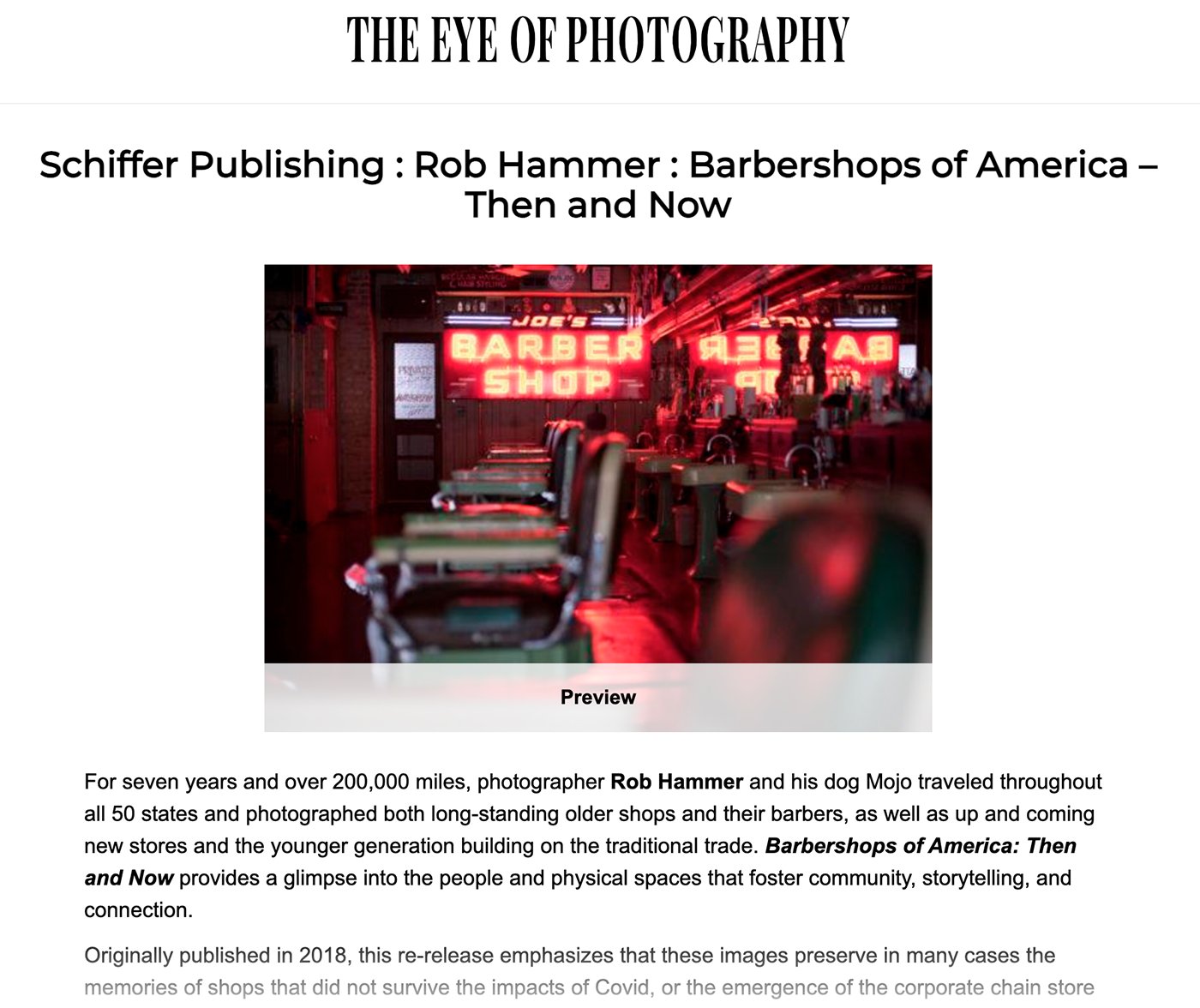
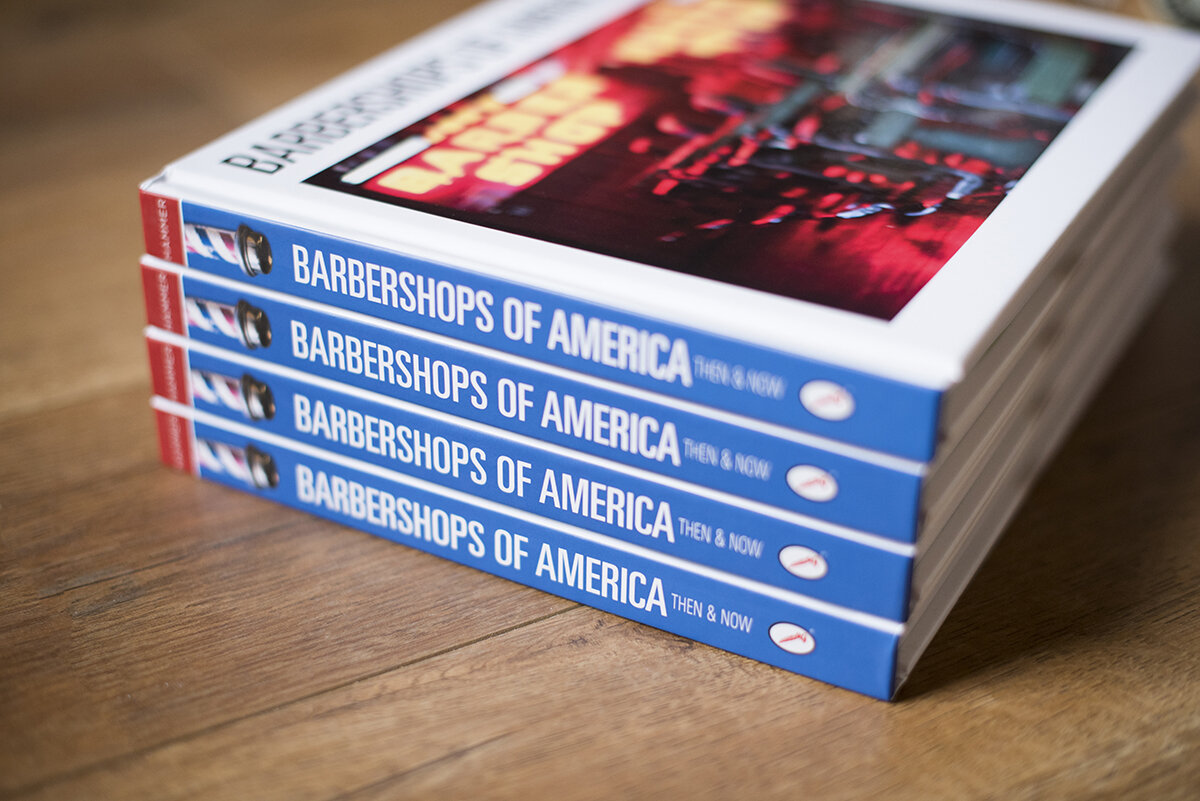
Barbershops of America - Then and Now

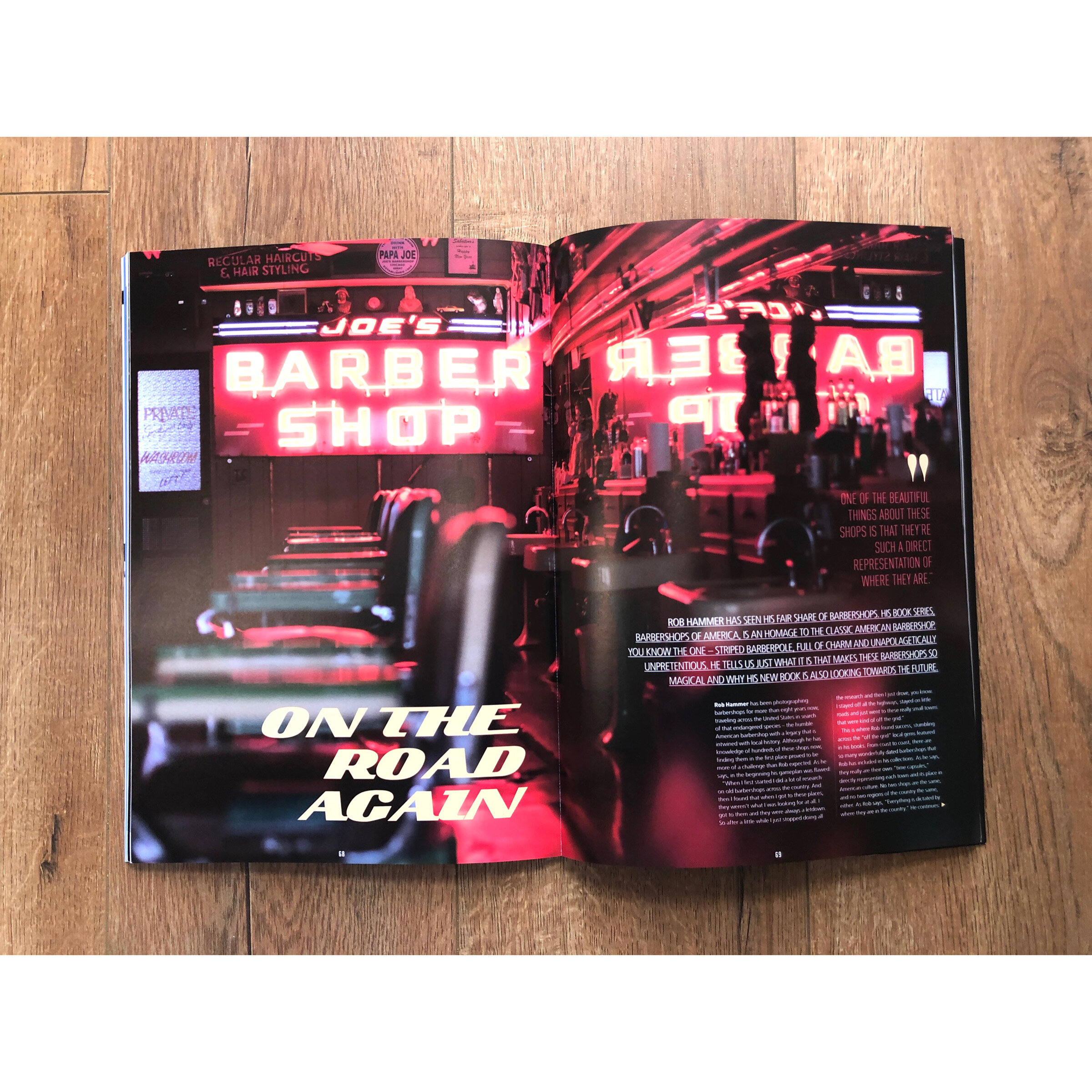
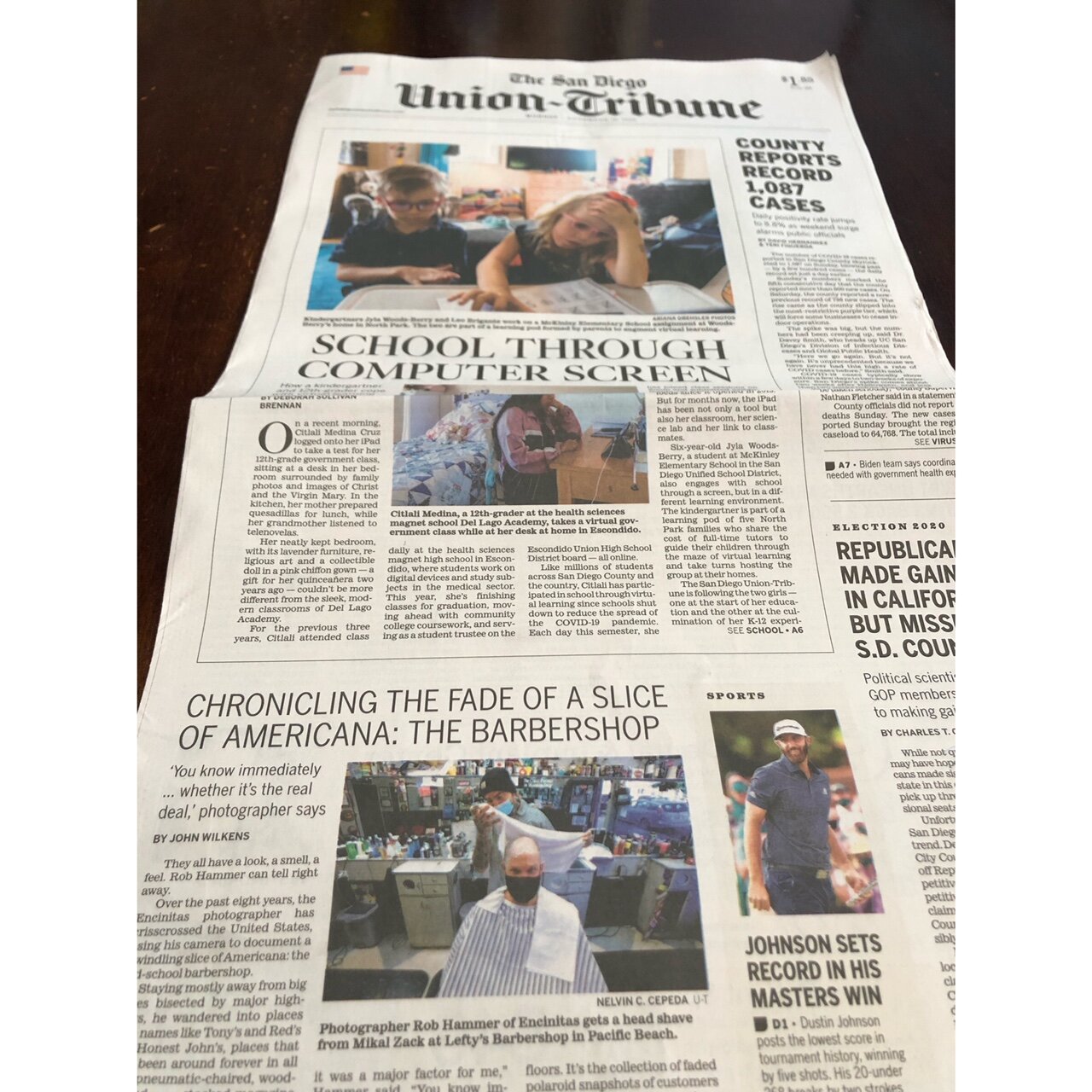
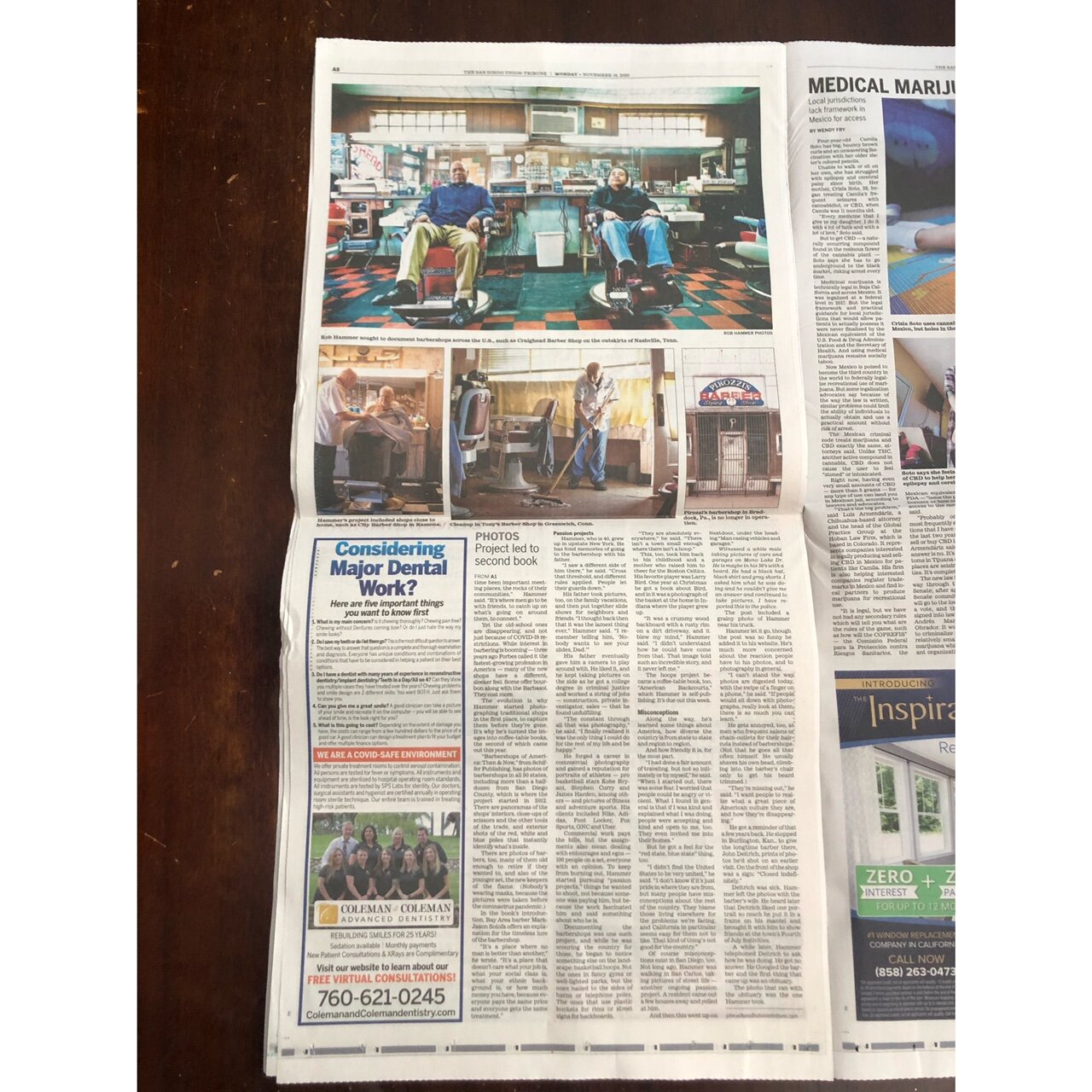
Feeling really grateful for the press Barbershops of America has been getting lately. It feels good when people really connect with your personal work. Barber Evo Magazine ran an article and it was on the front page of today’s San Diego Union Tribune, which caused a number of really kind emails from people who read it. One in particular mentioned that the images reminded him of the shop he grew up in. Exactly the kind of emotional reaction I hope people will have when they look at the book.

CLICK HERE TO GRAB A COPY FOR YOURSELF OR AS A GIFT
American Backcourts

Beyond excited to finally be sharing the forthcoming (November 15th-ish) book with everyone!! I could probably go on talking about this project for days, but the world doesn’t have an attention span for that, so I’ll try and keep it quick. Also know that I’ll be posting more about this in the coming weeks as the book comes closer to release. Even now sitting down to write this I’m not sure how to keep it short. The video itself probably best describes how I feel about basketball and this series that I’ve been shooting for the past 8+ years. Like most of my projects, I believe it was a “thing” even before realizing it. If you’ve followed “The Basketball Hoops Project” for any amount of time, you know this this was all inspired by a picture of Larry Bird’s childhood hoop. As a kid, he was my hero, and I just couldn’t understand how one of the greatest of all time could have grown up playing on a rusty old rim hanging on a dilapidated old barn in the middle of Indiana. I was certain that all the greats came from the inner cities and were afforded the finest facilities. That image of Bird’s hoop and the story it told never left my head as I got older and began traveling as a photographer. During those cross country road trips (with my dog Mojo) I would encounter hoops just like Bird’s and couldn’t help but stop to photography them, always wondering what stories they would tell. After taking the photos I didn’t give them much thought, as my main focus was on a different subject (Barbershops of America) altogether. Then time went on and people started responding to the Hoops images I would post on various social media channels, and I realized that a body of work had really developed. At some point, Hoops became the new focus and things started to snowball. Now, almost 9 years later, I’m just as obsessed with the project as I was then.

A few weeks ago I received the unbound proofing copy of the book, and couldn’t help but feel as though this is the most complete body of work I’ve every put out. And a lot of that has to do with the collaborations I entered into after understanding how important it is to hand over to control of the things you aren’t good at. Being honest about what you don’t know is an important trait in life. Is it pertains to this, the best thing I did was to work with an editor. A professional who understands the importance of giving it to you straight. Someone who isn’t emotionally connected to the project and will edit the images in a way that’s best for the project as a whole. Which often times, means saying bye to your favorites! This is a huge lesson for me, and one that I’m infinitely thankful to have learned. I also worked with a designer on this book to give it the visual attention it deserved. Again, knowing what I don’t know. I’m not a designer and can’t expect to make a book look good on my own. Trust in the professionals! There is no situation in life where it isn’t important to surround yourself with people who are smarter or better than yourself! It only raises you up to their level. I’m quite confident in my abilities as a photographer, but when it comes to editing and design, I’m very much an amateur.

There is a whole lot more to say about this project, but for now I hope you enjoy this teaser video. I think it says a whole lot about the game of basketball, and sums up why I continue to love this project. Stay tuned for more info about the book’s release.

**The book you see is a digital mock up as I have not yet received the hard copies. The text on the real thing looks slightly different.

To shop basketball hoop prints from this series go HERE

Photographer Rob Hammer traveled all over America for 8+ years in search of old basketball hoops with a story left to tell. The result is a hard cover coffee...

Barbershops of America - Then and Now

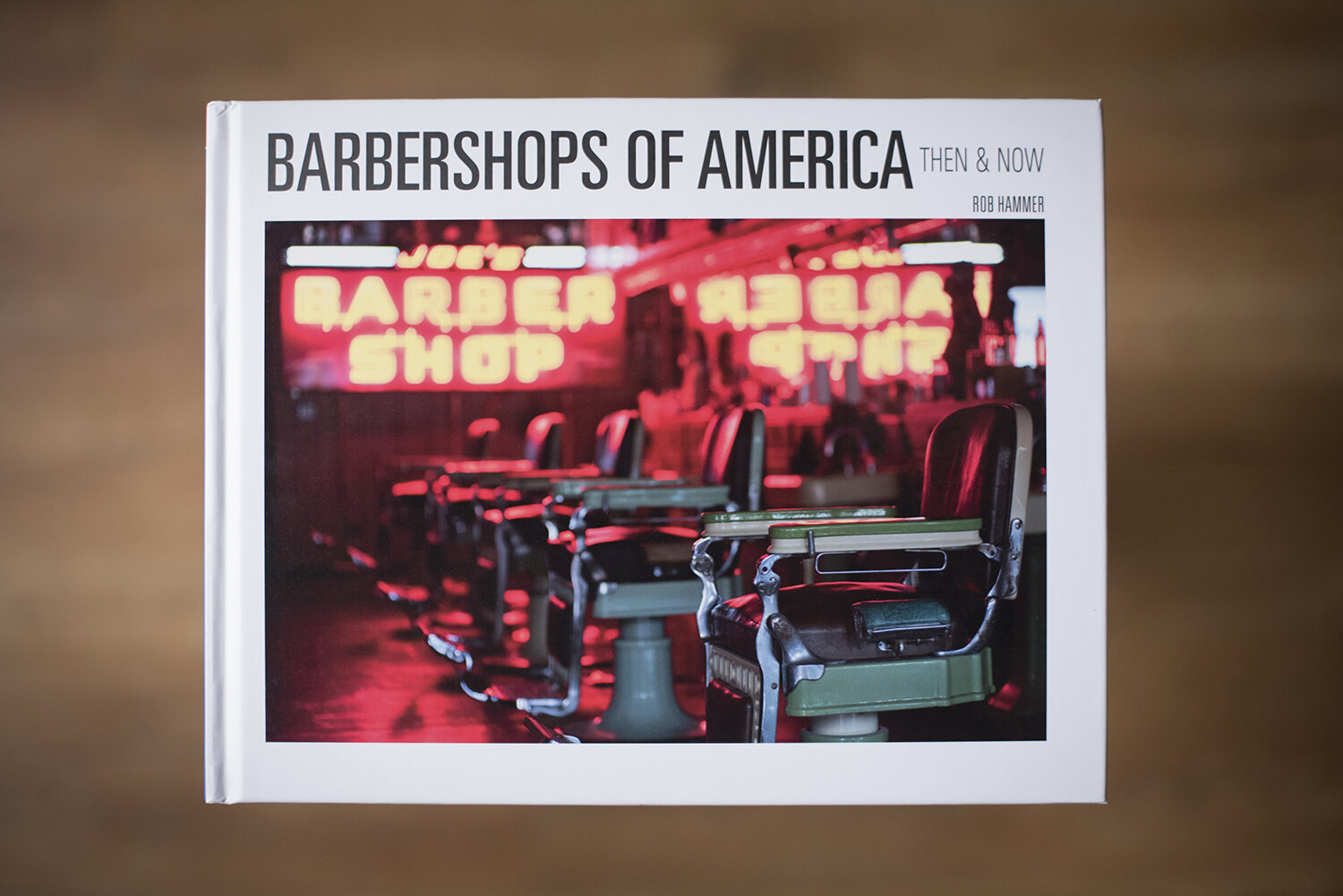
It’s safe to say that any plans you previously made in the last 6-ish months have all gone to shit. Such is the case with my new book “Barbershops of America - Then and Now”. The two other versions of this were self published in the past, but I’m proud to say you are looking at my first “published” book, with Schiffer Publishing out of Pennsylvania. I had some grand plans for a release party, but obviously none of that will be happening. Such is the world we now live in. At first this was really upsetting, but after thinking about it for a while, I decided there was no point in fighting the facts and the best course of action was to embrace the times we are in. Maybe it’s not ideal, but so what? You can only plan so much. My man Mike Tyson said it best - “everybody has a plan until they get punched in the face”. Well, the whole world is getting punched in the face right now. So we must adapt. Now I choose to think that the book will be a boost of positivity and happiness to anyone who decided to pick up a copy. The timing doesn’t really matter.

Over the past couple months I’ve been watching a lot of webinars about photo books. And it never fails that the host presents a question to everyone watching - “why do you want to make a photo book?” For some that might be easy to answer and others probably haven’t given it enough serious thought. While I could go on for days about this topic, two things eventually stuck in my mind as answers to that question: 1) I believe in the power of photo books to bring people joy and knowledge 2) I despise what the iPhone and social media have done to photography and feel a need/responsibility to constantly create something that people can own and hold in their hand forever.

Barbershops of America is a series I’m emotionally connected to after working on it for 8+ years and traveling 200,000+ through all 50 states of the USA. For a project like this I don’t see any other place for it to live than a book. One of the main goals is to preserve the history and culture of barbering in our country, and what better place than a book? Otherwise the images just sit on a hard drive or website never to be seen.

Click HERE to purchase a copy of the book.

If you live outside the USA then your cheapest option for delivery is Amazon.