WINTER FLY FISHING PHOTOGRAPHY

Winter Fly Fishing on Clear Creek, Colorado: What It Really Looks Like

There’s a certain kind of quiet that only shows up in winter.

Not the peaceful, postcard version of Colorado people expect—but the kind that settles in when the temperature drops, the crowds disappear, and the river keeps moving anyway.

Clear Creek runs cold this time of year. The flows are low, the banks are stiff with ice in the morning, and most days you won’t see another angler. It’s not comfortable, and it’s not easy. But that’s part of the draw.

Winter fly fishing here isn’t about numbers or perfect conditions. It’s about showing up when most people don’t—and seeing what’s still there.
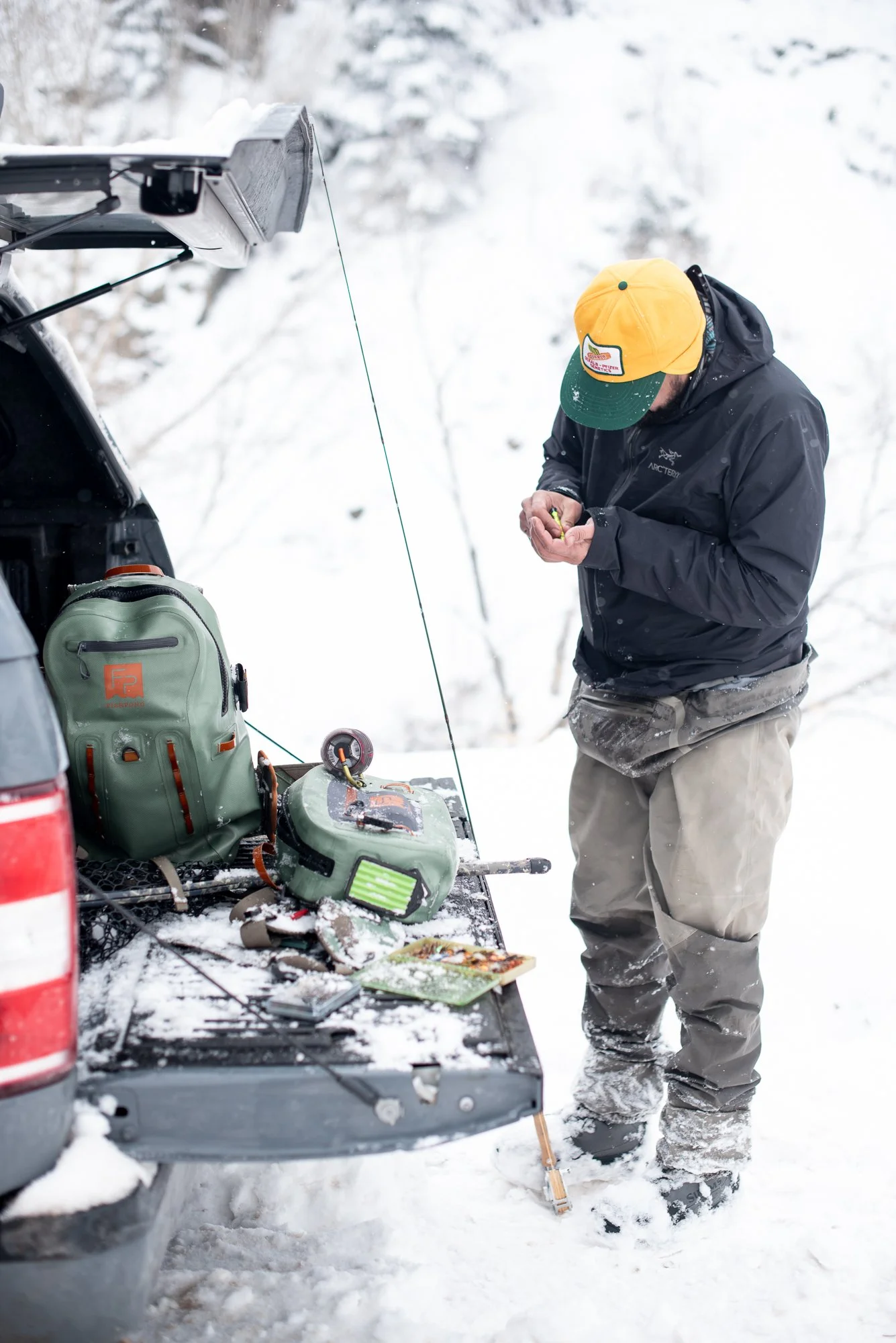
A fisherman prepares fly fishing gear at the back of a truck in snowy winter conditions near Clear Creek in Colorado.

A fisherman prepares his gear at the back of a truck before heading back to the creek.

Can You Fly Fish in Colorado in the Winter?

You can—and people do—but not in the way most expect.

The idea of winter fishing in Colorado usually brings up images of tailwaters and midges, maybe a few rising fish if you’re lucky. That’s all true. But on smaller creeks like Clear Creek, the experience is different.

You’re dealing with:

  • Short windows of active fish

  • Water temperatures hovering just above freezing

  • Icy banks and slow, deliberate movement

It’s not a numbers game. It’s a timing game.

Midday becomes the focus. You wait for the sun to do just enough work to wake things up, then fish carefully and move slowly. Every cast matters more because you’re not getting many chances.
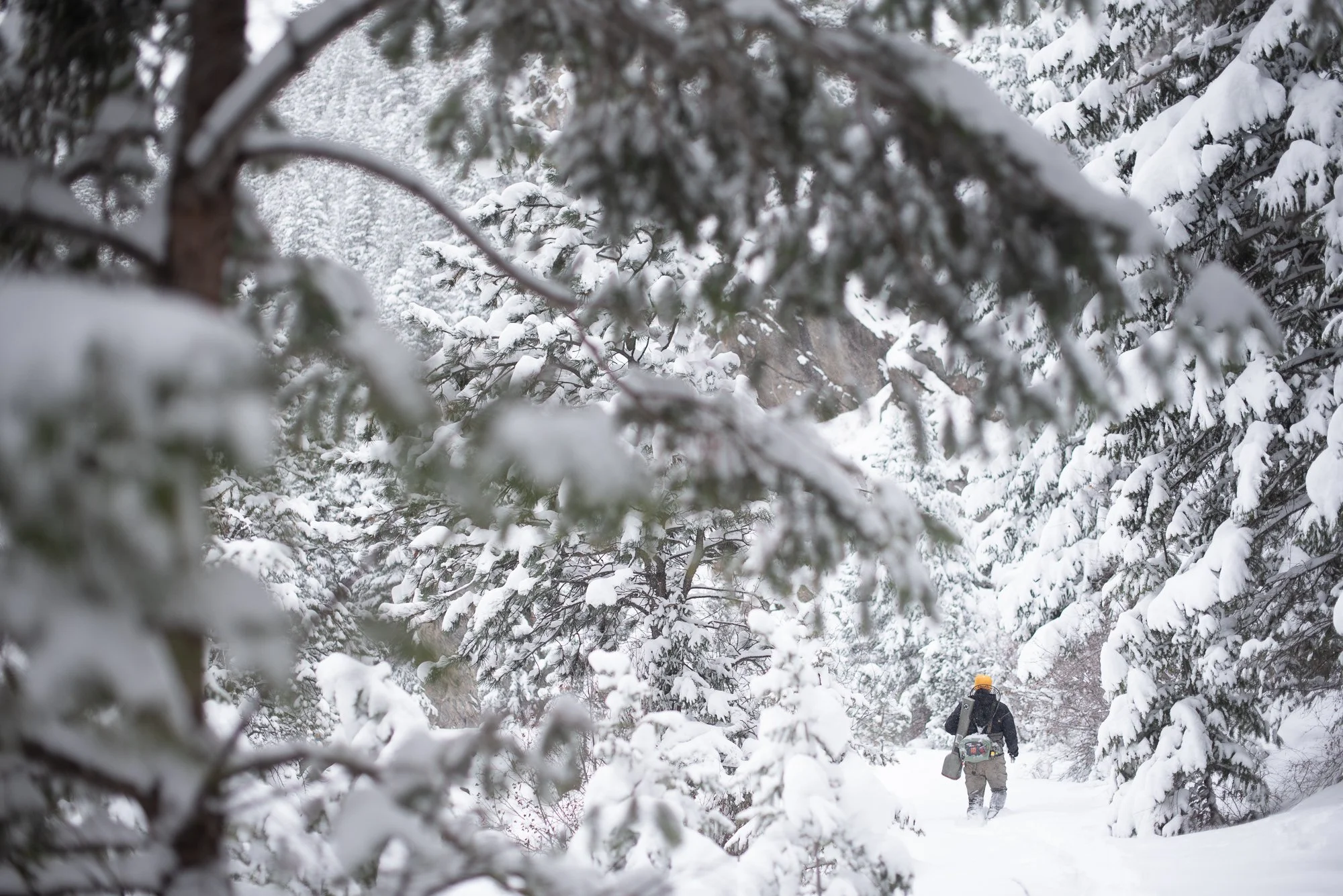
An angler walks through a snow-covered trail near Clear Creek in Colorado carrying fishing gear.

An angler walks through deep snow near Clear Creek, following a path through the trees.
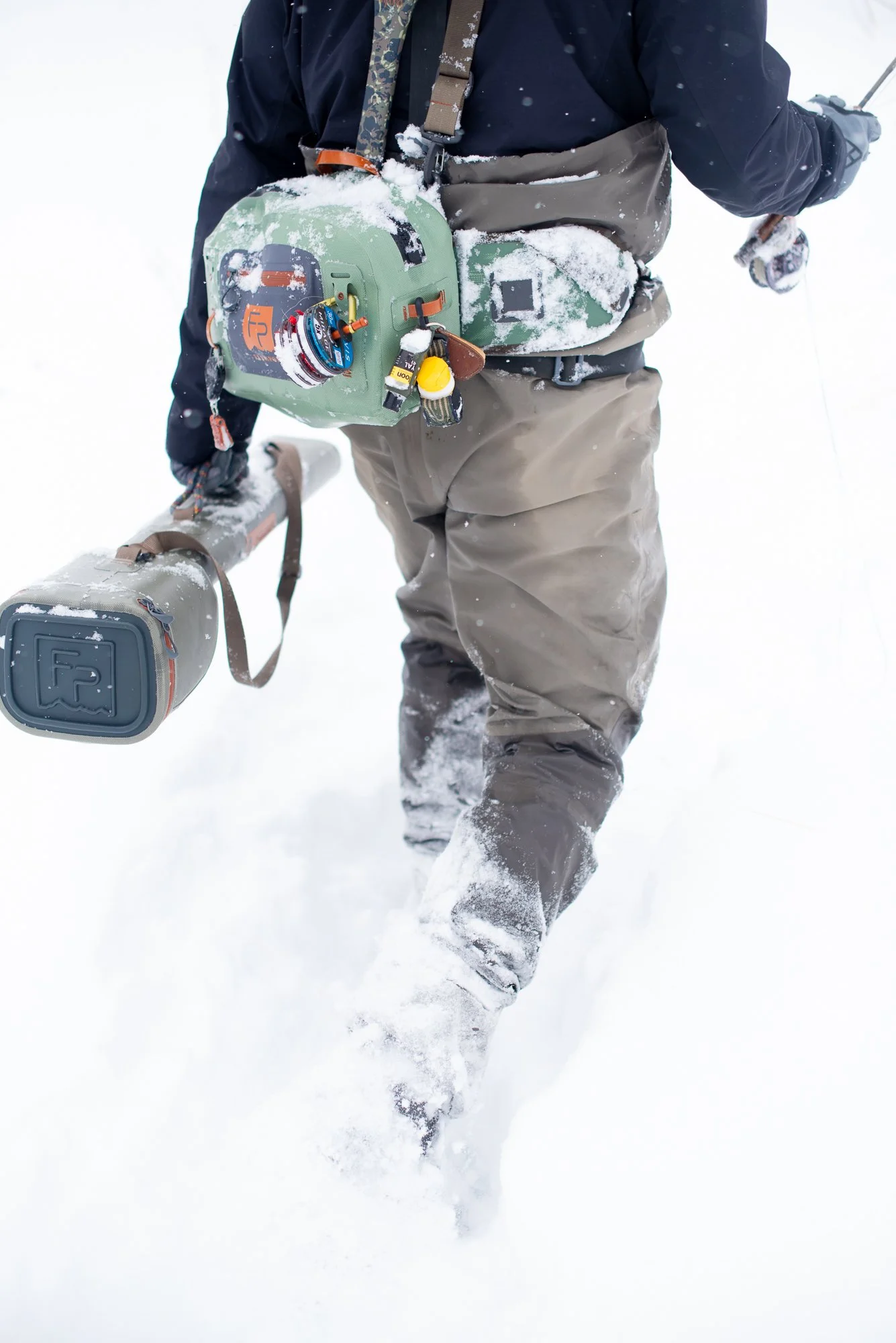
A close-up of fishing gear and pack covered in snow during winter fly fishing on Clear Creek in Colorado.

Fishing gear and a pack collect snow during a winter day along Clear Creek.

Why Small Creeks Like Clear Creek Fish Differently in Winter

Clear Creek isn’t a wide, forgiving river. It’s tight in places, fast in others, and technical when the water drops.

In winter, that becomes even more pronounced.

The fish don’t spread out—they consolidate. Deep pockets, slower seams, and protected water hold most of the activity. If you’re not putting a fly exactly where it needs to be, you’re probably not getting a look.

What makes small creeks interesting this time of year is how intimate everything feels. There’s no hiding from bad drifts or sloppy approaches. You’re close to the water, close to the fish, and aware of every mistake.

And when it comes together, it feels earned.
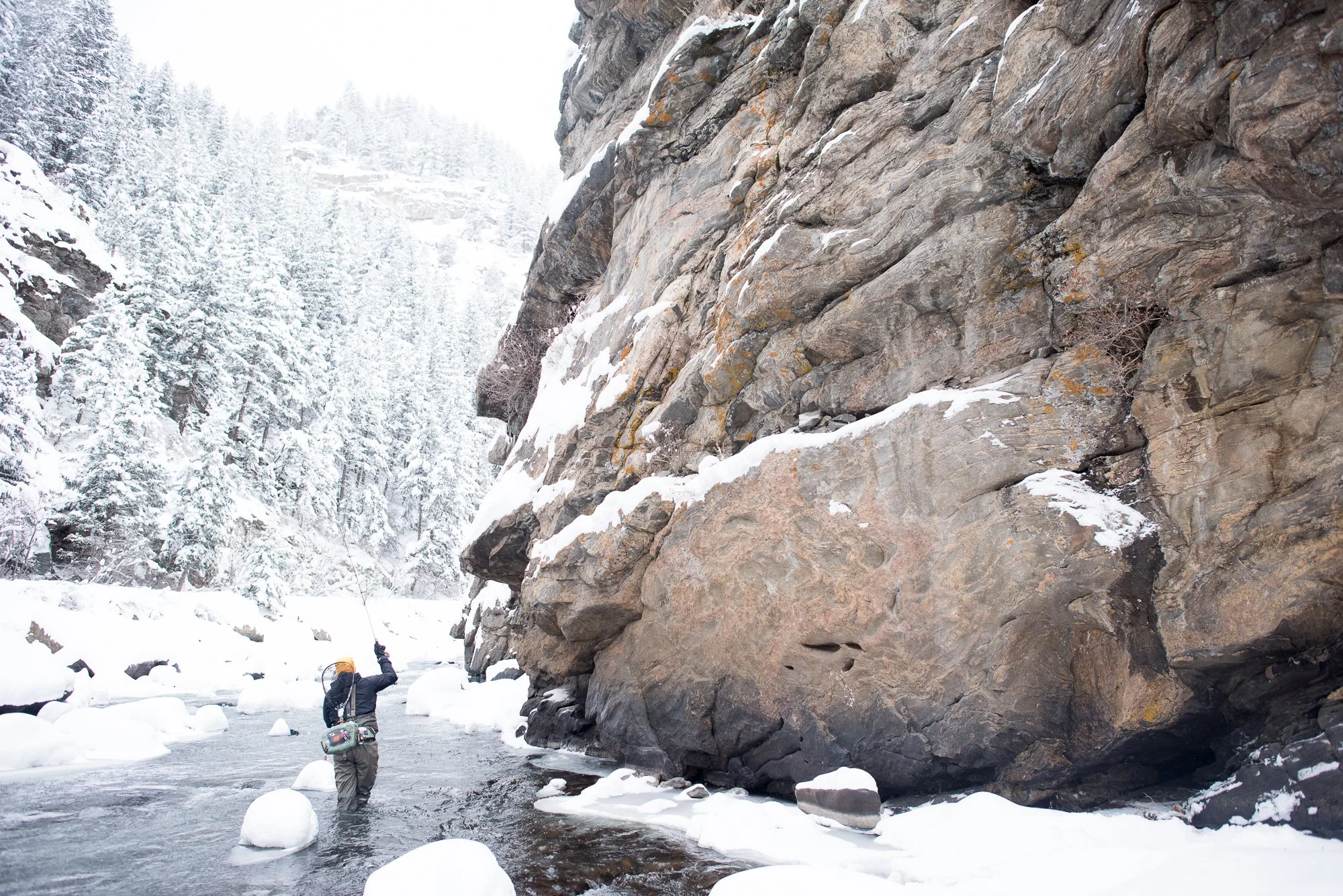
An angler fishes along a rocky wall on Clear Creek in Colorado during winter with snow-covered banks.

An angler fishes along a rock wall on Clear Creek, moving through a narrow stretch of water in winter.
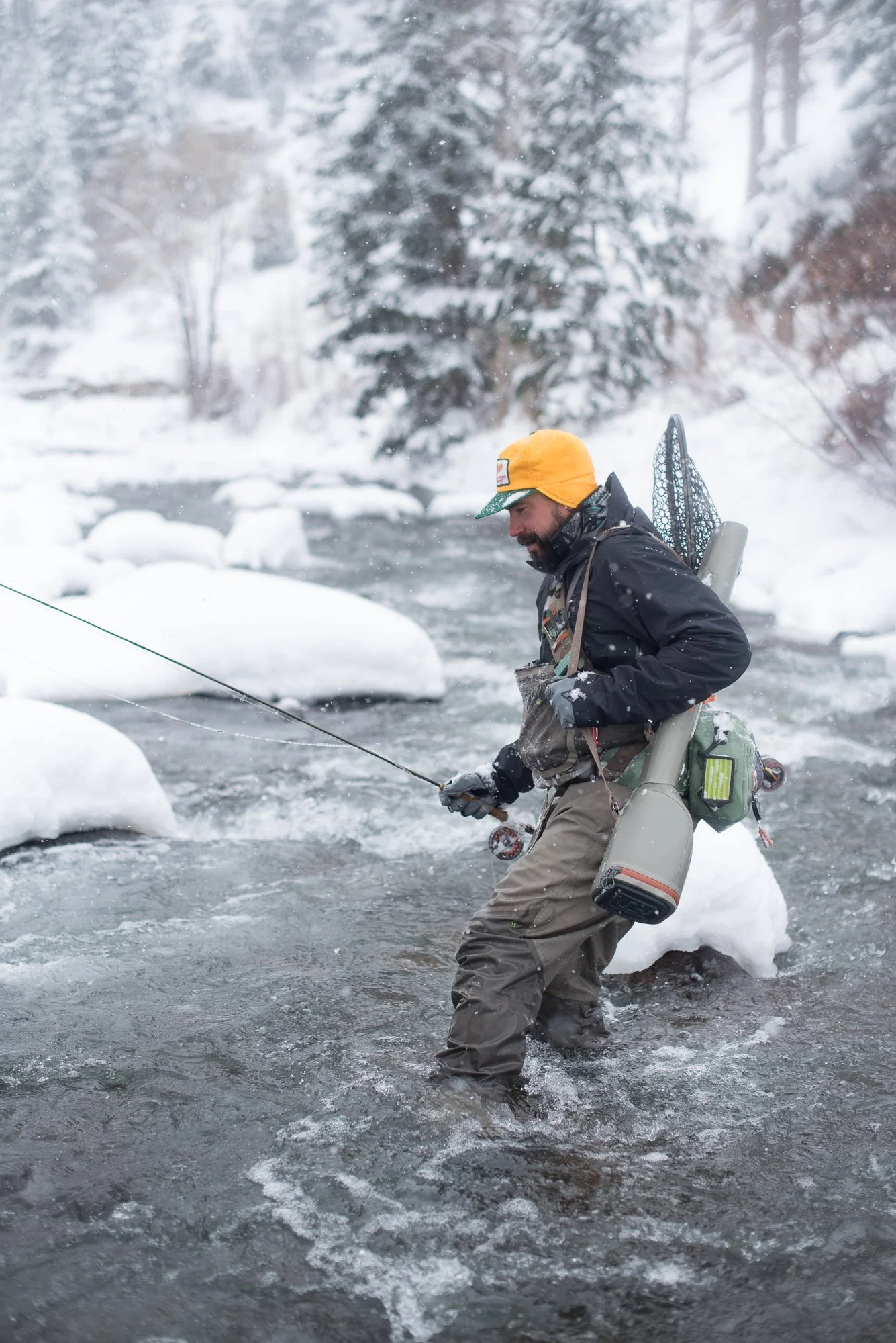
A fisherman wades through Clear Creek in winter with snow falling and gear on his back.

A fisherman wades through the current in winter as light snow falls around him.

The Reality of Winter Fly Fishing Conditions

This is where most of the romantic ideas about winter fishing fall apart.

It’s cold in a way that sticks with you. Not dramatic, just persistent. Fingers go numb. Guides freeze. You break ice out of your rod between casts and keep going.

There’s a rhythm to it:

  • Cast

  • Check the drift

  • Clear ice

  • Repeat

You don’t rush. You can’t.

The light is different too. Lower in the sky, flatter, quieter. It doesn’t light up the river—it settles over it. That changes how everything looks, especially in photographs. The colors are muted, the contrast is softer, and the scenes feel more stripped down.

It’s not dramatic. It’s honest.
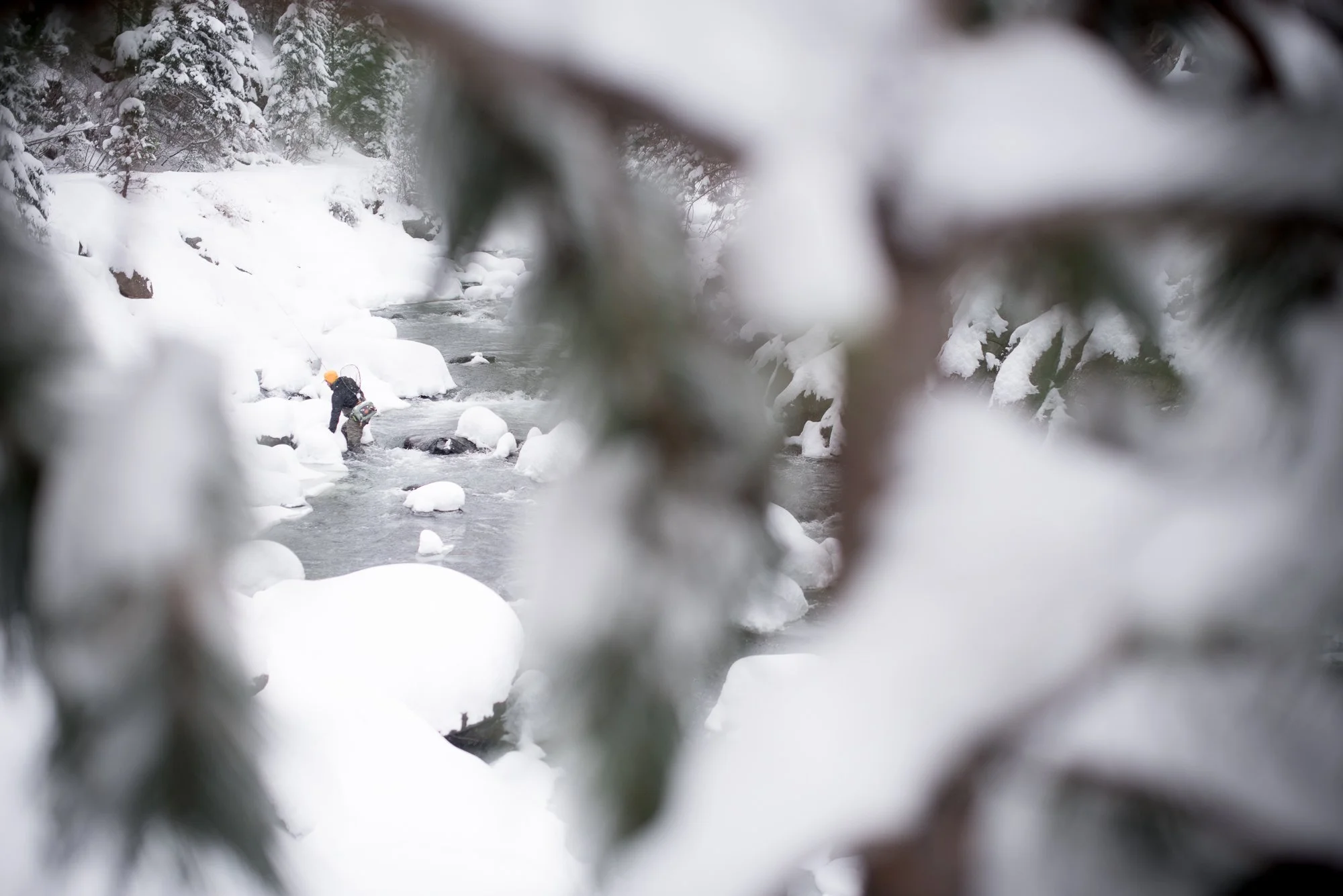
A fisherman stands in Clear Creek framed by snow-covered trees during winter.

A fly fisherman walking out of Clear Creek, partially framed by snow-covered trees along the bank.
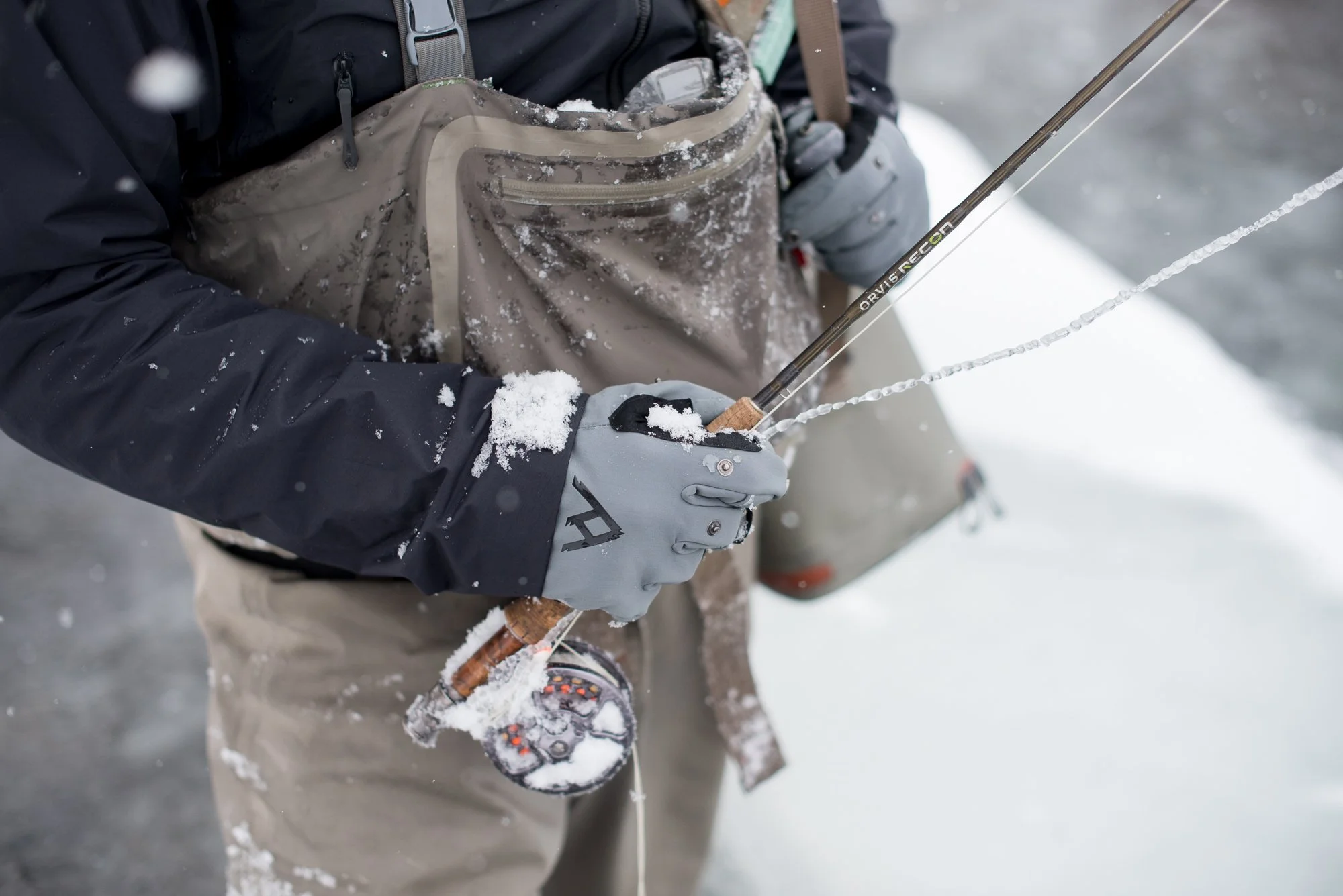
A close-up of gloved hands holding an iced fly fishing rod during winter on Clear Creek.

Gloved hands hold a fly rod as ice forms along the line in cold conditions.

A Morning on Clear Creek

Most winter mornings start the same way.

You step out into air that feels sharper than expected. The creek is already moving, thin ribbons of steam rising where the water meets the cold. Nothing about it suggests urgency.

The first stretch is usually quiet. Fish aren’t moving much yet, and neither are you. It’s more about paying attention—watching the water, seeing where things might happen later.

By late morning, something shifts.

Maybe it’s subtle—just enough warmth to change the current slightly or bring a fish off the bottom. That’s when you start to see life again. Not in big, obvious ways, but in small signs: a hesitation in the drift, a slight take, a fish that wasn’t there an hour ago.

There’s no rush to it. No pressure to move quickly or cover miles of water. You stay with it, work through a stretch carefully, and take what the day gives you.

Some days that’s a few fish. Some days it’s none.

Either way, it’s enough.
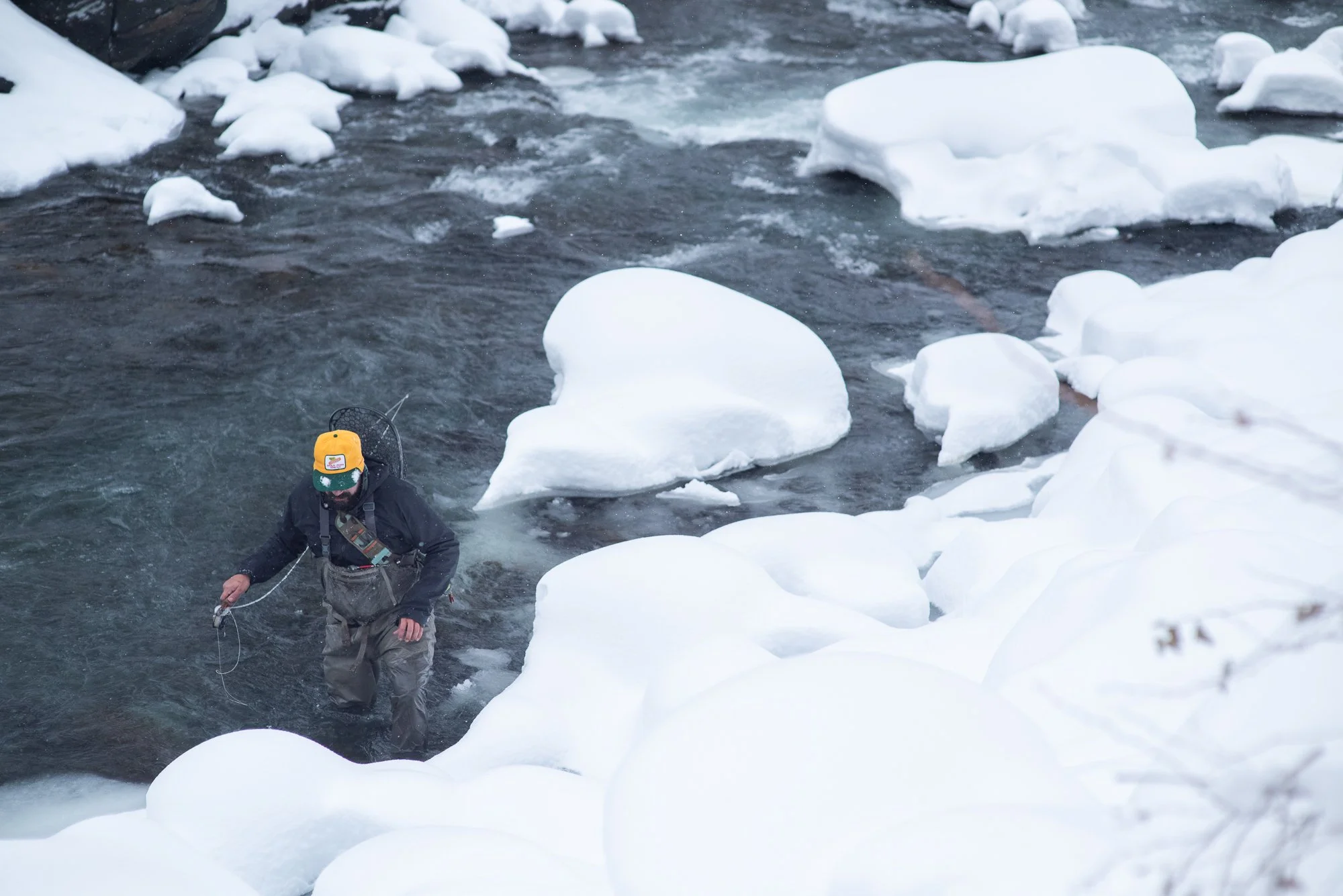
A fisherman wades through Clear Creek in Colorado during winter surrounded by snow-covered rocks and flowing water.

A fisherman wades through, stepping carefully between snow-covered rocks in winter conditions.
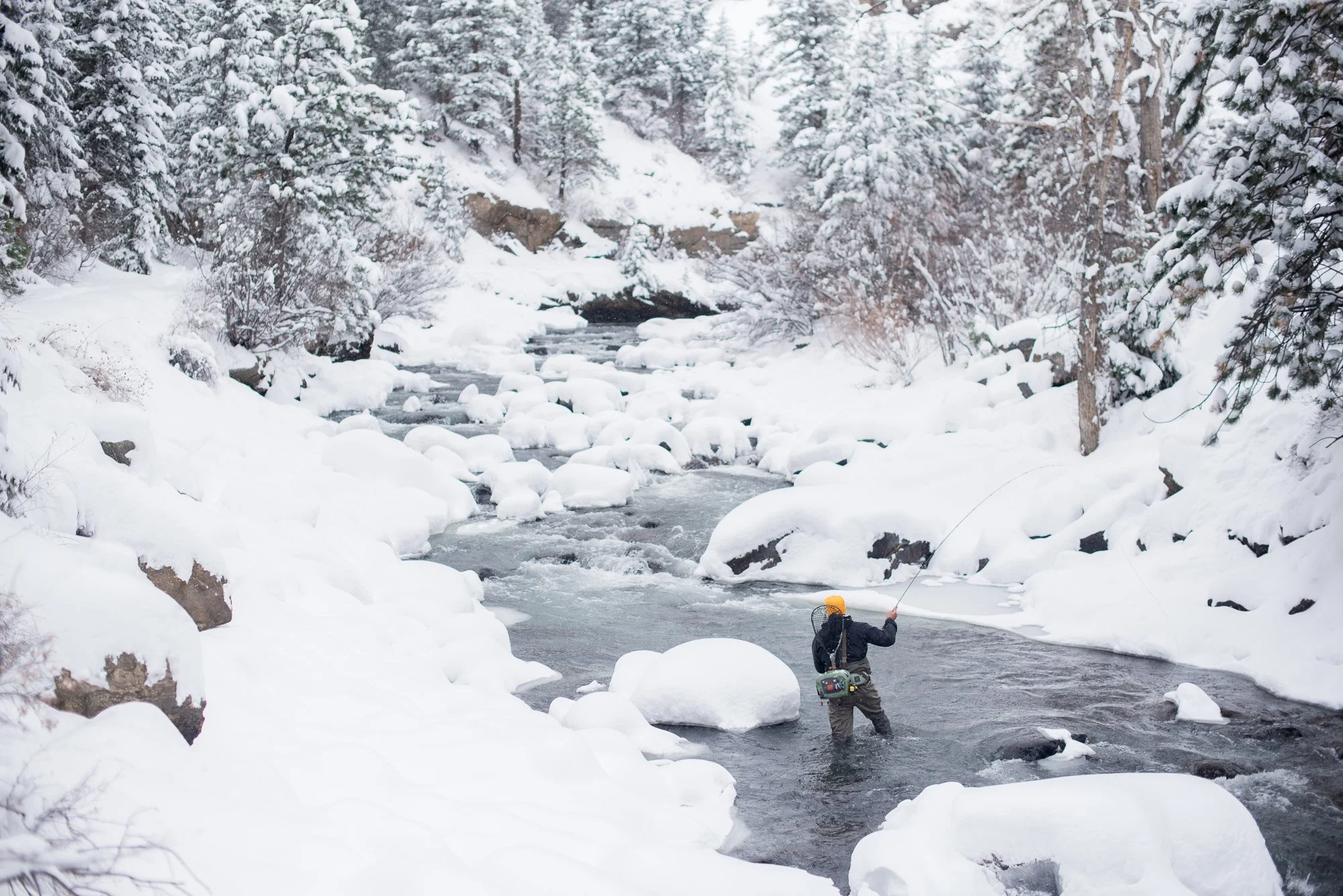
A wide view of an angler fishing in Clear Creek in Colorado during winter surrounded by snow-covered banks and trees.

An angler fishes a wider stretch of Clear Creek in Colorado, working through slow winter water.

Why Winter Fly Fishing Is Worth It

It’s not about comfort. And it’s definitely not about easy fishing.

What keeps people coming back to places like Clear Creek in the winter is something harder to define. Maybe it’s the absence of distraction. Maybe it’s the way everything gets simplified—water, movement, attention.

Or maybe it’s just the fact that the river doesn’t stop when the season changes.

For me, this time of year has always been less about the outcome and more about the experience of being there. The photographs come out of that—quiet moments, small movements, and the kind of light you don’t get any other time of year.

They’re not dramatic images. They’re not meant to be.

They’re a record of what it actually feels like to stand in a Colorado creek in the middle of winter and keep fishing anyway.
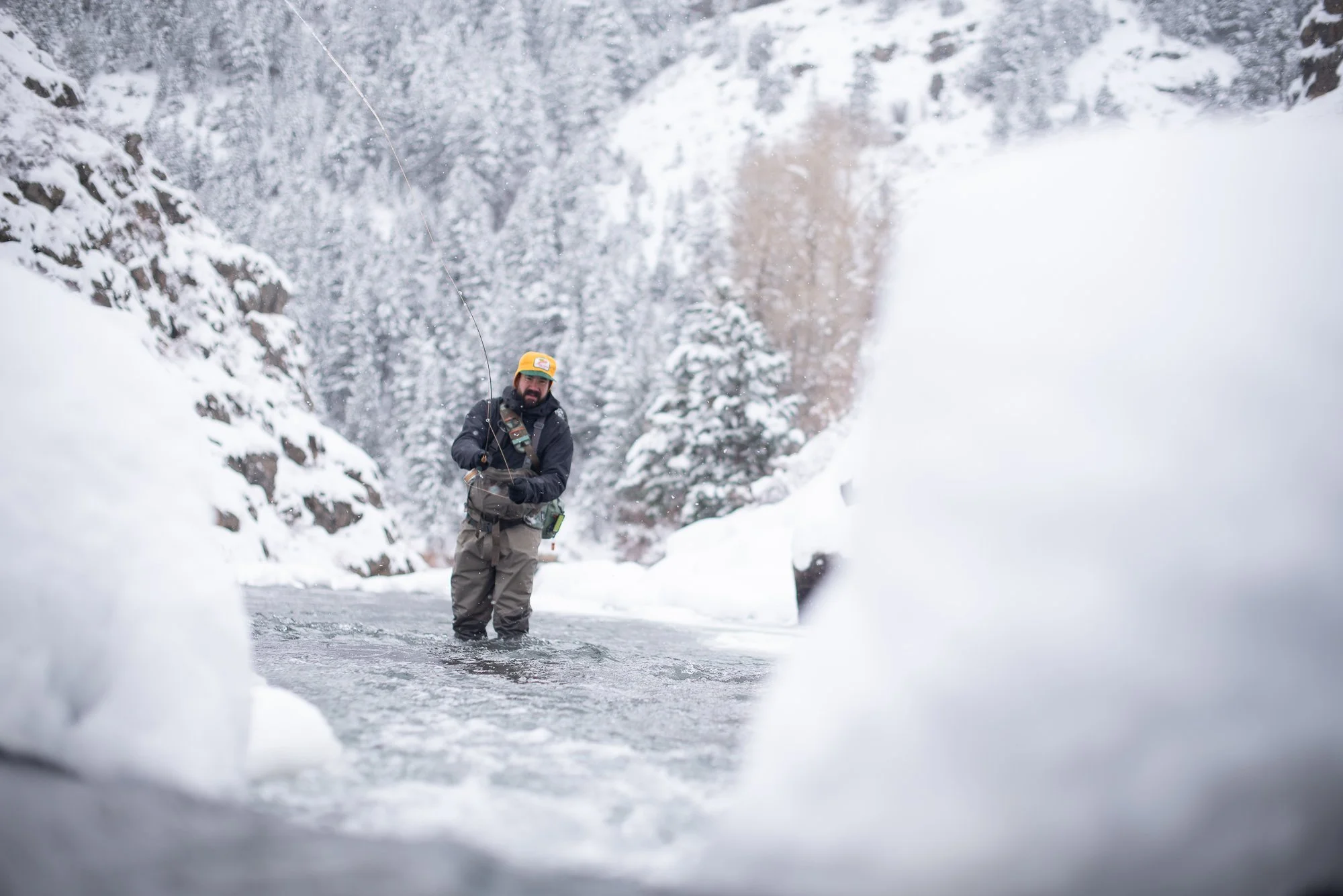
An angler casts a line while standing in Clear Creek during winter with snow falling around him.

An angler casts into Clear Creek in Colorado, working through a cold winter stretch of water.
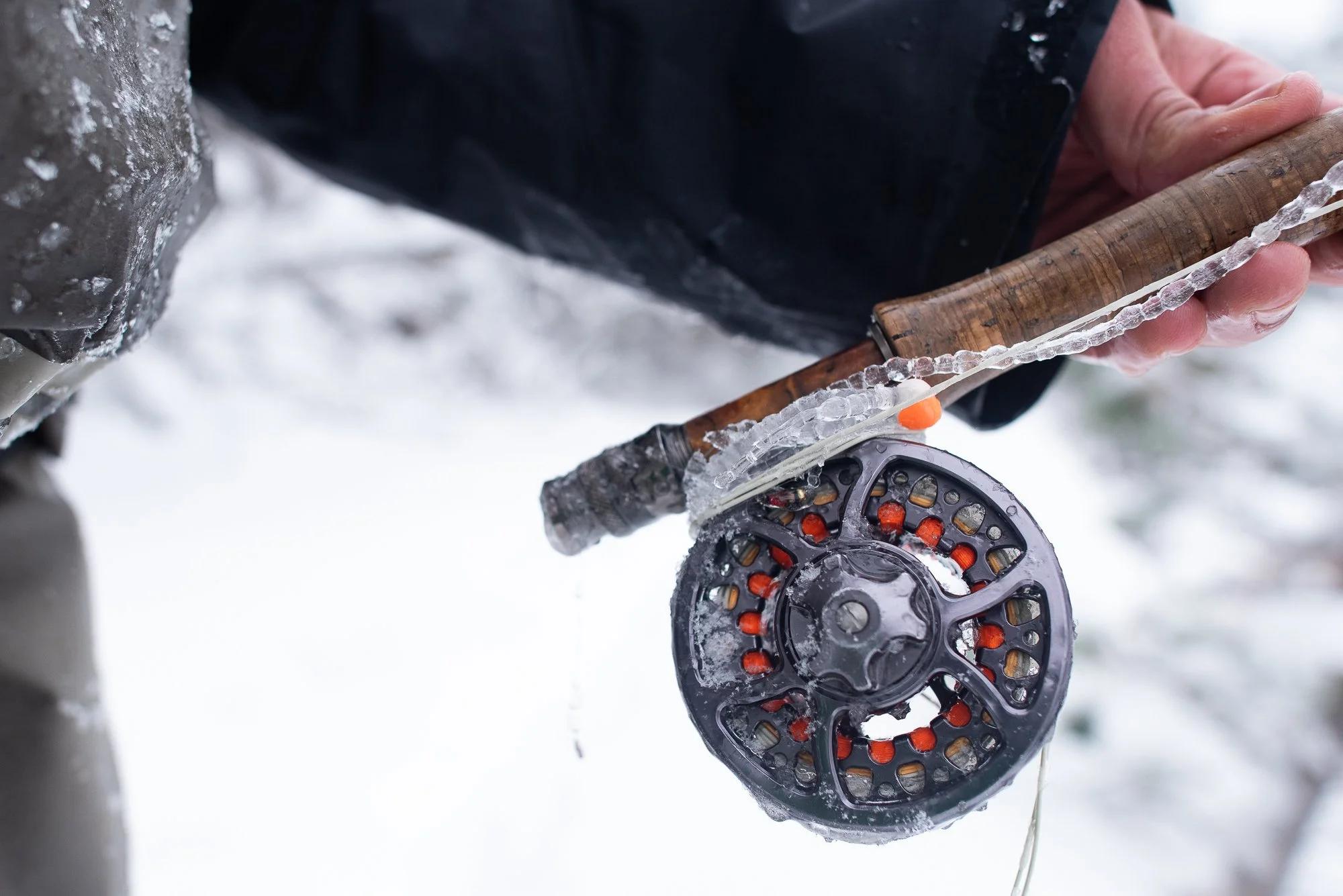
A close-up of a fly fishing rod and reel covered in ice during winter fishing on Clear Creek.

Ice builds along a fly rod and reel during winter fishing, requiring it to be cleared between casts.

Explore the Full Fly Fishing Photography Collection

If you’re interested in seeing more work like this—across different seasons, rivers, and parts of the American West—you can view the full collection below.

For brands, outfitters, and publications looking for authentic fly fishing imagery—real anglers, real conditions, and a documentary approach—licensing inquiries are always welcome - rob@robhammerphotography.com
View my full fly fishing photography gallery

Shop fly fishing prints

Explore more winter fly fishing in Colorado

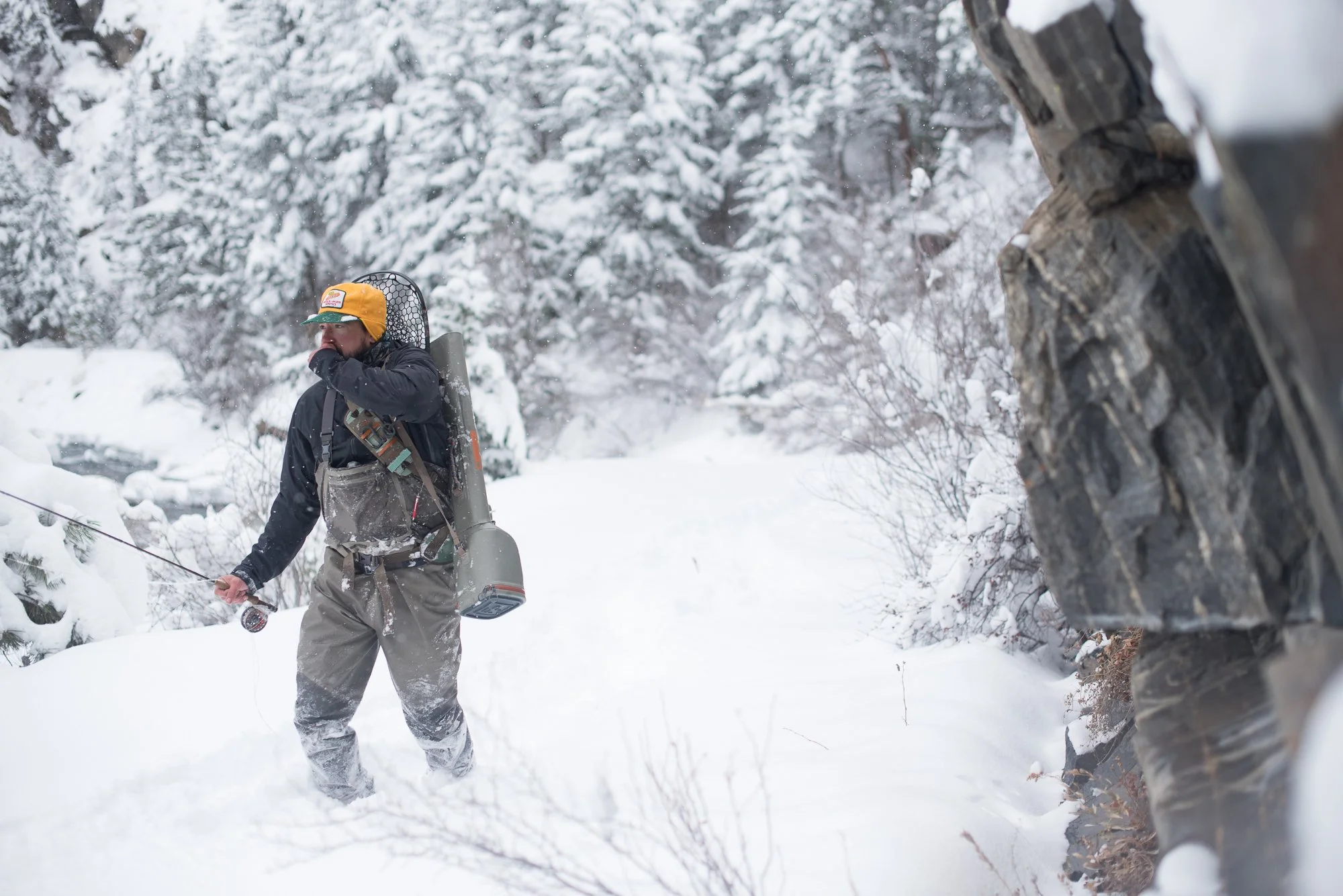
A fisherman walks along the snowy bank of Clear Creek carrying fishing gear in winter conditions.

An angler walks through the snow, blowing warm air onto his frozen hands
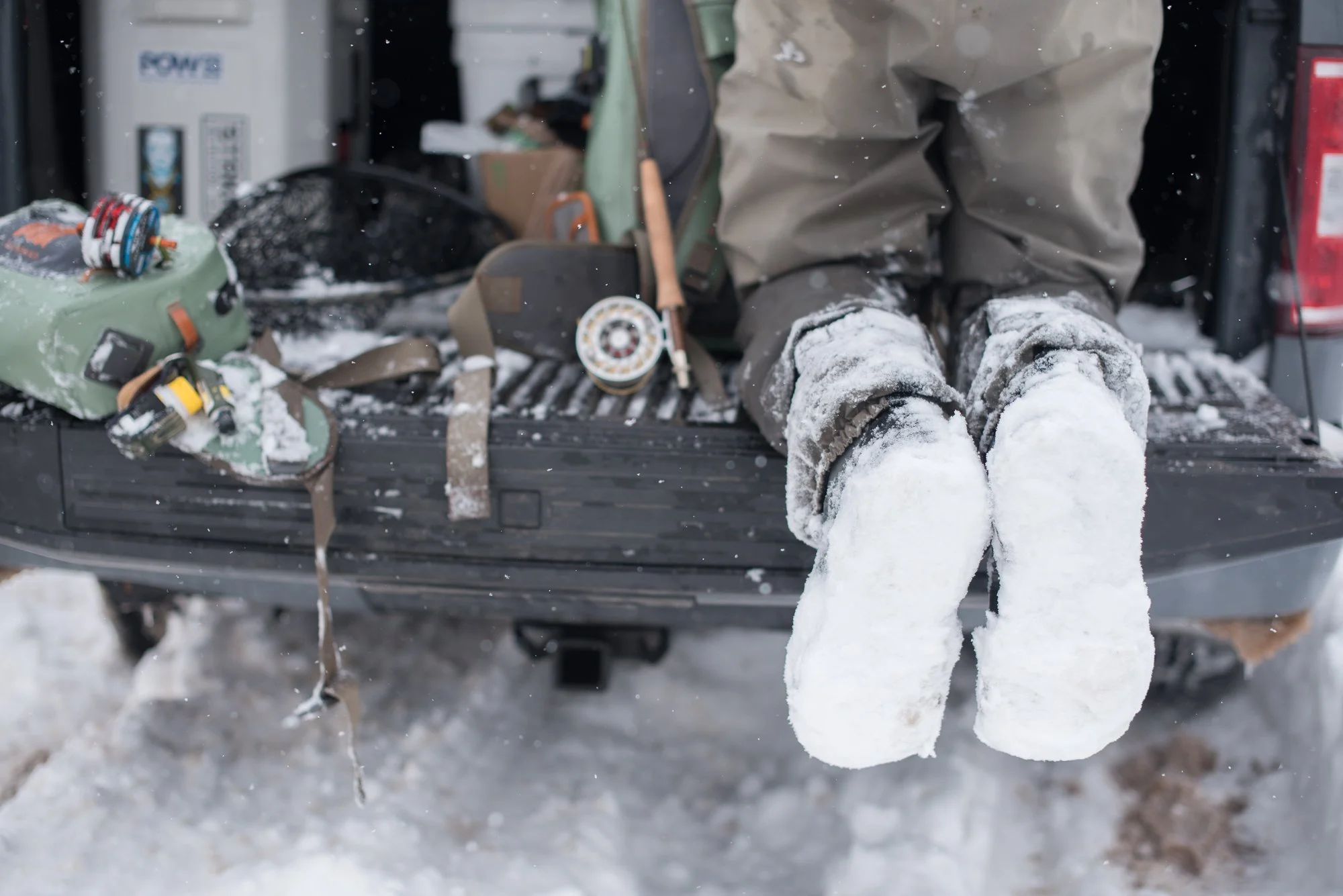
A fisherman sits on a truck tailgate with snow-covered boots and fishing gear after time on Clear Creek.

A fisherman sits on a truck tailgate with snow-covered boots and gear after time on the water.
Winter Storm Photography in Mammoth, California

Photographing a Winter Snow Storm in Mammoth

I’ve spent a lot of time in Mammoth over the years, mostly chasing snowstorms and long days on a snowboard. When a real storm rolls in, the town changes completely. Roads disappear, buildings soften, sound drops, and everything starts to feel slower and heavier. Those are the days I usually trade the board for a camera because the mountain tends to shutdown during heavy storms.

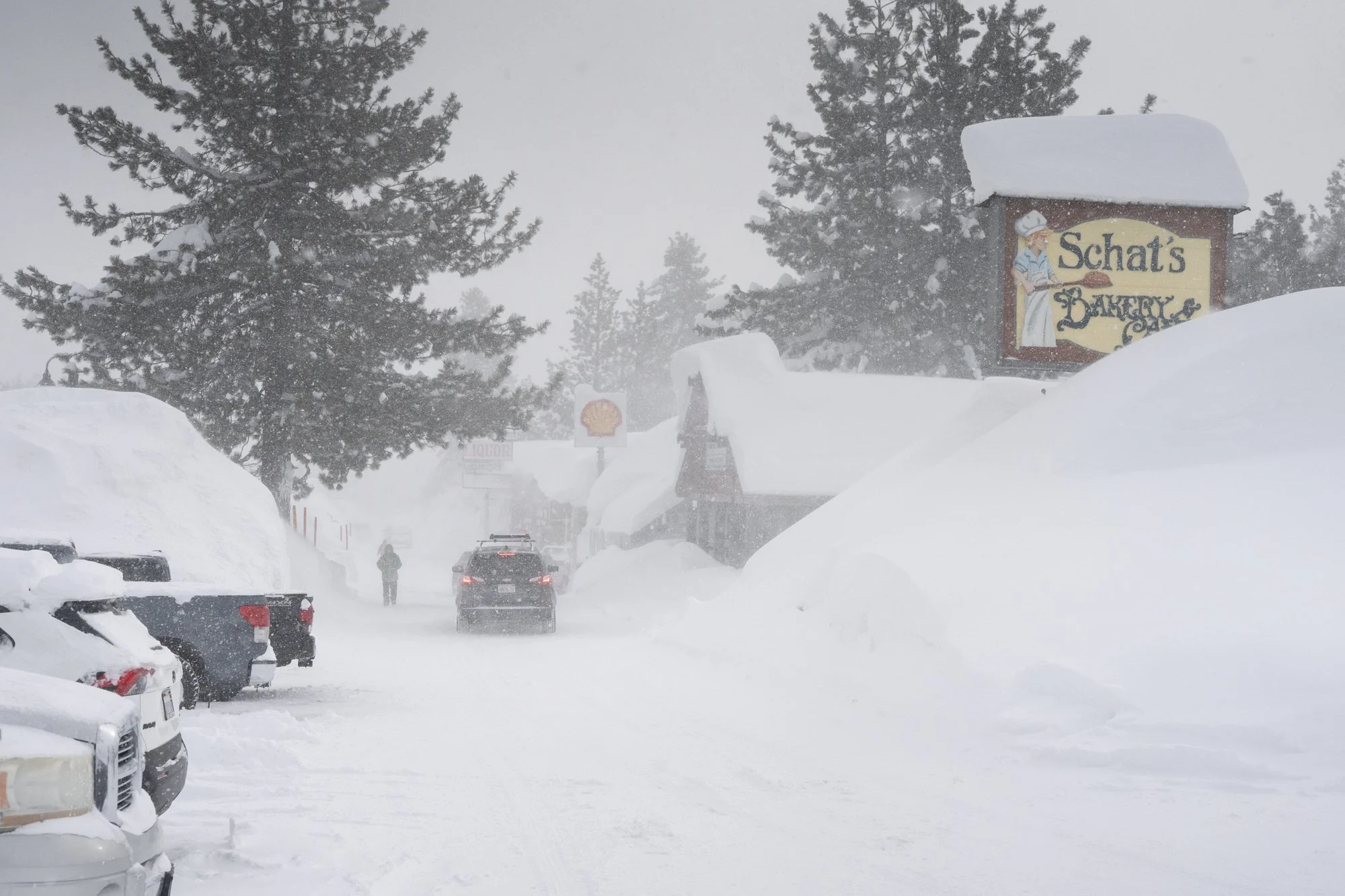
These images were made during an active winter snow storm in Mammoth, California. Not the postcard version of winter, but the kind where visibility comes and goes, snow stacks up faster than you expect, and the landscape feels stripped down to its essentials.

Living and Riding Through Winter Storms in Mammoth

If you spend enough winters here, storms stop feeling like events and start feeling like part of daily life. You wake up early to check the wind, ride when it’s good, wait it out when it’s not, and move through town while everything is still half-buried.

That familiarity makes it easier to photograph in tough conditions. I’m not chasing drama — I’m paying attention to how snow reshapes familiar places. A parking lot becomes abstract. A road turns into a line of tone and texture. Scale shifts constantly as the storm moves through.

Photographing Snow, Wind, and Scale

Winter storm photography is less about spectacle and more about restraint. Snow simplifies scenes, but it also hides detail. Light flattens quickly. Wind erases edges. The challenge is working within those limits without forcing a moment that isn’t there.

Most of these photographs were made quietly, between riding and driving, while the storm was actively changing the landscape. I’m drawn to scenes where human presence feels temporary — plowed roads, snow-covered buildings, tracks that won’t last long.

Why Winter Storm Photography Matters

Severe weather has a way of revealing place. In the mountains, storms expose how people build, move, and adapt. They show scale in a way clear days don’t. For editors, designers, and brands, winter storm imagery can communicate isolation, endurance, calm, and intensity without explanation.

These photographs aren’t about tourism or ski culture. They’re about atmosphere and environment — images that work as visual anchors in editorial layouts, books, campaigns, and long-form storytelling.

Editorial and Commercial Licensing

This series of winter storm photographs from Mammoth, California is available for editorial and commercial licensing. The images are well suited for magazines, books, outdoor and lifestyle brands, environmental storytelling, and large-format applications where mood and scale matter.

If you’re looking for cinematic winter imagery made from lived experience rather than a one-day shoot, I’m happy to help you find the right images or build a custom edit for your project.

Images from this series are also available as fine art prints. Contact me for details.

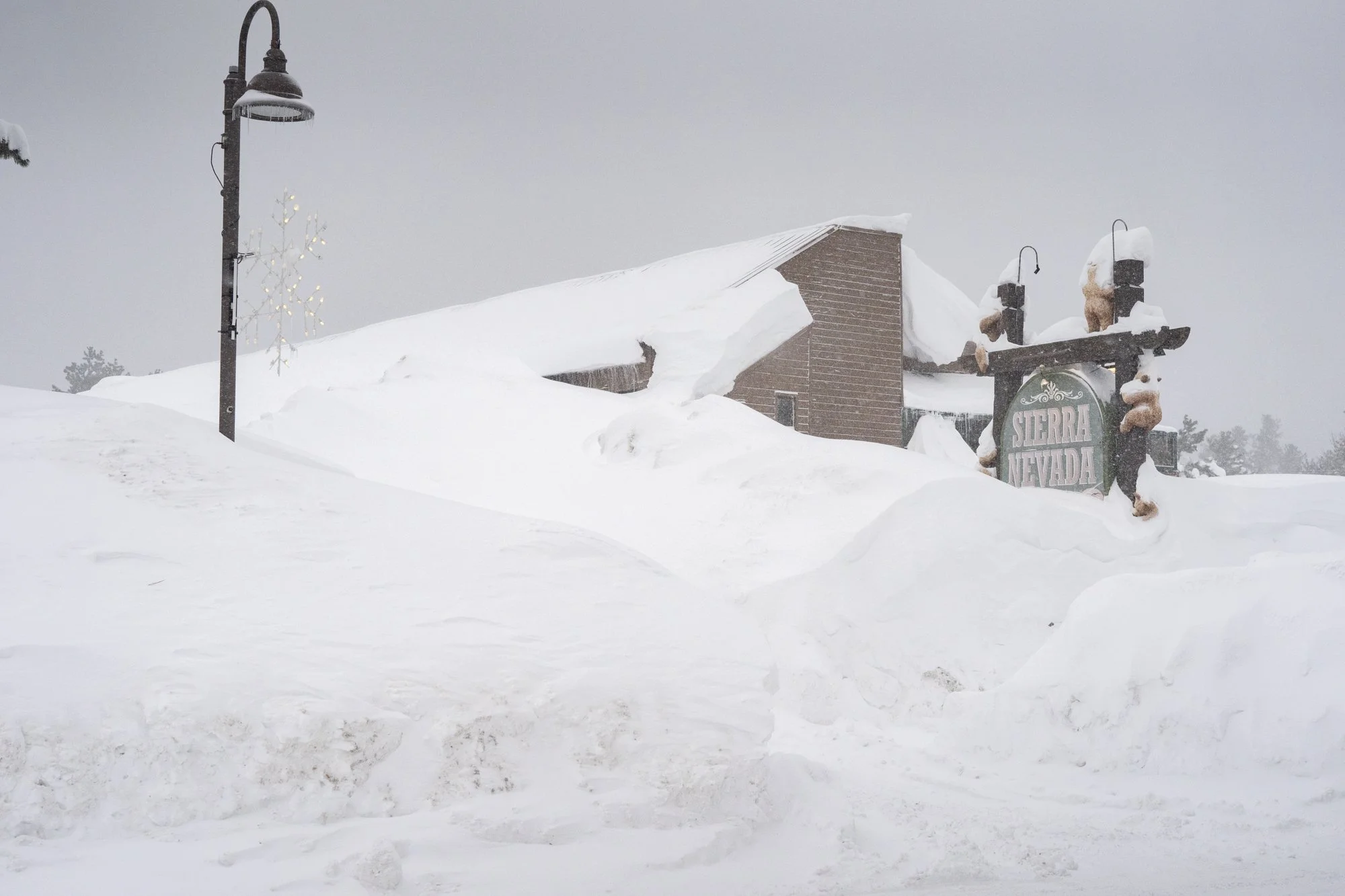
The Sierra Nevada Resort in Mammoth Lakes, California after a huge winter snowstorm

Sierra Nevada Resort covered in snow after a winter storm

Schat's Bakery in Mammoth Lakes, California covered in snow after a massive snow storm

Schat’s Bakery in Mammoth, California covered in snow

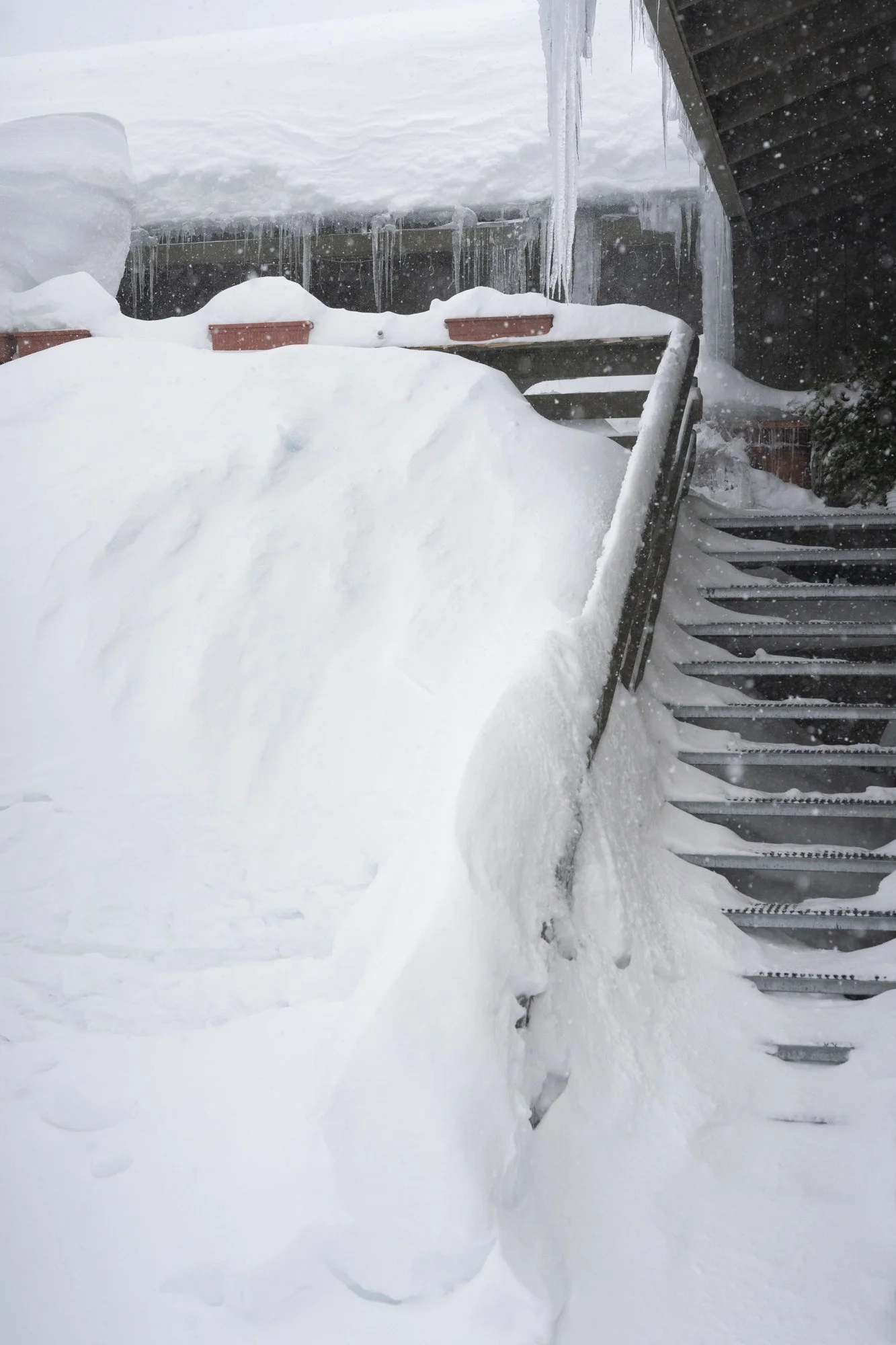
Photograph of a house covered in deep snow after a storm in Mammoth, CA

Photograph of a record breaking snow storm in Mammoth Lakes, CA

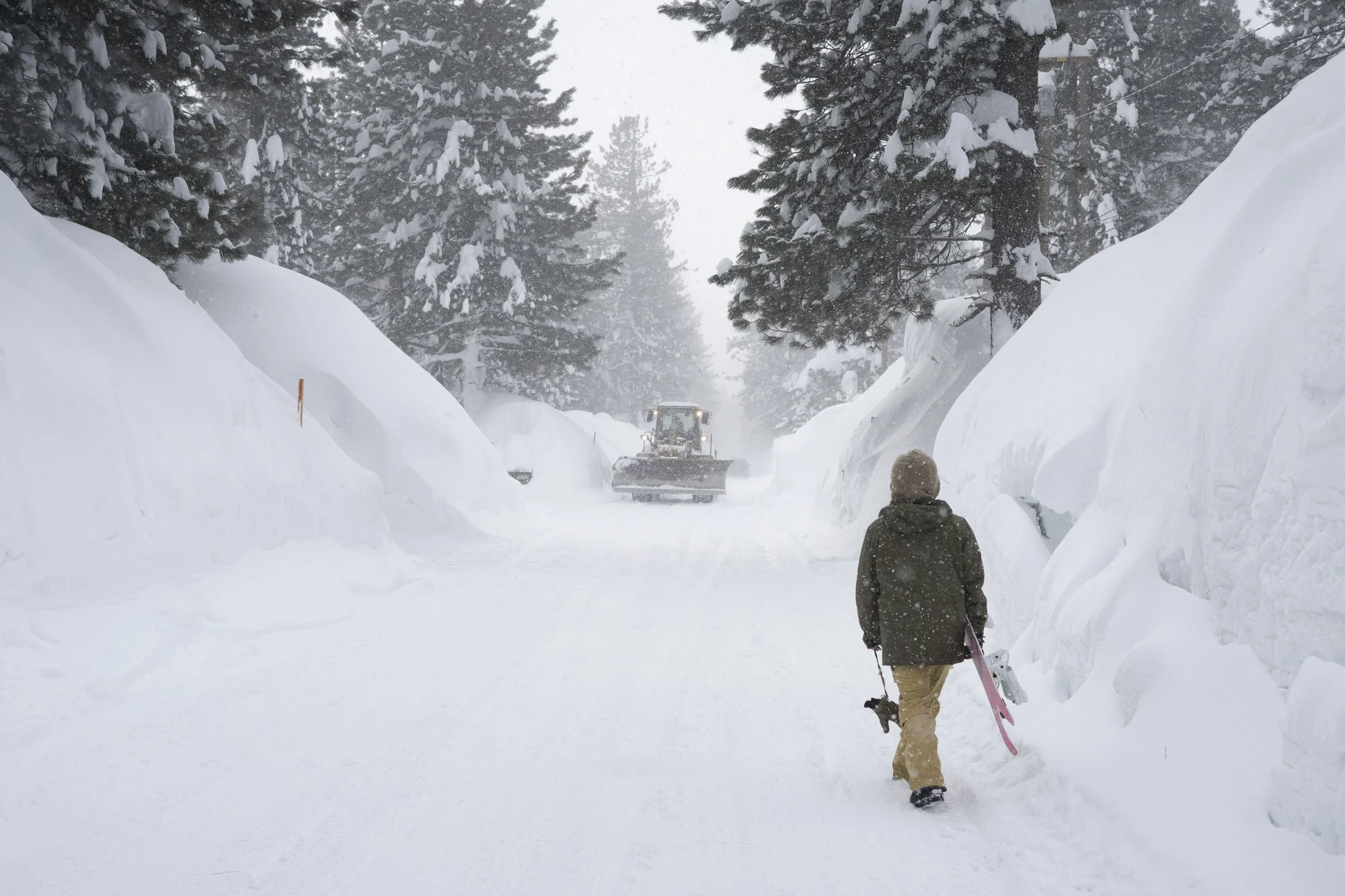
A snowboarder walks down the street after a massive winter snow storm in Mammoth Lakes, California

Streets covered in snow after a record storm in Mammoth Lakes, CA

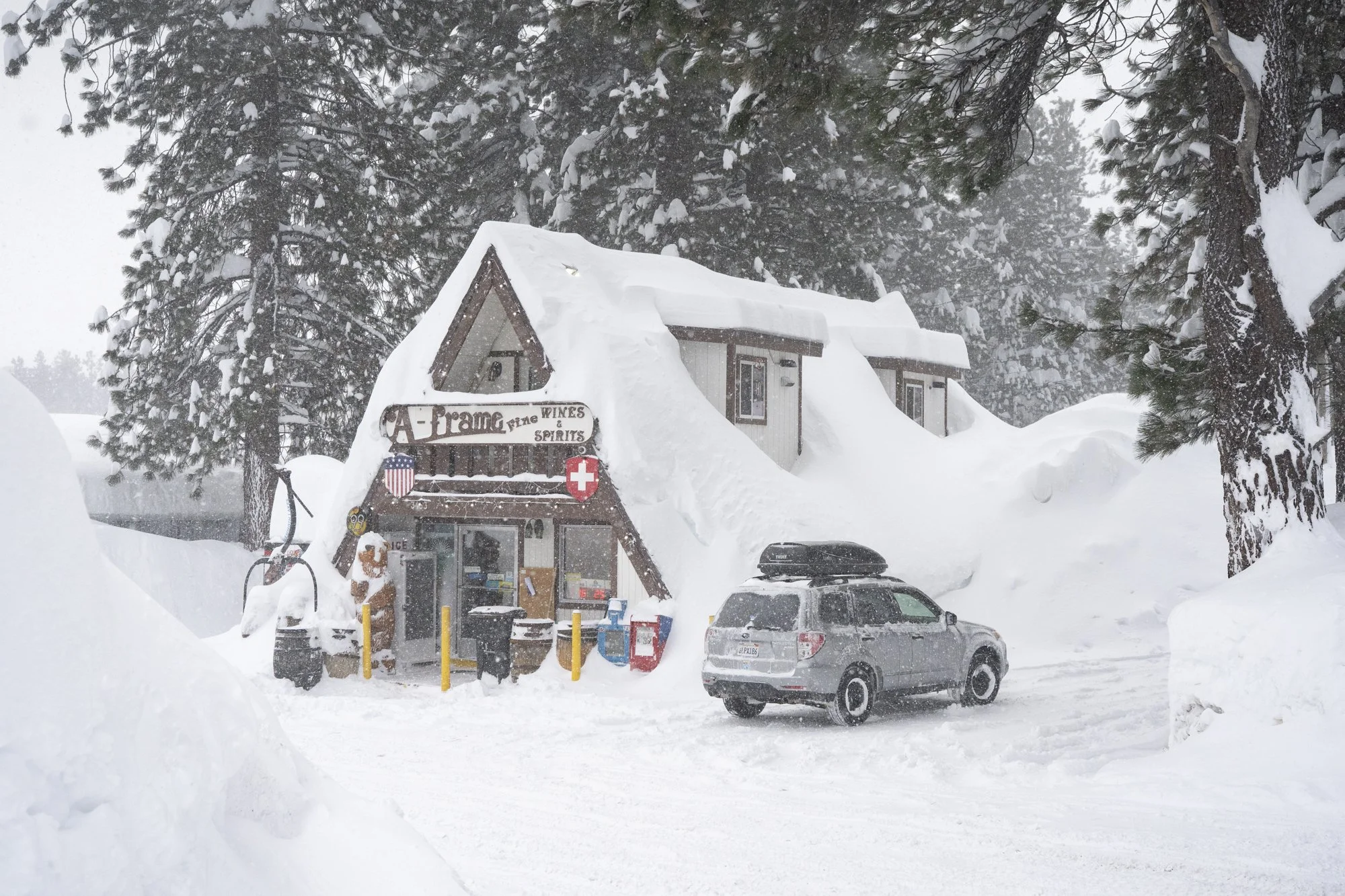
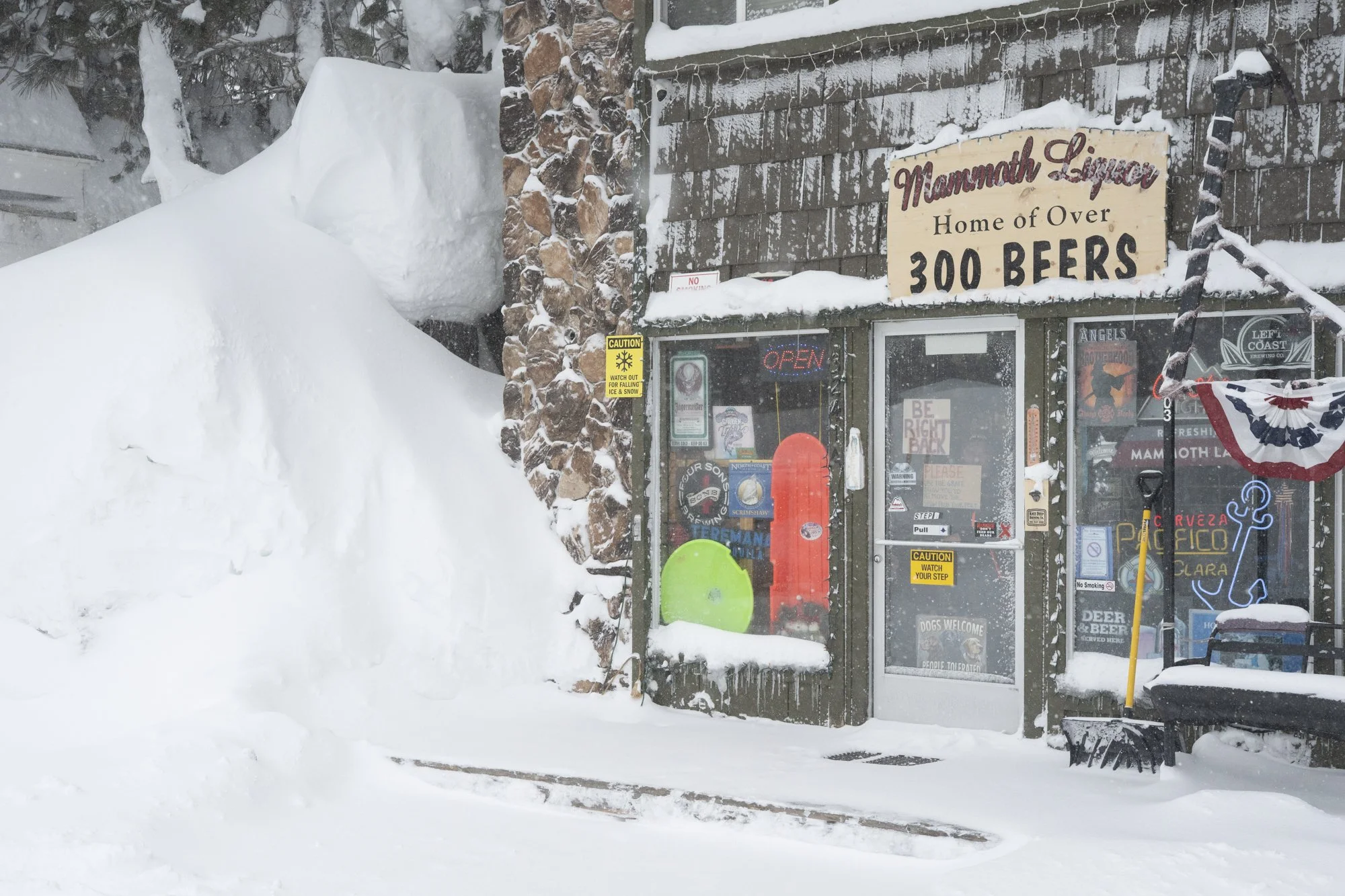
A-Frame Liquor store covered in snow after a record breaking winter storm in Mammoth Lakes, California

A-Frame Liquor covered in snow after a winter storm in Mammoth Lakes, CA

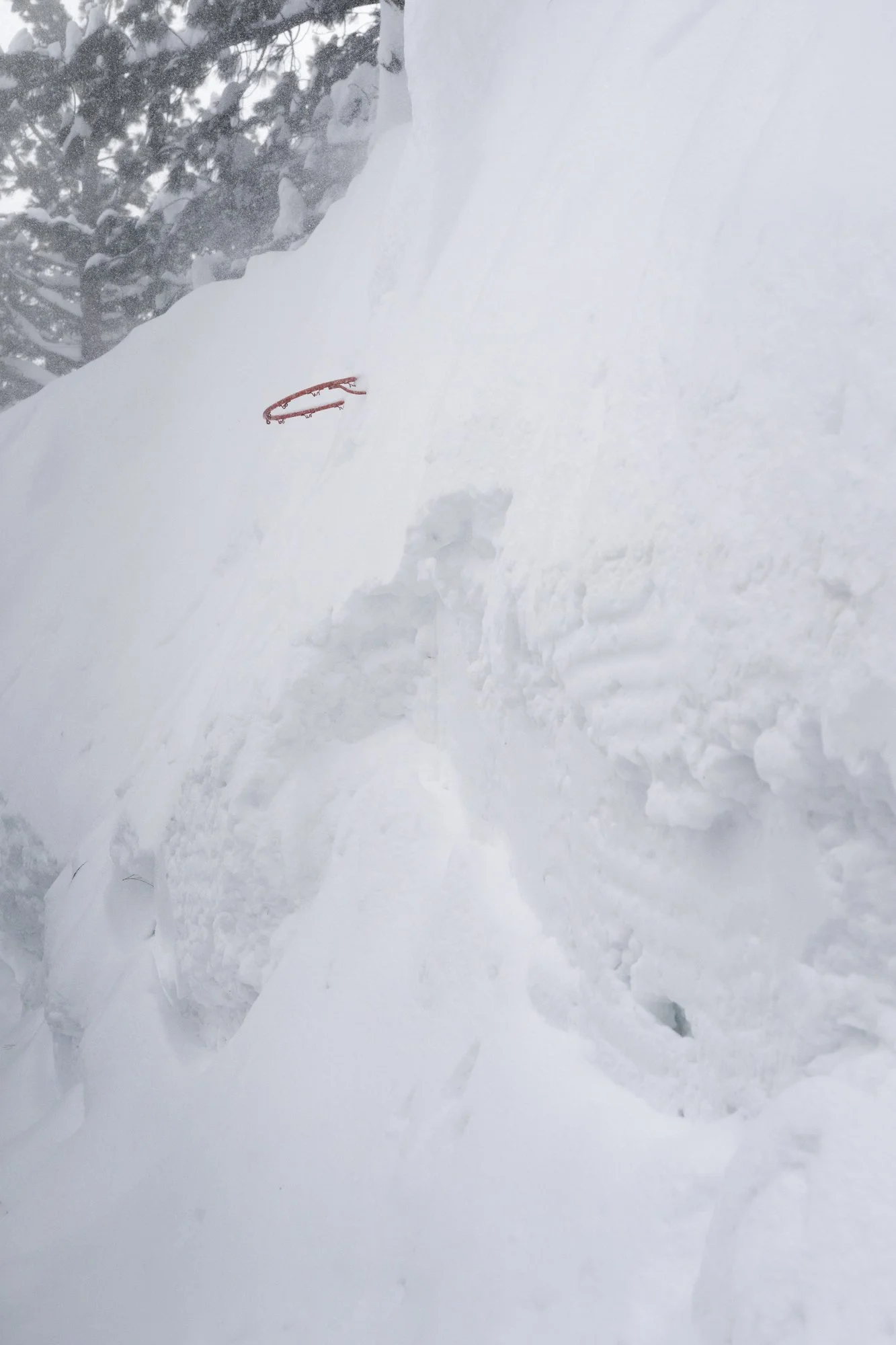
A basketball hoop completely covered in snow after a record breaking winter storm in Mammoth Lakes, California

A basketball hoop sticking out of a snow bank after a record breaking storm in Mammoth,CA

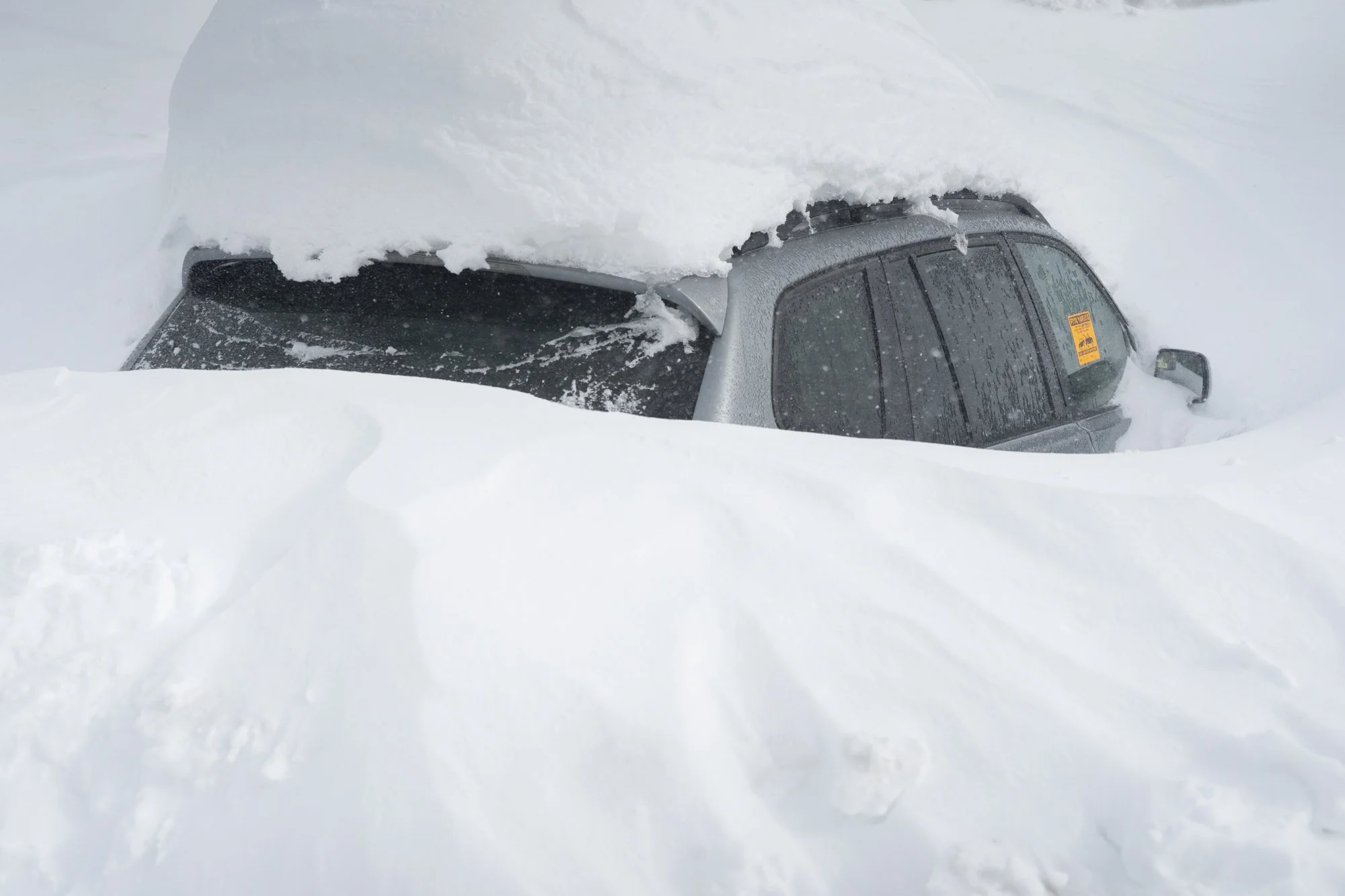
A car completely covered in snow after a massive winter storm in Mammoth Lakes, California

Photograph of a car covered in snow after a storm in Mammoth Lakes, CA

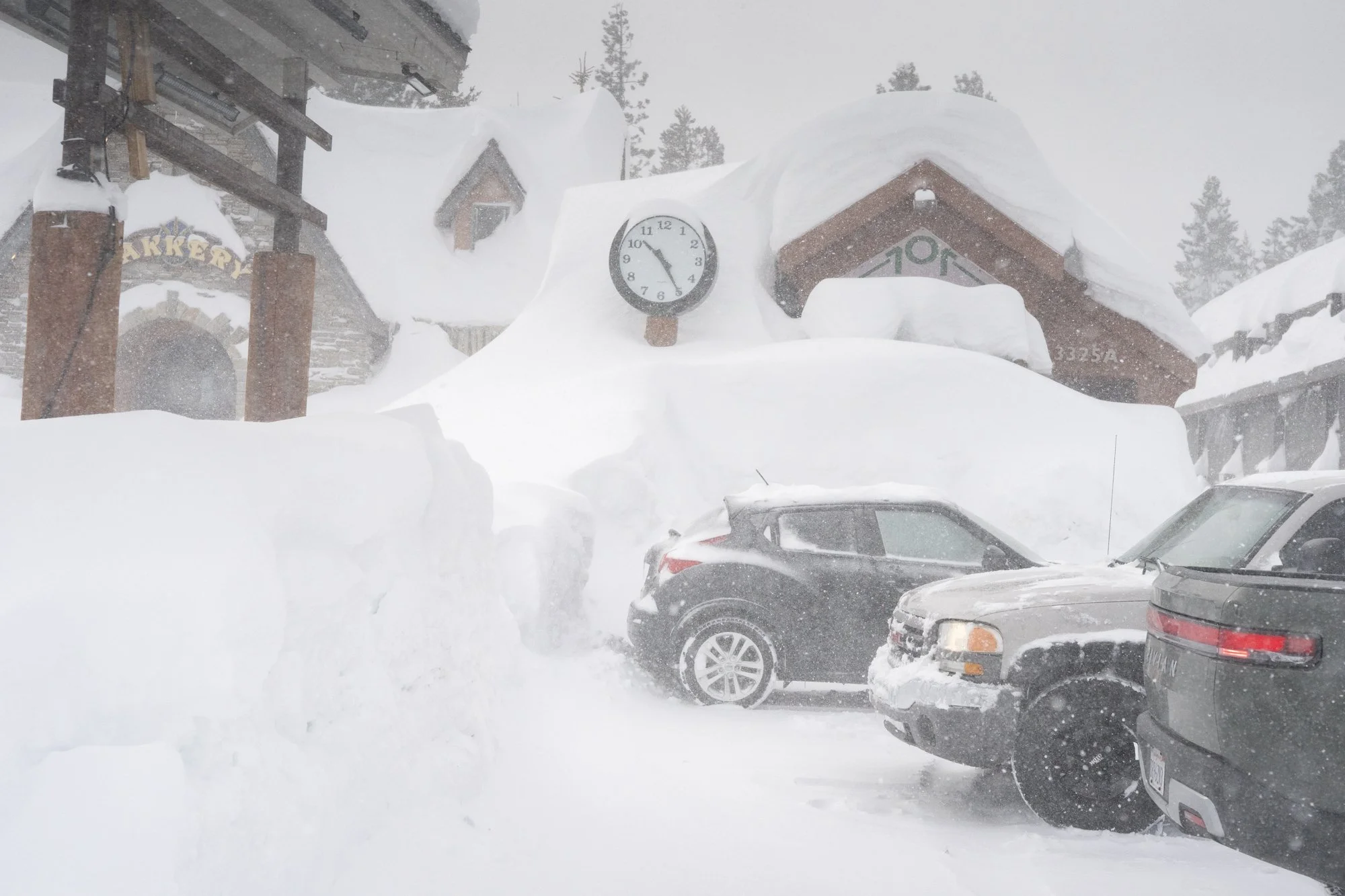
Schat's Bakery and other local businesses covered in snow after a massive winter storm in Mammoth Lakes, California

Snow storm in Sierra Nevada Mountains in California

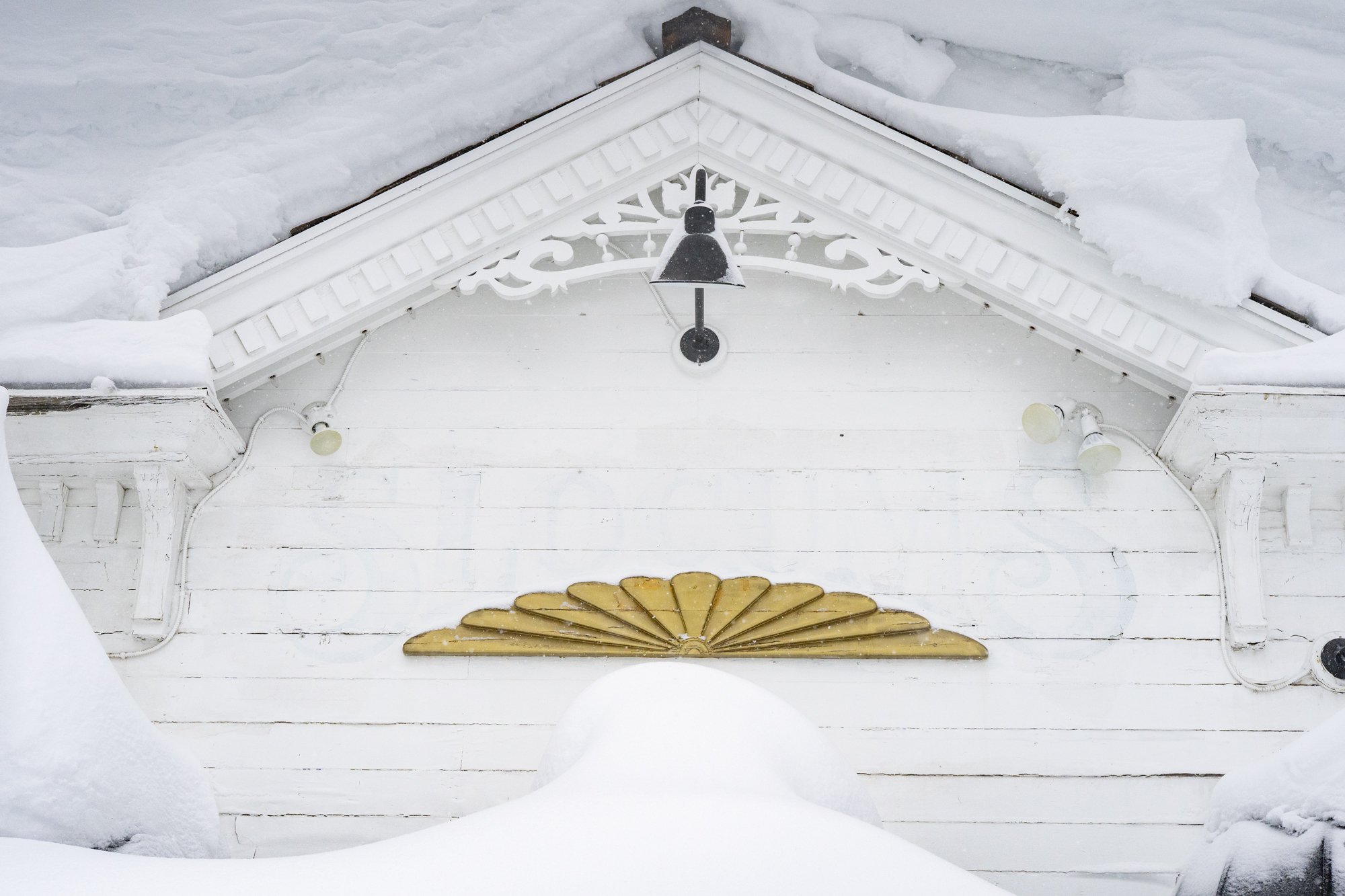
Buildings covered in snow after a record breaking winter storm in Mammoth Lakes, California

Photograph of a Mammoth California restaurant covered in snow

Mammoth Liquor Store covered in snow after a record breaking storm in Mammoth Lakes, California

Photograph of Mammoth Liquor covered in snow after a record breaking storm