Inside One of America’s Oldest Leather Tanneries

Inside Wickett & Craig: Photographs of an American Leather Tannery

Leather is part of our everyday lives, but most people never give any thought to what it is or where it comes from. After more than 6 years photographing working cowboys and ranches throughout the American West, I'm accustomed to seeing it everywhere: saddles, reins, bridles, chaps, boots, belts, and countless other pieces of gear. Usually, by the time I photograph it, the leather has already spent years being worked hard.

The Wickett & Craig tannery in Curwensville, Pennsylvania, offered an opportunity to see the other end of that story.

Founded in 1867, Wickett & Craig has been making leather for more than 150 years and is one of the few remaining specialty vegetable tanneries in the United States. The company spent its first 123 years in Toronto before moving to Pennsylvania around 1990, where it now operates a large tannery producing millions of square feet of leather each year.

I went there to photograph the people, machinery, and process behind it.
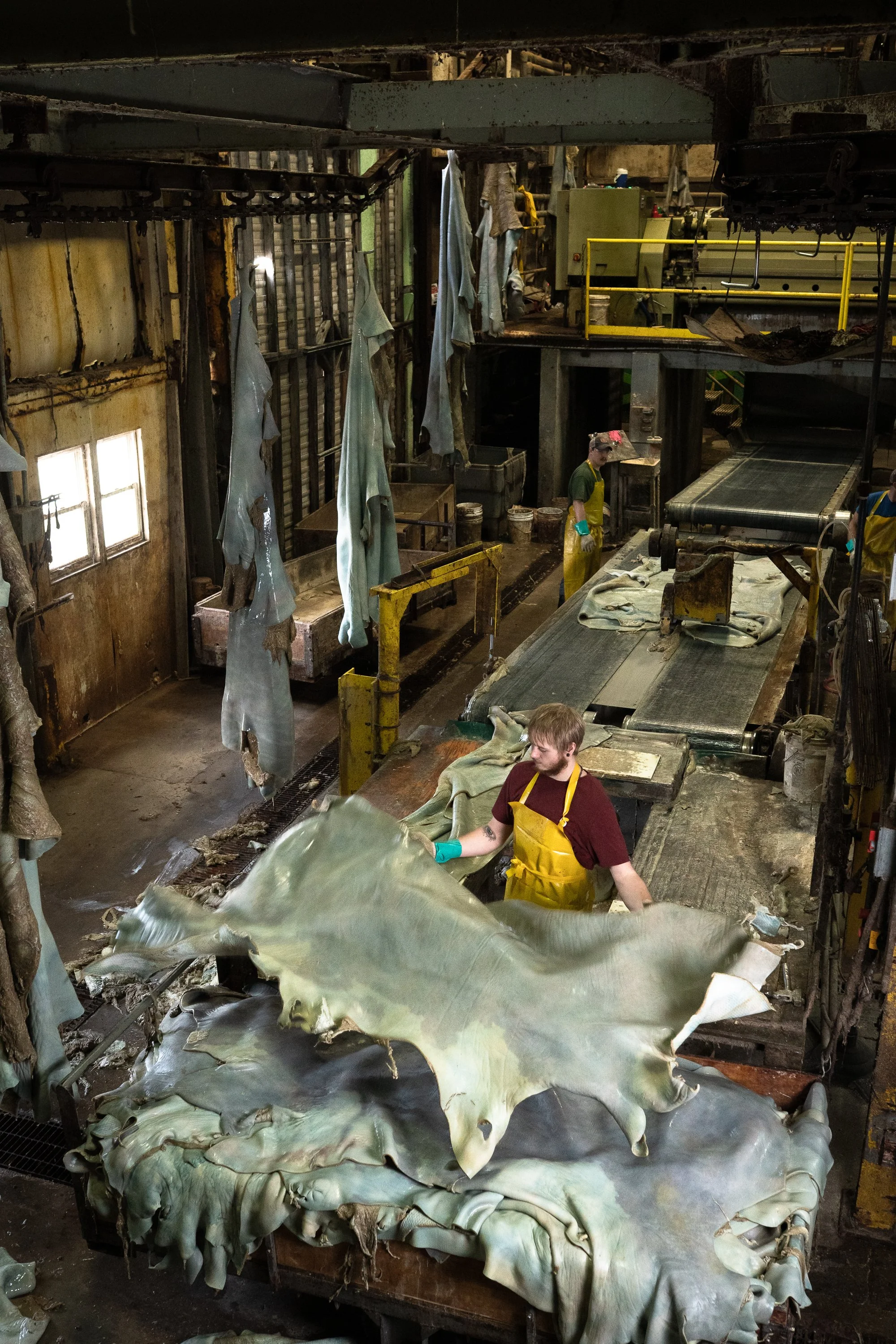
Workers handle leather hides beside machinery inside the Wickett & Craig tannery in Pennsylvania

Hides move through one of the working areas inside Wickett & Craig.

Inside an American Leather Tannery

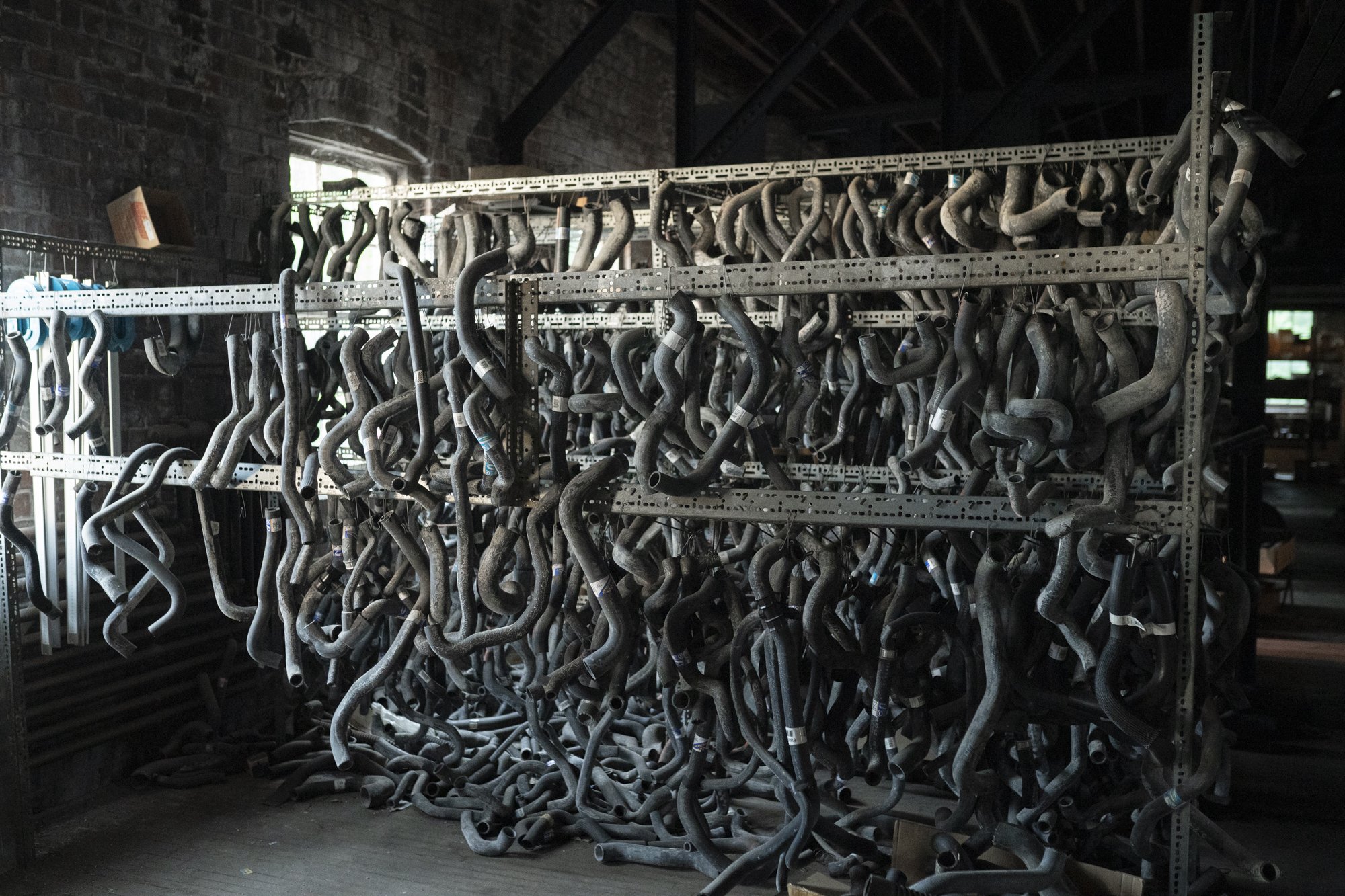
There isn't much about the inside of Wickett & Craig that feels designed for visitors. It's a working industrial building, and nearly every surface shows evidence of what happens there. Pipes run overhead, hides hang throughout the facility, enormous drums occupy entire sections of the building, and years of water, oils, dyes, tannins, and production have left their marks on the floors, walls, and machinery.

That's exactly what made the place interesting to photograph.

I've always been attracted to working environments where nothing has been cleaned up or arranged for the camera. There is already enough visual information in a place like this. The challenge isn't creating something interesting, but figuring out how to organize what is already happening into a photograph.

Wickett & Craig operates on more than 16 acres and produces roughly 4.5 million square feet of leather annually. Walking through the tannery, the scale of that production is immediately apparent. Hides are stacked, hanging, stretched, soaked, rolled, and fed through machinery as they move from one part of the building to another.

The finished leather most people recognize is still a long way off.
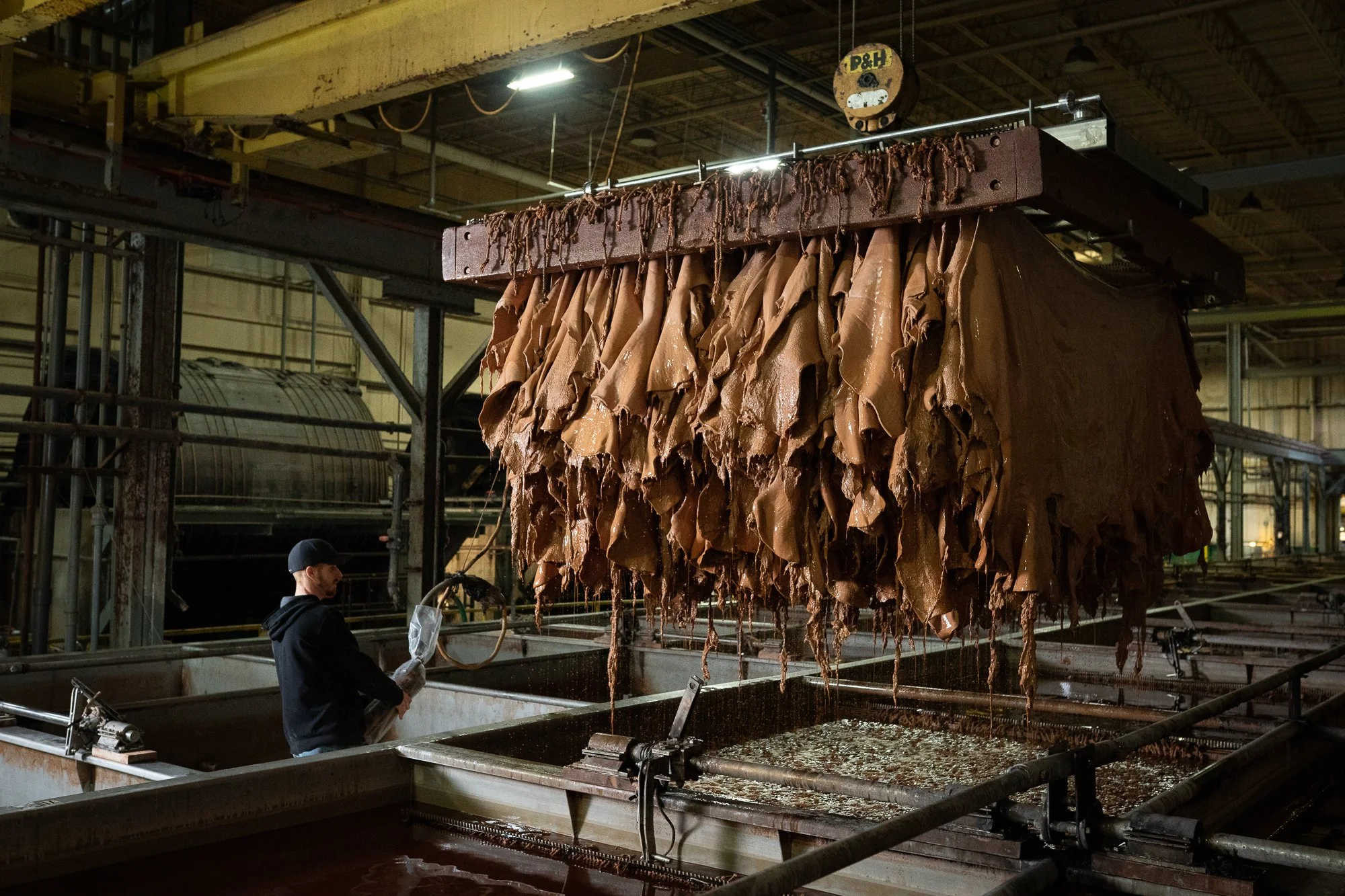
Leather hides hang above tanning vats inside the industrial tannery

Hides hang over the tanning vats as they move through the vegetable tanning process.
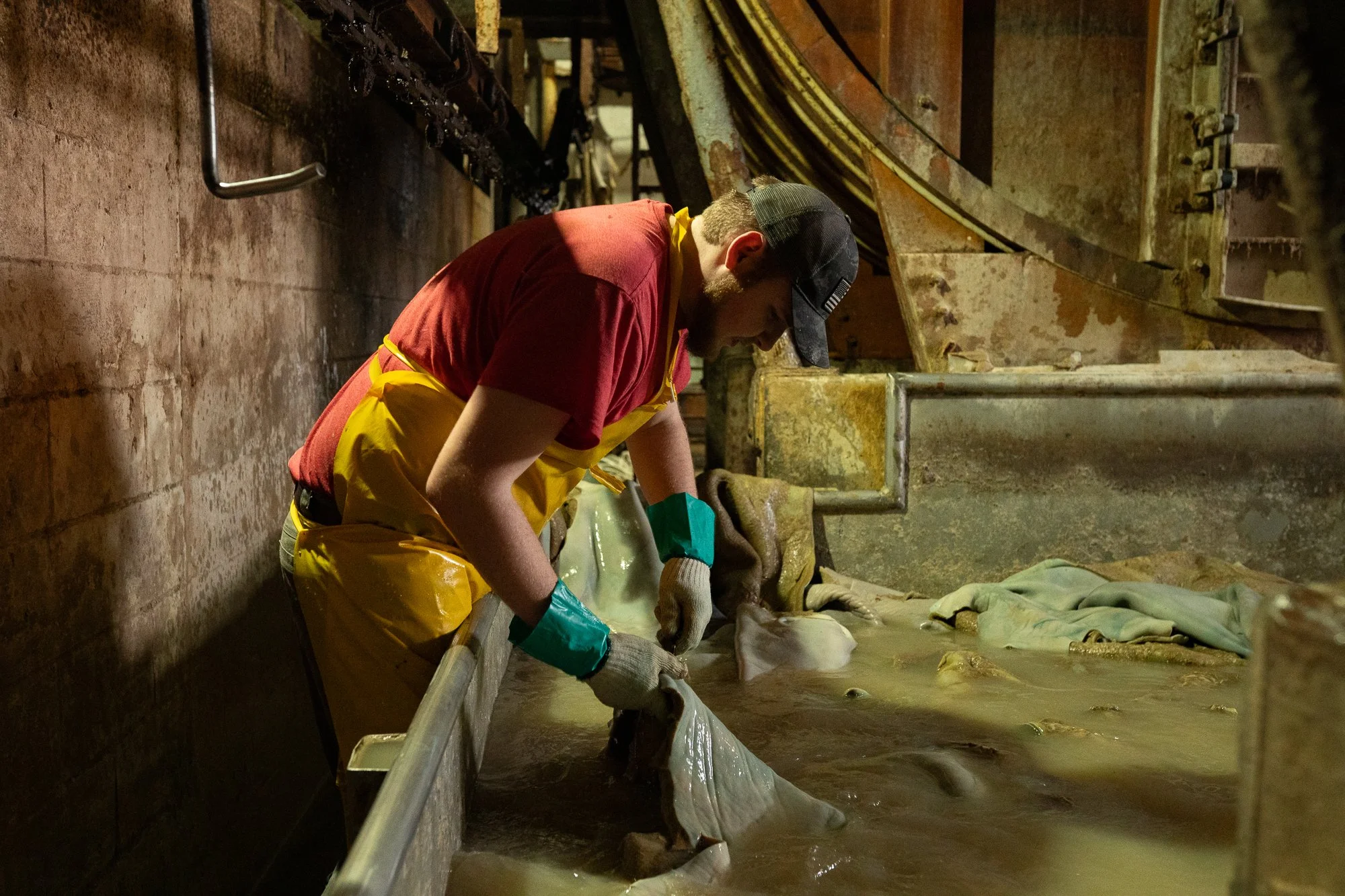
A Wickett & Craig worker handles a large wet leather hide beside a metal processing machine inside the Pennsylvania tannery.

Leather is handled by hand in the tannery's wet processing areas.

Making Vegetable-Tanned Leather

Wickett & Craig specializes in vegetable-tanned leather, a traditional method that uses naturally derived tannins to transform raw cattle hides into leather. Compared with modern chrome tanning, vegetable tanning is a considerably slower process. At Wickett & Craig, the complete transformation takes roughly six weeks.

The hides come from North American cattle and first have to be prepared, rehydrated, dehaired, fleshed, and split before tanning begins. From there they move into a tanning yard containing 72 vats filled with a proprietary tanning liquor that includes natural extracts from mimosa and quebracho. The hides spend approximately two weeks in the tanning solution.

After tanning, the leather moves through a series of processes that determine its eventual thickness, color, feel, and finish. Large rotating drums are used for dyeing and conditioning. Oils and waxes are worked into the leather, while products such as Wickett & Craig's English Bridle and Harness leathers receive additional treatment with waxes and tallows.

Eventually the hides are stretched across large perforated screens and moved into a climate-controlled drying area. After several days of drying, they continue through finishing and grading before leaving the tannery.

Understanding the basic process helps explain the photographs, but what interested me most wasn't the individual sequence of steps. It was seeing how much physical work still exists inside an operation producing leather at this scale.
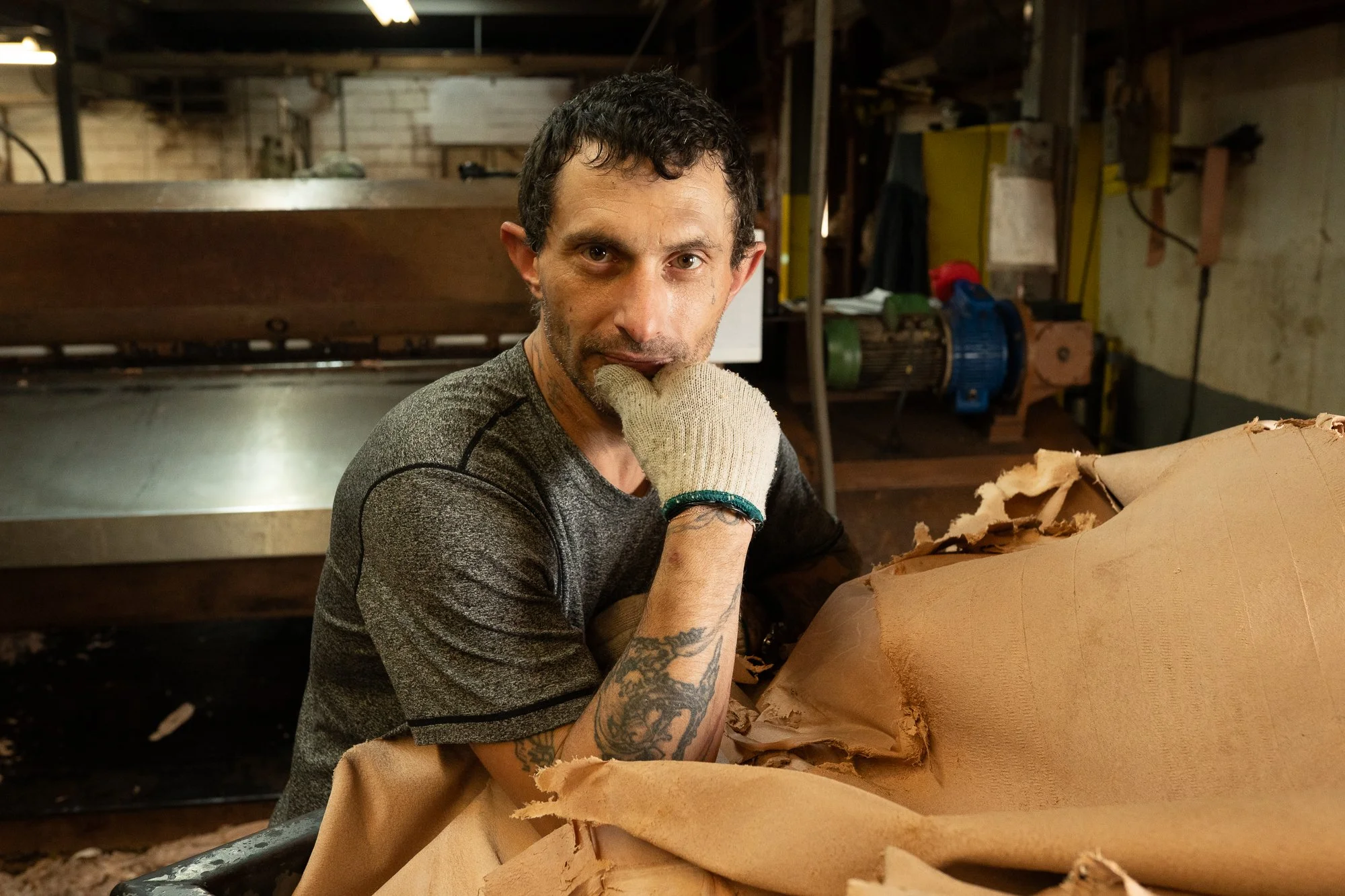
A Wickett & Craig worker stands beside a large brown leather hide inside the Pennsylvania tannery

A brief pause in the work, surrounded by leather and processing machinery.

The People Behind the Process

Machines do a lot of the heavy work at Wickett & Craig, but the tannery doesn't feel automated.

Workers are constantly handling the material, moving hides, operating equipment, checking leather, guiding it through machines, and preparing it for whatever happens next. Even with the size of the facility and machinery, there is a very human rhythm to the place.

That's something I've always been drawn to photograph.

People who have done the same kind of work for years develop an efficiency that is difficult to fake. Movements become automatic. They know how a piece of material should behave and recognize when something isn't right. That kind of physical knowledge is visible even when you don't fully understand the job yourself.

Photographing people who are actually working also changes my role as a photographer. There is very little reason for me to direct anything. I can watch, learn the rhythm of what is happening, and try to anticipate where the next photograph might be.

The goal isn't to make the tannery look cleaner, prettier, or more dramatic than it is. The worn machinery, wet floors, stained walls, work clothes, hanging hides, and odd industrial light are all part of the place. Removing those things would remove much of what makes it worth photographing.
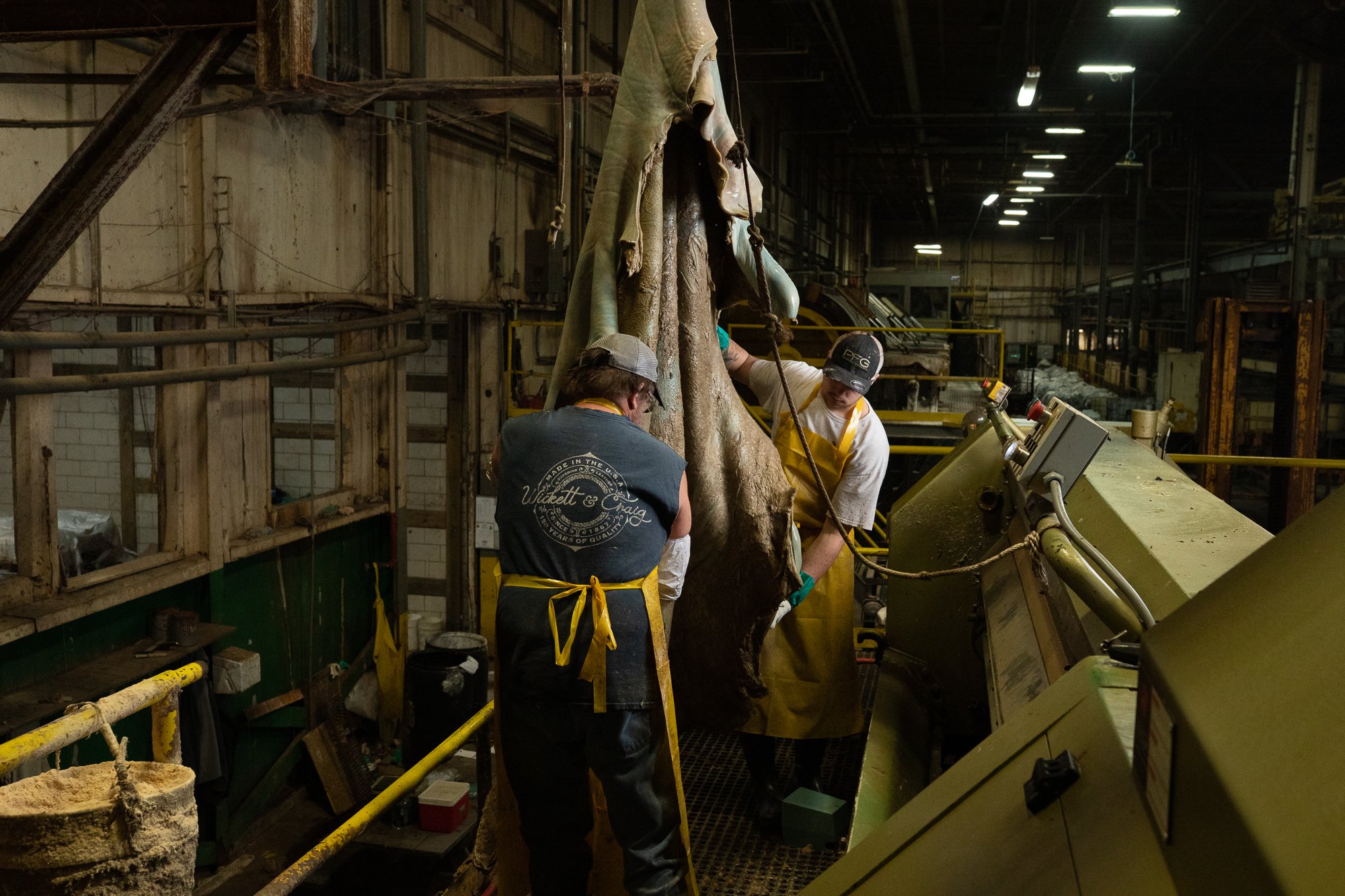
Two workers handle a suspended hide beside industrial machinery at Wickett & Craig

Handling a hide this size takes two people.
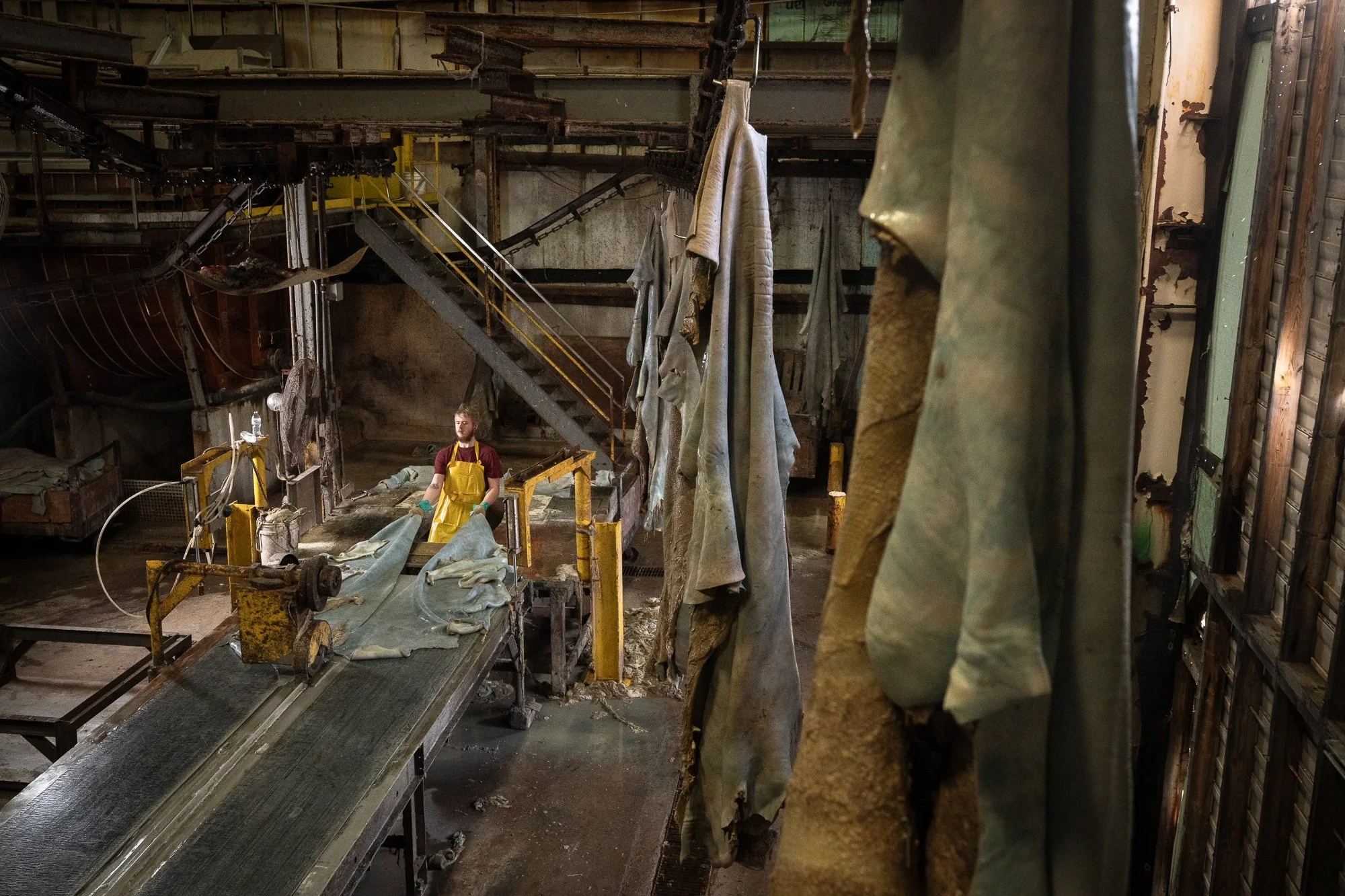
A worker handles leather hides on a conveyor inside the Wickett & Craig tannery in Pennsylvania

Conveyors, hanging hides, and machinery fill this section of the production floor.

A Tannery With More Than 150 Years of History

Wickett & Craig began making leather in Toronto in 1867 and remained there for more than a century. When the company relocated around 1990, it moved to Curwensville, a small Pennsylvania town in a region with its own long history of tanning and leather production.

Today, the company occupies a facility covering more than 16 acres. Although the machinery and production requirements have evolved over the years, Wickett & Craig continues to specialize in vegetable tanning at a time when much of the world's leather is produced using faster methods.

There is something compelling about seeing an old process continuing at a meaningful industrial scale. This isn't a demonstration of how leather used to be made or a historic workshop preserved for visitors. People are coming to work every day and producing leather that will be shipped to manufacturers and craftspeople around the world.

The history is interesting, but the fact that the work is still happening is what matters.

Photographing People at Work

The photographs from Wickett & Craig also fit into a much broader subject I've returned to throughout my career: people at work.

I've photographed inside barbershops across all 50 states, on cattle ranches throughout the American West, and in workshops, factories, and other places where people make things or work with their hands. The occupations are different, but many of the things that attract me to them are the same.

Working environments develop their own visual language. Tools end up in particular places because that's where they're needed. Buildings change around the work being done inside them. Clothing gets stained and machinery gets worn in predictable places. The environment gradually becomes a record of the work itself.

The people change too. Someone who has performed a task thousands of times moves differently from someone doing it for the first time. Those small gestures and routines often make better photographs than anything I could have staged.

That's why I'm generally most comfortable photographing people while they're actually doing something. Once the work starts, my presence becomes less important. The person I'm photographing has something else to concentrate on, which allows the photographs to become less about the camera and more about what is actually happening.
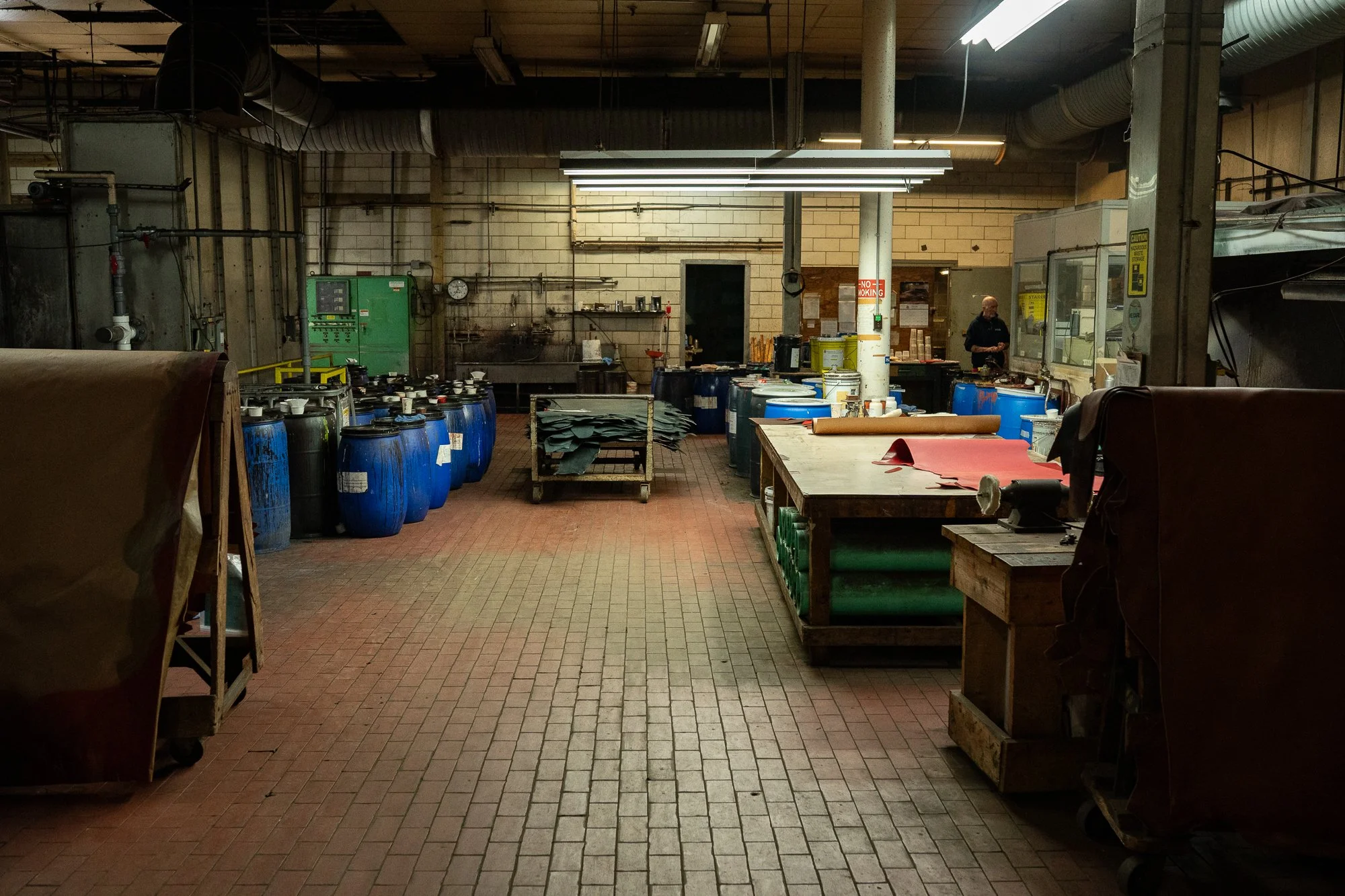
Interior of the Wickett & Craig tannery with leather, work tables, barrels, and industrial equipment on the production floor

Pipes, barrels, work tables, and leather give the production floor its distinctly industrial character.
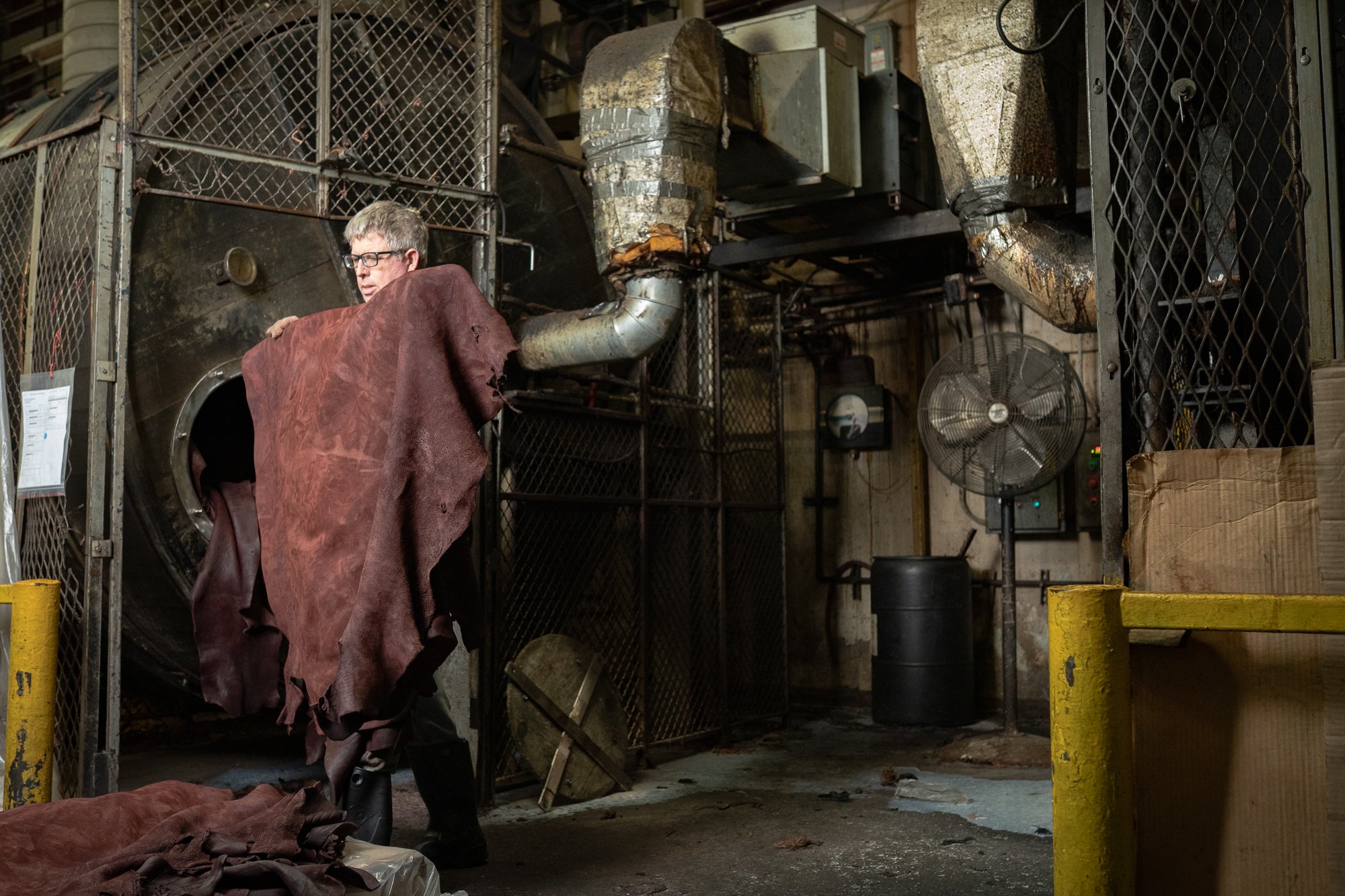
A folded leather hide is carried past metal machinery and stacked materials on the tannery floor

Moving hides from one part of the tannery to another is part of the daily work.

From the Tannery to the Cowboy

My interest in Wickett & Craig also connects naturally to my ongoing Cowboy Photography project.

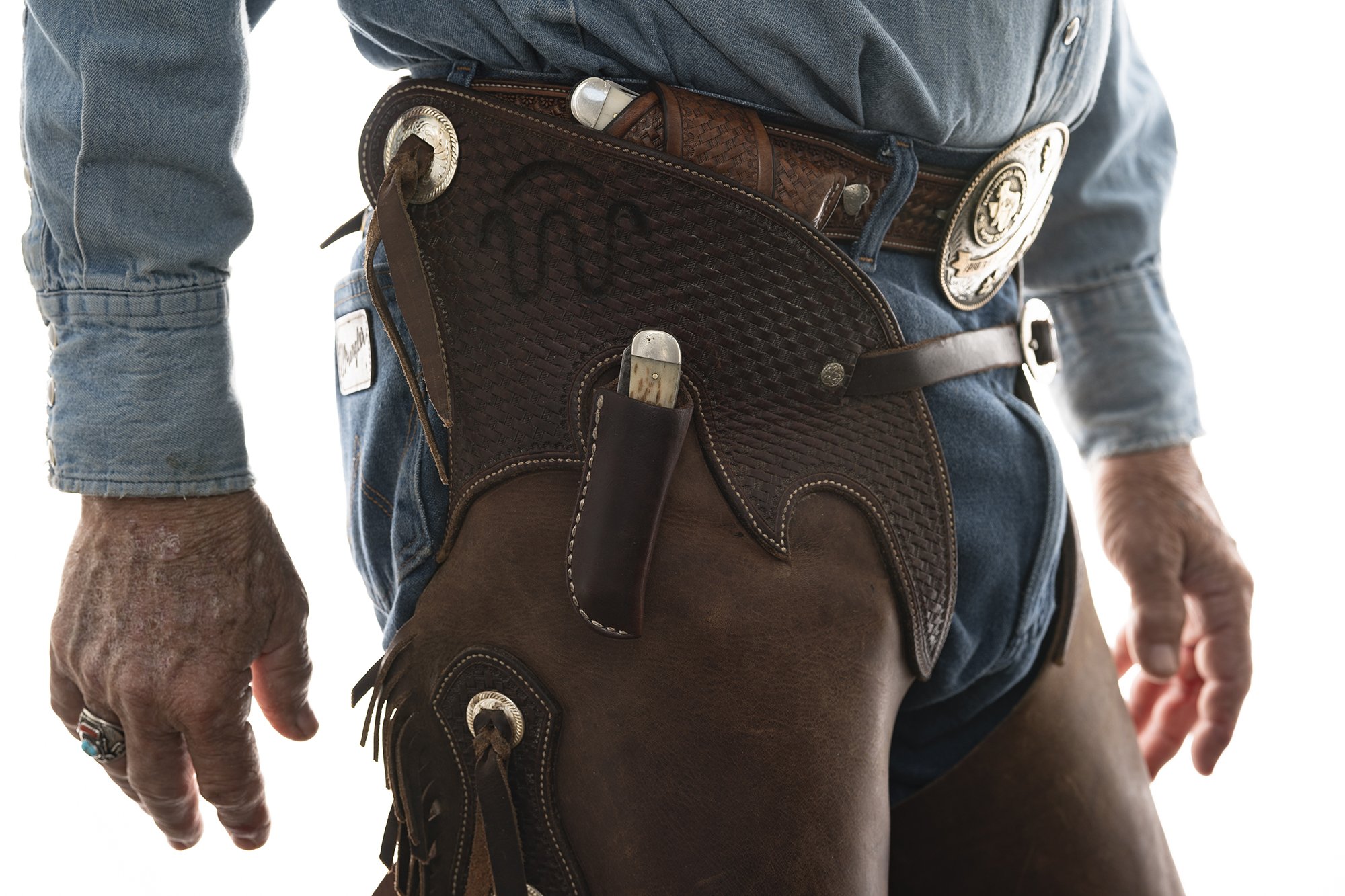
Leather is one of the fundamental materials of cowboy culture, although it's easy to overlook because it is so commonplace. A working cowboy may spend much of the day surrounded by it without ever thinking of leather as a material in the abstract. It has already become a saddle, reins, a bridle, boots, chaps, or a belt. It's equipment.

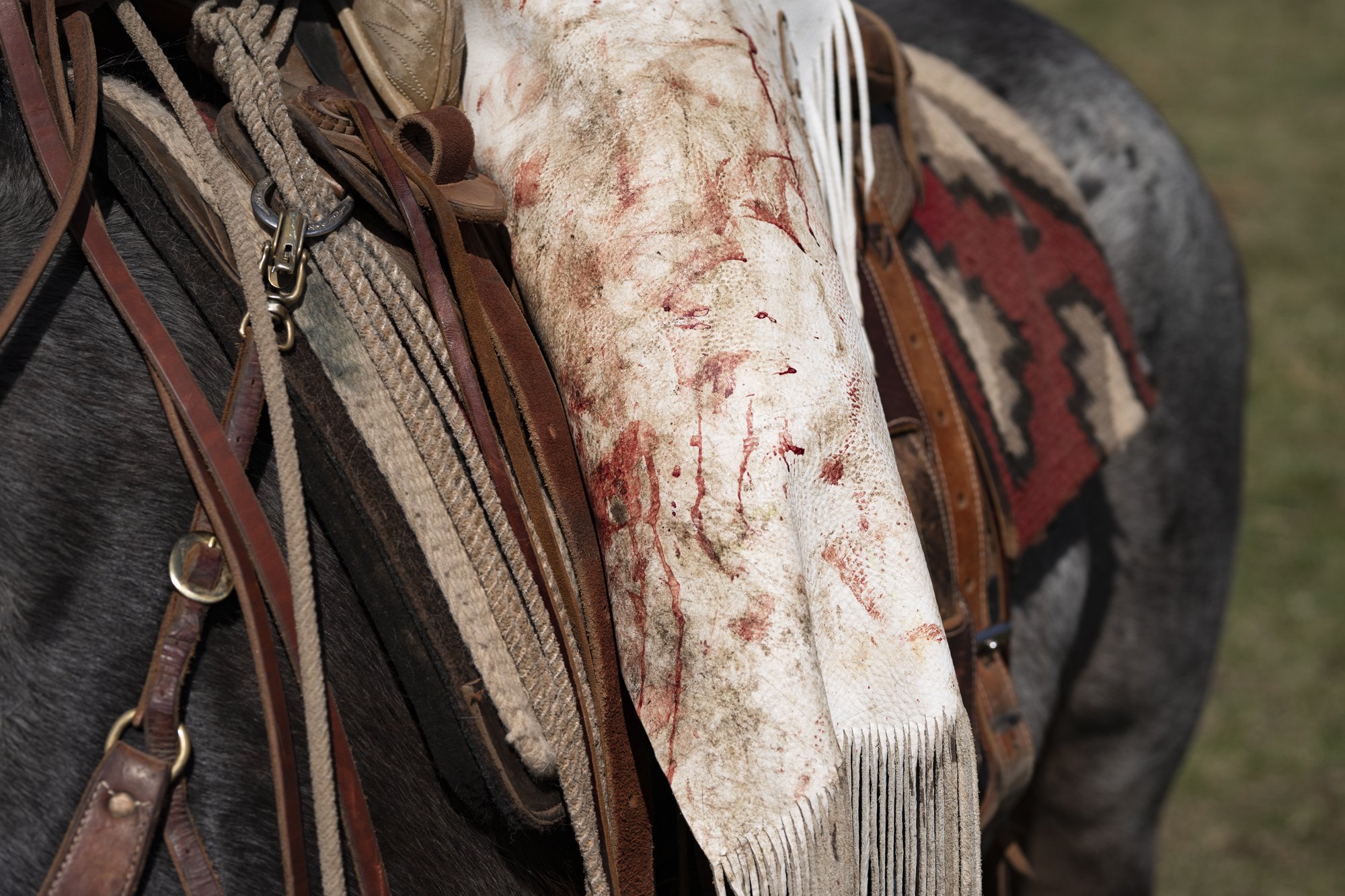
The leather I've photographed on ranches also tends to be at the opposite end of its life from what I saw at Wickett & Craig. Saddles have been shaped by years on horseback, reins darkened by hands, sweat, and weather, and boots scratched and covered in dust. Good leather records its use, which is part of what makes old cowboy gear so visually interesting.

At Wickett & Craig, I was seeing the material before any of that happened. Before a saddlemaker or leatherworker turned it into something useful, and long before years of work gave it the character I'm accustomed to photographing.

Some of the heavier leather produced at Wickett & Craig ultimately becomes saddles, bridles, straps, and other equestrian equipment. That creates a direct line between a tannery in a small Pennsylvania town and the ranches I've photographed thousands of miles away in the West.
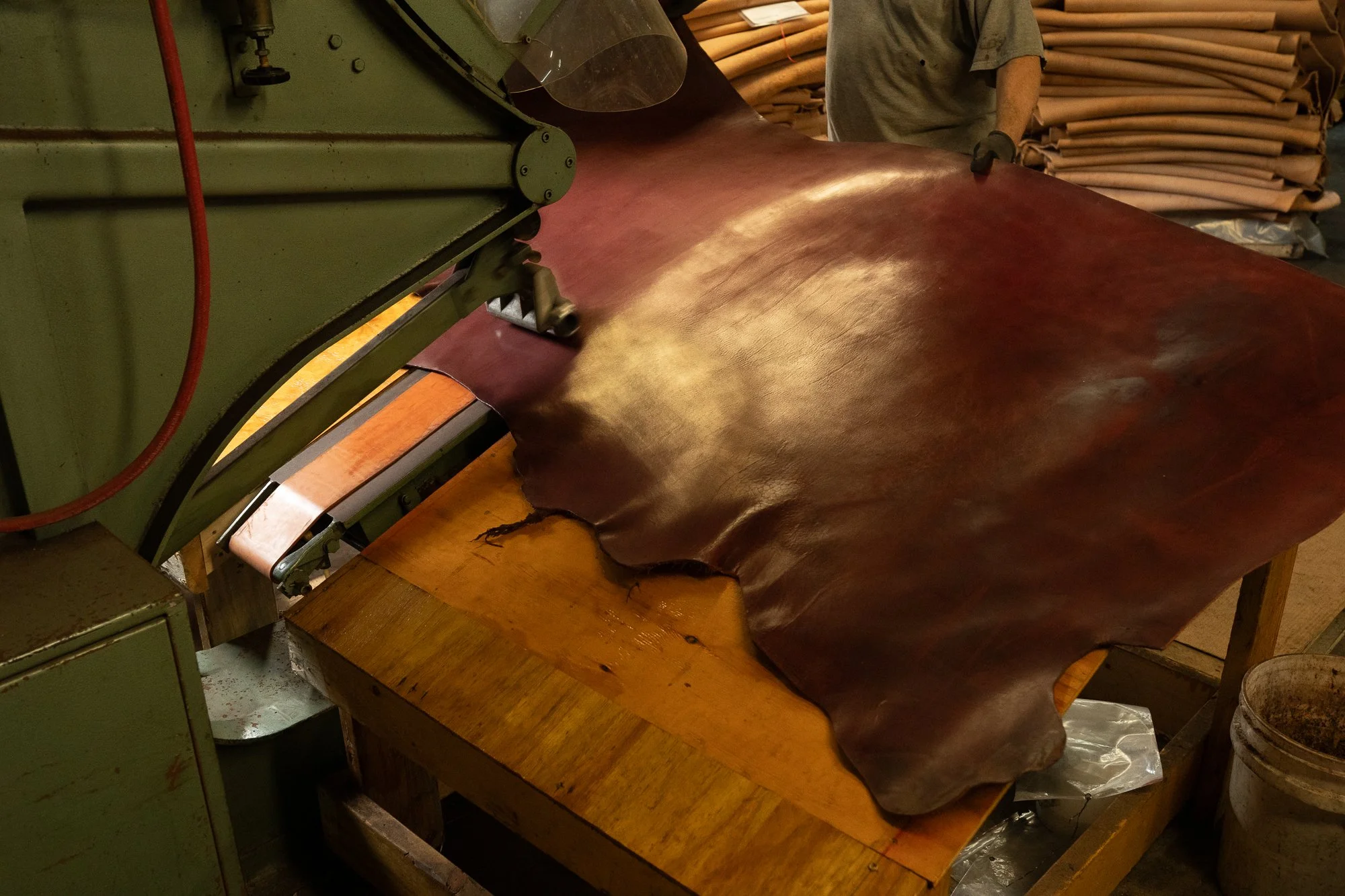
A broad brown leather hide feeds through a large metal processing machine as it is guided by hand

Near the end of the process, leather passes through one of the tannery's finishing machines.
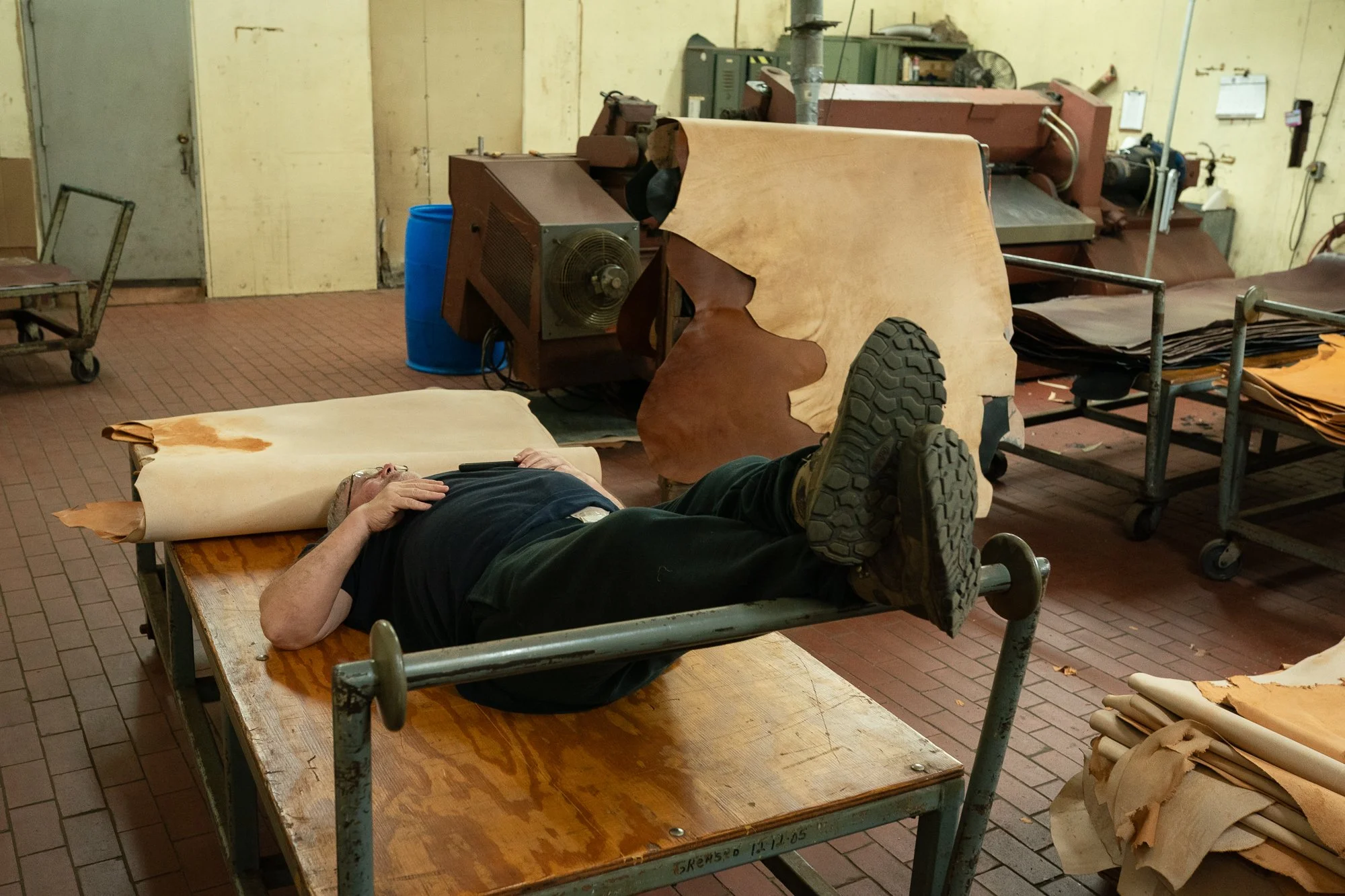
A worker lies on a work table surrounded by leather hides and processing equipment inside the Wickett & Craig tannery

A brief pause after a long day of work, surrounded by leather and equipment.
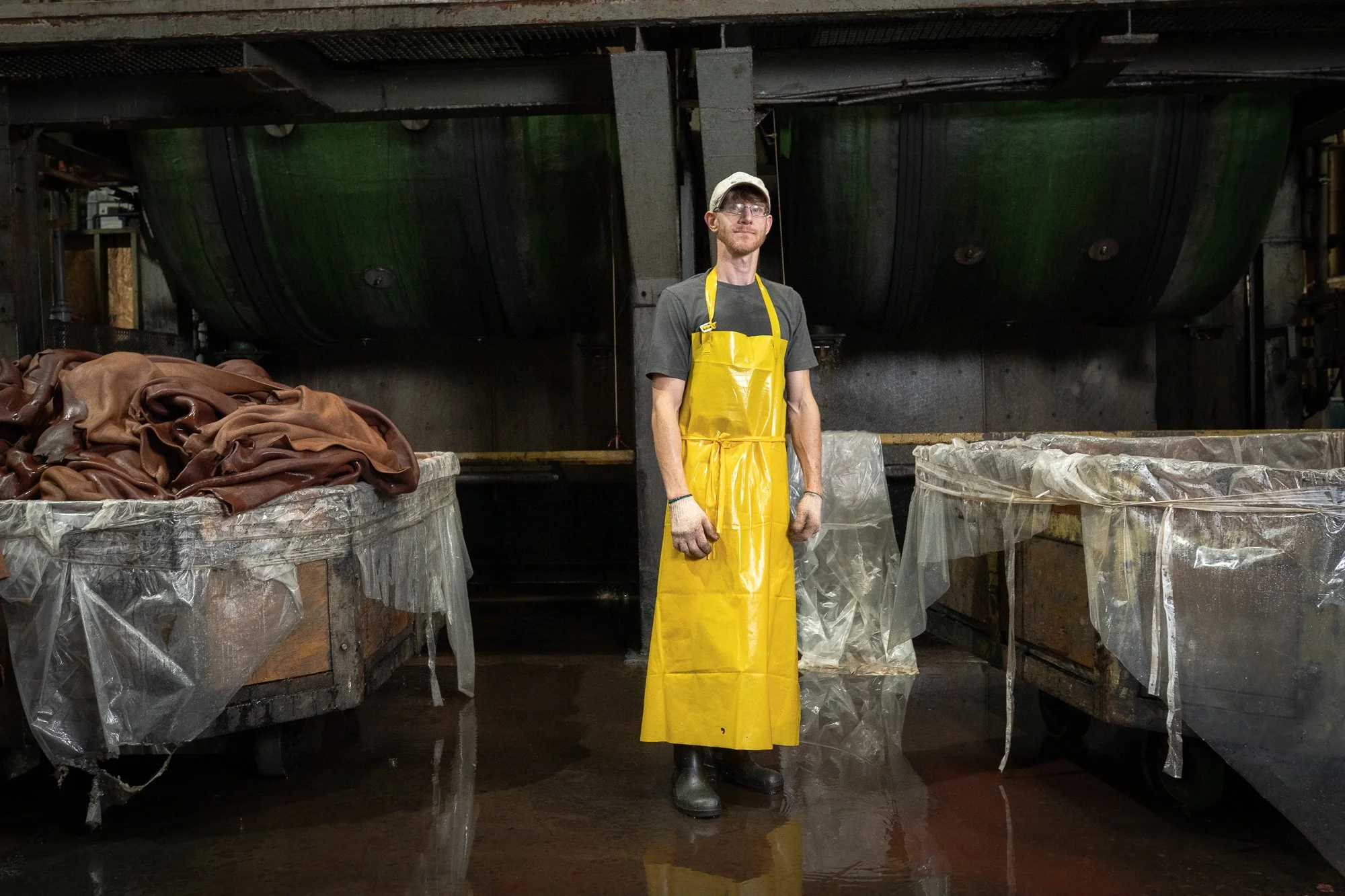
A portrait surrounded by carts loaded with leather on the tannery's production floor

A portrait between the carts of leather and large drums on the tannery floor.

The Work Before the Work

One of the things I like about photographing manufacturing is that it exposes parts of everyday objects that are normally invisible.

When you look at a well-made saddle, it's natural to think about the saddlemaker. You see the stitching, tooling, construction, and design and understand that someone had to know how to make it. What is much easier to forget is that the craftsman began with a material somebody else had already spent weeks making.

The same is true of boots, belts, bridles, and countless other leather goods.

By the time those objects reach the people who use them, the tannery has disappeared from the story. There is no obvious evidence of the vats, drums, drying racks, machinery, or workers in Pennsylvania who handled the leather long before it became a finished object.

That's part of what made Wickett & Craig worth photographing.

My Cowboy project is largely about documenting a working culture that still exists despite the tendency to talk about the American West in the past tense. The same idea applies here. Wickett & Craig isn't interesting simply because the company was founded in 1867 or because vegetable tanning is an old process.

It's interesting because people are still doing the work.

A hide comes into the tannery. Over the next several weeks, people and machines transform it into leather. That leather leaves Pennsylvania and becomes something else in somebody else's hands. Eventually, some of it will wind up on a horse or a ranch, where another kind of work begins.

The tannery and the cowboy might seem like two completely different subjects.

For me, they're connected by the same thing: the work.
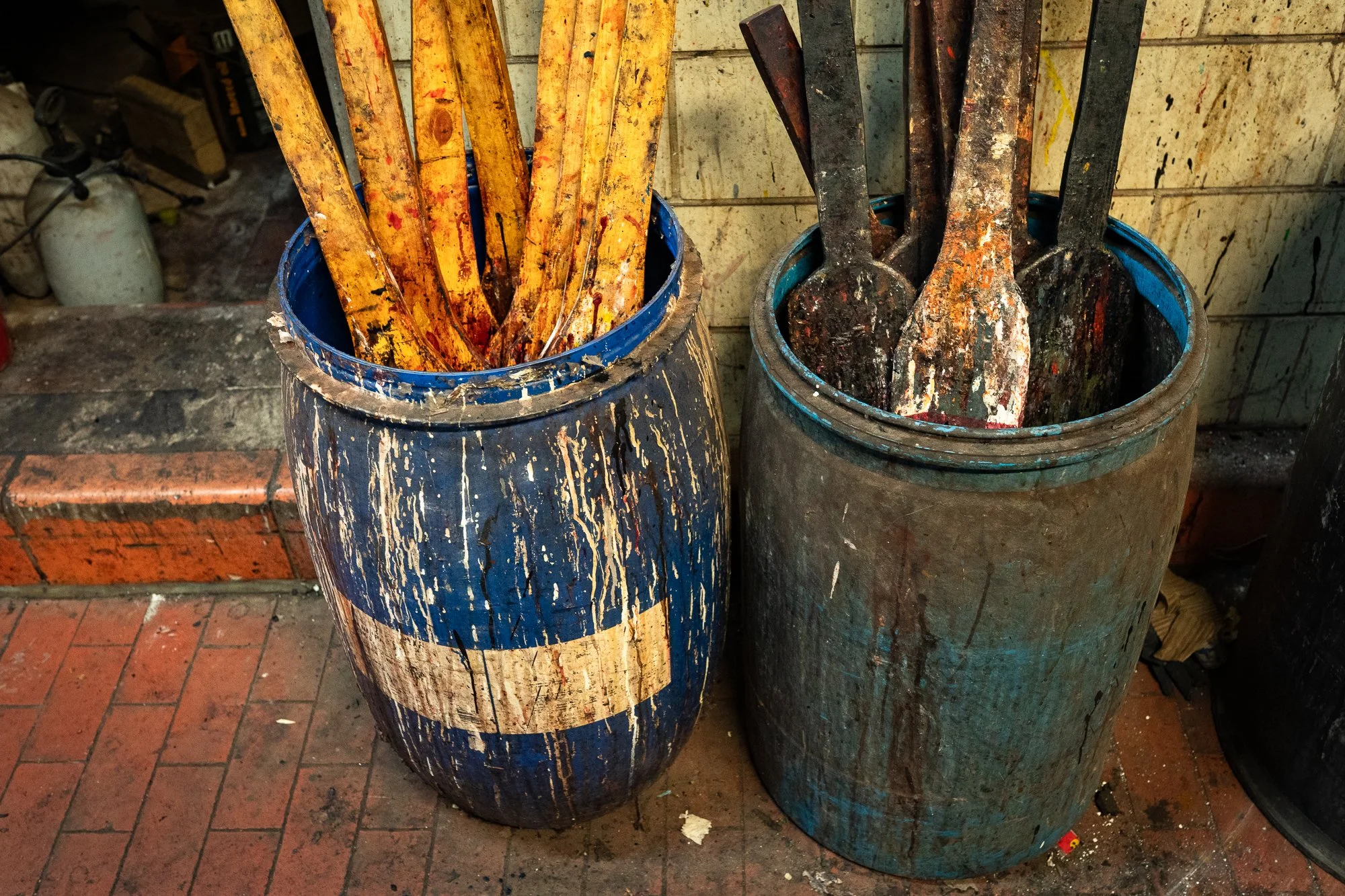
Worn tools stand in two barrels inside the Wickett & Craig tannery

Years of use show up in the tools and equipment around the tannery.
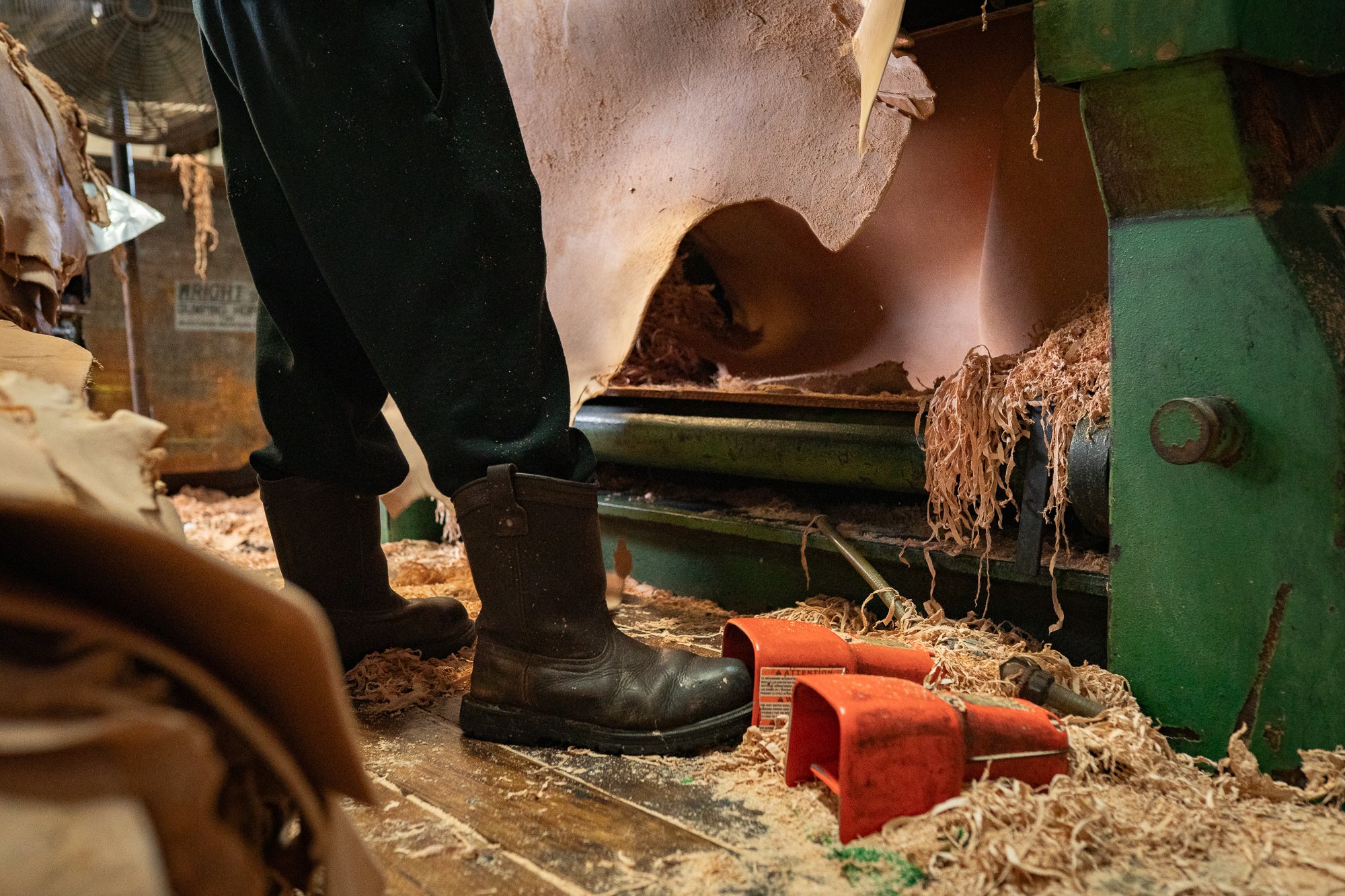
A worker handles a leather hide beside industrial processing machinery at Wickett & Craig

The work continues around the large processing machines inside the tannery.
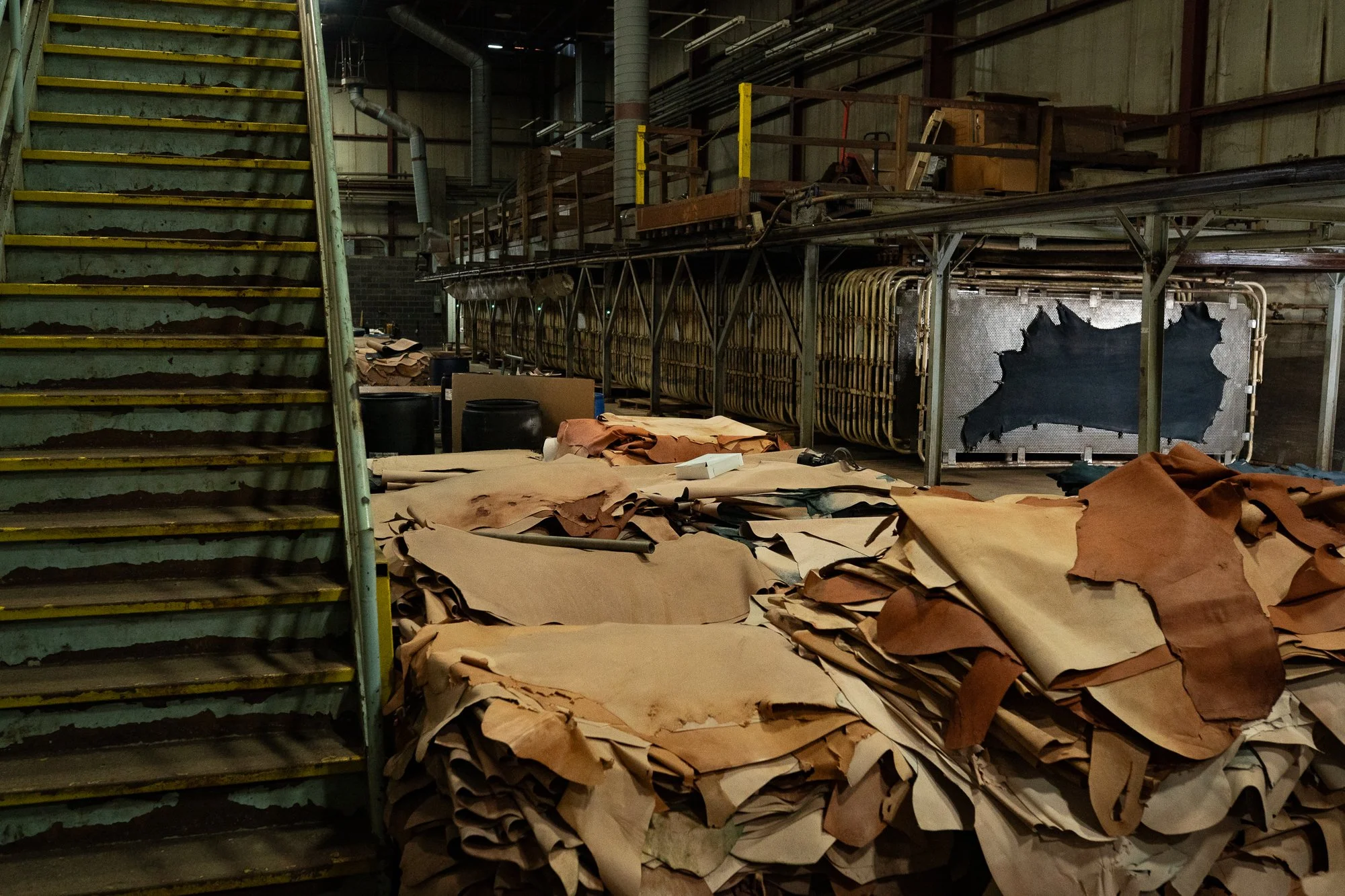
Stacks of brown leather hides fill a production area alongside machinery, carts, and work surfaces

Stacks of leather wait alongside the machinery and work areas throughout the facility.

Cowboy Photography - Buckaroos

Nevada Buckaroo Photos | Authentic Great Basin Cowboy Photography

Buckaroo Photography from the American West

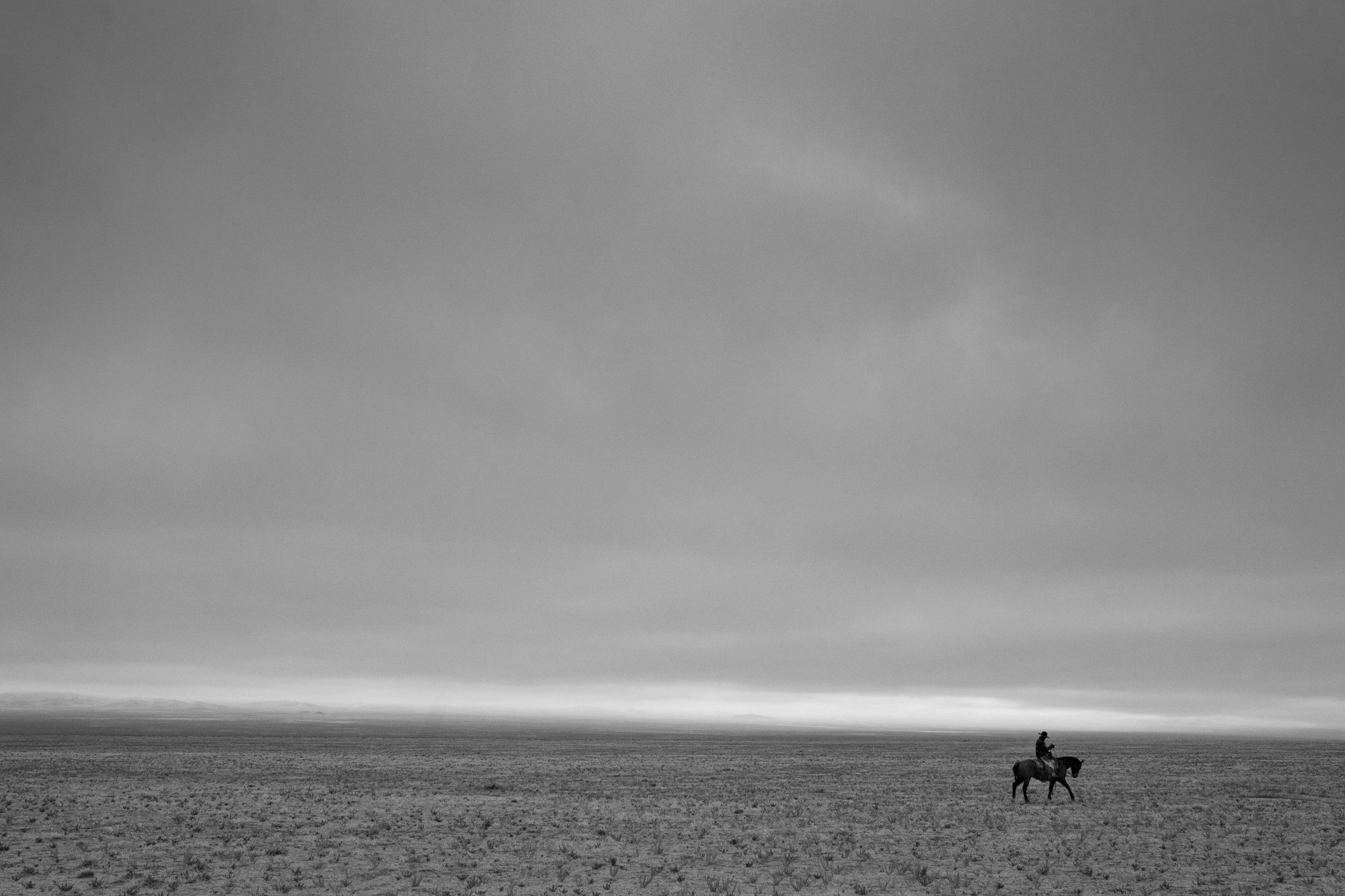
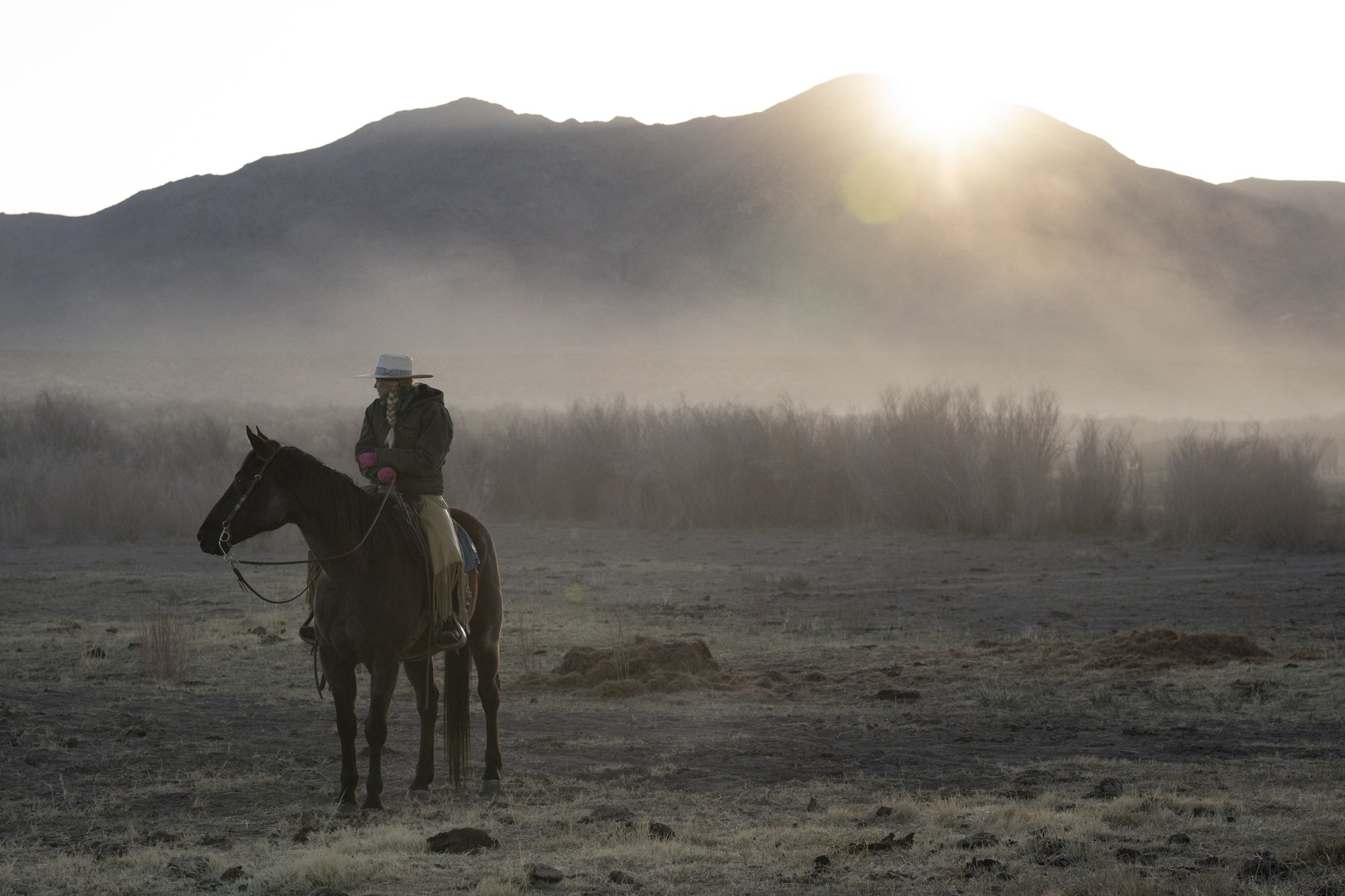
The Great Basin is a special part of the American West, particularly as it applies to cowboy culture and the buckaroos that call it home. Among the few remaining iconic ranches still left in northern Nevada are the C-Punch Ranch in Lovelock and the Winecup Gamble Ranch in Montello. Both are jaw dropping beautiful and incomprehensibly large. The C-Punch, the biggest I’ve been to so far, is 1.8 million acres. Yeah. Try wrapping your head around that. Seeing all these properties in different parts of the country has been amazing. Each region has its own allure. Nobody ever said to pick a favorite, but there’s something about the land in northern Nevada that really does it for me. Still working on putting that into words, but it’s exceptional, to say the least and took a few years to truly understand. At first, places that big, open, and seemingly void of life are difficult to grasp. Then something clicks and you can’t get enough of it. The muted colors, textures, and vibes of the Sage Brush Sea are intoxicating.

Nevada Buckaroos and Great Basin Ranch Culture

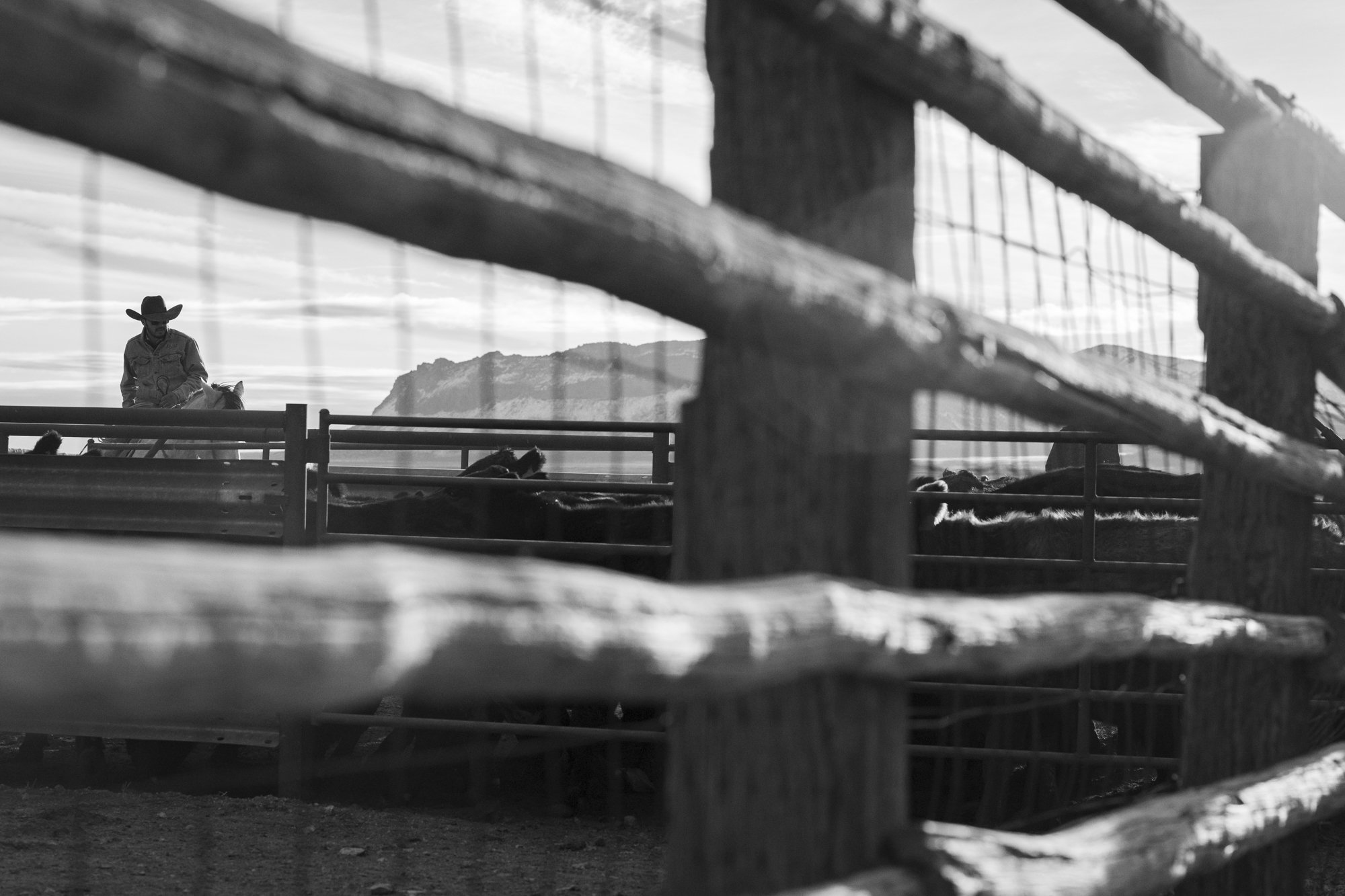
A Nevada buckaroo is not a costume or a posture. It is a way of working that developed in wide country where distance matters and horses are tools, not accessories. The Great Basin shaped this culture the way weather shapes a face—slowly, without asking permission. These photographs were made in that context, among people whose days are structured around stock, seasons, and the quiet competence required to make both endure.

The buckaroo tradition in Nevada carries deep vaquero roots, visible in gear, horsemanship, and the small details that separate function from style. While every worn saddle mark, coil of rope, and dirty Garcia bit does a job it has already done many times, make no mistake, buckaroo gear has a style all it’s own. A style that’s worm with immense pride, not just because it’s part of their very identity, but also because they know it’s the visual element that separates them from cowboys in every other region of the West.

Photographing Working Buckaroos in Nevada

Photographing buckaroos is less about chasing moments and more about staying put long enough for the work to reveal itself. The rhythm is slow, punctuated by long stretches of waiting and brief intervals where everything happens at once. These images come from time spent standing off to the side, watching cattle move, horses settle, and men do what they’ve always done without commentary.

There is no staging here. The photographs are made in real working conditions, often dictated by weather, dust, and the simple fact that ranch work does not stop for a camera. That constraint is part of the appeal. It keeps the photographs honest and the subjects unbothered.

Nevada Buckaroos Within the American West

Within the larger story of cowboy culture, Nevada buckaroos occupy a particular corner—one defined by style, scale, isolation, and continuity. This body of work fits within a broader project photographing working cowboys across the American West, but these images belong specifically to the Great Basin and the people who know it well.
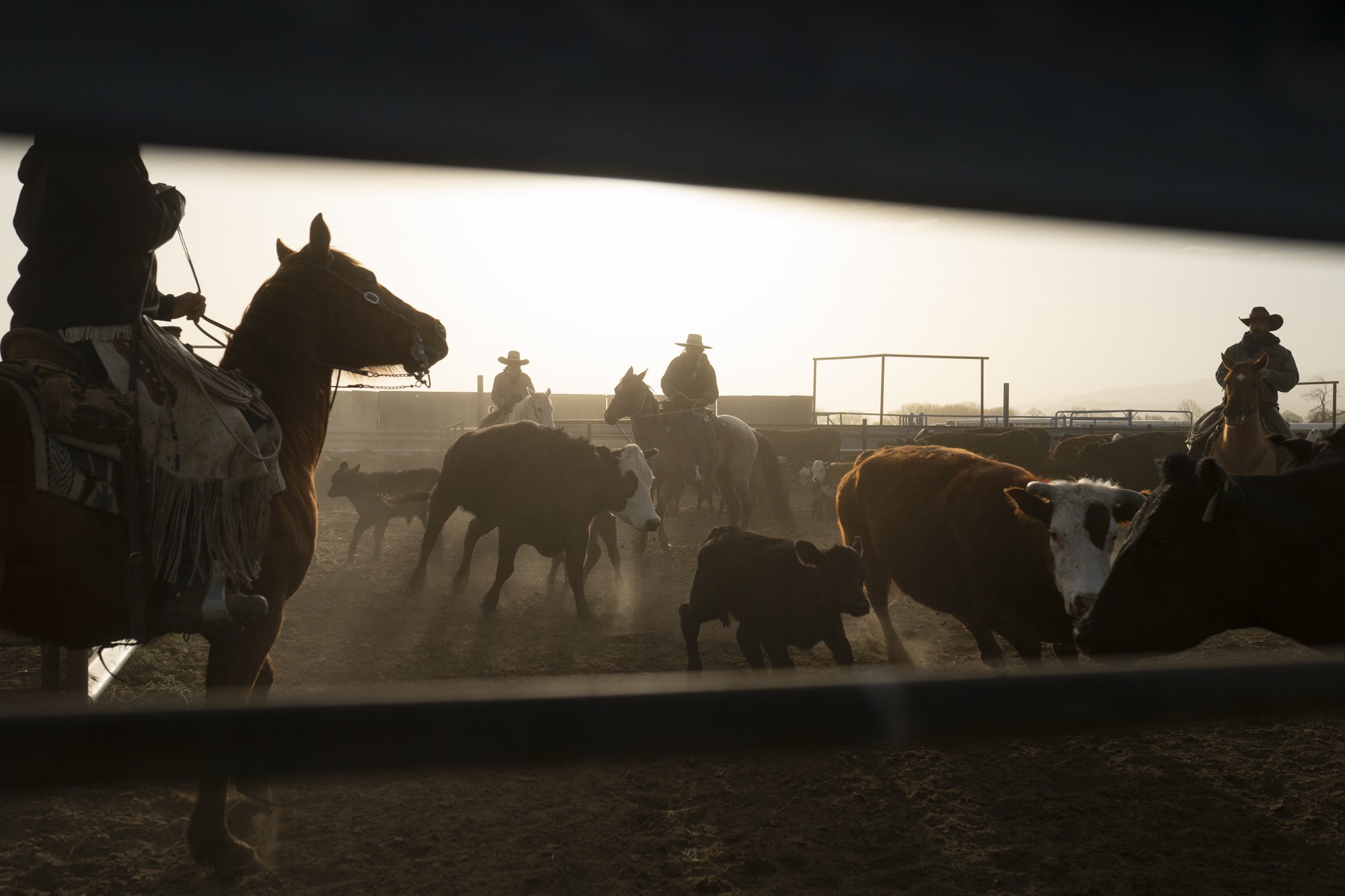
Taken together, the photographs function less as individual moments and more as a quiet record of a way of life that persists without announcement. They are not meant to explain or romanticize the work, only to show it as it appears when you spend enough time around it. I am forever grateful that these these buckaroos have allowed me to spend time with them.

View More Nevada Buckaroo Photography

Shop Cowboy Photography Prints

Photograph of a cowboy working cattle on the C-Punch Ranch - Nevada

Cowboys roping cattle on the C-Punch Ranch in Lovelock, Nevada

C-Punch Ranch

Winecup Gamble Ranch - Montello, Nevada

Winecup Gamble Ranch - Montello, Nevada

Photograph of a buckaroo catching horses

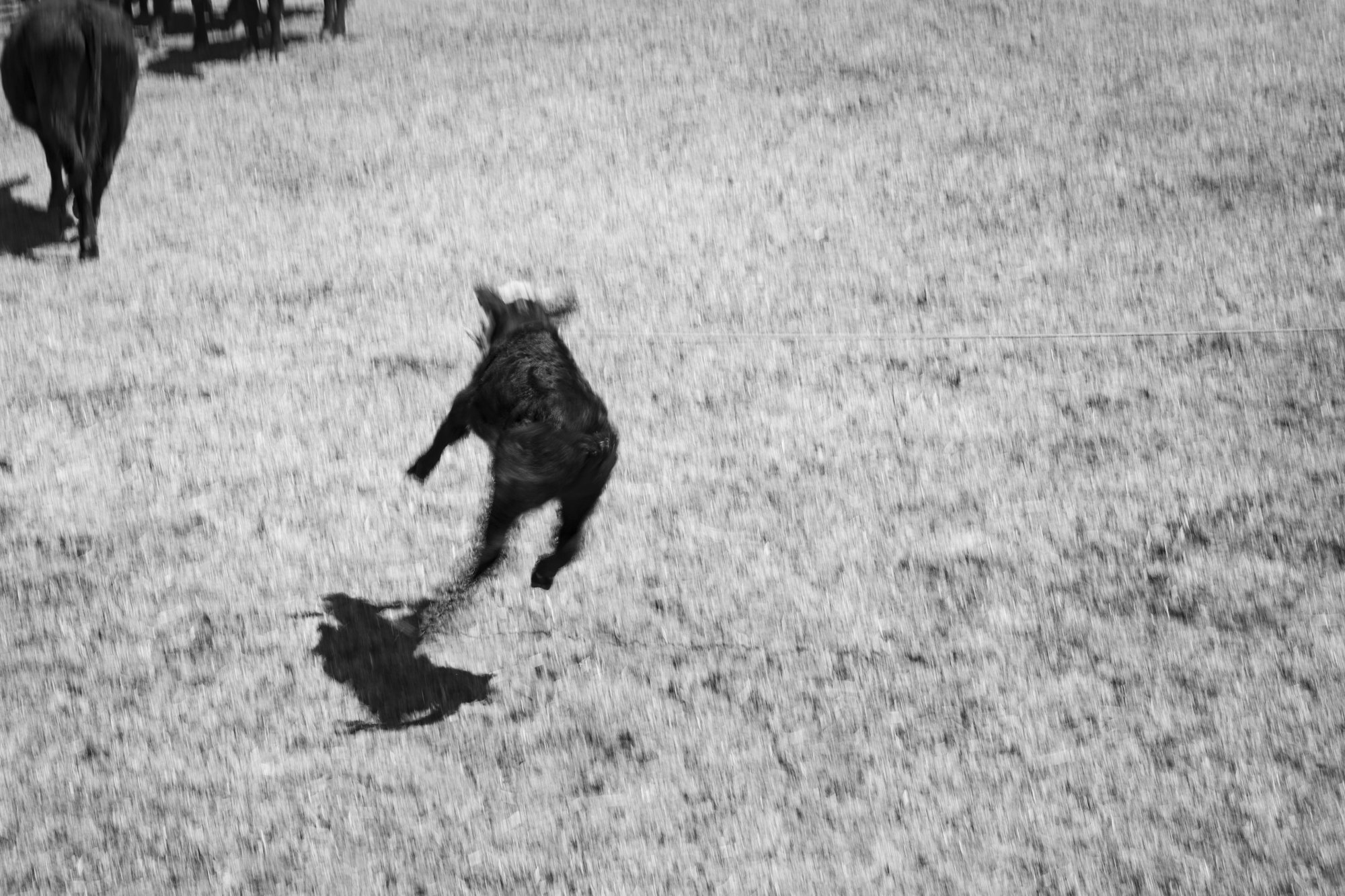
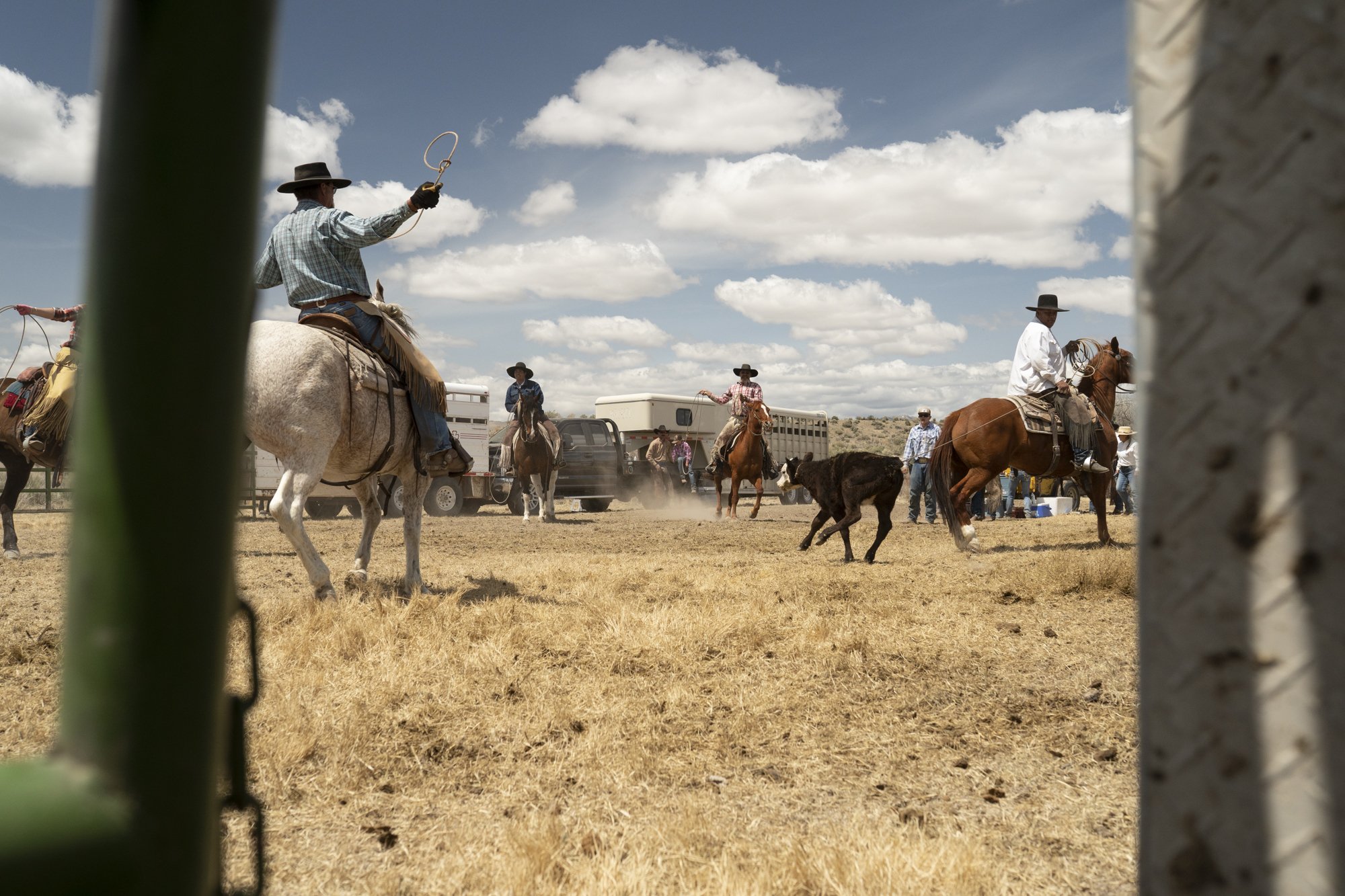
Photograph of Great Basin Buckaroos branding cattle

Buckaroos branding cattle in Nevada

Cowboys working on the Winecup Gamble Ranch in Montello, Nevada

Black and white photograph of cowboys on the Winecup Gamble Ranch

Cowboy moving cattle on the Winecup Gamble Ranch

A cowboy working on the C-Punch Ranch in Lovelock, Nevada

C-Punch Ranch

Cowboys working colts in a round pen on the C-Punch Ranch in Lovelock, Nevada

C-Punch Ranch - Cowboys working horses in a round pen

A cowboy on the C-Punch Ranch in Lovelock, Nevada

C-Punch Ranch

American West Cowboys

Trapper Rogers - Winecup Gamble Ranch - Montello, Nevada

Portrait of Trapper Rodgers

A cowboy lets his horse drink water after branding on the C-Punch Ranch in Lovelock, Nevada

C-Punch Ranch - a cowboy waters his horse

A cowboy pets his cattle dog after a day of work on the C-Punch Ranch in Lovelock, Nevada

C-Punch Ranch

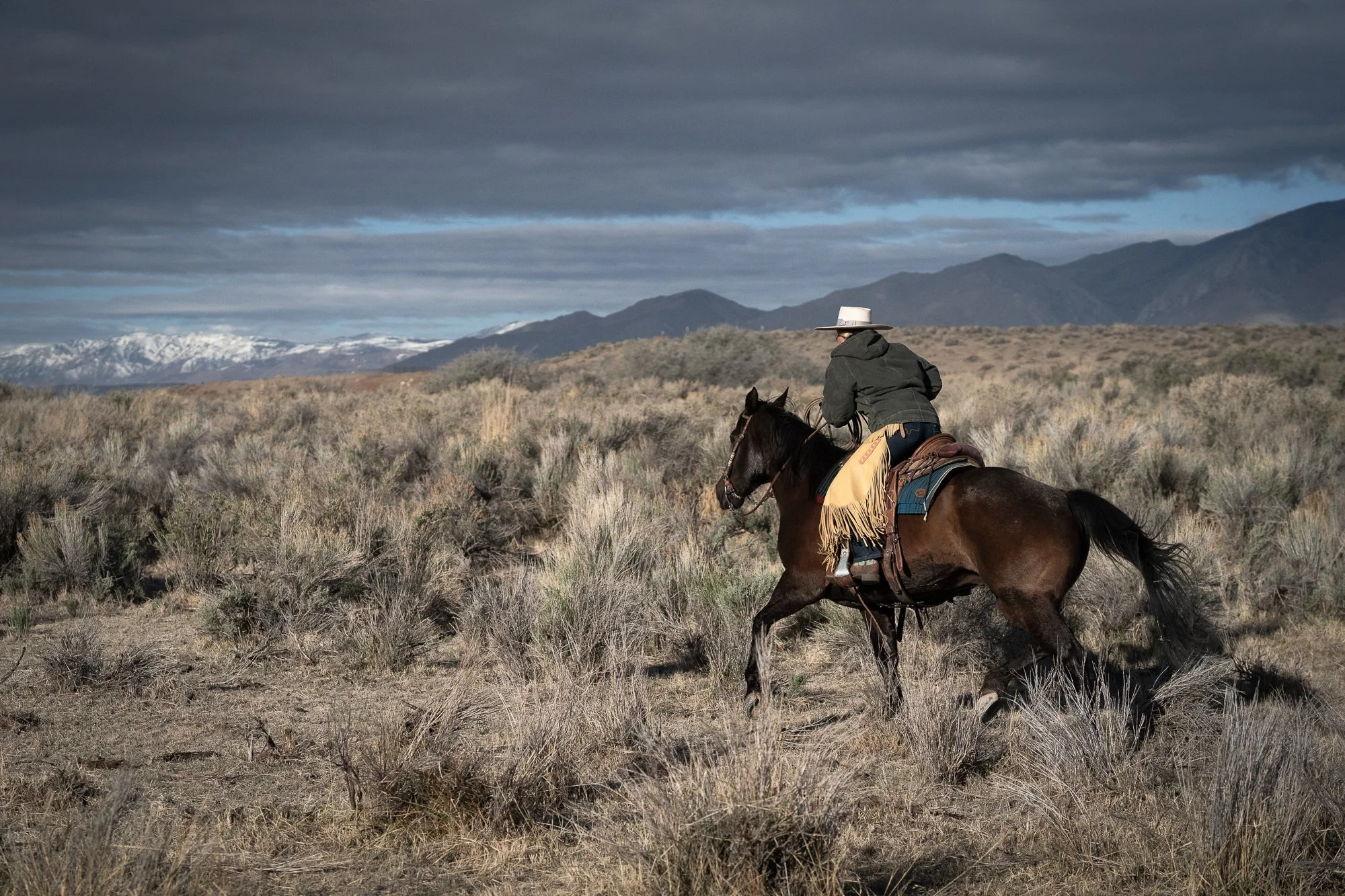
Photograph of a cowboy riding his horse through a huge pasture on the C-Punch Ranch - Lovelock, Nevada

A cowboy riding his horse on the C-Punch Ranch in northern Nevada

Catching Horses
from $1,500.00

At Work

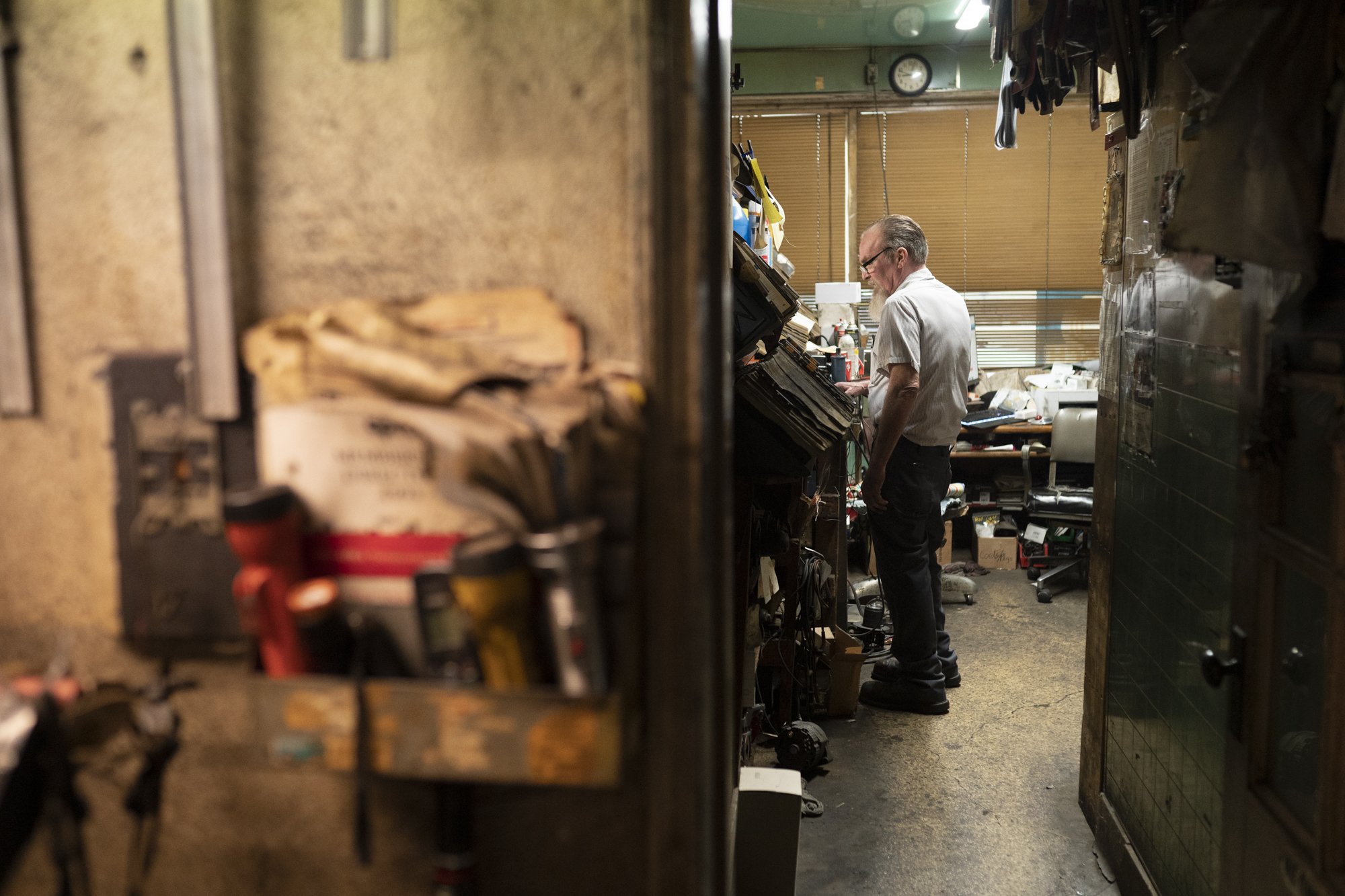
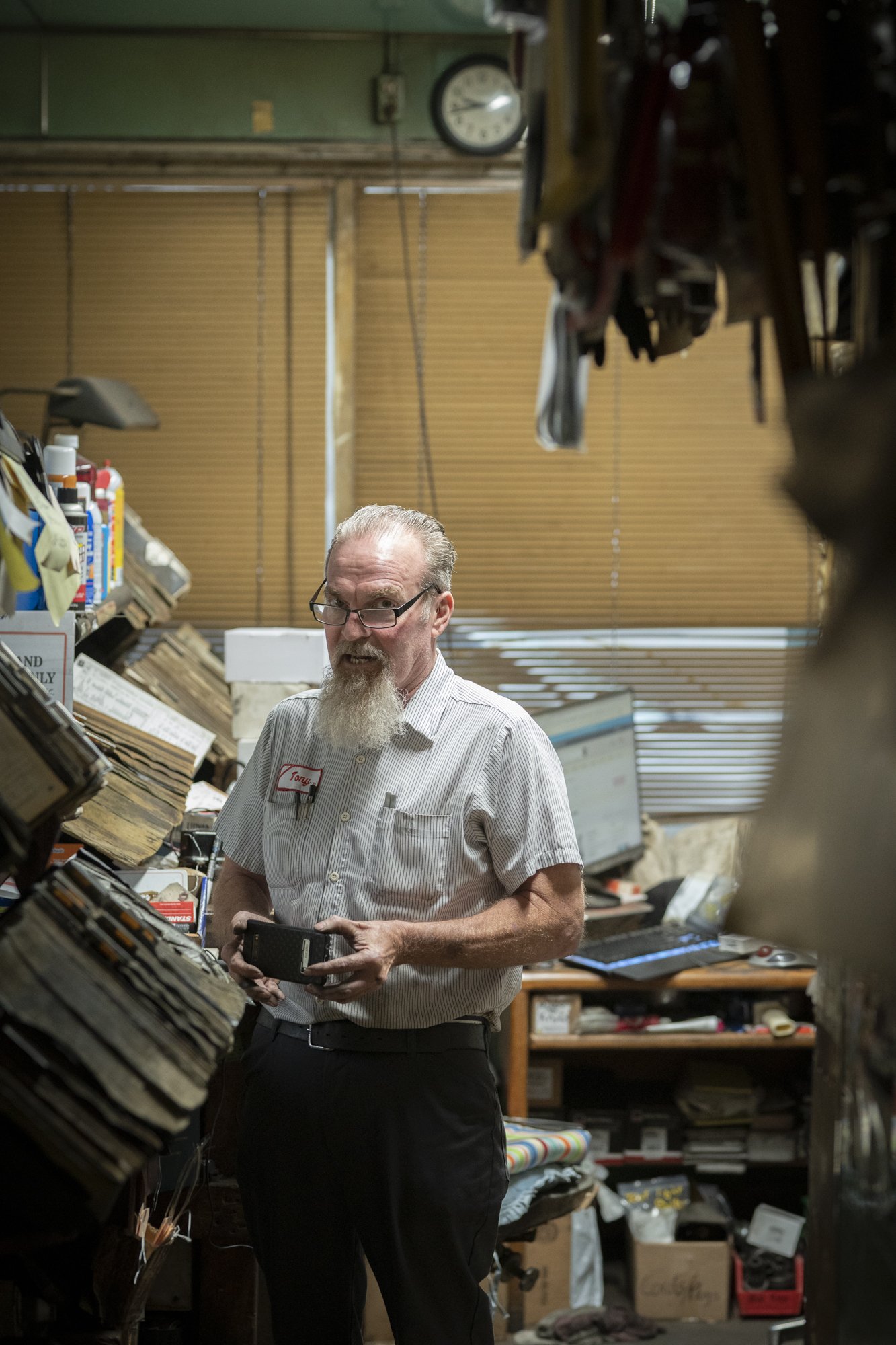
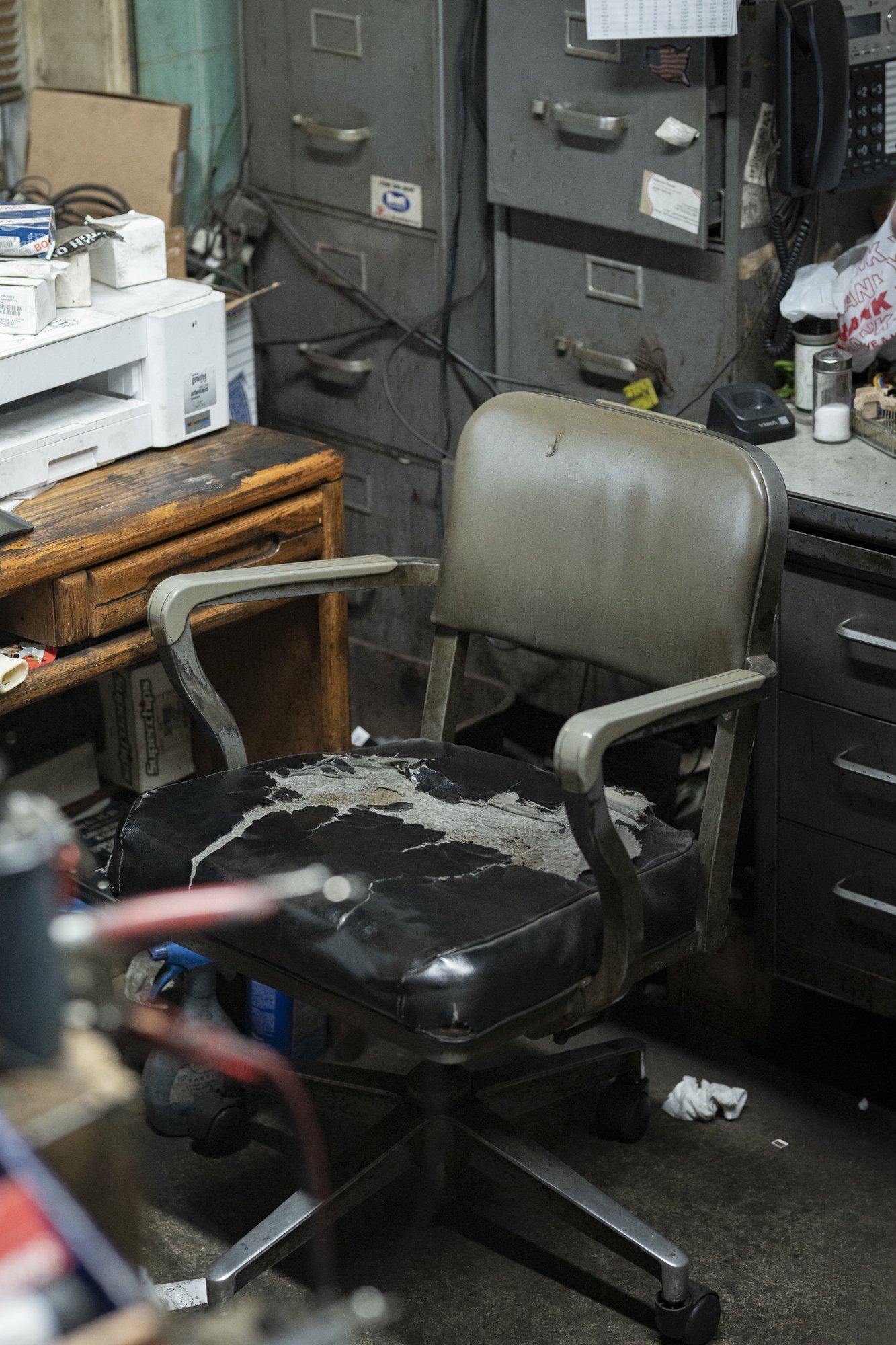
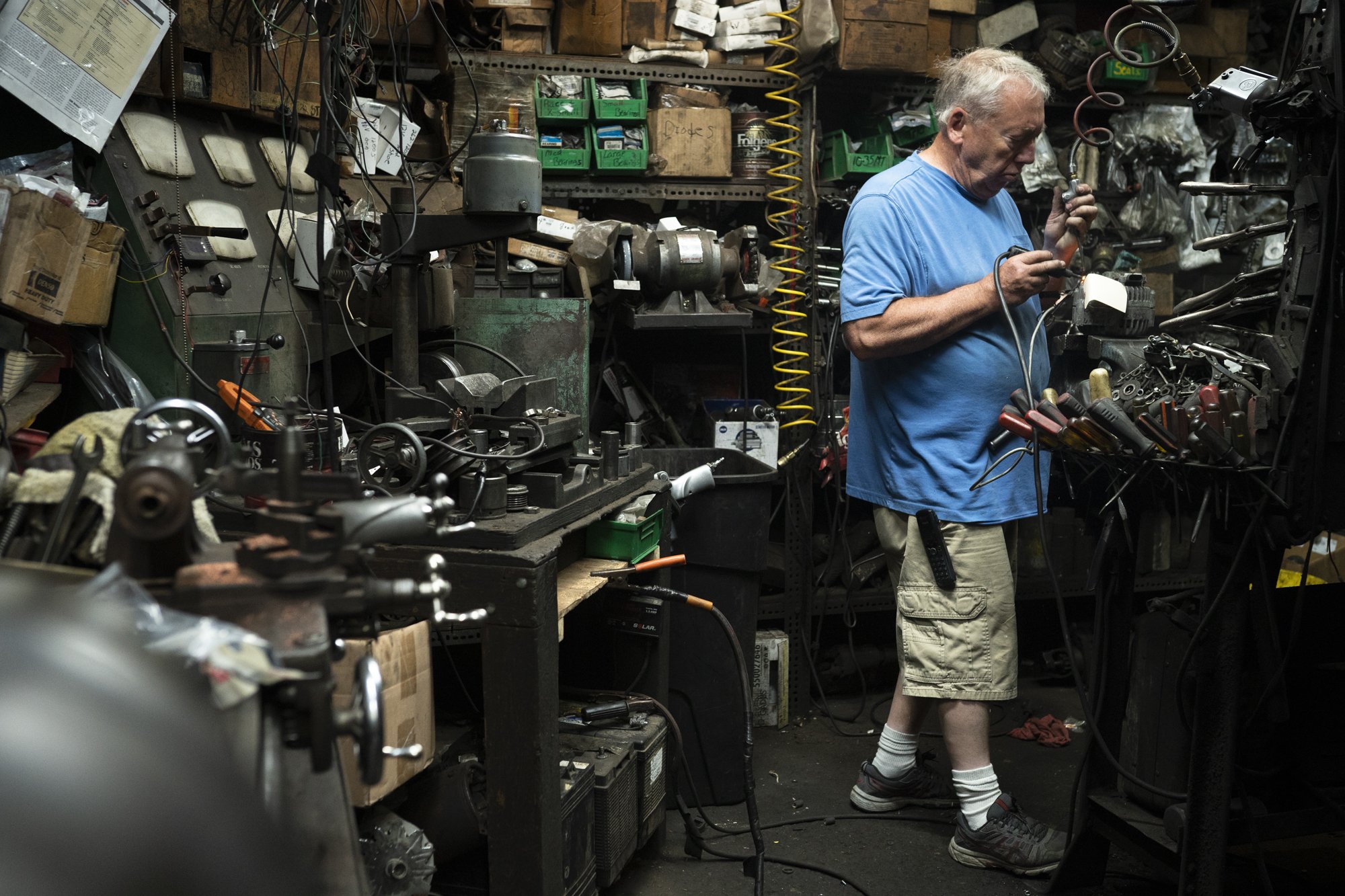
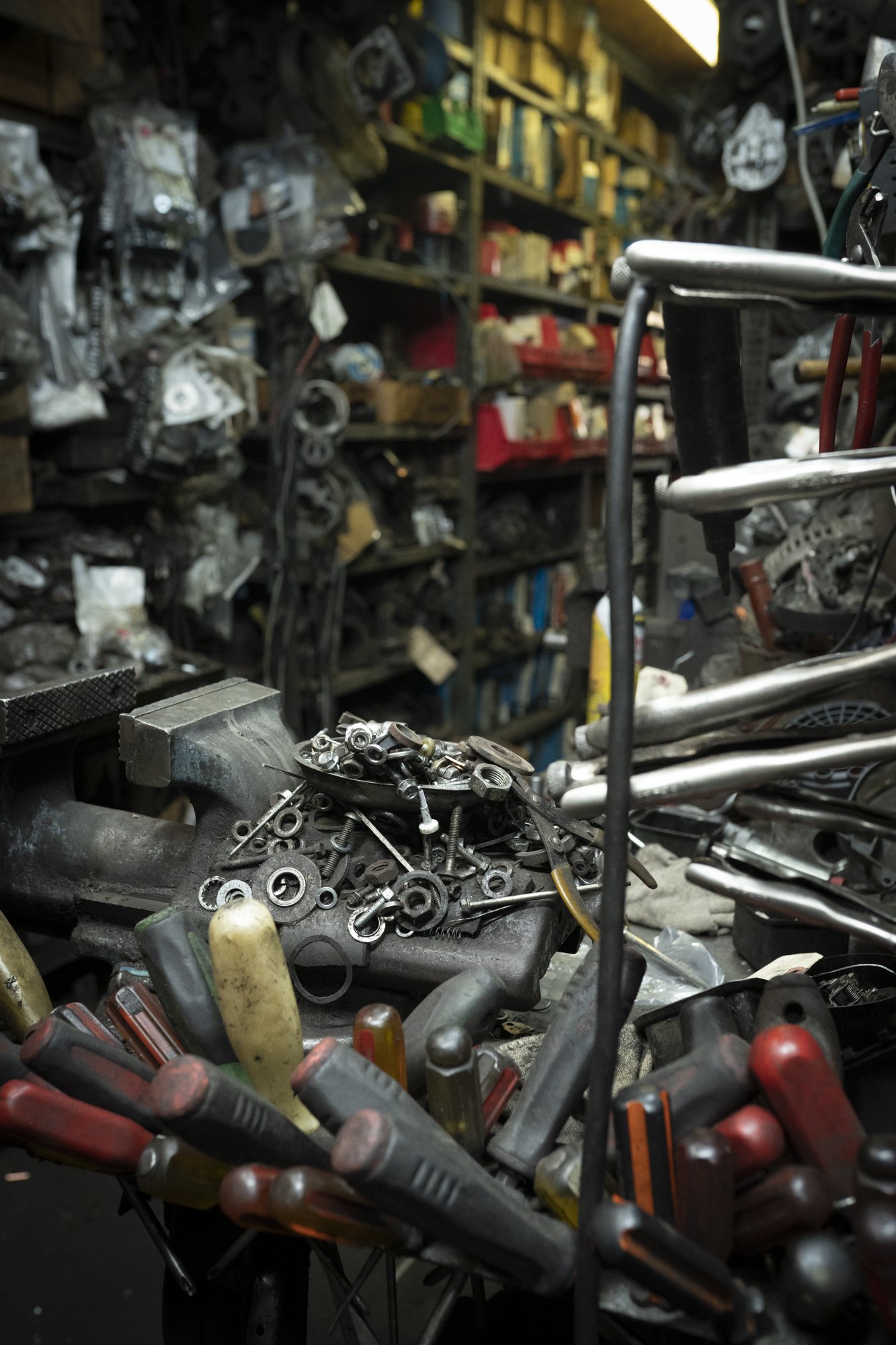
There are a lot of strategies for being productive while on the road. One of them is the “pop-in”. It’s become my go-to when rain won’t let you do much outside. That’s precisely how these images came to be. The pop-in isn’t for everybody. It used to scare the hell out of me. Then you realize there are only two answers, yes or no. If it’s a no, who cares? Just move on. Tony, the owner of this garage, was happy to let me hang out for a few minutes to make some images. Confused as to why, but it didn’t bother him any. Obviously they are going into my “At Work” series that has been so much fun to shoot. Some of the images you’ll see in the gallery are personal and others were made for clients. Better yet, some of them are personal assignments that were later published. Love when that happens.

Cowboy Portraits

Authentic Cowboy Portraits

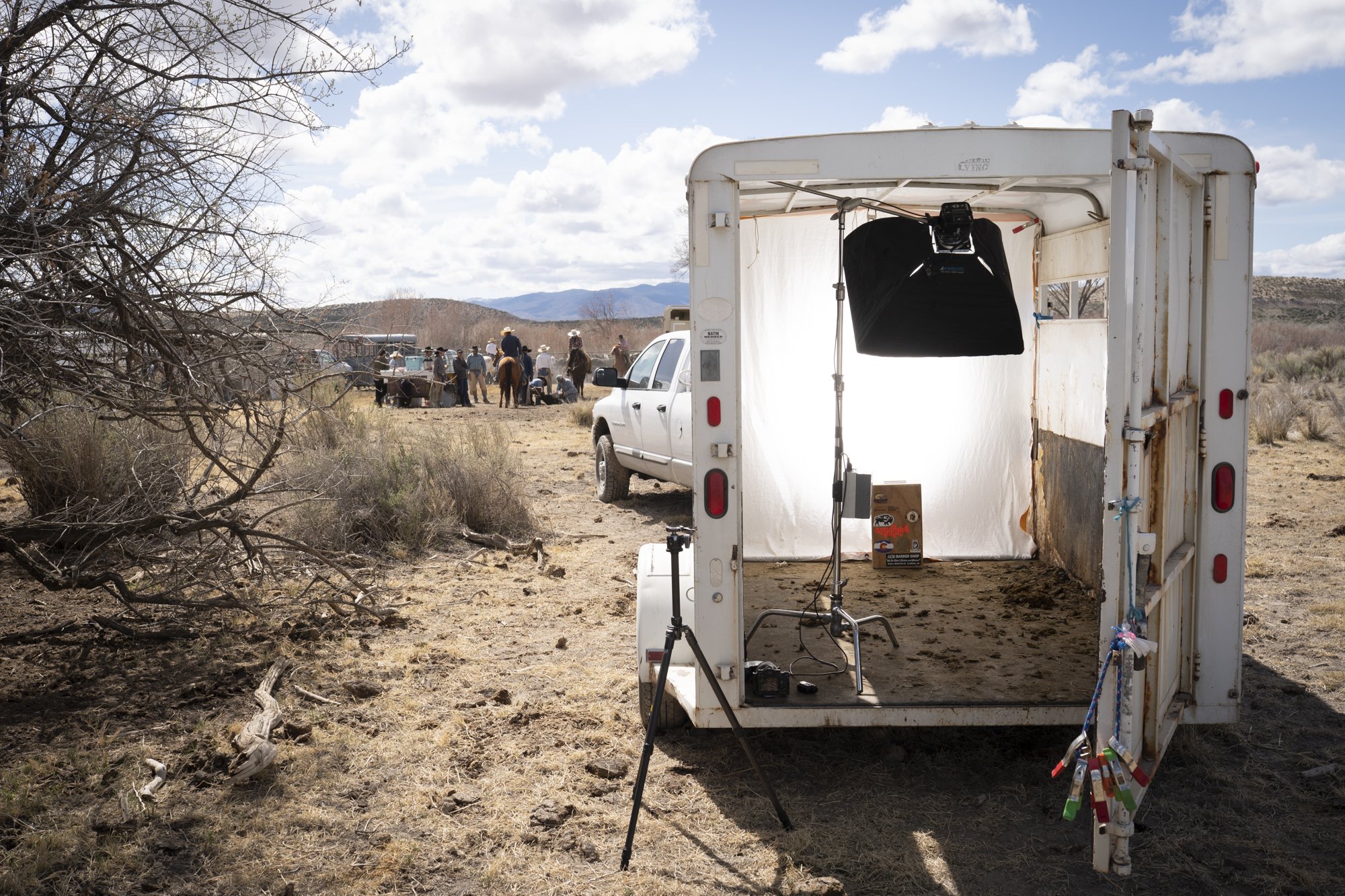
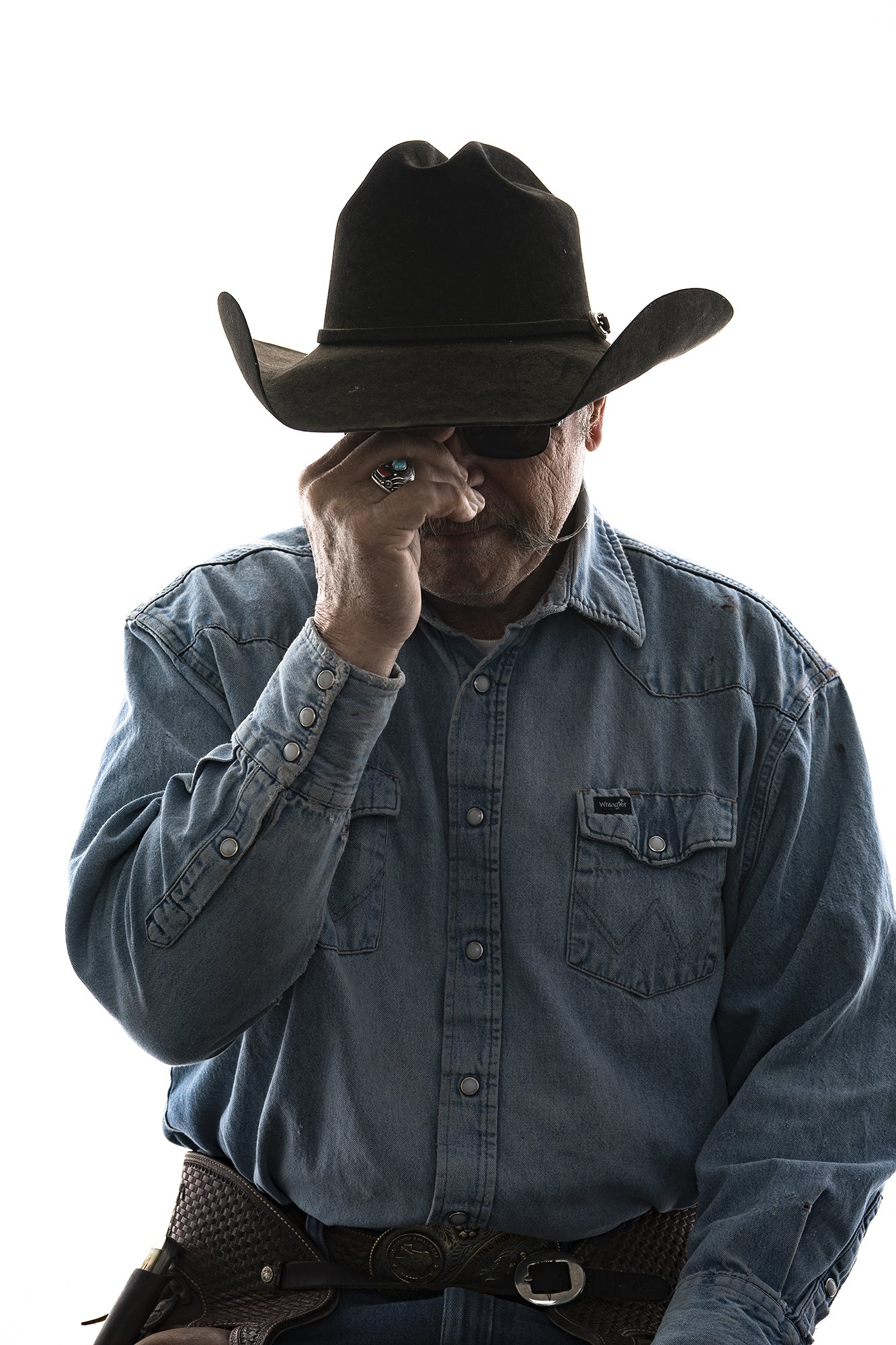
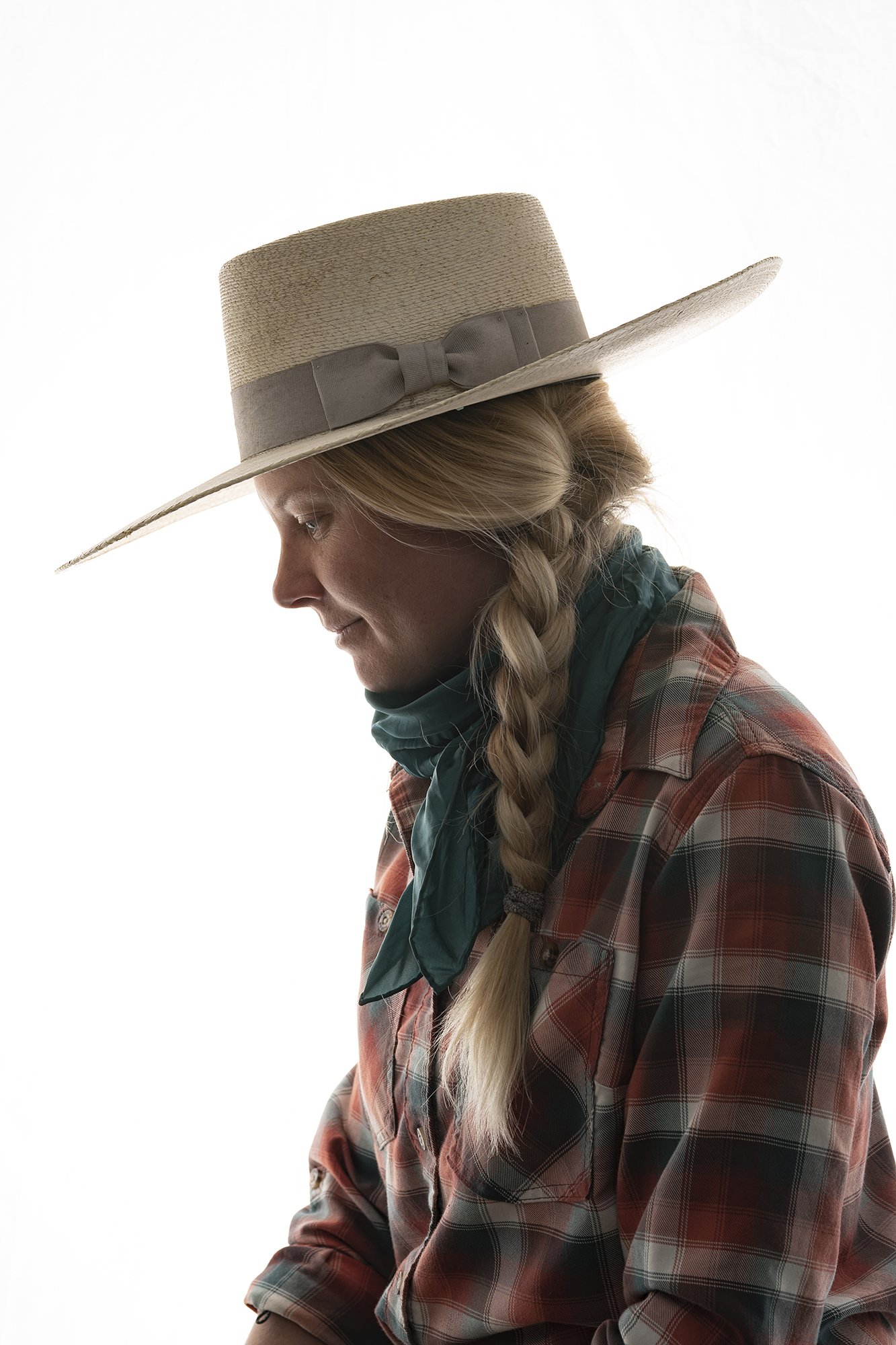
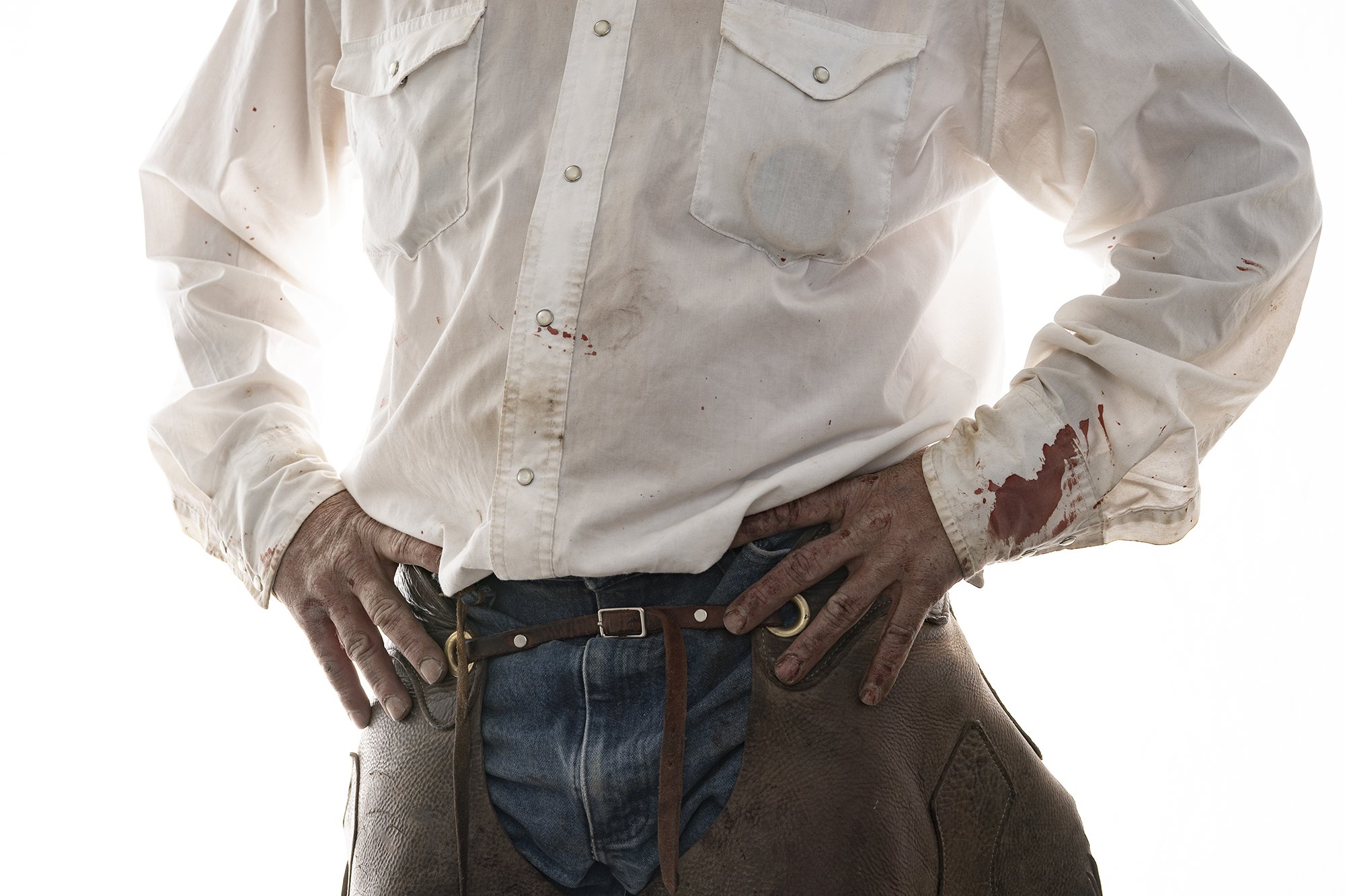
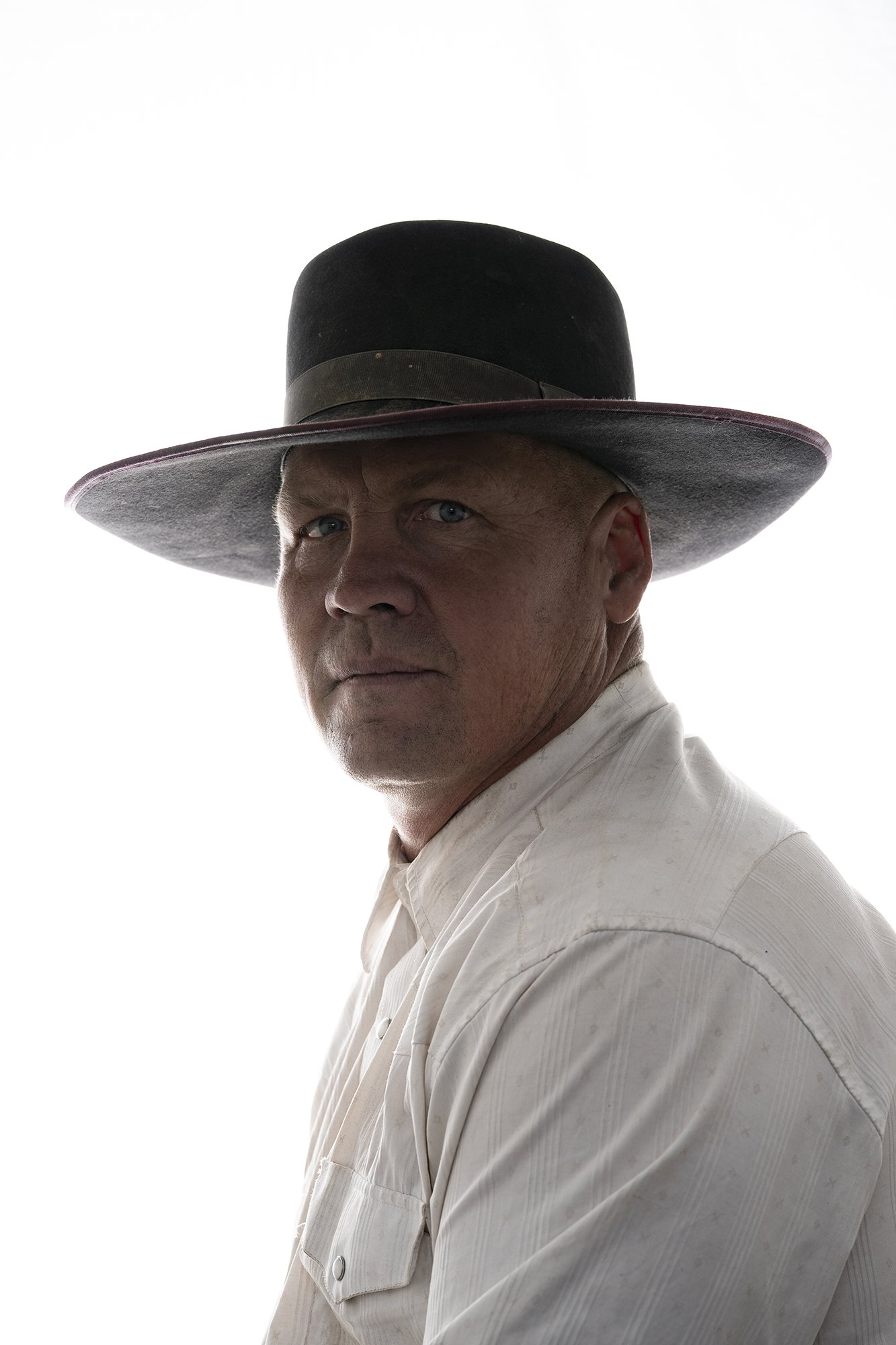
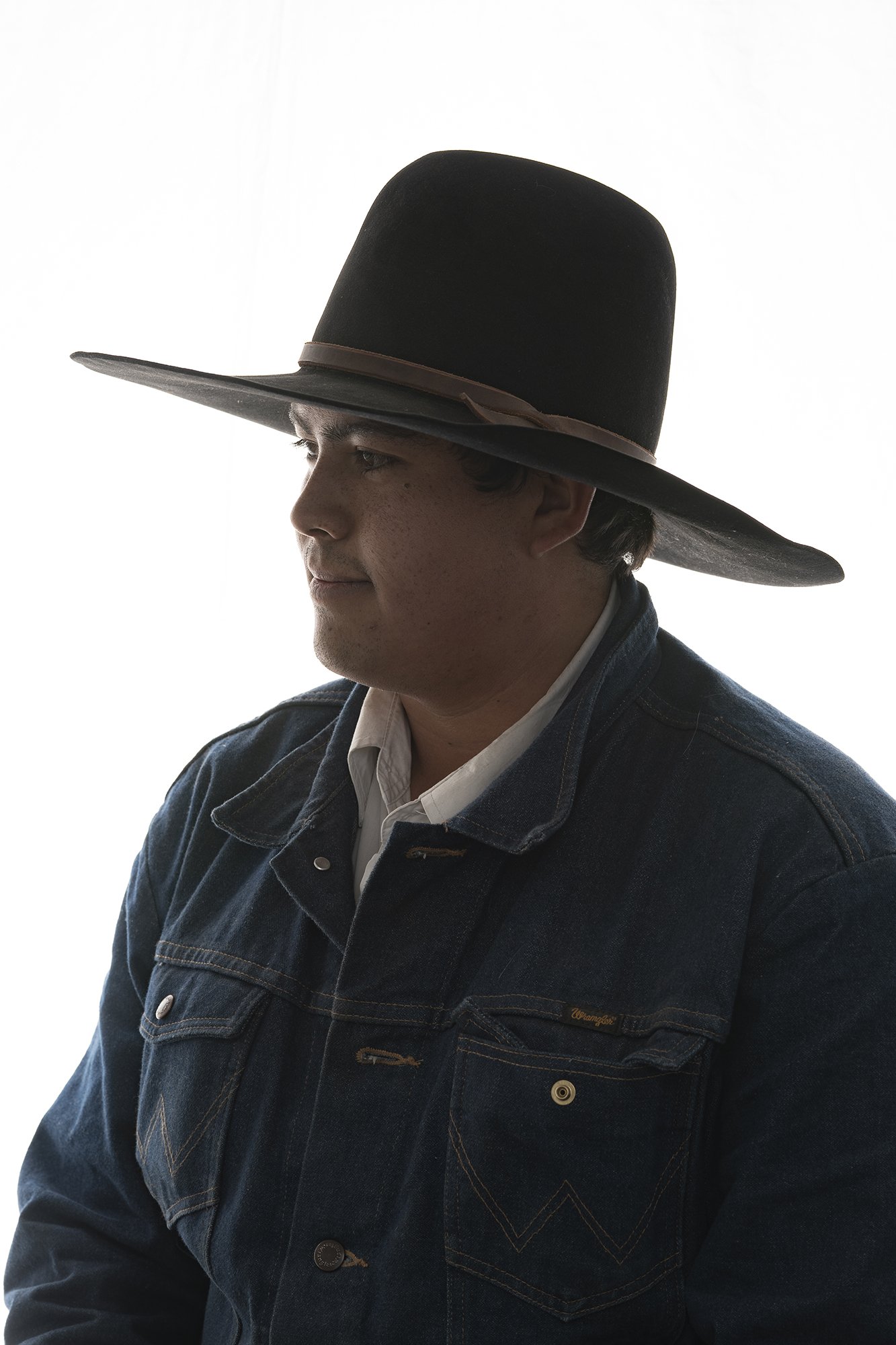
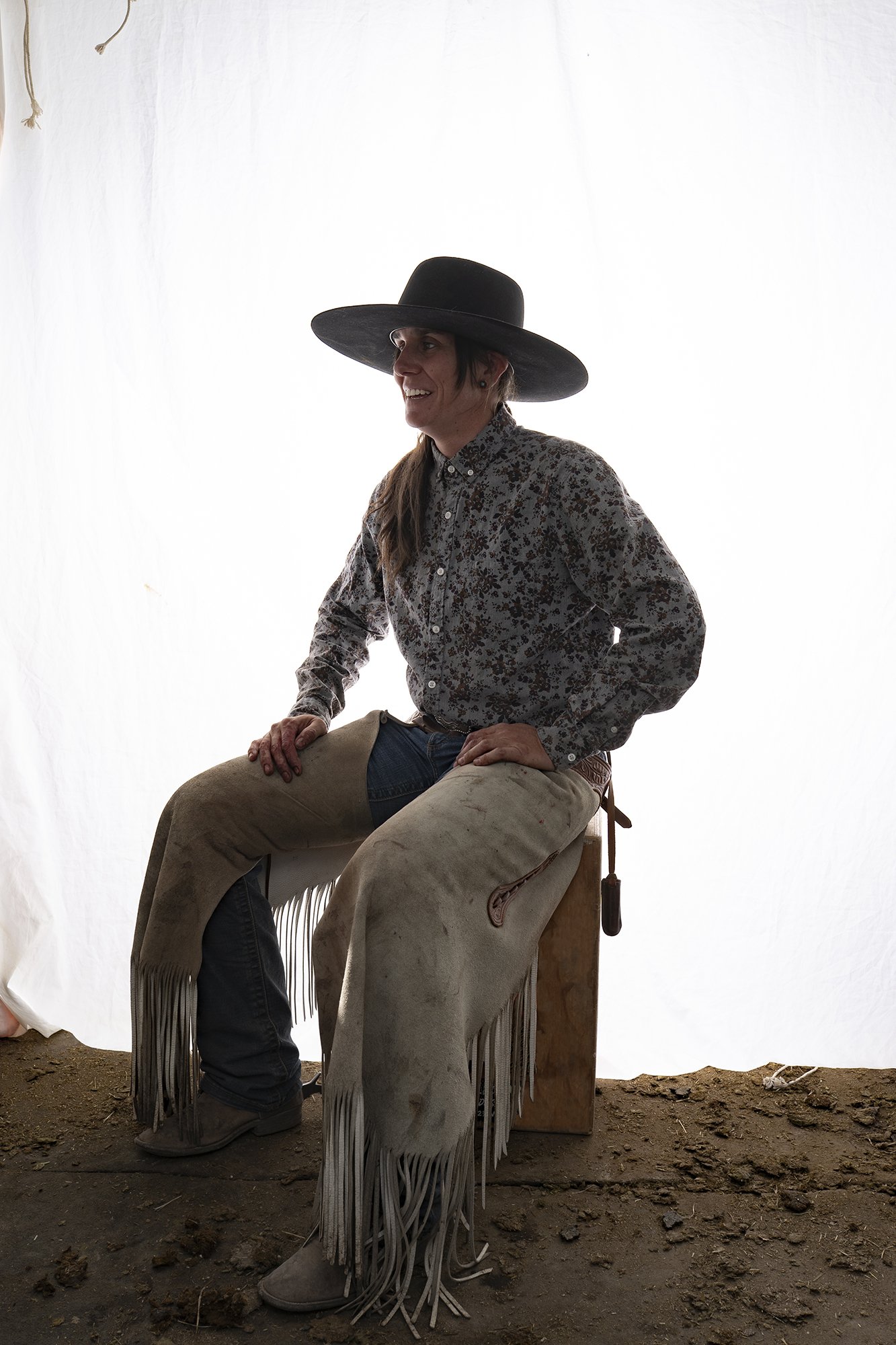
Brought the lighting gear out to a cattle branding a few months ago to make some portraits of all the cowboys and cowgirls working on the ranch. Wanted the focus to just be the people and their gear without anything else to distract from that. Had a blast setting it all up and shooting in a horse trailer, but still undecided if I’ll stick with this style or not.

Click HERE to see more from this series.

Cowboy Culture Photography

Cattle Branding - Cowboy Photography

There’s nothing staged about the kind of cowboy photographs I make. No hired models in brand-new hats. No one pretending to ride for the brand. Just real people doing real work day in and day out, in weather that doesn’t care if you’ve got a camera slung over your shoulder.

For the past 5 years I’ve been photographing working cowboys on ranches across the American West. Not for the sake of nostalgia or myth-making, but because this way of life still exists, and it’s worth documenting. It’s early mornings, long days, sore horses, busted hands, and wind that doesn’t quit. It’s also pride, precision, and an unspoken connection between the people, the animals, and the land.

Most of the time, I’m just trying to stay out of the way. The goal isn’t to direct or interrupt—it’s to be quiet, to watch, and to make images that feel true. The kind that a cowboy can look at and say, “Yeah, that’s how it really is.”

These photographs aren’t just about cowboy hats and boots (though those are in there too). They’re about culture. About people whose lives are shaped by purpose, place, and tradition. And if you spend enough time around it, you realize it’s not just a job. It’s a commitment. A way of seeing the world.

If you're interested in cowboy culture—not the romanticized version, but the actual, hard-earned life behind it, this collection of photographs is for you. No frills, no filters. Just the truth of the West, one frame at a time.

Click HERE to see more of my cowboy photography.

Click HERE to shop my collection of cowboy photography prints

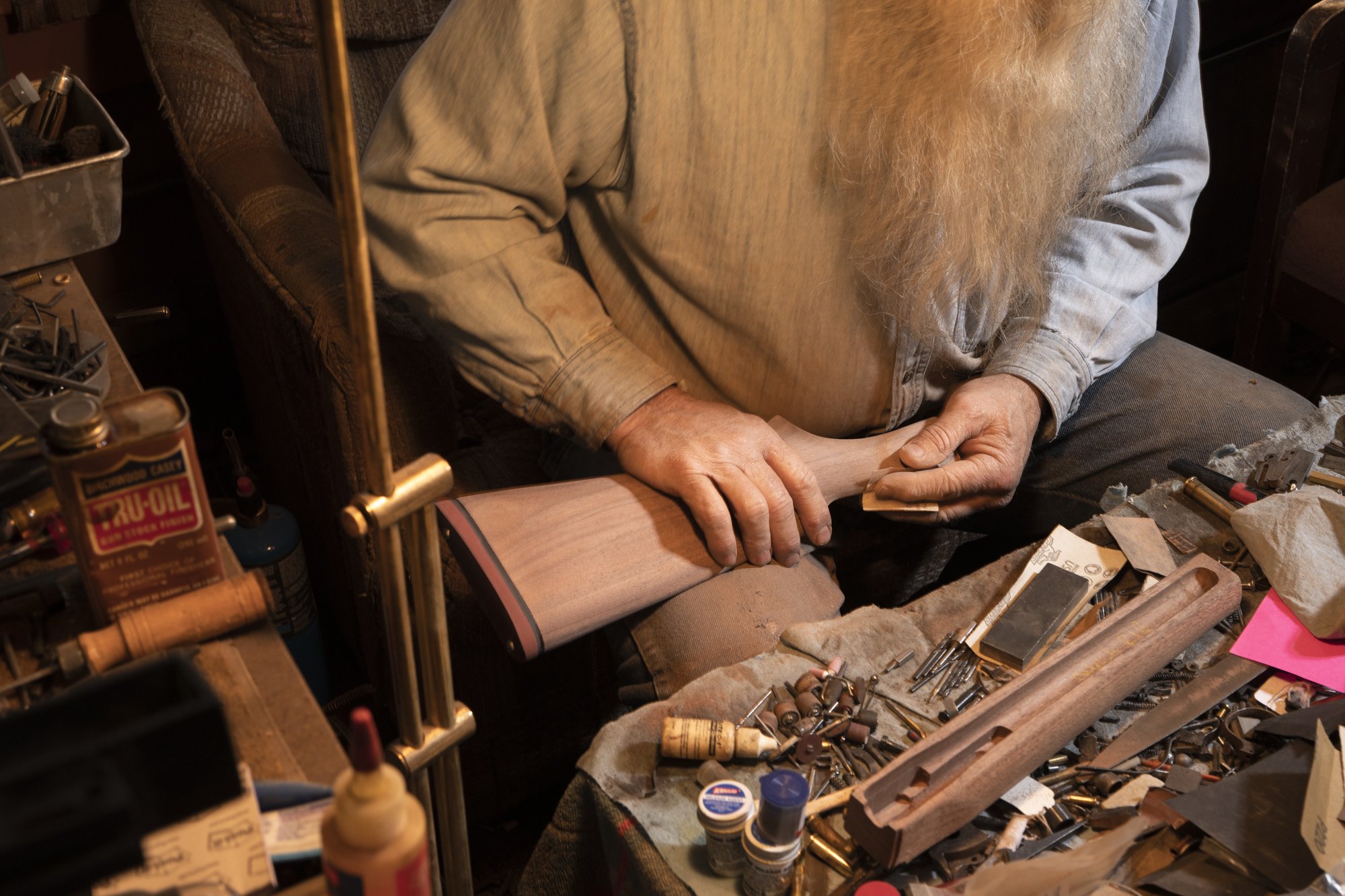
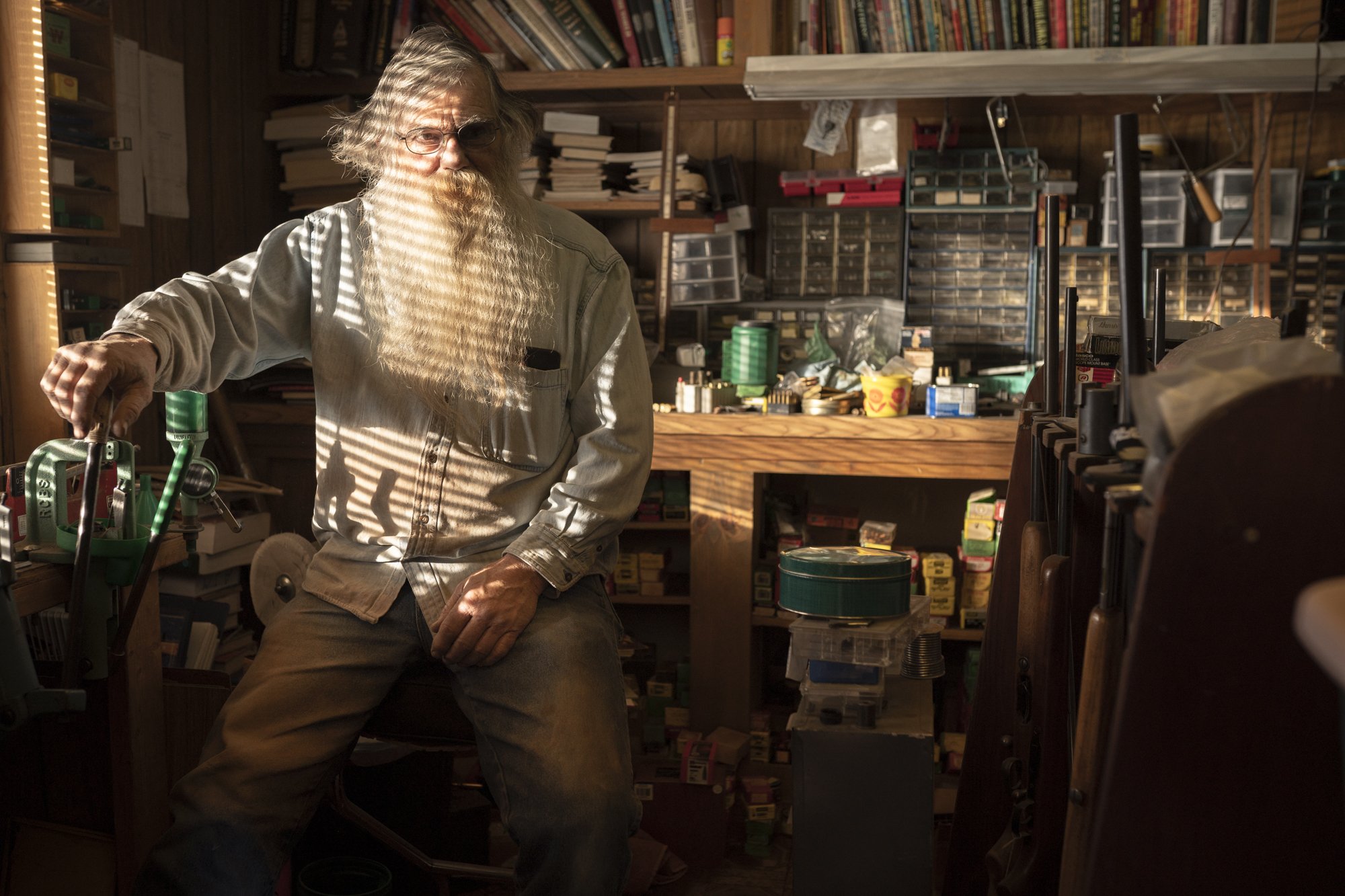
The Gunsmith

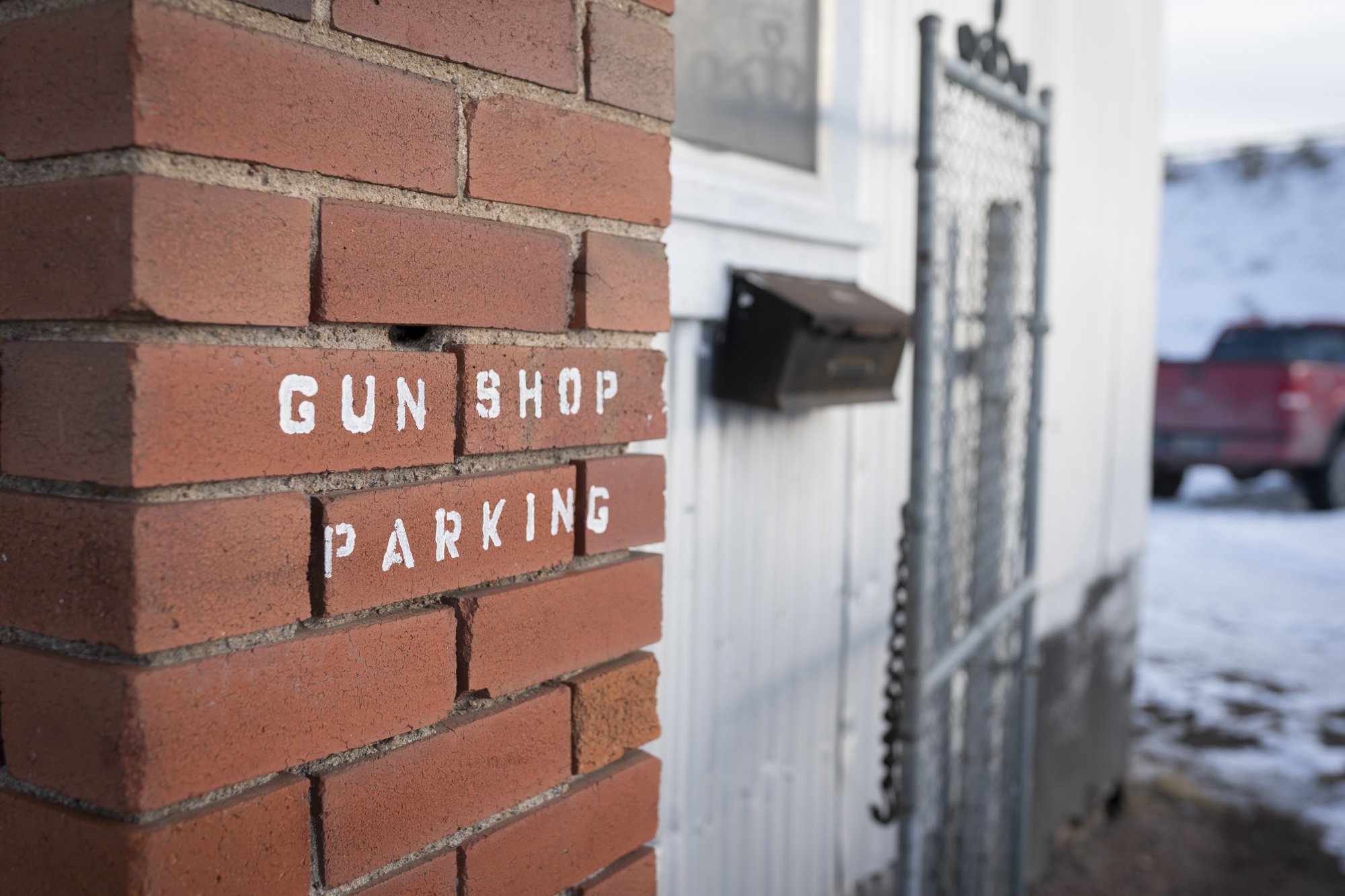
Always blows my mind to think about the simple act of talking and where it can lead. A while back I stopped in Laramie, Wyoming to say hi to a barber I’ve known there for a few years. Afterward while walking Mojo around town I came upon a gunsmith shop (not this one) a few blocks off the main street. A gunsmith at work is something I’ve been wanting to photograph, so we popped in and introduced ourselves. That interaction didn’t result in the desired outcome but it was still informational/entertaining. The owner didn’t want to be photographed for a variety of reasons. Some of them valid. The rest were…….irrational??!! The somewhat brief conversation consisted of his opinion on the world today and how “you can’t even go to Denver anymore because everybody is getting shot.” He asked if I had a gun and was upset to hear that I only kept it in my truck. “That’s not good enough. You have to keep it on you! That’s when they get you, when you’re getting out of your truck !”. I’m not disagreeing that the world is a sort of a disaster, but it also seemed like his thoughts were that of a person who might not ever leave their small town. Maybe I’m wrong?! And no disrespect to small towns. They are my favorite. Afterward I asked if there are any other gunsmiths in the area. He replied with very vague information about a guy that possibly works out of his house on a dead end street down near the highway. So I went looking and somehow found the place only recognizable by small stenciled letters “Gun Shop Parking” on the chimney bricks near the front gate. Otherwise the house was totally nondescript and didn’t show any other signs of life. A knock on the door confirmed nobody was home. Not a big deal. It was on my radar for the next trip through Wyoming.

Click HERE to see more from my “At Work” series.

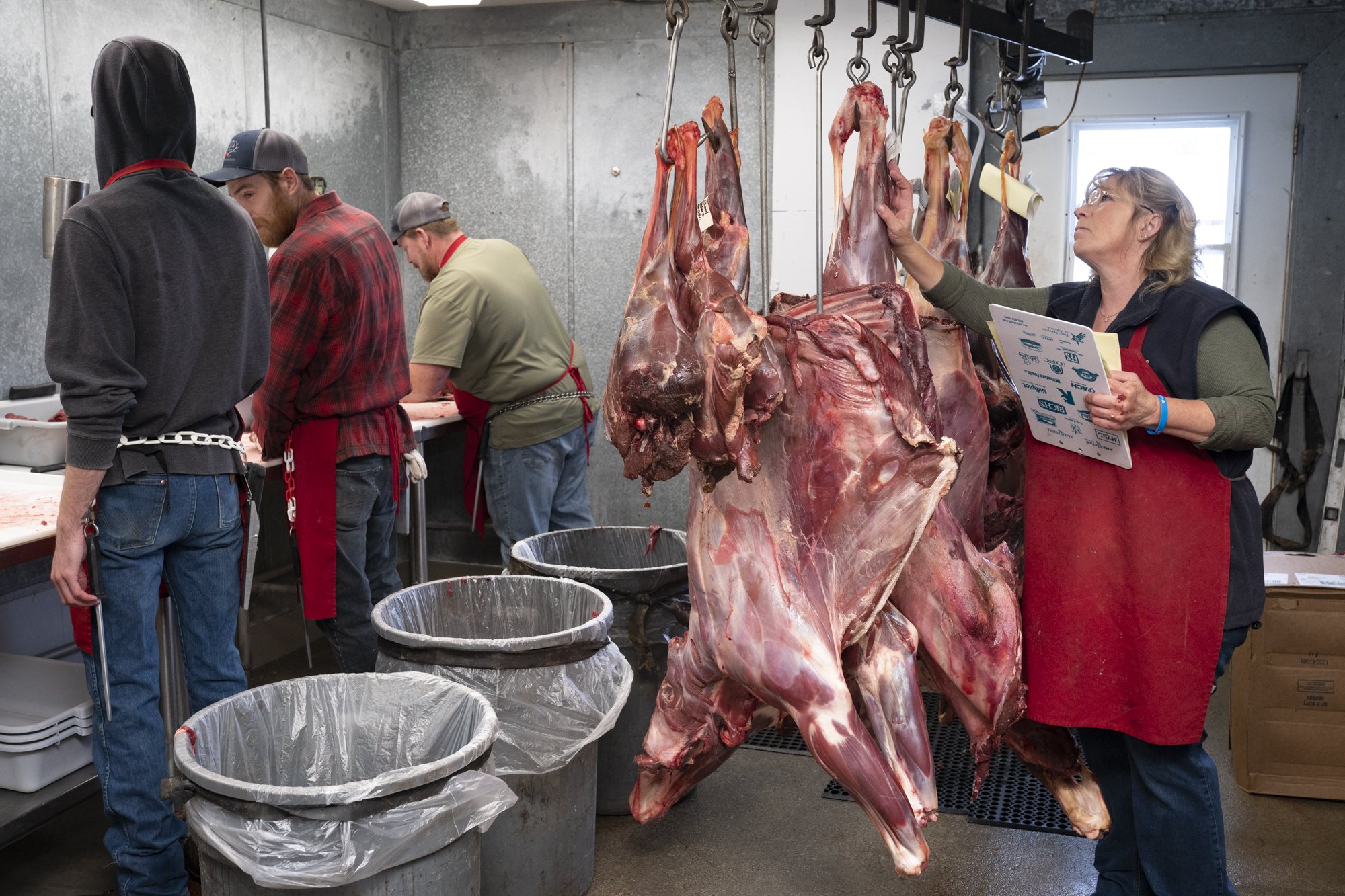
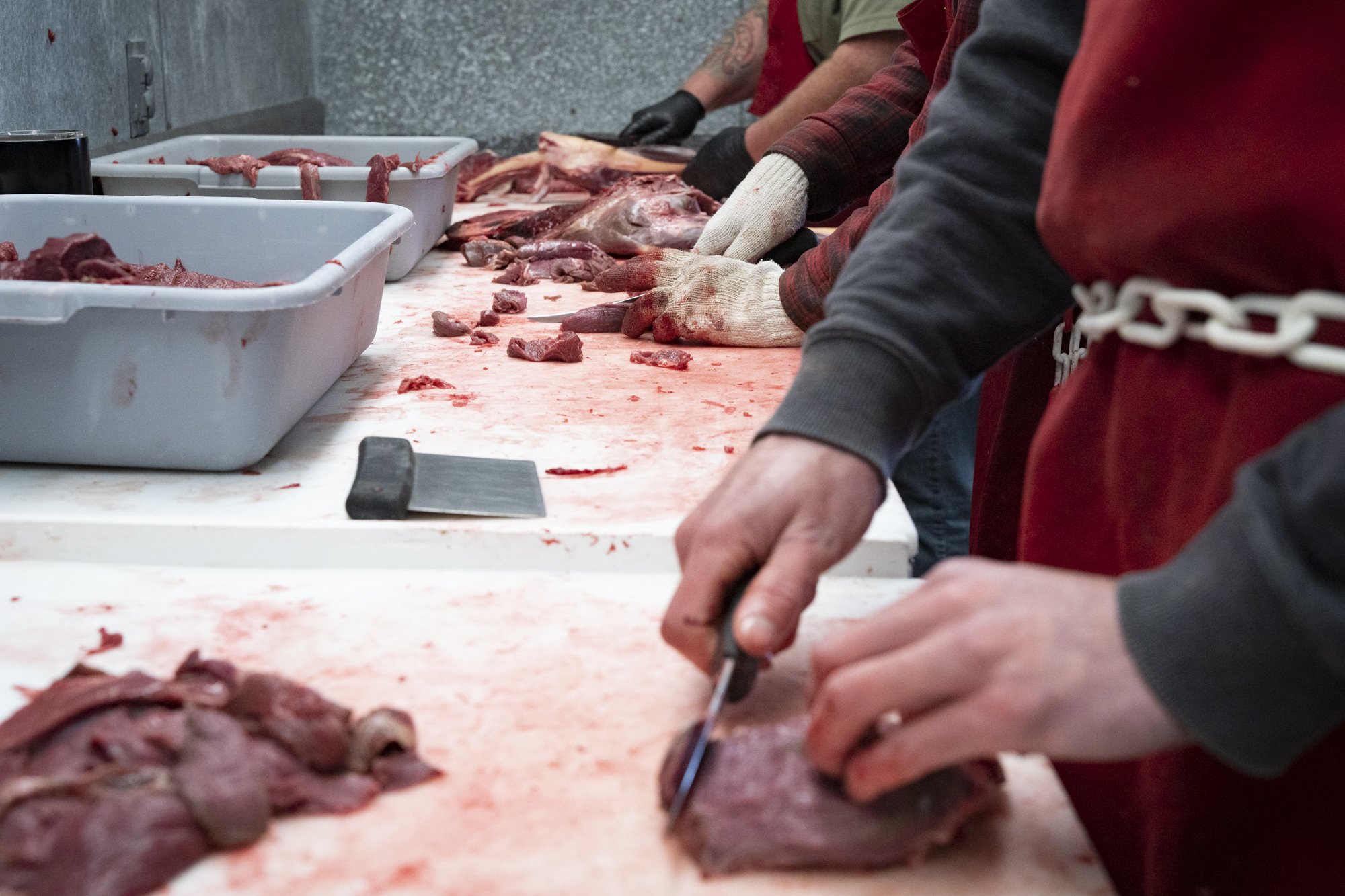
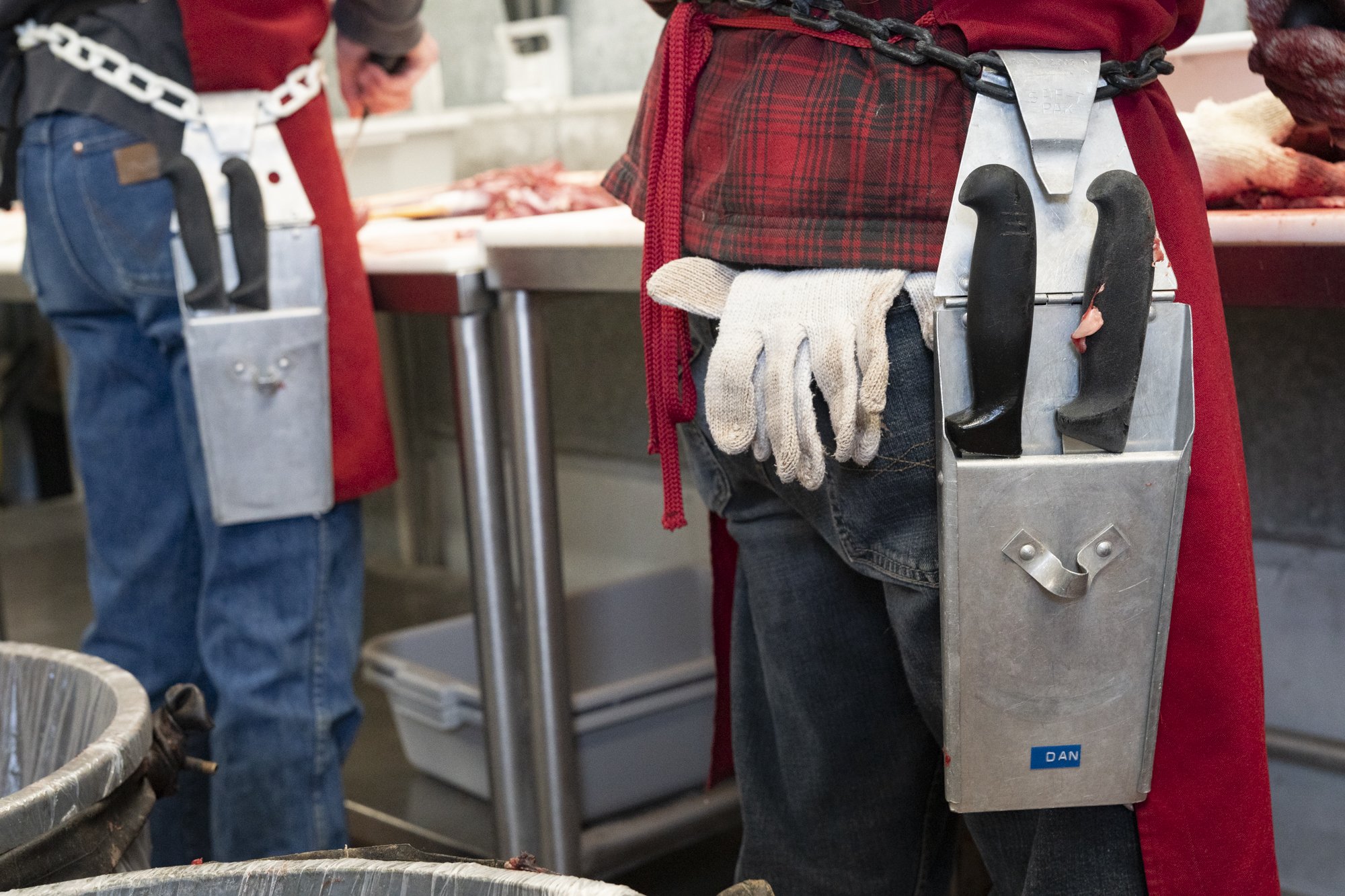
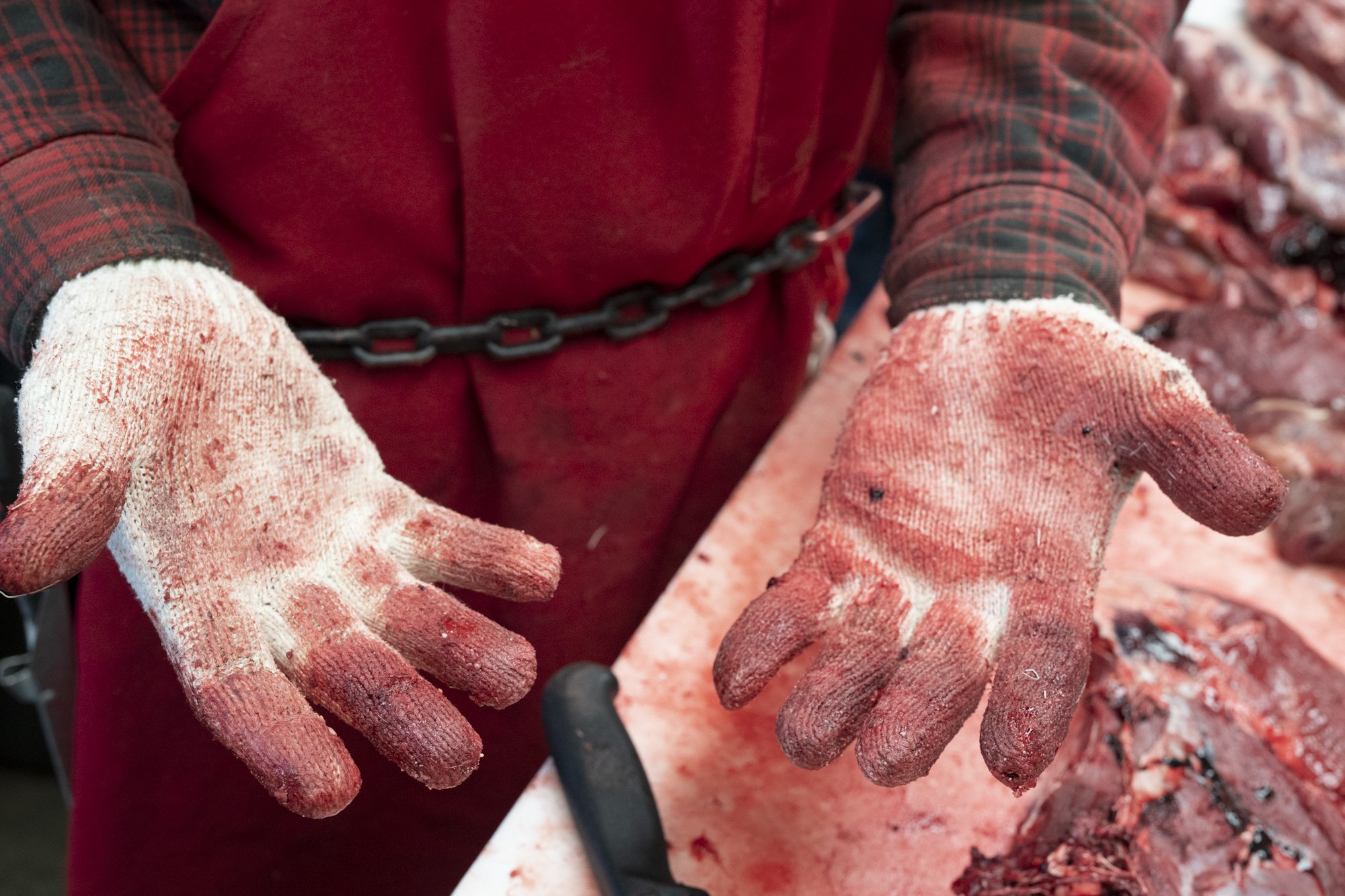
Meat Processing Photographs

Meat Processing Plant Photography in Wyoming | Real Food Production Environments

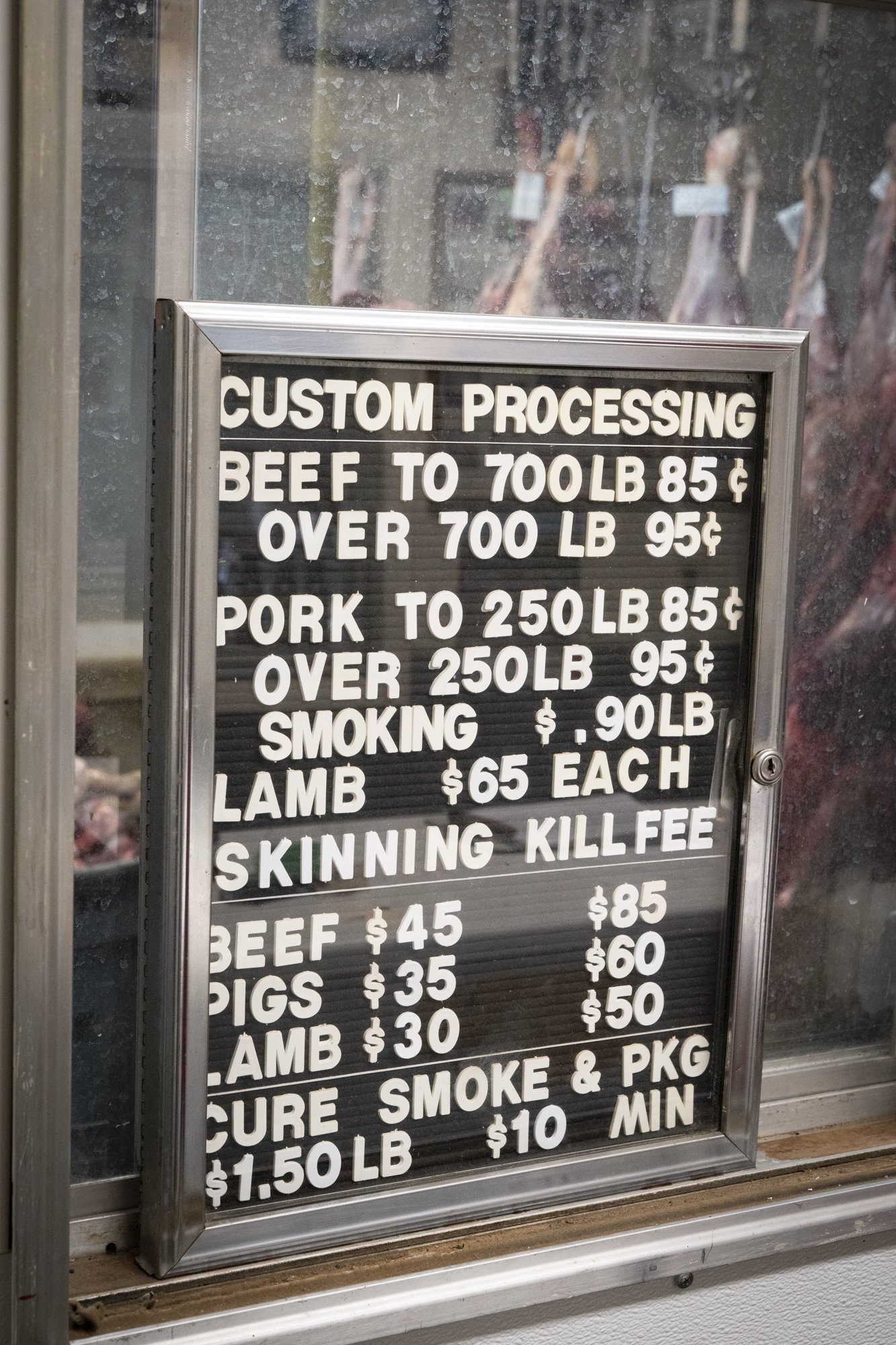
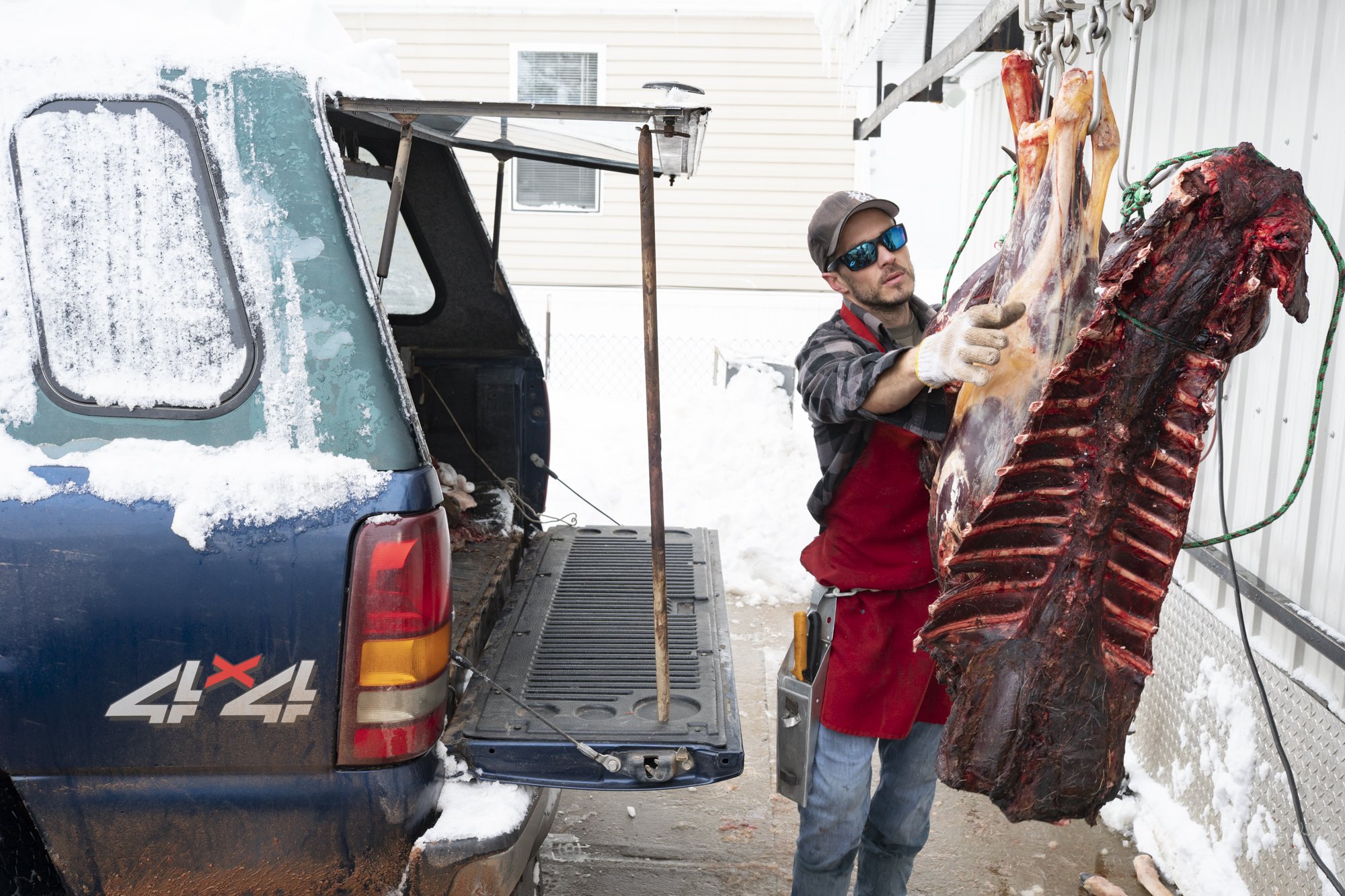
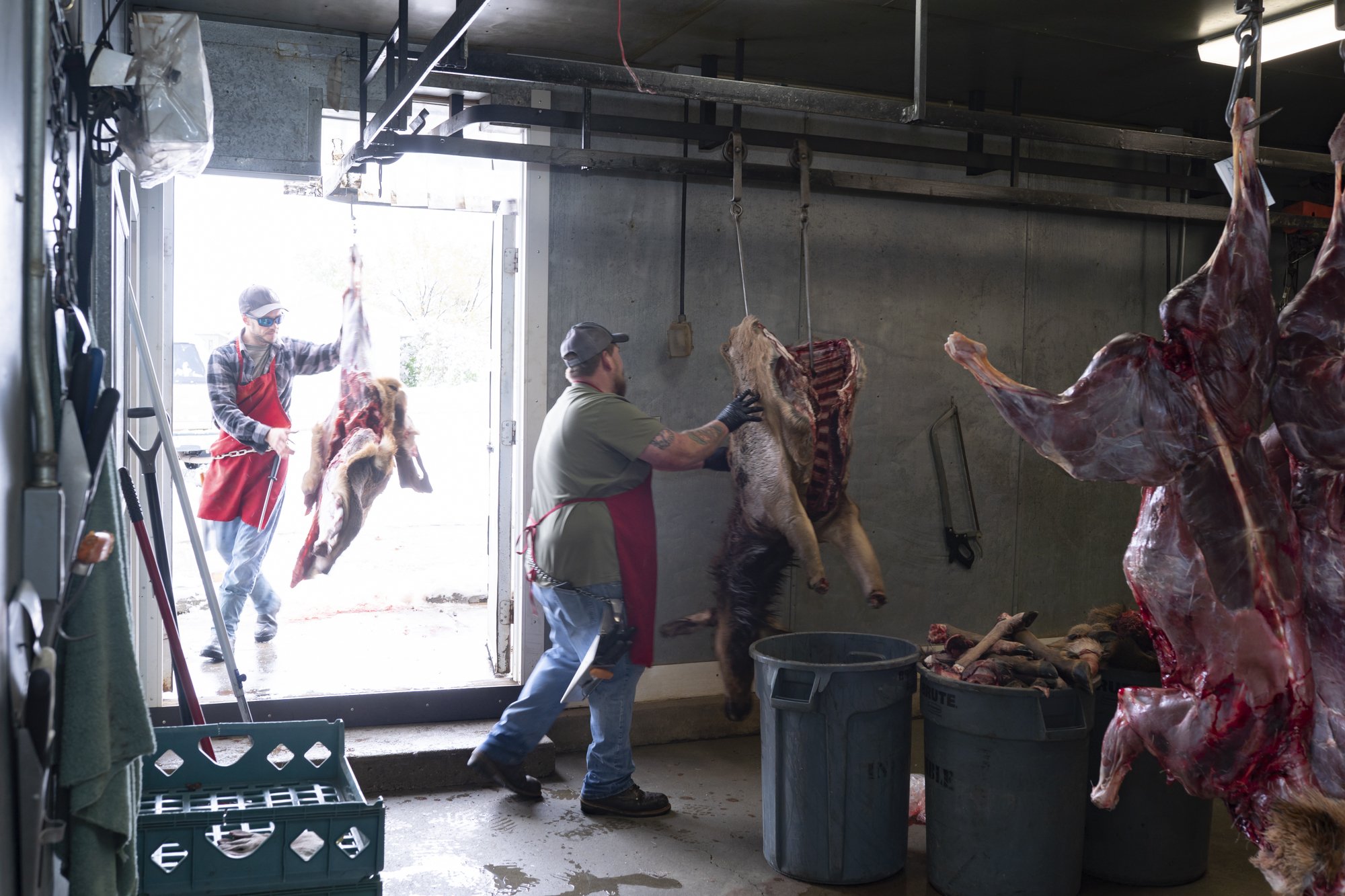
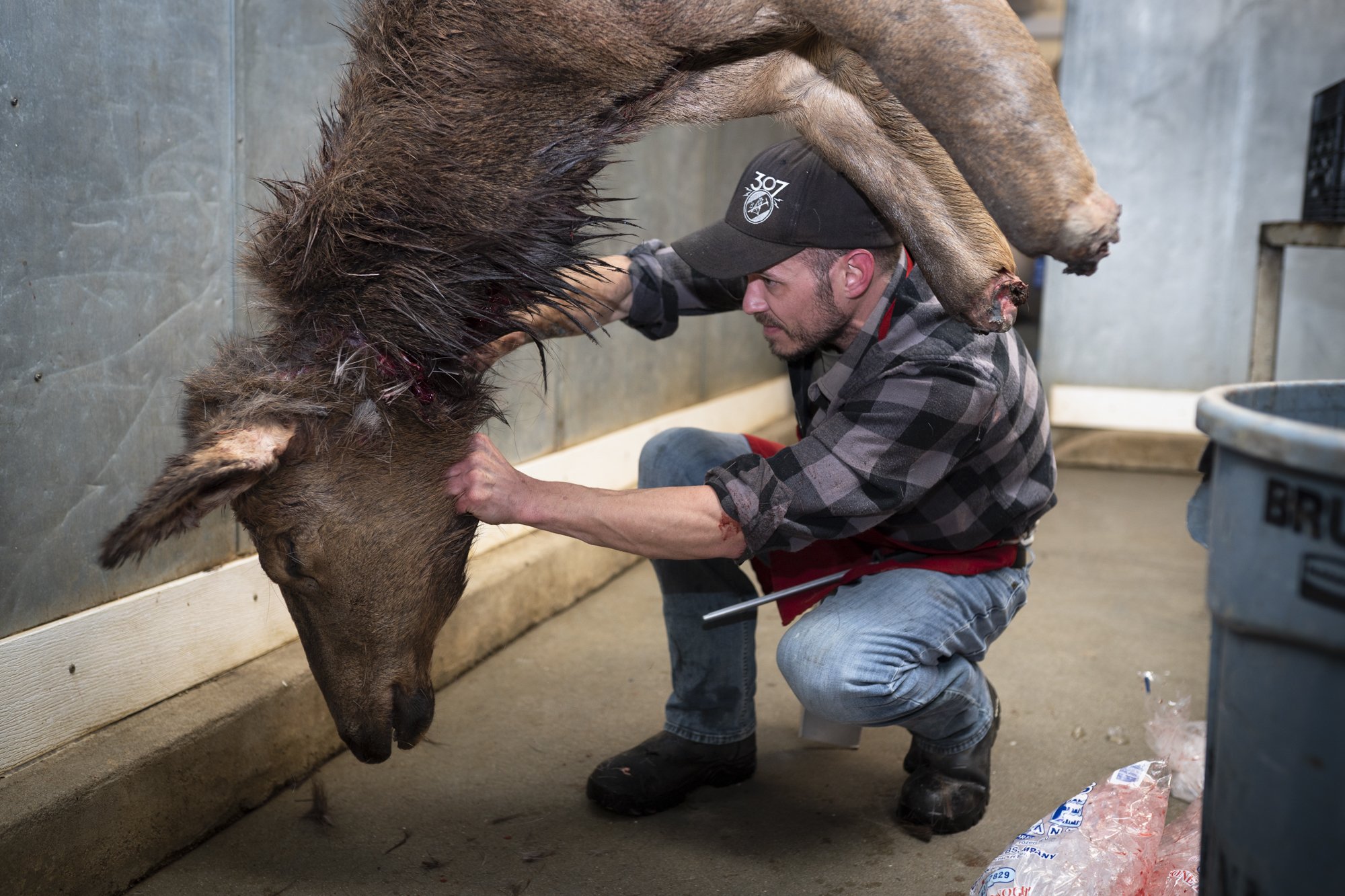
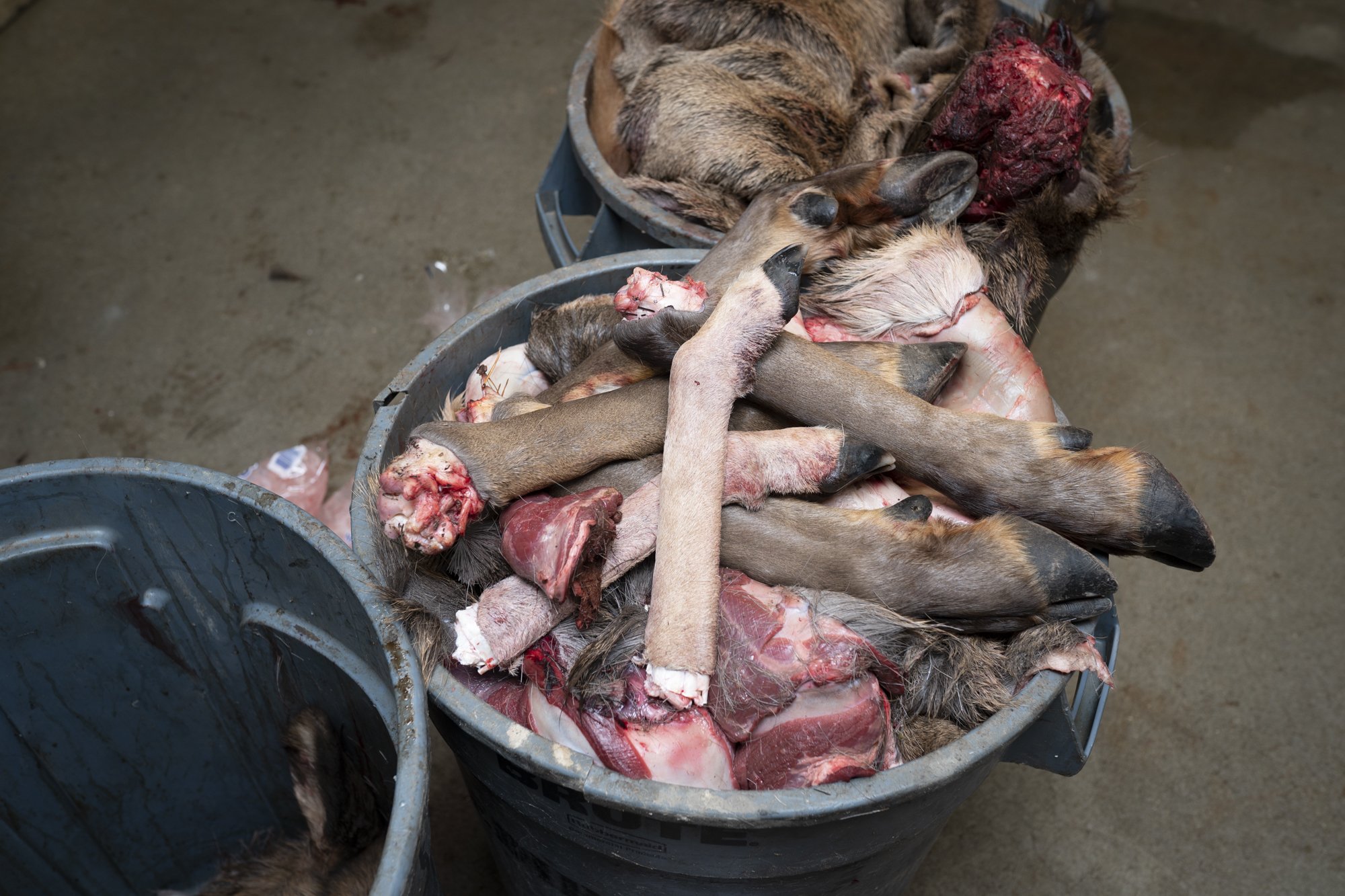
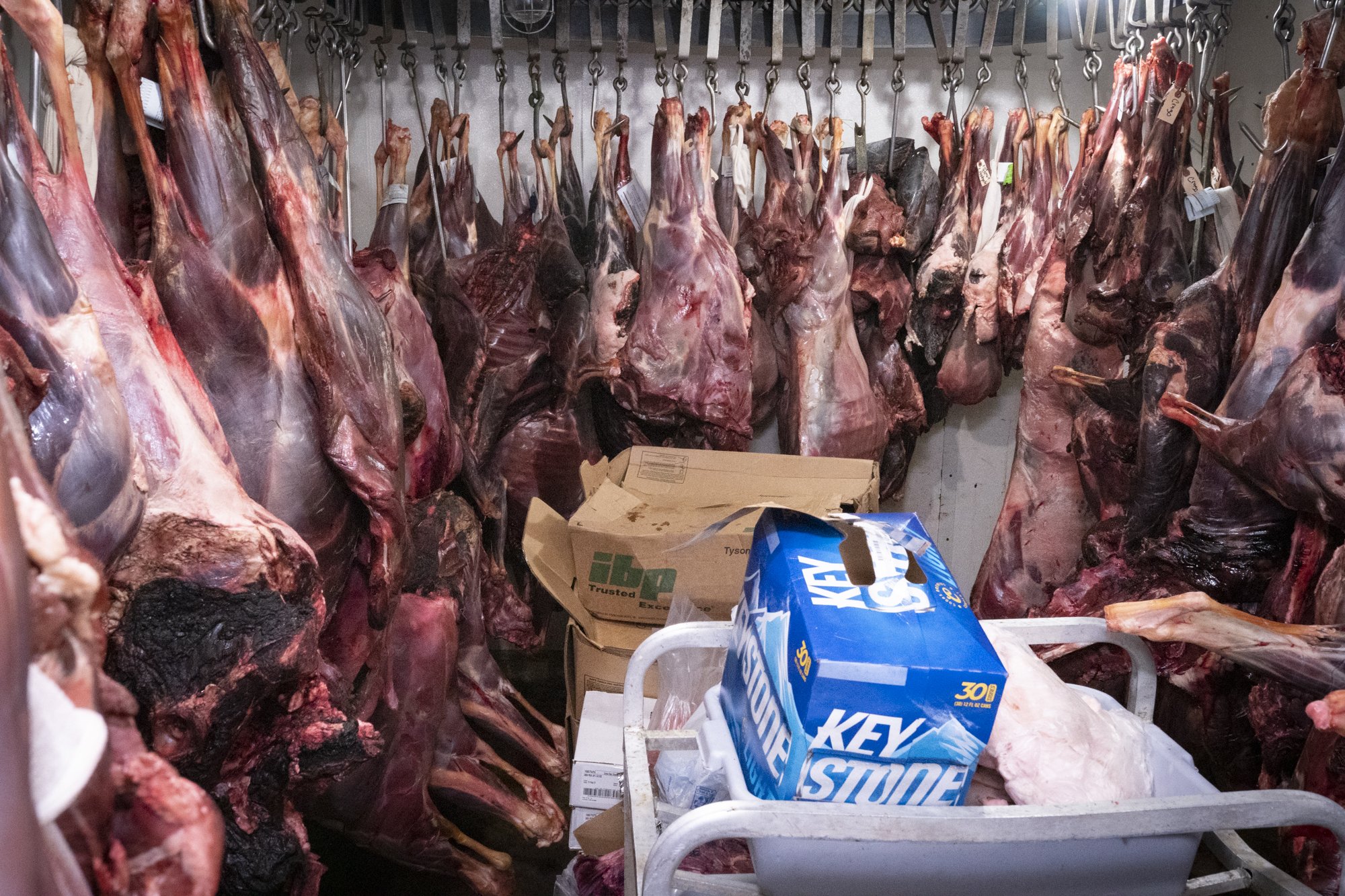
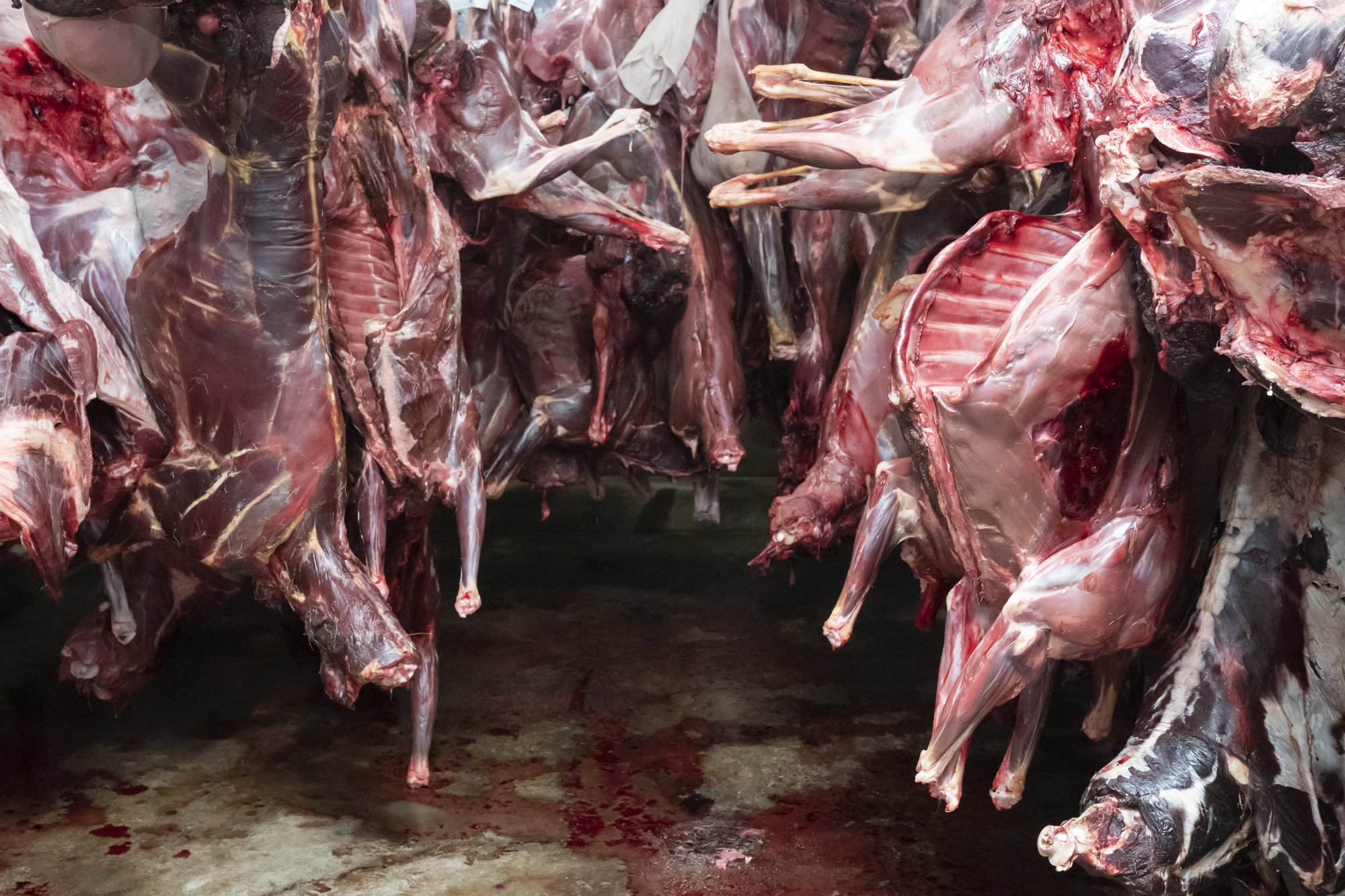
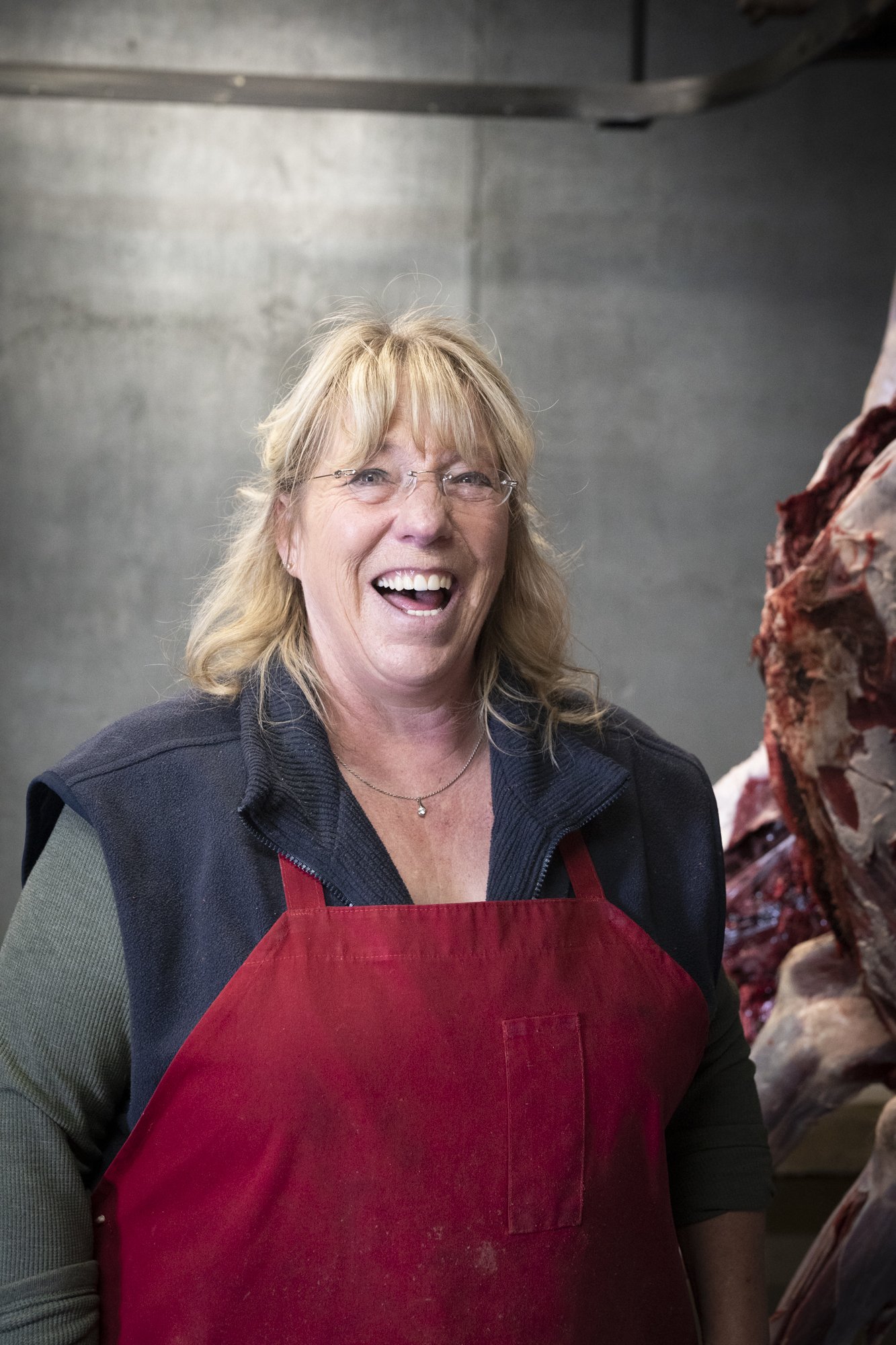
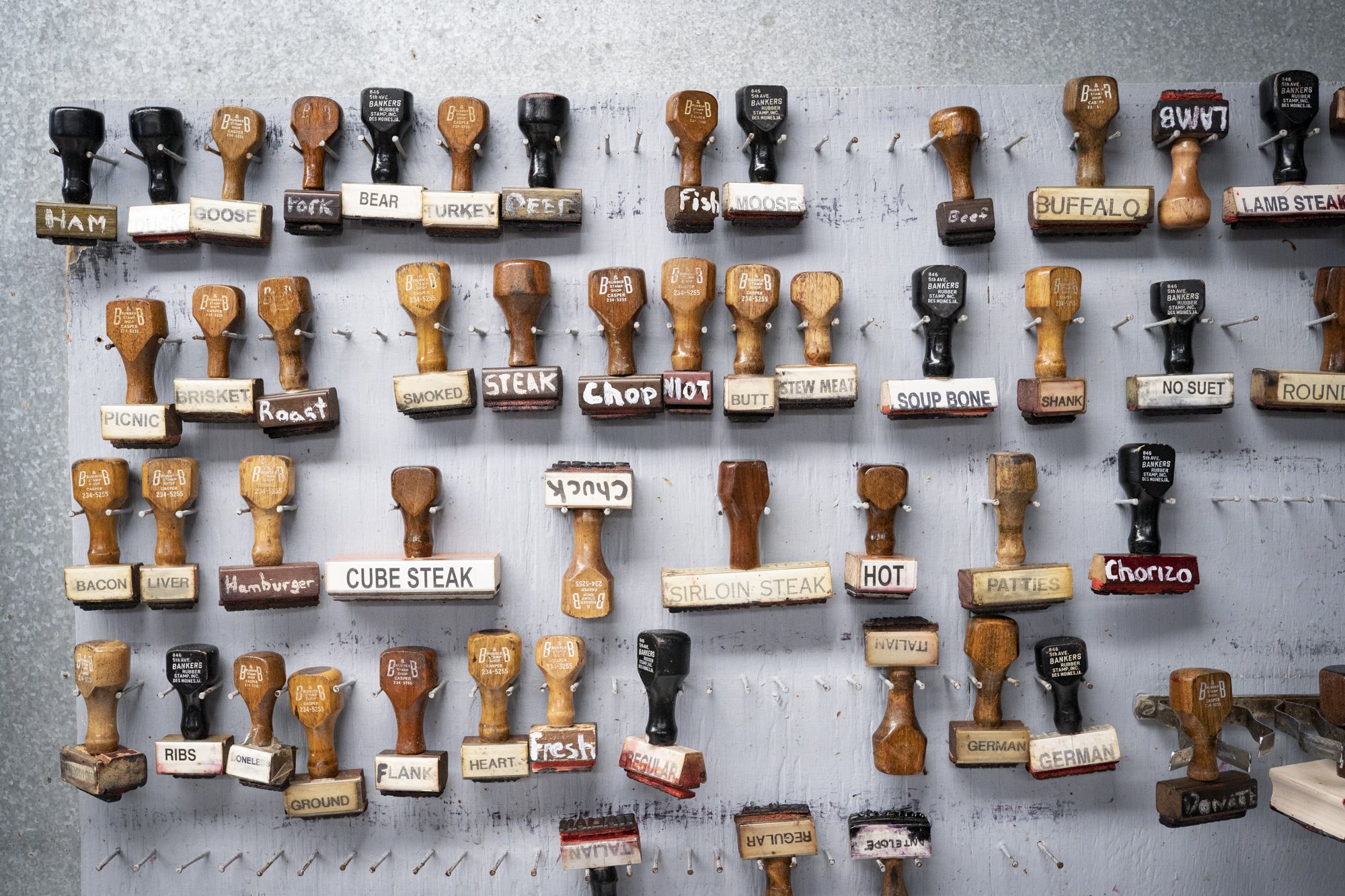
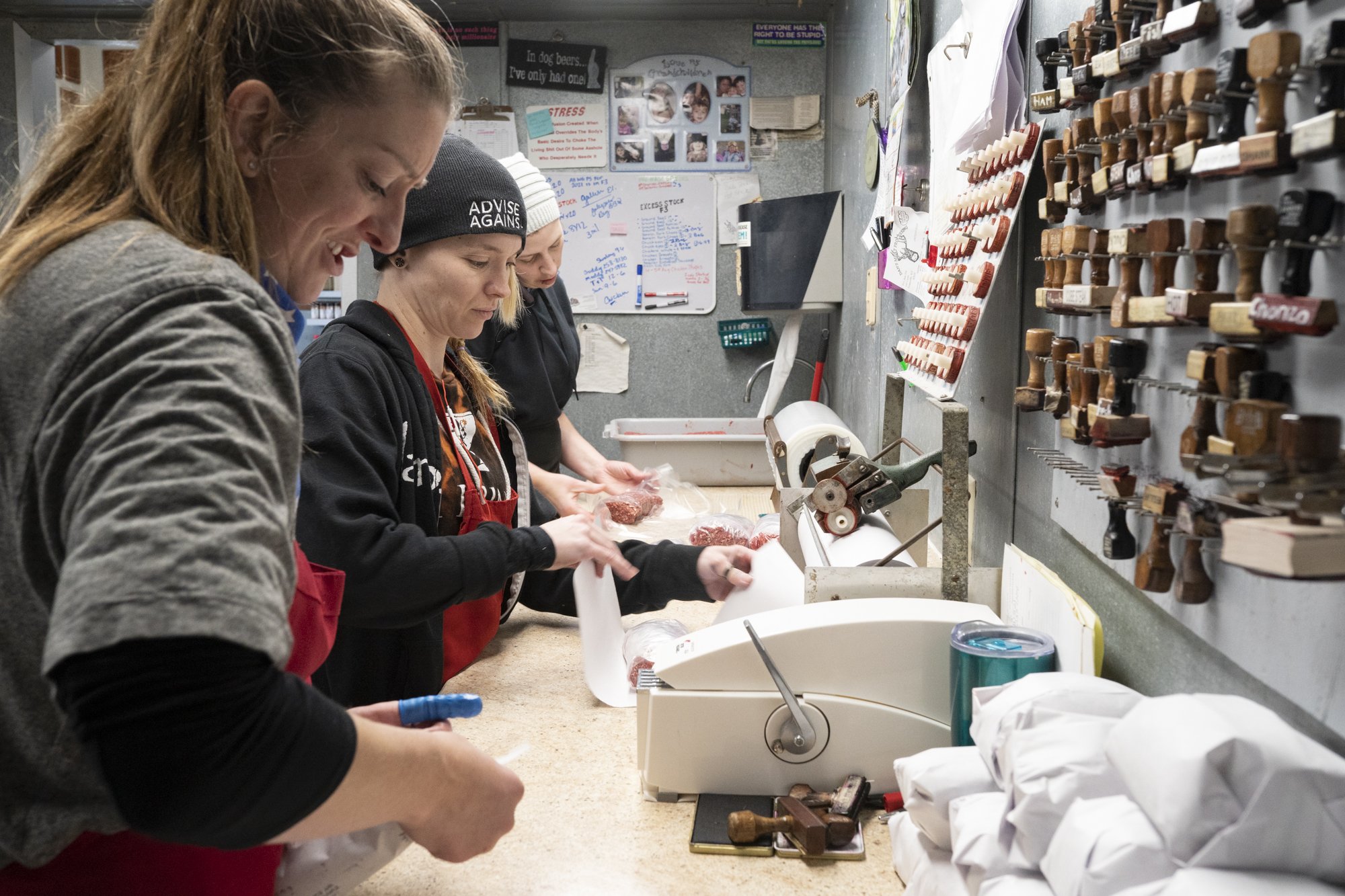
One thing you can always depend on during a road trip is that weather will at some point throw a wrench in your plans. It’s unavoidable. You can either sulk about it or seek out an alternative. Admittedly, I used to get bent about bad weather! It has to be sunny to make any kind of pictures that are worth a damn, I thought! False. When you’re in the mountains it’s always smart to consider snow, but it’s not often that you figure on an October storm big enough to shut down travel! Well, it happened last month when I was scheduled to shoot with a rancher in southern Wyoming on my way from Montana to Colorado. It was a hairy drive from Bozeman down through northern Wyoming and got worse as the night went on. Being October the summer tires were still on my truck which didn’t help matters any. Made it as far as Casper and hit the proverbial wall. Couldn’t keep my eyes open any more so I got a hotel with the plan to wake up at the ass crack in order to arrive at the ranch on time. Only the snow didn’t stop and every which way to Laramie was closed down. Not a single highway or back road to be had. Frustrated but determined not to let it ruin the day I began driving local roads in search of something to photograph. Early on I came upon a local taxidermist shoveling the sidewalk in front of his shop. We chatted for a bit, unfortunately he didn’t have anything going that warranted shooting. No pun intended. When asked for a recommendation he quickly pointed me towards Dan’s Meat Processing about a mile down the road. So I headed directly over there and was warmly greeted by the owner who was more than willing to let me hang out and photograph their operation.

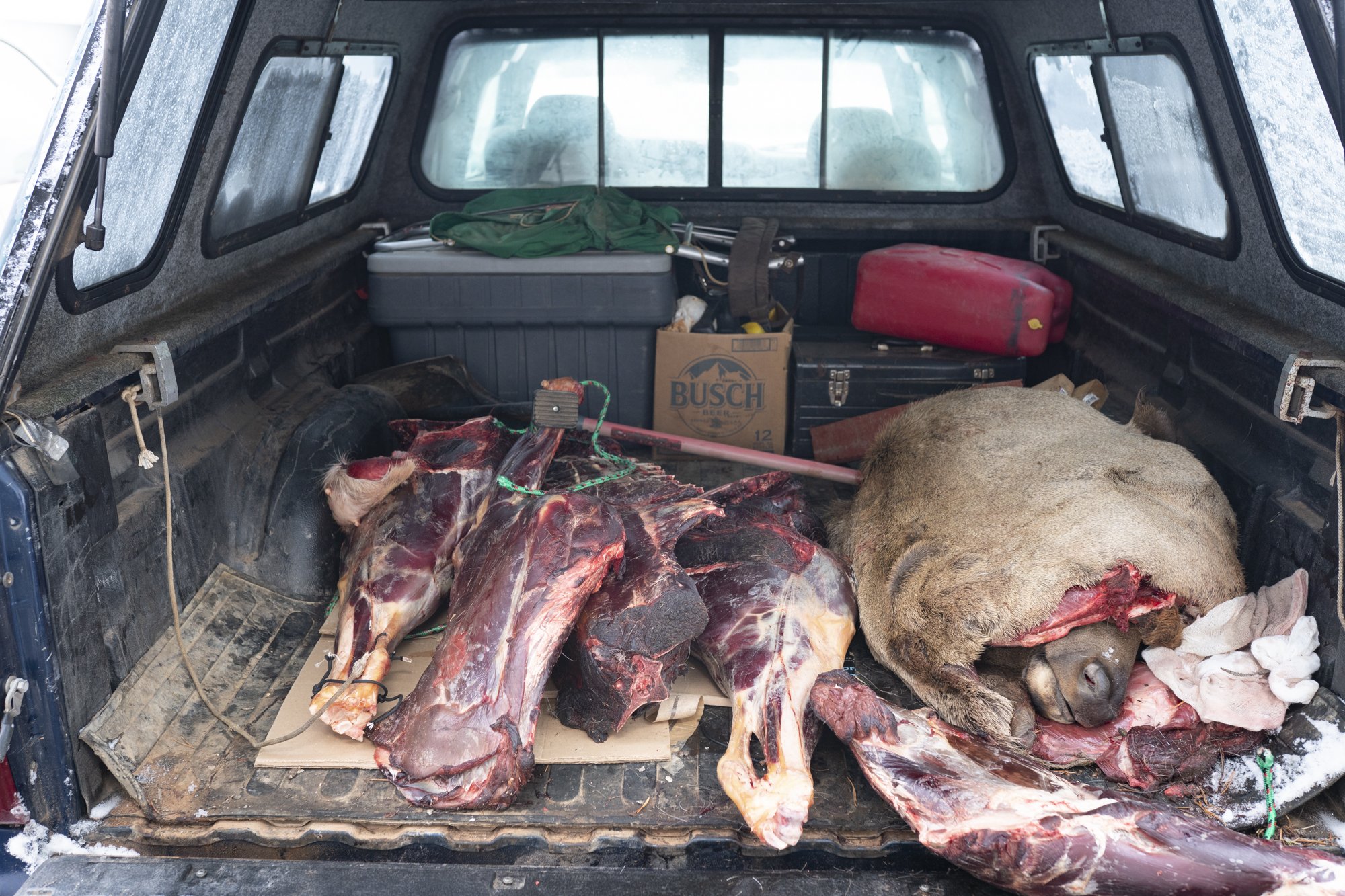
It would have been easy to sit in the hotel waiting out the storm and catch up on some much needed rest, but why? These trips and time on the road are so valuable to me that I don’t ever want to waste an opportunity. Even if that means creating one from nothing. And the images you see here are exactly the kind of thing I would have wanted to shoot anyway! Showing the viewer a glimpse into a world they might not otherwise be familiar with or ever have access to. Being a part of cultures like these never gets old and makes me appreciate the fact that you don’t have to travel to some exotic country in order to experience something different. You just have to look a little harder. I’ve personally never been on an elk hunt. Would like to change that, but my knowledge of them from talking to people in different parts of the country is that you need to dedicate a lot of time to the hunt. Something in the neighborhood of a week seems to be standard in most places. On this morning a guy backed his truck up to the loading door with a massive elk in the bed. I asked him how long he was out before shooting it. “Oooohhh, about 30 minutes”, he said.
Part of a Larger Body of Work Photographing People at Work

This series is part of a long-term project documenting people at work across America—inside environments most people never see. From meat processing facilities in Wyoming to ranches, machine shops, and industrial job sites, the focus is always the same: real people, real conditions, and the tools they rely on every day.

For brands producing workwear, safety equipment, or industrial products, this kind of environment isn’t staged—it’s where your gear is actually used.

View the full Workwear & Industrial Photography Portfolio

Get in touch to discuss a shoot in a real working environment