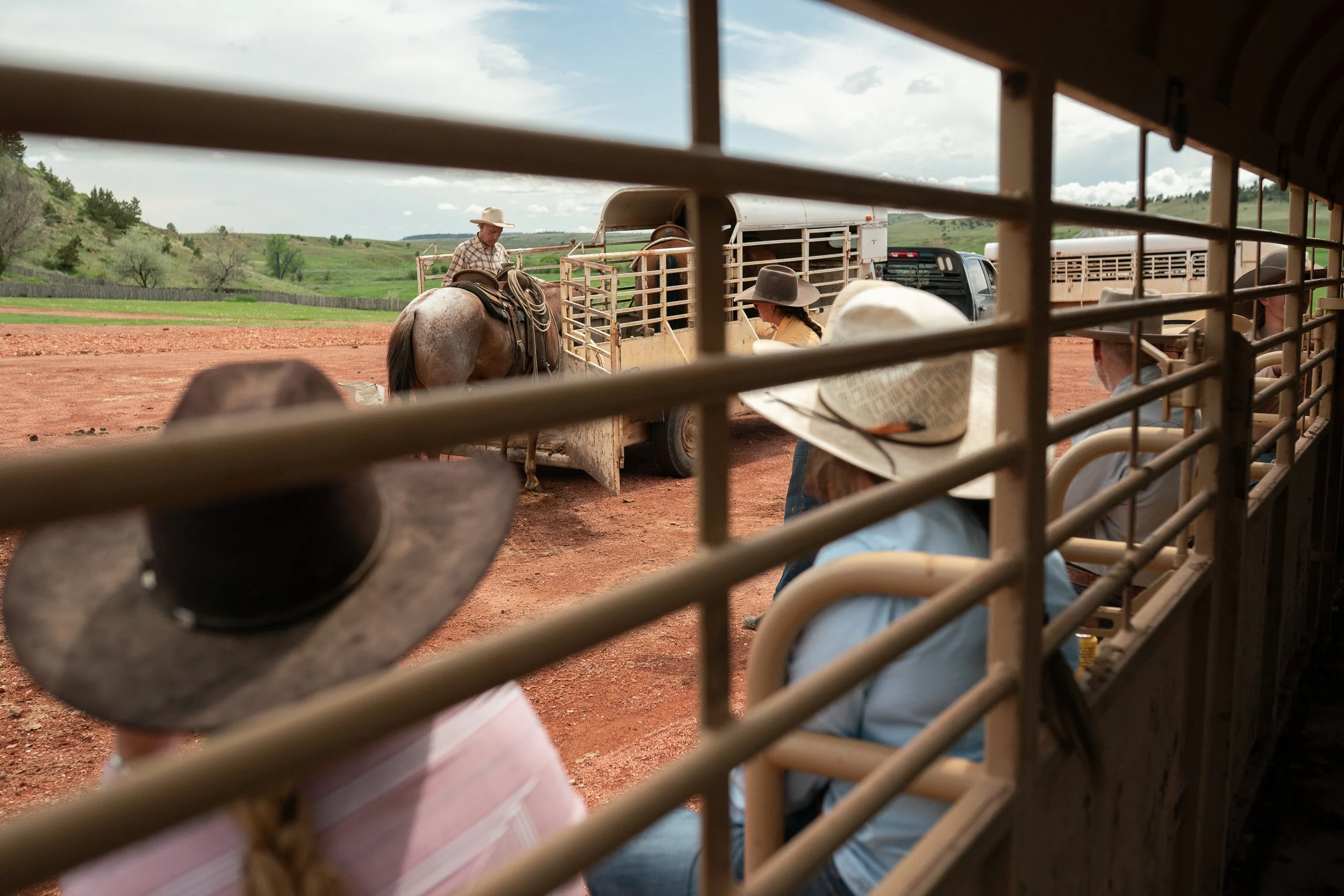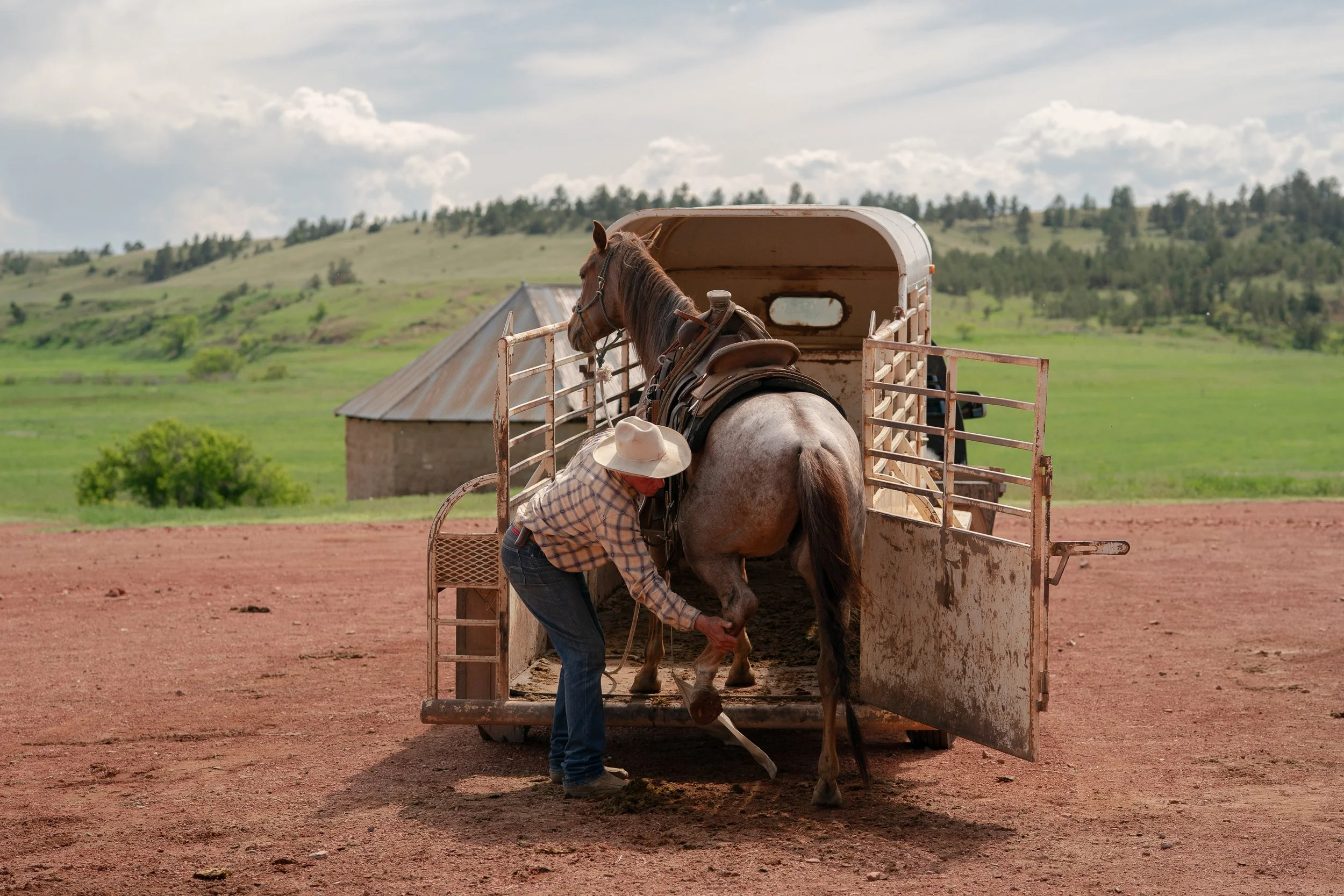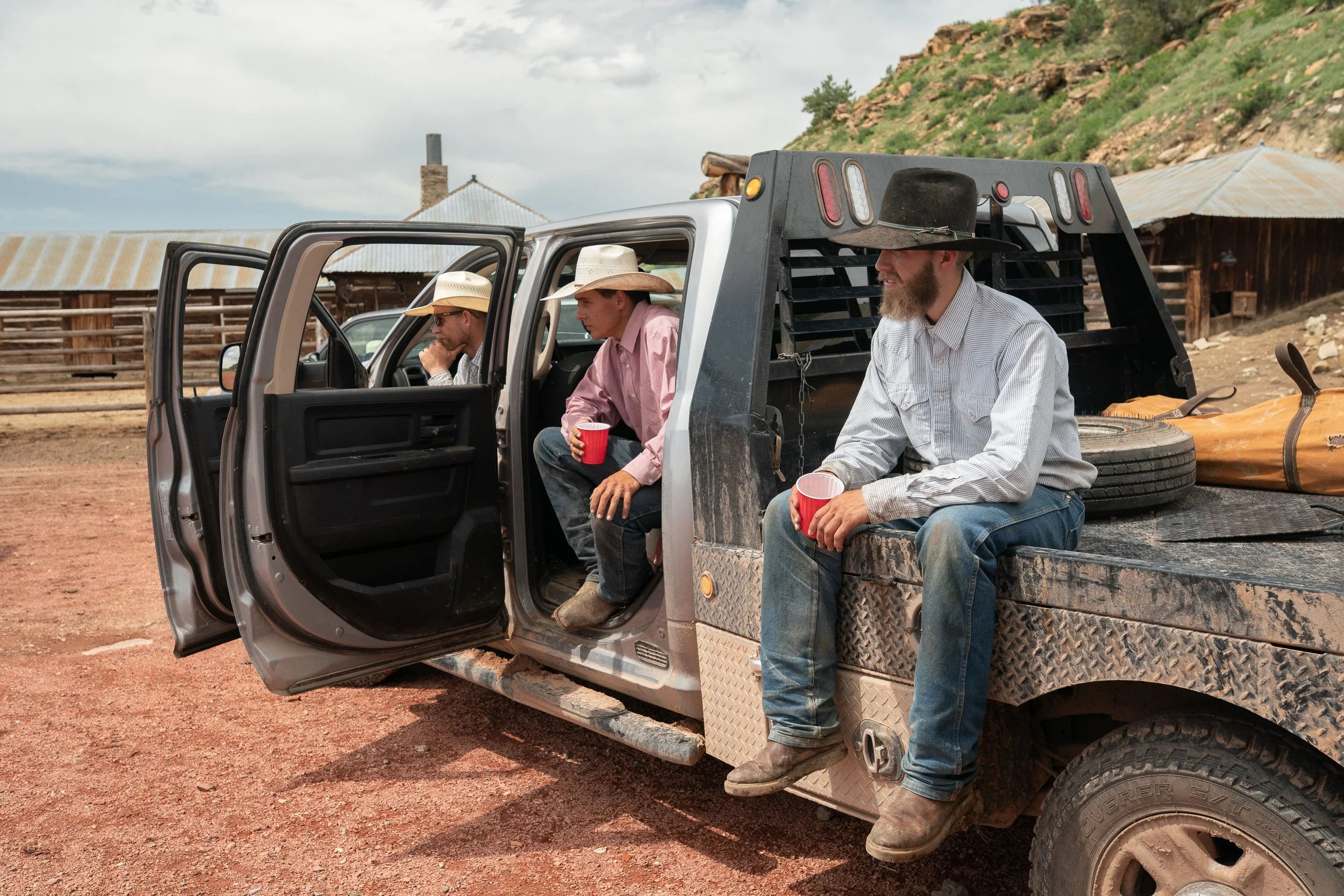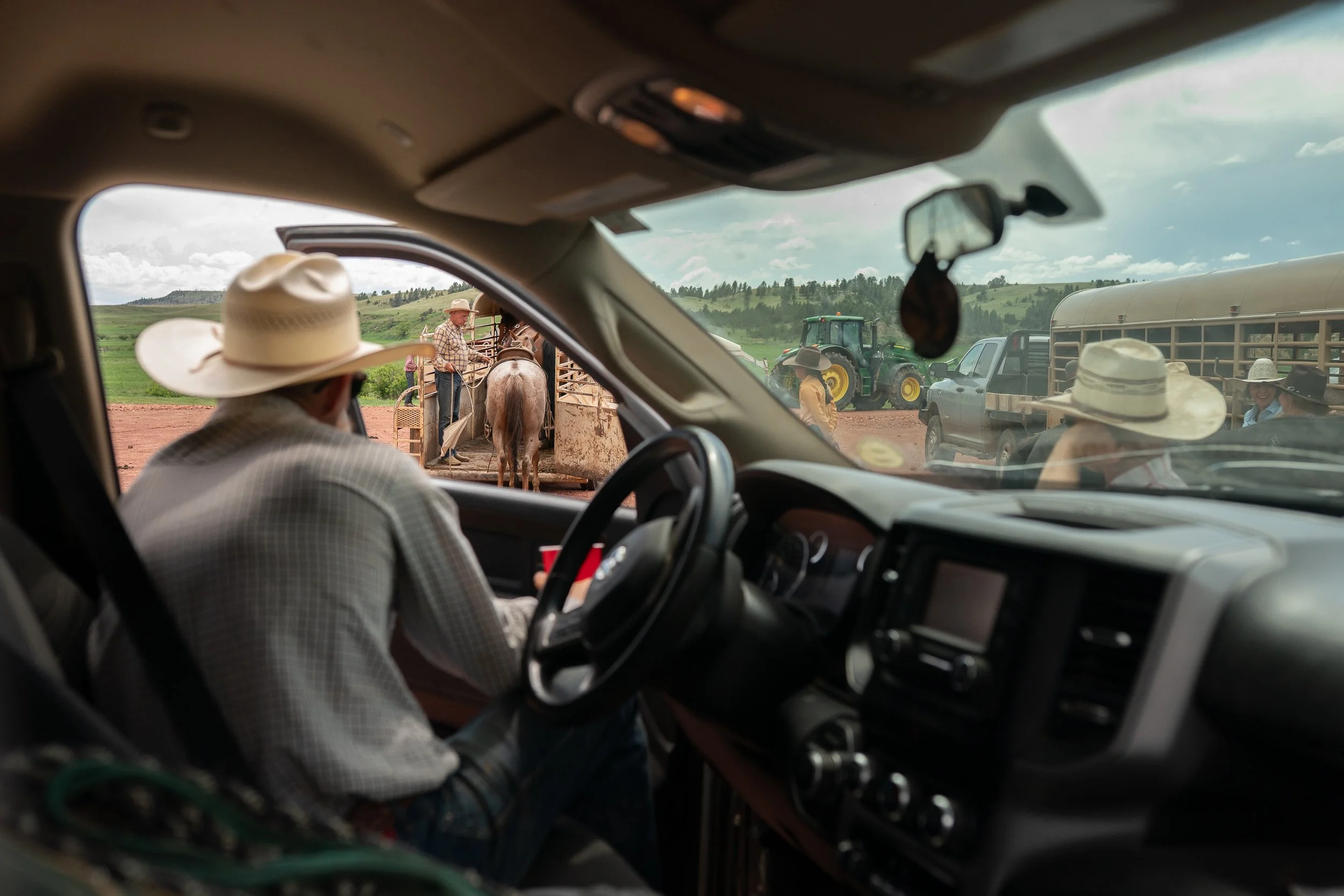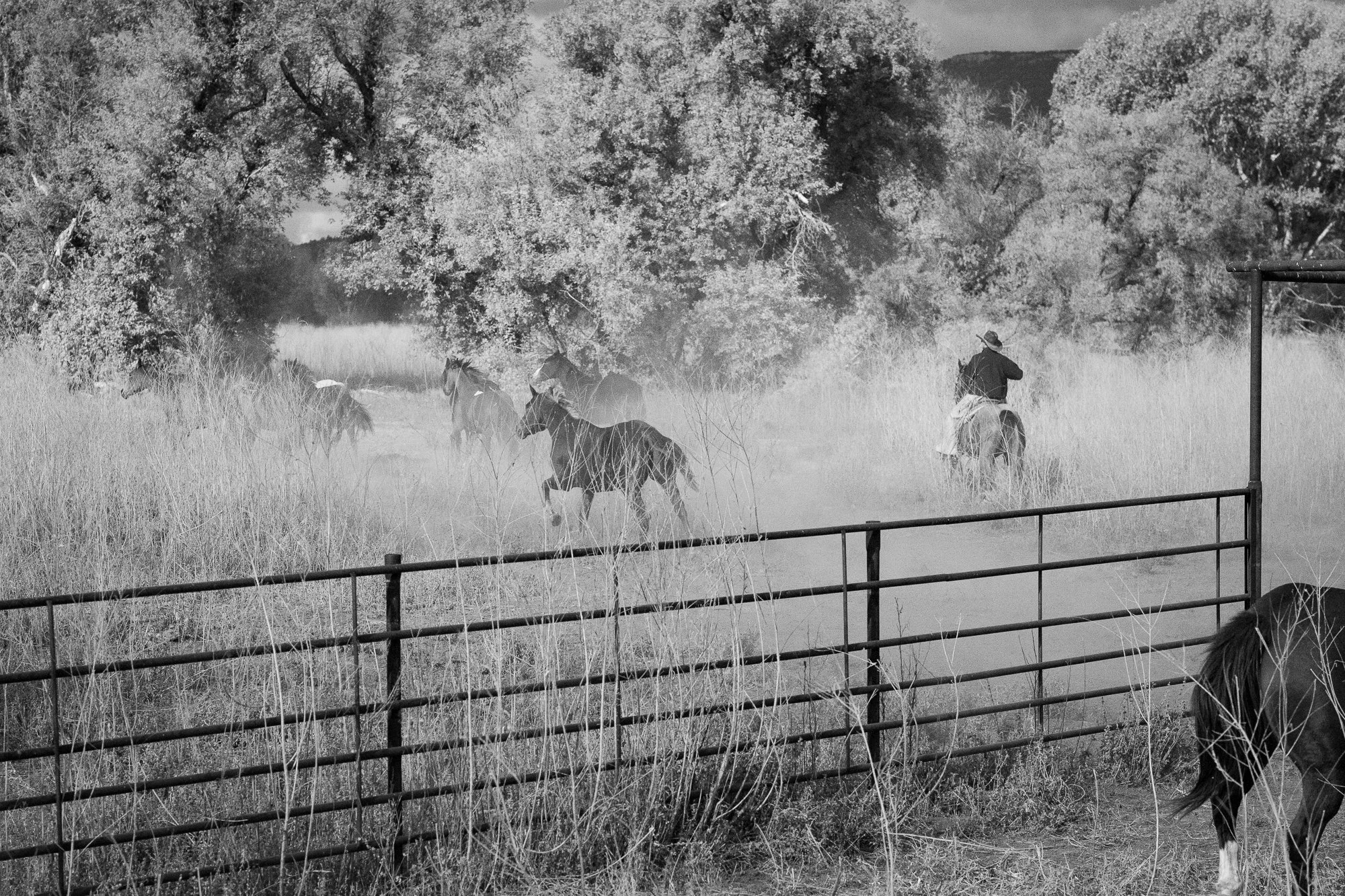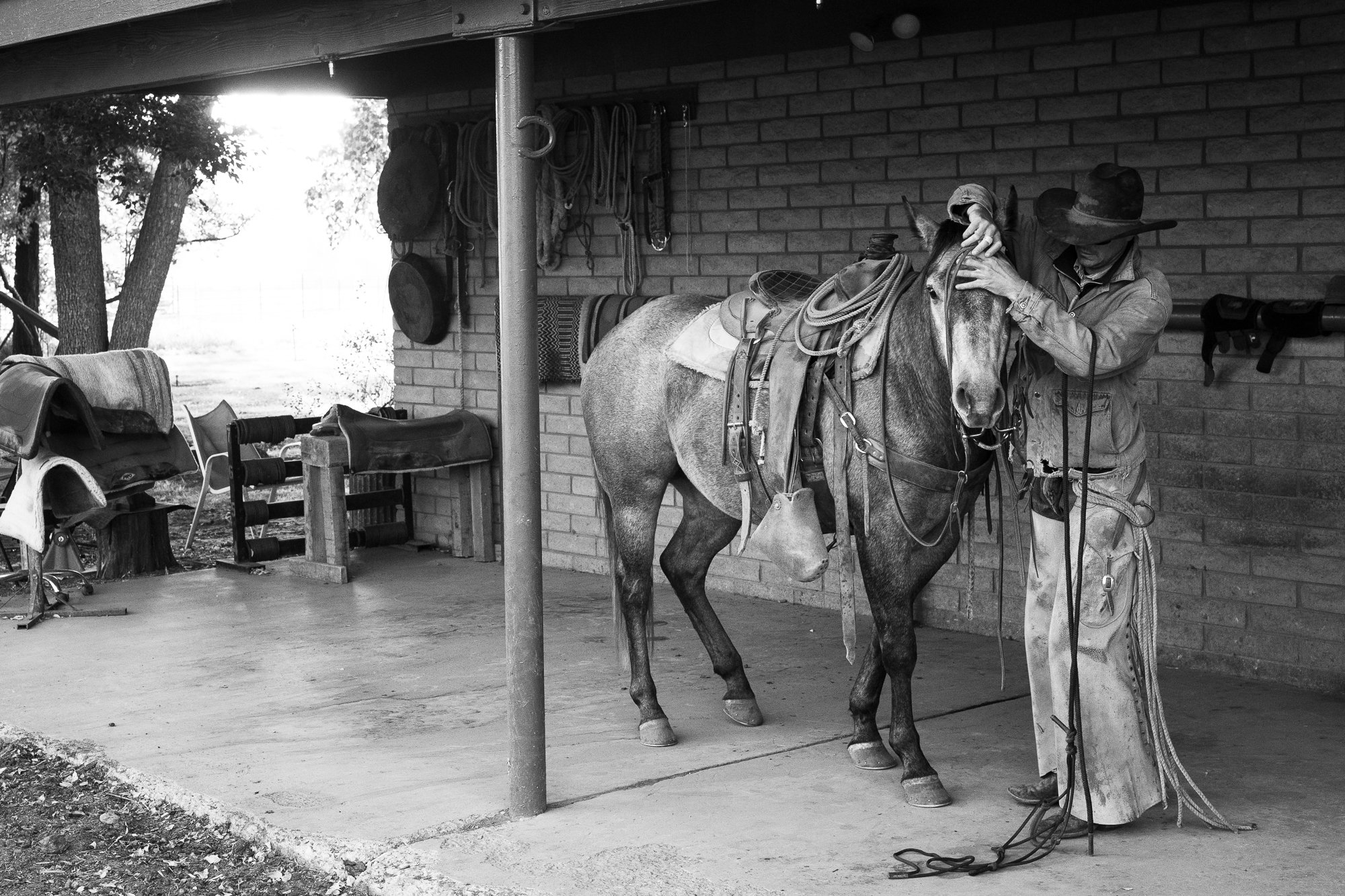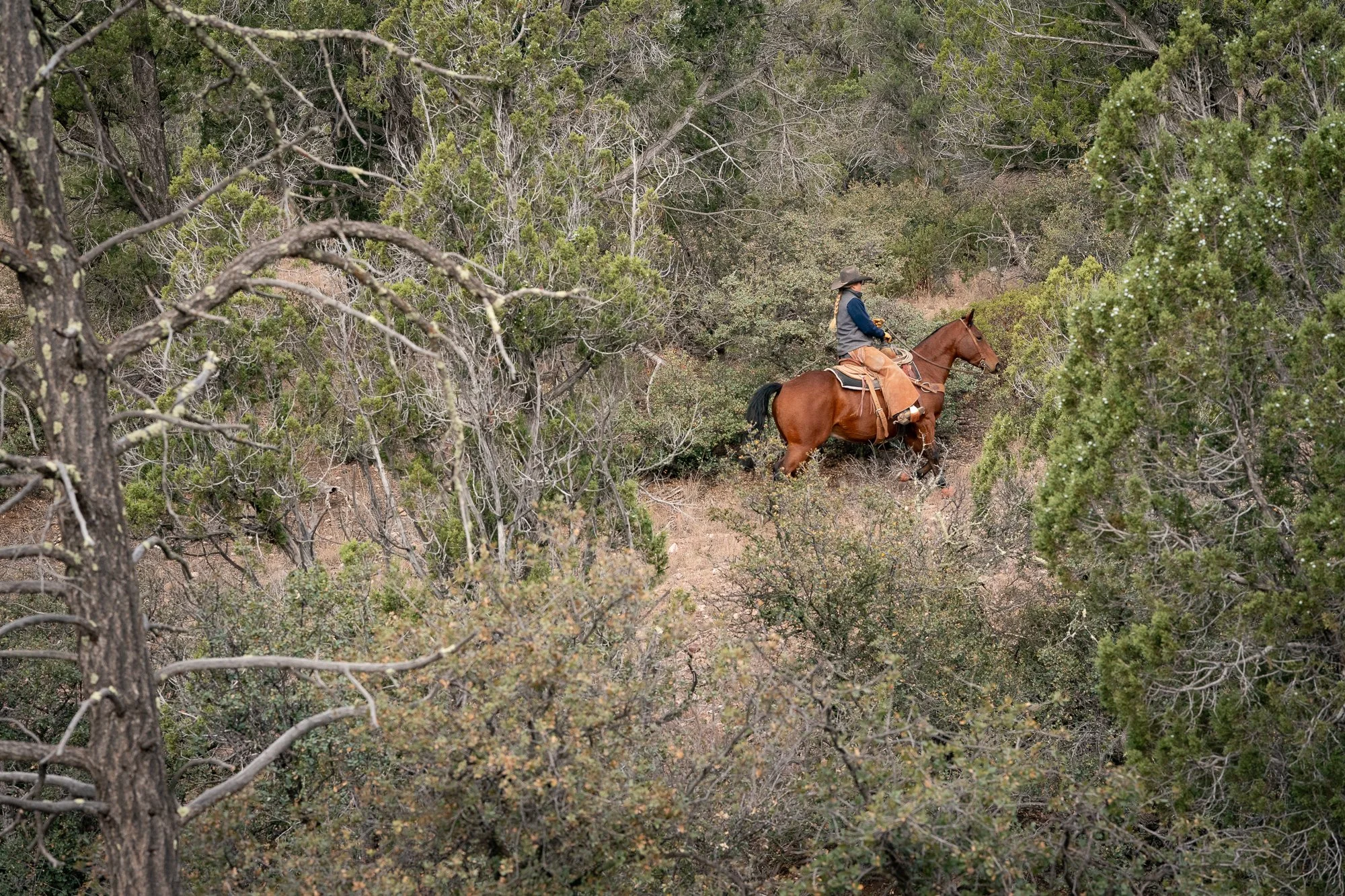
Cowboy Photographer

Western Horseman Magazine Names Rob Hammer Among the Best Western Photographers

Being recognized by Western Horseman Magazine is an honor that carries real weight in the world of Western culture. For over 85 years, Western Horseman has documented the lives, traditions, and work ethic of ranchers and cowboys across the American West. Their editorial standards are deeply rooted in authenticity, history, and respect for the people who make a living on horseback.

That’s why being named one of the best Western photographers by Western Horseman is especially meaningful to me.

A Dedication to Authentic Western Photography

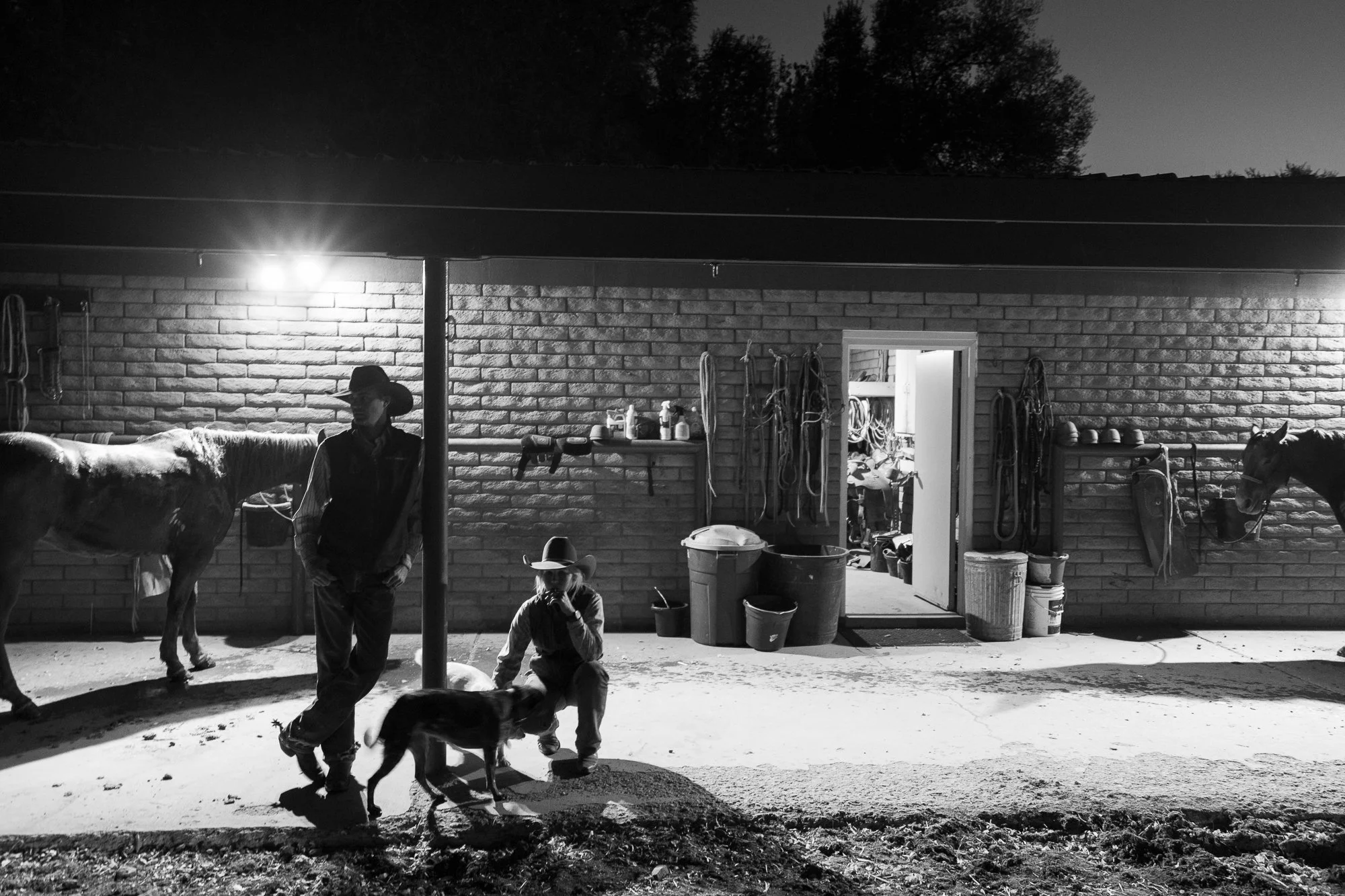
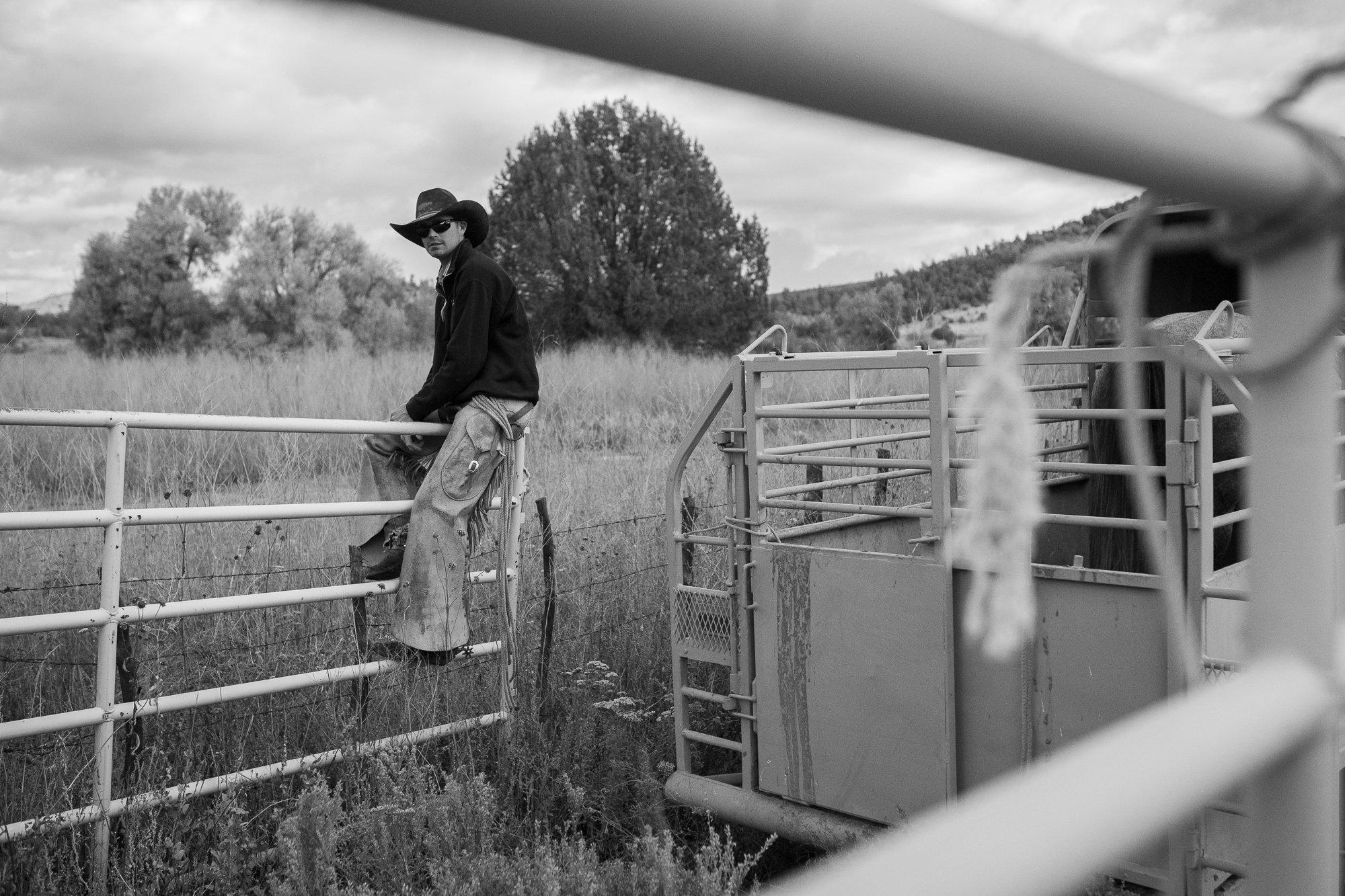
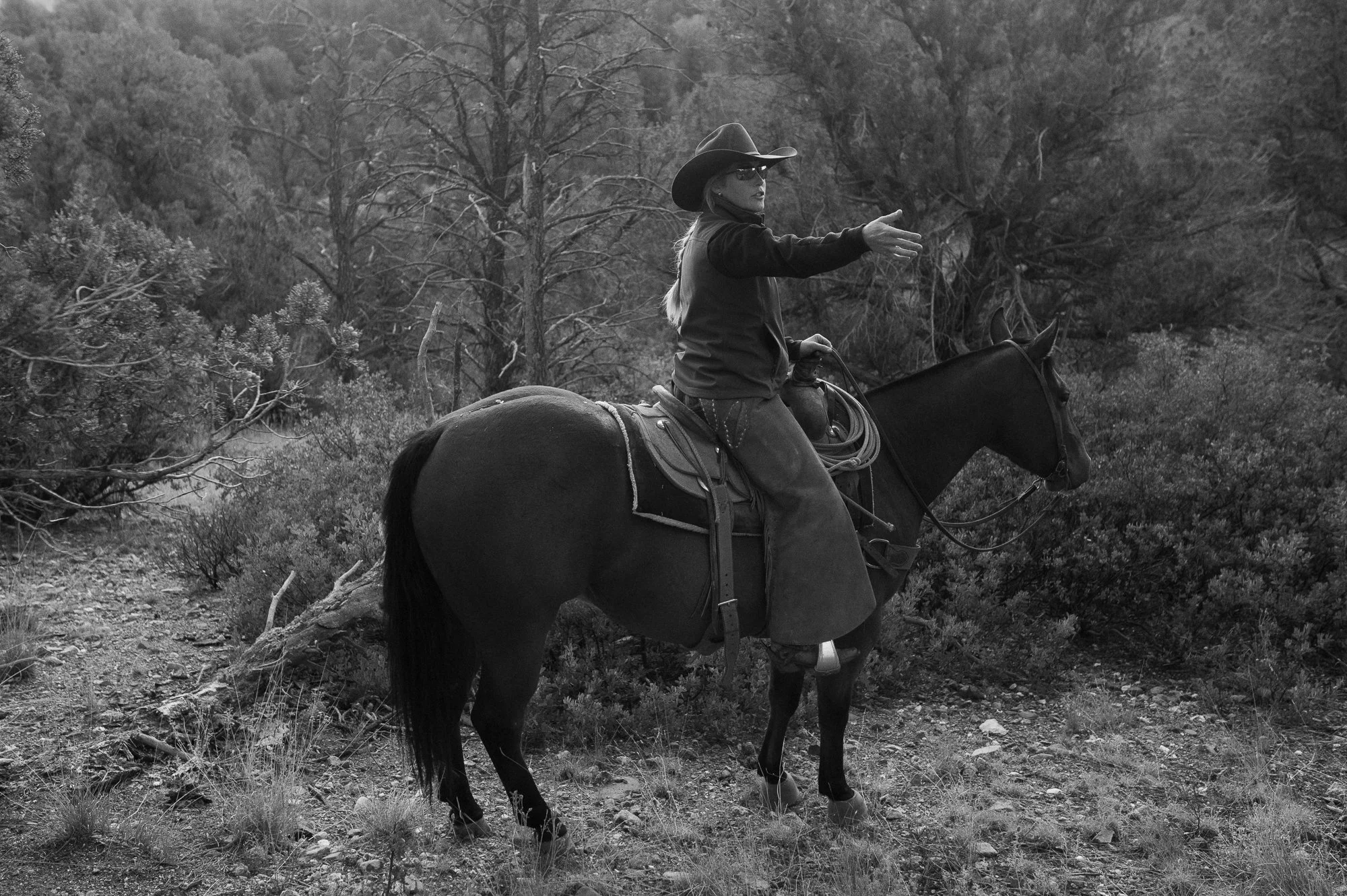
My work as a Western and cowboy photographer has never been about staged moments or romanticized versions of ranch life. I’ve spent years traveling throughout the American West, documenting real working cowboys on historic ranches, often in harsh conditions and far from anything resembling a photo shoot.

These are early mornings, long days, weather-beaten faces, and generations of knowledge passed down through hands that still carry ropes, saddles, and responsibility. Photographing this world requires patience, trust, and a deep respect for the culture.

Western Horseman’s recognition reflects that approach — one grounded in observation, honesty, and time spent earning access.

Photographing the Working Cowboy

Much of my photography focuses on:

  • Cowboys and ranch hands at work

  • Western horsemanship and ranch traditions

  • Historic ranches across Texas, New Mexico, Montana, Wyoming, and beyond

  • Quiet moments between the work — where the culture reveals itself

These photographs aren’t about nostalgia for something lost. They’re about documenting a way of life that still exists, often misunderstood or oversimplified. Cowboys today are as committed, skilled, and resilient as ever, and their stories deserve to be told accurately.

Why This Recognition Matters

Being acknowledged by Western Horseman is different from being featured by a general photography publication. It comes from within the culture itself — from a magazine that understands ranching, horsemanship, and Western life at a granular level.

That distinction matters.

For collectors, editors, and brands working in the Western space, this recognition serves as confirmation that the work is rooted in lived experience rather than surface-level aesthetics.

Western Photography for Editorial, Commercial, and Fine Art Use

In addition to editorial storytelling, my Western photography is used in:

  • Commercial and brand campaigns

  • Museum and gallery exhibitions

  • Fine art print collections

The common thread is authenticity. Every image is created in real environments, with real people, and without manufactured narratives.

Thank You to the Western Horseman Community

I’m grateful to Western Horseman for the acknowledgment and to everyone who supports thoughtful documentation of Western culture. Recognition like this reinforces why it’s important to continue investing time in long-term projects that honor the people and traditions of the American West.
View the Cowboy Photography Gallery

Shop Western Home Decor

Best photographer - Western Horseman Magazine

Western Horseman Magazine nomination badge recognizing Rob Hammer as one of the best Western photographers.

The Griffin Museum of Photography

Photography Museum - Winchester, Massachusetts

13+ years now I’ve been photographing traditional barbershops in all 50 states of the USA and the layers continue to peel. In the beginning it was just a thing to do because I love barbershops. Then as time went on I felt responsible for documenting them before they all disappeared. Now, in 2024, I see the collective body of work as a historical document of the barbers and shops that served as a staple in their respective communities for 30, 40, 50, 60+ years. On the surface the theme of this project is about a place to get your haircut. Really though, it’s about community, friendship, and human connection. So I’m honored to announce that a selection of these photographs will be shown at the Griffin Museum of Photography in Winchester, MA for their upcoming group show “Vision(ary) which focuses on communities, cultures, and environments. Please go check out the show as well as the other great exhibitions from June 7th-September 27th.

Click here to purchase a copy of Barbershops of America (photo book) and HERE to purchase prints from this series.

Exhibition at the Griffin Museum of Photography

Barbershops of America at The Griffin Museum of Photography

The Photographic Journal

Basketball Photo Essay - The Photographic Journal

Southern California Basketball Culture

Over the past couple years I’ve been quietly working on a series of photographs about the unique basketball culture that exists in Southern California. It’s been an incredibly fun project and a huge contrast to the American Backcourts photographs of hoops from far off places all across the country. So it’s great to see the series featured on The Photographic Journal - a website that puts together beautiful photo essays. Click HERE to check it out.

American Center for Photographers

American Photography Gallery

Fine Art

May has really shaped up to be a great month in the gallery exhibition category! I’m very grateful to announce that I’ll be showing some of my American photographs at the American Center for Photographers in Wilson, North Carolina. It’s always nice to show work, but this is particularly exciting because it’s the first time I’ve ever exhibited work from this series which started over 13 years ago. Back in 2011 is when my cross country road trips began but the photographs that now make up this series were sort of an after thought. At that time I was solely focused on the Barbershops of America series. So these American photographs were sort of just made during those in-between times when there were no barbershops around. It was years until I even realized that the collective images could be a body of work.

The exhibition which is comprised of 50+/- fine art prints will run from May 1st-26th. So if you’re anywhere near Wilson, please stop in and check them out.

Click here to see photographs from my America series.

Fine art photographs at the American Center for Photographers in Wilson, North Carolina

Photography exhibition at the American Center for Photographers in Wilson, North Carolina

Eugene, Oregon Photo Gallery

Photography at Oregon

Maude Kerns Art Center

Honored to share that 12 of my black and white cowboy photography prints are part of an invitational group show at the Maude Kerns Art Center with Photography at Oregon. Along with my prints will be others by Barbara Bakalarova, Tracy Barbutes, Sarah Grew, Eric Kunsman, Willie Osterman, Osceola Refetoff, and Nolan Streitberger. If you’re in Eugene, Oregon area please stop in to check out the work from May 10-June 7. They will be having an opening reception on May 10th and an artist talk on June 1st. I’m not able to attend either day, but I still encourage you to check out the show.

Click here to shop my fine art cowboy photography prints

Photography exhibition at Maude Kerns Art Center - Eugene, Oregon

Richmond, Virginia Photography Prints

Richmond, VA Wall Art: Fine Art Photography Prints of City Landmarks

I’ve visited Richmond a handful of times, and something about the city keeps drawing me back. It’s not just the history, though I’m fascinated by that, it’s how that history actually feels when you walk its streets. One thing Richmond has that most smaller cities lack, is a tangible vibe. There is no mistaking that Richmond has a storied past, and one that makes it’s current residents very proud. Perhaps that’s why it’s become such a walkable city, so that locals and tourist alike can be immersed in it from ever angle. As a photographer I’ll never forget the miles spent with a camera shooting landmarks like the State Capitol Building, Main Street Station, and the Tyler Potterfield Memorial Bridge. They, and the rest of the cities architectural icons deserve to be celebrated.

Museum Quality Photo Prints of Richmond, VA

Through the lens of fine art photography, Richmond’s timeless appeal comes to life. Fine art photography doesn’t just document these locations, it transforms them into timeless works of art in intricate detail on museum quality archival paper. Each limited edition print is hand signed and number.

Explore Our Collection: Capital Building, Main Street Station, T. Tyler Potterfield Memorial Bridge

Our collection of fine art photography prints of Richmond, Virginia, offers something for everyone. Each piece is crafted to highlight the unique character and charm of the city. From high-contrast black-and-white prints that emphasize the architectural strength of the capital building, to more subdued tones that emphasize the fine details of Richmond’s most historic buildings, there’s a print for every taste.

Available in a range of sizes these prints make perfect additions to any space. Choose a sleek, modern frame for a minimalist look or a classic wooden frame for a more traditional feel.

Why Collect Fine Art Photography of Richmond?

Richmond is more than just a city; it’s a tapestry of history, culture, and natural beauty. Collecting fine art photography of Richmond allows you to celebrate this vibrant place and keep its spirit alive in your daily life. These prints make thoughtful gifts for Richmond locals, former residents, or anyone with a connection to the city.

Whether you’re looking to create a gallery wall in your living room or find a statement piece for your office, fine art photography of Richmond brings character and elegance to any space. Explore our collection and discover the perfect print to celebrate the timeless views of Virginia’s capital.


Black and white photography print of the Capital building in Richmond, Virginia

Photography print of the capital building in Richmond, Virginia

Black and white photograph print of the Manchester Bridge in Richmond, Virginia

Richmond, Virginia Wall Art

Fine art photography print of the Virginia state capital building

Black and white photography print of Main Street Station in Richmond, Virginia

Black and white all art of the train station in Richmond, Virginia

Richmond, VA historic landmark photography

Photography print of the First National Bank Building in Richmond, Virginia

Richmond, Virginia fine art photo prints

Black and white photography print of the Jefferson Hotel in Richmond, Virginia

Iconic landmarks in Richmond, Virginia - Wall Art


Buck Brannaman Photograph

Buck Brannaman Horse Training Photography

Imagine being a fly on the wall while Marlon Brando rehearses alone. Or having an empty Yankee Stadium while Mickey Mantle takes batting practice.

Witnessing mastery up close is rare. It’s the kind of thing people usually pay for—if they can get access at all.

Every now and then though, it just happens. Right place, right time.

That’s how I found myself watching Buck Brannaman work on a hot, buggy afternoon at the OW Ranch in Montana.

An Unplanned Lesson on the OW Ranch

It wasn’t supposed to be a demonstration.

After a long day of branding calves on the OW Ranch in Montana, the crew was back at headquarters unloading horses when a young mare named Lux refused to cooperate with the trailer. What started as a routine problem quickly turned into something else entirely when Buck Brannaman stepped in.

At first, he stood back, letting the next generation work through it. But as the struggle continued, he quietly asked for a swing.

The energy shifted immediately.

What had been a relaxed end to a branding day became a classroom. Cowboys and cowgirls—many of them highly skilled—gathered in silence, watching closely. Not for spectacle, but for understanding.

What followed wasn’t dramatic. It was slow. Repetitive. Nearly imperceptible at times.

For over two hours, Buck worked inside the tight confines of the trailer, using subtle pressure and release—tap by tap of a flag—asking the horse to think rather than react. Progress came in inches. Then disappeared. Then returned again.

Some people drifted off as the work stretched on. Most stayed, knowing exactly what they were witnessing.

Patience wasn’t just part of the process—it was the process.

Lux wasn’t his horse. There was no audience to impress, no clinic to run. Just a problem that needed solving, and a responsibility to see it through. By the end, the same horse that had been slamming against metal in fear could walk calmly in and out of the trailer.

No celebration. No moment of triumph. Just a quiet acknowledgment: “that’s the one.”

For those who stayed, it was a rare kind of access—watching mastery reveal itself not through intensity, but through discipline, restraint, and time.

What Makes Buck Brannaman Different

Buck Brannaman’s approach to horsemanship helped inspire the film The Horse Whisperer starring Robert Redford, but what you see in a film doesn’t fully translate to real life.

Out here, there’s no script.

His work isn’t built on force or speed. It’s built on timing, feel, and an ability to read subtle changes most people would miss entirely. The kind of discipline that doesn’t look impressive unless you understand what’s happening.

That’s what makes photographing him difficult—and interesting.

There’s no single defining moment. No peak action. The story lives in the small shifts. A release of pressure. A change in posture. A horse beginning to trust.

You don’t chase those moments. You wait for them.

Photographing Real Cowboy Work in the American West

Moments like this are the reason I’ve spent years photographing working cowboys across the American West.

Not staged shoots. Not recreations.

Real ranches. Real work. Long days that start before sunrise and end when the job is done.

The West is often portrayed through extremes—speed, grit, drama—but most of it exists in quieter spaces. In the discipline it takes to do something well. In the repetition. In the patience.

What I saw that day on the OW Ranch wasn’t unusual in the sense that it happens all the time. But being there to witness it—without interruption, without performance—that’s rare.

And that’s what I try to carry into the photographs.

Fine Art Prints & Licensing

This body of work is part of a long-term project documenting working cowboys, historic ranches, and the realities of life in the American West.

For collectors, a selection of museum-quality prints is available here: View Fine Art Prints

For brands, editorial, or commercial use, image licensing is available upon request - rob@robhammerphotography.com

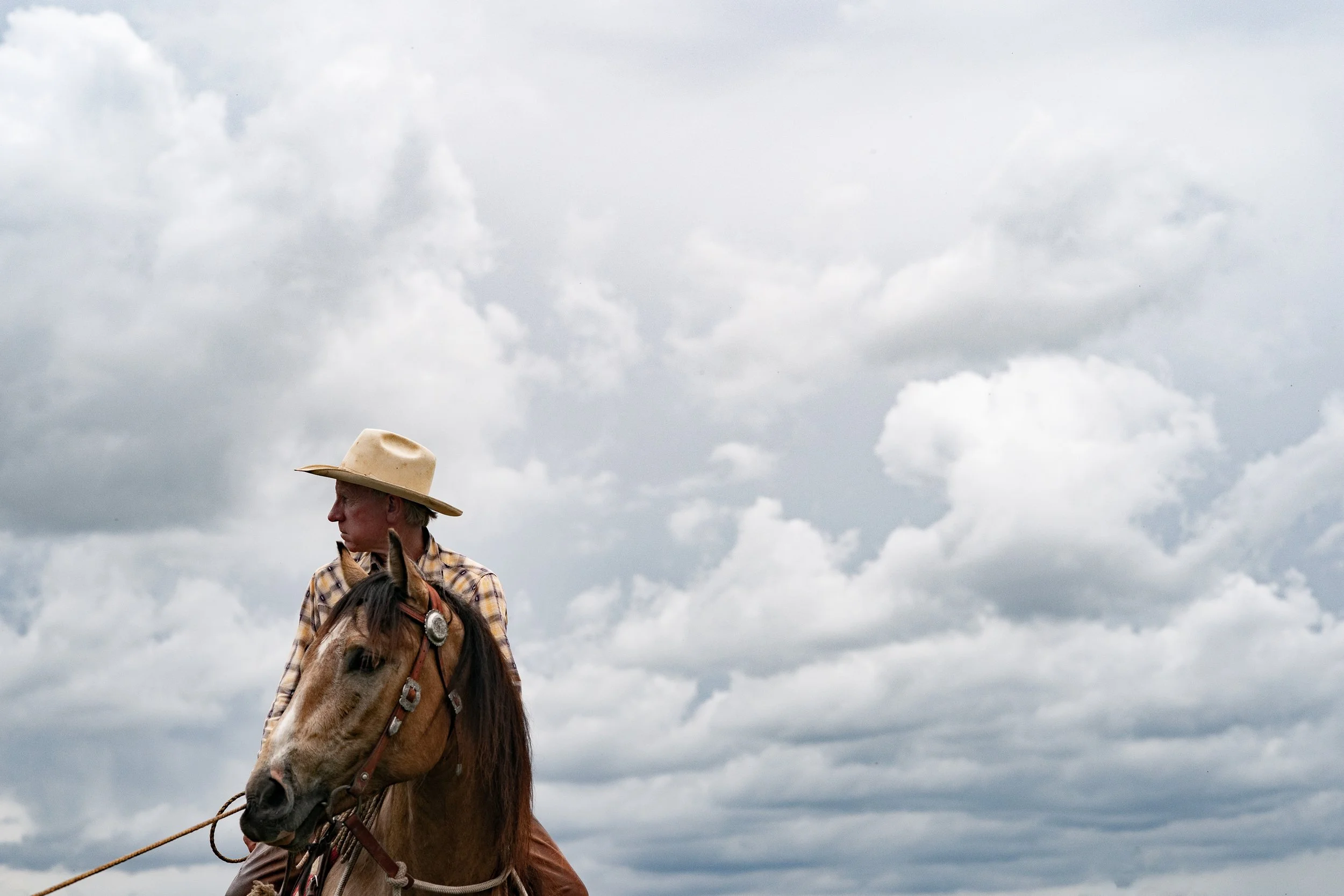
Cowboy sitting on a horse under a wide cloudy sky in Montana, looking off into the distance

Buck Brannaman sitting quiet on horseback under a wide Montana sky, taking in the moment before stepping in. The kind of stillness that comes from knowing when not to act.

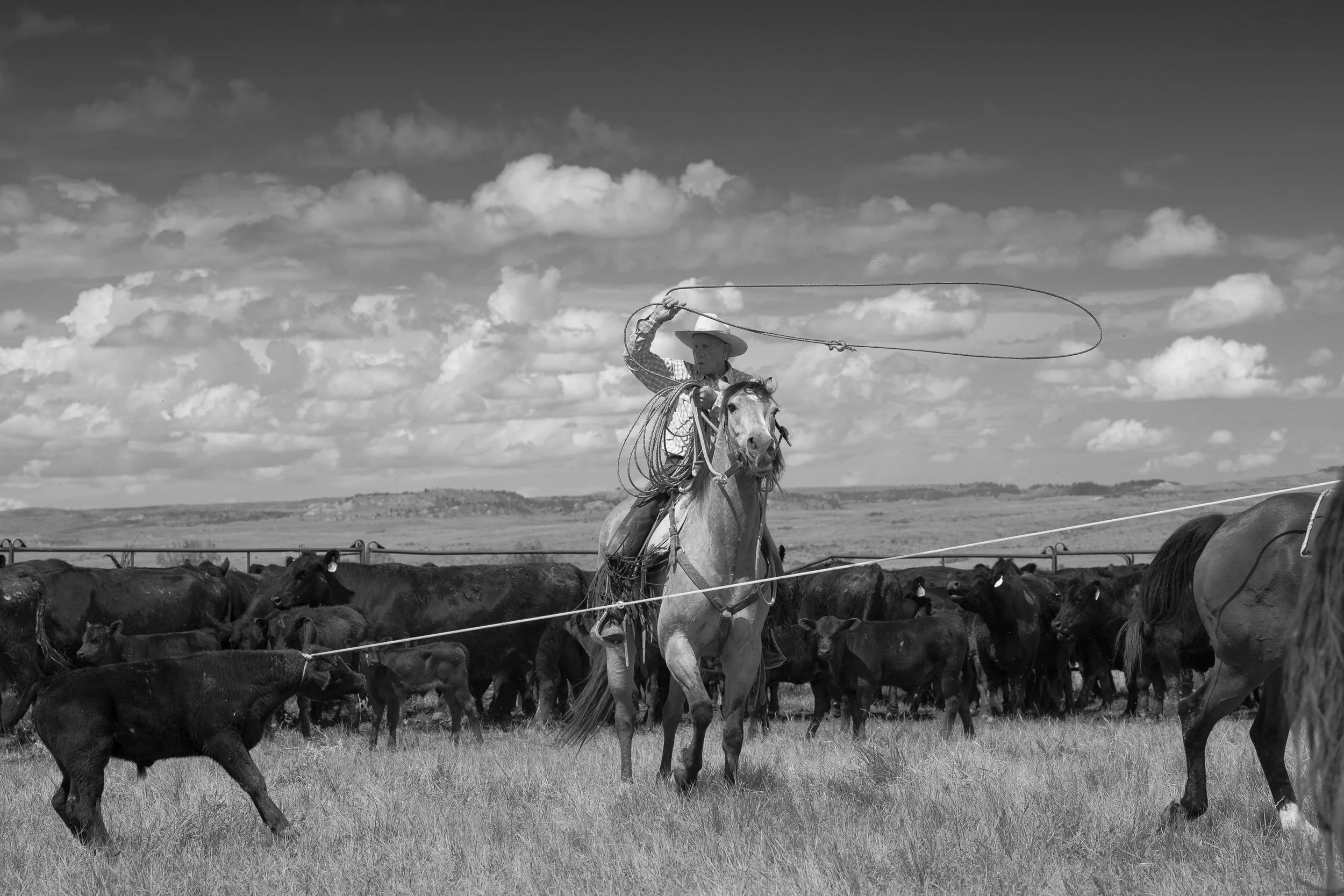
Black and white photo of a cowboy on horseback roping cattle in an open field

Buck Brannaman roping through cattle during the same long day of work. Different task, same rhythm, steady and controlled from horseback.

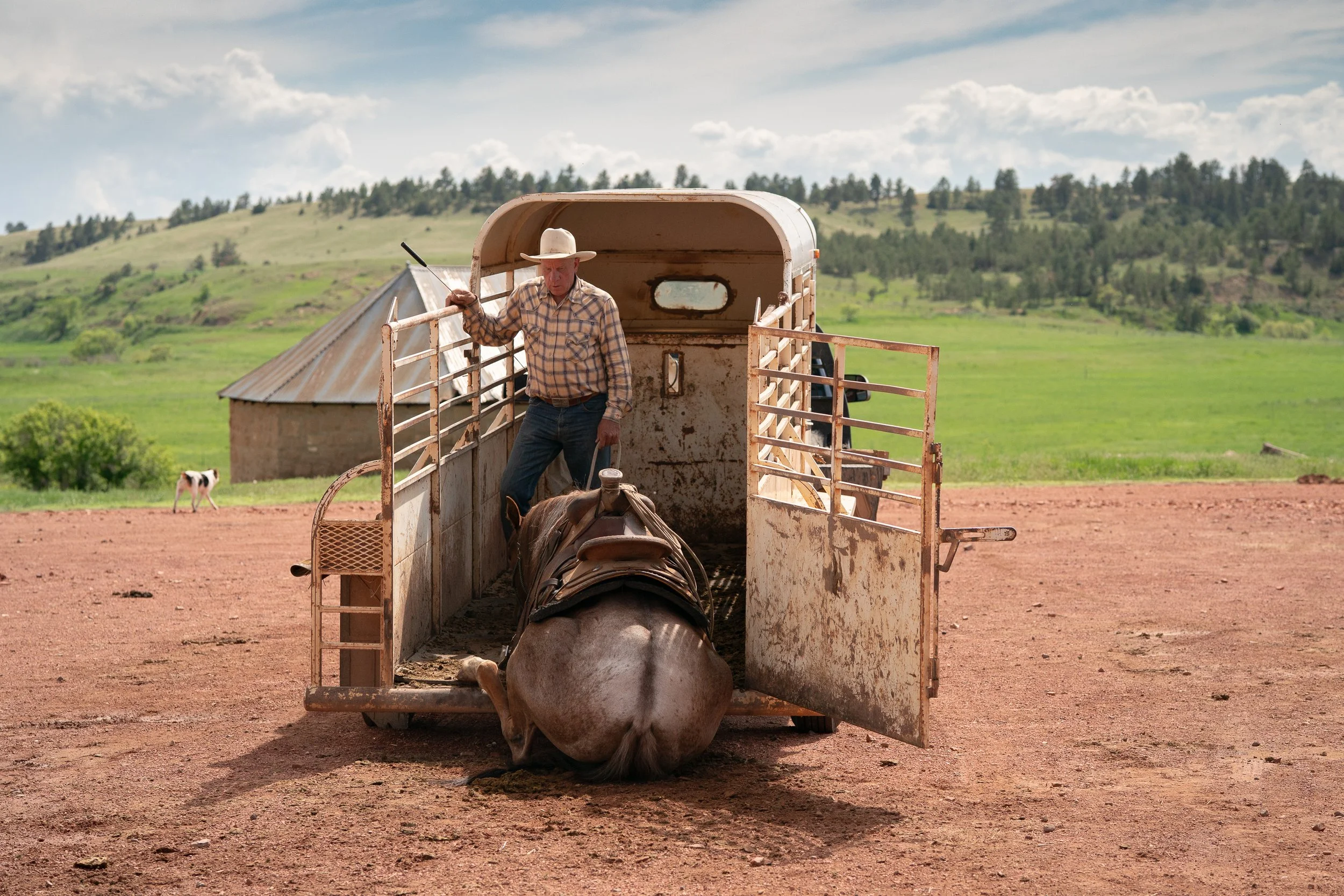
Horse sitting down inside a trailer while Buck Brannaman stands nearby during training in Montana

A horse that shuts down instead of moving forward, sitting back inside the trailer. This is where most would quit, but the work stays the same, steady and patient until something changes.

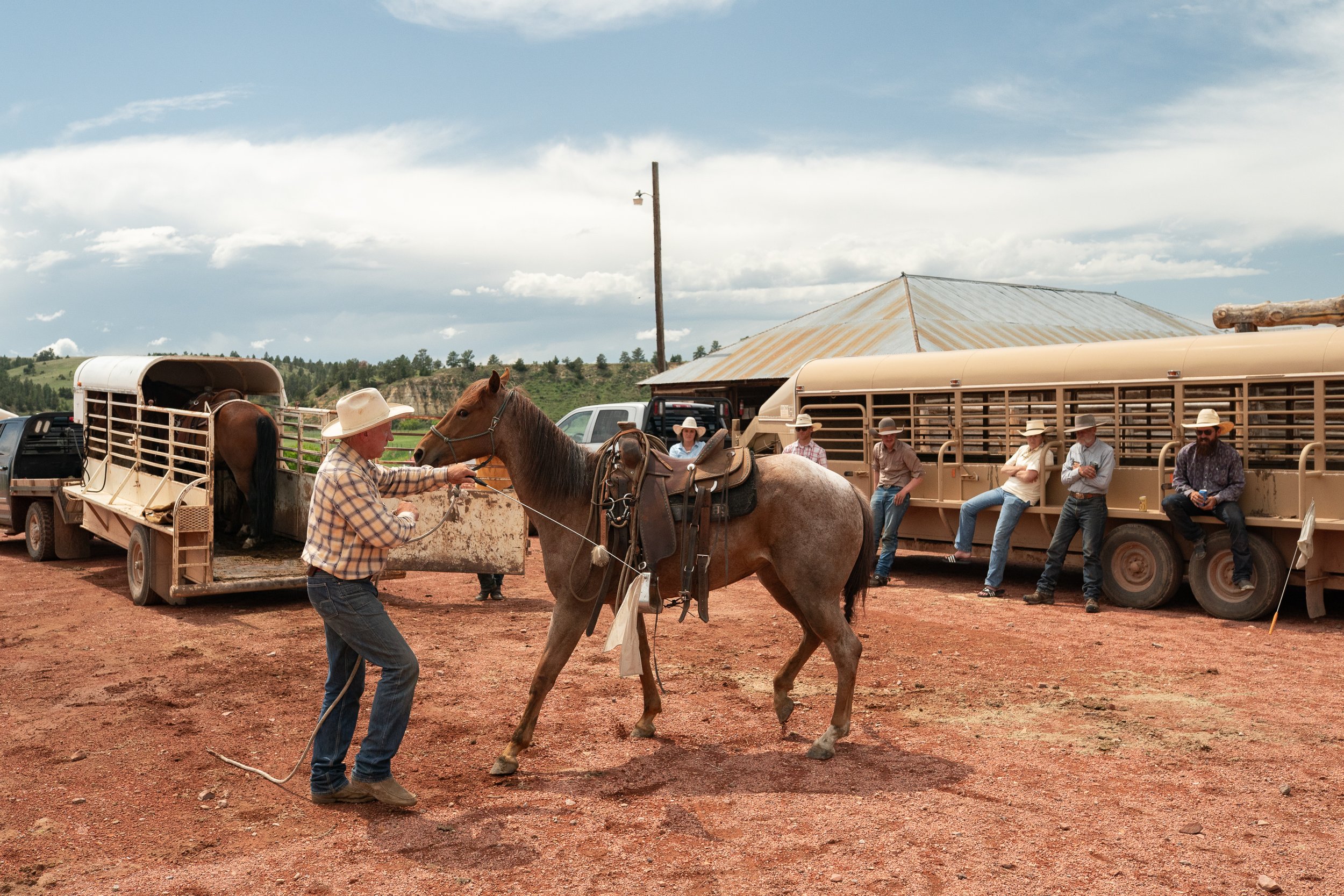
Buck Brannaman working a horse with a lead rope while cowboys sit and watch near trailers on a Montana ranch

Working a young horse away from the trailer while a line of cowboys sits back and watches. No one says much. When someone like this starts working, you pay attention.

Cowboys watching through the rails of a trailer as Buck Brannaman works a horse near another trailer in Montana

Watching through the rails of a trailer, catching pieces of the work as it unfolds. Not a formal lesson, just a rare chance to see it up close.

Buck Brannaman guiding a horse stepping into a trailer on a ranch in Montana

Buck Brannaman working at the edge of the trailer, asking the horse forward one step at a time. No force, just timing and feel, the kind of work that builds slowly in the heat after a long day.

Cowboys sitting on and inside a pickup truck holding drinks while watching horse training on a Montana ranch

Cowboys gathered on a truck, drinks in hand, watching the work unfold from a distance. What started as the end of the day turned into something worth staying for.

View from inside a pickup truck of a cowboy watching Buck Brannaman work a horse near trailers on a ranch

From inside a truck, looking out at the same quiet process. Different vantage point, same focus, everyone tuned in to the small changes.

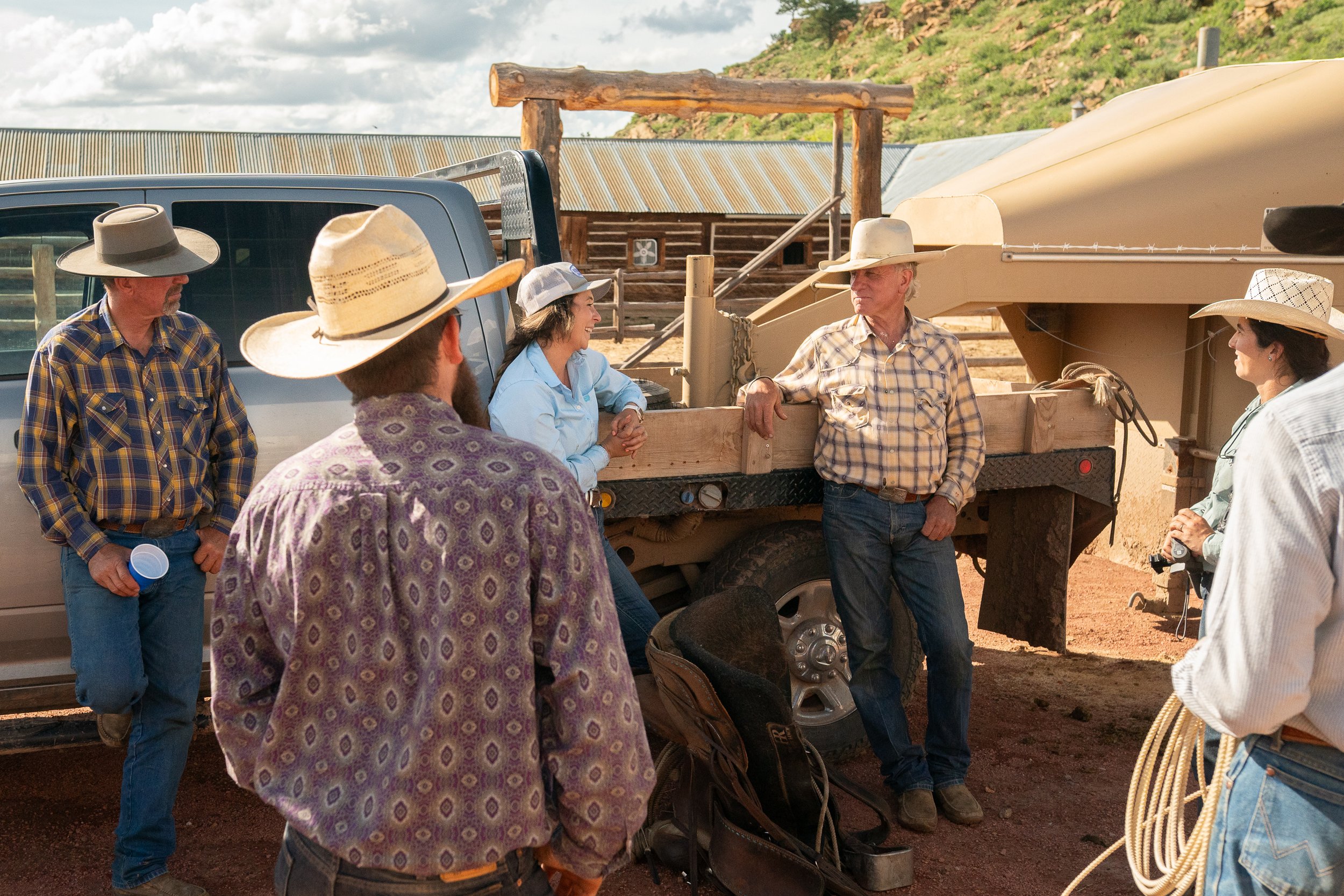
Group of cowboys standing and leaning around a ranch truck talking after work in Montana

Gathered around the truck after the work, talking it through while it is still fresh. The kind of conversations that come from seeing something done right.

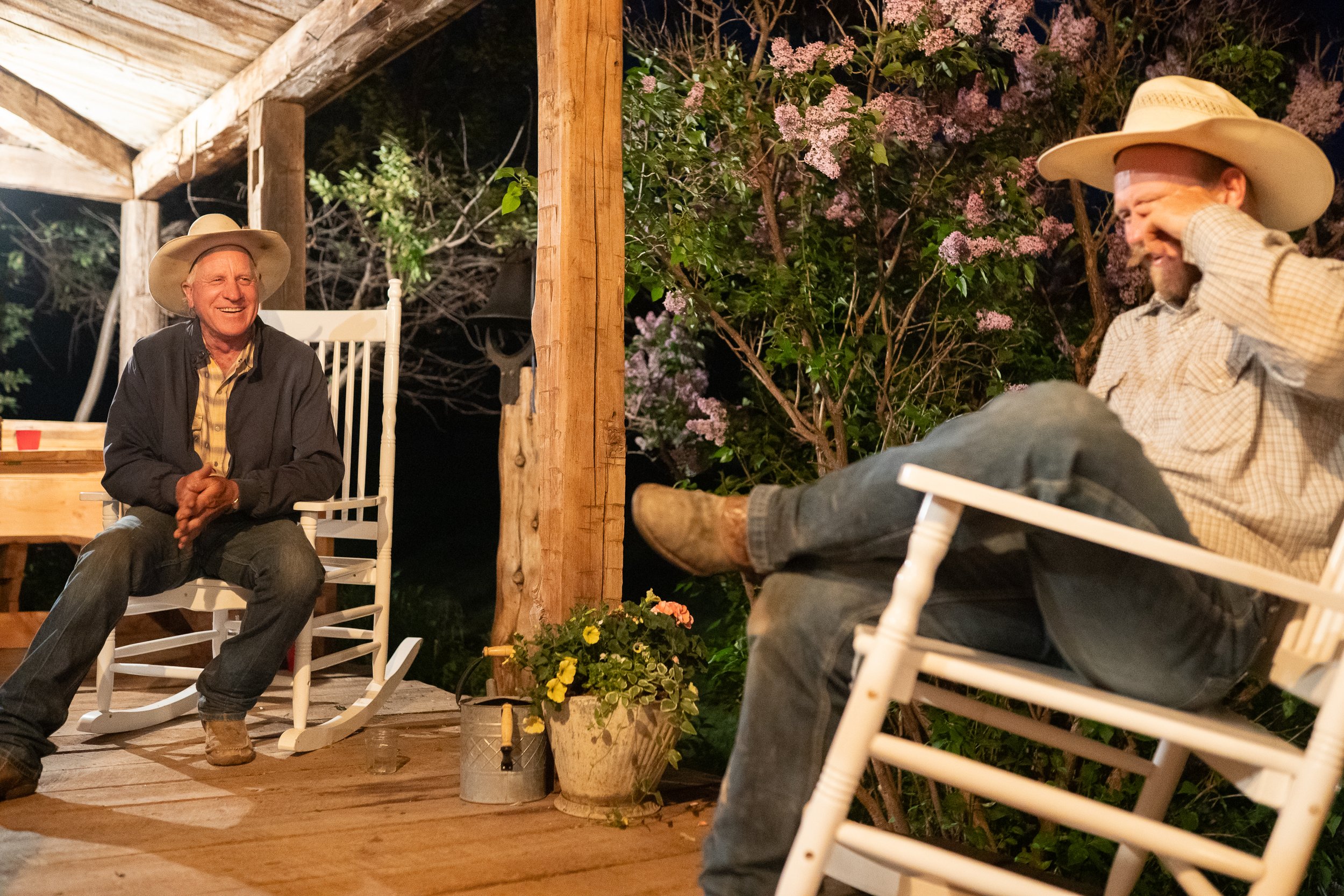
Buck Brannaman sitting on a porch at night talking with another cowboy in rocking chairs

Late evening on the porch, the work behind them and the pace slowed down. Stories, lessons, and time to sit with what the day had to offer.

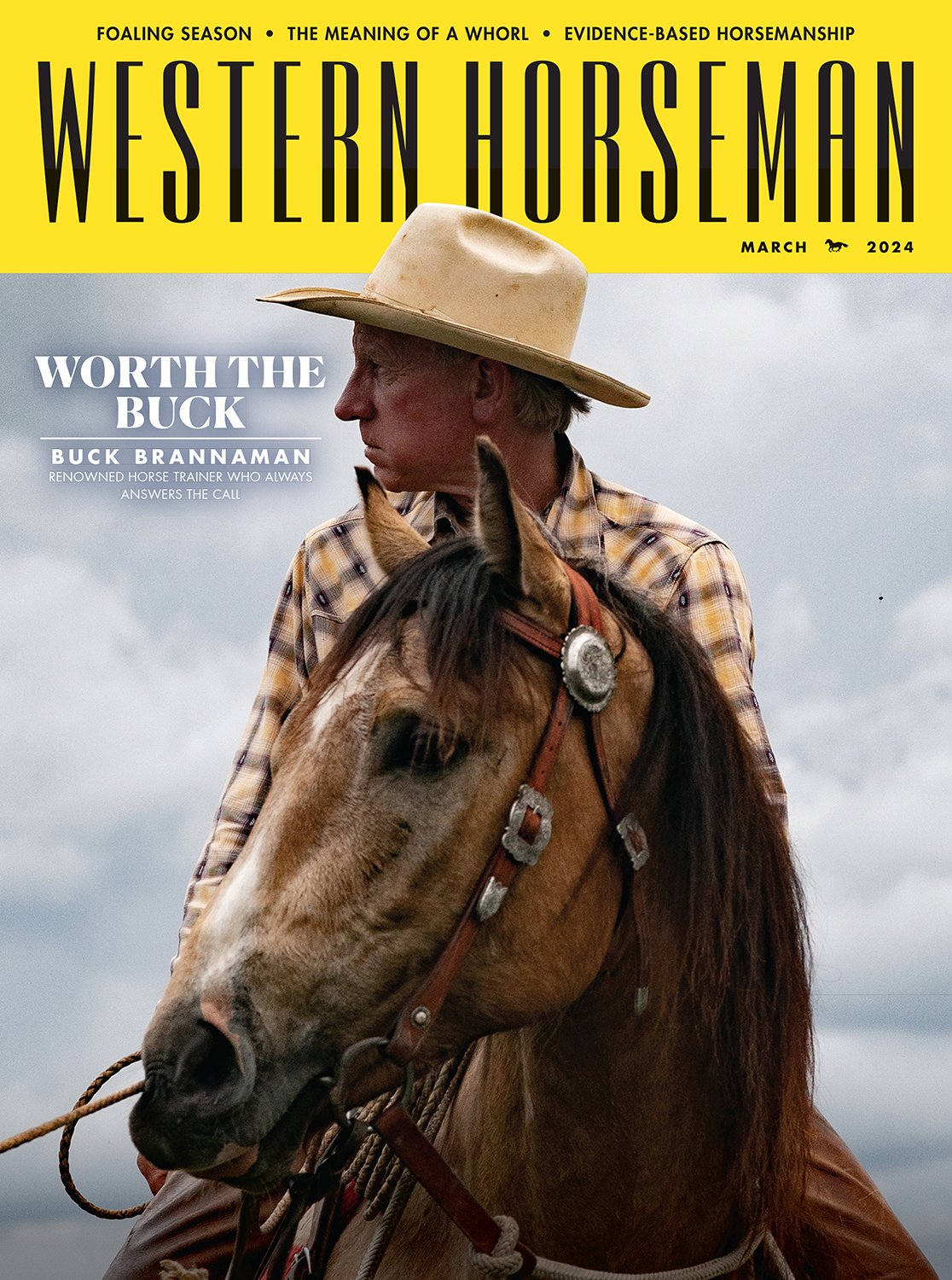
Buck Brannaman on the cover of Western Horseman Magazine

Buck Brannaman - Western Horseman Magazine

Capture the Beauty of Blowing Rock: Fine Art Photography Prints

Bring the Charm of Blowing Rock, North Carolina Into Your Home With Stunning Photography Prints

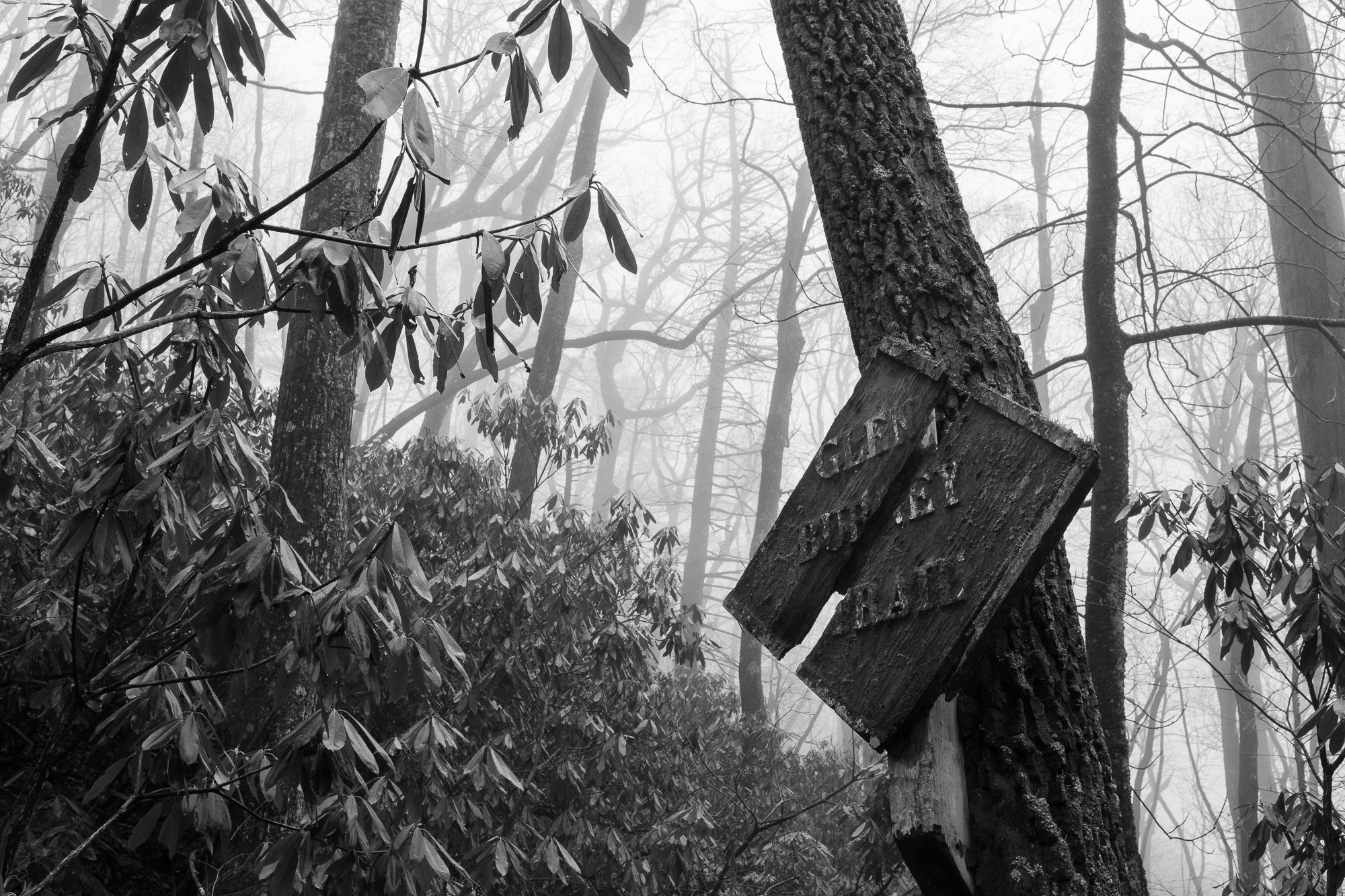
Glen Burney Falls Trail

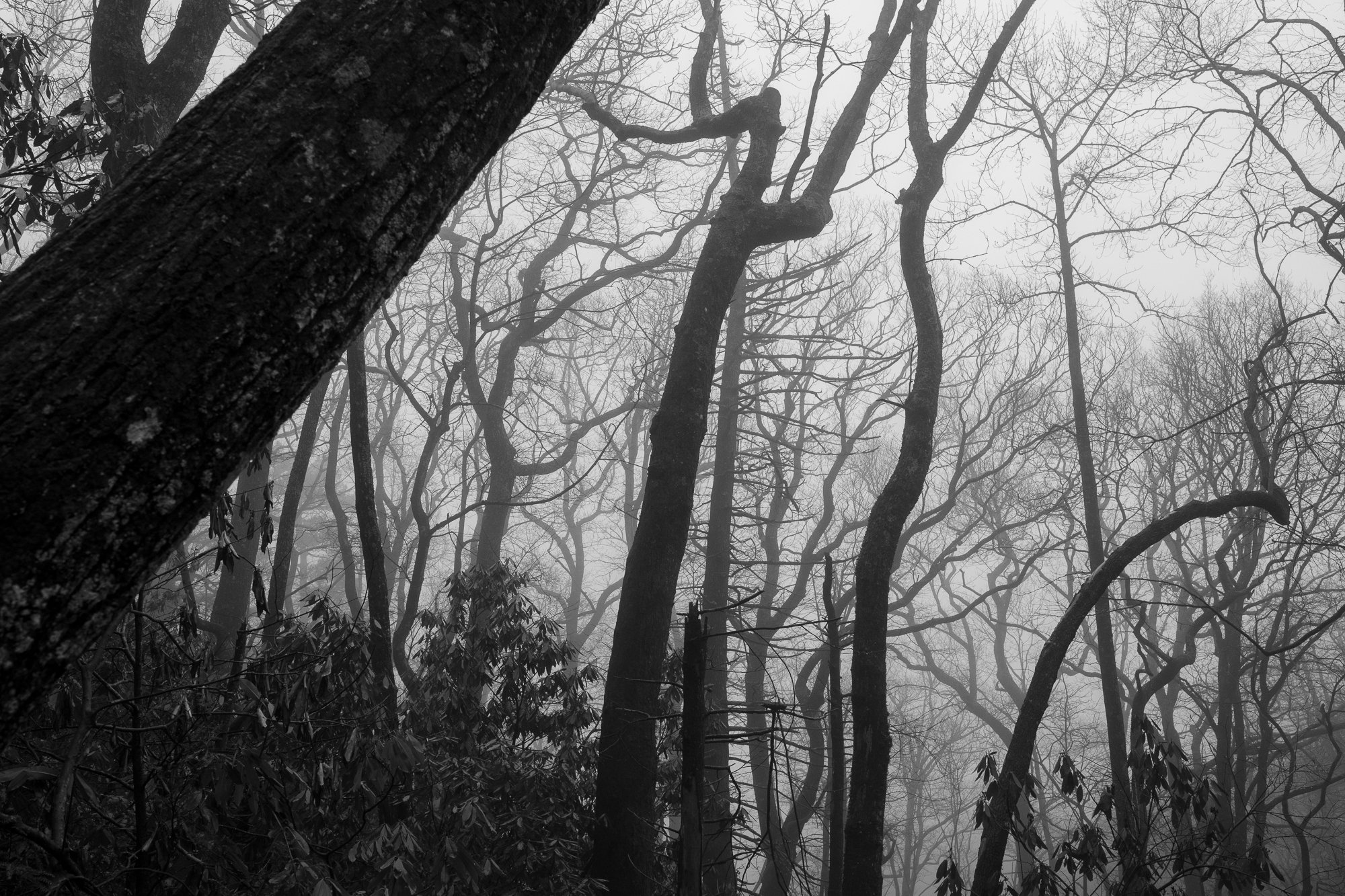
Blowing Rock is a special little mountain town in western North Carolina along the Blue Ridge Parkway. Thankfully it doesn’t get the traffic that Boone does because that would take away all of it’s charm. The Glen Burney Falls Trail starts just a few blocks off Main St. so you can get there from anywhere. Normally these easily accessible attractions are forgettable if not a total let down. Not this one. We were blown away. Granted the day we decided to hike, the forest put on special show with a thick layer of fog and mist that provided an eerie but beautiful vibe. Even without that, it’s still a beautiful trail winds gently through the woods providing great views of the waterfalls all along the way. It’s not a particularly hard hike either. In fact, it’s more of an aggressive walk than anything. so if you’re in Blowing Rock, add this short hike to the list. For only an hour or so of you’re time it provides a great mental checkout and check in with nature.

After you’re done, stop in to the Speckled Trout for lunch or dinner. They have great food and cocktails/beer. I really enjoyed the trout, grits, and collard greens. The vibe there is just great and helped along by a staff of waiters and bartenders than genuinely seem to enjoy their jobs.

If you’re visiting for a fly fishing trip, then definitely go to the Speckled Trout’s guide shop, which also has a bar in it!! I’ve been to a hell of a lot of mountain towns and lot of fly shops. Never once seen a fly shop with a bar. What a great little piece of America that you can only hope resists the massive commercialization that will inevitably be forced upon it in the future.

Blowing Rock Photography Prints

Celebrate your connection to nature and remember your visit to Glen Burney Falls with a fine art photograph that speaks to your heart. Every image in this collection is a testament to the beauty of this special trail, crafted to inspire and transport you back to one of North Carolina’s most beloved destinations. Contact me if you’d like wall art prints of the Glen Burney Falls Trail for your home, office, or commercial space - rob@robhammerphotogaphy.com

Best hike in Blowing Rock, North Carolina

Hiking in Blowing Rock, North Carolina

North Carolina Nature Wall Art - Black and White

Black and White North Carolina Wall Art

North Carolina Nature Wall Art

North Carolina Nature Photography

North Carolina Black and White Nature Photography

Glen Burney Falls Trail

Glen Burney Trail Photography Prints

North Carolina Nature Photography Prints

Best hike in Blowing Rock, North Carolina

Traditional Barbershop Photography

Historic Barbershop Photography in Birmingham, Alabama

Birmingham, Alabama has a way of holding onto its past. You feel it in the buildings, the neighborhoods, and especially in places like traditional barbershops — spaces that have quietly served their communities for generations.

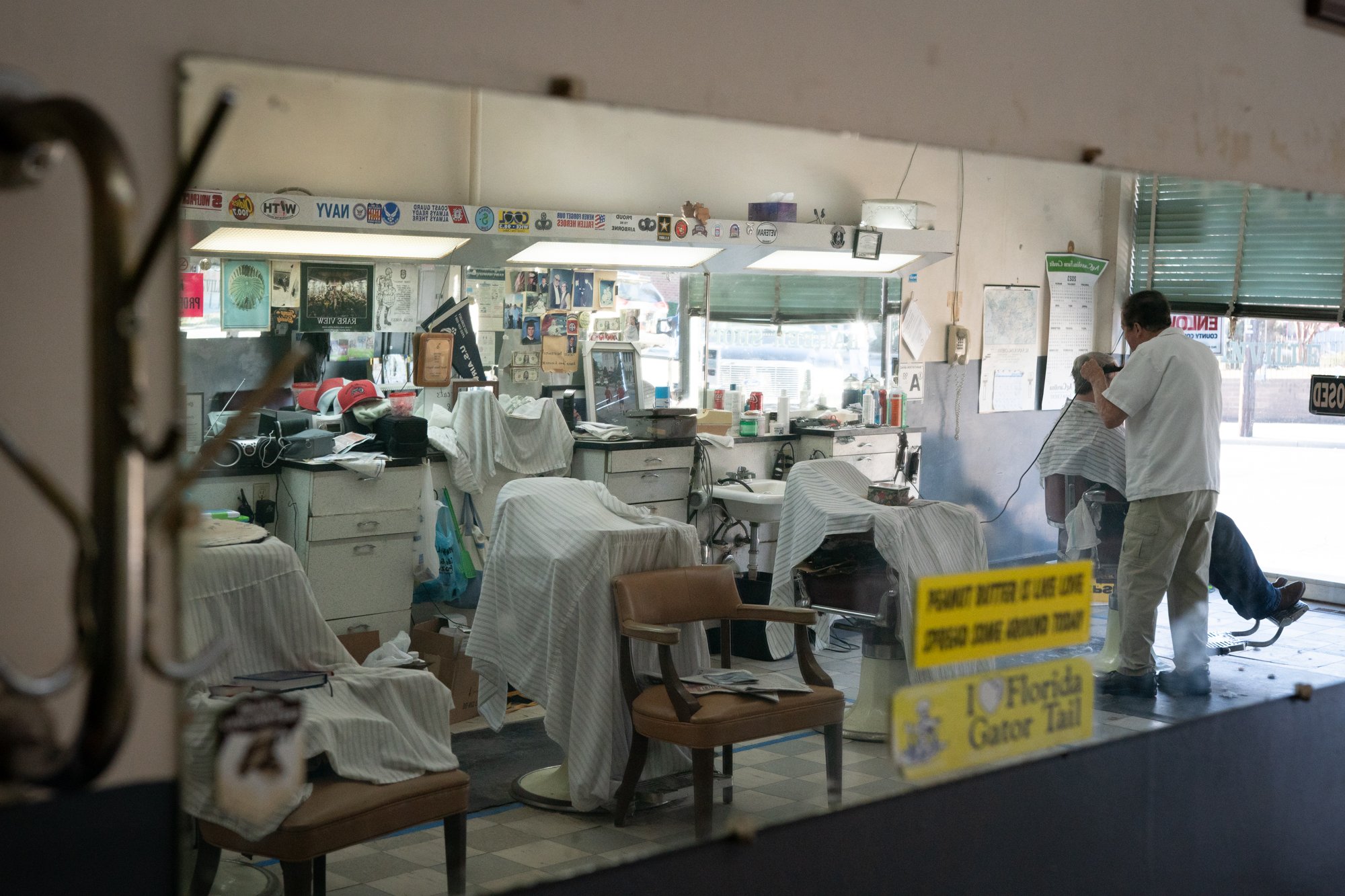
This barbershop sits just off the main road, easy to miss if you’re not paying attention. Inside, time slows down. The chairs are worn, the mirrors have seen decades of haircuts and conversations, and the rhythm of the shop feels unchanged by whatever year it happens to be outside.

This photograph is part of my ongoing Barbershops of America documentary project — a long-term effort to photograph traditional barbershops across all 50 states and preserve these spaces before they disappear.

A Traditional Barbershop in Birmingham’s Magic City

Birmingham is often called The Magic City, a nickname rooted in how quickly it grew during the industrial boom. But step into a barbershop like this one and you’re reminded that not everything moves fast here.

This is the kind of shop where:

  • Regulars don’t need to explain how they want their haircut

  • Conversations drift from local politics to college football to family stories

  • The barber knows everyone by name

There’s no rush. No appointment system. Just a steady flow of people who’ve been coming here for years — sometimes decades.

From a documentary photography standpoint, these details matter. They’re what separate a real working barbershop from a styled or recreated space. This shop isn’t a set. It’s lived-in.

Photographing Barbershop Culture in the American South

Southern barbershops have a distinct character. They’re often deeply rooted in their neighborhoods, serving as informal gathering places as much as businesses.

When I photograph barbershops like this one in Birmingham, I’m not trying to stage anything. The goal is to let the room speak for itself — the light, the posture of the barber, the way a customer settles into the chair.

The best moments usually happen quietly:

  • A glance in the mirror

  • A pause in conversation

  • The way afternoon light hits the floor

Those moments are what give barbershop photography its emotional weight. They’re small, but they’re honest.

Why Traditional Barbershops Matter

Across the country, independent barbershops are slowly disappearing — replaced by chains, salons, or modern storefronts designed to look old but lack history.

Projects like Barbershops of America exist to document what’s real before it’s gone.

These photographs are not nostalgic recreations. They’re records of working spaces:

  • Where generations of families have gotten their hair cut

  • Where stories are passed down as casually as advice

  • Where community still exists without needing a label

Birmingham’s barbershops are an important part of that story.

Part of the Barbershops of America Documentary Series

This Birmingham barbershop photograph is one piece of a much larger archive. Over the years, I’ve photographed traditional barbershops in cities, small towns, and rural communities across the United States.

The full project is available as:

  • A Barbershops of America photo book

  • Fine art photographic prints

  • Editorial and commercial licensing for publications, exhibitions, and design projects

Each shop adds another chapter to a disappearing part of American culture.

Stories From The Barbershop

It’s been interesting to see how some smaller cities have groupings of barbershops all in one place. Common sense would tell you that isn’t a great business strategy, but what do I know? Birmingham, Alabama is just such a place with multiple shops all on the same block, which was exciting but things didn’t start out so hot.

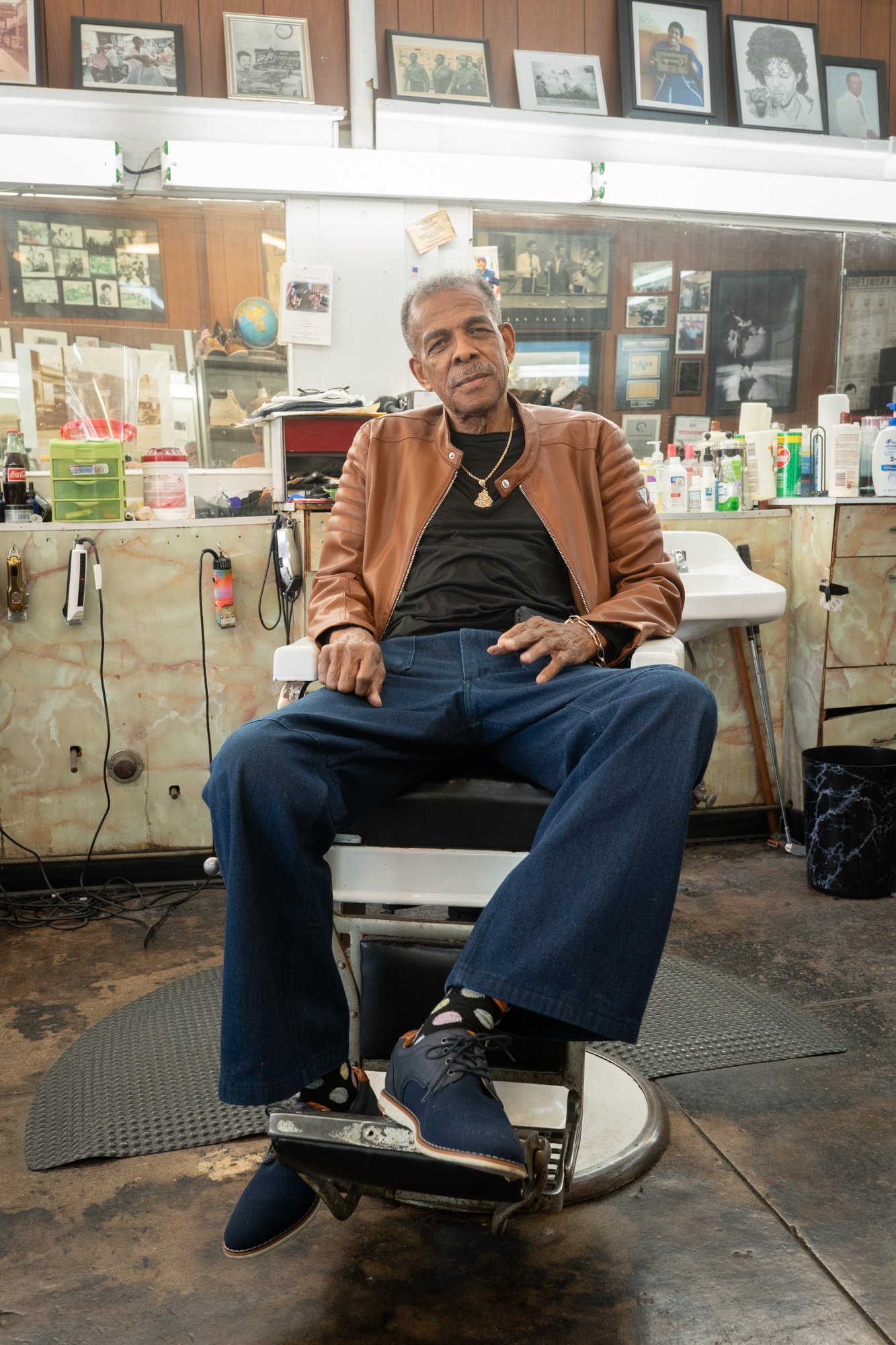
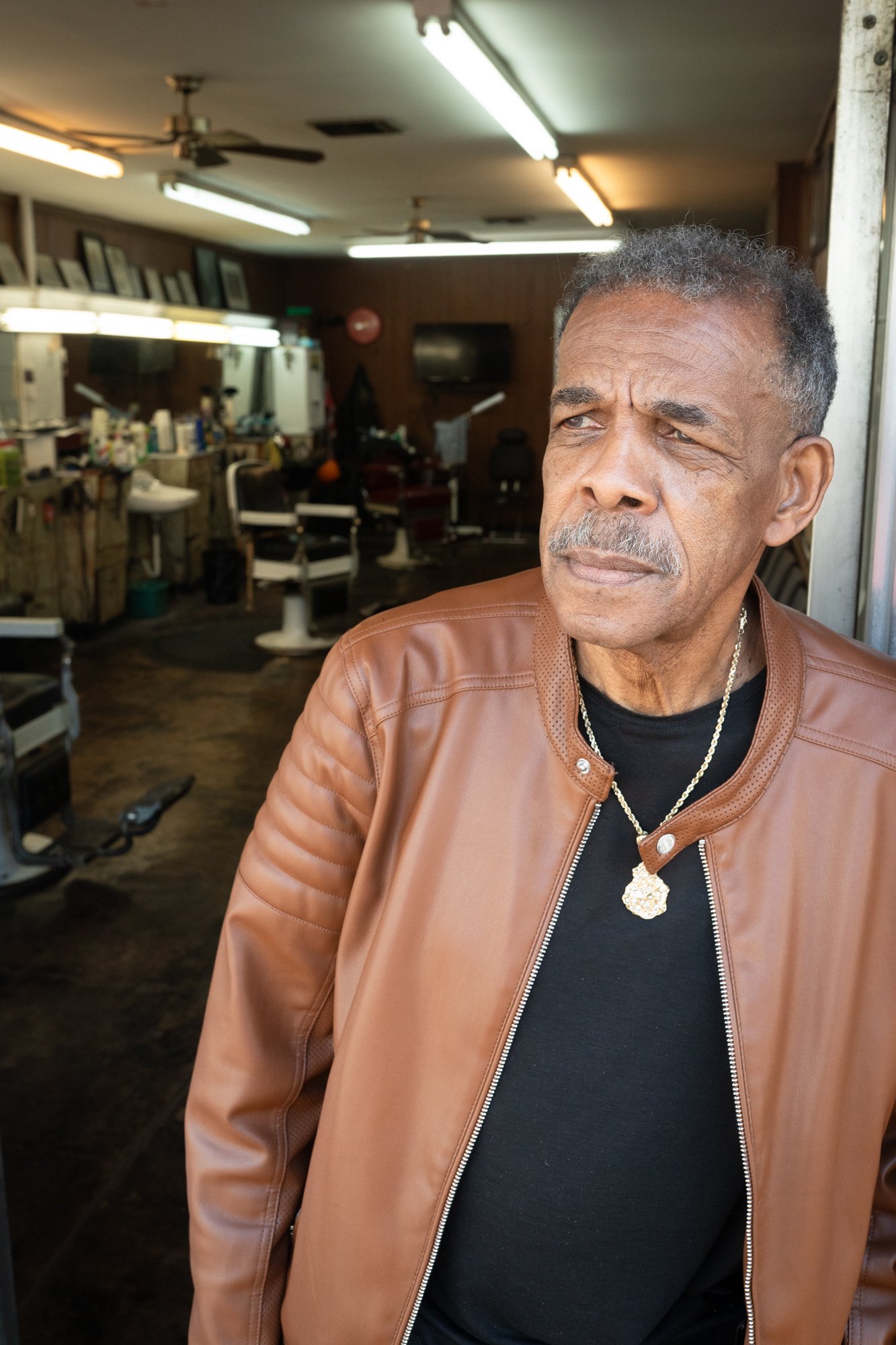
There was an older gentleman sitting out in front of the first shop I approached. He was talking on the phone while sitting on a stool in front of the door. I introduced myself and said that I’d like to make some photographs of the shop. Before I could even finish he said “I don’t have time”, turned his back to me, and continued his conversation. The shop was completely empty. I tried pushing back politely, stating that I’d been working on this project for 12+ years and published a book on traditional barbershops in all 50 states, etc, etc, etc. It didn’t work. He was angry that I was still standing there trying to talk with him and even more angry that I asked for the owner’s phone number. He wasn’t annoyed. He was angry almost to the point of aggression. Ah well. Can’t win them all. That led to a stop in Magic City Barbershop, which opened it’s doors in 1930! There is a poster on the front window from the Jefferson County Historical Commission that states so, but you don’t need a poster to tell you the place isn’t far off from its 100 year anniversary. You can just feel it.

The shop was empty besides the one barber working. He was a character. Had a witty answer for everything I said or asked.

Me: “Is this your shop?”

Him: “It ain’t yours!”

There were lots of old newspaper clippings on the wall of Martin Luther King and others from the riots and bombings. “Bombingham” as he called it, has a unique past that shaped it into the city it is today. Despite all the racial violence and negativity, it’s fascinating to be in that shop because the city’s history provides an education, experience, and conversation that you’re not likely to get anywhere else in the country. Barbershops provide an unorthodox way of learning about America!

Bringing Barbershop Photography Into Your Space

These photographs are often collected by:

  • Interior designers

  • Architects and creative offices

  • Hotels, restaurants, and barbershops

  • Private collectors interested in Americana and documentary photography

If you’re looking for artwork that feels authentic, grounded, and timeless, traditional barbershop photography offers a quiet strength that works across many environments.

Interested in These Photographs?

Fine art prints from this Birmingham barbershop series are available in multiple sizes and formats. Editorial and commercial licensing is also available.

Contact me here to discuss print options, licensing, or custom projects - rob@robhammerphotography.com

View More From the Barbershops of America Project

Another Barbershop Story

Barbershops of America Photography Gallery

Barbershop Photo Book/Prints

Photograph of barber in Birmingham, Alabama

Magic City Barbershop - Birmingham, Alabama

Photograph of sneakers and shoes for sale at a classic barbershop in Birmingham, Alabama

Sneakers for sale at a barbershop in Birmingham, Alabama

Photograph of a classic barbershop in Birmingham, Alabama

Traditional barbershop photography

Portrait of barber standing in front of his shop in Birmingham, Alabama

Portrait of a barber in Birmingham, Alabama

Oregon Landscape Photography Prints

Oregon Wall Art - Landscape Photography

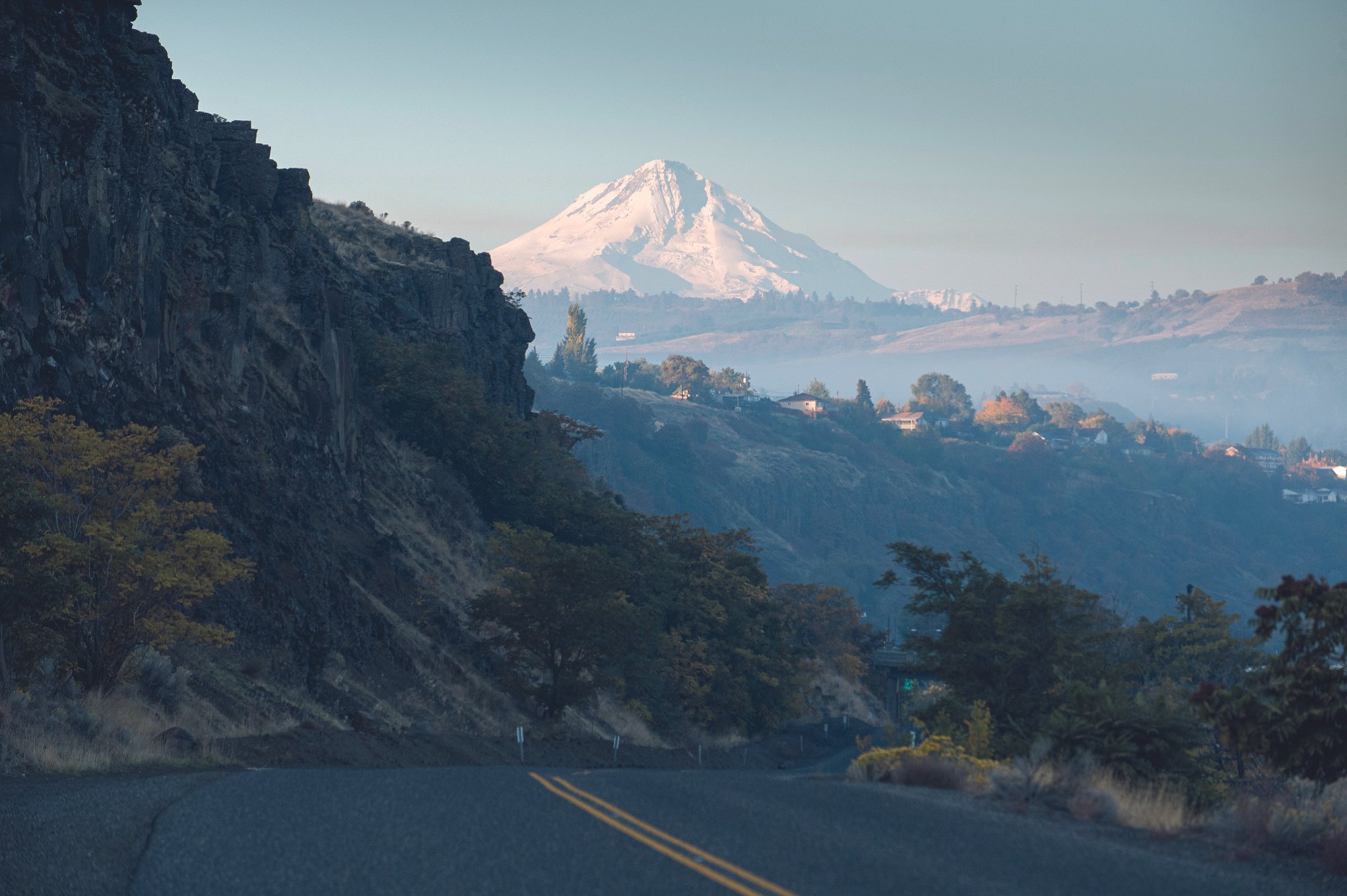
Oregon is a special place. Not just as a part of America, but of the world. It’s truly unique, with a vibe you can’t find anywhere else. Going through these images has been a lot of fun, revisiting past road trips through the state, as well as a gentle reminder that it’s been far too long since seeing that magical place. The photographs stir up great memories of being on the road with Mojo. One in particular several years back in the middle of winter. We were driving late at night on a backroad through the Cascade Range. No towns. No street lights. Nothing. It was freezing cold and the entire landscape was covered in a fresh blanket of snow. At some point I started feeling a very bizarre energy that was totally unexplainable, but it persisted long enough to make me think. “Pulsing” is the only way I can describe it. The sensation continued for a while, so I pulled over, got out of the truck and just stood there. There were no signs of civilization at all. And after my eyes adjusted to the darkness, I could see massive snow covered peaks on all corners of the horizon that seemed to be glowing. One of them was Mt. Hood, not sure what the rest of them were. Either way, I’d never experienced anything like it before or after that day. I was totally in awe at the sight and energy they were putting off. And to see so many prominent peaks so far away all at once, seemed totally surreal. All I could do was stand there and take it in. No images were made that night, but it’s a memory that will never leave me.

Click here to check out my American Road Trip photography book

Send an email if you’d like any of my Oregon wall art for your home, office, or commercial space - rob@robhammerphotography.com

Mt. Hood Landscape Photography Print

Mt. Hood Wall Art

Photography print of Lake Albert in Oregon

Lake Albert - Oregon - Photography Print

Photography of an old barn in Oregon

Oregon Photography

Photography print of a country road in Oregon

Country Road in Oregon

Photography of Seneca, Oregon

Seneca, Oregon

Lake Albert Oregon Landscape Wall Art

Lake Albert, Oregon - Wall Art

Photography of Highway 395 going through a beautiful section of Oregon at sunset near Lake Albert

Highway 395 - Oregon

Photograph of country roads leading to Mt. Hood in Oregon

Mt. Hood Photography Print

Photograph of a country road in Oregon

Country road in Oregon

Photograph of a country road in Oregon

Oregon Road Trip

Montana Cowboy Photographs

Montana Cowboys through the Lens: Fine Art Prints of Grit, Sky & Tradition

Big Sky Moments & Cowboy Spirit—For Fans of Yellowstone and Real Ranch Life

When I pull up to a Montana ranch with a camera, I'm looking for more than a scene—I’m looking for something true. That first breath of morning air, the way the horizon stretches. Montana cowboys move quietly, with wear on their boots and stories in their hands. They don’t need an audience. Their work—reining, branding, riding out—isn’t performance, but it carries power anyway.

I shoot what feels real: cowboys leaning into saddle leather at sunrise, the sky turning cold and blue above mountain ridges, or riders rounding up cattle under heavy clouds. Moments like that—untouched, gritty, alive—feel like they echo what Yellowstone fans see onscreen: raw Western landscape, ranch life, sweeping skies, authenticity. The Chief Joseph Ranch in Darby plays the role of the Dutton Ranch in the show, but what draws me to Montana is seeing the same rhythm of life behind the scenes.

My prints are made from those moments. Limited edition, archival prints that hold light, dust, sky, and sweat. If you’ve ever watched Yellowstone, the beauty in close‑ups of ranch gear, the way a horse’s muscle works in motion, the golden glow on barn wood—these are the same details I chase. Montana isn’t just setting; it’s character.

Whether you want to hang a Montana cowboy print above a fireplace, in a lodge, or a room that tastes of the outdoors, there’s a piece here for you. A silhouette, a dusty trail, a cowboy’s hat brim catching last light—these aren’t just photographs. They’re windows into a life rooted in land, season, purpose.

Add Western Art to Your Space
Shop Cowboy Wall Art

Montana cowboy wall art

Montana cowboy wall art prints

Cowboy wall art for fans of Yellowstone

Western cowboy photography prints

Small Town North Carolina Barbershop

Granville Barbershop, North Carolina

A Traditional American Barbershop Documented Through Photography

The Granville Barbershop in Grannville, North Carolina is the kind of place that has quietly served its community for decades. No branding overhaul. No attempt to modernize what already works. Just a steady rhythm of haircuts, conversation, and routine that has outlasted trends and redevelopment cycles.

These photographs were made as part of my long-term documentary project, Barbershops of America — an ongoing effort to photograph traditional barbershops across the United States before they disappear. Shops like this are not just businesses; they are cultural fixtures that anchor small towns and neighborhoods.

Why Traditional Barbershops Matter

Traditional barbershops play a unique role in American life. They are spaces built on trust and repetition — places where people return month after month, year after year, to see the same barber in the same chair.

In small towns especially, barbershops function as informal community centers. News is exchanged. Silence is respected. Generations overlap. These are the kinds of everyday environments that rarely feel important in the moment, yet become deeply significant once they’re gone.

Photographing these spaces is about preservation, not nostalgia — recording them honestly, as they exist, without staging or intervention.

The Story

These photographs were made during a drive home to upstate NY for Christmas. The owner was very skeptical of my intentions at first but agreed to let me photograph his shop. During my time there I had some fun interactions with customers, but he never said much. As far as history goes, the shop opened in the 1940’s, and prior to that it was an African American movie theater!! How’s that for Southern?

As with most old shops, the relationship between proprietor and those in his chair was easy, fluid, and quite candid. At one point an older gentleman sauntered in with his head down, dropped a gift on an empty chair, turned back toward the door and said “well, gotta go”. That was it. No interaction. Never even lifted his head up to make eye contact. The barber didn’t seem surprised, nor did he skip a beat on the haircut in progress.

Took about a half hour until I was pleased with the pictures made. Afterward I gave the barber a card and thanked him for the hospitality. He stopped cutting, grabbed a few coins off the back bar, placed them in my hand and in an almost too good to be true accent said “take these two qwwwaaaaaaaatehs back to that machine and get you a pop. I’ll bet you haven’t had a 50 cent pop in yeeeeaaaaaaahs.” Sure enough, there were ice cold sodas coming out of a vintage Coca Cola machine against the back wall. Can’t tell you the last time I even had the desire for a soda, but I wasn’t about to turn that one down.

Interactions like these are what keep Barbershops of America going. Talking to people that give you a very definitive sense of place is gratifying, educational, and fun. Hearing about the shops history in such a dialect not only tells you where you are in the world, but also where you aren’t. I love that.

Continue exploring documentary barbershop photography in the Barbershops of America series

Barbershop Photography Gallery

Barbershop Photo Book/Prints

Another Barbershop Photo Essay

Contact me directly about barbershop photography licensing for your editorial and commercial projects -rob@robhammerphotography.com

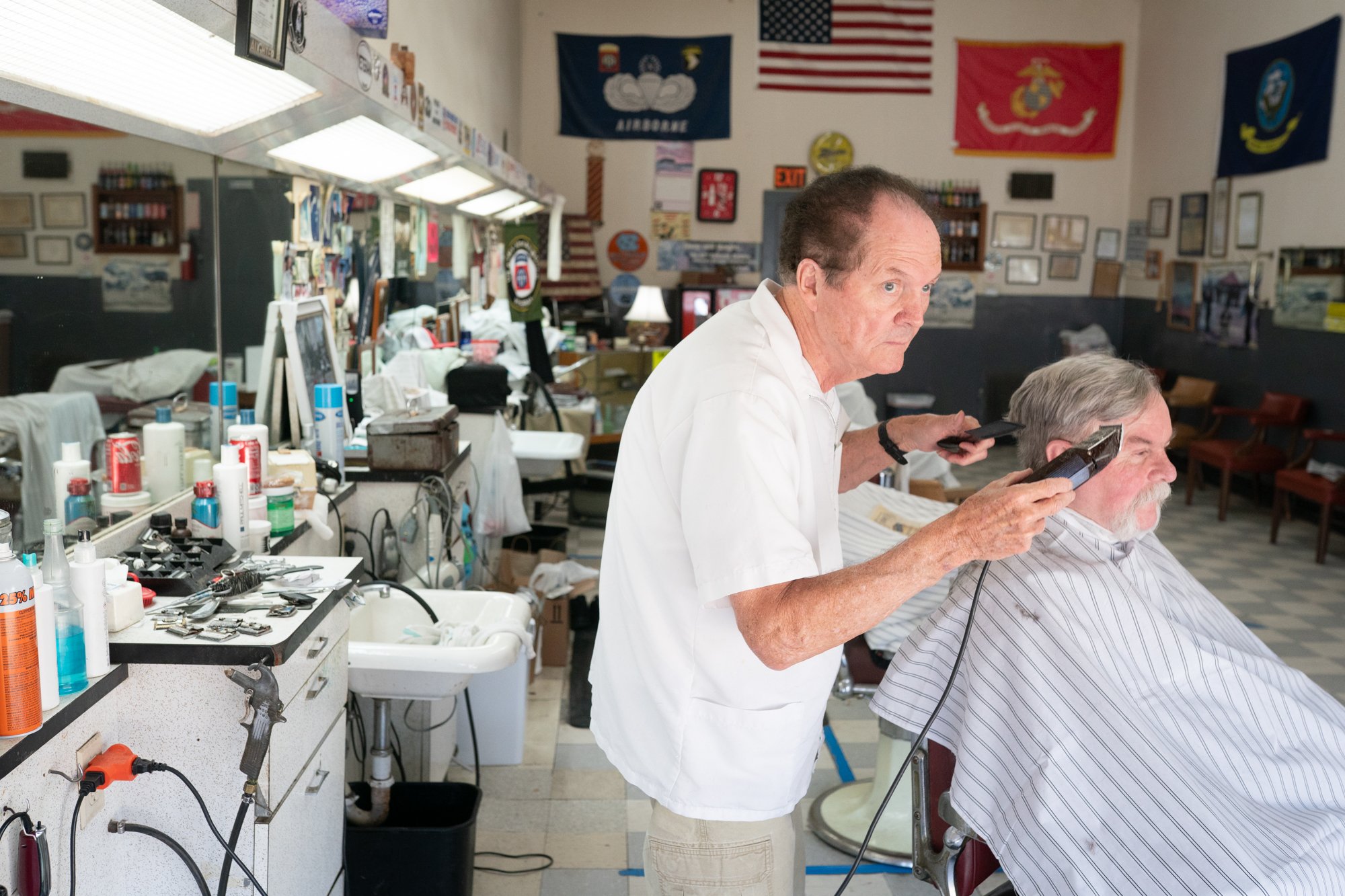
Interior view of a traditional barbershop with barber chairs, mirrors, and military flags on the wall

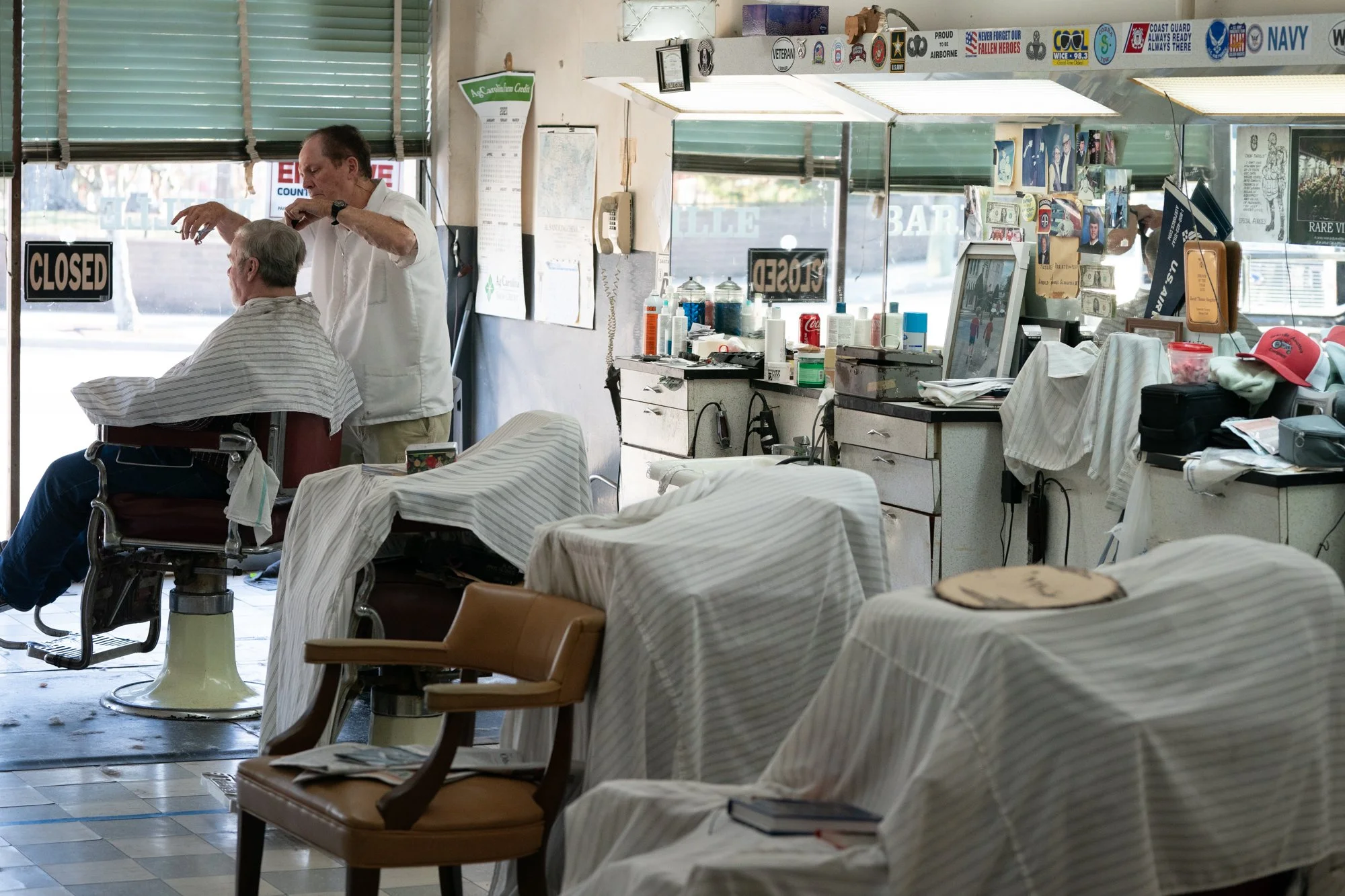
The interior of Granville Barbershop reveals layers of personal history, from worn barber chairs to walls filled with service flags and memorabilia.

Traditional barbershop interior in North Carolina with a barber cutting a client’s hair using clippers

A working barber trims a longtime client inside a traditional North Carolina barbershop, where routine and familiarity define the space.

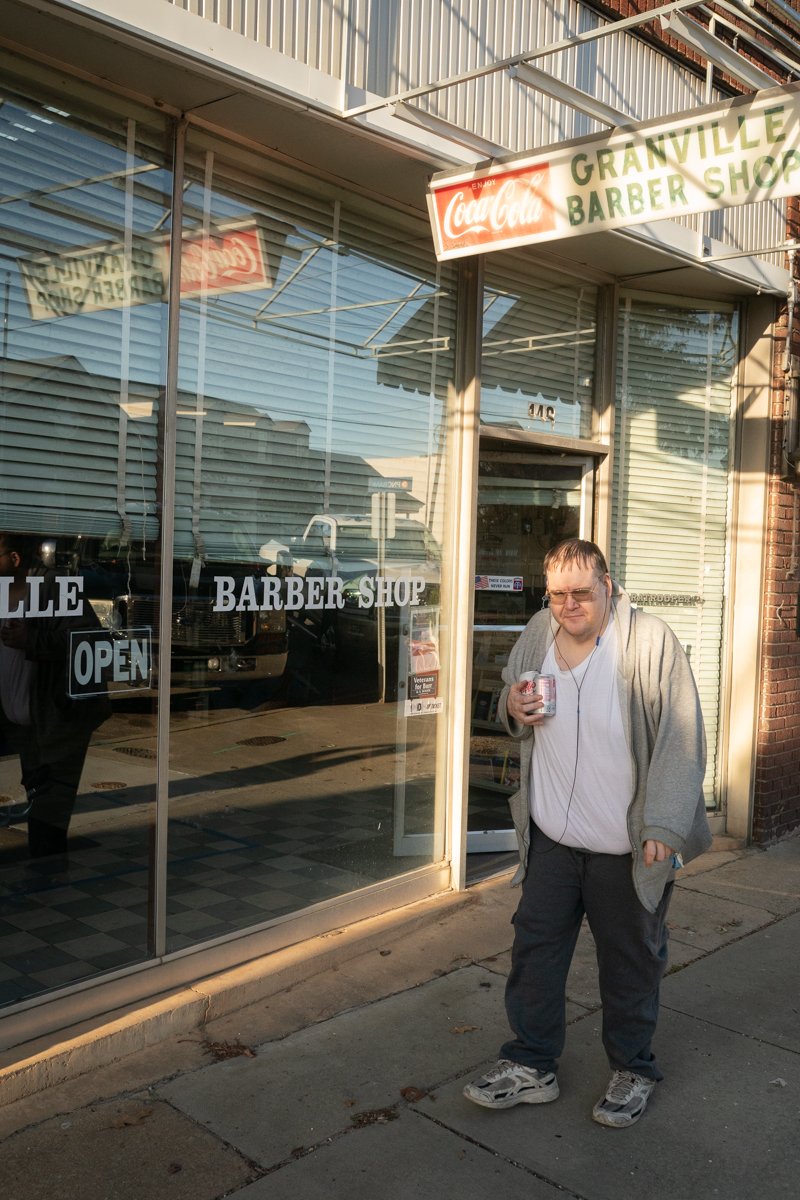
Exterior of Granville Barbershop in Granville, North Carolina with classic signage and storefront windows

The storefront of Granville Barbershop in Granville, North Carolina, a long-standing fixture of the town’s Main Street.

Documentary photograph of a barber cutting hair inside a small-town North Carolina barbershop

Inside the shop, haircuts continue as they have for decades—unhurried, familiar, and grounded in routine.

Detail photograph of a custom wooden walking stick resting beside a customer in a North Carolina barbershop

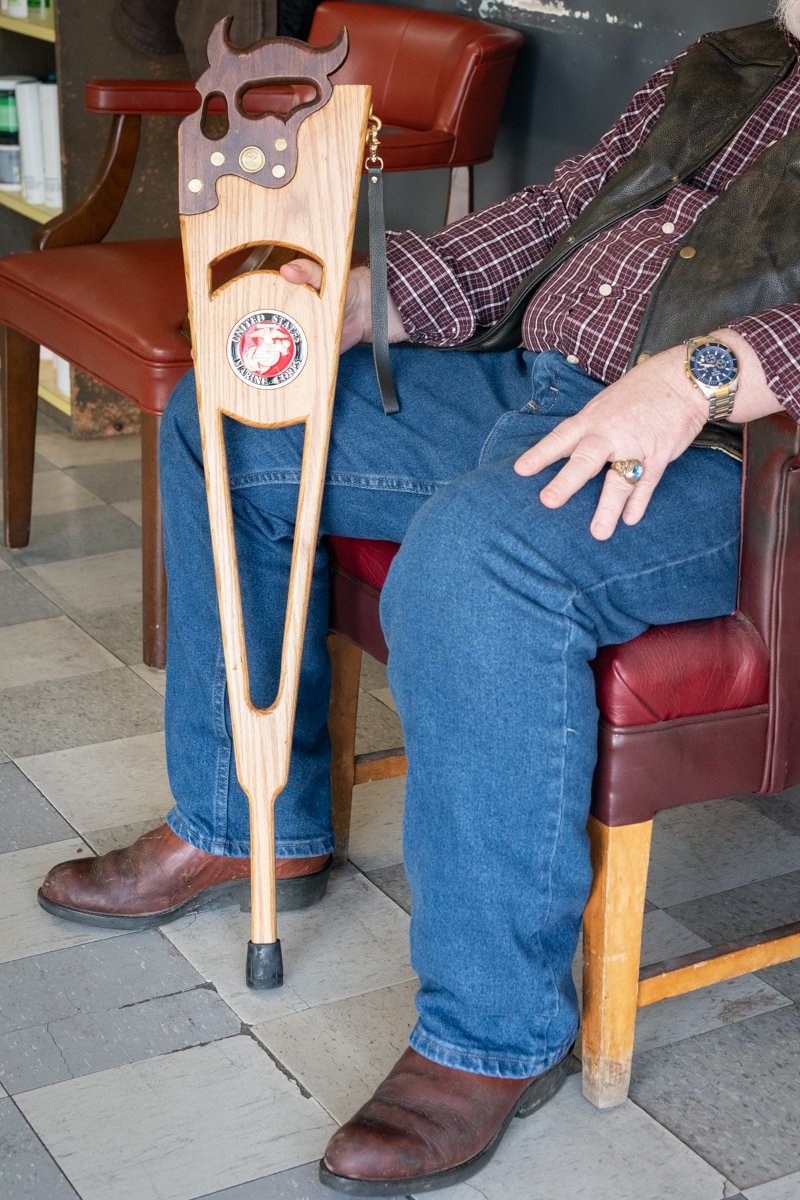
A handmade walking stick rests beside a customer, a small detail that hints at the personal histories carried into the shop.

Editorial Cowboy Photographer

Professional Western / Cowboy Photography Services — Magazine & Commercial Assignments

Capturing Western Stories with Depth

The largest cattle ranch in the Southwest was the backdrop for one of my feature assignments with Western Horseman Magazine. But what that experience taught me goes far beyond one location—it’s proof of what I can bring to any ranch, any story, anywhere.

When a magazine or brand hires me, they don’t just get photos. They get someone who knows how to work in remote country, navigate ranch protocols, gain trust, and produce visuals with authenticity, emotion, and technical quality.

On the Diamond A shoot, I captured wide scenes, close portraits, action frames—each image crafted for storytelling. I’ve licensed those images, seen them published, and held to deadlines and narrative needs. This is the kind of work I’m ready to do for your next piece: whether a feature story, coffee table spread, hospitality branding, or campaign that needs real Western grit.

Let’s talk about your project. I can help with:

  • Editorial assignments (magazine features, online storytelling)

  • Licensing imagery for publications or brand use

  • Commissioned ranch photography for hospitality, books, or design

Scroll through the Diamond A images below and imagine what we could do together for your next Western story and get in touch if you’d like to collaborate - rob@robhammerphotography.com

You can also view a selection of fine art cowboy photography prints or more from cowboy series

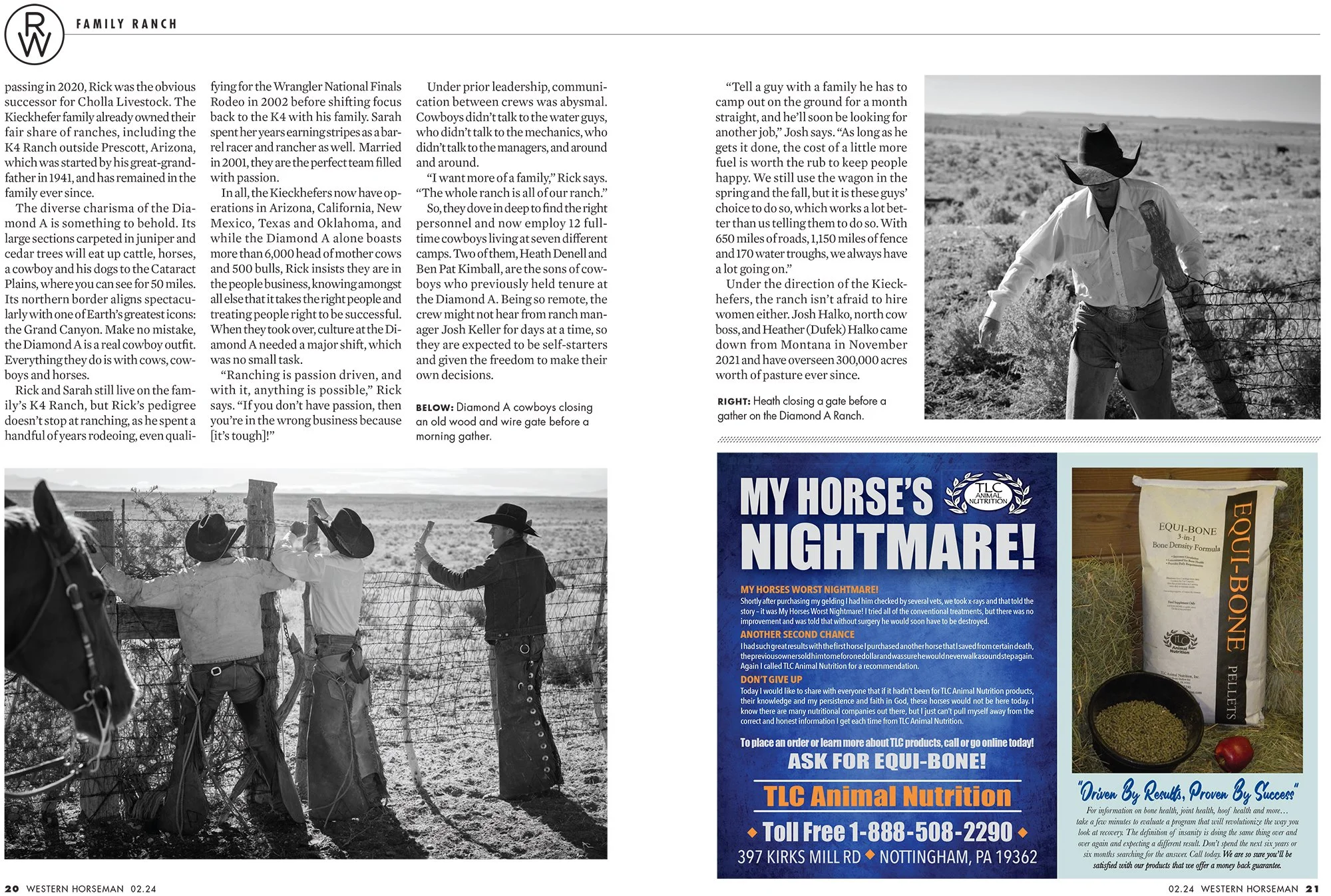
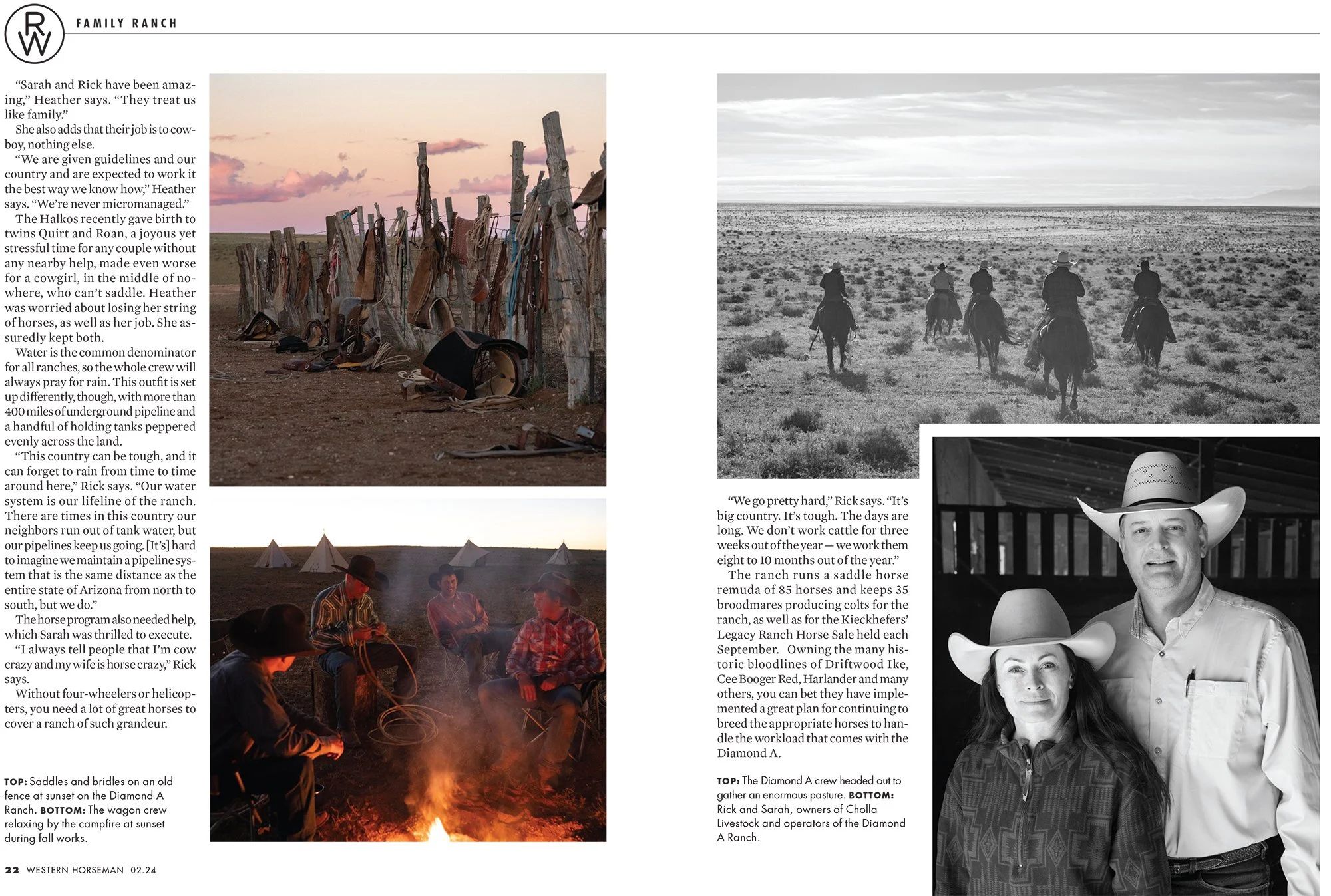
Original article from the magazine:

A crew of 5 leaves the corrals at a trot, heading out to gather a pasture that only ends at the morning sun hovering above the horizon. It feels like watching a fleet of sailboats gracefully catch wind from harbor into the open ocean, getting smaller and smaller until they melt into the sea. There’s no telling when or if they’ll ever return. Such is life for cowboys on the Diamond A Ranch outside of Seligman, Arizona. At 725,000 acres it’s the largest in the southwest and aptly nicknamed The Big Boquillas. 

“Don’t hire him if his wife isn’t there for the interview” says Sarah Kieckhefer to her husband Rick - owners of the Diamond A. She knows it takes a special breed to work this kind of spread and deal with such solitude. If the wife shows up sight unseen on day 1 and realizes her camp is 3.5 hours from the nearest town with a grocery store, it doesn’t matter how handy the cowboy is, they won’t be staying long. The land itself is owned by the Navajos and was leased for 32 years by the legendary Harvey Dietrich, who hand picked Rick in 2018 as his successor. The Kiechkefers already owned their fair share of ranches, including the K4 outside Prescott, which has been in the family since his great grandfather started it in1941. So Rick didn’t jump at Harvey’s offer until he said “you know, they aren’t making any more land”. A hard fact to argue for anyone looking to grow, and it’s not everyday that a ranch of this size falls in your lap. So he accepted the full lease in 2021, increasing his acreage overnight by roughly the size of Rhode Island. 

The diverse charisma of the Diamond A is something to behold. From its large sections carpeted in Juniper and Cedar trees that will eat up cattle, horses, a cowboy, and his dogs, to the Cataract Plains, where you can see for 50 miles. Oh, and its northern border collides eloquently with one of planet earth’s greatest icons - The Grand Canyon! But make no mistake about it, The Diamond A is a real cowboy outfit. Everything they do is with cows and horses. There is no oil money like most in Texas. Rick and Sarah still live on the family ranch, so it’s no surprise that they continue the dying tradition of pulling a wagon for the Diamond A’s spring and fall works. Rick’s pedigree doesn’t stop at ranching, as he spent a handful of years rodeoing in the NFR (2001-2006), before shifting focus back to the K4 with mom+dad. Then spreading his wings further with the purchase of a few other leases and a feed yard near the Mexican border. Sarah spent all of her years earning stripes as a barrel racer and rancher as well. The perfect team. And while the Diamond A alone boasts 8,000 head of mother cows, he insists they are in the people business. Knowing amongst all else that it takes the right people, and treating people right. When they took over, culture at The Big Bo needed a major shift,  which was no small task, but as Rick says “Ranching is passion driven. If you don’t have passion then you’re in the wrong business, because it’s a tough son of a buck”. Under prior leadership, communication between crews was abysmal. Cowboys didn’t talk to the water guys, that didn’t talk to the mechanics, and around in a circle. Rick says “I want more of a family. The whole ranch is all of our ranch”. So they dove in deep to find the right personnel and currently employ 12 full time cowboys living at 7 different camps. Two of which (Heath Denell and Ben Pat Kimball) are the sons of cowboys that previously held tenure at the Diamond A.  Being so remote, the crew might not hear from the boss for days at a time, so they are expected to be self starters, but also given the freedom to make their own decisions. Tell a guy with a family he has to camp out on the ground for a month straight, and he’ll soon be looking for another job. As long as he gets it done, the cost of a little more fuel is worth the rub to keep people happy.  The Kiechefers aren’t afraid to hire women either if they come as a team. Josh Halko (cow boss) and Heather (Dufek) Halko came down from Montana in November of 2021 and have overseen 300,0000 acres worth of pasture ever since. “Sarah and Rick have been amazing. They treat us like family” says Heather. She also adds that their job is to cowboy, nothing else. “We are given guidelines and our country, and expected to work it the best way we know how. We’re never micromanaged.” The Halko’s recently gave birth to twins (Quirt and Roan). A joyous yet stressful time for any couple without any nearby help. Even worse for a cowgirl in the middle or nowhere that can’t saddle. So Heather was worried about losing her string of horses as well as her job. She assuredly kept both.

Water is the common denominator for all ranches, so the whole crew will always pray for rain. This outfit is set up a bit differently though, with 400 miles of underground pipeline and a handful of holding tanks peppered evenly across the land. Nevertheless,  genetics were changed by bringing down heifers from Montana and the Dakotas that would be more tolerant of Arizona’s weather conditions. The horse program also needed help, which Sarah was thrilled to execute. “I always tell people that I’m cow crazy and my wife is horse crazy,” says Rick. Without four wheelers or helicopters, you need a lot of great horses to cover a ranch of such grandeur. Rick again adds “We go pretty hard. It’s big country. It’s tough. The days are long. We don’t work cattle for 3 weeks out of the year. We work em’ 8 months out of the year.” Owning the historic bloodlines of Driftwood Ike, you can bet they have implemented a great plan for continuing to breed the appropriate horses. And have already attracted some big names to their own Legacy Ranch Horse Sale. 

Sarah will be the first to tell you that her husband’s greatest asset is progressive thinking. He always gives a considerable amount of his already overflowing days and nights to what will be best for the ranch 1, 5, 10, and 20 years from now. He knows that you need to diversify in order to survive, so he took cues from Dietrich about meat packers suppressing the industry and making record profits, while the producers remained handcuffed. Unfortunately Harvey passed on Christmas Eve of 2020, but the building blocks were already in place to “write their own story”, dedicating 20% of production to boxed beef. And after a few years of figuring out all the moving parts, their gourmet products can now be found in such restaurants as the 5 star - Orange Sky and Phoenician in Phoenix as well as the Royal Palms and Sanctuary in Scottsdale. They’ve even attracted famous chefs like Chris Bianco that want to collaborate because they believe in the story and the product. If that sounds glamorous, think again. Only the middle meats of each cow can be sold to a restaurant, so ranchers need an outlet for the remaining 75%, or they’ll soon be out of business. And, if you can’t  deliver a year round supply, your partners will find someone who can. The Kiechefers want to grow their boxed beef sales to about 30-40%, but the main goal is to be better every day in every aspect of their business through efficiency. And the best way to achieve that in their mind, is having people that want to be there. People that feel ownership and pride in the ranch. Ricks says “the most important thing is that it’s those guys this year, those guys next year, and it’s those guys the year after making the decisions”.

Cowboys on the Diamond A Ranch in Arizona
Western cowboy photographer for brands and magazines

Western photography for magazines and brands

Photographer serving the American cattle industry

Editorial photography services for the cattle industry

Commercial cowboy photographer based in Denver, CO

Cowboy photographer for editorial and commercial assingments

Fly Fishing - Crested Butte, Colorado

Crested Butte, Colorado Fly Fishing Photography

San Juan Mountains

Crested Butte, Colorado is hands down one of my favorite places to go fly fishing in the country. It’s just one of my favorite places period. Combine the stunning views with their mountain town culture and access to all sorts of fly fishing, and the place is hard to beat. Summertime anywhere in the San Juan mountains will seduce you whether you’re aware of it or not. The images are from a recent backcountry fly fishing trip with friends to a small creek that shall go unnamed for obvious reasons. There is plenty of easy fishing access around around Crested Butte on the Taylor River, East River, and Gunnison River, so blowing up such a remote spot like this would cause me to lose sleep. Just looking at these photographs is FOMO inducing. Can’t wait to get back out there.

Click here to see more of my fly fishing photography.

Summer fly fishing near Crested Butte, Colorado

Fly fishing in Crested Butte, Colorado

Photograph of two friends fly fishing a small creek in Colorado

Fly fisherman wading up a river in Crested Butte, Colorado

Photograph of a fly fisherman climbing over a pile of logs along a stream

A fly fisherman climbing over a pile of trees and branches on the side of a river outside Crested Butte, Colorado

Photograph of a fly fisherman casting in a beautiful section of stream near Crested Butte, Colorado

Fly fishing a picturesque stream in the San Juan Mountains

Photograph of beers cooling off in a pool off on the side of a stream in Colorado

Cans of Coors Banquet chilling in river water during a fly fishing trip in Colorado

Catching trout on a backcountry stream in Colorado

Backcountry fly fishing in Colorado

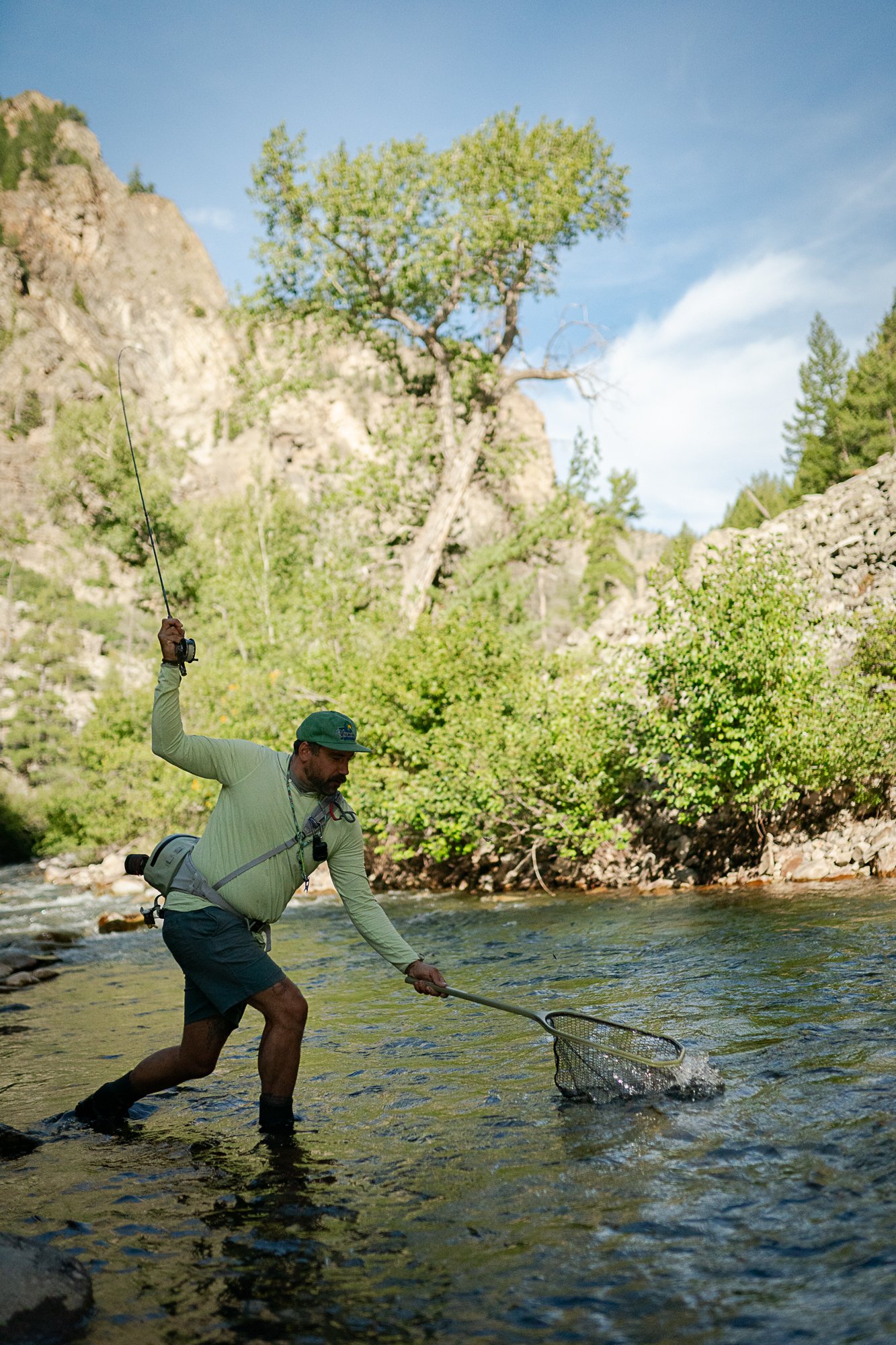
A fly fisherman netting a trout in a small stream surrounded by canyon walls in Colorado

Fly fisherman laughing after a fun day on the river in Crested Butte, Colorado

Fly fishing wading boots and wading socks drying on a tree

East Coast Photography

Small Town America - Photography

Road Trip - American Culture

Cross country road trips have been a constant in my life for the past 12+ years, particularly in late December driving from San Diego, CA to upstate NY to visit family for Christmas. This year though, it was significantly shorter as we are currently living in North Carolina. If you want advice on the most soul sucking drive in the USA, it’s I95 from Raleigh to Albany. Avoid it at all costs. I did it once in a straight shot due to a severe lack of time and will never do it again. As a photographer you’re much better off committing to the many backroads that will get you to the same place while also delivering a much better experience. Here are a few images from PA and NY. Pennsylvania has always been a fascinating state. There is a sadness to a lot of the towns, particularly in the rust belt, but they are all undeniably American. Plenty of towns in America could be anywhere in America, but the majority of Pennsylvania makes you acutely aware that you are in a place.

Click here to see more of my American Photography

Union Cemetery - Hudson Falls, NY

Pittston, Pennsylvania

Wilkes-Barre, Pennsylvania

Edwardsville, Pennsylvania

Pittston, Pennsylvania

Pittston, Pennsylvania

Hudson Falls, New York

Historic Montana Cattle Ranch Photographs

The Historic OW Ranch | Cattle Country & Cowboy Life in Montana

The OW Ranch sits in the Hanging Woman Creek valley near Decker, Montana, and isn’t just another working cattle ranch. It’s a place with roots stretching back to the late 1800s, a landscape that helped define the cattle era of the American West, and historic buildings that still convey the rhythms of ranch life over a century later.

This collection of photographs is a visual study of ranch work, historic place, and the people who carry on traditions first shaped here more than 130 years ago.

A Ranch with Deep Historical Roots

The OW Ranch began its life in the late 19th century as the headquarters of the influential Kendrick Cattle Company. Cattleman John B. Kendrick purchased land along Hanging Woman Creek in southeastern Montana in 1889 after working his way north on cattle drives. Over time, he enlarged the ranch, making it one of the most productive cattle operations in the region.

Kendrick’s success here wasn’t just agricultural—it helped shape his life beyond the ranch. He later became Wyoming’s governor and then a U.S. senator, a journey that began with hard work on the open range and culminated in national influence.

The ranch headquarters became the family’s home and the heart of operations, with stone and wood buildings constructed in the early 1890s that still stand today.

Cowboy Life Then and Now

Montana ranching in the late 1800s emerged from the wider sweep of the open range cattle era, when long cattle drives, scattered grasslands, and cowboy labor defined the industry. Ranches like the OW weren’t just land holdings—they were working communities. Cowboys rode miles of range, repaired fences, tended cattle, and lived together in bunkhouses and corrals built for utility and resilience.

On my visits to the OW, that continuity of work and companionship was palpable. Cowboys still saddle up early in the morning, saddle horses in historic barns, and gather in spaces that look much like they did over a century ago. Beyond that though, the OW crew, led by Gabe Clark, had a very cohesive and friendly chemistry that doesn’t always exist on other ranches. It was obvious from watching them that they all truly enjoyed not just their work, but also working with each other.

Historic Buildings & Landscape in Alpine Light

The physical environment of the OW Ranch—its barns, bunkhouses, corrals, and fences—carries stories as deeply as the people who work them. Many of the ranch’s original stone structures were carefully preserved or restored, preserving their historic integrity while still serving functional purposes.

In photographing these buildings and the land around them, I wasn’t chasing staged scenes. I was documenting the living legacy of ranch architecture shaped by purpose rather than picturesque design—the shadow of a doorway at dusk, weathered wood grain, corrals softened by decades of dust and sun.

Part of Montana Cattle Ranch History

Montana’s ranching history began in the mid-19th century as settlers, miners, and cattlemen pushed westward, driving herds into open valleys and grazing lands. Early open range ranching was grueling; harsh winters, predators, and long drives were part of the land’s reality.

By the time John B. Kendrick established the OW Ranch, the industry was transitioning toward more managed ranch systems with fenced ranges, larger holdings, and a new blend of tradition and enterprise. The OW Ranch became a touchstone of that era, linking the open range past to a more sustainable working ranch future.

From Historic Legacy to Contemporary Ranching

In the decades since Kendrick’s family ultimately sold portions of the ranch, stewardship of the property has continued to blend tradition with thoughtful preservation. Owners and caretakers have worked to maintain the historic buildings while sustaining a working cattle operation on tens of thousands of acres of foothills, creek bottom meadows, and open range.

Part of what makes these scenes so compelling through a photographic lens is the sense that time and labor are written into every surface—the worn boards of a barn door, the corrals where cattle gather, the early morning mist over an empty pasture. Those visual elements resonate not just as rural beauty, but as historical continuity.

Licensing Images from the OW Ranch

Photographs from this series documenting the historic OW Ranch are available for editorial and commercial licensing. The work is well suited for magazines, publishers, Western and outdoor brands, museums, and organizations looking for authentic imagery of working cattle ranches and cowboy life in the American West. Licensing options range from single-image editorial use to broader commercial campaigns, with access to an extensive archive that captures ranch work, historic structures, and the lived landscape of Montana cattle country.

View More Cowboy Photography

This Montana cattle ranch series is part of a much larger, long-term body of work documenting working cowboys and ranch life throughout the American West. If you’d like to see more from this ongoing project, you can explore the full archive, available prints, and related stories below.

View the full Cowboy Photography Gallery
Browse available Fine Art Cowboy Prints
Read another ranch story: life and work at the Spanish Ranch in Nevada

Handmade sign for the OW Land & Cattle Company which was established in 1891 and currently owned by Jim Guercio

OW Ranch - owned by Jim Guercio

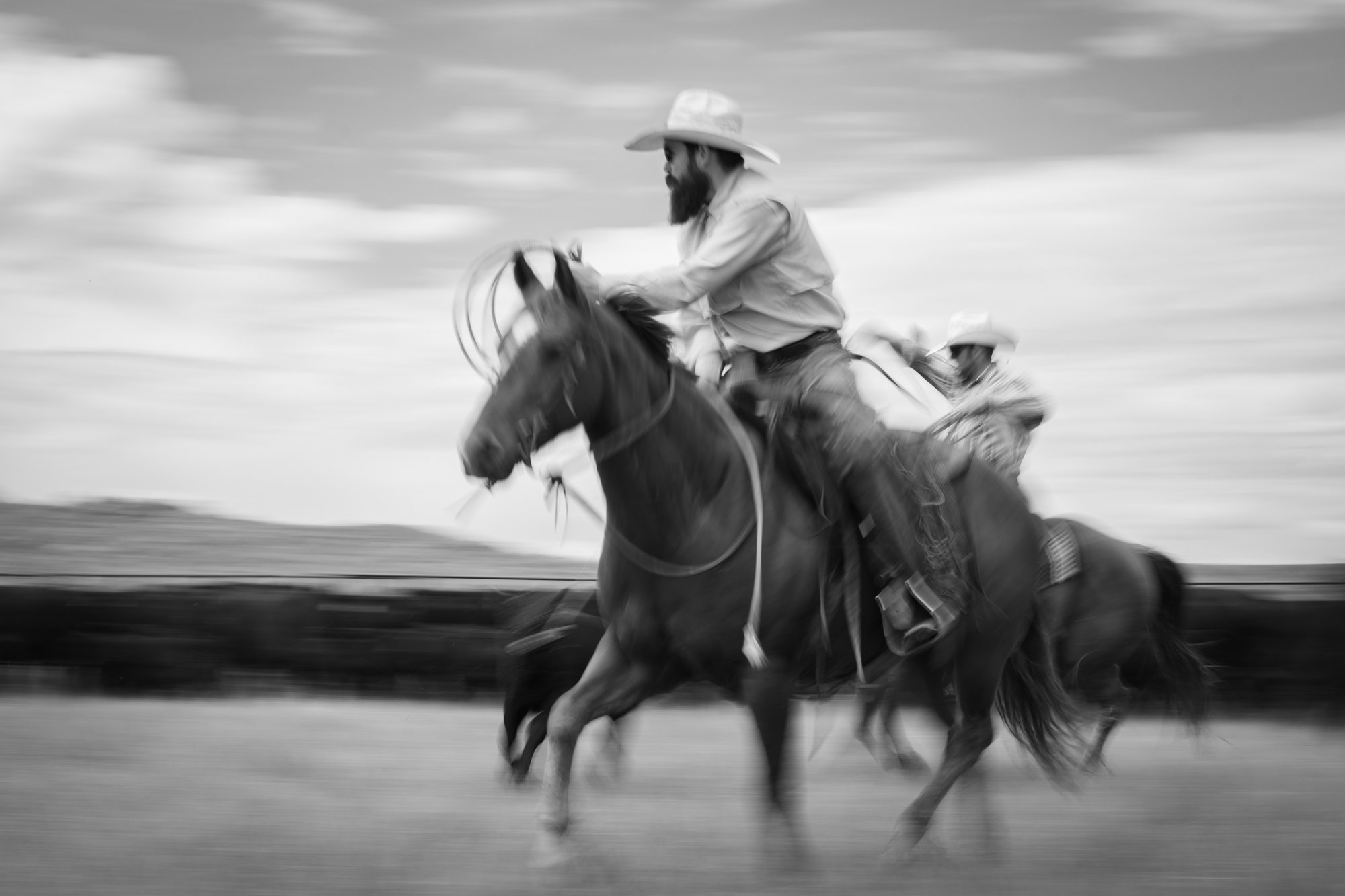
Photograph with motion blur of two cowboys in Montana roping a calf

Black and white photograph of two cowboys roping cattle on a ranch in Montana

Photograph of cowboys branding cattle on the OW Ranch in Montana

Authentic cowboy photography

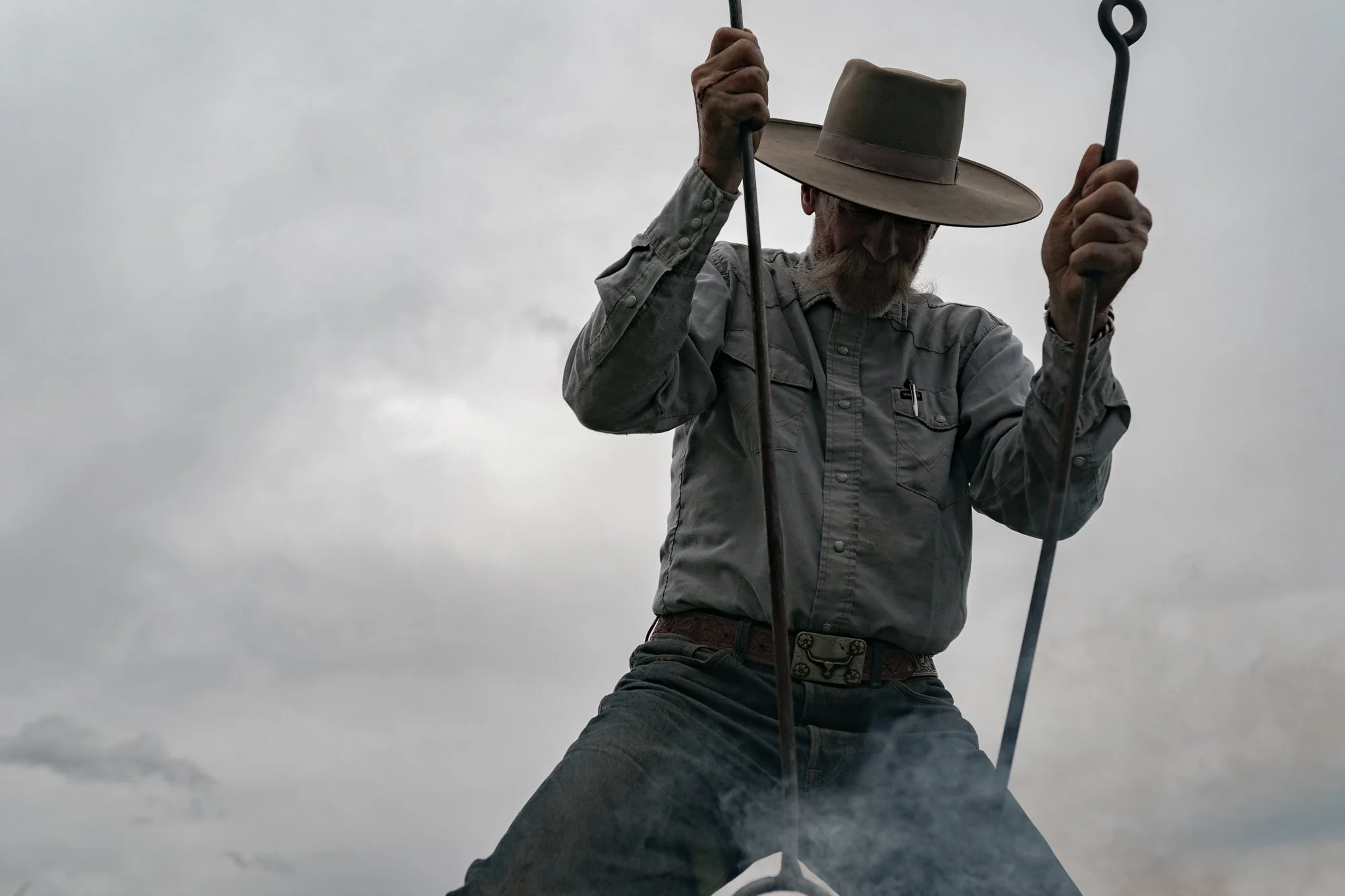
Black and white photograph of a cowboy covered in smoke while branding a cow with two branding irons on the OW Ranch in Montana

Fine art photograph of cowboys branding cattle in Montana

Black and white portrait of two cowboy brothers in Montana

Portrait of two Montana cowboys in an old wood barn in Montana - Matt Clark and Gabe Clark

Black and white photograph of a cowboys horse grazing in open land

A cowboys horse grazing in an open landscape

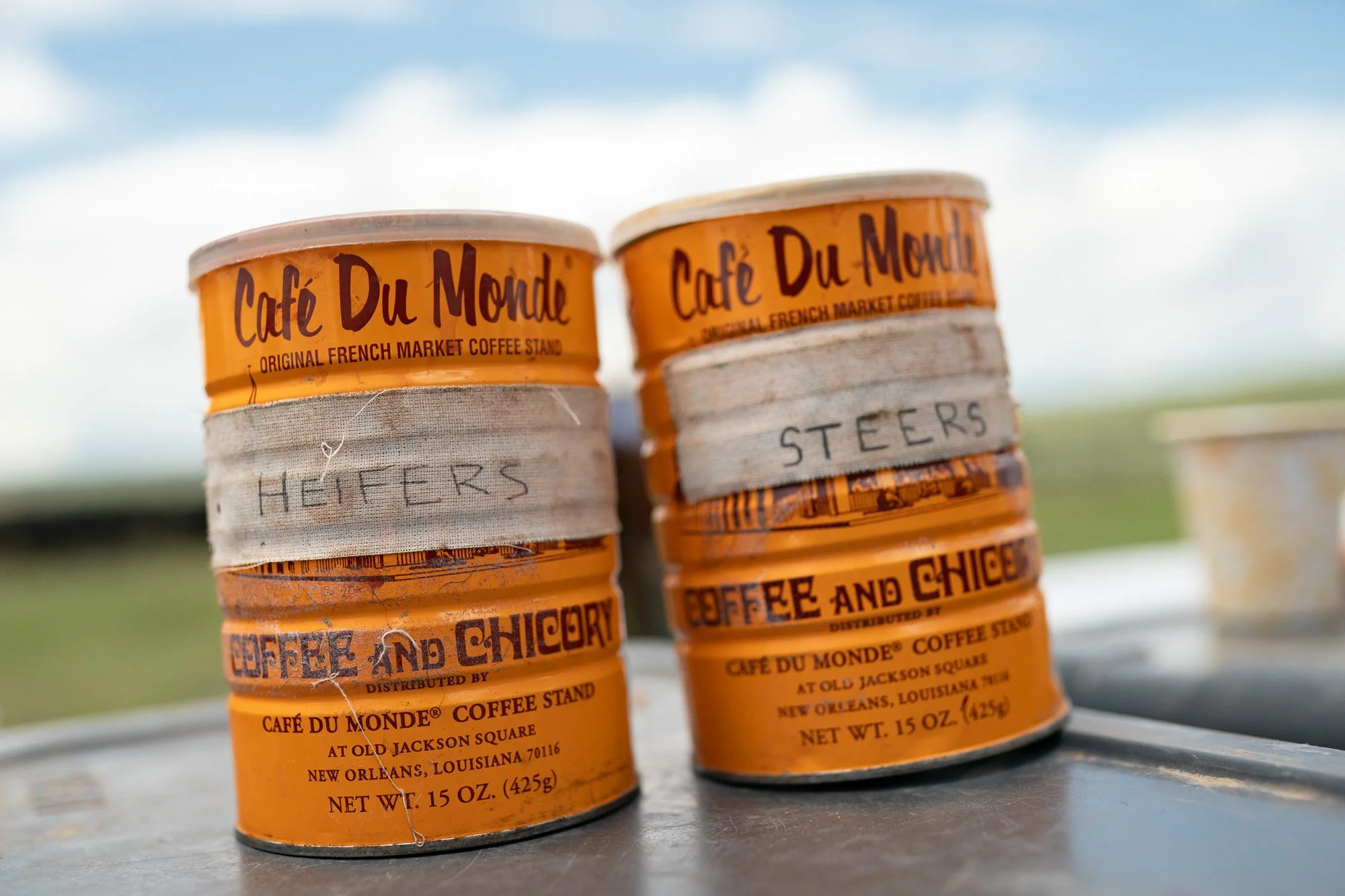
Photograph of two jars labeled "Heifers" and "Steers" used for ear tagging on a cattle ranch

Jar for ear tagging

Black and white photograph of cowboys drinking Coors Banquet Beer in an old cookhouse

Cowboys drink Coors Banquet Beer

Dramatic photograph of a cowboy branding a calf with two branding irons

Photograph of a cowboy branding cattle in Montana

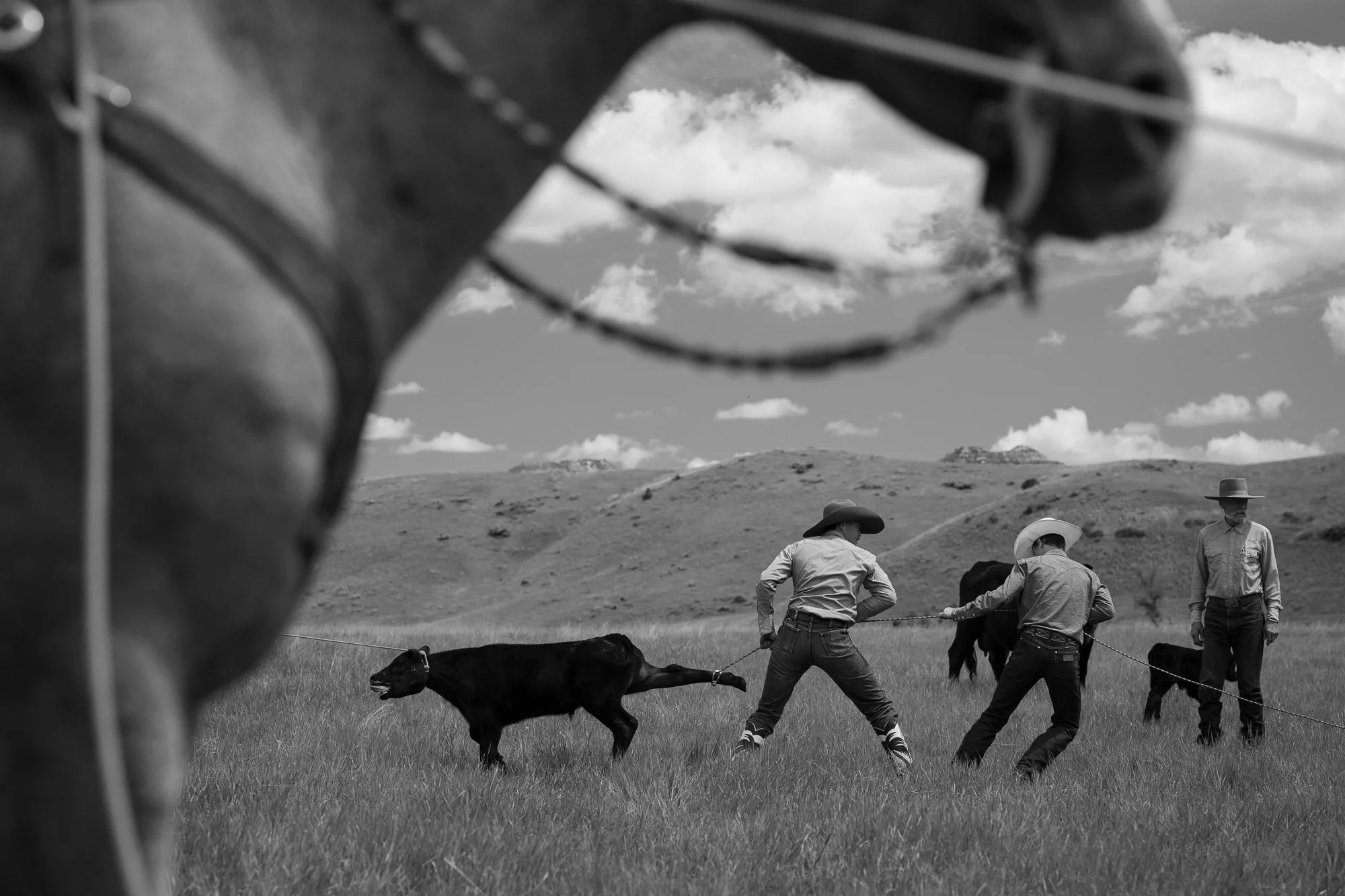
Black and white photograph of cowboys trying to pull down a calf during branding on the OW Ranch in Decker, Montana

Cowboys trying to wrestle down a calf

Photograph of a cowgirl injection a calf with vaccination on a working cattle ranch in Montana

Fine art photograph of a cowgirl at work on a ranch in Montana

Photograph of two cowboys in a pickup truck with their feet hanging out the open door

Photograph of two cowboy sitting in their truck on a cattle ranch in Montana

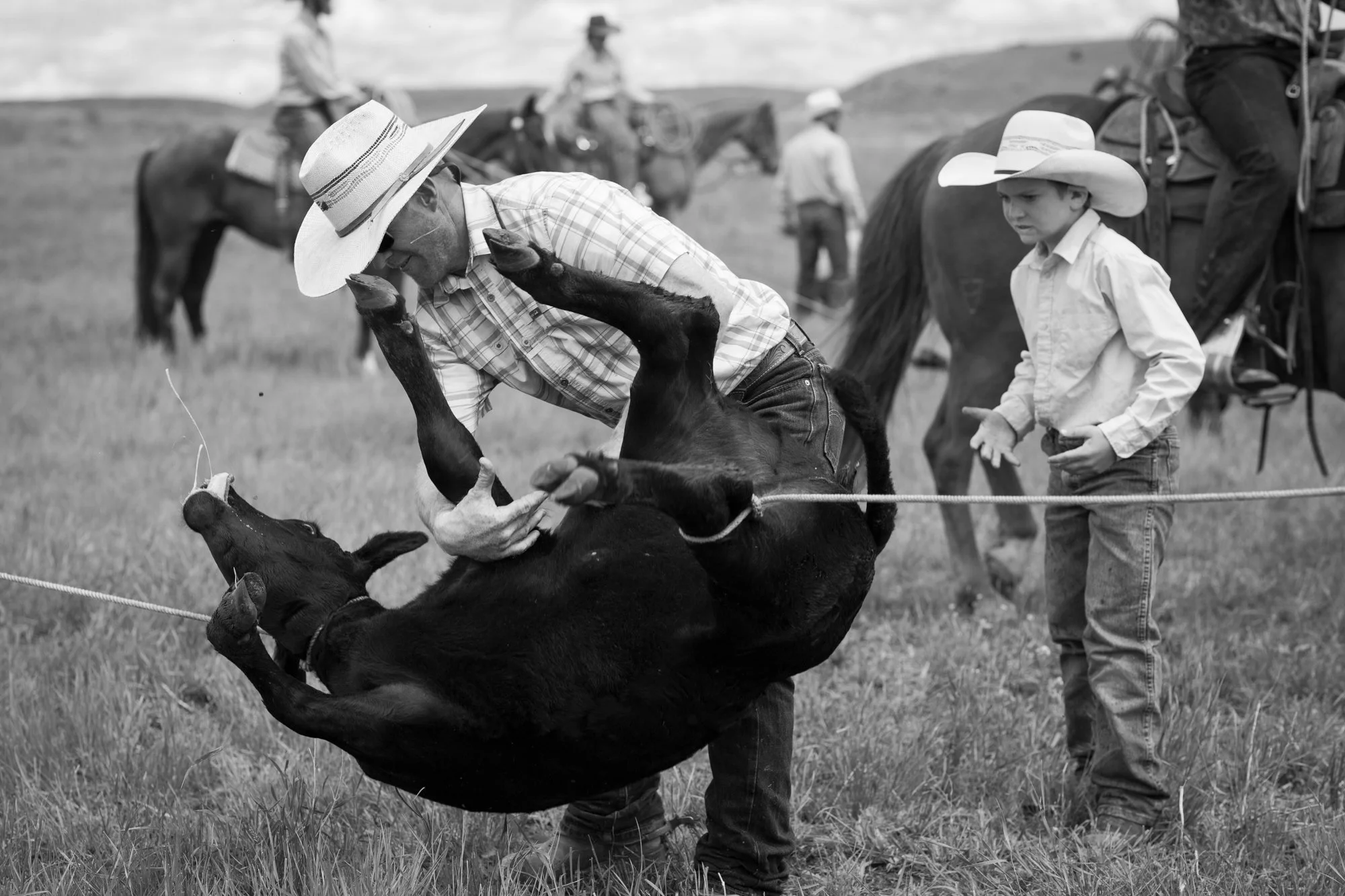
Photograph of a young kid watching a cowboy wrestle a calf while branding on a historic Montana Cattle Ranch

Black and white photograph of cowboys branding cattle in Montana

Black and white photograph of a cowgirl walking her horse out of a historic wood barn on the OW Ranch in Montana

Cowgirl walking her house out of an old wood barn

Photograph of three cowboys drinking beer out of solo cups in Montana

Cowboys drinking beer on a ranch in Montana

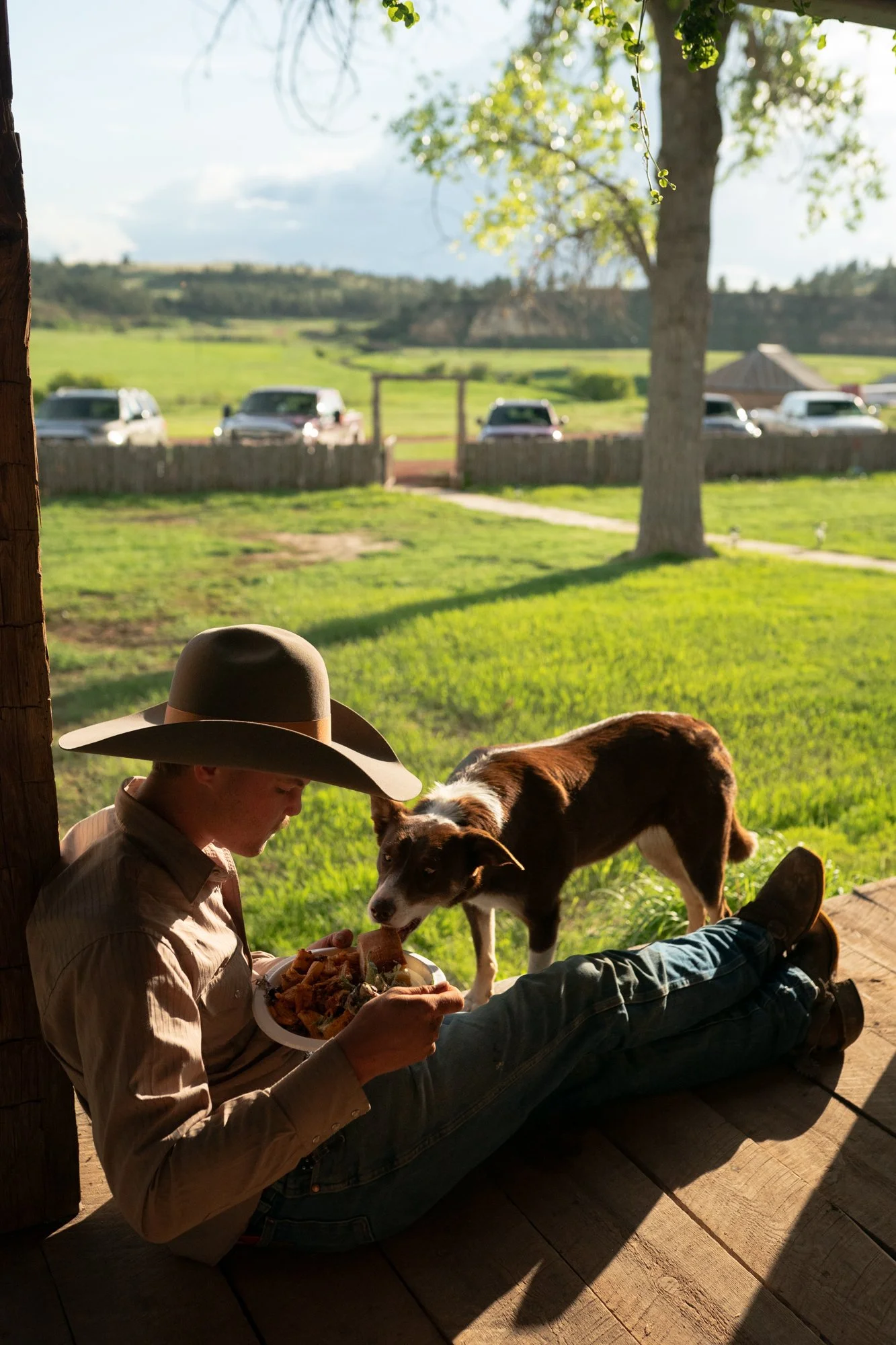
Photograph of a dog eating food off a cowboys plate at a cattle ranch in Montana

Dog eating food from a cowboys plate

Photograph of a sign on a cattle ranch that says "calves on road please slow"

Cowboy culture photography

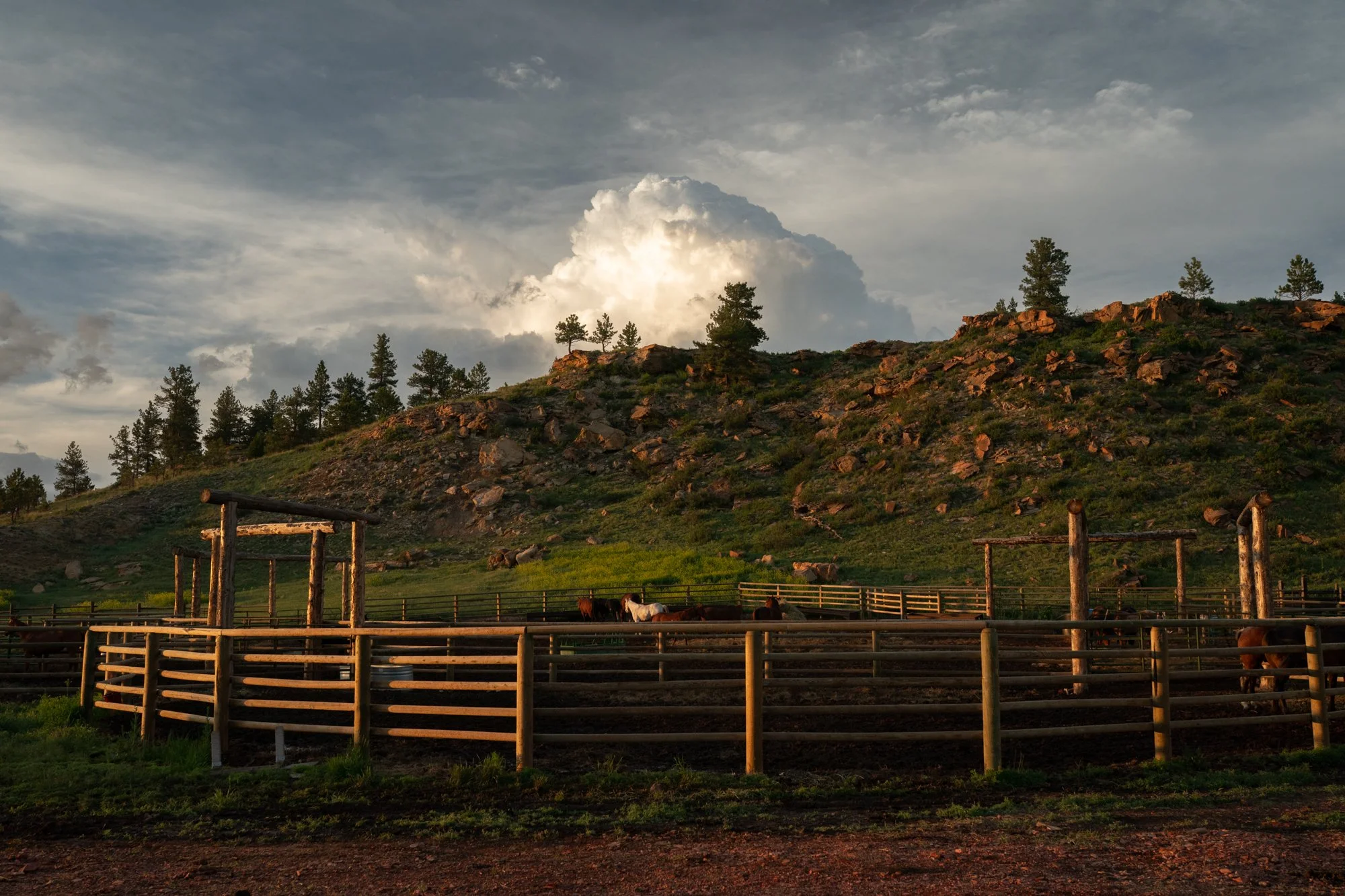
Photograph of wood horse corrals with dramatic clouds on the OW Ranch in Montana

Wood horse corrals at the OW Ranch - Montana

Lake George Nature Photography

Lake George Landscape Wall Art

Adirondacks in the Fall - Prints

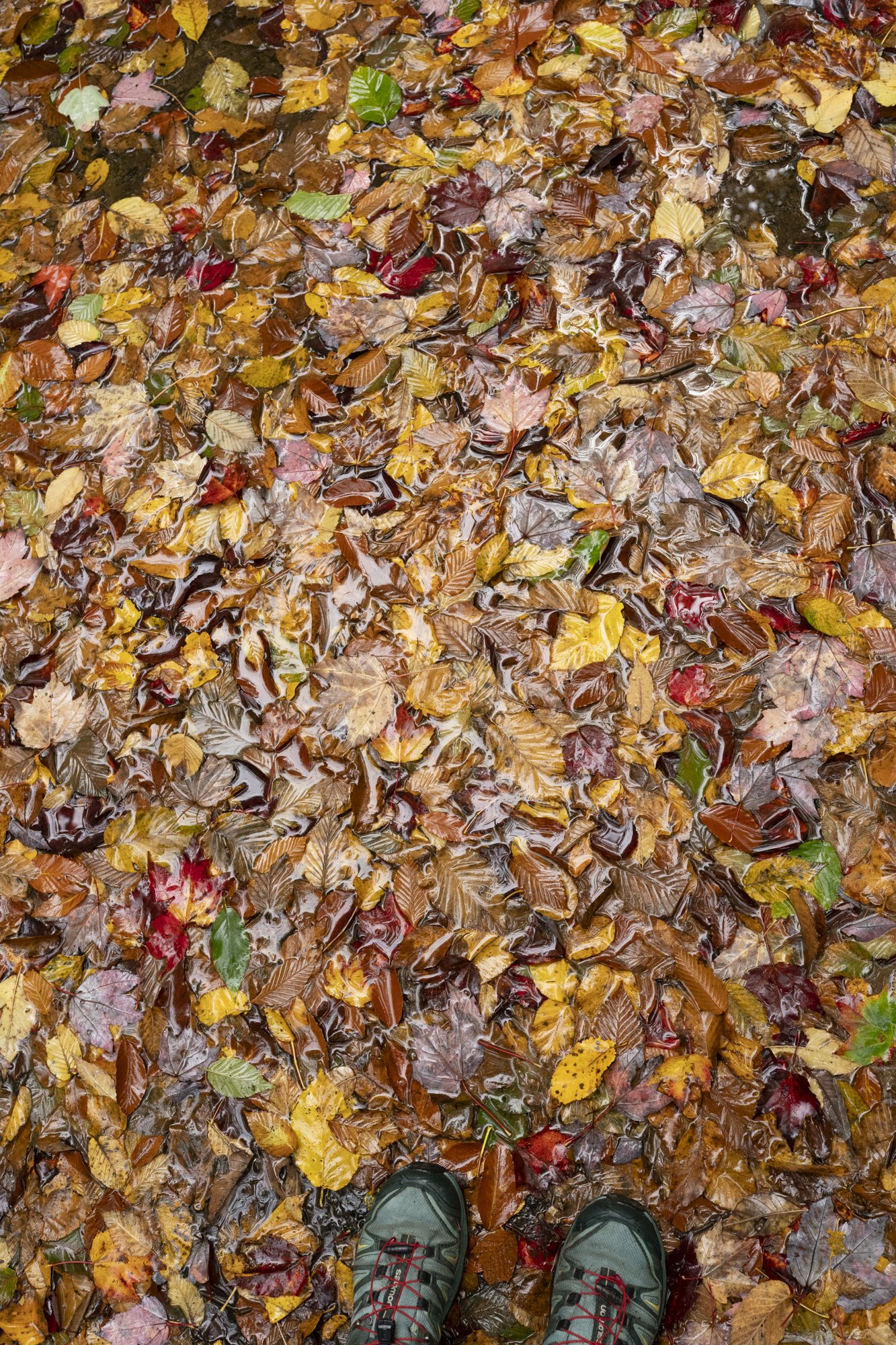
Feeling very grateful after spending the entire month of October in the Adirondacks, more specifically in Lake George, NY. And what a time it was to be there with the fall foliage in all it’s glory. After living in a place essentially without seasons (San Diego), it was refreshing to be around all that color. I did some shooting for a regional magazine which required a lot of hiking around the lake up Pilot Knob Trail, Black Mountain Trail, and Cat Mountain Trail. The main focus was to shoot hiking, but of course the surroundings were so inspiring that I had to make some landscape photographs along the way. Can you call these landscapes?? I suppose they are more abstract nature photographs.

Contact me directly about Lake George wall art. All of my images are available as prints in varying sizes for your home, office, or commercial space.

Black and white photograph of a forest in Lake George, NY

Fine art nature photograph in Lake George, NY - Adirondacks

Lake George, New York landscape photography

Lake George Nature Photography - Adirondacks

Photography print of the fall foliage in Lake George, NY

Lake George Nature Photography Prints

Photograph of a hike in Lake George, NY during the fall foliage

Fall foliage in Lake George, NY - Nature Photography

Landscape photography of a forest in Lake, George, NY during fall foliage

Nature Photography - Lake George, NY - Adirondack Prints

Black and white nature photograph of the forest in Lake George, NY

Black and white nature photography - Lake George, NY

Photography Books - American Culture

American Photography - Documenting Traditional Barbershops

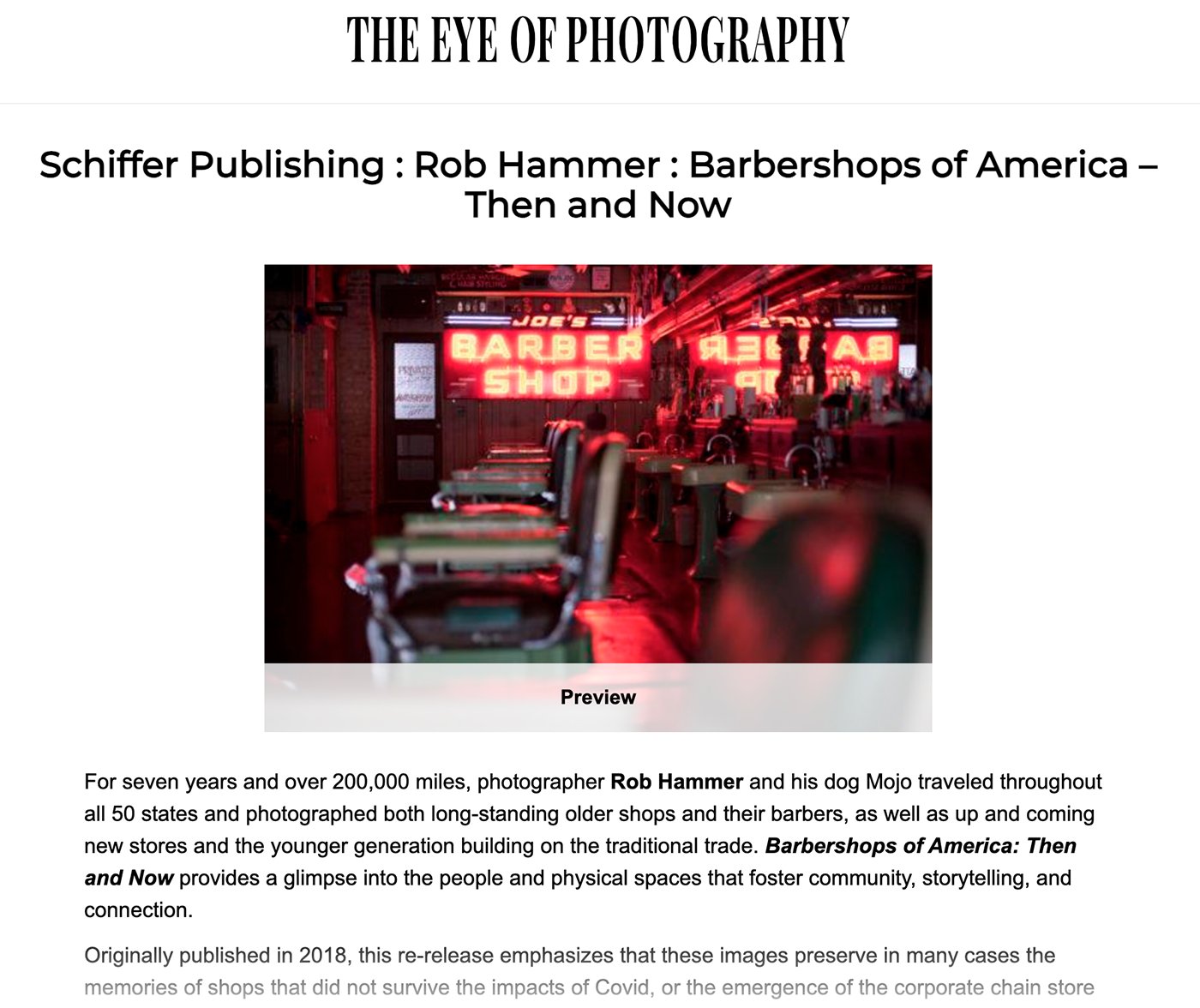
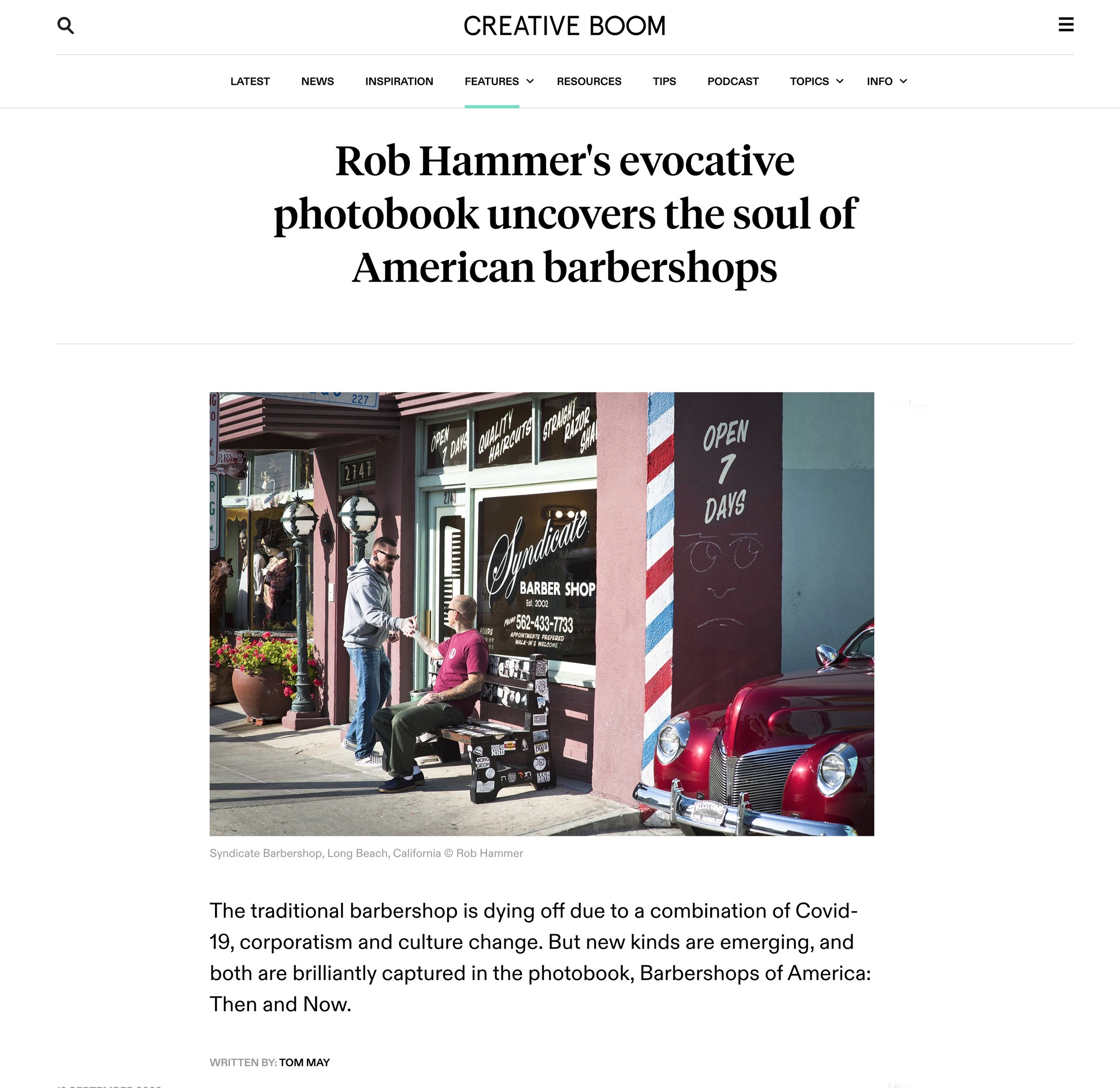
American photography as a genre is hard to define, especially when it comes to art collection and fine art photography. The term is so broad and leaves plenty of room for interpretation. One of my longest running series Barbershops of America fits into that category. Although it’s only been recently that I realized what’s been put together with this series is as much American photography as it is a historical document of a niche piece of American culture. And it occured to me the other day that getting a haircut is just a bonus to the experience you receive from being in a traditional barbershop. Grateful to see this project getting some exposure on Creative Boom and The Eye of Photography.

Click HERE to purchase a copy of Barbershops of American or HERE to purchase fine art prints.

Arizona Cattle Ranch

Cowboy Ranch Life in Arizona — A Working Ranch Photo Essay

Photographing a Working Cattle Ranch in Rural Arizona

Arizona ranching doesn’t look the way most people imagine it. There are no dramatic mountain backdrops or postcard moments waiting around every corner. Most days are quiet. Dry. Spread out. The work blends into the land in a way that feels almost invisible unless you slow down enough to notice it.

These photographs were made on a working cattle ranch in rural Arizona. No staging. No recreations. Just day-to-day ranch life as it happens — early mornings, long distances, and a rhythm that hasn’t changed much because it doesn’t need to.

Ranch work in Arizona is shaped by the environment more than anything else. The land dictates the pace. Heat, dust, and long distances through dense brush are part of every decision, and nothing happens quickly unless it has to. You feel that right away when you’re there.

What struck me most wasn’t any single moment, but how steady everything felt. Horses saddled without ceremony. Gates opened and closed out of habit. Work done without commentary. It’s not dramatic, but it’s real — and that’s what makes it worth photographing.

Ranching in Arizona Isn’t Romantic — It’s Practical

A lot of imagery of the American West leans hard into nostalgia. This place doesn’t ask for that. Ranching here is practical and stripped down. The landscape doesn’t allow for much excess.

The cattle are moved when they need to be moved. The horses are tools as much as companions. There’s very little separation between work and daily life, and no sense that anyone is trying to preserve an image for the sake of outsiders. It simply exists.
That honesty is what drew me to photograph here.
The K4 Ranch

The photographs in this series were made at K4 Ranch, a working cattle operation where ranching still follows the land rather than trends. Like many ranches across Arizona, it operates quietly, without much outside attention, doing the same work it has for generations.
Places like this don’t always make headlines, but they form the backbone of ranching culture in the Southwest. They’re also disappearing faster than most people realize.

Why Photograph Places Like This

I’ve spent years photographing working cowboys and ranches across the American West, and the more time I spend in places like this, the more important it feels to slow down and document them honestly.

Not to turn them into symbols — but to show what’s actually there.

These photographs aren’t meant to romanticize ranch life or explain it. They’re simply a record of people working, land being used, and traditions continuing without much concern for being noticed.

Arizona Cowboy Photography Prints

Photographs from this Arizona ranching series are available as museum-quality fine art prints. Each print is produced in small editions and made to live with — not just be scrolled past.

View available cowboy photography prints

This story is also part of a larger, ongoing project documenting real working cowboys and ranch life across the American West.

View the complete cowboy photography gallery

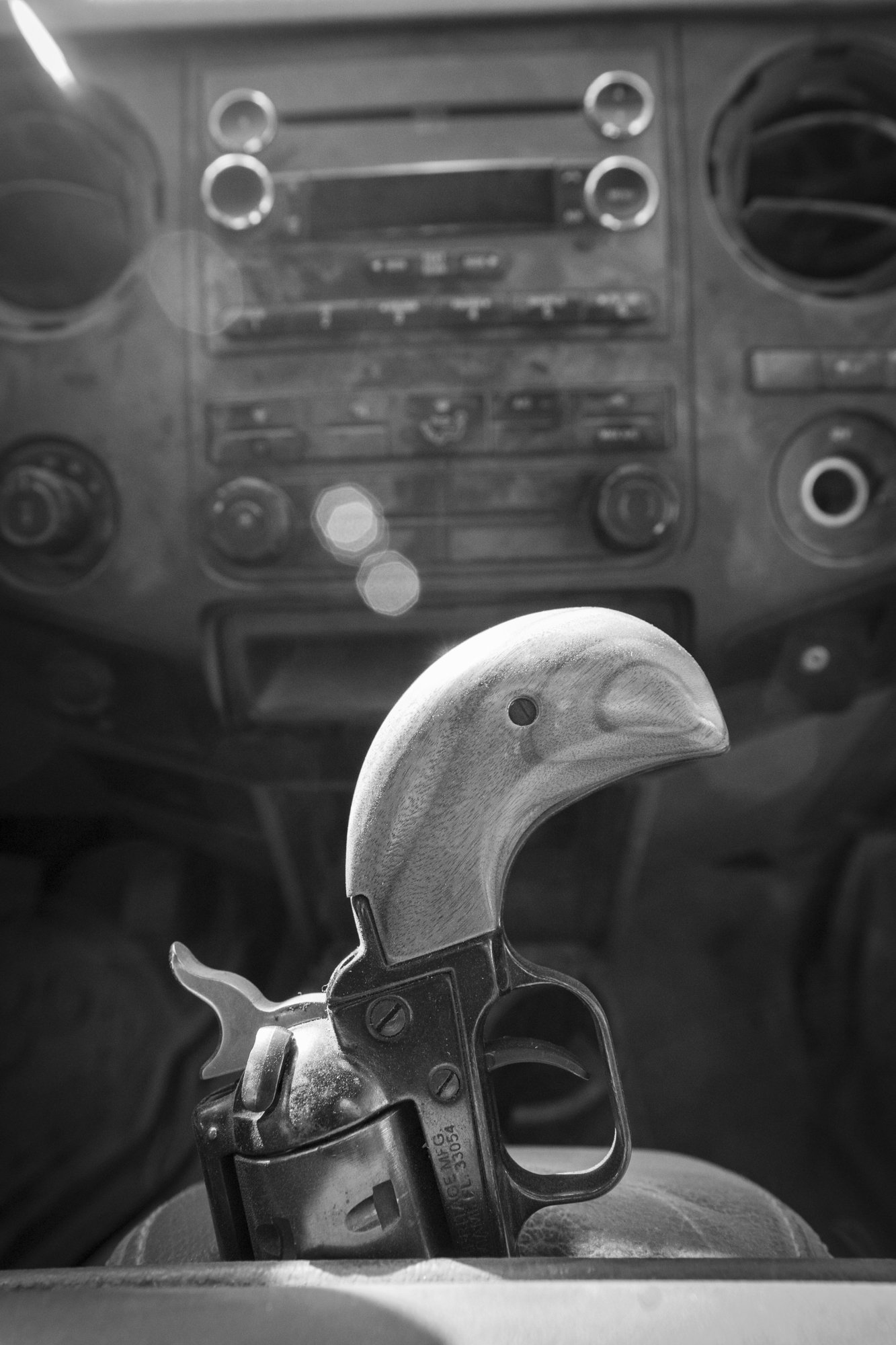
Photograph of a revolver gun in the console of a cowboy's pickup truck

A cowboy’s revolver

Black and white photograph of husband and wife cowboys

Brady and Marianne Clark - Cowboys

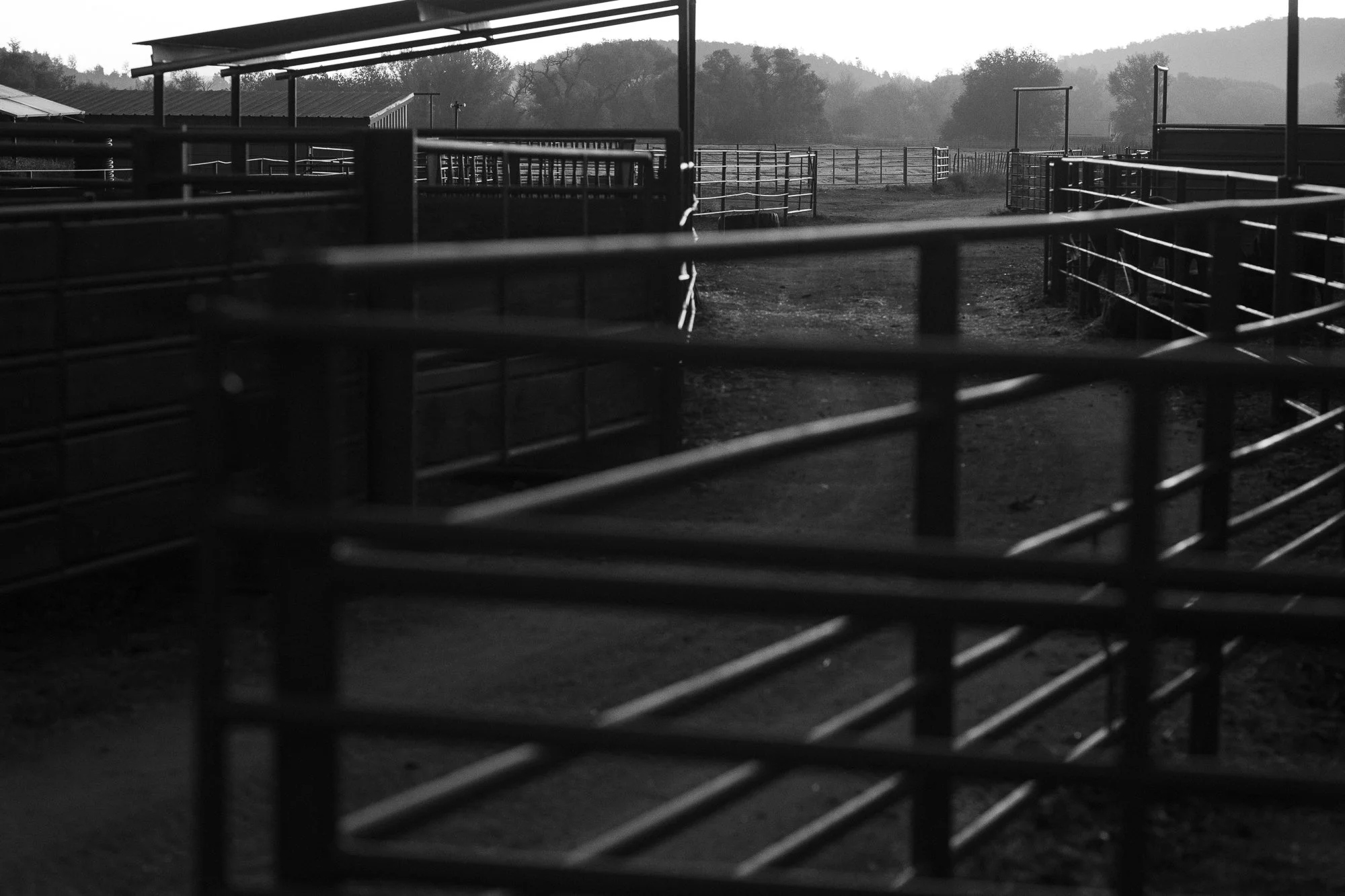
Early morning light illuminates corrals on a working ranch in Arizona

Horse corrals on the K4 Ranch in Prescott Arizona

Black and white photograph of a cowboy on an Arizona cattle ranch

Brady Clark - Cowboy

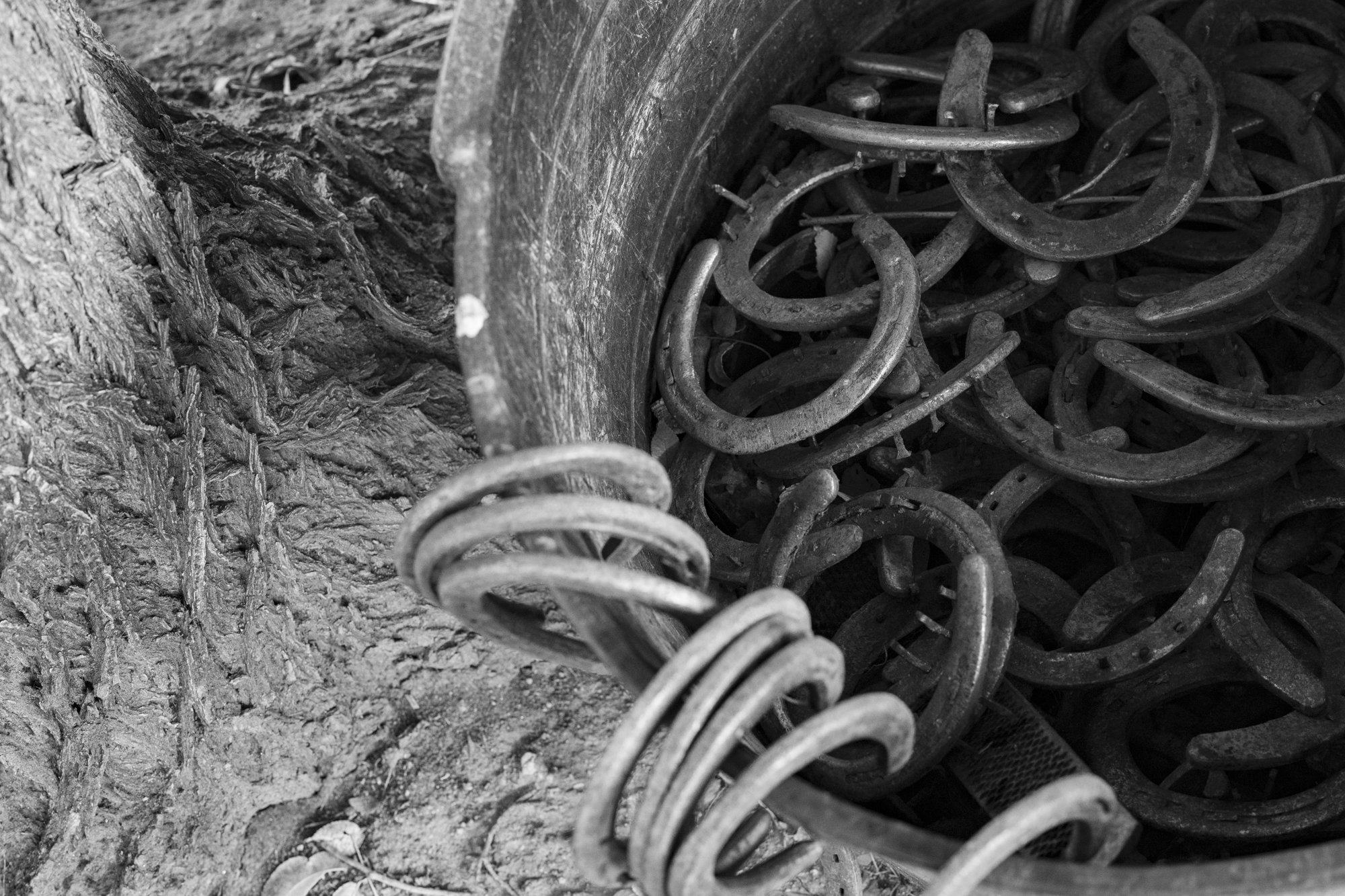
Photograph of a bucket of horseshoes on a cattle ranch in Arizona

Photograph of used horseshoes sitting in a bucket on a cattle ranch in Arizona

Photograph of a cowboy riding through thick brush on an Arizona cattle ranch

Cowboy riding through thick brush

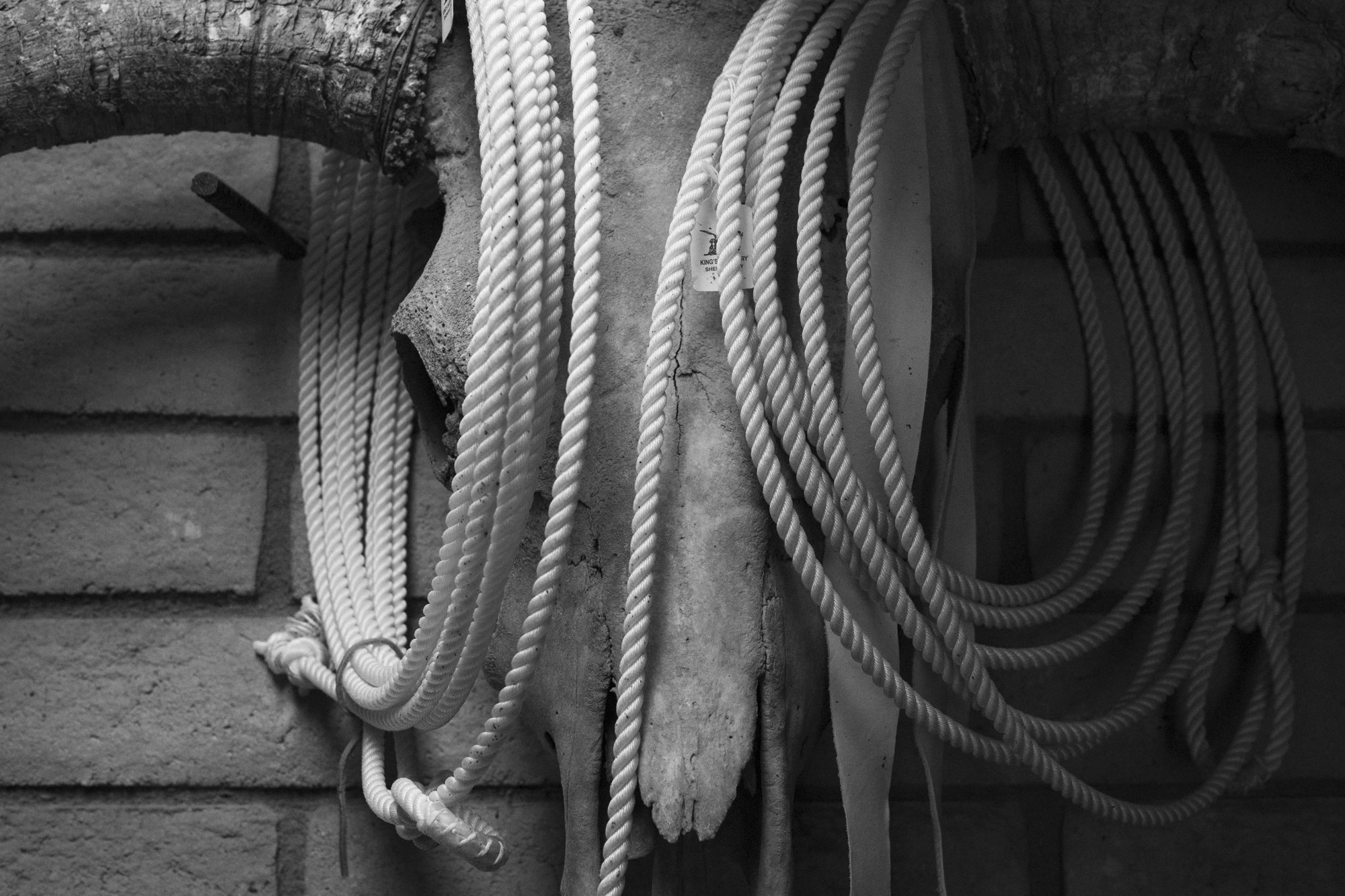
Cowboy lariats hanging on a cattle skull on a working ranch in Arizona

Ropes from King’s Saddlery hang on a cow skull on the K4 Ranch in Prescott, Arizona

Photograph of a working Arizona cowgirl on her horse in a thick forest

Working Arizona cowgirl - Marianne Clark

Photograph of a cowboys roping dummy

Photograph of a roping dummy on a cattle ranch in the American West

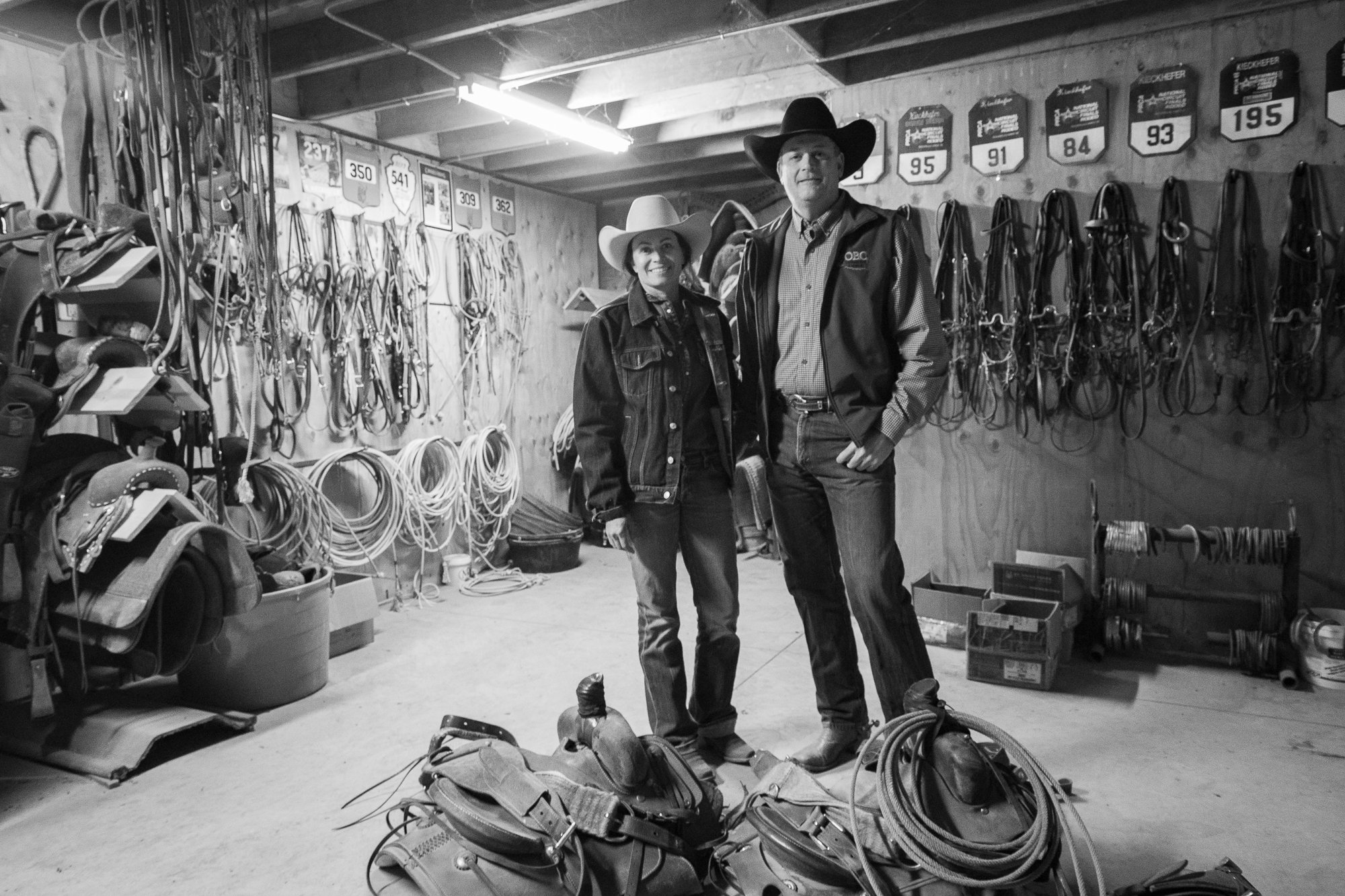
Rick and Sarah Kieckhefer - owners of the largest cattle ranch in the Southwest United States

Rick and Sarah Kieckhefer - Arizona cattle ranchers

Photographs of a cowboys horse shoeing station on a Arizona cattle ranch

A cowboy’s shoeing station for his horse on a cattle ranch in Arizona

Black and white photograph of male and female cowboys mounting horses in Arizona

Arizona cowboys getting on their horses before a day of work

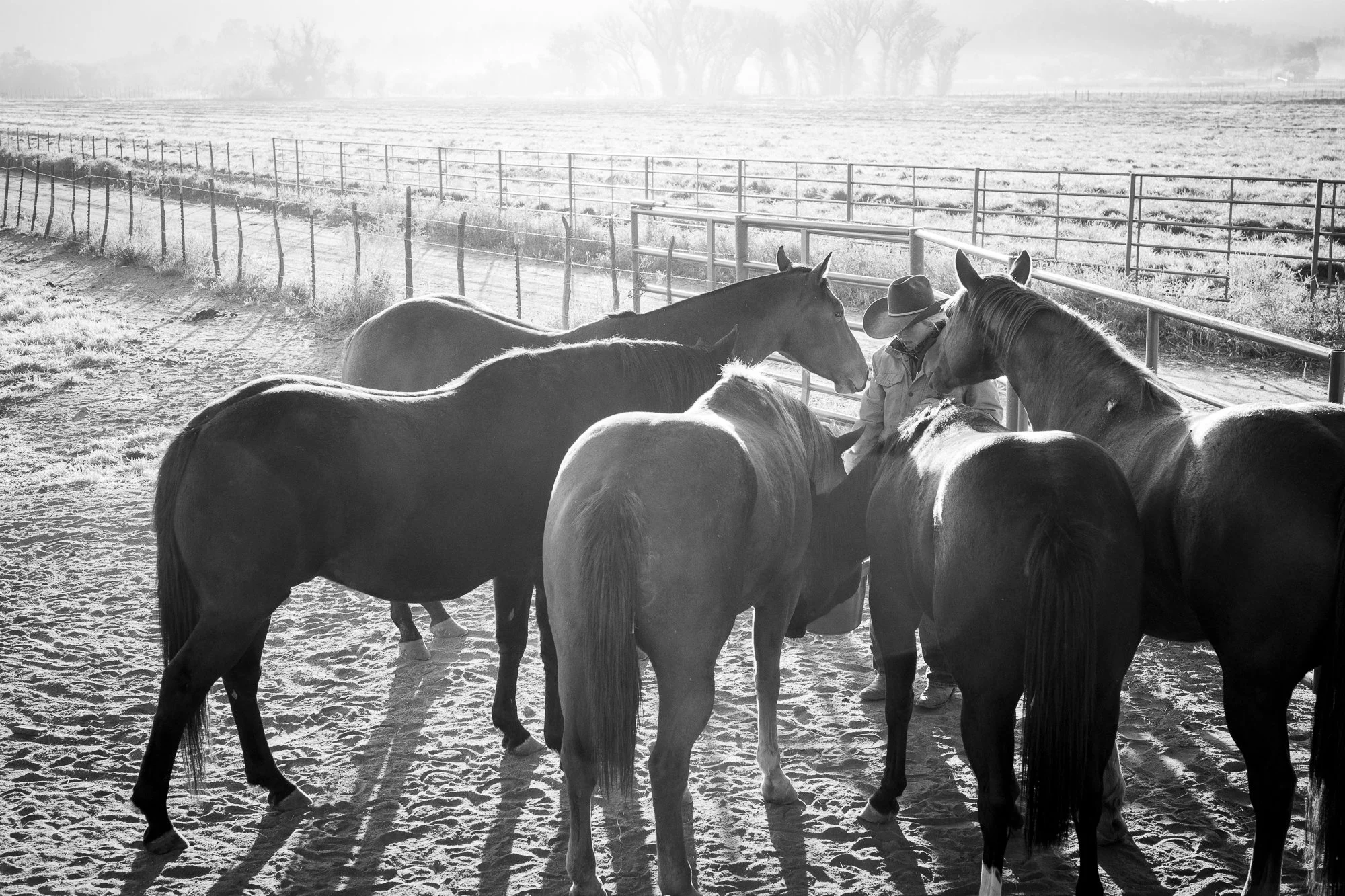
Black and white photograph of a cowgirl feeding horses on a beautiful cattle ranch

Cowgirl feeding horses

A cowboy riding his horse an an Arizona cattle ranch

Horses running free on an Arizona cattle ranch

A cowgirl puts her world champion saddle back in the saddle house on a cattle ranch

World Champion Cowgirl

Photograph of a cowboy saddling his horse on the K4 Ranch in Prescott, Arizona

Saddling a horse on the K4 Ranch in Prescott, AZ

Photograph of an Arizona cowgirl riding her horse through dense forest

Arizona cowgirl riding her horse through rough forest

Photograph of a three legged cattle dog

3 legged cattle dog

Barbershop Photography

Traditional American Barbershops

One of the best/hardest parts of working on long term projects focused on one subject matter is the bar is always rising. And that has definitely been the case for Barbershops of America. Traditional shops are a dying breed as is, and after seeing countless shops (good and bad) over the past 10 years, I’ve become quite specific about which shops I want to include in this project. Despite lots of travel and searching for shops over the past year+, the efforts have been fruitless, finding almost nothing worthy of documentation. Sort of hard to believe, actually. Searching for that long without positive results can make you think hard about the project. Is it done? Have I truly found and photographed all the remaining traditional barbershops in America? All of that doubt was erased recently after finding two incredible shops. Nicholson’s Barbershop in Raleigh, NC has been around for 40 years and Patsy’s Barbershop in Albany, NY first opened its doors in 1930! I was born in Albany, lived nearby for 25 years, have been going back at least twice a year for the past 18 years, and just last week discovered Patsy’s. Even more strange, the current owner is a former bouncer that used to, for good reason, throw my friends and I out of the bar. Funny how life works.

Click here to purchase a copy of Barbershops of America

The best barbershop in Raleigh, North Carolina

Nicholson’s Barbershop - Raleigh, North Carolina

Photograph of a barber's hands
Photograph of a traditional barbershop in Raleigh, North Carolina
The best barbershop in Albany, NY

Patsy’s Barbershop - Albany, NY

Photograph of a beautiful traditional barbershop in Albany, NY

Traditional barbershop in Albany, NY