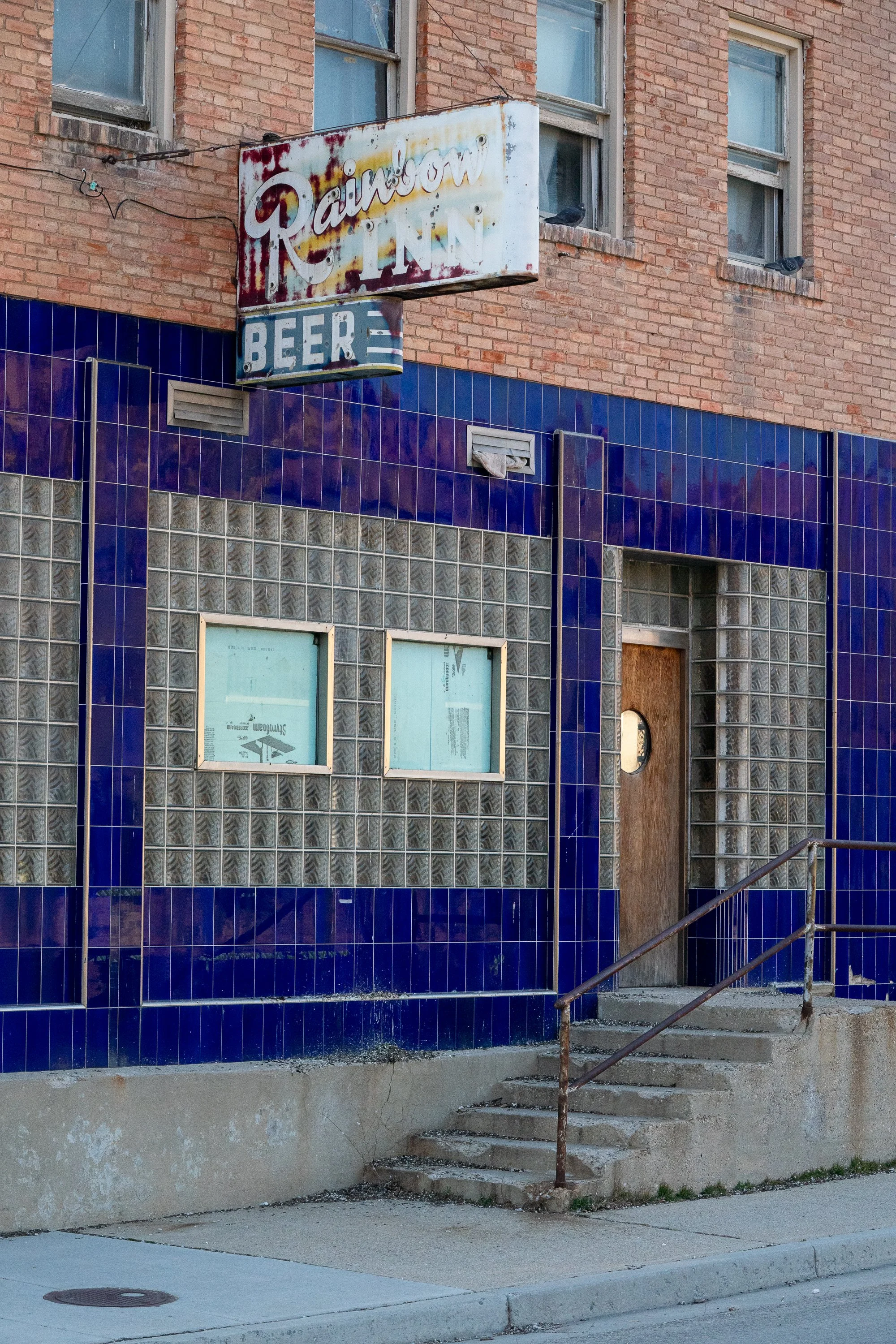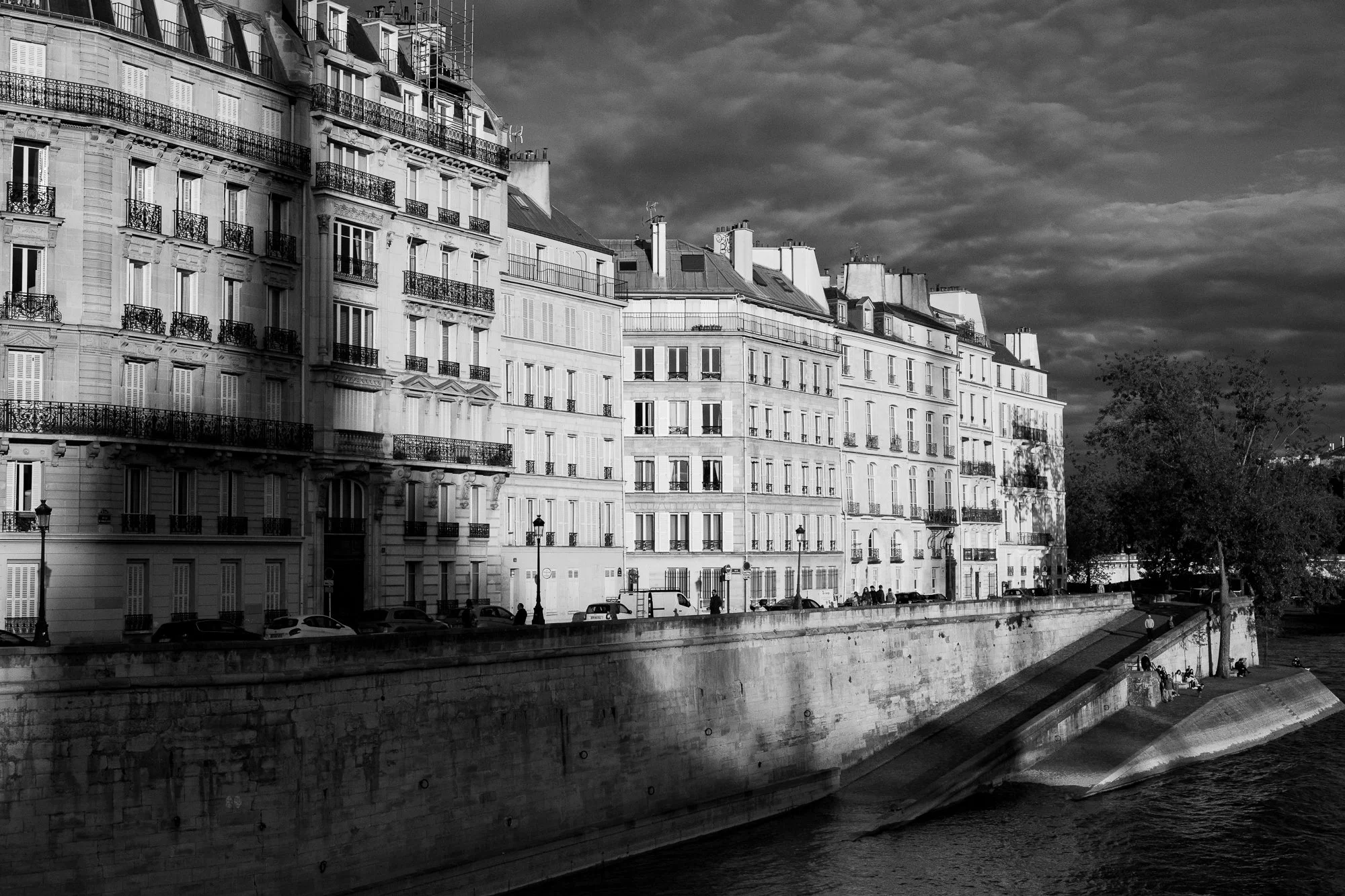
Leadville Colorado Wall Art Prints – Fine Art Photography

Leadville, Colorado Wall Art

Photographs of The Two Mile High City

Sitting at 10,151 ft above sea level, Leadville is one of Colorado’s more unique towns, and that’s saying a lot for a state with such incredible mountain culture. Not a big place but it’s still racked up a number of nicknames over the years: The Two Mile High City, Oro City, Cloud City, and Slab Town. That alone provides a great hint into Leadville’s rich mining history that began in 1859 during the Pike’s Peak Gold Rush, and that hunt for gold, silver, and lead continued for 130 years. Visiting the small town today, you can still feel what Leadville once was, and that’s a lot of the draw. Only 2 hours from Denver, but it feels a world away, with unprecendented views of the surrounding mountains and no crowds. The architecture is gorgeous and well preserved in a lot of cases like the Delaware Hotel which first opened in 1886. Of course the local jewel is the Silver Dollar Saloon. You’d be hard pressed to find another like it anywhere in the country. Inside you can feel the years (established 1879), and that feeling only gets better once you learn more about it’s history with noted regulars like Doc Holiday! The most surprising part of Leadville is the fact that it has delicious food! I’d recommend checking out The Silver Llama Market and Eatery for breakfast and Treeline Kitchen for dinner. They are conveniently located right next to each other and Treeline has a great rooftop patio that’s open in the warmer months. Mineral 1886 also has good food for lunch and dinner.

Historic Buildings and Local Flavor

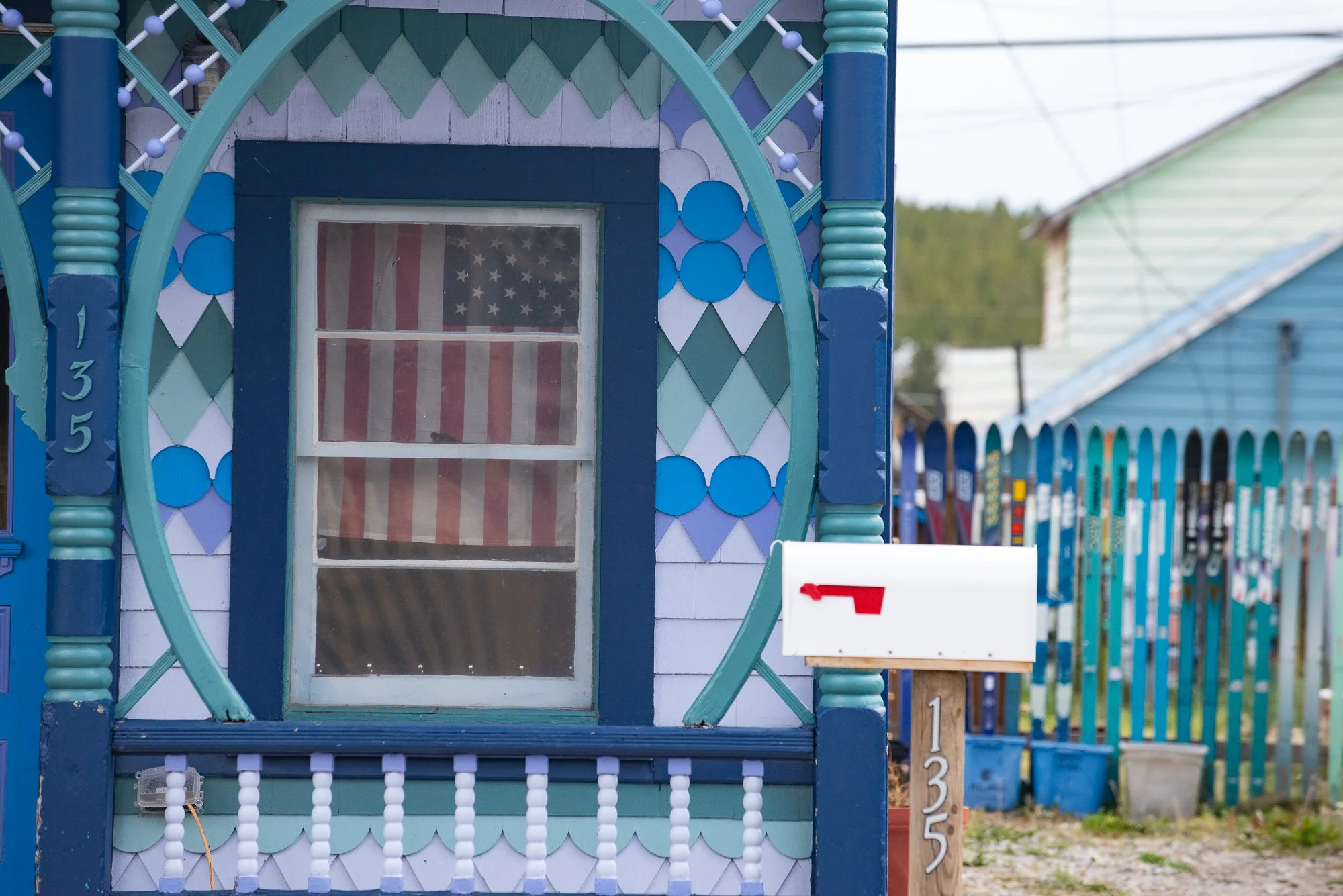
Walking through the neighborhoods is always fun because you’ll get a feel for daily life, and Leadville has some colorful houses that are intricately shingled. If you are looking for more of a workout, the Mineral Belt Trail (12 miles) can provide year round recreation with top notch views of the mountains and will take you up close to some of the old mining claims. Walking, running, and biking in the summer. Fat biking and cross country skiing in the winter. There is a nordic center just outside of Tennessee Pass and endless access to backcountry skiing/snowboarding from all routes in/out of town. And If there’s any reason this little hideaway would sound familiar, that’s because it’s home to one of the hardest mountain bike races in the country - The Leadville 100! That and Melanzana, which is supposedly on a year waitlist for hooded sweatshirts. Perhaps the most redeeming quality about their main drag though, is you won’t see a single chain restaurant or business. They are all locally owned and there is no mistaking that fact! Leadville is a gem of a place that you hope will retain it’s small town charm for decades to come. If you’re looking for a fun getaway with resort crowds, check out Leadville for a couple nights.

Get Your Leadville Print

If you’d like to have a little piece of Leadville to remember your trip and brighten your walls with Colorado culture, contact me directly about photography prints and custom framing options for your home, office, or commercials space. These photographs are also available for editorial and commercial licensing.

Photography print of downtown Leadville, Colorado

Leadville, Colorado Wall Art

Photograph of the Golden Burro Cafe in Leadville, Colorado

The Golden Burro Cafe - Leadville

Photography print of the Silver Dollar Saloon in Leadville, Colorado

Black and white photograph of the Silver Dollar Saloon in Leadville, CO

Black and white photograph of the bar inside the Silver Dollar Saloon in Leadville, Colorado

Photograph of the bar inside the Silver Dollar Saloon

Leadville, CO

Manhattan Bar - Leadville, CO

Photograph of High Mountain Pies Pizzeria in Leadville, Colorado

High Mountain Pies - Leadville, CO

Photograph of an American Flag hanging in the window of a house with colorful shingles and a ski fence in Leadville, CO

Colorful house in Leadville, CO

Photo print of the Silver Dollar Saloon in Leadville, CO

Leadville Saloon

Photograph of bar stools and the old tile floor in the Silver Dollar Saloon in Leadville, CO

Tile floor in the Leadville Saloon

Photograph of the interior of the saloon in Leadville, CO

Pool table and taxidermy inside the Silver Dollar Saloon - Leadville, CO

Hand painted beer sign on an old brick building in Leadville, CO

Beer - Leadville, CO
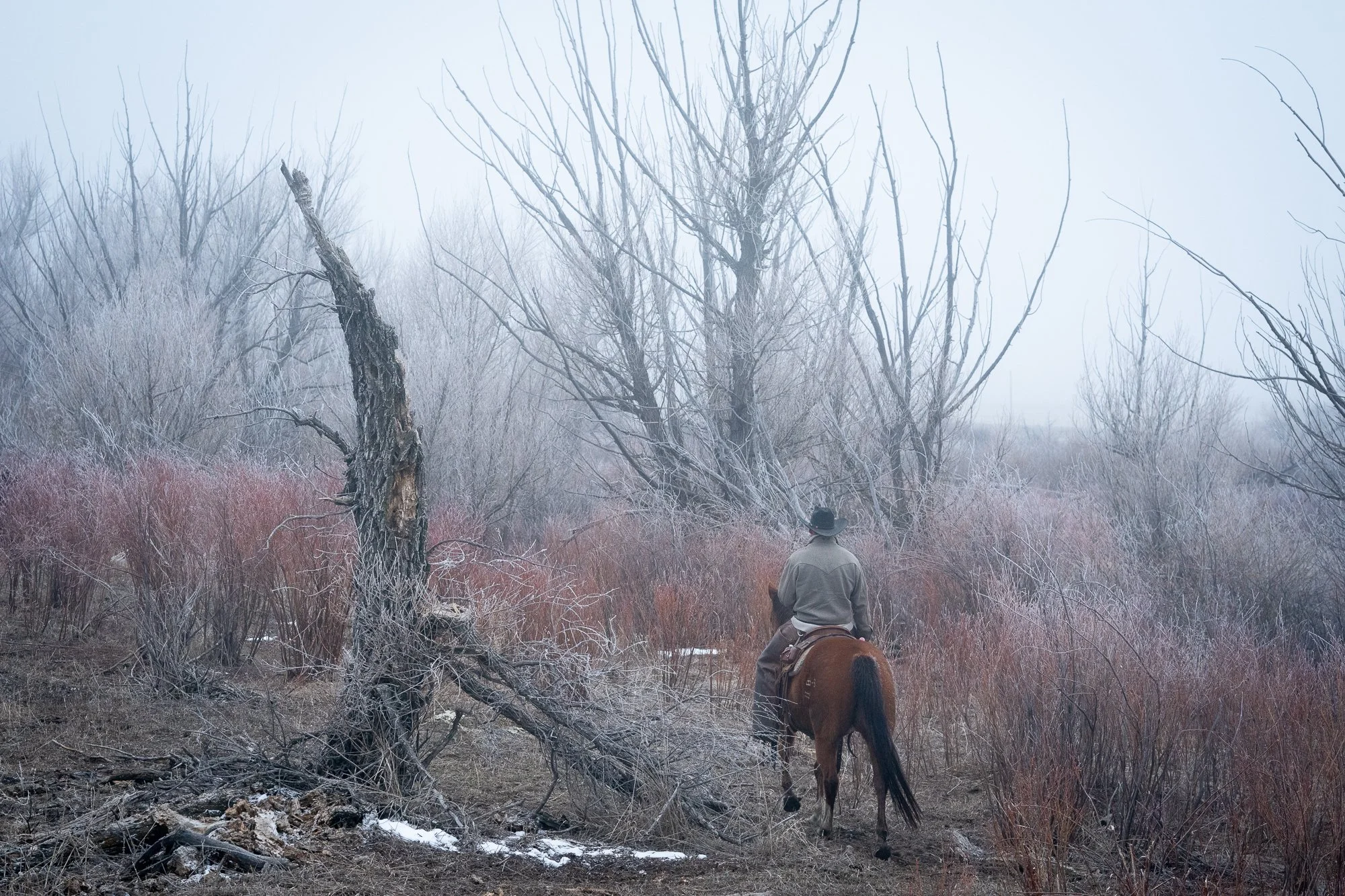
Photographing Western Apparel in Action

WESTERN LIFESTYLE PHOTOGRAPHER

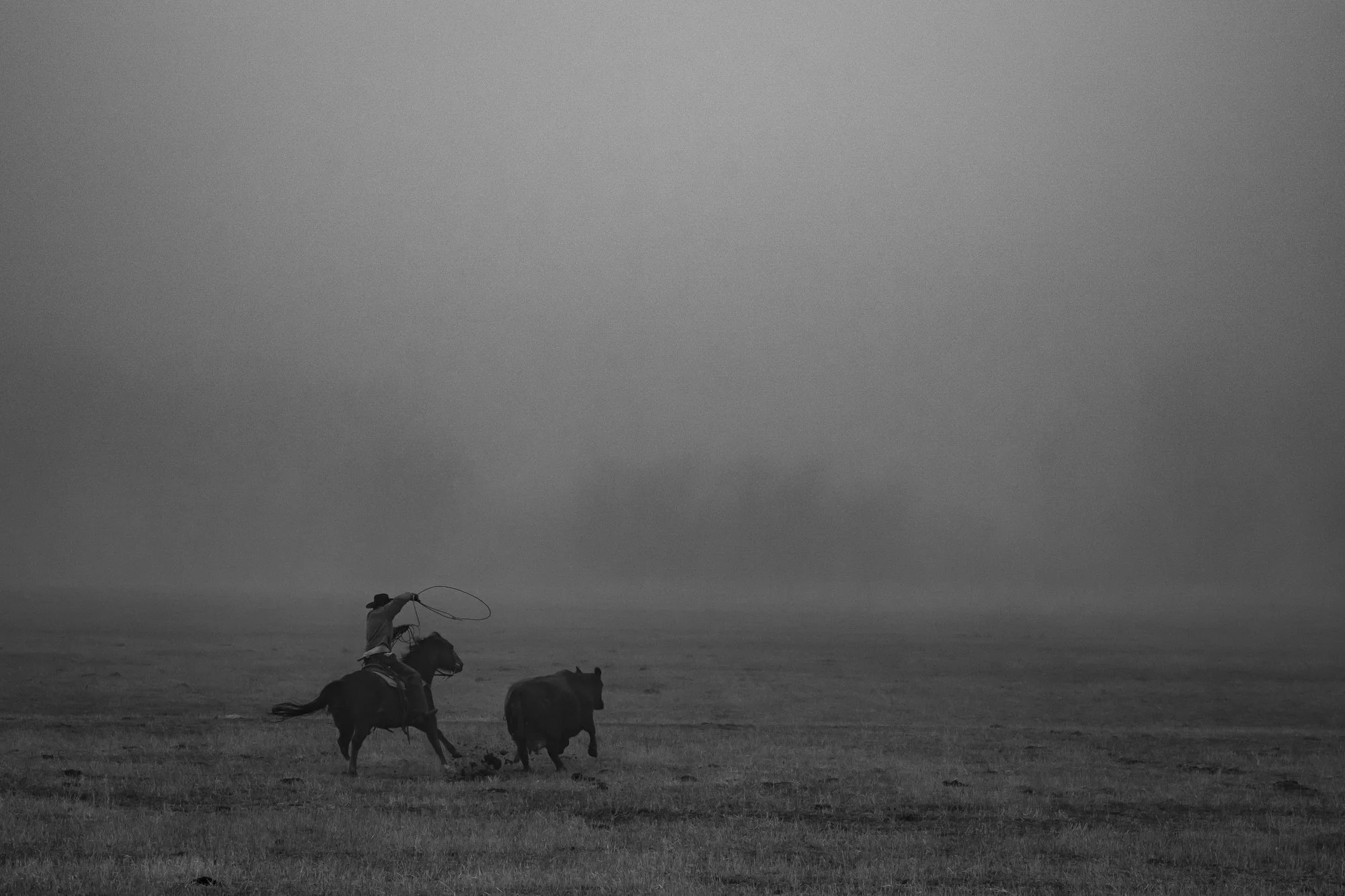
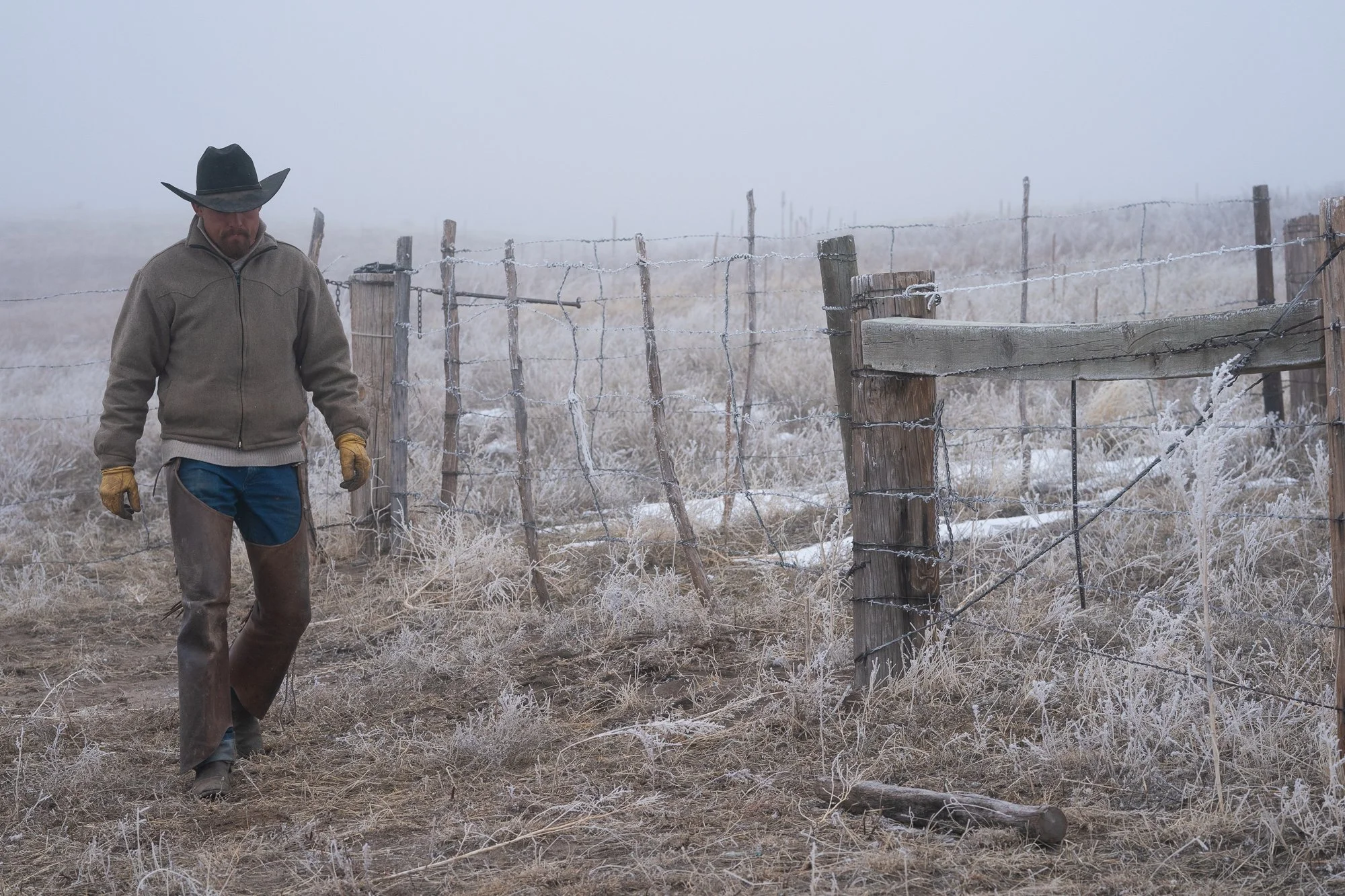
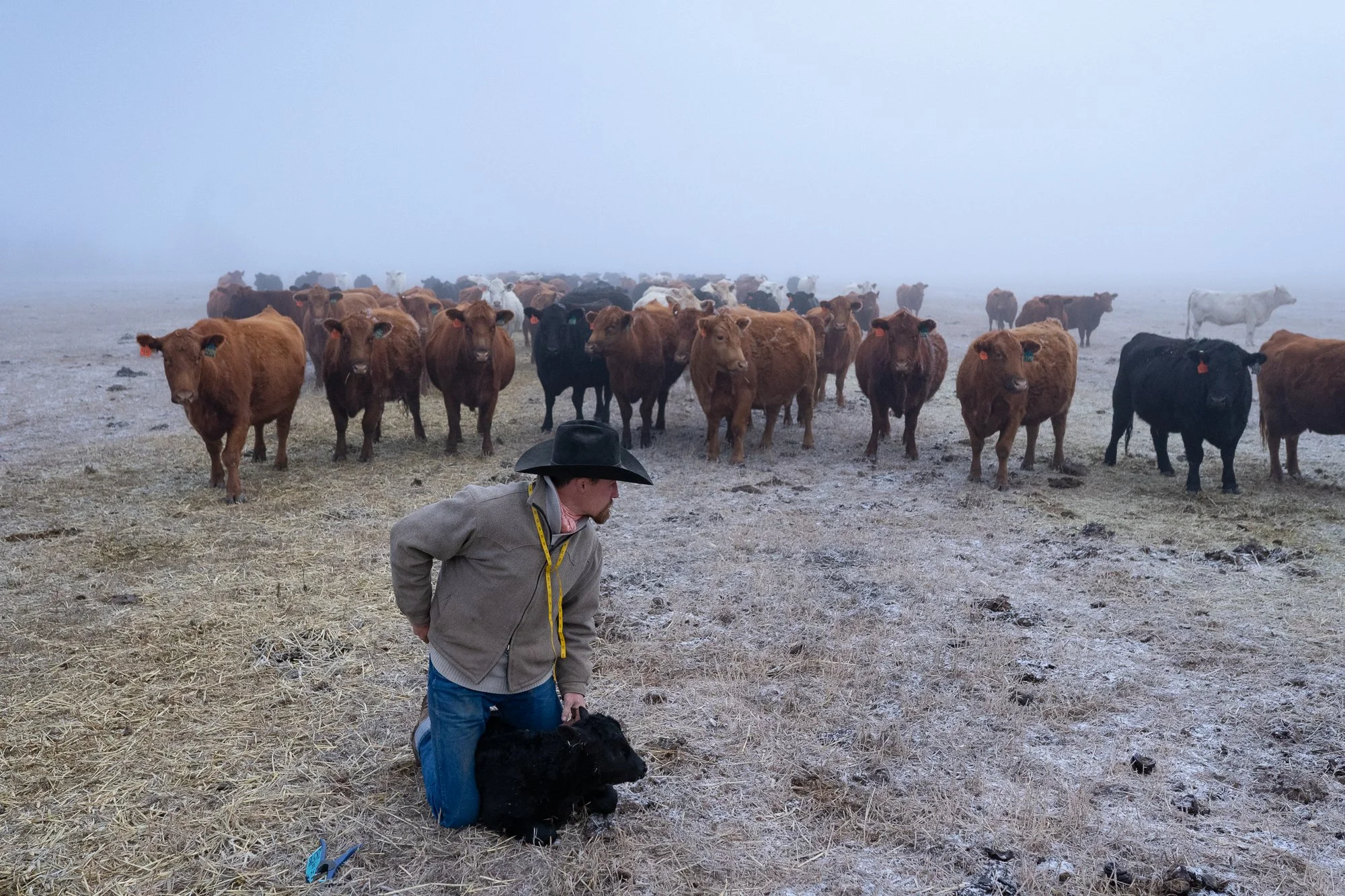
For more than six years I’ve been photographing real ranch life across the American West. What began as a personal curiosity about cowboy culture slowly turned into a long-term body of work documenting working cowboys, historic ranches, and the landscapes that shape life in cattle country.

Much of the photography labeled “Western lifestyle” today is staged or heavily stylized. My approach has always been different. The goal is simply to spend time on real ranches and photograph what naturally unfolds — long days horseback, early morning gathers, branding fires, and the quiet moments that happen between the work.

Those moments are where the real story of the American West lives.

Photographing Western Lifestyle and Ranch Culture

The culture surrounding ranch life runs deep. On most of the ranches where these photographs were made, traditions have been passed down through generations — how to work cattle, how to read the land, how to handle a horse.

When you spend enough time around ranches, you realize that the cowboy is not a character from a movie. He’s a working professional responsible for managing cattle, horses, land, and weather, often in some of the harshest environments in the country.

As a western lifestyle photographer, the goal is to photograph that reality honestly. There’s no need to manufacture moments when the work itself already contains so much character.

Some days the photographs happen during big events like branding or shipping cattle. Other days they happen quietly while riders move cattle across miles of open country under changing skies.

Working Cowboys of the American West

Much of this work is part of an ongoing project documenting the lives of working cowboys across the American West. Over the years I’ve been fortunate to spend time on several historic ranches where these traditions are still very much alive.

The photographs include moments from ranches such as the OW Ranch in Montana, the legendary 6666 Ranch in Texas, and buckaroo culture in Nevada.

Each place has its own history and rhythm, but the common thread is the same — a deep respect for the land, the animals, and the responsibility that comes with raising cattle.

Photographing these environments requires patience and trust. The best images usually come after spending enough time around the work that people forget the camera is there.

Western Lifestyle Photography for Brands and Publications

Authentic Western imagery has become increasingly important for brands and publications looking to tell real stories about the American West. Companies connected to ranching, agriculture, outdoor gear, and Western culture often need photography that reflects the real environments where their products and stories exist.

Because much of my work takes place on active ranches, the photography naturally reflects the landscape and culture of these places. That authenticity is often what brands and editors are looking for when they search for a western lifestyle photographer.

Rather than recreating Western imagery in controlled environments, the photographs are made where the work actually happens — in the saddle, in the dust, and under the same light that cowboys have worked in for generations.

A Long-Term Documentary Project

What started as a simple interest in cowboy culture has slowly grown into a larger documentary project focused on the traditions of ranching across the American West.

Over time the archive has expanded to include thousands of photographs capturing ranch work, cowboy life, and the landscapes that define cattle country. The project continues to evolve as new ranches, new people, and new stories become part of the work.

You can explore more photographs from this ongoing project here:

Working Cowboys of the American West

Working cowboy roping a calf on the Silver Spur Ranch in Colorado during cattle work.

Cowboy roping a calf on the Silver Spur Ranch in Colorado.

Portrait of a working cowboy photographed on a Colorado cattle ranch by western lifestyle photographer Rob Hammer.

Portrait of a working cowboy on a Colorado cattle ranch.

Cowboy tagging a calf during calving season on a Colorado ranch photographed as western lifestyle photography.

Tagging calves during spring cattle work.

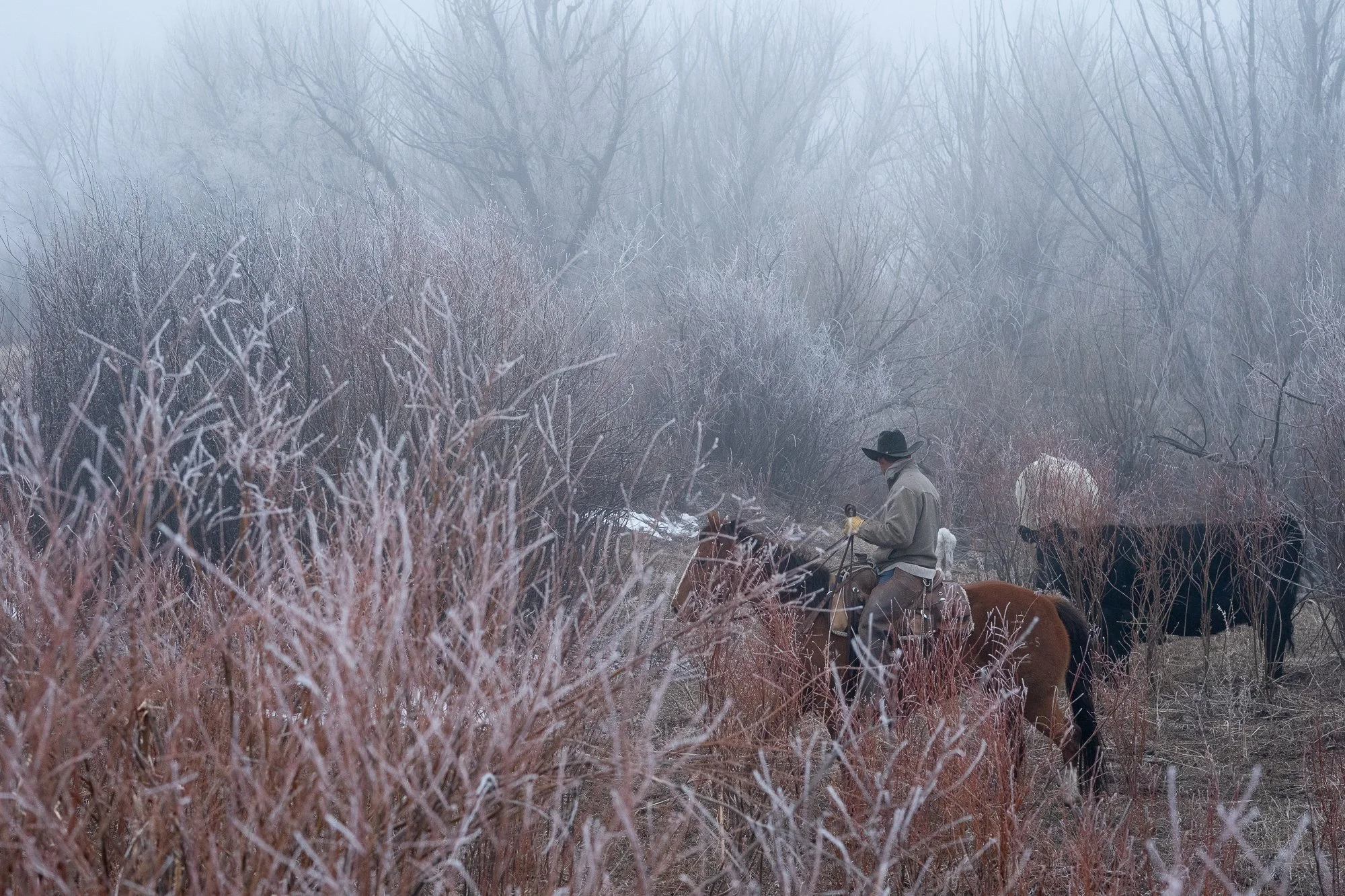
Working cowboy riding a horse through brush on a Colorado cattle ranch photographed in western lifestyle style.

Riding through thick country looking for cattle.

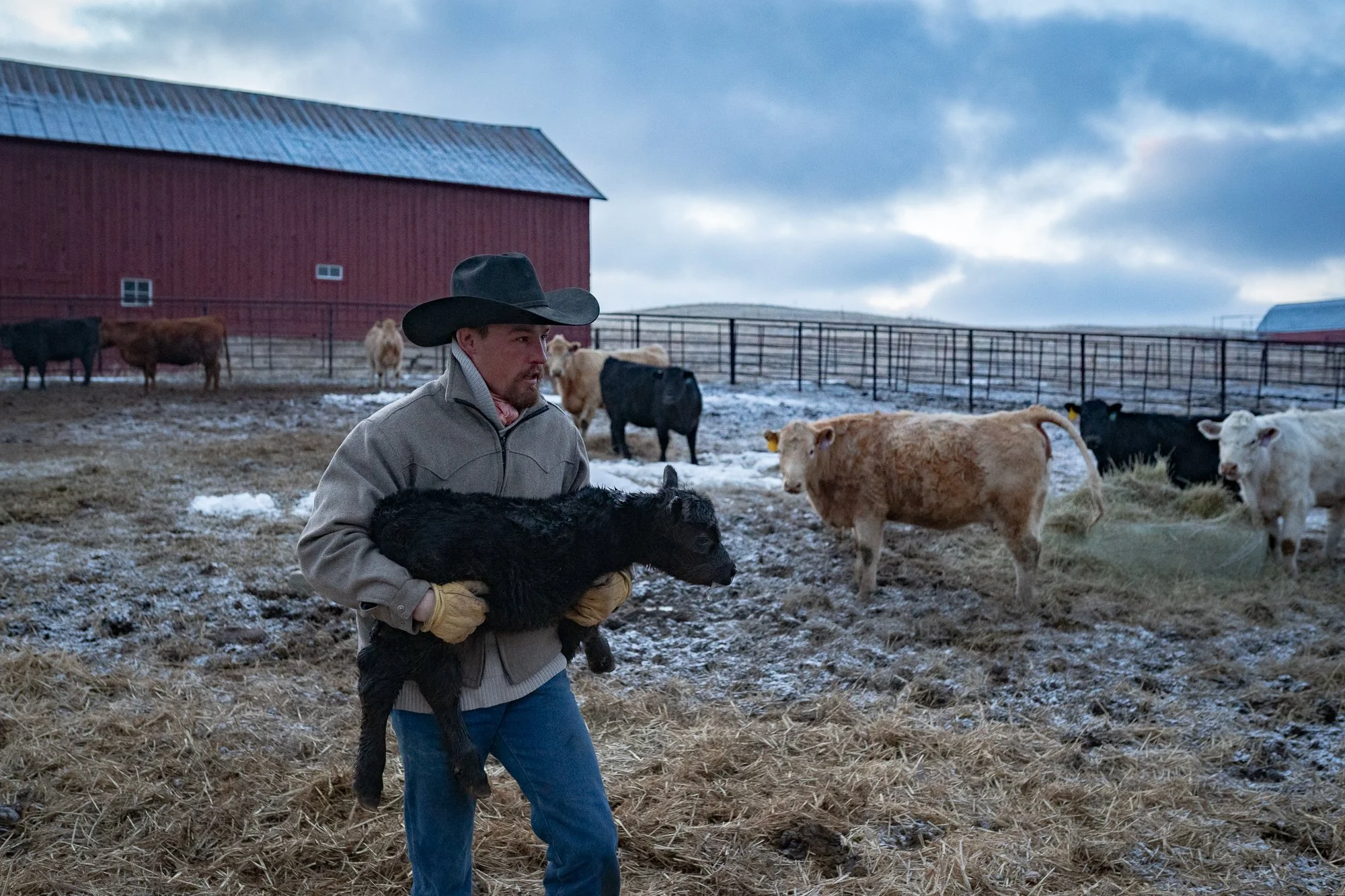
Cowboy carrying a newborn calf across snow on a Colorado cattle ranch during calving season.

Carrying a newborn calf during calving season.

Portrait of a Colorado cowboy wearing traditional ranch gear photographed as western lifestyle photography.

Portrait of a cowboy in working gear.

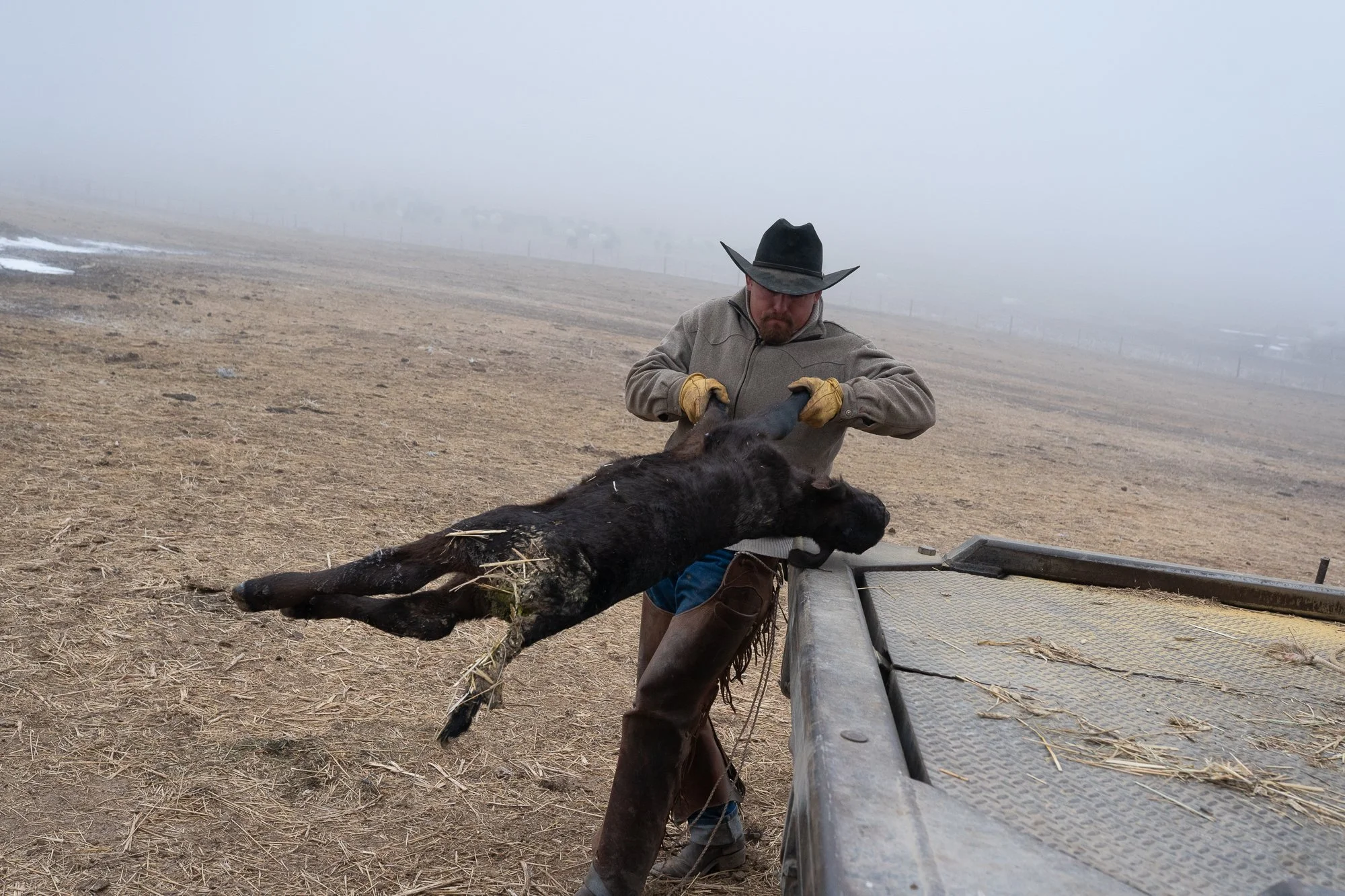
Working cowboy handling livestock during calving season on a Colorado ranch photographed as authentic western lifestyle photography.

The harder side of ranch life.

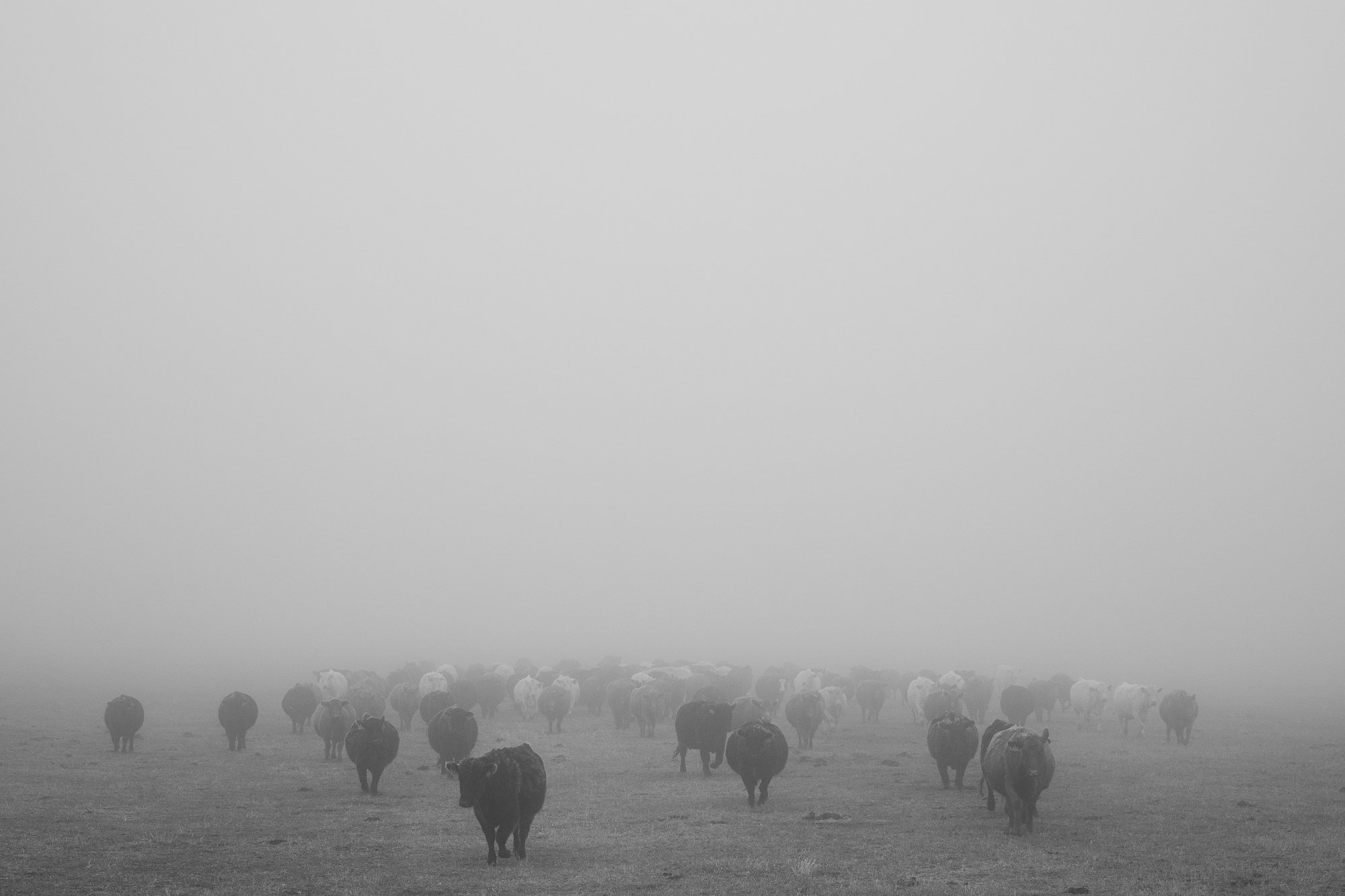
Cattle herd standing in fog on a Colorado cattle ranch pasture photographed as western ranch lifestyle imagery.

Cattle walking in the early morning fog.

Cowboy riding through brush searching for cattle on a Colorado ranch photographed as western lifestyle imagery.

Searching thick country for cattle.

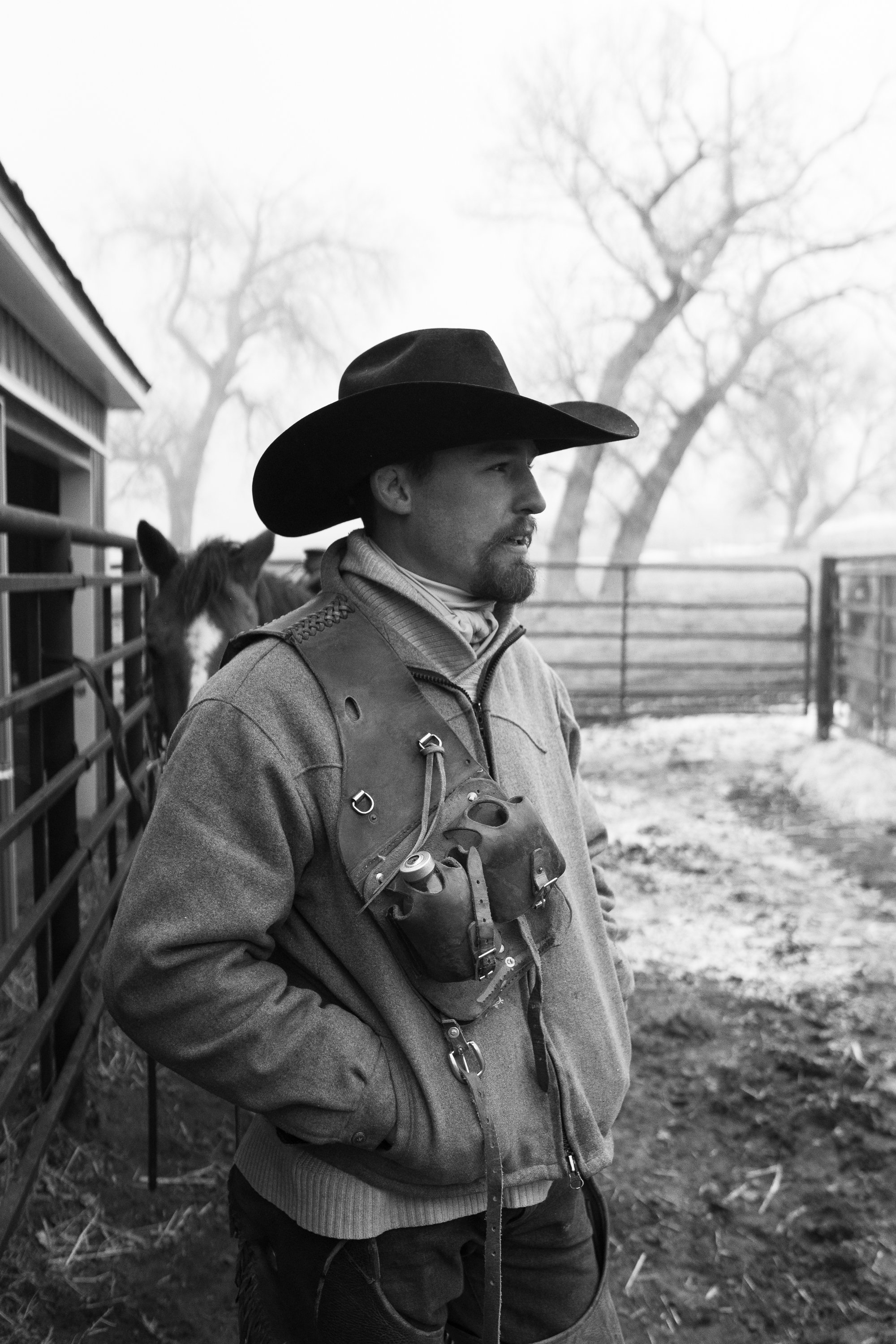
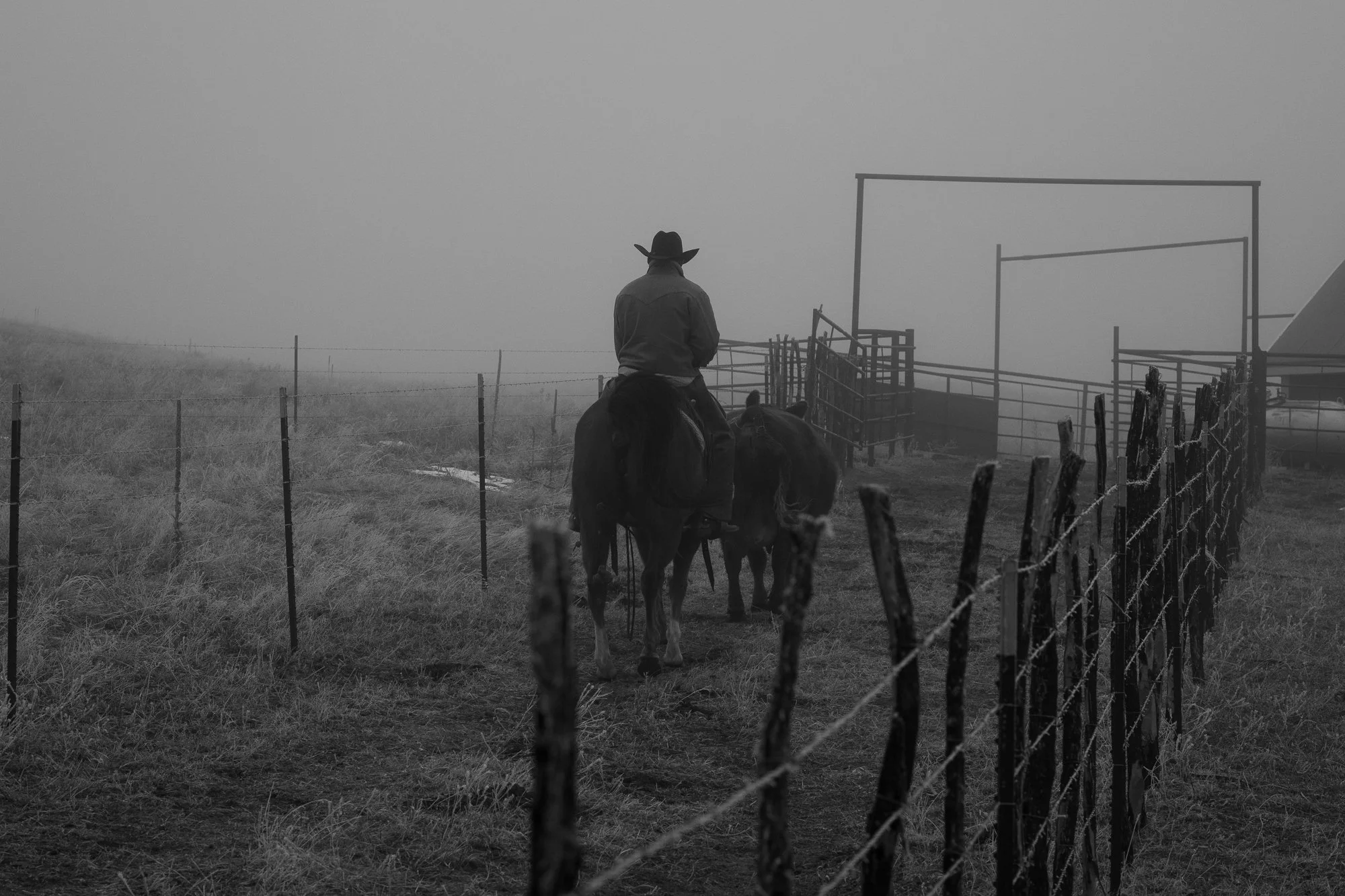
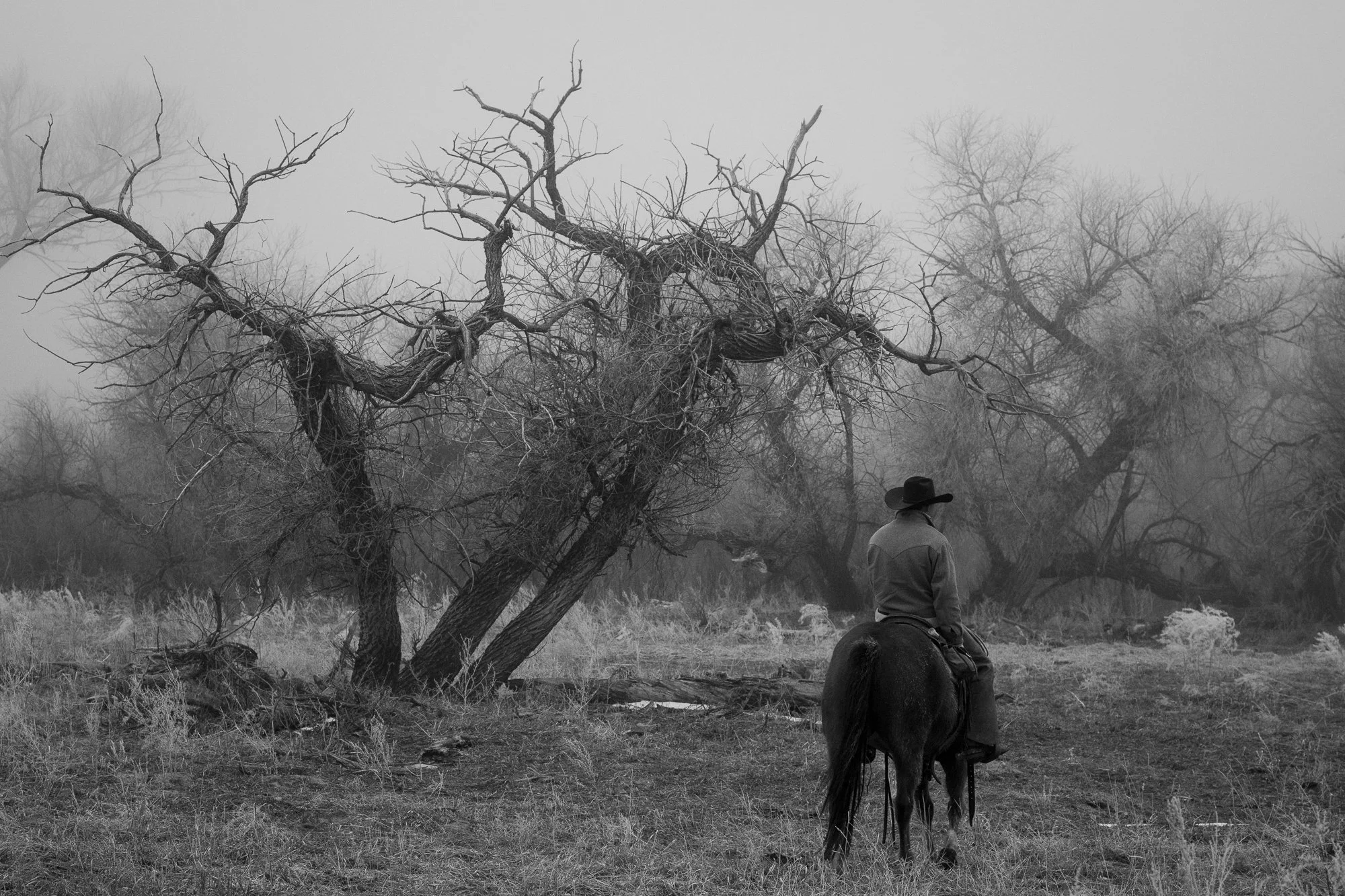
Black and white photograph of a working cowboy in Colorado

Black and white cowboy photograph

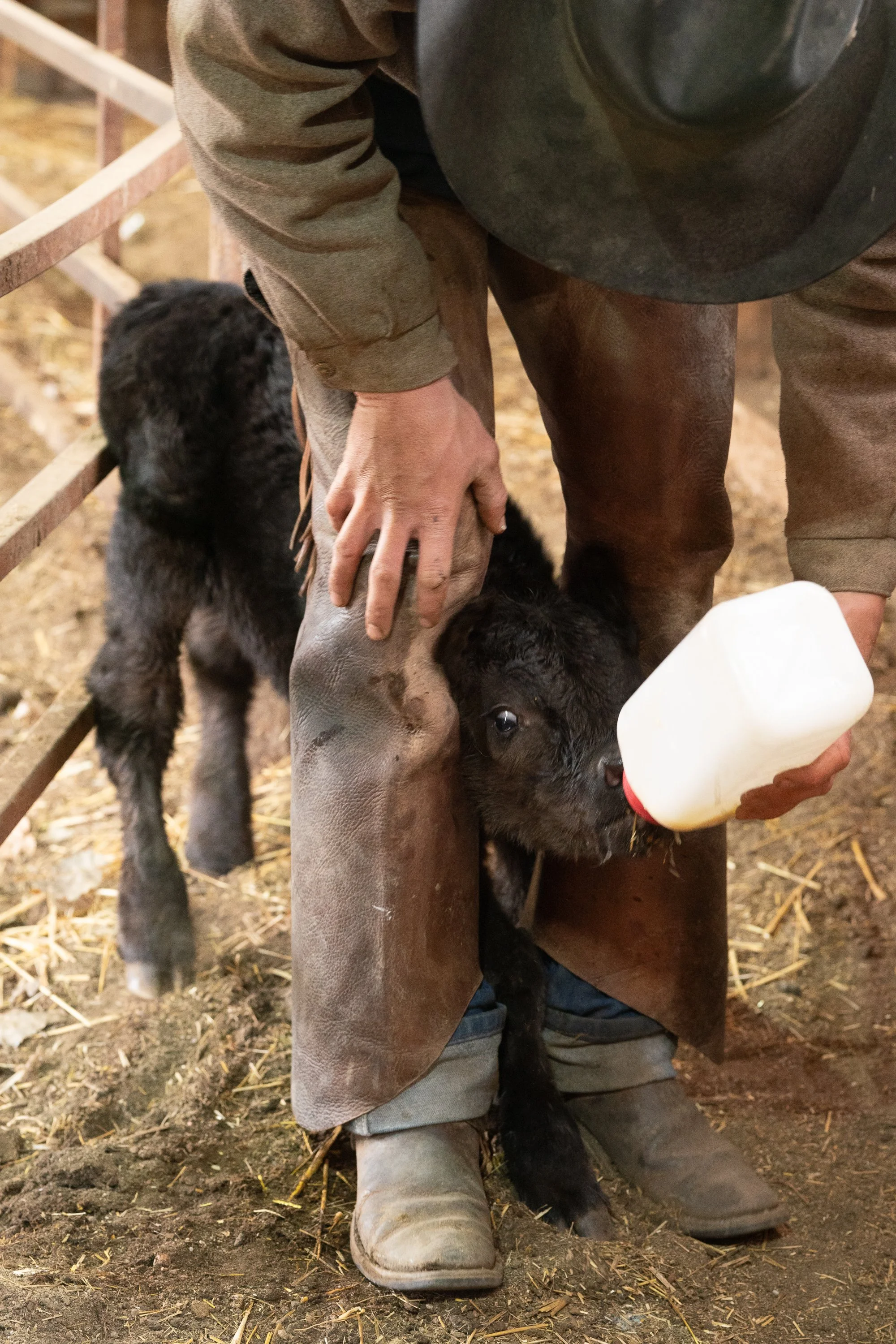
Photograph of a cowboy bottle feeding a baby calf

Bottle feeding a baby calf

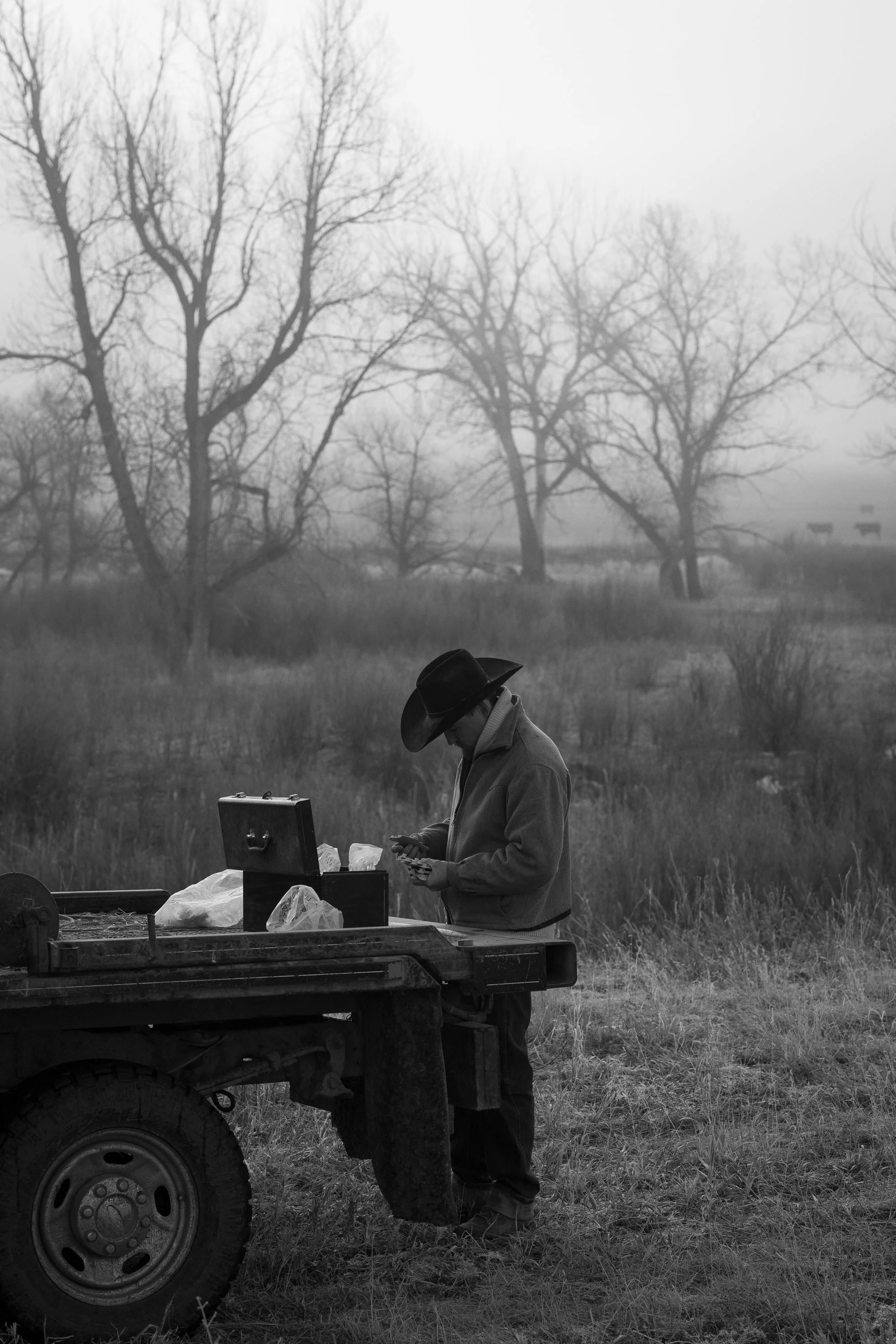
Cowboy counting ear tags on a pickup truck tailgate during cattle work on a Colorado ranch.

Counting ear tags during cattle work.

Photograph of a Colorado cowboy on his horse

Colorado cowboy riding his horse through thick country

Photographs of Cohoes, New York

Cohoes, New York Street Photography

I grew up in the Capital Region, so places like Cohoes have never felt exotic to me. They were just there — part of the background of everyday life. You drove through them. You crossed the river. You passed the mills and brick buildings without thinking much about it. It’s only later, after leaving and coming back, that you realize how much character was hiding in plain sight.

These photographs were made while walking the streets of Cohoes with that perspective in mind — not as a visitor, but as someone familiar with the rhythm of these towns. The work looks at architecture, streets, and surfaces the way they actually exist, without trying to dress them up or turn them into something they’re not.

Street Photography Without the Obvious Moments

When people think of street photography, they often imagine crowds or dramatic interactions. That’s never really been what draws me to places like Cohoes. Here, the streets are quieter. The interest comes from buildings, sidewalks, old industrial remnants, and the way light moves across structures that have been standing for generations.

In that sense, this is street photography rooted more in observation than action. Many of the images are absent of people altogether, letting the town speak through its architecture and physical presence. The results feel more honest to how Cohoes actually exists day to day.

Growing Up Around These Streets

If you grew up anywhere near Albany, Troy, or the surrounding river towns, Cohoes probably feels familiar even if you’ve never spent much time there. The brick mills. The modest houses. The industrial bones that once supported entire communities. These places were built to work, not to impress.

That shared history runs throughout the Capital Region. Towns like Cohoes, Troy, and parts of Albany all carry similar visual DNA — shaped by industry, proximity to the Hudson and Mohawk Rivers, and a kind of quiet resilience that doesn’t announce itself. Photographing Cohoes feels less like documenting a single town and more like documenting a piece of a much larger regional story.

Architecture, Texture, and Time

What interests me most in Cohoes is how time shows itself. Paint peels. Brick softens. Windows reflect newer structures nearby. There’s a layering that happens naturally when places are allowed to age instead of being erased.

Walking these streets with a camera feels less about finding moments and more about paying attention. The photographs come from slowing down and noticing how light hits a wall, how a street curves past an old building, or how a neighborhood quietly carries its past forward.

Part of a Larger Capital Region Project

This post focuses on Cohoes, but it’s part of a broader effort to photograph the Capital Region with the same restraint and familiarity. These towns don’t need to be explained or romanticized — they just need to be looked at carefully.

Seen together, photographs from Cohoes, Troy, and Albany begin to form a more complete picture of this part of New York: interconnected, working-class, architectural, and often overlooked.

Explore More from the Capital Region

If you’re interested in how this work extends beyond Cohoes, you can explore related posts from nearby cities:

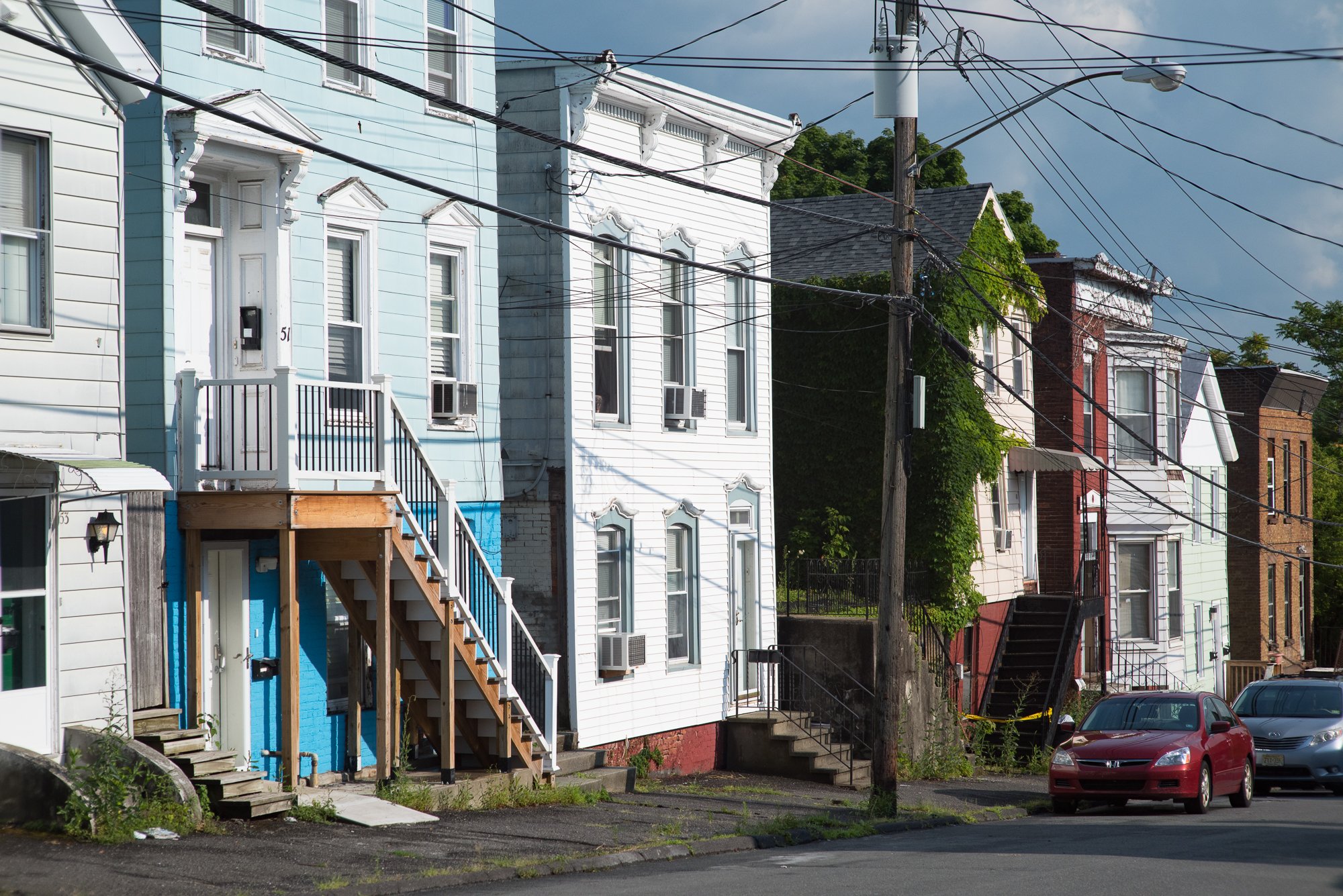
Photograph of homes in Cohoes, New York

Old homes in Cohoes, New York

Photograph of a hair salon in Cohoes, New York

Danielle’s House of Hair - Cohoes, New York

Photograph of the National Bank of Cohoes

Cohoes, New York Photography

Historic photograph of Cohoes, New York

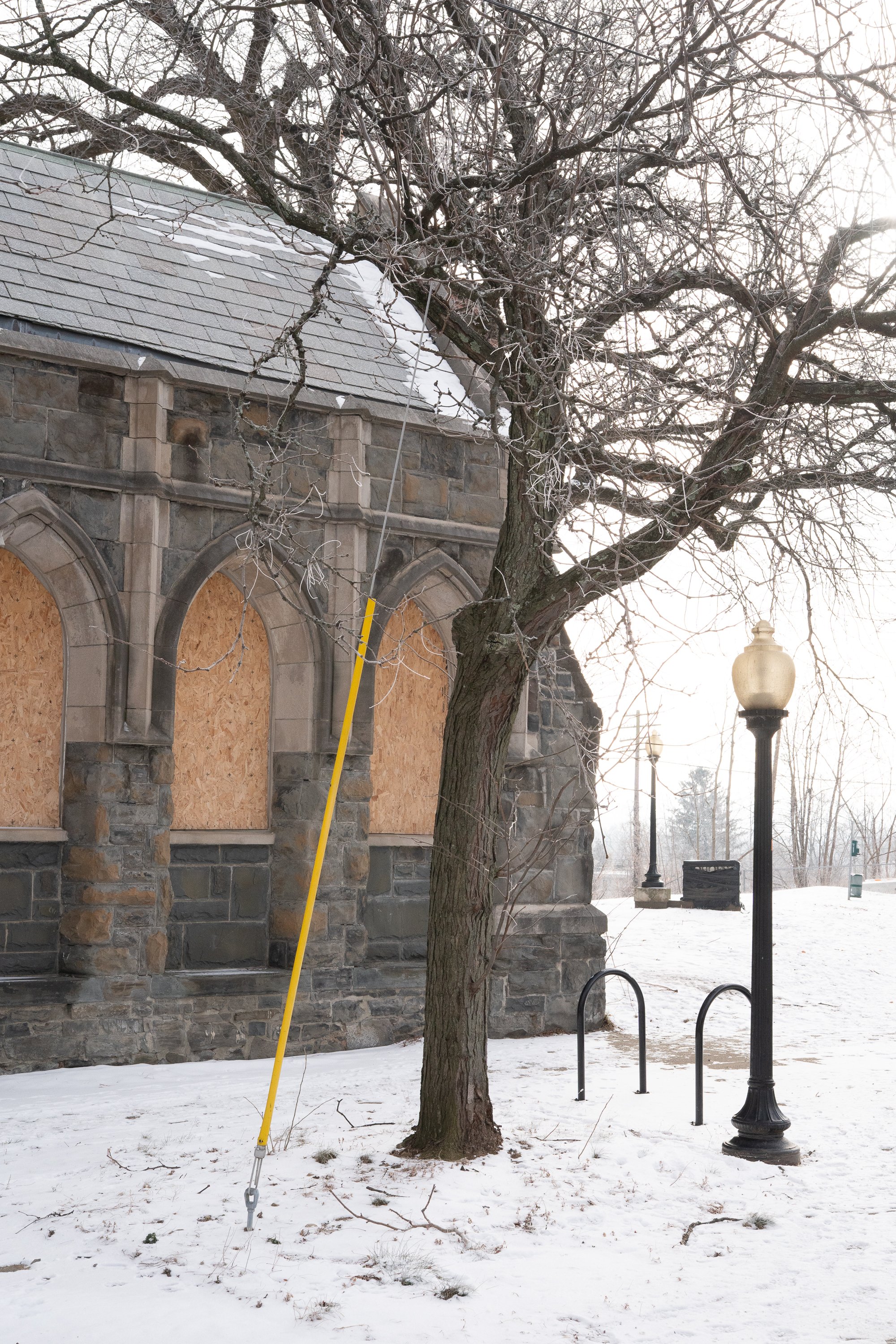
Train track running by St. John’s Church in Cohoes, New York

Photograph of Remsen St. in Cohoes, New York

Photograph of the business’ on Remsen St. in Cohoes, New York

Photograph of a flower shop in Cohoes, New York

Flower shop - Cohoes, New York

Photograph of Dennis Holzman Antiques in Cohoes, New York

Antique shop in Cohoes, NY

Photograph of the Cohoes Armory in Cohoes, New York

Cohoes Armory

Photograph of an old church in Cohoes, New York

Old church in Cohoes, NY

Photograph of beautiful old brick homes in Cohoes, NY

Cohoes, NY architecture

Photograph of Cohoes in Upstate New York

Cohoes, New York Photography

Photographs of Helper, Utah: From coal town to creative heaven

Helper, Utah Photography — Historic Town & Creative Community

Helper, Utah — nestled in eastern Utah along U.S. Routes 6 and 191 is a historic railroad and coal mining town that has become a vibrant creative community with galleries, murals, and architectural character. Through this fine art photography essay, I explore Helper’s unique blend of West-side grit and artistic reinvention, capturing both the visual texture and the spirit of place. These photographs are available for editorial and commercial licensing or fine art prints.

Finding Helper by Accident

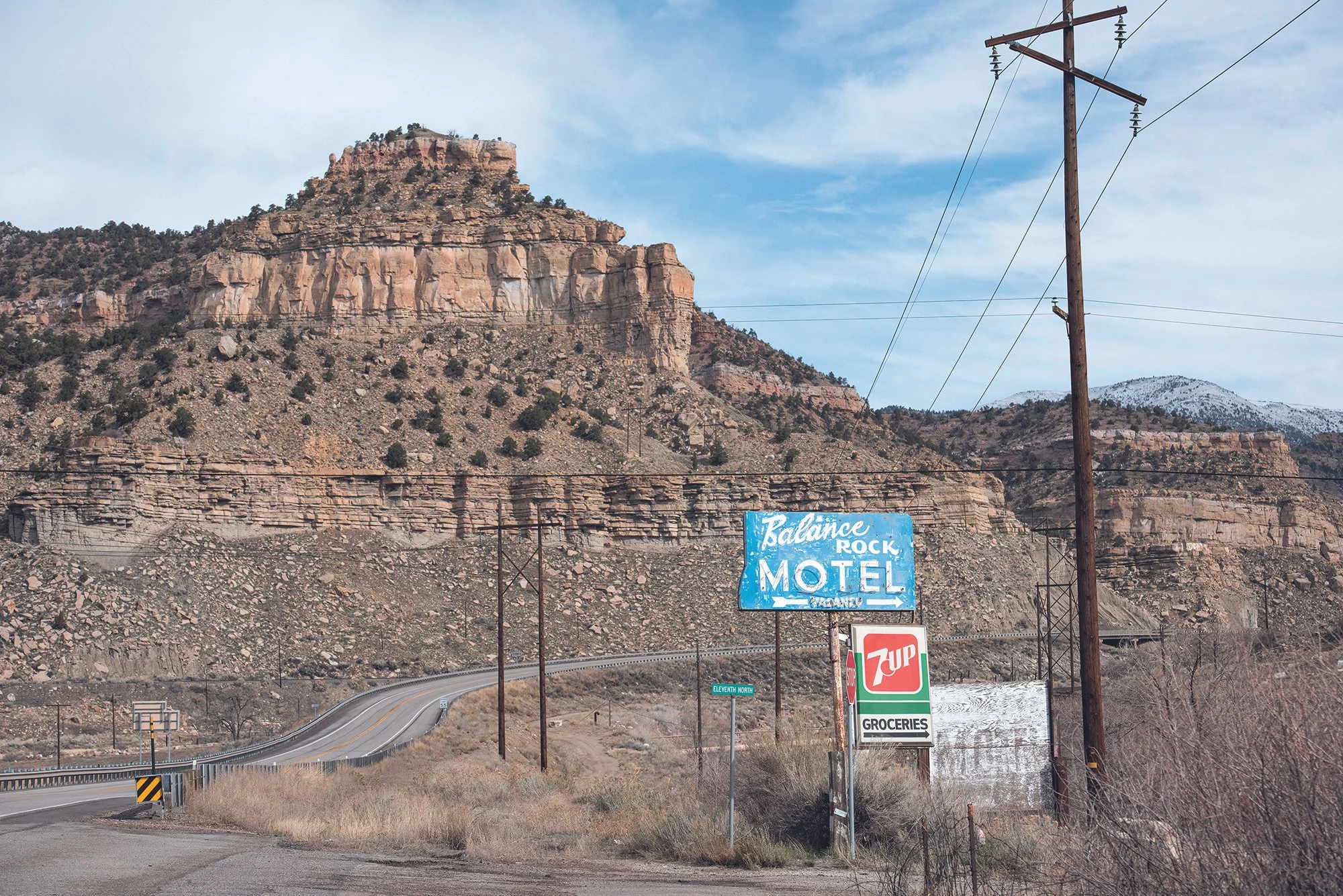
Helper is one of the seemingly endless gems available to any road tripper willing to get off the beaten path while exploring Utah. Years ago I was driving up the 191 and stopped to make a photograph of the old sign for the Balance Rock Motel. I’m a sucker for vintage signage anyway, but this was particularly interesting with the stark desert features in the background. Add in the 7up sign and it became a must stop. Looking around there was no inclination of any sort of civilization, let alone an entire town. While standing there making photographs a policeman stopped to ask what I was doing and seemed satisfied enough with the answer. Afterward I continued on my way, thinking there was nothing else in the area at all to photograph. Some ten years later I discovered a thriving artist community in Helper, tucked away off the 191—a stunning backroad for people driving south from Salt Lake City and continuing east on the 70. Driving into town is sort of a “holy shit” moment. Why is this town here and how does it survive? And the only real answer is art! Helper, Utah is an artist community in the middle of nowhere filled with galleries! It’s such an incredibly unique place. In all my travels I’ve never really seen anything like it. And the excitement that comes from discovering such a town is what keep me addicting to road trips!

The History & Character of Helper, Utah

Helper earned its name from the extra locomotives — “helper engines” — that once assisted trains climbing the steep grades of Price Canyon. Built around coal mining and railroads, the town became home to generations of immigrant workers and working families tied to industry.

Today, while traces of that history remain in brick storefronts and aging infrastructure, Helper has evolved into something more layered. Art galleries now sit beside historic buildings. Murals appear along alleyways. The town has quietly become a creative community while still holding onto its industrial backbone.

That mix of railroad grit and artistic reinvention gives Helper a visual character that feels distinctly Western — but not romanticized.

Photographing Main Street & Roadside Landmarks

Much of this series focuses on the visual details that define Helper’s personality. These aren’t dramatic landscape icons. They are quieter observations — architectural lines, faded paint, shadow, typography, and the space between buildings. The kinds of details that reveal how a town actually lives.

Photographing Helper wasn’t about spectacle. It was about slowing down long enough to notice what remains.

Helper Within the Larger American Road Project

This work fits into a long-term body of photography documenting small towns and overlooked places across America. For over 15 years, I’ve driven hundreds of thousands of miles searching for places that feel visually honest — towns shaped by time rather than reinvention.

Helper stands out because it holds both histories at once: the industrial past and a creative present. It reflects a broader story about rural America adapting without fully erasing itself.

In many ways, Helper represents what draws me back to the road again and again — not the famous destinations, but the towns in between.

Image Licensing — Helper, Utah Photography

These photographs of Helper, Utah are available for editorial and commercial licensing. The work documents a historic railroad and mining town in transition — architecture, signage, Main Street storefronts, and the evolving character of a creative Western community.

The images are well suited for:

  • Editorial features on small town revitalization

  • Travel and regional publications

  • Western heritage stories

  • Cultural and architectural essays

  • Brand campaigns rooted in authentic American settings

Each photograph is available for licensed use in print or digital formats. If you’re interested in discussing usage, publication, or commercial applications, please reach out directly.

Continue Exploring the American West

Helper is just one chapter in a larger body of work documenting small towns, desert highways, and overlooked corners of the American landscape.

View the full Utah Fine Art Photography Gallery to see more images from across the state, or explore the broader American Road Trip Photography Collection featuring small towns and roadside scenes from across the country.

The Balance Rock Motel - Helper, Utah

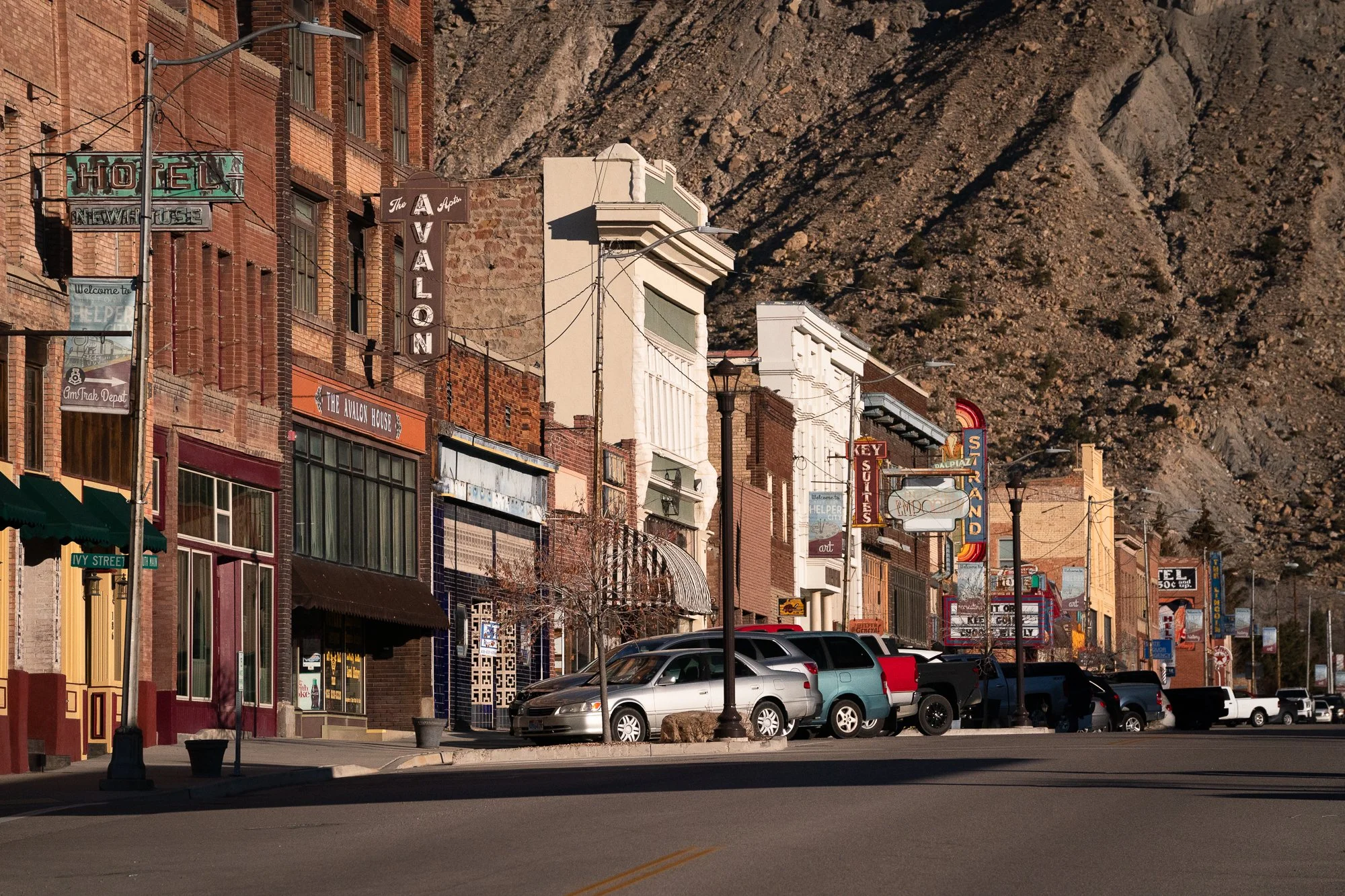
Historic Main Street in Helper Utah with brick buildings and cliffs

Historic brick storefronts line Main Street in Helper, Utah, pressed tightly against the towering Book Cliffs.

Photograph of the Lasalle restaurant in Helper, Utah

Vintage signage at Lasalle’s on Main Street in Helper, Utah

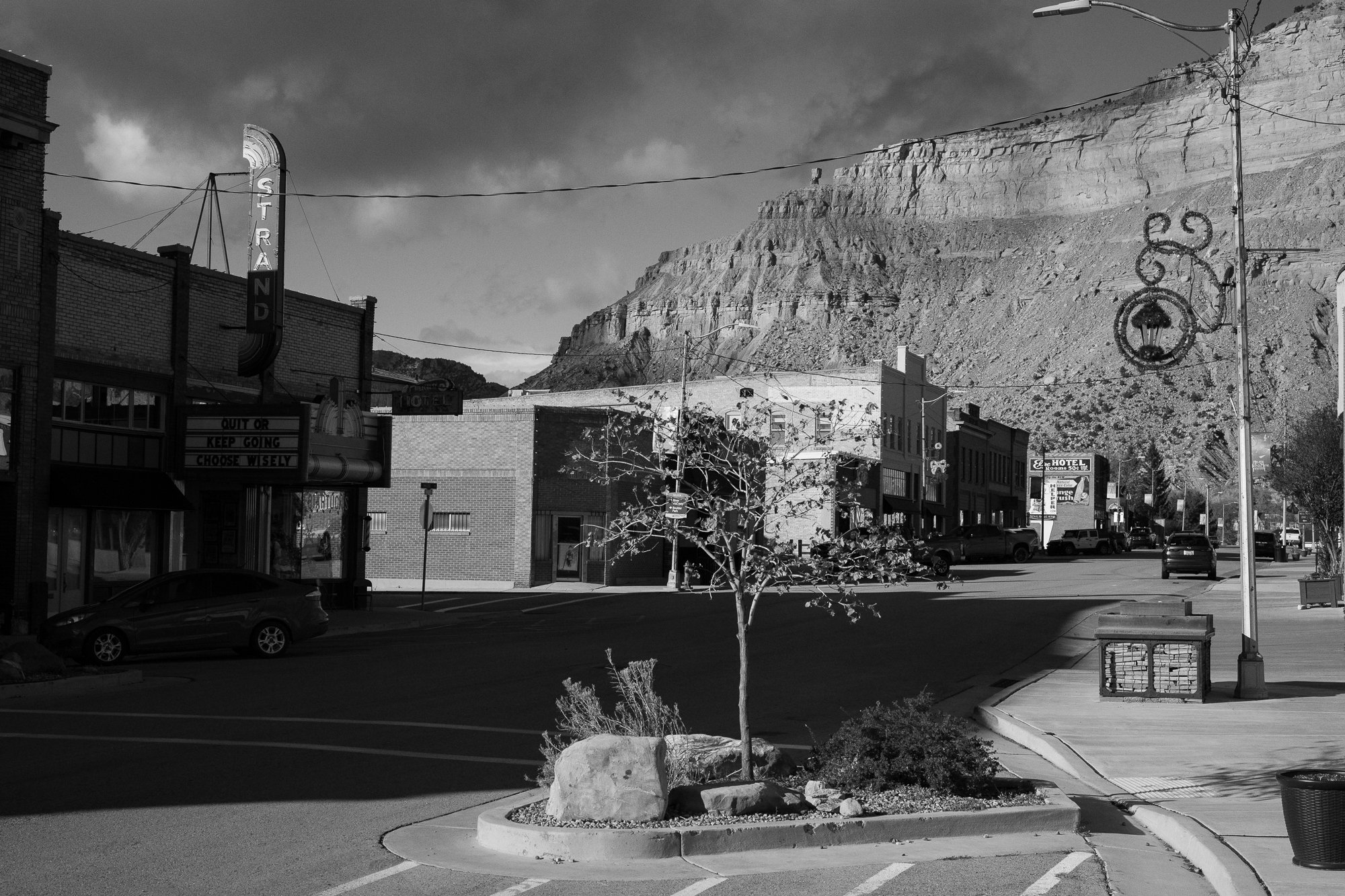
Black and white photograph of the view up Main Street in Helper, Utah

Main St. - Helper, Utah

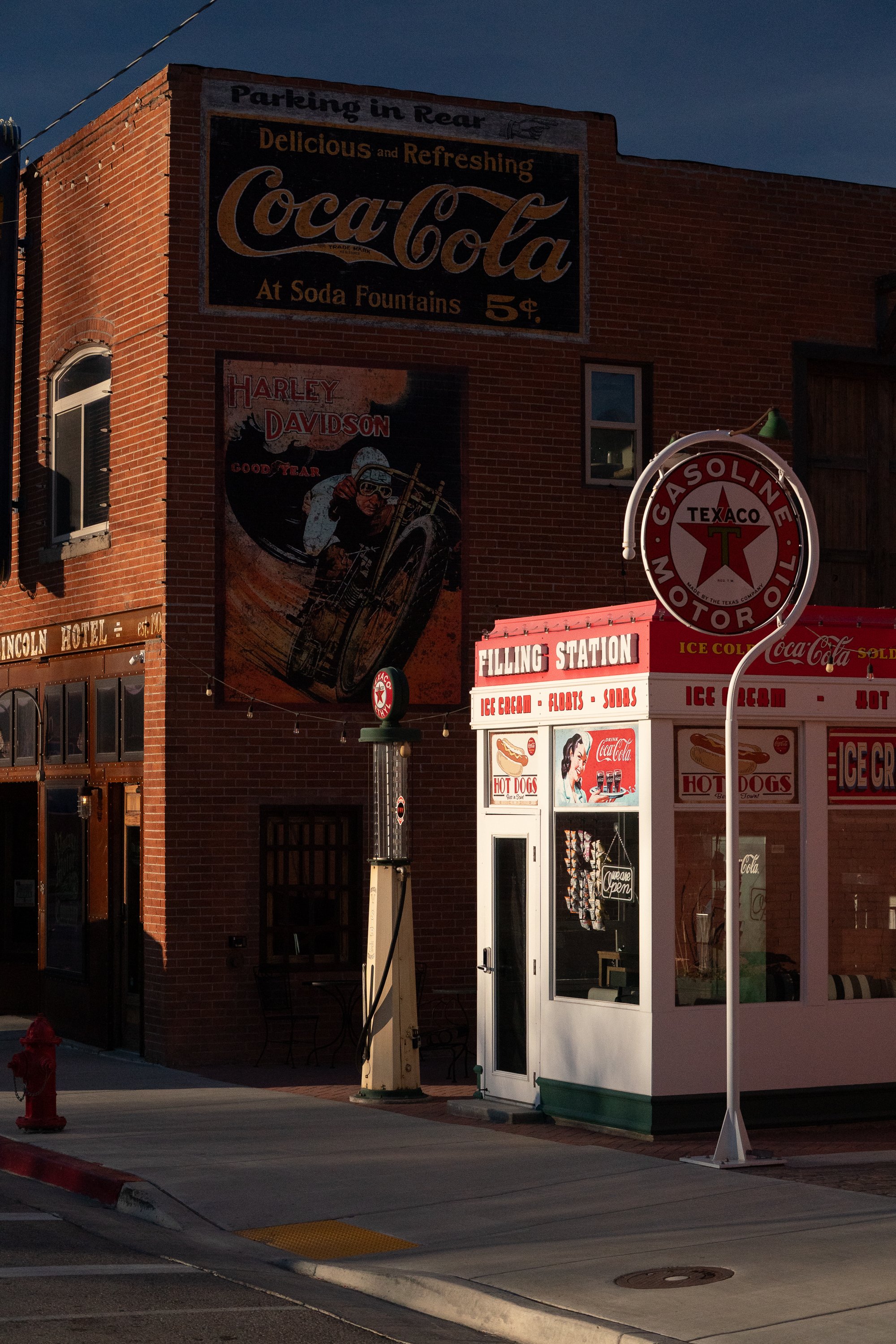
Lincoln Hotel and Texaco gasoline sign in downtown Helper Utah

The Lincoln Hotel corner glows in late light — Coca-Cola signage, Texaco branding, and filling station details capturing the Americana character of Helper, Utah.

Photograph of the Strand Theater on Main St. in Helper, Utah

The Strand Theater in Helper, Utah

Black and white photograph of the Hotel Newhouse in Helper, Utah

The Hotel Newhouse

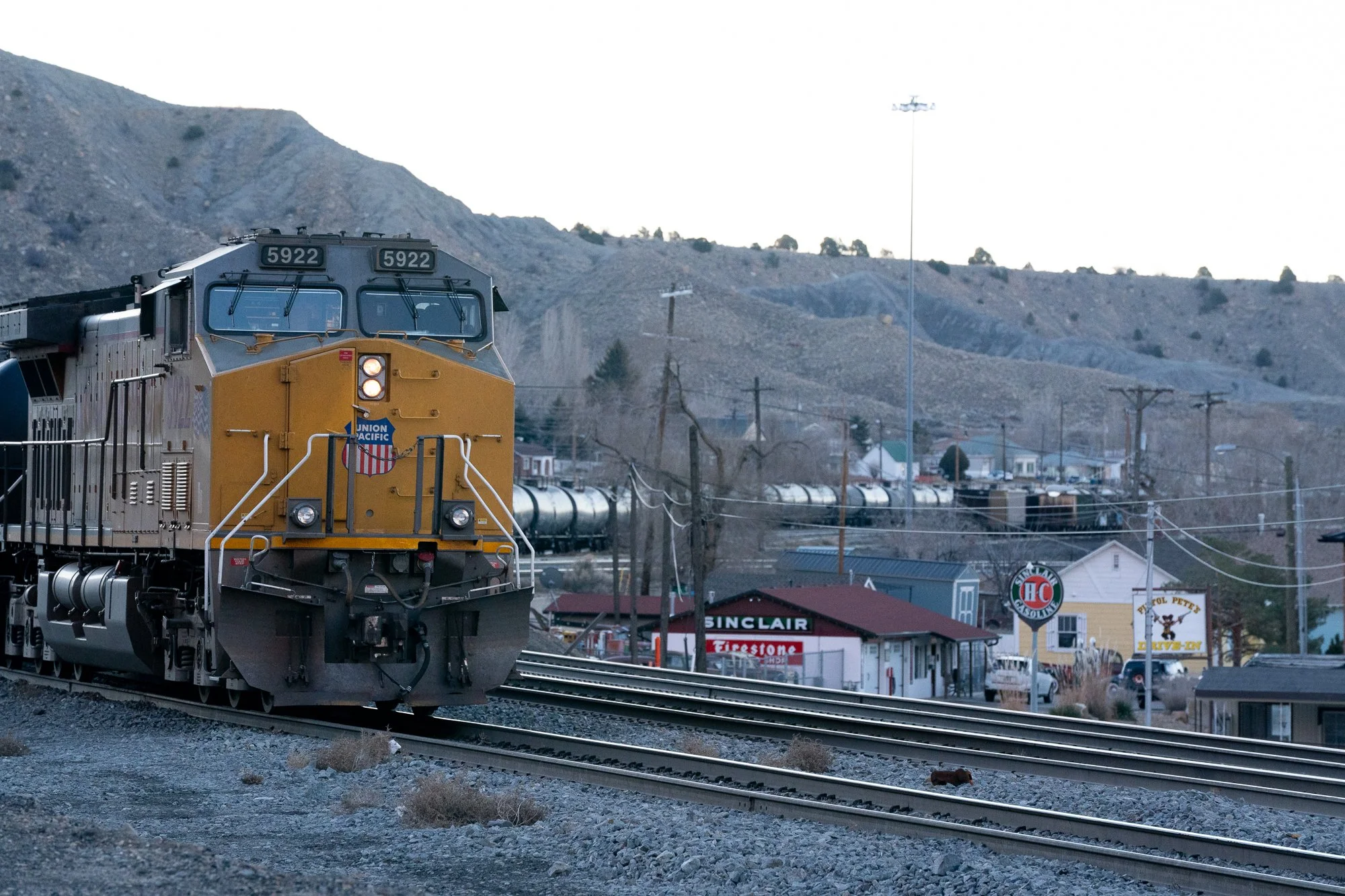
Union Pacific freight train passing through Helper, Utah with Book Cliffs in background

A Union Pacific freight locomotive rolls into Helper, Utah beneath the Book Cliffs — a reminder of the town’s railroad and coal mining roots in eastern Utah.

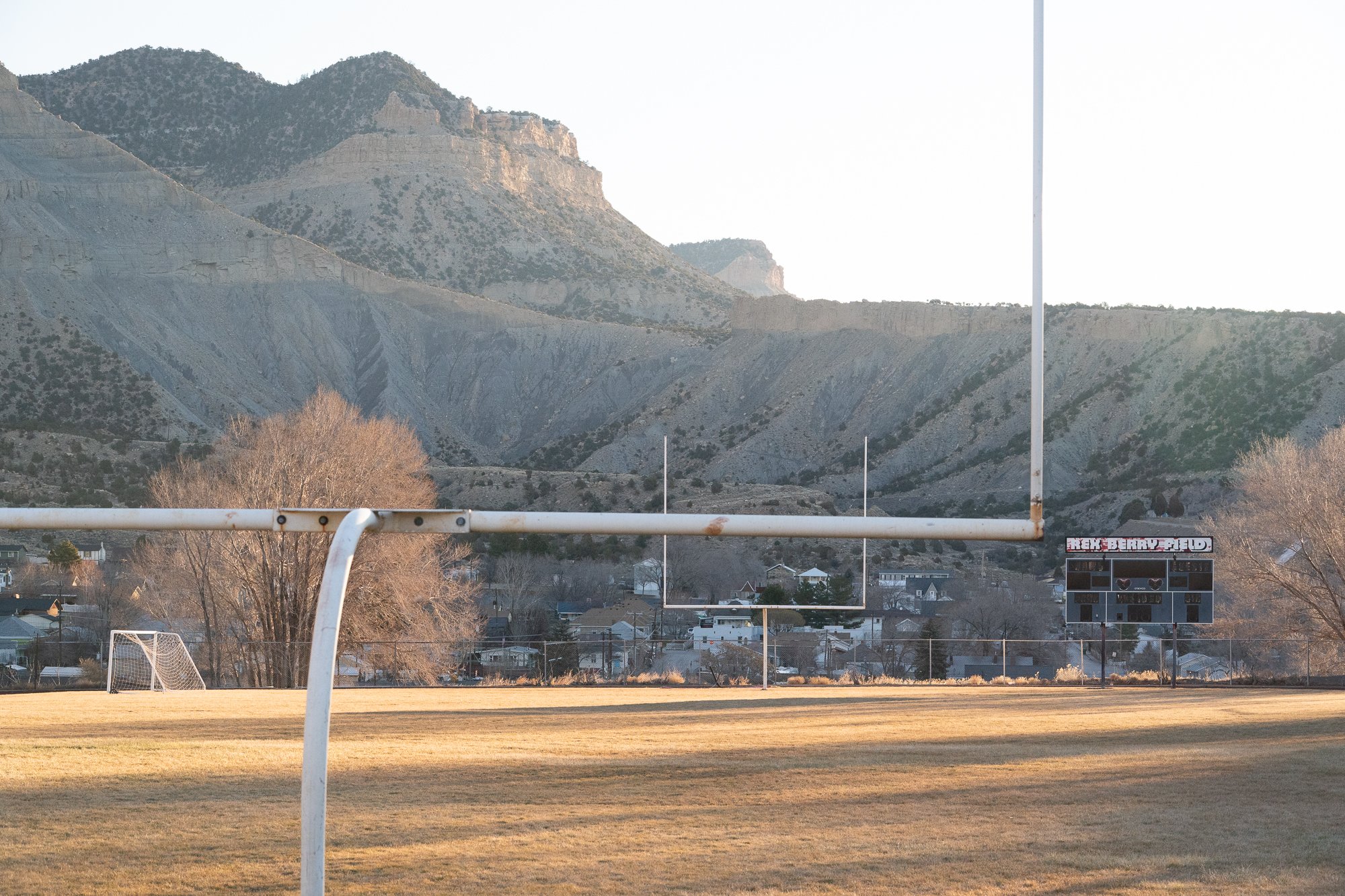
Rex Berry Field football stadium in Helper Utah with Book Cliffs behind

Rex Berry Field sits quietly beneath the dramatic Book Cliffs, where high school football and desert landscape meet in Helper, Utah.

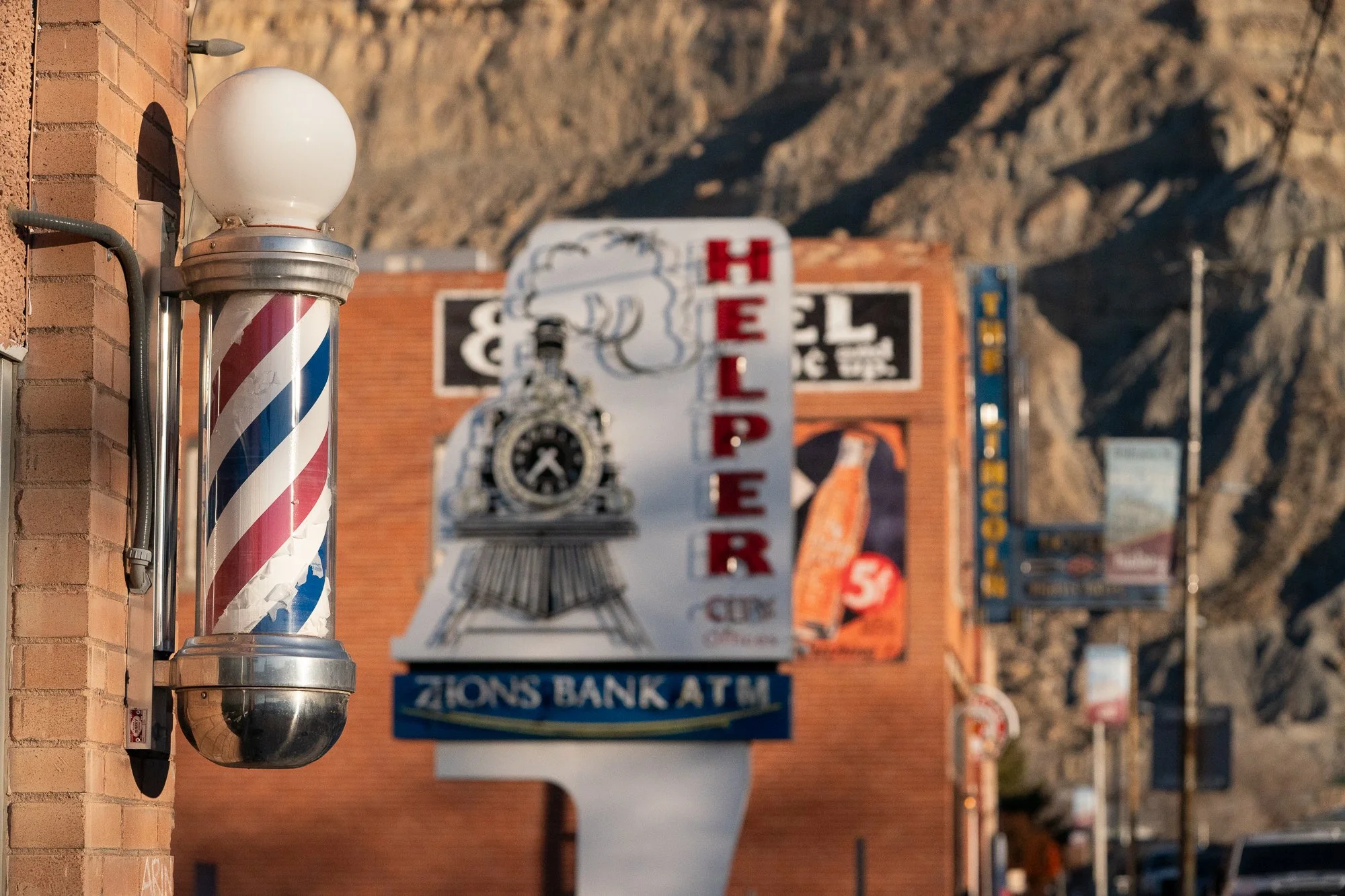
Classic barber pole on Main Street in Helper Utah with vintage signs

A traditional barber pole stands along Main Street in Helper, Utah, framed by layered signage and historic storefronts.

Helper Drawing Crayons mural painted on brick wall in Helper Utah

A large “Helper Drawing Crayons” mural reflects the town’s creative revival, set against the rugged cliffs that define eastern Utah.

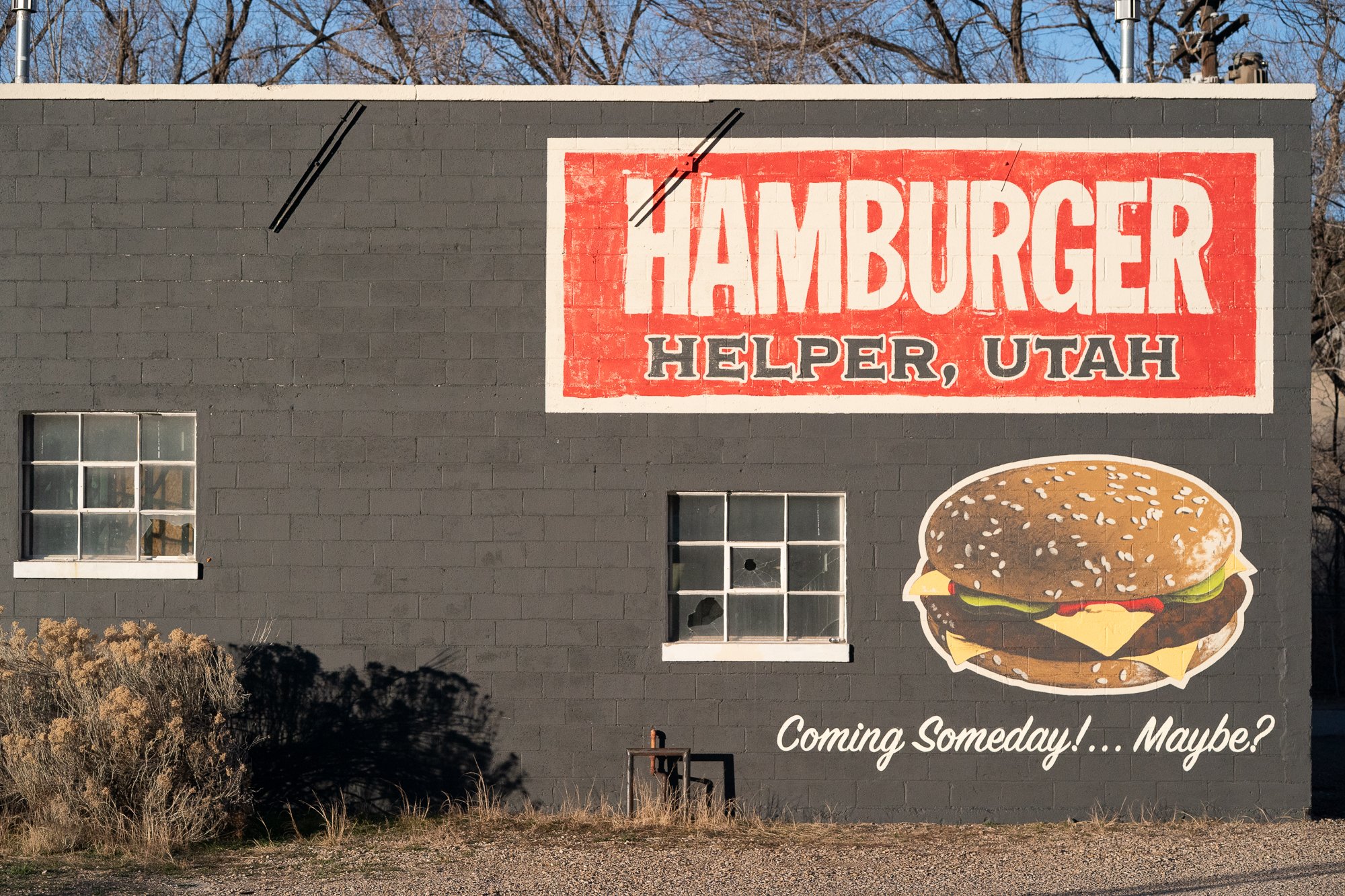
Hamburger Helper Utah mural with painted burger and vintage lettering

A bold “Hamburger — Helper, Utah” mural reads “Coming Someday… Maybe?” — small-town humor painted large on a downtown wall.

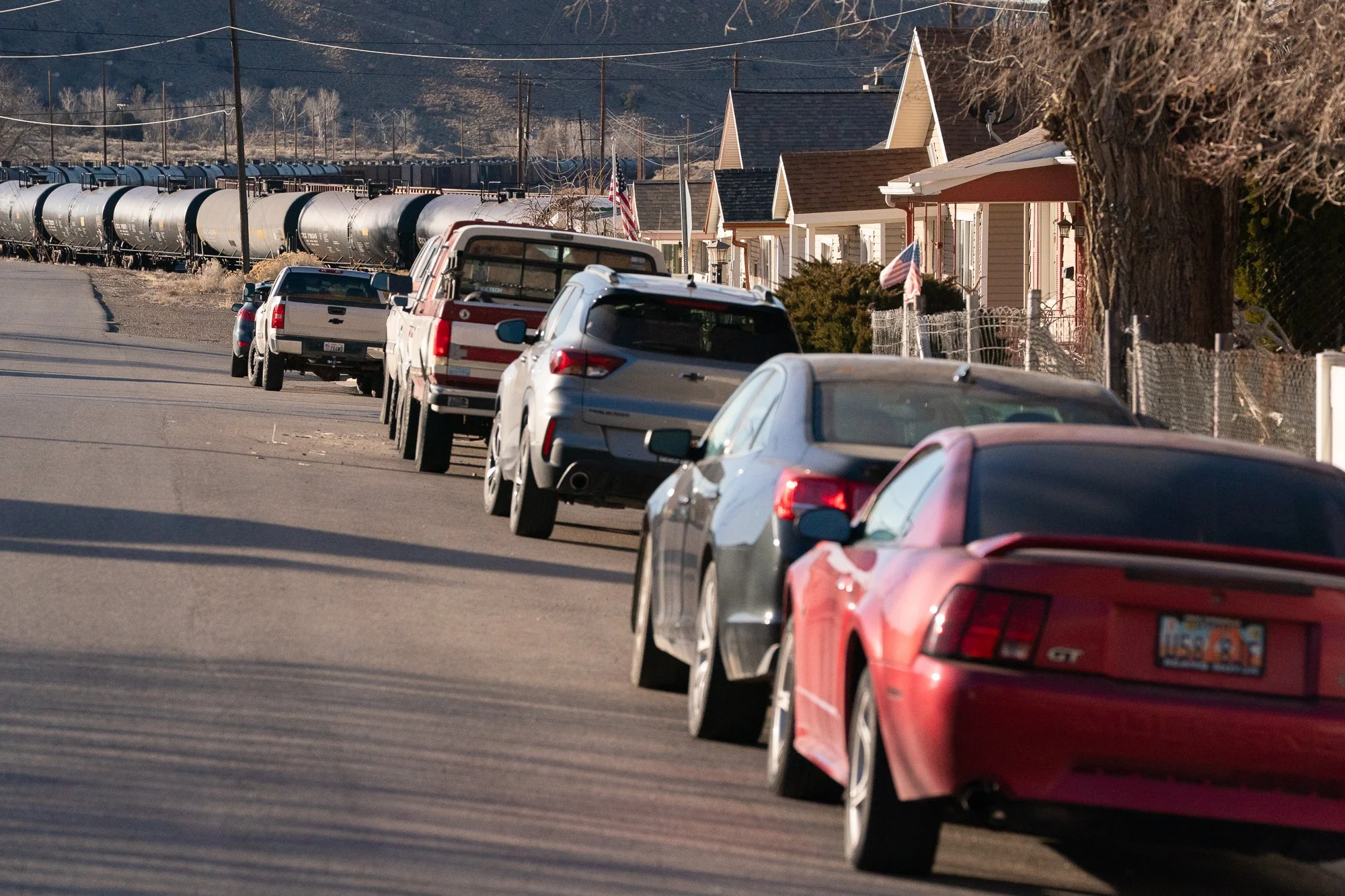
Residential street in Helper Utah with tanker rail cars in background

Parked cars line a quiet residential street while black tanker rail cars stretch across the horizon — industry and daily life intersecting in Helper, Utah.

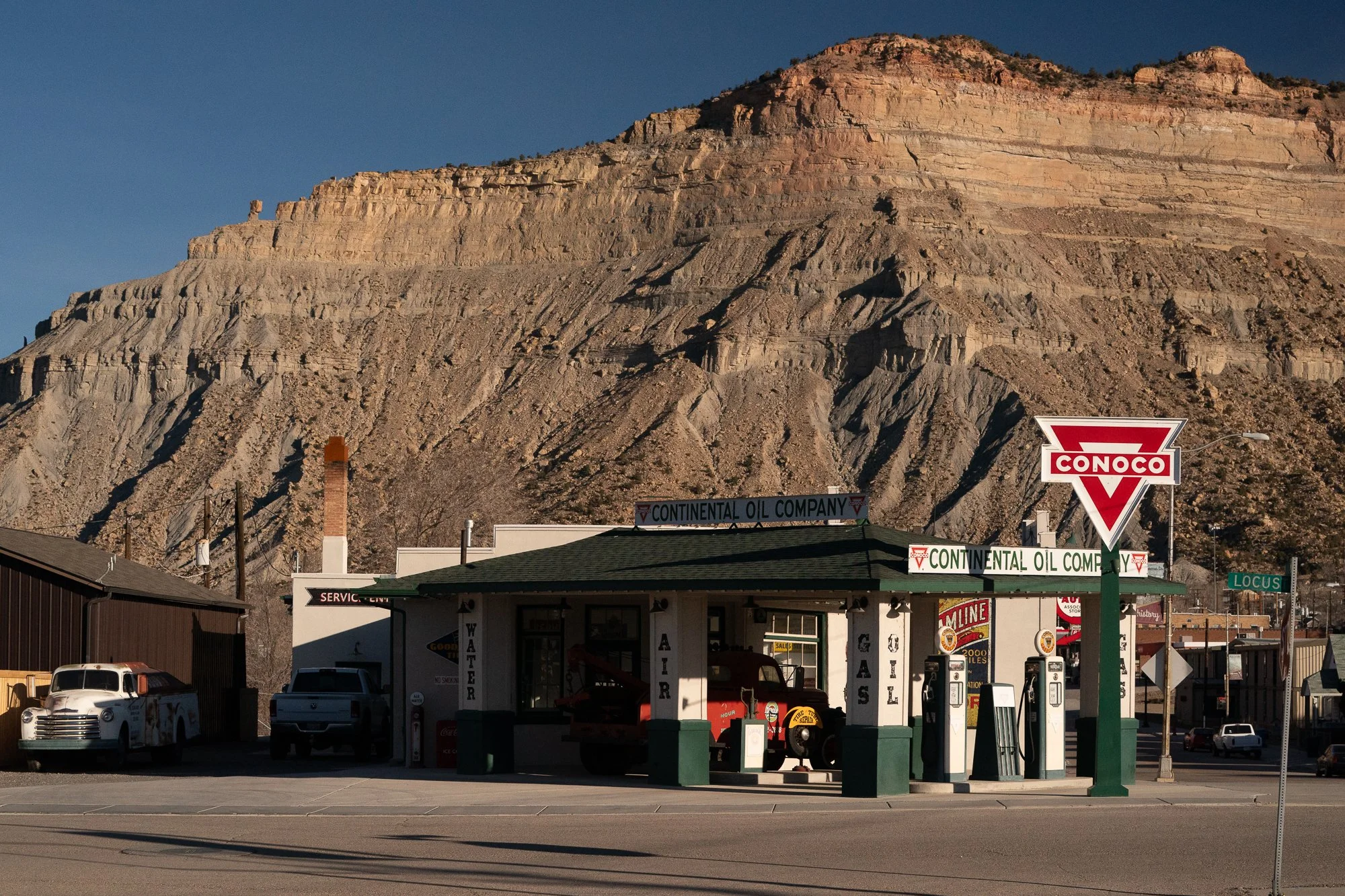
Continental Oil Company Conoco gas station in Helper Utah

The restored Continental Oil Company station stands beneath the desert cliffs in Helper, Utah — vintage petroleum branding framed by Western landscape.

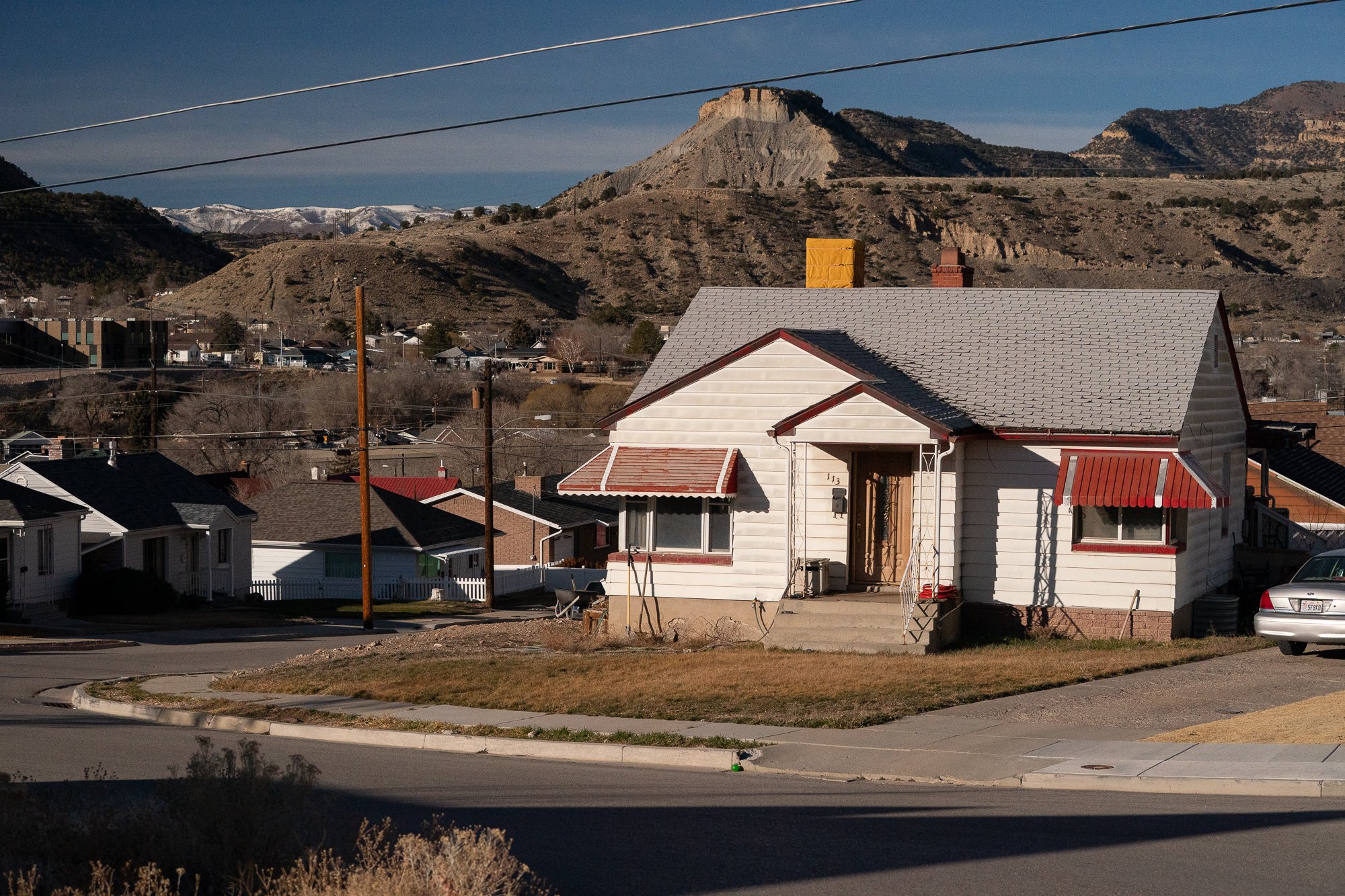
Small hillside home in Helper Utah with Book Cliffs and neighborhood behind

A modest hillside home overlooks Helper, Utah, framed by layered desert mesas and distant snow along the Book Cliffs — residential life set against the vast Western landscape.

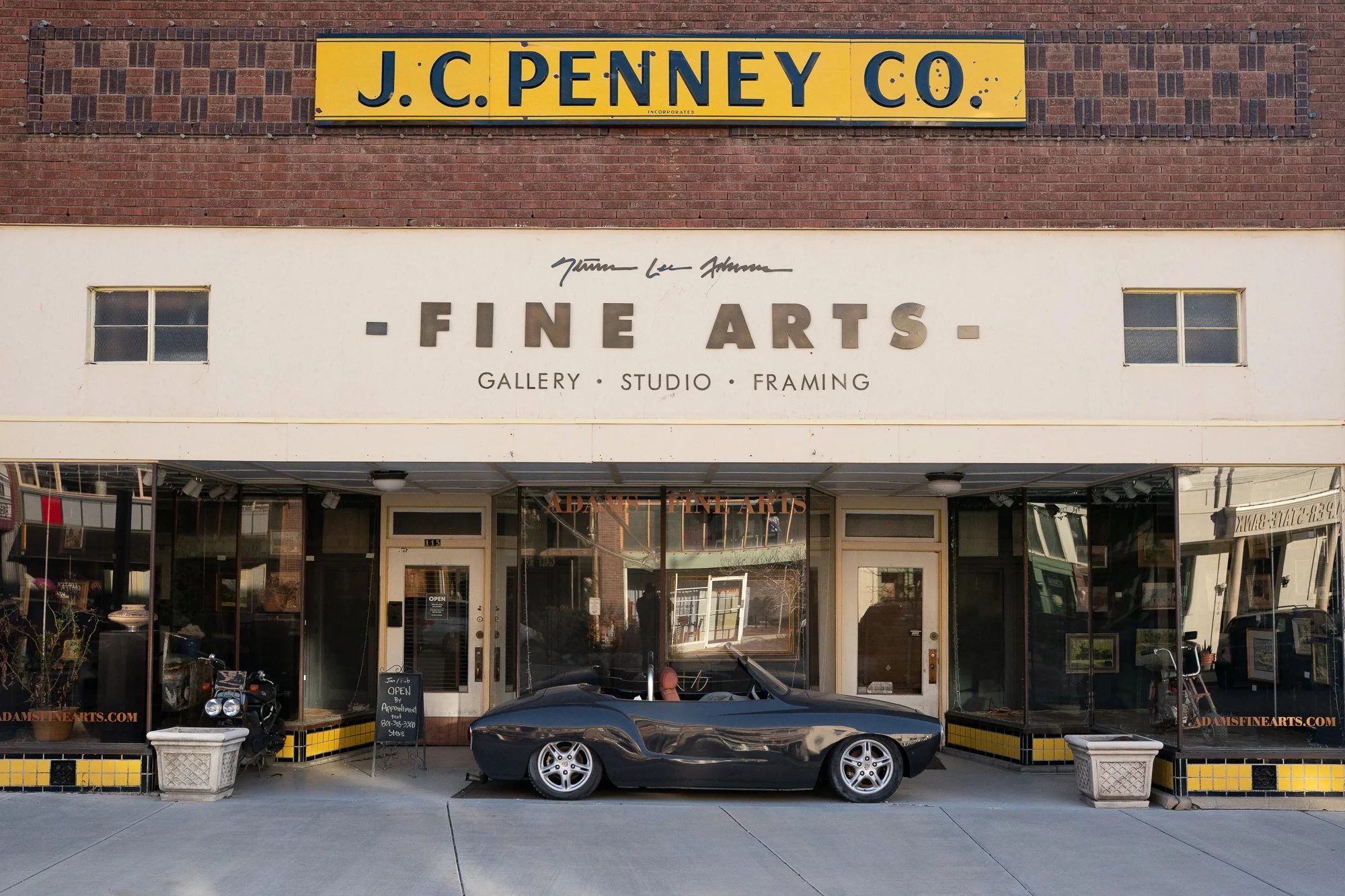
Historic J.C. Penney building now Fine Arts gallery in Helper Utah

The former J.C. Penney building now houses a Fine Arts gallery in downtown Helper, Utah — a retail relic reimagined as part of the town’s creative revival.

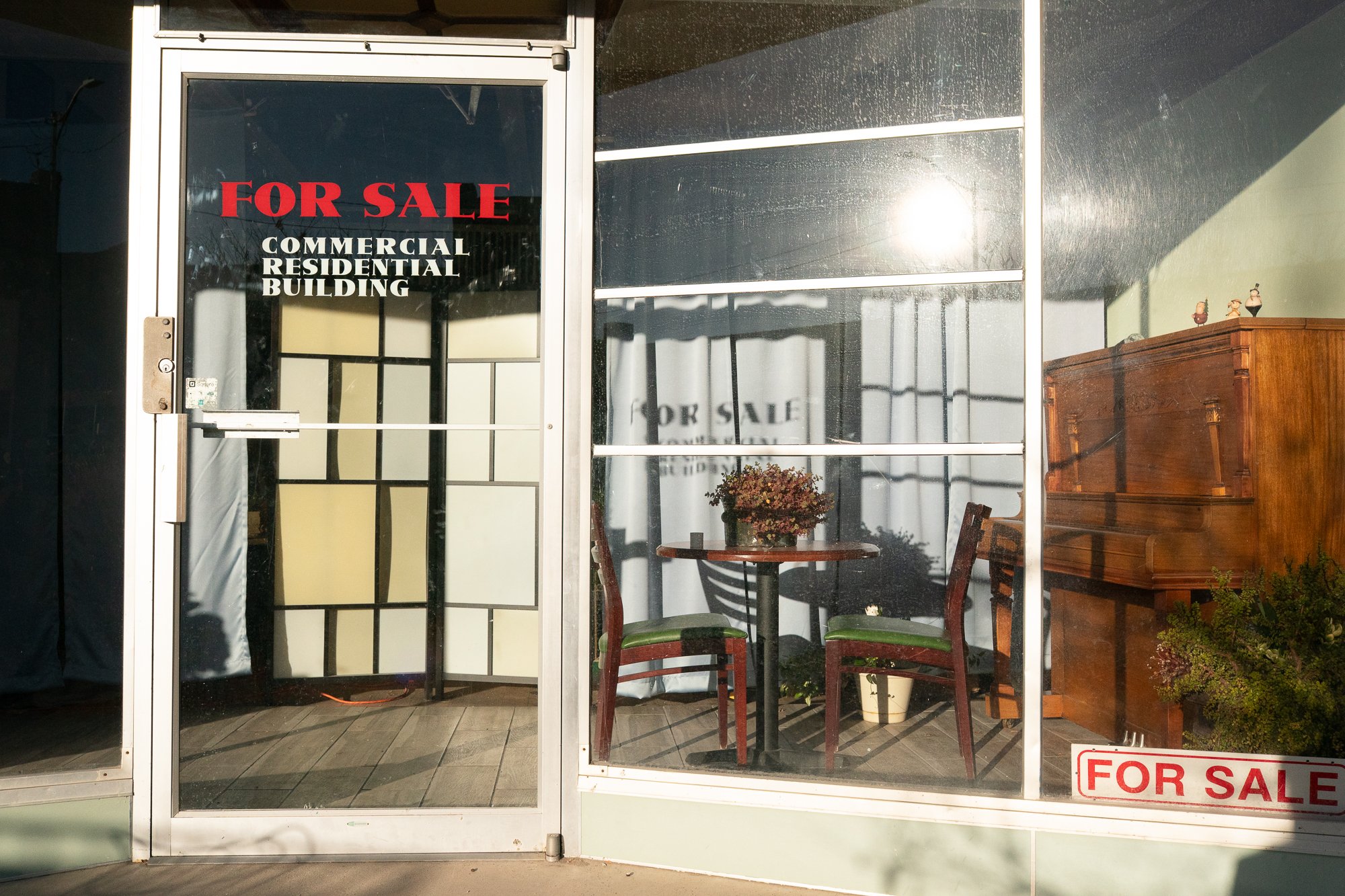
For sale sign on commercial storefront window in Helper Utah

A “For Sale” sign reflects in the glass of a downtown Helper storefront — a quiet indicator of economic transition in this historic railroad town.

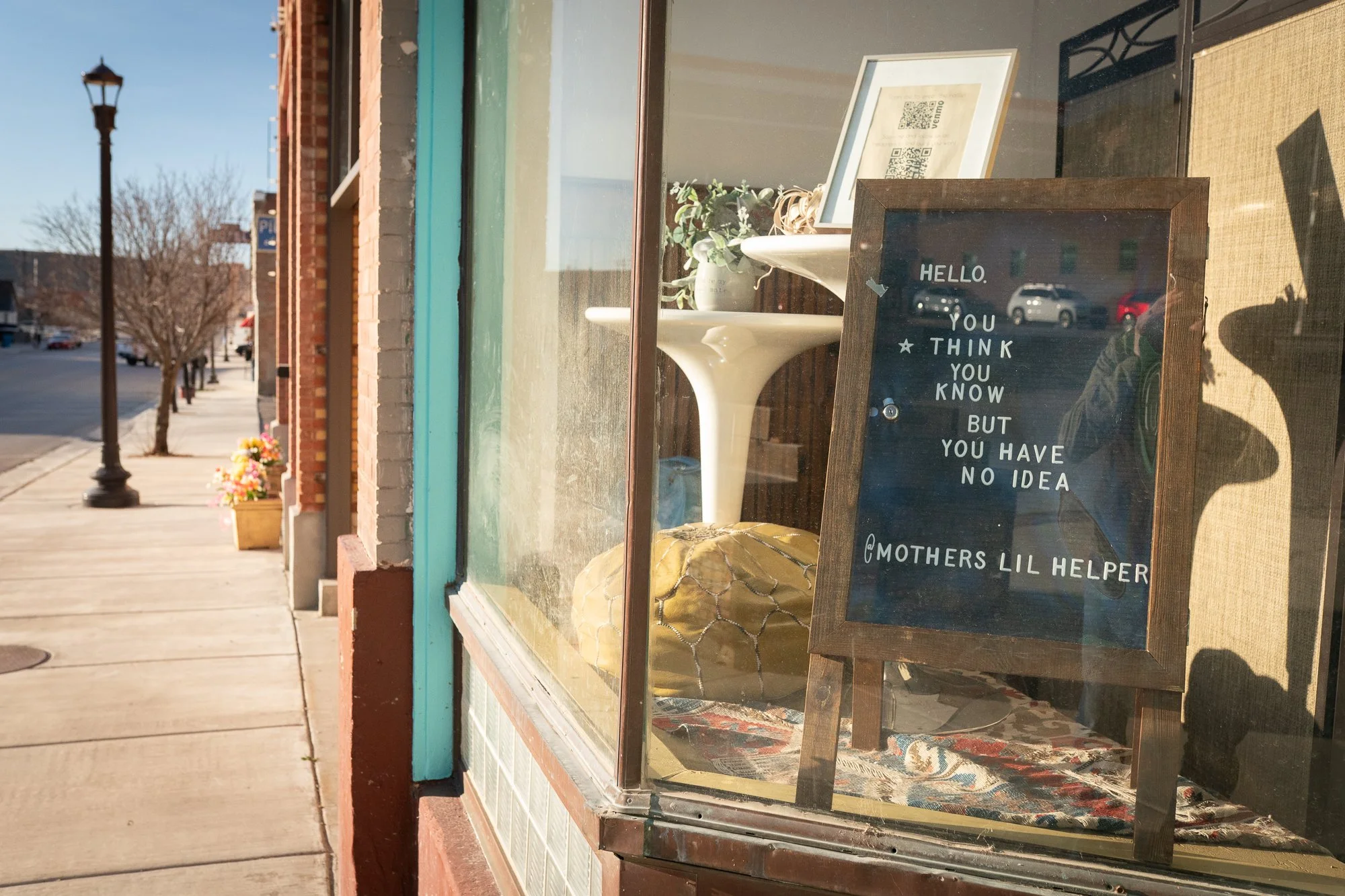
Mothers Lil Helper shop window display on Main Street in Helper Utah

A storefront display on Main Street reads, “Hello… You Think You Know But You Have No Idea” — a subtle reminder of the layered identity of Helper, Utah.

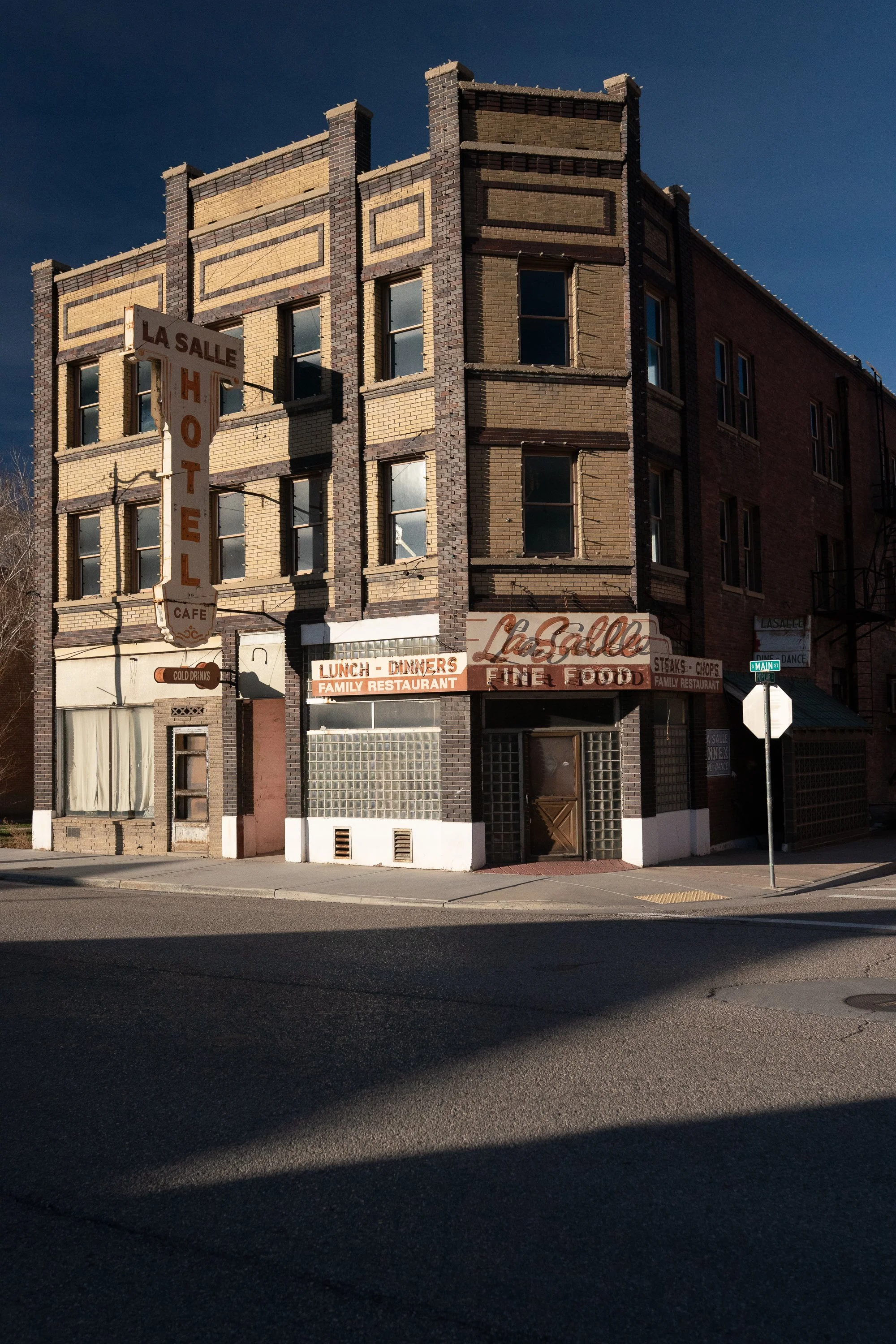
La Salle Hotel historic brick building in Helper Utah

The La Salle Hotel stands at a quiet corner in Helper, Utah — brick facade, vertical hotel sign, and long shadows marking a century of Western travel history.

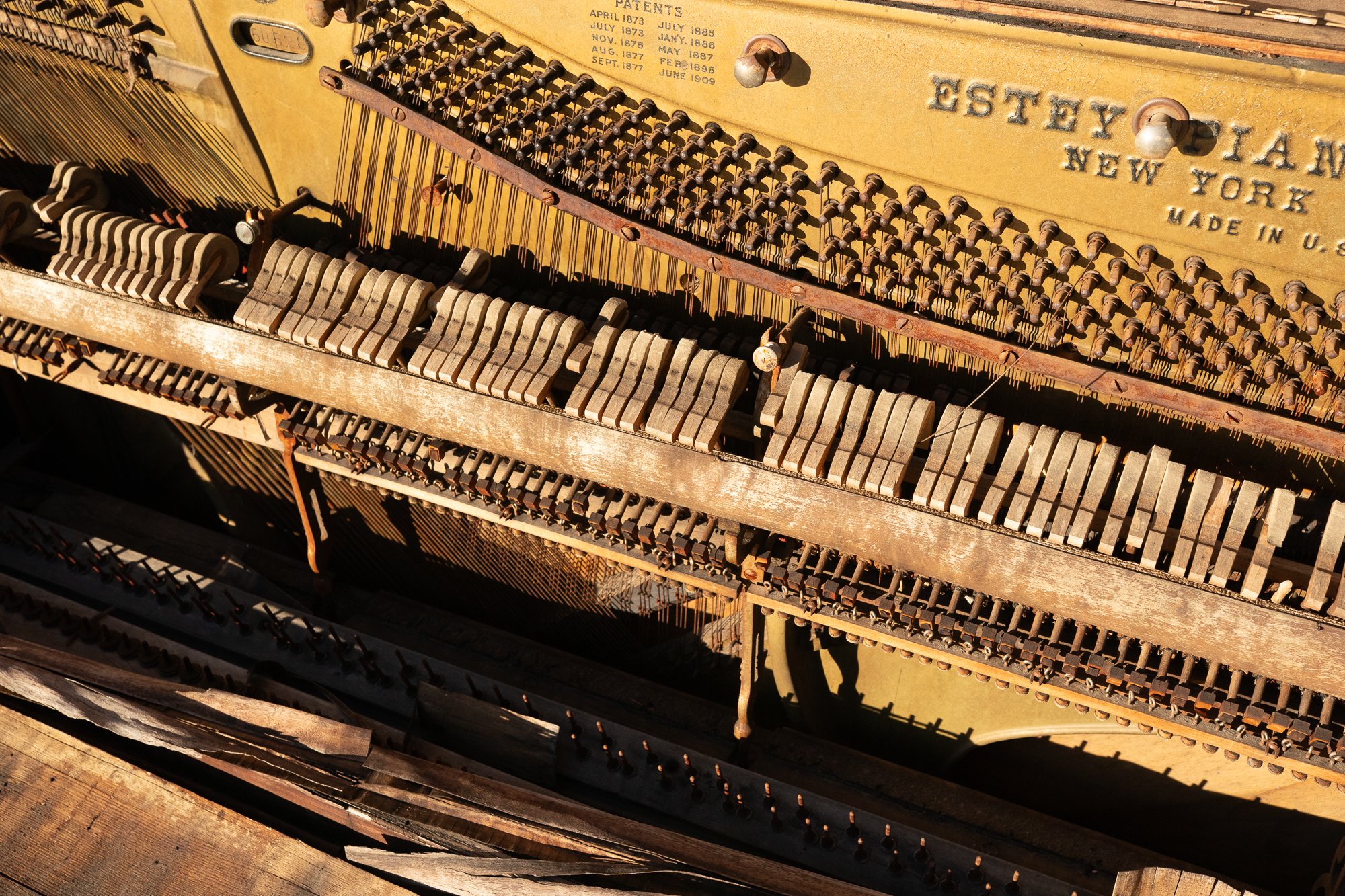
Antique Estey piano interior mechanism photographed in Helper Utah

An exposed Estey piano mechanism reveals aged wood, metal, and string — a close study of craftsmanship discovered in Helper, Utah.

Troy, New York Photographs

Troy, NY Photography — Documentary Prints & Editorial Licensing

Why Troy Still Feels Like Home

Troy, NY is an industrial city that’s been through a lot of change and it shows. I grew up about 20 minutes from Troy and spent a lot of sinful nights there with a bad Fake ID at bars that have long been shut down or turned into pawnshops. At 4am we always ended up at I love New York Pizza soaking up the booze with dollar slices while waiting for the inevitable fight to erupt on 4th St. I love is still there but they shut down at 1am. Just a few of the many changes that have taken place in the Collar City. Visiting now, 20 years later with different eyes, it’s a whole new experience. You can see why the locals have so much pride. Not just for what Troy has become, but also for the history that is written all over the architecture of it’s many historic buildings. You can feel what Troy was in it’s heyday and that almost makes you want to experience the city at that time. Sure it was rough, and still is in parts, but the Italian food alone would be worth the experience. It’s not all gone though. There are still long running institutions like Bella Napoli, DeFazio’s Pizza, and the iconic Famous Lunch Hot Dogs. It’s even got good beer now - Brown’s Brewing Company is well worth the stop for any connoisseur. I never bothered to look deeply at Troy back in the day, but it’s become a favorite place to photograph every time I return home to visit family and friends. The city has a lot of character that deserves to be documented.

Photographing the History and Architecture of Troy, New York

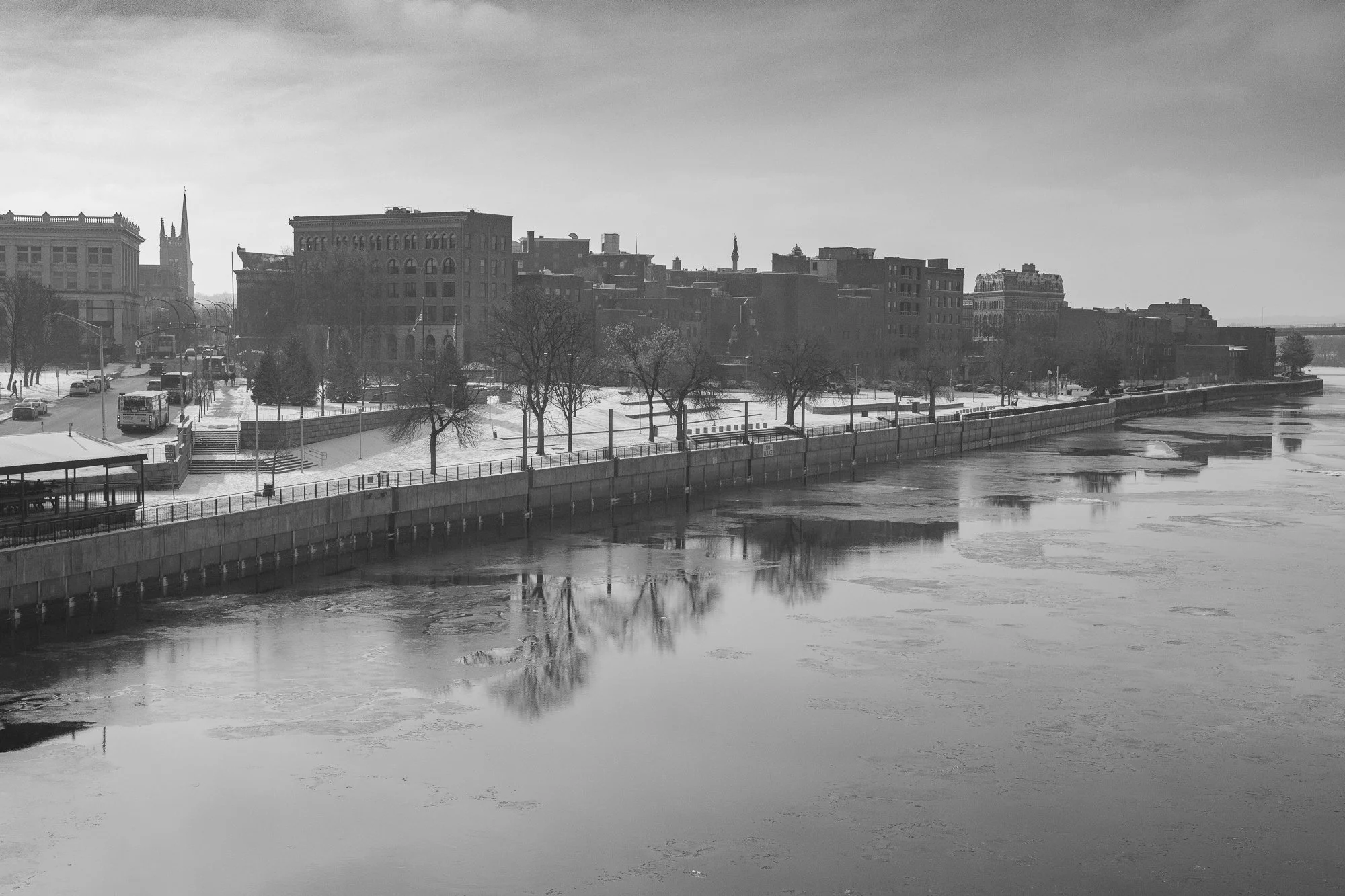
Troy’s nickname, the “Collar City,” comes from its industrial past - but what stands out today is the mix of preservation and grit. The Central Troy Historic District is lined with 19th-century rowhouses, St. Patrick’s Church rises in Gothic stone, and the Sycaway Water Tower still watches from the hillside. From the hill at RPI, you can see the entire city stacked against the Hudson, with the Green Island Bridge tying it all together. These are the scenes that made their way into my prints - quiet, weathered, and timeless.

Fine Art Prints: Sizes, Editions, and Pricing

Every photograph of Troy in this collection is available as a fine art print, made on museum-grade archival paper. Open edition prints start around $50 for smaller sizes (8×10"), while large limited edition prints are signed, numbered, and produced at sizes up to 65". Each piece is crafted to last a lifetime and can be framed to fit your space. Whether it’s for a living room, office, or gallery wall, these prints bring a piece of Troy’s story into your everyday environment.

Licensing Troy Photographs for Editorial & Commercial Use

For businesses, publishers, or art directors looking to license Troy imagery, these photographs are available for editorial and commercial licensing. From historic architecture to atmospheric black-and-white cityscapes, the images can work for magazines, marketing campaigns, and creative projects. Licensing terms are flexible depending on your needs—just reach out directly to start the conversation.

Troy has always been a mix of nostalgia and resilience for me. These photographs hold on to that character, offering more than just a view—they carry the texture of a city that built its name on hard work and history. Contact me directly if you’d like to discuss licensing or to purchase a photography print of Troy, NY for your home, office, or commercial space - rob@robhammerphotography.com

See My Albany, New York Photography Prints →

Green Island Bridge spanning the Hudson River in Troy, New York, documentary photography

The Green Island Bridge over the Hudson River in Troy, New York

Historic Troy, New York cityscape showing 19th-century architecture in black and white

Historic architecture in Troy, New York

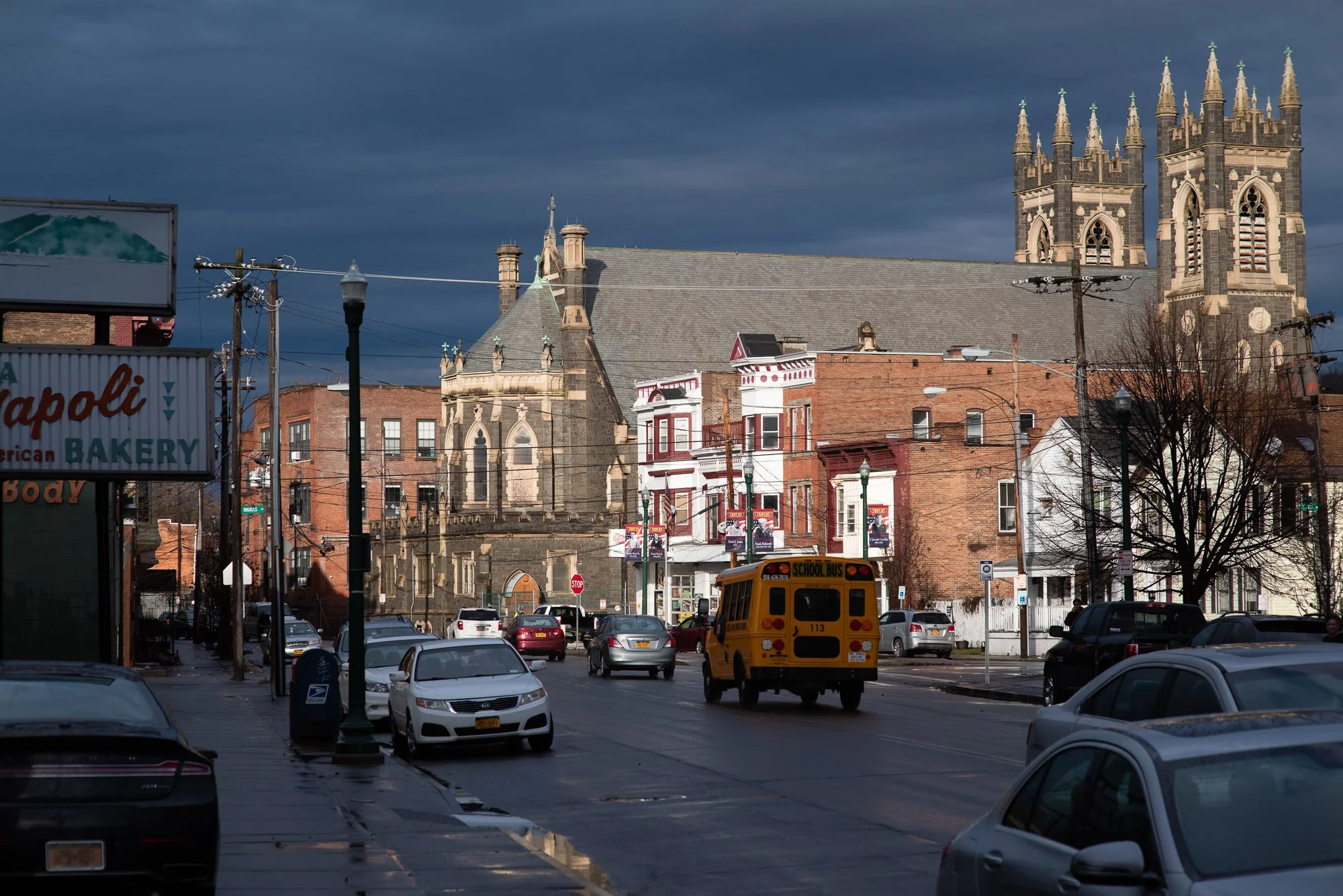
St. Patrick’s Church in Troy, New York, Gothic Revival architecture photograph

St. Patrick’s Church - Troy, NY

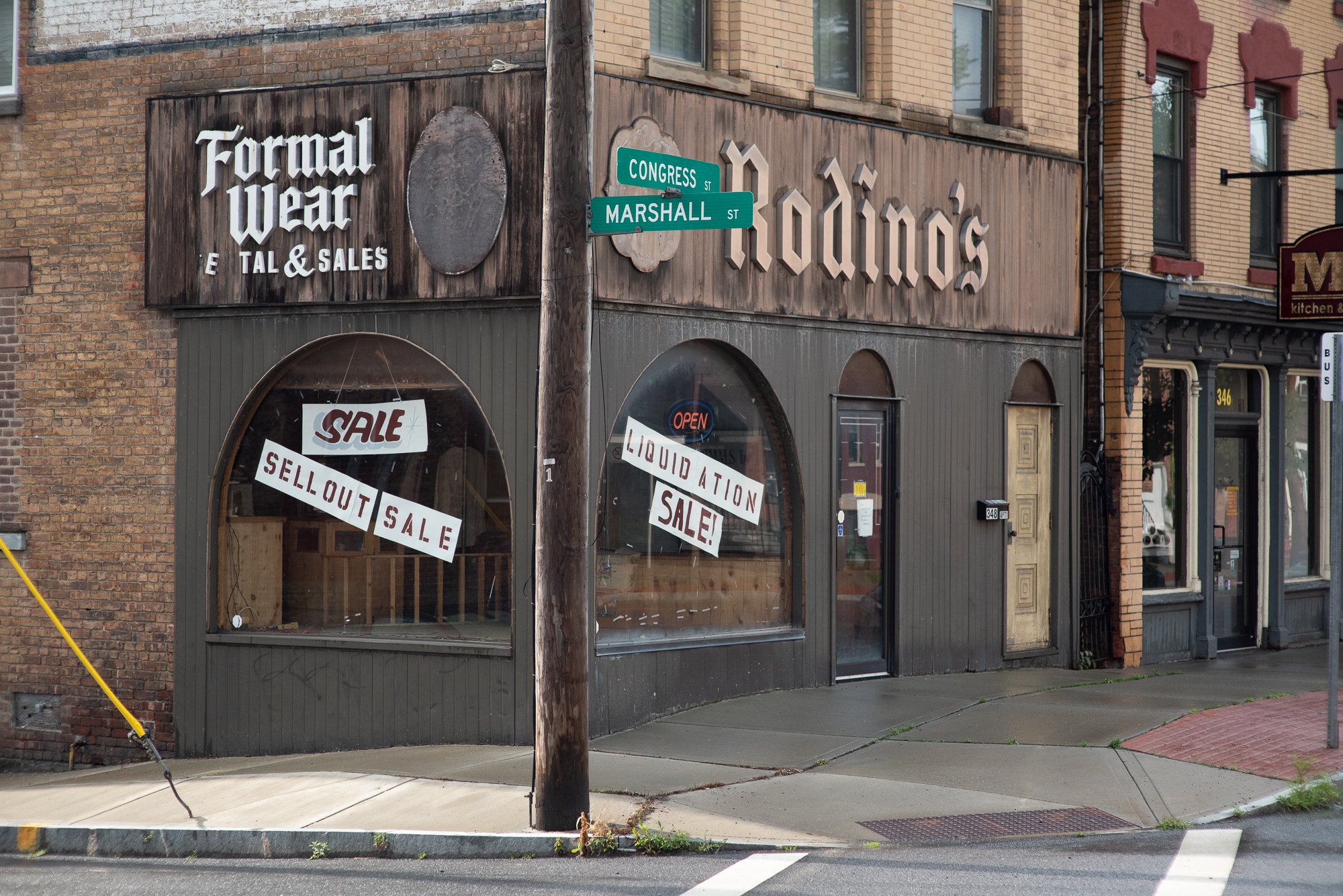
Rodino’s Tuxedo Shop storefront in Troy, New York, vintage downtown scene

Rodino’s Tuxedo Shop - Troy, NY

Photograph of the Sycaway Water Tower in Troy, NY

Sycaway Water Tower

Black and white historical photograph of Troy, NY

Church spires in Troy, NY

Photograph of the Famous Lunch hot dog restaurant in Troy, NY

Famous Lunch Hot Dogs - Troy, NY

Photograph of soda cans for sale hanging up at Famous Lunch Hot Dogs in Troy, NY

Soda for sale at Famous Lunch in Troy, NY

Photograph of a man working inside Famous Lunch Hot Dogs in Troy, NY

World Famous Hot Dogs since 1932

Photograph of a train bridge along the Hudson River near Troy, NY

Train bridge on the Hudson River in Upstate New York

Photograph of Uncle Sam Lanes bowling alley in Troy, NY

Uncle Sam Lanes

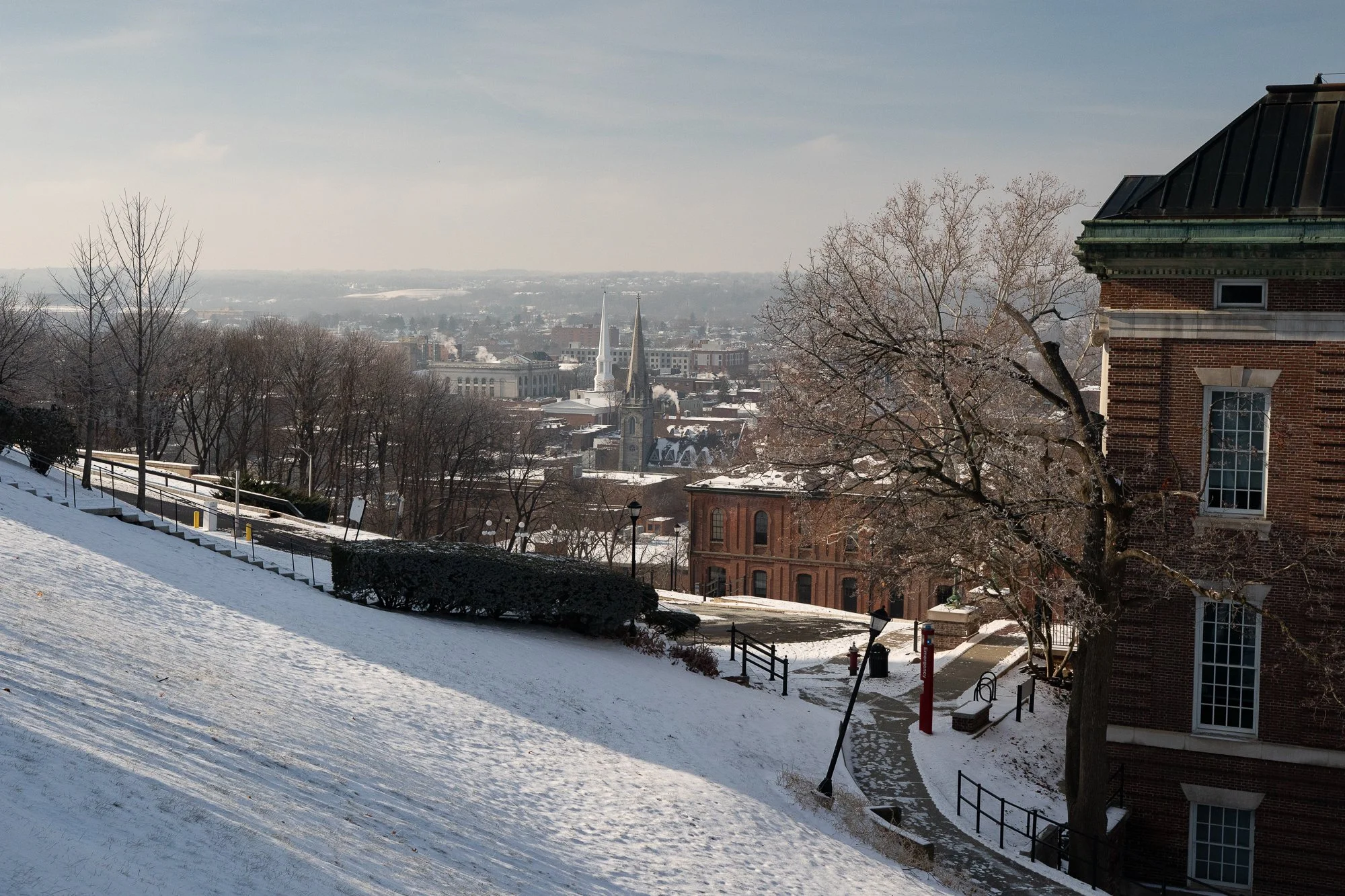
The view of Troy from the campus of RPI

Overlooking the city of Troy from the Renssalaer Polytechnic Institute

Black and white photograph of a basketball hoop under a bridge in Troy, NY

Troy Basketball

Photograph of homes in the typical architectural style of Troy, NY

Homes in the city of Troy, NY

Tree shadows on the beautiful architecture of an old church in Troy, NY

Architecture of an old church in Troy, NY

The best barbershop in Troy, NY

Barbershop - Troy, NY

Photograph of a girl writing on a typewriter at Yellow Lab Vintage and Books in Troy, NY

Used book store in Troy, NY

Photograph of the Livingston Avenue Bridge on the Hudson River

Livingston Avenue Bridge

Black and white photograph of an iconic bride in Troy, NY

Troy, NY


Photographs of Albany, New York - Historical Landmarks & Architecture

ALBANY, NEW YORK PHOTOGRAPHS

Growing Up Around Albany, New York

I grew up in the Albany area, and my relationship with the city has always been shaped by familiarity rather than novelty. It’s a place I knew long before I ever photographed it—through daily routines, changing neighborhoods, and the quiet rhythms of a city that rarely tries to impress anyone.

That familiarity is what eventually pulled me back with a camera. Photographing Albany wasn’t about rediscovery so much as paying closer attention. I wasn’t looking for defining moments or iconic views. I was interested in the spaces that felt ordinary enough to be overlooked, yet permanent enough to hold memory.

Photographing Albany as a Lived-In City

This photography series is rooted in observation rather than spectacle. Albany is a city layered with history—Federal and Victorian architecture, civic buildings, industrial remnants, and residential streets shaped by decades of quiet change. Much of that history lives in plain sight.

I gravitated toward scenes that reflect that lived-in quality: empty streets, weathered facades, winter light, and moments where architecture and atmosphere intersect. These photographs are intentionally restrained. They aren’t meant to dramatize the city, but to reflect it honestly.

The goal is not to explain Albany, but to let it exist as it is.

Architecture, Atmosphere, and the In-Between

Many of the photographs in this series focus on architecture, but not in a formal or celebratory way. I’m less interested in buildings as symbols than as backdrops for daily life—structures shaped by use, time, and weather.

Light plays an important role. Fog, snow, and low winter sun soften edges and slow the pace of looking. These conditions reveal details that might otherwise go unnoticed, and they echo how the city often feels to move through: quiet, deliberate, and grounded.

This approach mirrors how I work across my broader documentary projects—allowing place to speak without forcing a narrative.

A Long-Term Documentary Project

This Albany photography project is ongoing. The city continues to change, and my relationship to it continues to evolve as well. Returning with a camera allows me to see familiar spaces with fresh attention, while still photographing from a position of understanding rather than distance.

The photographs aren’t meant to define Albany, but to contribute to a broader visual record of American cities—particularly those that exist outside the usual spotlight.

From the Project to the Prints

While this page focuses on the documentary work itself, many of these photographs are available as fine art prints. The prints are produced with the same care and intention as the photographs, emphasizing longevity, material quality, and thoughtful presentation.

If you’re interested in viewing available work from this series, you can explore the print collection below.

→ View available Albany photography prints

Click HERE to view my photographs of Troy, NY

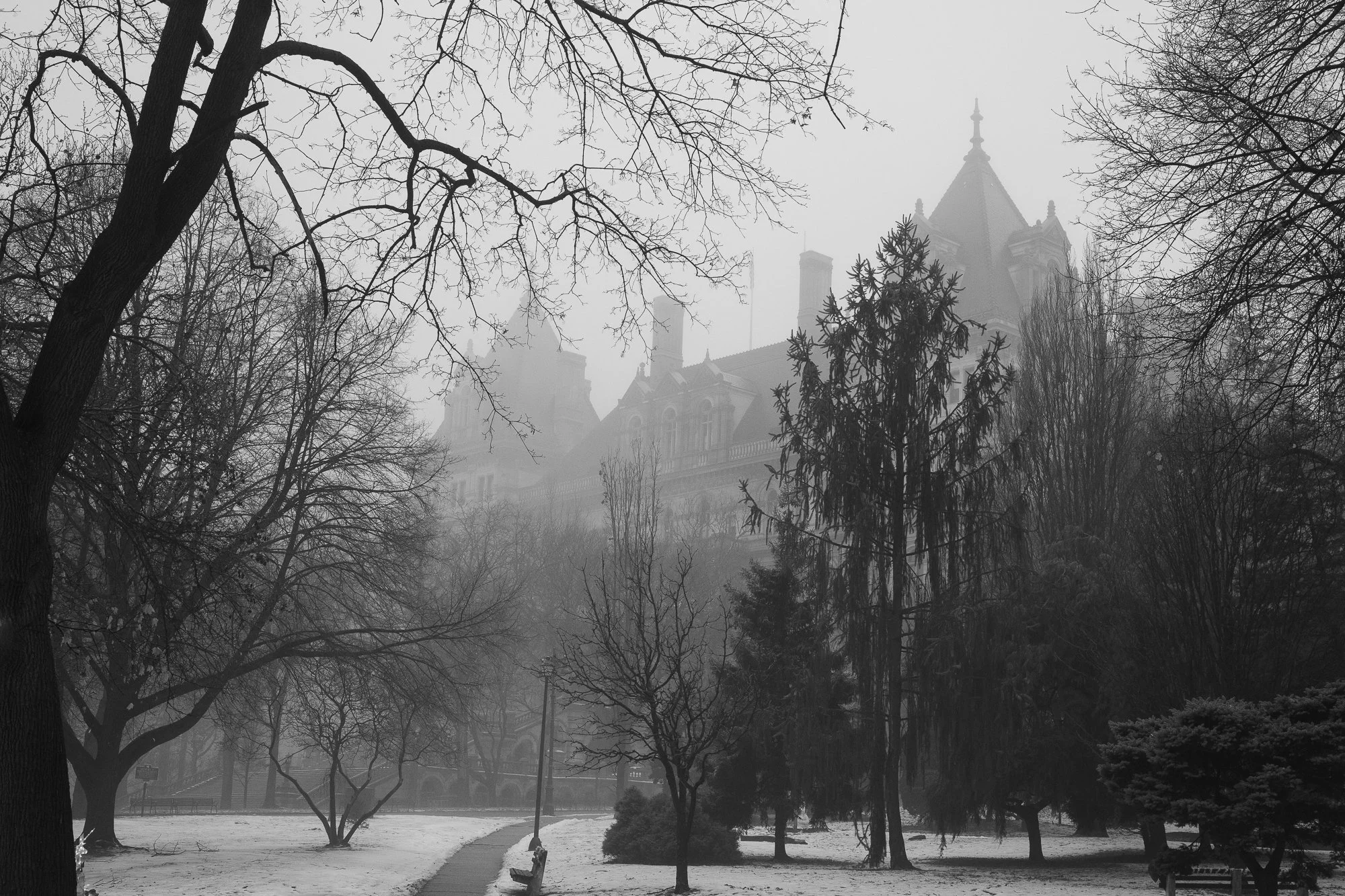
Black and white photograph of the New York State Capitol partially obscured by winter trees in Albany

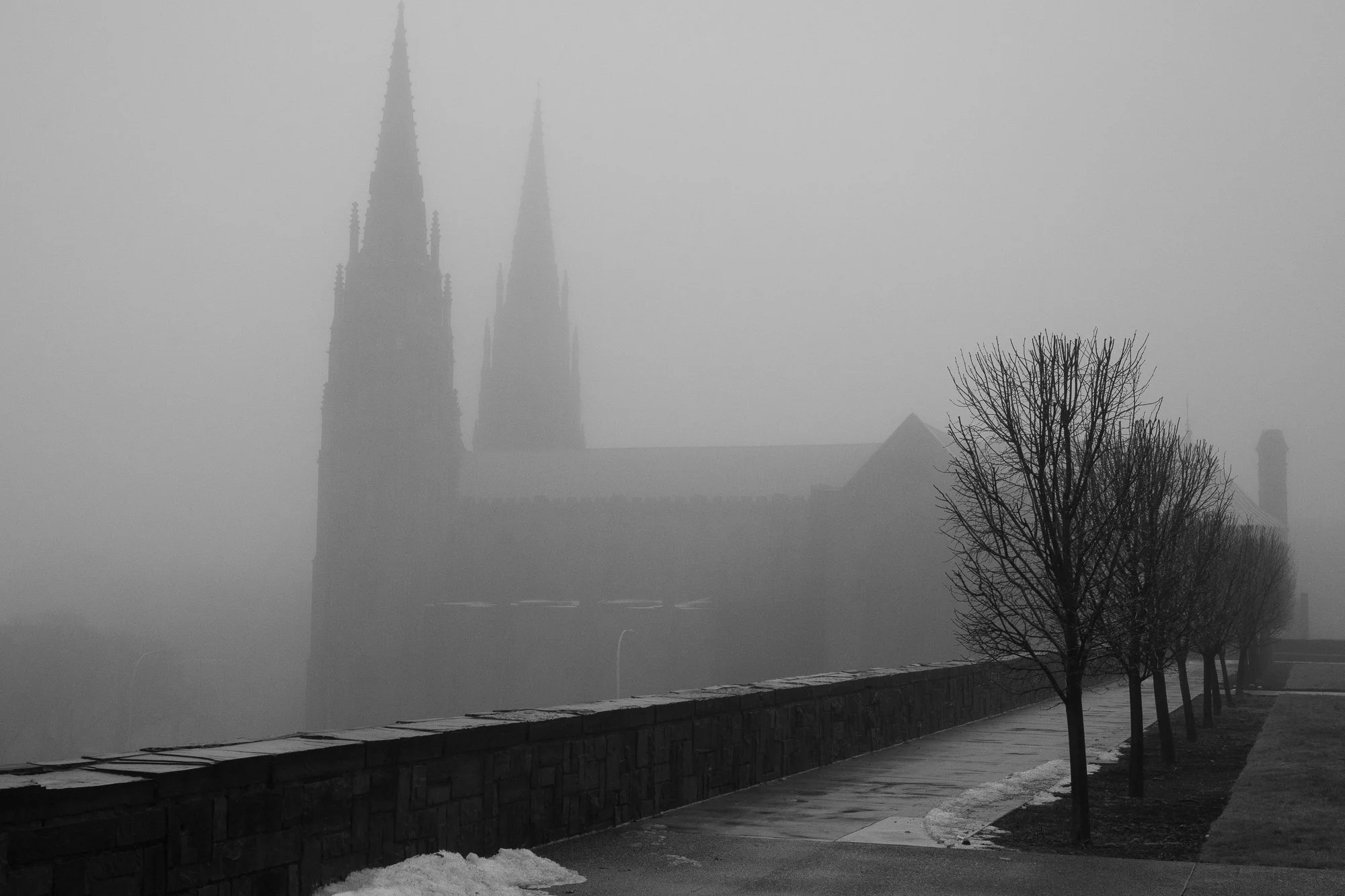
The New York State Capitol recedes behind bare winter trees as fog softens its presence in Albany, NY

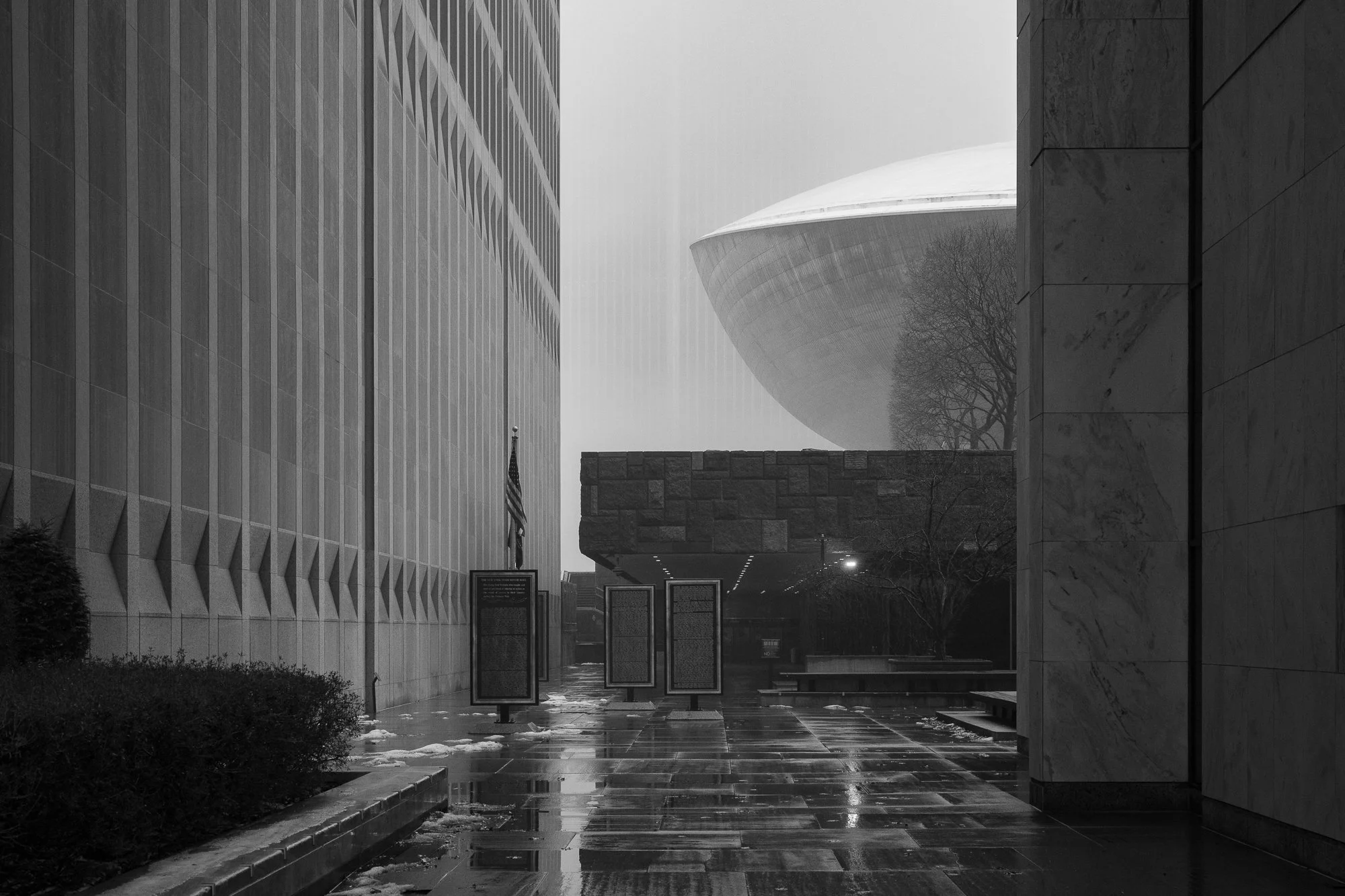
Black and white architectural photograph of Empire State Plaza buildings in Albany, New York

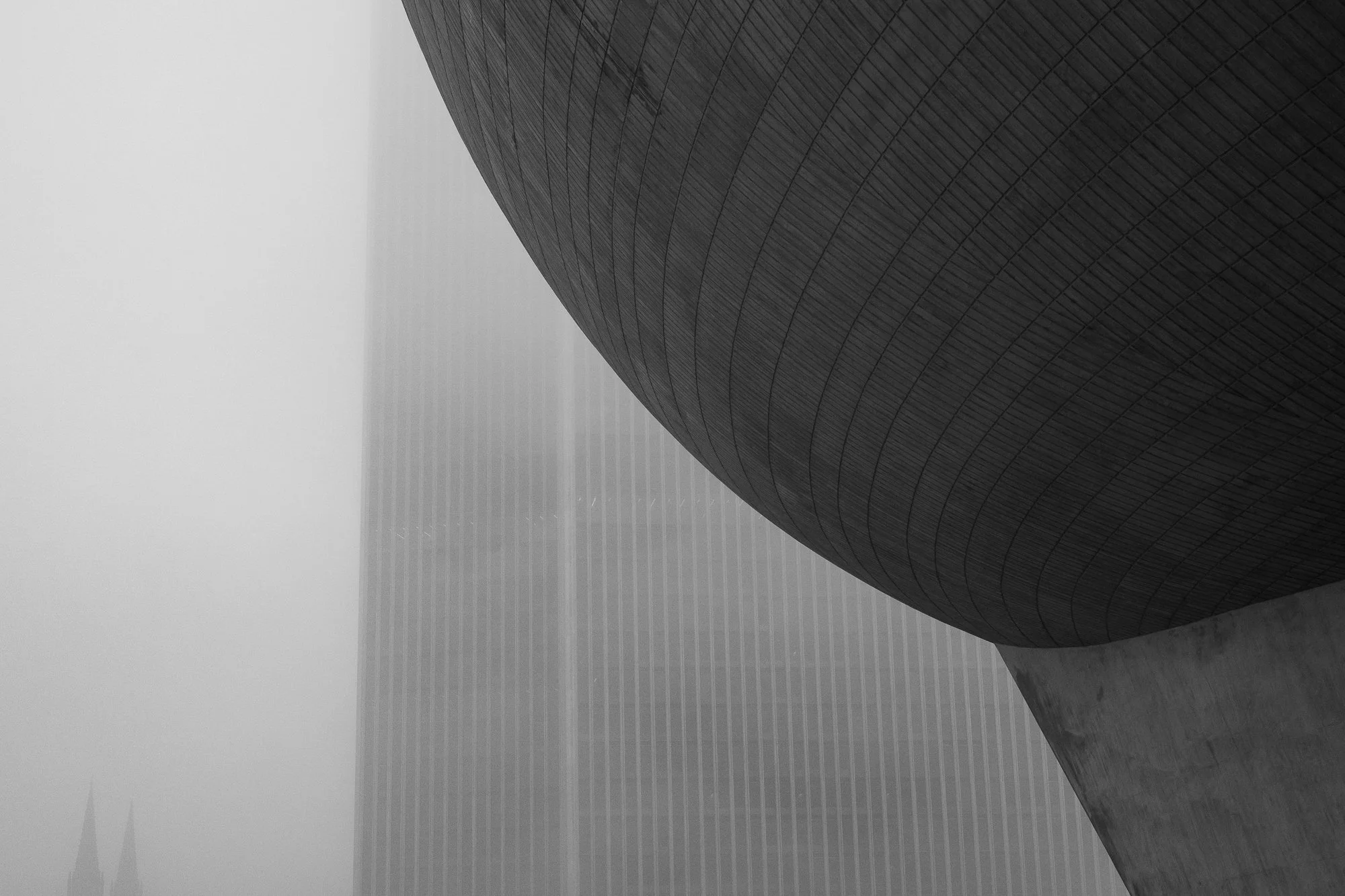
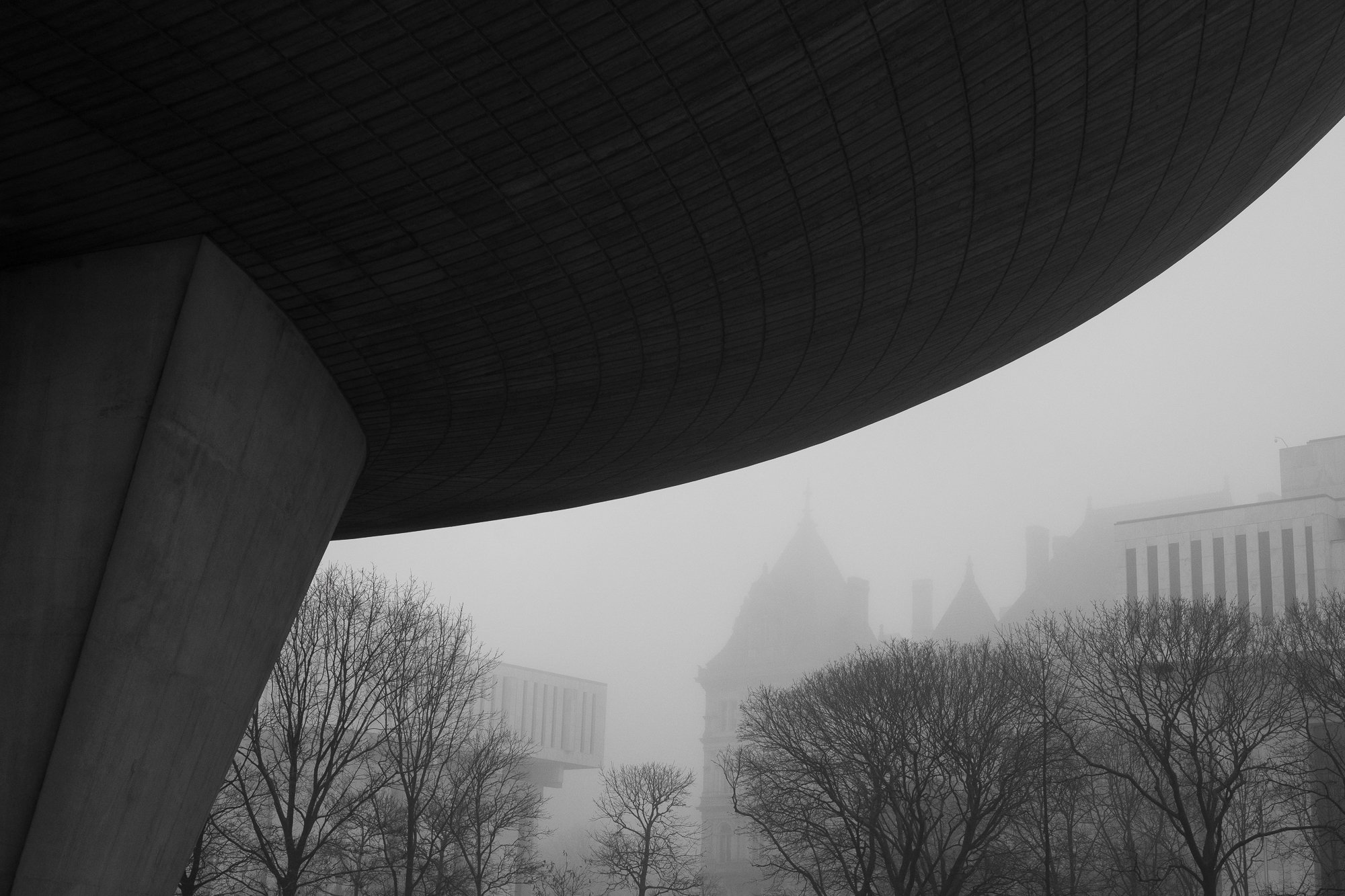
Empire State Plaza emerges through fog, emphasizing clean lines, scale, and negative space.

Timeless black and white photograph of Albany, New York

Classic black and white photograph of Albany, NY

Black and white photograph of cathedral spires emerging through fog in Albany, New York

Cathedral spires of the Church of the Immaculate Conception in Albany, NY rise quietly through dense fog, reducing the city to silhouette and form.

Black and white photograph of The Egg performing arts center in Albany, New York

Empire State Plaza - A close architectural study of The Egg, where curve and concrete dominate the frame.

Black and white photograph of birds flying past a tall government building in Albany, New York

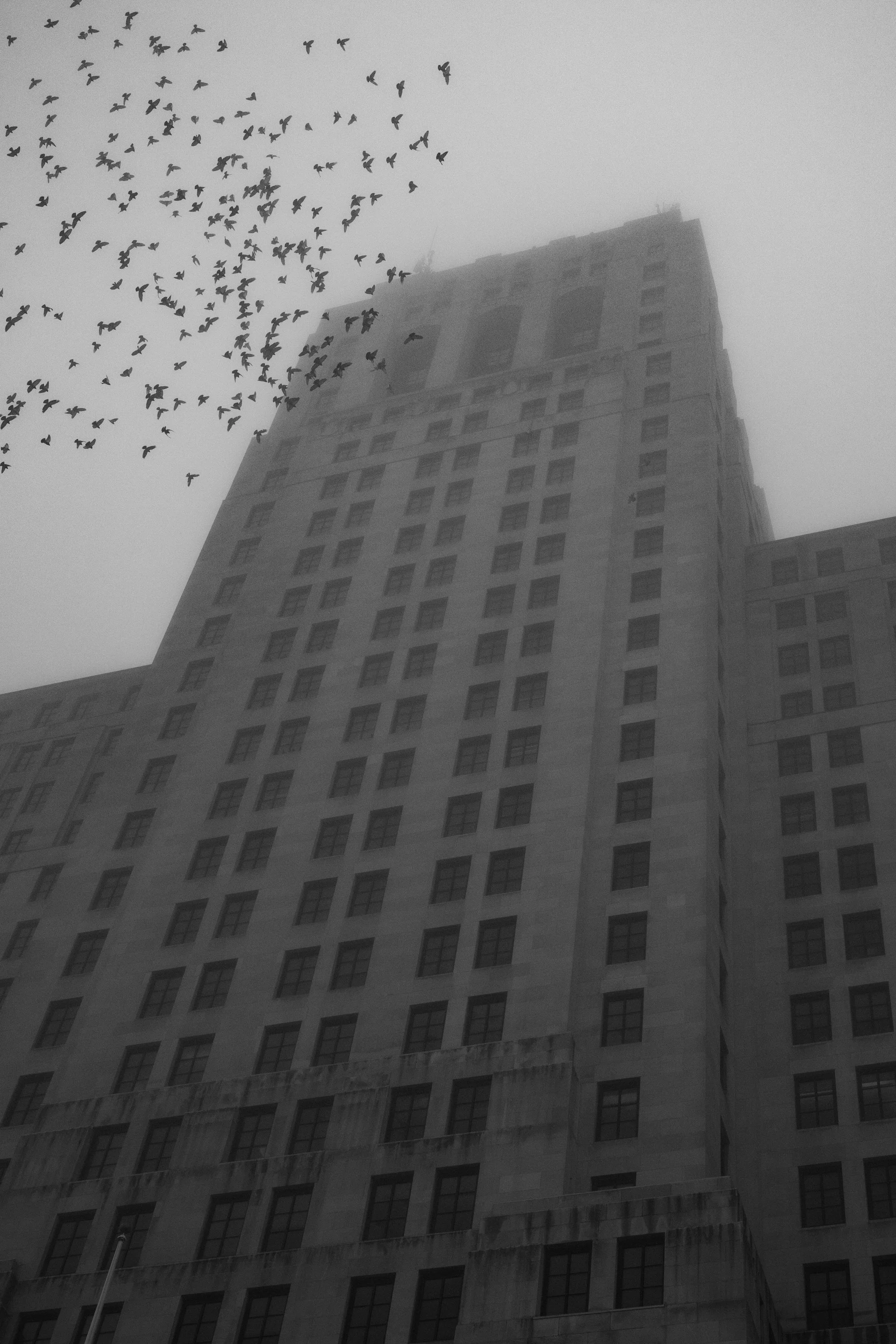
A flock of birds breaks the stillness above the Alfred E. Smith building, adding movement to an otherwise rigid form.

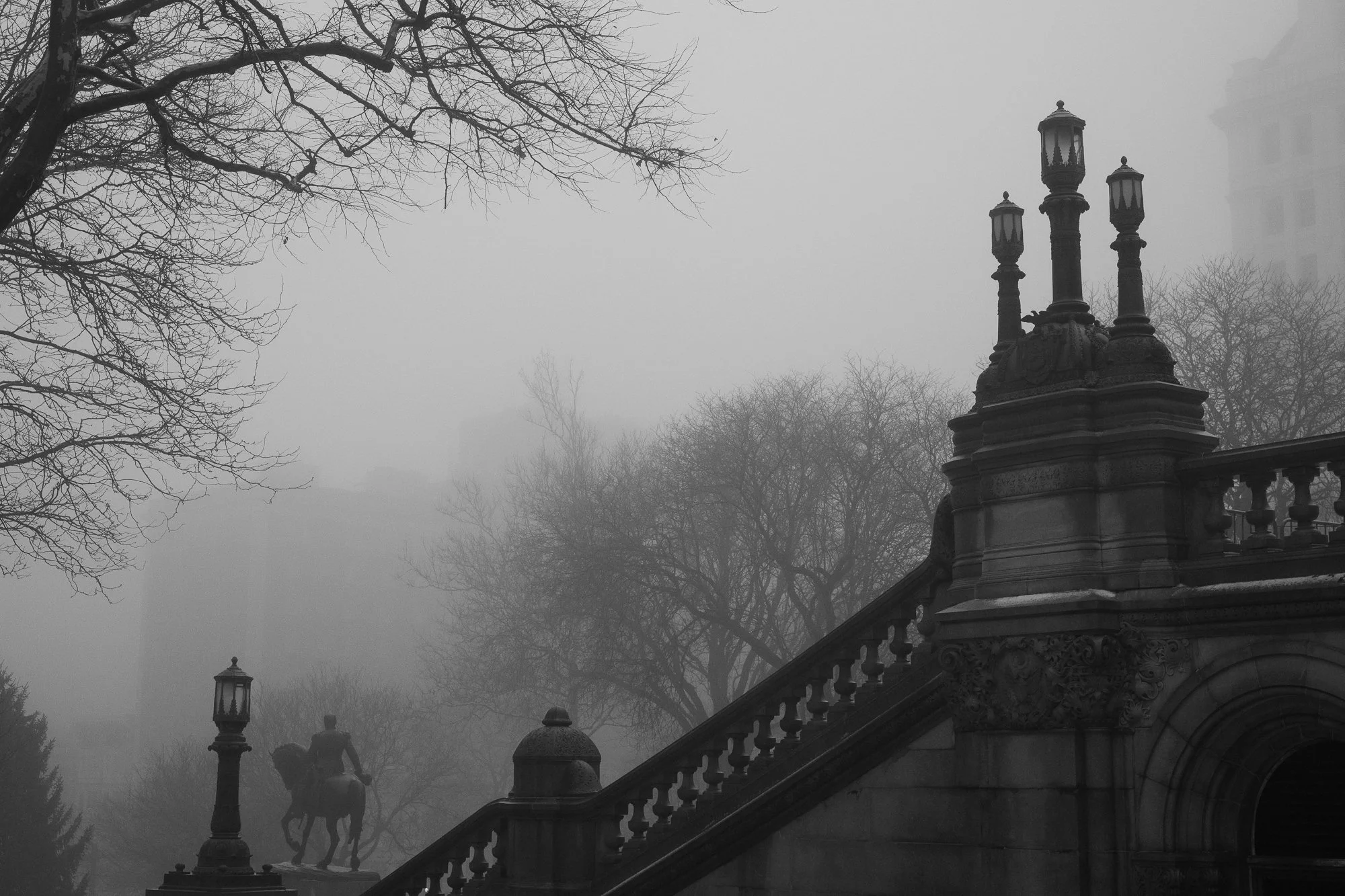
Black and white photograph of decorative balustrades and lampposts at the New York State Capitol in fog

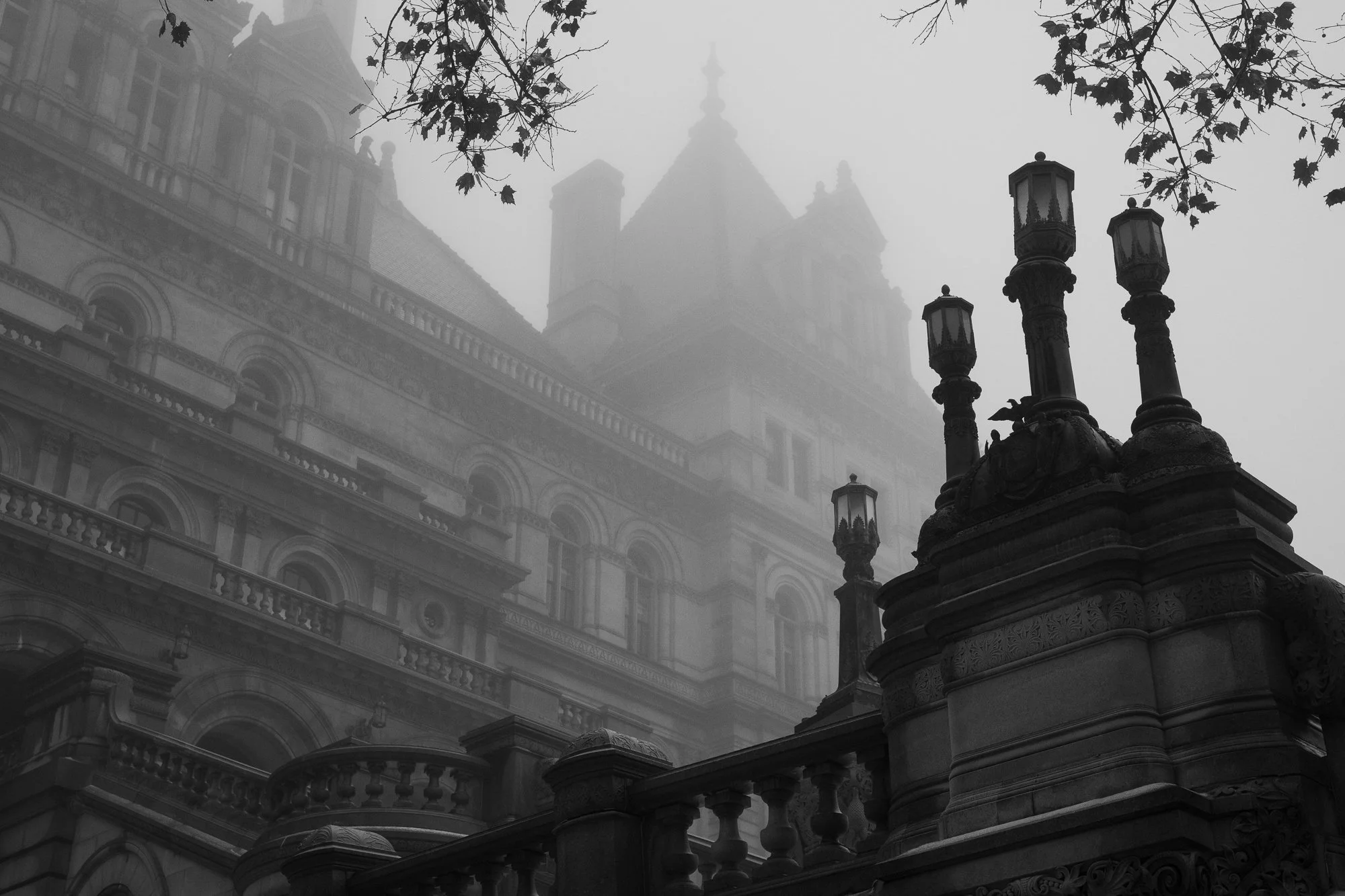
Decorative stonework and lampposts lead the eye toward the Capitol as fog softens the background.

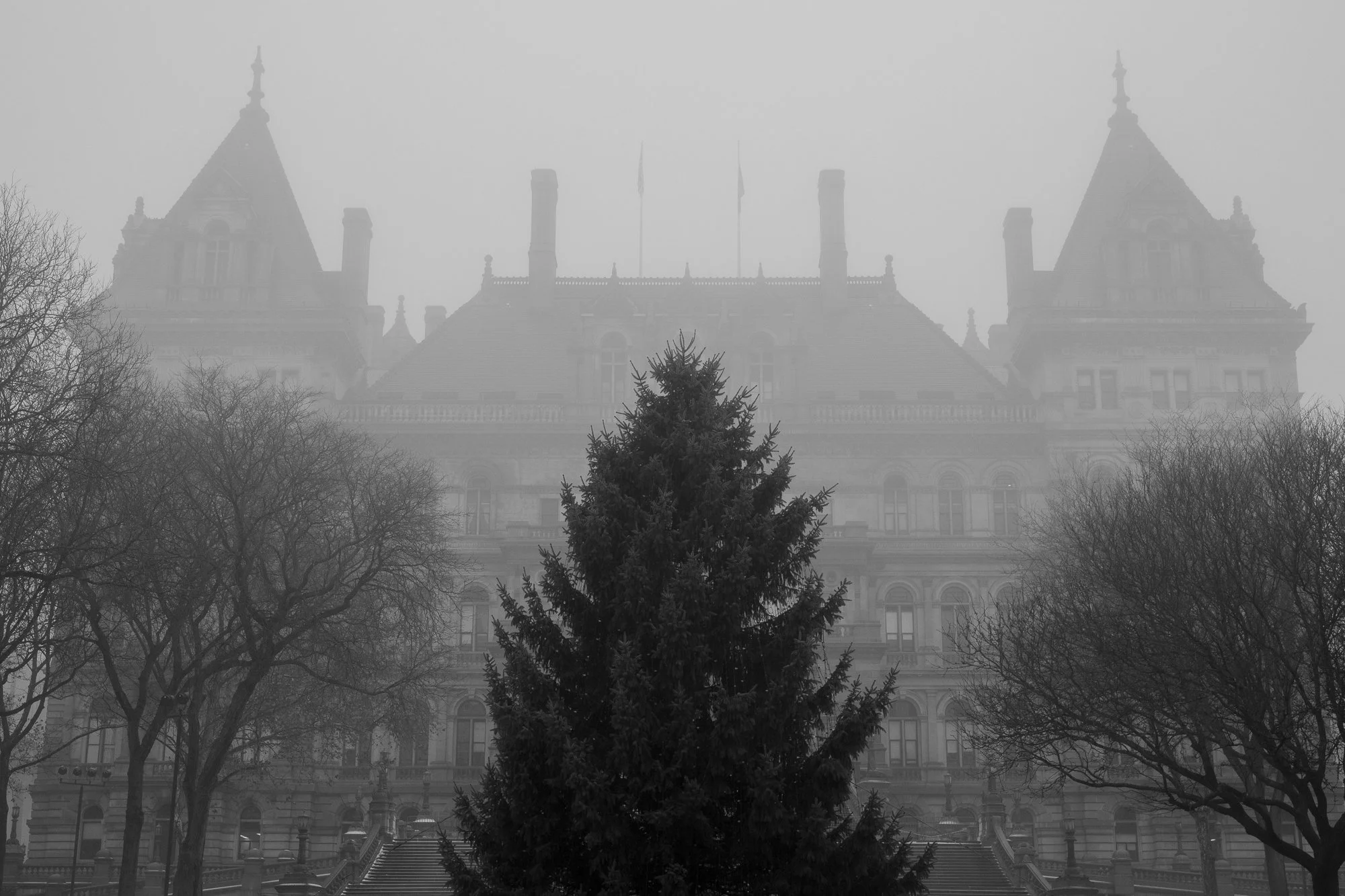
Black and white photograph of the New York State Capitol with symmetrical towers and a central evergreen

Symmetry, fog, and restrained contrast reduce the the New York Sate Capitol building to pure form. This photograph is offered as a fine art print that works especially well in offices and interiors where quiet authority matters.

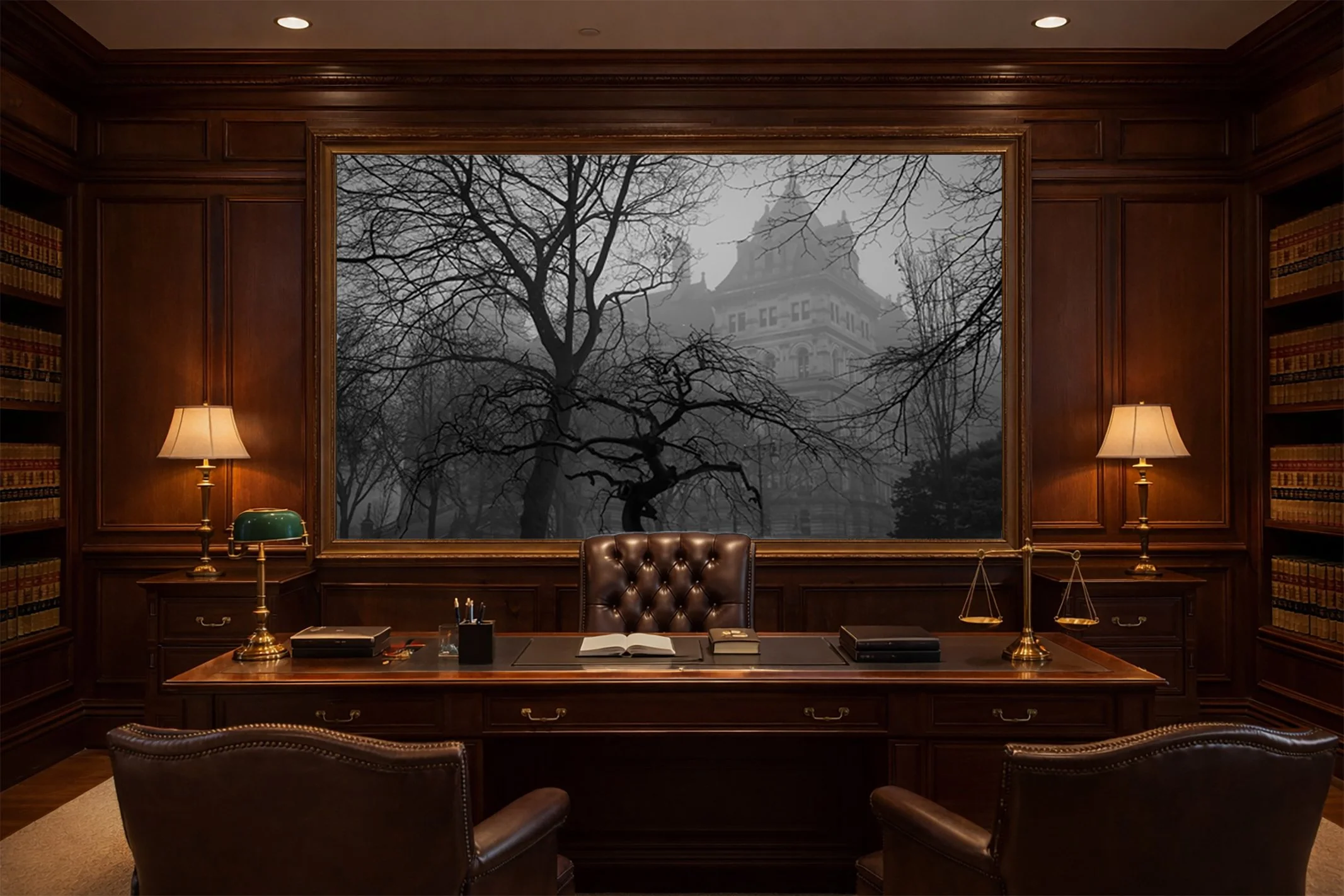
Black and white architectural photograph of an Albany, New York landmark displayed in a high-end attorney’s office with dark wood paneling and classic furnishings

A black and white architectural photograph of Albany, New York, shown here installed in a high-end attorney’s office. The fog-softened historic architecture and bare winter trees bring a quiet sense of permanence and authority to a refined professional space.

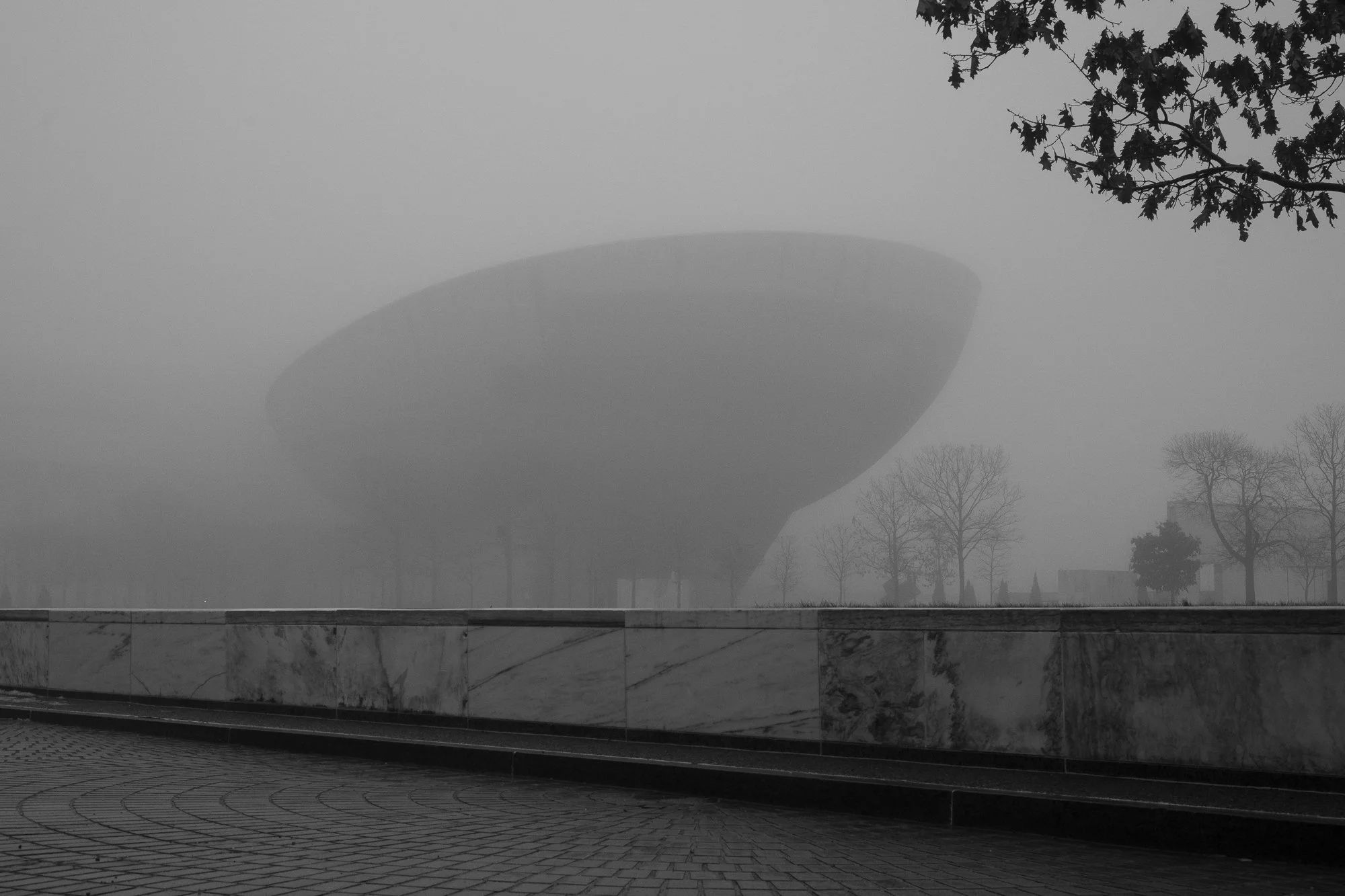
Black and white photograph of The Egg performing arts center partially obscured by fog in Albany

The Egg appears as a softened form within heavy fog, emphasizing scale and negative space.

Black and white photography print of historic Albany, NY architecture

Photograph of the New York State Education Department building in Albany, NY

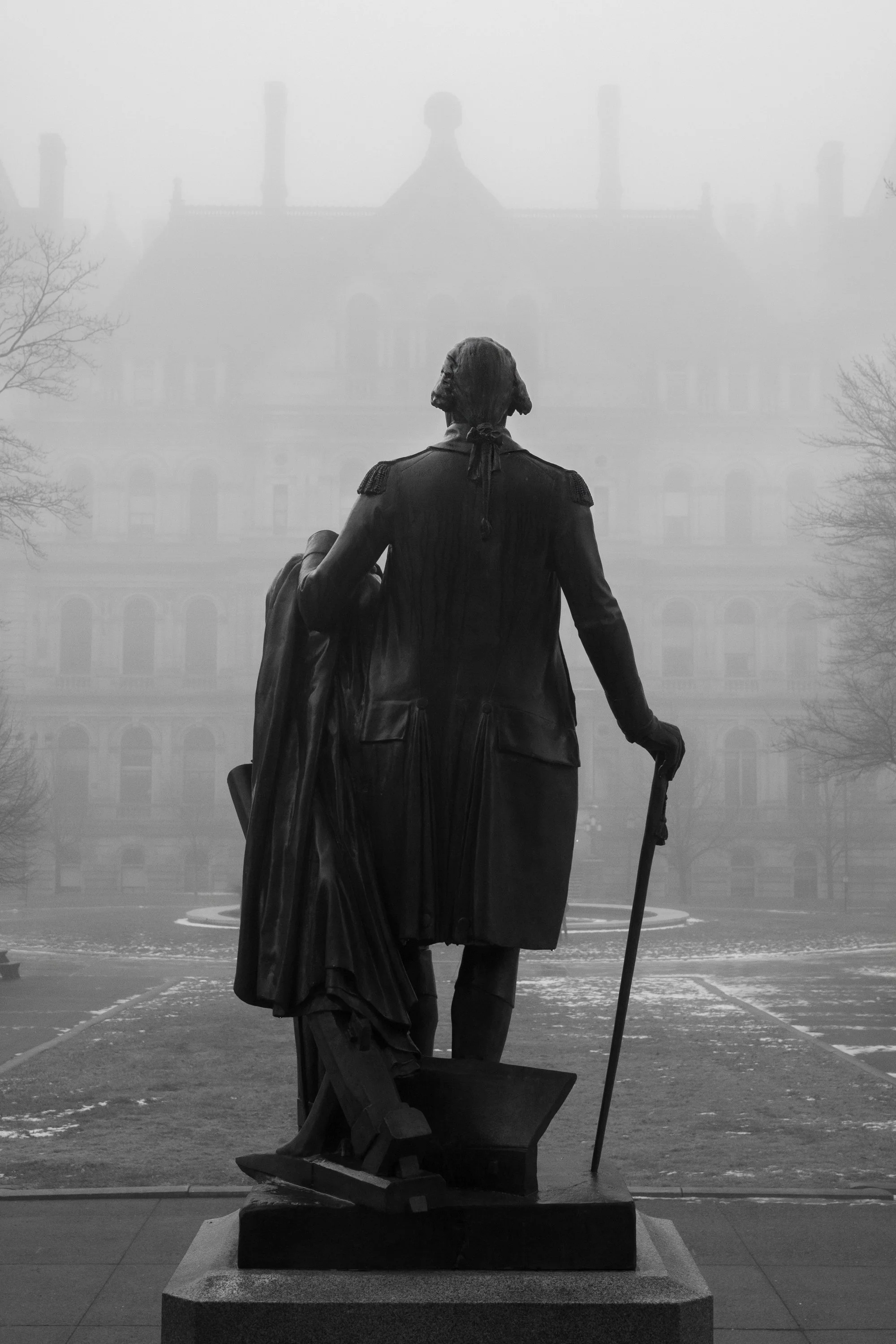
Black and white photograph of a statue in Washington Park framed by bare tree branches in Albany

A statue of George Washington stands quietly framed by winter branches and softened by fog.

Black and white photography print of the statue and staircase in front of the Capital building in Albany, NY

Timeless black and white photograph of Albany, NY architecture

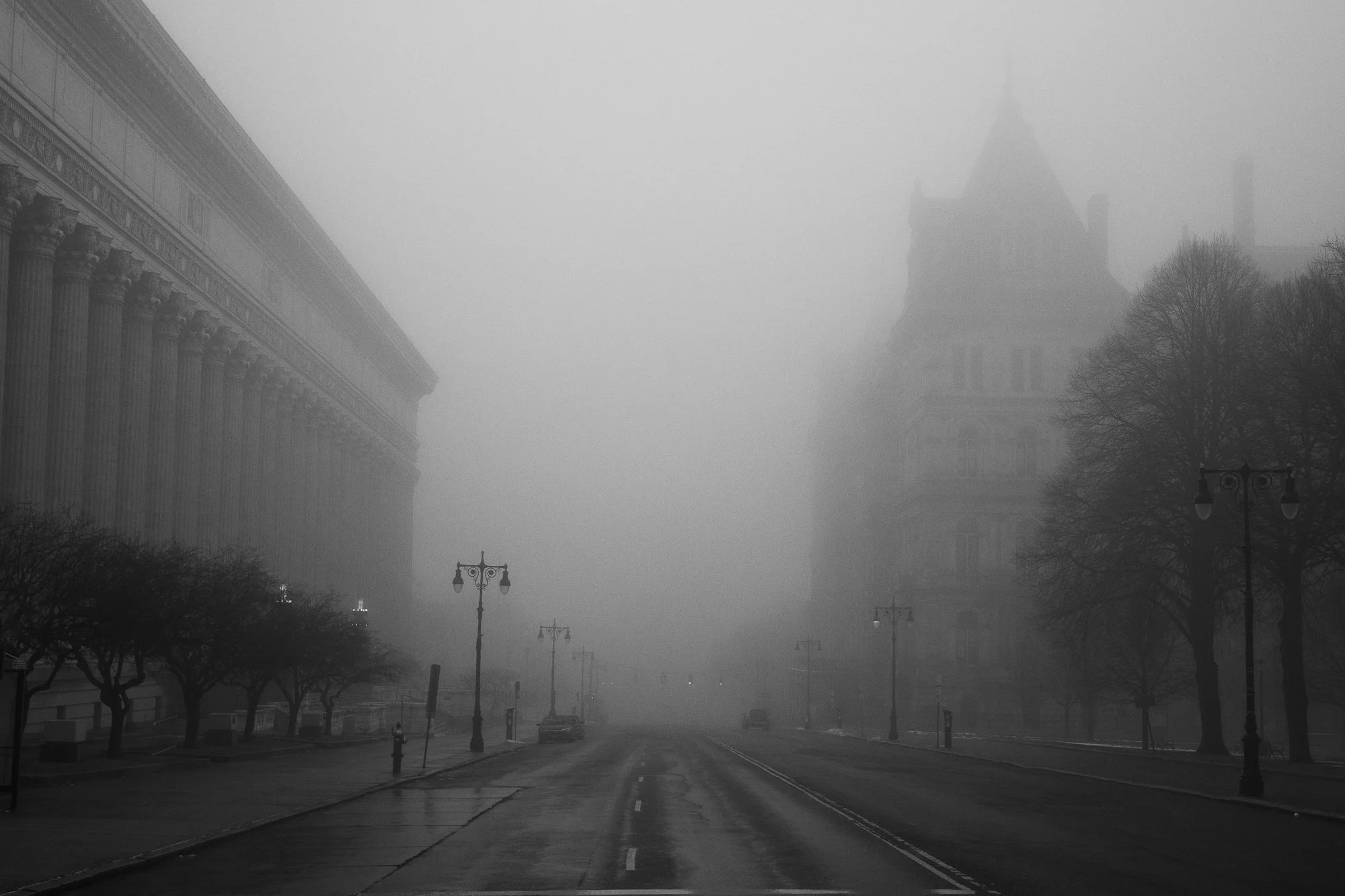
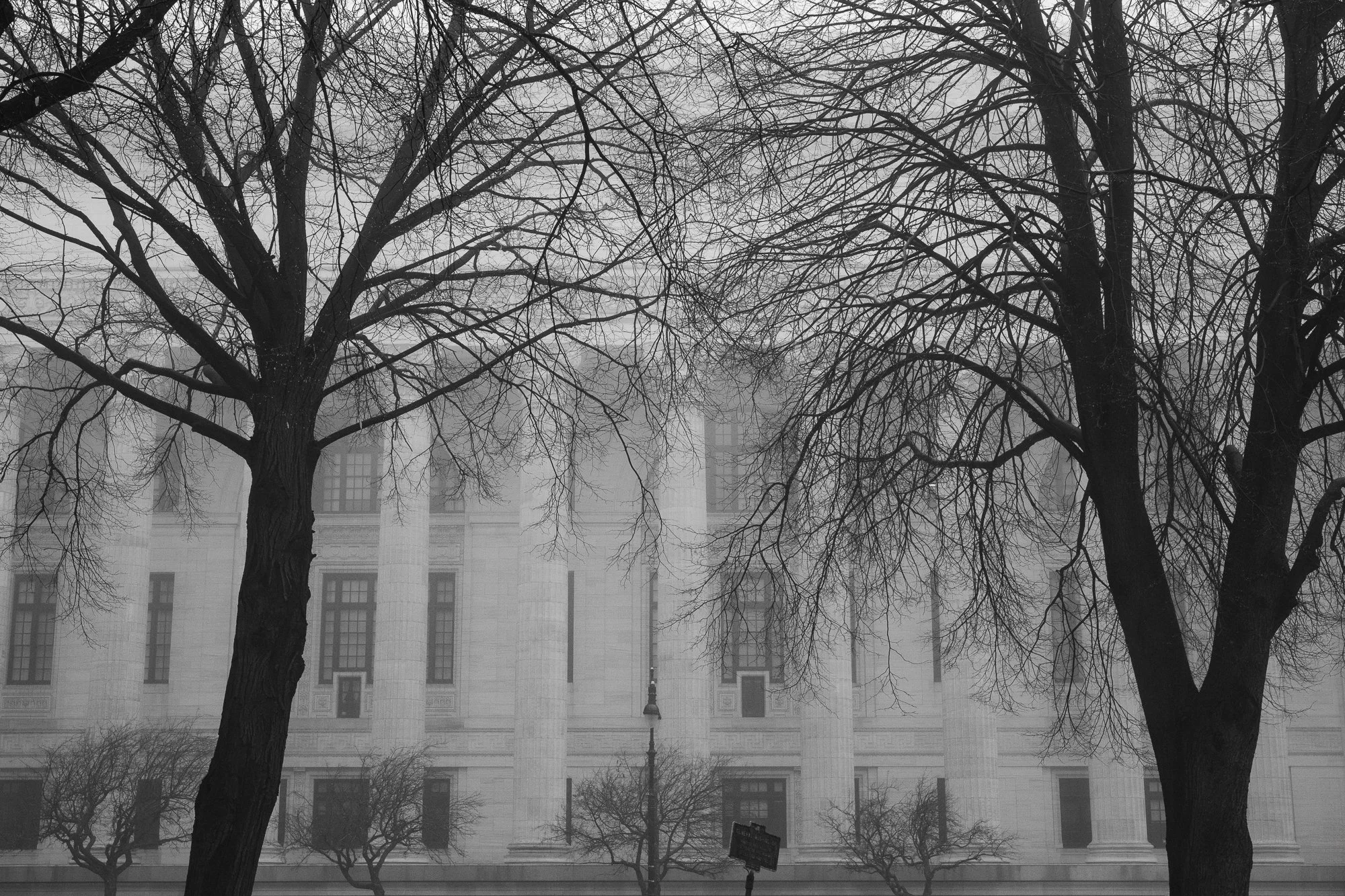
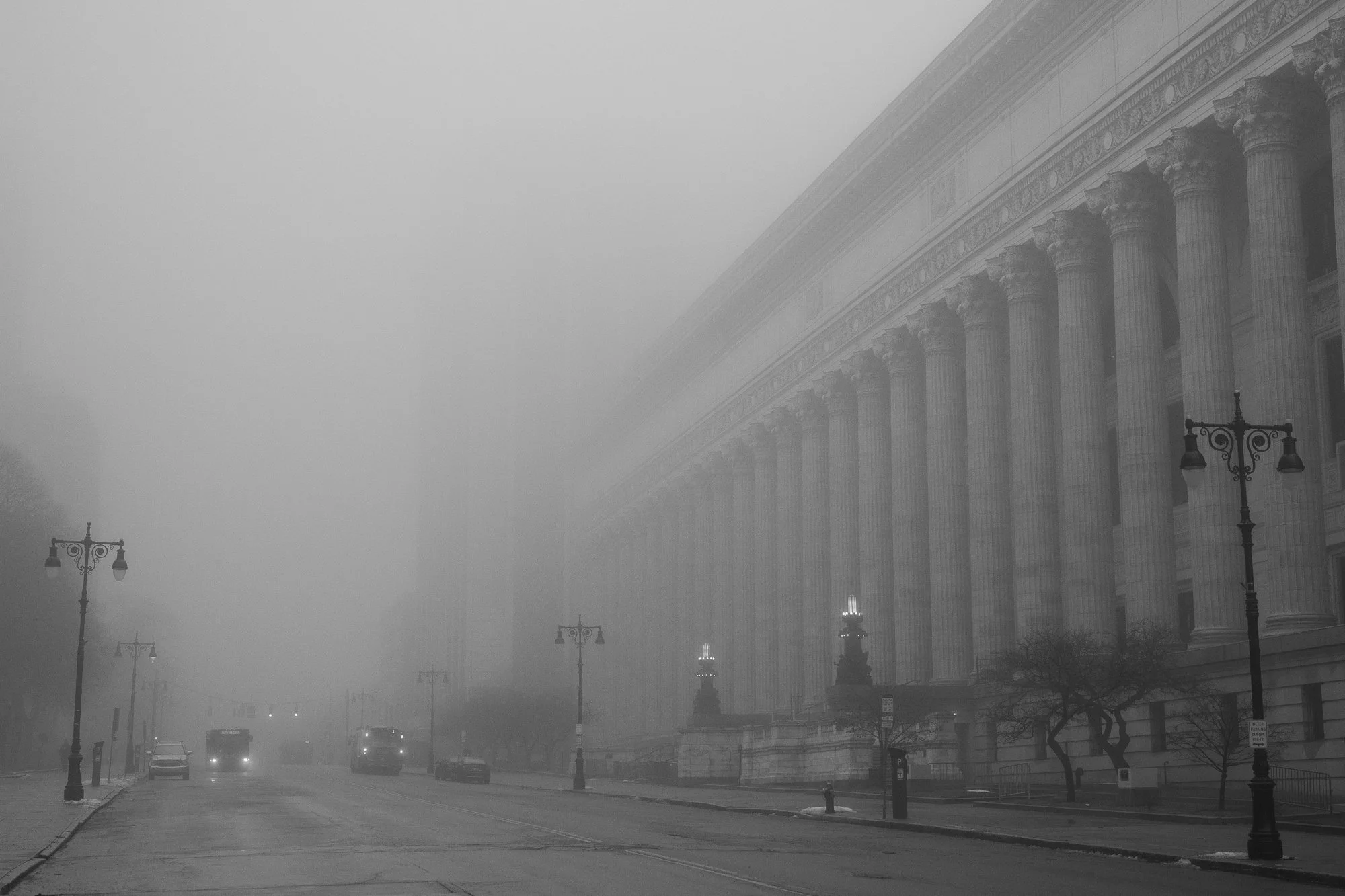
Black and white photograph of a columned government building along an empty street in Albany

A long row of columns fades into fog along a quiet Albany street, emphasizing repetition and scale.

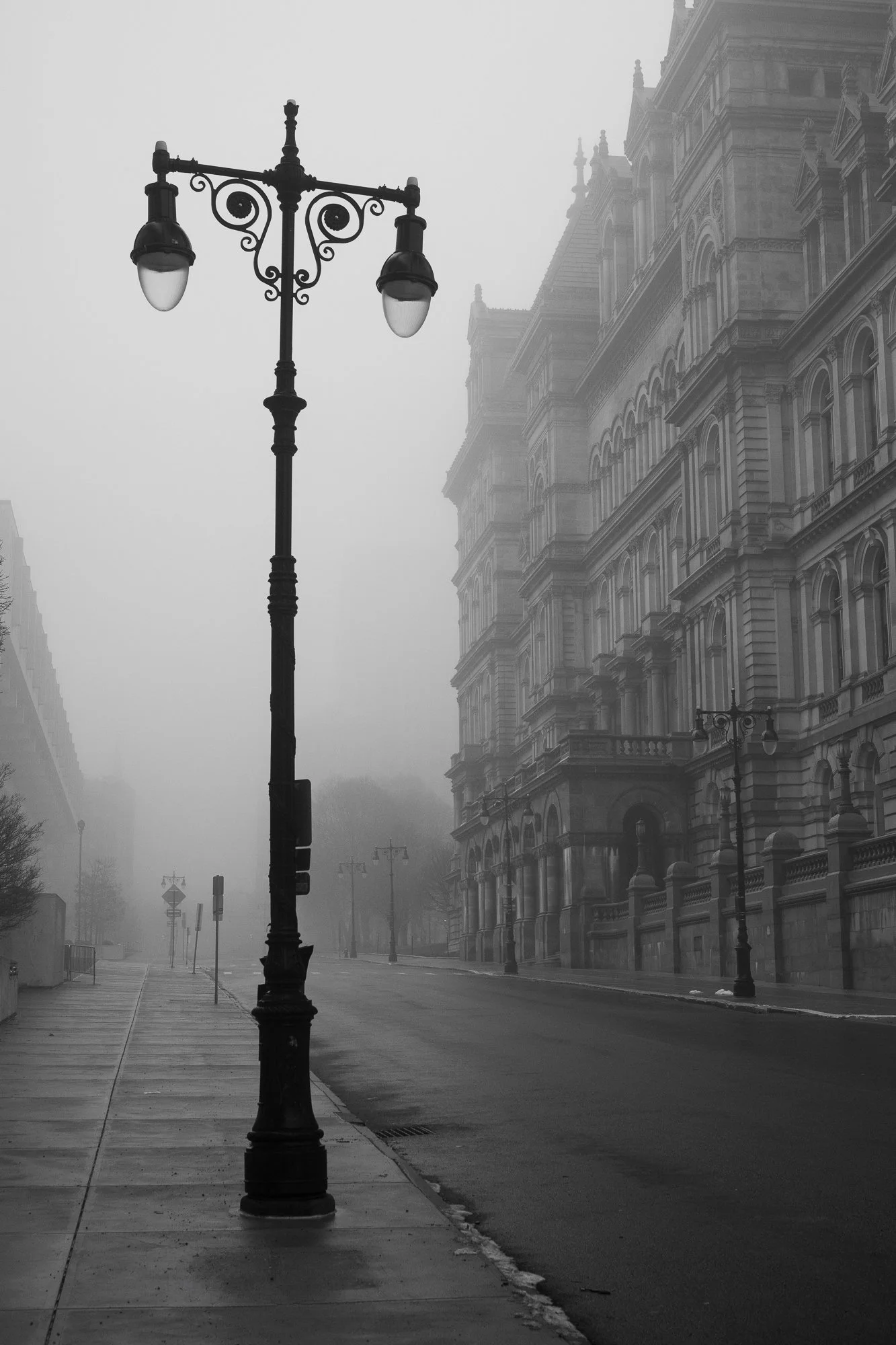
Black and white photograph of Albany, NY architecture

A single lamppost anchors an empty Albany street as fog dissolves the surrounding architecture.

Black and white fine art photograph of The Egg and architecture in Albany, NY

The sweeping curve of The Egg floats above Albany’s softened skyline as fog reduces detail and scale.

Elevating Outdoor Brands: Capturing the Spirit of Exploration

Showcasing Outdoor Apparel with Professional Outdoor Lifestyle Photography

As an advertising photographer specializing in outdoor apparel, I recently had the privilege of collaborating with Triple Aught Design (TAD) to create a dynamic photo series showcasing their rugged and versatile gear. This project combined my love of the outdoors with the artistry of visual storytelling, and it’s a testament to how intentional photography can elevate an outdoor brand’s identity.

Capturing the Spirit of Exploration

Triple Aught Design’s mission is to provide durable, high-performance gear for adventurers and explorers. My goal as a photographer was to convey the quality, utility, and aesthetic appeal of their products through imagery. We wanted every shot to tell a story of resilience and exploration while highlighting the technical features of their apparel.

Location as a Character

We shot this campaign in Gold Hill, Colorado, an area renowned for its sweeping vistas, rugged terrain, and golden light. By incorporating the natural environment, we ensured the photographs authentically mirrored the real-life conditions their customers face. Capturing these moments wasn’t just about aesthetics; it was about aligning the apparel with the adventurous spirit of the audience.

The Impact of Professional Outdoor Lifestyle Photography

Effective advertising photography goes beyond a good picture. It builds trust, showcases craftsmanship, and creates an emotional connection with customers. Through dynamic action shots, detailed product close-ups, and environmental portraits, I demonstrated how TAD’s gear performs in the field, ensuring their audience could see themselves in the adventure.

Why Your Brand Needs a Photographer Who Gets the Outdoors

Outdoor apparel companies require more than generic studio shots—they need images that embody the essence of exploration. As a photographer, I focus on creating compelling visuals that:

  • Showcase your gear in real-life conditions.

  • Emphasize functionality, comfort, and durability.

  • Tell a cohesive brand story that resonates with your audience.

Let’s Collaborate

If you’re an outdoor apparel brand looking for a photographer who understands the intersection of gear and adventure, let’s work together to bring your vision to life. I bring years of experience, a passion for the outdoors, and a commitment to capturing images that inspire trust and engagement.

Click here to see more of my outdoor adventure photography

Triple Aught Design

Tactical apparel from Triple Aught Design

Outdoor apparel photoshoot

Outdoor apparel photography

Outdoor adventure photographer

Triple Aught Design Gear

Adventure lifestyle photography

Tactical gear for men - photoshoot

Men’s outdoor apparel photographer

Men’s lifestyle apparel photography

Old Corrals of the American West | Western Photography Prints for Sale

Corral Photography Prints for Western Wall Art


Fine Art Western Photography Prints

“I like old corrals and sagebrush,” Ian Tyson once sang, and that line has stayed with me for years. Not because it’s poetic—though it is—but because it’s accurate. Old corrals say more about the American West than most people realize.

This collection of corral photography prints focuses on structures shaped by work, weather, and time. Built to serve a purpose rather than to last, these corrals now remain as quiet markers of a working past—sun-bleached posts, worn rails, and enclosures slowly returning to the land.

These images are part of a larger body of work documenting corrals across the American West.
→ View the full corral photography gallery

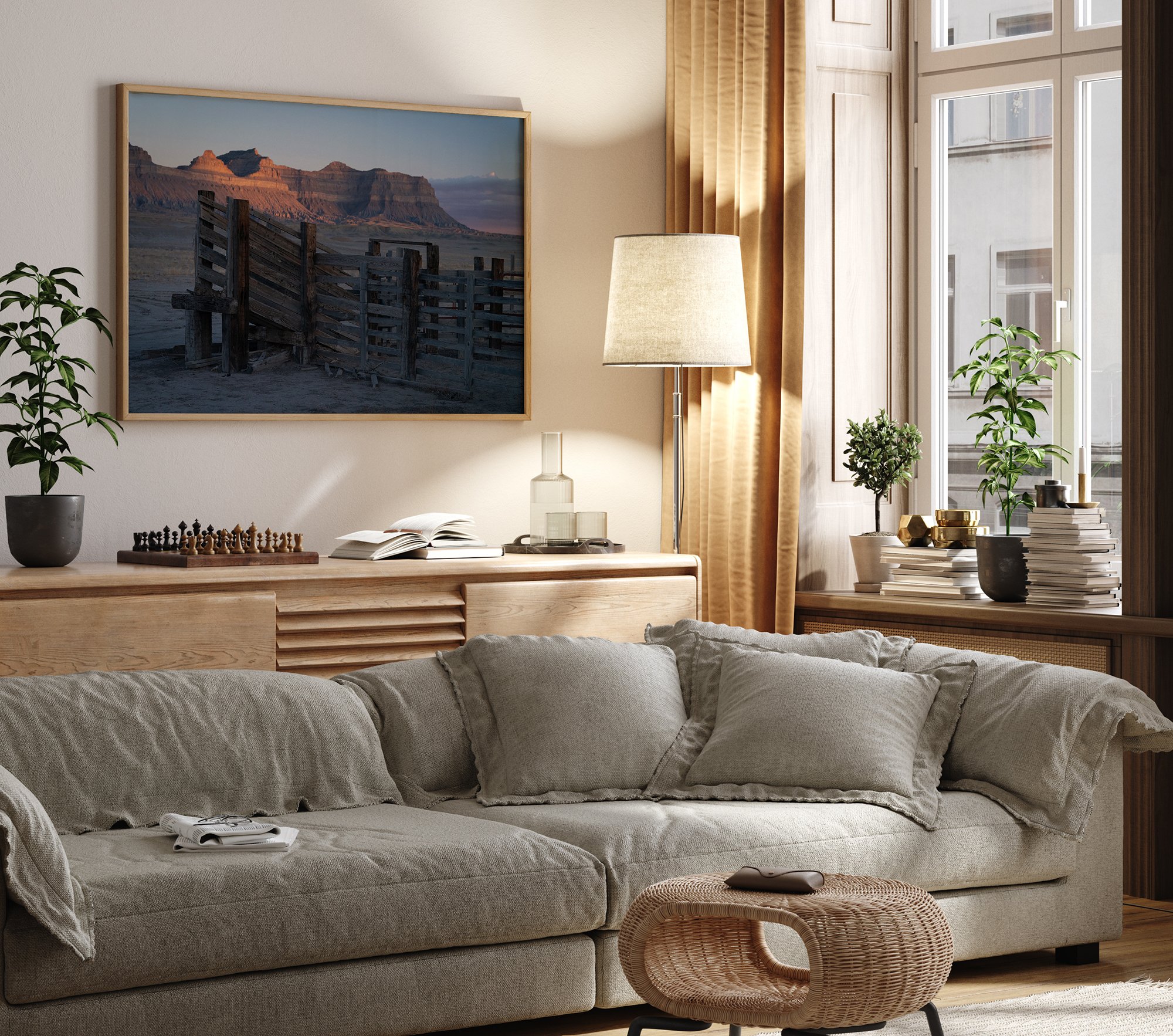
Corral photography print shown in a modern western interior, highlighting how authentic working landscapes translate into refined wall art

Photographing Old Corrals in the American West

I’ve spent years photographing working landscapes across the West—ranches, grazing land, water sources, and the structures that support them. Corrals often sit in the places you least expect, easy to pass without notice. But when you slow down, they begin to reveal something deeper.

Most of this work was made on active or former ranches, where access is limited and the structures still carry a functional history. There’s no staging, no reconstruction—just what remains.

These corral photographs are made using natural light and a documentary approach. I’m not interested in recreating the past, but in acknowledging it as it exists now.

An old corral isn’t nostalgia. It’s evidence.

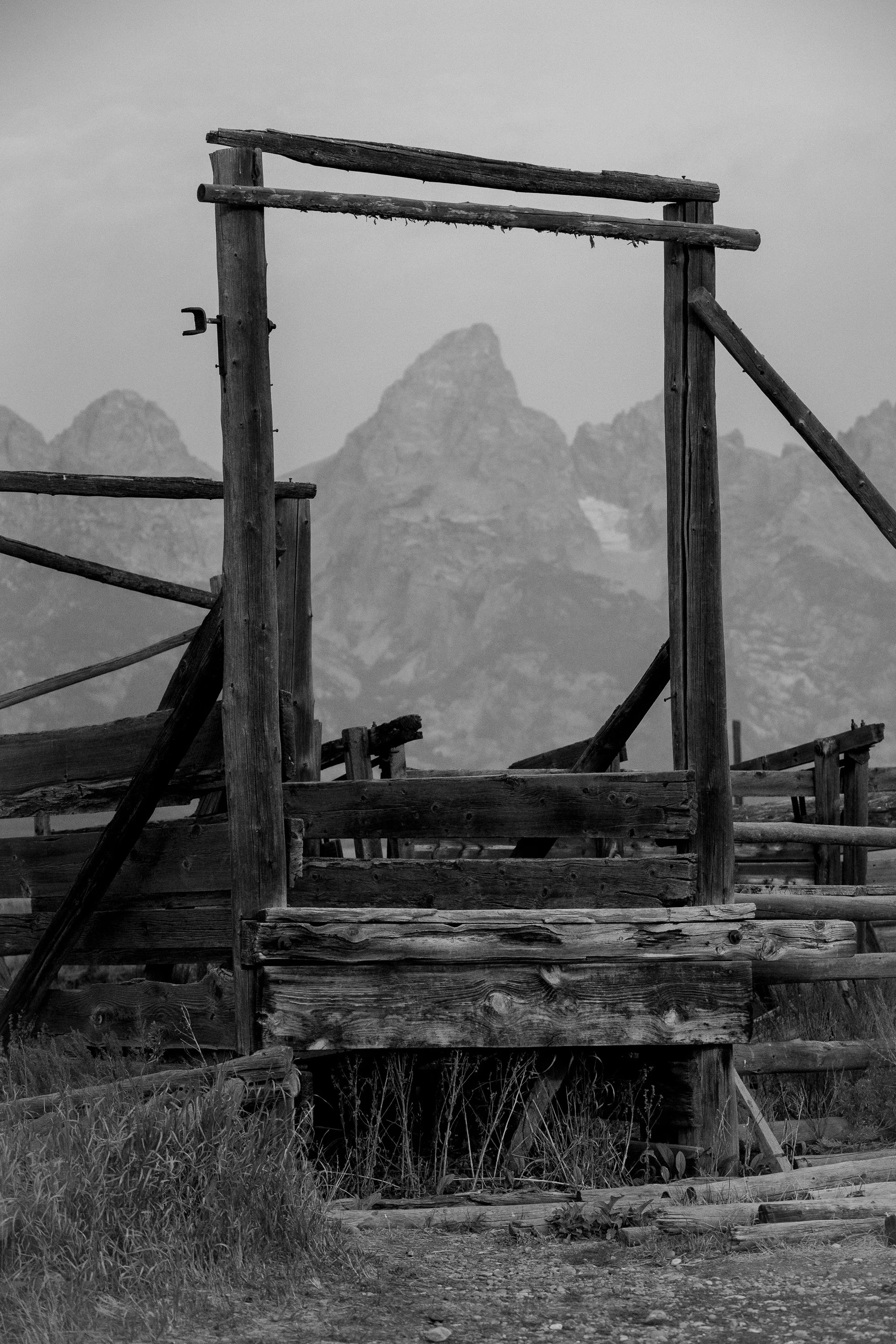
Black and white fine art photograph of the a wood cattle corral with the Grand Tetons in the background

An old wood cattle corral in front of the Grand Tetons in Wyoming - Black and White Fine Art Photography

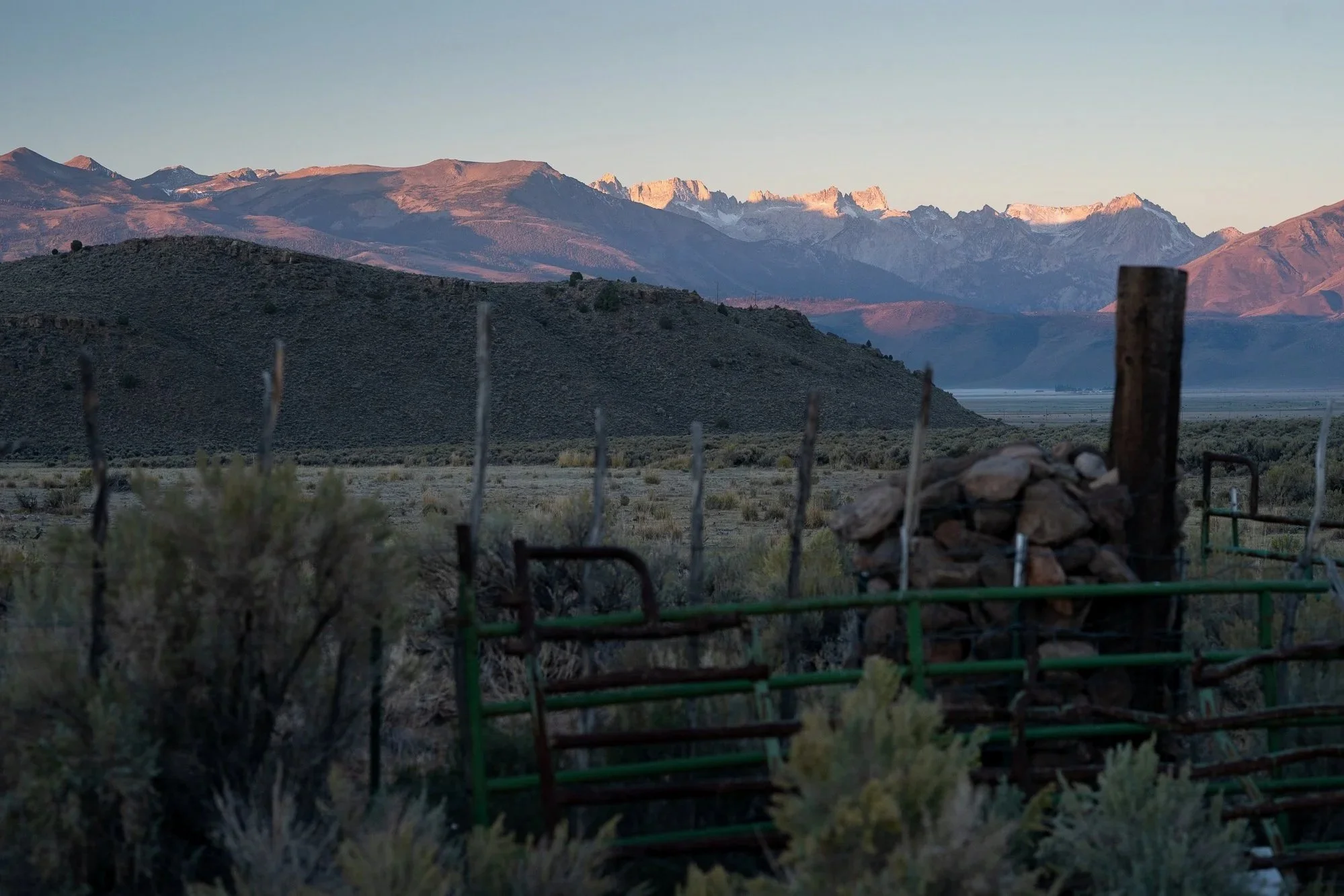
An old corral gate and stone post on a remote ranch, photographed at dusk with the mountains of the American West beyond.

Why Old Corrals Still Matter

Corrals are where cattle were gathered, sorted, branded, treated, and shipped. They are places of work—defined by repetition, pressure, and routine. Over time, many have been replaced or abandoned as ranching operations changed.

What remains tells a quieter story:

  • Land use shifting over time

  • Families moving on or adapting

  • Work that once defined entire regions

Corrals are rarely photographed as standalone subjects, yet they hold the structure of the work itself. Photographing them preserves a record of a West that still exists—but is increasingly easy to overlook.

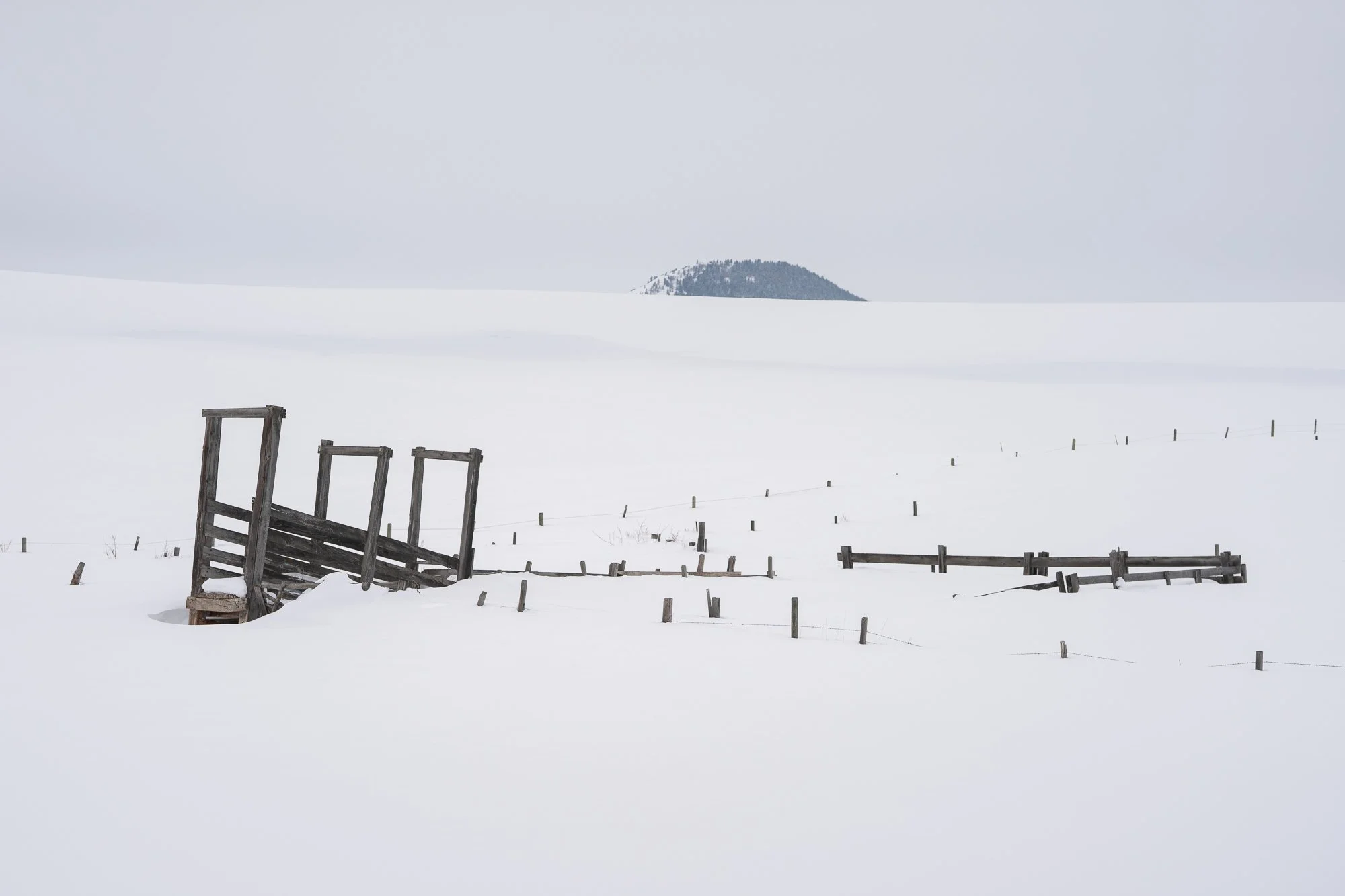
Old corral partially buried in snow on an open ranch landscape in the American West

An abandoned ranch corral slowly disappearing beneath winter snow, photographed in the American West

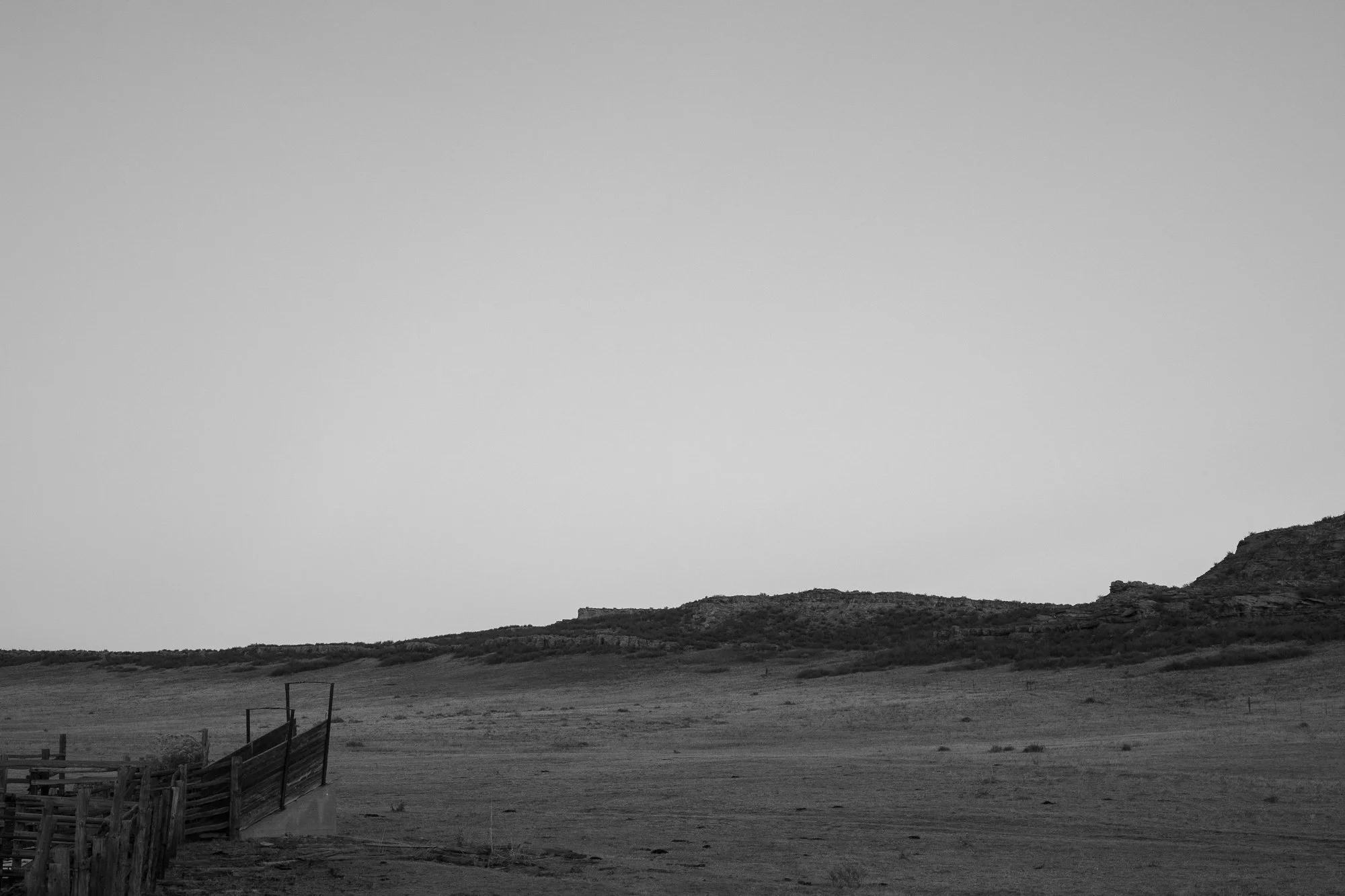
Black and white photograph of a corral set within an open Western landscape

A corral set into a wide, open Western landscape, photographed in black and white.

Why Corral Photography Works as Western Wall Art

Corral photography offers something different from traditional Western imagery.

Instead of action or portraiture, these photographs focus on structure, space, and restraint. Weathered wood, repeated lines, and open landscapes create compositions that feel grounded rather than decorative.

That’s why they tend to work well in a range of spaces:

  • Western homes and ranch properties

  • Modern interiors looking for texture and depth

  • Hospitality spaces and lodges

  • Offices and environments shaped by regional identity

The imagery doesn’t rely on spectacle. It holds attention more quietly—through detail, balance, and a strong sense of place.

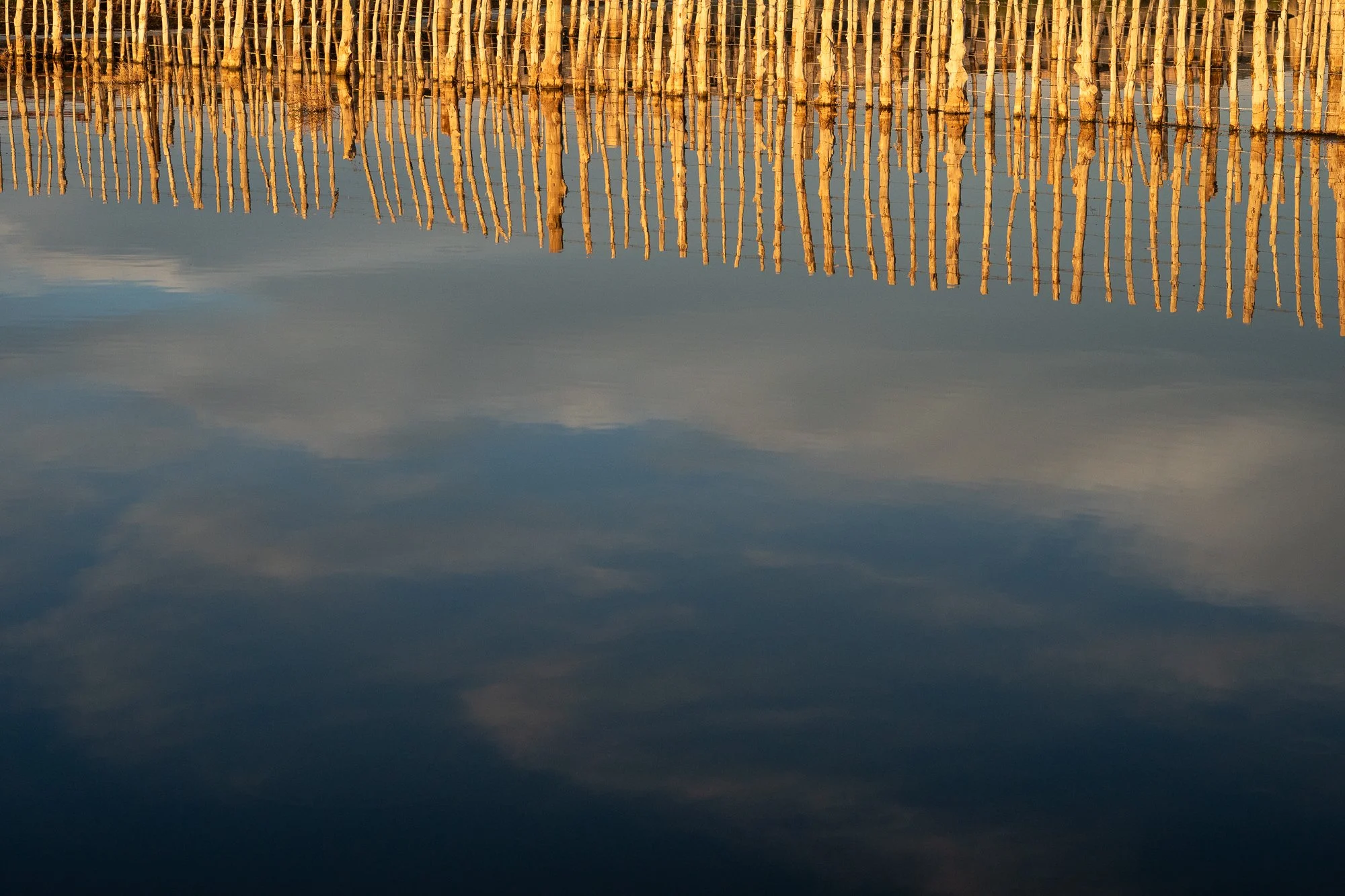
Wooden corral fence posts reflected in still water on a ranch in the American West

Wooden corral fence posts reflected in still water, photographed on a ranch in the American West.

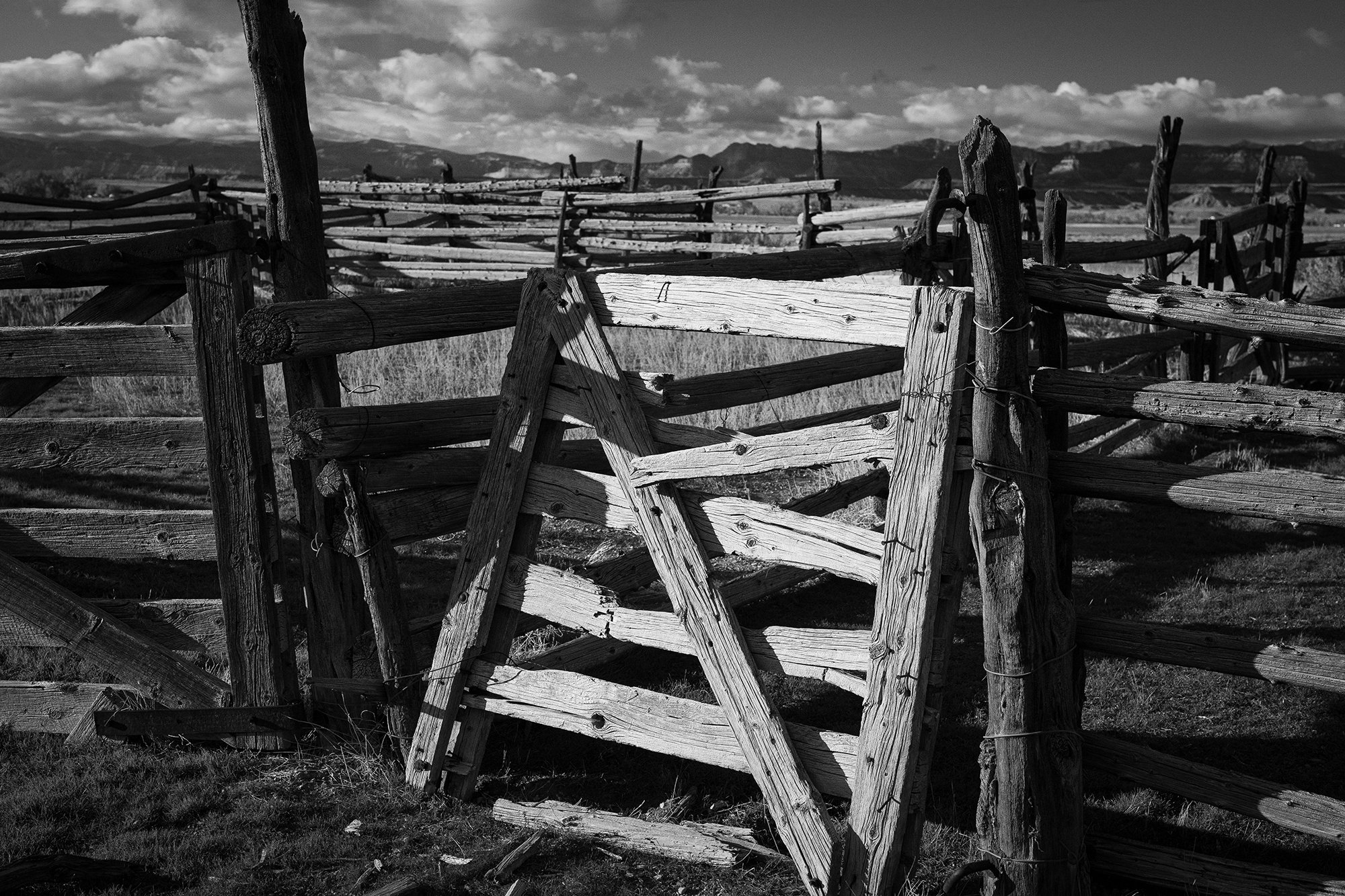
Black and white photograph of a weathered wooden cattle corral in the American West

A weathered cattle corral built from rough-cut timber and wire, photographed in black and white.

Fine Art Corral Photography Prints

A selection of these corral photographs is available as limited-edition fine art prints.

Each print is produced using archival materials and a museum-quality process, intended to reflect the tone and detail of the original photograph.

  • Printed on archival fine art paper

  • Limited editions

  • Multiple sizes available

  • Signed by the photographer

These are not mass-produced reproductions. They are part of a long-term body of work, created to last and to hold meaning over time.

A selection of corral photography prints is available to view online.

→ View Available Corral Photography Prints
→ Explore the Full Cowboy Photography Project

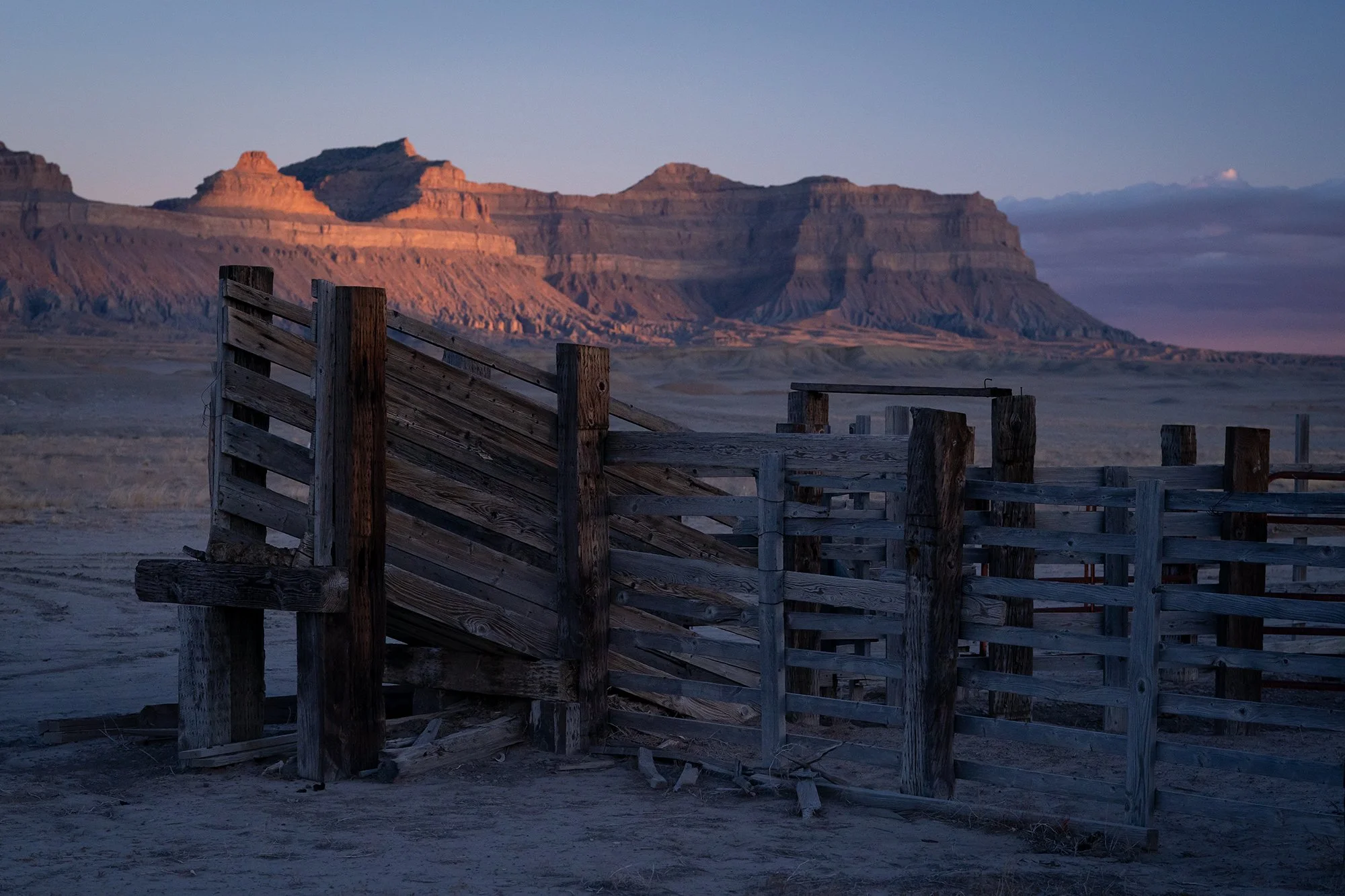
Fine art photography of a wood cattle corral at sunset in front of a beautiful desert mesa in the American West

An old cattle corral on a remote Utah ranch, set against the layered desert landscape of the American West.

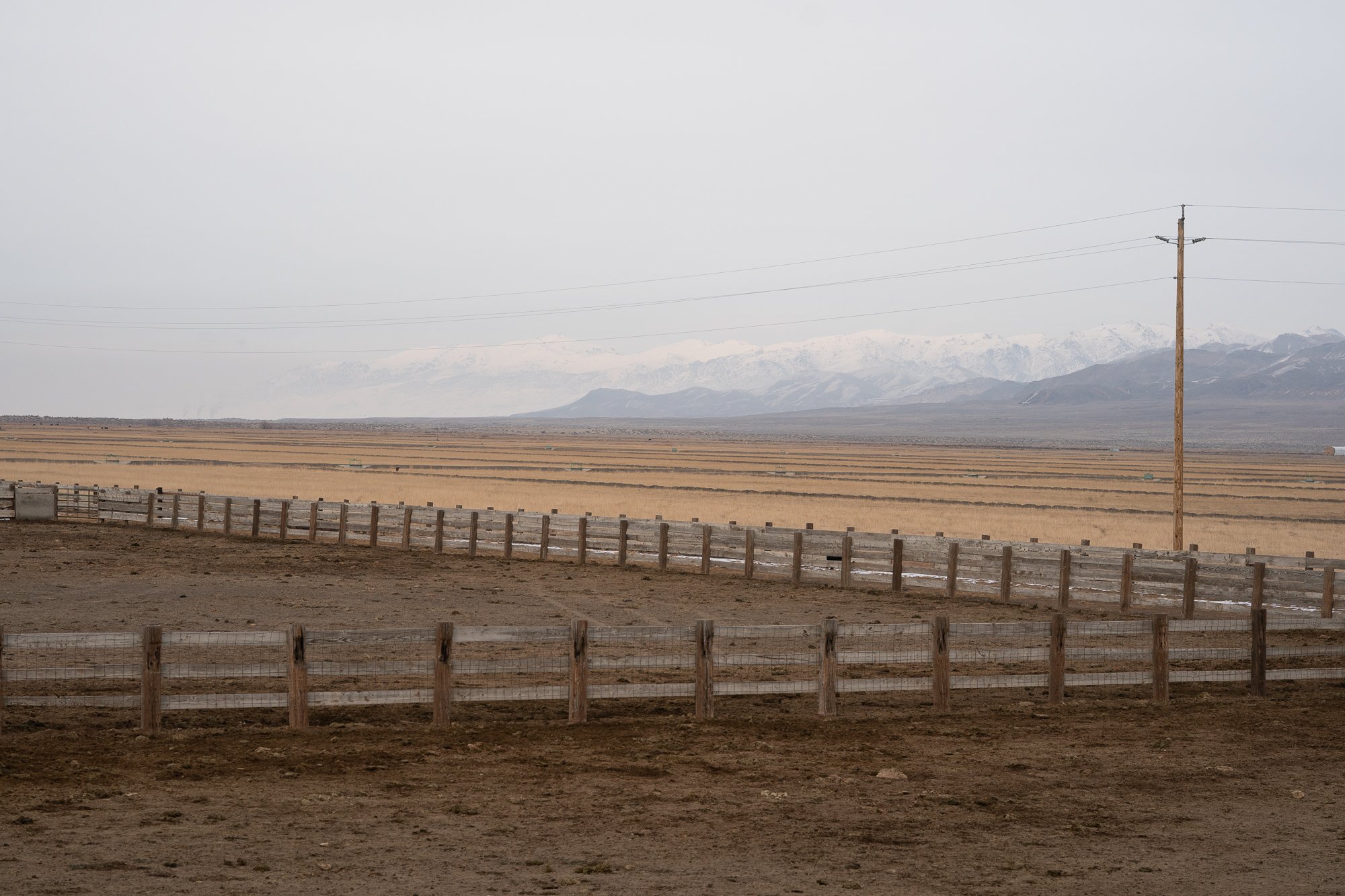
Wooden corral fencing on a working ranch with open agricultural land and distant mountains in the American West

Corral fencing stretching across a working ranch landscape, with open fields and distant mountains in the American West.

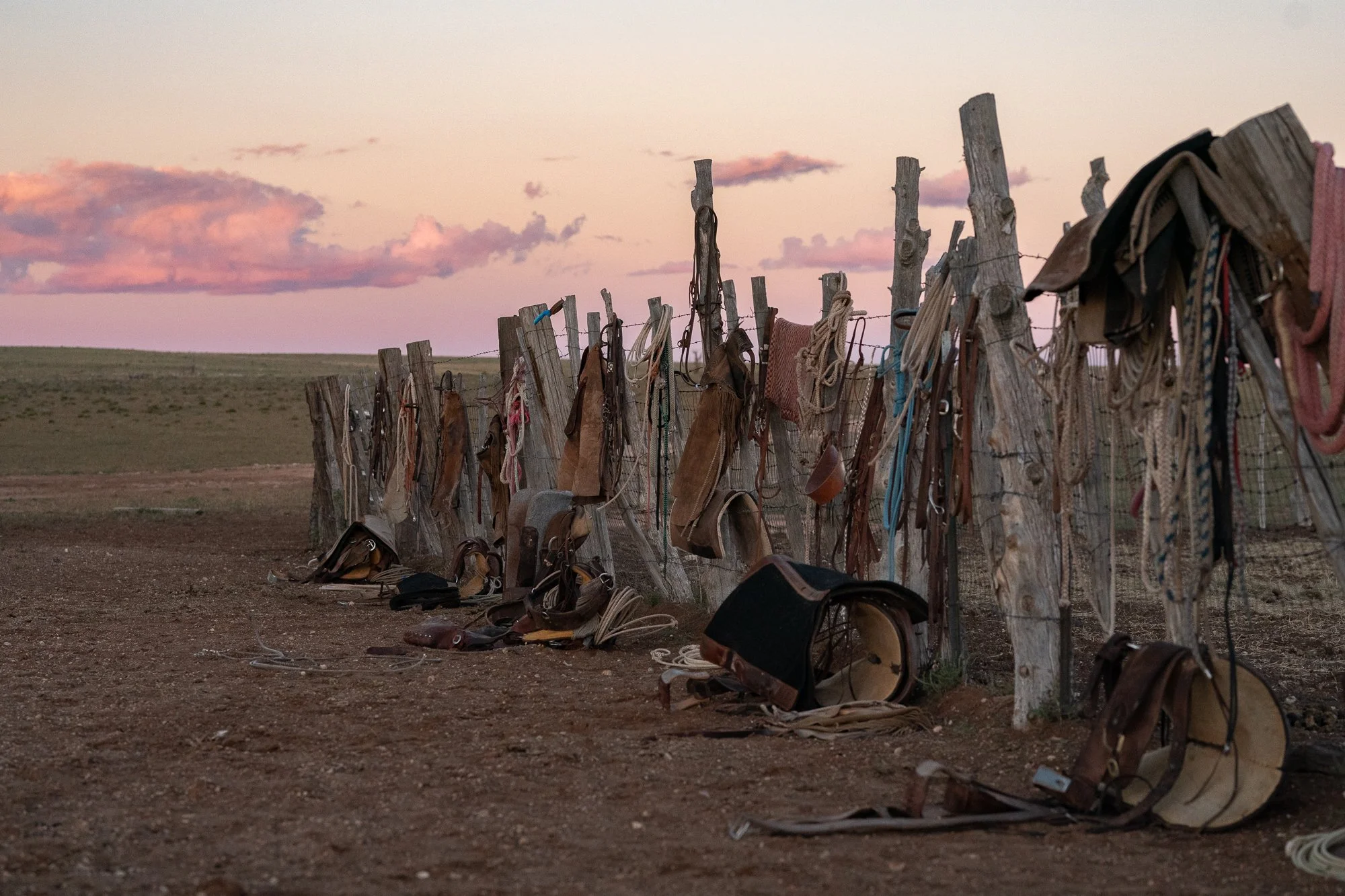
Saddles and ranch tack hanging along a corral fence at sunset on a working ranch in the American West

Saddles and working ranch tack hanging along a corral fence at sunset, part of daily life on a working Western ranch.

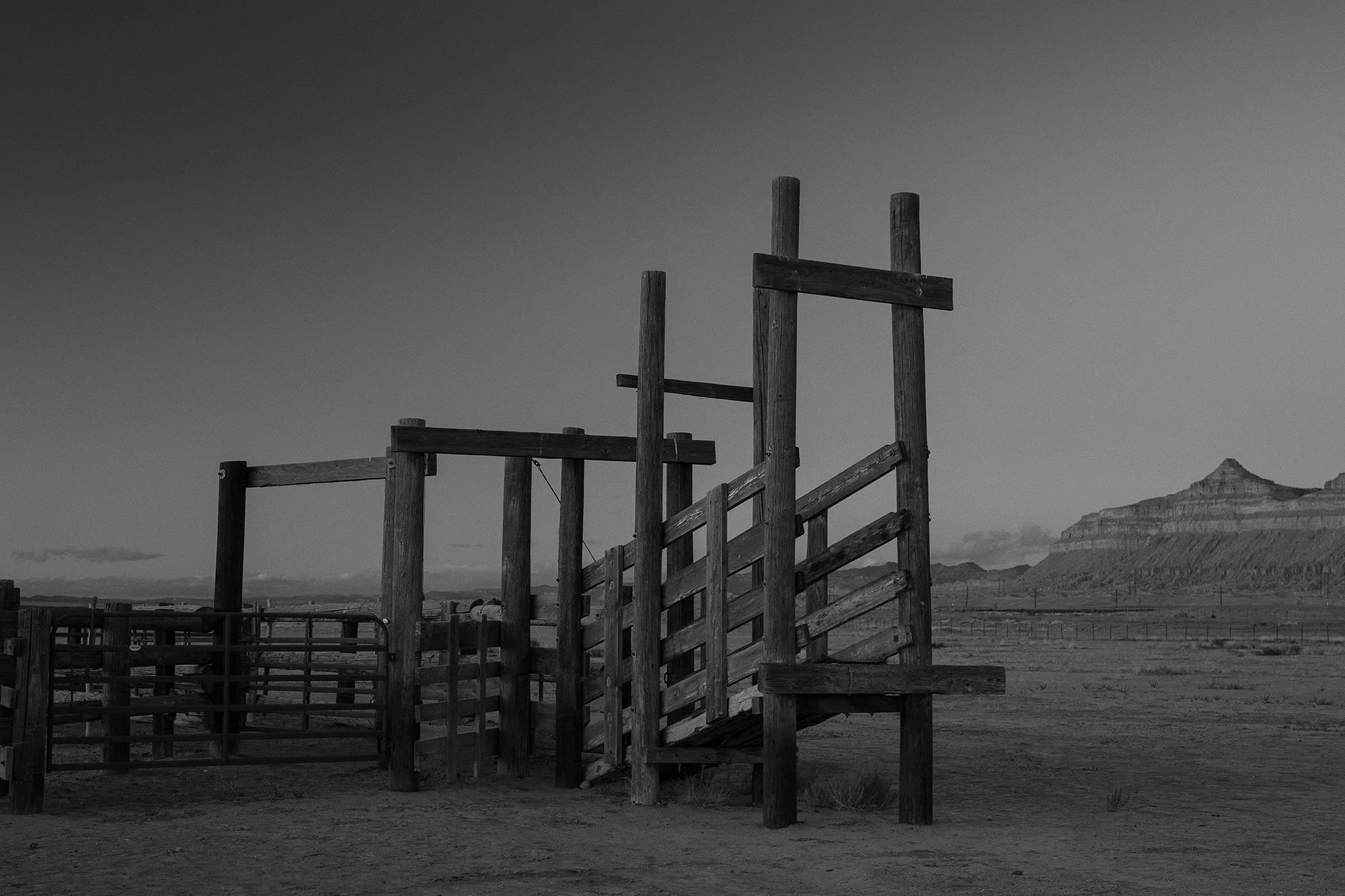
Wooden cattle loading chute and corral structure on a working ranch in the American West

A wooden cattle loading chute and corral structure used in everyday ranch work in the American West.

Chasing Trout and Capturing Moments: Fly Fishing the Big Thompson River

Fly Fishing Photography Print & Licensing — Big Thompson River, Colorado

Authentic fly-fishing photography from one of Colorado’s most underrated rivers

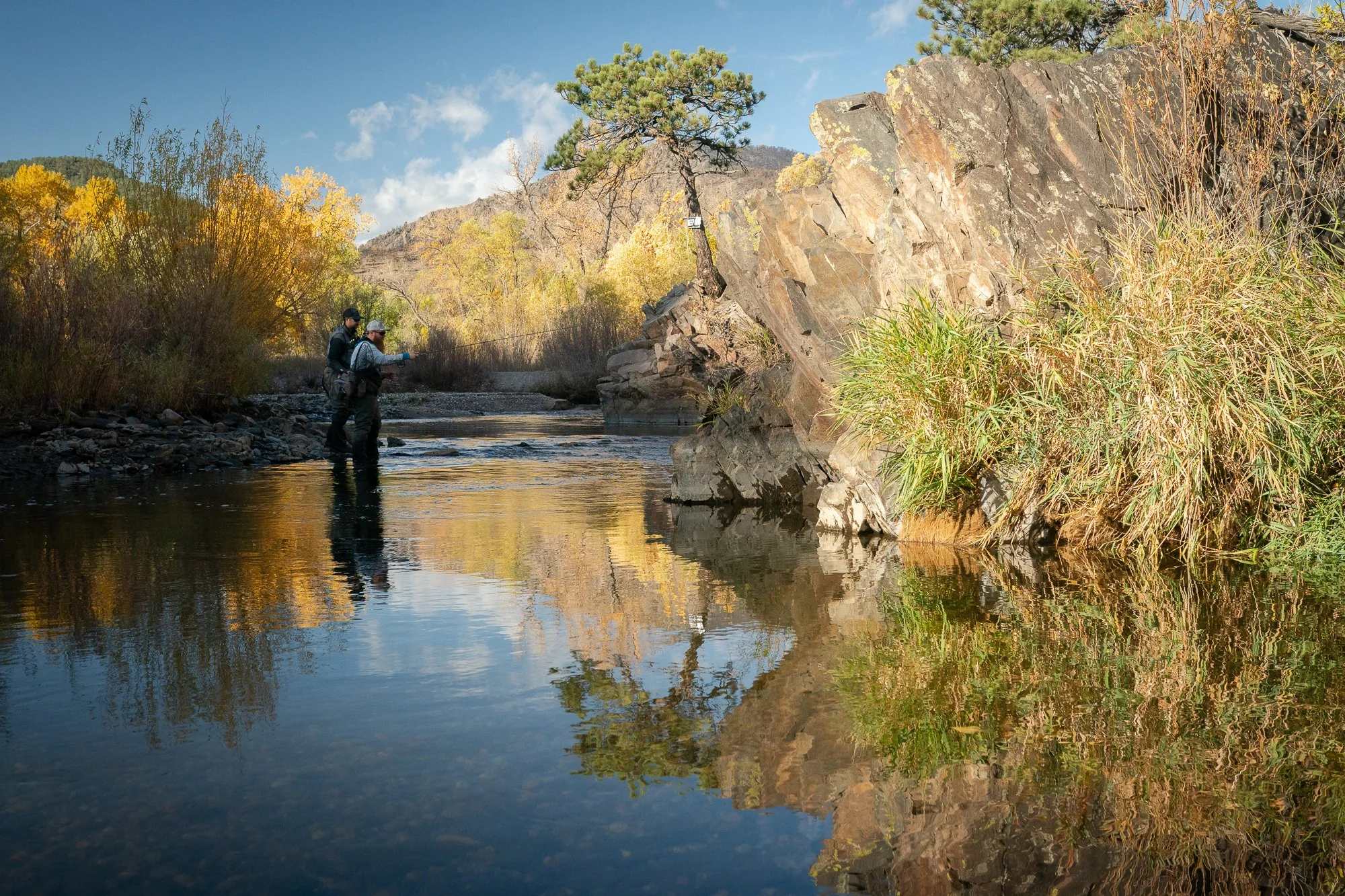
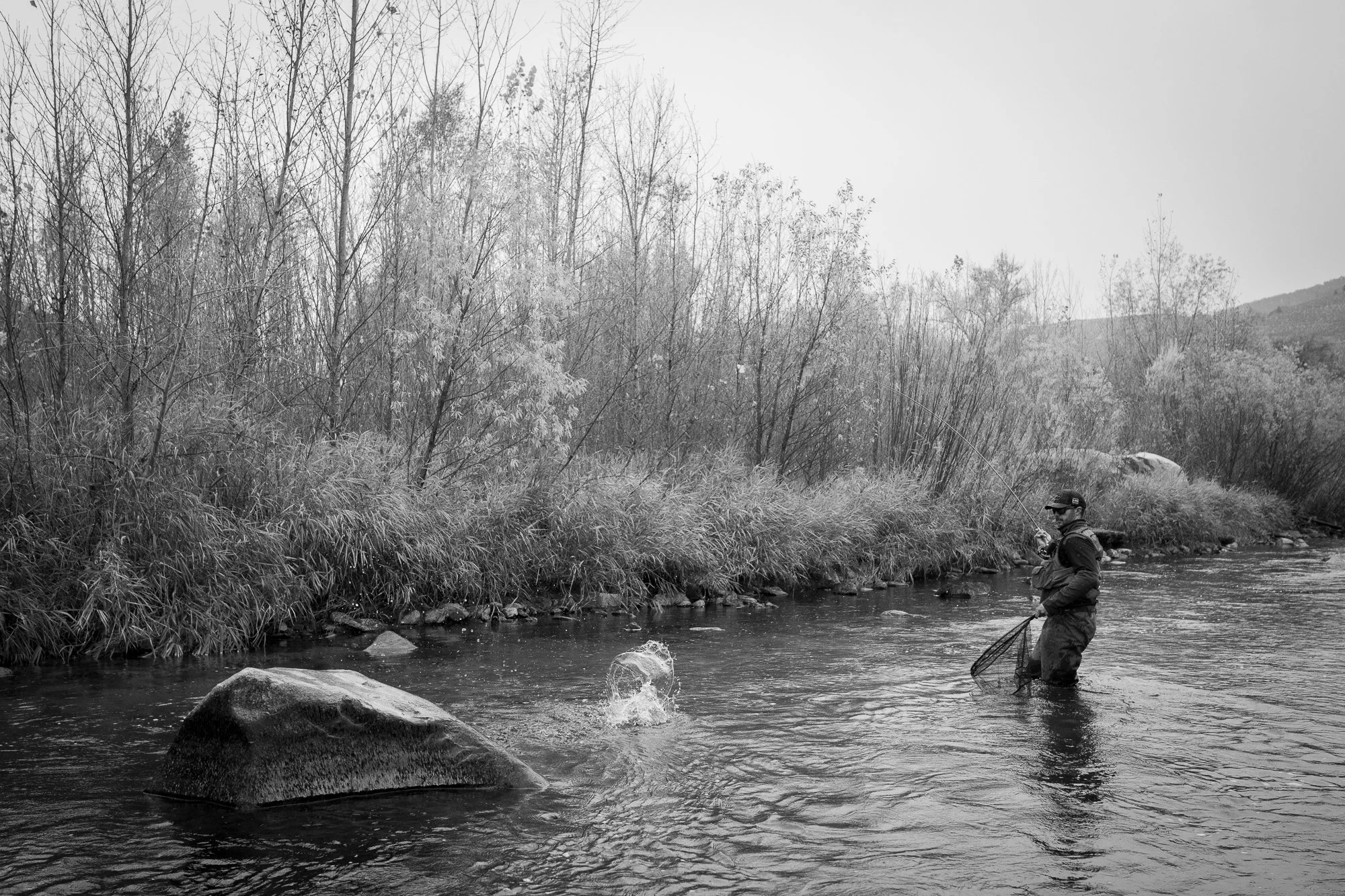
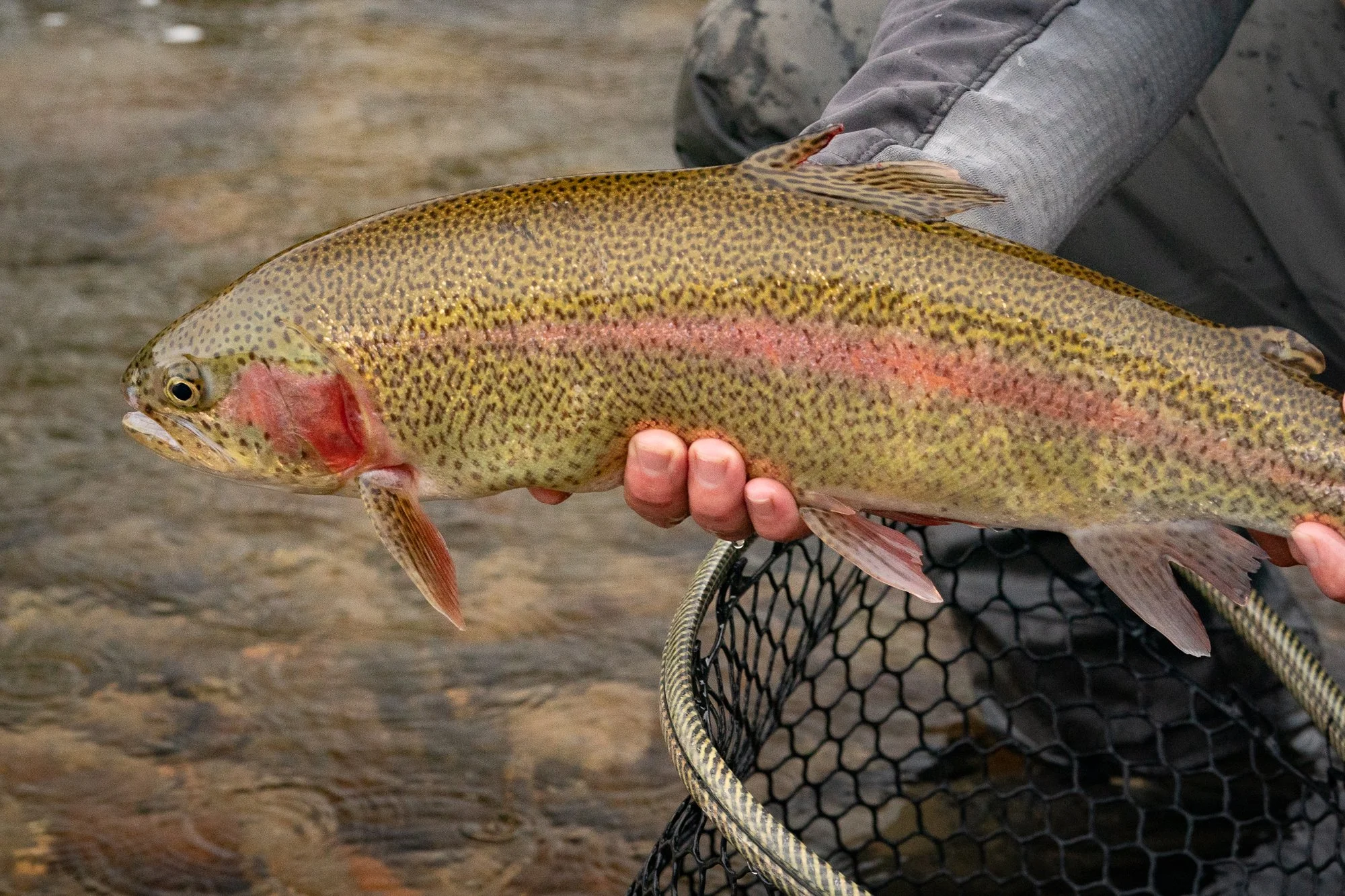
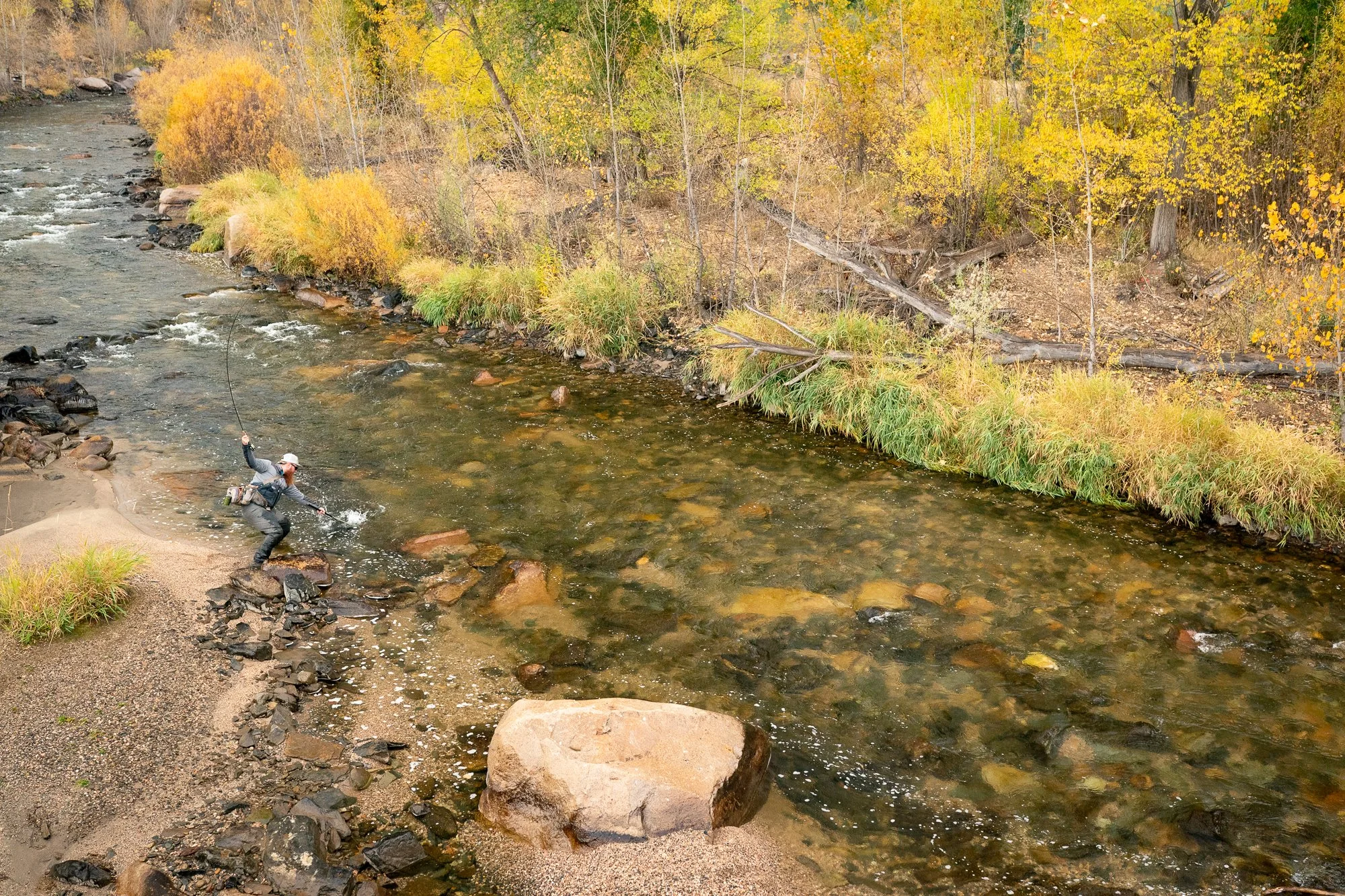
The Big Thompson River has always felt like one of Colorado’s more underrated fisheries - quiet, accessible, and full of character. On this particular fall day, I was out on the water with a couple guides from Front Range Anglers - John Brown and Charlie Schaeffer, documenting what turned into a textbook session of Euro-nymphing. No setups, no staging, just real moments of passionate fly fisherman doing what they do best.

The river was clear and low, which made for sharp visuals and technical fishing. Golden leaves clung to the canyon walls, and every part of the vibe was a reminder of why people fall in love with fall fly fishing in Colorado.

Why These Photographs Matter

Fly-fishing has always carried a mythology of patience and solitude, but for me, it’s the honest, working rhythm that’s most powerful. Shooting on the Big Thompson wasn’t about chasing a hero shot — it was about capturing how the river feels. The pace, the texture of the current, the breath between casts.

These are the kinds of moments that brands and publications can’t fake. They come from time on the water, earned through cold mornings, missed casts, and small successes. That’s what I want every image to carry — the truth of place and process.

Fine Art Prints

Select photographs from this series are available as museum-quality fine art prints, made with archival inks on heavyweight cotton paper. Each print is produced to highlight the depth and tonal range of the original negative — the way it was meant to be seen.

Perfect for homes, cabins, hospitality spaces, or offices that connect to the American West, these prints bring the stillness and authenticity of the outdoors inside.

Editorial & Commercial Licensing

For outdoor brands, magazines, or tourism boards seeking authentic visual storytelling, this collection is available for editorial and commercial licensing. The images offer an unfiltered look at fly fishing in Colorado’s high country — natural light, real anglers, and an atmosphere that can’t be staged.

Licensing is available directly through the studio. Please reach out to discuss usage and rates:
📩 rob@robhammerphotography.com

Click here to view my photo essay on Colorado fly fishing artist Martin Gerdin

Black and white photograph of fly fisherman on the Big Thompson River

Colorado Fly Fishing Photography

Photograph of fly fisherman and guide on the Big Thompson River

Fly fishing guides on the Big Thompson River

Colorado fly fishing photo for licensing

Fly Fishing in fall color in Colorado

Fly fishing in fall foliage

Fly fisherman walking through fall colors in Colorado

Black and white photo of a fly fisherman in Big Thompson Canyon

Fly fishing a canyon section of the Big Thompson River

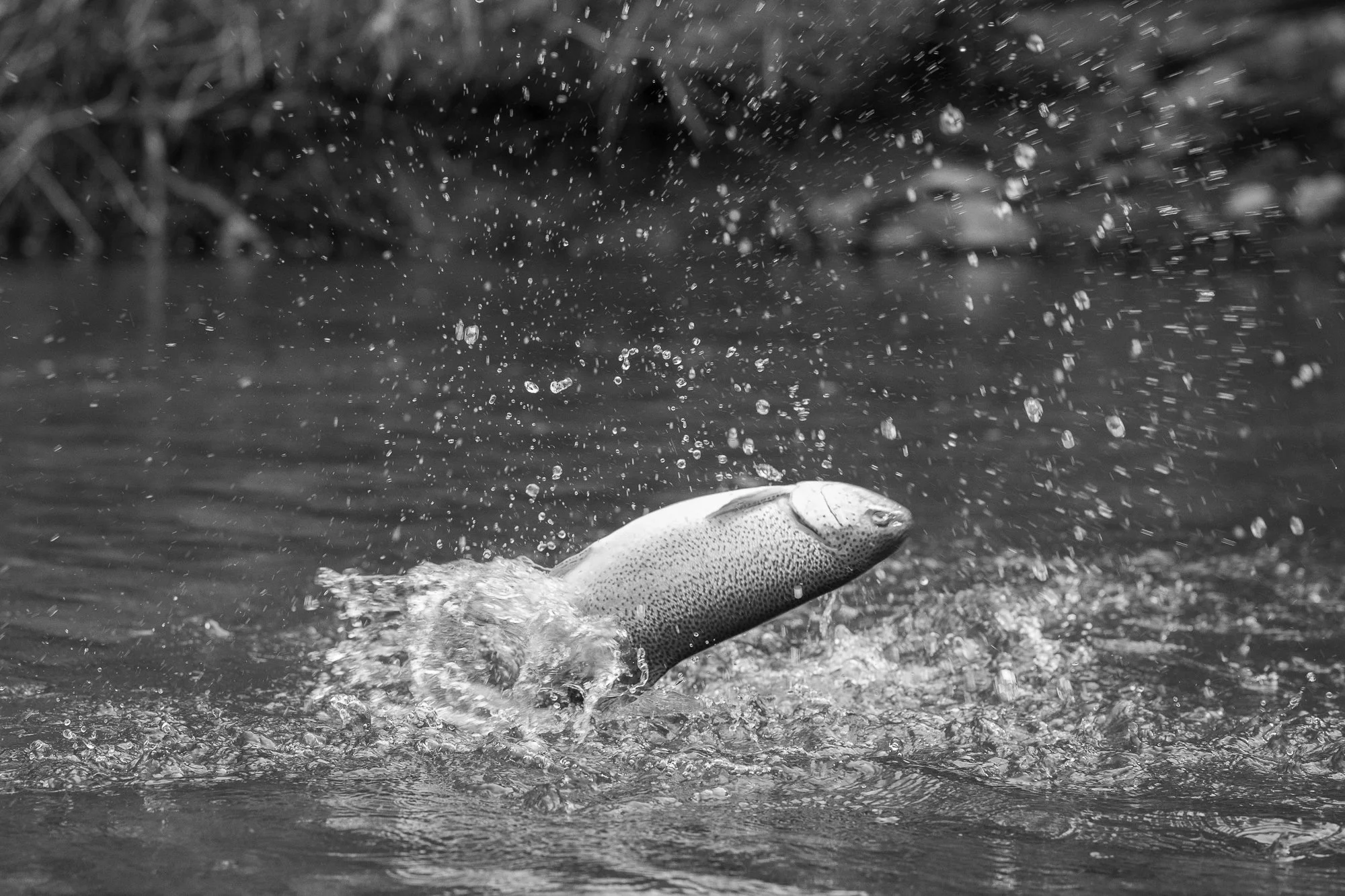
Photograph of trout jumping out of the Big Thompson River

Rainbow trout jumping out of the river

Fly fishing photograph for licensing

Netting a Rainbow Trout on the Big Thompson River

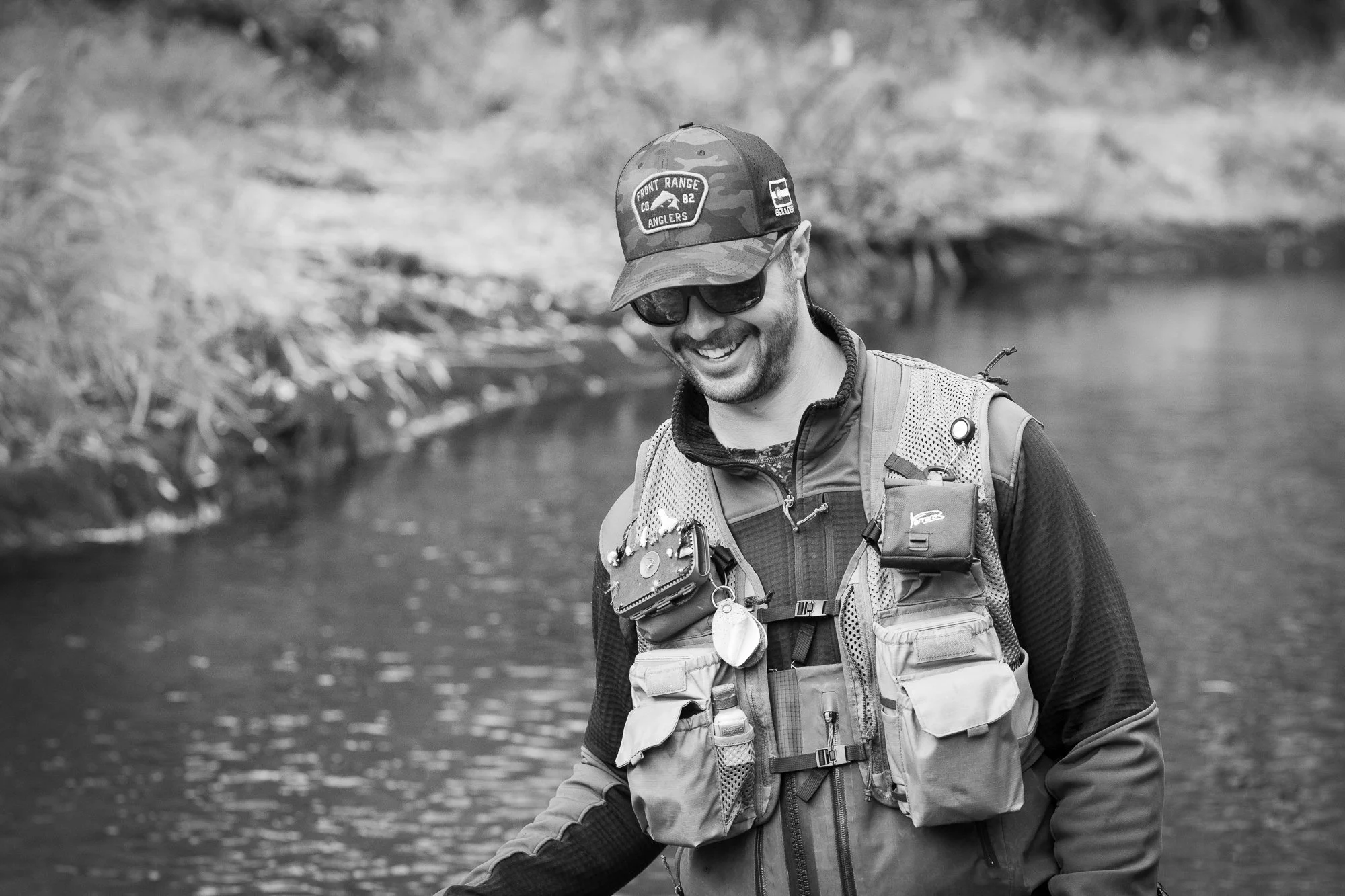
Black and white portrait of a fly fishing guide

John Brown of Front Range Anglers having a laugh during a day on the river

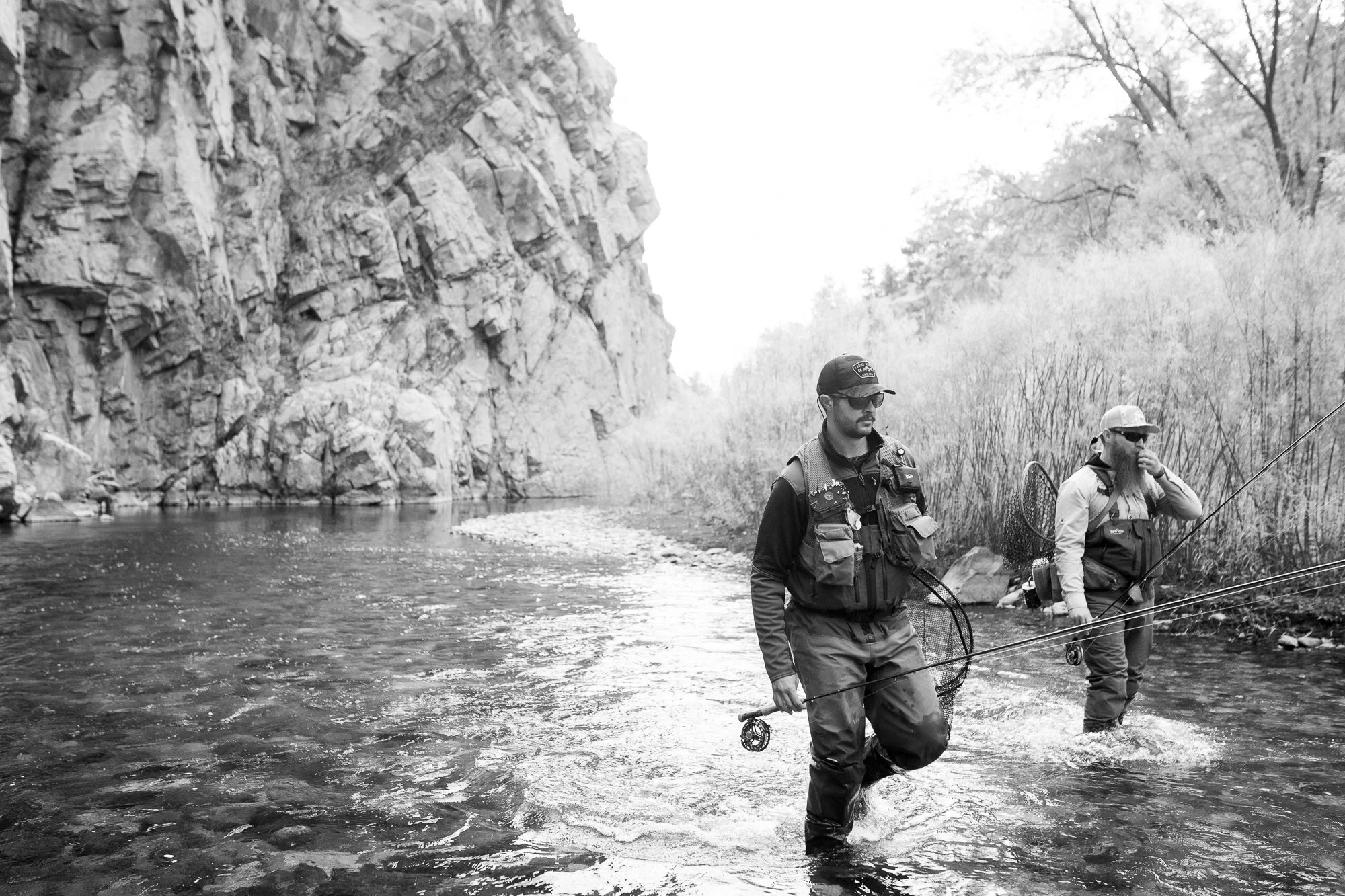
Black and white photo of two fly fisherman walking up a river - available for licensing

Fly fishing guides from Front Range Anglers

Photograph of a fly fisherman and guide walking up a river in beautiful light

Looking for trout on the Big Thompson River

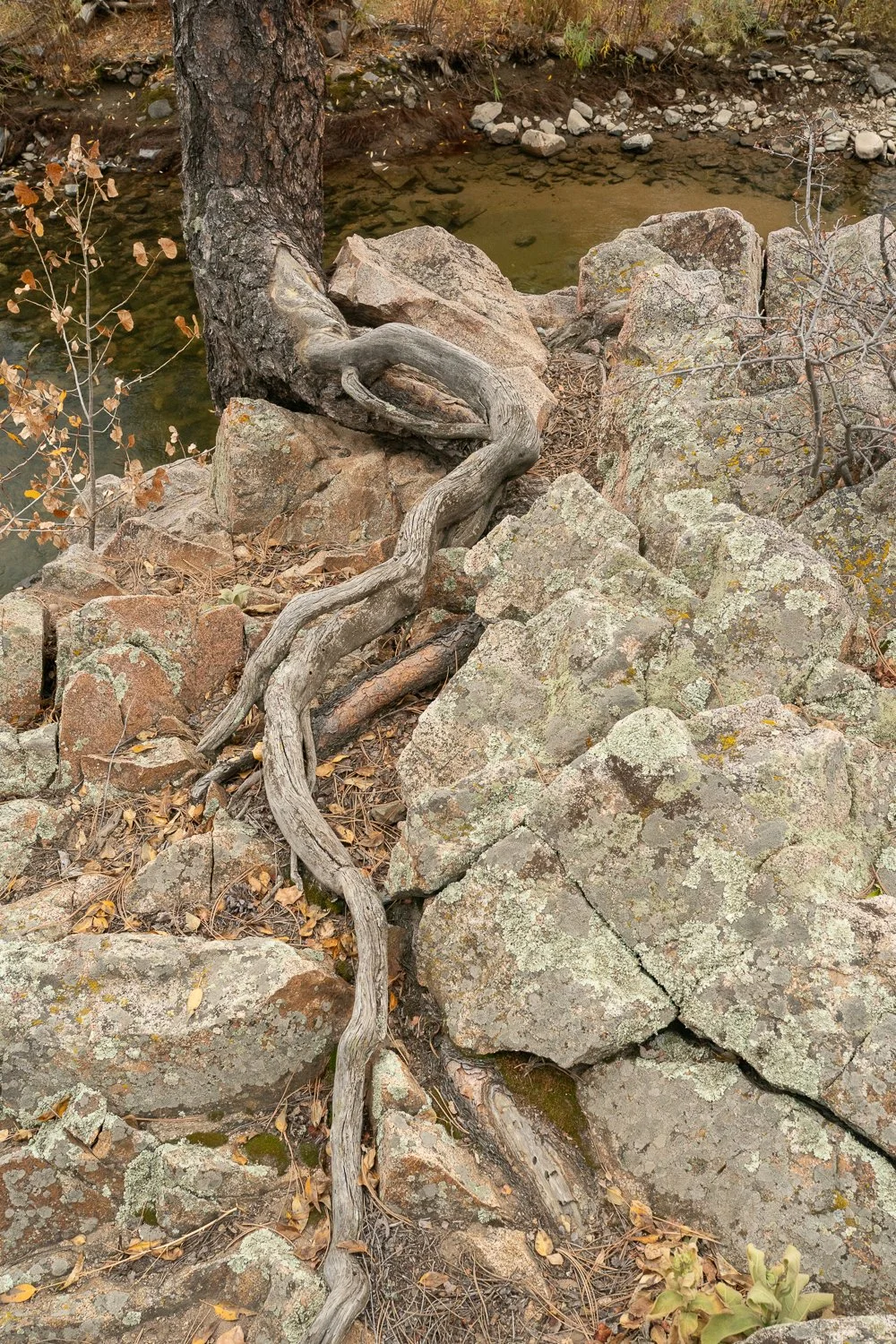
Photograph of a tree growing out of a rock along the Big Thompson River

Tree roots growing out of a rock

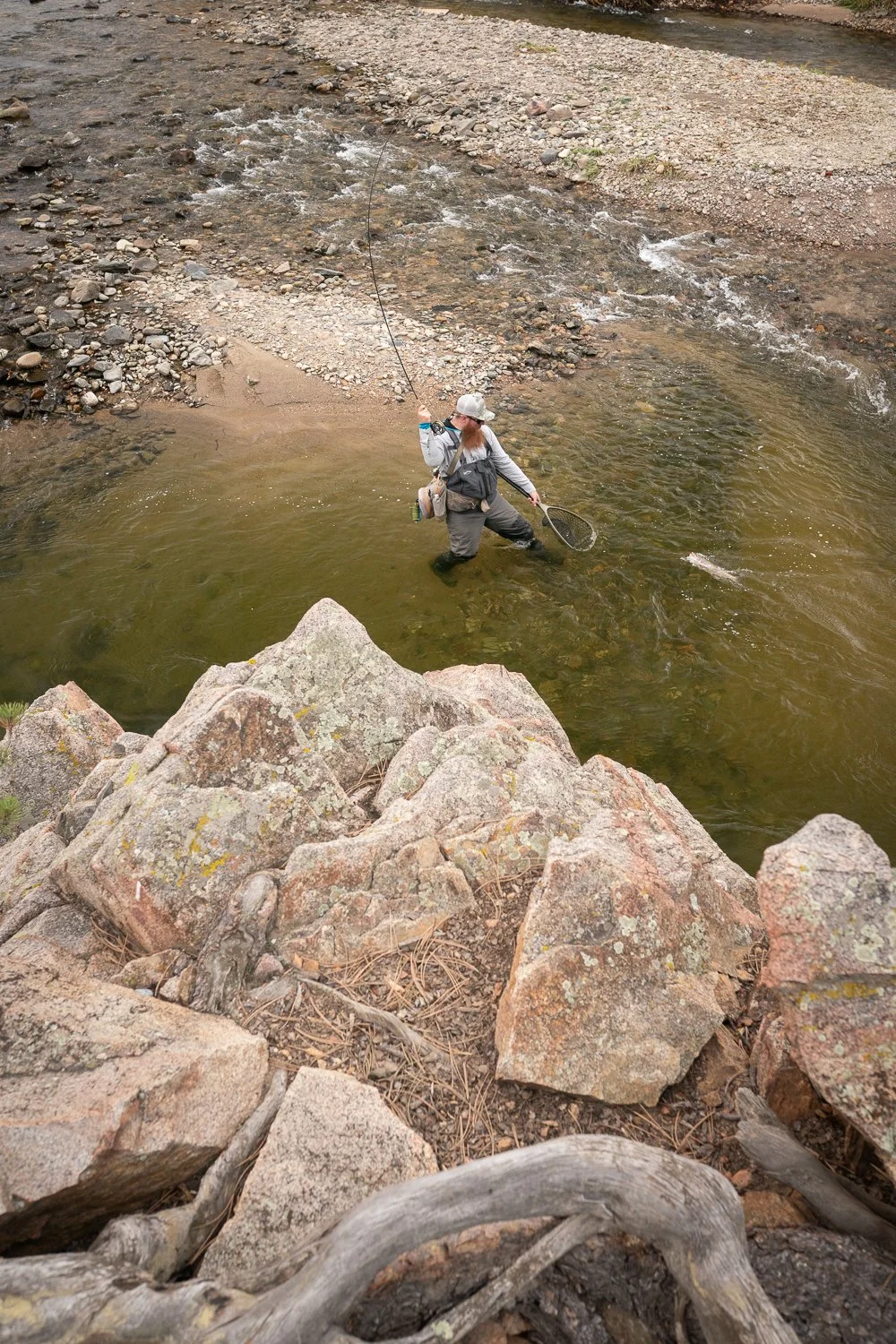
Photograph of a fly fisherman netting a large trout in a rugged setting on a river in Colorado

Charlie Schaefer netting a trout on the Big Thompson River outside Loveland, Colorado

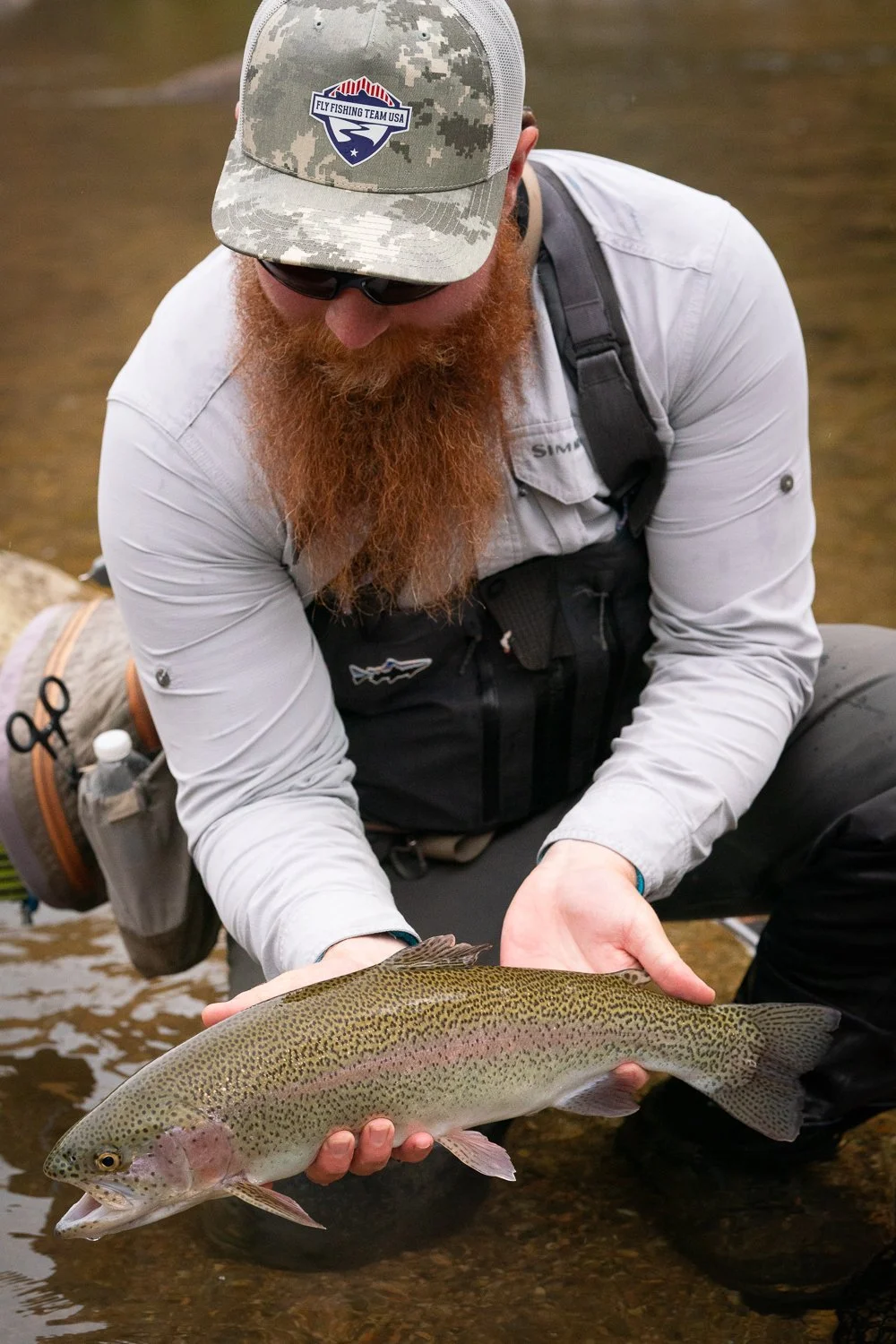
Photograph of a fly fisherman holding a trophy trout on the Big Thompson River

A beautiful Rainbow Trout

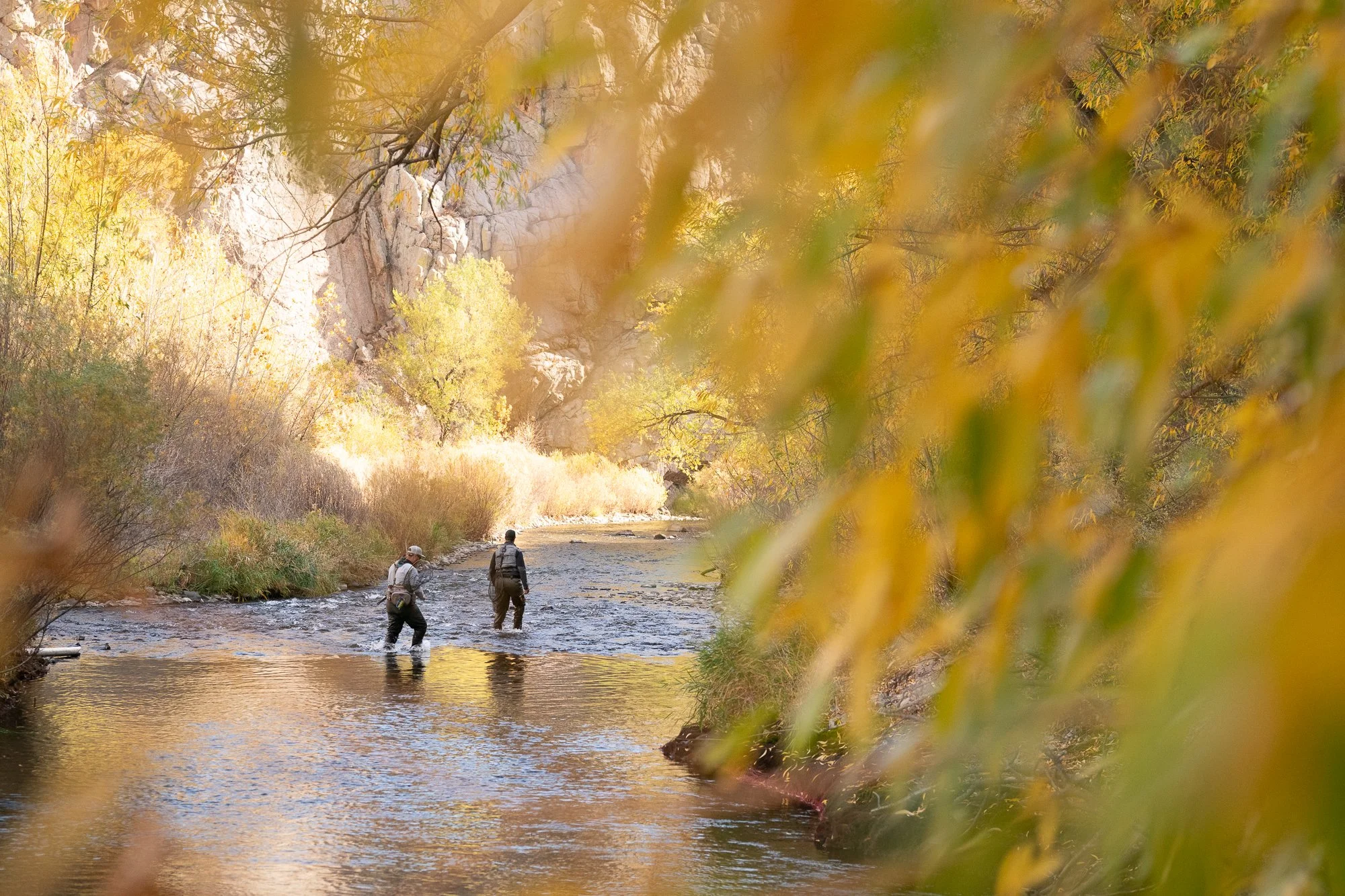
Two fly fisherman walking through fall foliage on the Big Thompson River in Colorado

Fall colors in the river in Colorado

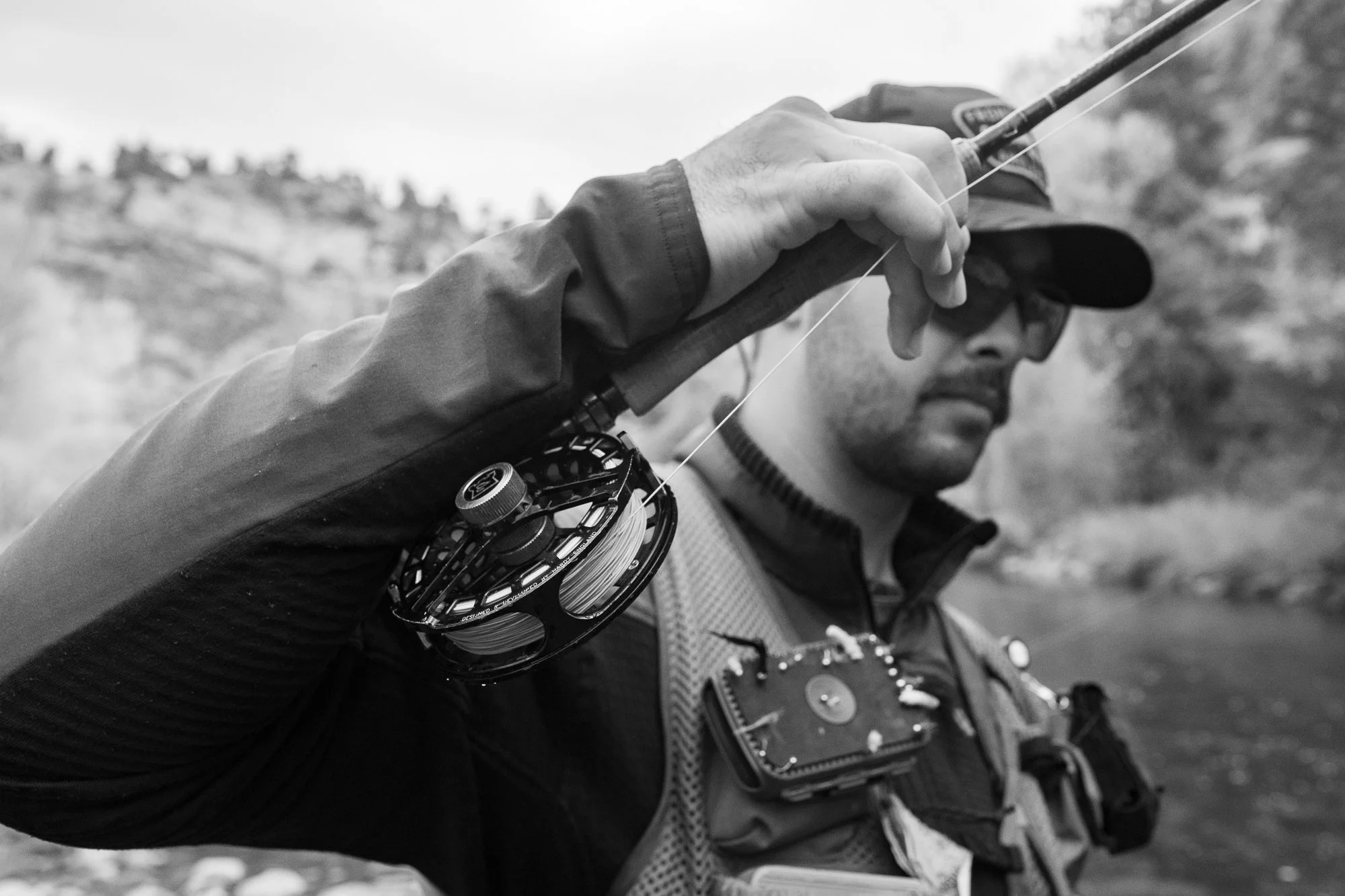
Black and white photograph of a fly fisherman holding a rod and reel on the river

Hardy fly rod and reel

Black and white photograph of a fly fishing guide in Colorado available for licensing

One handed

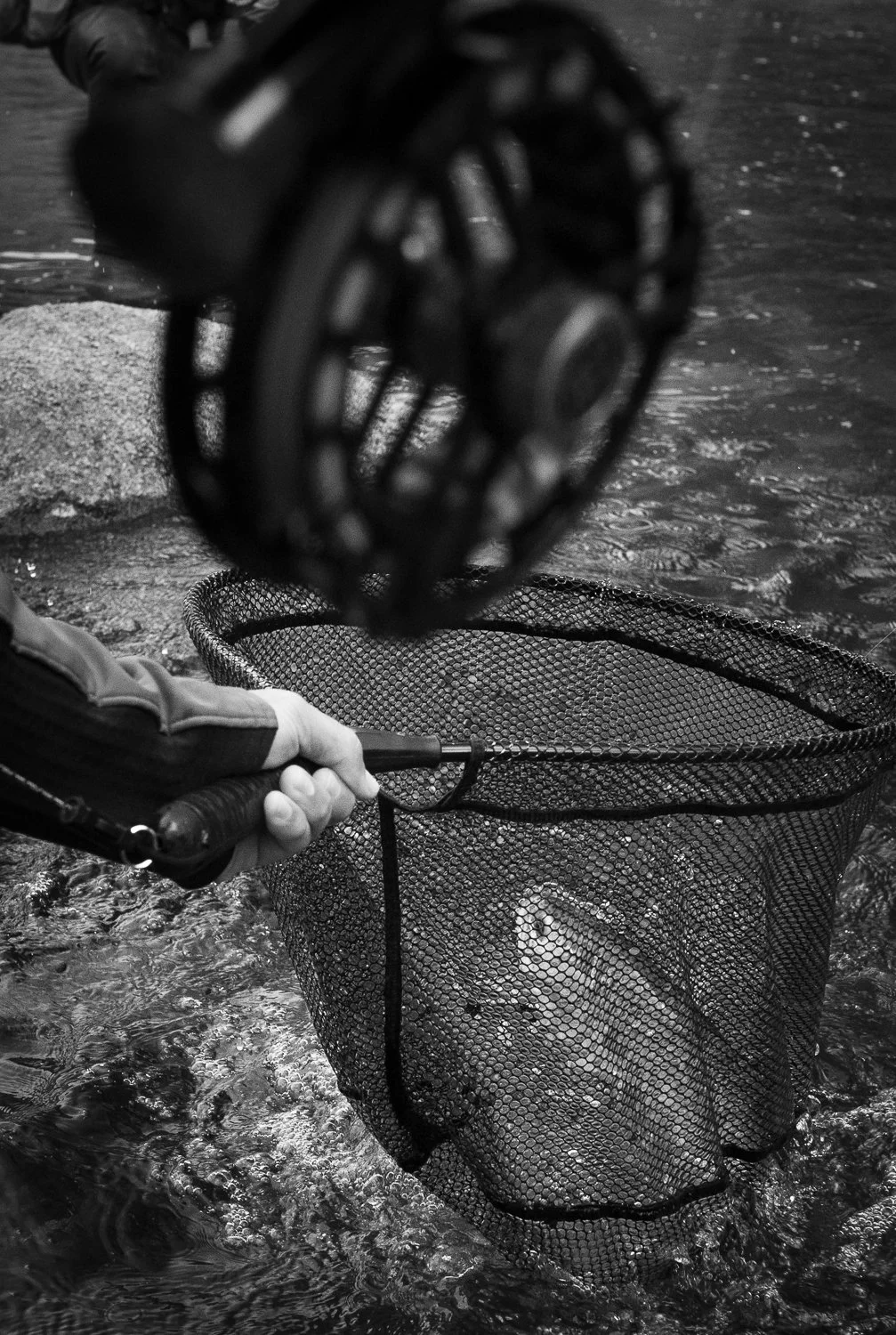
Photograph of a large trout in a net caught by a fly fisherman

Netting a large Rainbow Trout

A fly fisherman smiles while holding a trophy Rainbow trout

Trophy Trout - Colorado

Fly fisherman on the Big Thompson River in Colorado - Black and White Photography

Big Thompson River Fly Fishing

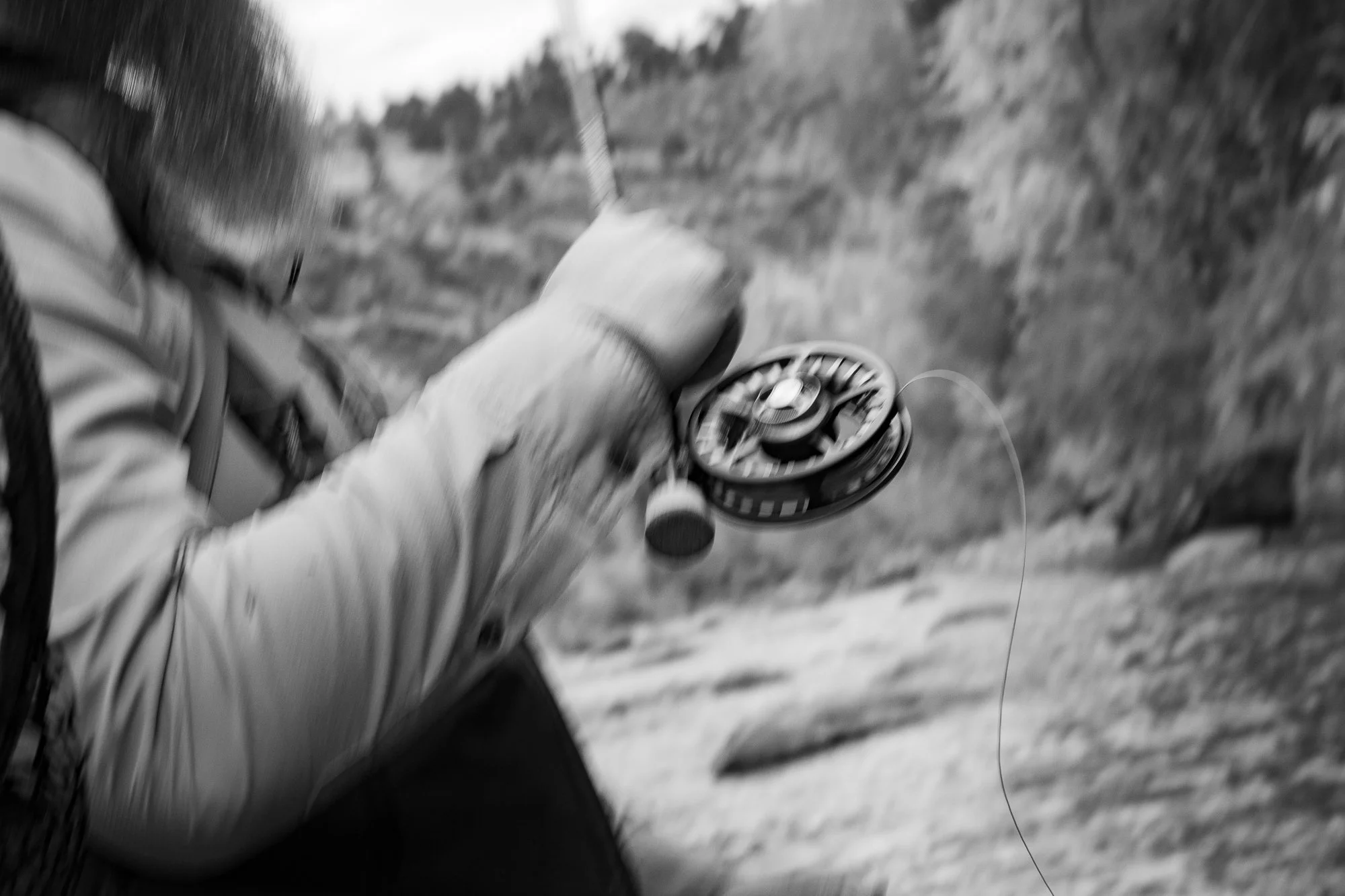
Close-up photograph of a fly fisherman's arm setting the hook on a trout

Setting the hook

Photograph of a Boulder, CO fly fishing guide on the Big Thompson River
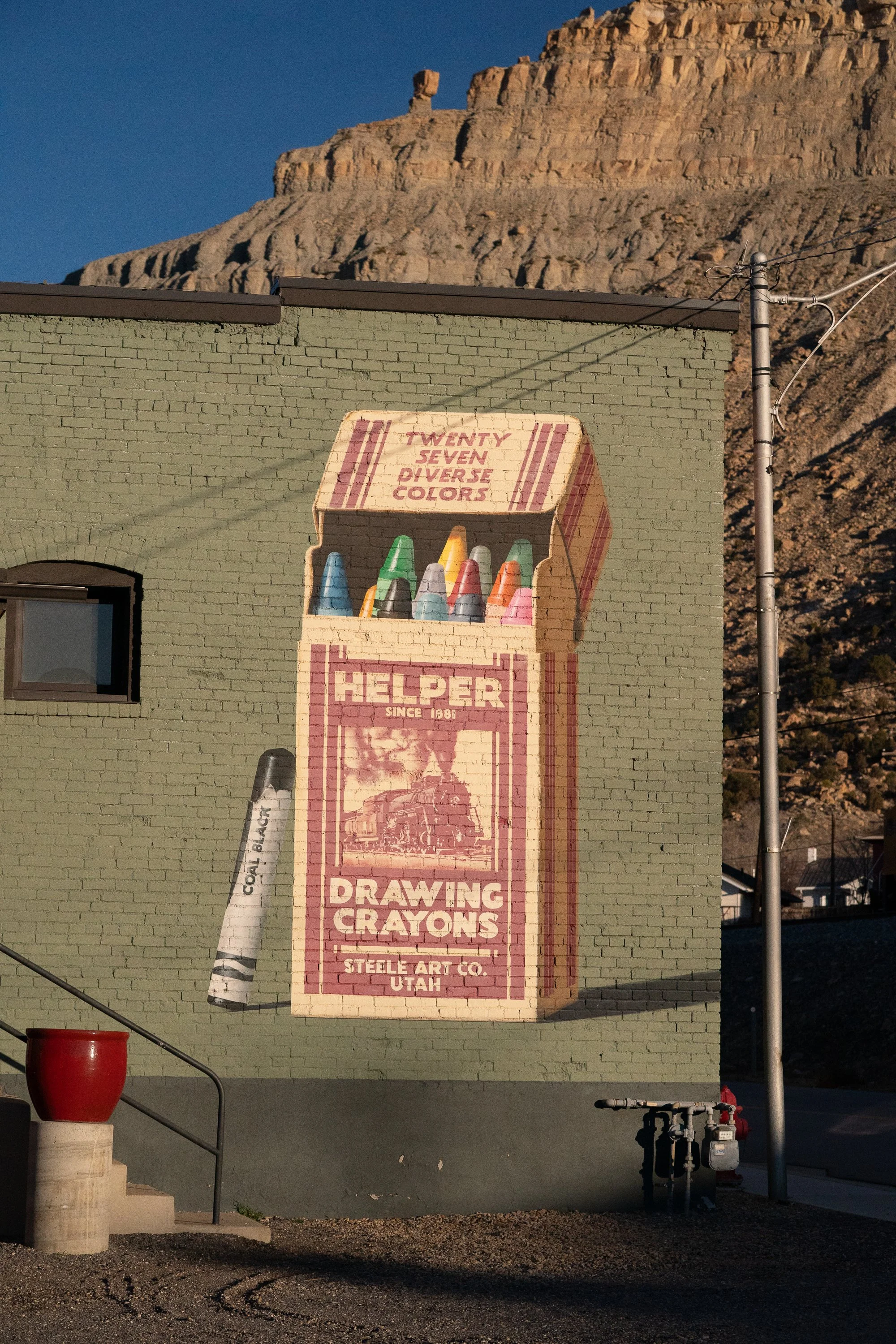
A proper bend in the rod

Close-up photograph of a fly fisherman's hand holding a trophy rainbow trout

Won’t forget this one

Photograph of a Colorado fishing guide available for licensing

Charlie Schaefer - Front Range Anglers

Photograph of a fly fisherman trying to net a fish on the Big Thompson River

The big ones put up a good fight

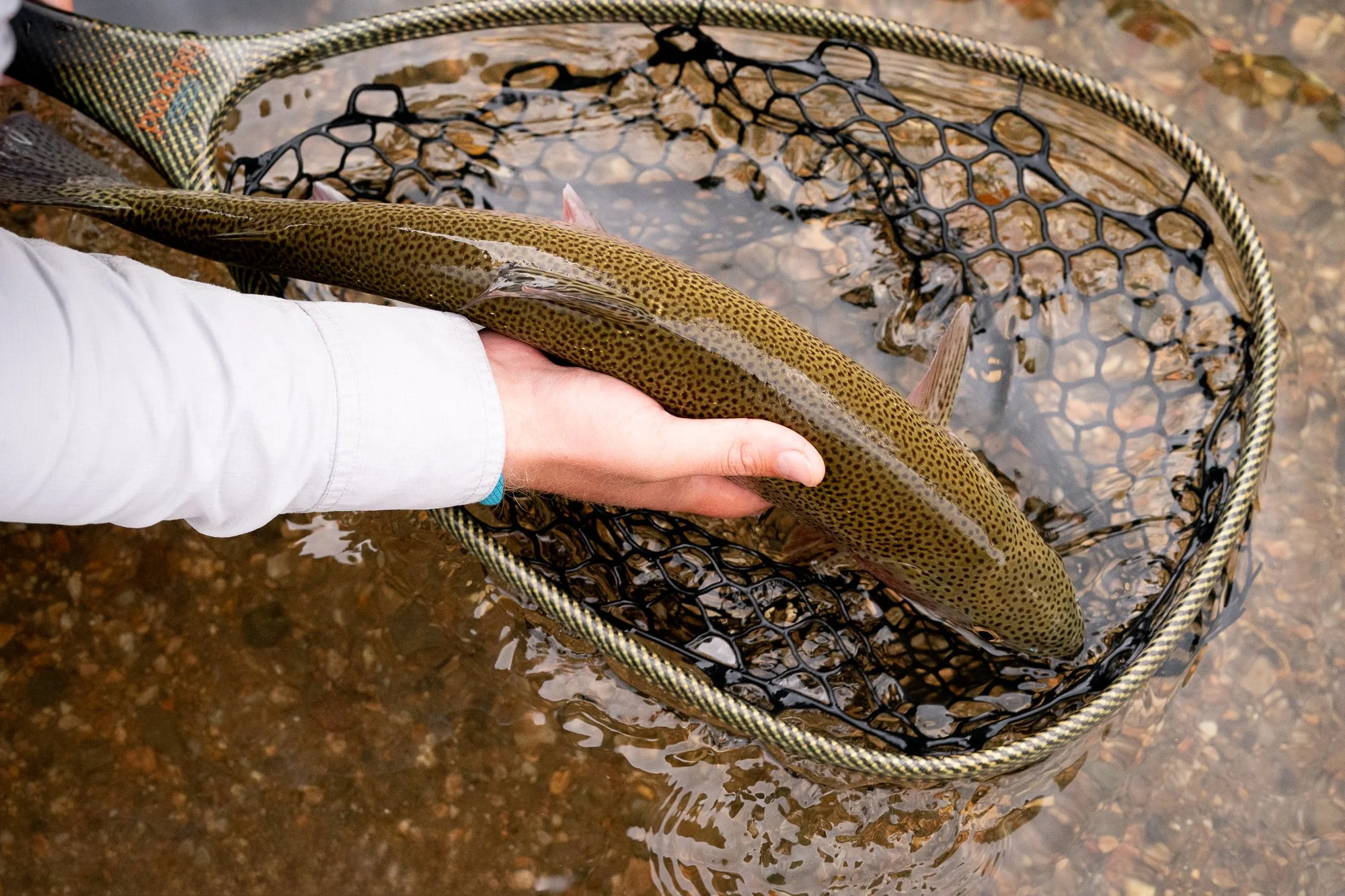
Photograph of a beautiful rainbow trout caught on the Big Thompson River in Colorado

Textbook Rainbow Trout

Aerial view of a fly fisherman walking up river

Fly fisherman moving up river

Photograph of a fly fisherman netting a trout surrounded by fall colors in Colorado

Fly Fishing the Big Thompson River surrounded by fall color in Colorado

ML Leddy Cowboy Boots

ML Leddy’s — Handmade Cowboy Boots from the Ranch to the White House


Where Work and Legacy Meet

ML Leddy's has built boots for working cowboys who spend their life in the saddle. They also build boots for U.S. presidents, musicians, and public figures whose names carry weight far beyond Texas.

Both leave the shop with the same thing: A pair of boots made entirely by hand.

That dual identity — ranch tool and cultural artifact — is what makes ML Leddy’s elite in the world of Western craftsmanship.

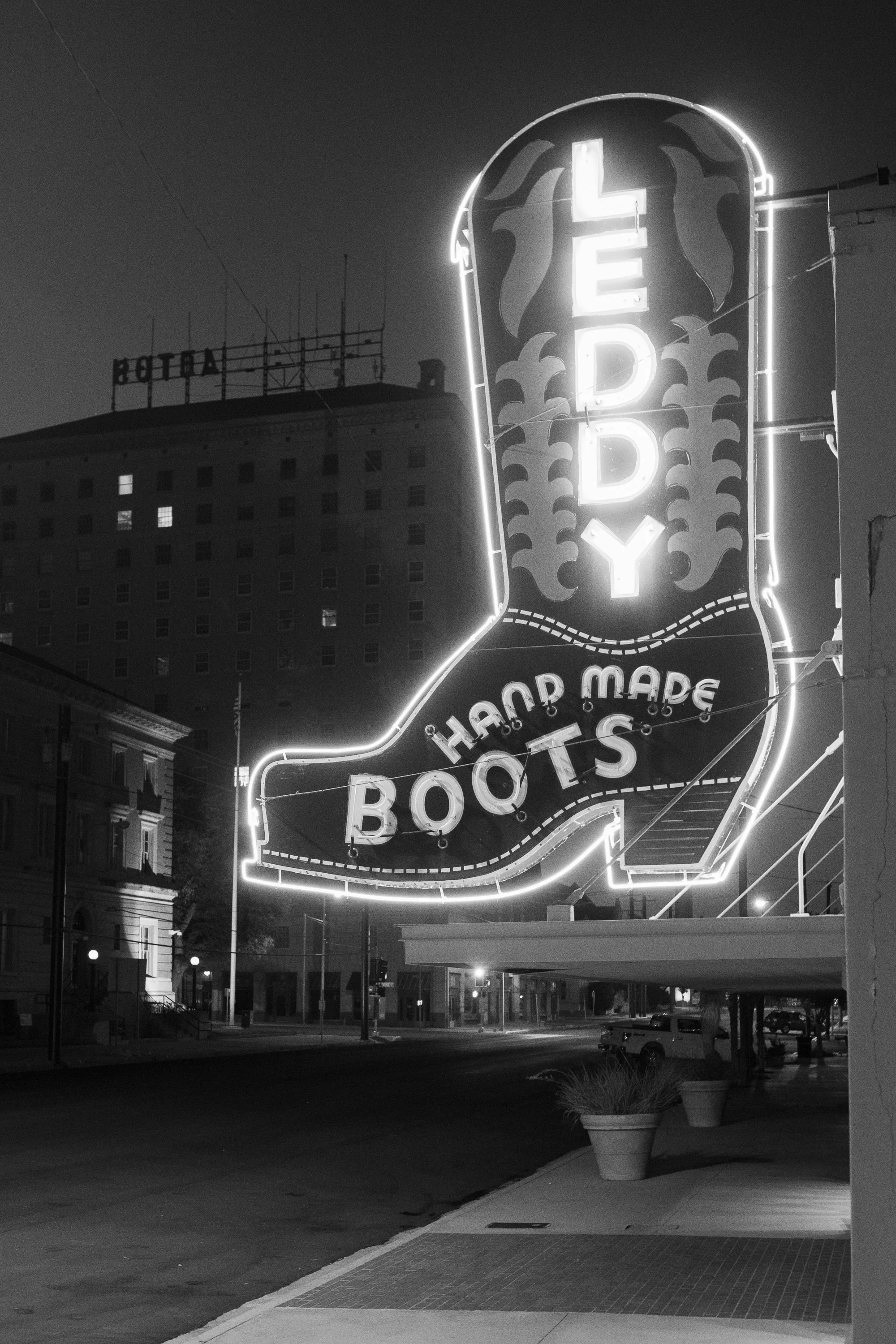
ML Leddy’s handmade boots neon sign glowing at night in San Angelo Texas

The iconic neon boot outside ML Leddy’s lights the streets of San Angelo, marking one of the West’s most respected handmade boot shops.

Built for the Saddle

Long before Western boots became collectible objects or fashion statements, they were tools. A proper working boot must, sit securely in a stirrup, withstand dust, heat, brush, long hours on horseback, and hold its shape through years of wear

At Leddy’s, the foundation hasn’t shifted. The boots are cut, shaped, stitched, and finished by hand — not assembly line, not automated.

Leddy’s cares just as much about longevity as they do cosmetics.

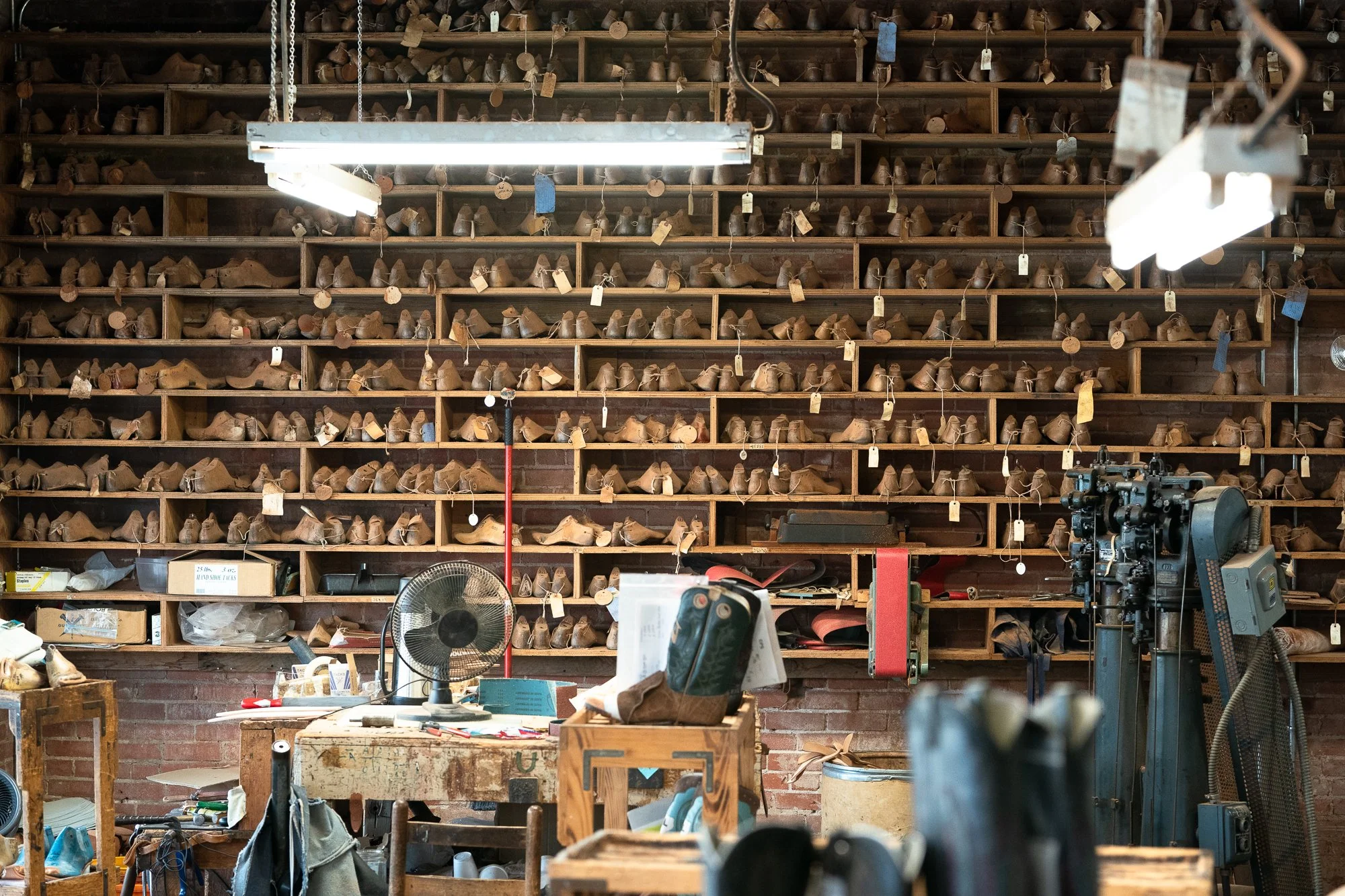
Interior of ML Leddy’s boot workshop with shelves of wooden lasts in San Angelo Texas

The ML Leddy’s workshop is lined with wooden lasts, each one tied to a customer and a specific fit.

Exotic Leathers and Presidential Orders

But there’s another side to the shop.

ML Leddy’s is also known for custom boots made from exotic leathers — ostrich, alligator, elephant — crafted with the same care as a pair destined for ranch work. Over the years, presidents, entertainers, and public figures have commissioned boots here.

The difference is not in the quality of the work.

It’s in the material and design.

A working pair might show dust within a day. A presidential pair may never see a stirrup. But both begin and end the same way — by hand, at a workbench in San Angelo, Texas.

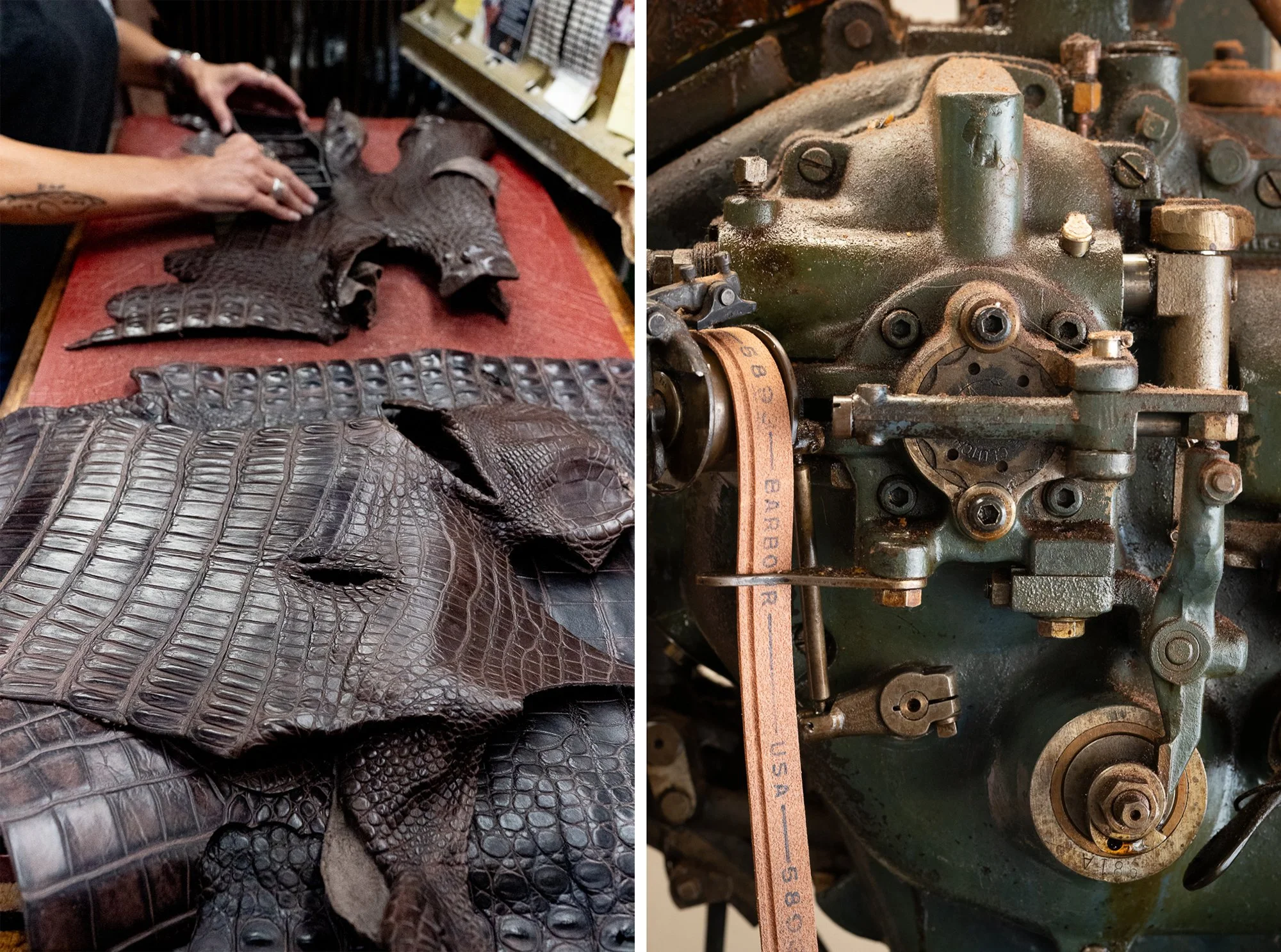
Exotic leather hides prepared for handmade cowboy boots at ML Leddy’s

Exotic leathers are carefully selected and cut by hand, each hide destined for a custom pair of cowboy boots.

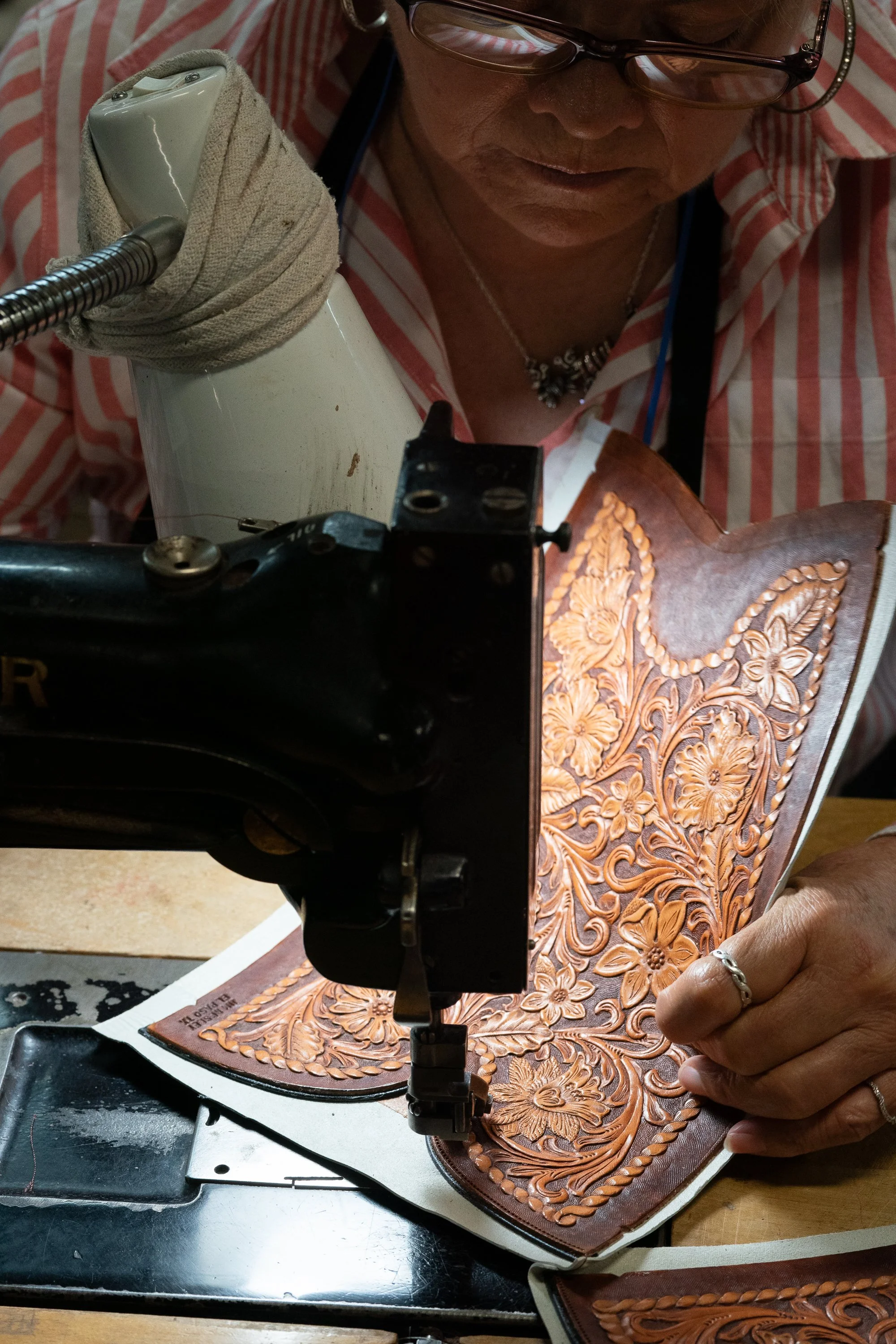
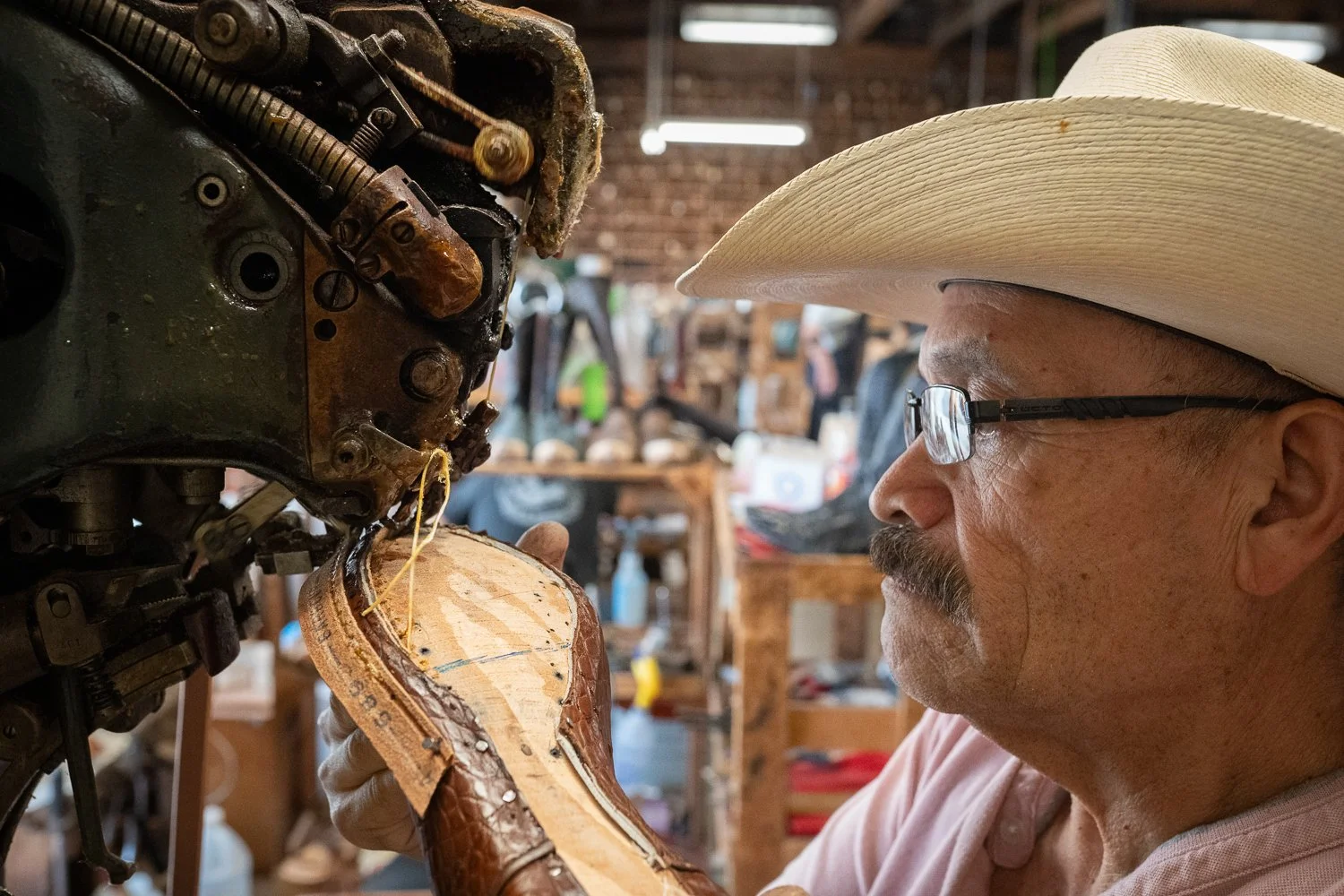
Craftswoman stitching decorative leather panels for cowboy boots at ML Leddy’s

Decorative stitching is completed on vintage machines, guided by practiced hands and years of experience.

An Analog Craft in a Digital World

One of the most striking things about Leddy’s isn’t the leather, it’s the process.

Measurements, past orders, client details — everything is recorded by hand in large books that sit on shelves in the showroom. No tablets. No cloud storage. Just pages filled with names and numbers accumulated over decades.

Getting a pair of custom boots from Leddy’s starts with getting your name on a list, then you receive a phone call a year later saying your name is up. So you drive into the shop, sit in THE chair, where your foot is outlined and measured every which way, and those numbers are recorded with a pencil in a book. No tablets. No cloud storage. Look around the showroom and you’ll see an unthinkable amount leather records books filling the shelves.

When a returning customer needs a new pair, the staff simply pull a book from the shelf and flip to the page where measurements were first recorded — sometimes decades earlier.

The record-keeping mirrors the boots themselves: tangible, physical, built to last.

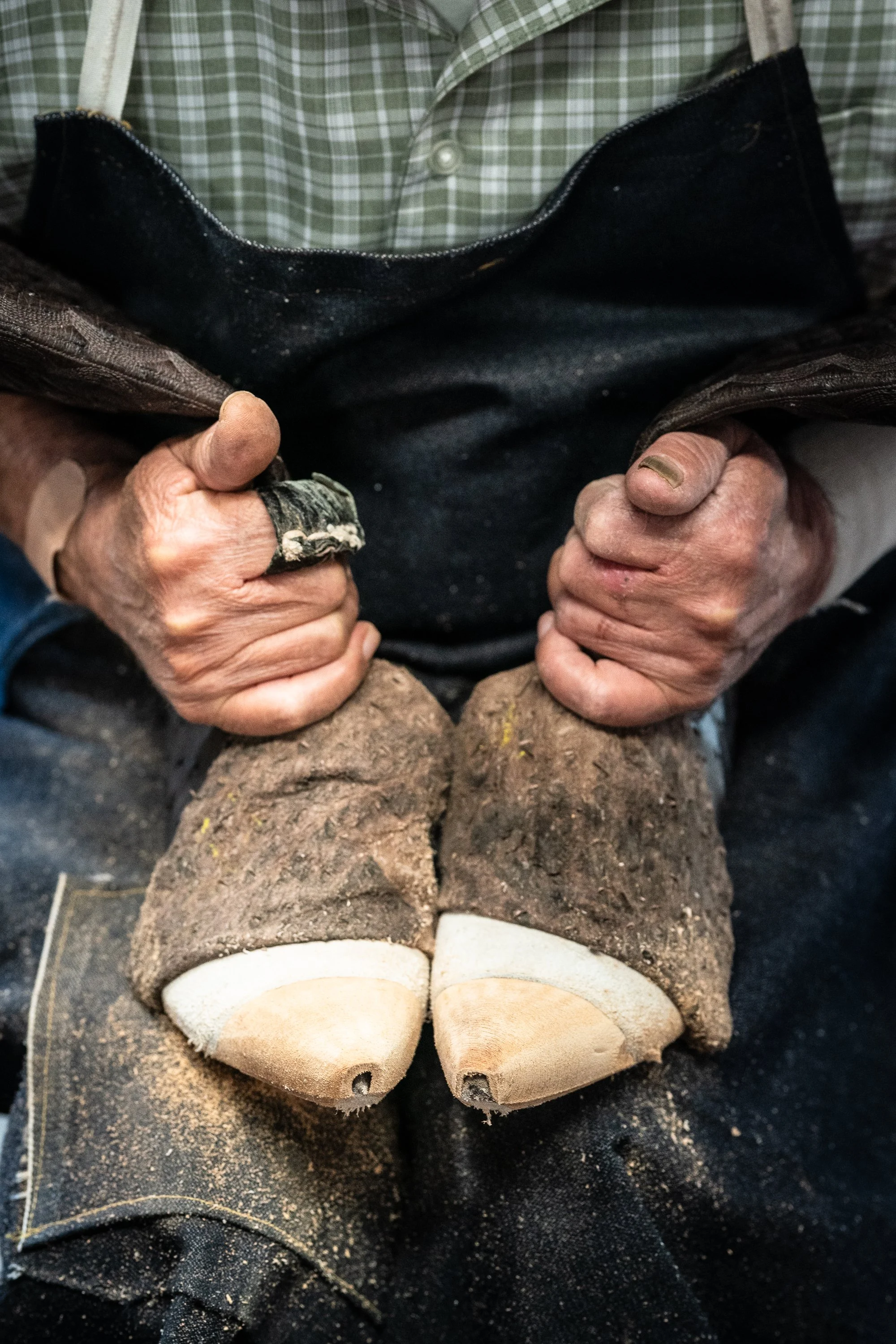
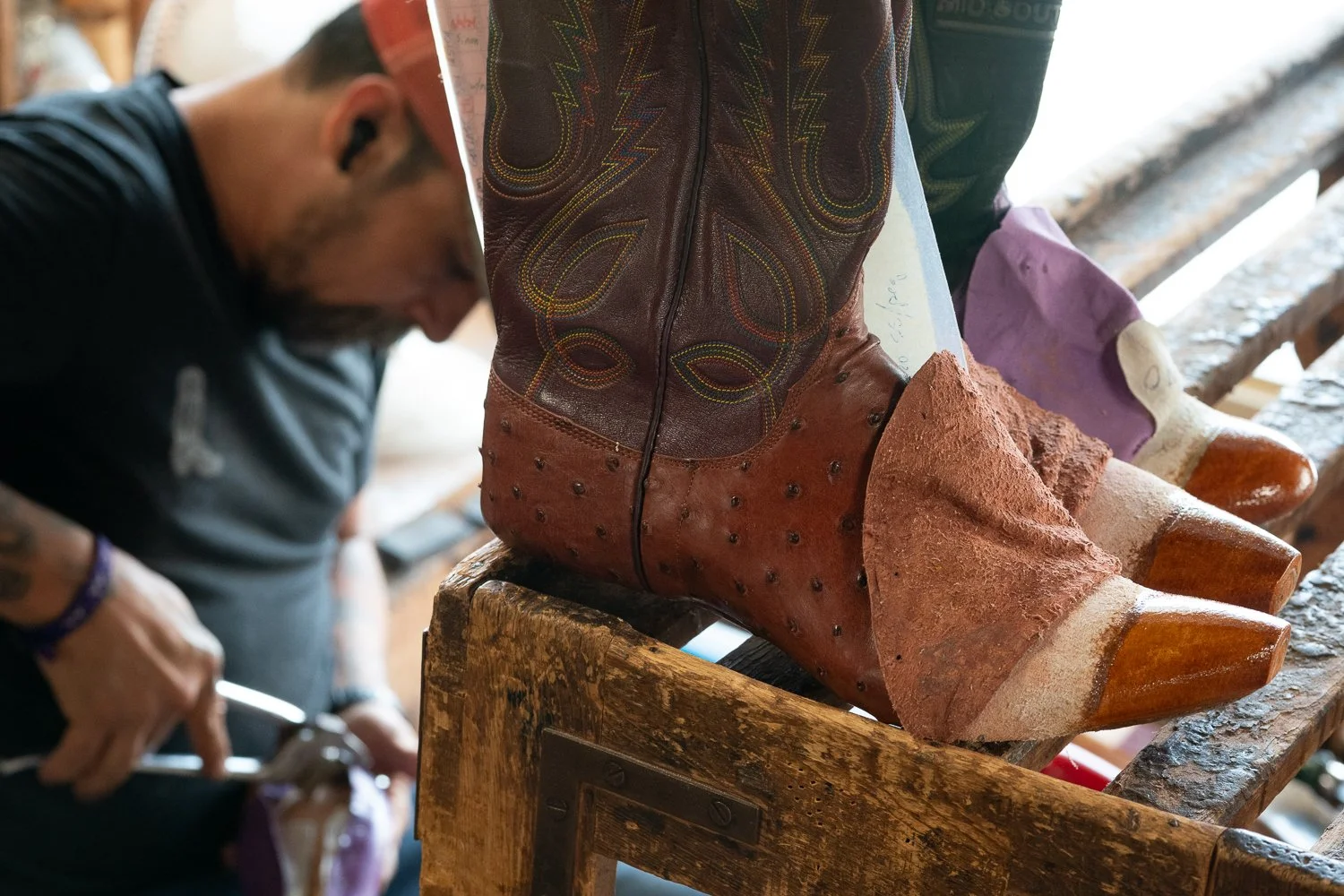
Bootmaker shaping leather over wooden lasts at ML Leddy’s boot shop

Leather is stretched and shaped directly over wooden lasts, a physical process that defines the character of each boot.

Western Craftsmanship Beyond Nostalgia

Bootmaking at ML Leddy’s isn’t preserved for tourism.

It remains relevant because ranchers, riders, and collectors still demand a boot that will last a lifetime.

Like saddle makers and spur makers across the American West, Leddy’s represents a trade where tradition survives because it continues to function.

The culture of the West is sustained not only by working cowboys, but by the craftsmen who build what they rely on.

The tools may differ.
The materials may change.

But the approach remains consistent:

Work done by hand.
Built to be used.
Rooted in place.

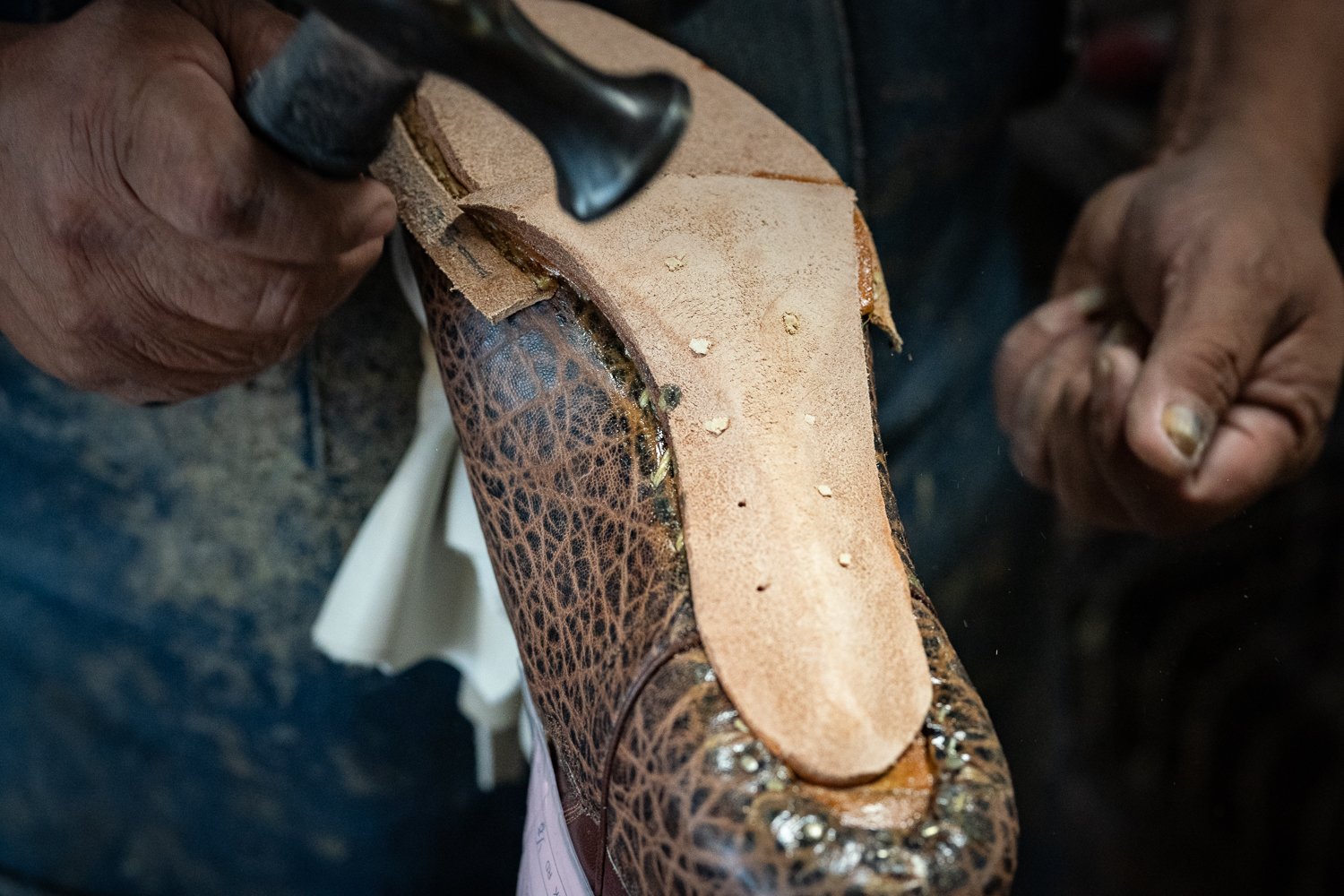
Bootmaker hammering leather sole onto a handmade cowboy boot at ML Leddy’s

Every nail is set by hand, reinforcing the sole using techniques passed down through generations of bootmakers.

Custom boot lasts at a cowboy boot store in Texas

Custom boot lasts

Explore More Western Craft & Culture

If you’re interested in traditional Western trades, you may also want to explore:

• My working portrait of saddle maker Doug Cox
• Inside the studio with iconic painter William Matthews

Custom cowboy boots resting on a workbench during construction at ML Leddy’s

A pair of custom boots waits between stages of construction, surrounded by the quiet rhythm of daily work inside the shop.

Measuring a boot last for handmade cowboy boots in Texas

Licensing & Editorial Use

These photographs documenting ML Leddy’s and the tradition of handmade Western bootmaking are available for editorial and commercial licensing. The images focus on process, environment, and the people behind the craft — making them well suited for publications/brands covering Western culture, heritage brands, ranch life, and traditional American trades. For licensing inquiries, project collaborations, or publication requests, please get in touch directly.

Bootmaker hand-lasting a cowboy boot inside ML Leddy’s workshop in San Angelo Texas

Handmade cowboy boots in Texas

Discarded cowboy boot parts after repair at ML Leddy's in San Angelo, TX

Old cowboy boot parts

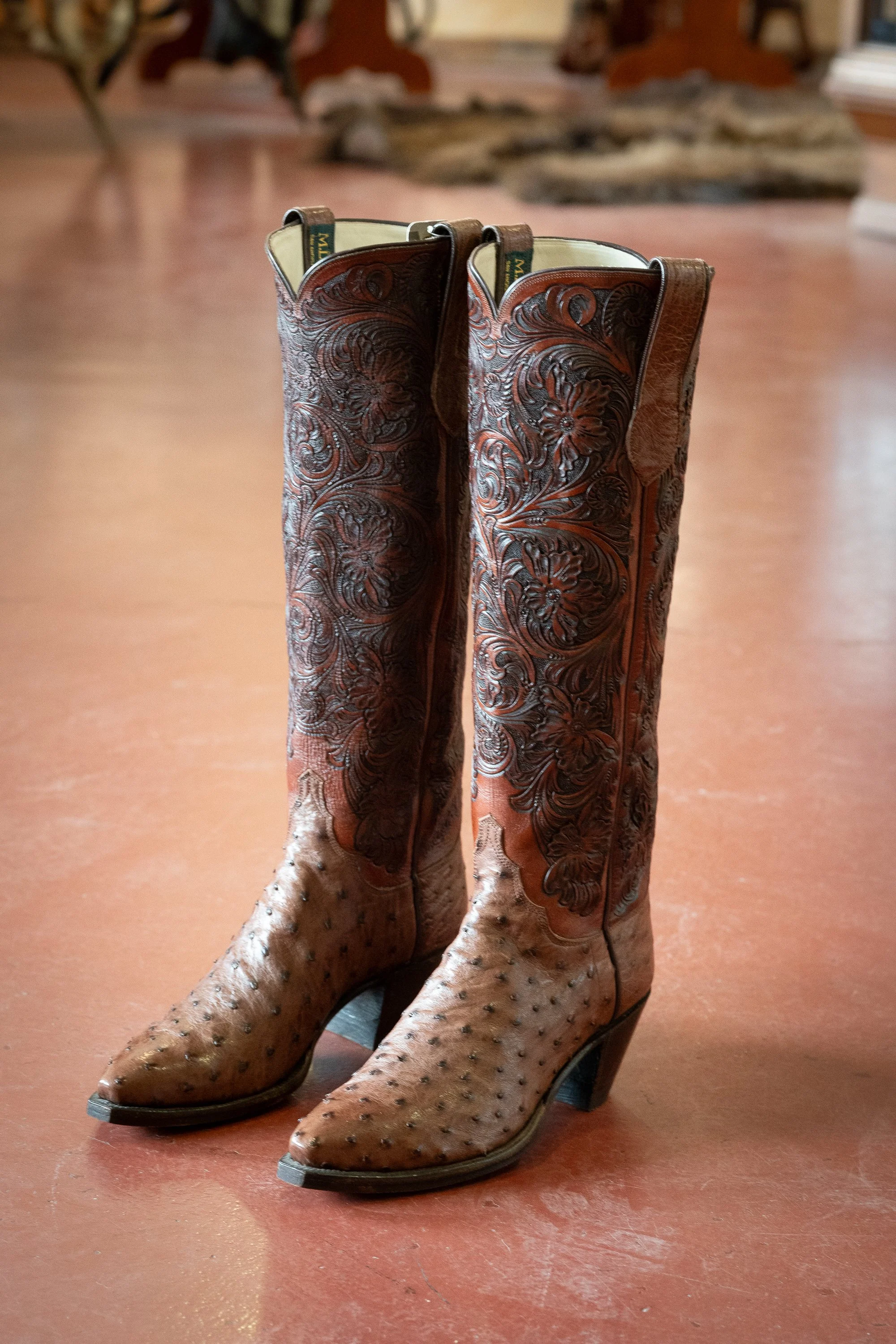
Finished pair of handmade cowboy boots by ML Leddy’s in San Angelo Texas

A finished pair of handmade cowboy boots, built start to finish inside the ML Leddy’s workshop in Texas.

Part of a Larger Body of Work Documenting the American West

This story is part of a long-term photographic project documenting the people, places, and traditions that still define the working American West. From historic ranches and small-town workshops to cattle operations and makers like ML Leddy, the goal is to create an honest record of a culture that continues to evolve while staying rooted in tradition.

These photographs aren’t isolated moments—they exist within a broader body of work focused on real working environments and the people behind them. The same approach carries through each part of the project: natural light, time spent on location, and a focus on authenticity over interpretation.

Together, these stories form a larger archive of the American West as it exists today—shaped by labor, craftsmanship, and a deep connection to place.
→ Explore the Full Cowboy Photography Project

Leucadia Barbershop in Encinitas, CA

Leucadia Barbershop – A California Chapter of Barbershops of America

Leucadia Barbershop has been part of Encinitas since 1996, when Emiliano Zermeno’s family first opened the doors at its original location. Like many small barbershops, the business was eventually forced out due to landlord pressures—a familiar story across the country. Instead of closing, Emiliano rebuilt the shop in a new space, carrying forward what his family started while shaping it into something distinctly his own.

A Family Barbershop Rooted in Leucadia Since 1996

Emiliano grew up inside the shop his family created. The rhythm of haircuts, the conversations, the regulars—it wasn’t a concept or aesthetic. It was daily life. When displacement forced the original location to close, the continuity of that space could have ended. Instead, it shifted. The new Leucadia Barbershop carries the same foundation, just reinterpreted through a different generation.

Southern California Skate Culture Inside a Barbershop

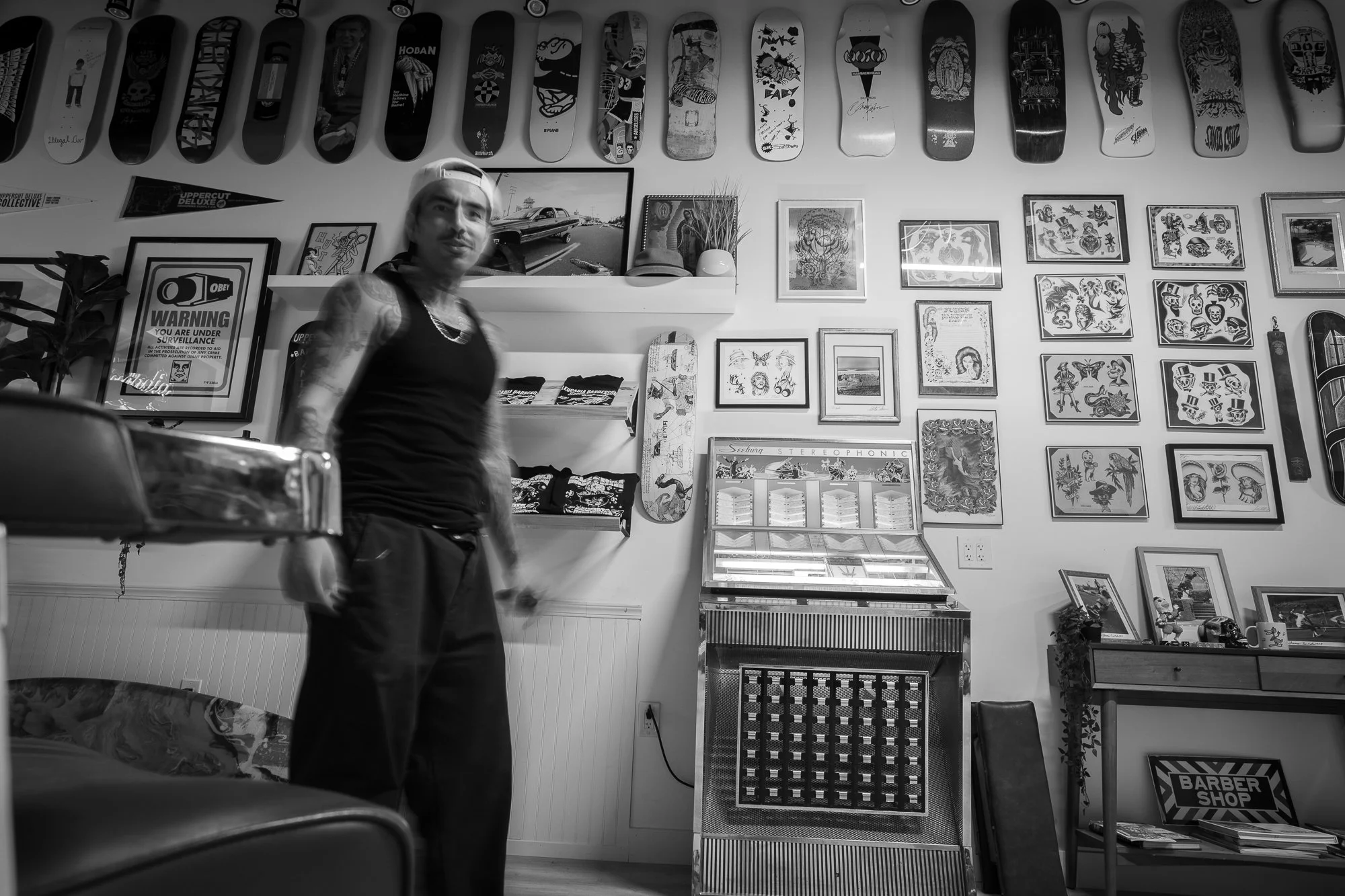
The new space reflects Emiliano himself—a Southern California kid who grew up with a love for skateboarding and still carries that passion today. The shop feels less like a preserved relic and more like a lived-in extension of coastal California: relaxed, personal, rooted in community. The design choices, the atmosphere, even the pace of the room mirror the culture that shaped him.

Emiliano didn’t just take over the business to make his family proud, he took it to the next level. Which is obvious when you look at his shop, but more importantly, you see it in his cuts. He’s a member of the Uppercut Deluxe team - a sign of quality, and another layer that further represents the skateboarding culture.

Photographing Leucadia Barbershop

Leucadia Barbershop was photographed as part of a long-term effort to document traditional American barbershops in all 50 states before they disappear or change beyond recognition. Each shop carries its own story. In Encinitas, that story includes family continuity, displacement, and the culture of Southern California itself.

View More Traditional Barbershops

Leucadia Barbershop is one of many shops documented across the country as part of a 15-year archive focused on preserving everyday American spaces.

→ View the full Barbershops of America gallery
You can also view another California barbershop photographed as part of the same series:

→ Read the blog post about a traditional barbershop in San Diego

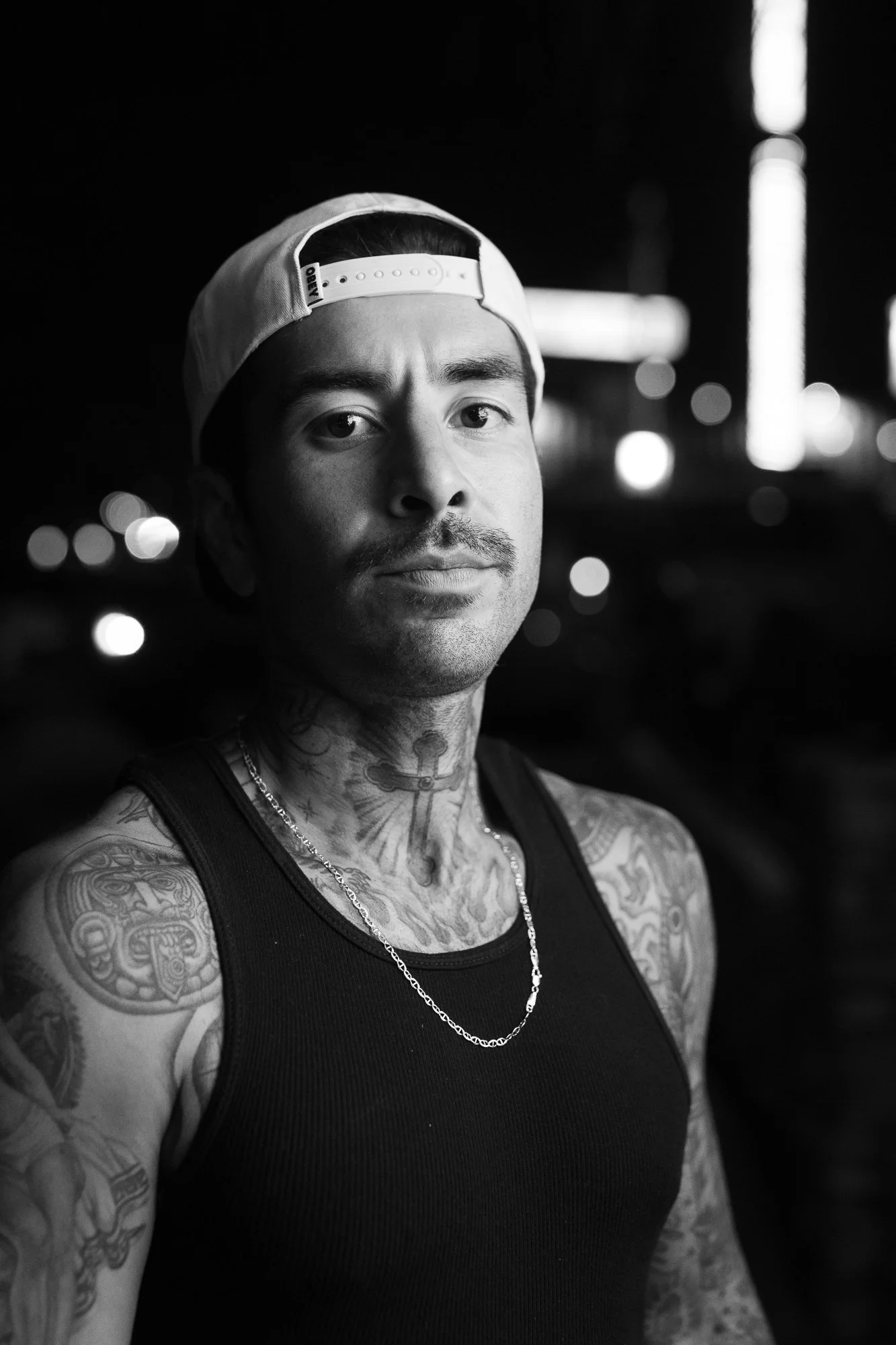
Black and white portrait of Emiliano Zermeno, owner of Leucadia Barbershop in Encinitas, California.

Portrait of Emiliano Zermeno, who continued the family barbershop after the original 1996 location was lost to landlord displacement.

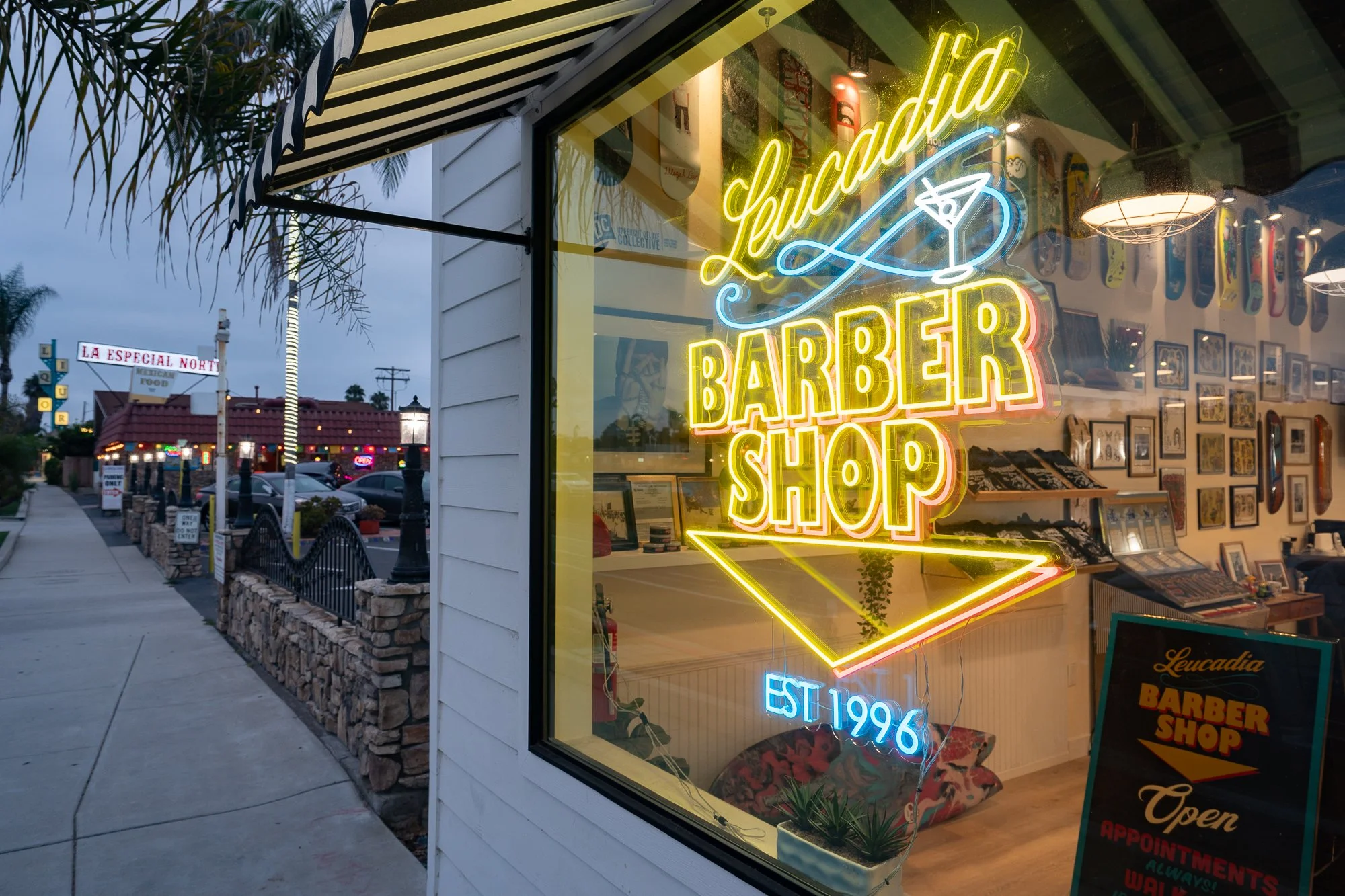
Neon sign at Leucadia Barbershop in Encinitas, California at dusk, established 1996.

The neon sign at Leucadia Barbershop glows over the sidewalk in Encinitas, California. Opened in 1996, the shop has remained part of the coastal community through change and relocation.

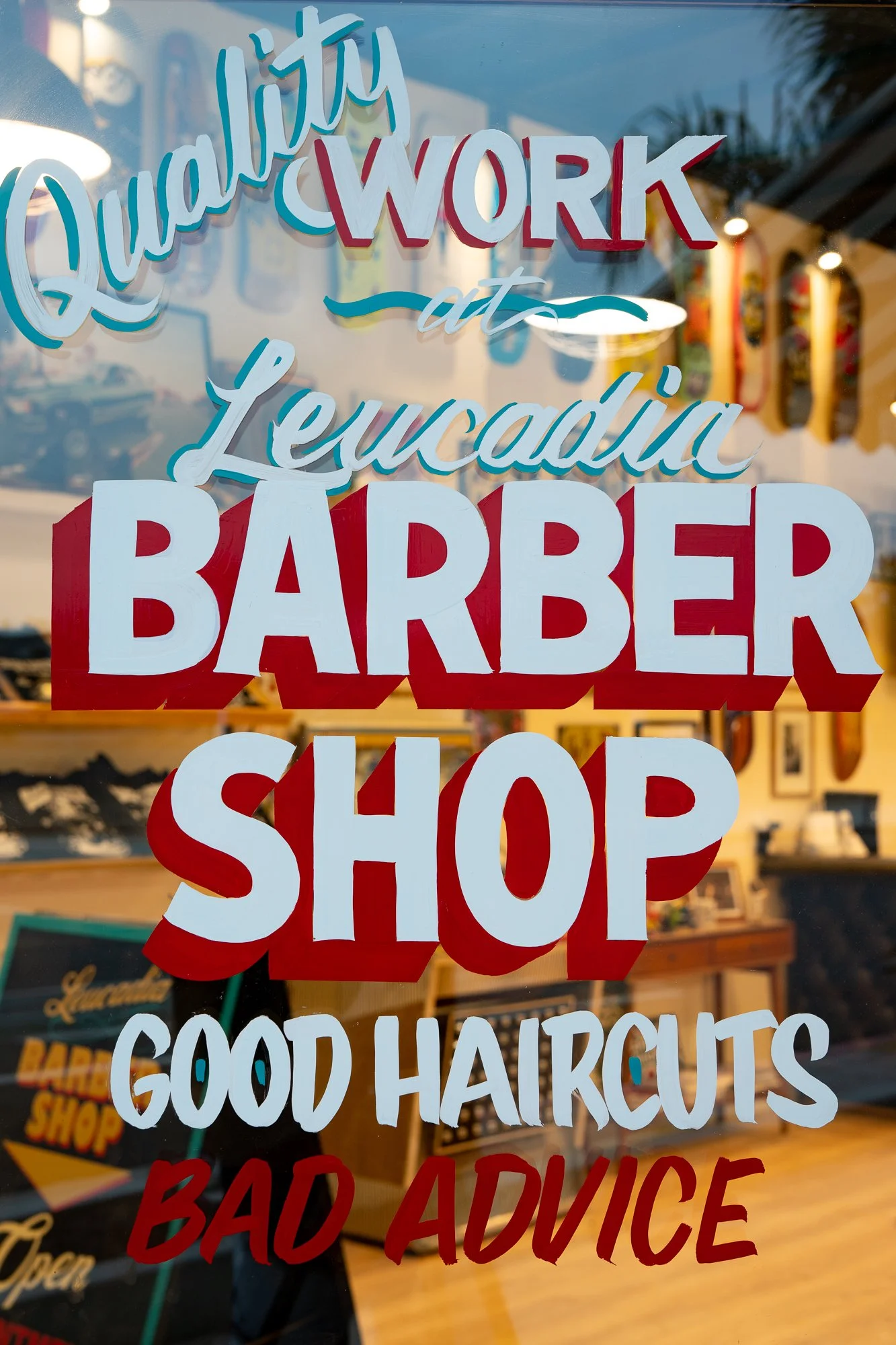
Window lettering reading “Quality Work at Leucadia Barber Shop” on the storefront in Encinitas, California.

Window lettering at Leucadia Barbershop in Encinitas, California. Established in 1996, the shop blends traditional barbering with Southern California character.

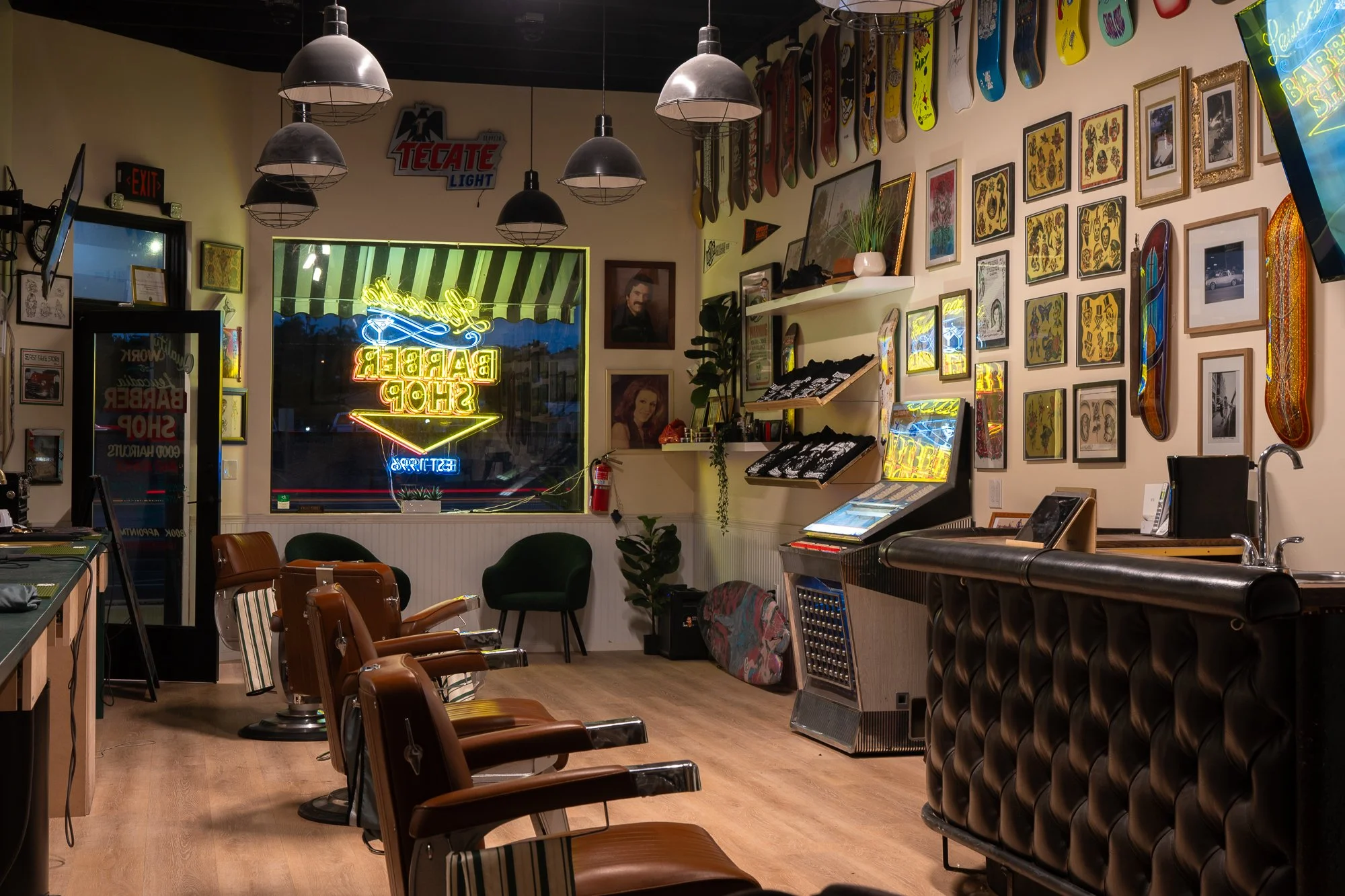
Interior of Leucadia Barbershop in Encinitas, California showing barber chairs, framed artwork, and skateboards.

Inside Leucadia Barbershop in Encinitas. The space combines traditional barber chairs with personal artwork and skateboards, creating a shop shaped by the owner’s history.

Emiliano Zermeno inside Leucadia Barbershop in Encinitas, California with skateboards displayed on the wall.

Emiliano Zermeno inside Leucadia Barbershop. The skateboards lining the wall reflect his Southern California upbringing and lifelong connection to skate culture.

Black and white photograph of a neon barbershop sign

Barbershop in Encinitas, CA

KJZZ Phoenix Radio

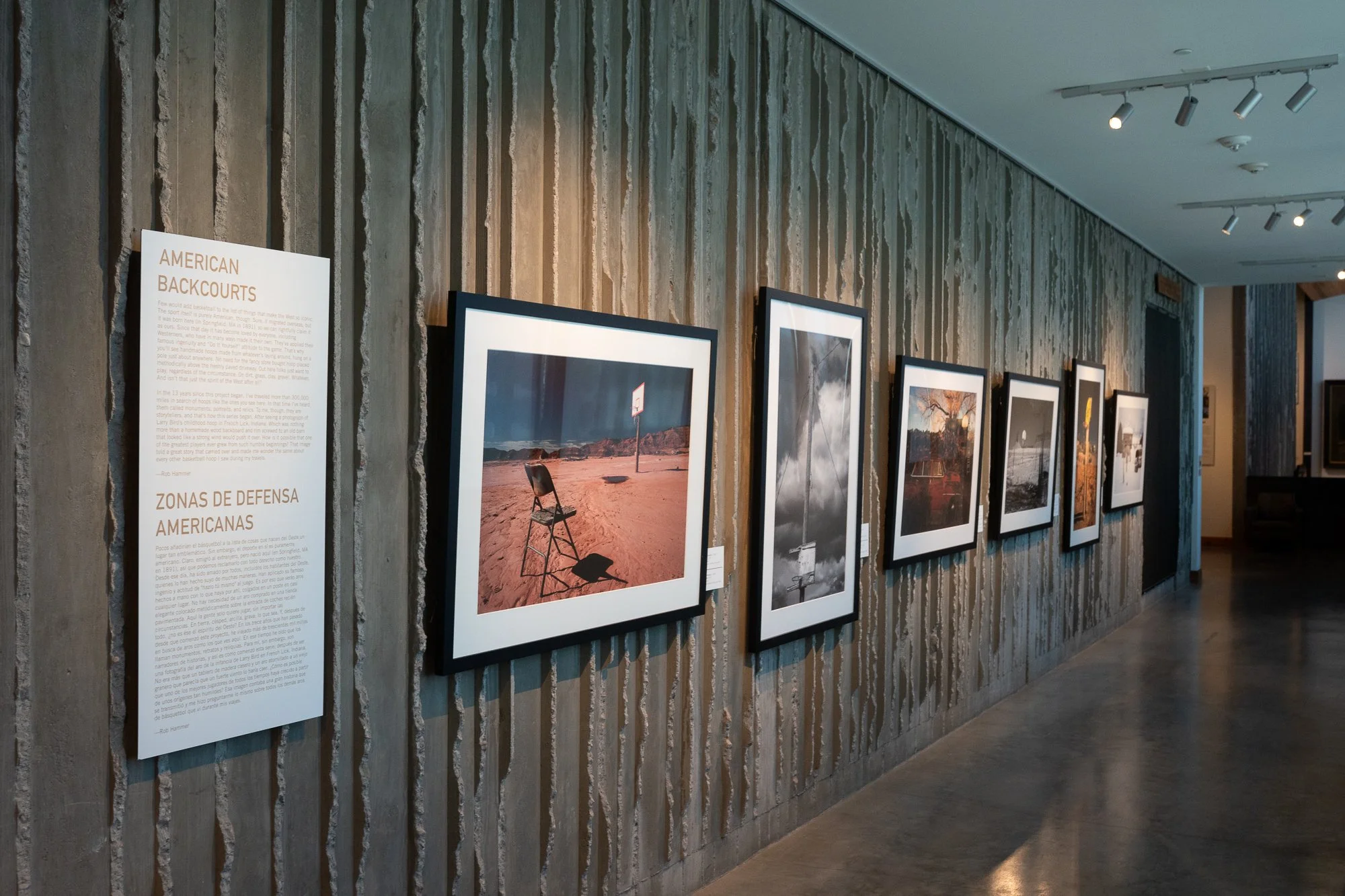
Basketball Photography Exhibition

So happy to see/hear this interview by Mike Brodie on KJZZ Radio in Phoenix with Western Spirit Museum’s exhibition coordinator Henry Terry. They discussed my American Backcourts photographs which will be on display their at the museum in Scottsdale until mid April 2025. It’s so fulfilling to see this project getting recognition after shooting it for 13+ years, so please click the LINK if you’d like to listen to their conversation.

And you can shop the fine art basketball prints from this series HERE

Interview with Mike Brodie of KJZZ Phoeniz

KJZZ Radio interview with Western Spirit Museum’s exhibition coordinator Henry Terry.

Tom Moorhouse

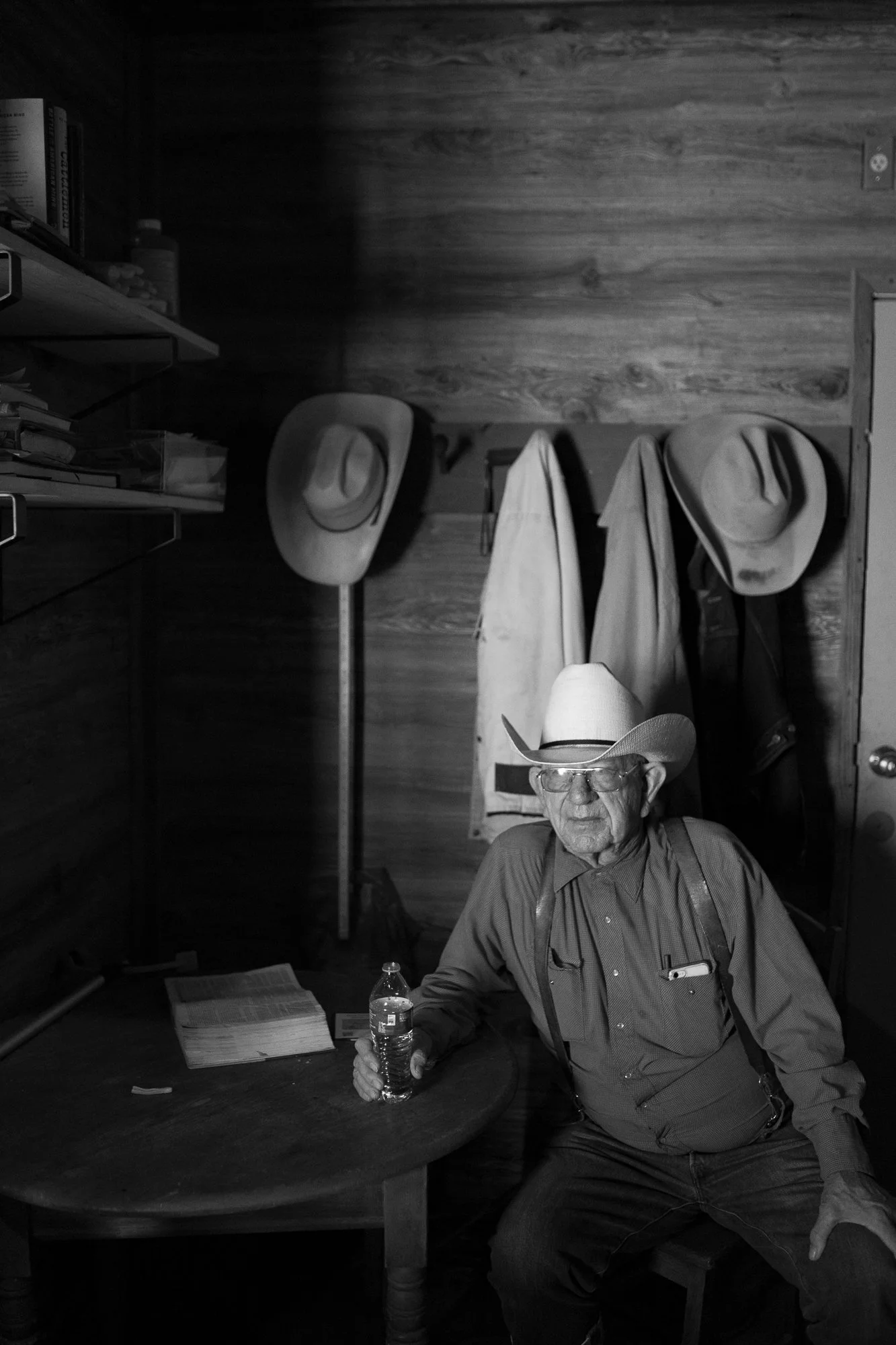
Tom Moorhouse — A Working Cowboy of the American West

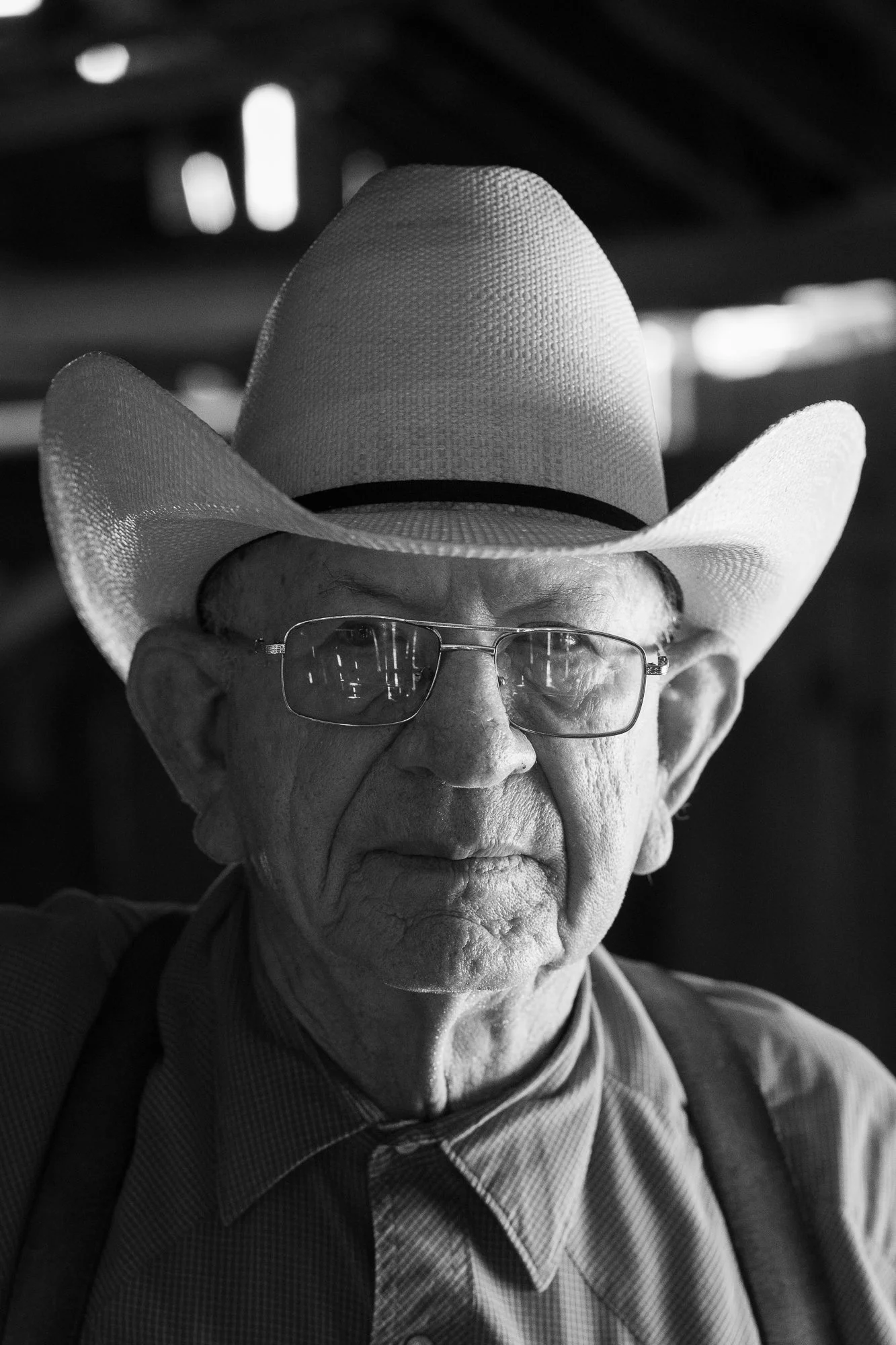
Tom Moorhouse is not a cowboy preserved in nostalgia, but one shaped by decades of work, responsibility, and lived experience. His life reflects a version of the American West that still exists, though often overlooked—one built on passion, land stewardship, and a deep understanding of cattle and country. These photographs documents Moorhouse as he is, without performance or reenactment, focusing instead on the quiet realities of a working cowboy’s life.

A Life Shaped by Ranching and Responsibility

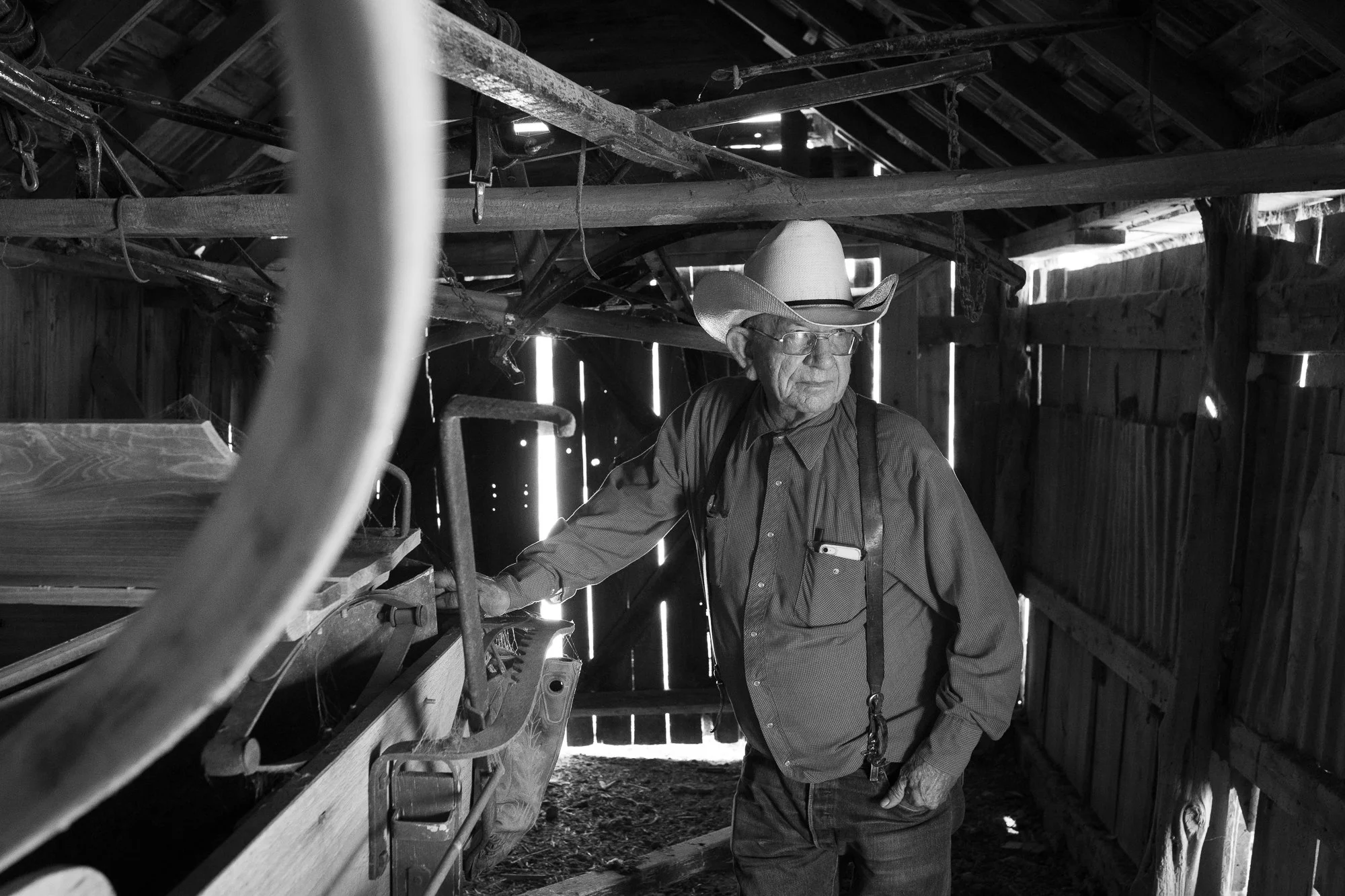
Tom Moorhouse’s connection to ranching runs deep. His knowledge of cattle, land, and horsemanship comes not from imitation, but from years spent working within the rhythms of ranch life. Days begin early and end late, shaped by weather, animals, and the constant demands of the job. There is little separation between work and identity here—ranching is not something done for effect, but something lived every day.

In a culture often romanticized from the outside, Moorhouse represents the reality behind the image. The work is physical, repetitive, and exacting, requiring patience and long-earned skill. These photographs aim to reflect that truth by focusing on presence rather than action, and on character rather than spectacle.

A Texas Legend Recognized

Tom Moorhouse’s induction into the Texas Cowboy Hall of Fame and his Golden Spur Award speaks to the respect he has earned within the ranching community. This recognition is not about mythmaking, but about contribution—acknowledging a lifetime spent working cattle, preserving ranching traditions, and passing along knowledge built through experience.

Rather than elevating him above the work, this honor underscores the importance of people like Moorhouse in sustaining the culture of the American West. His story is inseparable from the land and the labor that define it.

Photographing the Quiet Side of Cowboy Culture

This portrait series was approached with restraint and intention. The goal was not to dramatize cowboy life, but to observe it honestly. Natural light, minimal direction, and an emphasis on stillness allow the details to speak.

By focusing on the spaces between moments, the photographs reveal a side of cowboy culture that often goes unseen. The tools, the wear, and the environment all carry history, and together they form a more complete picture of a life lived through work rather than performance.

Cowboy Photography as Cultural Documentation

Projects like this exist to document a way of life that continues quietly across the American West. Working cowboys like Tom Moorhouse are central to that story, yet they are rarely the focus of contemporary visual records. These photographs are part of a broader effort to create a long-term archive of cowboy culture as it exists today—not as a reenactment, but as lived experience.

Licensing Cowboy Photography for Editorial and Commercial Use

These photographs of Tom Moorhouse are available for editorial and commercial licensing. The work is well suited for magazines, books, brand storytelling, exhibitions, and cultural institutions seeking authentic representations of working cowboy life in the American West. Licensing inquiries are welcomed for projects that value accuracy, context, and visual honesty, with images available as individual selections or as part of a larger cowboy photography archive.

View More Cowboy Photography from the American West

This portrait of Tom Moorhouse is part of an ongoing series documenting working cowboys across the American West.
→ View the full Cowboy Photography series
→ Boots O’Neal - Another Texas Legend

Black and white portrait of famous Texas cowboy Tom Moorhouse

Tom Moorhouse - Texas Cowboy

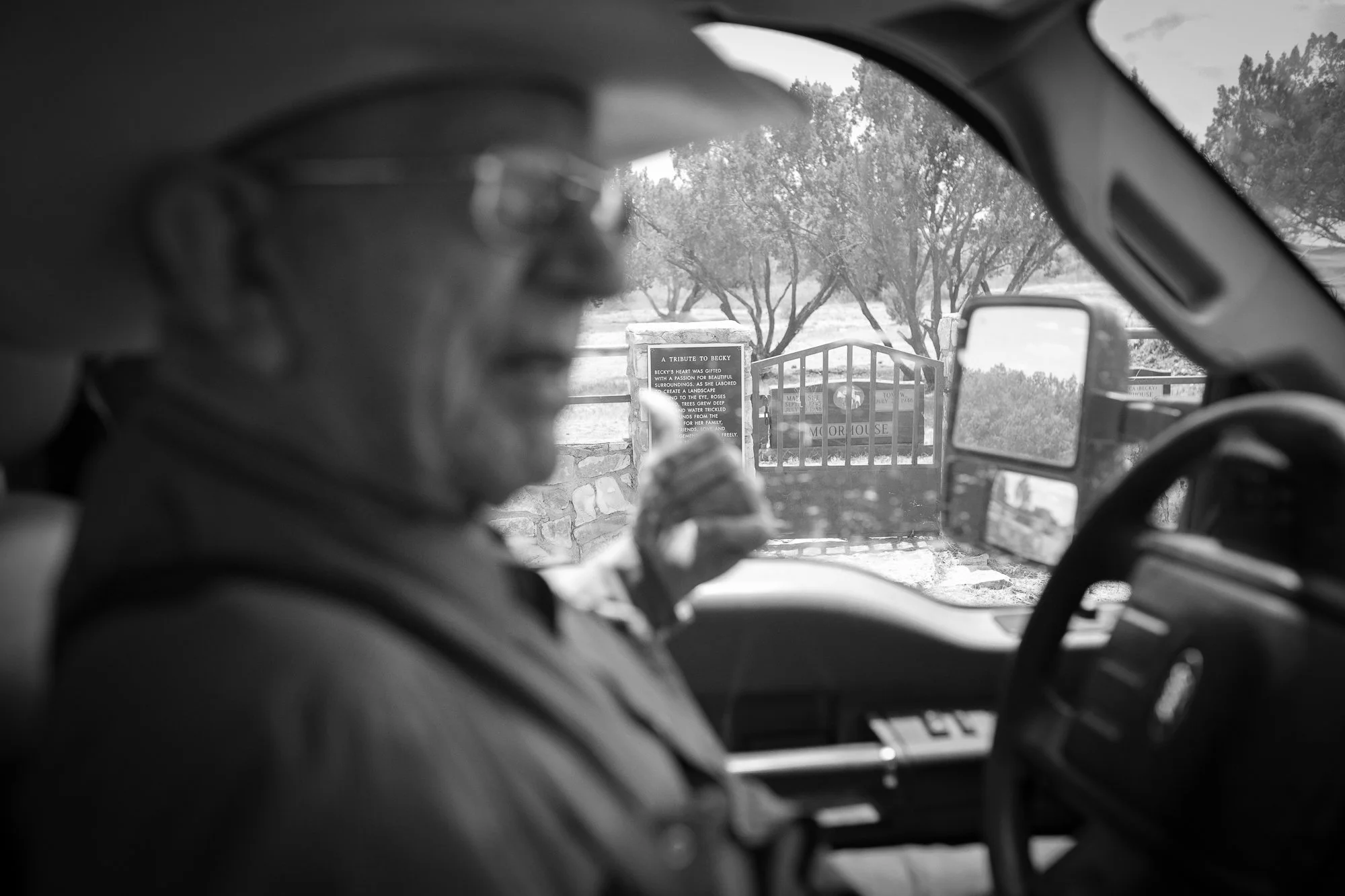
Photograph of Tom Moorhouse at the cemetery on his ranch

Legendary Texas Cowpuncher - Tom Moorhouse

Portrait of legendary Texas cowboy Tom Moorhouse

Portrait of legendary Texas cowboy Tom Moorhouse

Black and white portrait of cowboy Tom Moorhouse on his ranch in Texas

Tom Moorhouse at his ranch in Texas


The Year's Best Photographs

American Photography Competition

The American Photography Competition is one of only a handful of competitions that I believe in out of the countless scams out there promising worldwide “exposure” for photographers. So it’s an honor to say that two of my cowboy photographs have been selected for the AP 40 - Year’s Best Photos! If you’d like to be humbled and inspired then go through the gallery of winning images . So much beautiful work in there.

If you’d like to see more of my authentic cowboy photographs go to this Gallery . And go HERE to purchase photography prints from the cowboy series.

Award winning cowboy photography

Award winning Western Photography

Basketball Photography Exhibition at the Western Spirit Museum

American Backcourts at Scottsdale’s Museum of the West

A Museum Exhibition from the Long-Term Basketball Hoop Photography Project

I was honored to exhibit selections from American Backcourts at Western Spirit: Scottsdale’s Museum of the West in Scottsdale, Arizona.

This exhibition meant a great deal to me, not only because it brought the project into a respected museum setting, but because it placed basketball inside a conversation where many people do not expect to find it: the American West. That tension has always been part of what interests me about this body of work. Over the past fifteen years, I’ve photographed basketball hoops in backyards, alleys, farms, deserts, small towns, and overlooked corners of the country, often in places where the game feels quietly woven into everyday life rather than presented as spectacle.

American Backcourts was on view at Western Spirit from August 26, 2024 through April 13, 2025. The show brought together photographs from across the West that reflect the resourcefulness, beauty, and persistence I’ve found again and again while working on this series. Handmade rims, weathered backboards, empty courts, and improvised places to play all become part of a bigger story about how deeply basketball belongs to American culture.

What I particularly appreciated about this exhibition was the setting. Western Spirit has built its reputation around art, history, and ideas connected to the West, so it was meaningful to see these photographs presented there. The show offered a chance to frame basketball not only as sport, but as part of the visual language of the region.

This exhibition is one chapter in the larger American Backcourts project, an ongoing body of work documenting basketball hoop photographs from across the United States.

To see more from the project, visit the main American Backcourts gallery.
For collectors, available works can be viewed on the basketball photography prints page.

American Backcourts basketball hoop photography exhibition installed at Western Spirit: Scottsdale’s Museum of the West

American Backcourts on display at Western Spirit: Scottsdale’s Museum of the West in Scottsdale, Arizona.

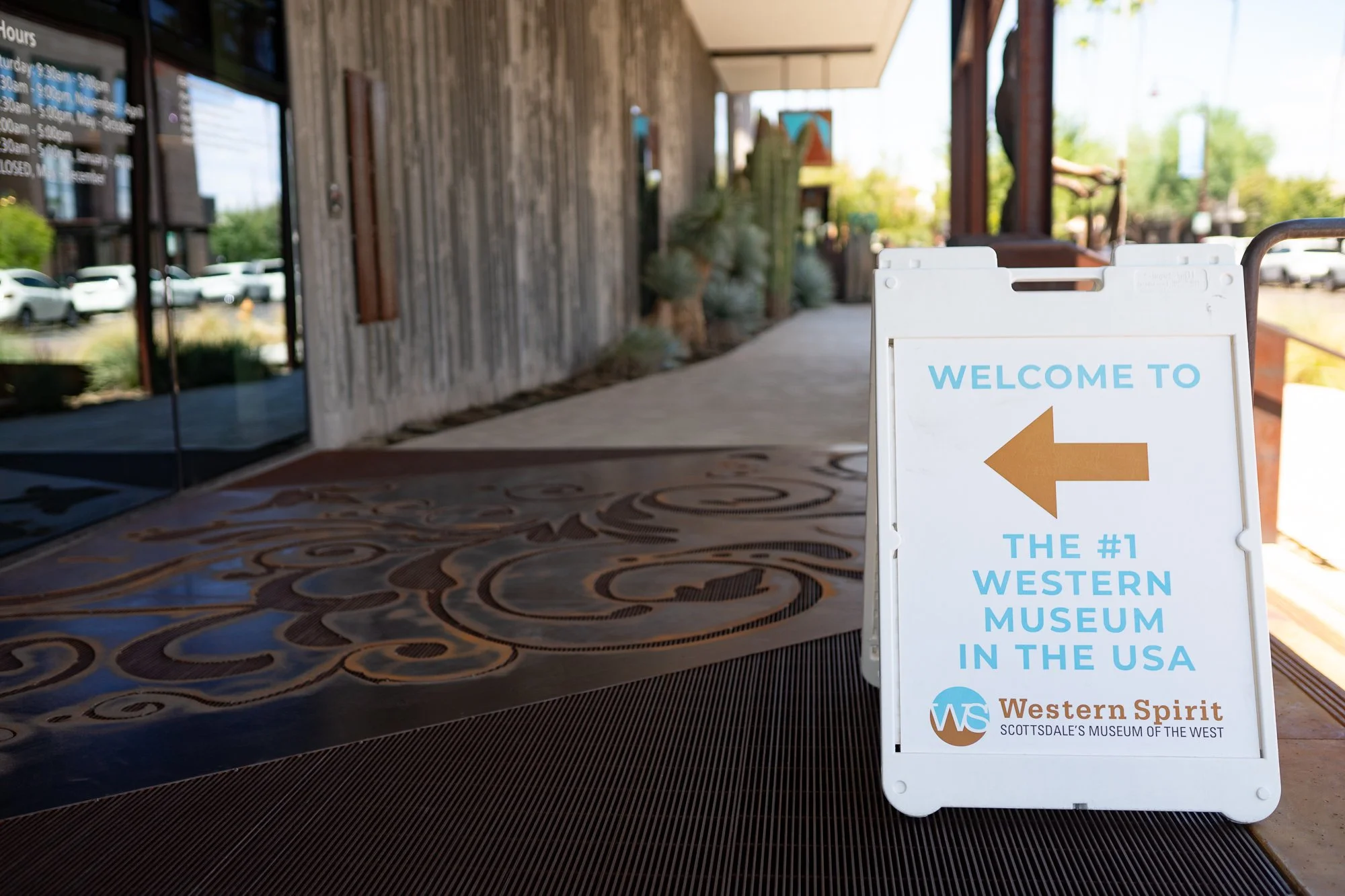
Exterior of Western Spirit: Scottsdale’s Museum of the West with “#1 Western Museum in the USA” sign

Western Spirit: Scottsdale’s Museum of the West in Scottsdale, Arizona, where the American Backcourts exhibition was presented.

California Dreaming: A Road Trip Down the Iconic Highway 395

A Journey Through California's Highway 395: Road Trip Photography That Inspires Wanderlust

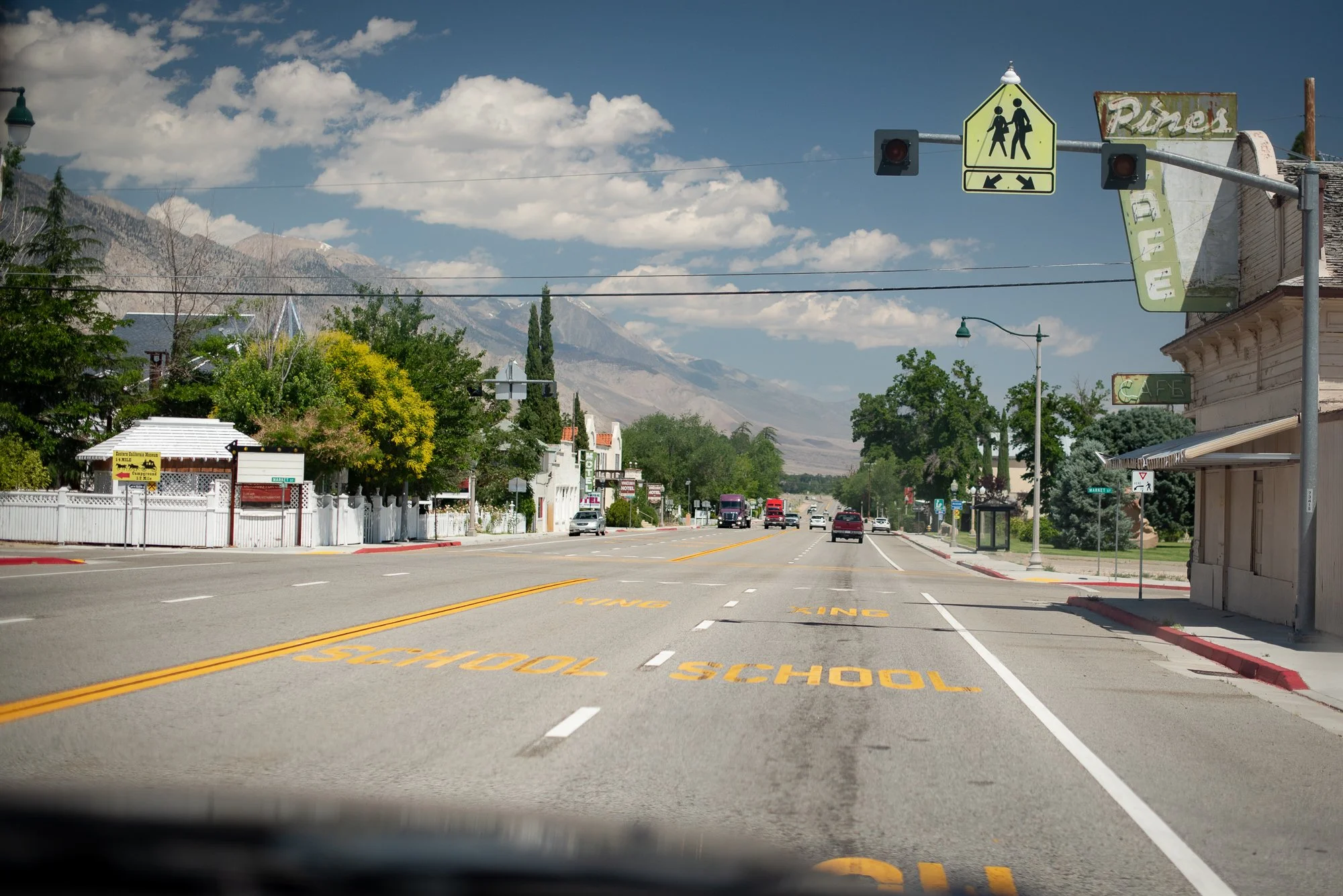
The 395 doesn’t try to impress you, not at first. It just unfolds, mile by mile, like an old story you’ve heard before but can’t stop listening to. It’s the kind of road that sneaks up on you—not with grand gestures but with a steady, insistent rhythm of landscapes that feel too big, too wild, to be corralled by a single state line. California’s Highway 395 is less a road and more a meditation, a reminder of how much world is left to see if you’re willing to slow down.

I set out with a camera and no real plan beyond the next mile marker. Somewhere between the austere shimmer of Mono Lake and the weathered small towns, the trip stopped being a trip and started being something else. The desert has a way of doing that to you—pulling you into its silence until all the distractions fall away, leaving just the crunch of gravel underfoot and the distant call of a raven.

In the Eastern Sierra, the sunrises can almost be too much to handle. The sky lights up like it had been holding its breath all night, spilling gold and rose over the boulders in a way that made you feel like an intruder. I stood there with my camera, trying to keep up, knowing full well that no photograph could ever do it justice. That didn’t stop me from trying.

Further north, Lone Pine and Bishop felt like towns out of time, stubbornly clinging to their place in the world while the highway carried travelers past them. In Bishop, I stopped for food stayed for the kind of quiet you only find in places where the mountains feel close enough to lean against. The Owens River wound its way through the valley like it knew all the secrets, but wasn’t about to share them.

The real marvel of the 395, though, is how it doesn’t let you settle into one story. One moment, you’re in the shadow of Mt. Whitney, the tallest peak in the Lower 48, and the next, you’re staring at a twisted bristlecone pine that’s been alive longer than you can comprehend. The road runs through alpine meadows, desert basins, and forgotten hot springs, each place asking for something different from you.

For me, it was the photographs that tied it all together. A way to hold onto something that refuses to be pinned down. The light shifted constantly, painting scenes that demanded to be captured and then changed the second you pressed the shutter. It’s the kind of road where you’re never done, where you leave knowing there are still images waiting for you just around the next curve.

Highway 395 isn’t just a route—it’s a reminder that the best stories aren’t always told in words. Sometimes they’re told in the play of shadows on a canyon wall, the glint of water under an endless sky, or the long, empty stretch of road ahead.

I came back with photographs, but what I really brought home was the feeling of the place—the way it gets into your bones and stays there. If you’re looking for more than a picture, if you’re chasing the kind of beauty that doesn’t try too hard, Highway 395 has it in spades.

A Larger Body of Work Beyond Highway 395

The photographs from California’s 395 aren’t isolated moments. They’re part of a much larger body of work built over years of driving across the American West, often with no fixed destination.

What drew me back to this stretch of road again and again is the same thing that defines the broader project—places that exist just outside of attention. Motels that have seen better decades. Gas stations still holding on. Empty intersections where nothing happens, but somehow everything is there.

Highway 395 is one of the most visually striking corridors in the country, but it’s also a gateway into something quieter. The photographs here sit alongside thousands of others made across Nevada, Utah, Texas, and beyond—images that eventually became Roadside Meditations, a book focused on the overlooked spaces that define the American landscape.

If you’ve spent time on 395, you already understand the pace. Long stretches of road, light shifting across the Eastern Sierra, and the feeling that you’re moving through something older than the highway itself. That same rhythm carries through the rest of the work.

Explore the Roadside Meditations fine art photography book

Continue reading: Nevada roadside photography

Explore more from the Roadside Meditations series

If you’re looking for photography like this for editorial or commercial use, contact me directly - rob@robhammerphotography.com

California 395 Photography Print

Black and white photography of California Highway 395

Photograph of the vintage signage along 395 in Independence, California

Vintage signs along the 395 in Independence, California

Photograph of the Still Life Cafe in Independence, CA

Still Life Cafe - Independence, CA

Photography of Lloyd's in Lone Pine, California with the Sierra Nevada Mountains in the background

Lloyd's - Lone Pine, CA

Photograph of a hotel in Lone Pine, Ca

Hotel - Lone Pine, Ca

California 395 Road Trip Photography

Photograph of the El Rancho Motel in Bishop, California

El Rancho Motel - Bishop, California

Sierra Nevada Mountains Road Trip Photo

Driving through the Sierra Nevada Mountains near Mammoth, CA

Fine art photography of Highway 395 in Mono Lake, CA

Driving past Mono Lake - California

Photograph of the moon rising at dusk over Mono Lake in California

Fine art photograph of Mono Lake, CA

Fine art road trip photography

Driving on Highway 395 past Mono Lake towards Bridgeport, CA

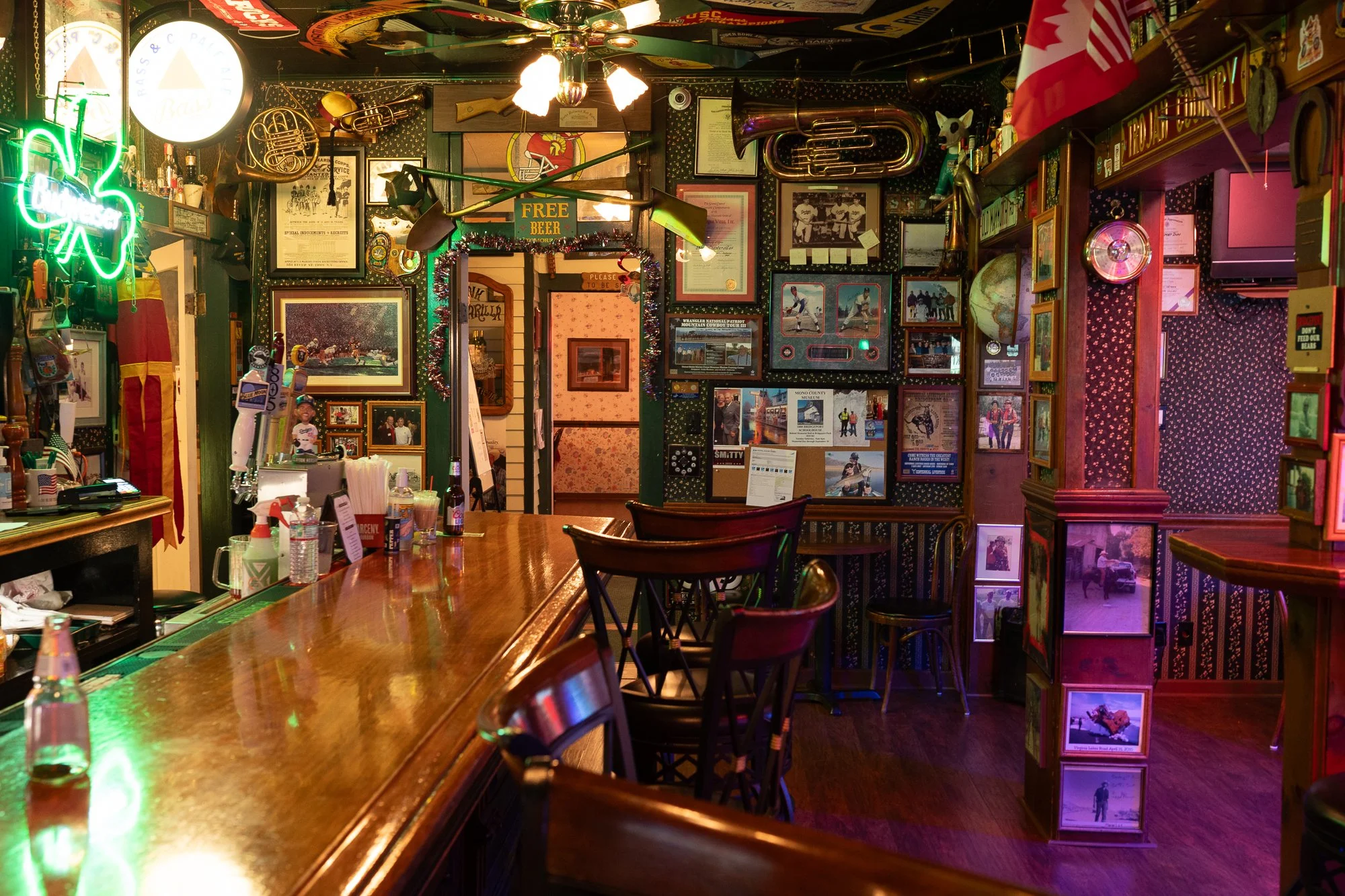
Photograph of the bar at the Bridgeport Inn - California

Bar at the Bridgeport Inn

Photograph inside the Bridgeport Inn Hotel - California

Entrance to the Cowboy Rooms at the Bridgeport Inn - California

Neon sign of a motel in Bridgeport, California

Hotel - Bridgeport, CA

Photograph of Topaz Lake on the California/Nevada border

Sunrise over Topaz Lake in California

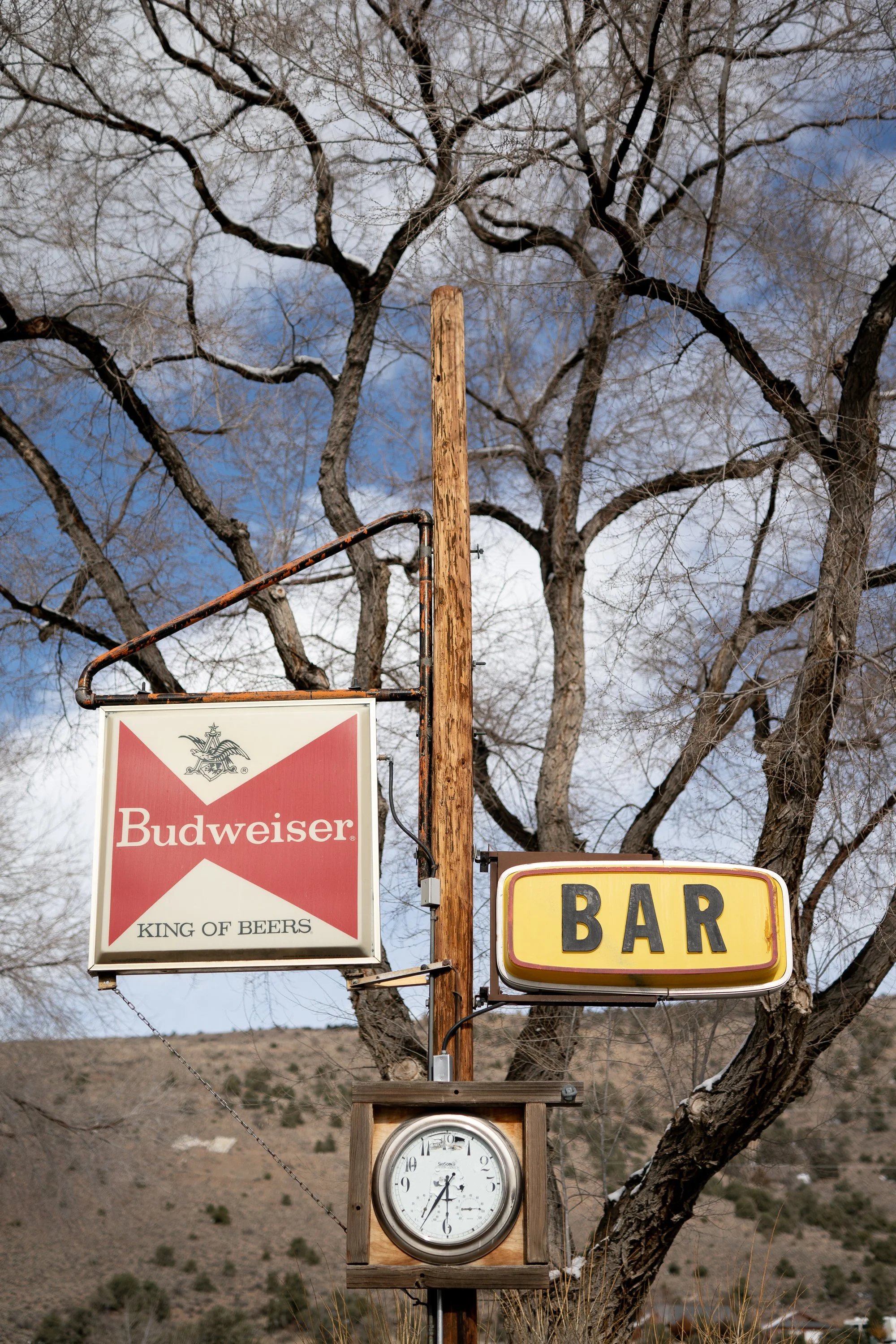
Old dive bar signs on highway 395 in California

Vintage dive bar signage

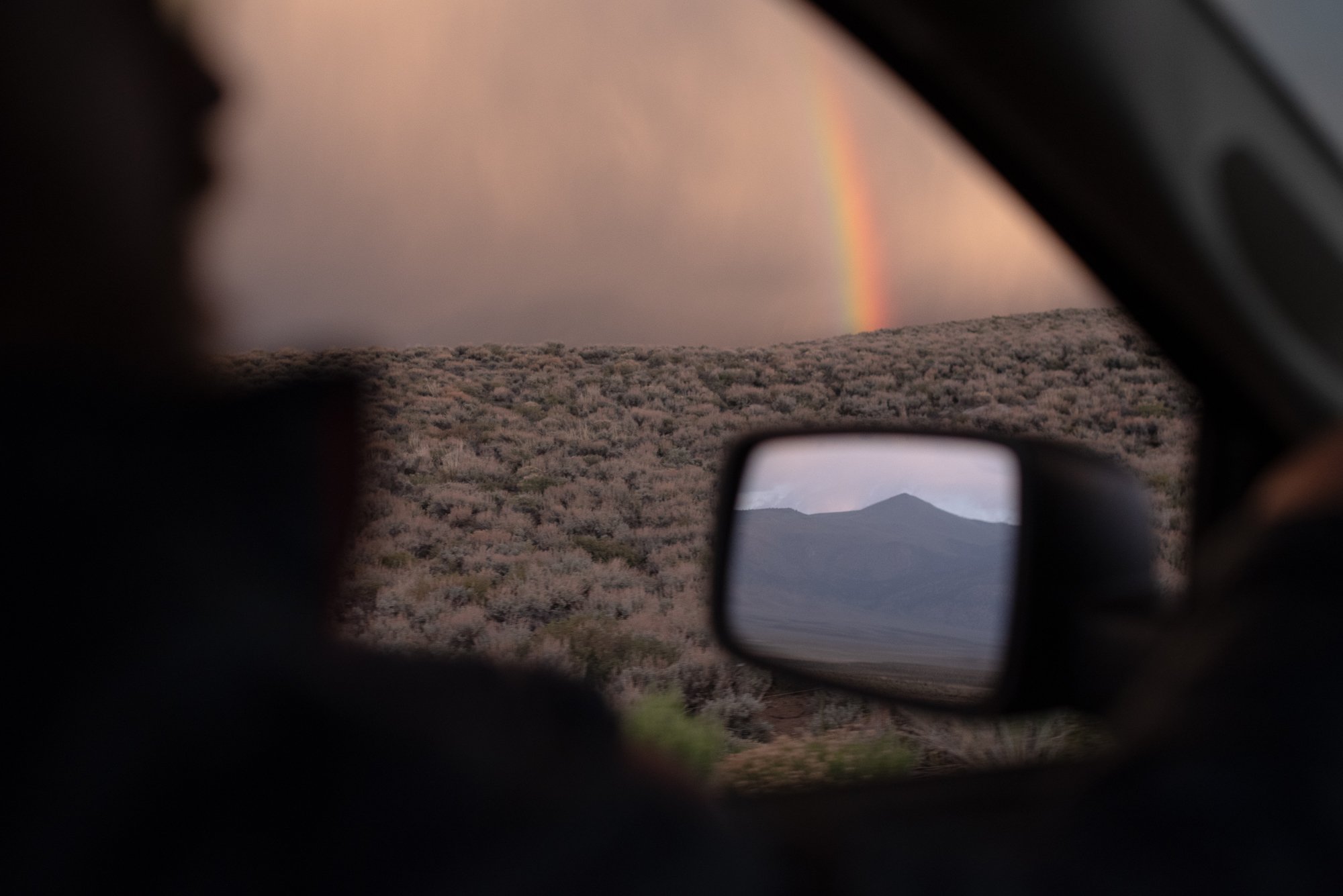
A rainbow over hills of sagebrush in the Eastern Sierra as seen from inside a truck during a Highway 395 Roadtrip

Highway 395 Roadtrip photo

A Traditional American Barbershop - A Neighborhood Fixture

An Old School Neighborhood Barbershop

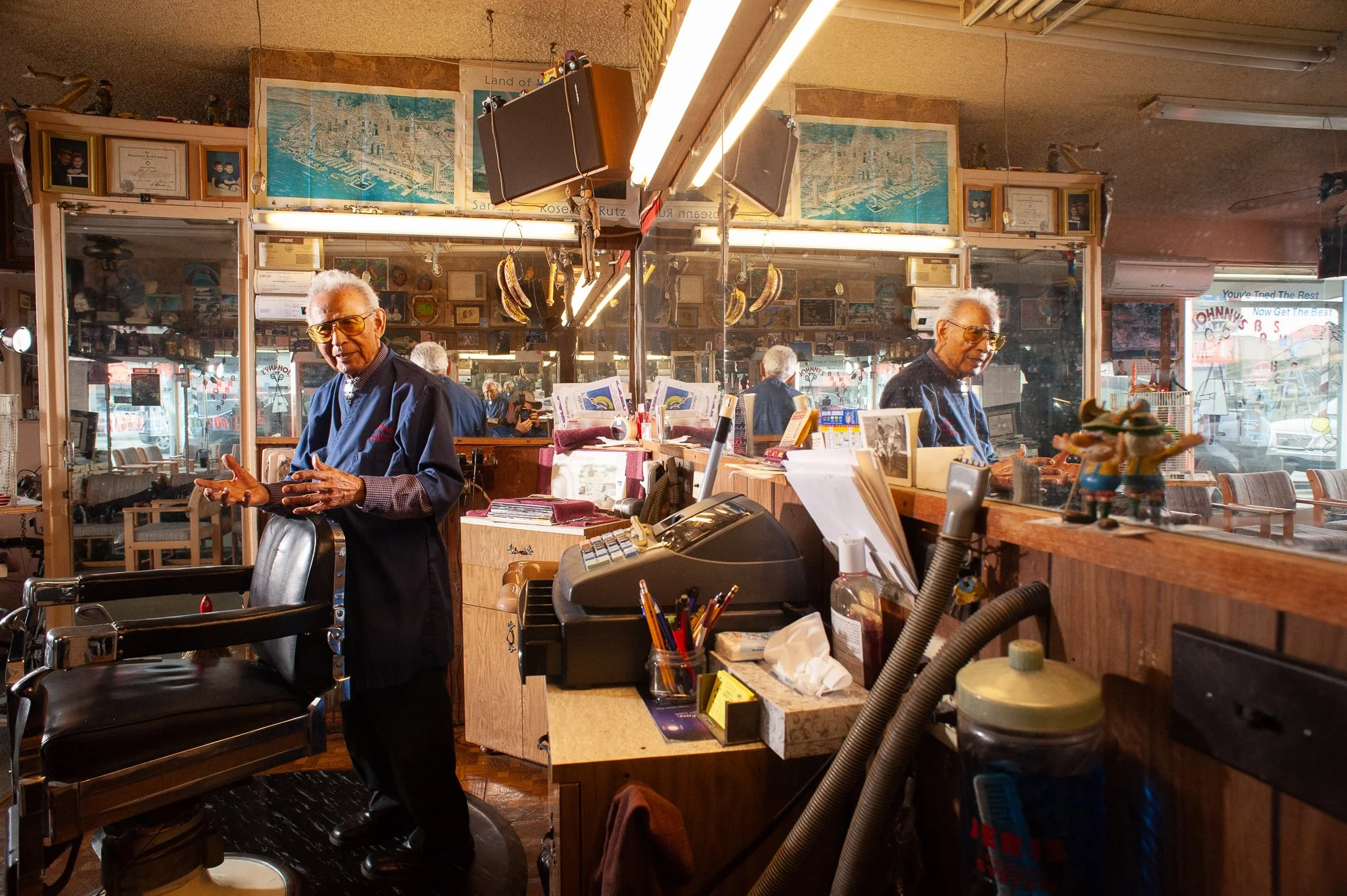
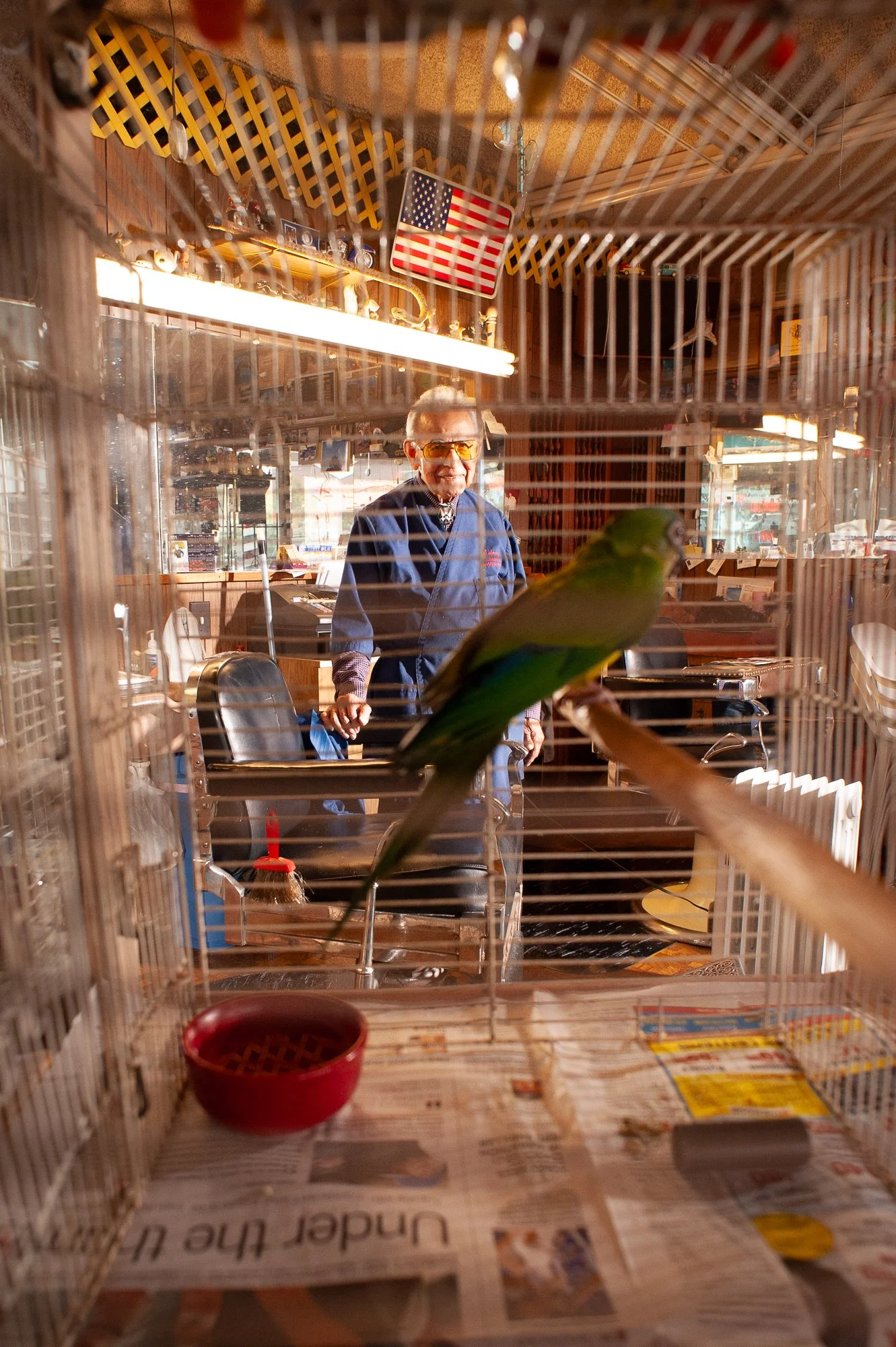
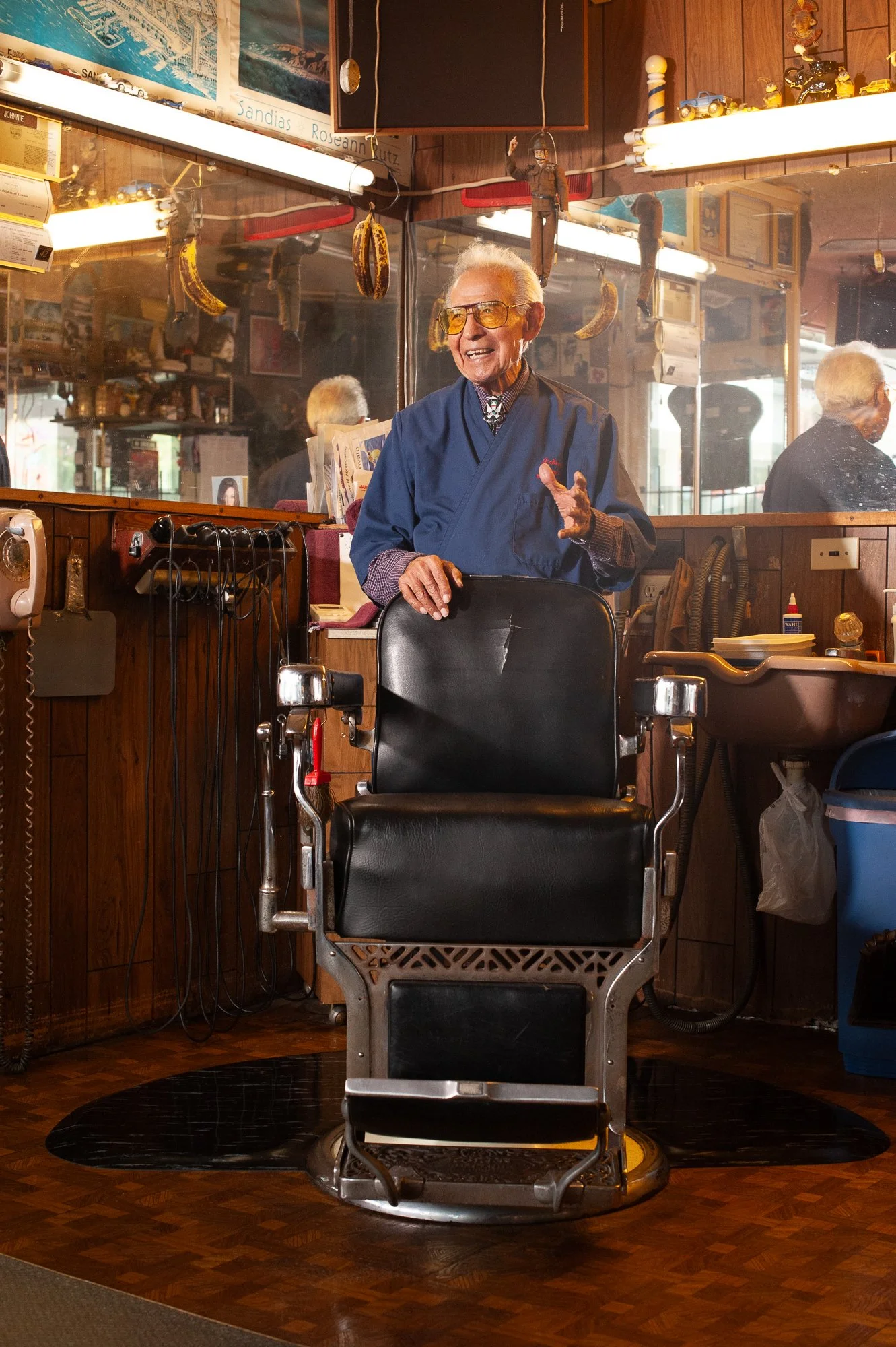
I first photographed this barbershop in San Diego in 2011, early on in what would eventually become the Barbershops of America project. At the time, I didn’t fully realize how important these photographs would become. I was simply drawn to places like this — shops that felt unchanged, where time moved a little slower and the barber knew everyone who walked through the door.

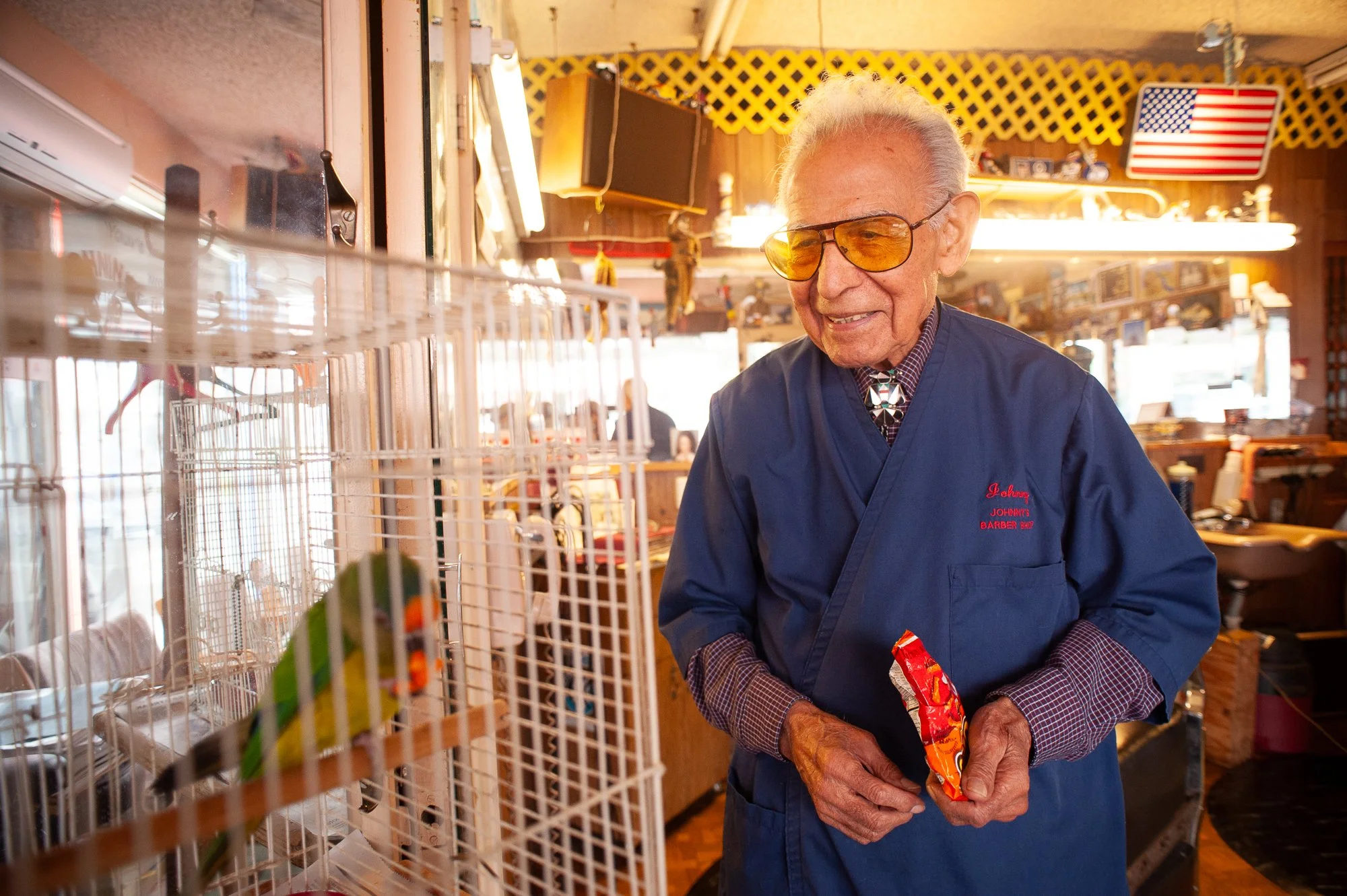
This shop, run by Johnny Lovato, was one of those places.

A Shop That Felt Lived In

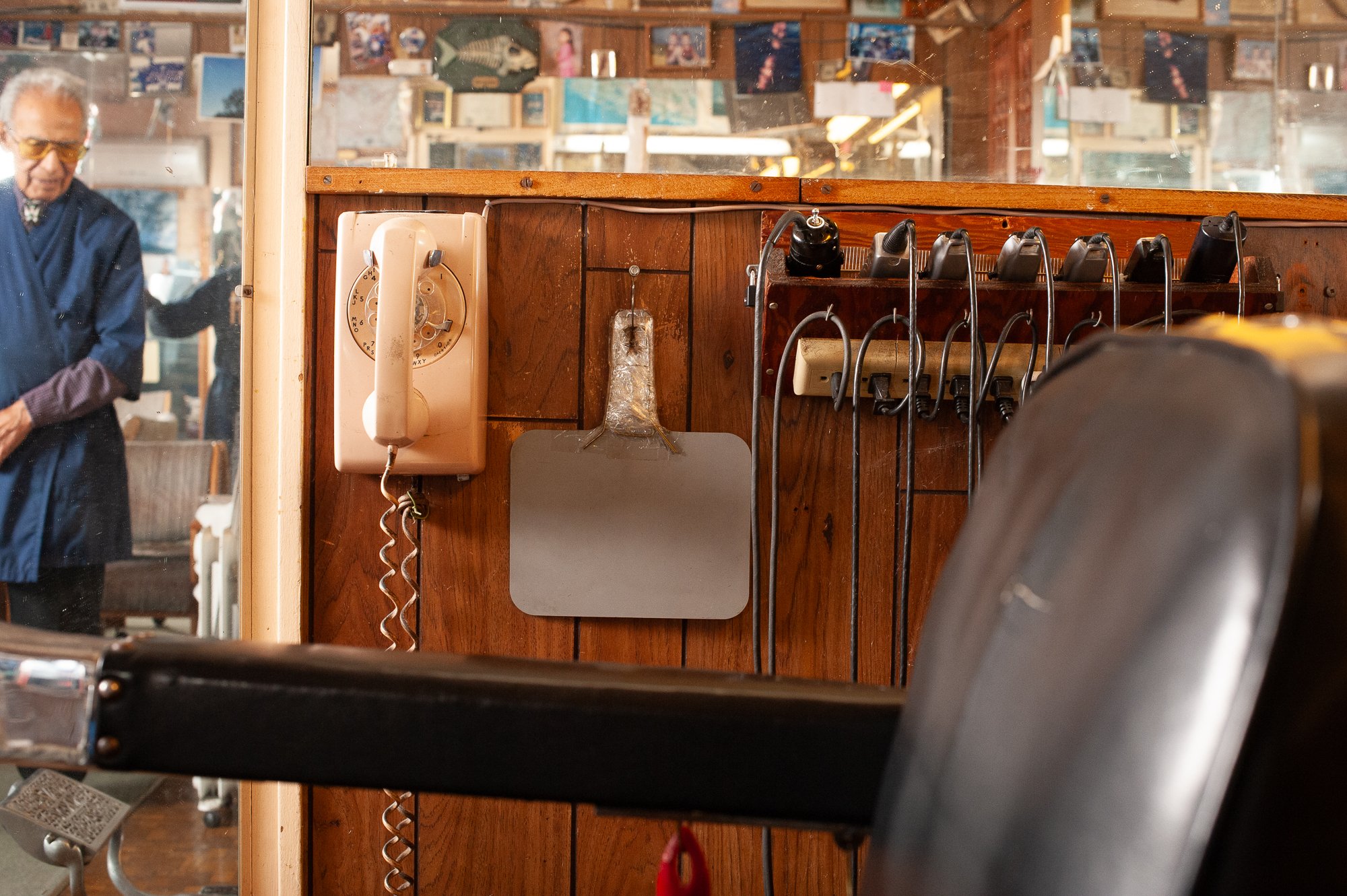
Walking into Johnny’s barbershop felt like stepping into another era. The space wasn’t curated or styled — it was simply lived in. The chairs, the mirrors, the worn floor, the little personal details scattered throughout the shop all told a story without trying to.

These weren’t decorations meant to evoke nostalgia. They were just the things that had accumulated over time. That honesty is what made the shop special and what kept the doors open to the same neighborhood of friendly customers for decades.

The Barber and the Community

Johnny was always kind and welcoming, the type of barber who made time for conversation as easily as he made time for a haircut. His shop wasn’t just a place people came to get cleaned up — it was a place where stories were shared and relationships were maintained.

One of the small details I always remember is how happy Johnny was feeding his bird Cheetos. It’s a simple moment, but it perfectly captures the personality of the space and the rhythm of the shop. Those are the moments I’m always looking for when I photograph places like this.

Returning Years Later

I returned to photograph the shop again in 2019. By then, Johnny’s son had taken over the business. Much of the spirit of the shop remained, but time had clearly moved forward — as it always does.

Not long after, the barbershop closed, and the space was eventually transformed into something new, and in my opinion, soulless. That’s the reality for many traditional barbershops across the country. Rising rents, retirement, and redevelopment quietly erase places that once anchored their neighborhoods. Luckily another barber took over the space, so it remains a barbershop, just without the decades of character and memories that once filled it.

Why These Photographs Matter

Barbershops like this rarely close with ceremony. They disappear quietly, often without anyone realizing that a piece of local culture has gone with them.

This series exists so that those places aren’t completely lost. These photographs are not about nostalgia for nostalgia’s sake — they’re about acknowledging the importance of everyday spaces that shaped communities for generations.

Part of a Larger Archive

Johnny Lovato’s barbershop in San Diego is just one small part of a much larger body of work documenting traditional barbershops across the United States. Together, these images form an archive of a disappearing American tradition — one shop, one barber, one story at a time.

More Barbershops of America

View The Book

View The Gallery

Old-school American barbershop interior, Point Loma San Diego documentary photograph

Interior of a traditional barbershop in Point Loma, San Diego, where time-worn chairs and details reflect decades of community history.

Johnny Lovato feeding his pet bird inside his barbershop in San Diego, California

Johnny Lovato, the barber, shares a moment feeding the shop’s pet bird — a small gesture emblematic of daily life in the space.

An old school barber smiles while watching his pet bird

Johnny Lovato smiles after feeding his pet bird at his barbershop in San Diego

Portrait of a barber standing behind his chair in a traditional San Diego barbershop

Portrait of a barber standing behind his chair — a quiet testament to the people who made these shops more than just businesses.

Rotary telephone inside a traditional barbershop, documentary detail photo

An old rotary telephone inside the shop — one of the many small artifacts that speak to the barbershop’s lived-in past

Barber sitting in his chair at a traditional barbershop in San Diego, California

A barber sits in his chair during a quiet moment — a human pause captured in the rhythm of the shop.

Customer getting a haircut in a traditional barbershop in San Diego, California documentary image

A customer receives a haircut — a simple everyday moment that also anchors the narrative of barbershop culture.

University Club - San Diego

University Club - San Diego, California

Recently had a great opportunity to present some of my cowboy photography to members at The University Club in San Diego, California. Sitting on the 34th floor of the Symphony Towers, the club has the best view in all of America’s Finest City! It was a pleasure just being up there, but even more so presenting work along a couple other photographs that I’m lucky to call friends - Nick Nacca and Gary Allard as well as APA San Diego. It was a great night all the way around. The three of us had fun presenting our work and everyone in attendance was very engaged during and after. I’m grateful for the opportunity to share!!

Go here to shop my fine art cowboy photography prints

Fine art photography at the University Club in San Diego

Photography presentation at The University Club in San Diego, California

Photograph of fine art photographers presenting work at The University Club in San Diego, California

Color photographs taken by Tim Hardy

Black and white photo taken by Rich Soublet

Paris Street Photography

Paris Street Photographs — An Intimate Visual Journey

Paris in Candid Street Photographs

Paris moves quickly, but its most revealing moments happen quietly.

Away from the monuments and postcards, the city reveals itself in passing glances, small gestures, and the subtle choreography of people moving through shared space. These Paris street photographs were made while walking without an agenda — observing light, waiting for alignment, and responding instinctively when form, expression, and atmosphere briefly came together.

Rather than chasing iconic scenes, this body of work focuses on the in-between moments that define everyday Paris: café conversations, solitary figures crossing wide intersections, brief pauses along the Seine, and the unspoken language of posture and movement.

These photographs are not souvenirs. They are visual records of time and place, created to live on the wall as fine art prints.

What You’ll See in This Paris Street Photography Series

This ongoing collection reflects a broad, honest view of the city as it is lived:

  • Quiet exchanges at cafés and sidewalk tables

  • Figures moving alone through architectural space

  • Subtle interactions between strangers

  • Parisian streets shaped as much by people as by buildings

  • Moments of stillness within constant motion

Each image exists as both a documentary moment and a compositional study — balancing structure with spontaneity.

The Process Behind the Photographs

These images were made through patience rather than pursuit.

Street photography, at its core, is about observation — learning how light moves through a space, understanding how people occupy it, and waiting for those elements to align naturally. Many of these photographs came from standing in one place, or simply letting scenes unfold rather than forcing them.

The goal is not spectacle, but authenticity. Nothing staged. Nothing repeated. Each frame represents a singular moment that will never occur again in quite the same way.

Fine Art Prints of Paris Street Photography

All photographs in this series are available as museum-quality fine art prints, produced with longevity and tonal depth in mind.

  • Printed on archival, gallery-grade paper

  • Professional pigment inks for rich blacks and subtle midtones

  • Available in multiple sizes, including large-scale statement prints

  • Select images available as signed, limited editions

These prints are designed for collectors, interior spaces, and anyone who values photography as a lasting object rather than a disposable image.

Custom sizing, framing guidance, and edition details are available upon request.

Collecting Paris, One Moment at a Time

Street photography preserves what would otherwise disappear — a look exchanged, a pause mid-step, a moment of reflection before the city moves on.

If you’re drawn to Paris not as a destination, but as a living, breathing place shaped by human presence, these photographs offer a quieter way to bring the city into your space.

Explore the images below to view available fine art prints, or contact me directly to discuss editions, sizing, and framing options.

Black and white photograph of a fashionable woman walking alone through a Paris intersection

A solitary figure moves through Paris, framed by architecture and empty space.

Black and white photograph of a bridge over the Seine beneath dramatic clouds

A quiet moment along the Seine as dark clouds gather over Paris.

Woman in a green coat holding a mustard yellow hat on a Paris sidewalk

A fleeting Paris moment—color, posture, and gesture captured without interruption.

Candid street portrait of people talking along the Seine in Paris

An unguarded exchange along the Seine, framed by the city’s familiar architecture.

Black and white photograph of a tender moment between two people on a Paris street

Photograph of a couple embracing on the street in Paris, France

Black and white photograph of café workers standing on a Paris street

Café workers pause between moments, grounded in posture and presence.

Paris rooftops leading toward Saint-Étienne-du-Mont under a cloudy sky

Paris rooftops unfold toward Saint-Étienne-du-Mont, capturing the layered geometry and muted tones of the city.

Two women seated at a café table in Paris, engaged in quiet conversation

Photograph of two women drinking at a cafe in Paris, France

People in fashionable clothing walking near Hôtel du Louvre on a Paris street

Pedestrians move through central Paris, where historic architecture meets modern pace and fashion

Woman in a polka dot dress partially obscured by pink flowers in Paris

Color and form intersect as a passerby blends into the visual rhythm of the street.

Black and white photograph of a woman walking past historic Paris architecture

Photograph of a well dressed woman walking in Paris, France

Black and white photograph of Sacré-Cœur Basilica in Paris under dramatic clouds

The Basilica of Sacré Coeur de Montmartre

Woman carrying a large hat box crosses a Paris street in front of a neighborhood café, capturing a candid moment of everyday Paris life.

A woman carrying an oversized hat box moves through a café-lined crosswalk in Paris, a small, surreal detail that turns an ordinary street moment into something quietly cinematic.

Woman standing inside a Paris metro car near the Notre-Dame station

A fleeting pause inside the Paris metro, where movement and stillness briefly align.

Red bicycle locked to a street sign against textured Parisian walls in France

A red bicycle rests against a worn Paris wall, a quiet study of color, texture, and everyday city life.

Close-up of a folded umbrella and clothing details on a Paris street

A study of pattern and texture—small details that define everyday Paris.

Group of people sharing wine and cheese at an outdoor table in Paris

An afternoon unfolds around wine and cheese, capturing the social rhythm of everyday Paris.

Visitor viewing a painting inside a Paris museum, seen from behind

A quiet exchange between viewer and artwork inside a Paris museum (La Louvre)

Black and white photograph of classic Paris buildings along the Seine River

Shadow the Notre Dame Cathedral on buildings along the Siene River in Paris, France

Sydney McLaughlin-Levrone

Sydney McLaughlin-Levrone - Olympics

Gold Medal - World Record - Hurdles

American Hurdler Sydney McLaughlin-Levrone has been putting on quite a show at the 2024 Olympics in Paris. If you saw her performance last night in the 400m race, then you know why people are calling her the GOAT! There wasn’t another runner even close to her at the finish line when she took home another Gold Medal and set a new world record! Making America proud!!

I shot these photographs of Sydney a few years back while she was training on the track in Los Angeles and they are available for commercial licensing, editorial licensing, and wall as fine art prints / wall art. Contact me directly to inquire rob@robhammerphotography.com

Portrait of Sydney McLaughlin Levrone

Photograph of Sydney McLaughlin-Levrone training

Sydney McLaughlin Levrone smiling

Portrait of Olympic Champion Sydney McLaughlin-Levrone

Sydney McLaughlin-Levrone training on a track