Best Photography Books About the American Road Trip

Best Photography Books About the American Road Trip

There’s a certain kind of photograph you only find on the road.

Not at landmarks. Not at destinations.
But somewhere in between—gas stations at dusk, empty intersections, motel signs flickering against a washed-out sky. The kinds of places most people pass without noticing.

For decades, photographers have tried to make sense of that space. The result is a body of work that doesn’t just document America—it quietly defines how we see it.

Below are some of the most important photography books centered around the American road trip, roadside culture, and the in-between landscapes that hold it all together.

All photographs featured in this article are from my Roadside Meditations series, created over thirteen years of photographing the American road.

Uncommon Places — Stephen Shore

If there’s a single book that shaped how we see the American road, this is it.

Shot across the country in the 1970s, Uncommon Places takes what would normally be overlooked—parking lots, diners, quiet streets—and presents them with a kind of calm precision that makes you stop and look longer.

There’s no drama here. No spectacle. Just attention.
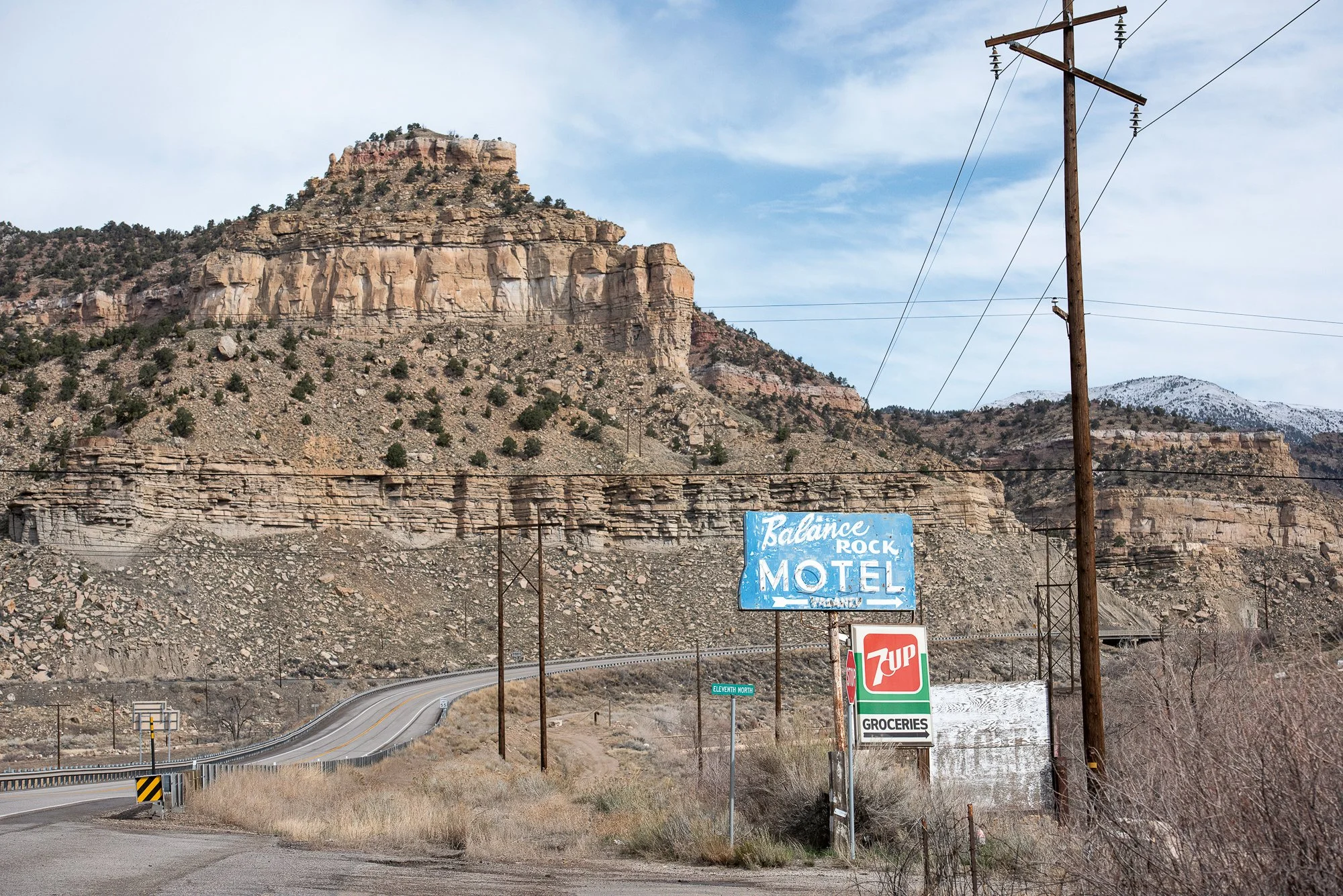
Vintage motel sign and roadside signage with canyon cliffs and winding road

A weathered motel sign beneath canyon walls, photographed for the Roadside Meditations project.

American Prospects — Joel Sternfeld

Where Shore observes, Sternfeld interprets.

American Prospects leans into narrative—images that feel ordinary at first, then slowly reveal something else. The road becomes a stage for quiet, often surreal moments.
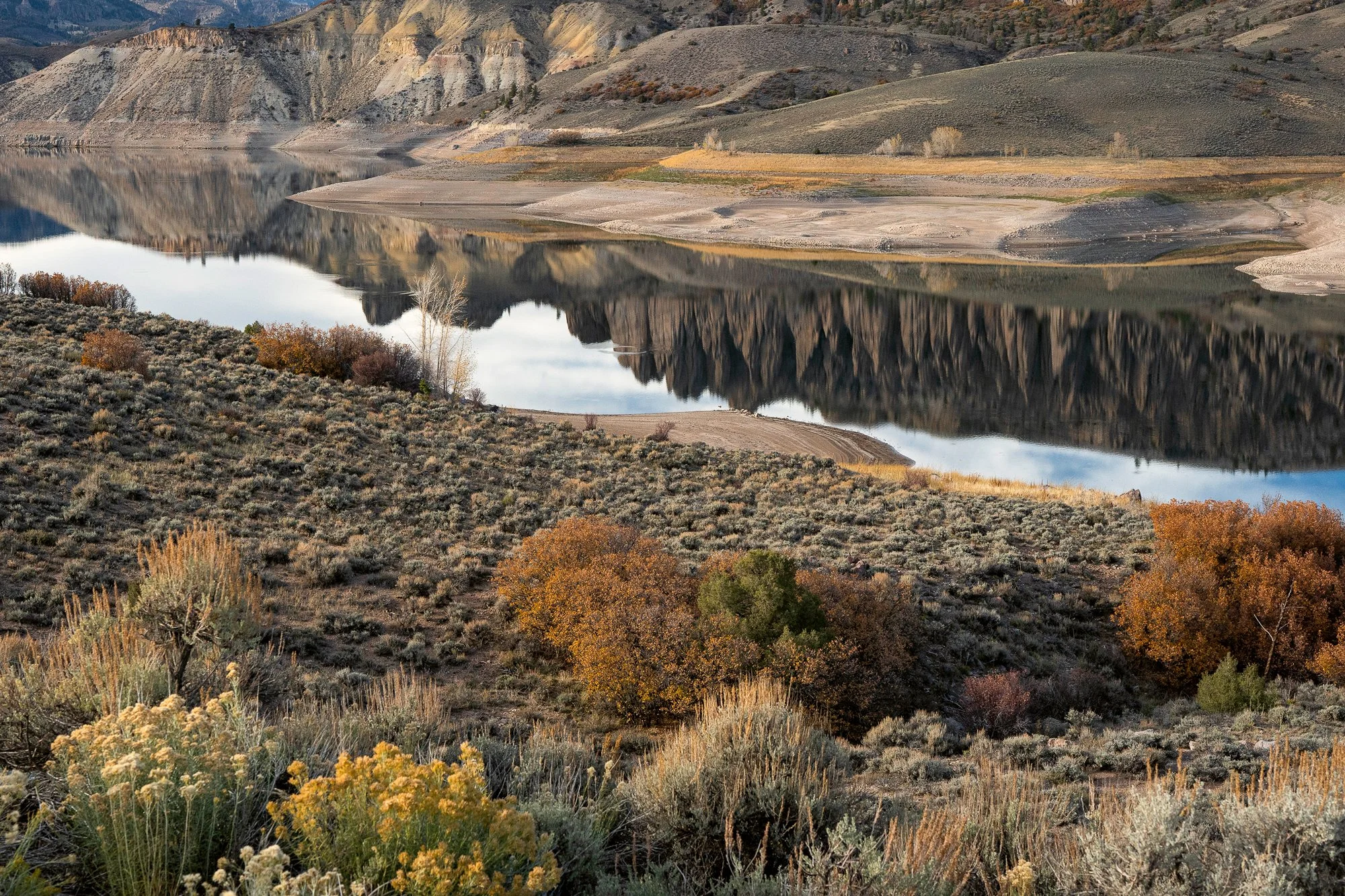
Calm river reflecting hills and autumn vegetation in rural western landscape

Photograph from Roadside Meditations — a quiet body of water reflecting autumn color in a remote western valley.

Los Alamos — William Eggleston

Eggleston didn’t just photograph America—he changed how color works within it.

Gas stations, car interiors, roadside fragments—rendered with a saturation that made the everyday feel permanent.
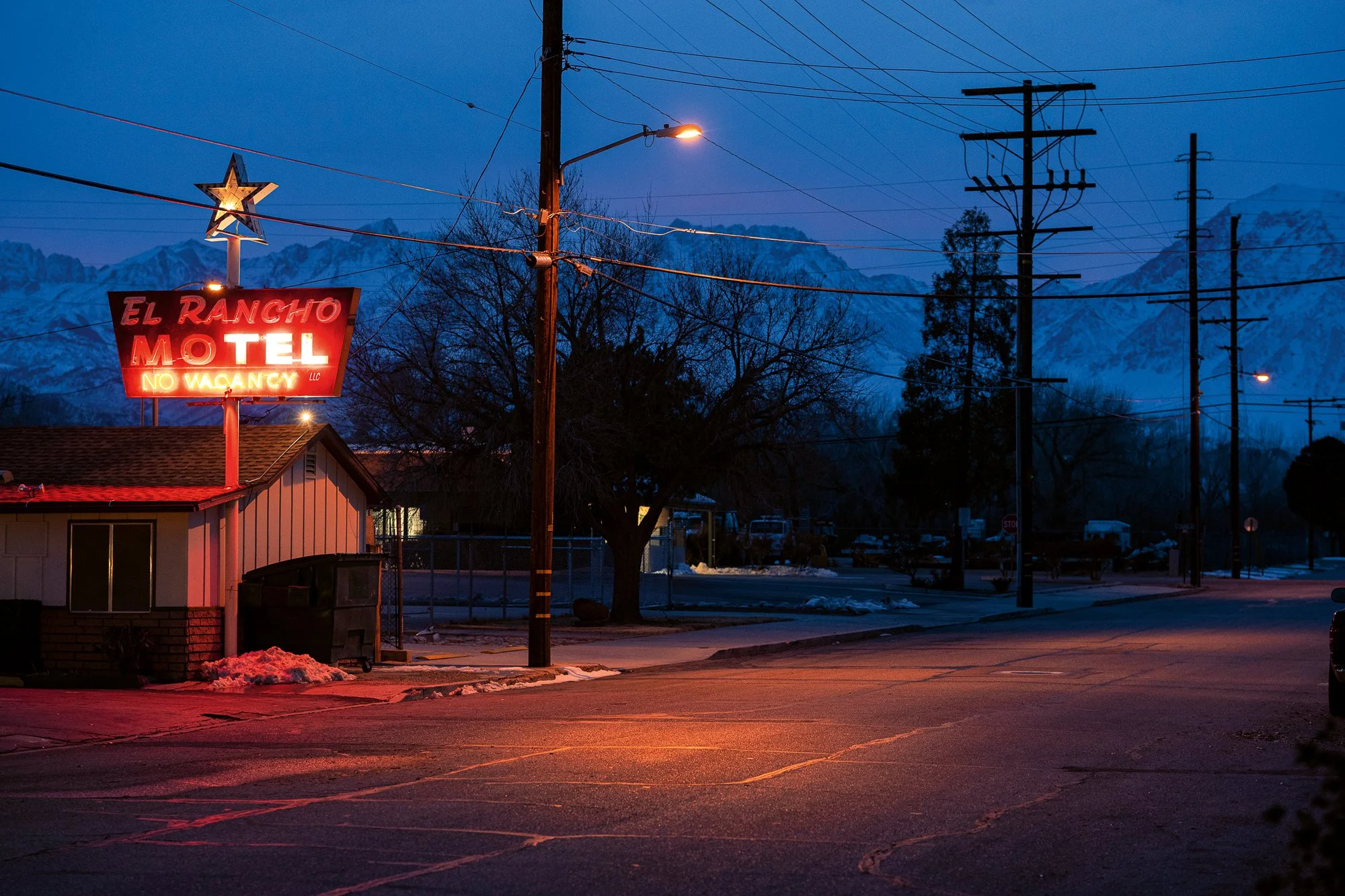
Neon motel sign glowing at night with mountains in background and empty street

El Rancho Motel glowing in the early morning dark, with mountains fading into the background — part of Roadside Meditations.

The Americans — Robert Frank

Before all of it, there was this.

Shot in the late 1950s, The Americans is raw and immediate. Highways, diners, passing faces—it’s less about composition and more about feeling.

It set the tone for everything that followed.
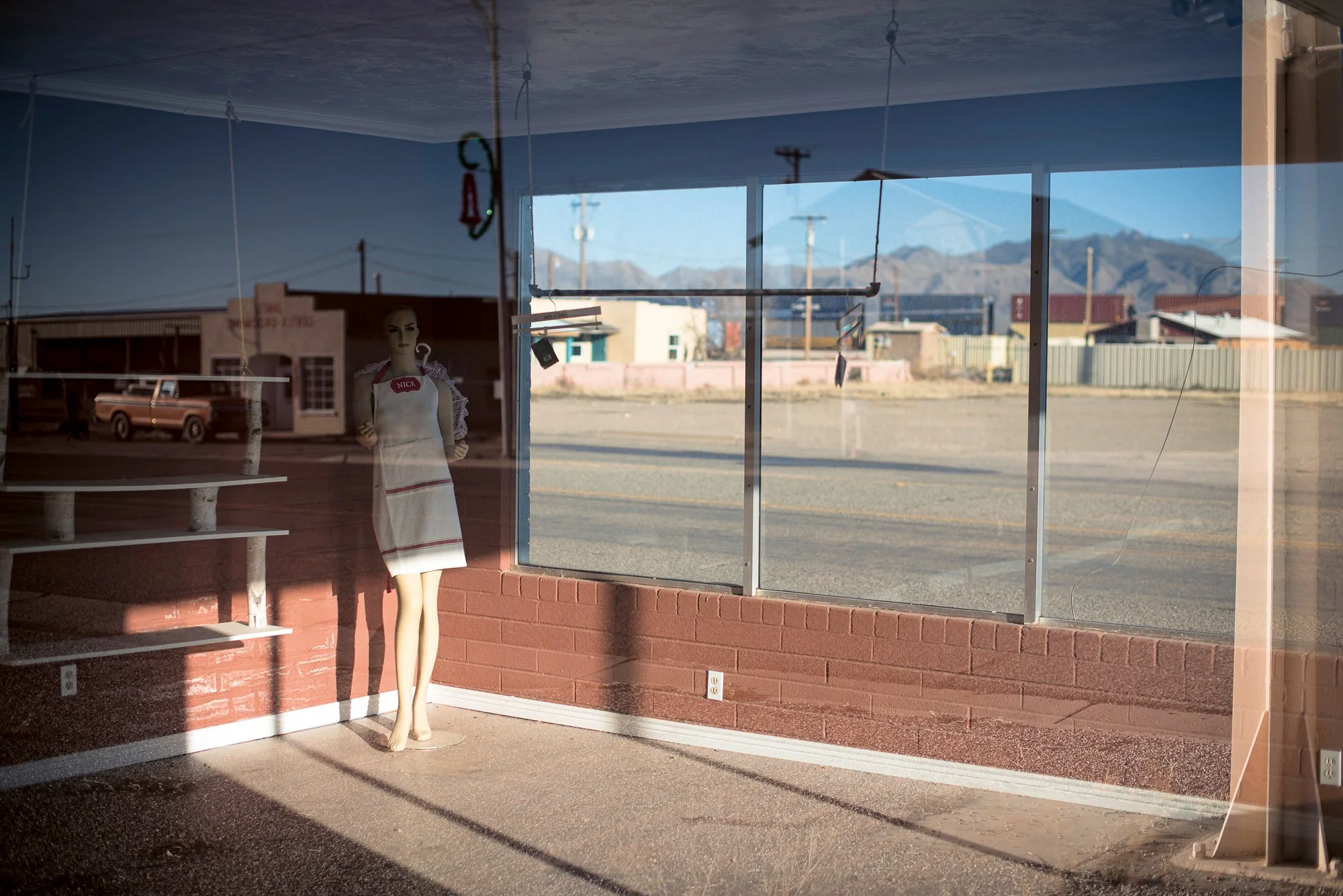
Empty storefront interior with mannequin and reflections of small town street in American West

An empty storefront with a lone mannequin and reflections of a quiet roadside town — from the Roadside Meditations series.

Twentysix Gasoline Stations — Ed Ruscha

Simple. Repetitive. Intentional.

Ruscha’s book is less about photography in the traditional sense and more about the idea of the road itself—distance, sequence, and repetition.

It’s conceptual, but it’s also foundational.
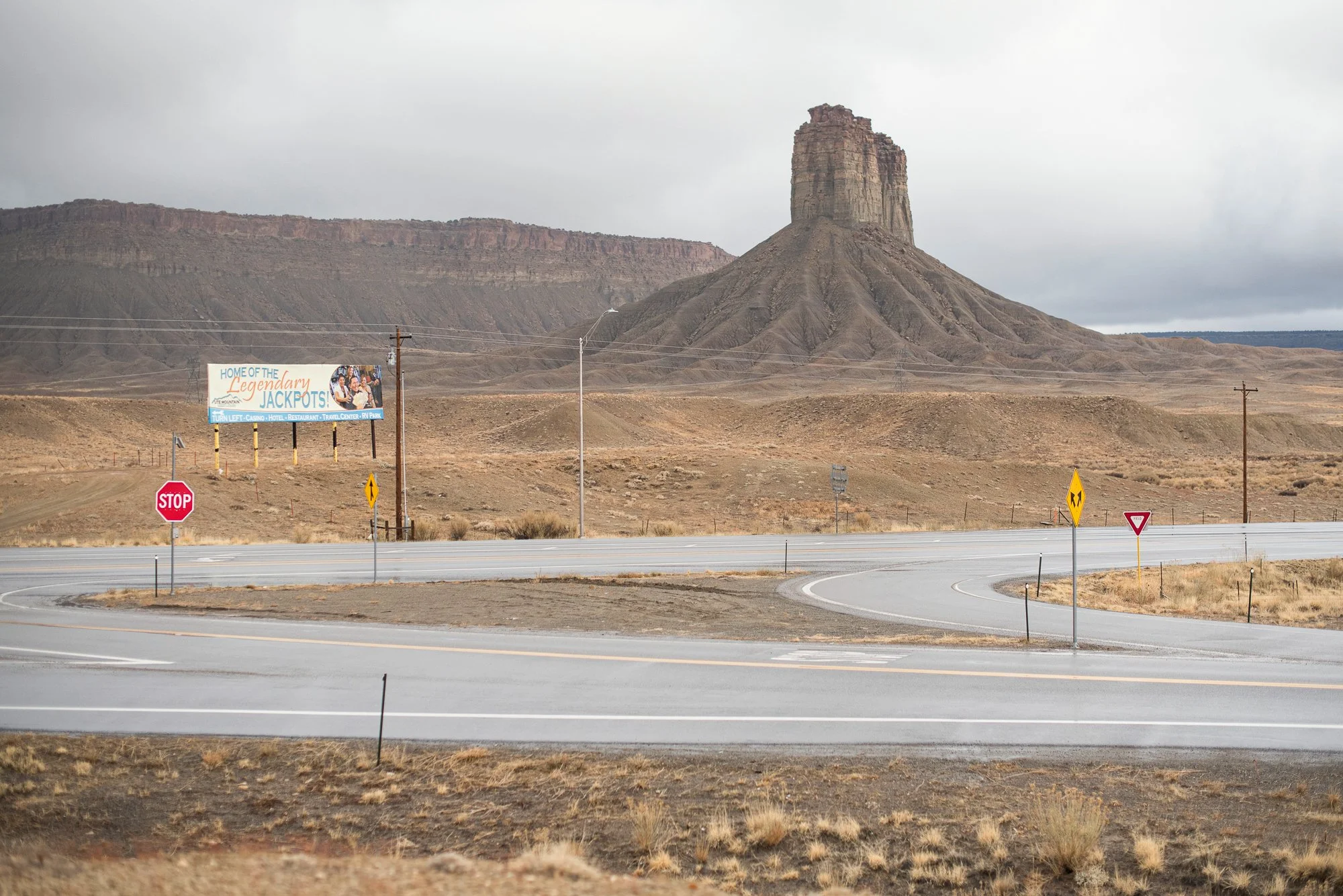
Remote desert intersection with road signs and butte formation in background

A remote desert intersection with scattered signage and a lone butte — from Roadside Meditations.

Cape Light — Joel Meyerowitz

Not a road trip book in the traditional sense—but it belongs here.

Meyerowitz slows everything down. The movement of the road gives way to stillness, light, and atmosphere. It’s a reminder that the road doesn’t always have to move.
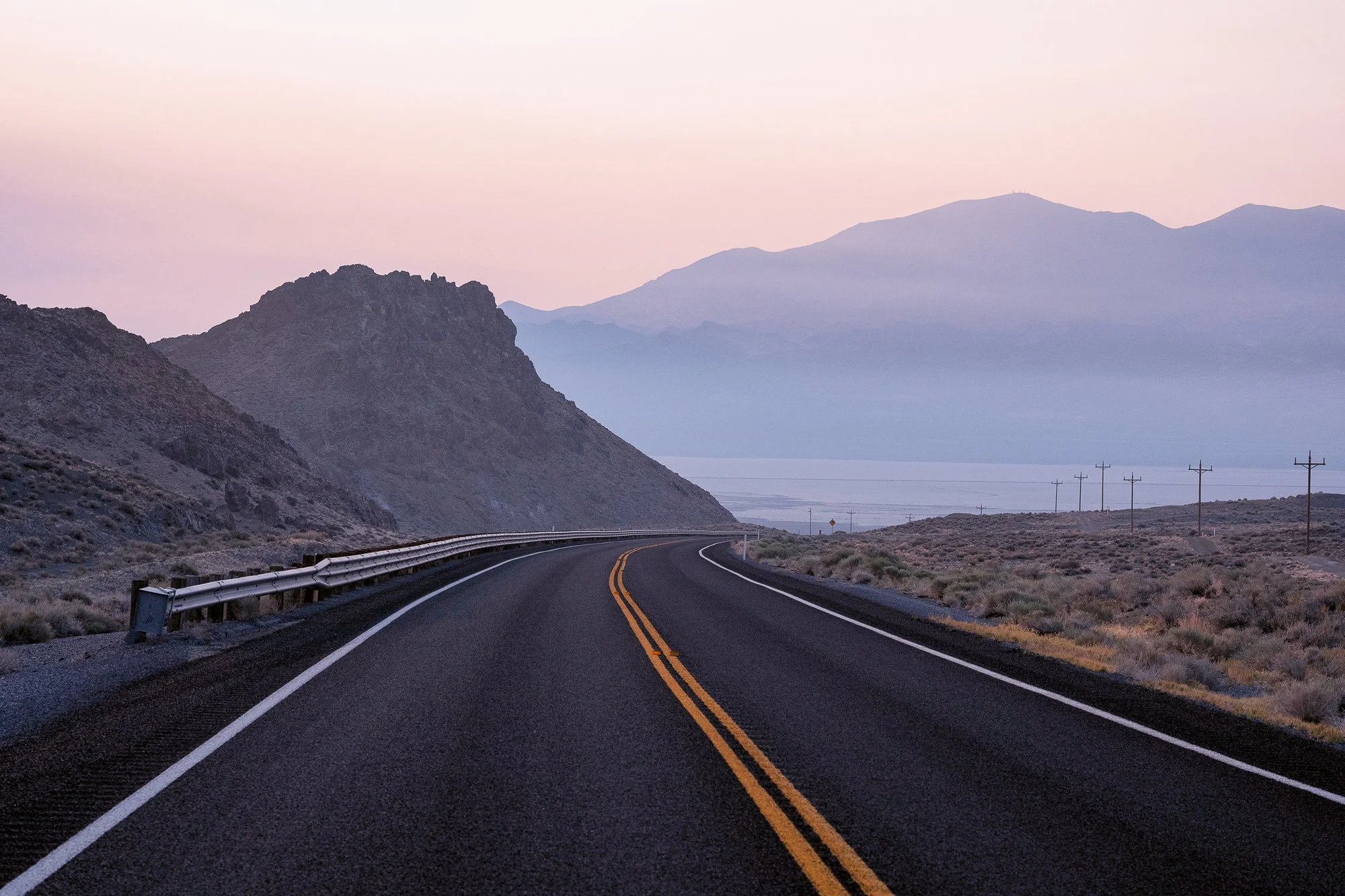
Winding mountain road overlooking desert basin at sunrise with soft light and distant peaks

A winding mountain road heading into a desert basin at sunrise, photographed for Roadside Meditations.

Roadside Meditations — Rob Hammer

Over the course of twelve years, I drove hundreds of thousands of miles across the United States photographing places most people pass without seeing.

Empty intersections. Motels. Storefronts. Quiet stretches of road that sit somewhere between use and abandonment.

This work isn’t about the destination. It’s about everything in between.

Where earlier books helped define how America looks, Roadside Meditations leans into how it feels now—quieter, more sparse, and often overlooked.
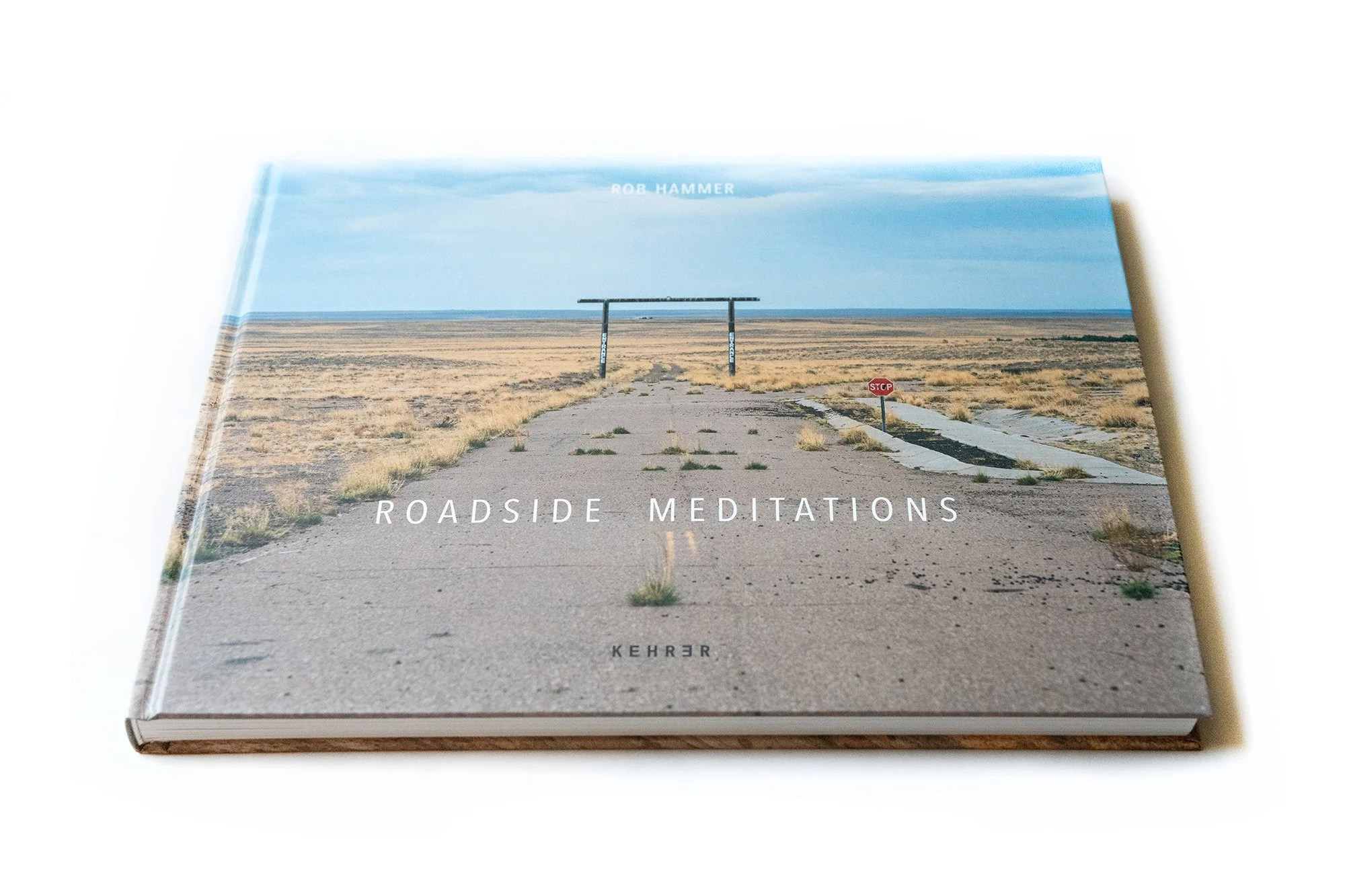
→ View the full Roadside Meditations photography book

Roadside Meditations photography book cover featuring empty desert road and intersection in the American West

Roadside Meditations book cover — an empty desert road leading to a quiet intersection in the American West.
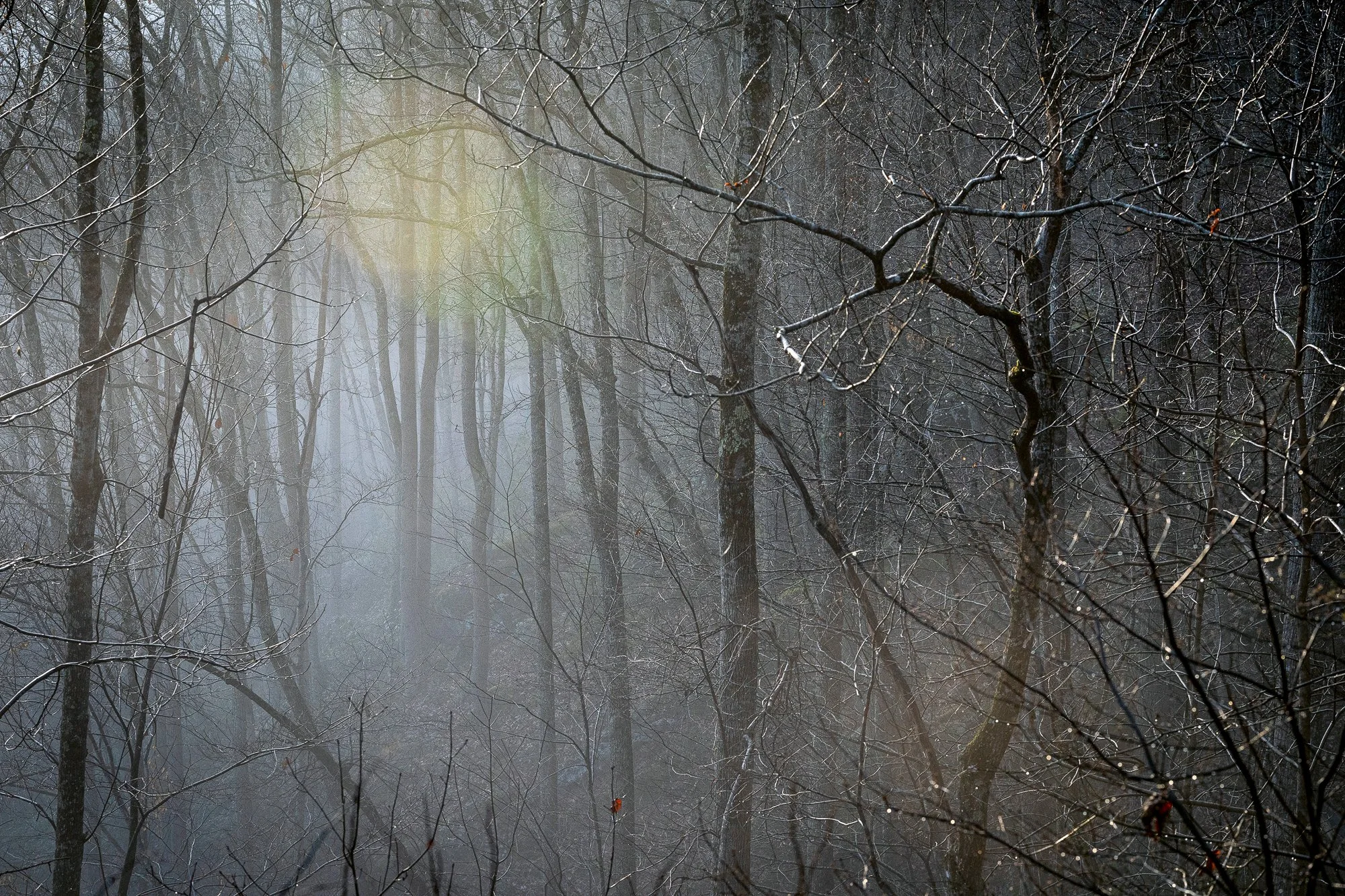
Morning light filtering through foggy forest with bare trees and soft atmosphere

Morning light filtering through a foggy forest, captured during the Roadside Meditations series.

The Road Continues

What connects all of these isn’t just geography.

It’s a way of seeing.

These photographers weren’t chasing landmarks—they were paying attention to what exists in between them. And in doing so, they created a visual language that continues to shape how America is photographed today.
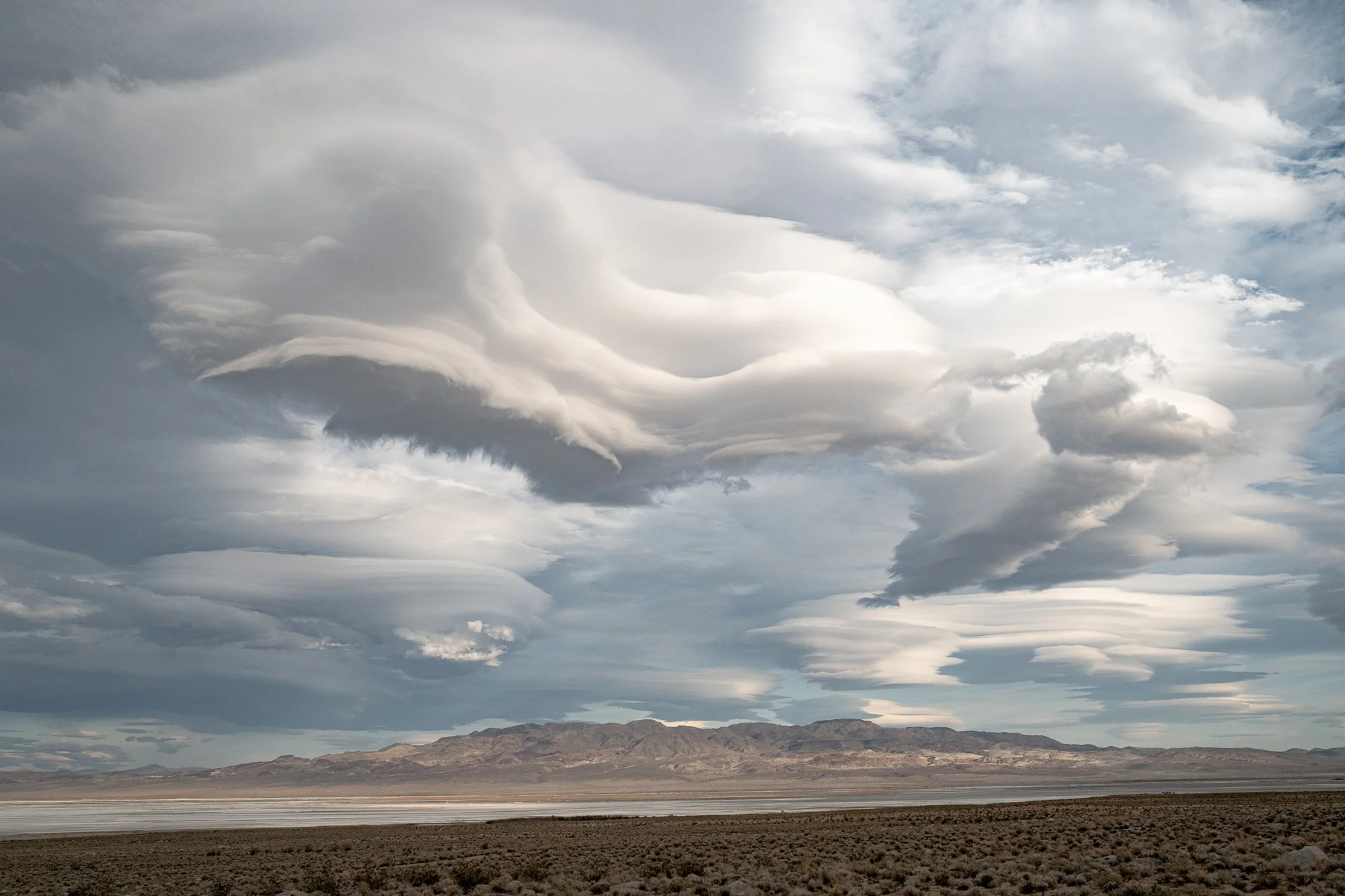
Expansive desert landscape with dramatic lenticular clouds and distant mountains

Expansive desert terrain beneath layered cloud formations, captured during the Roadside Meditations project.

Photographs From the Road Today

If you’re interested in how this way of seeing translates into contemporary work, there’s more beyond the book.

A growing body of photographs from across the American West—Nevada, Utah, and beyond—continues to explore the same themes of stillness, distance, and overlooked places.

View American roadside photography from Nevada
Explore the broader America photography project
View more from the Roadside Meditations series

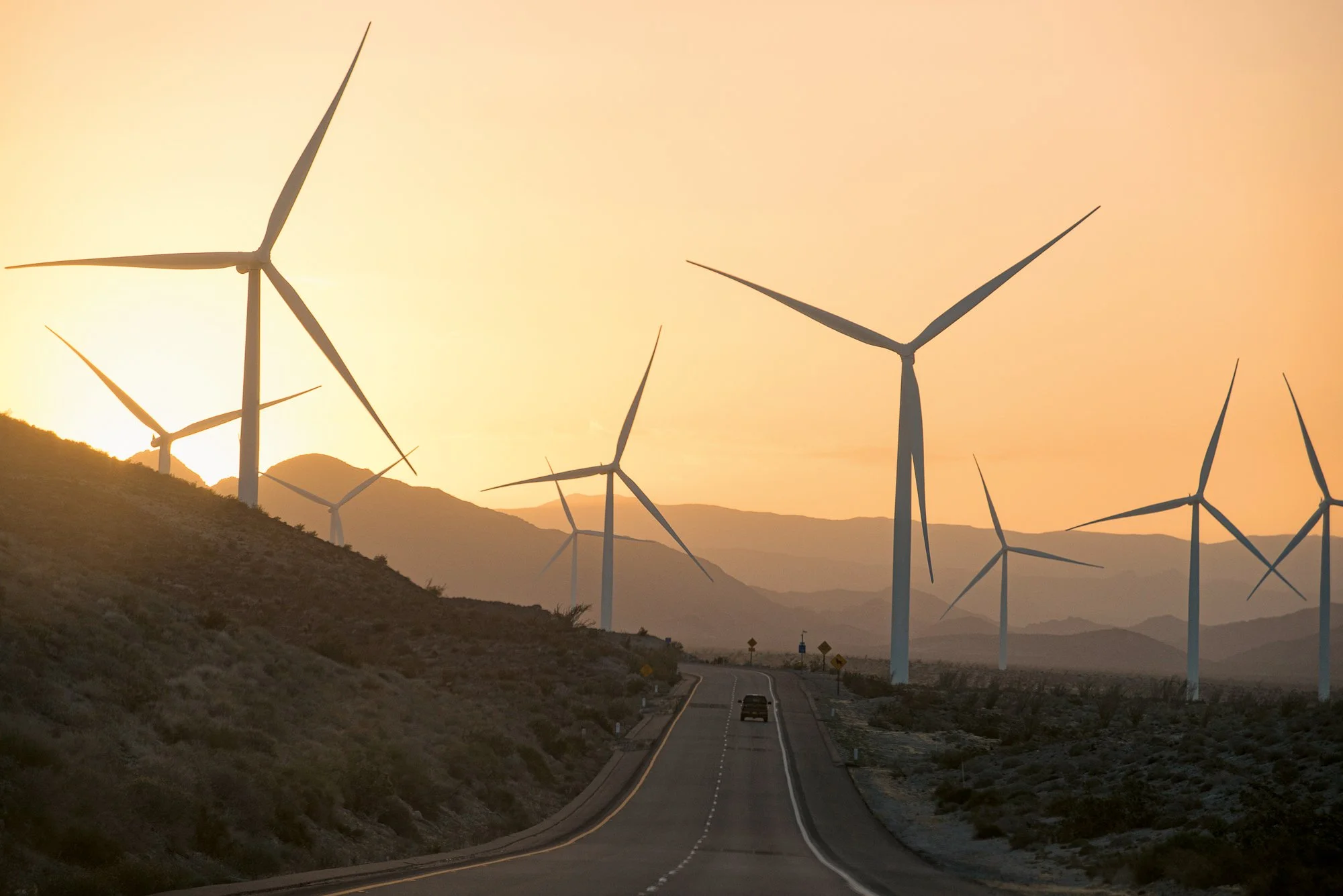
Wind turbines lining desert highway at sunset with warm light and long shadows

Wind turbines stretching across a desert landscape as the road disappears into the distance, from Roadside Meditations.

Licensing & Use

Many of these themes—open space, quiet infrastructure, the feeling of distance—translate naturally into editorial and commercial work.

If you’re looking for photography that reflects the American landscape in a more honest, understated way, licensing is available for select images.
Inquire about licensing American road trip photography

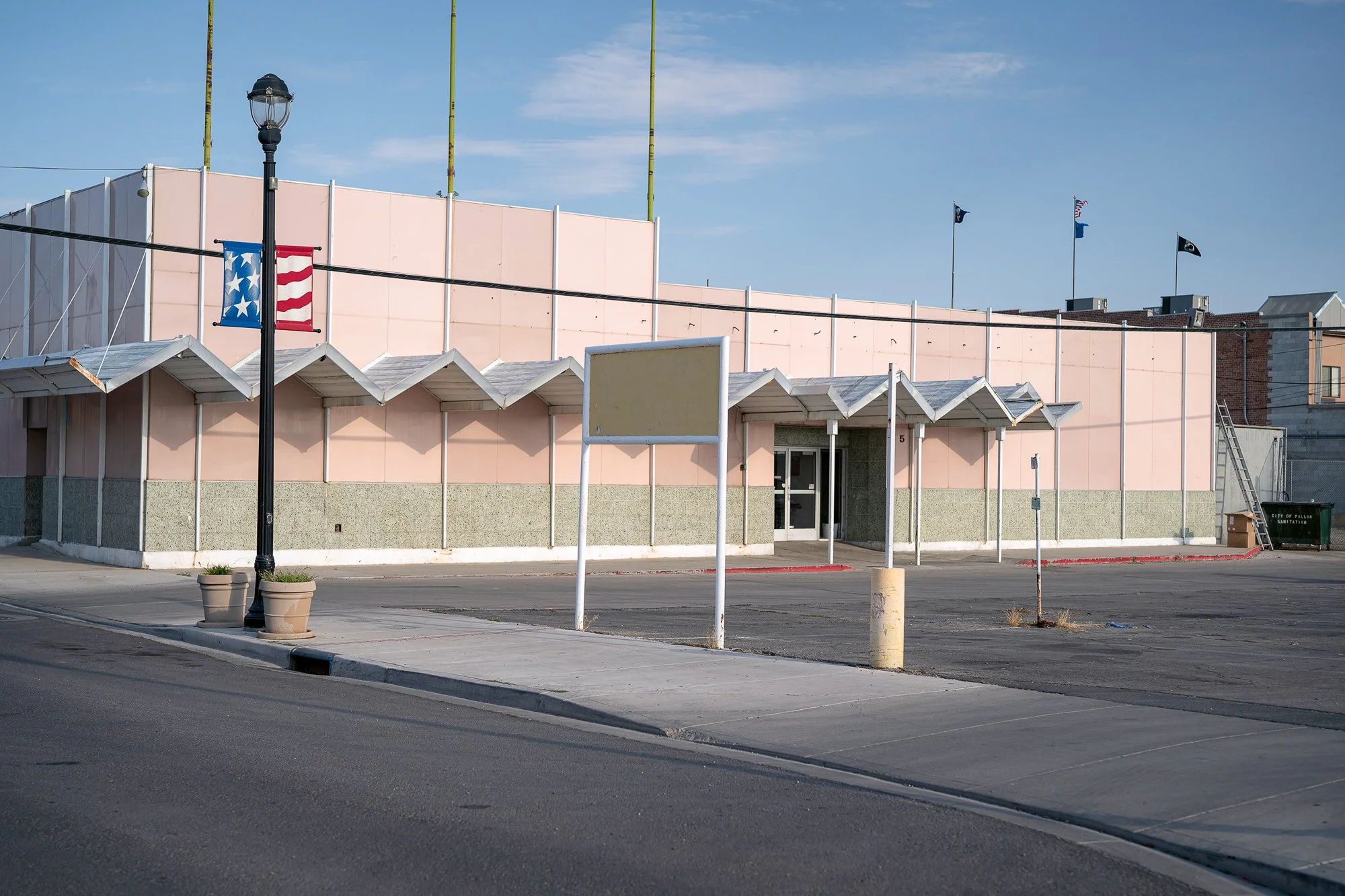
Minimal small town commercial building with American flag and empty street

A quiet small-town building with an American flag and empty sidewalk, photographed for Roadside Meditations.
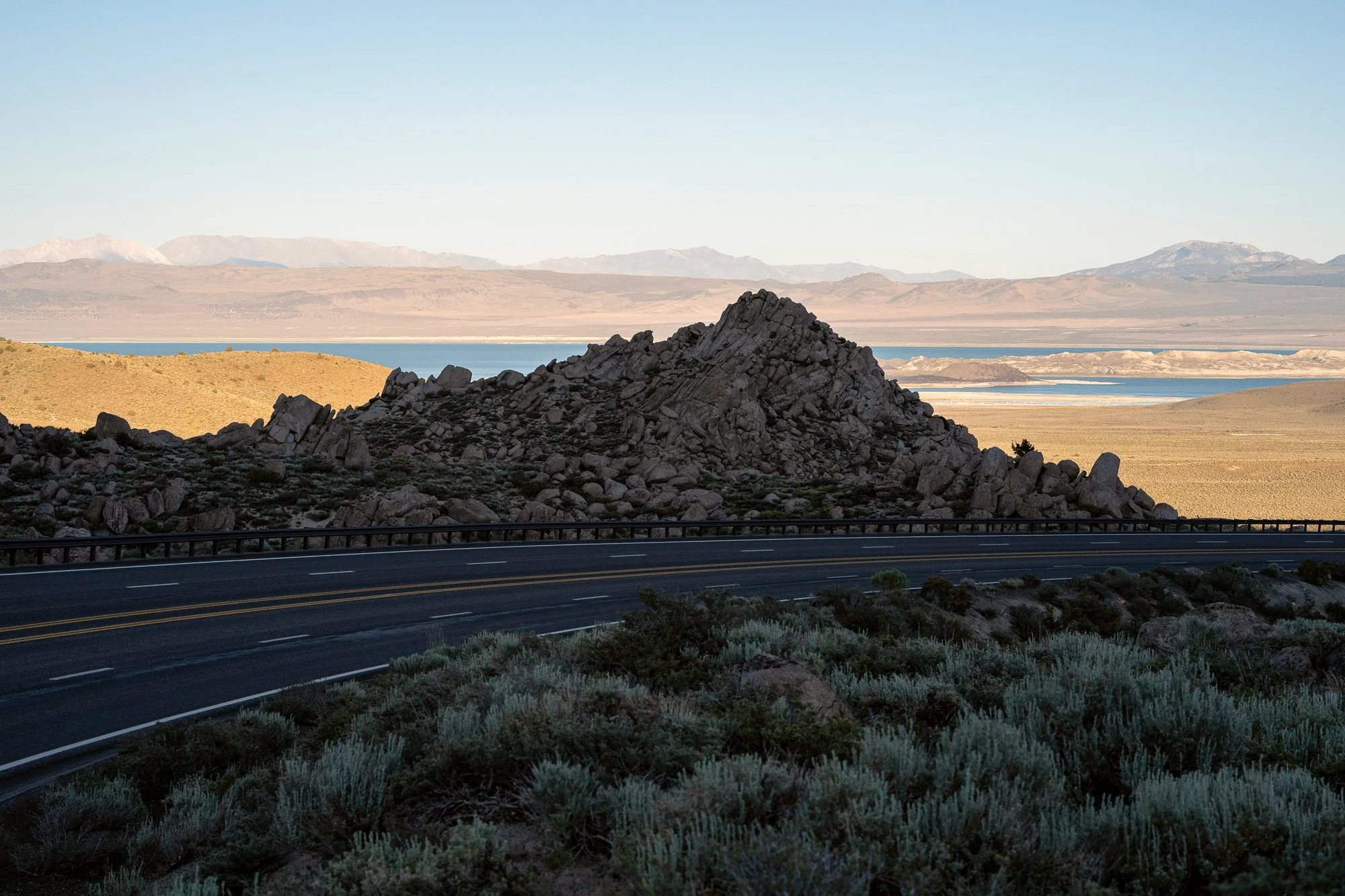
Desert highway passing rocky hill with expansive basin and distant mountains

An open highway cutting through high desert terrain, part of the Roadside Meditations project.
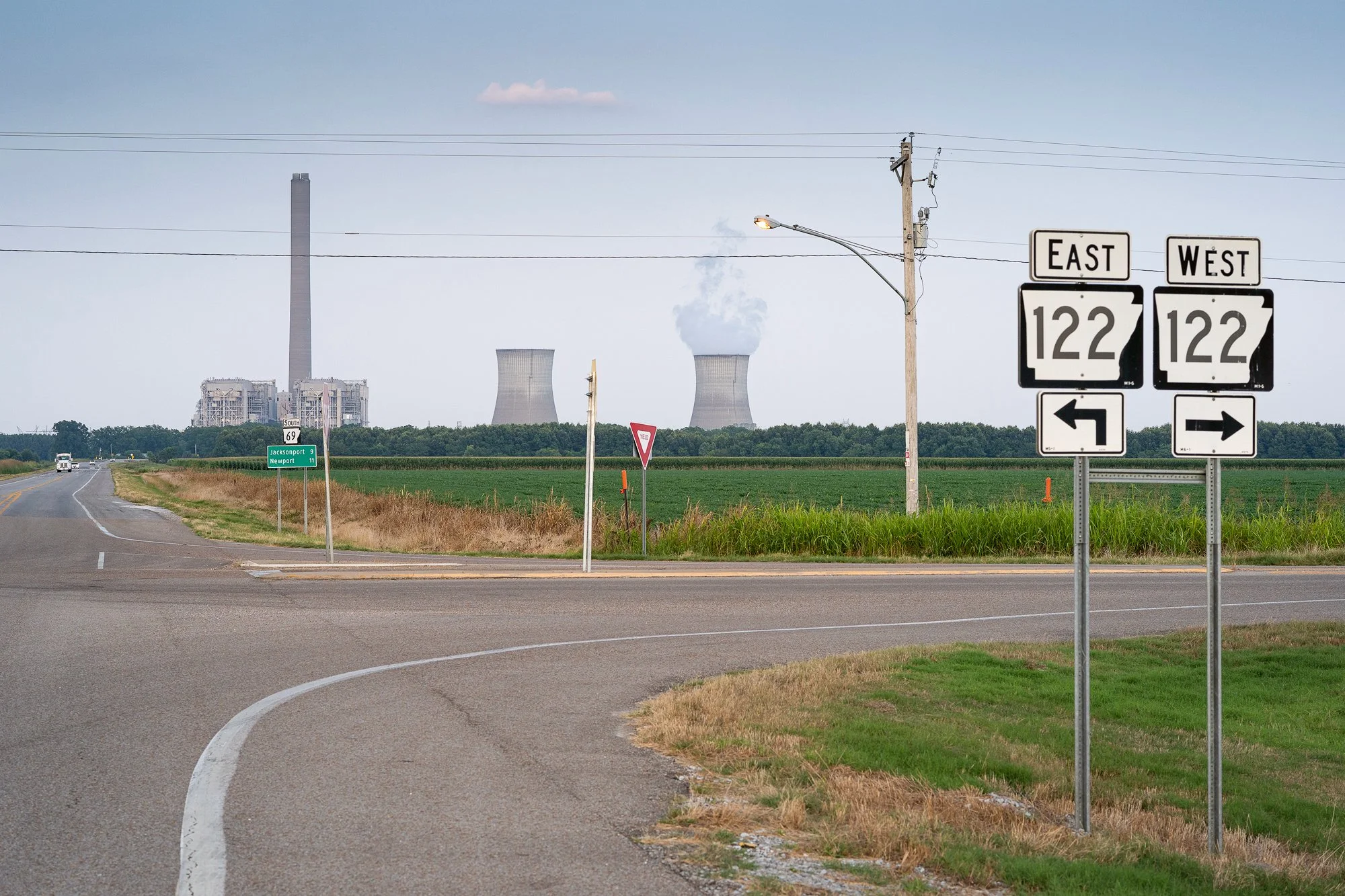
Rural highway intersection with directional signs and power plant in distance

A rural highway intersection with industrial structures on the horizon — part of Roadside Meditations.
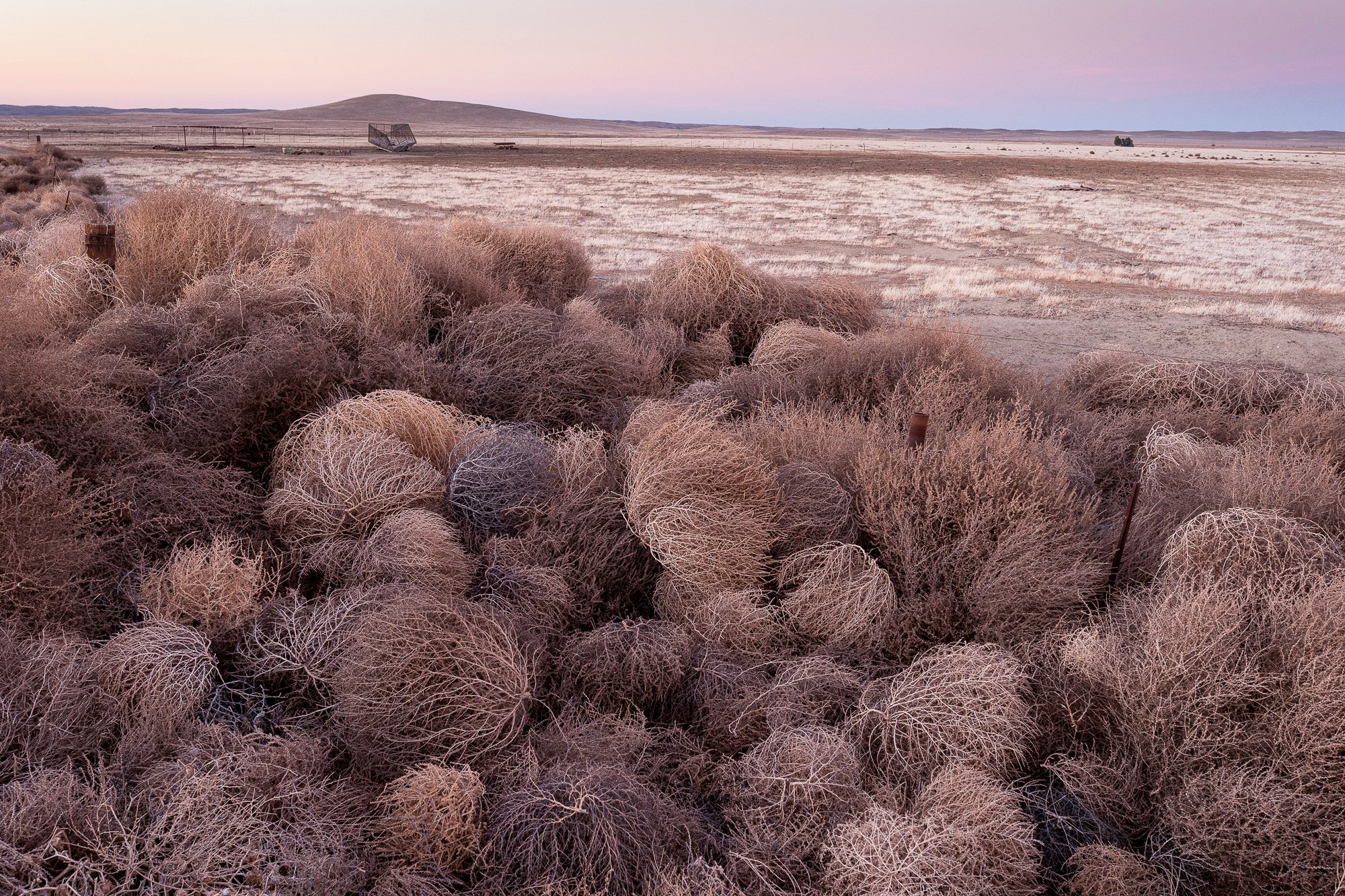
Tumbleweeds gathered along fence line in Nevada desert at sunset with soft pastel sky

From the Roadside Meditations series — tumbleweeds caught along a fence line in the Nevada desert at dusk.

Leadville Colorado Wall Art Prints – Fine Art Photography

Leadville, Colorado Wall Art

Photographs of The Two Mile High City

Sitting at 10,151 ft above sea level, Leadville is one of Colorado’s more unique towns, and that’s saying a lot for a state with such incredible mountain culture. Not a big place but it’s still racked up a number of nicknames over the years: The Two Mile High City, Oro City, Cloud City, and Slab Town. That alone provides a great hint into Leadville’s rich mining history that began in 1859 during the Pike’s Peak Gold Rush, and that hunt for gold, silver, and lead continued for 130 years. Visiting the small town today, you can still feel what Leadville once was, and that’s a lot of the draw. Only 2 hours from Denver, but it feels a world away, with unprecendented views of the surrounding mountains and no crowds. The architecture is gorgeous and well preserved in a lot of cases like the Delaware Hotel which first opened in 1886. Of course the local jewel is the Silver Dollar Saloon. You’d be hard pressed to find another like it anywhere in the country. Inside you can feel the years (established 1879), and that feeling only gets better once you learn more about it’s history with noted regulars like Doc Holiday! The most surprising part of Leadville is the fact that it has delicious food! I’d recommend checking out The Silver Llama Market and Eatery for breakfast and Treeline Kitchen for dinner. They are conveniently located right next to each other and Treeline has a great rooftop patio that’s open in the warmer months. Mineral 1886 also has good food for lunch and dinner.

Historic Buildings and Local Flavor

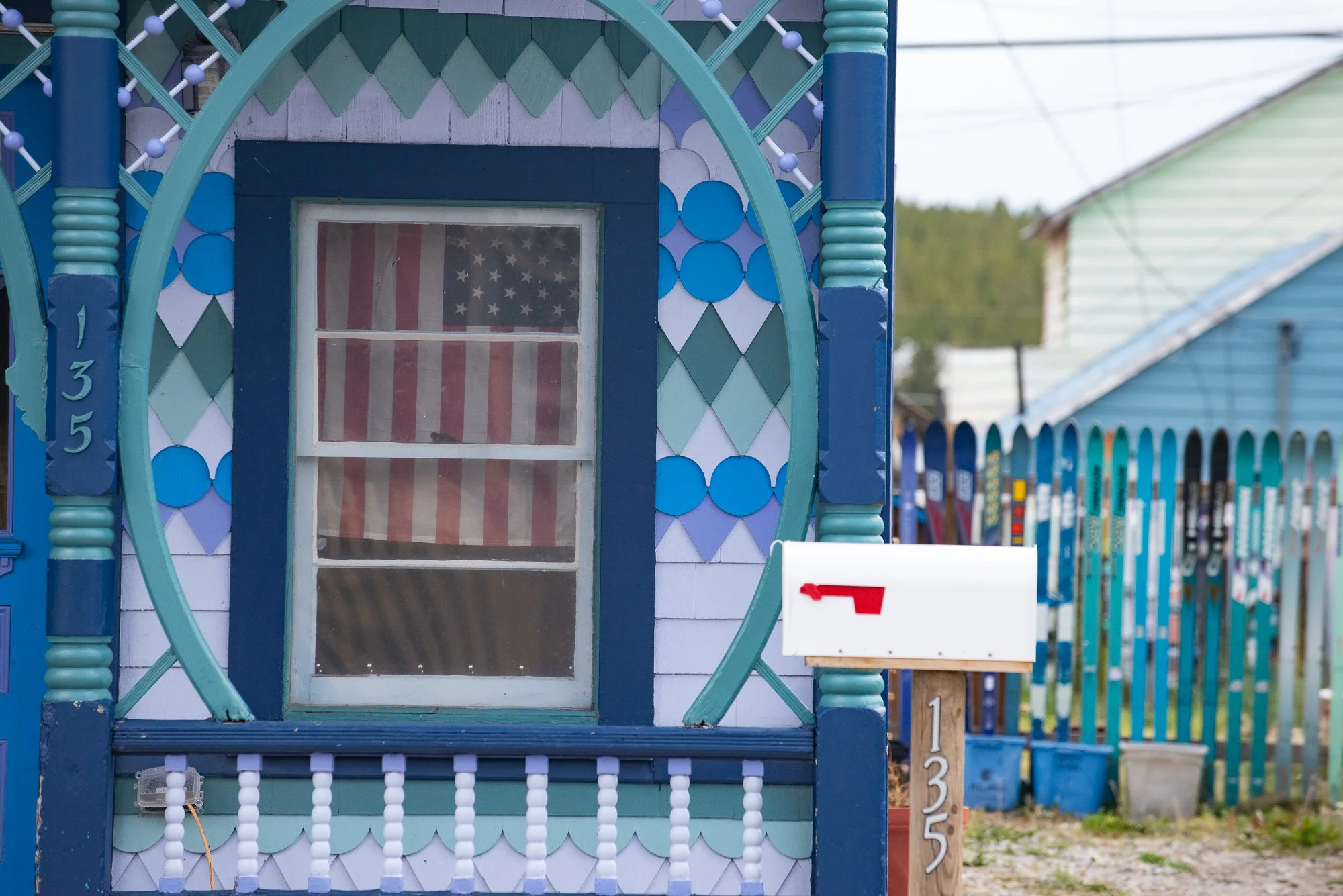
Walking through the neighborhoods is always fun because you’ll get a feel for daily life, and Leadville has some colorful houses that are intricately shingled. If you are looking for more of a workout, the Mineral Belt Trail (12 miles) can provide year round recreation with top notch views of the mountains and will take you up close to some of the old mining claims. Walking, running, and biking in the summer. Fat biking and cross country skiing in the winter. There is a nordic center just outside of Tennessee Pass and endless access to backcountry skiing/snowboarding from all routes in/out of town. And If there’s any reason this little hideaway would sound familiar, that’s because it’s home to one of the hardest mountain bike races in the country - The Leadville 100! That and Melanzana, which is supposedly on a year waitlist for hooded sweatshirts. Perhaps the most redeeming quality about their main drag though, is you won’t see a single chain restaurant or business. They are all locally owned and there is no mistaking that fact! Leadville is a gem of a place that you hope will retain it’s small town charm for decades to come. If you’re looking for a fun getaway with resort crowds, check out Leadville for a couple nights.

Get Your Leadville Print

If you’d like to have a little piece of Leadville to remember your trip and brighten your walls with Colorado culture, contact me directly about photography prints and custom framing options for your home, office, or commercials space. These photographs are also available for editorial and commercial licensing.

Photography print of downtown Leadville, Colorado

Leadville, Colorado Wall Art

Photograph of the Golden Burro Cafe in Leadville, Colorado

The Golden Burro Cafe - Leadville

Photography print of the Silver Dollar Saloon in Leadville, Colorado

Black and white photograph of the Silver Dollar Saloon in Leadville, CO

Black and white photograph of the bar inside the Silver Dollar Saloon in Leadville, Colorado

Photograph of the bar inside the Silver Dollar Saloon

Leadville, CO

Manhattan Bar - Leadville, CO

Photograph of High Mountain Pies Pizzeria in Leadville, Colorado

High Mountain Pies - Leadville, CO

Photograph of an American Flag hanging in the window of a house with colorful shingles and a ski fence in Leadville, CO

Colorful house in Leadville, CO

Photo print of the Silver Dollar Saloon in Leadville, CO

Leadville Saloon

Photograph of bar stools and the old tile floor in the Silver Dollar Saloon in Leadville, CO

Tile floor in the Leadville Saloon

Photograph of the interior of the saloon in Leadville, CO

Pool table and taxidermy inside the Silver Dollar Saloon - Leadville, CO

Hand painted beer sign on an old brick building in Leadville, CO

Beer - Leadville, CO

Doug Monson - Western Charcoal Artist

A Charcoal Artist in Wyoming Preserving the Spirit of the American West

Western Art That Comes From Experience, Not Interpretation

There’s a noticeable difference between Western art made from observation and Western art made from experience. The best work doesn’t try to explain the West. It comes from living in it.

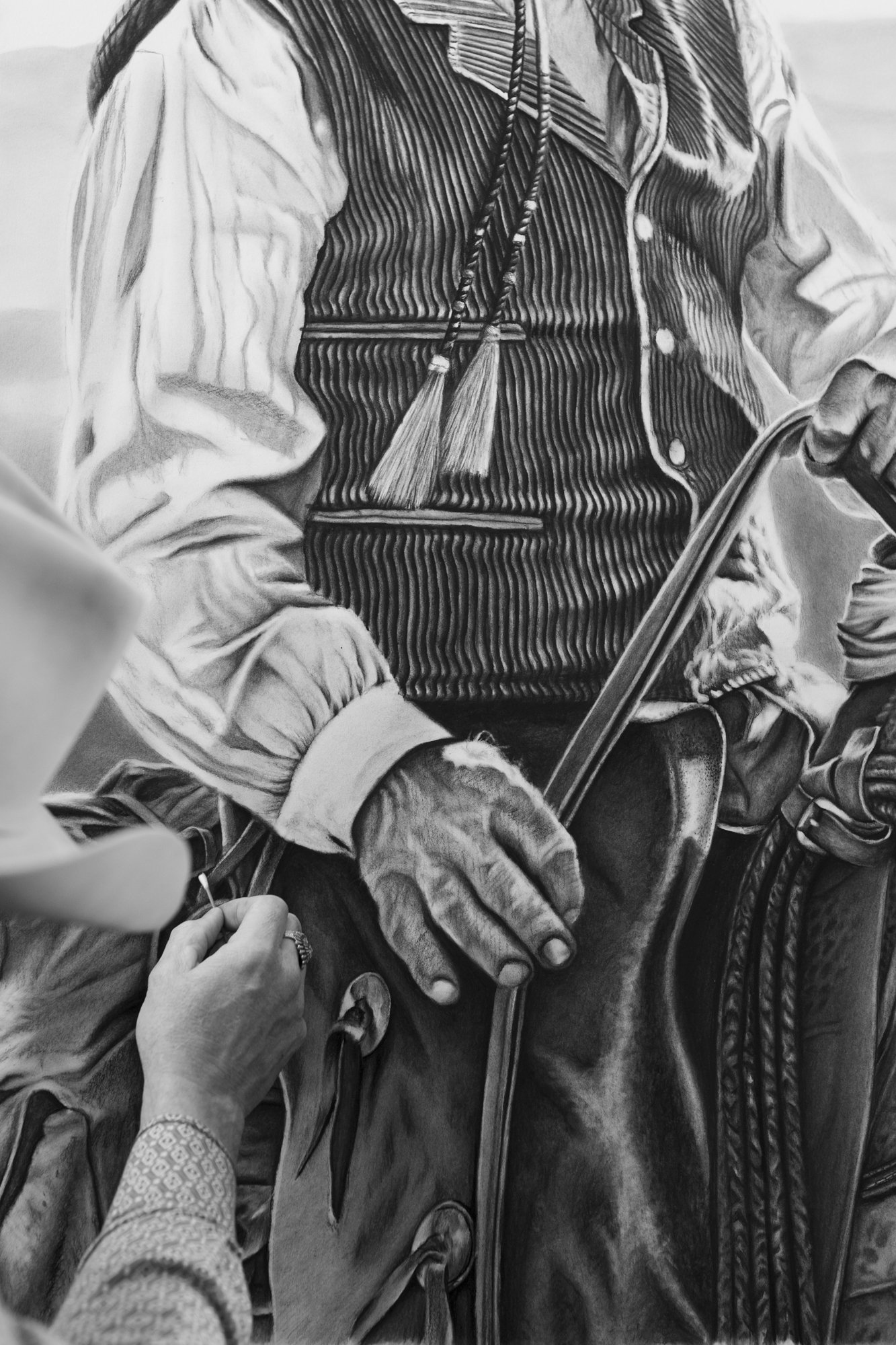
Doug Monson’s charcoal drawings aren’t romanticized versions of cowboy life. They carry the weight of real work—long days, unpredictable conditions, and a deep familiarity with cattle, horses, and the land itself.

That’s something I’ve seen again and again while photographing ranches across the West. The people who live this life don’t exaggerate it. And the artists closest to it don’t either.

A Chance Encounter With a Western Charcoal Atist

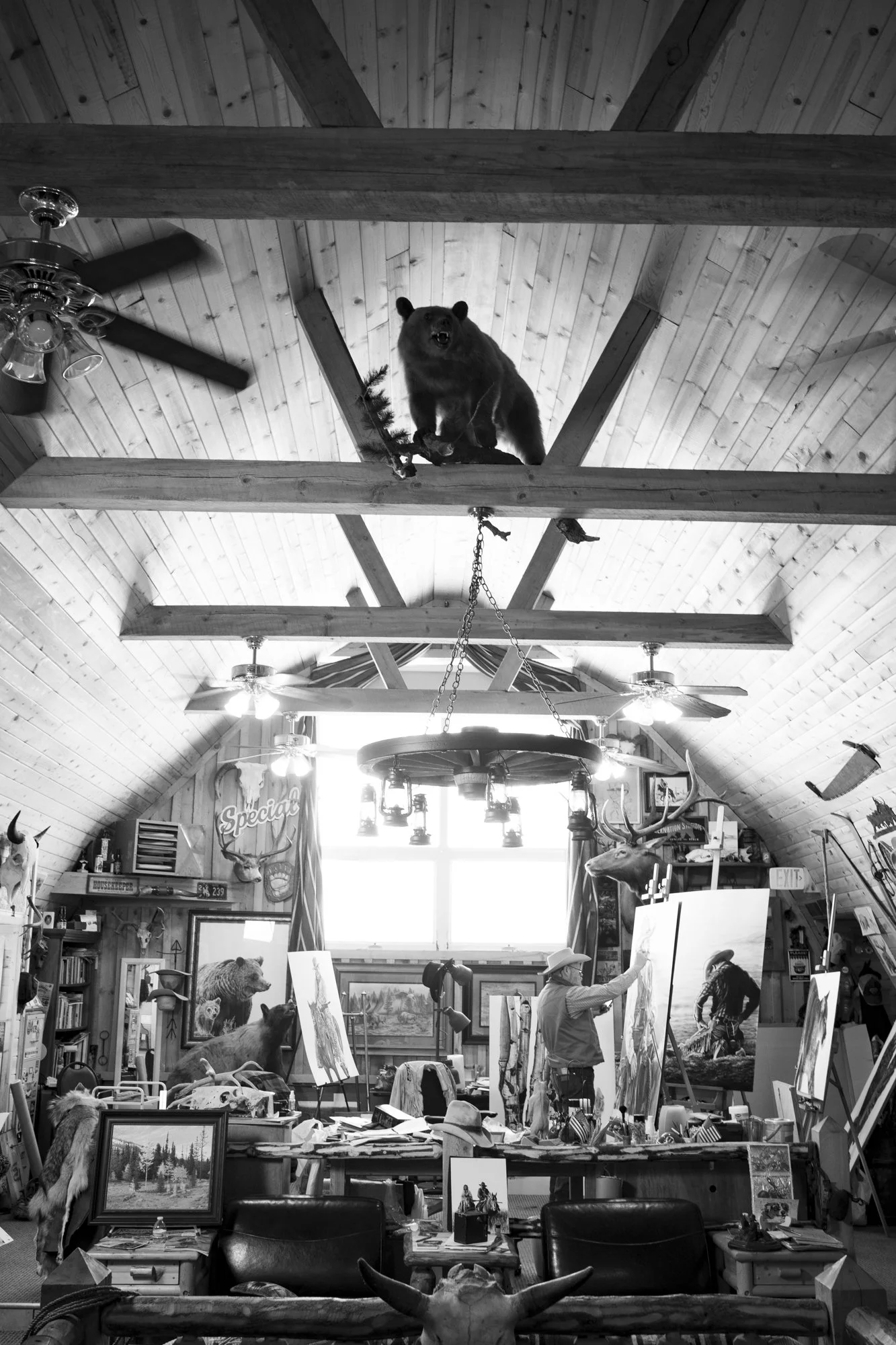
It’s always amazing how the universe brings people together. During a trip to Jackson Hole I was on a big gallery kick and spent quite some time taking in the top tier art that Jackson’s galleries have to offer. After the trip was over I began the drive back home. At the time I was living in San Diego and decided on a route that happened to go through Afton, WY - home of the Western Skies Fine Art - a gallery I had no knowledge of. Still having a thirst for art though, I popped in and was greeted by the owner Doug Monson He showed me around the gallery and his breathtaking studio upstairs. Next thing you know, I pulled the camera gear out of the track and was photographing Doug at work. Prior to that day I never even knew who Monson was. It was a pleasure spending time with him though. He’s a talented artist and a hell of a nice guy.

Why Wyoming Still Matters for Western Artists

Wyoming holds onto something a lot of places have already let go. There’s still space. Still working ranches. Still a culture that hasn’t been completely reshaped for an audience.

For artists—whether working in charcoal, photography, or anything else—that matters.

It means the subject isn’t manufactured. You’re not documenting a version of the West built for tourists. You’re seeing something that still functions the way it always has.

That’s why so much of my own work continues to bring me back to places like this.

Documenting the Same World Through Photography

While Monson works in charcoal, the intent overlaps closely with what I’ve been building through photography. For the past several years, I’ve been documenting working cowboys across the American West—on ranches where traditions like branding, roping, and horsemanship are still part of daily life. It’s not staged. It’s not styled. It’s not built for content. It’s just the work, as it happens. That same honesty is what makes both forms of work resonate. Whether it’s a drawing or a photograph, the goal is the same: create something that holds up over time because it’s rooted in reality.

The Importance of Western Crafts and Artists

There’s a broader ecosystem around cowboy culture that often gets overlooked — Saddle makers. Rawhide braiders. Bootmakers. And artists like this one working in charcoal.

These aren’t separate from Wester culture—they’re part of it. And as fewer people continue these traditions, documenting them becomes more important. Not in a nostalgic way. In a factual one. Because once these skills disappear, they don’t come back.

Collecting Authentic Western Art and Photography

For collectors, there’s a difference between work that references the West and work that comes directly out of it.

That difference shows up over time.

It’s in the details. The restraint. The lack of exaggeration.

Whether it’s a charcoal drawing or a photograph, the strongest pieces tend to be the ones that don’t try too hard. They just reflect what’s there.

If you’re interested in collecting work like this, it’s worth paying attention to where it comes from—and who made it.

A Larger Project Documenting the American West

This visit is part of a much larger body of work focused on documenting the people, places, and traditions that still define the American West.

It’s taken me across ranches in multiple states, often working in remote environments where this way of life still operates largely unchanged.

If you’re interested in seeing more:

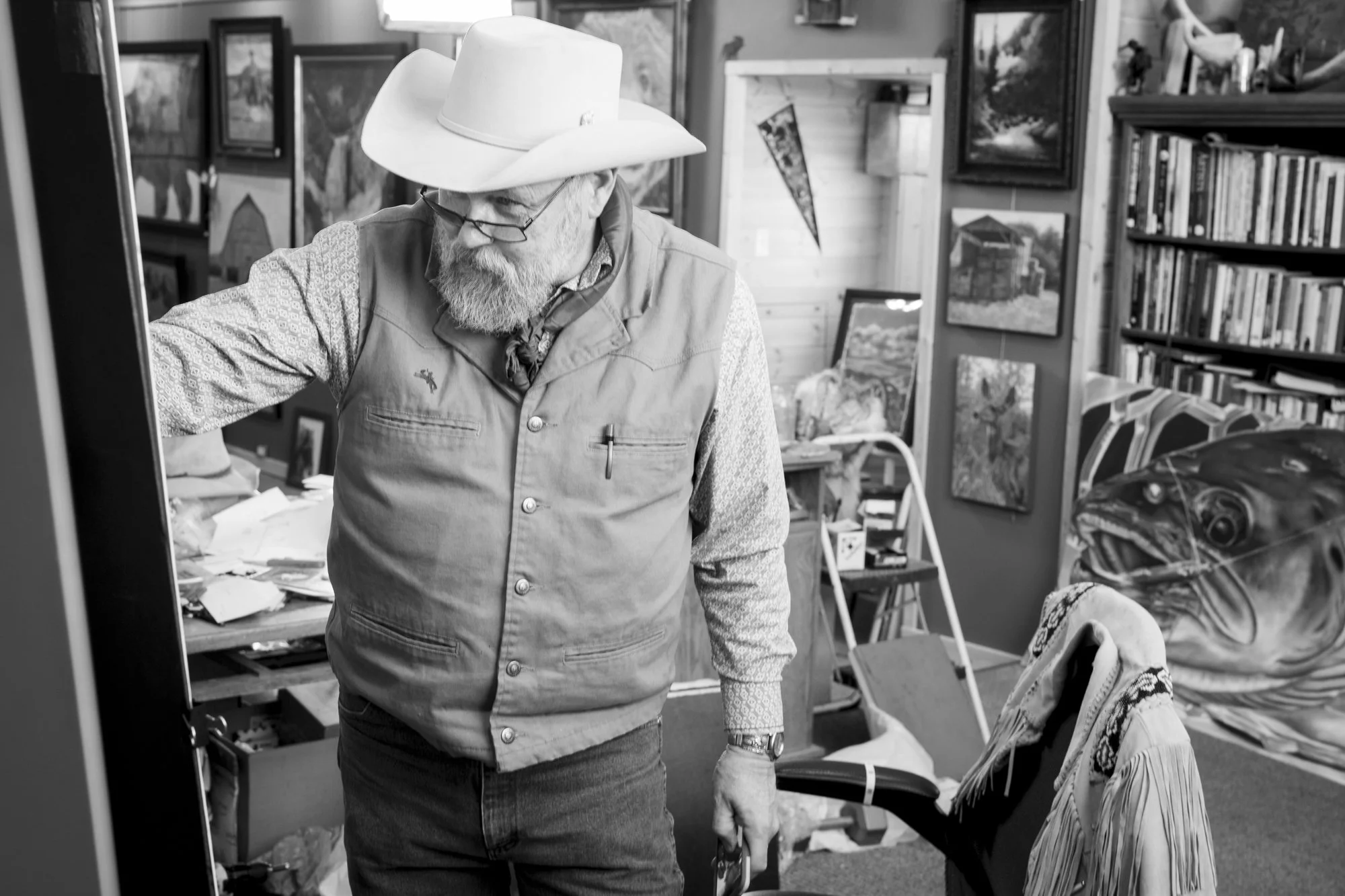
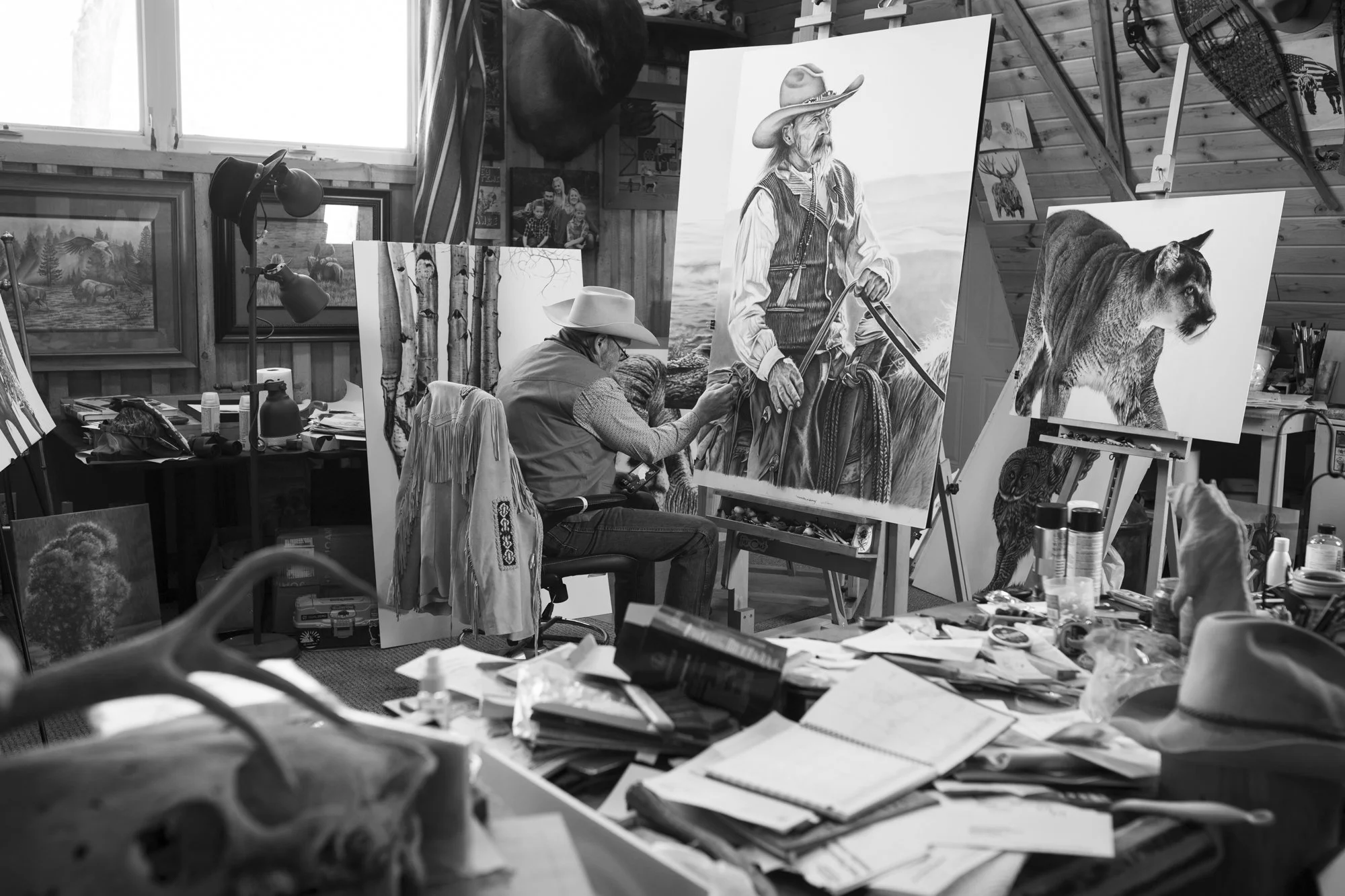
Charcoal artist Doug Monson at work in his studio at the Western Skies Gallery in Afton, Wyoming

Charcoal artist Doug Monson at work in his daylight studio

A western charcoal artist drawing a cowboy

Monson drawing a cowboy with charcoal on paper

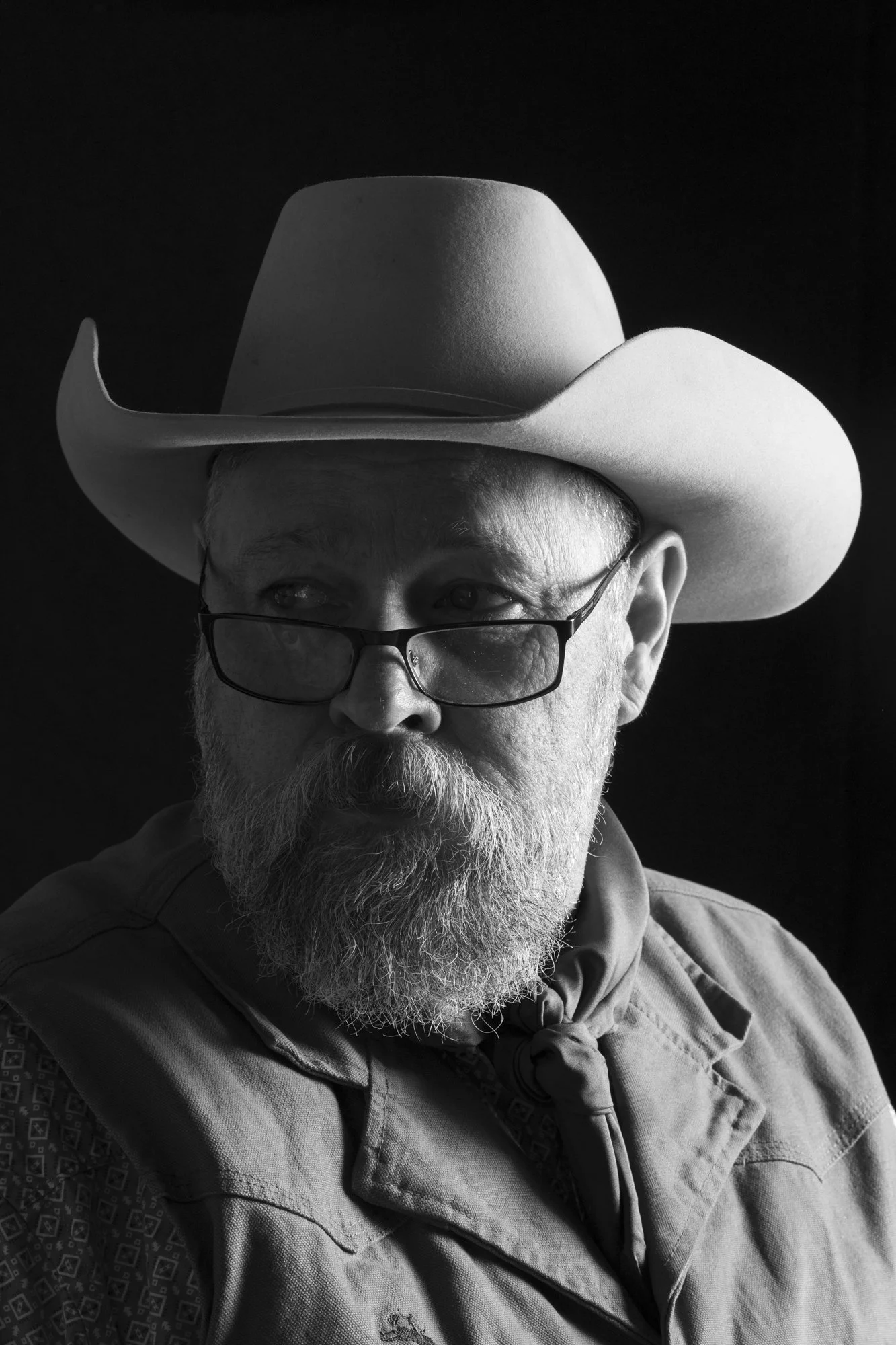
Portrait of a Western charcoal artist

Portrait of artist Doug Monson

Western charcoal artist Doug Monson working on a drawing at the Western Skies Gallery

Doug Monson at work on a drawing in the Western Skies Gallery

Black and white photograph of a Western artist in his studio surrounded by drawings and art supplies

Doug Monson surrounded by art in his studio