Rocky Mountain National Park Fly Fishing Photos for Editorial and Commercial Use

Rocky Mountain National Park Fly Fishing Photography

Fly fishing in Rocky Mountain National Park doesn’t feel like most places in the West. The water is colder, the air thinner, and the environment can feel both timeless and apocalyptic. Light shifts quickly, weather rolls in without warning, and the fish demand precision.

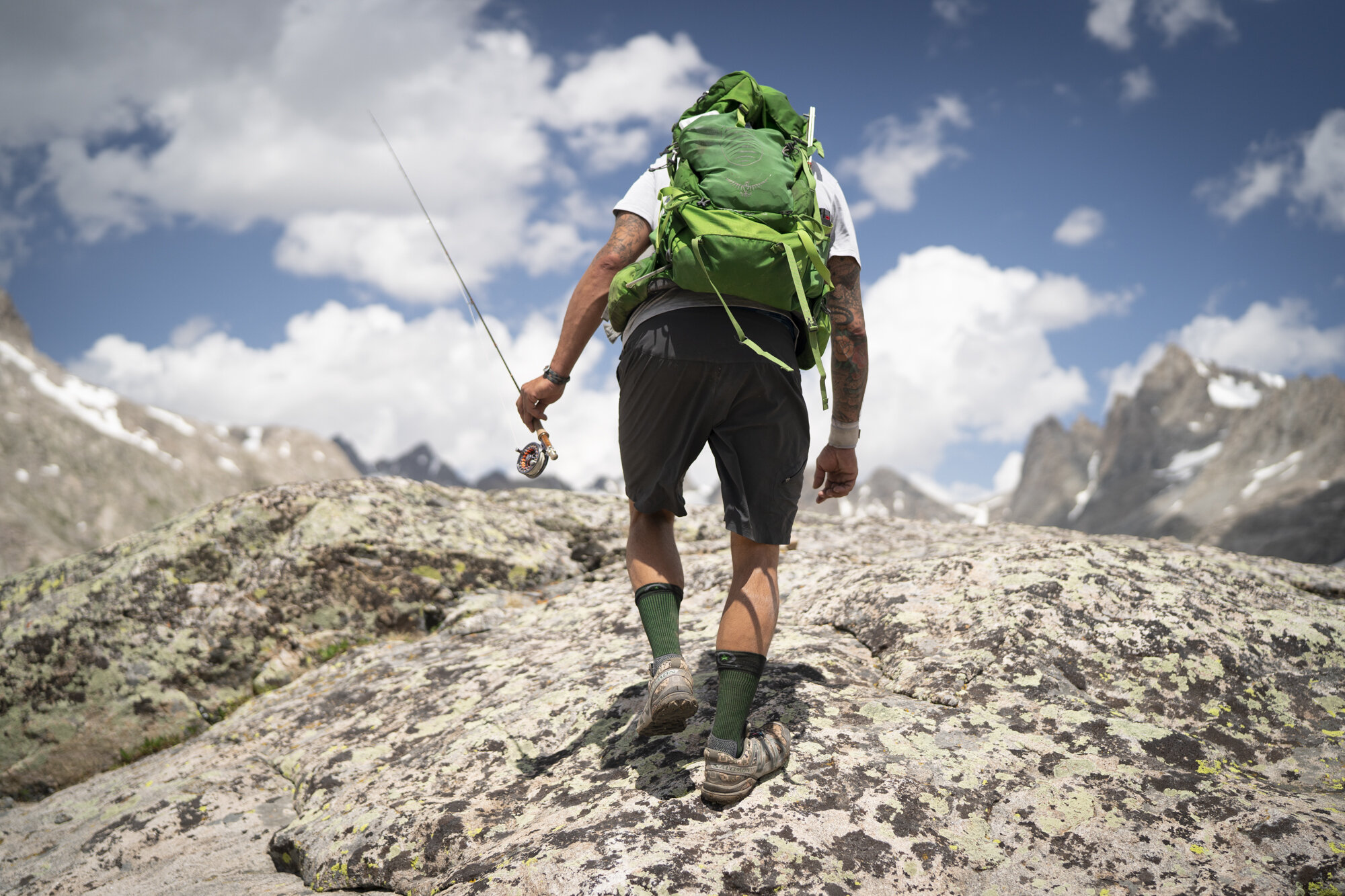
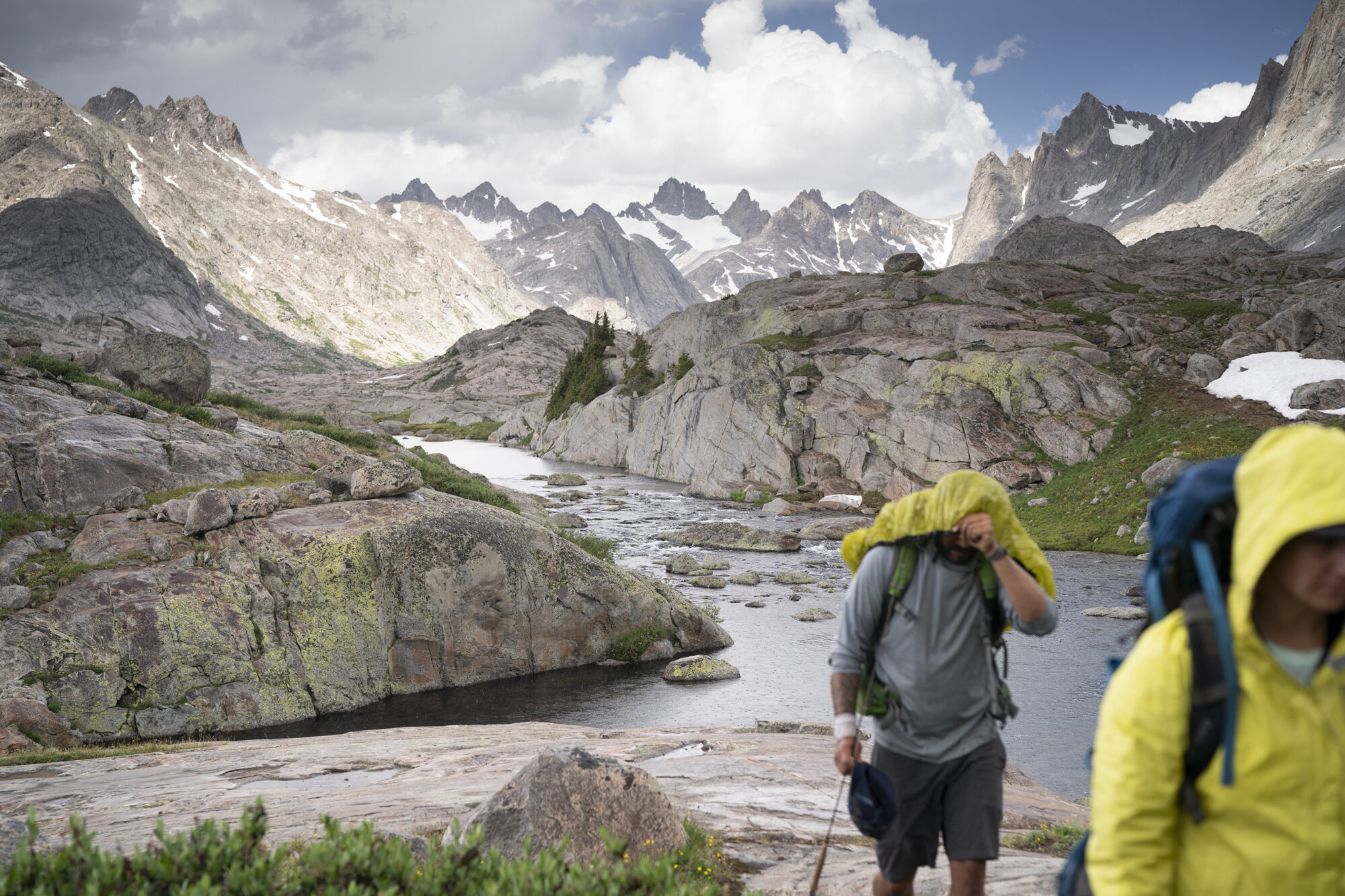
These photographs were made while fishing and moving through the high country above the Front Range, primarily along the Big Thompson River and surrounding alpine water. Like most of my work, they weren’t staged or built around a production schedule. They came from time on the river—watching light, waiting on conditions, and working within whatever the environment gave back.

A fly fisherman ties a fly to his line while sitting on the back of his car in a beautiful mountain location

Fly fishing guide tying a fly to his line before fishing in front of snow capped peaks

Fly Fishing in Colorado’s High Country

The headwaters of the Big Thompson River and the surrounding water in Rocky Mountain National Park offer a very specific kind of fishing. Tight pockets, fast current, and limited room to move mean every cast matters.

From a photography standpoint, that changes everything.

There’s no stepping back to reset a shot or adjusting positioning for better light. You’re often working in confined space, reacting to what’s happening in front of you rather than directing it. The best frames tend to come from small moments—reading water, adjusting line, moving carefully through current.

That’s what defines fly fishing here, and it’s what these images are built around.

Photograph of a fly fisherman surrounded by rugged terrain and snow capped mountains in Rocky Mountain National Park

Fly fishing in Rocky Mountain National Park

A fly fisherman walking through a beautiful section of the Big Thompson River in Rocky Mountain National Park

Big Thompson River Fly Fishing - Rocky Mountain National Park

Photographing Fly Fishing in Unpredictable Conditions

High-elevation environments don’t offer consistency.

Light can go from flat to harsh in minutes. Wind moves through canyon walls without warning. Temperatures shift quickly, especially in the early morning and late evening. All of it affects how the water looks, how the angler moves, and how the gear performs.

Photographing in these conditions isn’t about controlling the scene—it’s about staying responsive to it.

That approach leads to images that feel grounded in reality rather than constructed. For outdoor brands and editorial use, that difference matters. The details—wet fabric, glare on the water, uneven terrain—are what make the images believable.

Photograph of a fly fisherman putting floatant on his fly while standing in front of snowy mountains

Fly fisherman adding floatant to his fly with snow capped mountains in the background

A fly fisherman walking through the Moraine in Rocky Mountain National Park

Fly fishing the Moraine - Rocky Mountain NP

A fly fisherman netting a fish surrounded by dense brush in rugged terrain

Backcountry fly fishing in Rocky Mountain National Park

Why Places Like Rocky Mountain National Park Matter for Outdoor Brands

The Rocky Mountains are one of the most recognizable landscapes in the United States.

For brands, that recognition carries weight. The terrain is immediately identifiable, but it still feels remote and demanding. It represents a version of fly fishing that’s both accessible and aspirational—something people understand, but still want to experience for themselves.

Photographing in a place like this adds context that goes beyond the product. It connects gear to a real environment—one that requires durability, movement, and adaptability.

That’s what turns a photograph into something usable for advertising or editorial storytelling.

Photograph of a fly fisherman walking through a dense forest of burned trees

Fly fisherman walking through a forest of burned trees in Rocky Mountain National Park

Photograph of a fly fisherman frustrated after losing a fish in Rocky Mountain National Park

Frustrated fly fisherman after losing a fish

A fly fisherman fishing a rugged section of the Big Thomson River

Fly fisherman netting a trout in a backcountry section of the Big Thompson River

Fly Fishing Photography for Commercial and Editorial Use

This work is available for licensing across a range of uses, including:

  • Outdoor and apparel advertising campaigns

  • Editorial features and publications

  • Brand storytelling for web and print

  • Tourism and regional marketing

Because the images are created in real conditions, they hold up across different contexts. They aren’t tied to a single moment or campaign—they’re part of a broader visual record of fly fishing in the American West.

Photograph of a fly fisherman on a high alpine river in Colorado

Rocky Mountain National Park fly fishing

Photograph of a fly fisherman smiling

Smiling fly fisherman

Part of a Larger Fly Fishing Project

These photographs are part of an ongoing body of work documenting fly fishing across Colorado and the greater American West.

Additional work from other locations:

Each location brings a different environment and a different set of challenges, but the approach remains the same—real anglers, real conditions, and an emphasis on the relationship between people and water.

You can view more here:
Fly Fishing Photography Gallery

Licensing & Commercial Work

I work with outdoor brands, publications, and agencies to create fly fishing photography that reflects how the sport actually looks and feels in the field.

For licensing or assignment inquiries please reach out directly: - rob@robhammerphotography.com

A fly fisherman walks up the river past a huge dead tree in Colorado

Authentic fly fishing photography

Leadville Colorado Wall Art Prints – Fine Art Photography

Leadville, Colorado Wall Art

Photographs of The Two Mile High City

Sitting at 10,151 ft above sea level, Leadville is one of Colorado’s more unique towns, and that’s saying a lot for a state with such incredible mountain culture. Not a big place but it’s still racked up a number of nicknames over the years: The Two Mile High City, Oro City, Cloud City, and Slab Town. That alone provides a great hint into Leadville’s rich mining history that began in 1859 during the Pike’s Peak Gold Rush, and that hunt for gold, silver, and lead continued for 130 years. Visiting the small town today, you can still feel what Leadville once was, and that’s a lot of the draw. Only 2 hours from Denver, but it feels a world away, with unprecendented views of the surrounding mountains and no crowds. The architecture is gorgeous and well preserved in a lot of cases like the Delaware Hotel which first opened in 1886. Of course the local jewel is the Silver Dollar Saloon. You’d be hard pressed to find another like it anywhere in the country. Inside you can feel the years (established 1879), and that feeling only gets better once you learn more about it’s history with noted regulars like Doc Holiday! The most surprising part of Leadville is the fact that it has delicious food! I’d recommend checking out The Silver Llama Market and Eatery for breakfast and Treeline Kitchen for dinner. They are conveniently located right next to each other and Treeline has a great rooftop patio that’s open in the warmer months. Mineral 1886 also has good food for lunch and dinner.

Historic Buildings and Local Flavor

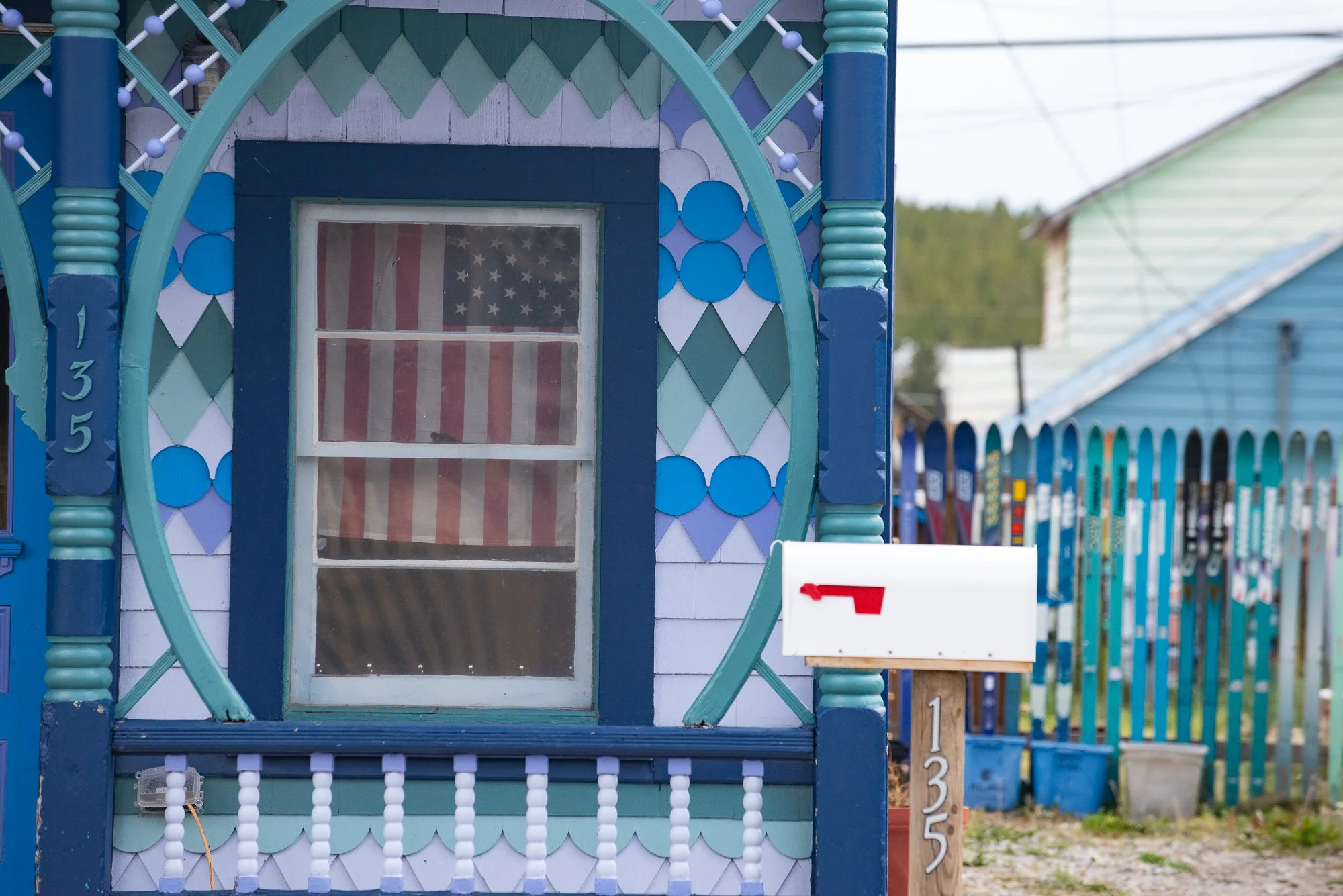
Walking through the neighborhoods is always fun because you’ll get a feel for daily life, and Leadville has some colorful houses that are intricately shingled. If you are looking for more of a workout, the Mineral Belt Trail (12 miles) can provide year round recreation with top notch views of the mountains and will take you up close to some of the old mining claims. Walking, running, and biking in the summer. Fat biking and cross country skiing in the winter. There is a nordic center just outside of Tennessee Pass and endless access to backcountry skiing/snowboarding from all routes in/out of town. And If there’s any reason this little hideaway would sound familiar, that’s because it’s home to one of the hardest mountain bike races in the country - The Leadville 100! That and Melanzana, which is supposedly on a year waitlist for hooded sweatshirts. Perhaps the most redeeming quality about their main drag though, is you won’t see a single chain restaurant or business. They are all locally owned and there is no mistaking that fact! Leadville is a gem of a place that you hope will retain it’s small town charm for decades to come. If you’re looking for a fun getaway with resort crowds, check out Leadville for a couple nights.

Get Your Leadville Print

If you’d like to have a little piece of Leadville to remember your trip and brighten your walls with Colorado culture, contact me directly about photography prints and custom framing options for your home, office, or commercials space. These photographs are also available for editorial and commercial licensing.

Photography print of downtown Leadville, Colorado

Leadville, Colorado Wall Art

Photograph of the Golden Burro Cafe in Leadville, Colorado

The Golden Burro Cafe - Leadville

Photography print of the Silver Dollar Saloon in Leadville, Colorado

Black and white photograph of the Silver Dollar Saloon in Leadville, CO

Black and white photograph of the bar inside the Silver Dollar Saloon in Leadville, Colorado

Photograph of the bar inside the Silver Dollar Saloon

Leadville, CO

Manhattan Bar - Leadville, CO

Photograph of High Mountain Pies Pizzeria in Leadville, Colorado

High Mountain Pies - Leadville, CO

Photograph of an American Flag hanging in the window of a house with colorful shingles and a ski fence in Leadville, CO

Colorful house in Leadville, CO

Photo print of the Silver Dollar Saloon in Leadville, CO

Leadville Saloon

Photograph of bar stools and the old tile floor in the Silver Dollar Saloon in Leadville, CO

Tile floor in the Leadville Saloon

Photograph of the interior of the saloon in Leadville, CO

Pool table and taxidermy inside the Silver Dollar Saloon - Leadville, CO

Hand painted beer sign on an old brick building in Leadville, CO

Beer - Leadville, CO

How Fly Fishing Photography Lands Magazine Covers (The Drake Magazine Case Study)

Fly Fishing Photography Published on the Cover of The Drake Magazine

There are a lot of ways to measure success in photography, but a magazine cover still carries weight—especially in a niche as tight-knit as fly fishing.

When one of my photographs was selected for the cover of The Drake Magazine, it wasn’t just a milestone. It was a reflection of years spent on the water, learning how to photograph fly fishing in a way that feels honest to the people who actually do it.

This isn’t staged work. It never has been. The goal has always been to document fly fishing as it exists—early mornings, cold water, missed casts, and the moments that make it worth it.

What It Takes to Shoot a Fly Fishing Magazine Cover

Fly fishing photography is unpredictable by nature. Unlike controlled environments, everything is working against you—light, weather, water clarity, and the movement of both angler and fish.

To create an image that’s strong enough for a cover, everything has to come together at once:

  • Light that defines the scene without overpowering it

  • An angler who moves naturally, not for the camera

  • A setting that places the subject within the landscape, not separate from it

Most importantly, the photograph has to feel real. The fly fishing world is small, and people can tell immediately when something is forced.

That authenticity is what separates an image that works online from one that earns a cover.

Behind the Photograph

The image that ultimately became the cover wasn’t planned as one.

Like most of my work, it came out of time spent on the river—watching how anglers move through water, waiting for the right light, and being ready when everything lines up for just a few seconds.

There’s no shortcut to that process. And I truly believe that the worst approach is setting out with the intention to make a magazine cover. Keeping that idea in your head clouds everything and will cause you to miss all the great moments. Instead, just be present. Be patient.

Let the day unfold naturally. Whenever I’m out on the water, there is never an agenda other than having fun and making the best possible photographs. Even with that mindset, I never think about making photographs for an ad campaign, a cover shot, editorial feature etc. Real photographs come just by paying attention and letting it all happen.

Why The Drake Magazine Matters

In fly fishing, The Drake Magazine holds a unique place.

It’s not just a publication—it’s part of the culture. Known for its independent voice and irreverent tone, it has built a reputation as one of the most respected magazines in the industry.

Being featured on the cover means the photograph resonates beyond aesthetics. It connects with anglers who care deeply about the experience, not just the outcome.

That alignment matters. It reinforces the same philosophy behind my work: document the reality of fly fishing, not an idealized version of it.

Fly Fishing Photography for Brands and Editorial Use

This photograph is part of a larger body of work focused on fly fishing across the American West.

Over time, that work has led to collaborations with brands and publications that value authenticity in how the sport is represented, including:

  • Patagonia

  • Fishpond

  • Duck Camp

For brands and editors, the goal is simple: create imagery that reflects how fly fishing actually looks and feels in the real world.

If you’re looking for photography for a campaign, editorial story, or long-term project, this work is available for licensing.

Fine Art Fly Fishing Prints

While this photograph reached a wide audience through publication, it also exists as a fine art print.

Printed with the same attention to detail as the work itself, these images are meant to hold up over time—both as photographs and as representations of a place and experience.

For collectors, anglers, or anyone drawn to the quiet side of the sport, the prints offer a way to bring that connection into a physical space.

Part of a Larger Body of Work

This image is one piece of a long-term project documenting fly fishing throughout the American West.

From small Colorado creeks in winter to larger, well-known rivers across the region, the focus has remained consistent: real anglers, real conditions, and the landscapes that define the experience.

Over time, that body of work has expanded beyond the river itself to include the broader culture—guides, fly shops, and the communities that keep it alive.

Explore the Full Fly Fishing Photography Collection

To see more work from this project:

Kern River Fly Fishing Photography – A Real Look at California’s Wild Trout Water

Kern River Fly Fishing Photography in California


The Kern River isn’t the kind of place that gives itself up easily. In the words of Merle Haggard - “I’ll never swim Kern River again.”
It’s steep, fast, and often unforgiving—but that’s exactly what makes it one of the most compelling places to photograph fly fishing in California.

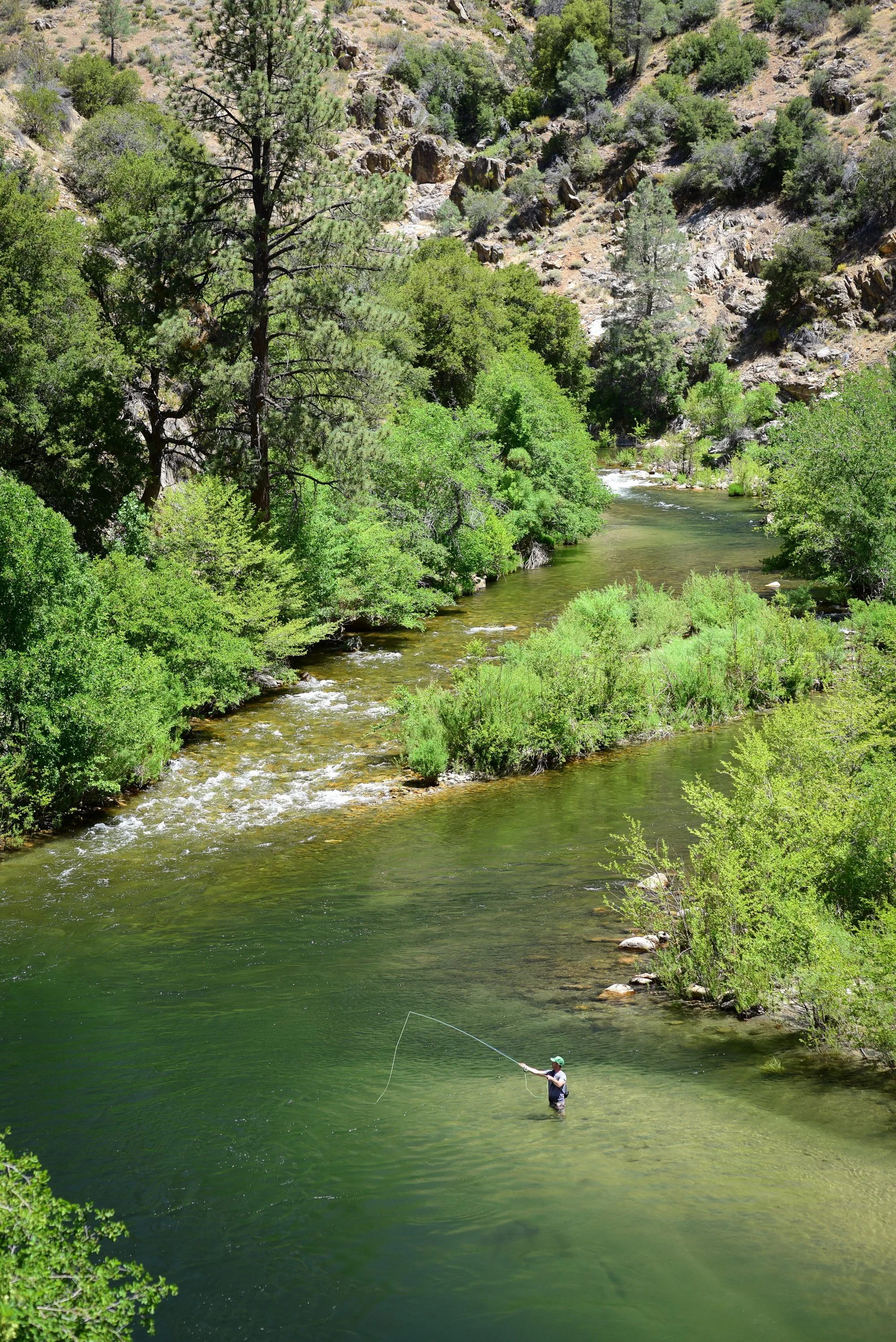
These photographs come from time spent along the river documenting real anglers in motion—working pocket water, navigating boulders, and adapting to a river that demands attention.

Beautiful photograph of a fly fisherman in a picturesque canyon on the kern River in California

Kern River Fly Fishing Photography

Why the Kern River Stands Apart for Fly Fishing

There are plenty of rivers in the American West that are easier to fish—and easier to photograph.

The Kern isn’t one of them.

This is a river defined by movement. Fast seams, uneven footing, constant adjustments. You’re rarely standing still for long, and neither is the water. It demands attention in a way that more forgiving rivers don’t.

That’s part of what makes it so compelling. There’s no illusion of control out here. Just an angler, a line, and a river that keeps pushing back.

Photographing Fly Fishing on the Kern River

Photographing a river like this isn’t about setting up clean compositions or waiting for perfect light.

It’s about staying mobile.

You move with the angler. You anticipate where they’re going next. You react to changing light as it drops into the canyon or disappears behind it. Shadows come early here, and highlights can be harsh—there’s not much middle ground.

Most of the time, the best photographs aren’t the obvious ones. They happen in between casts. While someone is adjusting footing, reading water, or working through a stretch that doesn’t give them much.

That’s where the authenticity lives.

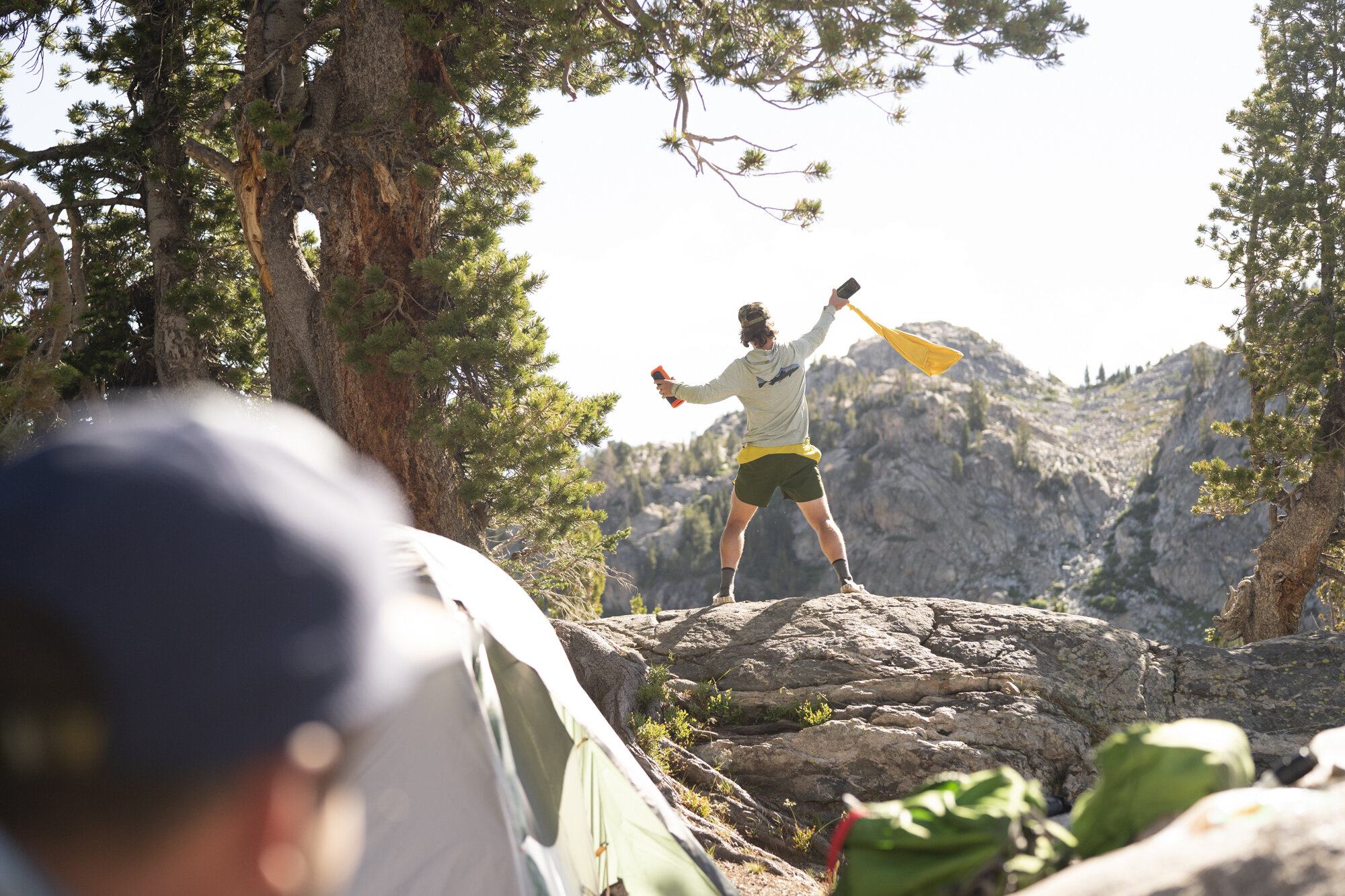
Black and white photograph of fly fishing on the Kern River

Black and white photograph of fly fisherman on the Kern River in late afternoon light

A More Honest Look at Fly Fishing in California

A lot of fly fishing imagery leans toward something polished—wide open landscapes, perfect light, clean casts.

The Kern offers something different.

It’s tighter. Rougher. Less predictable. There’s no lodge culture here, no manicured access points, no sense that the experience has been shaped for anything other than the river itself.

What you get instead is something quieter and more grounded. The kind of fishing that doesn’t need to announce itself.

That’s what I’m interested in documenting.

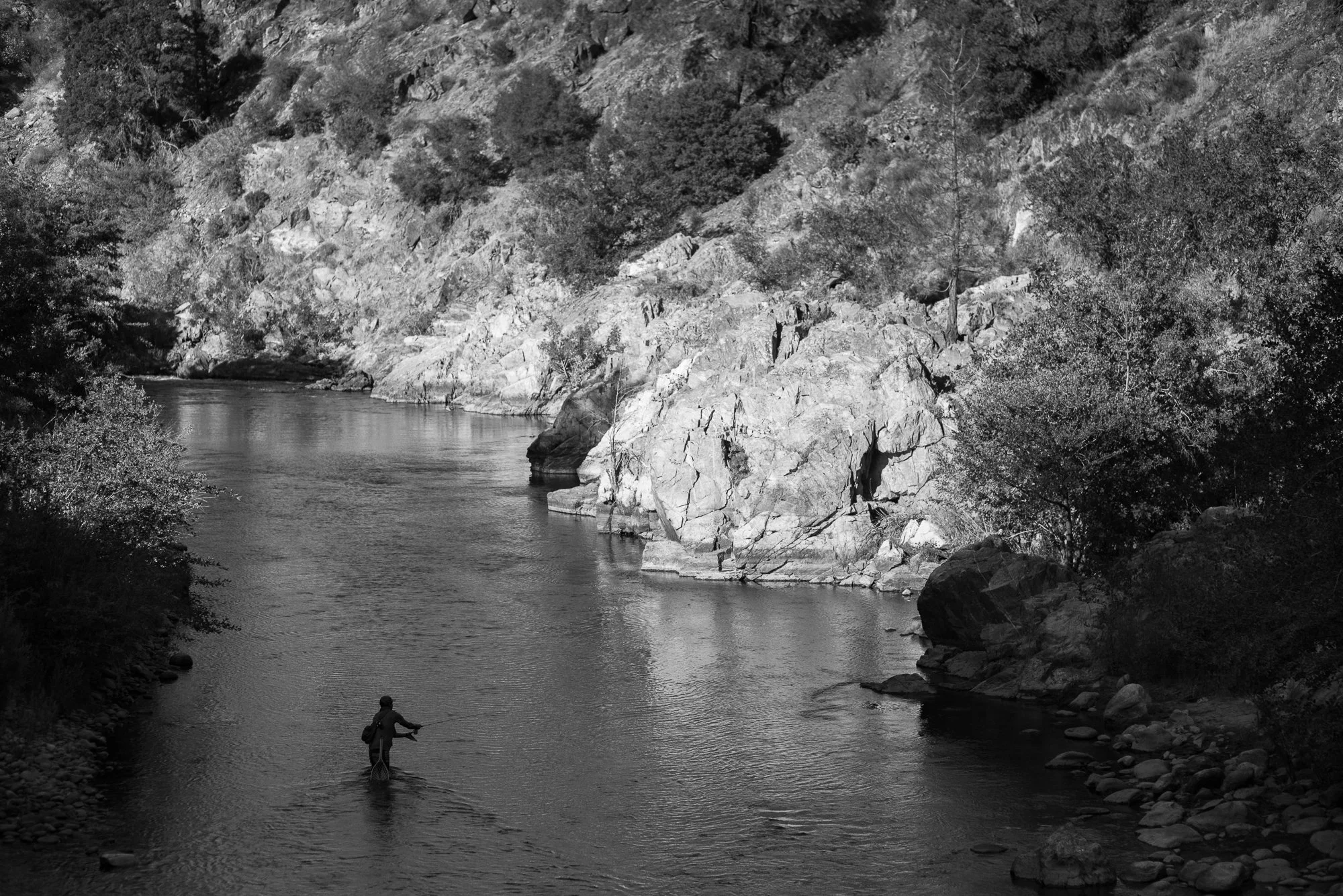
Picturesque photo of a fly fisherman on the Kern River

Summer fly fishing in California on the Kern River surrounded by forest

Fly Fishing Prints from the Kern River

A selection of these Kern River photographs are available as fine art prints, produced on museum-quality paper for collectors, anglers, and those drawn to the landscapes of the American West.

These aren’t decorative images—they’re rooted in real places and real moments on the water.

View Available Fly Fishing Prints

Beautiful photograph of a fly fisherman casting into the colorful Kern River on a sunny summer day

Summer fly fishing on the Kern River

Fly Fishing Photography for Brands & Editorial Use

This work is part of a larger body of fly fishing photography created for commercial and editorial clients, including Patagonia, Fishpond, and The Drake Magazine.
The focus is always the same—real anglers, real environments, and an honest representation of what it feels like to be out there.

View Fly Fishing Photography Portfolio

Contact me directly for editorial and commercial licensing info - rob@robhammerphotography.com

Photograph of people camping along the Kern River in California during a fly fishing trip

Camping on the Kern River

Part of a Larger Fly Fishing Photography Project
The Kern River is one of many rivers I’ve documented across the American West, from Colorado to Montana and Idaho.

The goal isn’t just to photograph fishing—it’s to build a body of work that reflects the broader culture around it. The people, the places, and the quieter moments that tend to get overlooked.

If you’re interested in seeing more:

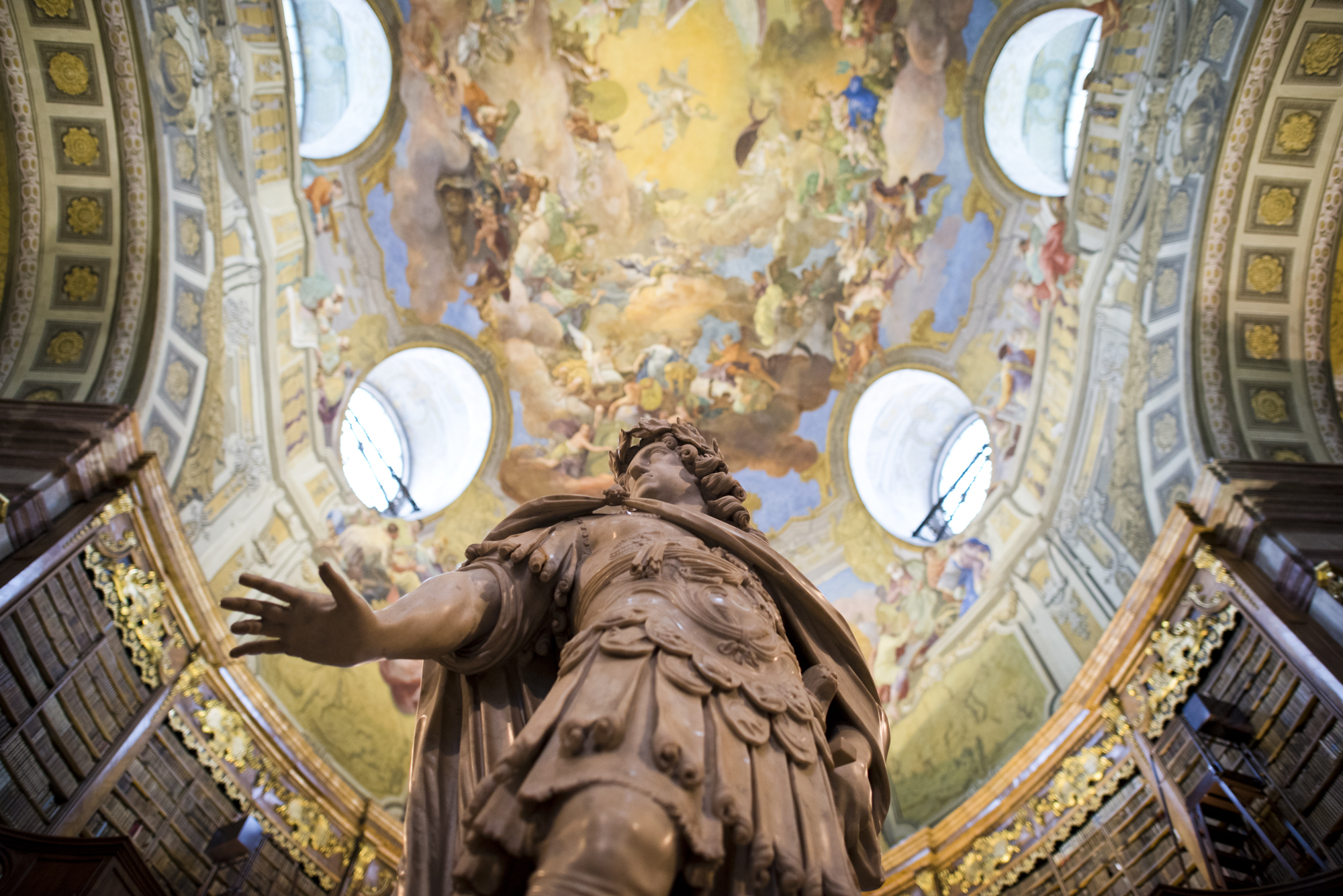
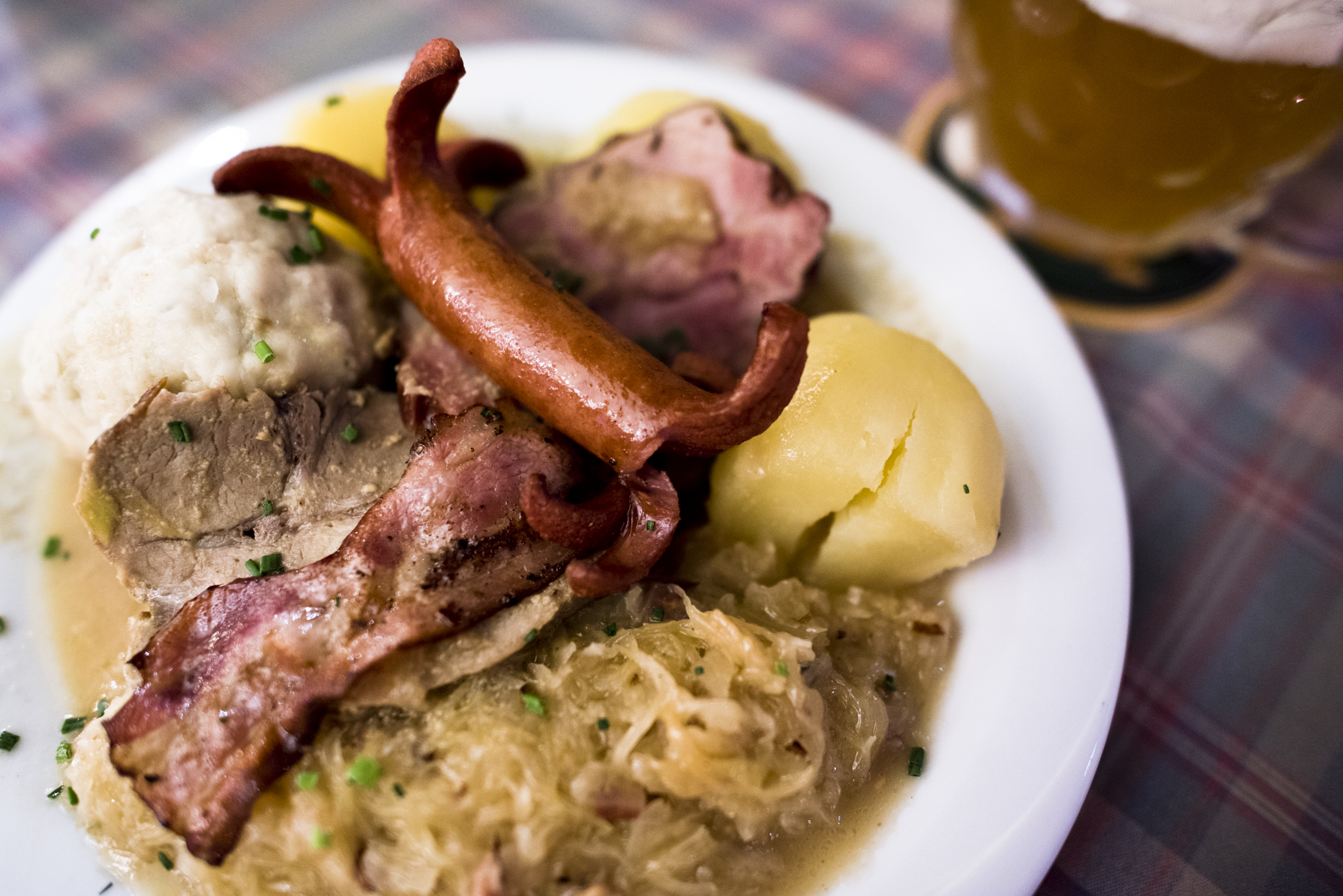
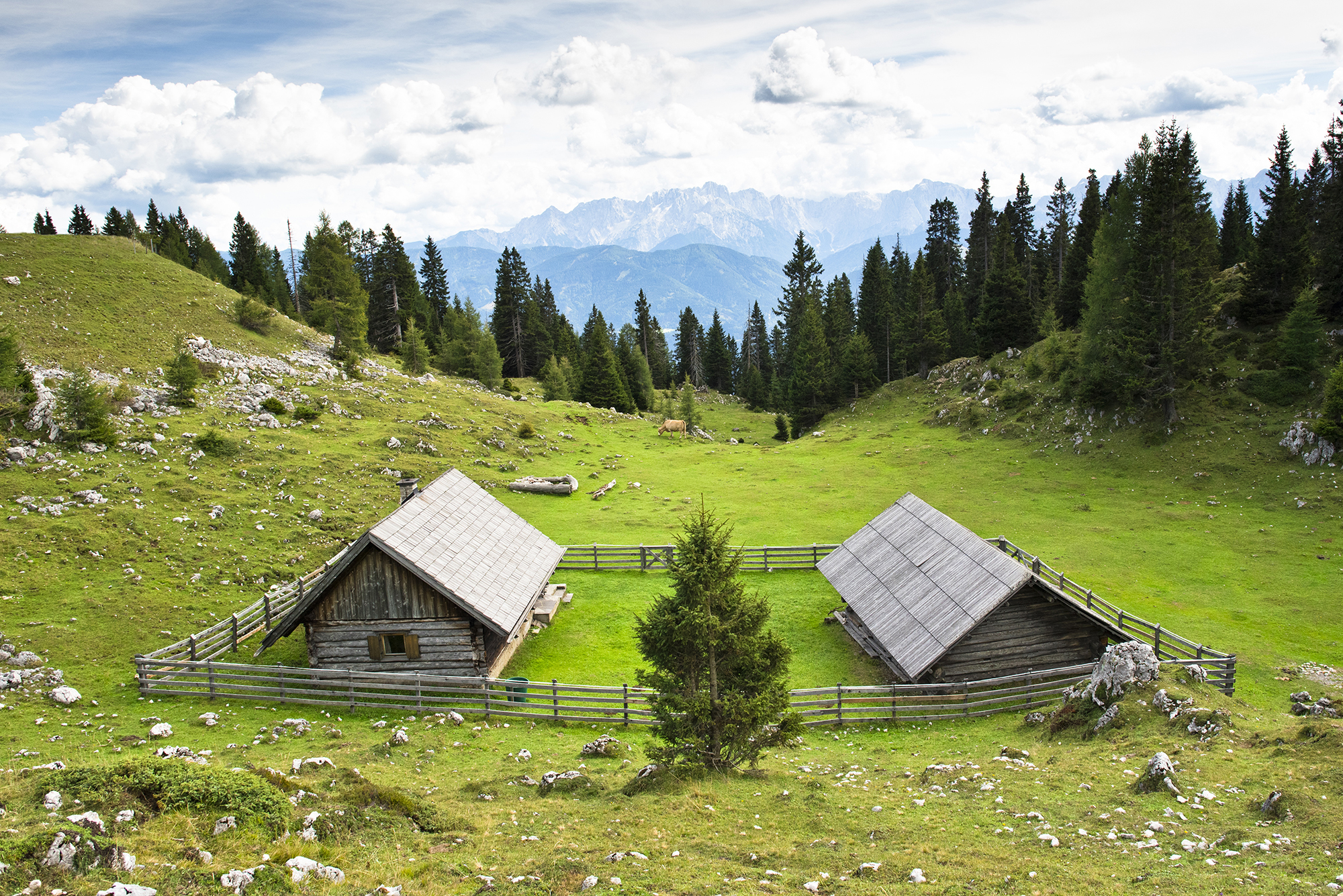
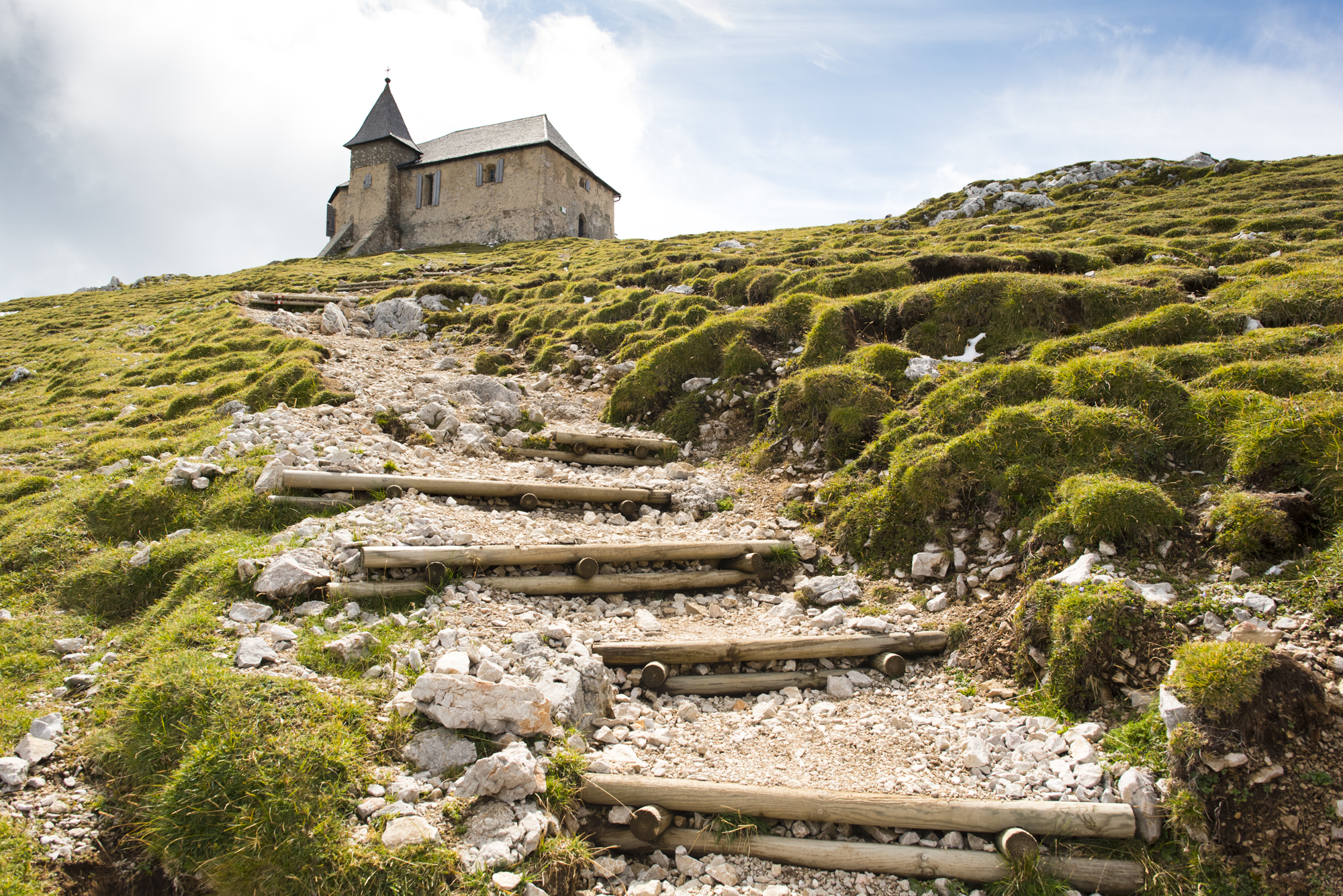
Austria Travel Photography
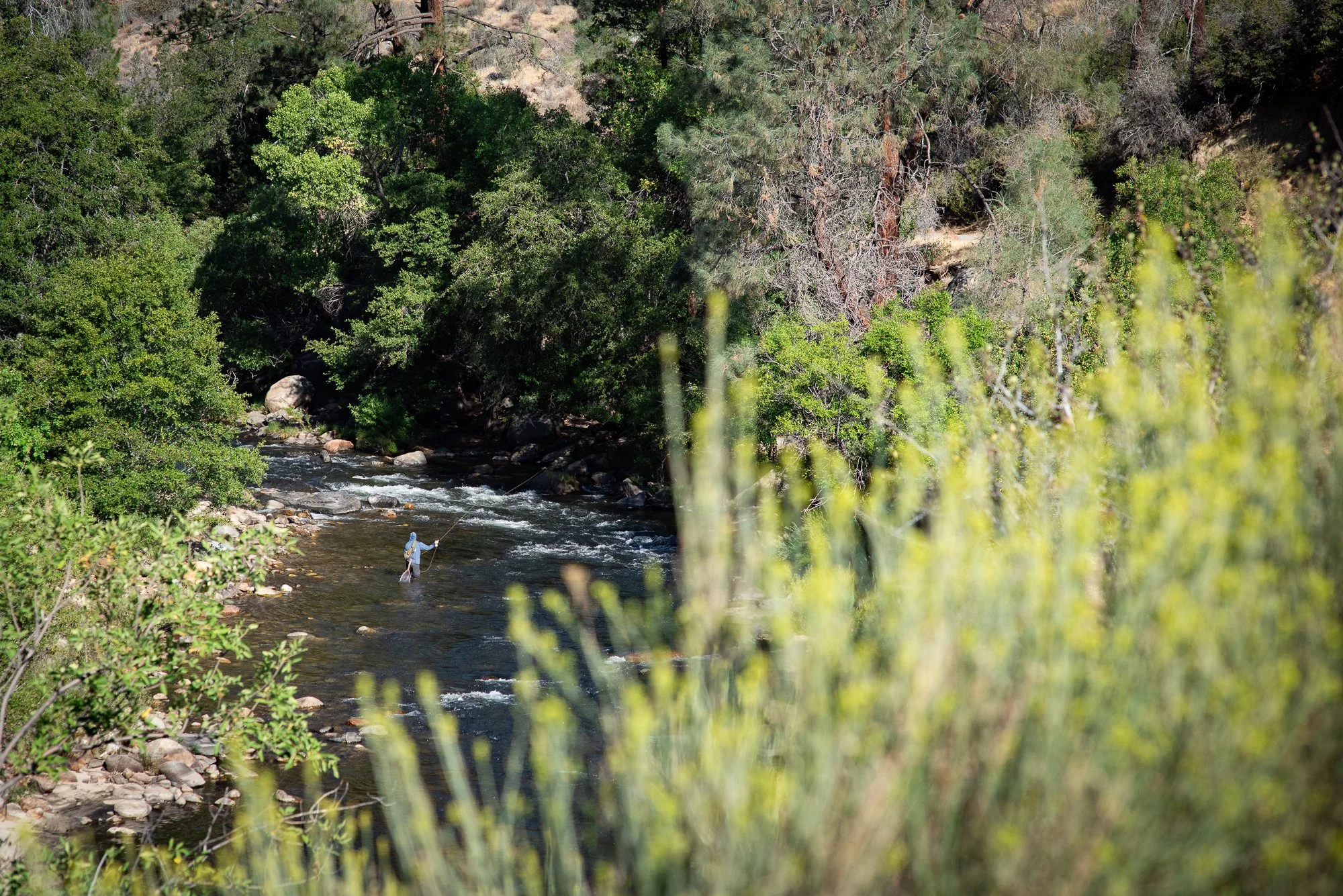
Traveling in Austria

Europe - Photography
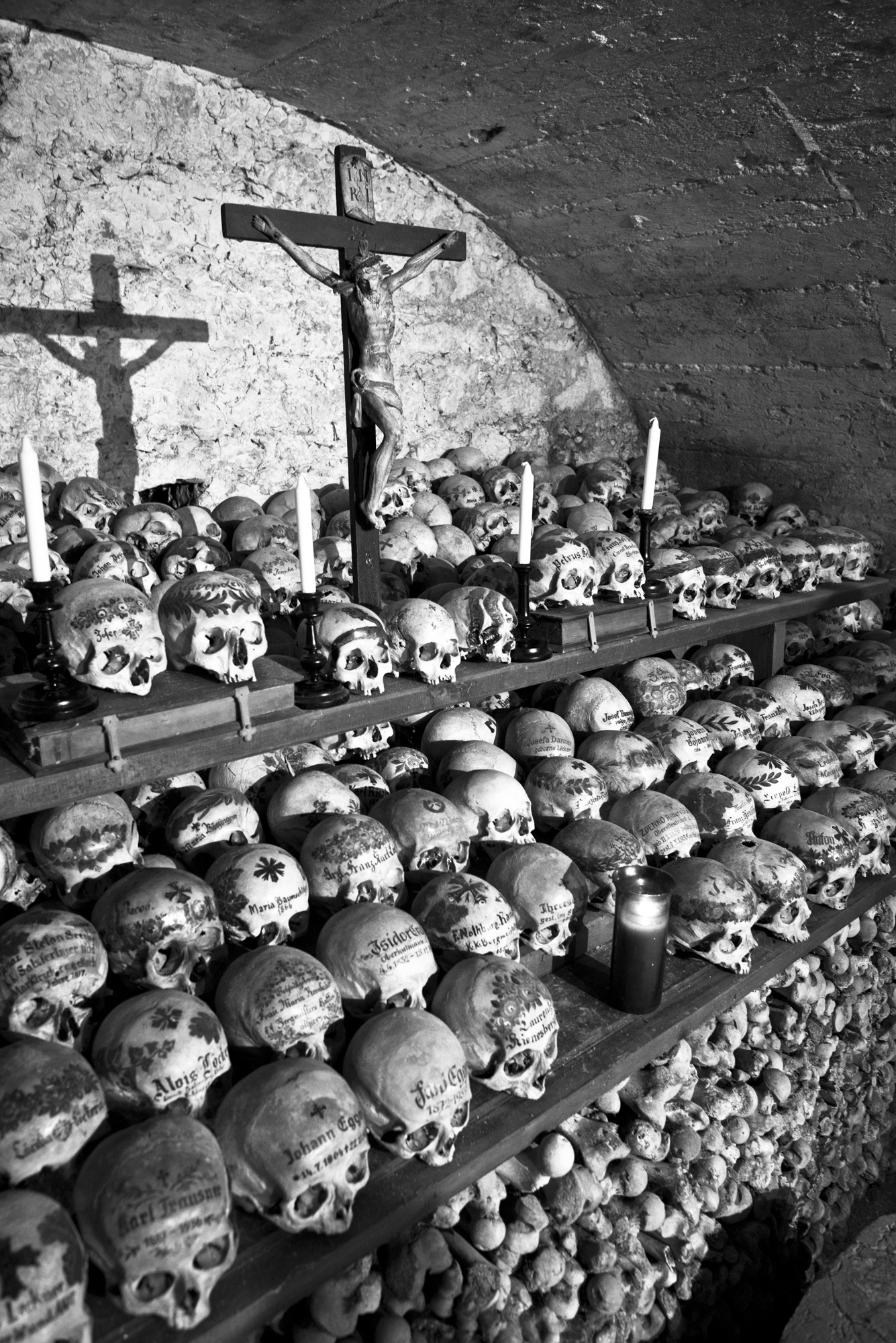
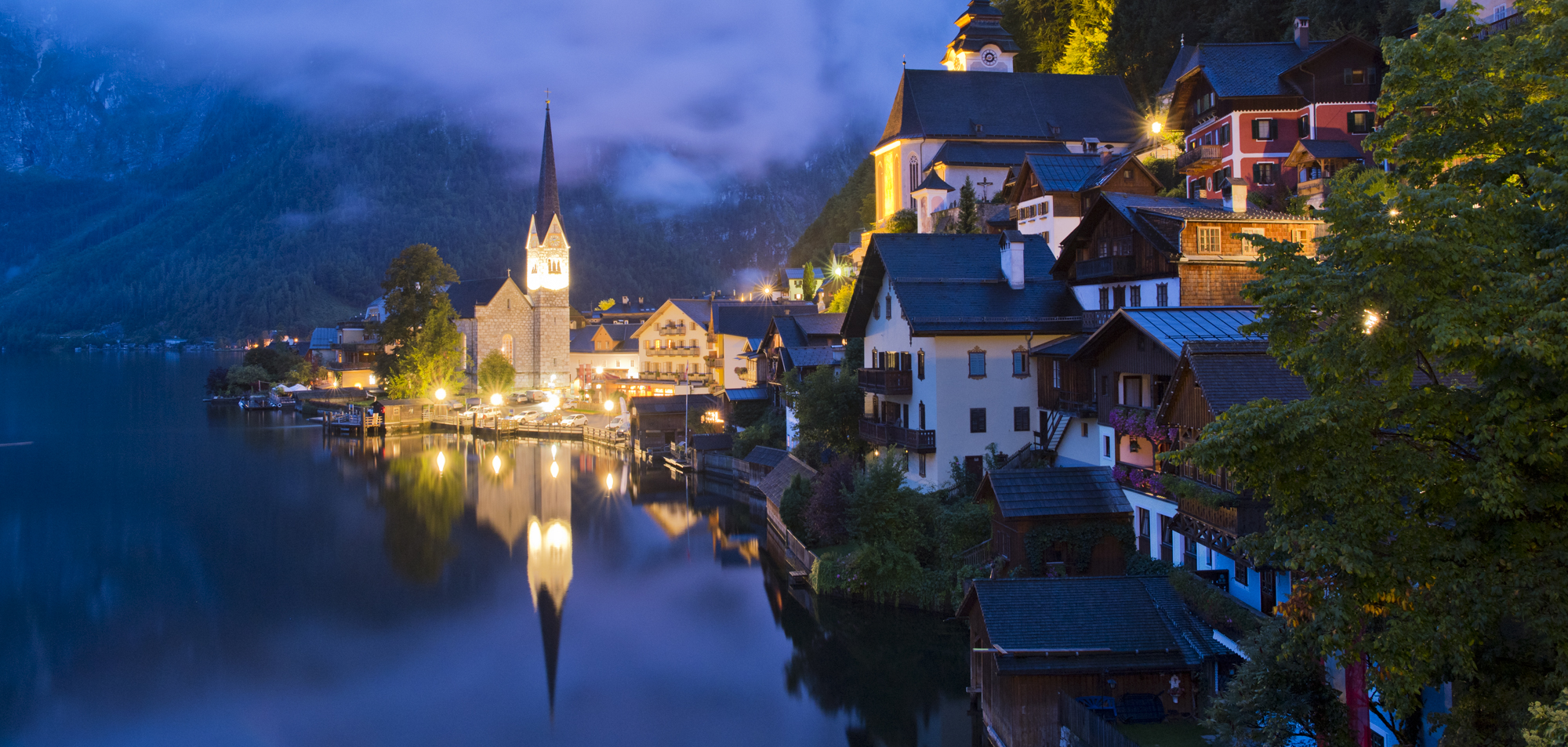
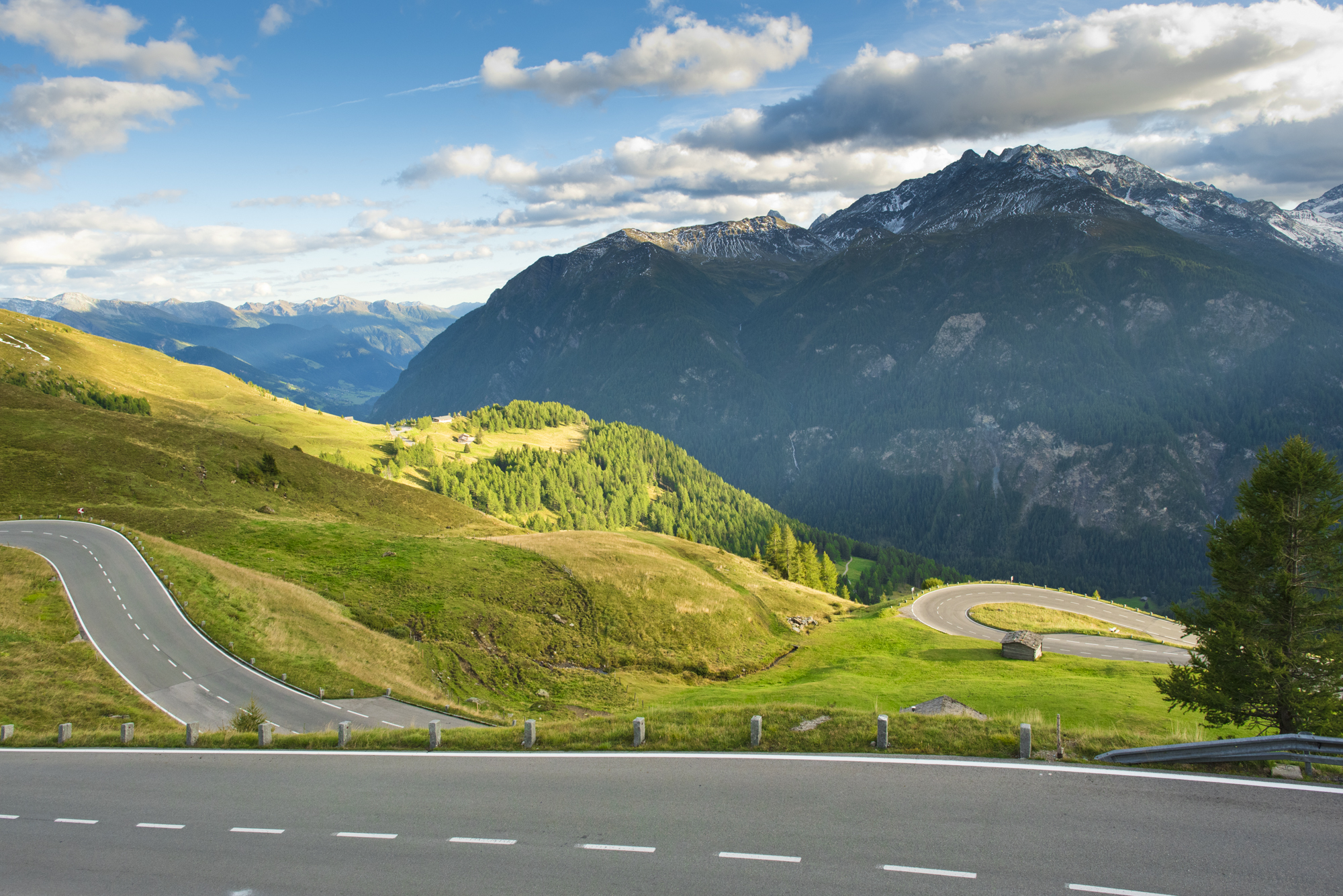
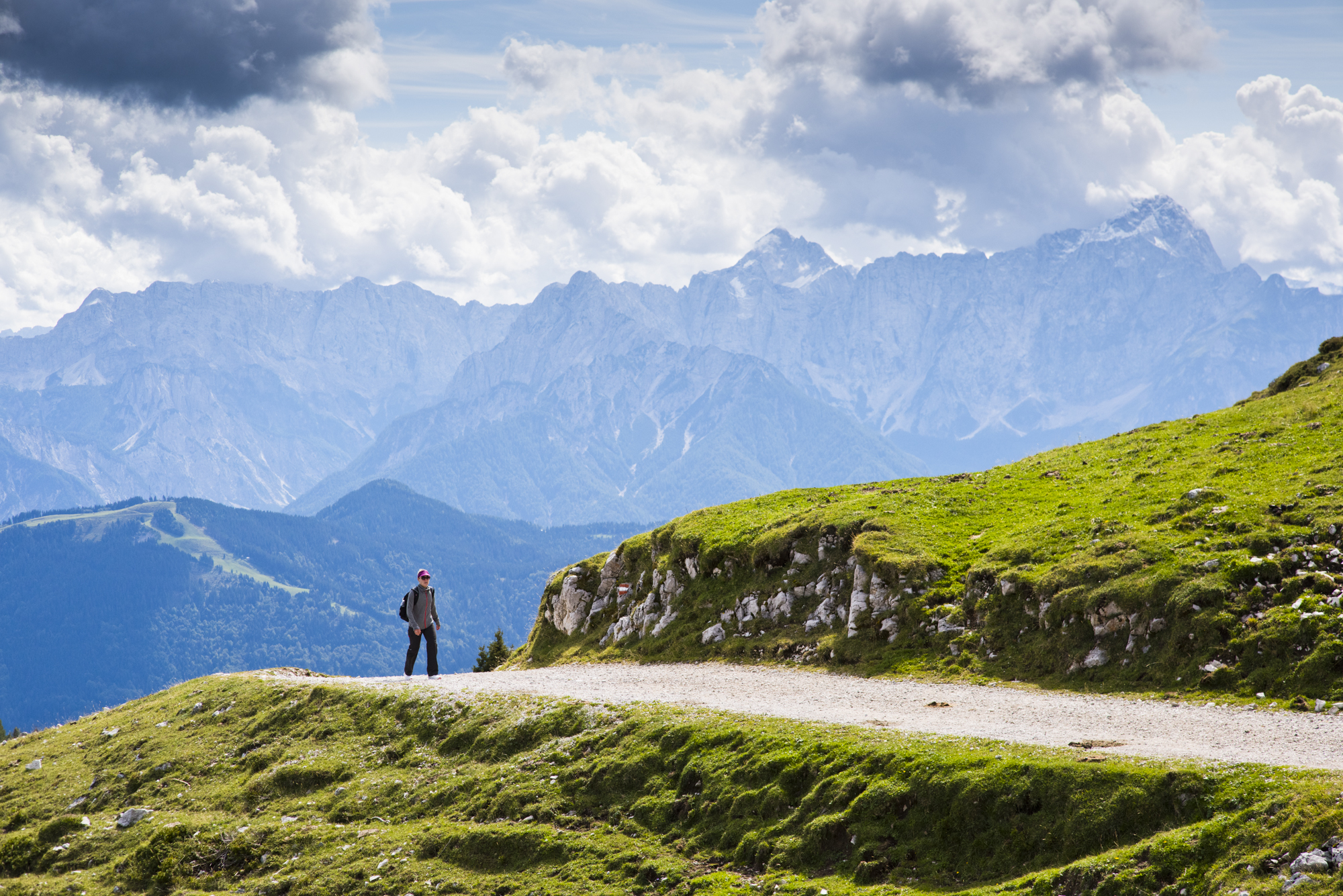
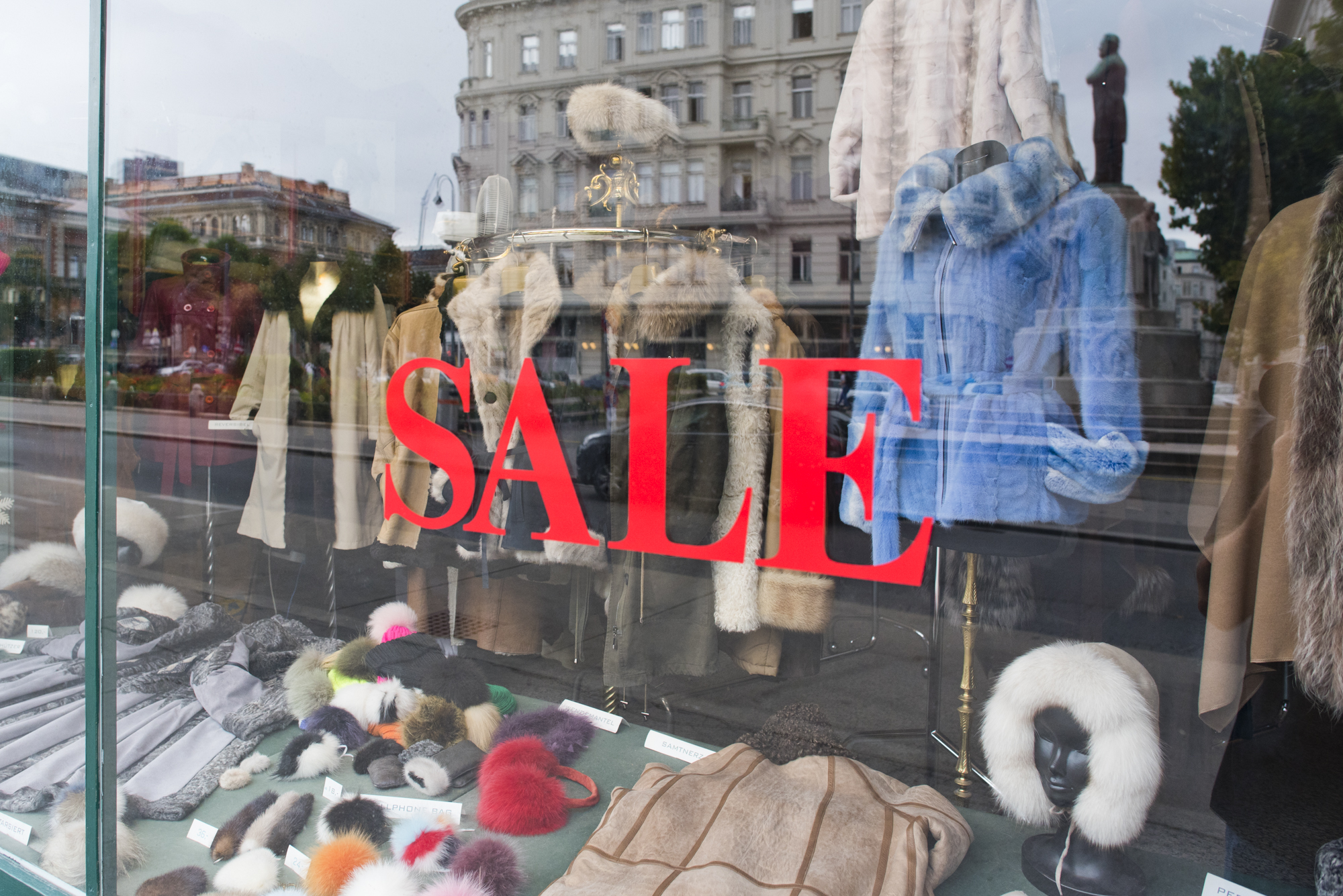
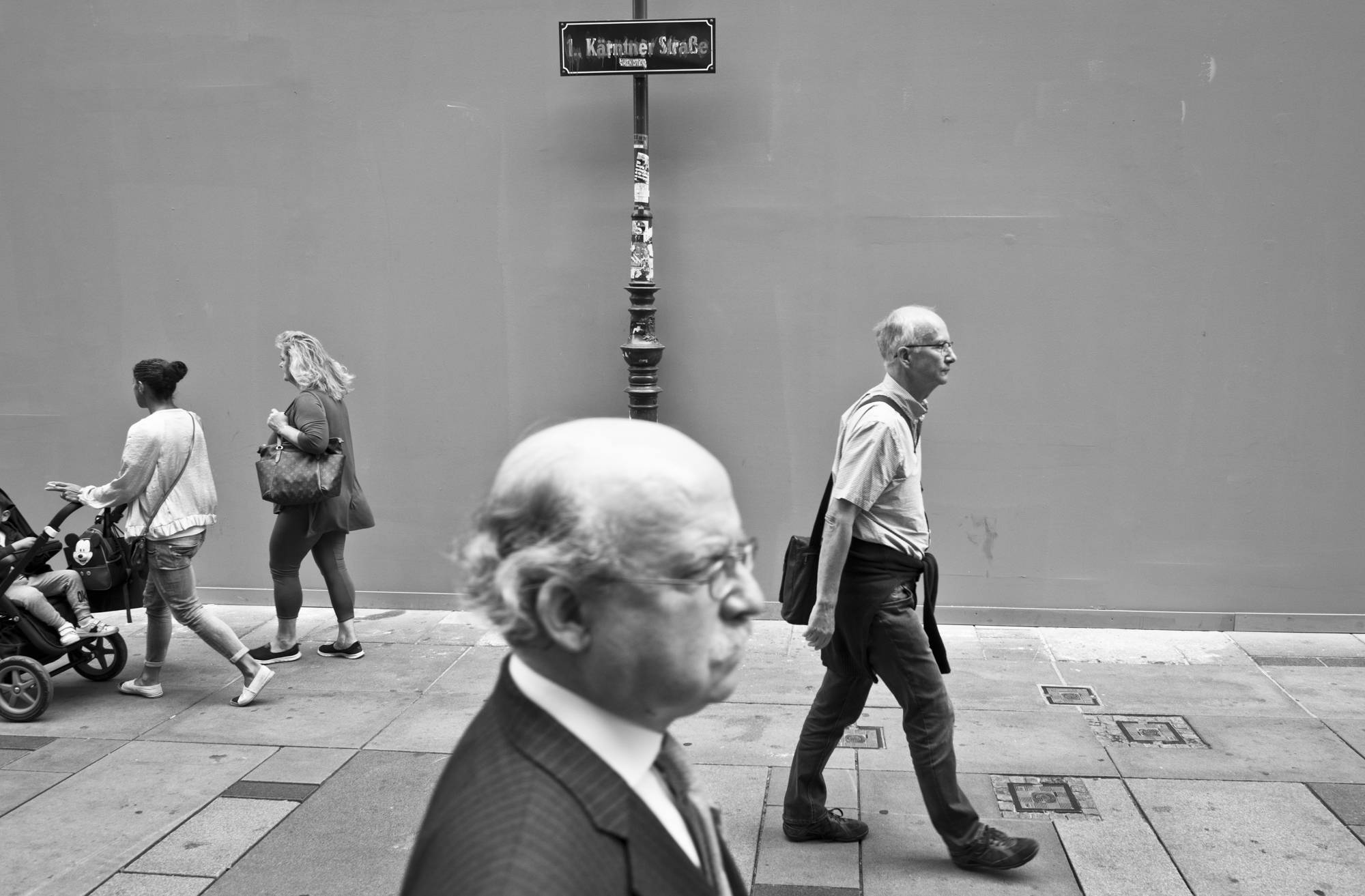
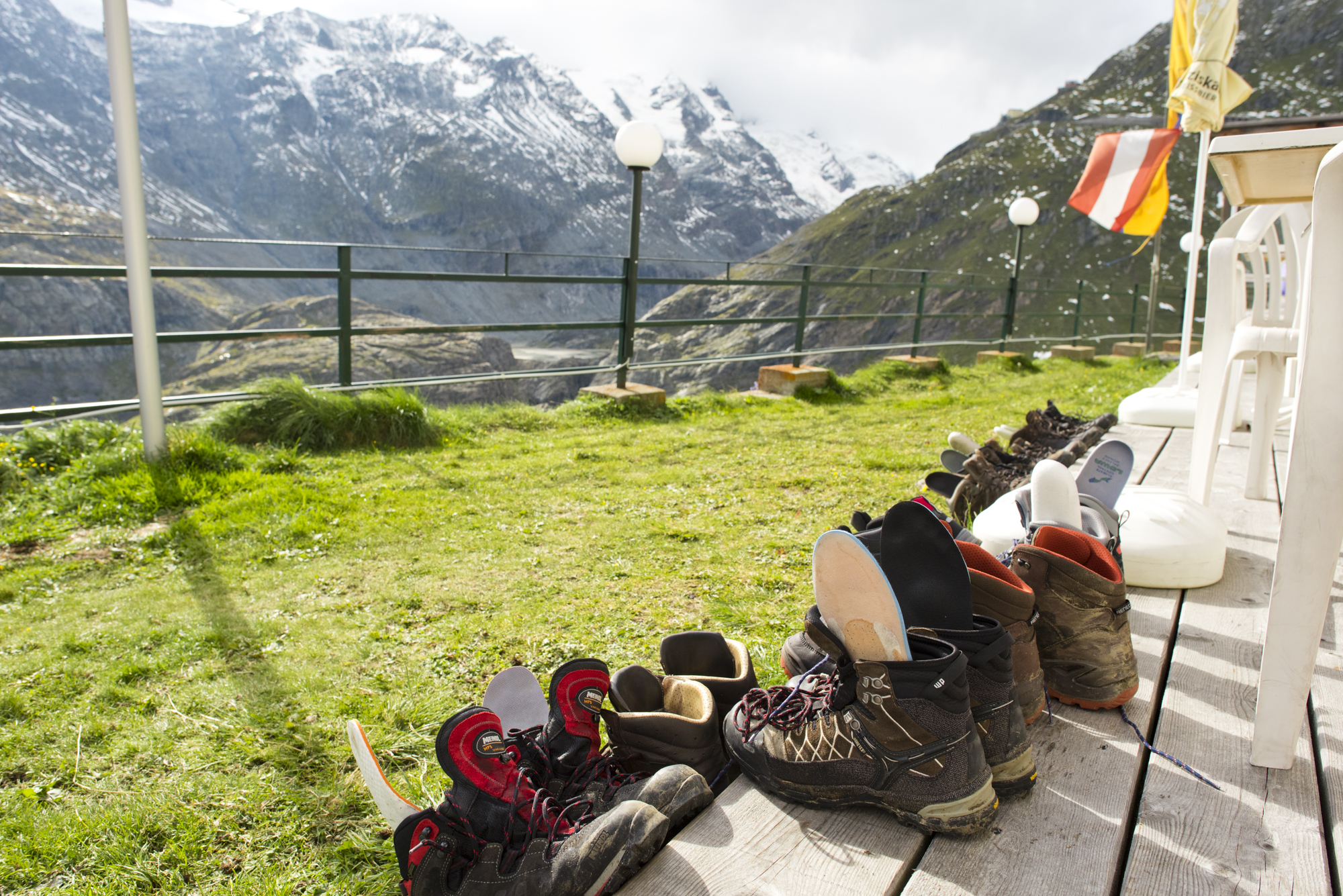
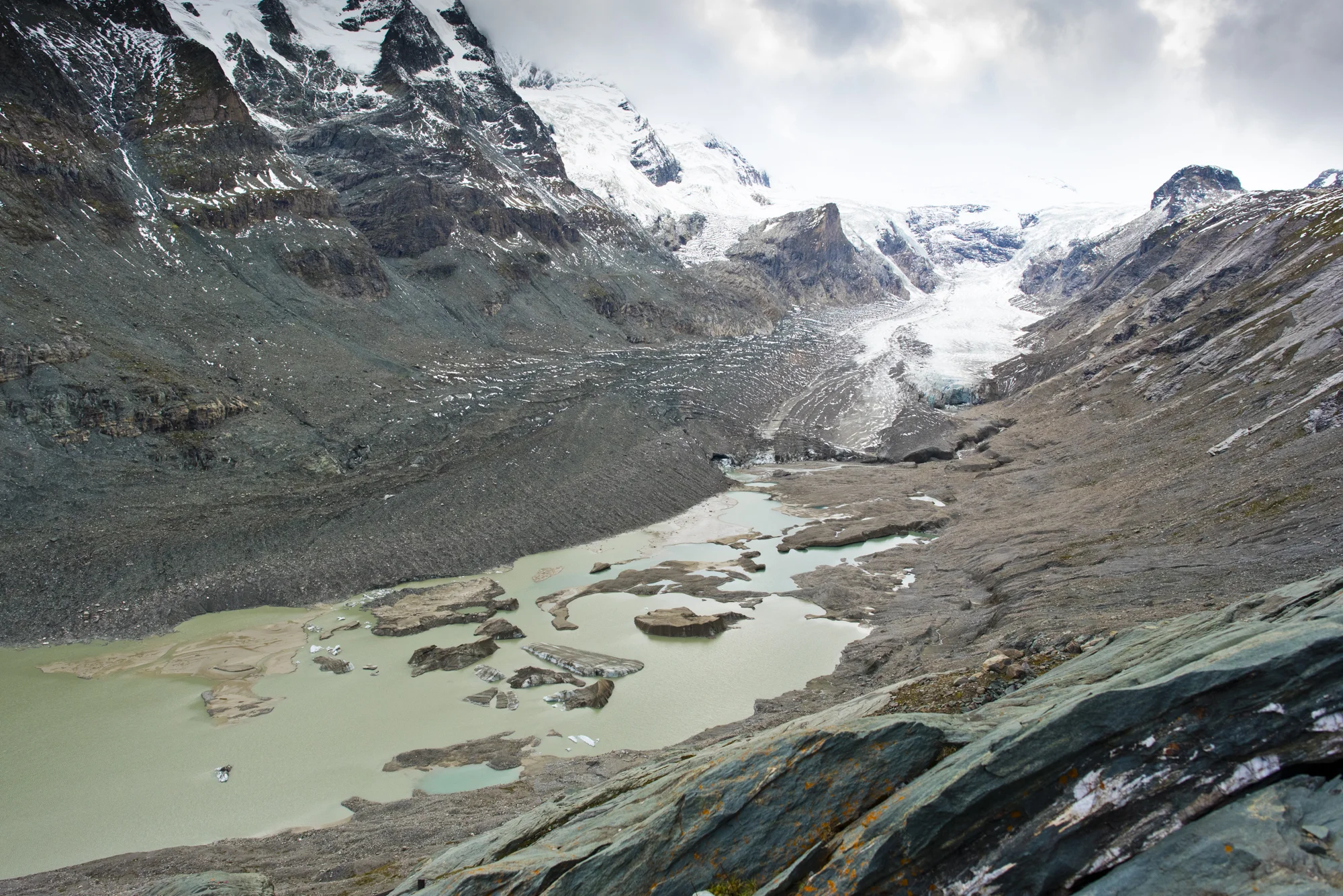
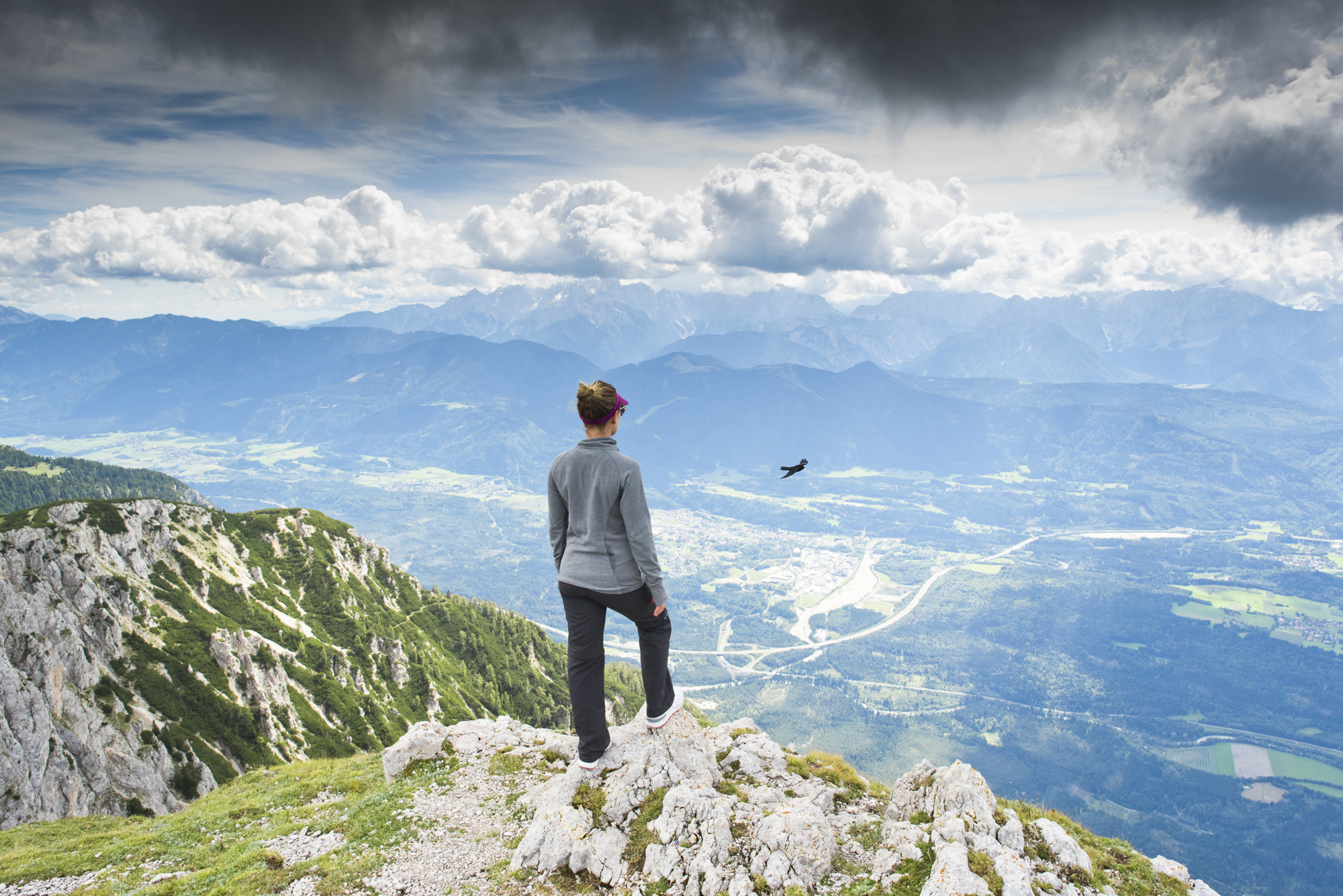
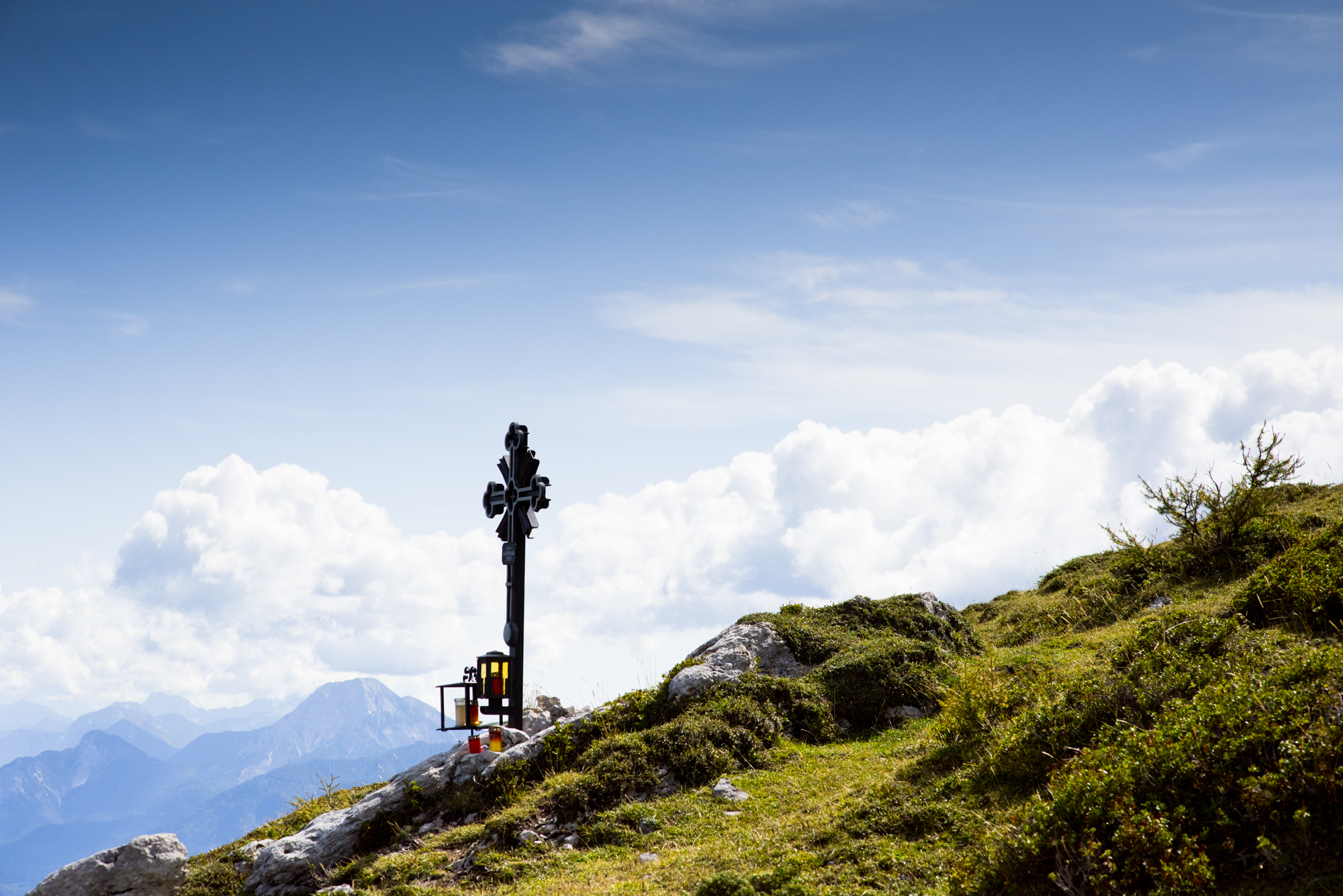
Good times over in Austria. For whatever reason, I did the least amount of shooting on this trip compared to all other in the past. Travel always brings on great experiences no matter what. Perhaps the funniest and unexpected came out of the need for a bathroom. During a long drive, we stopped at a market in a small town to pee and get food for lunch. I couldn't find the bathroom and tried asking the two workers in the back. They obviously knew very little English, and had no idea what I was saying. After trying every word they might know, I moved onto the universal sign for a guy going to the bathroom, the actual motion of doing it. They instantly knew what I needed and showed me the way. When I came back out, one of the guys was still there and asked me with a very Austrian accent "Ver ah you from?" I replied simply with "California", to which he screamed "AAAAHHHHH, SCHWARZENEGGER!!!"