Barbershop - Marfa, Texas

Marfa, Texas — A Barbershop Now Closed

This barbershop in Marfa, Texas is no longer open.

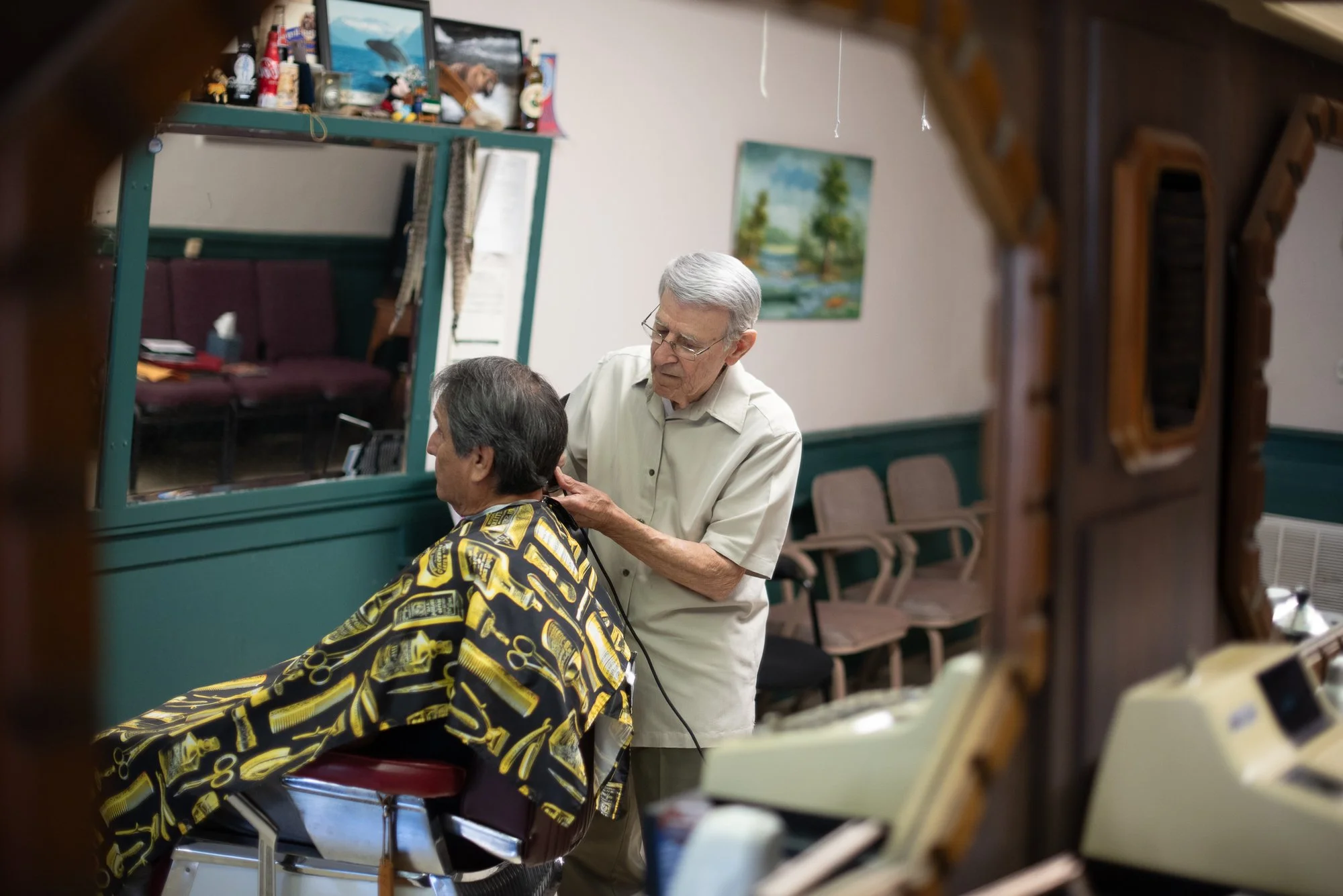
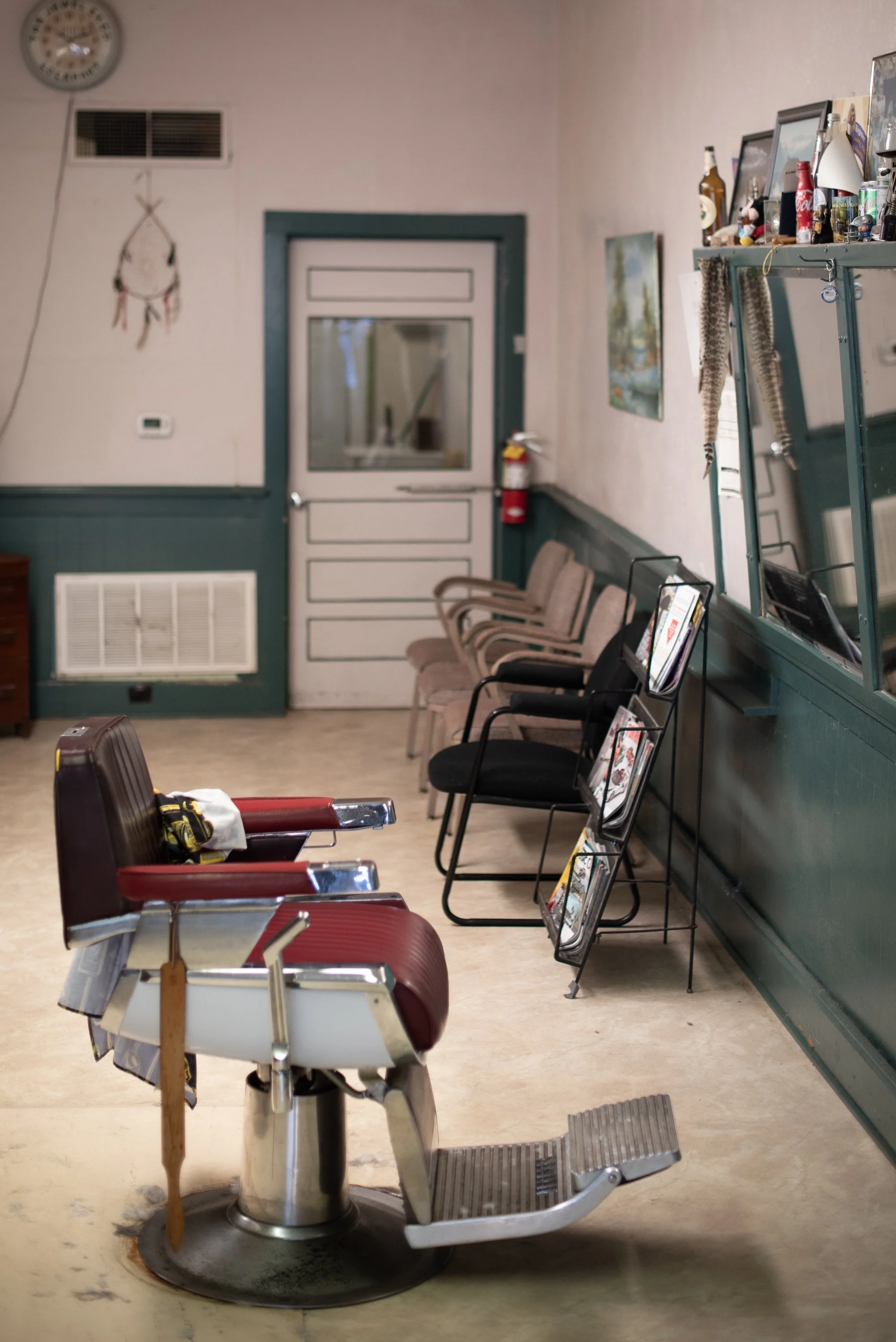
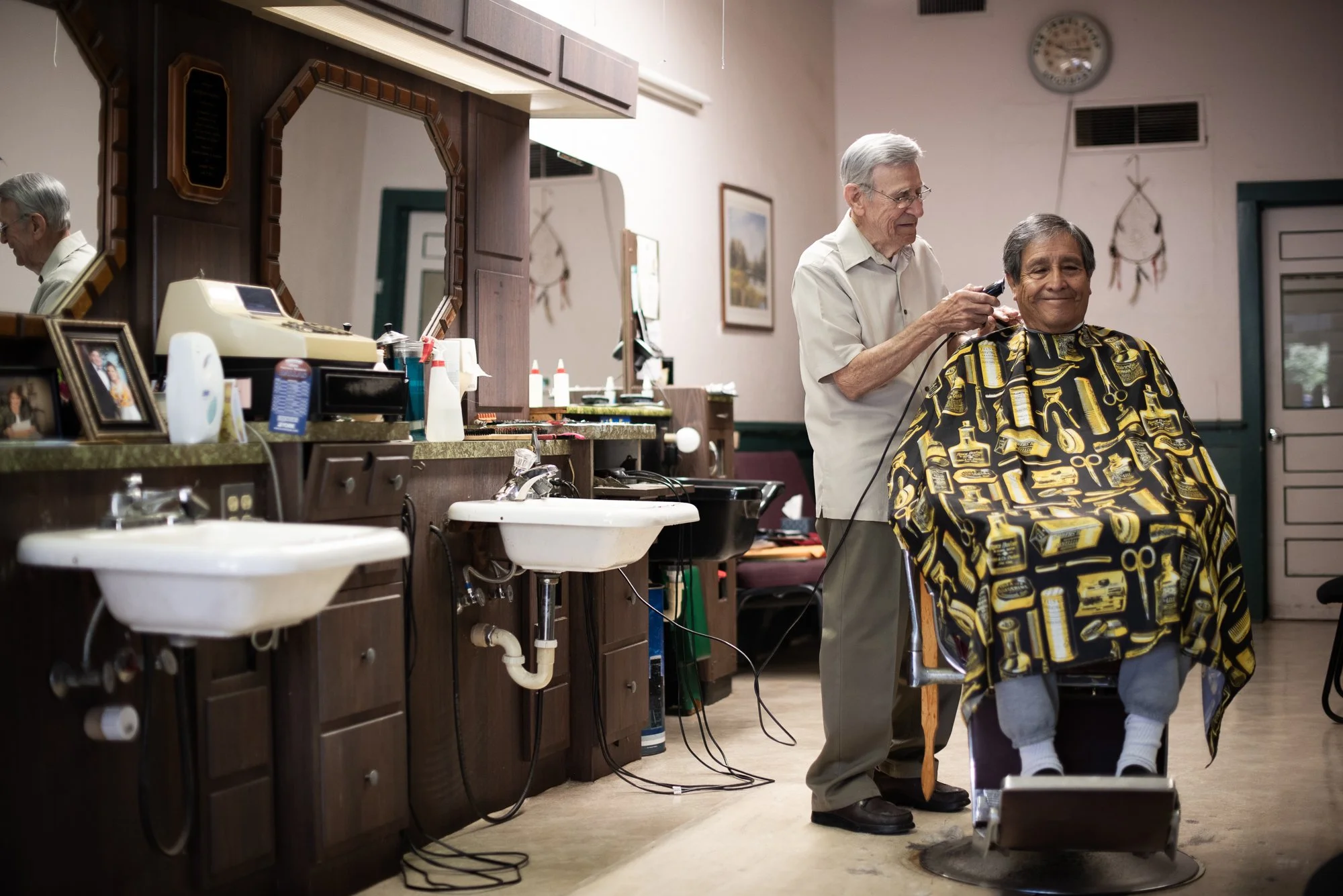
When these photographs were made, the shop was still operating — quietly, modestly, and without spectacle. An elderly barber continued cutting hair for longtime clients beneath fluorescent lights and wood-paneled walls layered with decades of memorabilia.

Not long after, the doors closed.

What remains now are the photographs.

The Final Years

Inside, nothing felt staged.

The floor was worn.
The sink chipped.
Sports posters faded at the edges.
A 1979 Cowboys team photo sat beneath a television.

Customers — mostly older men — waited their turn as they likely had for years. The routine continued as it always had. No announcement. No ceremony. Just haircuts.

In small towns like Marfa, institutions often end not with a grand closing, but with a gradual thinning of time — fewer customers, older hands, fewer reasons to keep the lights on.

A Vanishing American Interior

Barbershops have long functioned as community anchors across the United States, particularly in rural towns. They are practical spaces, but they are also repositories of memory:

  • Photographs of local teams

  • Certificates and clippings

  • Posters taped to wood-paneled walls

  • Objects that accumulate without ever being curated

When a shop closes, those layers often disperse. The room empties. The rhythm stops.

What disappears isn’t just a business. It’s a pattern of local community.

Marfa in Context

Marfa is widely known today for contemporary art and desert minimalism. This shop represented something different — a working-class interior untouched by trend cycles or design updates.

It was modest.
Functional.
Unchanged.

Its closure marks a quiet shift in the town’s cultural landscape — one less everyday institution, one more room that no longer holds history.

The Story Behind The Photographs

As much as I try to embrace social media, it’s difficult to genuinely say anything positive about it sometimes. Every once in a while though, something happens that makes me think twice. A few days ago I posted this image of a traditional barbershop in Marfa, Texas on my @barbershopsofamerica Instagram account, which was re-posted as a story by Visit Marfa. That day I received a direct message from a woman in that had seen their story and was filled with sentimental feelings, as she used to know the shop and the owner. She went back to look at it again later and noticed that the man in the chair was her father, who had passed away two years ago from cancer. The image caused her to cry happy tears and she asked about purchasing a print. Turns out we live 15 minutes from each other! So this morning I drove to her house to deliver some prints and a copy of Barbershops of America. Social media isn’t all bad!

This project has been going on for 10 years now. Hard to believe. Aside from the obvious joy it gives me to make theses images, it’s the auxiliary things that really make it special. The people I’ve met out of pure coincidence or from having shared interests will keep this series going forever.

Continue Through the Archive

The Marfa barbershop is one chapter in a 15+ year effort documenting independent and traditional barber shops across all 50 states.

Some shops are expanding.
Some are adapting.
Others, like this one, have closed.

→ View the full Barbershops of America archive
→ Explore the Barbershops of America photo book
Read another barbershop story from Kentucky

Together, these spaces form a record of a disappearing American institution — preserved one shop at a time.
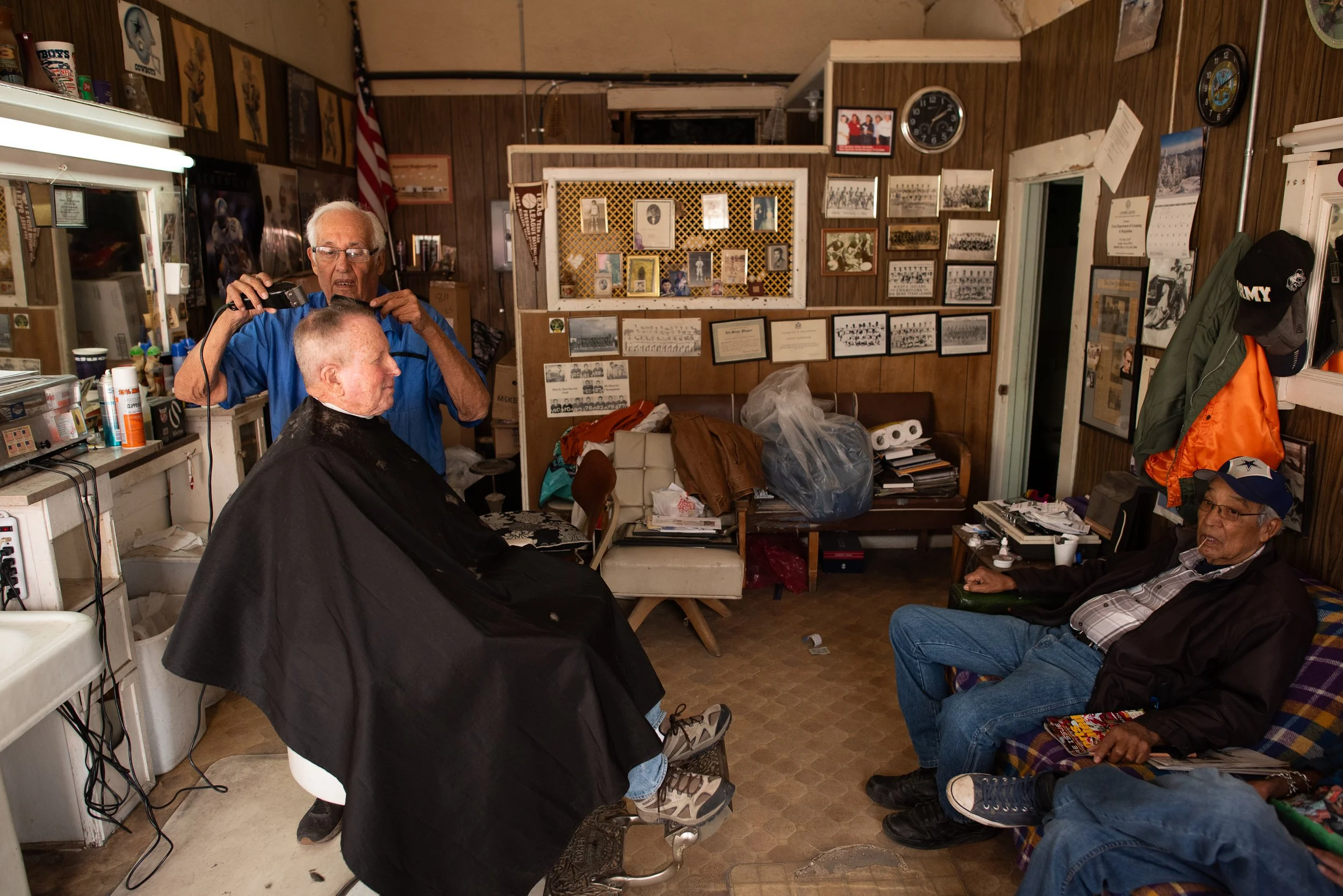
Customers sitting inside a wood-paneled barbershop in Marfa, Texas as a haircut continues.

Regular customers wait beneath walls lined with photographs and memorabilia inside the now-closed Marfa barbershop.
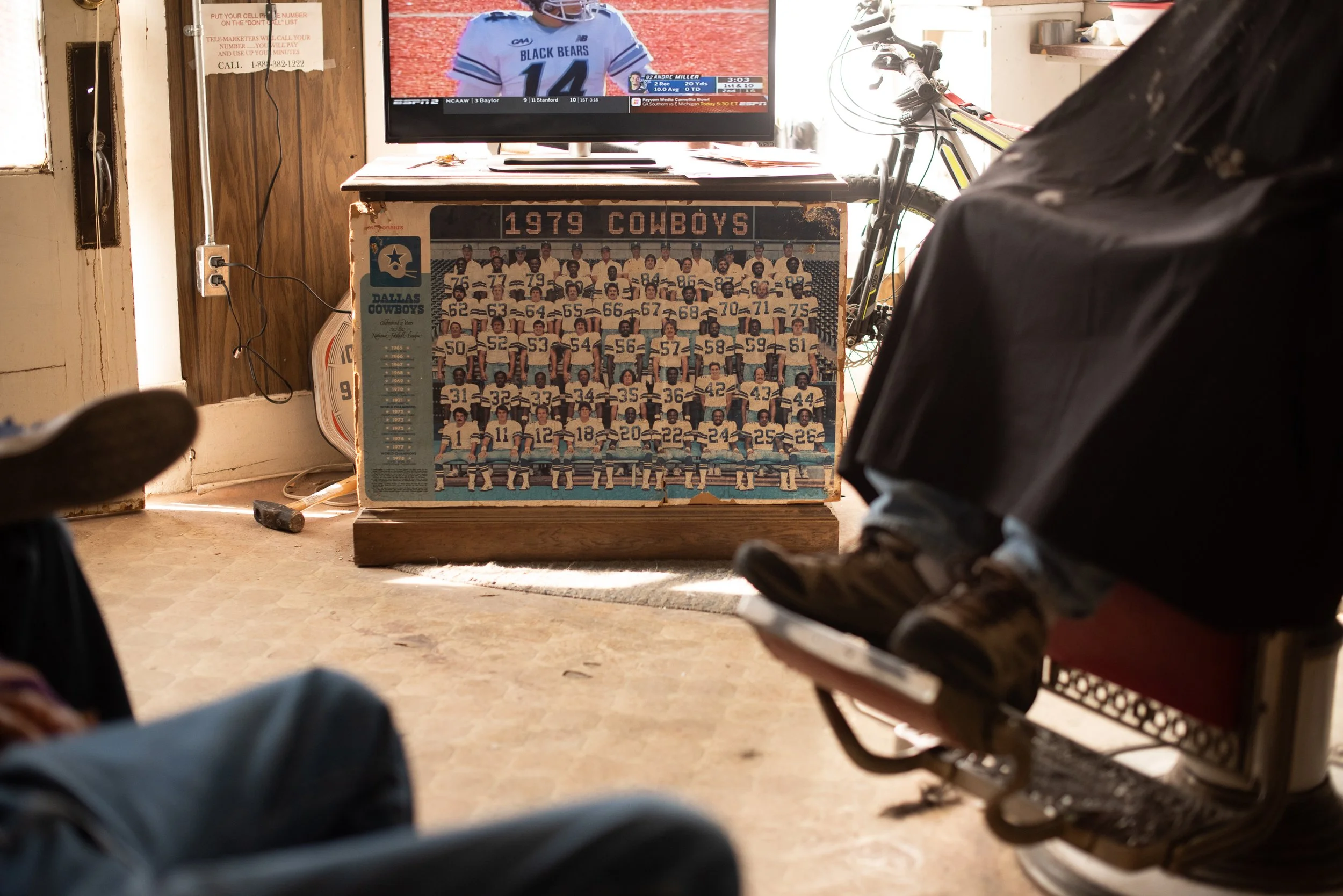
Worn 1979 Dallas Cowboys team poster displayed beneath a television inside a Marfa, Texas barbershop.

A 1979 Cowboys team poster sits beneath the television, one of many personal details layered into the shop’s interior.
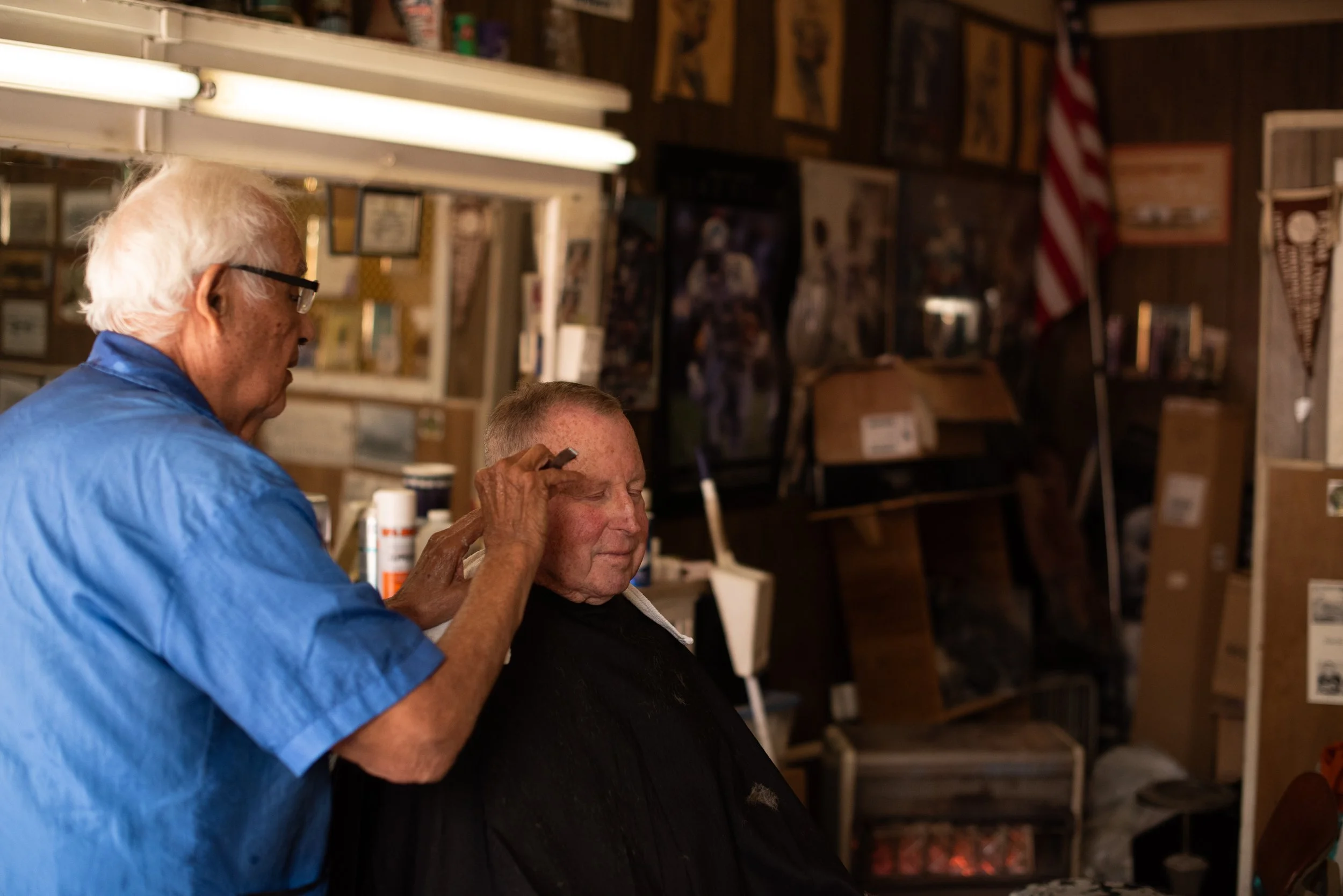
Close view of an elderly barber doing a straight razor shave in a small West Texas barbershop.
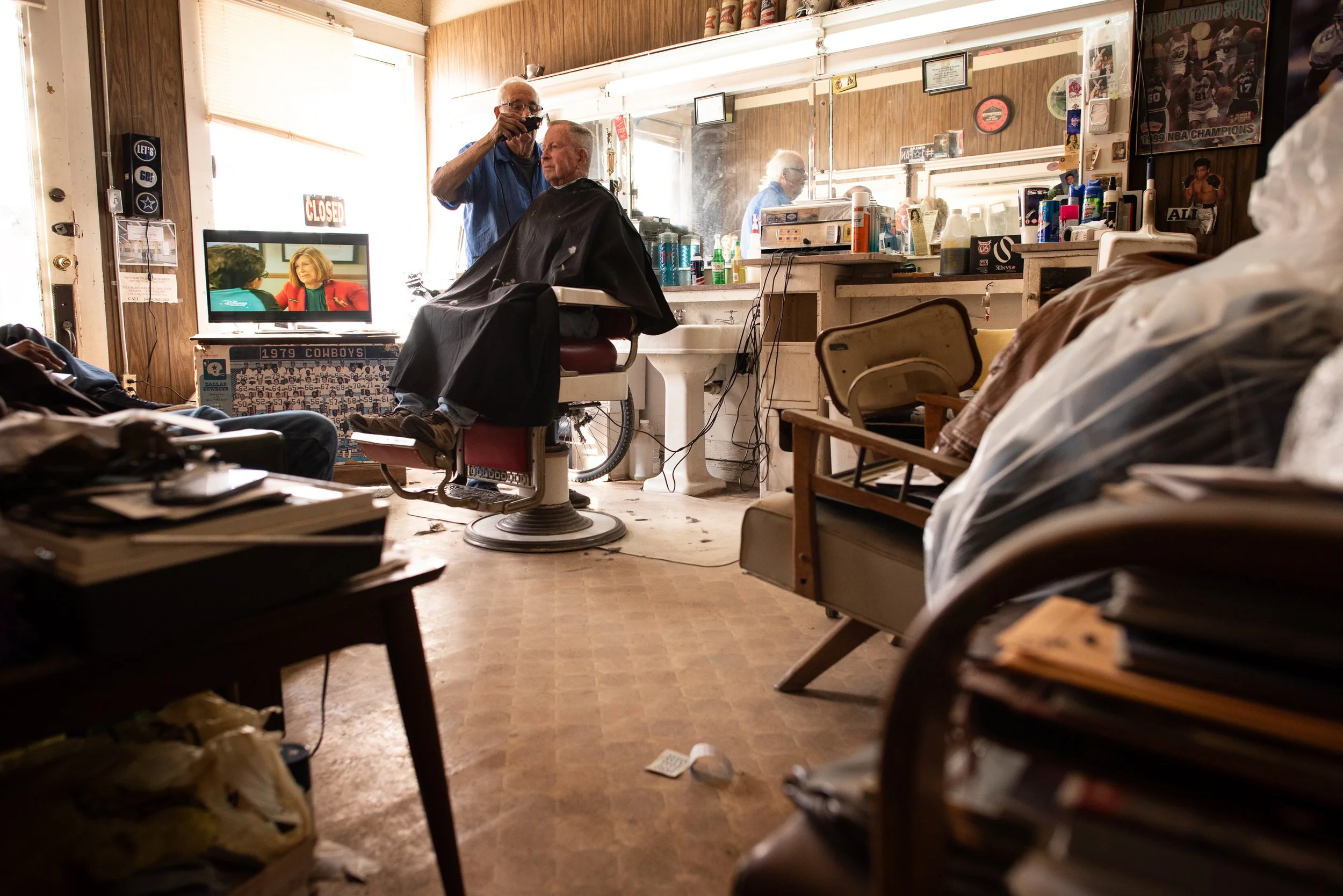
Elderly barber cutting a client’s hair inside a small barbershop in Marfa, Texas shortly before the shop closed.

An elderly barber cuts a longtime client’s hair inside a modest Marfa, Texas barbershop in its final period of operation.
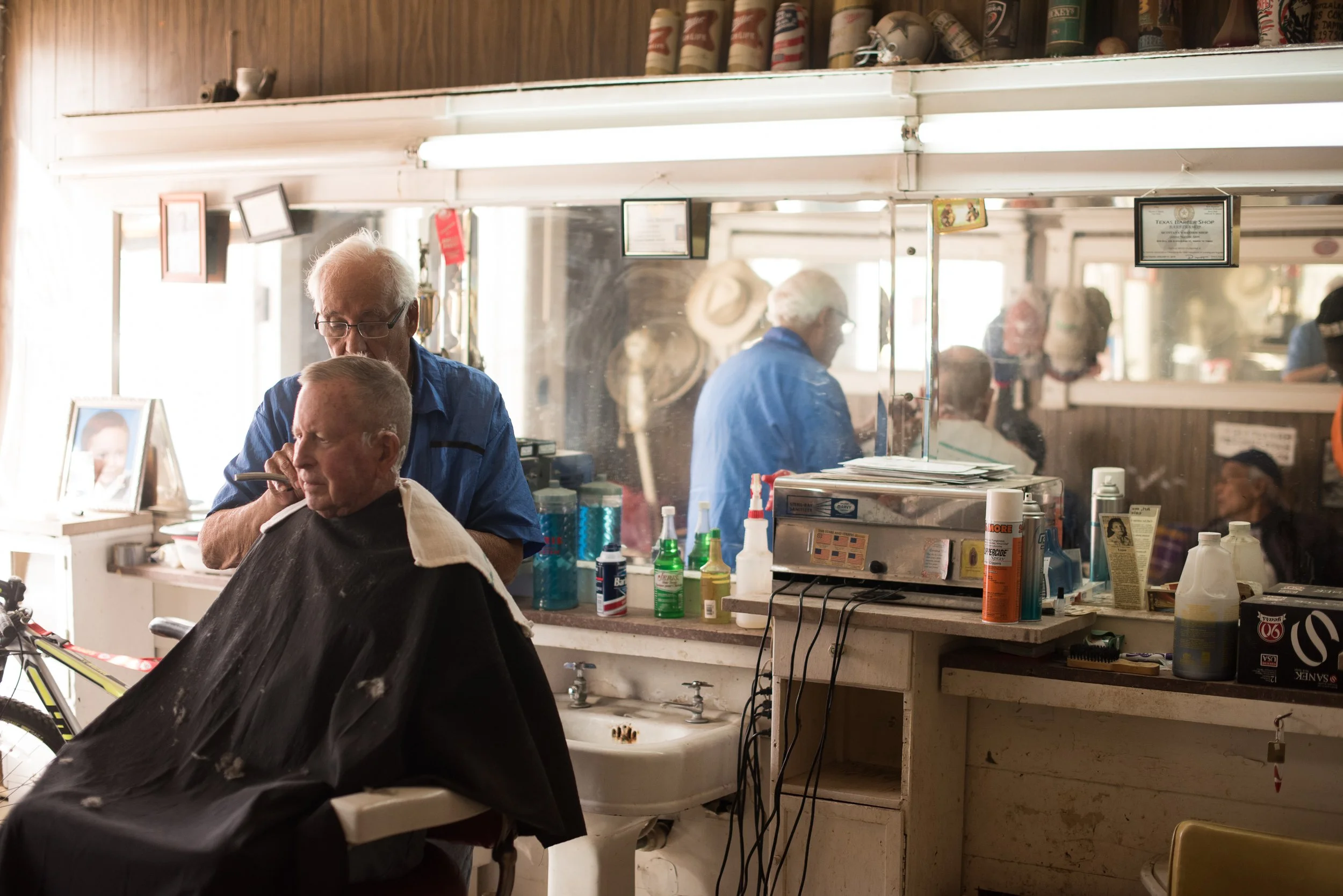
Mirror reflection of barber and client inside a compact workstation in a Marfa, Texas barbershop.

Reflections reveal the compact workstation—fluorescent lighting, worn counters, and tools accumulated over decades.

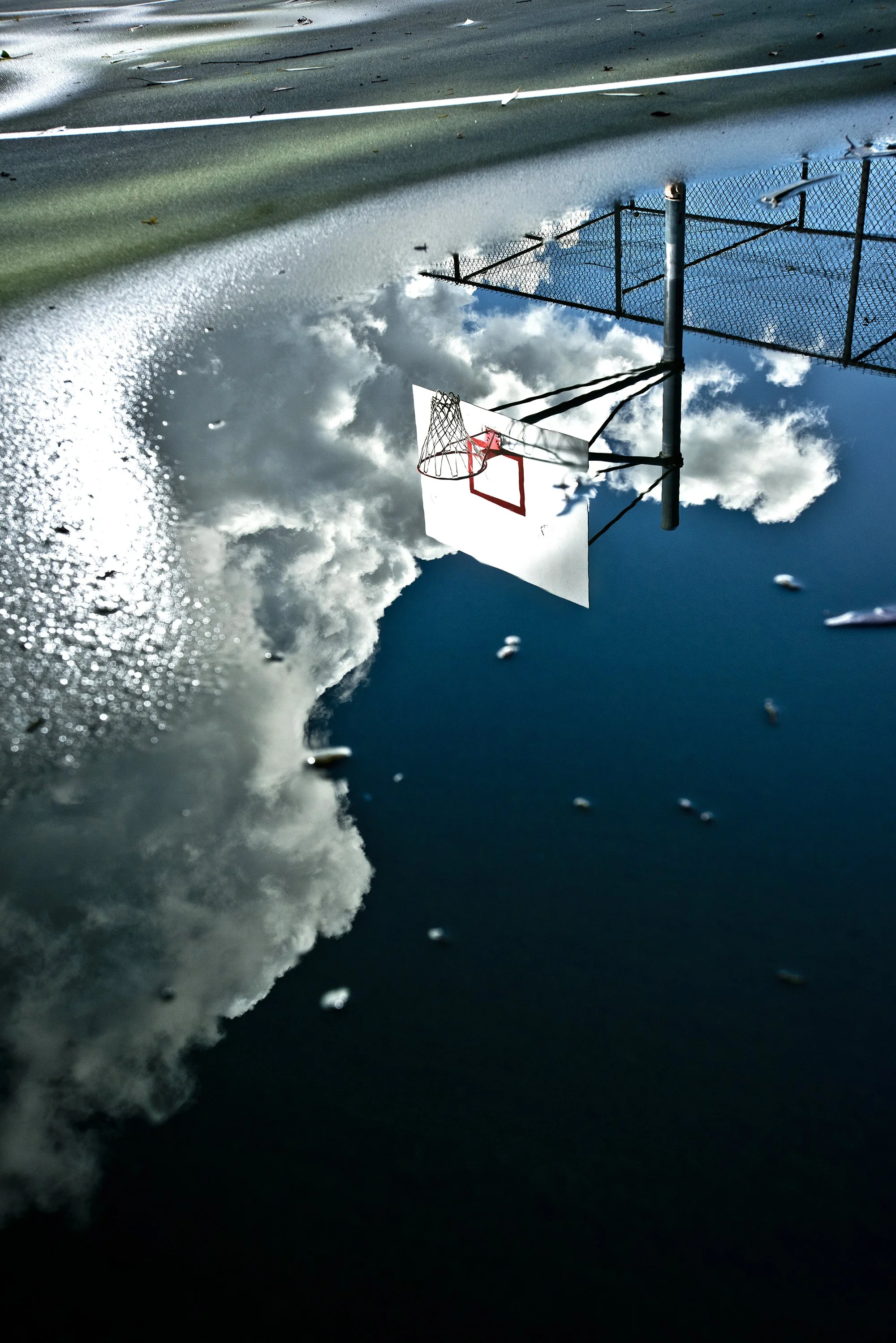
Basketball Wall Art For Modern Interiors

Basketball Wall Art Ideas for Modern Interiors

Basketball doesn’t just belong in arenas. It shows up in driveways, alleyways, deserts, and small towns—places where the game exists without an audience. As wall art, these scenes bring a sense of quiet, structure, and familiarity into a space.

For those looking to add basketball wall art to their home or office, the question isn’t just what to hang—but what kind of image holds attention over time.

Why Basketball Works as Wall Art

At its simplest, basketball is a set of recognizable forms—a rim, a backboard, a painted line. When photographed outside of a stadium, those elements become graphic and minimal.

A single hoop against an open sky. A backboard weathered by years of use. A court fading into the landscape.

These images tend to work well as wall art because they balance:

  • strong, simple composition

  • texture and age

  • a subject that feels familiar without being overly specific

They don’t rely on action or players. Instead, they create space—something that holds attention without overwhelming it.

Different Styles of Basketball Wall Art

Not all basketball imagery feels the same in a room. The setting and composition shift the tone entirely.

Minimal / Isolated Hoops
A lone hoop in an open environment creates a clean, understated presence. These pieces often work best in modern interiors.

Urban Courts and Alleyways
Layers of texture—walls, pavement, fencing—bring more density and detail. These images tend to feel more grounded and architectural.

Rural and Landscape-Driven Scenes
Hoops set against fields, mountains, or desert environments introduce scale and atmosphere. These often read as quieter, more contemplative pieces.

Graphic Light and Shadow
Reflections, silhouettes, and strong contrast push the work toward abstraction, where the subject becomes more about shape than place.

Basketball Photography as Fine Art

For over 15 years, this project has focused on basketball hoops found far from stadiums—mounted to barns, garages, telephone poles, and fading backboards in rural towns.

The photographs are not staged. Each one is discovered, observed, and documented as it exists. Together, they form a visual record of basketball as a constant presence in American life, regardless of location or scale.

This ongoing series has been featured in galleries, museums, on NBA TV, in iconic magazines like SLAM, ESPN, and Sports Illustrated, and international fine art books on basketball, reflecting the broader cultural significance of the work.

View The Full Project

Where to Find Basketball Wall Art Prints

For those looking to bring this work into their own space, a selection of photographs from the series is available as fine art prints.

View Basketball Wall Art Prints

For Collectors, Designers, and Licensing

These basketball hoop photographs are also available for editorial and commercial licensing. The work has been used by brands, publications, and media outlets looking for an authentic representation of basketball culture beyond the professional game.

For inquiries regarding larger installations, hospitality projects, or licensing, please get in touch - rob@robhammerphotography.com

Basketball photography print on the wall of a beautiful home

Basketball hoop wall art for residential design

basketball hoop reflected in water puddle on outdoor court fine art print

A basketball hoop reflected in a puddle on an outdoor court, creating a surreal, inverted scene. Available as a fine art basketball photography print for modern interiors and collectors.

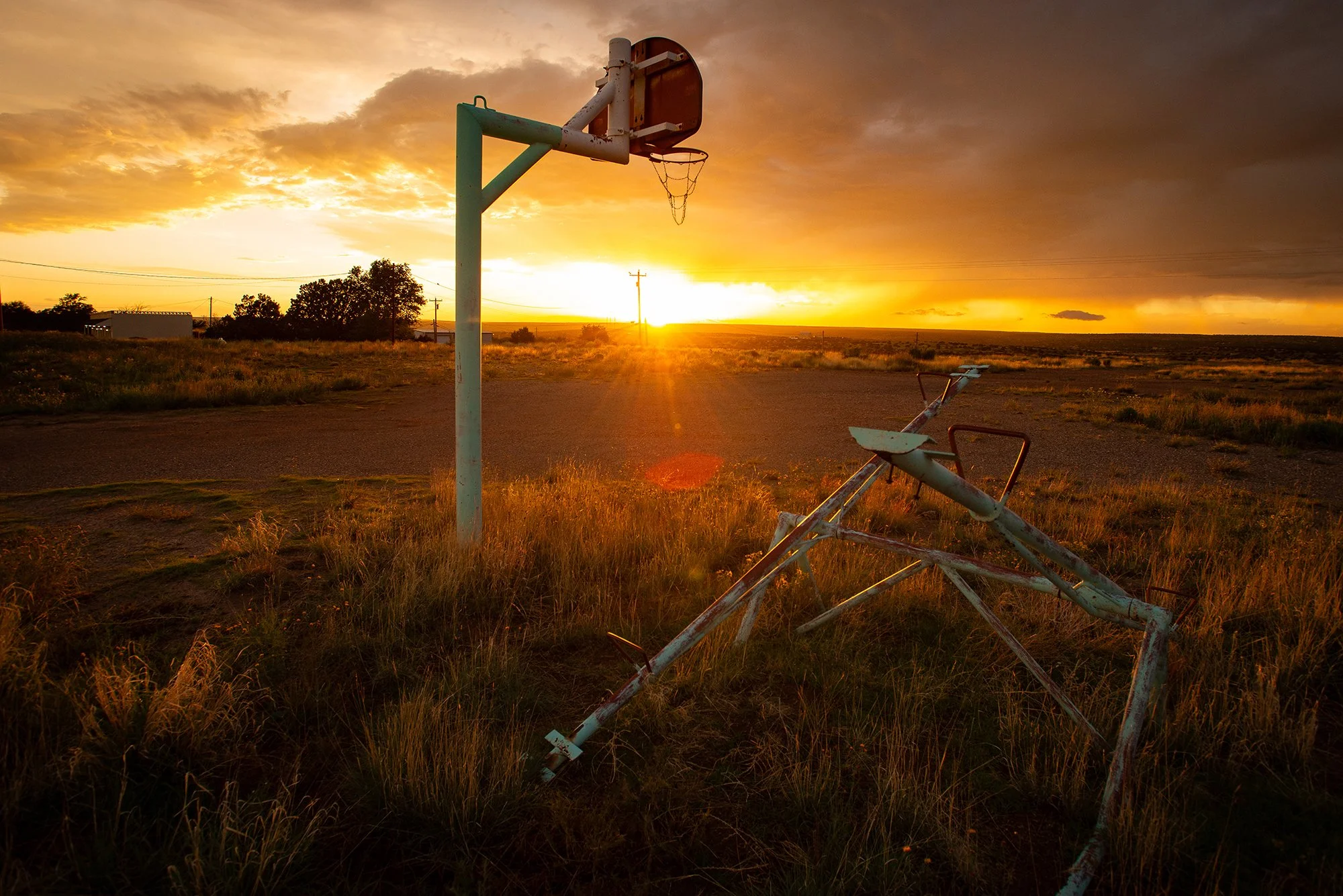
basketball hoop at sunset in rural landscape fine art photography print

A weathered basketball hoop standing against a dramatic sunset in rural America, captured as part of the American Backcourts series. Available as a fine art basketball wall art print for collectors and modern interiors.

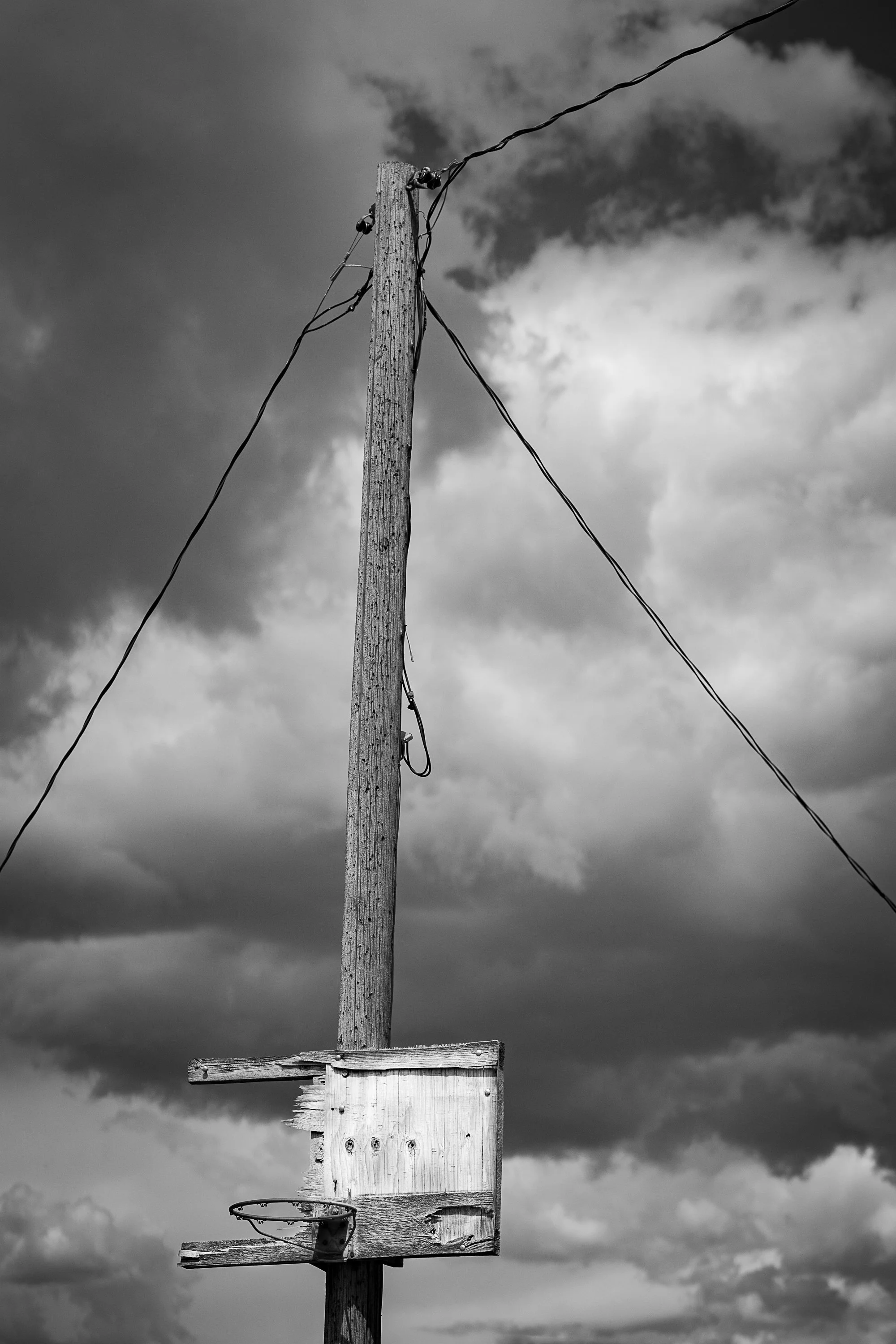
black and white photo of weathered wooden basketball hoop on pole under cloudy sky

A weathered wooden basketball hoop mounted to a utility pole, photographed in rural America as part of a long-term series documenting the overlooked places where the game is played.

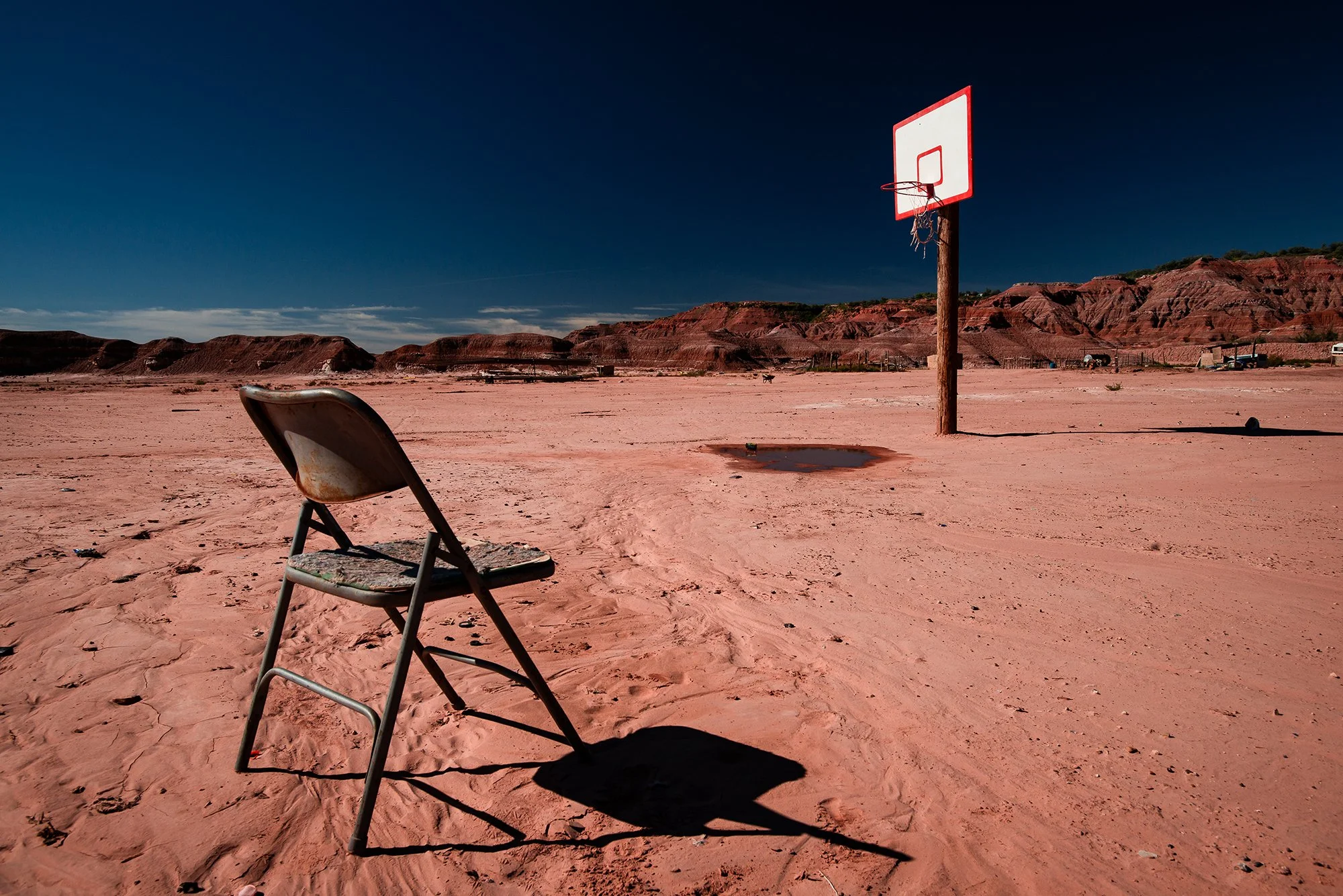
basketball hoop in desert landscape with chair fine art photography print

A solitary chair facing a basketball hoop in a remote desert landscape, part of the American Backcourts series. Available as a fine art basketball wall art print.

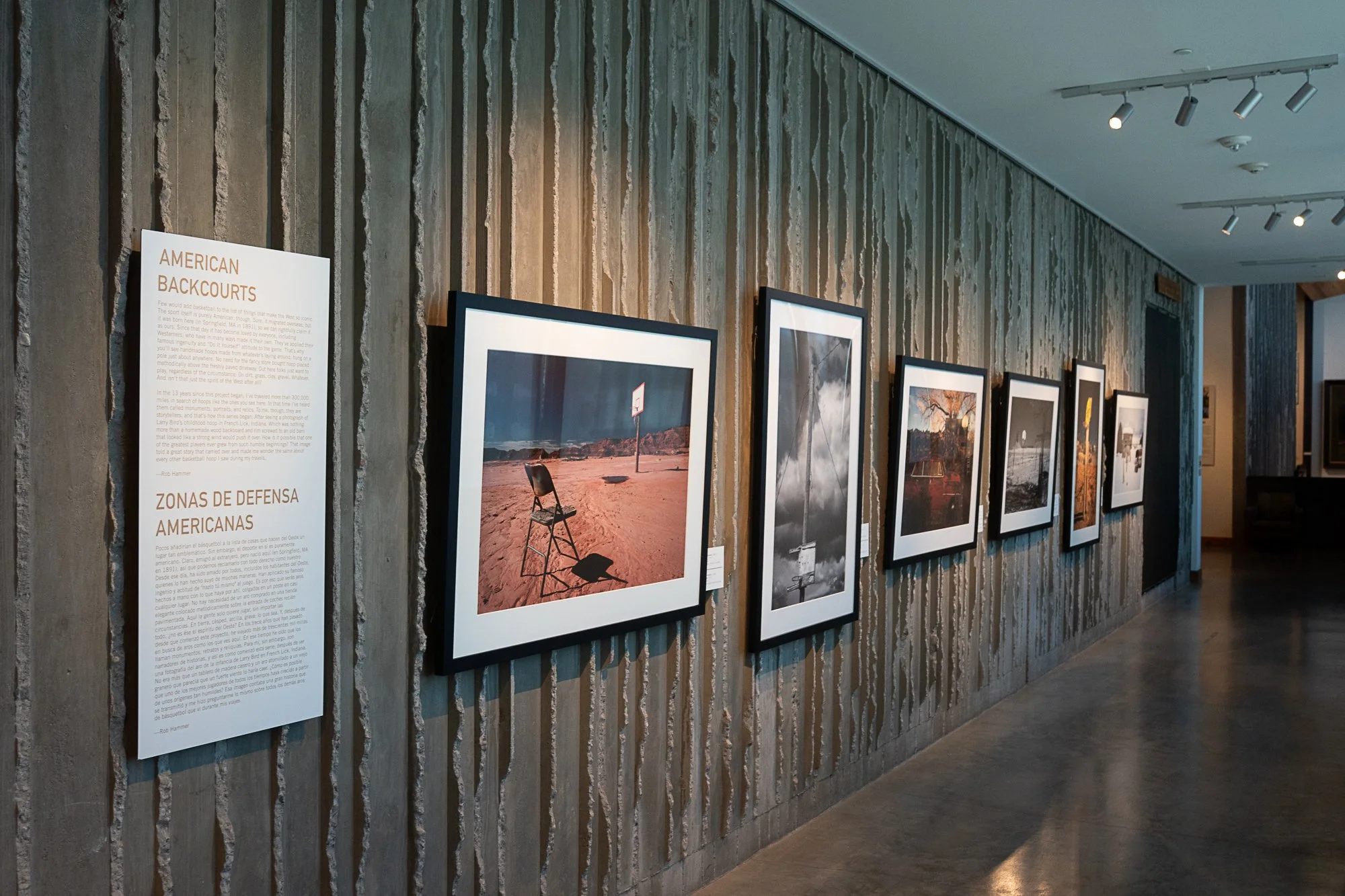
Basketball hoop photography prints displayed in gallery exhibition from the American Backcourts series

Installation view from the American Backcourts series, a long-term project documenting basketball hoops across the United States, exhibited in gallery settings and featured in publications including SLAM and NBA TV.

Black and White Fitness Photography

Black and White Fitness Photography

Black and white fitness photography strips things down to what matters—light, movement, and effort. Without color, the focus shifts to form and intensity. These photographs come from gyms, training sessions, and real environments where the work is happening.

These photographs come from gyms, training sessions, and real environments where people are pushing themselves. Nothing staged, nothing overly polished—just moments that feel honest.

Why Black and White Works for Fitness

Fitness is built on repetition, strain, and incremental progress. Black and white photography translates that in a way color often doesn’t.

Contrast emphasizes muscle and movement. Shadows define shape. Sweat, chalk, and texture become part of the image instead of getting lost. The result feels more direct—less about aesthetics, more about effort.

There’s also a timeless quality to it. Black and white removes the visual cues that date an image, which makes it especially strong for editorial work and brand campaigns that need to hold up over time.

Real Gyms, Real Training

Most of this work is made in active environments—gyms in the middle of the day, early morning training sessions, or late-night workouts when the place has quieted down but the work hasn’t.

There’s no reset between reps. No stopping to adjust lights. The goal is to work within the space as it is and respond to what’s happening in front of the camera.

That approach carries through the images. They’re less about perfection and more about presence—what it actually feels like to be there.

Commercial and Editorial Use

These photographs are available for editorial and commercial licensing. I also work with brands, agencies, gyms, and athletes to create fitness imagery for campaigns, product launches, and ongoing content.

The focus stays the same—real environments, natural light when possible, strobes when necessary, and an emphasis on effort over staging.

Fitness Photography for Brands and Campaigns

If you’re looking for a photographer for a fitness campaign, gym project, or athlete-focused shoot, you can view more commercial work here:

Commercial Fitness Photographer

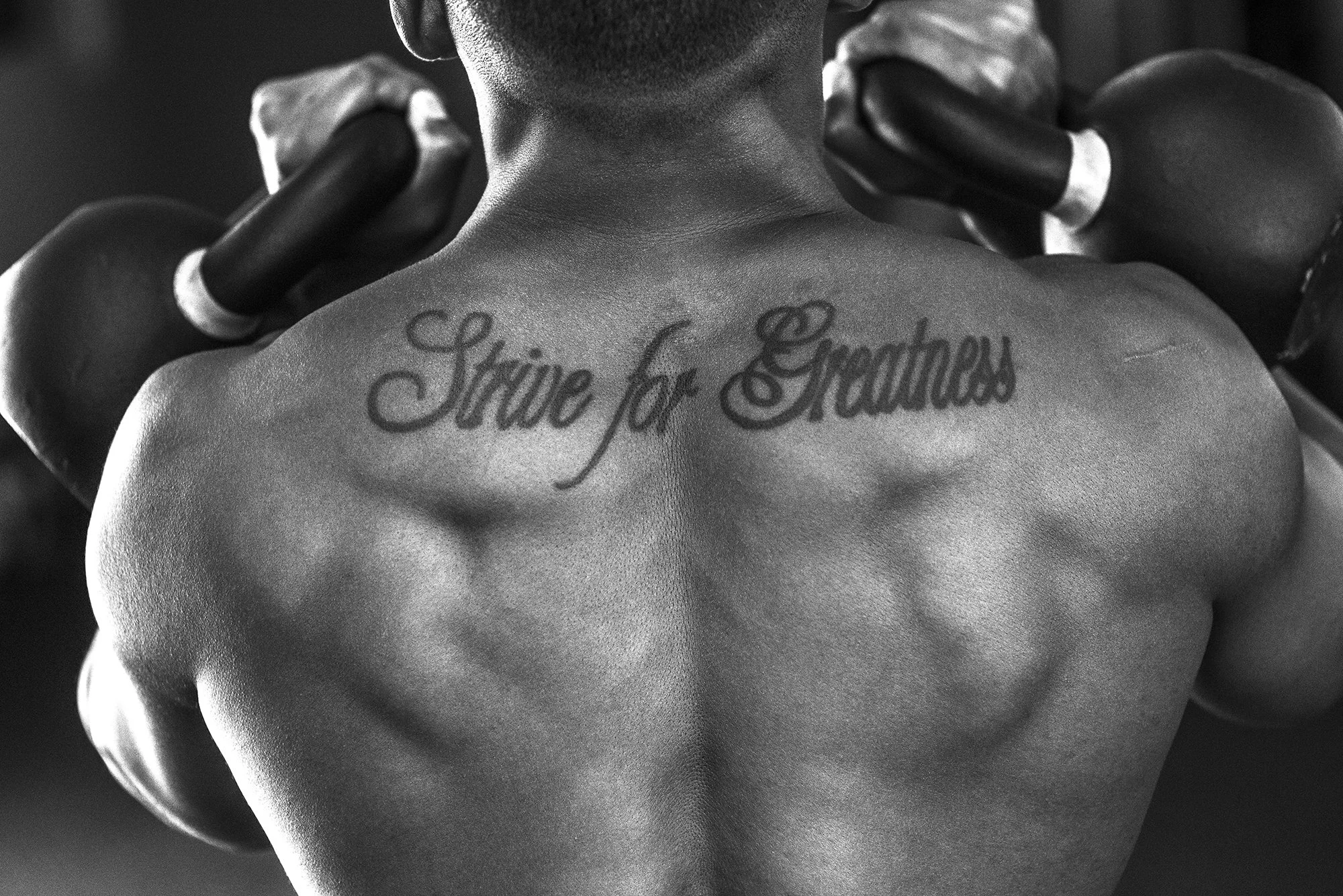
black and white close up of muscular back with tattoo during workout

Fitness athlete with a tattoo that reads “Strive for Greatness”

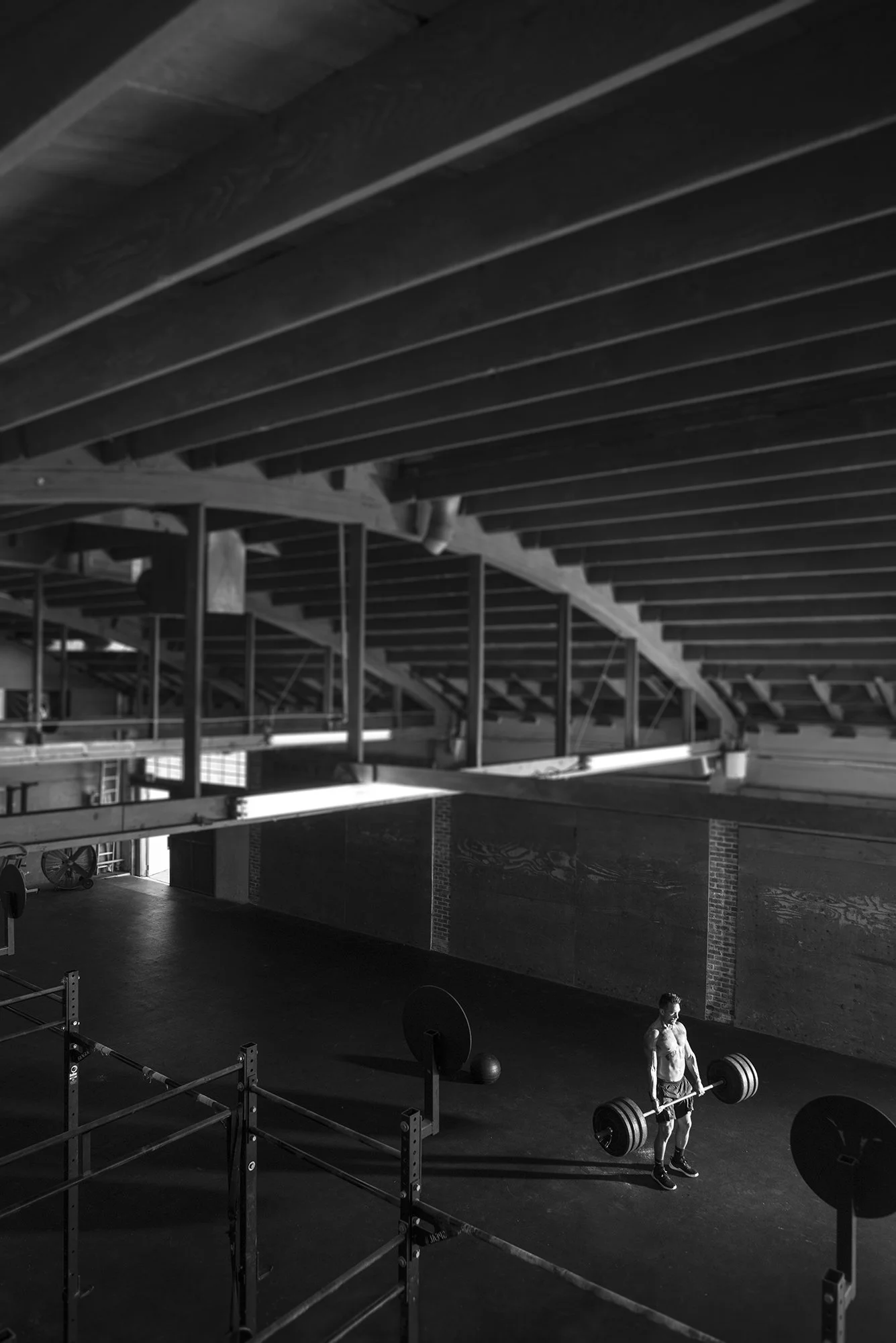
black and white wide shot of athlete lifting barbell alone in large gym space

Wide view of an athlete lifting a barbell in a large gym space with natural light.

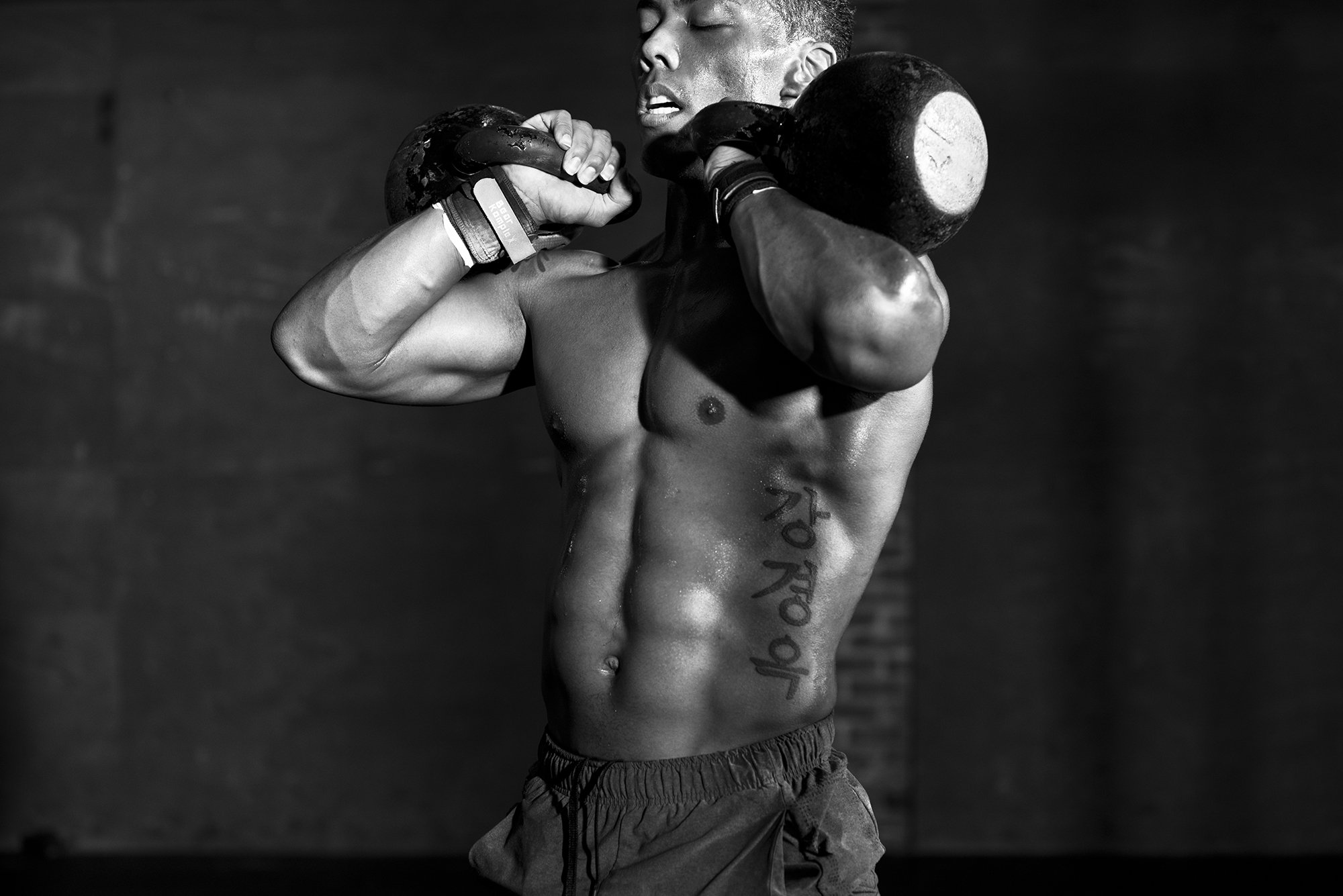
black and white image of male athlete lifting kettlebells during strength training

Athlete performing a kettlebell movement, emphasizing strength, form, and control.

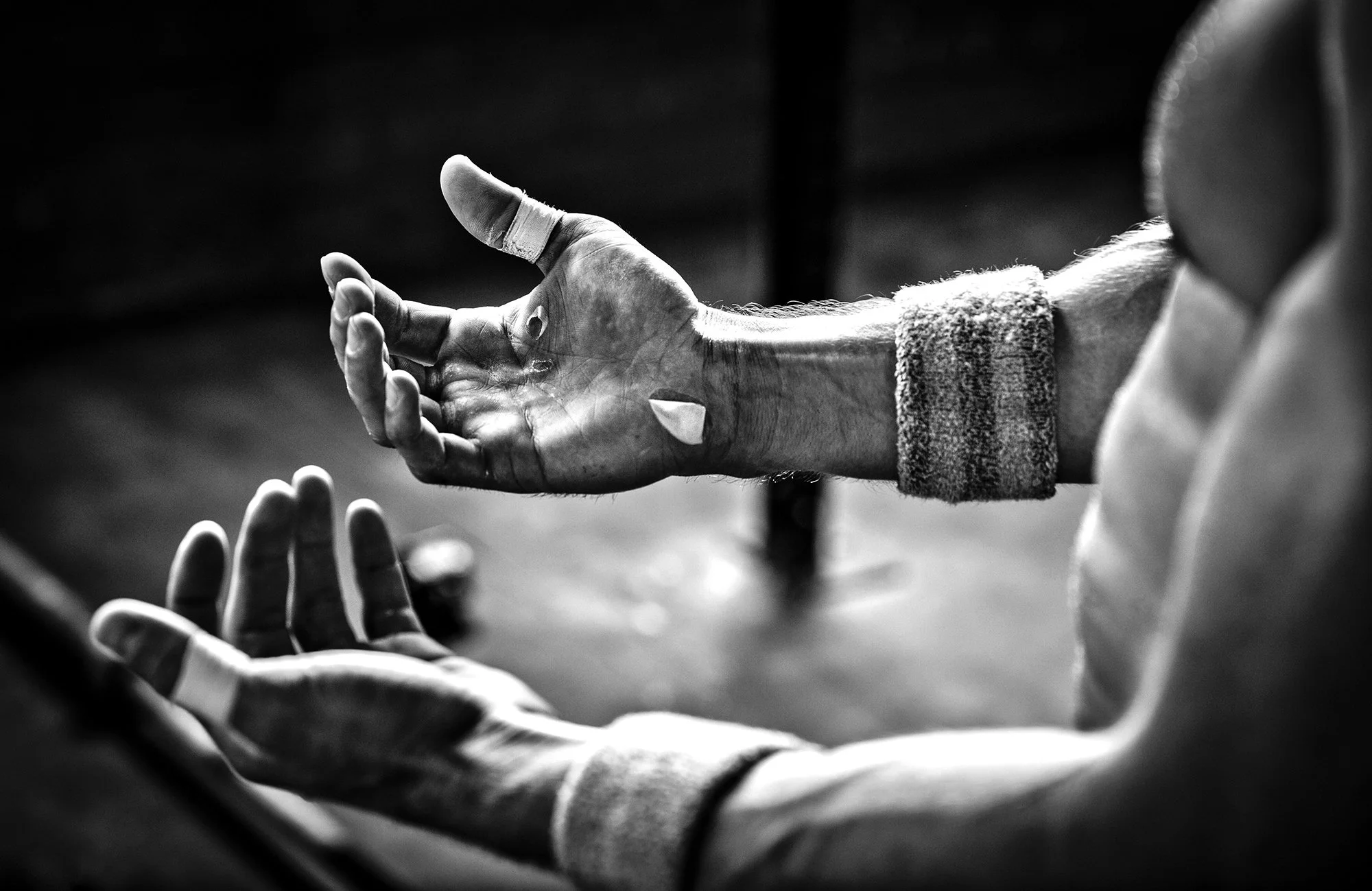
Close up of an athletes hands with large blisters after an intense workout.

Close-up of blistered hands after a heavy strength training session.

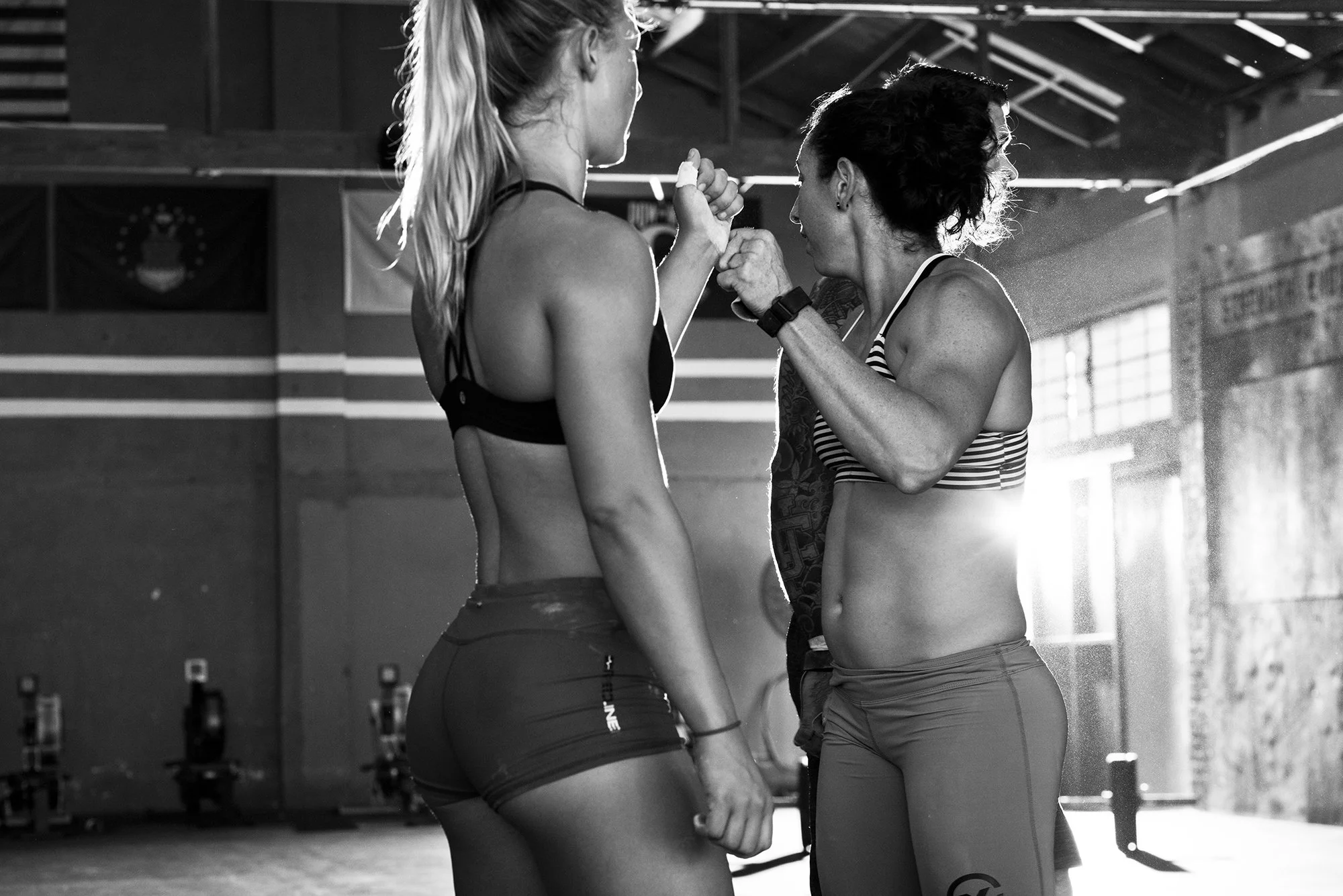
black and white photo of two women fist bumping during gym workout

Two athletes interacting during a workout, highlighting training environment and connection.

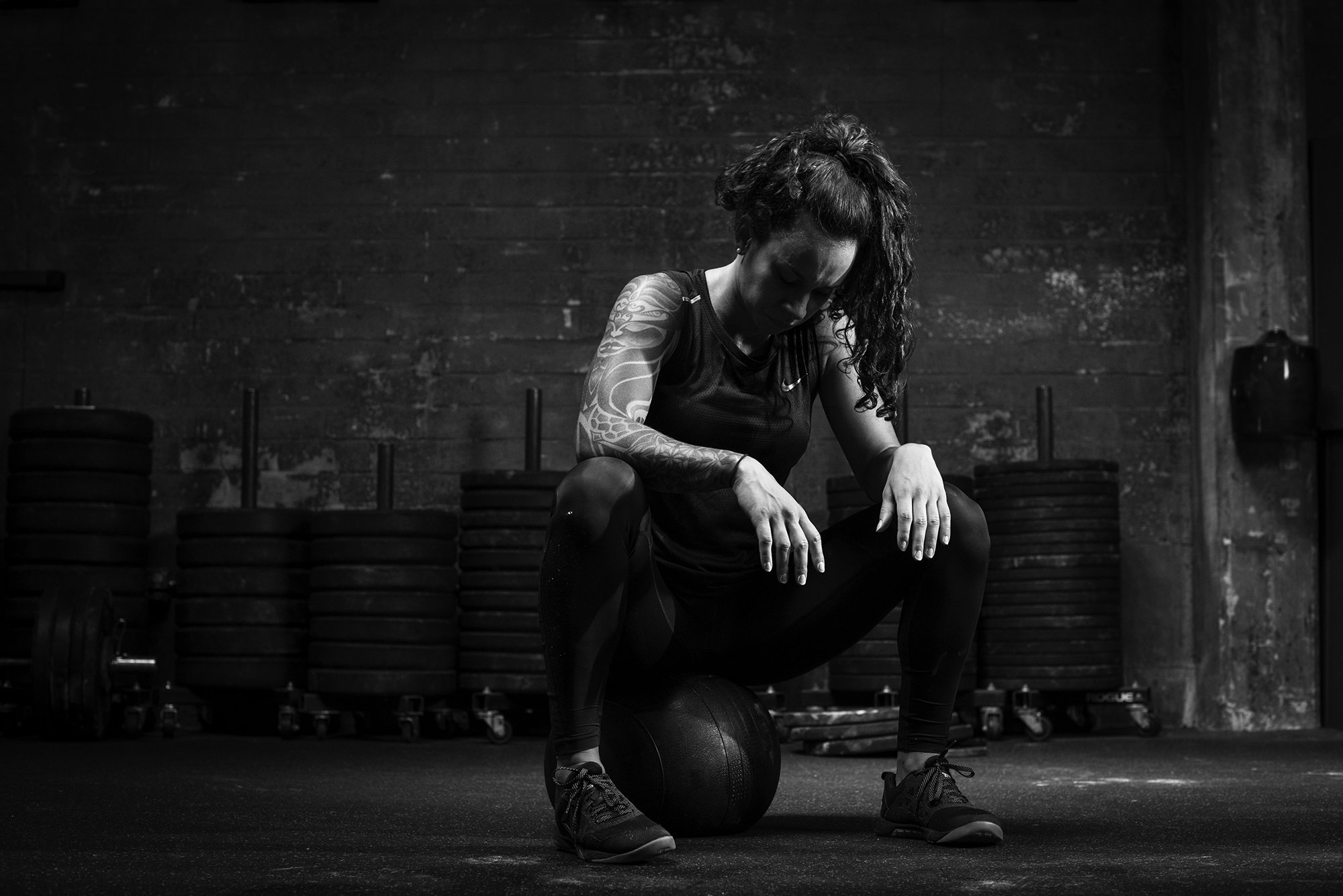
black and white photo of female athlete sitting on medicine ball in gym after workout

Female athlete resting on a medicine ball after a training session in a gym setting.

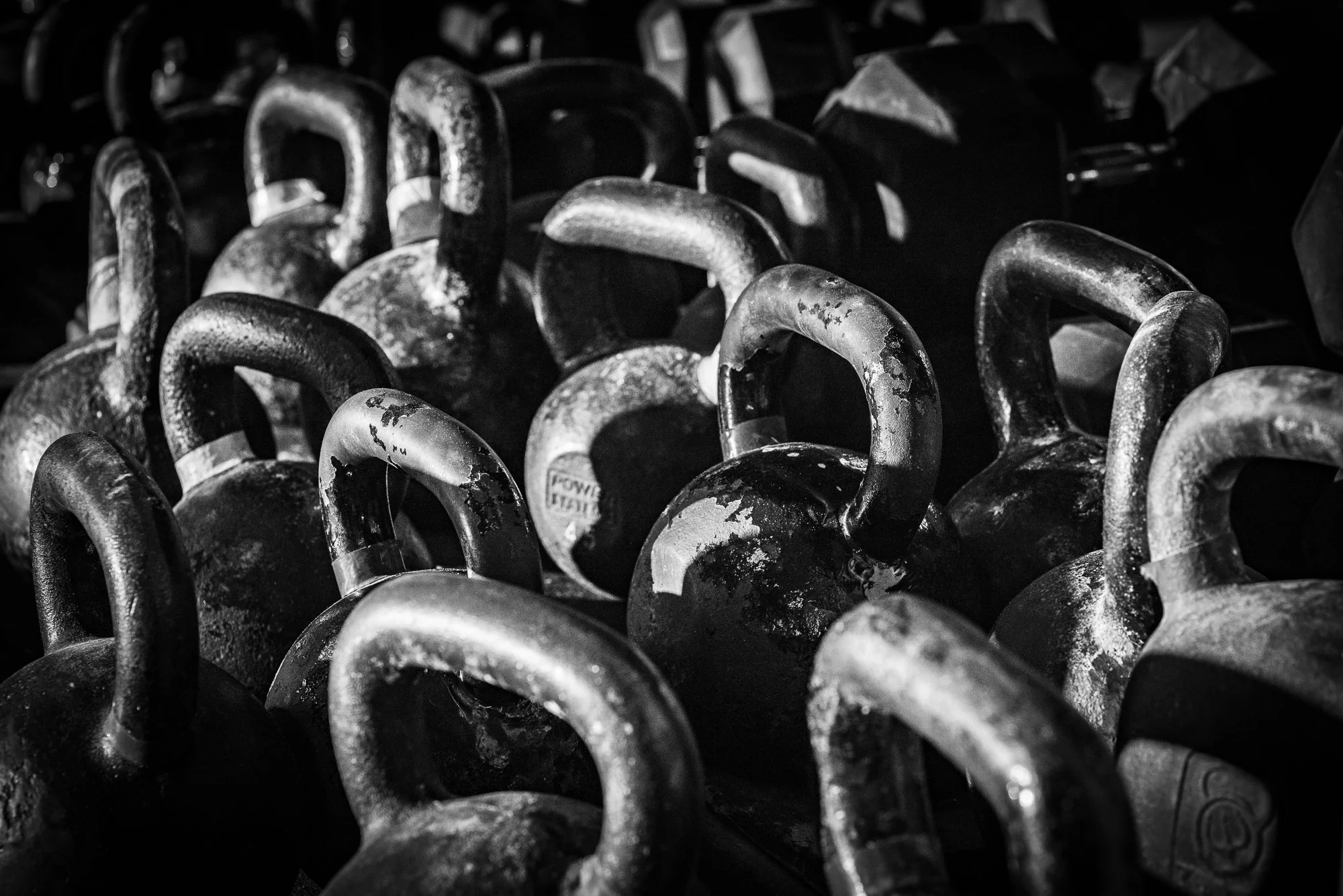
black and white kettlebells lined up in gym showing wear and texture

Kettlebells arranged in a gym, showing wear and texture from daily strength training.

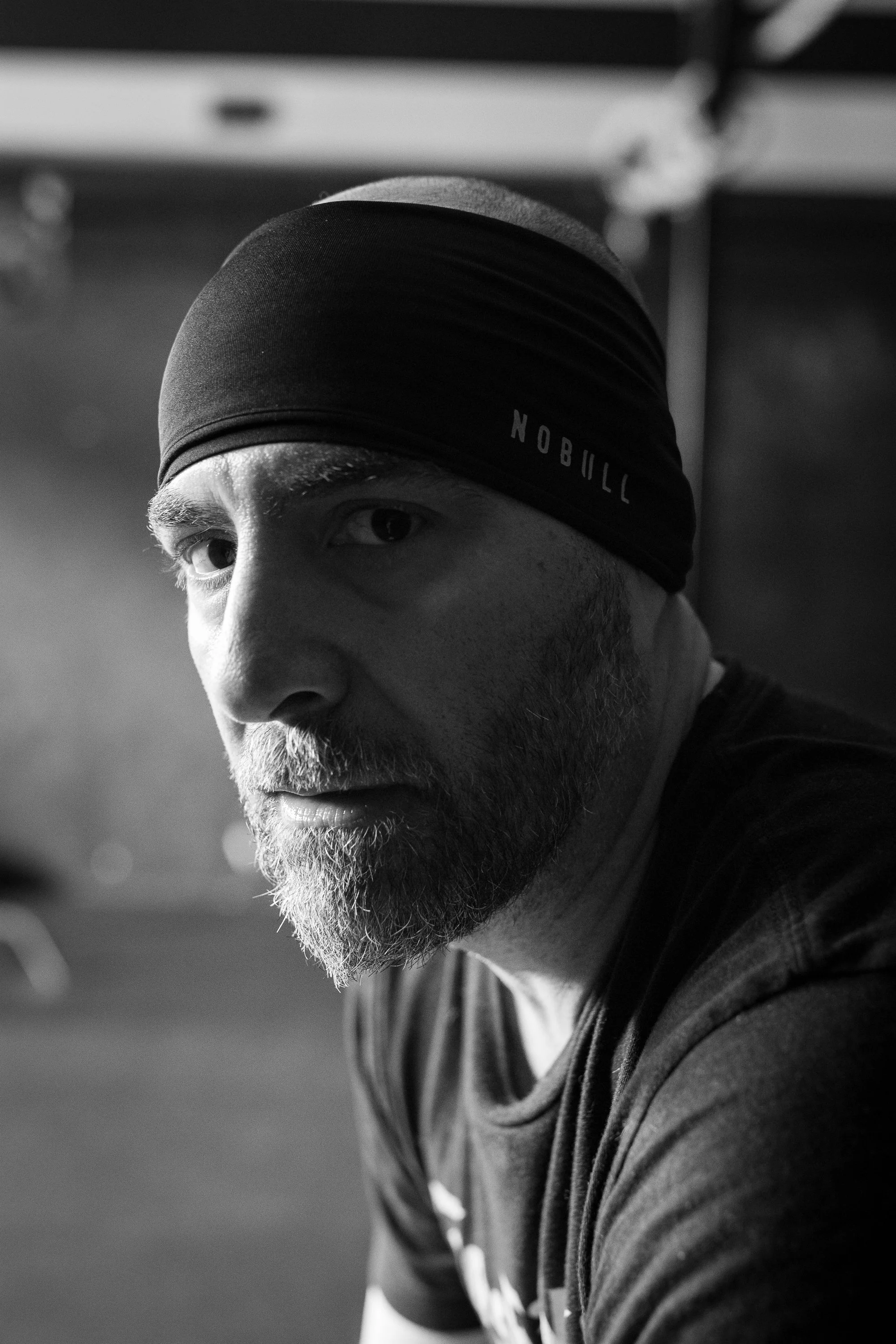
black and white fitness portrait of male athlete resting in gym wearing headband

Black and white fitness portrait of an athlete between sets in a working gym environment.

Cheesman Canyon Fly Fishing Photographs

Cheesman Canyon Fly Fishing Photography – Prints & Licensing

That old saying, “you get what you put in,” always seems to ring true with fly fishing — especially in Cheesman Canyon. Some folks only fish a couple of minutes from their truck, others hike deep into the canyon for solitude, but no matter how far you go, the river has a way of revealing something new.

The South Platte River in Cheesman Canyon, Colorado is a local favorite for anyone living in the Denver/Boulder area and a destination for people flying in from out of town, for good reason, it’s got great fishing and incredible views. As a photographer it’s one of my favorite places to shoot. The canyon walls, shifting light, and relentless water create a stage that’s never the same twice. These photographs are my attempt to capture that feeling — part of an ongoing collection that’s available as fine art prints and for licensing to magazines, brands, and editors.

Why Cheesman Canyon Inspires Me

Standing knee-deep in the South Platte, you start to feel the rhythm of the place. You have to work to get there and landing fish is never ever a given. A cast that feels ordinary in tamer water takes on a different kind of weight here. Photographing it is no easier — reflections, shadows, and current can ruin a frame in a second.

But that’s why it’s worth it. The challenge makes the images stronger, and the story behind them richer.

Moments from the River — Cast, Water, Light

Every frame I made here comes back to the thing I hold in the highest regard when it comes to fly fishing photography, and that’s authenticity. I photograph real people really fly fishing for real fish. None if it is posed or planned out. Each photograph is a reminder that Cheesman Canyon demands patience. Both from the fisherman, and from the photographer.

How These Images Work for Brands, Magazines & Editors

These aren’t just personal snapshots — they’re images built for storytelling.

They work especially well for:

  • Magazines & editorial features on fly fishing, conservation, or outdoor life.

  • Gear & apparel brands needing authentic lifestyle and environment shots.

  • Travel and adventure outlets highlighting Colorado’s rivers and landscapes.

  • Lodges, outfitters, and conservation groups looking for fine art displays.

Every client’s needs are different — usage territory, exclusivity, duration, and medium all shape licensing. If you’re building a feature, campaign, or branded content and need images from this series, just reach out.

Behind the Lens: Gear, Challenges & Intent

Cameras don’t like rushing water, and neither do tripods in slick current. But the mistakes — falling in, missing a cast — are part of why I keep coming back.

I look for the action, but just as important are the moments between action. The way light reflects off a canyon wall, or the way an angler waits with rod tip down. Sometimes the strongest images come after the catch, when the canyon quiets down again.

That’s what I try to photograph — not just the fish, but the entire experience of being there.

Get Prints or License These Shots

If you’d like a framed print, a large-scale wall piece, or want to license images for editorial, branding, or advertising, get in touch:

📩 rob@robhammerphotography.com

I’m happy to send you usage options, pricing, and custom packages depending on your needs.

You can also see more fly fishing photography HERE and prints HERE.

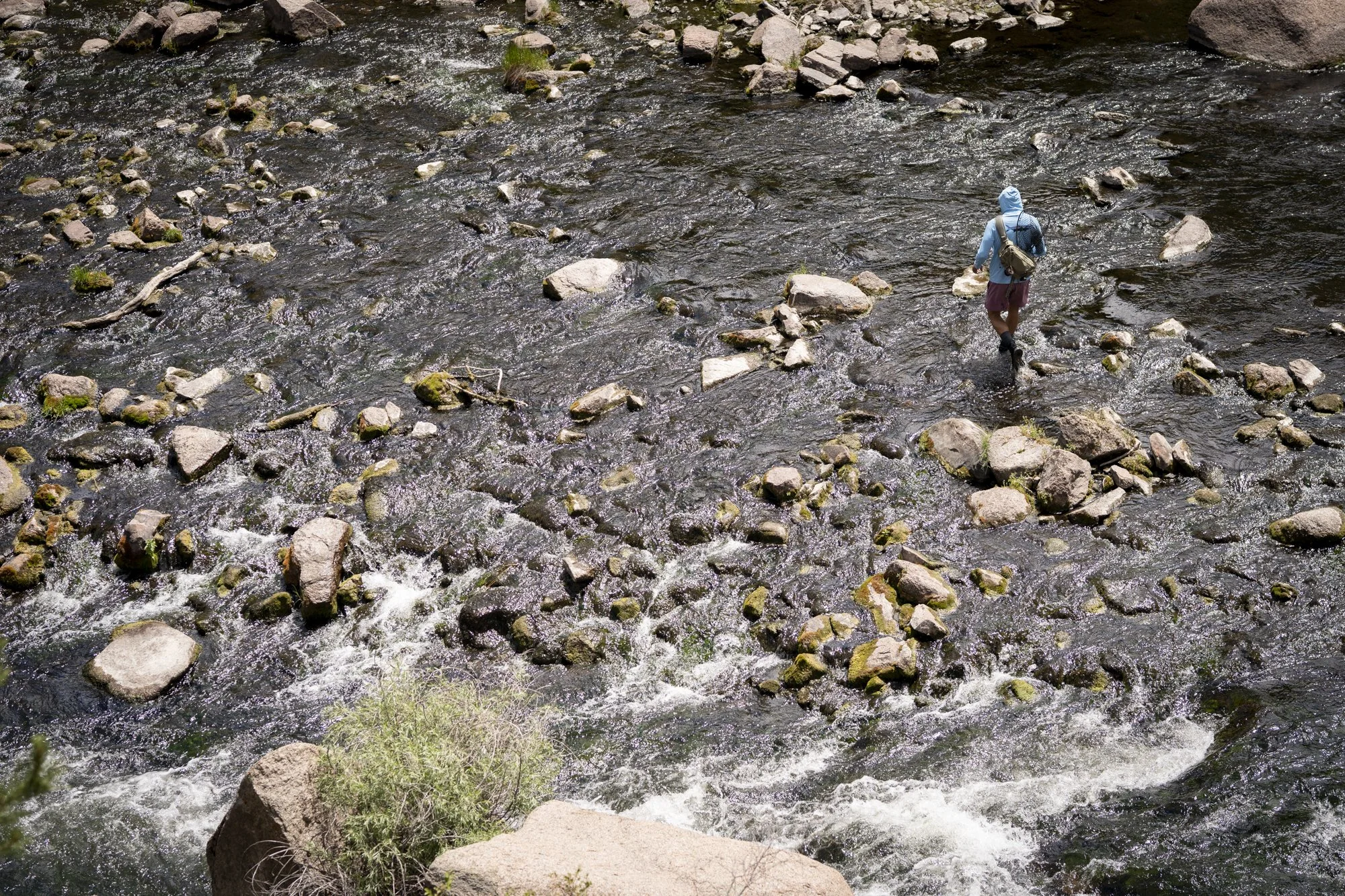
A fly fisherman hops from rock to rock on the South Platte River in Cheesman Canyon, Colorado

A fly fisherman navigating rocks in Cheesman Canyon

A person standing on top of a large boulder looking into the South Platte River during a day of fly fishing for rainbow trout and brown trout  in Cheesman Canyon, Colorado

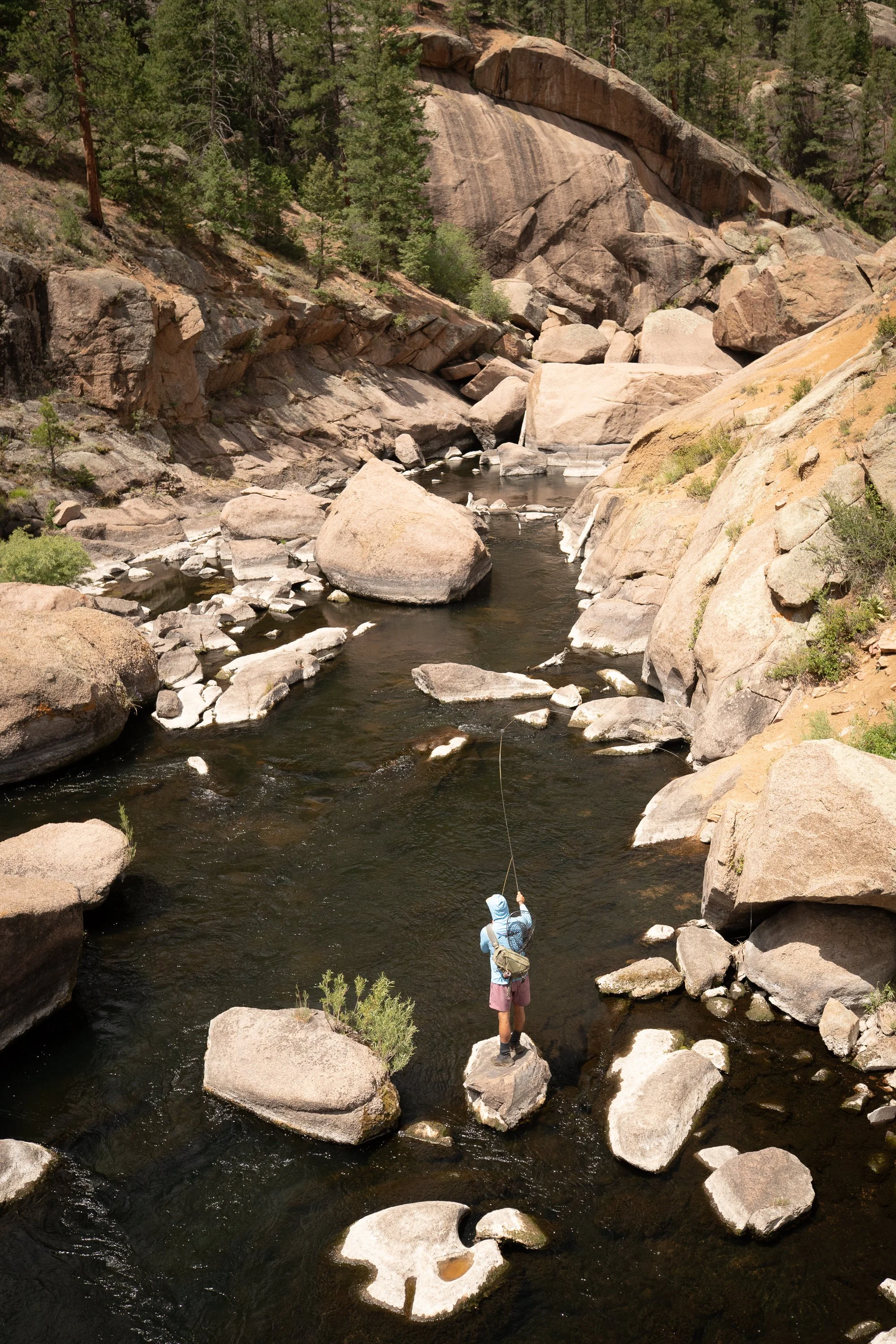
Looking for trout from atop a boulder

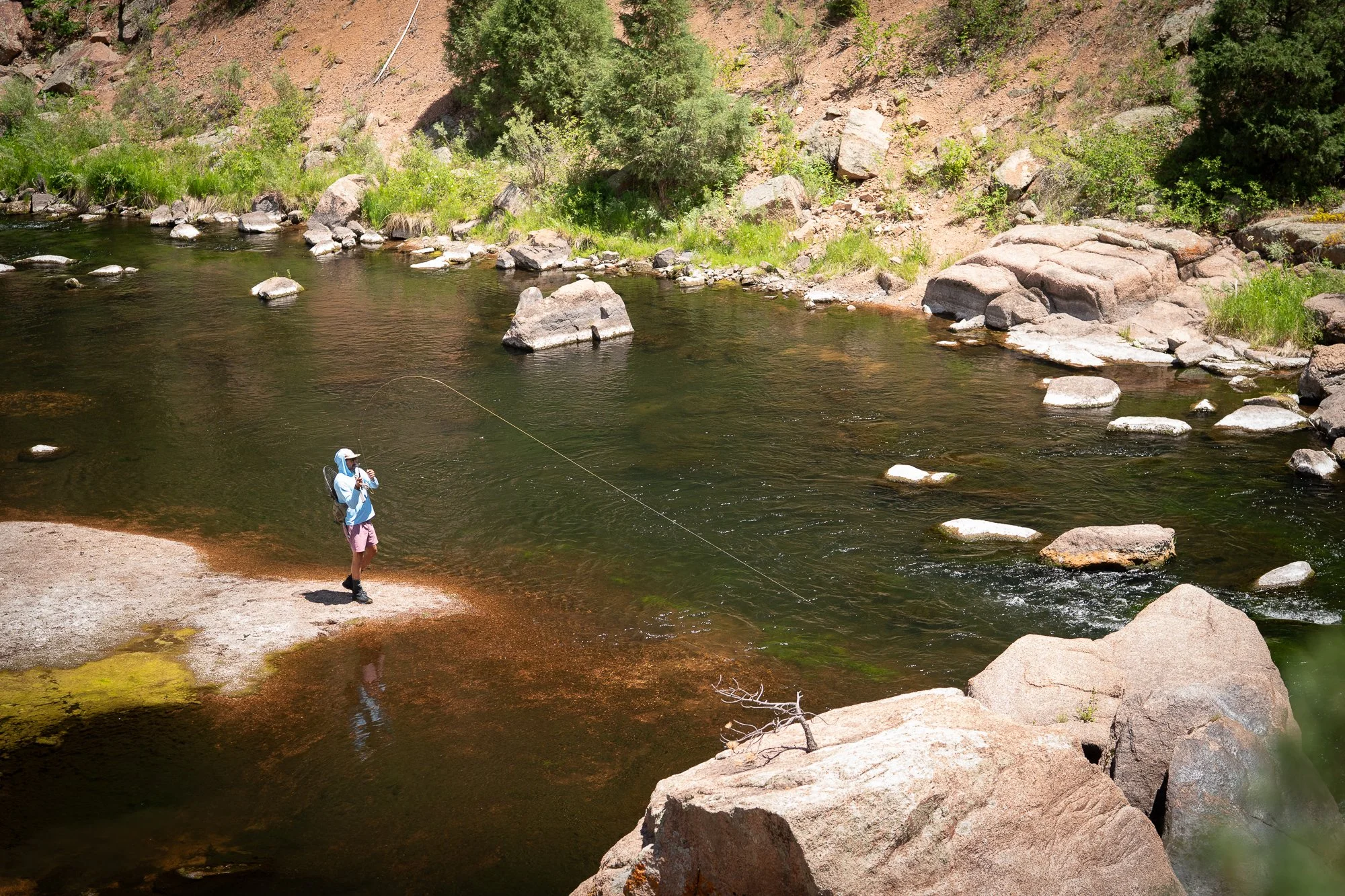
Overhead view of a Fly Fisherman casting into the South Platte River in Cheesman Canyon, Colorado

Overhead view of a fly fisherman’s casst

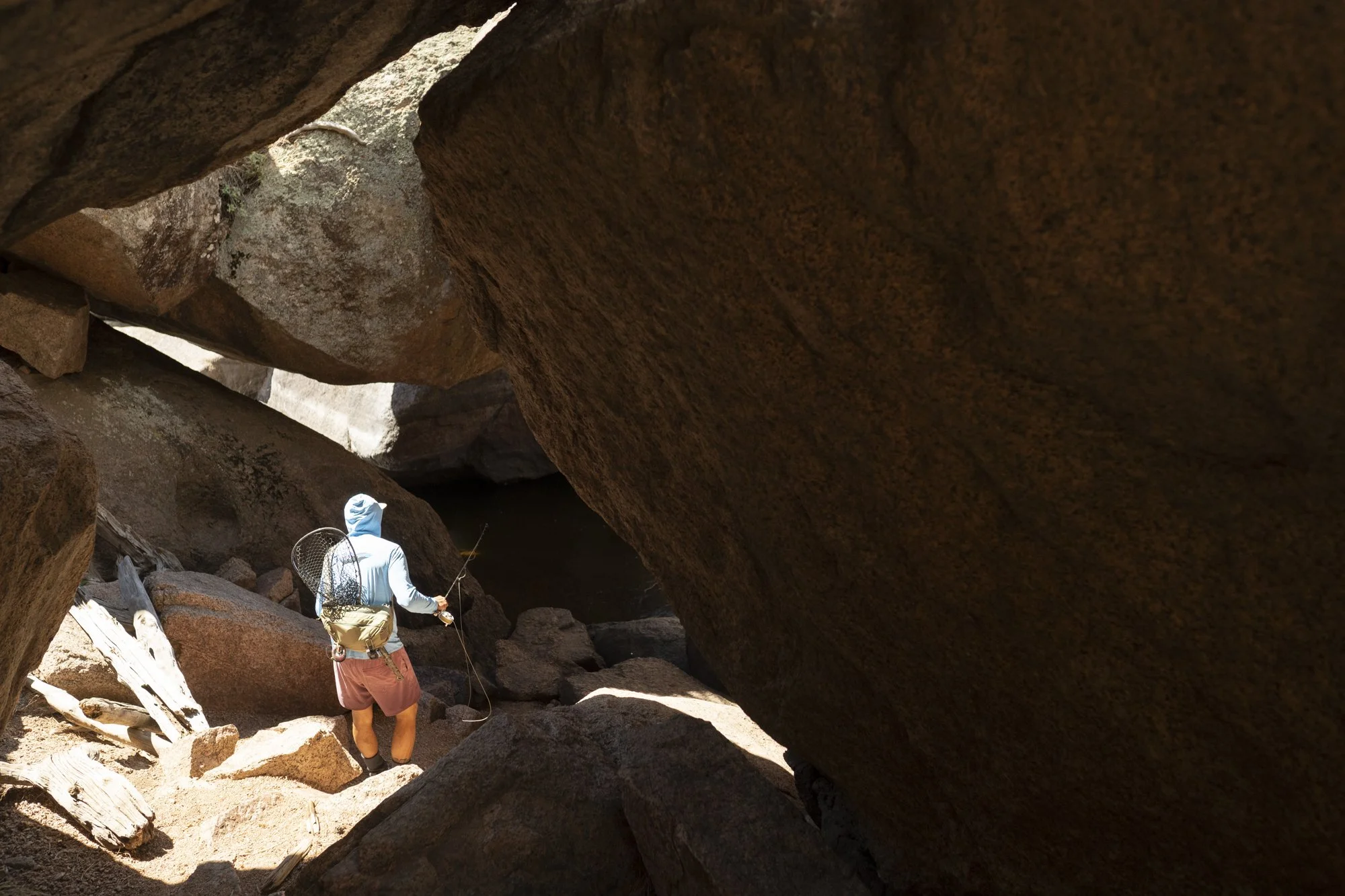
A fly fisherman walks through large boulders on the South Platte River in Cheesman Canyon, Colorado

A fly fisherman walking underneath large boulders

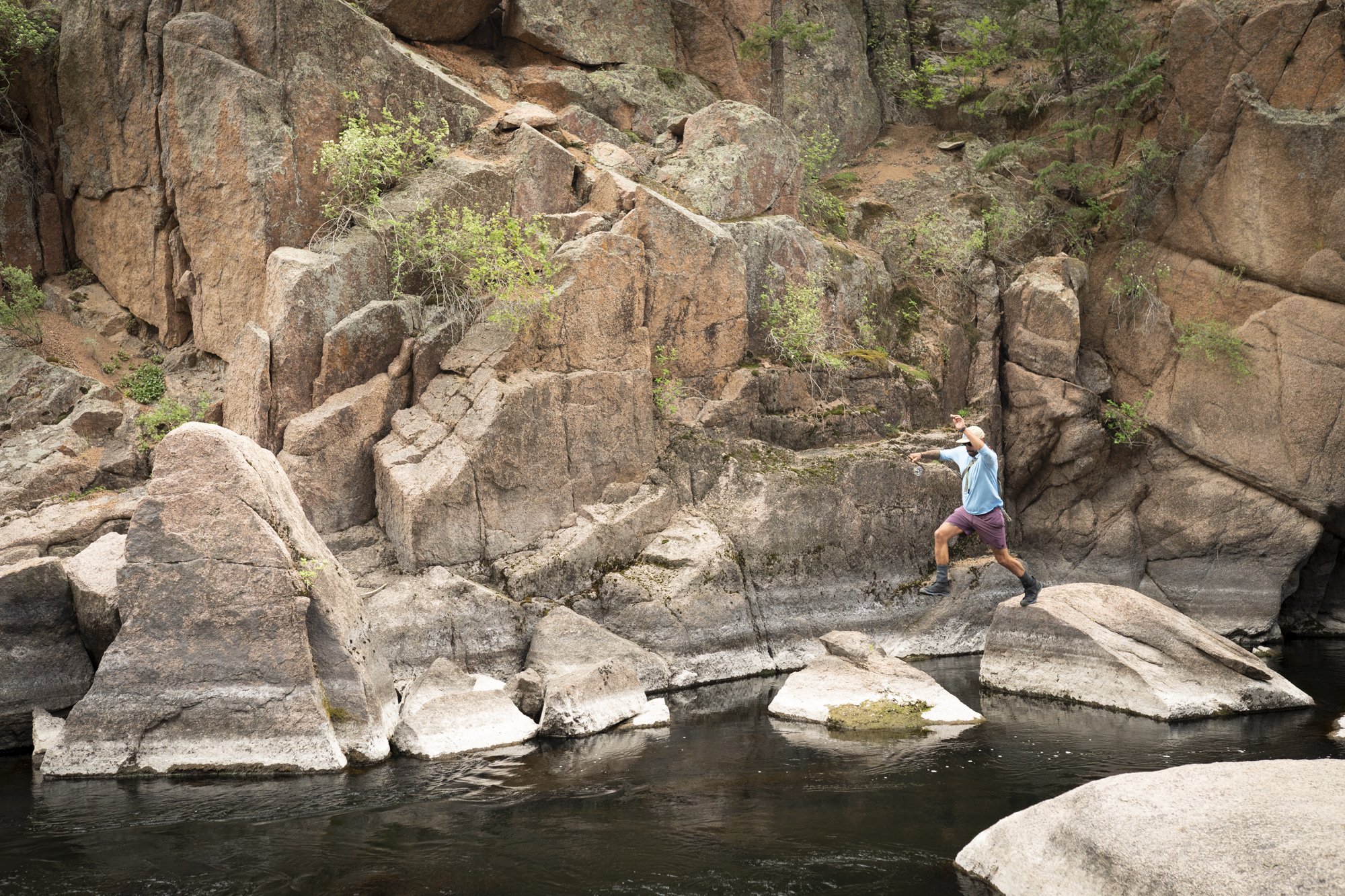
A fly fisherman jumps from boulder to boulder on the South Platte River in Cheesman Canyon, Colorado

A fly fisherman leaps from rock to rock in a picturesque Colorado trout stream

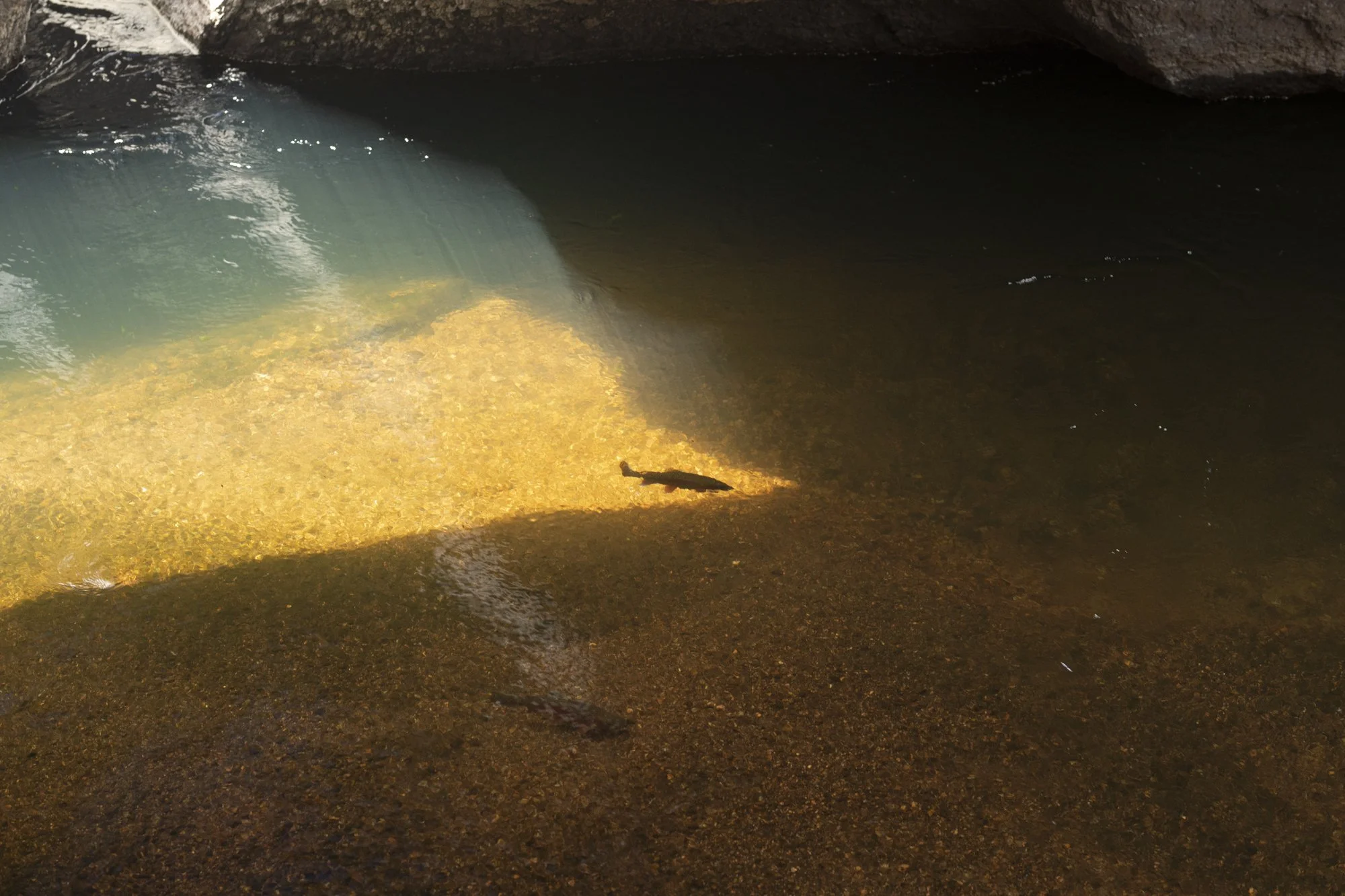
A large trout in the South Platte River in Colorado

A trout illuminate by beautiful light

A fly fisherman wades through a beautiful section of the South Platte River in Cheesman Canyon, Colorado

Wading across South Platte River

A photo with motion blur of a fly fisherman casting into the South Platte River in Colorado

Motion blur photograph of fly fisherman

A Fly Fisherman hiking up a rocky cliff with a bottle of whisky in Cheesman Canyon, Colorado

Fly fisherman with a bottle of whisky

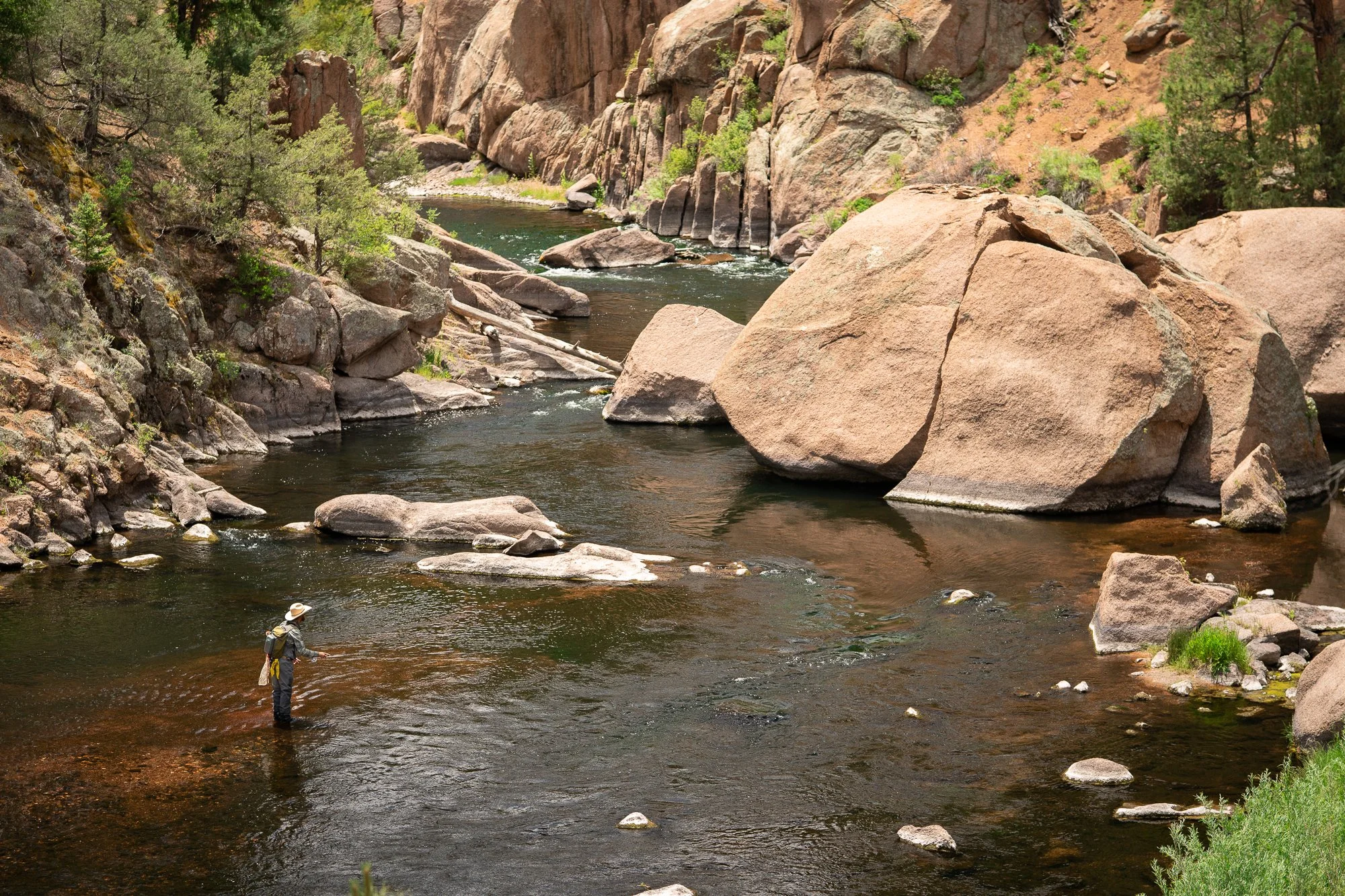
A fly fisherman on the South Platte River casting near large rock cliffs in Cheesman Canyon, Colorado. Available for editorial and commercial licensing.

Fly fishing in Cheesman Canyon - Colorado

Stock photograph of a a fly fisherman on the South Platte River navigates a rocky section in Cheesman Canyon, Colorado

The rocky cliffs of Cheesman Canyon

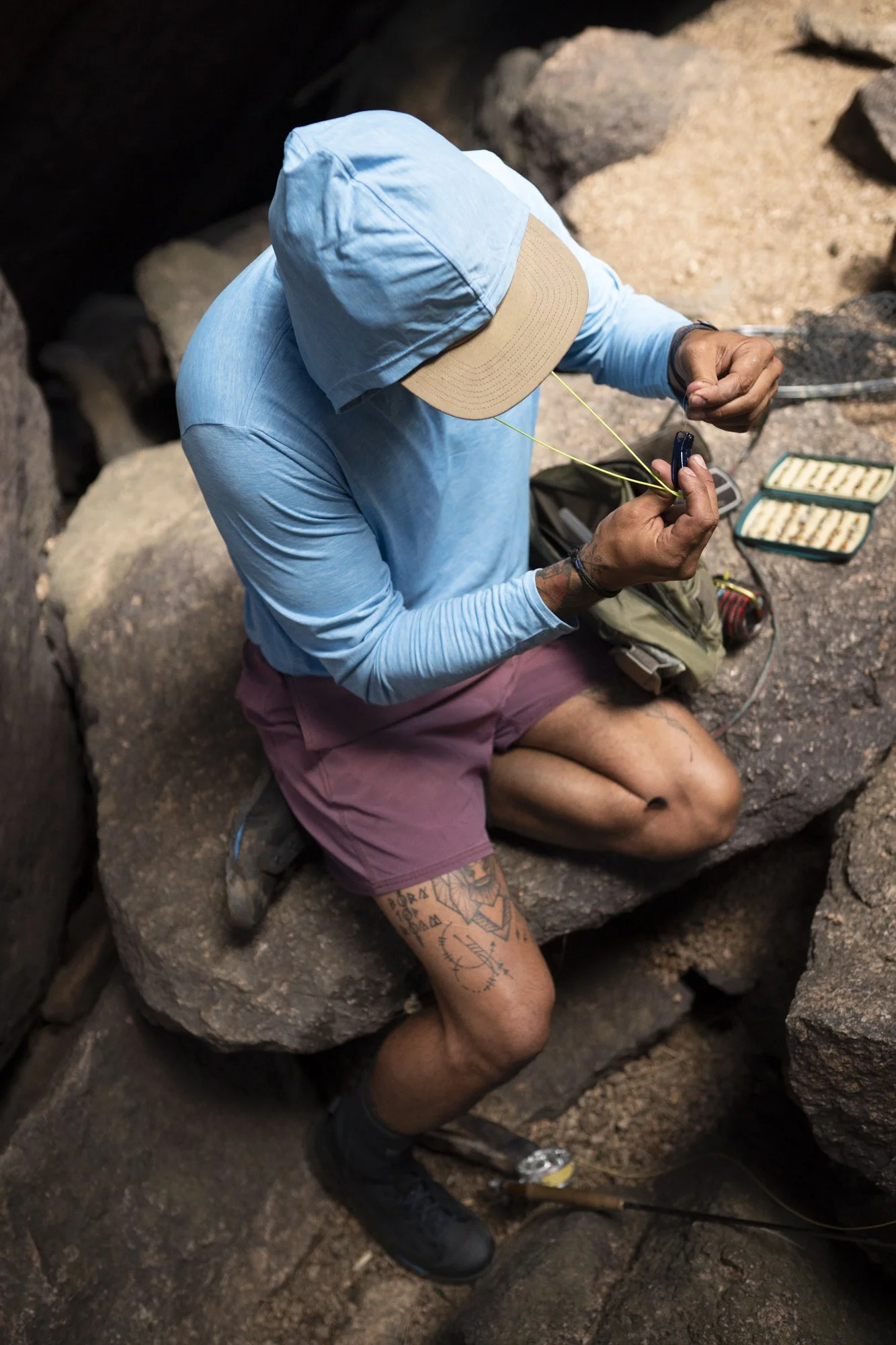
A fly fisherman rigs up his rod while sitting on rocks in Cheesman Canyon near Deckers, Colorado

A fly fisherman sitting on a rock preparing his gear

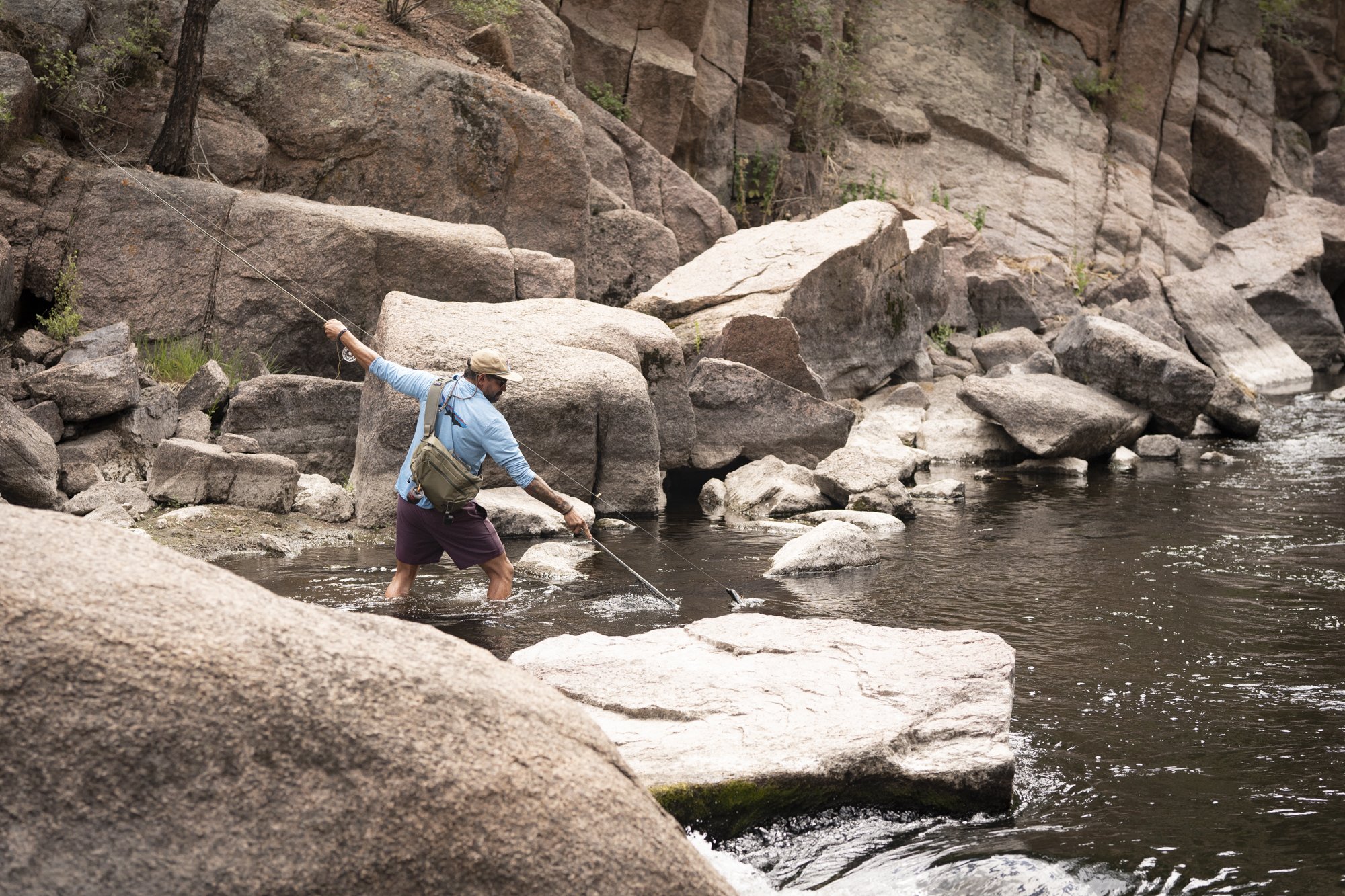
A fly fisherman on a beautiful rocky section of the South Platte River nets a fish in Cheesman Canyon, Colorado

Netting a trout in Cheesman Canyon

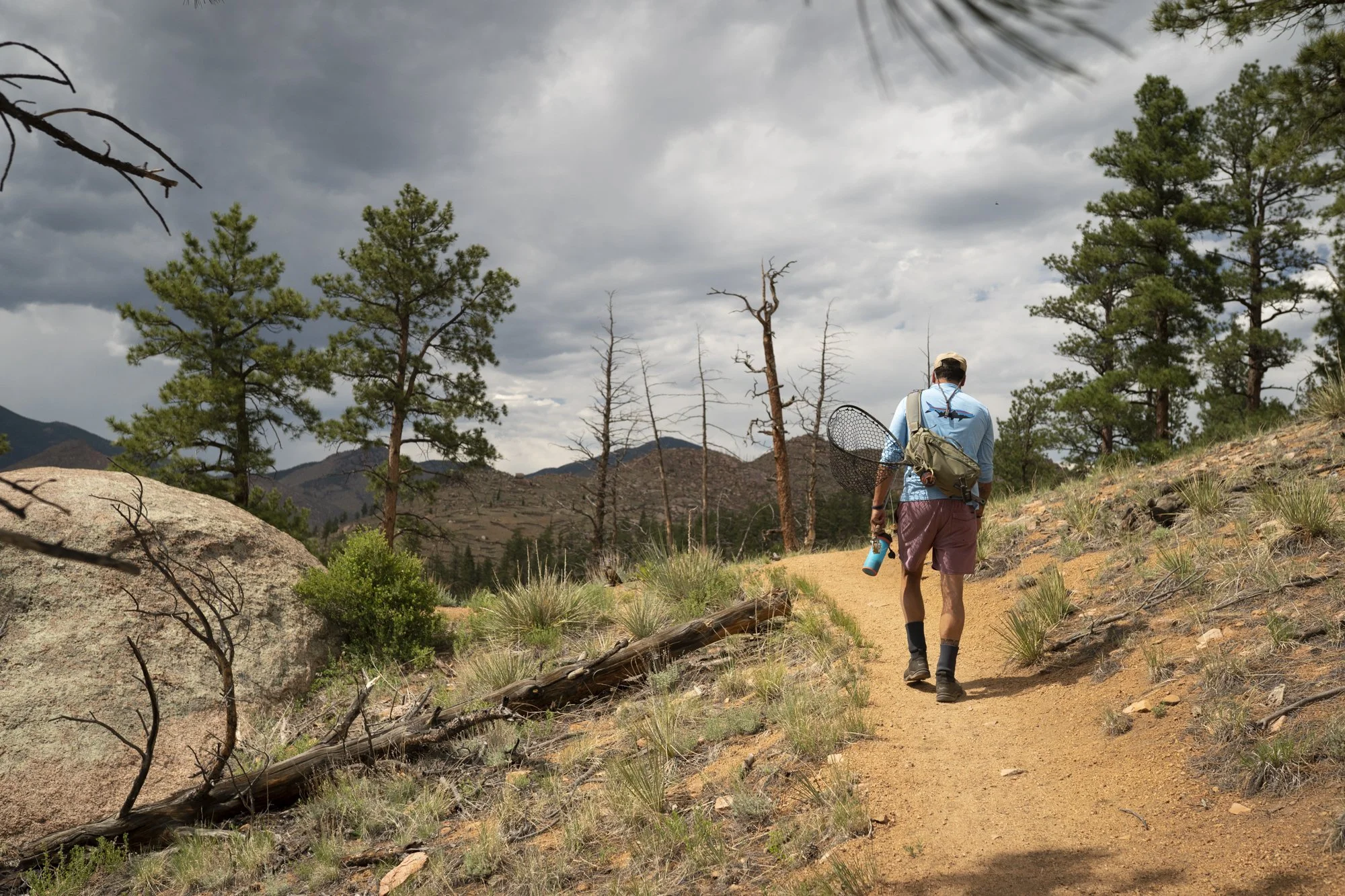
A stock photograph of a fly fisherman hiking into a remote section of the South Platte River in Cheesman Canyon, Colorado. Available for editorial and commercial licensing.

Fly fisherman hiking out of Cheesman Canyon

The American Barbershop

Inside an Old School Barbershop

Some barbershops just feel different the moment you walk in, at least they should. This one sits right on Main Street in a small Nevada town, and it hasn’t tried to reinvent itself or keep up with trends. It doesn’t need to. It’s an old school barbershop in the truest sense — a place built on community, friendships, decades of doing things the same way because they work.

You notice it in the details first. The worn chairs. The mirrors that have seen thousands of haircuts. The quiet hum of clippers and conversations that don’t feel rushed. This is the kind of traditional barbershop where people come not just for a haircut, but because it’s part of their weekly or monthly rhythm.

An Old School Barbershop That Still Feels Like Main Street America

Main Street barbershops like this one are becoming harder to find. A lot of them have disappeared, replaced by newer spaces that feel more like salons than barber shops. Luckily, this place hasn’t gone that route. It still feels rooted in tradition, serving the same community it always has.

People come in, take a seat, and wait their turn. Some talk. Some don’t. The barbers know all the faces, and the ones they don’t quickly become familiar. There’s no rush to move people through. The pace is steady and comfortable — exactly what you expect from an old school barber shop that’s been around long enough to earn that confidence.

This is Main Street America in its simplest form.

Photographing a Traditional American Barbershop

When I photograph barbershops, I’m not looking to stage anything or make the space feel more polished than it really is. I’m drawn to places like this because they already have character. The work is about paying attention — to how light hits the mirrors, how chairs sit slightly crooked from decades of use, how people interact when they feel at home.

This traditional barbershop didn’t need direction. I spent time watching, waiting, and letting moments happen naturally. A barber stepping back to check his work. Someone laughing mid-conversation. A quiet pause while clippers buzz in the background. Those are the moments that tell the real story of a shop like this.

Why Old School Barbershops Matter

Old school barbershops are more than just places to get a haircut. They’re social spaces, community anchors, and in many towns, one of the last places where people still slow down a little. They reflect the personality of the neighborhood they’re in and the people who keep them going.

Photographing spaces like this feels important, especially as so many of them disappear. Once they’re gone, they’re gone for good. These photographs are a way of preserving what these places look and feel like — not in a nostalgic or romanticized way, but honestly, exactly as they are.

Vintage Barbershop Photography Prints

This series is part of my ongoing Barbershops of America project (and photo book), documenting traditional and vintage barbershops in all 50 states of the USA. Photographs from this Main Street barbershop are available as fine art prints, and they tend to resonate with collectors, interior designers, and anyone drawn to classic American spaces.

If you’re interested in prints from this series, or in licensing images for editorial or commercial use, you can explore more work from the project through my barbershop photography gallery.

View the barbershop photography book

View the barbershops photography gallery

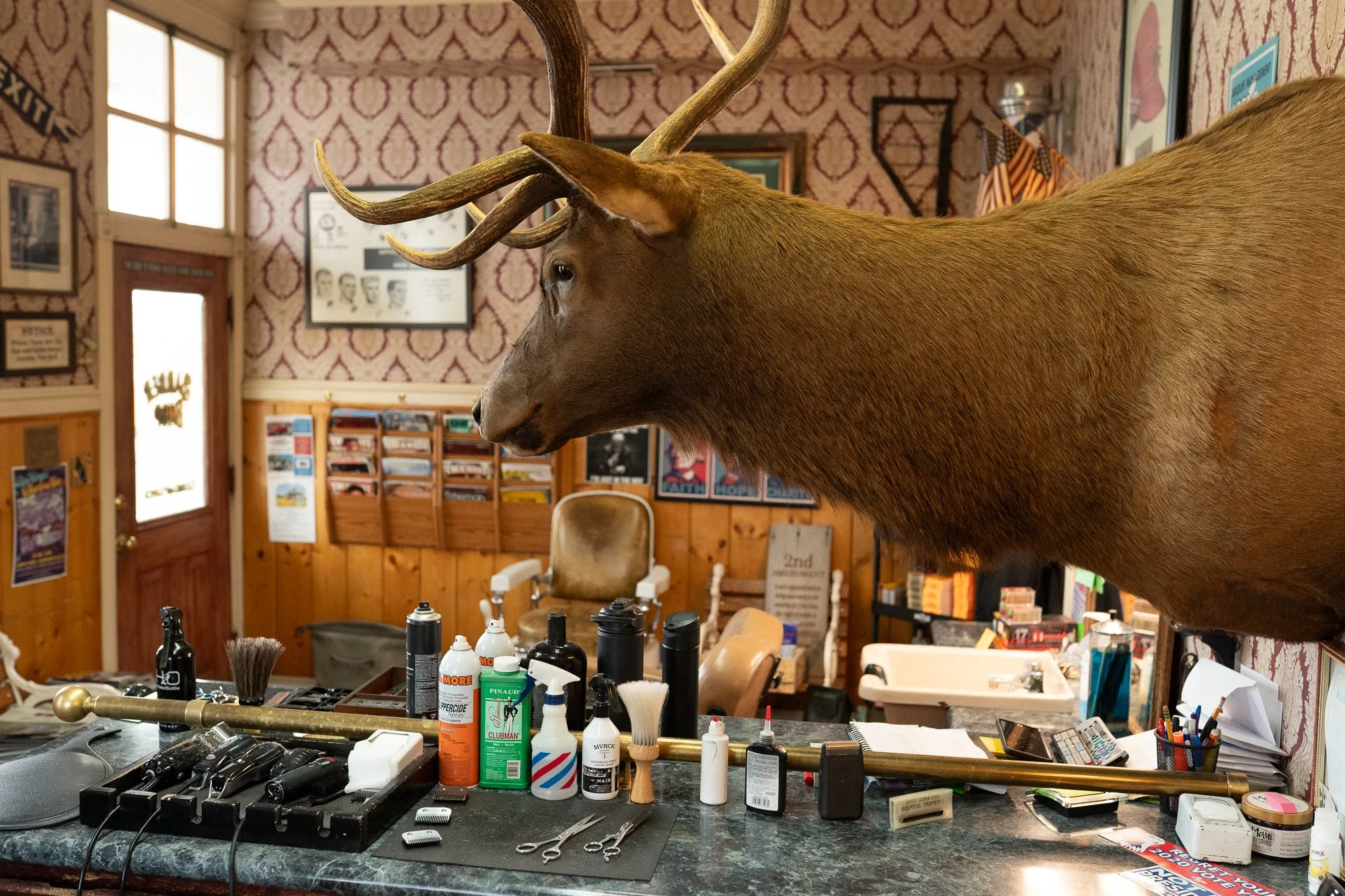
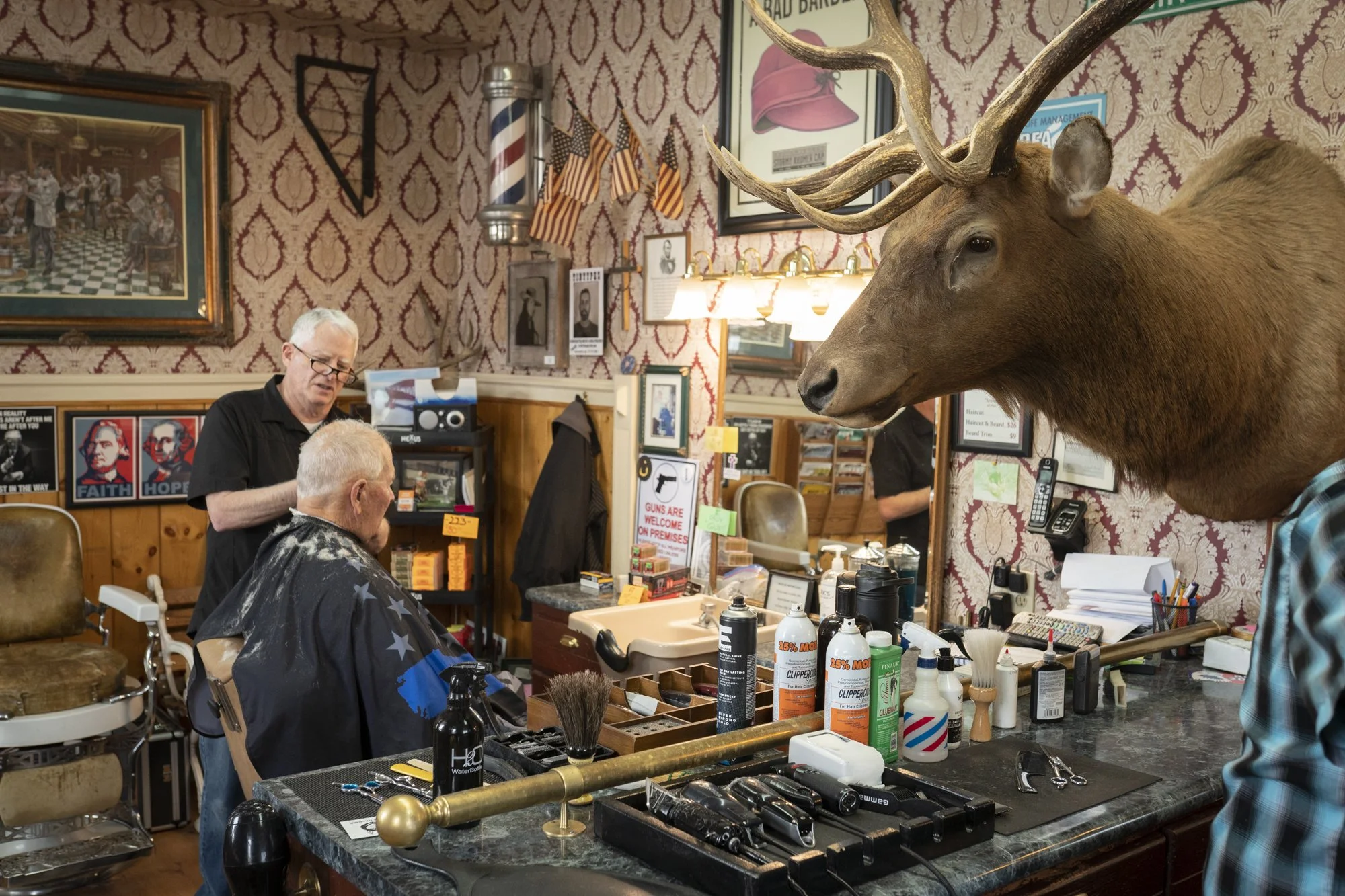
Vintage barbershop interior with a mounted elk head above a counter lined with clippers, shaving tools, and bottles.

A mounted elk watches over the barber’s counter—an unmistakable detail that roots this barbershop firmly in old school tradition.

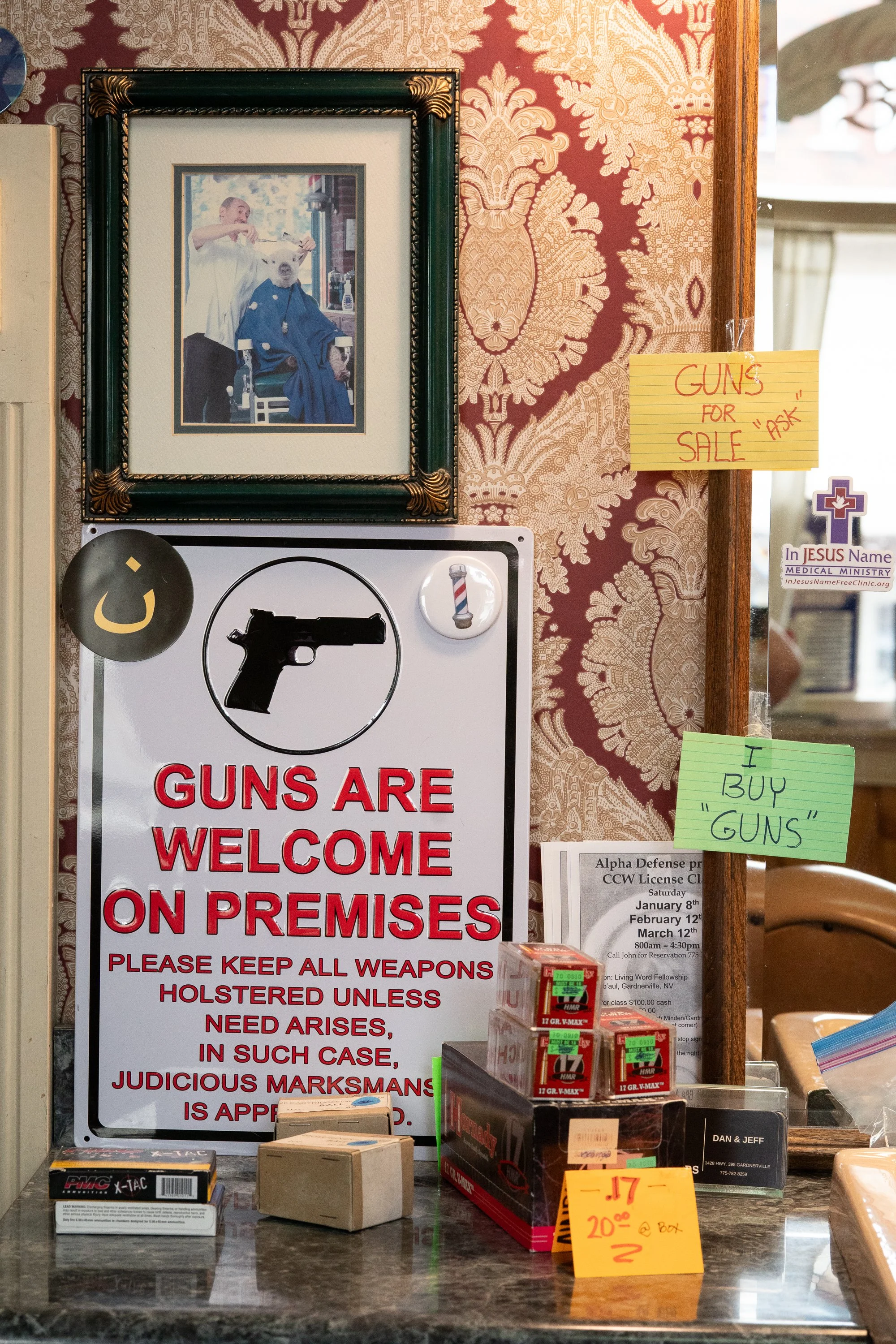
Details like handwritten signs, framed photographs, and unapologetic Americana are part of what defines this old school barbershop.

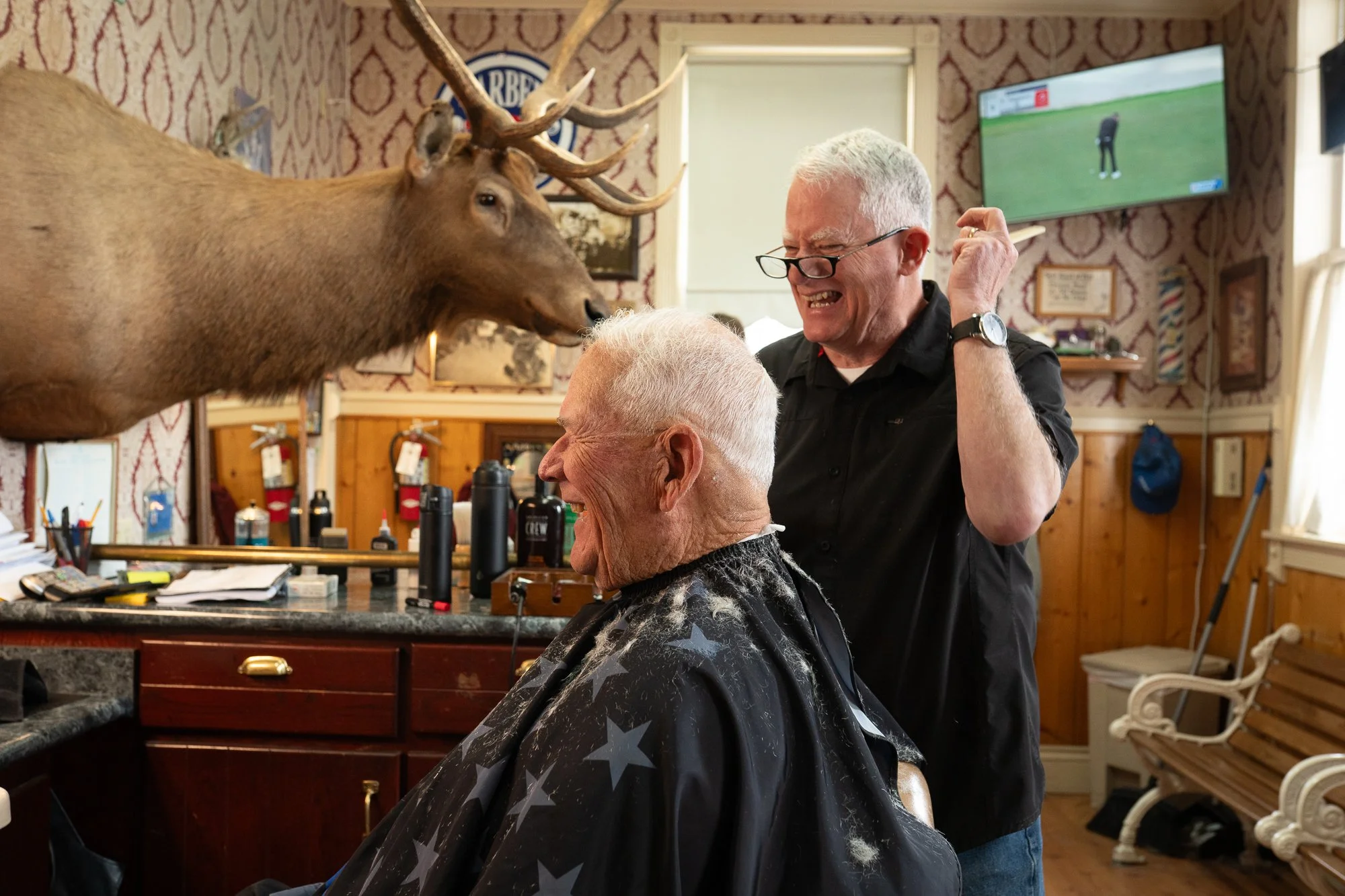
Old school barbershop haircut with a barber laughing beside a client seated beneath a mounted elk head.

A moment of laughter during a haircut in an old school barbershop, where mounted elk and decades of tradition share the same wall.

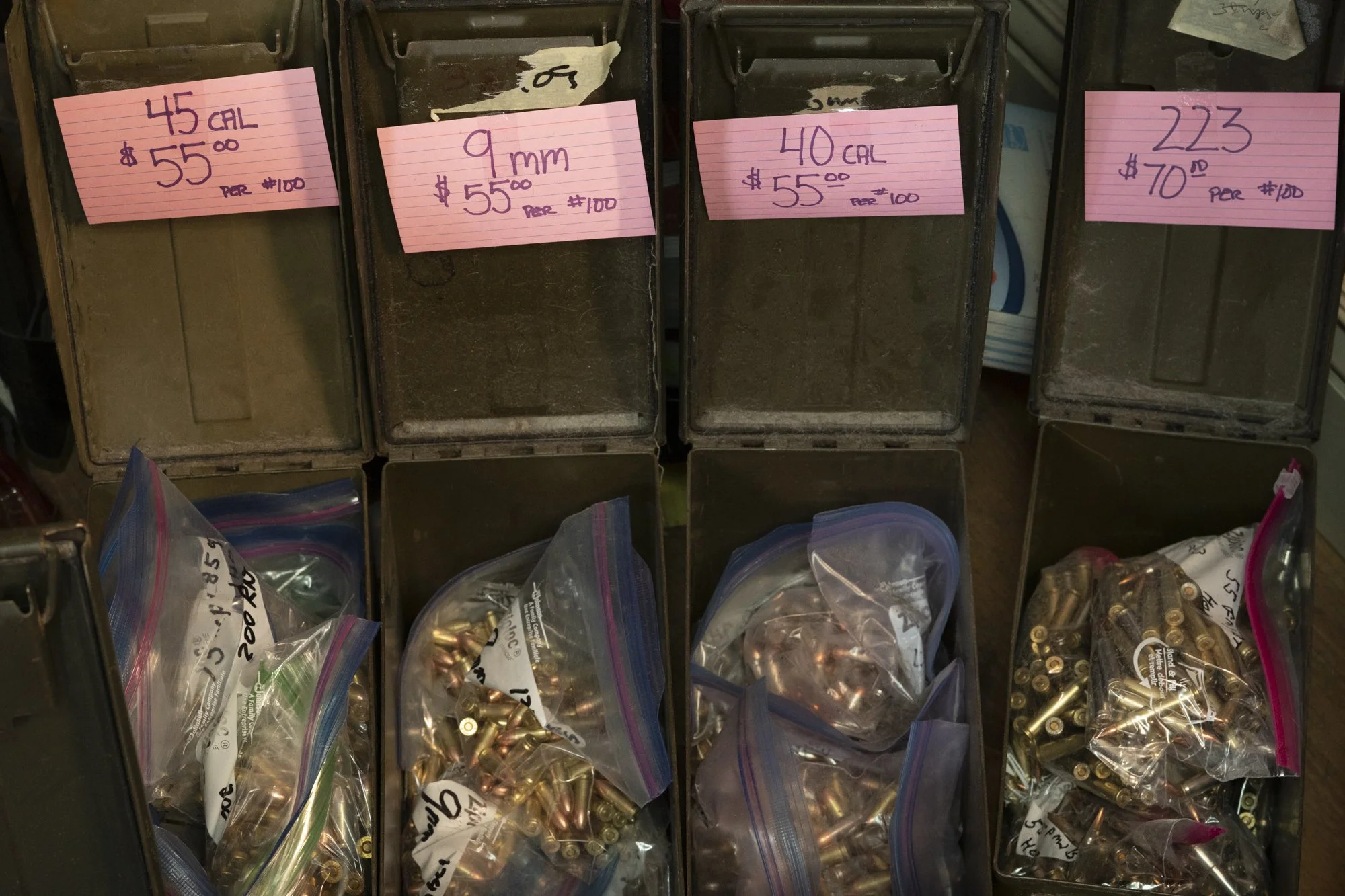
Ammunition for sale on the counter of an old-school barbershop, reflecting rural Americana and local culture.

A detail that stops you in your tracks—ammo for sale on the barbershop counter, a reminder that these shops often reflect the character of the towns they serve.

Old-school barbershop haircut beneath a mounted elk head in a traditional American barbershop interior.

An old-school barbershop moment—regulars in the chair, clippers on the counter, and a mounted elk watching over decades of haircuts and conversation.

Kansas City Basketball

Basketball Hoop Photography - Prints

Story Behind The Image

Of my many vices, BBQ is damn near the top of the list. Food in general is a big part of my life, but great BBQ is an especially large weakness. Many years ago while driving cross country, I stopped in Kansas City for some of their famous meat, and almost immediately complained to friends about the quality of that particular establishment. One of them recommended Arthur Bryant’s on Brooklyn Avenue. Ever since that trip AB’s has been a must stop anytime I’m within a couple hundred miles. They don’t miss. You know walking in there that they are going to take care of you. The place just feels right. Like walking into Madison Square Garden, you can feel the history. What the hell does this have to do with basketball? Nothing really, but if you’ve ever had a proper plate of BBQ, then you know the only thing that follows is immense satisfaction followed by meat sweats and a nap. So the ritual goes that I eat too much food, sparing the napkin full of scraps that are saved for Mojo who is (was) always waiting in the truck, drool already hanging several inches from his mouth. Poor bastard had to sit there while the smell of burnt ends and pulled pork wafts steadily in the window. After his treat we go for a long walk which turned into the same familiar route over the years. One of the regular sites is an abandoned school that I’ve made some mediocre images of. Viewing it from the outside always led to daydreaming of what the  gym inside looked like. As luck would have it, while walking by one year the plywood on a ground floor window was ripped off and the metal grate had been ripped open. That’s an invitation, right? Of course it is. Anyone that takes if for anything less is a fool. So I hopped in the window with a tripod, camera bag, and a headlamp. Kansas City summers are hot to say the least. Inside a sealed off brick building is something else altogether. It felt like you could chew on the air in there. Walking into the gym didn’t even seem real. My jaw must have drooped right to the floor. Couldn’t believe what a gift I was handed.  The whole room was all but gutted, yet the backboard still stood. I could have been happy in there for days. Still though it wasn’t a place to be for long. There were obviously people squatting and I didn’t have much interest in them knowing I was there. So after waiting waiting waiting for my lens to defog, a few frames were made, and I hit the road without any interactions between the squatters or the police. Moral of the story is eat more BBQ. 

If you’re a photography collector looking for basketball wall art, please contact me directly. All of my basketball hoop photography is available as fine art prints - rob@robhammerphotography

American Photography

Photographing America - Road Trip - USA - Travel

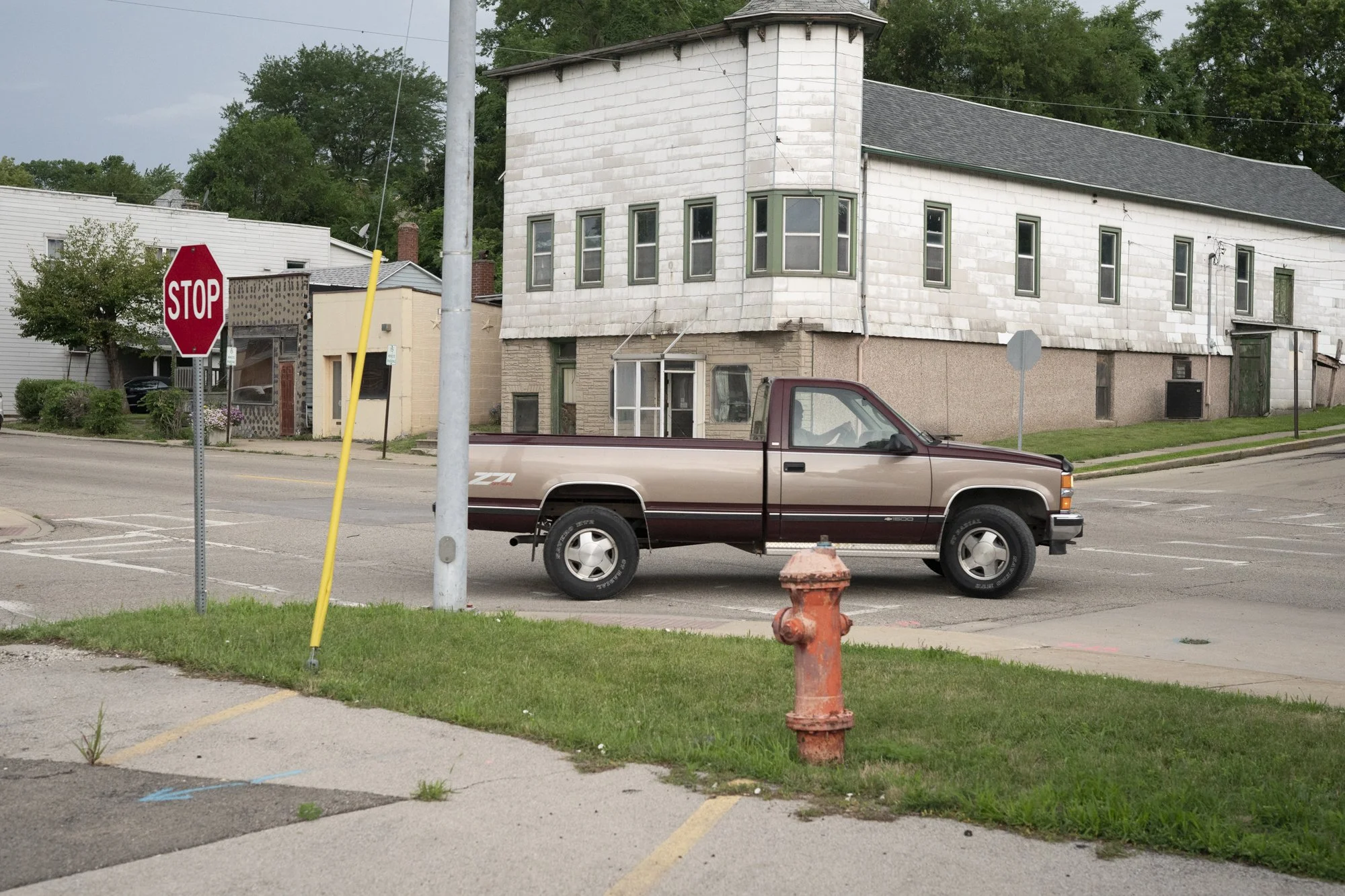
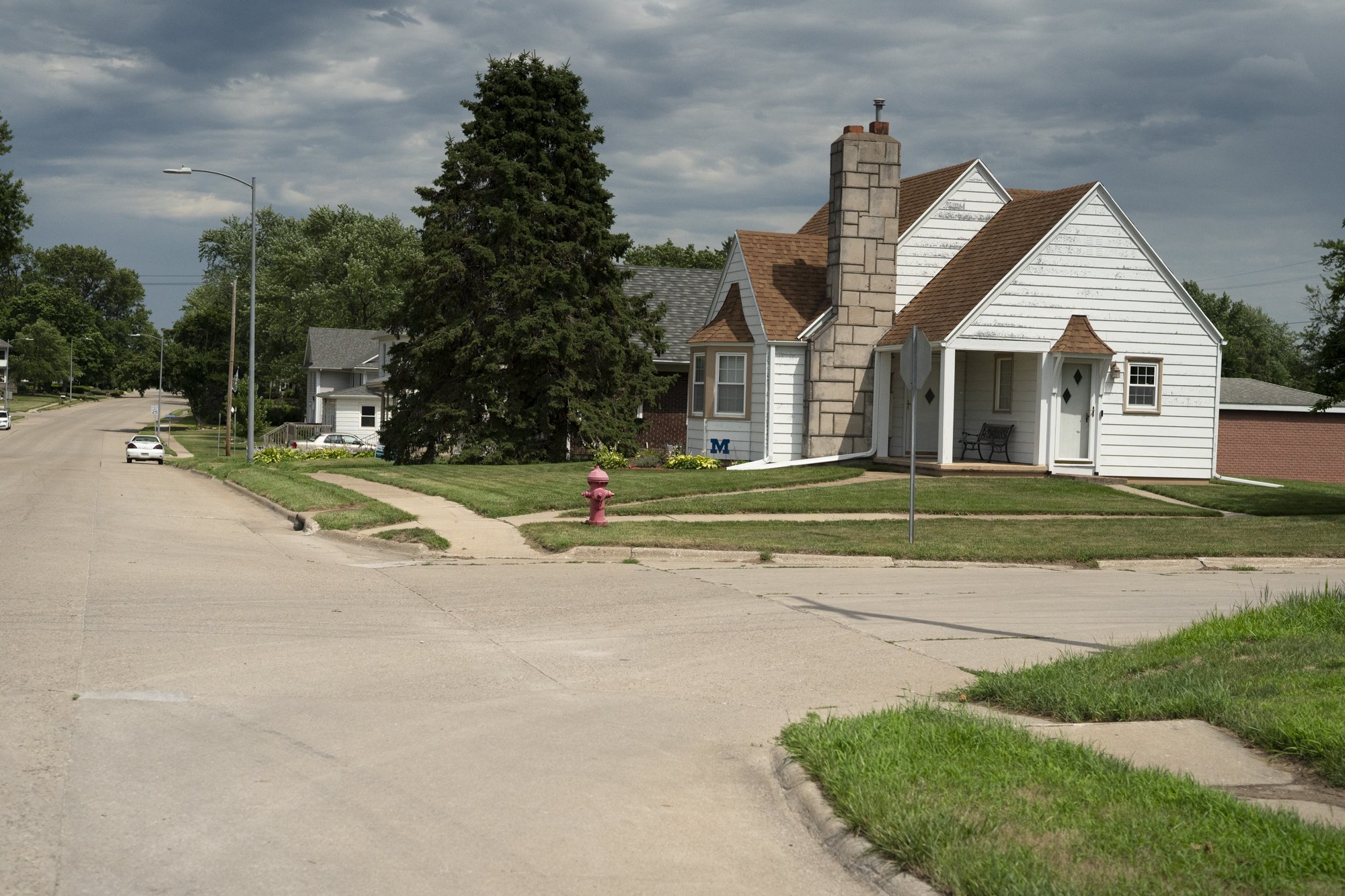
Every day spent on the road is educational in some way, especially when you drive for hours upon hours without producing anything. Half days even. A full day, and you still might not have put the camera up to your eye. Then you get to some kind of hot spot, for the lack of a better word. That’s what happened here. These top 3 images were made within 100 feet of each other in some small Illinois town on a day that otherwise produced almost nothing. Odd how that happens.

Click here to see more from my America series.

The Open Road - Photography

American Road Trip Photography

There’s been a hold up with the delivery of Roadside Meditations from Germany, so the release date is looking more like early to mid December. Instead of using this blog post to vent, it seems like a better opportunity to share some new work from the series. They were made over the past two months during two separate road trips to Wyoming and Arizona while working on the new cowboy series.

Looking at these photographs now, there is certainly a calming meditative nature to them. The thing that stands out though, is they aren’t something I could have or would have made 6 months or a year ago. That’s called progress, isn’t it? They aren’t landscapes. So what are they? Not sure you really need to classify them at all. If they are pleasant to look, provide a documentation, or education, that’s what’s important.

Will keep you all posted with updates on the new book as soon as possible.

Utah fine art photography. A beautiful landscape in a rural part of Utah.

Utah

Fine art landscape photos made in a beautiful remote section of Utah, USA.

Utah

Utah Fine art landscape photos by Rob Hammer

Utah

Fine art photo of the California desert. Black and white desert photo.

California

California Desert Road Trip

Road Trip Photography - America - Travel - California Desert

It’s interesting how certain places can grow on you that at first didn’t seem so appealing. And light seems to be one of the biggest determining factors of that in my opinion. It doesn’t have be traditionally beautiful light either. It just has to be interesting light. Or, maybe light that you understand how to work with? That knowledge is part of growing as a photographer. Most people focus so much on that “perfect” light that occurs during a sunrise or sunset, but beautiful images can be made at all times of day if you know how to work under different conditions. Even midday sun can transform a scene from completely forgettable to “I can’t wait to come back here”.

Click here to shop the Roadside Meditations book

Contact me directly about prints of my American road trip photography for your home, office, or commercial space - rob@robhammerphotography

Mountains in the California desert along Highway 395. American road trip photography by Rob Hammer.

American road trip photography

American Photography. Back roads near the desert town of Mojave, California. American road trip photography.

California desert - Mojave, CA

Wall art  of Joshua Trees growing in the California desert. Desert vibes photo.

Mojave Desert

A sky filled with clouds behind a windmill farm in Mojave, California. Alternative energy photos.

Windfarm in Mojave, California

A desert landscape along Highway 395 near Lone Pine, California. Desert Vibes.

California desert near Lone Pina

Windmills in the desert near Mojave, California. Alternative energy photos.

Mojave, CA

Photo of a small town in the California desert

Road Trip Photography

A train going through the small desert town of Mojave, California

A train going through the desert town of Mojave, CA

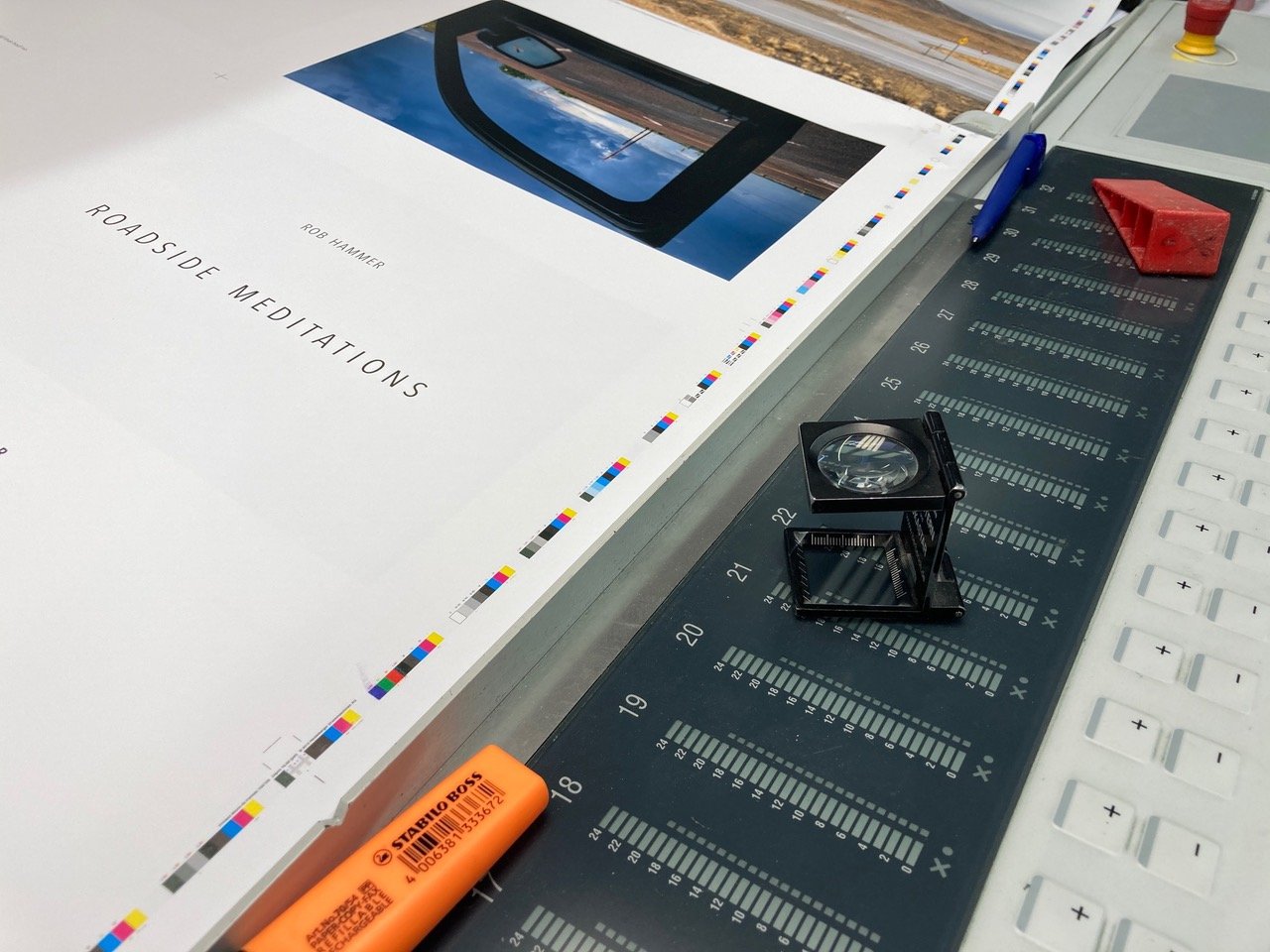
Roadside Meditations - Kehrer Verlag

Just returned from the road to find the first copy of Roadside Meditations waiting quietly at home. Feels so good to finally hold a hard copy in my hands after the long (but fun) production process with Kehrer Verlag in Germany. Unfortunately the books aren’t for sale yet in the States, but I will be posting and talking much more about this when the time comes. Hoping to have them up and ready to sell on my web store in about a month. Check back here or Instagram (@robhammerphoto) for updates.

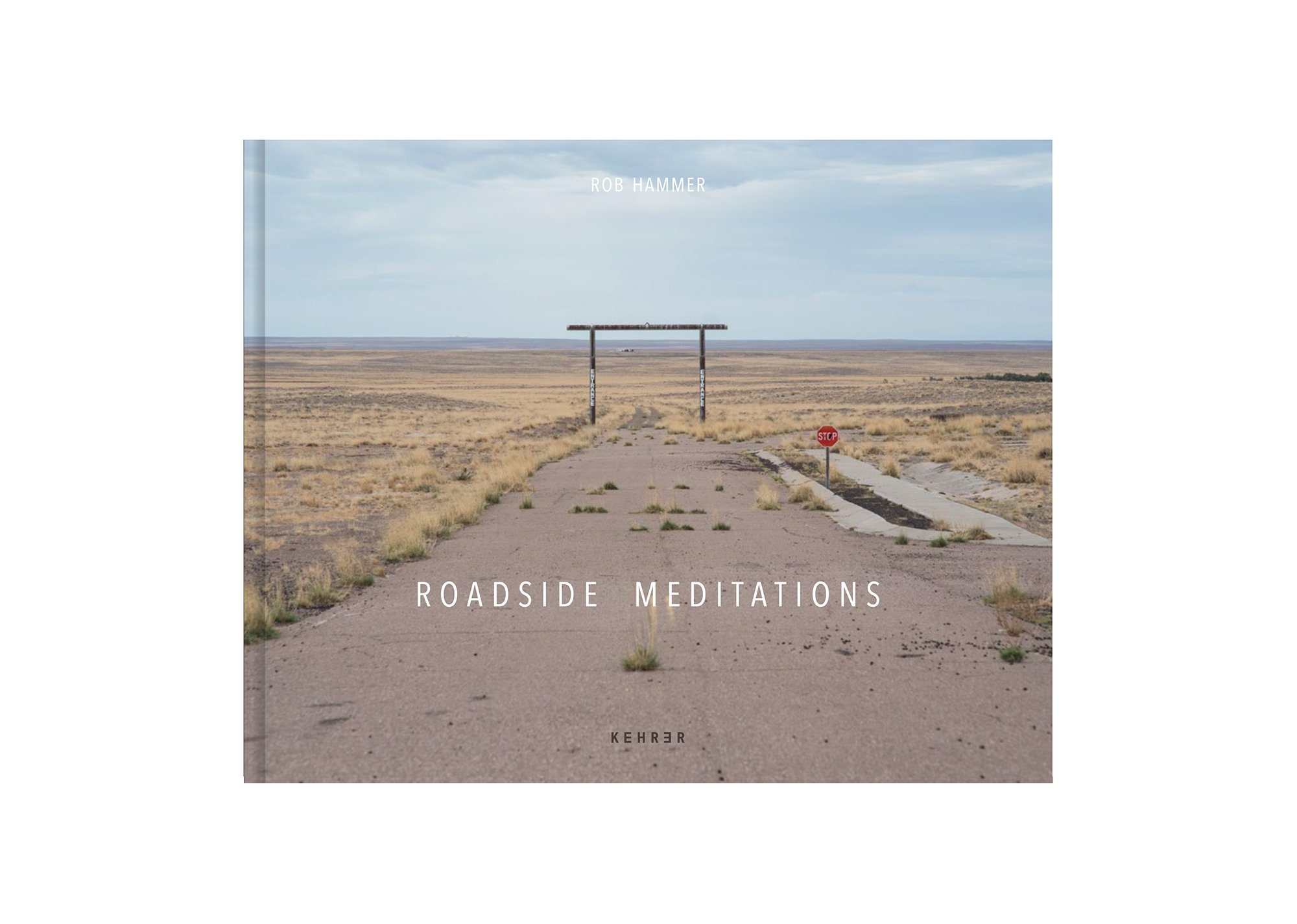
Fine art photography book Roadside Meditations by Rob Hammer and Kehrer Verlag.

Wyoming Cattle Ranch

Wyoming Cowboy Photography

American West

A cowboy gathering cattle on a ranch outside Laramie, Wyoming. Cowboy Photographer Rob Hammer.

Wyoming cattle drive

Wyoming is a land rich in rugged beauty, where open plains meet towering mountain ranges, and the cowboy way of life still thrives. One of the most iconic images that evokes the spirit of the American West is that of a working cowboy on a Wyoming cattle ranch. These photos not only showcase the breathtaking landscapes but also the hard work, dedication, and heritage that define ranch life.

A cattle drive on a large ranch in Wyoming by cowboy photographer Rob Hammer.

Cowboys moving cattle on a ranch in Wyoming

A cowboy lets his horse drink from a pond during a long cattle drive on a ranch in Wyoming by cowboy photographer Rob Hammer.

Black and white cowboy photography print

Cowboys herd cattle on a rugged section of open ranch in Wyoming by cowboy photographer Rob Hammer

Wyoming cowboys

At Work

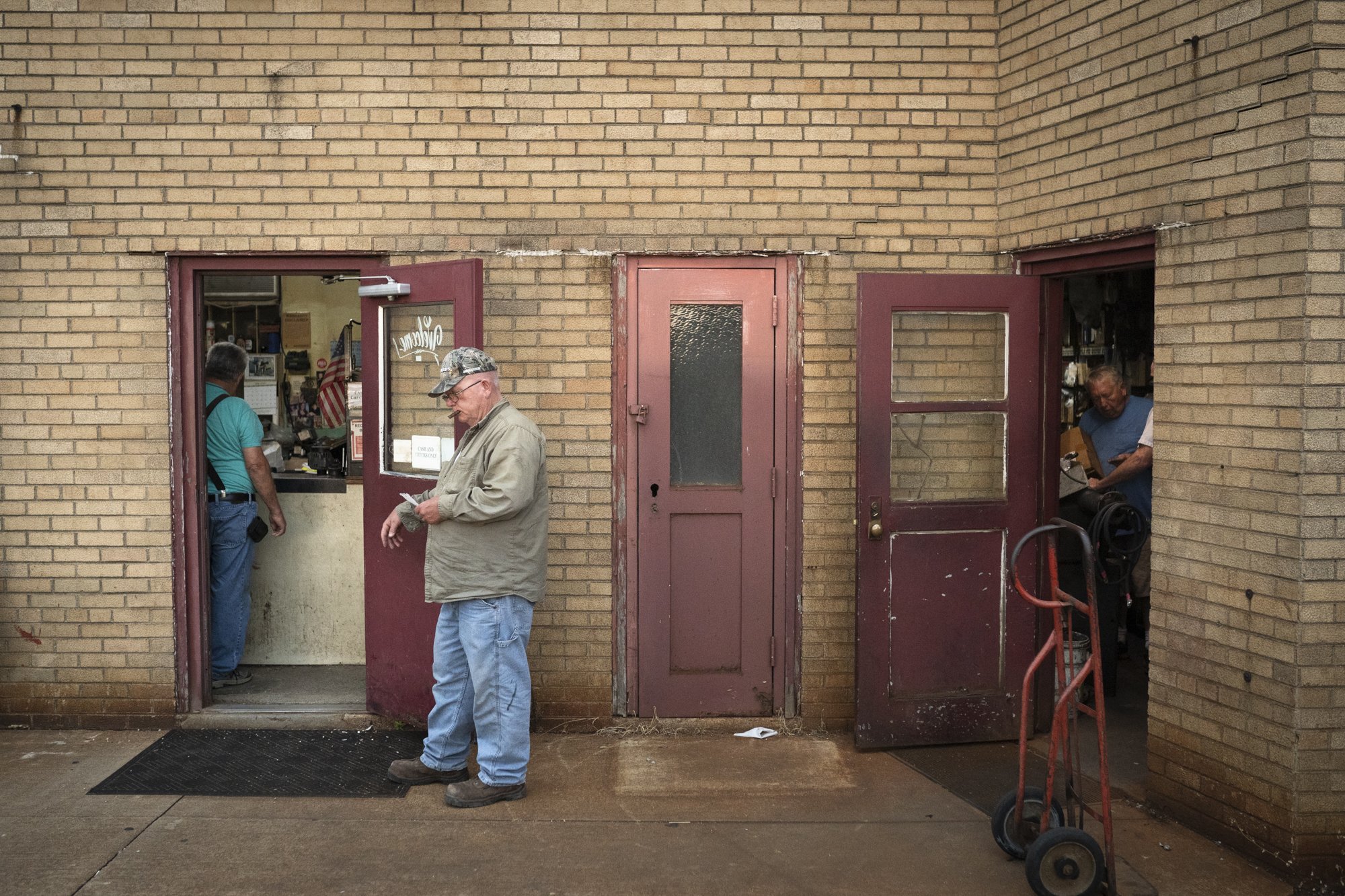
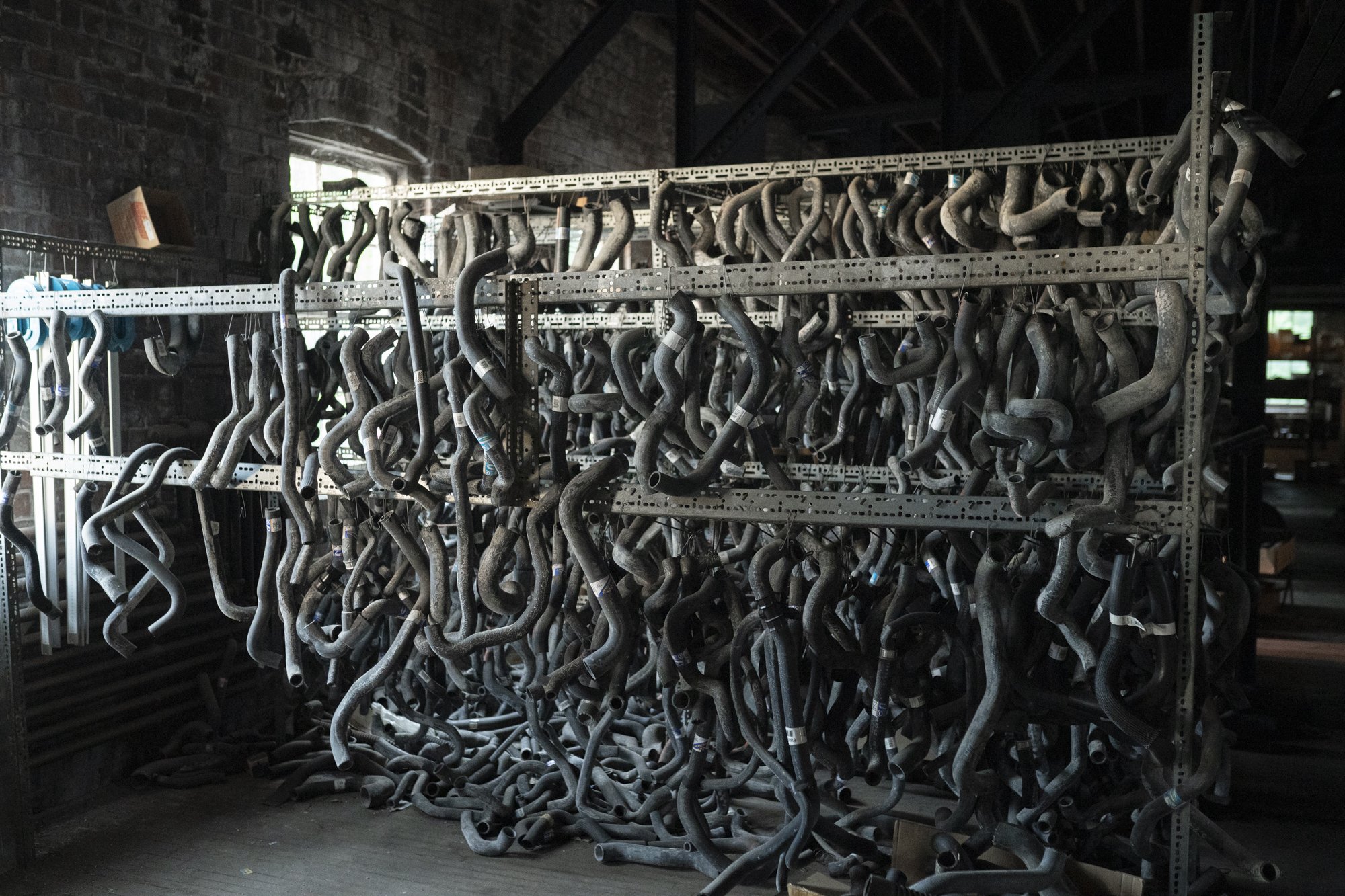
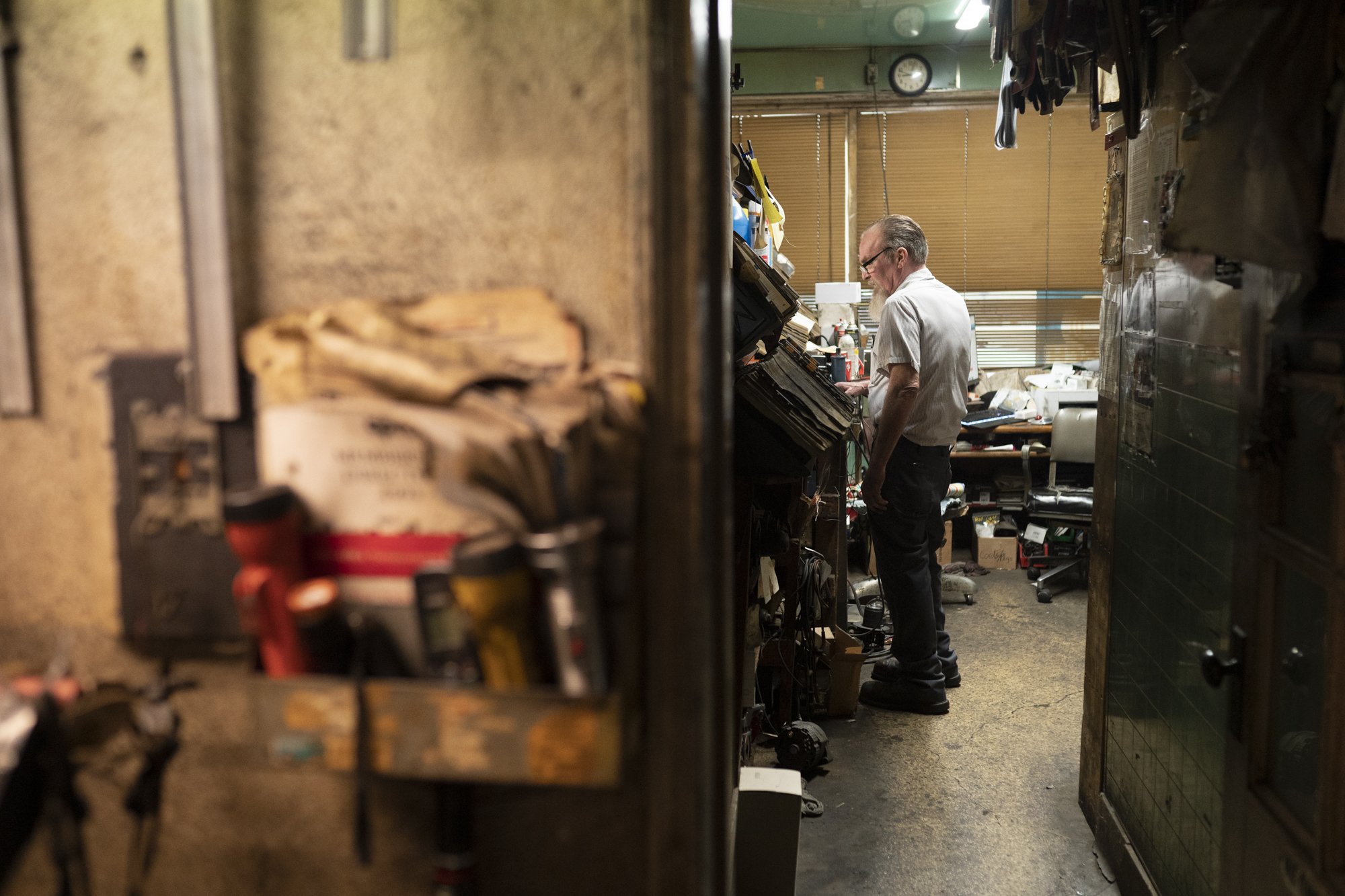
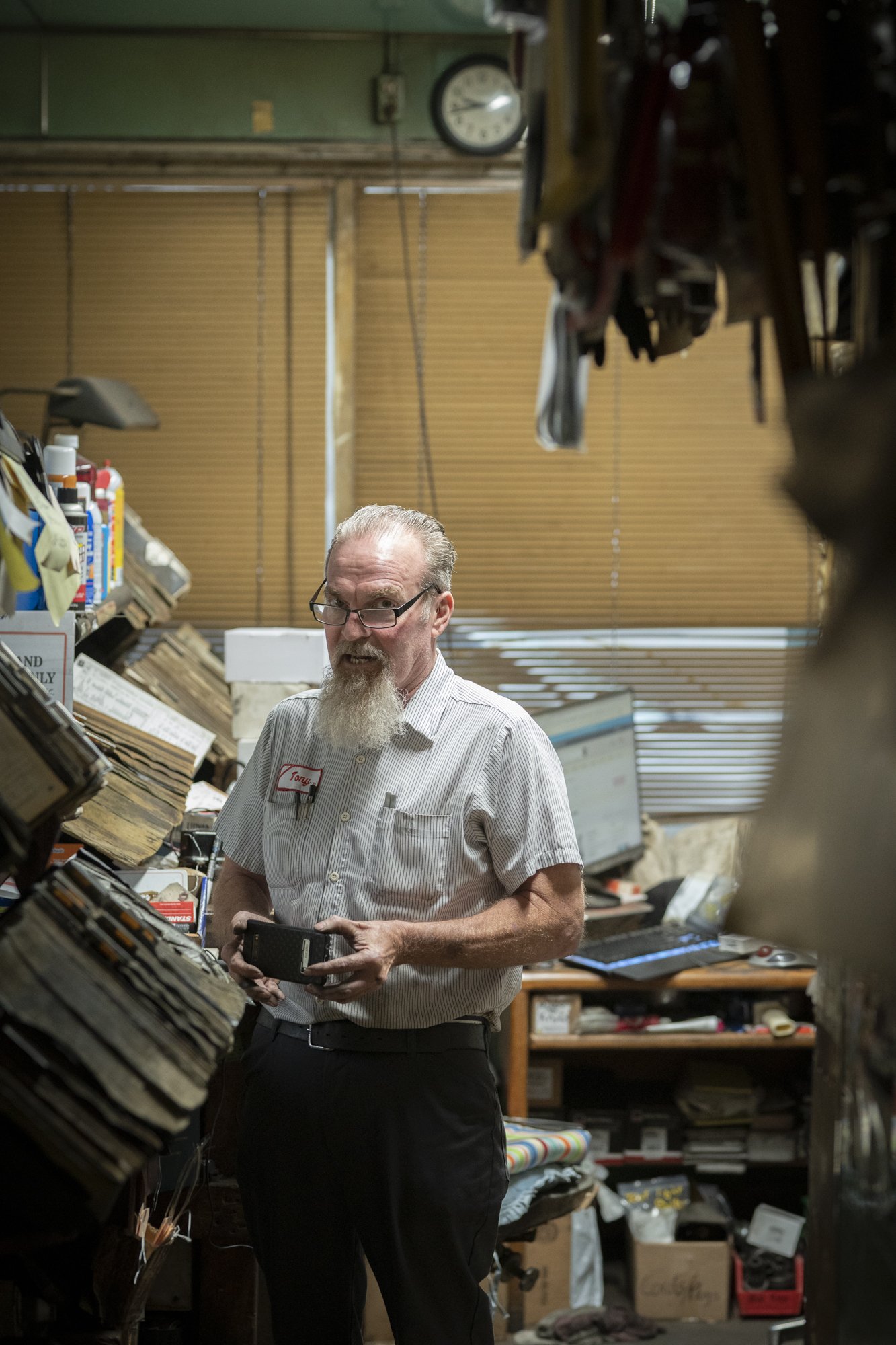
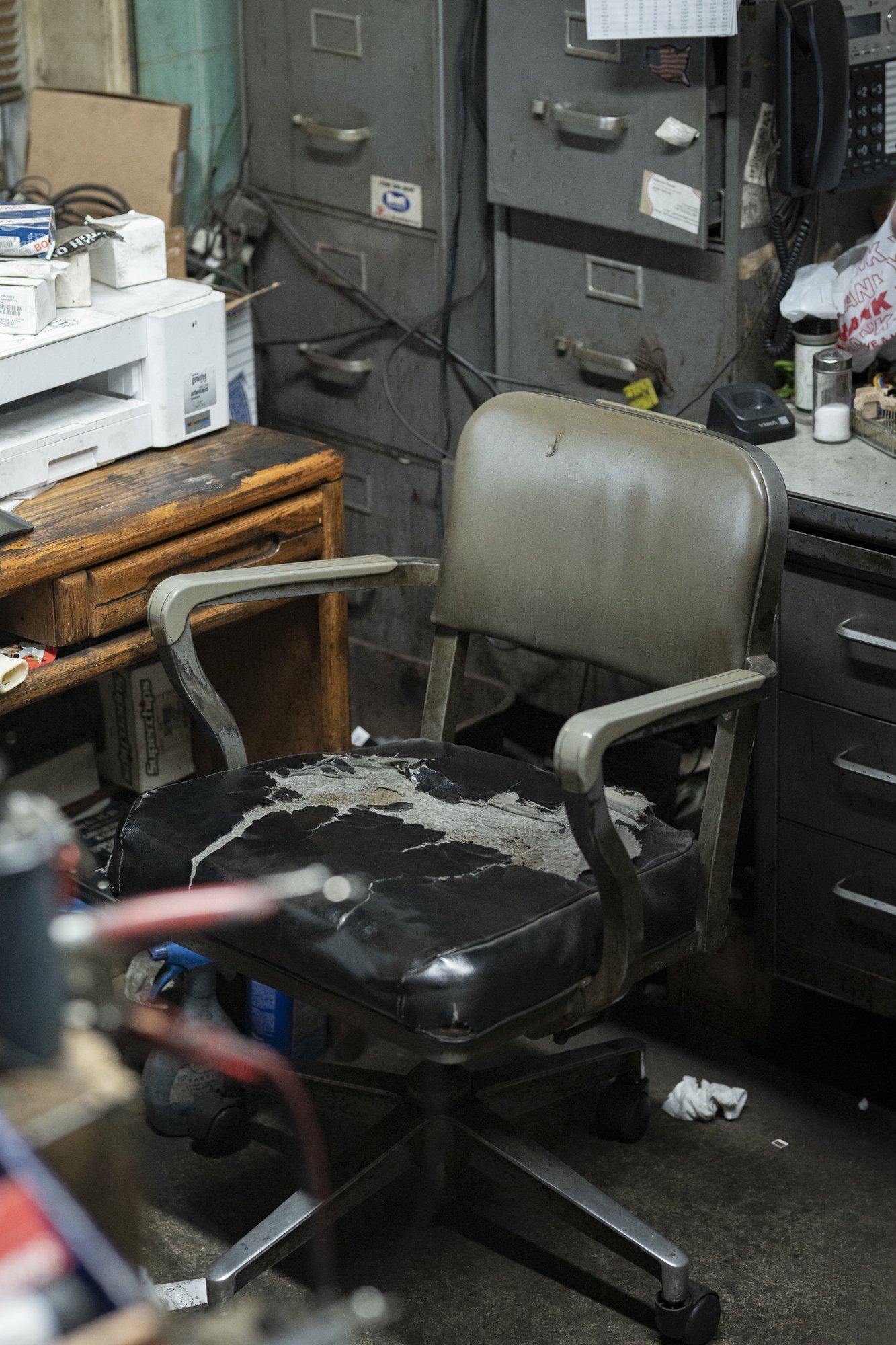
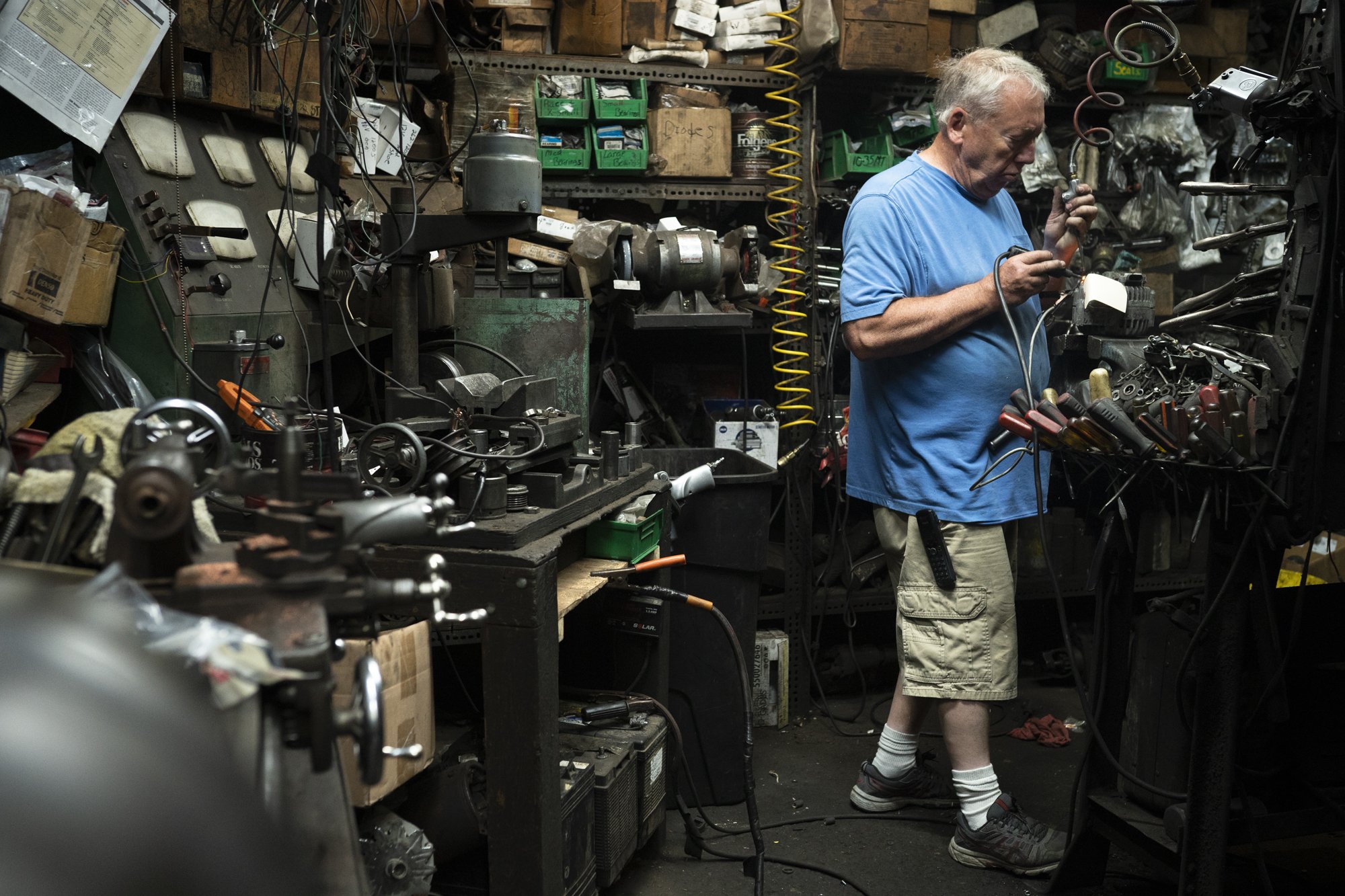
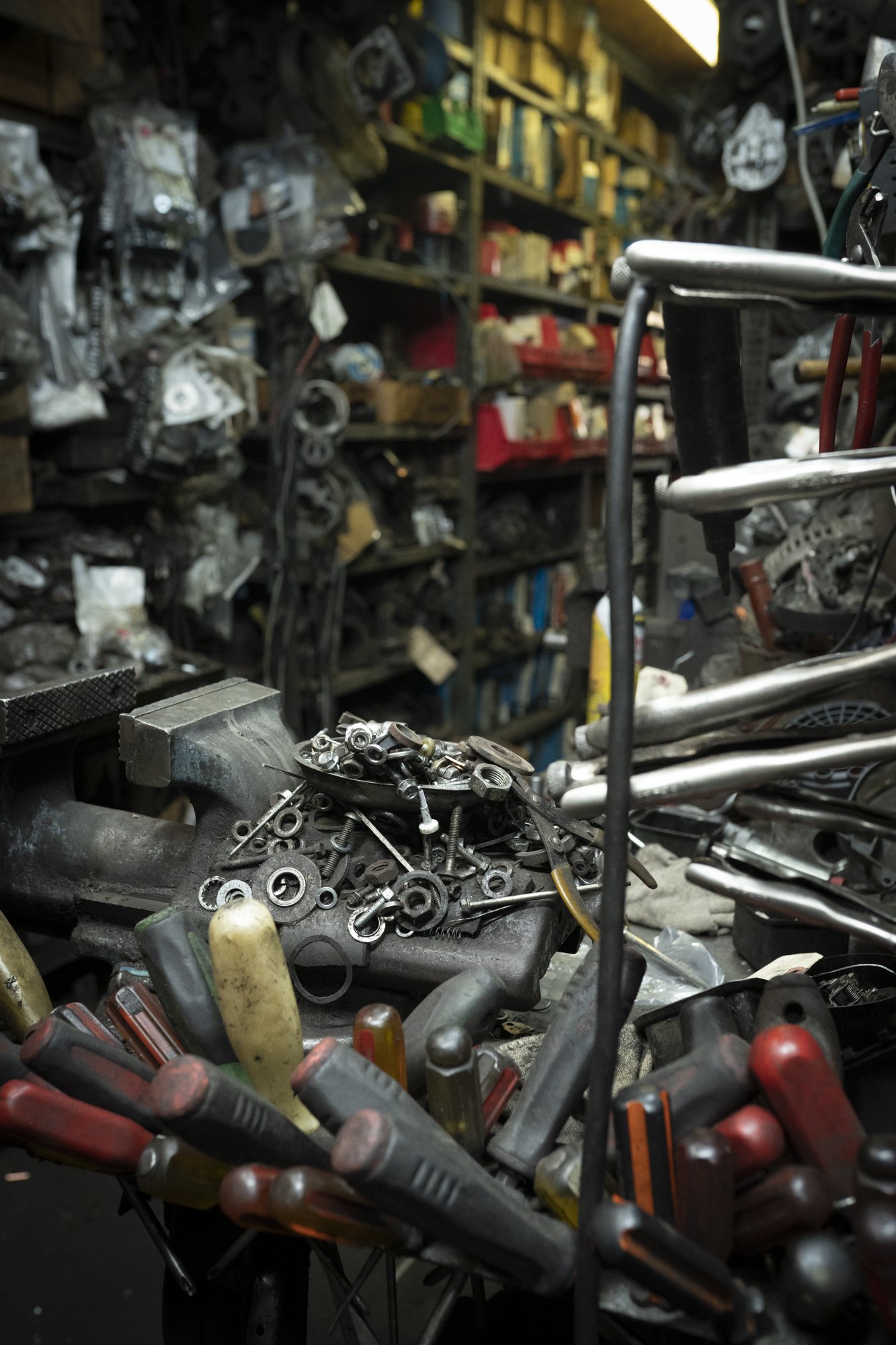
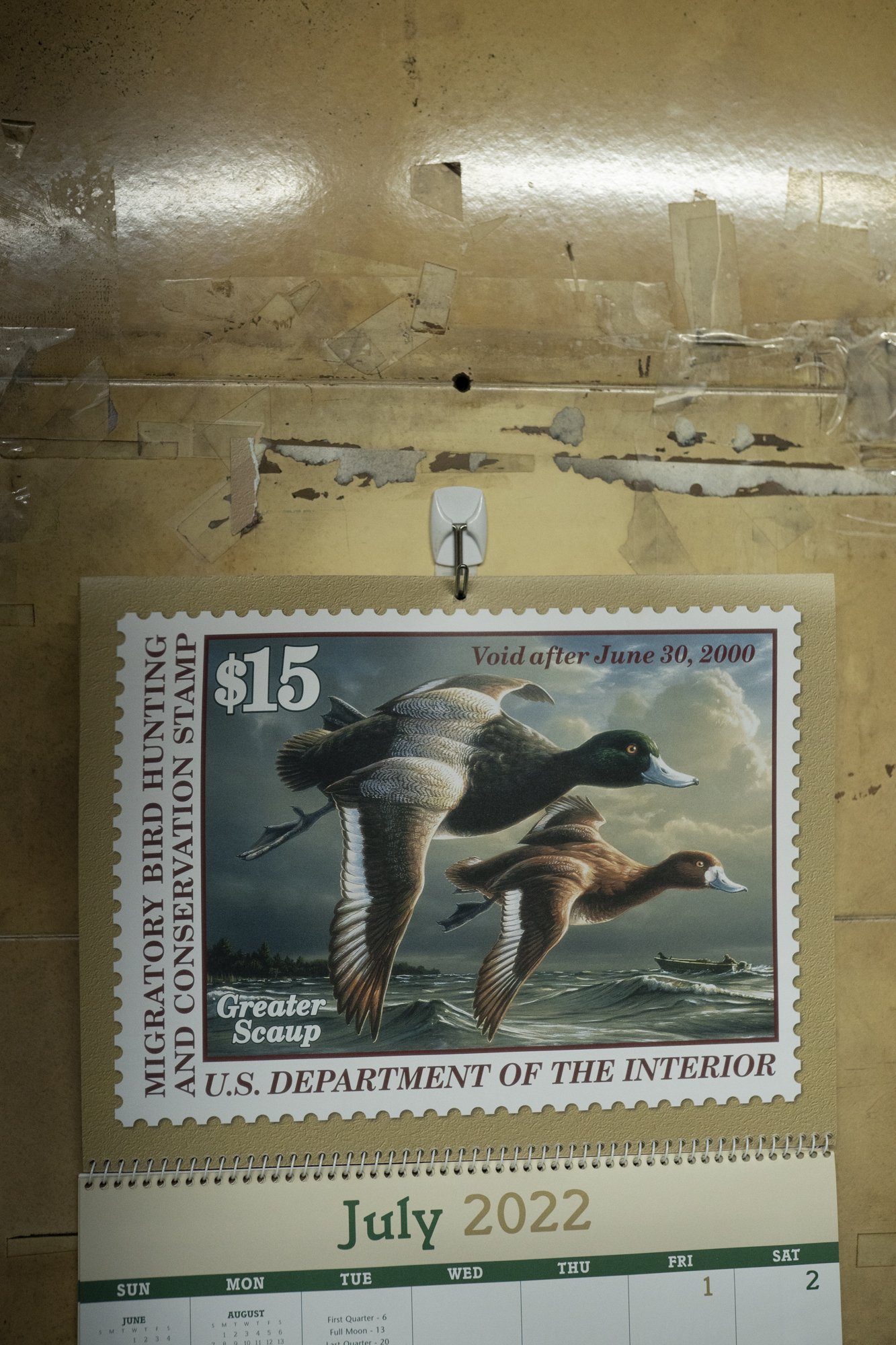
There are a lot of strategies for being productive while on the road. One of them is the “pop-in”. It’s become my go-to when rain won’t let you do much outside. That’s precisely how these images came to be. The pop-in isn’t for everybody. It used to scare the hell out of me. Then you realize there are only two answers, yes or no. If it’s a no, who cares? Just move on. Tony, the owner of this garage, was happy to let me hang out for a few minutes to make some images. Confused as to why, but it didn’t bother him any. Obviously they are going into my “At Work” series that has been so much fun to shoot. Some of the images you’ll see in the gallery are personal and others were made for clients. Better yet, some of them are personal assignments that were later published. Love when that happens.

American Road Trip

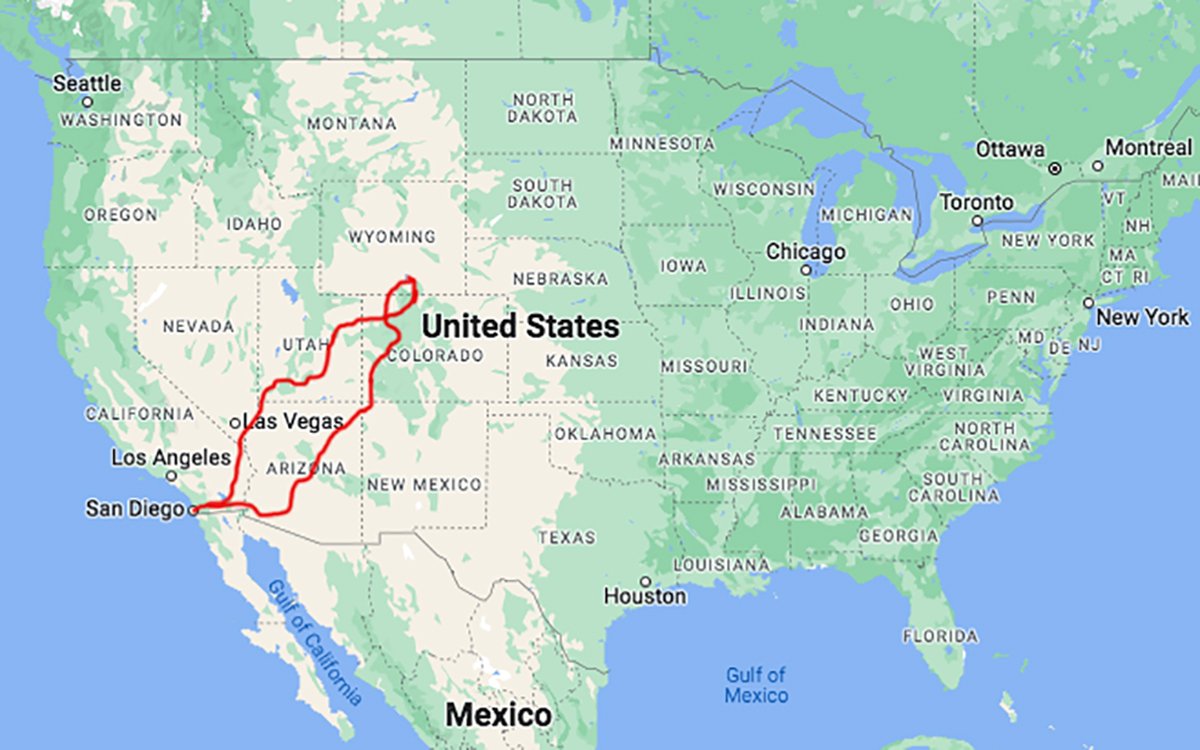
It seems like every road trip has its own personality filled with unique findings and activities. Of course photography is always the main focus of these trips, but there are also auxiliary goals that I try to squeeze in as well. Ranching, fly fishing, friends, and hunting are just a few of the things that happened in the squiggly red lines on the map. So far it seems like the results are good in the photography category and a hell of a lot of good times were had along the way. Excited to share more the miles soon.

View the American Roadtrip Gallery

Shop my American Roadtrip Photography Book

Al Swanson - Master Wood Worker

American Woodworker and Craftsman

Al Swanson - Helena, Montana

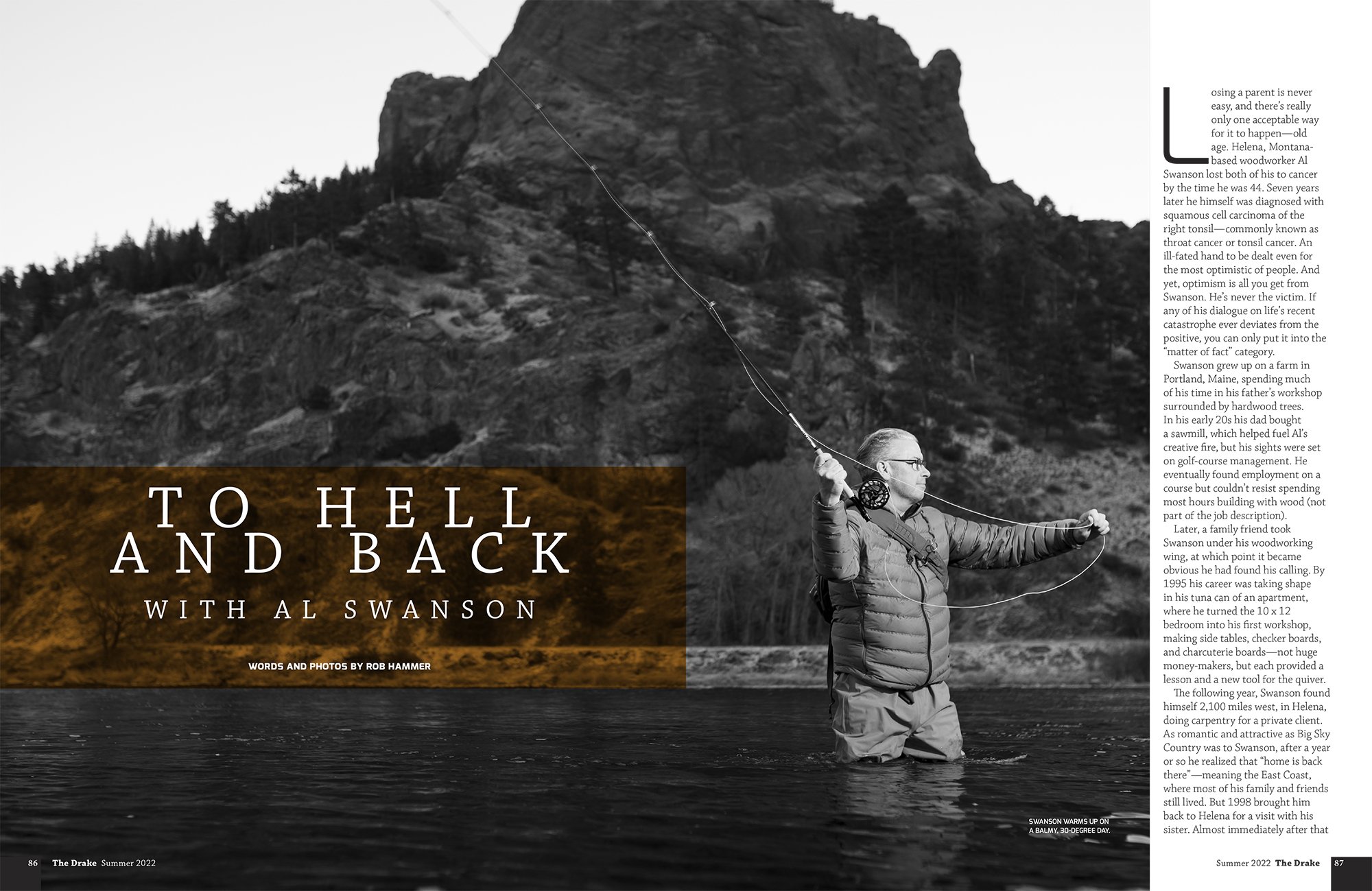
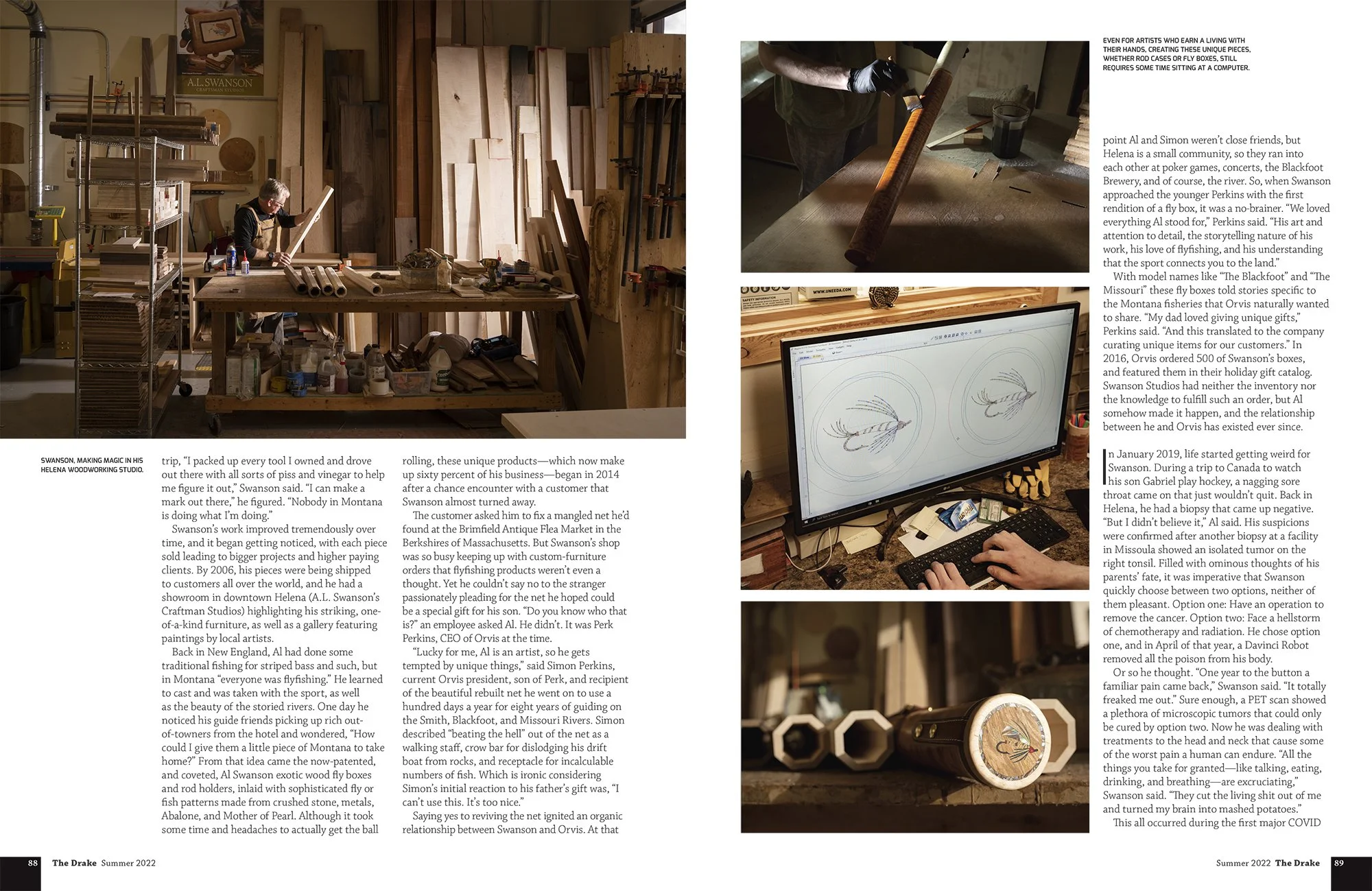
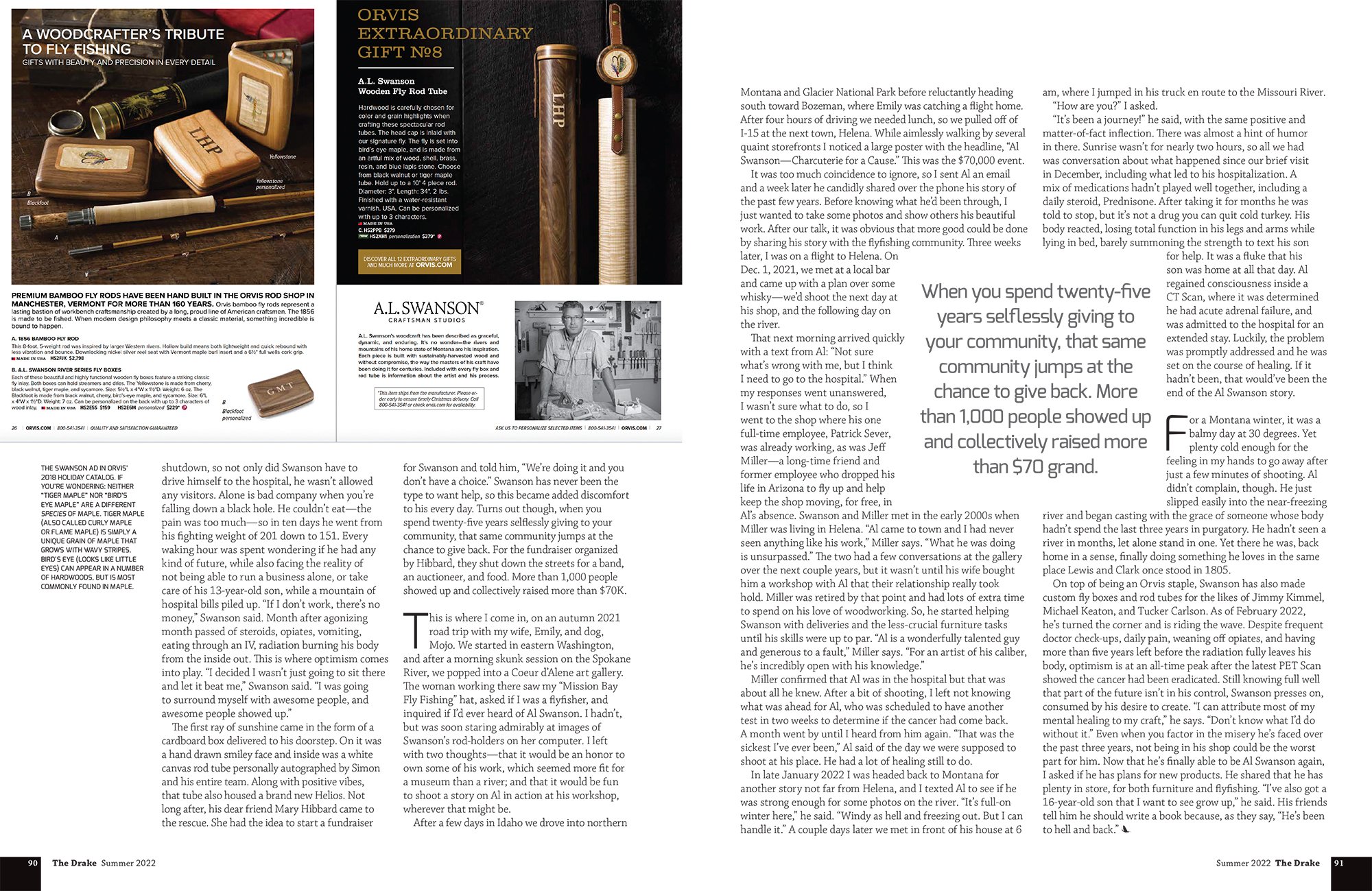
It’s been such a pleasure working with and getting to know Al Swanson. If you’re in the fly fishing world, and don’t know who he is, take some time to learn about his work. It’s exceptional. And the way we came to know each other makes this even better. I’m honored to share his story with words and photos in the latest issue of the Drake Magazine. Here is the unedited version of that story:


Losing a parent is never easy, and really there’s only one acceptable way for it to happen - old age. Al Swanson lost both of his to cancer by the time he was 44. Seven years later he himself was diagnosed with squamous cell carcinoma of the right tonsil. A baneful hand to be dealt even for the most optimistic of people. Yet optimism is all you get from Al. He’s never the victim. If any of his dialogue on life’s recent catastrophe ever deviates from the positive, you can only go as far as putting it into the “matter of fact” category. 


Swanson grew up on a farm in Portland, Maine in his fathers workshop surrounded by hardwood trees where they would make necessities out of necessity. In his early 20’s dad bought a sawmill which helped fuel the creative fire, but his sights were set on golf course management. He eventually found employment on a course yet couldn’t resist spending most hours building with wood (not part of the job description). Later a family friend took Al under his woodworking wing, at which point it became obvious he had found his calling, and the stage was set. 1995 was the year things took shape in a tuna can of an apartment where he turned the 10x12 bedroom into his first workshop making side tables, checker, and charcuterie boards. Not huge money makers, but each one a learning lesson that would afford a new tool for the quiver and unhappy neighbors.


1996 found him 2,100 miles west in Montana doing odd and ends carpentry for a private client where Big Sky Country genuinely flowed into his yet cancerless body. As romantic as the country was, a year or so passed and he realized “home is back there” - speaking of the east where most of his family and friends still lived. 98’ brought him again back to Helena for a visit with his sister. Almost immediately after that trip “I packed up every tool I owned and drove out there with all sorts of piss and vinegar to help me figure it out. I can make a mark out there. Nobody is doing what I’m doing in Montana.” Turns out that piss and vinegar did the trick. The work improved exceedingly over time and began getting noticed, with each piece sold leading to bigger projects and higher paying clients. His road was also paved with plenty of discouragement as every worthwhile venture is. Nevertheless by 2006 he had a showroom/gallery space in downtown Helena highlighting his striking one of a kind furniture as well as paintings by other local artists he personally invited in. Business was boomin’. Al’s work was being shipped to customers all over the world. 

Back east Al had done some traditional ocean fishing for striped bass and such. In Montana “everyone was fly fishing”. He was taken with the sport, as well as the magnetic beauty of the storied rivers, and thus learned to cast. Al was in. All in. One day he noticed his guide friends picking up rich out of towners from the hotel to go fishing and wondered “How could I give them a little piece of Montana to take home?” From that the idea was eventually born for the now patented and coveted Al Swanson exotic wood fly boxes and rod holders inlaid with sophisticated fly/fish patterns made from crushed stone, metals, Abalone, and Mother of Pearl.  Although it took quite some time and even more headaches to actually get the ball rolling. The products that now make up 60% of his business were ultimately sent afloat by a chance encounter in 2014 with a customer Al almost turned away when he asked him to fix a mangled net found at the Brimfield Antique Fly Market in the Berkshires (Massachusetts). The shop was so busy keeping up with custom furniture orders that fly fishing products weren’t even a thought. Yet he couldn’t say no to the stranger passionately pleading for the net he hoped could be a special gift for his son. “Do you know who that is?” an employee asked Al afterward. Enter Perk Perkins - CEO of a little fly fishing company called Orvis. “Lucky for me Al is an artist, so he gets tempted by unique things'' -says Simon Perkins (the son and current president of Orvis) of the beautiful rebuilt net he went on to use 100 days a year for 8 years of guiding on the Smith, Blackfoot, and Missouri Rivers. Where he “beat the hell” out of the net as a walking staff, crow bar for dislodging his drift boat from rocks, and netting incalculable numbers of fish. Ironic considering the initial reaction to his fathers gift was “I can’t use this. It’s too nice”. Saying yes to the net ignited an organic relationship between Al and a company that shared a high commitment to quality and a synergy of beliefs. At that point Swanson and Simon weren’t close friends, but Helena is a small community, so they ran into each other at the Blackfoot Brewery, poker games, concerts, and of course, the river. So later on when Al approached Simon with the first rendition of the fly box, it was a no brainer. “We loved everything Al stood for. His art and attention to detail, the story telling nature of the work, love of fly fishing, and his understanding that the sport connects you to the land” said Simon. Of course with model names like “The Blackfoot” and “The Missouri” they told stories specific to the Montana fisheries that Orvis naturally wanted to share. Perkins said “My dad loved giving unique gifts, which translated to the company’s cultural desire to curate unique products for our customers.”  In 2016 Orvis ordered 500 boxes from Swanson to be featured in their holiday gift catalog. Swanson Studios had neither the inventory or knowledge to fulfill such an order, but he figured it out and that relationship is still alive today. 

January 2019 life started getting weird during his son Gabriel’s hockey trip to Canada when a nagging sore throat came on that just wouldn’t quit. Back in Helena he had a biopsy done which came up negative, “but I didn’t believe it” Al said. His suspicions were confirmed after another biopsy at a facility in Missoula showed an isolated tumor in the right tonsil. Filled with ominous thoughts of his parents fate it was imperative he quickly make one of two choices: do the operation to remove the cancer or deal with the hell storm of chemotherapy and radiation. He chose option one and in April of that same year a Davinci Robot removed all the poison from his body. Or so he thought. “One year to the button a familiar pain came back that totally freaked me out”. Sure enough, a PET Scan showed a plethora of microscopic tumors that could only be cured by option number 2. The first go round wasn’t so bad, but now he was dealing with treatments to the head and neck that cause some of the worst pain a human can endure. “All the things you take for granted like talking, eating, drinking, and breathing are excruciating. They cut the living shit out of me and turned my brain into mashed potatoes.” This all occurred during the first major COVID shutdown, so not only did Al have to drive himself to the hospital, he wasn’t allowed to have any visitors. Alone is bad company when you’re falling down a black hole. Eating was no longer a matter of need, it was a matter of can’t. The pain was too much, so he went from his fighting weight of 201 down to 151 in ten days. Every waking hour was spent  wondering if he had any kind of future, while also facing the reality of not being able to single handedly run a business or take care of his 13 year old son while a glacial mountain of hospital bills piled up. “If I don’t work, there’s no money”. Month after agonizing month passed of eating through an IV, steroids, opiates, vomiting, radiation burning his body from the inside out and “not knowing what tomorrow is going to bring until it comes. Then you wake up and realize all it’s brought is pain”. That was his immediate and unavoidable truth. It’s also where optimism comes into play. “I decided I wasn’t going to sit there and let it beat me. I was going to surround myself with awesome people, and awesome people showed up.” The first ray of sunshine came in the form of a cardboard box delivered to his doorstep. On it was a hand drawn smiley face and inside was a white canvas rod tube personally autographed by Simon and his entire team. Along with positive vibes that tube also housed a brand new Helios. Not long after his dear friend Mary Hibbard came to the rescue. She had the idea to start a fundraiser for Al and said “we’re doing it and you don’t have a choice”. Swanson has never been the type to want help so this became added discomfort to his every day. Turns out though, when you spend 25 years selflessly giving to your community, that same community jumps at the chance to give back. Mary did the thing right. They shut down the streets for a band, auctioneer, food, and over 1,000 people showed up that collectively raised over 70k for Al.

This is where I come in. A photographer and writer on a trip with my wife and dog. Mojo and I drove from San Diego. She flew. After a morning skunk session on the Spokane River we popped in a Coeur d’ Alene art gallery. The kind women working there looked at my “Mission Bay Fly Fishing” hat and asked if I was a fly fisherman. Not wanting to be hassled into buying one of their arresting Mel McCudden paintings I said “yes, but I’m not very good”, and kept moving. She followed and inquired if I ever heard of Al Swanson. I hadn’t, but that was where the conversation took a turn and led to me drooling over images of Al’s rod holders on the computer behind their front desk. Before she could talk me into pulling my credit card out, I left  with two thoughts - it would be an honor to own some of his work that seemed more fit for a museum than the river, but also that it would be fun to shoot a story on Al in action at his workshop, wherever that might be. After a few days in Idaho we drove on to northern Montana and Glacier National Park. Fall was in its prime. Everywhere you looked nature was putting on a show. Colors. Wildlife. Rainbows. Sunshine one minute and snow the next. Needless to say we didn’t want to leave when the time came. Nevertheless, our reluctant trek started down to Bozeman where Emily was scheduled for her return flight home. After 3 or 4 hours of driving through Montana’s majesty all 3 of us needed to stretch our legs and eat some lunch. So we pulled off The 15 into the next town that just happened to be Helena. Aimlessly walking by several quaint storefronts my eyes looked up just long enough to notice a large poster with the headline  “Al Swanson - Charcuterie for a Cause” - aka the $70,000 event. It was all too much to ignore, so I sent Al an email. A week later we spoke on the phone for about an hour when he candidly shared his transmigration of the past few years. Before knowing the destruction he’d been through I just wanted to document him at work to be able to show others his art. After our talk it was obvious that more good could be done by sharing his story with the fly fishing community. 3 weeks later I was on a flight to Helena. December 1, 2021 we met at a local bar, came up with a plan over whisky to shoot the next day at his shop, and the following on the river. That next morning arrived quickly with a text from Al “not sure what’s wrong with me, but I think I need to go to the hospital”. My responses were unmatched. Not knowing what to do I went to the shop where his one full time employee and CNC master Patrick Sever was already at it along with Jeff Miller- a long time friend and former employee who dropped his life in Arizona to fly up and help keep the shop moving (for free) in Al’s absence.  Al and Jeff met in the early 2000’s when Jeff was living in Helena. ”He came to town and I had never seen anything like his work. What he was doing is unsurpassed”. They had a few conversations at the gallery over the next couple years, but it wasn’t until Jeff’s wife bought him a workshop with Al that their relationship really took hold. Miller was retired by that point and had lots of extra time to spend on his love of woodworking. So he started helping Swanson out with deliveries and the less crucial furniture tasks until his skills were up to par. “Al is a wonderfully talented guy and generous to a fault. For an artist of his caliber, he’s incredibly open with his knowledge” says Miller. He also stressed how much Al cares about the final product. “If it’s not right, it’s not going out the door”. A few hours later he confirmed that Al was in the hospital but that was about all he knew. I spent some time making images at the shop, which from the outside, is quite inconspicuous. Any passerby would have no idea that world class wooden art is continuously made and shipped from something so nondescript.  After a bit of shooting I left not knowing what was ahead for Al who was scheduled to have another test in 2 weeks to determine if the cancer had come back. A month went by until I heard from him again. “That was the sickest I’ve ever been” he said of the day we were supposed to shoot at his place. He had a copious amount of healing still to do. 

Late January 2022 I was headed back up to Montana for another story not far from Helena and text Al to see if he was strong enough for some action on the river. “It’s full on winter here. Windy as hell and freezing cold………whatever, I can handle it”. Couple days later we met in front of his house at 6am where I jumped in his truck on the way to the Missouri River and asked “How are you?” “It’s been a journey!” he said with that same positive and matter of fact inflection. There was almost a hint of humor in there too. Things were changing for the better. Sunrise wasn’t for almost two hours so all we had was conversation about what happened since our brief visit in December, including the debauchery leading to his hospitalization that morning. A battery of medication that didn’t play well together including a daily steroid (Prednisone) mouth rinse to help with the open lesions and ulcers prescribed by an outside doctor unbeknownst to his inhouse team. After taking it for months he was told to stop, but it’s not a drug you can quit Cold Turkey. His body reacted, losing total function in his legs and arms while laying in bed, barely summoning the strength to text his son for help. It was a fluke that his son was home at all that day. Al regained consciousness inside a CT Scan where it was determined he had acute adrenal failure, then admitted to the hospital for an extended stay. Al’s insides were once again shattered but he had dodged another bullet. Luckily the problem was promptly addressed and he was set on the course of healing. If not, there’s zero doubt that would be the end of his story.  

For a Montana winter it was a pretty balmy day at 30 degrees. Yet plenty cold enough for the feeling in my hands to go away after just a few minutes of shooting. Al didn’t complain though. He just slipped fluidly into the near freezing river and began casting with the grace of someone half his age whose body didn’t spend the last three years in purgatory. He hadn’t seen a river in months, let alone stand in one. Science just wouldn’t allow it. Yet there he was, back home in a sense, finally doing something he loves in the very same place Lewis and Clark once stood in 1805. And as long as we’re name dropping I’ll do it for Al because he won’t. On top of being an Orvis staple he’s also made custom boxes and tubes for people like Jimmy Kimmel, Michael Keaton, and Tucker Carlson. Today, at least as of our latest phone conversation,  he’s really turned the corner and is riding the wave. Despite frequent doctor check-ups, daily pain, weaning off opiates, and having 5+ years left before the radiation fully leaves his body, optimism is at an all time peak after the latest PET Scan showed the cancer had been eradicated. Still knowing full well that part of the future isn’t in his control,  he presses on, consumed by his desire to create. “I can attribute most of my mental healing to my craft. Don’t know what I’d do without it.” Even when you factor in the merciless misery he’s faced over the last 3 years, not being in his shop could be the worst part for him. Now that he’s finally able to be Al Swanson again, I asked if he has plans for new products. To which he ensures there is plenty in store, for both furniture and fly fishing. “I’ve also got a 16 year old son that I want to see grow up”. His friends all tell him he should write a book because, as they say, “he’s been to hell and back”.   


San Diego Fly Fishing

Blacks Beach Fly Fishing

San Diego, CA - Photographs

San Diego’s stunning coastline is a paradise for anglers, and Black’s Beach, located beneath the rugged cliffs of Torrey Pines, offers a distinct and rewarding fly fishing experience. Known for its seclusion, surf, and dramatic natural beauty, Black’s Beach is more than a surfing destination—it’s a hidden gem for fly fishing enthusiasts looking to try their hand at casting for Corbina from the beach.

If you’re looking for a fly fishing guide in San Diego, contact Tyler Vanosdell at Mission Bay Fly Fishing.

Tyler on Instagram - @missionbayflyfishing

Olivia on Instagram - @merlinoolivia

Click here to see more of my fly fishing photography

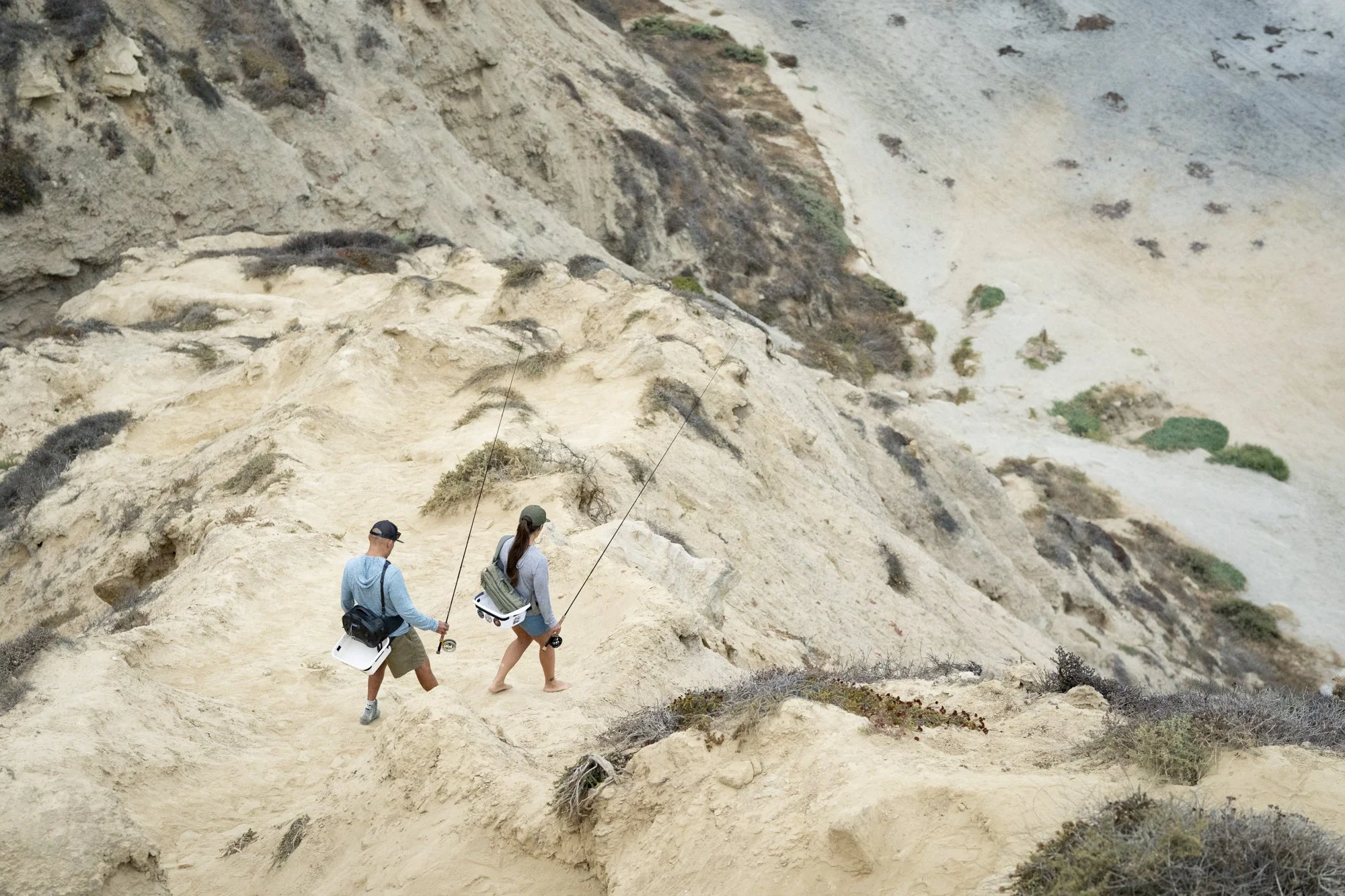
Two fly fisherman walking on a cliff overlooking the Pacific Ocean on Blacks Beach in San Diego, California. Patagonia Fly fishing.

San Diego Fly Fishing

Photograph of two fly fisherman hiking down a dirt trail to Blacks Beach to fish for Corbina in San Diego, California. Patagonia Fly Fishing.

Fly fisherman in Lajolla, San Diego

A girl and guy laugh together on Blacks Beach before fly fishing for Corbina in San Diego, California. Patagonia Fly Fishing.

Two fly fisherman having fun on Blacks Beach in LaJolla, CA

Photograph of a fly fisherman's rod bends as he connects with a Corbina on Blacks Beach in San Diego, California. Patagonia Fly Fishing.

Fly fishing for Corbina on Blacks Beach in San Diego, CA

Photograph of a female fly fisherman casts into the surf for Corbina at Blacks Beach in San Diego, California. Patagonia Fly Fishing.

A female fly fisherman surf casting in San Diego, CA

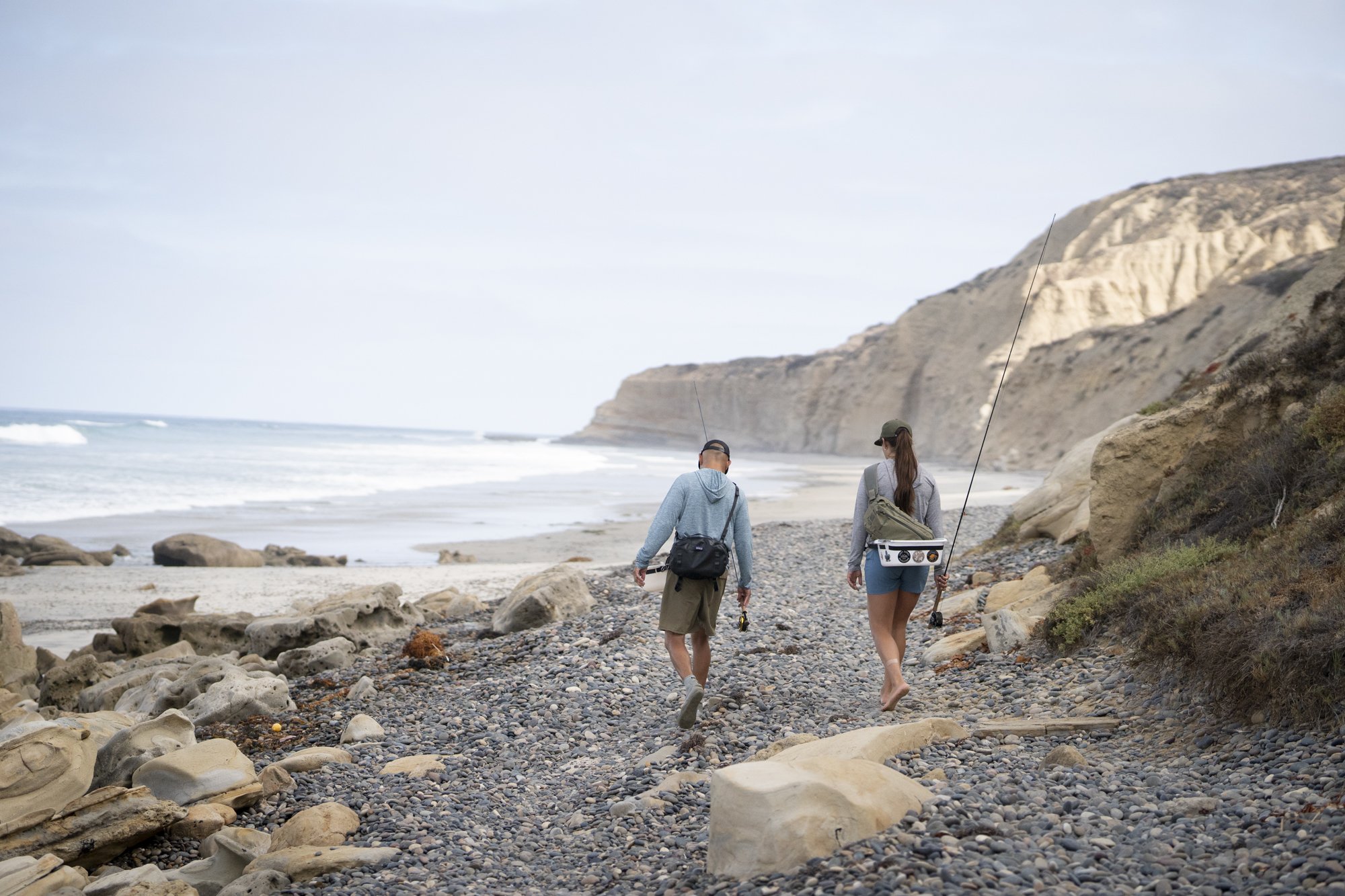
A girl and guy walking down Blacks Beach to fly fish for Corbina in San Diego, California. Patagonia Fly Fishing.

Two fly fisherman walking on a beautiful section of Black Beach in LaJolla, CA

A fly fisherman standing on a rock gets hit by a large wave on Blacks Beach in San Diego, California. Patagonia Fly Fishing.

A fly fisherman getting hit by a wave on Blacks Beach in San Diego, CA

A female fly fisherman stands in front of the cliffs on Blacks Beach early in the morning casting for Corbina in San Diego, California. Patagonia Fly Fishing.

A girl fly fishing in front of the beautiful cliffs of Blacks Beach in San Diego, CA

Two fly fisherman hike up a dirt trail after fishing for Corbina on Blacks Beach in San Diego, California.

Two fly fisherman hiking up the dirt trail from Blacks Beach in San Diego, CA

American Road Trip Photography Book

The Open Road

Photography and the American Road Trip

The new book went to press today in Germany! We’ve been working on it for quite some time now, so having forward progress on a physical product feels great. I’m really proud of the work and excited to be able to share it with everyone. Depending on shipping, the books should be here in the middle of October. Follow along on Instagram @robhammerphoto for more frequent updates.

Historic Texas Barbershop Photographs

Raymond’s Barbershop - Lockhart, Texas

Lockhart is best known for its barbecue, but places like Raymond’s Barbershop tell another side of the town’s story. Between visits to longtime institutions like Smitty’s Market, everyday routines continue in quiet spaces that rarely draw attention but shape the rhythm of local life just as much.

A Traditional Barbershop in Lockhart, Texas

Lockhart has no shortage of visitors passing through, but Raymond’s Barbershop remains firmly rooted in local life. The worn chairs, utilitarian layout, and unpolished surfaces reflect decades of daily use rather than intentional preservation. This is not a styled space—it’s one that has simply been allowed to age naturally alongside the town itself. During my time at Raymond’s, he was cutting the hair of an old friend. This wasn’t made known explicitly, rather in the chemistry the two had—genuine smiles exchanged as the customer walked through the door and candid, easy banter which can only be formed by time.

Why Small-Town Barbershops Still Matter

In towns like Lockhart all across America, barbershops have long functioned as informal gathering places—spaces where news travels, laughs are shared, and familiarity carries more weight than novelty. As commercial rents rise and older barbers retire, places like Raymond’s quietly disappear, taking a long and irreplaceable history with them.

Documenting Raymond’s Barbershop as Part of a Larger Archive

Truth be told I only found Raymond’s because of my obsession with BBQ, which brought me to Lockhart, but that’s just the luck of the draw. You never know how important subjects are going to come into your life. Regardless, these photographs of Raymond and his beautiful old shop are part of an ongoing, 15-year effort to document traditional barbershops across the United States. Each shop is approached individually—rooted in its town, its people, and its history—while collectively contributing to a broader visual record of a disappearing American institution.

View More Traditional Barbershops

→ View the full Barbershops of America gallery

For more work made in Texas, you can also view photographs from another long-standing barbershop documented as part of the same project:

→ View a Texas barbershop in Marfa

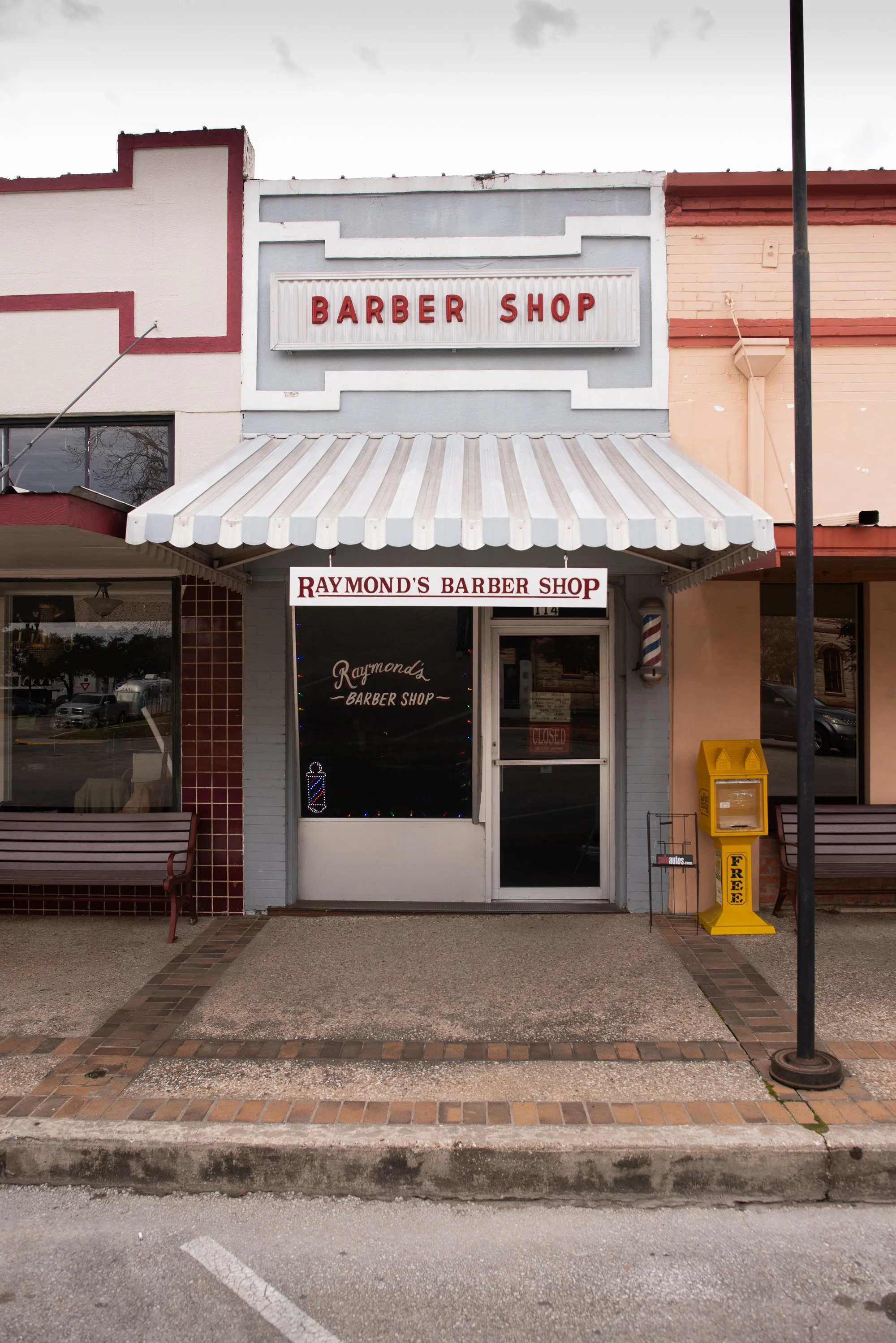
Exterior storefront of Raymond’s Barber Shop in downtown Lockhart, Texas.

The storefront of Raymond’s Barber Shop in Lockhart, Texas—a modest main street presence that has served generations of local residents.

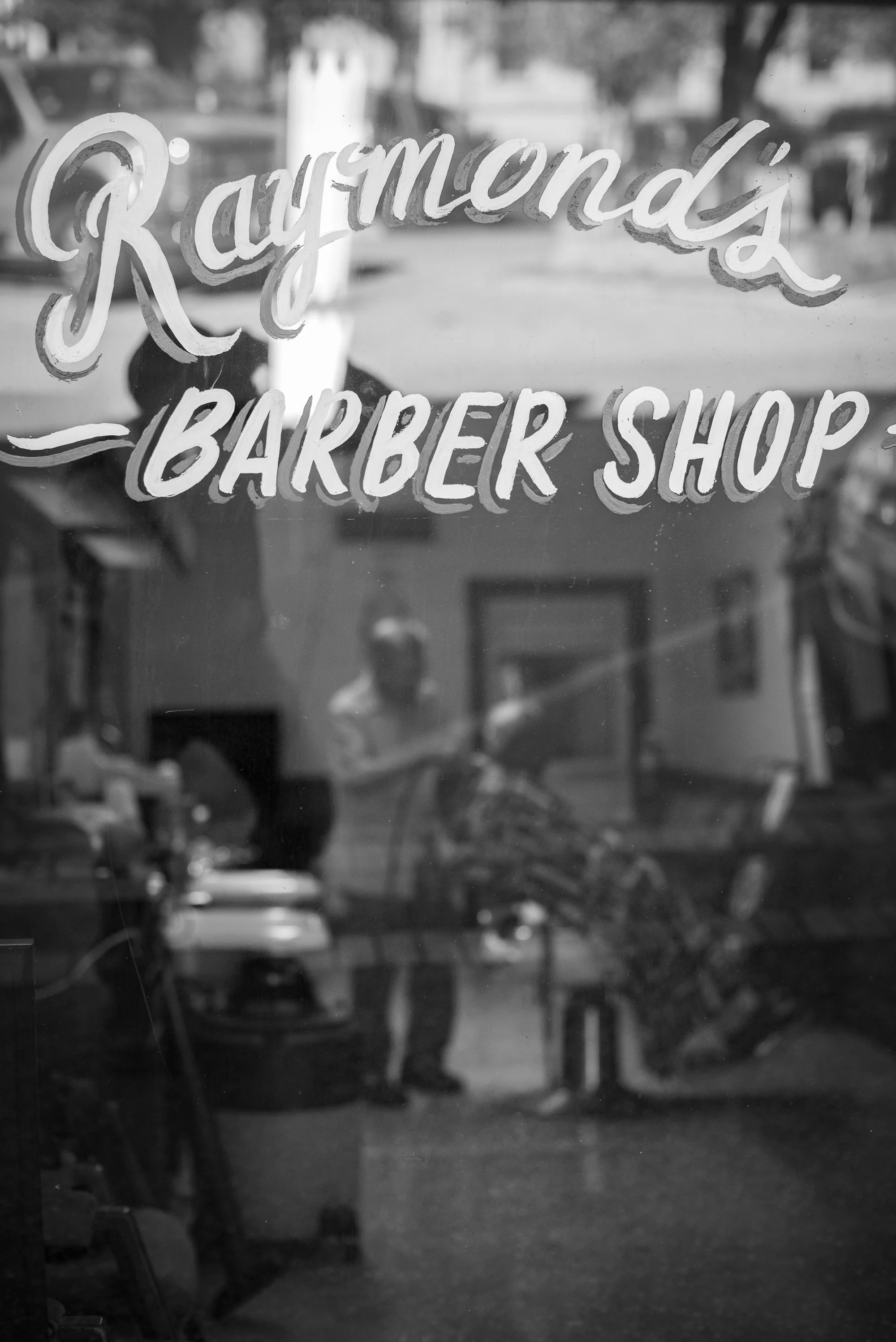
Hand-painted “Raymond’s Barber Shop” lettering on the front window in Lockhart, Texas, with reflections of the barbershop interior.

Hand-painted lettering on the front window of Raymond’s Barber Shop in Lockhart, Texas, separating the street outside from the quiet work happening inside.

Empty barber chair and waiting area inside Raymond’s Barber Shop in Lockhart, Texas.

An empty chair and quiet waiting area inside Raymond’s Barber Shop in Lockhart, Texas, between customers and conversations.

Barber giving a haircut to a customer inside Raymond’s Barber Shop in Lockhart, Texas.

Barber and customer smile together during a routine haircut underway at Raymond’s Barber Shop in Lockhart, Texas, where familiarity and trust guide the work as much as technique.

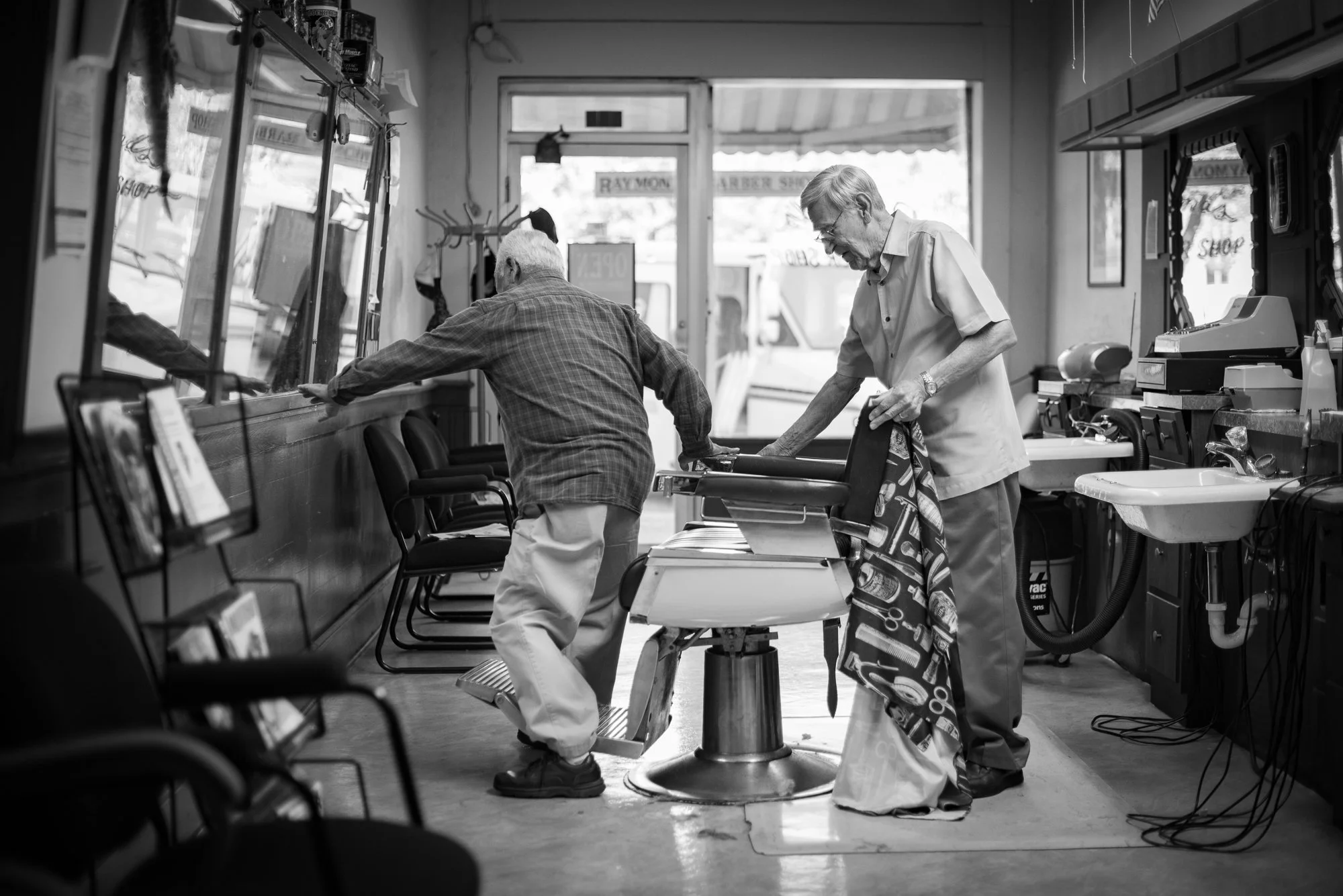
An elderly man sits in a barber chair inside Raymond’s Barber Shop in Lockhart, Texas.

Barber holds the chair as his elderly customer braces himself at Raymond’s Barber Shop in Lockhart, Texas—part of a daily routine that has remained largely unchanged for decades.
Western Road Trip Photography

American West Road Trip Photography

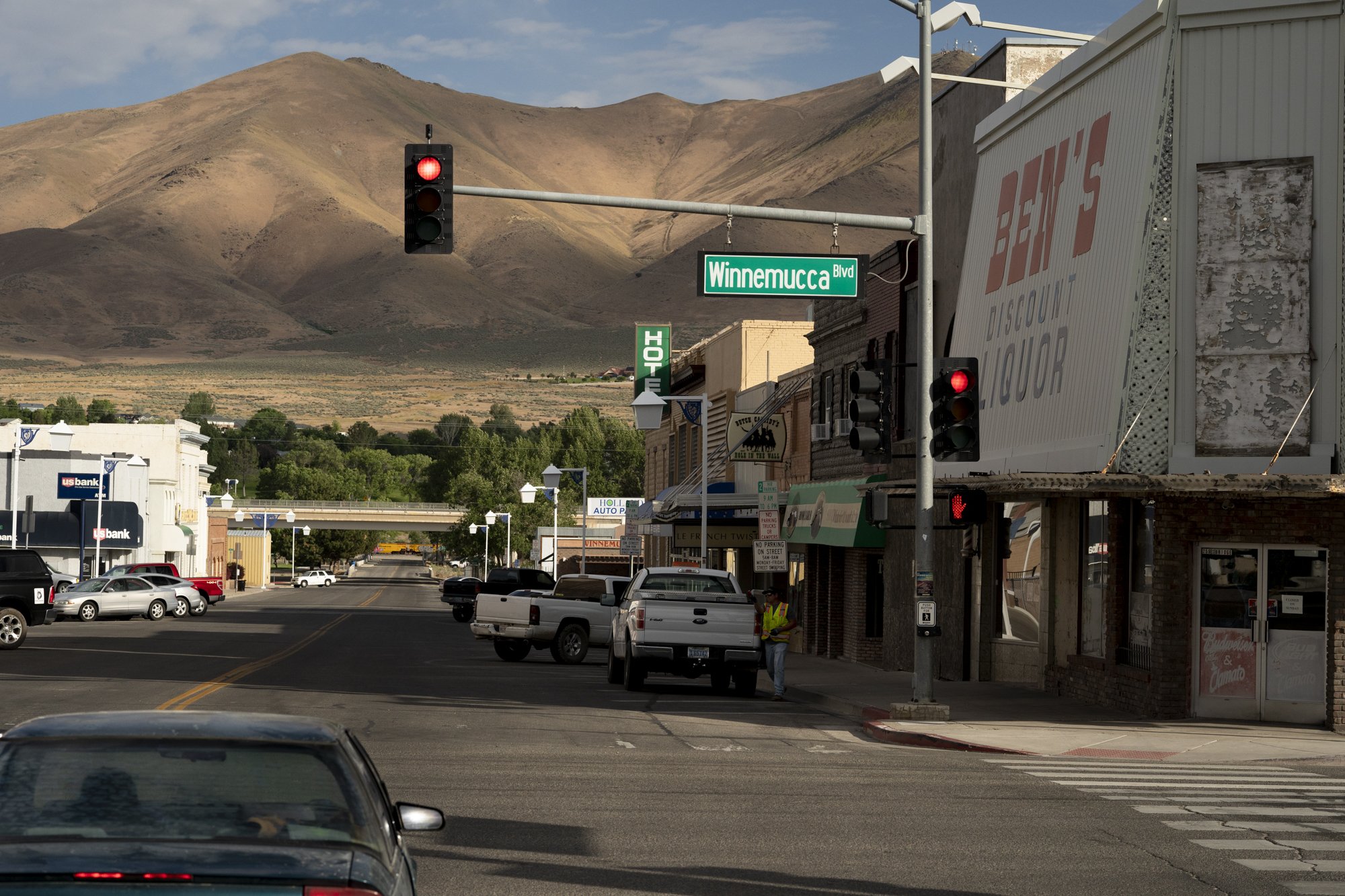
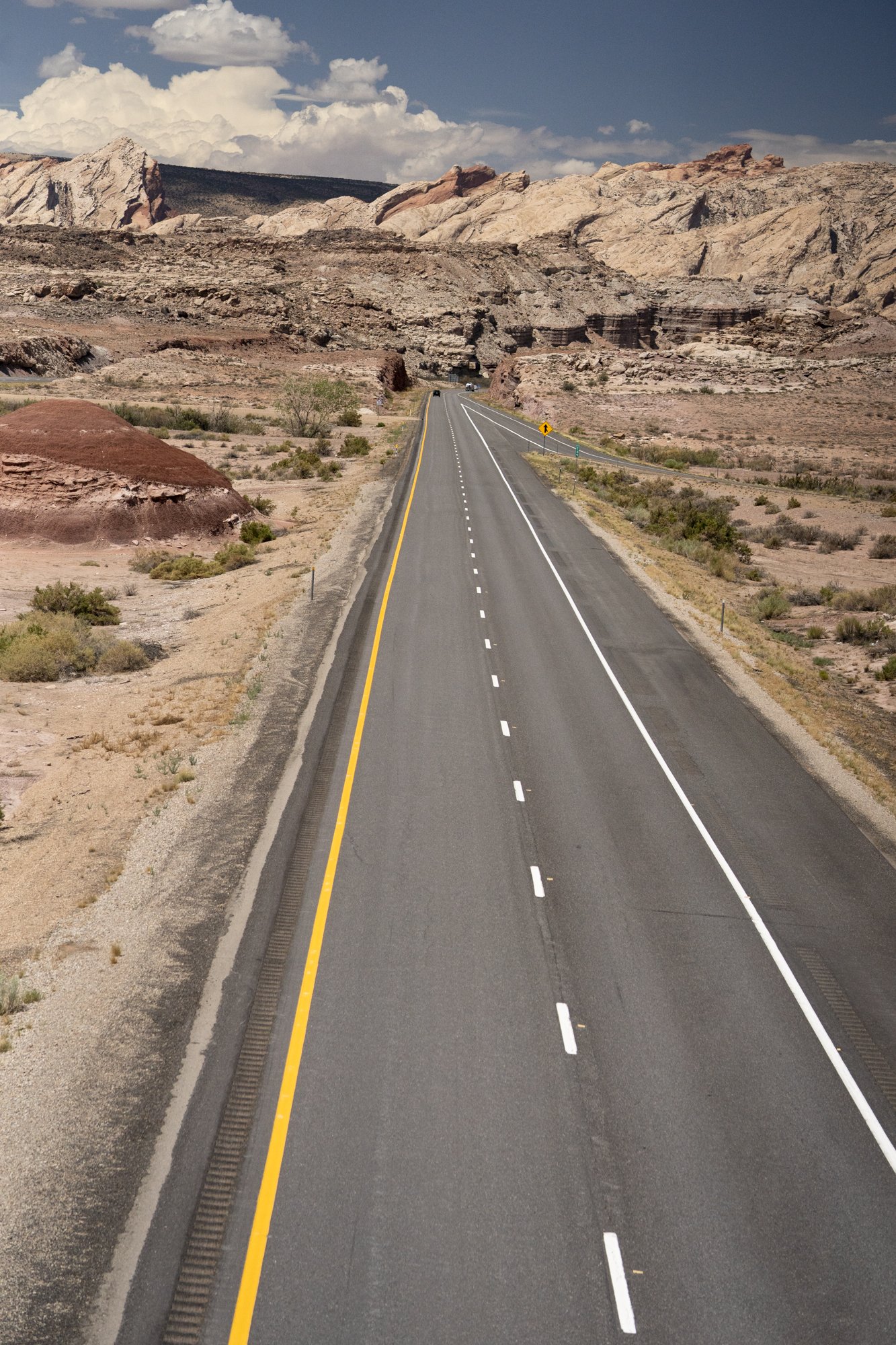
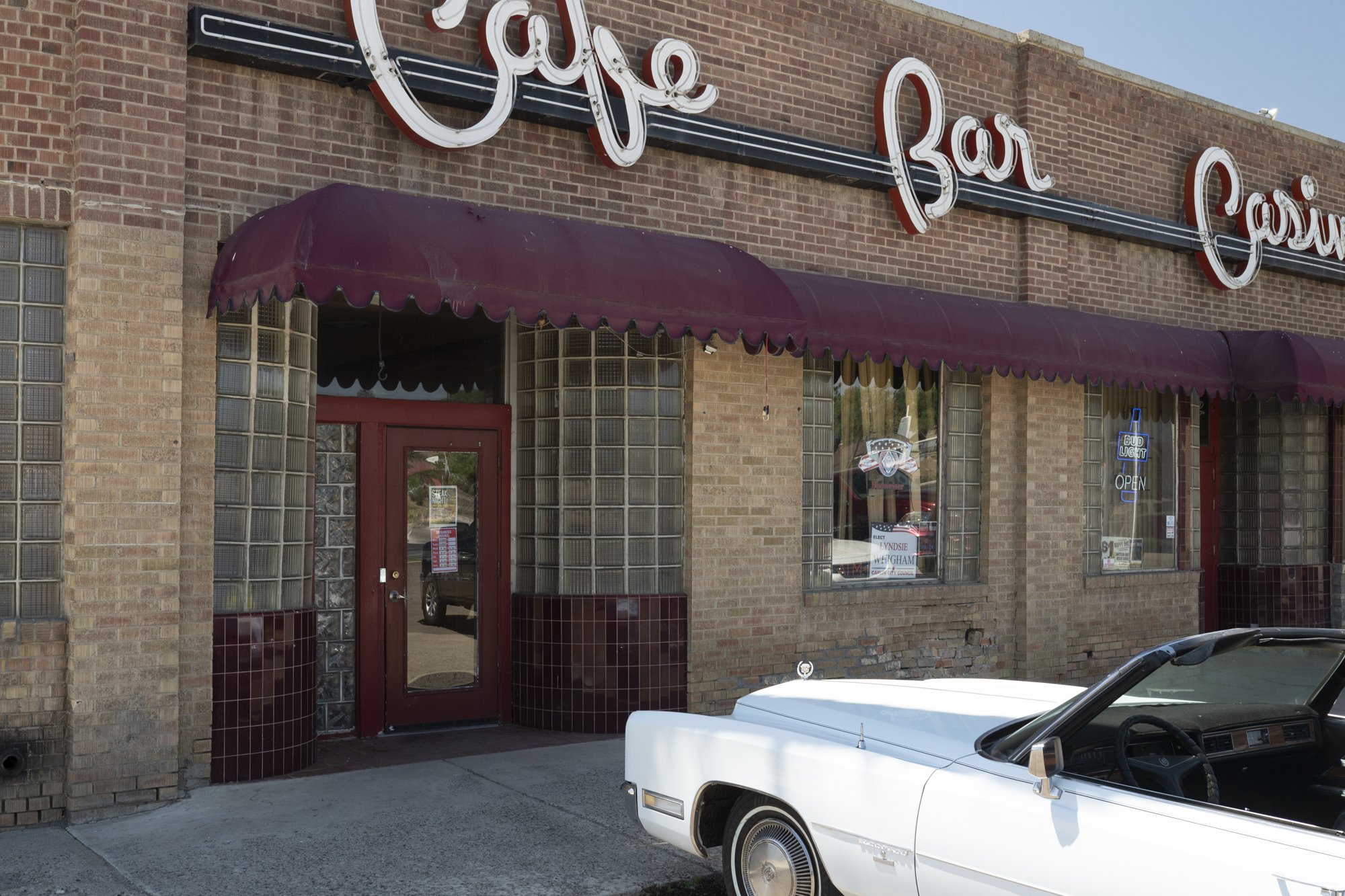
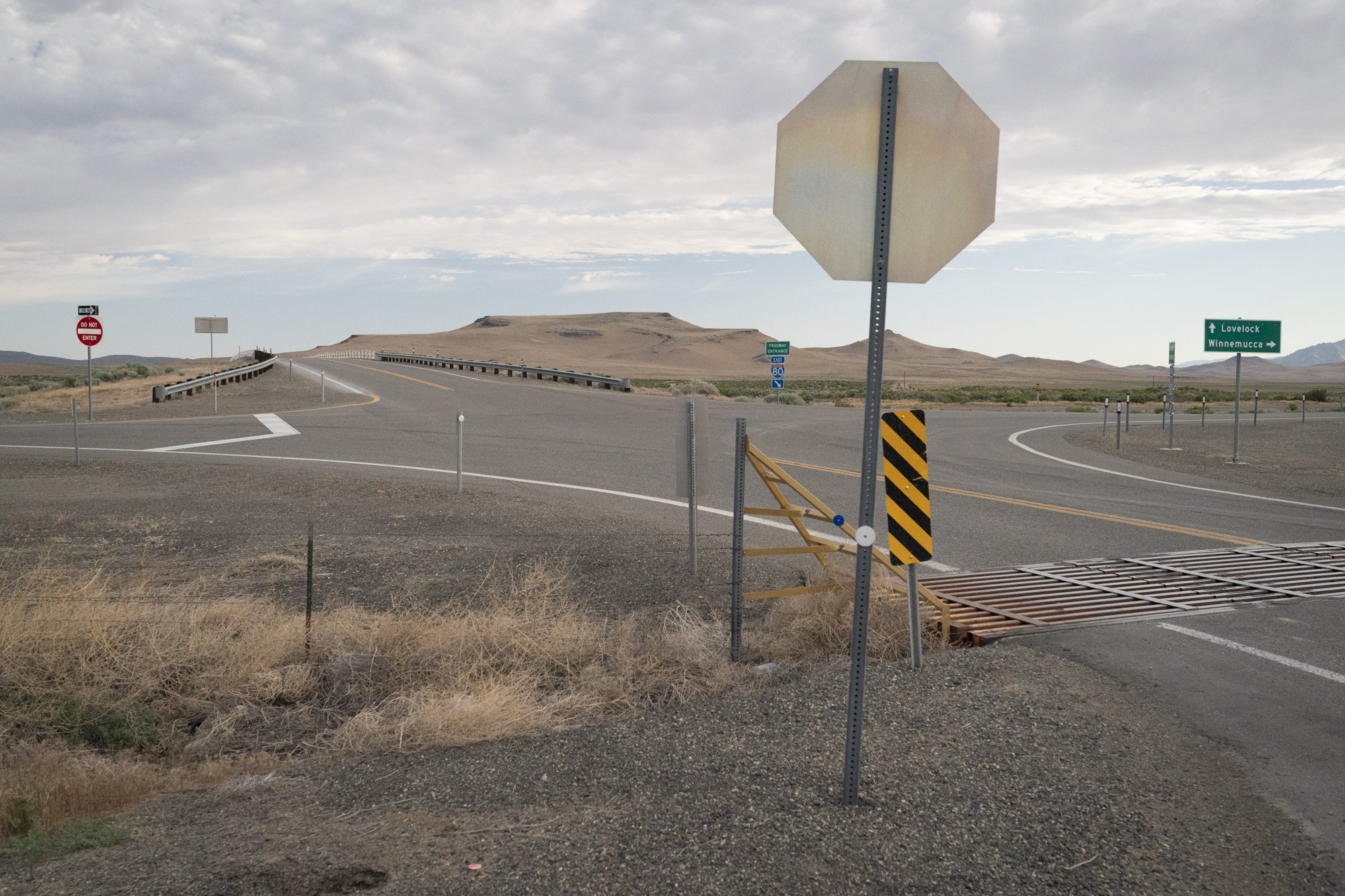
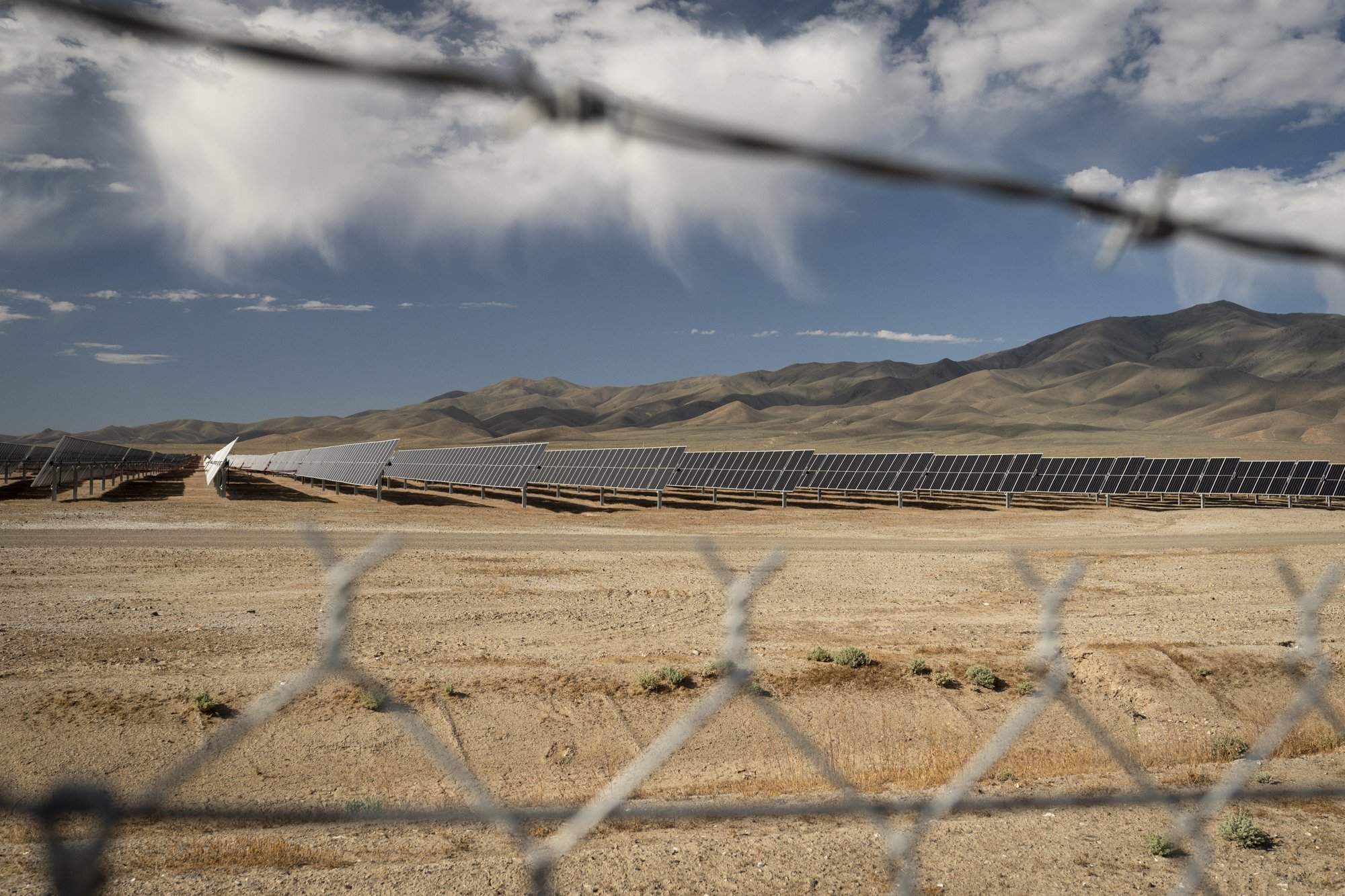
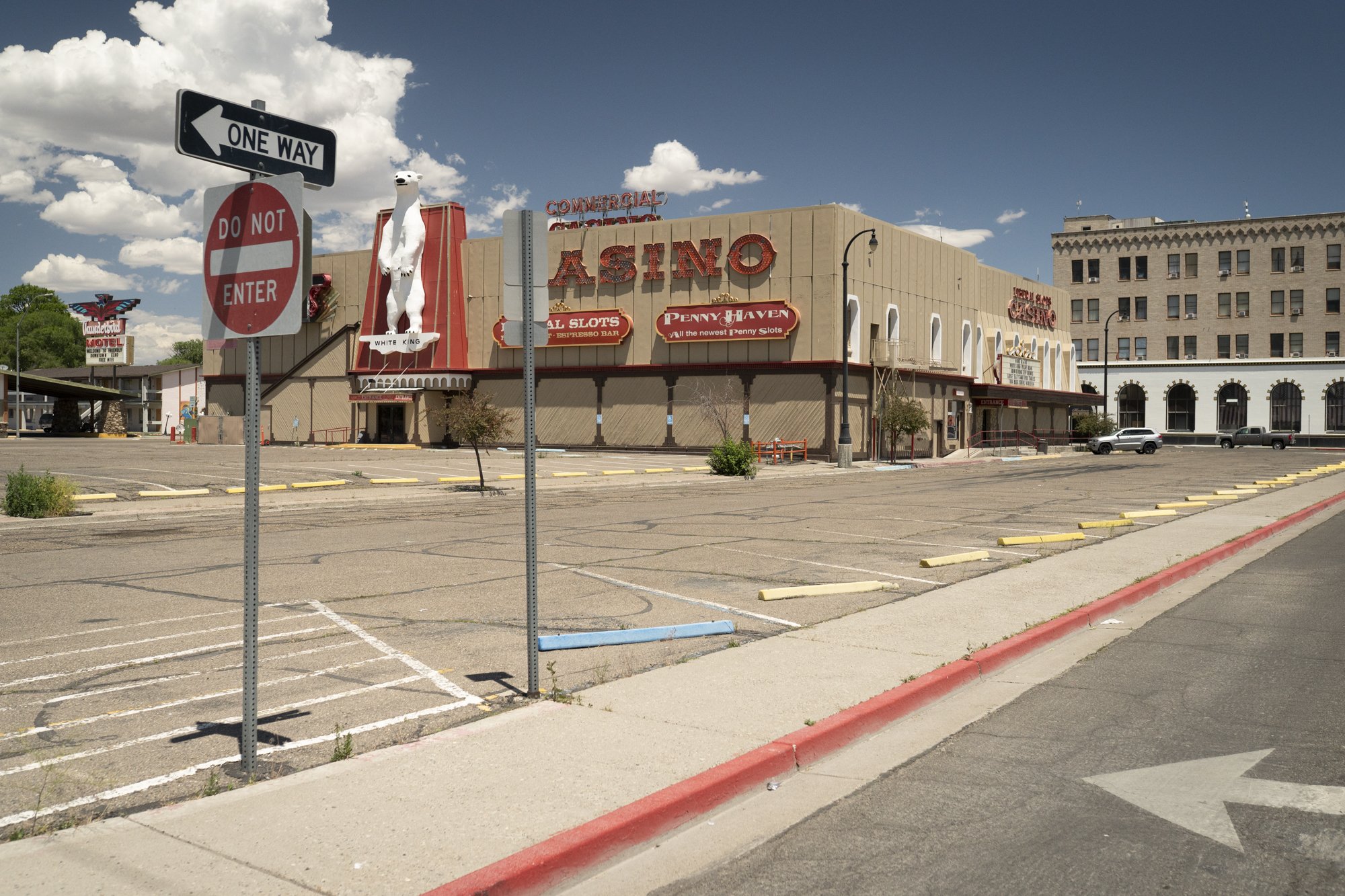
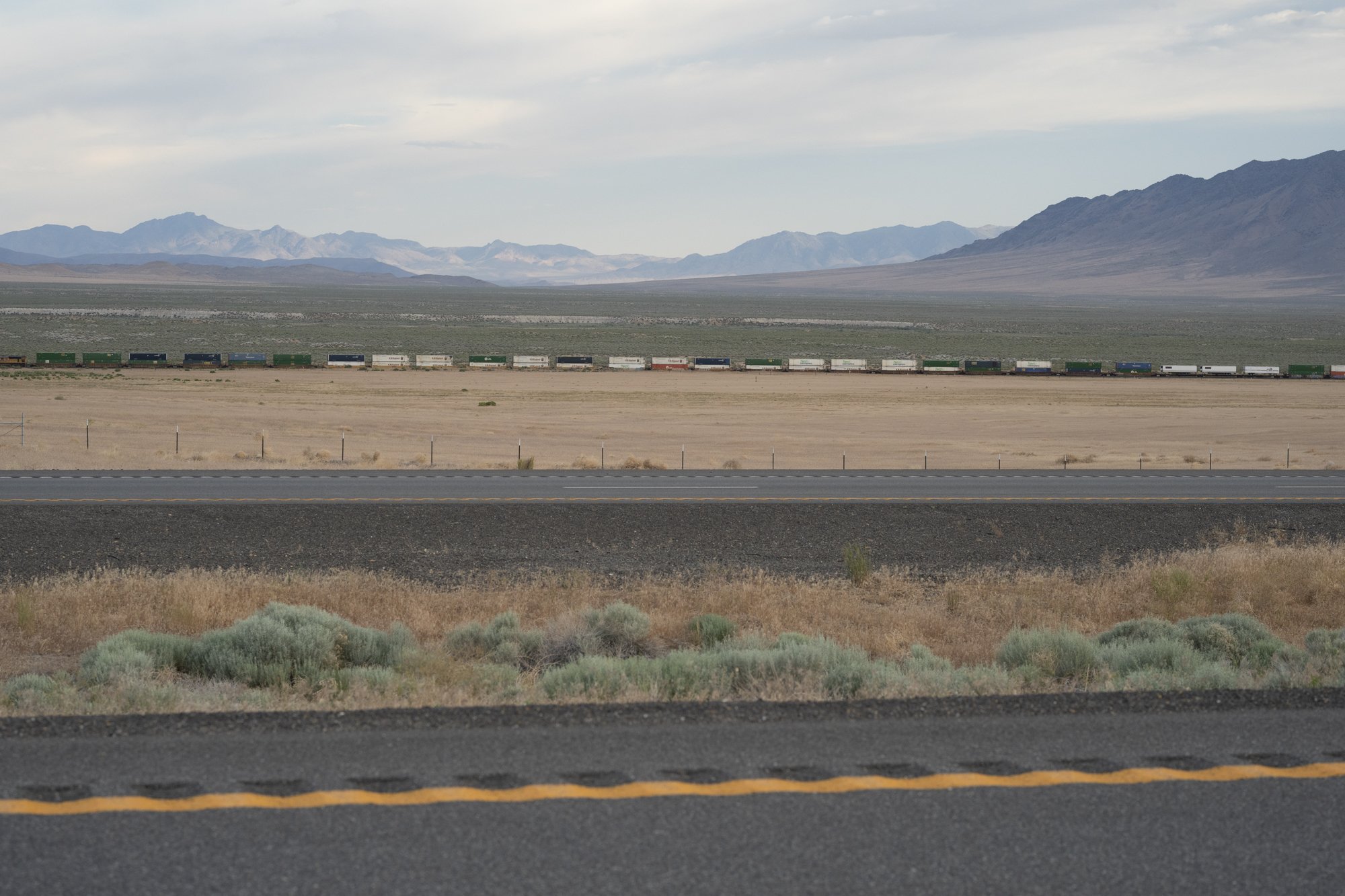
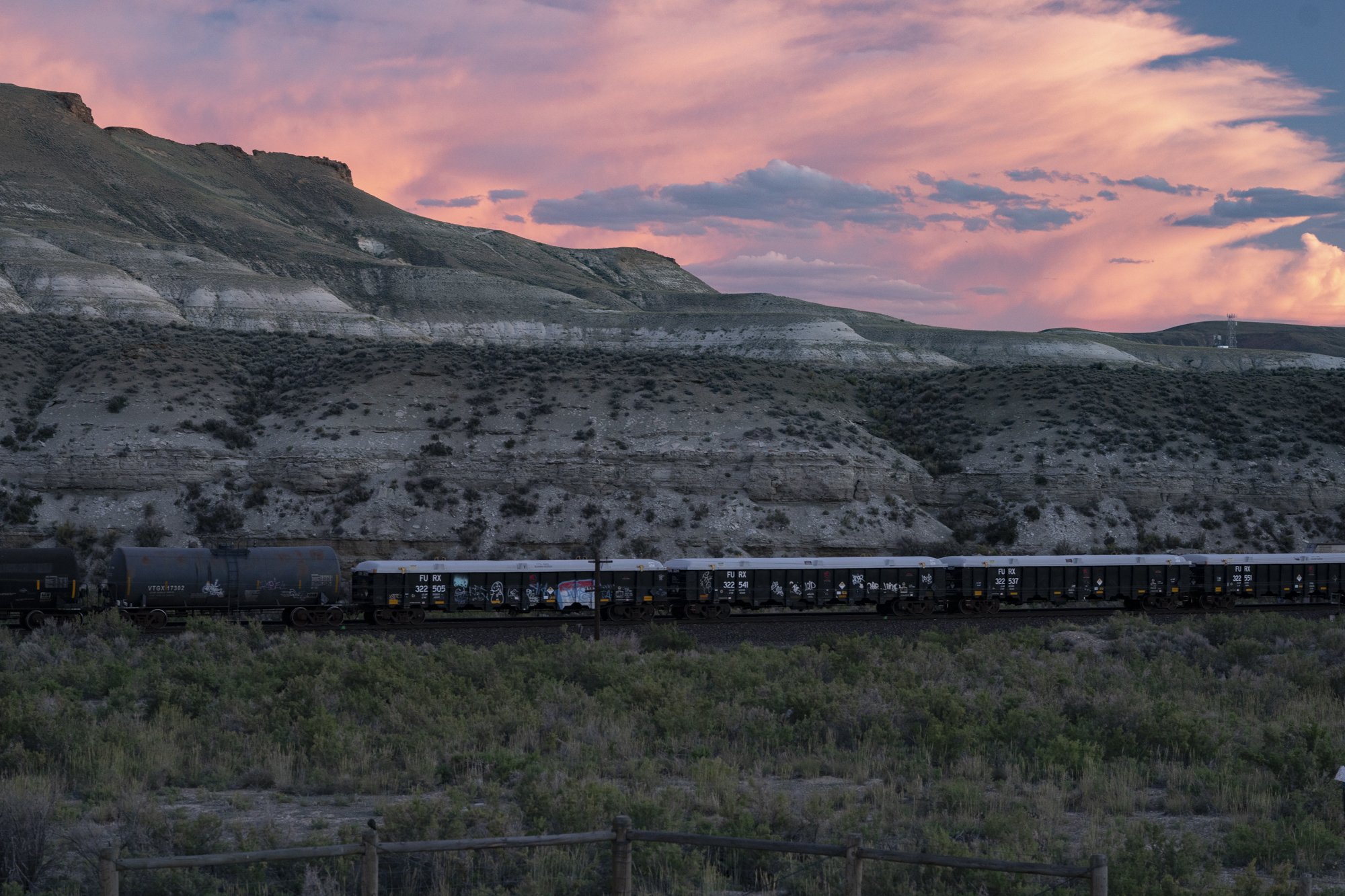
The American road has a way of pulling you back. Long stretches of highway through Nevada and Utah feel endless, but in that repetition there’s a rhythm. Old motels with fading neon, empty casinos standing against the desert sun, and roads that cut straight through the silence — these are the kinds of places I stop for. Photographing them isn’t about chasing a postcard view; it’s about capturing the way travel really feels out here. The grit, the solitude, and the strange beauty of what’s left behind. Many of these kinds of photographs found their way into my book Roadside Meditations, a collection built from years behind the wheel documenting the overlooked corners of America.

Why the Open Road Keeps Calling
There’s something about the freedom of the highway that never wears off. It doesn’t matter how many miles I’ve logged — each trip feels new. With every mile marker comes the possibility of something unexpected: a forgotten town, a roadside diner, or a stretch of desert that feels infinite.

Nevada’s Overlooked Beauty in Photographs
Nevada isn’t just casinos and flashing lights. Once you get off the interstate, the state opens up into a landscape of wide valleys, mountains in the distance, and towns that feel frozen in time. Photographing here means noticing the quiet — the old gas stations, fading billboards, and roads that seem to go on forever.

Utah Road Trip Photography and Timeless Highways
Utah is a different kind of dramatic. The land rises and folds into formations that feel older than time, and the towns tucked between them hold their own stories. Photographing here means chasing light across red rock, watching storms roll over plateaus, and pulling over just to breathe in the silence.
From the Road to the Book: Roadside Meditations
This series of photographs is part of a larger body of work I’ve been building for years — a meditation on the American road. Many images similar to these live in my book Roadside Meditations, which gathers together the motels, highways, small towns, and wide-open spaces that define what it feels like to drive across America. It’s less about where you’re going and more about what you see along the way.

Click here to shop my road trip photo book - Roadside Meditations

Click HERE to see more of my American Road Trip Photography.

Communication Arts Photography Annual Winner

Award Winning Basketball Photographs

Competitions have become one of the many shams in the photography industry. Today is seems like there are as many competitions as there are Starbucks, and they all prey on people, promising “exposure” that will lead to a world of endless possibilities. What they really are is a bullshit way for companies to rake in a boatload of money on entry fees. Communication Arts on the other hand, has a long standing reputation for high quality and publishing the most inspiring work of the year in their Photo Annual. So I’m honored to have my American Backcourts images included in this years pages along with breathtaking work by incredible photographers.
Click HERE to pick up a copy of American Backcourts