Real Duck Hunting Photography in the Wild
Most outdoor photography looks controlled.
Good light. Clean compositions. Products placed exactly where they need to be.
Duck hunting doesn’t work like that.
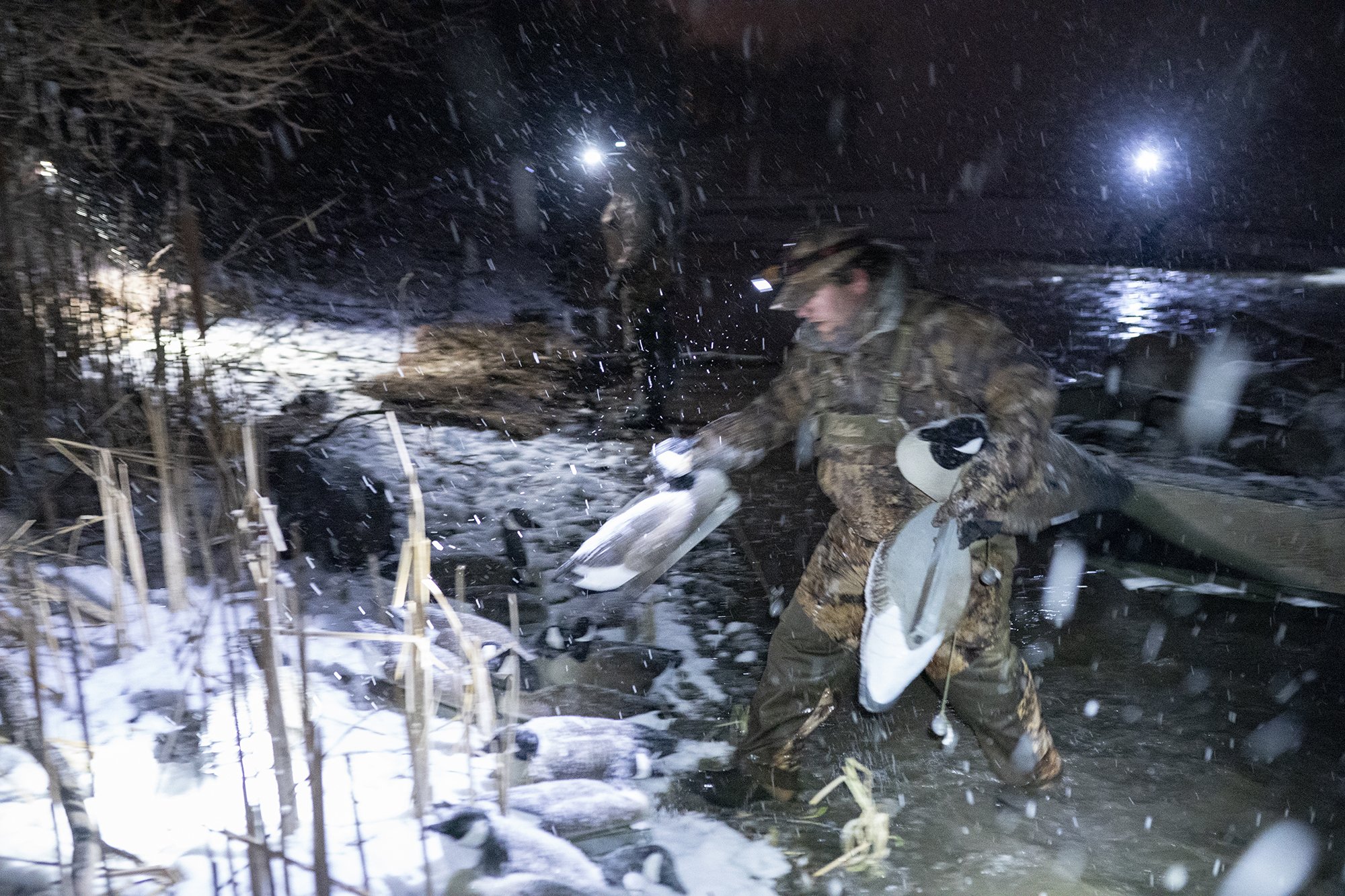
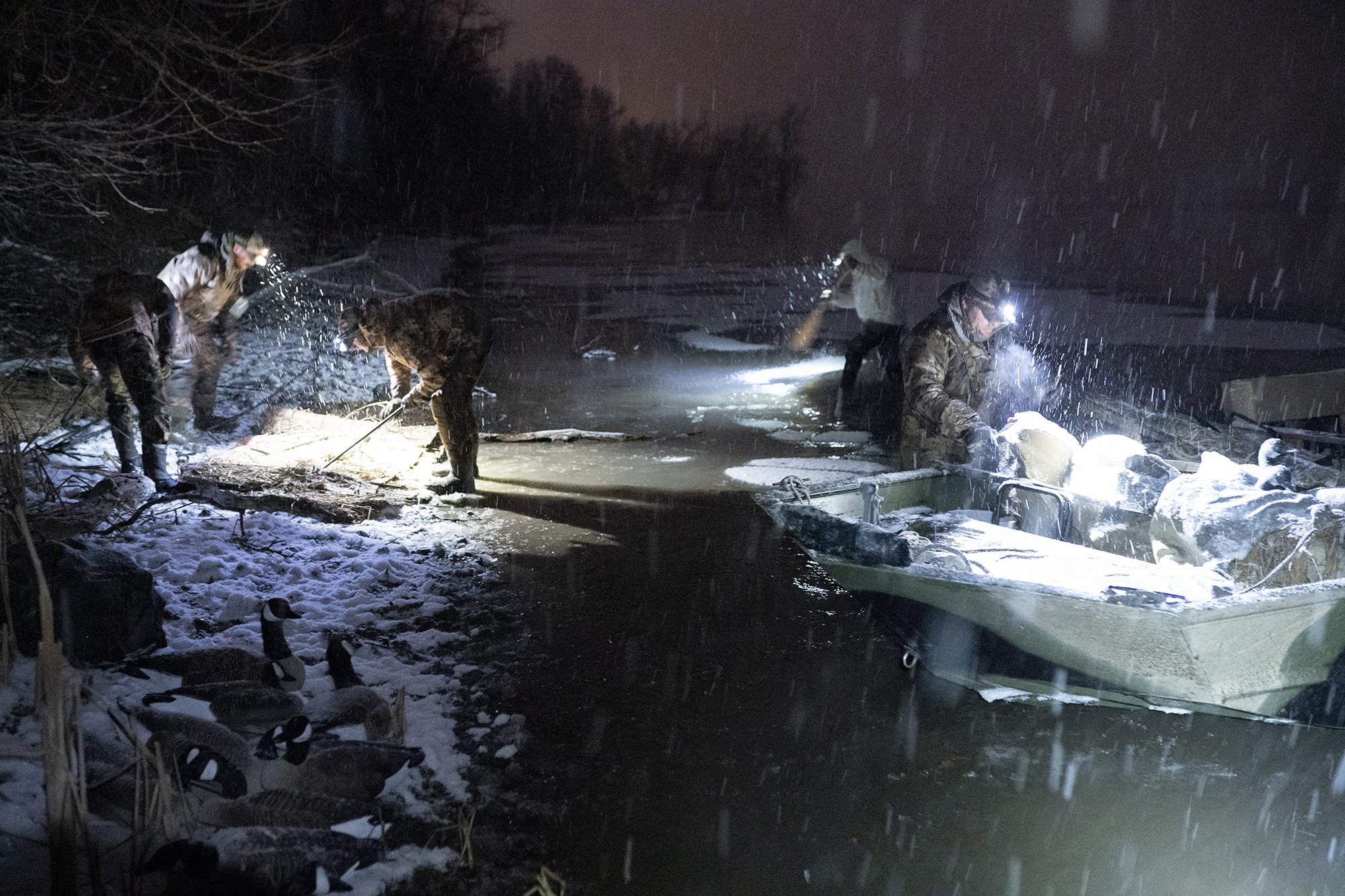
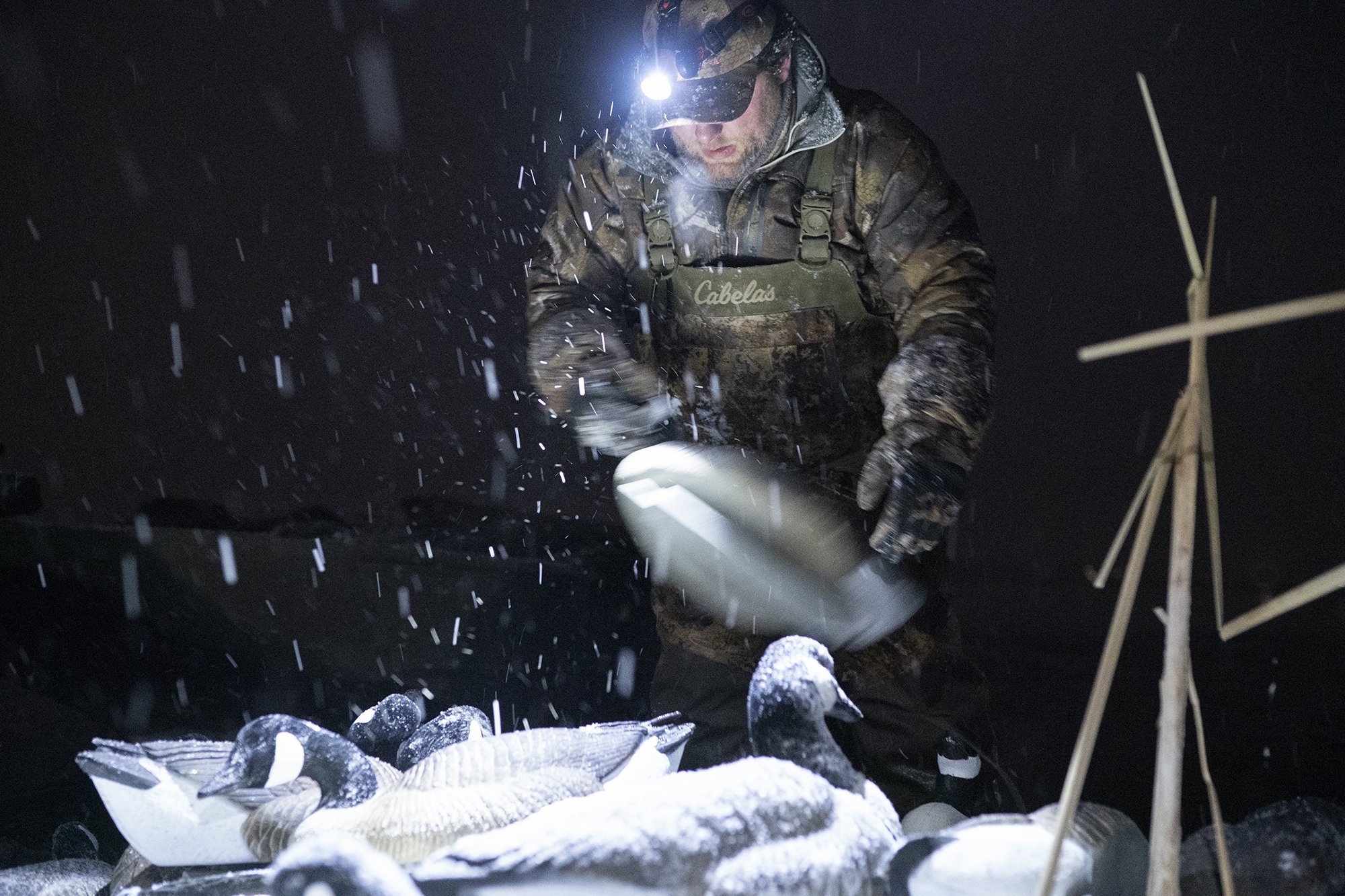
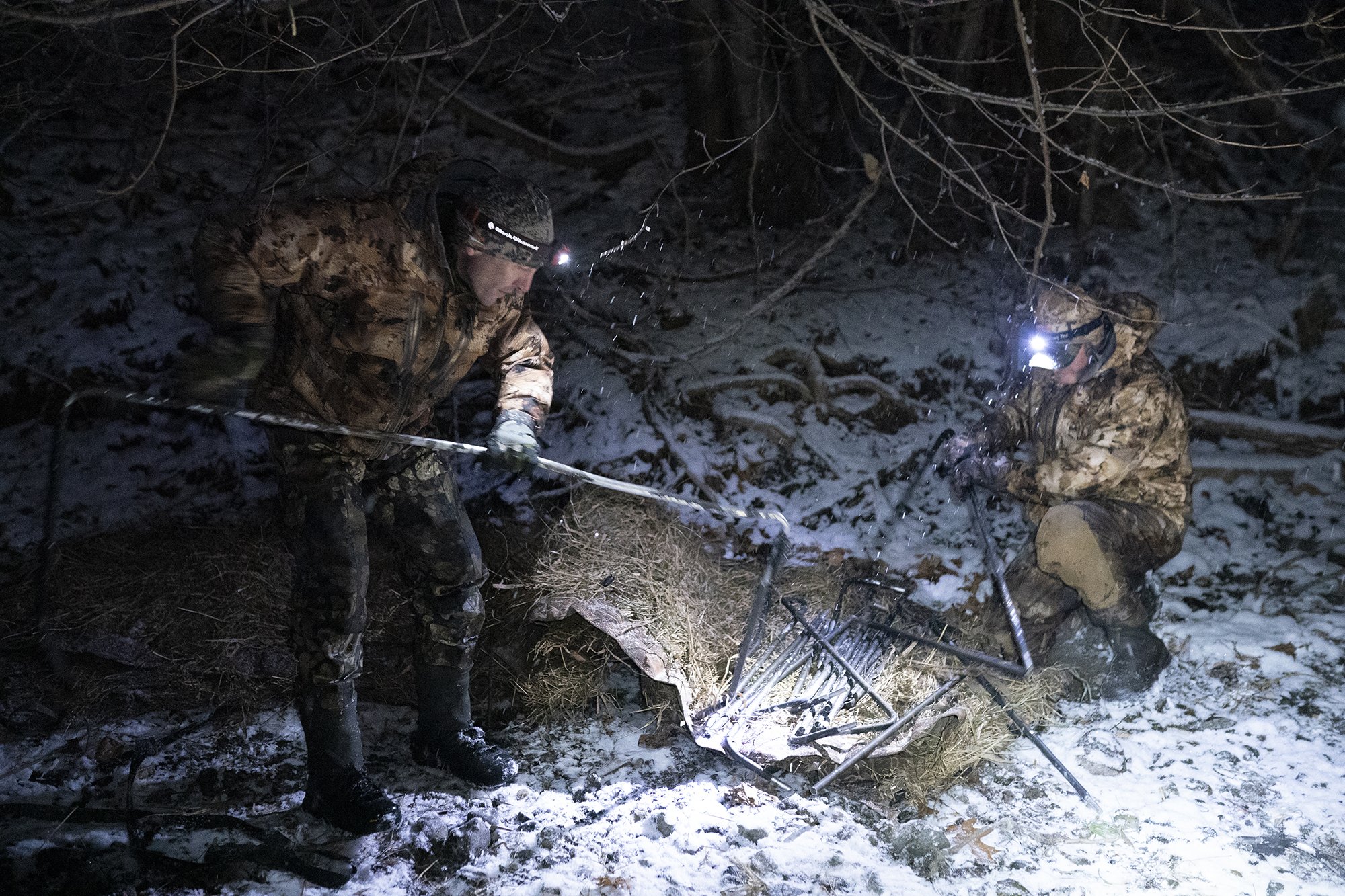
You’re dealing with darkness, water, cold, and constantly changing conditions. There’s no resetting a shot, no directing the action. Everything happens once, and you either get it or you don’t.
This is what real duck hunting photography looks like.
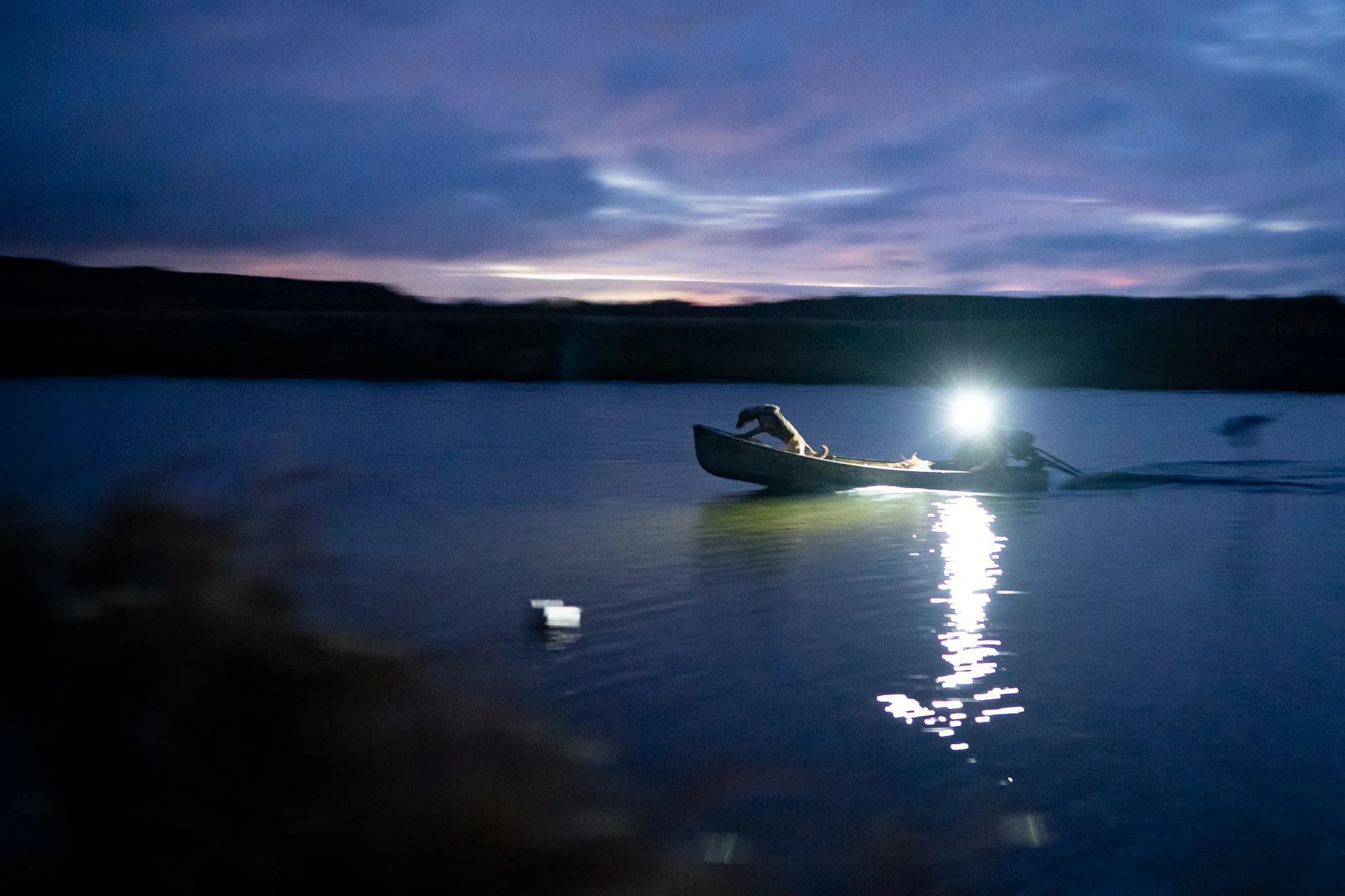
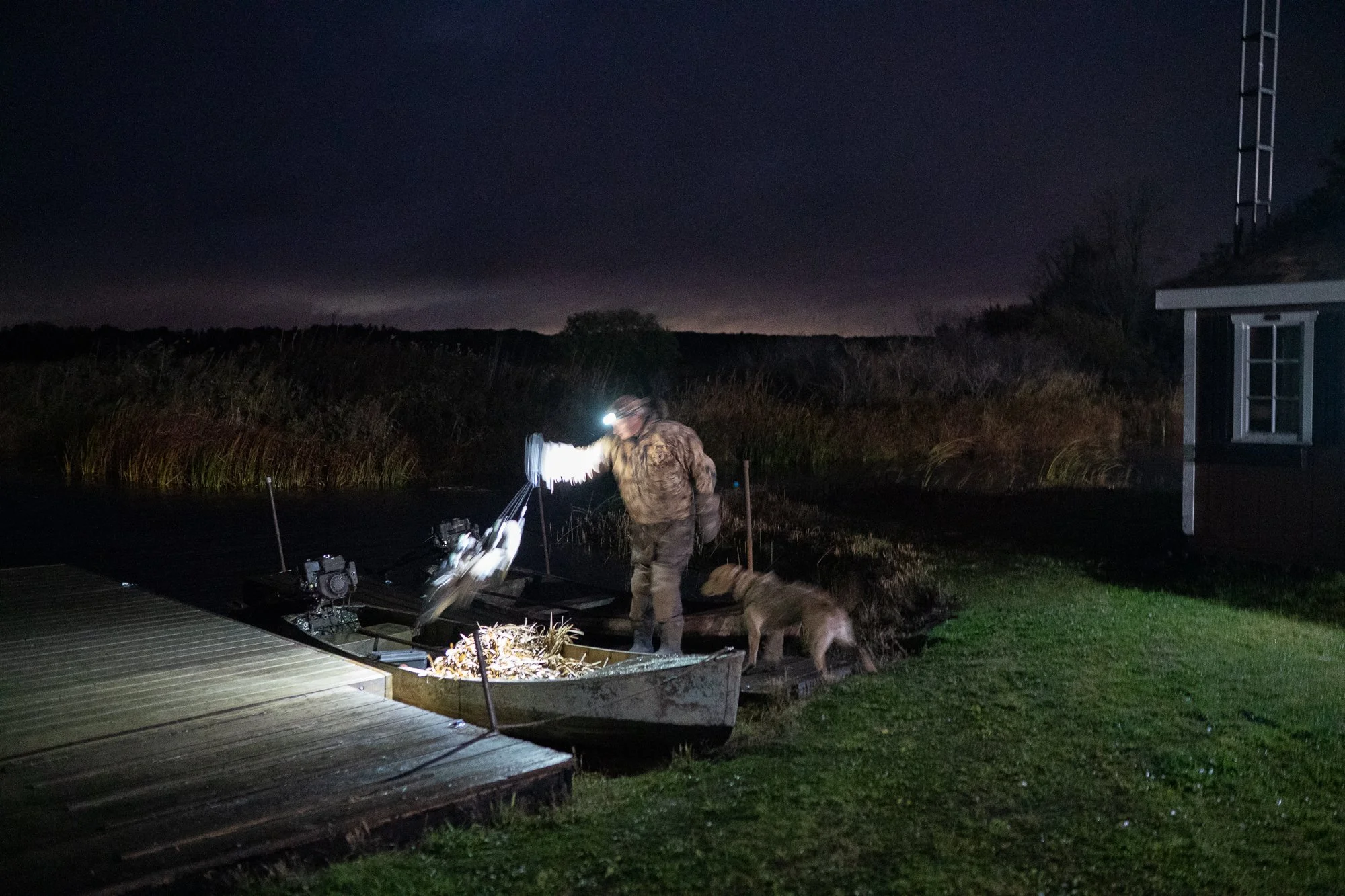
A duck hunter and his dog board into the marsh before sunrise as another waterfowl hunt begins.
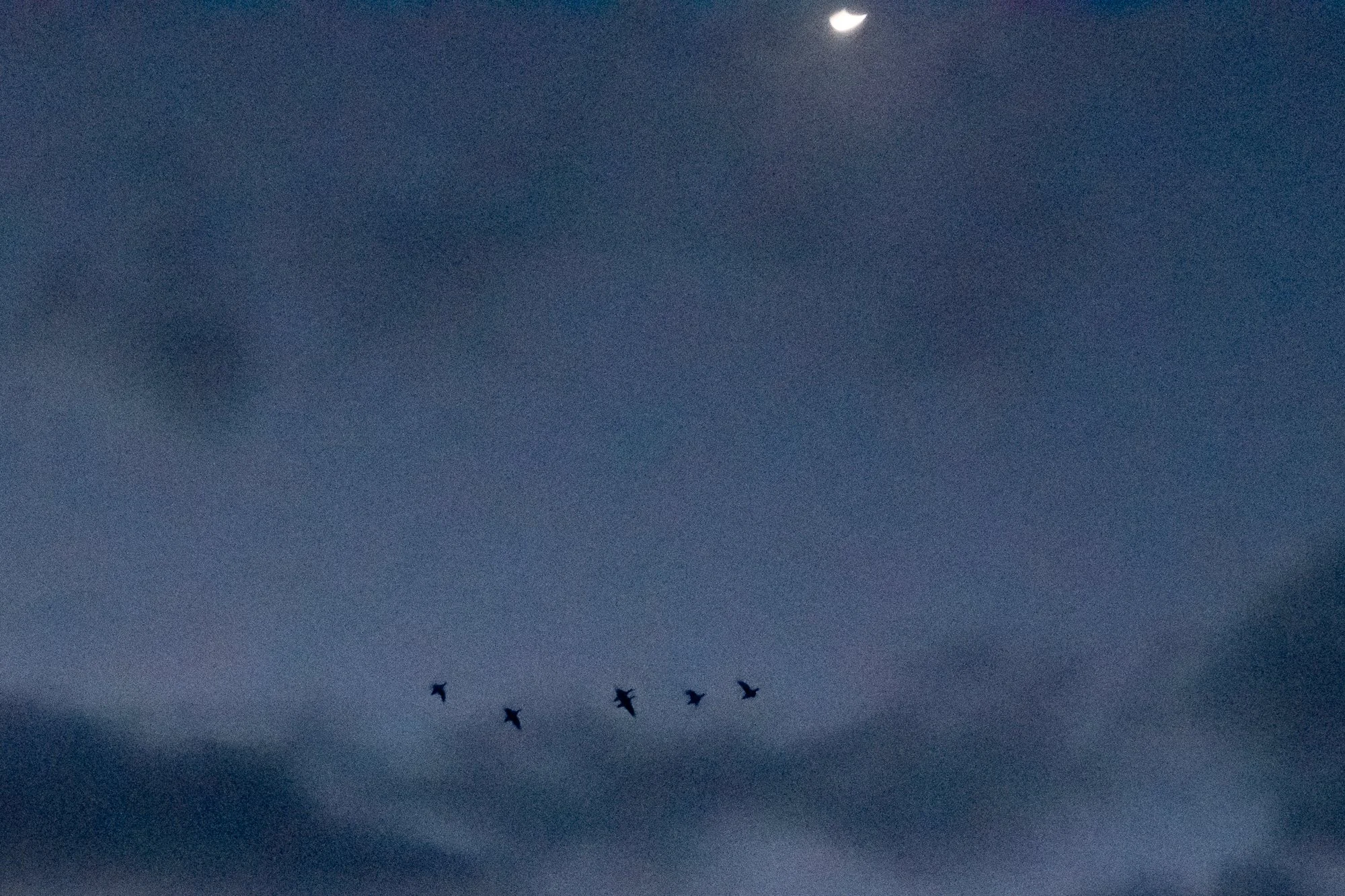
Ducks move through pre-dawn skies as another day of waterfowl hunting begins.
No Control, No Resets
Ducking hunting is a large but niche sport. It’s not for everybody and it’s certainly not for all photographers.
If authenticity matters, then there’s not a single factor about it that you can control. Sure you could set up a photo, but people can see that a mile away. So doing it the right way means constantly paying attention, just like hunting. If you’re off for even a few seconds, then chances are the action has already passed you by.
Unlike other sports, you’re mostly stuck shooting from one position: the blind - whatever form that happens to take on any particular day.
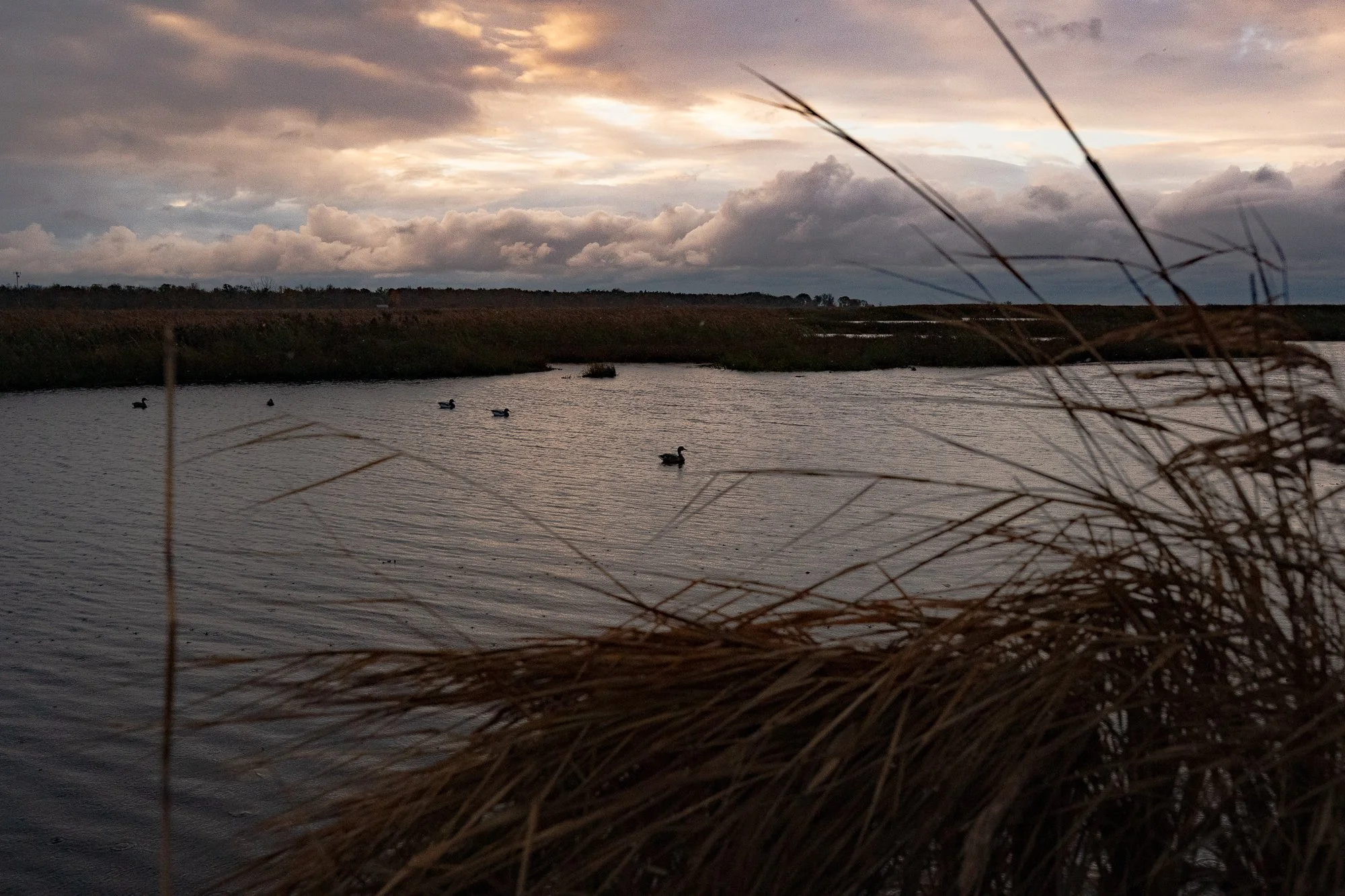
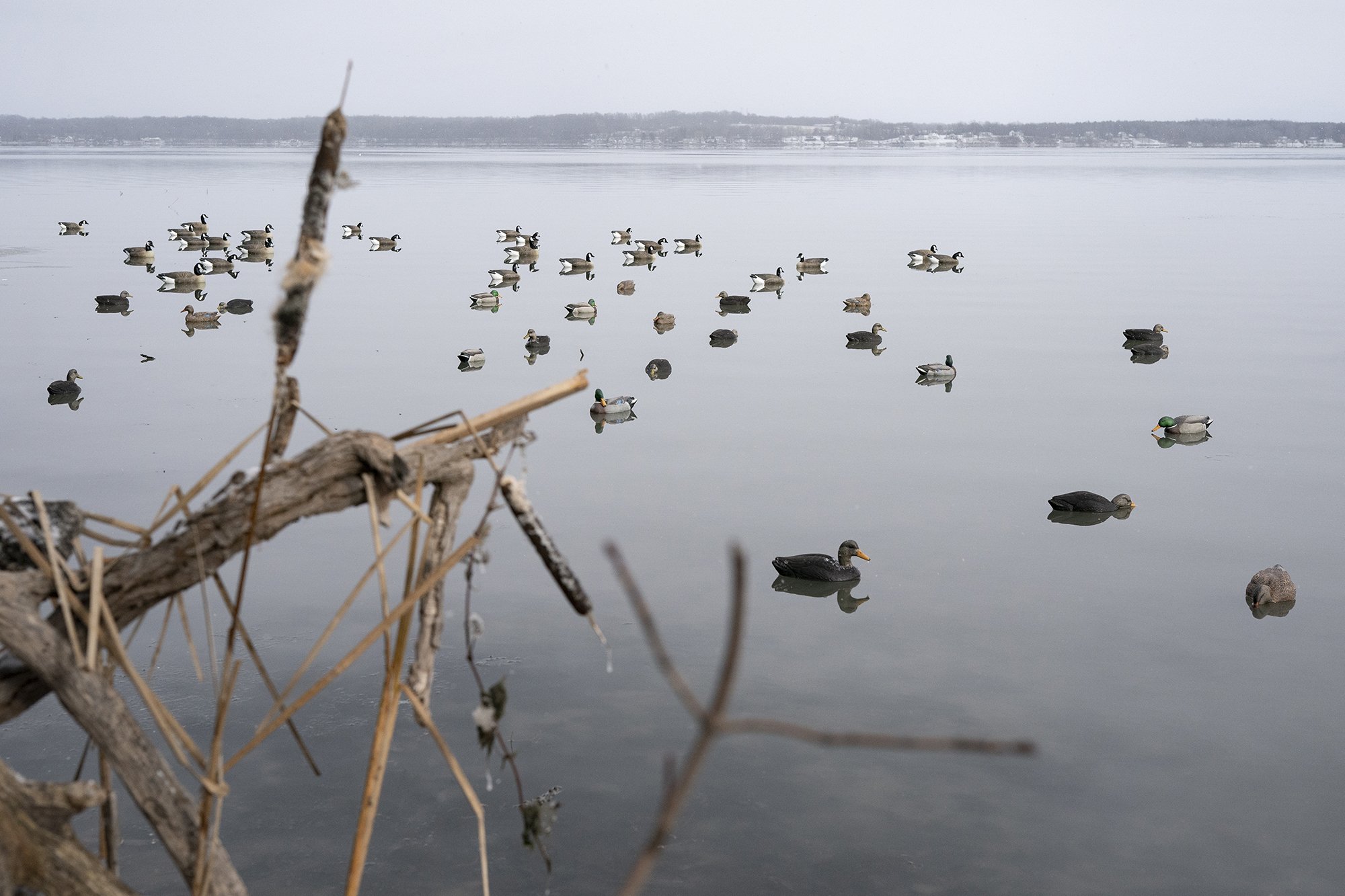
Decoys settle across the marsh as changing weather shapes the morning hunt.
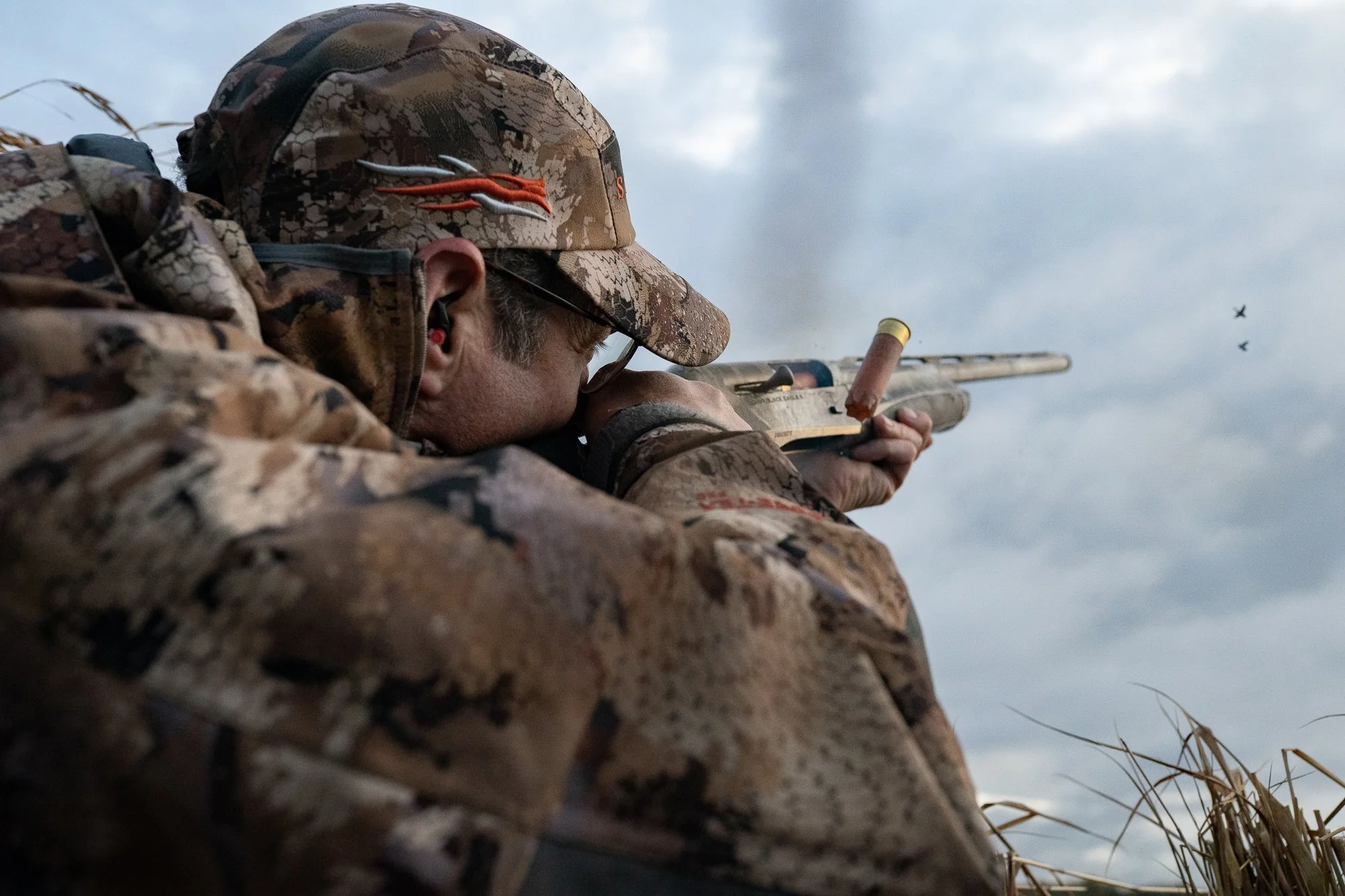
A hunter tracks incoming birds as brief opportunities unfold overhead.
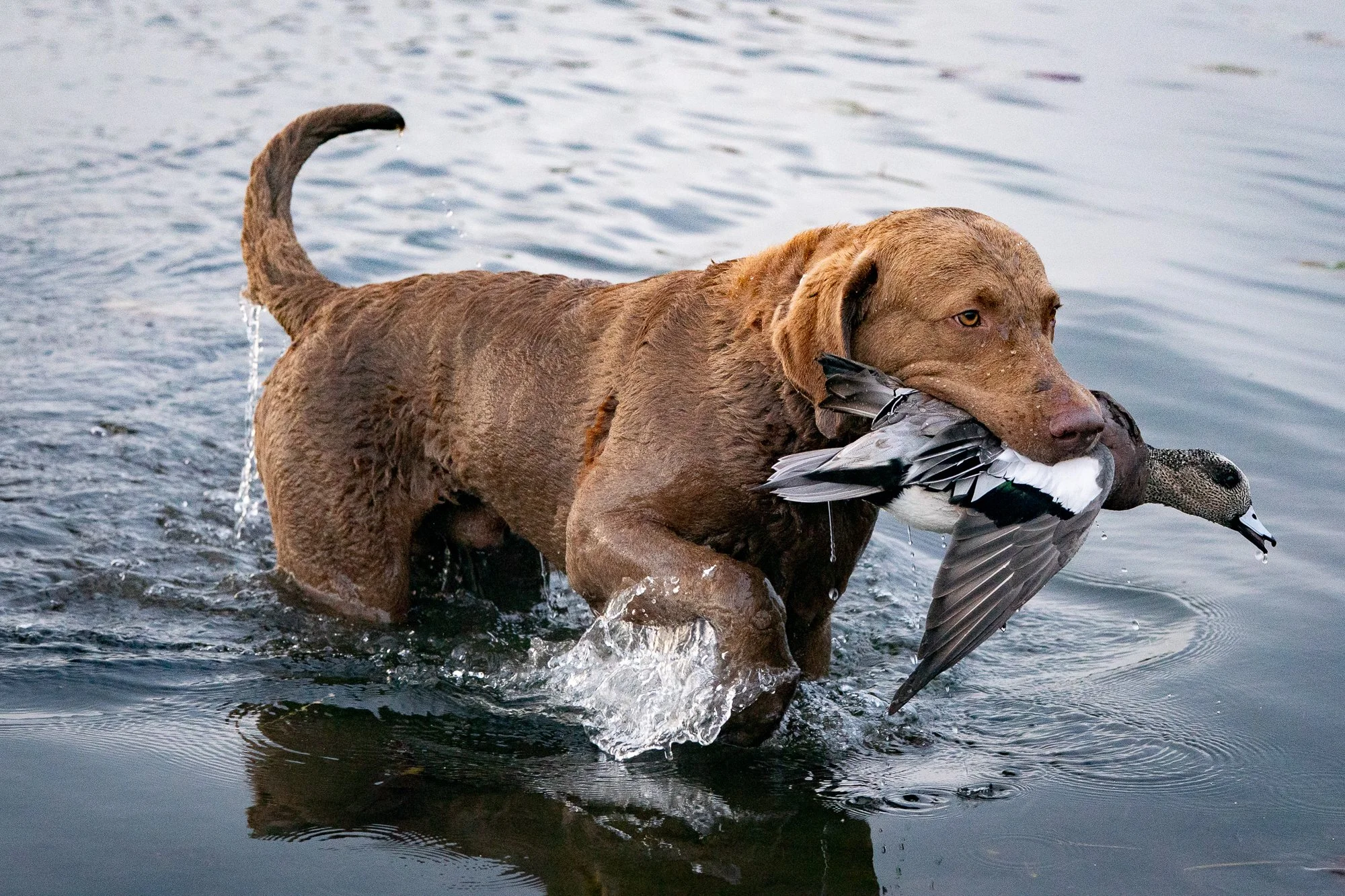
A duck dog returns through cold water with a successful retrieve during the hunt.
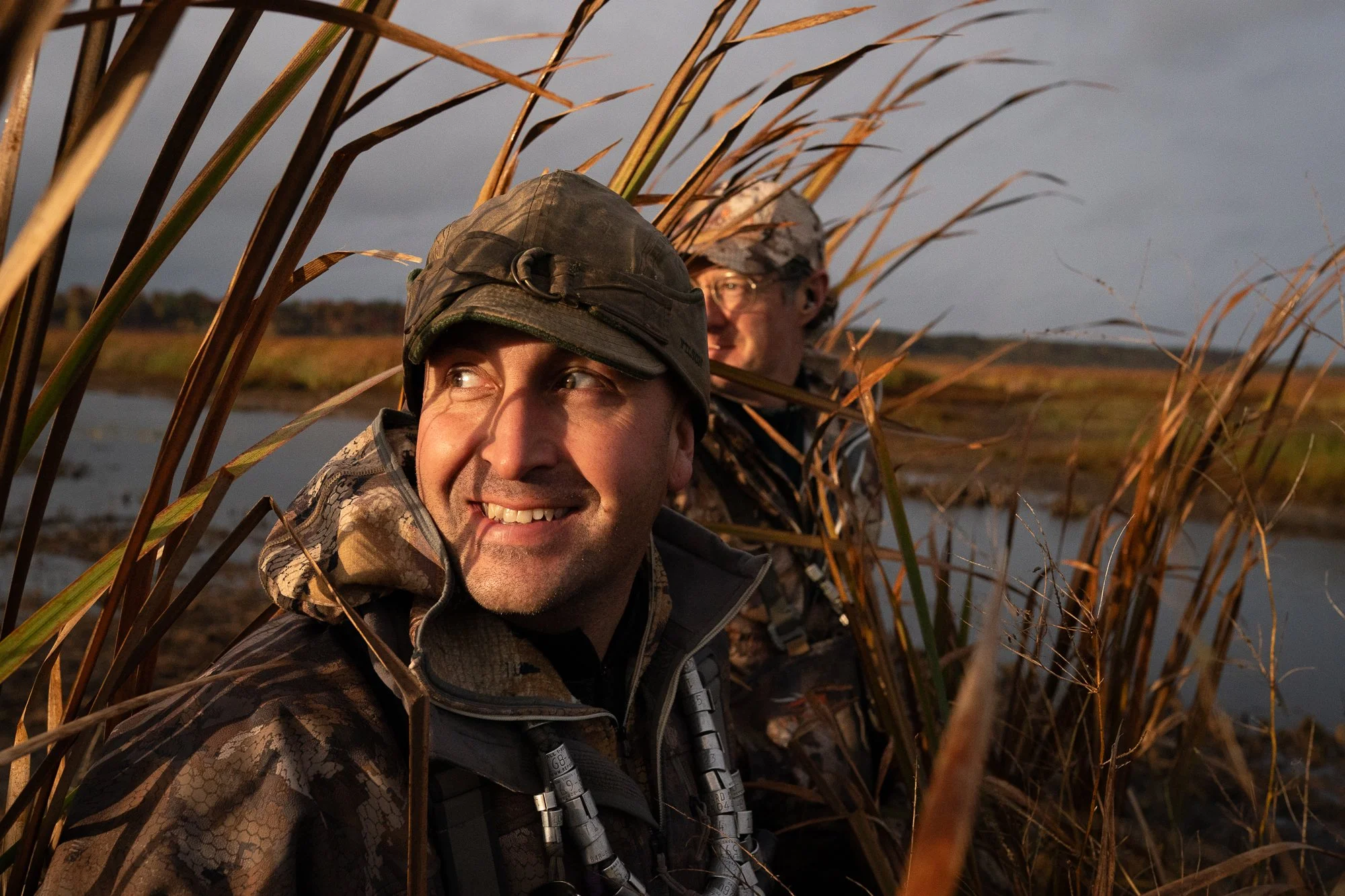
Hunters wait in the reeds as first light reaches the marsh during waterfowl season in Ontario.
Working with the Conditions
Typically the best conditions for duck hunting is shitty weather. You go to bed hoping for shitty weather, and the first thing you do in the morning is look out the window, hoping it looks like hell out there.
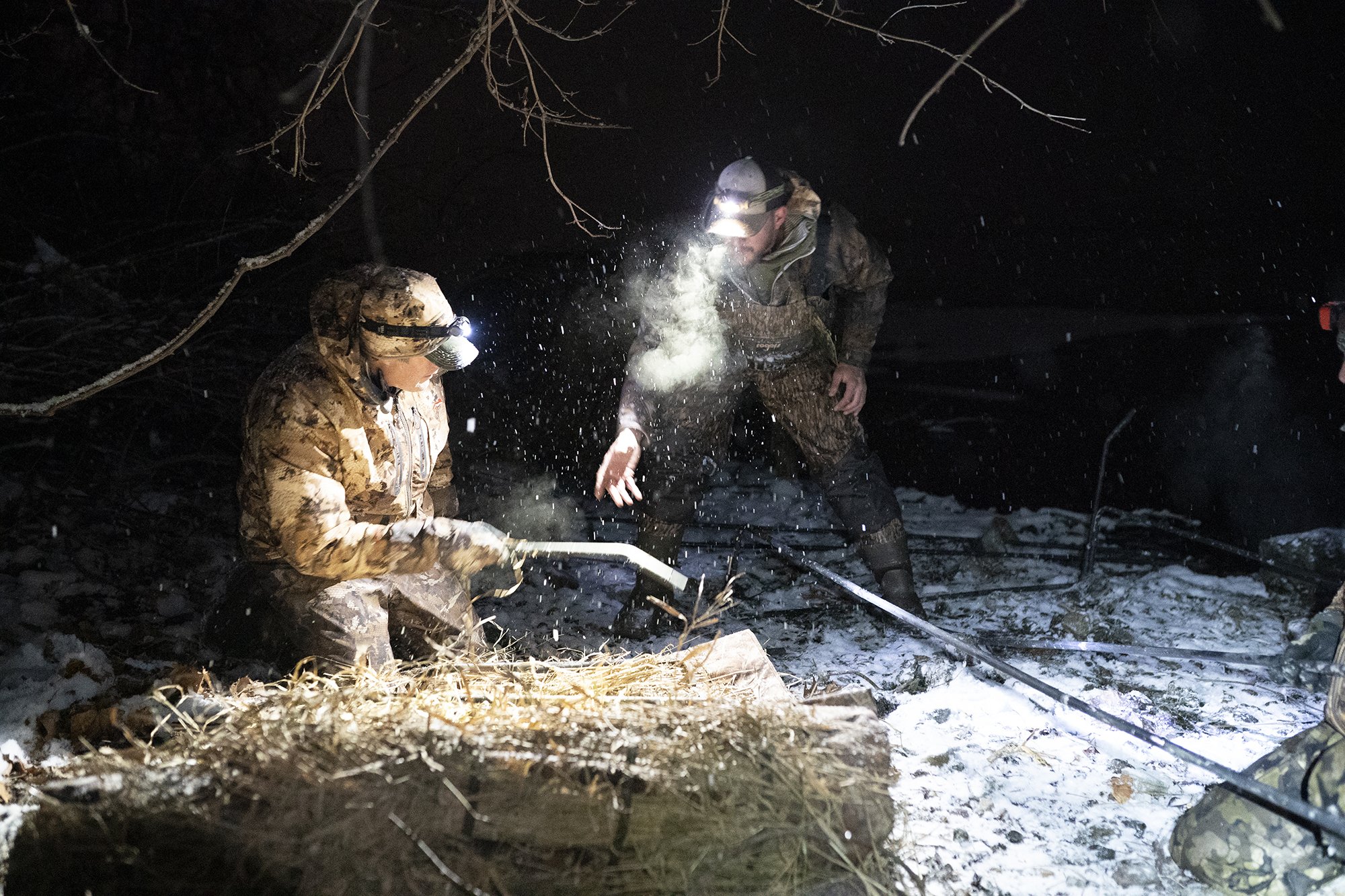
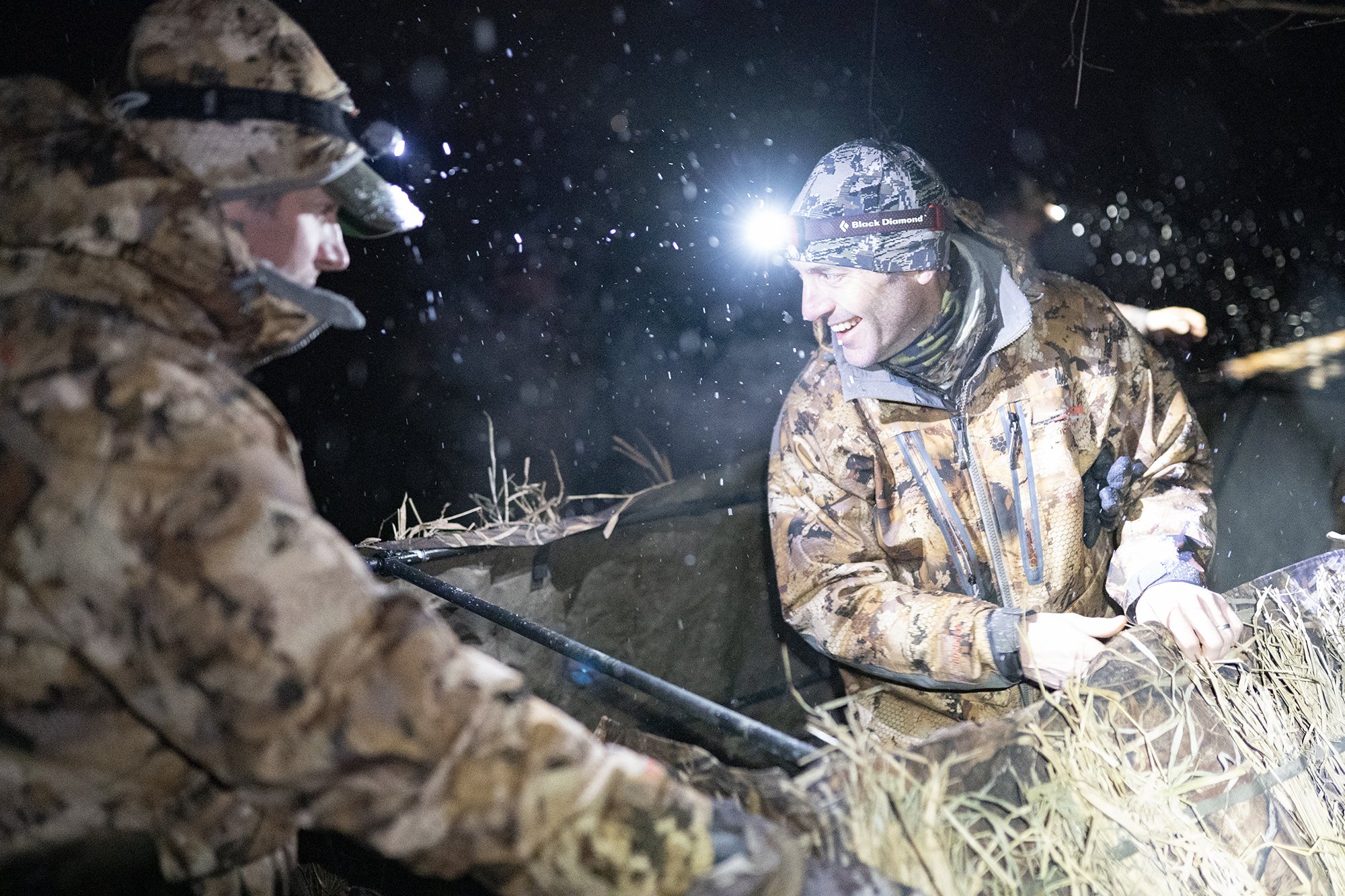
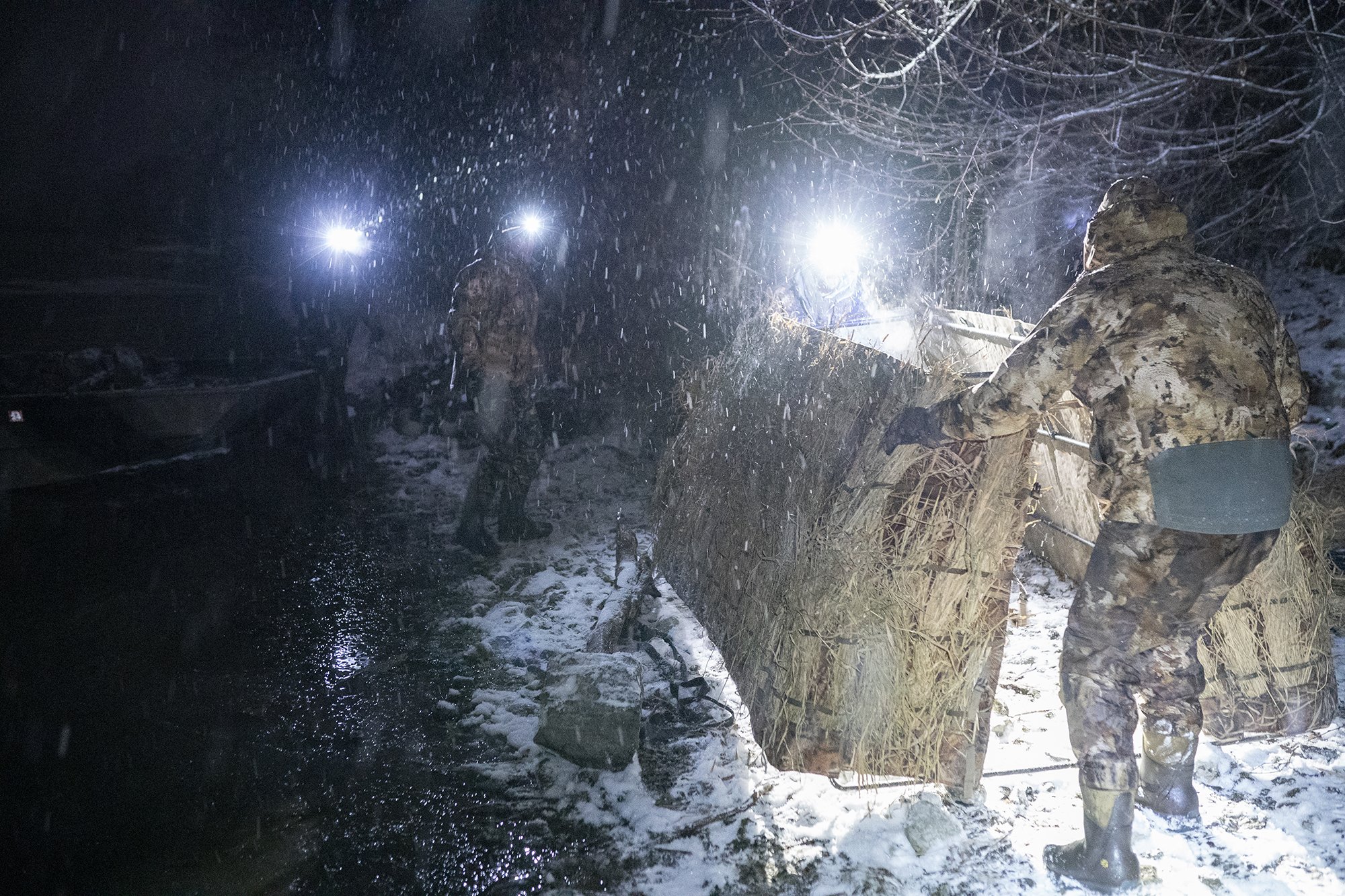
Naturally, as a photographer of the sport, i’ve become friends with poor conditions - paddling out in a canoe when it’s pitch black, raining, windy, and freezing cold. And most times the action happens at first light, so making images at time when you shouldn’t be able to is prerequisite. And then there’s the waiting. On bad days you might not see a single bird for hours, which almost lulls you to sleep, so there’s a good chance you do miss a bird when they finally do come. Patience is also required.
To some this might sound like torture. For me it’s a damn fine way to spend time with a camera, and friends. If you’ve never done long stretches in a duck blind with great people, then there’s no way to explain the experience.
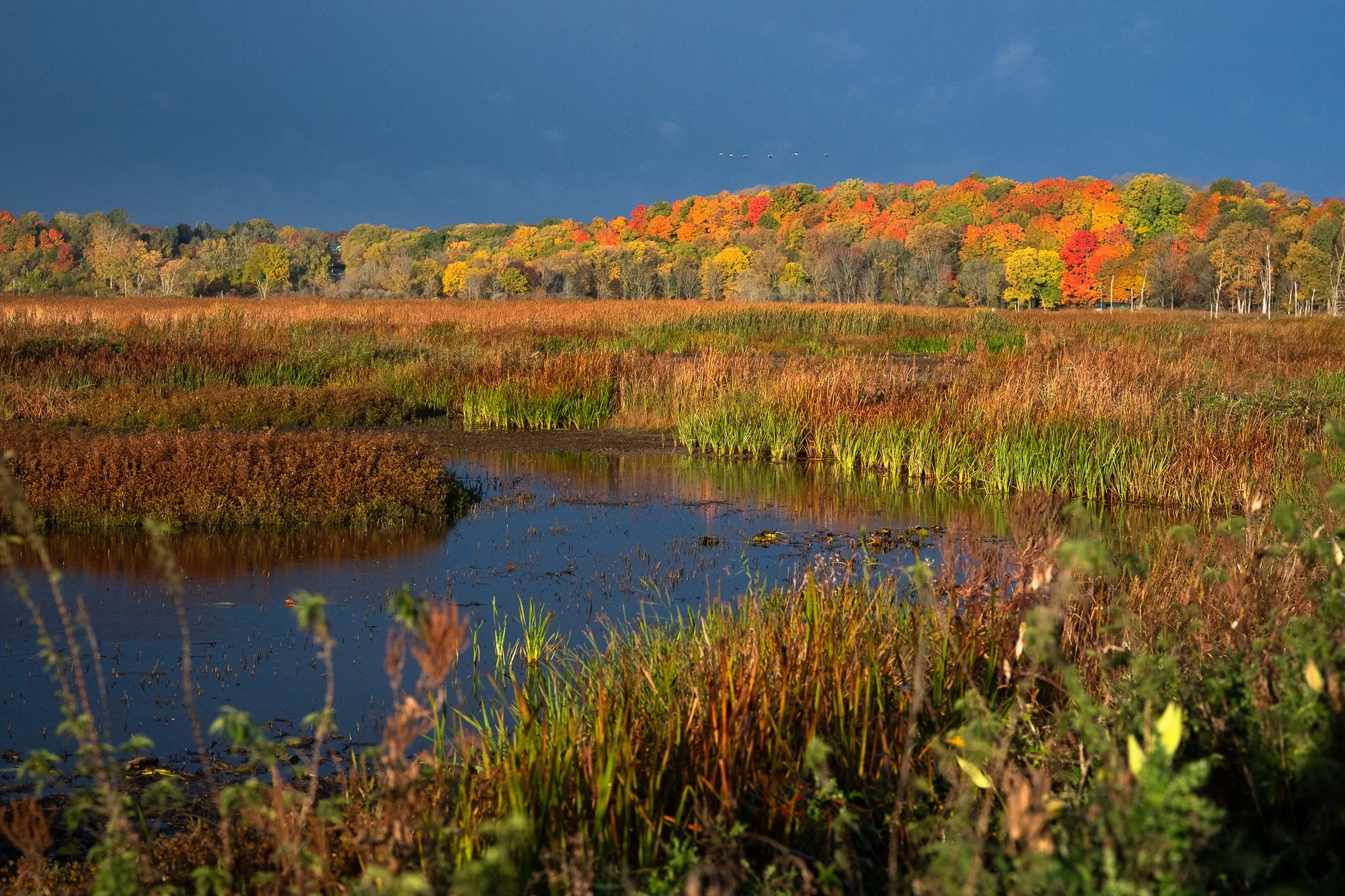
Autumn light breaks across the marsh as changing weather shapes the landscape.
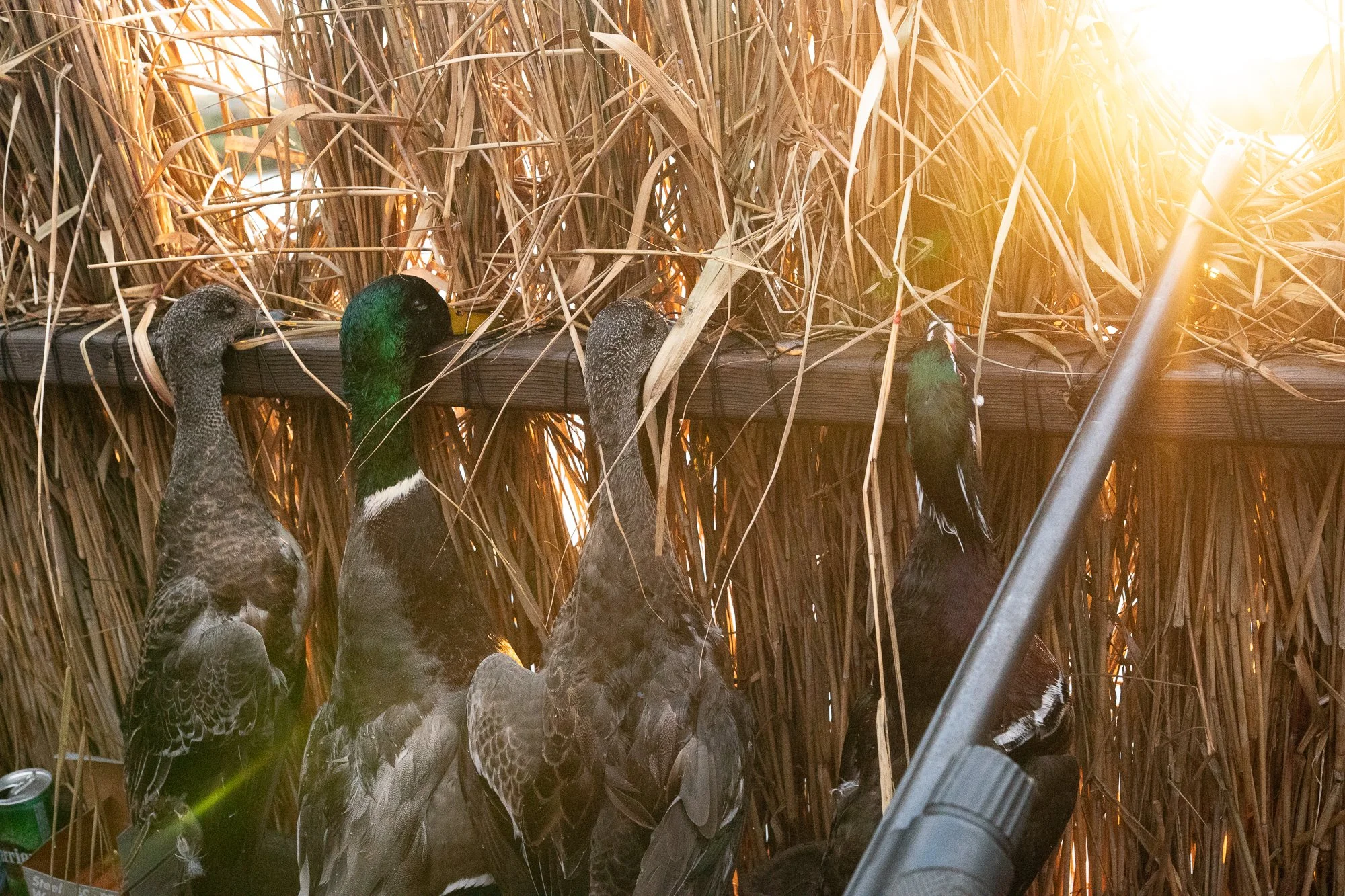
Harvested ducks hang along the blind wall as morning light cuts through the reeds in the Ontario marsh.
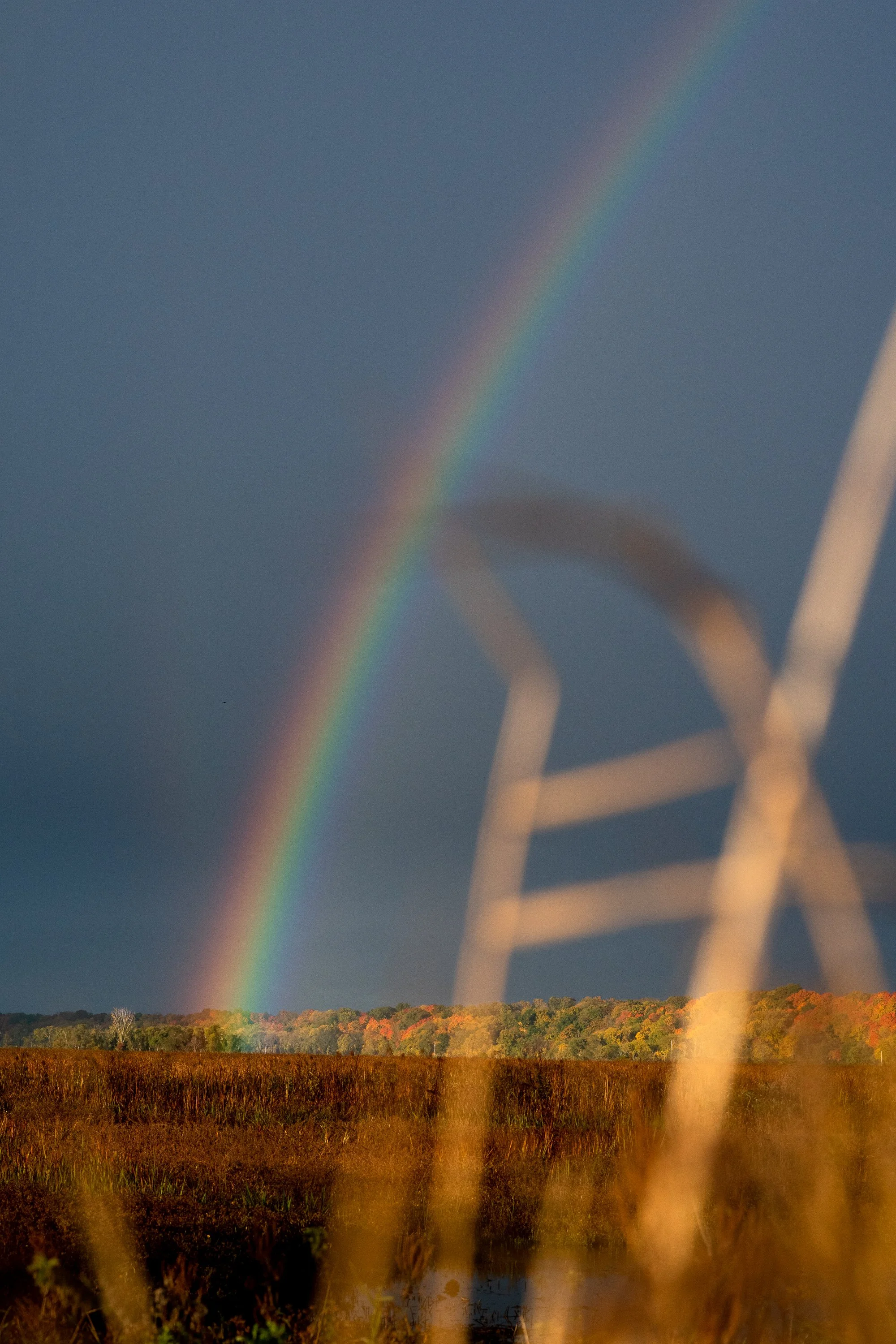
A break in the storm casts a rainbow above the marsh during waterfowl season.
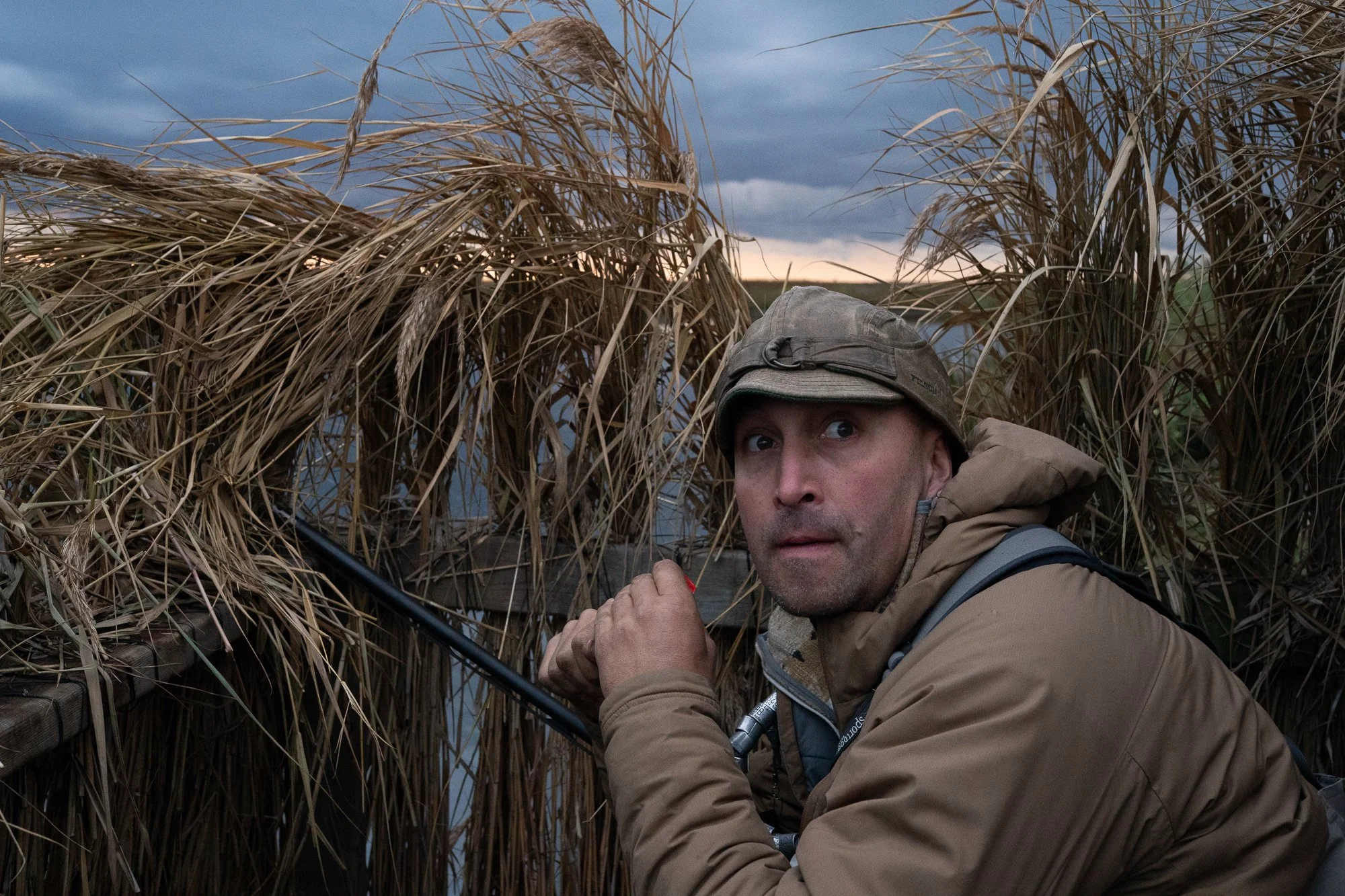
A hunter calls in ducks as weather shifts across the marsh before sunrise.
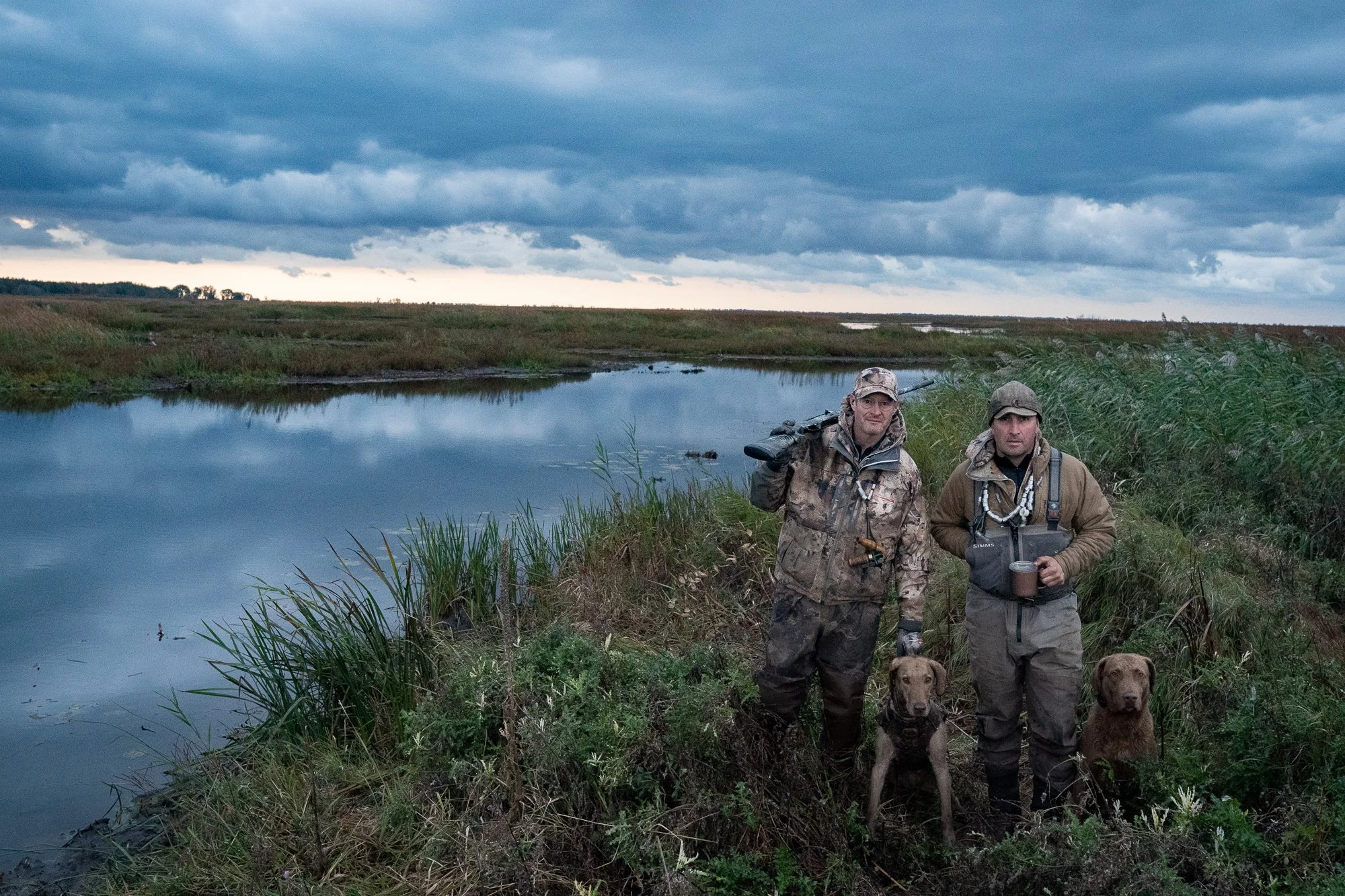
Waterfowl hunters and their dogs regroup along the marsh after another day spent in changing conditions.
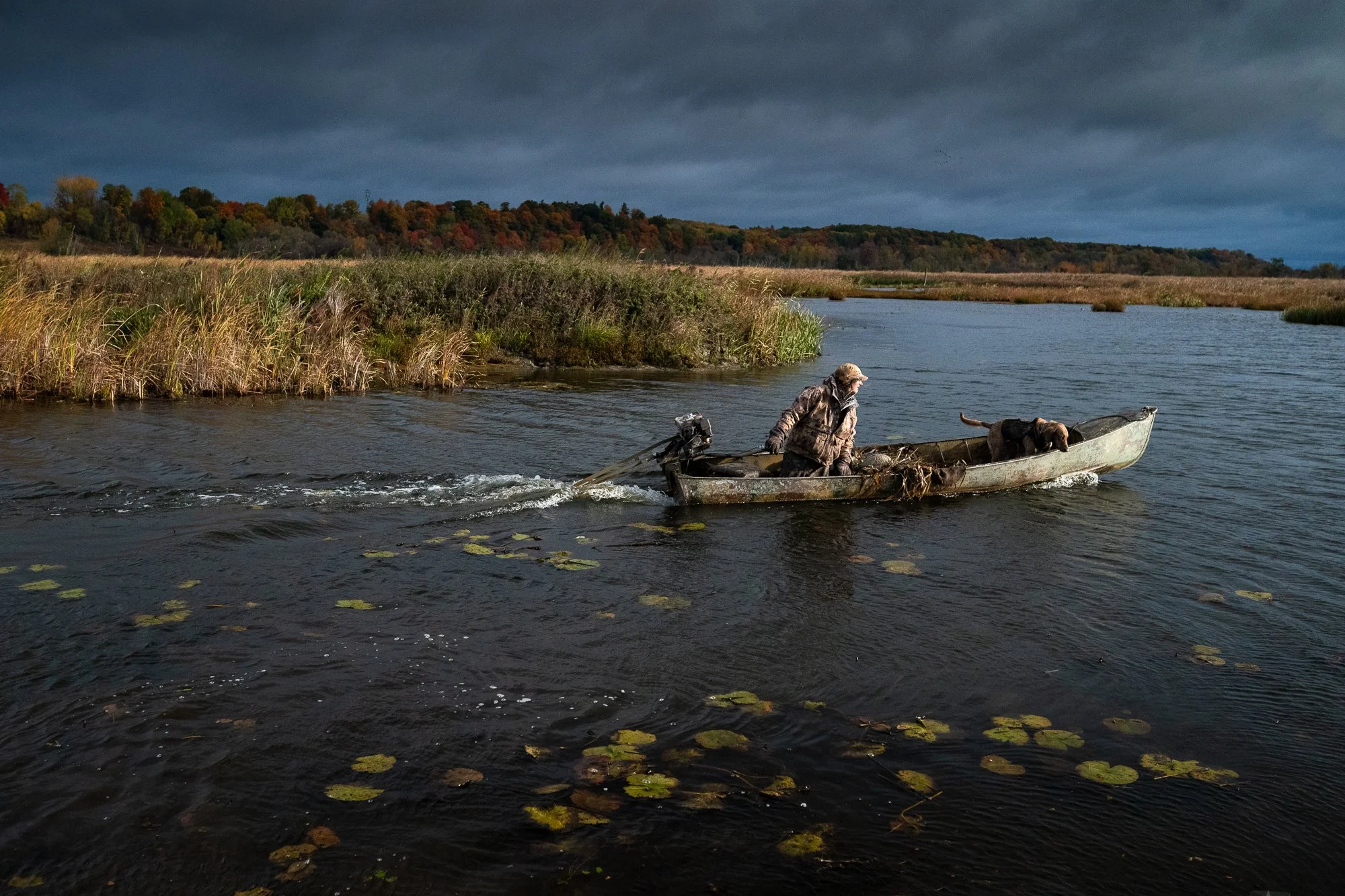
A duck hunter and dog move through flooded marsh under shifting weather conditions.
Why Authenticity Matters for Outdoor Brands
Outdoor brands don’t need more staged images.
They need work that reflects how their gear is actually used—cold mornings, wet conditions, long hours, and unpredictable environments.
That’s what separates real field photography from studio-driven outdoor work.
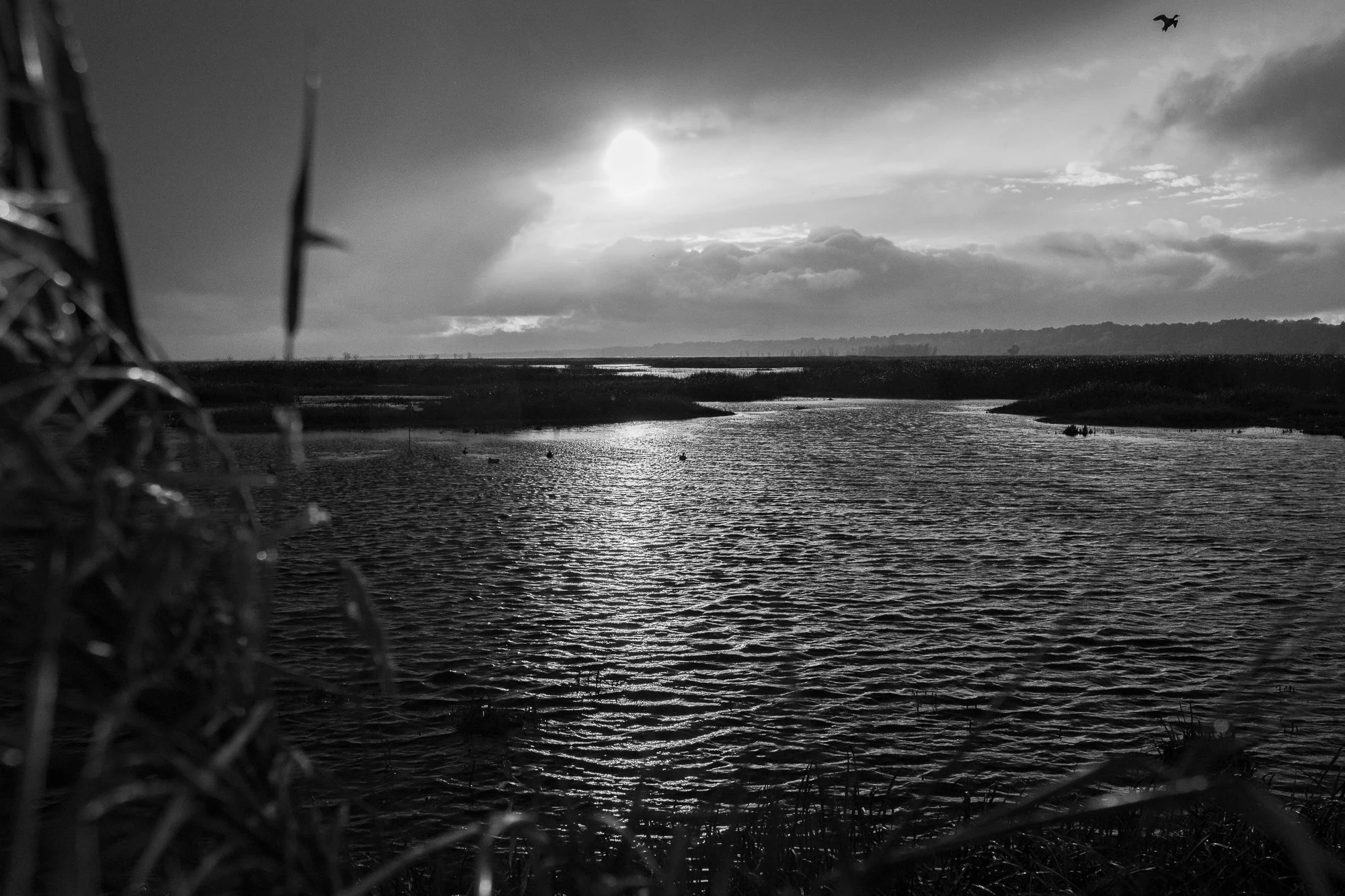
First light breaks over flooded marsh as waterfowl hunters wait for movement in the wetlands.
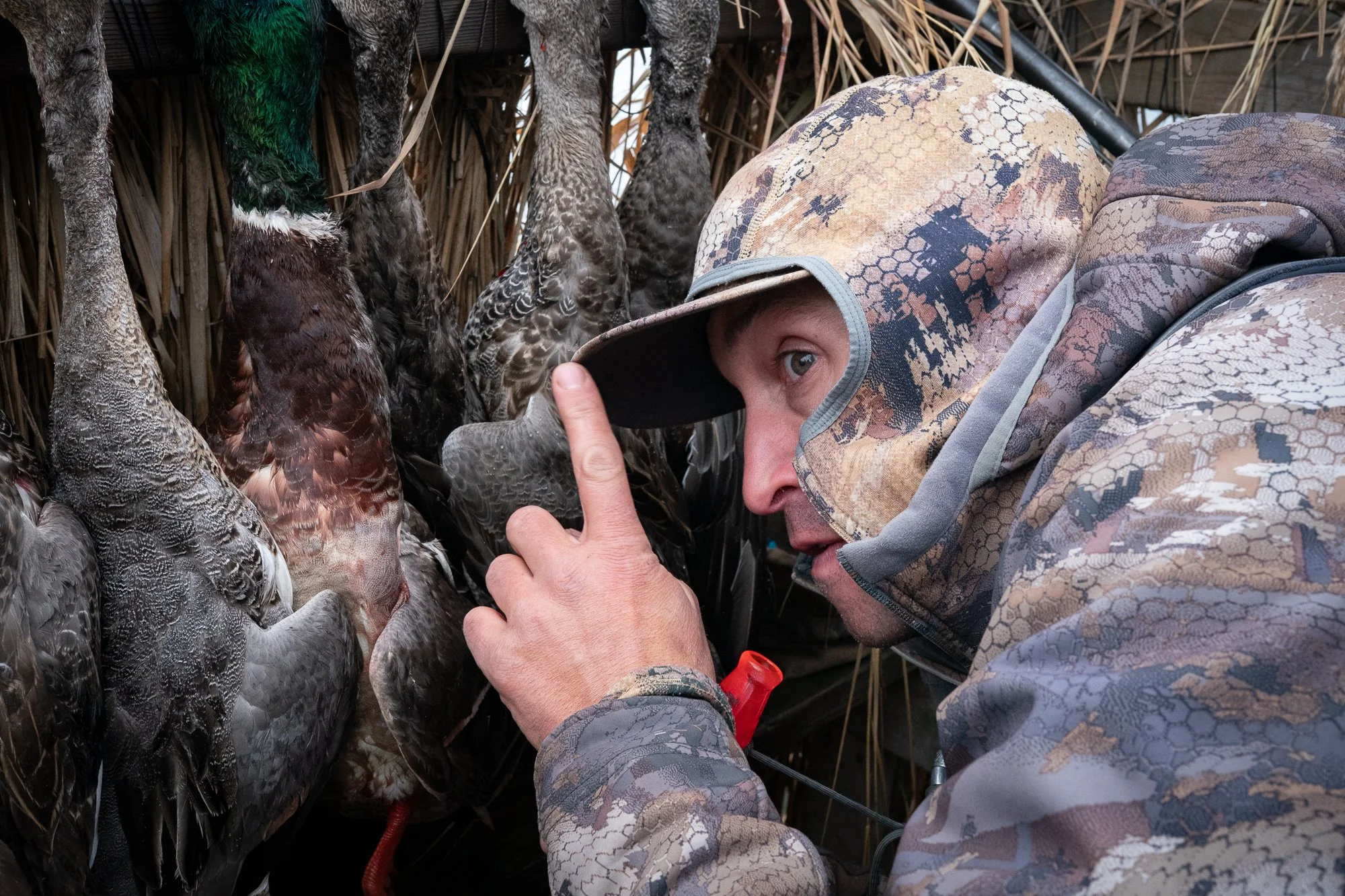
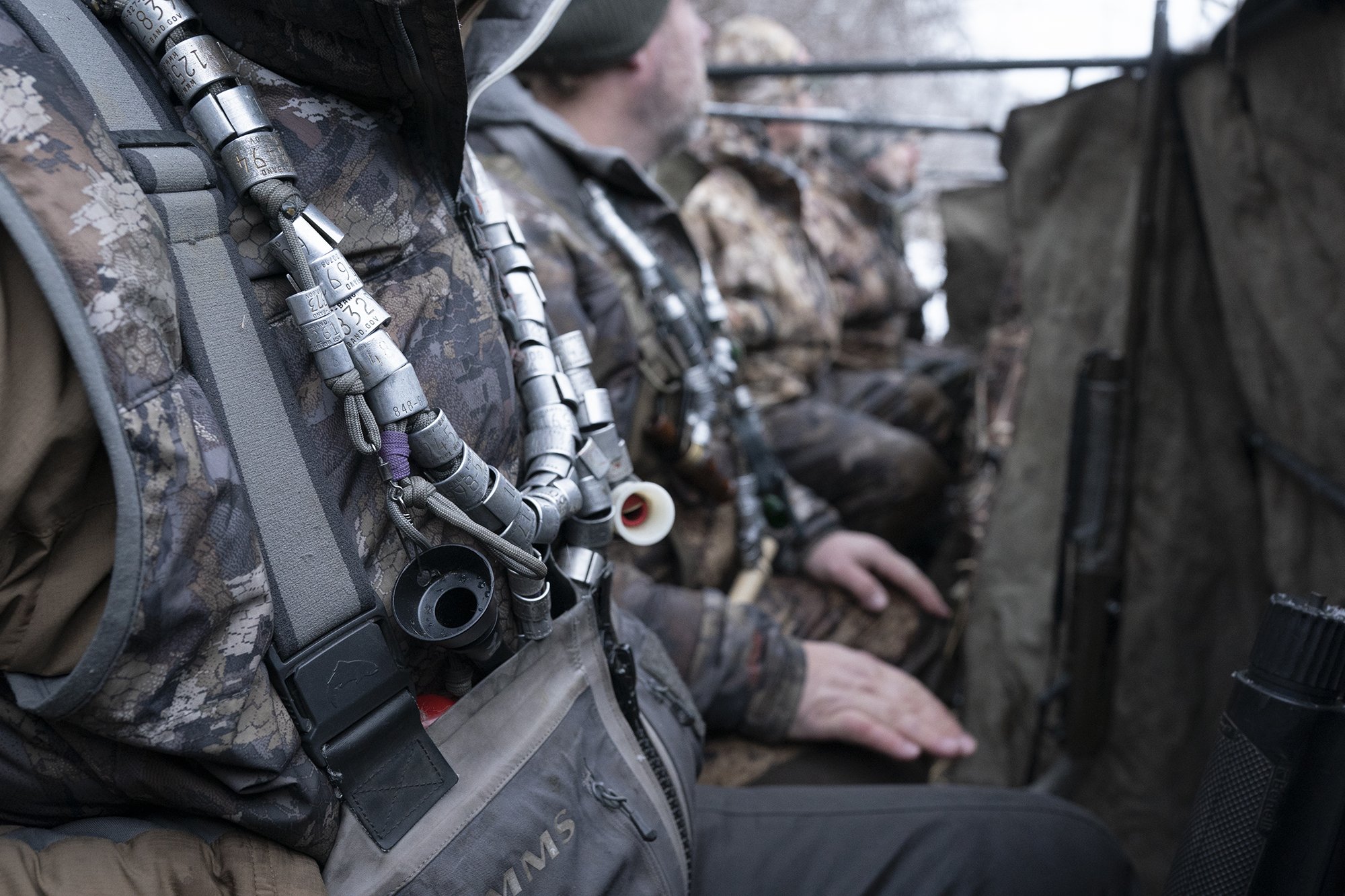
Harvested birds hang inside the blind as a hunter signals approaching birds above the marsh.
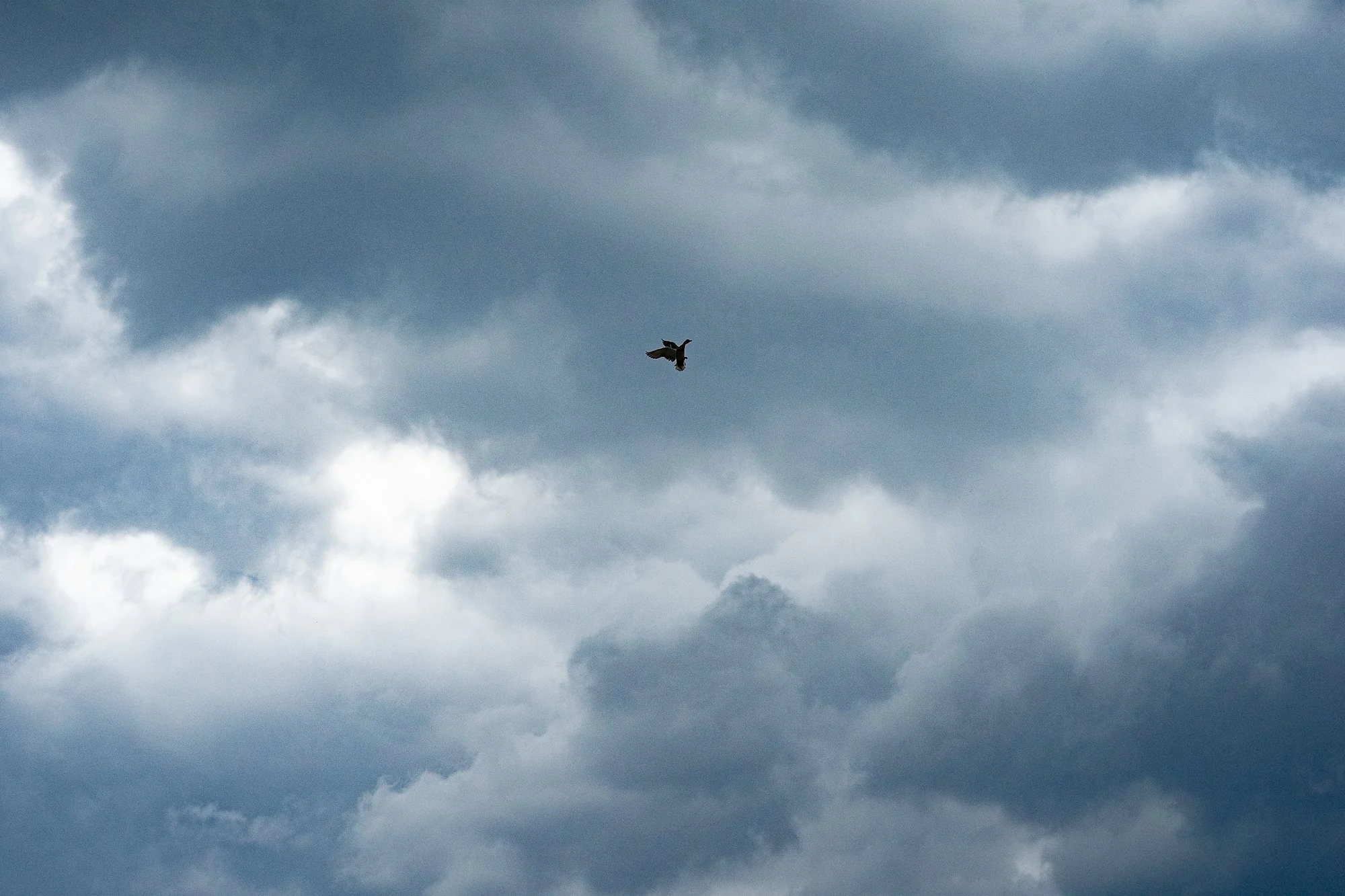
A duck flies through stormy skies above the marsh.
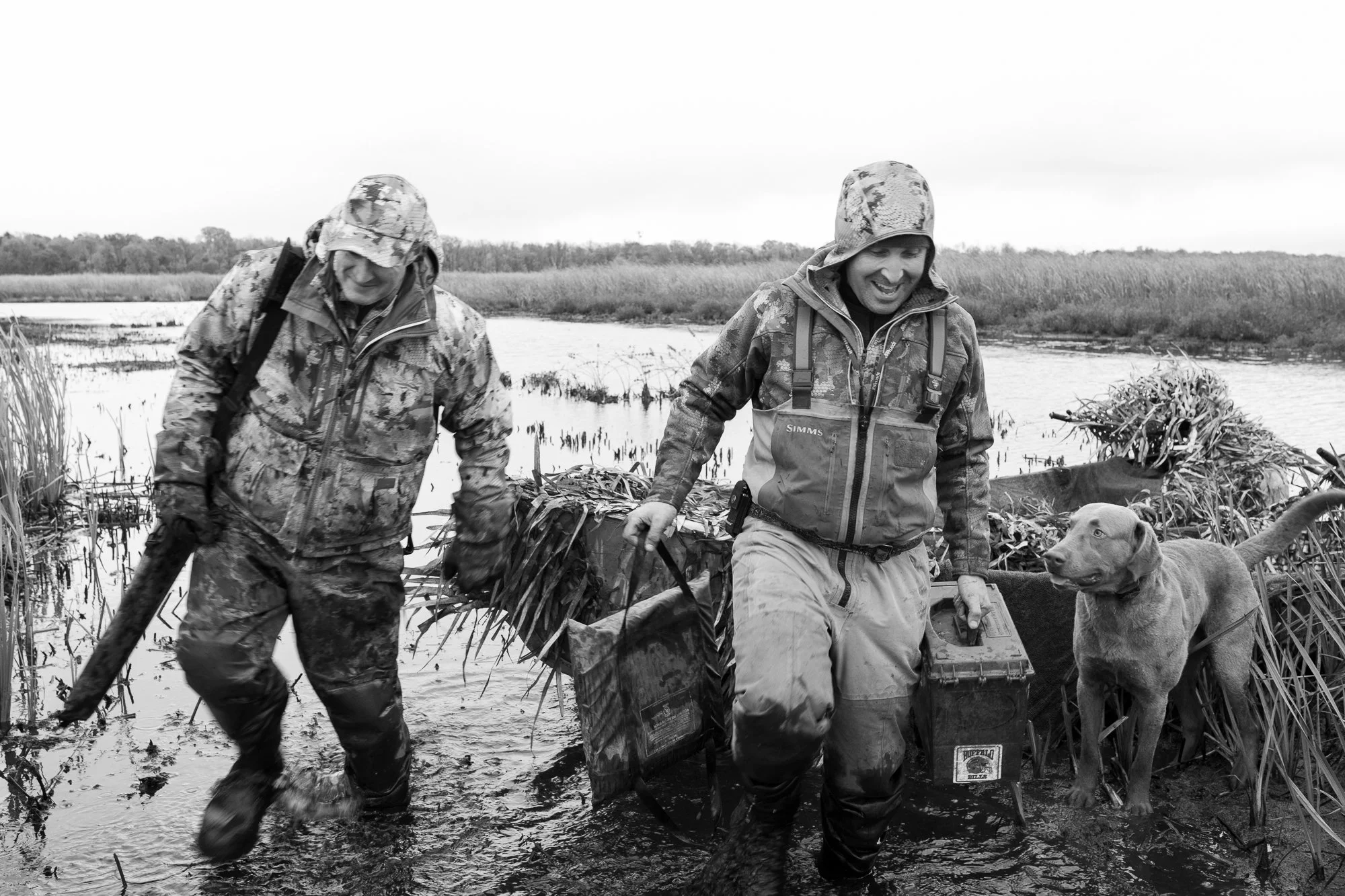
Hunters haul gear through cold marsh water after a morning hunt in Ontario while their retriever waits nearby.
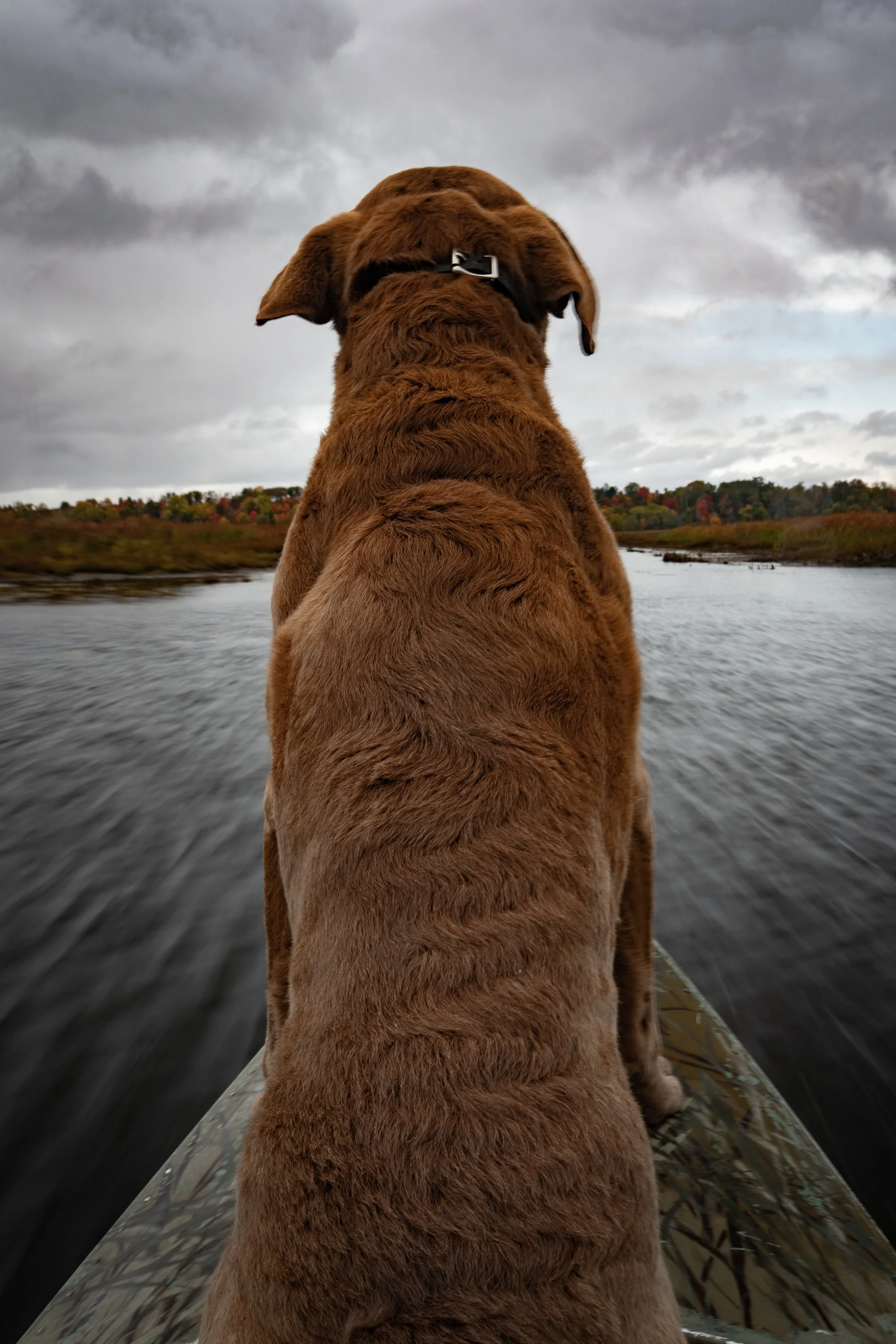
A duck dog rides at the bow as hunters move through flooded marsh.
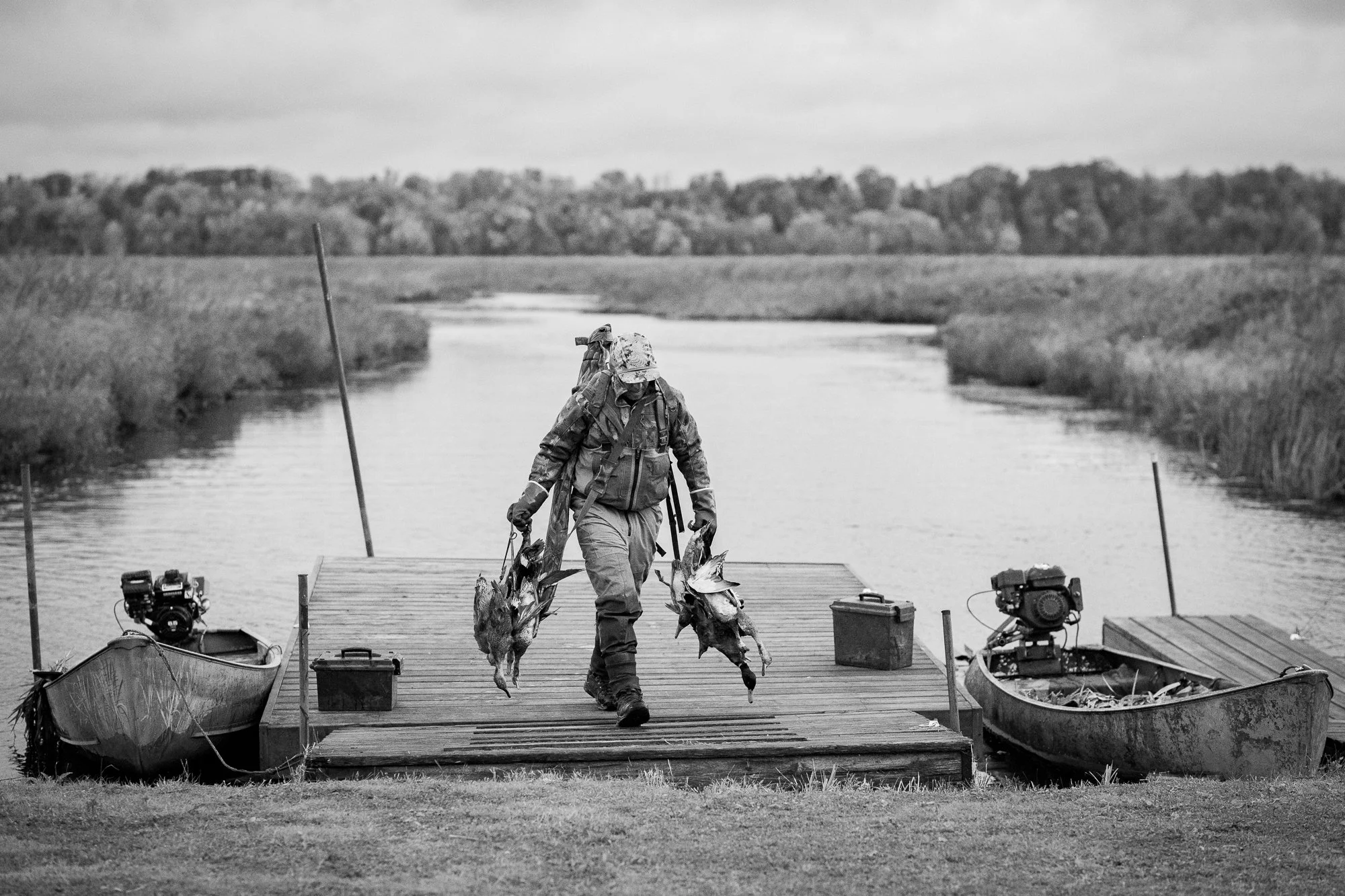
A hunter carries the morning’s harvest back from the marsh after hours in the field.
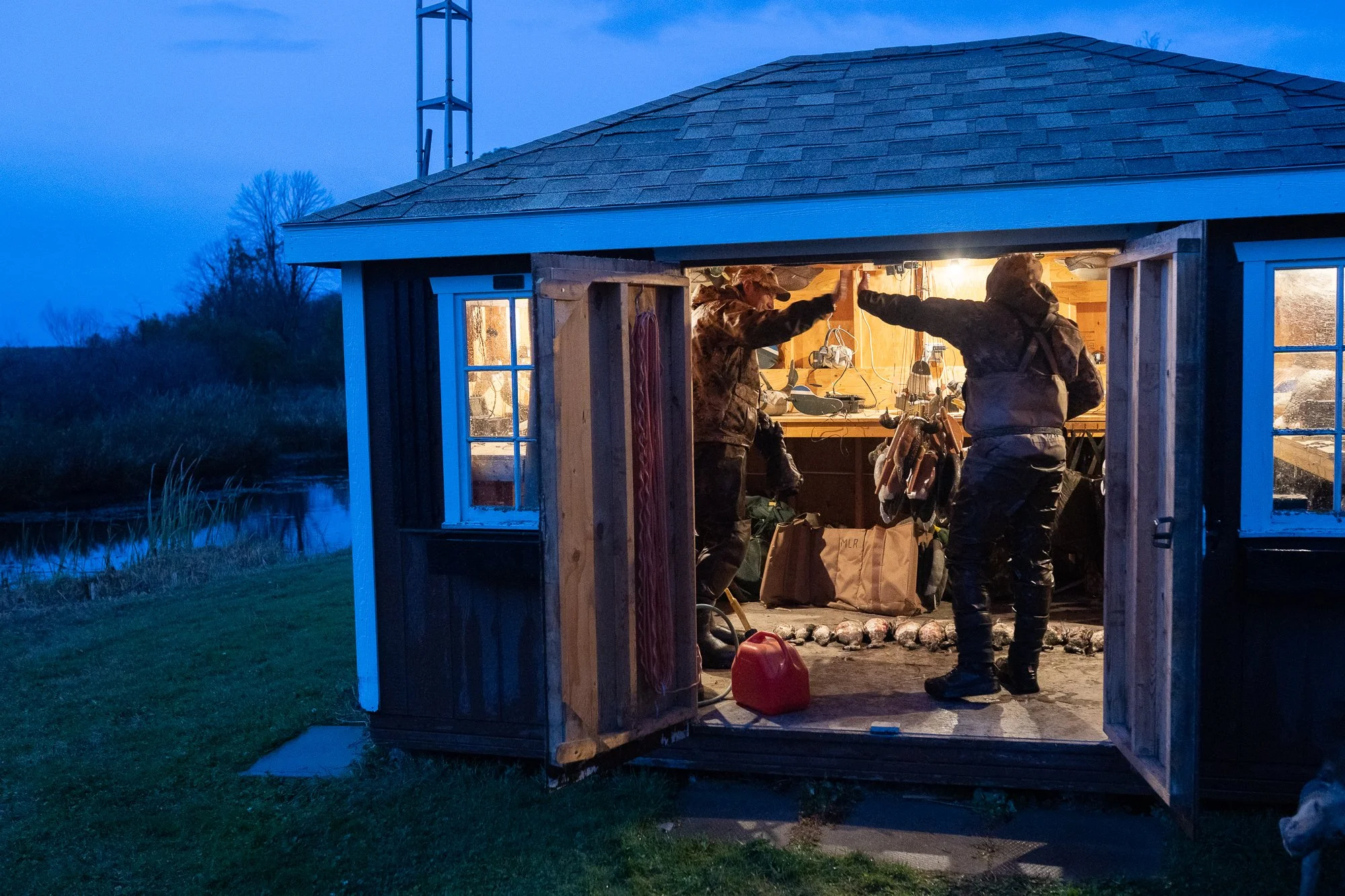
Hunters prepare gear before sunrise, organizing equipment for another long morning in the marsh.
Built From Real Hunts
These photographs weren’t created for a campaign. They come from real hunts—early mornings in flooded marshes, long waits in the blind, and brief windows of action when birds finally move.
That’s what gives the work its edge. Nothing is forced.
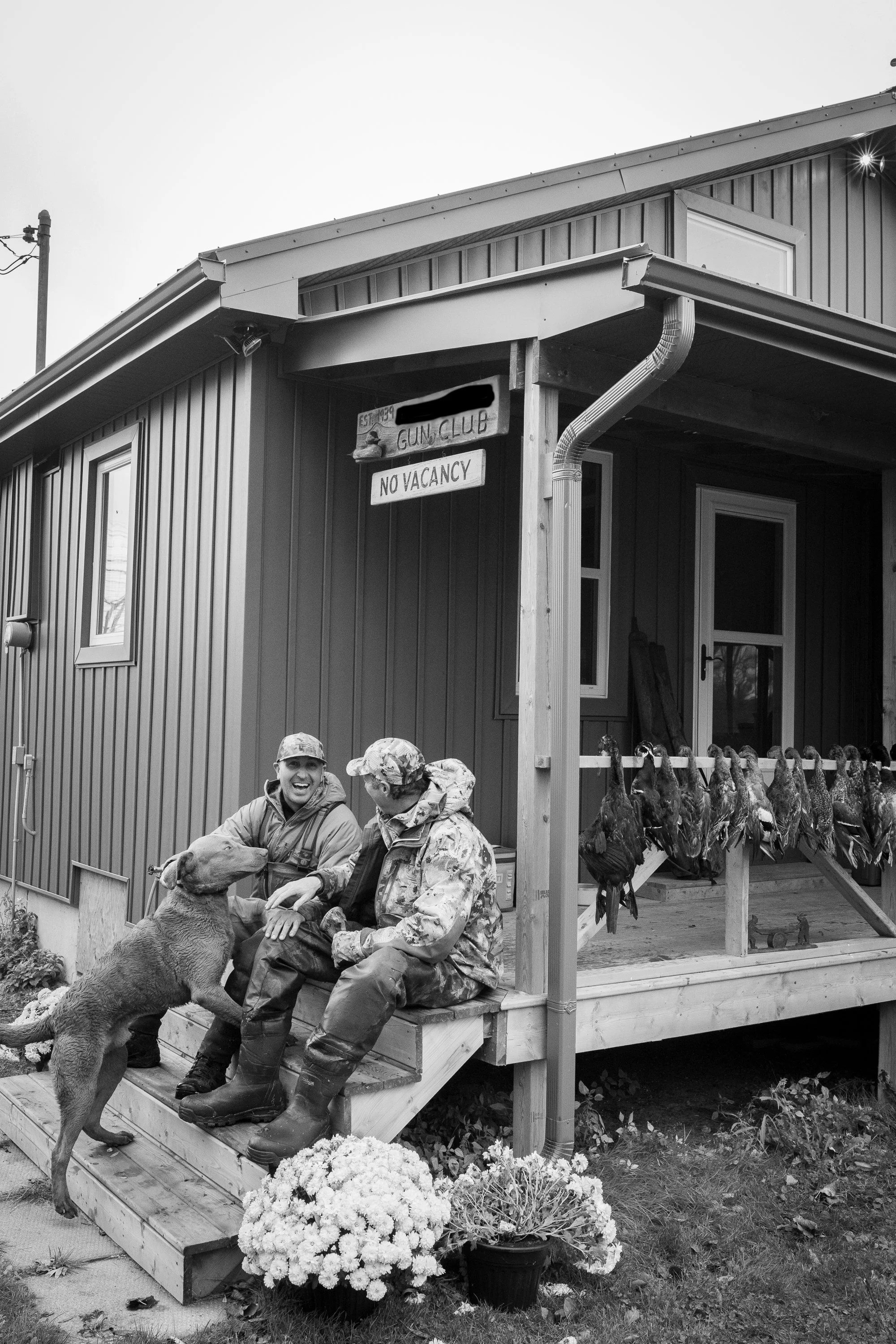
Hunters and their retriever laugh outside the lodge after a successful morning in the Ontario’s wetlands.
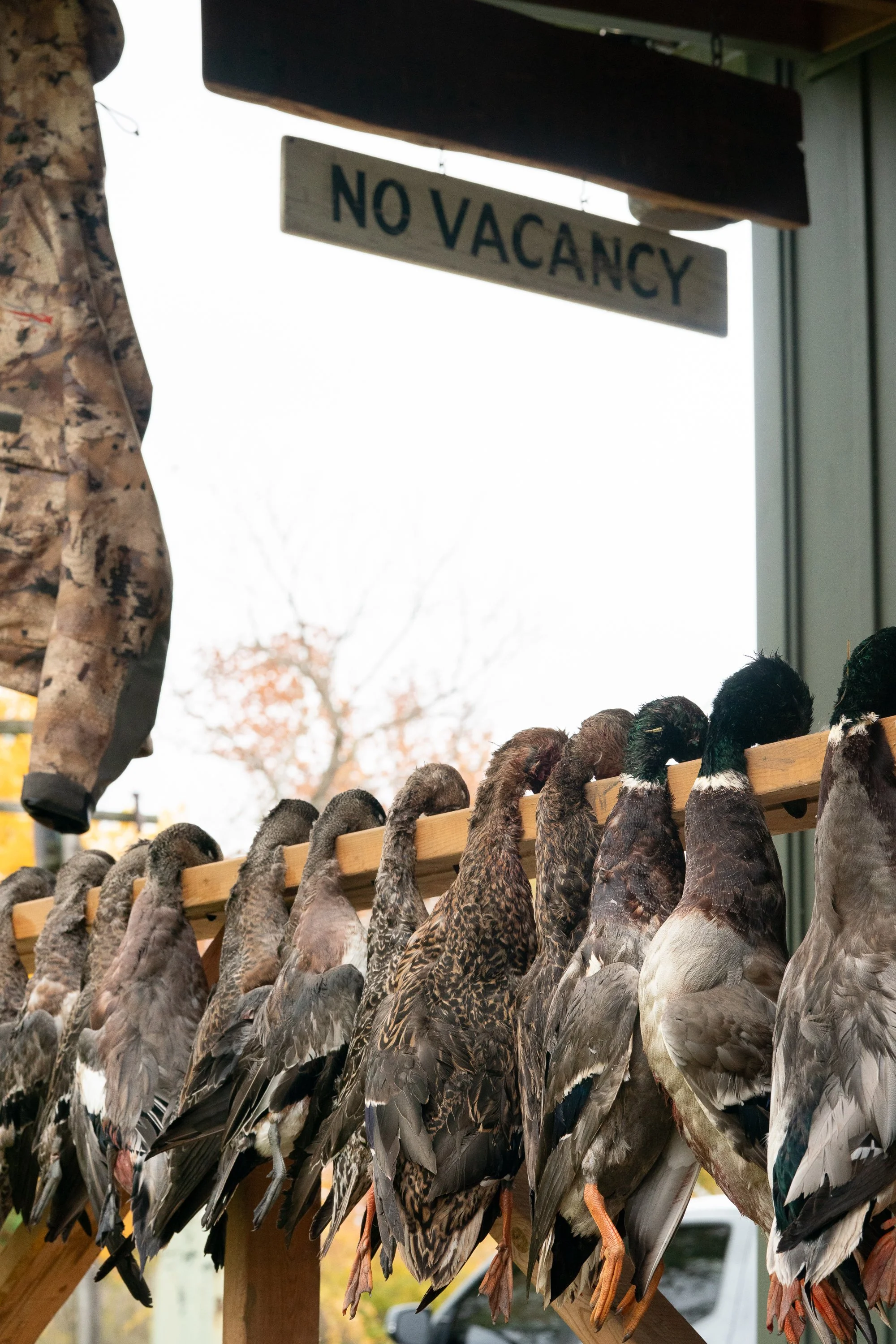
Harvested ducks hang outside the lodge after a full day in the marsh.
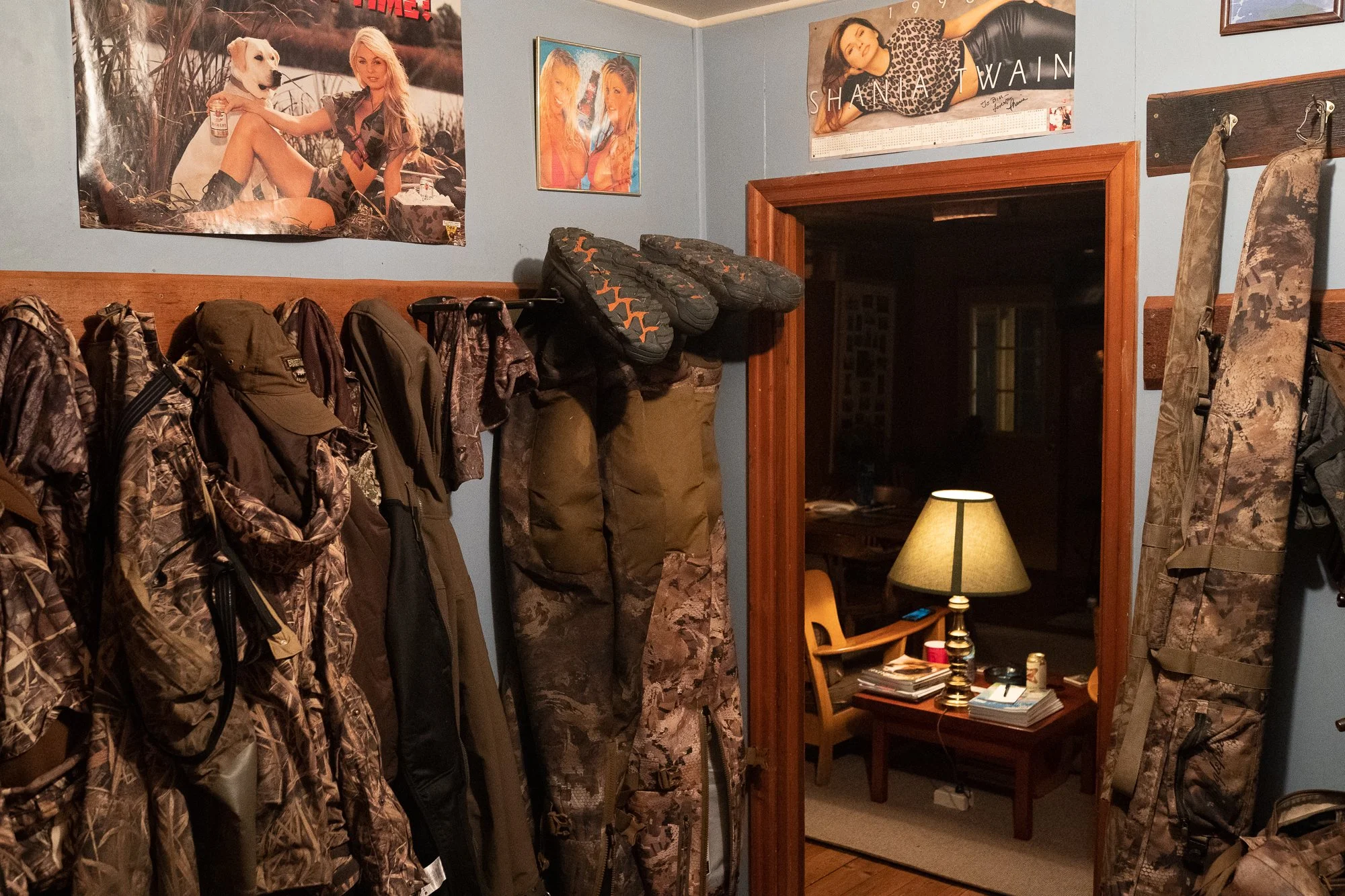
Waders, jackets, and gear dry indoors between hunts as another day in the marsh comes to an end.
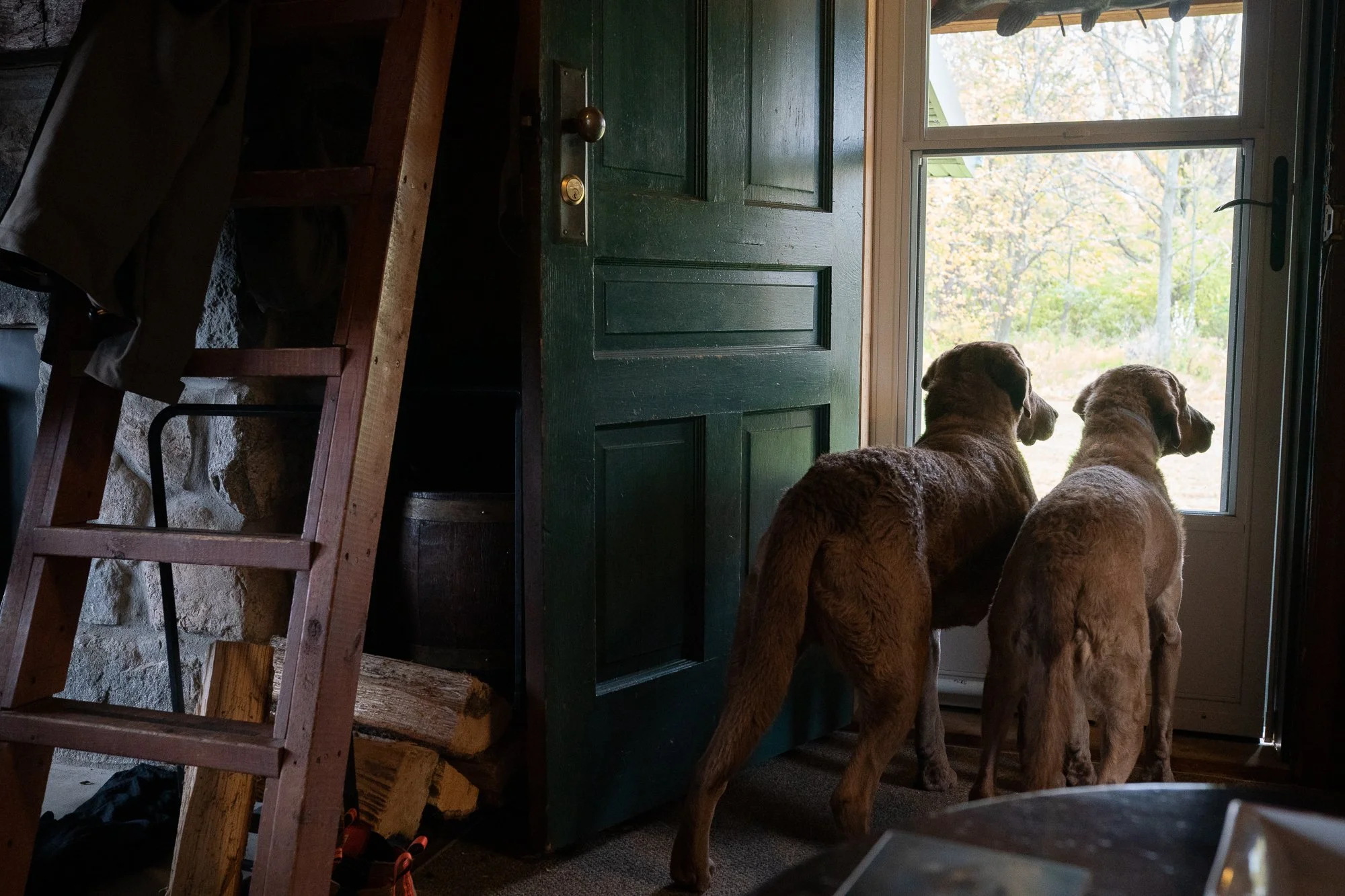
Retrievers wait by the door, ready for the next run into the marsh.
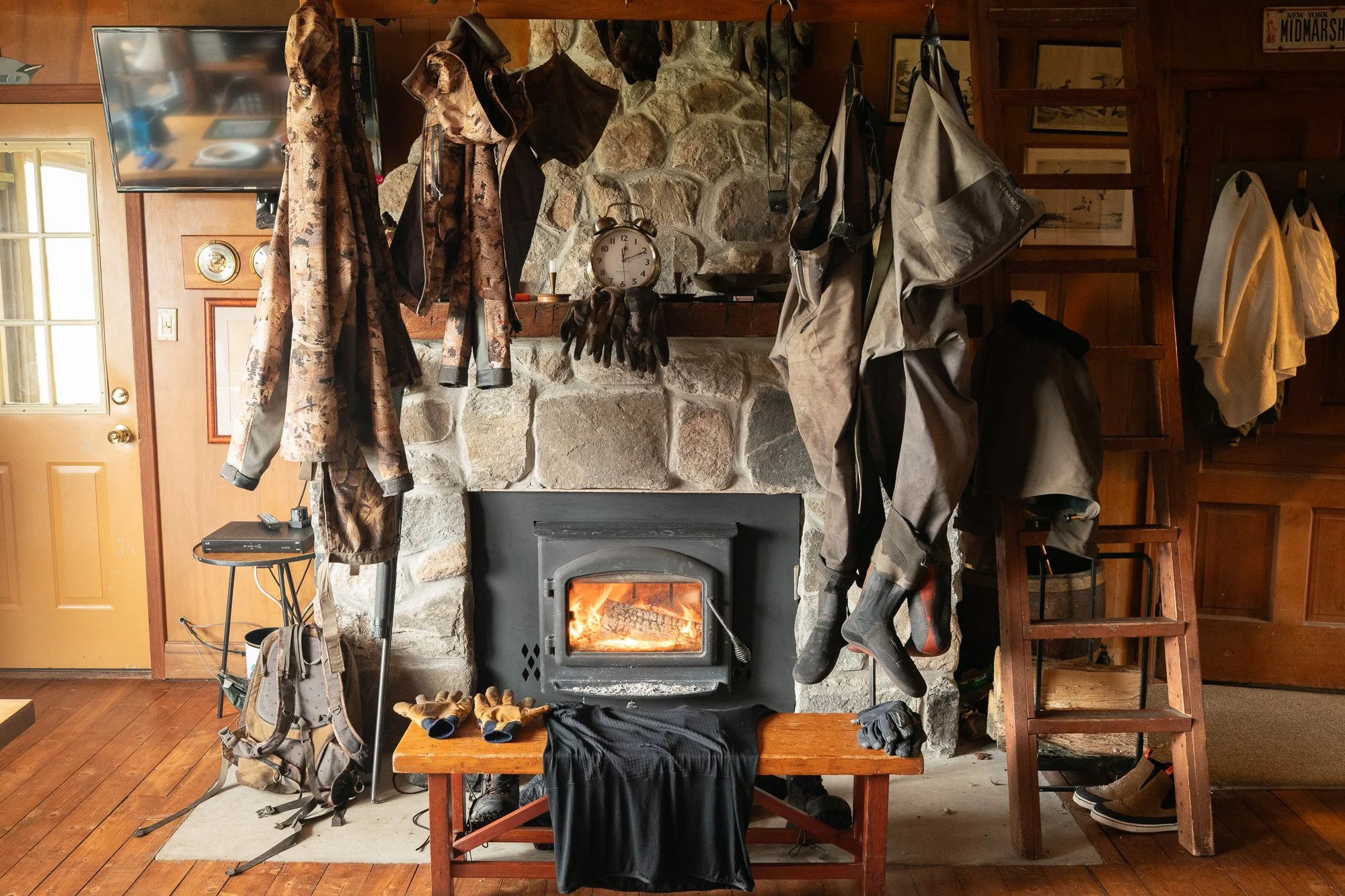
Wet gear dries beside the fire after another cold morning spent in the marsh.
Available for Licensing & Commercial Work
This work is available for licensing and commercial use.
If you’re a brand looking for imagery that reflects real conditions and real use, reach out to discuss projects or usage - rob@robhammerphotography
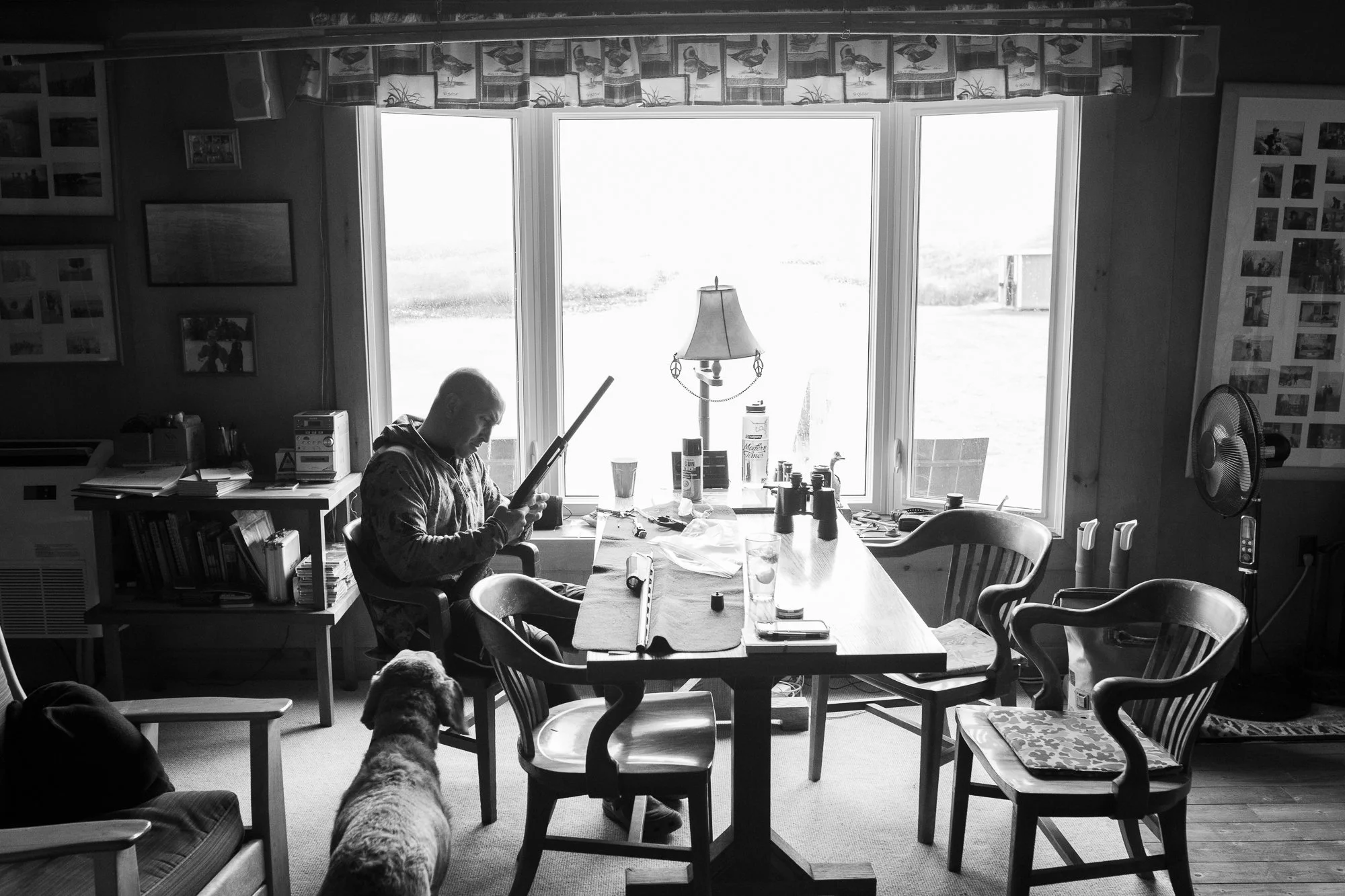
A hunter cleans his shotgun between hunts while his dog waits nearby inside the lodge.
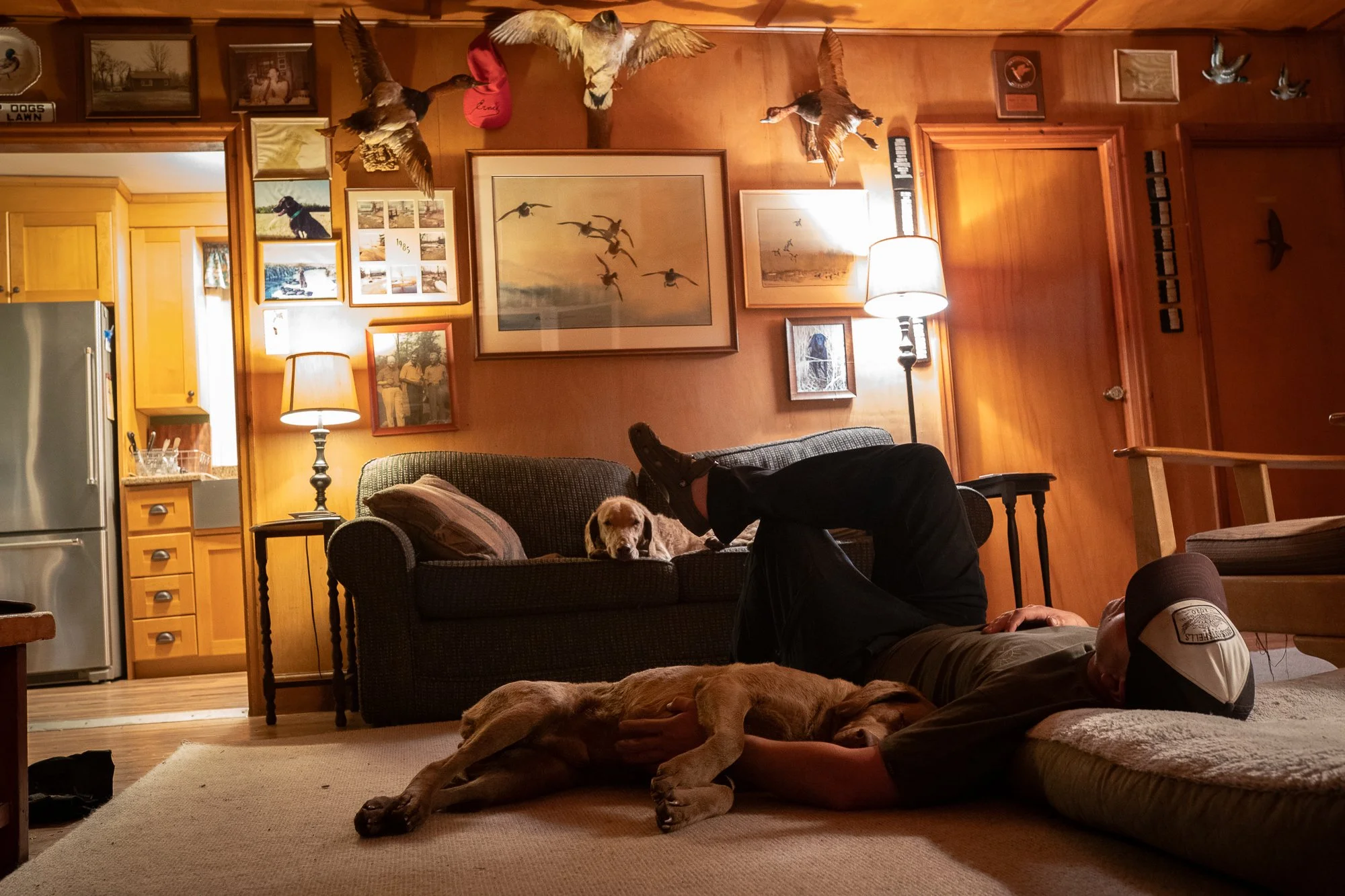
Long days in the marsh end with hunters and retrievers resting back at the lodge.
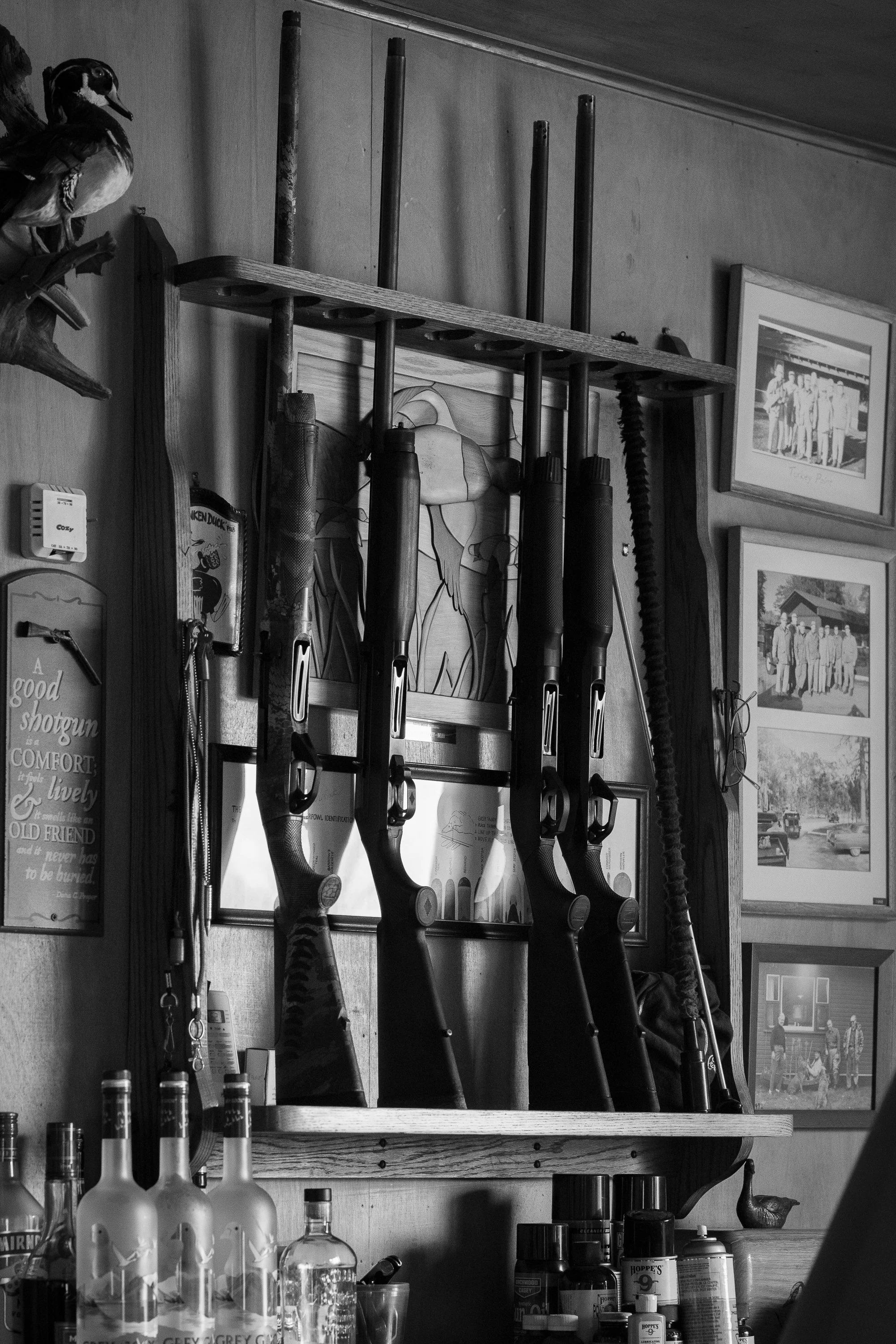
Shotguns, framed photographs, and hunting gear line the lodge walls between marsh outings.
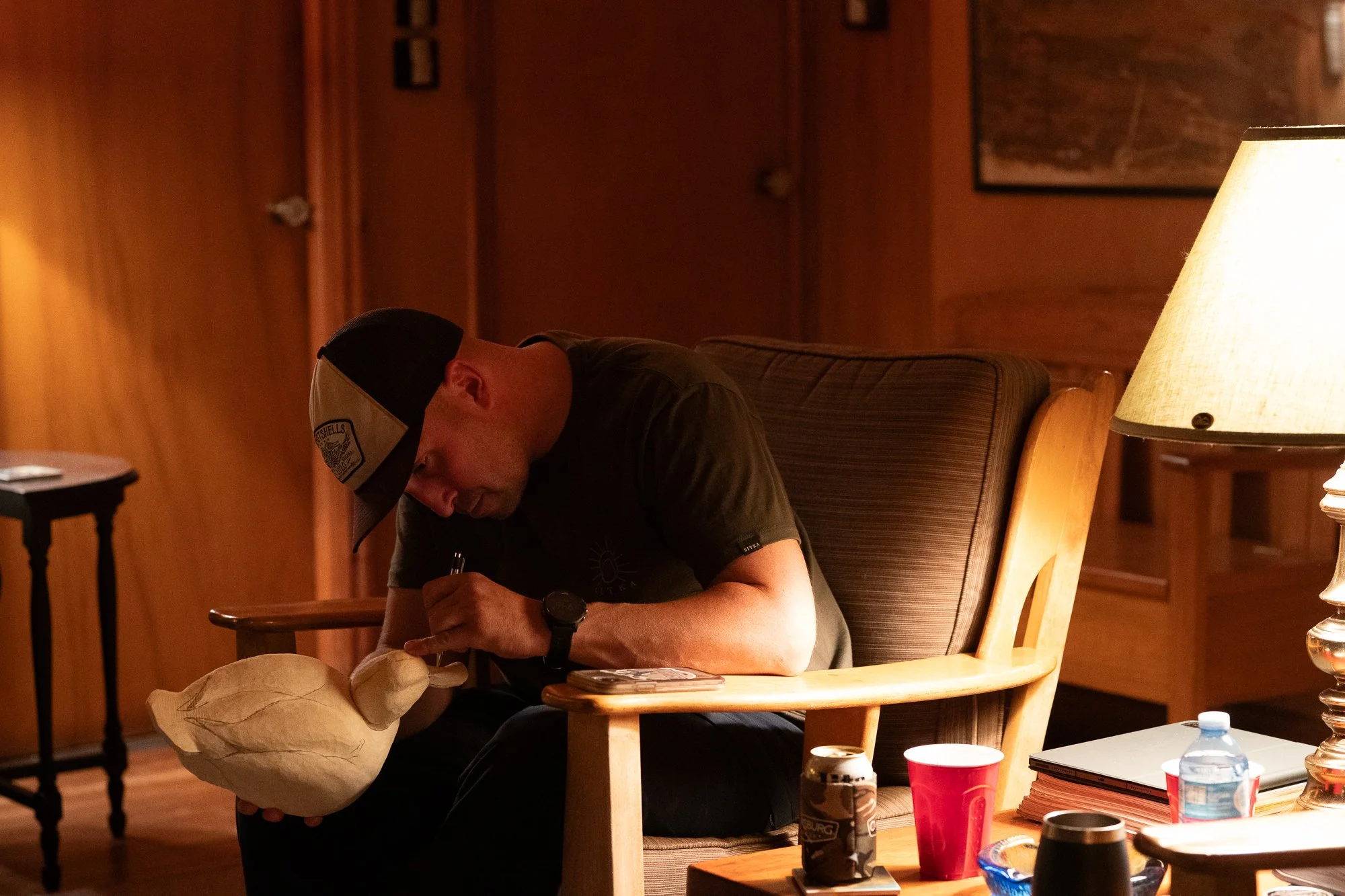
Quiet lodge hours are spent shaping decoys by hand between hunts.
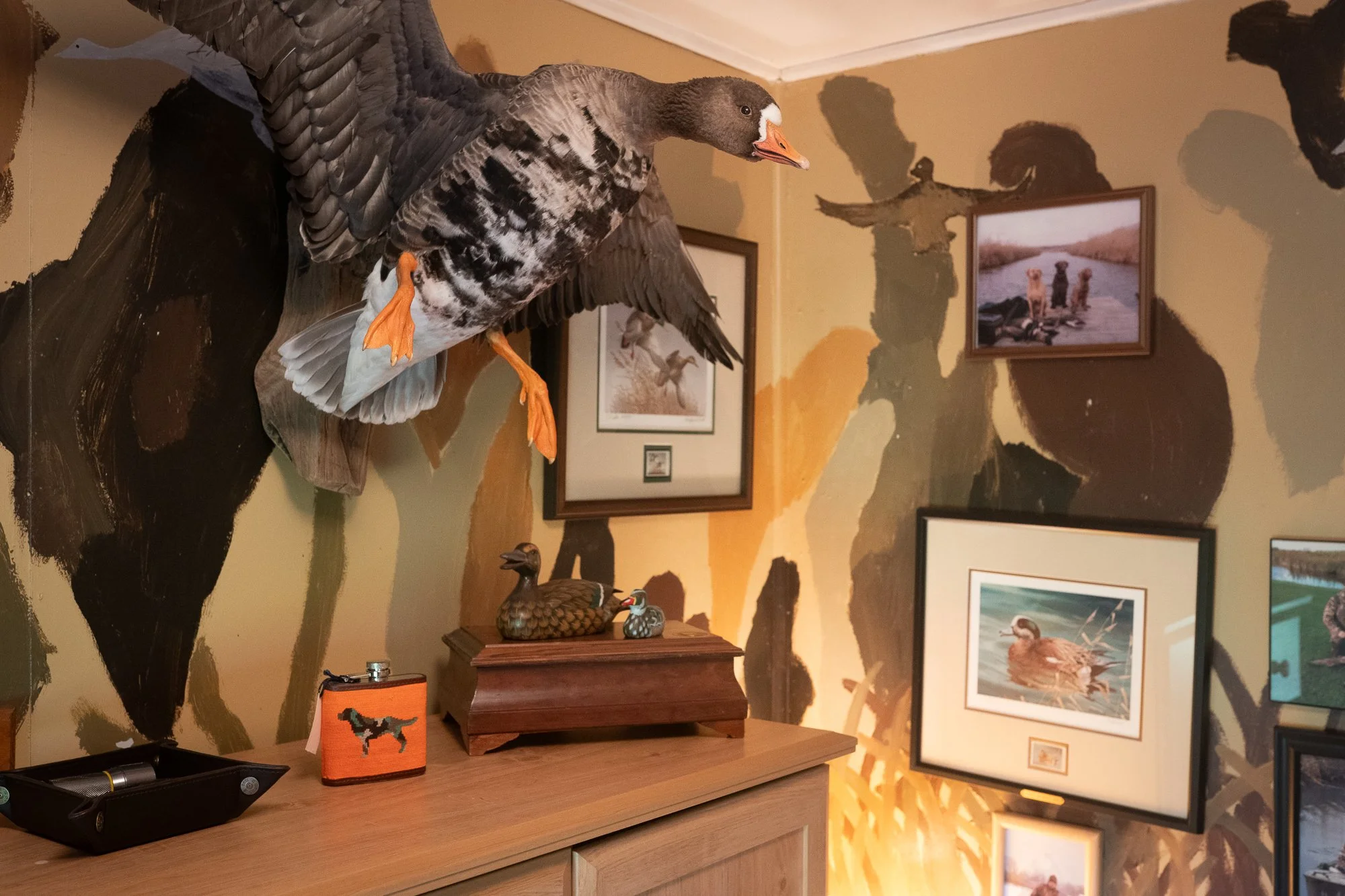
Mounted waterfowl and hunting decor fill the lodge interior between hunts.
Part of a Larger Body of Work
For years now I’ve been documenting the sport of duck hunting. Sometimes that’s for clients and other times it’s for myself and my friends.
View the full duck hunting photography gallery