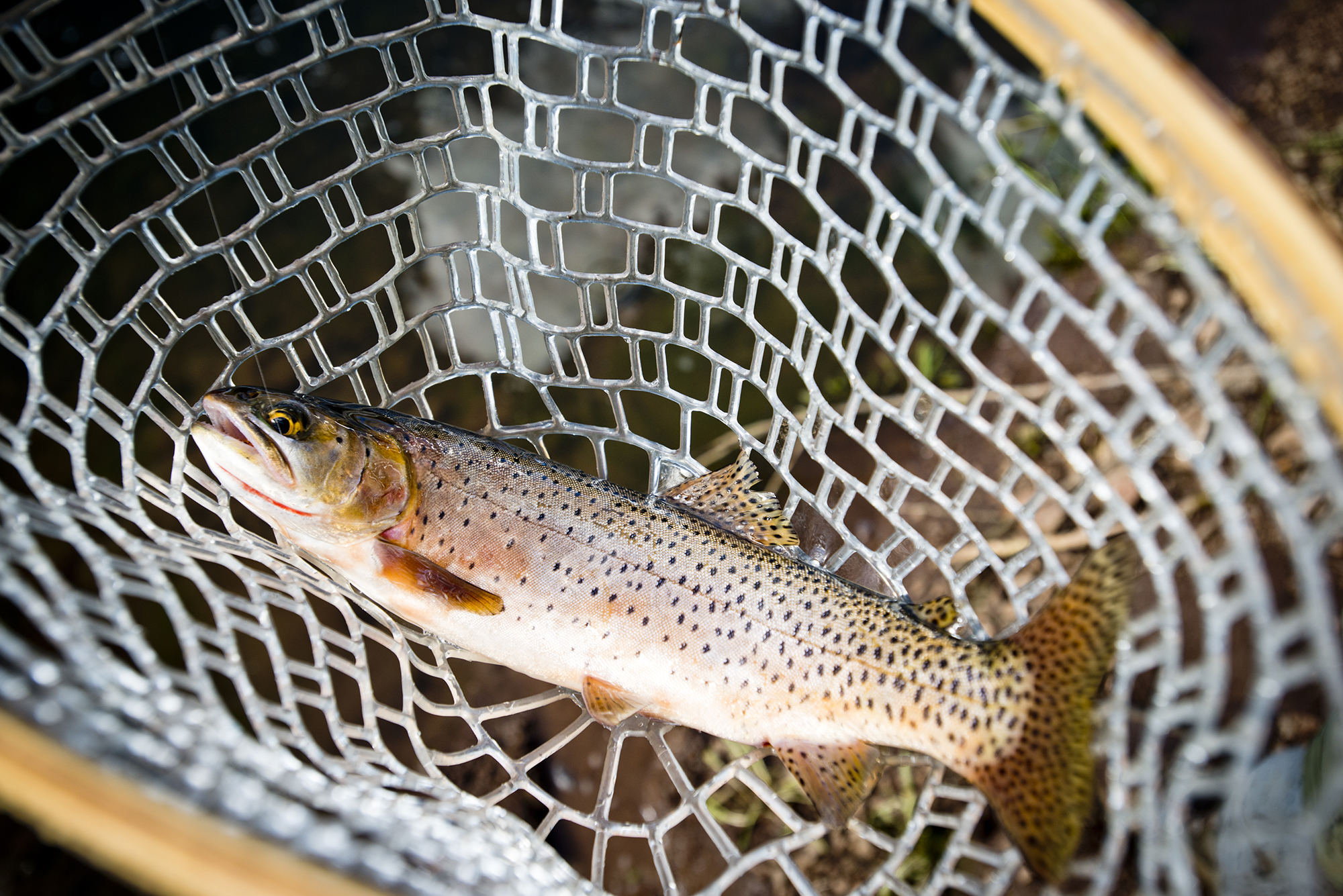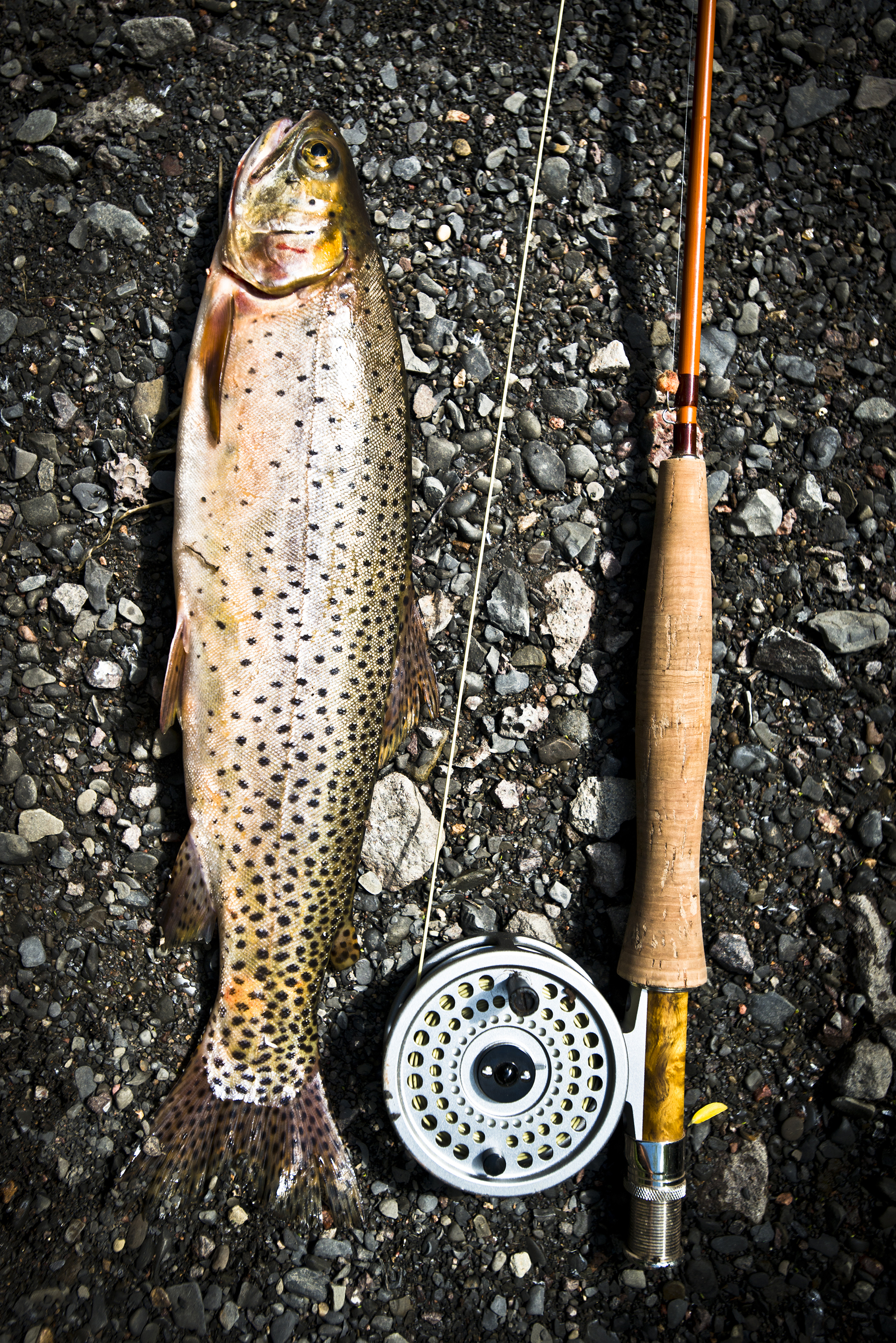
Inside South Creek Ltd. With Bamboo Fly Rod Maker Mike Clark
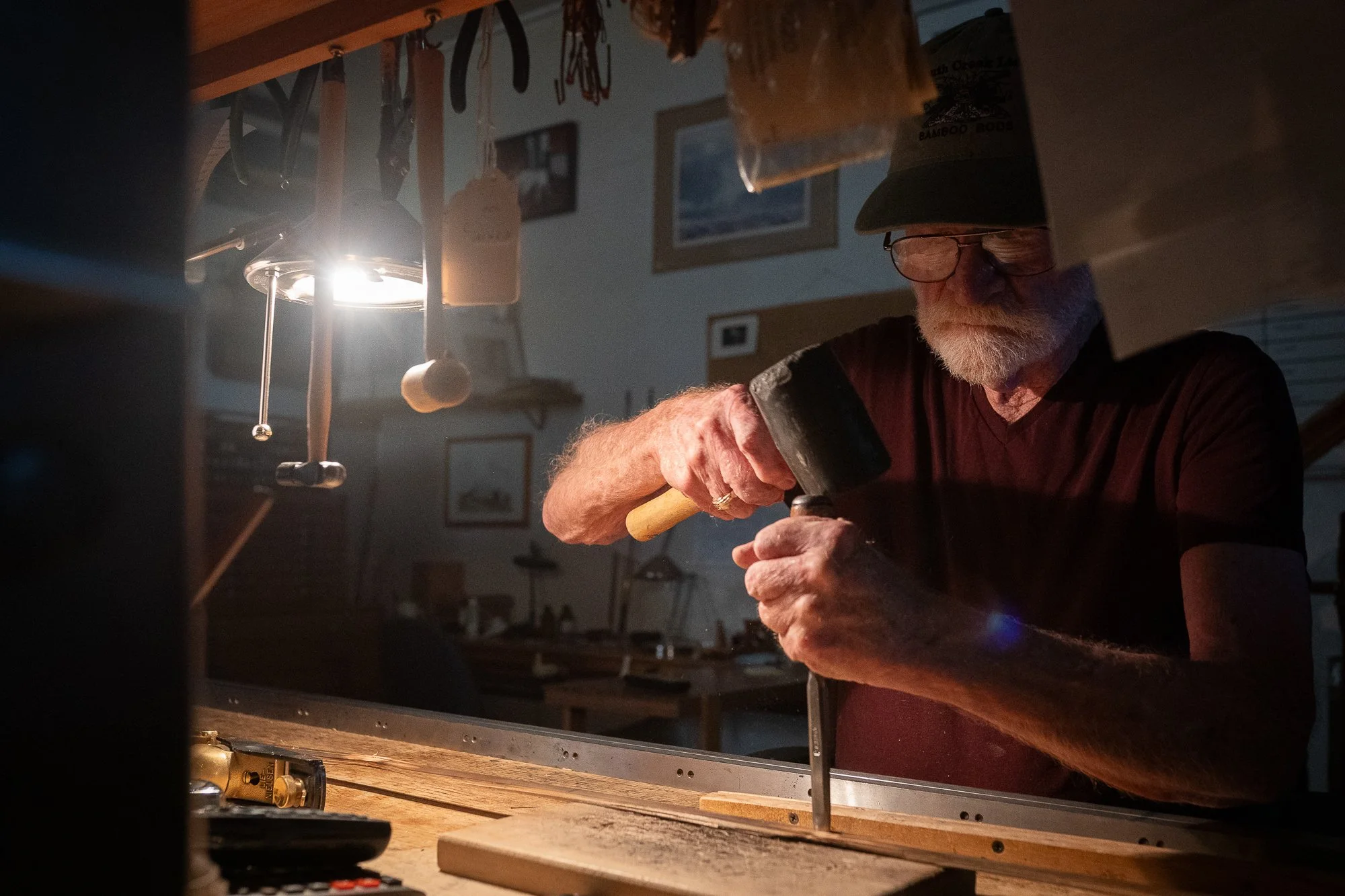
Mike Clark has been building handmade bamboo fly rods at South Creek Ltd.since 1979.
Talk to any fly fisherman on the planet and the conversation will eventually focus on this fish or that fish they so gracefully put in the net, usually with a heavy and repeated emphasis on inches. One time I caught a 35-inch something or other on this river, yada yada yada. The fish gets a little bigger as the night goes on, as does the fight needed to land it.
Mike Clark is a perennial fly fisherman, and that’s obvious when you see him lay down a cast, but in his business he deals with one-thousandth of an inch. That’s how precise the measurements are on his custom handmade bamboo fly rods. And that’s one reason you’ll go on a two-year waiting list after putting down a deposit for one.
Most folks without the fly fishing disease cruise right through the charming town of Lyons, Colorado, population 2,000, give or take, on their way to Estes or Rocky Mountain National Park. It’s easy enough to do. Lyons sits where the plains begin folding themselves into the foothills, a place people often treat as a sandwich stop or the beginning of somewhere else.
Those in the know, however, go out of their way for South Creek Ltd.
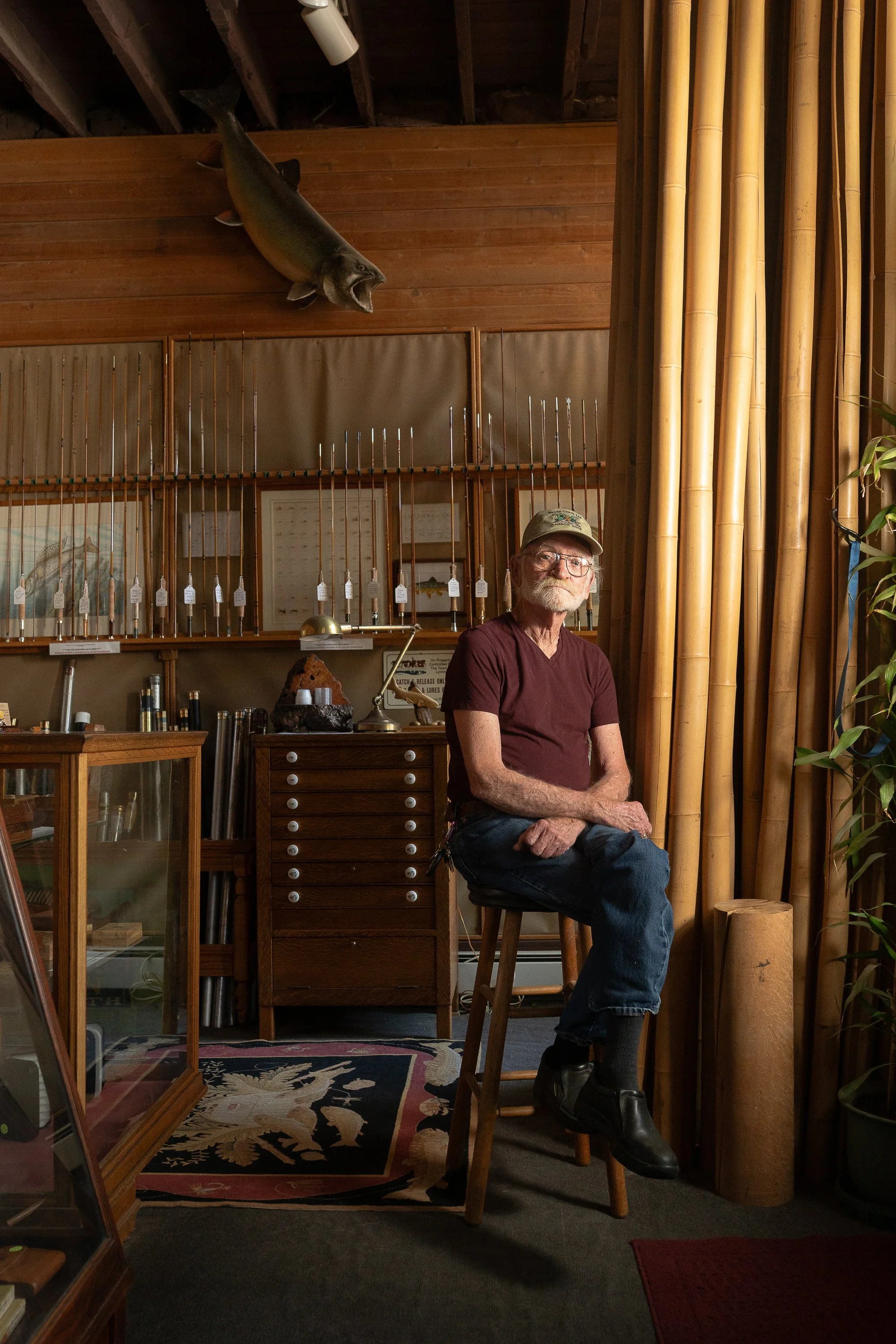
Mike Clark inside South Creek Ltd. in Lyons, Colorado, surrounded by bamboo cane and generations of fly rod history.
It’s not a fly shop in the traditional sense. There aren’t aisles of plastic gadgets a grizzled guide insists you need before your next day on the river. Even from the sidewalk, you can tell this place is different.
Inside the large front windows are stunning trout mounts beneath plush maroon curtains, pulled back to reveal a pile of bamboo that stands from the floor and kisses the vaulted ceilings. Walk through the door and you’re greeted by a panorama of exquisite rods and reels lining the walls and filling antique glass display cabinets. Everywhere you look there is wood, metal, cork, cane, old photographs, fishing history and the accumulated evidence of a man who has spent most of his adult life thinking about fly rods.
The design, presentation and texture of the room make it feel less like a store than a private fly fishing museum or art gallery that, somehow, you’ve been allowed into. Move closer, though, and you’ll realize almost everything is for sale. Even a rod made more than a century ago.
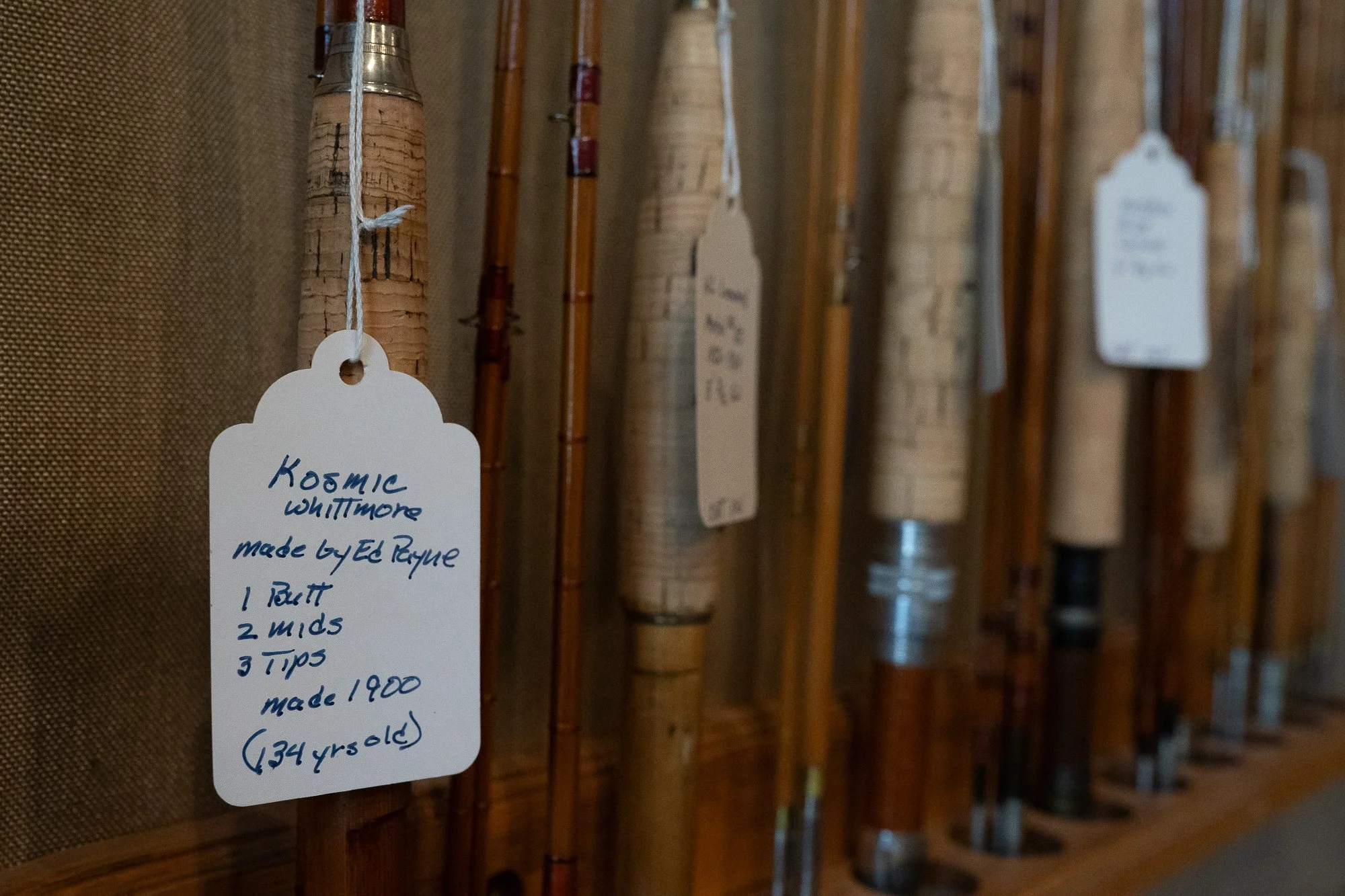
South Creek Ltd. is also home to antique rods made by some of the craftsmenwho helped shape the history of bamboo fly fishing.
Mike doesn’t only sell his own custom rods. He deals in antiques made by many of the legendary craftsmen who came before him, which means the shop functions as both his place of business and a physical timeline of the craft. Pick something up and there’s a good chance Mike can tell you who made it, when they made it and why it matters.
Speaking of legends, there’s a framed photograph sitting on the counter showing three men in fishing gear beside a river. To the undiscerning eye, it’s just that: three guys on a fishing trip.Again, to those in the know, it’s something else entirely. One of them is Mike. Another is John Gierach, the great fly fishing writer and longtime Lyons resident. The third is A.K. Best, the world-famous fly tier. Both were dear friends of Mike’s. Both are now gone.
“I’m short on friends these days,” Clark says.
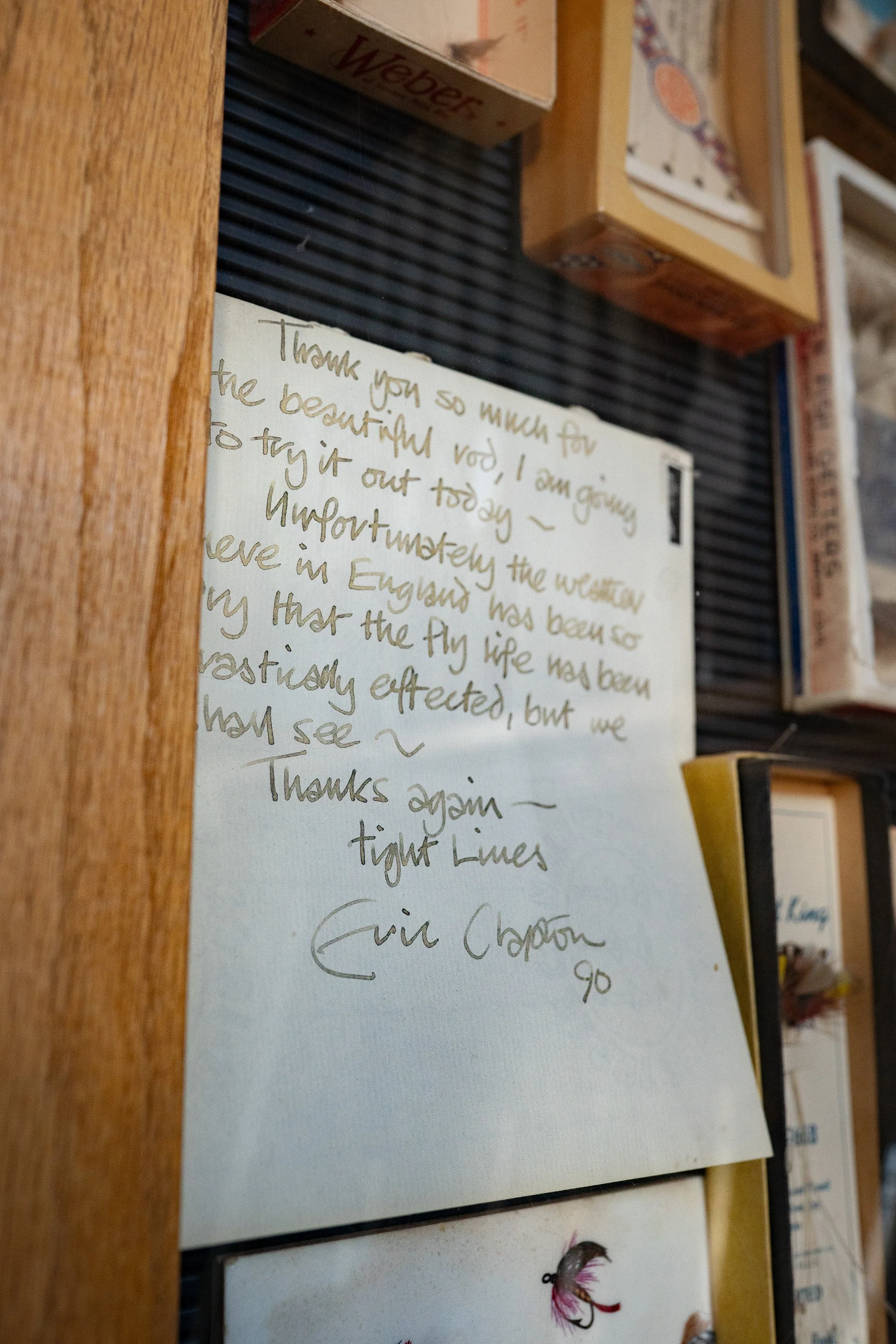
A handwritten note from the great Eric Clapton - a customer of South Creek.
He doesn’t dwell on it. That seems to be Mike’s way. At 79 years old, there’s plenty of history around him, but not much interest in turning sentimental about it. The articles are there. The rods are there. The stories are there if you ask. But there is also work to be done. And you don’t keep company like Gierach and Best for decades as an Average Joe.
The fact of the matter is that Mike Clark is one of the last of a dying breed. Few, if any, will ever rival the level of craftsmanship coming off his workbench, which sits in another space connected to the showroom. If you stop into South Creek on the right day, you might get a peek behind the curtain and see the master at work.
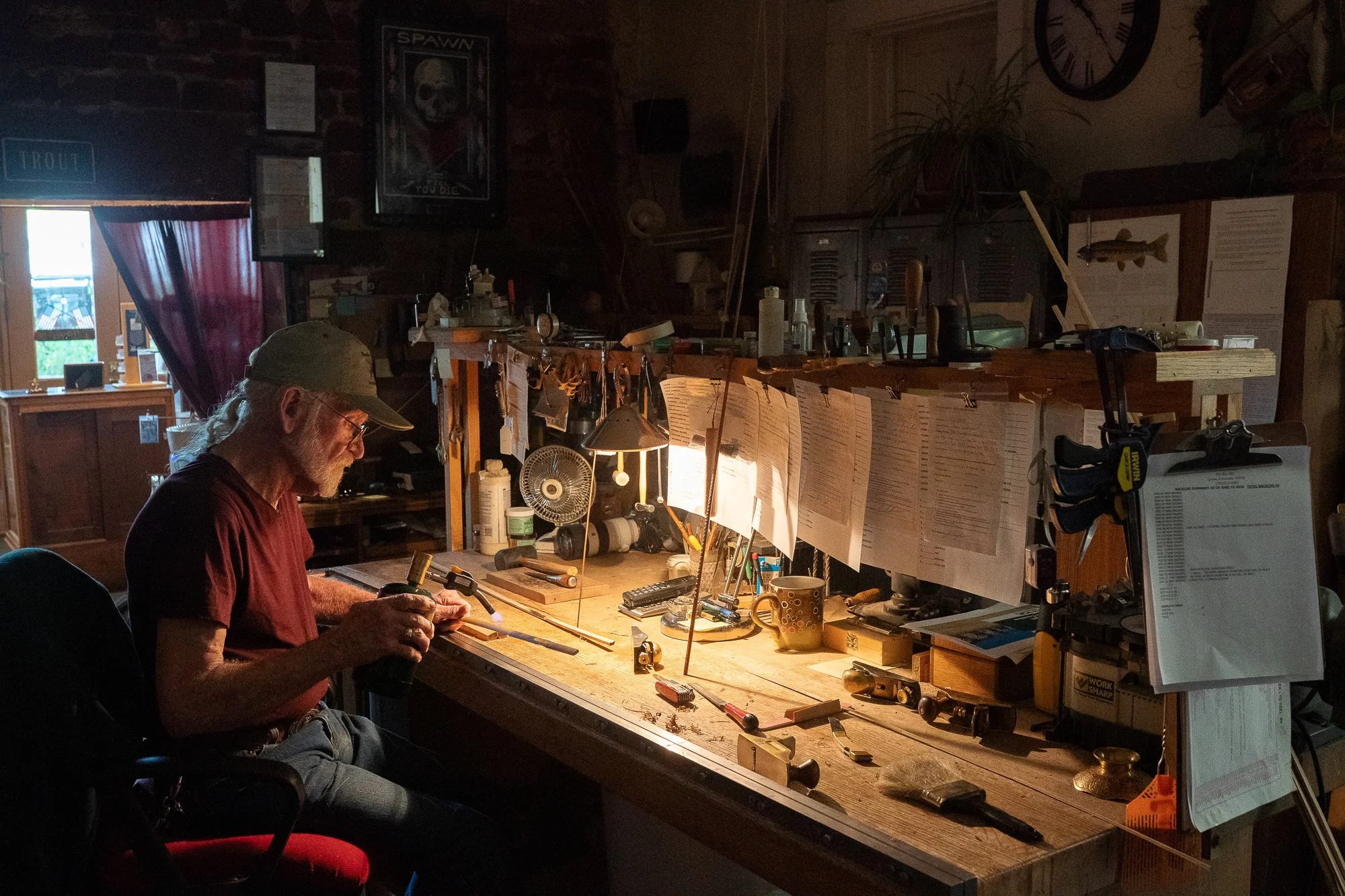
Mike's workbench bears the accumulated tools, materials and evidence of nearly five decades spent building bamboo fly rods.
At first, watching Clark in his element might seem almost unimpressive. You might wonder, What’s the big deal? And why the hell are these things so expensive? His rods start around $3,000 and go up when you add things like custom engraving, 24-karat gold plating or a leather rod tube.
The answer becomes clearer the longer you watch.
Mike started building bamboo fly rods in 1979 and has been striving for perfection ever since. Nearly five decades of doing something over and over has a way of removing all the unnecessary movement. Today his actions are slow, fluid and economical. Nothing seems particularly difficult because he’s spent 47 years making sure it doesn’t.
Don’t be fooled.
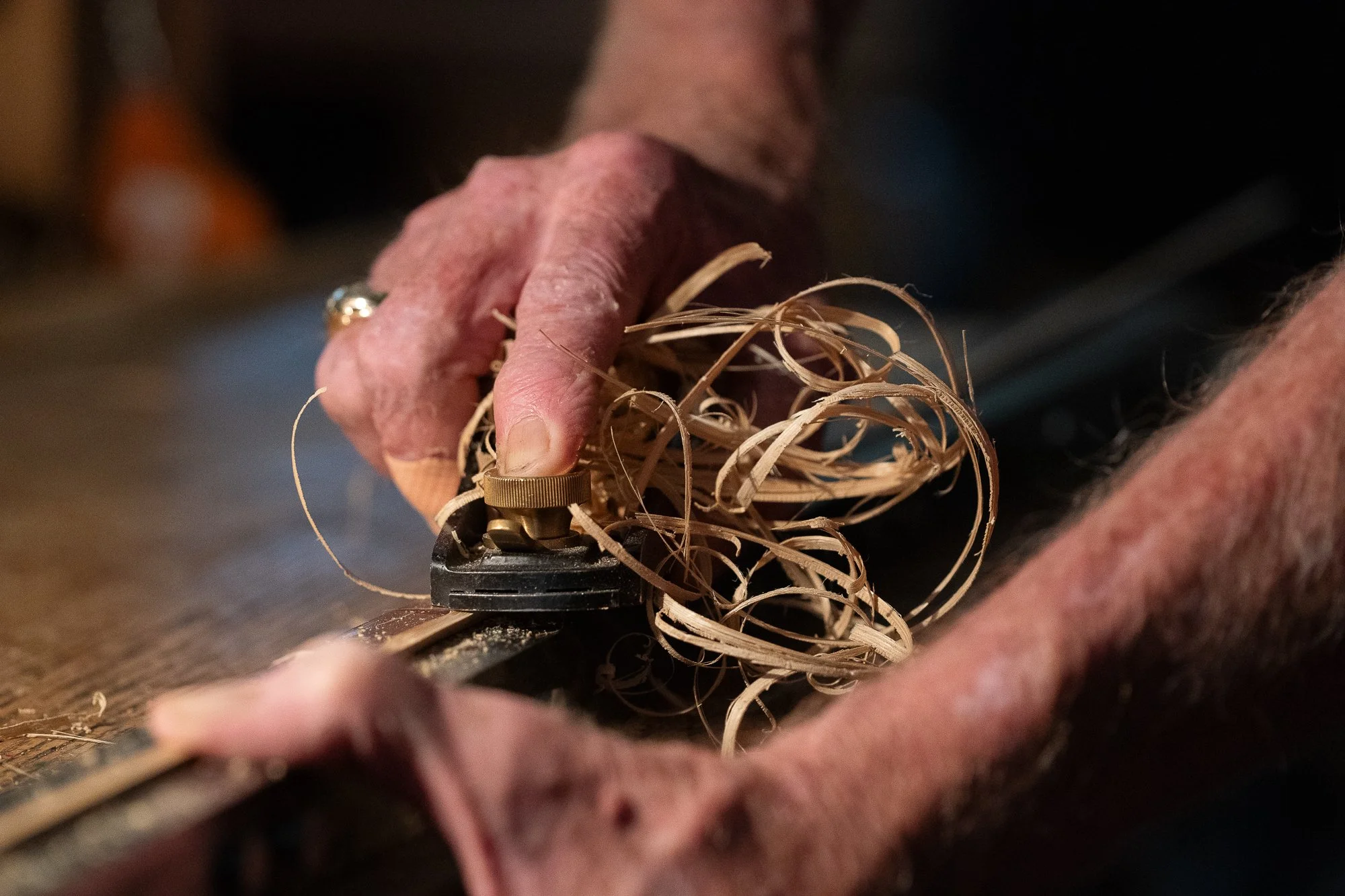
Building a bamboo fly rod requires repeated handwork and measurements precise to one-thousandth of an inch.
Each rod is one of one and goes through roughly 1,400 operations and inspections before Mike will consider letting it leave the shop.
That level of thought begins long before he touches a piece of bamboo, all of which has been seasoning for four years. Mike wants to know where you fish. What kind of water. What part of the world. What species you’re after. How you intend to use the rod.
Those answers matter because they determine what he builds.
South Creek isn’t a place where you click a few boxes online, enter a credit card number and wait for a tracking notification. The person making your rod wants to understand why you want it in the first place.
Mike cares.
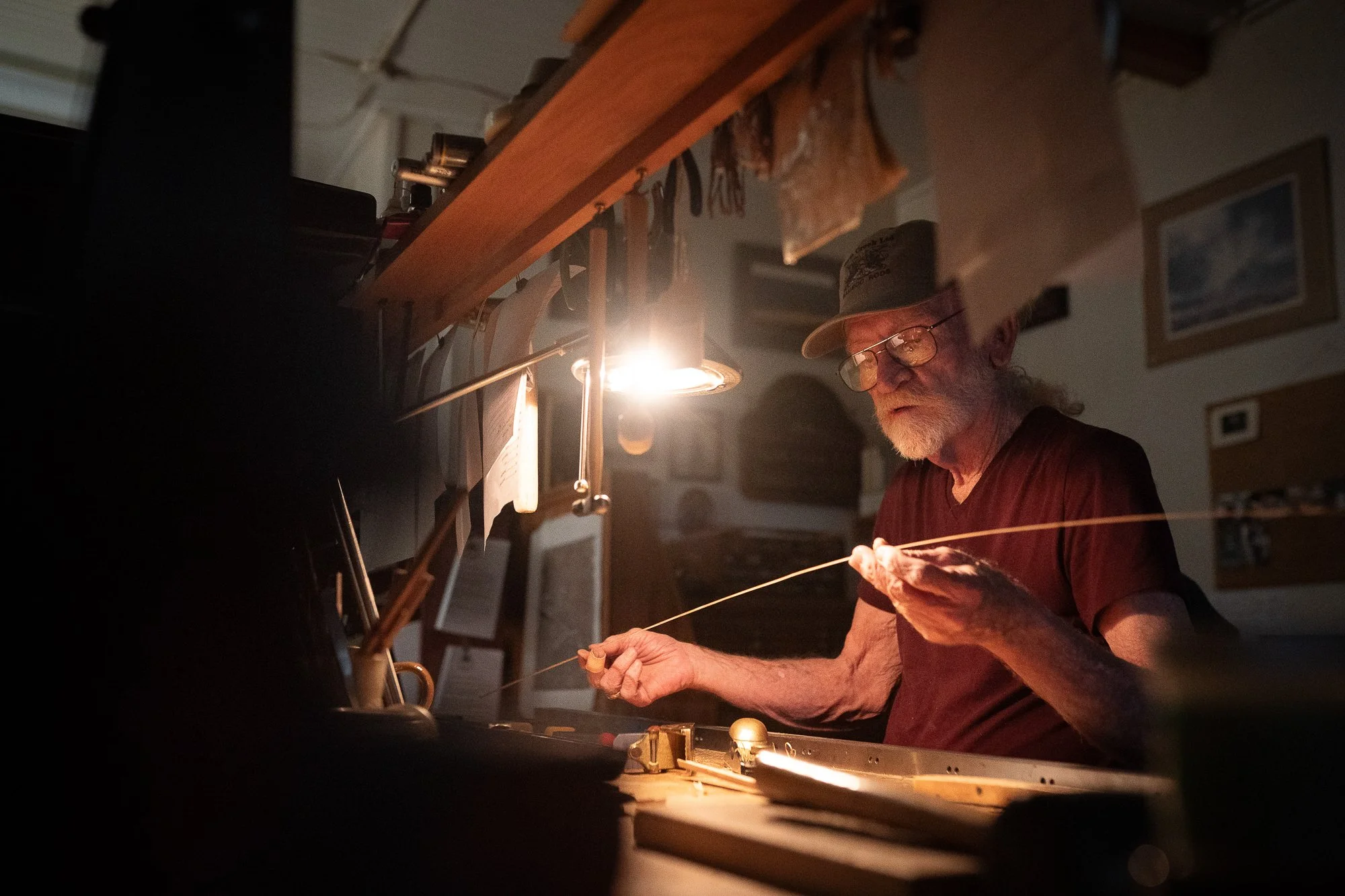
Each custom rod begins with seasoned bamboo and is built for the water, species and fishing style of its eventual owner.
That’s what makes his rods coveted. It’s also why he has no problem throwing one in the garbage if it isn’t 100 percent to his liking, even if the flaw is so minute that nobody other than Mike Clark would ever know it existed.
Think about that for a minute. After all the hours, all the individual operations, all the measurements and all the accumulated knowledge required to get a rod nearly to completion, nearly perfect still isn’t good enough.
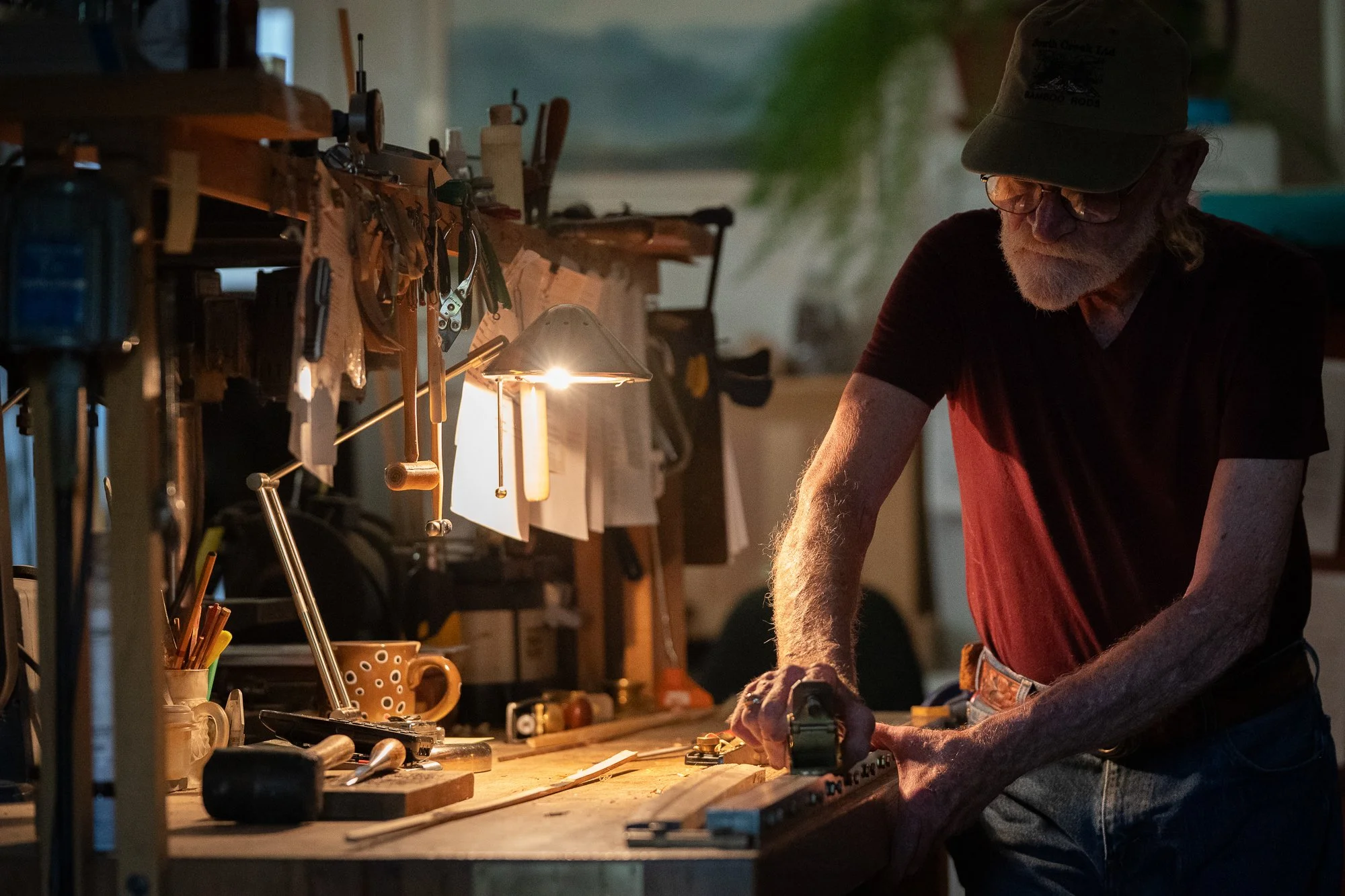
Decades of repetition have made Mike's movements at the bench slow, deliberate and economical.
There are innumerable ways Mike could increase production. He knows that. There are machines that could make certain processes faster. He could hire more people. Streamline things. Increase output. Make more money.
He doesn’t care.
The final product is the concern because Mike knows the rod will outlive the person who ordered it.
His clients don’t buy these things because they need another fly rod. You can catch trout perfectly well with a mass-produced graphite rod that costs a fraction of the price. Mike will be the first person to remind you of that.
“The fish don’t care how much your rod costs,” he says.
That might be the best explanation for South Creek.
The fish don’t care.
The fisherman does.
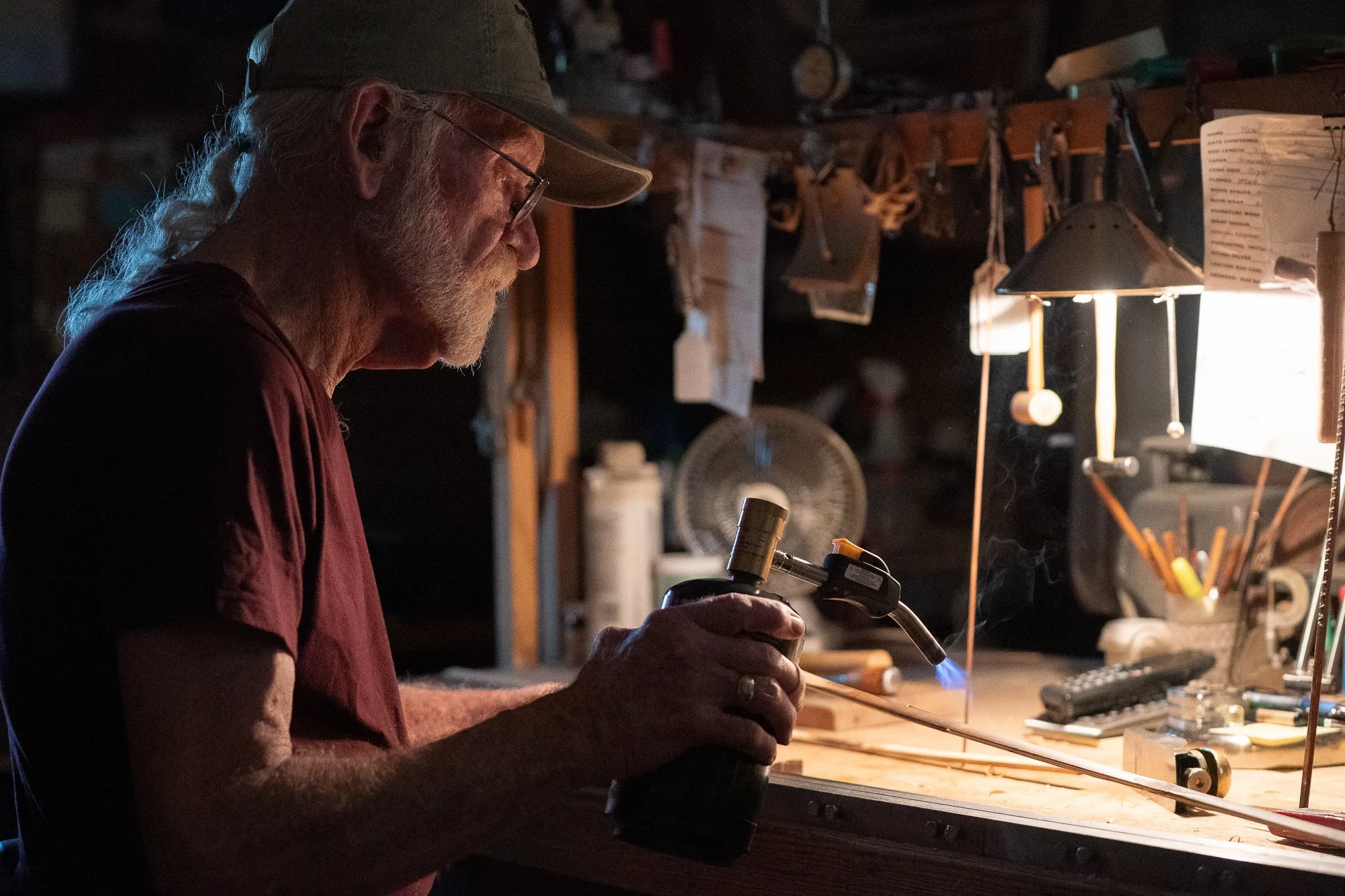
Roughly 1,400 operations and inspections go into a Mike Clark bamboo fly rod before it leaves South Creek Ltd.
A Mike Clark rod will be cherished by its owner, then very likely handed to a son or daughter, and perhaps someday to someone who hasn’t even been born yet.
But Mike doesn’t build them to be mounted over a fireplace.
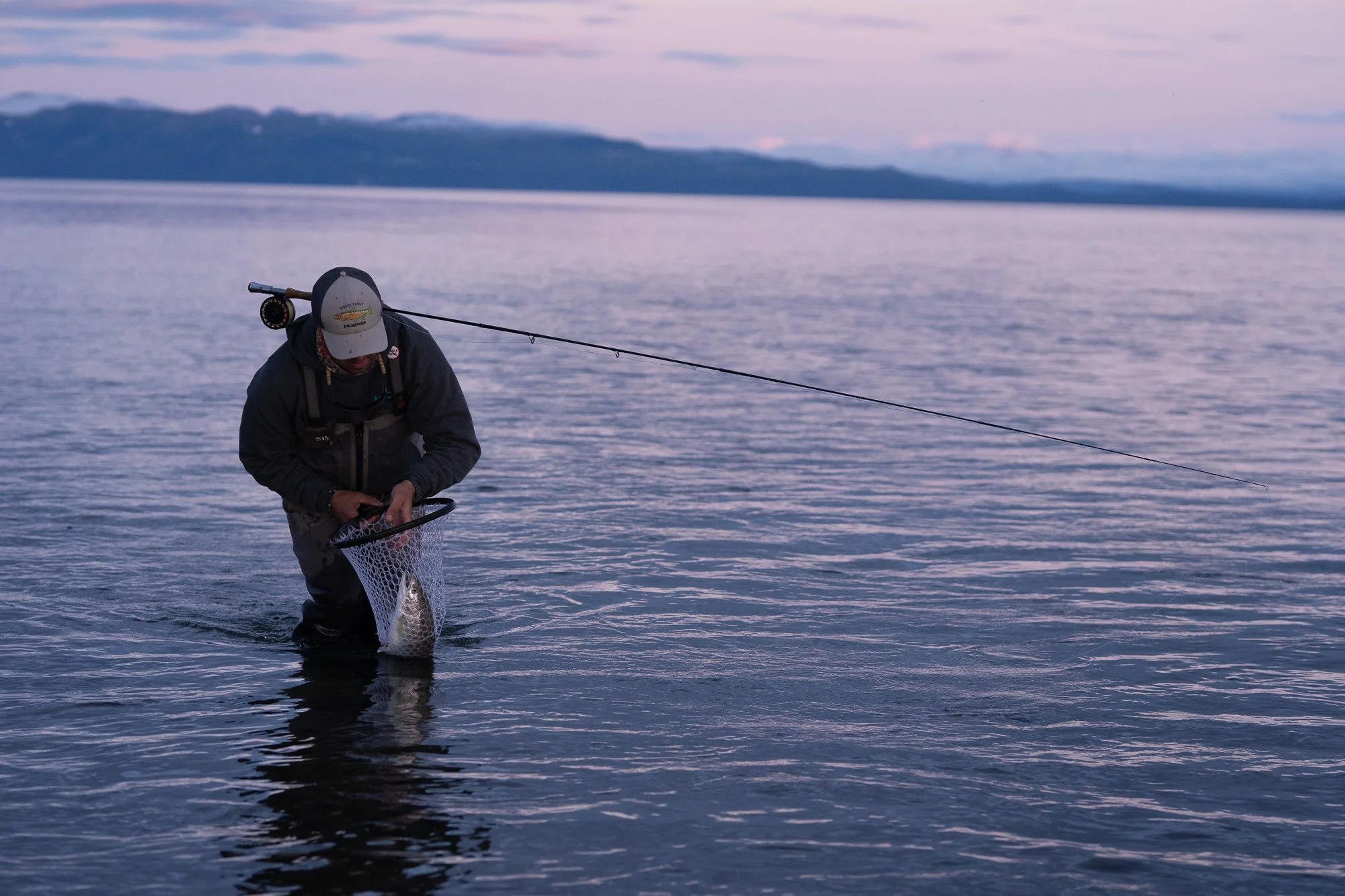
He builds them to be fished. To get wet. To be carried through brush. To bend against trout. To create memories. And maybe, decades from now, to create somebody else’s memories.
That philosophy makes more sense when you step into his workshop.
The place feels lived in because it is.
Mike’s lifetime of passion and hard work can be felt at the bench and in everything surrounding him. Antique wood cabinets are filled with tools. Exotic materials occupy corners. Photographs and art hang on the walls. Objects have naturally migrated into the places where they belong after years of use.
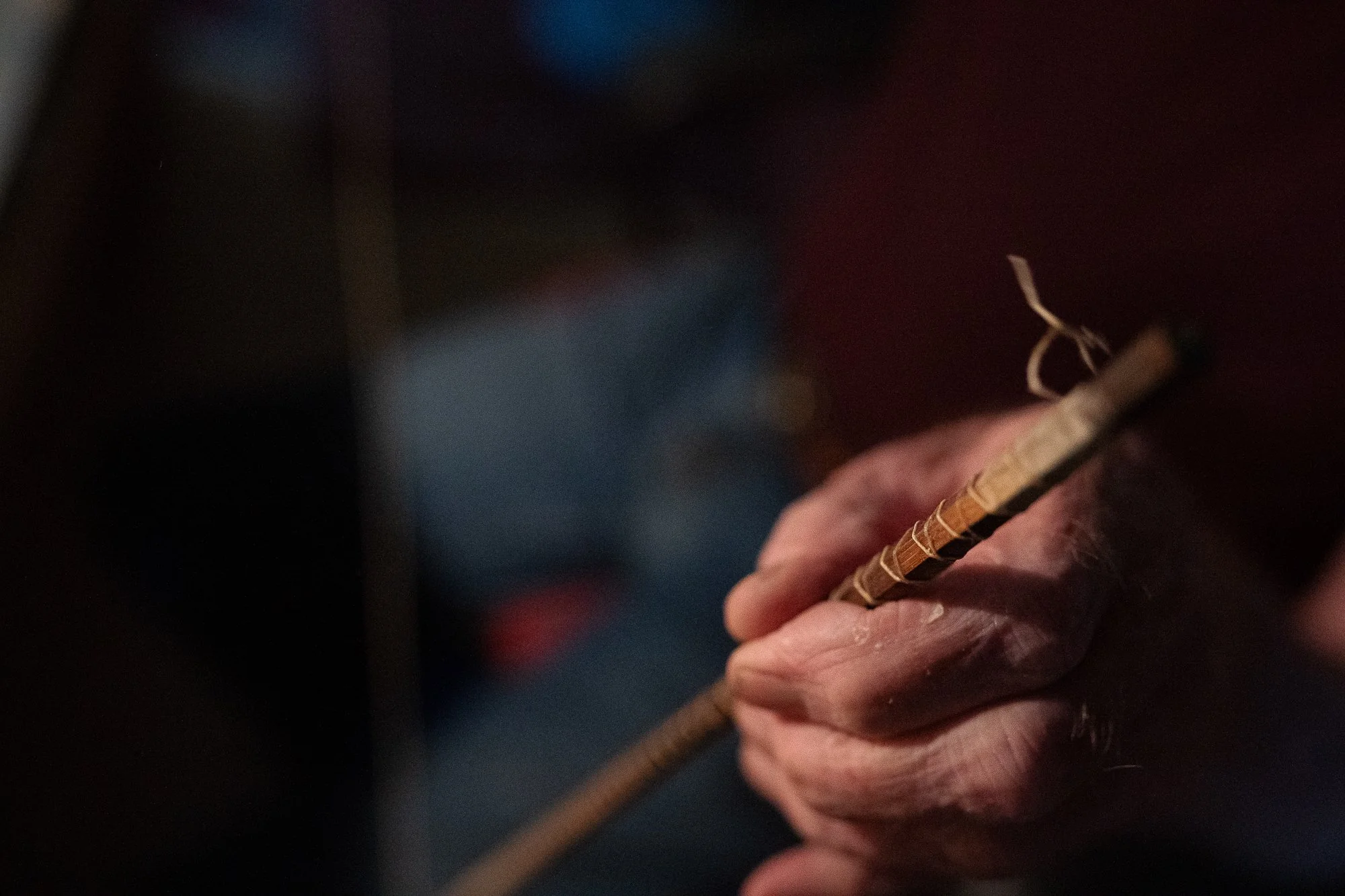
The details that separate one rod from another can be nearly invisible to everyone except the man who made it.
His domain reminds me of an old barbershop. Not one of the new ones designed to look old, but the real thing. A place where the tools, cabinets, pictures and furniture have developed a certain patina that can’t be bought or manufactured.
It only comes from repetition. From someone standing in the same place and doing the same thing well for a very long time.
Look at the linoleum around the chair in an old barbershop and you can see where the barber stood during decades of haircuts. Mike’s shop has that same feeling. You can feel his presence at the bench as he works each piece of cane down to one-thousandth of an inch.
There is something almost comical about that number when you consider how fly fishermen normally measure things.
We brag in inches.
Mike works in thousandths.
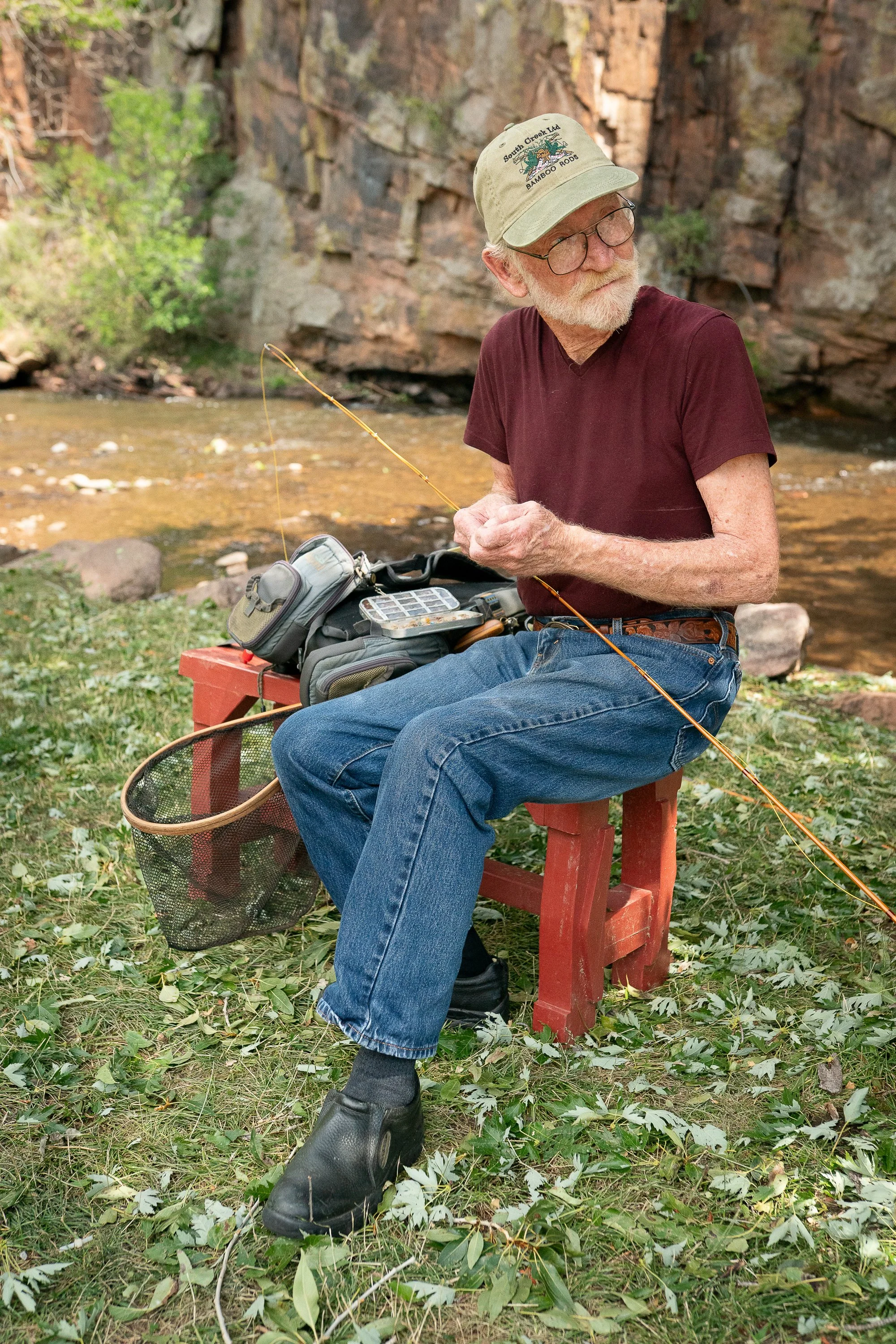
Mike doesn't build his rods to hang over a fireplace. He builds them to be fished.
At 79, Clark moves and talks with the bravado of a man with nothing left to prove. His Missouri roots never faded, and there’s a swagger to him, but it doesn’t come across as arrogance. It’s closer to the confidence of someone who knows exactly what he can do because he has spent nearly half a century doing it.
More importantly, he knows what happens after one of those rods leaves Lyons.
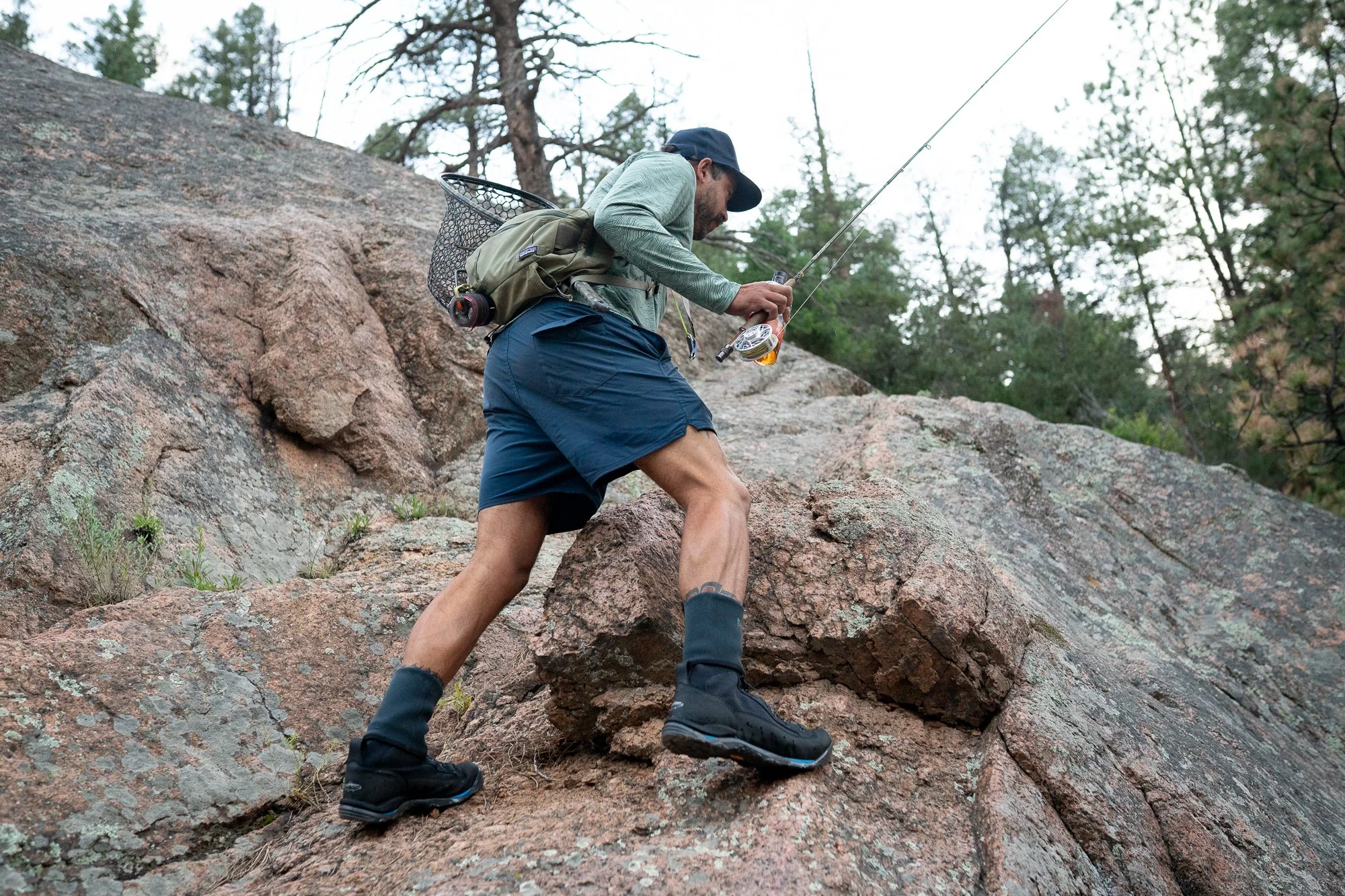
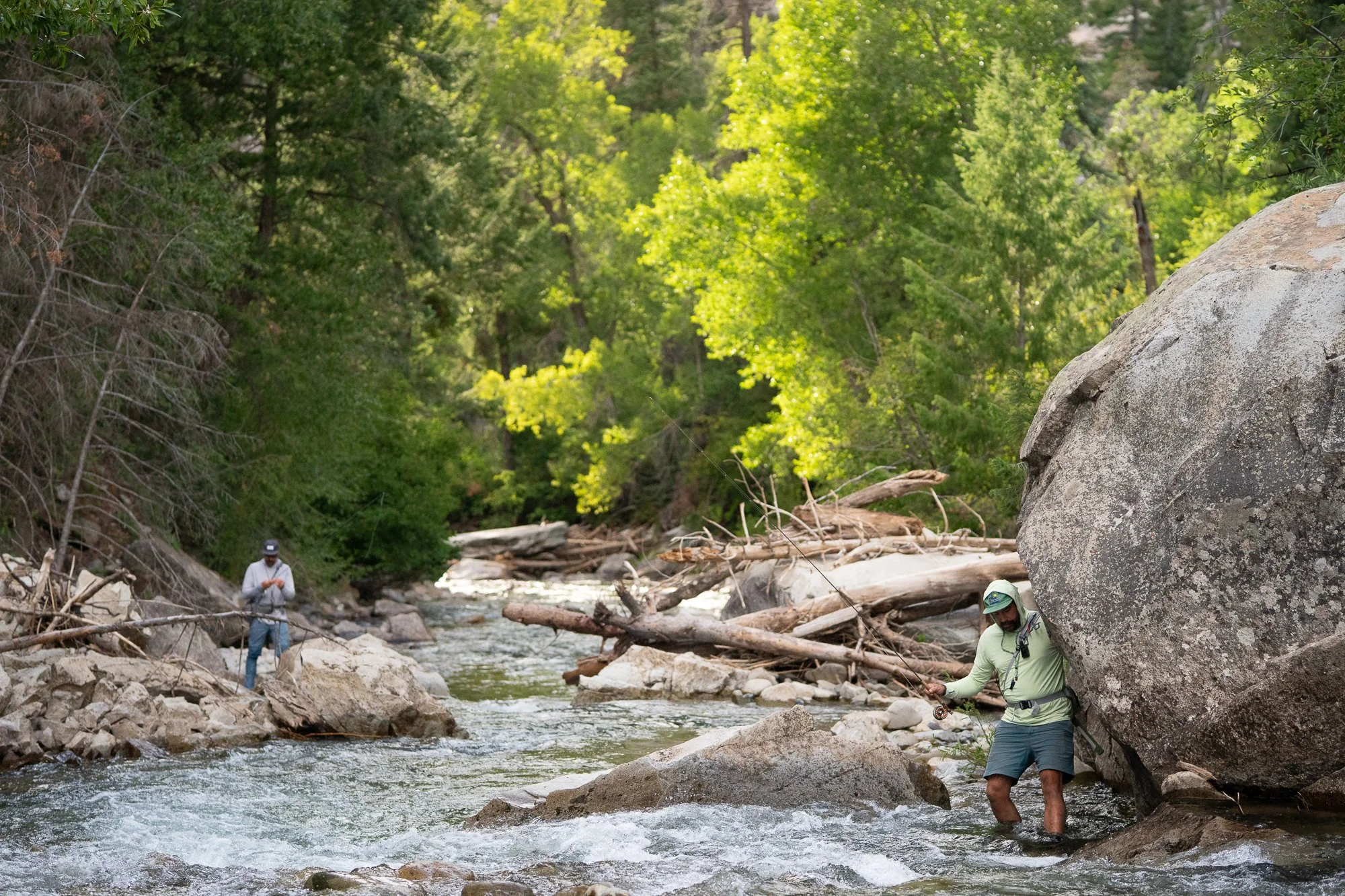
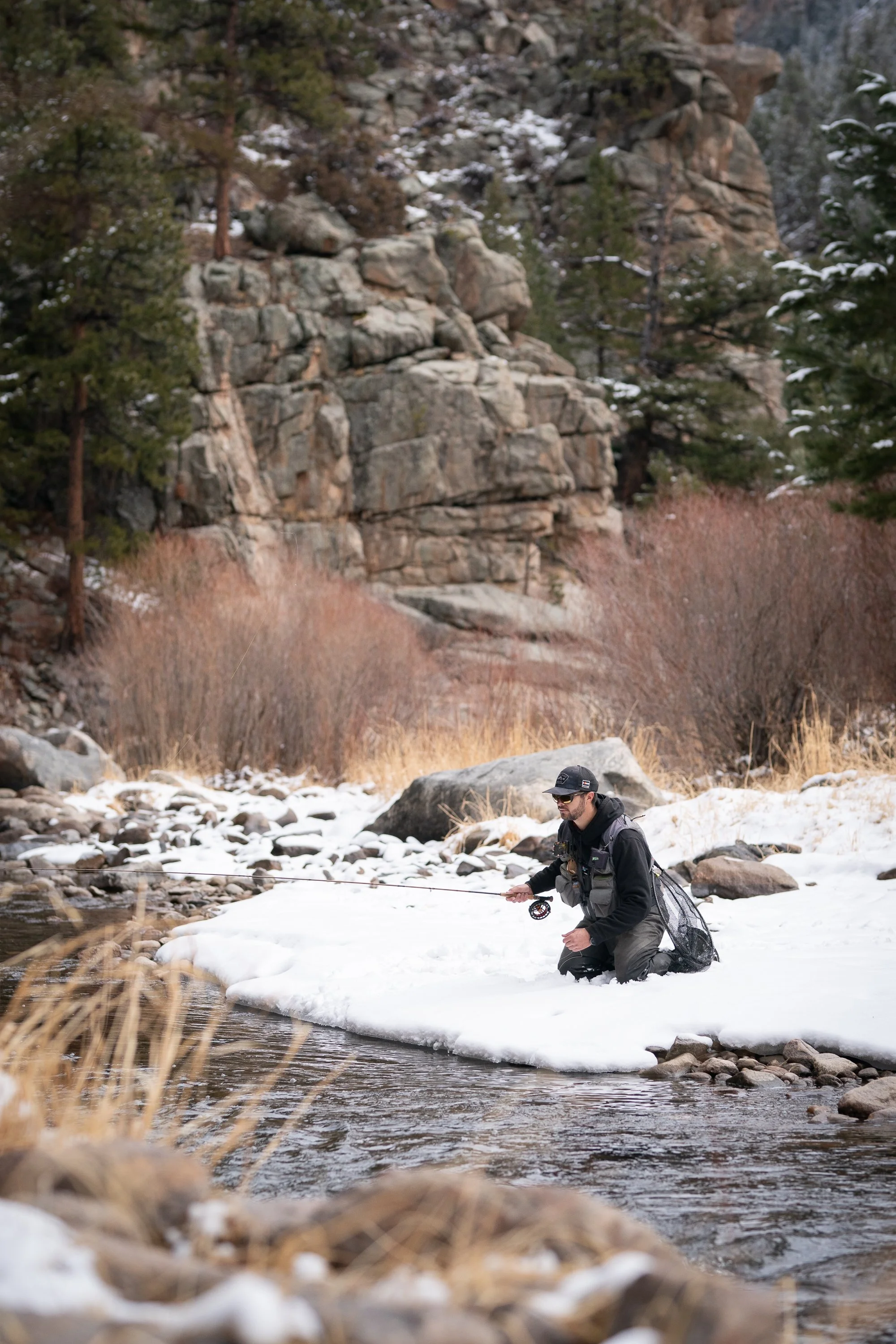
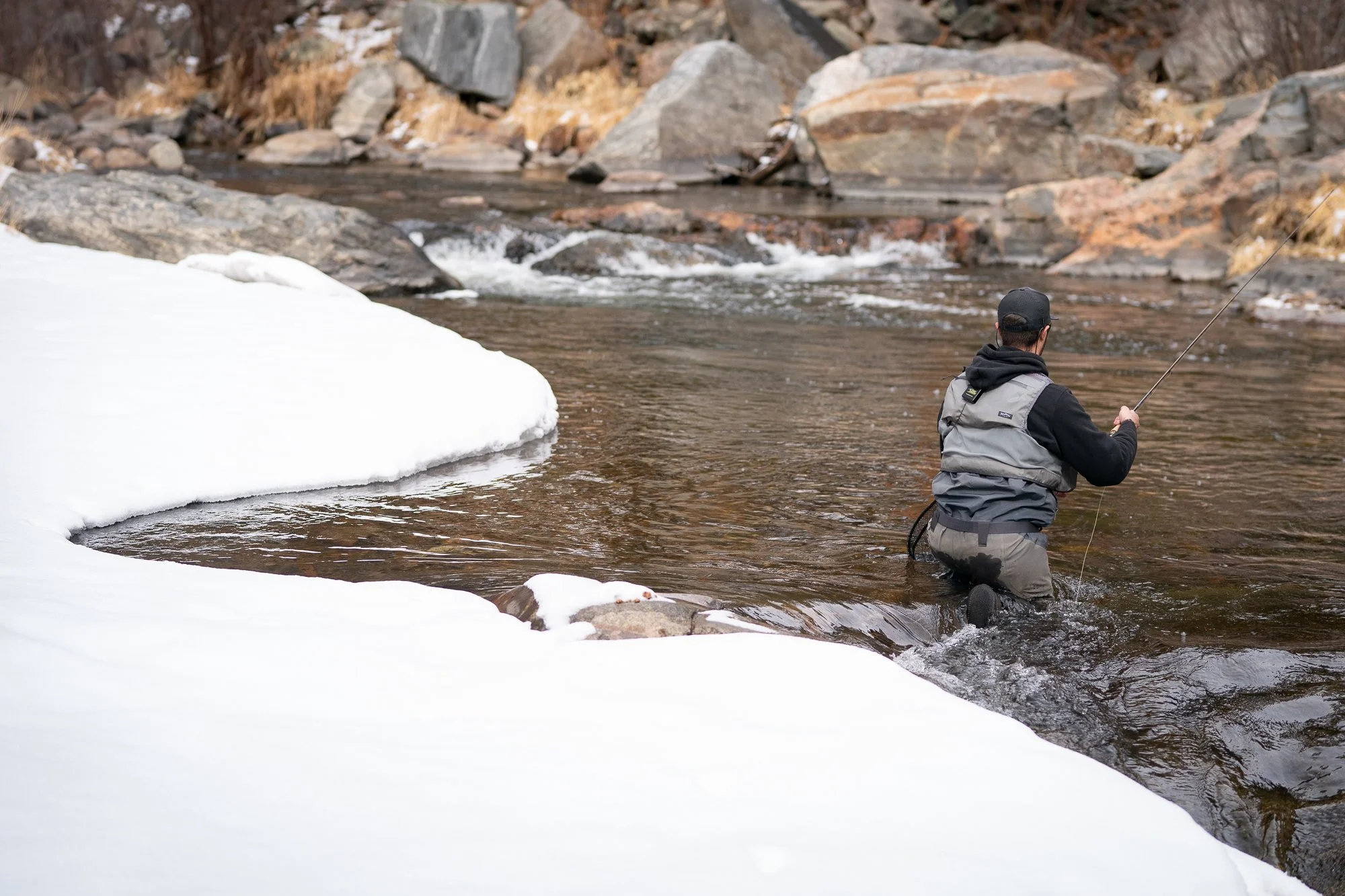
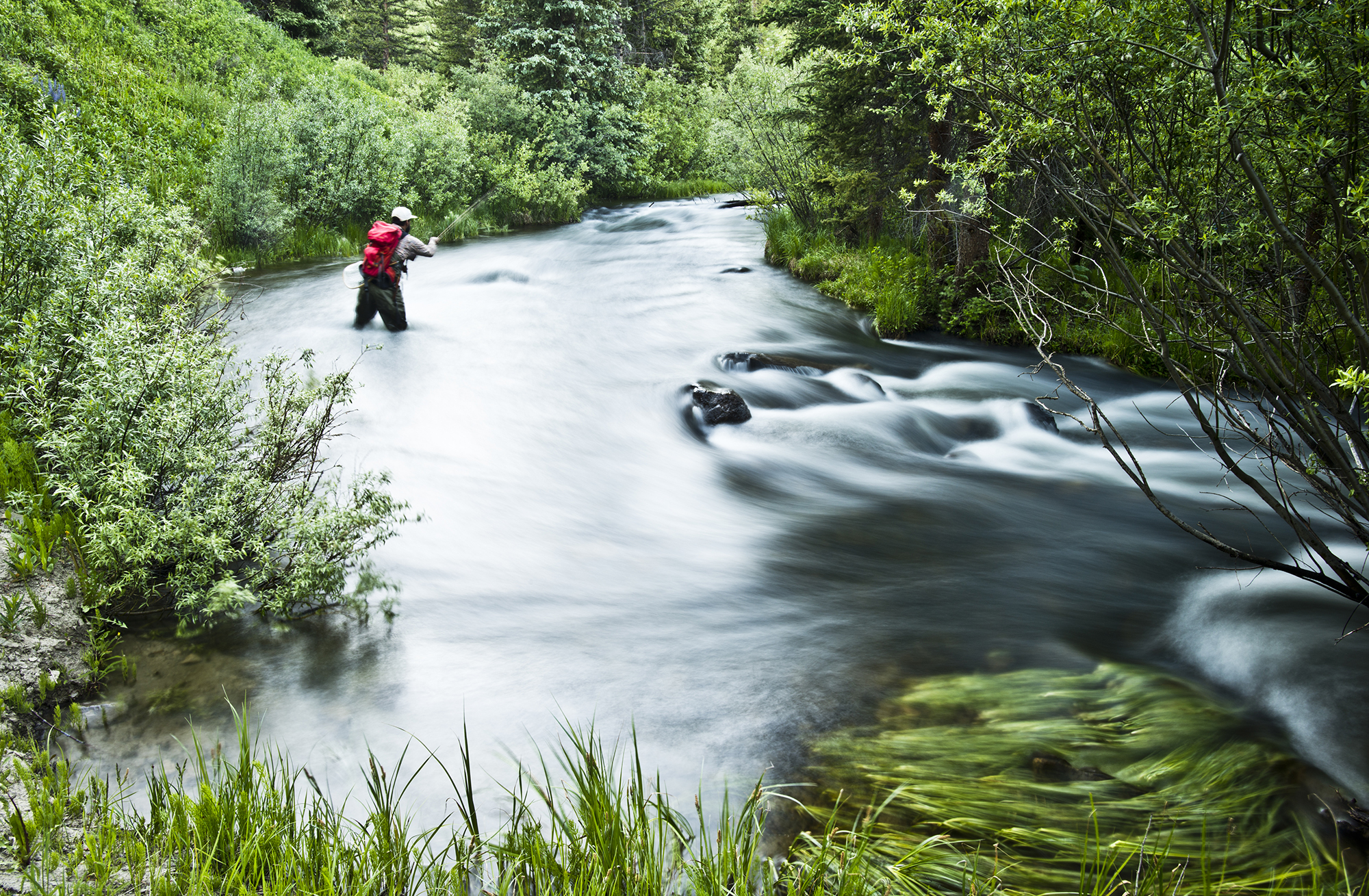
Someone takes it to a river.
Maybe in Colorado. Maybe Montana. Maybe halfway around the world.
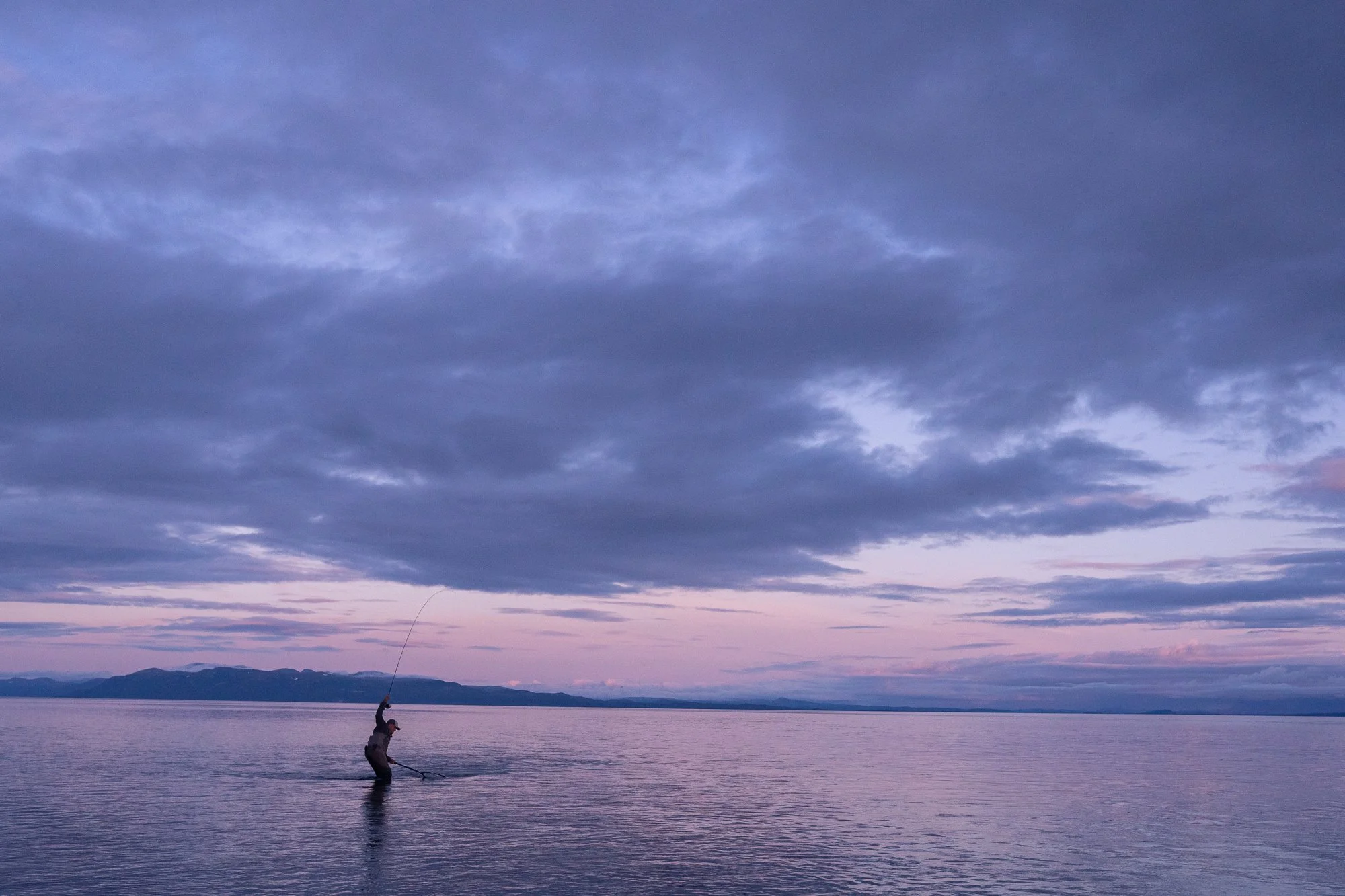
They string it up. Step into the water. Make a cast.
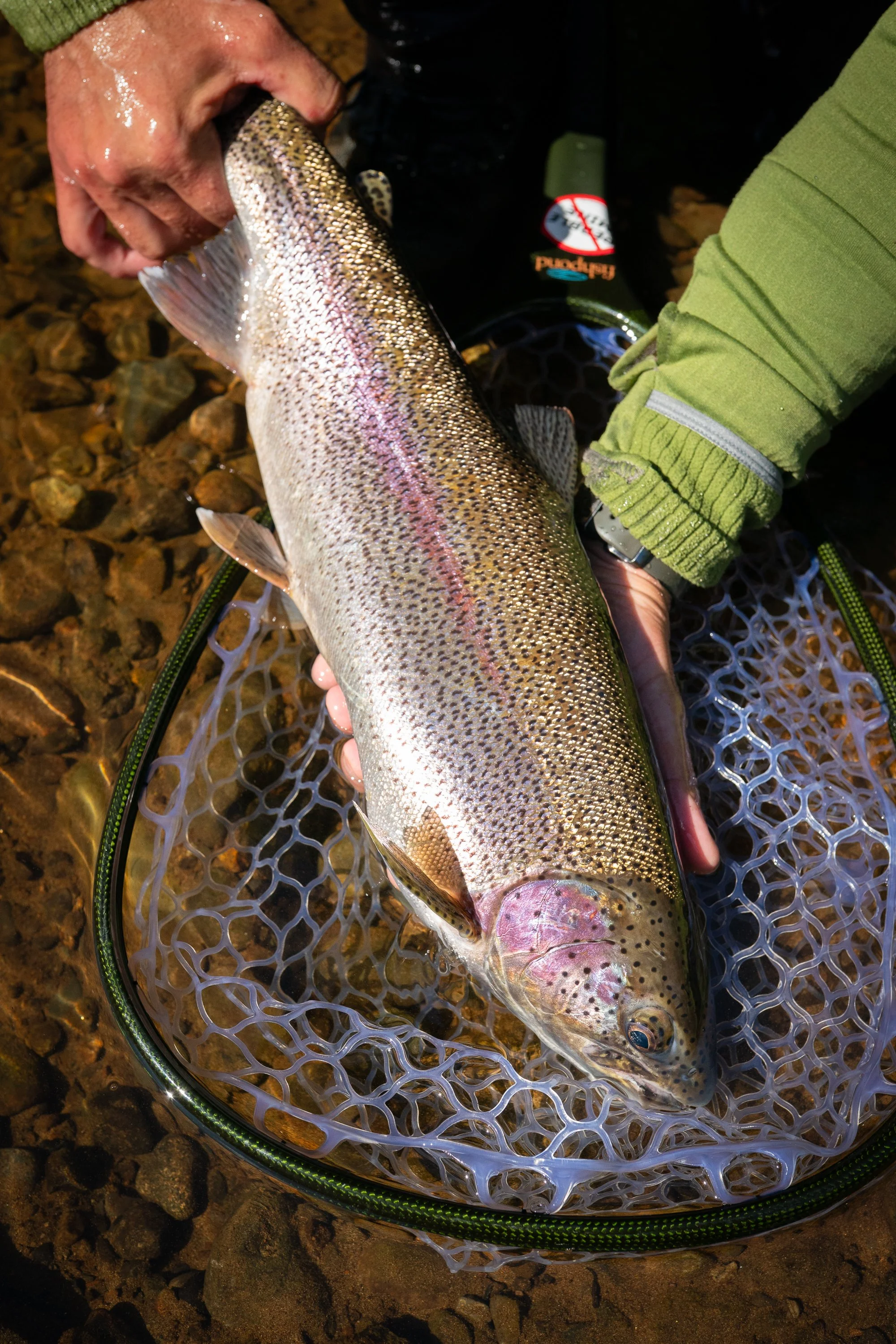
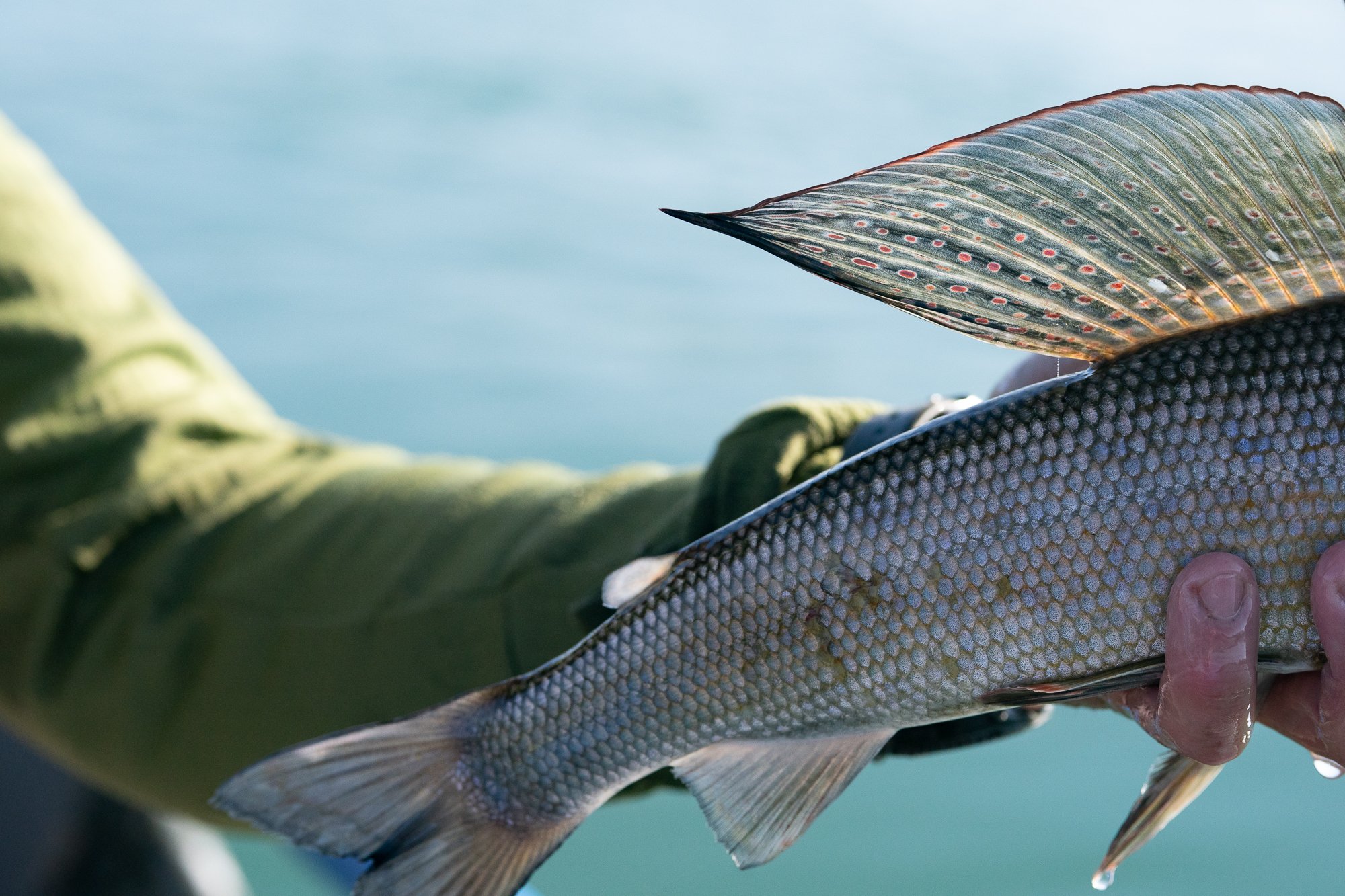
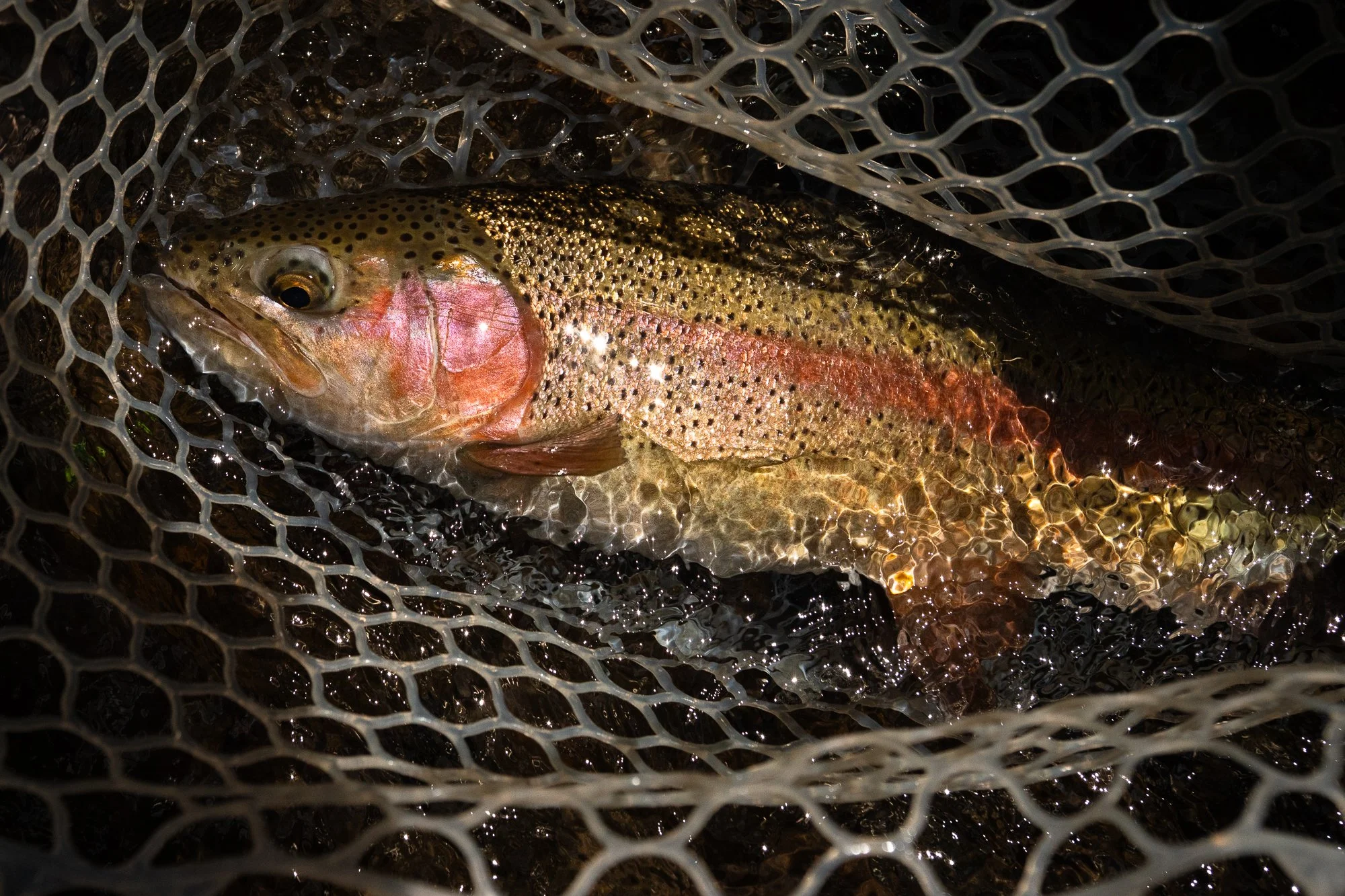
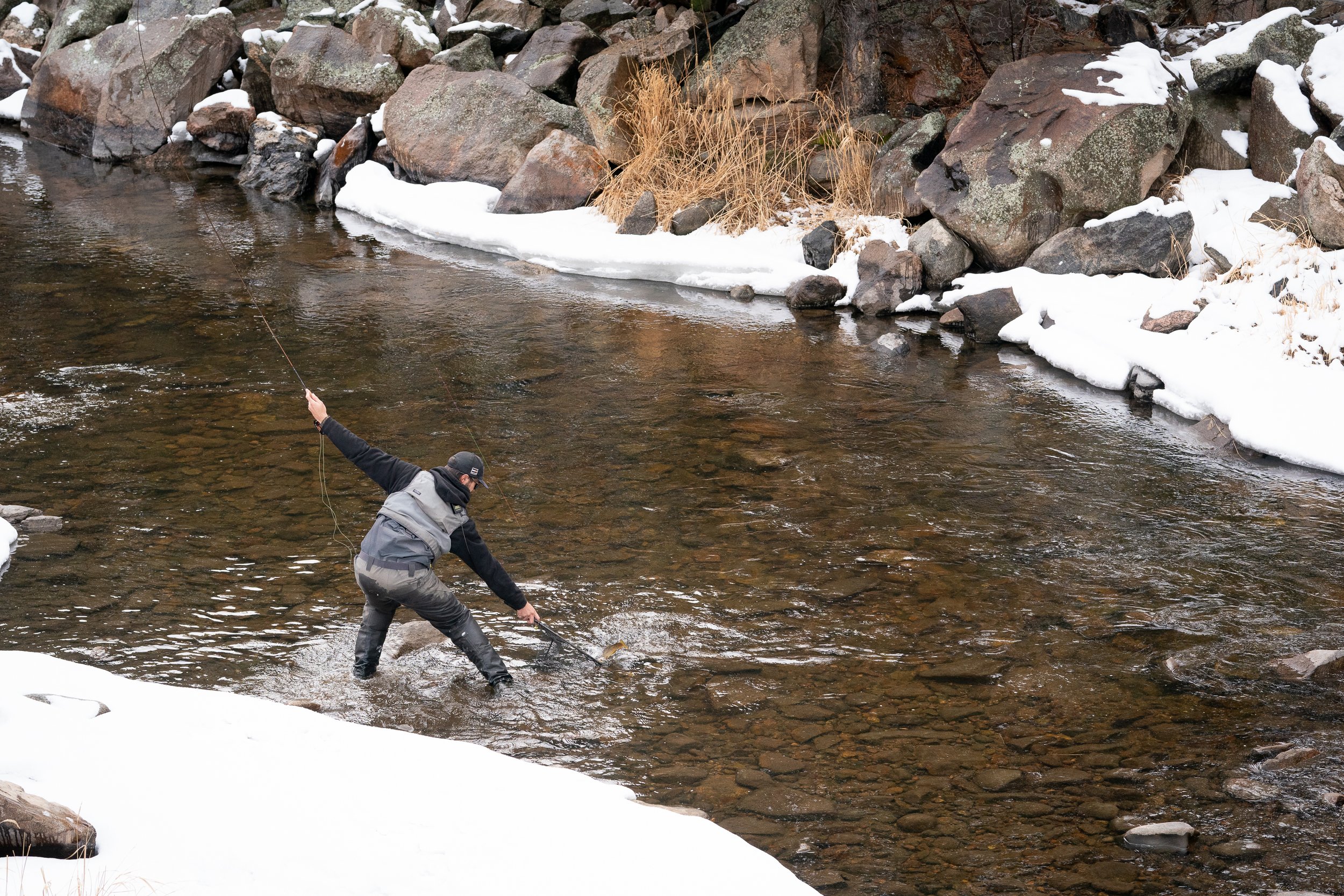
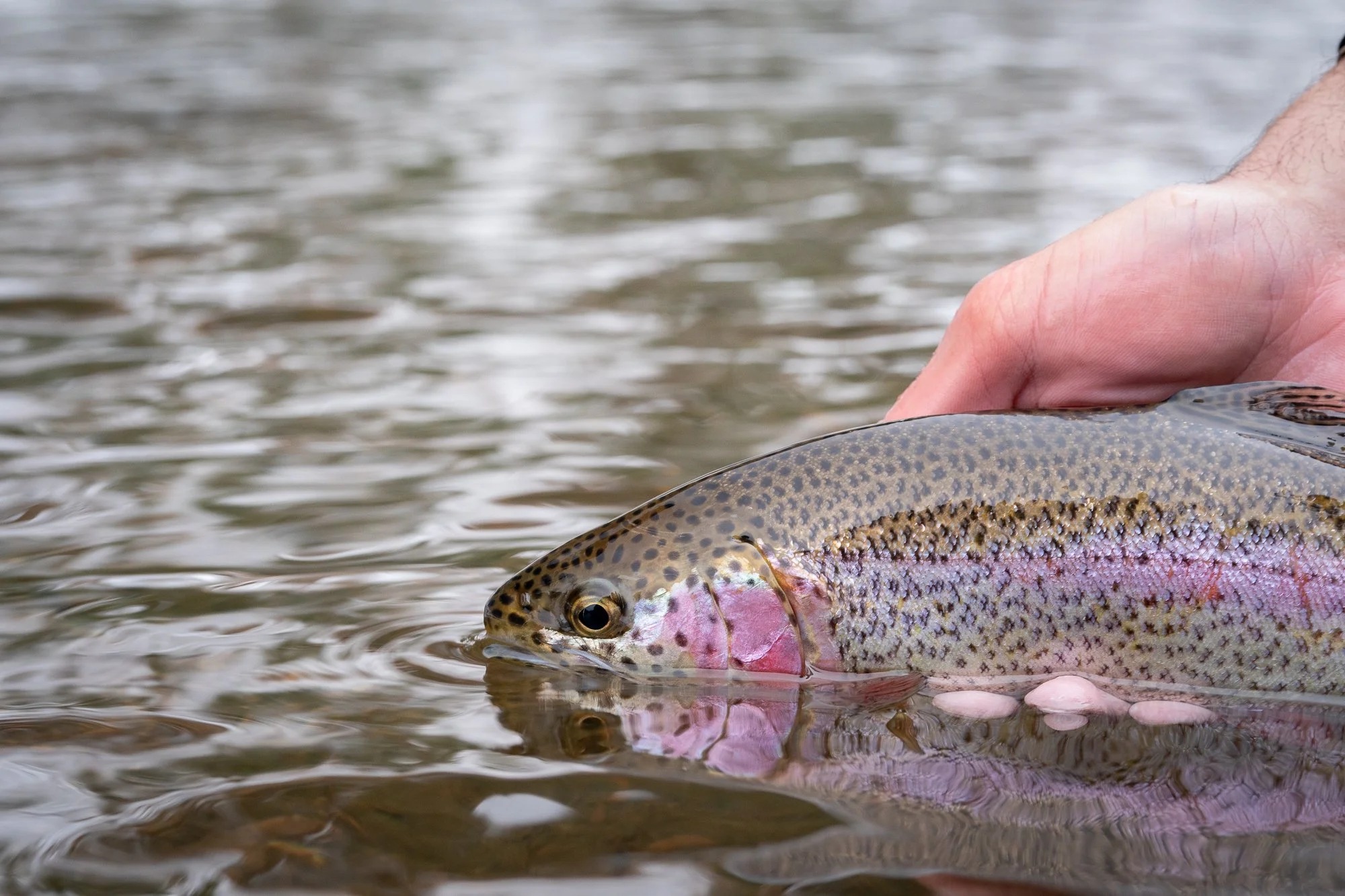
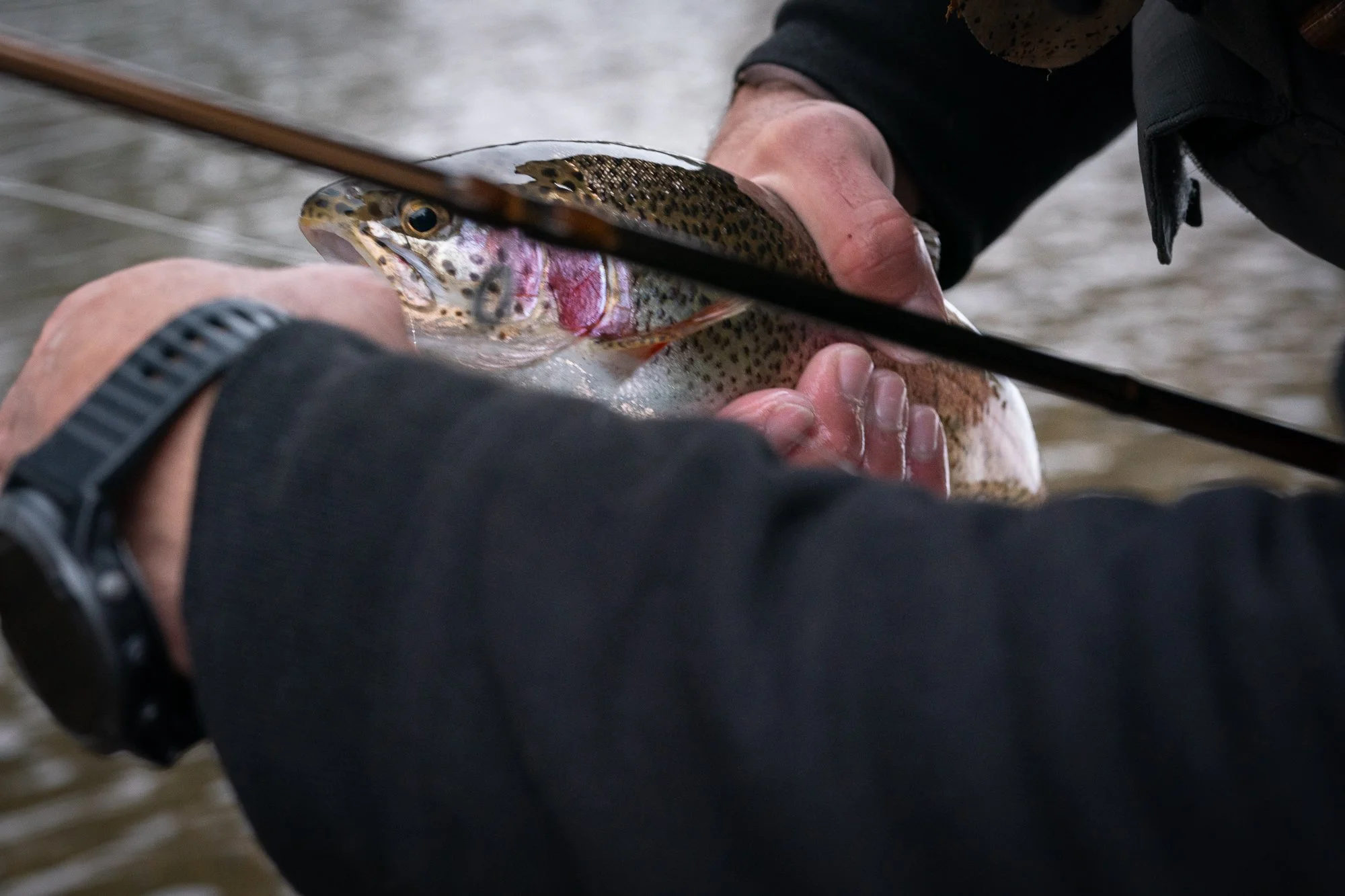
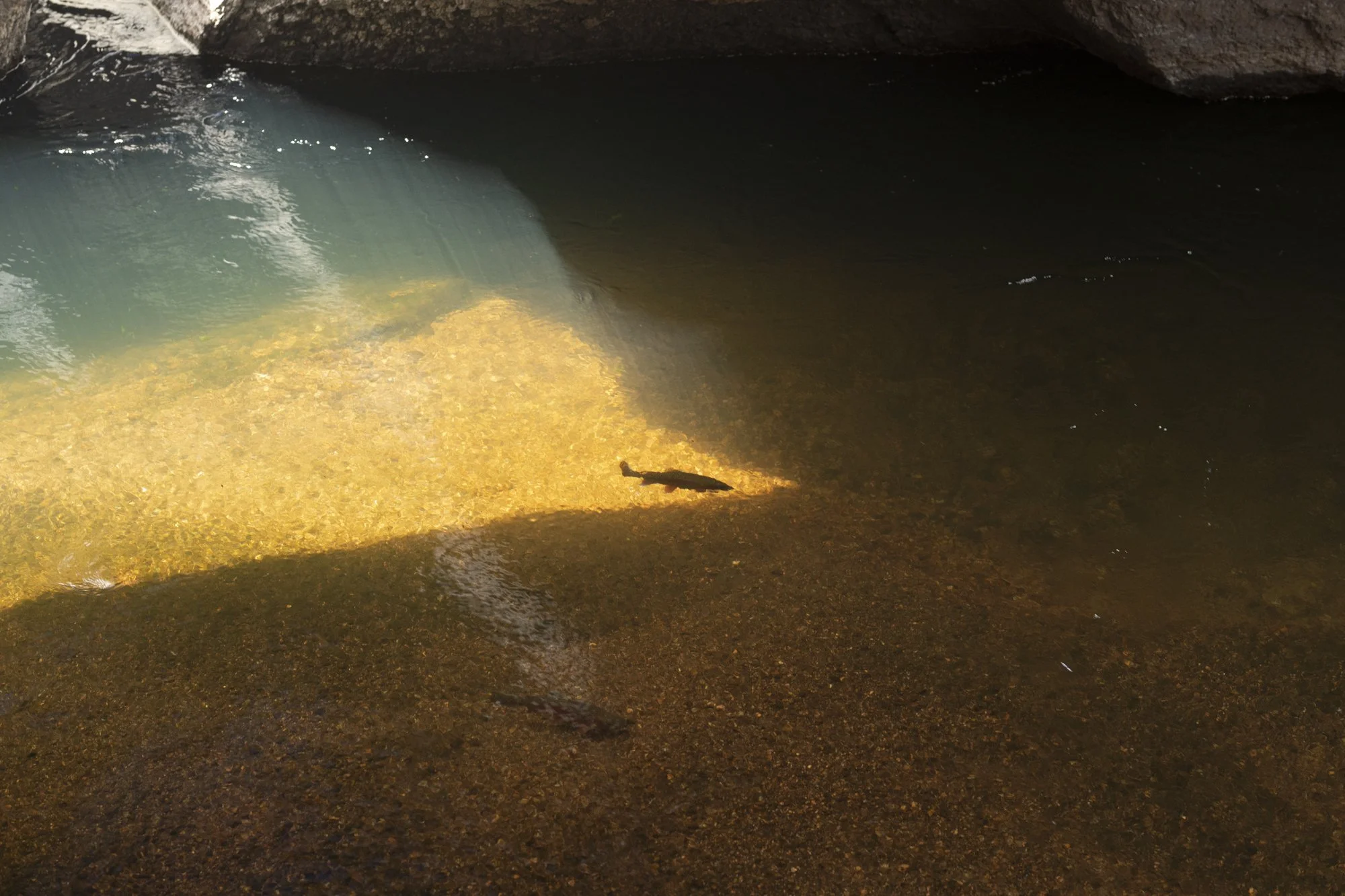
Eventually, if things go right, a trout eats.
And for a moment, all those years of experience, four years of aging bamboo, 1,400 operations and inspections, and measurements made down to one-thousandth of an inch disappear into something wonderfully simple: a fisherman standing in moving water with a bent rod in his hand.
Meanwhile, Mike sits at his bench figuring out how to make an even better one.
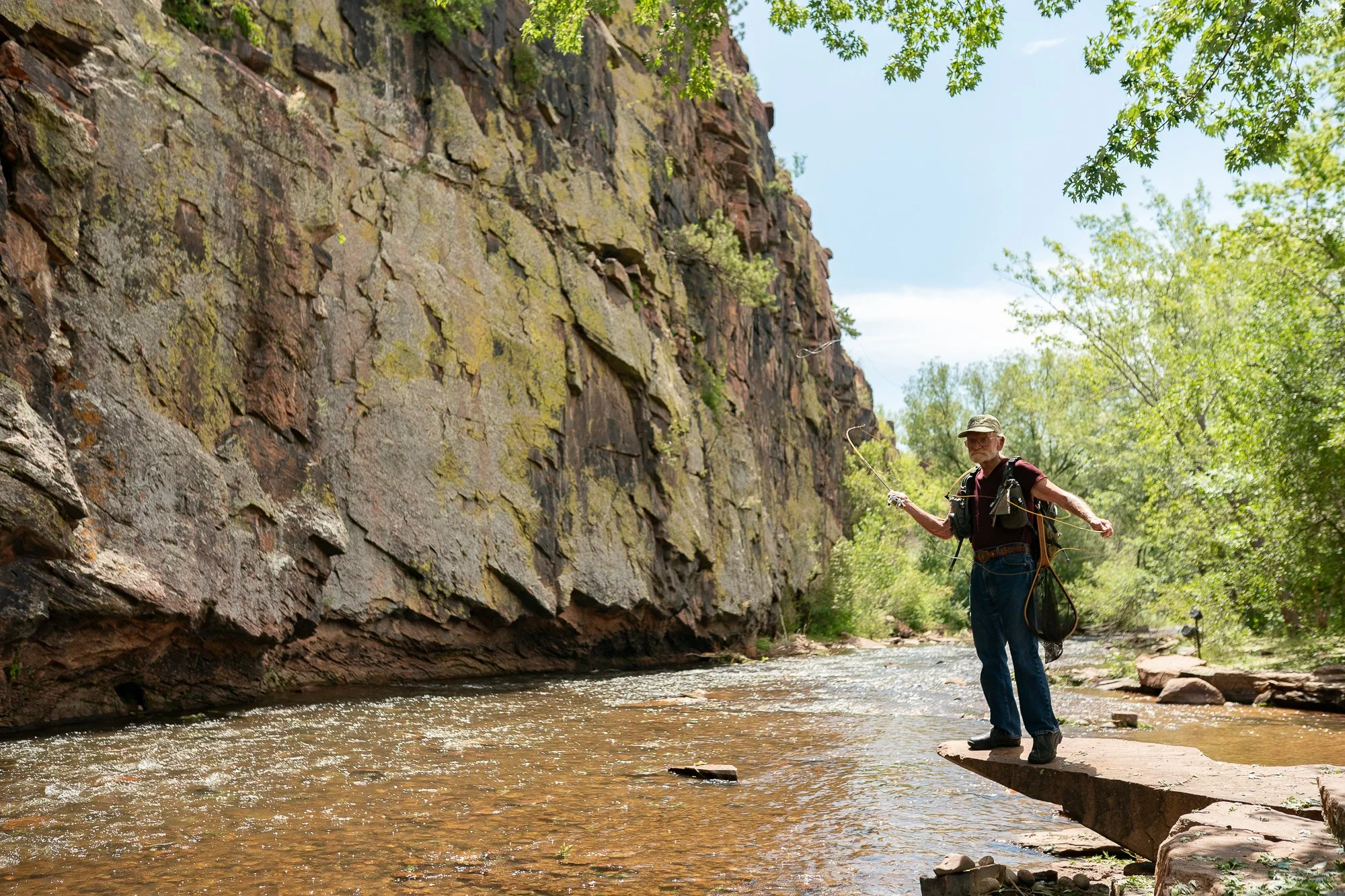
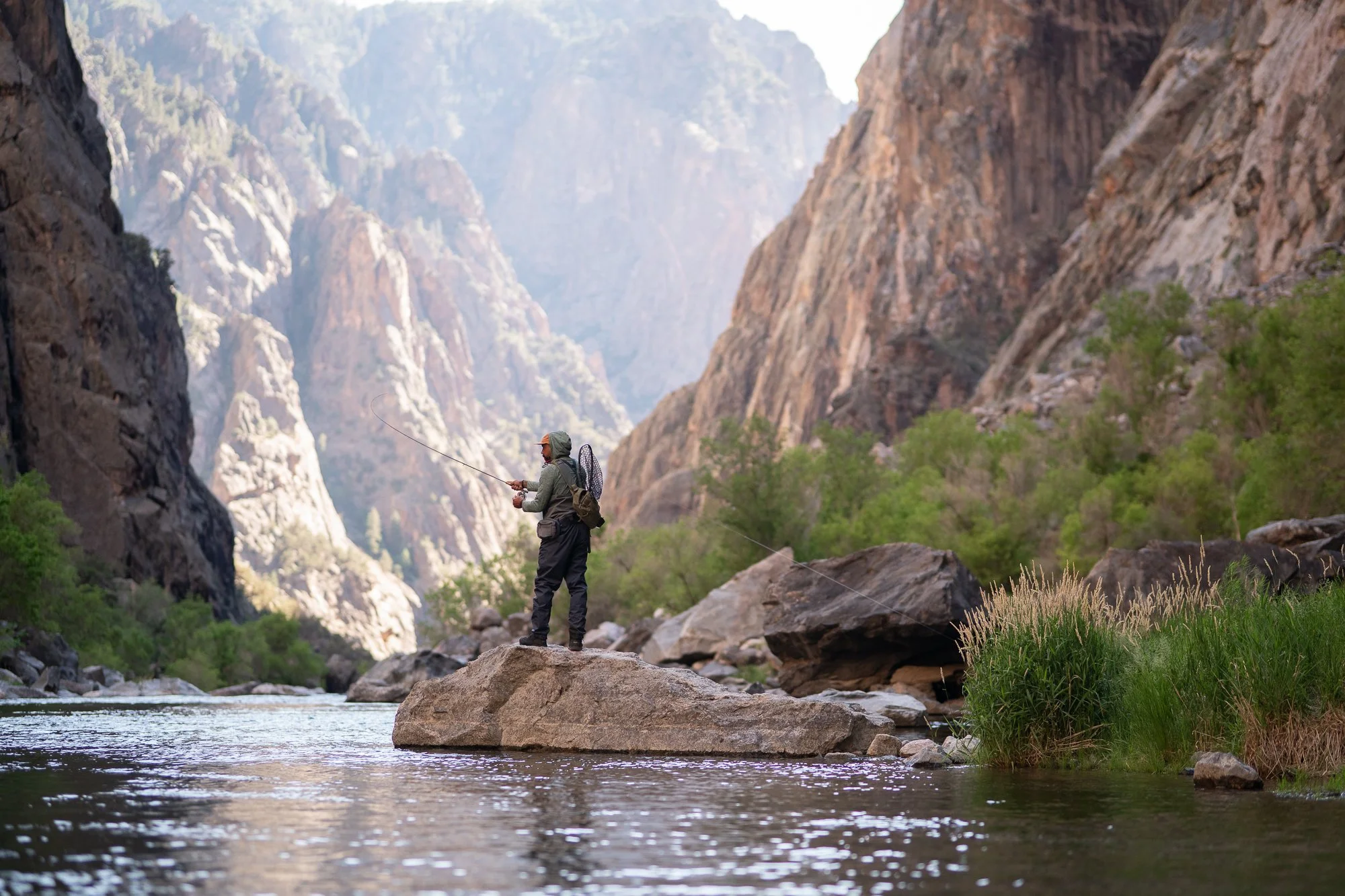
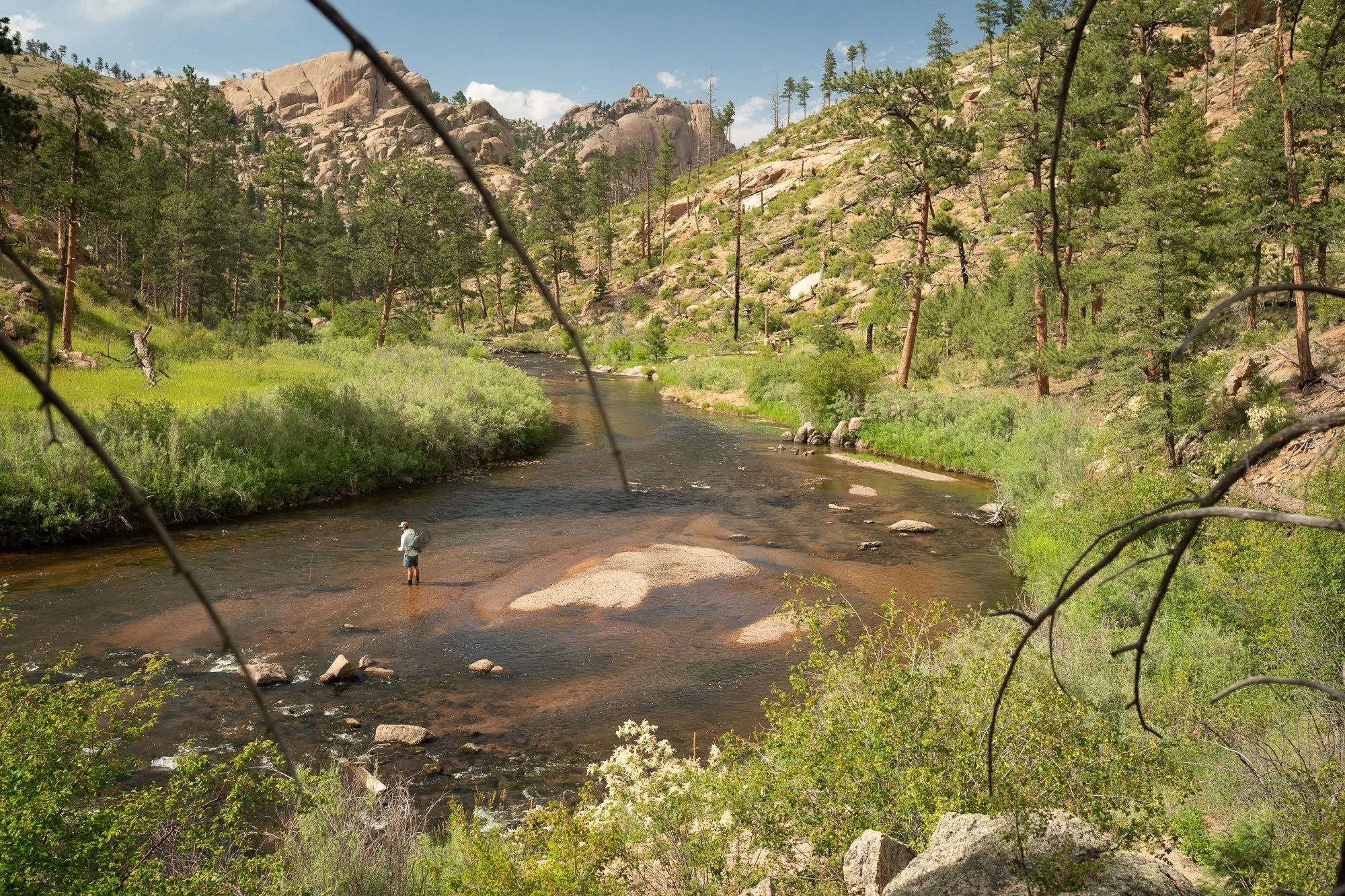
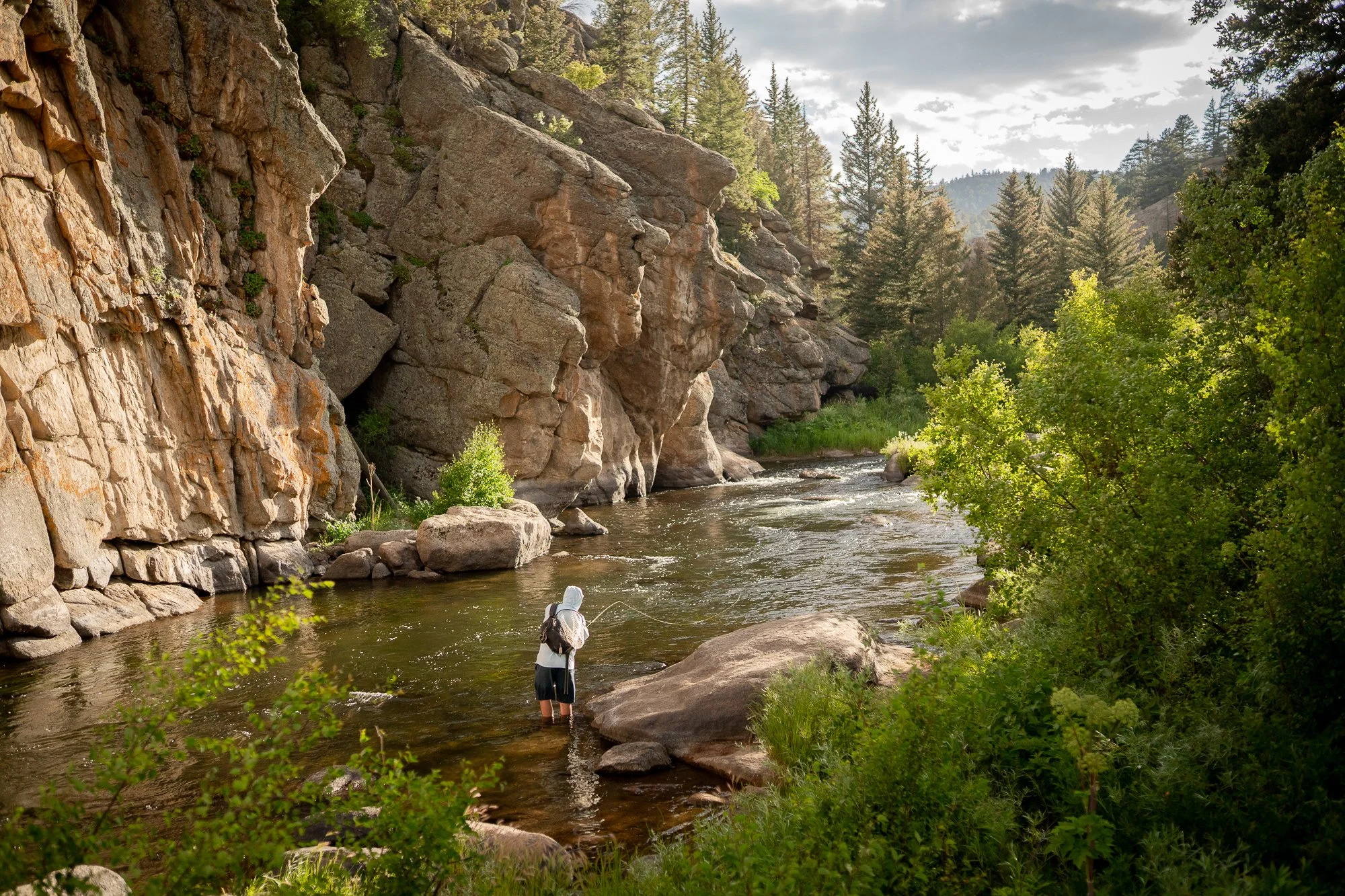
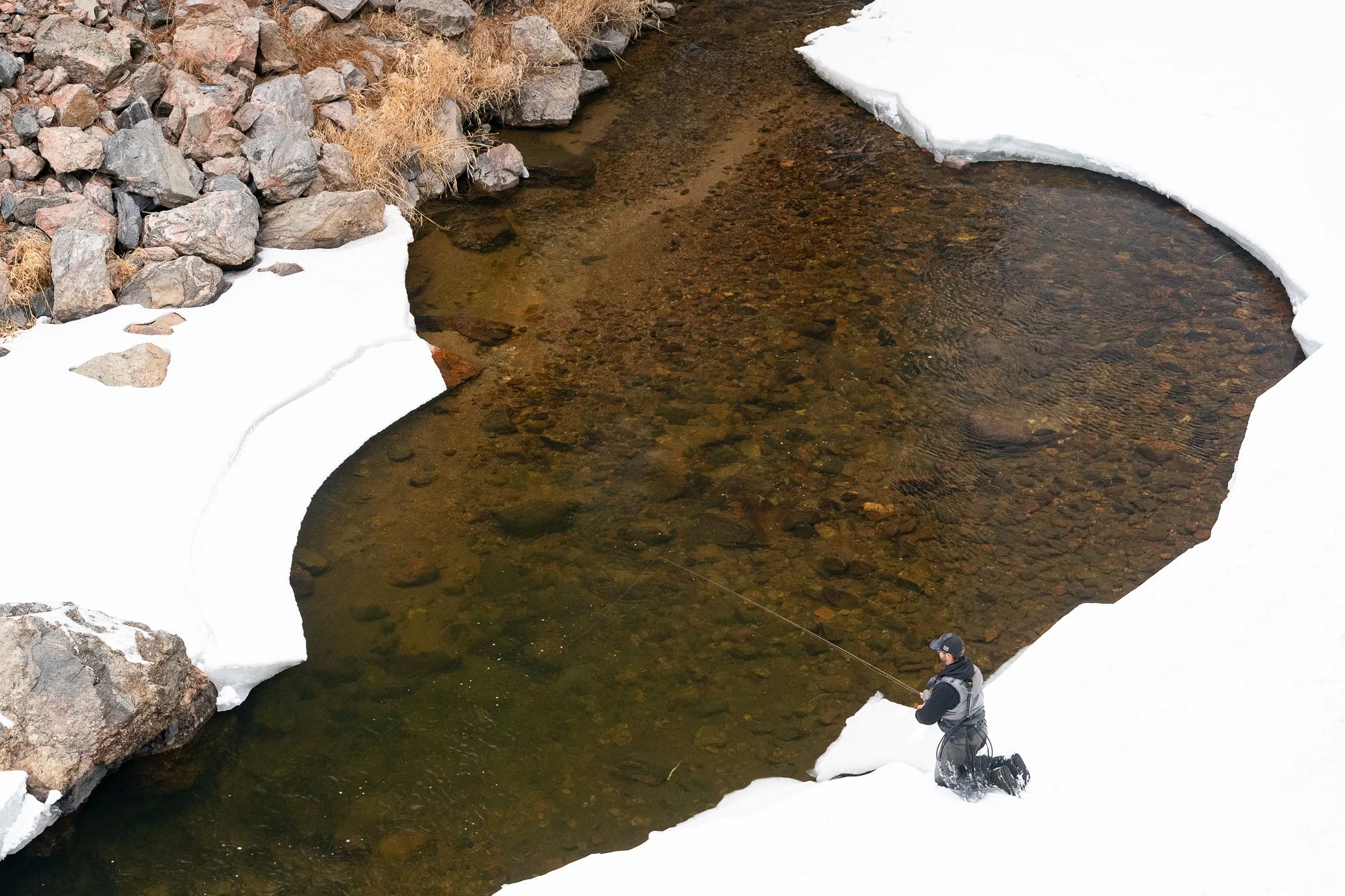
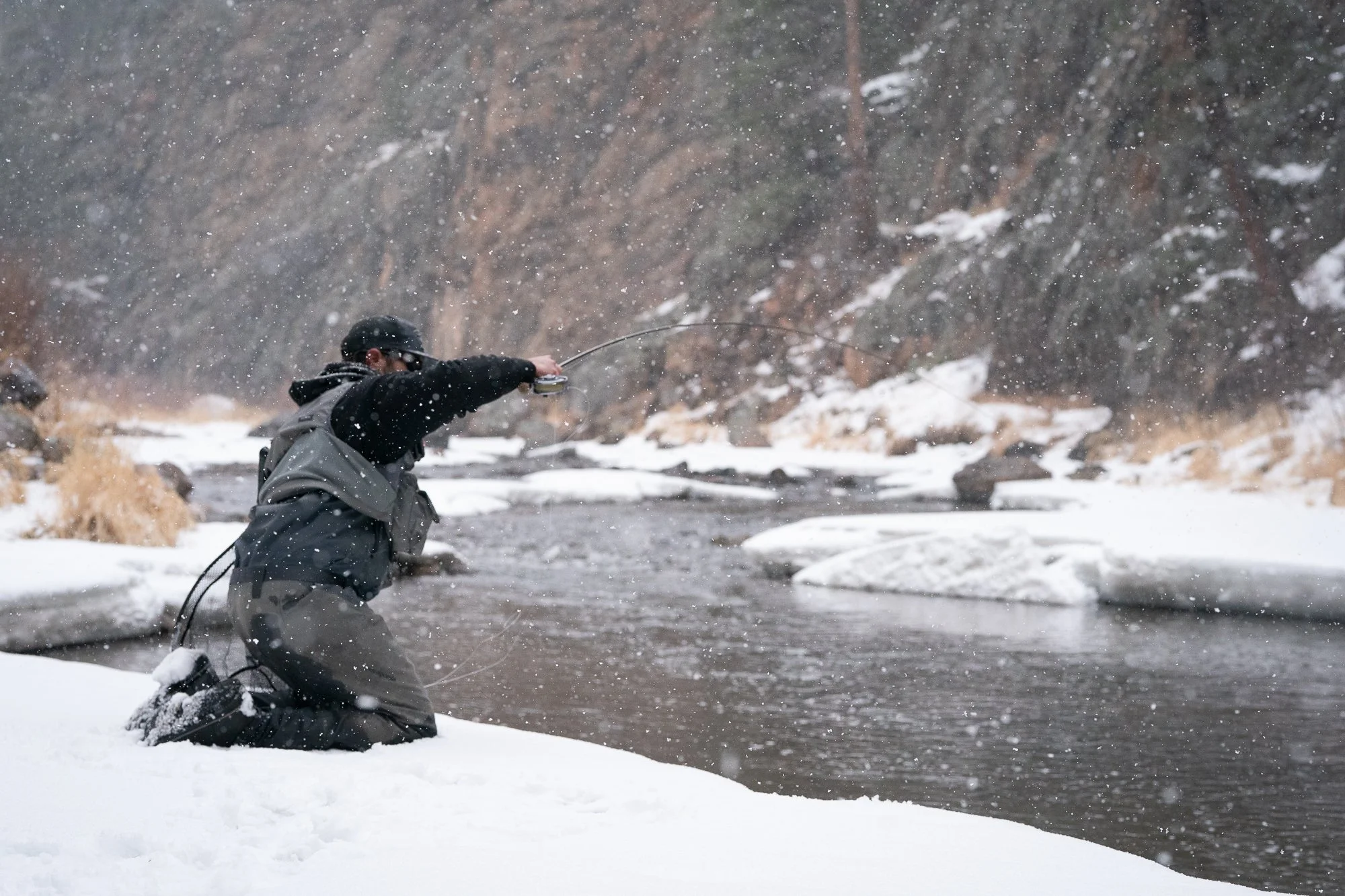
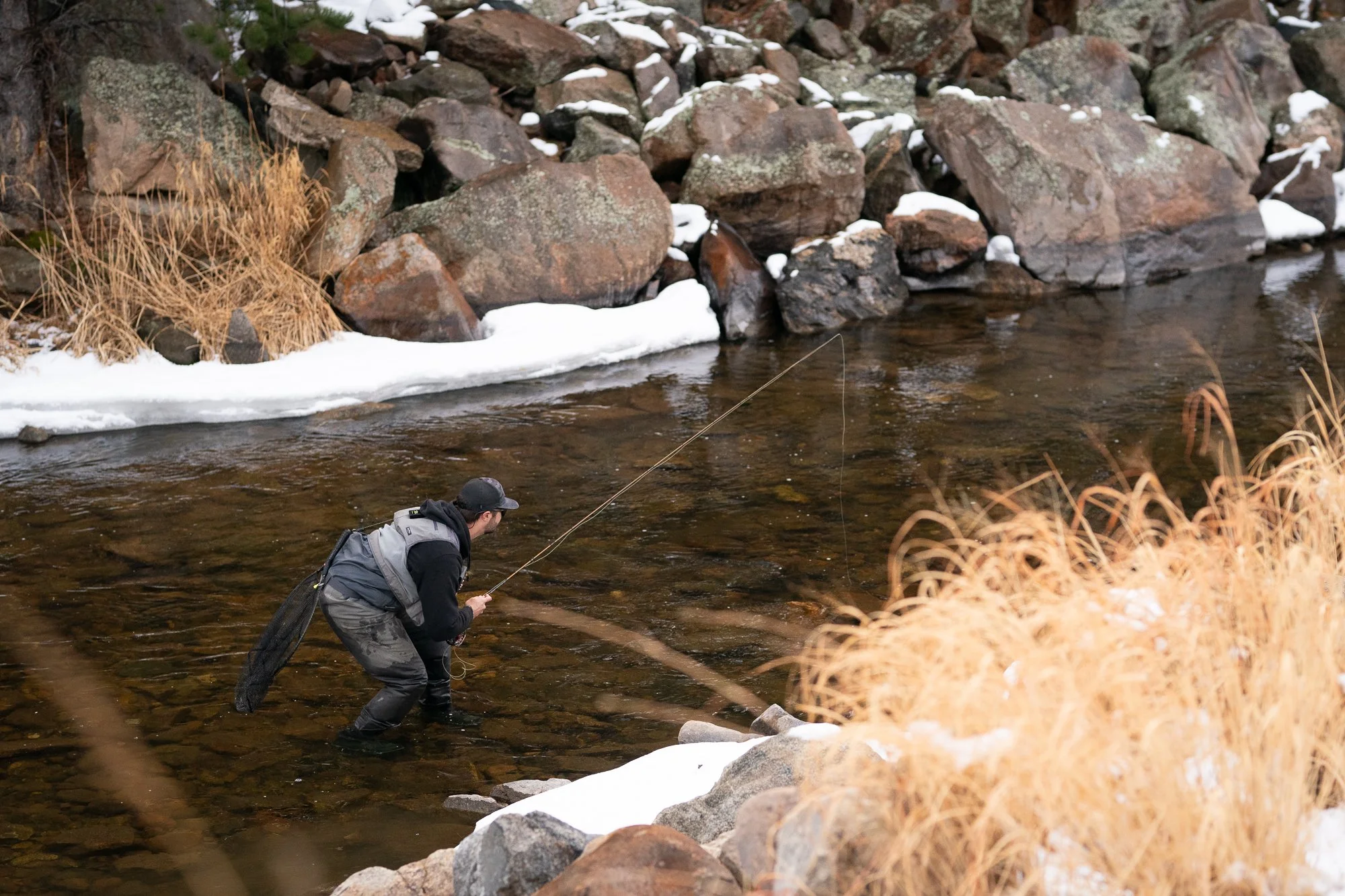
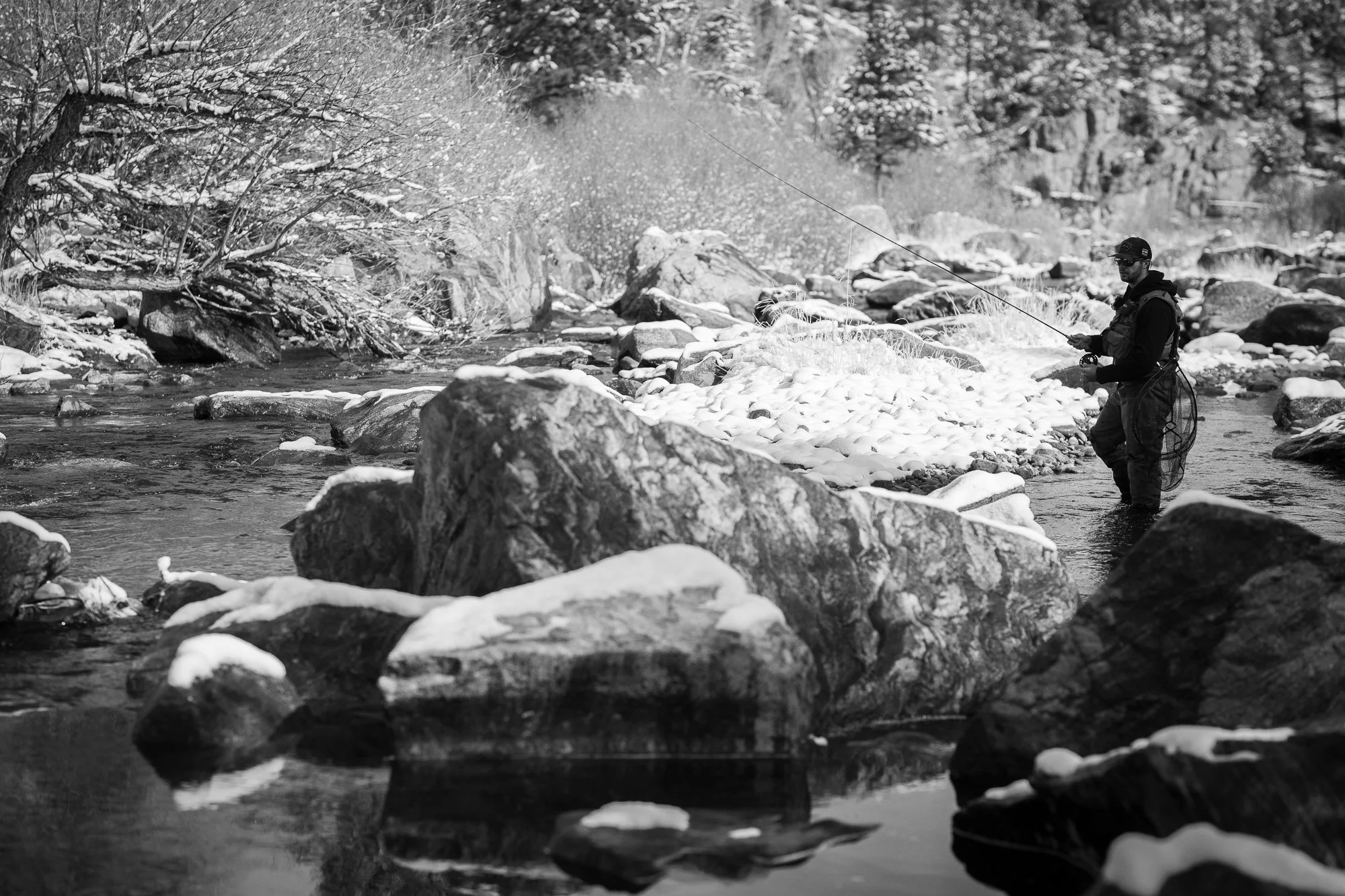
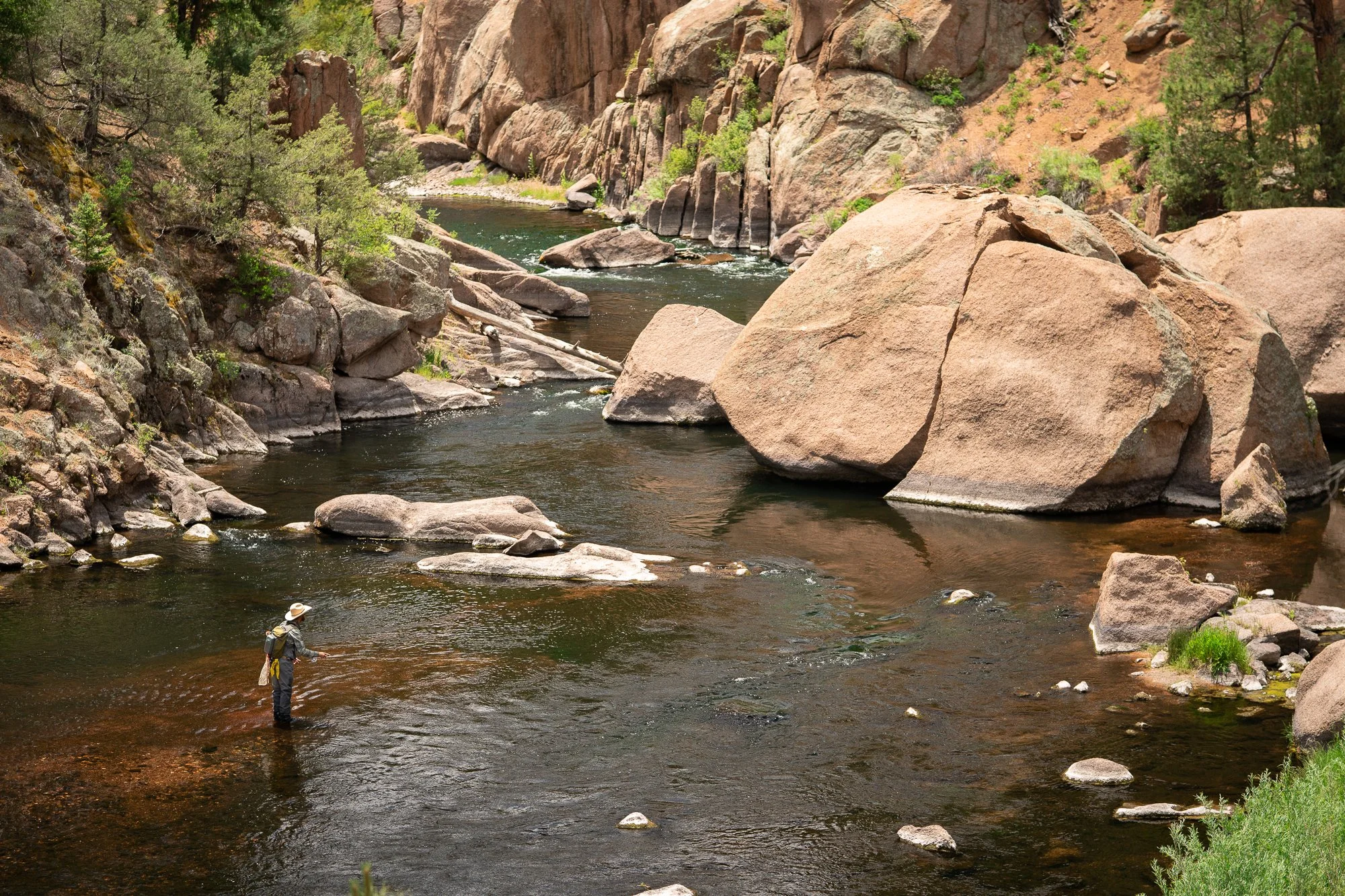
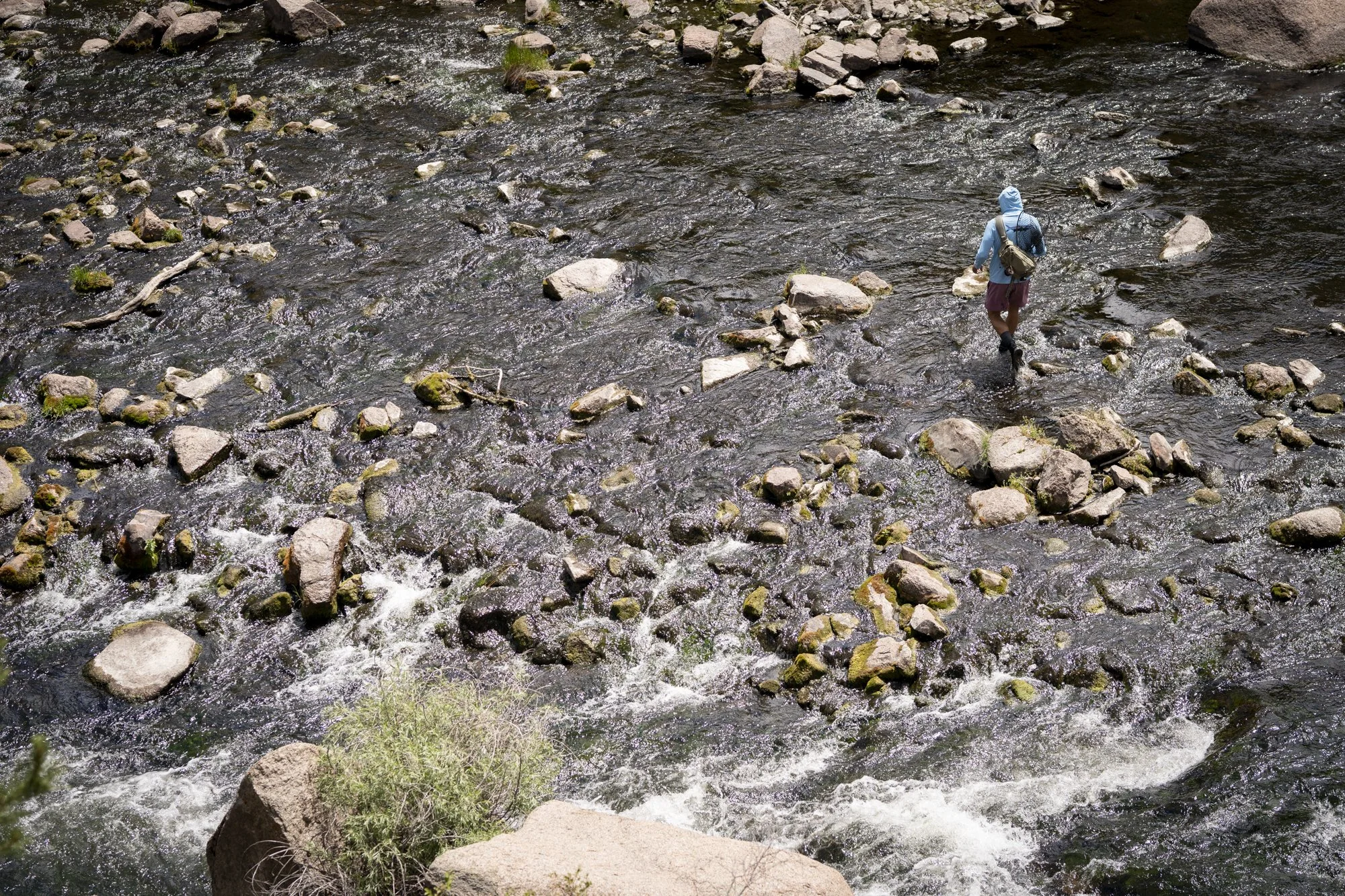
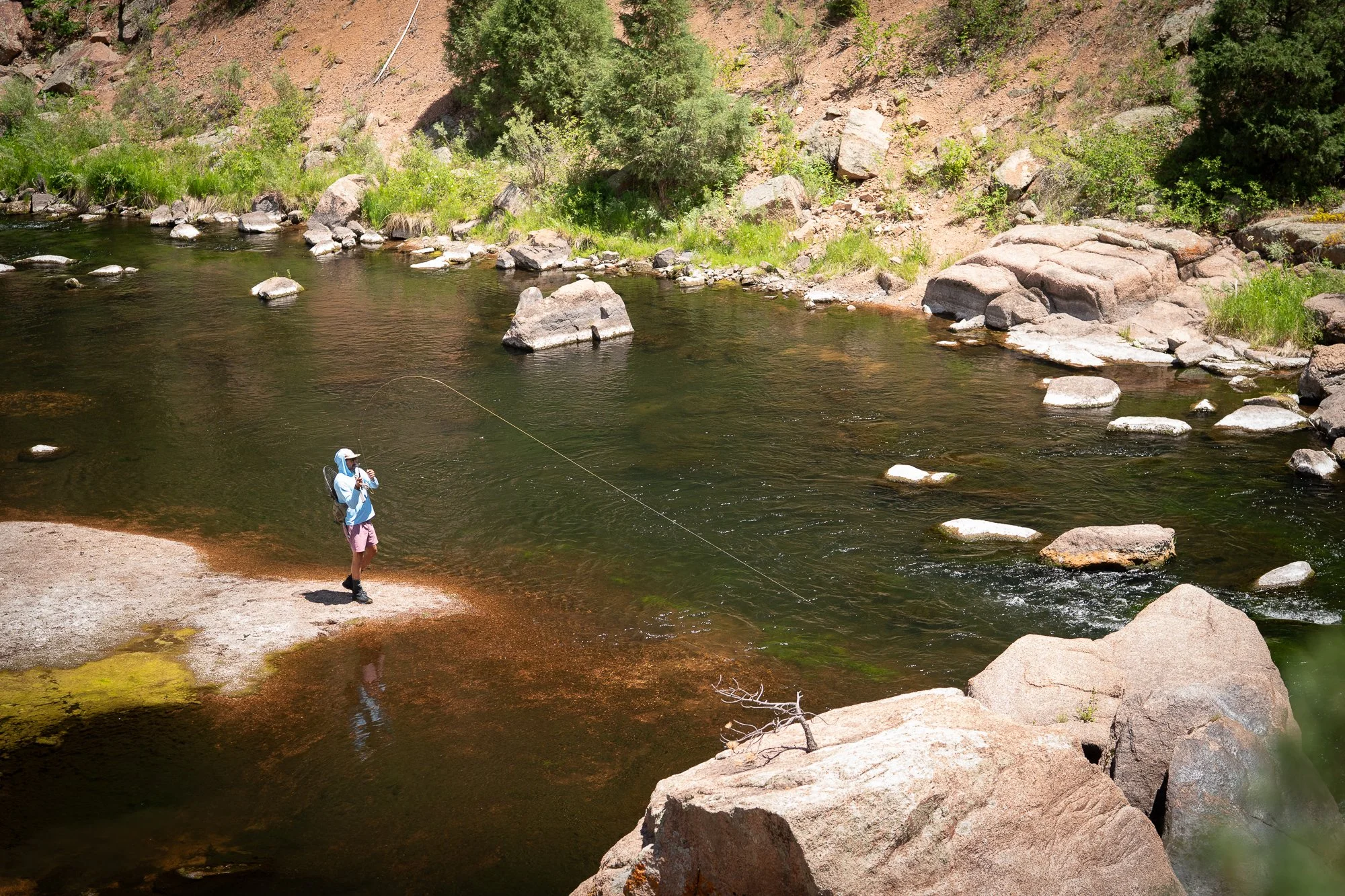
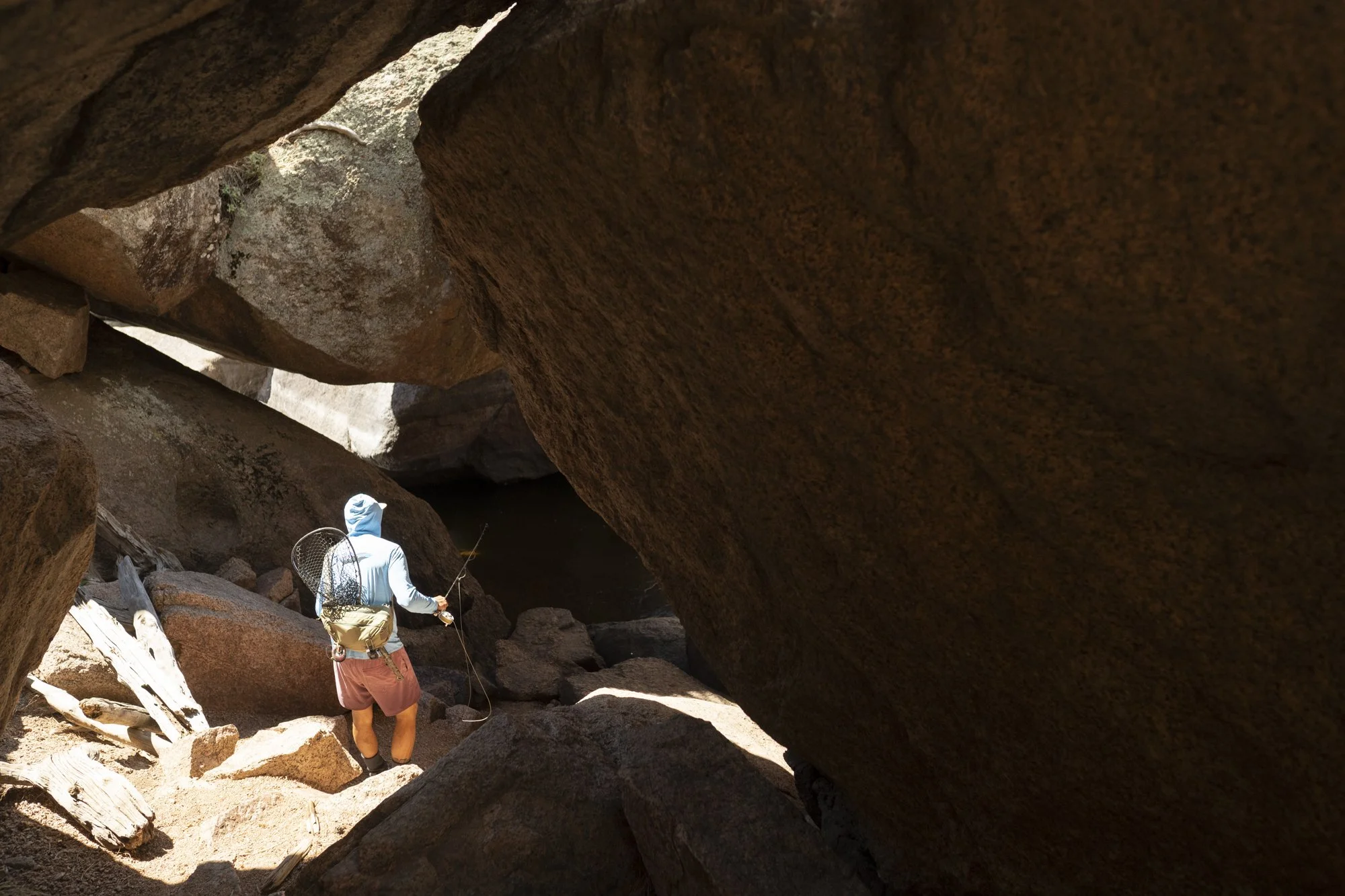
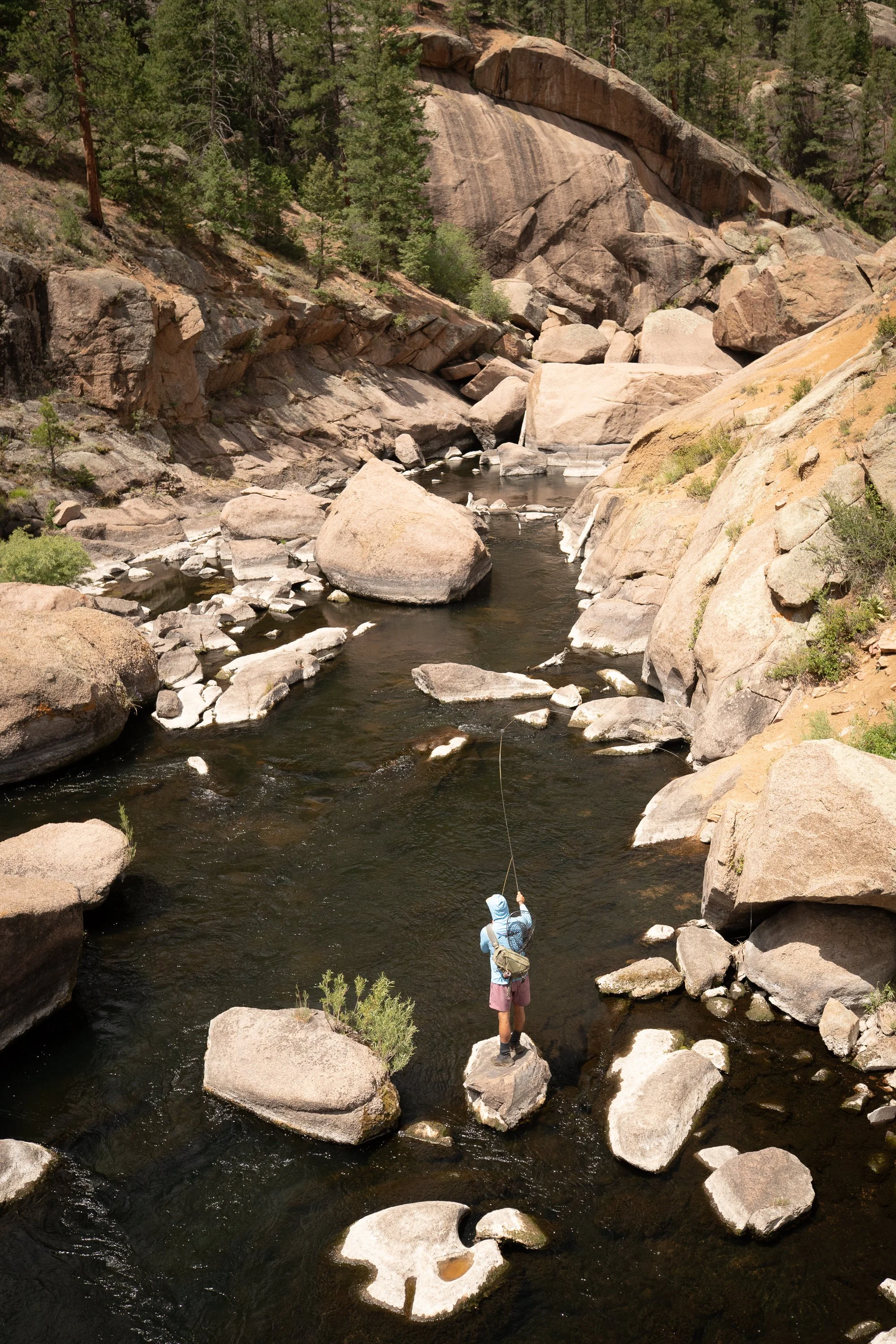
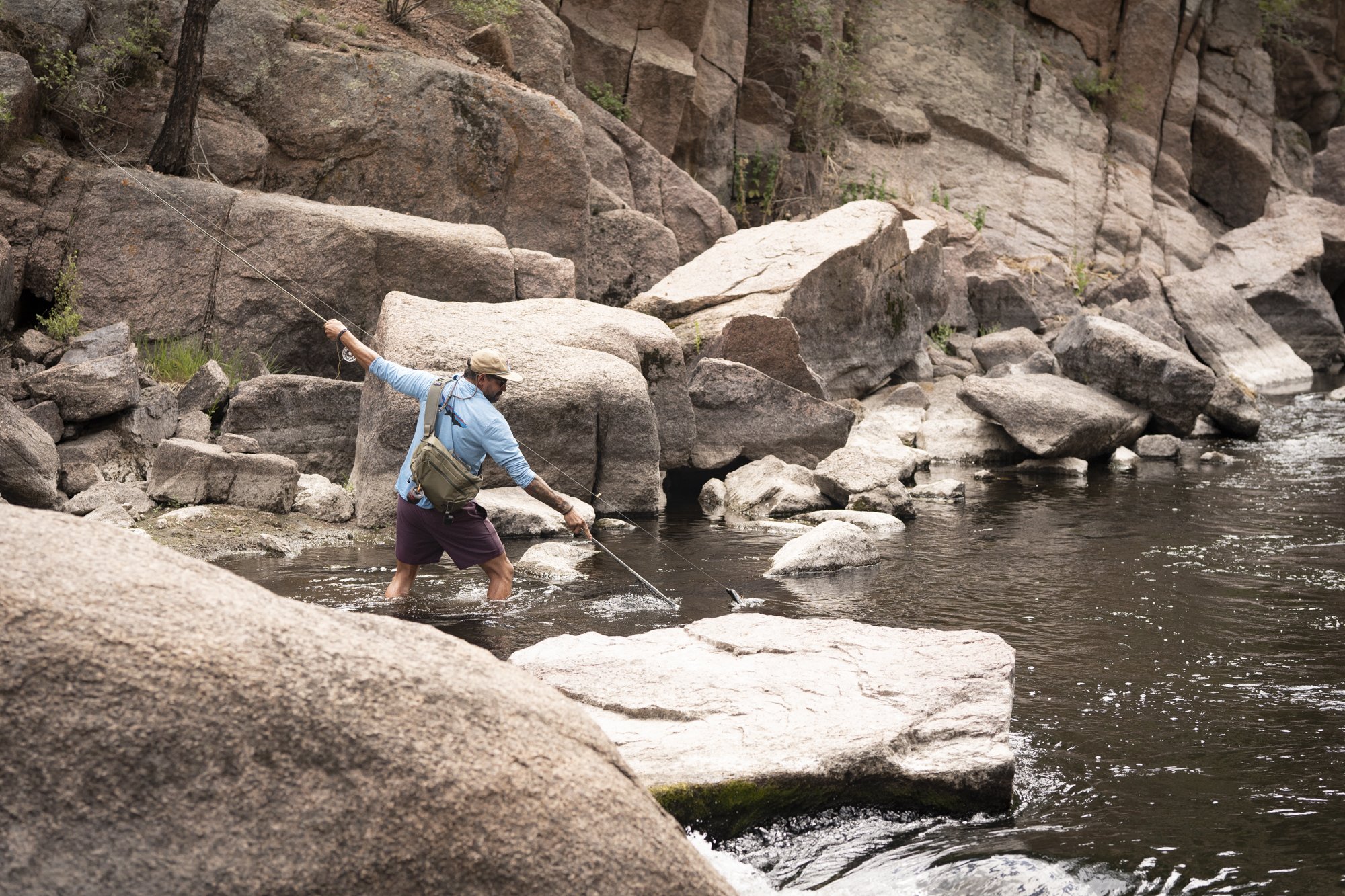
After years of experience, thousands of individual steps and measurements made to one-thousandth of an inch, the rod eventually arrives where Mike intended it to be: on the water.
Photography & words by Rob Hammer
About the Photographs
I've spent years photographing fly fishing throughout Colorado and the American West, but the culture surrounding the sport has always interested me as much as what happens on the water. The people, places, traditions and skills behind fly fishing tell a much larger story.
Photographing Mike Clark at South Creek Ltd. is also part of a broader interest in people who have dedicated their lives to doing something well. Whether it's a bamboo rod maker in Colorado, a cowboy working cattle, a barber who's stood behind the same chair for decades or craftspeople making leather by hand, I'm drawn to work that still bears the evidence of the person who made it.
Explore more: Fly Fishing Photography | Fine Art Fly Fishing Prints | At Work Photography