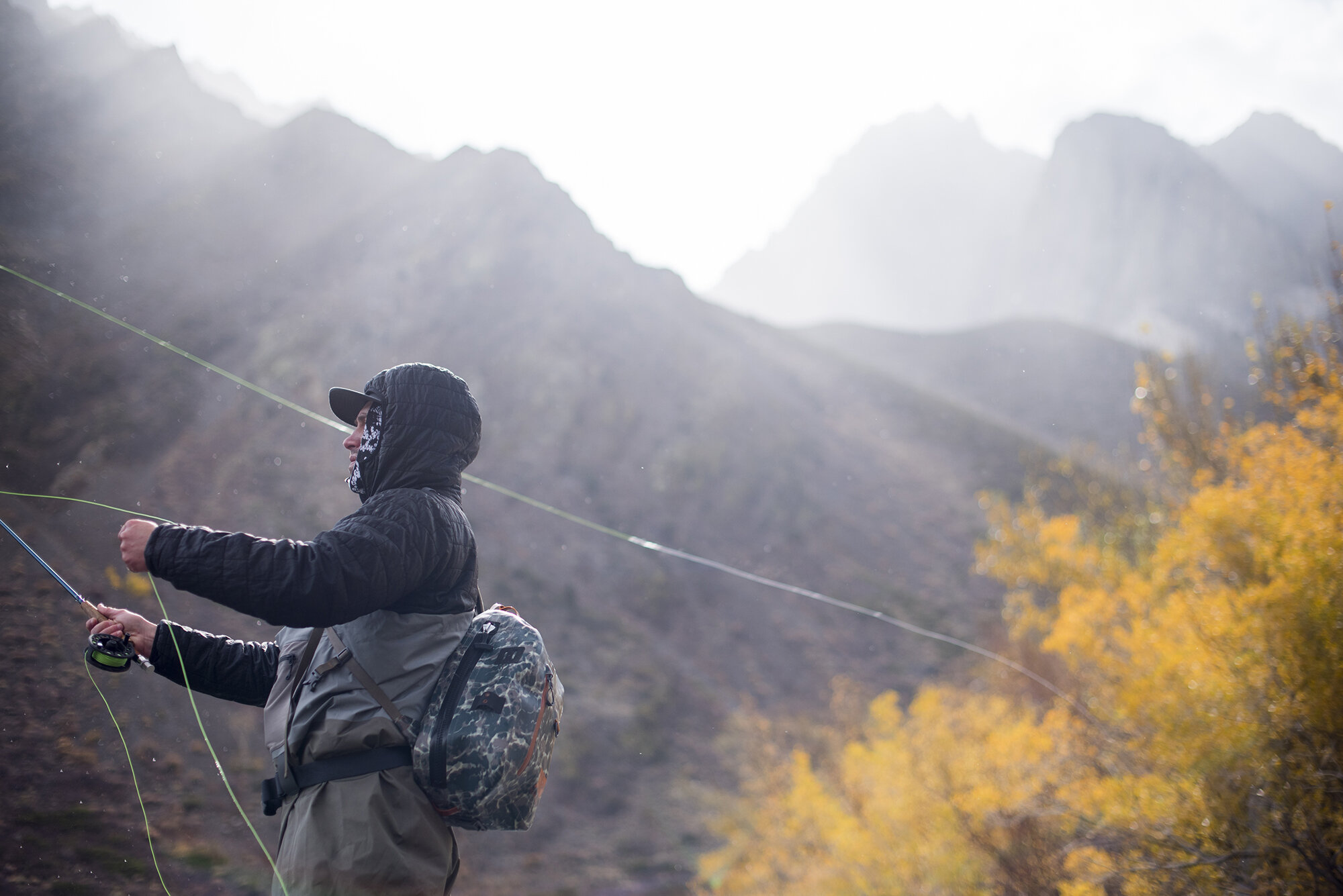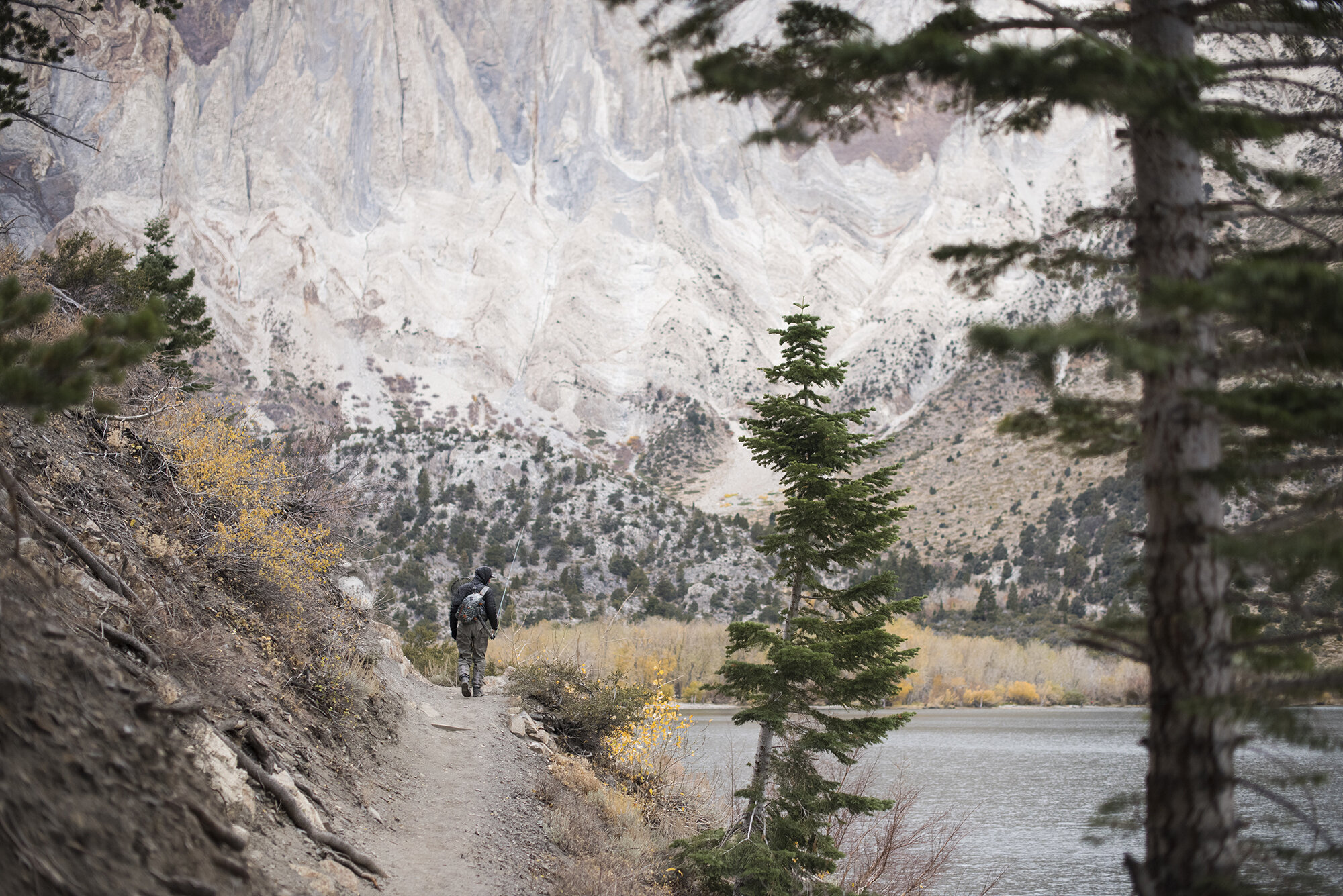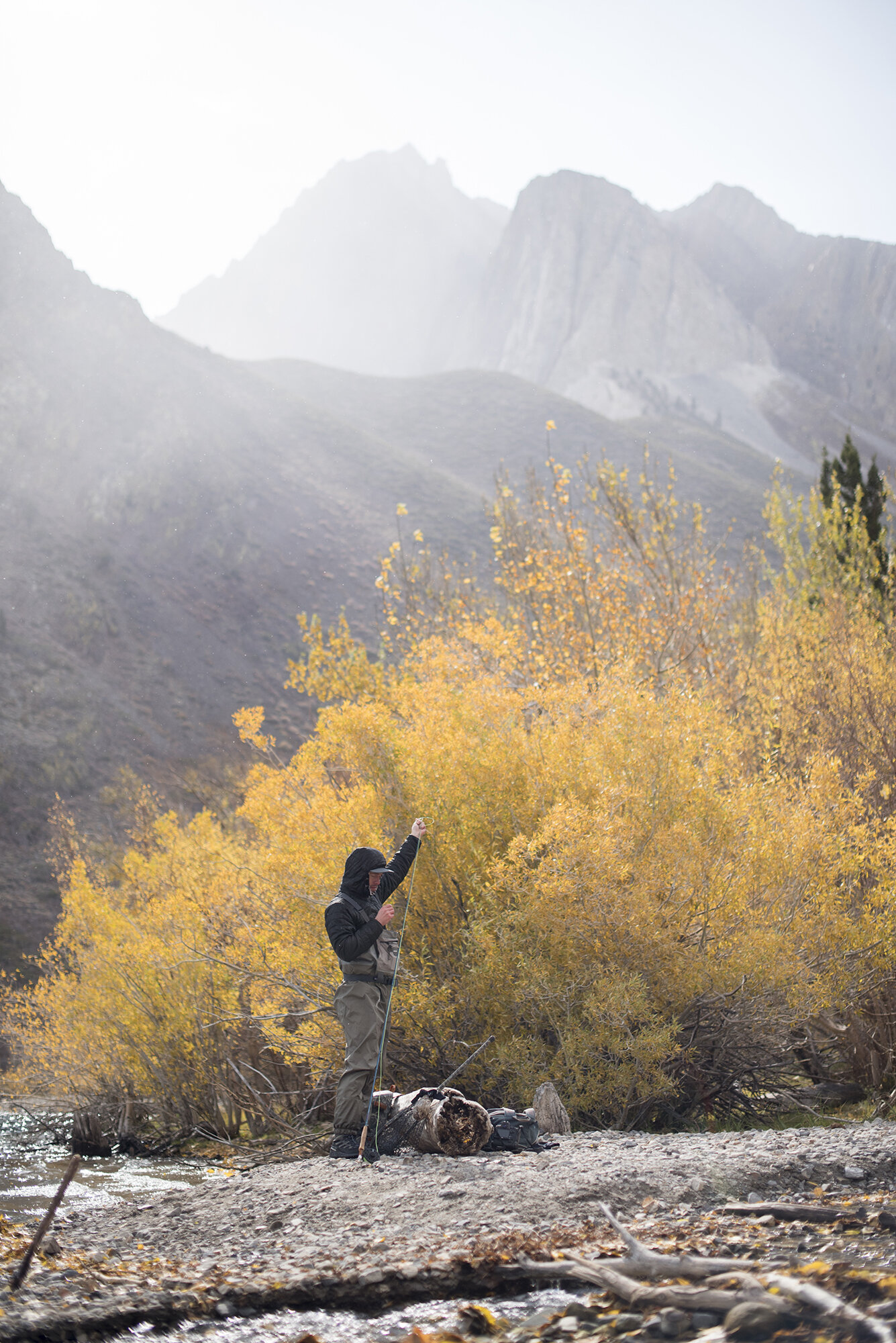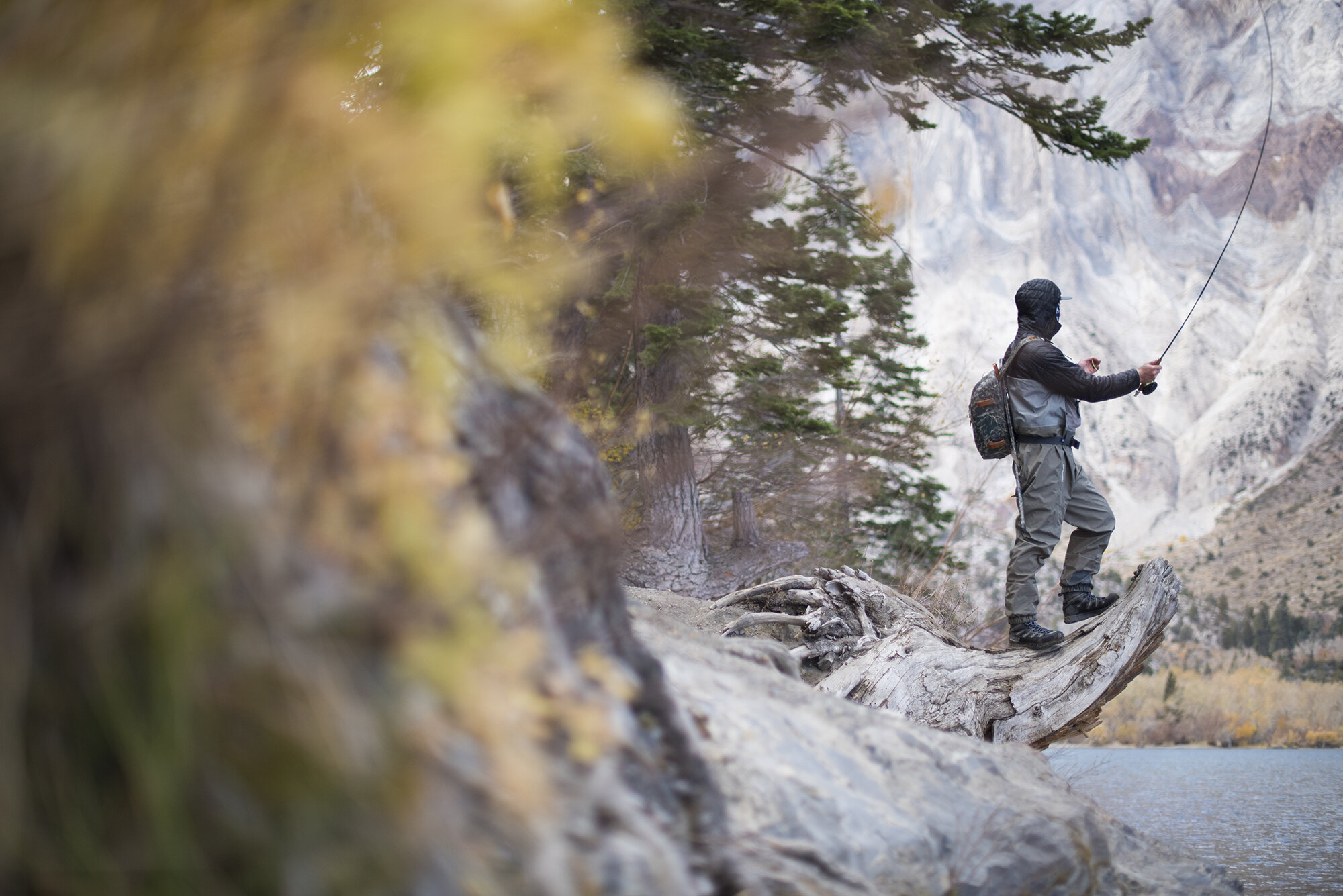
Black Canyon of the Gunnison Fly Fishing Photography

Black Canyon of the Gunnison Fly Fishing: A Real Look Inside One of Colorado’s Toughest Fisheries

There are places people talk about, and then there are places that quietly sit on a bucket list for years.

The Black Canyon of the Gunnison is one of those places.

Steep walls, limited access, and a river that doesn’t give much away easily. From the rim, it looks almost impossible to fish. And in a lot of ways, it is.

But that’s exactly why people keep coming back.

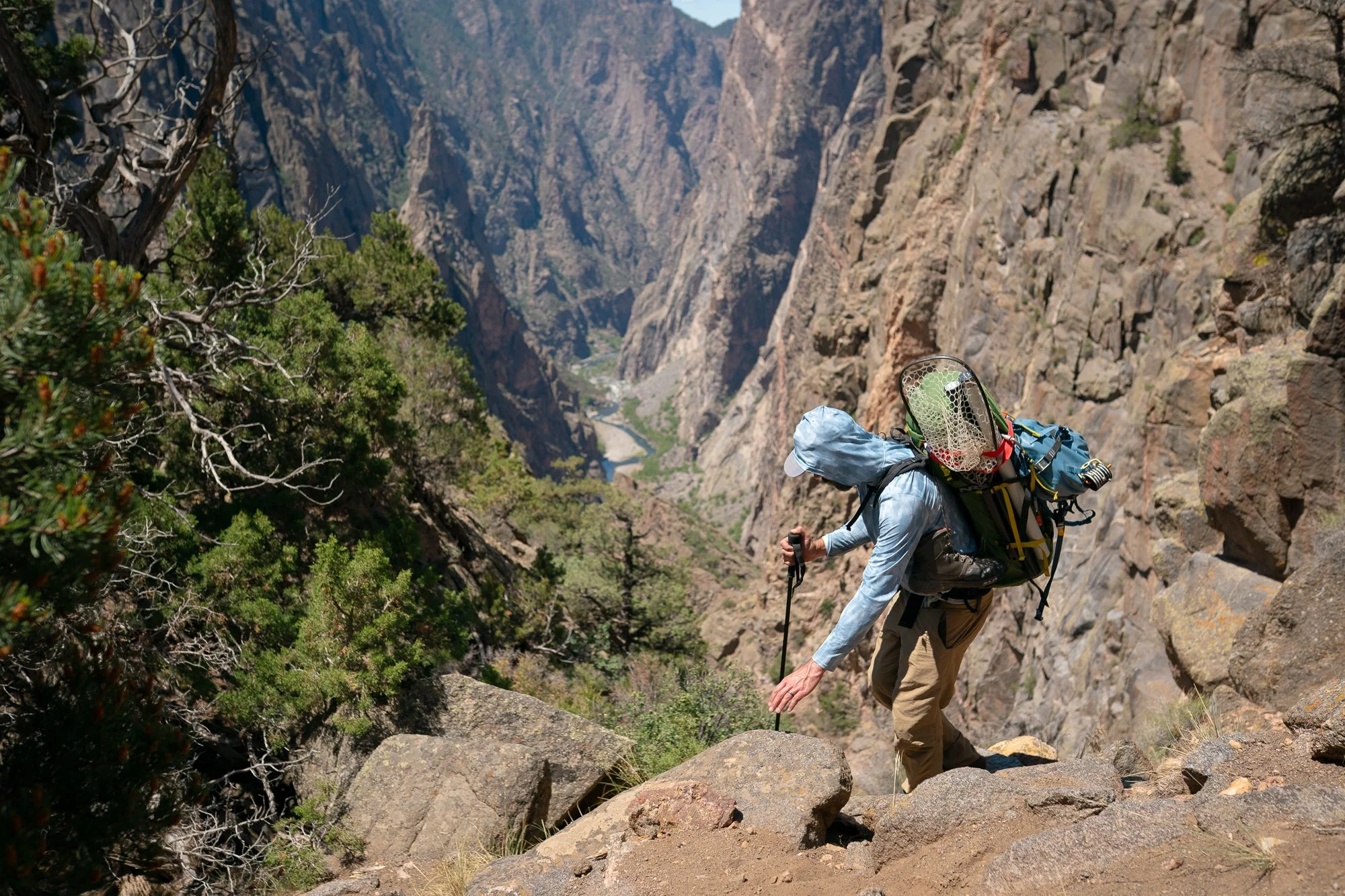
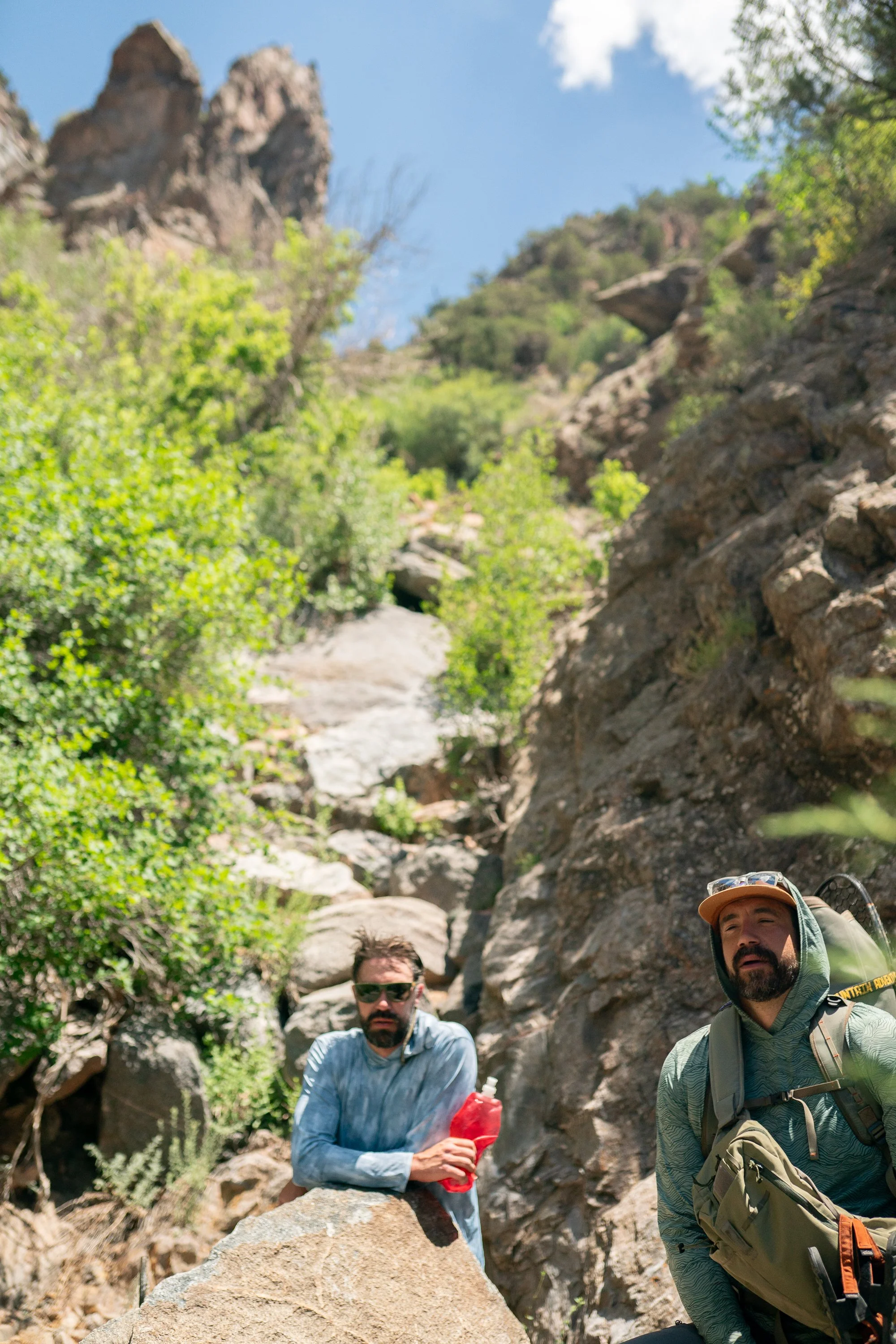
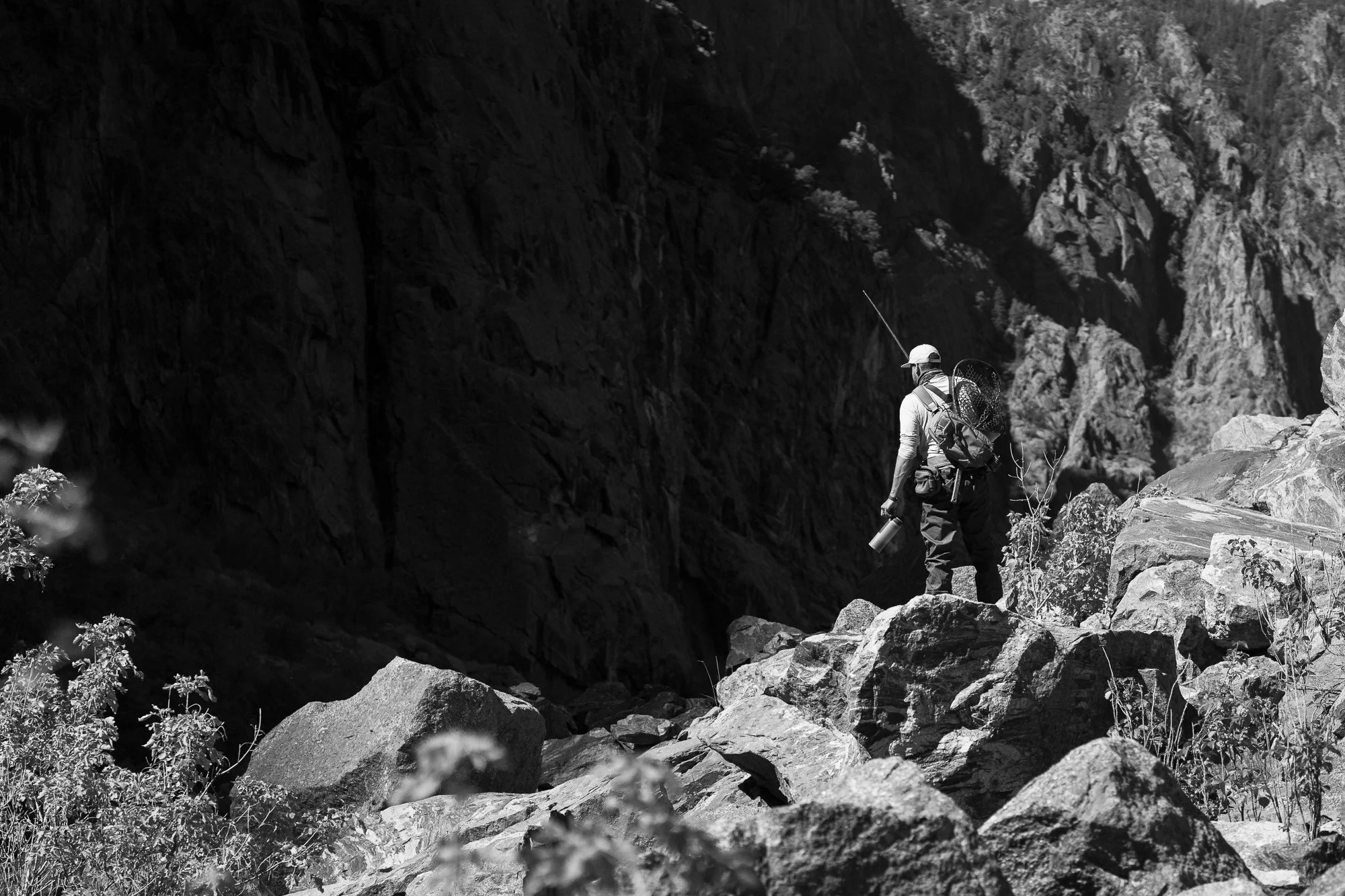
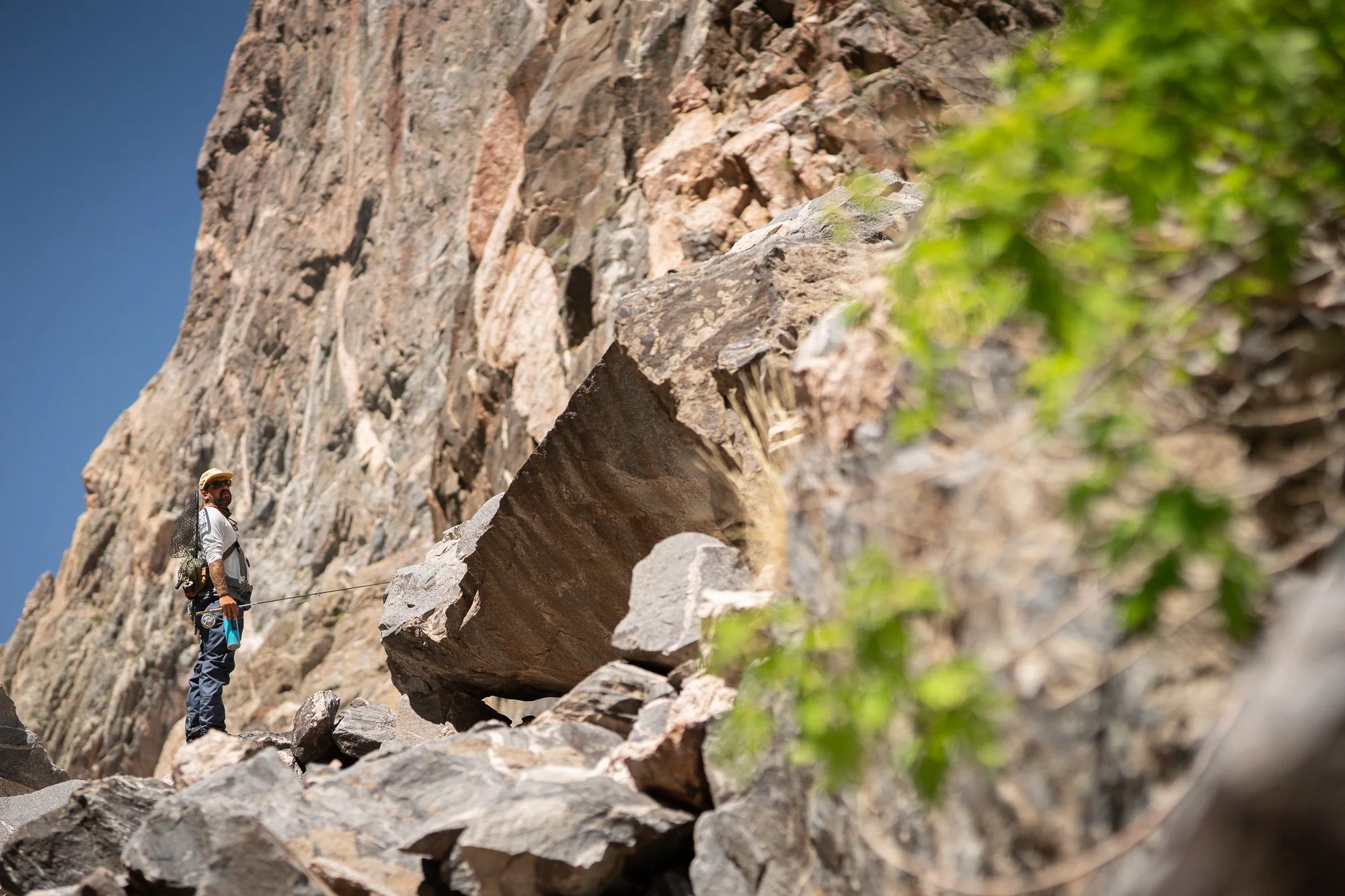
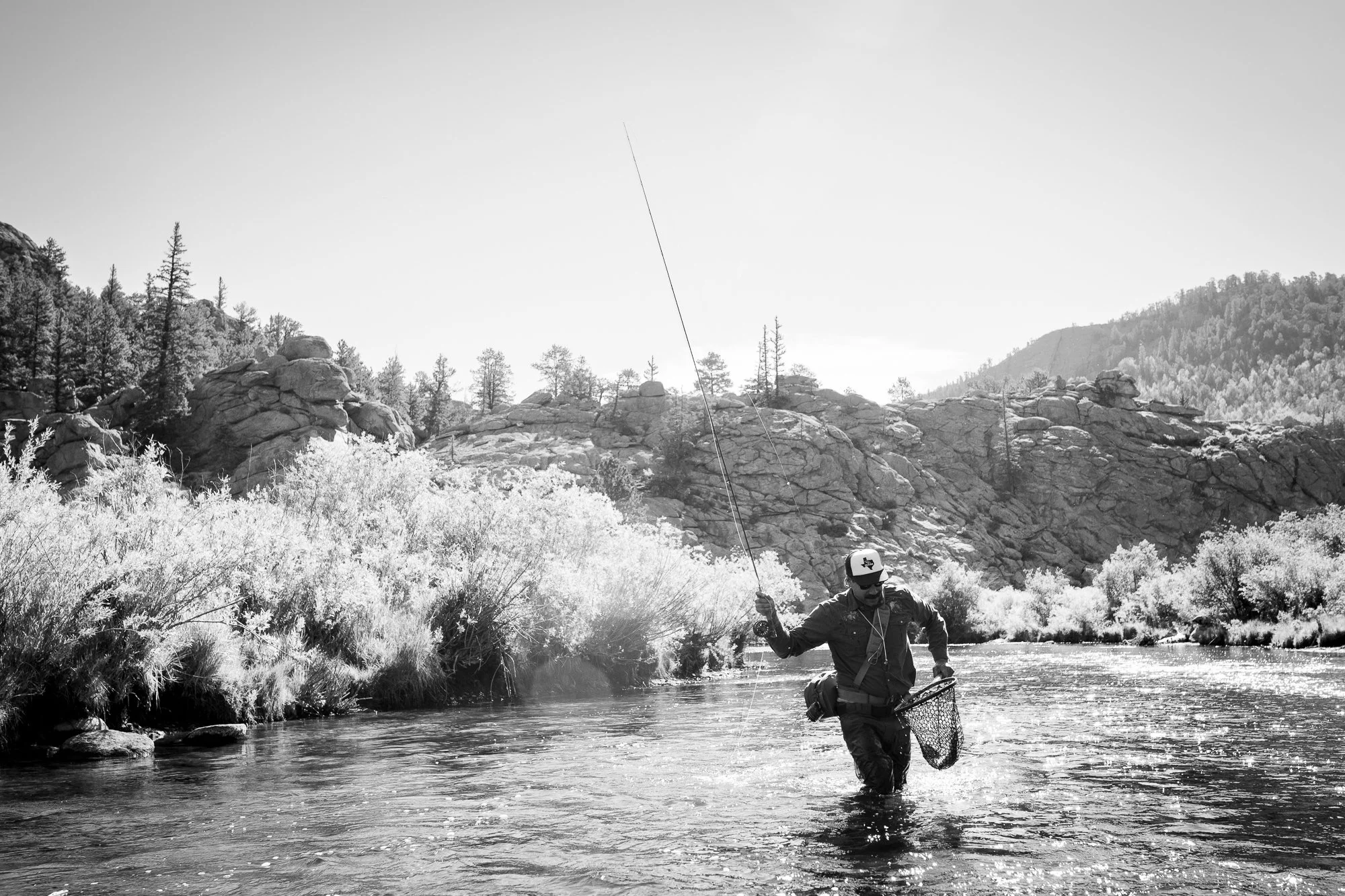
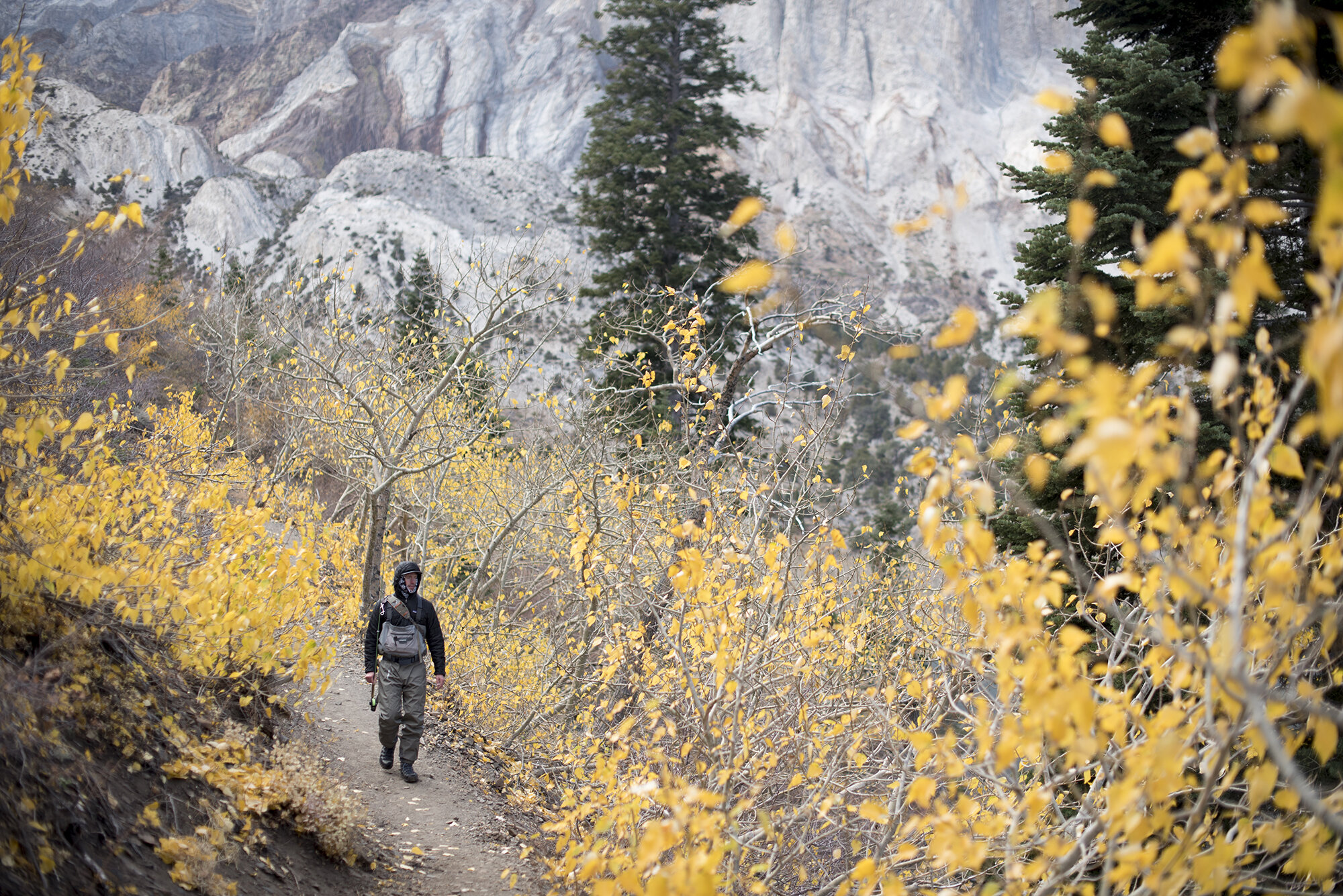
An angler hikes steep canyon terrain with fly fishing gear above Black Canyon of the Gunnison

The brutal climb in and out of Black Canyon is part of what makes this fishery feel earned.

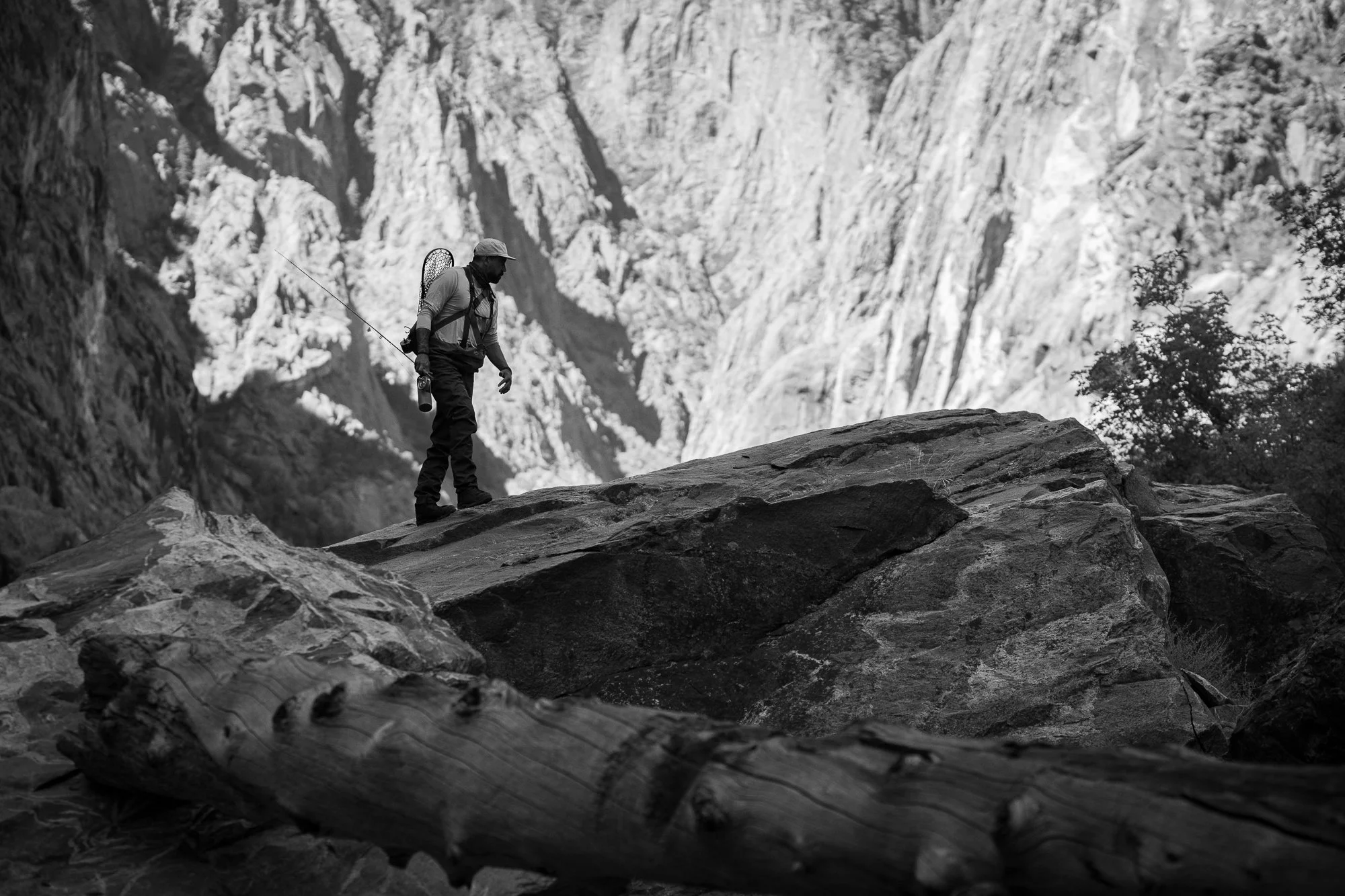
A fly angler climbs steep terrain out of the Black Canyon of the Gunnison

The brutal climb out of the Black Canyon is as much a part of the fly fishing experience as the river itself.

Why the Black Canyon Is Different

Most fly fishing in Colorado gives you options.

The Black Canyon doesn’t.

There are only a handful of routes down to the river, and none of them are easy. Going down S.O.B. Draw is just as brutal as the hike up.

Once you’re down there, the Gunnison River feels like it’s yours. The hike in eliminates 99% of people, so there’s a good chance you might have the whole place to yourself.

It’s not a numbers game. It’s a place where you slow down and soak in a landscape that hasn’t changed in thousands of years.

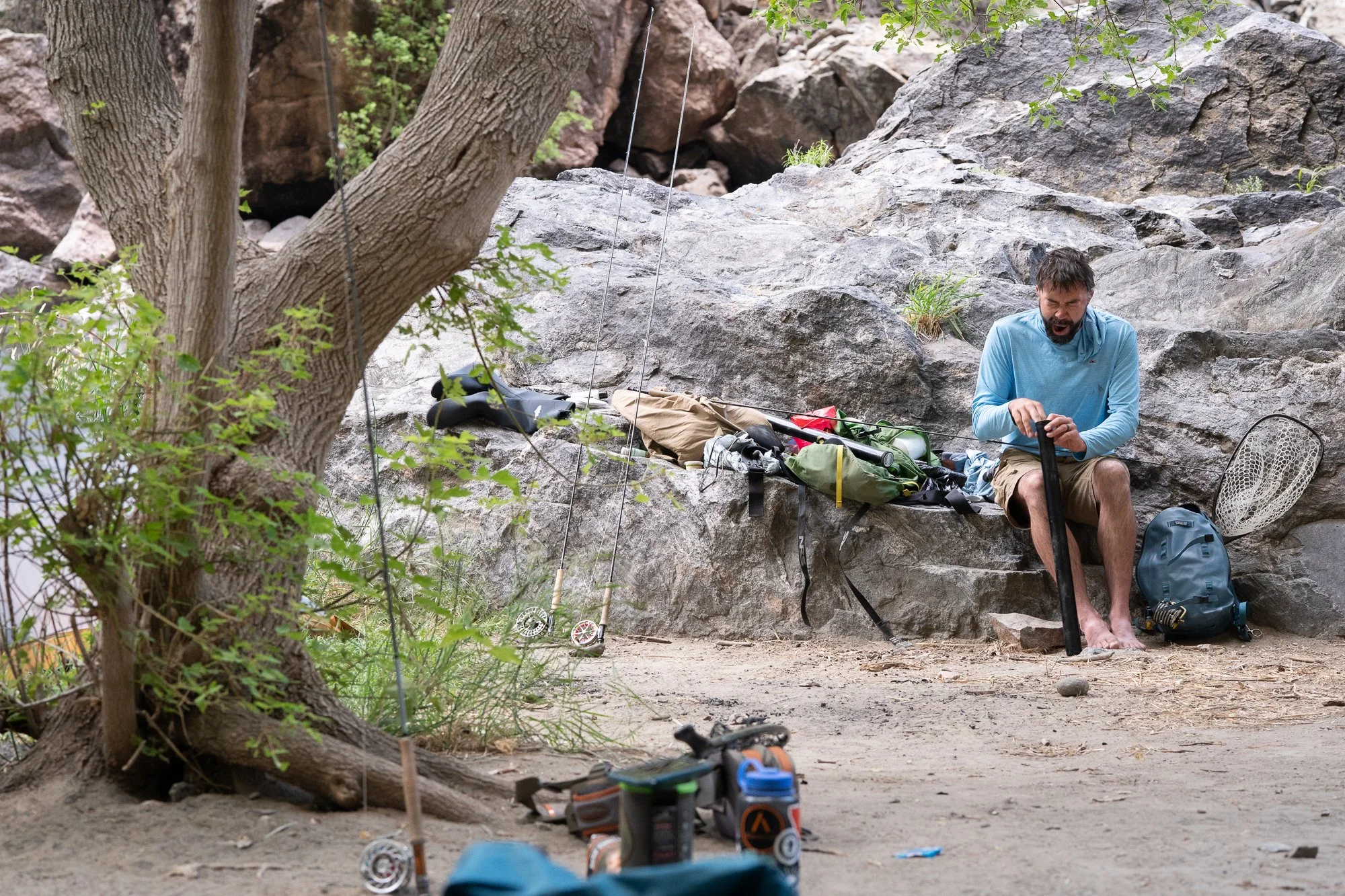
A fly angler prepares gear at riverside camp in the Black Canyon of the Gunnison

An angler yawns while organizing gear at camp just after waking up in the Black Canyon of the Gunnison.

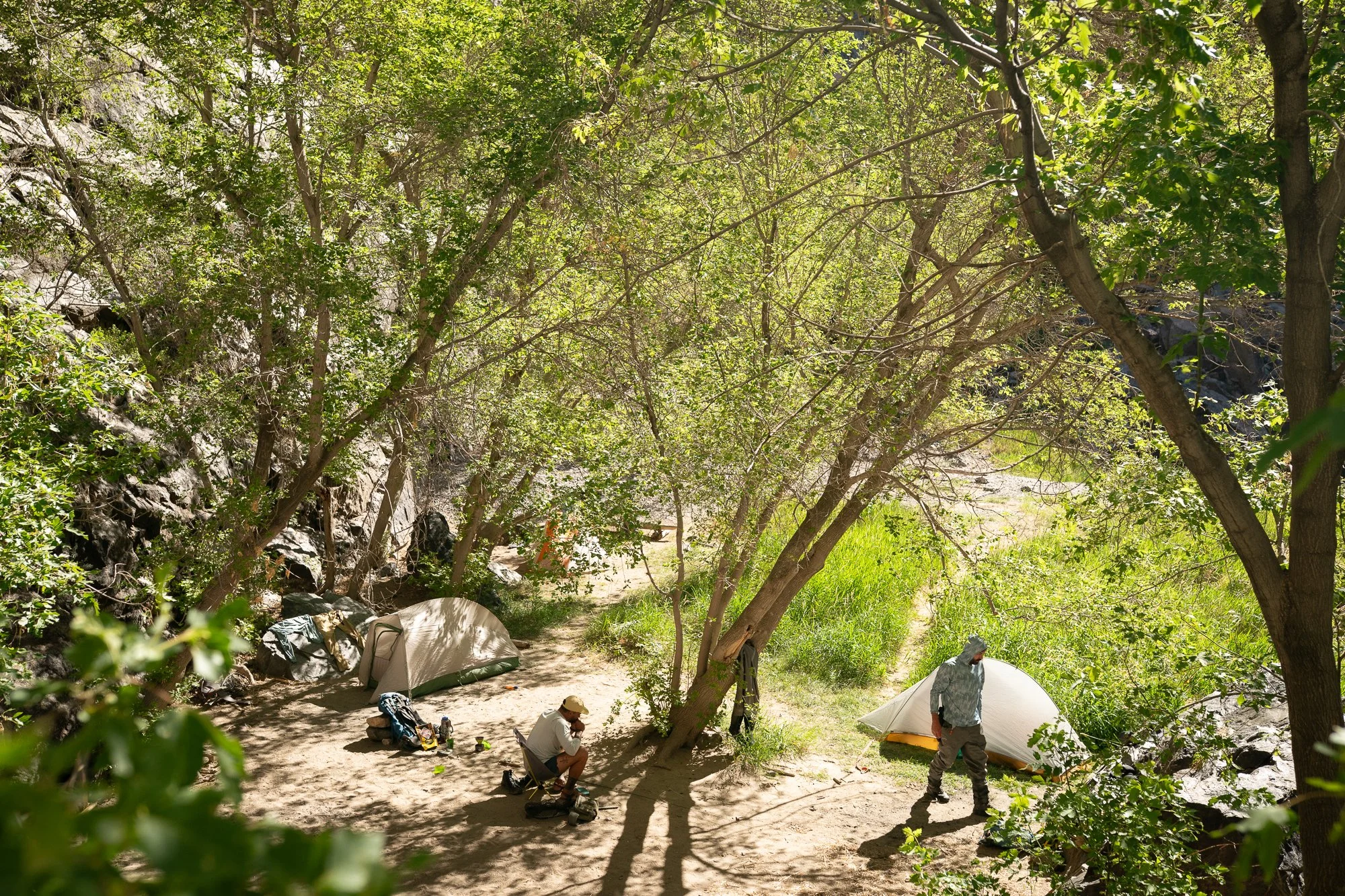
Two tents sit beneath trees at a riverside campsite in Black Canyon

Camp is set beneath the trees along the riverbank, creating shade and shelter deep in Black Canyon.

Access Isn’t the Hard Part—It’s Everything Else

A lot gets made about access—and yeah, it’s real.

But the physical side is just the beginning.

You carry everything in. You manage light that disappears early and returns late. Wind moves through the canyon in ways that don’t show up on a forecast. And the water itself demands precision.

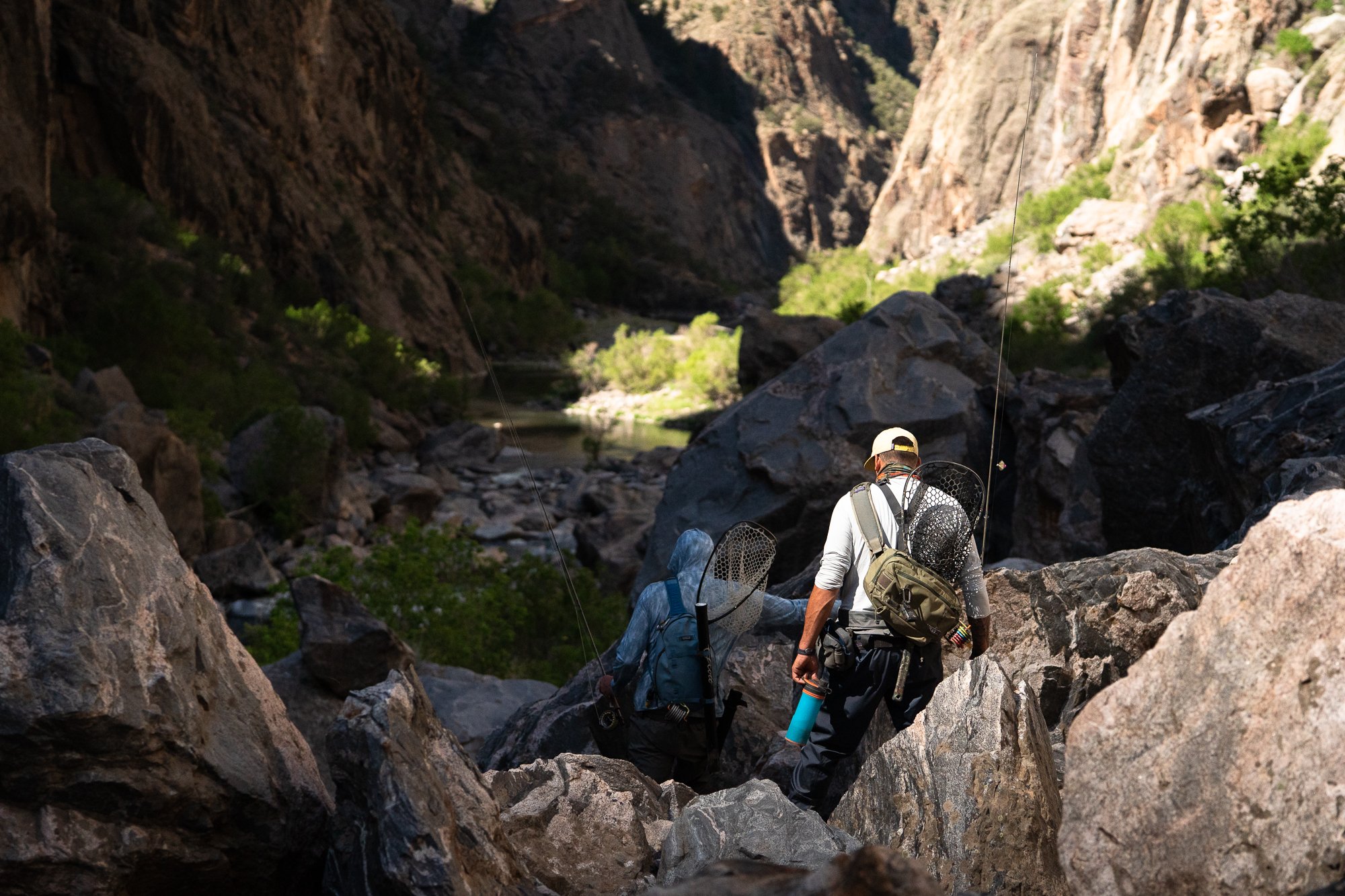
Fly anglers descend rocky terrain into the Black Canyon of the Gunnison with gear

The descent into the Black Canyon demands careful movement over boulders before reaching fishable water.

A fly angler stands on rocky terrain inside the Black Canyon of the Gunnison

A fly angler pauses along rugged canyon rock while moving deeper into the Gunnison’s demanding terrain.

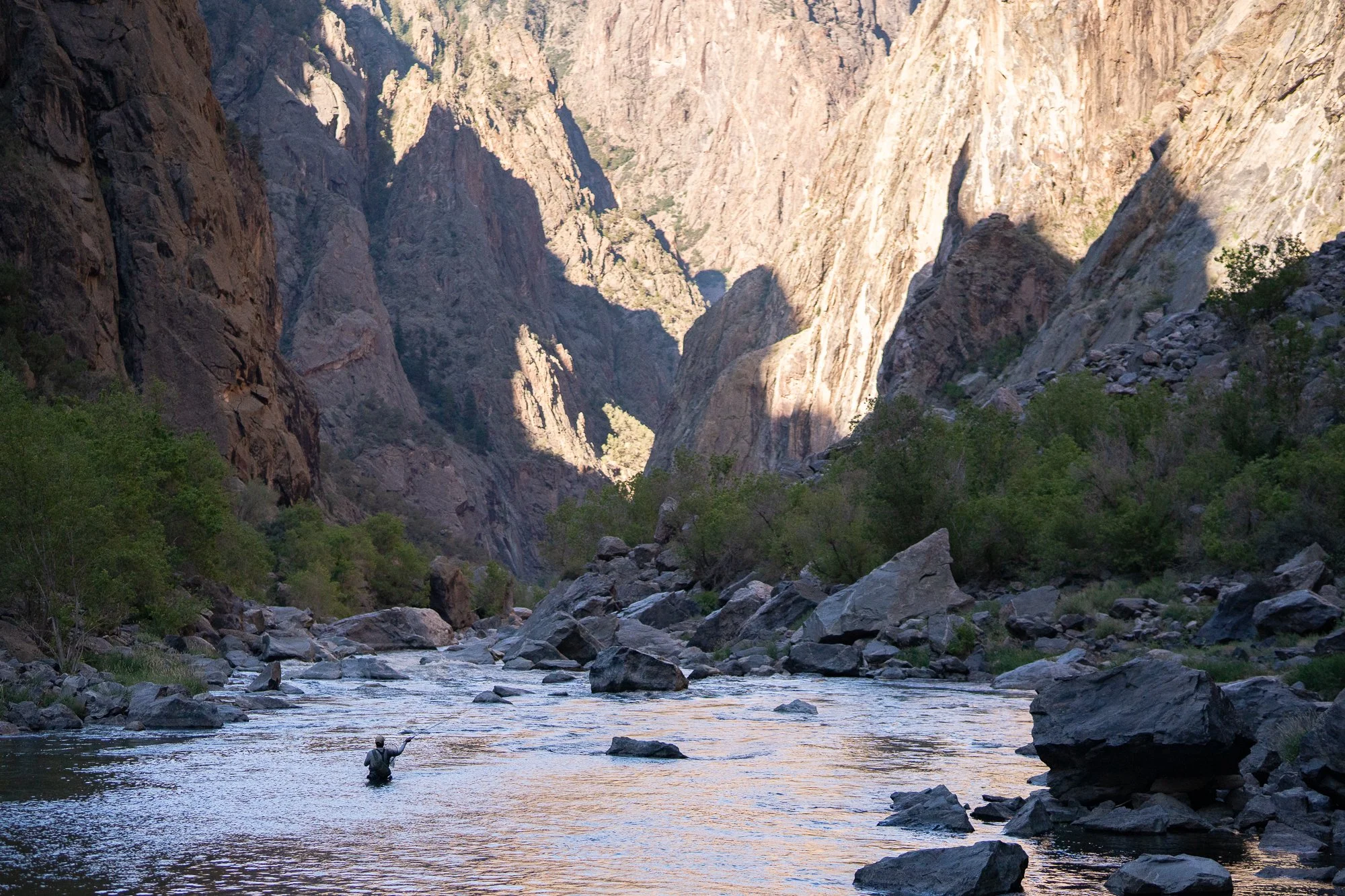
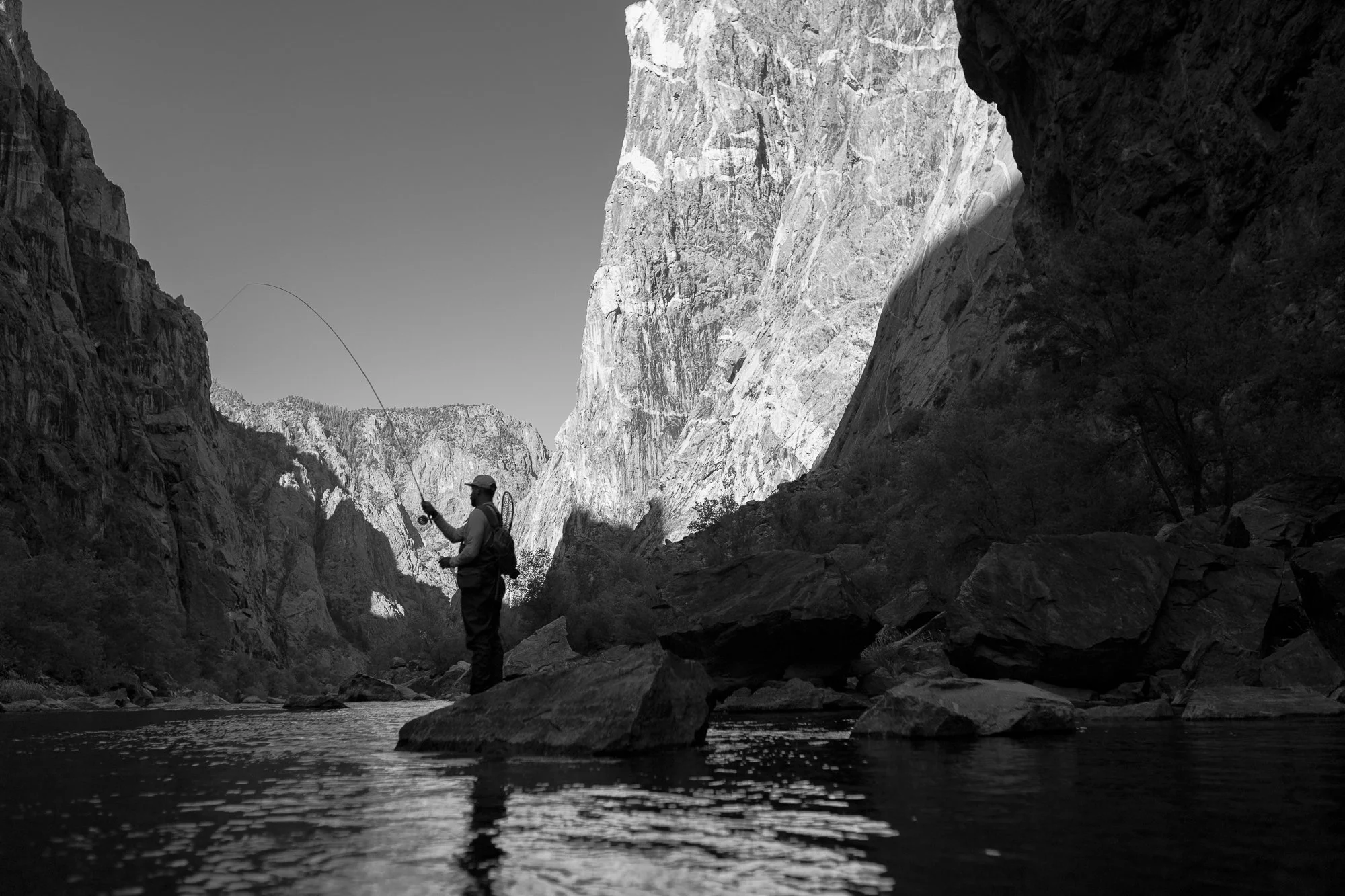
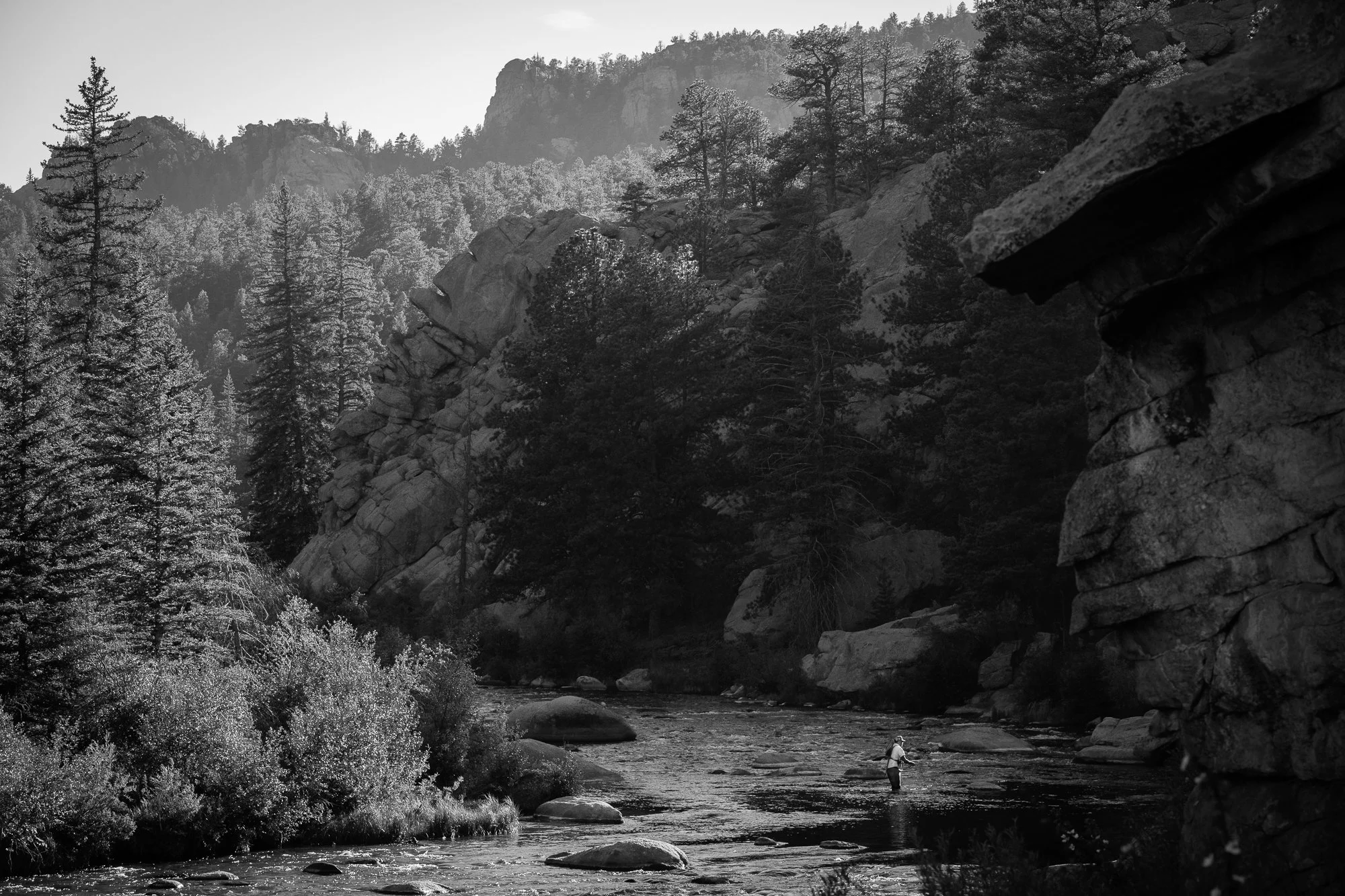
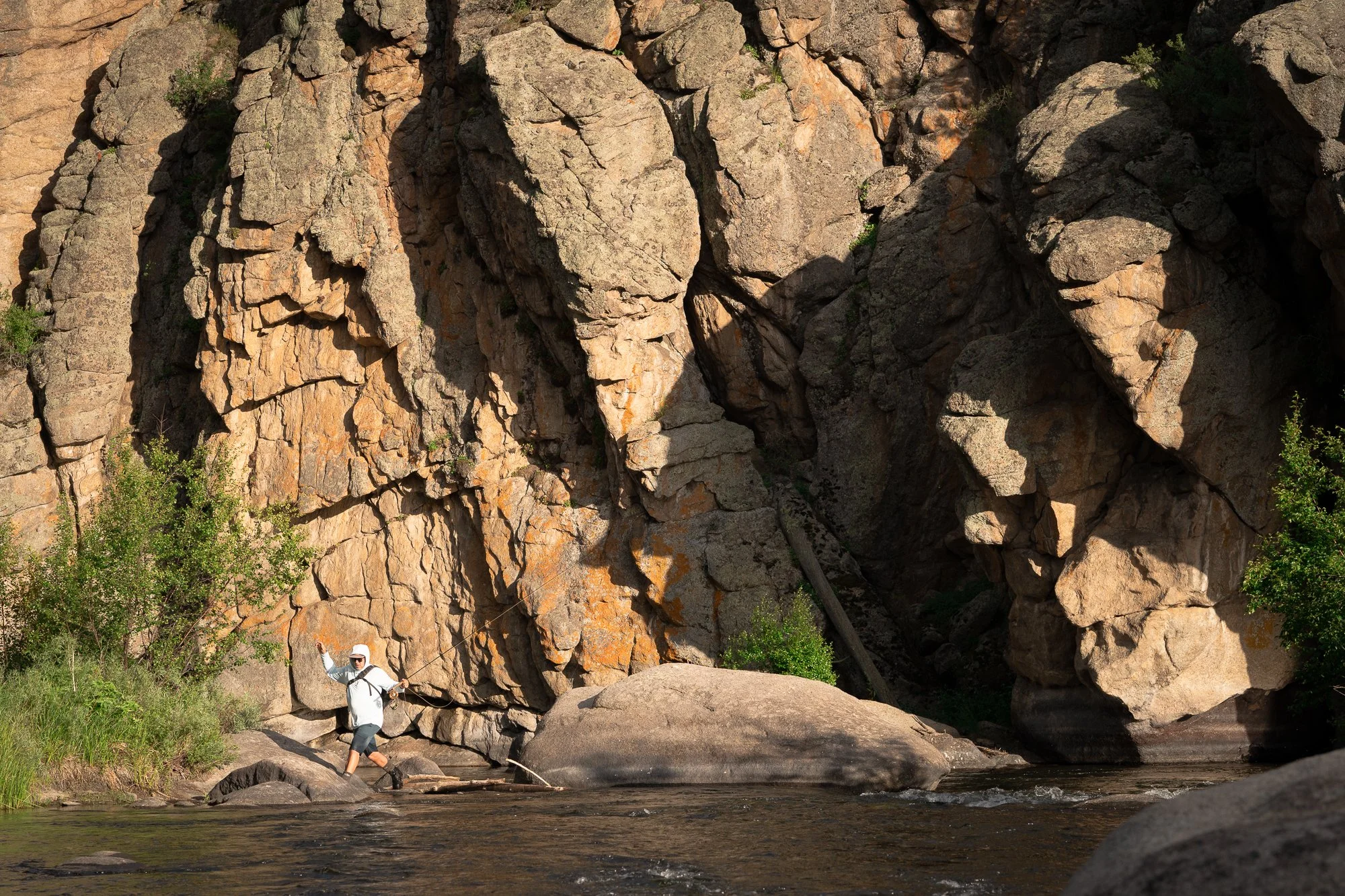
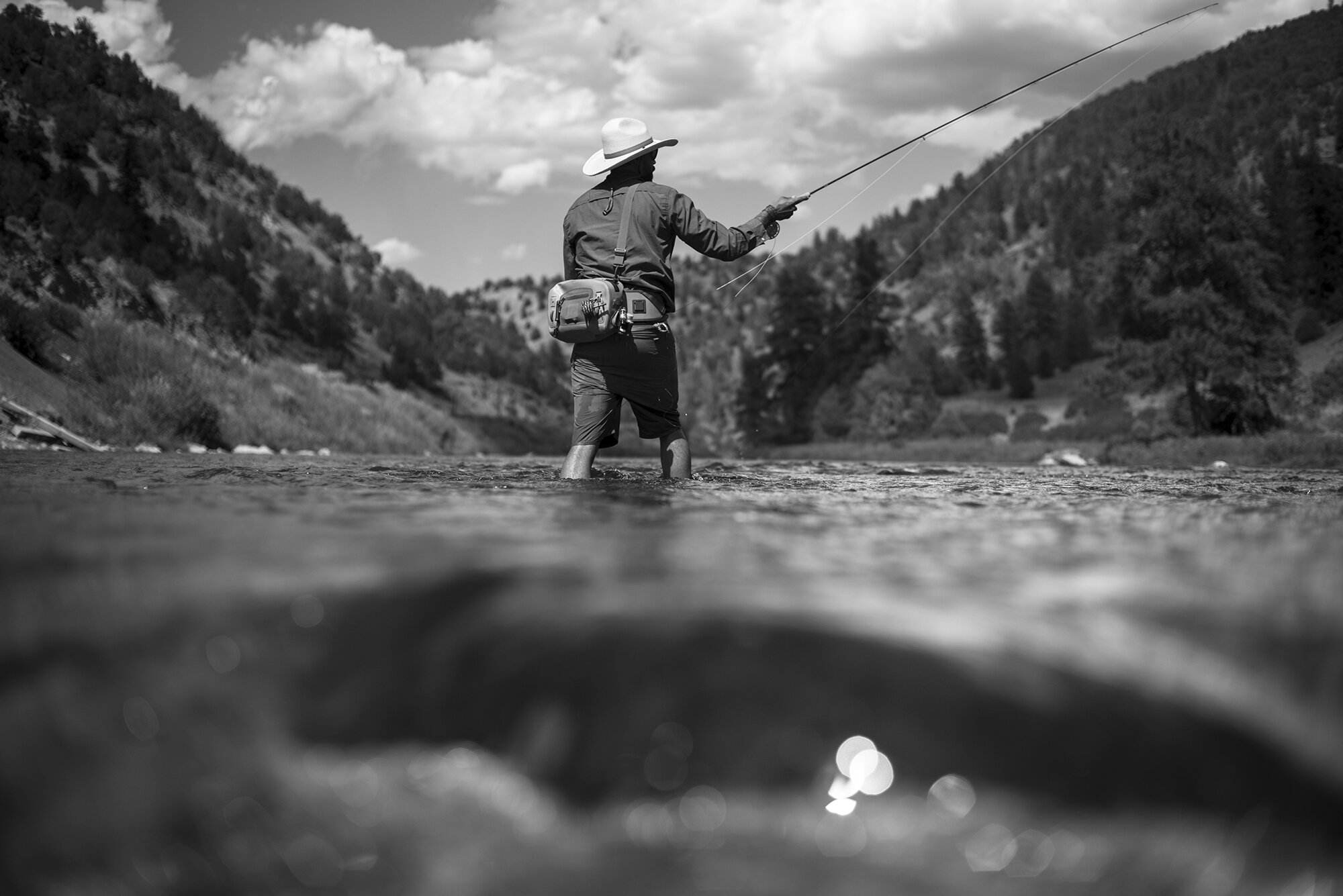
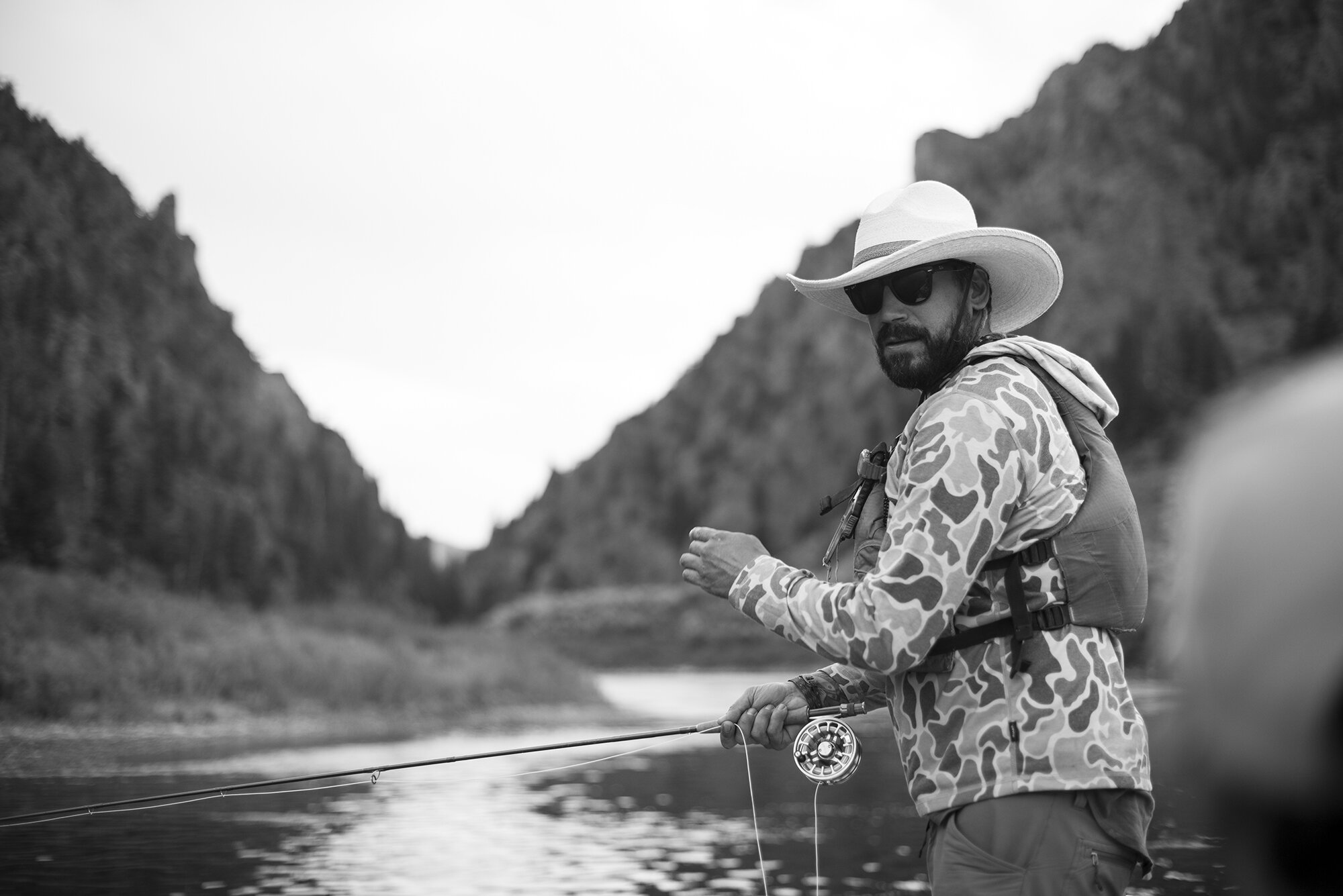
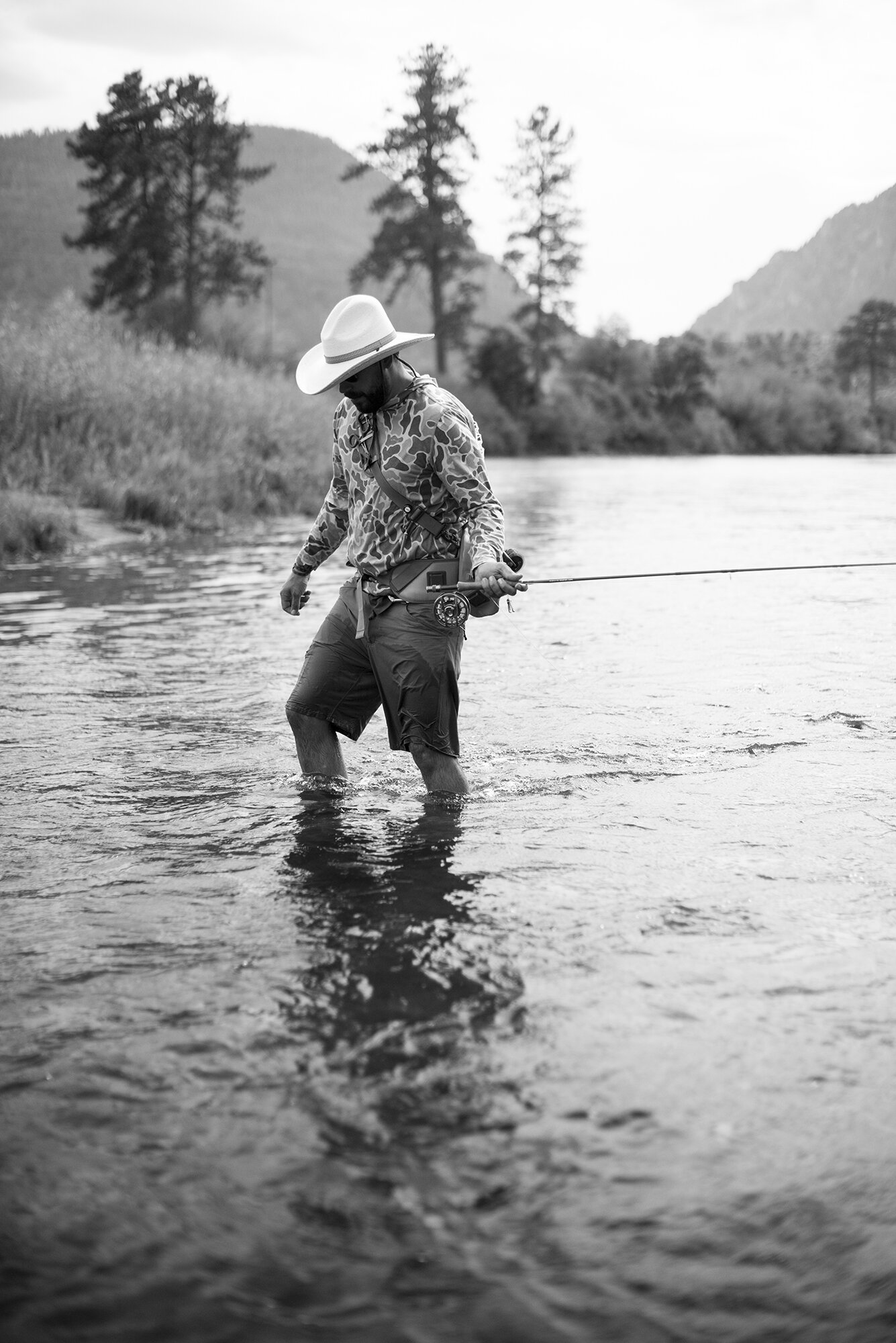
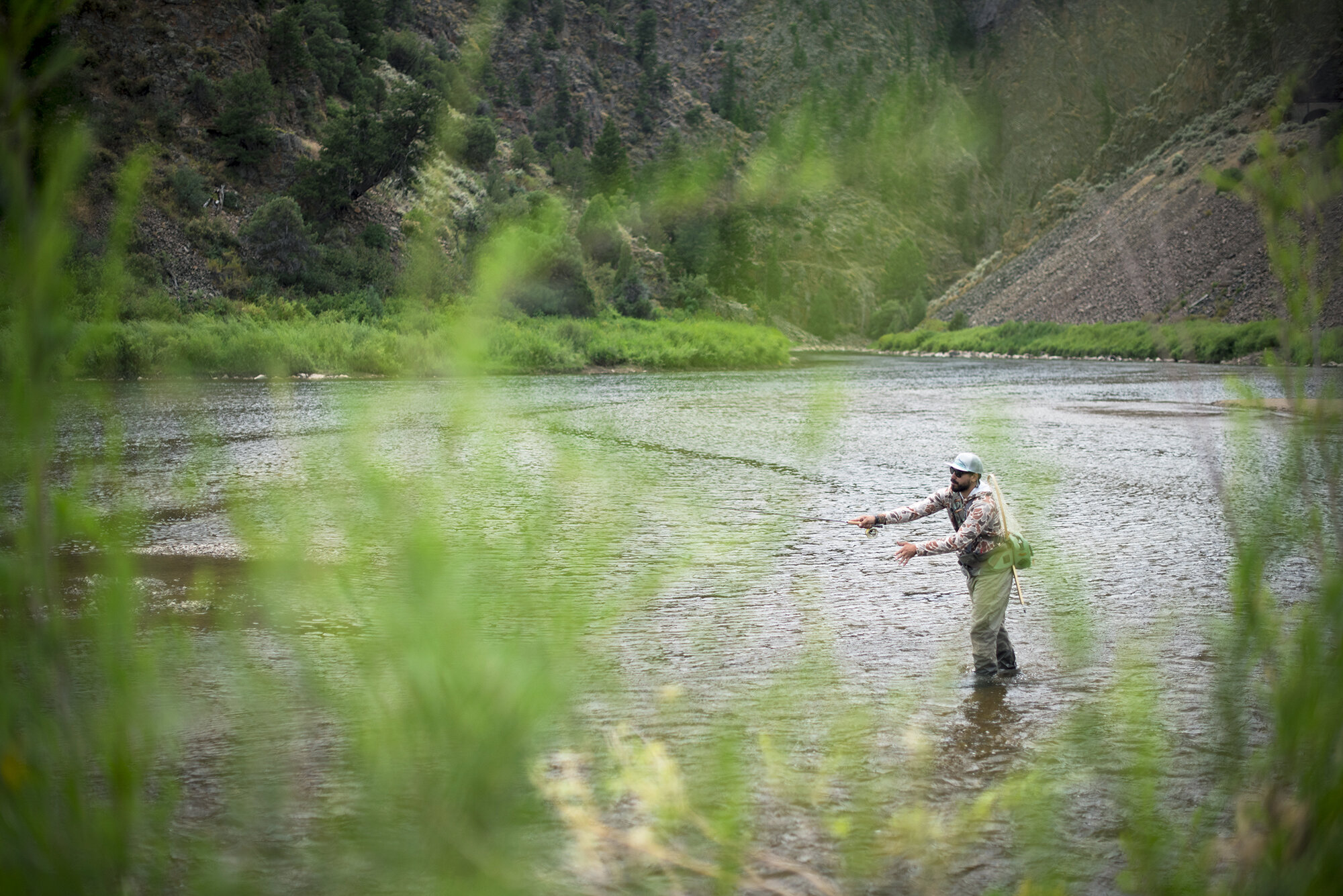
A fly angler fishes the Gunnison River beneath steep canyon walls in the Black Canyon

A lone angler works a quiet stretch of the Gunnison River beneath the steep walls of Black Canyon.

What the Fishing Actually Feels Like

There’s a quiet intensity to fishing here.

You’re not moving fast. You’re not covering miles of water. You’re scrambling over boulders just about the whole time, working small sections carefully, knowing that every fish in this river has survived conditions that make them selective.

When it comes together, it feels earned in a way that’s hard to replicate elsewhere.

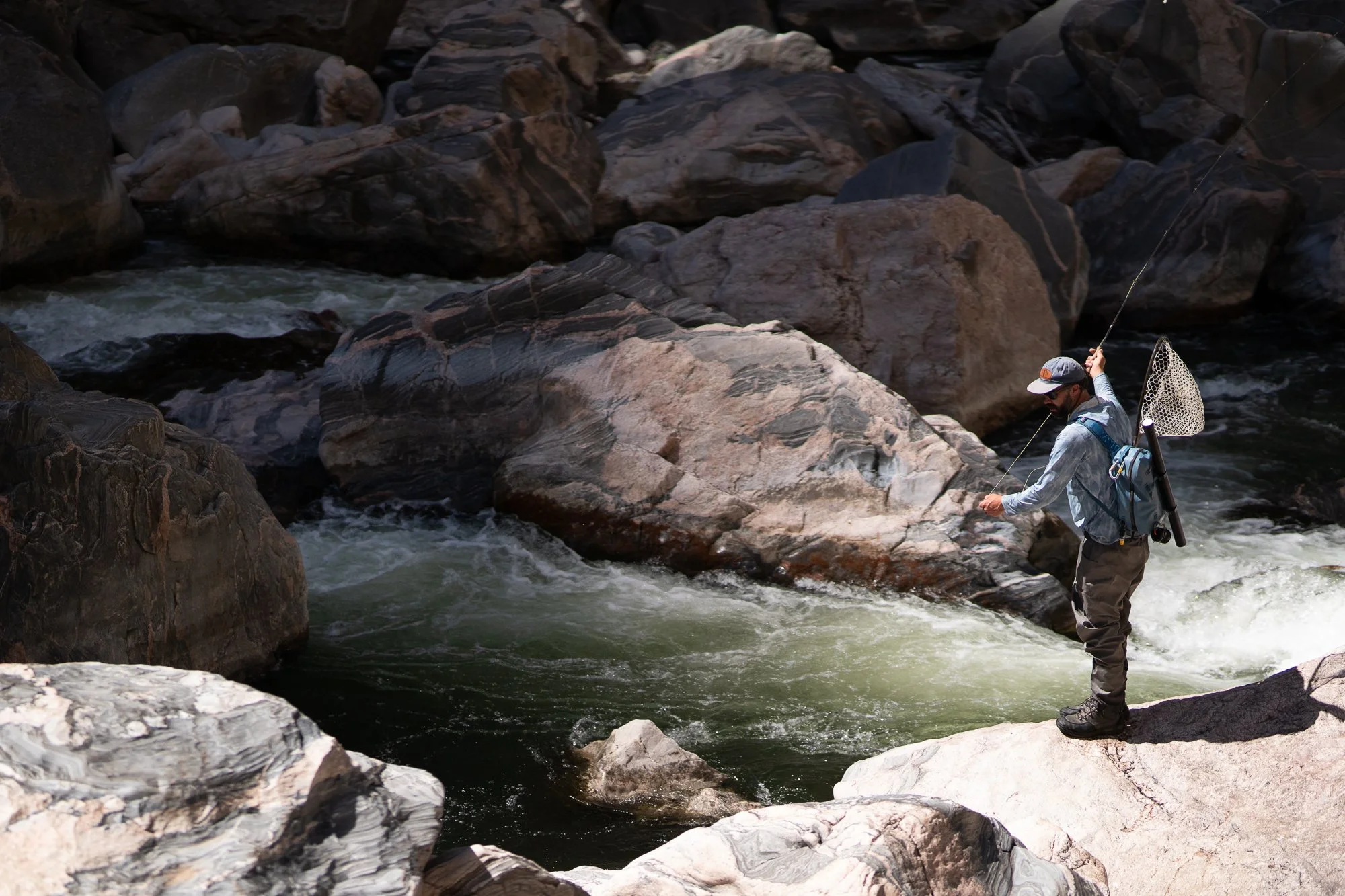
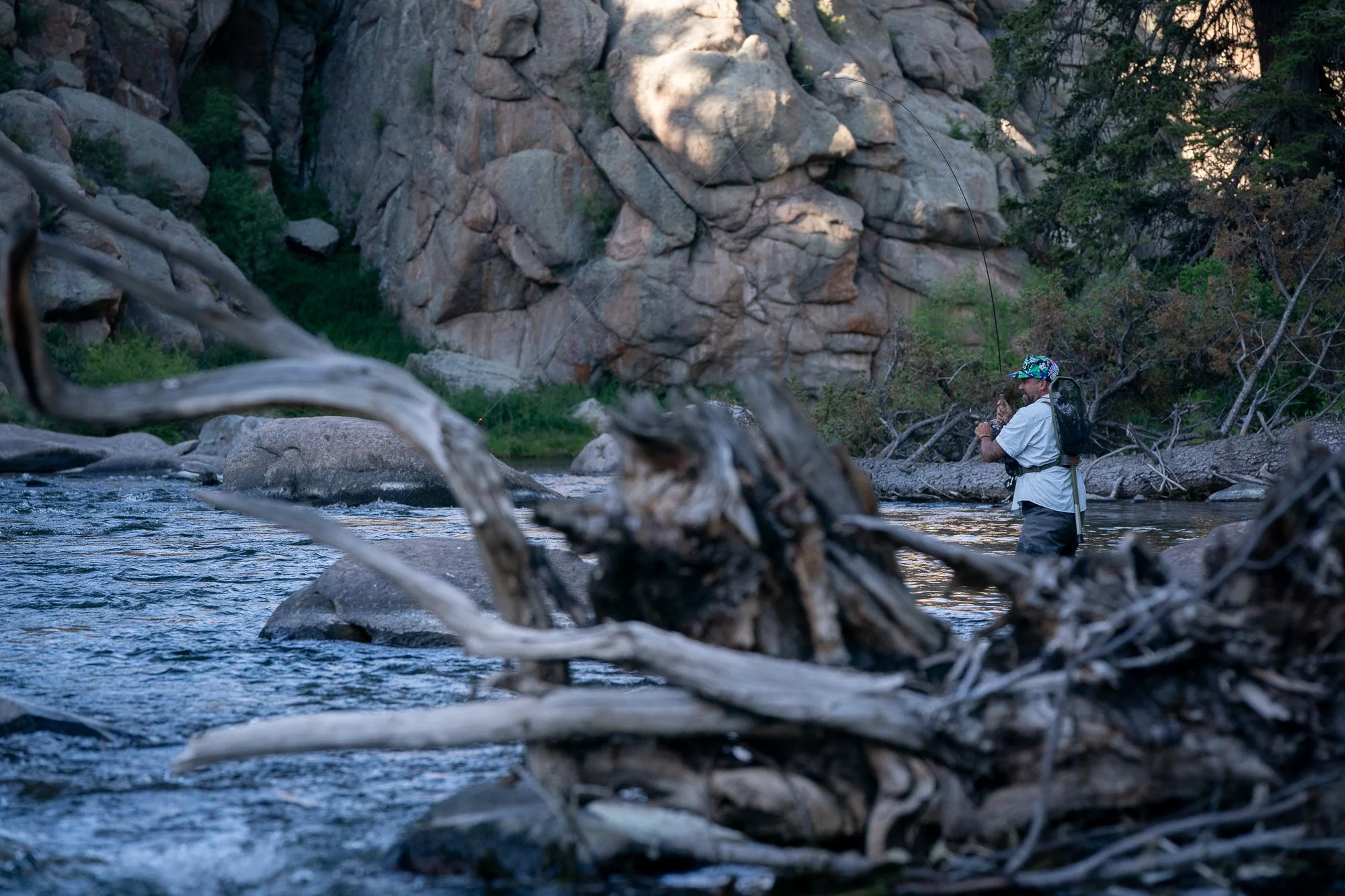
A fly angler casts into technical pocket water in the Black Canyon of the Gunnison

A fly angler works precise casts through technical canyon water shaped by powerful currents and stone.

A fly angler crosses large rock formations inside the Black Canyon of the Gunnison.

Massive canyon rock and technical terrain shape every step along the Gunnison River.

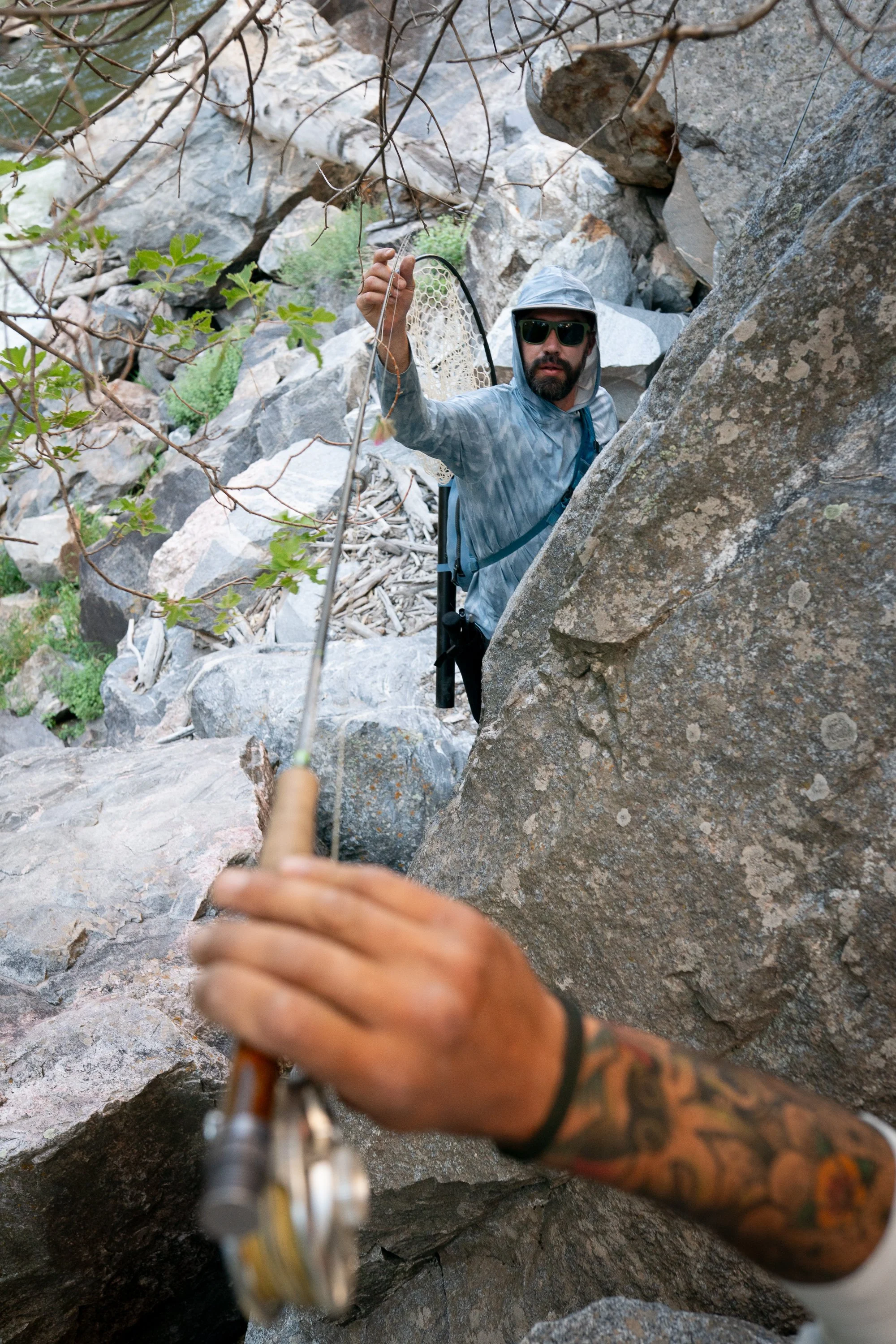
A fly angler reaches through canyon rocks while navigating tight terrain in Black Canyon.

Tight canyon walls and rough terrain make even simple movements part of the challenge.

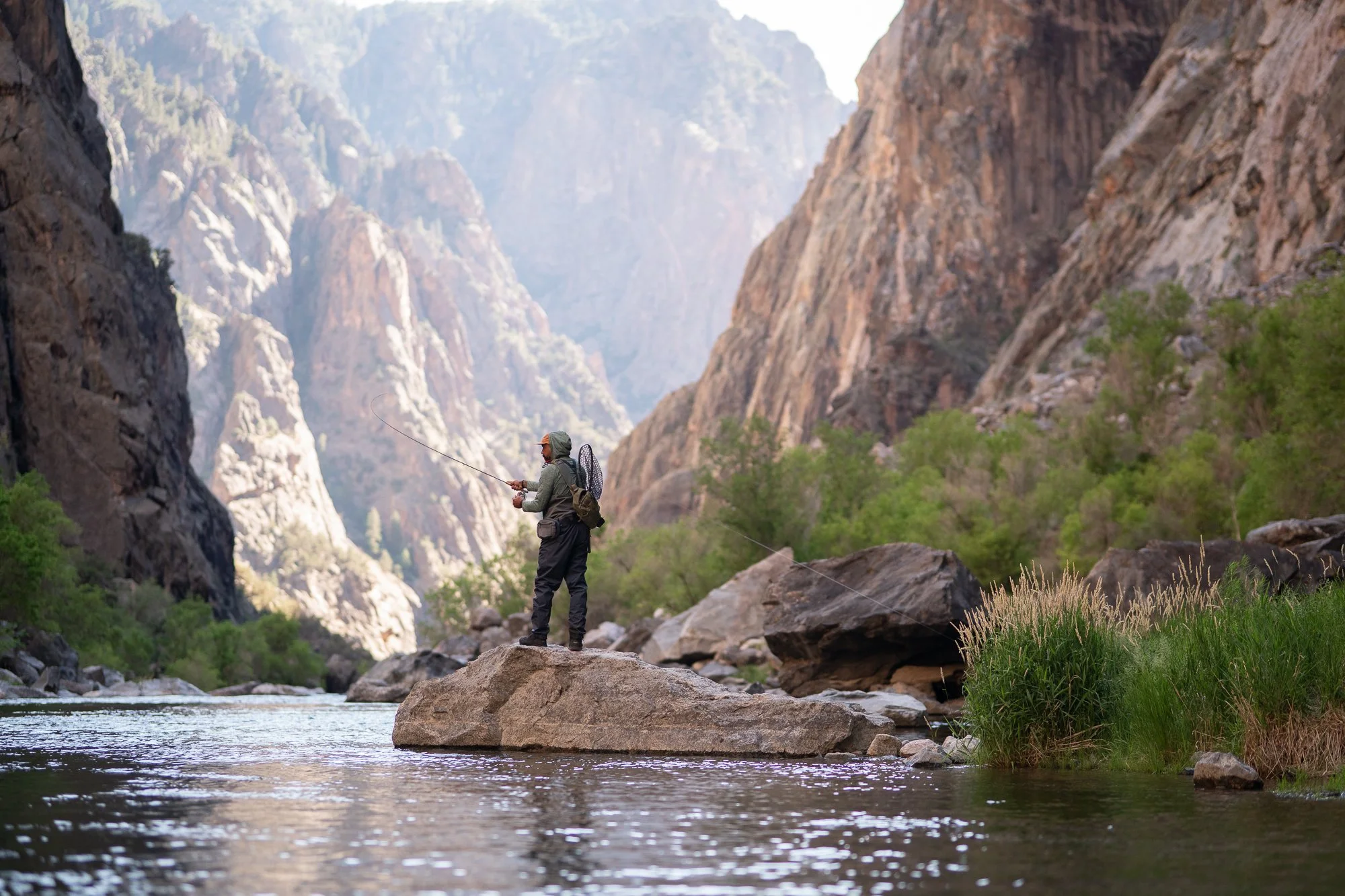
A lone angler stands on river rock surrounded by towering canyon walls in Black Canyon

Solitude and scale shape every hour spent fishing beneath these massive canyon walls.

Why It Stays a Bucket List Fishery

There are easier places to fish in Colorado.

There are places with more fish, easier access, and more predictable conditions.

But very few places feel like this.

The Black Canyon of the Gunnison isn’t about convenience. It’s about immersion—being fully inside a landscape that hasn’t been softened or simplified.

That’s what makes it stick with people.

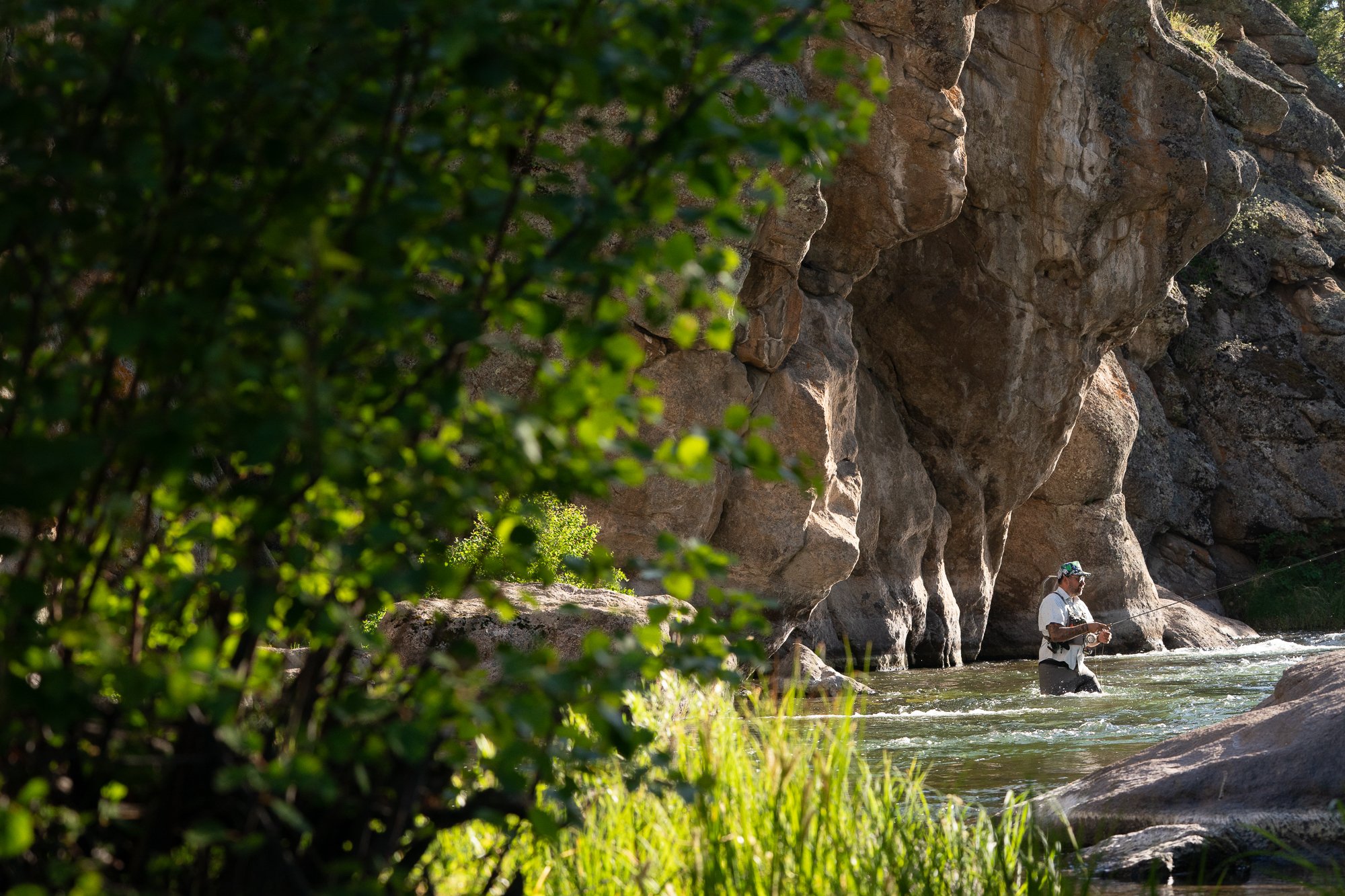
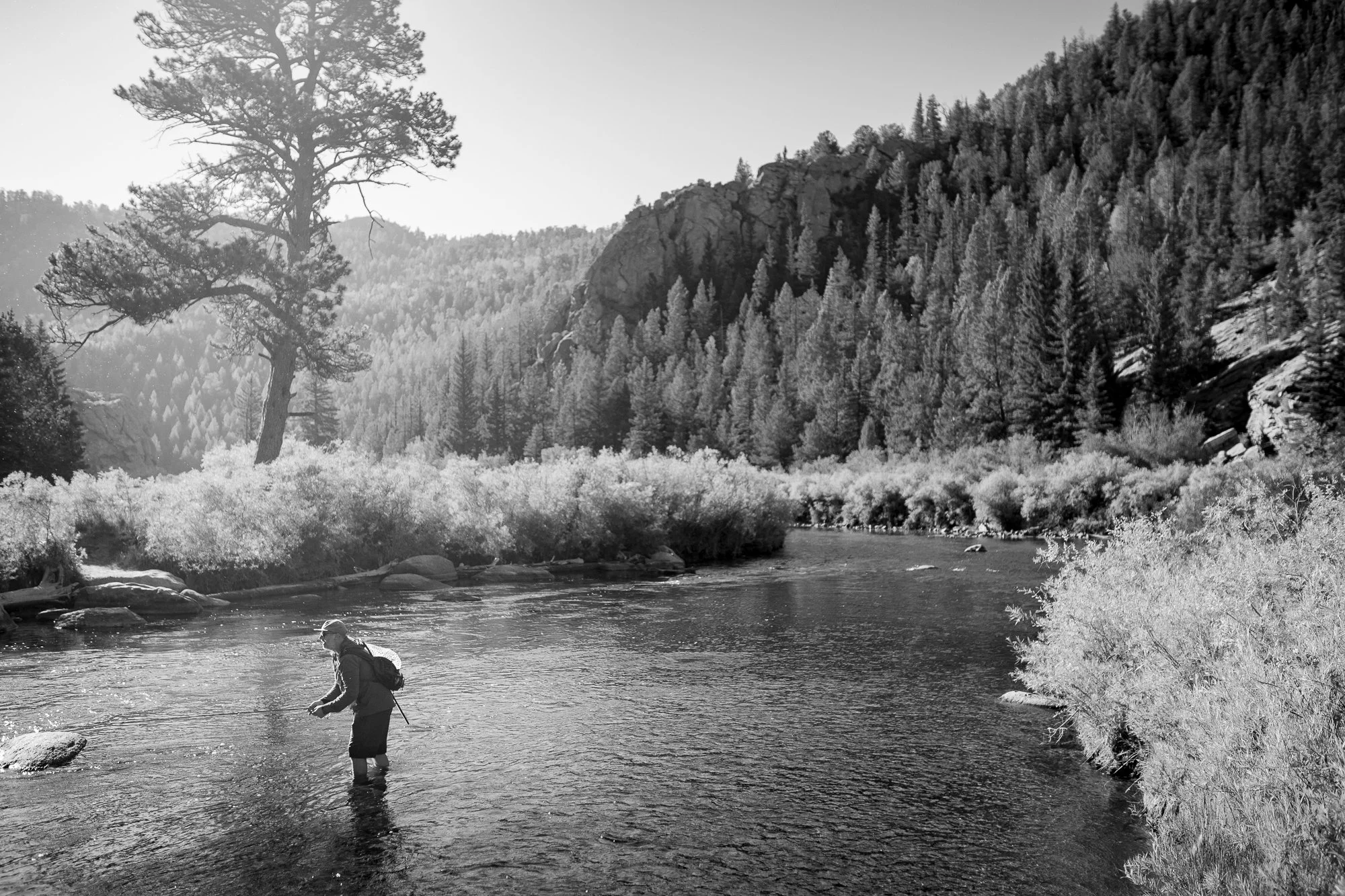
A fly angler fishes the Gunnison River surrounded by steep canyon walls

A fly angler works the Gunnison River in one of Colorado’s most demanding fly fishing environments.

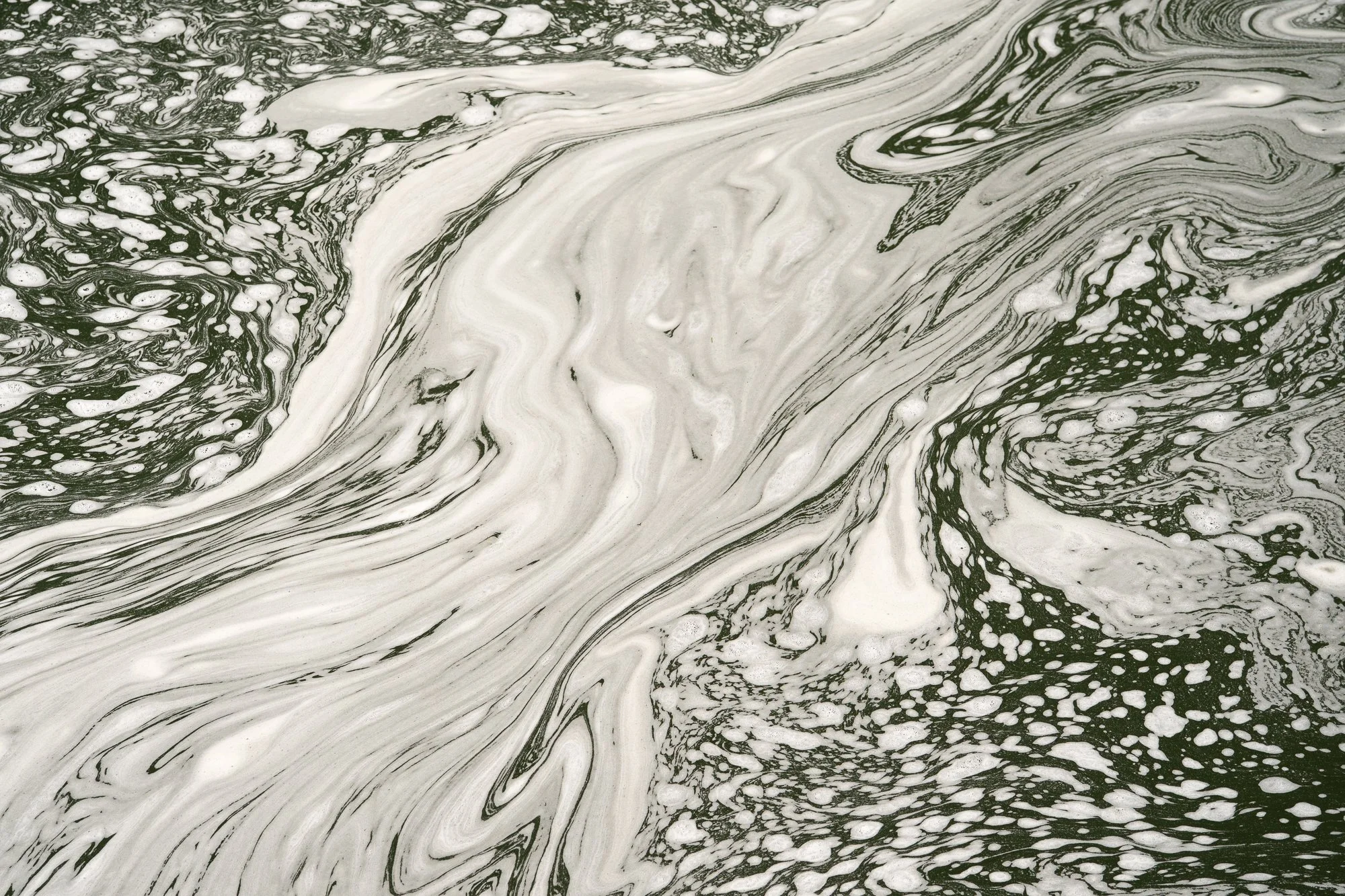
Foam patterns swirl across moving water in the Gunnison River

River foam drifts across canyon current, revealing the movement and complexity of Gunnison water.

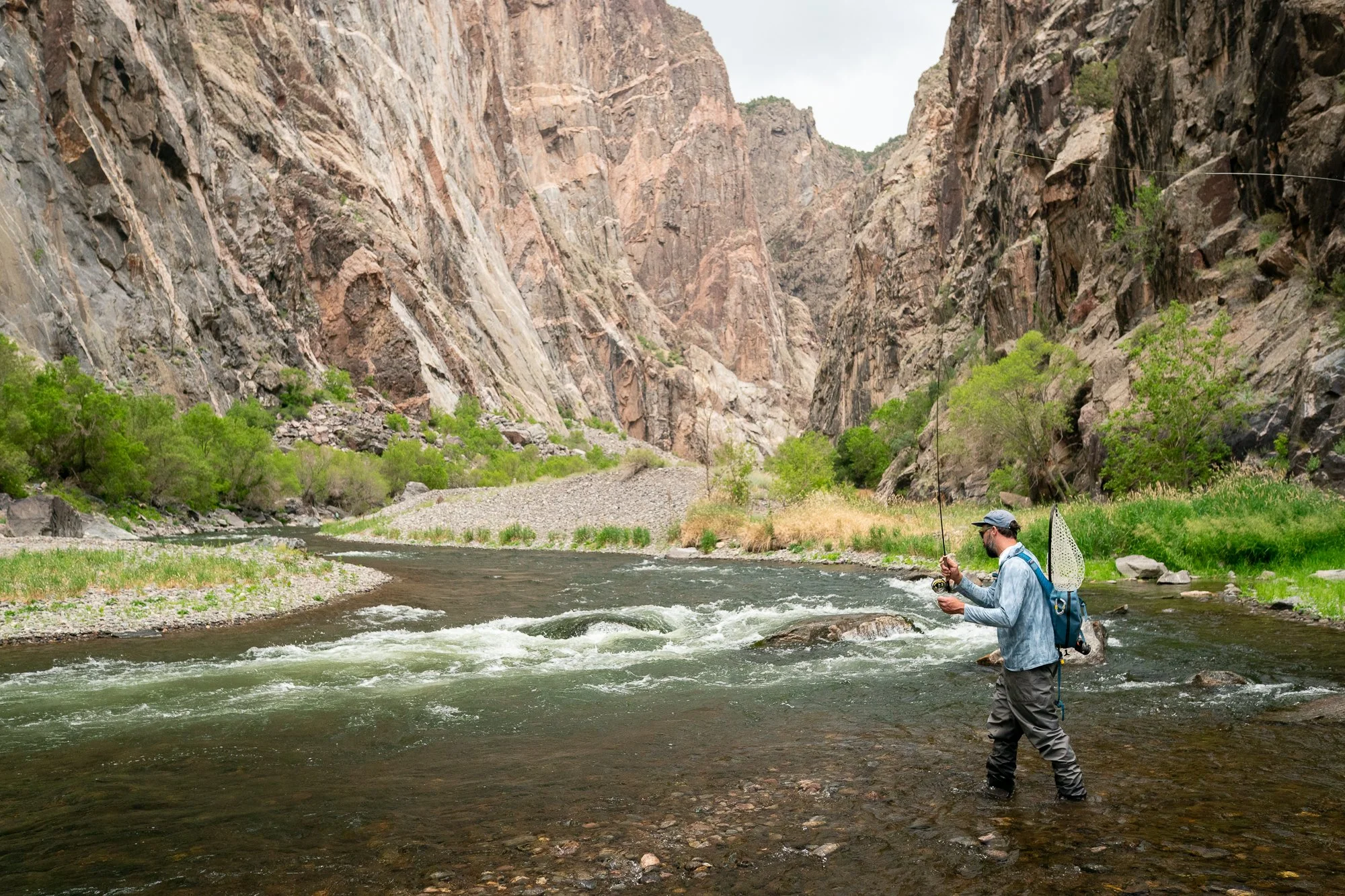
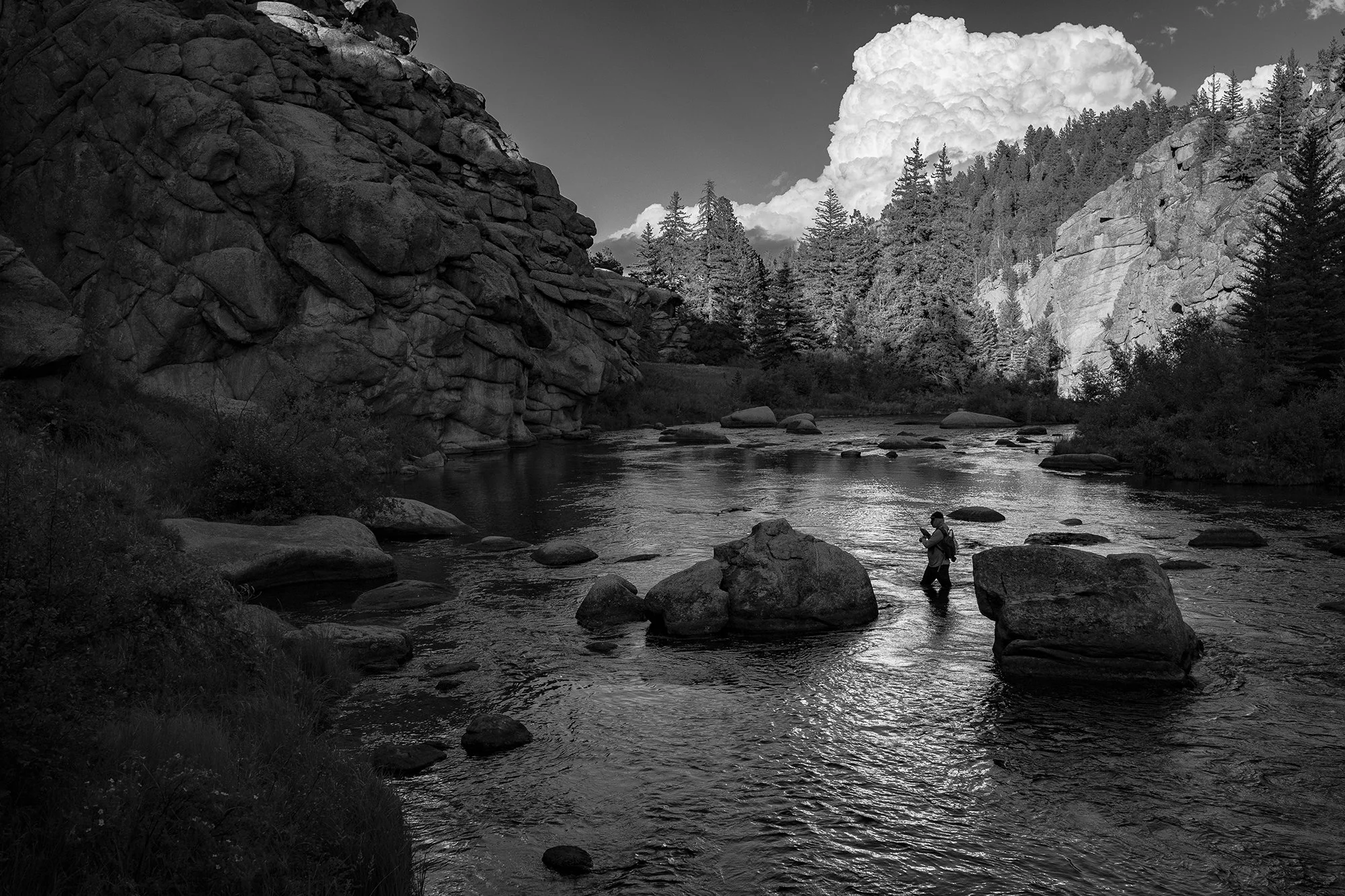
A fly angler stands in the river casting beneath towering canyon walls in Black Canyon

A fly angler casts through canyon water while steep rock walls rise above him in Black Canyon.

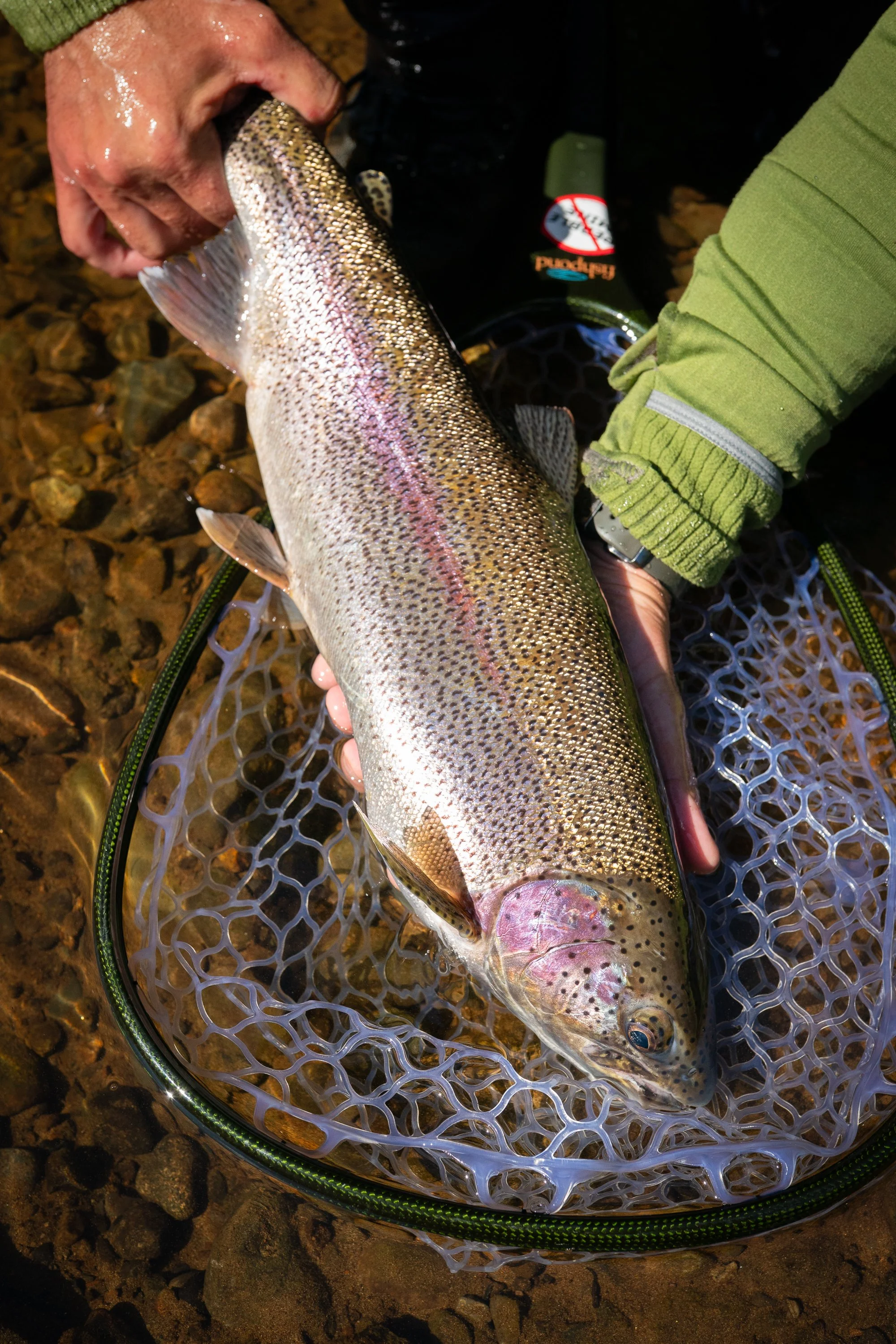
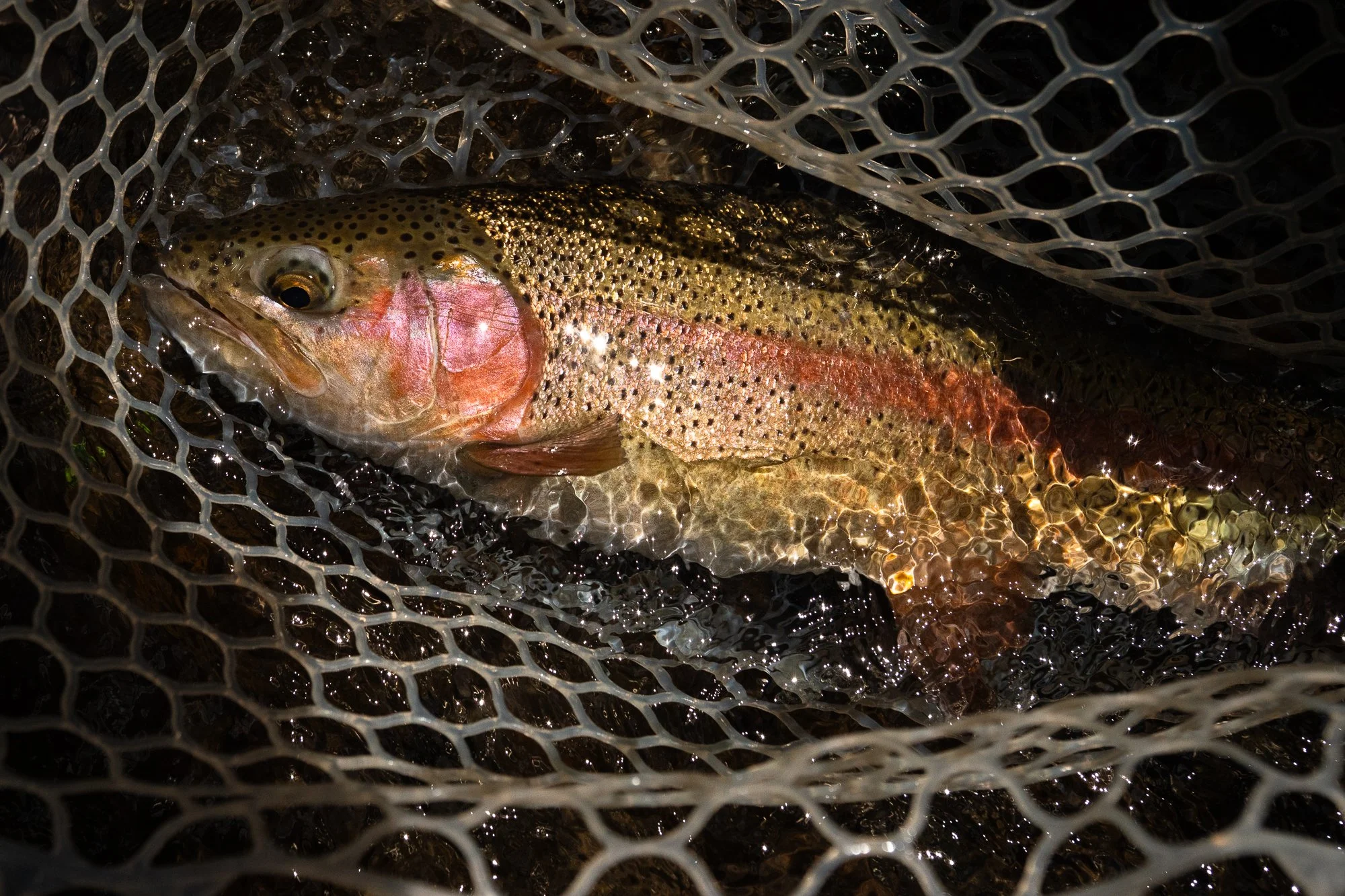
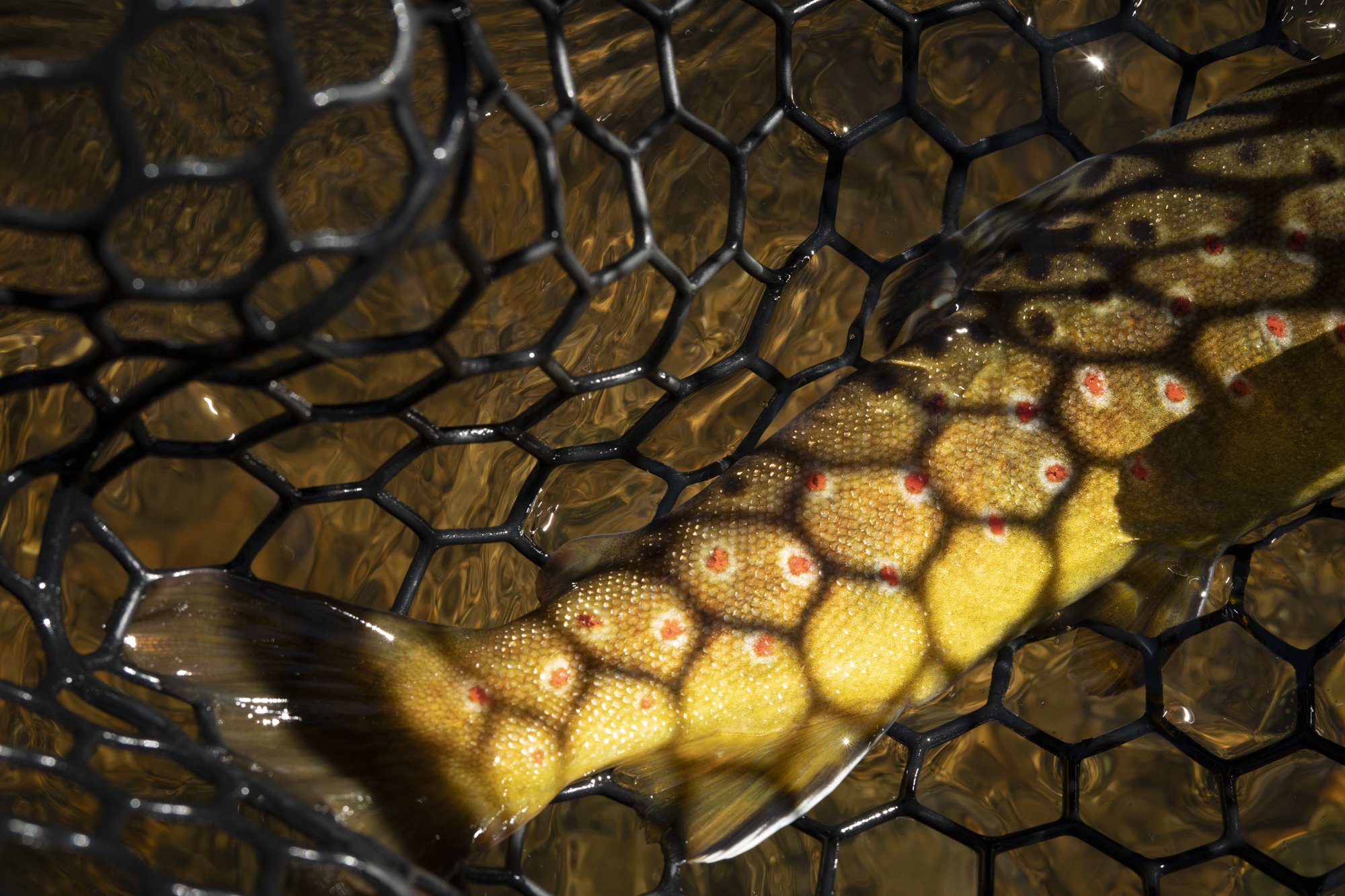
A rainbow trout rests in a landing net during fly fishing in the Black Canyon of the Gunnison

A hard-earned trout reflects the precision required in demanding canyon water.

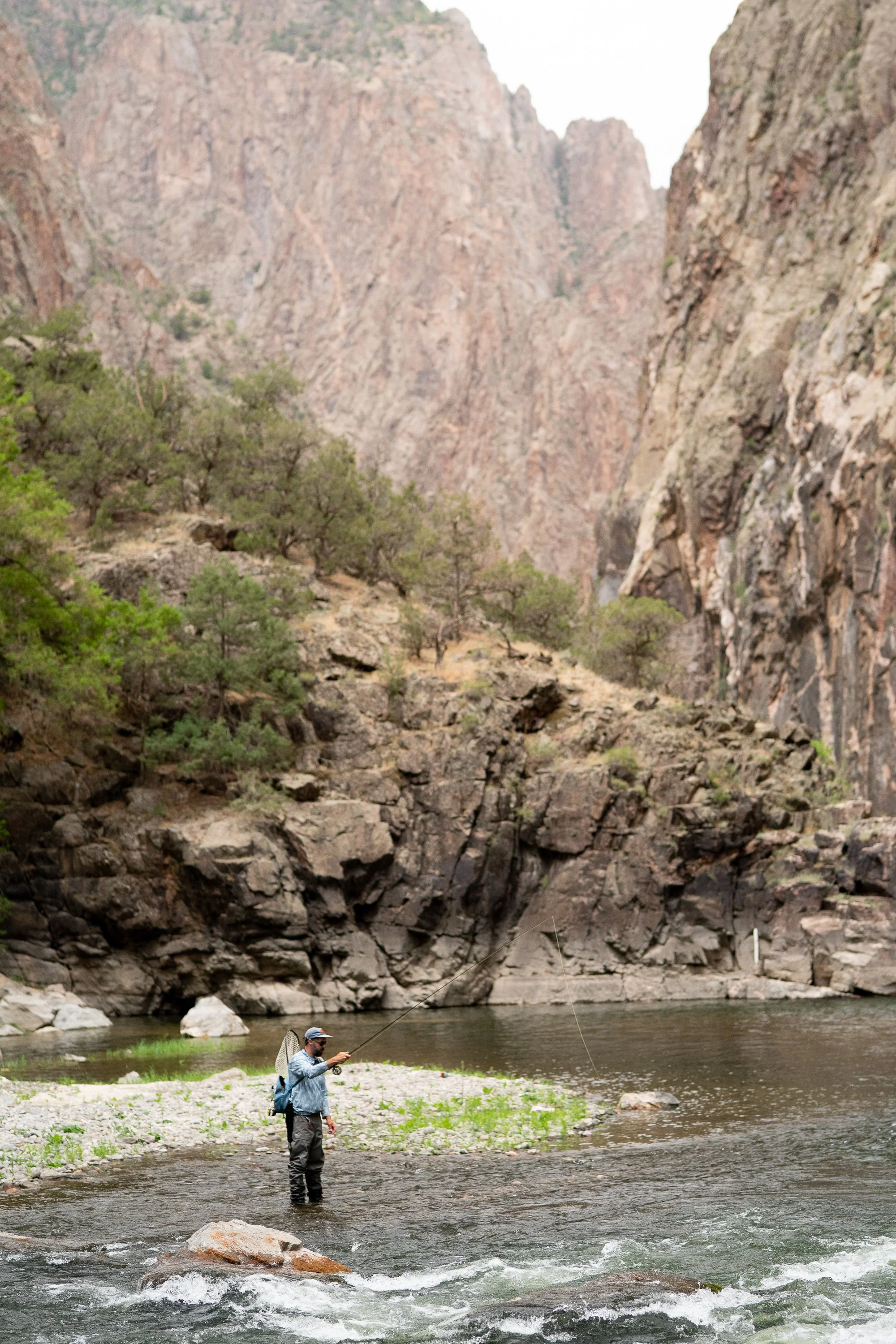
An angler fishes shallow current beneath towering canyon walls in the Black Canyon

Standing mid-river, an angler casts through fast water framed by steep canyon walls.

A Note on Conditions and Planning

If you’re thinking about fishing here, timing matters. Our trip was in July, and the night time temps were rough. Even without clothes on, I was sweating the entire night. Beyond that, flows, access routes, and even basic safety can change quickly depending on the season. This isn’t a place to figure things out on the fly.

For current conditions, it’s worth checking updates through the National Park Service before making the trip.

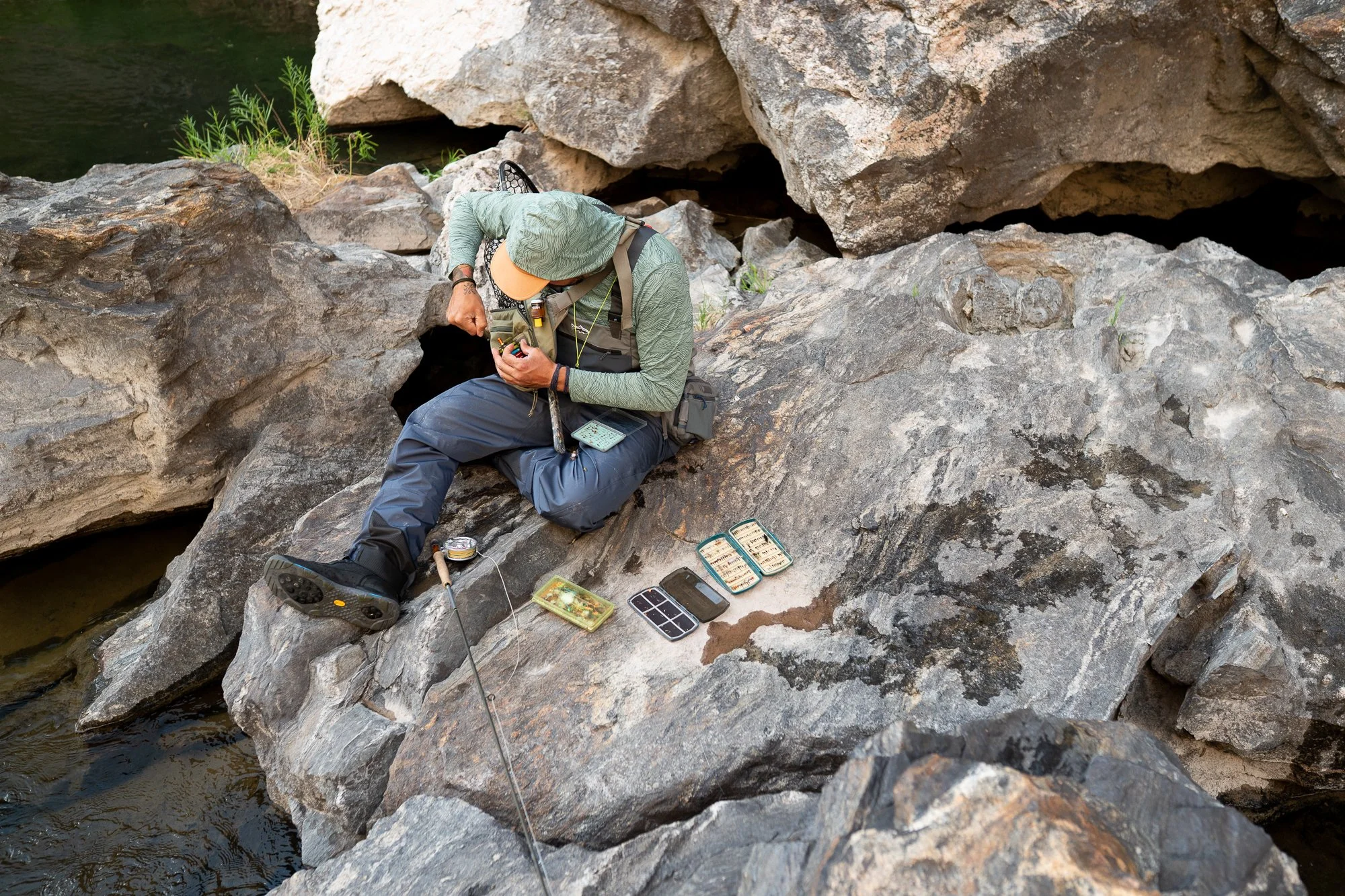
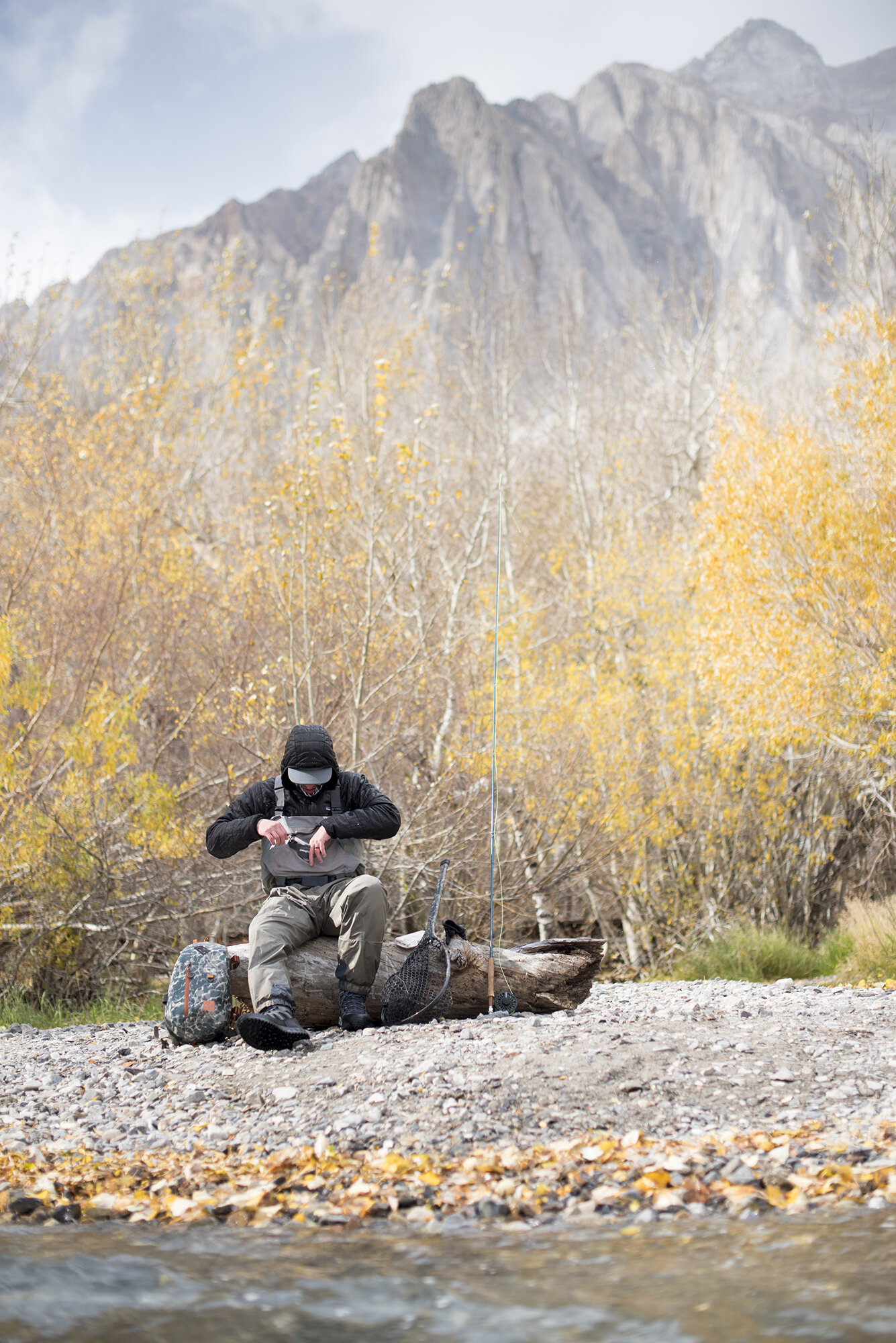
An angler sits on large canyon rocks rigging fly fishing gear beside the river in Black Canyon

An angler rigs flies and tackle on the rocks beside the river, preparing for another stretch of water in Black Canyon.

A fly angler stands beneath steep canyon walls in the Black Canyon of the Gunnison

Towering canyon walls dwarf the angler as he navigates one of Colorado’s most demanding fisheries.

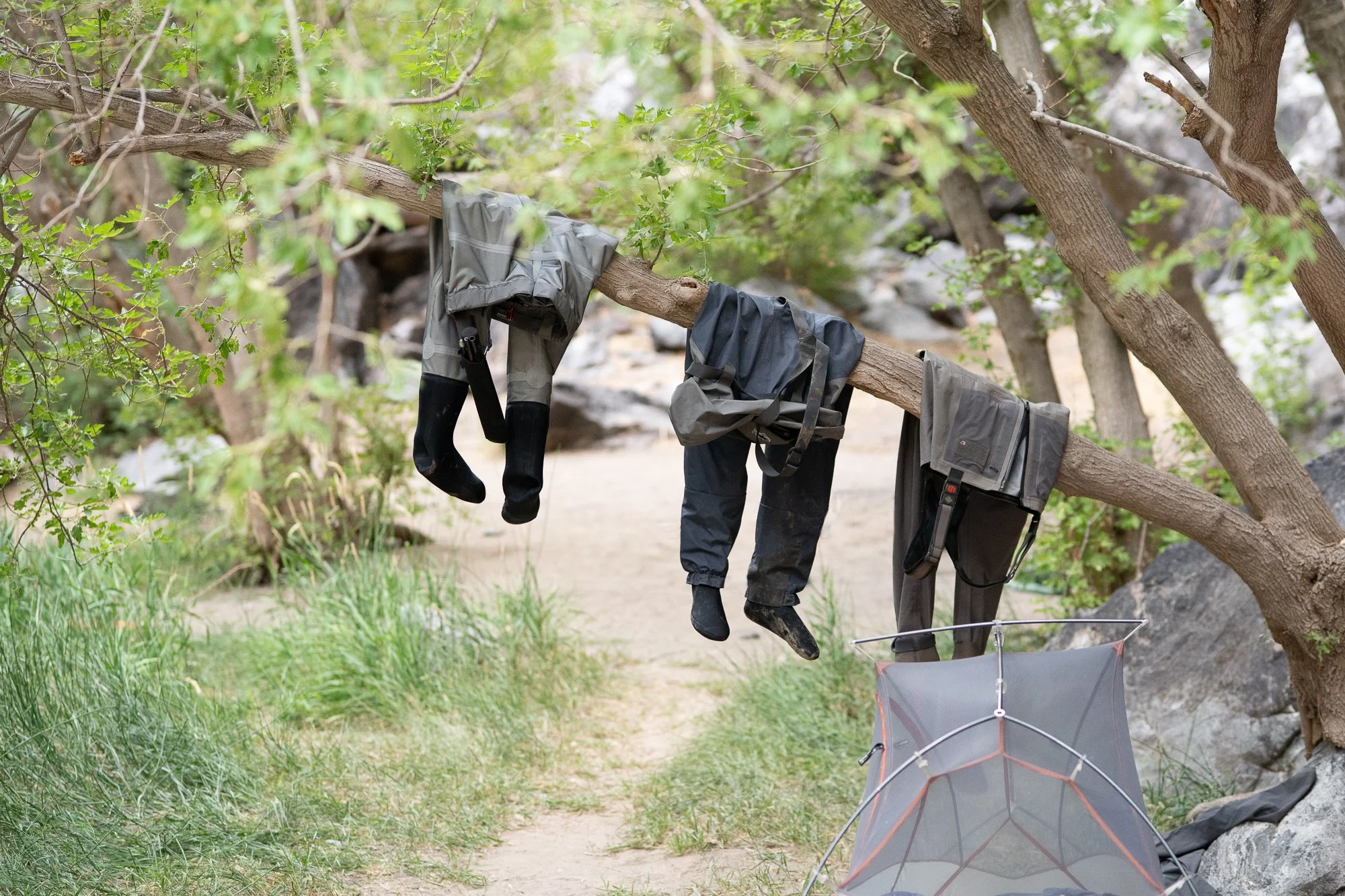
Fly fishing waders and gear hang at camp in the Black Canyon of the Gunnison

Waders dry at riverside camp as gear rests between long days of fly fishing inside the Black Canyon.

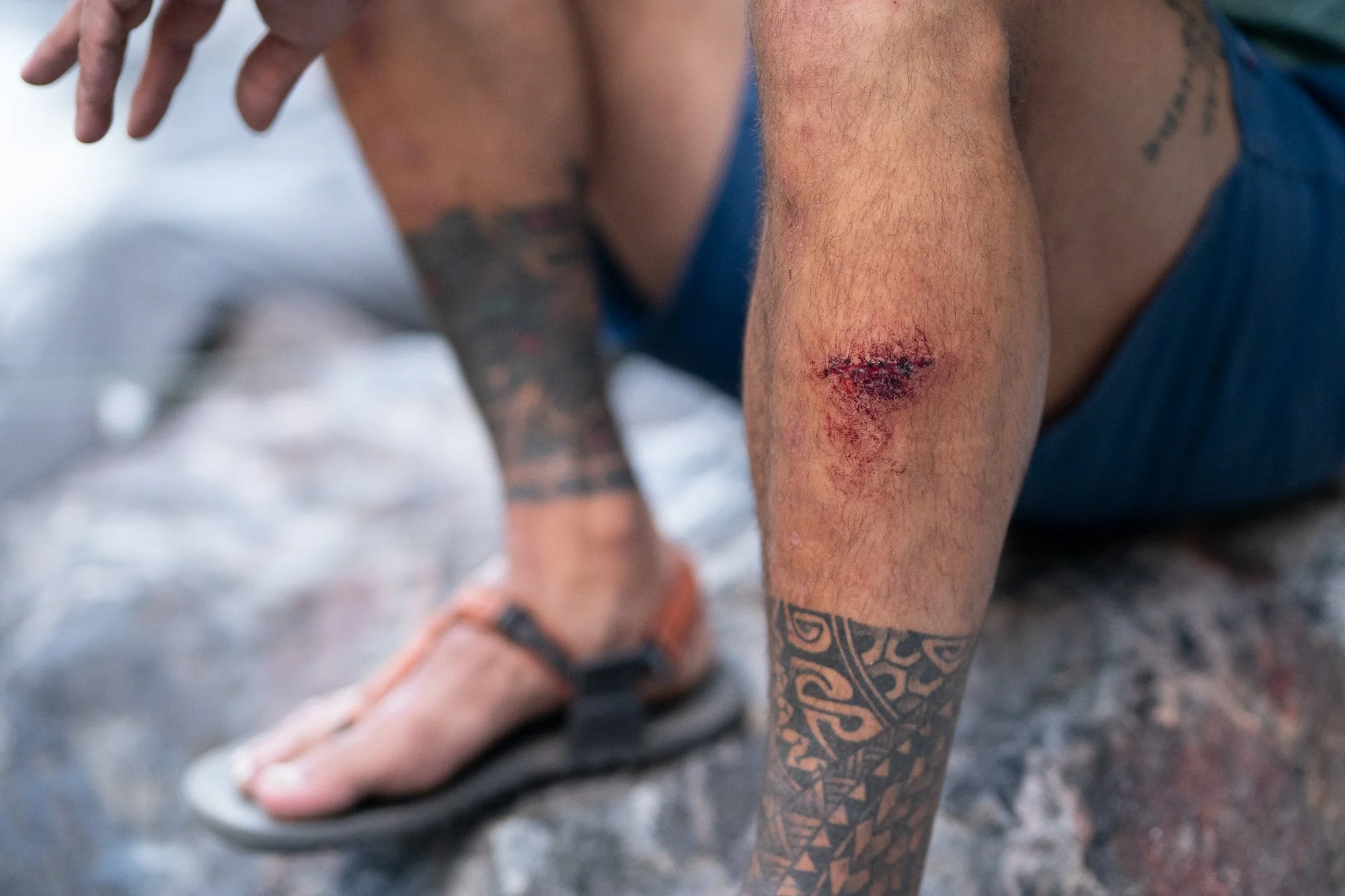
A close-up shows a scraped shin with fresh cuts at camp in Black Canyon

Scrapes and bruises come with navigating the steep rocks and rough terrain of Black Canyon.

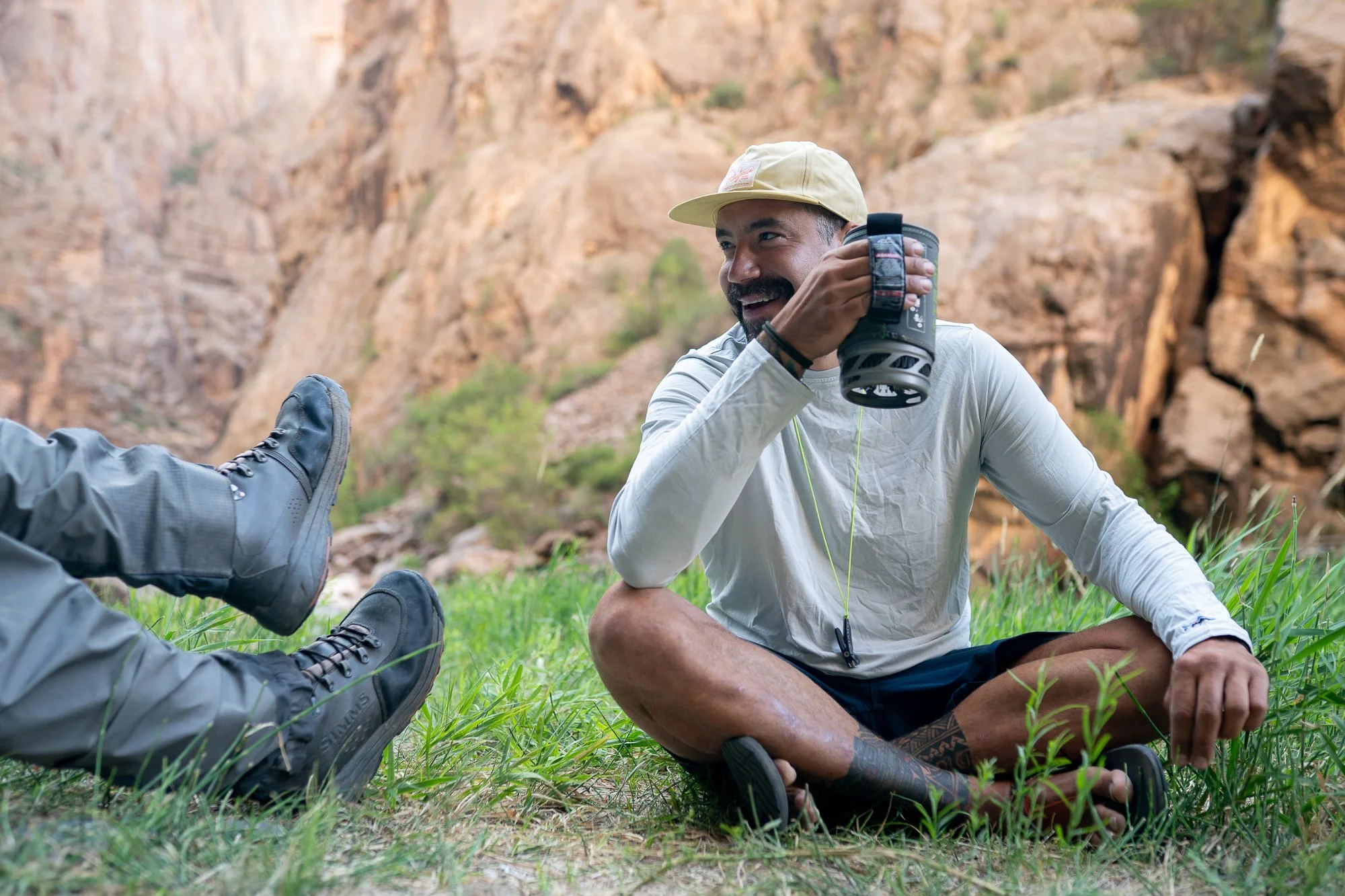
A man sits on the grass in Black Canyon holding a camp stove mug near the river

Morning at camp in Black Canyon, sharing coffee beside the river before heading back on the water.

Part of a Larger Body of Work

This work is part of an ongoing series documenting fly fishing across the American West—focused on real conditions, real environments, and the connection between anglers and the landscapes they move through.

If you’re interested in licensing imagery or working together on projects like this, get in touch - rob@robhammerphotography.com

View Fly Fishing Photography Portfolio

View Fly Fishing Prints

Explore more Colorado Fly Fishing Photography (Fall Foliage)

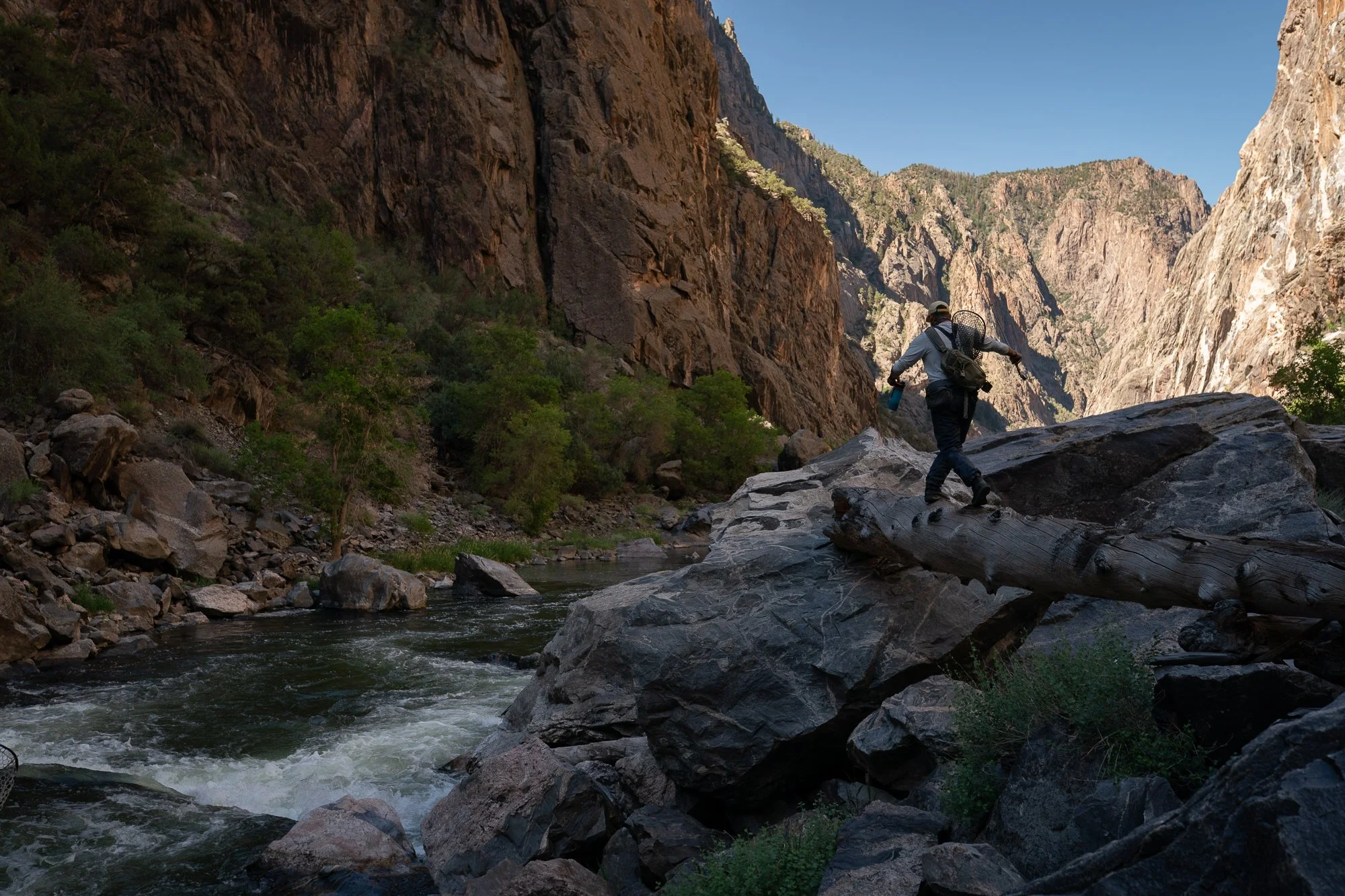
An angler crosses a fallen log above the Gunnison River inside the Black Canyon

Moving through remote canyon water often means navigating unstable crossings before reaching fishable water.

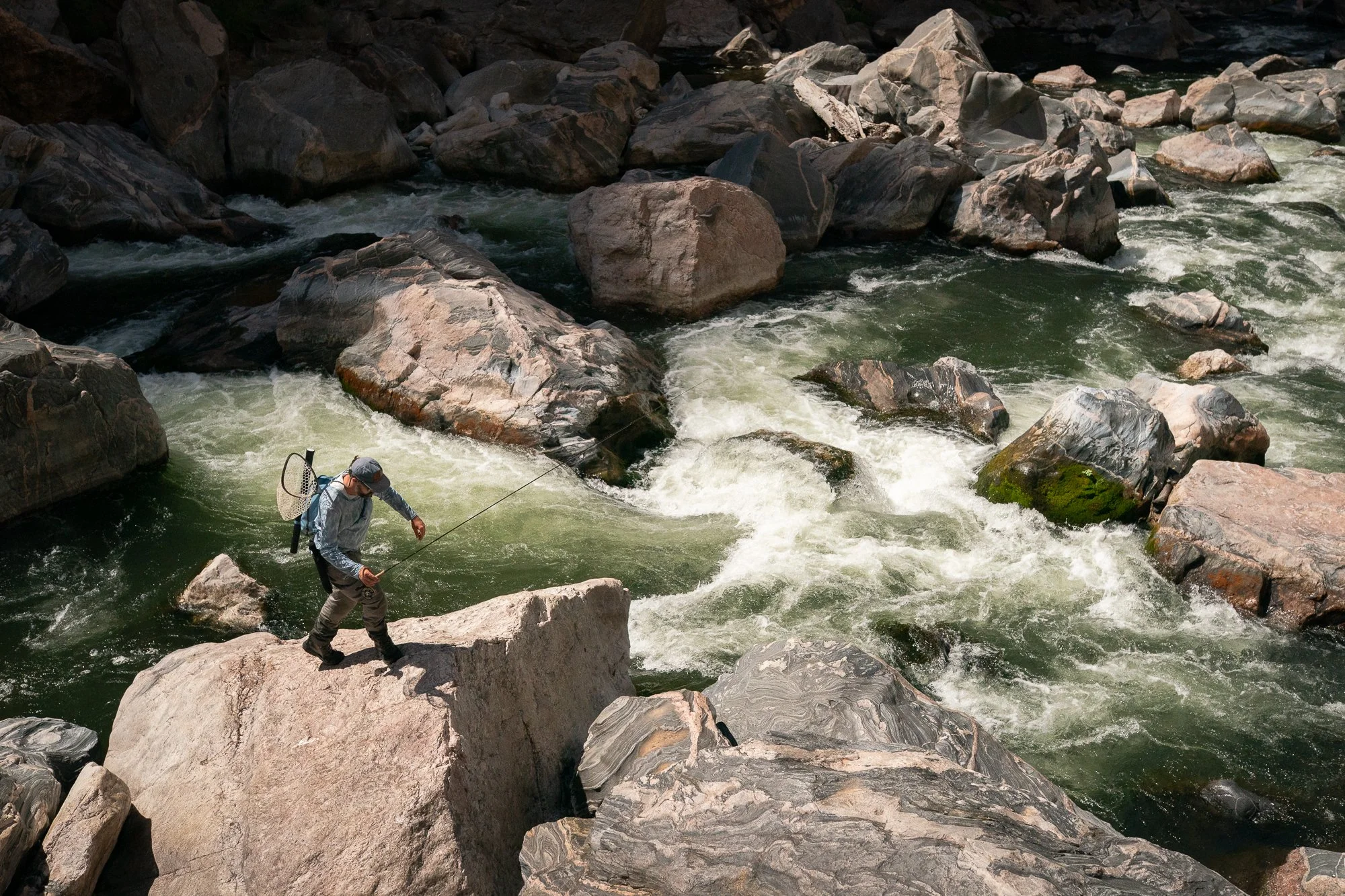
A fly angler stands on massive canyon boulders above fast-moving Gunnison River water

Technical water and unforgiving boulders demand precision at every step.

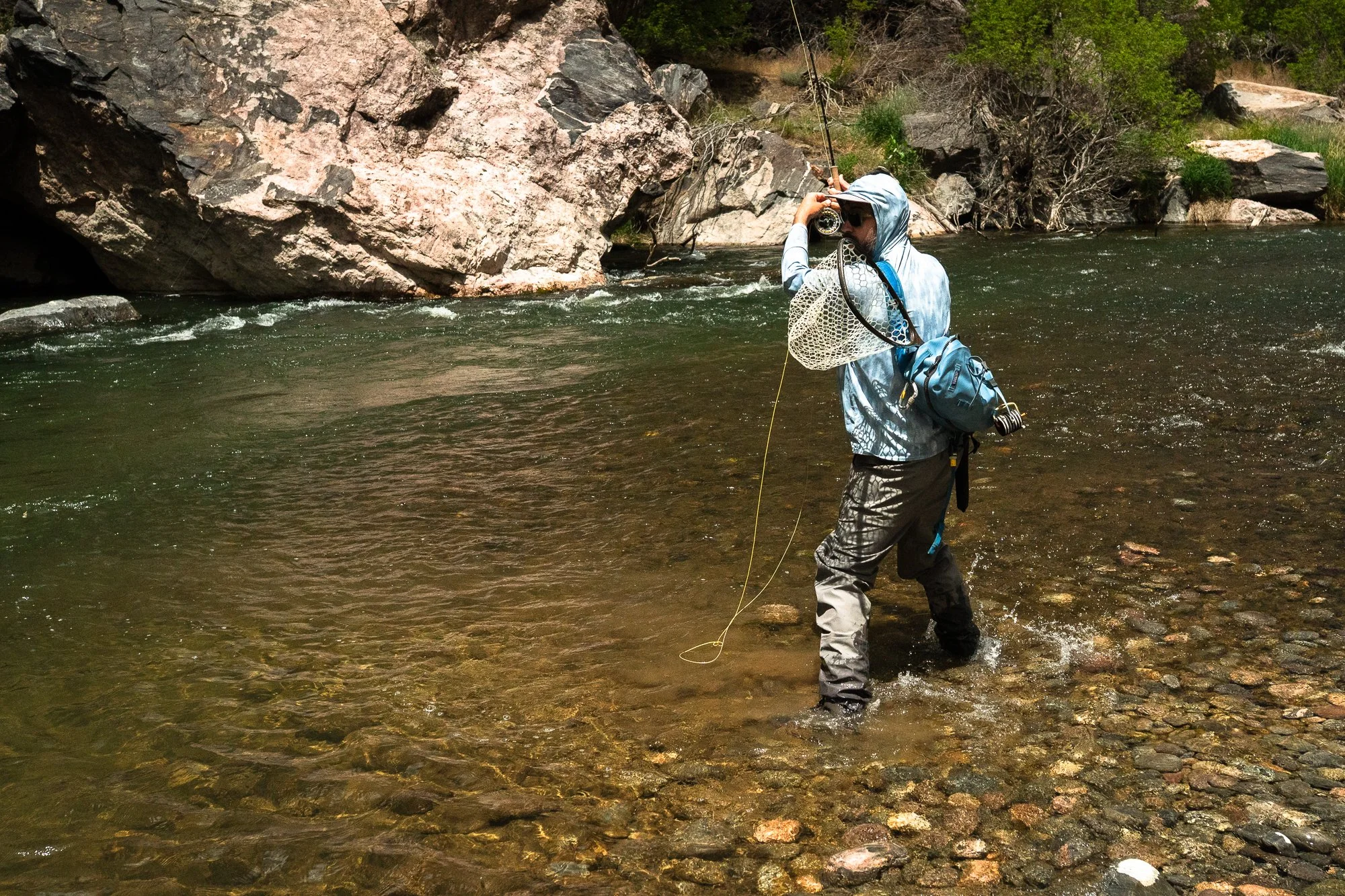
An angler casts while wading the Gunnison River in the Black Canyon

A fly angler works a slower stretch of river, casting across clear water beneath canyon walls.

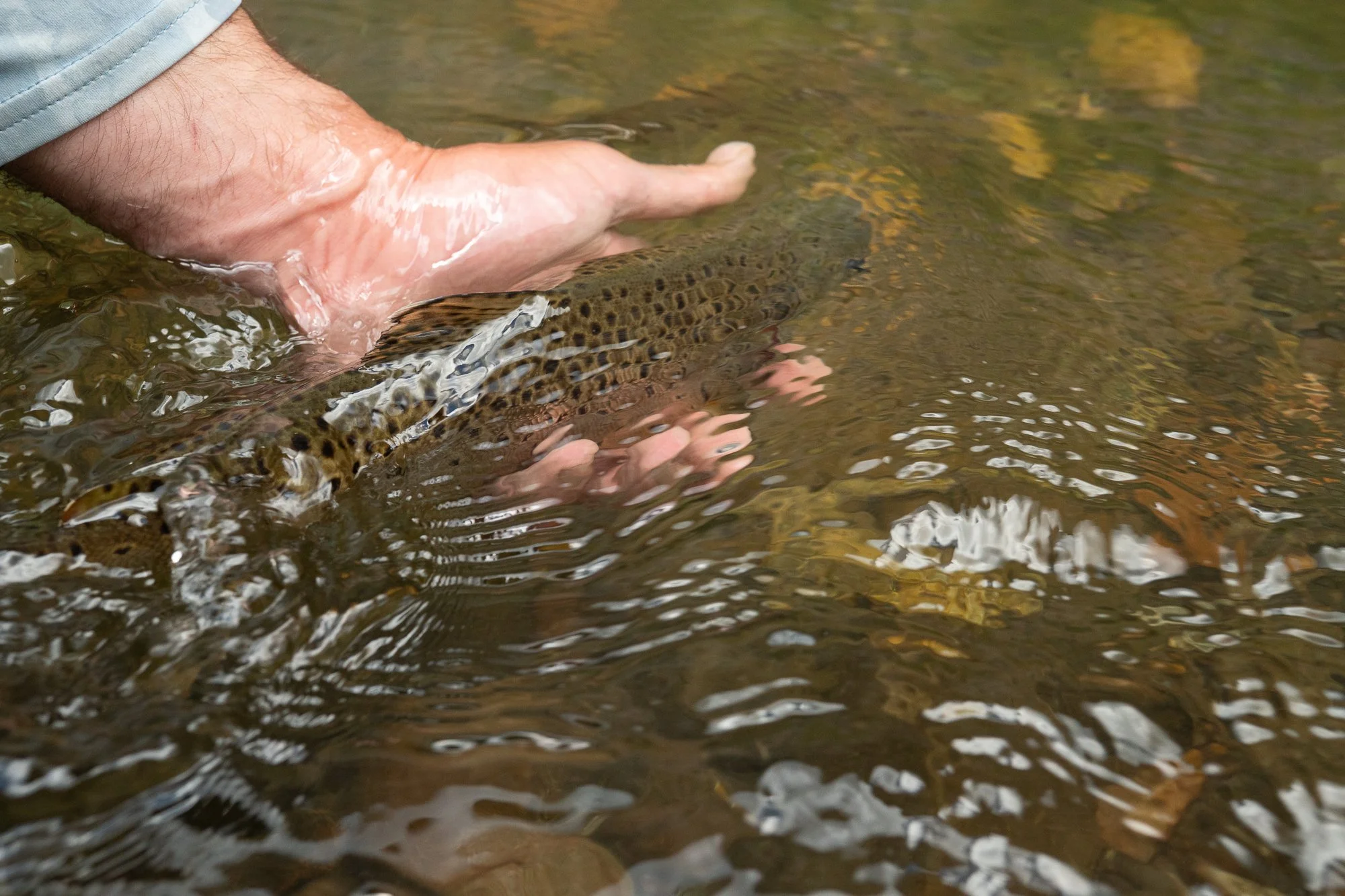
A trout slips from an angler’s hand during release in the Gunnison River

A trout slips back into the current after release, disappearing into the clear water of Black Canyon.

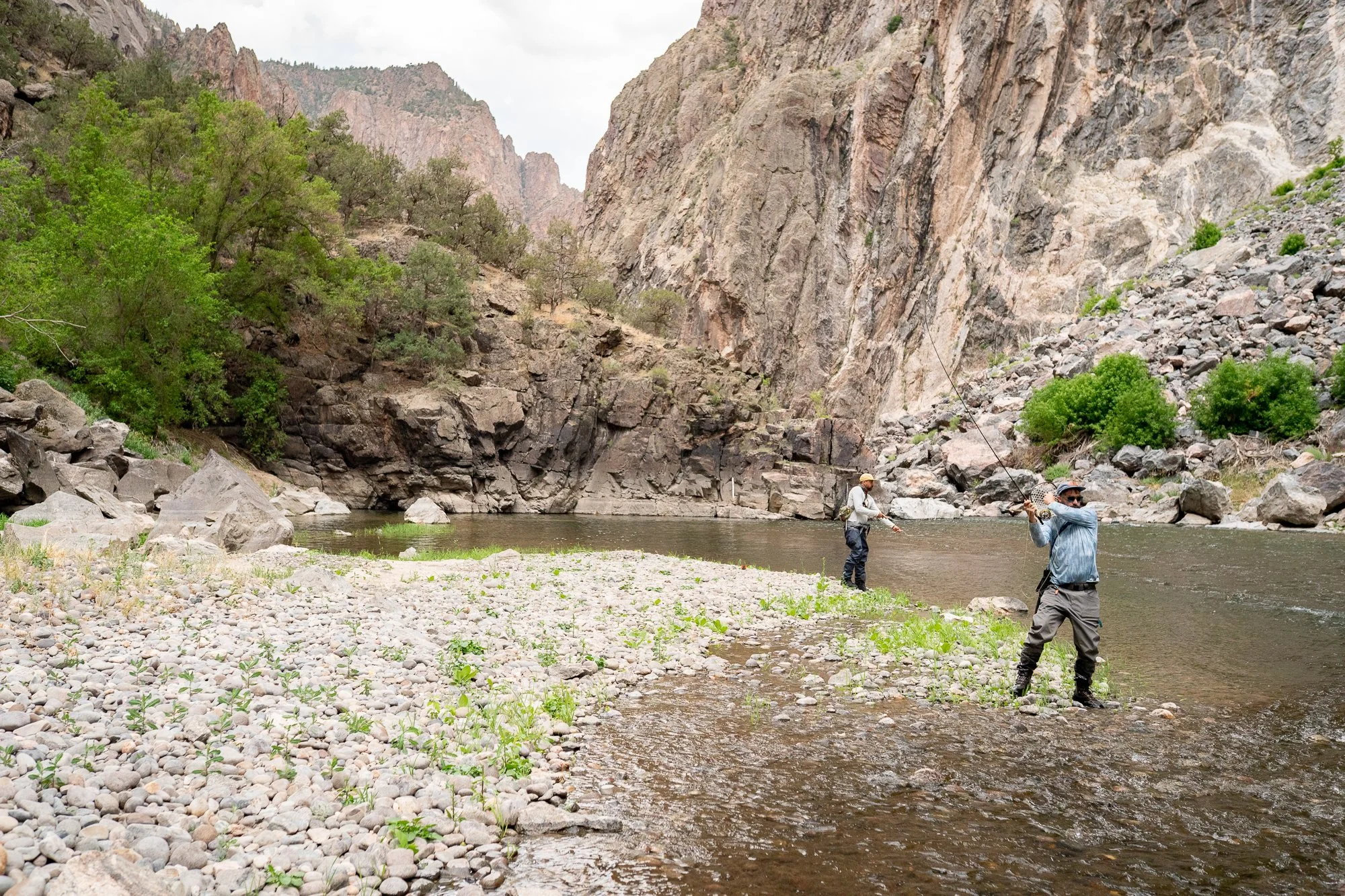
Two anglers fish wide canyon water beneath steep Black Canyon walls

Two anglers work separate seams of water, covering a broad stretch of river in Black Canyon.

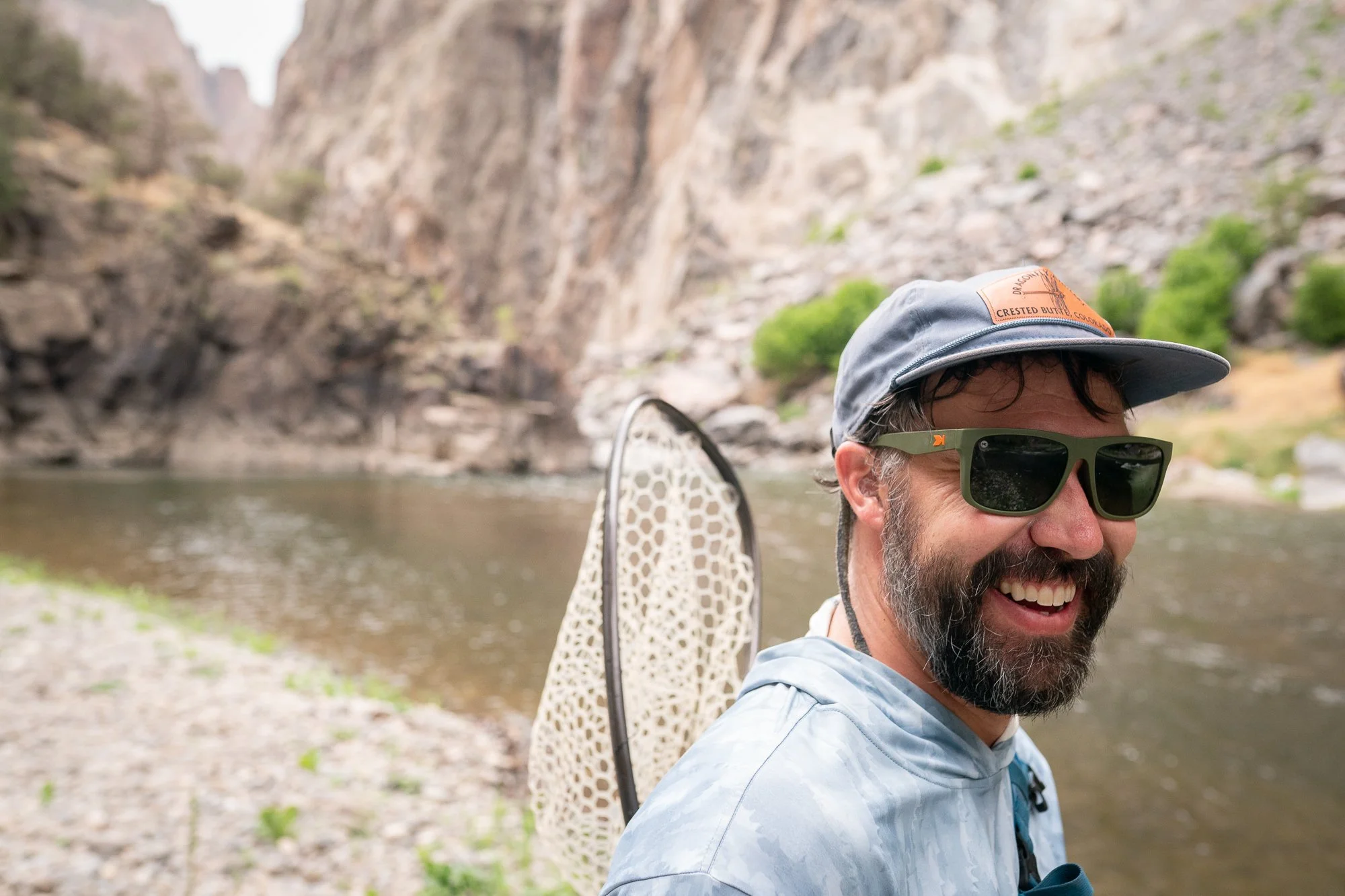
A smiling angler stands beside the Gunnison River after time spent in the Black Canyon

Hard miles and technical water still leave room for moments of earned satisfaction.

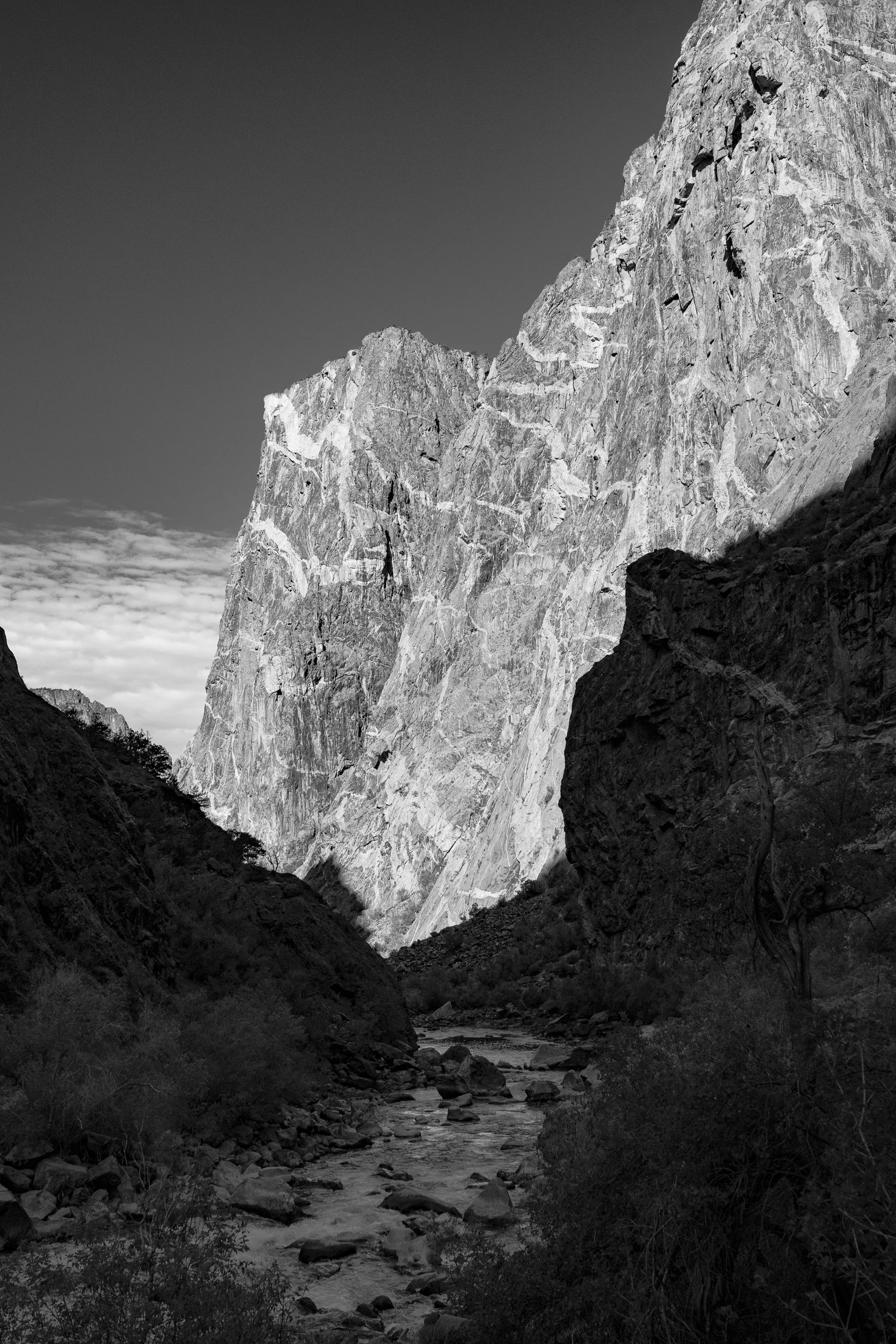
Steep canyon walls rise above the Gunnison River in the Black Canyon of the Gunnison

Massive canyon walls define the landscape, shaping the river corridor through Black Canyon.

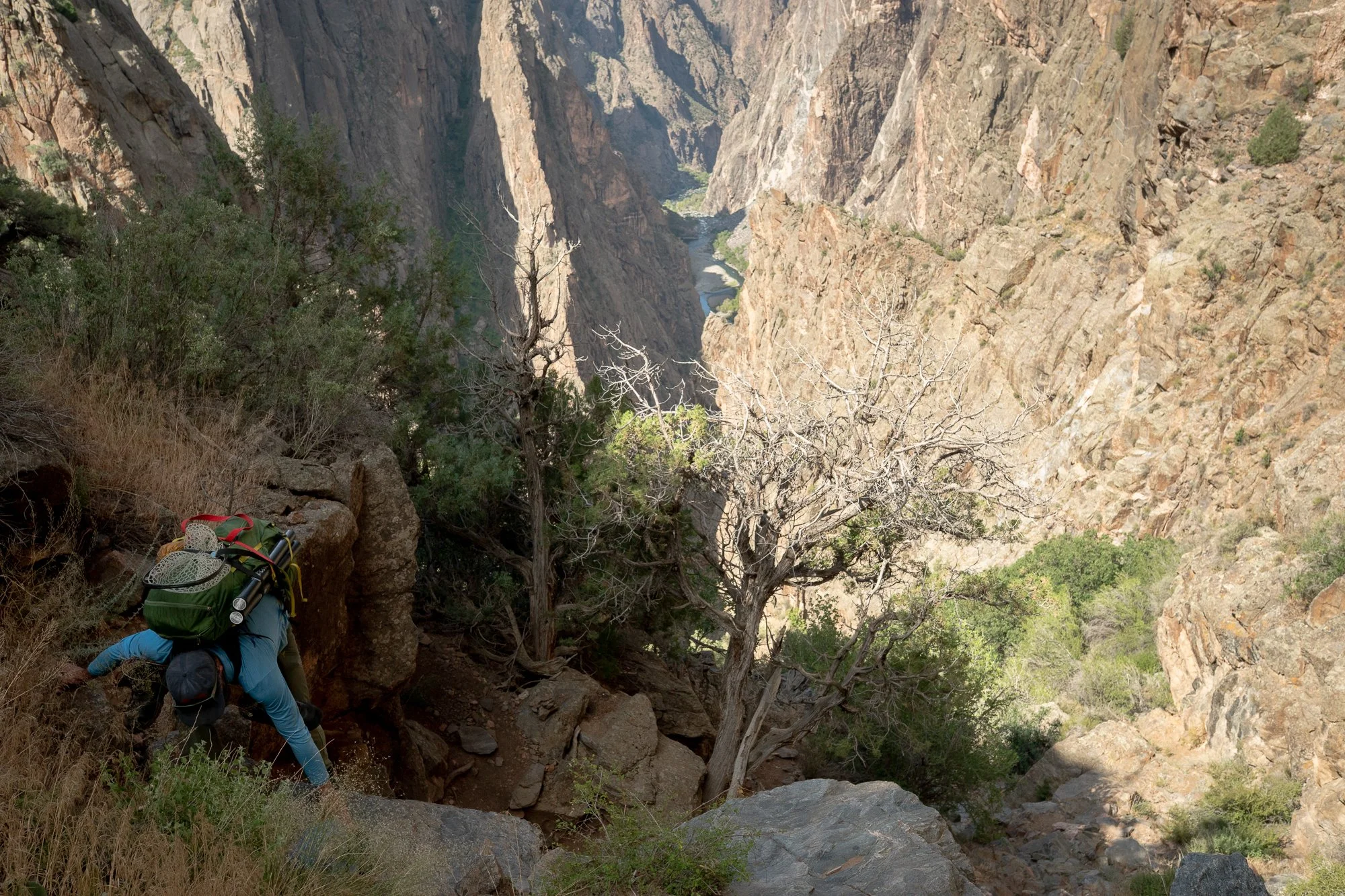
An angler carefully descends steep backcountry terrain above the Gunnison River

Hiking out of the Black Canyon is brutal work, but well worth the effort.

WINTER FLY FISHING PHOTOGRAPHY

Winter Fly Fishing on Clear Creek, Colorado: What It Really Looks Like

There’s a certain kind of quiet that only shows up in winter.

Not the peaceful, postcard version of Colorado people expect—but the kind that settles in when the temperature drops, the crowds disappear, and the river keeps moving anyway.

Clear Creek runs cold this time of year. The flows are low, the banks are stiff with ice in the morning, and most days you won’t see another angler. It’s not comfortable, and it’s not easy. But that’s part of the draw.

Winter fly fishing here isn’t about numbers or perfect conditions. It’s about showing up when most people don’t—and seeing what’s still there.

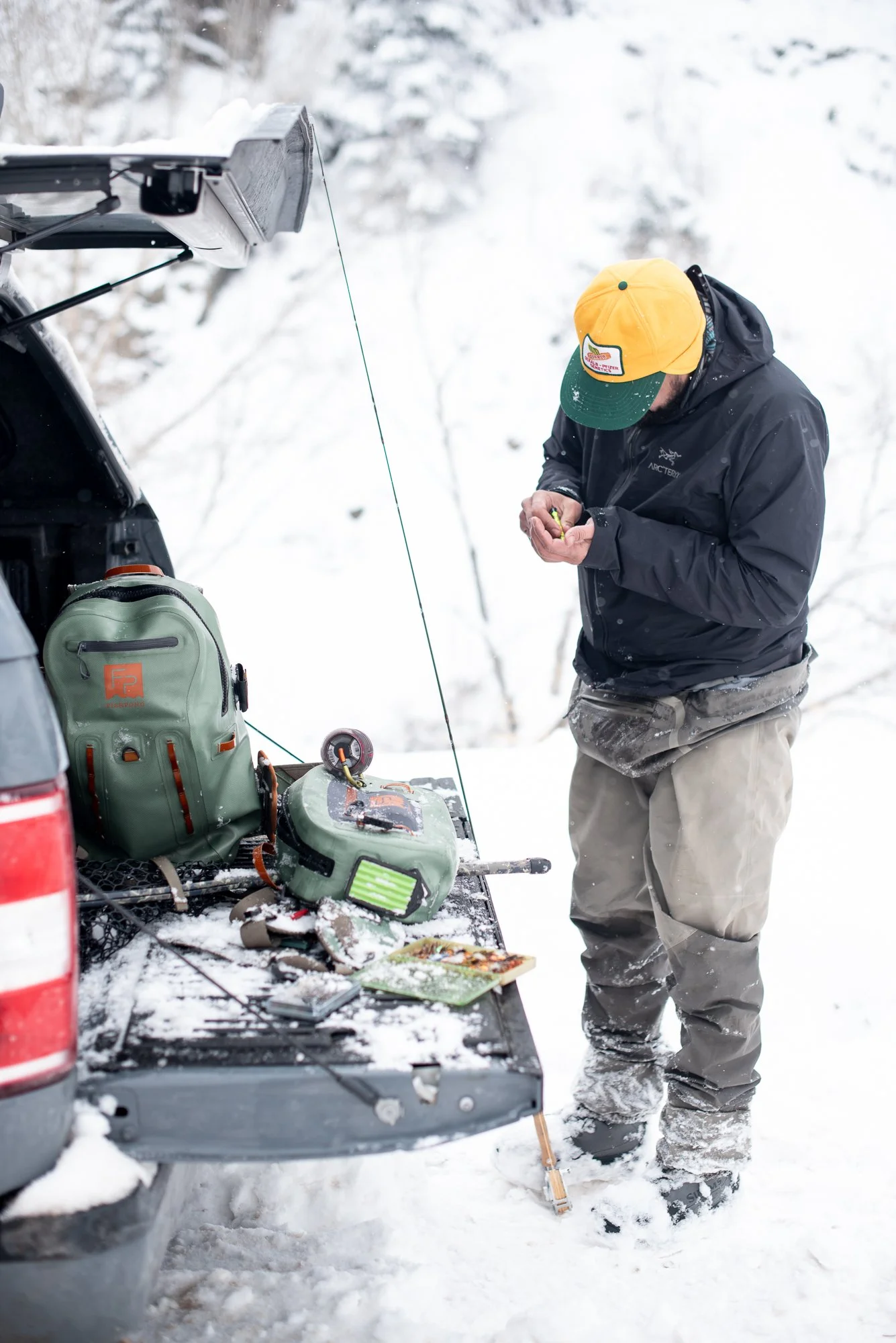
A fisherman prepares fly fishing gear at the back of a truck in snowy winter conditions near Clear Creek in Colorado.

A fisherman prepares his gear at the back of a truck before heading back to the creek.

Can You Fly Fish in Colorado in the Winter?

You can—and people do—but not in the way most expect.

The idea of winter fishing in Colorado usually brings up images of tailwaters and midges, maybe a few rising fish if you’re lucky. That’s all true. But on smaller creeks like Clear Creek, the experience is different.

You’re dealing with:

  • Short windows of active fish

  • Water temperatures hovering just above freezing

  • Icy banks and slow, deliberate movement

It’s not a numbers game. It’s a timing game.

Midday becomes the focus. You wait for the sun to do just enough work to wake things up, then fish carefully and move slowly. Every cast matters more because you’re not getting many chances.

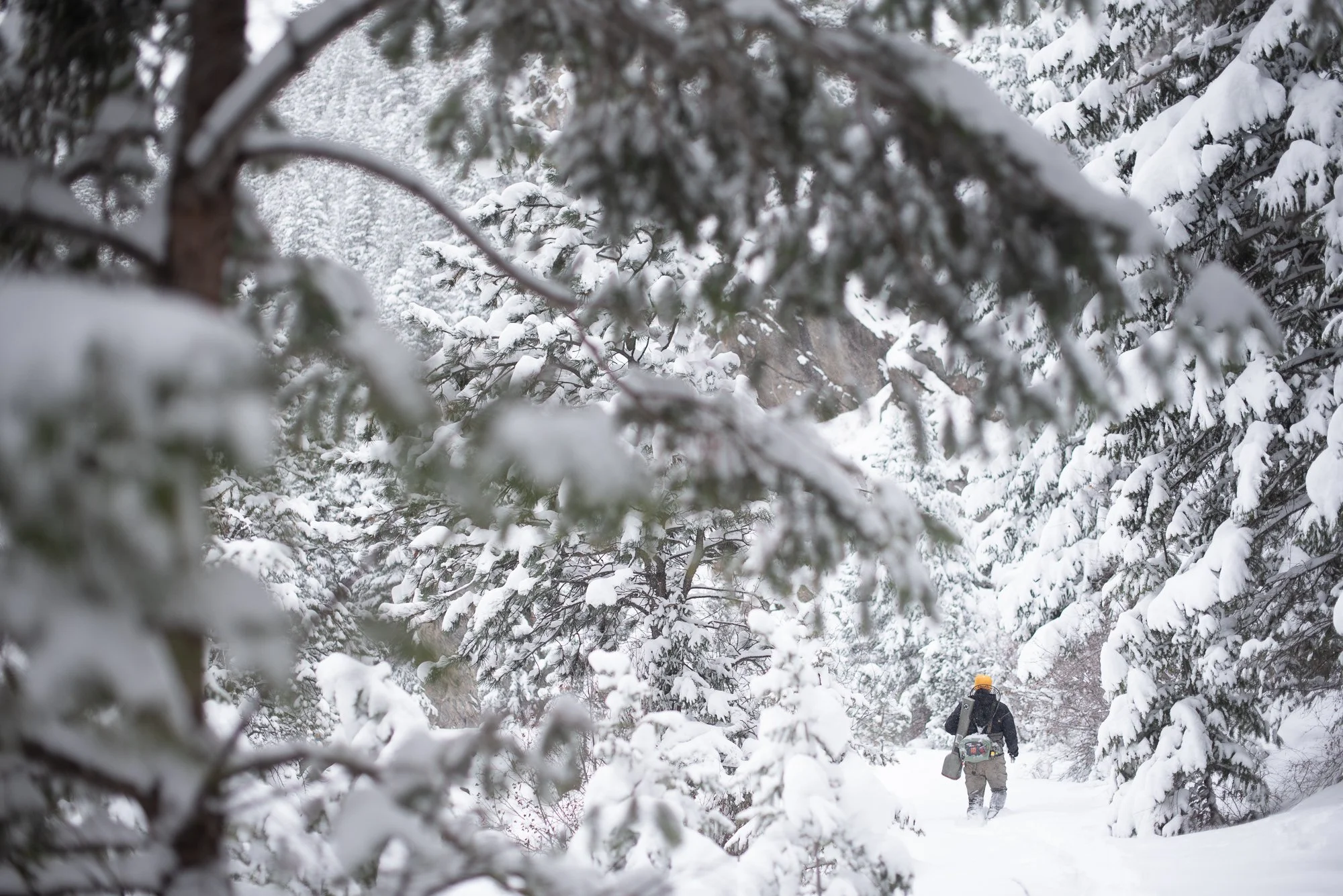
An angler walks through a snow-covered trail near Clear Creek in Colorado carrying fishing gear.

An angler walks through deep snow near Clear Creek, following a path through the trees.

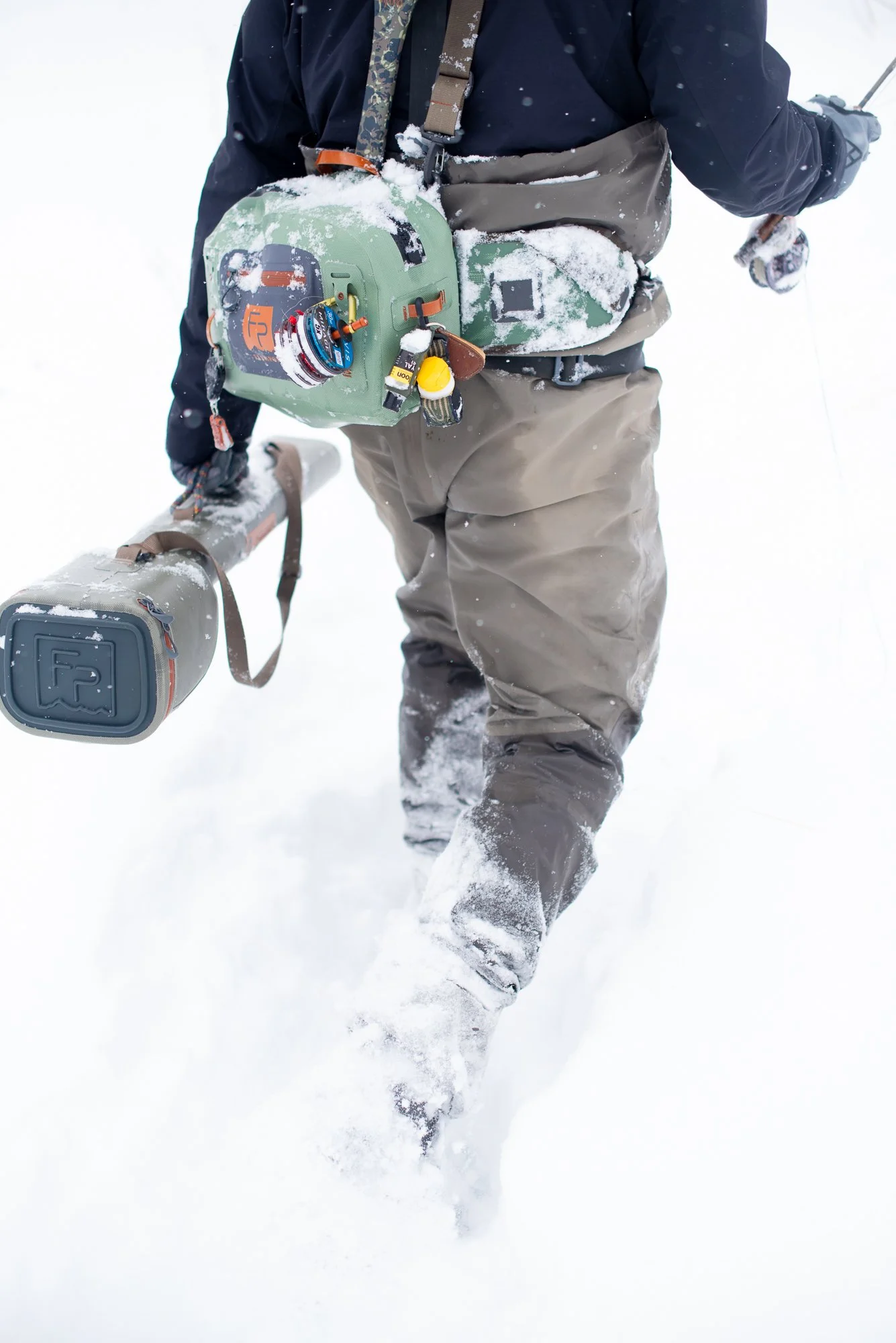
A close-up of fishing gear and pack covered in snow during winter fly fishing on Clear Creek in Colorado.

Fishing gear and a pack collect snow during a winter day along Clear Creek.

Why Small Creeks Like Clear Creek Fish Differently in Winter

Clear Creek isn’t a wide, forgiving river. It’s tight in places, fast in others, and technical when the water drops.

In winter, that becomes even more pronounced.

The fish don’t spread out—they consolidate. Deep pockets, slower seams, and protected water hold most of the activity. If you’re not putting a fly exactly where it needs to be, you’re probably not getting a look.

What makes small creeks interesting this time of year is how intimate everything feels. There’s no hiding from bad drifts or sloppy approaches. You’re close to the water, close to the fish, and aware of every mistake.

And when it comes together, it feels earned.

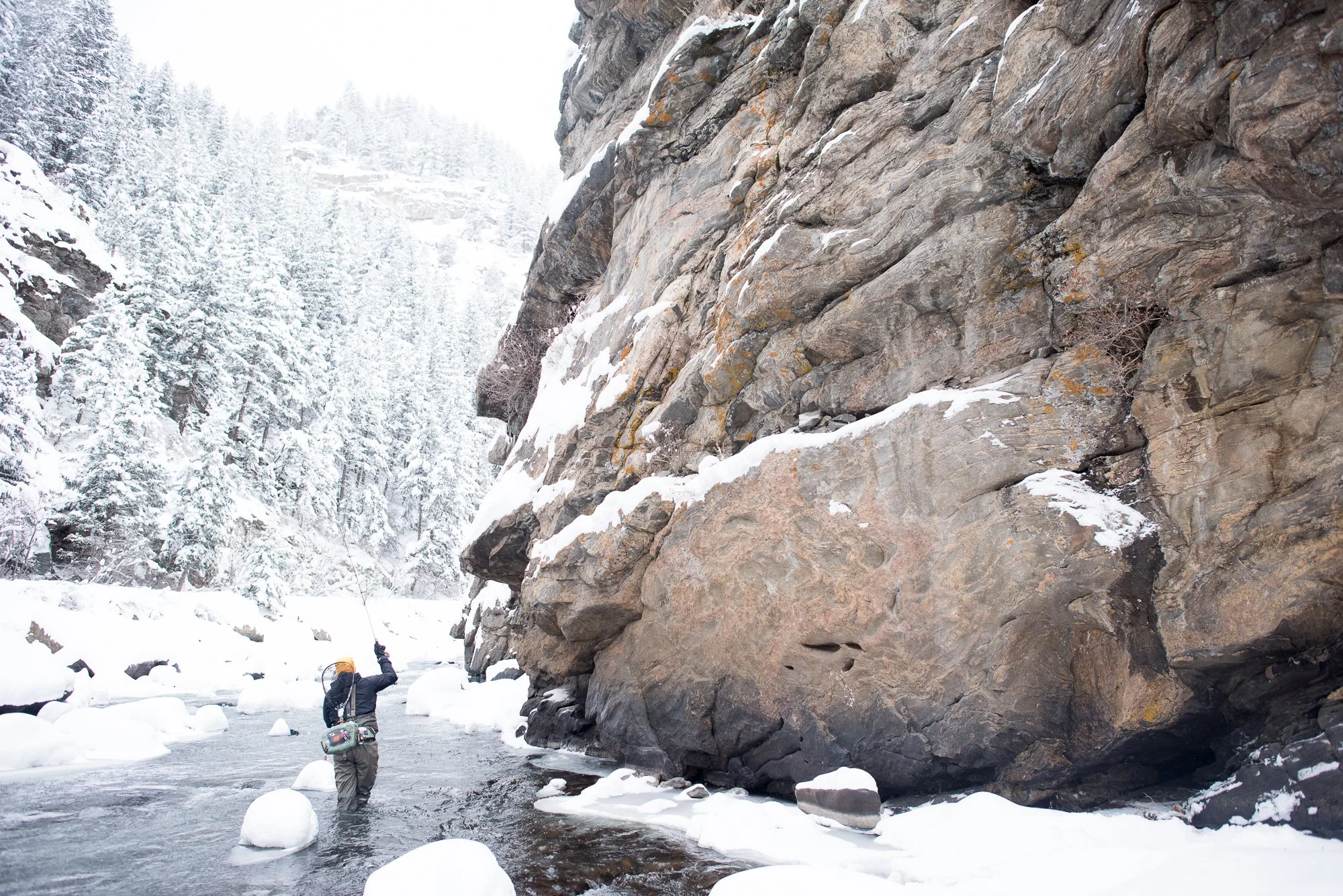
An angler fishes along a rocky wall on Clear Creek in Colorado during winter with snow-covered banks.

An angler fishes along a rock wall on Clear Creek, moving through a narrow stretch of water in winter.

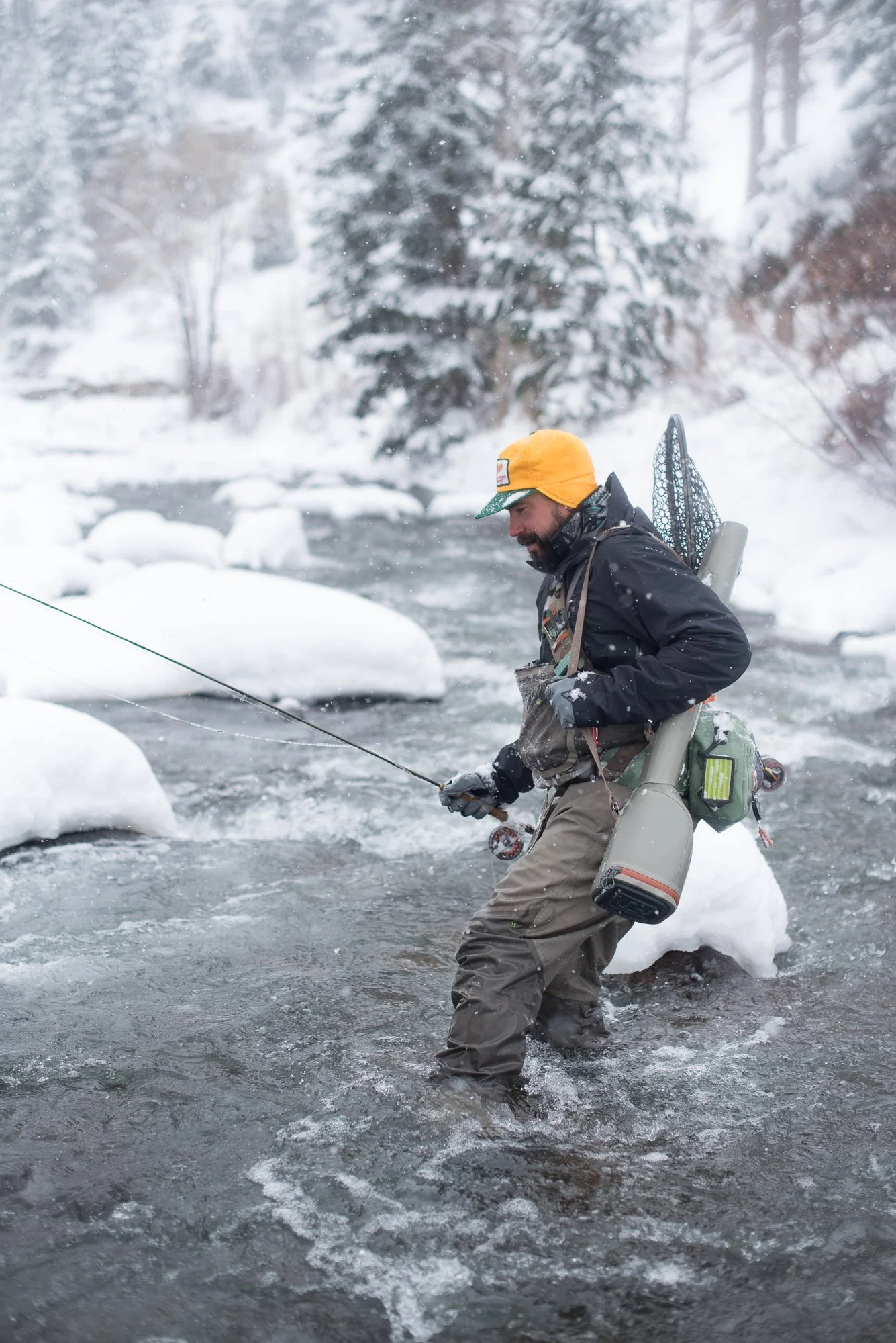
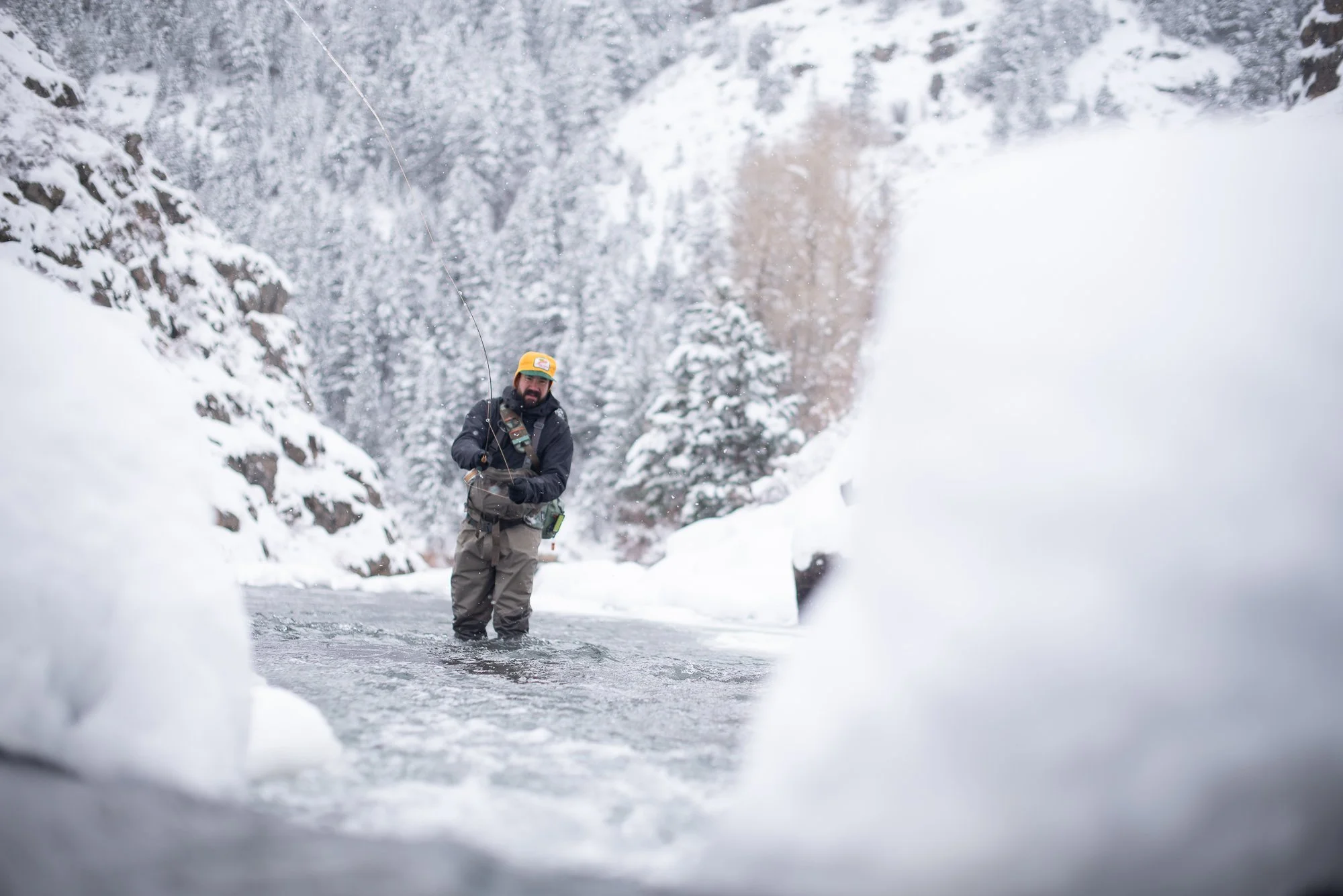
A fisherman wades through Clear Creek in winter with snow falling and gear on his back.

A fisherman wades through the current in winter as light snow falls around him.

The Reality of Winter Fly Fishing Conditions

This is where most of the romantic ideas about winter fishing fall apart.

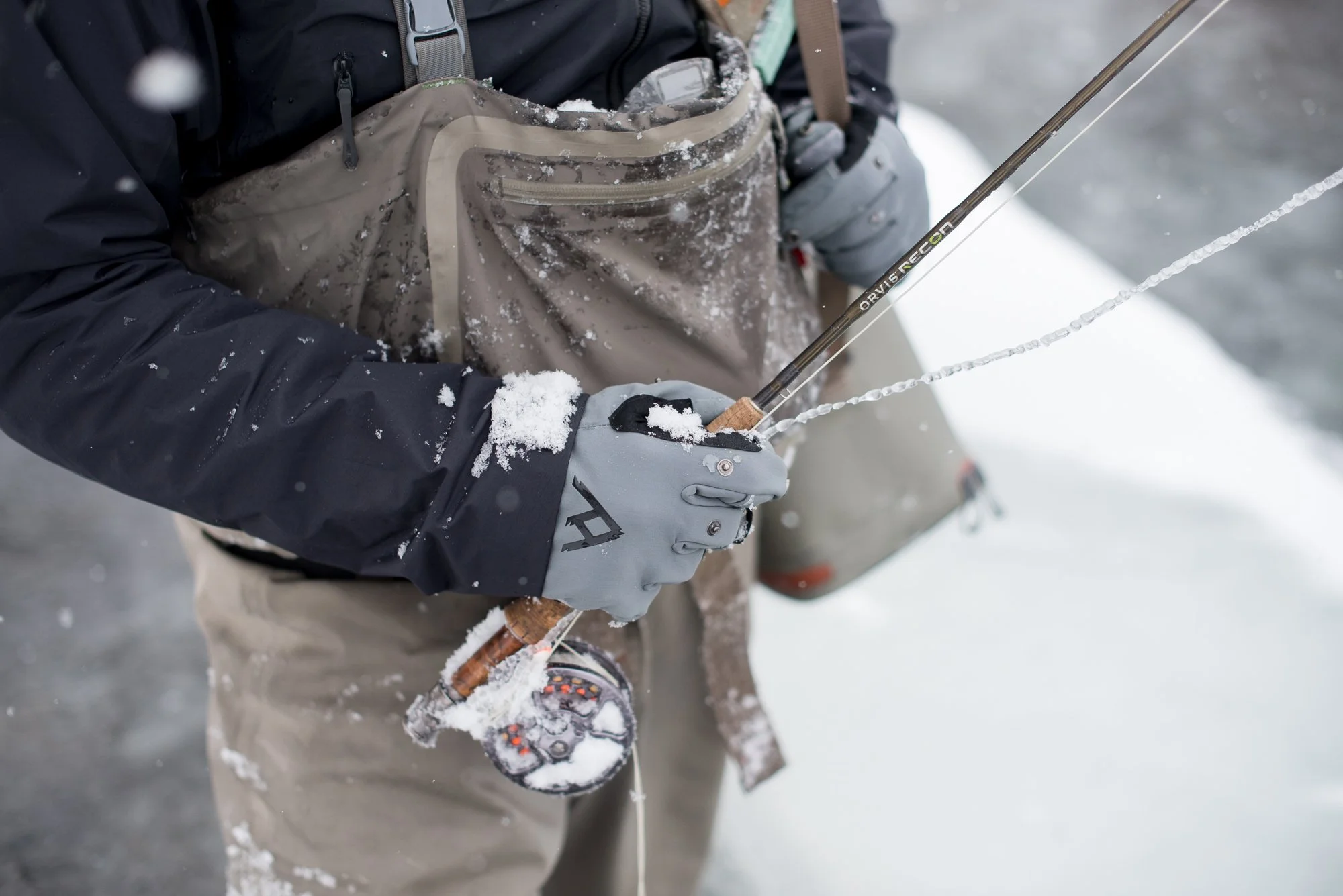
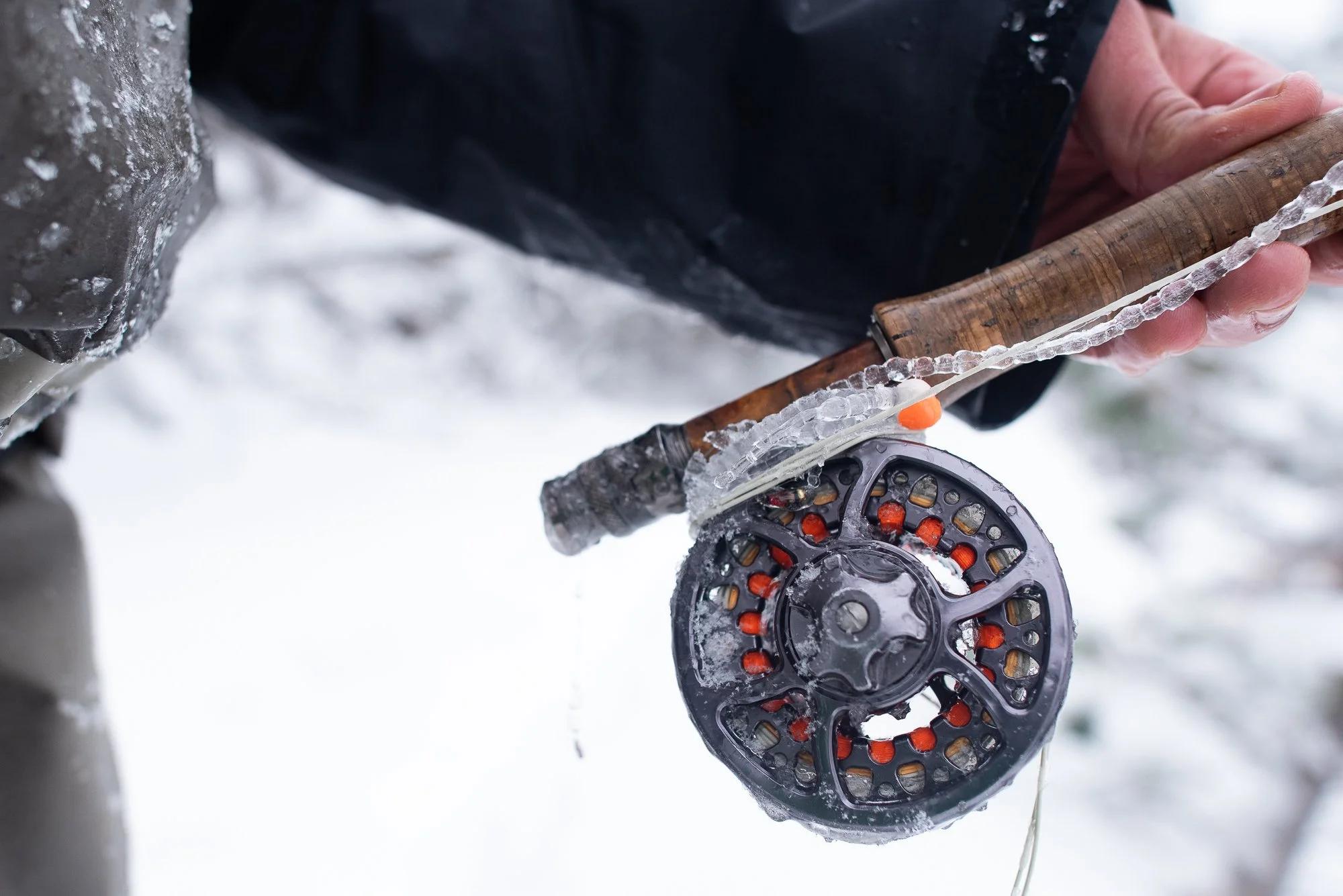
It’s cold in a way that sticks with you. Not dramatic, just persistent. Fingers go numb. Guides freeze. You break ice out of your rod between casts and keep going.

There’s a rhythm to it:

  • Cast

  • Check the drift

  • Clear ice

  • Repeat

You don’t rush. You can’t.

The light is different too. Lower in the sky, flatter, quieter. It doesn’t light up the river—it settles over it. That changes how everything looks, especially in photographs. The colors are muted, the contrast is softer, and the scenes feel more stripped down.

It’s not dramatic. It’s honest.

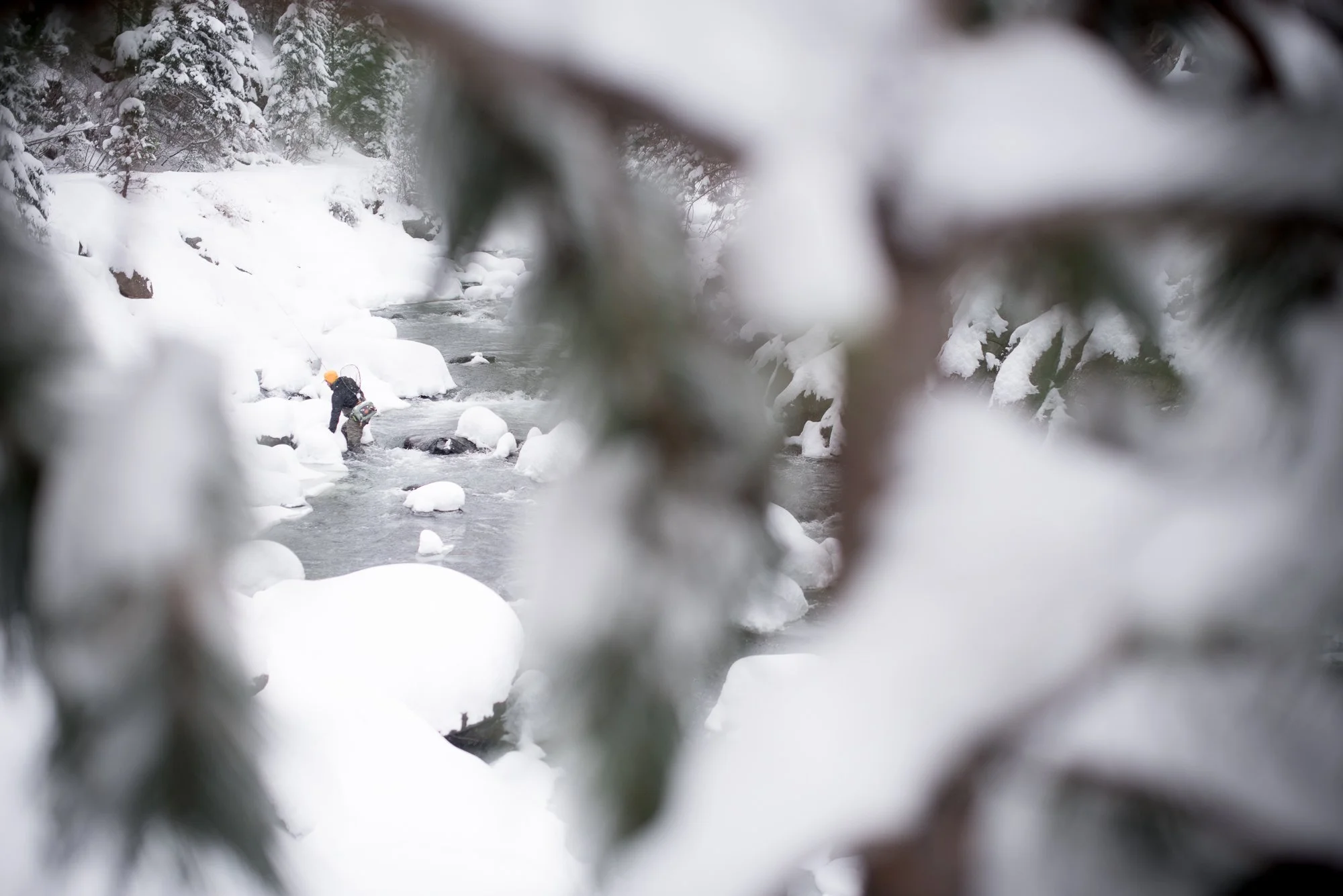
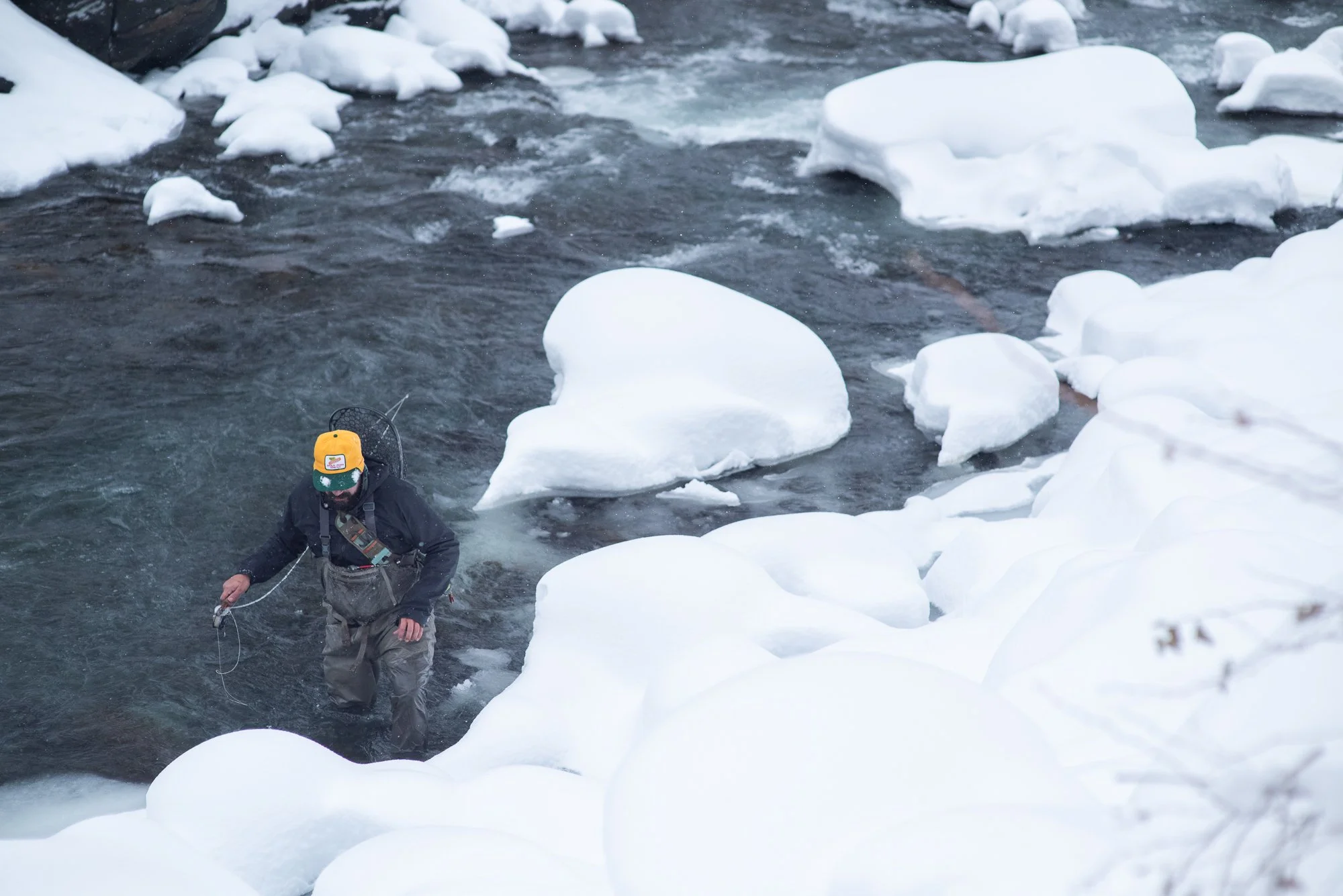
A fisherman stands in Clear Creek framed by snow-covered trees during winter.

A fly fisherman walking out of Clear Creek, partially framed by snow-covered trees along the bank.

A close-up of gloved hands holding an iced fly fishing rod during winter on Clear Creek.

Gloved hands hold a fly rod as ice forms along the line in cold conditions.

A Morning on Clear Creek

Most winter mornings start the same way.

You step out into air that feels sharper than expected. The creek is already moving, thin ribbons of steam rising where the water meets the cold. Nothing about it suggests urgency.

The first stretch is usually quiet. Fish aren’t moving much yet, and neither are you. It’s more about paying attention—watching the water, seeing where things might happen later.

By late morning, something shifts.

Maybe it’s subtle—just enough warmth to change the current slightly or bring a fish off the bottom. That’s when you start to see life again. Not in big, obvious ways, but in small signs: a hesitation in the drift, a slight take, a fish that wasn’t there an hour ago.

There’s no rush to it. No pressure to move quickly or cover miles of water. You stay with it, work through a stretch carefully, and take what the day gives you.

Some days that’s a few fish. Some days it’s none.

Either way, it’s enough.

A fisherman wades through Clear Creek in Colorado during winter surrounded by snow-covered rocks and flowing water.

A fisherman wades through, stepping carefully between snow-covered rocks in winter conditions.

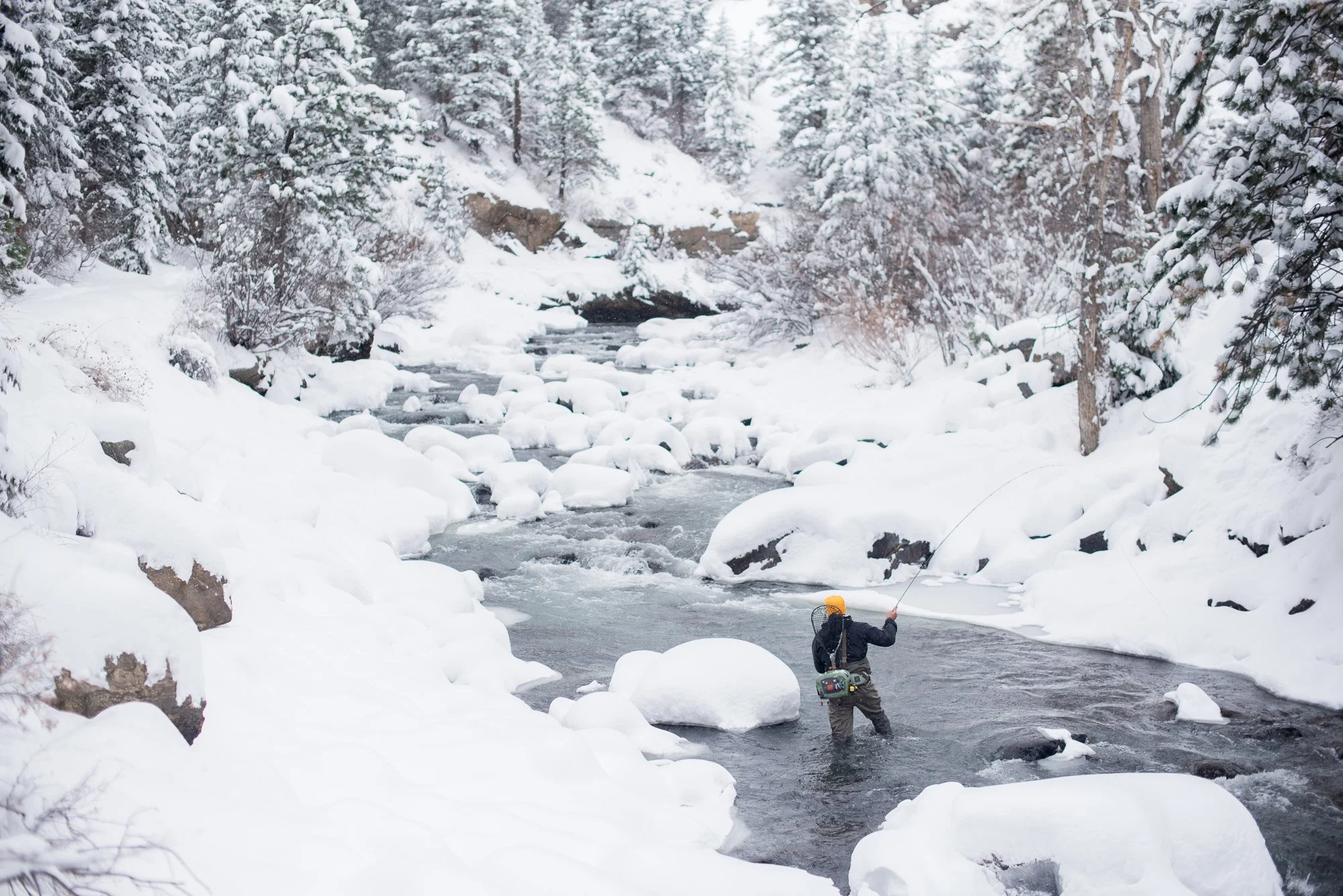
A wide view of an angler fishing in Clear Creek in Colorado during winter surrounded by snow-covered banks and trees.

An angler fishes a wider stretch of Clear Creek in Colorado, working through slow winter water.

Why Winter Fly Fishing Is Worth It

It’s not about comfort. And it’s definitely not about easy fishing.

What keeps people coming back to places like Clear Creek in the winter is something harder to define. Maybe it’s the absence of distraction. Maybe it’s the way everything gets simplified—water, movement, attention.

Or maybe it’s just the fact that the river doesn’t stop when the season changes.

For me, this time of year has always been less about the outcome and more about the experience of being there. The photographs come out of that—quiet moments, small movements, and the kind of light you don’t get any other time of year.

They’re not dramatic images. They’re not meant to be.

They’re a record of what it actually feels like to stand in a Colorado creek in the middle of winter and keep fishing anyway.

An angler casts a line while standing in Clear Creek during winter with snow falling around him.

An angler casts into Clear Creek in Colorado, working through a cold winter stretch of water.

A close-up of a fly fishing rod and reel covered in ice during winter fishing on Clear Creek.

Ice builds along a fly rod and reel during winter fishing, requiring it to be cleared between casts.

Explore the Full Fly Fishing Photography Collection

If you’re interested in seeing more work like this—across different seasons, rivers, and parts of the American West—you can view the full collection below.

For brands, outfitters, and publications looking for authentic fly fishing imagery—real anglers, real conditions, and a documentary approach—licensing inquiries are always welcome - rob@robhammerphotography.com

View my full fly fishing photography gallery

Shop fly fishing prints

Explore more winter fly fishing in Colorado

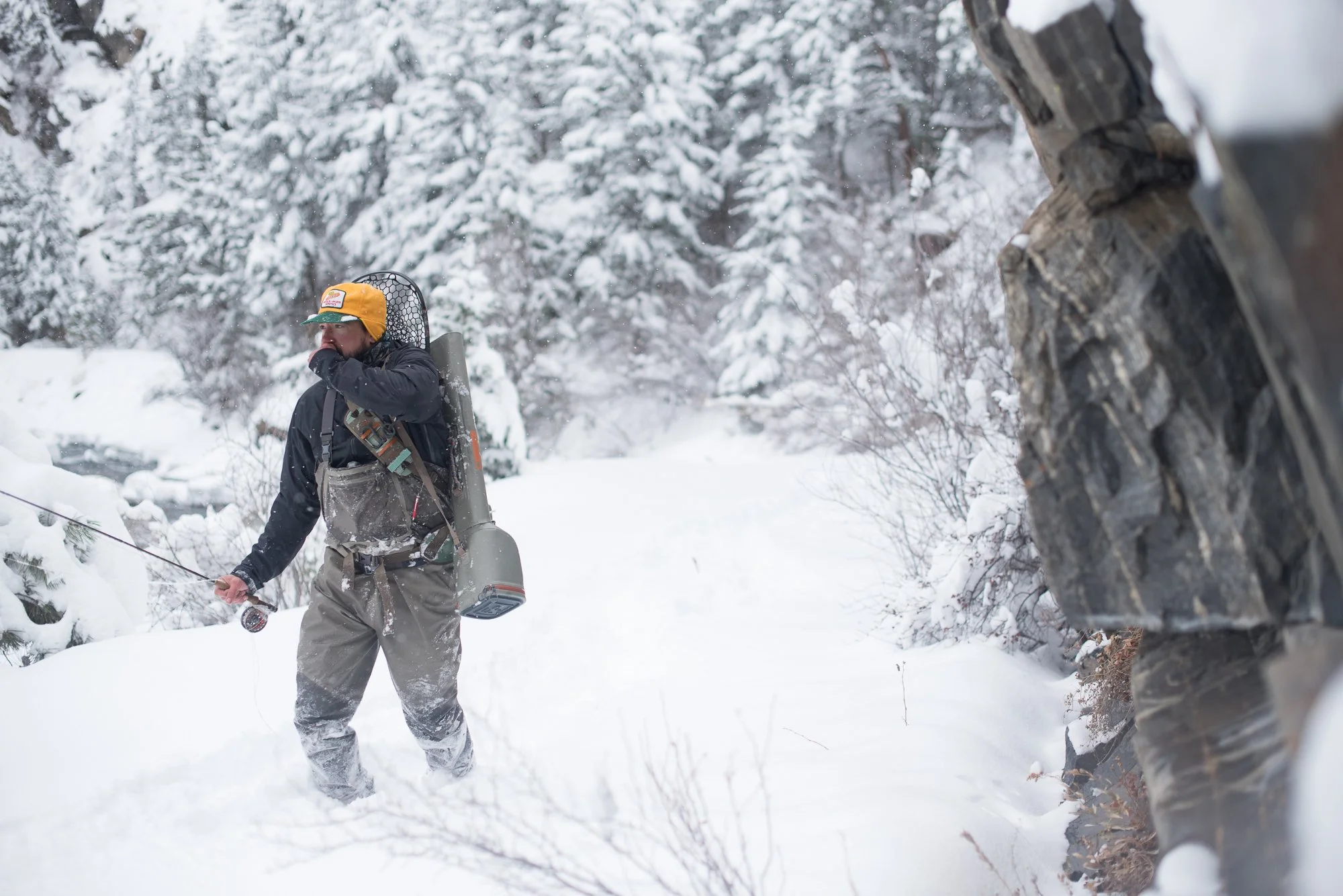
A fisherman walks along the snowy bank of Clear Creek carrying fishing gear in winter conditions.

An angler walks through the snow, blowing warm air onto his frozen hands

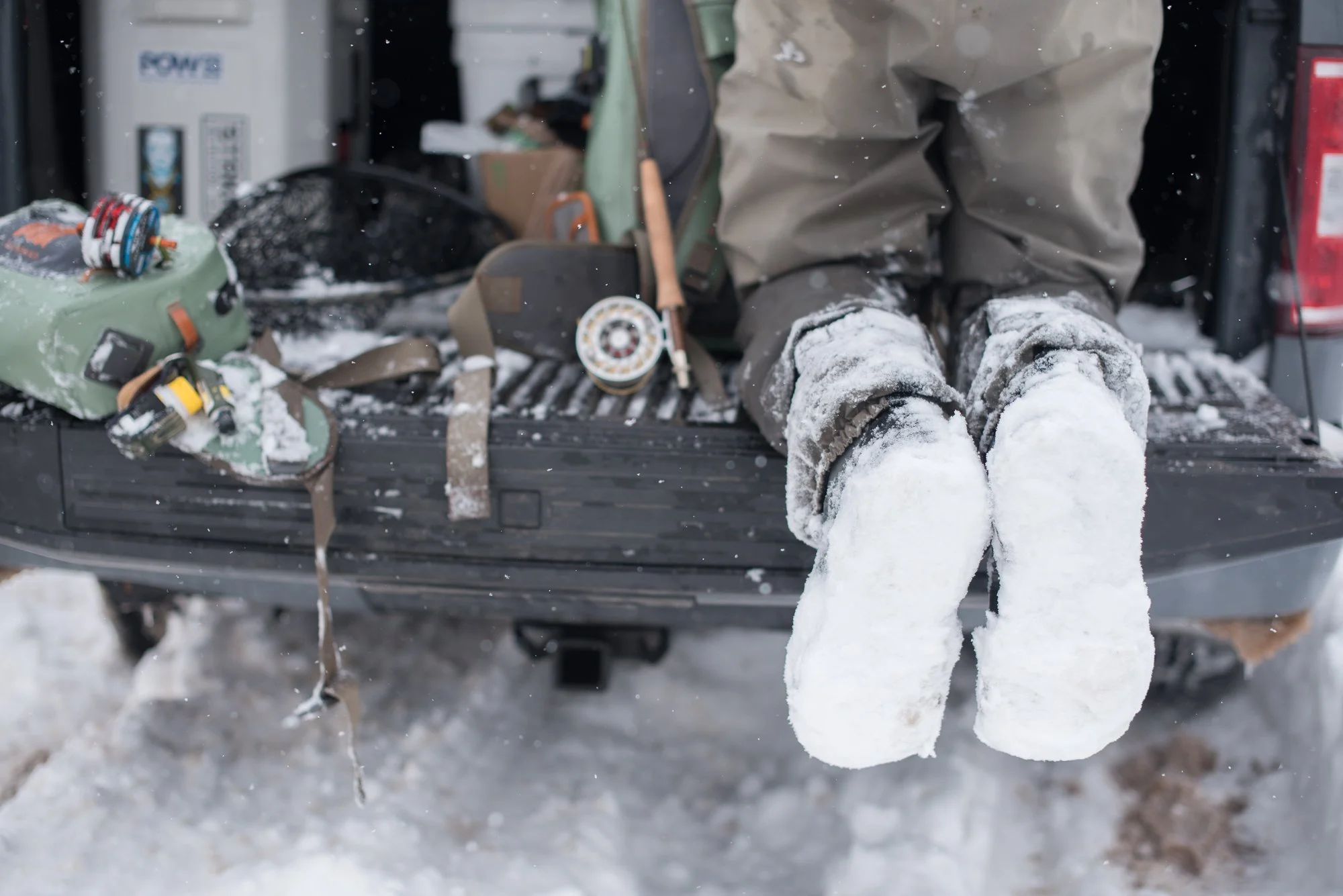
A fisherman sits on a truck tailgate with snow-covered boots and fishing gear after time on Clear Creek.

A fisherman sits on a truck tailgate with snow-covered boots and gear after time on the water.

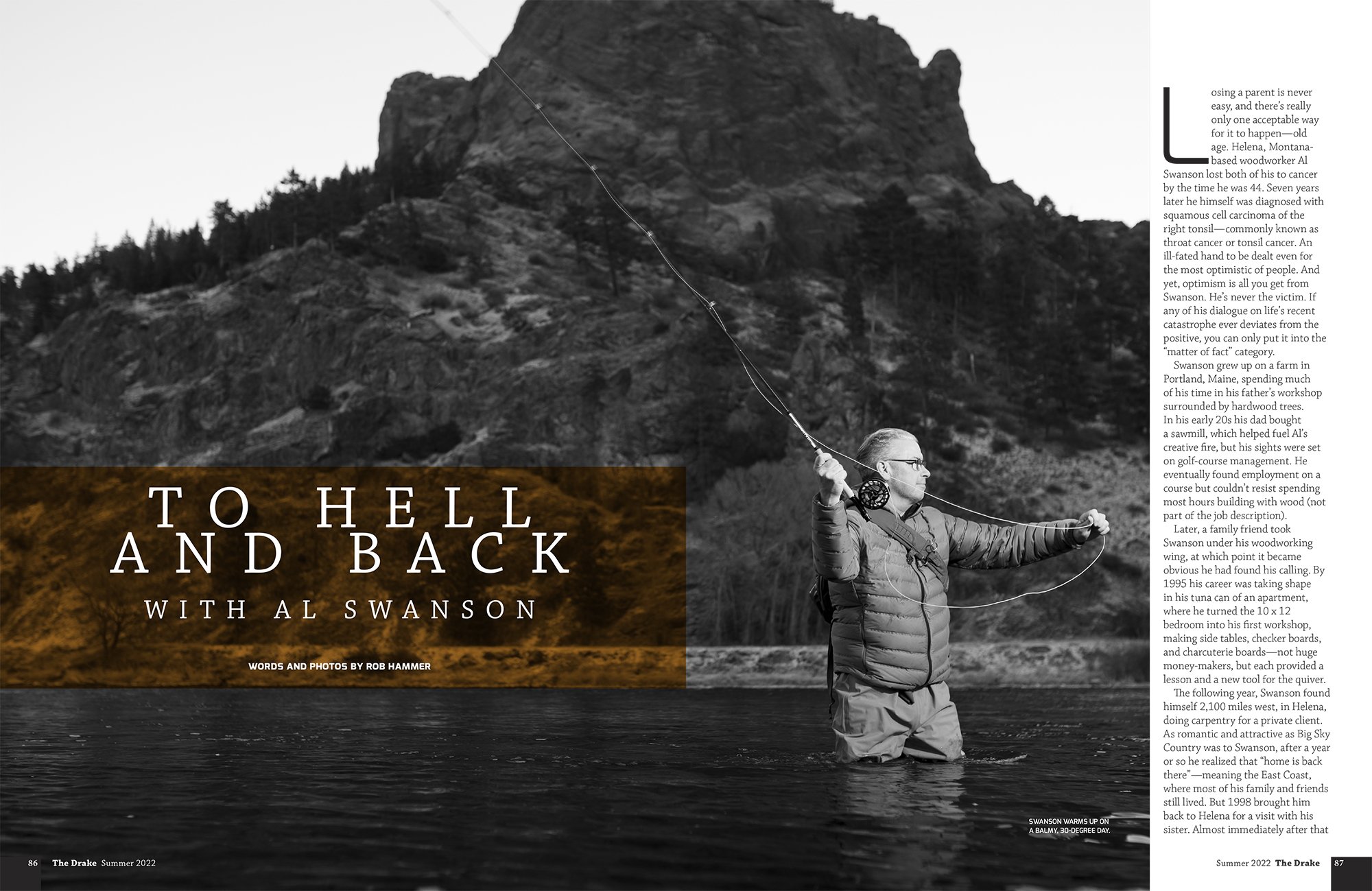
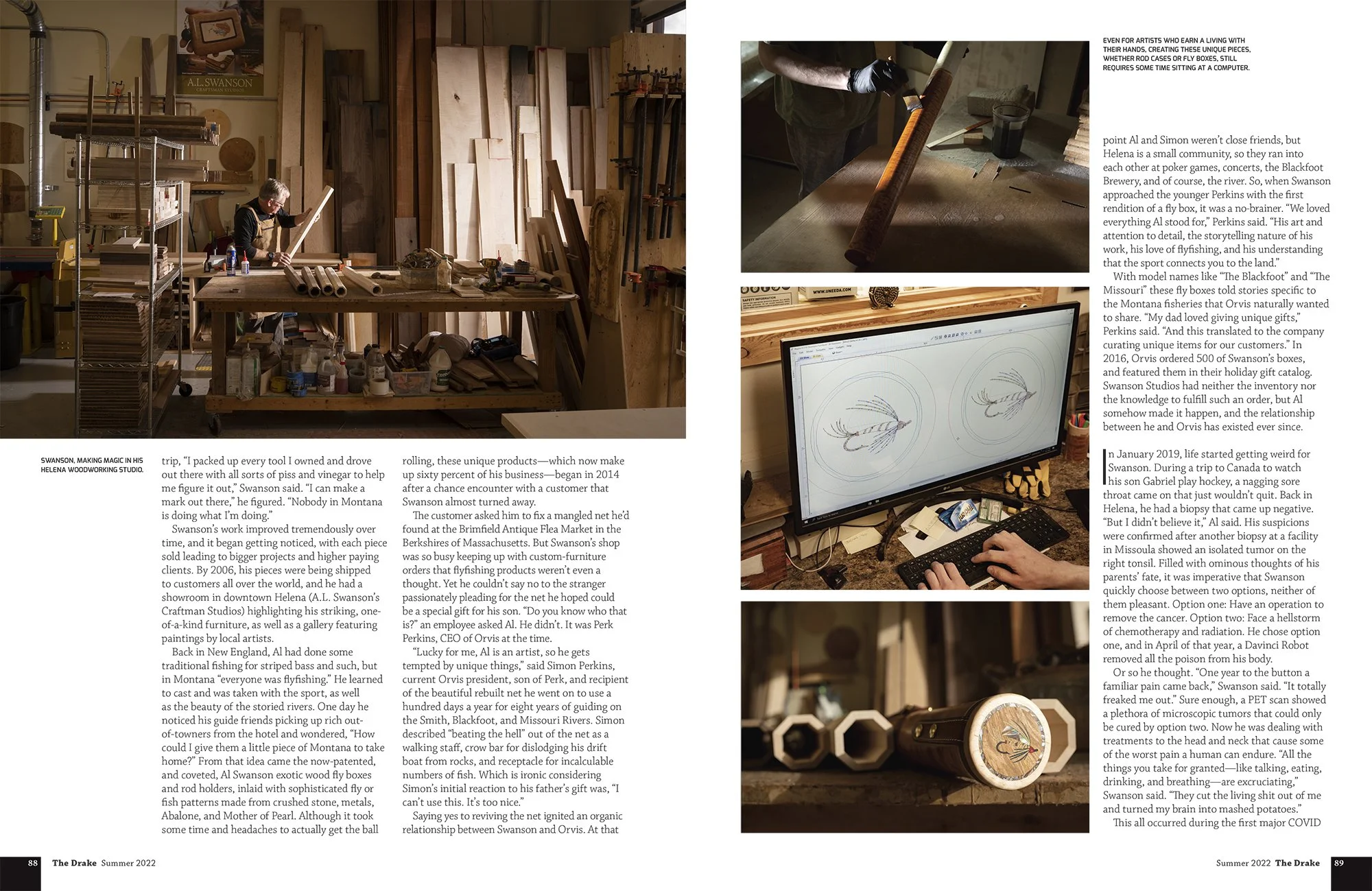
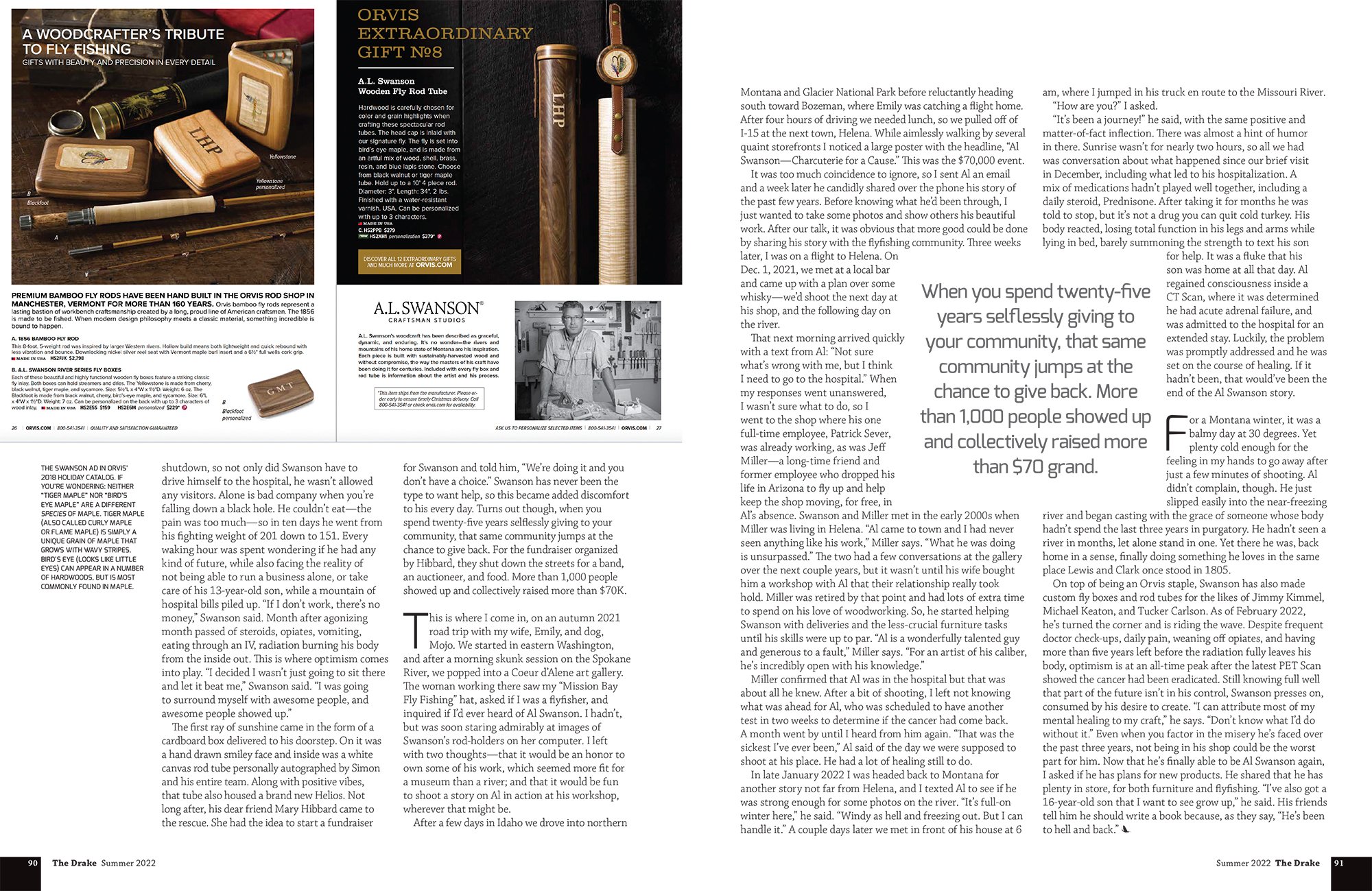
Al Swanson - Master Wood Worker

American Woodworker and Craftsman

Al Swanson - Helena, Montana

It’s been such a pleasure working with and getting to know Al Swanson. If you’re in the fly fishing world, and don’t know who he is, take some time to learn about his work. It’s exceptional. And the way we came to know each other makes this even better. I’m honored to share his story with words and photos in the latest issue of the Drake Magazine. Here is the unedited version of that story:


Losing a parent is never easy, and really there’s only one acceptable way for it to happen - old age. Al Swanson lost both of his to cancer by the time he was 44. Seven years later he himself was diagnosed with squamous cell carcinoma of the right tonsil. A baneful hand to be dealt even for the most optimistic of people. Yet optimism is all you get from Al. He’s never the victim. If any of his dialogue on life’s recent catastrophe ever deviates from the positive, you can only go as far as putting it into the “matter of fact” category. 


Swanson grew up on a farm in Portland, Maine in his fathers workshop surrounded by hardwood trees where they would make necessities out of necessity. In his early 20’s dad bought a sawmill which helped fuel the creative fire, but his sights were set on golf course management. He eventually found employment on a course yet couldn’t resist spending most hours building with wood (not part of the job description). Later a family friend took Al under his woodworking wing, at which point it became obvious he had found his calling, and the stage was set. 1995 was the year things took shape in a tuna can of an apartment where he turned the 10x12 bedroom into his first workshop making side tables, checker, and charcuterie boards. Not huge money makers, but each one a learning lesson that would afford a new tool for the quiver and unhappy neighbors.


1996 found him 2,100 miles west in Montana doing odd and ends carpentry for a private client where Big Sky Country genuinely flowed into his yet cancerless body. As romantic as the country was, a year or so passed and he realized “home is back there” - speaking of the east where most of his family and friends still lived. 98’ brought him again back to Helena for a visit with his sister. Almost immediately after that trip “I packed up every tool I owned and drove out there with all sorts of piss and vinegar to help me figure it out. I can make a mark out there. Nobody is doing what I’m doing in Montana.” Turns out that piss and vinegar did the trick. The work improved exceedingly over time and began getting noticed, with each piece sold leading to bigger projects and higher paying clients. His road was also paved with plenty of discouragement as every worthwhile venture is. Nevertheless by 2006 he had a showroom/gallery space in downtown Helena highlighting his striking one of a kind furniture as well as paintings by other local artists he personally invited in. Business was boomin’. Al’s work was being shipped to customers all over the world. 

Back east Al had done some traditional ocean fishing for striped bass and such. In Montana “everyone was fly fishing”. He was taken with the sport, as well as the magnetic beauty of the storied rivers, and thus learned to cast. Al was in. All in. One day he noticed his guide friends picking up rich out of towners from the hotel to go fishing and wondered “How could I give them a little piece of Montana to take home?” From that the idea was eventually born for the now patented and coveted Al Swanson exotic wood fly boxes and rod holders inlaid with sophisticated fly/fish patterns made from crushed stone, metals, Abalone, and Mother of Pearl.  Although it took quite some time and even more headaches to actually get the ball rolling. The products that now make up 60% of his business were ultimately sent afloat by a chance encounter in 2014 with a customer Al almost turned away when he asked him to fix a mangled net found at the Brimfield Antique Fly Market in the Berkshires (Massachusetts). The shop was so busy keeping up with custom furniture orders that fly fishing products weren’t even a thought. Yet he couldn’t say no to the stranger passionately pleading for the net he hoped could be a special gift for his son. “Do you know who that is?” an employee asked Al afterward. Enter Perk Perkins - CEO of a little fly fishing company called Orvis. “Lucky for me Al is an artist, so he gets tempted by unique things'' -says Simon Perkins (the son and current president of Orvis) of the beautiful rebuilt net he went on to use 100 days a year for 8 years of guiding on the Smith, Blackfoot, and Missouri Rivers. Where he “beat the hell” out of the net as a walking staff, crow bar for dislodging his drift boat from rocks, and netting incalculable numbers of fish. Ironic considering the initial reaction to his fathers gift was “I can’t use this. It’s too nice”. Saying yes to the net ignited an organic relationship between Al and a company that shared a high commitment to quality and a synergy of beliefs. At that point Swanson and Simon weren’t close friends, but Helena is a small community, so they ran into each other at the Blackfoot Brewery, poker games, concerts, and of course, the river. So later on when Al approached Simon with the first rendition of the fly box, it was a no brainer. “We loved everything Al stood for. His art and attention to detail, the story telling nature of the work, love of fly fishing, and his understanding that the sport connects you to the land” said Simon. Of course with model names like “The Blackfoot” and “The Missouri” they told stories specific to the Montana fisheries that Orvis naturally wanted to share. Perkins said “My dad loved giving unique gifts, which translated to the company’s cultural desire to curate unique products for our customers.”  In 2016 Orvis ordered 500 boxes from Swanson to be featured in their holiday gift catalog. Swanson Studios had neither the inventory or knowledge to fulfill such an order, but he figured it out and that relationship is still alive today. 

January 2019 life started getting weird during his son Gabriel’s hockey trip to Canada when a nagging sore throat came on that just wouldn’t quit. Back in Helena he had a biopsy done which came up negative, “but I didn’t believe it” Al said. His suspicions were confirmed after another biopsy at a facility in Missoula showed an isolated tumor in the right tonsil. Filled with ominous thoughts of his parents fate it was imperative he quickly make one of two choices: do the operation to remove the cancer or deal with the hell storm of chemotherapy and radiation. He chose option one and in April of that same year a Davinci Robot removed all the poison from his body. Or so he thought. “One year to the button a familiar pain came back that totally freaked me out”. Sure enough, a PET Scan showed a plethora of microscopic tumors that could only be cured by option number 2. The first go round wasn’t so bad, but now he was dealing with treatments to the head and neck that cause some of the worst pain a human can endure. “All the things you take for granted like talking, eating, drinking, and breathing are excruciating. They cut the living shit out of me and turned my brain into mashed potatoes.” This all occurred during the first major COVID shutdown, so not only did Al have to drive himself to the hospital, he wasn’t allowed to have any visitors. Alone is bad company when you’re falling down a black hole. Eating was no longer a matter of need, it was a matter of can’t. The pain was too much, so he went from his fighting weight of 201 down to 151 in ten days. Every waking hour was spent  wondering if he had any kind of future, while also facing the reality of not being able to single handedly run a business or take care of his 13 year old son while a glacial mountain of hospital bills piled up. “If I don’t work, there’s no money”. Month after agonizing month passed of eating through an IV, steroids, opiates, vomiting, radiation burning his body from the inside out and “not knowing what tomorrow is going to bring until it comes. Then you wake up and realize all it’s brought is pain”. That was his immediate and unavoidable truth. It’s also where optimism comes into play. “I decided I wasn’t going to sit there and let it beat me. I was going to surround myself with awesome people, and awesome people showed up.” The first ray of sunshine came in the form of a cardboard box delivered to his doorstep. On it was a hand drawn smiley face and inside was a white canvas rod tube personally autographed by Simon and his entire team. Along with positive vibes that tube also housed a brand new Helios. Not long after his dear friend Mary Hibbard came to the rescue. She had the idea to start a fundraiser for Al and said “we’re doing it and you don’t have a choice”. Swanson has never been the type to want help so this became added discomfort to his every day. Turns out though, when you spend 25 years selflessly giving to your community, that same community jumps at the chance to give back. Mary did the thing right. They shut down the streets for a band, auctioneer, food, and over 1,000 people showed up that collectively raised over 70k for Al.

This is where I come in. A photographer and writer on a trip with my wife and dog. Mojo and I drove from San Diego. She flew. After a morning skunk session on the Spokane River we popped in a Coeur d’ Alene art gallery. The kind women working there looked at my “Mission Bay Fly Fishing” hat and asked if I was a fly fisherman. Not wanting to be hassled into buying one of their arresting Mel McCudden paintings I said “yes, but I’m not very good”, and kept moving. She followed and inquired if I ever heard of Al Swanson. I hadn’t, but that was where the conversation took a turn and led to me drooling over images of Al’s rod holders on the computer behind their front desk. Before she could talk me into pulling my credit card out, I left  with two thoughts - it would be an honor to own some of his work that seemed more fit for a museum than the river, but also that it would be fun to shoot a story on Al in action at his workshop, wherever that might be. After a few days in Idaho we drove on to northern Montana and Glacier National Park. Fall was in its prime. Everywhere you looked nature was putting on a show. Colors. Wildlife. Rainbows. Sunshine one minute and snow the next. Needless to say we didn’t want to leave when the time came. Nevertheless, our reluctant trek started down to Bozeman where Emily was scheduled for her return flight home. After 3 or 4 hours of driving through Montana’s majesty all 3 of us needed to stretch our legs and eat some lunch. So we pulled off The 15 into the next town that just happened to be Helena. Aimlessly walking by several quaint storefronts my eyes looked up just long enough to notice a large poster with the headline  “Al Swanson - Charcuterie for a Cause” - aka the $70,000 event. It was all too much to ignore, so I sent Al an email. A week later we spoke on the phone for about an hour when he candidly shared his transmigration of the past few years. Before knowing the destruction he’d been through I just wanted to document him at work to be able to show others his art. After our talk it was obvious that more good could be done by sharing his story with the fly fishing community. 3 weeks later I was on a flight to Helena. December 1, 2021 we met at a local bar, came up with a plan over whisky to shoot the next day at his shop, and the following on the river. That next morning arrived quickly with a text from Al “not sure what’s wrong with me, but I think I need to go to the hospital”. My responses were unmatched. Not knowing what to do I went to the shop where his one full time employee and CNC master Patrick Sever was already at it along with Jeff Miller- a long time friend and former employee who dropped his life in Arizona to fly up and help keep the shop moving (for free) in Al’s absence.  Al and Jeff met in the early 2000’s when Jeff was living in Helena. ”He came to town and I had never seen anything like his work. What he was doing is unsurpassed”. They had a few conversations at the gallery over the next couple years, but it wasn’t until Jeff’s wife bought him a workshop with Al that their relationship really took hold. Miller was retired by that point and had lots of extra time to spend on his love of woodworking. So he started helping Swanson out with deliveries and the less crucial furniture tasks until his skills were up to par. “Al is a wonderfully talented guy and generous to a fault. For an artist of his caliber, he’s incredibly open with his knowledge” says Miller. He also stressed how much Al cares about the final product. “If it’s not right, it’s not going out the door”. A few hours later he confirmed that Al was in the hospital but that was about all he knew. I spent some time making images at the shop, which from the outside, is quite inconspicuous. Any passerby would have no idea that world class wooden art is continuously made and shipped from something so nondescript.  After a bit of shooting I left not knowing what was ahead for Al who was scheduled to have another test in 2 weeks to determine if the cancer had come back. A month went by until I heard from him again. “That was the sickest I’ve ever been” he said of the day we were supposed to shoot at his place. He had a copious amount of healing still to do. 

Late January 2022 I was headed back up to Montana for another story not far from Helena and text Al to see if he was strong enough for some action on the river. “It’s full on winter here. Windy as hell and freezing cold………whatever, I can handle it”. Couple days later we met in front of his house at 6am where I jumped in his truck on the way to the Missouri River and asked “How are you?” “It’s been a journey!” he said with that same positive and matter of fact inflection. There was almost a hint of humor in there too. Things were changing for the better. Sunrise wasn’t for almost two hours so all we had was conversation about what happened since our brief visit in December, including the debauchery leading to his hospitalization that morning. A battery of medication that didn’t play well together including a daily steroid (Prednisone) mouth rinse to help with the open lesions and ulcers prescribed by an outside doctor unbeknownst to his inhouse team. After taking it for months he was told to stop, but it’s not a drug you can quit Cold Turkey. His body reacted, losing total function in his legs and arms while laying in bed, barely summoning the strength to text his son for help. It was a fluke that his son was home at all that day. Al regained consciousness inside a CT Scan where it was determined he had acute adrenal failure, then admitted to the hospital for an extended stay. Al’s insides were once again shattered but he had dodged another bullet. Luckily the problem was promptly addressed and he was set on the course of healing. If not, there’s zero doubt that would be the end of his story.  

For a Montana winter it was a pretty balmy day at 30 degrees. Yet plenty cold enough for the feeling in my hands to go away after just a few minutes of shooting. Al didn’t complain though. He just slipped fluidly into the near freezing river and began casting with the grace of someone half his age whose body didn’t spend the last three years in purgatory. He hadn’t seen a river in months, let alone stand in one. Science just wouldn’t allow it. Yet there he was, back home in a sense, finally doing something he loves in the very same place Lewis and Clark once stood in 1805. And as long as we’re name dropping I’ll do it for Al because he won’t. On top of being an Orvis staple he’s also made custom boxes and tubes for people like Jimmy Kimmel, Michael Keaton, and Tucker Carlson. Today, at least as of our latest phone conversation,  he’s really turned the corner and is riding the wave. Despite frequent doctor check-ups, daily pain, weaning off opiates, and having 5+ years left before the radiation fully leaves his body, optimism is at an all time peak after the latest PET Scan showed the cancer had been eradicated. Still knowing full well that part of the future isn’t in his control,  he presses on, consumed by his desire to create. “I can attribute most of my mental healing to my craft. Don’t know what I’d do without it.” Even when you factor in the merciless misery he’s faced over the last 3 years, not being in his shop could be the worst part for him. Now that he’s finally able to be Al Swanson again, I asked if he has plans for new products. To which he ensures there is plenty in store, for both furniture and fly fishing. “I’ve also got a 16 year old son that I want to see grow up”. His friends all tell him he should write a book because, as they say, “he’s been to hell and back”.   


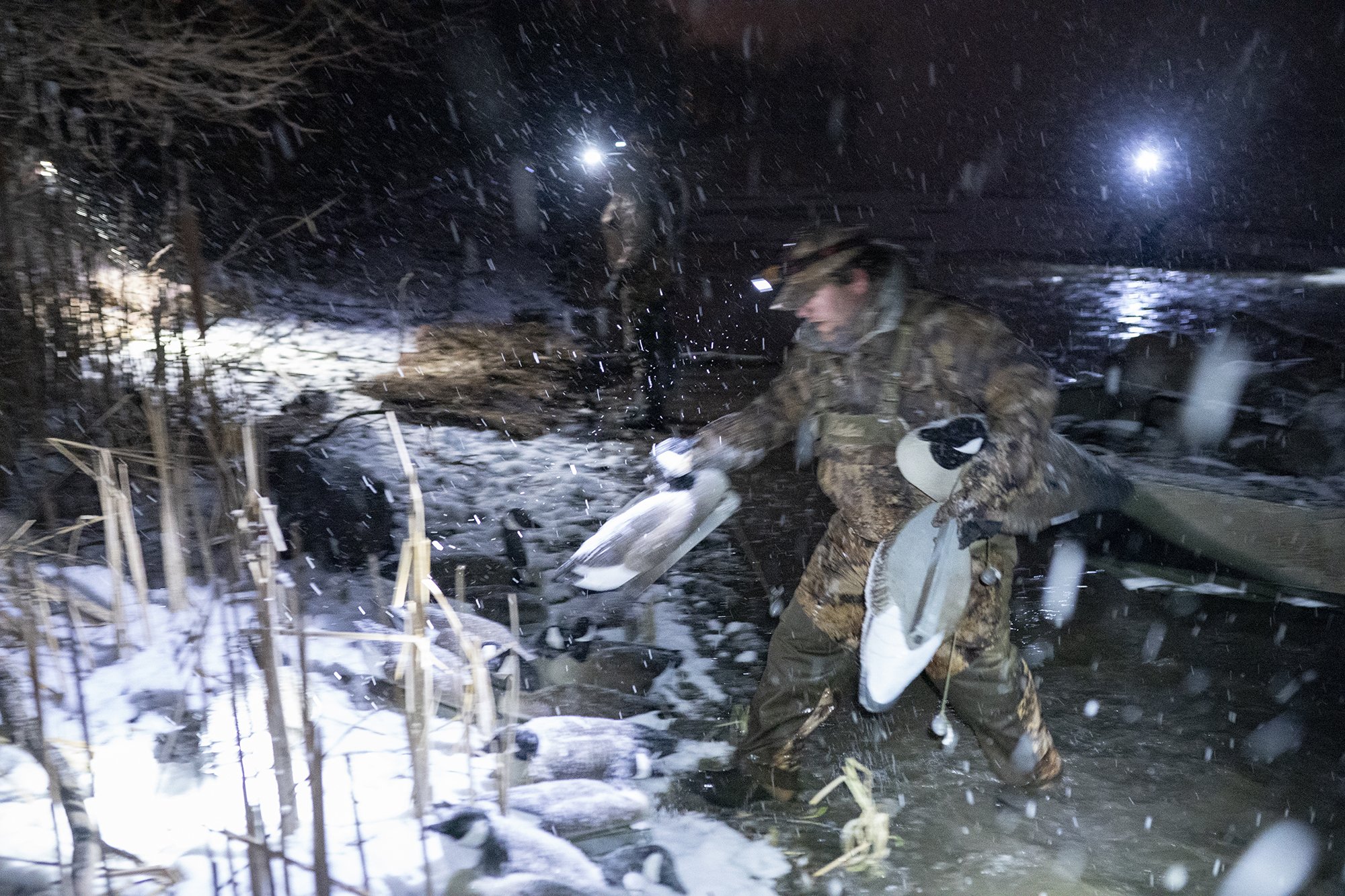
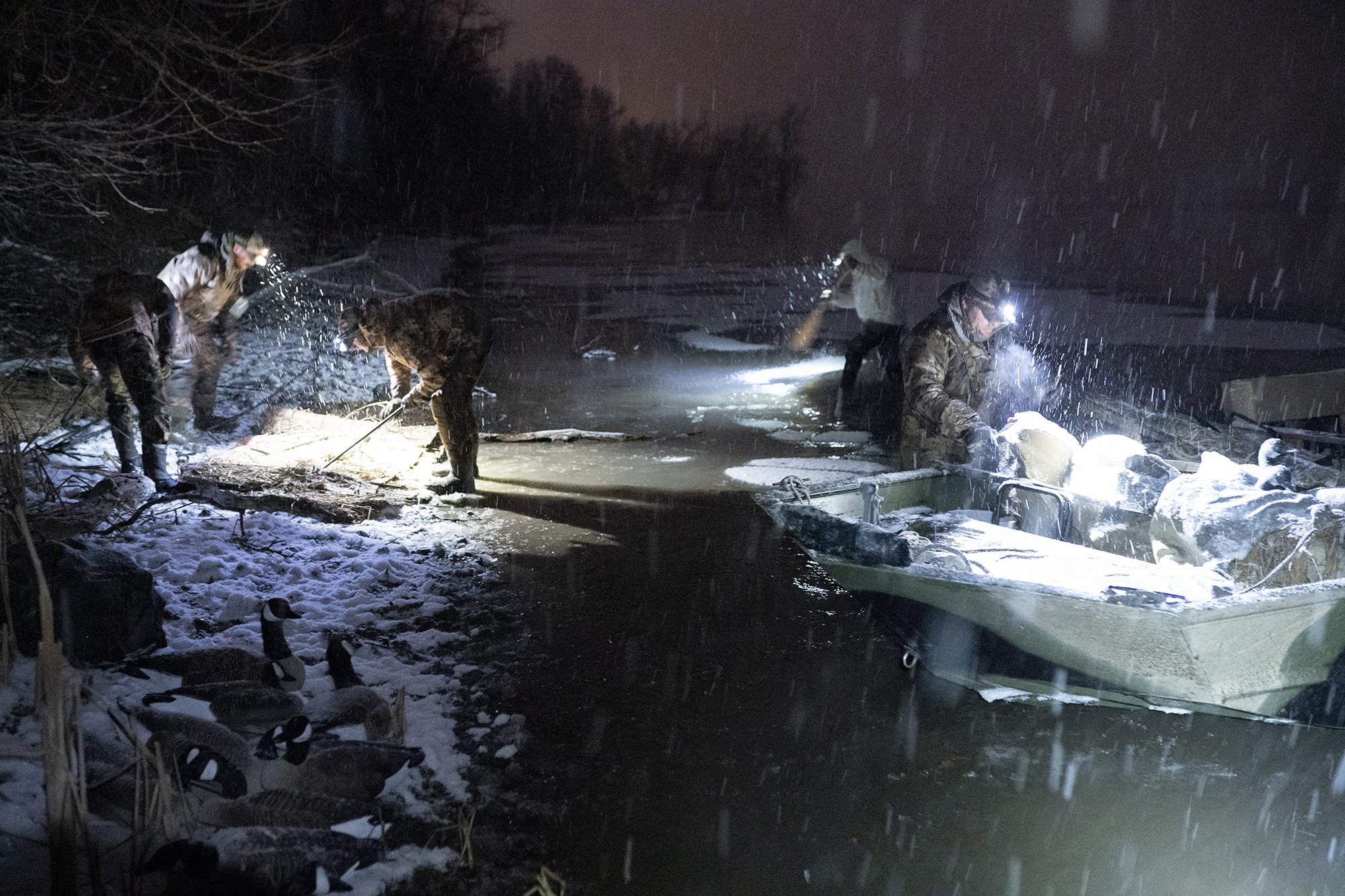
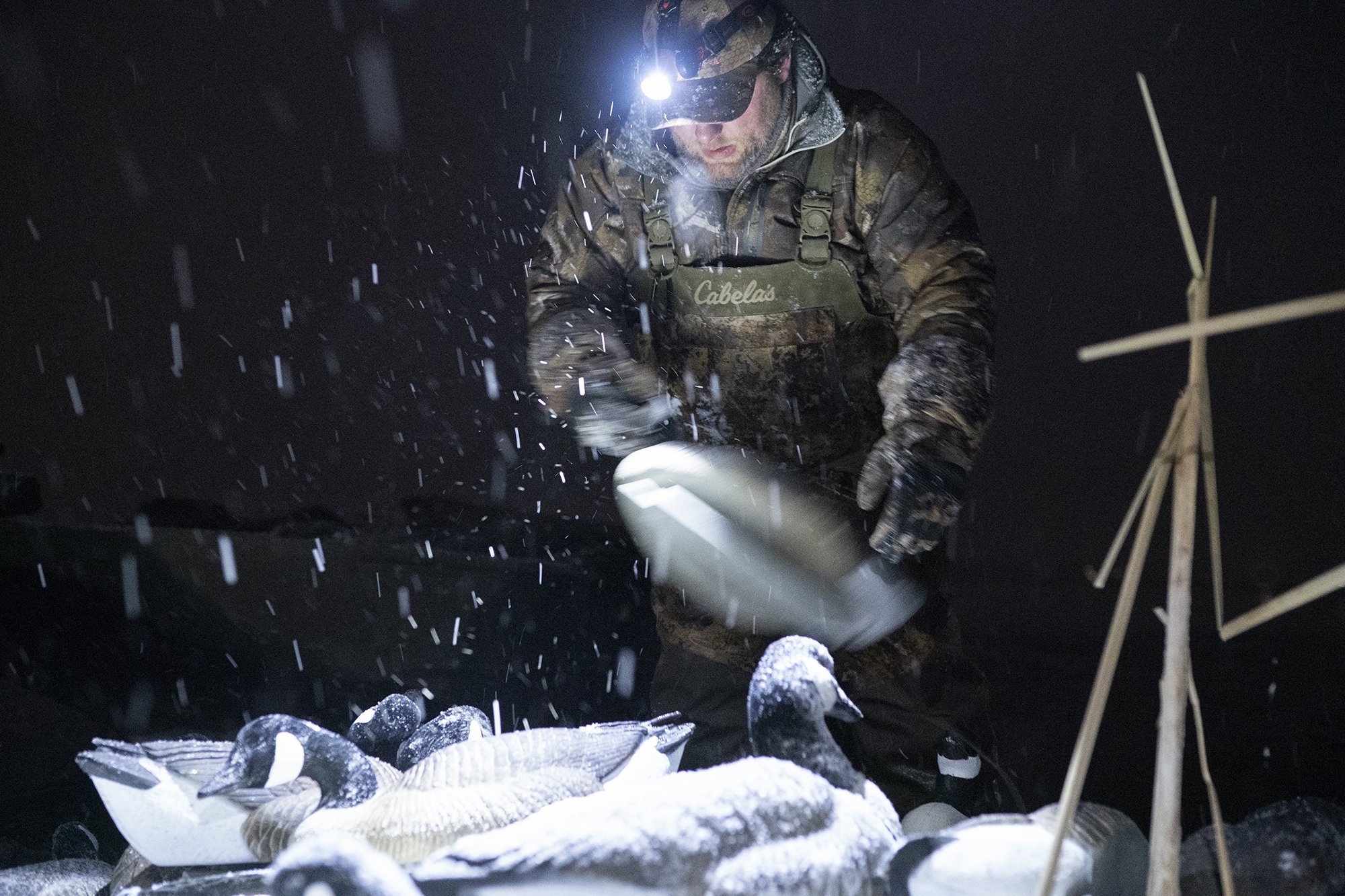
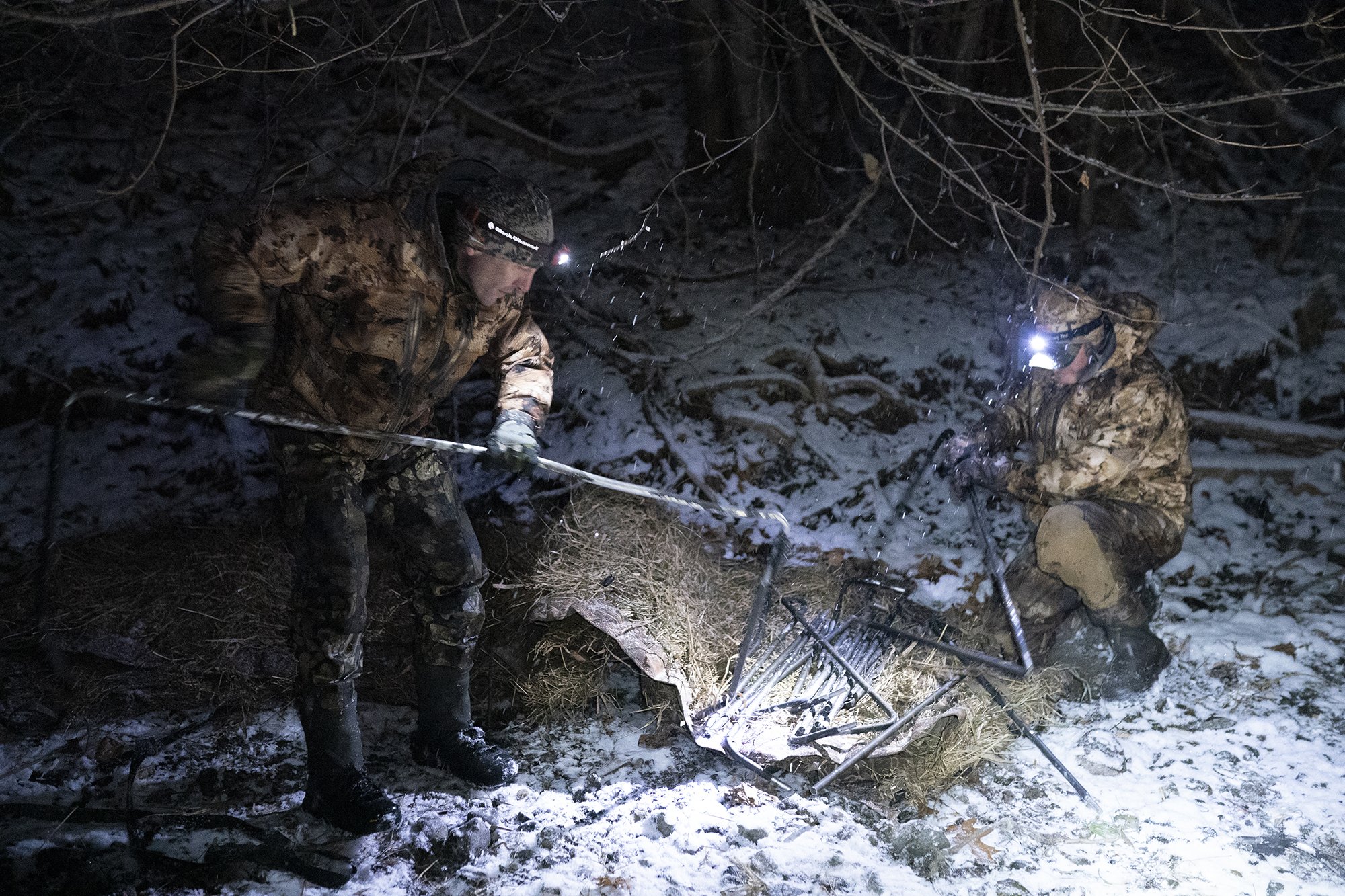
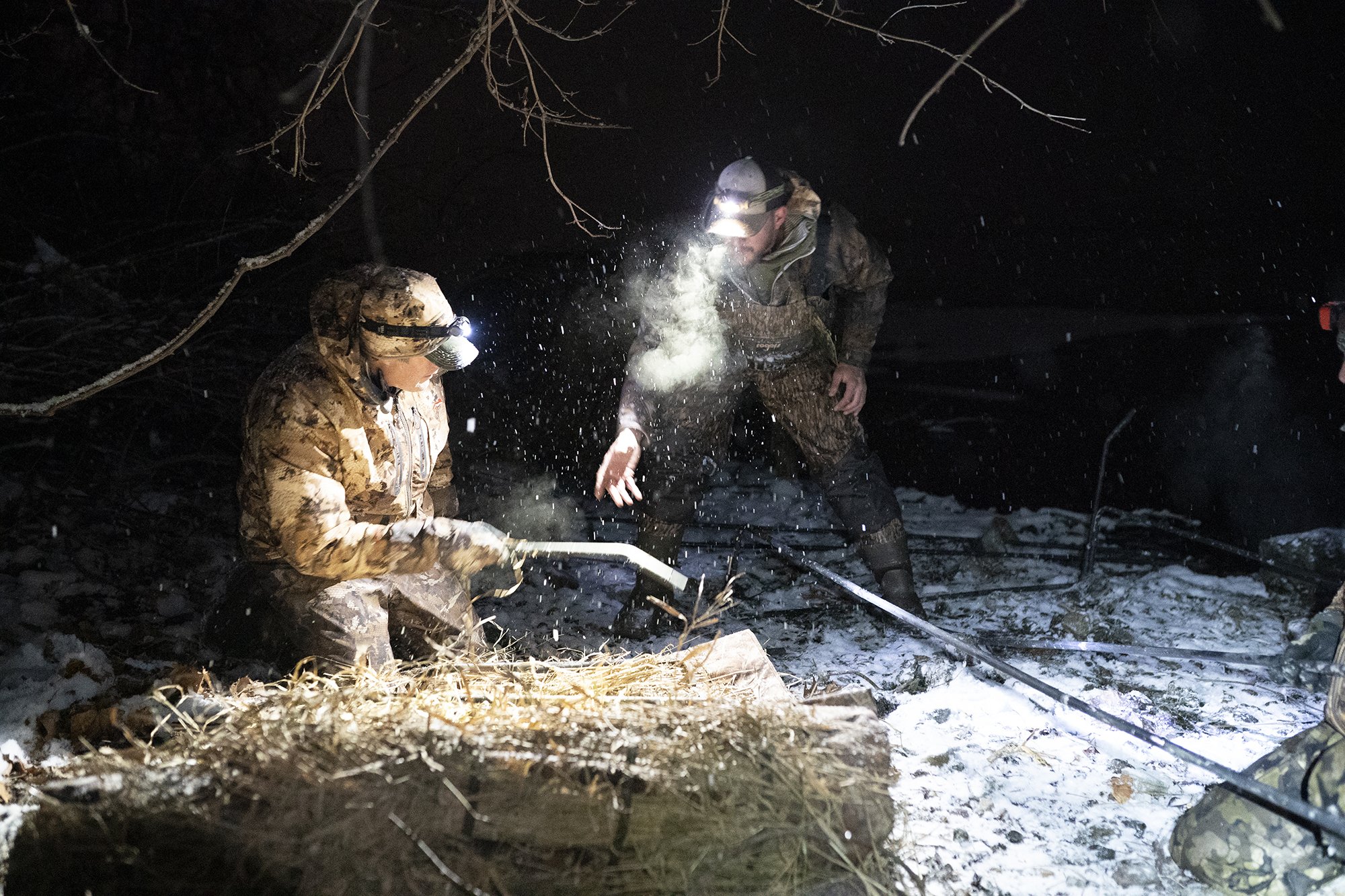
Duck Hunting the New York Finger Lakes

Experience the Grit of Duck Hunting - Photography - Real Hunts, Real Gear, Real Moments

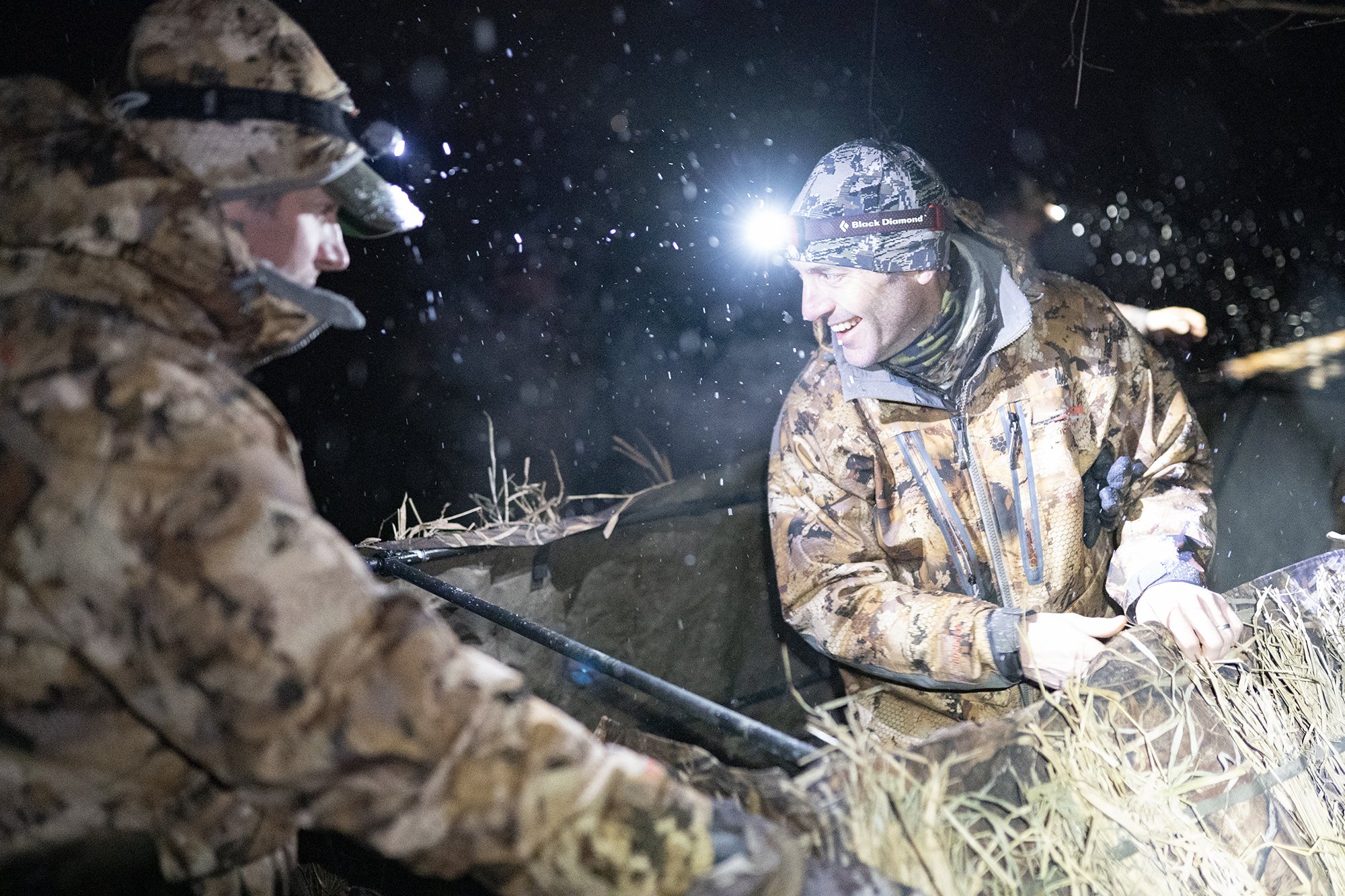
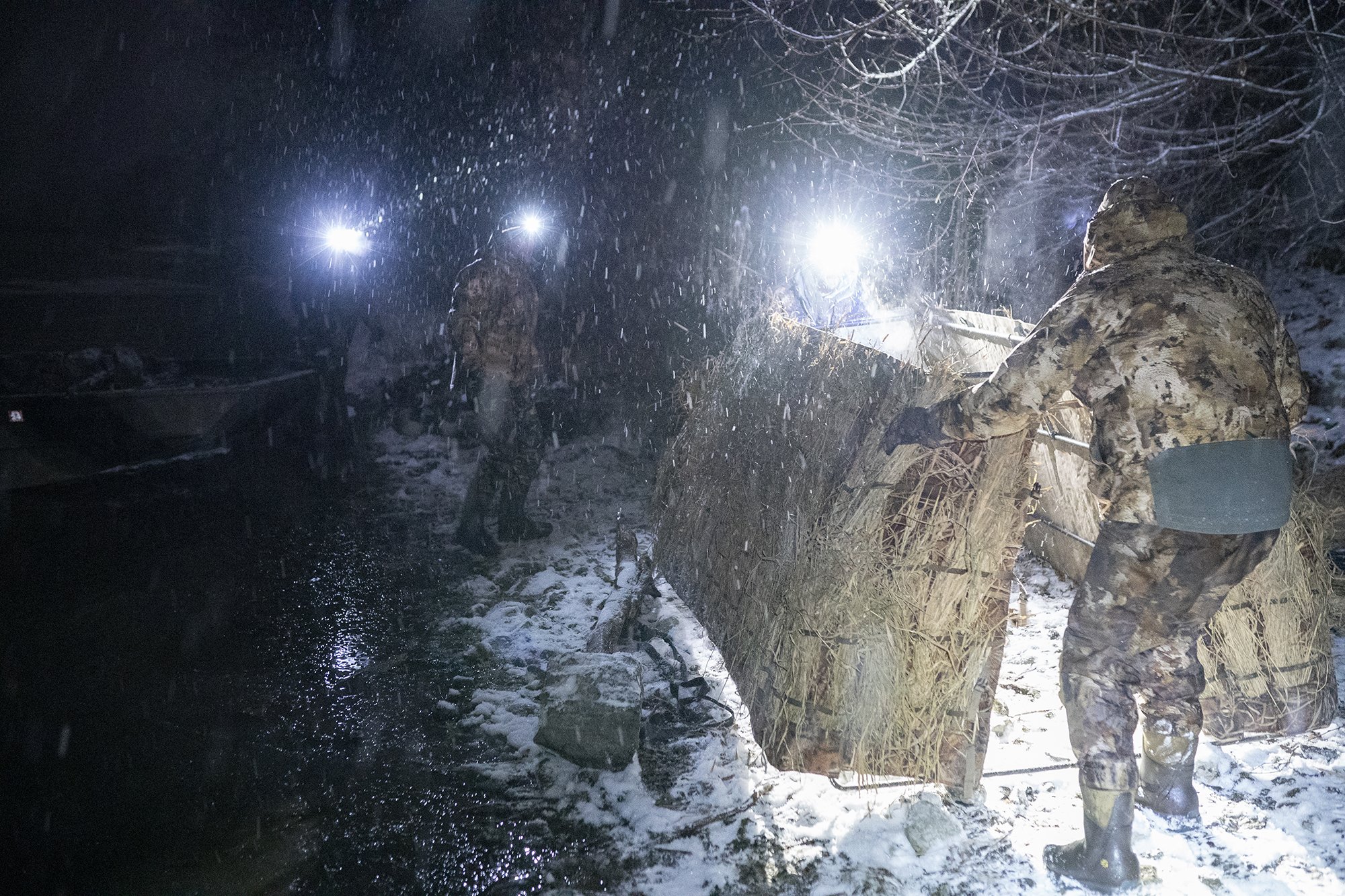
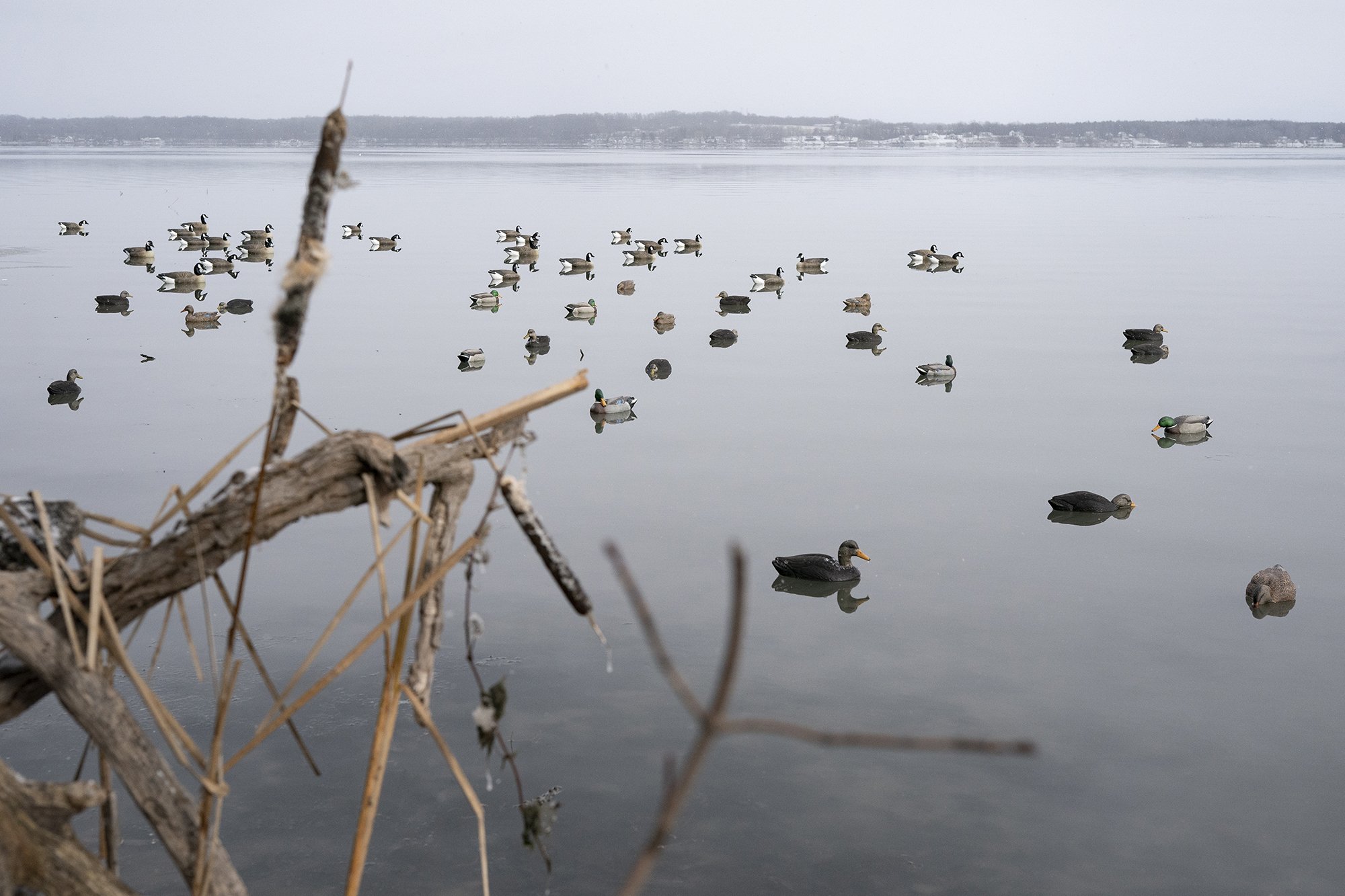
Duck hunting on the Finger Lakes in New York is an experience unlike any other—one that tests both hunters and their gear against the harsh conditions of early mornings, biting winds, and unpredictable weather. As a duck hunting photographer, I specialize in capturing these authentic, candid moments from real hunts, where the true spirit of the chase is laid bare. From the first light of dawn to the final shot of the day, my photographs document the rugged beauty of this experience, showcasing not just the action but the challenges and camaraderie that define it.

The Finger Lakes region offers a stunning backdrop for hunting, but the conditions can be grueling. The cold, icy waters and the need for quick reflexes require hunters to be prepared for anything. It’s in these raw, unpredictable moments—whether a hunter battling the chill, adjusting gear in a boat, or watching the horizon for a duck’s silhouette—that the true essence of duck hunting comes alive. My focus is to document these moments with authenticity, highlighting the grit and determination needed to thrive in such harsh conditions.

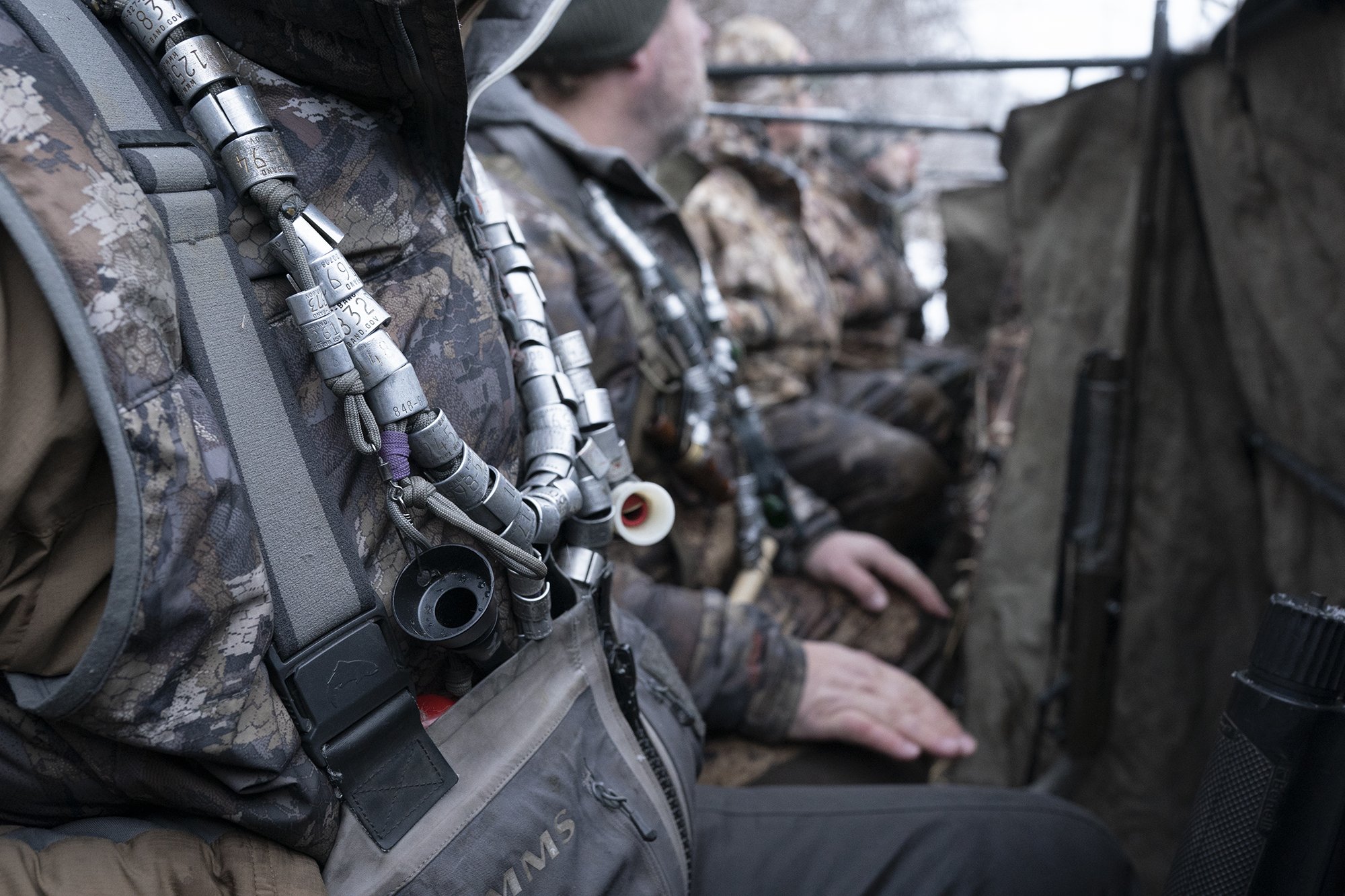
In my duck hunting photography, I capture more than just the gear; I aim to tell a story of perseverance and passion. Whether it’s the intense concentration as a hunter scans the water, the quick motion of retrieving a fallen bird, or the subtle details of weathered gear, my images reflect the heart of what it means to hunt on the Finger Lakes. These candid shots are perfect for those who want to immortalize their hunting experience, showcasing their gear in the context of real, demanding hunts.

If you’re looking to showcase your hunting gear in its most authentic form, capturing the true spirit of a hunt on the Finger Lakes, I invite you to work with me. My photography is not just about equipment—it’s about the experience, the dedication, and the beauty of duck hunting in one of the most challenging environments. rob@robhammerphotography.com

Fly Fishing - Crested Butte, CO

Taylor River Fly Fishing

Fly Fishing Photography - Colorado

Sometimes you think the sun is going to help with the cold and on certain days is does. For all the rest of the days, it’s easiest to just accept the fact that you won’t feel your hands again until you get back to the truck. At which point you’ll need to put a koozie around your beer just so they don’t get any worse. Thankfully this wasn’t one of those. It’s only the middle of October but that doesn’t matter. If you spend time in the mountains then you know an early summer morning can feel oddly similar to winter. It’s got to be part of that whole love/hate thing.

It’s safe to assume that most western fly fisherman, in the beginning at least, are only concentrated on the rainbow trout. It’s put up on a pedestal. The trophy. The goal. Won’t deny having those same feelings, but that’s all changed over time, as everything does. Now, in my opinion, brown trout are king. Their colors and markings are really special.Now, In the name of transparency this isn’t my fish, but my friend caught it while I was shooting. Which means I was sort of catching it vicariously through him. That’s the only way I’ve found to calm the urge to set the camera down and replace it with a fly rod. It’s a vicious cycle that I’m trying to be at peace with. On the scale of problems, it’s a good one to have. Snowboarding is the only thing I do that absolutely won’t involve a camera unless it’s the one on my phone. Fly fishing on the other hand is a constant battle.

Good times on the Taylor River that day.

Click here to see more of my Fly Fishing photography

Colorado Fly Fishing Photographer

11 Mile Canyon Fly Fishing - Colorado

Nestled in the heart of the Rocky Mountains not far from Lake George, Colorado - 11 Mile Canyon is a breathtaking destination that attracts fly fishing aficionados with its crystal-clear waters, stunning scenery, and abundant fish species that offer an unforgettable experience for anglers. Colorado is known for its breathtaking mountain ranges, lush forests, and serene lakes. The backcountry canyon section of the South Platte River offers a unique opportunity to escape the crowds of fisherman, immerse yourself in nature, and find solitude on the water. Fly fishing in these remote areas not only allows you to connect with the environment but also gives you access to wild, untouched fisheries teeming with life.

If you’re going to spend a few days fly fishing in 11 Mile Canyon, there are designated campsites along the way, with Spillway Campground being the best. Just to be clear, this is not dispersed camping. It is a campground where you’ll have neighbors, but the sites are adequately spread out, and your literally steps from the South Platte River in a section with large, hungry trout. Early mornings there are great for quiet fishing before anyone wakes up, but don’t wait too long or there will be people on every corner. At that point, I’d recommend making some breakfast, then heading down canyon where you’ll find stunning stretches of river and solitude if you’re willing to work a little bit. Some of the canyon sections are a lot harder to access than others because a short hike down a steep hill is required for river access. It’s all worth the effort though to be surrounded by rocks cliffs and pristine water. Then, when the sun starts going down, head back to camp for some food and beer, and you’ll be just in time for the evening hatch. I’ve heard a lot of people talk about success throwing mice patterns there in the dark, but have never done it myself. Usually at that point the itch has been more than scratched, and beers around the fire is too appealing.

Click here to shop my fly fishing wall art and contact me directly about licensing photographs for editorial/commercial usage - rob@robhammerphotography

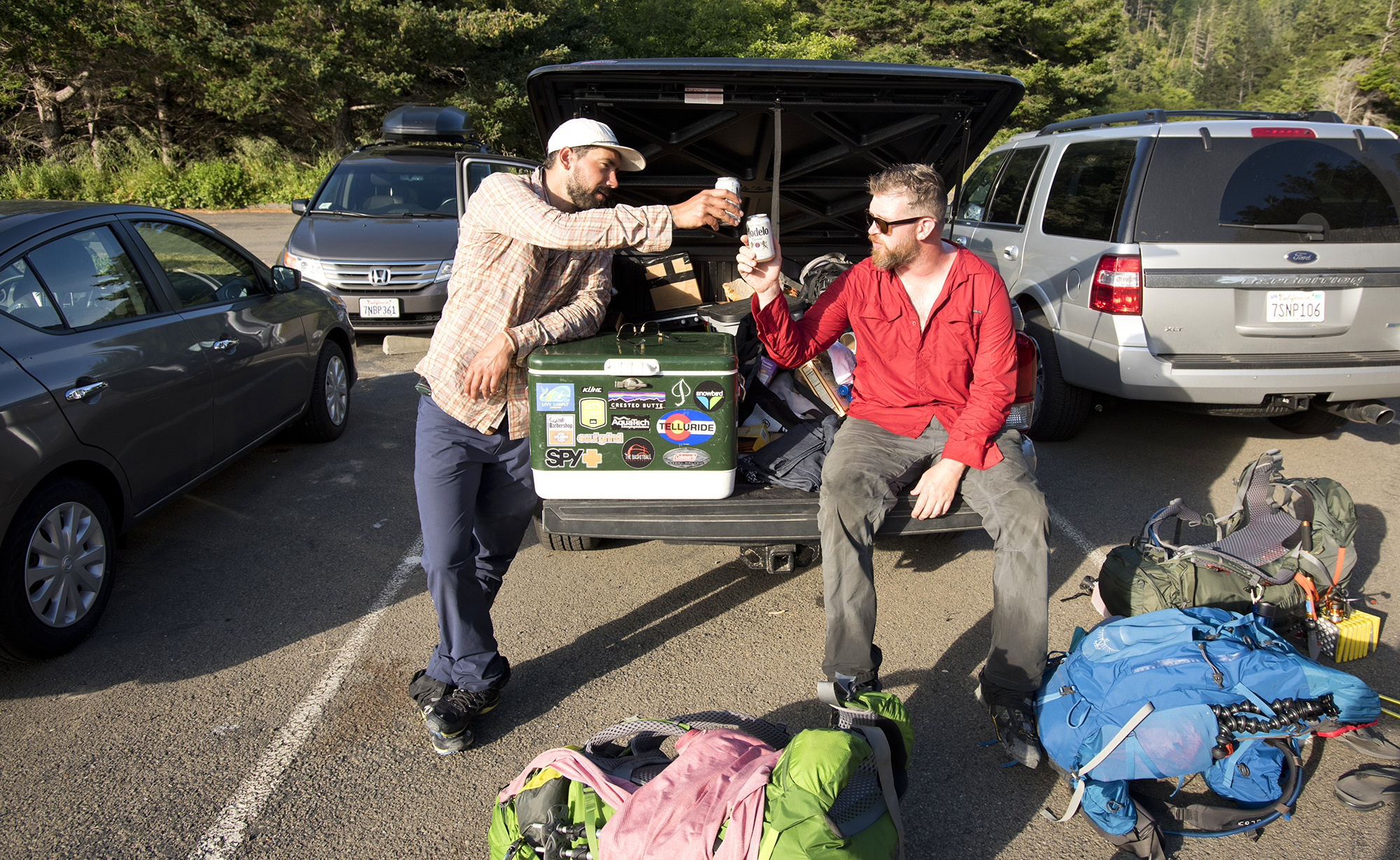
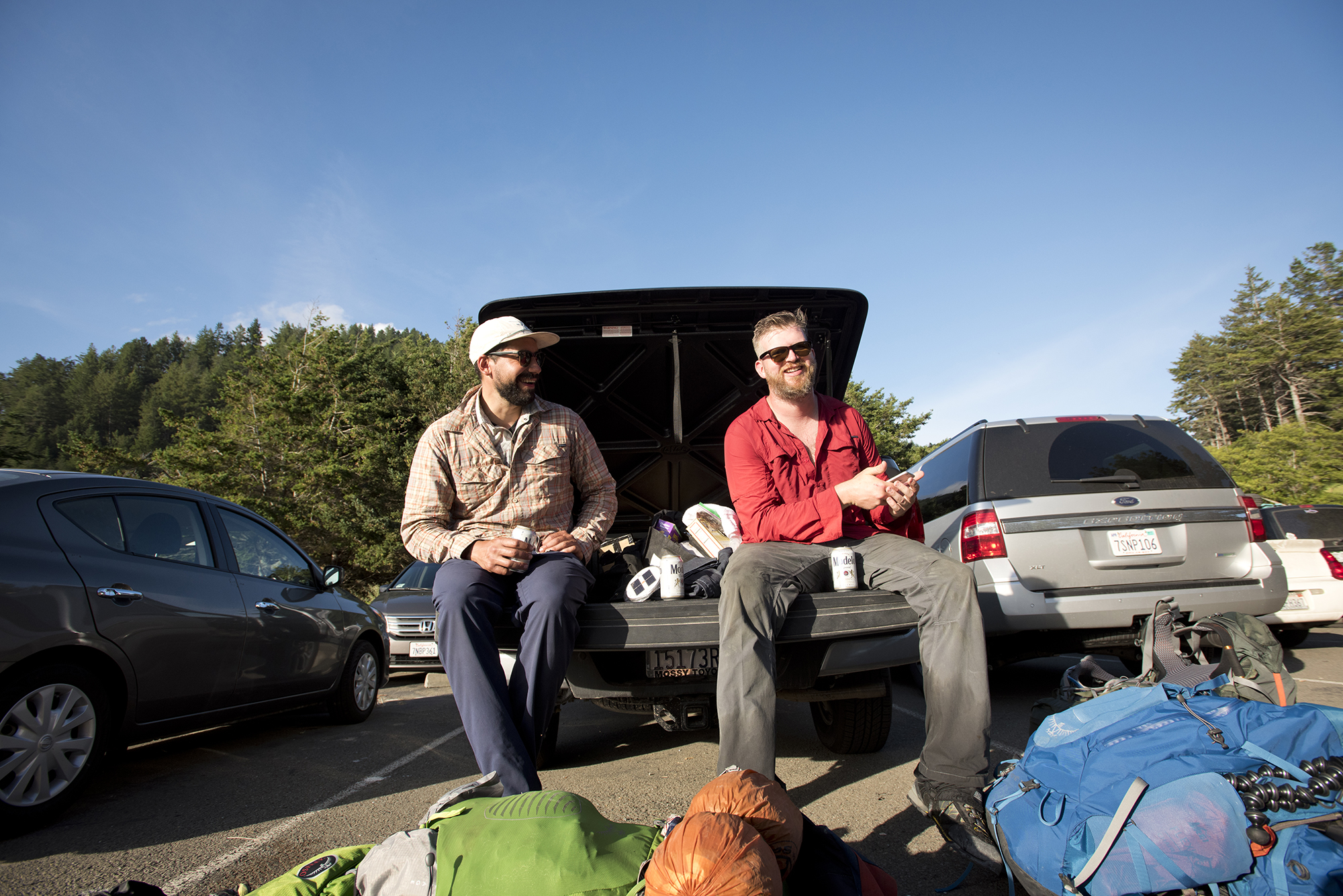
Photograph of two friends on a fly fishing road trip in a classic truck

Fly fishing road trip

11 Mile Canyon Fly Fishing

Scenic Colorado Fly Fishing

Black and white fly fishing print - 11 Mile Canyon

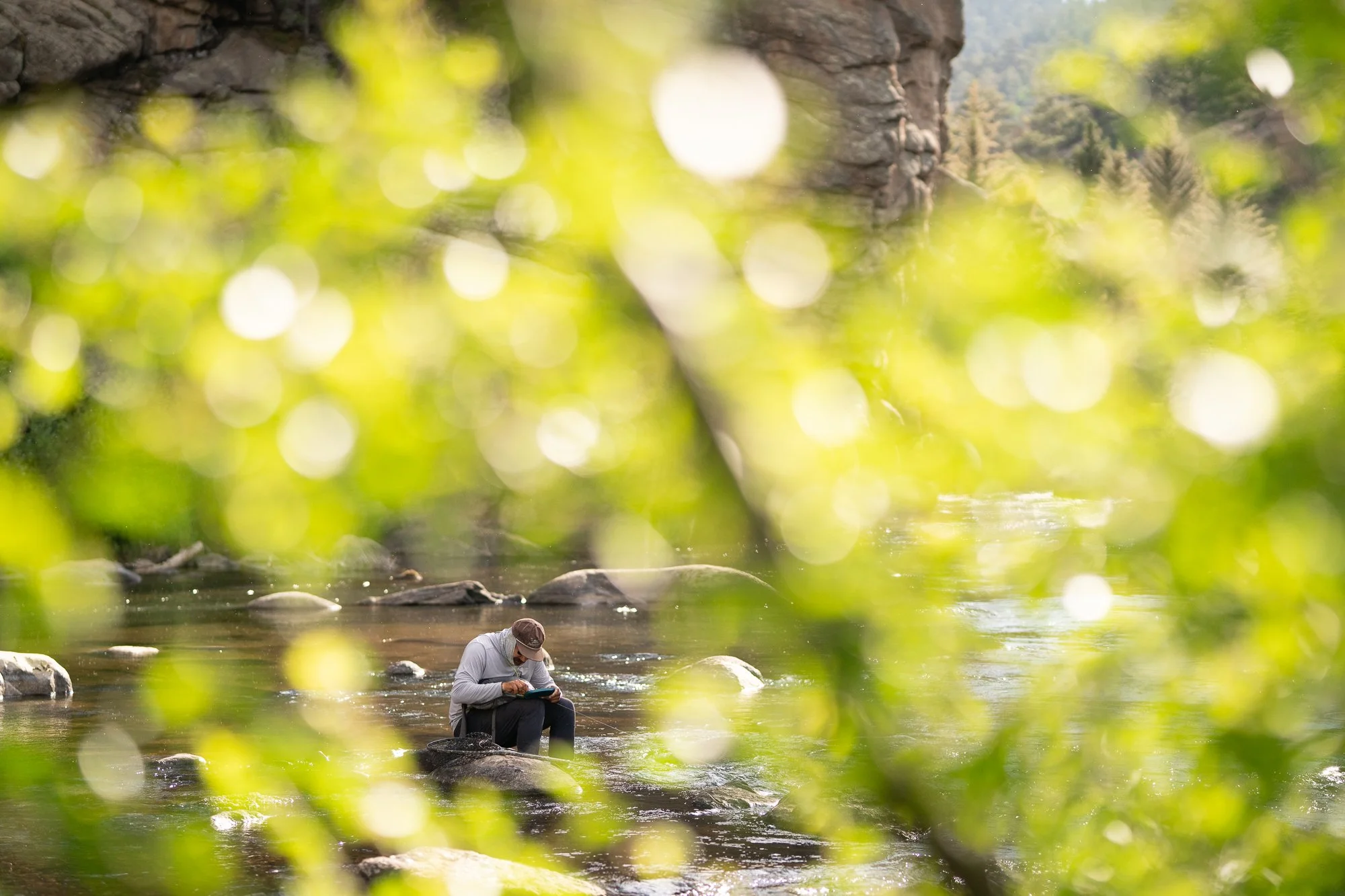
Take a break on the river - tying flies

Netting a trout on the South Platte River

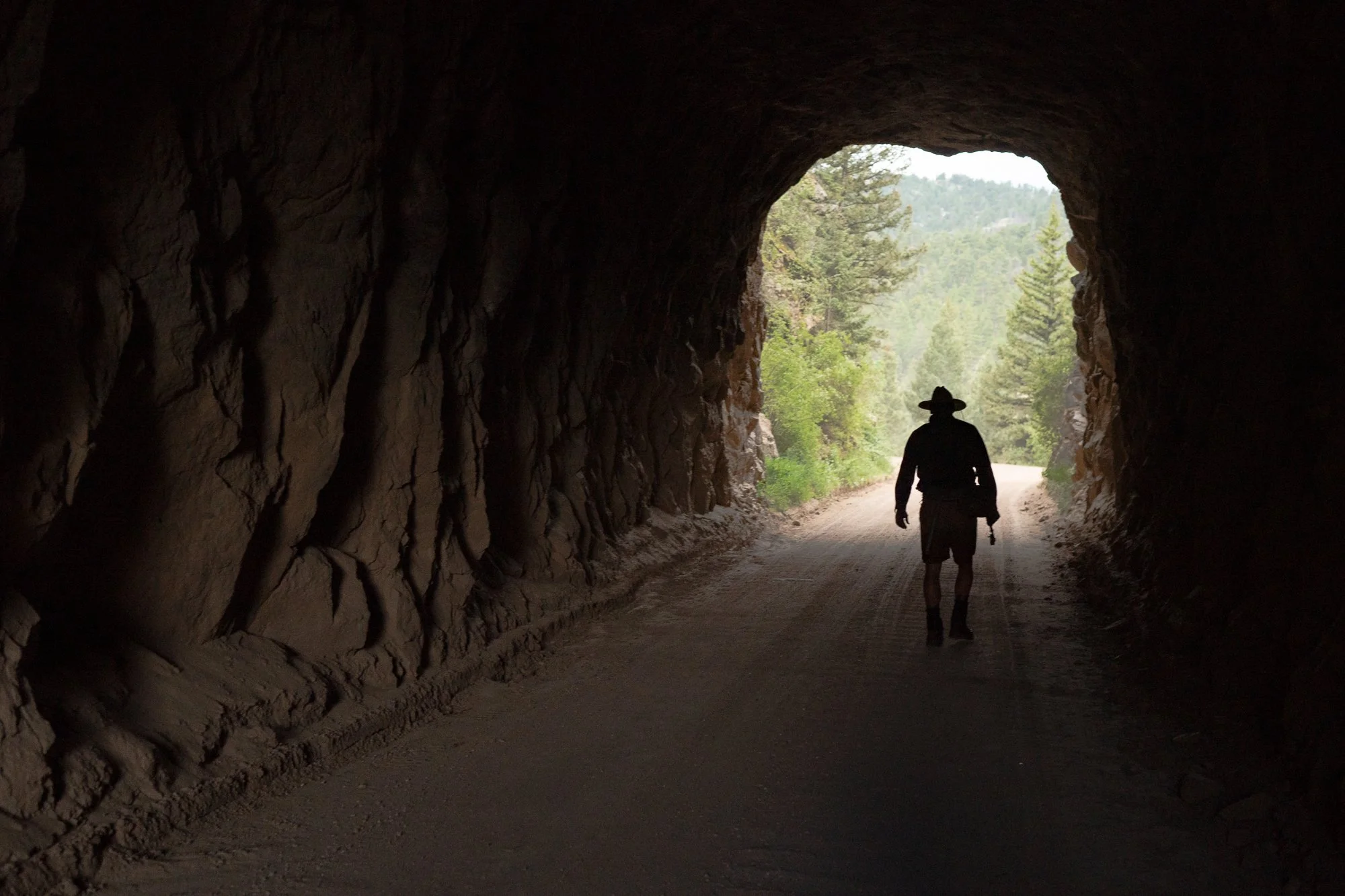
Fly fisherman walking through a tunnel in 11 Mile Canyon, Colorado

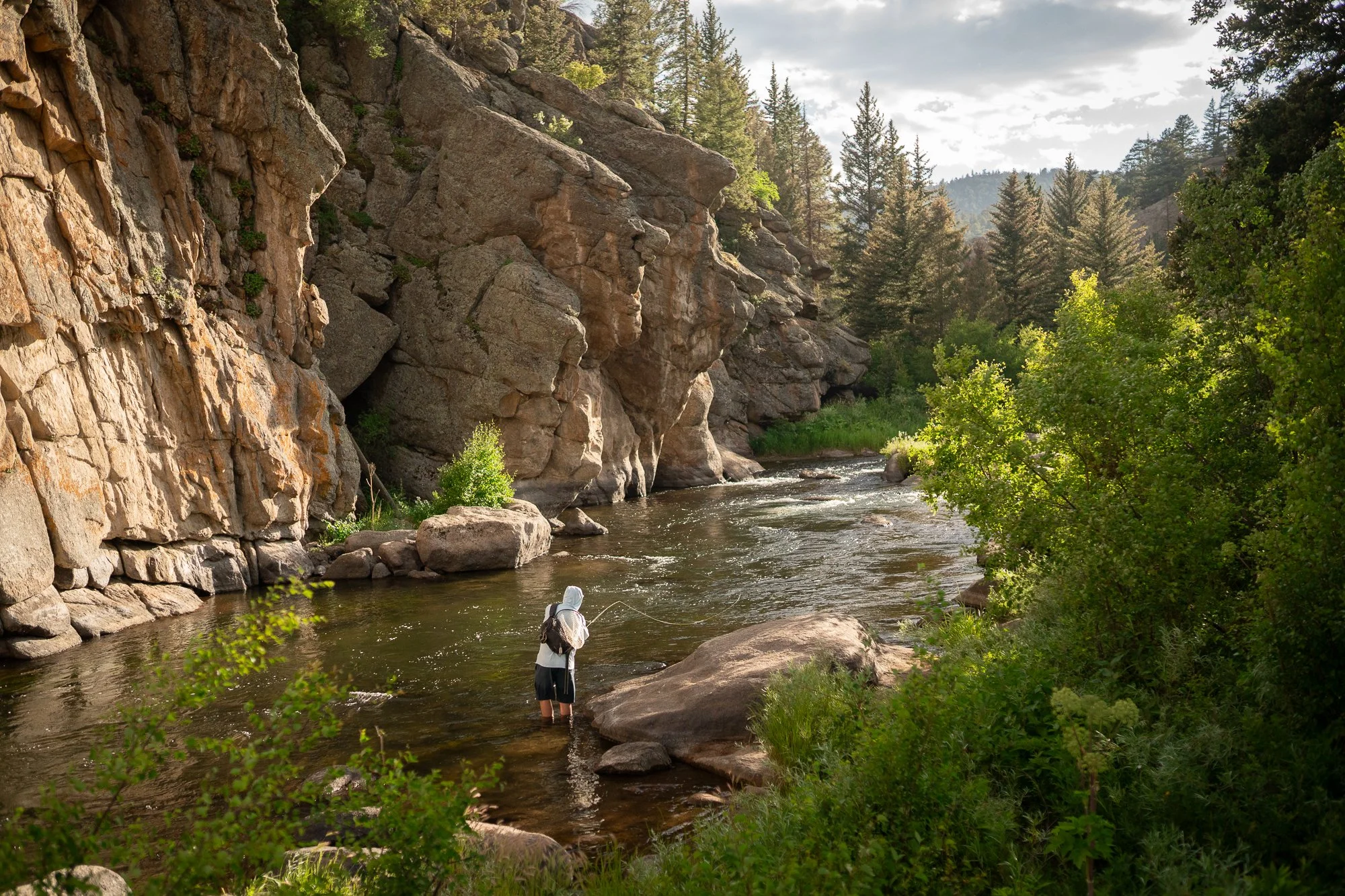
Fly fisherman on a scenic section of the South Platte River in 11 Mile Canyon, Colorado

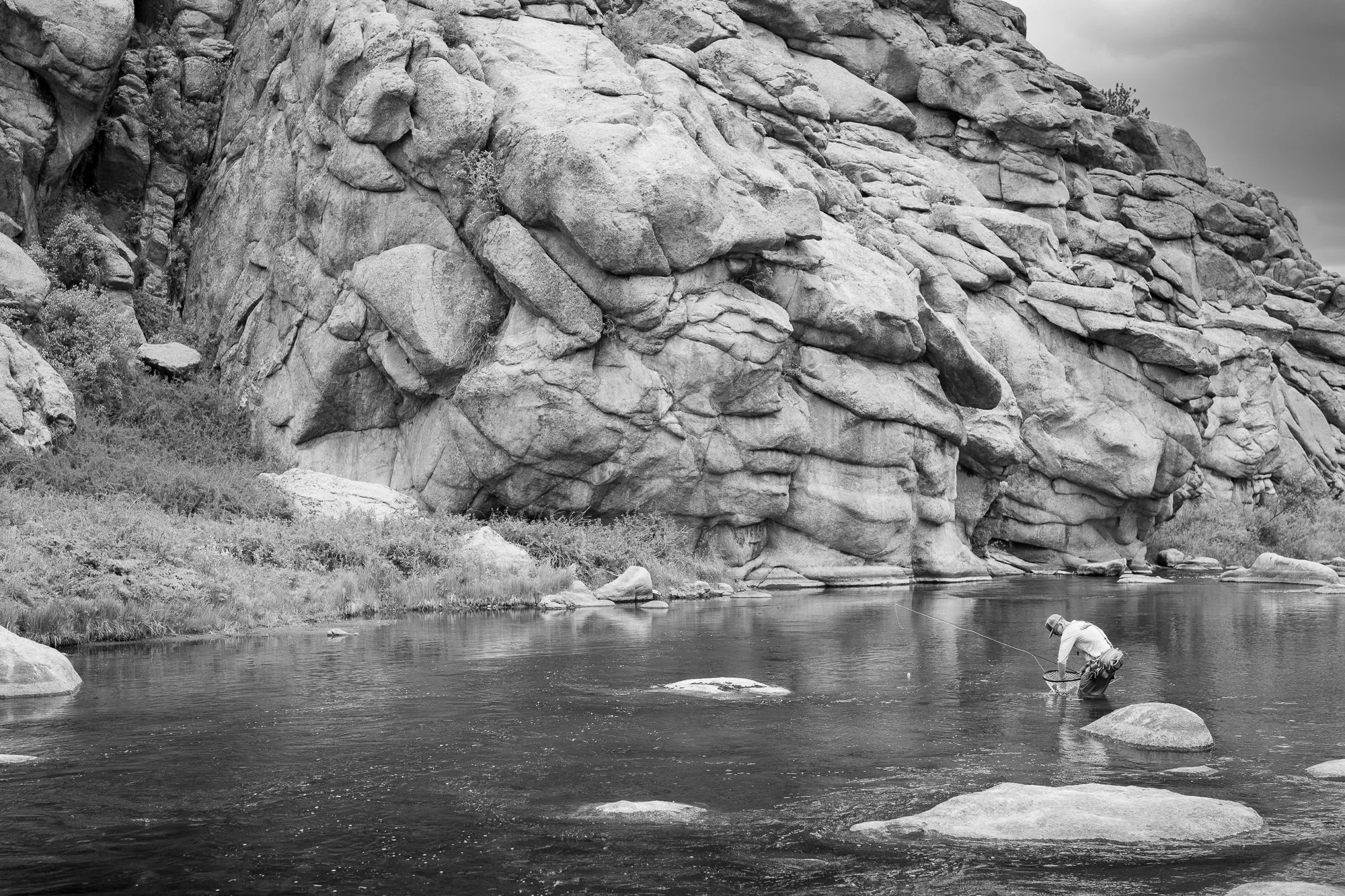
Black and white photograph of a fly fisherman netting a trout on the South Platte River

Boulder hopping in 11 Mile Canyon

Fly fishing in 11 Mile Canyon

Afternoon rainstorm in Colorado

Photograph of two friends putting their fly rods into a roof top holder at sunset in a scenic mountain location

End of the day - 11 Mile Canyon

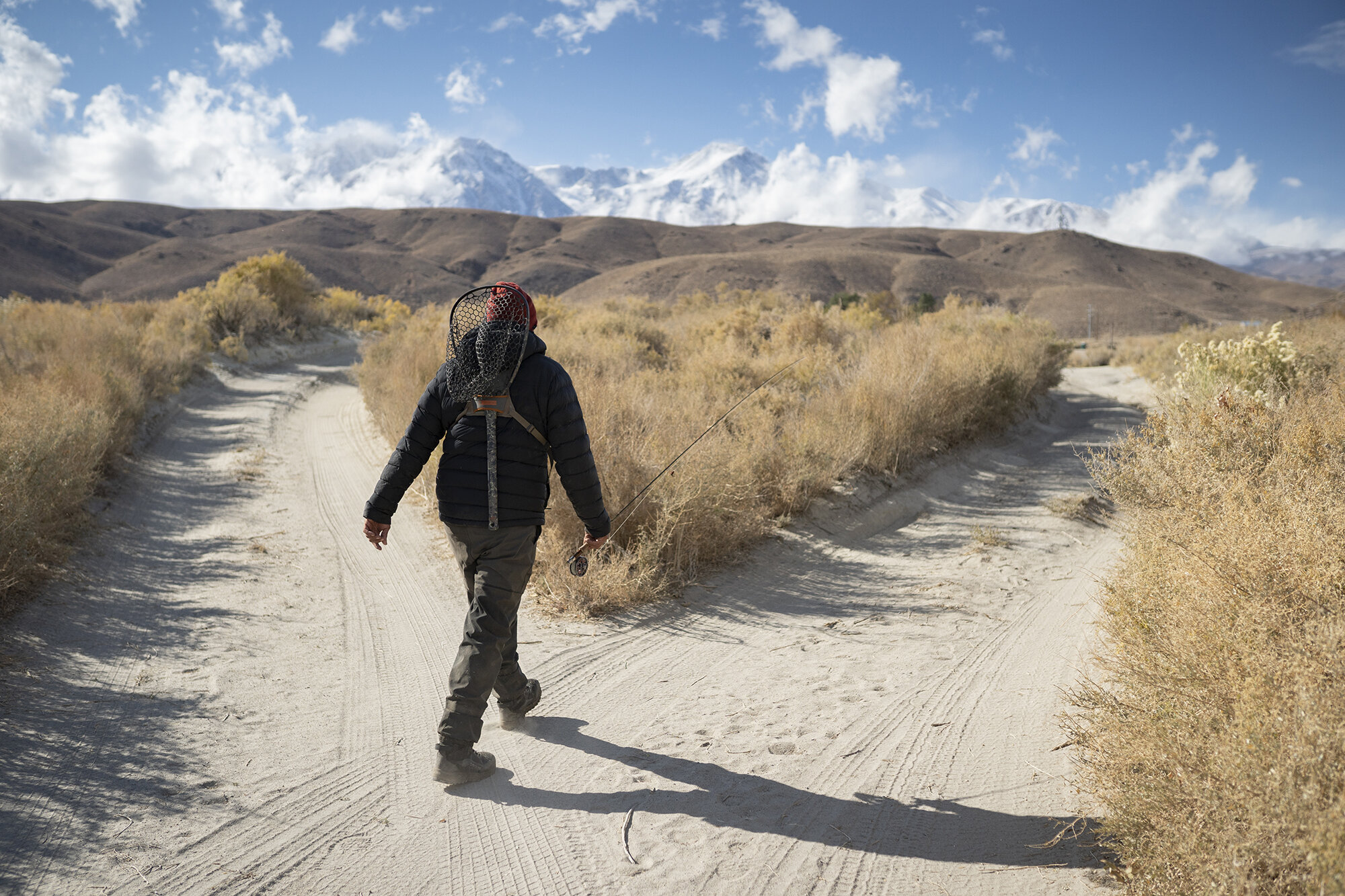
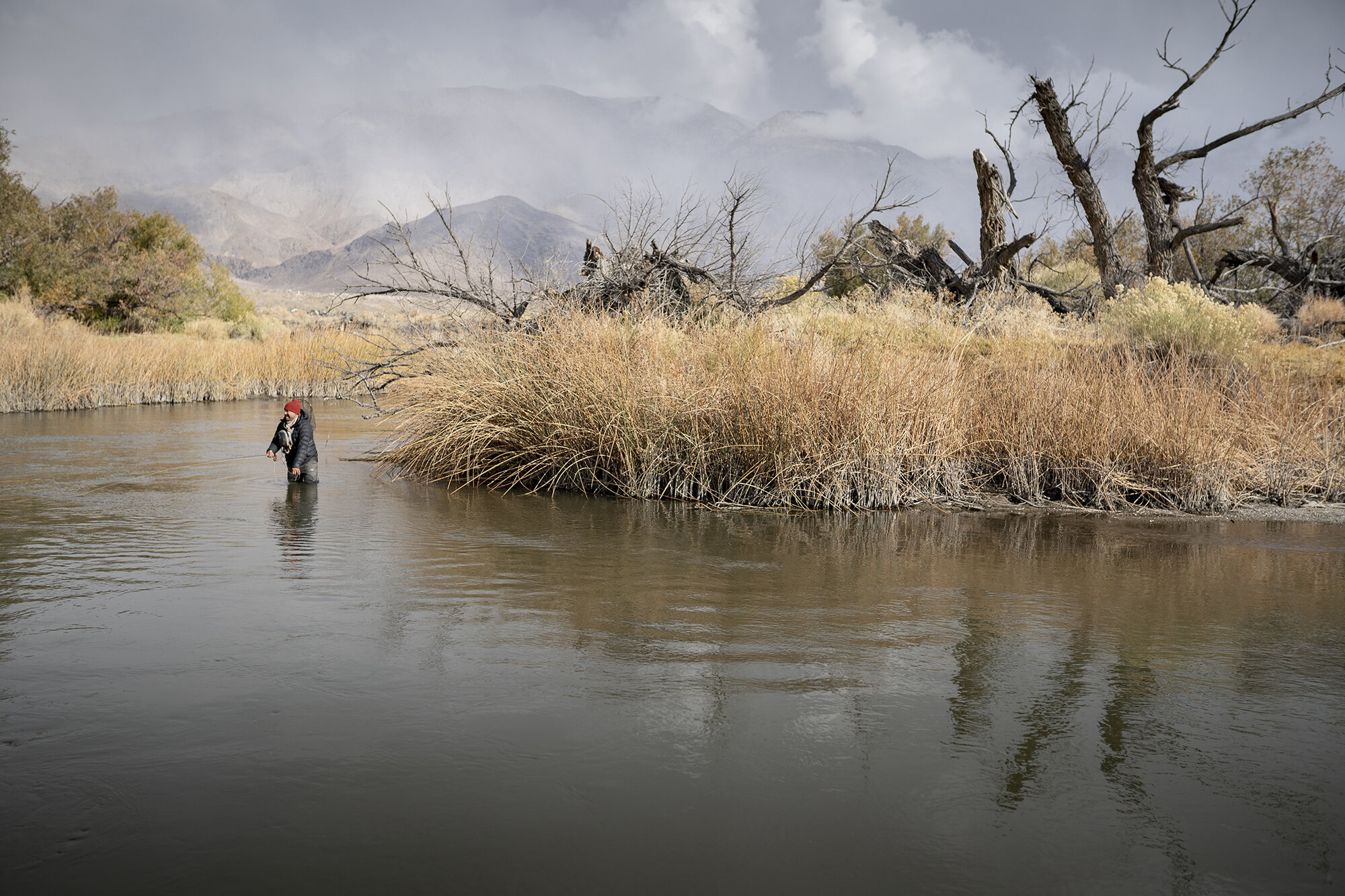
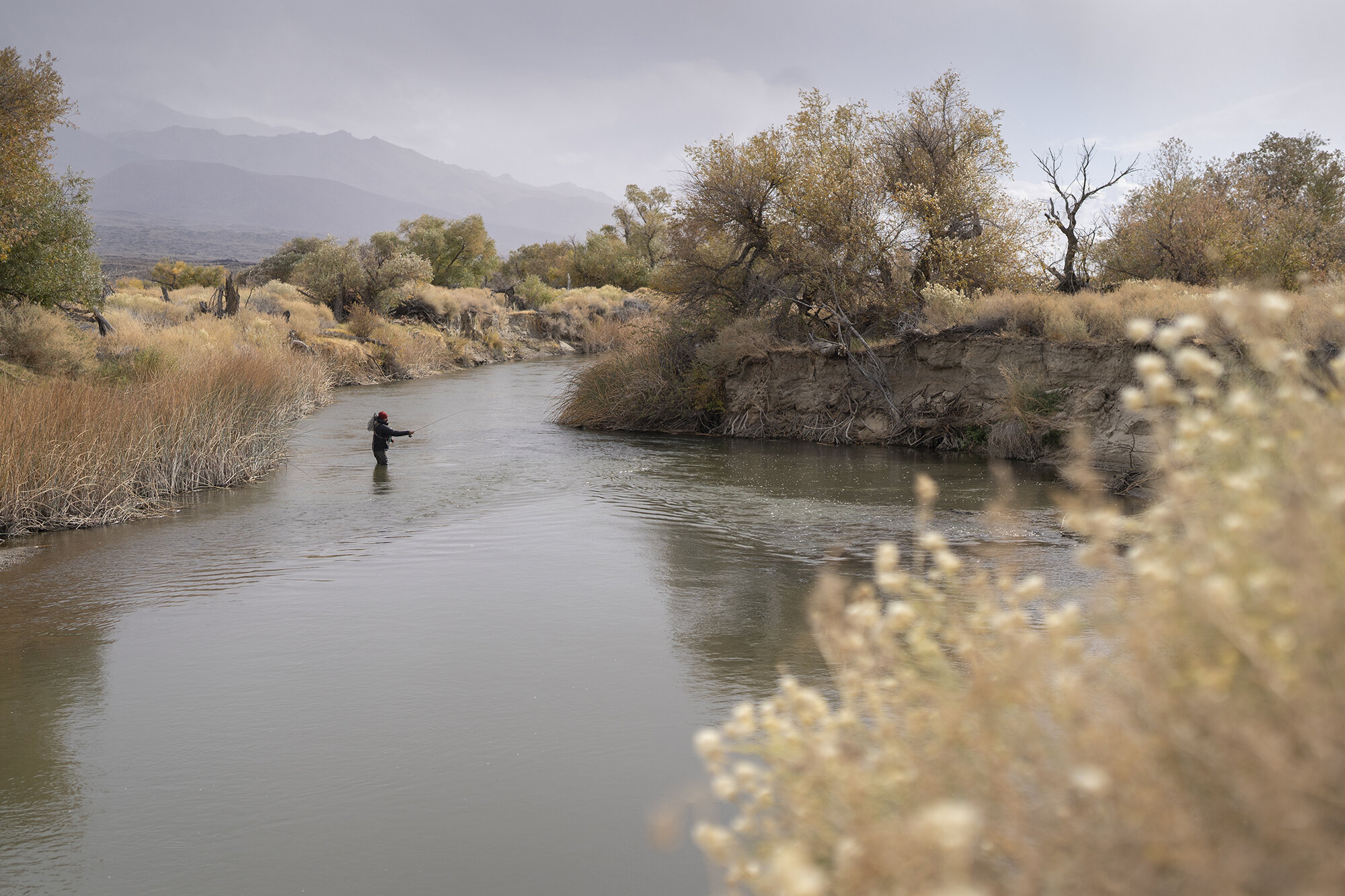
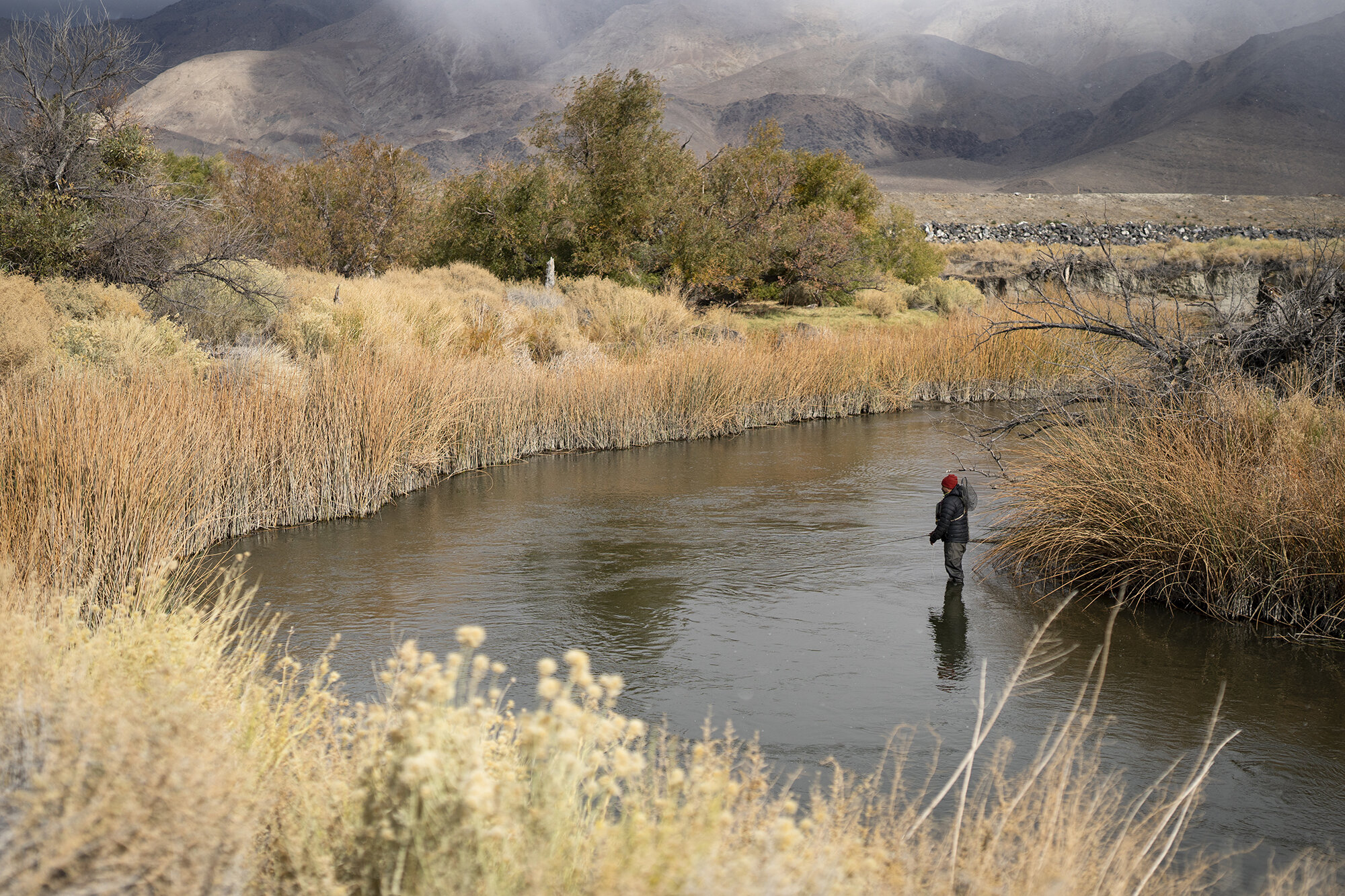
Fly Fishing the Owens River

Owens River Fly Fishing

Mammoth Lakes, California - Winter

Some time over the past couple months has been spent archiving my library of images which is a hell of a process. Sorta seems like moving houses in that you have no idea how many stuff you’ve accumulated over the years until it’s necessary to move it. Archiving my library is daunting but necessary. Should have been doing it all along. A lesson I’ve learned during this process is how easy it is to forget about images once they sit on hard drives for a certain period of time. Life goes on. You get busy. Commercial shooting and other paying projects get put on the front burner. So now I’m faced with having to archive 10+ years of imagery onto a separate site that will allow the images to be licensed instead of collecting dust on a shelf. That aside, it brings a lot of joy to see images from trips past that I haven’t looked at since they happened. Also brings the thought of travel to the forefront and what COVID has done to the possibility of doing it at all. Internationally at least.

The images you see here are from a camping trip last year to Lone Pine, CA in the Alabama Hills. On the way out we hit the Owens River briefly to see if there were any trout hanging out in a particular section we’d never been to. Turns out, there weren’t……

Click HERE for an archive of fly fishing imagery which will is still a work in progress and always will be as my library continues to grow.

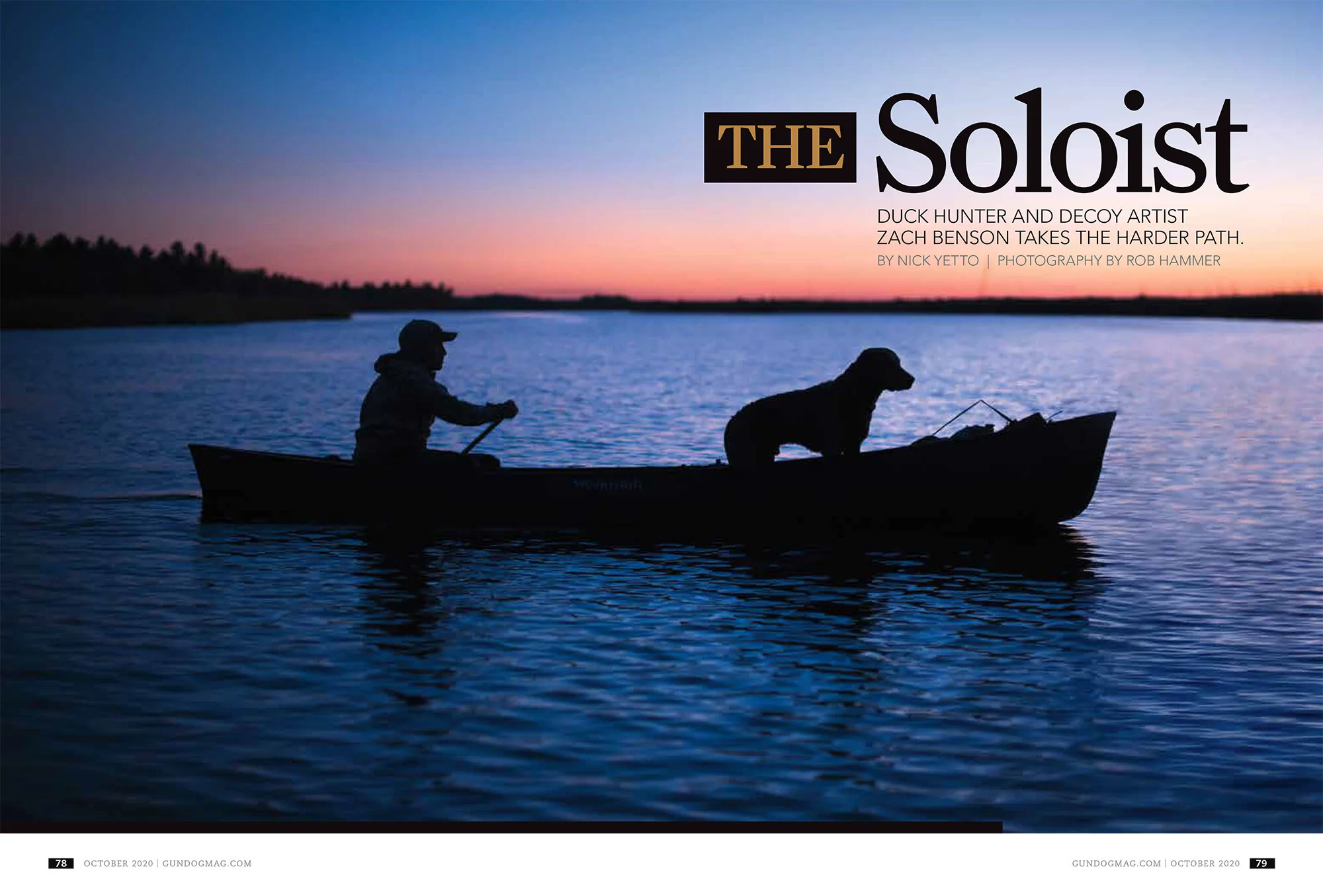
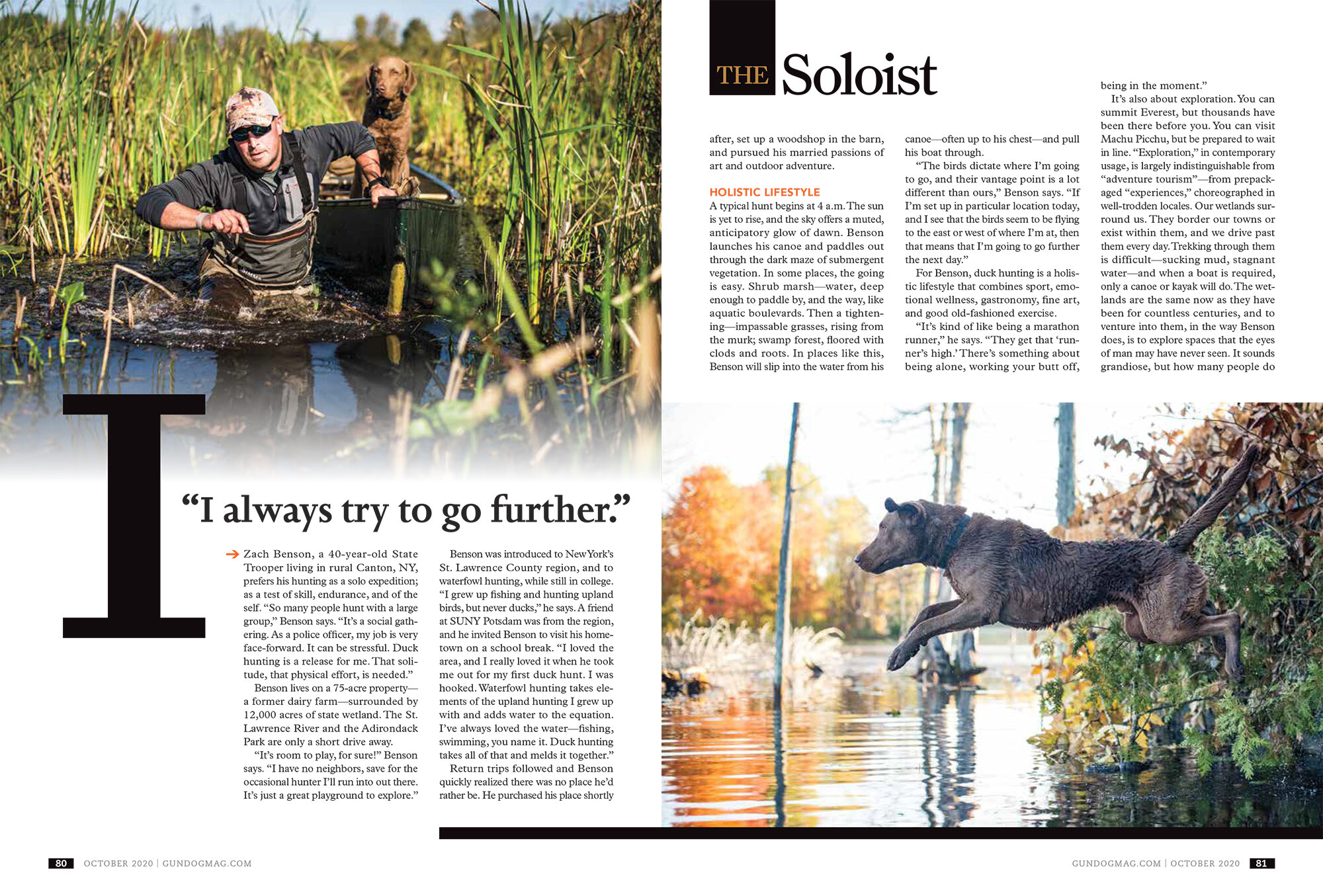
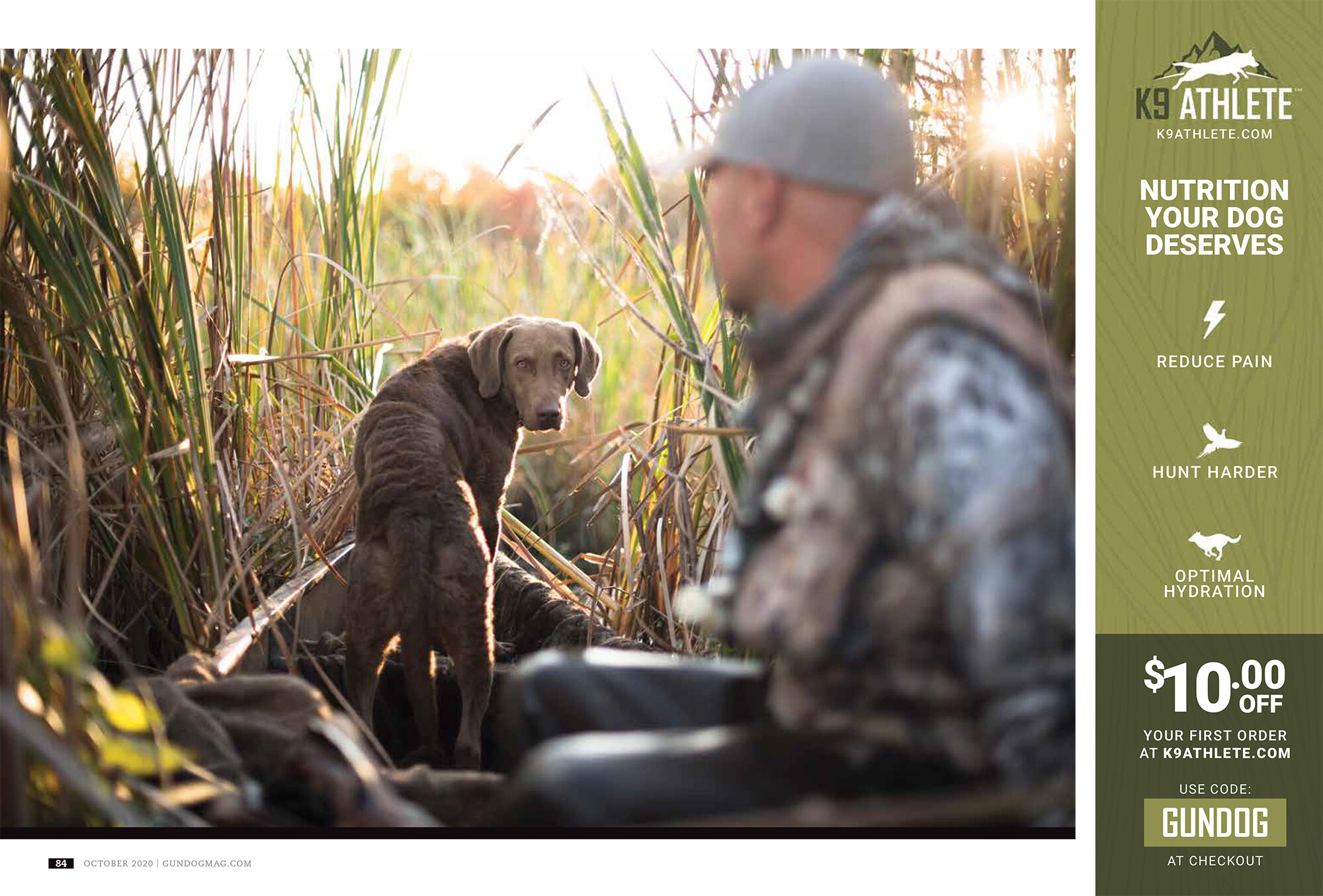
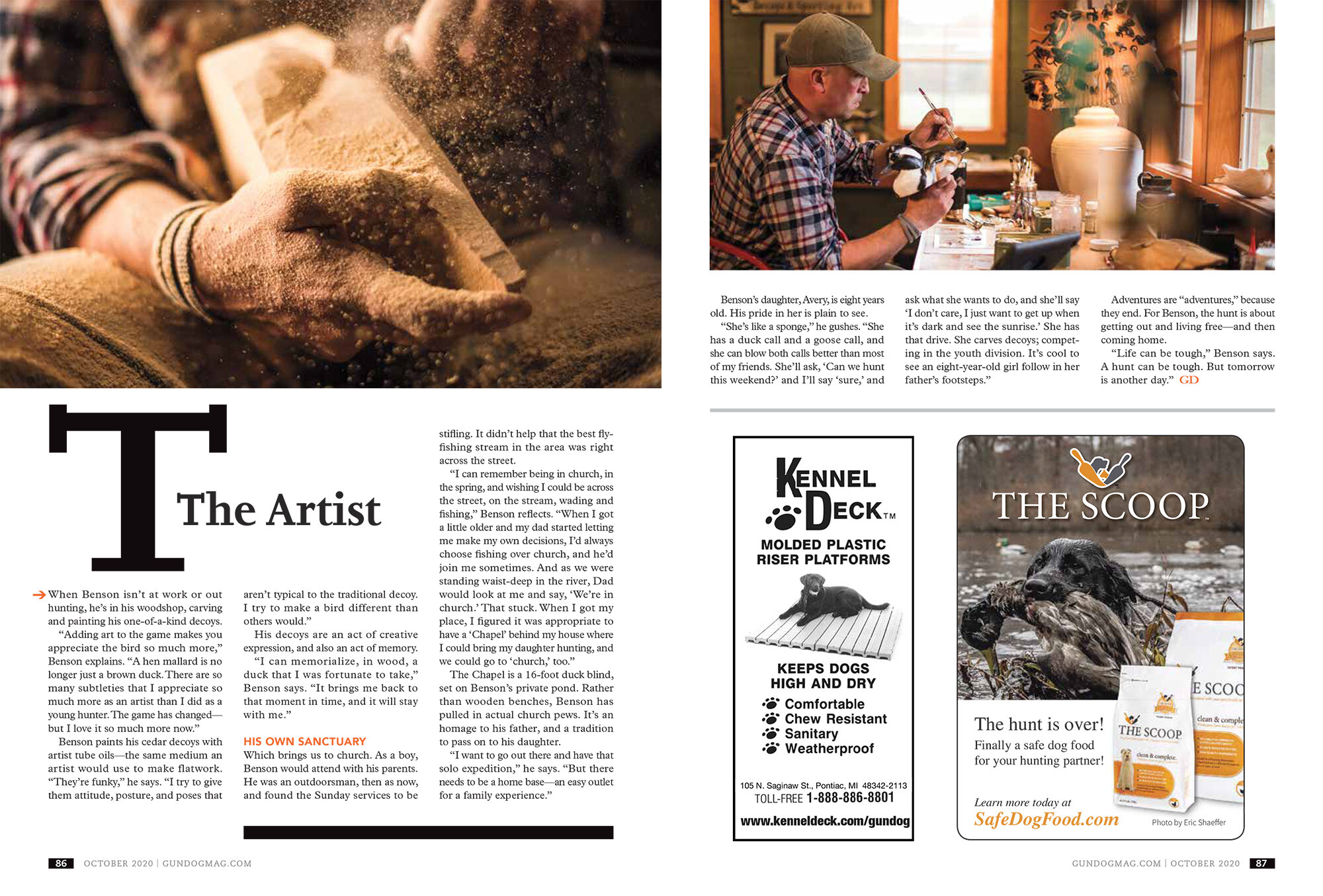
Gun Dog Magazine

Duck Hunting Photography

Zach Benson - Duck Decoy Carver

Seems like personal projects are a constant topic here, but it doesn’t matter because it’s something I’m very passionate about and want people to hear. For photographers, there is nothing more valuable than the personal project. Nothing. I love shooting for certain commercial clients, but put just as much if not more time into personal projects. What you see here is a piece I’m honored to post because it involves time spent with people I care about. I’ve known Zach Benson since elementary school where we were close friends. He’s an extremely skilled hunter and an even better artist. Nick Yetto is my cousin, but also happens to be a brilliant writer. The three of us grew up in the same town and went to the same schools. Then life, as it tends to do, sent us all in different directions. Fast forward to last year around this time, I was fortunate to spend 4 amazing days with Zach documenting his hunts, the creation of his beautiful decoys, ate lots of good food, had lots of laughs, and drank plenty of booze. Then I teamed up with Nick to write a piece that would tell Zach’s story along with my images. To be clear, my intention first and foremost, was to hang out with Zach while also having fun with the camera. Being in these situations I find it impossible not to document what’s happening. I also appreciate his lifestyle and enormous talent as an artist. A person that others with shared interests should know about. And I feel a responsibility as a photographer to help others learn about him.

Back to the personal project. It’s important as photographers that we don’t feel as though we need permission to do what we love. We don’t need to sit around waiting or begging for a dream client to hire us. That’s nonsense. Photographers should go out on their own and create exactly what it is they feel drawn to. Worry about everything else later. Just go out and have fun with the camera. Then, if it turns out the way it’s supposed to, the work will find a home. But you can’t worry about the home in the beginning. Just shoot for yourself and you’ll find that the images will turn out better. I’m really honored toothat the good times had with Zach and Nick wound up in Gun Dog Magazine because his story will be read by those that appreciate him the most. It also feels good to do these things with people I care about in our own way and on our own terms. Nobody hired me to do this or told me how to do it. This collaboration is something that continues between Nick and I. Something I’m also grateful for because it brings me closer to my cousin, who I’ve been apart from for so long. We currently have another piece (unrelated to duck hunting) due to come out at the beginning of 2021, and he also wrote the intro for my soon to be released Hoops book.

You can follow Zach on Instagram @benson_decoys

Click here to check out Nick Yetto’s novel Sommelier of Deformity

California Fly Fishing Photographer

Eastern Sierra Fly Fishing - Convict Lake

Mammoth, California

As the leaves begin to don their vibrant autumn colors and the crisp air signals the change of seasons, Convict Lake near Mammoth, California, transforms into a fly fishing paradise. Nestled in the stunning Sierra Nevada mountains, this lake is not only a backdrop for nature's autumnal palette but also a haven for anglers seeking tranquility and the thrill of the catch. In this post, I share a collection of photographs capturing the unique essence of fly fishing at Convict Lake during the fall season.

The Magical Autumn Setting

Fall at Convict Lake is a spectacle of nature. The surrounding aspens and willows flaunt shades of gold, orange, and red, reflecting off the clear, calm waters. Early mornings at the lake are serene, with mist hovering over the water and soft light filtering through the trees, creating a perfect setting for both photography and thoughtful fishing.

Capturing the Essence of Fly Fishing

Fly fishing is as much an art as it is a sport, and Convict Lake in the fall provides the perfect canvas. My photographs focus on the fly fishermen in action, highlighting their deep connection with the environment. The images showcase the elegance of the cast, the intense focus of the angler, and the natural beauty that envelops them. This collection is not just about the act of fishing but the experience of being one with nature.

For commercial brands, these images offer a glimpse into the authentic experiences that their products can facilitate. For collectors, they provide a moment of peace and a reminder of the quiet beauty of the natural world. Enjoy this visual journey through one of California's most picturesque fly fishing destinations during the most magical time of the year.

Click here to shop my fly fishing photography prints - and contact me directly about editorial and commercial licensing - rob@robhammerphotography.com

Fly Fishing The Colorado River - Photography

Colorado River Fly Fishing

Bunch of random images from a fly fishing trip on the Colorado River. Great times out there. Can’t wait to get back. It’s no secret that fly fishing is a relaxing sport, but it still not lost on me the effect a river can have on your brain. No matter how much time you spend out there, where it’s 30 minutes or 3 days, you’re a different person afterwards.

Click here to see more of my fly fishing/adventure images.

How Fly Fishing Photography Lands Magazine Covers (The Drake Magazine Case Study)

Fly Fishing Photography Published on the Cover of The Drake Magazine

There are a lot of ways to measure success in photography, but a magazine cover still carries weight—especially in a niche as tight-knit as fly fishing.

When one of my photographs was selected for the cover of The Drake Magazine, it wasn’t just a milestone. It was a reflection of years spent on the water, learning how to photograph fly fishing in a way that feels honest to the people who actually do it.

This isn’t staged work. It never has been. The goal has always been to document fly fishing as it exists—early mornings, cold water, missed casts, and the moments that make it worth it.

What It Takes to Shoot a Fly Fishing Magazine Cover

Fly fishing photography is unpredictable by nature. Unlike controlled environments, everything is working against you—light, weather, water clarity, and the movement of both angler and fish.

To create an image that’s strong enough for a cover, everything has to come together at once:

  • Light that defines the scene without overpowering it

  • An angler who moves naturally, not for the camera

  • A setting that places the subject within the landscape, not separate from it

Most importantly, the photograph has to feel real. The fly fishing world is small, and people can tell immediately when something is forced.

That authenticity is what separates an image that works online from one that earns a cover.

Behind the Photograph

The image that ultimately became the cover wasn’t planned as one.

Like most of my work, it came out of time spent on the river—watching how anglers move through water, waiting for the right light, and being ready when everything lines up for just a few seconds.

There’s no shortcut to that process. And I truly believe that the worst approach is setting out with the intention to make a magazine cover. Keeping that idea in your head clouds everything and will cause you to miss all the great moments. Instead, just be present. Be patient.

Let the day unfold naturally. Whenever I’m out on the water, there is never an agenda other than having fun and making the best possible photographs. Even with that mindset, I never think about making photographs for an ad campaign, a cover shot, editorial feature etc. Real photographs come just by paying attention and letting it all happen.

Why The Drake Magazine Matters

In fly fishing, The Drake Magazine holds a unique place.

It’s not just a publication—it’s part of the culture. Known for its independent voice and irreverent tone, it has built a reputation as one of the most respected magazines in the industry.

Being featured on the cover means the photograph resonates beyond aesthetics. It connects with anglers who care deeply about the experience, not just the outcome.

That alignment matters. It reinforces the same philosophy behind my work: document the reality of fly fishing, not an idealized version of it.

Fly Fishing Photography for Brands and Editorial Use

This photograph is part of a larger body of work focused on fly fishing across the American West.

Over time, that work has led to collaborations with brands and publications that value authenticity in how the sport is represented, including:

  • Patagonia

  • Fishpond

  • Duck Camp

For brands and editors, the goal is simple: create imagery that reflects how fly fishing actually looks and feels in the real world.

If you’re looking for photography for a campaign, editorial story, or long-term project, this work is available for licensing.

Fine Art Fly Fishing Prints

While this photograph reached a wide audience through publication, it also exists as a fine art print.

Printed with the same attention to detail as the work itself, these images are meant to hold up over time—both as photographs and as representations of a place and experience.

For collectors, anglers, or anyone drawn to the quiet side of the sport, the prints offer a way to bring that connection into a physical space.

Part of a Larger Body of Work

This image is one piece of a long-term project documenting fly fishing throughout the American West.

From small Colorado creeks in winter to larger, well-known rivers across the region, the focus has remained consistent: real anglers, real conditions, and the landscapes that define the experience.

Over time, that body of work has expanded beyond the river itself to include the broader culture—guides, fly shops, and the communities that keep it alive.

Explore the Full Fly Fishing Photography Collection

To see more work from this project:

Trail Running - San Diego

Trail Running - San Diego - Photography

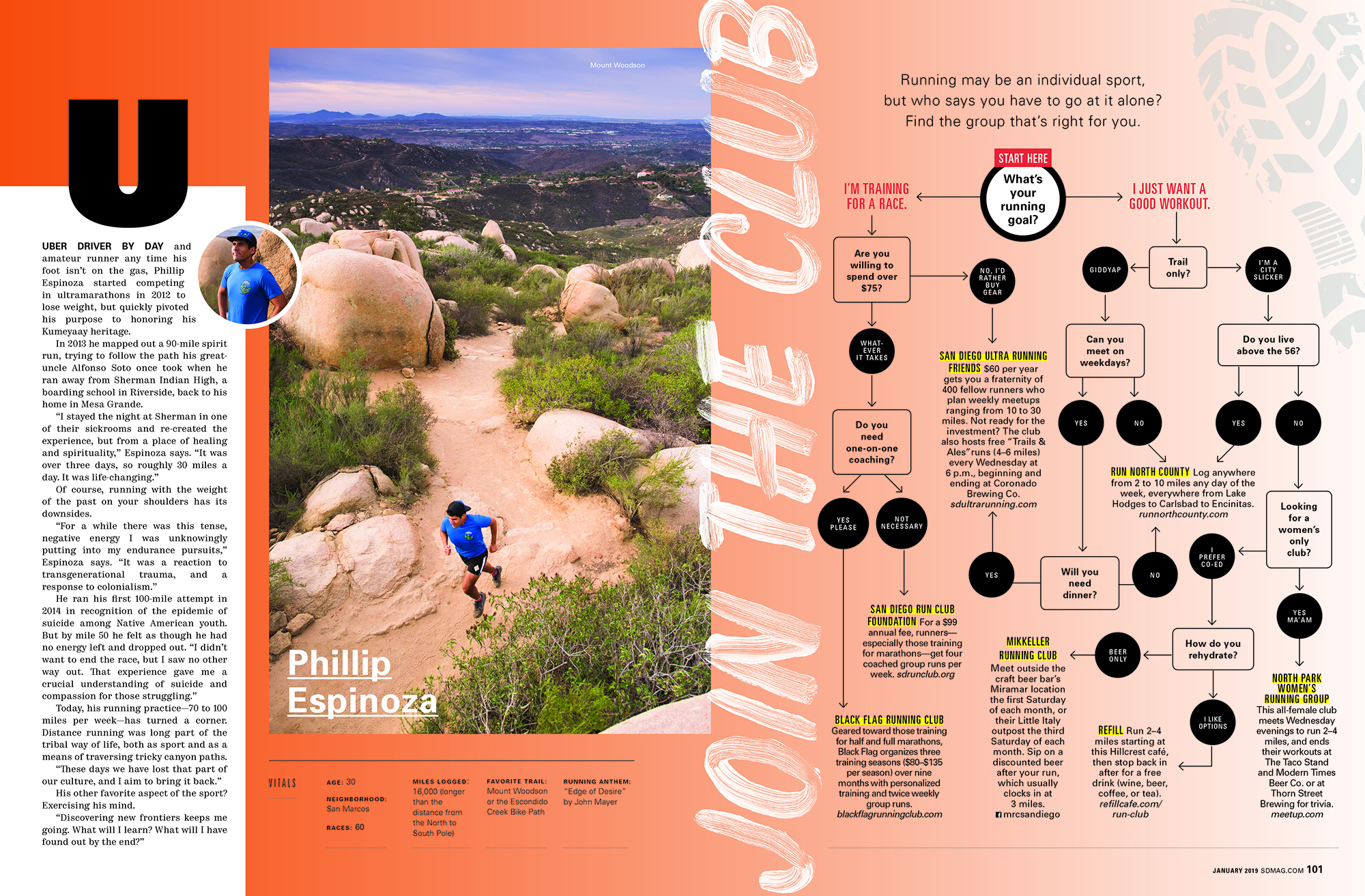
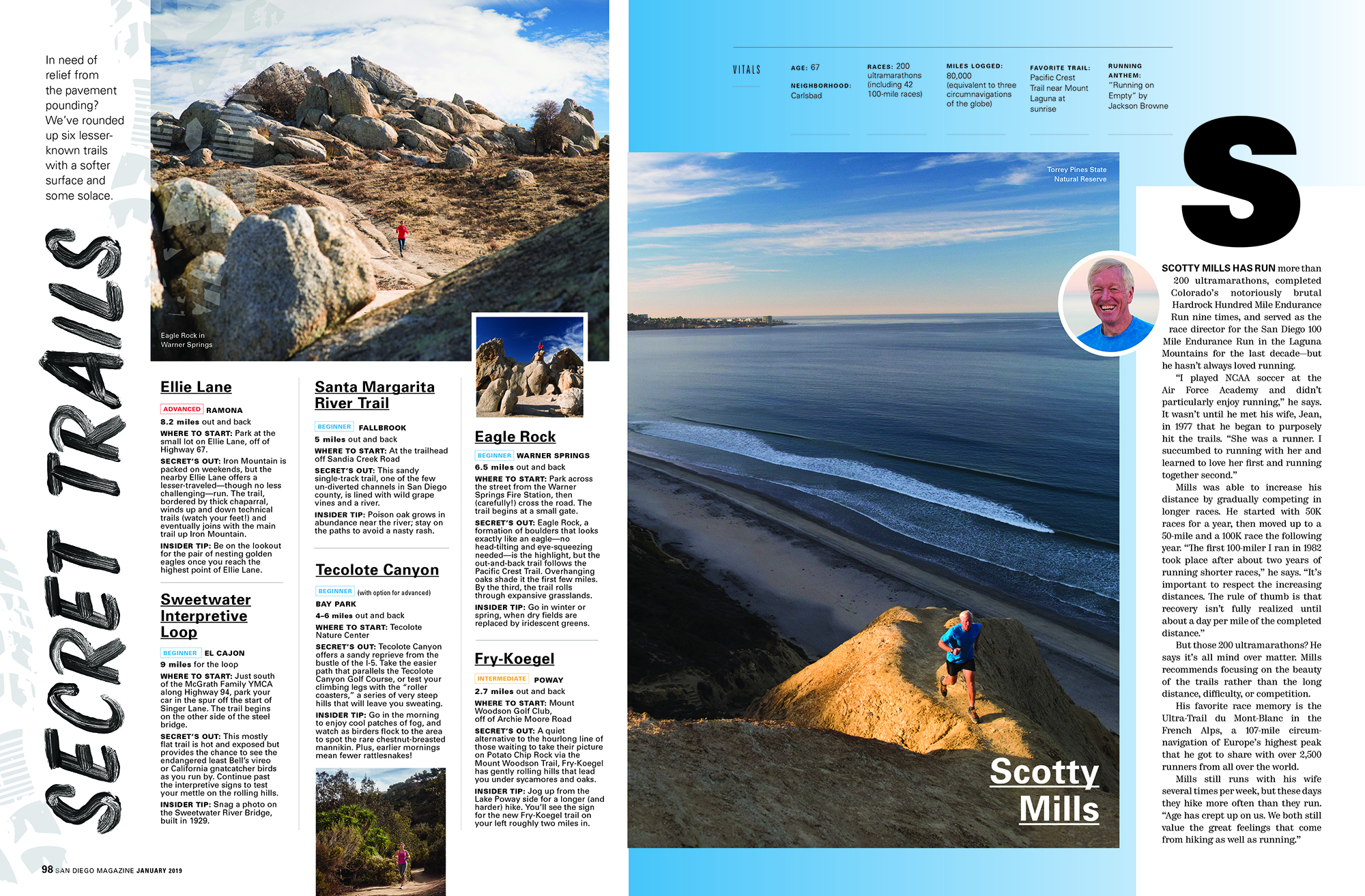
Had a great time last month shooting some trail running for San Diego Magazine. Besides being in beautiful locations, it was interesting talking to the guys who are both ultra-runners. Hearing about their experiences, techniques, and eating habits was very eye opening. Looking at these images again really makes me appreciate living in San Diego.

Bonus on this shoot was needing a last minute stand in runner for the 3rd location because of a cancelation, I was able to use Emily (wife). Eagle Rock is a very cool place that we were pumped to check out.

To see more athletic imagery click here.

Kern River Fly Fishing Photography – A Real Look at California’s Wild Trout Water

Kern River Fly Fishing Photography in California


The Kern River isn’t the kind of place that gives itself up easily. In the words of Merle Haggard - “I’ll never swim Kern River again.”
It’s steep, fast, and often unforgiving—but that’s exactly what makes it one of the most compelling places to photograph fly fishing in California.

These photographs come from time spent along the river documenting real anglers in motion—working pocket water, navigating boulders, and adapting to a river that demands attention.

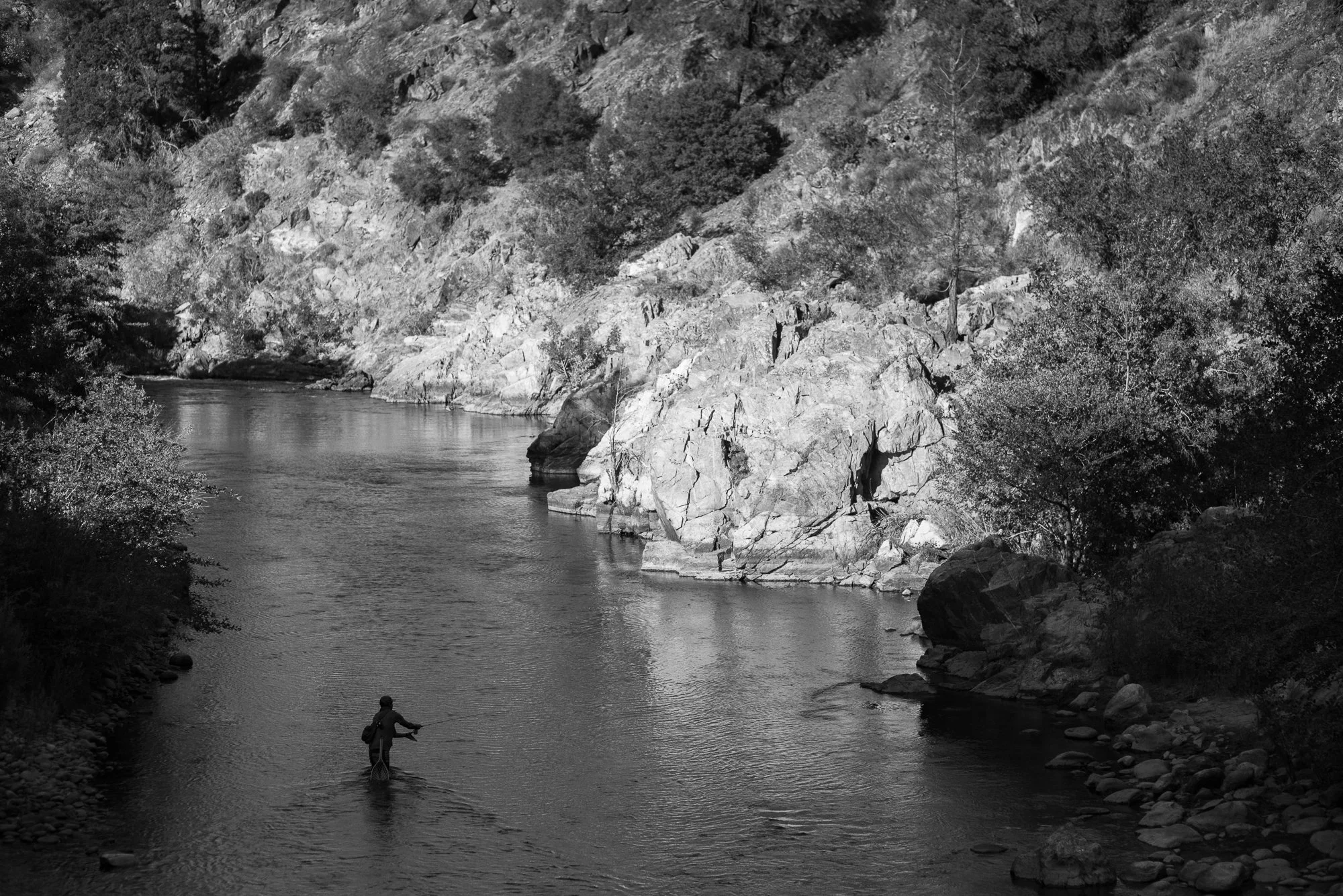
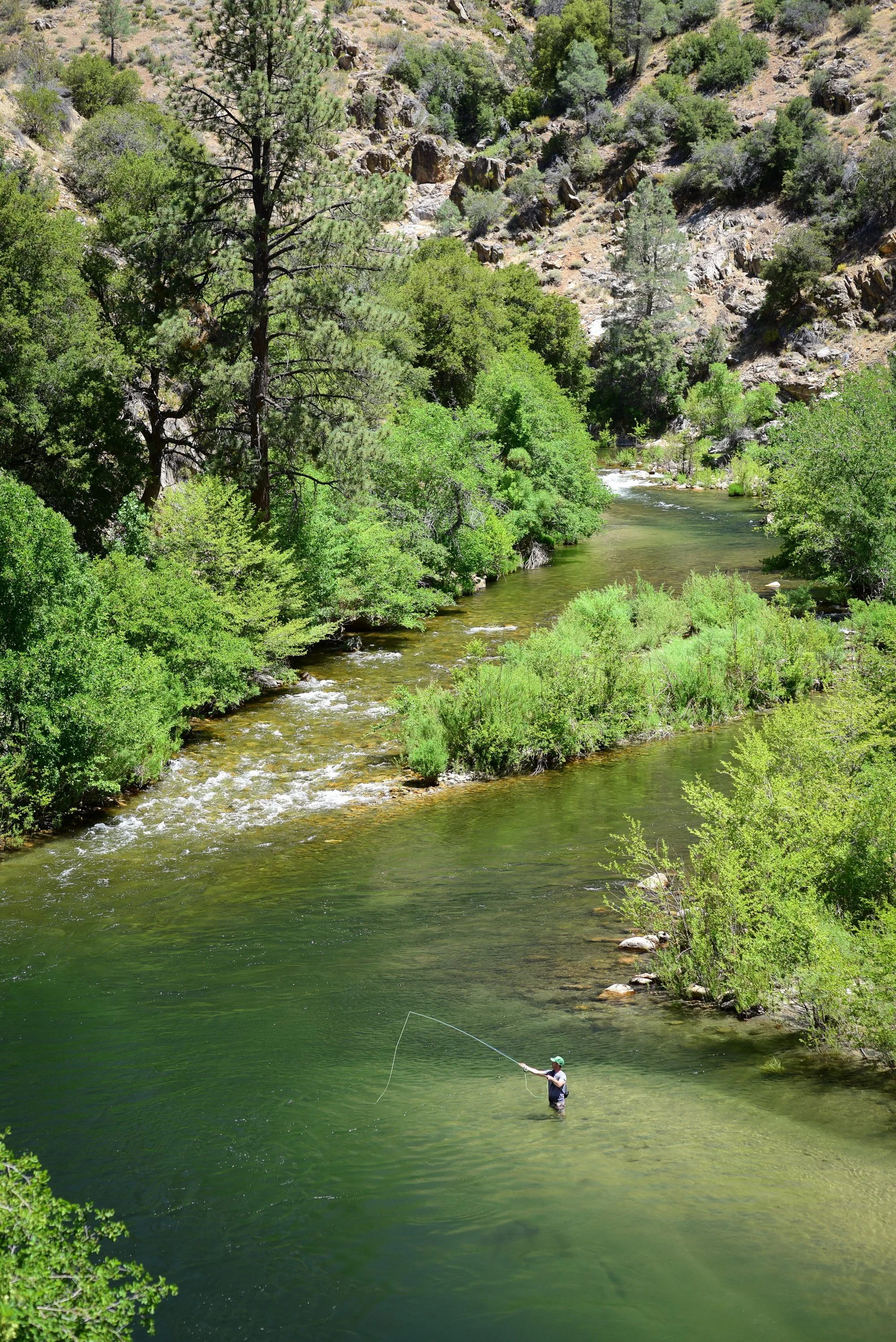
Beautiful photograph of a fly fisherman in a picturesque canyon on the kern River in California

Kern River Fly Fishing Photography

Why the Kern River Stands Apart for Fly Fishing

There are plenty of rivers in the American West that are easier to fish—and easier to photograph.

The Kern isn’t one of them.

This is a river defined by movement. Fast seams, uneven footing, constant adjustments. You’re rarely standing still for long, and neither is the water. It demands attention in a way that more forgiving rivers don’t.

That’s part of what makes it so compelling. There’s no illusion of control out here. Just an angler, a line, and a river that keeps pushing back.

Photographing Fly Fishing on the Kern River

Photographing a river like this isn’t about setting up clean compositions or waiting for perfect light.

It’s about staying mobile.

You move with the angler. You anticipate where they’re going next. You react to changing light as it drops into the canyon or disappears behind it. Shadows come early here, and highlights can be harsh—there’s not much middle ground.
Most of the time, the best photographs aren’t the obvious ones. They happen in between casts. While someone is adjusting footing, reading water, or working through a stretch that doesn’t give them much.

That’s where the authenticity lives.

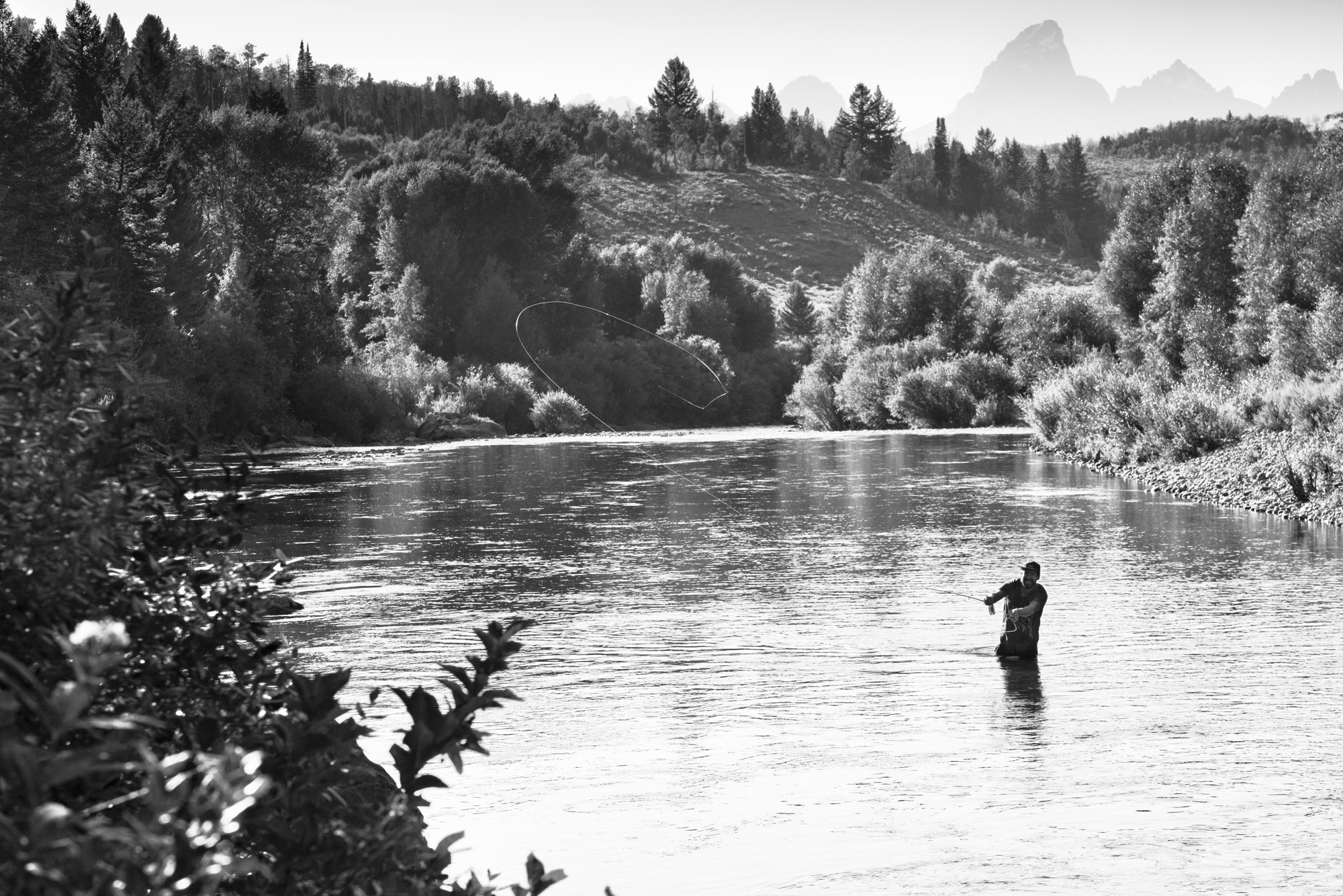
Black and white photograph of fly fishing on the Kern River

Black and white photograph of fly fisherman on the Kern River in late afternoon light

A More Honest Look at Fly Fishing in California

A lot of fly fishing imagery leans toward something polished—wide open landscapes, perfect light, clean casts.

The Kern offers something different.

It’s tighter. Rougher. Less predictable. There’s no lodge culture here, no manicured access points, no sense that the experience has been shaped for anything other than the river itself.

What you get instead is something quieter and more grounded. The kind of fishing that doesn’t need to announce itself.

That’s what I’m interested in documenting.

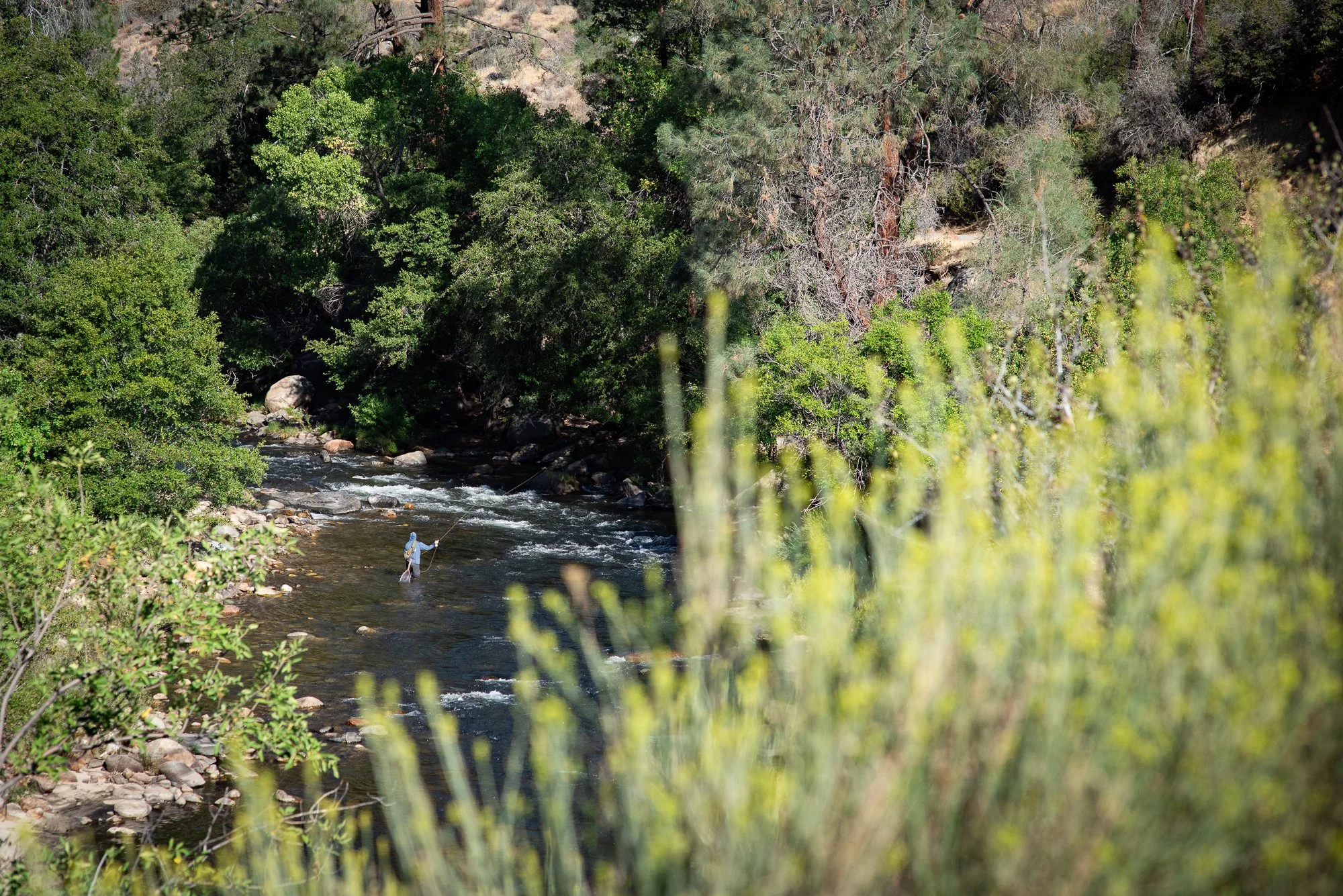
Picturesque photo of a fly fisherman on the Kern River

Summer fly fishing in California on the Kern River surrounded by forest

Fly Fishing Prints from the Kern River

A selection of these Kern River photographs are available as fine art prints, produced on museum-quality paper for collectors, anglers, and those drawn to the landscapes of the American West.

These aren’t decorative images—they’re rooted in real places and real moments on the water.

View Available Fly Fishing Prints

Beautiful photograph of a fly fisherman casting into the colorful Kern River on a sunny summer day

Summer fly fishing on the Kern River

Fly Fishing Photography for Brands & Editorial Use

This work is part of a larger body of fly fishing photography created for commercial and editorial clients, including Patagonia, Fishpond, and The Drake Magazine.

The focus is always the same—real anglers, real environments, and an honest representation of what it feels like to be out there.

View Fly Fishing Photography Portfolio

Contact me directly for editorial and commercial licensing info - rob@robhammerphotography.com

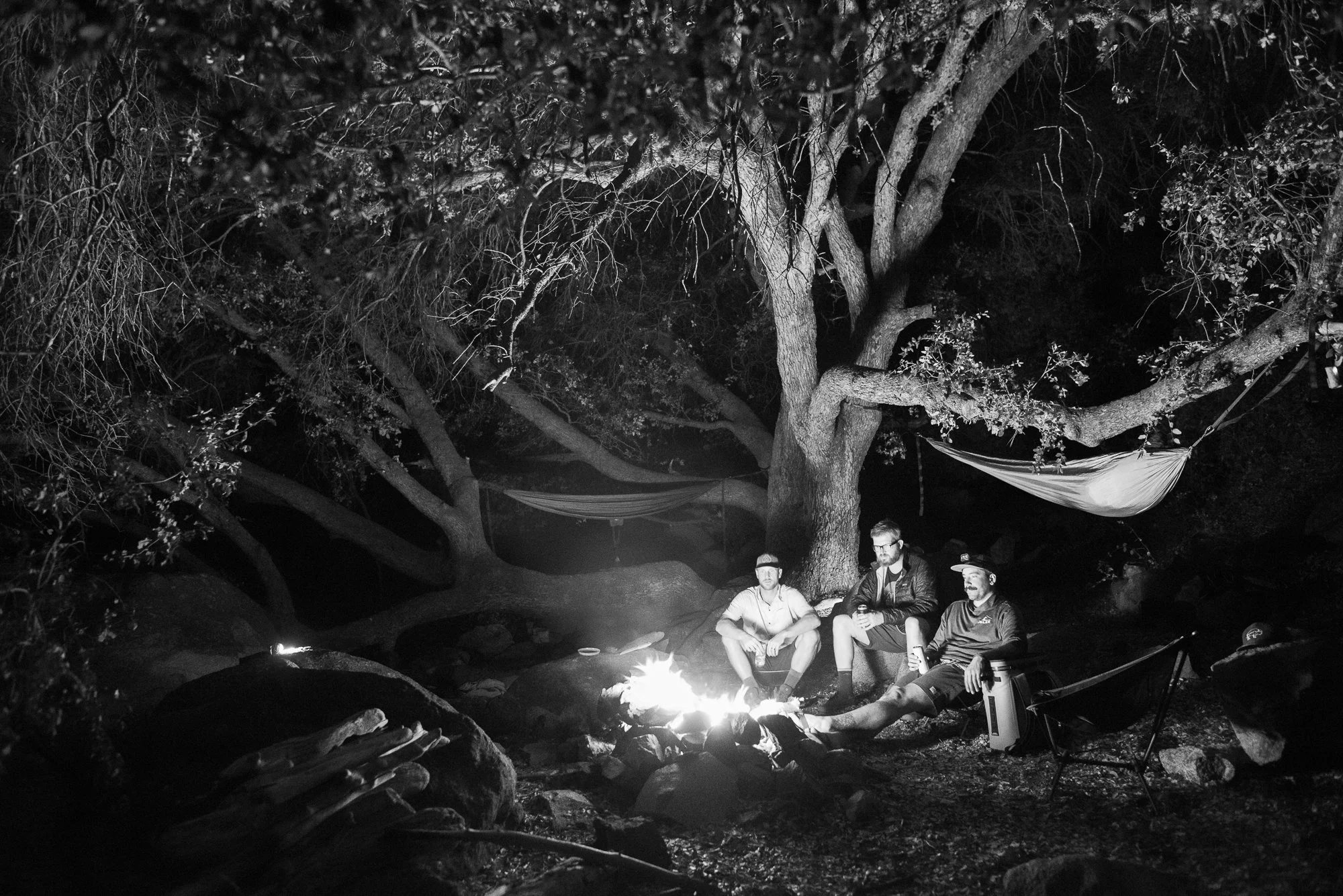
Photograph of people camping along the Kern River in California during a fly fishing trip

Camping on the Kern River

Part of a Larger Fly Fishing Photography Project

The Kern River is one of many rivers I’ve documented across the American West, from Colorado to Montana and Idaho.

The goal isn’t just to photograph fishing—it’s to build a body of work that reflects the broader culture around it. The people, the places, and the quieter moments that tend to get overlooked.

If you’re interested in seeing more:

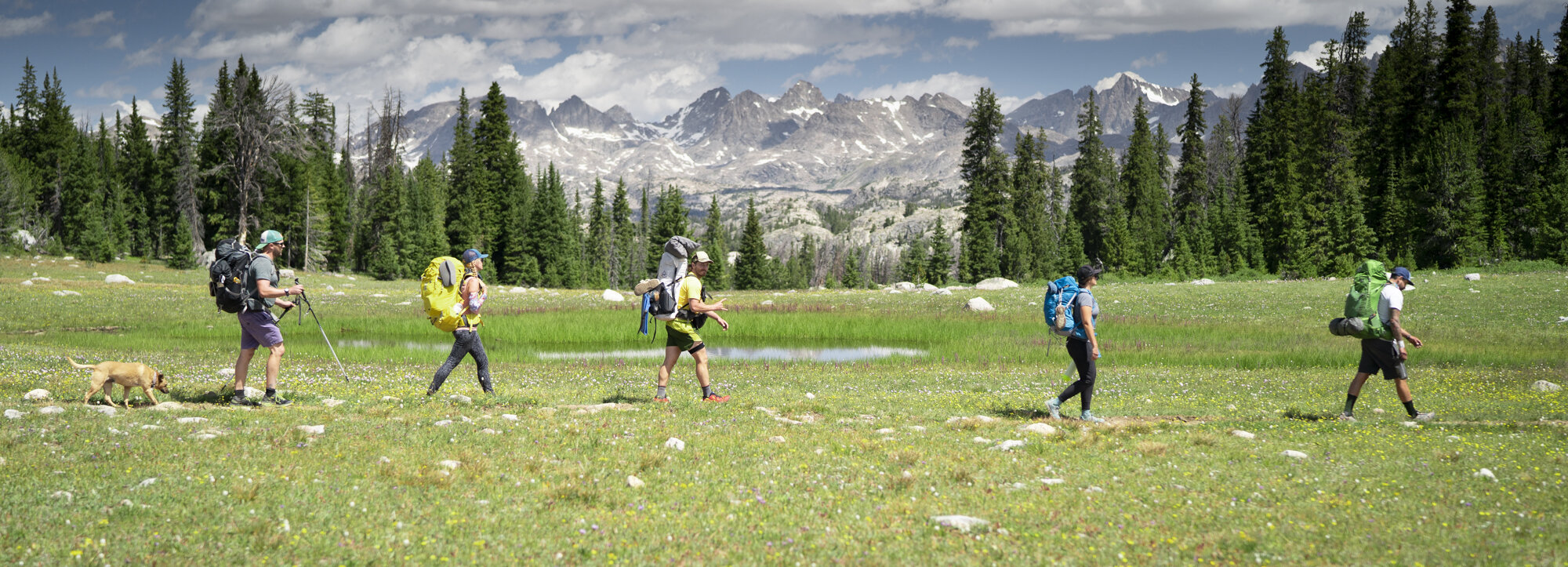
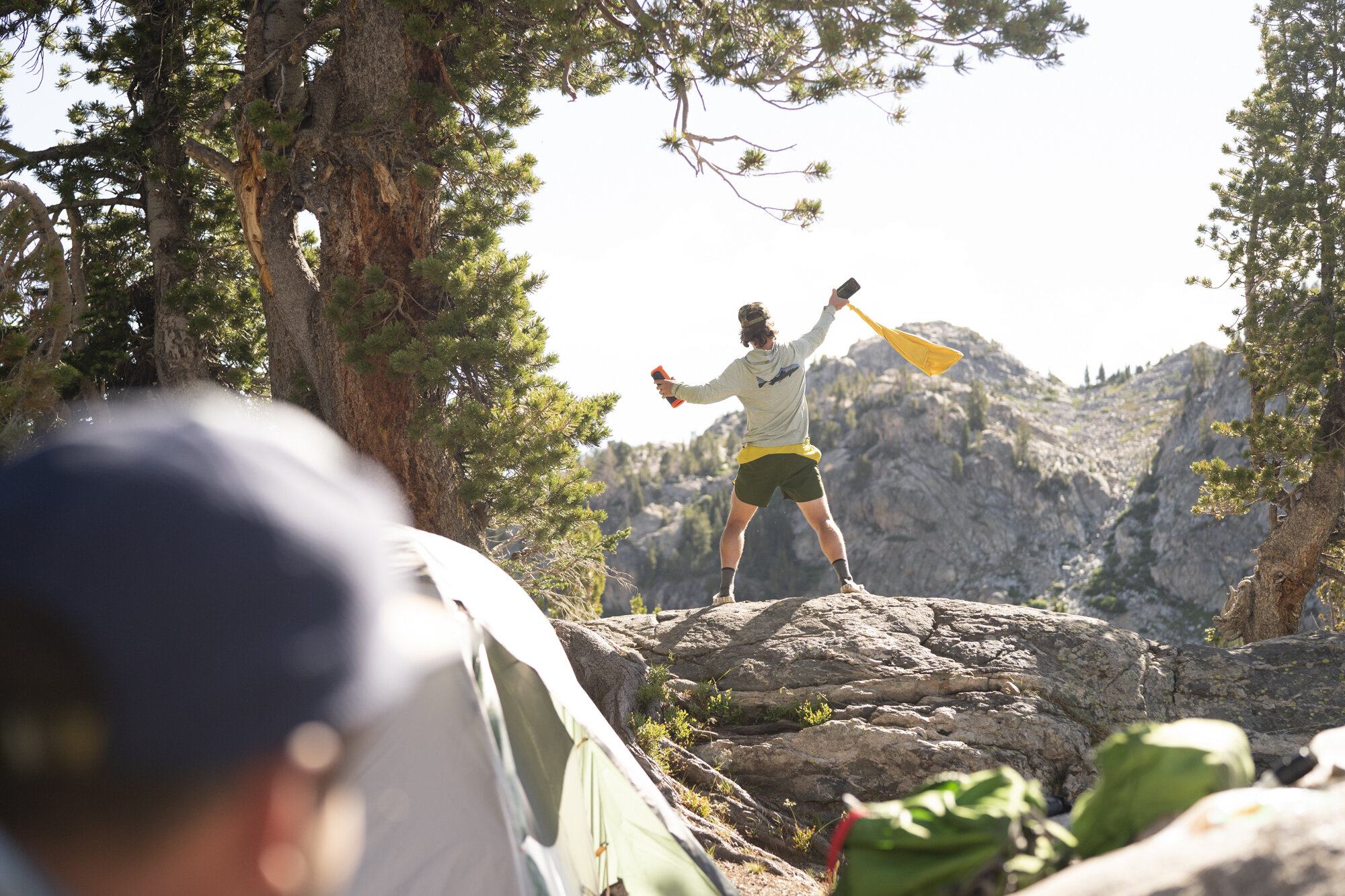
Jackson Hole, Wyoming Backpacking

Hiking the Middle Teton

Backpacking - Adventure-Photography

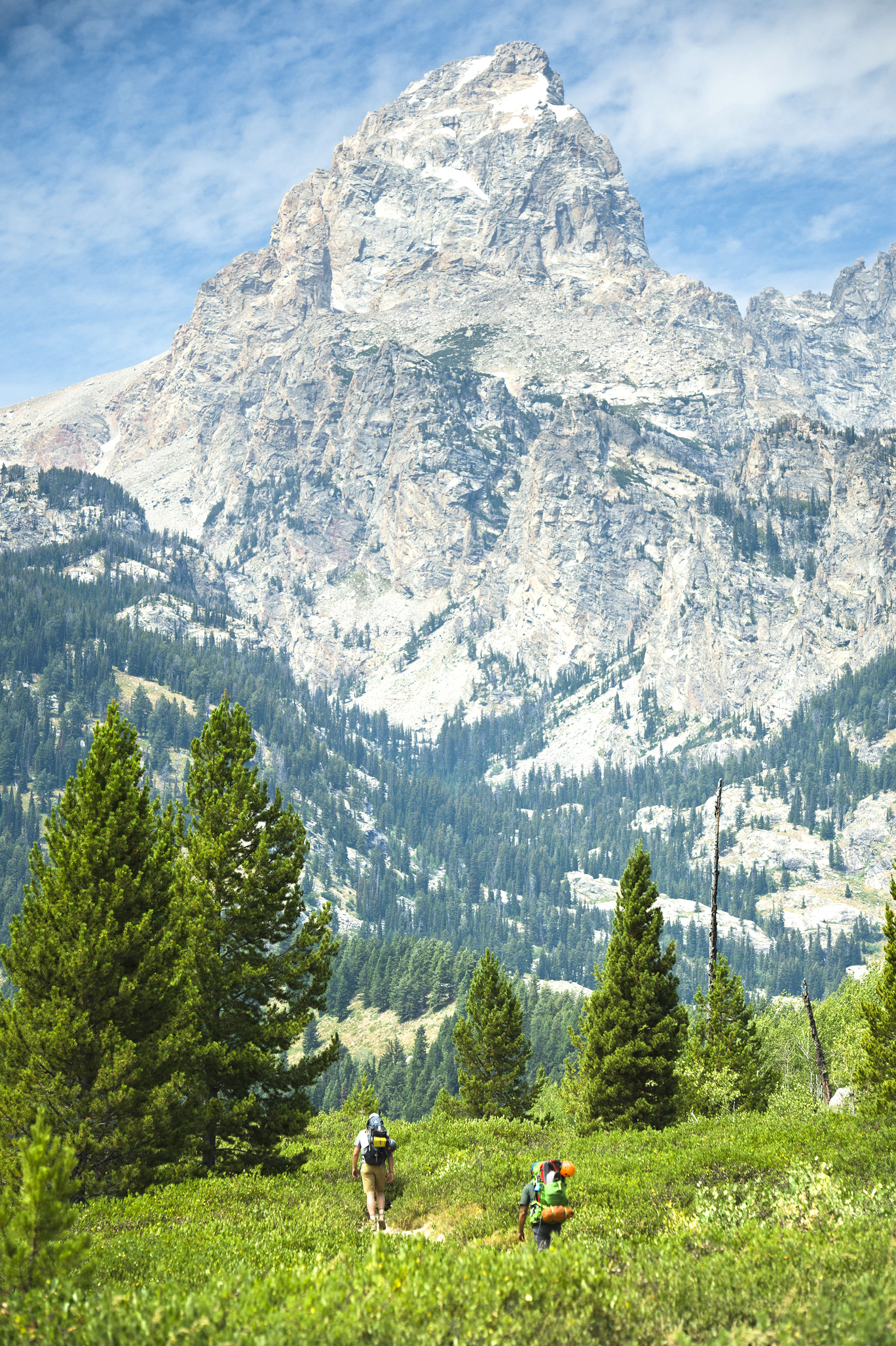
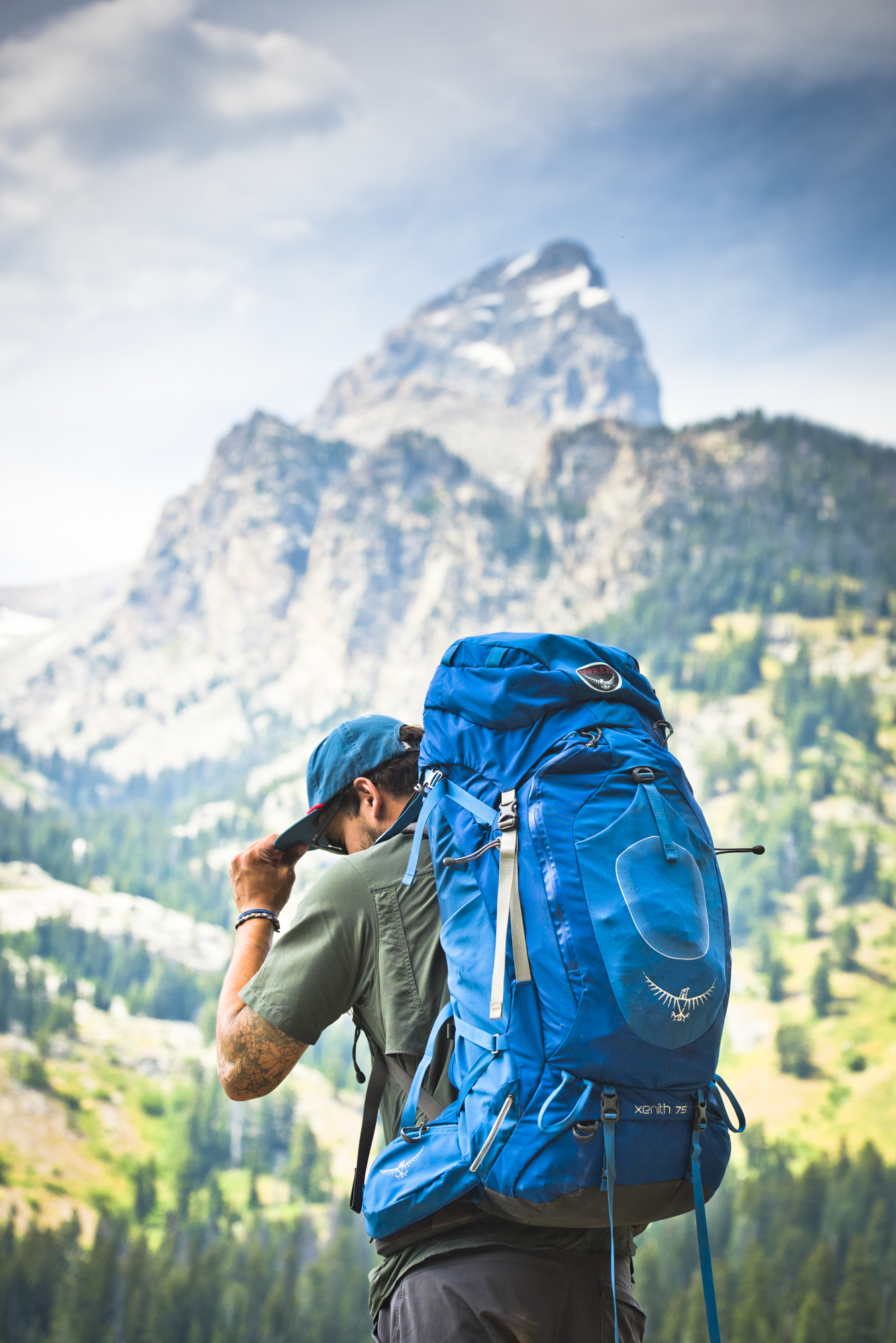
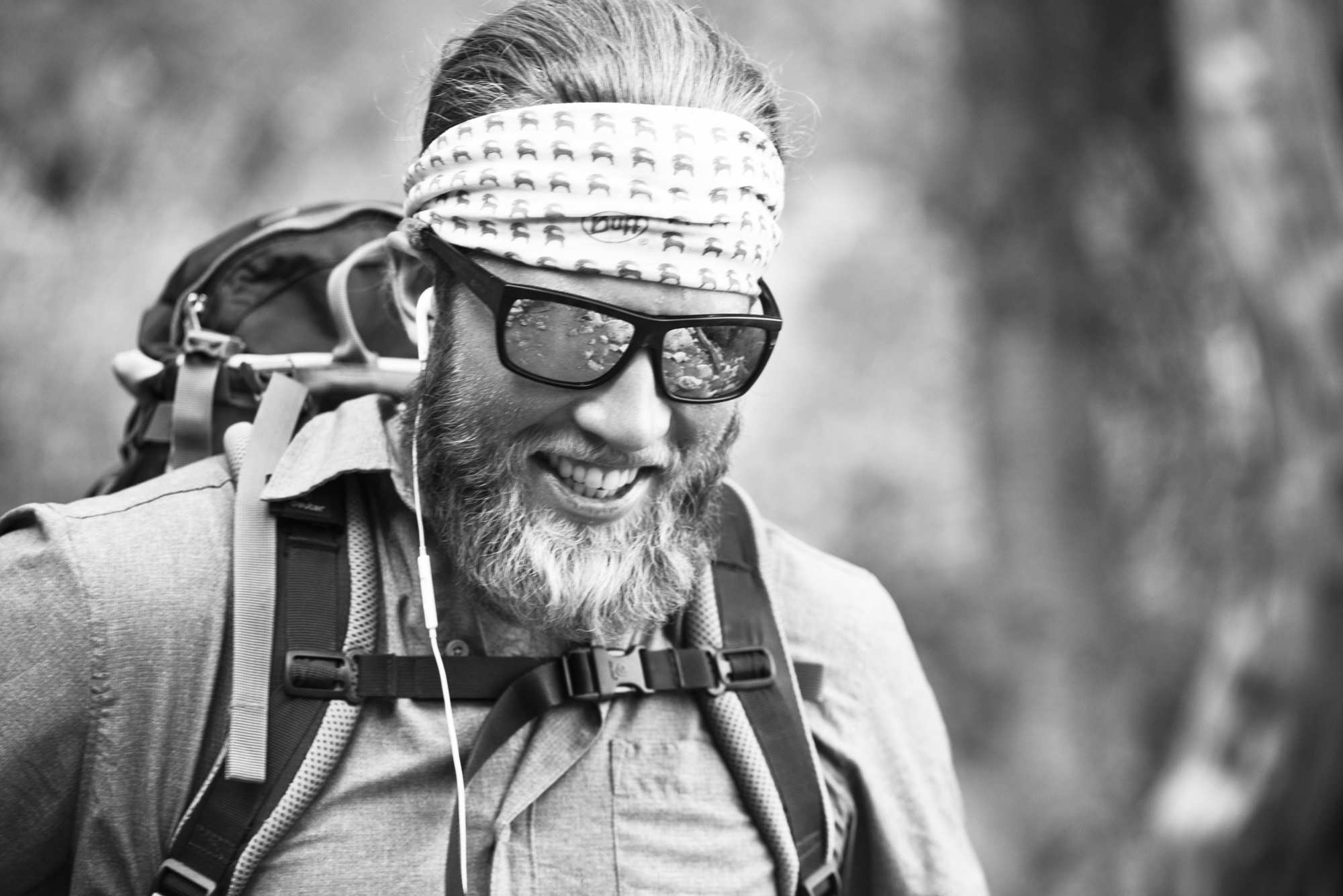
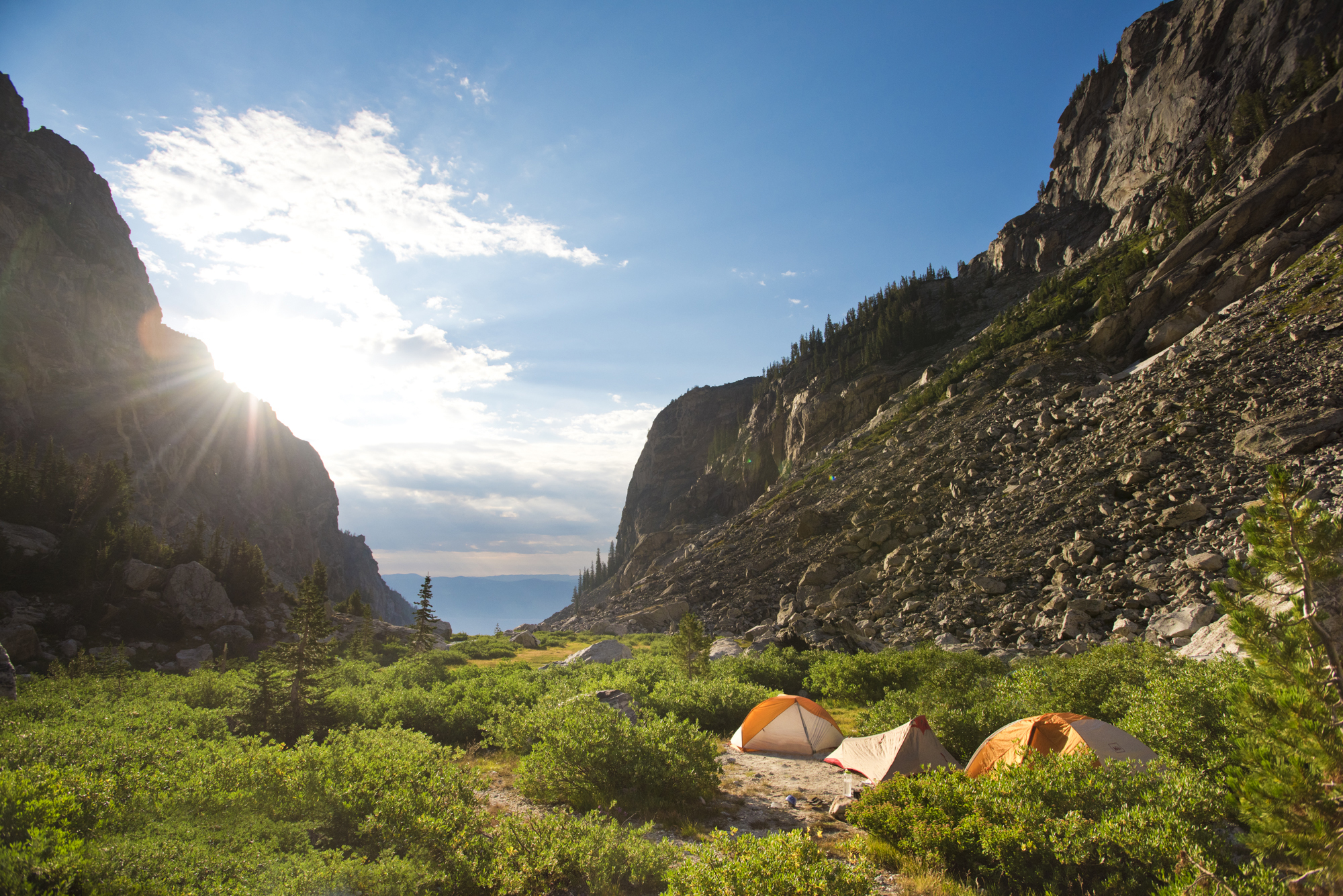
It's only been a year+ since this trip and I'm finally getting around to posting about it. Have been back several times since. Wonder how many other trips I have sitting on my hard drive? Jackson Hole is top notch. Really top notch. The more I go back, the better it is, and the amount of time we actually spend in town is less and less. Grand Teton National Park and everything else that surrounds town is phenomenal. The hiking, camping, fishing, etc, is so good. And on this particular trip we did all of that. Up the middle Teton to be exact. A very different type of backcountry climbing than I'm used to. So much of it is just huge boulder fields. Which means that you spend a lot of time going from rock to rock, or scrambling. Not my favorite style of hiking, but what an incredible trip. The Tetons have to be the most picturesque range in the USA. The way they rise up from the the valley floor is so dramatic. They look so massive from afar, and even bigger when you're right up close. Not sure how we got so lucky, but it was perfectly sunny at the summit without an ounce of wind. That can't happen too often?  As I'm writing this it's snowing in Jackson Hole, and I can't wait to get back up there.  The snowboarding there is so good. You'd have to put it up there as some of the best in the country, especially when you really get to know the mountain. This is the worst thing I've written in a while. Sorry. 

Backpacking the Lost Coast

How to Backpack The Lost Coast - Photos

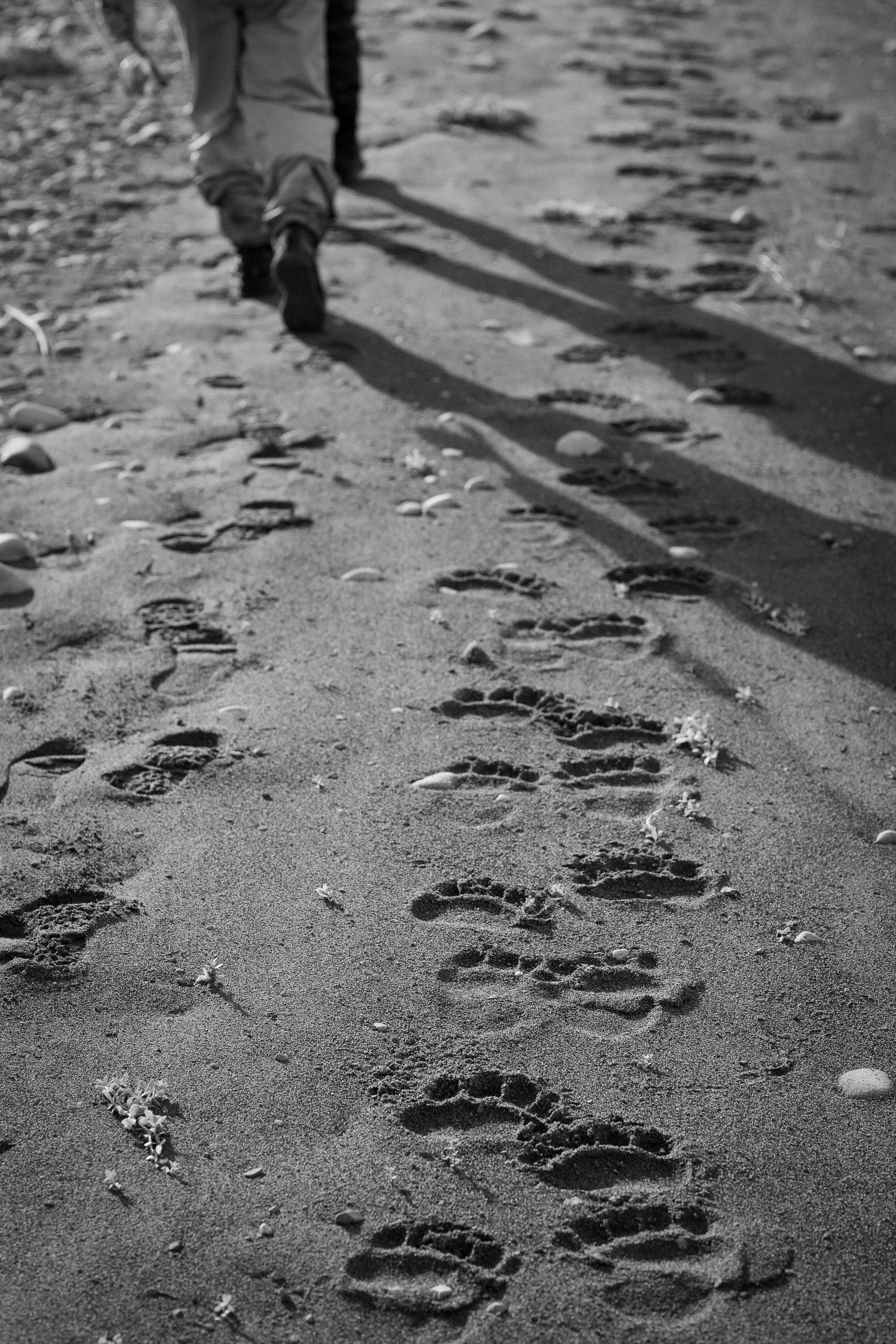
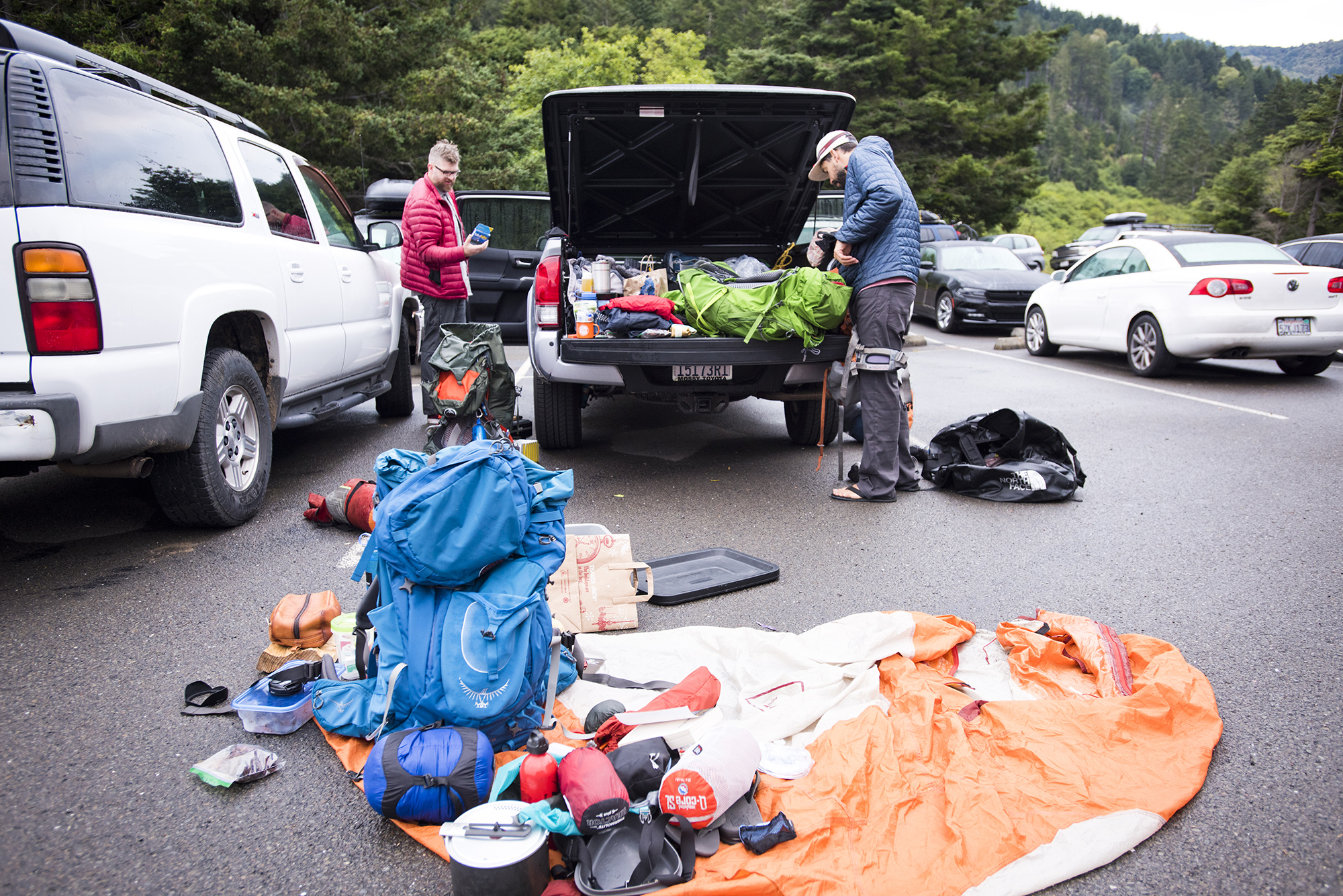
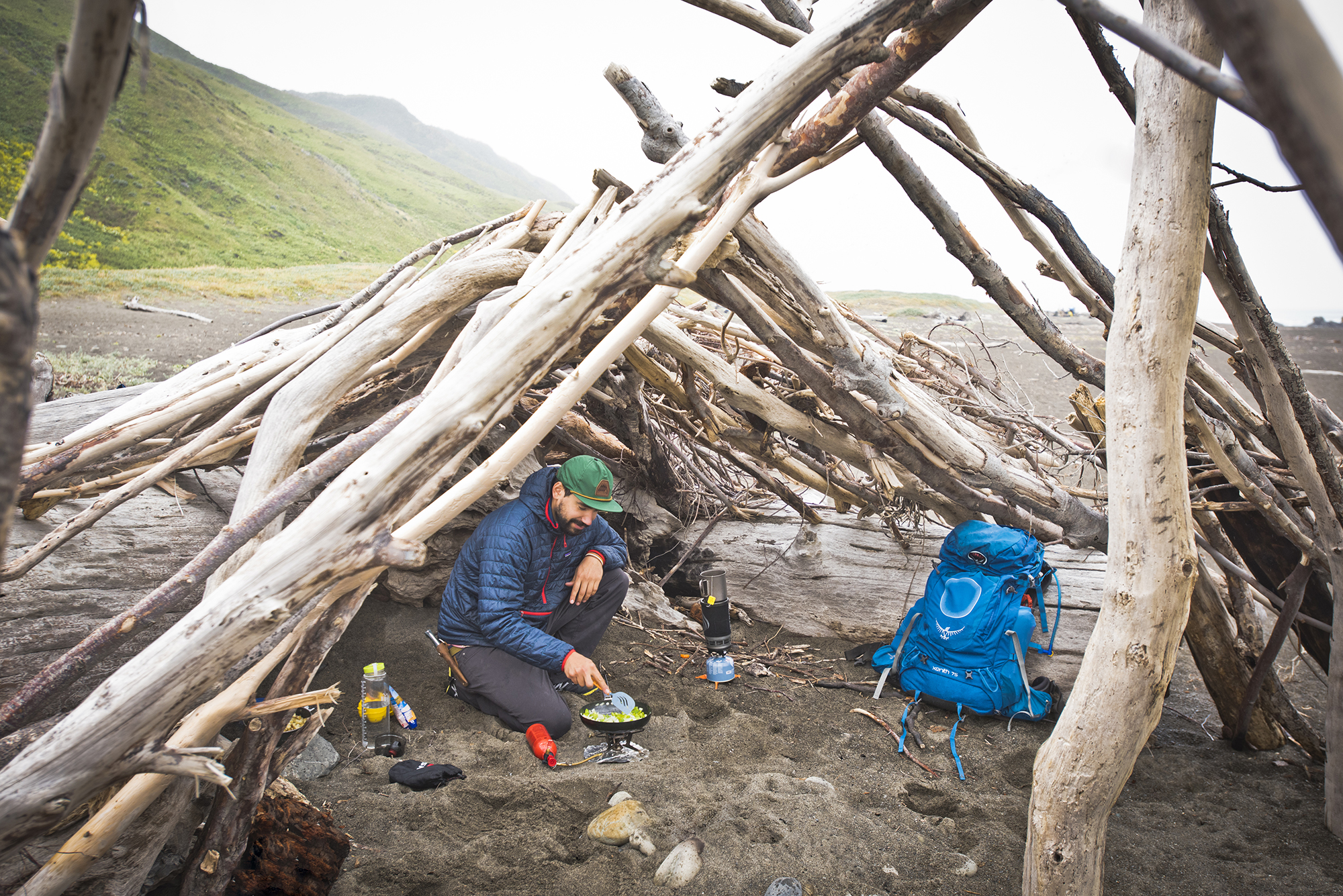
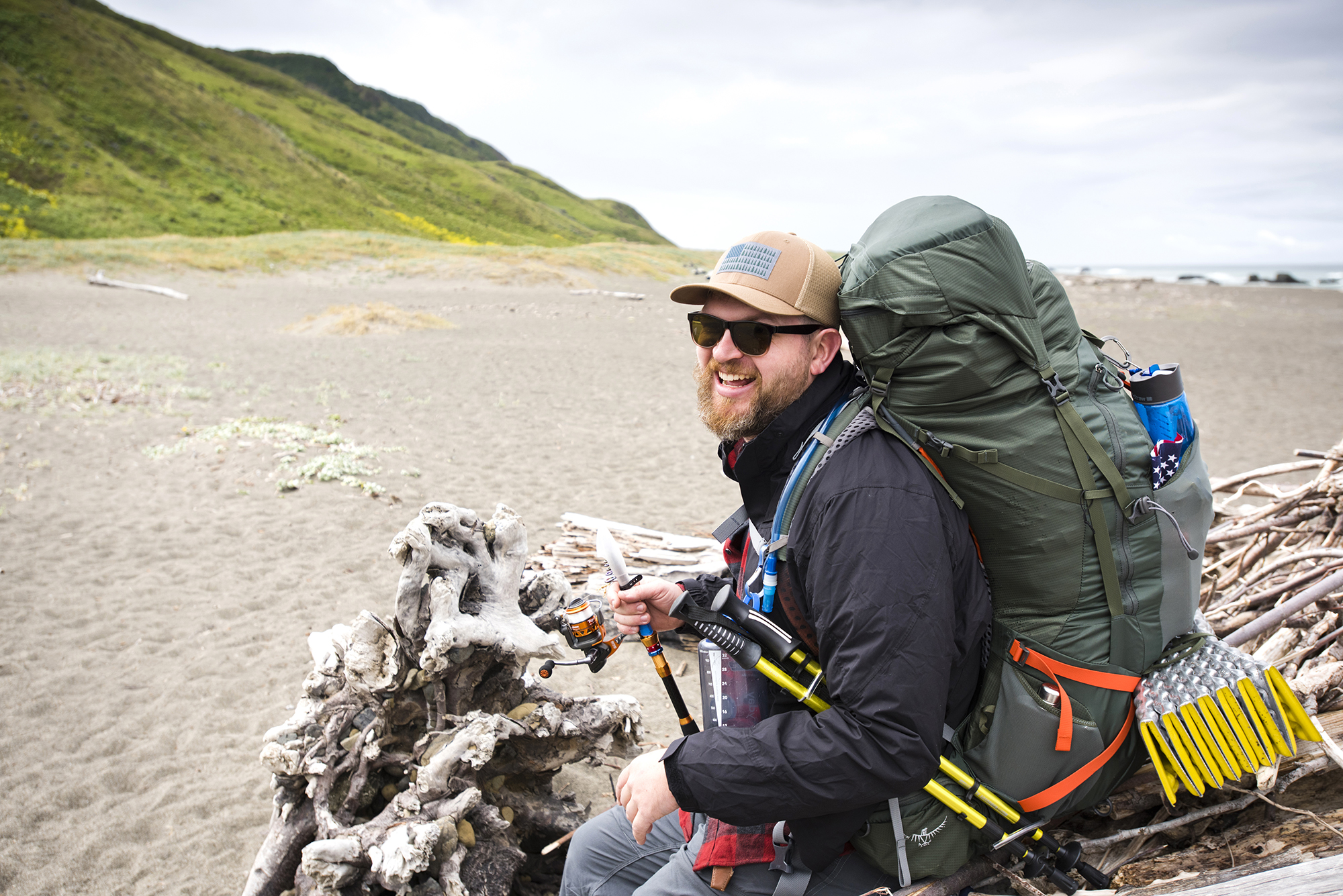
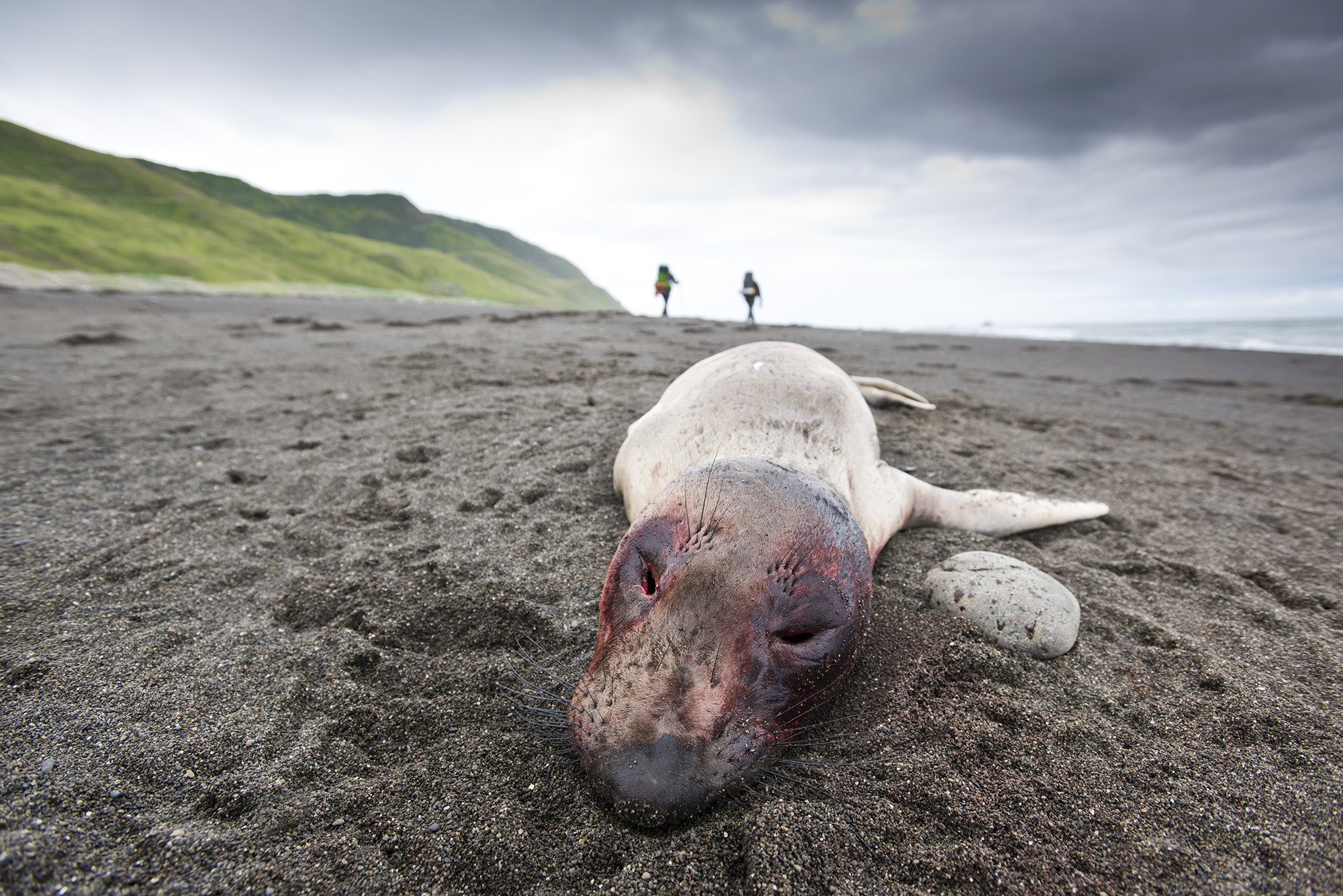
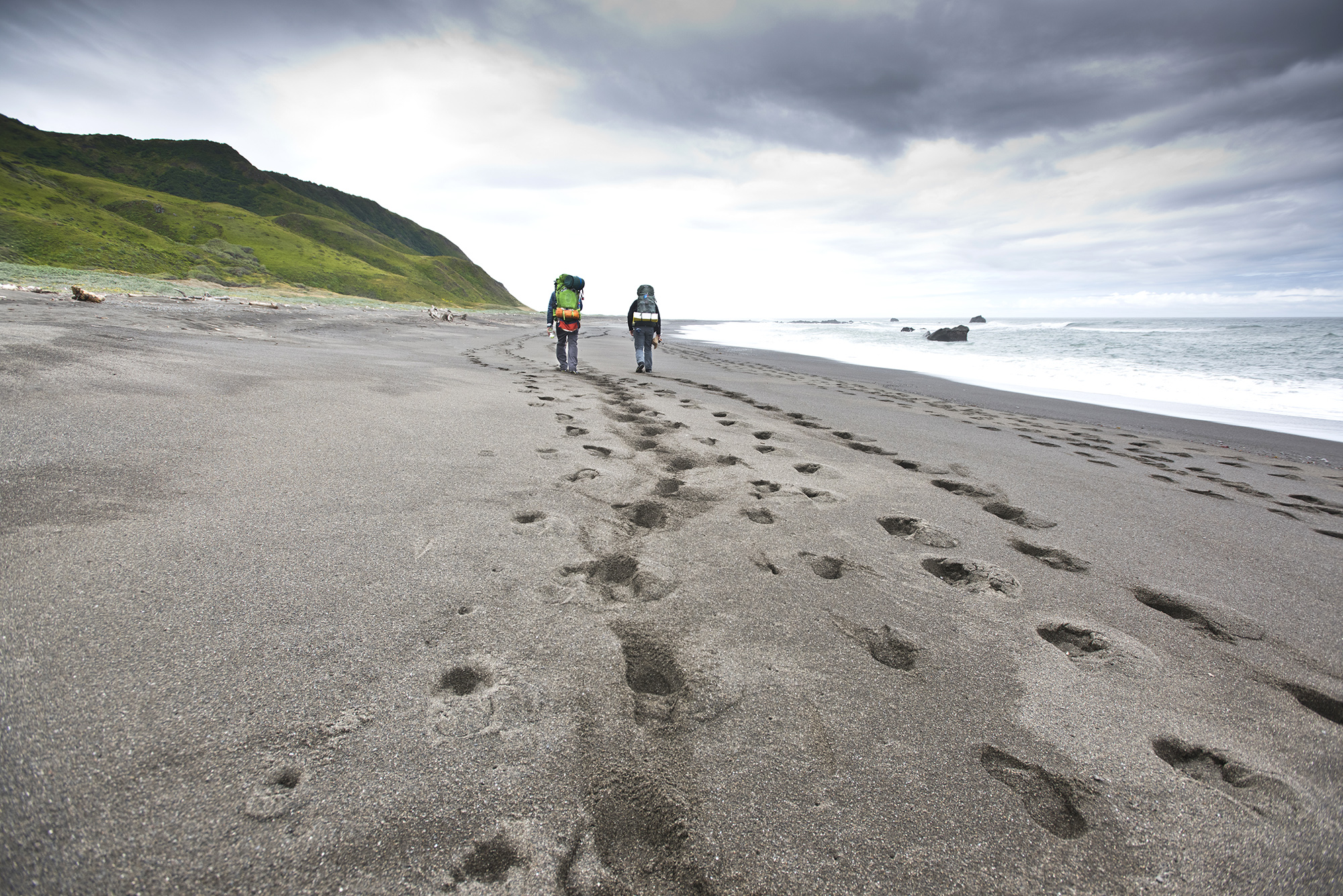
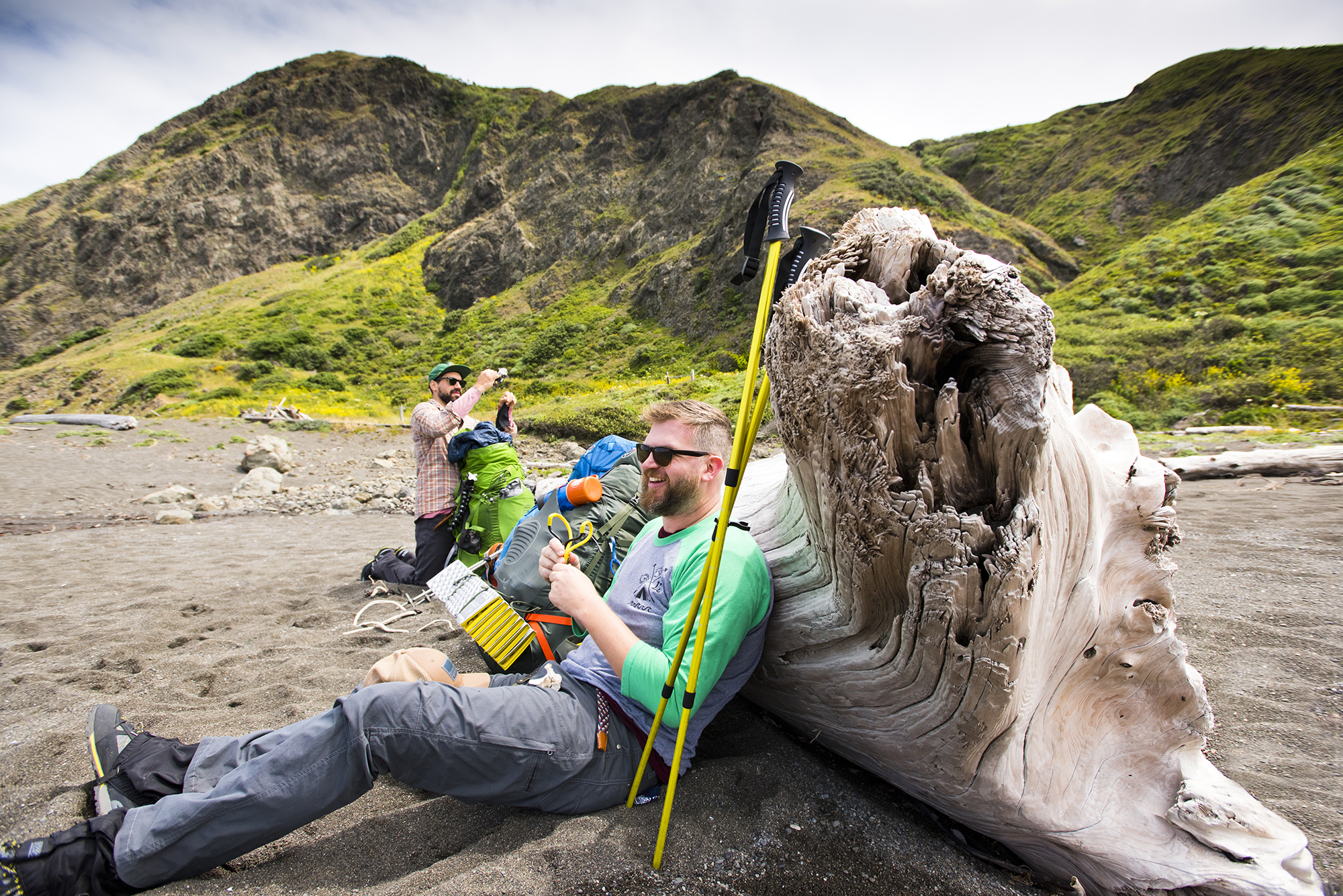
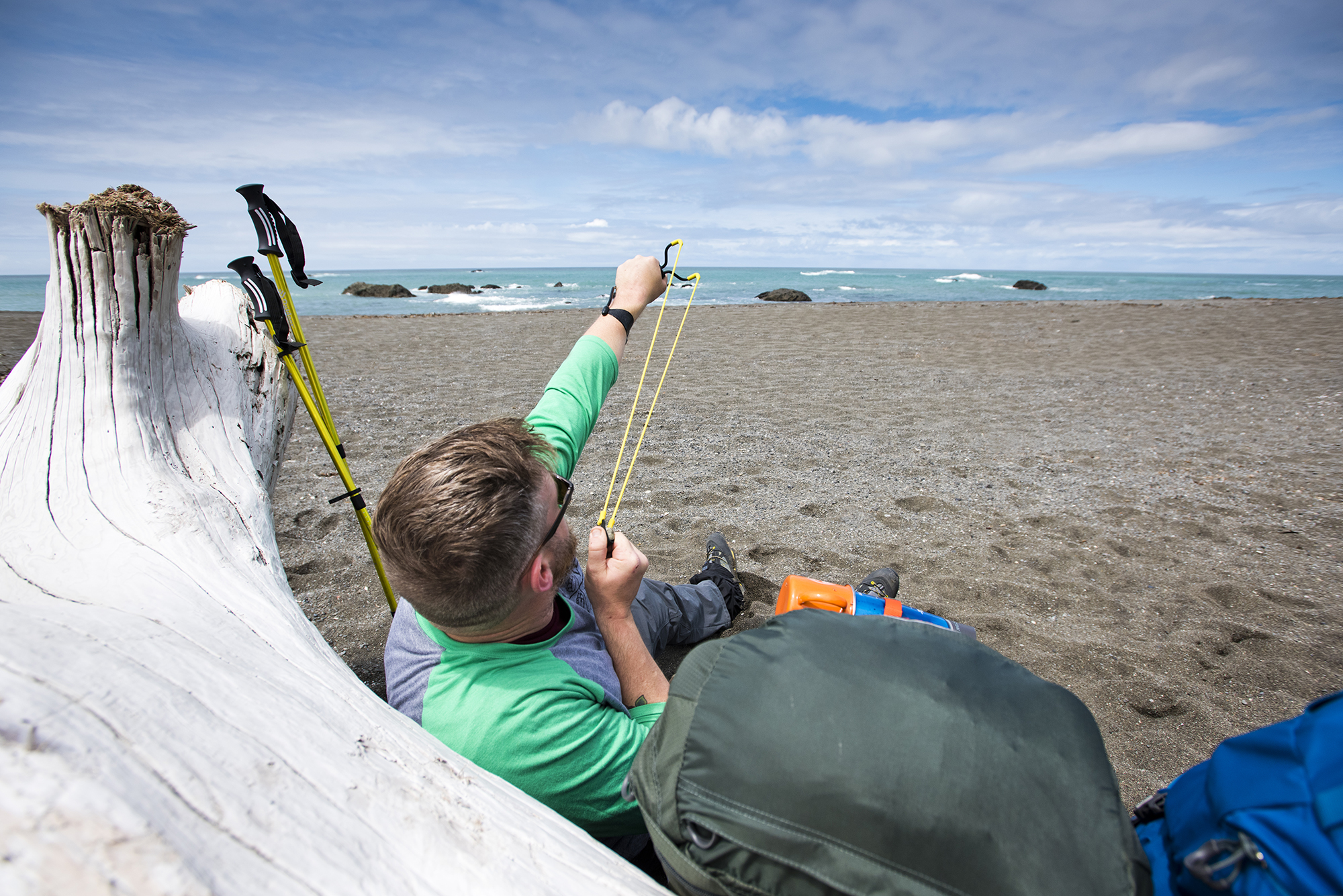
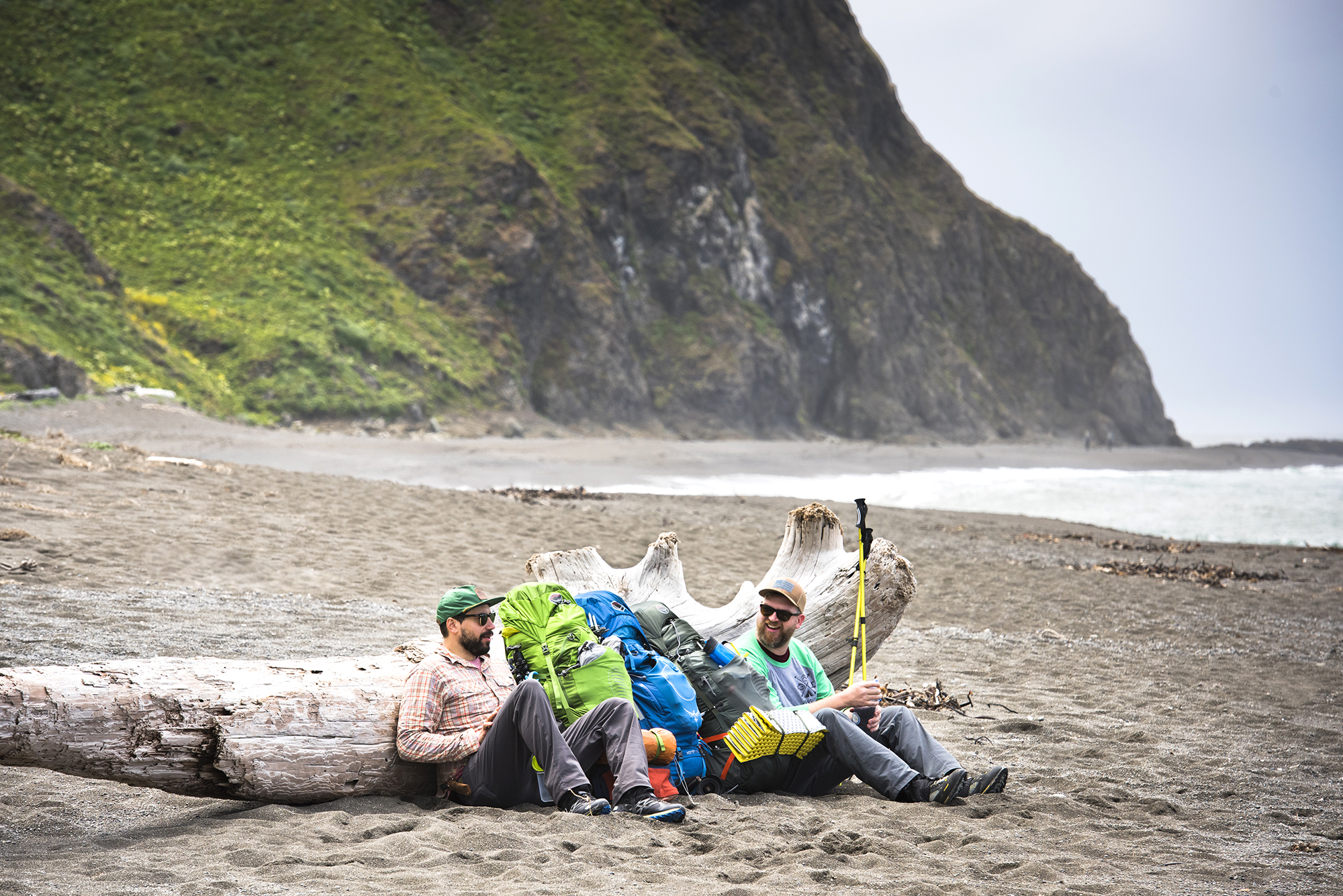
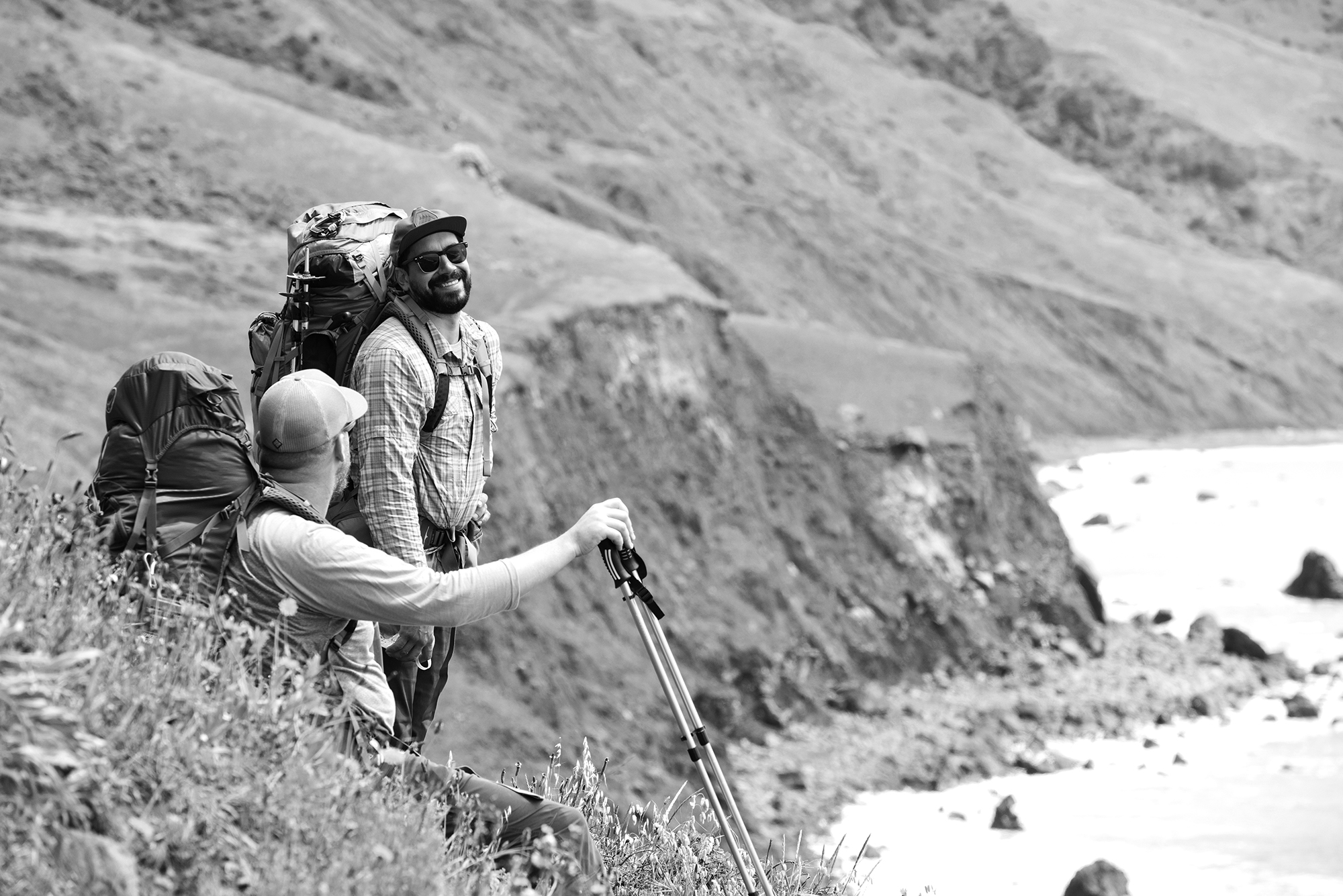
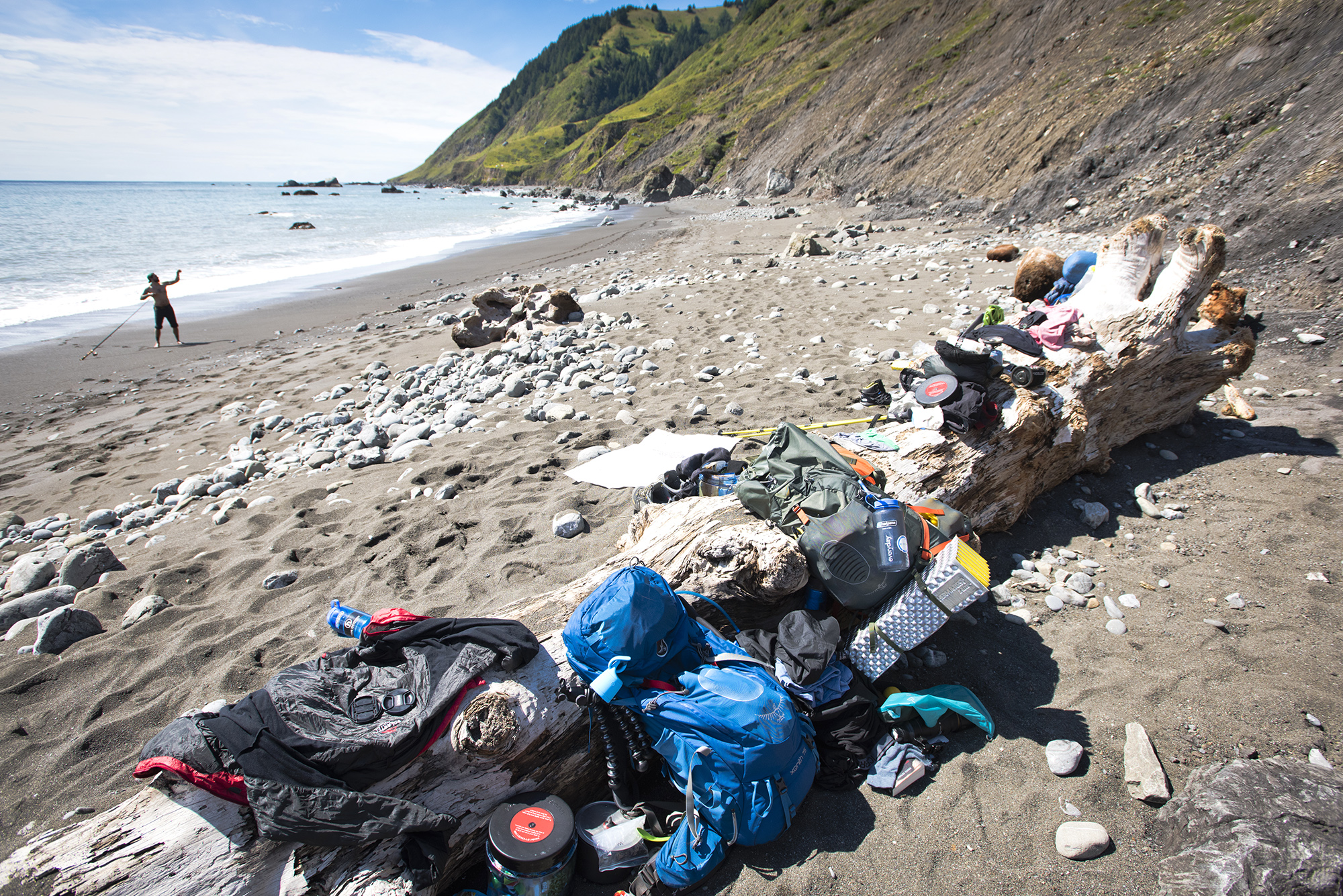
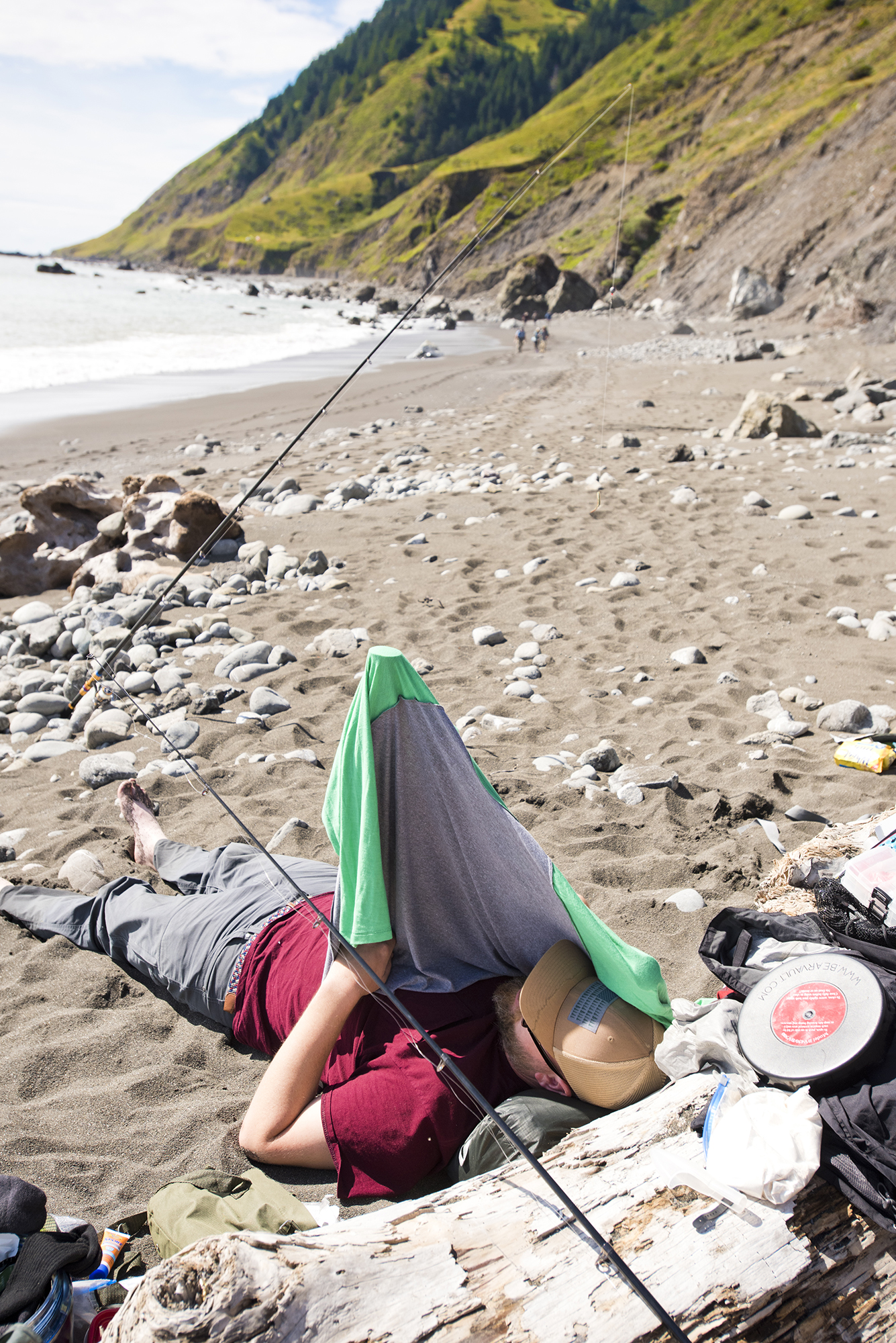
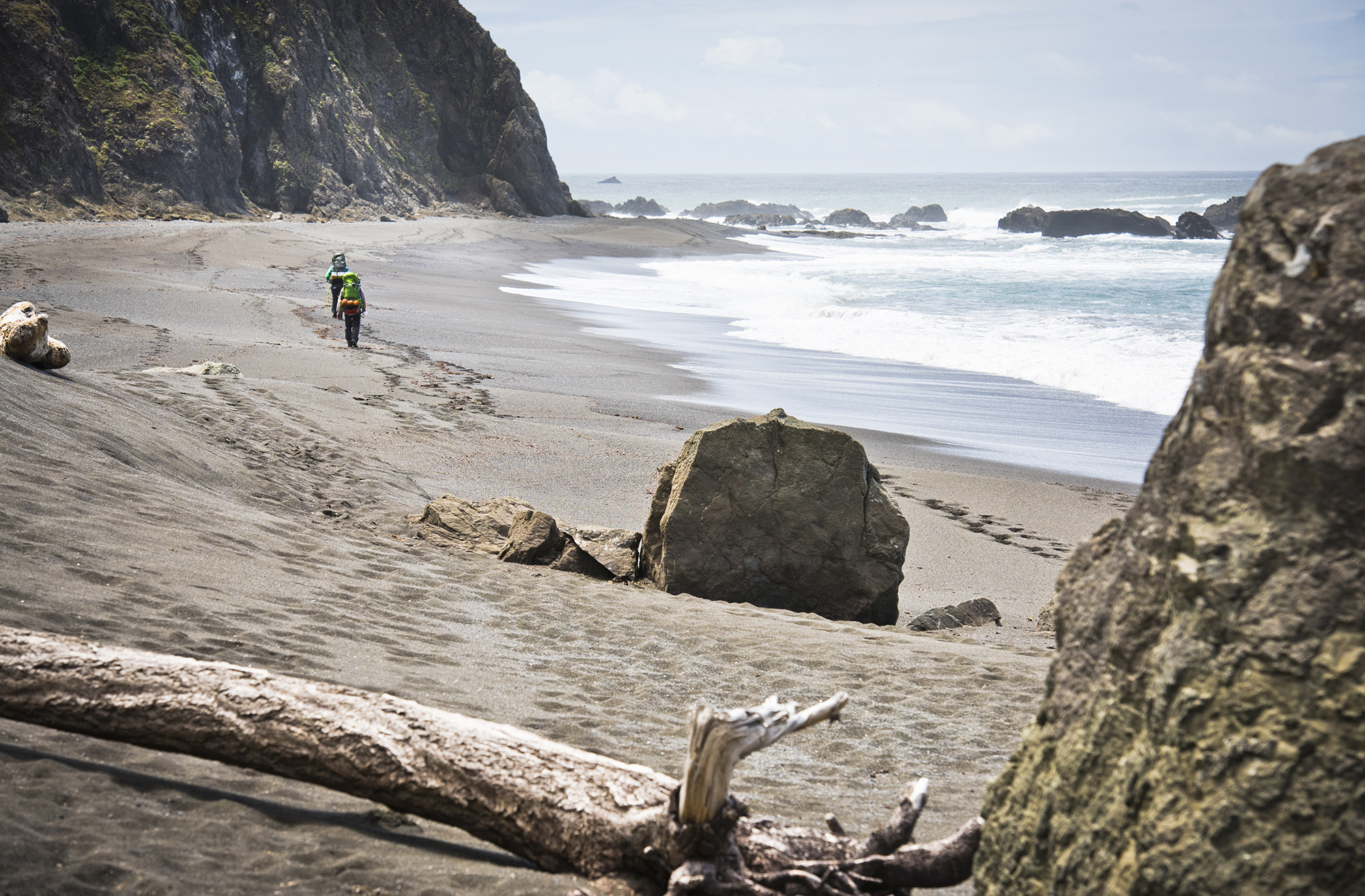
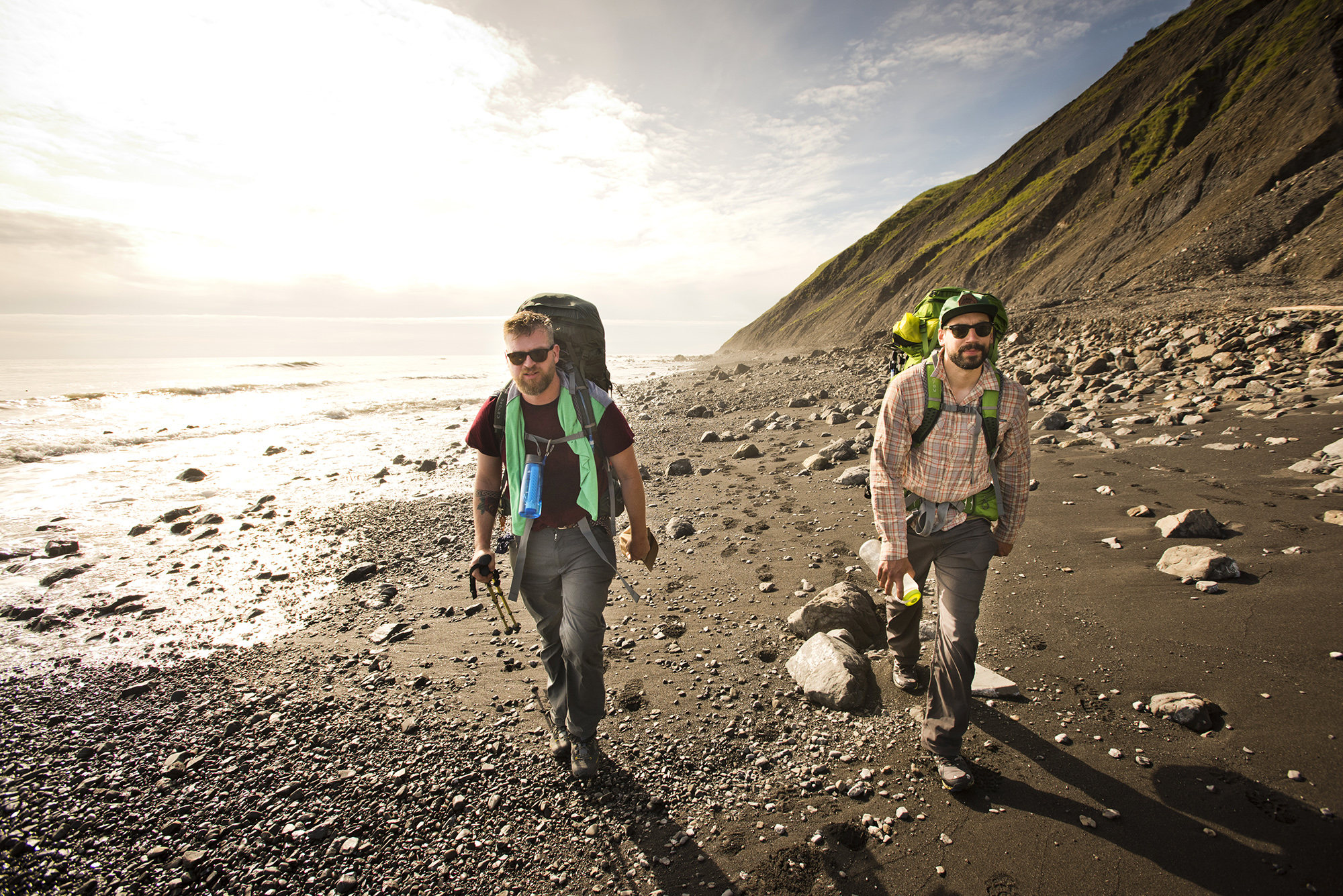
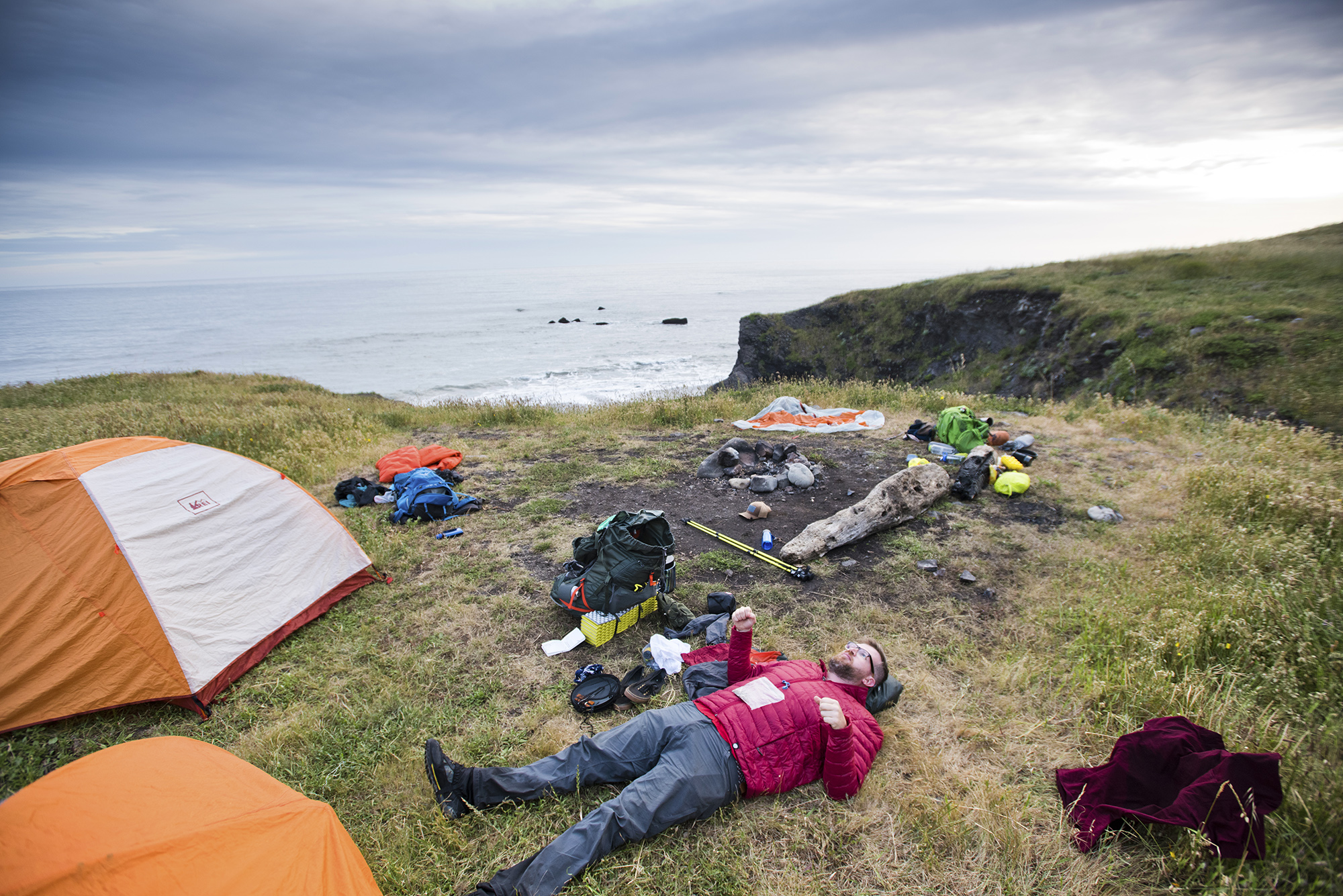
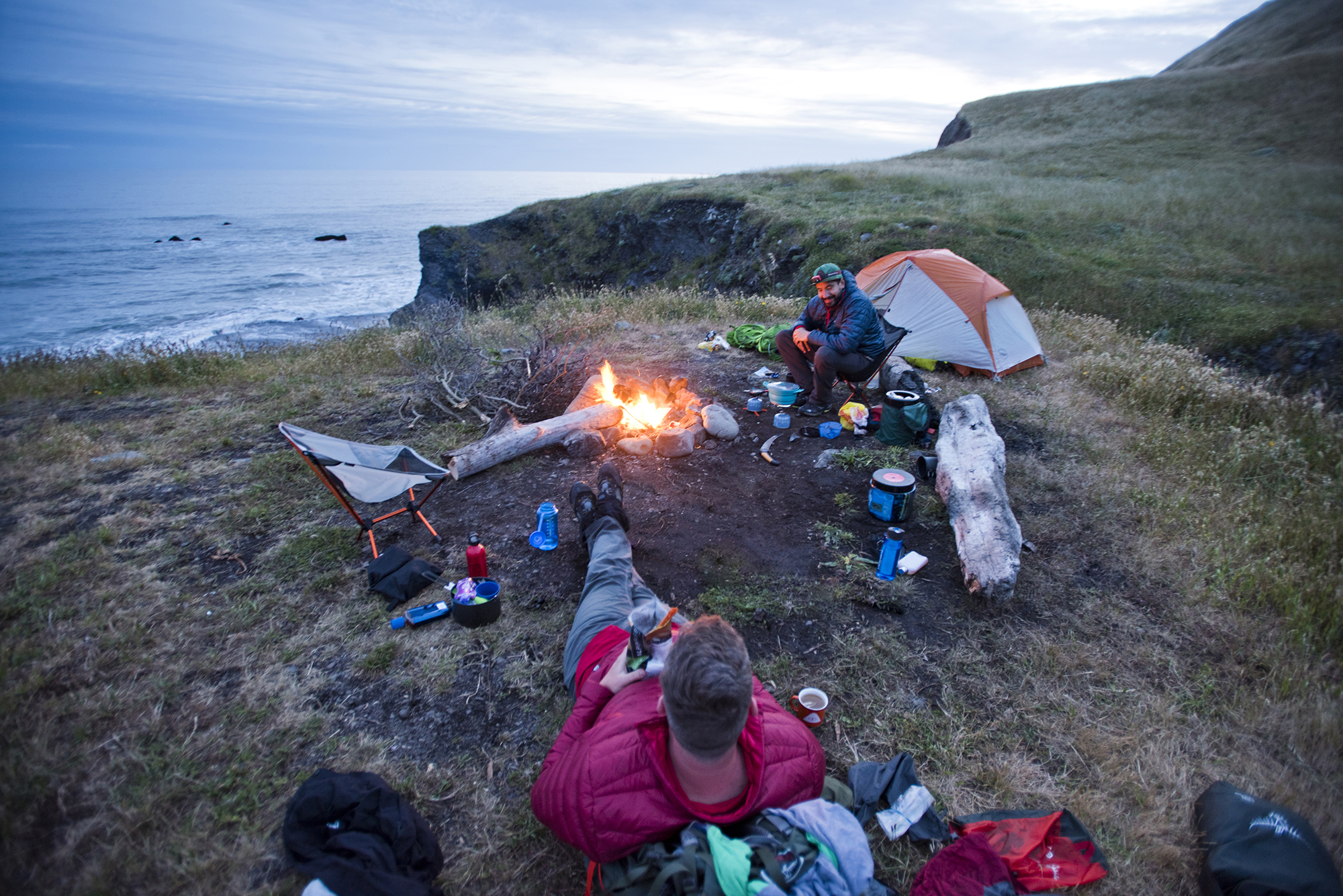
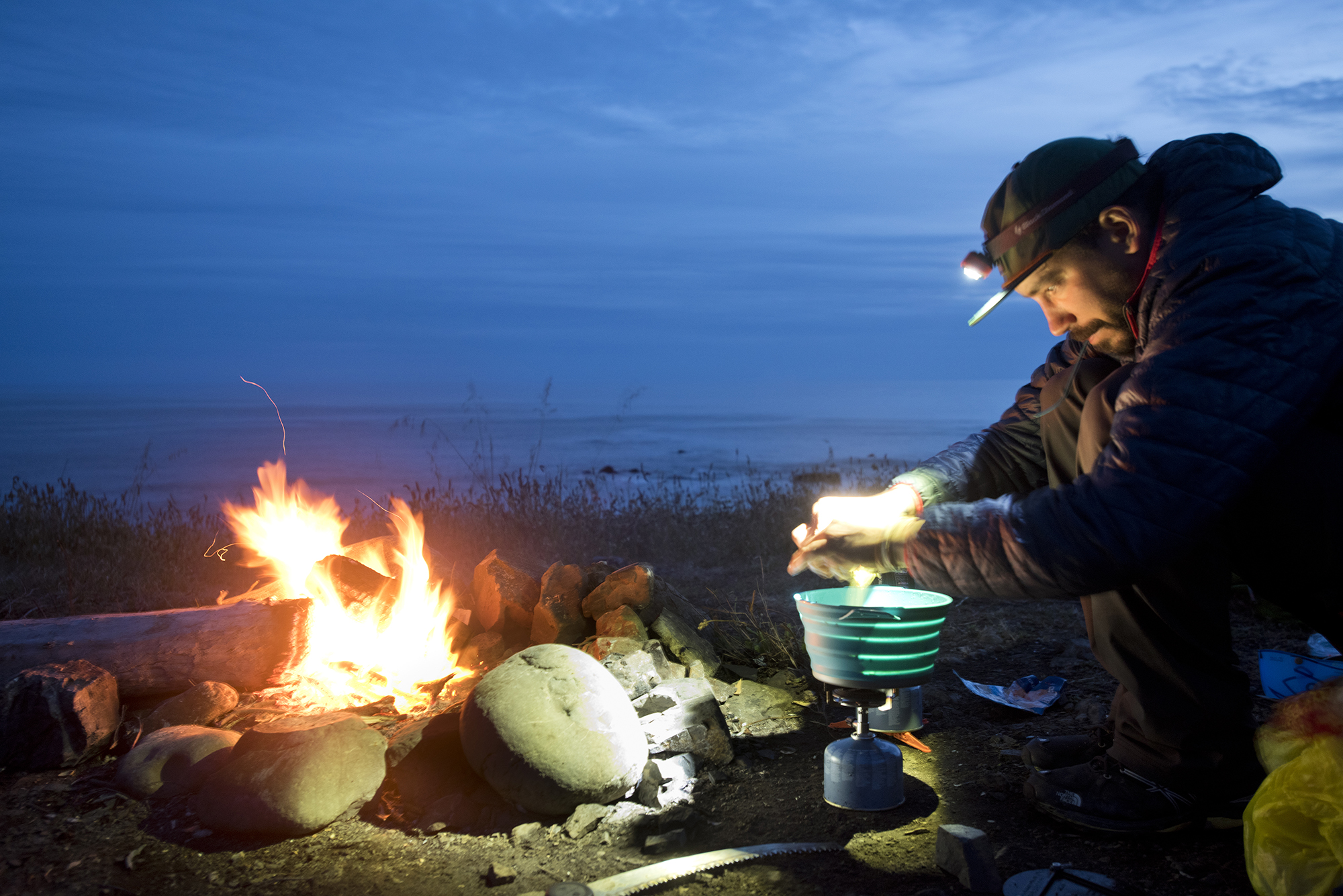
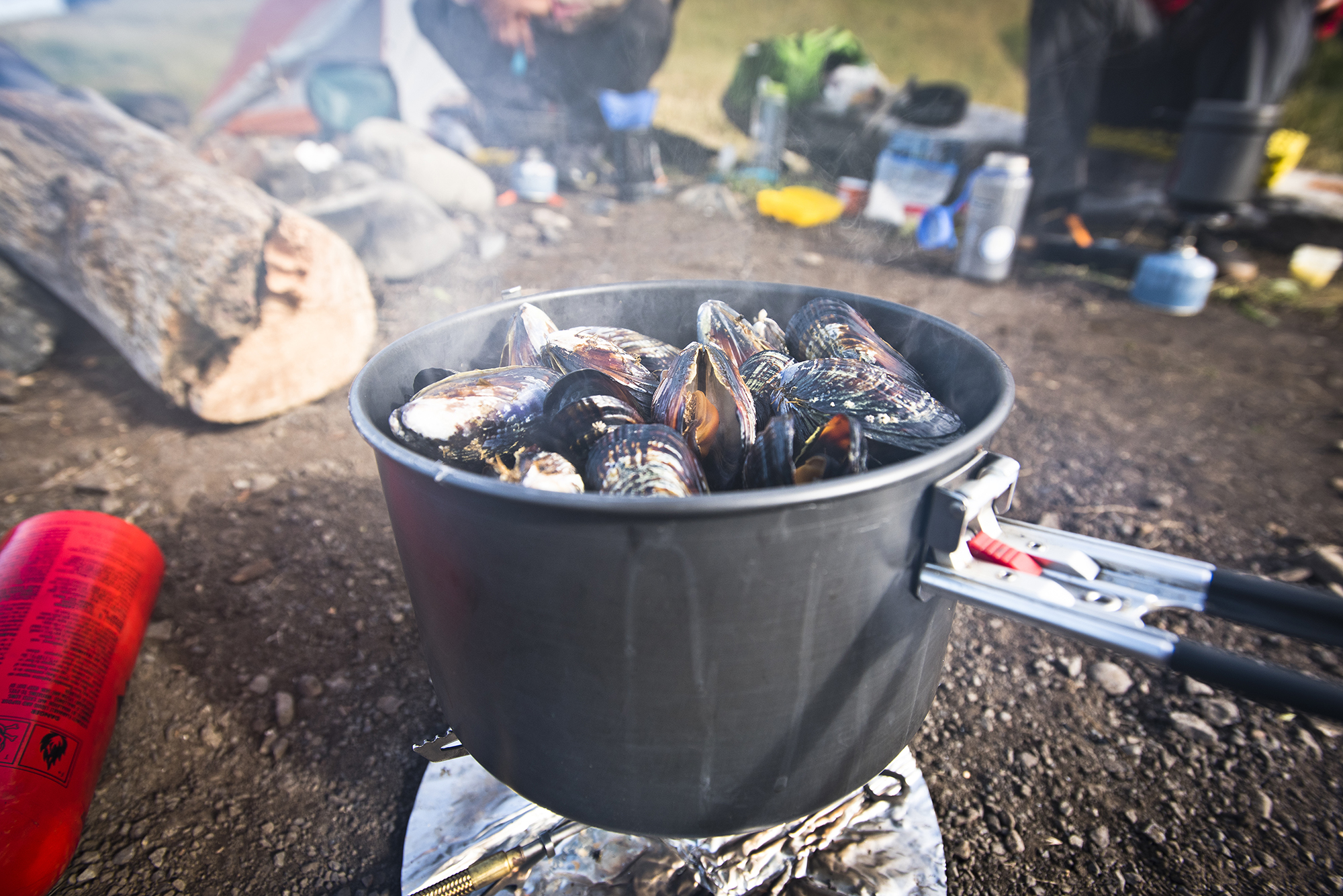
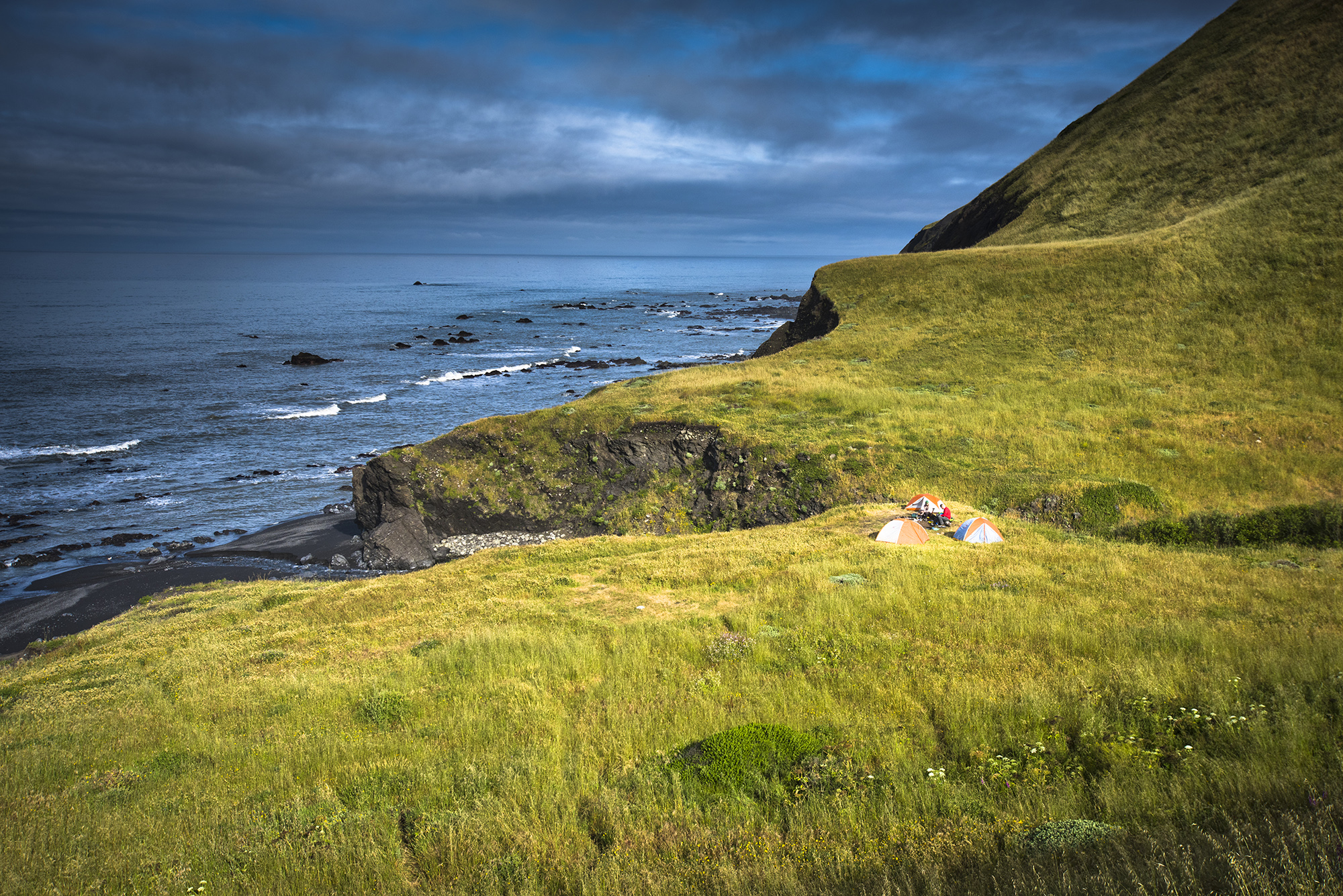
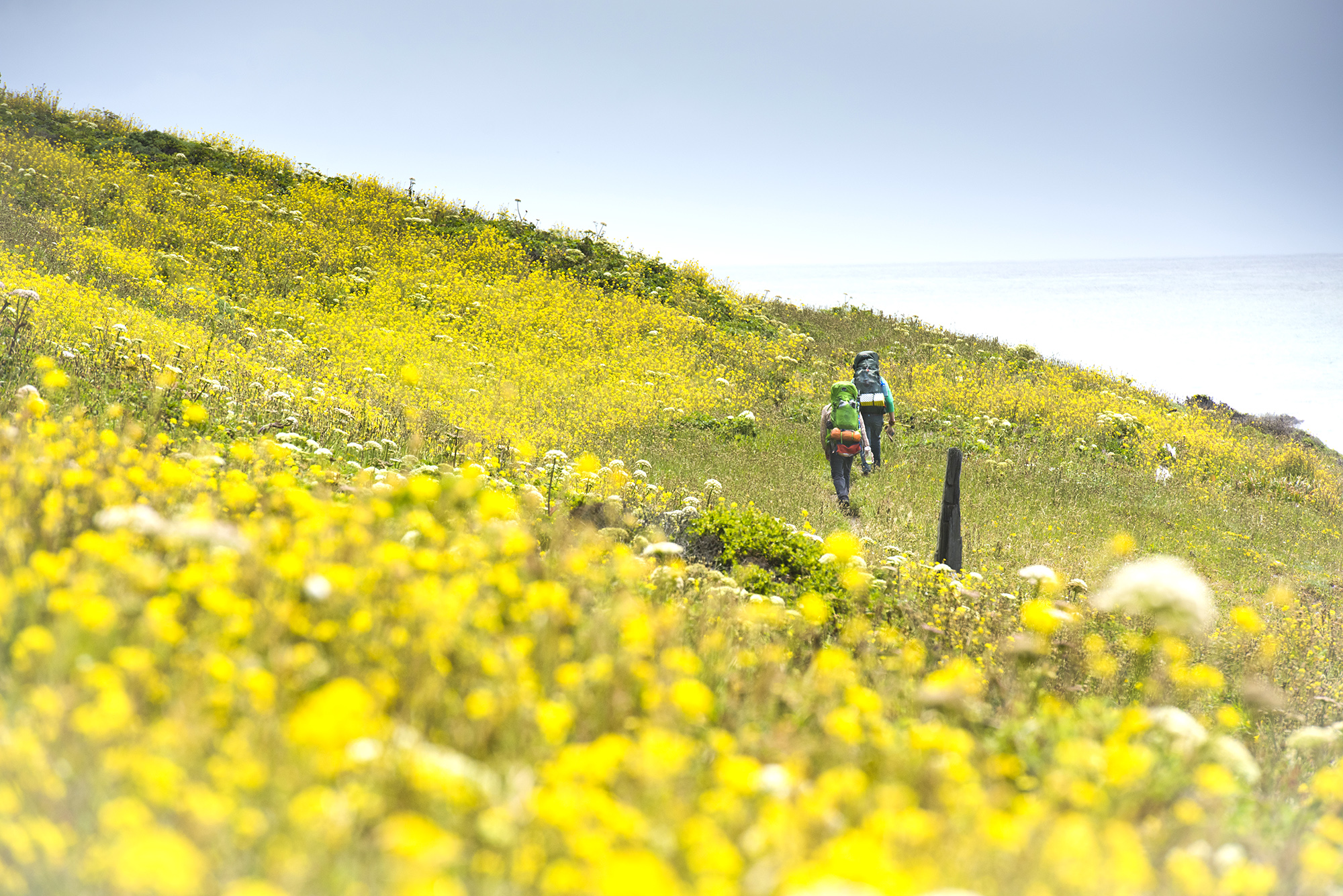
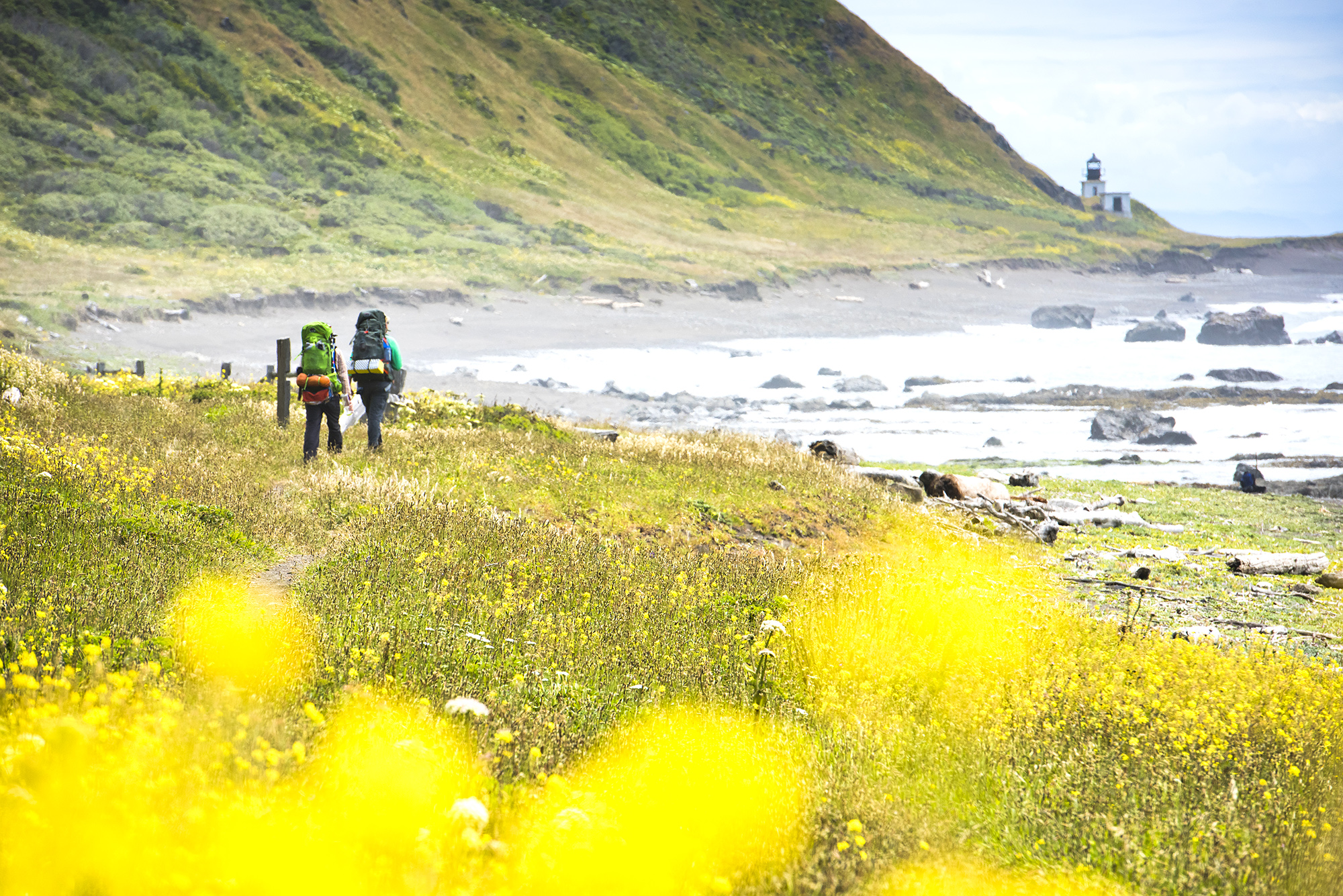
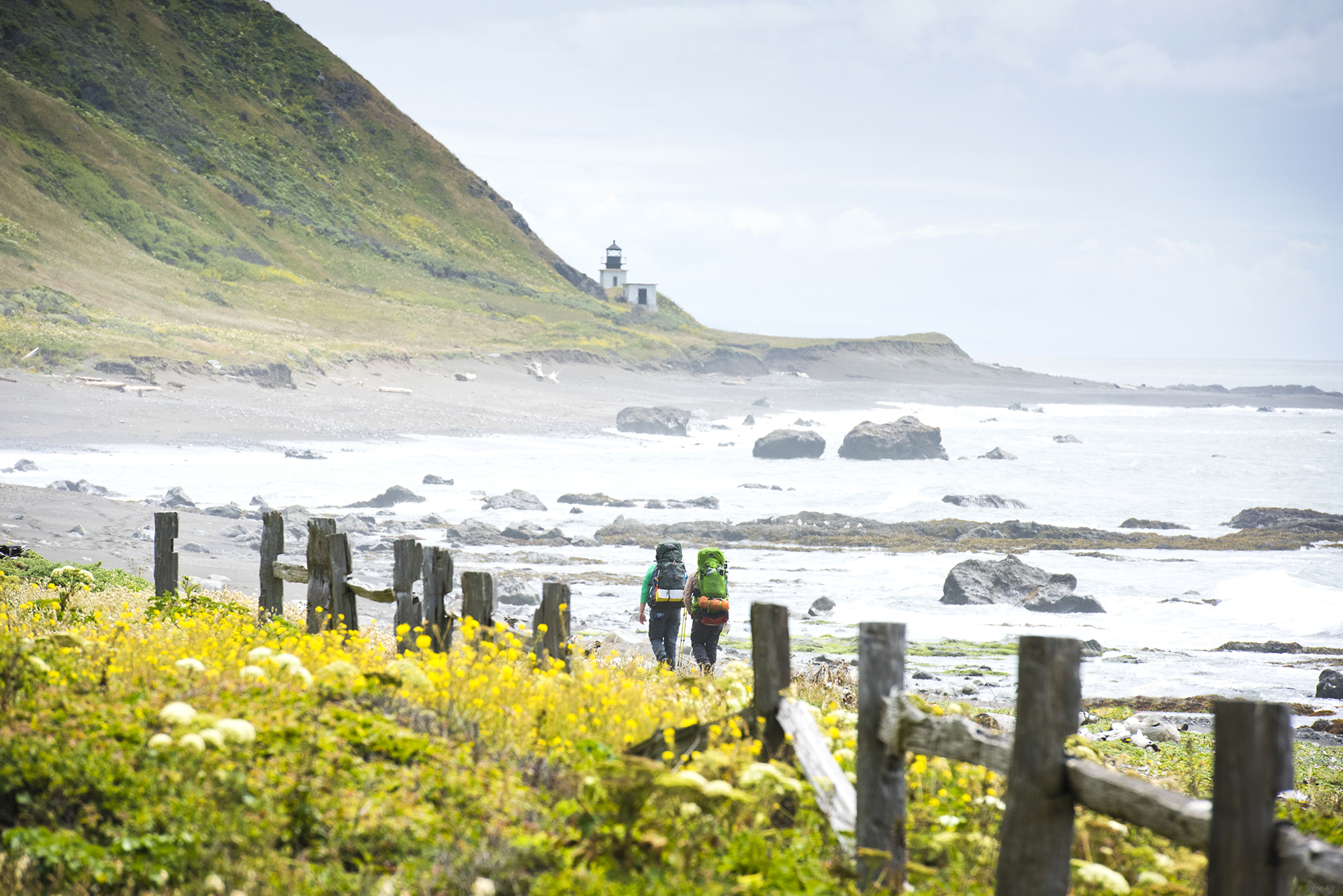
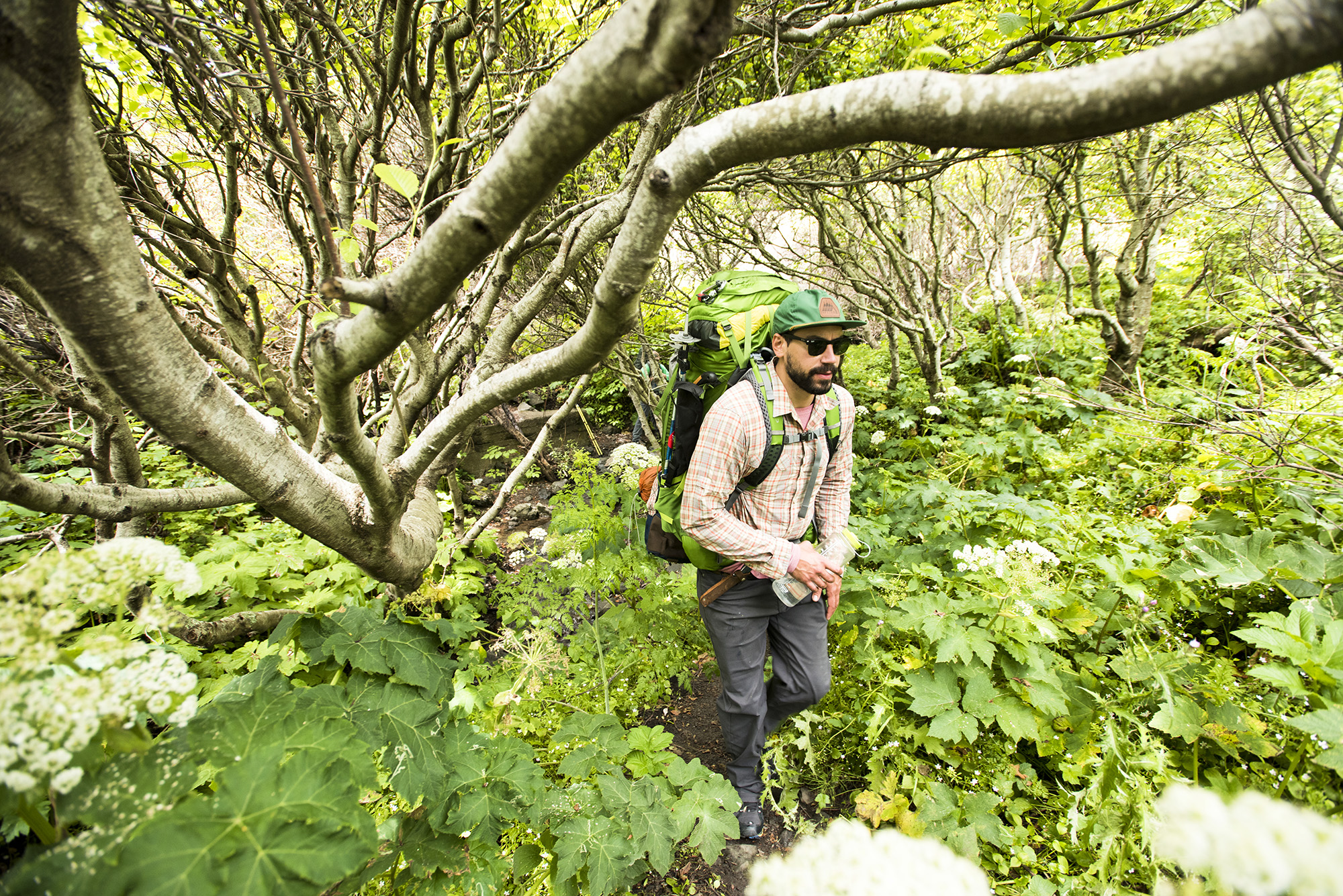
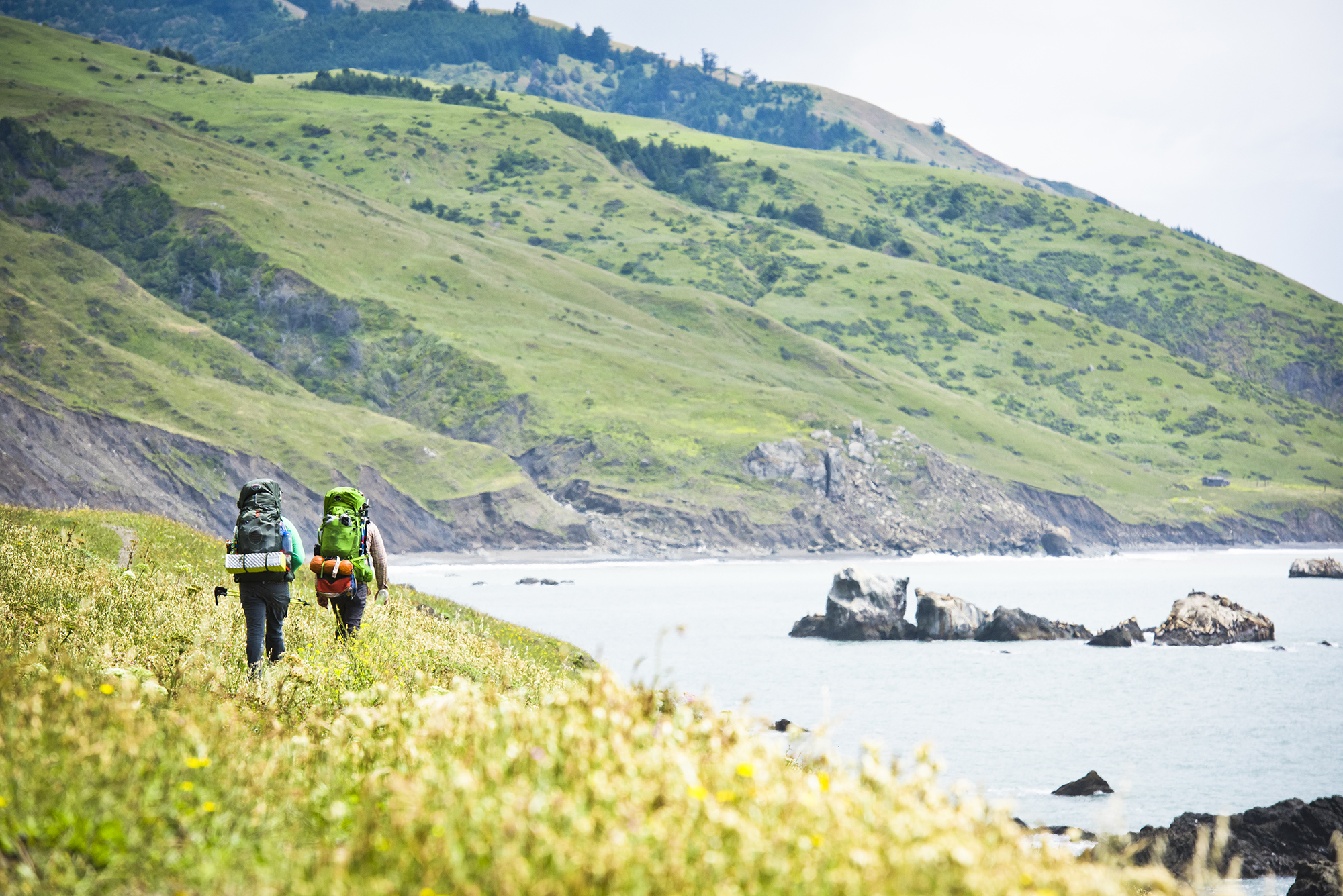
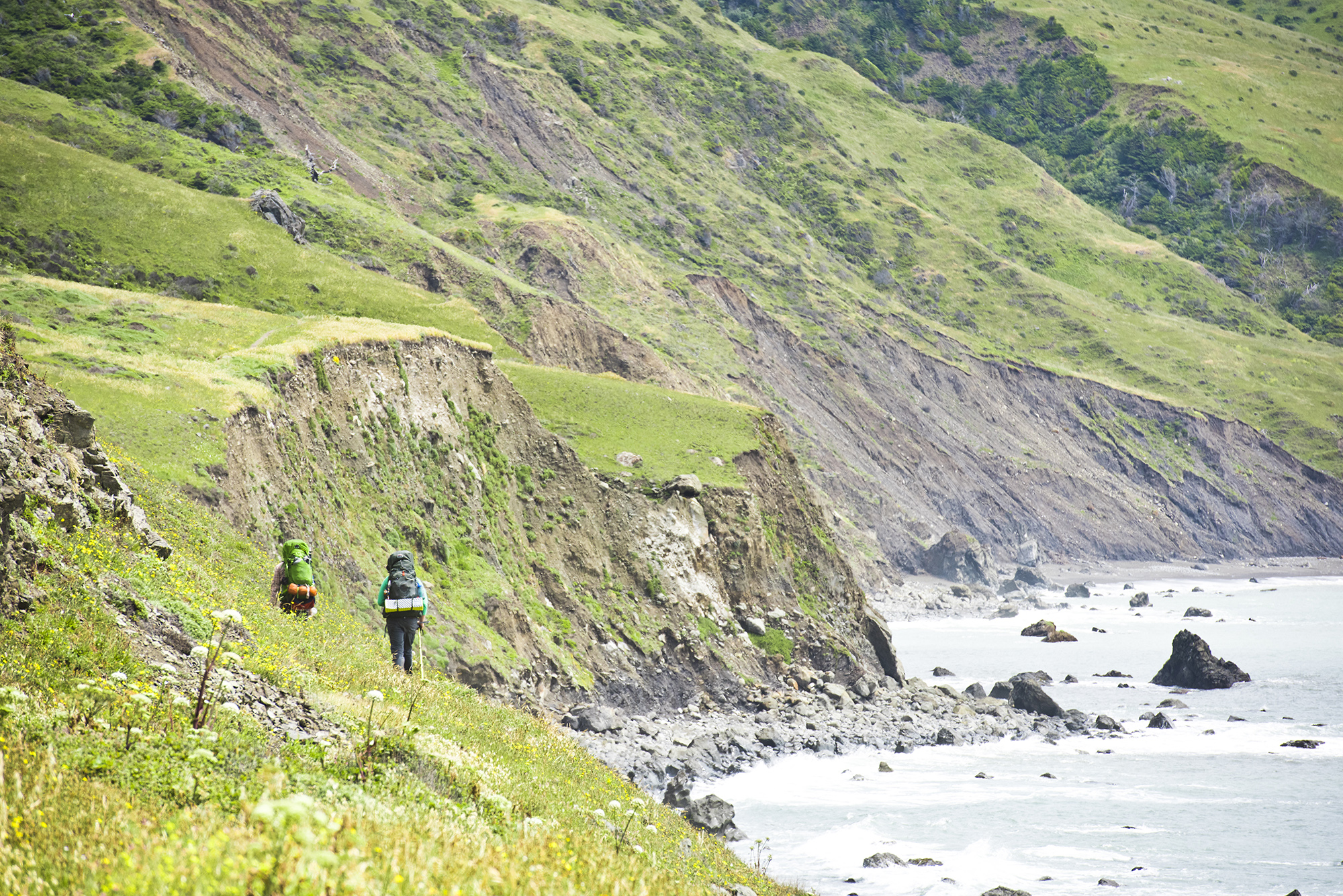
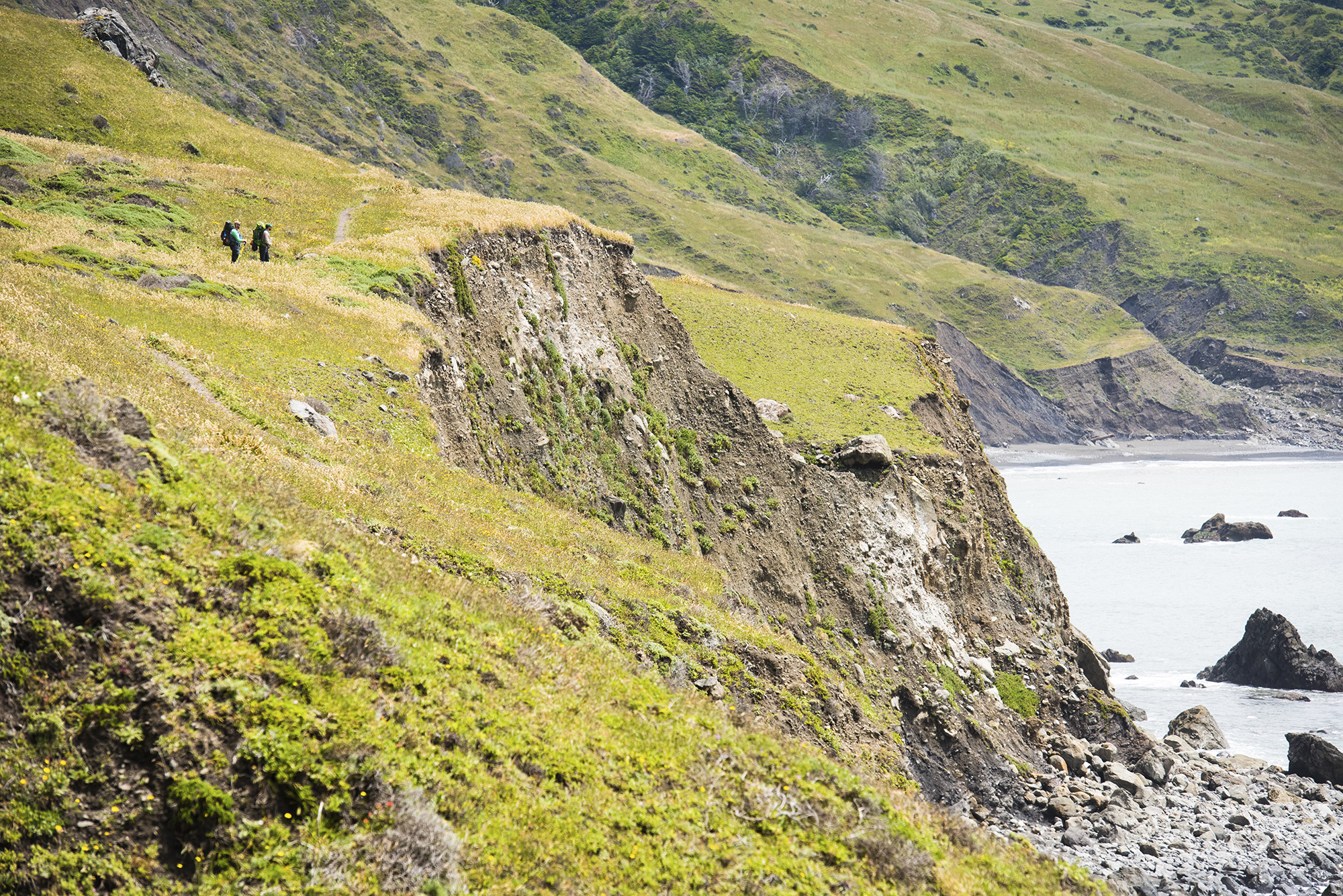
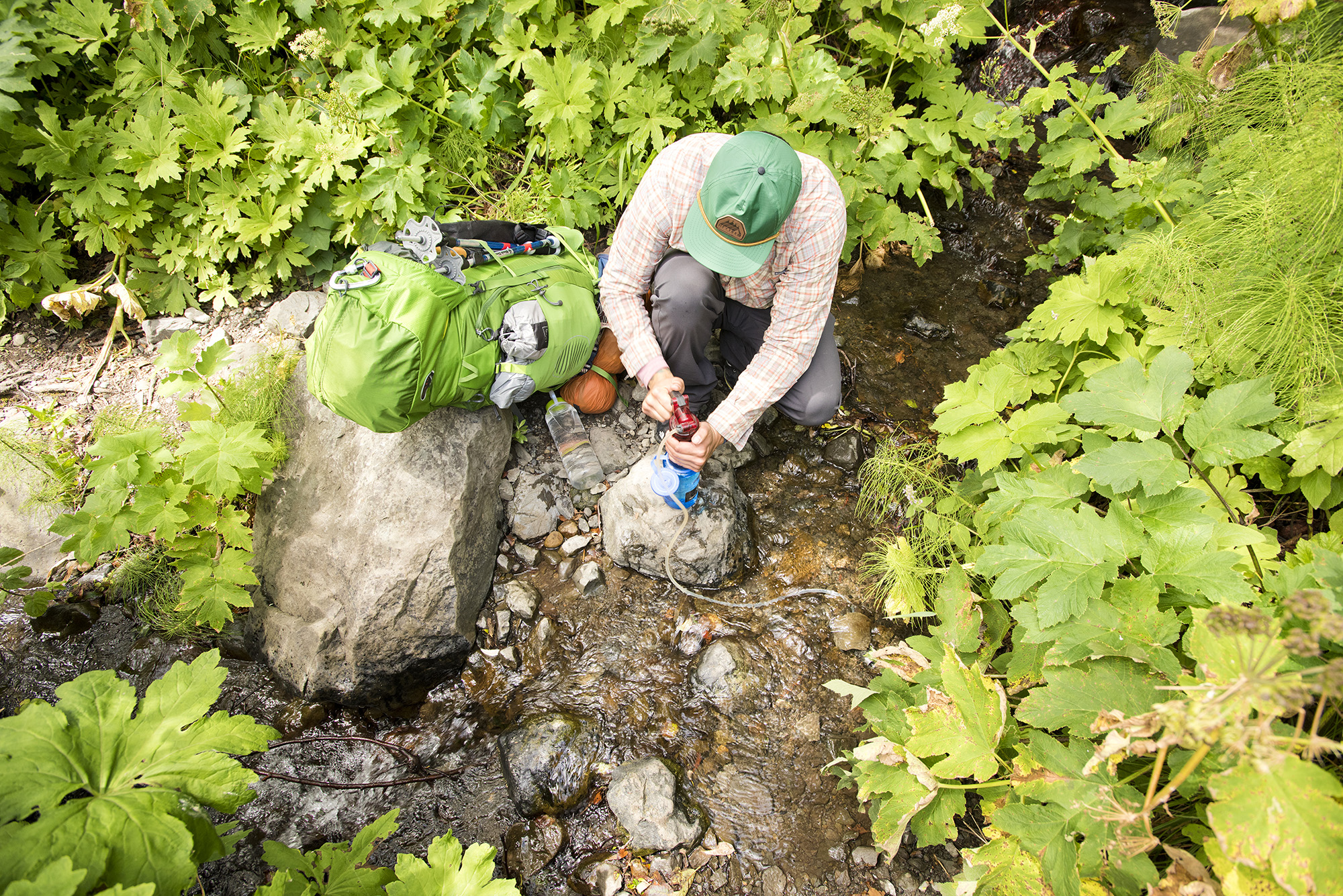
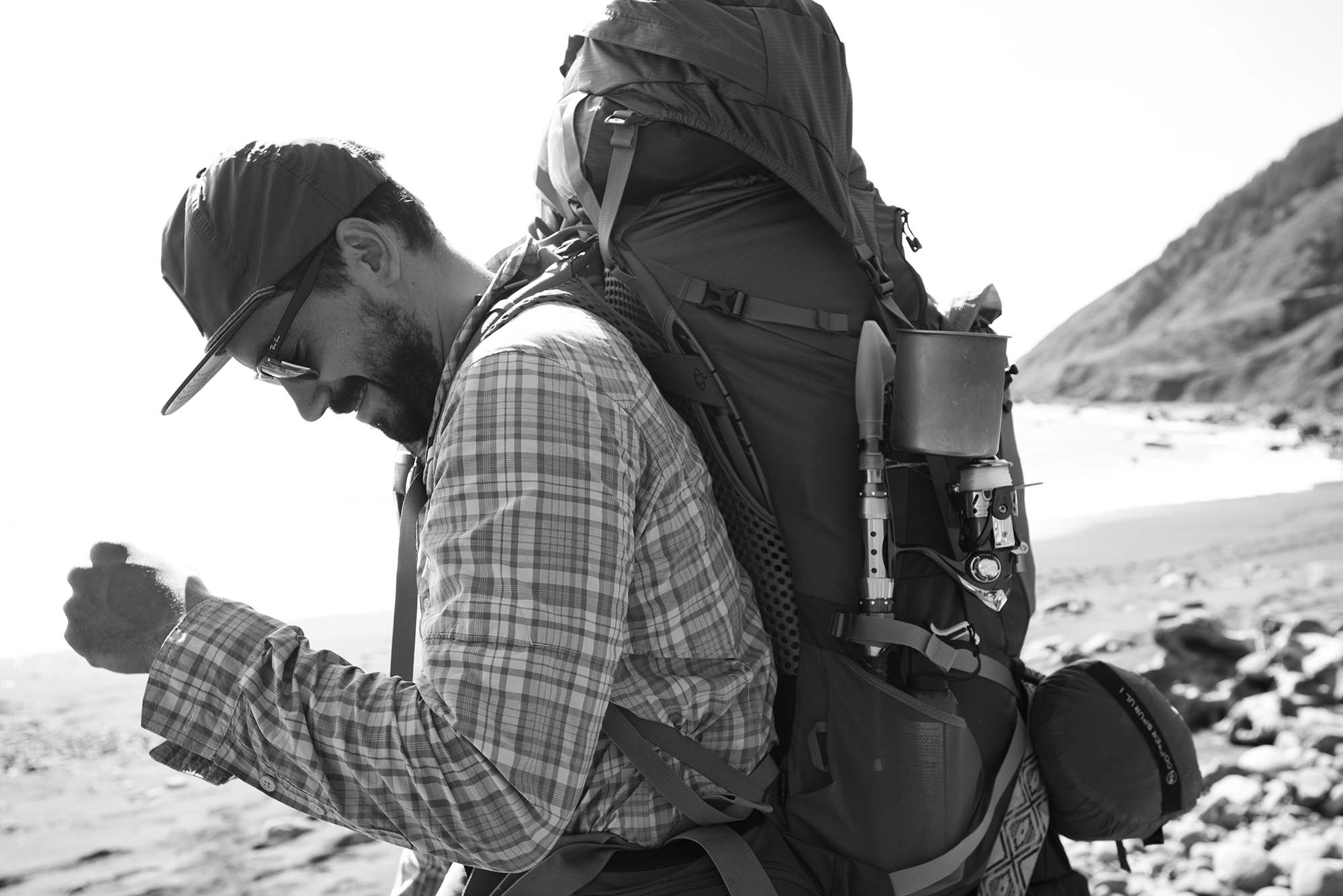
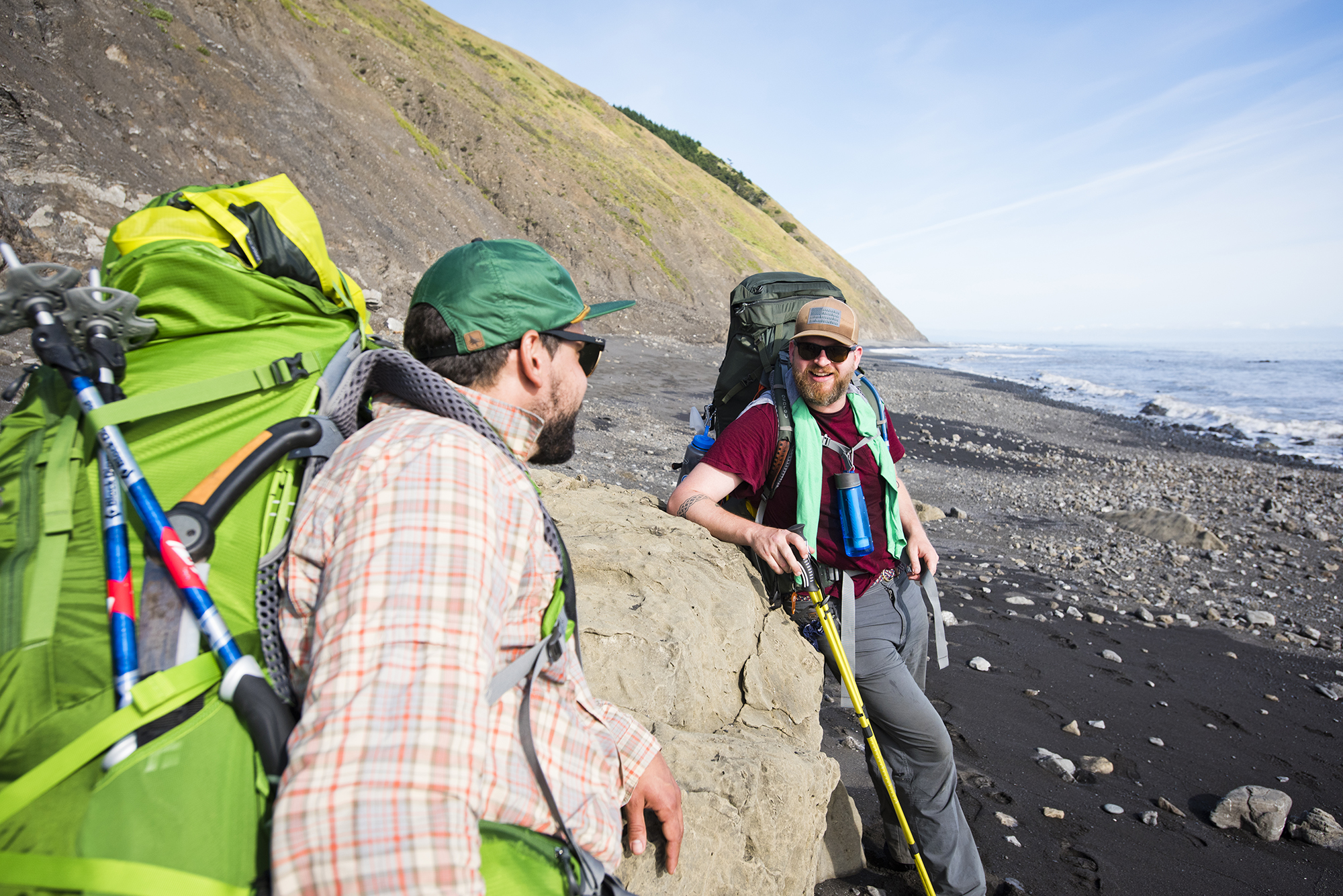
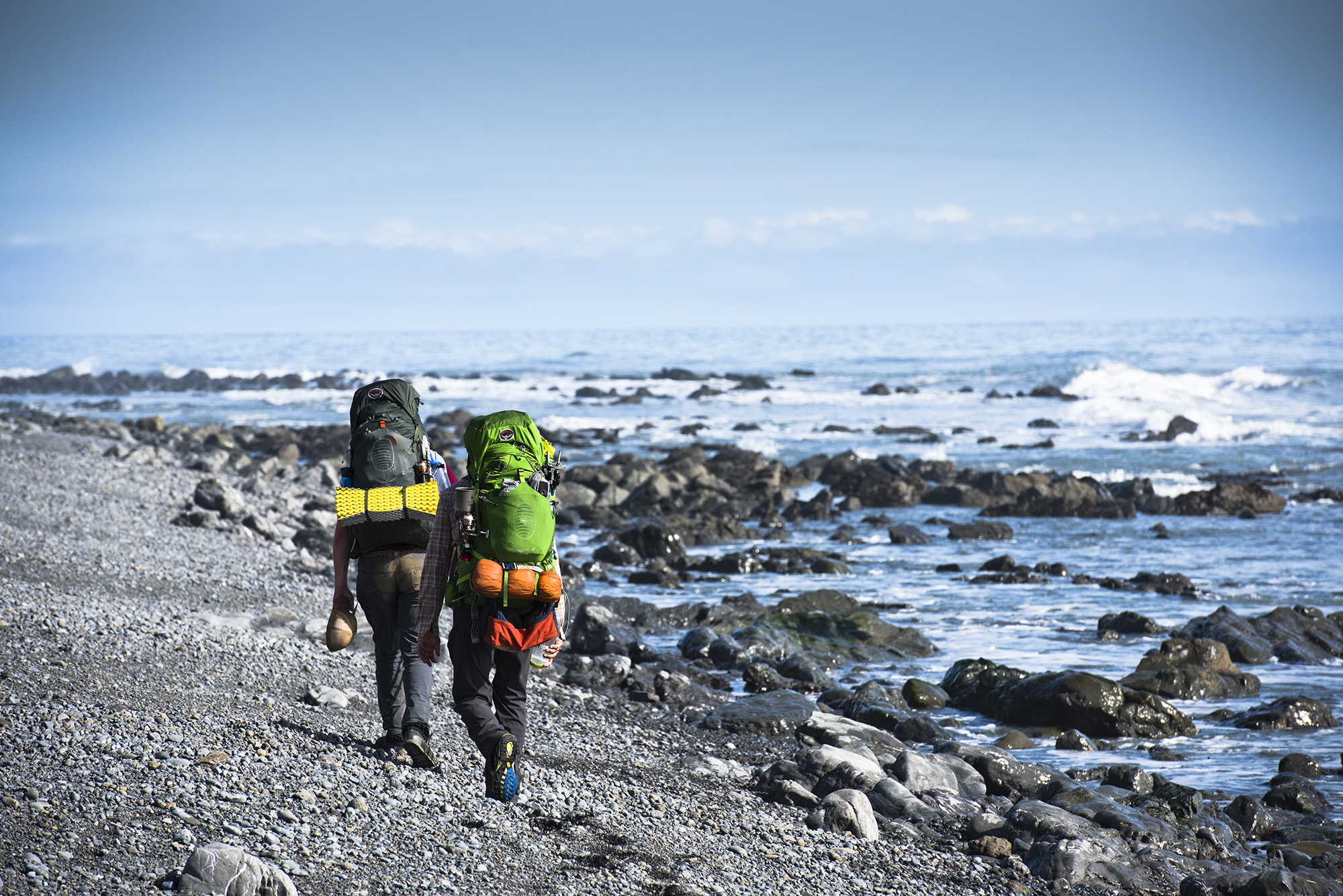
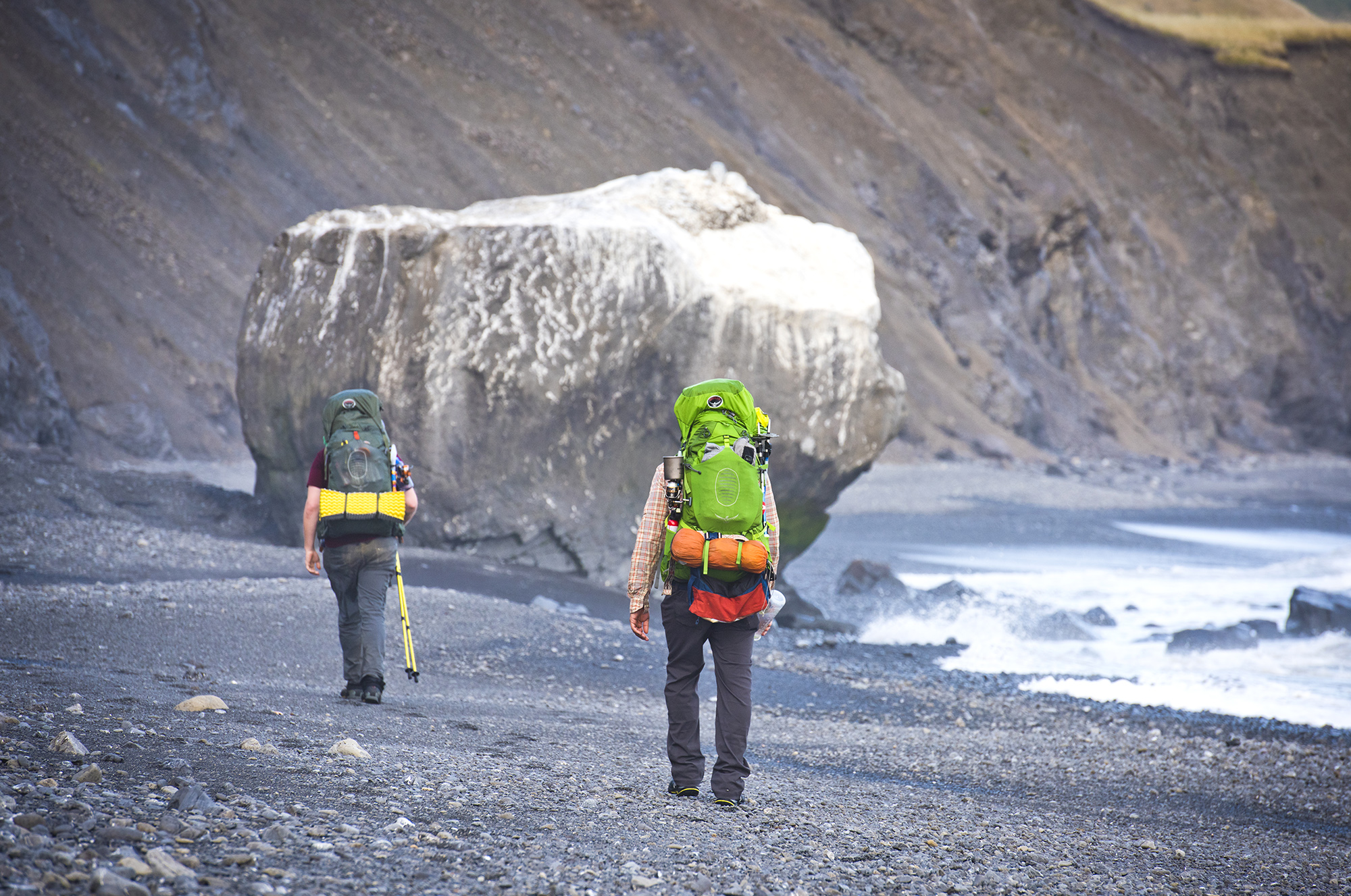
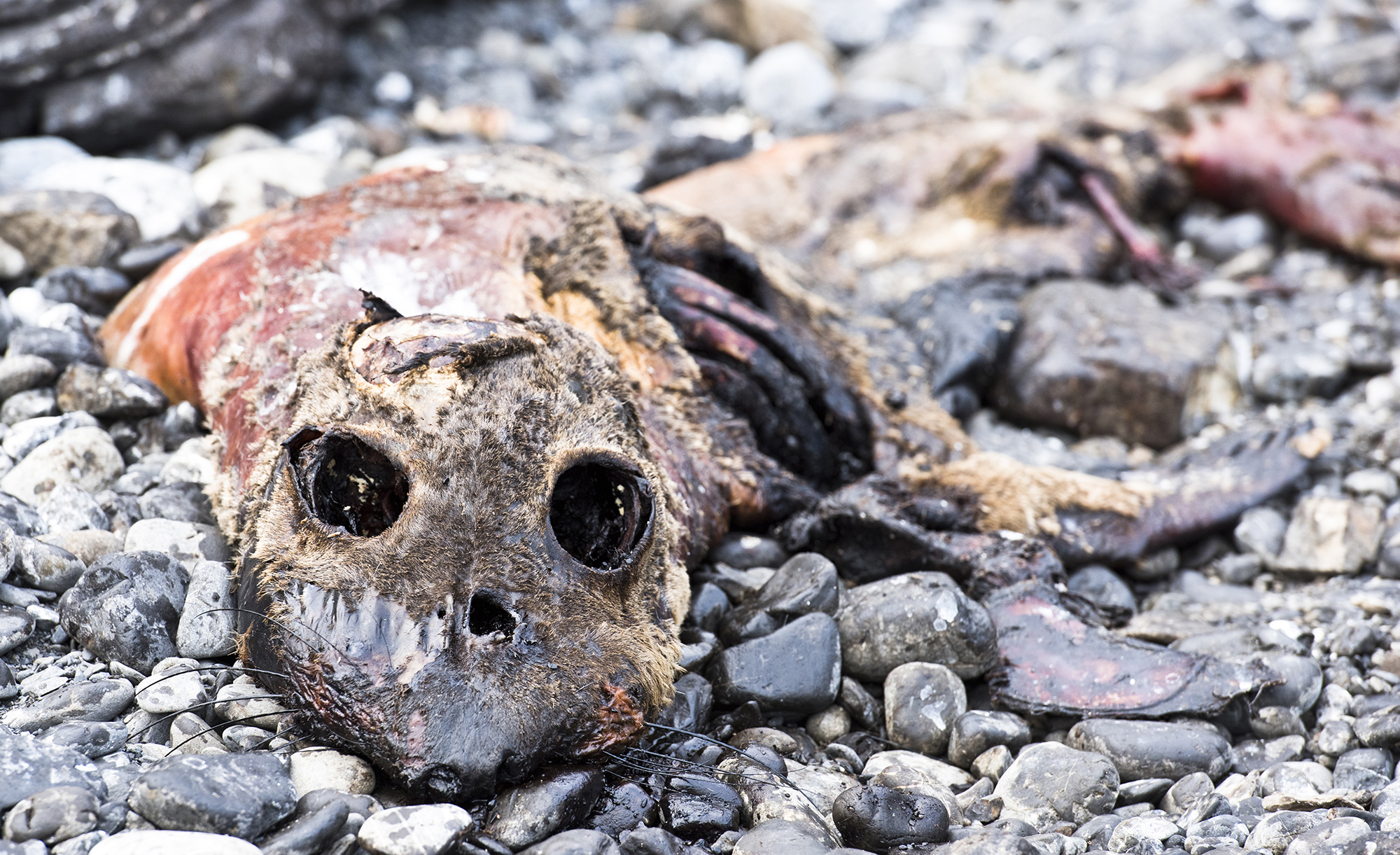
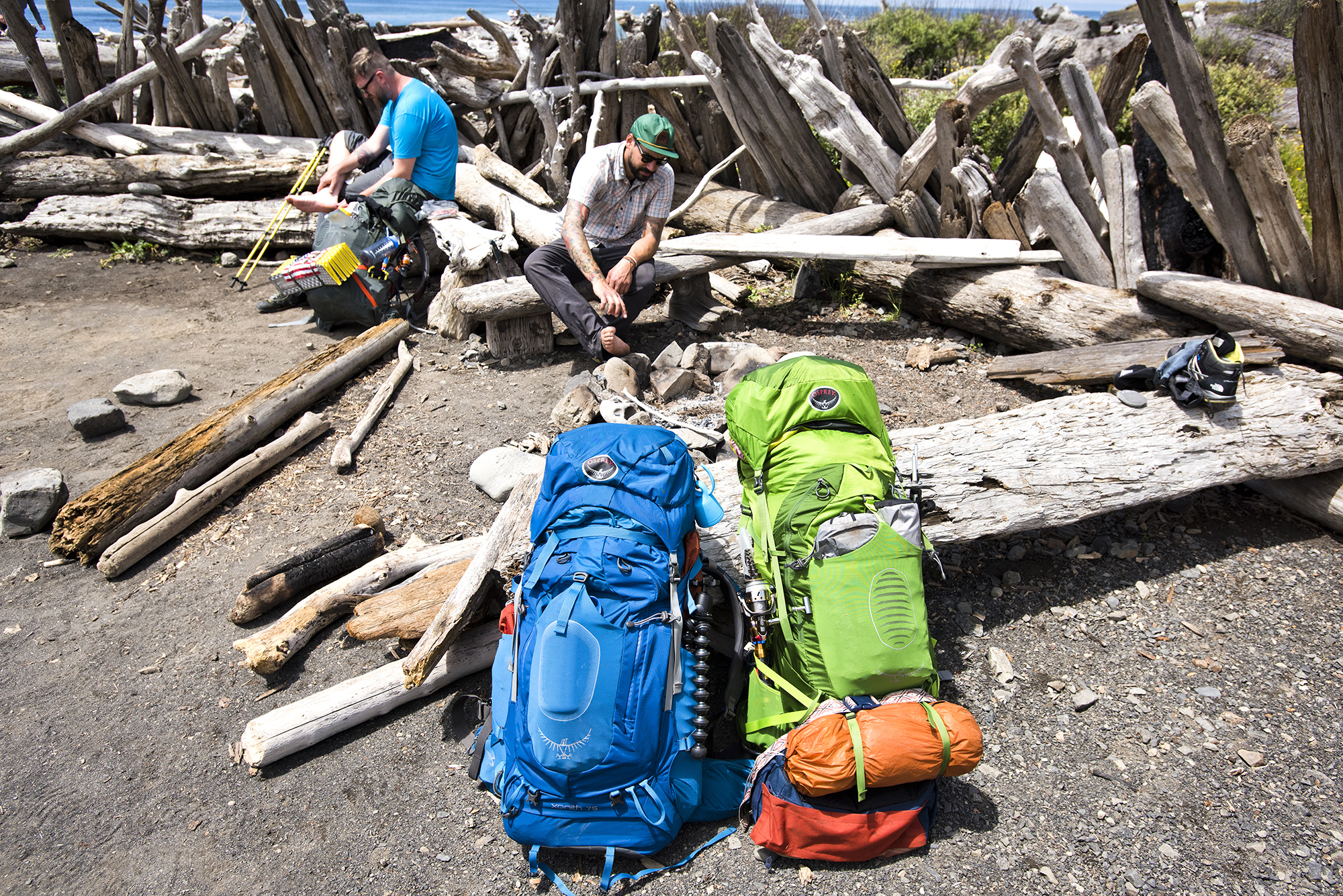
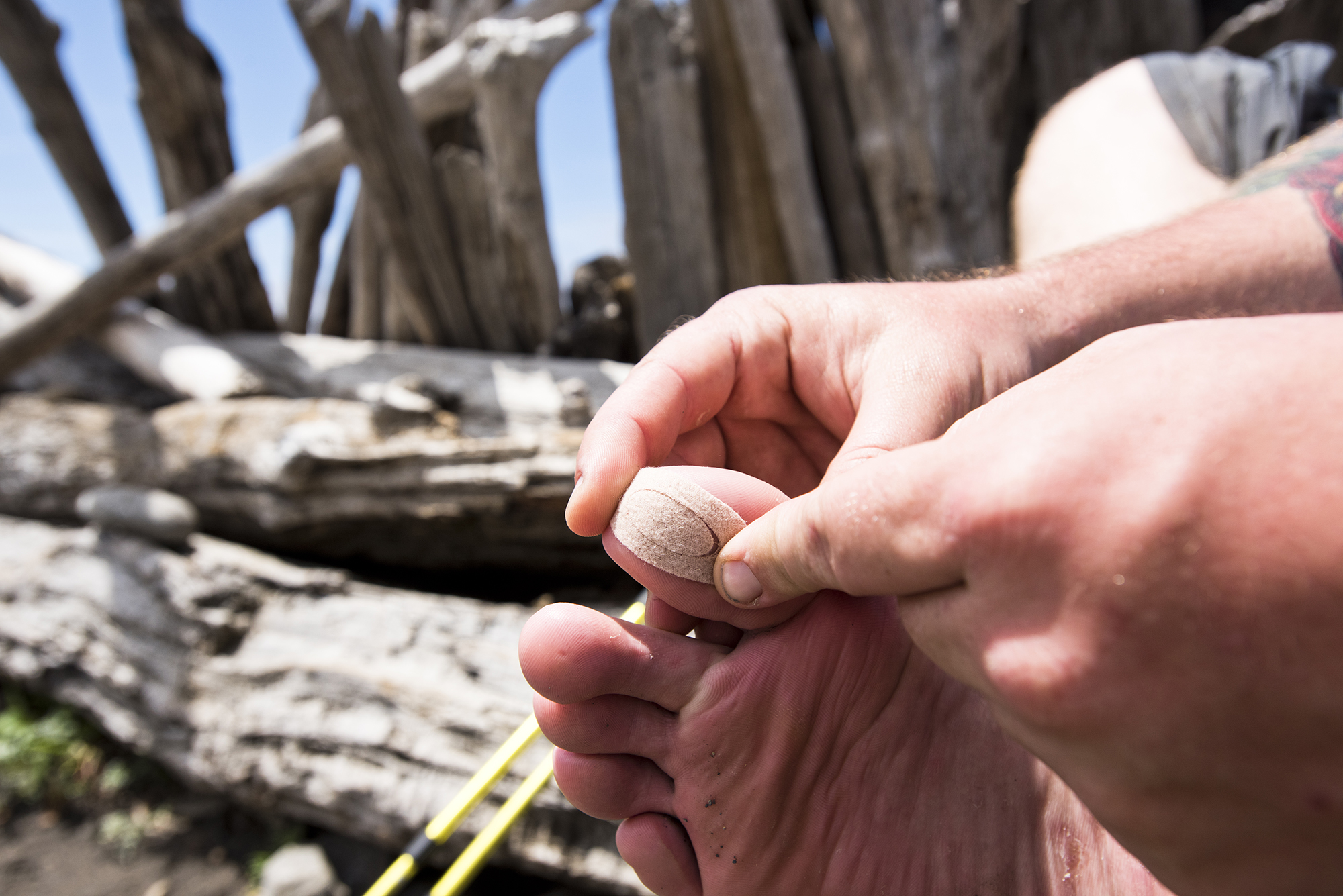
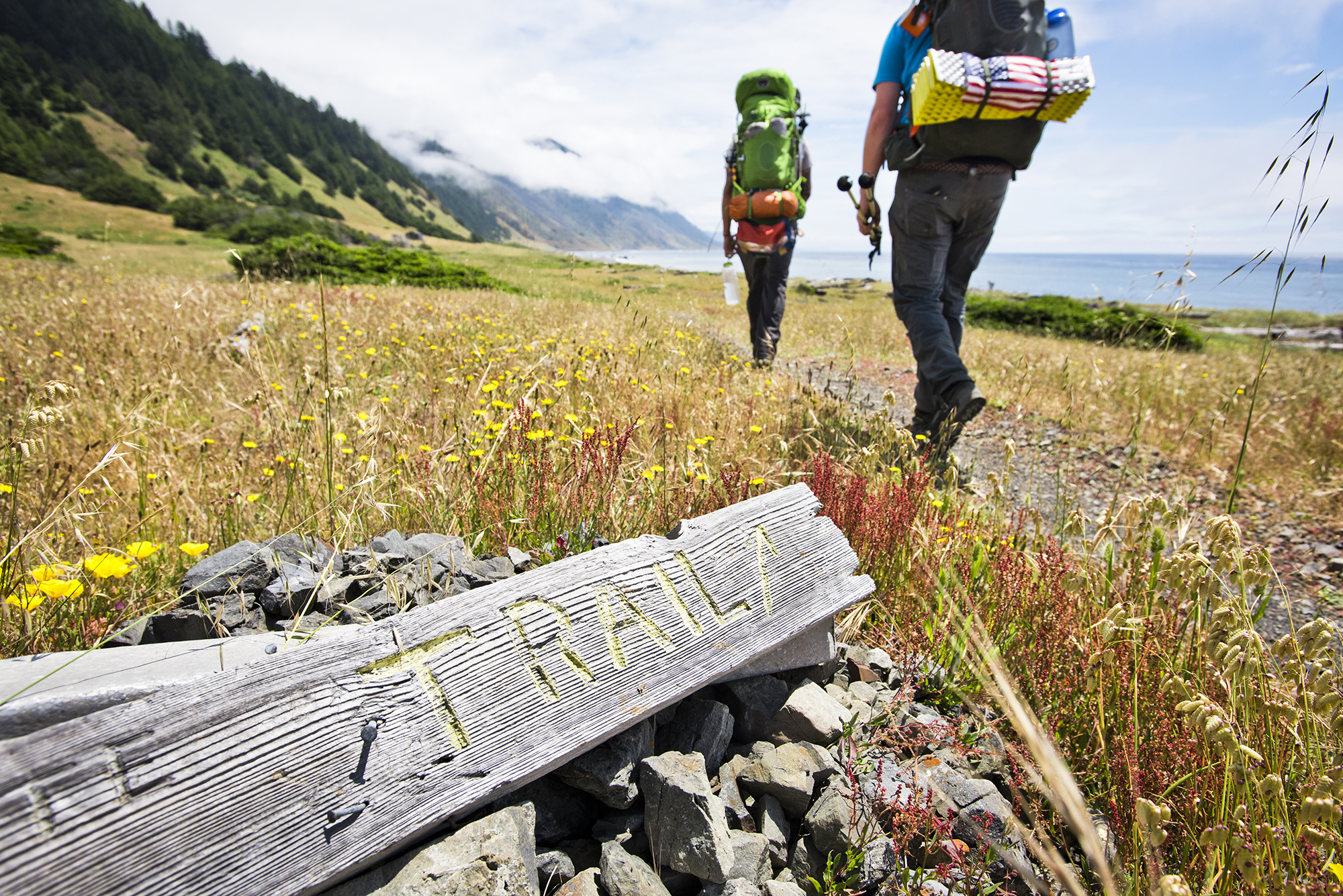
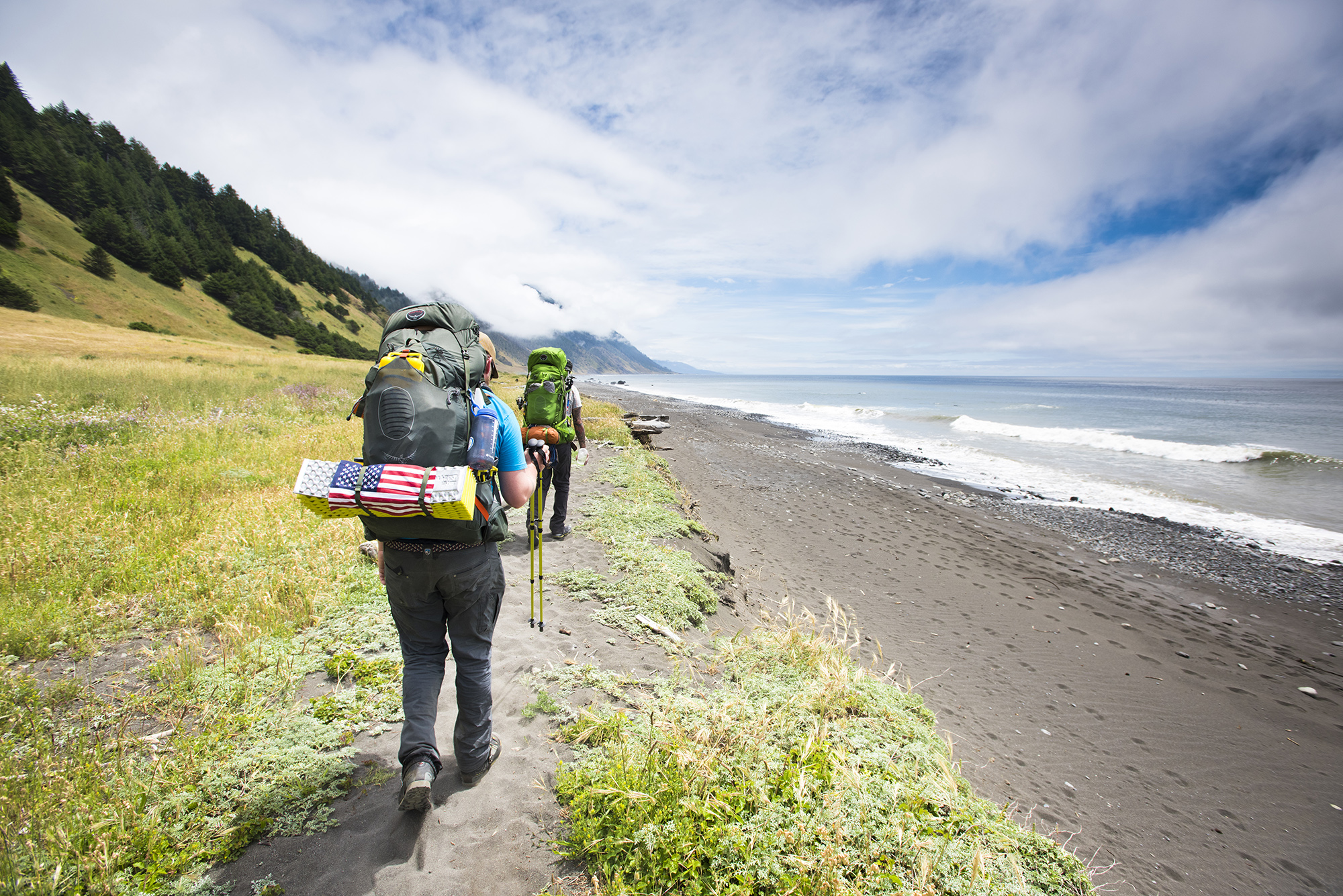
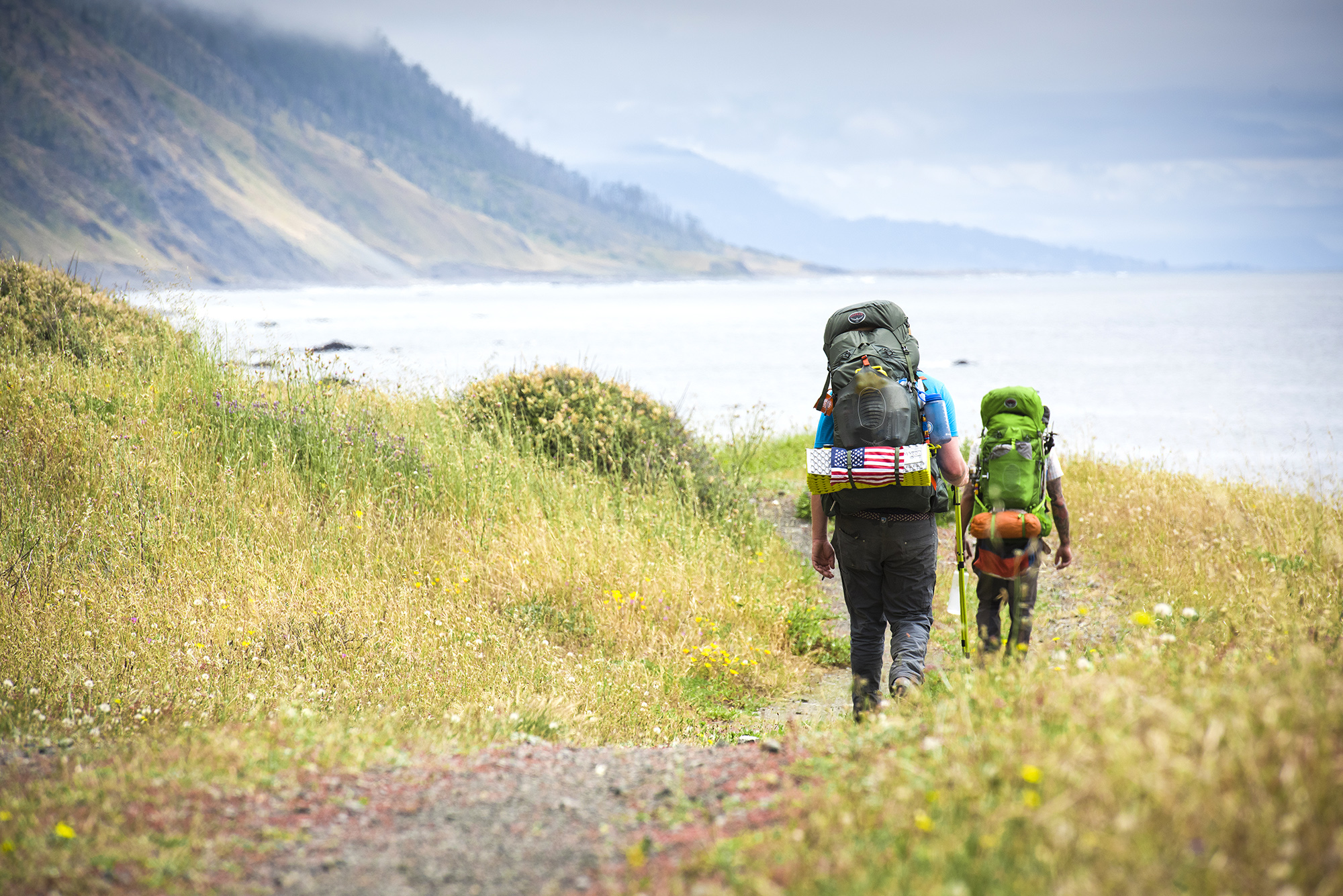
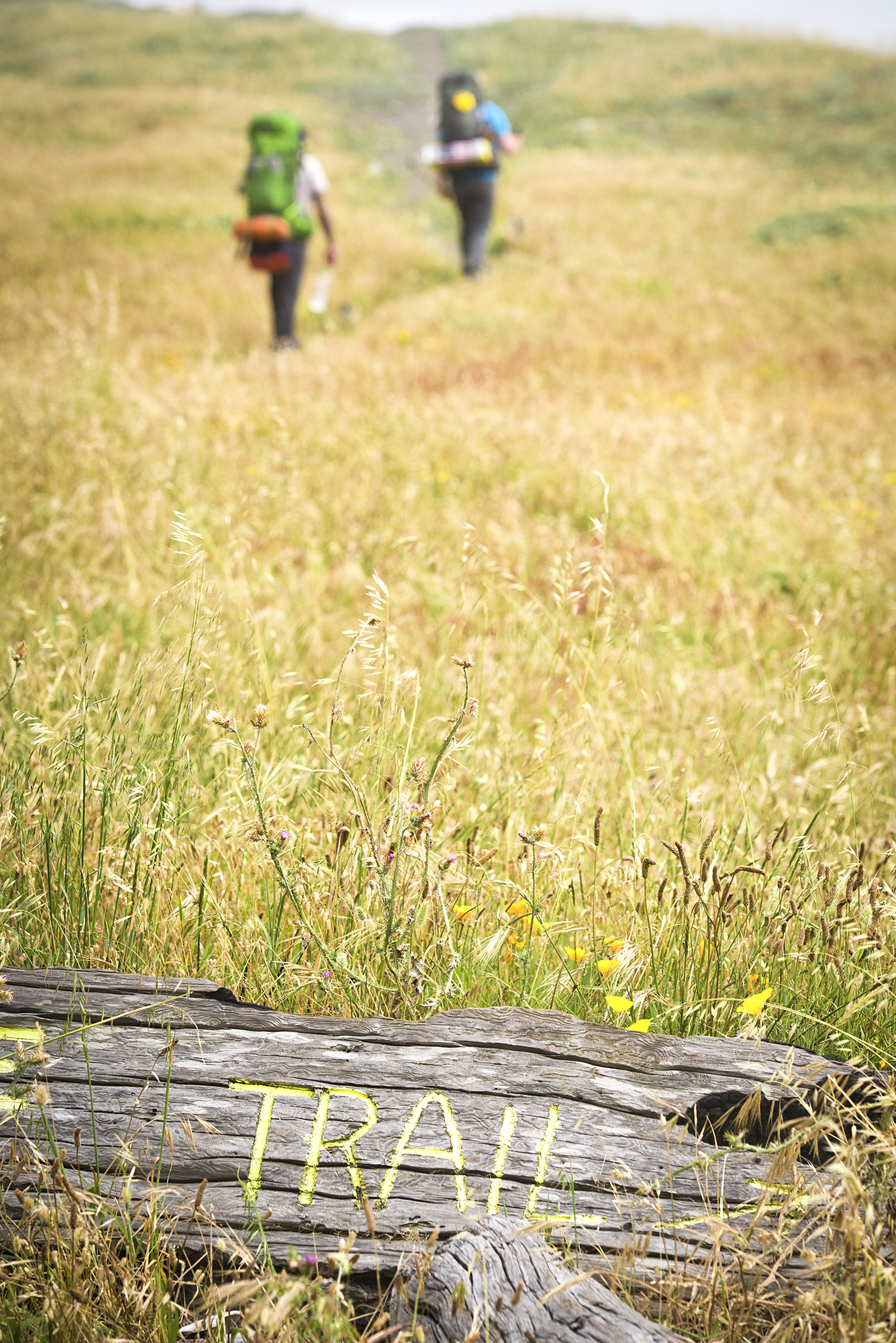
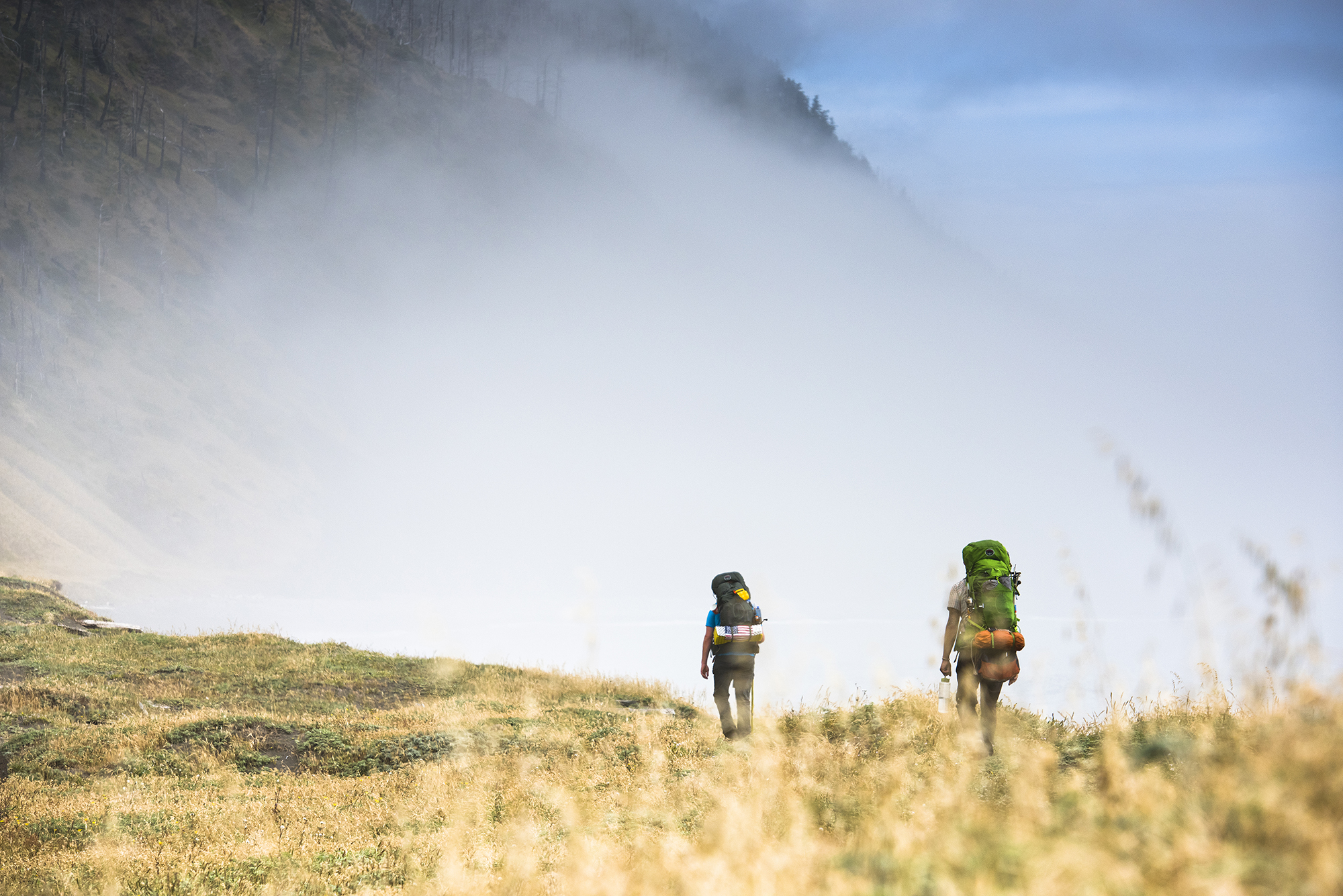
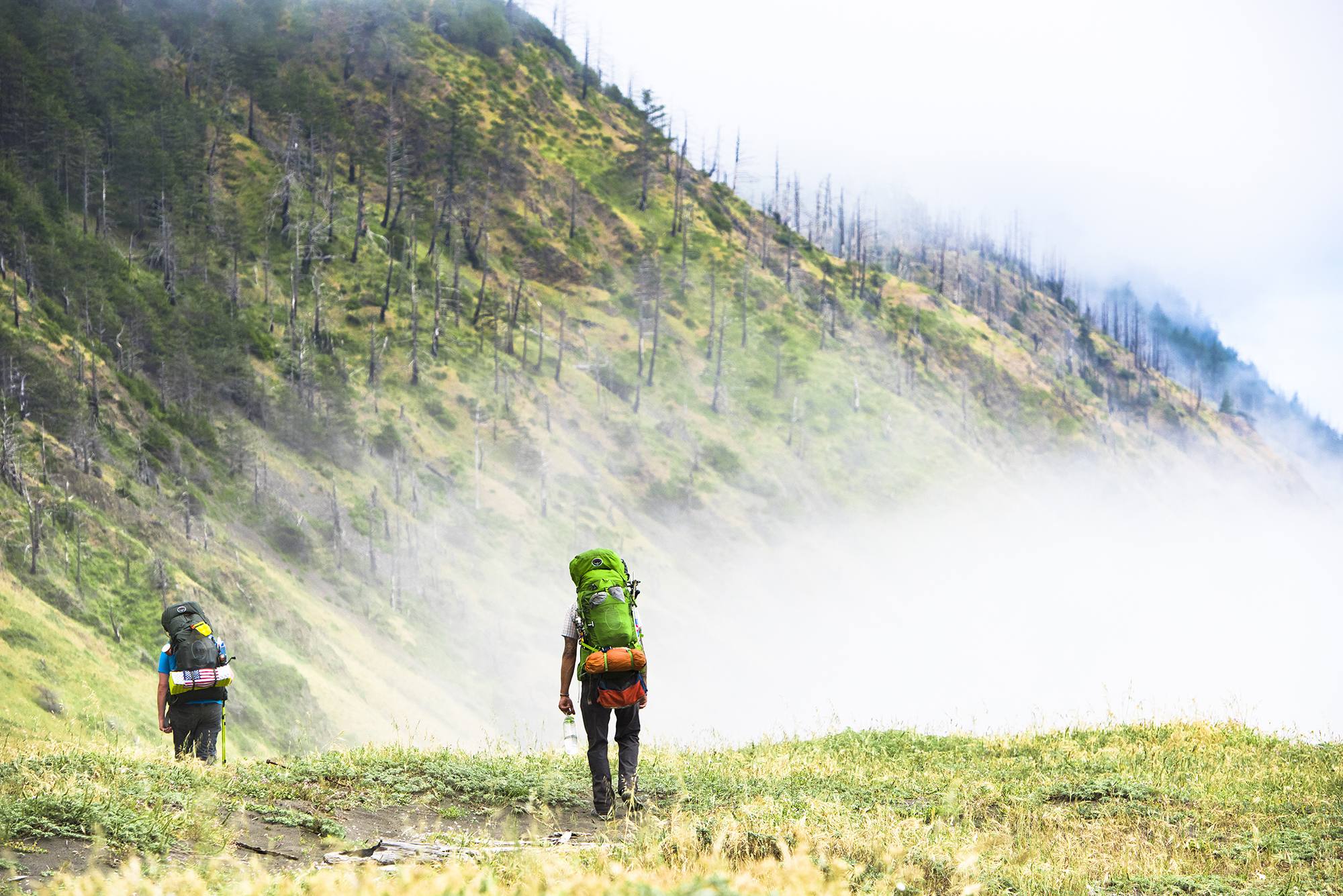
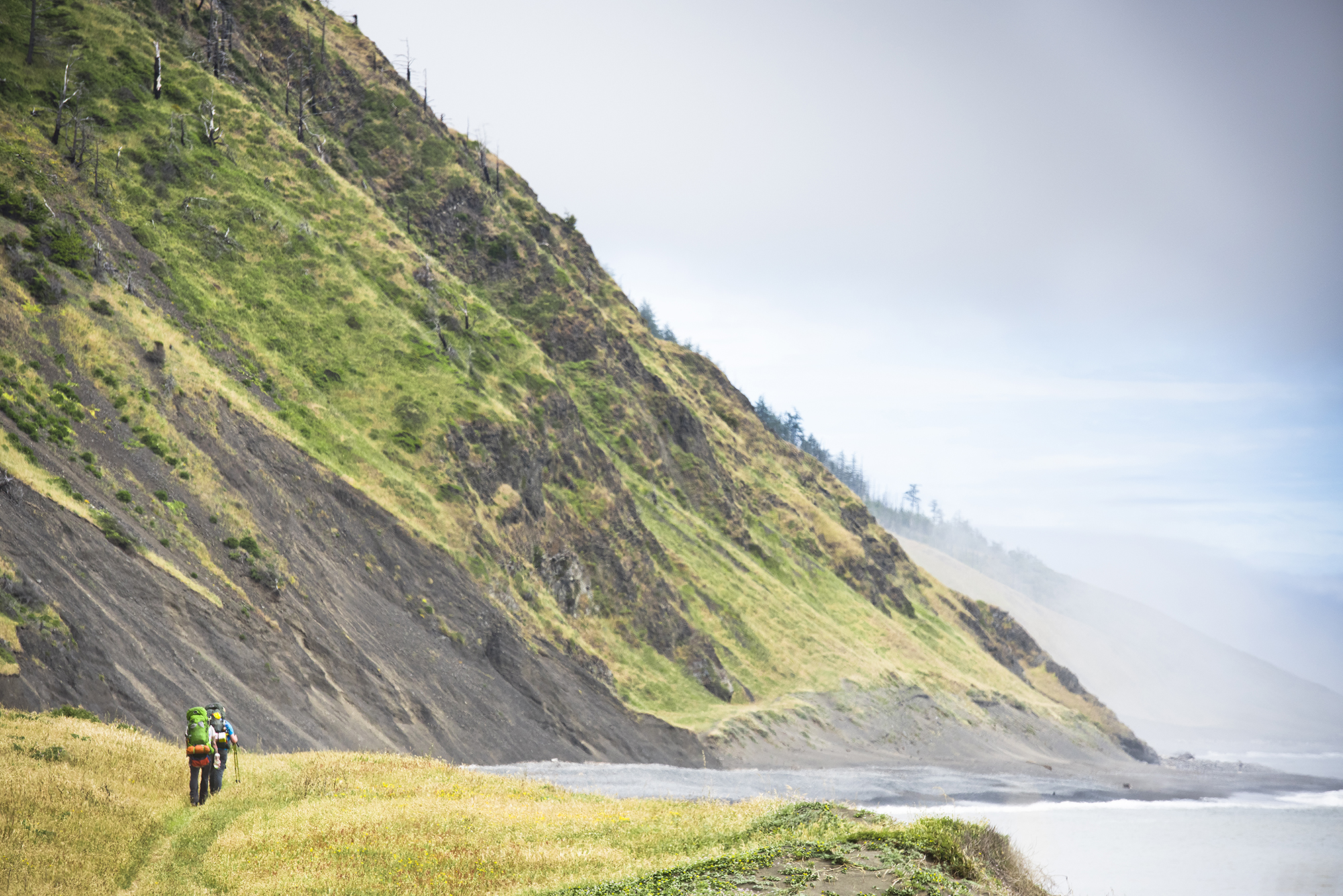
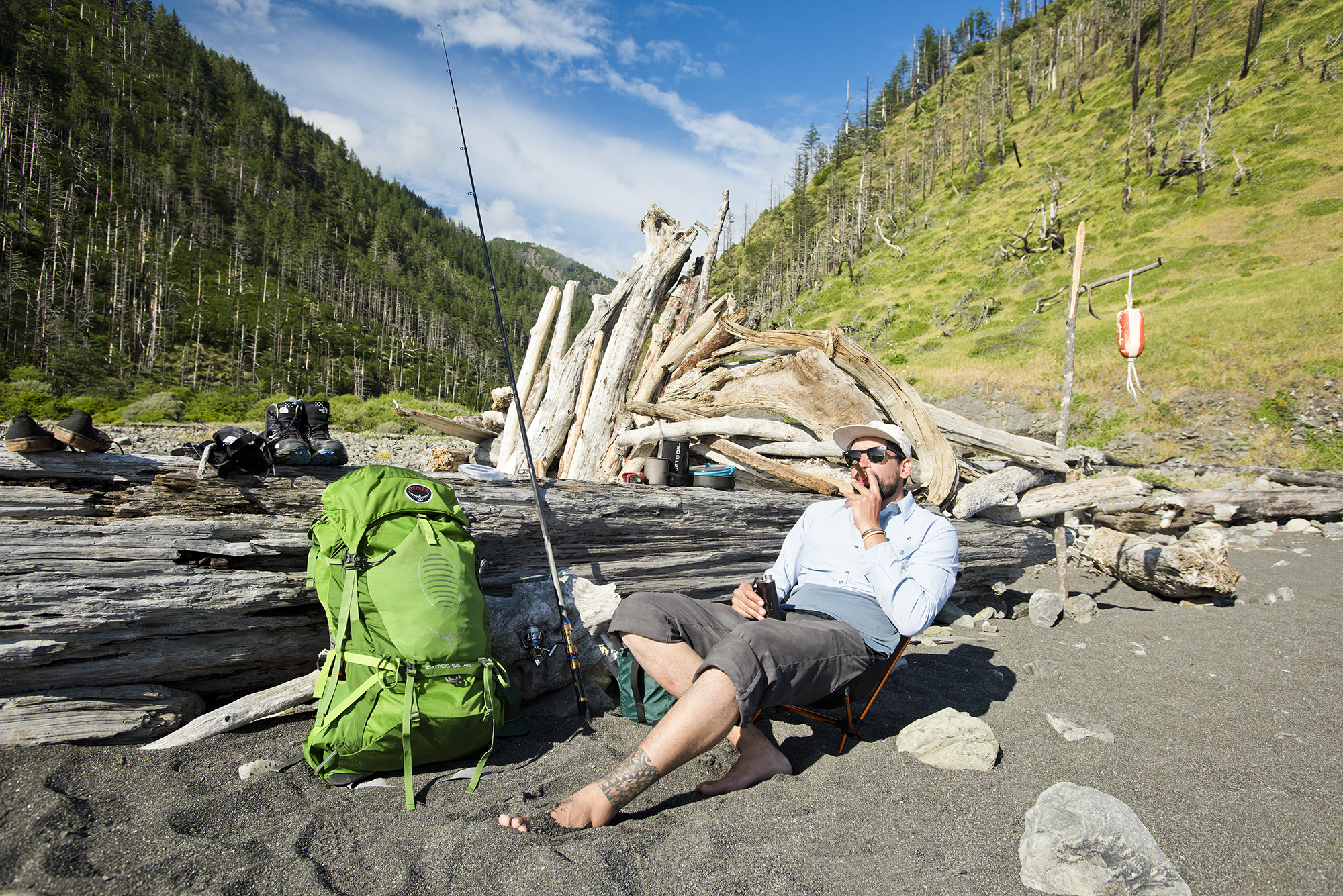
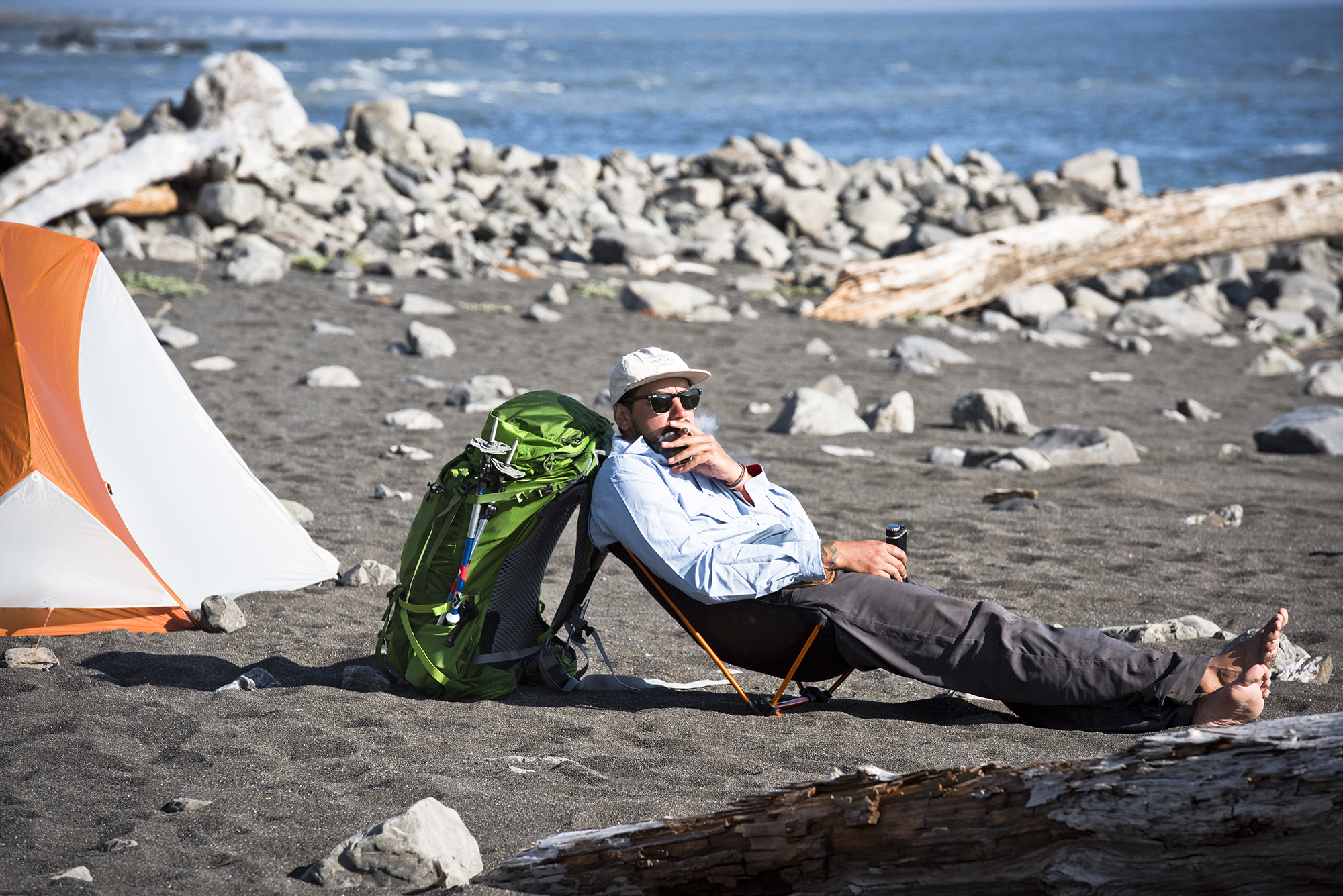
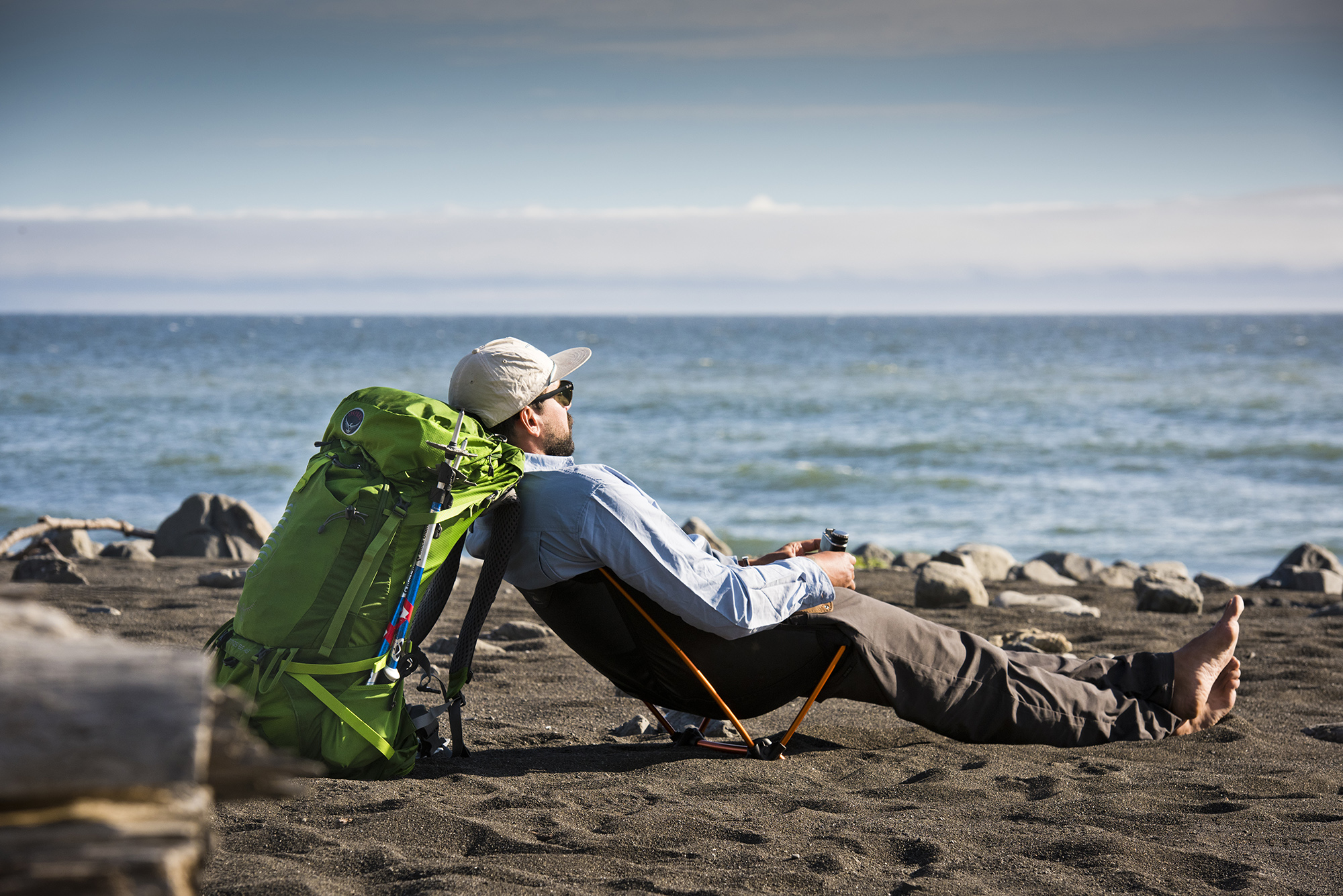
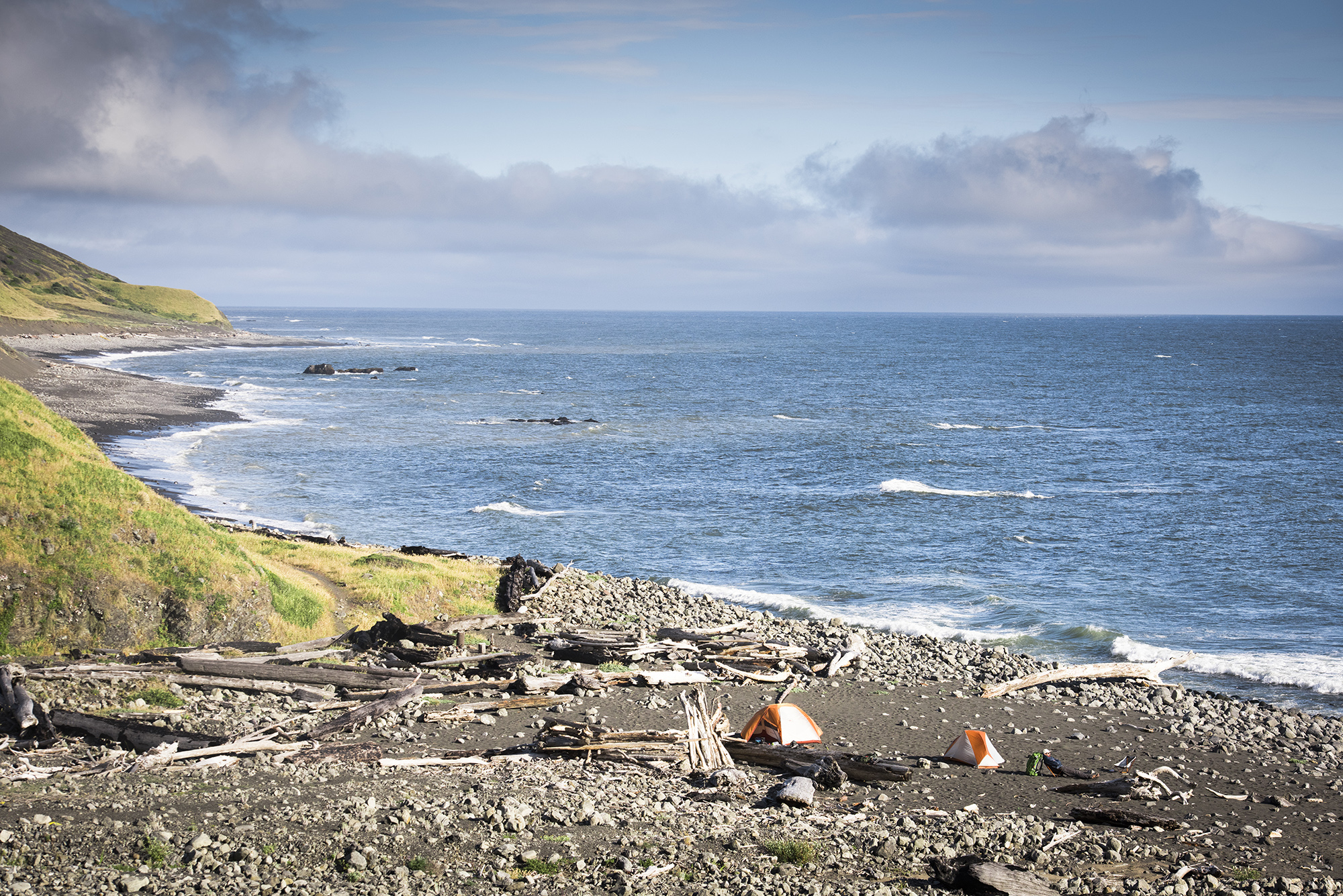
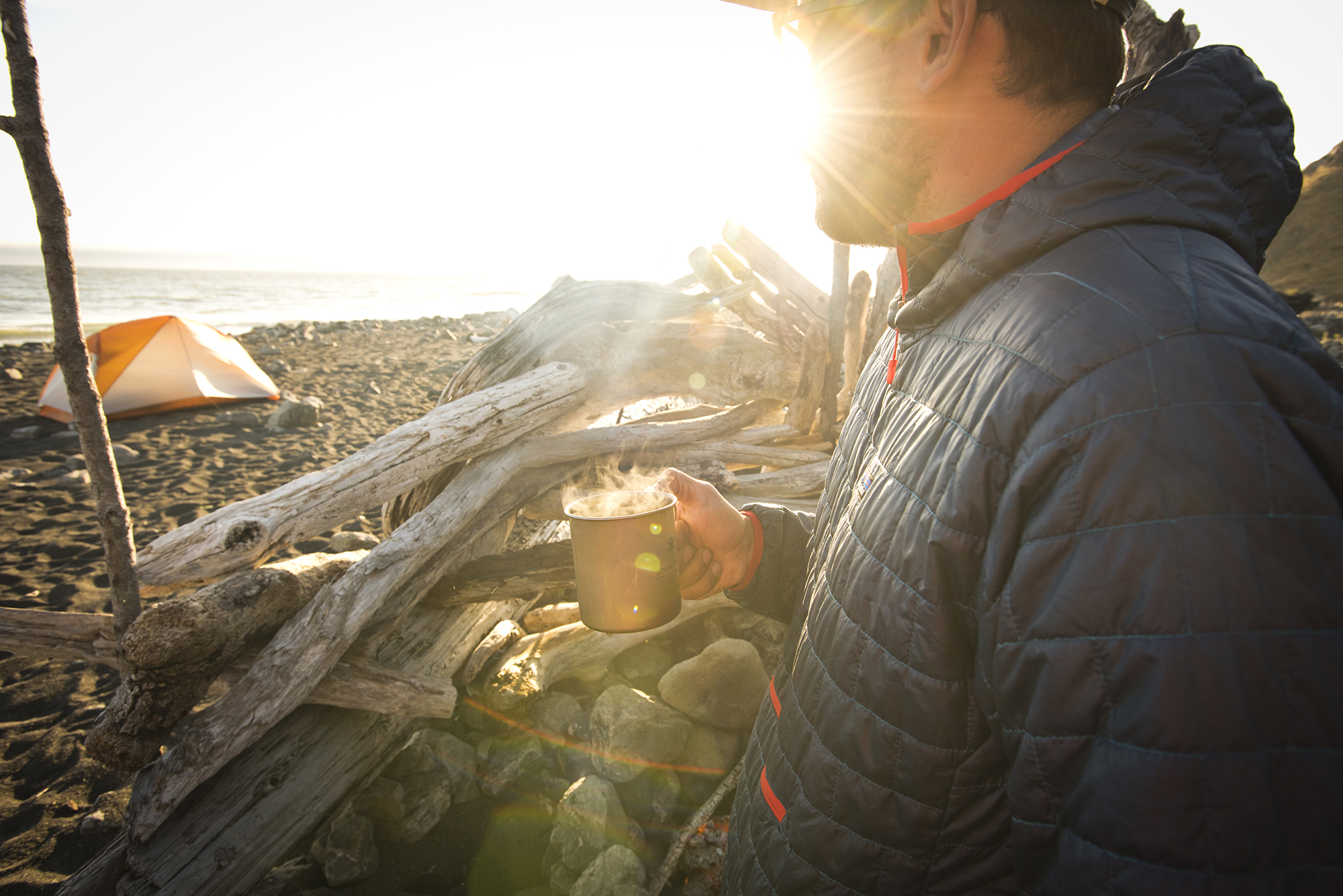
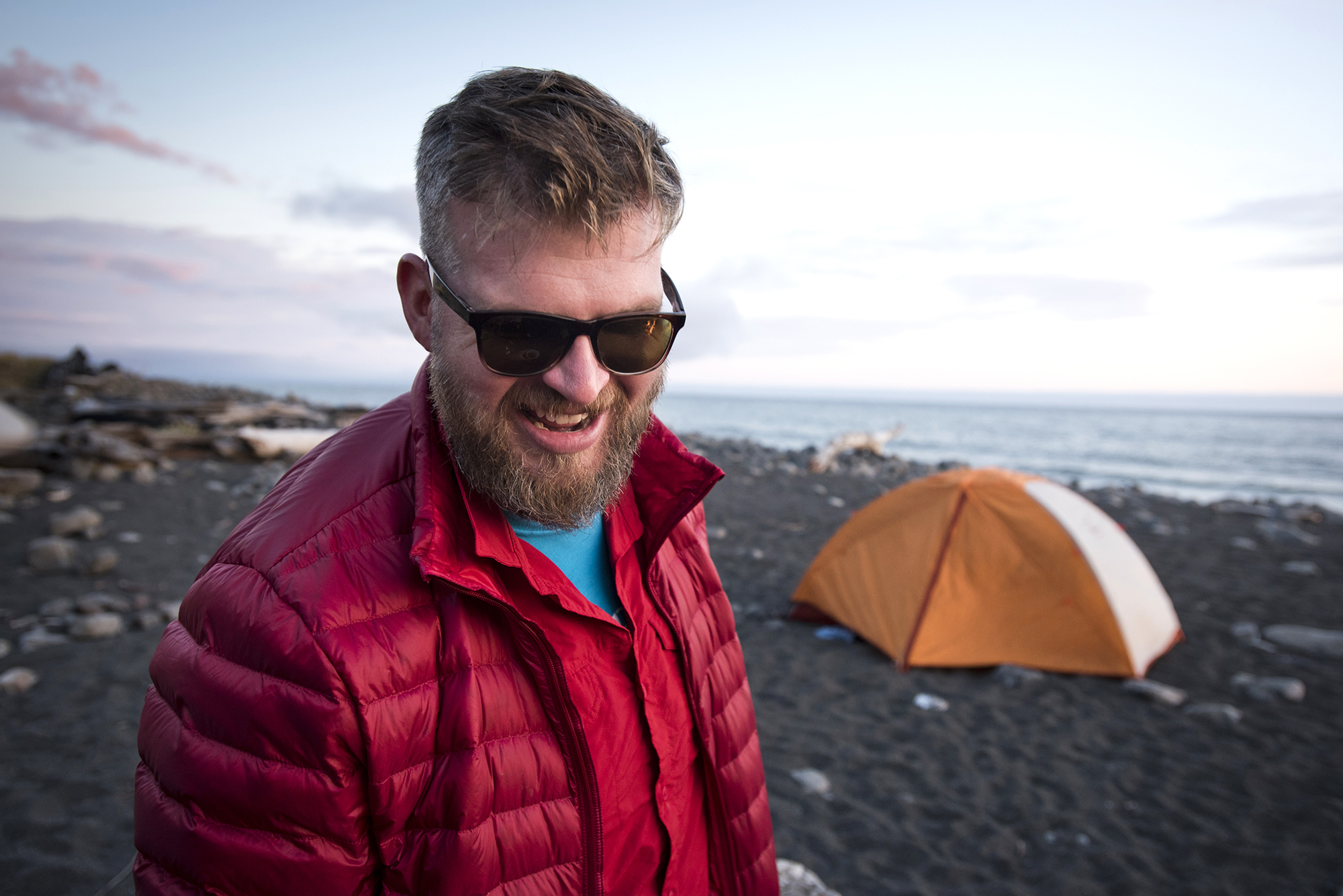
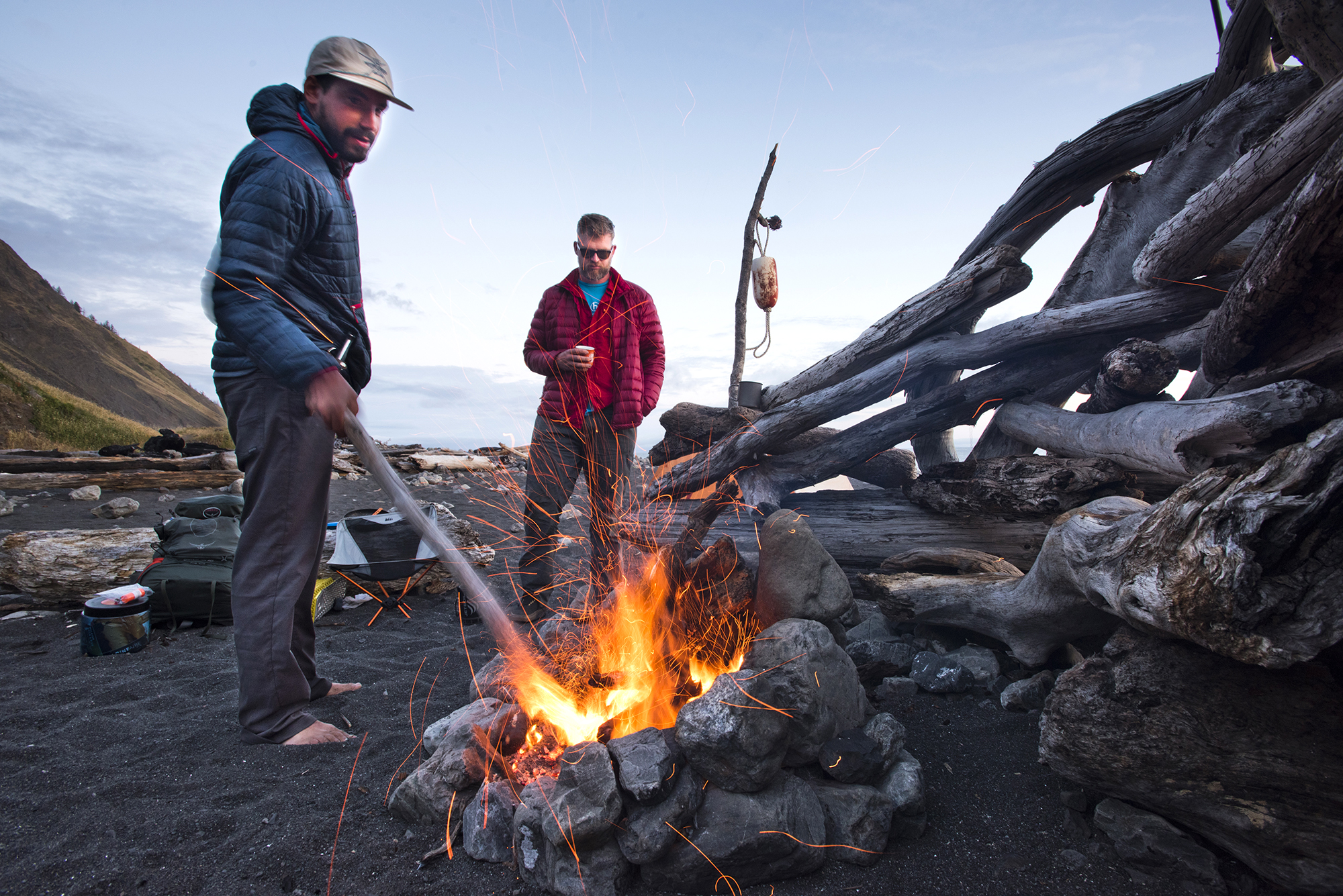
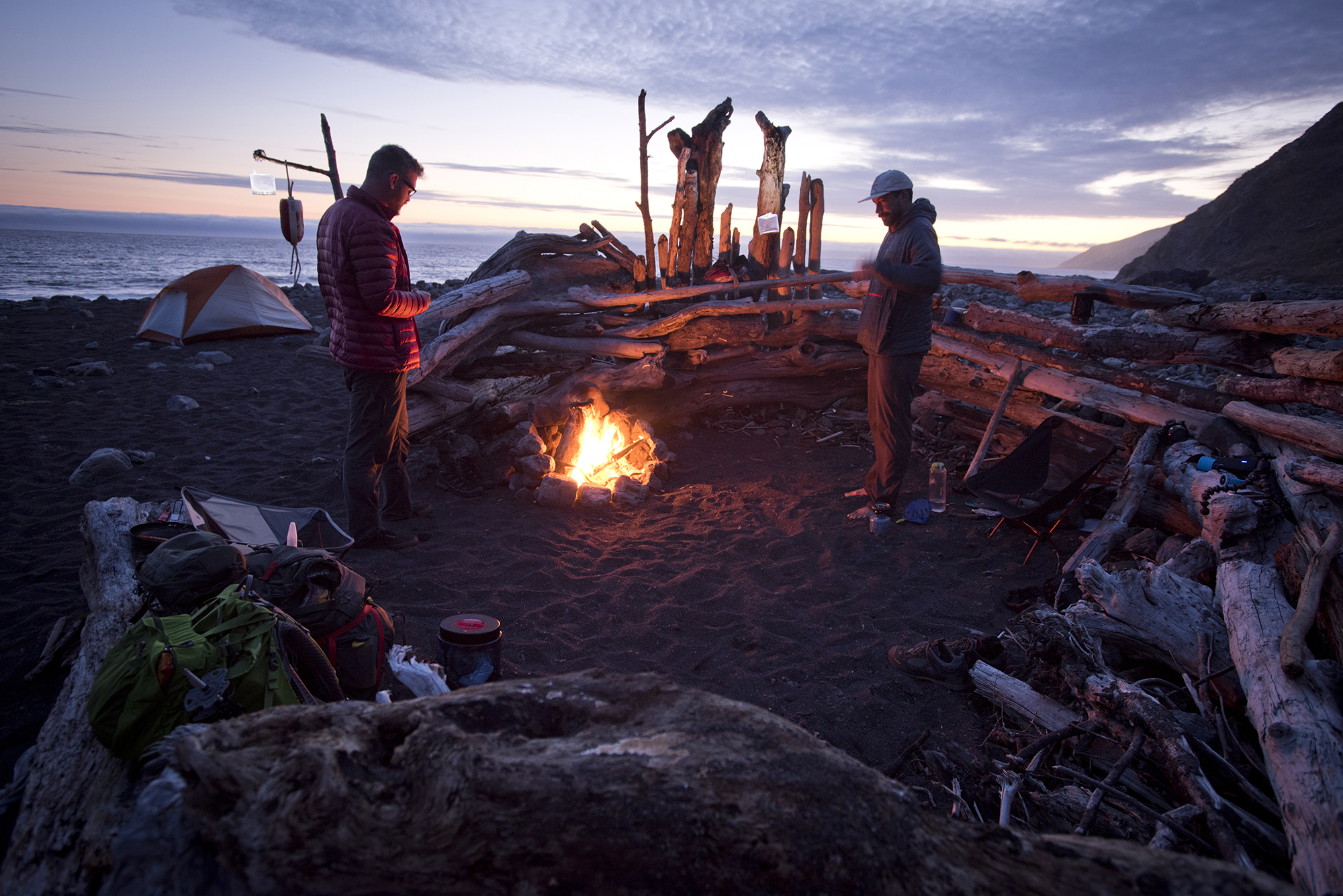
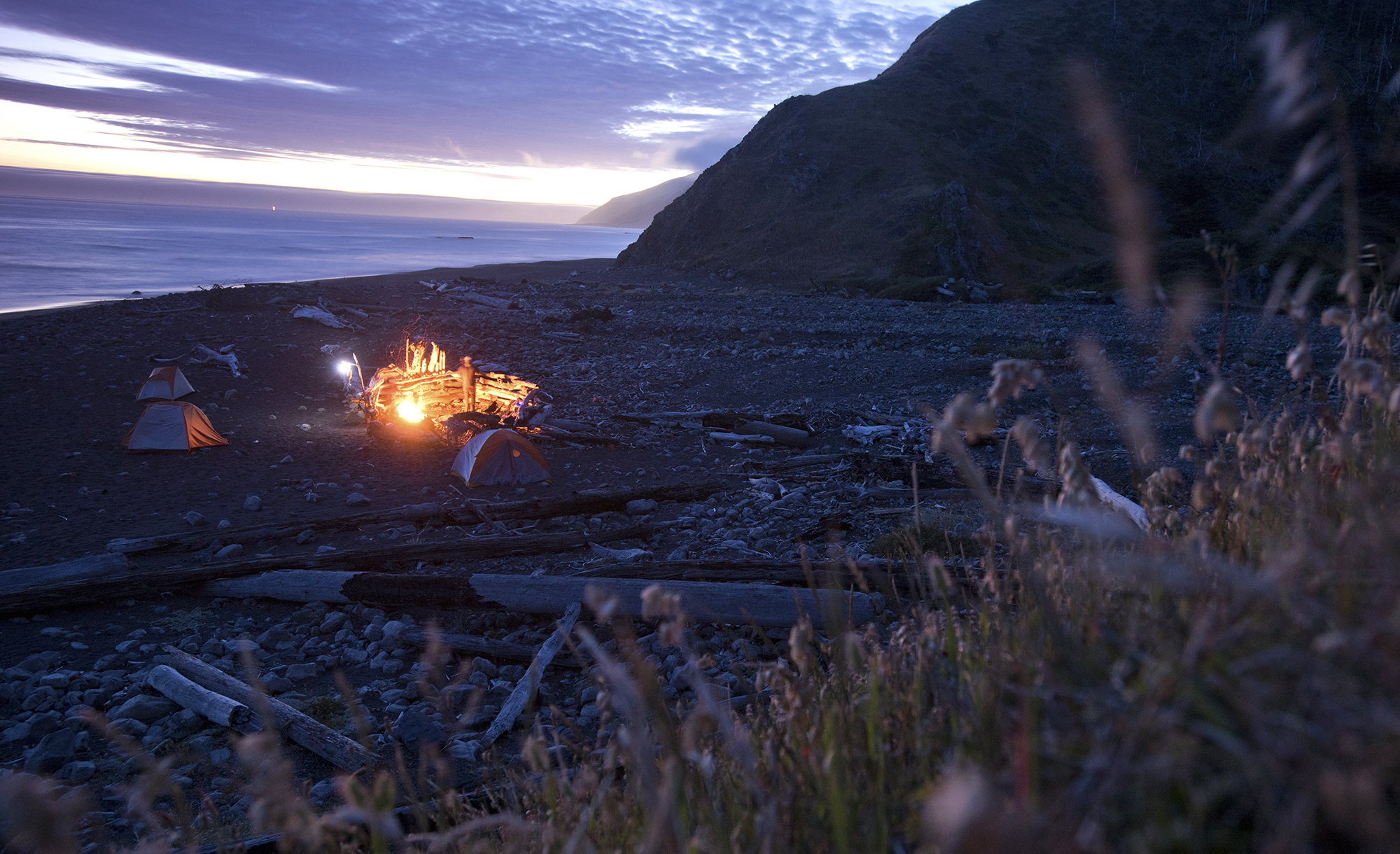
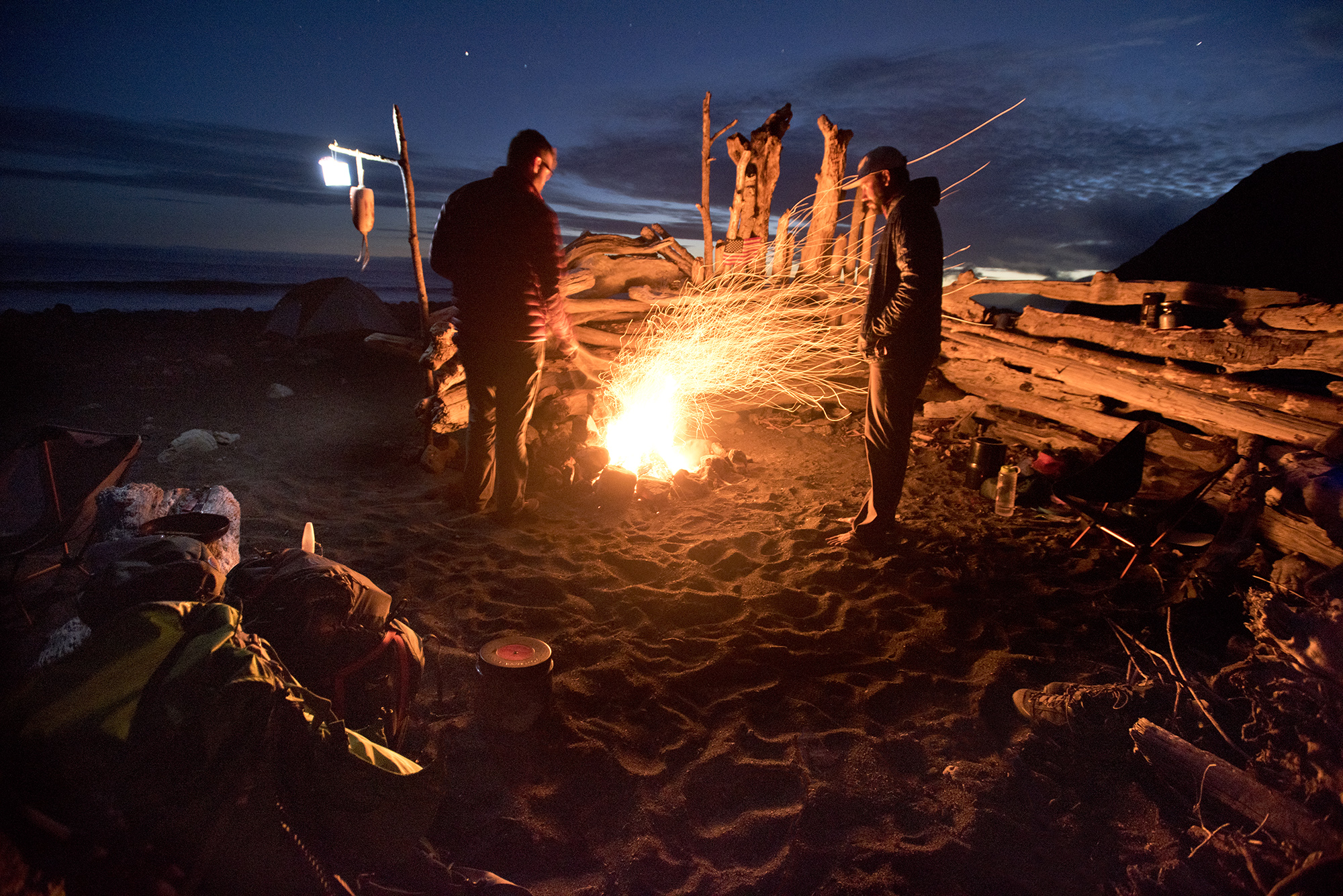
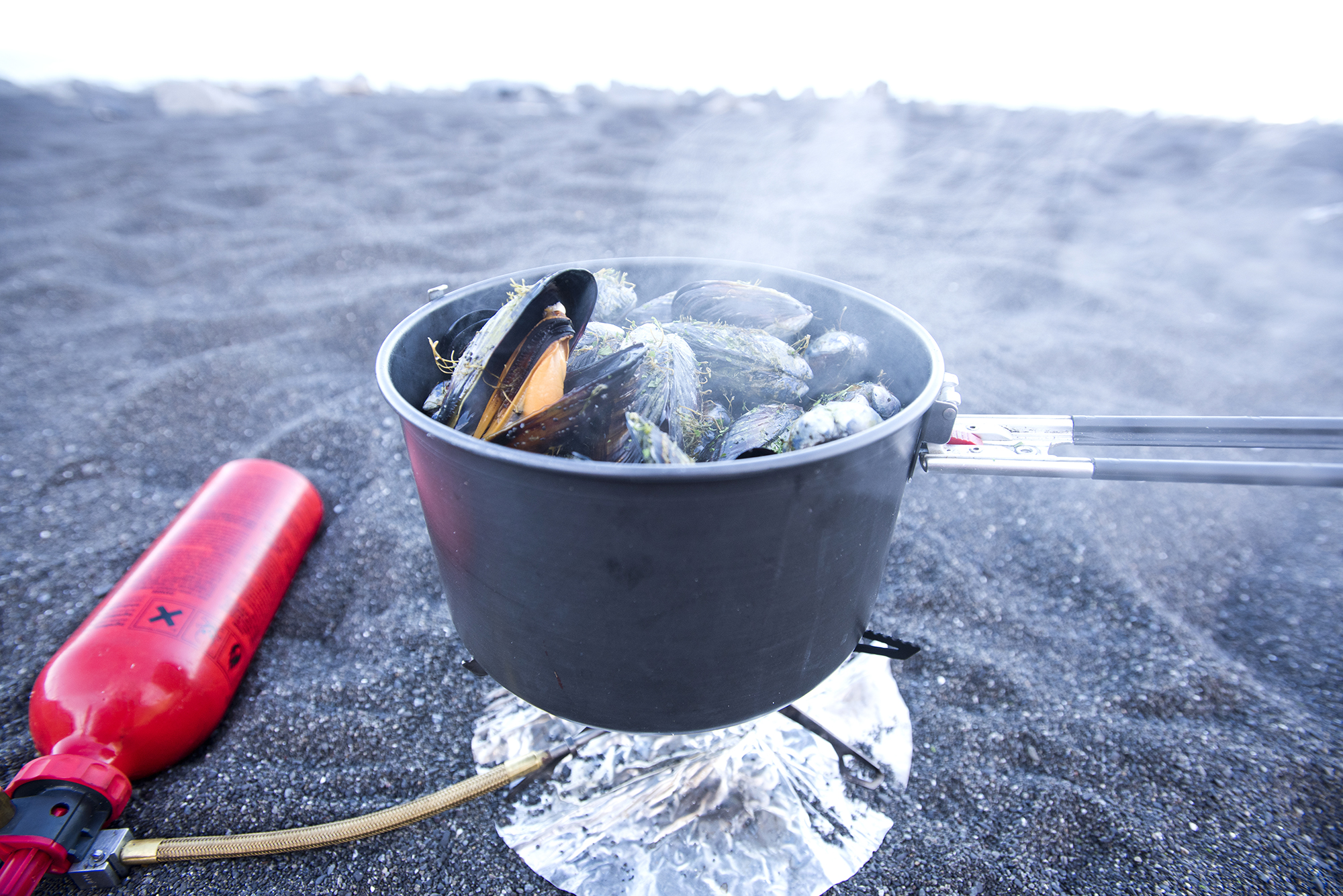
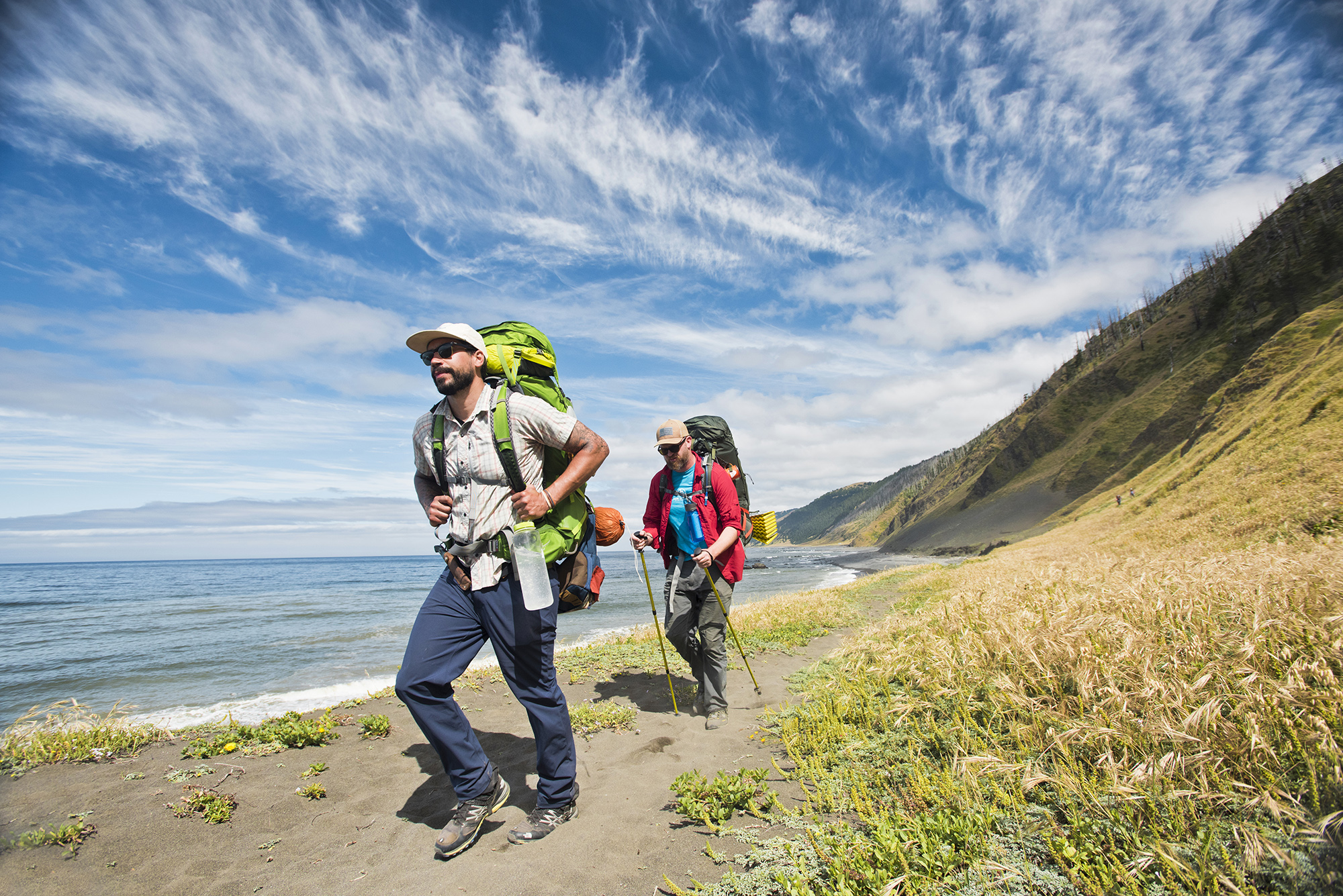
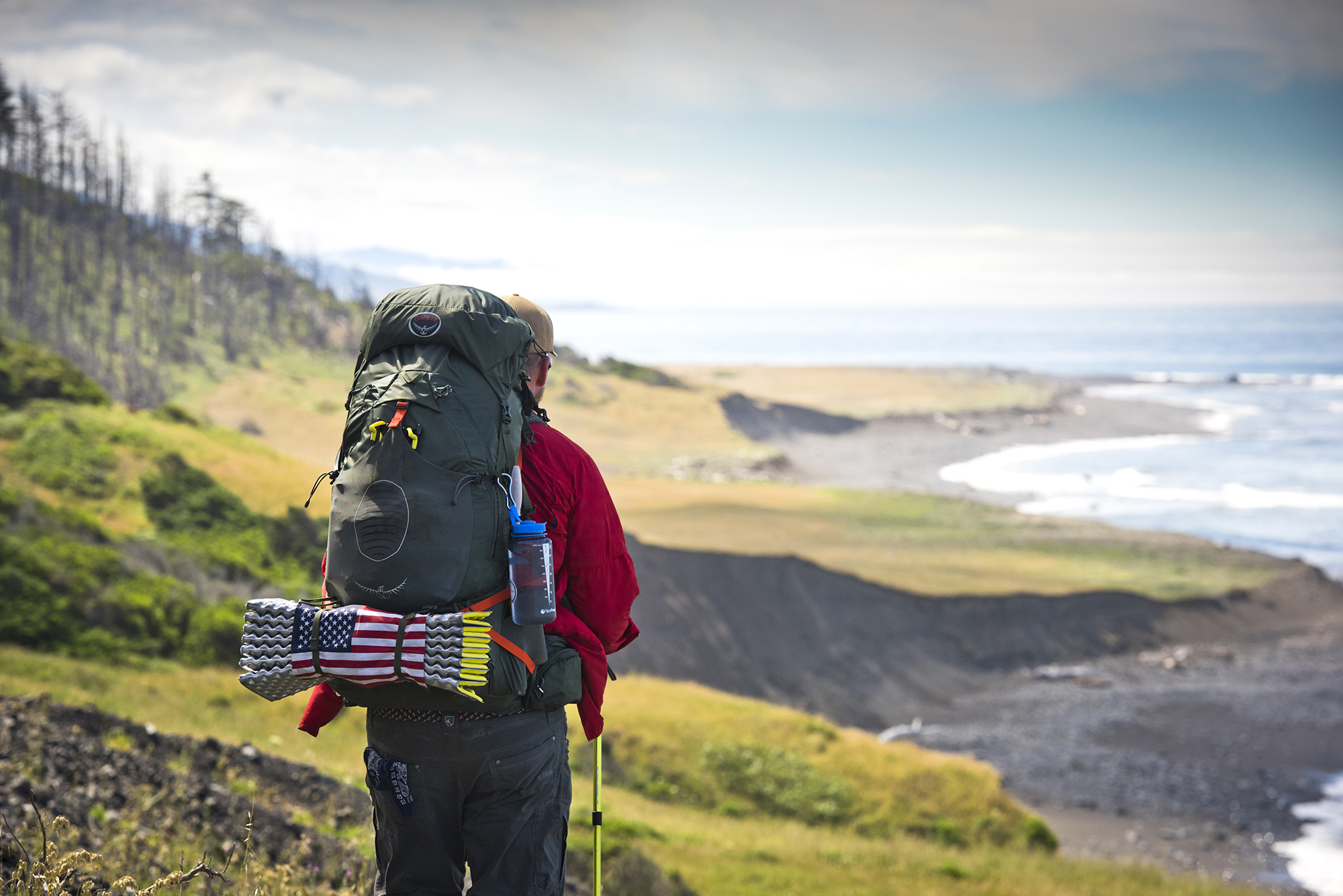
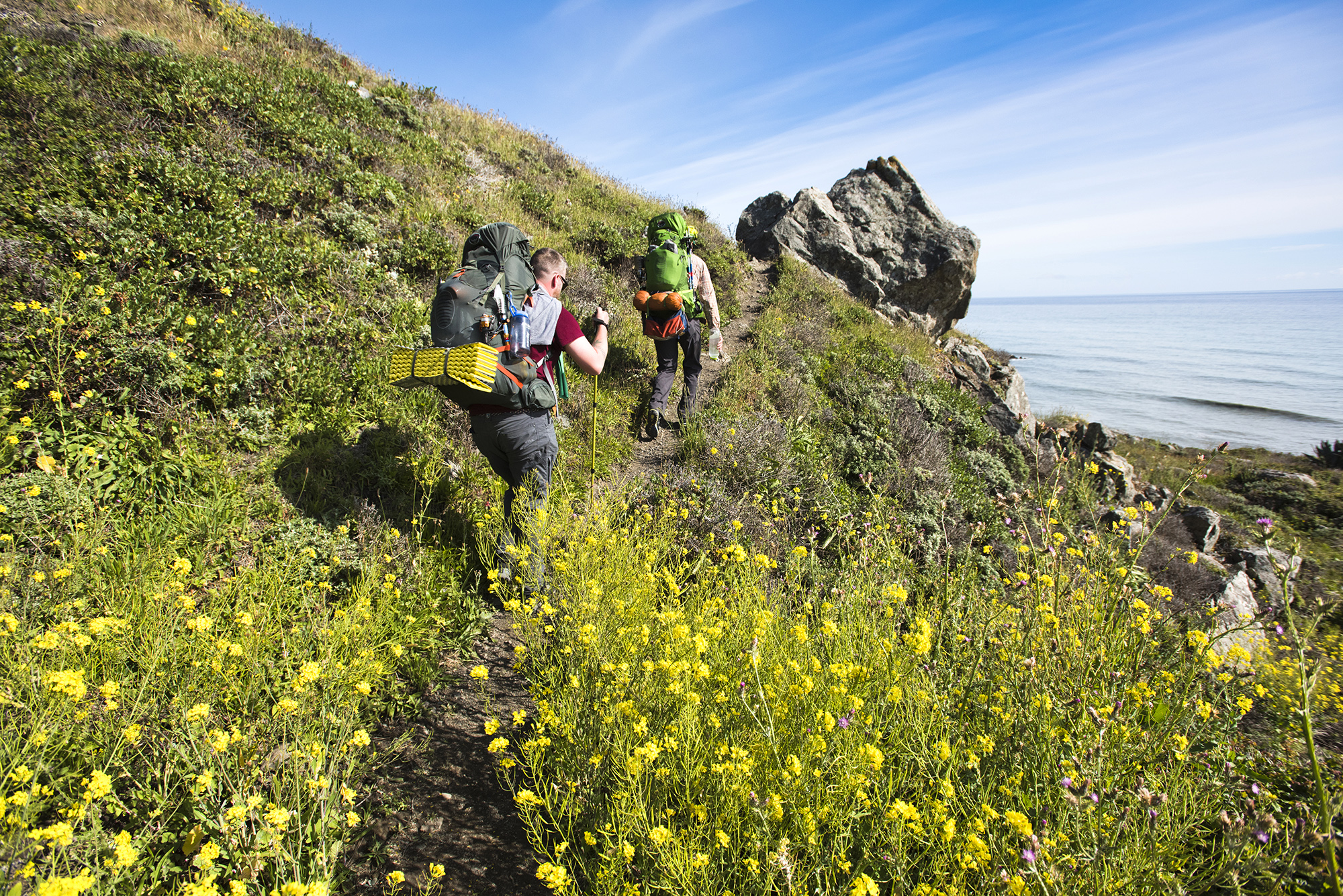
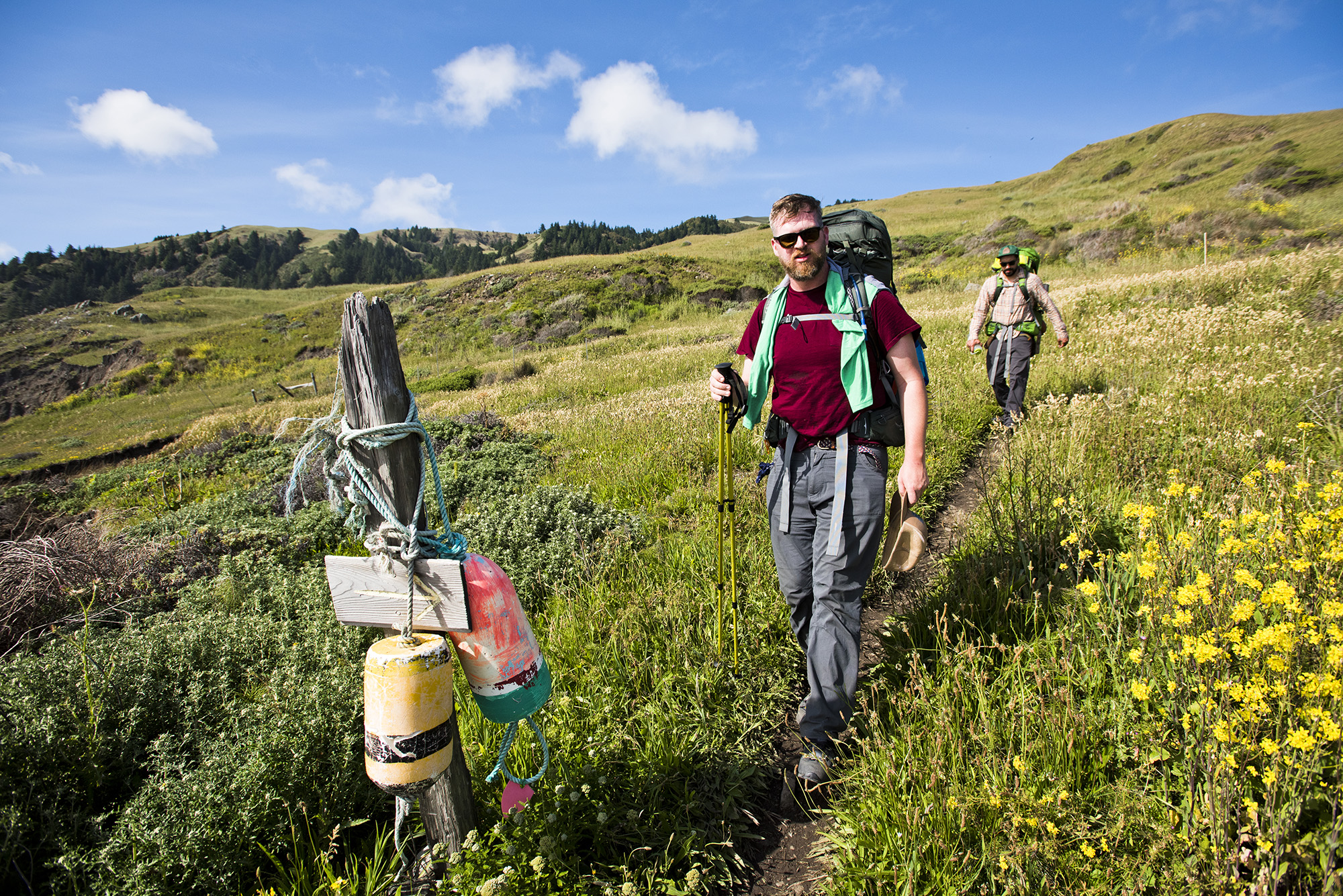
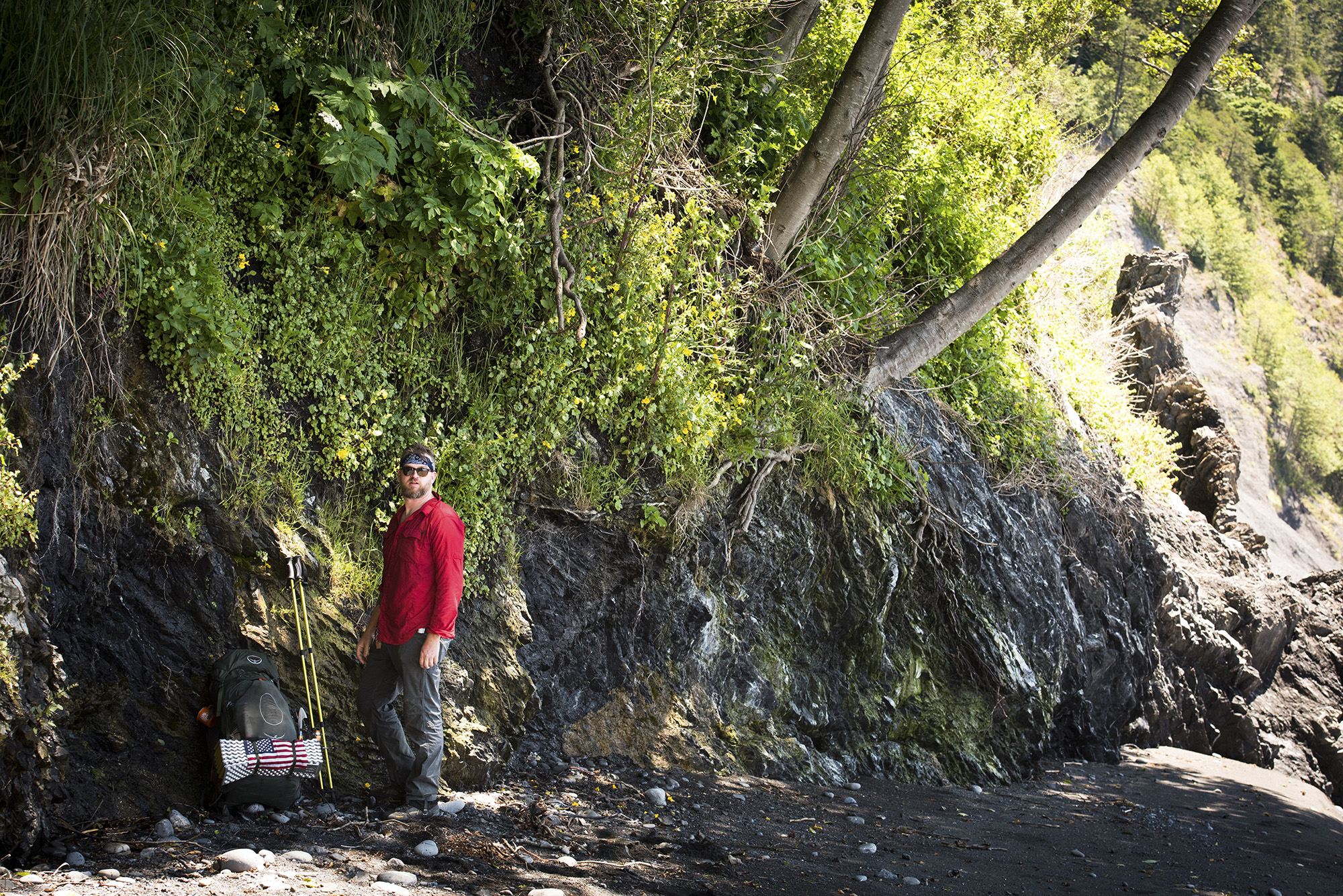
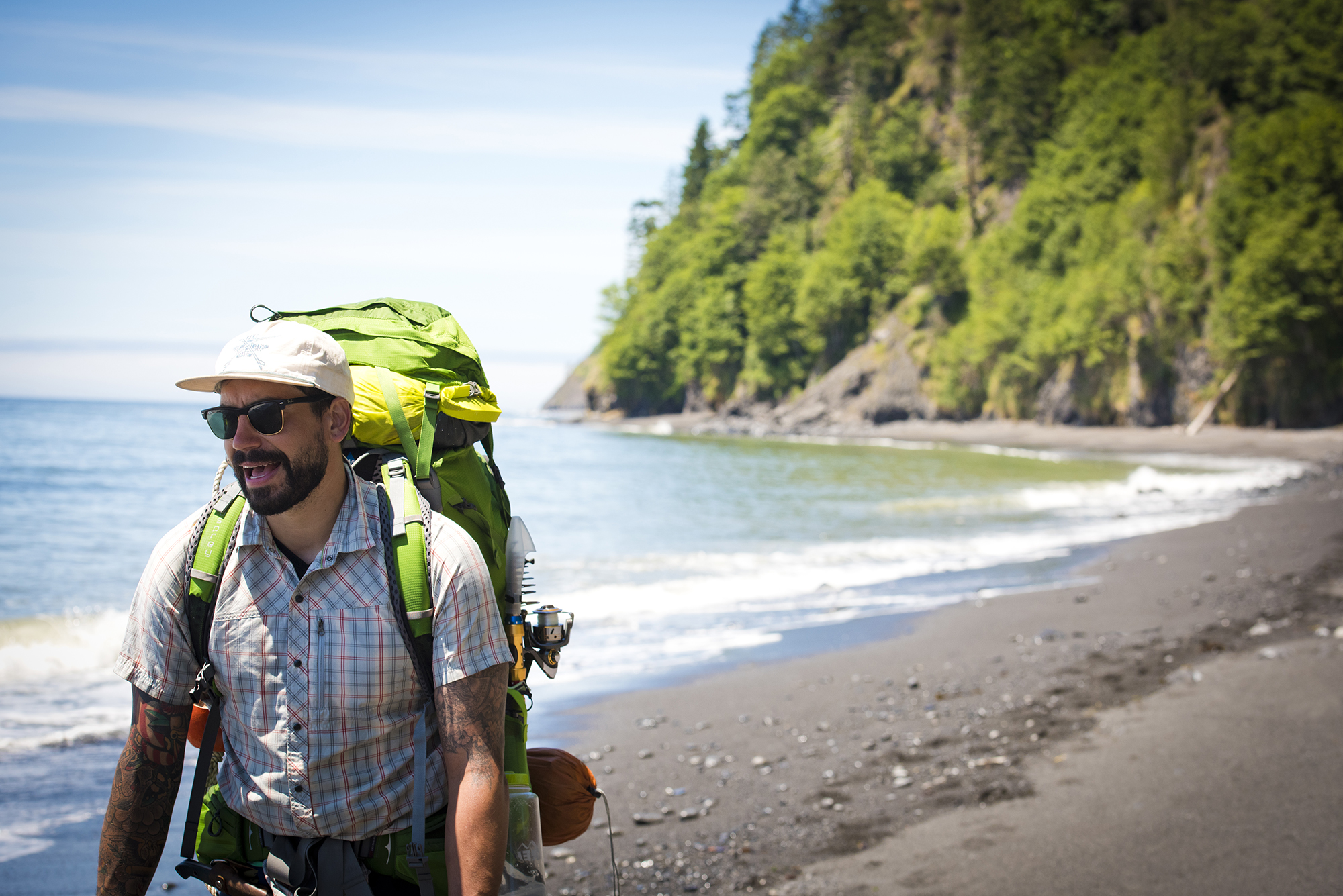
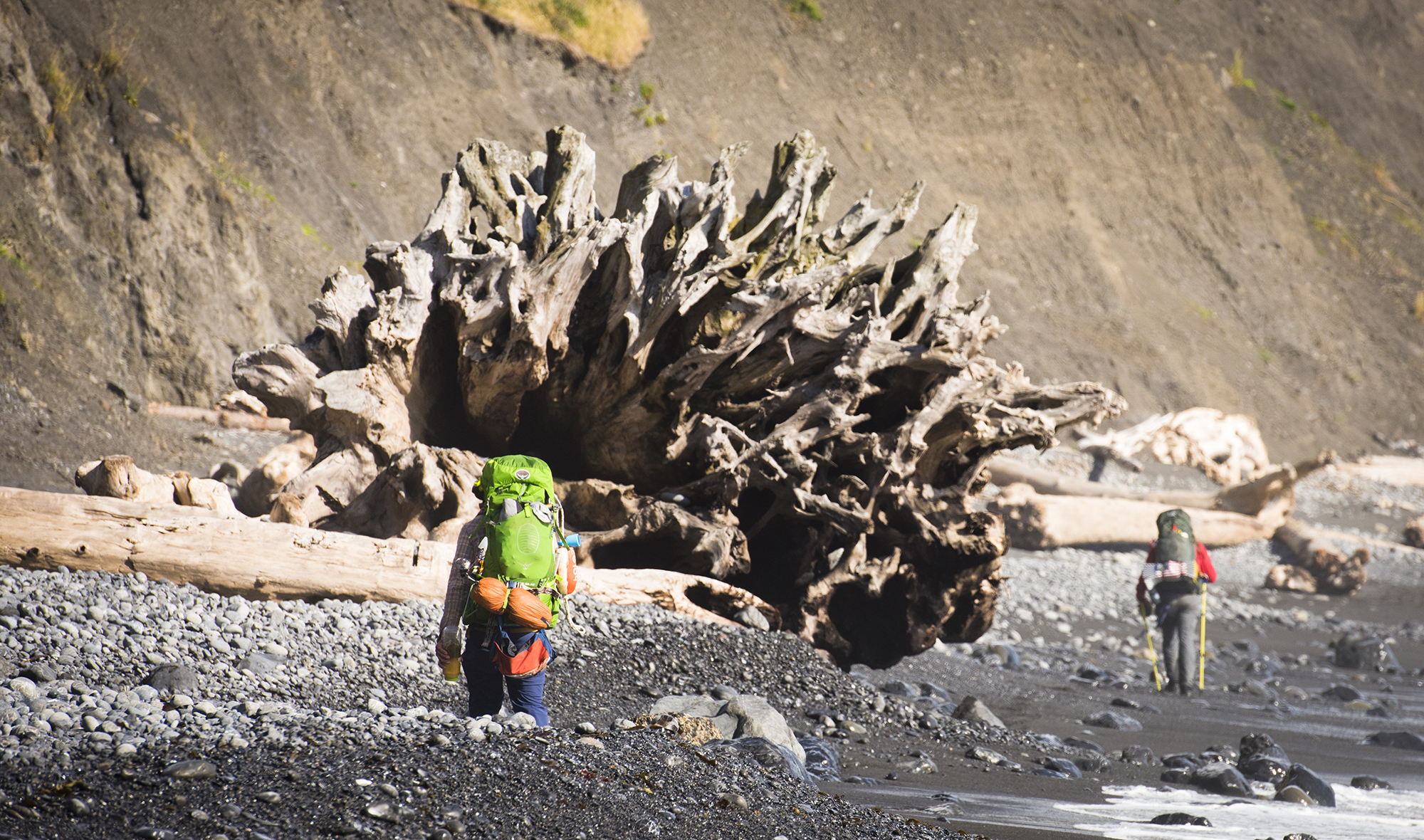
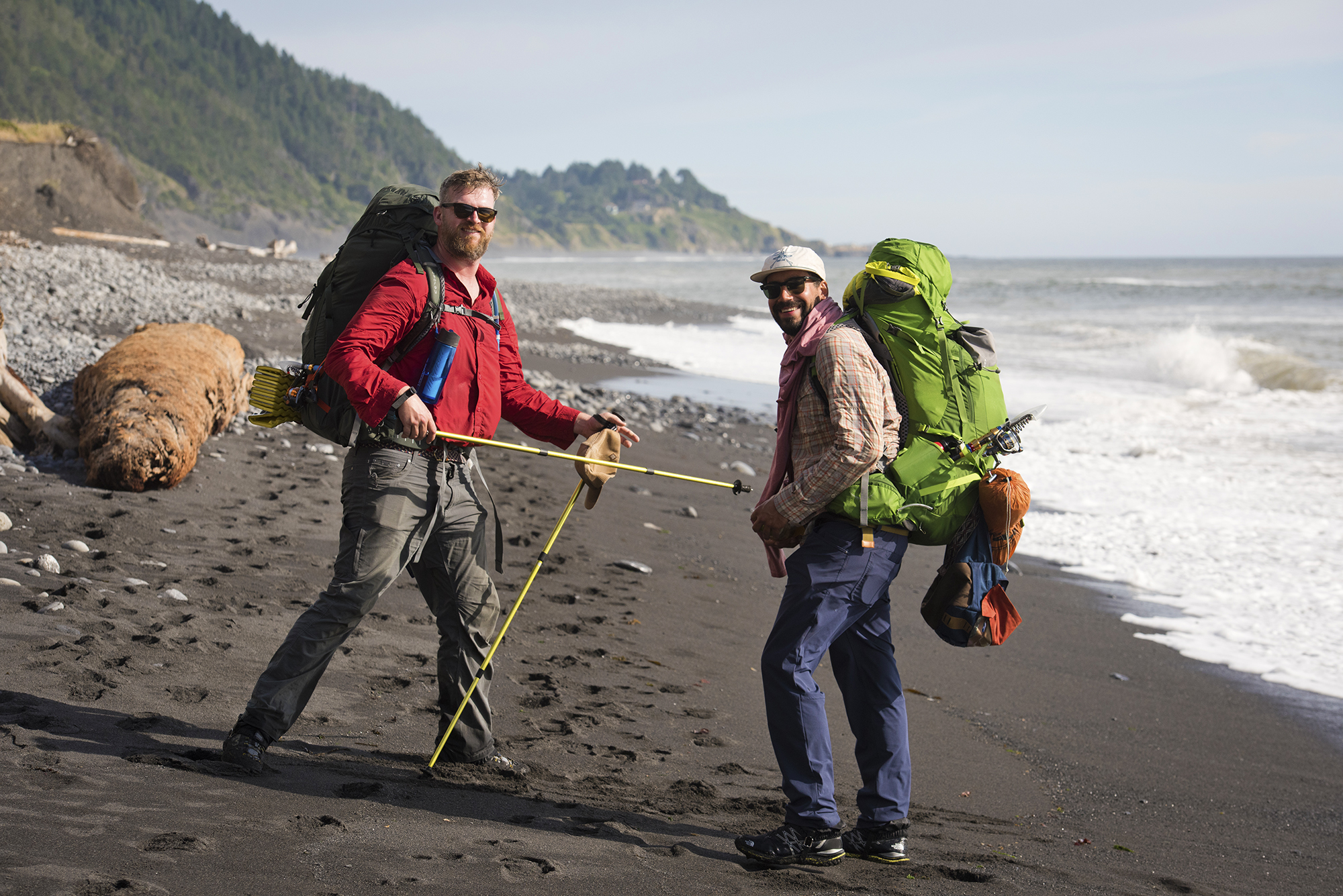
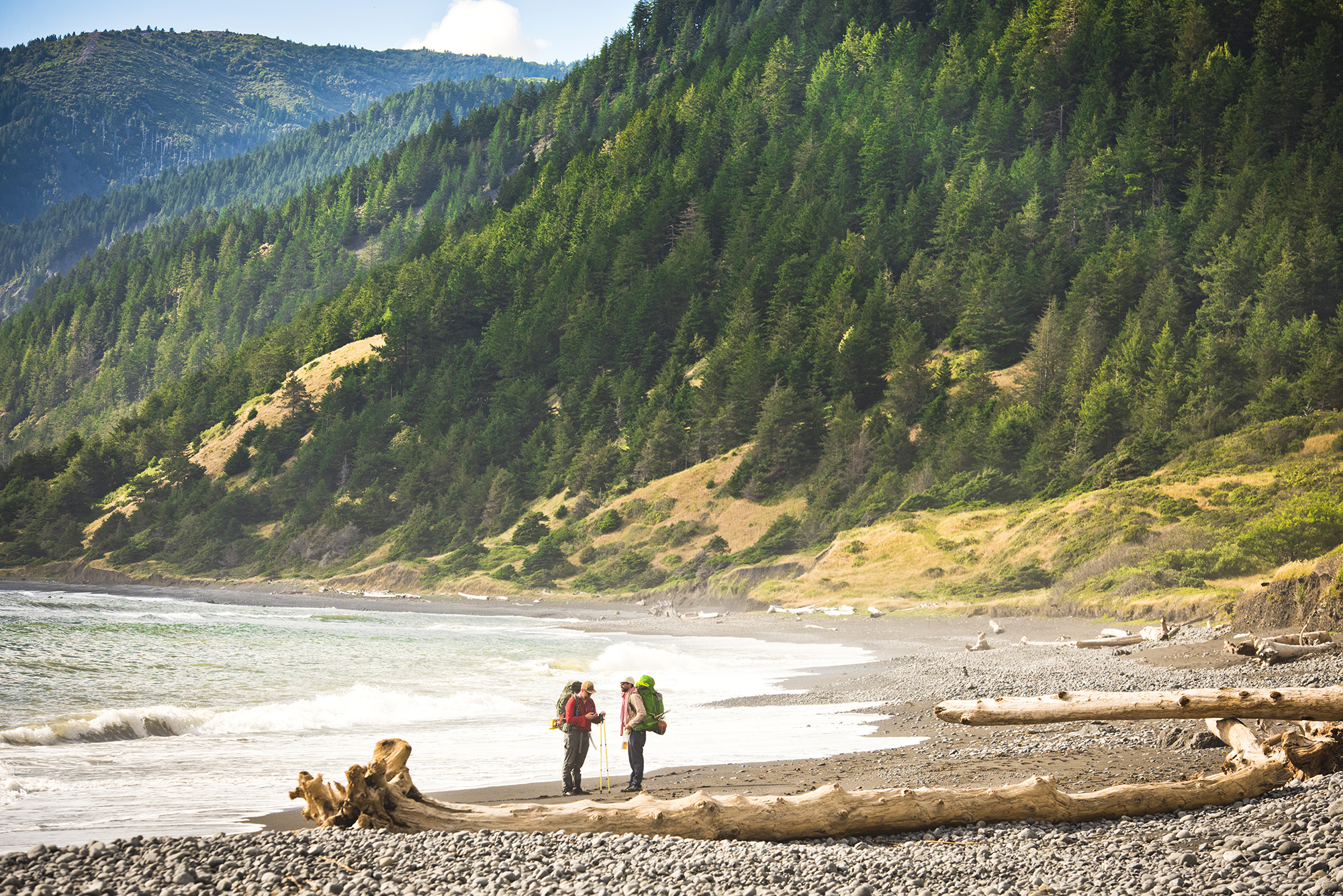
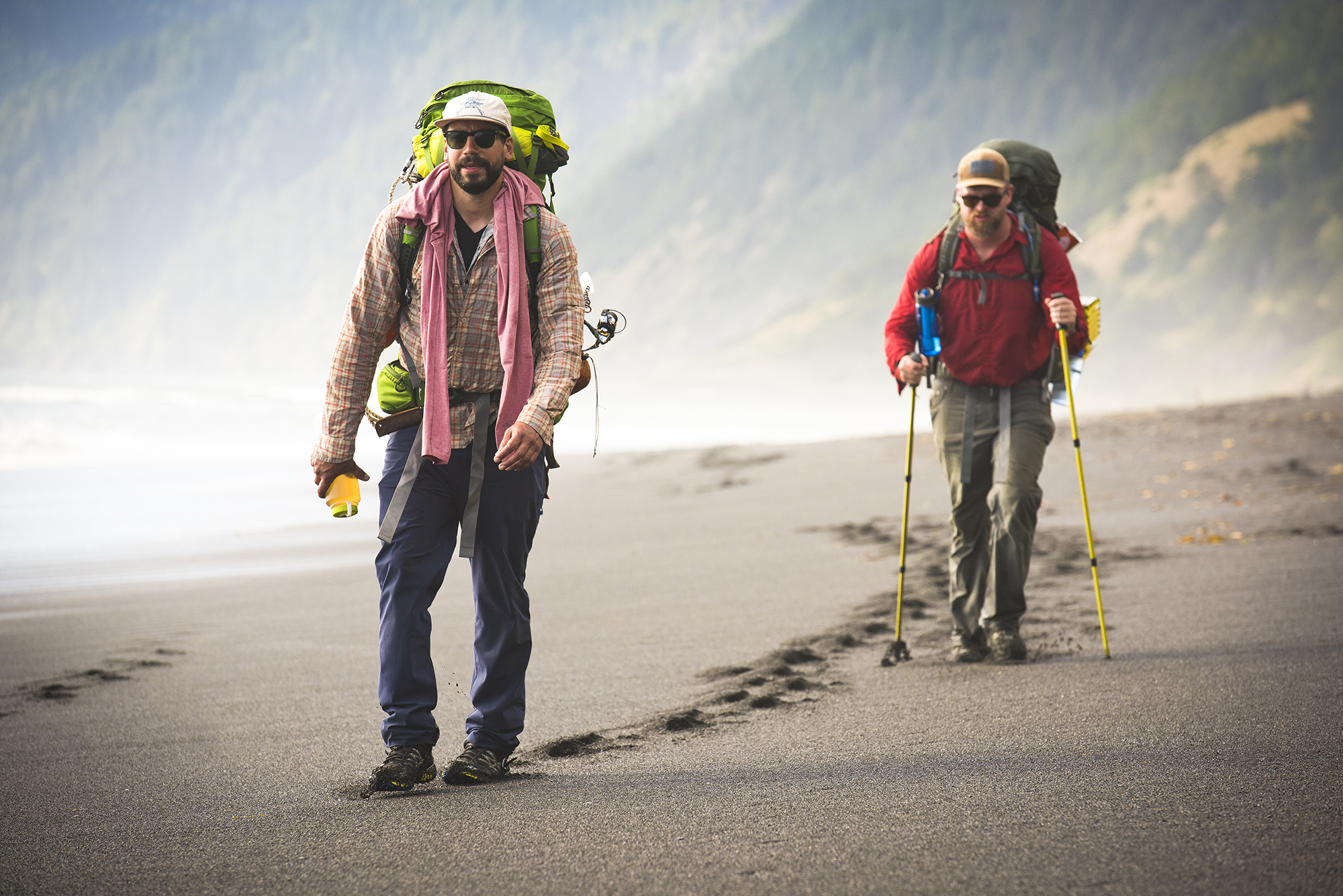
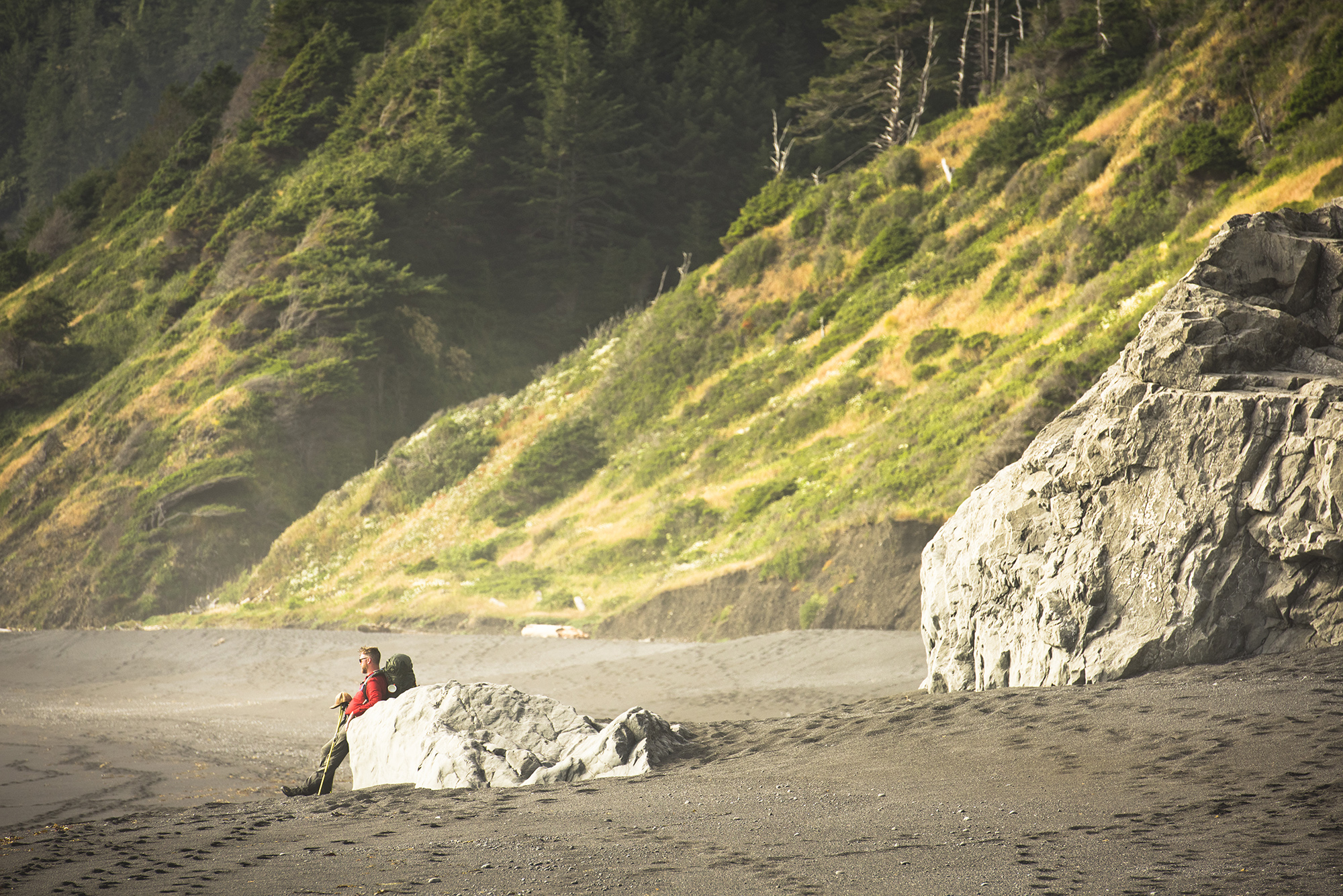
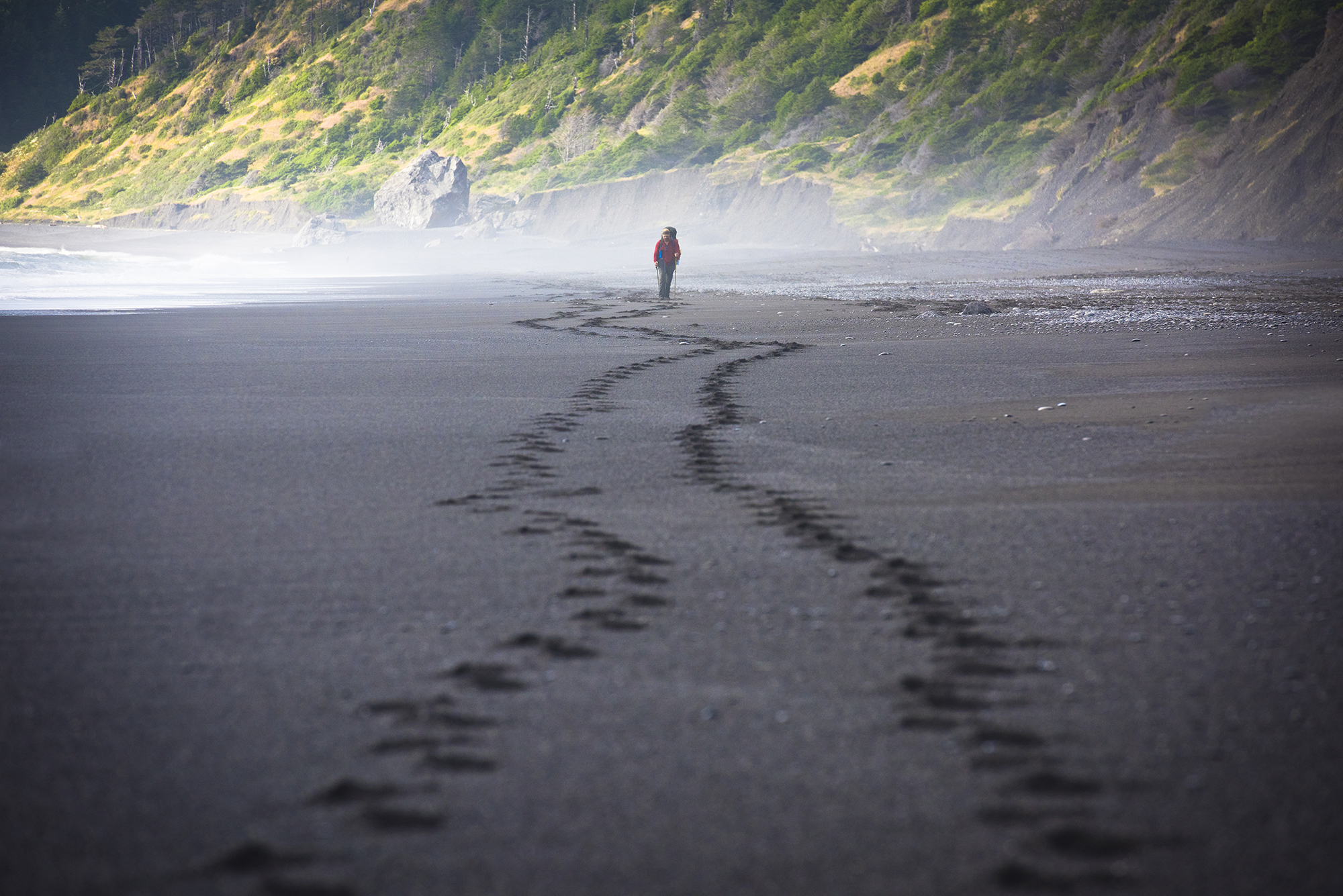
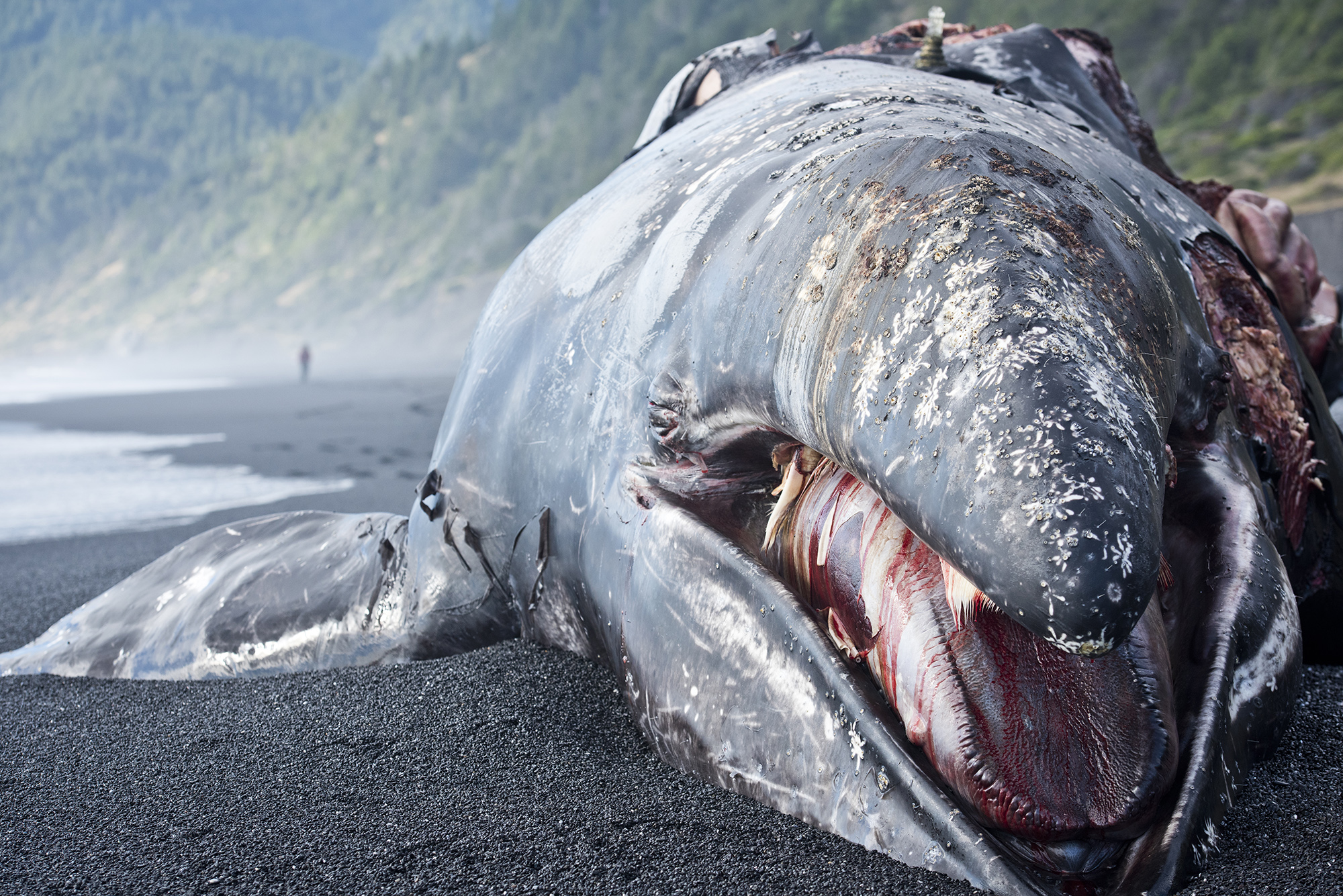
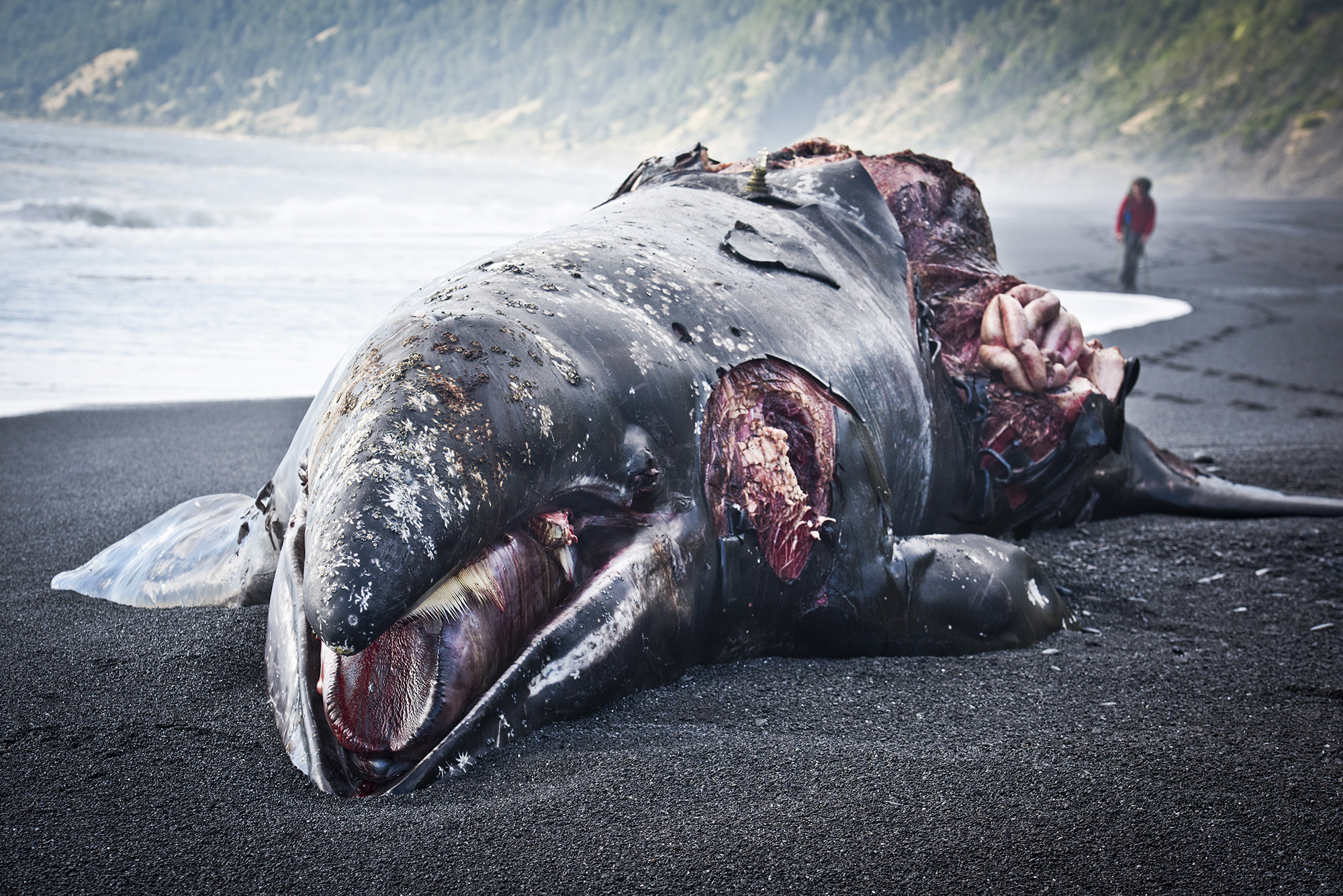
This trip had been a long time in the making. It was just a matter of getting the schedules of three different people in three different cities, to match. Luckily it did, because the Lost Coast in northern California is top notch. I left San Diego and drove north to pick up a friend in LA.  From there we continued on up to Morro Bay, where we stayed overnight to take advantage of a breakfast spot I had been previously very impressed with (my first time there they threw down a solid eggs benedict). Only this time, not so much. Oh well. Afterward, we kept driving north with a stop in Gilroy for some garlic ice cream and lots of dried fruit for the hike. Next stop was SFO to pick up the final piece of our trio, who flew in from Denver, and was lucky to get through security. Pressed for time, we booked it up to Shelter Cove, which  is a small and very remote town about 5 hours north of San Francisco. Didn't get there till about midnight, and decided to just sleep on the beach to be ready for the 7am shuttle. Which takes you about two hours north or south, depending on which section of the trail you want to hike. And it's a not a smooth two hours, so it won't be a portion of the trip you enjoy, but whatever. That all goes away when you get dropped off at the trail head (beach). Right away, you can tell that you're in for a good time. Some people bang it out in a day. Others take their time, which in my opinion, is the only way to do it. Otherwise you miss out on  some incredible camping. We were lucky enough to find some places where there was nobody around for miles. Literally. You'll also miss out on the opportunity to harvest fresh mussels at low tide, which happened to be early in the mornings for us. So we had mussels every morning for breakfast. Yup. There isn't a ton of elevation gain, as most of the "trail" is on the beach. But that doesn't make it any easier. You'll be hiking on anything from fine sand, to large boulders, with only small sections of actual packed trail. A couple things to be careful of, are the tides, and water sources. There are definitely some places to get stuck at high tide. And if that happens, you can get seriously screwed. Just don't be an idiot though. Bring a good map, check the tide charts, and you'll fine. There are plenty of things to do if you need to wait out the tide. Napping included. You'll see plenty of dead things along the way. We sure did. And it's bear country, so be aware. We hiked for a few hundred yards along fresh bear tracks. You can see in the last couple pictures what they did to the beached whale. No good. I know people have done this hike with their dogs. And I really wanted to bring mine, but am glad I didn't. The sand along the coast is brutal. Even walking on it in bare feet isn't fun. If you are going to bring your dog, make sure they wear booties. This won't be the longest hike you overdo, but it's very unique, especially for the U.S. The terrain and scenery is constantly changing, so you never get bored. At one point, my buddy actually found human remains. Full on skull and bones. We later reported it to the Ranger, who told us that the area is an ancient indian burial ground. So there's that. 
Catalina Island Adventure Photography

Spear Fishing - Catalina Island - California

Adventure Photography

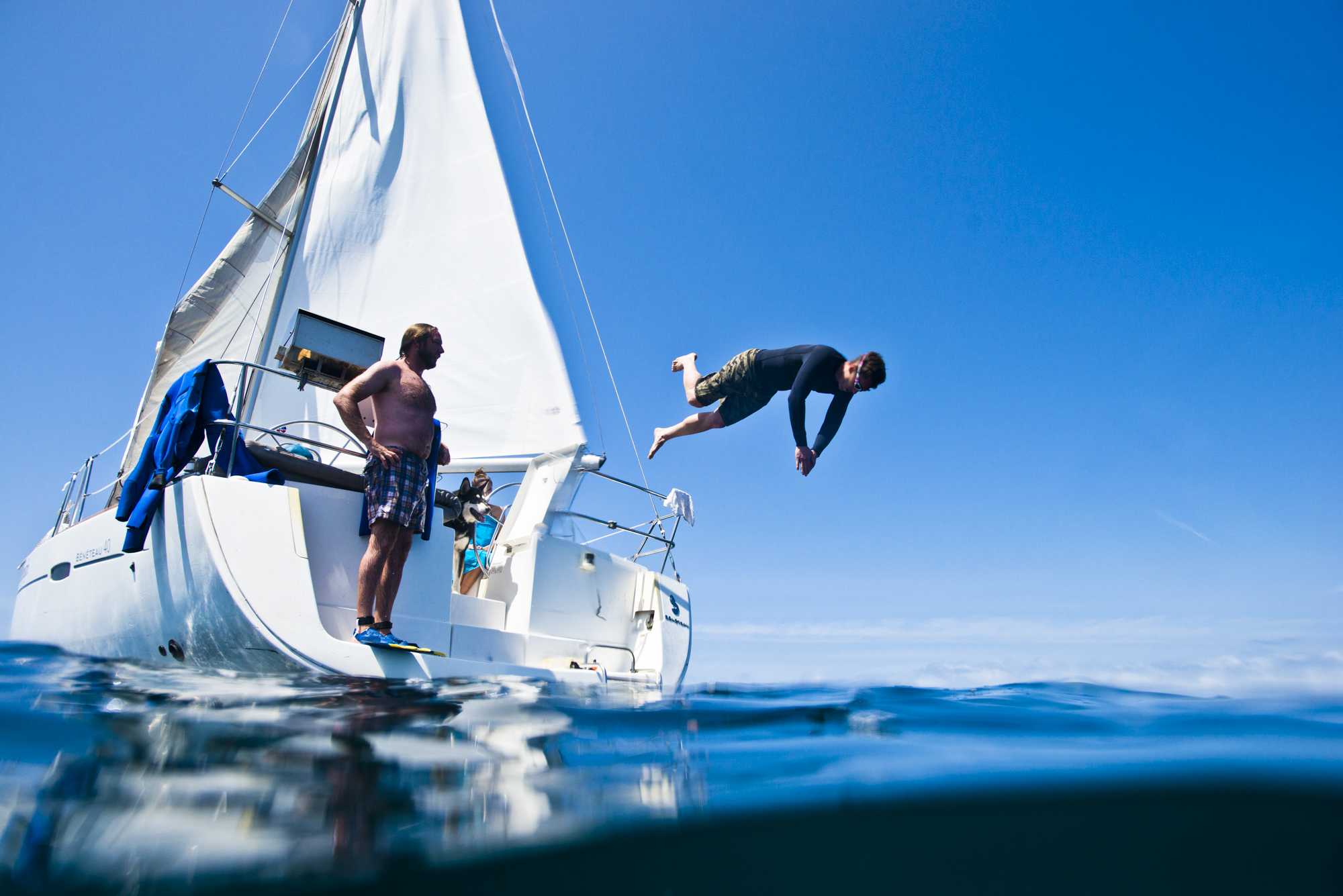
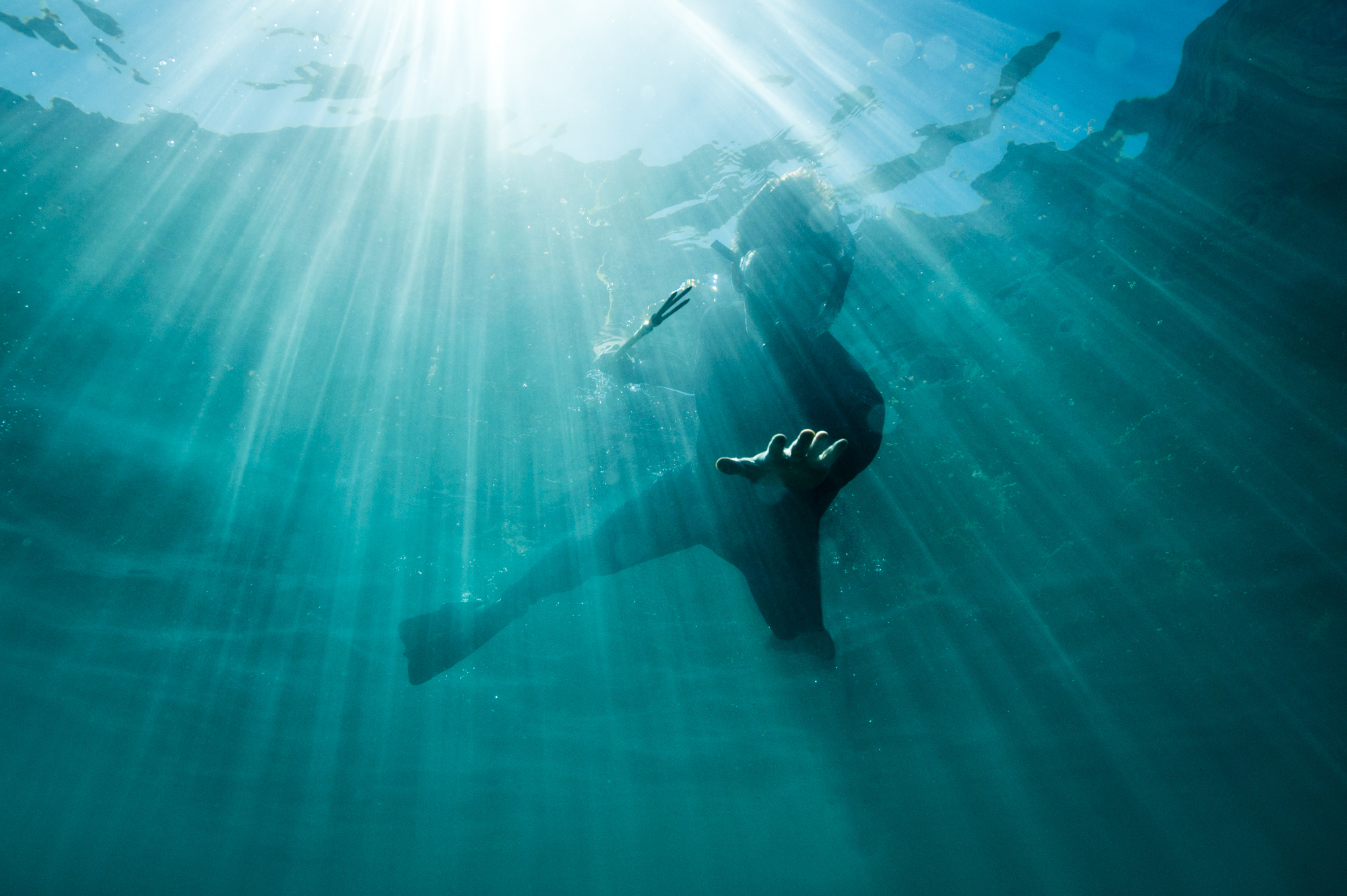
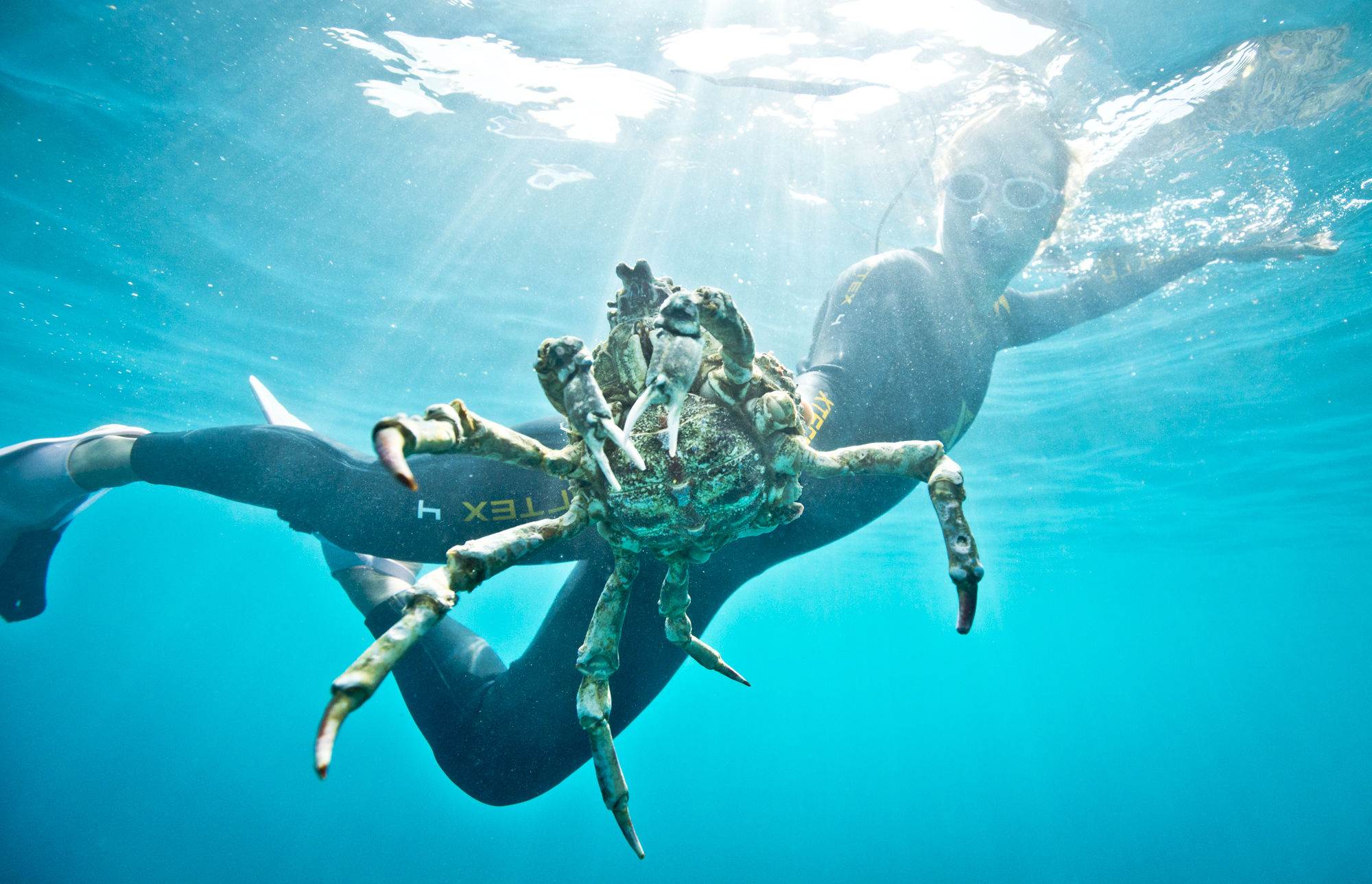
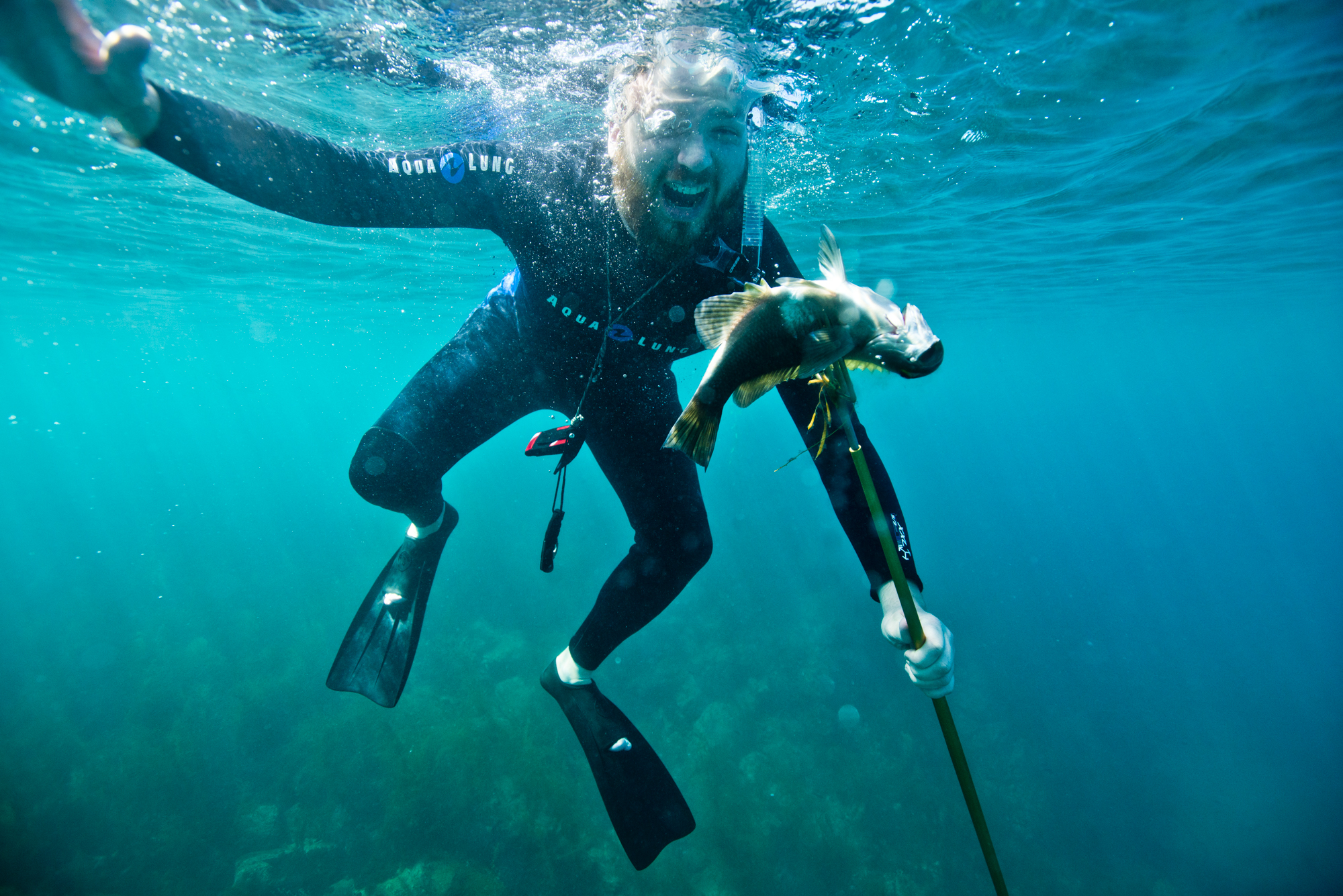
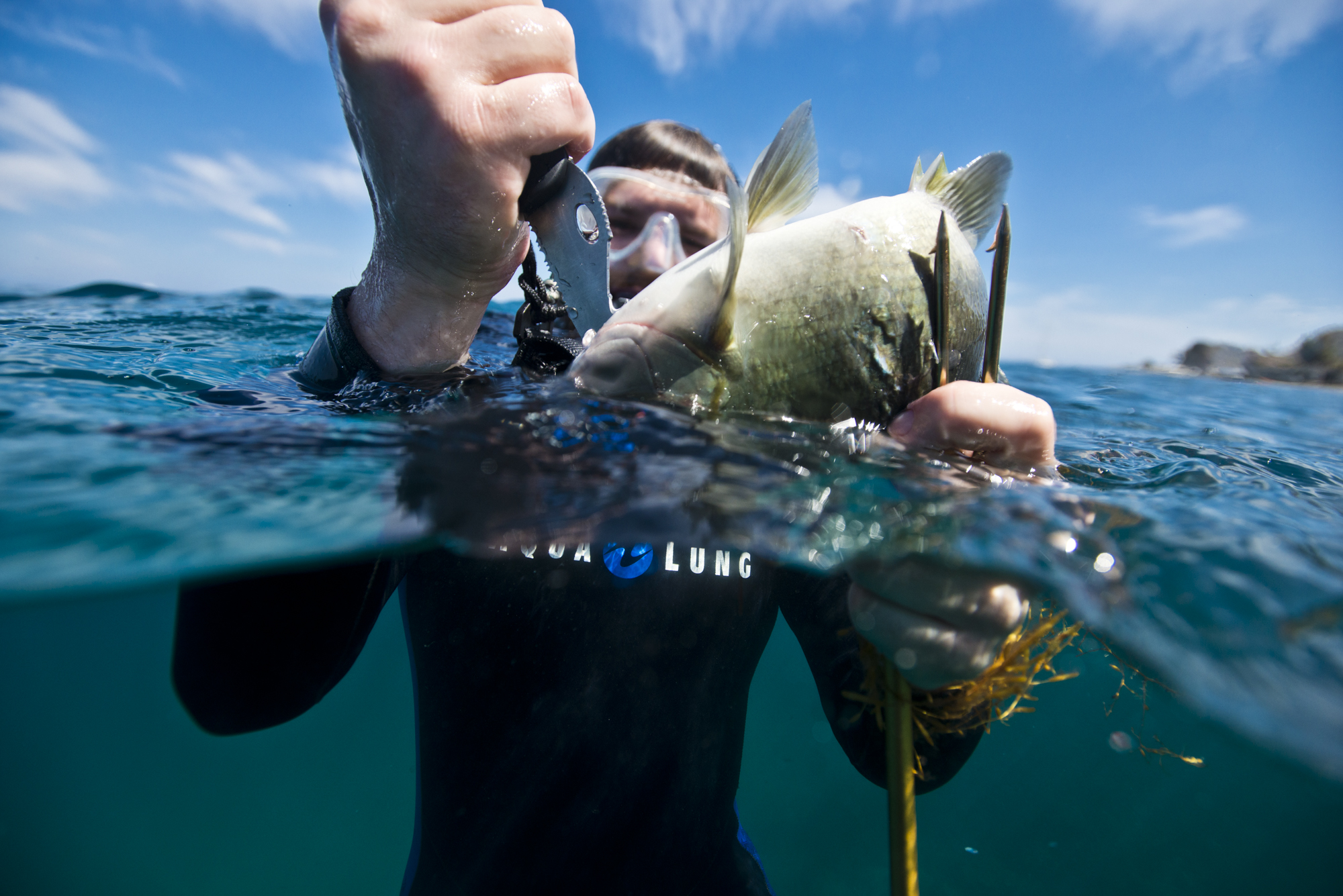
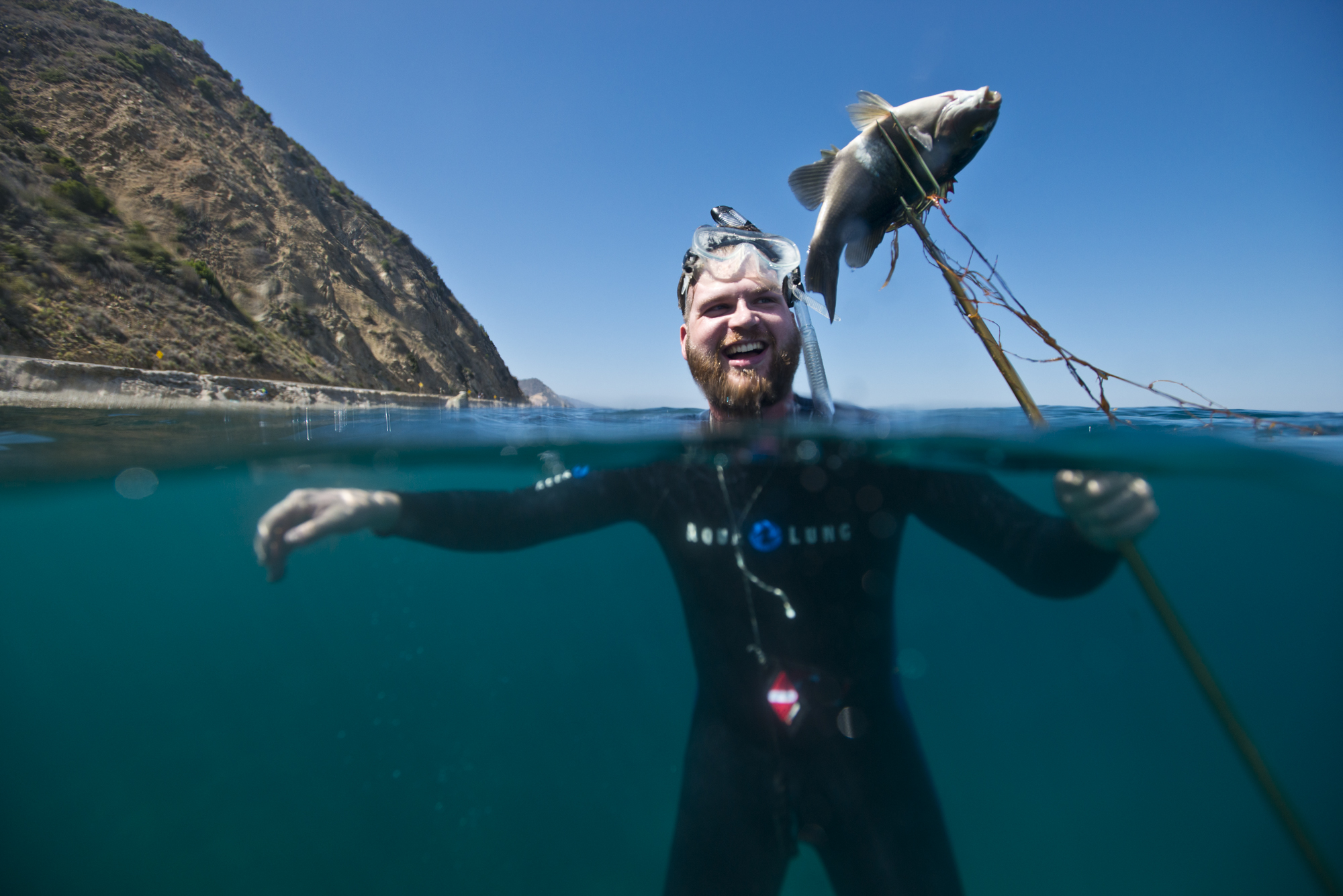
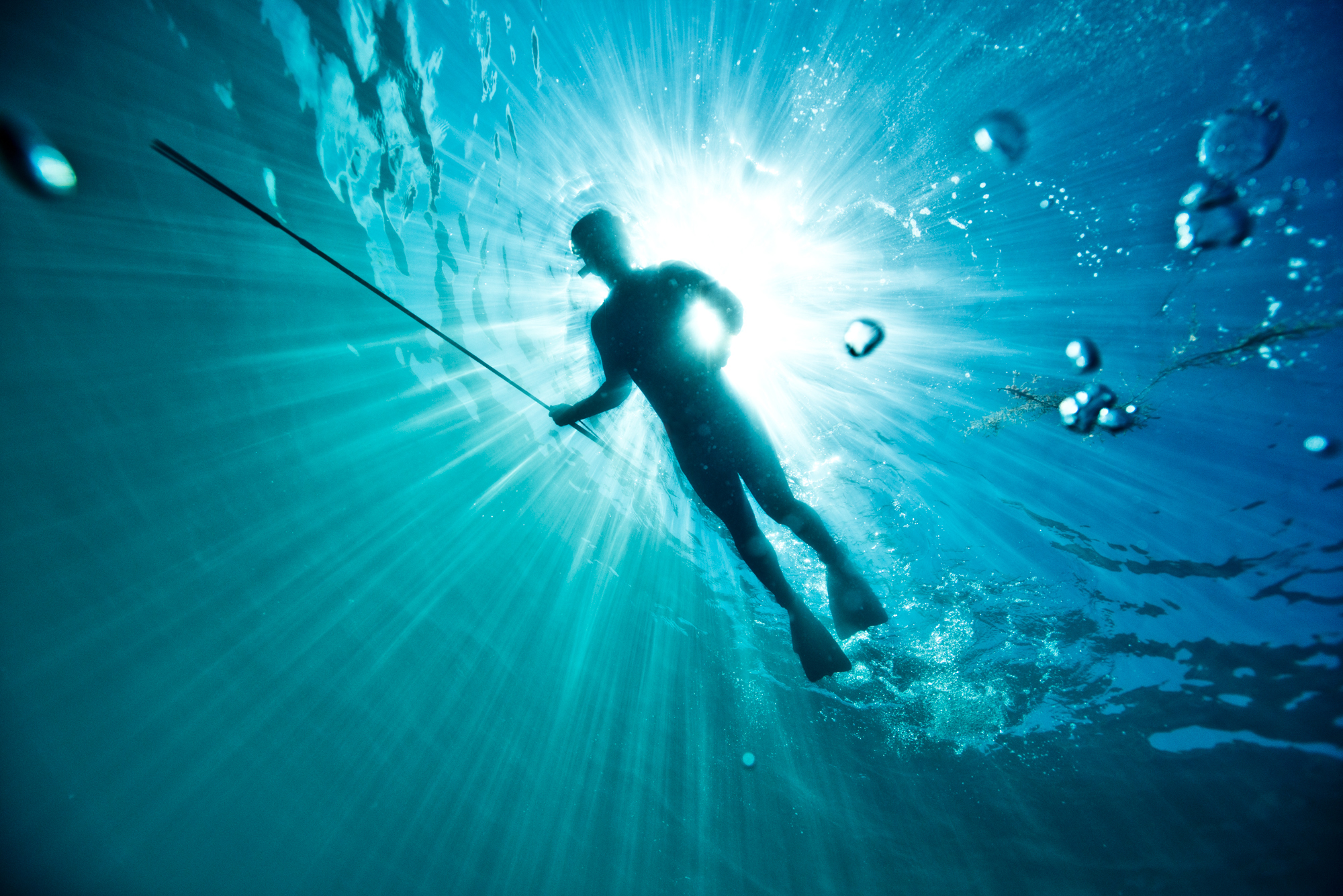
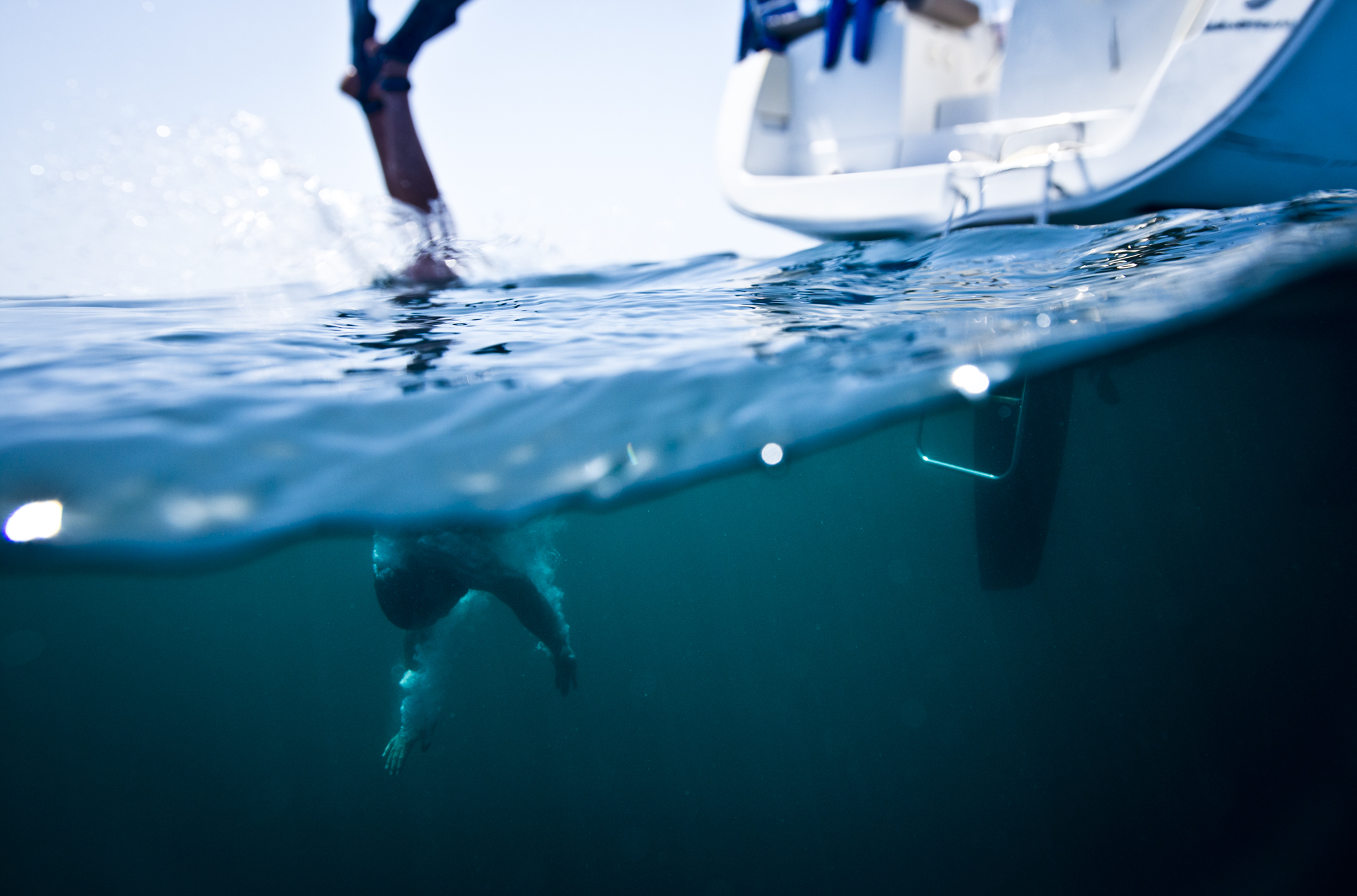
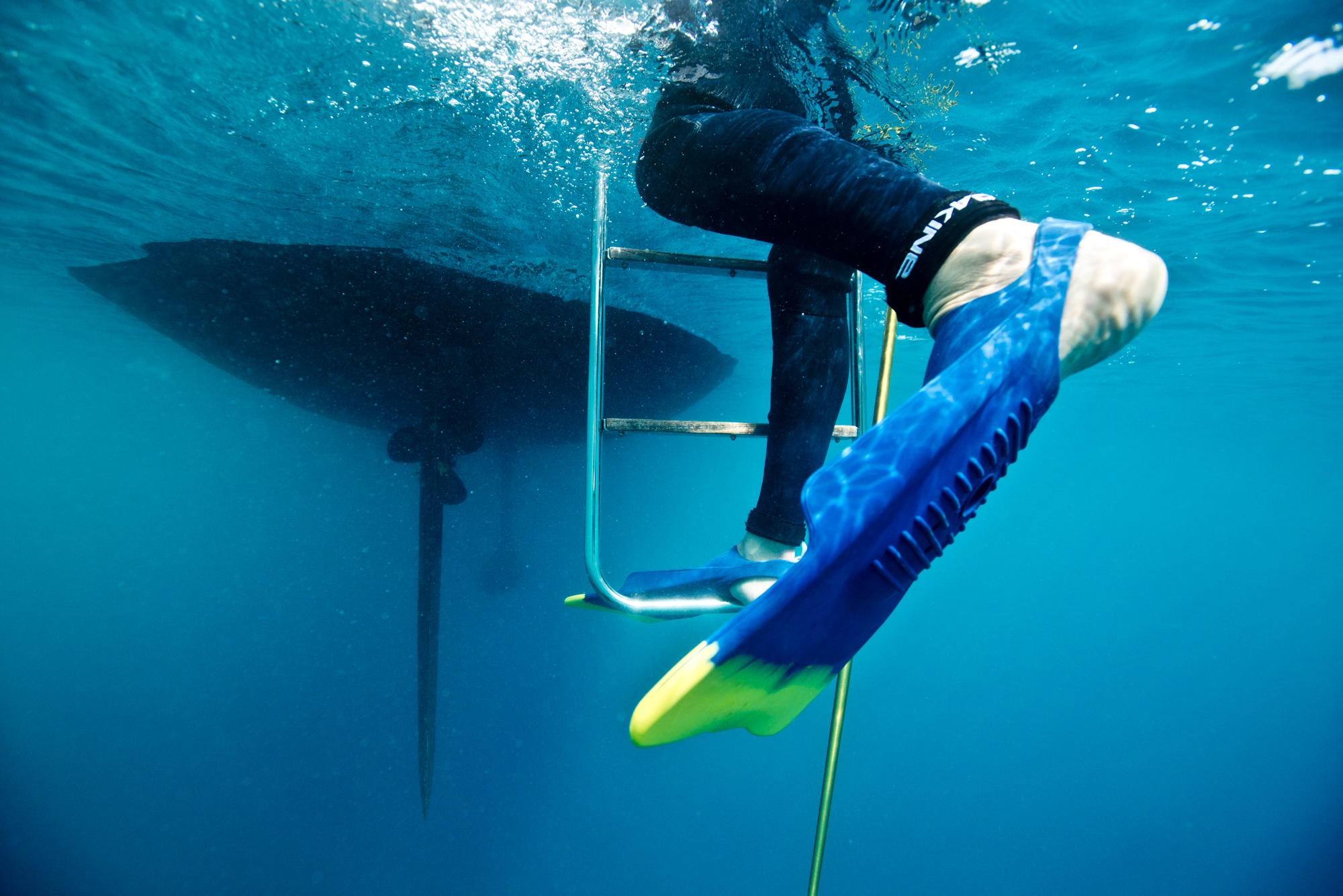
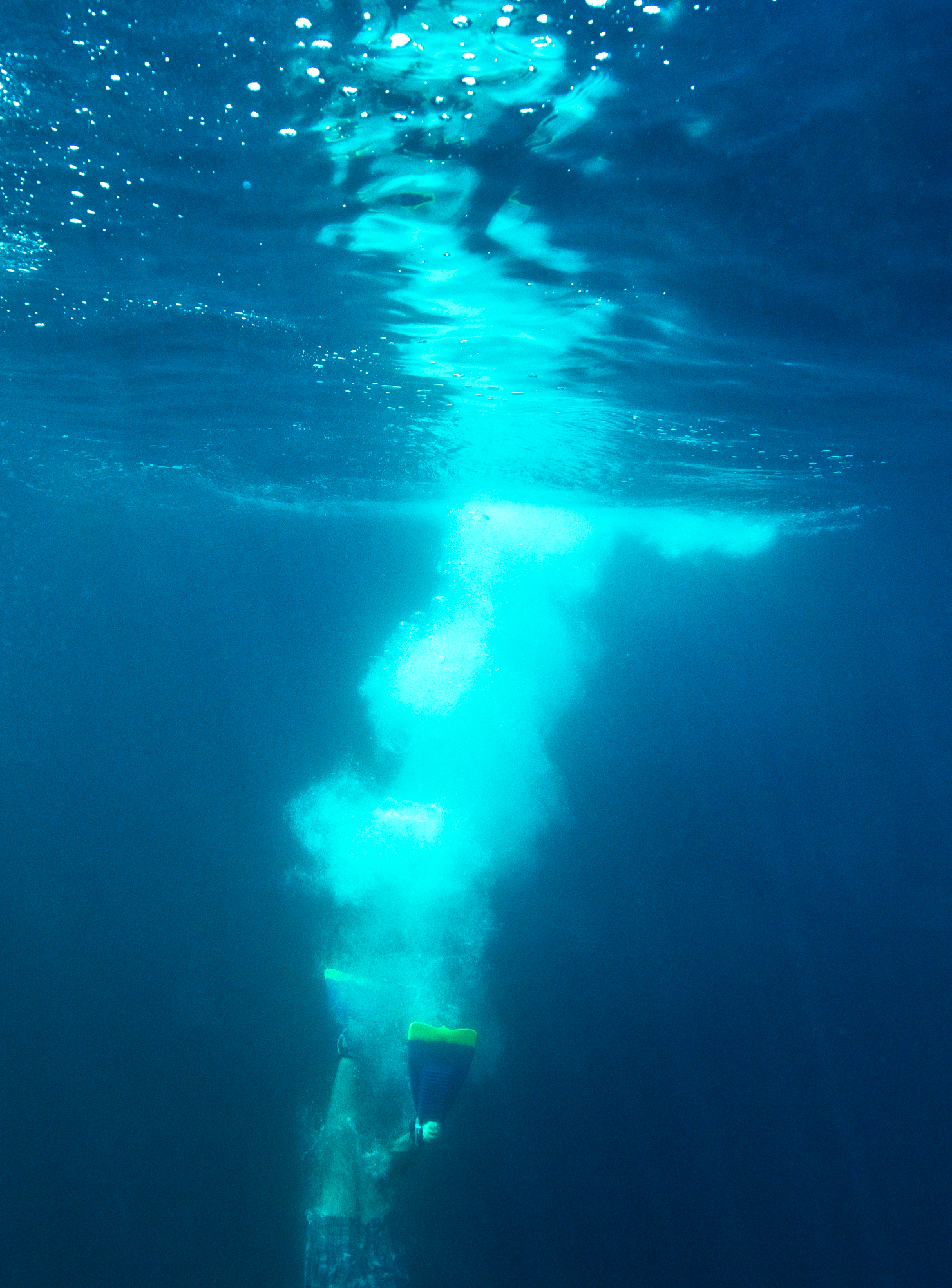
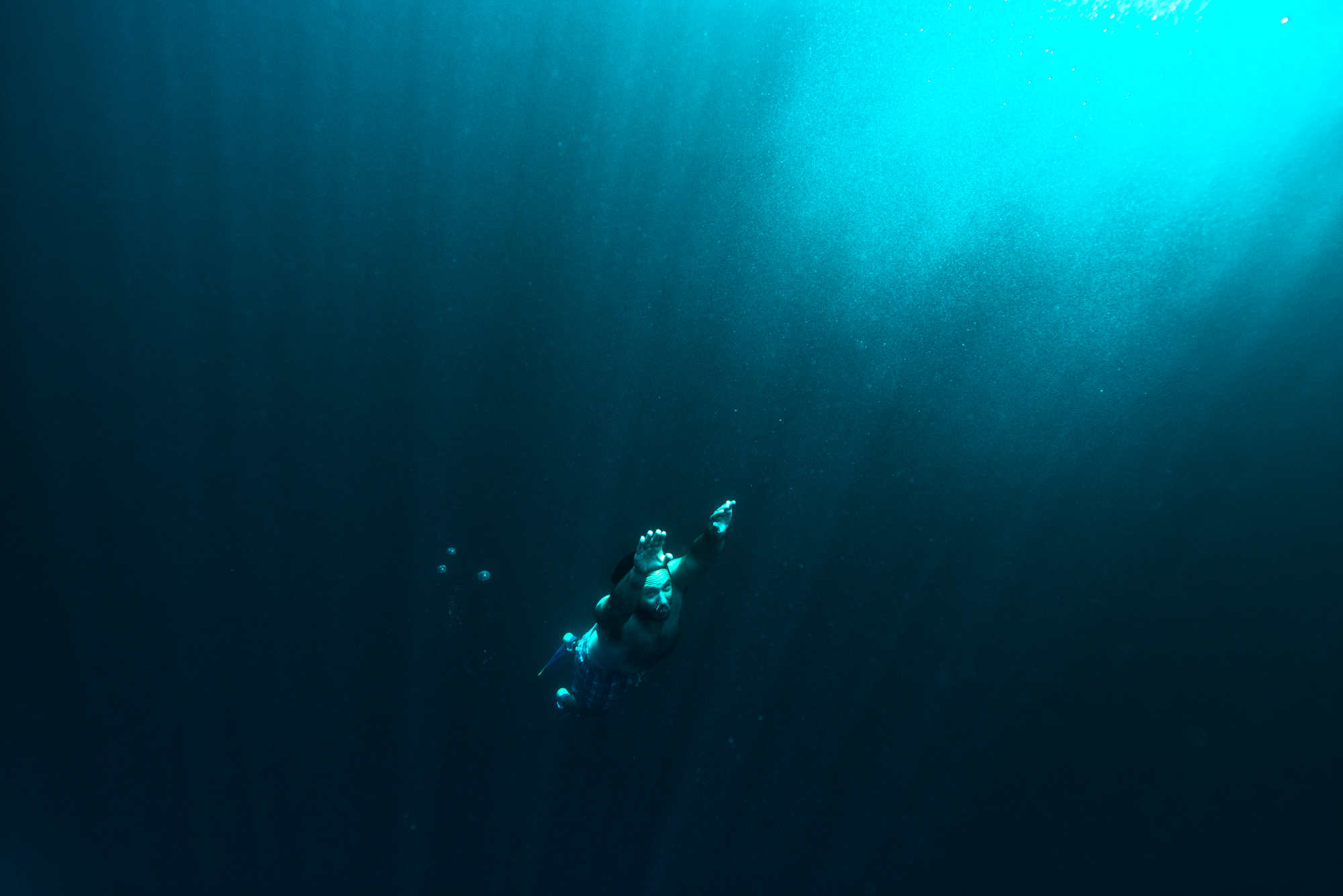
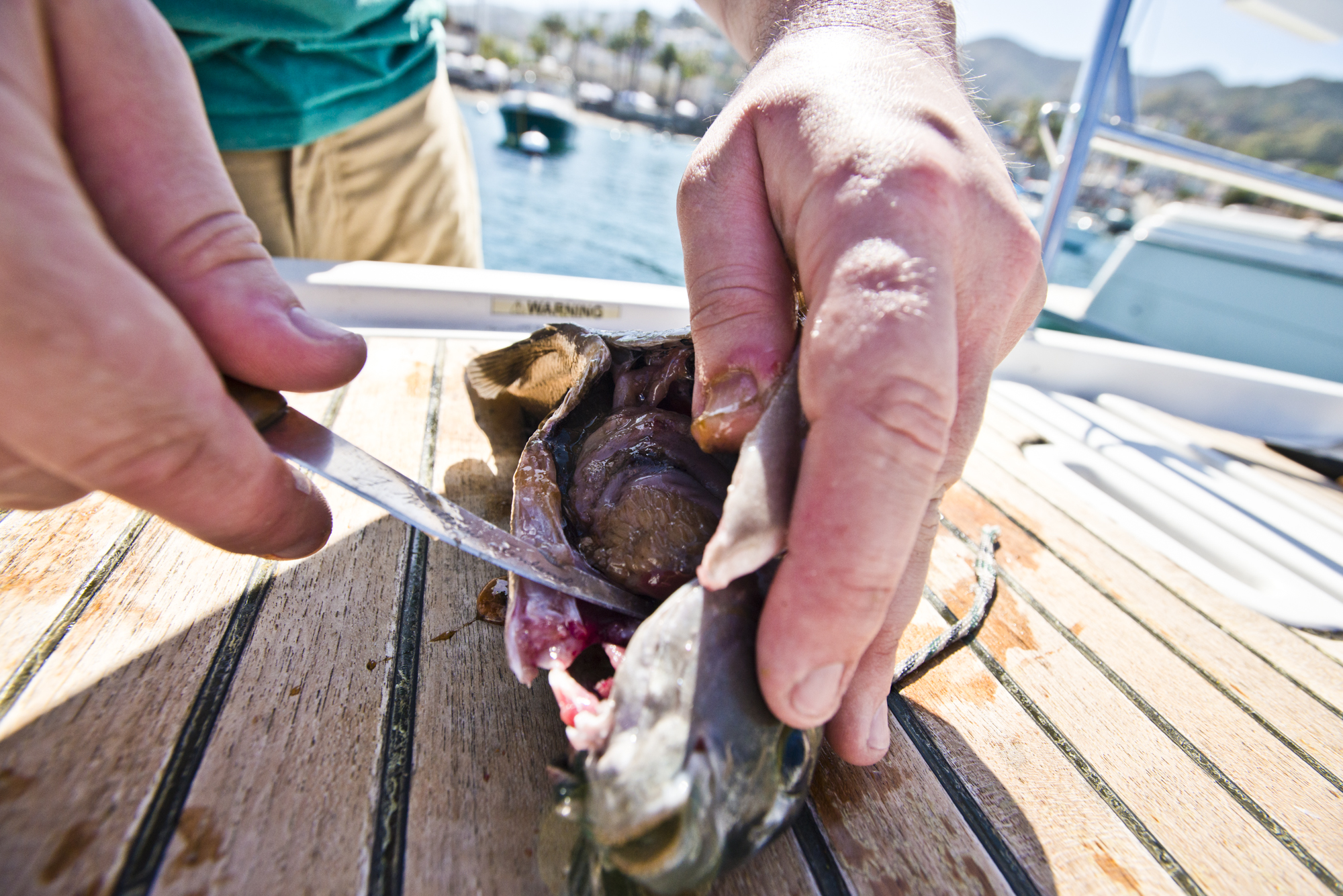
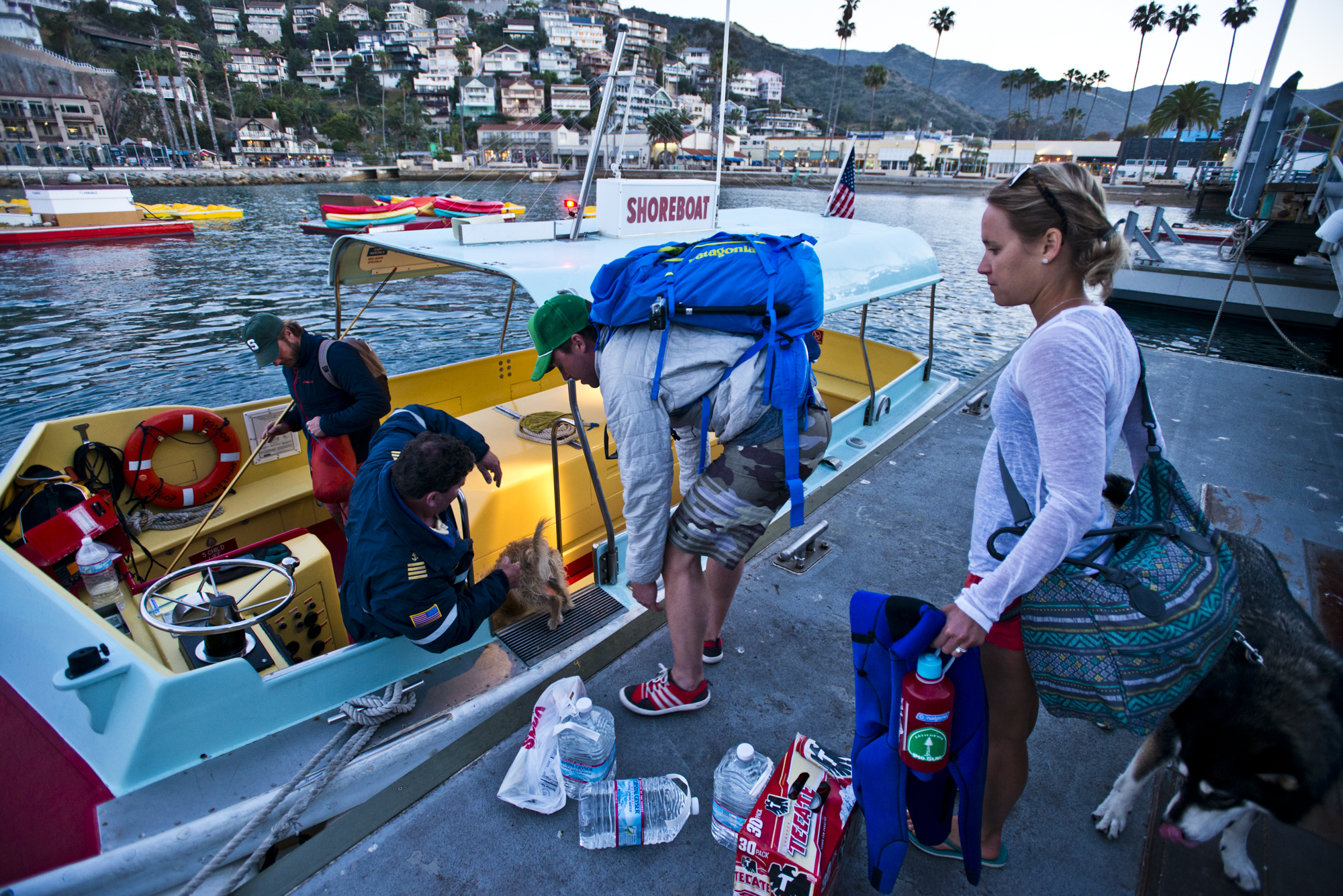
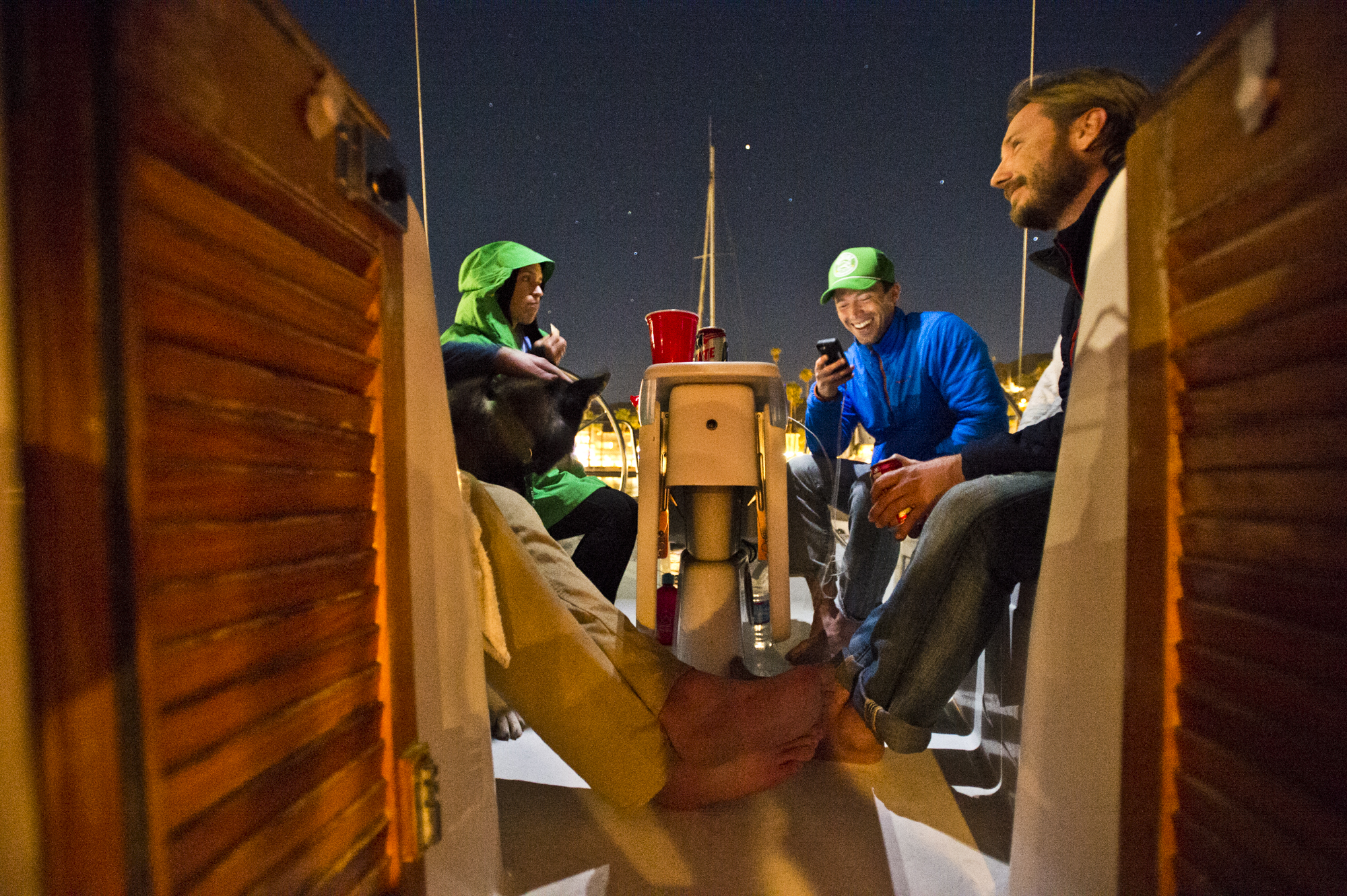
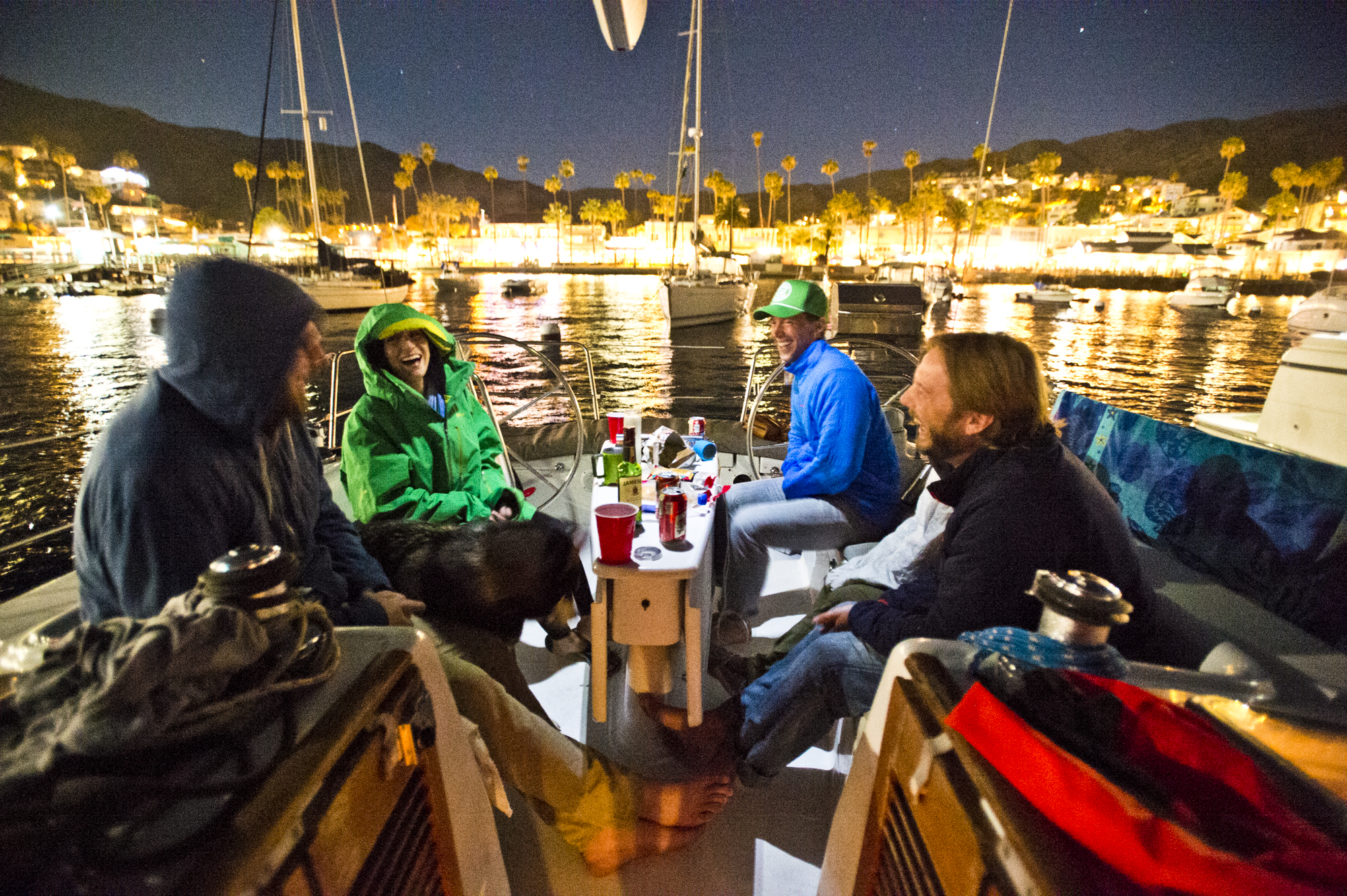
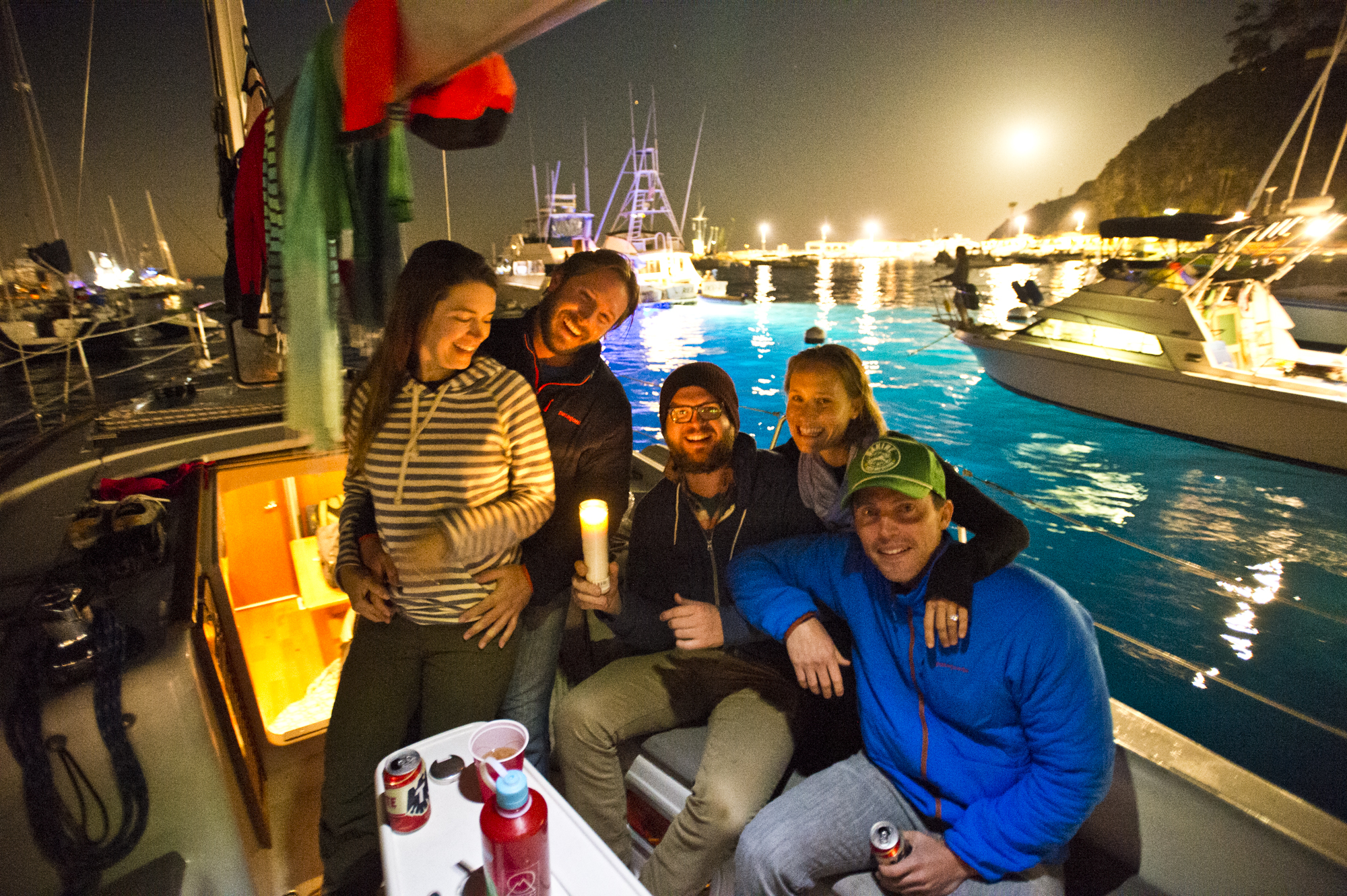
Hard to have a bad time sailing to Catalina Island. In fact, it seems impossible to have a bad time there, period. It's a special place. If you've never been, change that. Summer time is great because it's bumping with people. And winter is just as good, when it's quiet and sleepy. Either way you win. We were out there last month, and spent just about the whole time in the water looking for fish. 

Glacier Point - Yosemite National Park

Best Hike in Yosemite National Park

Glacier Point

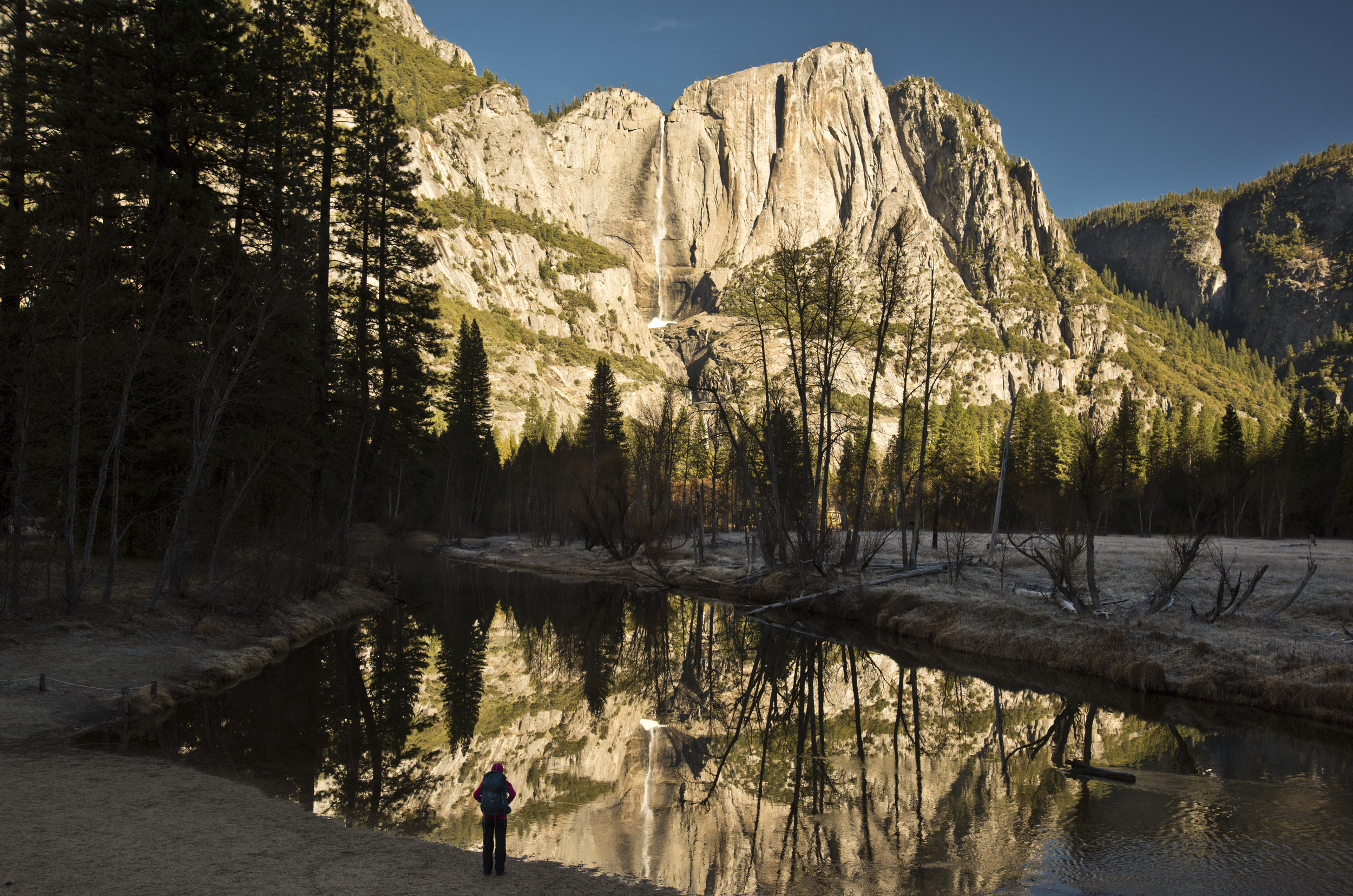
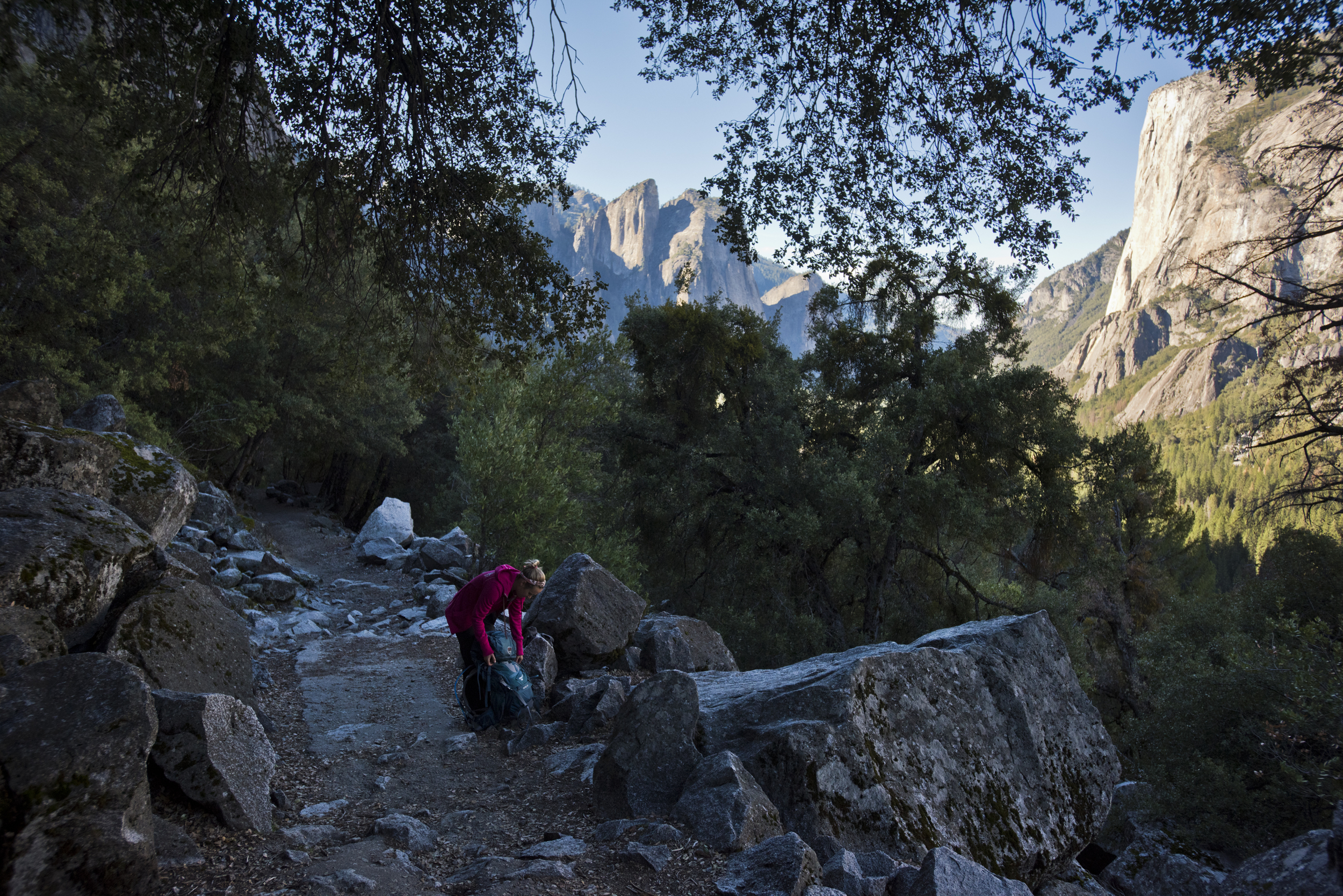
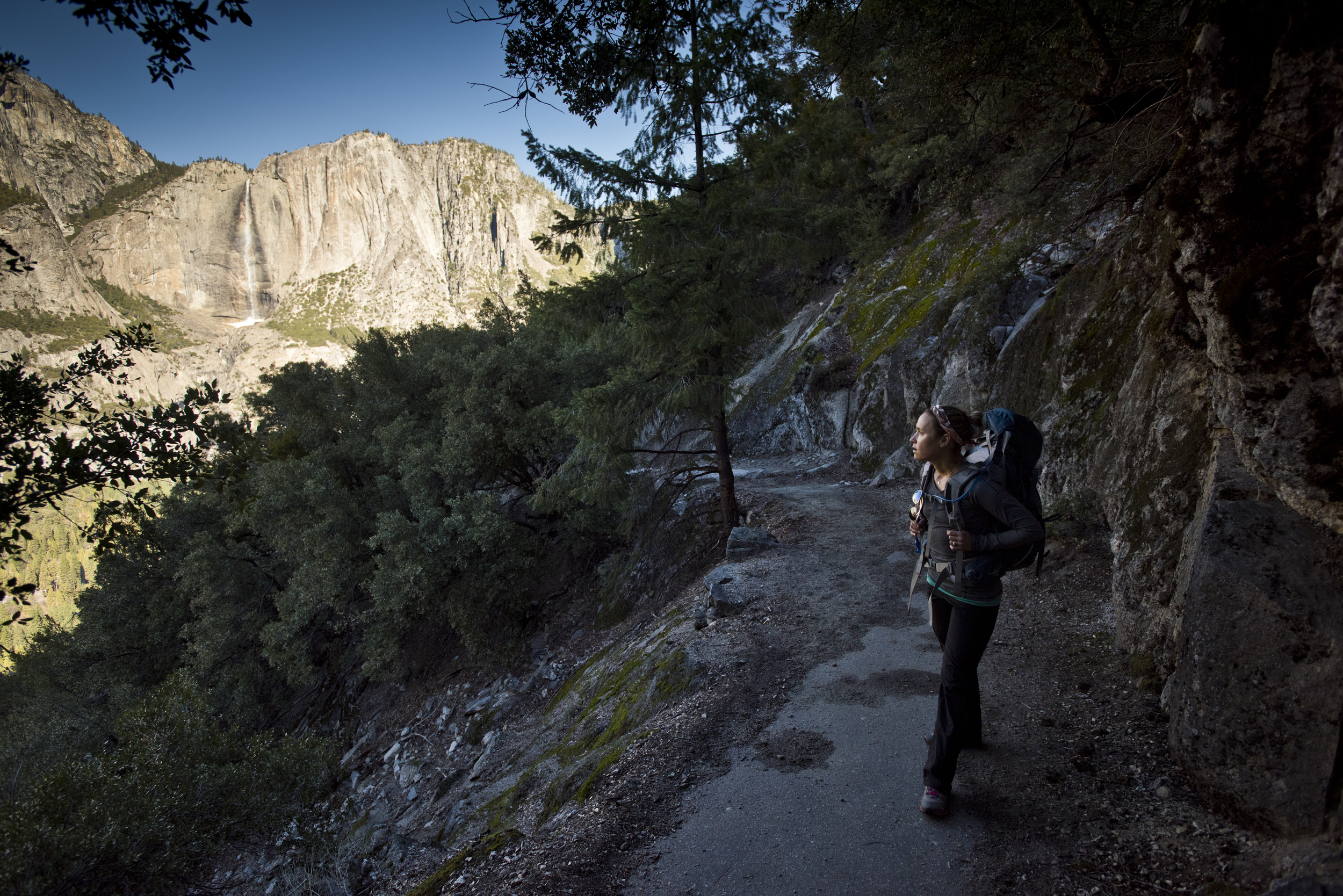
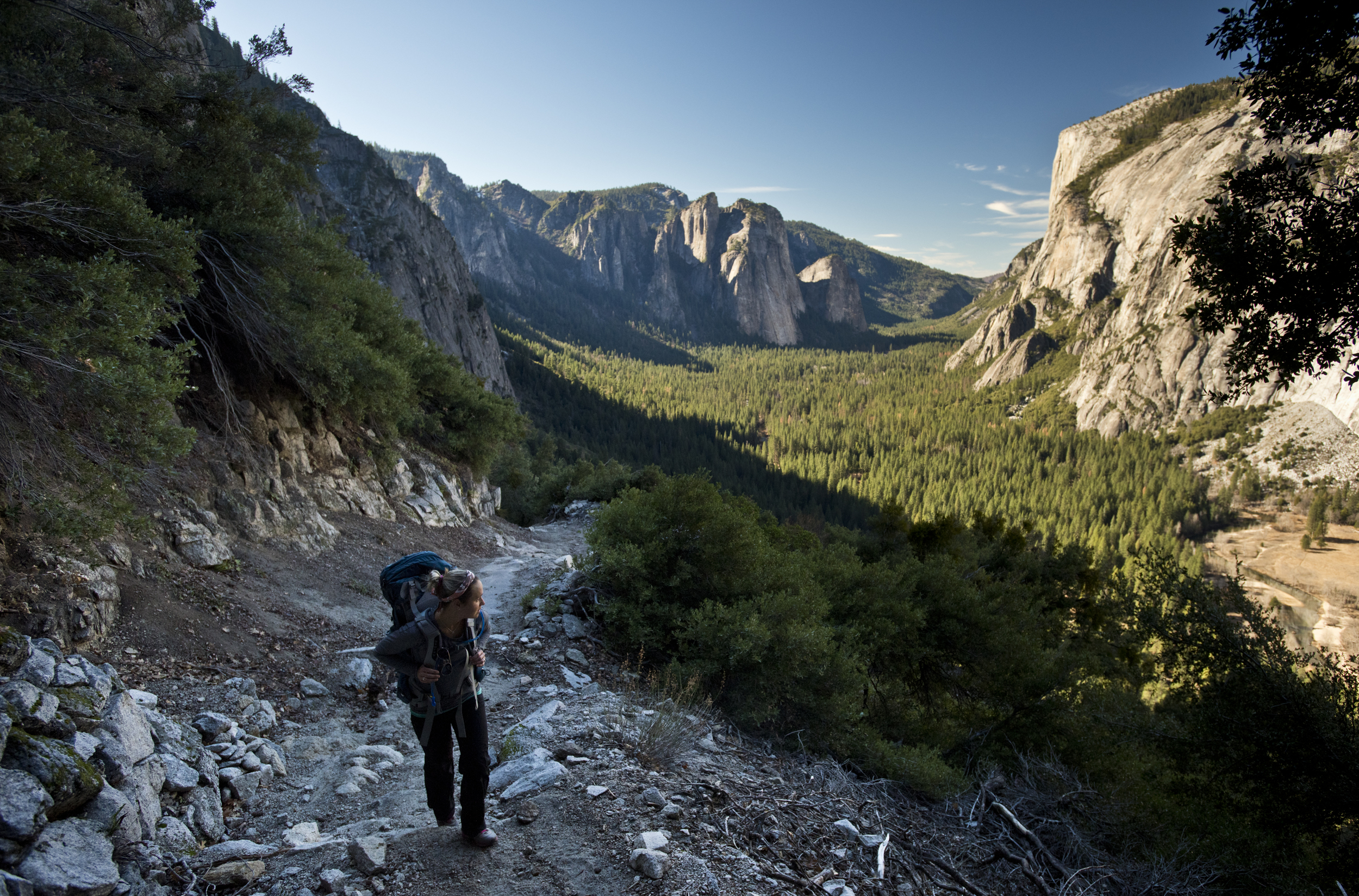
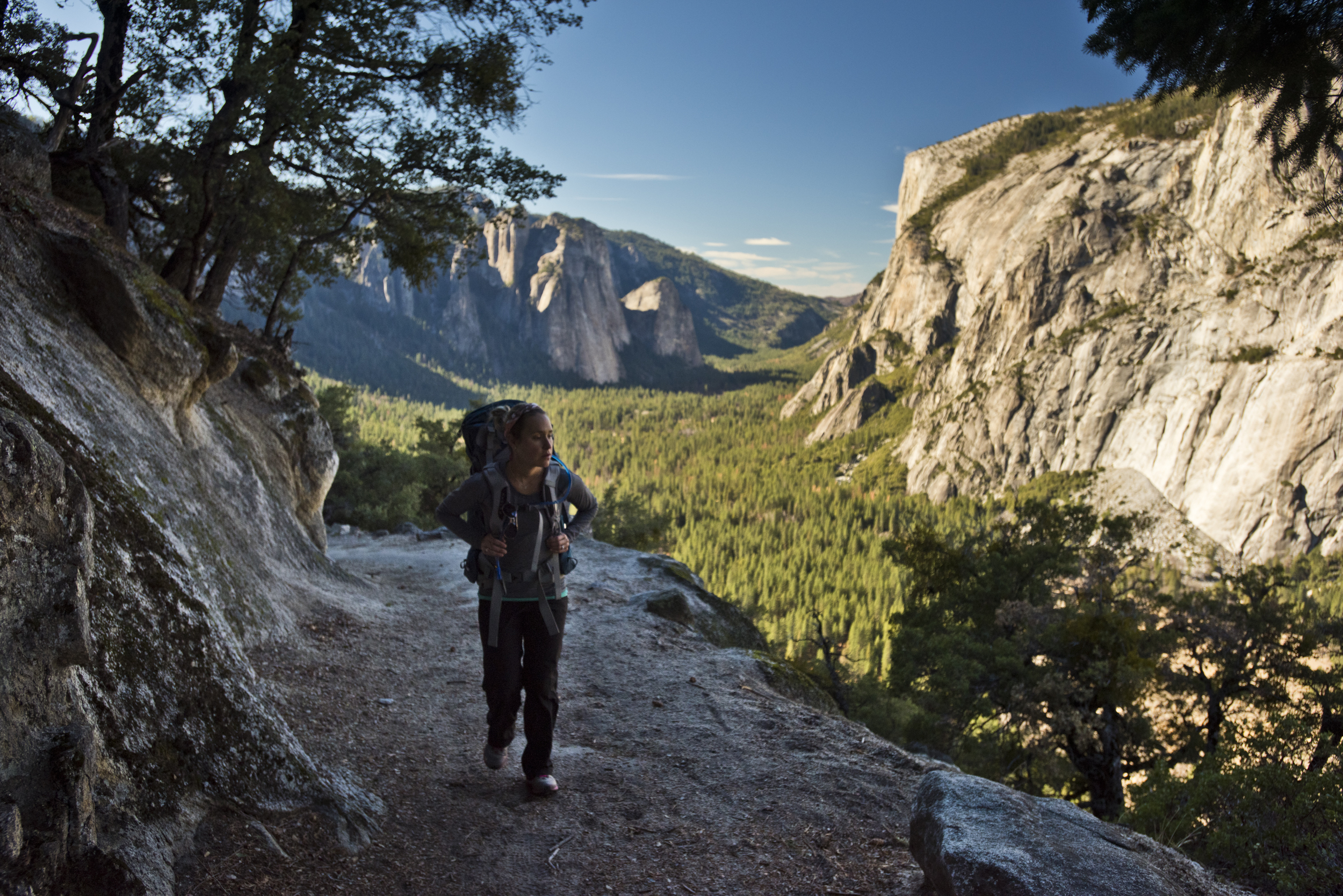
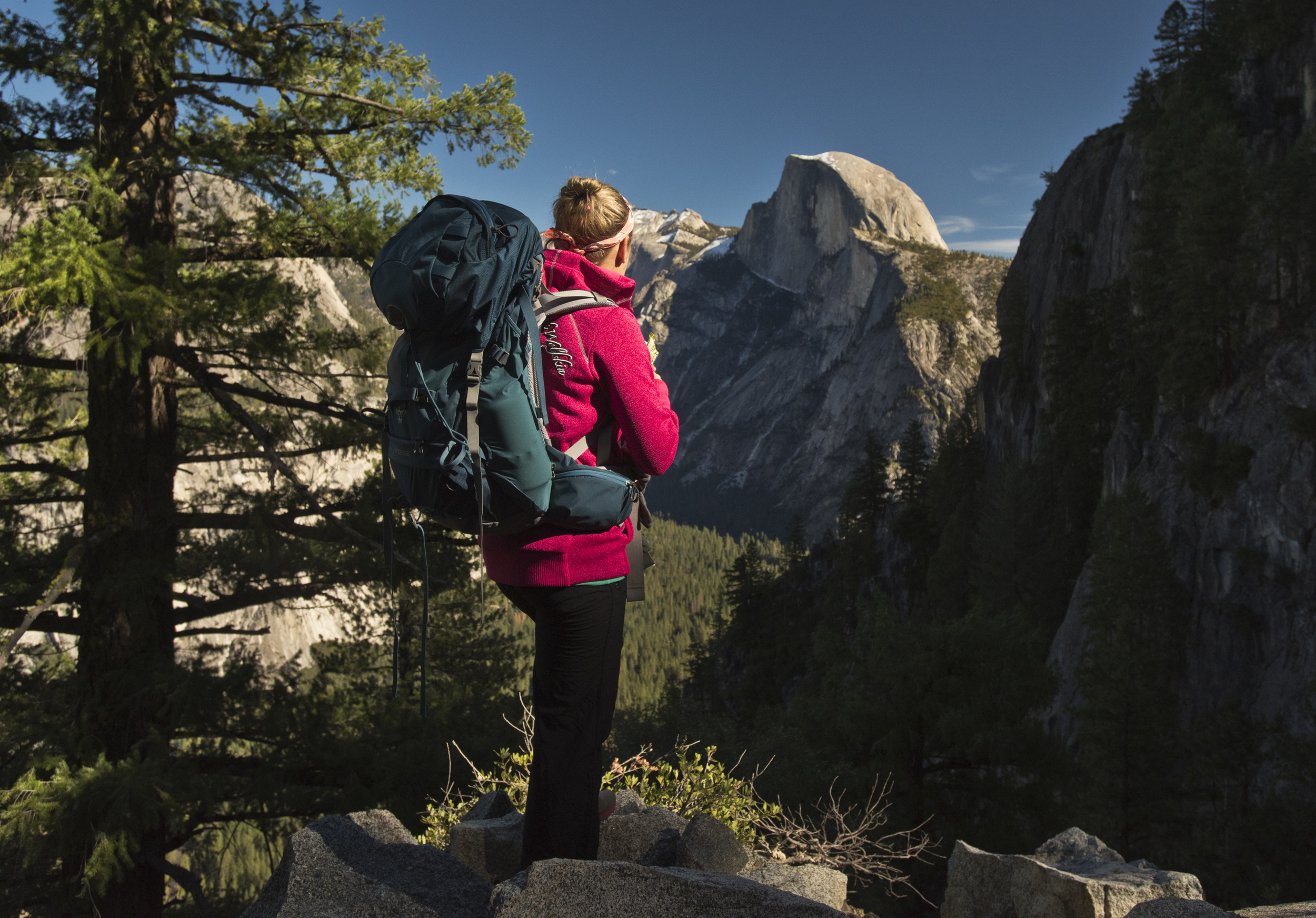
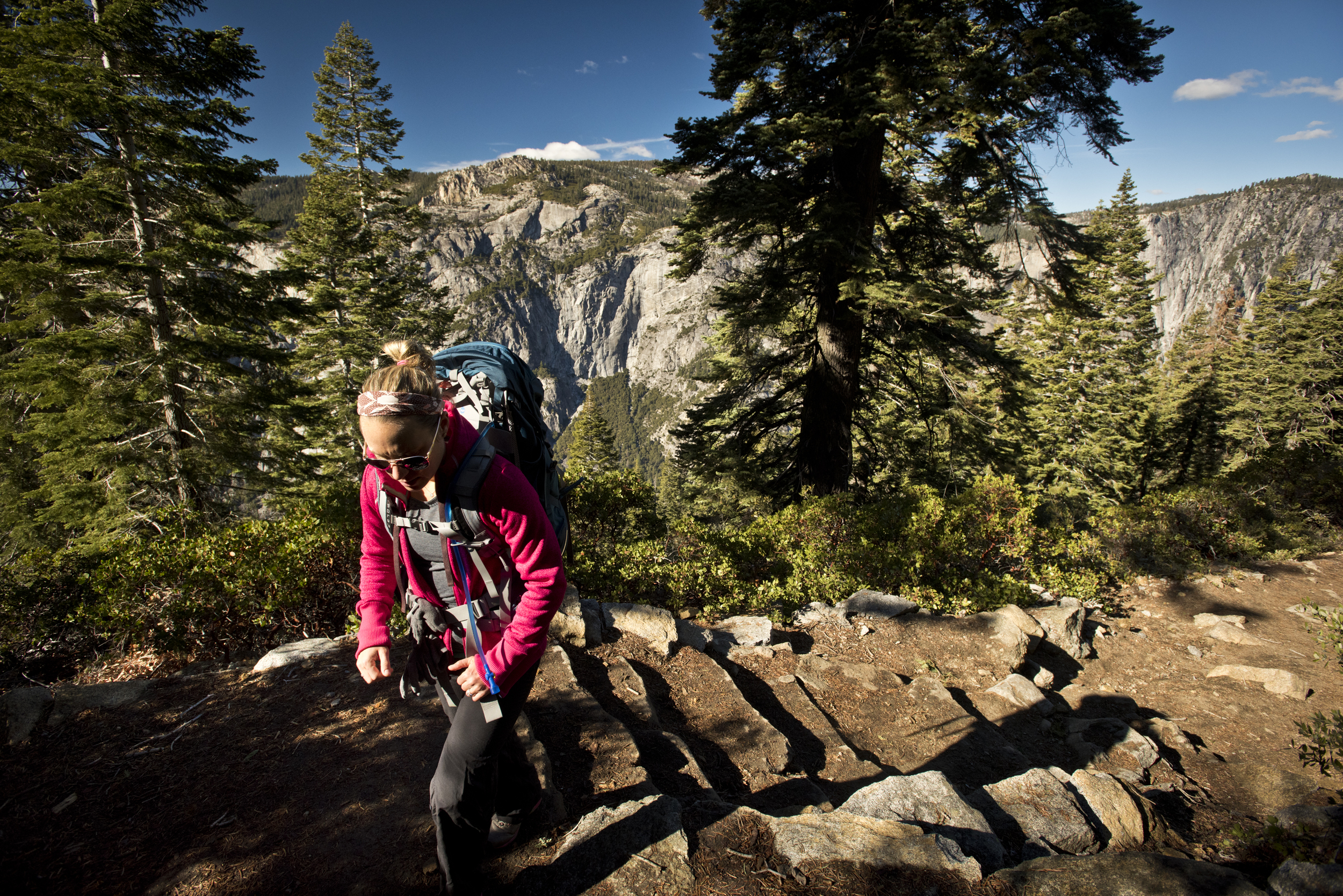
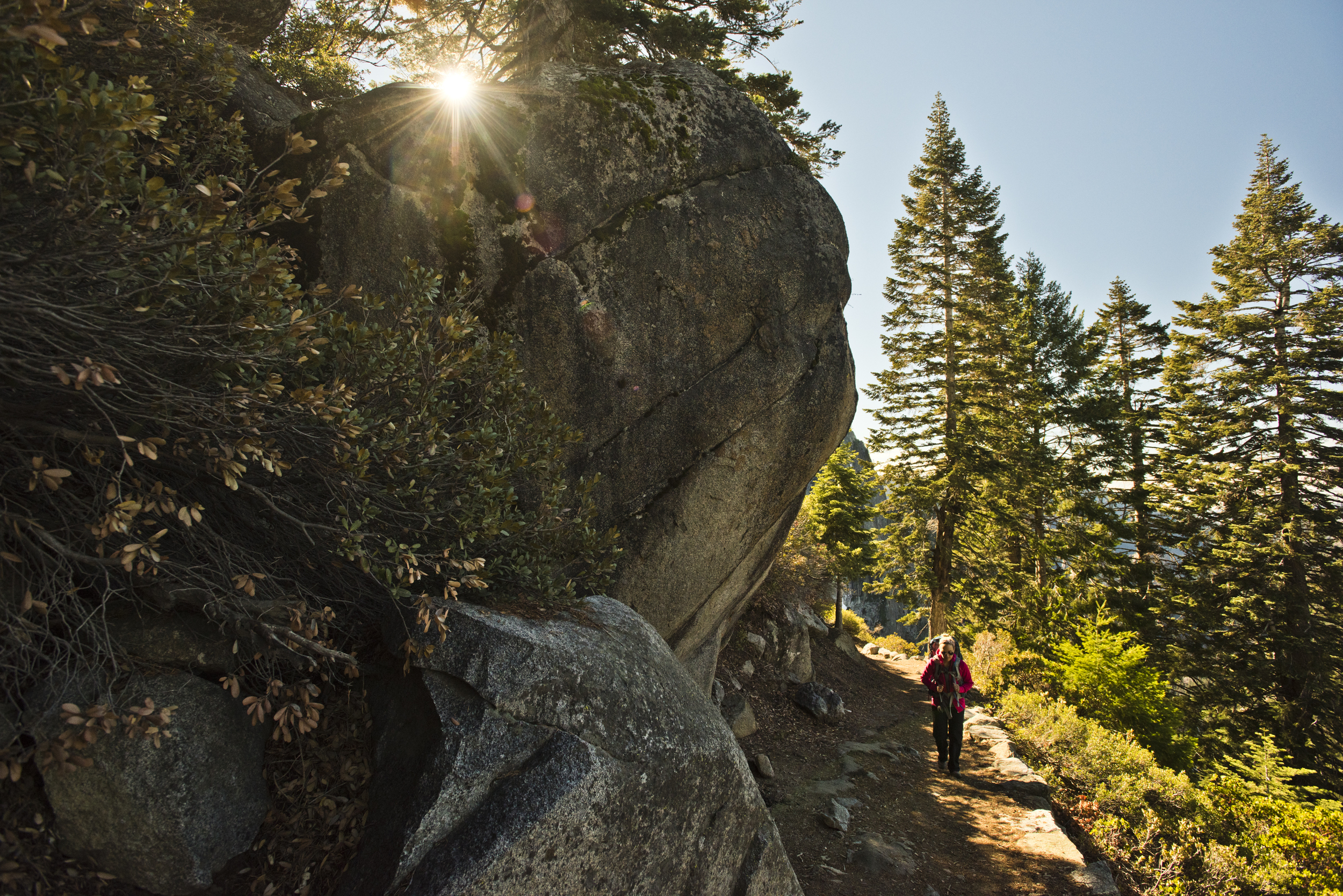
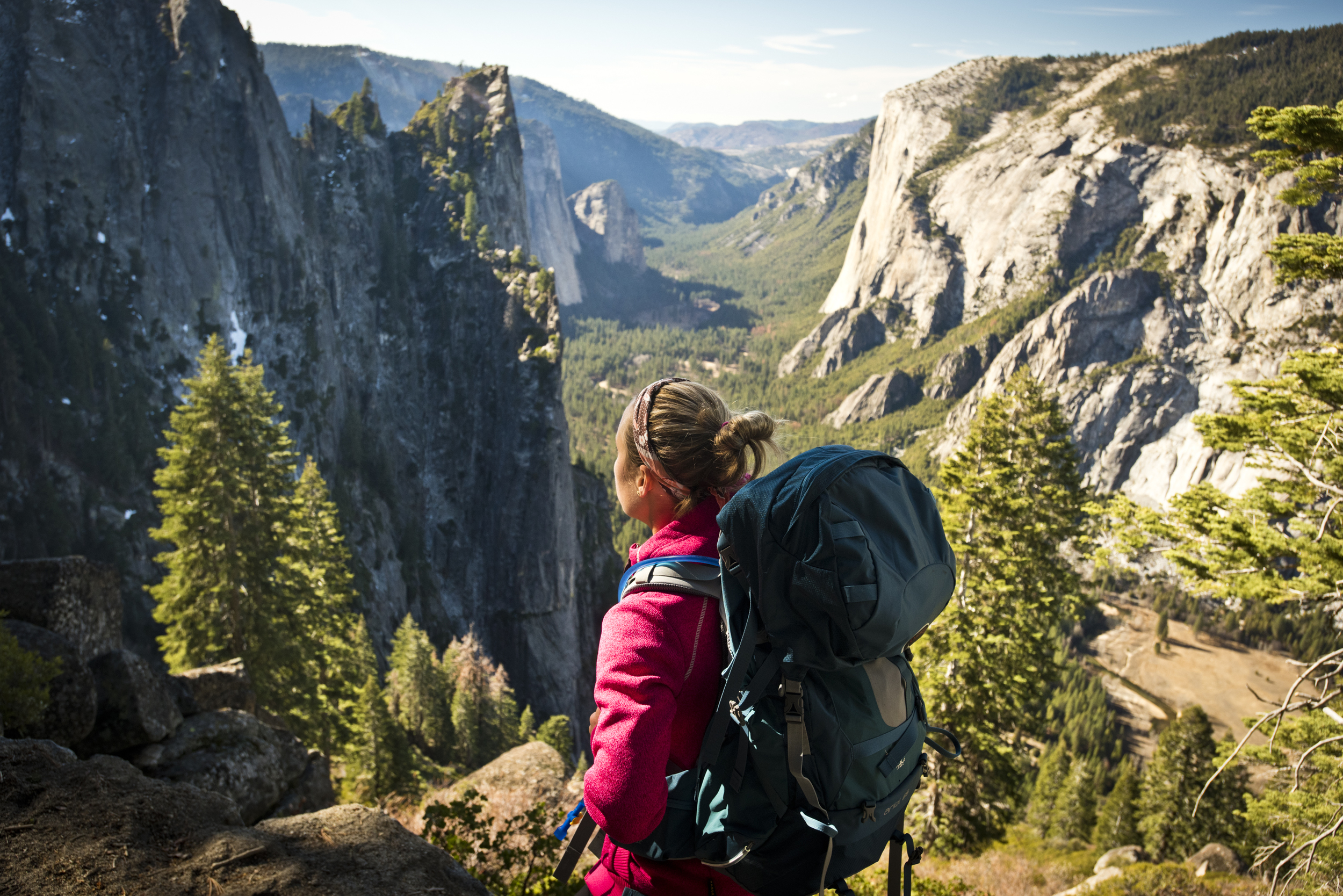
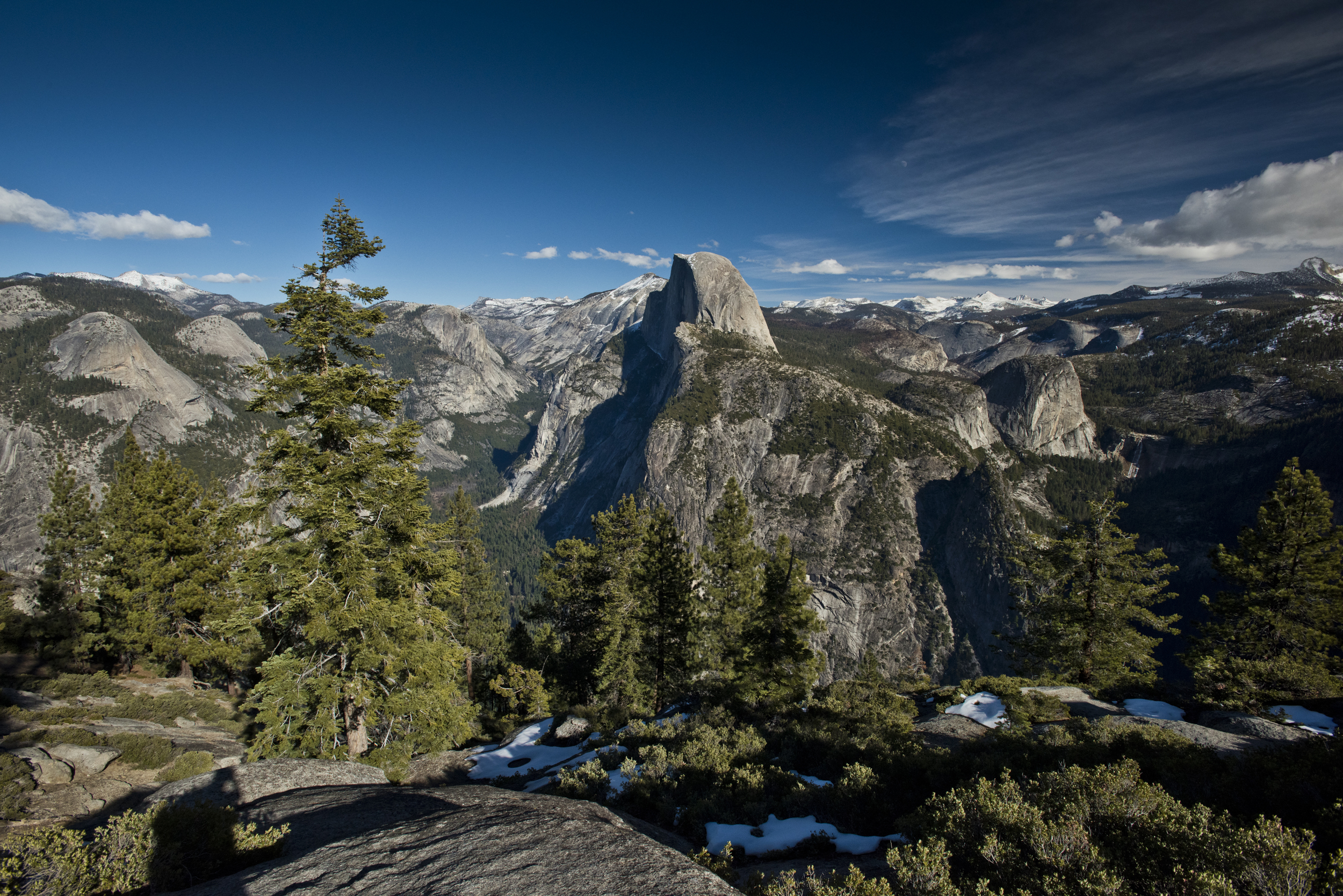
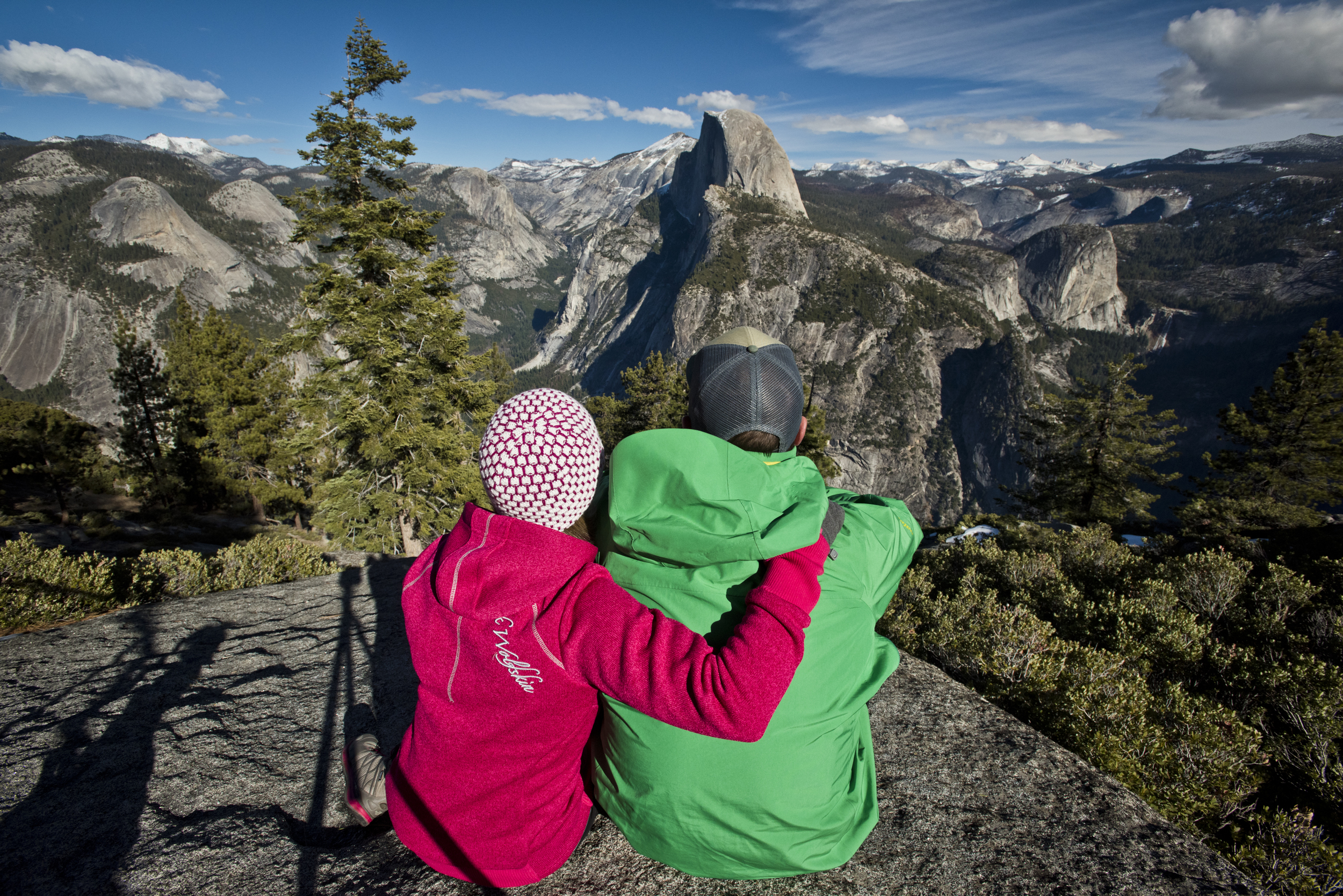
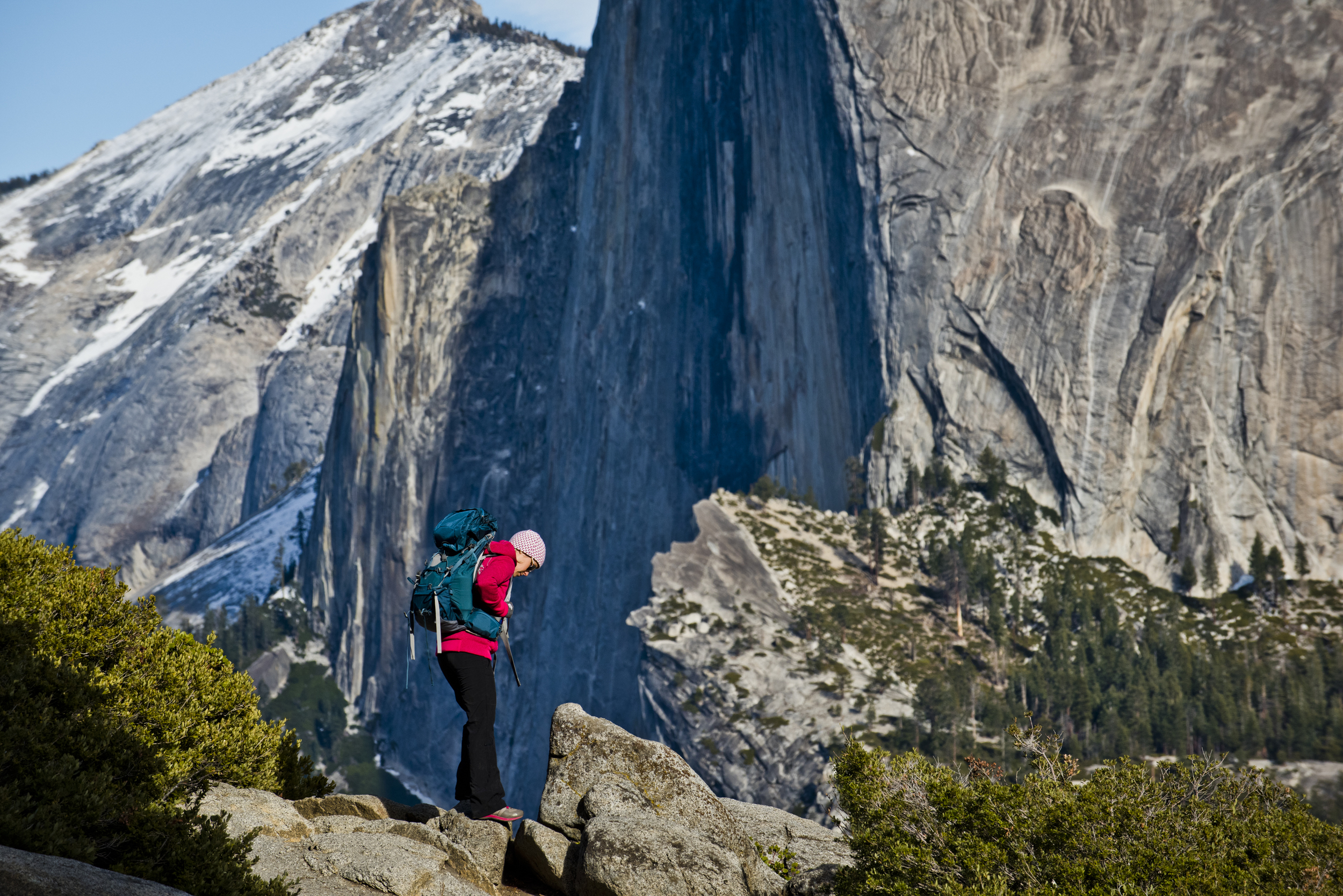
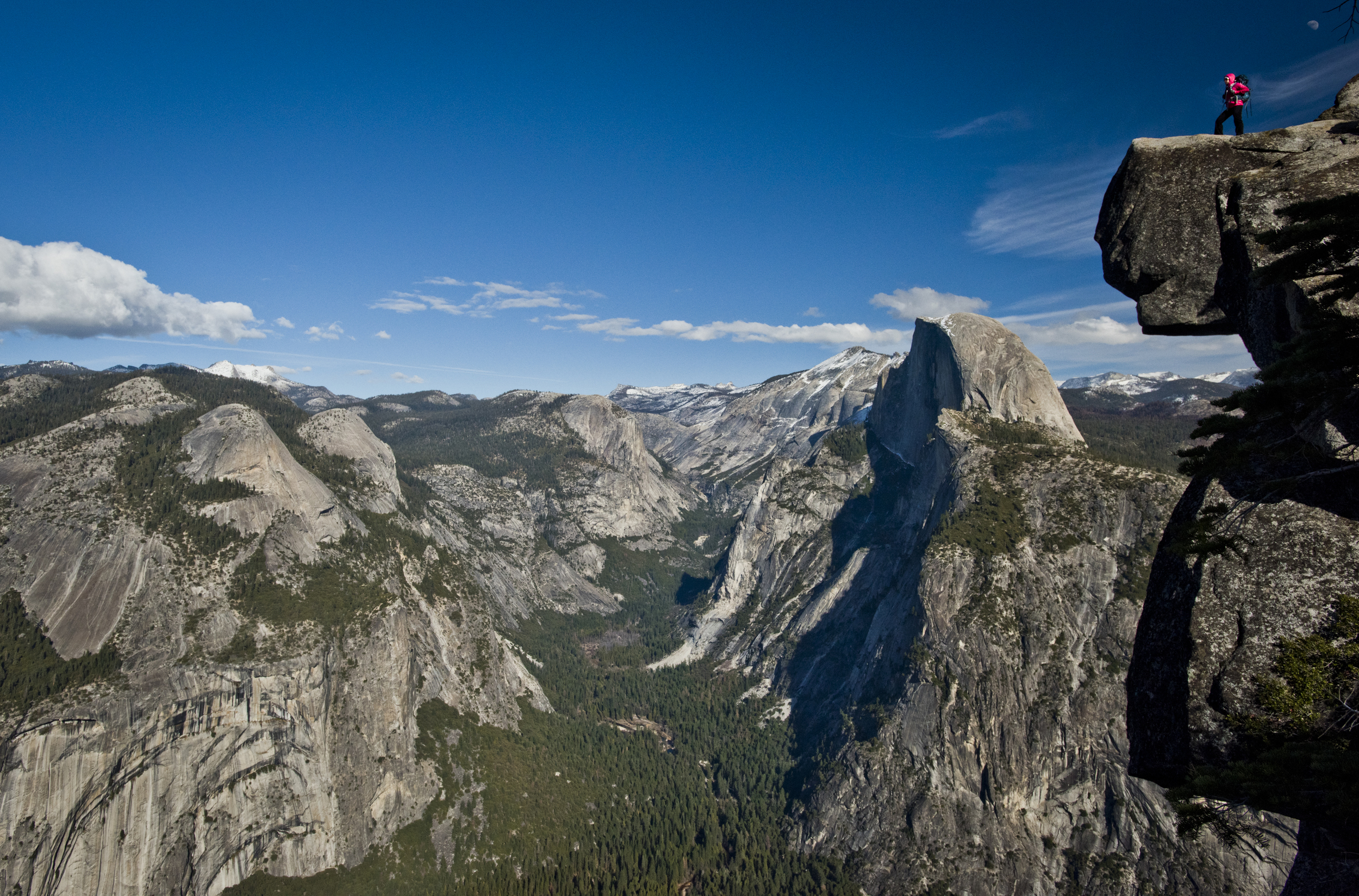
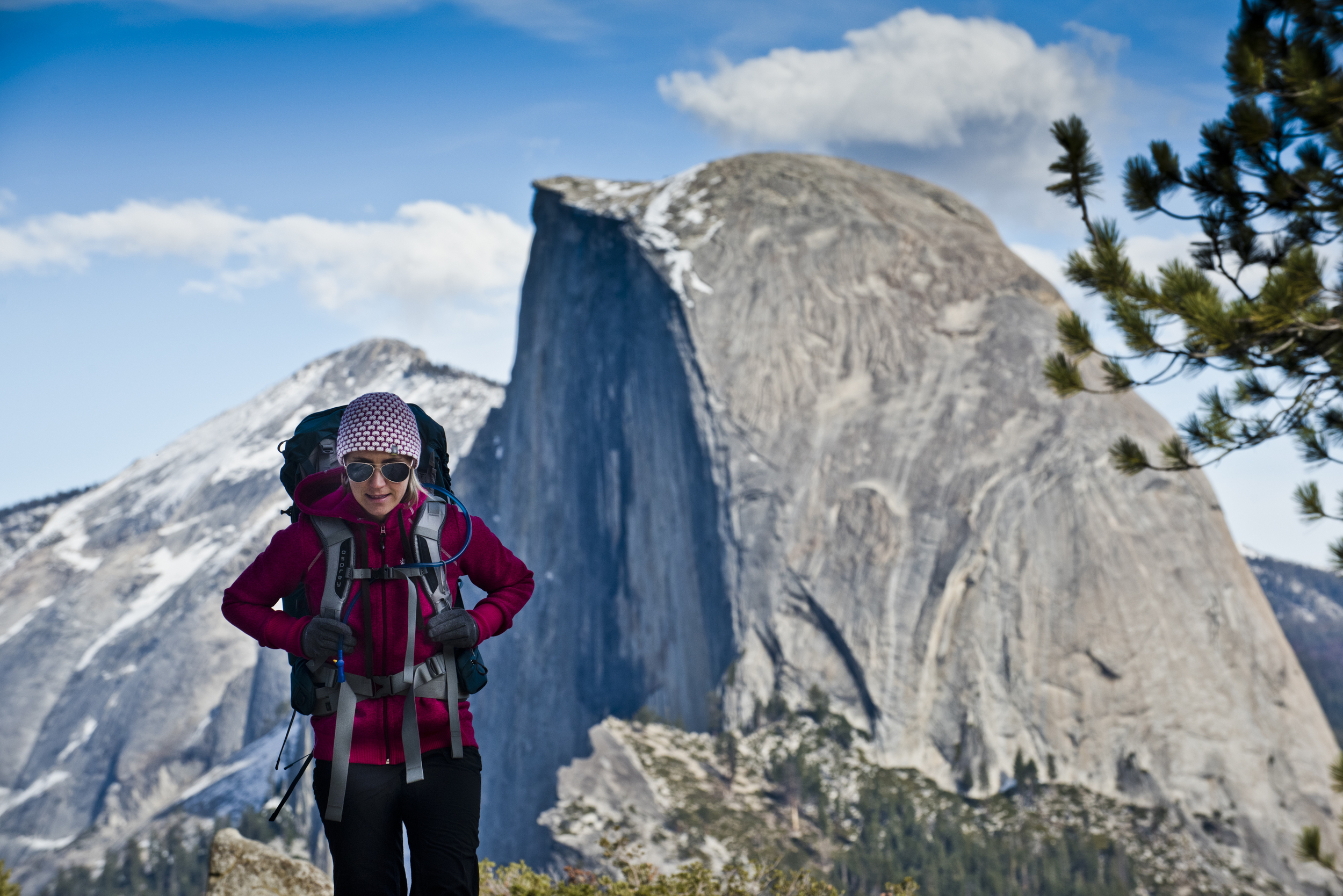
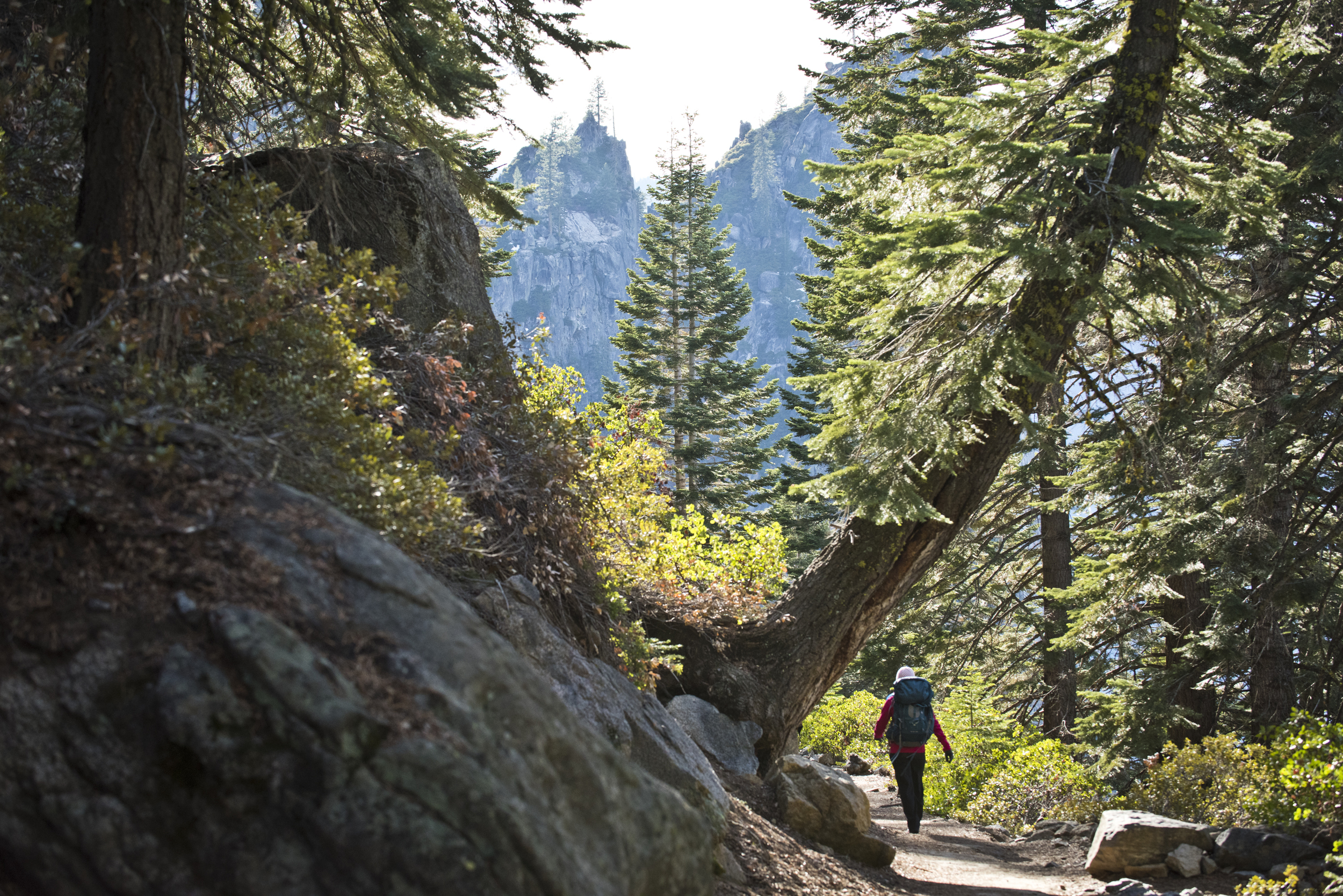
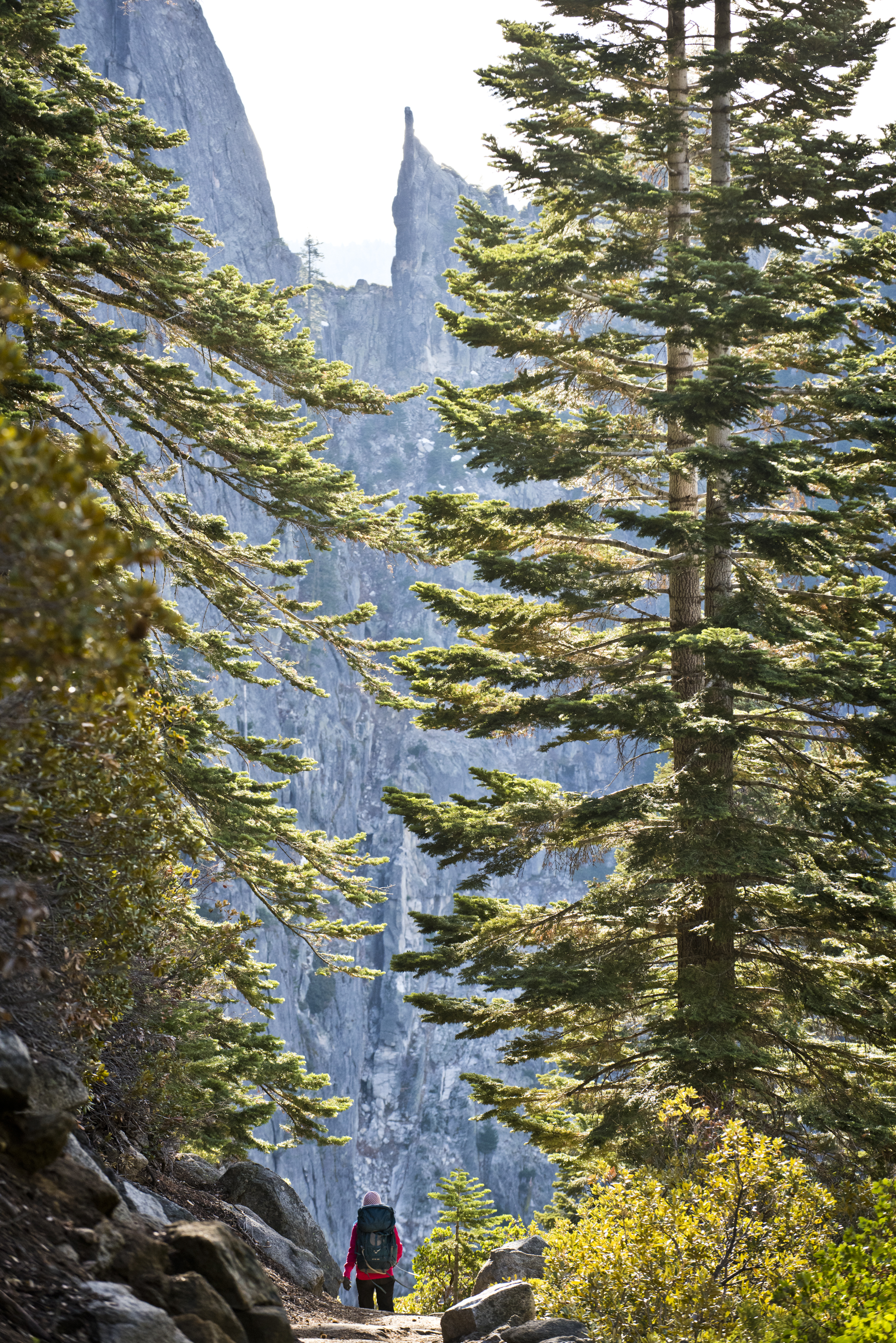
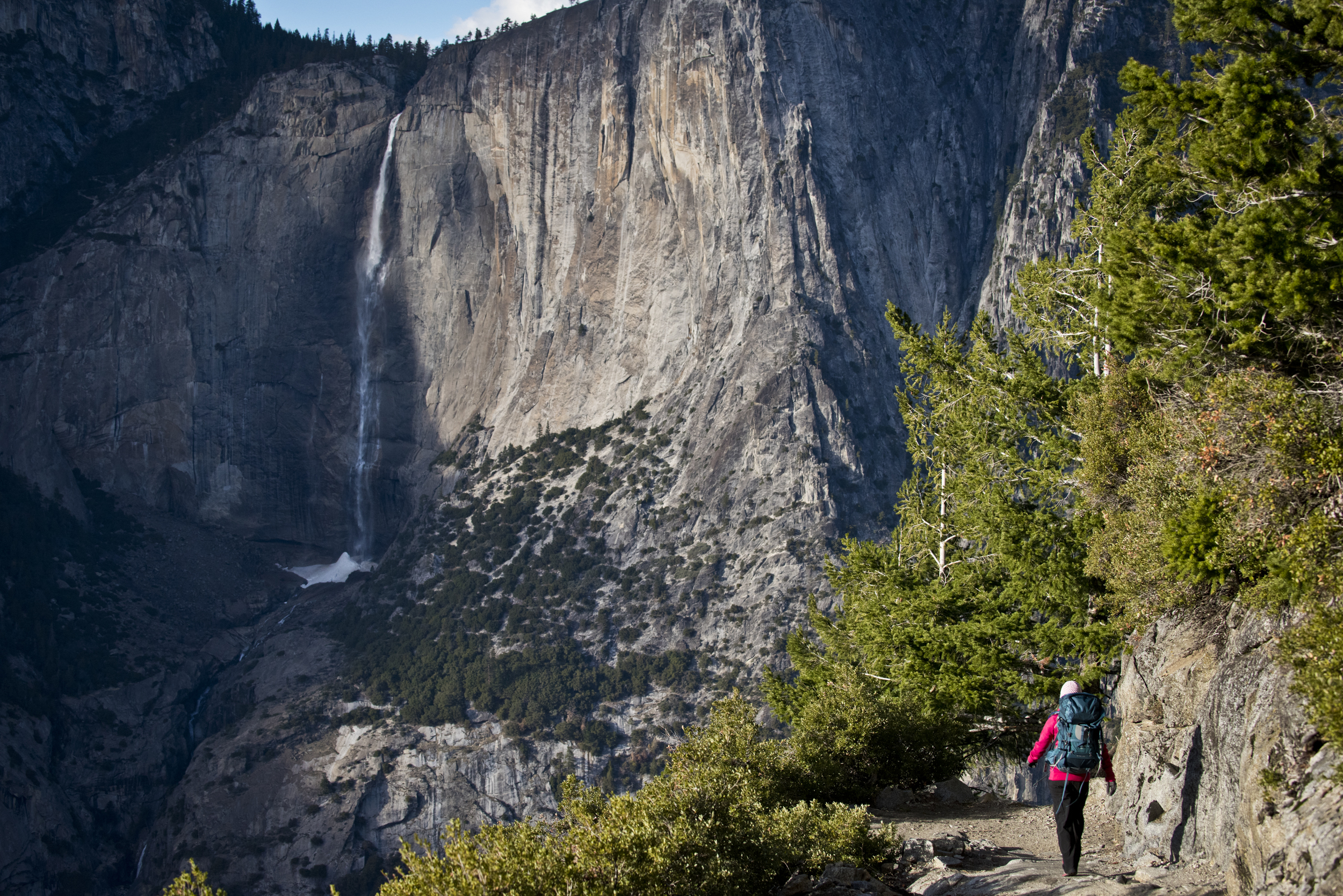
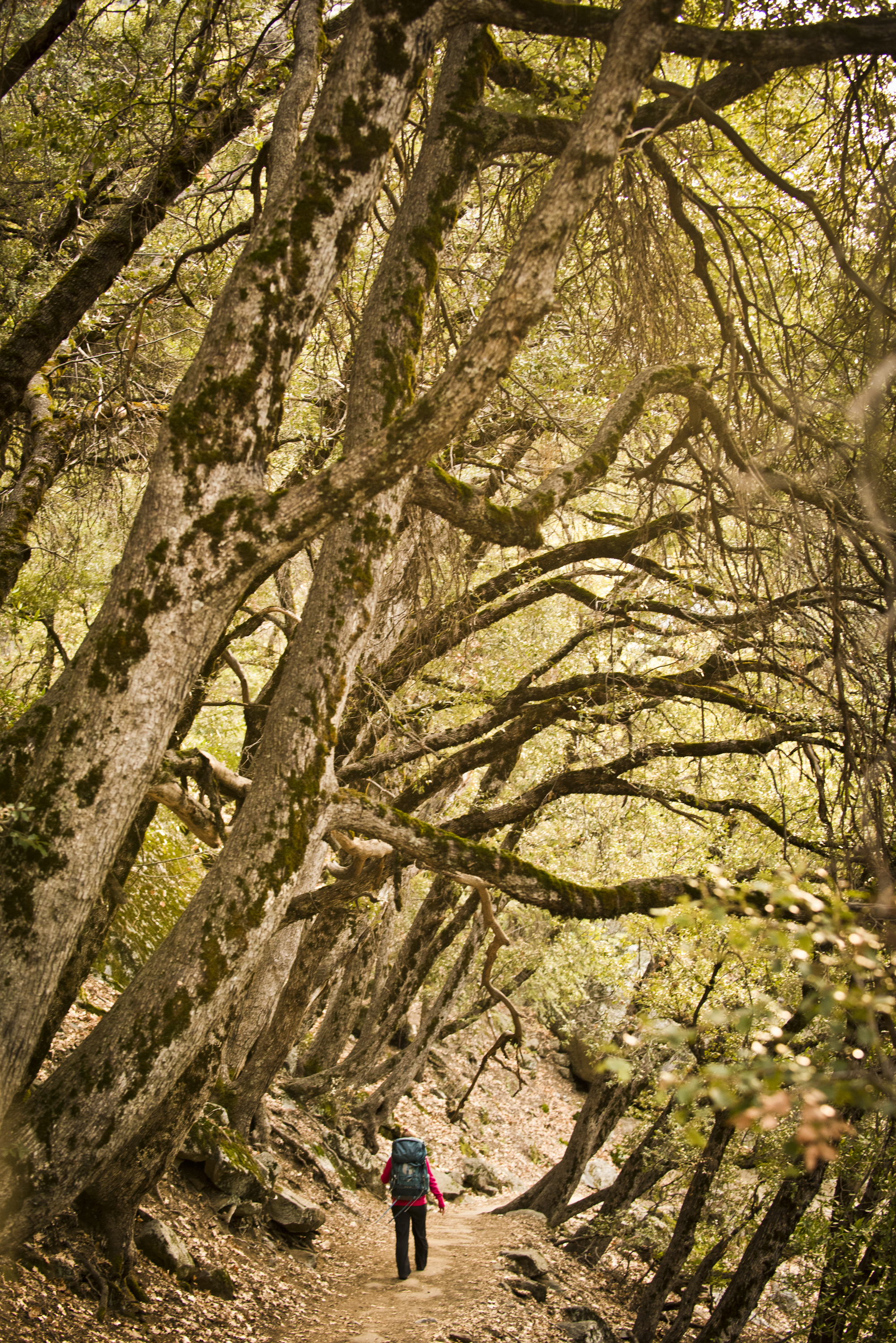
The more time you spend in Yosemite, the more you think it's an artificial world. An enormous movies set with perfect views around every corner. Send a chimp into Yosemite with a camera, and he'll come out with cool pictures. On this last visit, we spent the better part of a day hiking up to Glacier Point. And my only regret is that we didn't camp up there. It would have been all ours. This time of year the road is closed, so the only way up is to hike. Which cuts out the majority of tourists. Next time I guess? Either way, it was an awesome hike. All of the images below were made on the fly. Just snapping while Emily was hiking. Nothing staged.
All photographs of Glacier Point hiking are available for commercial licensing