15 Years of American Backcourts - Basketball Hoop Photography

When ESPN Named American Backcourts One of the Best Photo Stories of 2017

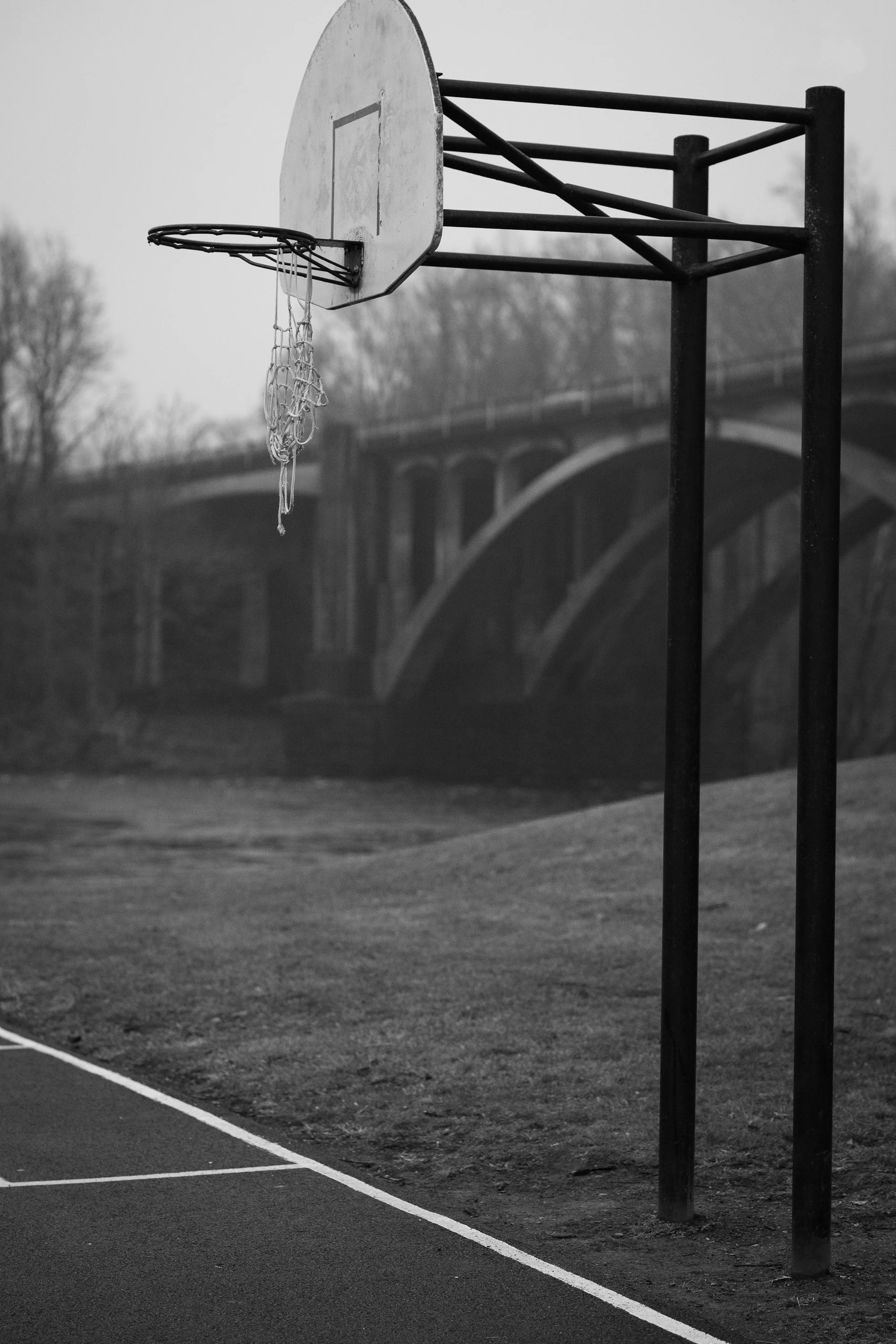
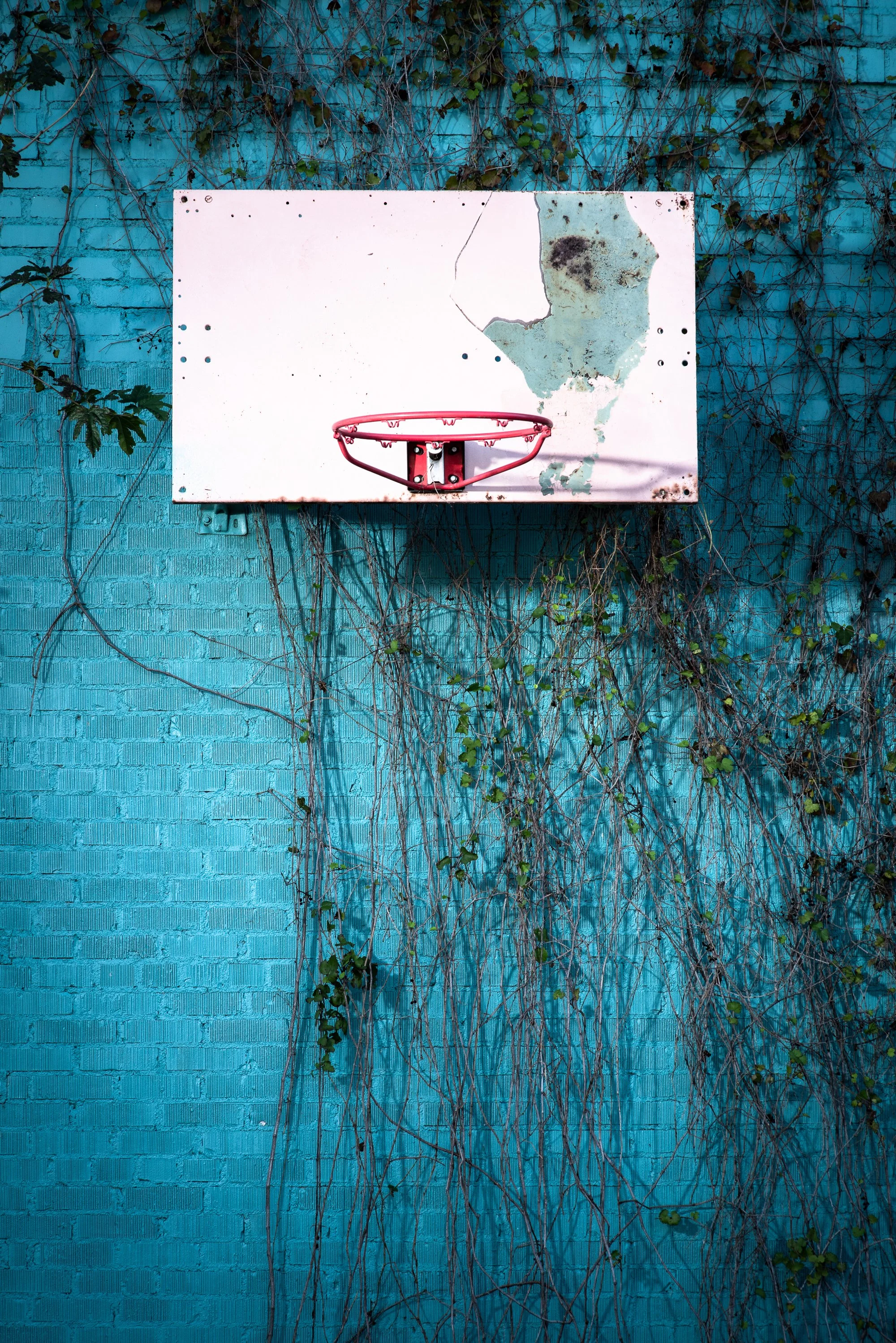
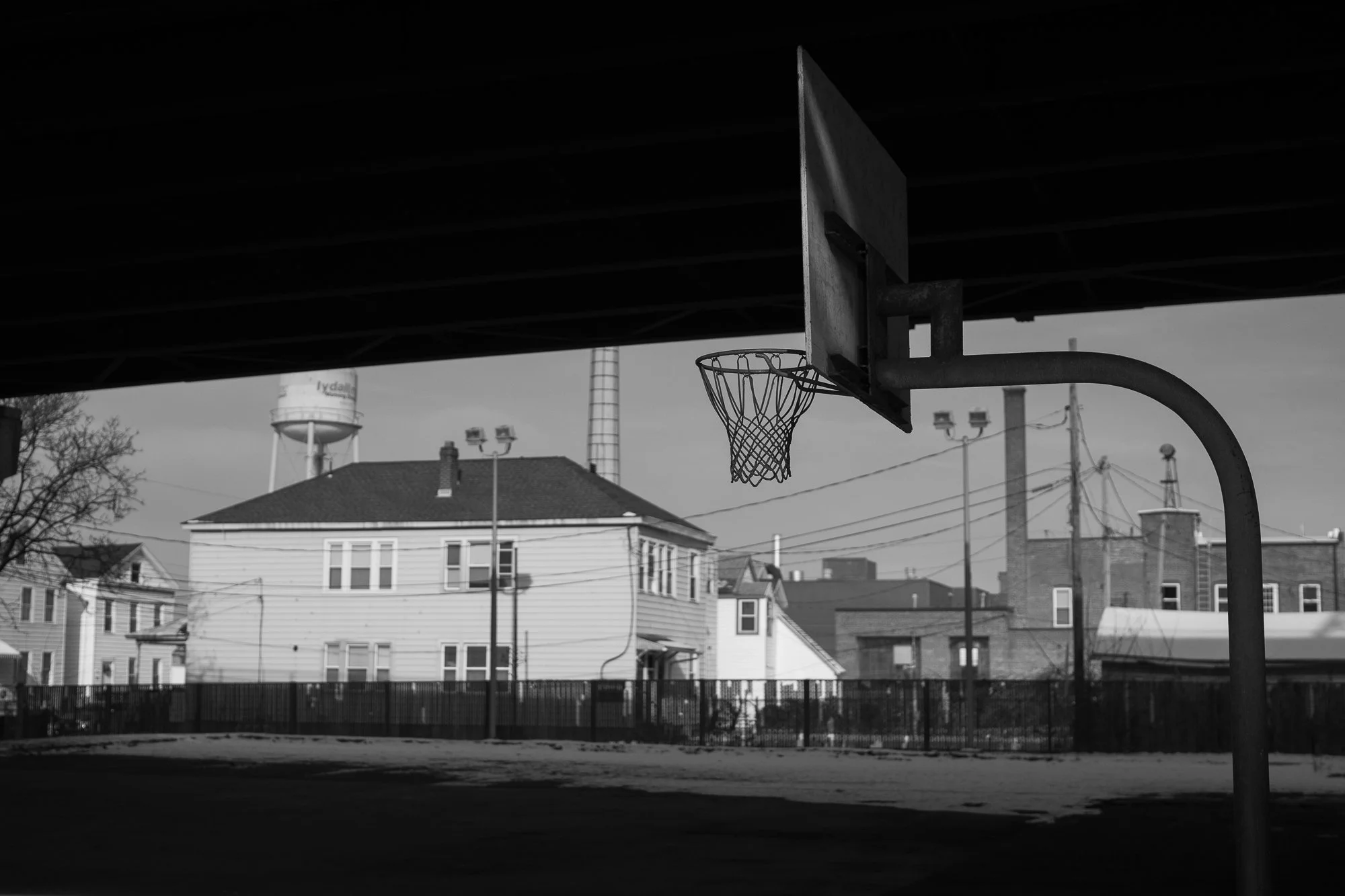
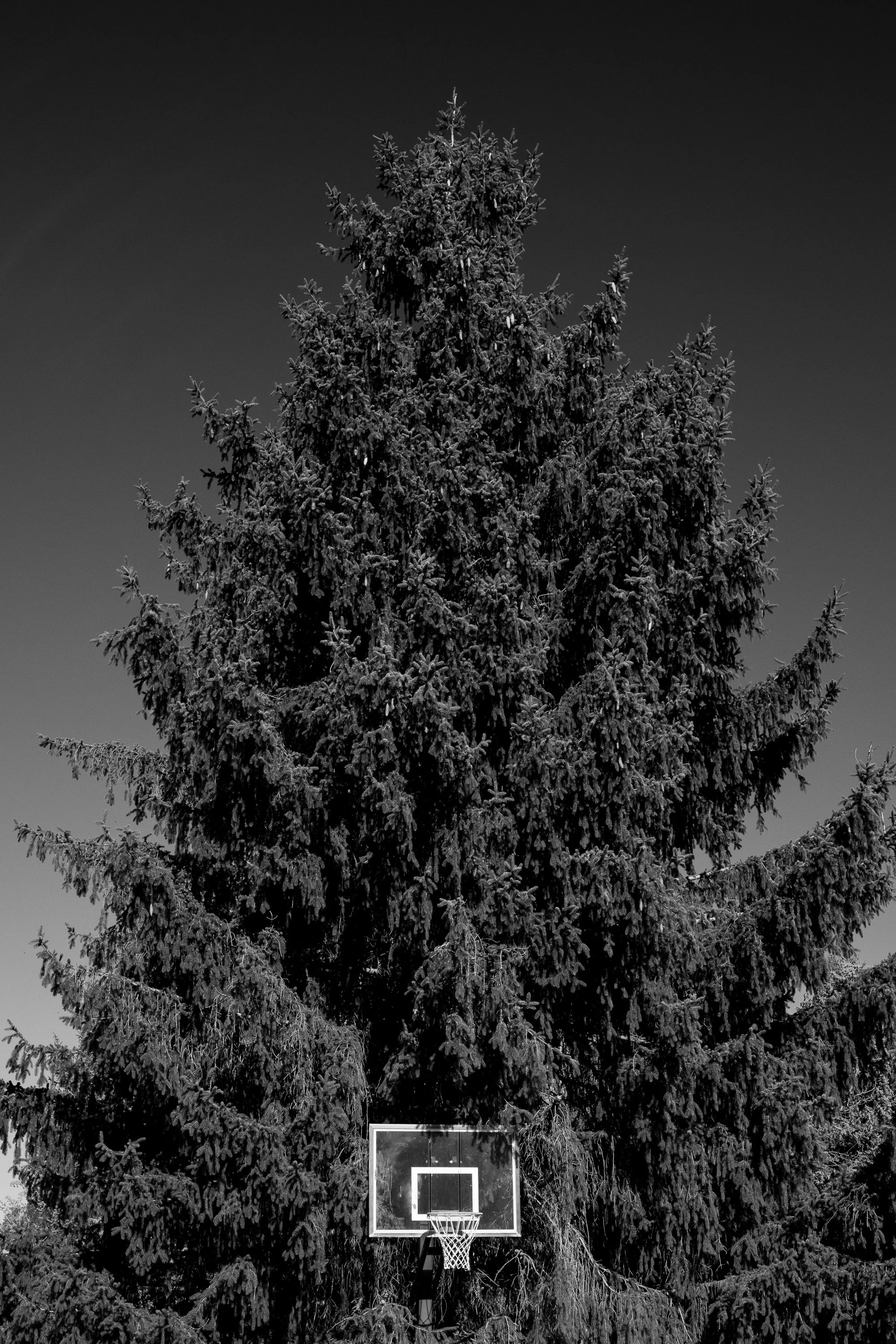
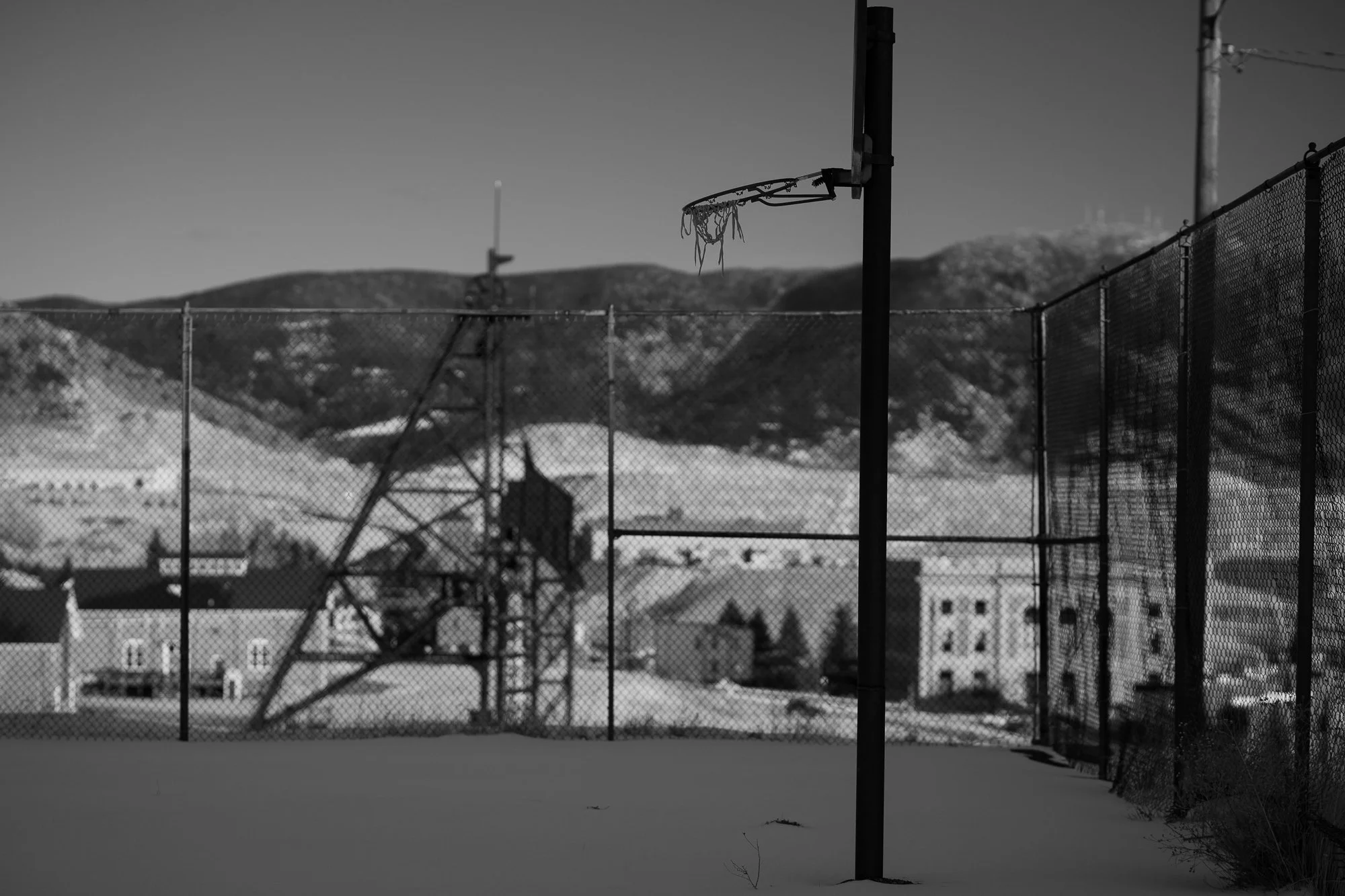
Fifteen years ago, I stopped to photograph a basketball hoop.

At the time, I had no idea that a single photograph would eventually turn into a long-term documentary project spanning thousands of miles, hundreds of towns, and countless back roads across America.

I certainly never imagined the work would be featured by ESPN, NBA TV, SLAM Magazine, Sports Illustrated, galleries, museums, and books about basketball culture.

But that is the strange thing about long-term projects. They rarely begin with a grand plan. More often, they start with curiosity.

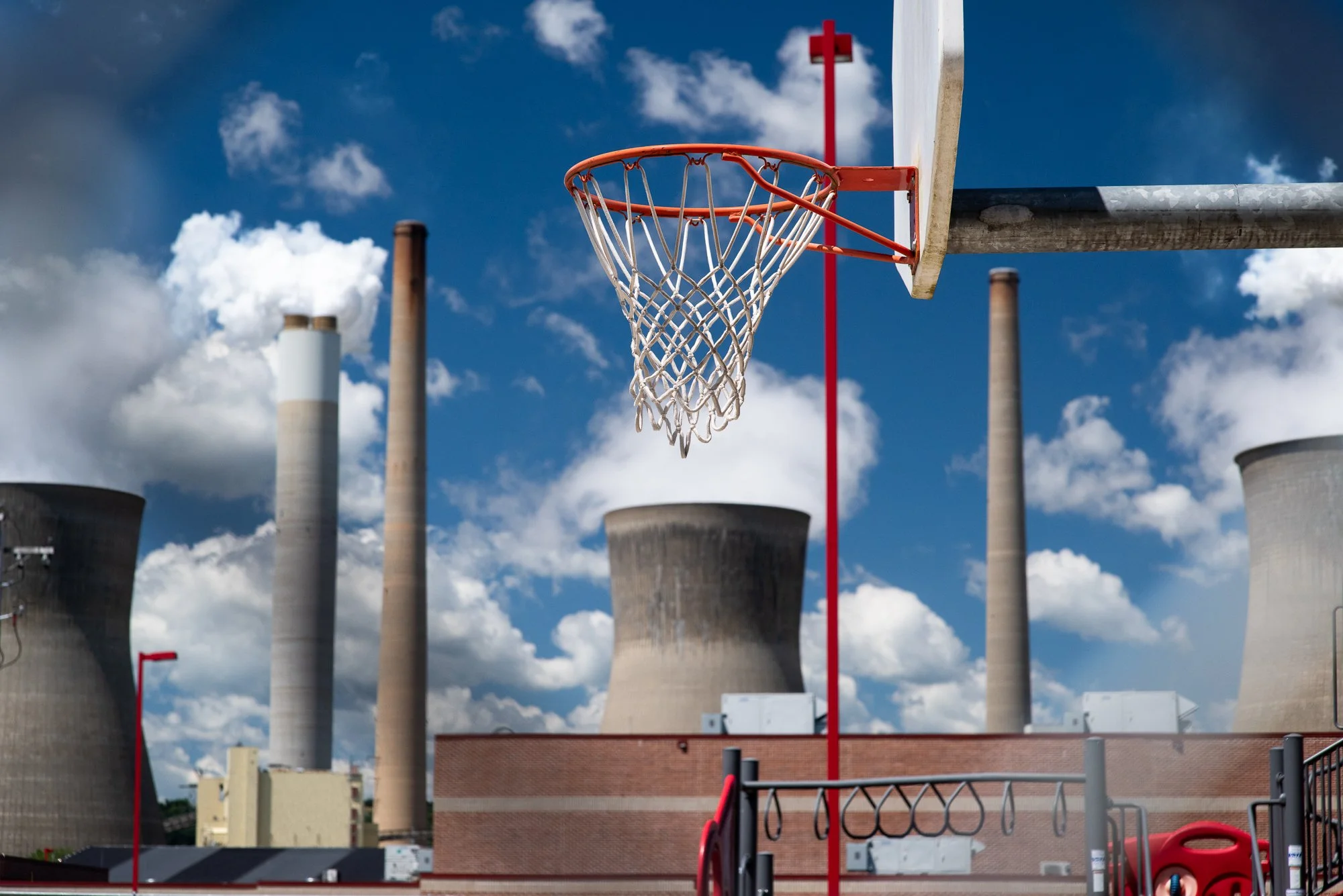
The project that would eventually become American Backcourts began with a simple observation: basketball is everywhere!

Not just on organized courts or in cities known for basketball, but in places where you least expect them.

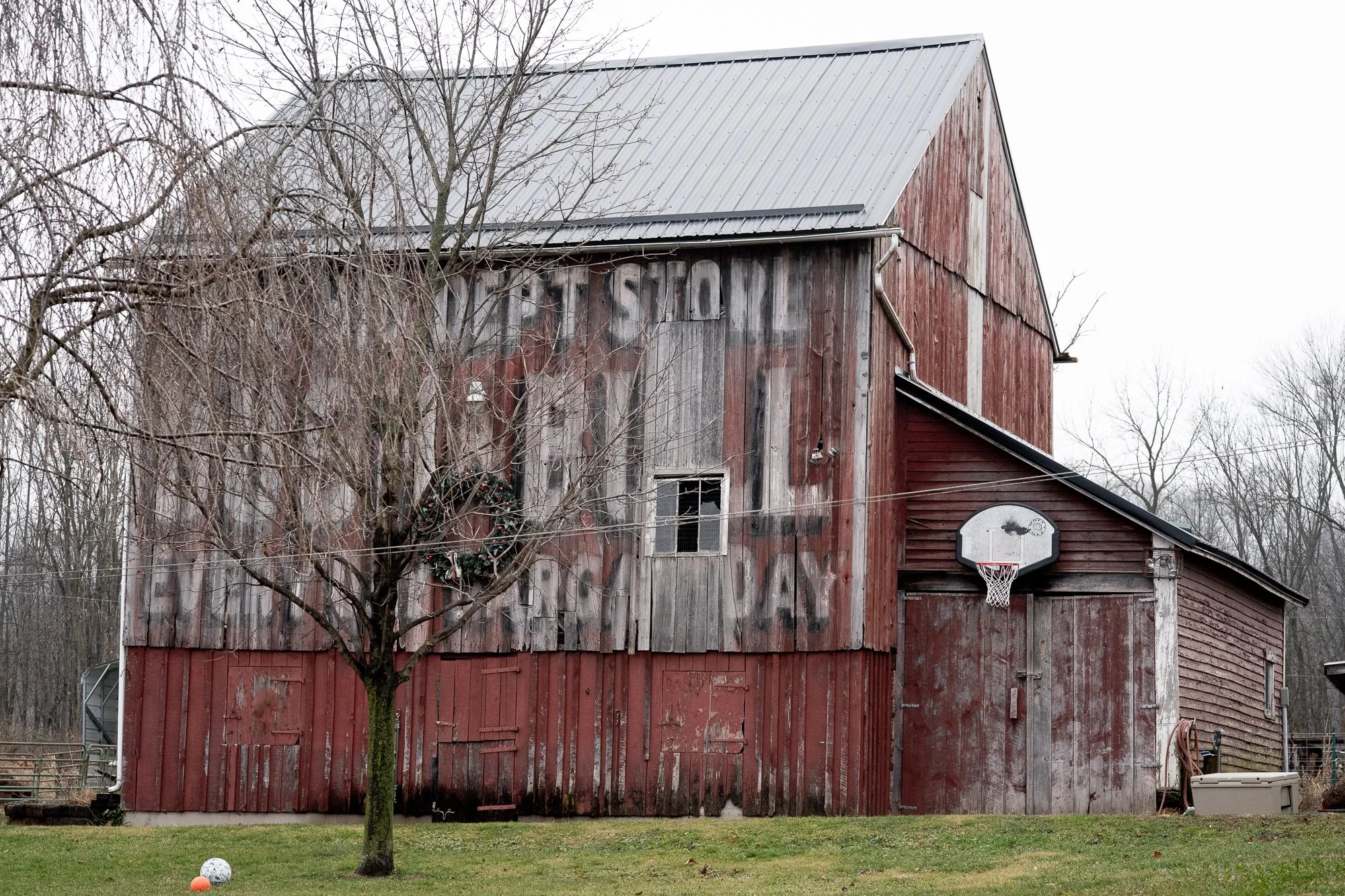
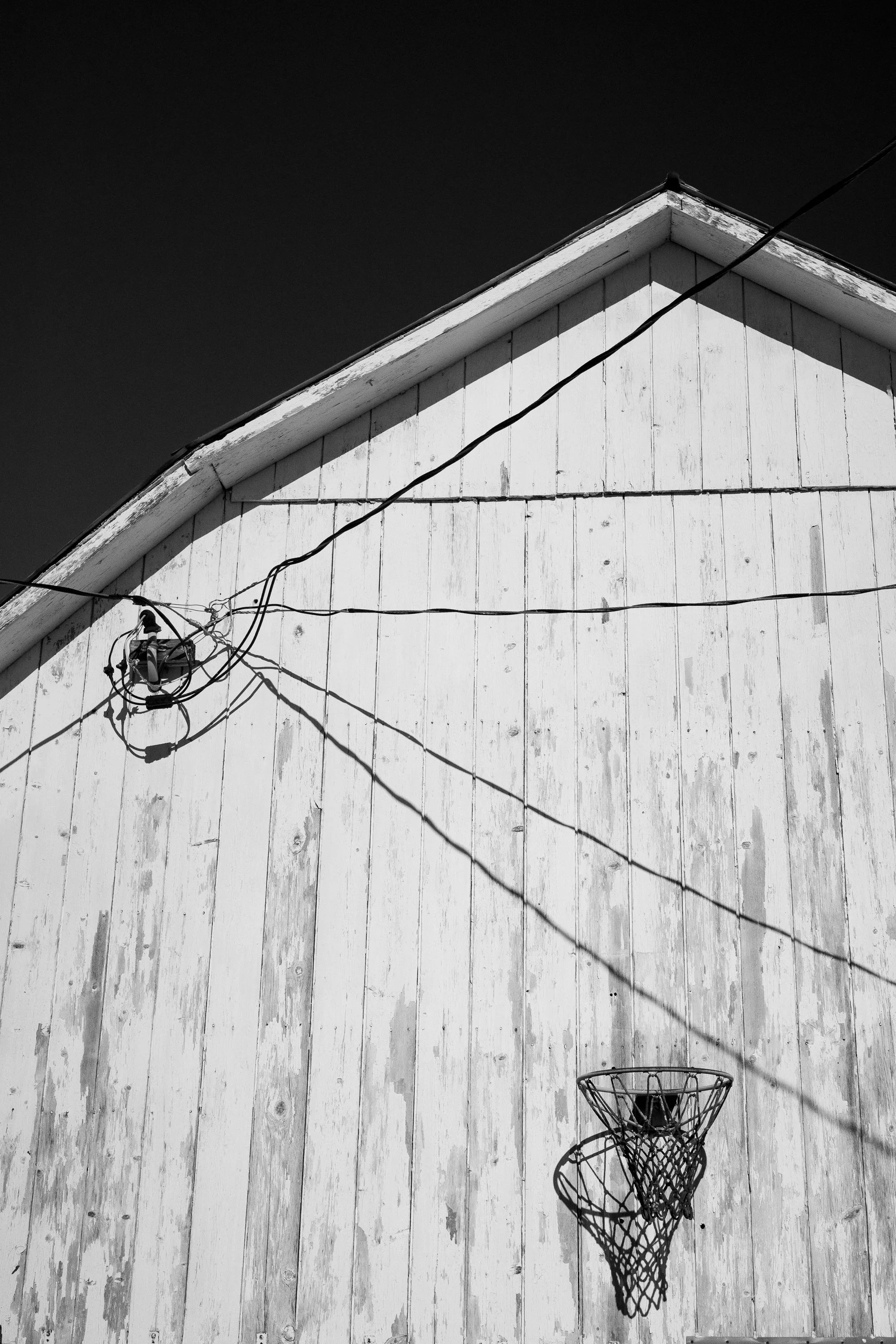
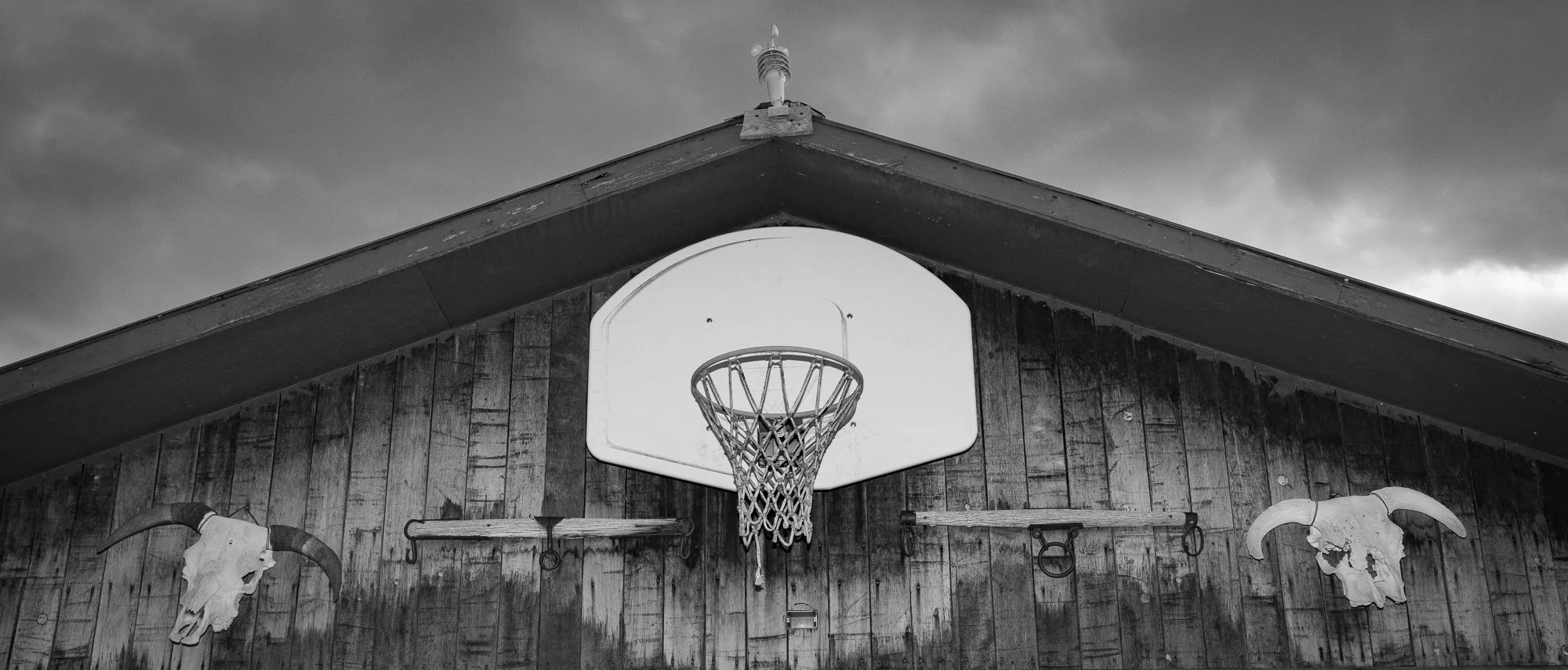
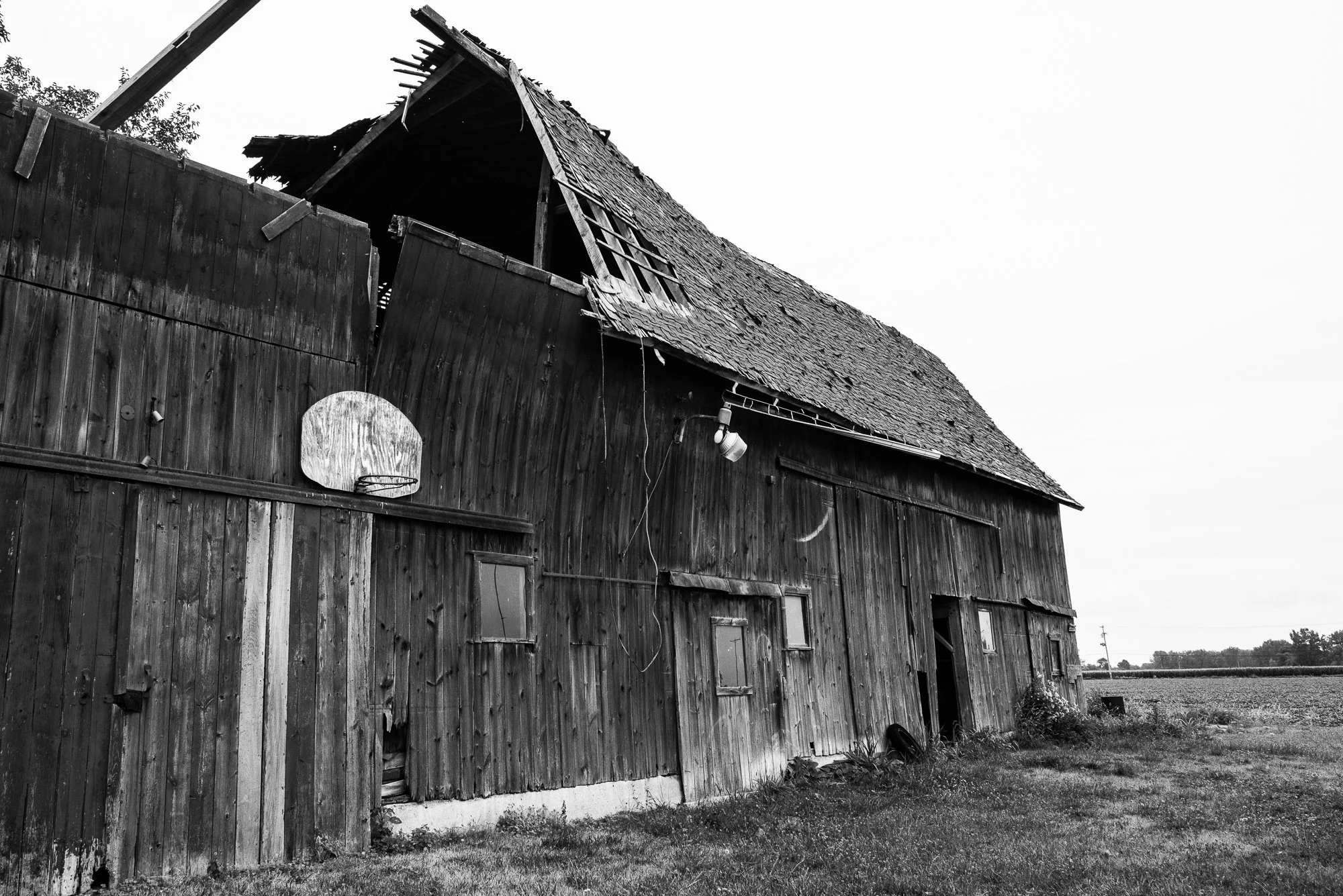
Beside barns.

Behind gas stations.

In alleyways.

At the edge of small towns.

In deserts.

Along fishing harbors.

On ranches.

In forgotten corners of America where a basketball hoop feels both completely out of place and perfectly at home.
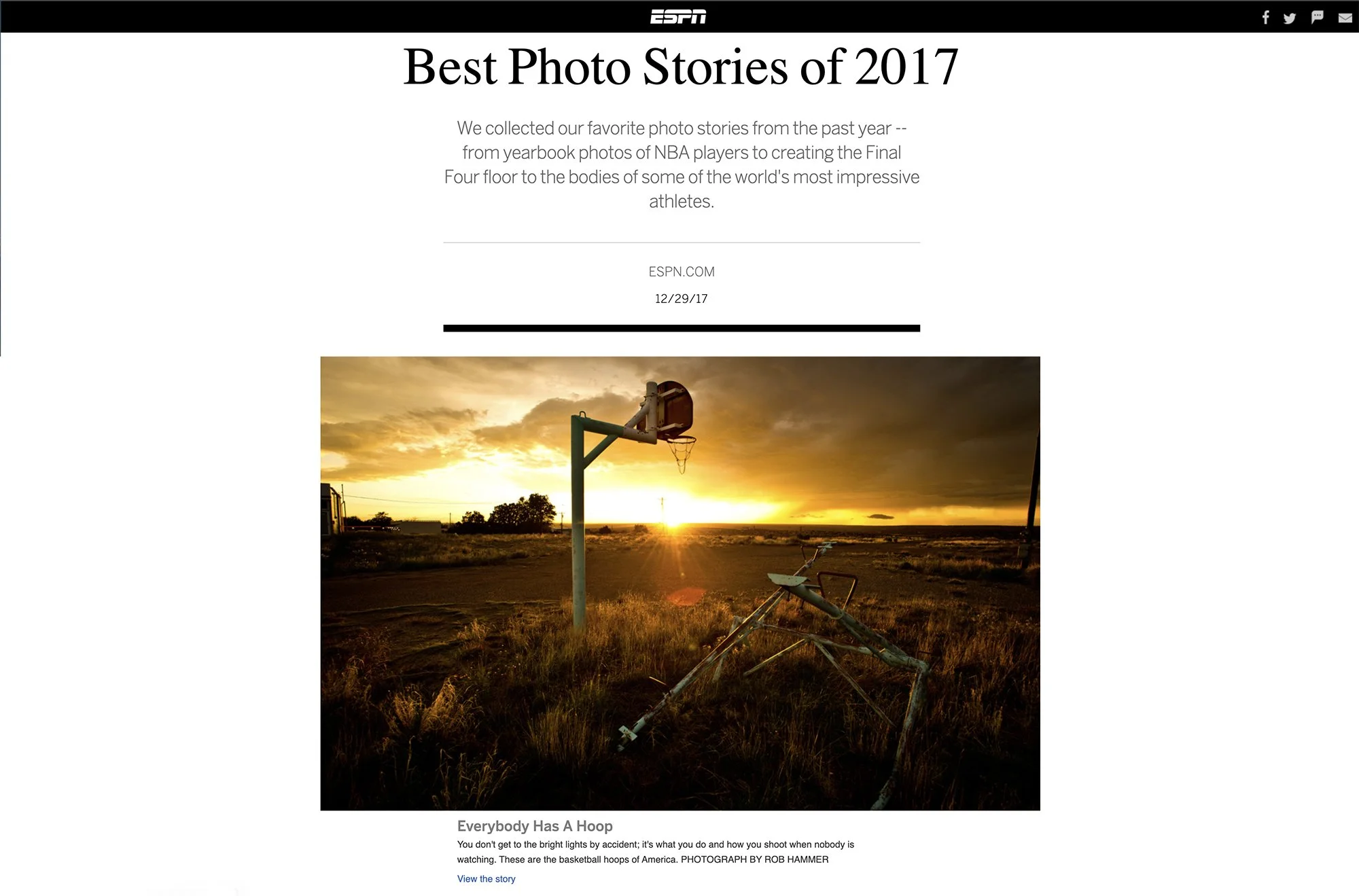
American Backcourts featured as a best photo story of 2017 in ESPN

Looking Back on Fifteen Years of American Backcourts

Over the years, the project has taken me through nearly every corner of the country.

I've photographed hoops in major cities and tiny farming communities. I've found them attached to garages, mounted on telephone poles, hanging from trees, and built from scrap materials. Some courts were full of life. Others looked like they hadn't seen a basketball in decades.

What fascinated me was never the hoop itself.

It was what the hoop revealed about the people and places around it.

Every basketball hoop tells a story.

Sometimes it speaks about community.

Sometimes it speaks about isolation.

Sometimes it speaks about childhood memories, long summer evenings, or the passage of time.

The longer I worked on the project, the less it felt like a series about basketball and the more it felt like a portrait of America.
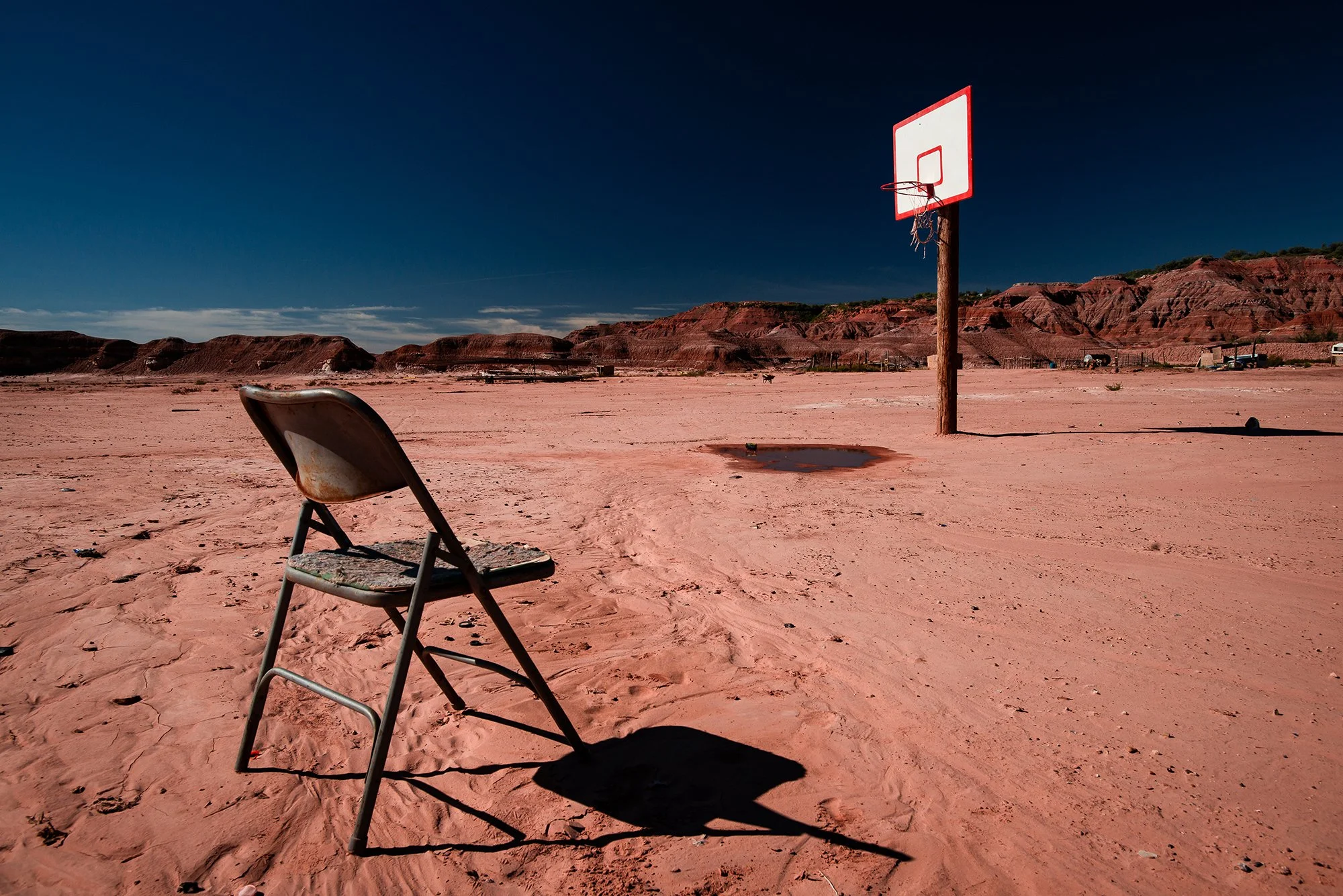
Basketball hoop and folding chair on a red desert court

A basketball hoop stands on a red desert court with a folding chair nearby, showing how the game appears in unexpected places across America.

Why Basketball Hoops?

People occasionally ask why I have spent so many years photographing basketball hoops. The answer has changed over time. In the beginning, I was drawn to the visual qualities of the structures themselves and the stories they told. The shapes, colors, weathering, and the way they interacted with the surrounding landscape.As the project grew, I became interested in something deeper.

Basketball hoops are one of the few objects that appear across nearly every social, economic, and geographic boundary in America. You can find them in wealthiest suburbs and most struggling ghettos. Basketball is everywhere and loved by all people.

The game requires very little. A hoop, a ball, and a place to play.

Because of that simplicity, basketball has become woven into the American landscape in a way few other sports have.
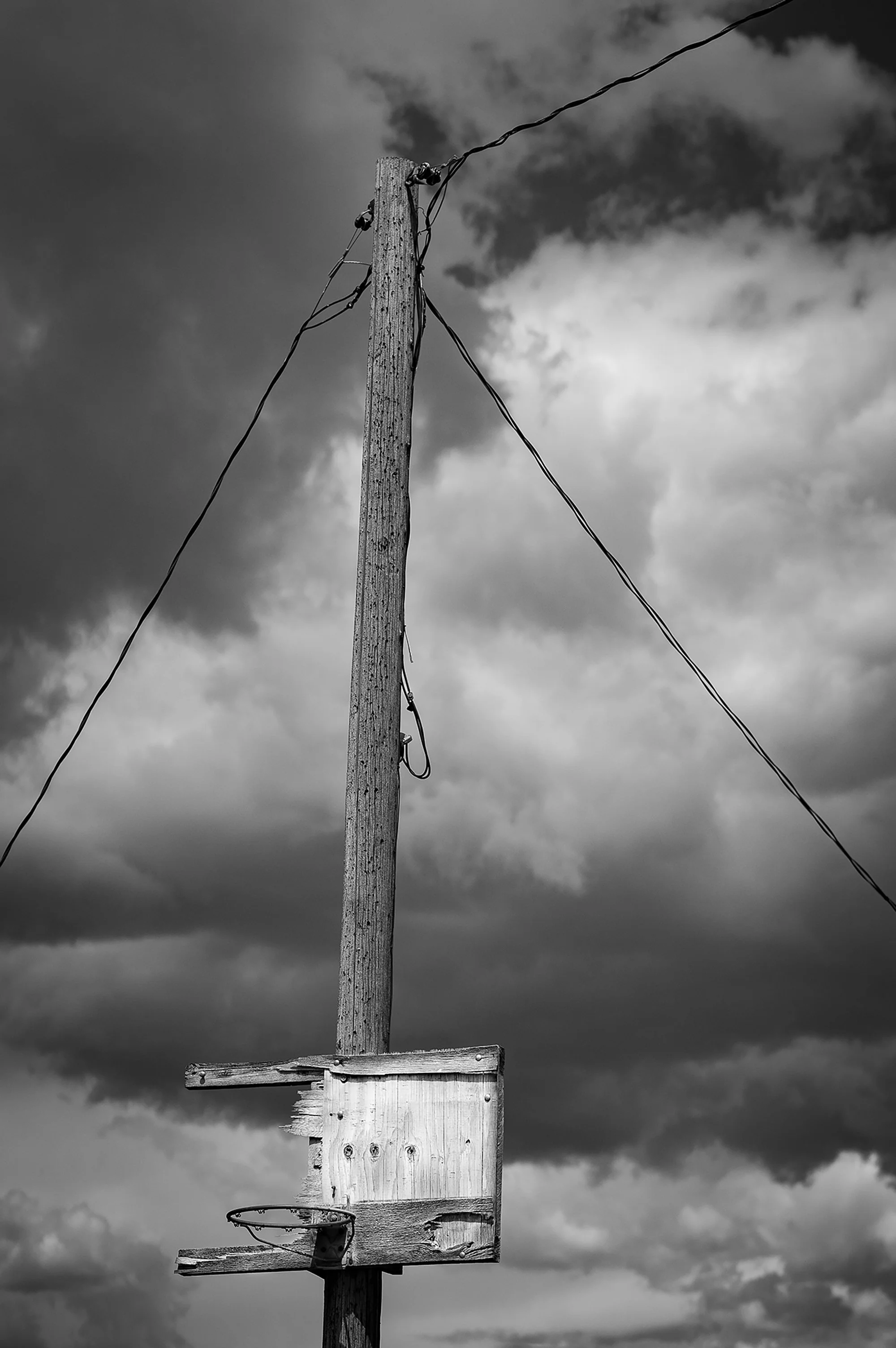
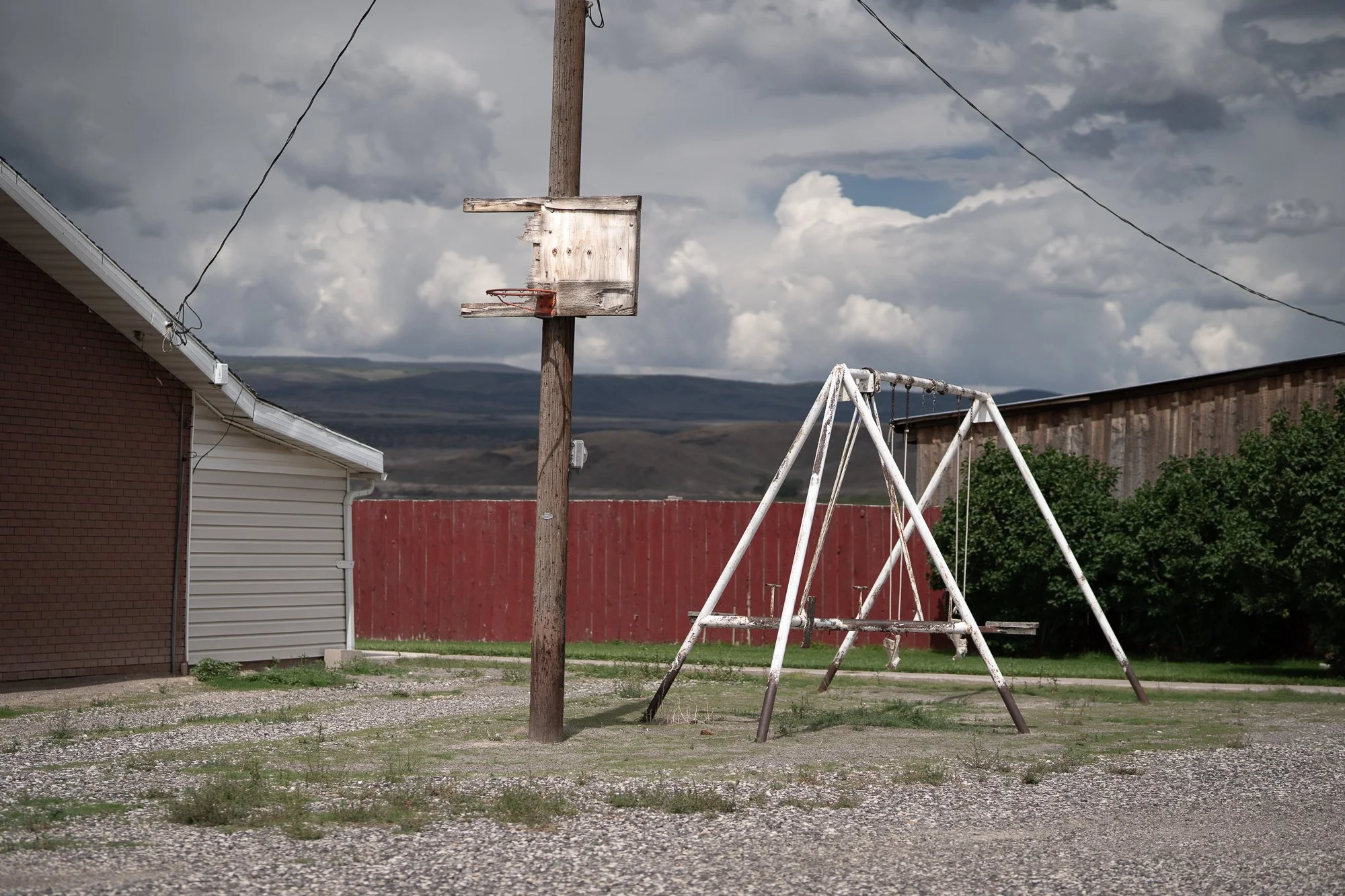
Weathered basketball hoop and wooden utility pole beneath dark storm clouds

Beneath a wooden utility pole and dark clouds, a weathered hoop reflects the roadside structures documented throughout American Backcourts.

When ESPN Took Notice

In 2017, ESPN included American Backcourts among its selections for the Best Photo Stories of the Year.

Seeing the project featured alongside work from some of the most respected photographers and storytellers in sports media was both surprising and humbling.

What meant the most was not the recognition itself. It was the realization that a project focused on old basketball hoops in overlooked places had connected with people beyond the photography world. The editors at ESPN understood something I had been discovering for years. These photographs were never really about basketball equipment.

They were about culture.

Memory.

Geography.

Identity.

They were about the relationship between a game and the places where people play it.

At the time, ESPN also featured the project through a short video presentation narrated by Jalen Rose that introduced the work to an even broader audience

Looking back now, that moment feels less like a destination and more like one chapter in a much longer story.
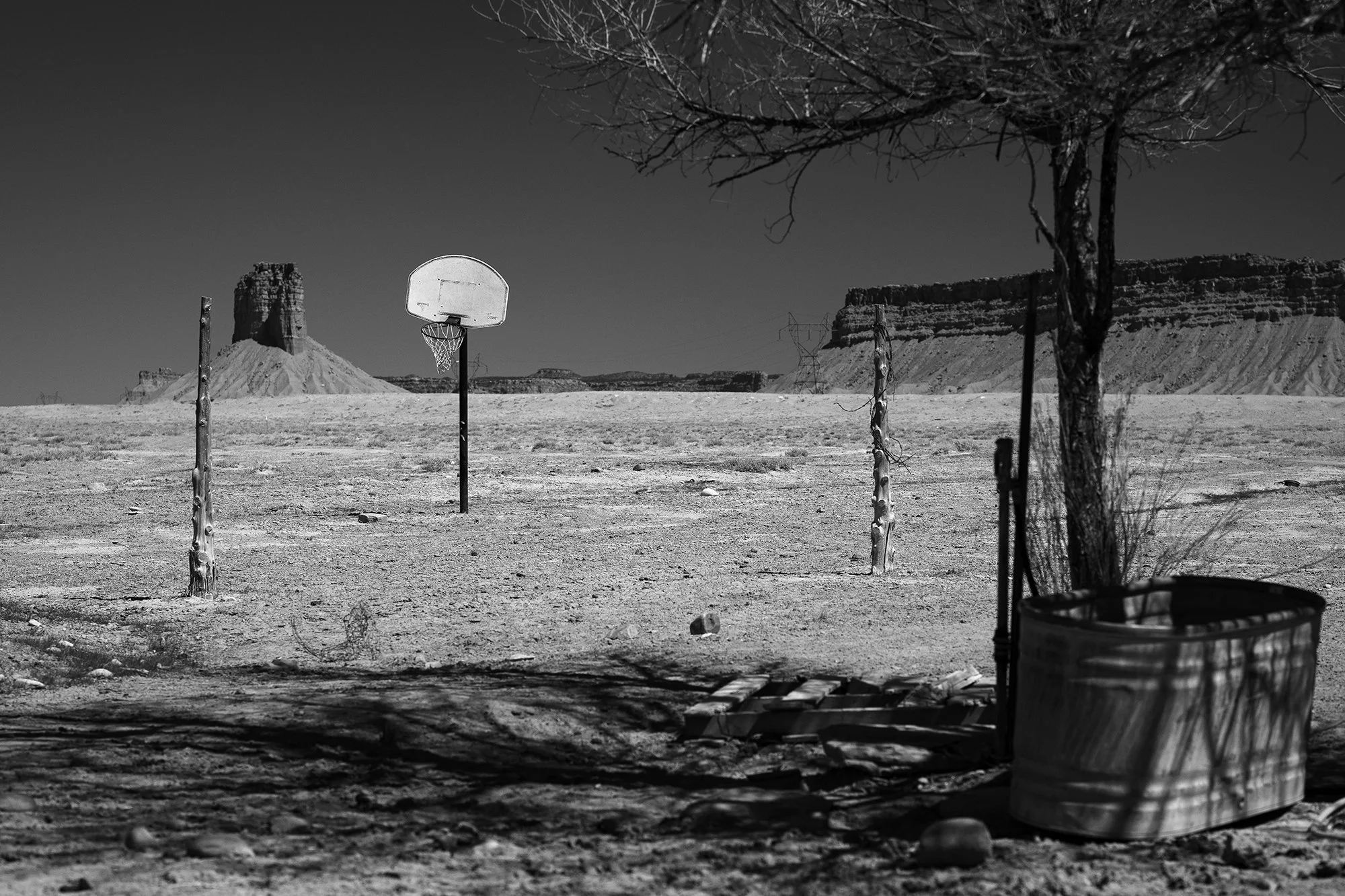
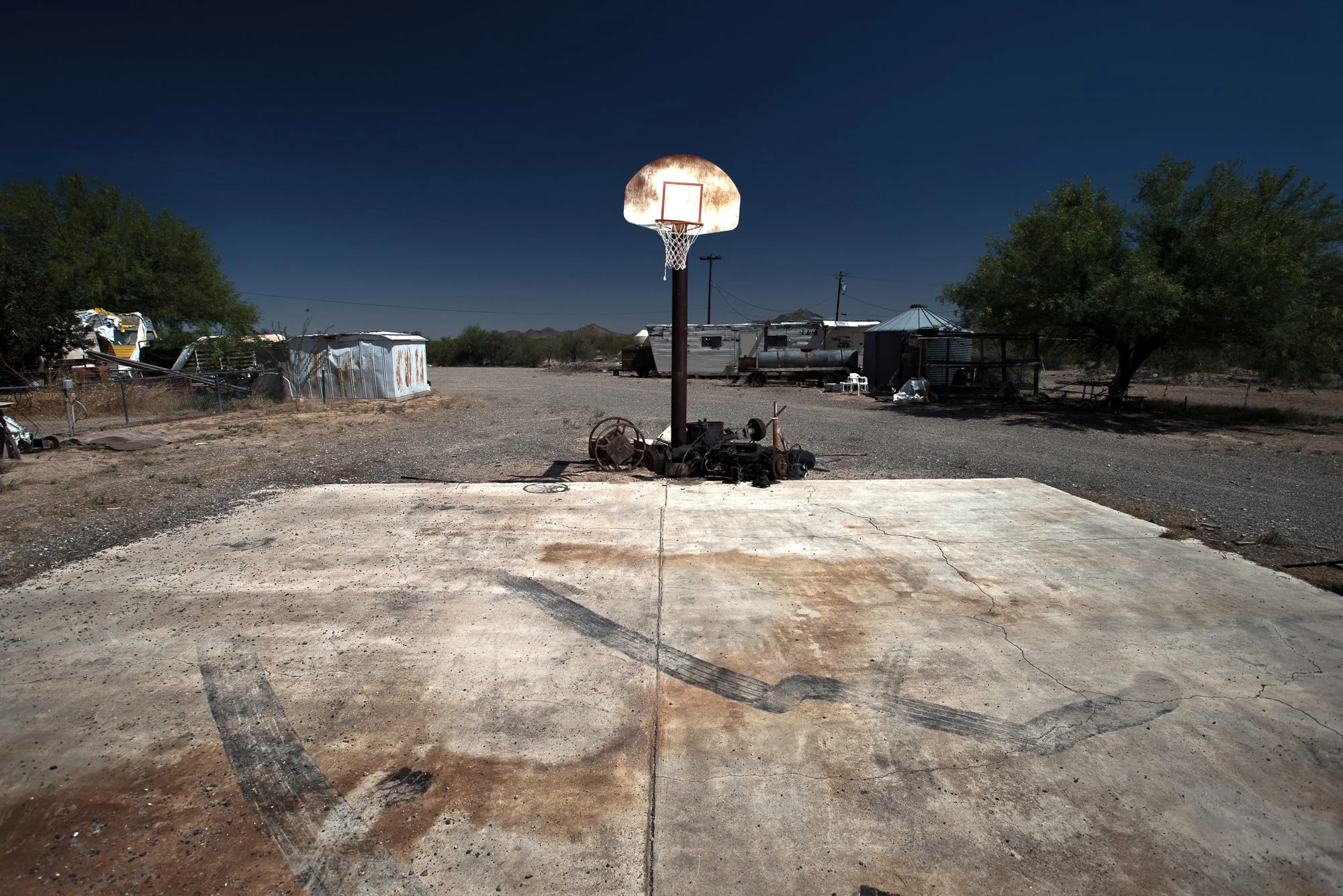
Basketball hoop standing in a desert landscape with cliffs in the background

Set against an open desert landscape, this basketball hoop shows how the game appears far beyond traditional courts.
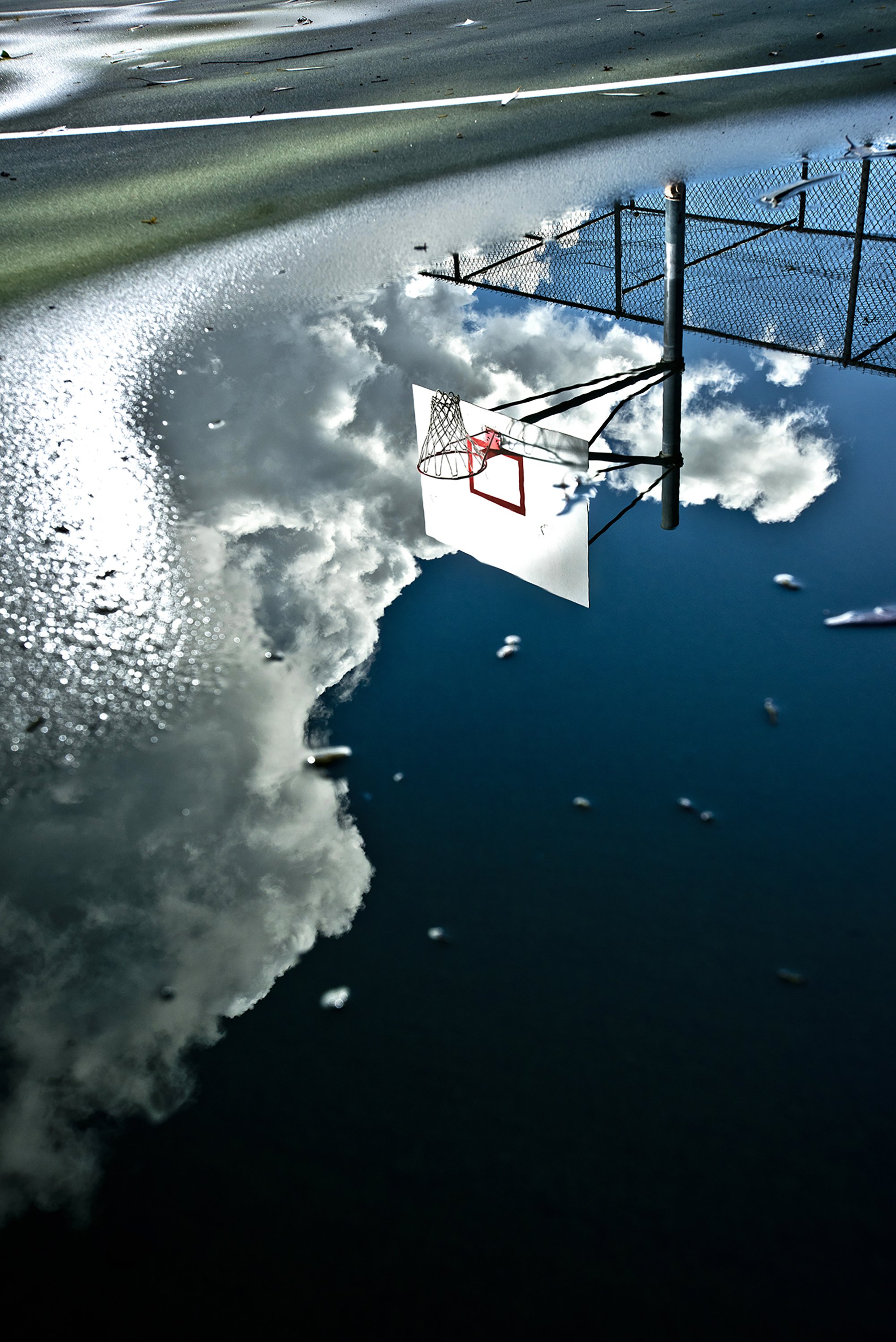
Basketball hoop reflected in a puddle on an outdoor court

Caught in the reflection of standing water, the hoop becomes part of the quiet backcourt details photographed for American Backcourts.

What the Project Has Become

Since that feature, American Backcourts has continued to grow.

The photographs have been exhibited in galleries and museums, featured by NBA TV and SLAM Magazine, and included in fine art books documenting basketball culture around the world.

The project has expanded beyond America as well, with photographs made in places such as Vietnam and Europe.

Yet the heart of the work remains unchanged.

I am still searching for the same thing I was searching for fifteen years ago.

A basketball hoop that tells a story.

A place that most people would drive past without noticing.

A reminder that basketball exists far beyond arenas, television broadcasts, and professional sports.
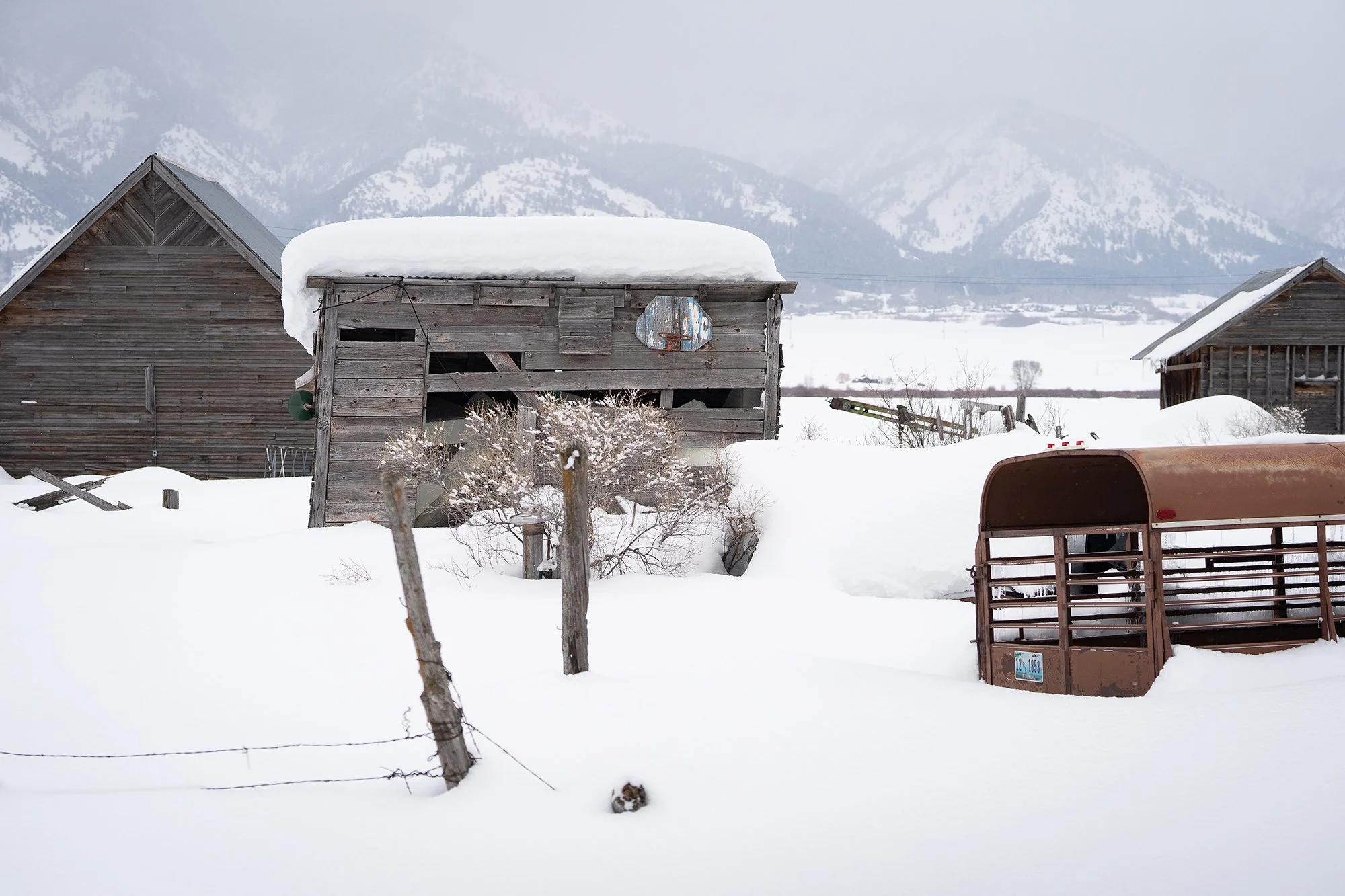
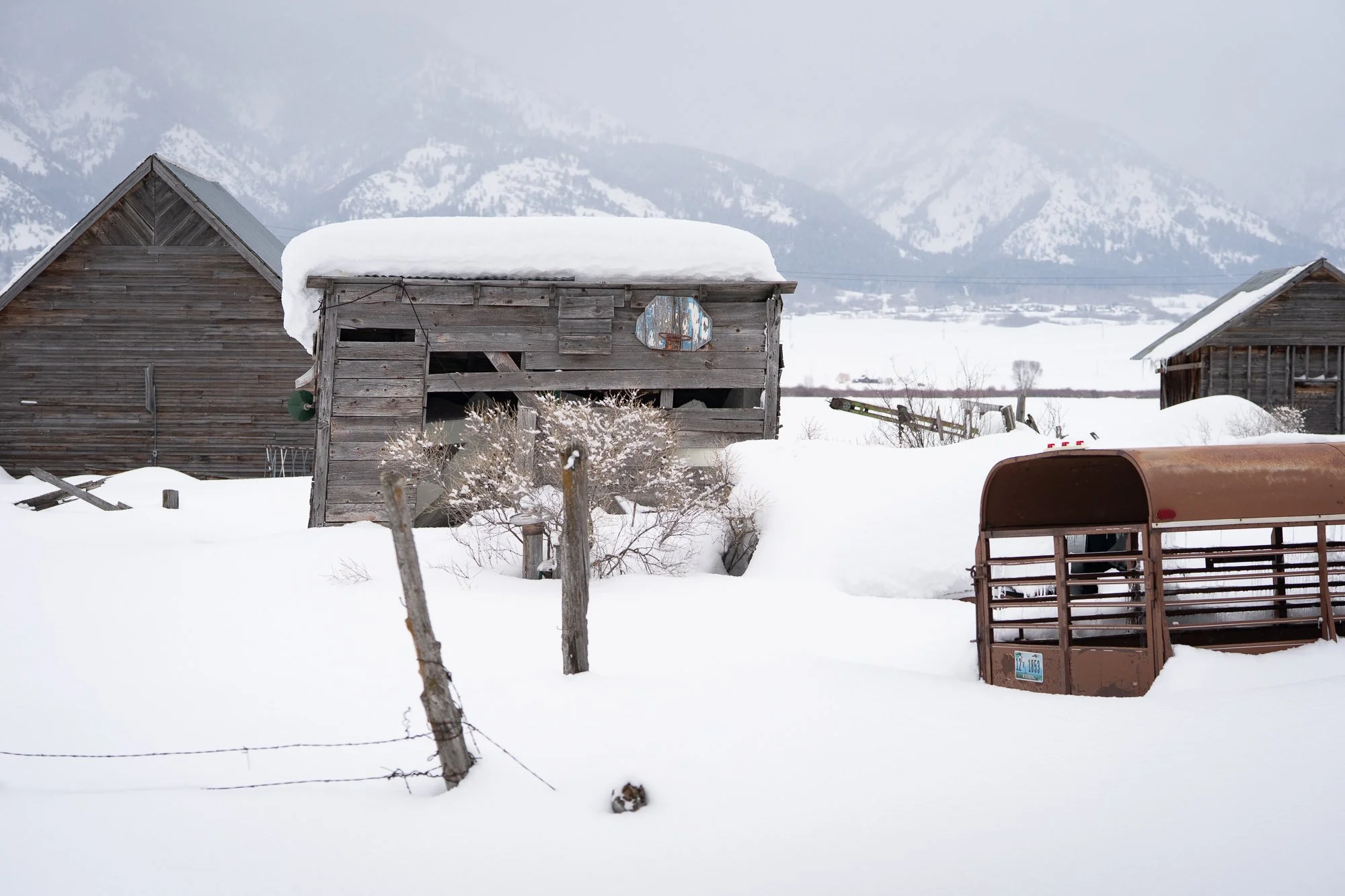
Basketball hoop mounted on a snowy barn with mountains in the background

A small basketball hoop sits on the side of a snow-covered barn, showing the quiet rural places photographed for American Backcourts.

The Hoops I Remember Most

When people see a large collection of photographs, they often assume the most memorable images are the famous ones.

The truth is usually the opposite.

The photographs I remember most are often tied to places rather than pictures.

A lonely hoop at sunset on a back road in the Southwest.

A weathered backboard standing against a winter storm.

A handmade rim attached to a building in an alley.

A court where no one was playing, but where you could still feel the presence of the people who once did.

Those moments are why I continue to photograph the project.

Not because I expect to find the perfect hoop.

But because each one offers a small glimpse into a larger story.
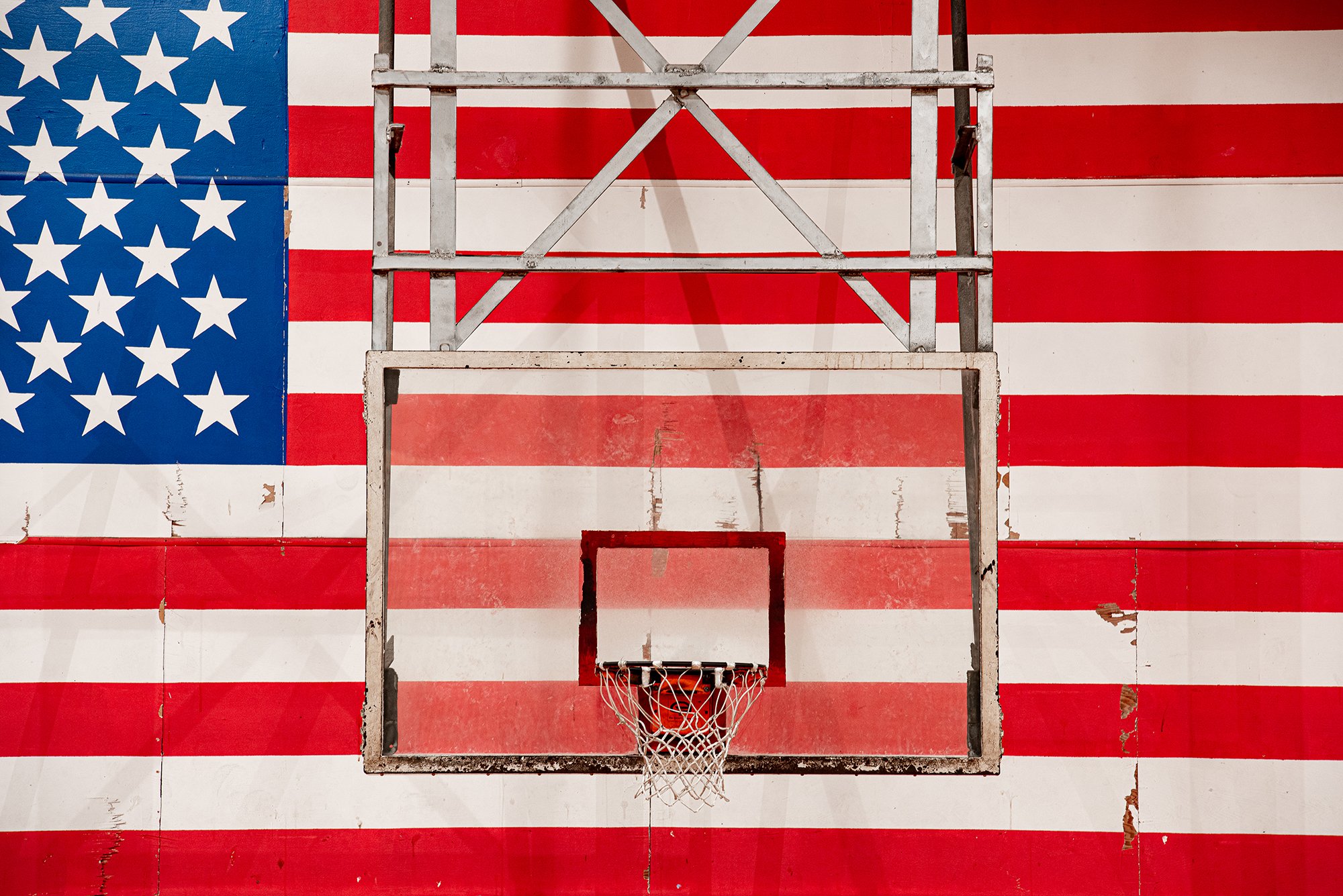
Basketball hoop in front of a large American flag wall

Against a large American flag, the hoop becomes part of the broader visual language of basketball in America.

Fifteen Years and Counting

The longer I work on American Backcourts, the more I realize the project is not really about finishing.

There will always be another town, another road, another hoop waiting somewhere ahead.

What began as a simple idea has become one of the longest-running projects of my career, and it continues to evolve with every mile traveled.

Looking back at the ESPN feature now, I am grateful for the recognition. More importantly, I am grateful that the project continues to resonate with basketball fans, collectors, designers, and people who see something of themselves in these photographs.

Fifteen years later, I still stop for basketball hoops.

And I suspect I always will.

American Backcourts Prints and Photography

Many of the photographs from American Backcourts are available as fine art prints for collectors, basketball enthusiasts, designers, and anyone who appreciates the intersection of sport, culture, and the American landscape.

To learn more about available basketball hoop photography prints, exhibitions, or licensing opportunities, please visit the American Backcourts gallery or get in touch through the contact page.
View the American Backcourts gallery

View the basketball hoops print collection

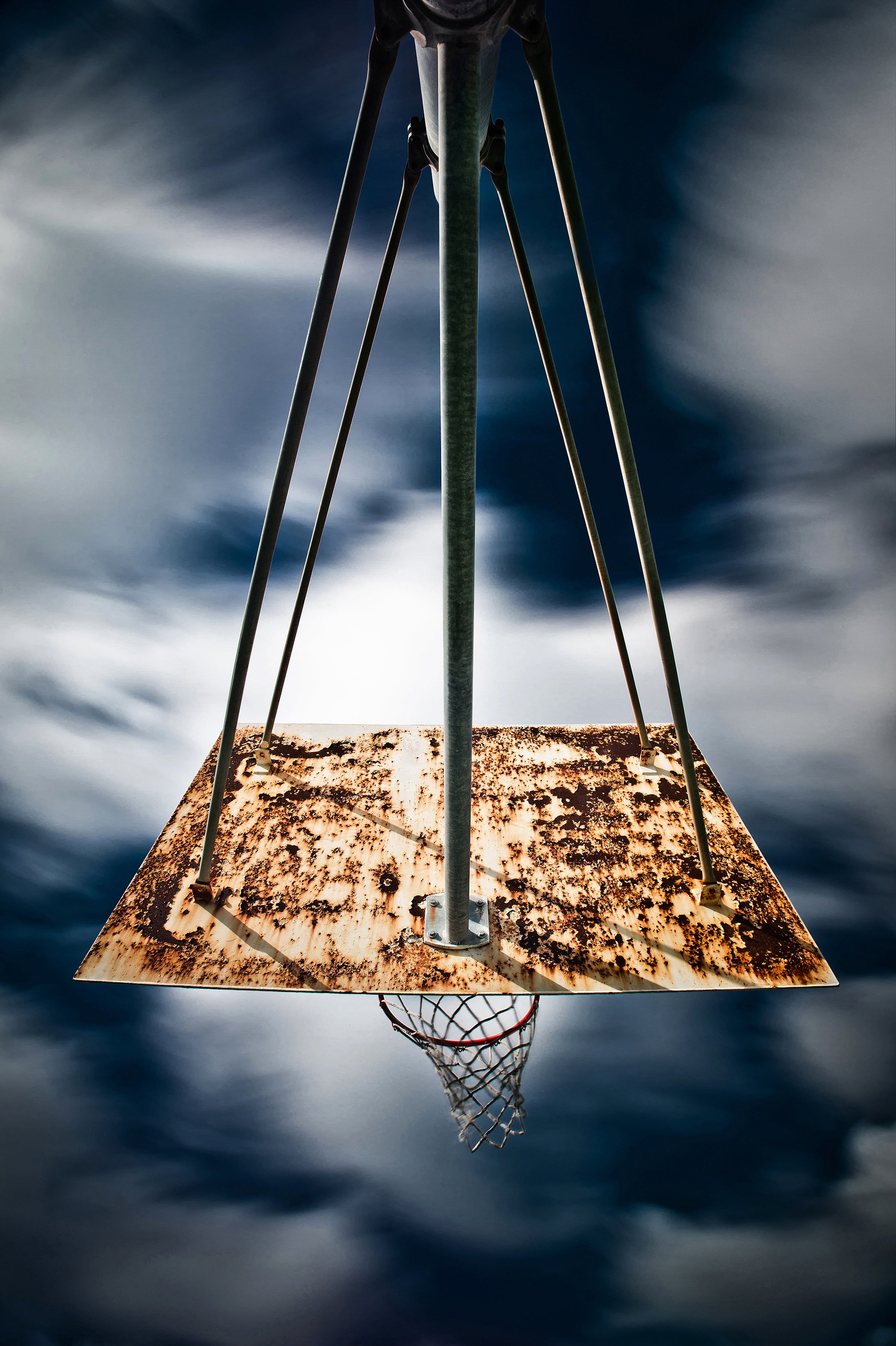
Rusted basketball hoop and backboard seen from below against a cloudy sky

A rusted basketball hoop is photographed from below against a moving sky, emphasizing the weathered structures found throughout American Backcourts.
Roadside Photography in America — Small Towns, Quiet Roads & Stillness

Roadside Photography Across the USA: Small Towns, Country Roads & Quiet Places

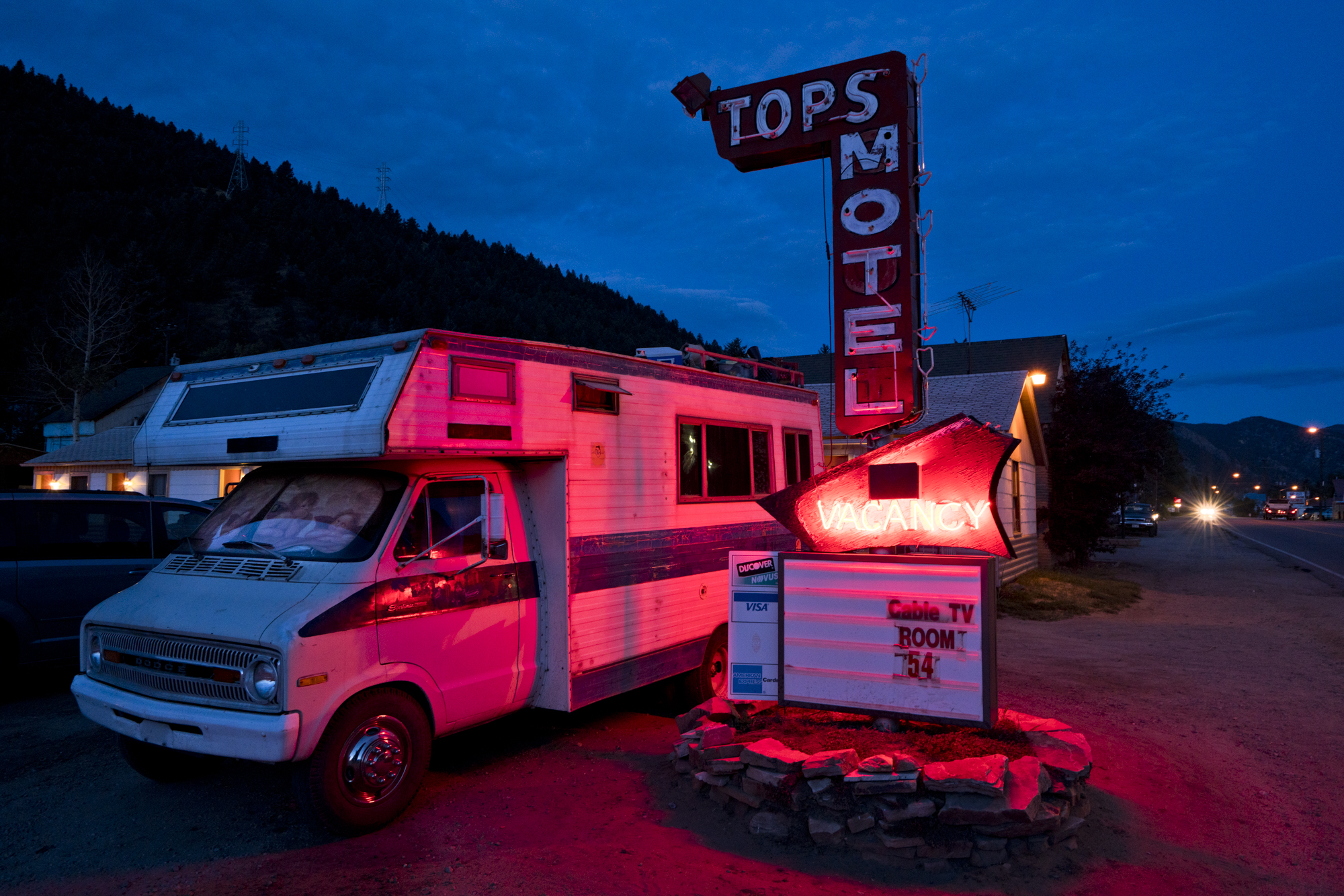
This body of roadside photography from across the United States focuses on small towns, country roads, and the overlooked spaces between destinations. Made while traveling secondary highways through places like Iowa, Utah, Nevada, Virginia, and California, these photographs slow down the idea of the American road trip and shift attention away from landmarks toward quieter moments. The work comes from a long-term project that eventually became my book, Roadside Meditations—a photographic exploration of stillness, distance, and the visual language of everyday America.
Photographing America Beyond the Interstate

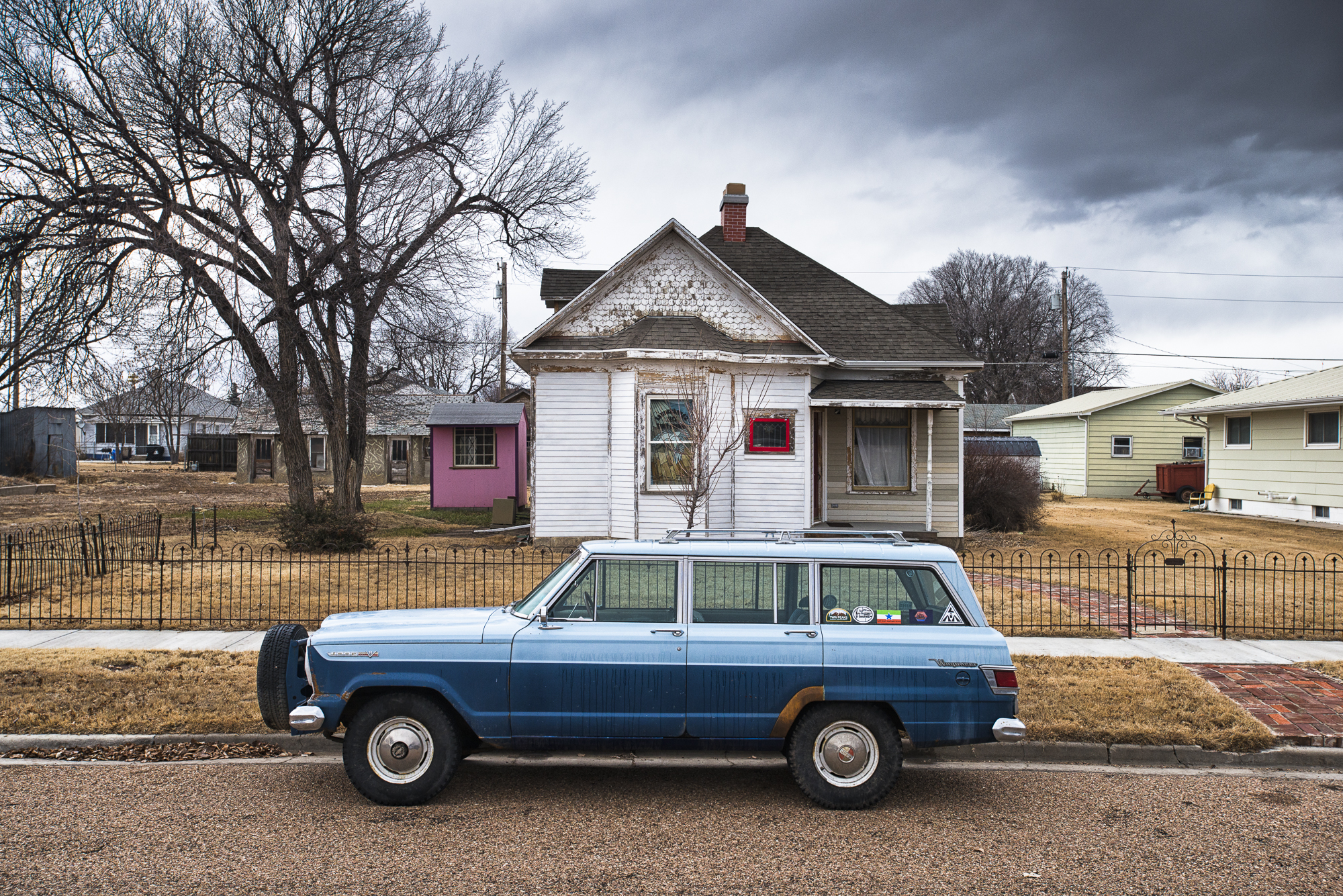
Much of American road trip imagery centers on motion—crossing state lines, reaching destinations, ticking off places on a map. This work was made by doing the opposite. Instead of interstates and major routes, I spent years driving back roads, county highways, and rural connectors where towns thin out and time feels less compressed.

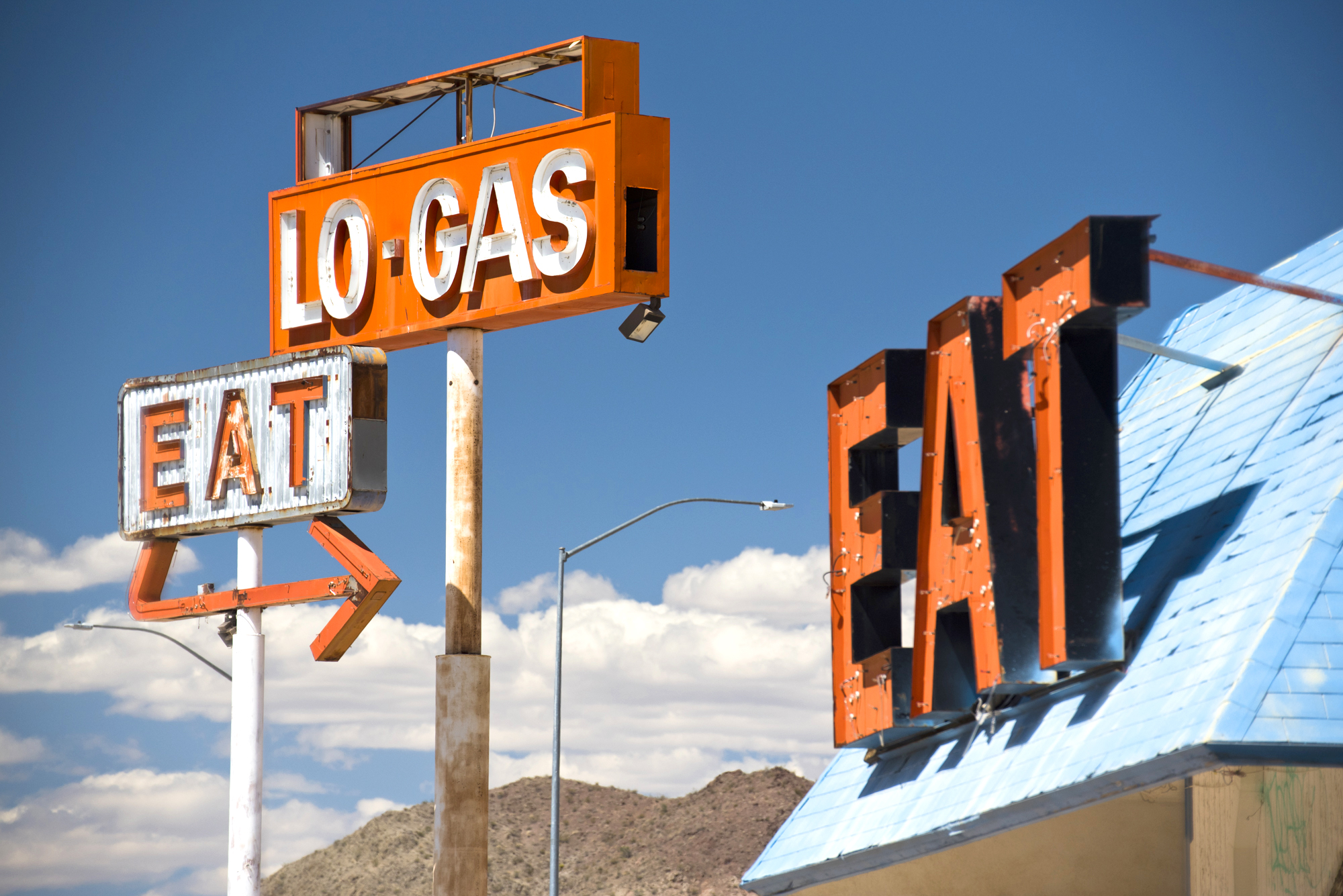
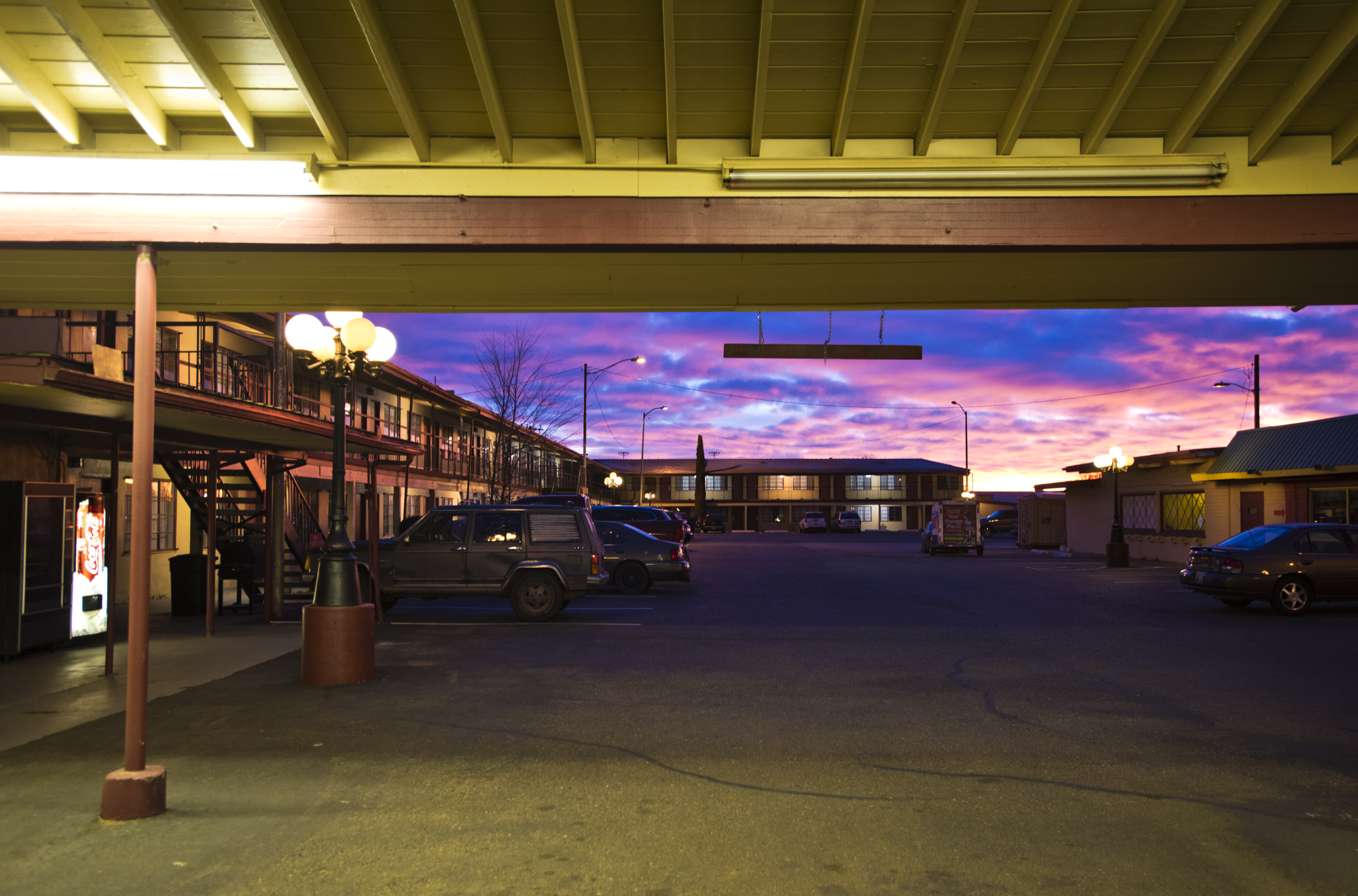
These roadside photographs aren’t about where you’re going. They’re about where you pause. A quiet diner at dusk. A sun-bleached sign. An empty stretch of road that doesn’t ask for attention but rewards it if you stop. This approach allows the landscape to reveal itself slowly, without narrative pressure or spectacle.

Small-Town America and the In-Between Places

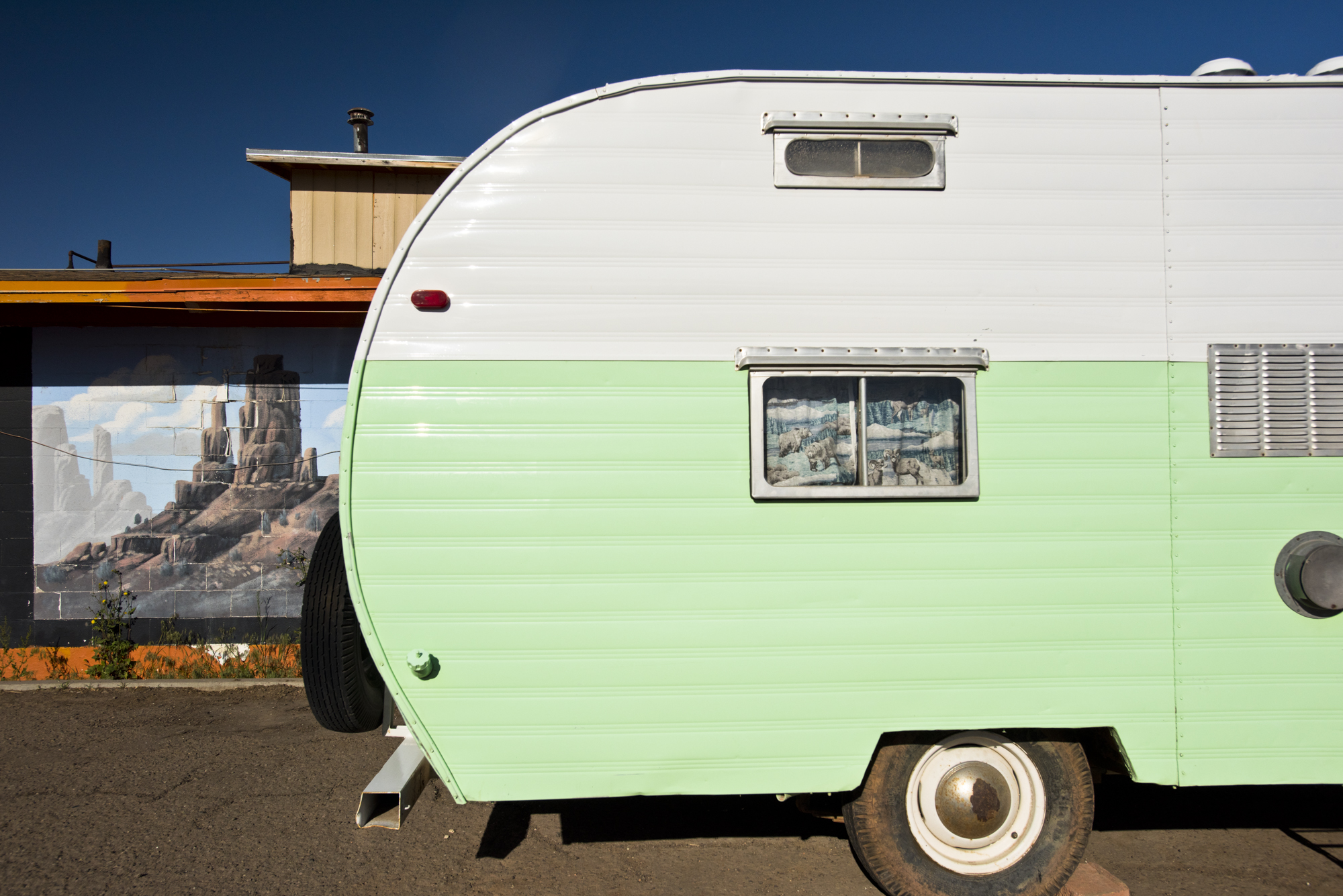
The photographs in this series were made in places most travelers pass without stopping—small towns, agricultural regions, and rural outskirts where commercial life has softened or shifted over time. These in-between places are rarely presented as destinations, yet they form the connective tissue of the American landscape.

By photographing these locations without dramatization, the images lean into quiet observation. The goal isn’t nostalgia or critique, but presence. These towns and roads exist as they are—weathered, functional, sometimes fading—holding layers of American life that often go undocumented in contemporary photography.

A Slow, Observational Approach to Roadside Photography

The photographs in this post were made over many years, often while driving alone, without a fixed itinerary. Working slowly is central to the process. I look for moments when light, geometry, and stillness align—scenes that feel complete without intervention.
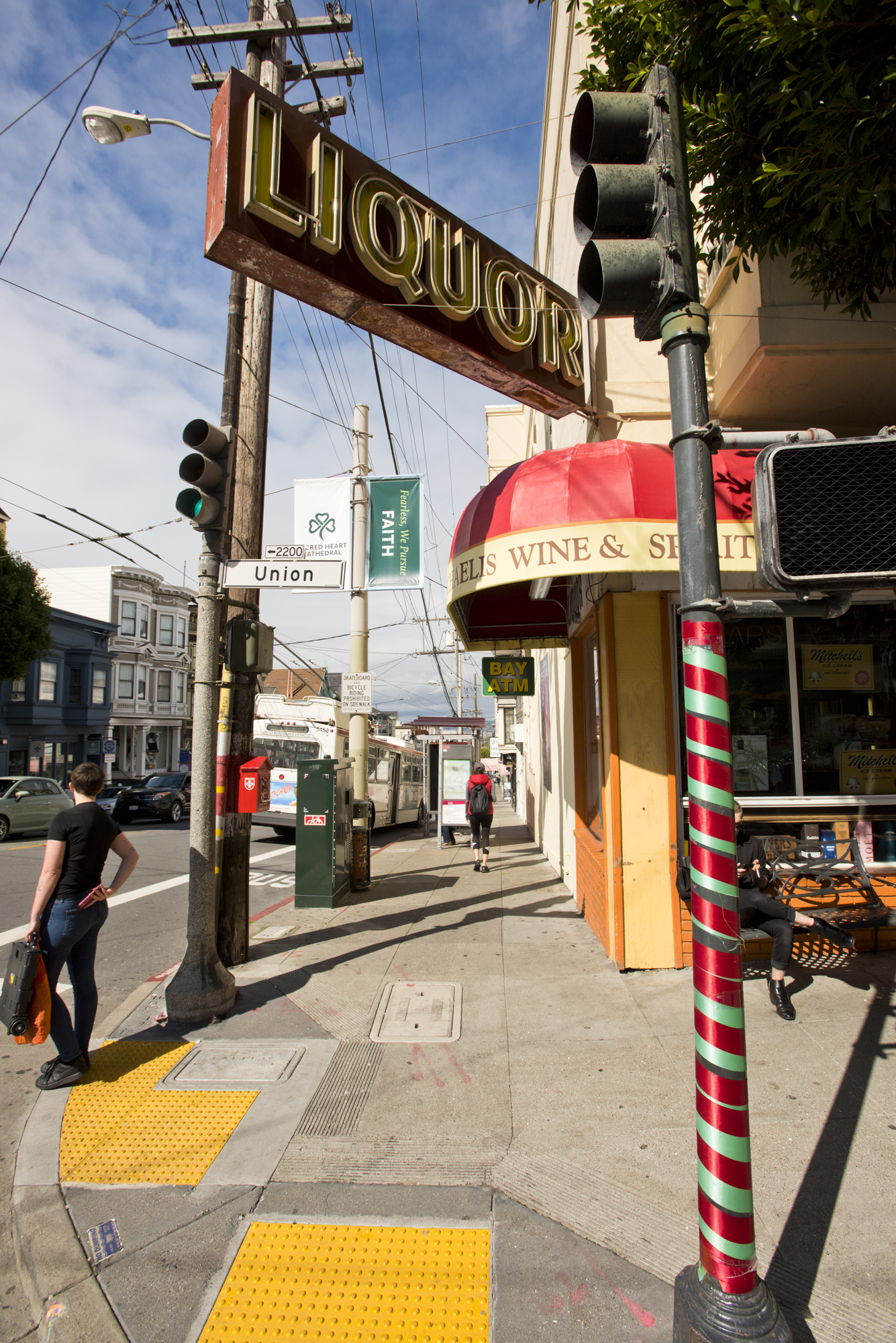
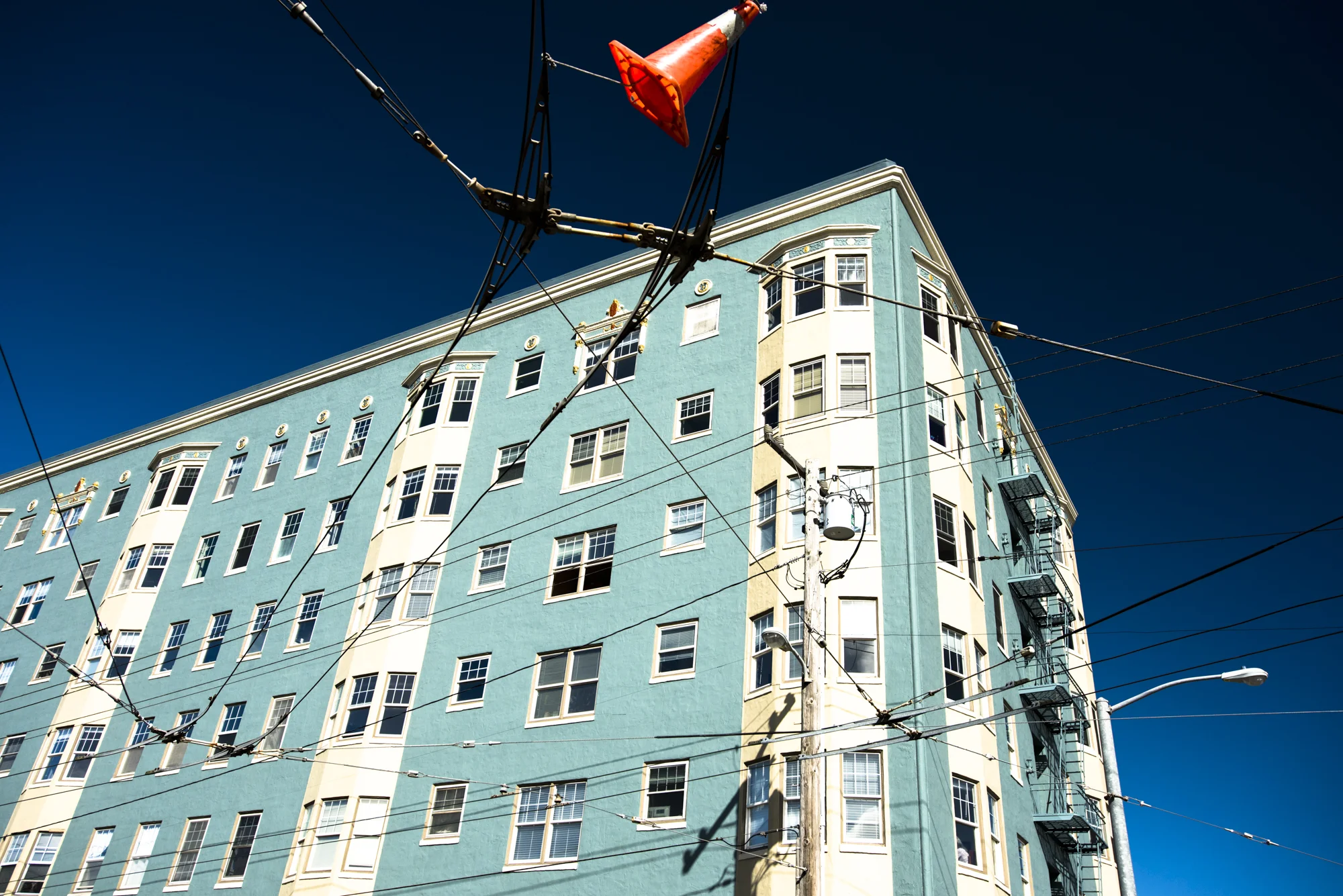
There are no staged elements and no attempt to “improve” what’s already there. The camera becomes a tool for noticing rather than arranging. This method allows the work to remain open-ended, inviting viewers to bring their own experiences and memories into the frame.

From Long-Term Project to Roadside Meditations

Select images from this body of work eventually became the book Roadside Meditations, a collection shaped by years of sustained attention to the American roadside. The book brings these photographs together as a single visual conversation—one that reflects on travel, stillness, and the quiet spaces that exist alongside movement.

Rather than documenting a single journey, the book and this ongoing series reflect an accumulation of time on the road. Each image stands on its own, but together they form a broader meditation on how America looks when you stop trying to get somewhere.

This post represents one thread within a larger, ongoing exploration of the American landscape. For those interested in seeing the work as a whole, Roadside Meditations gathers these photographs into a single volume focused on overlooked places, visual quiet, and the spaces we usually pass by.

View the book

View the American Road Trip photography gallery

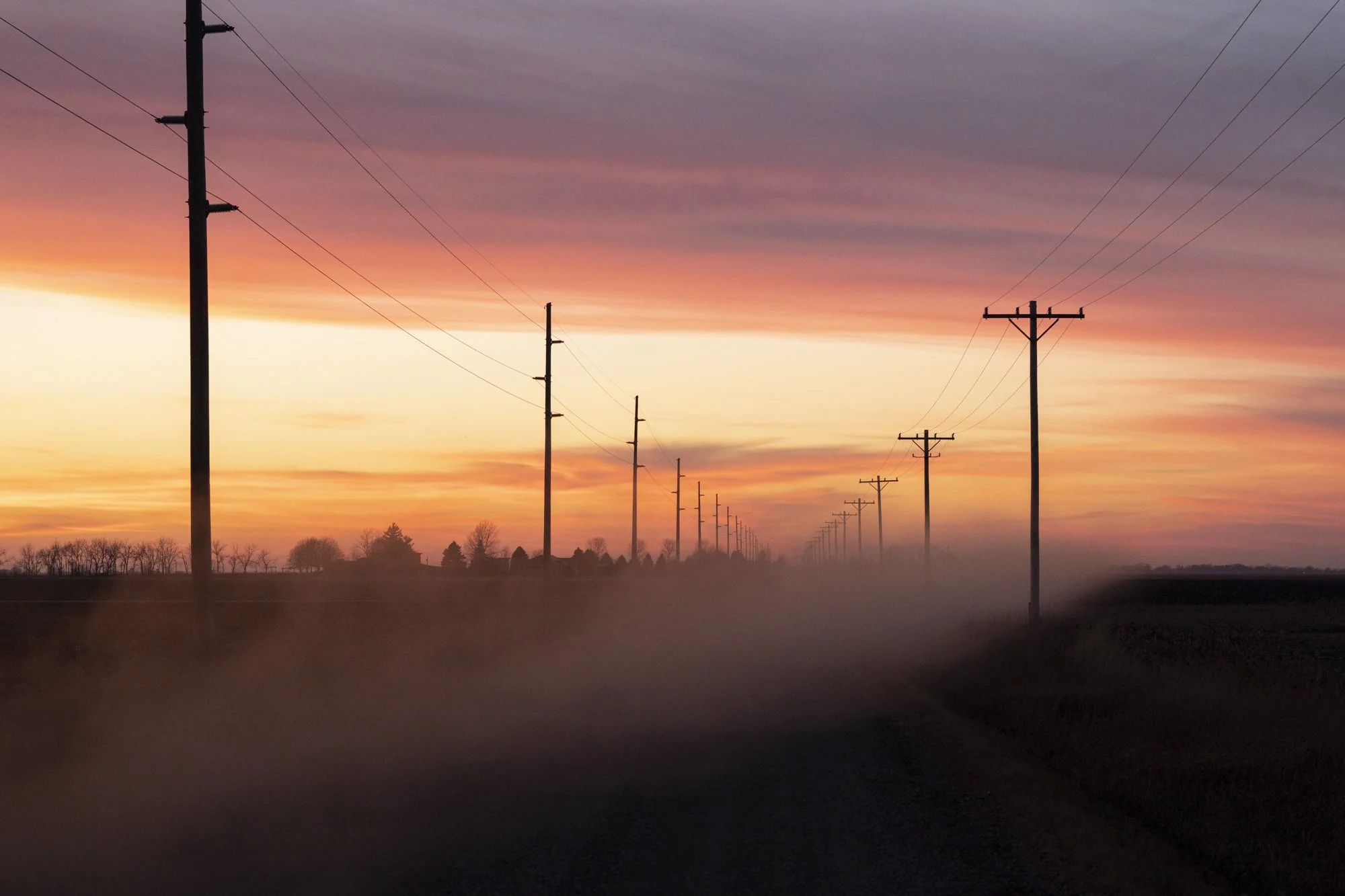
Sunset on a country road in Iowa

Sunset on a country road in rural Iowa

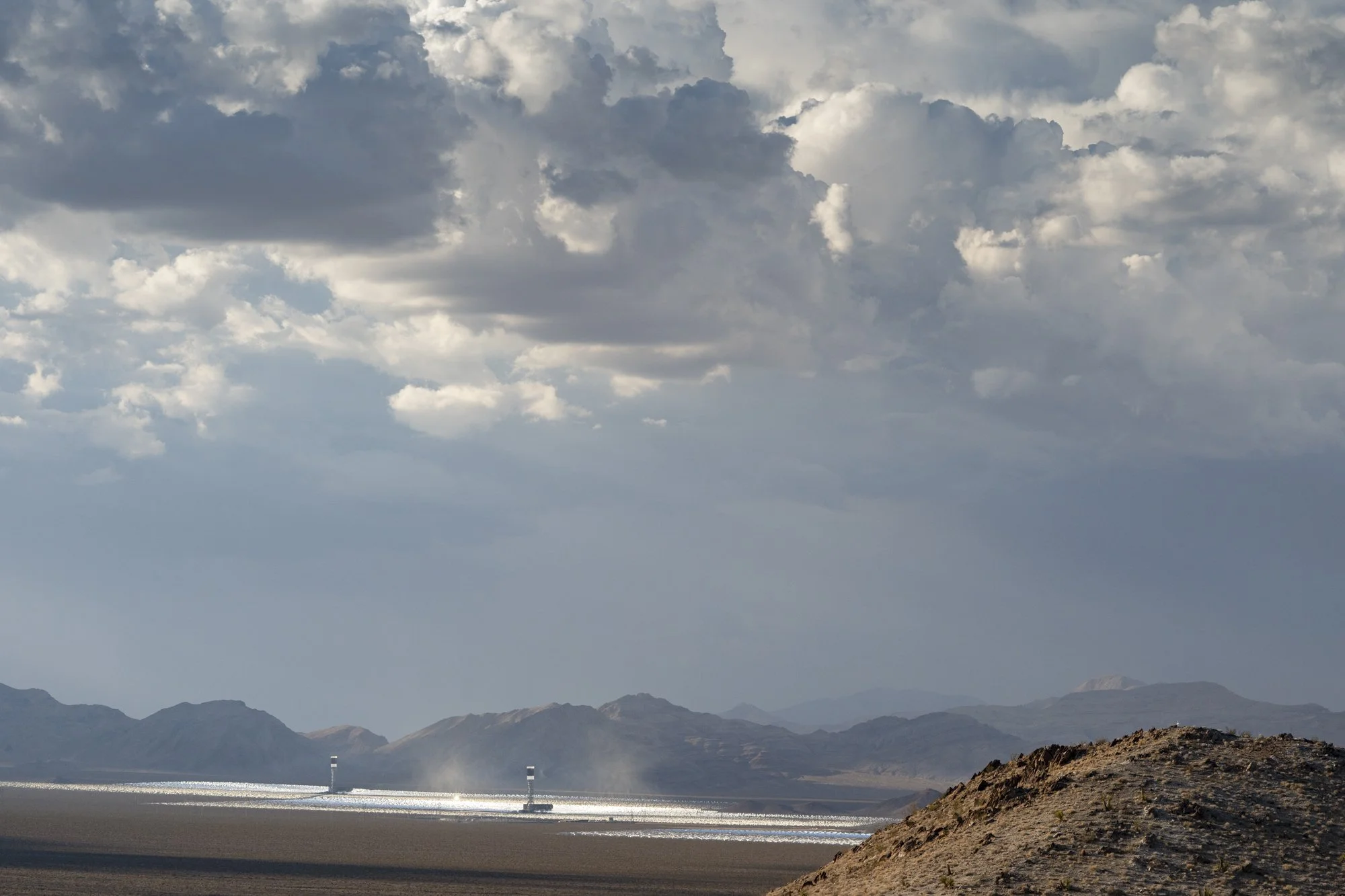
Ivanpah Solar Electric Generating System

Ivanpah Solar Electric Generating System

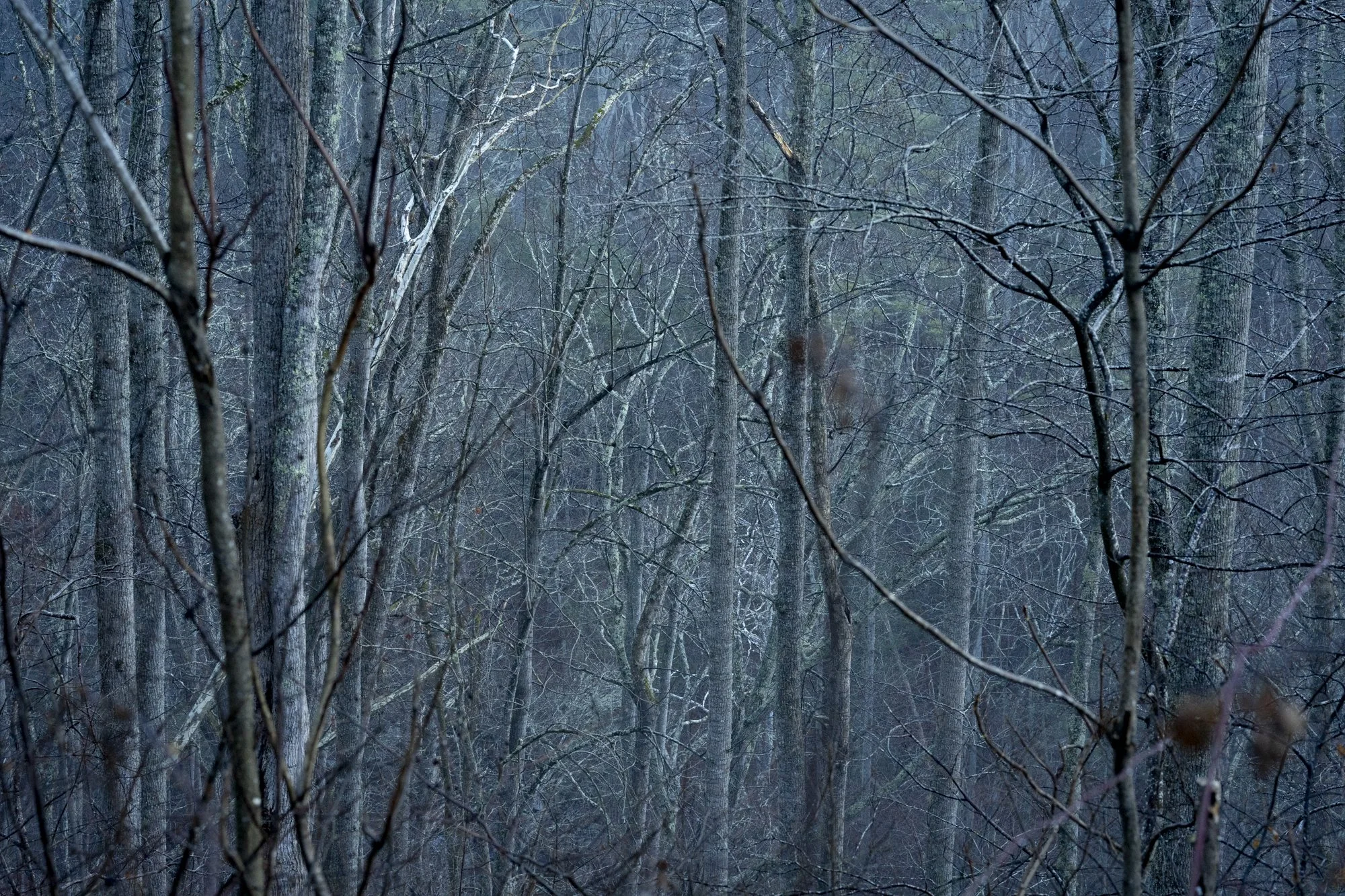
Fine art photograph of a Virginia forest

An abstract view of dense forest in Virginia

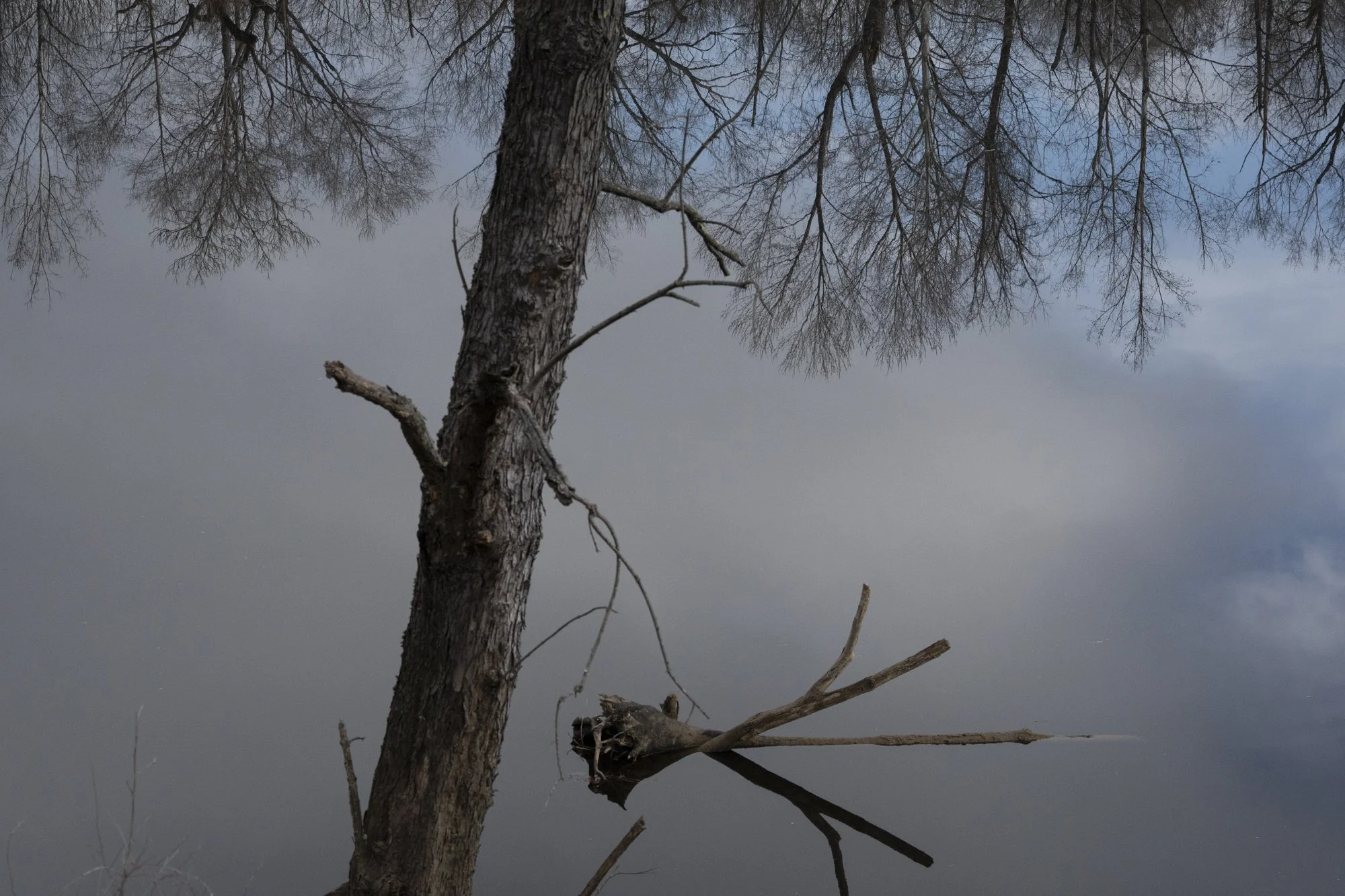
Abstract fine art photography

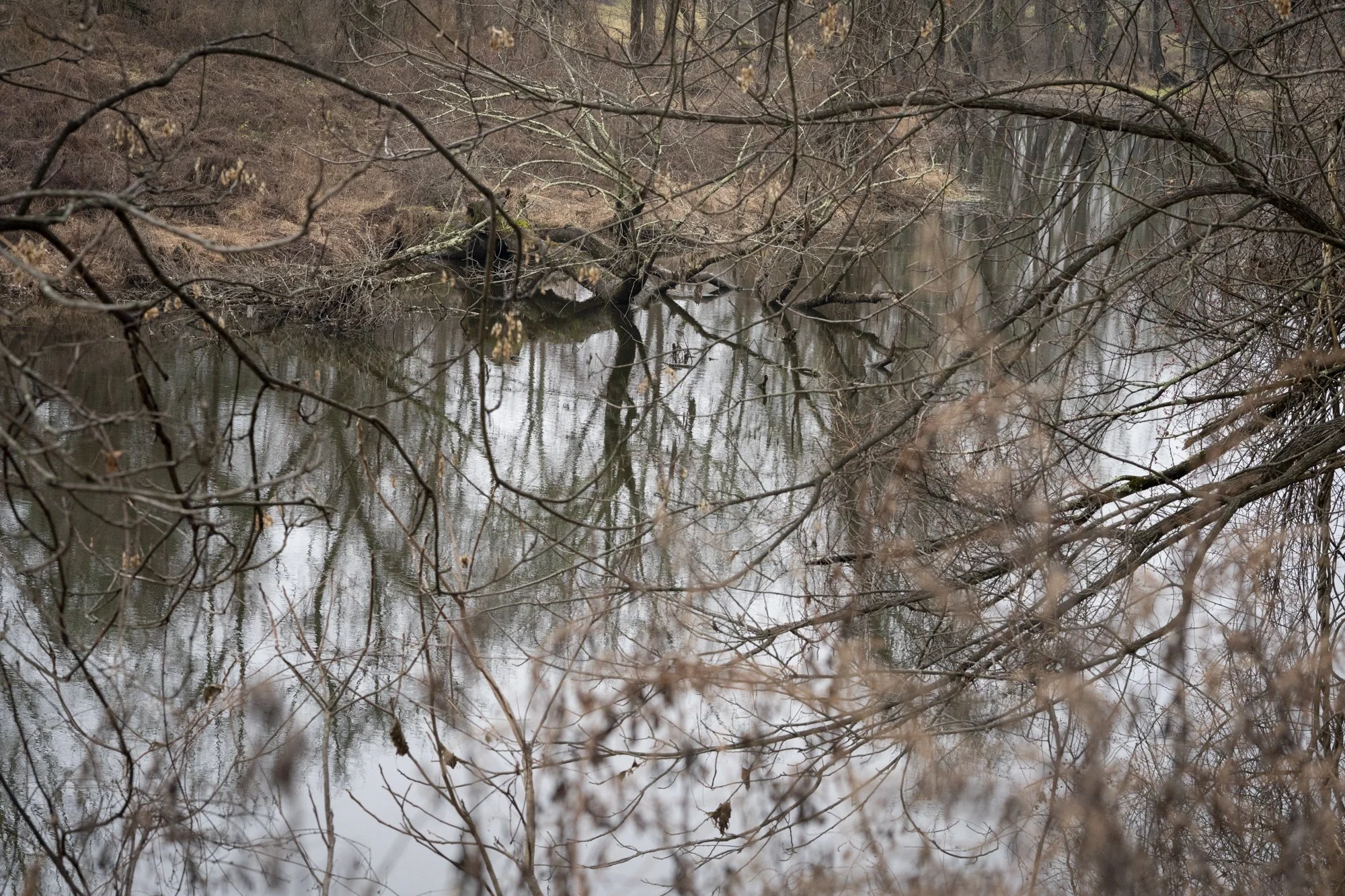
Reflections of trees in a Virginia river

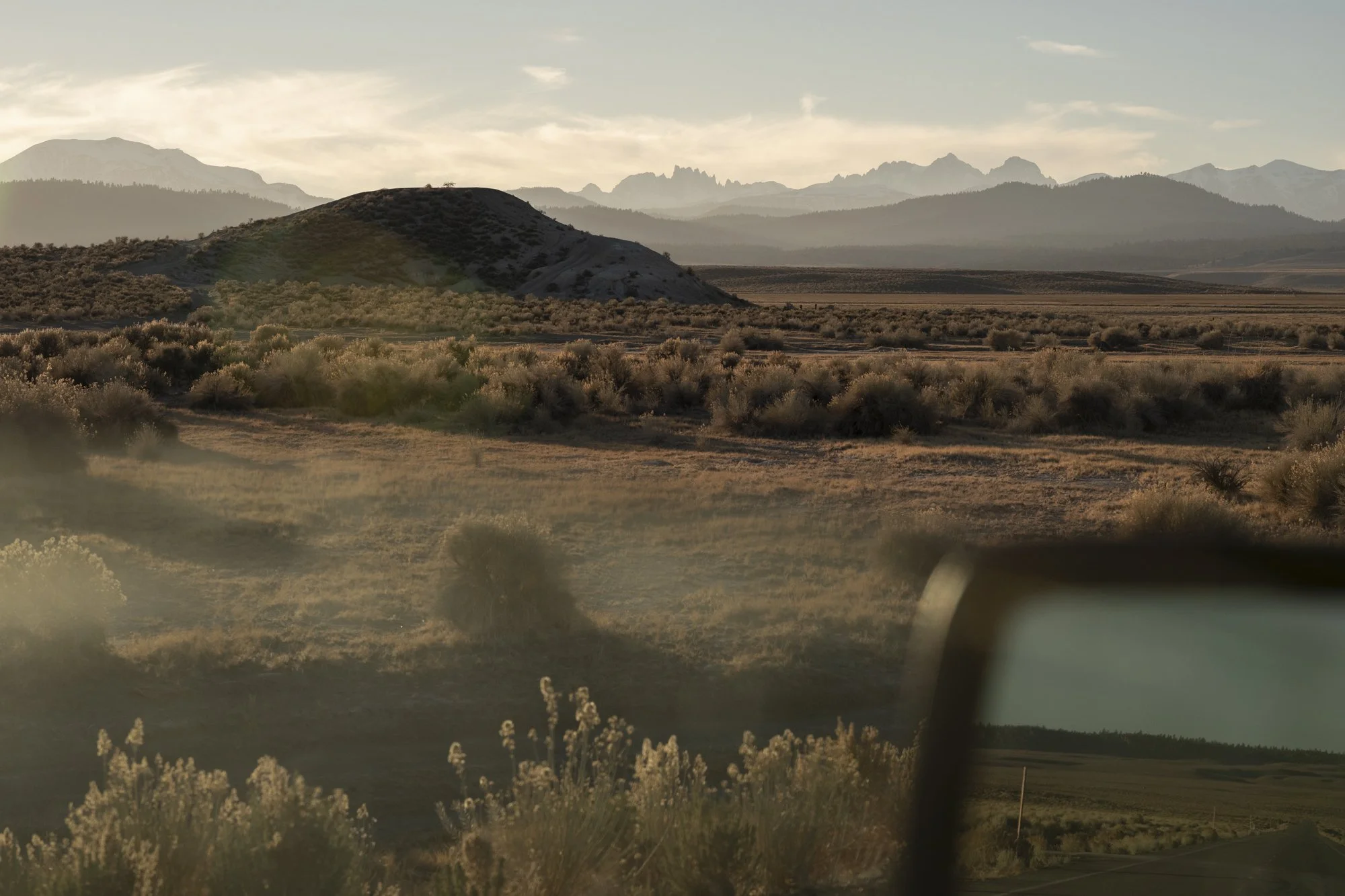
Driving through the Eastern Sierra Mountains near Mammoth, California at sunset

Eastern Sierra - California

Abstract fine art nature photography

Reflections of trees and foliage in a still river in Upstate New York

Roadside photograph of a country road through farmland in rural Iowa at sunrise

A car kicks up dust on a country road through harvested farmland in rural Iowa, photographed in early morning light.

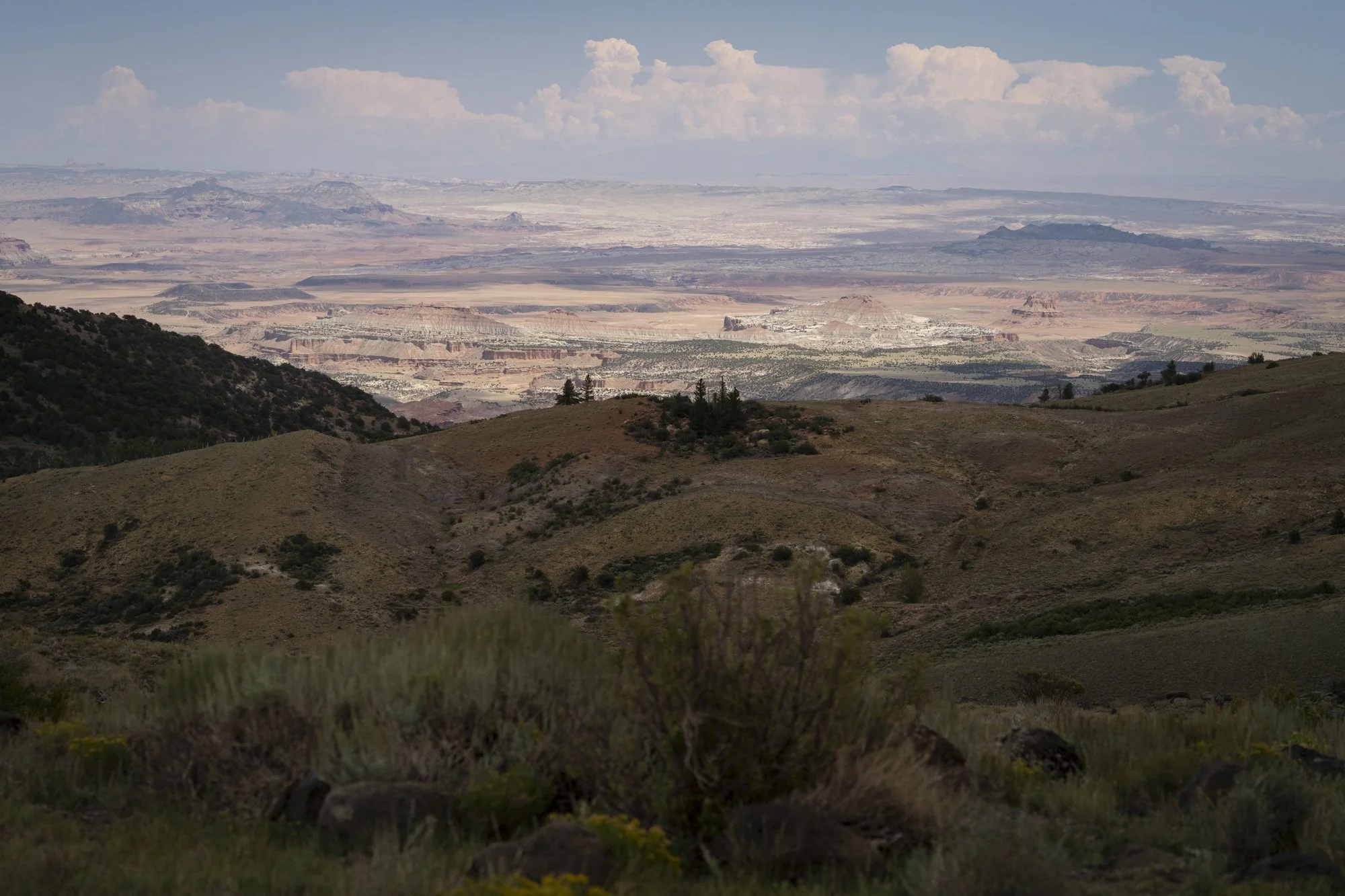
Fine art photograph of a massive desert landscape in Utah

The alien landscape in a remote part of Utah

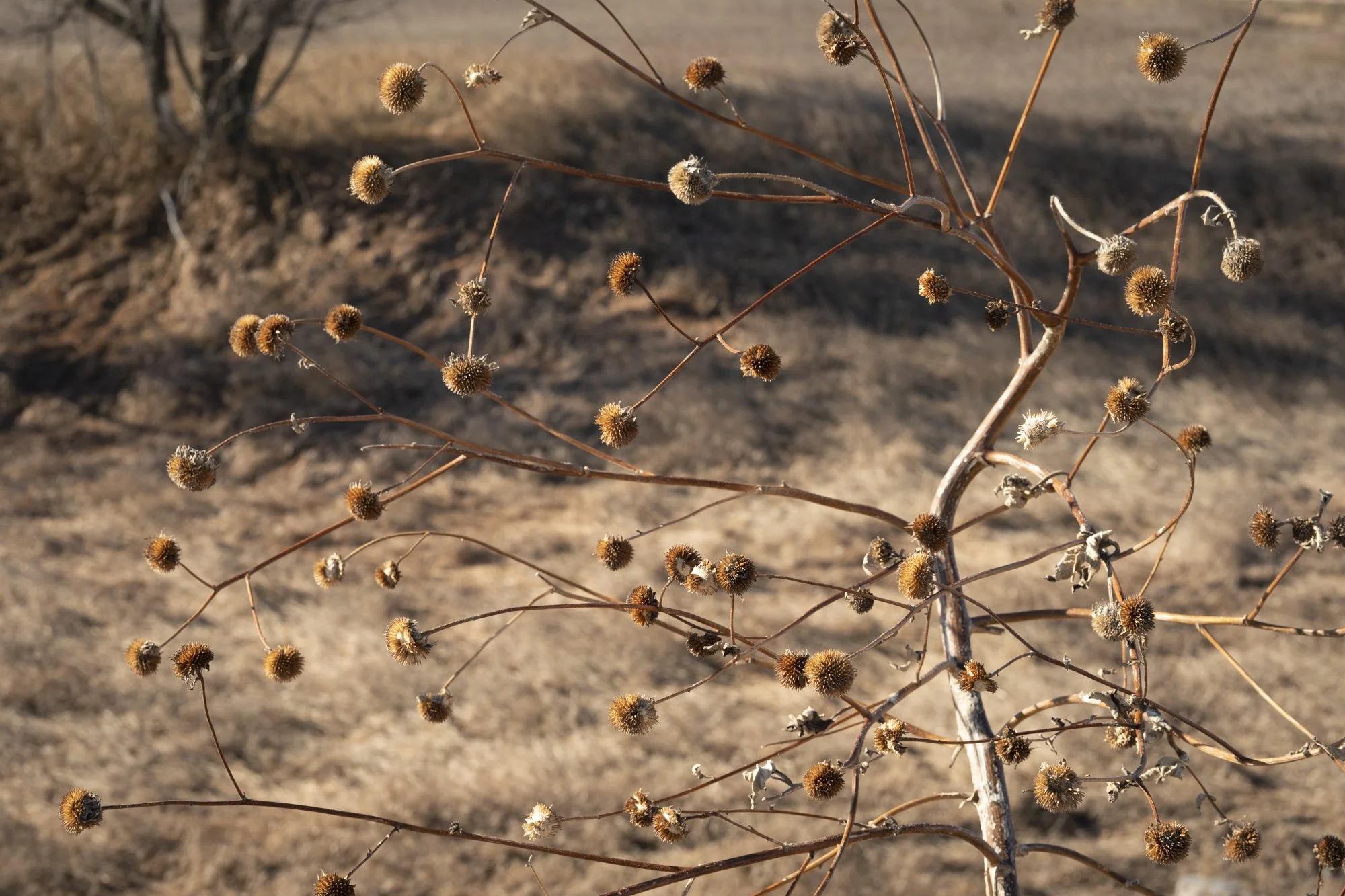
Abstract fine art photography of plants in Iowa farmland

Muted colors of dead plants during winter in Iowa farmland

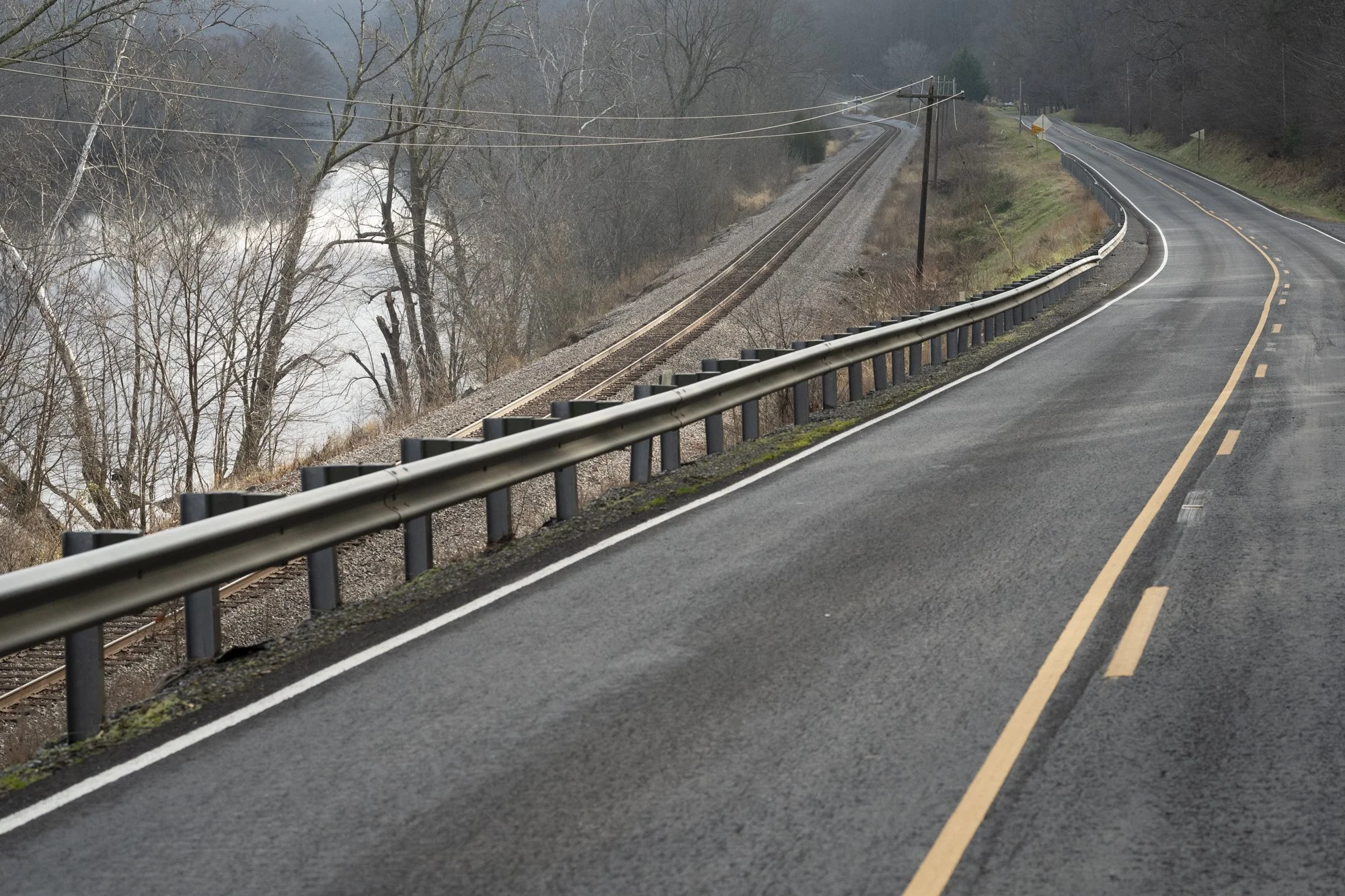
Photograph of a country road and train tracks along a river in Virginia

A country road and train tracks running along a river in rural Virginia

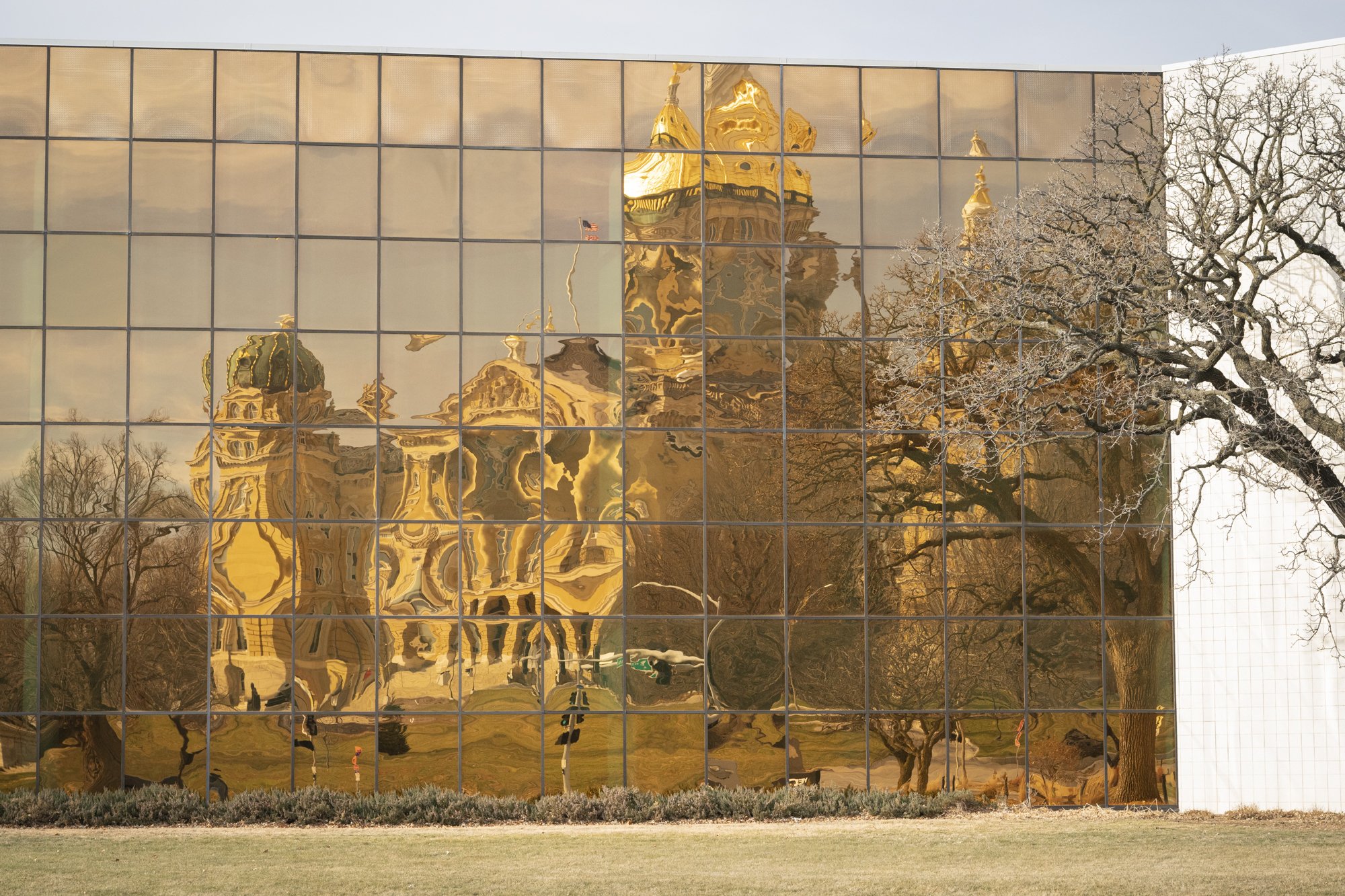
Fine art photograph of the capitol building in Des Moines, Iowa

The Des Moines, Iowa capitol building reflected in windows of a nearby office building

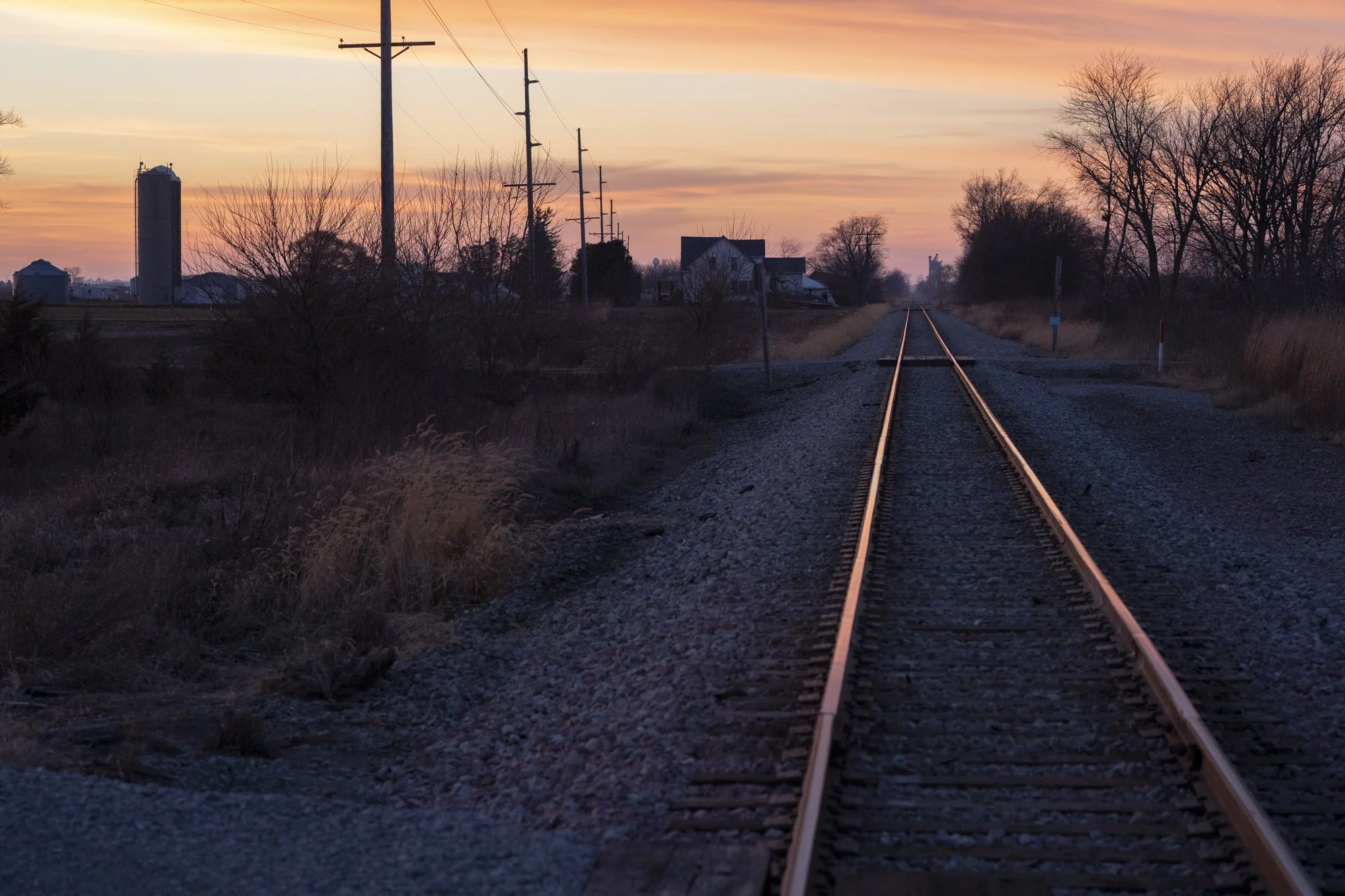
Sunset on train tracks going through farmland in southern iowa

Train tracks going through Iowa farmland at sunset

American Photography

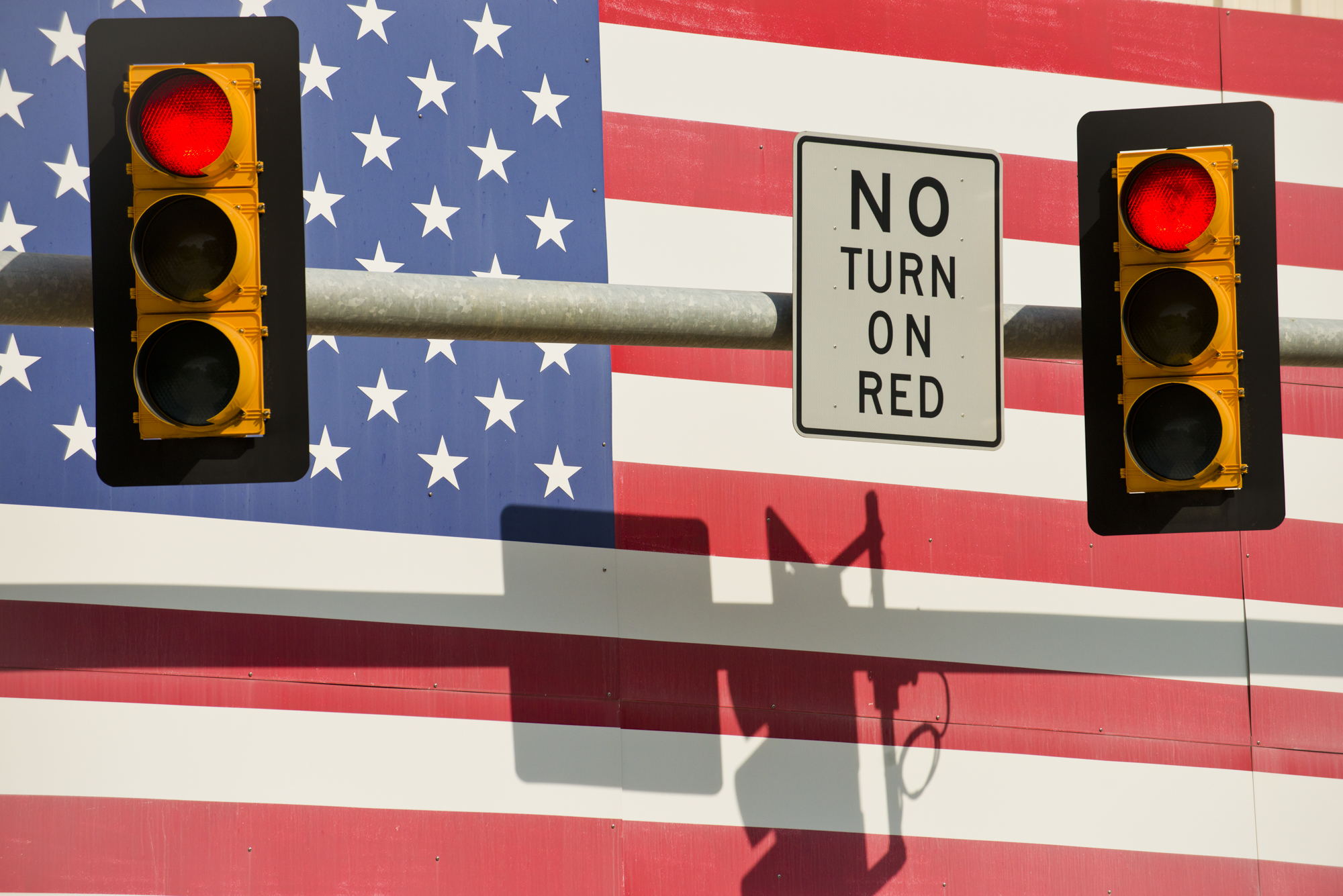
My America gallery of images is the one that gets the least attention and interest from people/clients. Which I find strange because sometimes I think it's my best stuff?  Either way it's something I've been shooting for a long time, and will continue shooting forever. Lately I've been getting a lot of images request from clients for other bodies of work, which is always a gift because it forces you to go back through old hard drives, causing me to look at images I haven't seen in a long time. And whatever it is about time, that factor has made turned me on to images that I thought were worthless in the past. That might be a problem, but then again it might just be part of the process. Regardless, I'm happy to have stumbled upon these images that have been during road trips from as far back as  2011, and as recently as a few months ago. Can't wait to get back out on the road. 
Travel

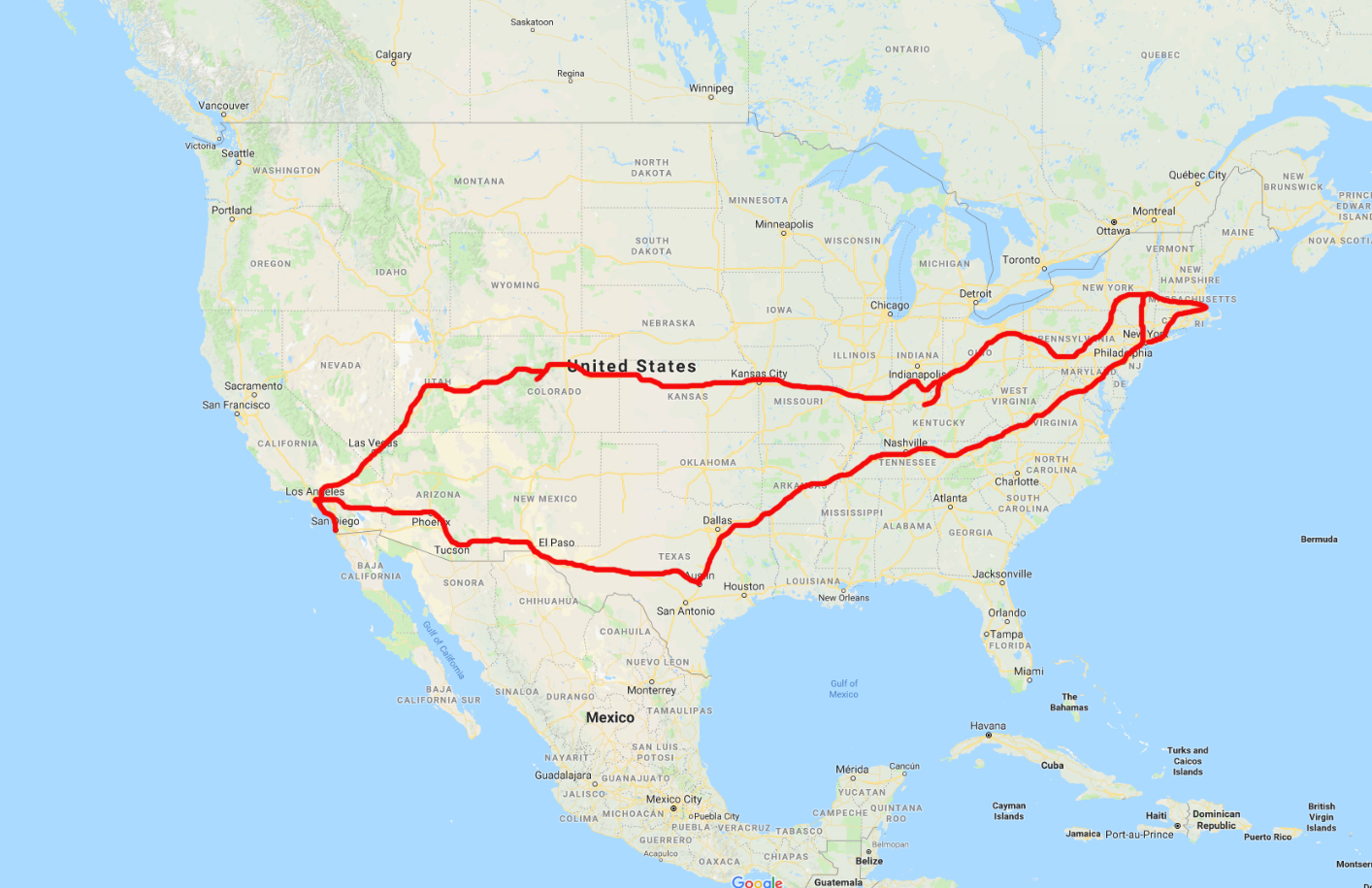
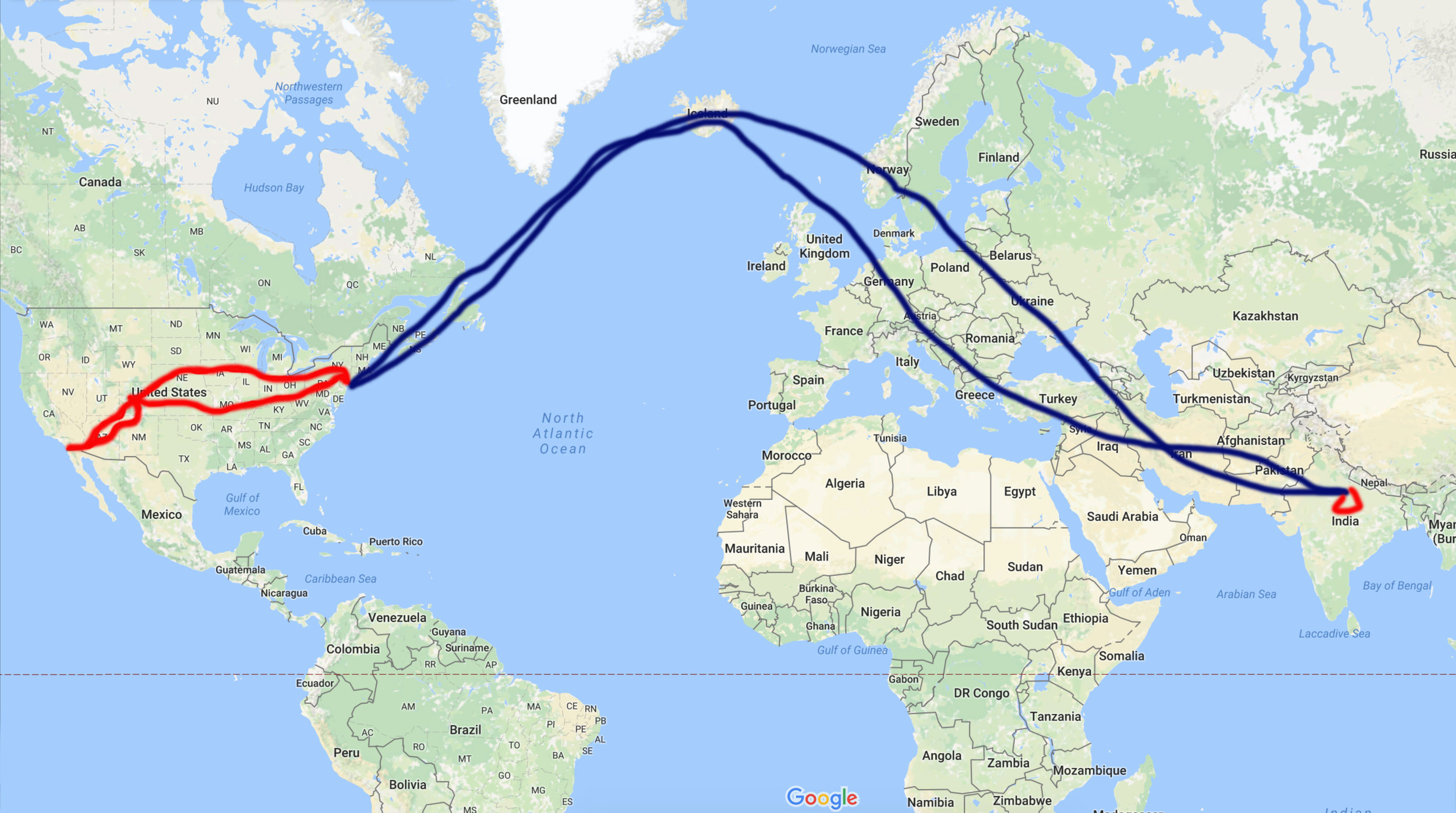
Recently completed what I would have to consider my largest collective journey to date. It started last month with a road trip from San Diego to New York. From NYC I traveled to India and did a lot of exploring in Delhi, Agra, and Jaipur. After returning, I then did another cross country road trip from New York back to San Diego. Not even sure what the total mileage is on all that, but each leg was a great time, and I did a lot of shooting for a number of different reasons.. As always, more to come on that.....

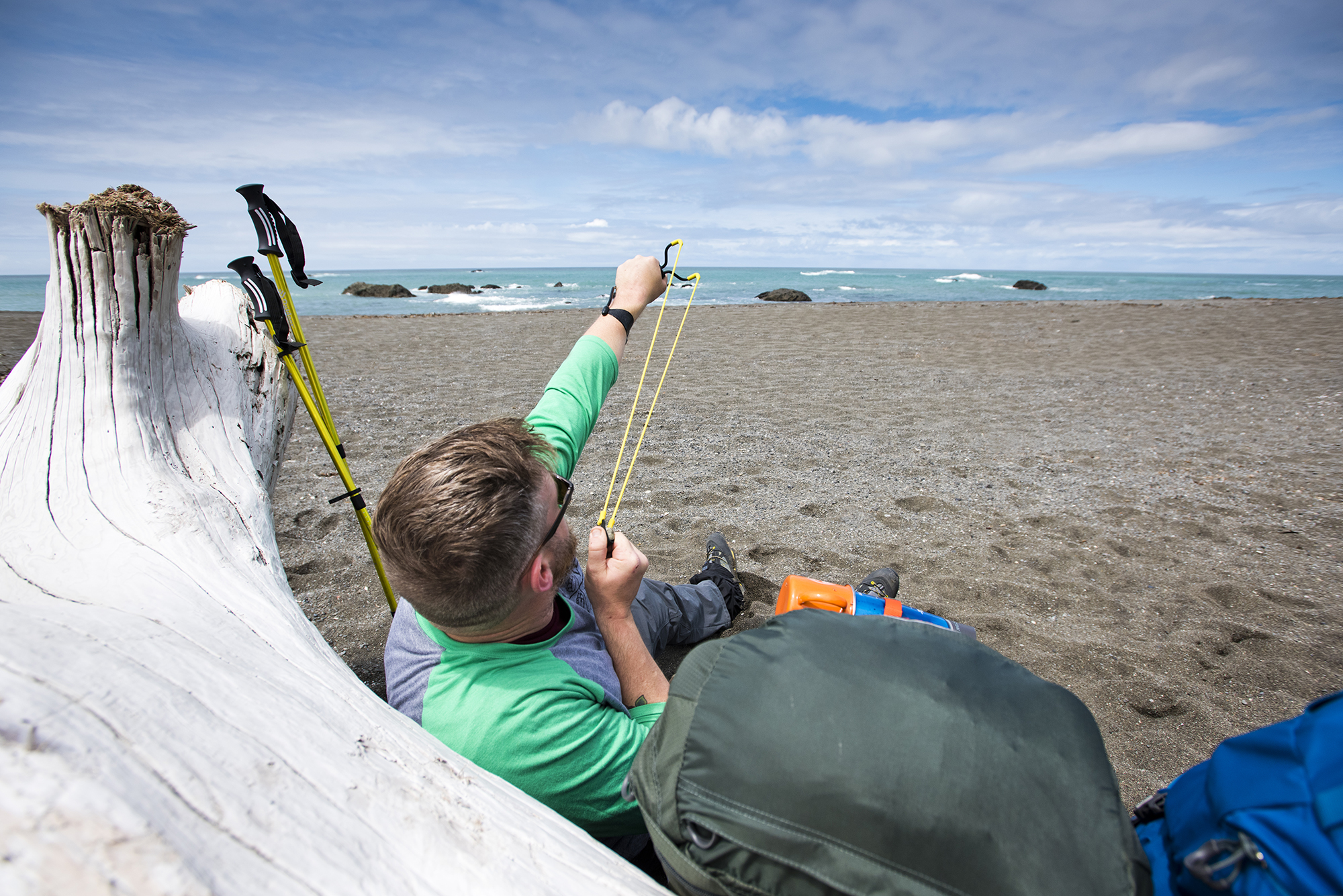
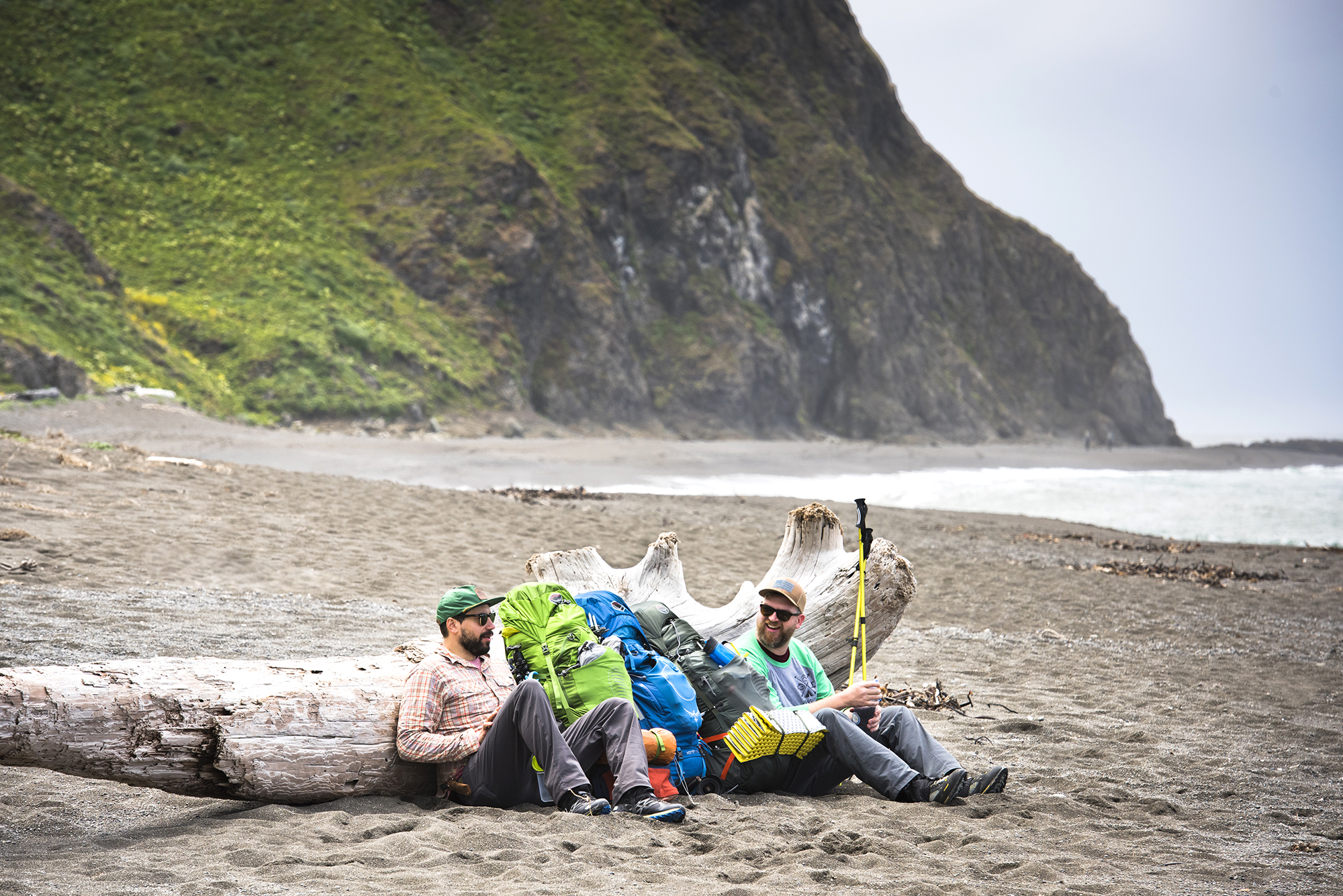
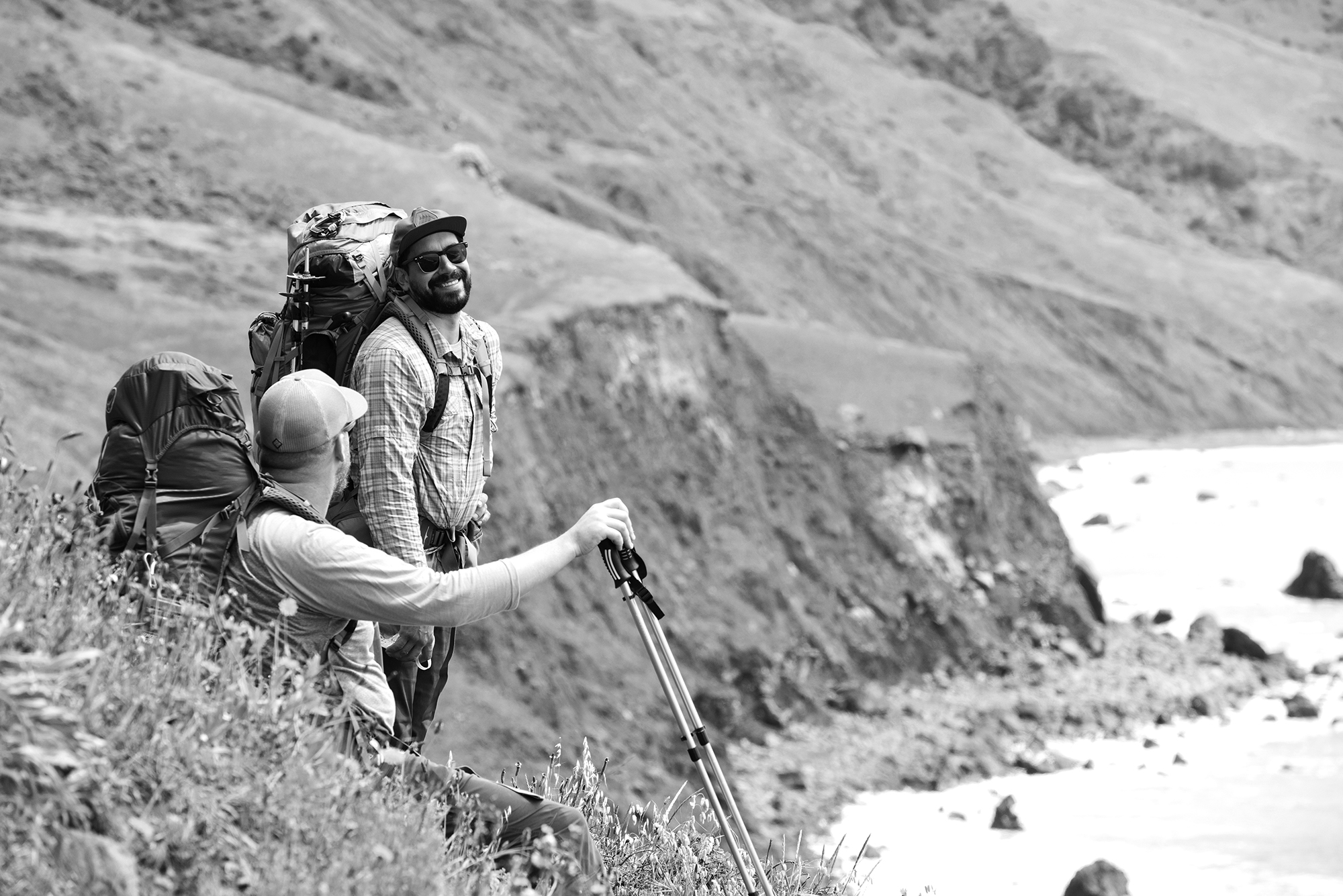
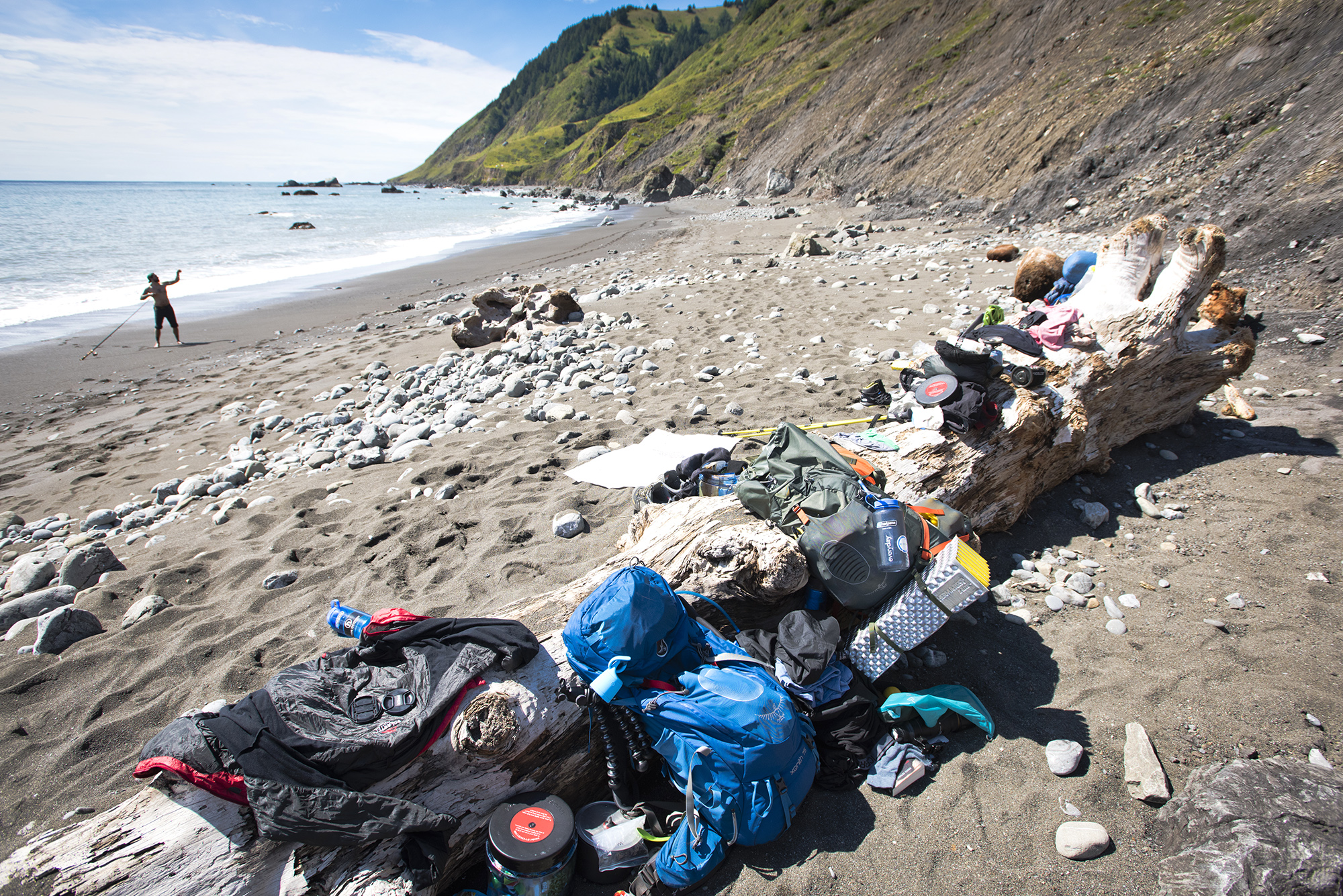
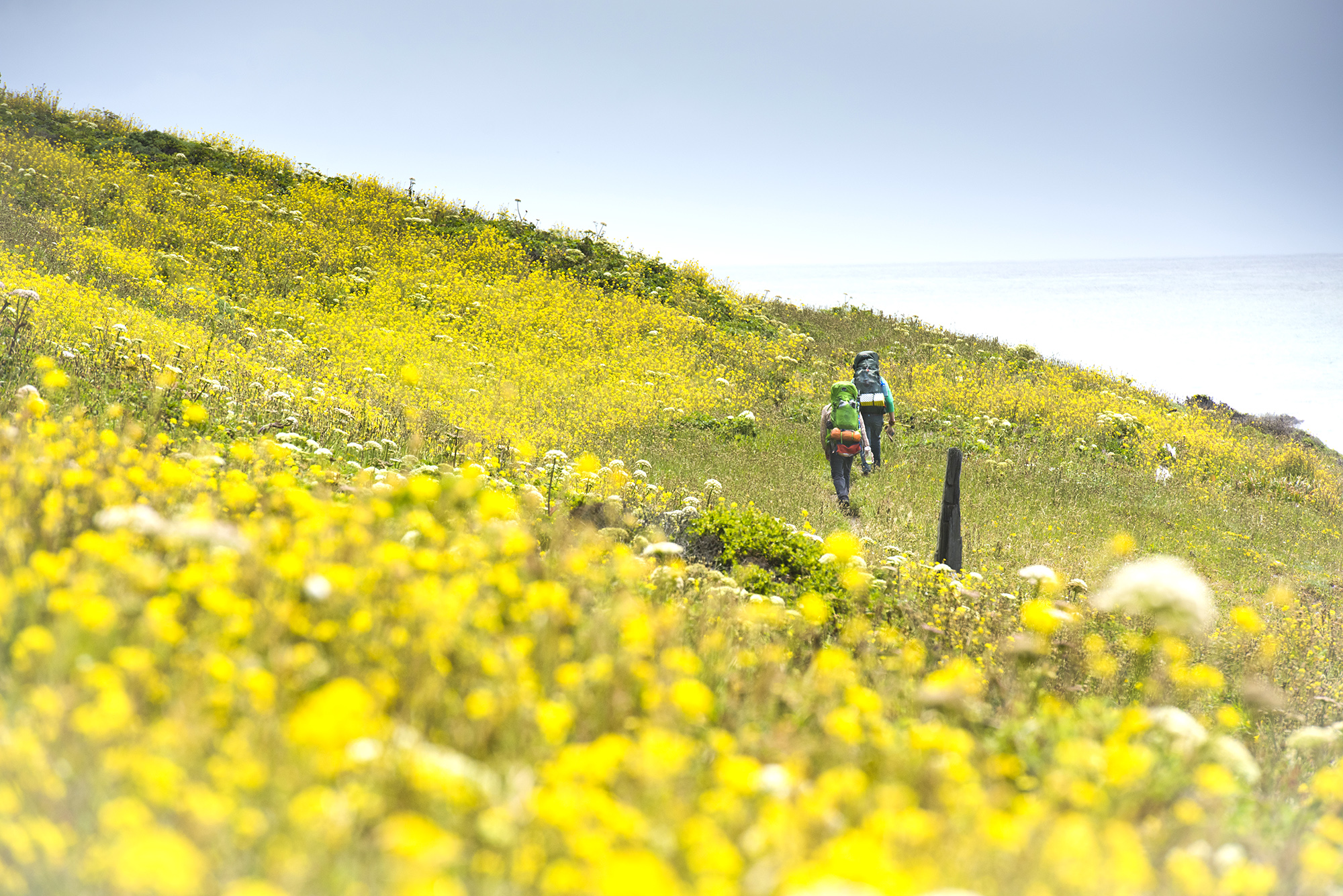
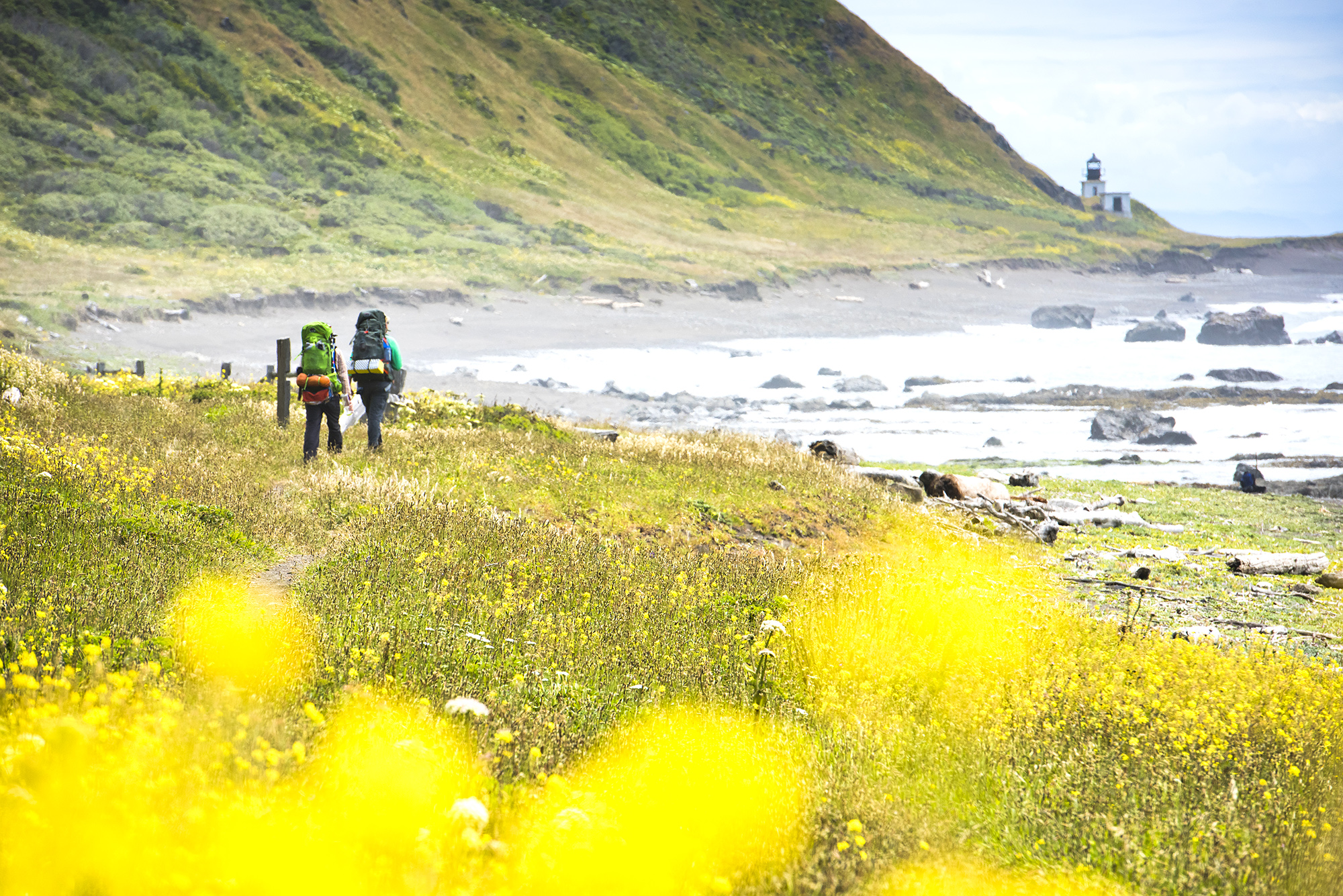
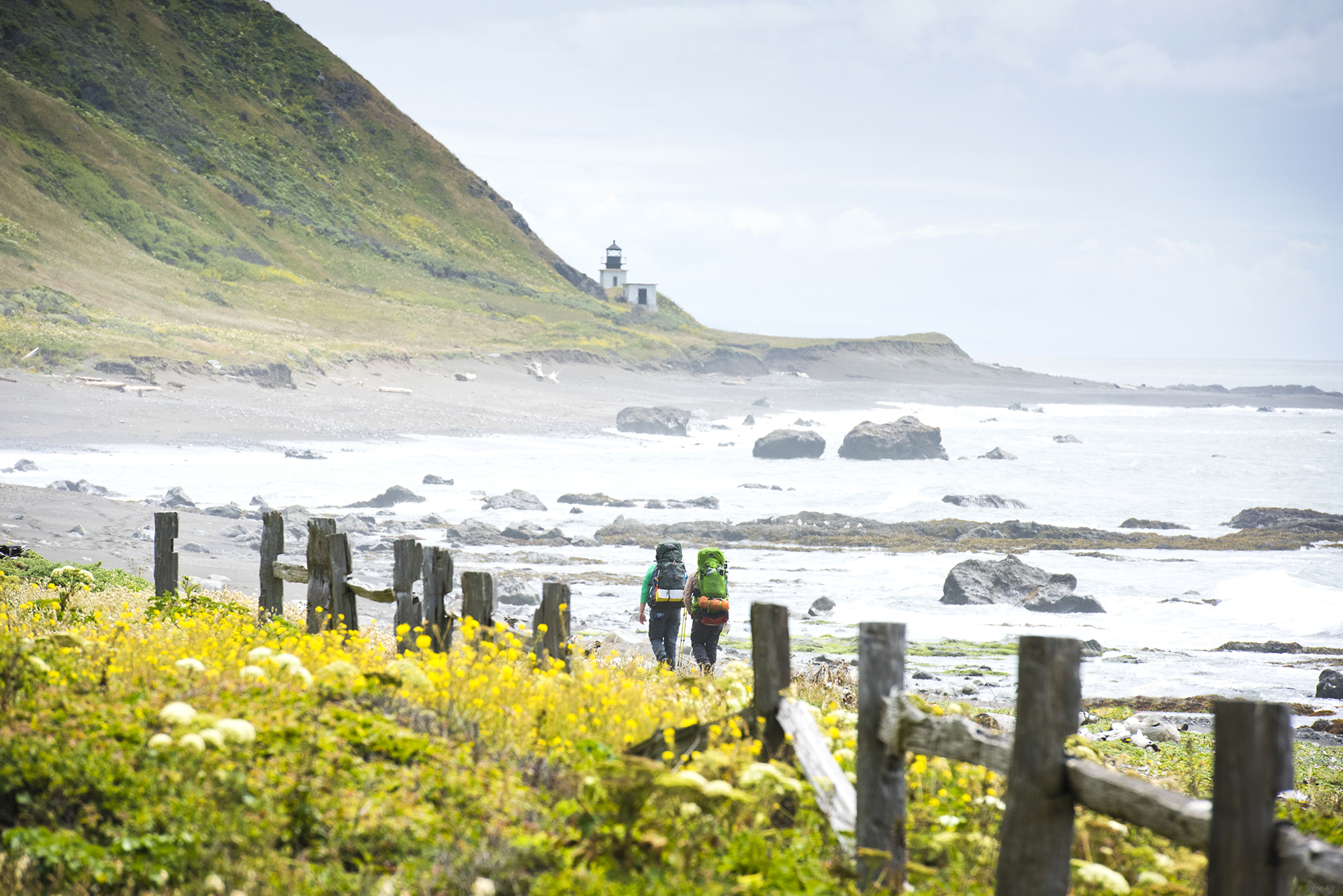
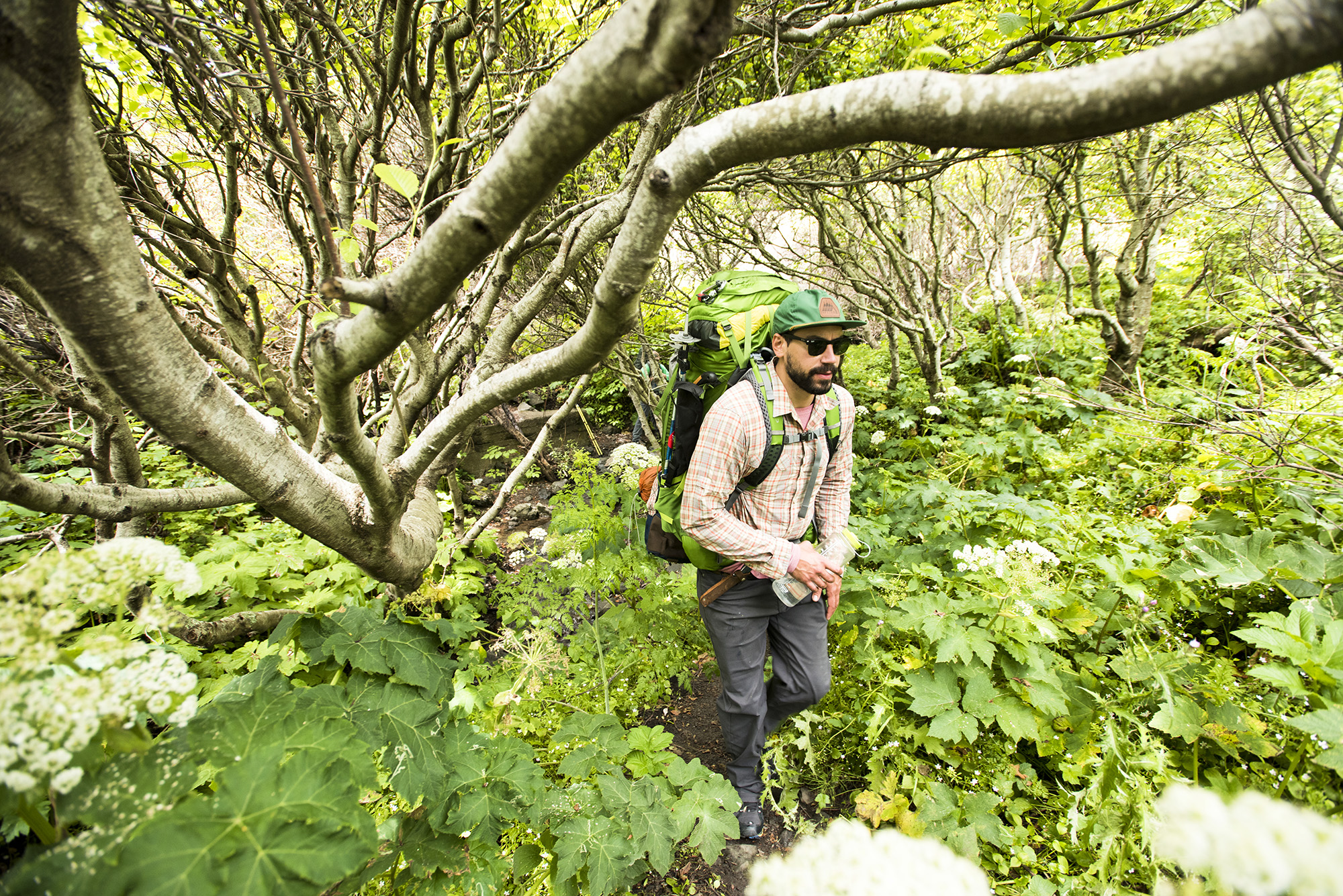
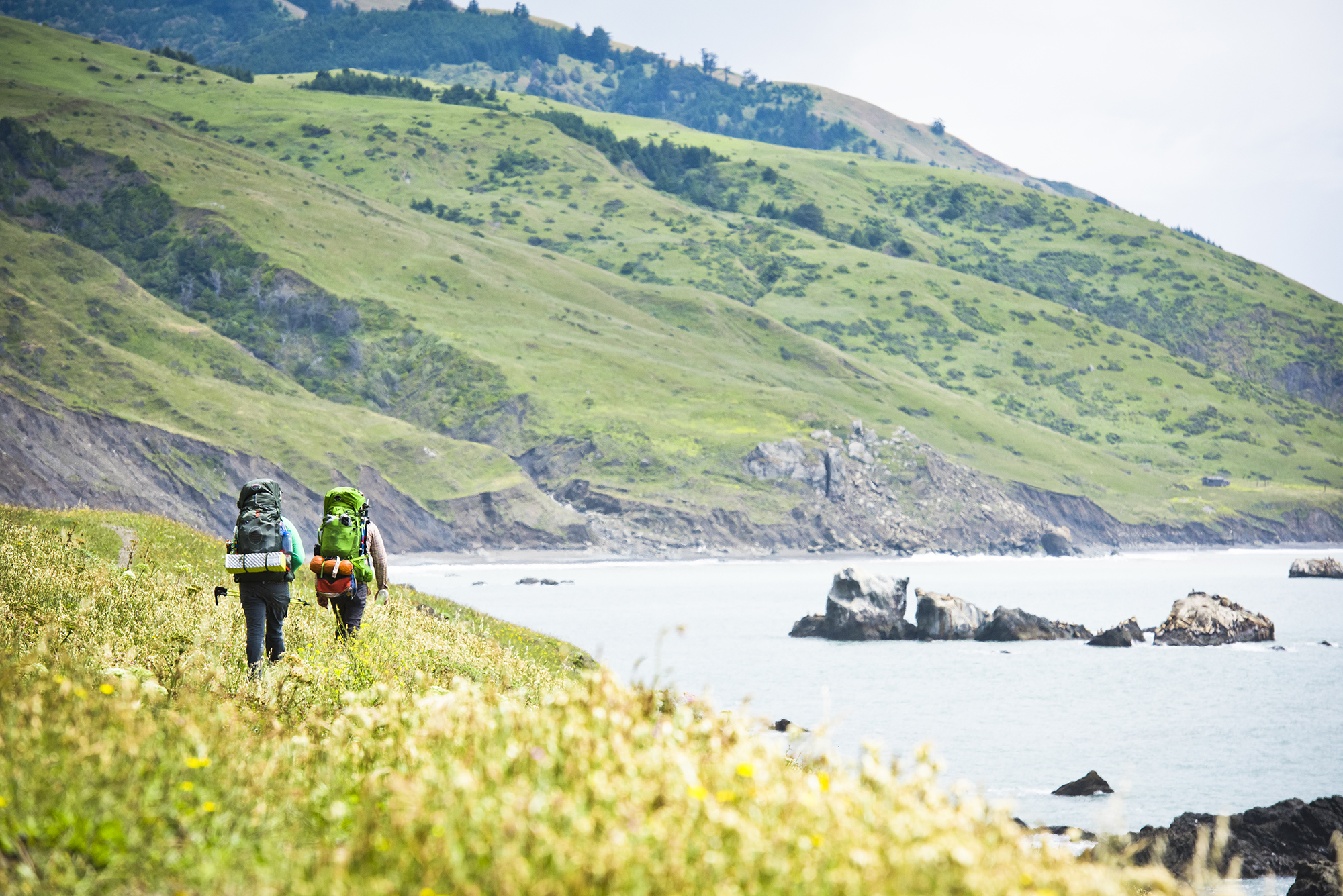
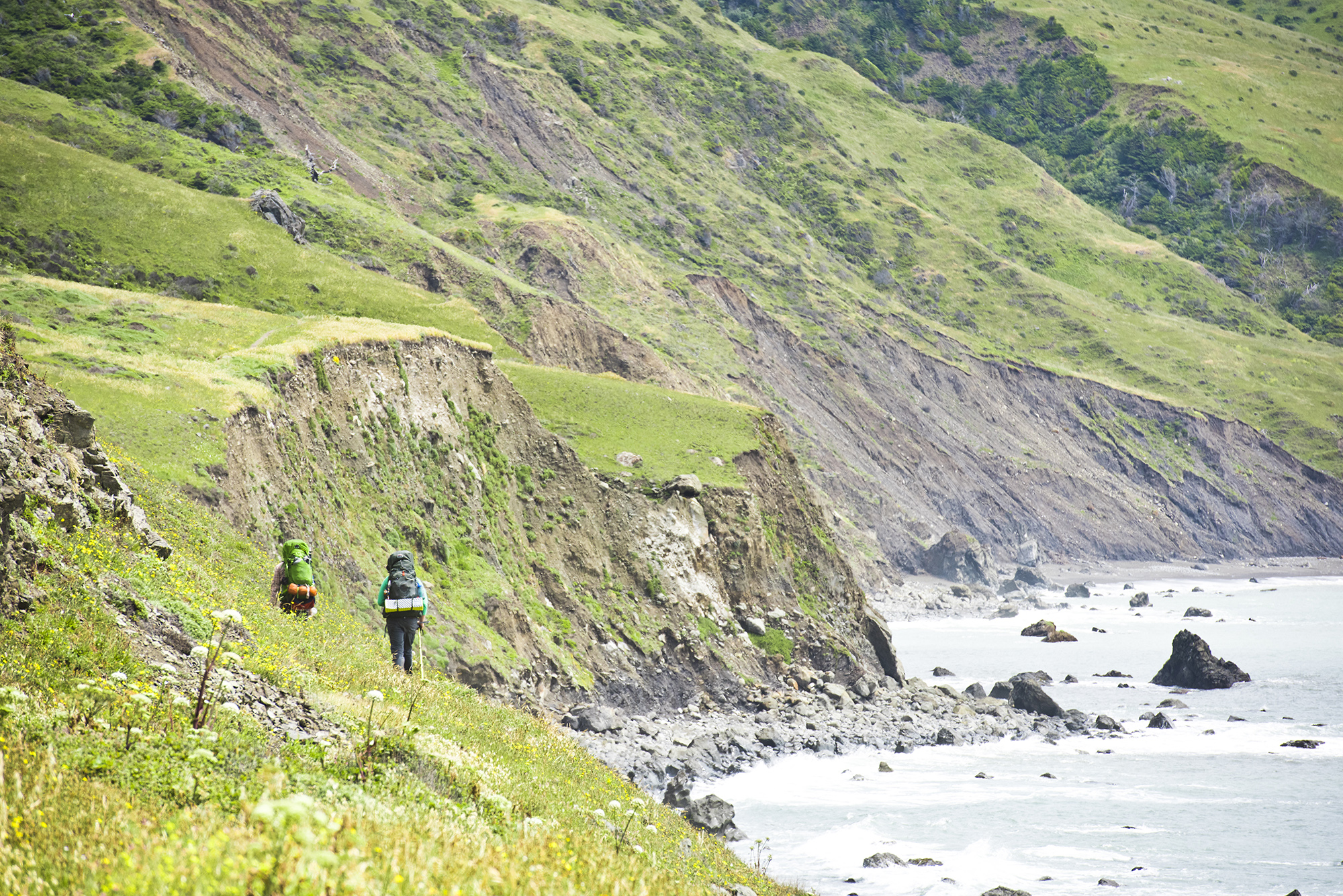
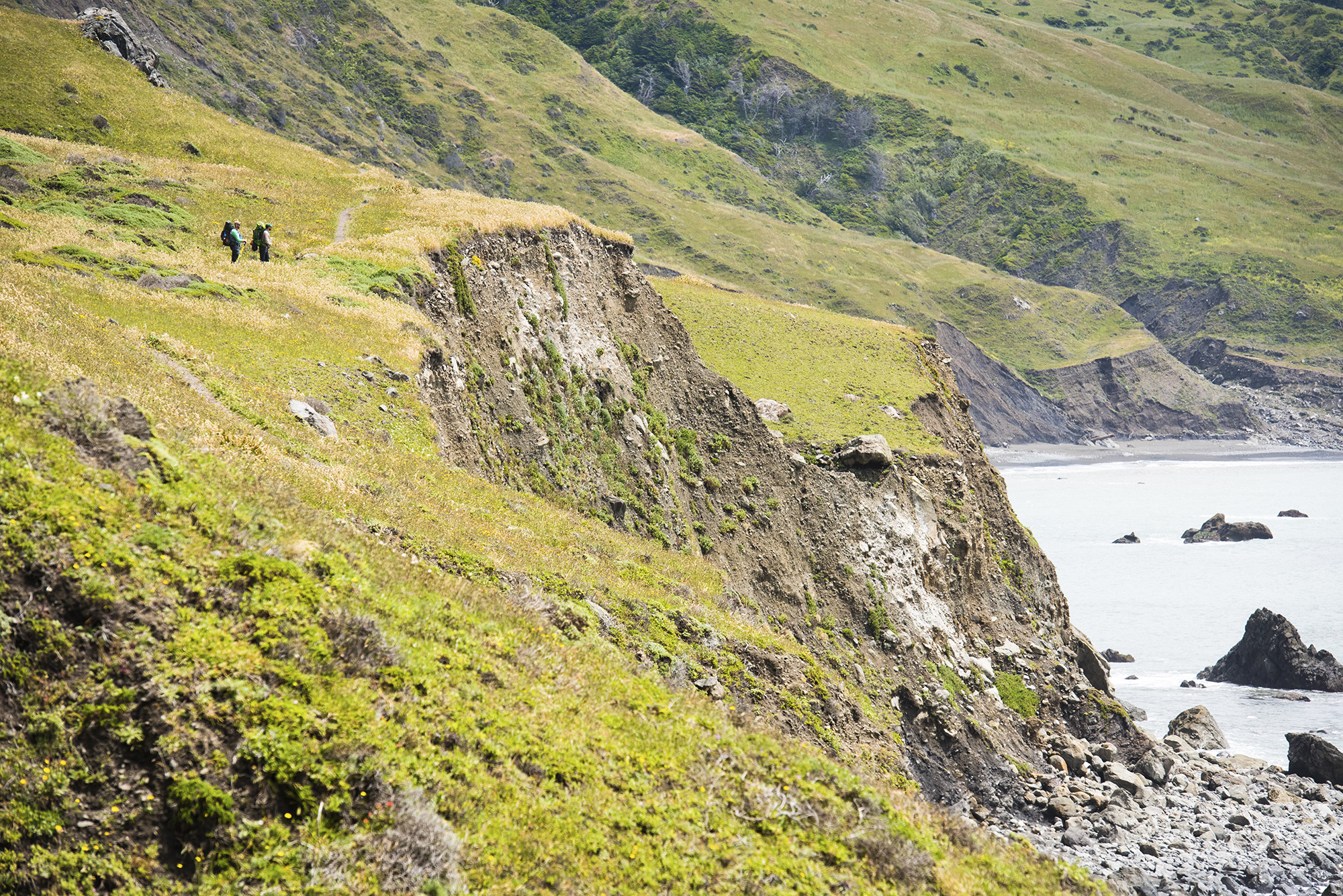
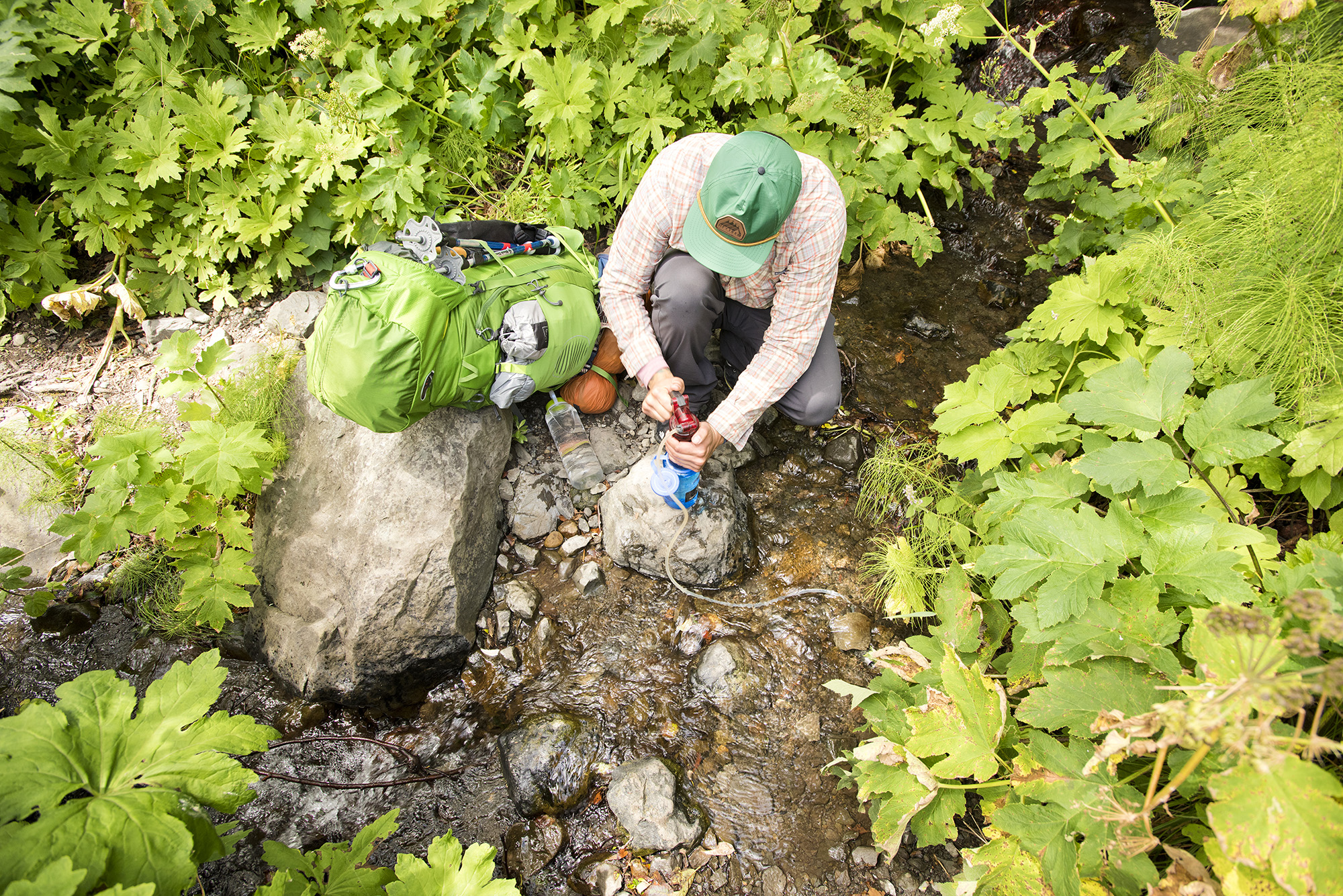
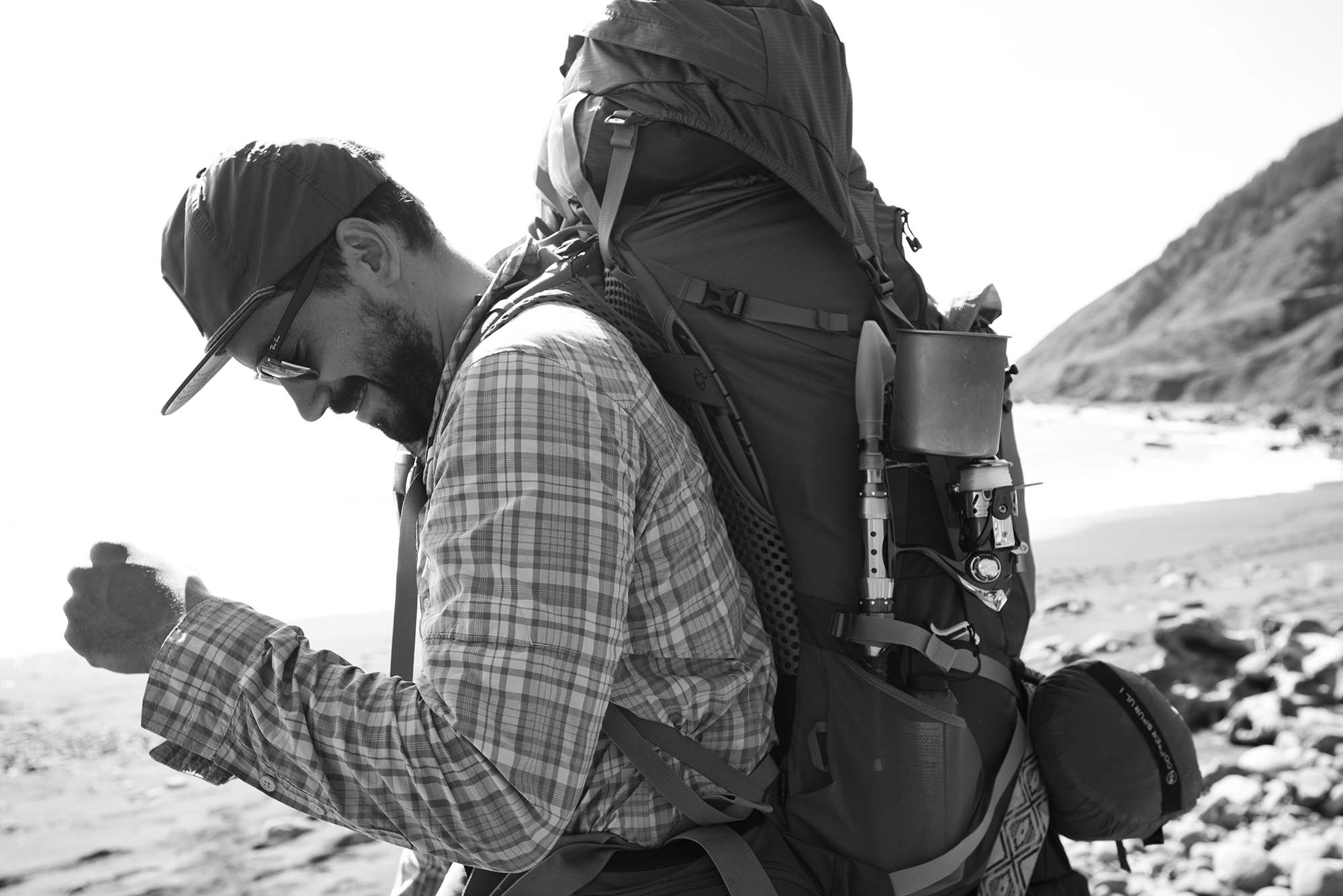
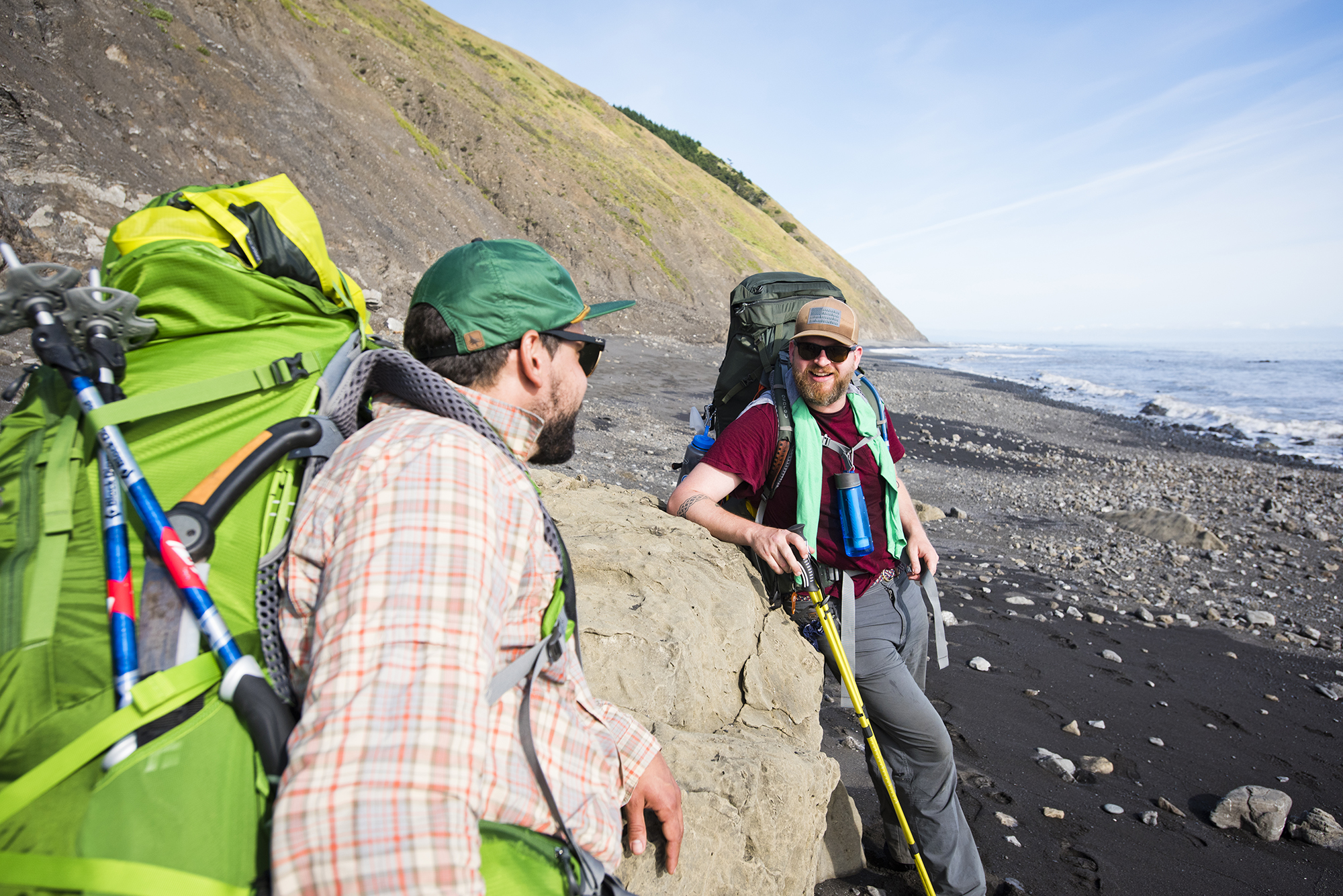
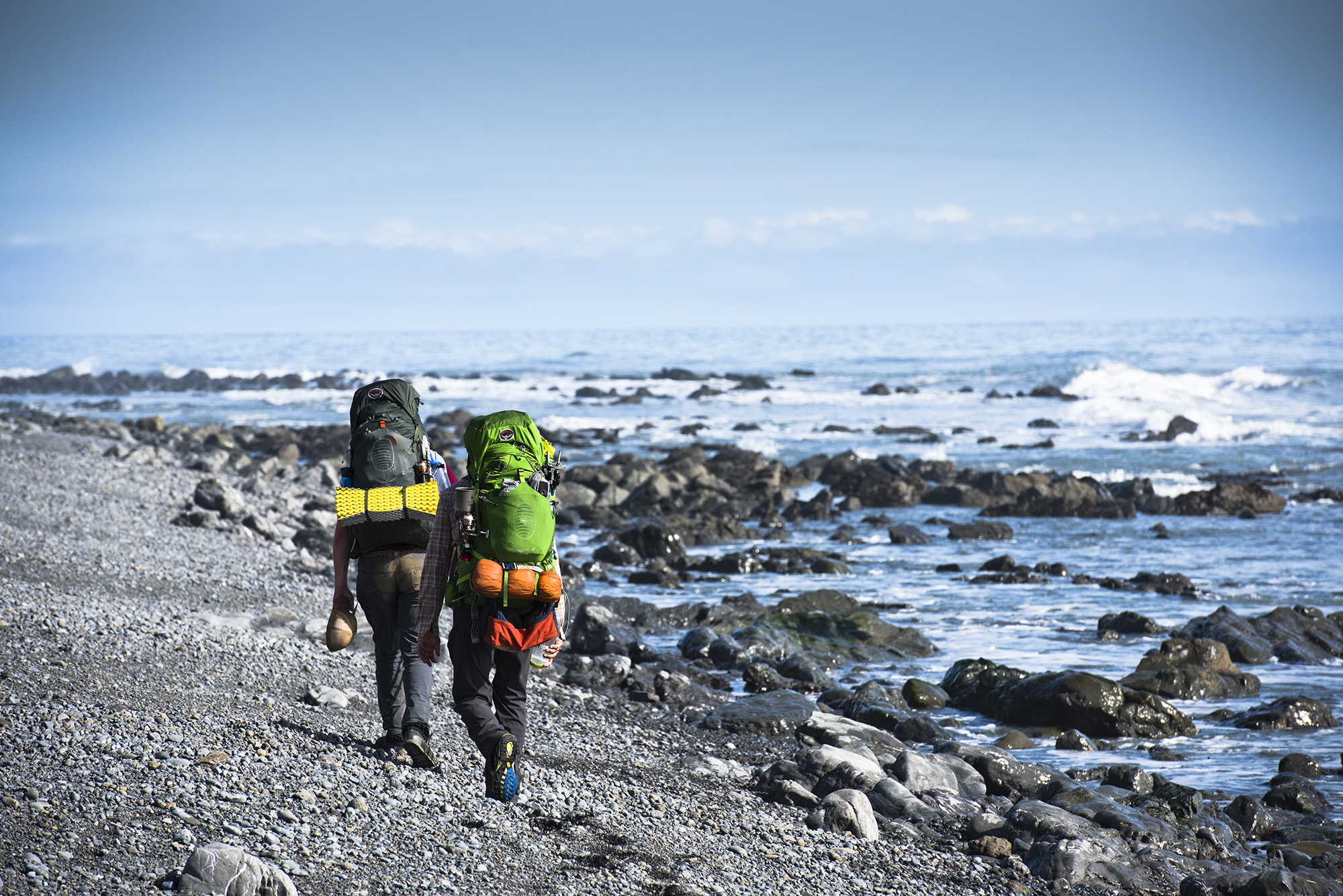
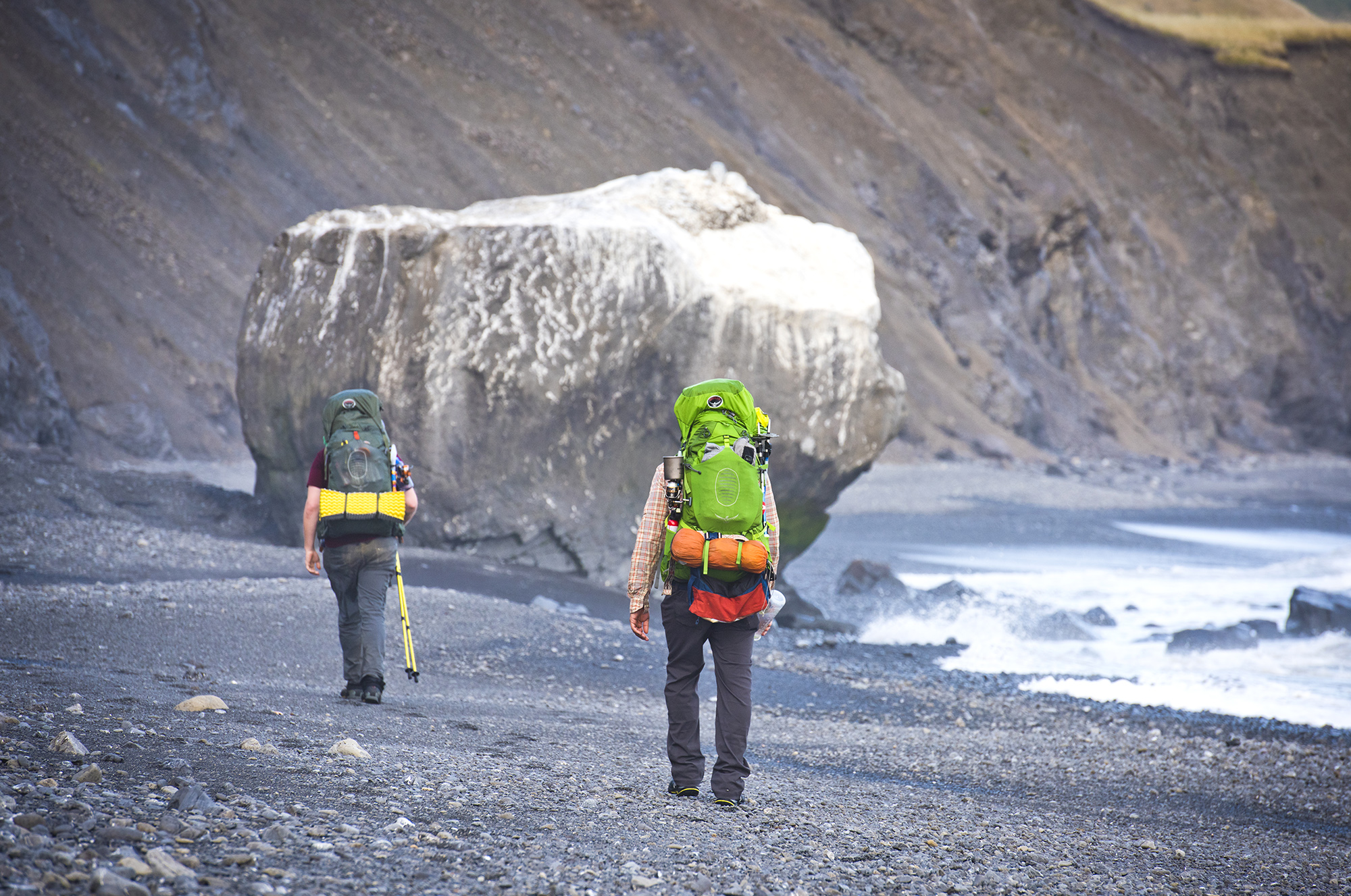
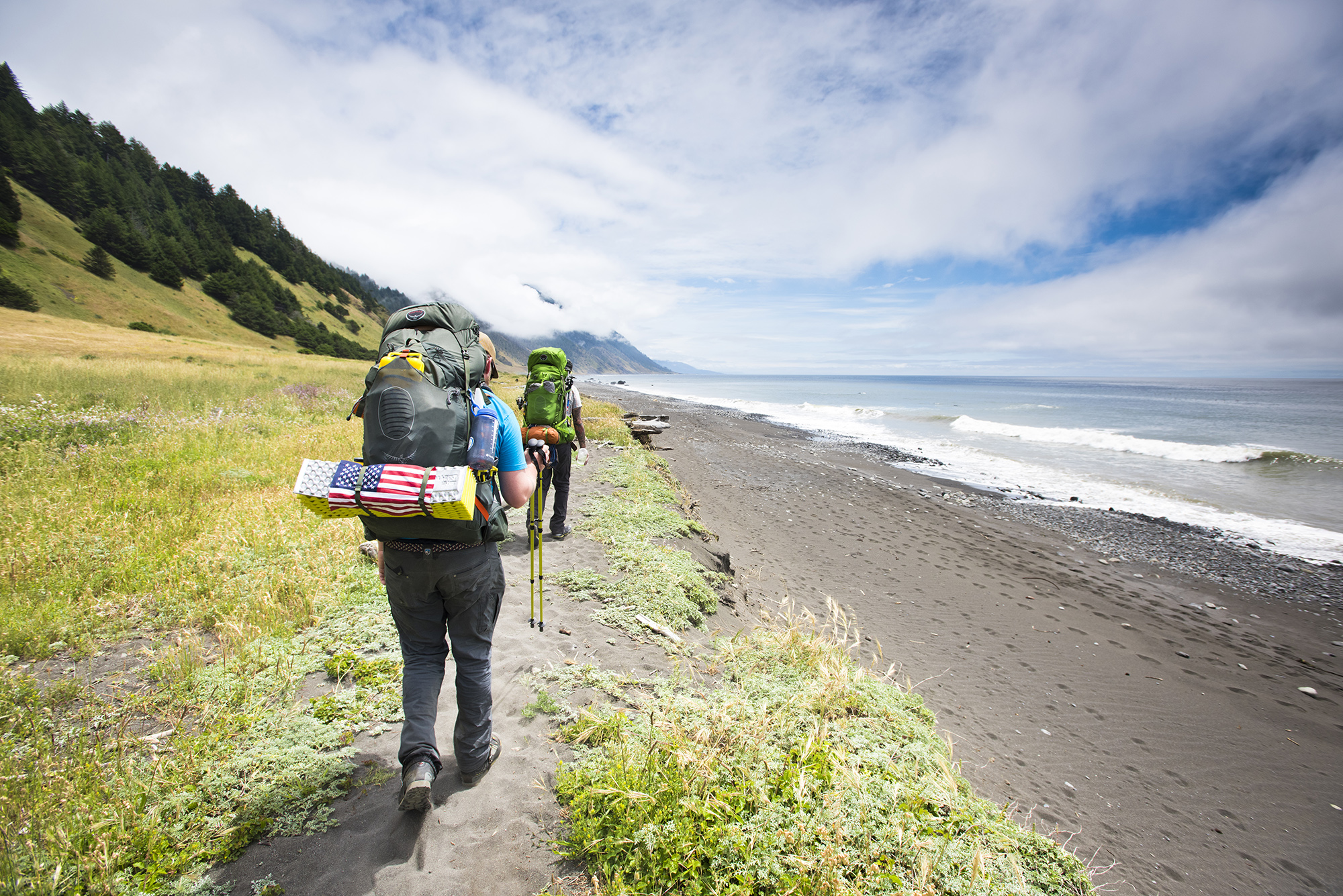
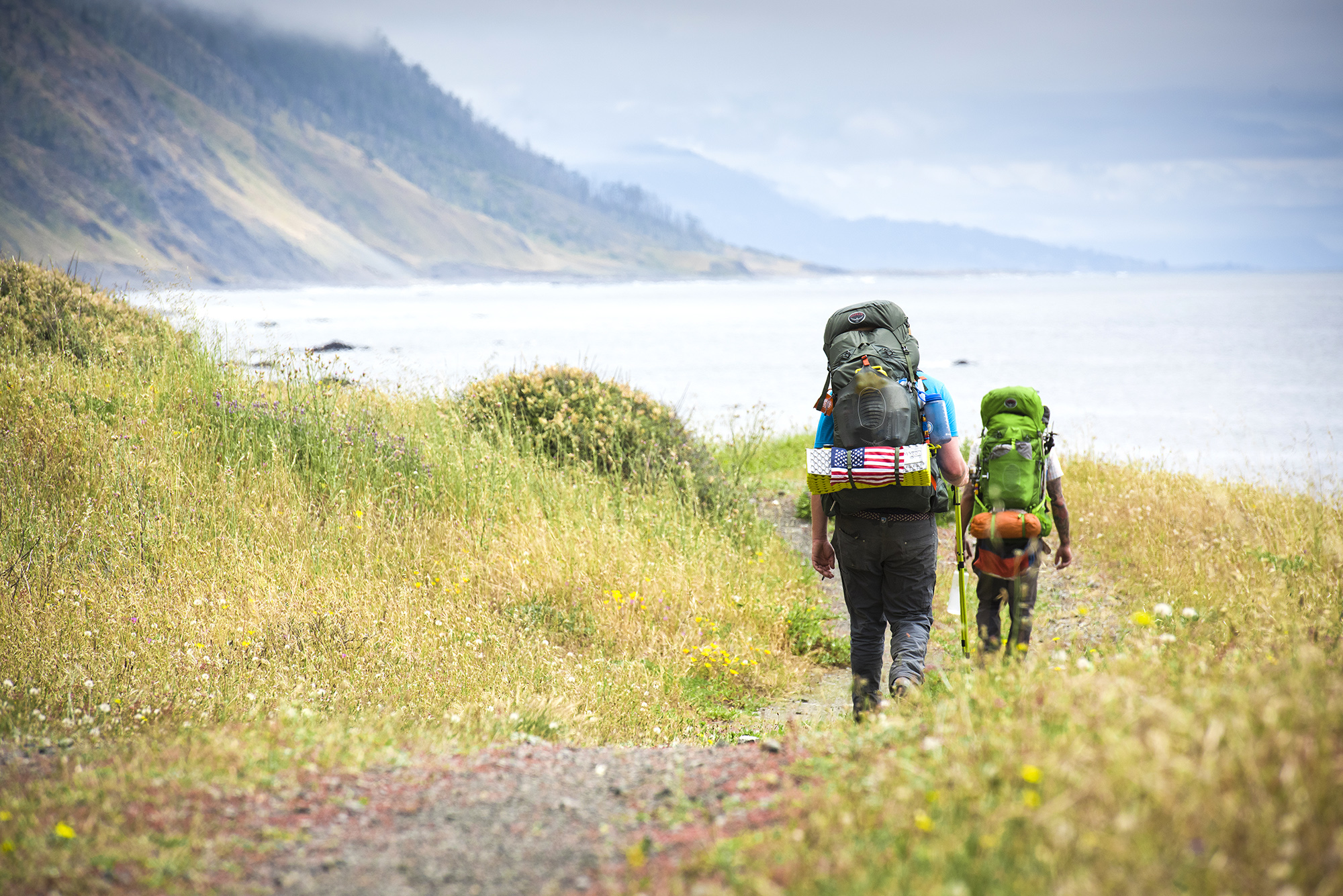
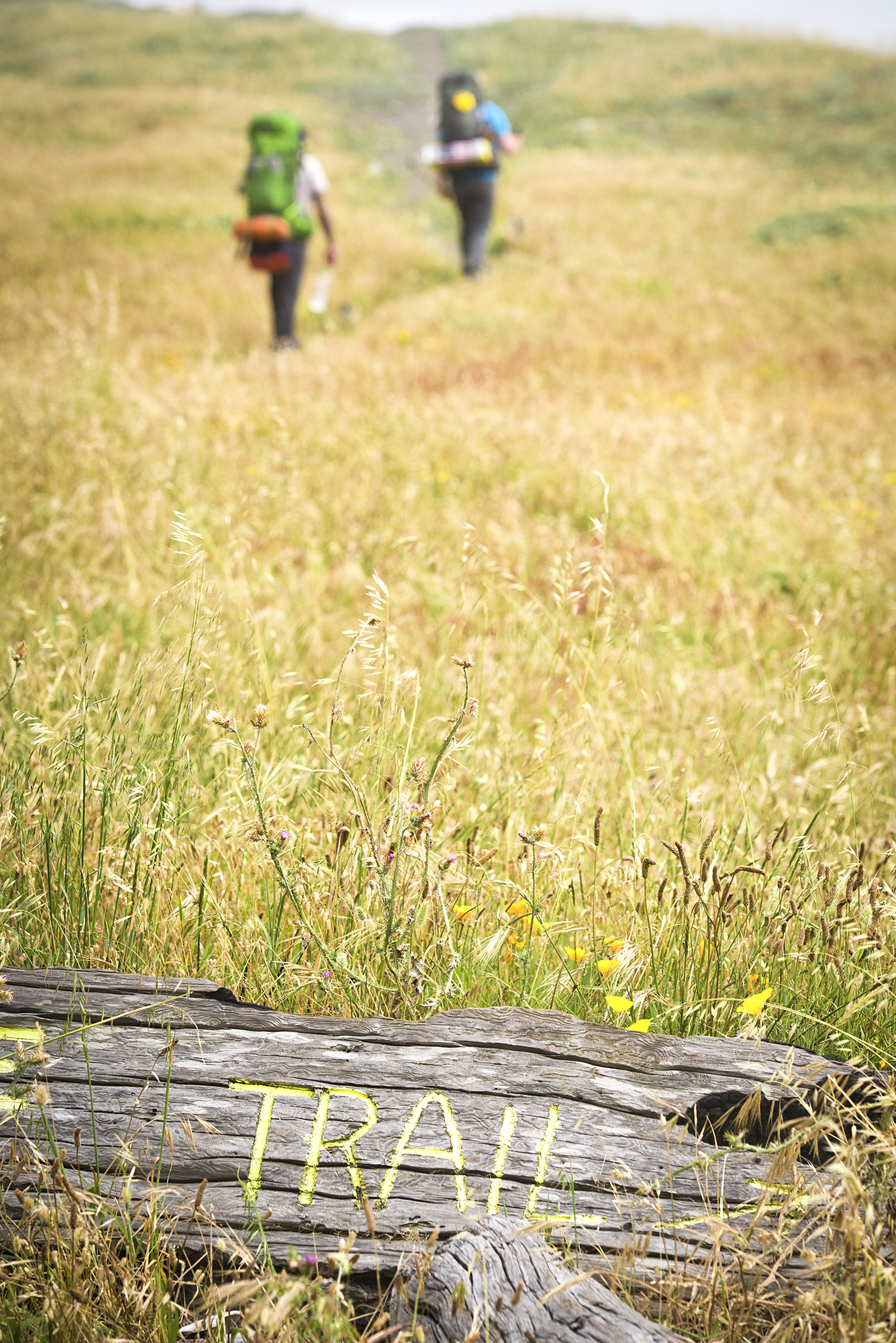
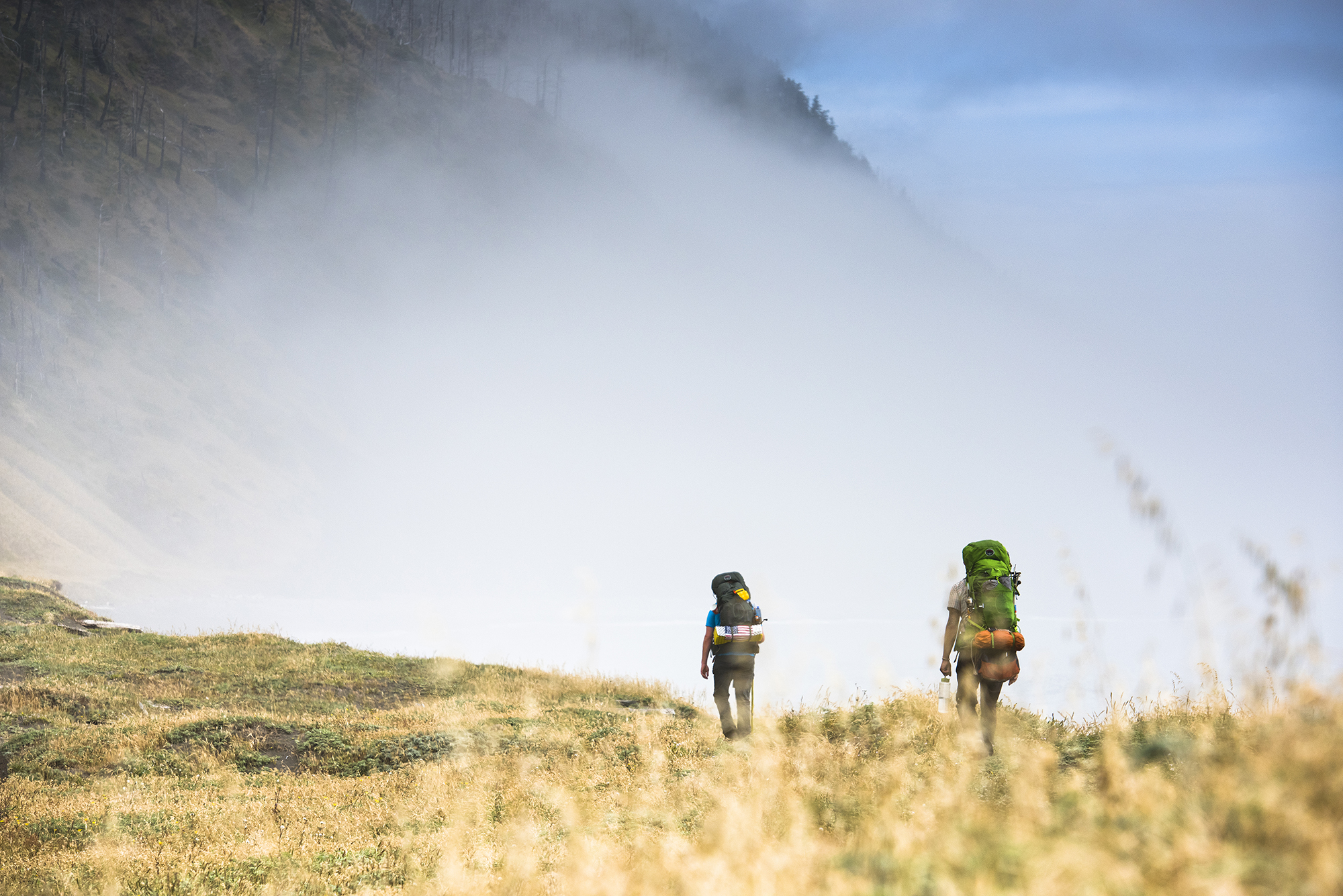
Backpacking the Lost Coast

How to Backpack The Lost Coast - Photos

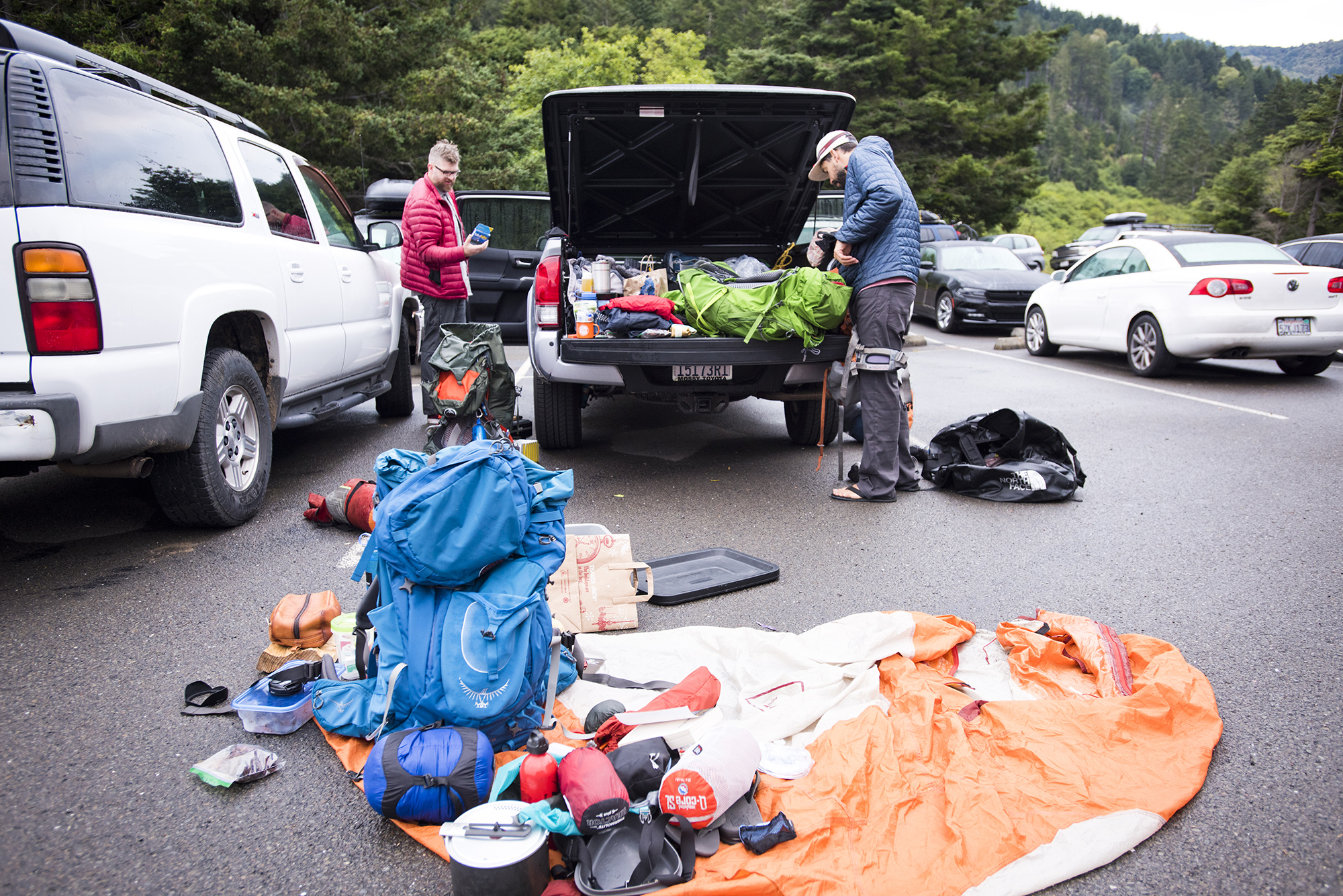
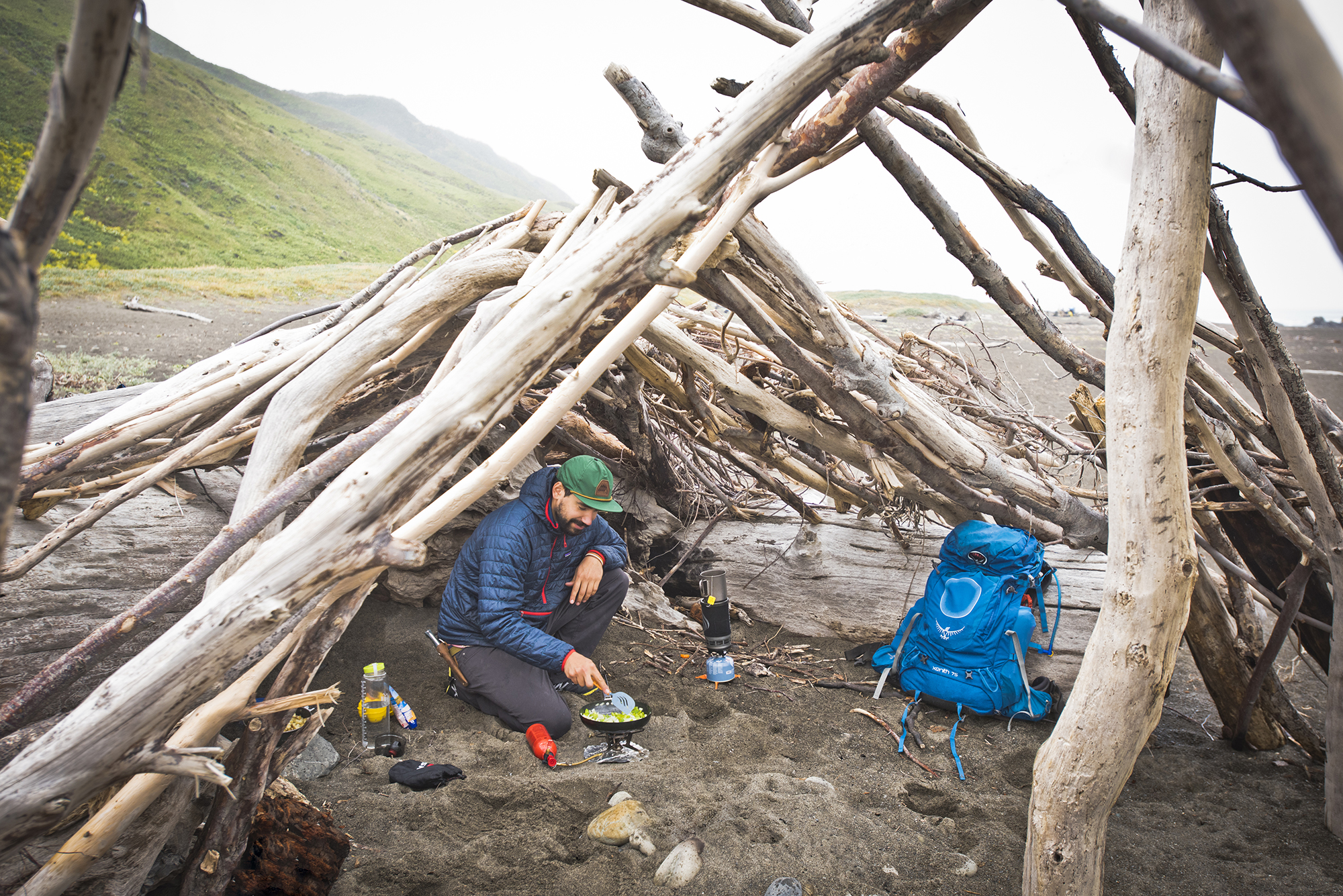
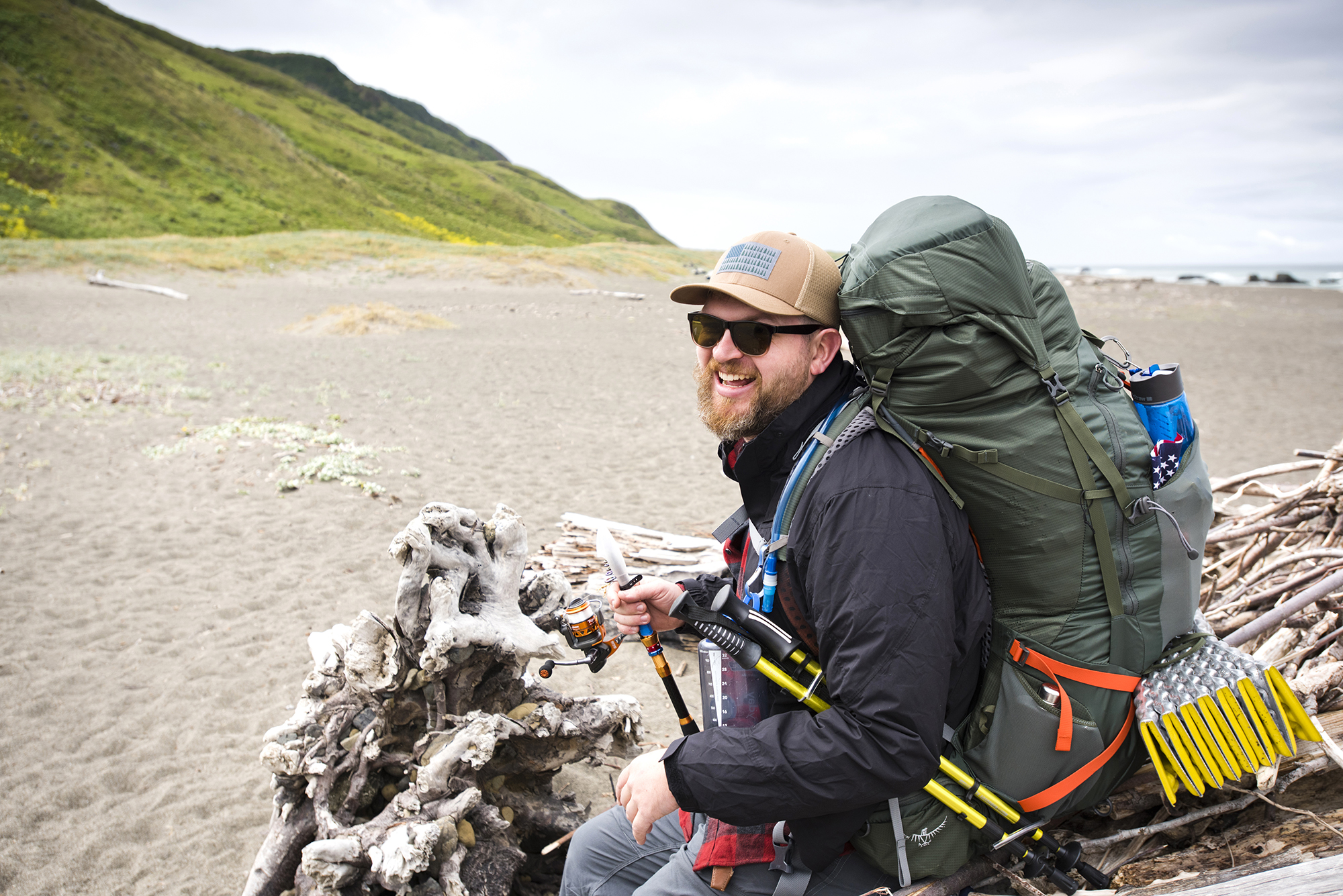
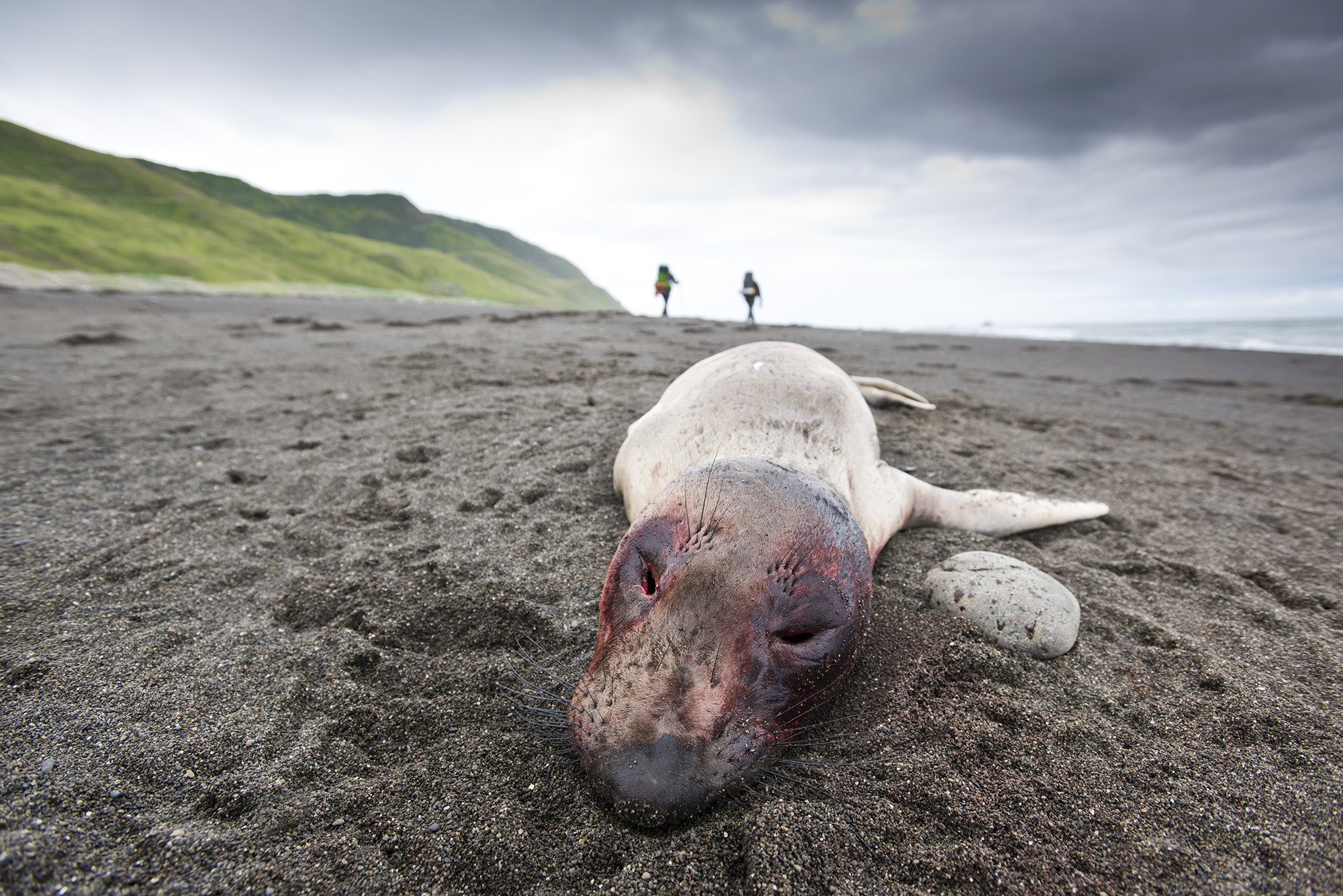
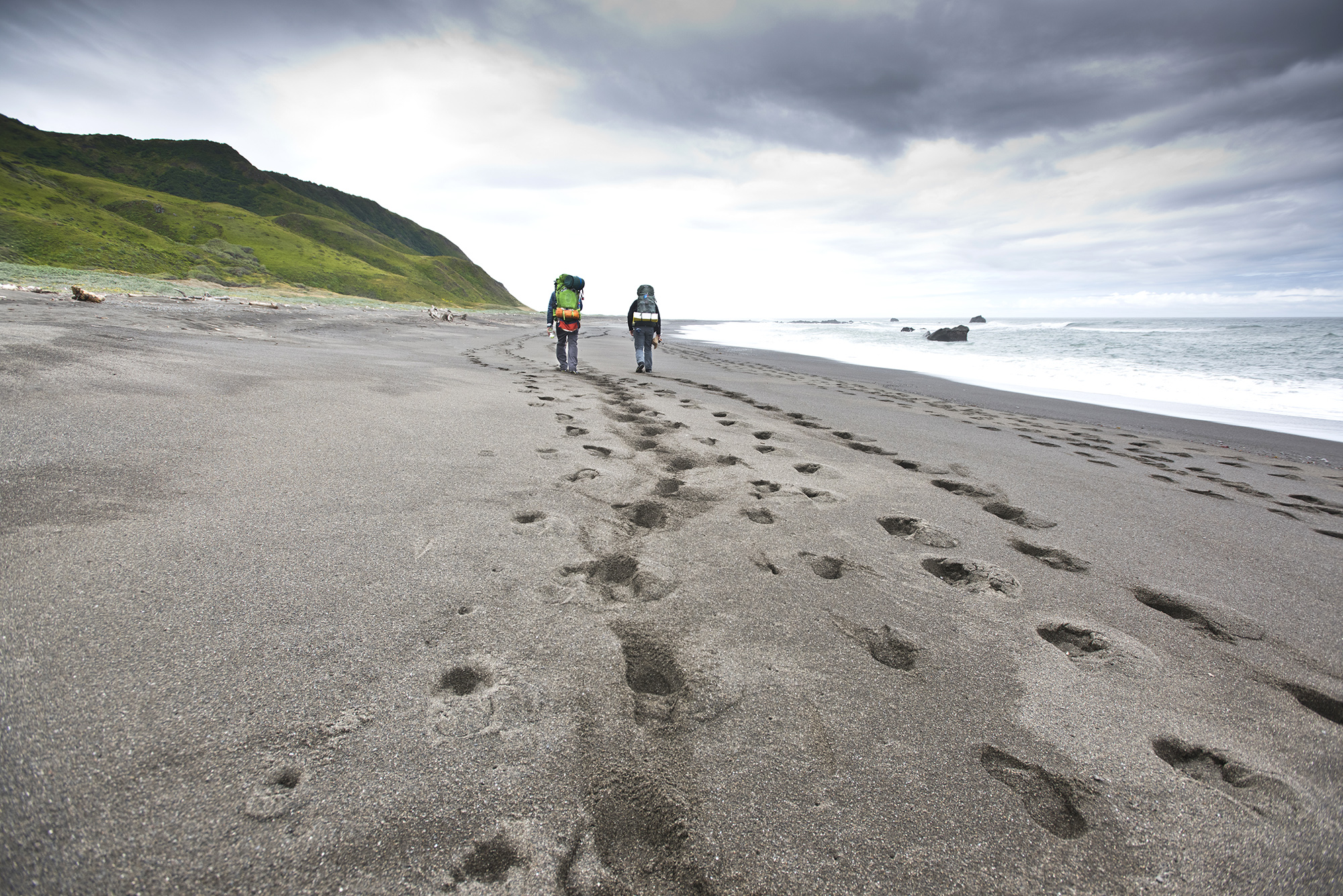
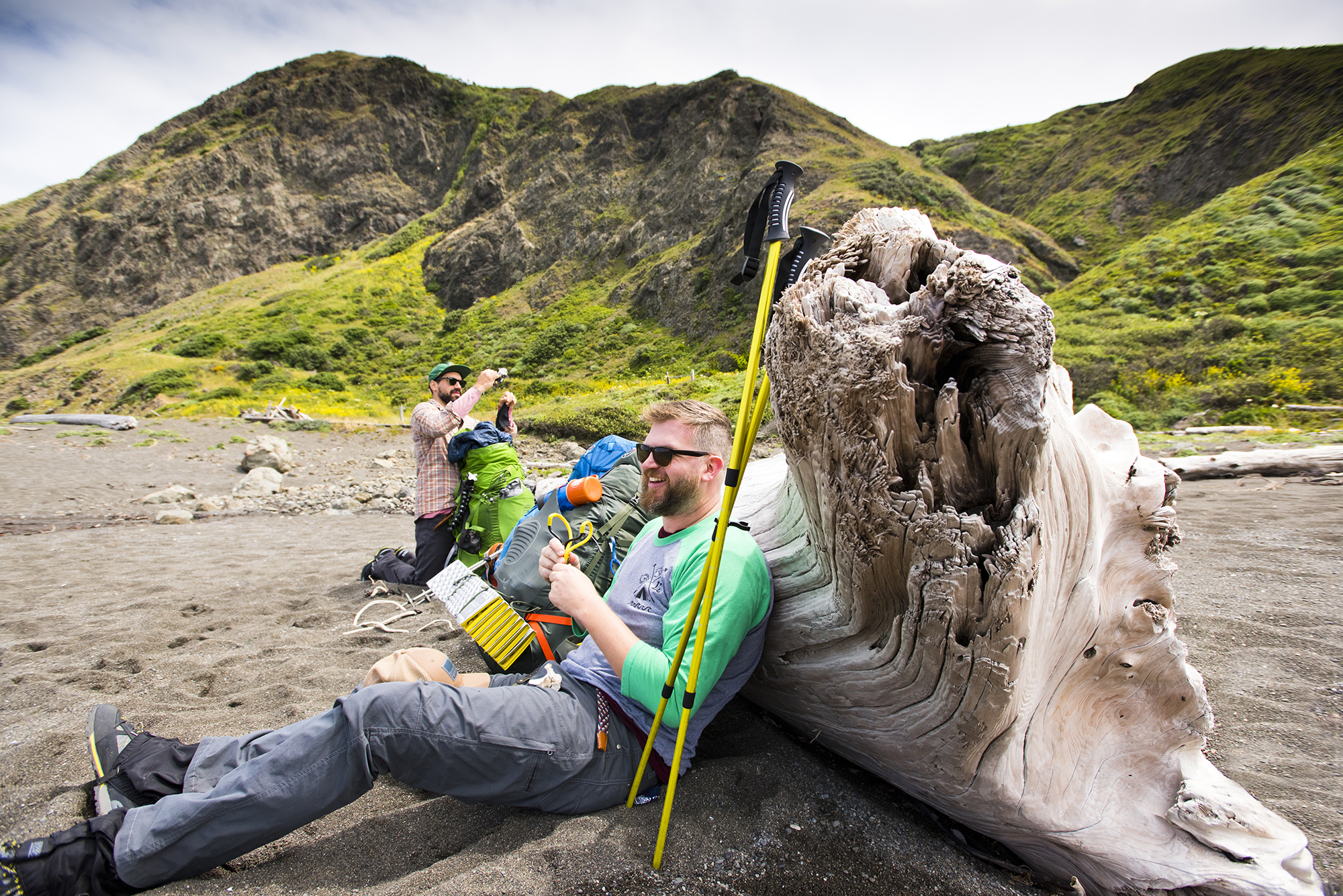
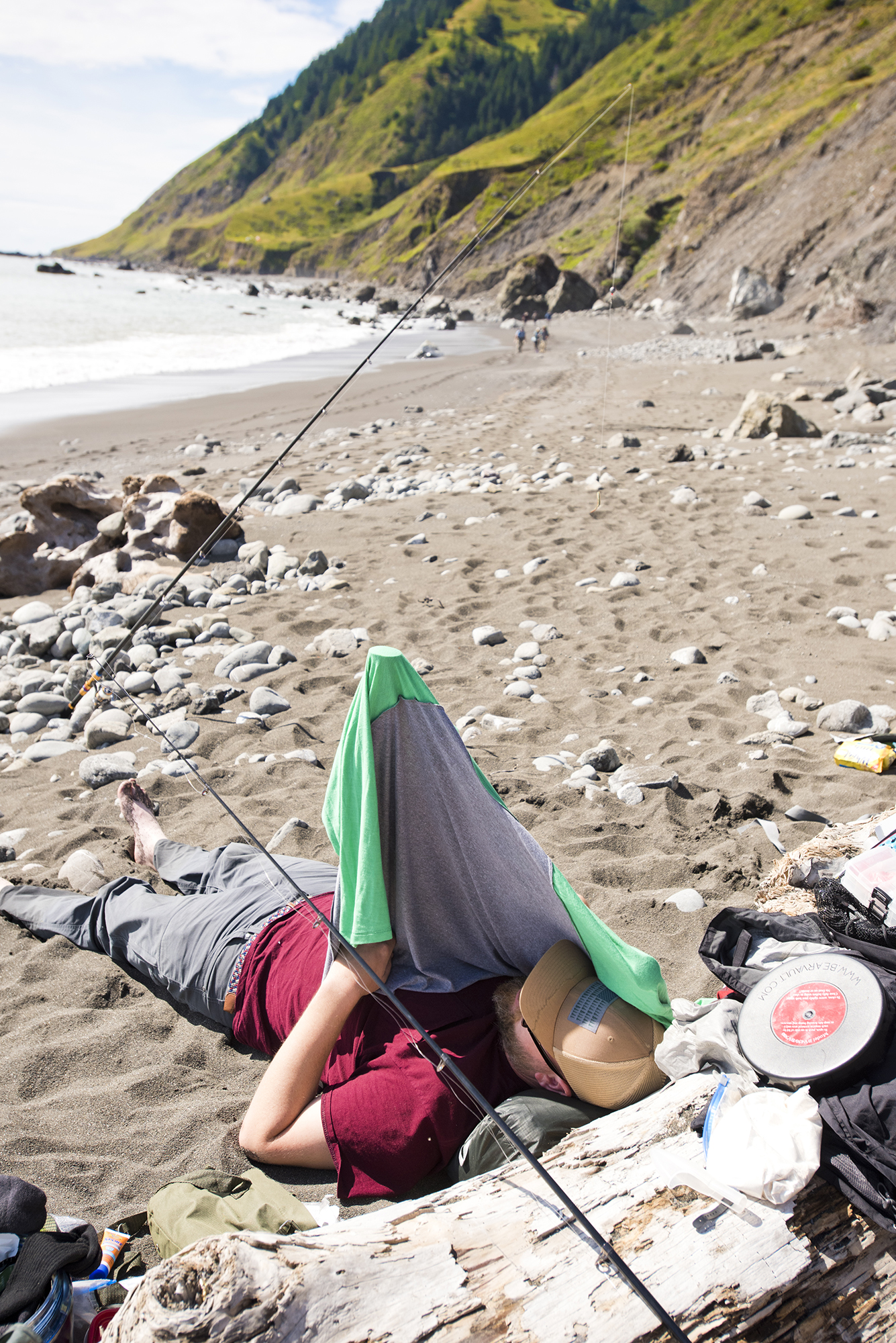
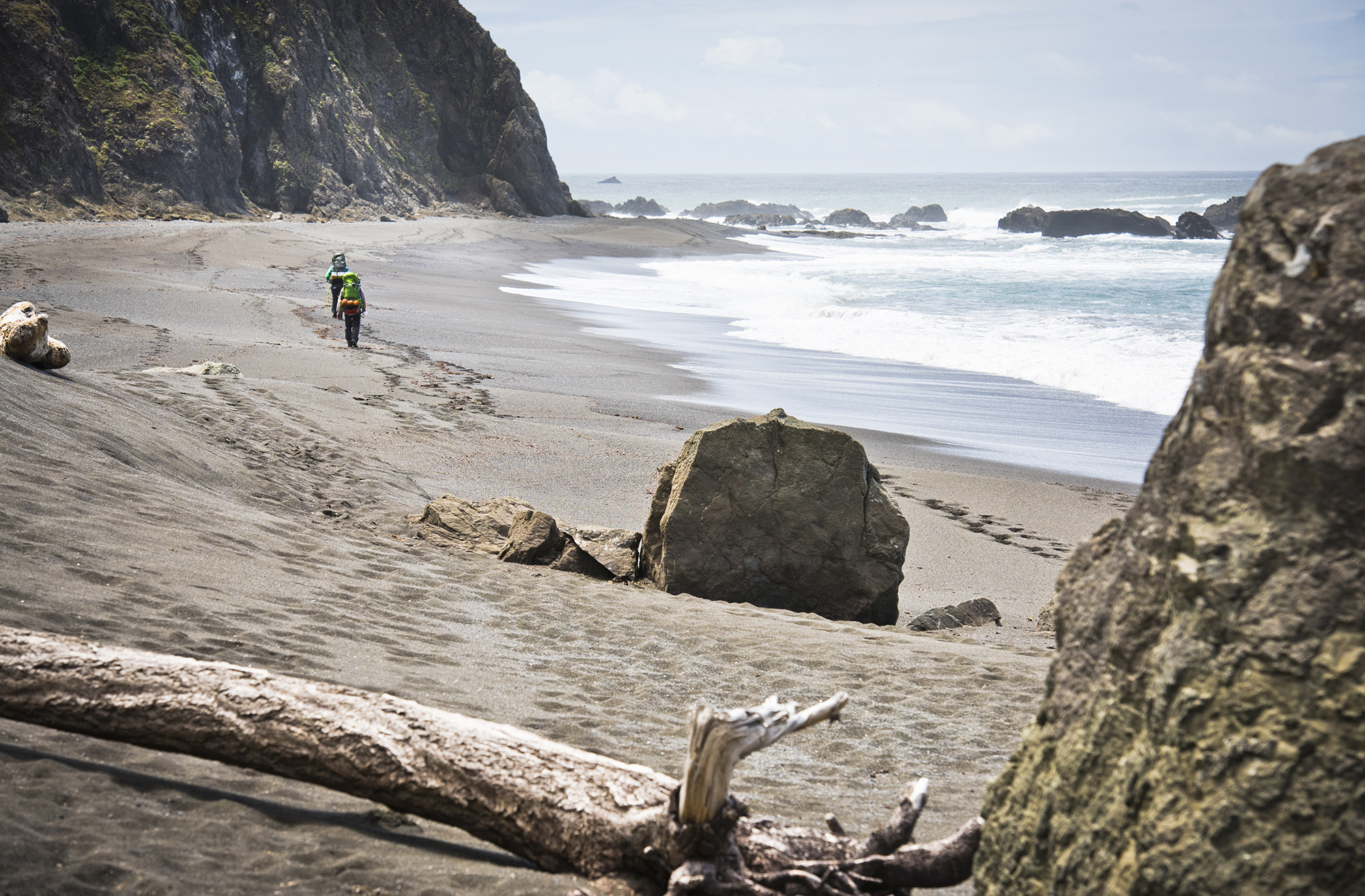
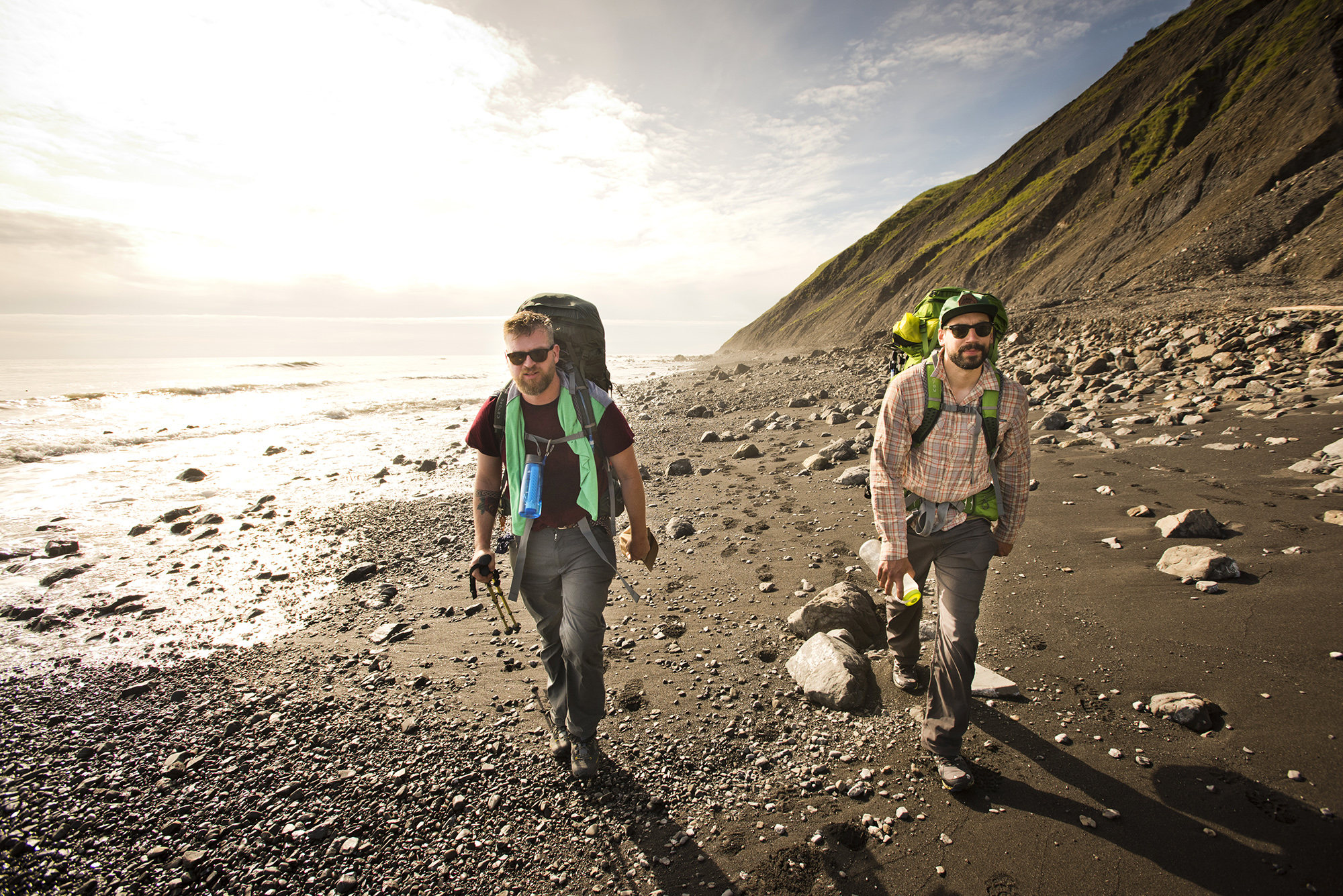
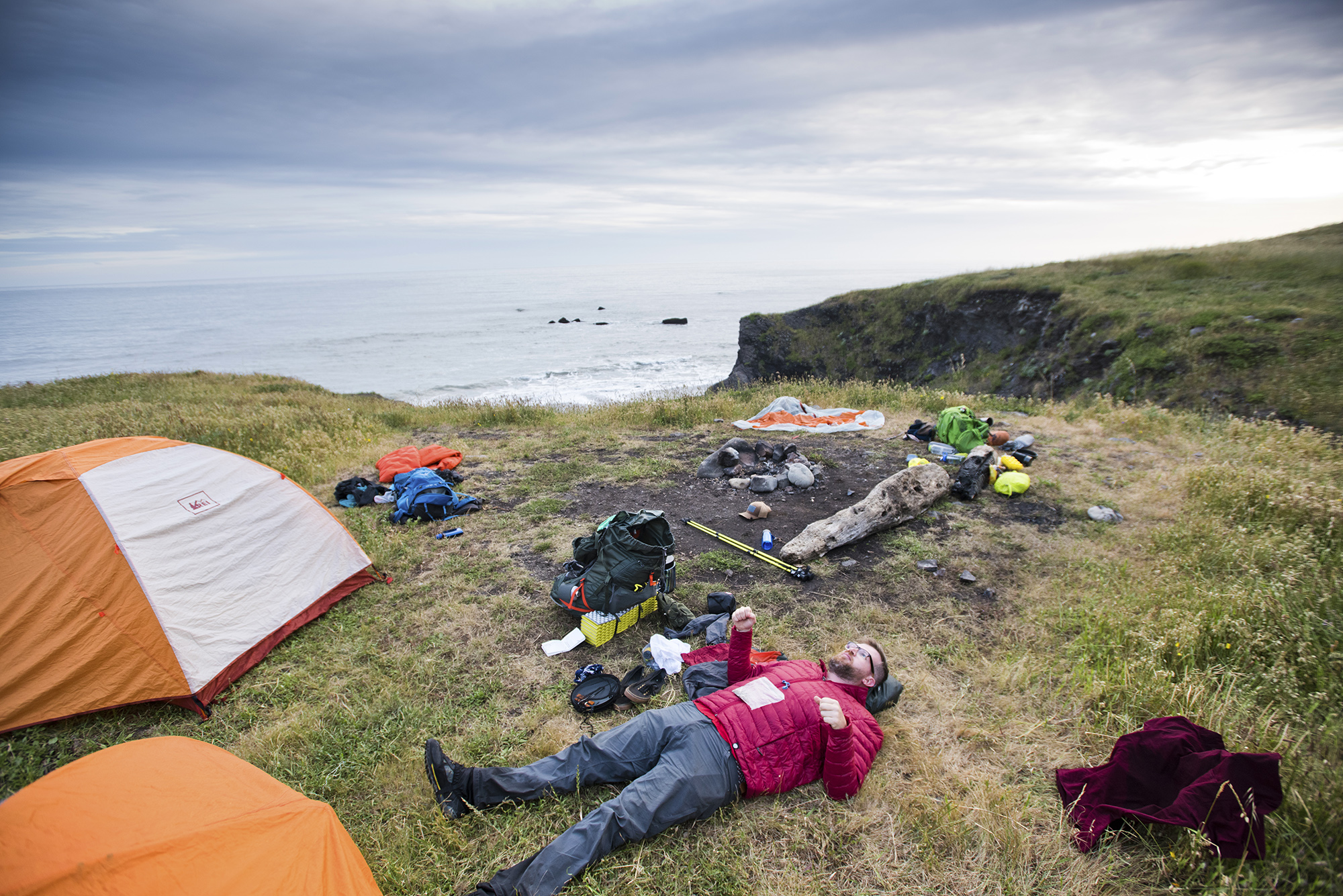
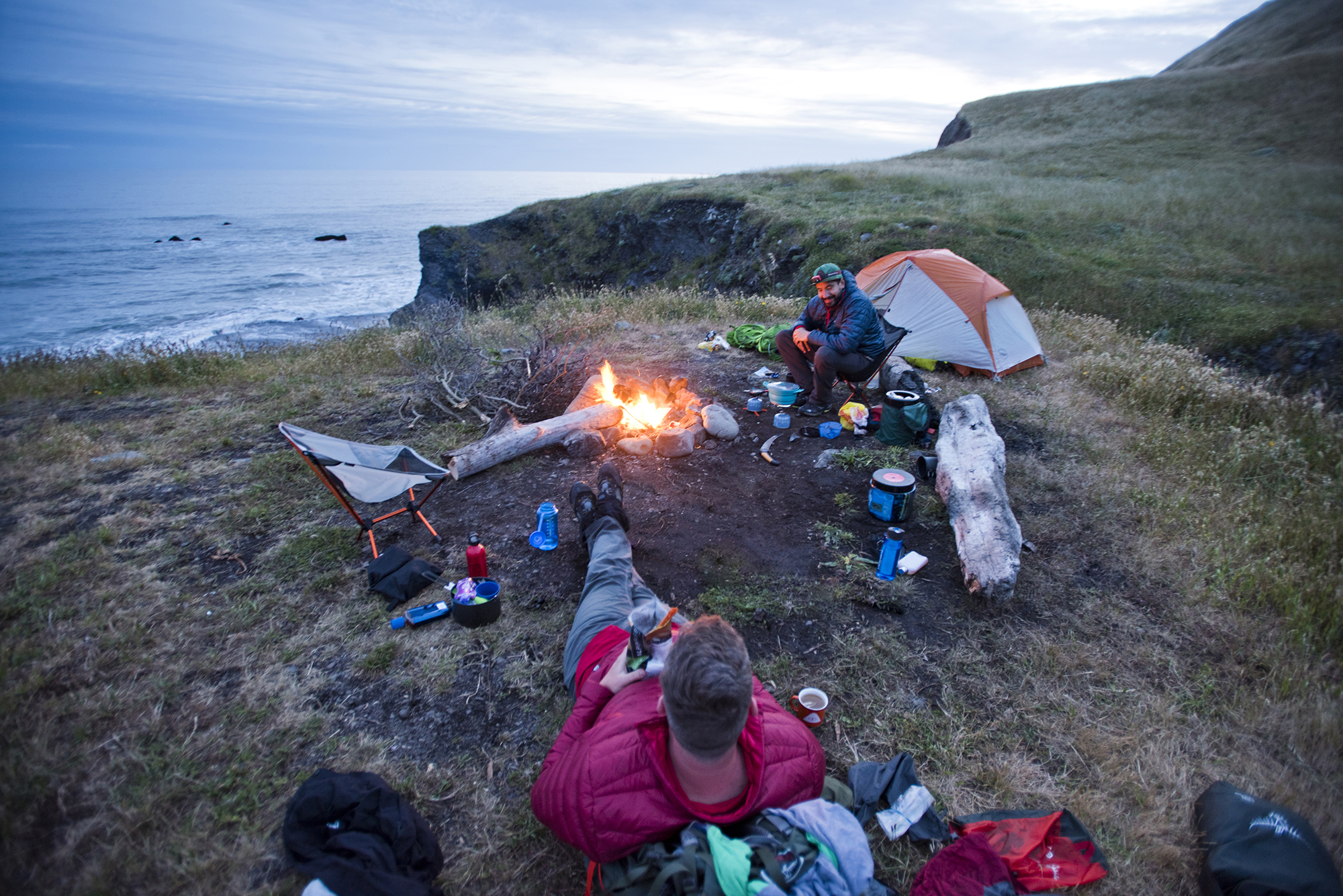
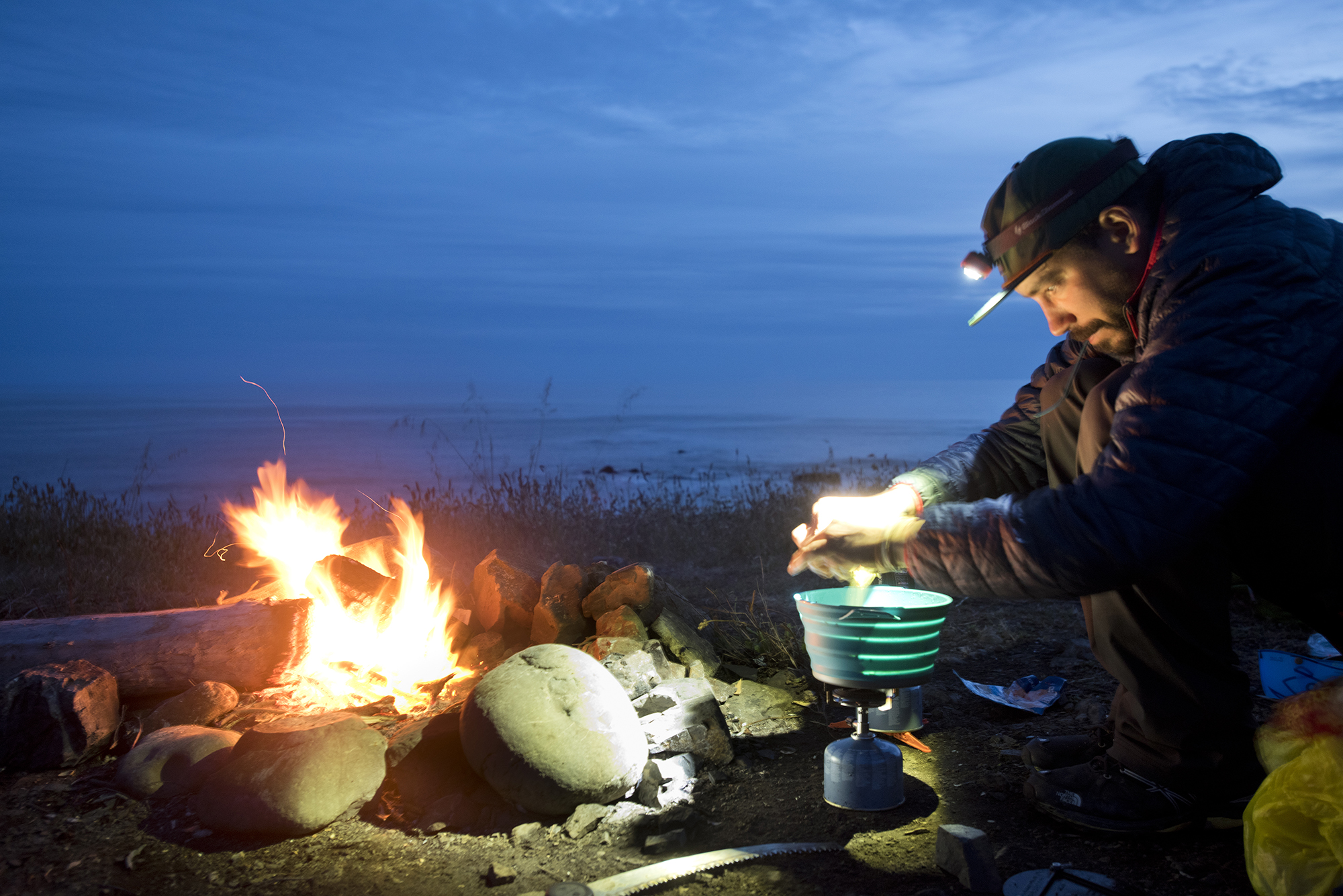
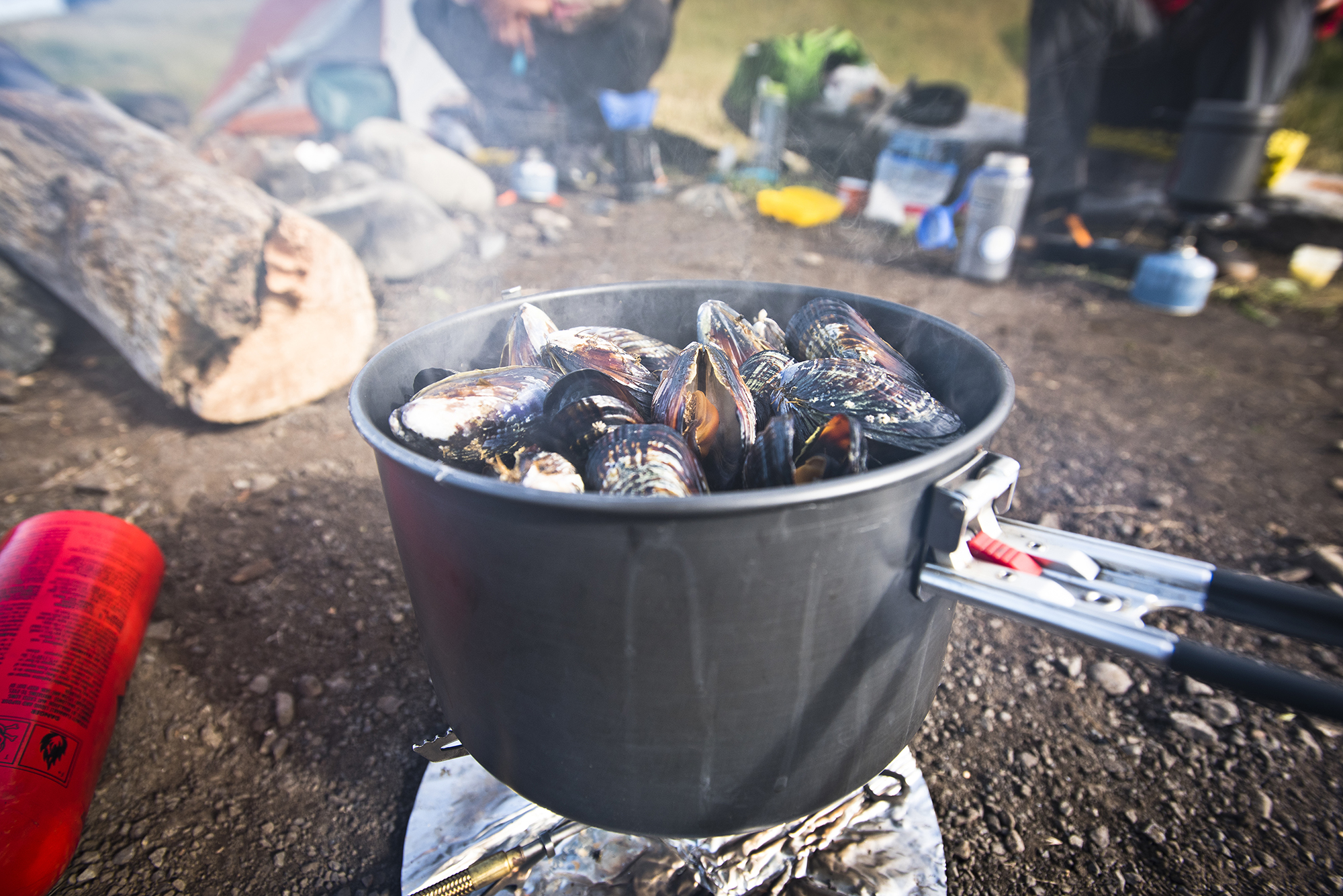
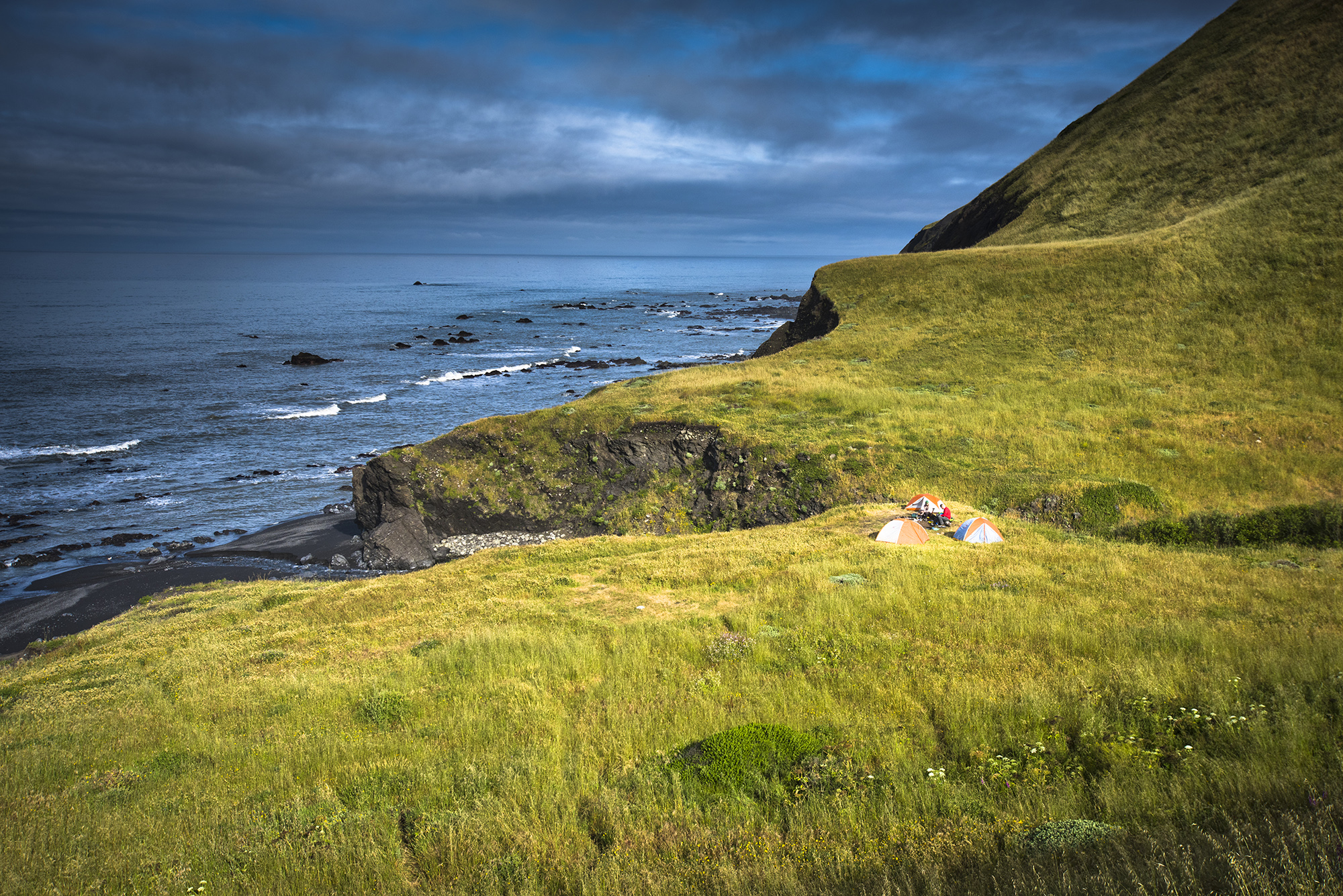
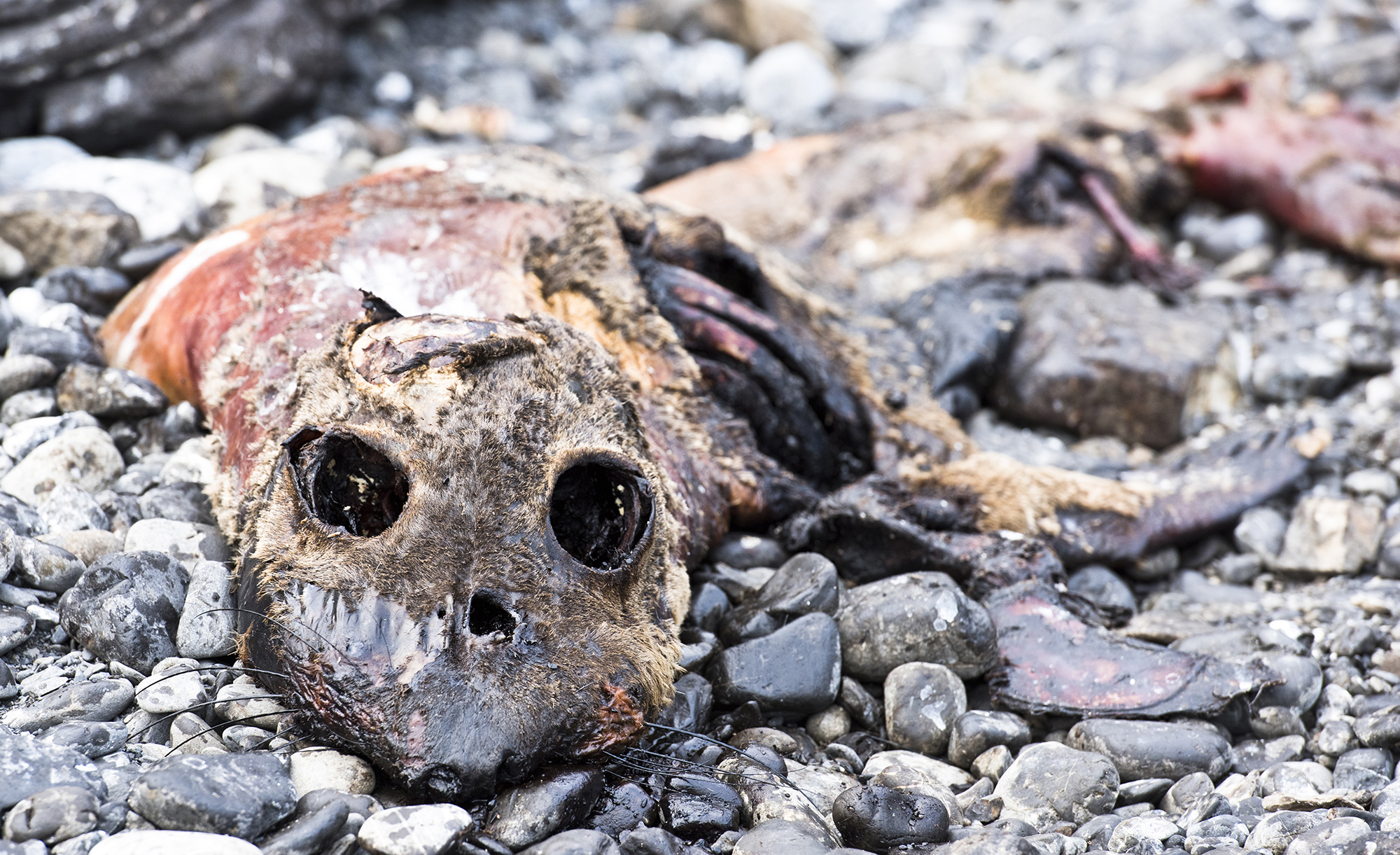
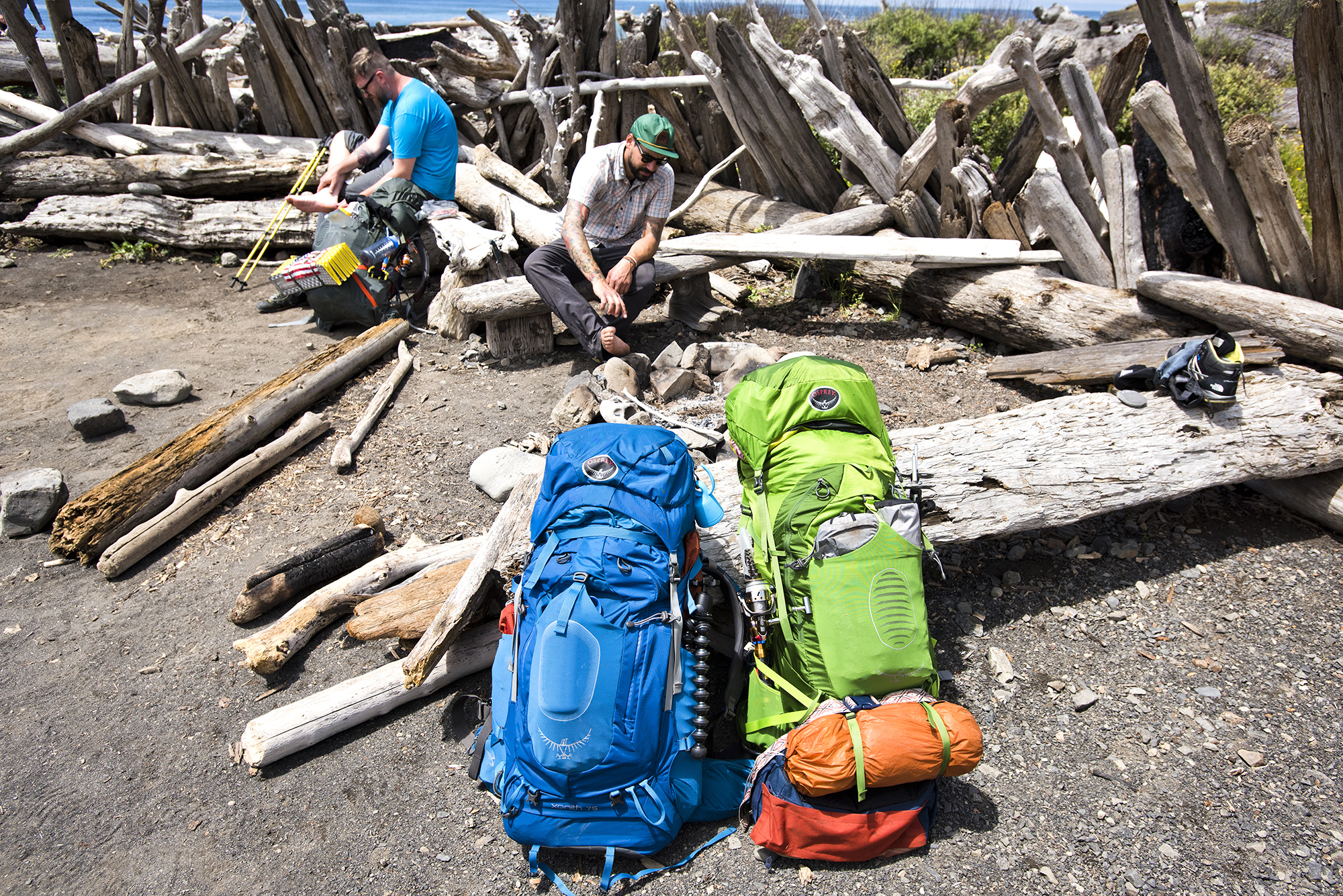
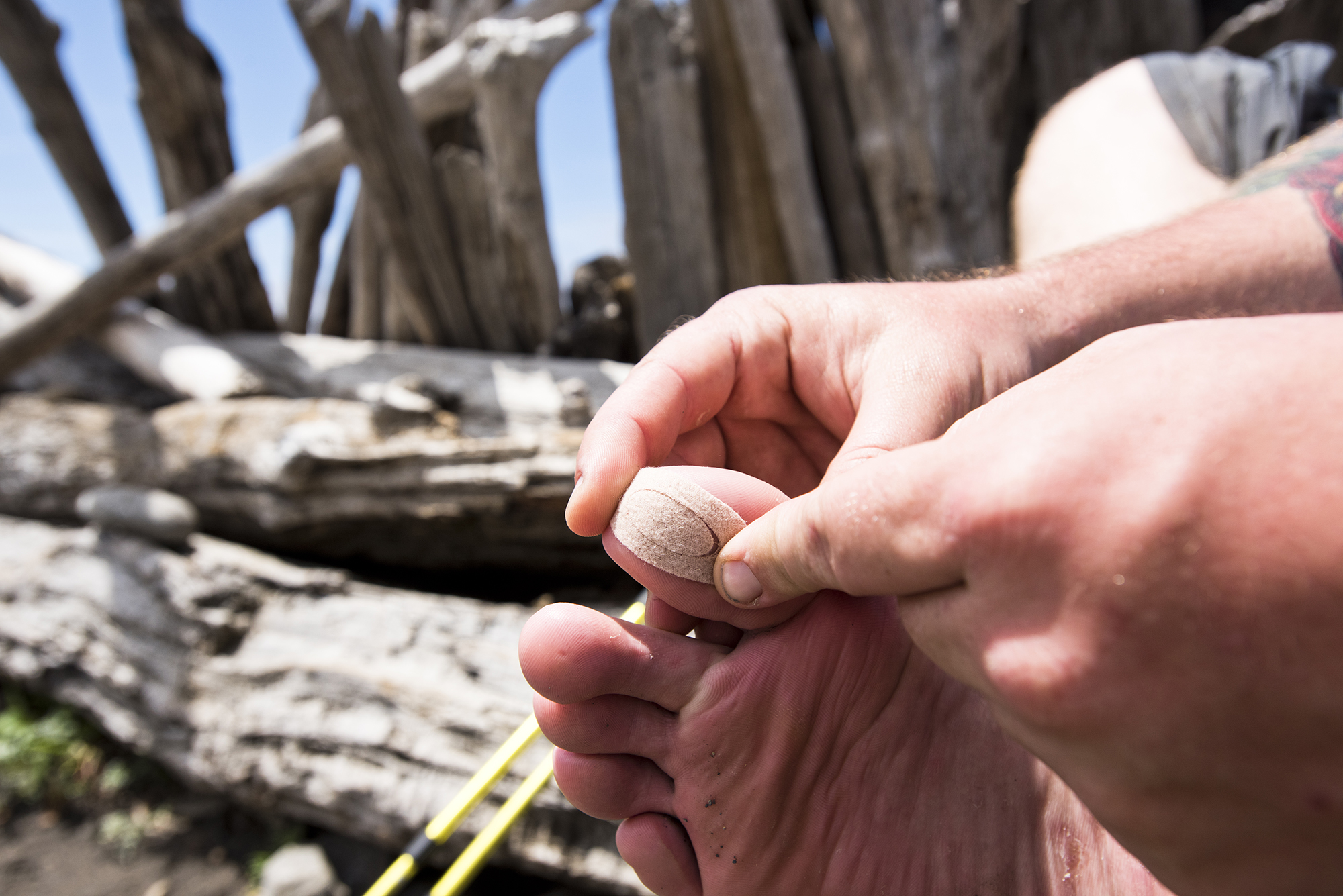
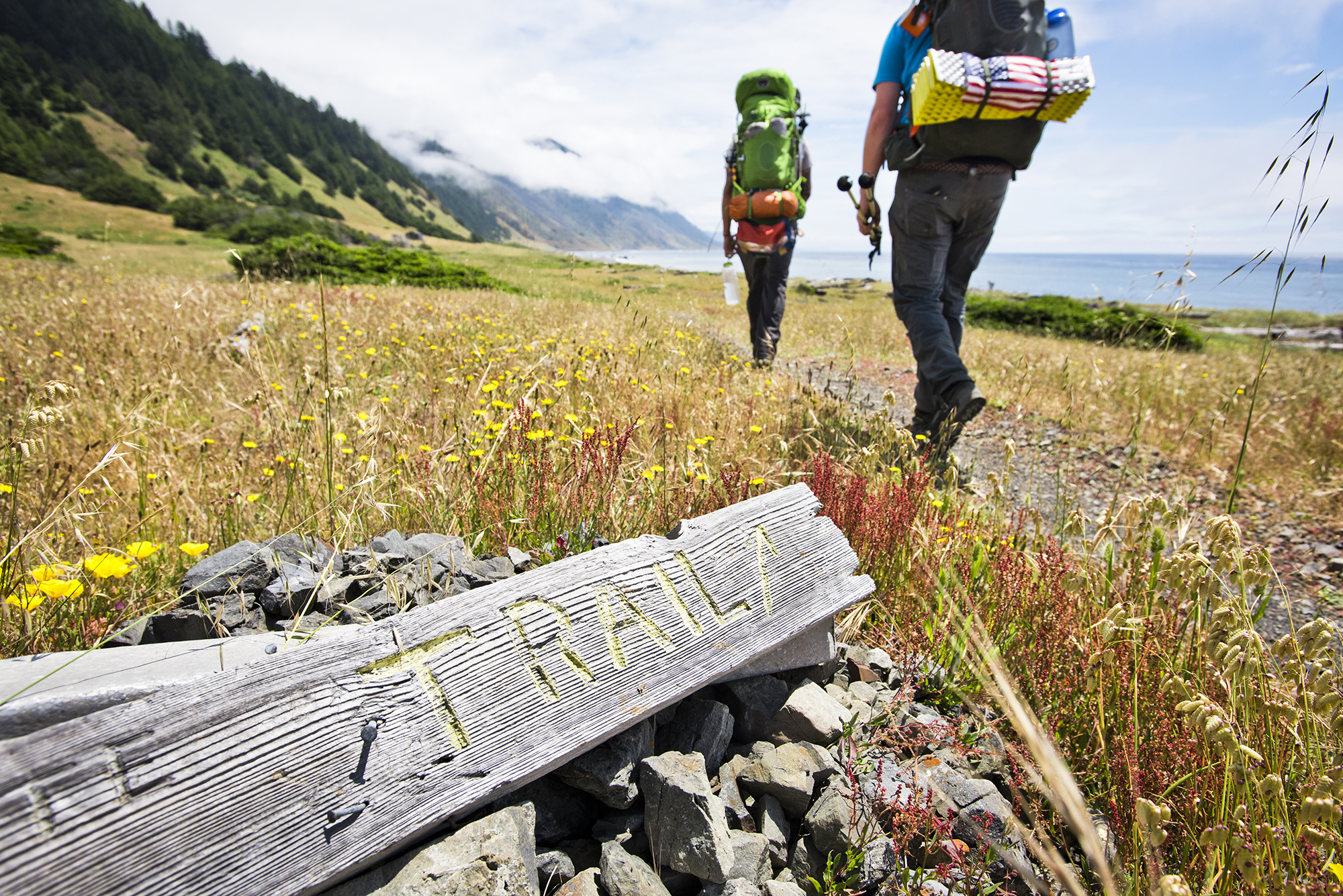
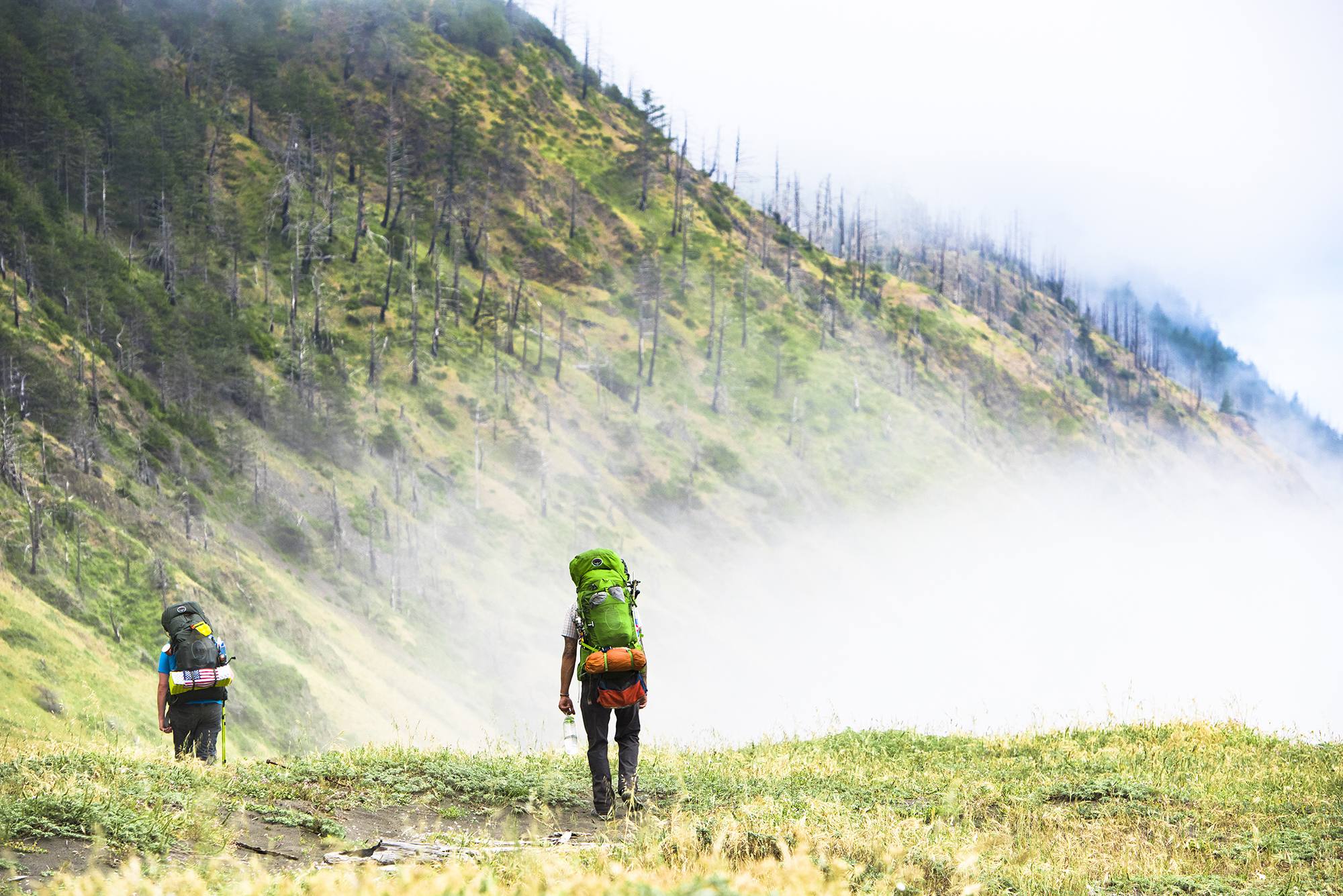
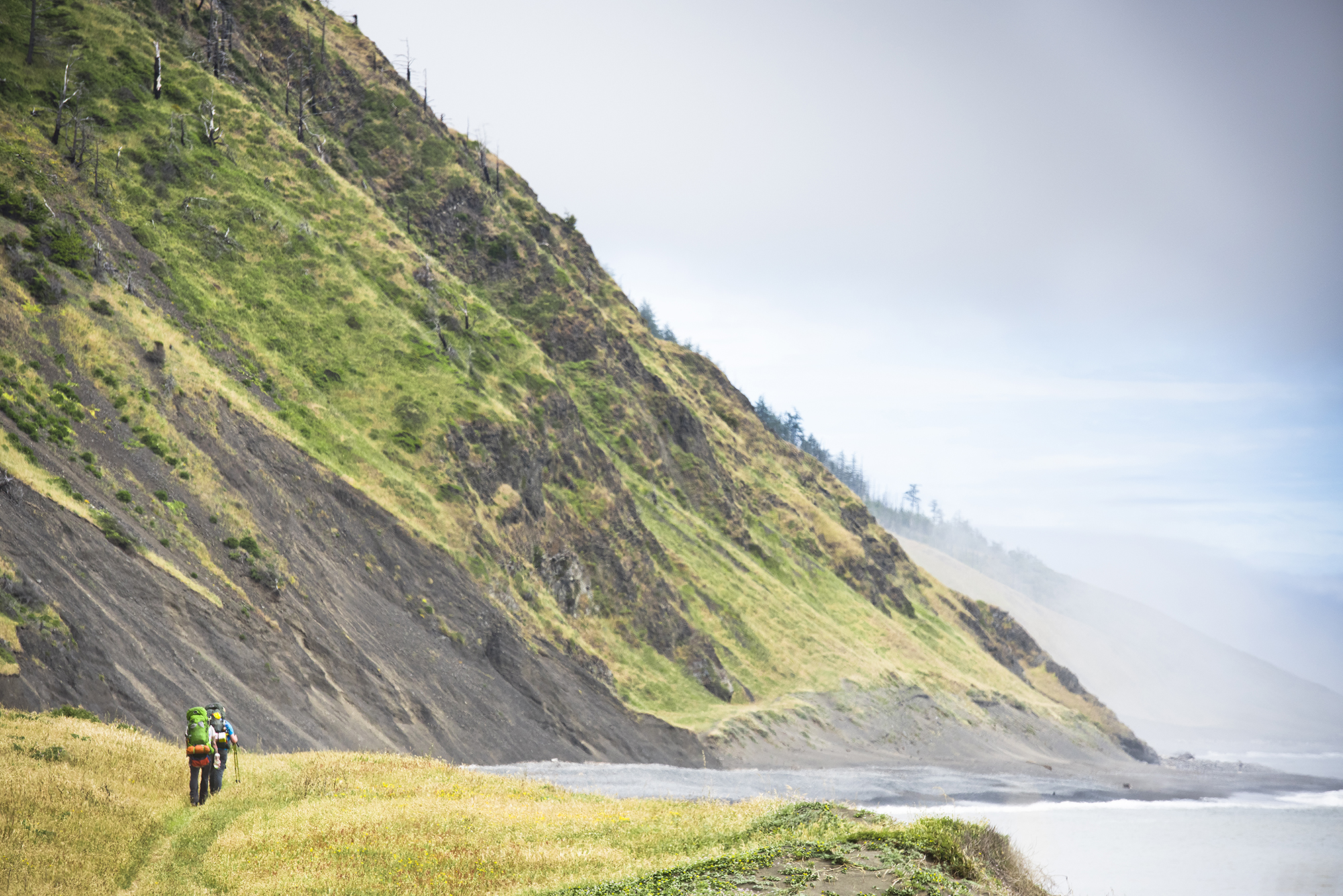
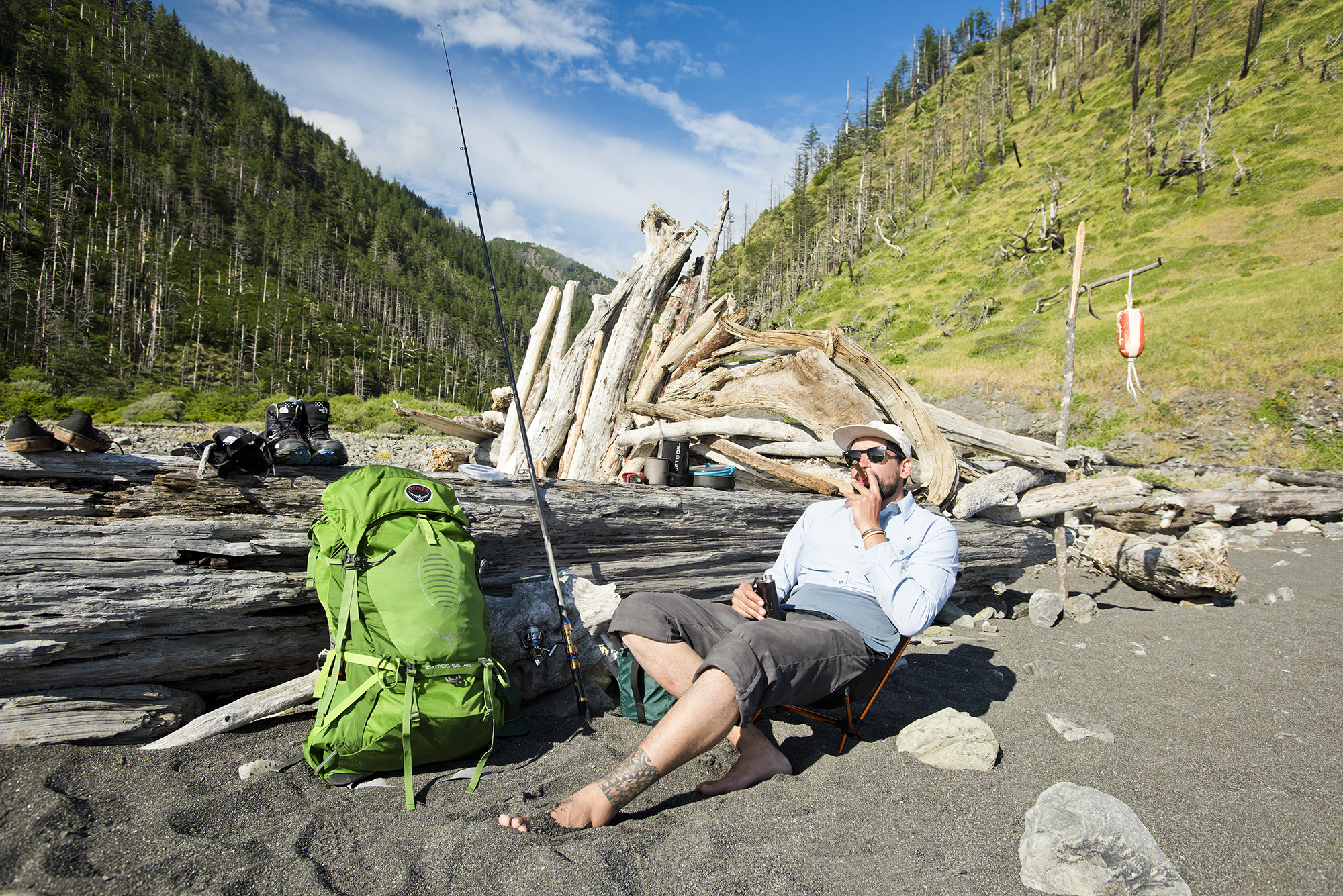
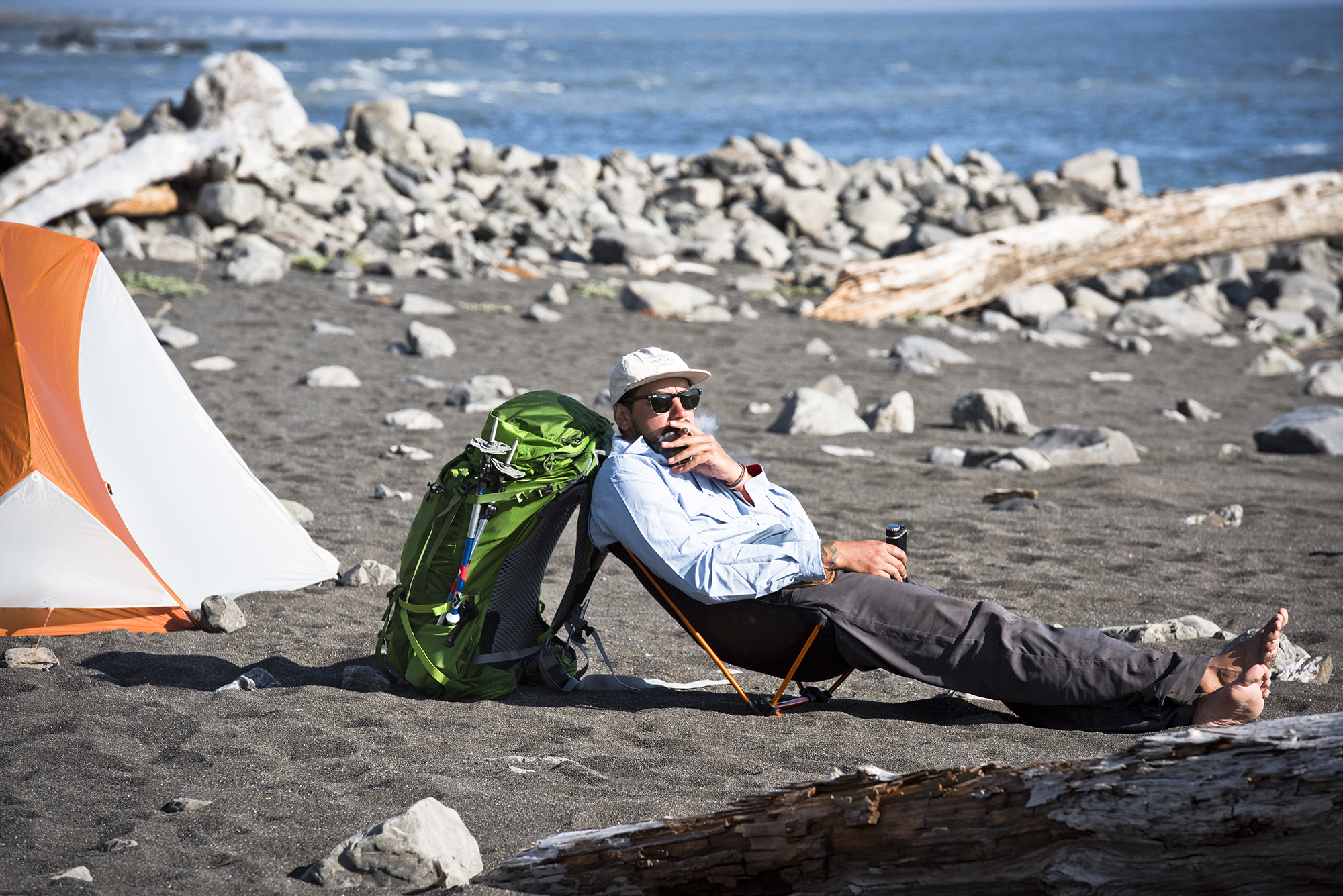
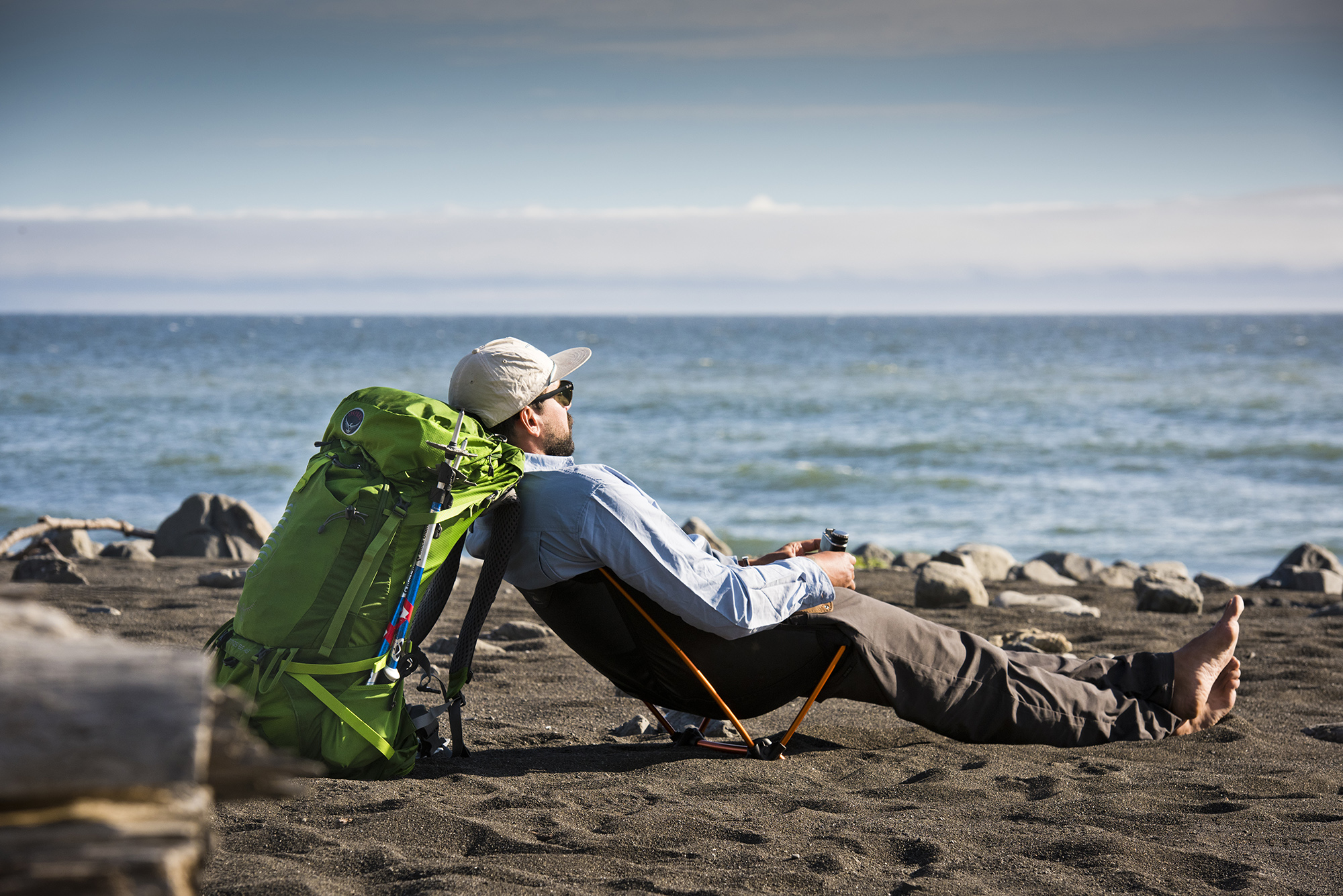
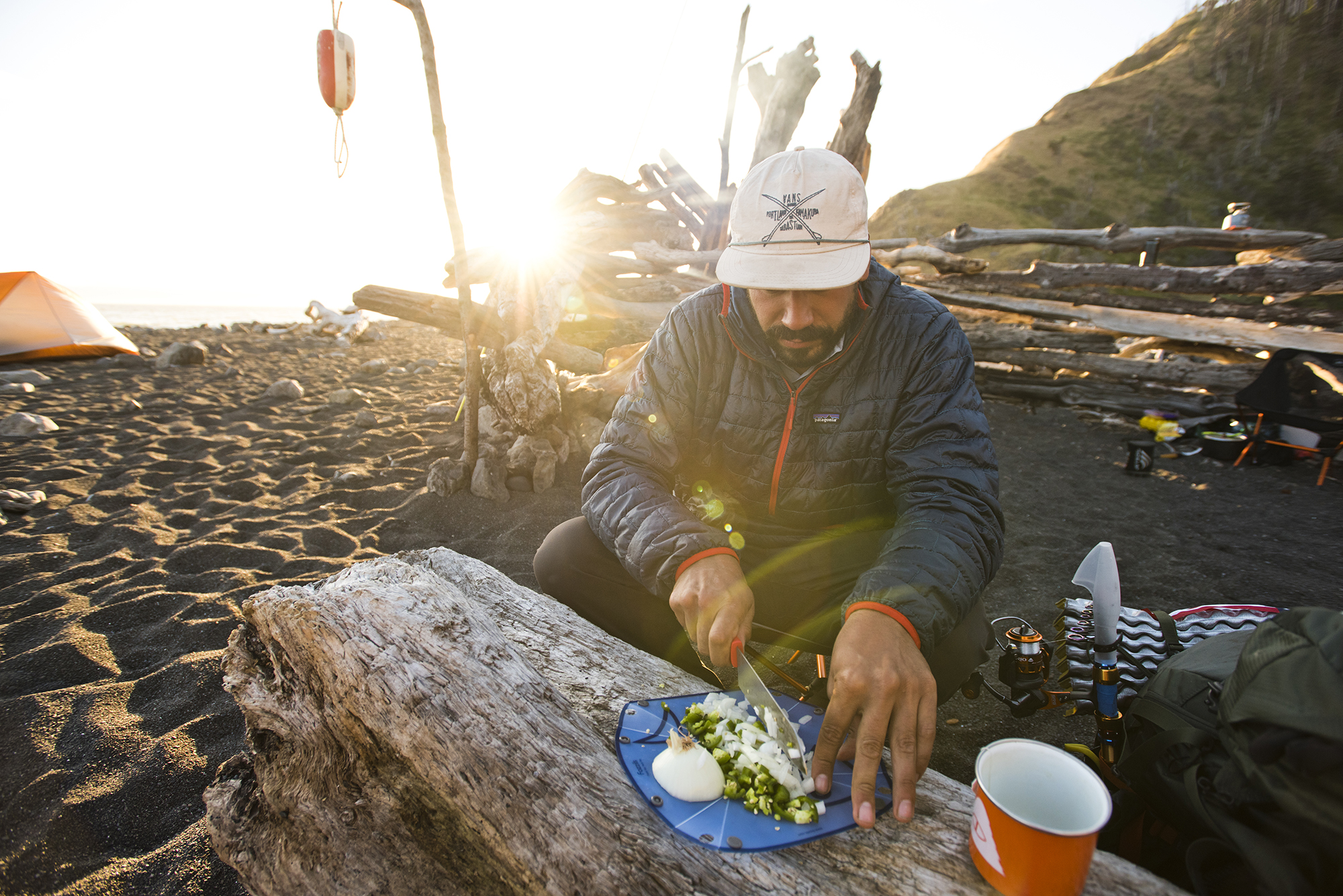
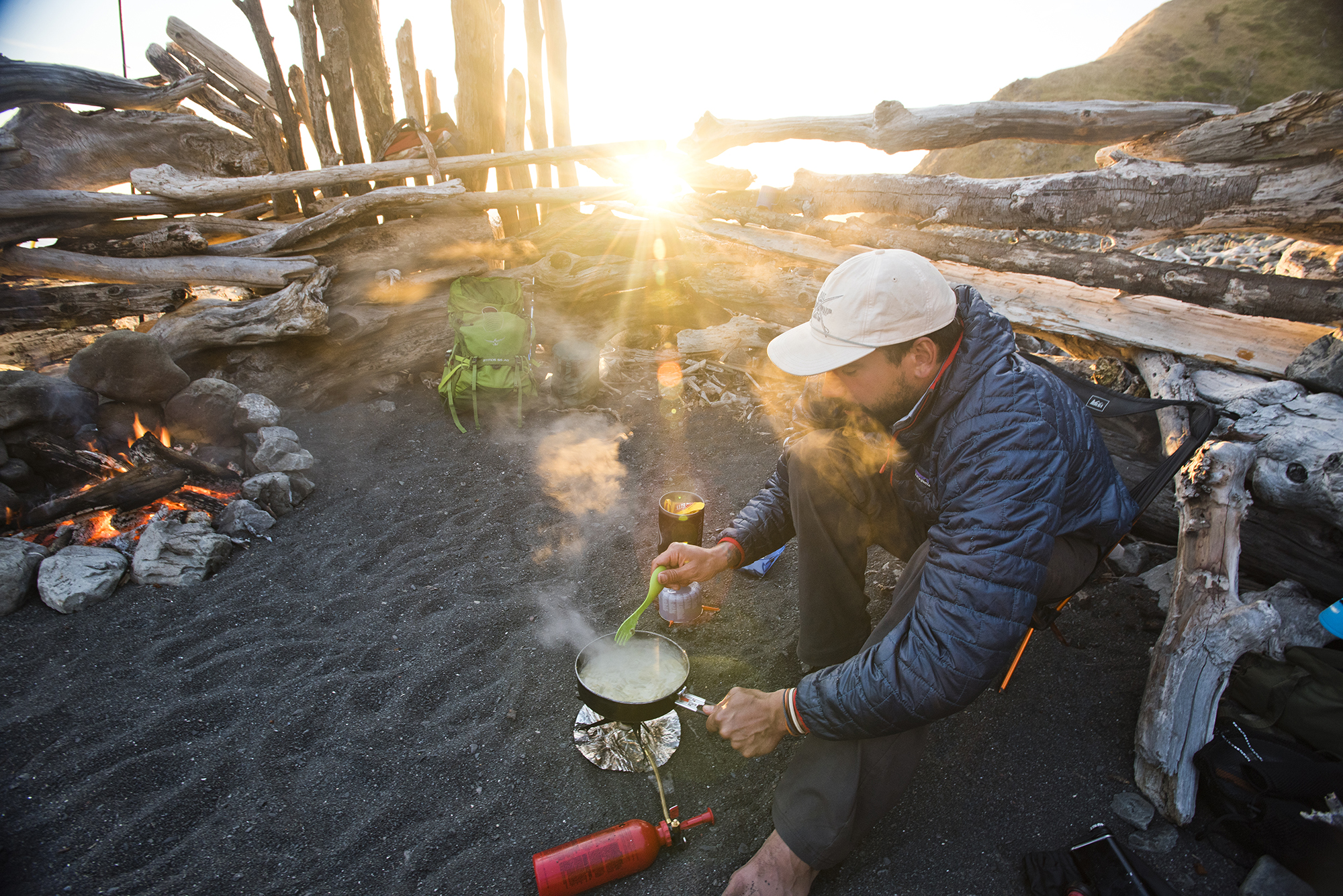
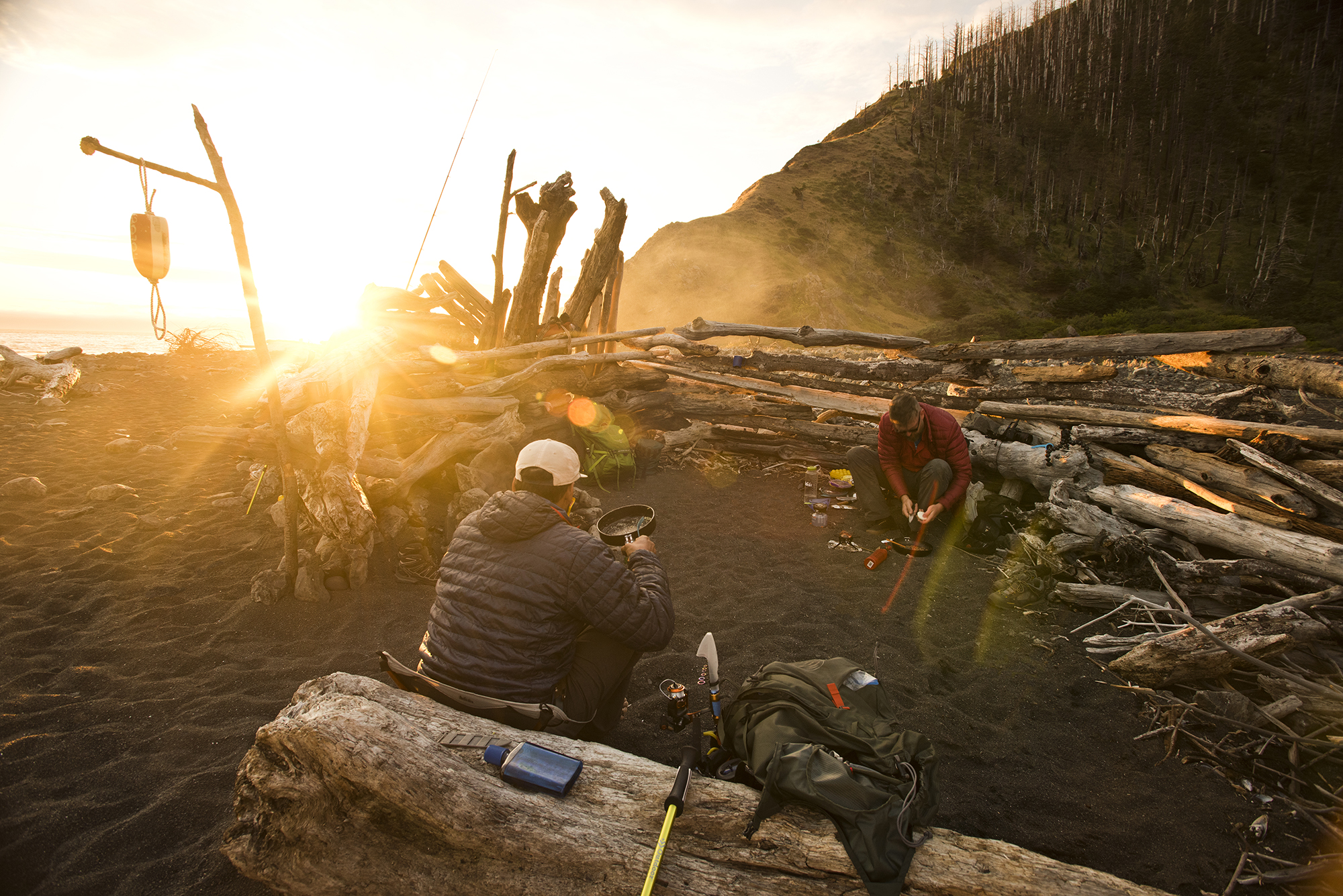
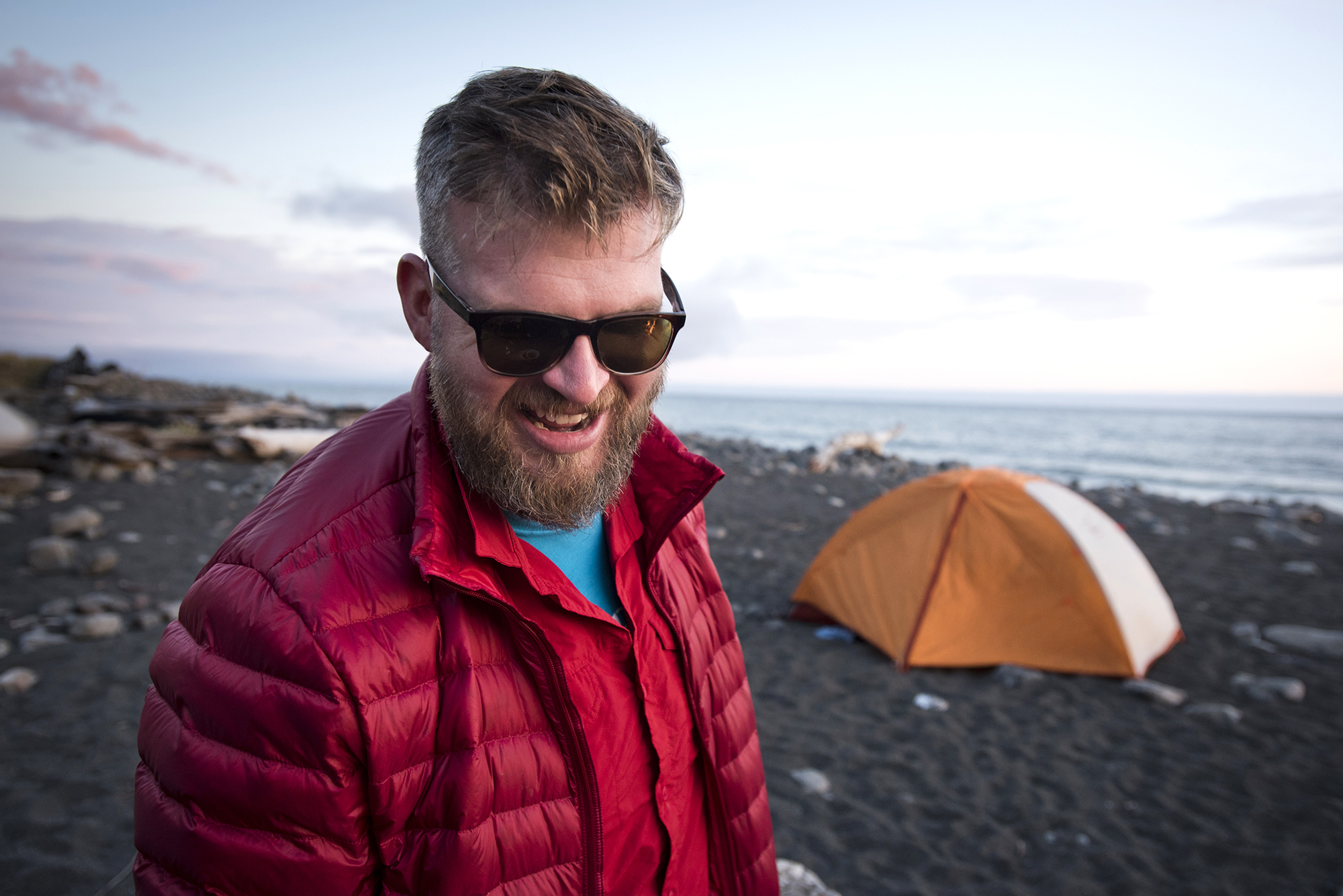
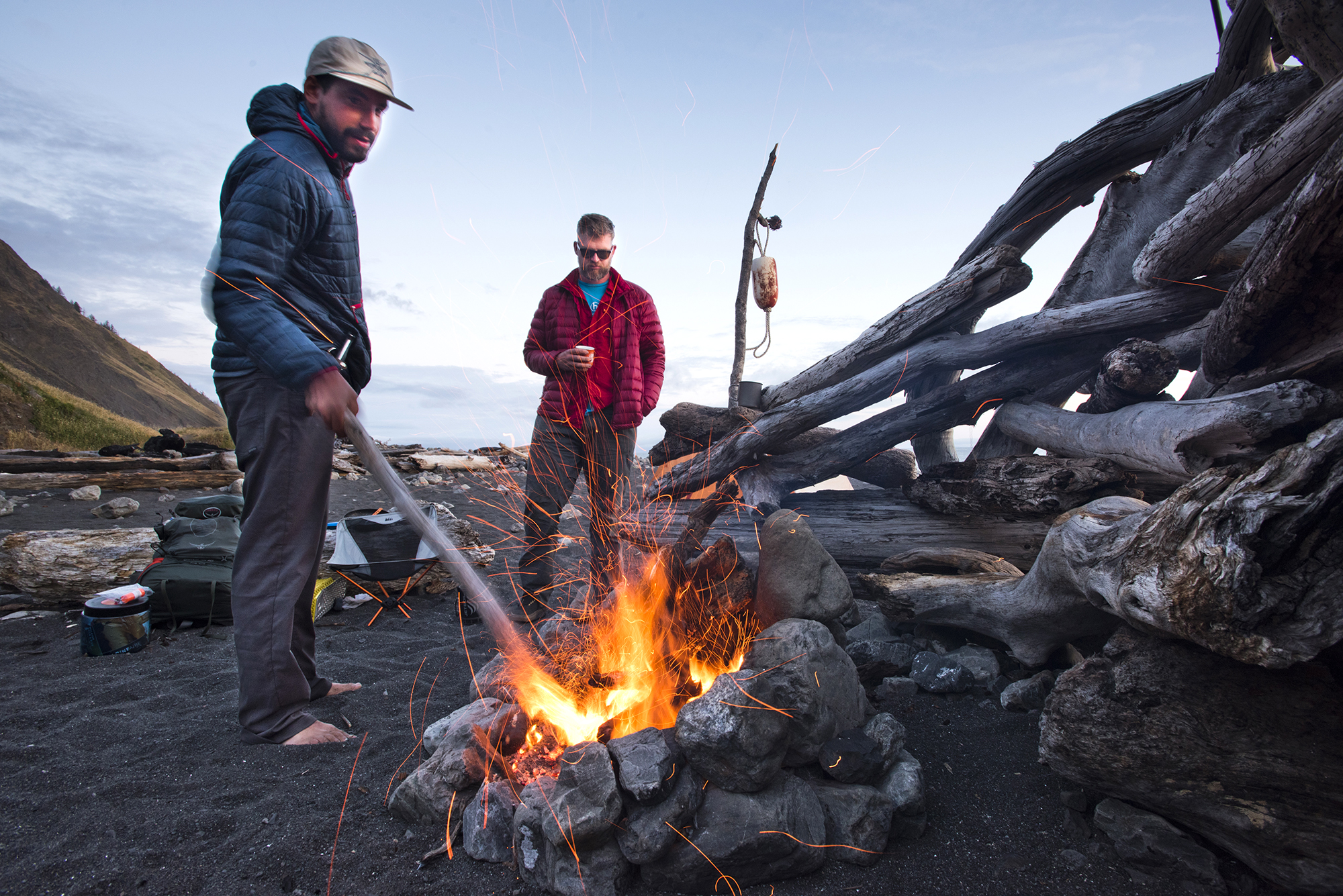
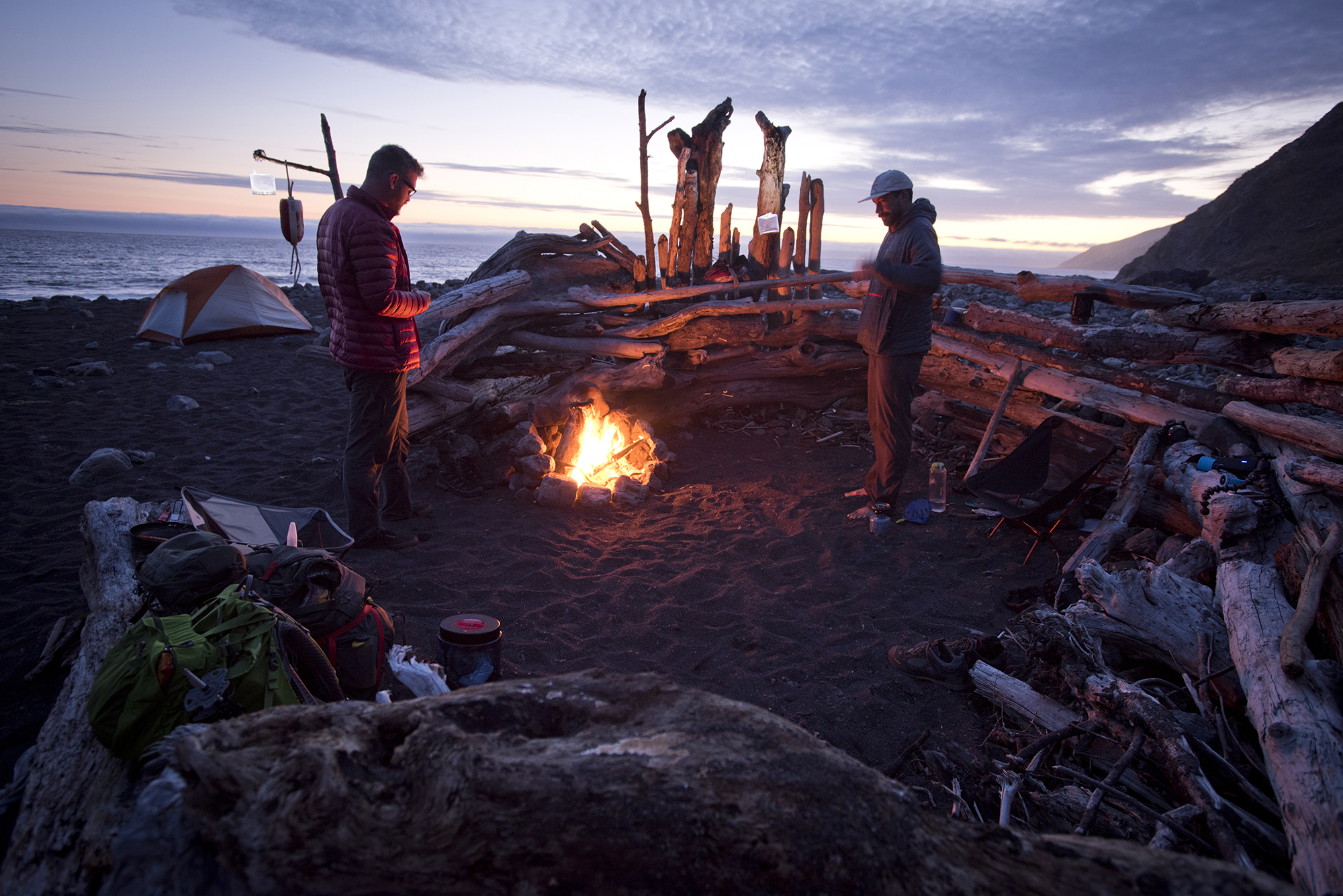
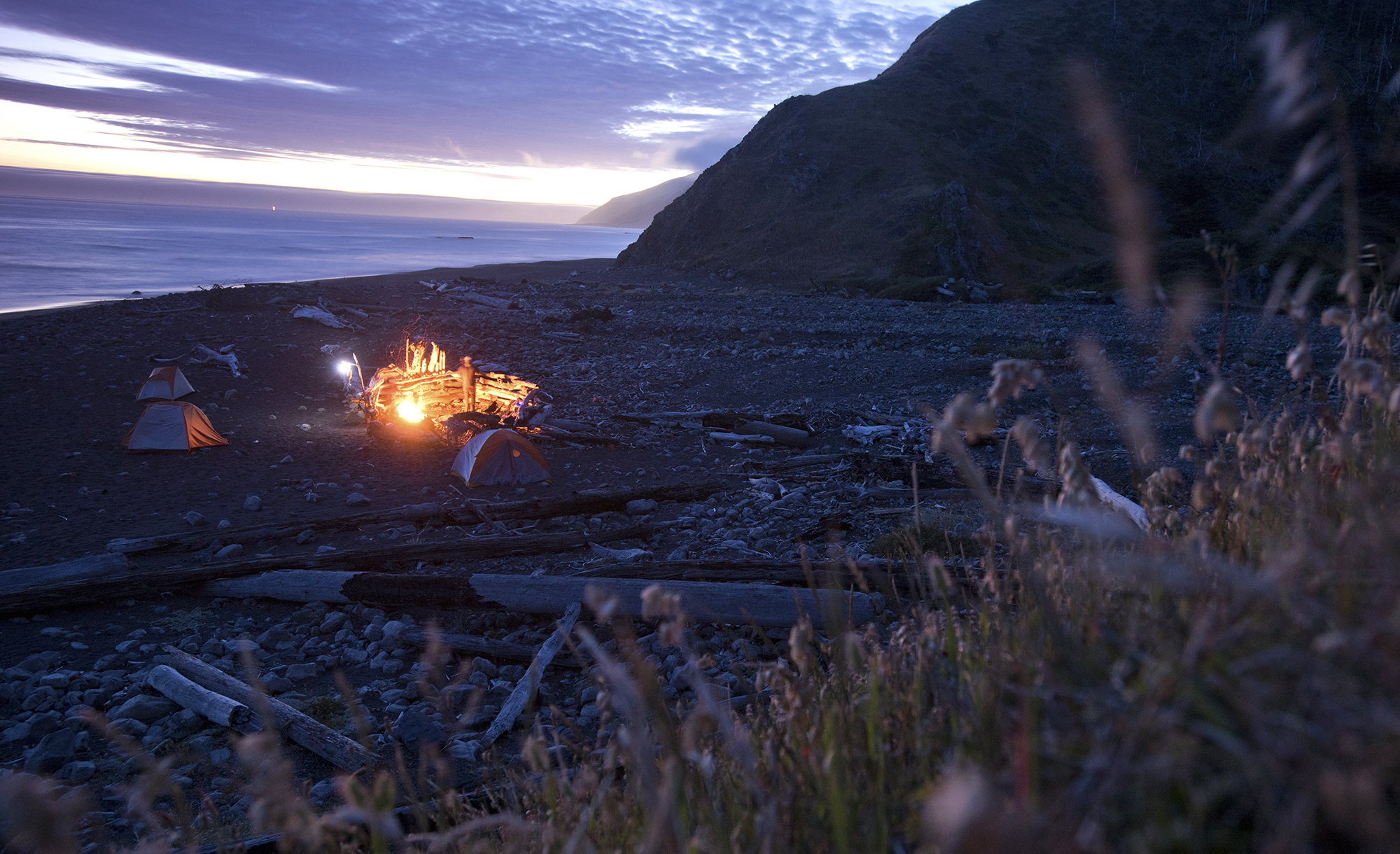
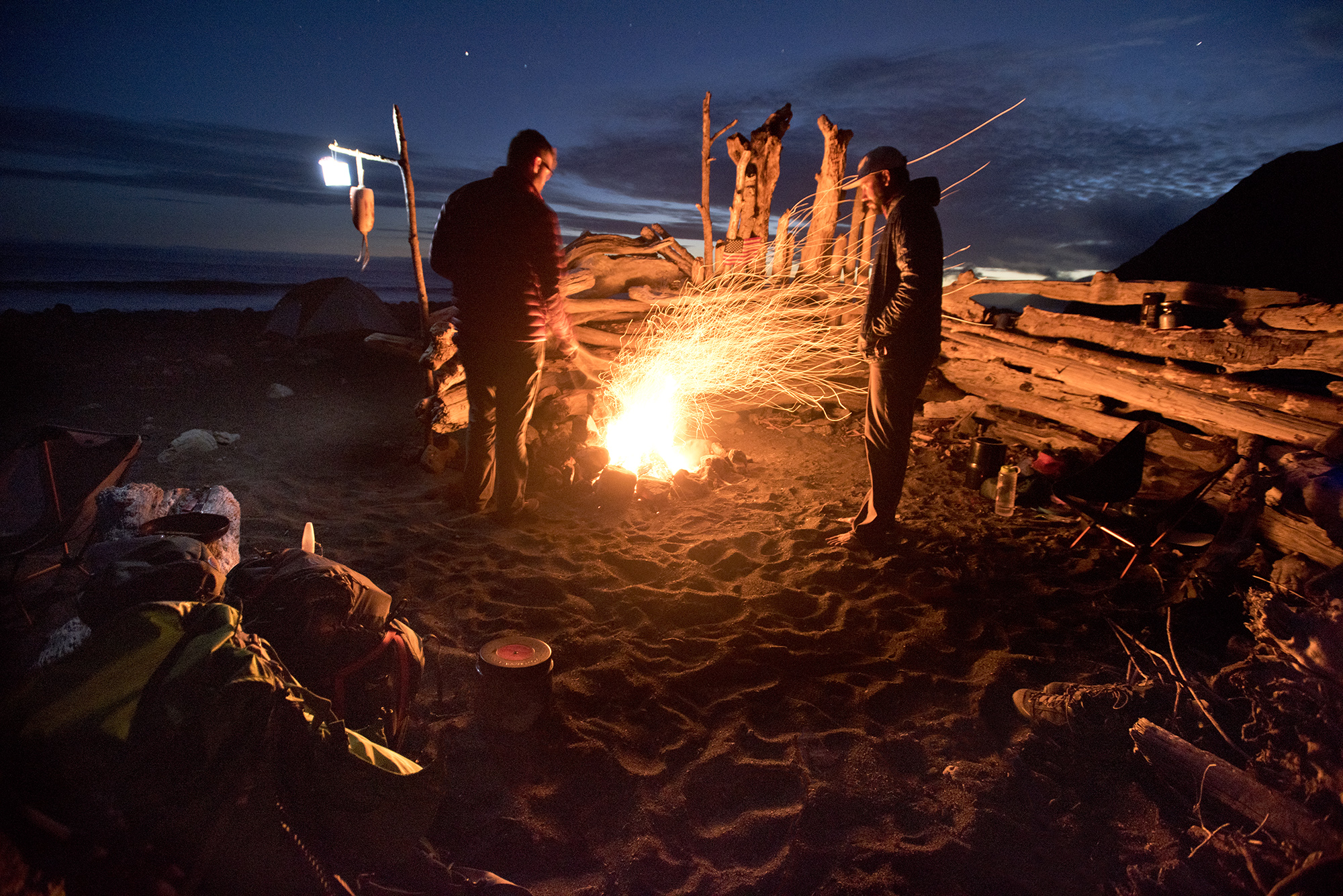
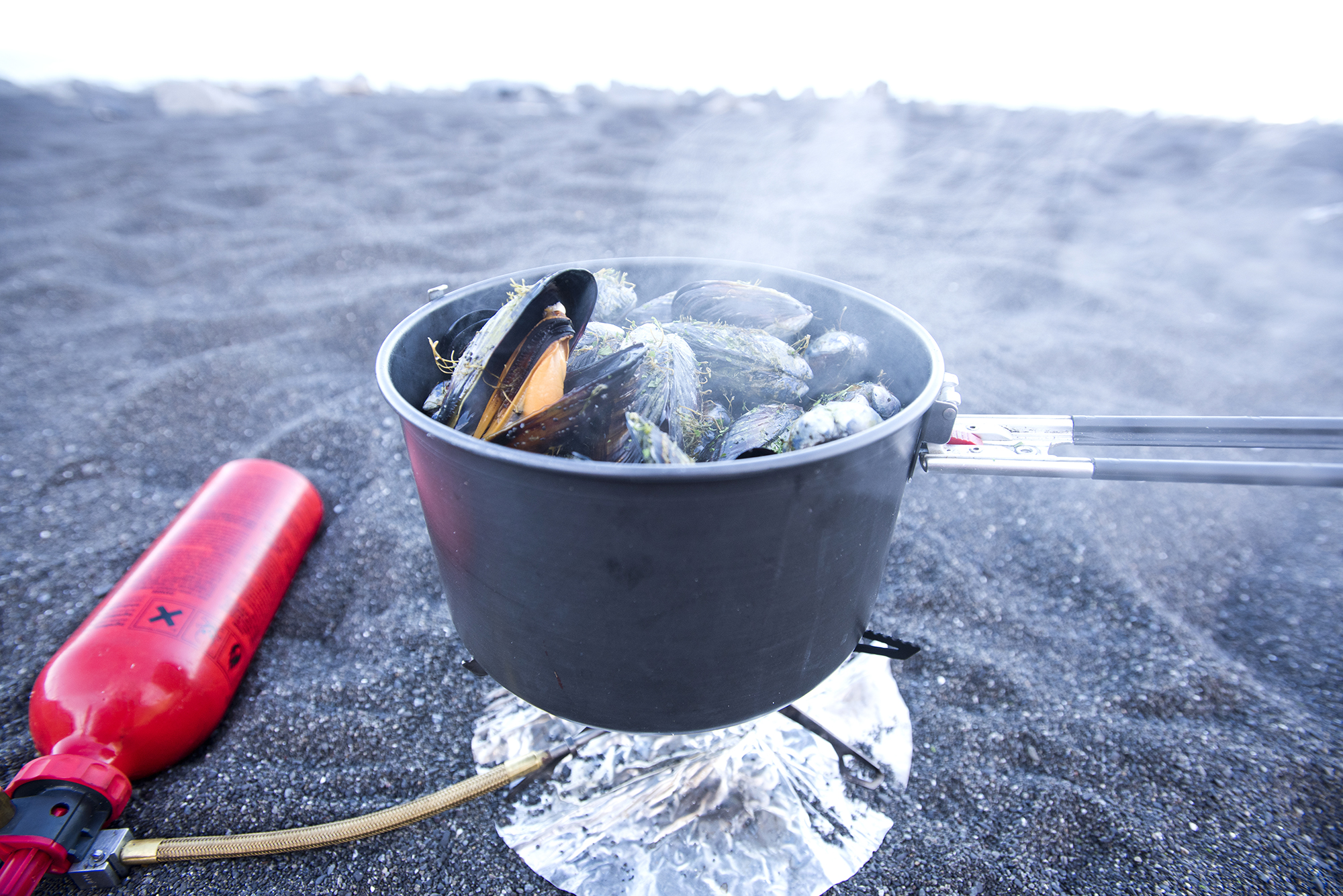
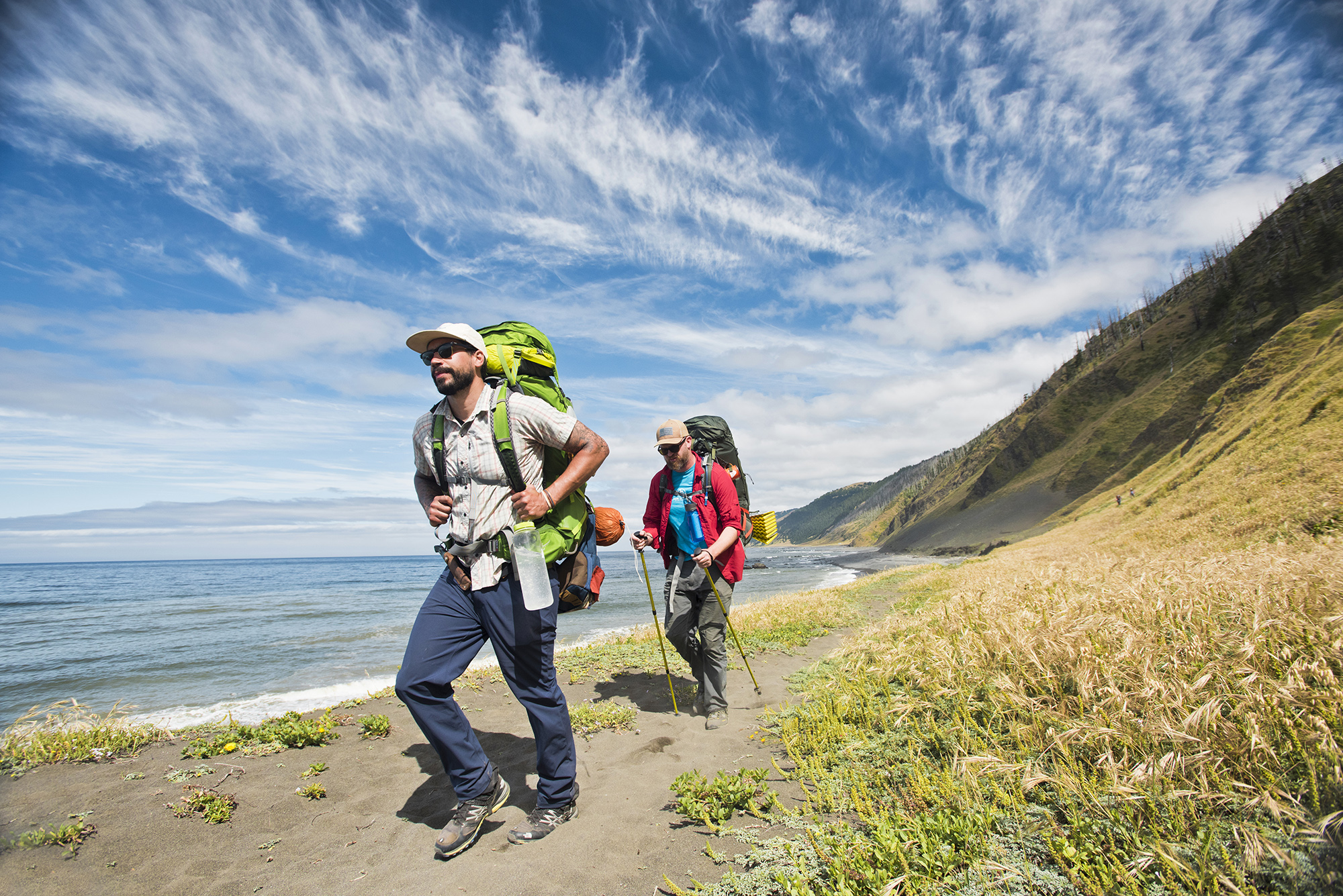
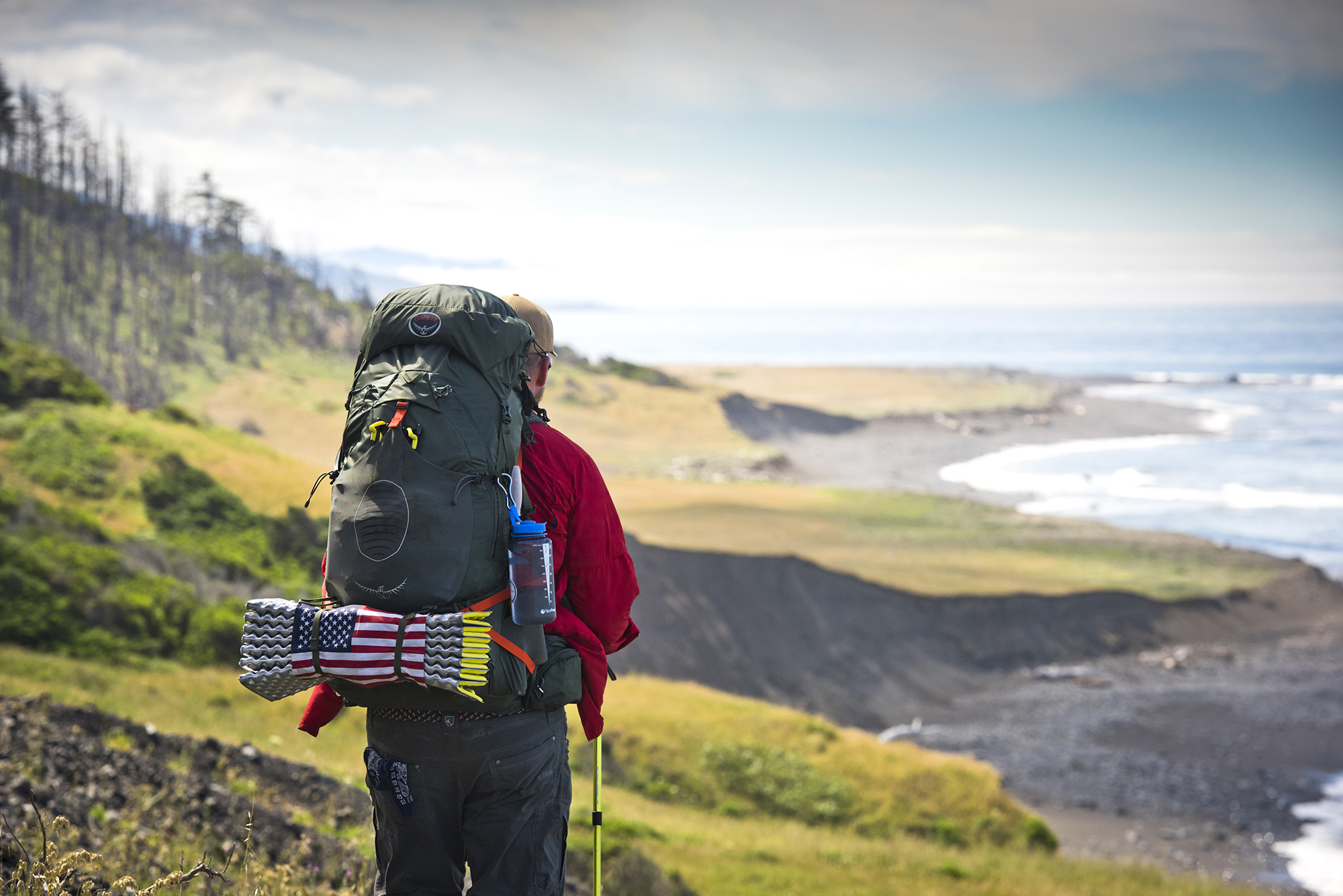
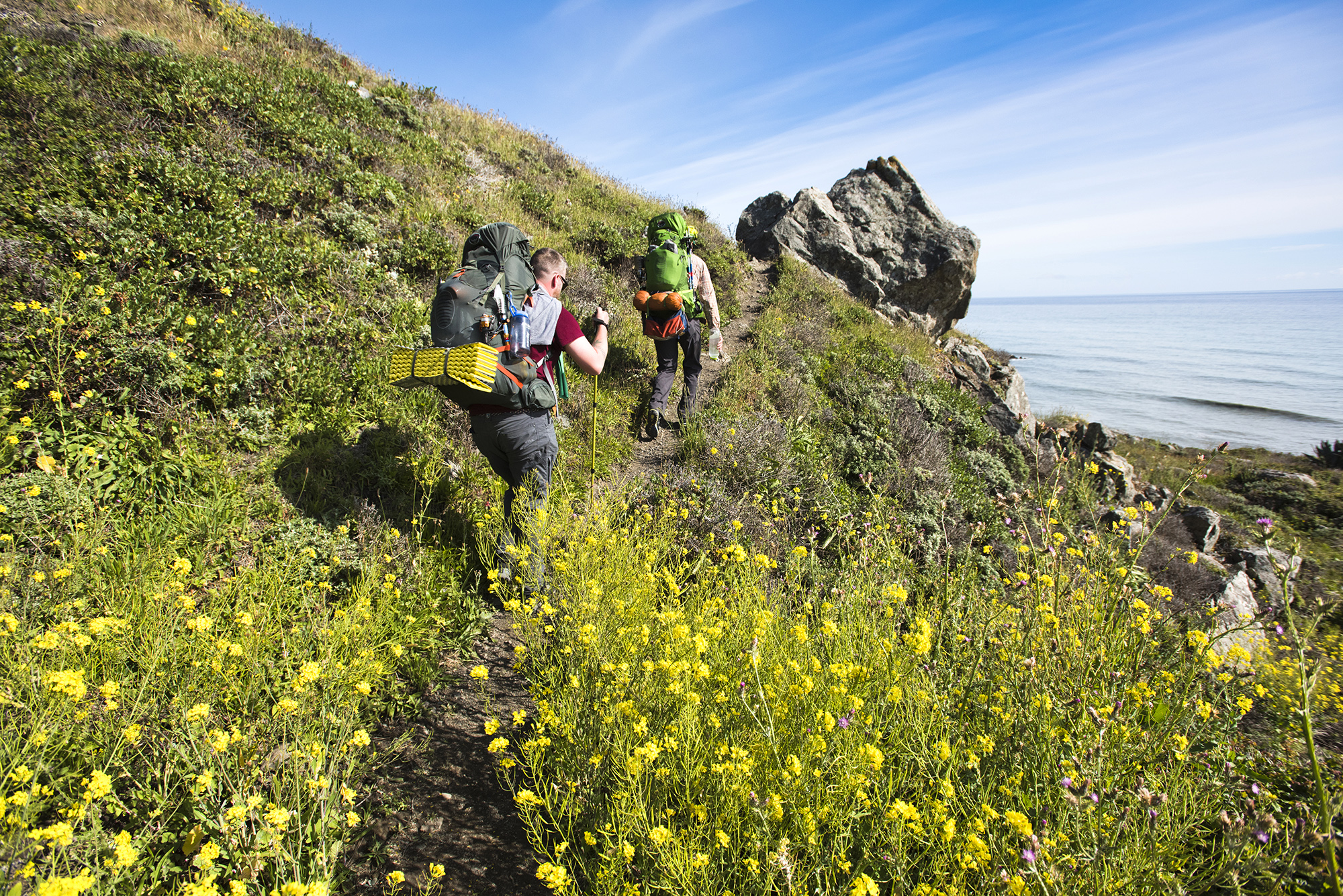
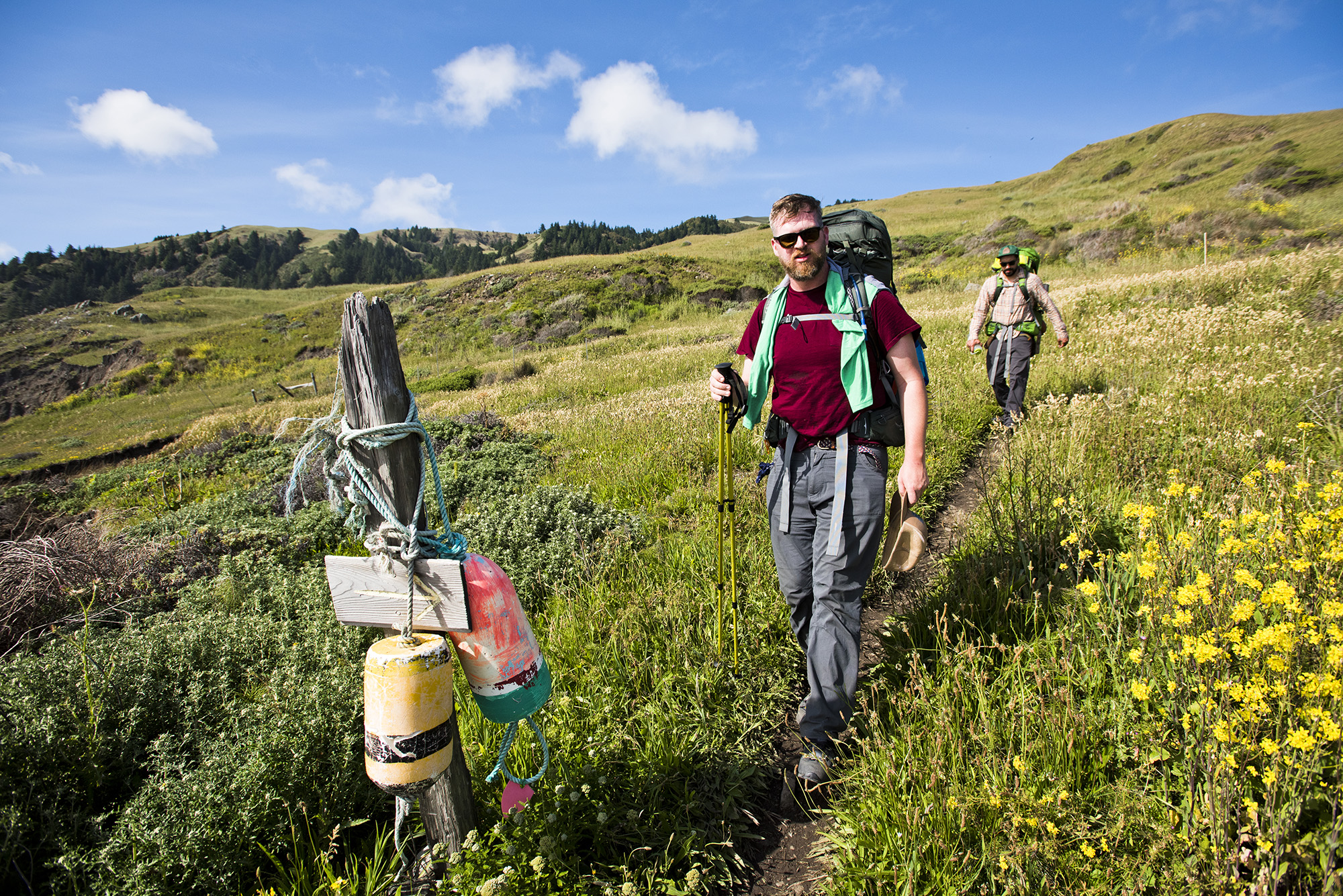
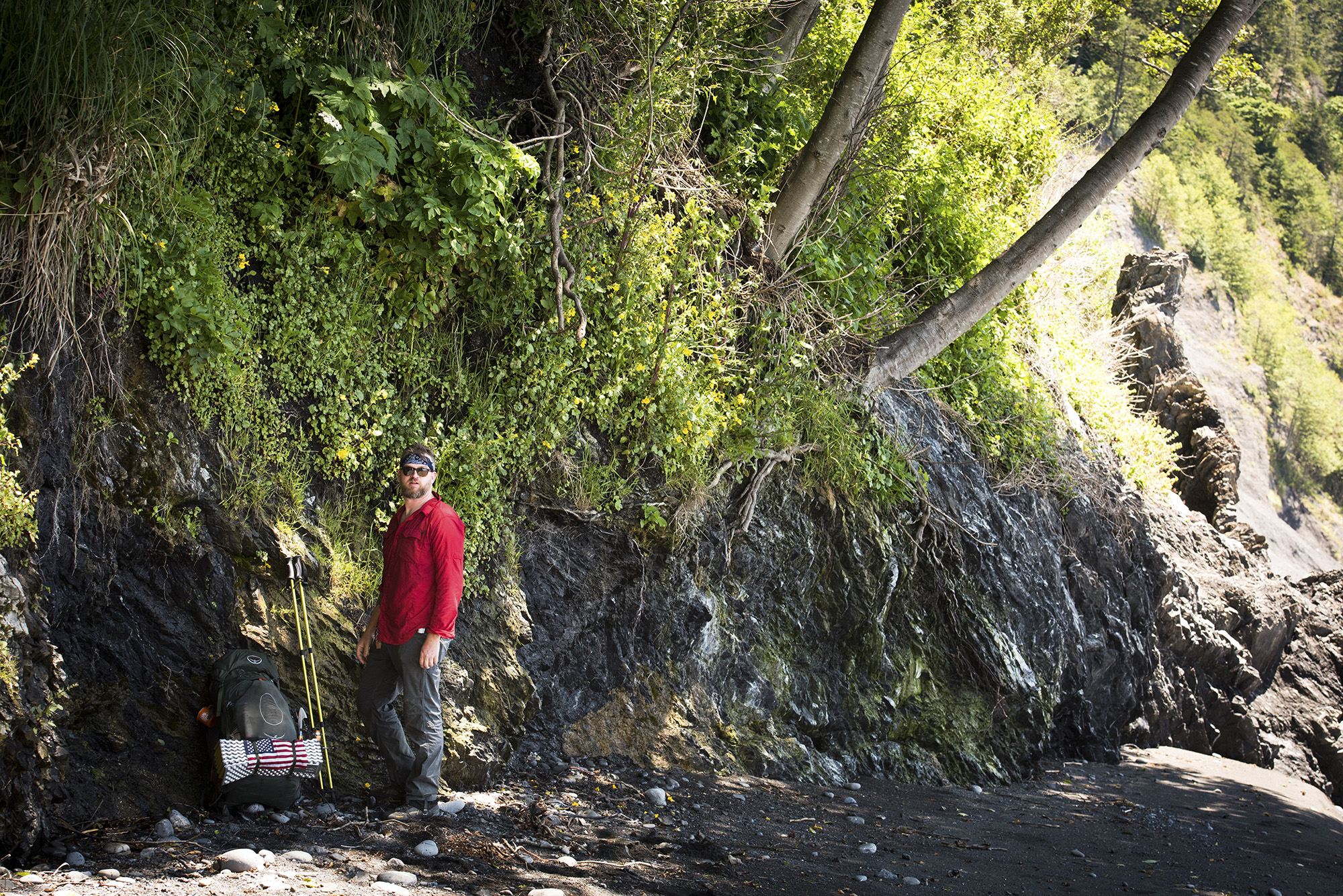
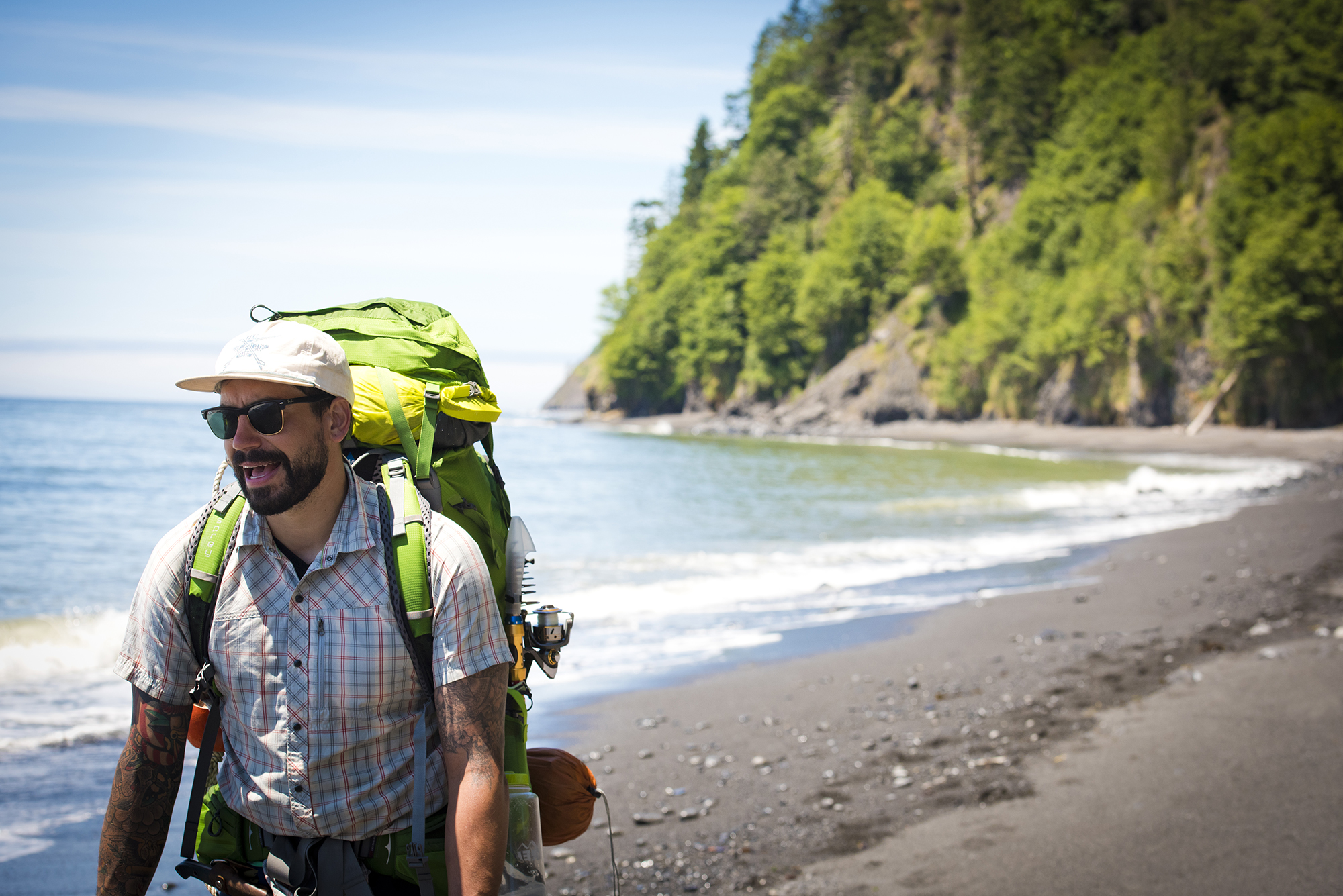
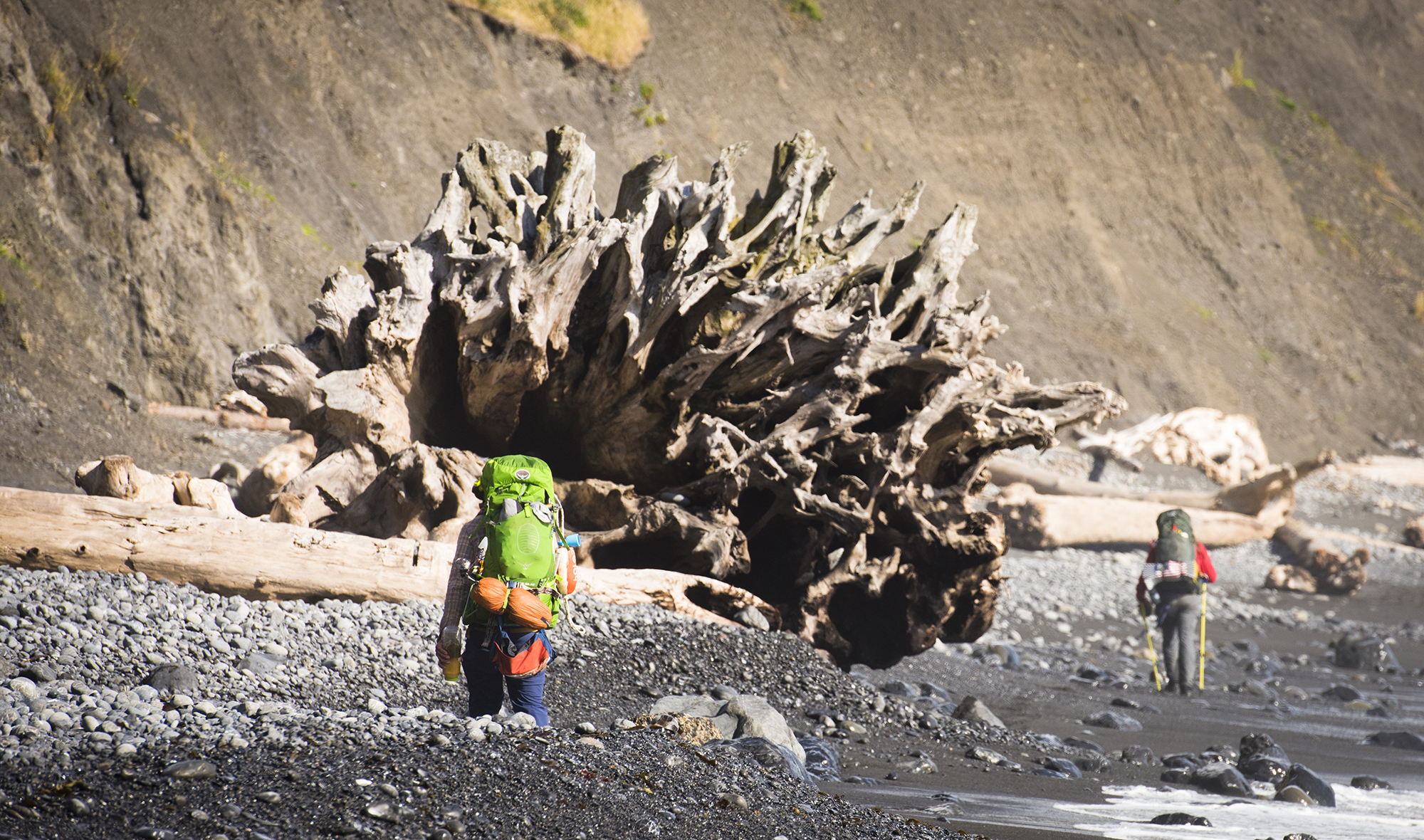
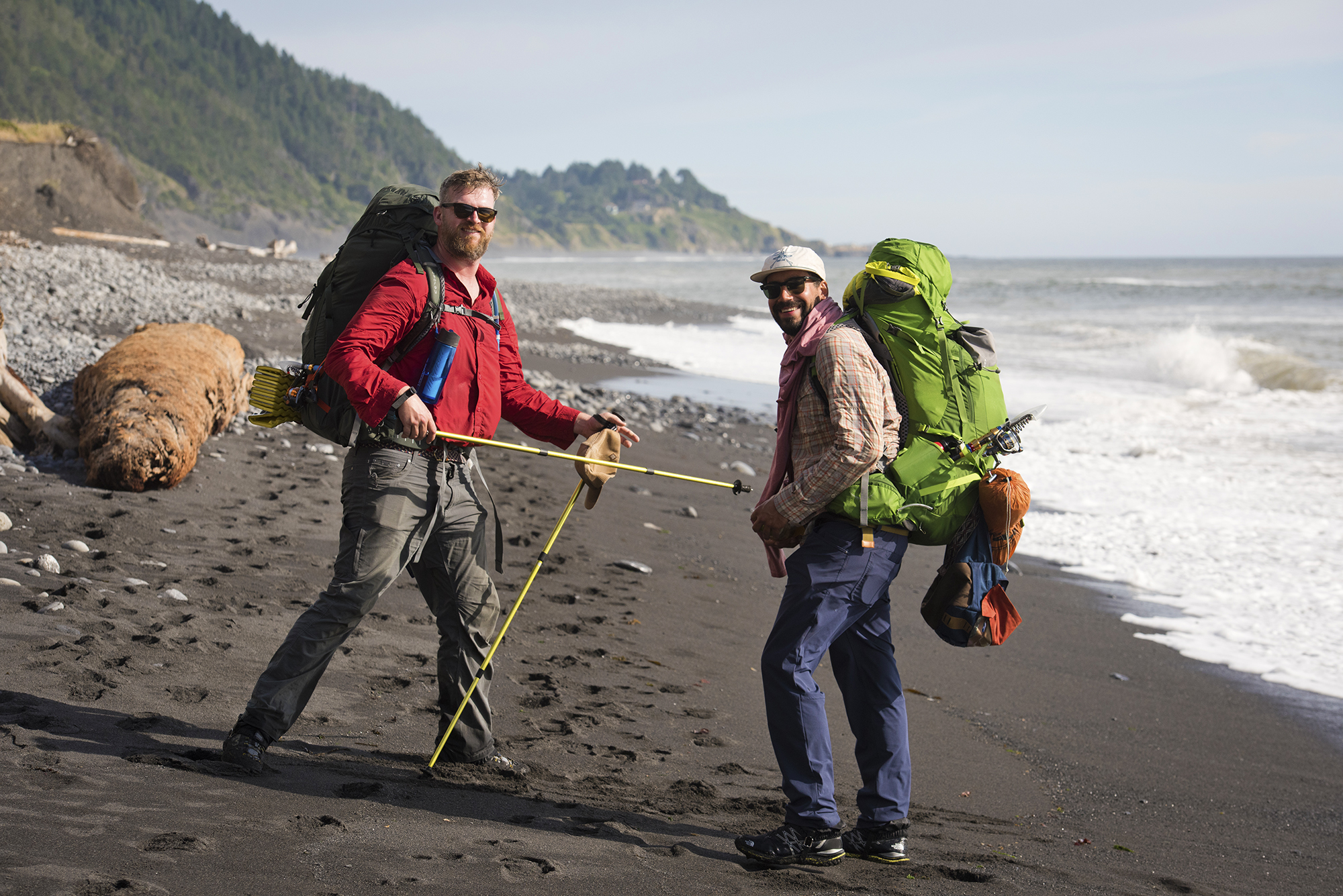
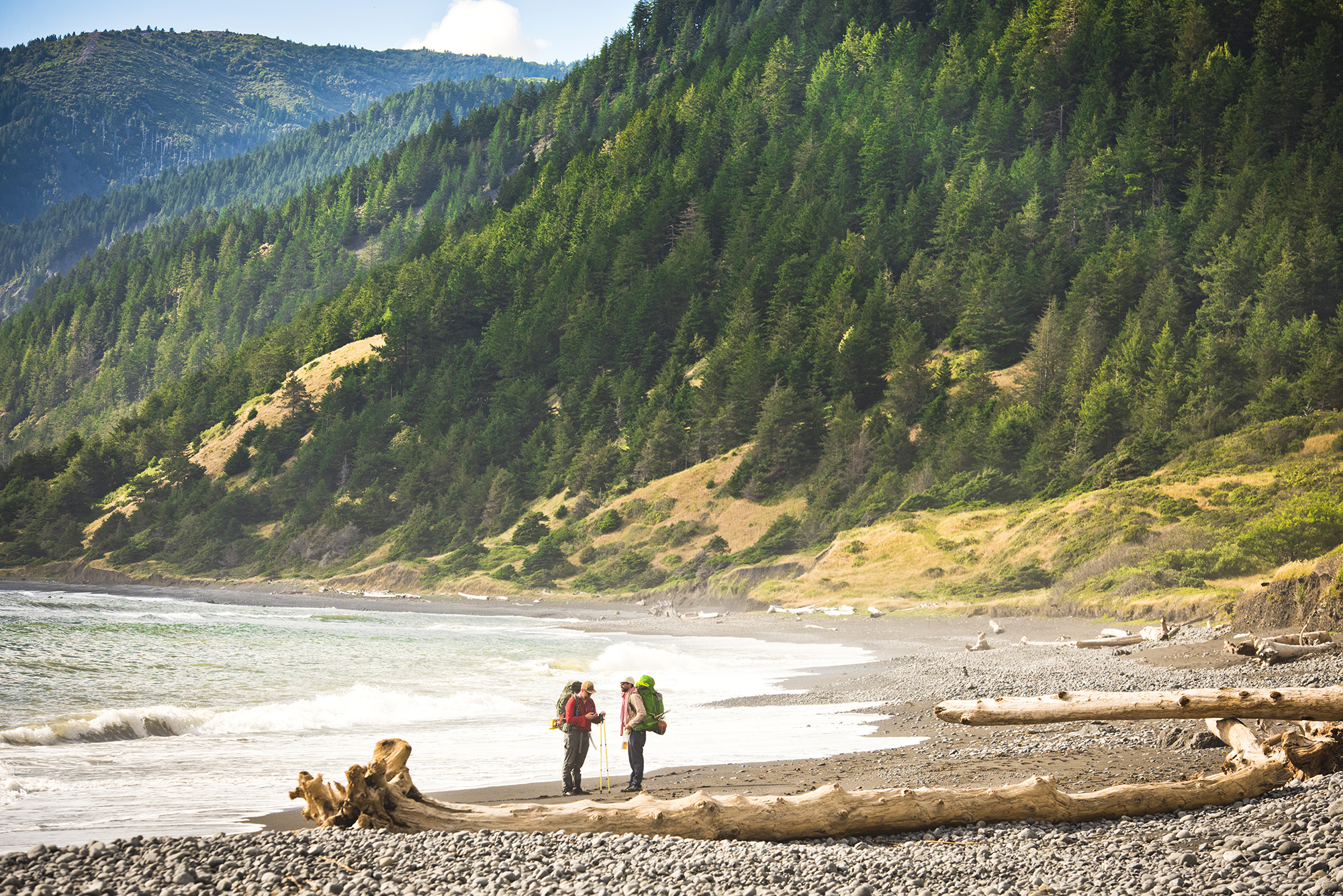
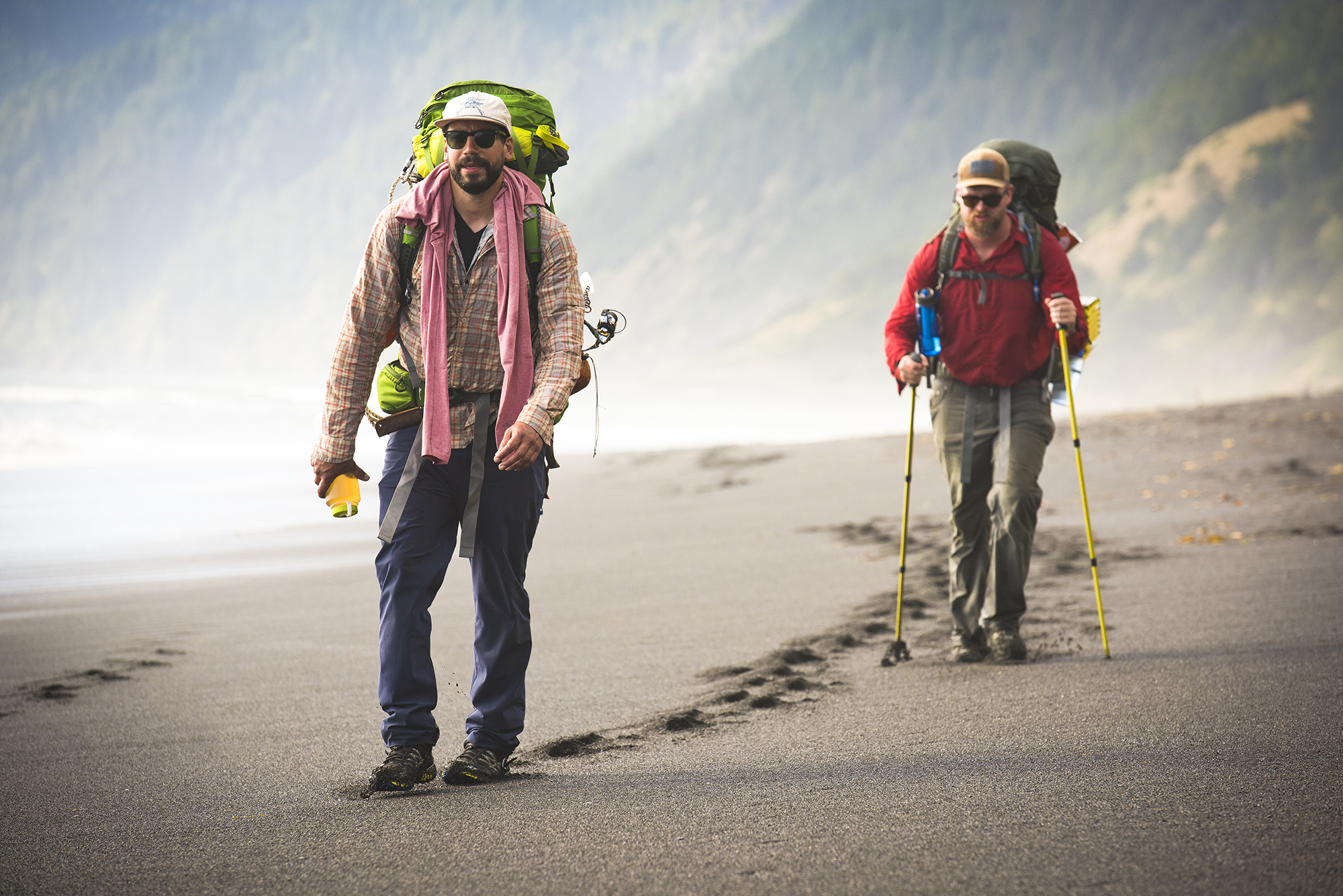
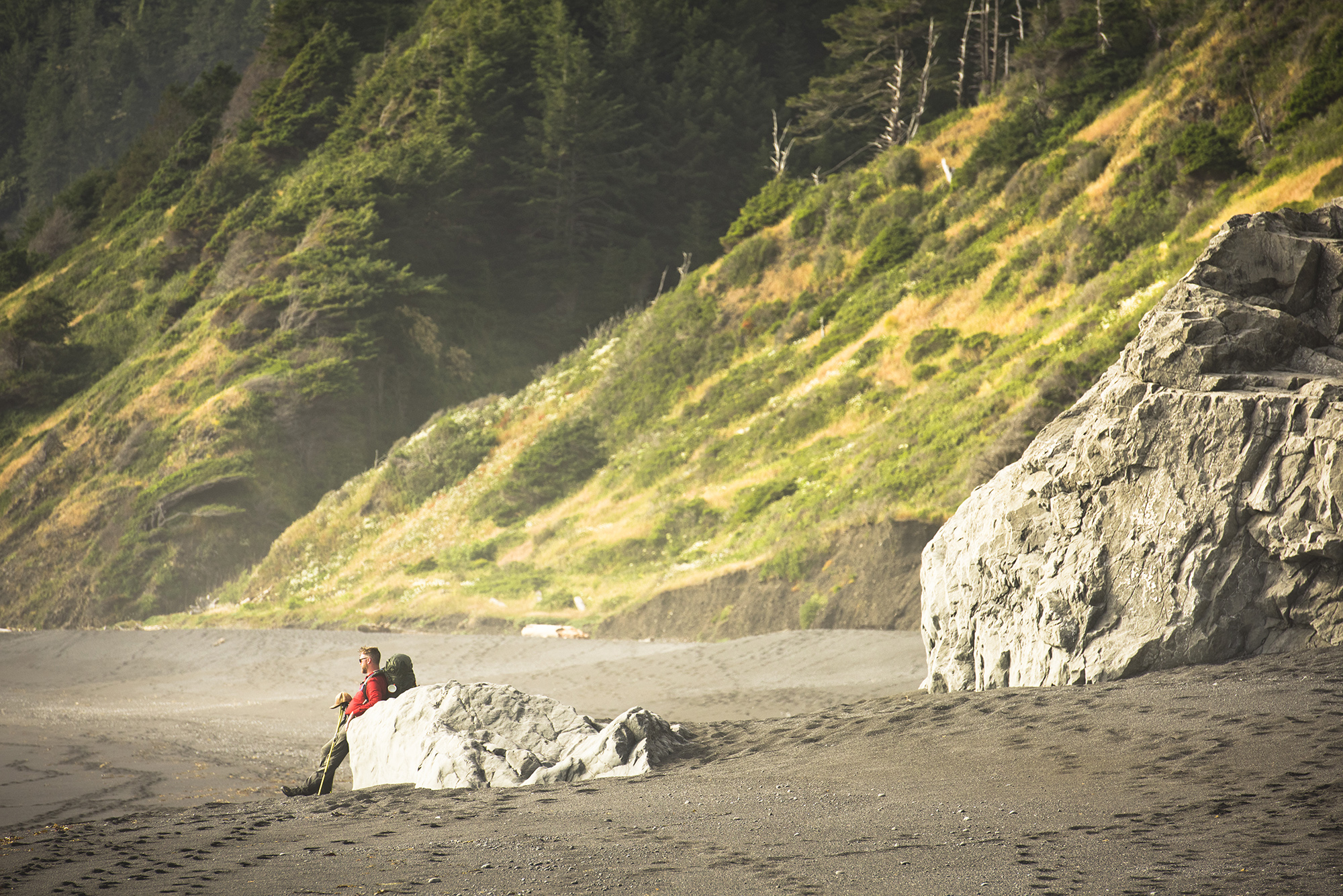
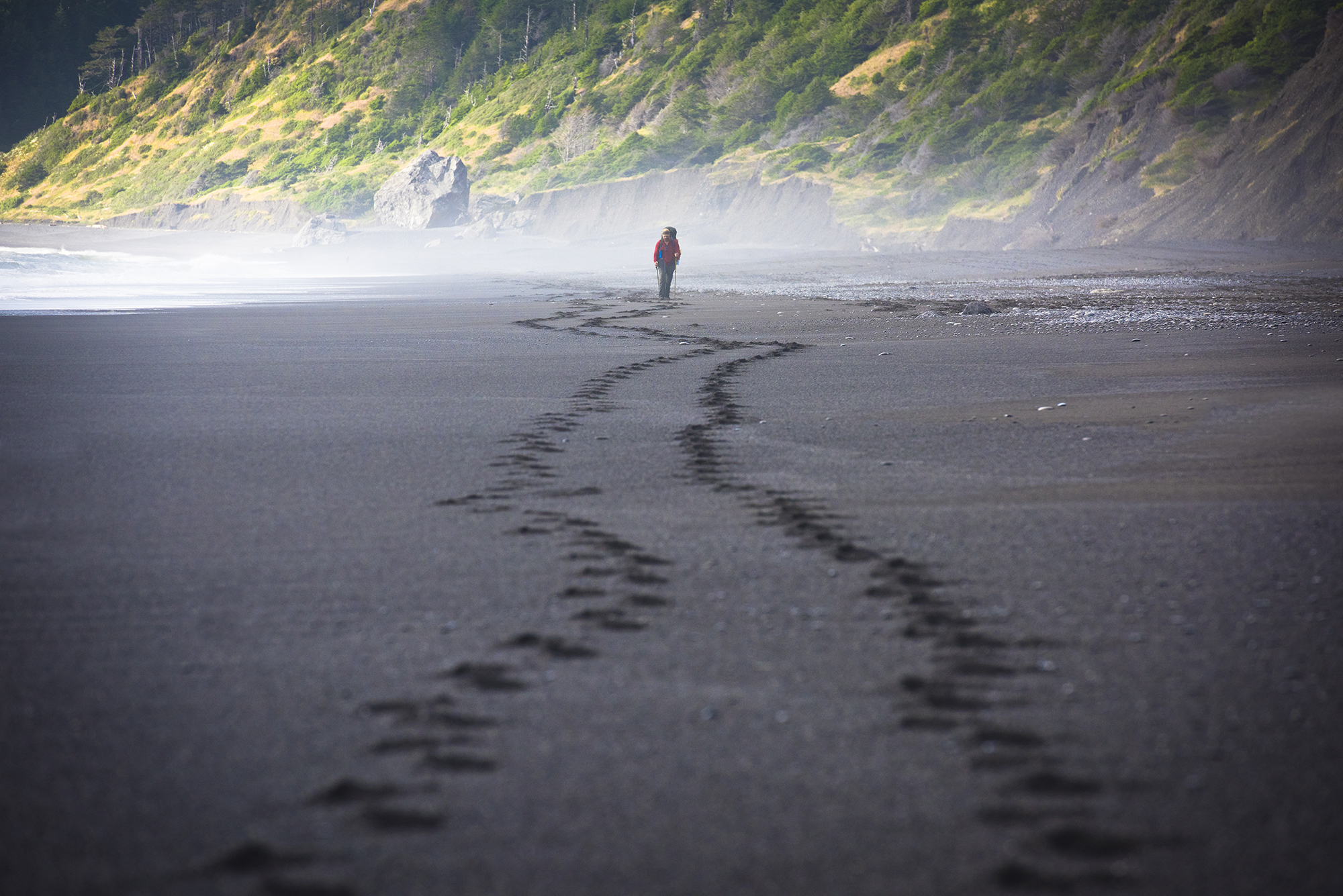
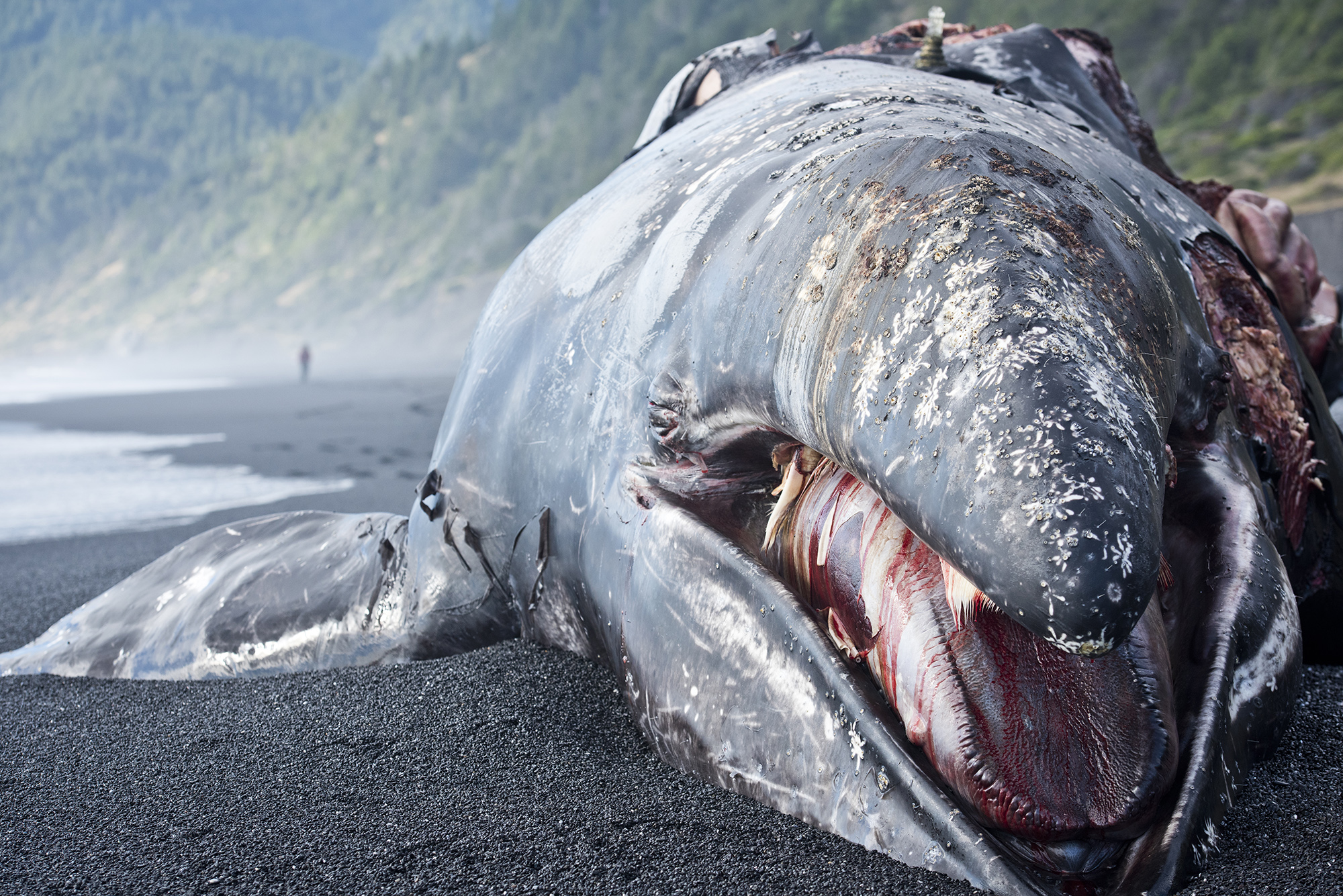
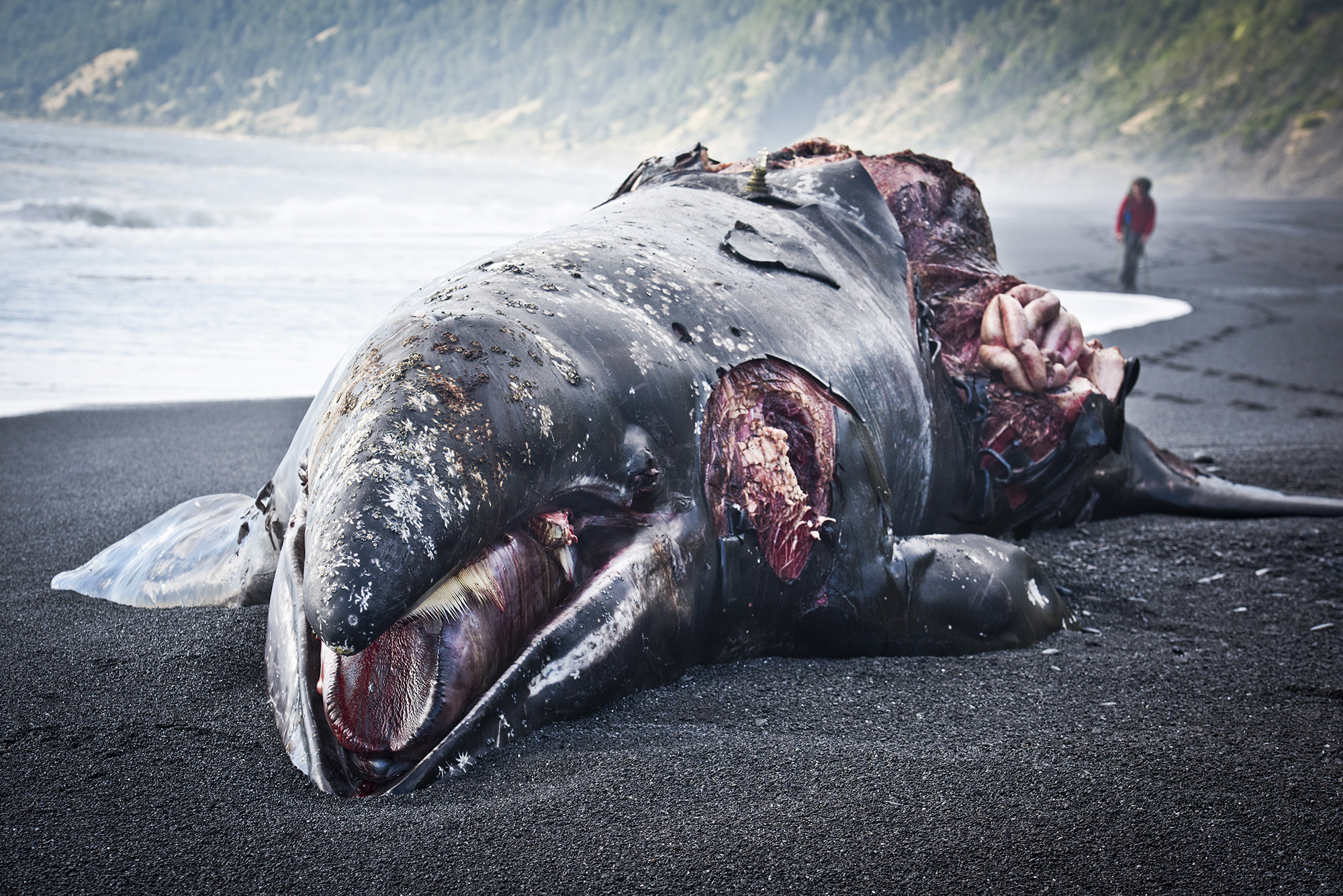
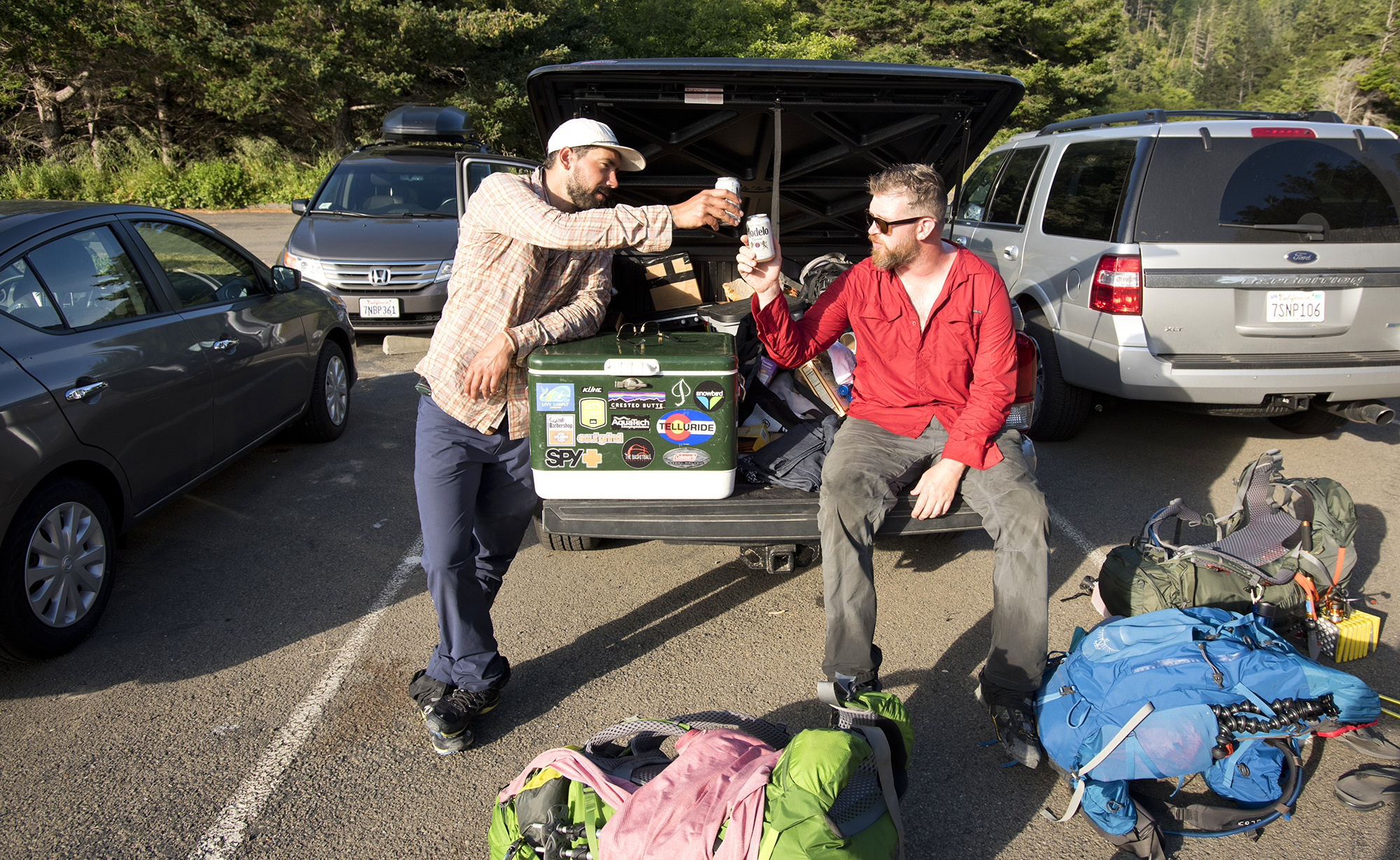
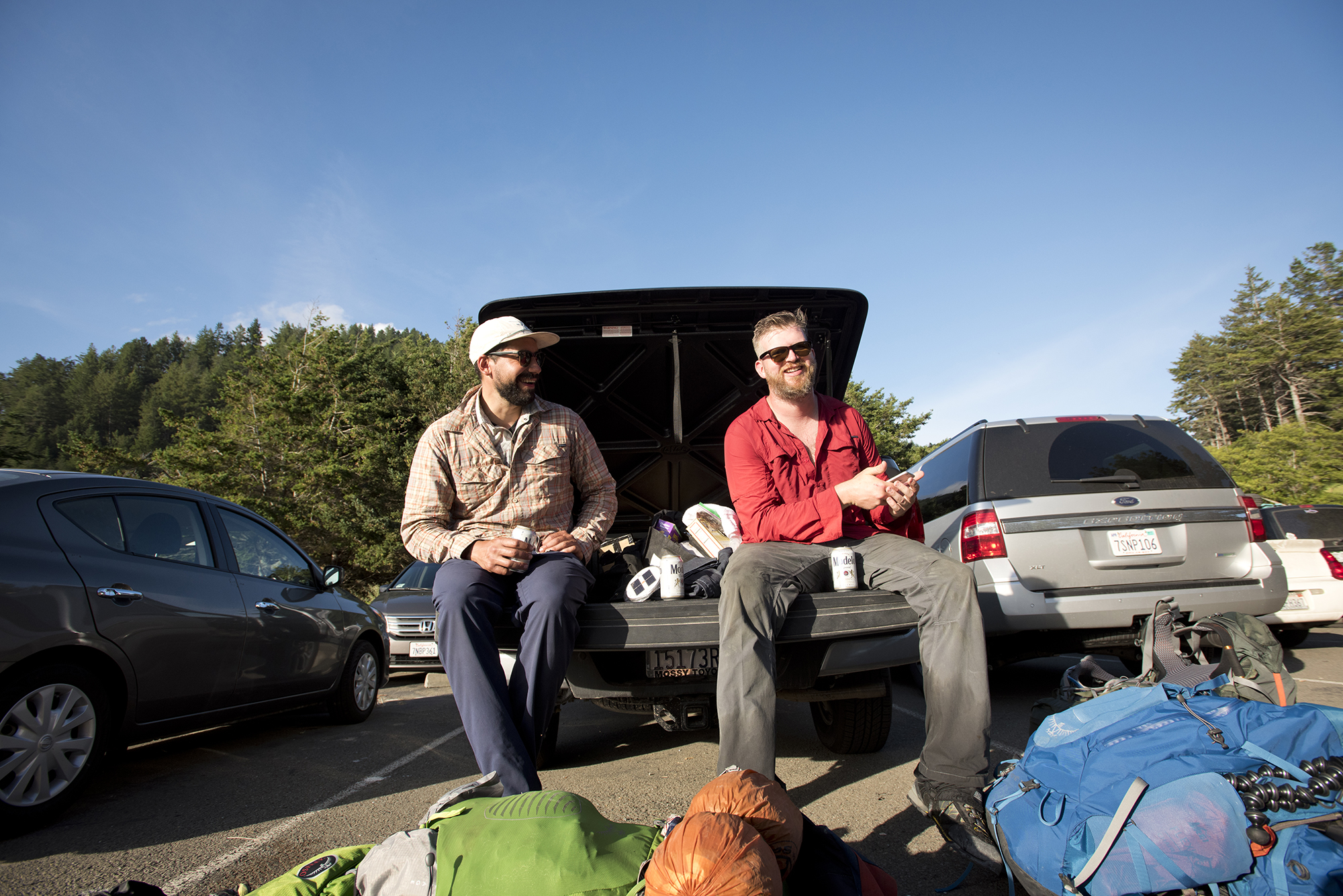
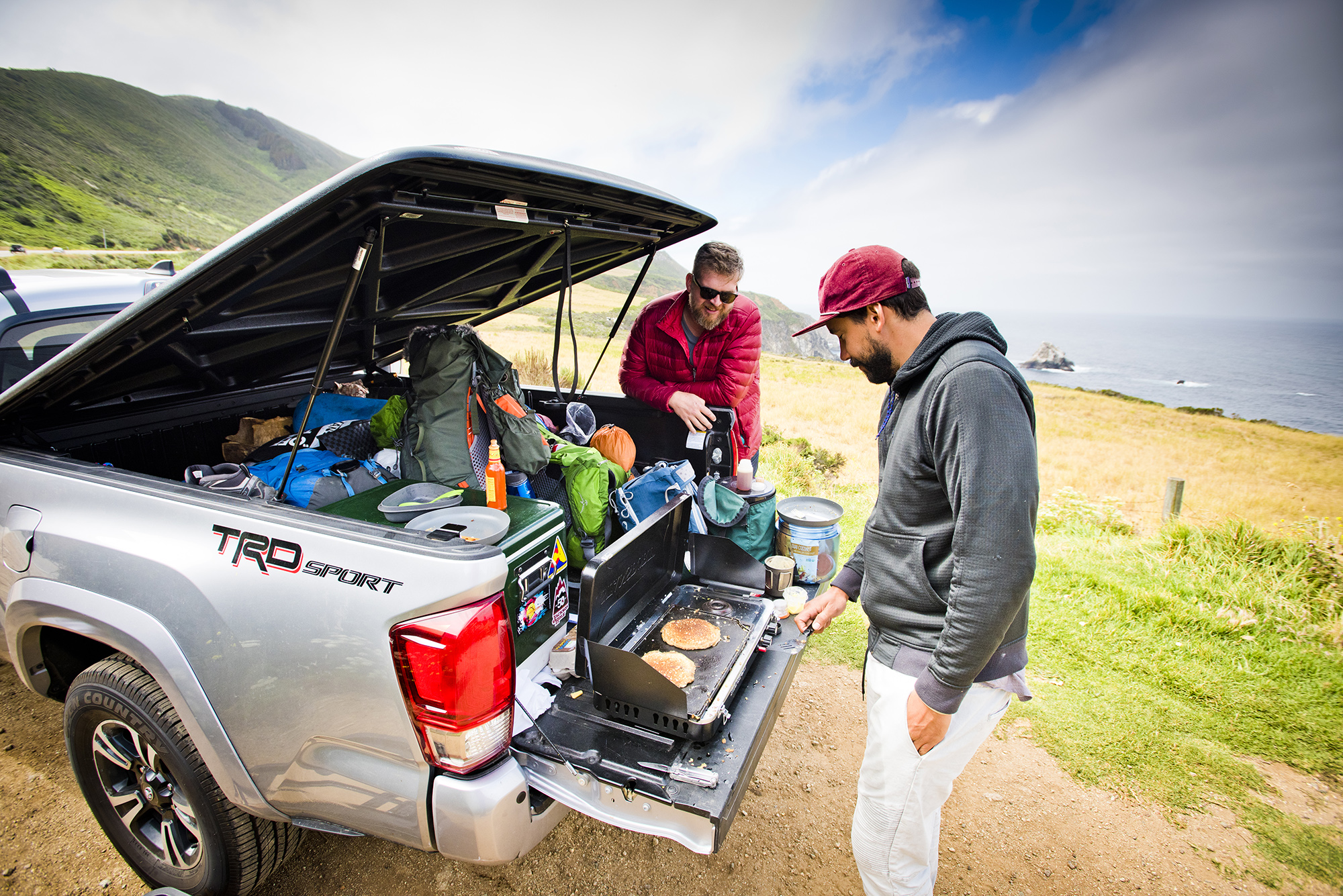
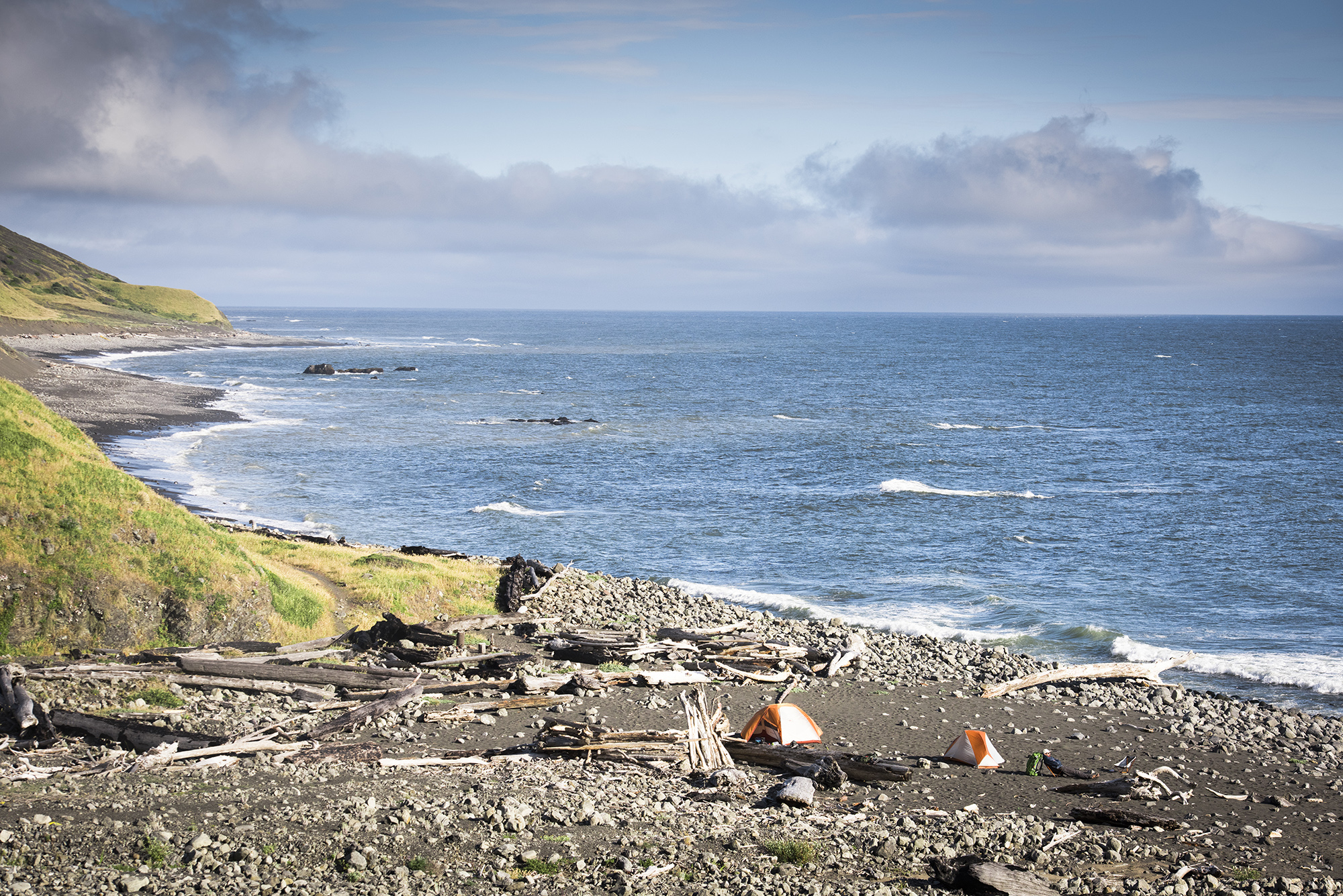
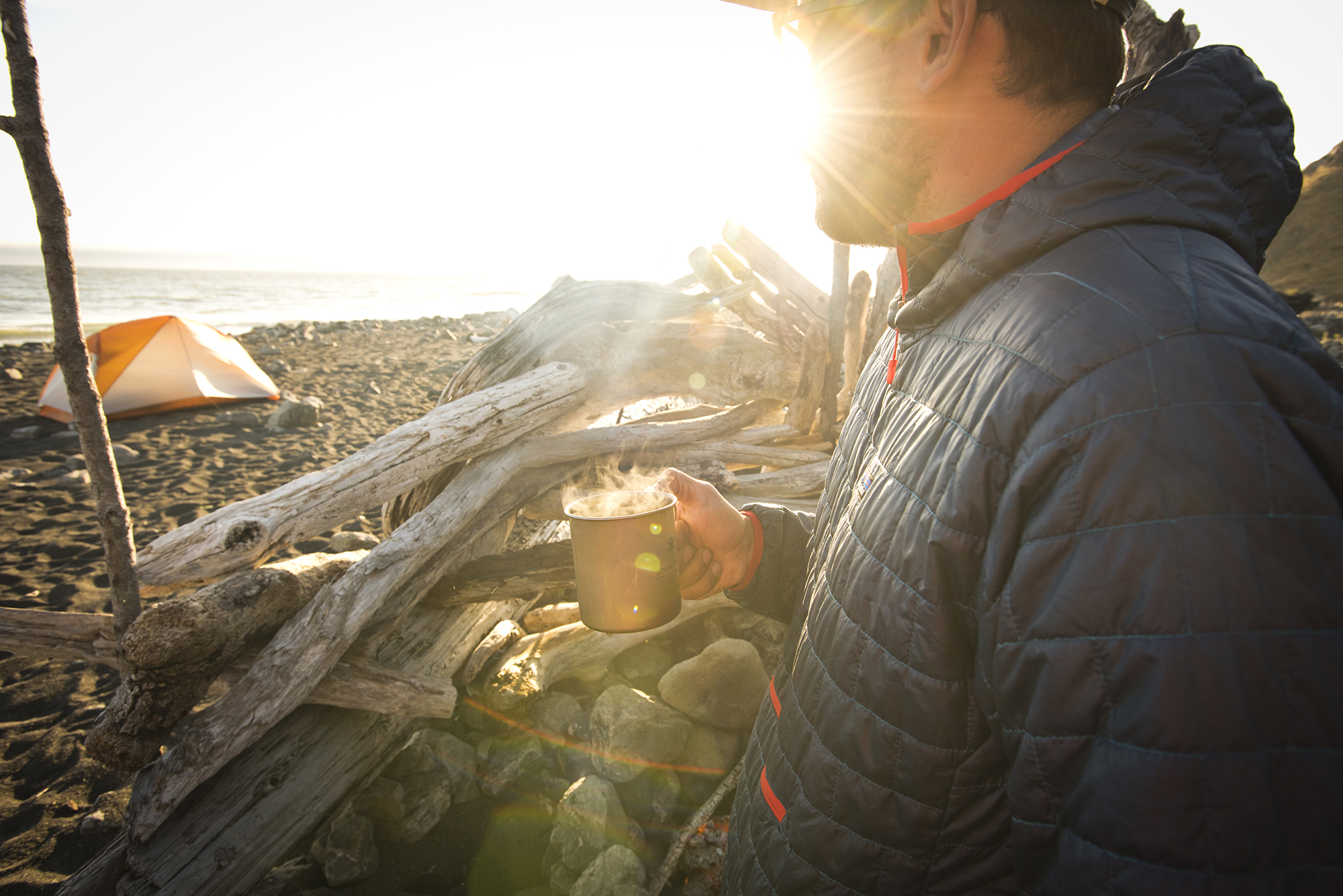
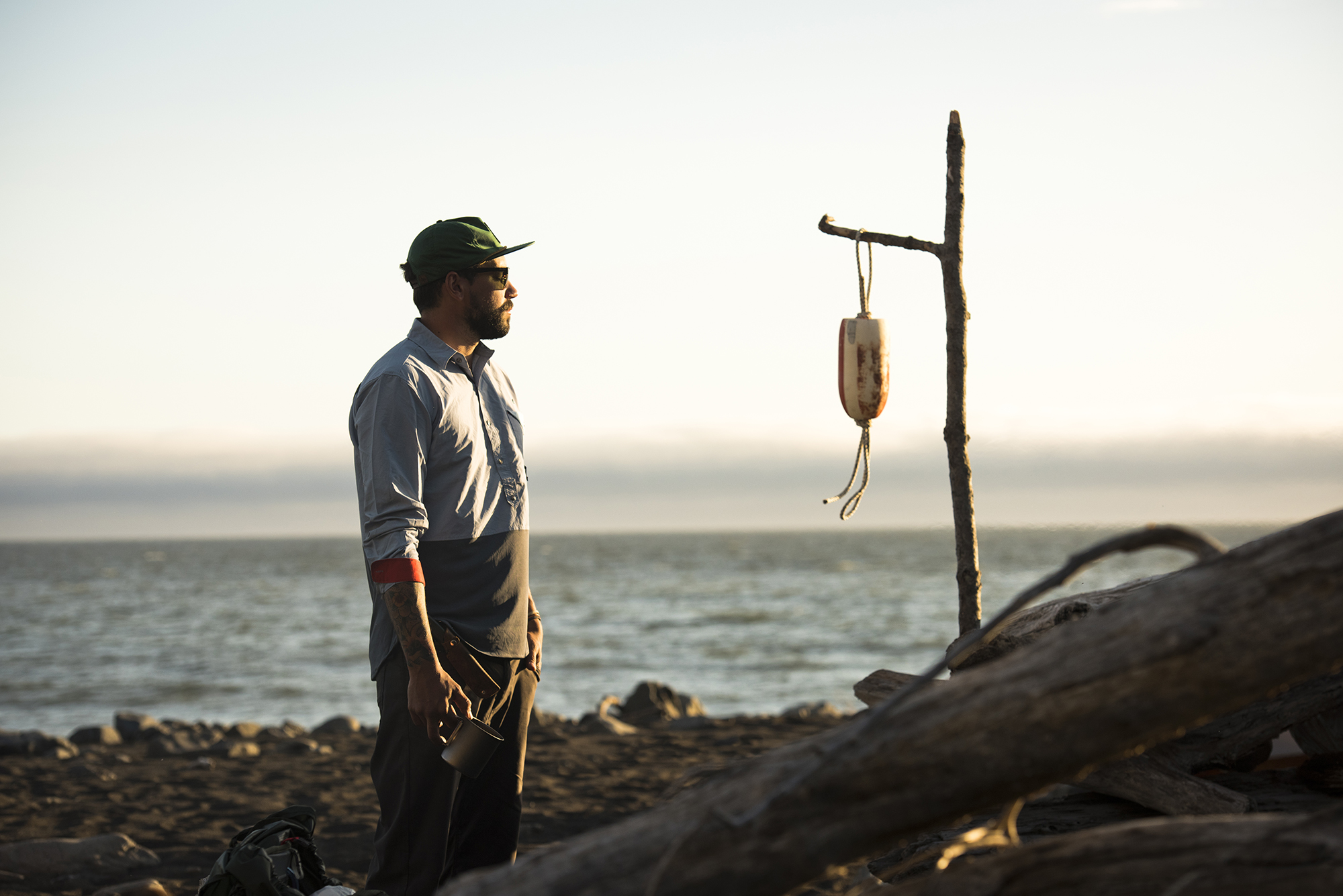
This trip had been a long time in the making. It was just a matter of getting the schedules of three different people in three different cities, to match. Luckily it did, because the Lost Coast in northern California is top notch. I left San Diego and drove north to pick up a friend in LA.  From there we continued on up to Morro Bay, where we stayed overnight to take advantage of a breakfast spot I had been previously very impressed with (my first time there they threw down a solid eggs benedict). Only this time, not so much. Oh well. Afterward, we kept driving north with a stop in Gilroy for some garlic ice cream and lots of dried fruit for the hike. Next stop was SFO to pick up the final piece of our trio, who flew in from Denver, and was lucky to get through security. Pressed for time, we booked it up to Shelter Cove, which  is a small and very remote town about 5 hours north of San Francisco. Didn't get there till about midnight, and decided to just sleep on the beach to be ready for the 7am shuttle. Which takes you about two hours north or south, depending on which section of the trail you want to hike. And it's a not a smooth two hours, so it won't be a portion of the trip you enjoy, but whatever. That all goes away when you get dropped off at the trail head (beach). Right away, you can tell that you're in for a good time. Some people bang it out in a day. Others take their time, which in my opinion, is the only way to do it. Otherwise you miss out on  some incredible camping. We were lucky enough to find some places where there was nobody around for miles. Literally. You'll also miss out on the opportunity to harvest fresh mussels at low tide, which happened to be early in the mornings for us. So we had mussels every morning for breakfast. Yup. There isn't a ton of elevation gain, as most of the "trail" is on the beach. But that doesn't make it any easier. You'll be hiking on anything from fine sand, to large boulders, with only small sections of actual packed trail. A couple things to be careful of, are the tides, and water sources. There are definitely some places to get stuck at high tide. And if that happens, you can get seriously screwed. Just don't be an idiot though. Bring a good map, check the tide charts, and you'll fine. There are plenty of things to do if you need to wait out the tide. Napping included. You'll see plenty of dead things along the way. We sure did. And it's bear country, so be aware. We hiked for a few hundred yards along fresh bear tracks. You can see in the last couple pictures what they did to the beached whale. No good. I know people have done this hike with their dogs. And I really wanted to bring mine, but am glad I didn't. The sand along the coast is brutal. Even walking on it in bare feet isn't fun. If you are going to bring your dog, make sure they wear booties. This won't be the longest hike you overdo, but it's very unique, especially for the U.S. The terrain and scenery is constantly changing, so you never get bored. At one point, my buddy actually found human remains. Full on skull and bones. We later reported it to the Ranger, who told us that the area is an ancient indian burial ground. So there's that. 

Utah

I've got so much content to post, and trying desperately to catch up on it. I keep cruising over these images, and thought I'd get them out of the way. Gotta love Utah. The more I road trip, the more it seems like there are states that want to give you good stuff. And others that really make you earn it. Utah is one that seems very giving to me. Not sure if I get lucky or what, but I always seem to come out of there happy. This day didn't see a lot of shooting because I was in kind of a rush driving back from Colorado with Emily who had to work. Still though, the few times the camera came out, it was a success. I love this type of shooting. 


Travel

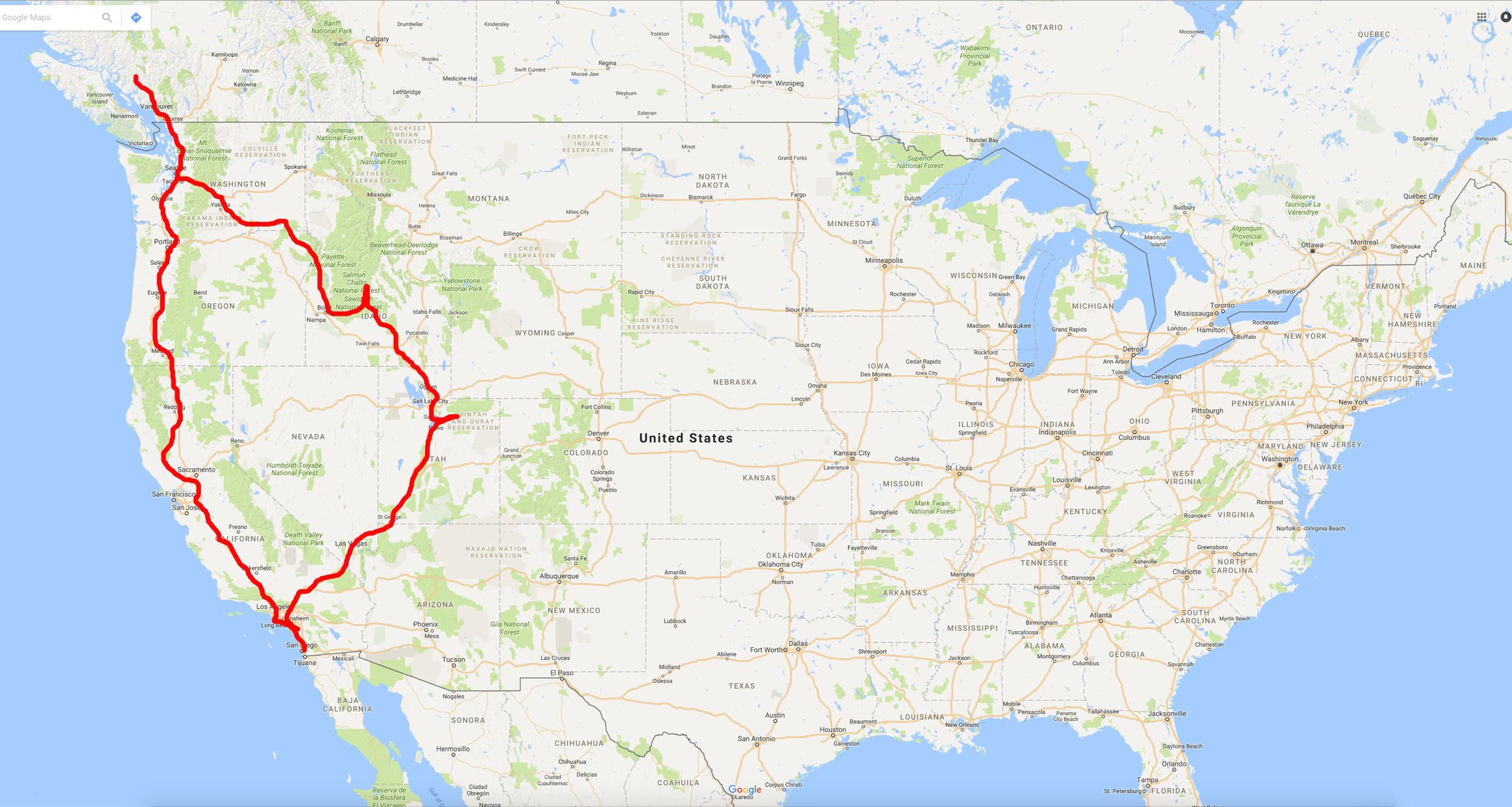
The last month and a half has been crazy with travel, which has led to a serious lack of updates on the blog. Not that I can complain, because it's been awesome. It started with a road trip up to San Francisco. Then a week later, another road trip up the California coast with notable stops in Morro Bay, Mendocino, Shelter Cove, and Paso Robles. Right when that ended, I flew to Boston for another shoot. Then spent a little time in up-state NY with family. Flew back to San Diego, and days later started a roadtrip up through California, Oregon, Washington, British Columbia, Alberta, Montana, Wyoming, Colorado, Utah, and Nevada. All this following up a month that saw a trip to Costa Rica and a roadtrip out to Colorado. Covered a lot of miles, saw a lot of incredible places, did a lot of shooting, and I'm excited to share. Stay tuned.