Tom Moorhouse

Tom Moorhouse — A Working Cowboy of the American West

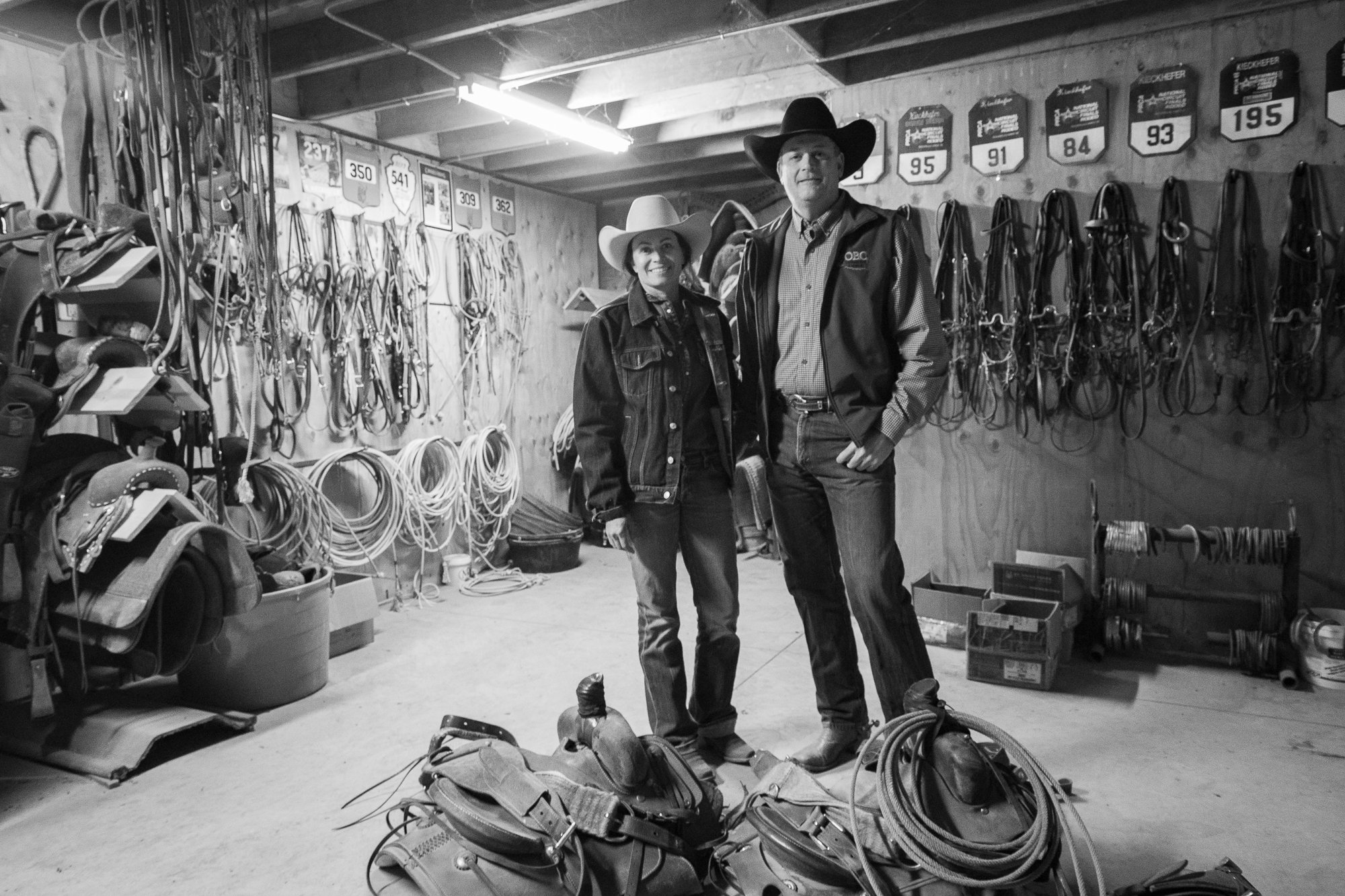
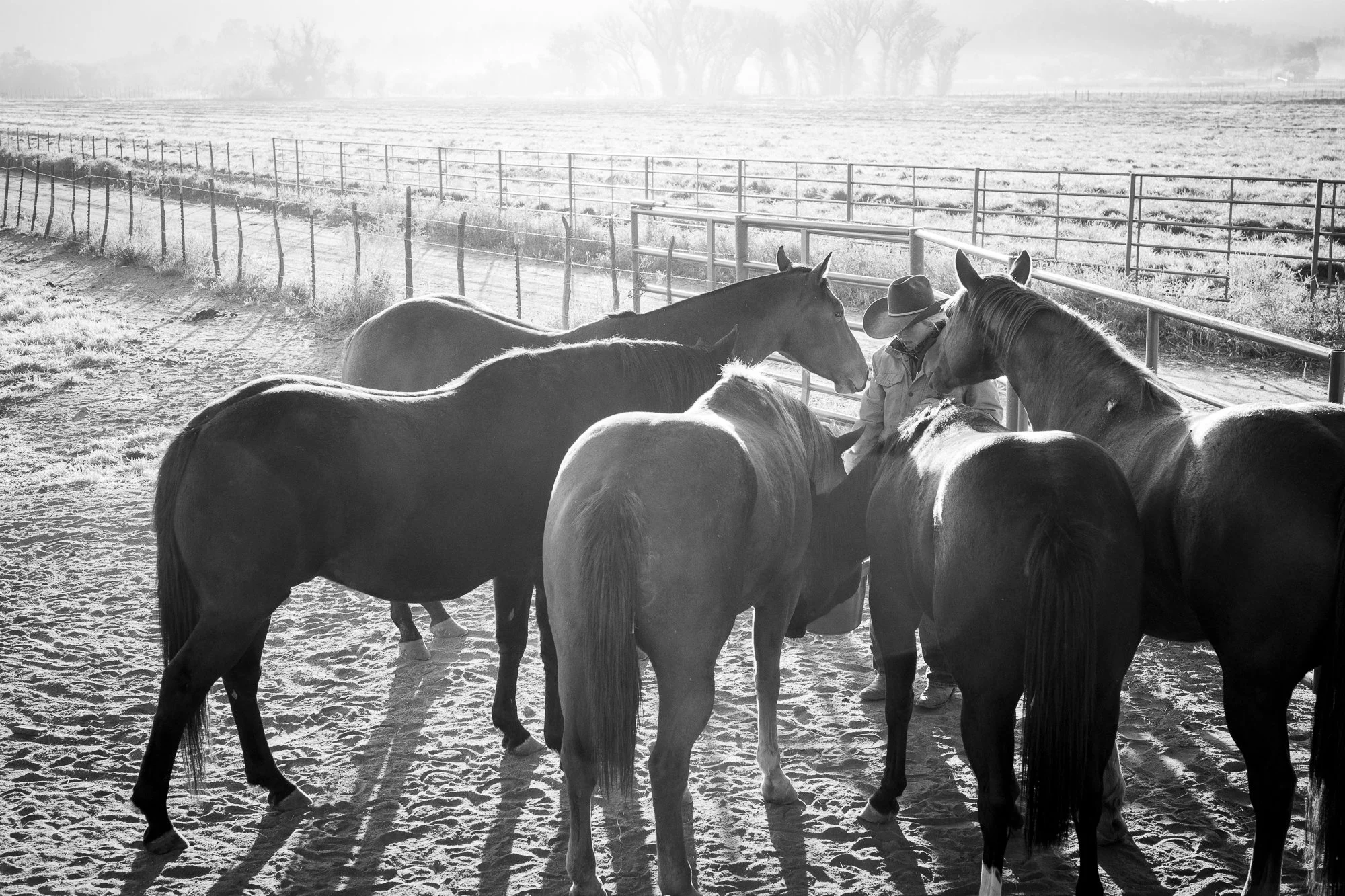
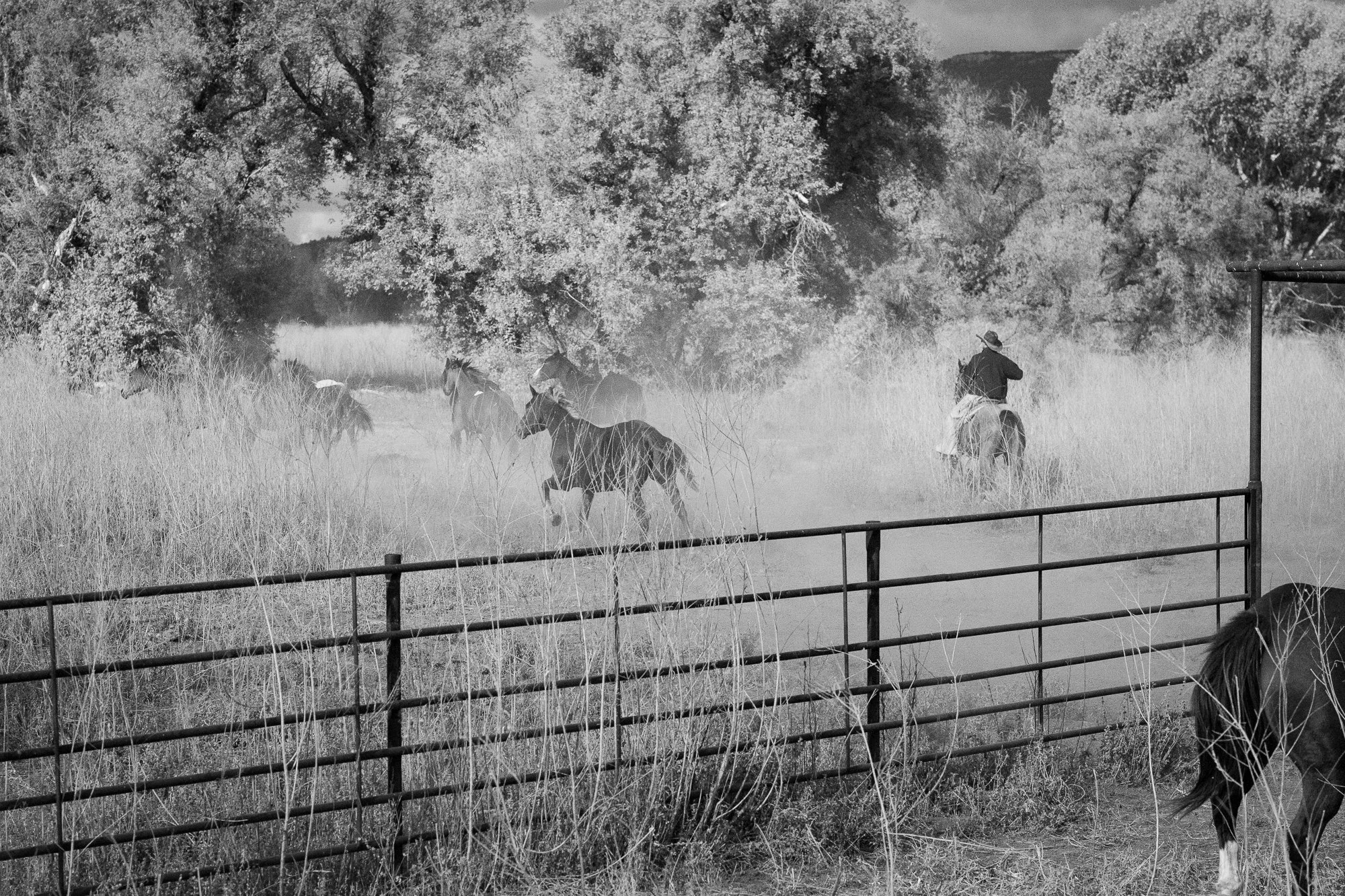
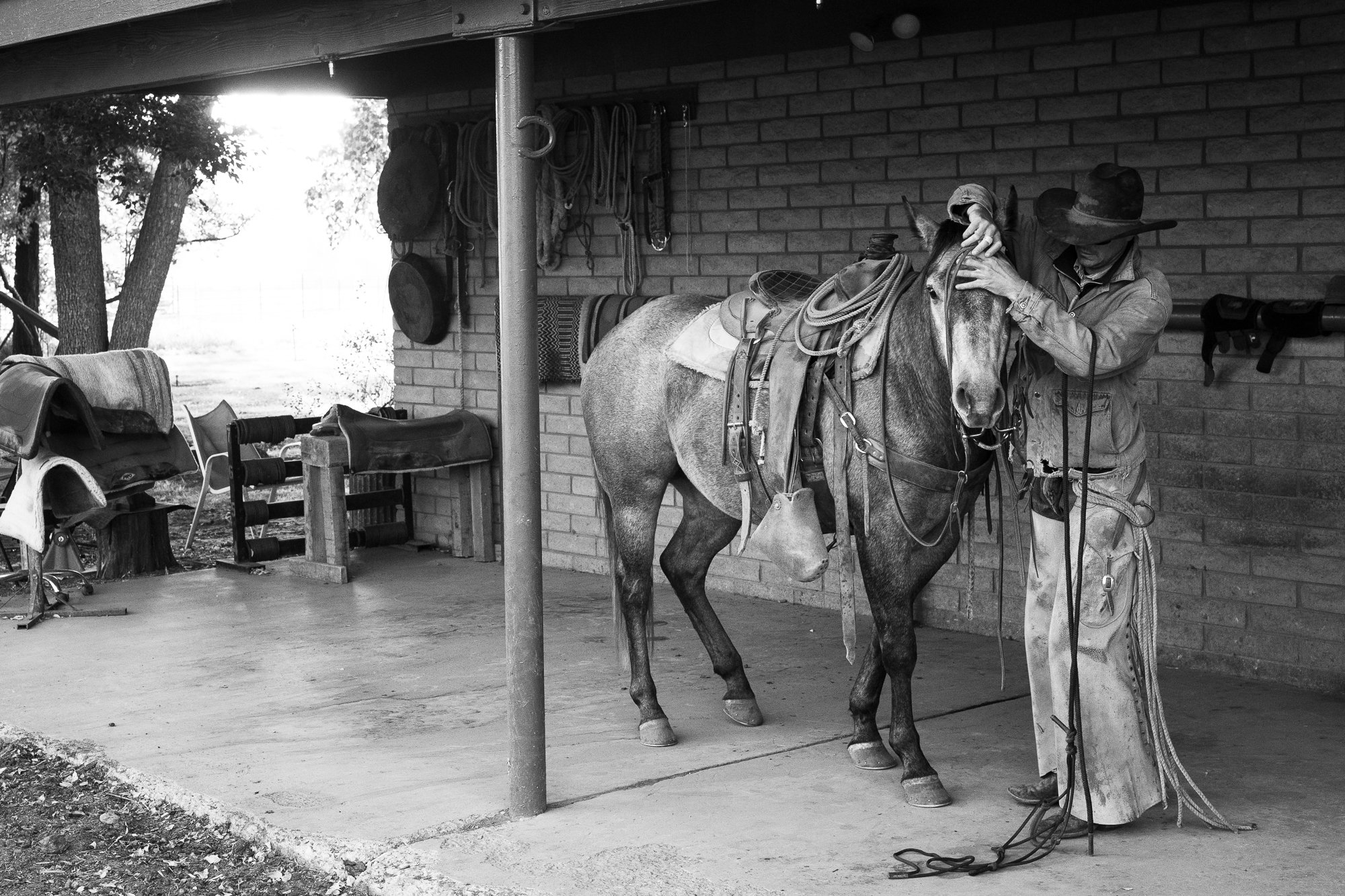
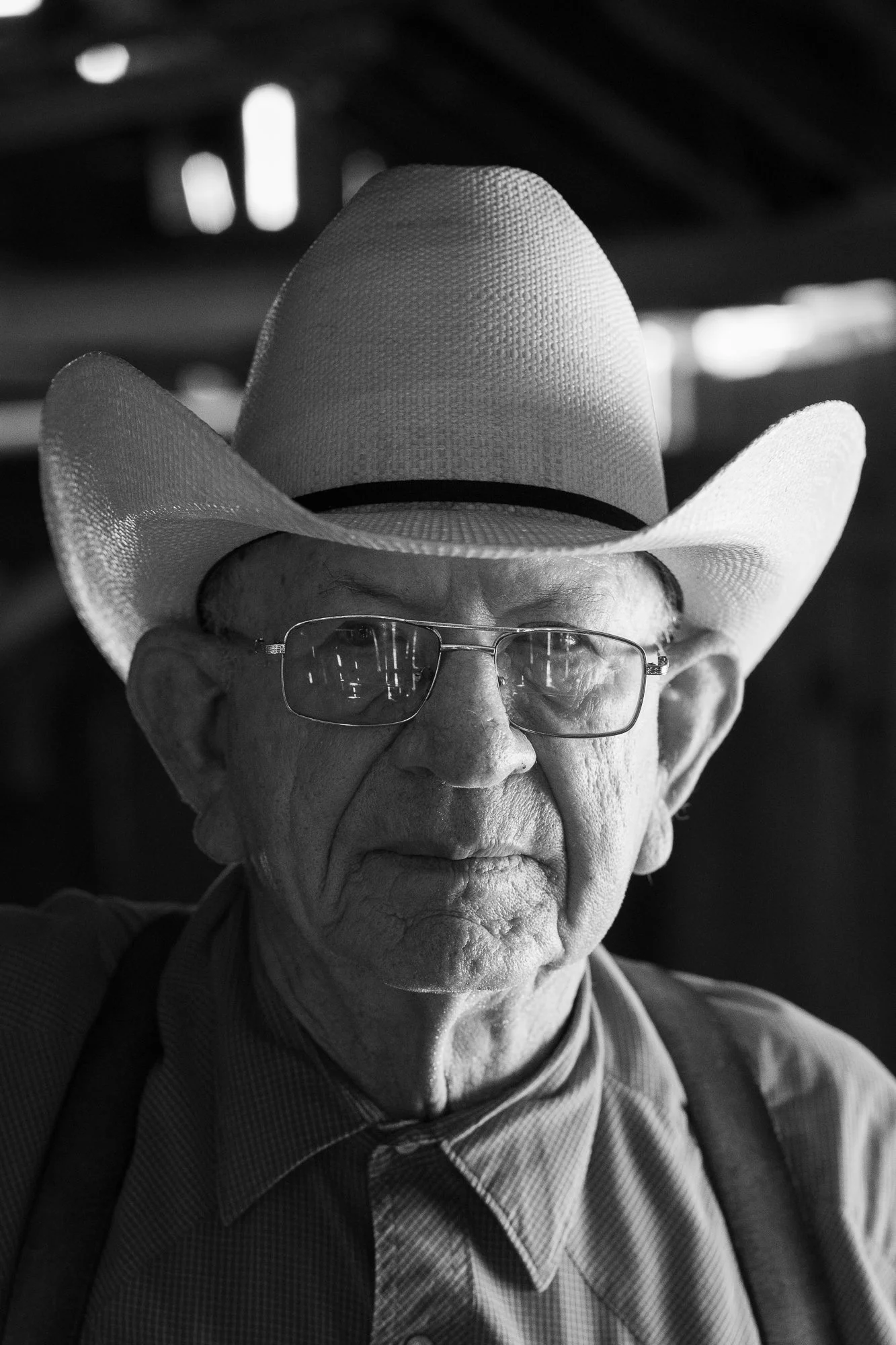
Tom Moorhouse is not a cowboy preserved in nostalgia, but one shaped by decades of work, responsibility, and lived experience. His life reflects a version of the American West that still exists, though often overlooked—one built on passion, land stewardship, and a deep understanding of cattle and country. These photographs documents Moorhouse as he is, without performance or reenactment, focusing instead on the quiet realities of a working cowboy’s life.

A Life Shaped by Ranching and Responsibility

Tom Moorhouse’s connection to ranching runs deep. His knowledge of cattle, land, and horsemanship comes not from imitation, but from years spent working within the rhythms of ranch life. Days begin early and end late, shaped by weather, animals, and the constant demands of the job. There is little separation between work and identity here—ranching is not something done for effect, but something lived every day.

In a culture often romanticized from the outside, Moorhouse represents the reality behind the image. The work is physical, repetitive, and exacting, requiring patience and long-earned skill. These photographs aim to reflect that truth by focusing on presence rather than action, and on character rather than spectacle.

A Texas Legend Recognized

Tom Moorhouse’s induction into the Texas Cowboy Hall of Fame and his Golden Spur Award speaks to the respect he has earned within the ranching community. This recognition is not about mythmaking, but about contribution—acknowledging a lifetime spent working cattle, preserving ranching traditions, and passing along knowledge built through experience.

Rather than elevating him above the work, this honor underscores the importance of people like Moorhouse in sustaining the culture of the American West. His story is inseparable from the land and the labor that define it.

Photographing the Quiet Side of Cowboy Culture

This portrait series was approached with restraint and intention. The goal was not to dramatize cowboy life, but to observe it honestly. Natural light, minimal direction, and an emphasis on stillness allow the details to speak.

By focusing on the spaces between moments, the photographs reveal a side of cowboy culture that often goes unseen. The tools, the wear, and the environment all carry history, and together they form a more complete picture of a life lived through work rather than performance.

Cowboy Photography as Cultural Documentation

Projects like this exist to document a way of life that continues quietly across the American West. Working cowboys like Tom Moorhouse are central to that story, yet they are rarely the focus of contemporary visual records. These photographs are part of a broader effort to create a long-term archive of cowboy culture as it exists today—not as a reenactment, but as lived experience.

Licensing Cowboy Photography for Editorial and Commercial Use

These photographs of Tom Moorhouse are available for editorial and commercial licensing. The work is well suited for magazines, books, brand storytelling, exhibitions, and cultural institutions seeking authentic representations of working cowboy life in the American West. Licensing inquiries are welcomed for projects that value accuracy, context, and visual honesty, with images available as individual selections or as part of a larger cowboy photography archive.

View More Cowboy Photography from the American West

This portrait of Tom Moorhouse is part of an ongoing series documenting working cowboys across the American West.
View the full Cowboy Photography series
Boots O’Neal - Another Texas Legend

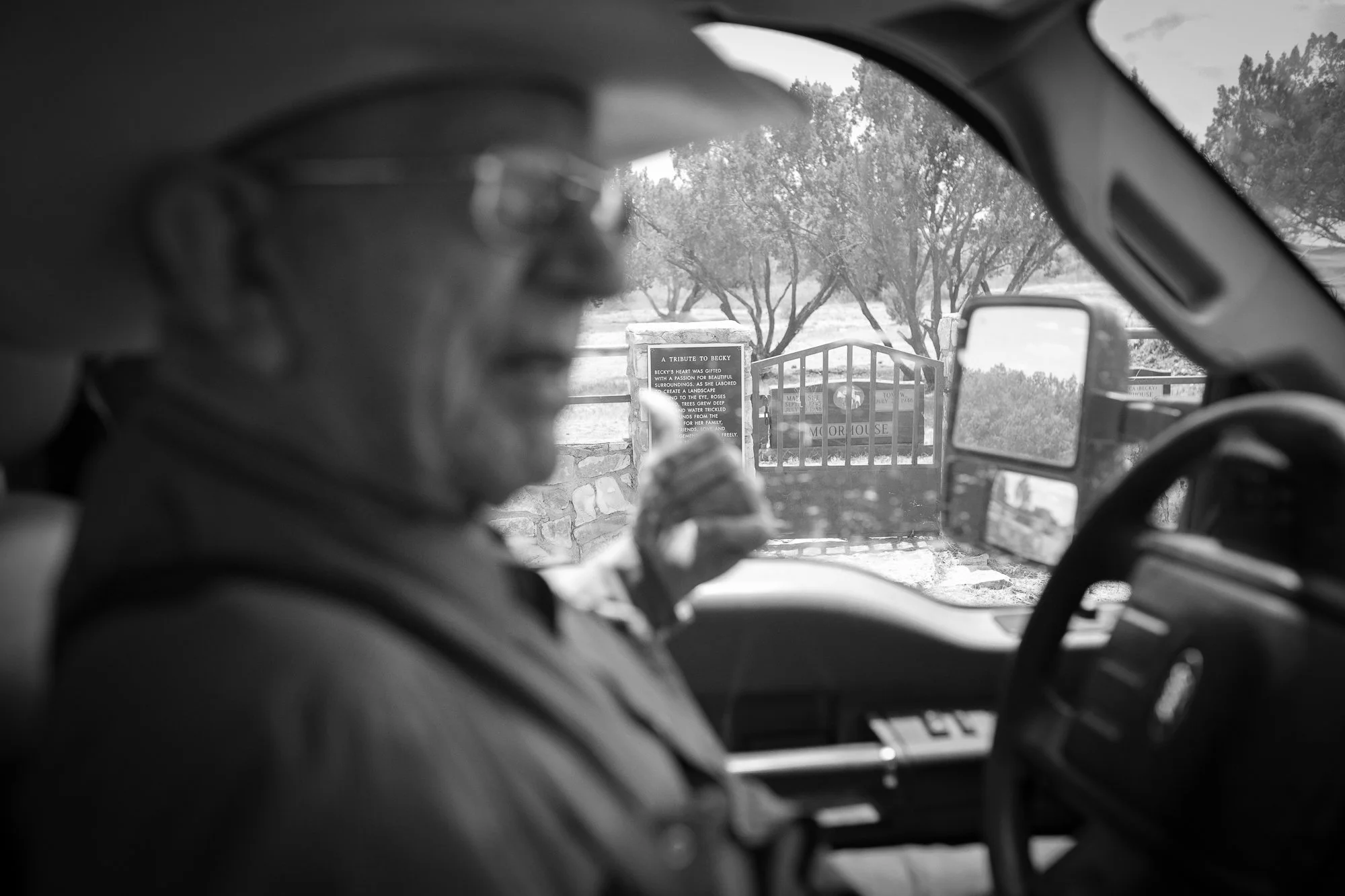
Black and white portrait of famous Texas cowboy Tom Moorhouse

Tom Moorhouse - Texas Cowboy

Photograph of Tom Moorhouse at the cemetery on his ranch

Legendary Texas Cowpuncher - Tom Moorhouse

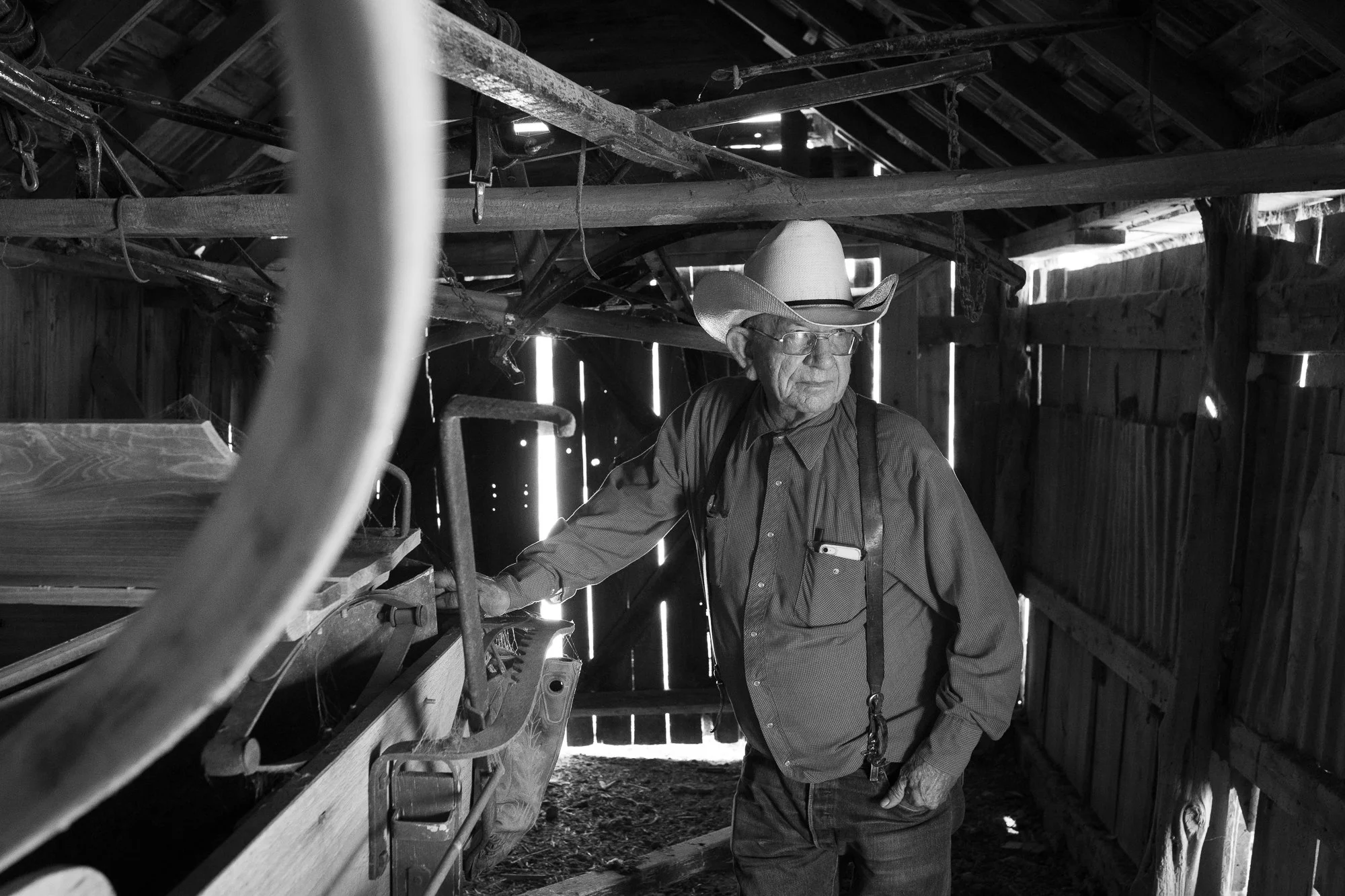
Portrait of legendary Texas cowboy Tom Moorhouse

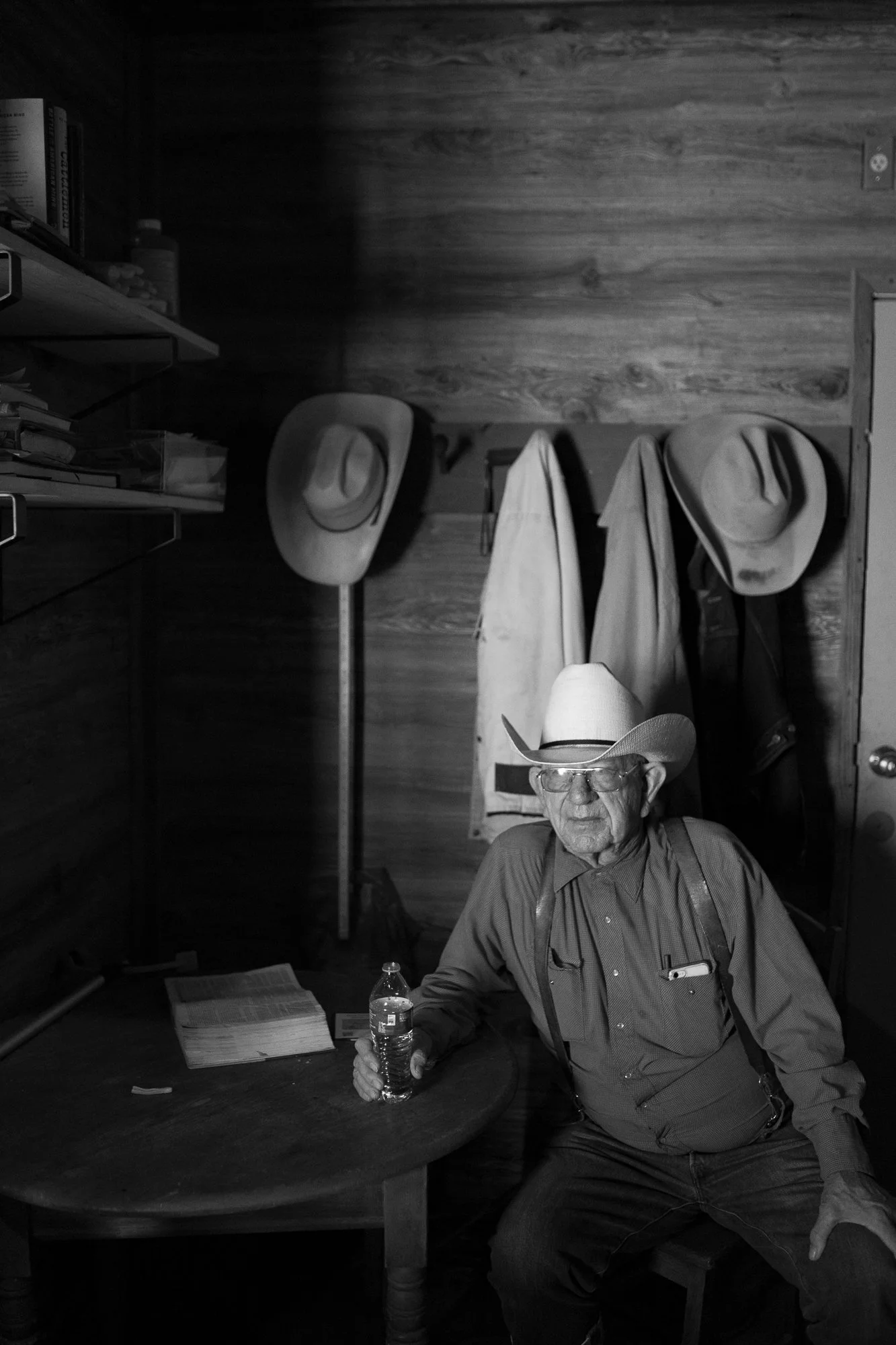
Portrait of legendary Texas cowboy Tom Moorhouse

Black and white portrait of cowboy Tom Moorhouse on his ranch in Texas

Tom Moorhouse at his ranch in Texas


The Year's Best Photographs

American Photography Competition

The American Photography Competition is one of only a handful of competitions that I believe in out of the countless scams out there promising worldwide “exposure” for photographers. So it’s an honor to say that two of my cowboy photographs have been selected for the AP 40 - Year’s Best Photos! If you’d like to be humbled and inspired then go through the gallery of winning images . So much beautiful work in there.

If you’d like to see more of my authentic cowboy photographs go to this Gallery . And go HERE to purchase photography prints from the cowboy series.

Award winning cowboy photography

Award winning Western Photography

Basketball Photography Exhibition at the Western Spirit Museum

American Backcourts at Scottsdale’s Museum of the West

A Museum Exhibition from the Long-Term Basketball Hoop Photography Project

I was honored to exhibit selections from American Backcourts at Western Spirit: Scottsdale’s Museum of the West in Scottsdale, Arizona.

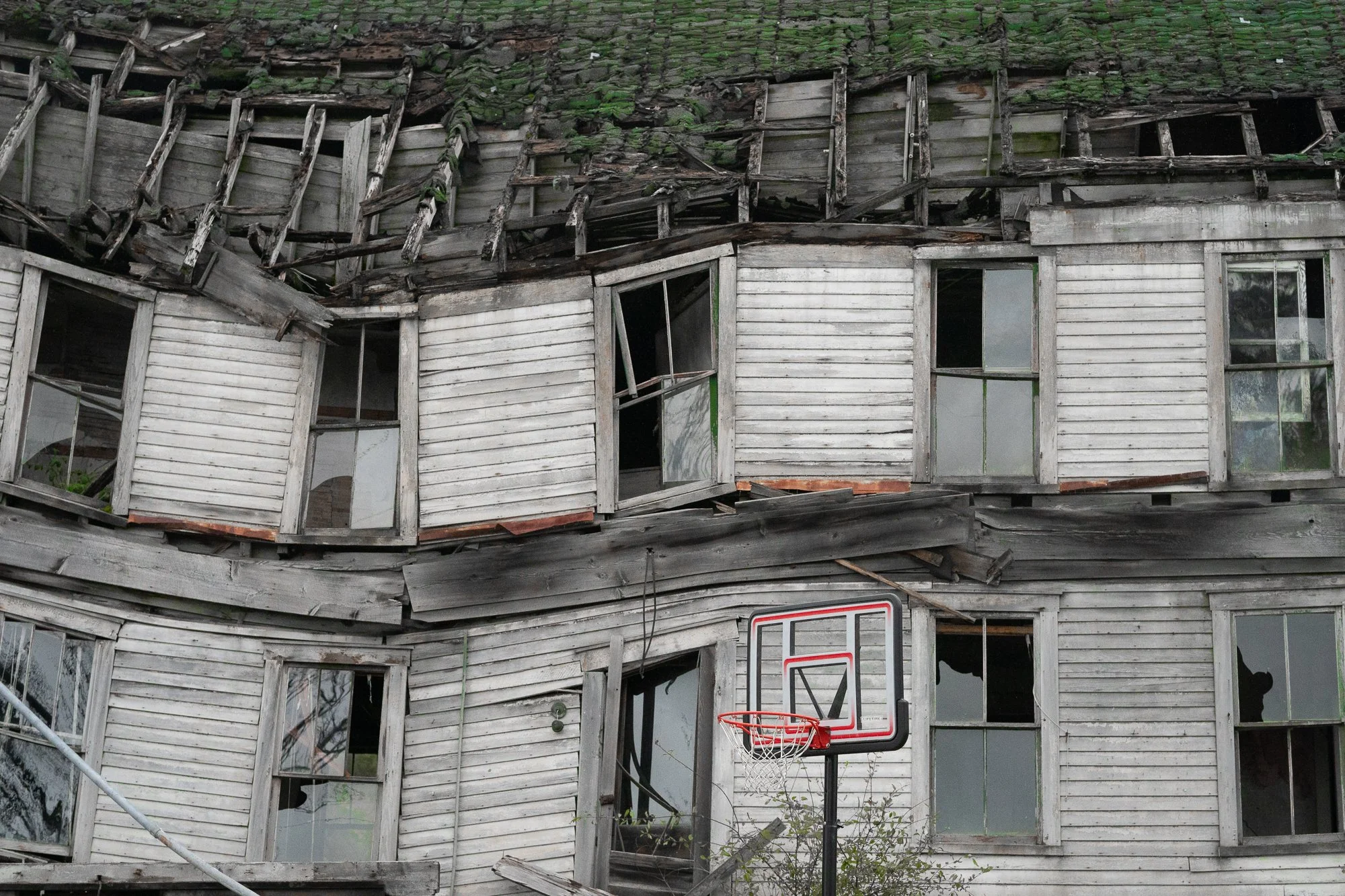
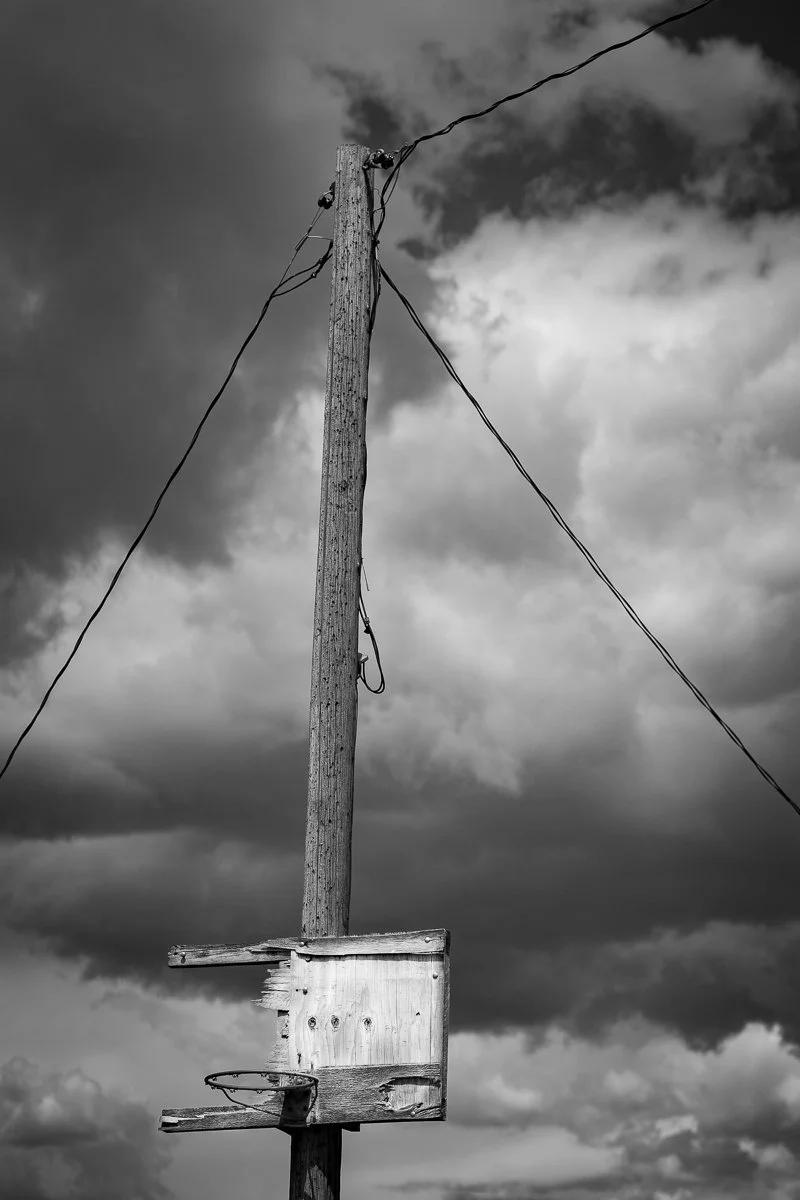
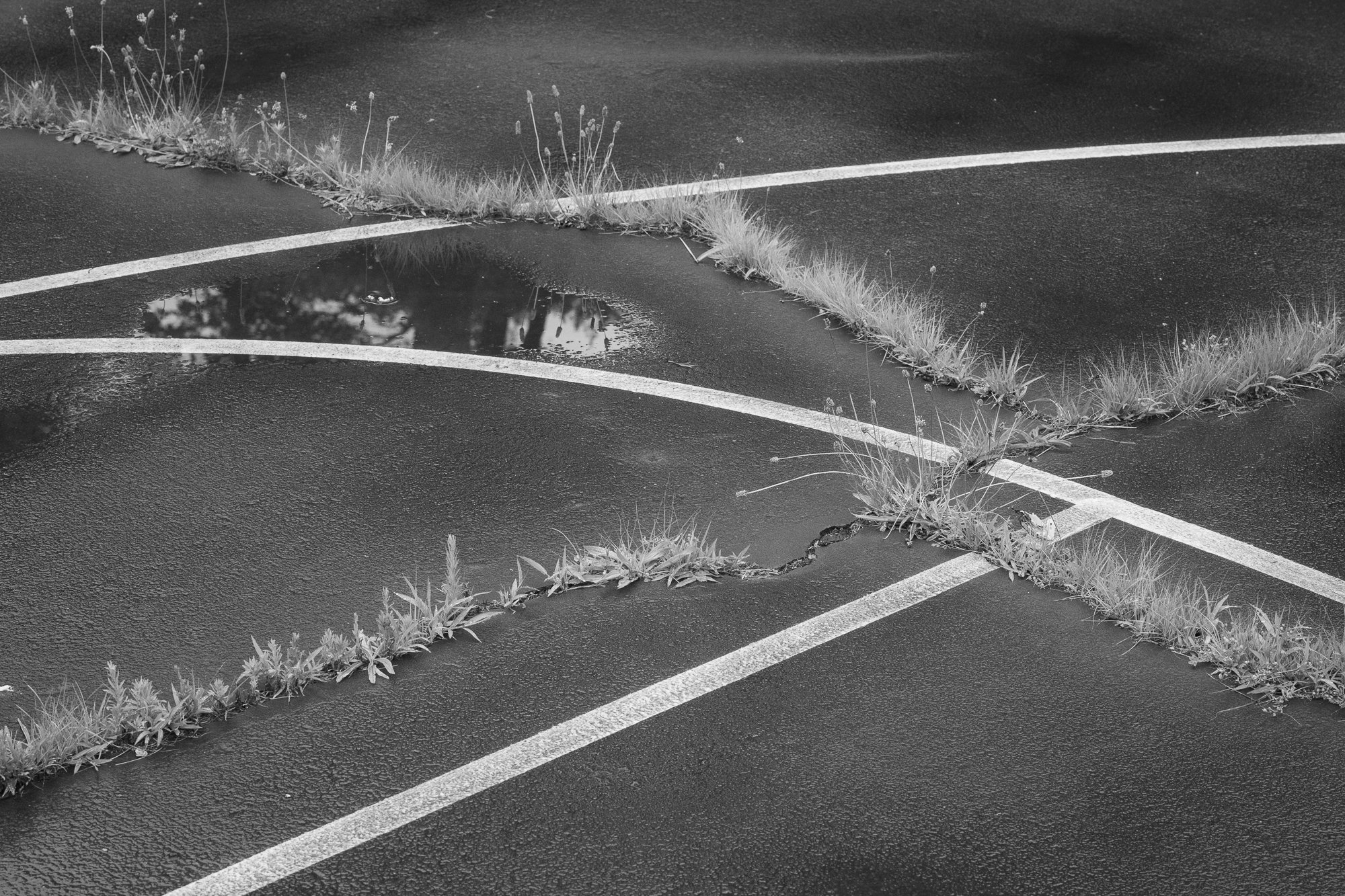
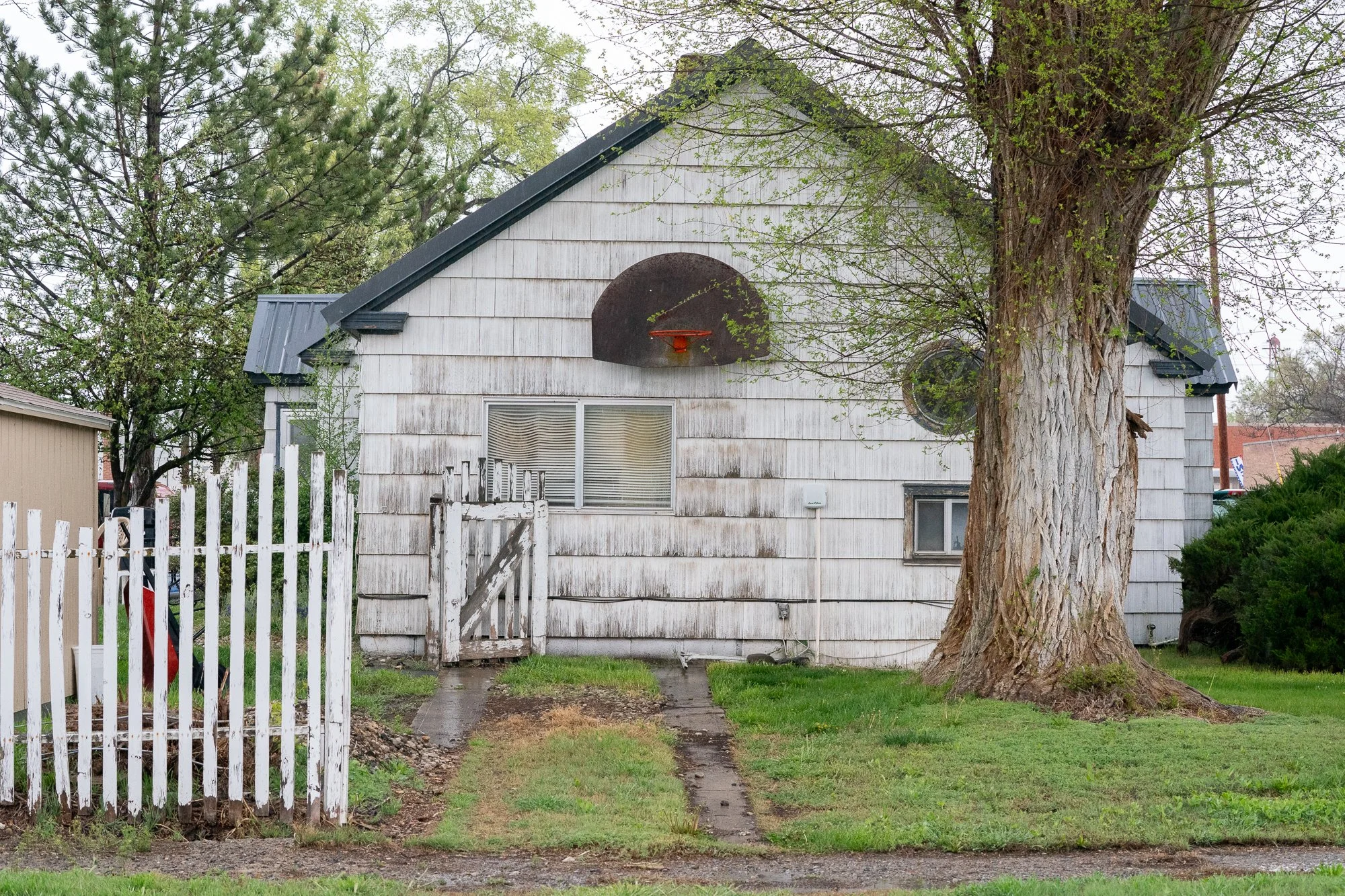
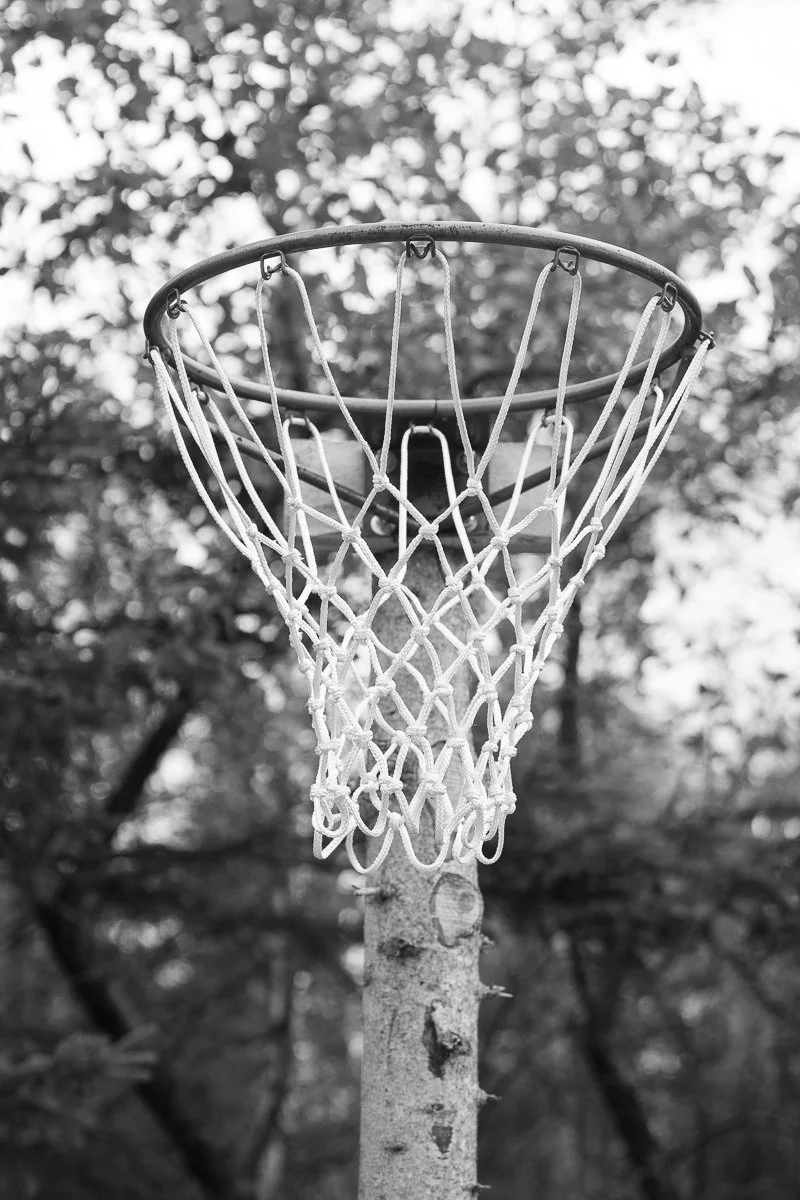
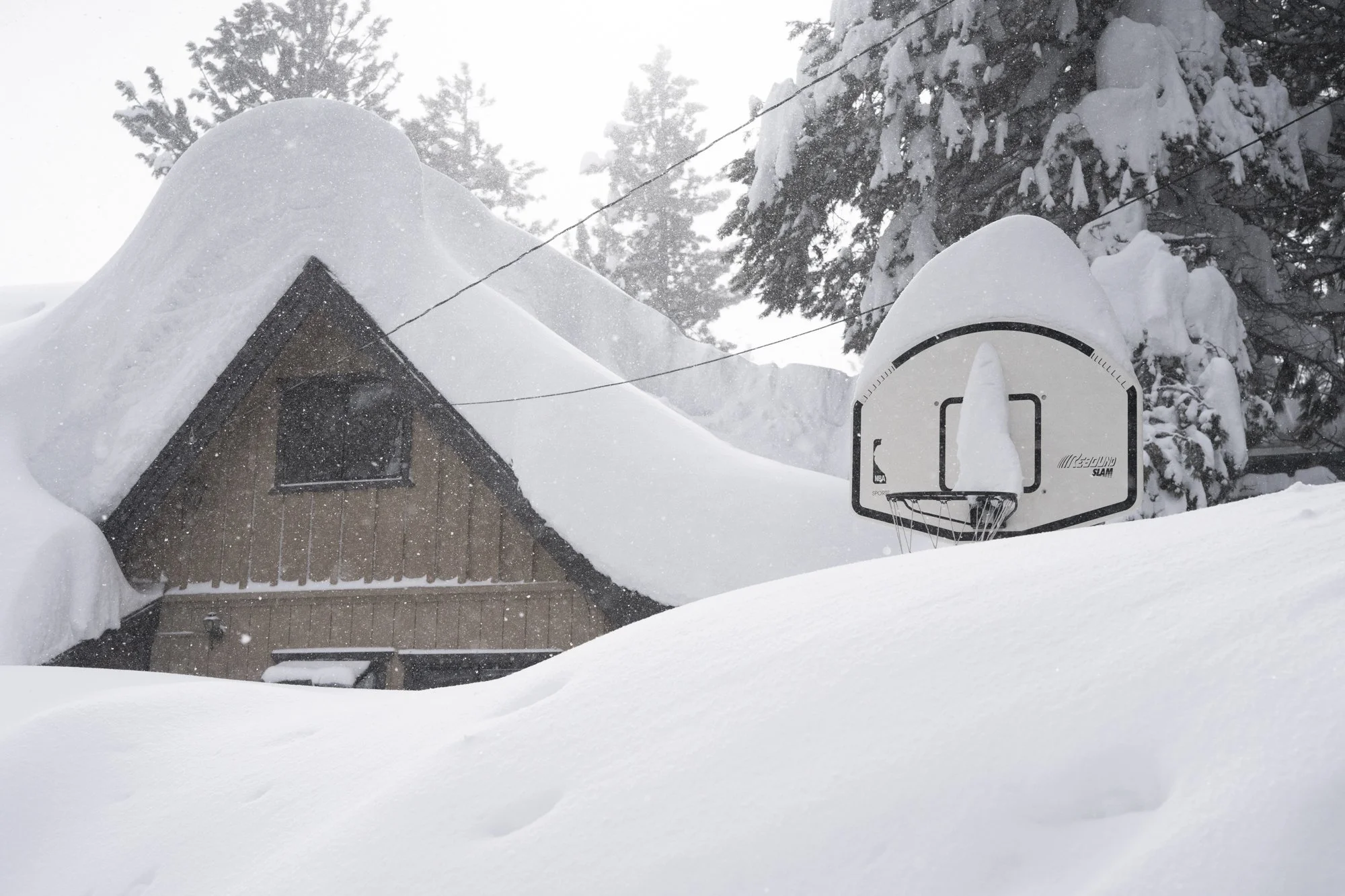
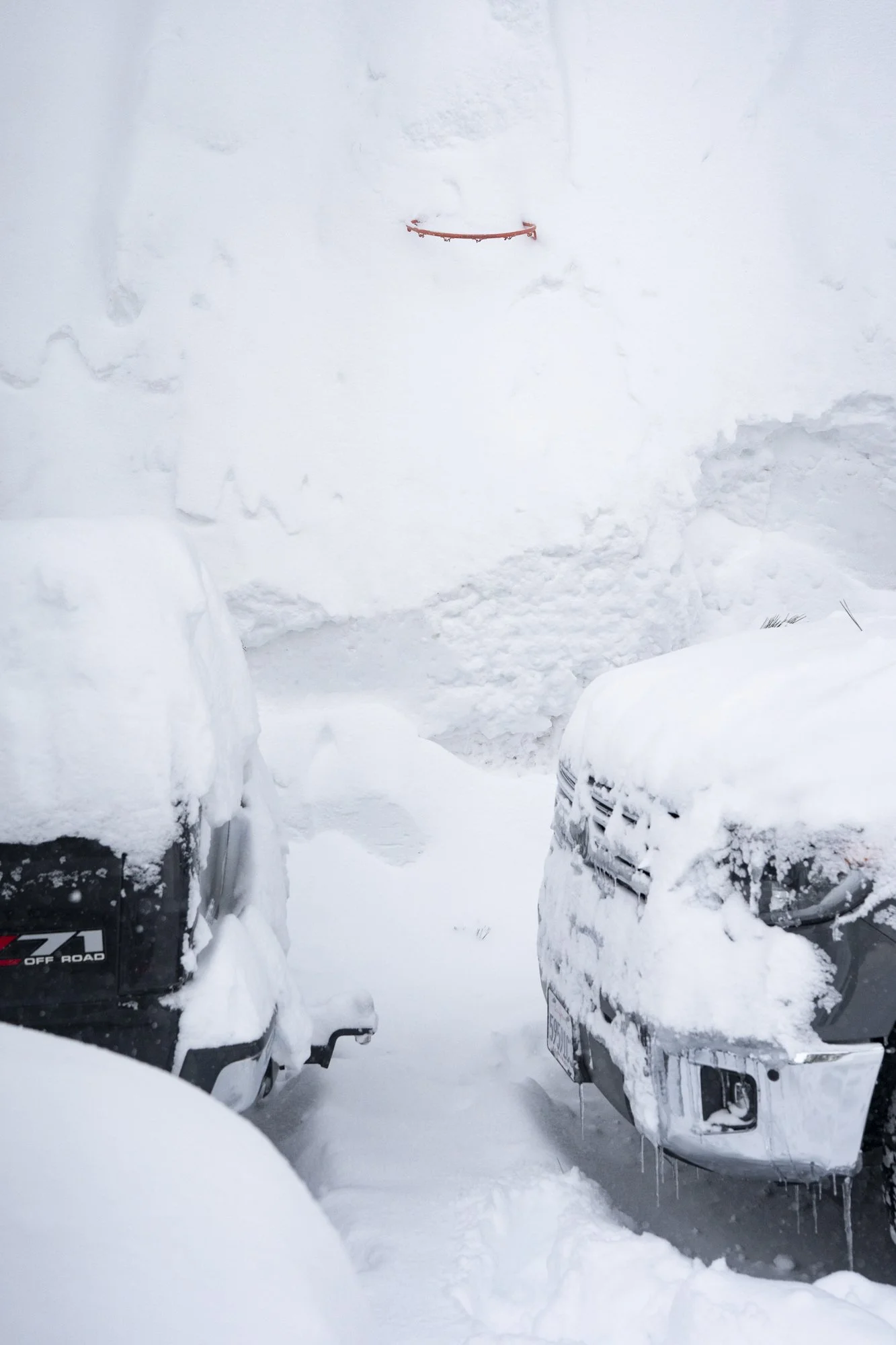
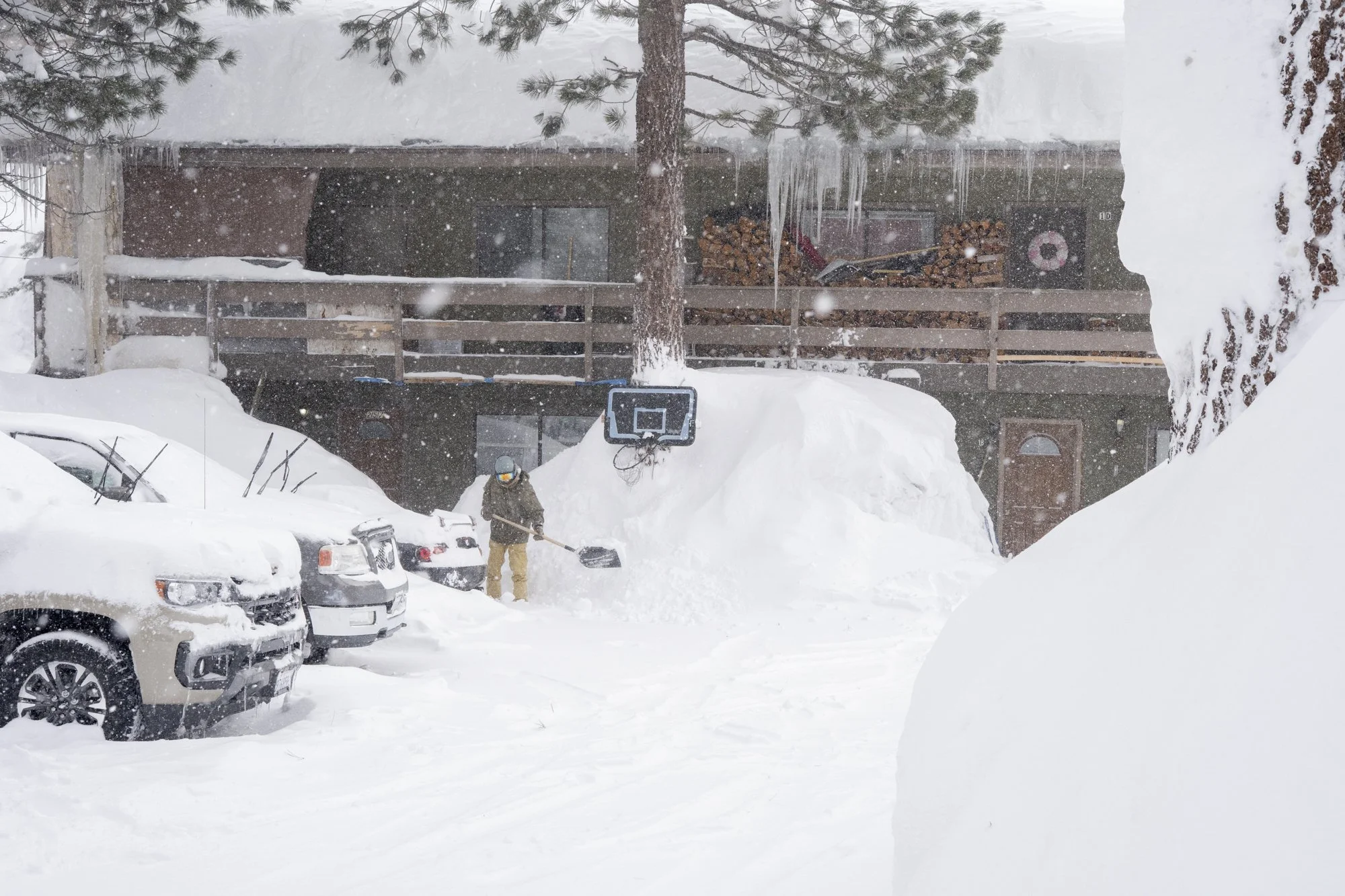
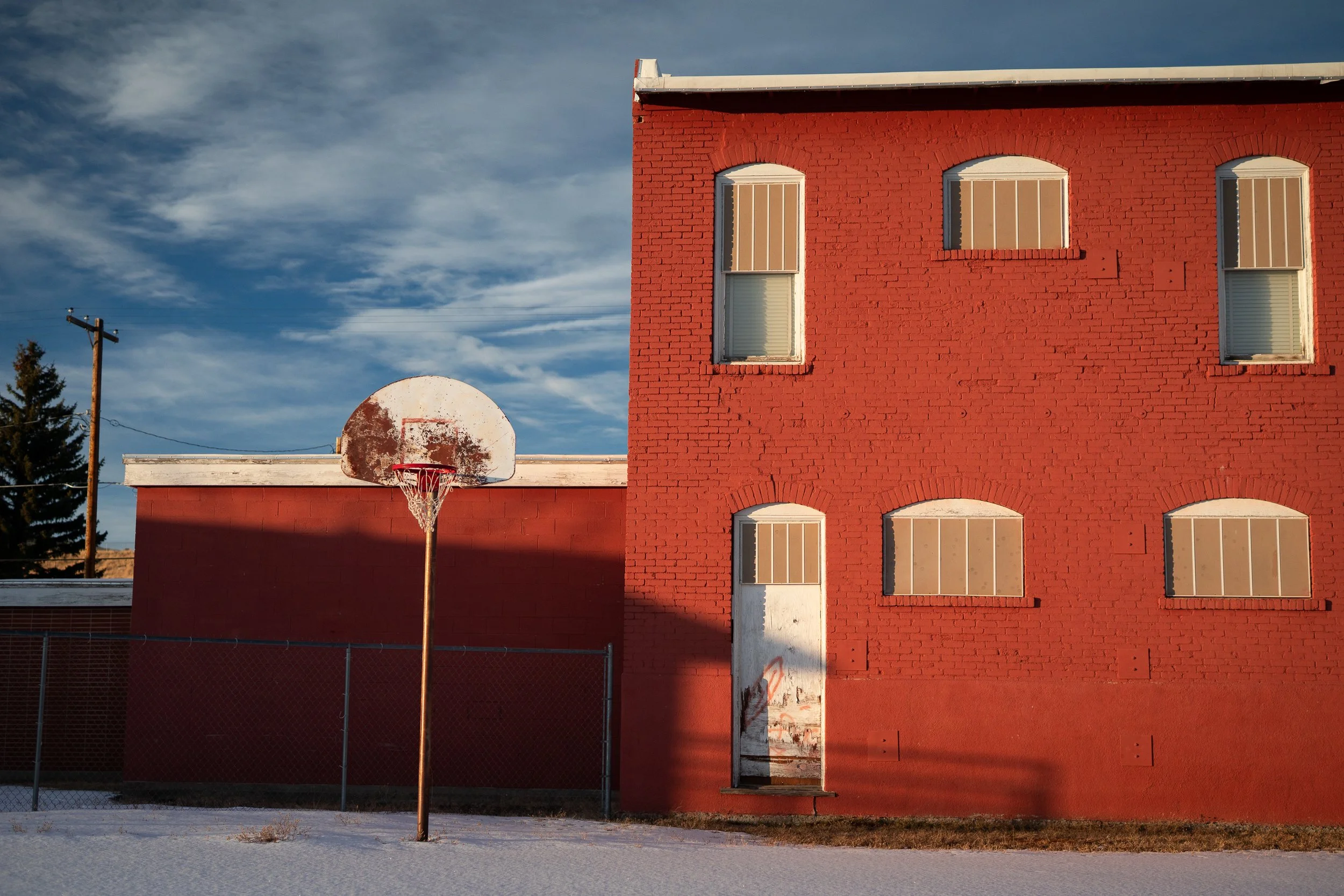
This exhibition meant a great deal to me, not only because it brought the project into a respected museum setting, but because it placed basketball inside a conversation where many people do not expect to find it: the American West. That tension has always been part of what interests me about this body of work. Over the past fifteen years, I’ve photographed basketball hoops in backyards, alleys, farms, deserts, small towns, and overlooked corners of the country, often in places where the game feels quietly woven into everyday life rather than presented as spectacle.

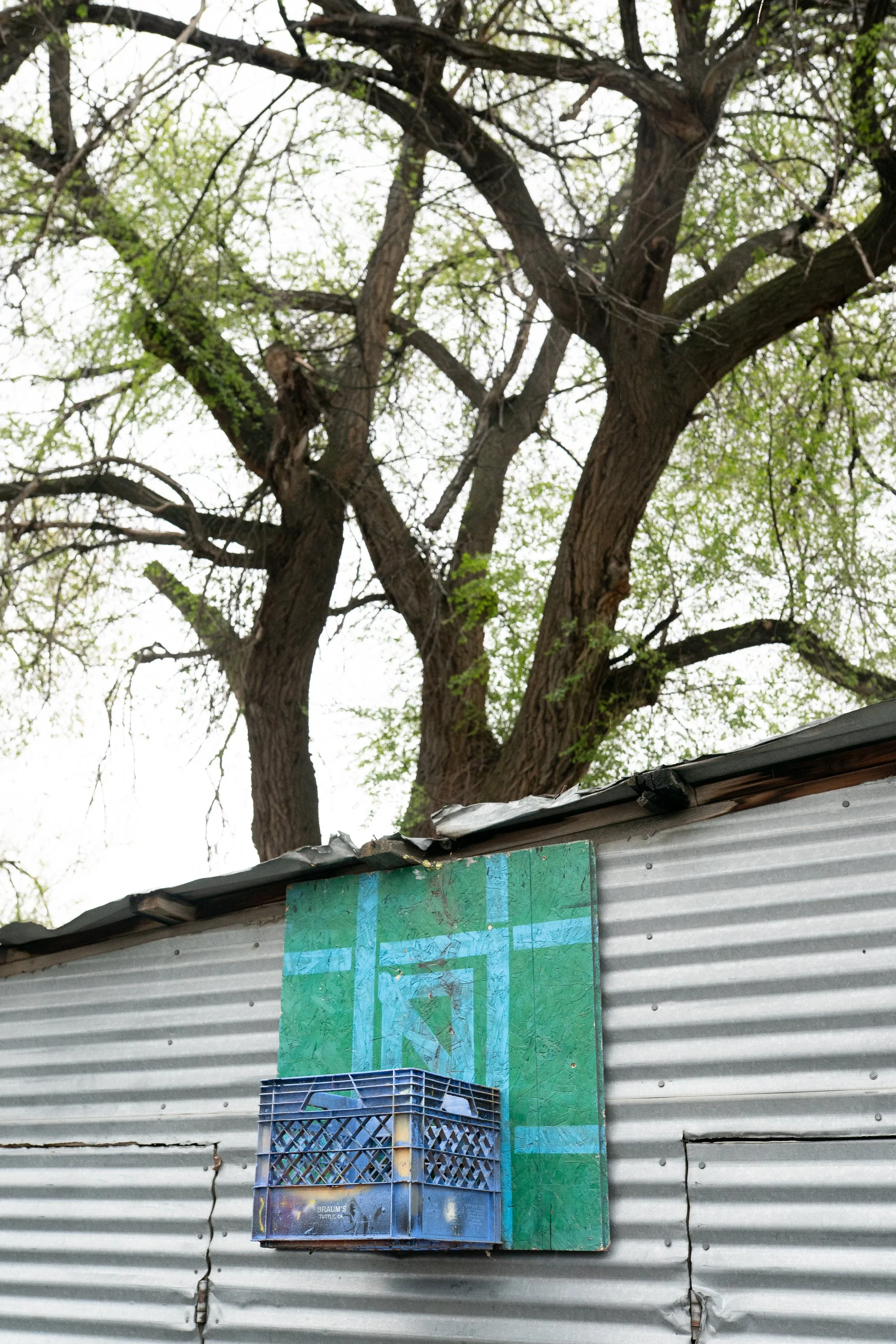
American Backcourts was on view at Western Spirit from August 26, 2024 through April 13, 2025. The show brought together photographs from across the West that reflect the resourcefulness, beauty, and persistence I’ve found again and again while working on this series. Handmade rims, weathered backboards, empty courts, and improvised places to play all become part of a bigger story about how deeply basketball belongs to American culture.

What I particularly appreciated about this exhibition was the setting. Western Spirit has built its reputation around art, history, and ideas connected to the West, so it was meaningful to see these photographs presented there. The show offered a chance to frame basketball not only as sport, but as part of the visual language of the region.

This exhibition is one chapter in the larger American Backcourts project, an ongoing body of work documenting basketball hoop photographs from across the United States.

To see more from the project, visit the main American Backcourts gallery.
For collectors, available works can be viewed on the basketball photography prints page.

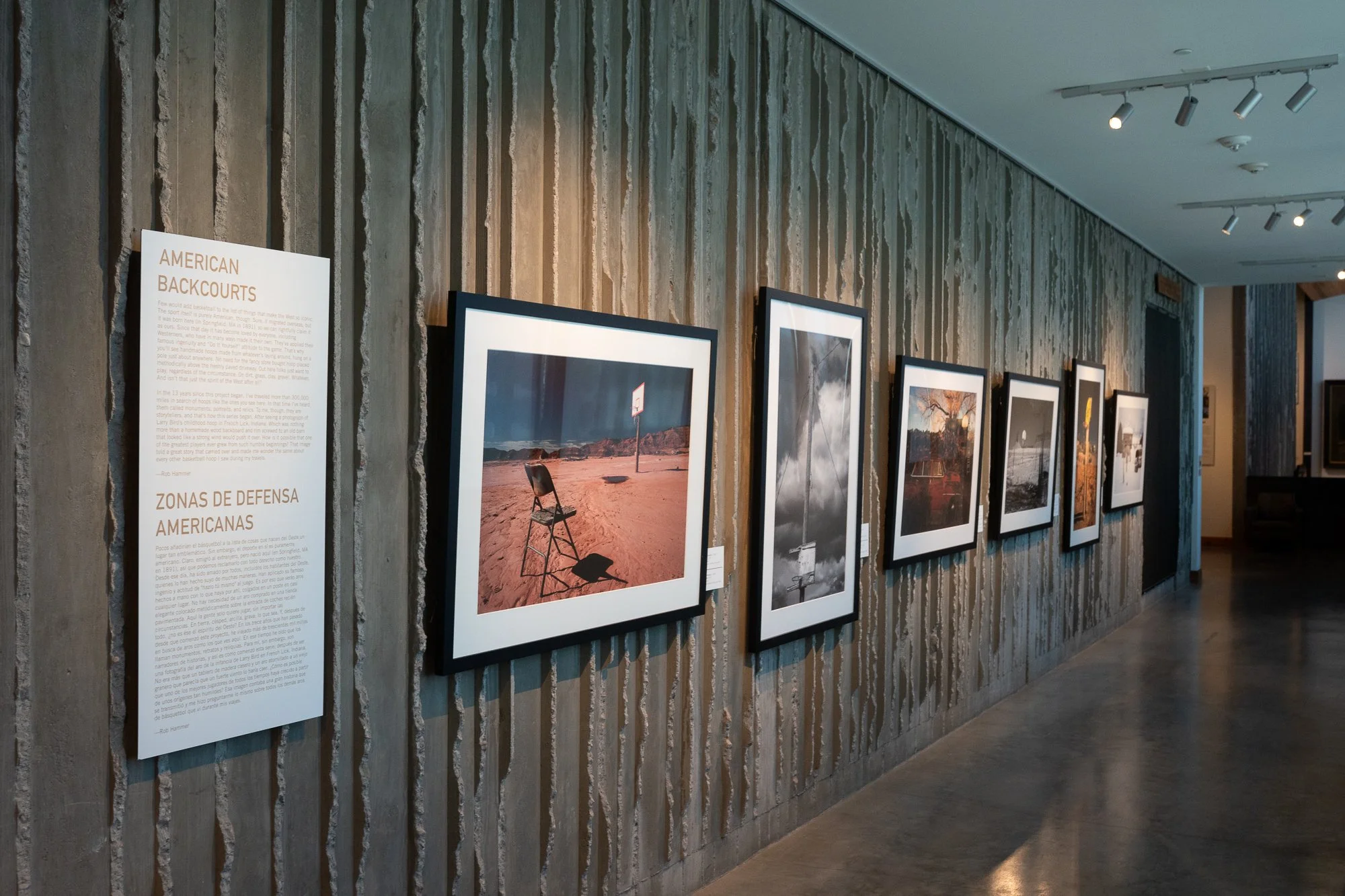
American Backcourts basketball hoop photography exhibition installed at Western Spirit: Scottsdale’s Museum of the West

American Backcourts on display at Western Spirit: Scottsdale’s Museum of the West in Scottsdale, Arizona.

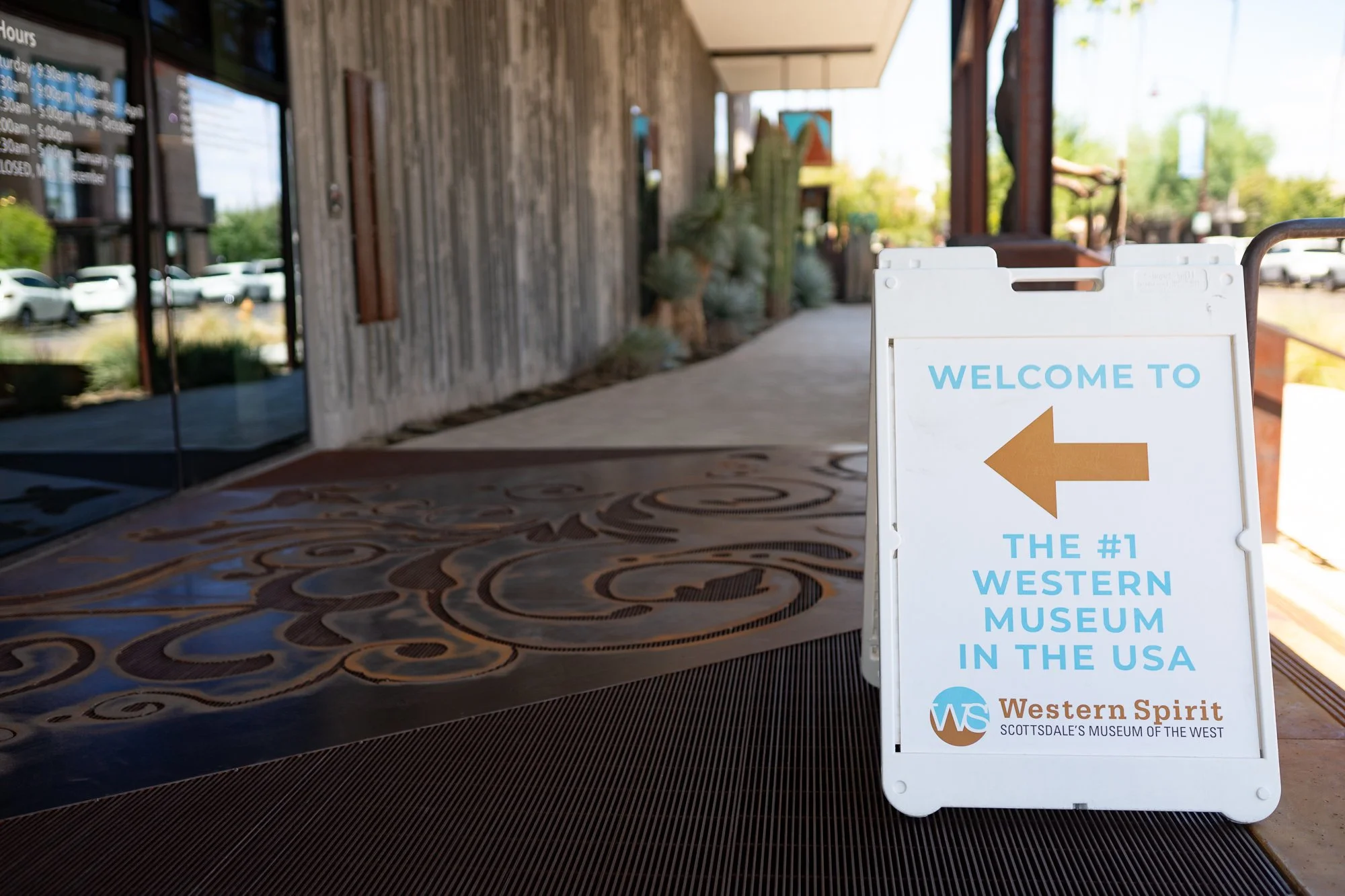
Exterior of Western Spirit: Scottsdale’s Museum of the West with “#1 Western Museum in the USA” sign

Western Spirit: Scottsdale’s Museum of the West in Scottsdale, Arizona, where the American Backcourts exhibition was presented.

University Club - San Diego

University Club - San Diego, California

Recently had a great opportunity to present some of my cowboy photography to members at The University Club in San Diego, California. Sitting on the 34th floor of the Symphony Towers, the club has the best view in all of America’s Finest City! It was a pleasure just being up there, but even more so presenting work along a couple other photographs that I’m lucky to call friends - Nick Nacca and Gary Allard as well as APA San Diego. It was a great night all the way around. The three of us had fun presenting our work and everyone in attendance was very engaged during and after. I’m grateful for the opportunity to share!!

Go here to shop my fine art cowboy photography prints

Fine art photography at the University Club in San Diego

Photography presentation at The University Club in San Diego, California

Photograph of fine art photographers presenting work at The University Club in San Diego, California

Color photographs taken by Tim Hardy

Black and white photo taken by Rich Soublet

Paris Street Photography

Paris Street Photographs — An Intimate Visual Journey

Paris in Candid Street Photographs

Paris moves quickly, but its most revealing moments happen quietly.

Away from the monuments and postcards, the city reveals itself in passing glances, small gestures, and the subtle choreography of people moving through shared space. These Paris street photographs were made while walking without an agenda — observing light, waiting for alignment, and responding instinctively when form, expression, and atmosphere briefly came together.

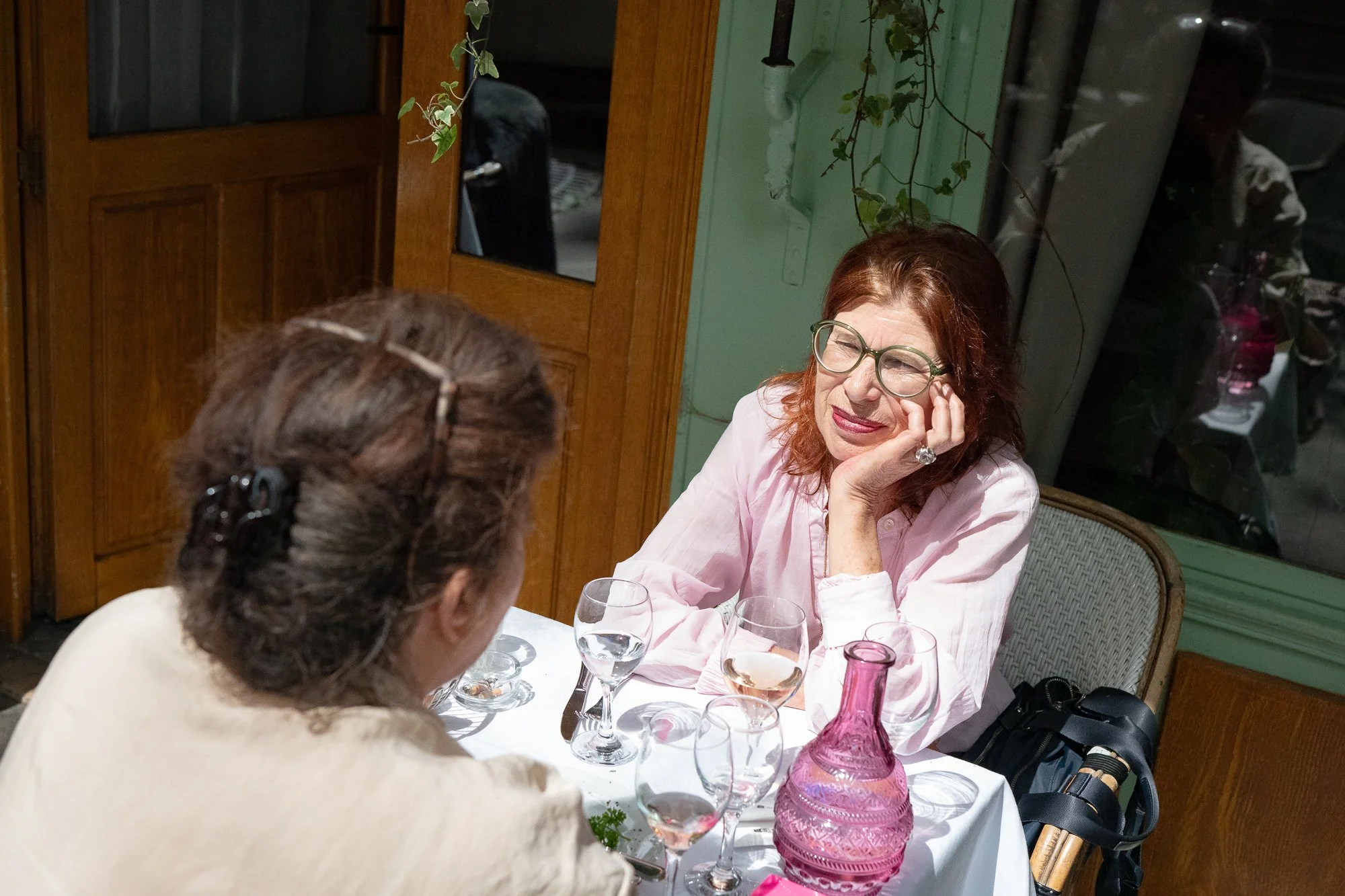
Rather than chasing iconic scenes, this body of work focuses on the in-between moments that define everyday Paris: café conversations, solitary figures crossing wide intersections, brief pauses along the Seine, and the unspoken language of posture and movement.

These photographs are not souvenirs. They are visual records of time and place, created to live on the wall as fine art prints.

What You’ll See in This Paris Street Photography Series

This ongoing collection reflects a broad, honest view of the city as it is lived:

  • Quiet exchanges at cafés and sidewalk tables

  • Figures moving alone through architectural space

  • Subtle interactions between strangers

  • Parisian streets shaped as much by people as by buildings

  • Moments of stillness within constant motion

Each image exists as both a documentary moment and a compositional study — balancing structure with spontaneity.

The Process Behind the Photographs

These images were made through patience rather than pursuit.

Street photography, at its core, is about observation — learning how light moves through a space, understanding how people occupy it, and waiting for those elements to align naturally. Many of these photographs came from standing in one place, or simply letting scenes unfold rather than forcing them.

The goal is not spectacle, but authenticity. Nothing staged. Nothing repeated. Each frame represents a singular moment that will never occur again in quite the same way.

Fine Art Prints of Paris Street Photography

All photographs in this series are available as museum-quality fine art prints, produced with longevity and tonal depth in mind.

  • Printed on archival, gallery-grade paper

  • Professional pigment inks for rich blacks and subtle midtones

  • Available in multiple sizes, including large-scale statement prints

  • Select images available as signed, limited editions

These prints are designed for collectors, interior spaces, and anyone who values photography as a lasting object rather than a disposable image.

Custom sizing, framing guidance, and edition details are available upon request.

Collecting Paris, One Moment at a Time

Street photography preserves what would otherwise disappear — a look exchanged, a pause mid-step, a moment of reflection before the city moves on.

If you’re drawn to Paris not as a destination, but as a living, breathing place shaped by human presence, these photographs offer a quieter way to bring the city into your space.

Explore the images below to view available fine art prints, or contact me directly to discuss editions, sizing, and framing options.

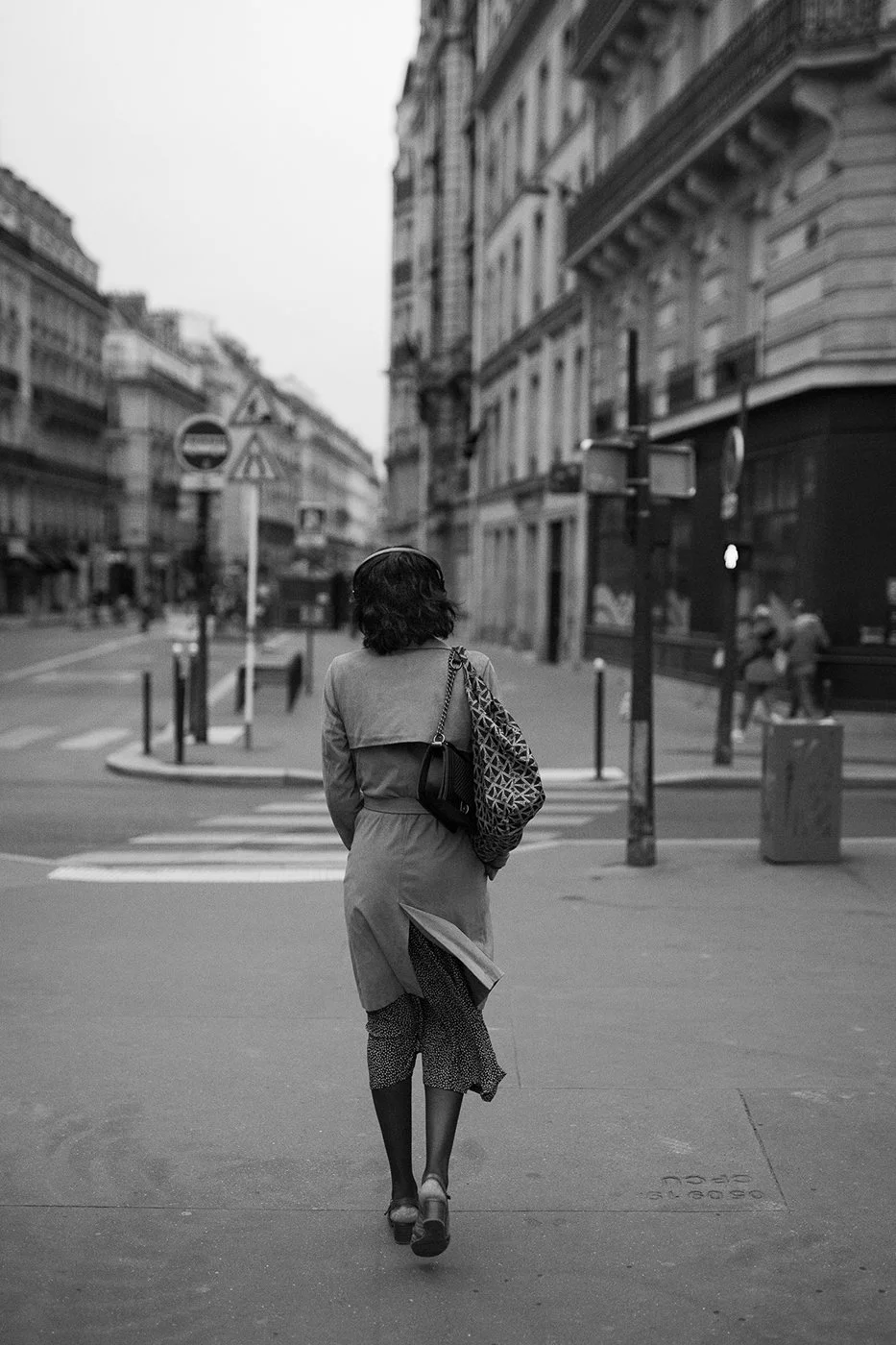
Black and white photograph of a fashionable woman walking alone through a Paris intersection

A solitary figure moves through Paris, framed by architecture and empty space.

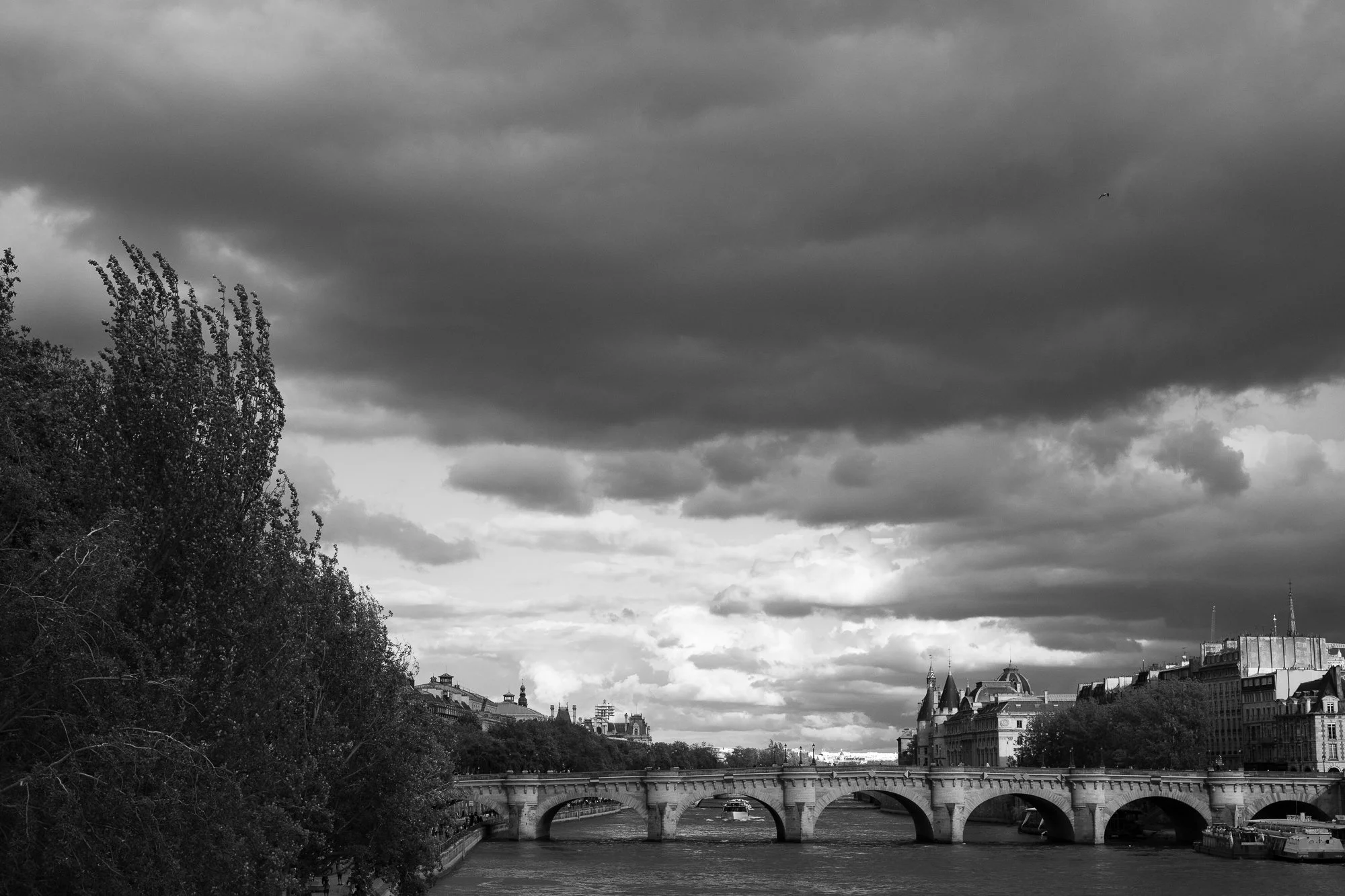
Black and white photograph of a bridge over the Seine beneath dramatic clouds

A quiet moment along the Seine as dark clouds gather over Paris.

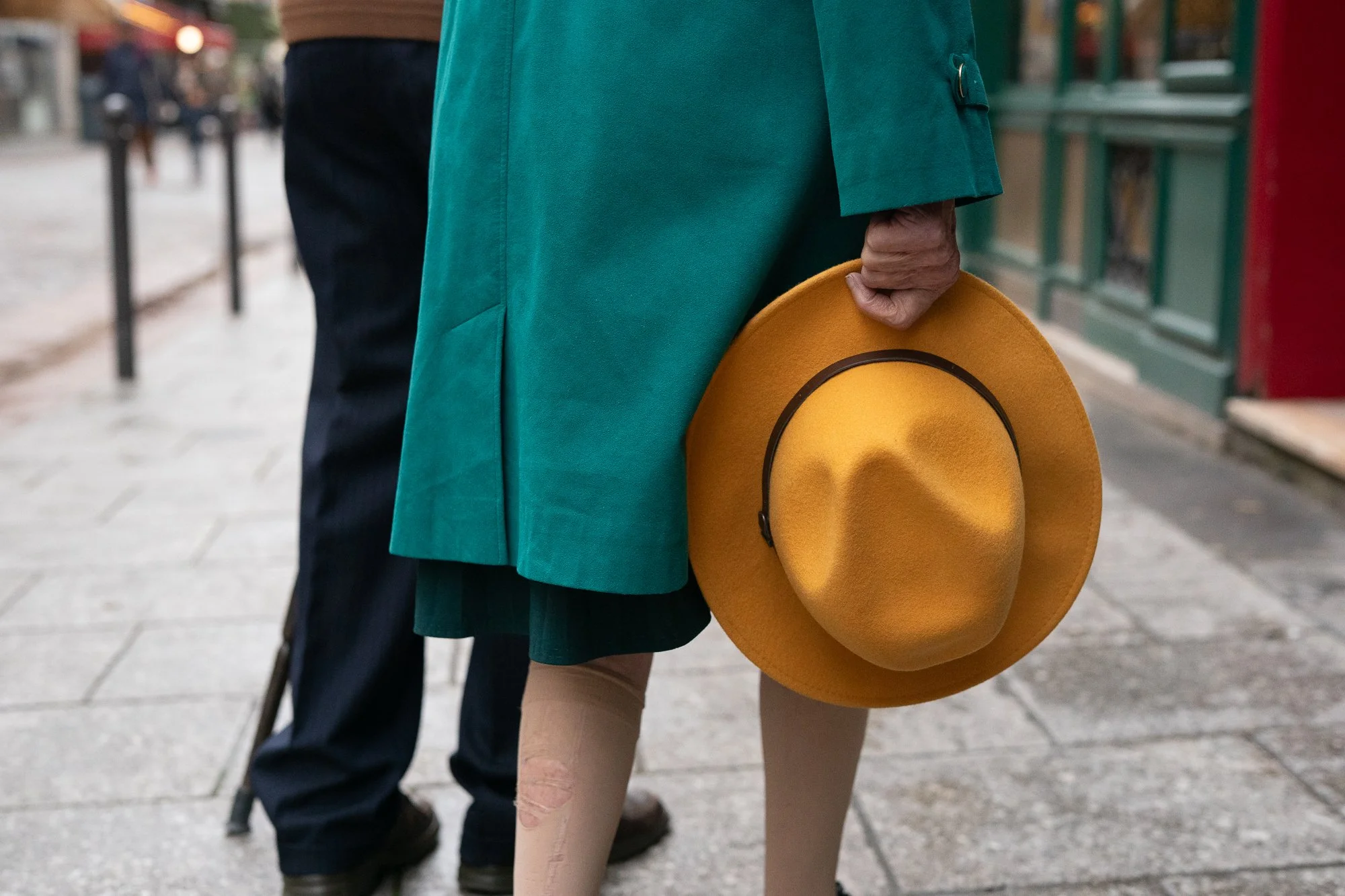
Woman in a green coat holding a mustard yellow hat on a Paris sidewalk

A fleeting Paris moment—color, posture, and gesture captured without interruption.

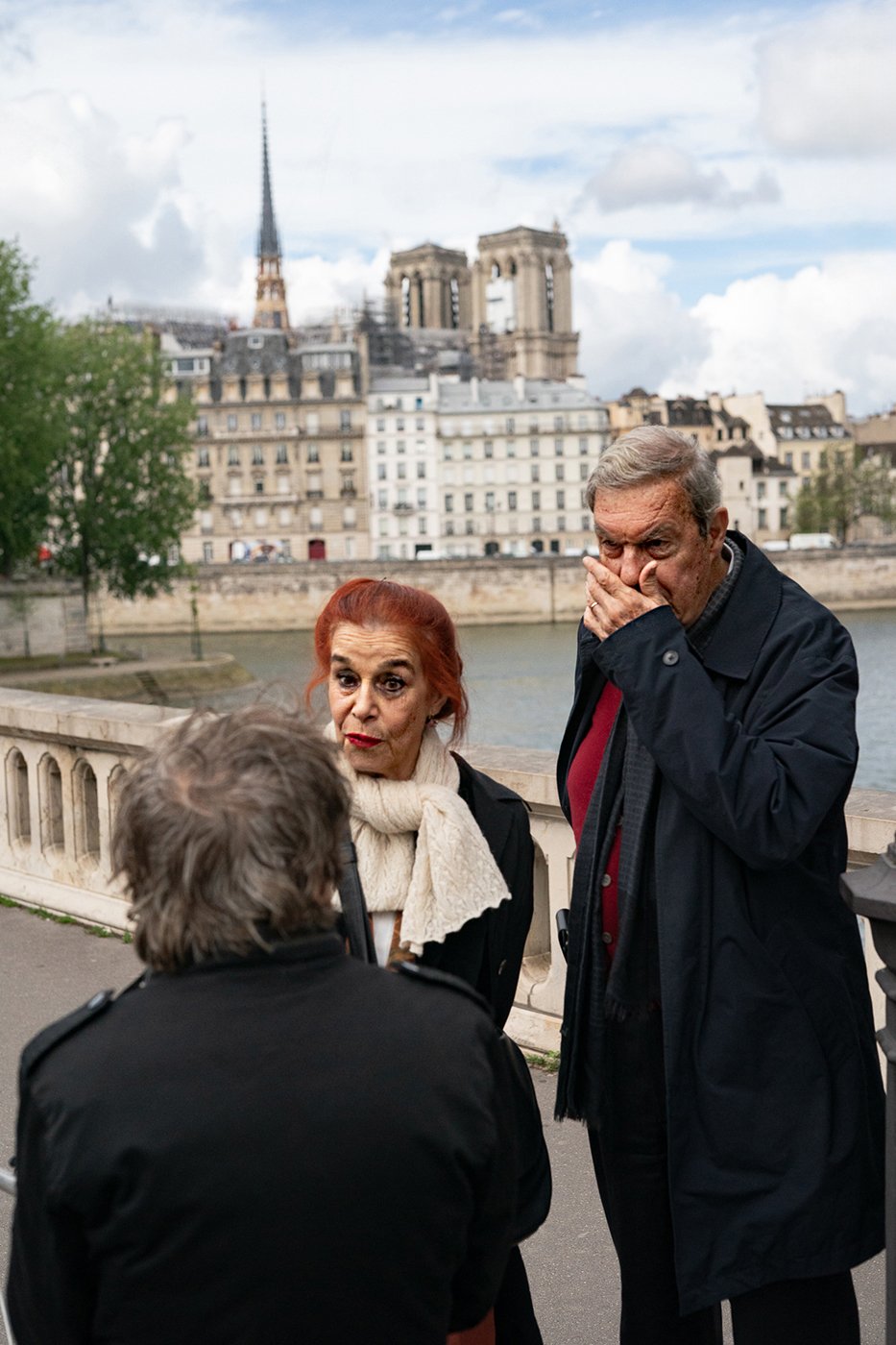
Candid street portrait of people talking along the Seine in Paris

An unguarded exchange along the Seine, framed by the city’s familiar architecture.

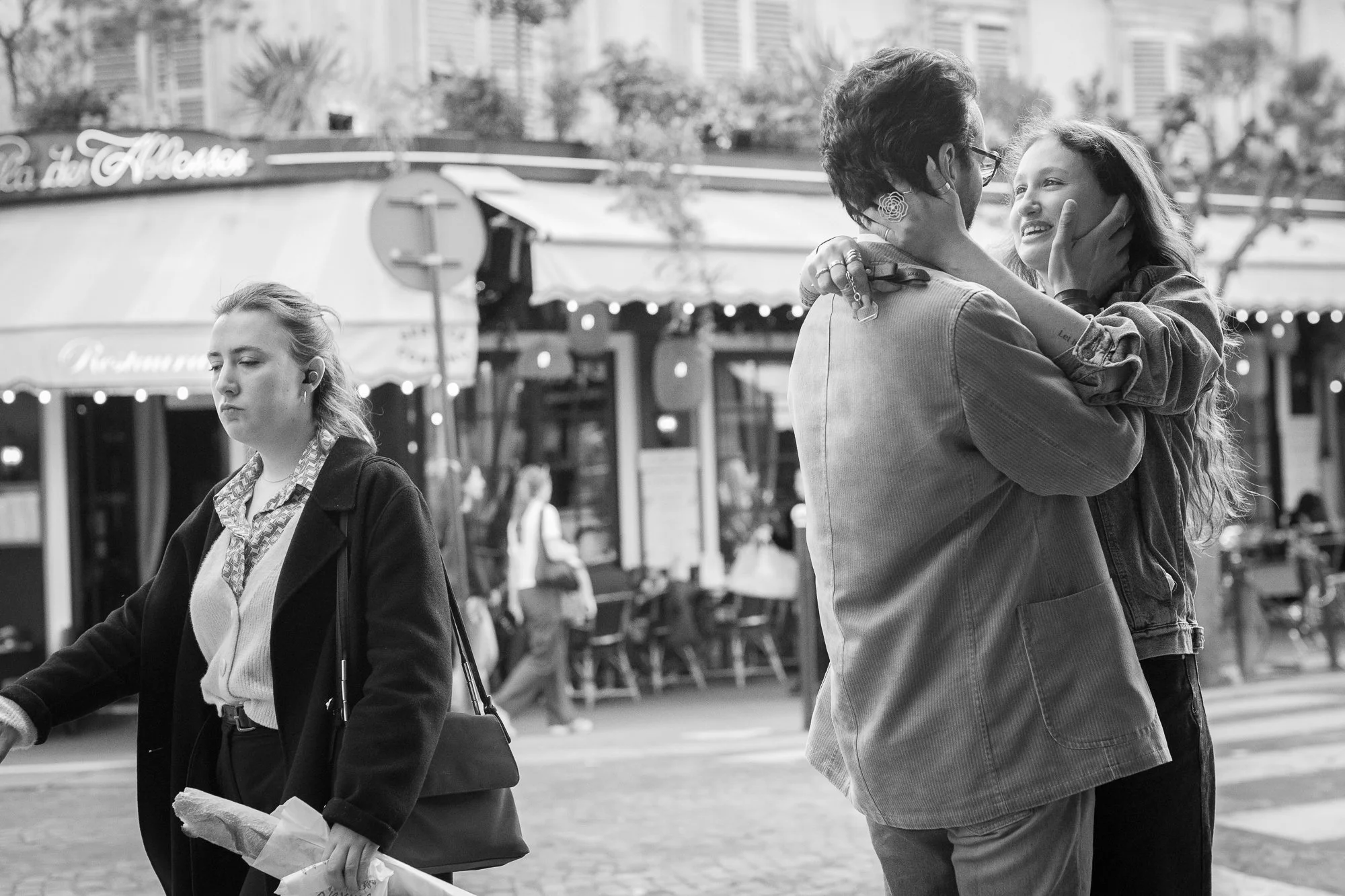
Black and white photograph of a tender moment between two people on a Paris street

Photograph of a couple embracing on the street in Paris, France

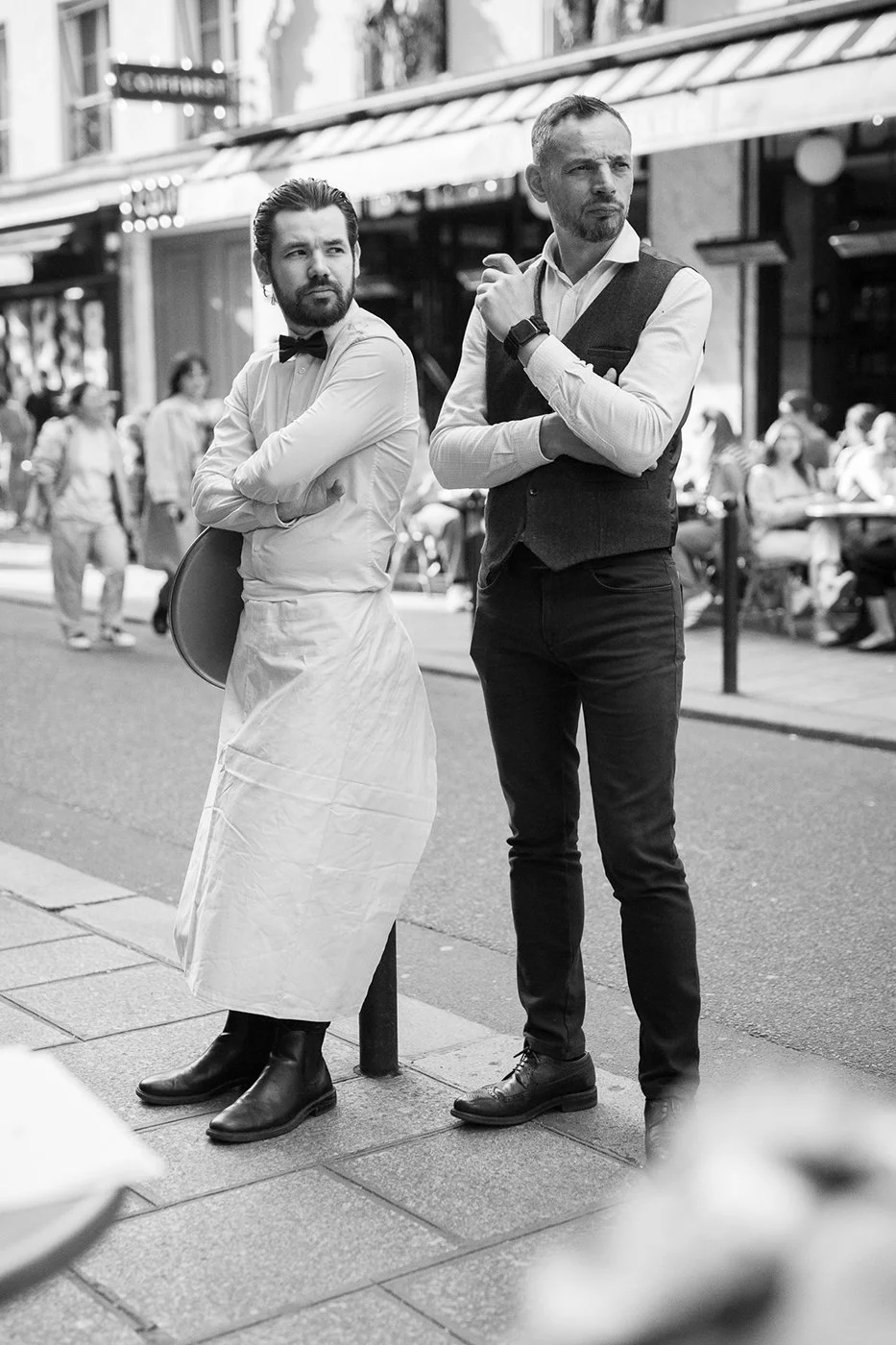
Black and white photograph of café workers standing on a Paris street

Café workers pause between moments, grounded in posture and presence.

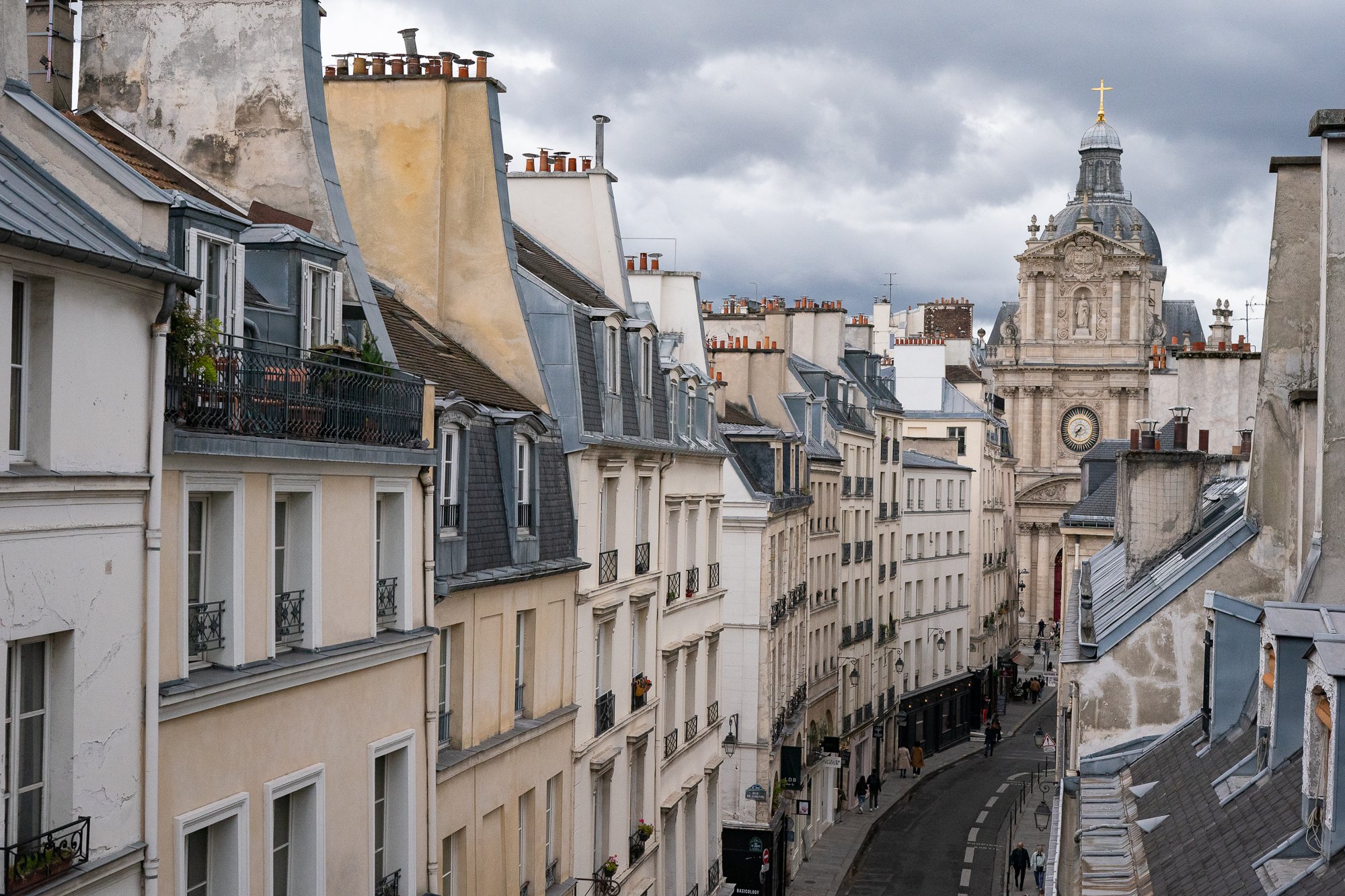
Paris rooftops leading toward Saint-Étienne-du-Mont under a cloudy sky

Paris rooftops unfold toward Saint-Étienne-du-Mont, capturing the layered geometry and muted tones of the city.

Two women seated at a café table in Paris, engaged in quiet conversation

Photograph of two women drinking at a cafe in Paris, France

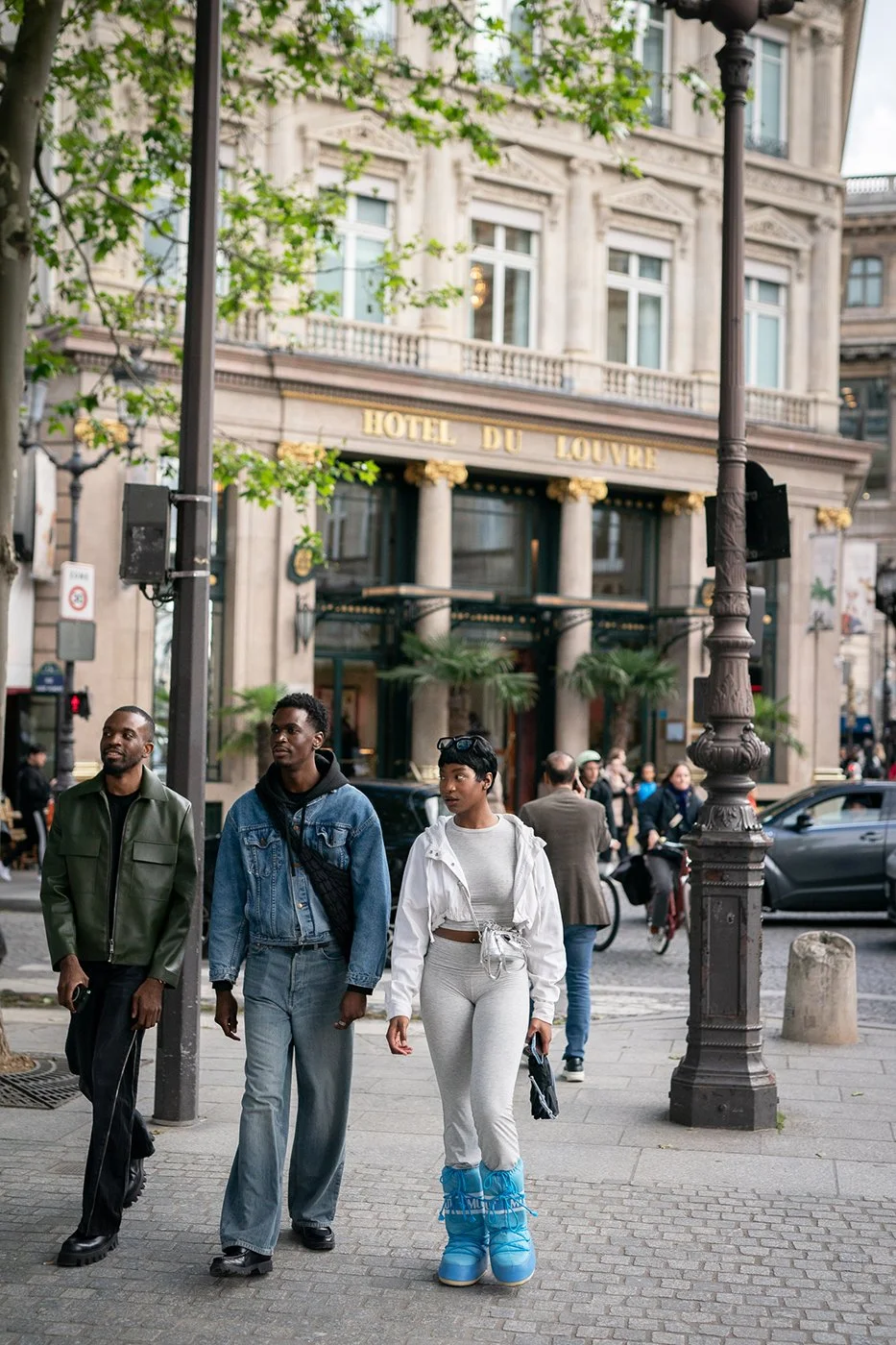
People in fashionable clothing walking near Hôtel du Louvre on a Paris street

Pedestrians move through central Paris, where historic architecture meets modern pace and fashion

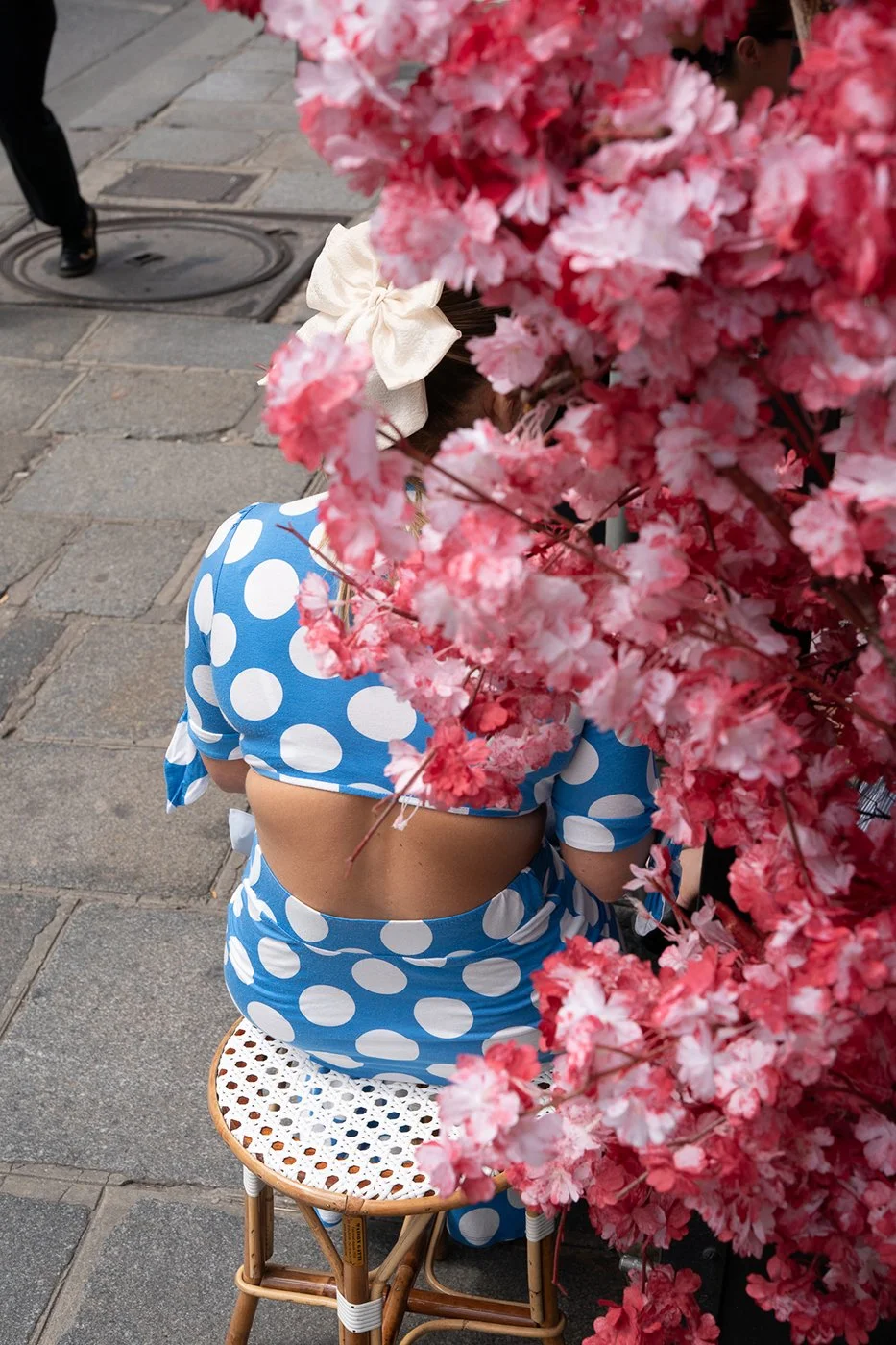
Woman in a polka dot dress partially obscured by pink flowers in Paris

Color and form intersect as a passerby blends into the visual rhythm of the street.

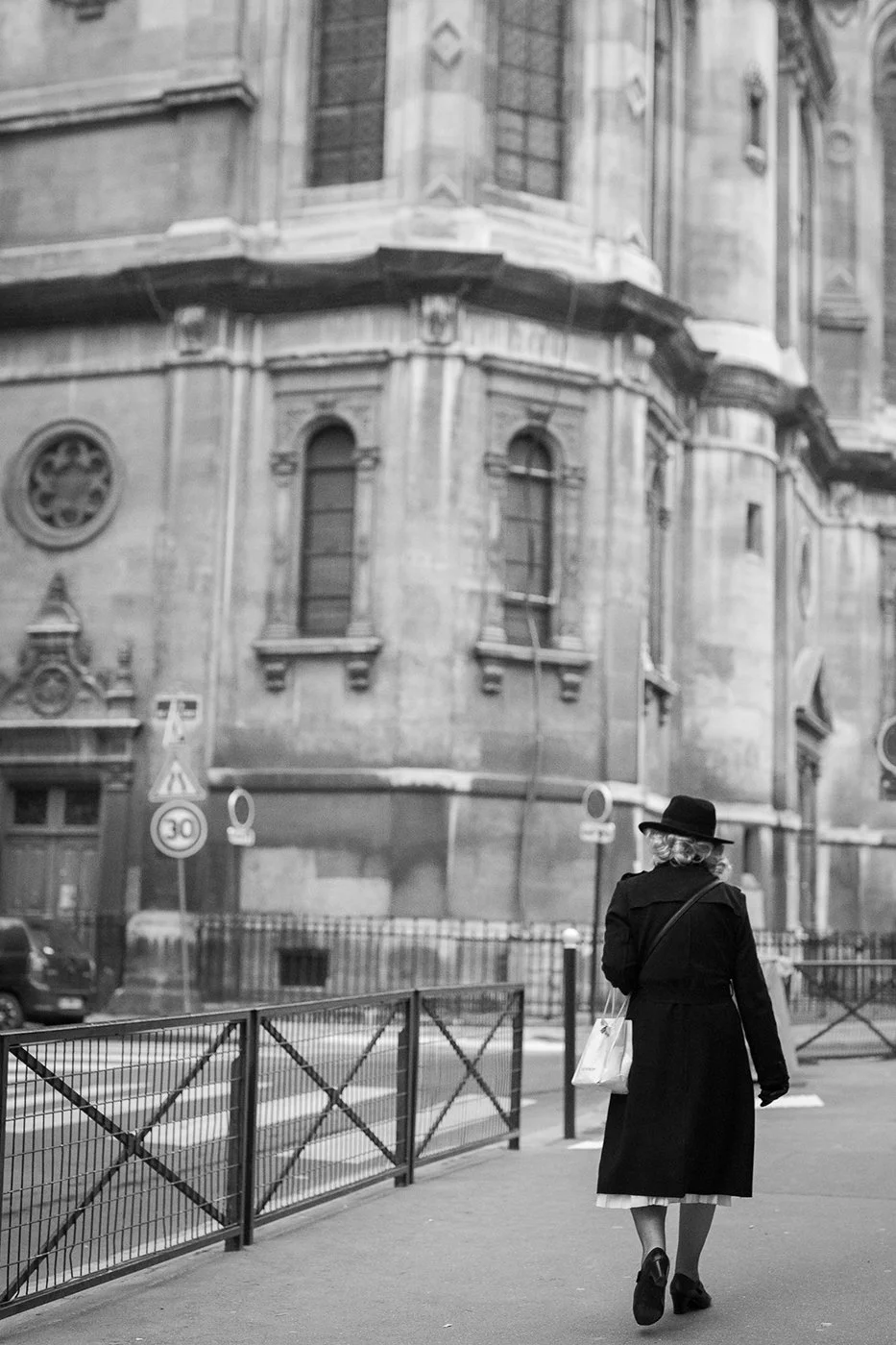
Black and white photograph of a woman walking past historic Paris architecture

Photograph of a well dressed woman walking in Paris, France

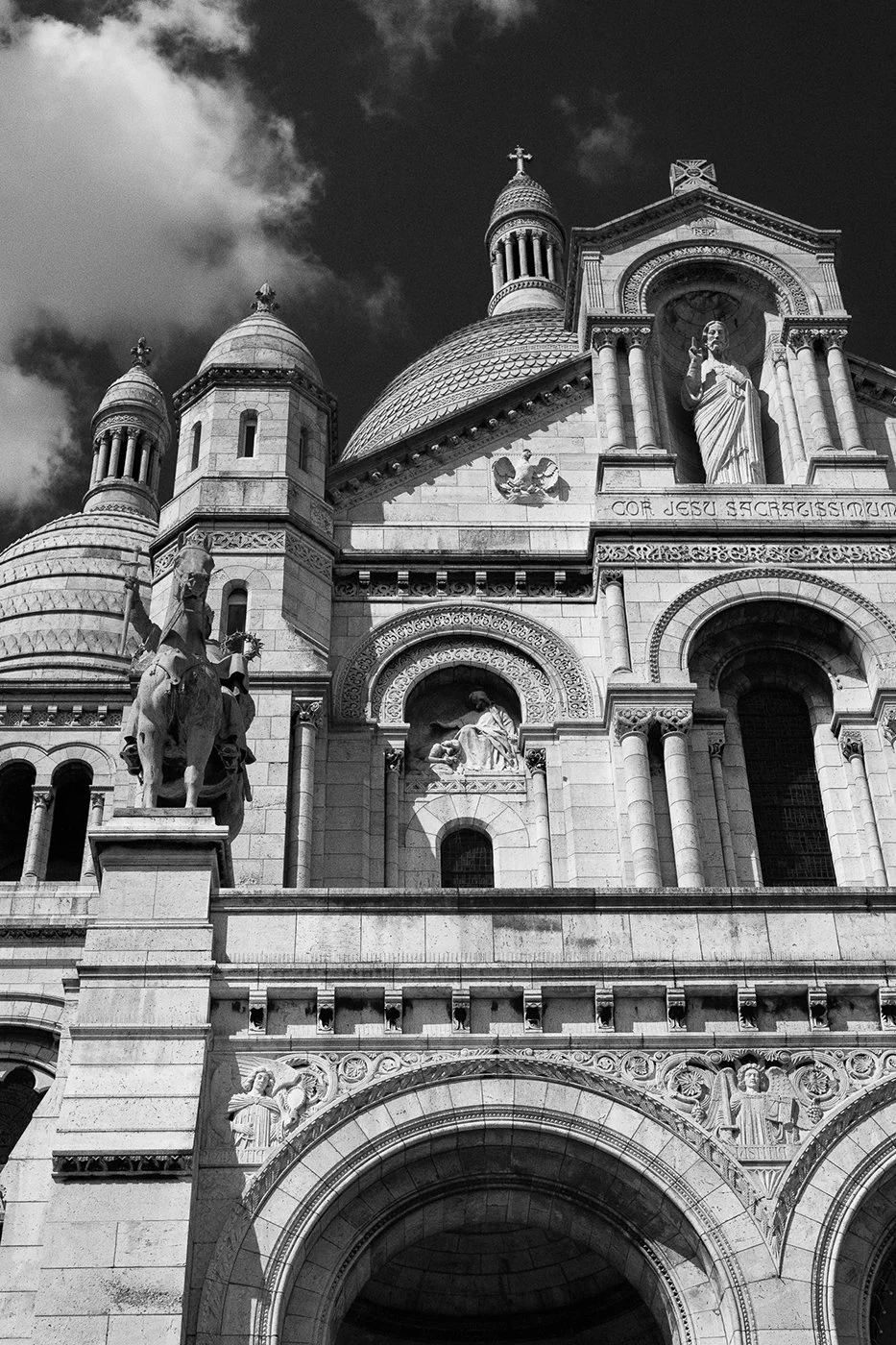
Black and white photograph of Sacré-Cœur Basilica in Paris under dramatic clouds

The Basilica of Sacré Coeur de Montmartre

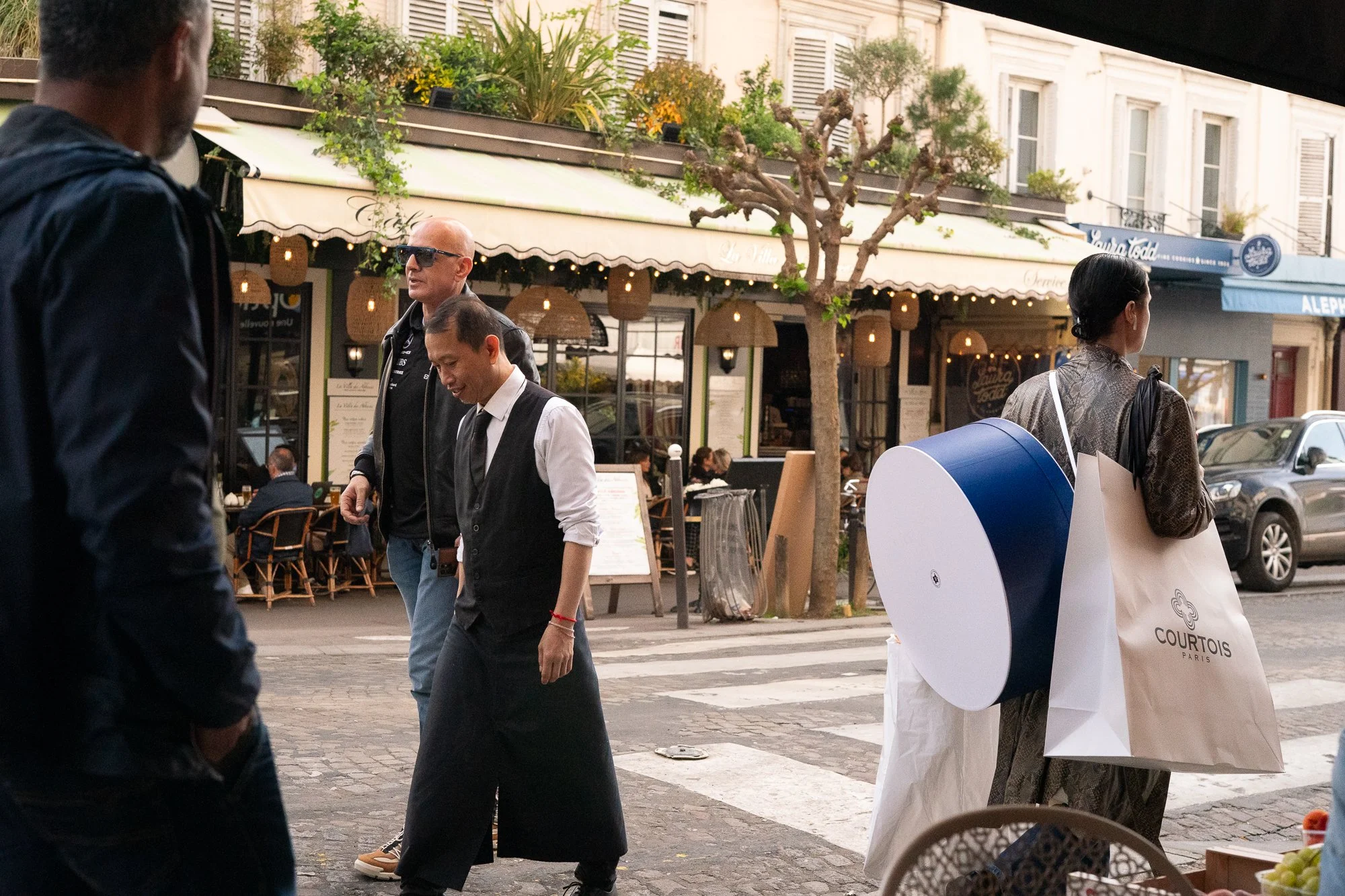
Woman carrying a large hat box crosses a Paris street in front of a neighborhood café, capturing a candid moment of everyday Paris life.

A woman carrying an oversized hat box moves through a café-lined crosswalk in Paris, a small, surreal detail that turns an ordinary street moment into something quietly cinematic.

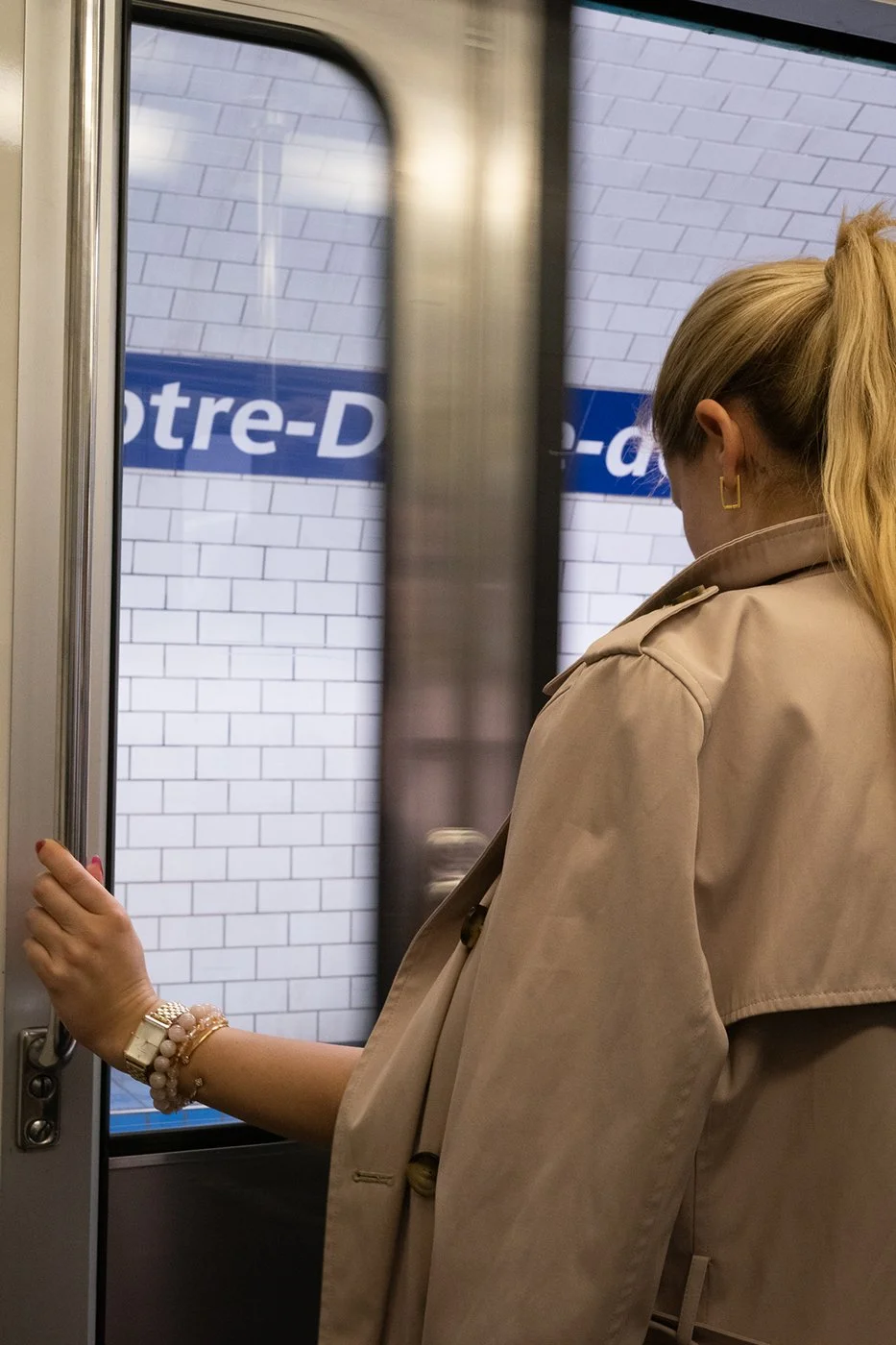
Woman standing inside a Paris metro car near the Notre-Dame station

A fleeting pause inside the Paris metro, where movement and stillness briefly align.

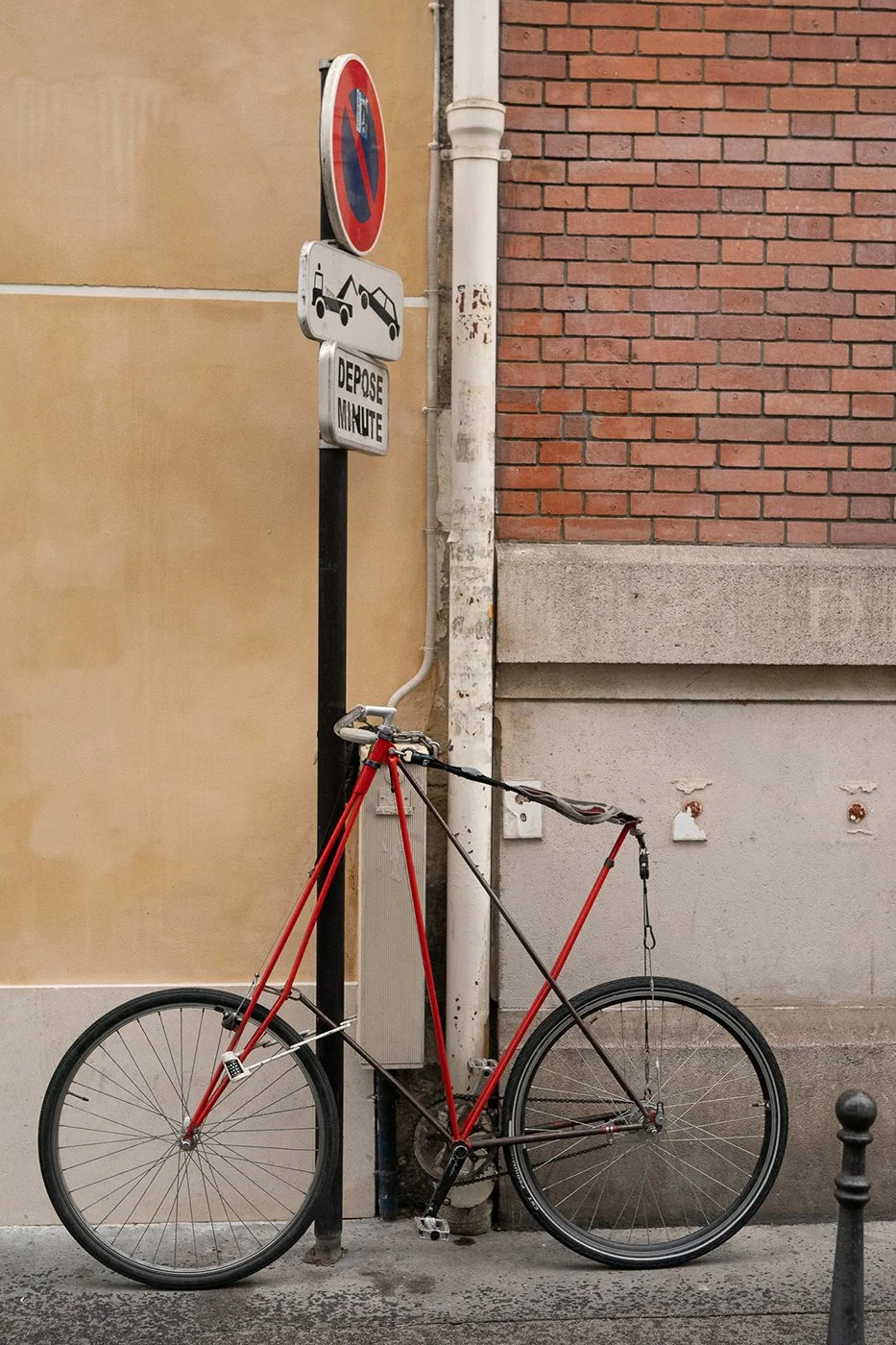
Red bicycle locked to a street sign against textured Parisian walls in France

A red bicycle rests against a worn Paris wall, a quiet study of color, texture, and everyday city life.

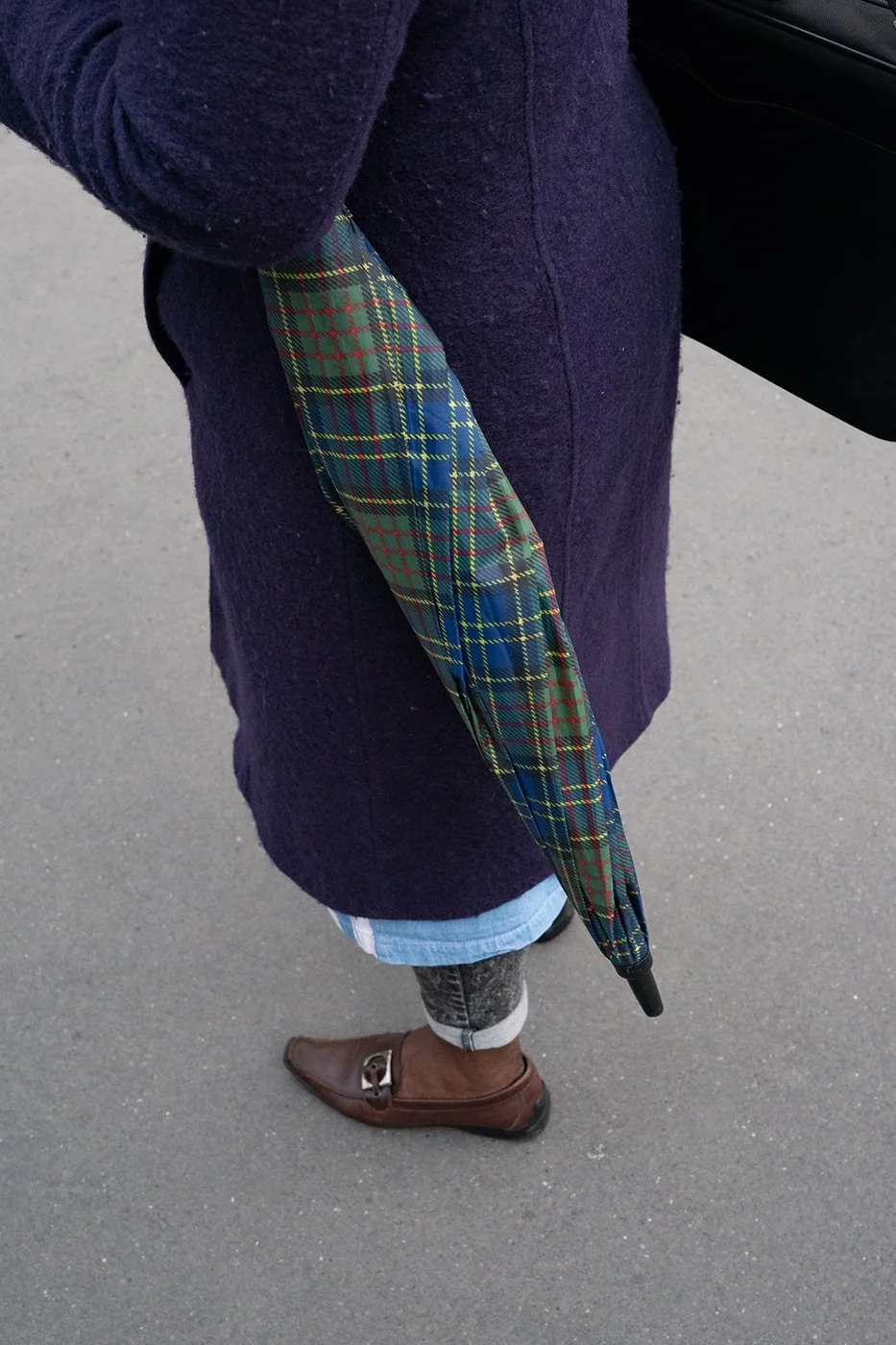
Close-up of a folded umbrella and clothing details on a Paris street

A study of pattern and texture—small details that define everyday Paris.

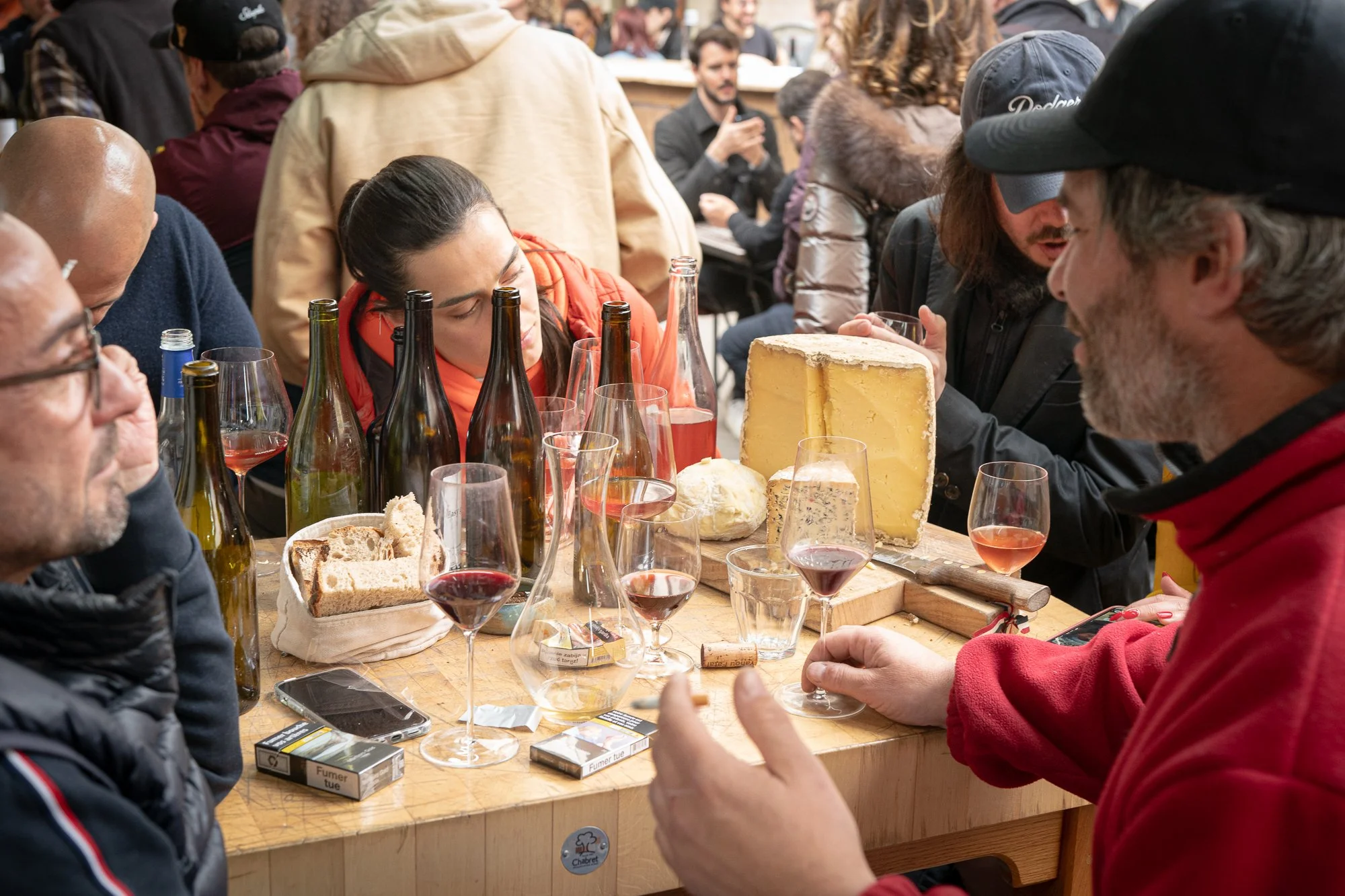
Group of people sharing wine and cheese at an outdoor table in Paris

An afternoon unfolds around wine and cheese, capturing the social rhythm of everyday Paris.

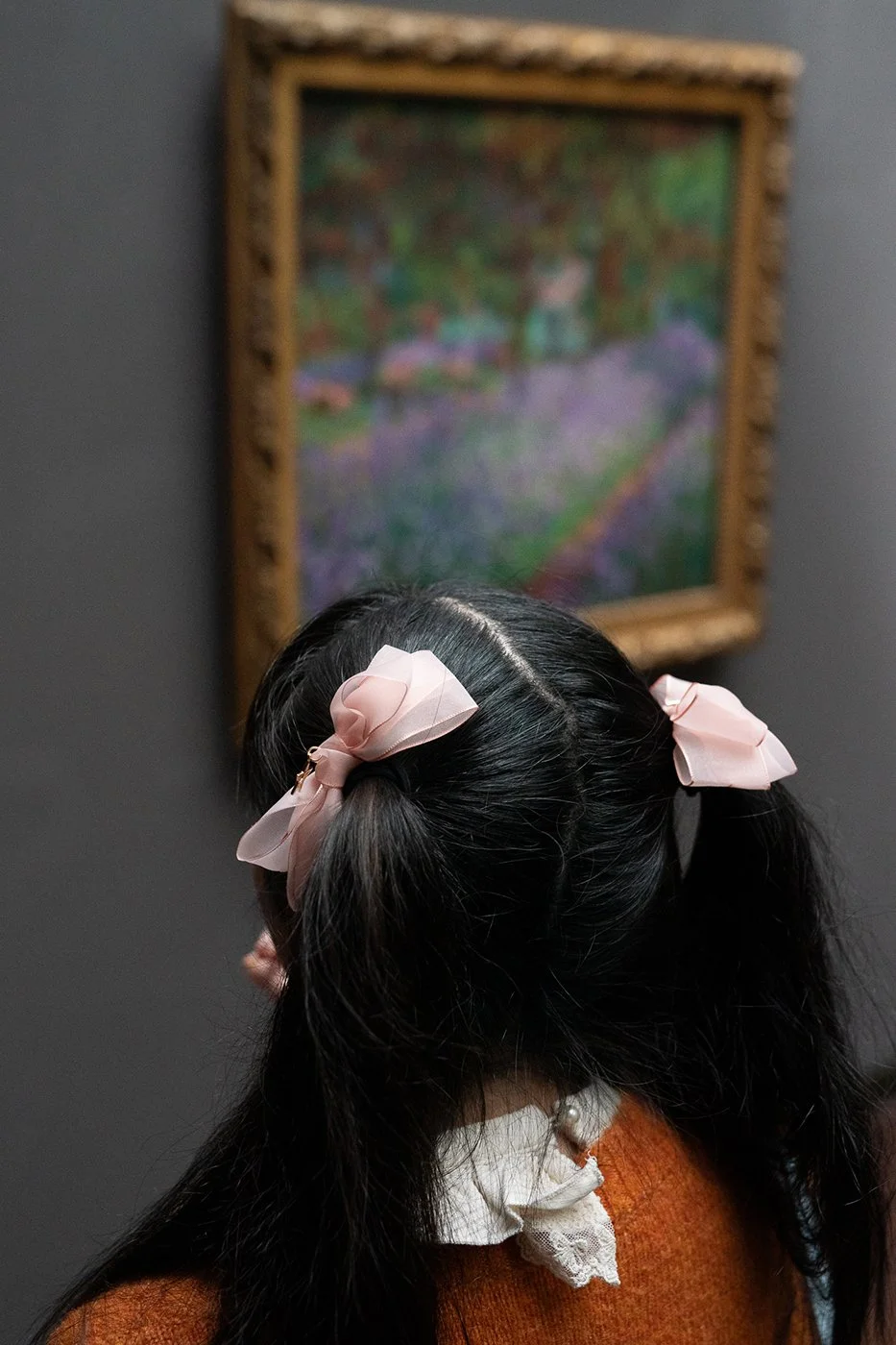
Visitor viewing a painting inside a Paris museum, seen from behind

A quiet exchange between viewer and artwork inside a Paris museum (La Louvre)

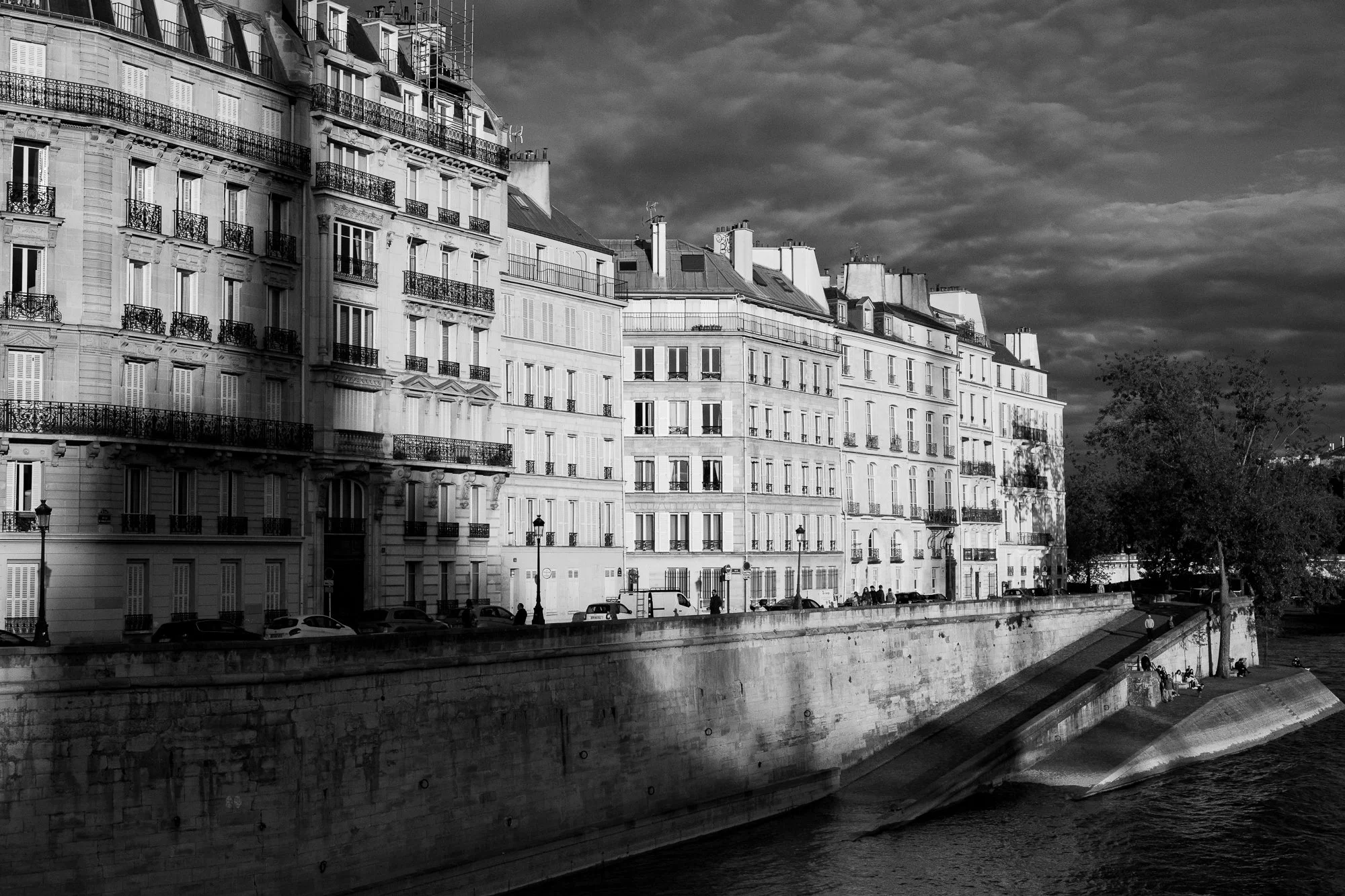
Black and white photograph of classic Paris buildings along the Seine River

Shadow the Notre Dame Cathedral on buildings along the Siene River in Paris, France

Why Choosing the Right Western Photography Gallery Makes All the Difference

What a True Western Photography Gallery Offers You

How to Recognize Authentic Cowboy Prints & Find the Gallery That Delivers

When someone searches for a Western Photography Gallery, they aren’t just shopping for images. They’re shopping for moments—stories framed in dust, sky, horses, and grit. If you’re on that path, you want work that goes beyond decor. You want pieces that truly bring you into the West.

Here’s what separates an ordinary gallery from one that shows Western photography worth owning—and why browsing the right gallery’s prints matters.

What Realness Looks Like

The most memorable Western photography galleries don’t rely on props or polished scenes. They show real cowboys, working through weather, dawn light, and hard ground. The best prints are made on working ranches (not back lots), shot in conditions most photographers don’t love: dust, heat, early light, or cold wind. That “grit,” the unscripted moments, give each photo life.

Details Matter, & They Tell Stories

  • Print Quality & Materials: Look for archival paper, fine art printing processes, signed and numbered editions. You don’t want distortion, bad color, or flimsy framing when it’s hanging in your living room.

  • Story & Location: Where was this shot? What season? Who is in the frame? Knowing it was taken at a historic ranch in Texas, or under heavy skies in Nevada, adds meaning.

  • Range of Styles: Cowboys roping, branding, open range, strong cloudscapes, old barns, quiet moments, motion blur—variety signals someone curating with intention.

Why My Gallery Is Different

Here’s how my gallery aims to hit what you’re looking for when you type in Western Photography Gallery:

  • Prints of real cowboys doing real work—no models, no stage setups.

  • Both black & white and color pieces that capture light, weather, and texture.

  • Locations from working ranches across the American West—Texas, Montana, Nevada.

  • Thoughtfully produced limited editions, signed, numbered, ready to hang or frame.

  • Enough selection to find something that speaks to you—whether you like dynamic action, sweeping landscapes, or intimate portraits.

How to Use This Gallery Right Now

If you want to see Western photography prints that match what you’re searching for:

  • Visit my gallery page - Out of a few favorites? Compare sizes and print make—think about where you’ll hang it.

  • Need framing suggestions? Reach out. I’m happy to help visualize a piece in your space.

  • Not ready yet? Bookmark the gallery or join the email list—new work drops regularly, and limited editions sell.

Gallery of western cowboy photography prints

Western cowboy photography prints

Black and white photography print of a cowboy on the 6666 Ranch in Texas

Cowboy Photography Gallery

Fine art black and white photography print of the Grand Teton Mountains

Western landscape photography print

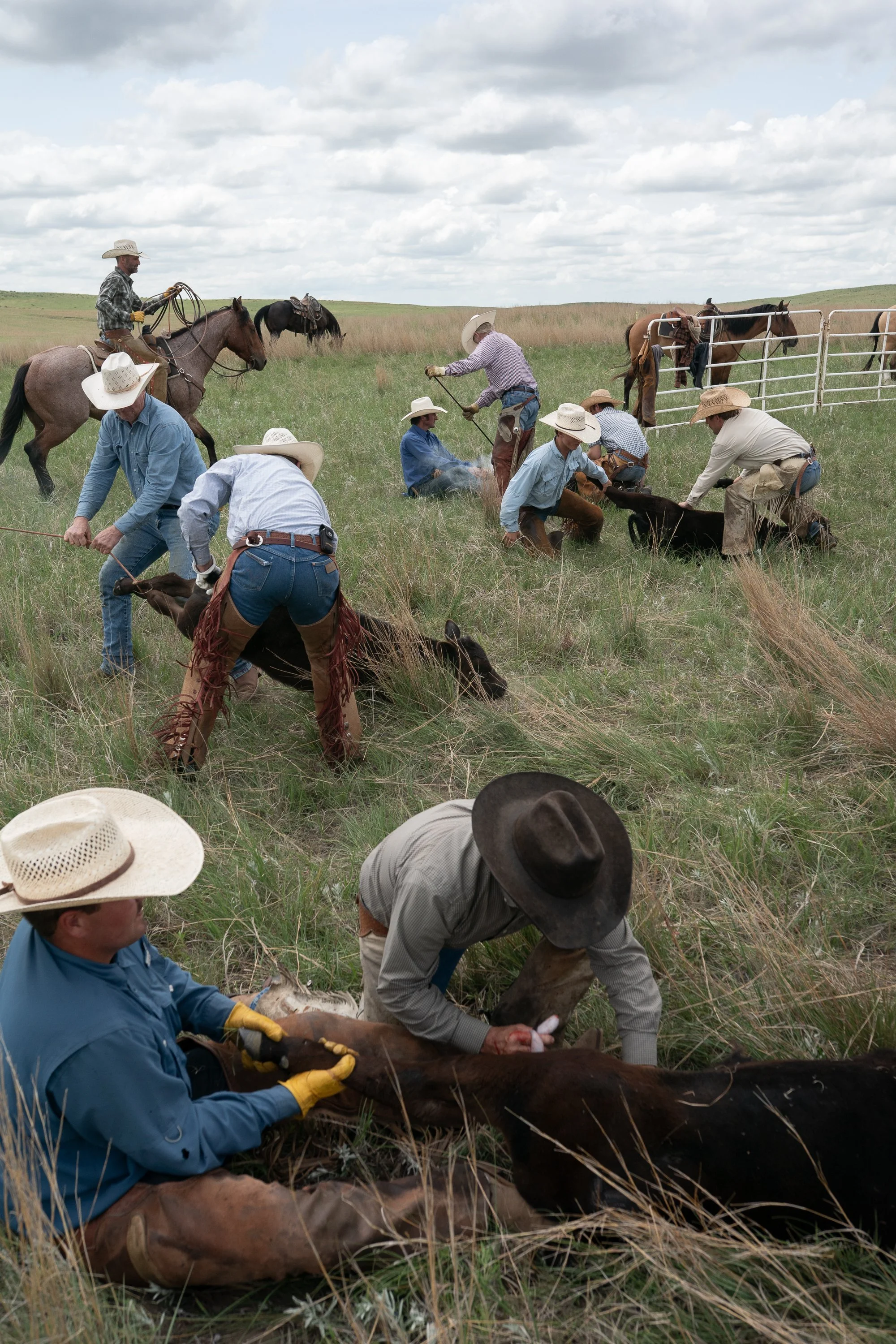
Limited edition cowboy cattle branding photography print

Cattle branding photography print

Authentic black and white cowboy photography print

Black and white cowboy print

Black and white photograph of cowboys trailing cattle on a ranch in Montana

Photograph of a Montana cattle drive

Authentic photography prints of American Cowboys

Western Photography Gallery

Cape Cod Photography

Cape Cod Photography: Quiet Coastal Landscapes & New England Summer Light

I’ve been coming to Cape Cod every summer for as long as I can remember.

Long before I ever picked up a camera, the place was already familiar—low light over the water at the end of the day, the smell of salt and marsh, the feeling of driving out toward the edge of the land where everything starts to thin out. Over time, those memories became something I wanted to hold onto more deliberately.

These photographs come from years of returning, not as a visitor passing through, but as someone who knows what the Cape feels like when you slow down enough to pay attention.

Photographing What Doesn’t Announce Itself

Cape Cod is often photographed in a very specific way—bright summer days, full beaches, the kind of scenes that make it feel like a destination.

That’s never been what stayed with me.

What I remember are the quieter edges. Early mornings before anything opens. Overcast afternoons where the light flattens everything into soft tones. Wind moving through the dune grass with no one else around. The subtle shifts in color that happen along the shoreline when the weather turns.

Those are the moments I’m drawn to now.

A Familiar Place, Seen Differently Over Time

Coming back to the same place year after year changes how you see it.

At first, it’s just memory—places you recognize, roads you’ve driven, beaches you return to out of habit. But over time, those familiar scenes start to open up in a different way. You notice the details you overlooked before. You start to understand how the light behaves. You begin to anticipate the conditions rather than react to them.

This work is shaped by that kind of repetition.

Not chasing new locations, but paying closer attention to a place that’s been part of my life for decades.

Cape Cod Photography Prints

Photographs from this series are available as museum-quality fine art prints, produced on archival paper for collectors, coastal homes, and interior spaces that call for something quieter.

Contact me directly for print sizes, pricing, and licensing info - rob@robhammerphotography.com

Part of a Larger Body of American Work

This series connects to a broader project photographing landscapes across the United States—places that sit outside of the obvious, where the details are easy to miss unless you’re looking for them.

Cape Cod fits into that naturally.

It’s a well-known place, but the version of it I’m interested in feels closer to the same quiet spaces I’ve photographed in small towns, desert edges, and roadside stops across the country.

You can view related work here:

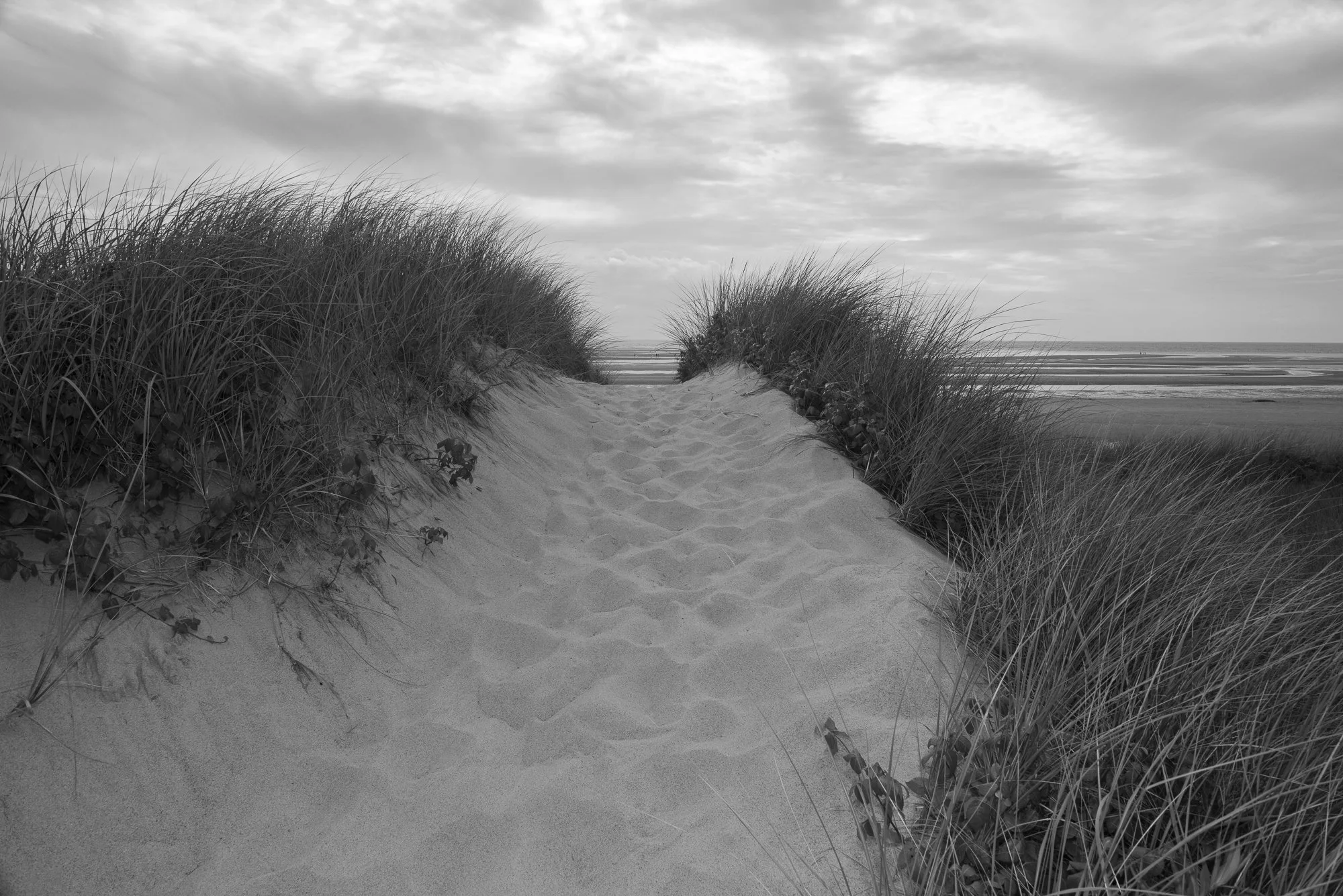
Sandy path through grass dunes leading to First Encounter Beach on Cape Cod in black and white

A narrow path through the dunes leads toward First Encounter Beach, one of the Cape’s most historic shorelines

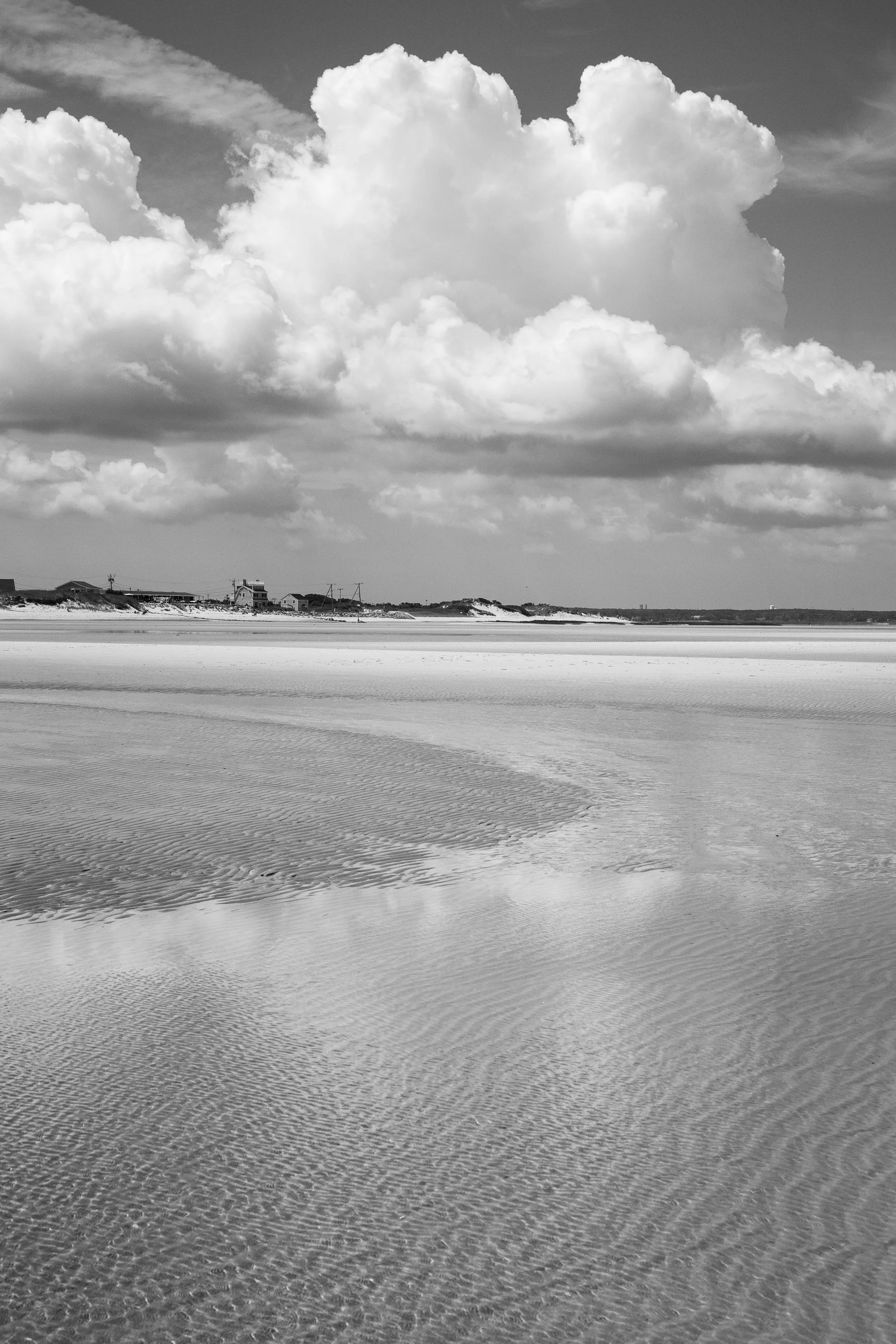
Black and white photo of Cape Cod sandbars and tidal flats with rippled textures and distant coastline

Tidal flats stretch across Cape Cod at low tide, revealing patterns in the sand that shift with the ocean

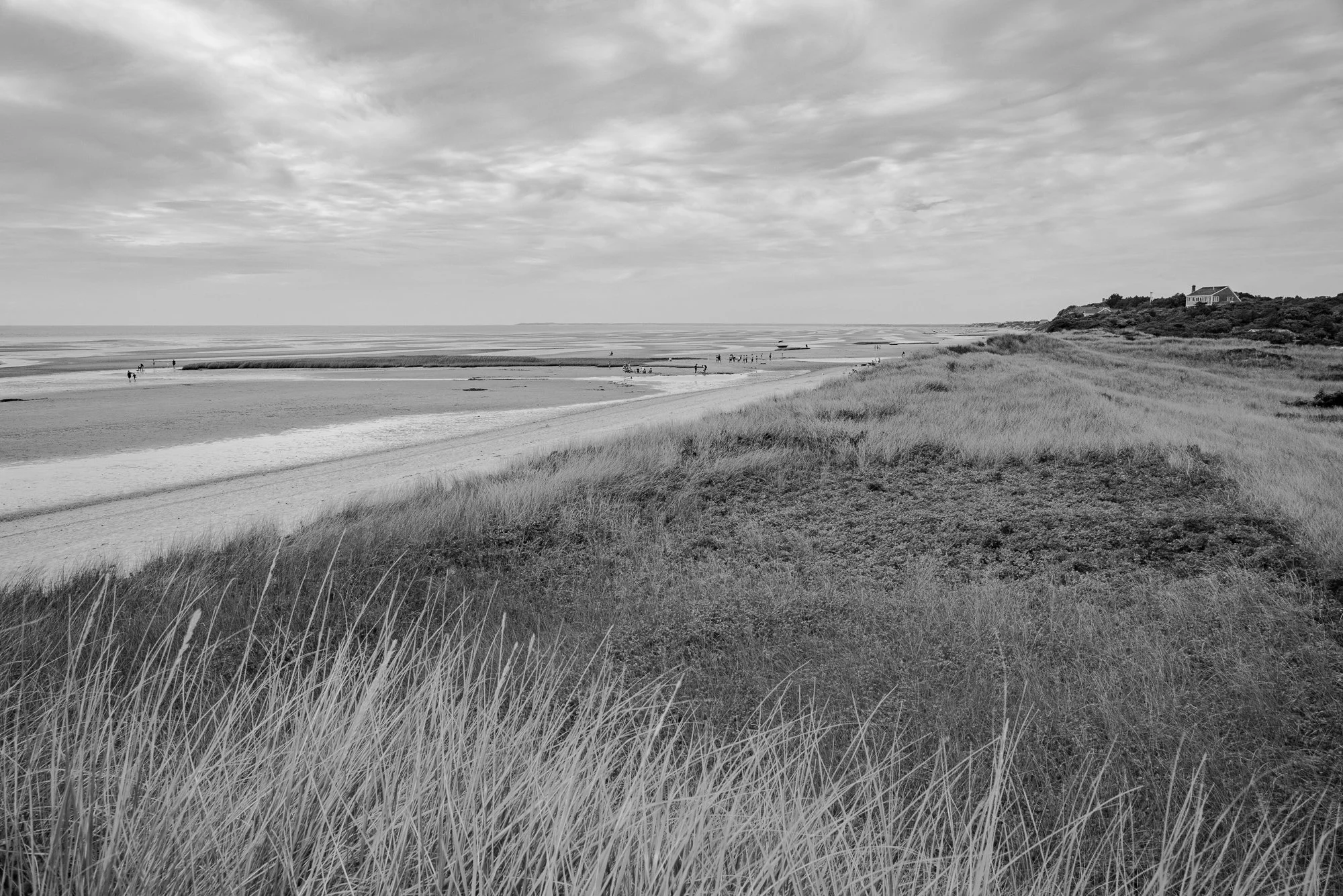
Black and white landscape of Cape Cod dunes and shoreline with distant figures along the water

First Encounter Beach - A quiet stretch of Cape Cod shoreline framed by dunes, where the landscape feels open and unhurried

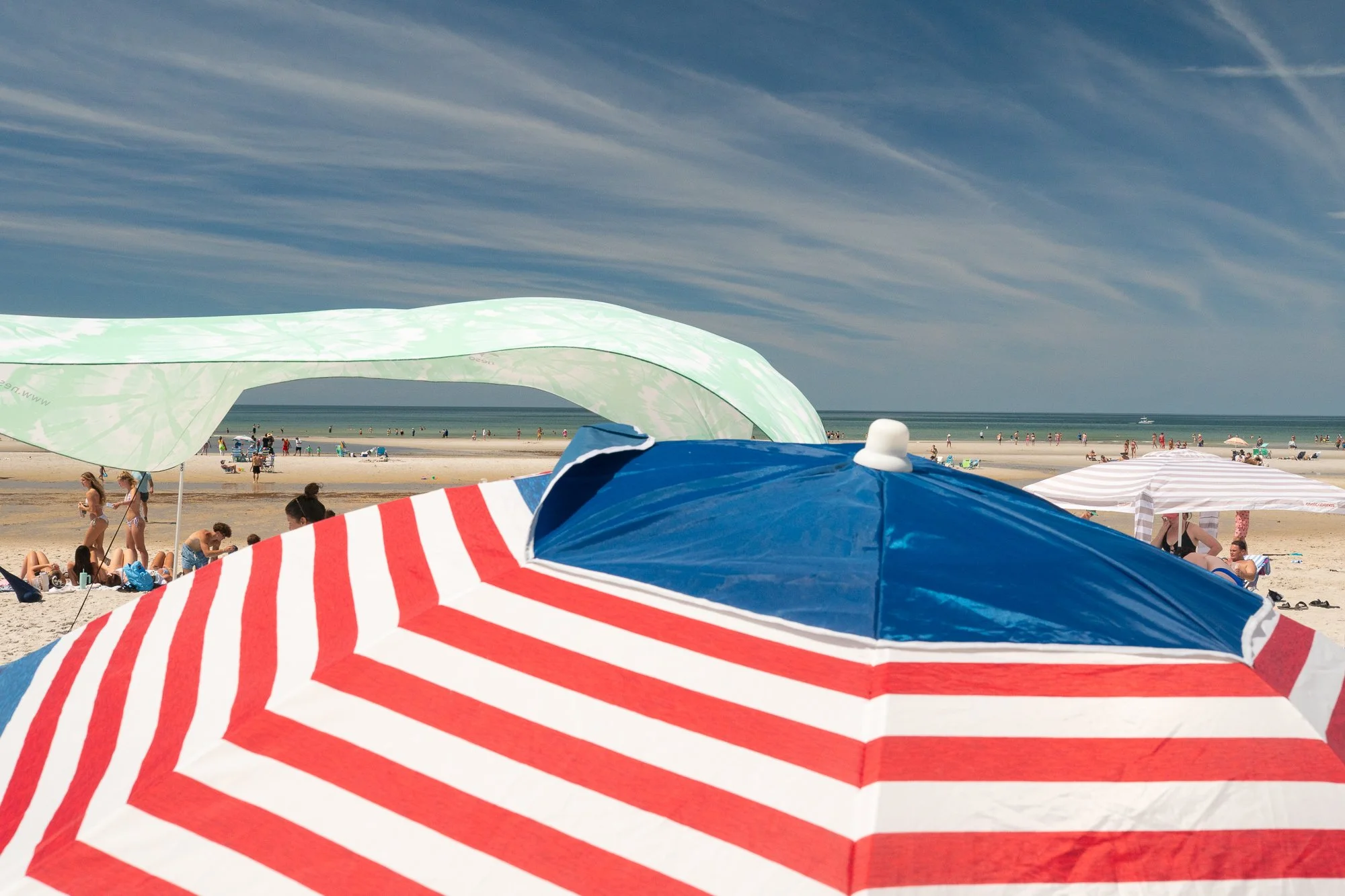
Colorful beach umbrellas on Cape Cod with people relaxing near the shoreline on a bright summer day

Mayflower Beach - Color and pattern come together along the Cape Cod shoreline, where umbrellas and ocean light define the scene

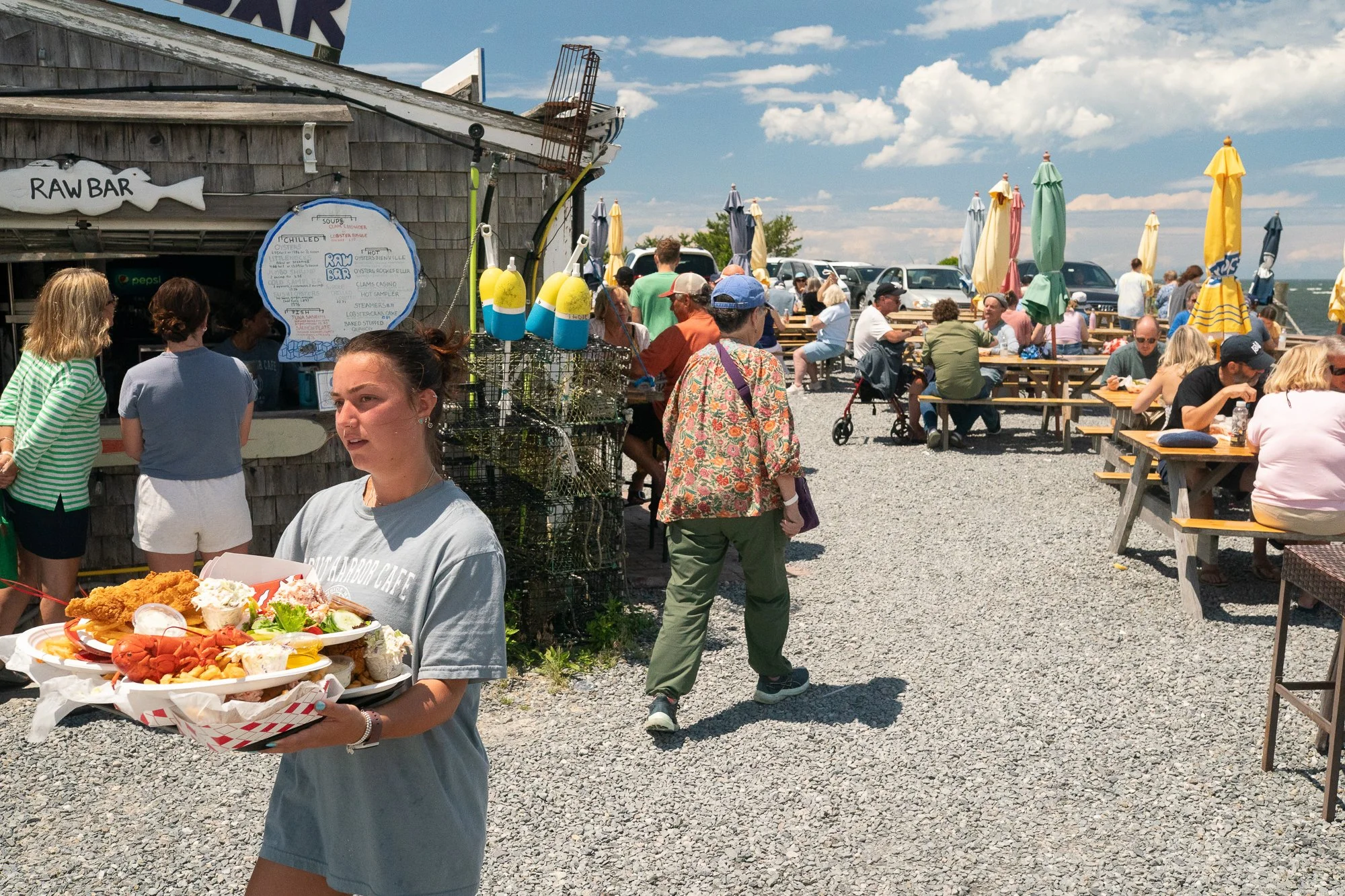
People gathered at Sesuit Harbor Cafe raw bar on Cape Cod with seafood plates and outdoor seating

A summer afternoon at Sesuit Harbor Cafe, where seafood, crowds, and harbor views define the Cape Cod experience

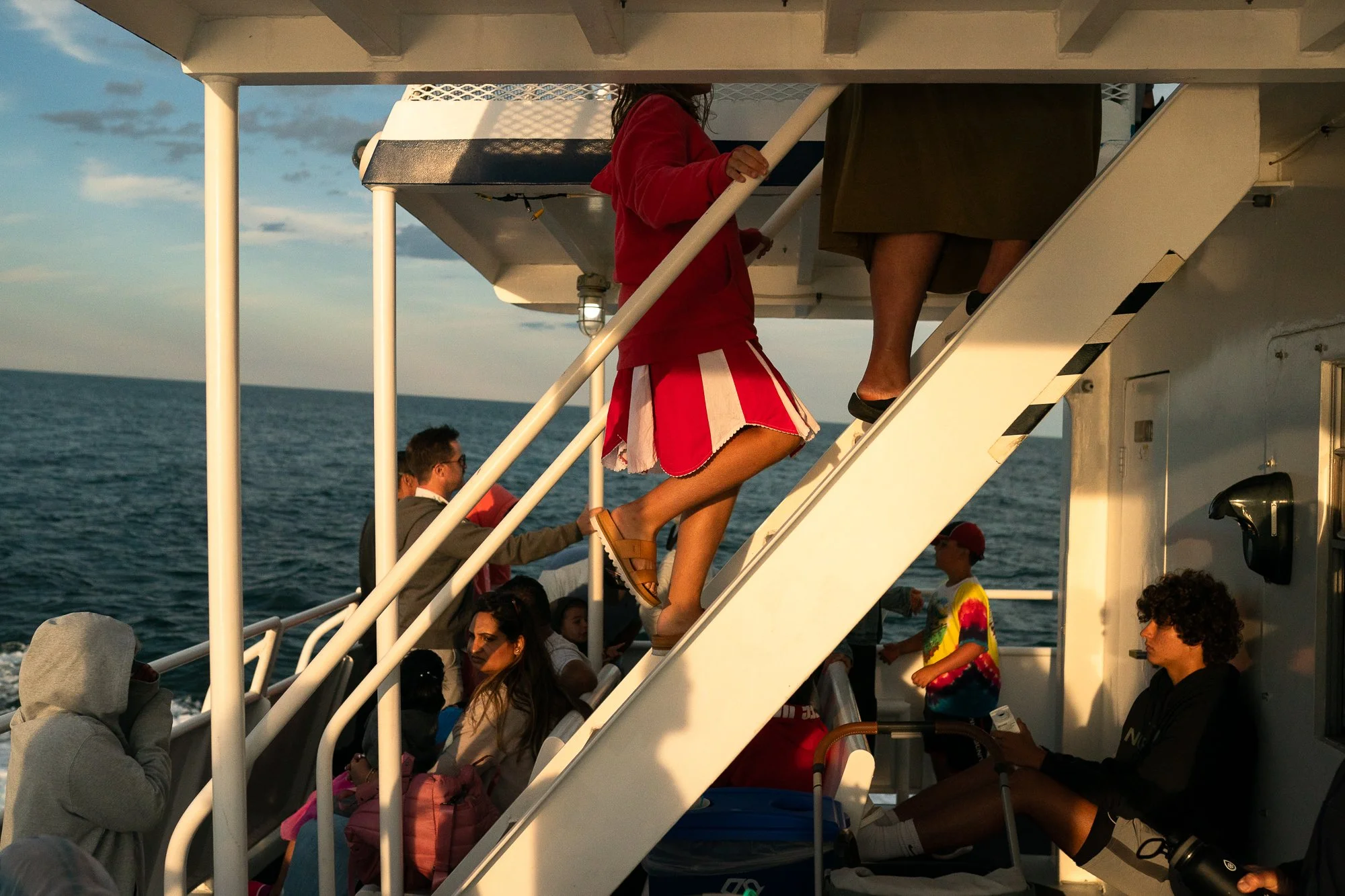
People gathered on a whale watching boat off Cape Cod during golden hour light

Aboard a whale watching boat off Cape Cod, passengers move through warm evening light as the ocean stretches out around them

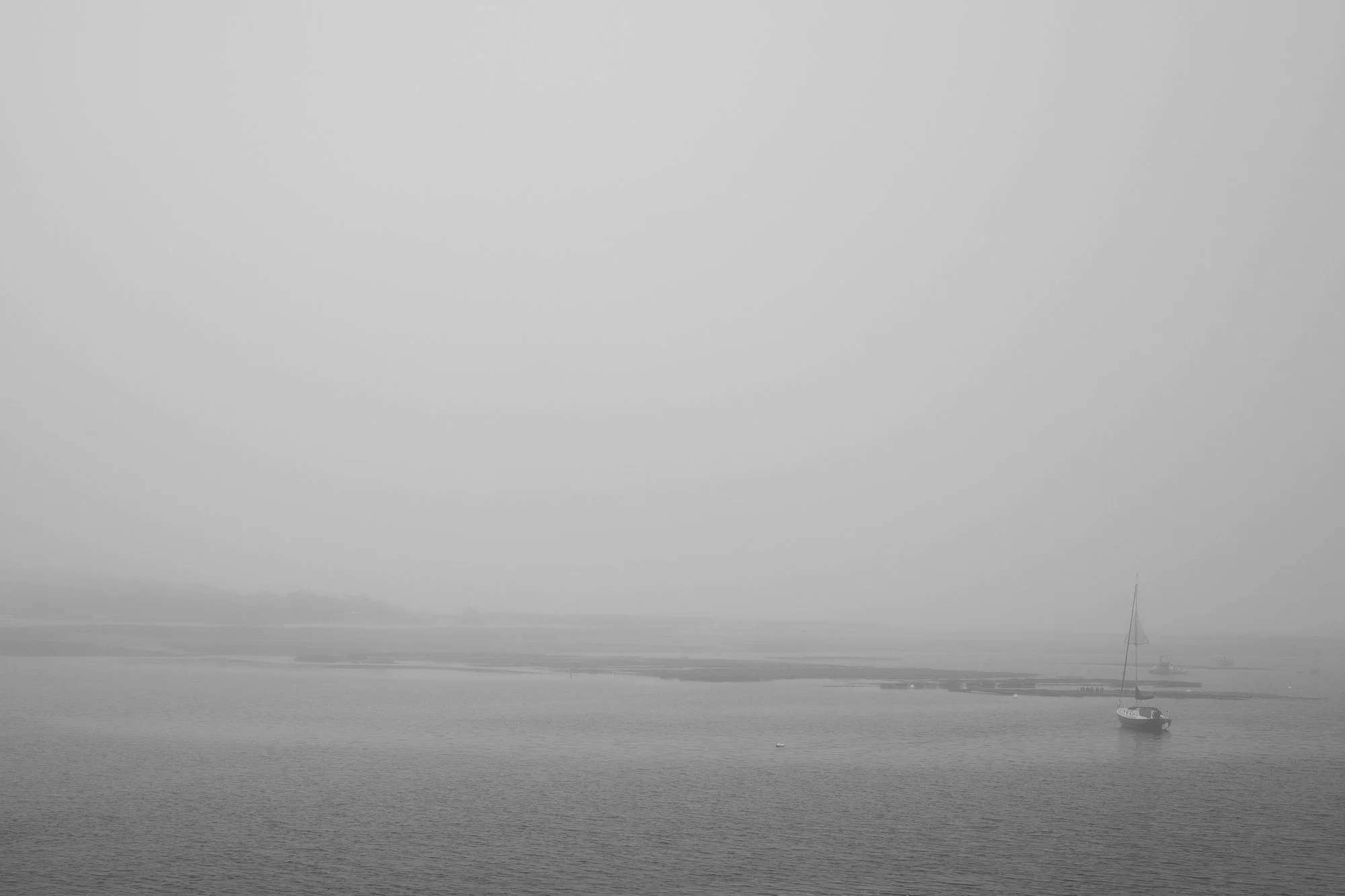
Foggy scene at Wellfleet Harbor on Cape Cod with a sailboat anchored in calm water

Fog settles over Wellfleet Harbor, softening the shoreline and reducing the scene to quiet shapes and still water

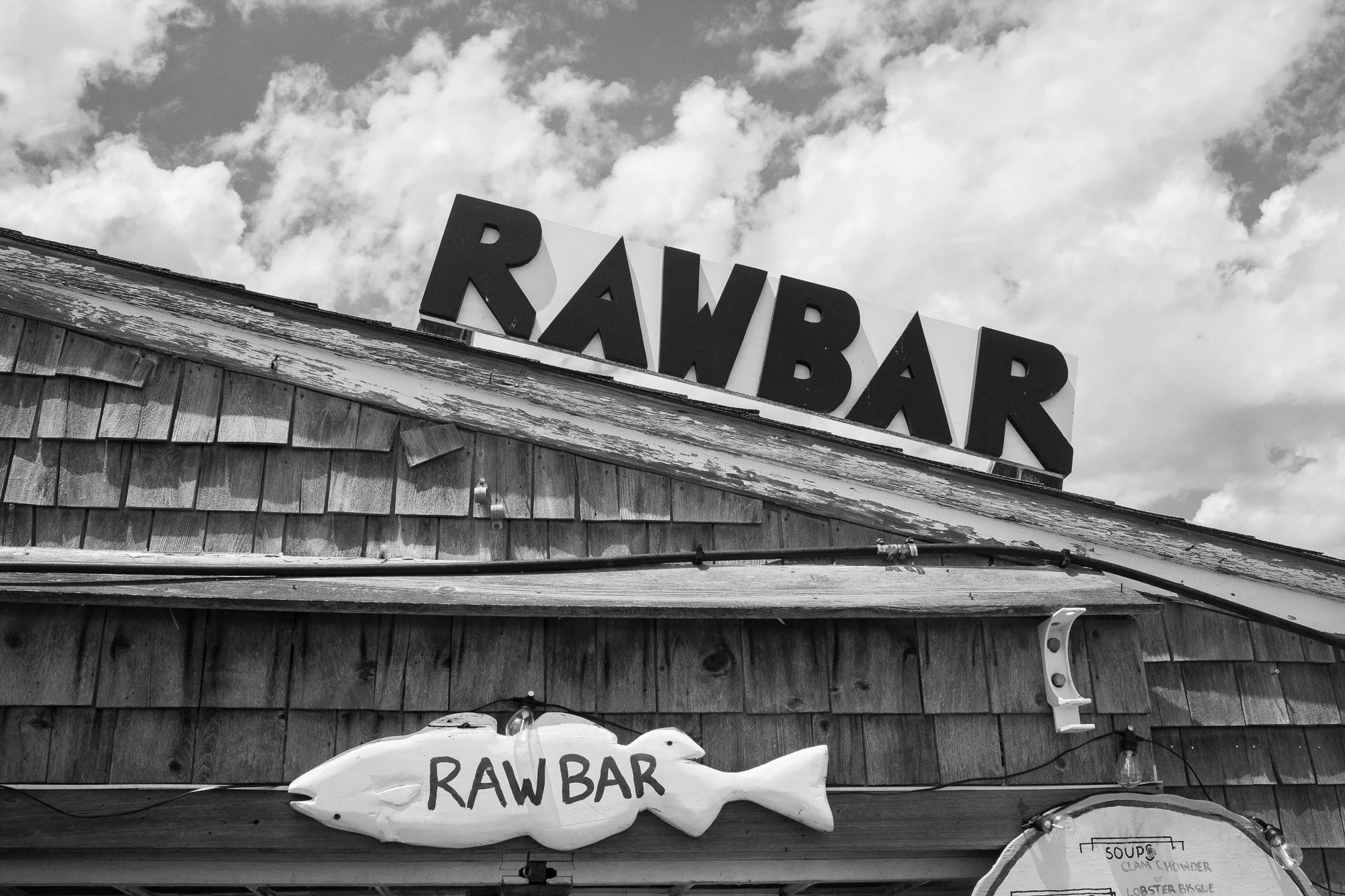
Black and white photo of a Cape Cod seafood shack with raw bar sign and weathered wood exterior

A classic Cape Cod seafood shack with a raw bar sign, capturing the character of coastal dining culture

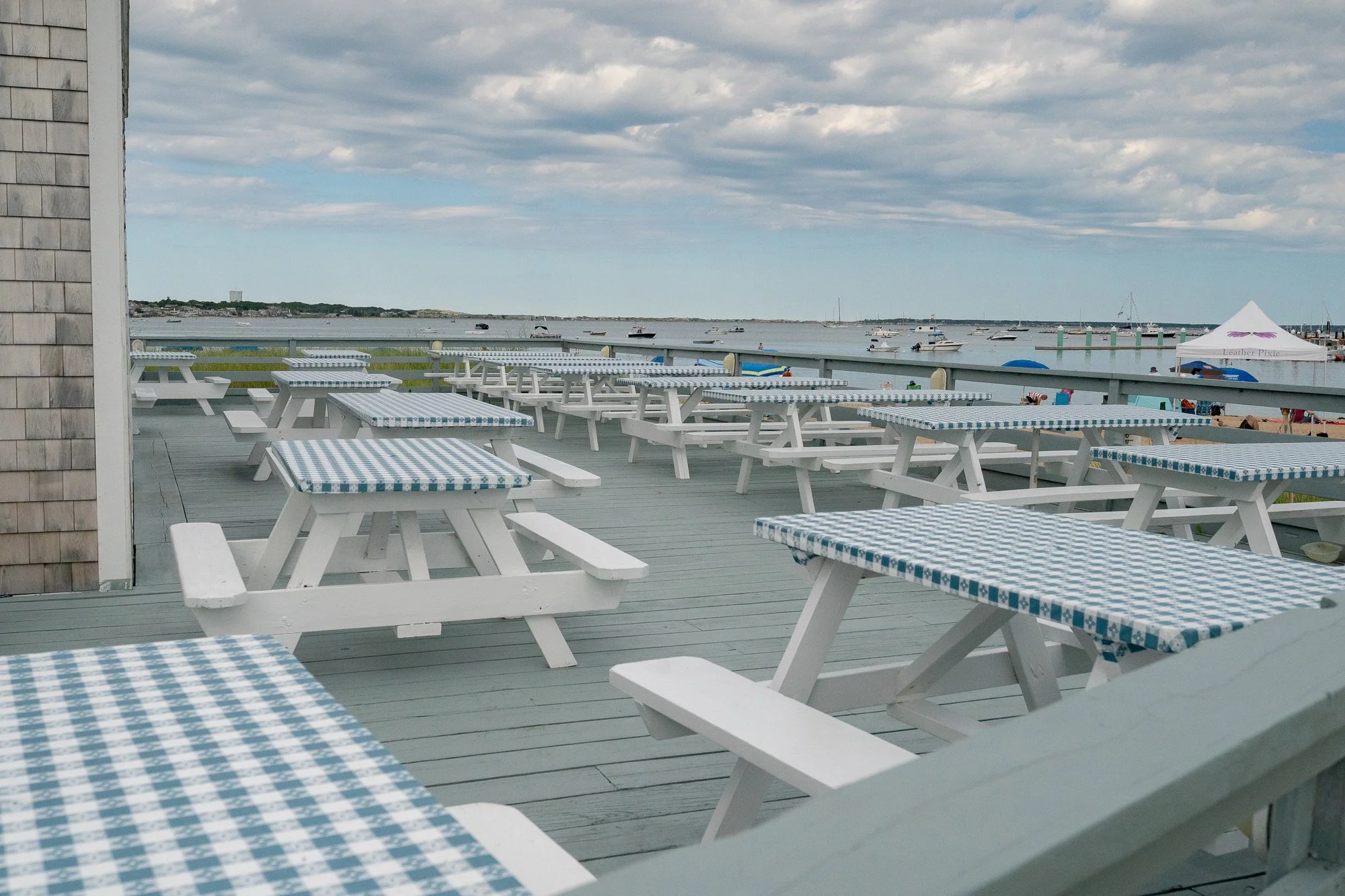
Picnic tables overlooking Provincetown harbor with boats in the distance and soft coastal light

Picnic tables sit above Provincetown harbor, offering a quiet view of boats and shifting Cape Cod light

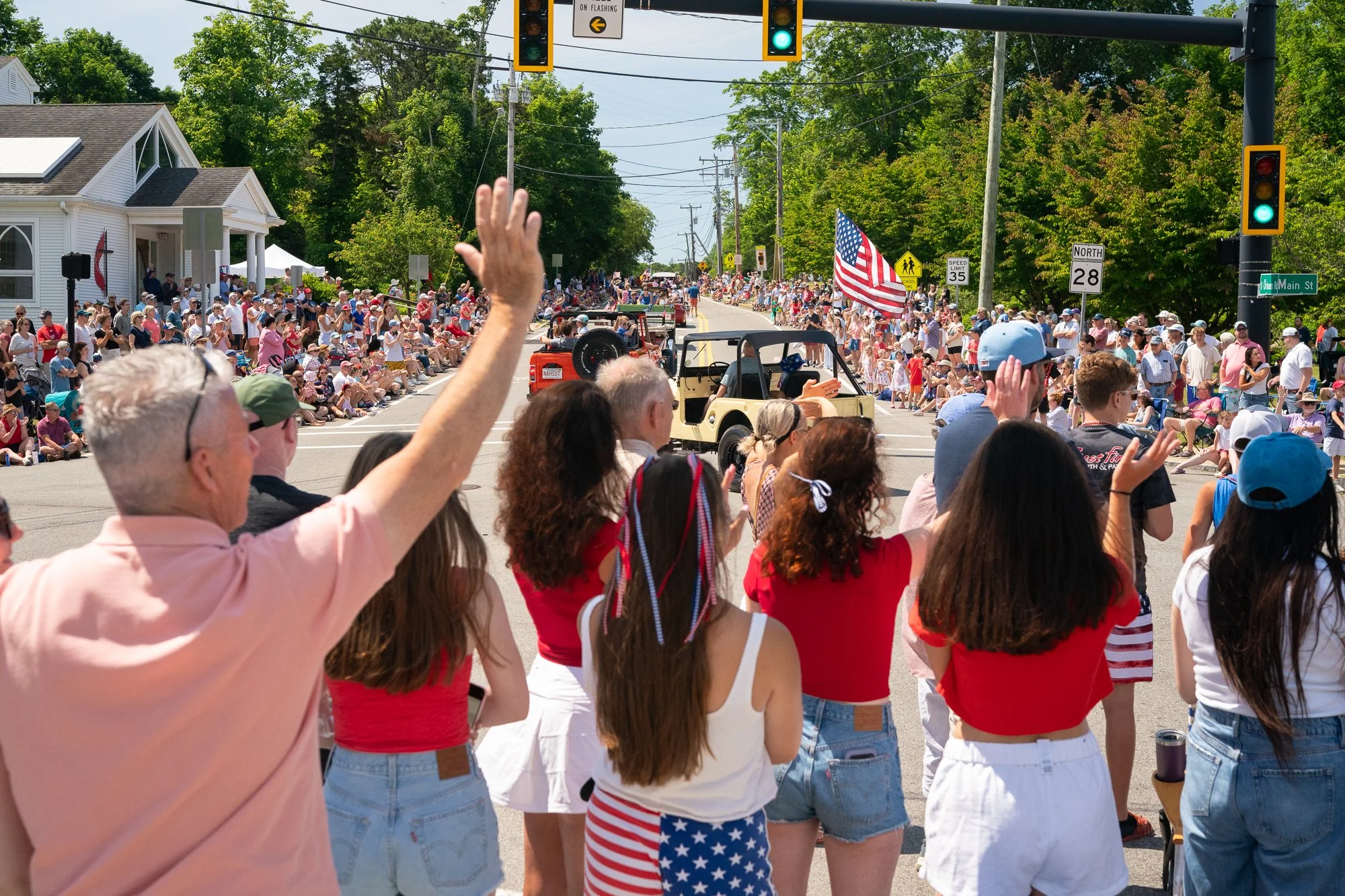
Crowd gathered along a Cape Cod road watching a 4th of July parade with American flags and summer atmosphere

Orleans, MA - A summer parade moves through a Cape Cod town, with flags, families, and a sense of local tradition

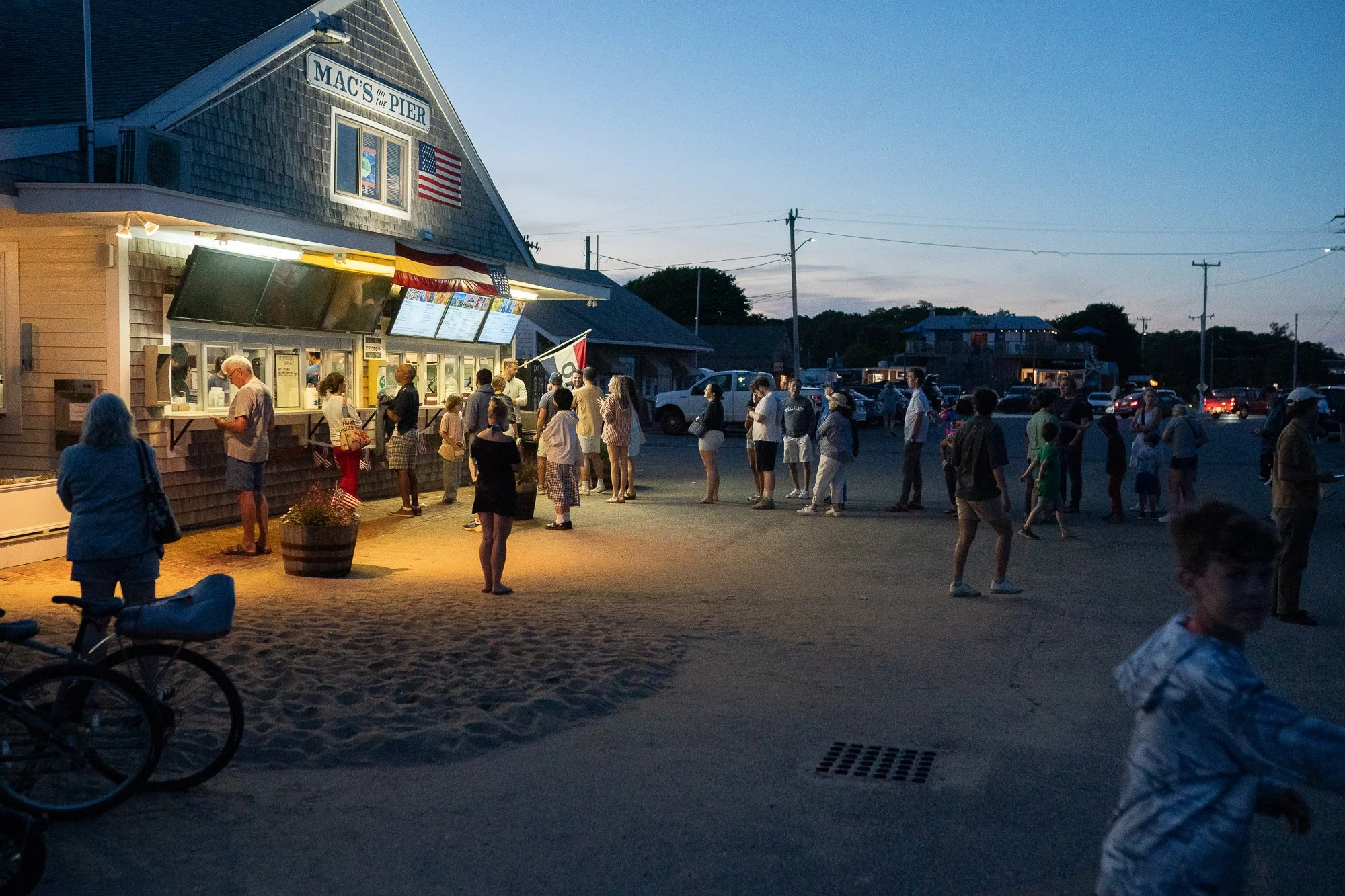
Evening scene at Mac’s on the Pier in Wellfleet with people lined up for seafood under soft light

Evening at Mac’s on the Pier in Wellfleet, where the line for seafood becomes part of the Cape Cod ritual

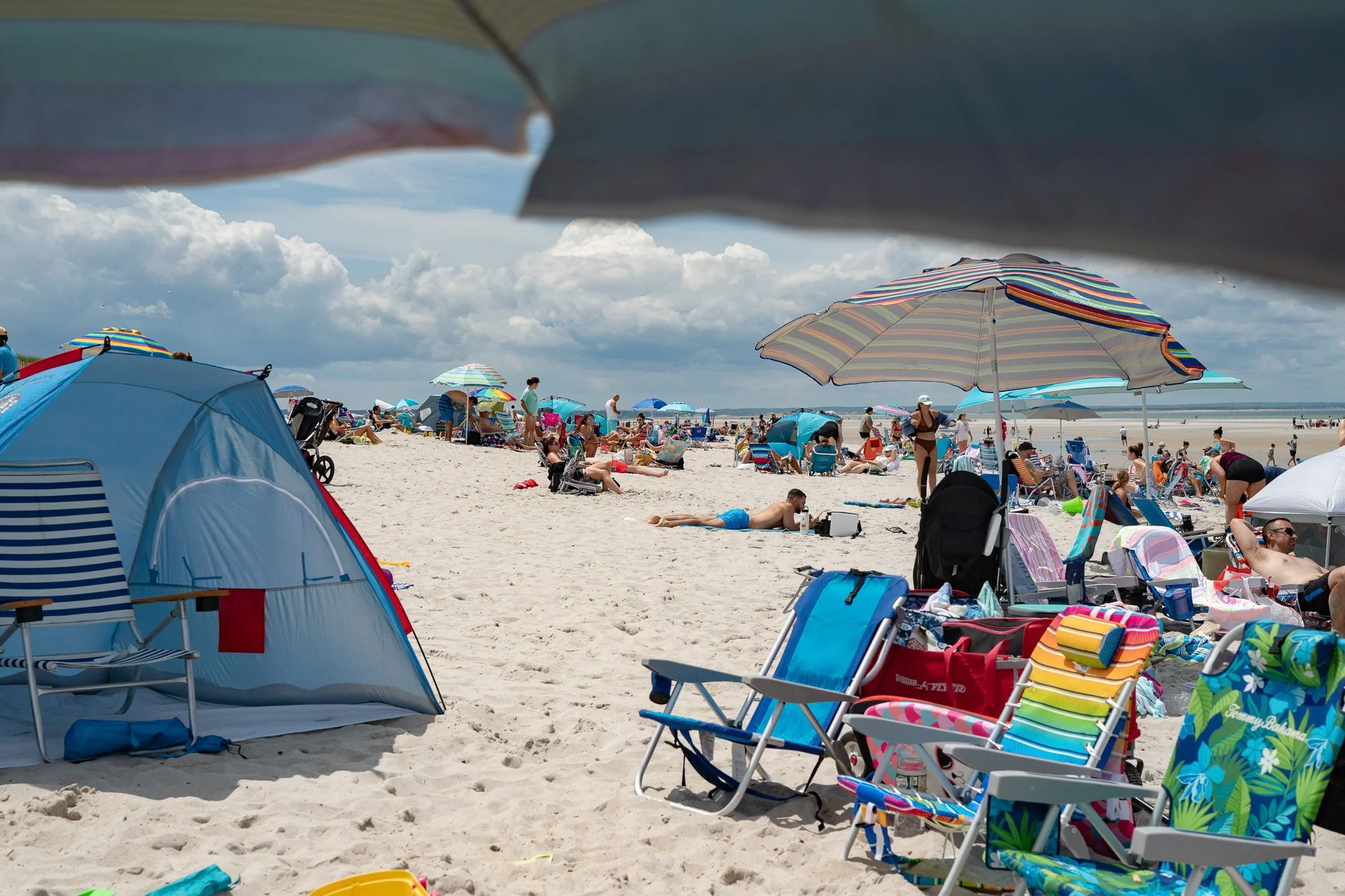
Crowded Cape Cod beach with umbrellas, chairs, and families relaxing on the sand during summer

Dennis, MA - A busy summer afternoon on a Cape Cod beach, with umbrellas and families spread across the sand under shifting coastal clouds

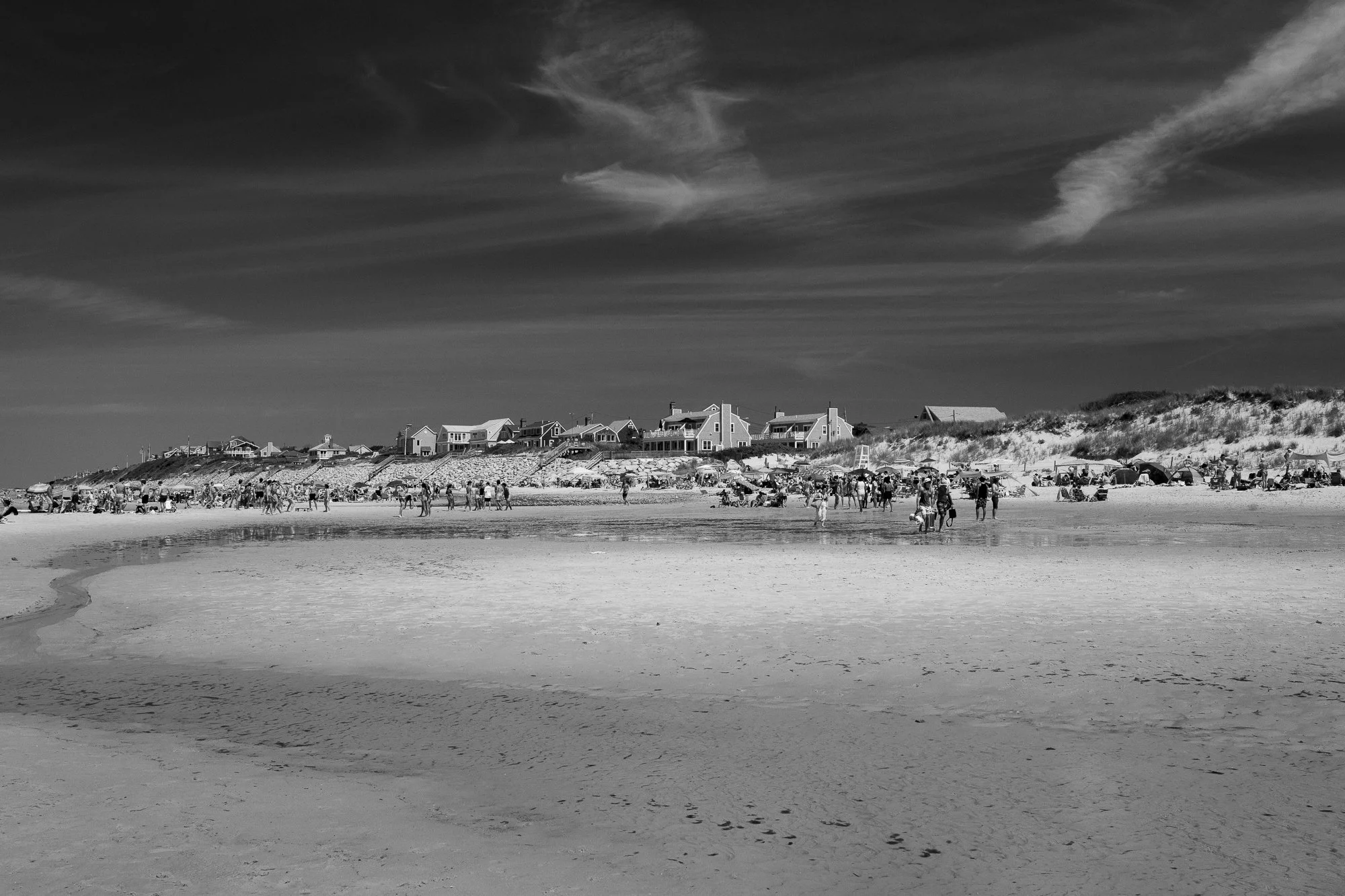
Black and white photo of Mayflower Beach on Cape Cod with people walking across shallow water at low tide

Low tide at Mayflower Beach reveals wide open sand flats, where people move slowly across the water under dramatic skies

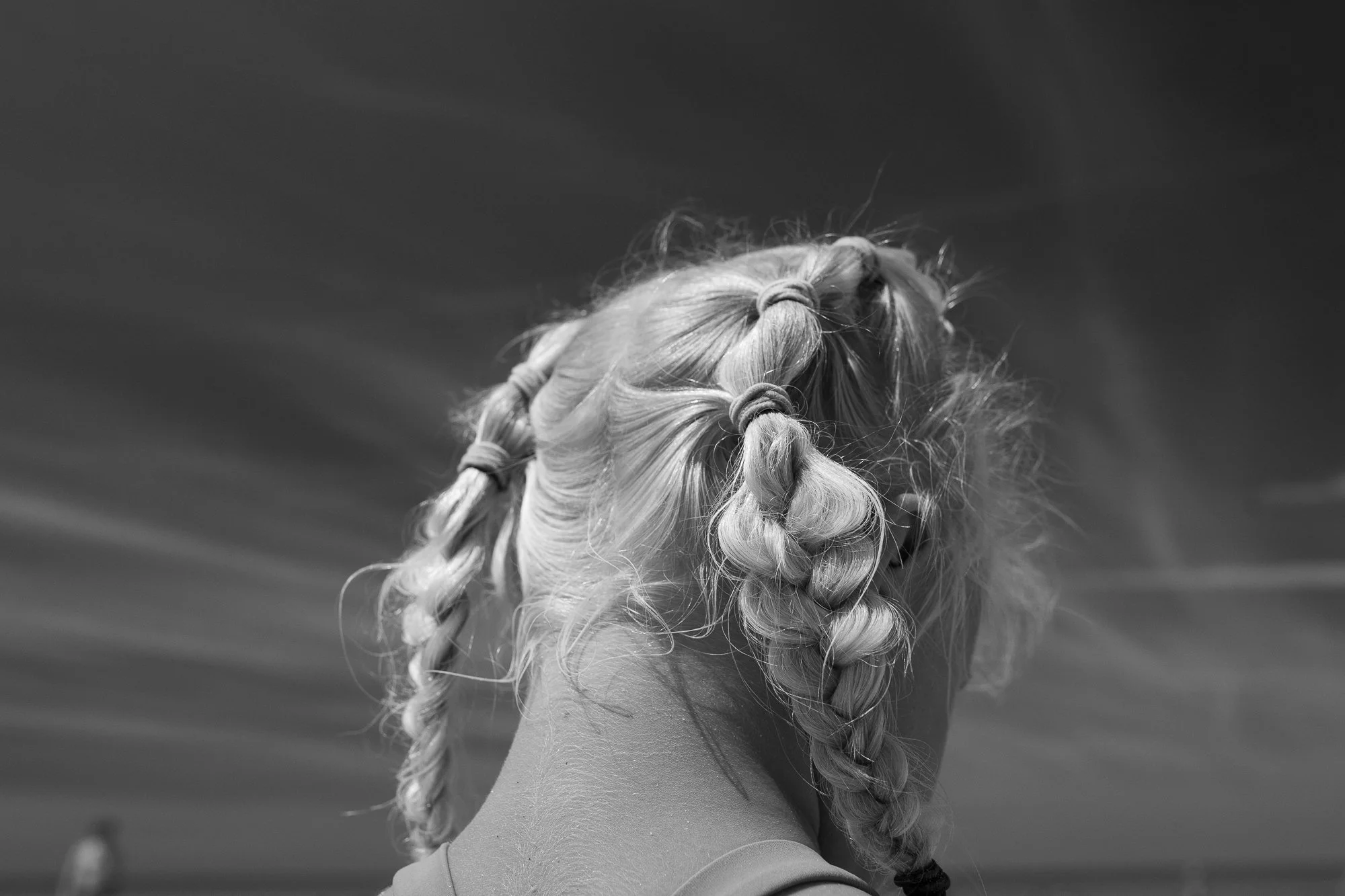
Black and white close-up of a child with braided hair at the beach on Cape Cod

A quiet portrait at the beach, capturing a small moment within the larger rhythm of a Cape Cod summer

Black and white photo of a lone person sitting in a beach chair facing the ocean on Cape Cod

A solitary figure sits facing the Atlantic, capturing a quieter side of Cape Cod beyond the crowds

Texas Plains Photography: Llano Estacado

Llano Estacado Photographs

The Llano Estacado is easy to misunderstand. It’s often described as flat, empty, or featureless, but spending time there reveals something very different. This high plains region of West Texas is defined less by landmarks and more by distance — by how far the horizon stretches, how light moves across open ground, and how small human presence feels once you slow down enough to notice it.

These photographs were made while traveling through small towns, farmland, and back roads that sit quietly within that vastness. They are not meant to explain the Llano Estacado so much as sit with it.

A Landscape Defined by Absence

There are few visual interruptions on the Llano Estacado. Roads run straight for miles. Fields repeat themselves. Buildings appear only occasionally, and when they do, they often feel temporary — as if they were placed there out of necessity rather than permanence.

That absence becomes the subject. Empty intersections, wind-worked soil, distant structures, and isolated signage take on weight simply because there is so little competing for attention. The photographs rely on restraint: space, quiet geometry, and light doing most of the work.

Small Towns, Everyday Objects

Scattered across the plains are towns built around utility rather than spectacle. Hardware stores, abandoned buildings, hand-painted signs, school stadiums, and roadside memorials all reflect daily life shaped by isolation and self-reliance.

Rather than searching for dramatic moments, this work focuses on ordinary details — objects left where they were last used, buildings holding onto their purpose a little longer than expected. These elements reveal how people adapt to scale, weather, and distance without needing to announce it.

Wind, Agriculture, and Modern Presence

The Llano Estacado is both deeply agricultural and increasingly shaped by modern infrastructure. Wind turbines rise above fields that have been worked for generations. Long rows of crops trace patterns across land that feels otherwise unbroken.

This overlap between old and new is quiet but persistent. The turbines don’t overwhelm the landscape; instead, they become another line on the horizon — another marker of how the region continues to evolve while remaining visually spare.

Photographing the In-Between

These images are less about destinations and more about what exists between them. They were made by pulling over often, driving slowly, and paying attention to what most people pass without stopping.

The goal is not nostalgia, but observation. Not commentary, but presence. The Llano Estacado rewards patience, and these photographs reflect that pace — measured, minimal, and unforced.

Interested in These Photographs?

A selection of photographs from this series is available as fine art prints, and the full body of work is available for editorial and commercial licensing.

If you’d like more information, feel free to get in touch.

View more photography from the American West

Part of a Larger Project

Although the Llano Estacado is an entity in and of itself, it’s also an iconic piece of America, which fits perfectly in my long term project photographing the often overlooked parts of this country.

View more American photography

“It’s a long way, round the Llano Estacado” - Colter Wall

Water for sale sign along a rural road on the Llano Estacado in Texas

A hand-painted water-for-sale sign along a remote Texas highway, underscoring the scarcity and scale of life on the Llano Estacado.

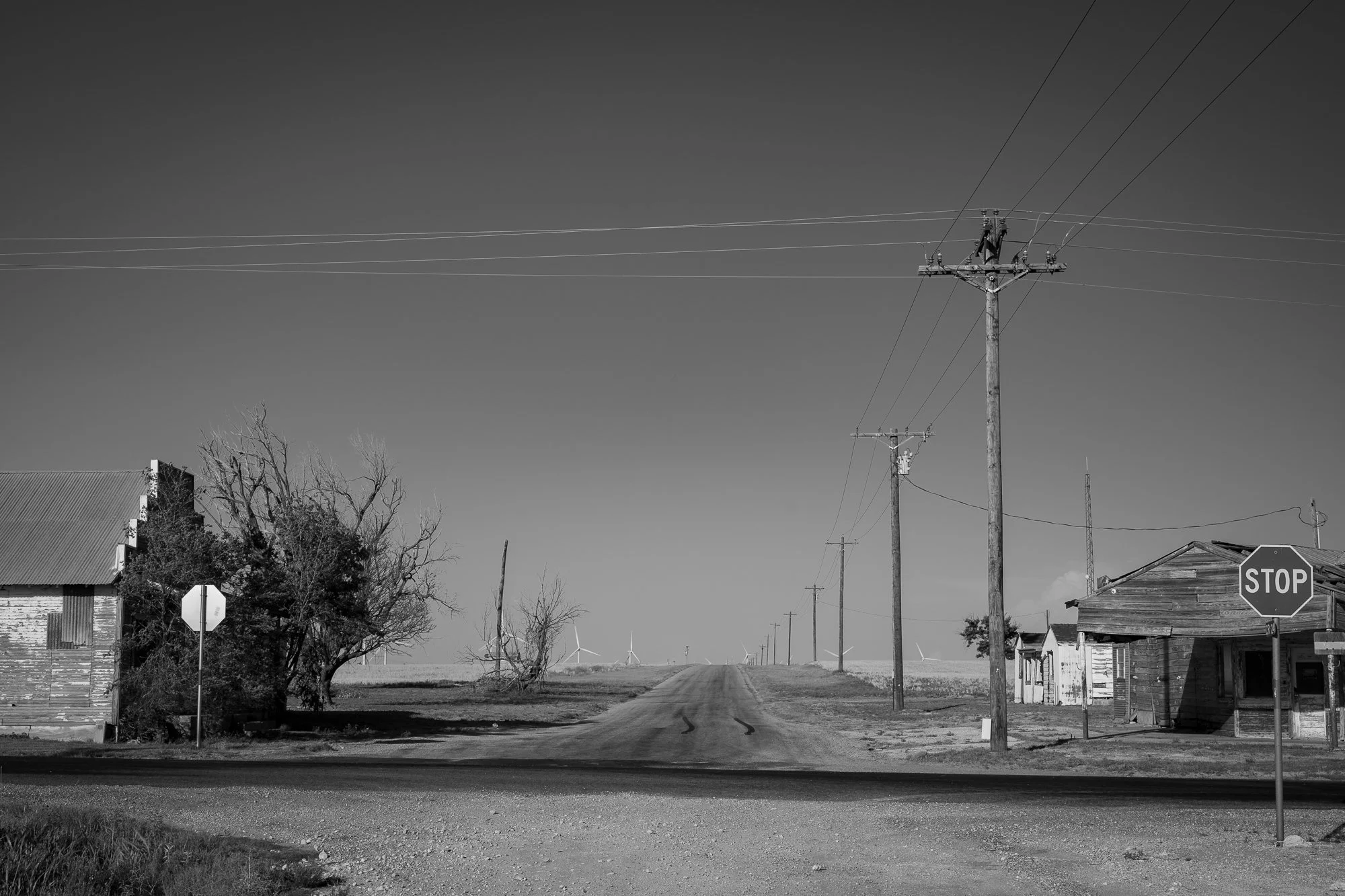
Empty intersection with abandoned buildings on the Llano Estacado

A rural intersection on the Llano Estacado, where roads stretch outward and towns feel held together by distance.

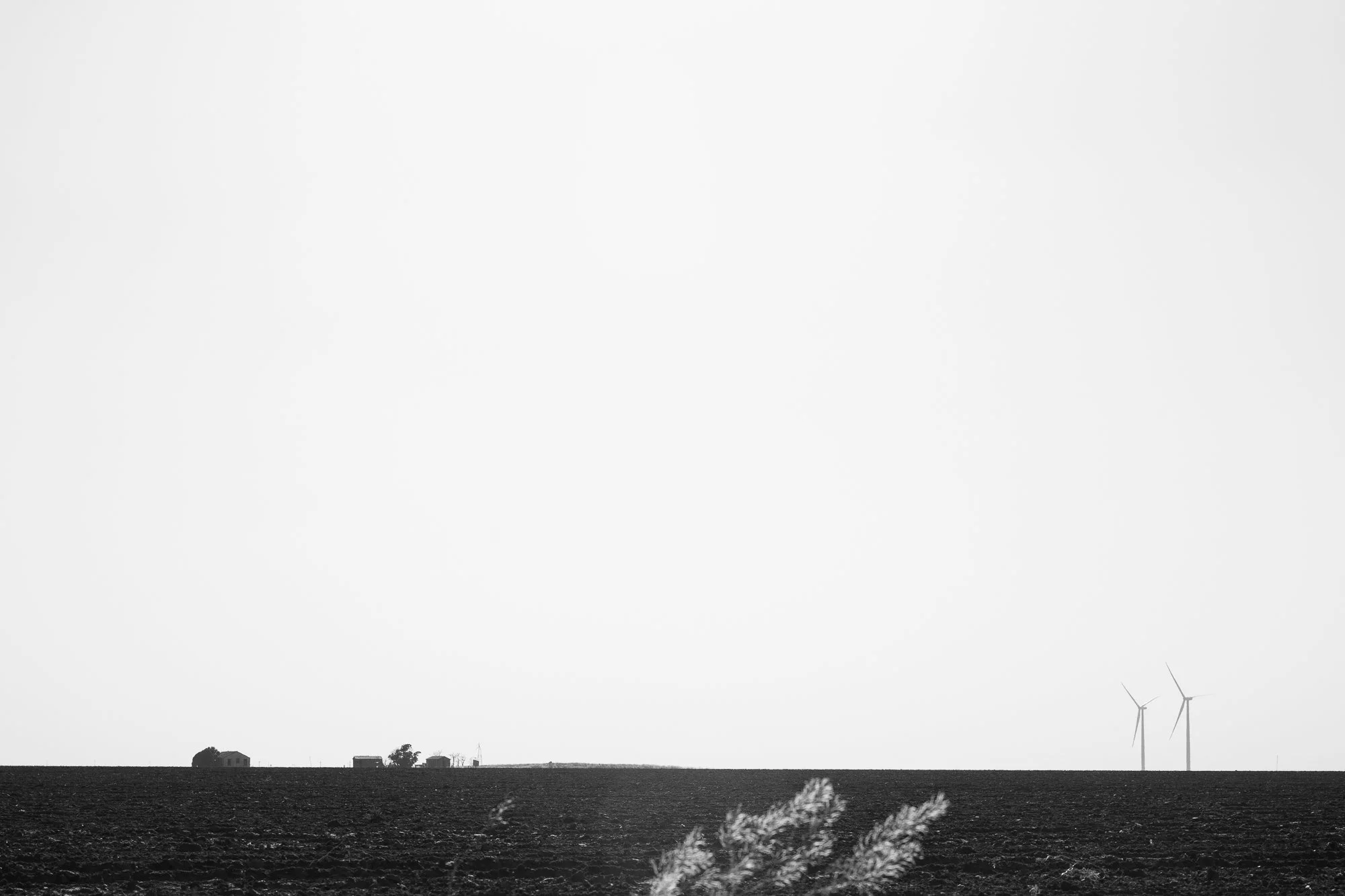
Minimal black and white landscape with distant wind turbines on the Llano Estacado

A spare horizon broken only by distant farm buildings and turbines, emphasizing scale and emptiness on the Llano Estacado.

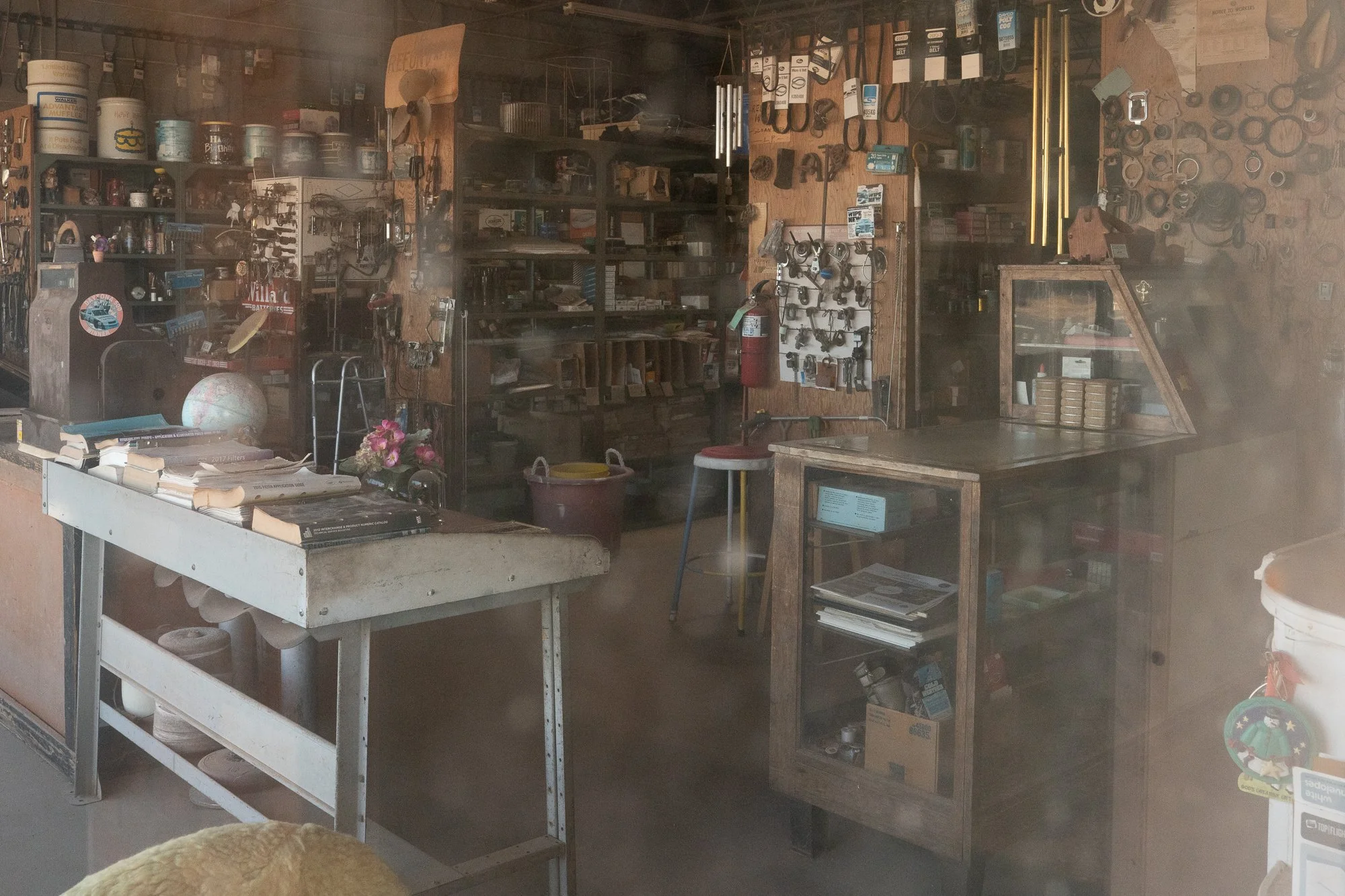
Interior of a small rural hardware store on the Llano Estacado in Texas

Inside a small-town hardware store on the Llano Estacado, where tools, shelves, and light speak to decades of daily use.

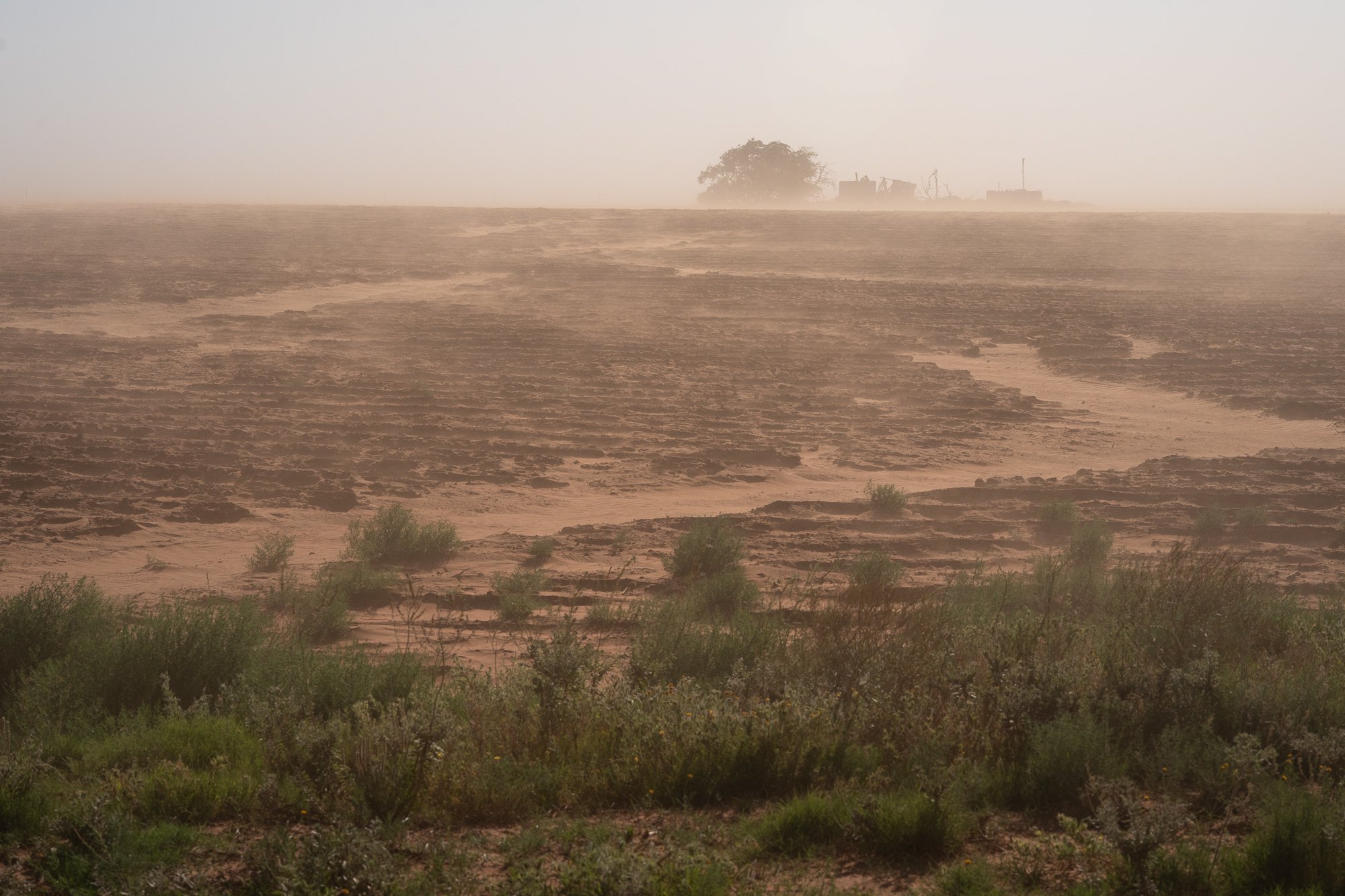
Dust blowing across a plowed field on the Llano Estacado in West Texas

Dust moves across freshly worked earth, softening the horizon on the wide, exposed plains of the Llano Estacado.

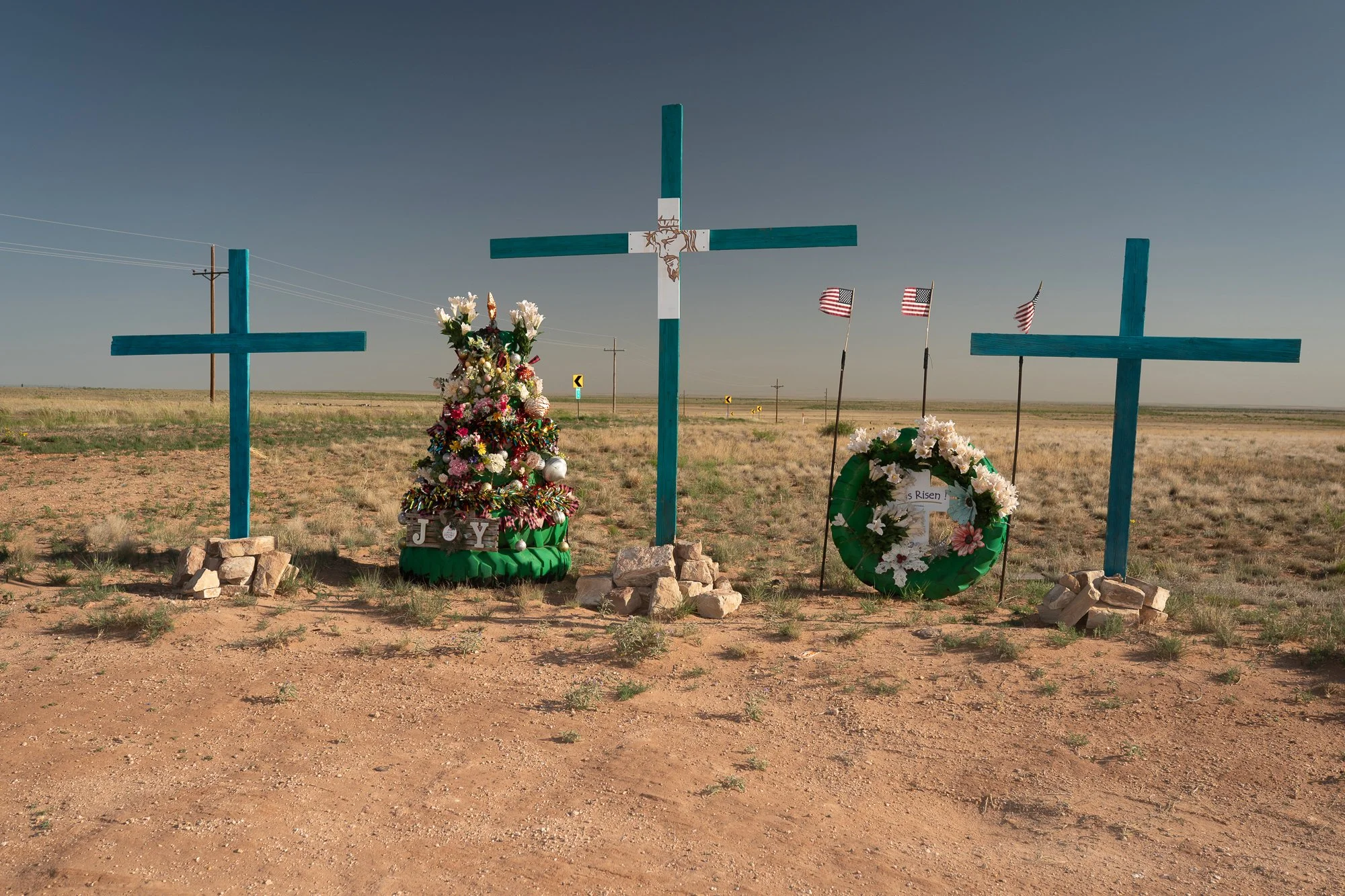
Roadside crosses and memorials in rural West Texas on the Llano Estacado

Roadside crosses stand against the open plains, marking memory, faith, and loss across the Llano Estacado.

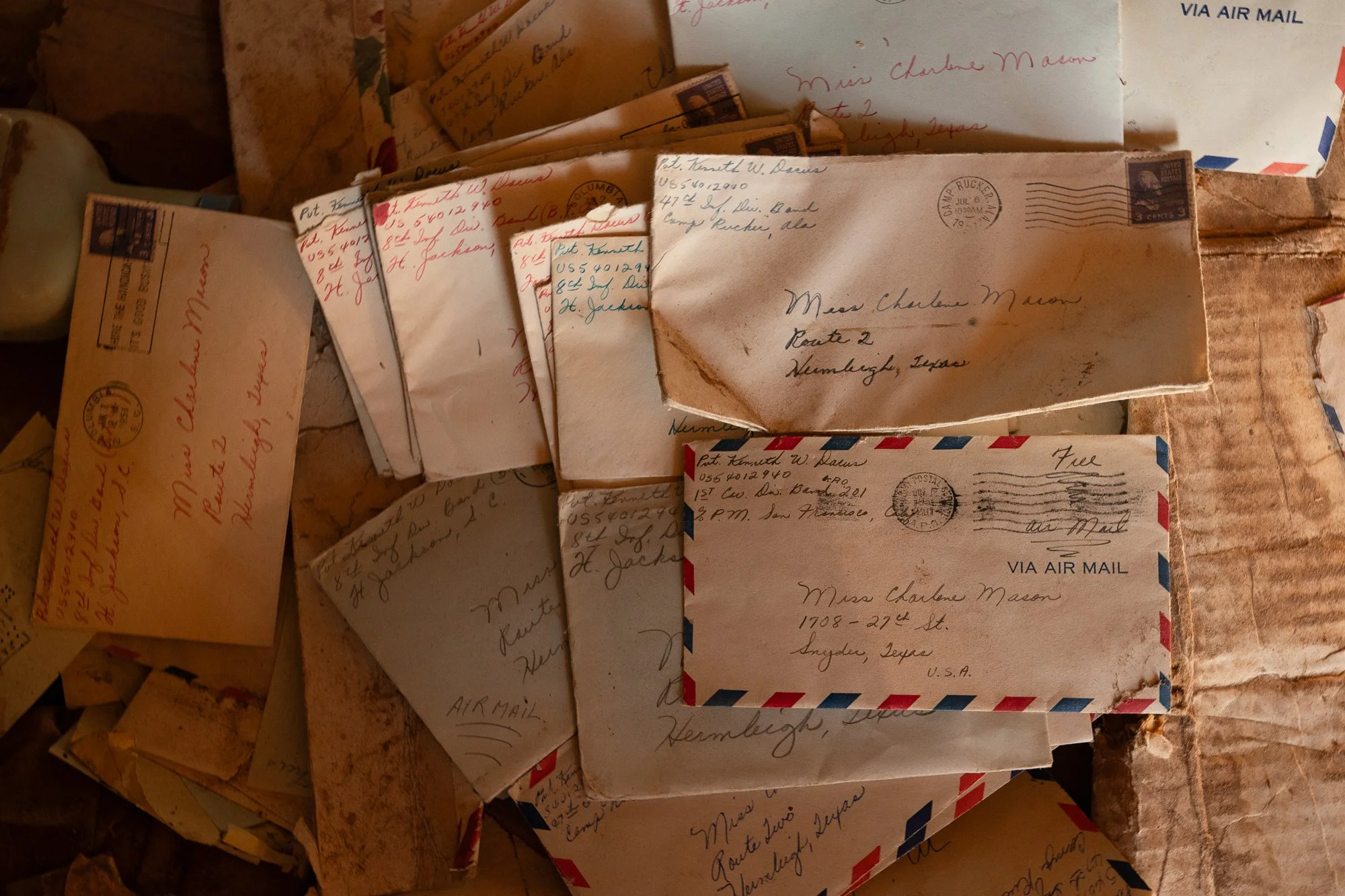
Handwritten letters and envelopes collected in a rural Texas home on the Llano Estacado

Handwritten letters from an abandoned Texas home, marked by distance, memory, and everyday life on the Llano Estacado.

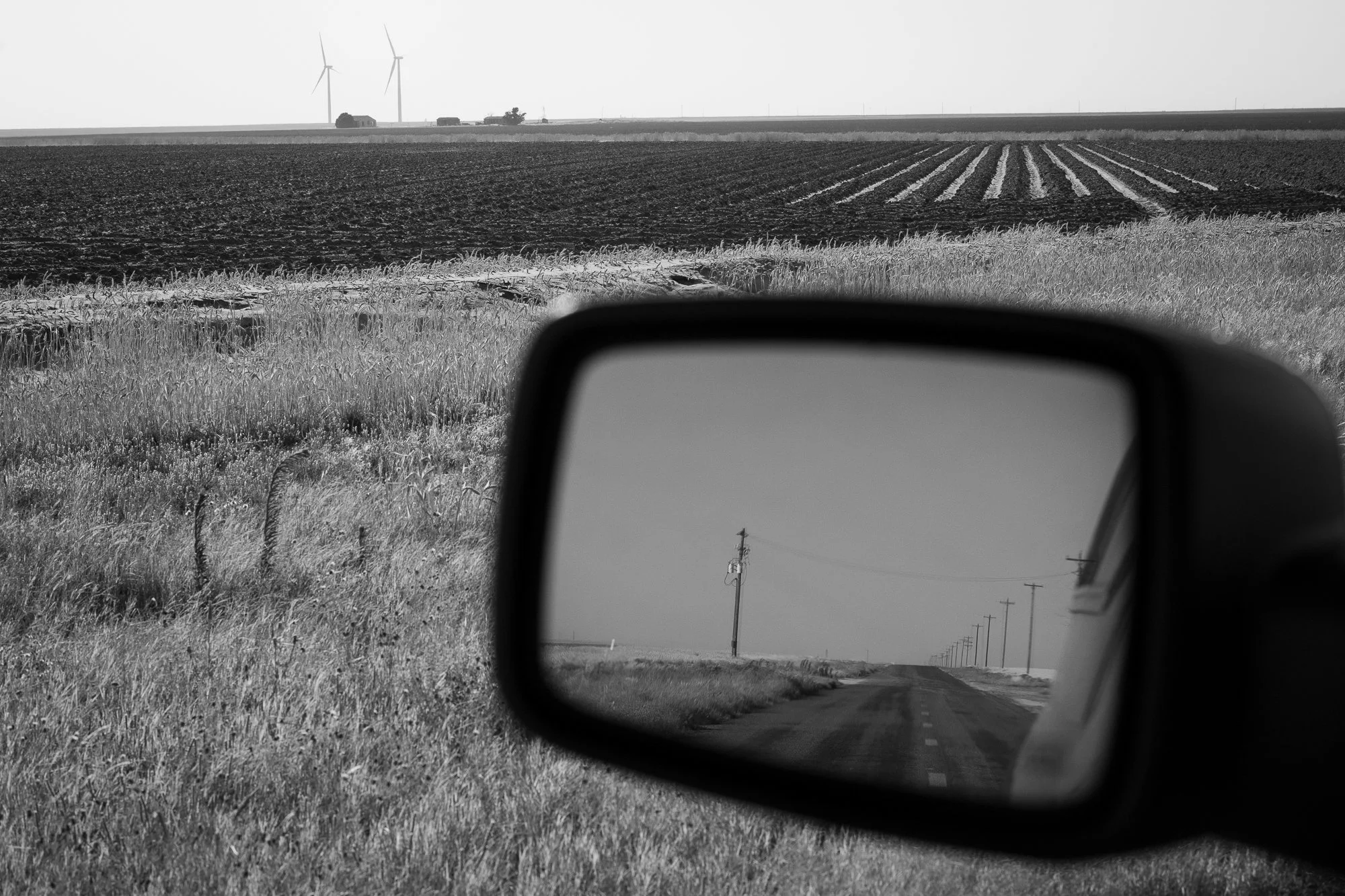
Black and white photograph of farmland reflected in a car mirror on the Llano Estacado

Farmland stretches ahead and behind, reflected in a car mirror while crossing the open roads of the Llano Estacado.

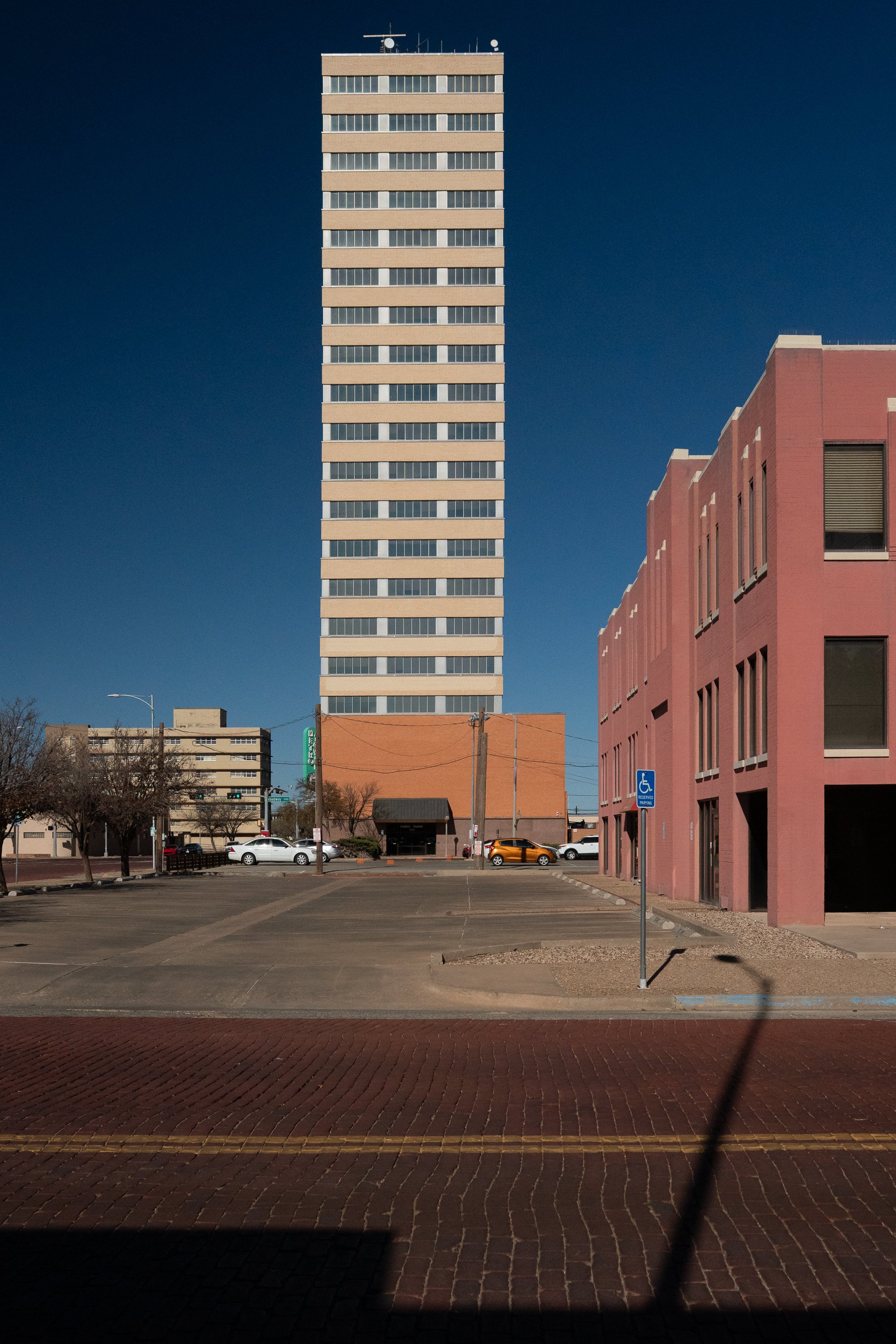
A downtown high rise tower in a small town on the Llano Estacado

A lone midcentury tower rises above a quiet town, emphasizing the scale and openness of the Llano Estacado.

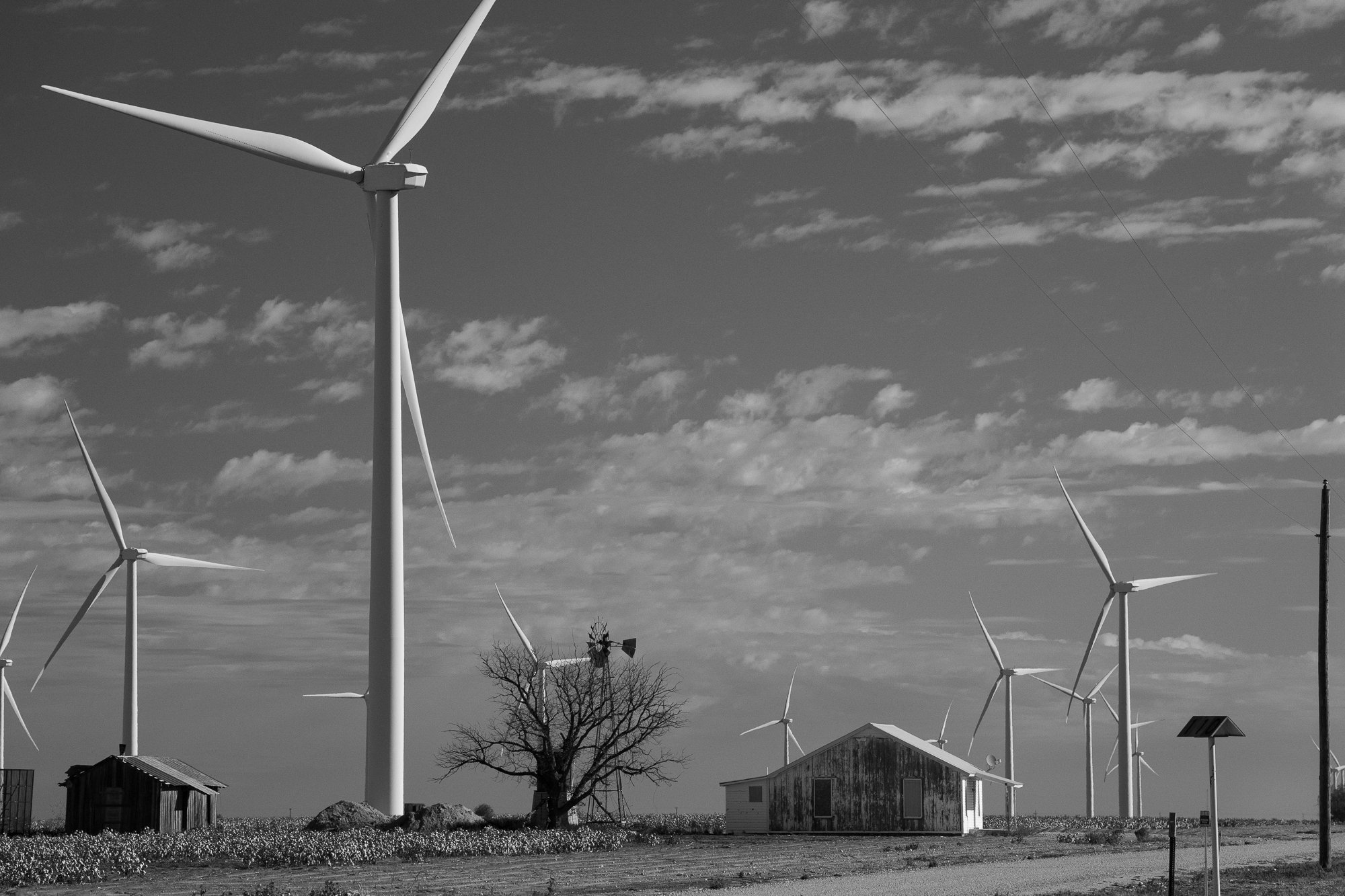
Wind turbines towering over abandoned rural buildings on the Llano Estacado in Texas

Wind turbines rise over aging structures, where modern infrastructure meets long-standing rural life on the Llano Estacado.

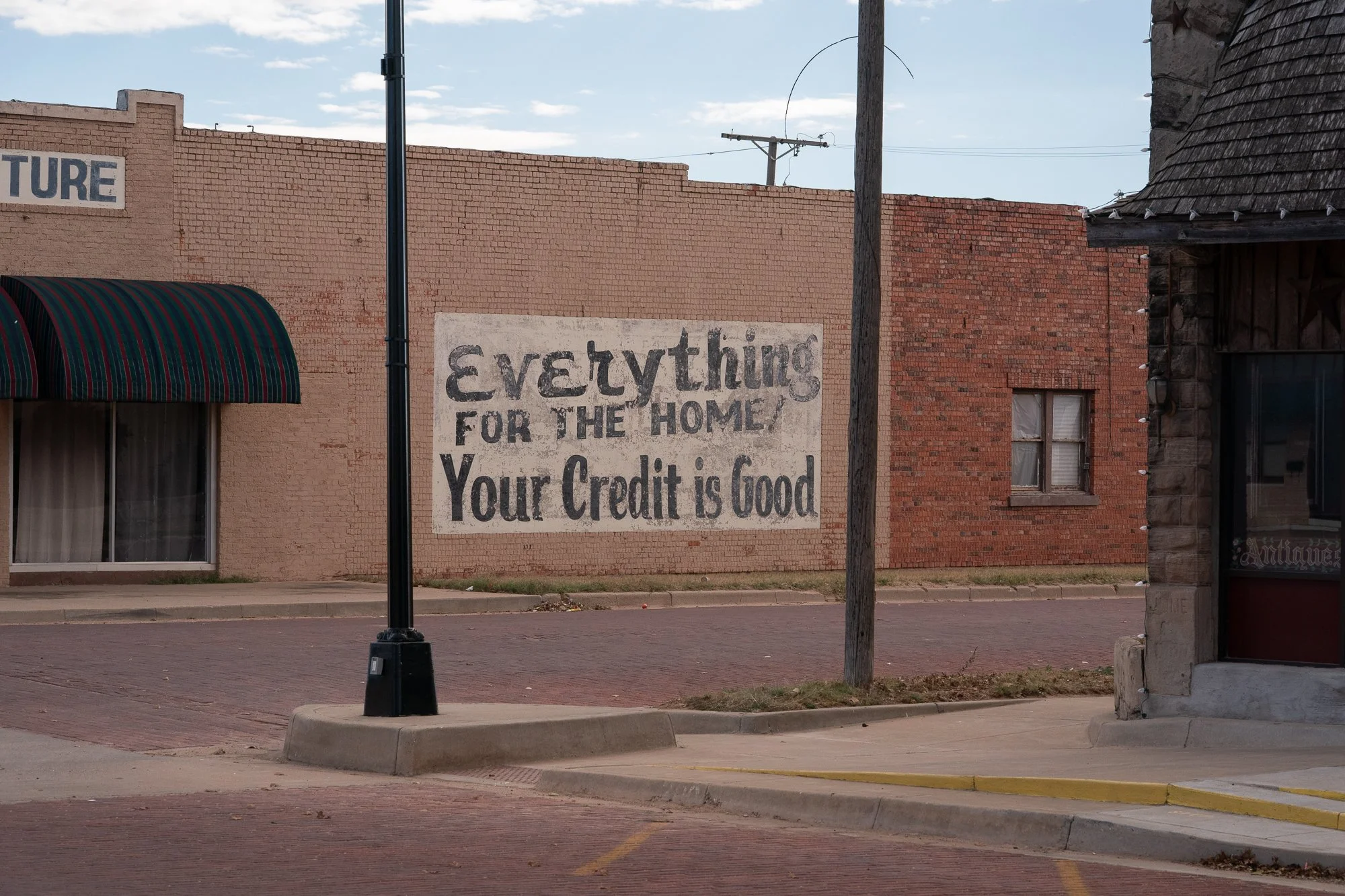
Vintage wall sign reading Your Credit Is Good in a small town on the Llano Estacado

A fading brick wall sign promises trust and familiarity, echoing the economic rhythms of Llano Estacado towns.

Photograph of a dirt road going through the Llano Estacado in Texas

Photograph of a long dirt road on the Llano Estacado in Texas

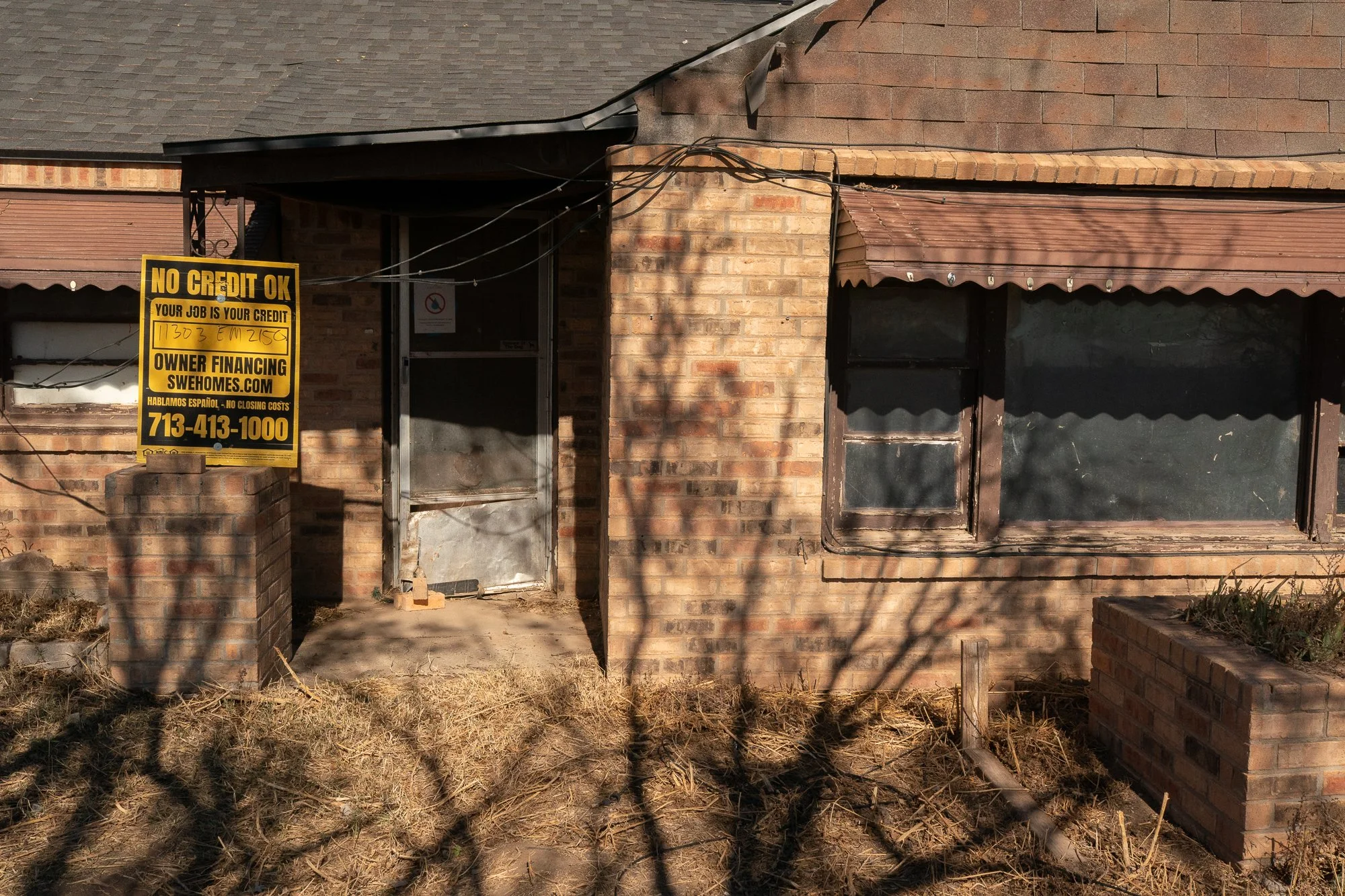
Brick house in rural Texas with an owner financing sign on the Llano Estacado

A modest brick house on the Llano Estacado, where handwritten signs and quiet streets reflect a self-reliant rural economy.

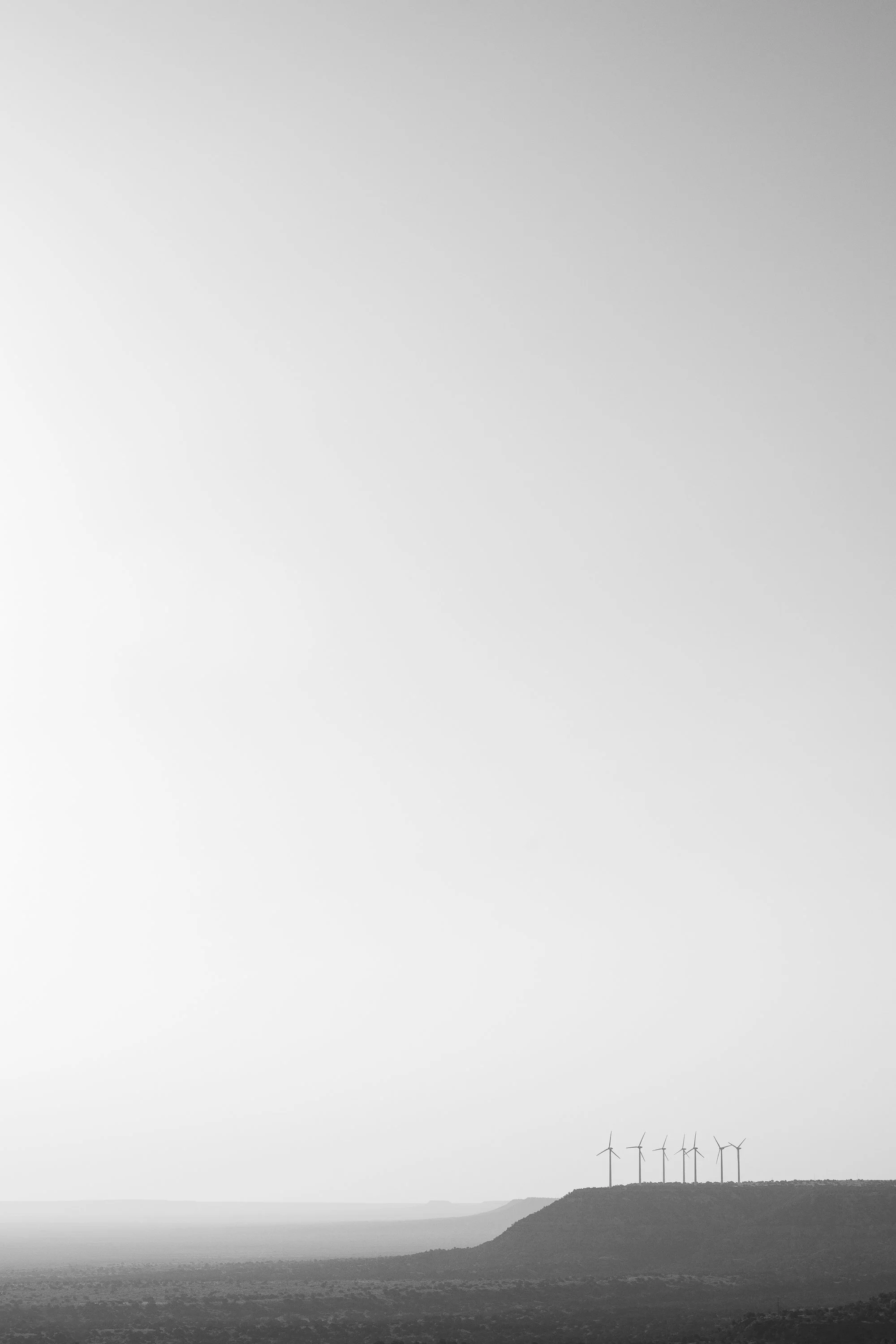
Minimal black and white photograph of a wind farm along the Llano Estacado horizon

A nearly empty frame holds a thin horizon and distant turbines, emphasizing restraint and scale on the Llano Estacado.

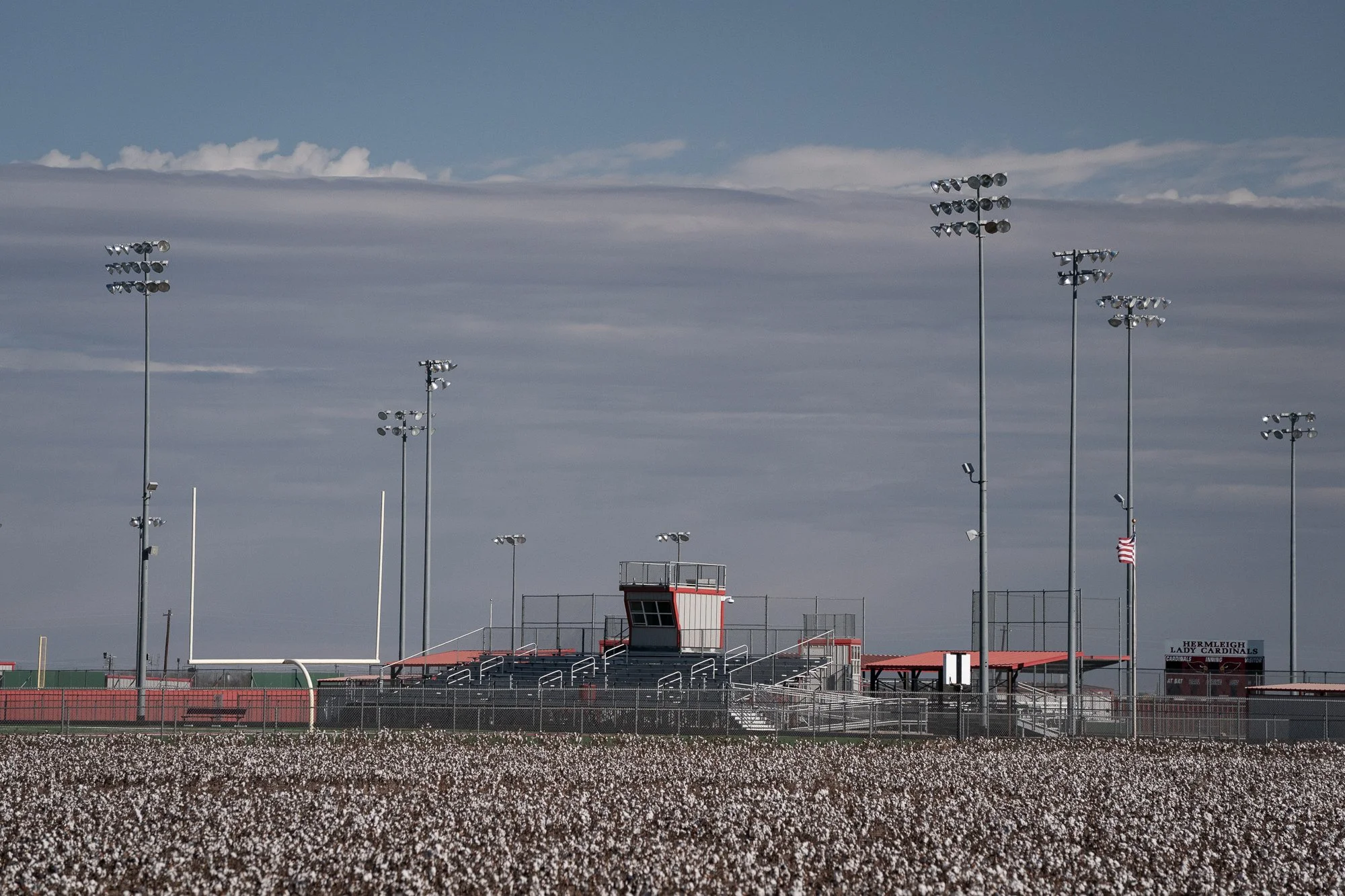
High school football stadium surrounded by farmland on the Llano Estacado in Texas

A high school football stadium sits among cotton fields, reflecting the cultural center of small towns on the Llano Estacado.

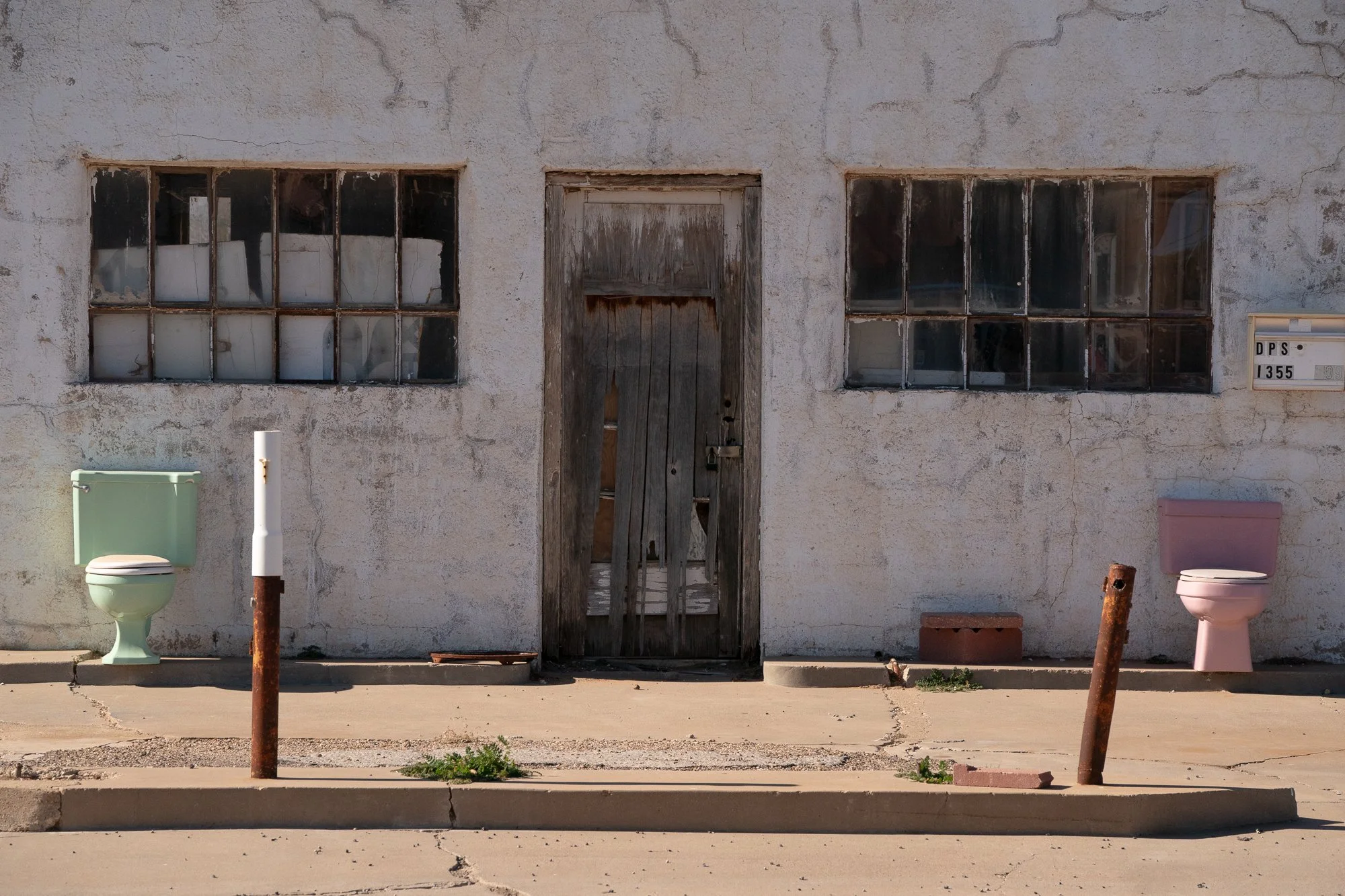
Abandoned building facade with pastel toilets outside on the Llano Estacado in Texas

An abandoned building on the Llano Estacado, where discarded fixtures and faded walls blur the line between utility and quiet absurdity.

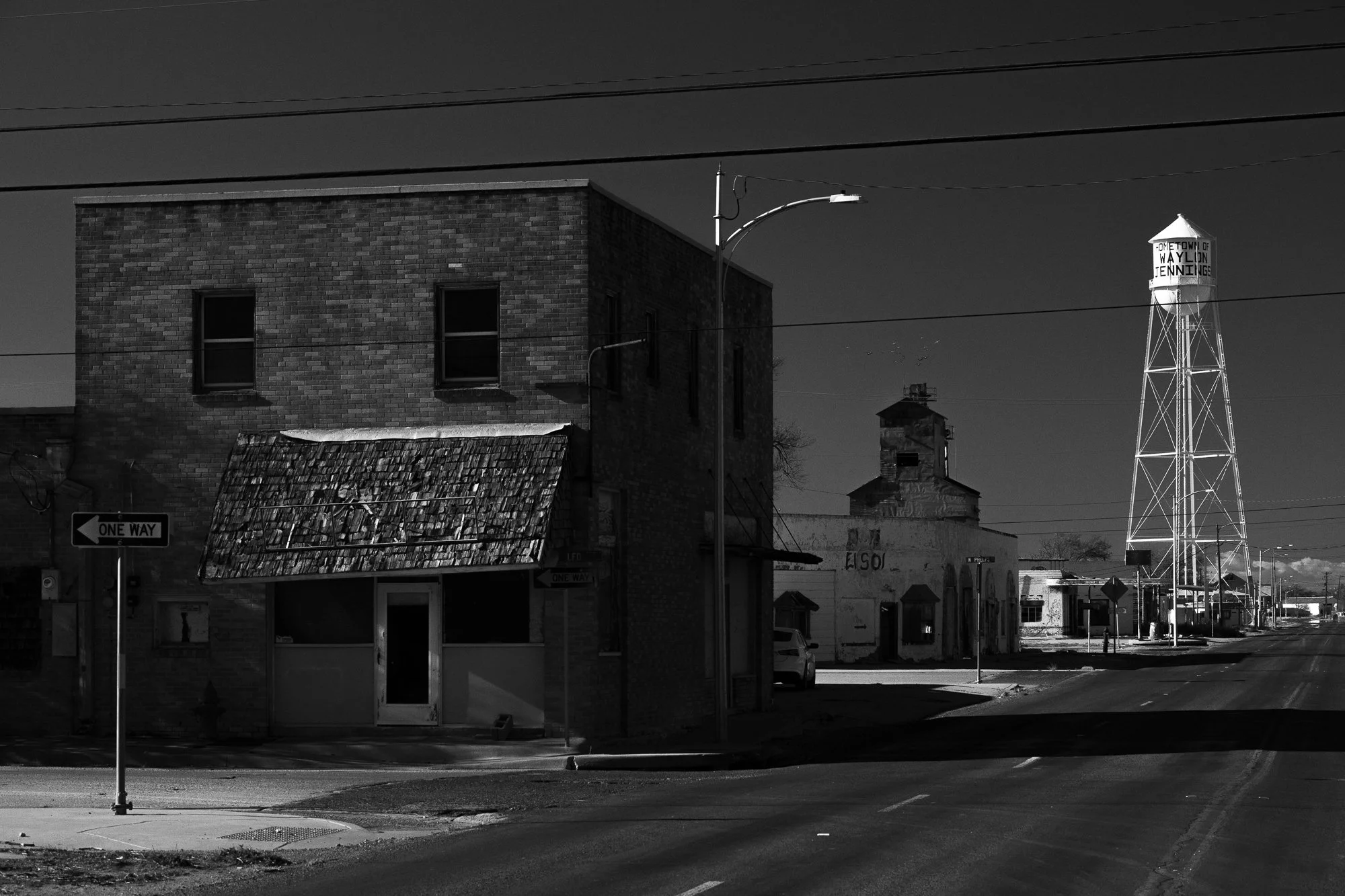
Black and white photograph of Littlefied, Texas with water tower honoring Waylon Jennings

Water tower in Littlefield, Texas - Hometown of Waylon Jennings

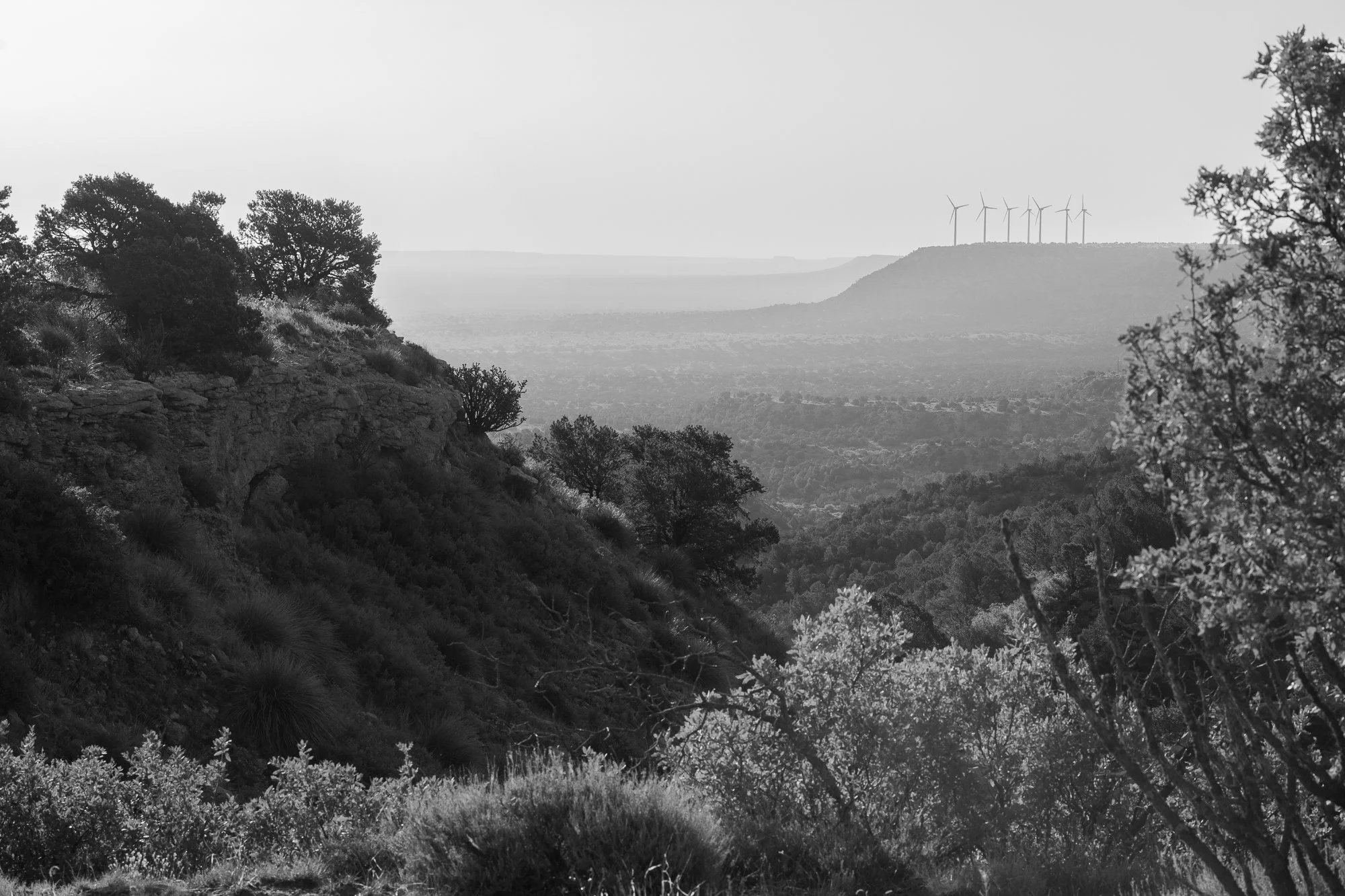
Wind turbines line a distant ridge above the canyon, where industry and landscape quietly coexist on the Llano Estacado.

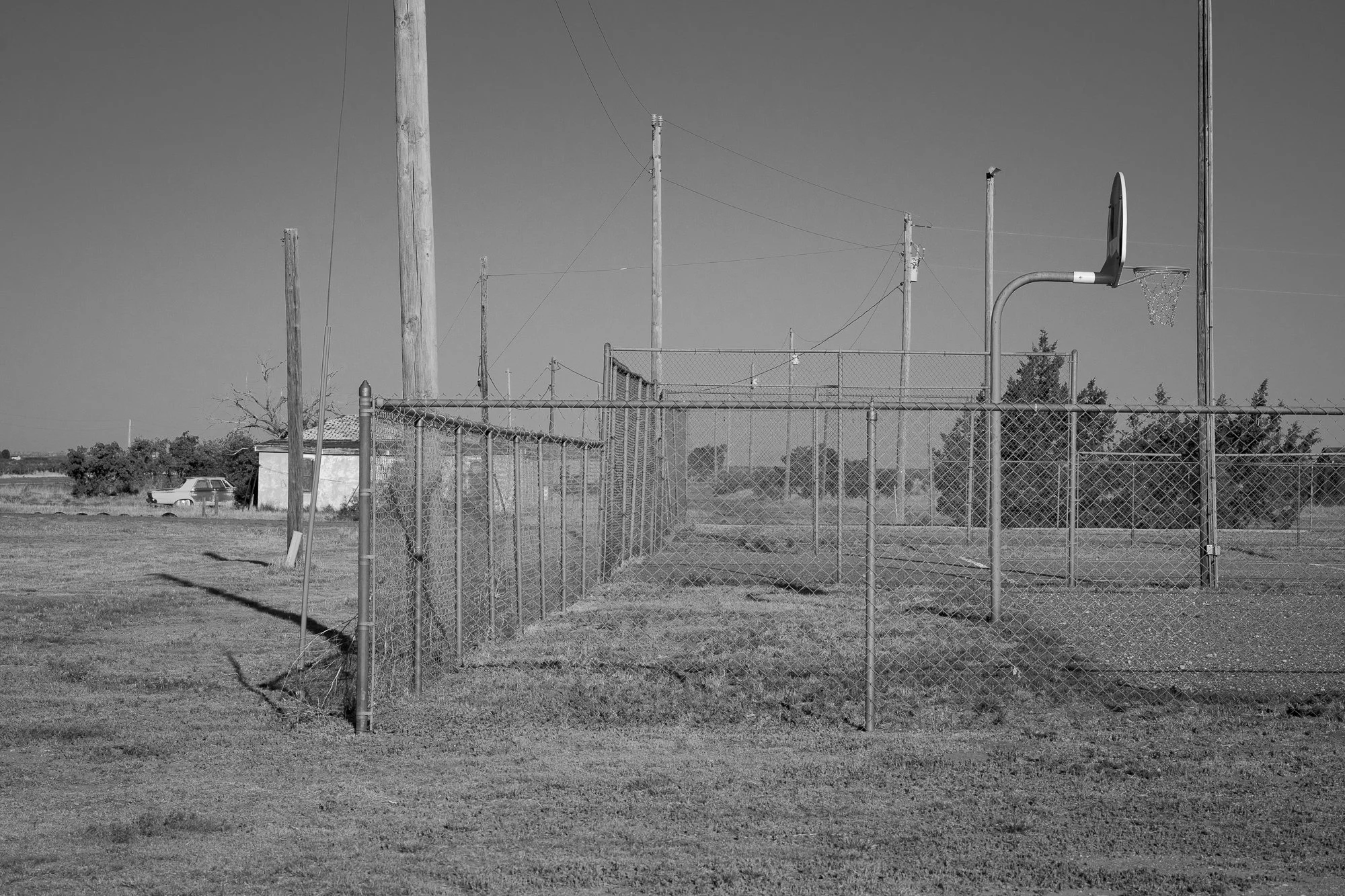
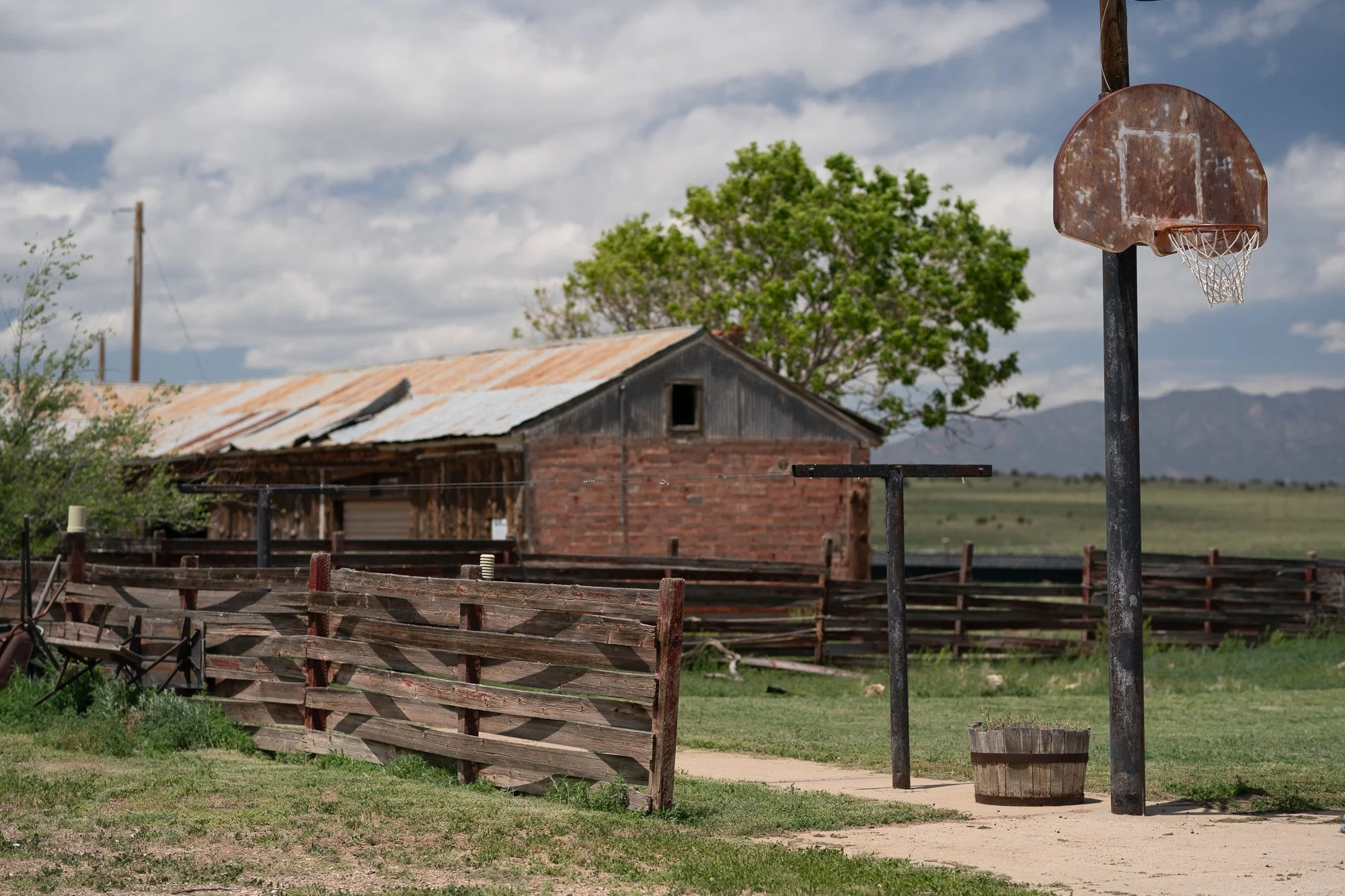
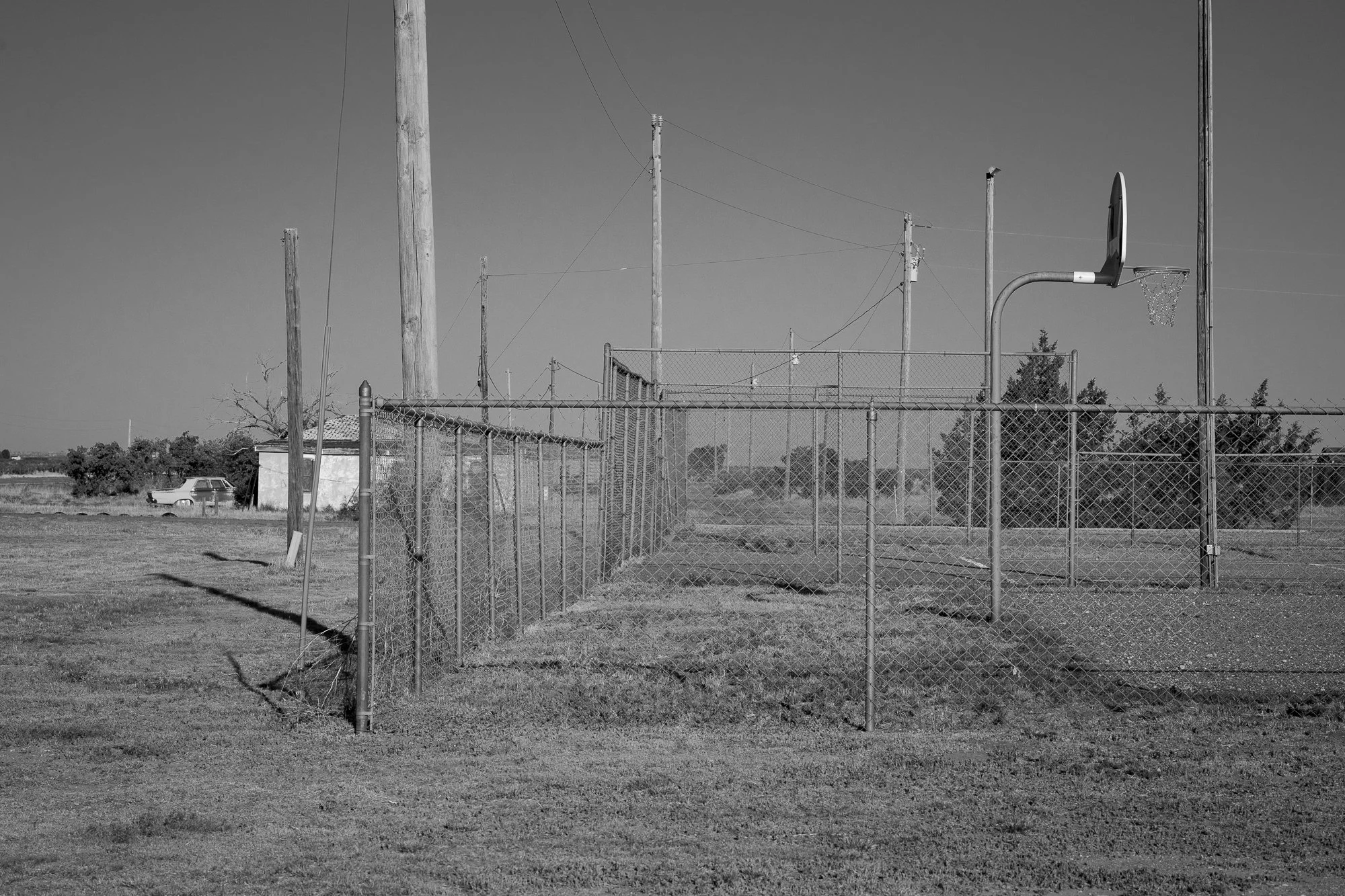
Black and white photograph of a rural basketball hoop behind a chain link fence on the Llano Estacado

A lone basketball hoop stands behind a chain-link fence, hinting at everyday life and quiet routines on the Llano Estacado.

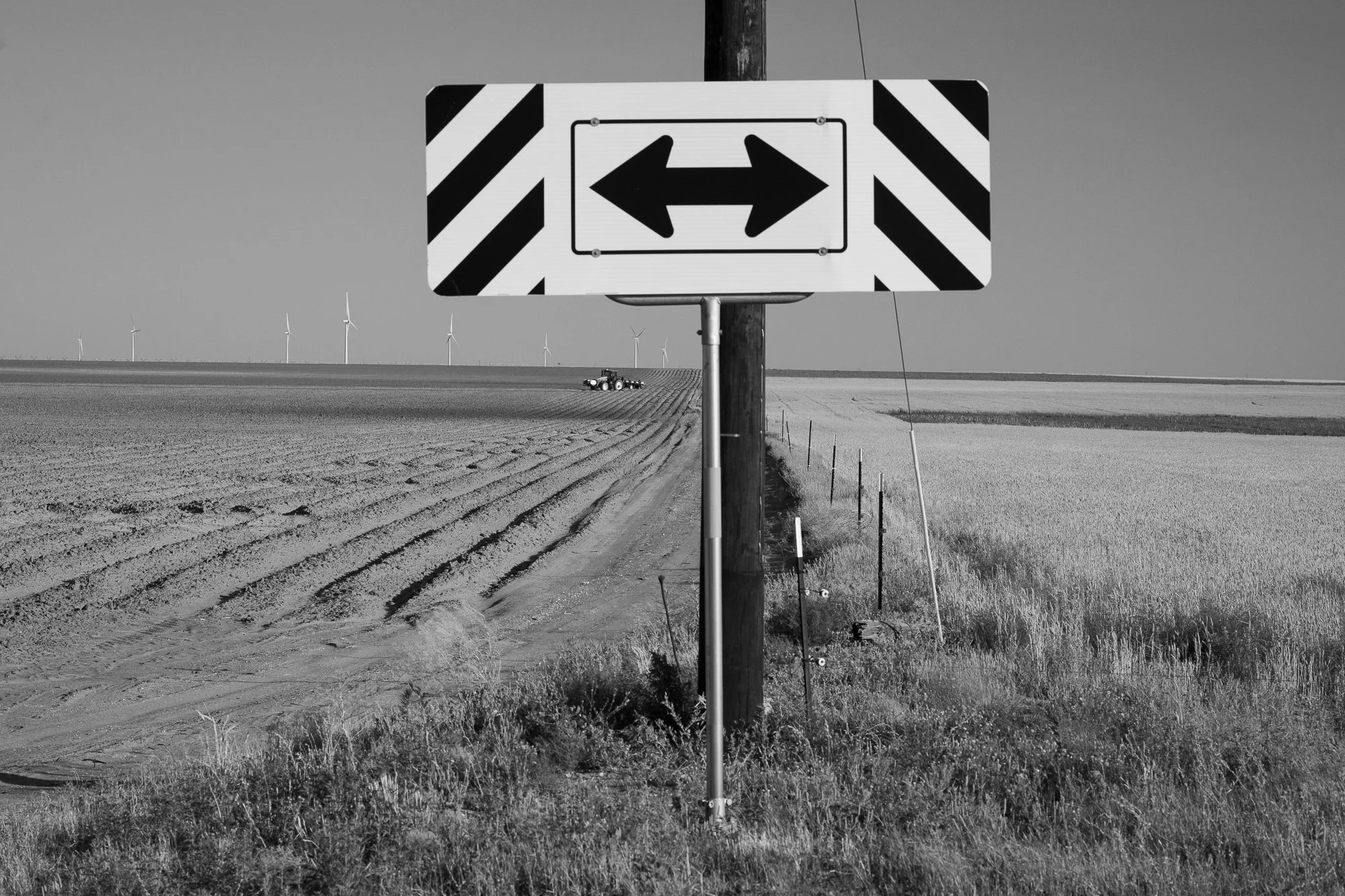
Black and white photograph of a rural directional road sign on the Llano Estacado

A simple directional sign stands between plowed fields, offering choice without urgency on the Llano Estacado.

American Center for Photographers

American Photography Gallery

Fine Art

May has really shaped up to be a great month in the gallery exhibition category! I’m very grateful to announce that I’ll be showing some of my American photographs at the American Center for Photographers in Wilson, North Carolina. It’s always nice to show work, but this is particularly exciting because it’s the first time I’ve ever exhibited work from this series which started over 13 years ago. Back in 2011 is when my cross country road trips began but the photographs that now make up this series were sort of an after thought. At that time I was solely focused on the Barbershops of America series. So these American photographs were sort of just made during those in-between times when there were no barbershops around. It was years until I even realized that the collective images could be a body of work.

The exhibition which is comprised of 50+/- fine art prints will run from May 1st-26th. So if you’re anywhere near Wilson, please stop in and check them out.

Click here to see photographs from my America series.

Fine art photographs at the American Center for Photographers in Wilson, North Carolina

Photography exhibition at the American Center for Photographers in Wilson, North Carolina

Eugene, Oregon Photo Gallery

Photography at Oregon

Maude Kerns Art Center

Honored to share that 12 of my black and white cowboy photography prints are part of an invitational group show at the Maude Kerns Art Center with Photography at Oregon. Along with my prints will be others by Barbara Bakalarova, Tracy Barbutes, Sarah Grew, Eric Kunsman, Willie Osterman, Osceola Refetoff, and Nolan Streitberger. If you’re in Eugene, Oregon area please stop in to check out the work from May 10-June 7. They will be having an opening reception on May 10th and an artist talk on June 1st. I’m not able to attend either day, but I still encourage you to check out the show.

Click here to shop my fine art cowboy photography prints

Photography exhibition at Maude Kerns Art Center - Eugene, Oregon

Oregon Landscape Photography Prints

Oregon Wall Art - Landscape Photography

Oregon is a special place. Not just as a part of America, but of the world. It’s truly unique, with a vibe you can’t find anywhere else. Going through these images has been a lot of fun, revisiting past road trips through the state, as well as a gentle reminder that it’s been far too long since seeing that magical place. The photographs stir up great memories of being on the road with Mojo. One in particular several years back in the middle of winter. We were driving late at night on a backroad through the Cascade Range. No towns. No street lights. Nothing. It was freezing cold and the entire landscape was covered in a fresh blanket of snow. At some point I started feeling a very bizarre energy that was totally unexplainable, but it persisted long enough to make me think. “Pulsing” is the only way I can describe it. The sensation continued for a while, so I pulled over, got out of the truck and just stood there. There were no signs of civilization at all. And after my eyes adjusted to the darkness, I could see massive snow covered peaks on all corners of the horizon that seemed to be glowing. One of them was Mt. Hood, not sure what the rest of them were. Either way, I’d never experienced anything like it before or after that day. I was totally in awe at the sight and energy they were putting off. And to see so many prominent peaks so far away all at once, seemed totally surreal. All I could do was stand there and take it in. No images were made that night, but it’s a memory that will never leave me.

Click here to check out my American Road Trip photography book

Send an email if you’d like any of my Oregon wall art for your home, office, or commercial space - rob@robhammerphotography.com

Mt. Hood Landscape Photography Print

Mt. Hood Wall Art

Photography print of Lake Albert in Oregon

Lake Albert - Oregon - Photography Print

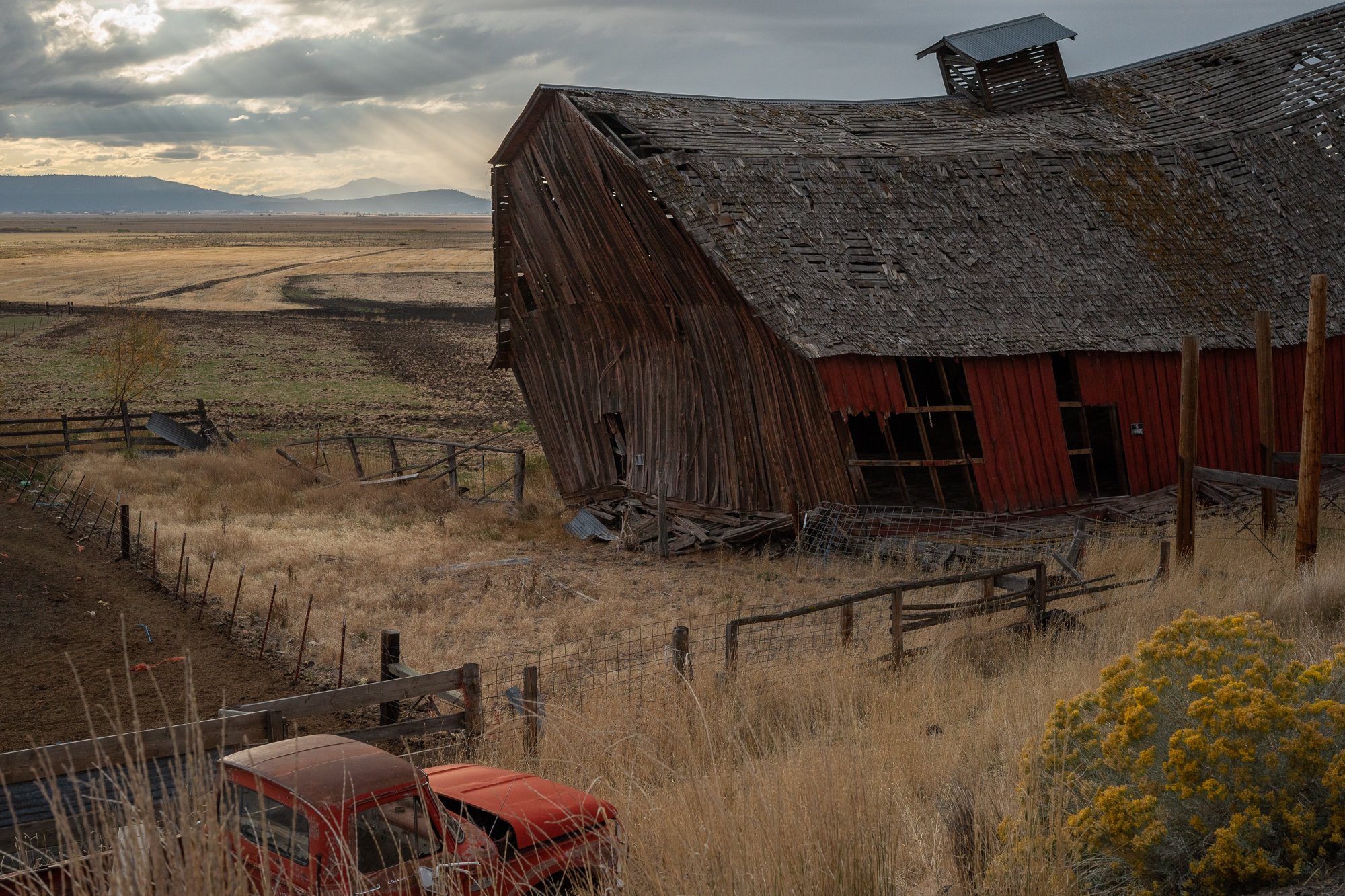
Photography of an old barn in Oregon

Oregon Photography

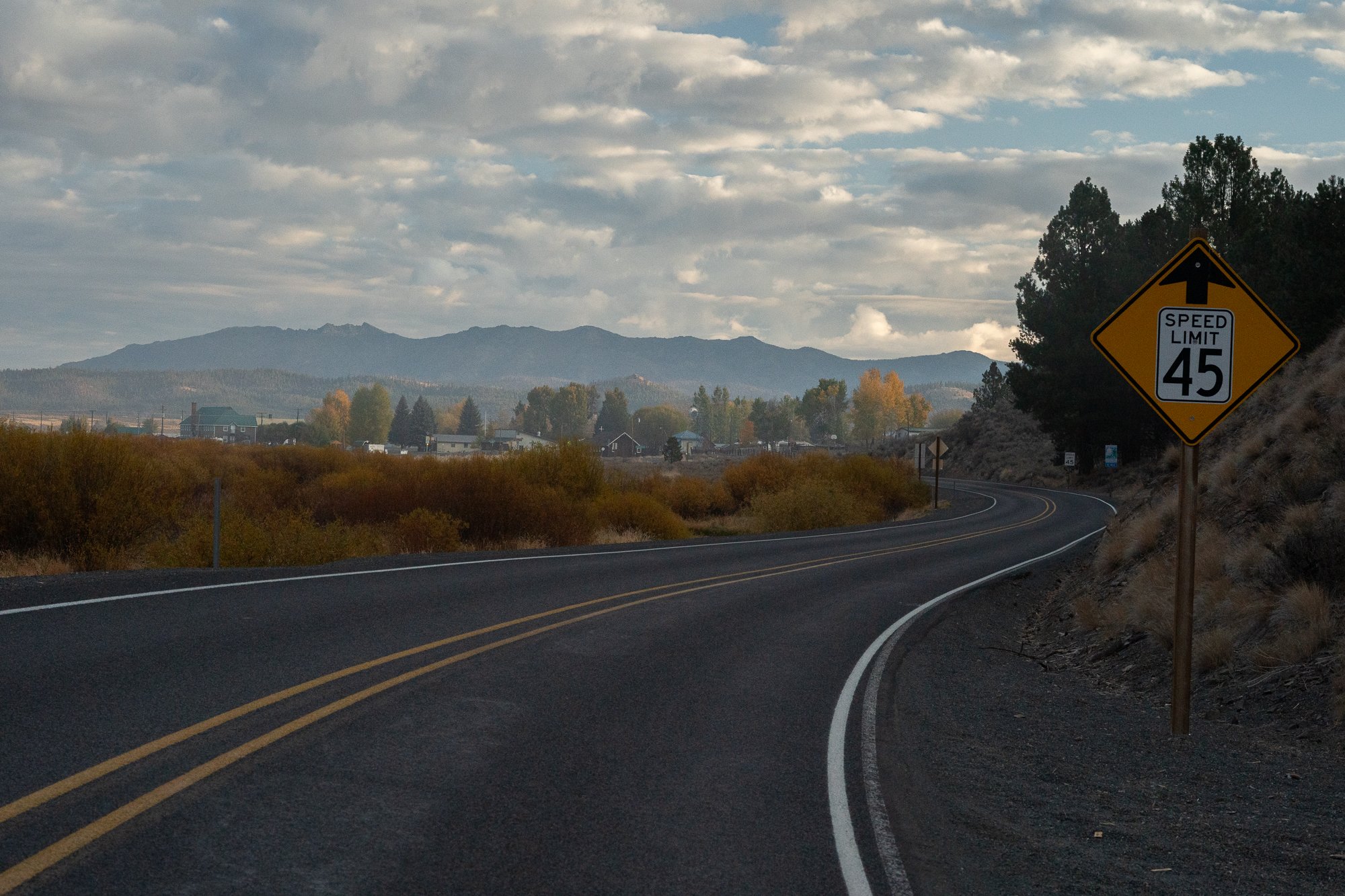
Photography print of a country road in Oregon

Country Road in Oregon

Photography of Seneca, Oregon

Seneca, Oregon

Lake Albert Oregon Landscape Wall Art

Lake Albert, Oregon - Wall Art

Photography of Highway 395 going through a beautiful section of Oregon at sunset near Lake Albert

Highway 395 - Oregon

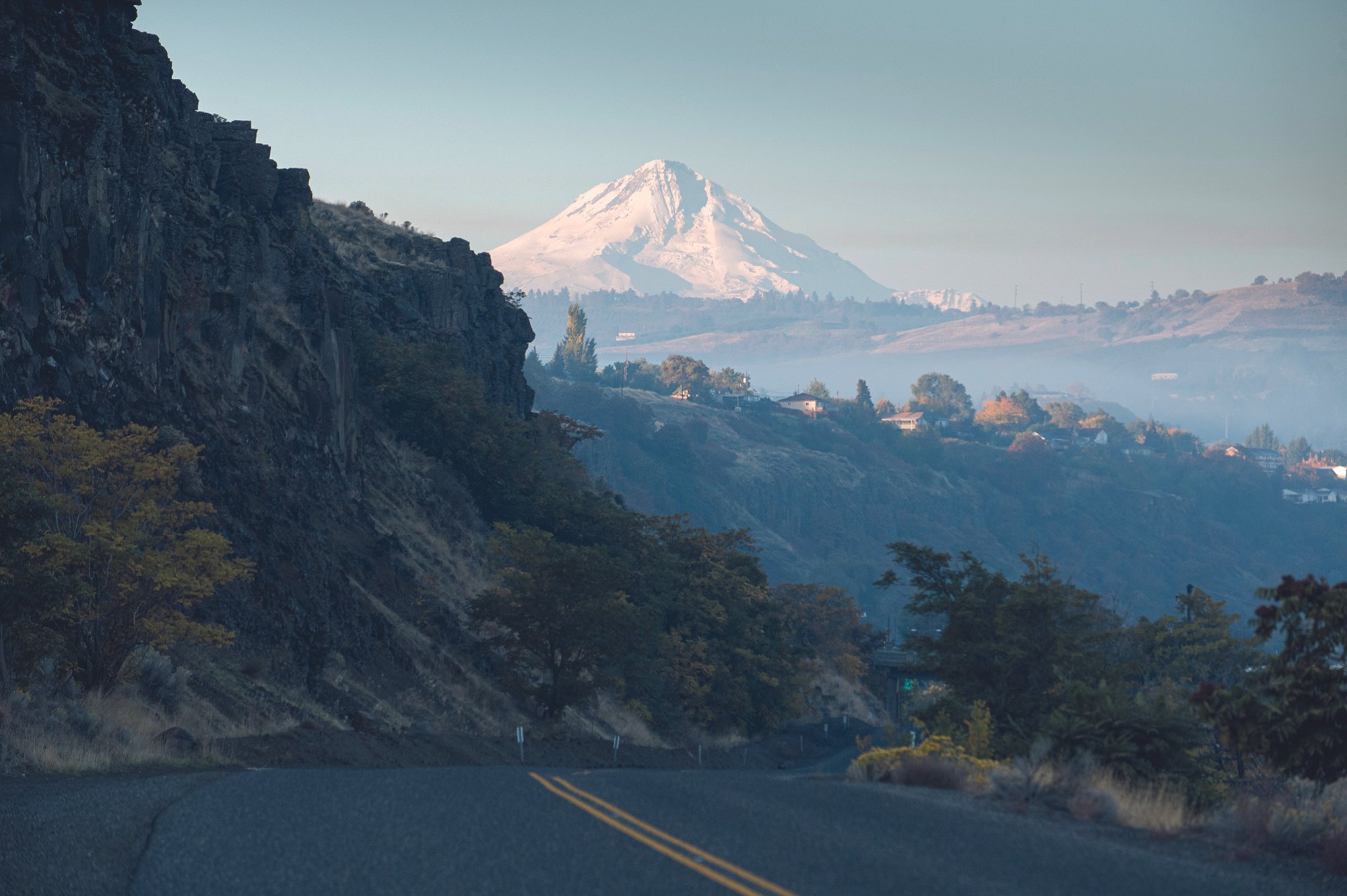
Photograph of country roads leading to Mt. Hood in Oregon

Mt. Hood Photography Print

Photograph of a country road in Oregon

Country road in Oregon

Photograph of a country road in Oregon

Oregon Road Trip

Montana Cowboy Photographs

Montana Cowboys through the Lens: Fine Art Prints of Grit, Sky & Tradition

Big Sky Moments & Cowboy Spirit—For Fans of Yellowstone and Real Ranch Life

When I pull up to a Montana ranch with a camera, I'm looking for more than a scene—I’m looking for something true. That first breath of morning air, the way the horizon stretches. Montana cowboys move quietly, with wear on their boots and stories in their hands. They don’t need an audience. Their work—reining, branding, riding out—isn’t performance, but it carries power anyway.

I shoot what feels real: cowboys leaning into saddle leather at sunrise, the sky turning cold and blue above mountain ridges, or riders rounding up cattle under heavy clouds. Moments like that—untouched, gritty, alive—feel like they echo what Yellowstone fans see onscreen: raw Western landscape, ranch life, sweeping skies, authenticity. The Chief Joseph Ranch in Darby plays the role of the Dutton Ranch in the show, but what draws me to Montana is seeing the same rhythm of life behind the scenes.

My prints are made from those moments. Limited edition, archival prints that hold light, dust, sky, and sweat. If you’ve ever watched Yellowstone, the beauty in close‑ups of ranch gear, the way a horse’s muscle works in motion, the golden glow on barn wood—these are the same details I chase. Montana isn’t just setting; it’s character.

Whether you want to hang a Montana cowboy print above a fireplace, in a lodge, or a room that tastes of the outdoors, there’s a piece here for you. A silhouette, a dusty trail, a cowboy’s hat brim catching last light—these aren’t just photographs. They’re windows into a life rooted in land, season, purpose.

Add Western Art to Your Space
Shop Cowboy Wall Art

Montana cowboy wall art

Montana cowboy wall art prints

Cowboy wall art for fans of Yellowstone

Western cowboy photography prints

Editorial Cowboy Photographer

Professional Western / Cowboy Photography Services — Magazine & Commercial Assignments

Capturing Western Stories with Depth

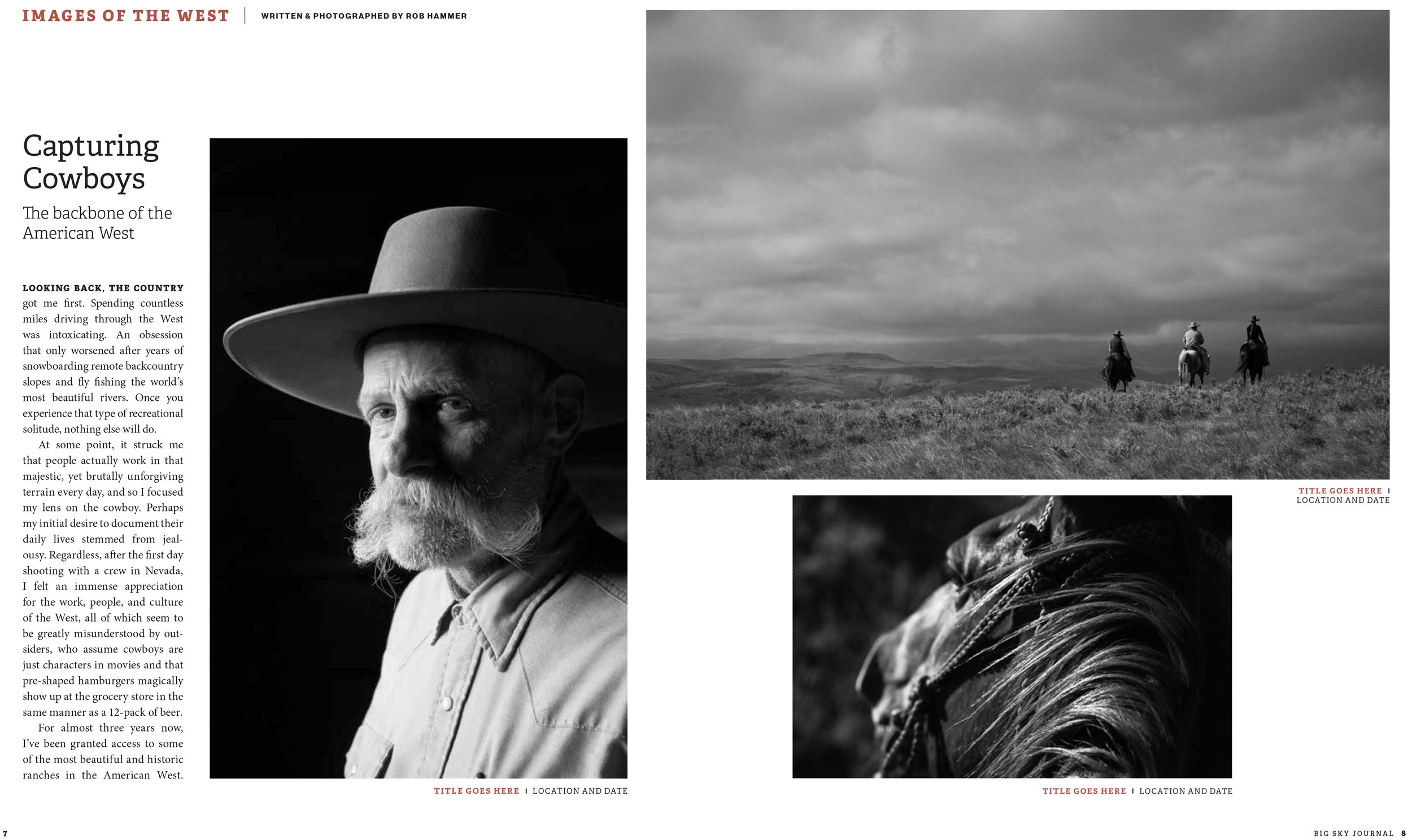
The largest cattle ranch in the Southwest was the backdrop for one of my feature assignments with Western Horseman Magazine. But what that experience taught me goes far beyond one location—it’s proof of what I can bring to any ranch, any story, anywhere.

When a magazine or brand hires me, they don’t just get photos. They get someone who knows how to work in remote country, navigate ranch protocols, gain trust, and produce visuals with authenticity, emotion, and technical quality.

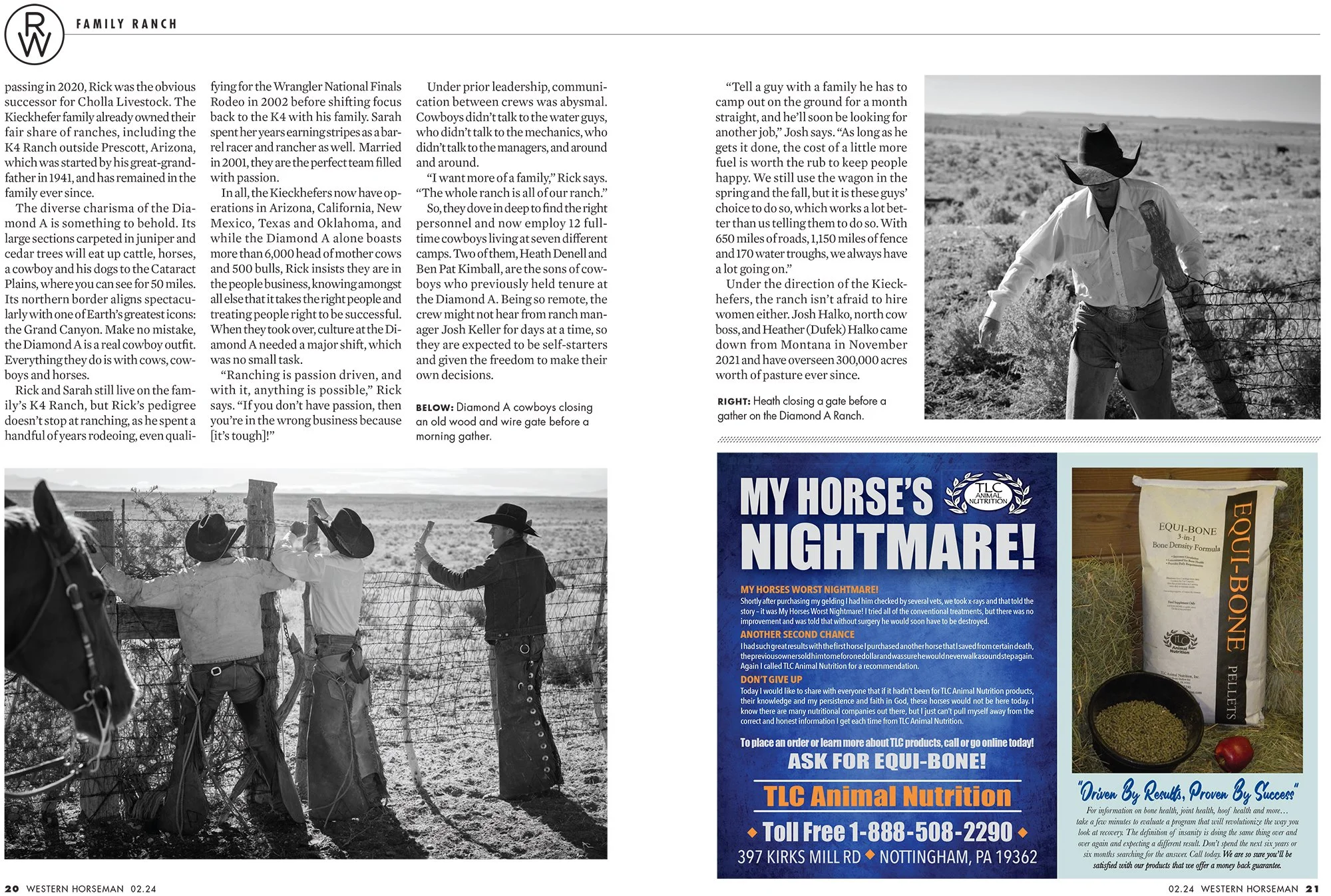
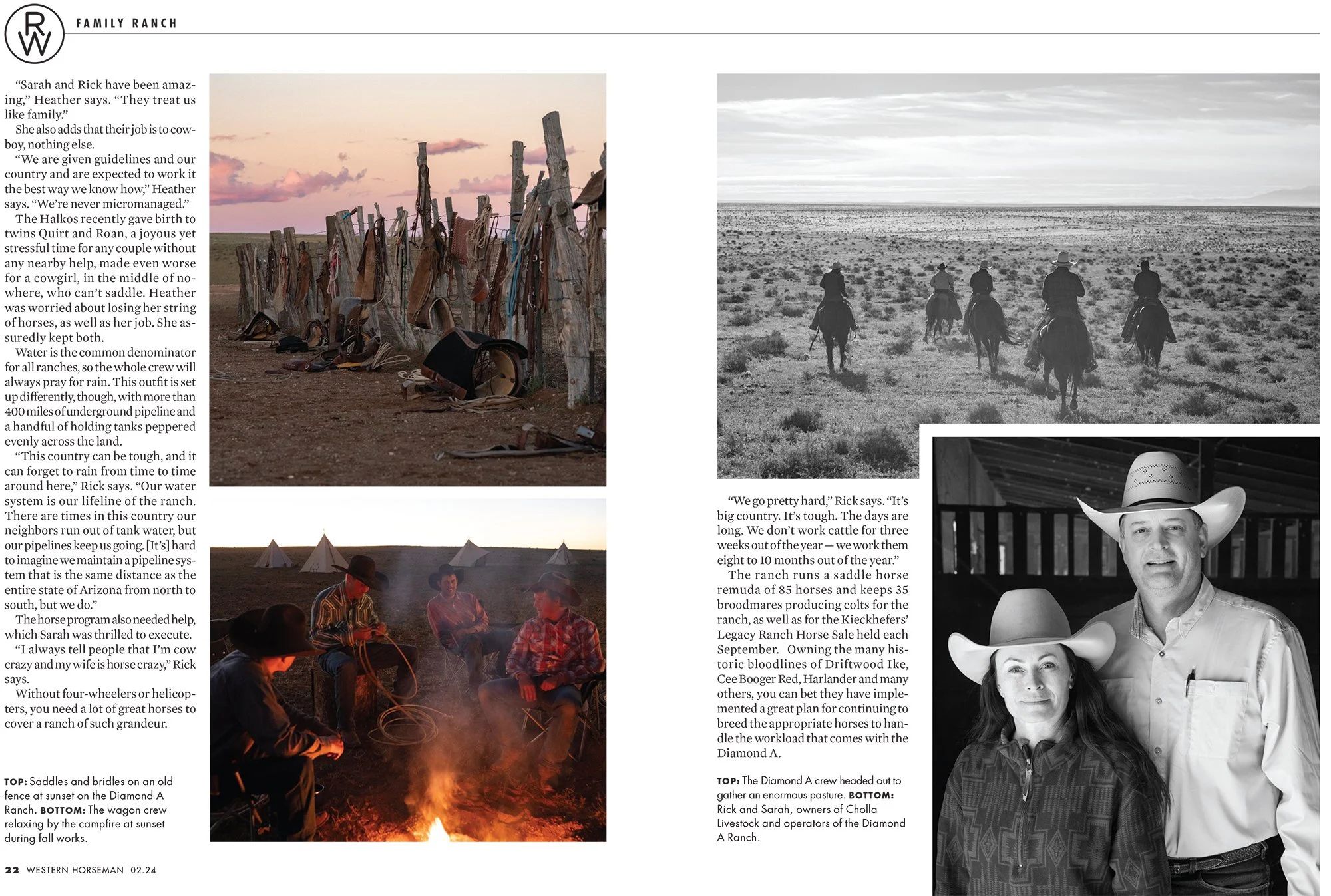
On the Diamond A shoot, I captured wide scenes, close portraits, action frames—each image crafted for storytelling. I’ve licensed those images, seen them published, and held to deadlines and narrative needs. This is the kind of work I’m ready to do for your next piece: whether a feature story, coffee table spread, hospitality branding, or campaign that needs real Western grit.

Let’s talk about your project. I can help with:

  • Editorial assignments (magazine features, online storytelling)

  • Licensing imagery for publications or brand use

  • Commissioned ranch photography for hospitality, books, or design

Scroll through the Diamond A images below and imagine what we could do together for your next Western story and get in touch if you’d like to collaborate - rob@robhammerphotography.com

You can also view a selection of fine art cowboy photography prints or more from cowboy series

Original article from the magazine:

A crew of 5 leaves the corrals at a trot, heading out to gather a pasture that only ends at the morning sun hovering above the horizon. It feels like watching a fleet of sailboats gracefully catch wind from harbor into the open ocean, getting smaller and smaller until they melt into the sea. There’s no telling when or if they’ll ever return. Such is life for cowboys on the Diamond A Ranch outside of Seligman, Arizona. At 725,000 acres it’s the largest in the southwest and aptly nicknamed The Big Boquillas. 

“Don’t hire him if his wife isn’t there for the interview” says Sarah Kieckhefer to her husband Rick - owners of the Diamond A. She knows it takes a special breed to work this kind of spread and deal with such solitude. If the wife shows up sight unseen on day 1 and realizes her camp is 3.5 hours from the nearest town with a grocery store, it doesn’t matter how handy the cowboy is, they won’t be staying long. The land itself is owned by the Navajos and was leased for 32 years by the legendary Harvey Dietrich, who hand picked Rick in 2018 as his successor. The Kiechkefers already owned their fair share of ranches, including the K4 outside Prescott, which has been in the family since his great grandfather started it in1941. So Rick didn’t jump at Harvey’s offer until he said “you know, they aren’t making any more land”. A hard fact to argue for anyone looking to grow, and it’s not everyday that a ranch of this size falls in your lap. So he accepted the full lease in 2021, increasing his acreage overnight by roughly the size of Rhode Island. 

The diverse charisma of the Diamond A is something to behold. From its large sections carpeted in Juniper and Cedar trees that will eat up cattle, horses, a cowboy, and his dogs, to the Cataract Plains, where you can see for 50 miles. Oh, and its northern border collides eloquently with one of planet earth’s greatest icons - The Grand Canyon! But make no mistake about it, The Diamond A is a real cowboy outfit. Everything they do is with cows and horses. There is no oil money like most in Texas. Rick and Sarah still live on the family ranch, so it’s no surprise that they continue the dying tradition of pulling a wagon for the Diamond A’s spring and fall works. Rick’s pedigree doesn’t stop at ranching, as he spent a handful of years rodeoing in the NFR (2001-2006), before shifting focus back to the K4 with mom+dad. Then spreading his wings further with the purchase of a few other leases and a feed yard near the Mexican border. Sarah spent all of her years earning stripes as a barrel racer and rancher as well. The perfect team. And while the Diamond A alone boasts 8,000 head of mother cows, he insists they are in the people business. Knowing amongst all else that it takes the right people, and treating people right. When they took over, culture at The Big Bo needed a major shift,  which was no small task, but as Rick says “Ranching is passion driven. If you don’t have passion then you’re in the wrong business, because it’s a tough son of a buck”. Under prior leadership, communication between crews was abysmal. Cowboys didn’t talk to the water guys, that didn’t talk to the mechanics, and around in a circle. Rick says “I want more of a family. The whole ranch is all of our ranch”. So they dove in deep to find the right personnel and currently employ 12 full time cowboys living at 7 different camps. Two of which (Heath Denell and Ben Pat Kimball) are the sons of cowboys that previously held tenure at the Diamond A.  Being so remote, the crew might not hear from the boss for days at a time, so they are expected to be self starters, but also given the freedom to make their own decisions. Tell a guy with a family he has to camp out on the ground for a month straight, and he’ll soon be looking for another job. As long as he gets it done, the cost of a little more fuel is worth the rub to keep people happy.  The Kiechefers aren’t afraid to hire women either if they come as a team. Josh Halko (cow boss) and Heather (Dufek) Halko came down from Montana in November of 2021 and have overseen 300,0000 acres worth of pasture ever since. “Sarah and Rick have been amazing. They treat us like family” says Heather. She also adds that their job is to cowboy, nothing else. “We are given guidelines and our country, and expected to work it the best way we know how. We’re never micromanaged.” The Halko’s recently gave birth to twins (Quirt and Roan). A joyous yet stressful time for any couple without any nearby help. Even worse for a cowgirl in the middle or nowhere that can’t saddle. So Heather was worried about losing her string of horses as well as her job. She assuredly kept both.

Water is the common denominator for all ranches, so the whole crew will always pray for rain. This outfit is set up a bit differently though, with 400 miles of underground pipeline and a handful of holding tanks peppered evenly across the land. Nevertheless,  genetics were changed by bringing down heifers from Montana and the Dakotas that would be more tolerant of Arizona’s weather conditions. The horse program also needed help, which Sarah was thrilled to execute. “I always tell people that I’m cow crazy and my wife is horse crazy,” says Rick. Without four wheelers or helicopters, you need a lot of great horses to cover a ranch of such grandeur. Rick again adds “We go pretty hard. It’s big country. It’s tough. The days are long. We don’t work cattle for 3 weeks out of the year. We work em’ 8 months out of the year.” Owning the historic bloodlines of Driftwood Ike, you can bet they have implemented a great plan for continuing to breed the appropriate horses. And have already attracted some big names to their own Legacy Ranch Horse Sale. 

Sarah will be the first to tell you that her husband’s greatest asset is progressive thinking. He always gives a considerable amount of his already overflowing days and nights to what will be best for the ranch 1, 5, 10, and 20 years from now. He knows that you need to diversify in order to survive, so he took cues from Dietrich about meat packers suppressing the industry and making record profits, while the producers remained handcuffed. Unfortunately Harvey passed on Christmas Eve of 2020, but the building blocks were already in place to “write their own story”, dedicating 20% of production to boxed beef. And after a few years of figuring out all the moving parts, their gourmet products can now be found in such restaurants as the 5 star - Orange Sky and Phoenician in Phoenix as well as the Royal Palms and Sanctuary in Scottsdale. They’ve even attracted famous chefs like Chris Bianco that want to collaborate because they believe in the story and the product. If that sounds glamorous, think again. Only the middle meats of each cow can be sold to a restaurant, so ranchers need an outlet for the remaining 75%, or they’ll soon be out of business. And, if you can’t  deliver a year round supply, your partners will find someone who can. The Kiechefers want to grow their boxed beef sales to about 30-40%, but the main goal is to be better every day in every aspect of their business through efficiency. And the best way to achieve that in their mind, is having people that want to be there. People that feel ownership and pride in the ranch. Ricks says “the most important thing is that it’s those guys this year, those guys next year, and it’s those guys the year after making the decisions”.
Cowboys on the Diamond A Ranch in Arizona
Western cowboy photographer for brands and magazines

Western photography for magazines and brands

Photographer serving the American cattle industry

Editorial photography services for the cattle industry

Commercial cowboy photographer based in Denver, CO

Cowboy photographer for editorial and commercial assingments

East Coast Photography

Small Town America - Photography

Road Trip - American Culture

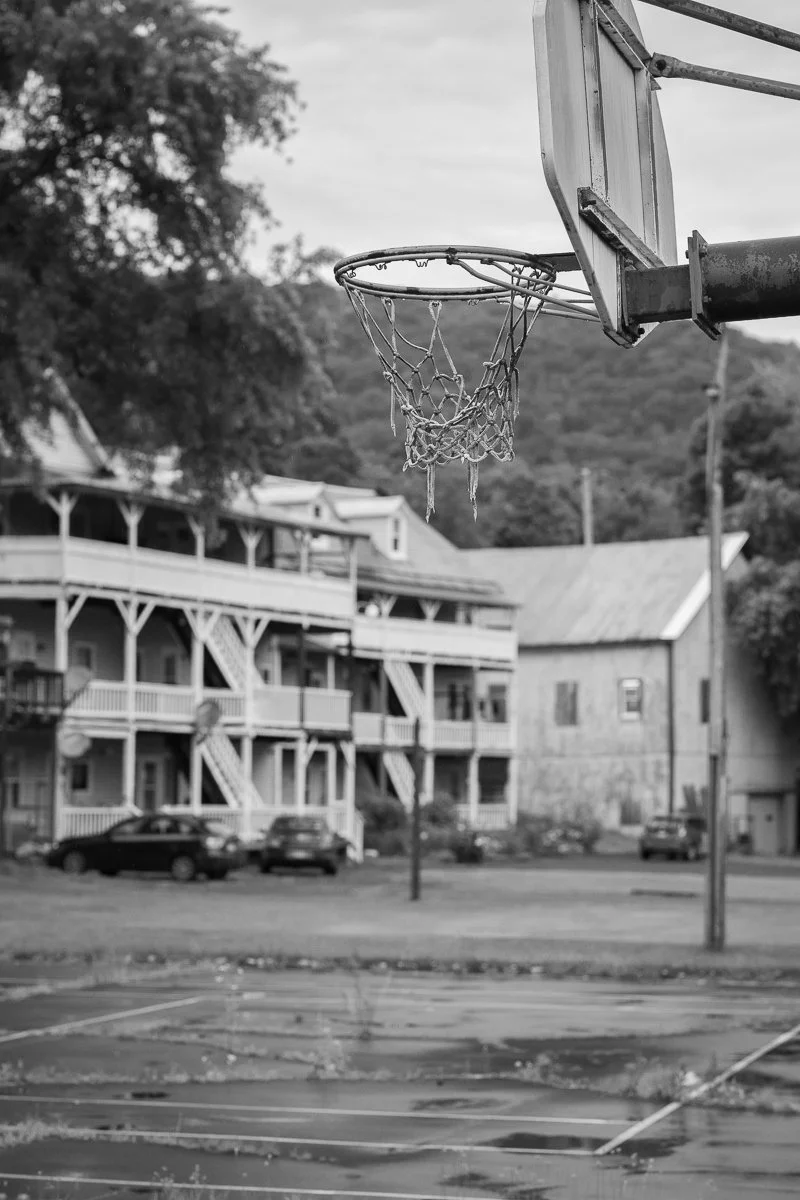
Cross country road trips have been a constant in my life for the past 12+ years, particularly in late December driving from San Diego, CA to upstate NY to visit family for Christmas. This year though, it was significantly shorter as we are currently living in North Carolina. If you want advice on the most soul sucking drive in the USA, it’s I95 from Raleigh to Albany. Avoid it at all costs. I did it once in a straight shot due to a severe lack of time and will never do it again. As a photographer you’re much better off committing to the many backroads that will get you to the same place while also delivering a much better experience. Here are a few images from PA and NY. Pennsylvania has always been a fascinating state. There is a sadness to a lot of the towns, particularly in the rust belt, but they are all undeniably American. Plenty of towns in America could be anywhere in America, but the majority of Pennsylvania makes you acutely aware that you are in a place.
Click here to see more of my American Photography

Union Cemetery - Hudson Falls, NY

Pittston, Pennsylvania

Wilkes-Barre, Pennsylvania

Edwardsville, Pennsylvania

Pittston, Pennsylvania

Pittston, Pennsylvania

Hudson Falls, New York

Lake George Nature Photography

Lake George Landscape Wall Art

Adirondacks in the Fall - Prints

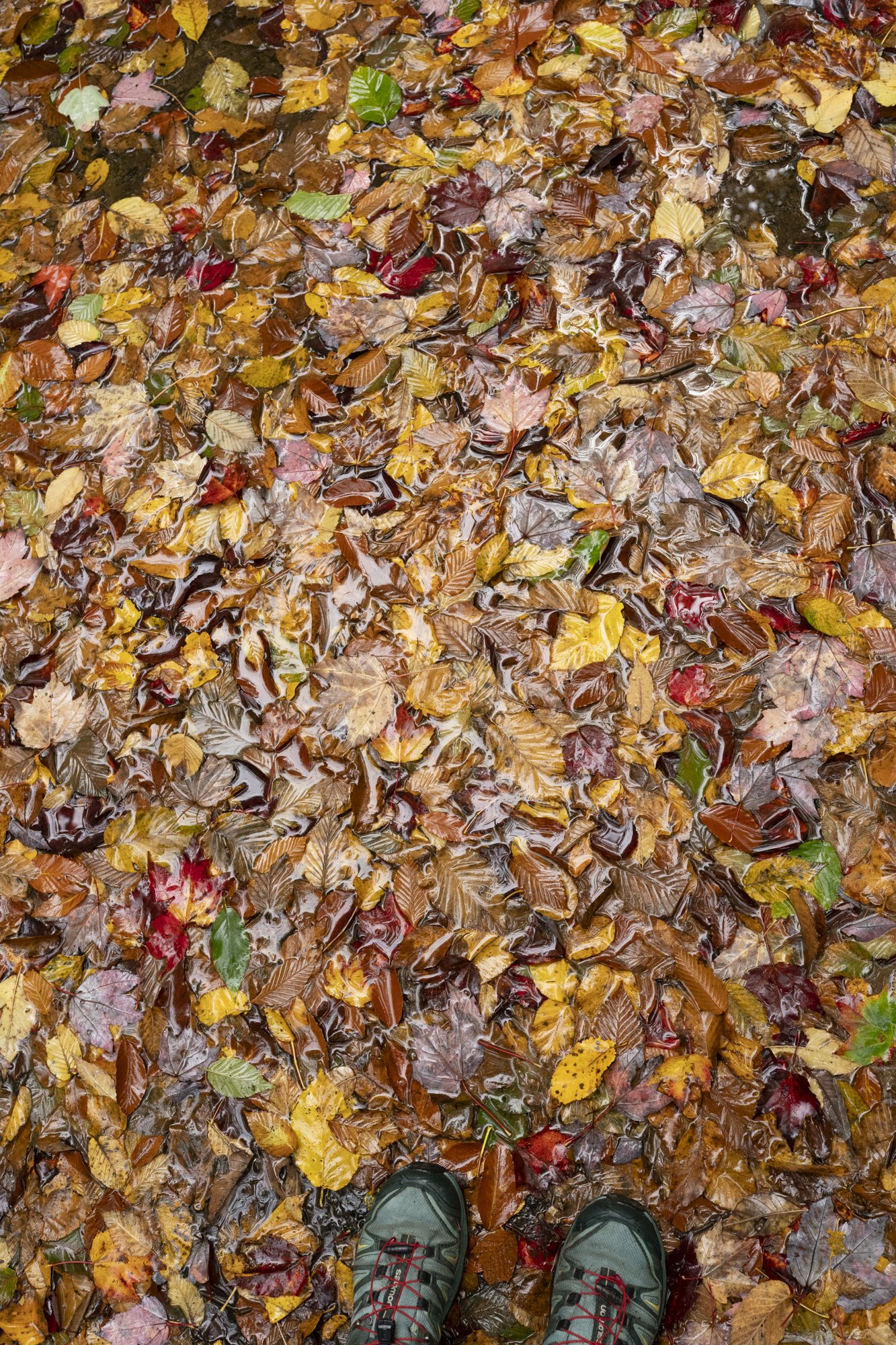
Feeling very grateful after spending the entire month of October in the Adirondacks, more specifically in Lake George, NY. And what a time it was to be there with the fall foliage in all it’s glory. After living in a place essentially without seasons (San Diego), it was refreshing to be around all that color. I did some shooting for a regional magazine which required a lot of hiking around the lake up Pilot Knob Trail, Black Mountain Trail, and Cat Mountain Trail. The main focus was to shoot hiking, but of course the surroundings were so inspiring that I had to make some landscape photographs along the way. Can you call these landscapes?? I suppose they are more abstract nature photographs.

Contact me directly about Lake George wall art. All of my images are available as prints in varying sizes for your home, office, or commercial space.

Black and white photograph of a forest in Lake George, NY

Fine art nature photograph in Lake George, NY - Adirondacks

Lake George, New York landscape photography

Lake George Nature Photography - Adirondacks

Photography print of the fall foliage in Lake George, NY

Lake George Nature Photography Prints

Photograph of a hike in Lake George, NY during the fall foliage

Fall foliage in Lake George, NY - Nature Photography

Landscape photography of a forest in Lake, George, NY during fall foliage

Nature Photography - Lake George, NY - Adirondack Prints

Black and white nature photograph of the forest in Lake George, NY

Black and white nature photography - Lake George, NY

Arizona Cattle Ranch

Cowboy Ranch Life in Arizona — A Working Ranch Photo Essay

Photographing a Working Cattle Ranch in Rural Arizona

Arizona ranching doesn’t look the way most people imagine it. There are no dramatic mountain backdrops or postcard moments waiting around every corner. Most days are quiet. Dry. Spread out. The work blends into the land in a way that feels almost invisible unless you slow down enough to notice it.

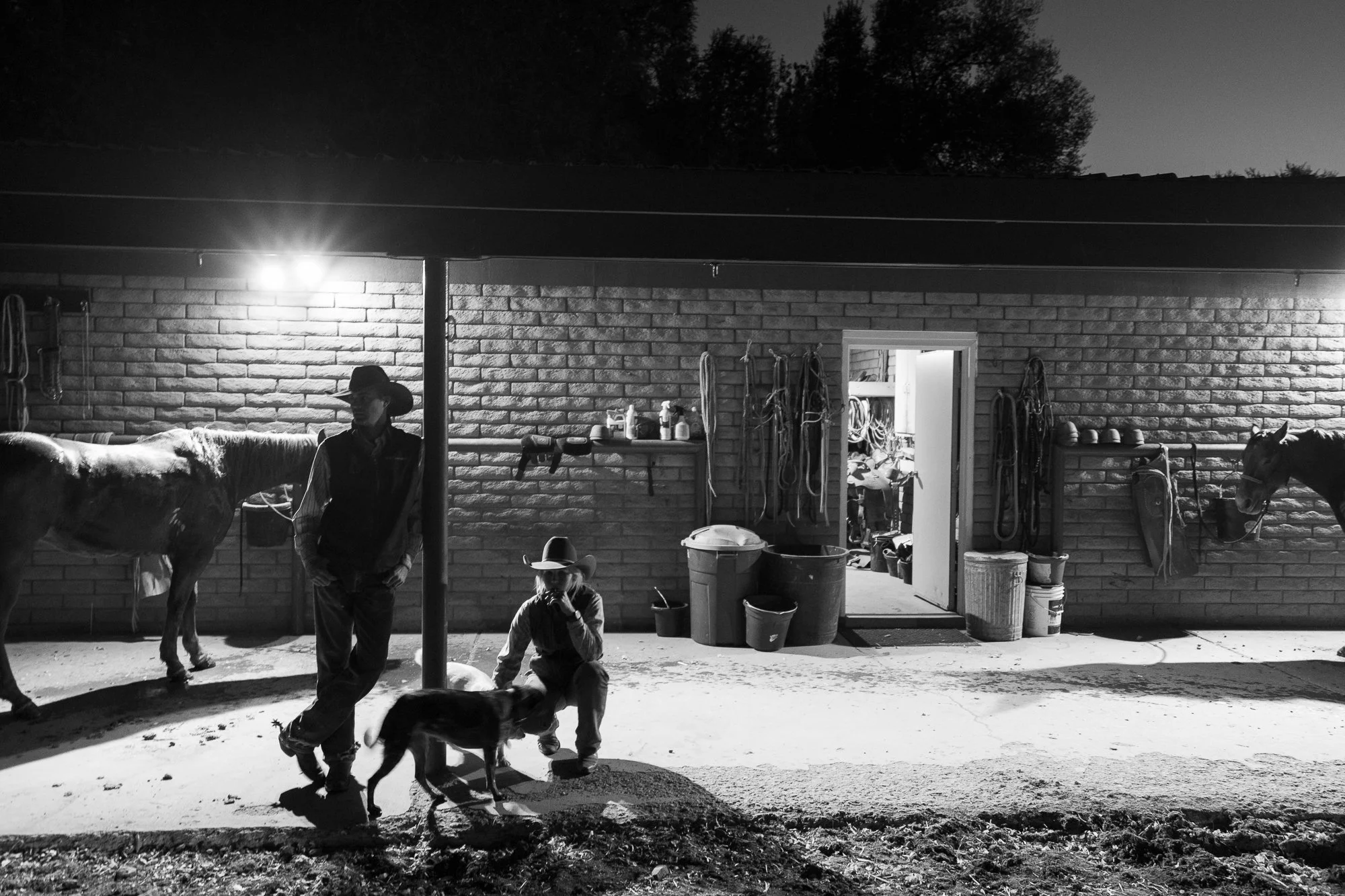
These photographs were made on a working cattle ranch in rural Arizona. No staging. No recreations. Just day-to-day ranch life as it happens — early mornings, long distances, and a rhythm that hasn’t changed much because it doesn’t need to.

Ranch work in Arizona is shaped by the environment more than anything else. The land dictates the pace. Heat, dust, and long distances through dense brush are part of every decision, and nothing happens quickly unless it has to. You feel that right away when you’re there.

What struck me most wasn’t any single moment, but how steady everything felt. Horses saddled without ceremony. Gates opened and closed out of habit. Work done without commentary. It’s not dramatic, but it’s real — and that’s what makes it worth photographing.

Ranching in Arizona Isn’t Romantic — It’s Practical

A lot of imagery of the American West leans hard into nostalgia. This place doesn’t ask for that. Ranching here is practical and stripped down. The landscape doesn’t allow for much excess.

The cattle are moved when they need to be moved. The horses are tools as much as companions. There’s very little separation between work and daily life, and no sense that anyone is trying to preserve an image for the sake of outsiders. It simply exists.

That honesty is what drew me to photograph here.

The K4 Ranch

The photographs in this series were made at K4 Ranch, a working cattle operation where ranching still follows the land rather than trends. Like many ranches across Arizona, it operates quietly, without much outside attention, doing the same work it has for generations.

Places like this don’t always make headlines, but they form the backbone of ranching culture in the Southwest. They’re also disappearing faster than most people realize.

Why Photograph Places Like This

I’ve spent years photographing working cowboys and ranches across the American West, and the more time I spend in places like this, the more important it feels to slow down and document them honestly.

Not to turn them into symbols — but to show what’s actually there.

These photographs aren’t meant to romanticize ranch life or explain it. They’re simply a record of people working, land being used, and traditions continuing without much concern for being noticed.

Arizona Cowboy Photography Prints

Photographs from this Arizona ranching series are available as museum-quality fine art prints. Each print is produced in small editions and made to live with — not just be scrolled past.

View available cowboy photography prints

This story is also part of a larger, ongoing project documenting real working cowboys and ranch life across the American West.

View the complete cowboy photography gallery

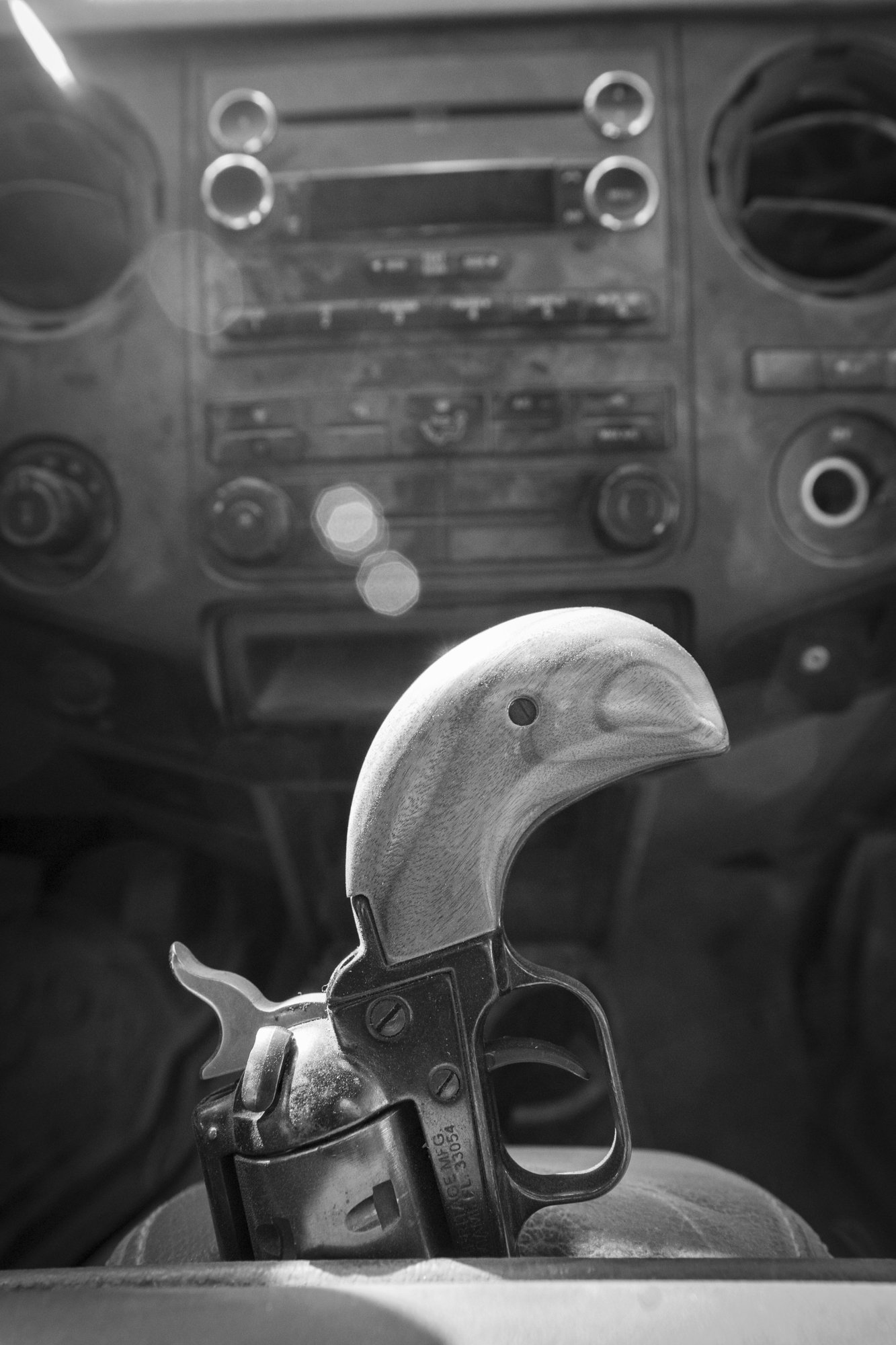
Photograph of a revolver gun in the console of a cowboy's pickup truck

A cowboy’s revolver

Black and white photograph of husband and wife cowboys

Brady and Marianne Clark - Cowboys

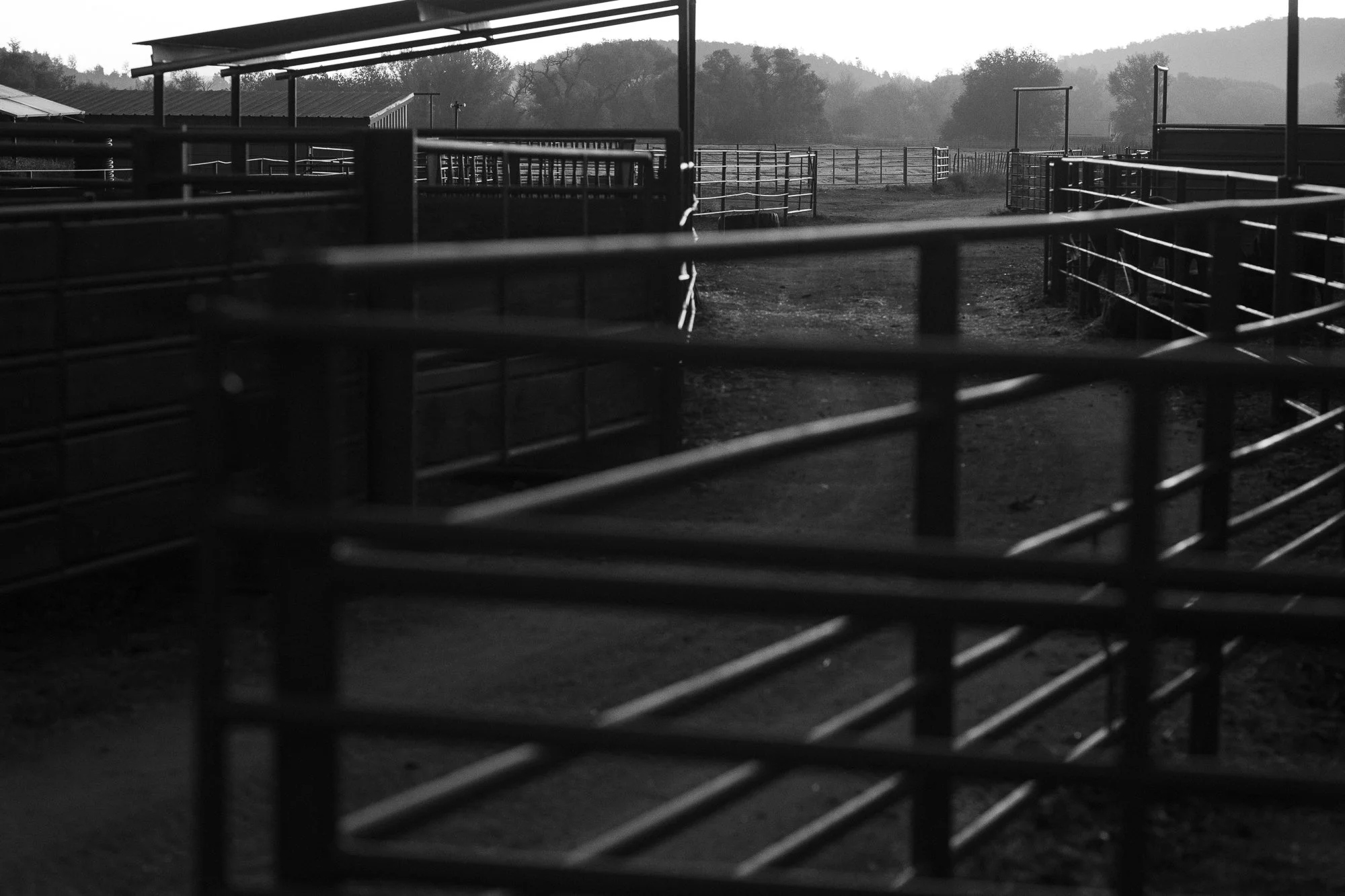
Early morning light illuminates corrals on a working ranch in Arizona

Horse corrals on the K4 Ranch in Prescott Arizona

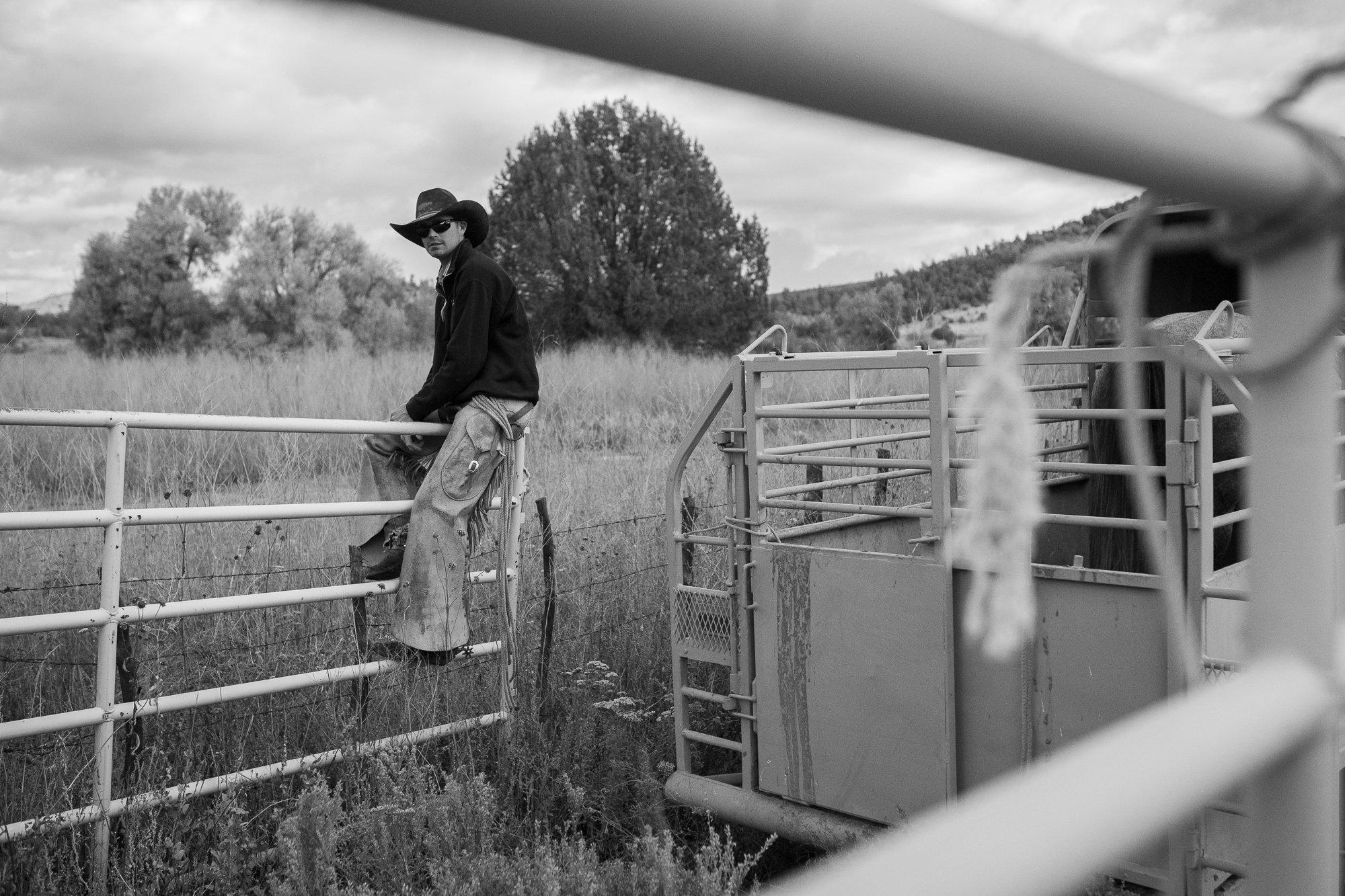
Black and white photograph of a cowboy on an Arizona cattle ranch

Brady Clark - Cowboy

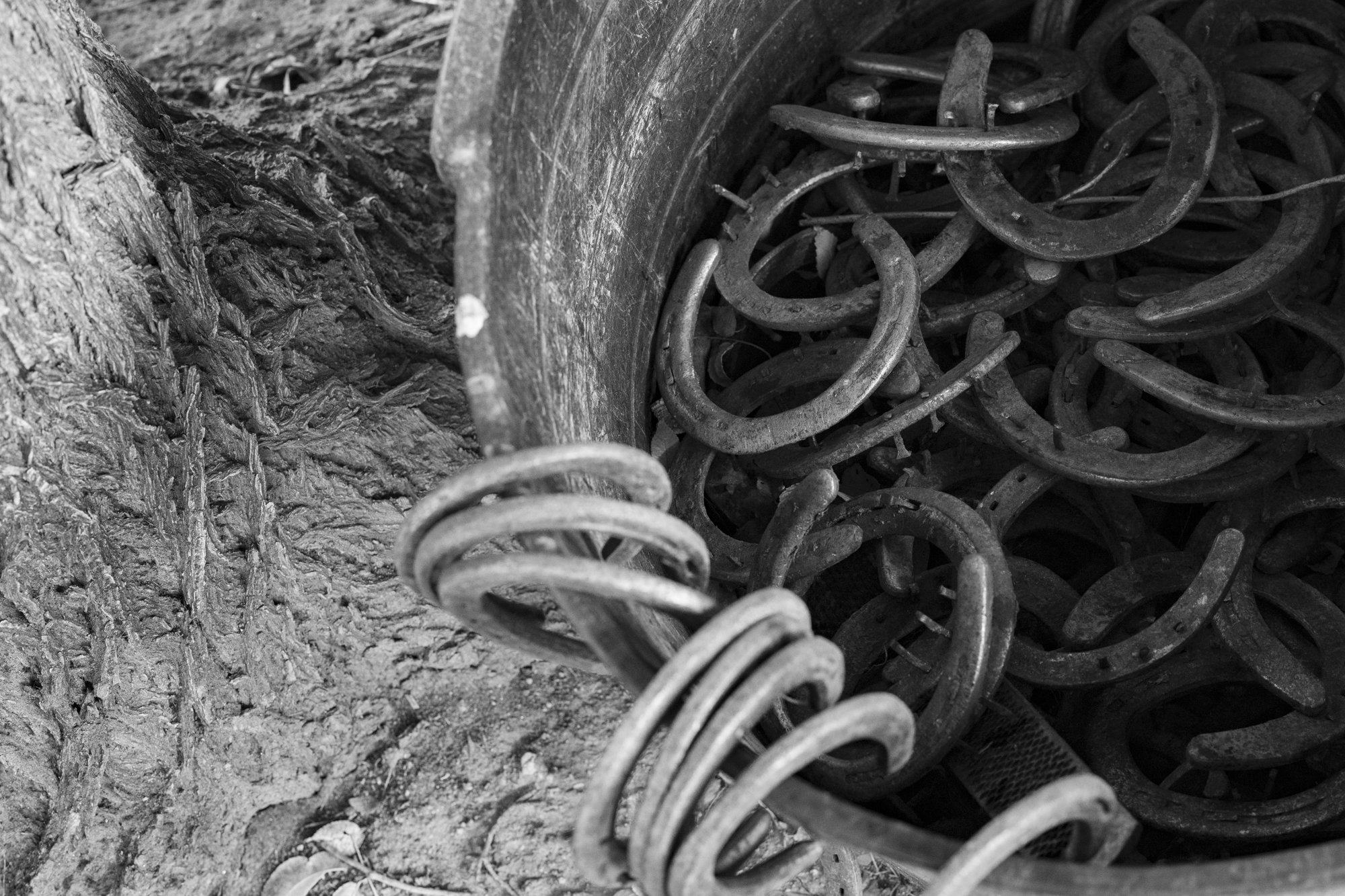
Photograph of a bucket of horseshoes on a cattle ranch in Arizona

Photograph of used horseshoes sitting in a bucket on a cattle ranch in Arizona

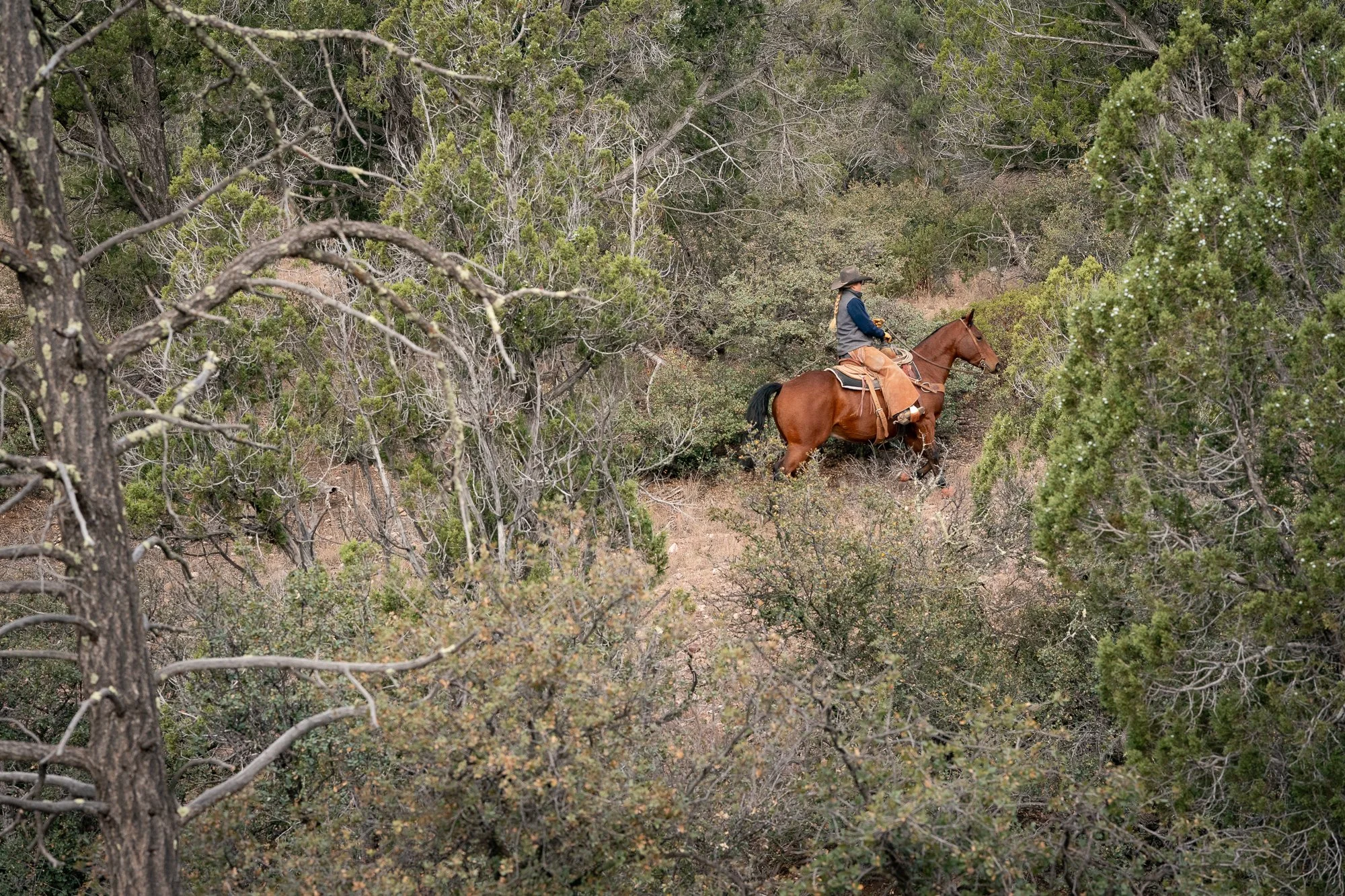
Photograph of a cowboy riding through thick brush on an Arizona cattle ranch

Cowboy riding through thick brush

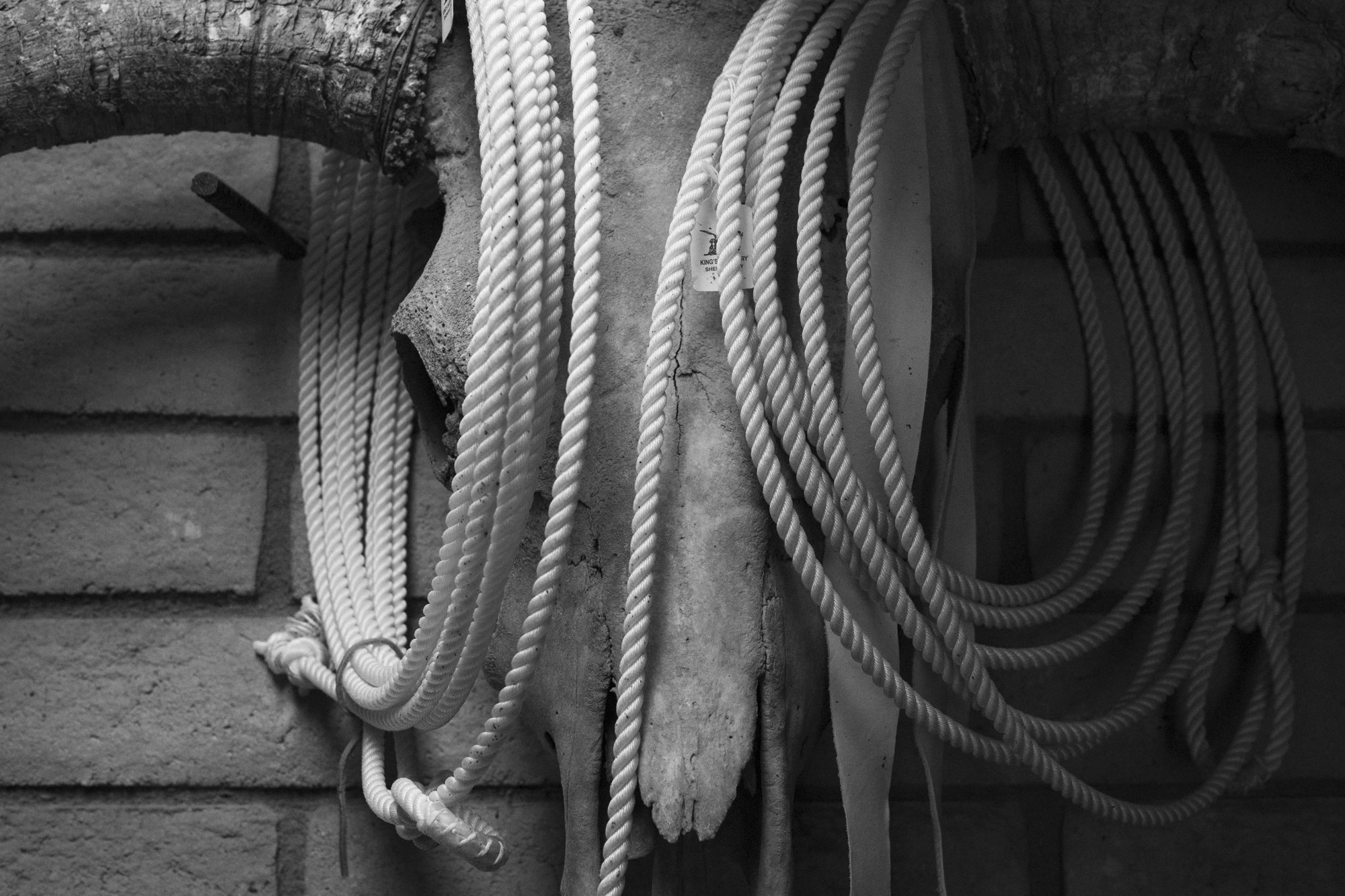
Cowboy lariats hanging on a cattle skull on a working ranch in Arizona

Ropes from King’s Saddlery hang on a cow skull on the K4 Ranch in Prescott, Arizona

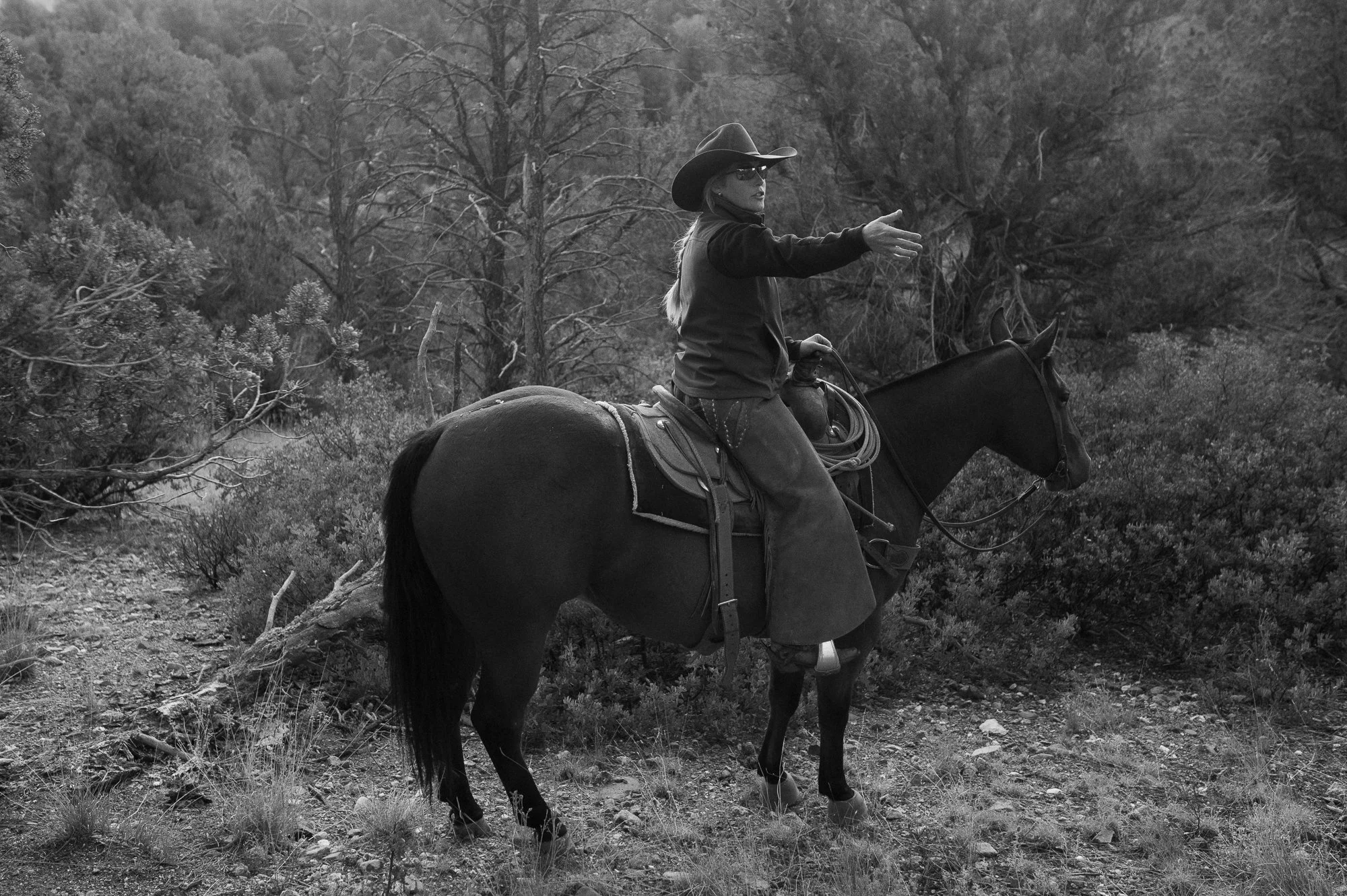
Photograph of a working Arizona cowgirl on her horse in a thick forest

Working Arizona cowgirl - Marianne Clark

Photograph of a cowboys roping dummy

Photograph of a roping dummy on a cattle ranch in the American West

Rick and Sarah Kieckhefer - owners of the largest cattle ranch in the Southwest United States

Rick and Sarah Kieckhefer - Arizona cattle ranchers

Photographs of a cowboys horse shoeing station on a Arizona cattle ranch

A cowboy’s shoeing station for his horse on a cattle ranch in Arizona

Black and white photograph of male and female cowboys mounting horses in Arizona

Arizona cowboys getting on their horses before a day of work

Black and white photograph of a cowgirl feeding horses on a beautiful cattle ranch

Cowgirl feeding horses

A cowboy riding his horse an an Arizona cattle ranch

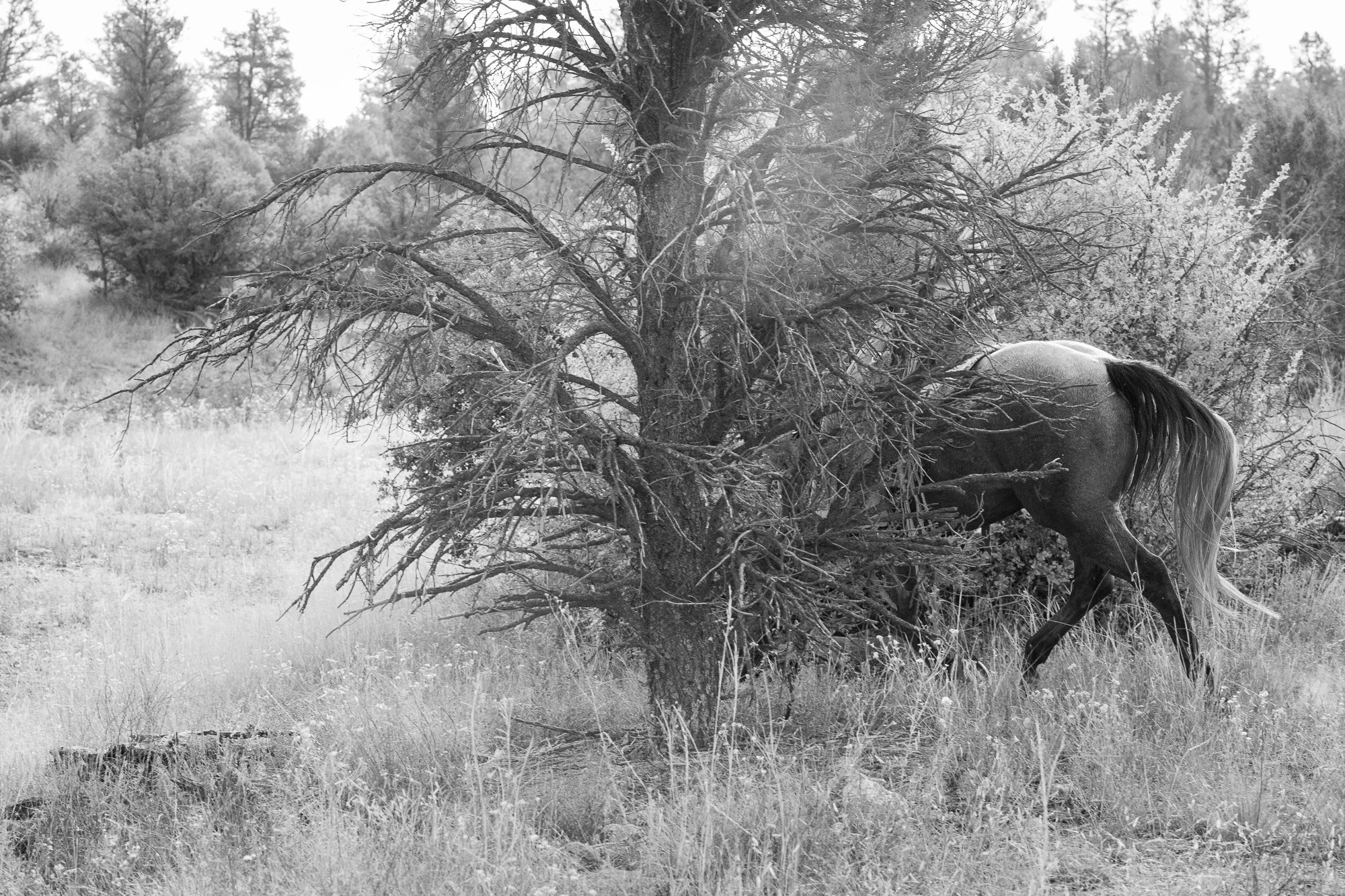
Horses running free on an Arizona cattle ranch

A cowgirl puts her world champion saddle back in the saddle house on a cattle ranch

World Champion Cowgirl

Photograph of a cowboy saddling his horse on the K4 Ranch in Prescott, Arizona

Saddling a horse on the K4 Ranch in Prescott, AZ

Photograph of an Arizona cowgirl riding her horse through dense forest

Arizona cowgirl riding her horse through rough forest

Photograph of a three legged cattle dog

3 legged cattle dog

American Road Trip Photography

The Great American Road Trip - Photography

When are you supposed to say enough is enough and move on to another subject? Roadside Meditations was published a few months back, which would (should?) be the logical line in the sand stating ok, you did the thing, now try something else! And a person smarter than myself would probably do that! History thus far does not comply. My long term personal project are just that, personal. So I might partially focus on a new subject, but I’m always on the look-out for images that fit the older projects too. It’s not intentional. It just is. I love these projects and can’t help myself.

Click HERE to purchase a copy of Roadside Meditations or contact me directly to inquire about prints of my American road trip photography.

Photograph of a road going through a beautiful cattle ranch in Montana

Wyola, Montana

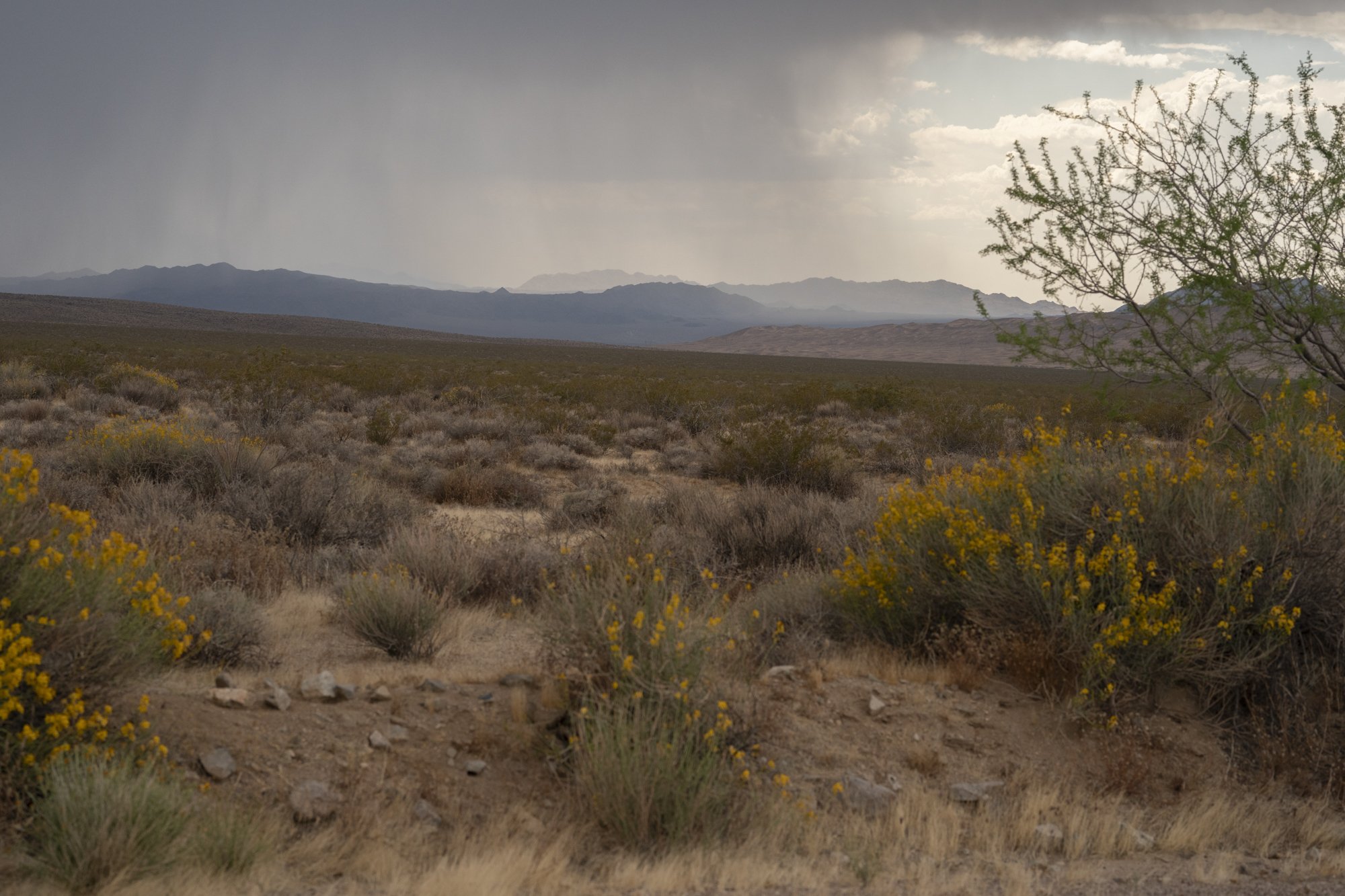
Landscape photo of the California desert

California desert

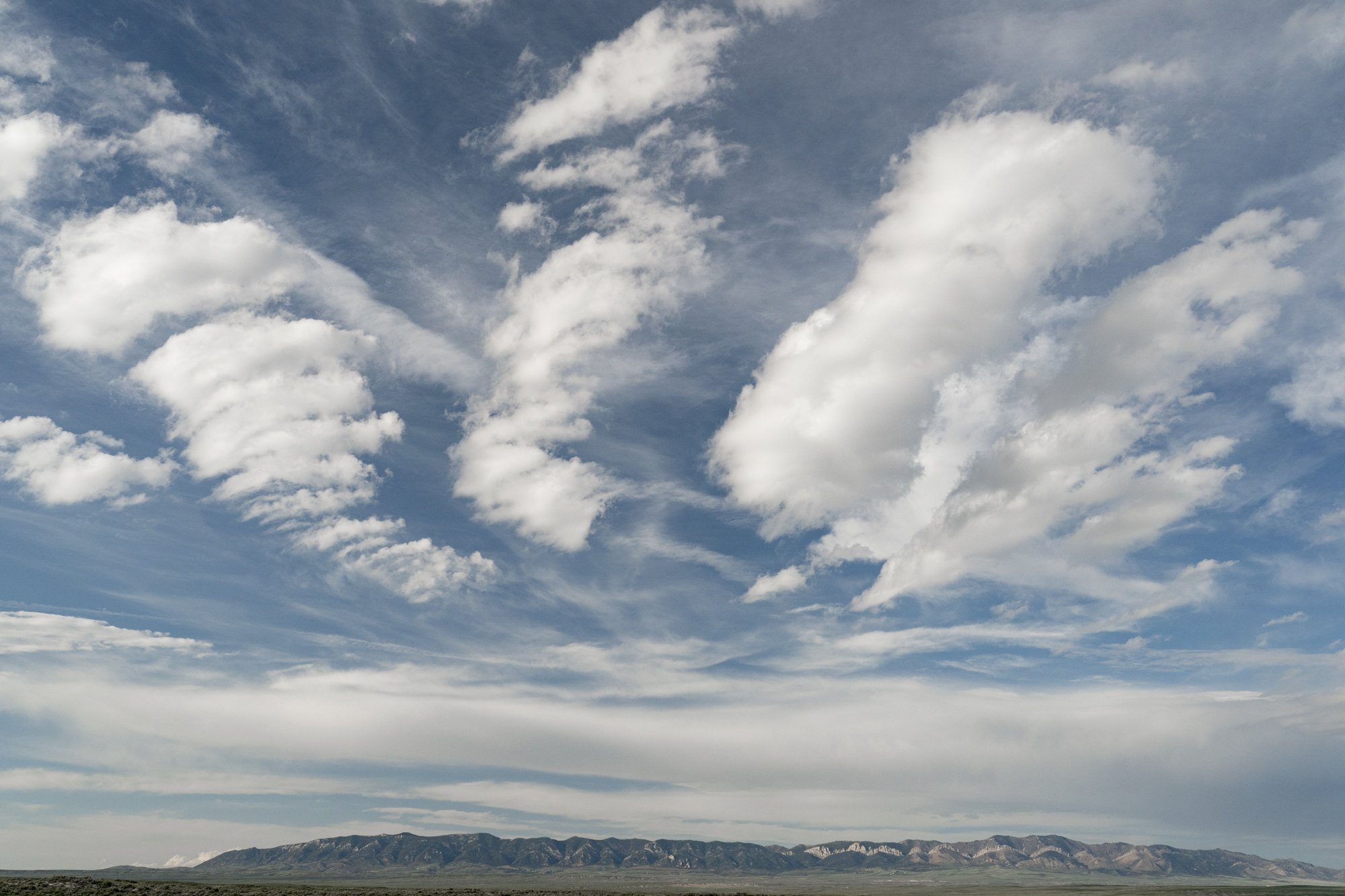
Photograph of a vast Wyoming landscape

Wyoming

Landscape photo of the California desert

California desert

Photograph of a train going through the landscape of Parker, Wyoming

Parker, Wyoming

California desert road trip photo

California desert

Photograph of plants in the California desert

California desert

Aerial Photograph of a road going through a desolate section of the California desert

California desert