Duck Decoy Carver Photographs

Zach Benson: Duck Decoy Carver

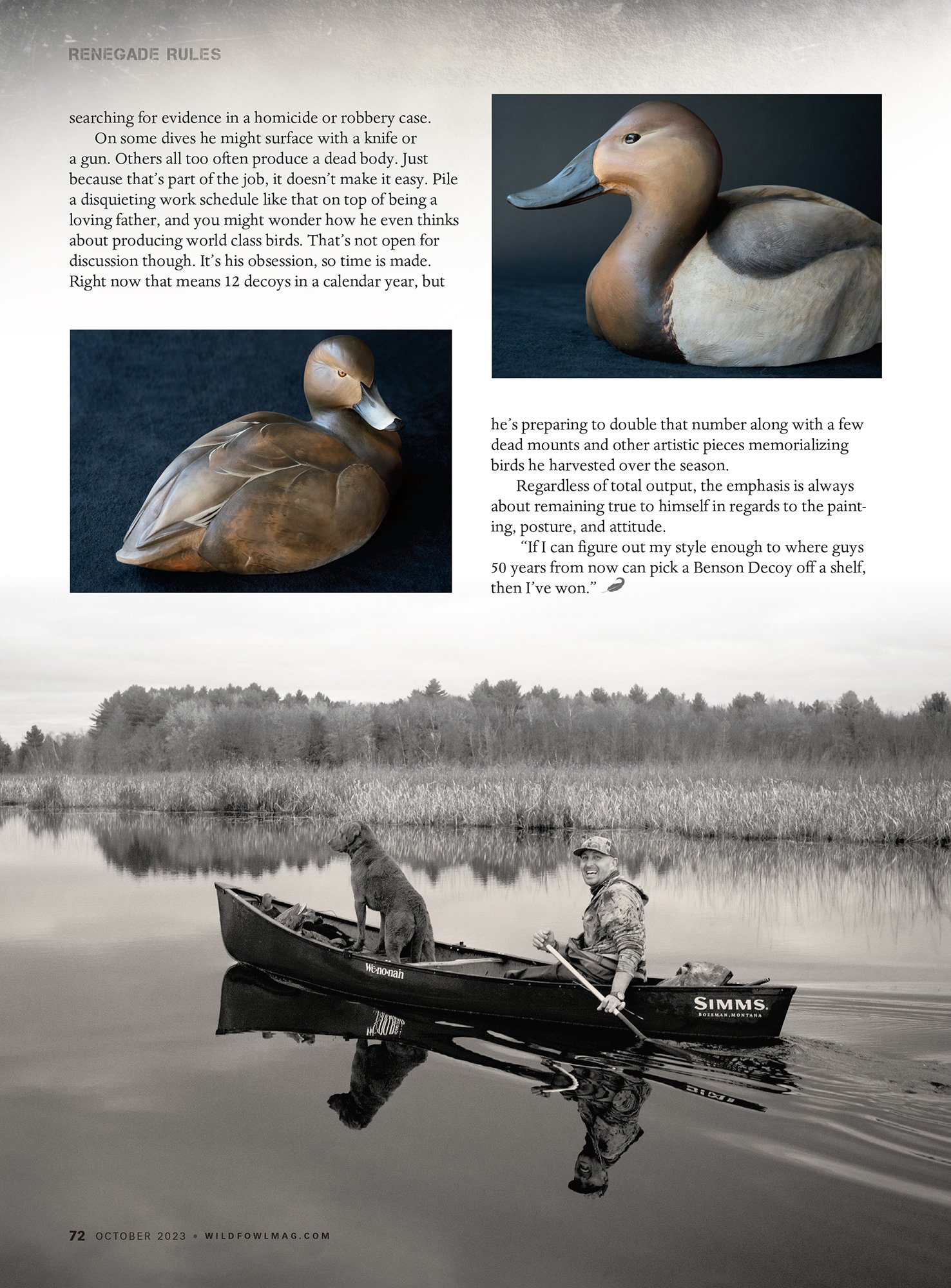
The world of waterfowl hunting gets smaller the closer you look at the people who shape its culture. Among duck decoy carvers, the group of artists working at the highest level is even smaller.

Zach Benson belongs in that company.

Based in upstate New York, Benson is known throughout the waterfowl community for carving one-of-a-kind decoys that blur the line between hunting tools and fine art. Each bird begins with cedar trees harvested from his own property. The wood is milled and stacked in his barn where it dries for nearly a year before the carving begins. From there every detail—from the posture of the bird to the layers of oil paint—is done by hand.

The result is a decoy that feels alive.

The Art of Hand Carved Duck Decoys

Many duck decoy carvers begin the same way Benson did: by necessity. While still in college he wanted a spread of decoys to hunt over, but couldn’t afford one. So he started carving his own.

What began as a practical solution slowly turned into a craft.

Over time his work developed a distinct style. Benson’s birds rarely sit in the stiff, symmetrical poses common in competitive carving. Instead they feel animated—often caught mid-movement, heads turned, bodies leaning forward as if reacting to something happening on the water.

They have attitude.

It’s a style that collectors immediately recognize.

Why Zach Benson’s Decoys Stand Out

Early on Benson competed in major carving shows like the Clayton Decoy Show and the Oregon Waterfowl Festival. These competitions are famous in the decoy world, but they also come with strict judging rules.

For Benson, those rules quickly became limiting.

Instead of chasing ribbons, he decided to focus on carving birds the way he saw them in real life—ducks with personality, movement, and a little bit of edge. Today he still attends the Clayton show each year, but not to compete. Like many respected carvers, he simply brings new work and shows it informally to collectors moving from room to room.

It’s a very different kind of marketplace.

If you want one of his birds, you usually have to be paying attention.

Duck Hunting, Art, and Waterfowl Culture

Decoy carving has always lived at the intersection of hunting and folk art. The best decoys are functional, but they also carry the personality of the person who carved them.

Benson’s work fits squarely in that tradition.

His birds are hunted over, collected, and displayed by people who appreciate the deeper culture of waterfowl hunting. The same culture that wakes hunters before daylight, pushes canoes through marsh grass, and keeps traditions alive across generations.

Photographing Zach in his shop felt like documenting that entire world in miniature—the smell of cedar shavings, the quiet focus of carving, and the transformation of a block of wood into something that looks ready to swim.

Related Work

If you’re interested in waterfowl culture and duck hunting photography, you may also want to see:

Photograph of the best duck decoy carver

Famous duck decoy carver Zach Benson

Photograph of a famous duck decoy carver at work in his shop

Zach Benson at work in his shop painting duck decoys

Photograph of a waterfowl hunter with his dog in a marsh

Benson with his dog Bo, waterfowl hunting in a marsh in Upstate, NY

World famous duck decoy carver Zach Benson

One of a kind duck decoys

Photographs of world class custom duck decoys

Hand carved and painted duck decoys
Boots O'Neal

Boots O’Neal - Cowboy - 6666 Ranch - Texas

Being a photographer has been a great pleasure and an even greater adventure. It’s taken me to some outstanding parts of the earth and allowed me to photograph some of the most famous athletes on it. “Who is your favorite?”, has always been a common question. Until recently that was an impossible question to answer. Now my final is abundantly clear - it’s the legendary Texas cowboy Boots O’Neal. Boots is a 90 year old cowboy on the iconic 6666 Ranch. A more inspiring human you will not meet. To learn more about him continue reading this piece I wrote that was originally published with Wrangler.

View More Cowboy Photography From The American West

Tom Moorhouse - Texas Cowboy

Fine Art Cowboy Prints

Branding Season at the 6666 Ranch

The photographs above are just one piece of a much larger story. Branding season at the 6666 Ranch is a coordinated effort and well oiled machine run by first class cowboys.

→ See the complete 6666 Ranch branding photo series

Photograph of legendary Texas cowboy Boots O'Neal on the 6666 Ranch

Boots O’Neal on his horse working cattle in the corrals at the 6666 Ranch

Boots O’Neal and the Tradition of Ranching in West Texas

Imagine for a moment, waking up in the hospital with 12 broken ribs, a punctured lung, broken vertebrae, and a bleeding brain. Now imagine that pain at 82 years of age. Cal Ripken Jr. was Major League Baseball's “Ironman”. Earning the nickname after playing 2,632 consecutive games. Put those end to end and you’ve got over 7 years of straight baseball. An astonishing stat and impressive feat only possible for a human made from the toughest stock. No offense to Mr. Ripken, but that doesn’t hold a candle to the Texas legend - Boots O’Neal, who's been horseback for the better part of the last 75 years. Despite the aforementioned injuries, piled on a lifetime of other broken body parts, the now 90 year old cowboy shows no desire whatsoever to retire. You’d think someone that’s lived in such a way would have a face much resembling their saddle that’s endured as many miles. Instead, O’Neal’s is endearing, and fixed with a perpetual smile that causes you to do the same. The kind of guy that inadvertently makes you a better person just by being in his presence. 

While we’re on the stat train, let’s dole out a few more just to drive the point home, what an outlier he truly is. The average retirement age in America is 62. The average age of death is 78. And a cowboy will normally take home about $31,466 a year. At a time in life when most folks are either dead or in a nursing home, Boots wakes up every morning with excitement to saddle a horse and work cattle alongside fellow cowpunchers that could be his grandkids. People just aren’t built like him anymore. Not a partier, but it would be safe to put O’Neal in the Keith Richards class. Immortal freaks, in the most beautiful way possible. 

Portrait of Boots O'Neal - Cowboy on the 6666 Ranch in Texas. Available as a photography print.

Portrait of Boots O’Neal

Cowboys in general are a strand of human unlike the rest of us. Born not made. And from birth, it was obvious O’Neal created a category all his own. Growing up in the 30’s he was one of 8 children living in a home without running water. The bathroom was an outhouse, and the bath, a tub filled with water and placed next to the kitchen oven, door open for heat. After 3 or 4 of the kids took their turn, that water was tossed outside to calm down the dust. He was never much for school. The only thing he excelled at was boxing, but usually just looked forward to running off the bus and into the barn to saddle a horse, only coming in when his mother hung a white sheet on the clothesline - their version of a dinner bell. 9th grade was as far as he cared to go, leaving home in August of 49’ at sixteen to cowboy for the JA ($90/week). That job found him on the wagon, sleeping in only a bedroll 6-7 months at a time. A lifestyle that fit him just fine. 
Before we go any further, it would be appropriate to define what makes a real cowboy. The loud mouth sporting a big black hat getting in drunken bar fights makes for good movies, but that’s about it. According to the man himself, a real cowboy is polite. Smooth. Talks gentlemanly to ladies and is good under fire. Dusty Burson (32) - foreman on the Four Sixes and close friend to Mr. O’Neal said it best - “What’s a cowboy? Well, they’re good people. Honest. They do what they say they’re gonna do. If they tell you they’ll be there to help, they’ll be there, and they’ll stay to the end.” If that statement made its way into Websters, the following words should read “also see Boots O’Neal”. 

Photograph of Boots O'Neal branding calves on the 6666 Ranch in Texas. Available for editorial and commercial licensing.

Boots O’Neal branding calves in the early morning on the 6666 Ranch in Texas

Photograph of a famous Texas cowboy

Boots O’Neal’s custom spurs

After the JA, he continued punching cows in different places including a quarter century stay at the Waggoner Ranch. All the while racking up a collection of buckles and saddles from bronc riding in rodeos all over the country. Word is he’s still pretty sticky. A wife (Nelda) also came into the mix as did a daughter (Laurie). Despite being opposites, Boots and Nelda remained in love for 44 years until her passing. She was a proper lady that enjoyed being in town but fully supported his innate need for open country. As their relationship grew, his career did along with it. The 50’s’ found him in Korea with the Army, where he stared out at vast foreign valleys, daydreaming about them filled with 1000 steer, and wondering why in the world they didn’t have any. After two years he was back on a ranch working hard to become a Peace Office and Brand Inspector at a time when cattle were still shipped by railroad. Along with the coveted title came a doubled salary, new clothes, fancy truck, and expense account. A novelty quickly erased by jealousy every time business on a ranch forced him to watch cowboys ride away on horses while he sat in a truck headed back to the office. “I just wanted to punch cows” he said. So he gave back a job that most in the industry would kill for and reclaimed his true love, working cattle from the back of a horse. 
Love is what it takes because the life of a cowboy asks a lot of a person, physically and emotionally. “ Even when I know tomorrow is gonna be a bad deal, and they’re predicting snow, and the wind coming out of the north blowing, and we’re gonna ride straight into it in the morning, I just look forward to getting out there and freezing my tail off” says O’Neal. How many 90 year olds have you ever heard say something like that? Burson again offers some insight - “he wakes up thinking I’m going to be happy today. He doesn’t let circumstances dictate happiness.” Dusty was the one who found the 82 year old O’Neal alone in a pasture, after the horse wreck that would have ended any mortal man. Even if it didn’t put him in the ground, the pain alone would cause a rational person to take a brush with death as a sign and say, ok, it’s been a good run. Burson visited him in the hospital shortly after and recalled the nurse asking why he kept lifting his left leg up in the air. Obviously, it was to keep the mobility of toeing a stirrup. “That’s how bad he wants to be a cowboy when he grows up” says Burson. 6 weeks later, he was back on that same horse and continues riding him today.  

Black and white photograph of Boots O'Neal and Charlie Ferguson talking in the chuck wagon tent on the 6666 Ranch in Texas

Boots O’Neal talks with chuck wagon cook Charlie Ferguson on the 6666 Ranch in Texas

Seems like it came naturally for Boots, but don’t get it twisted, any good cowboy is a student of the trade. Always figuring out a way to get it done better without asking for recognition. All of the best cowboys Boots ever knew and patterned himself after, accomplished unthinkable feats even Taylor Shariden couldn’t script, in the middle of nowhere with only a few people to witness. Another friend and Texas icon Tom Moorehouse (72) is quick to point out “I’ve known Boots almost all my life, and anything I’ve got to say about him is good”. From the outside you might think that cowboying is a physical game. Only for the young. Not so. Sure, you need the gumption to handle extreme physical abuse and relentless weather that doesn’t end after an eight hour shift. But Moorehouse says the thing that separates Boots from the rest is that he’s a “keen observer”. He continues “my dad used to say a real cowboy is somebody that pays attention. Now that doesn’t sound like a good story, but that’s the truth.” There is so much that can go wrong when you’re working with 2,000+lb animals and navigating remote unforgiving terrain. One mistake could mean the end. 
We’ve already established that Boots is an enigma, but for arguments sake, let’s say he got lucky? Somehow the body that’s been broken more times than anyone can count, managed to miss the big one. Even with luck, longevity like his doesn’t just happen. And living on a wagon, eating ranch food, wouldn’t make any blueprint for “healthy living”. Cowboys require hearty meals to get them through their overly demanding lives. So It should be no surprise that beef has made its way to Boots’ plate just about every day for the past 90 years. Along with the beef came biscuits, gravy, and potatoes. Breakfast was peanut butter and syrup sandwiches. All of which goes against everything you’ll read from the so-called nutrition experts. Although pinto beans, prunes, and raisins are foods he now tries to consume regularly along with said beef. The fresh fruit and vegetables he also concentrates on just wasn’t a thing back then.”It wasn’t until I got up in years that I ever worried about putting something bad in my body.”  A chuckle was the only answer given when asked about exercise, but “I’ve never been short on sleep” says O’Neal. Which he believes has been the holy grail to his success. For as long as he can remember, even as a young buck, he’d turn in early, ensuring 8-9 hours of shuteye every night. These days he says “it takes me longer to rest than it does to get tired”, but it becomes obvious shortly after meeting him, that modesty is one of his many virtues. He’ll try and claim that he can’t do this, that, or the other. Then he slips into the saddle and the truth is revealed. “It takes a whole crew to keep me going”, he says. Again, modesty perfected. Perhaps his days aren’t spent aboard wild broncs, but he always gets the job done with grace, and his expertise couldn’t be matched anywhere in the world. Ironic for a guy who’s never considered himself very smart. What Boots has can’t be taught. He’s got a PHD in punching cows. Anybody will tell you he’s on the Mount Rushmore of the cowboy universe, but who the hell else could be up there with him? Is there another human that’s punched cows for almost 8 decades?  “It’s amazing what all he’s got stored up inside him that someone oughta have recorded” Dusty says. A lot of people with such knowledge and history can become high and mighty. Not Boots. He’ll let you mess up, then suggest, in a non degrading way, how to do it better. He knows we’re all in this thing together.

Photograph of the famous Texas cowboy Boot O'Neal

Boots O’Neal offloading his horse from a trailer on the 6666 Ranch in Texas

Photograph of Boots O'Neal dragging a calf to the fire for branding on the 6666 Ranch in Texas

Boots O’Neal roping calves on the 6666 Ranch in Texas

If you think about the human condition and what we’re all after, one of the key ingredients is professional happiness. Everyone wants to spend their waking hours doing something they love. Why is that goal so elusive, so rare? A million dollar question. Even harder than finding that happiness, is keeping it. Somehow Boots O’Neal has managed to do it at one of the most physically demanding jobs on the planet and continues today at a very high level. Maybe the how doesn’t really matter. Maybe we should just use Boots as inspiration to be better humans. The iconic Four Sixes has been his home for the past 26 years. Panhandle, Texas is the closest town to their northern division where we met. The town sign fittingly reads “People of Pride and Purpose”. Just like the dictionary, there might as well be a picture of Boots next to that slogan. He figured IT out and still can’t get enough. He doesn’t need to work in a monetary sense. He wants to work, although it’d be a stretch to hear him use a four letter word like that. Even on a rare day off, he doesn’t look forward to a hobby or a vacation. Instead he’ll watch a rodeo on television or sit in a chair outside his bunkhouse apartment to watch the remuda come in. A sight he says, of 50 horses all running together, is one that most people will never get to see. Bob Dylan wrote a song on this very topic using only 17 words:  

“All the tired horses in the sun…..”

The guy has done it all, taken the beatings, and asked for more. He’s been inducted into every Hall of Fame a cowpuncher could possibly be associated with. Somehow that doesn’t seem enough of an honor though. Boots should be everyone's hero. He’s a national treasure and outstanding human being.  We should all strive to accomplish in our own lives what he has in his. Burson says “Yeah, he’s a cowboy, but he wants to be one tomorrow too”. If more people had that attitude, the world would be a better place. 

We were just about done talking when Boots’ story paused abruptly . A mischievous smile came to his face and the words stopped flowing. His attention fixed on one of the guys in a nearby corral working a young horse that was fixing to blow up. The grin stayed as he reminisced “I rode a lot of bucking horses in years past. I could get on a horse like that, just gather that thing up, and he’d be 3 feet in the air when I got that right stirrup”. Boots is a Christian. If he weren’t, and followed a religion believing in reincarnation, he says that’s what he’d want to come back as, a bucking horse. At 90 years young he knows precisely how good his life has been and isn’t scared of the inevitable. In a very matter of fact way he spoke about his funeral, being buried in the cemetery on the Four Sixes, and the speech by his friend Joe Leathers. When asked what he hopes Joe will say, Boots paused then replied humbly with a far off stare ”He was an honorable man. Done what he said he would. And didn’t mistreat his horses” 

Portrait of Boots O'Neal the famous Texas cowboy

Portrait of Boots O’Neal

Silhouette of a cowboy on his horse at sunrise on a cattle ranch in Texas

Boots O’Neal on his horse at sunrise on the 6666 Ranch in Texas

Boots O'Neal
from $1,200.00

American Road Trip Photography

The Great American Road Trip - Photography

When are you supposed to say enough is enough and move on to another subject? Roadside Meditations was published a few months back, which would (should?) be the logical line in the sand stating ok, you did the thing, now try something else! And a person smarter than myself would probably do that! History thus far does not comply. My long term personal project are just that, personal. So I might partially focus on a new subject, but I’m always on the look-out for images that fit the older projects too. It’s not intentional. It just is. I love these projects and can’t help myself.

Click HERE to purchase a copy of Roadside Meditations or contact me directly to inquire about prints of my American road trip photography.

Photograph of a road going through a beautiful cattle ranch in Montana

Wyola, Montana

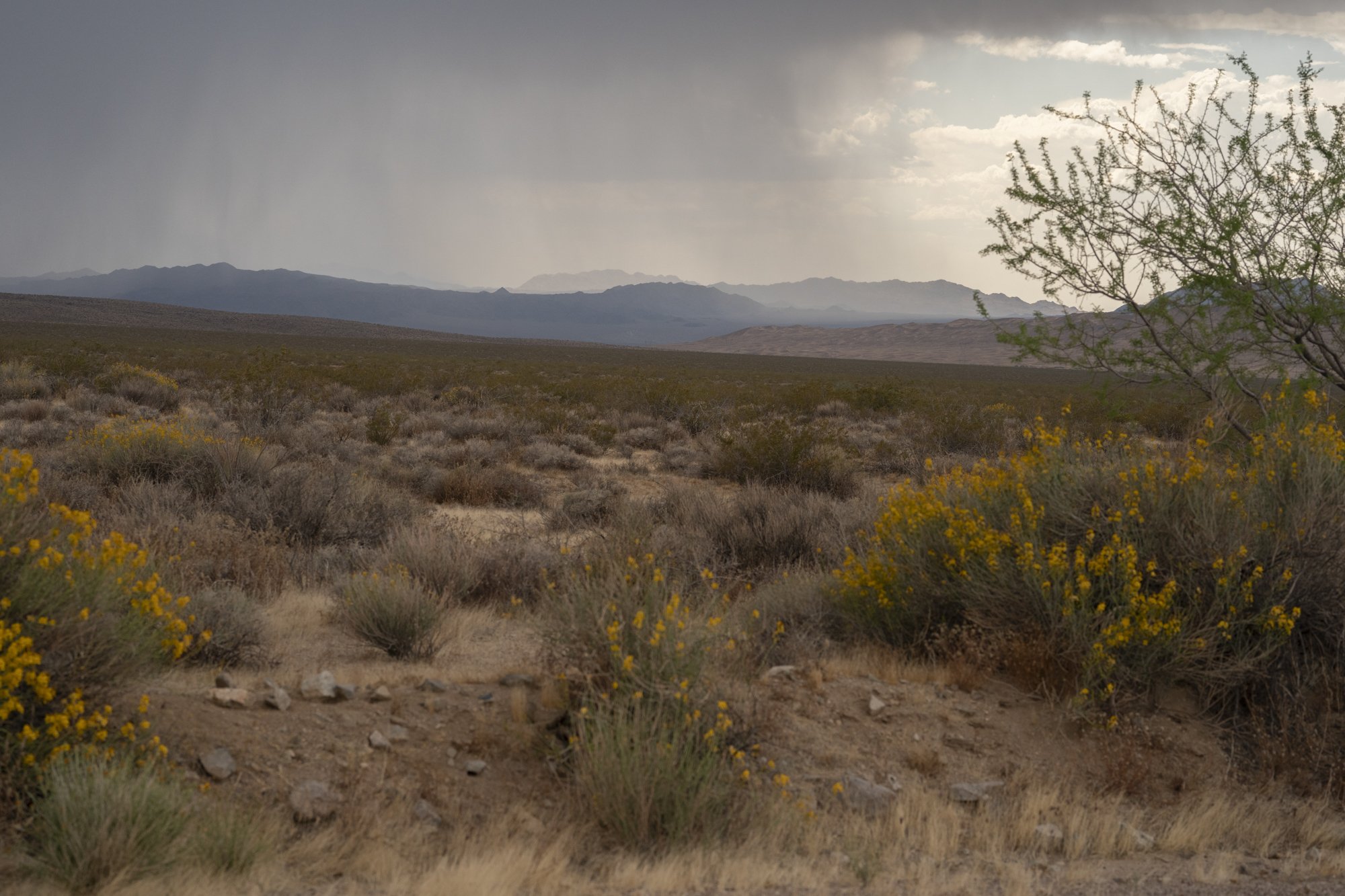
Landscape photo of the California desert

California desert

Photograph of a vast Wyoming landscape

Wyoming

Landscape photo of the California desert

California desert

Photograph of a train going through the landscape of Parker, Wyoming

Parker, Wyoming

California desert road trip photo

California desert

Photograph of plants in the California desert

California desert

Aerial Photograph of a road going through a desolate section of the California desert

California desert

Vietnamese Basketball Photographs

Vietnam Basketball Hoops

Street Courts, Local Culture, and Basketball Photography from Vietnam

Basketball is often thought of as an American export — born in a Massachusetts gymnasium in 1891 and carried outward through schools, cities, and eventually professional leagues around the world. While traveling through Vietnam, I was struck by how naturally the game has taken root there, not as a spectacle, but as part of everyday life.

Across cities, towns, and quieter neighborhoods, basketball hoops appear in unexpected places: schoolyards, narrow streets, open courtyards, and community spaces where the game feels woven into the rhythm of daily life. This series documents basketball hoops in Vietnam as quiet markers of a global sport adapting to a local landscape.

Basketball Culture in Vietnam

Basketball in Vietnam doesn’t announce itself loudly. It exists alongside scooters, street vendors, and the constant motion of city life. In larger cities like Ha Noi, formal courts sit beside improvised spaces where a single hoop is enough to gather players at dusk. The game is played casually — pickup runs, after-school games, and neighborhood meetups — less about structure and more about presence.

What stood out most was how accessible basketball felt. You didn’t need a gym or a polished court. A hoop mounted to a wall or standing alone on cracked pavement was enough. These small courts and informal hoops reflect how basketball culture adapts when it travels — shaped by space, environment, and community rather than uniform design.

Vietnam Basketball Hoops as Photographic Subjects

As a photographer, basketball hoops have long fascinated me as cultural objects. In Vietnam, they become especially compelling. The hoops themselves often show signs of wear — rusted rims, faded backboards, uneven surfaces — but they feel purposeful, still actively used and cared for.

Photographing these hoops wasn’t about action or athletic performance. Instead, it was about the spaces around them: the architecture, the light, the way people move through the frame even when they aren’t playing. These images sit somewhere between travel photography, documentary work, and fine art basketball photography.

Each hoop tells a quiet story about place. They suggest where kids gather after school, where communities overlap, and how a global sport finds a local expression far from its origins.

Street Basketball Courts in Ha Noi and Beyond

Many of the basketball hoops in this series were photographed in and around Ha Noi, where dense urban neighborhoods create intimate court environments. Others were found while traveling through smaller towns and less-touristed areas, where hoops feel more isolated — standing alone in open spaces, waiting for players to return.

These locations reveal a side of Vietnam that isn’t always highlighted in travel photography. Basketball courts become landmarks, offering insight into daily routines rather than postcard views. They act as subtle entry points into understanding local culture through sport.

A Global Game, Seen Through Travel Photography

Basketball’s global reach is often discussed in terms of professional leagues and international competition. What interests me more are these quieter expressions — the places where the game exists without spectacle.

This project fits within my larger body of work documenting basketball hoops across different regions, from small towns in the United States to international locations like Vietnam. In each place, the hoop remains recognizable, but the environment reshapes its meaning.

Vietnam basketball hoops feel rooted, practical, and alive. They are not nostalgic relics, but active participants in daily life.

Prints and Licensing

These photographs are part of an ongoing documentary and fine art series exploring basketball culture through place.
Fine art prints of select images from this Vietnam basketball hoops series are available for collectors, and the work is also available for editorial and commercial licensing.

If you’re interested in prints, licensing, or learning more about this project, feel free to get in touch.

More Basketball Stories From Around The World

European Basketball - Basketball hoops photographed across European cities and small towns, showing how the game lives far beyond its American roots.

American Basketball - A long-term photography project documenting old and handmade basketball hoops found throughout the United States.

Hoop Prints - Select basketball hoop photographs available as fine art prints for collectors and interior spaces.

Photograph of a colorful basketball hoop in Vietnam

Vietnamese basketball hoop

Photograph of a primitive basketball hoop in  Ha Noi, Vietnam

Basketball hoop in Ha Noi, Vietnam

Photograph of a Vietnamese basketball hoop

Hoi An, Vietnam basketball hoop

Old basketball hoop in Vietnam

Basketball court in Vietnam

Photograph of a basketball court at a school in Vietnam

Colorful basketball court at a school in Vietnam

Black and white photograph of a basketball hoop in Vietnam

Black and white photograph of a Vietnamese basketball hoop

Basketball hoop in a small Vietnamese town

Photograph of an old basketball hoop at a school in a small Vietnamese town

Los Angeles River Fly Fishing

Los Angeles River Fly Fishing

Urban Fly Fishing for Carp - Photography

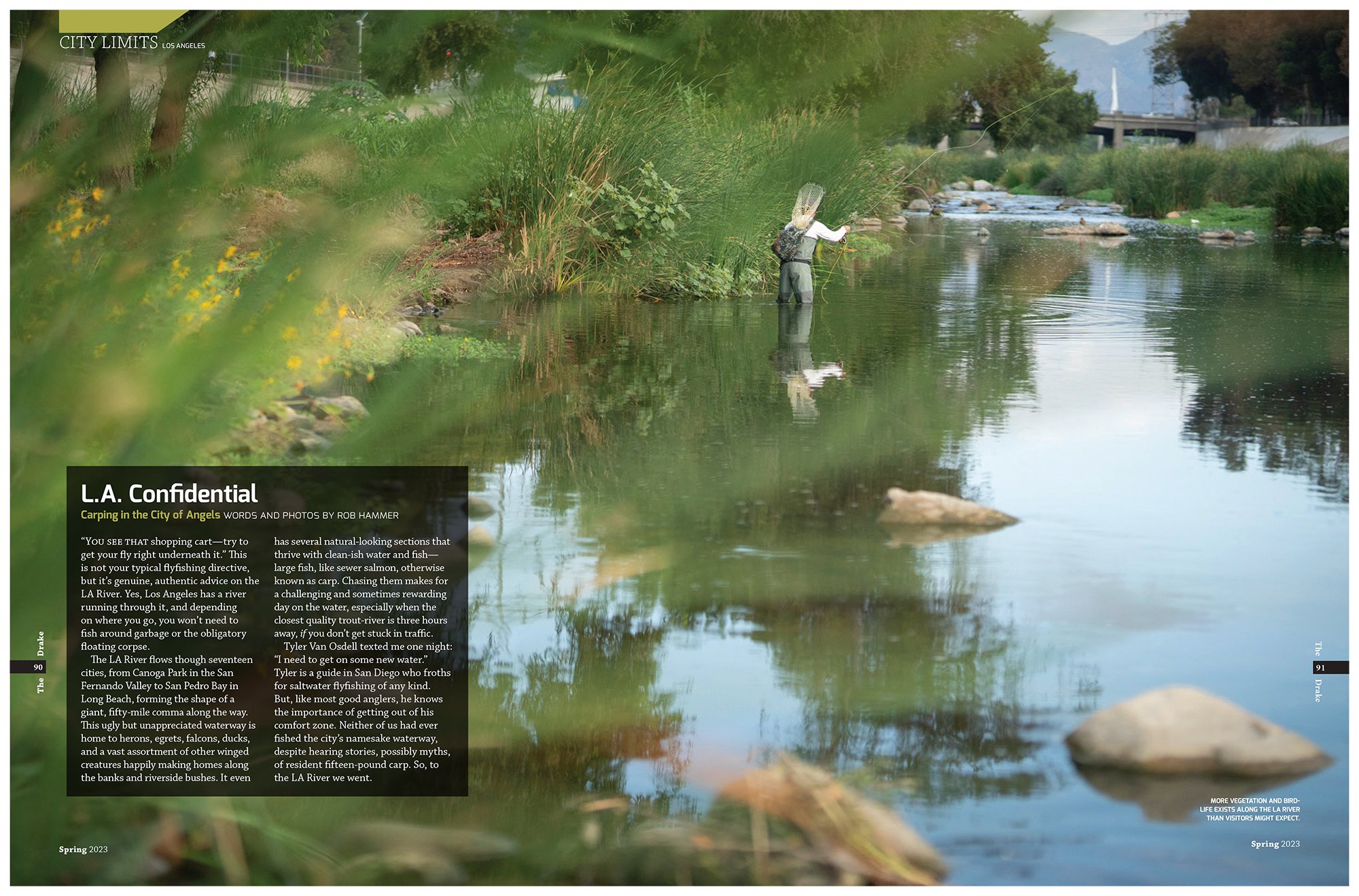
It’s hard for a lot of people who have never been in LA to believe that there is a river running through the city. Even harder to believe that said river actually holds fish and people are willing to stand in the water to try and catch them! Here is proof! This particular day was with my buddy Tyler Vanosdell of Mission Bay Fly Fishing and Lino Jubilado - aka the Mayor of Los Angeles River fly fishing. We had a great time, but it was one of those days on the water where you do everything right but it still doesn’t add up to anything. Perhaps that’s what keeps people coming back? Go pick up a copy of The Drake Magazine to read the article.

Click here to see more of my fly fishing photography

Photograph of a fly fisherman casting into the LA River

Los Angeles River Fly Fishing

Montana Road Trip

Talking highly about Montana is better left to the most lyrical of wordsmiths because I certainly can’t do that place any justice. Maybe that should be a personal goal? I’m fresh off the road after spending over a week in that glorious state and can’t wait to go back. This trip was particularly visual due to to the heavy winter snowfall that made everything greener than green. I’ve never been to Ireland, but the particular hue off grass felt more like something you could only see there. Check back soon to see images from the two cattle ranches I photographed, but don’t expect any images of trout. Those are only in my head.

Hanoi, Vietnam Photography

Hanoi Street Photography: Markets, Motorbikes, and Everyday Life in Vietnam

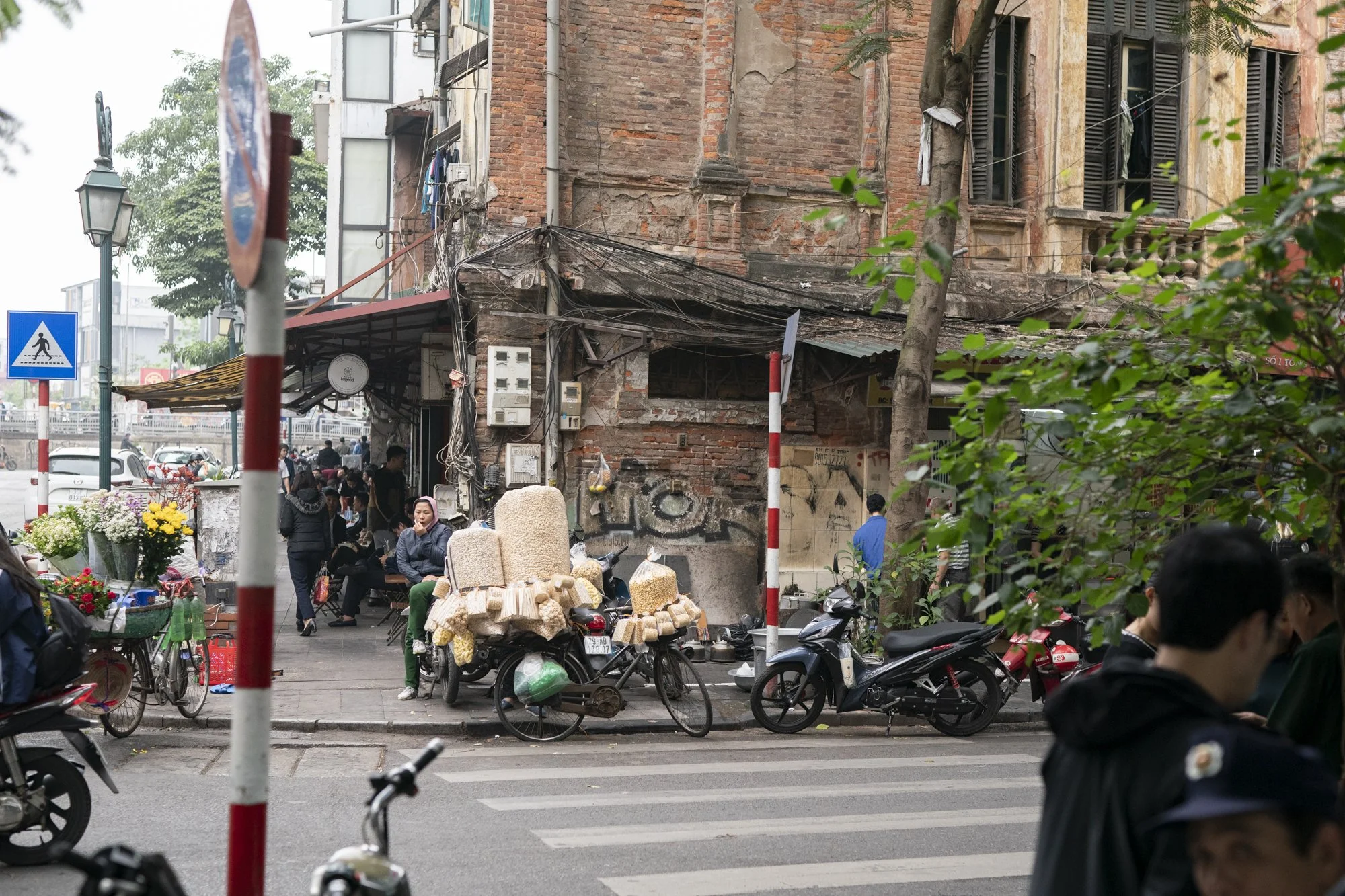
Hanoi moves fast. Not in the way of modern cities, but in layers—motorbikes weaving through intersections, street vendors setting up before sunrise, and entire neighborhoods unfolding on the sidewalk.

These photographs were made while walking through markets, alleyways, and main roads across the city, documenting everyday life as it happens—unposed and uninterrupted.

For brands, publications, and collectors looking for authentic Vietnam street photography, this work focuses on real moments rather than staged scenes.

Street Markets and Daily Life in Hanoi

Much of Hanoi’s life happens at street level. That’s where you want to me. Markets spill into the road, vendors work from low stools, and entire meals are prepared on the sidewalk.

Photographing here means working quickly and staying observant—moments appear and disappear in seconds. The goal isn’t to direct anything, but to let the scene unfold naturally. You have to become part of the city while also blending in.

Motorbikes, Motion, and the Rhythm of the City

Traffic in Hanoi is constant, but rarely predictable. Motorbikes move like a current, flowing around pedestrians and through intersections without stopping.

Capturing this requires anticipation—watching patterns, waiting for alignment, and shooting at the exact moment when chaos briefly becomes composition.

Everyday Moments on the Street

The best part about Hanoi is how normal the chaos feels. There’s so much going on everywhere, all the time, but somehow it just works. To see a city like that, in constant motion, is a treat. Sometimes you want to be in the mix, and other times it’s fun to just sit back and watch from afar, to really take in those candid everyday moments of real people going about their lives.

The people in Vietnam work hard. Really hard. Yet they always seem to have a smile on their face - a lesson we Americans should really consider.

Vietnam Street Photography for Licensing and Editorial Use

This body of work is available for licensing and editorial use, particularly for:

– Travel brands and tourism campaigns
– Editorial features on Southeast Asia
– Commercial projects needing authentic urban lifestyle imagery

If you’re looking for Vietnam street photography that reflects real, lived experience rather than staged travel imagery, you can get in touch here:
👉 Contact Rob

Street Photography Beyond Hanoi

While Hanoi offers an intensity that’s hard to match, similar moments unfold across other parts of the world in very different ways.

In central Vietnam, the pace shifts slightly—markets become more compact, colors more saturated, and the rhythm of daily life takes on a different feel. You can see that in this series of Hoi An images focused on vendor culture and street-level interactions: Hoi An market street photography.

In a completely different context, the game of basketball shows up in unexpected places throughout Vietnam. This project documenting Vietnam basketball hoops explores how the sport exists far beyond the United States, embedded into everyday neighborhoods and streets.

And in cities like Paris, street photography takes on yet another form—less chaotic, more observational—where small gestures and fleeting expressions define the frame. That contrast is explored further in this collection of Paris street photography.

Hanoi, Vietnam street photography available for editorial and commercial licensing

Hanoi, Vietnam street photography

Stock photograph of a street food vendor a bicycle in Hanoi, Vietnam

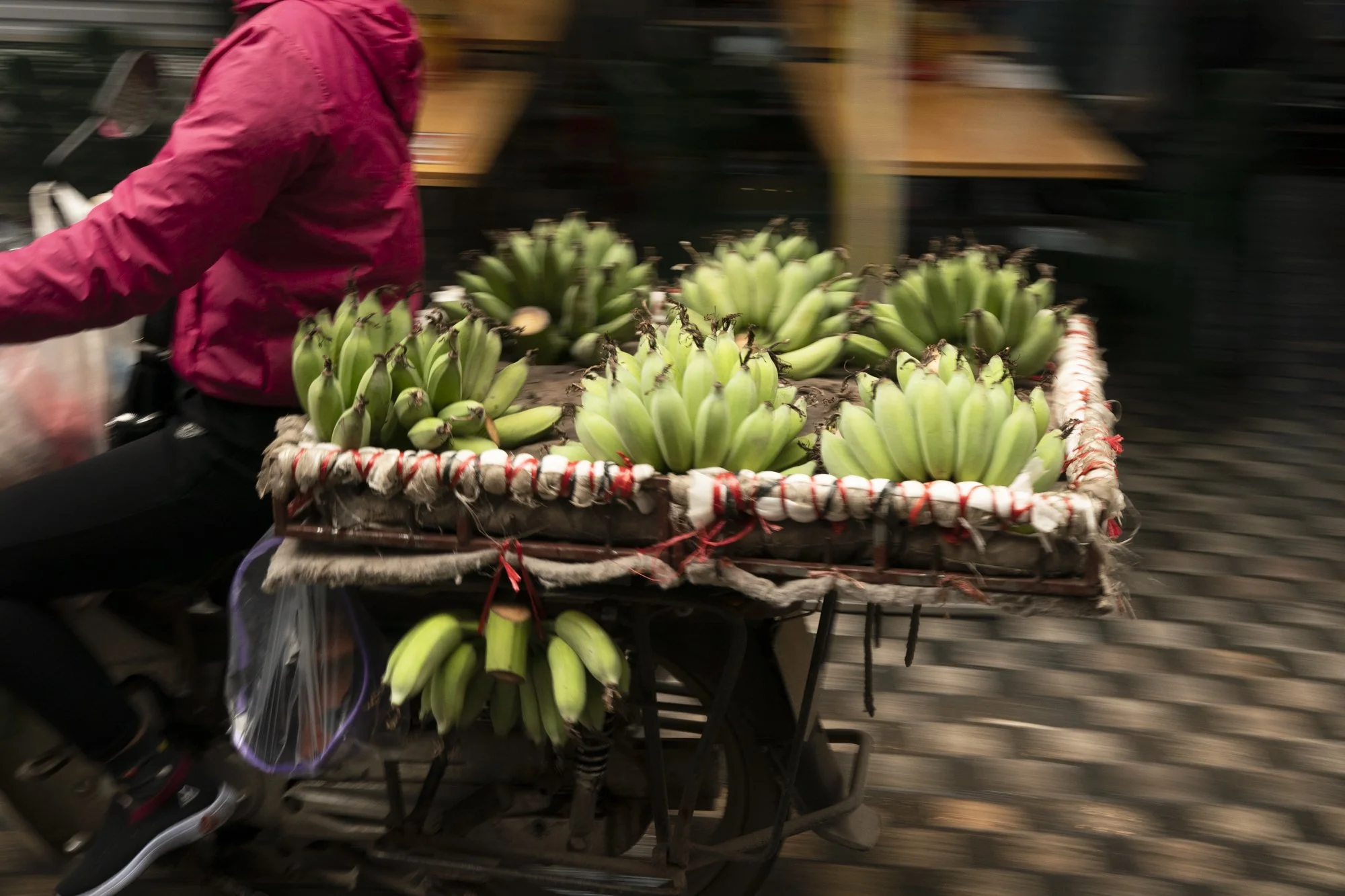
A woman rides her bike through the streets of Hanoi with a platform of bananas for sale

Hanoi, Vietnam street culture photography - Travel

The streets of Hanoi, Vietnam

Photograph of chickens in a cage on the street before being killed for serving in a street restaurant

Caged chickens at a restaurant in Hanoi, Vietnam

Stock photograph of a woman cleaning chickens on the street in Hanoi, Vietnam

A woman preparing dead chickens to cook at a restaurant in Hanoi, Vietnam

Photograph of various fried fish for sale on the street in Hanoi, Vietnam

Fish for sale on the street in Vietnam

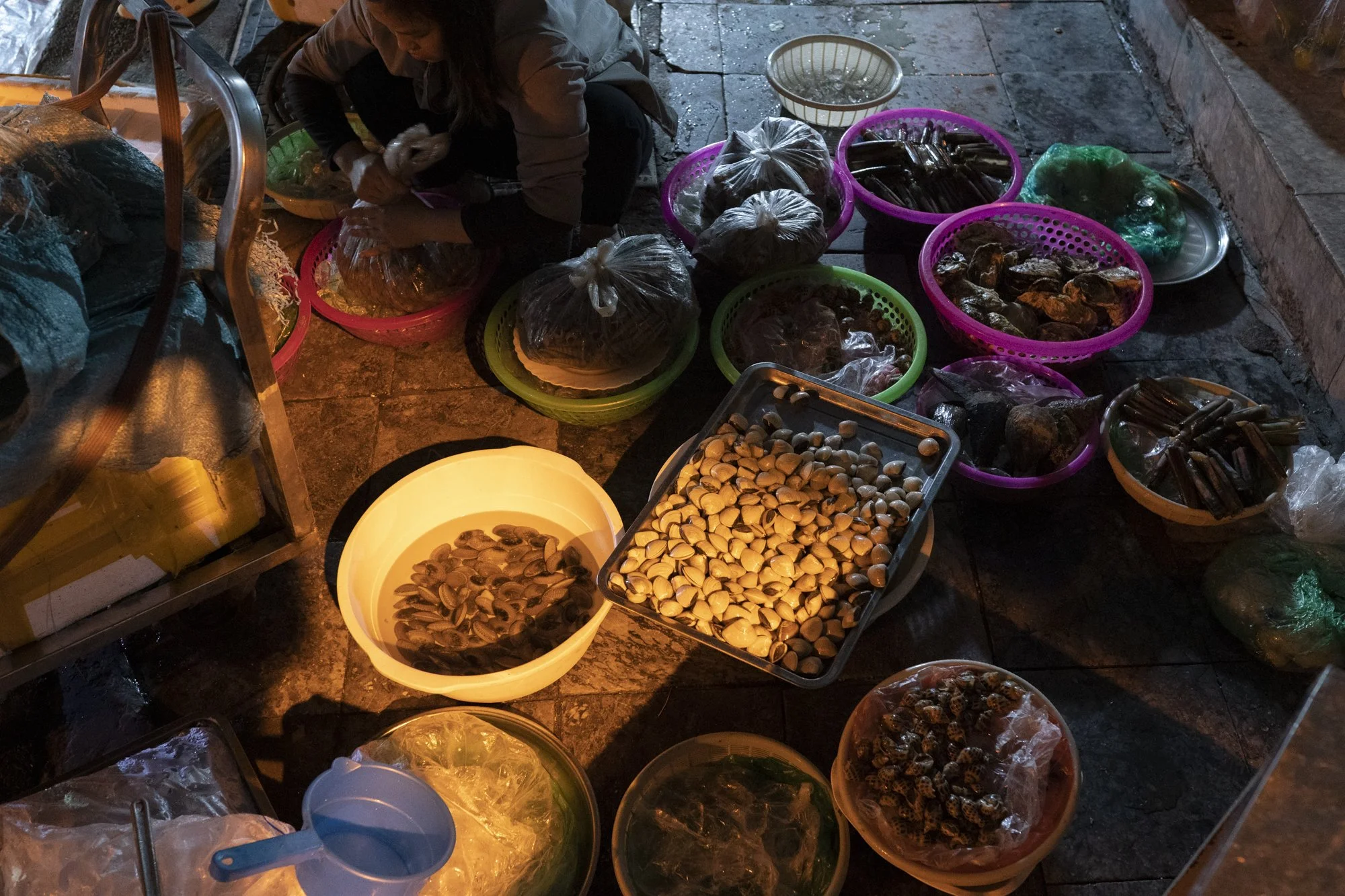
Photograph of various shellfish for sale on the street in Hanoi, Vietnam

Shellfish for sale on the street in Hanoi, Vietnam

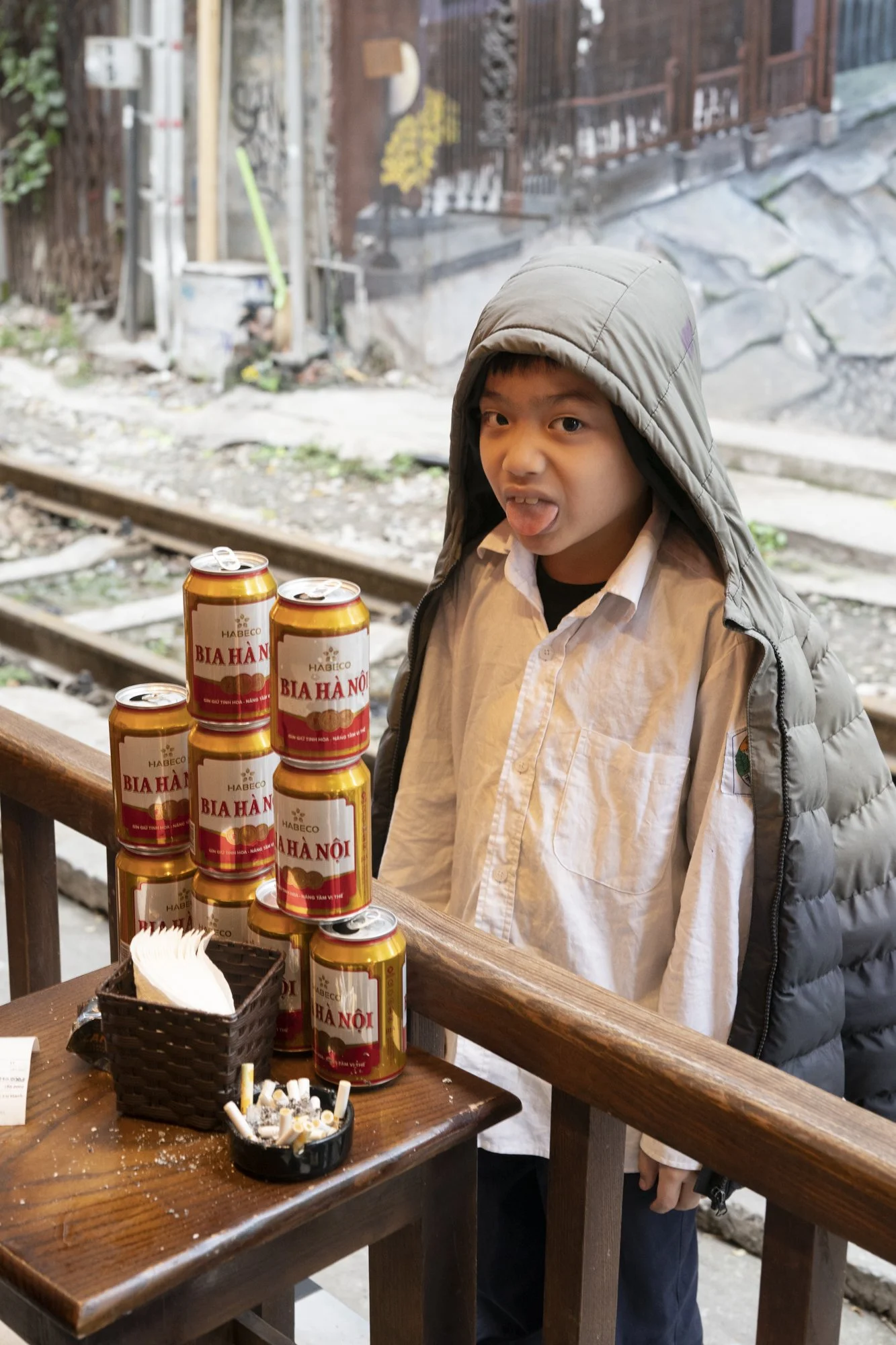
Photograph of a kid in Hanoi standing in front of a stack of beer cans at the Railway Cafe

The Railway Cafe - Hanoi

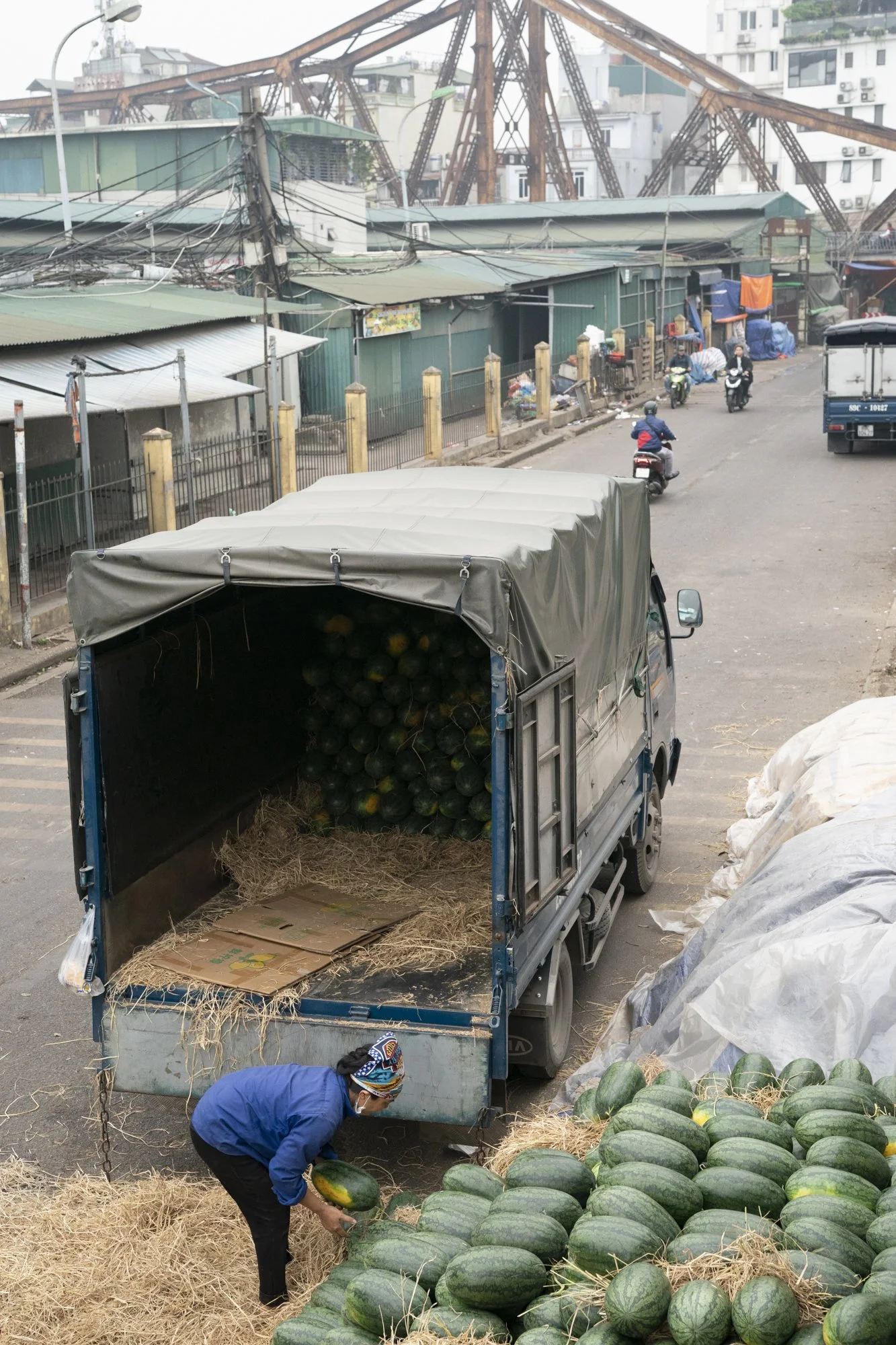
Photograph of a woman selling fruit on the street in Hanoi, Vietnam

Stock photograph of a woman selling watermelons on the street in Hanoi, Vietnam

A family of four riding a scooter through the streets of Hanoi Vietnam

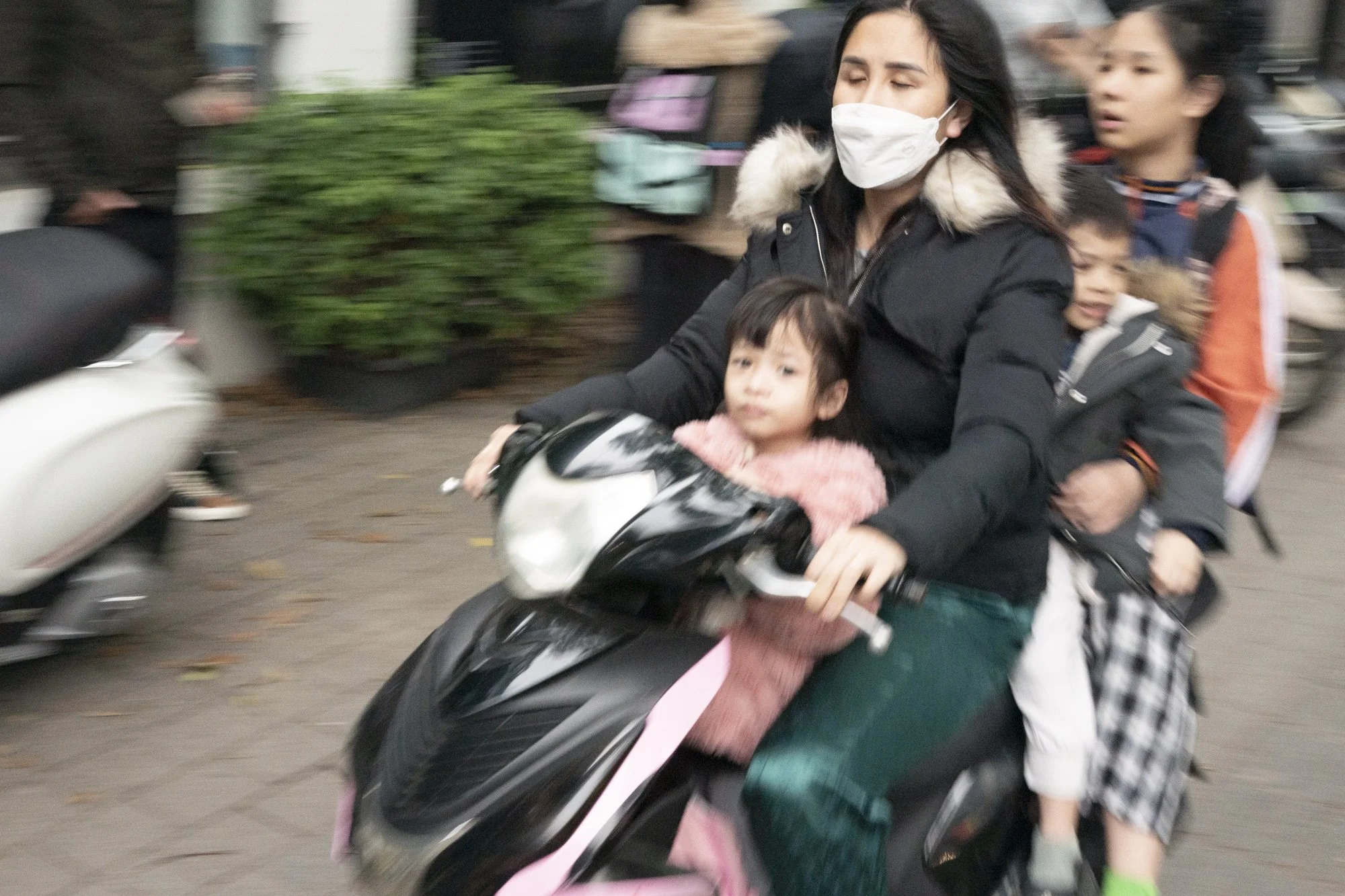
A mom and three daughters riding a scooter through the busy streets of Hanoi, Vietnam

Stock photograph of man and his shoe repair station on the street in Hanoi, Vietnam

Shoe repairman on the street in Vietnam

Hanoi, Vietnam street scene photograph

Stock travel photography of Hanoi, Vietnam

Fresh eggs hanging on a motor bike on the streets of Hanoi, Vietnam

Hanoi, Vietnam Street Photography available for editorial and commercial licensing

Textile vendor - Hanoi, Vietnam

Stock photograph of the world famous "Train Street" in Hanoi, Vietnam. Available for editorial and commercial licensing

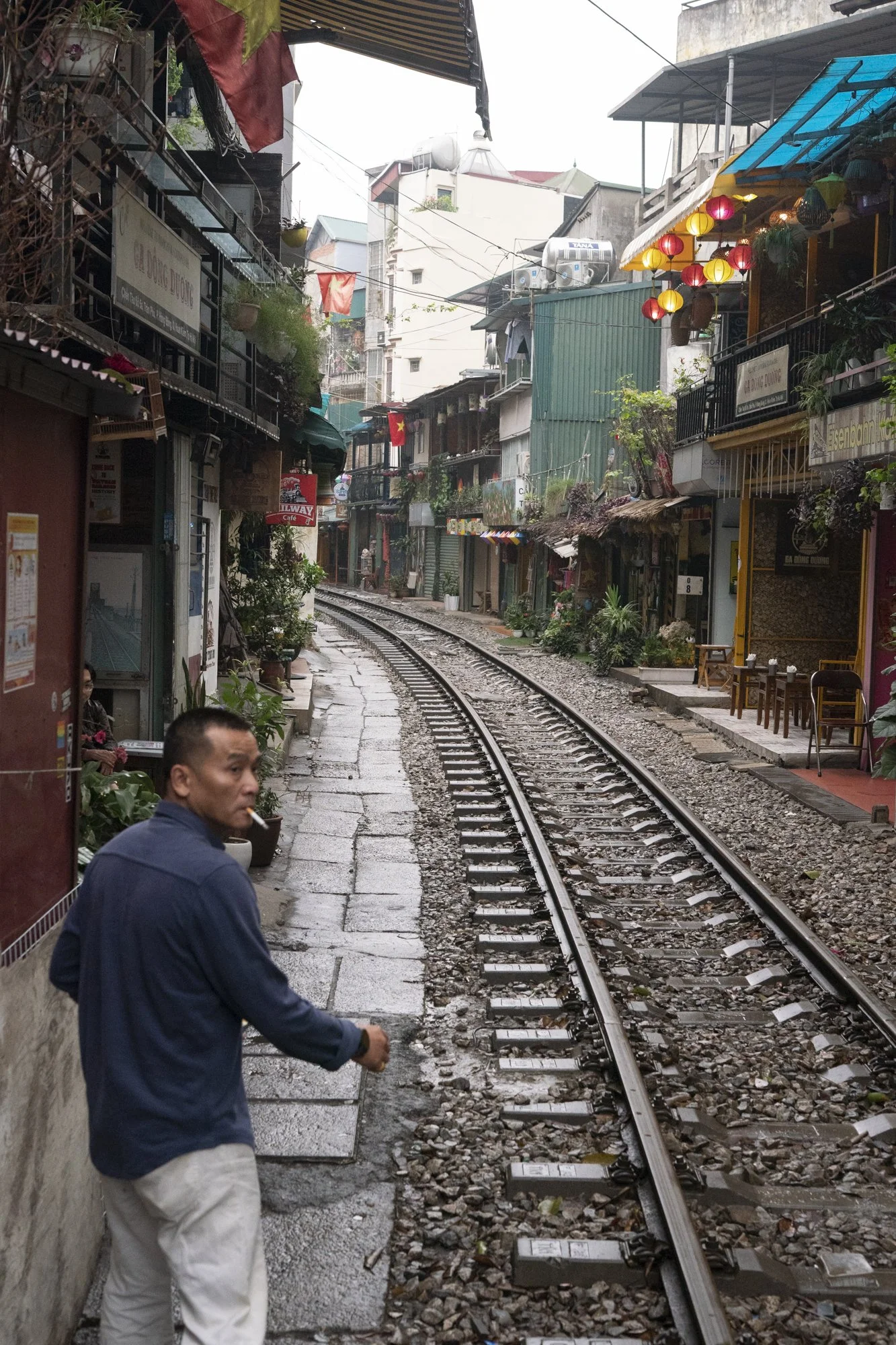
Train Street in Hanoi, Vietnam

Stock photograph of a woman's bike in Hanoi, Vietnam stacked with fruits and vegetables

A Vietnamese woman carrying food on her bicycle to sell on the streets of Hanoi

Cowboy Photography - American West

Western Cowboy Photography

Photographing cowboys in the American West has been so many adjectives. Just scrolling through images to make this blog post gives me even more appreciation for the work, life, and culture of these people. As of this writing I’ve been lucky to photograph on cattle ranches in Nevada, California, Texas, Arizona, Idaho, and Wyoming. Which has been an education in and of itself, seeing all the differences from region to region. Not sure how long thing has been going on no, but the desire to continue only grows with each ranch visited. Certainly my favorite project to date.

Click here to see more of my cowboy photography and contact me directly to purchase wall art from the American Cowboy series. All of my images are available as prints for your home, office, or commercial space.

Sunrise photograph of two saddled horses with pogonip in the background

Fulstone Ranch - Bridgeport, California

Black and white portrait of a Wyoming cowboy

Dave Ennis - Wyoming Cowboy

Photograph of a cowboy working cattle in a chute

Diamond A Ranch - Seligman, Arizona

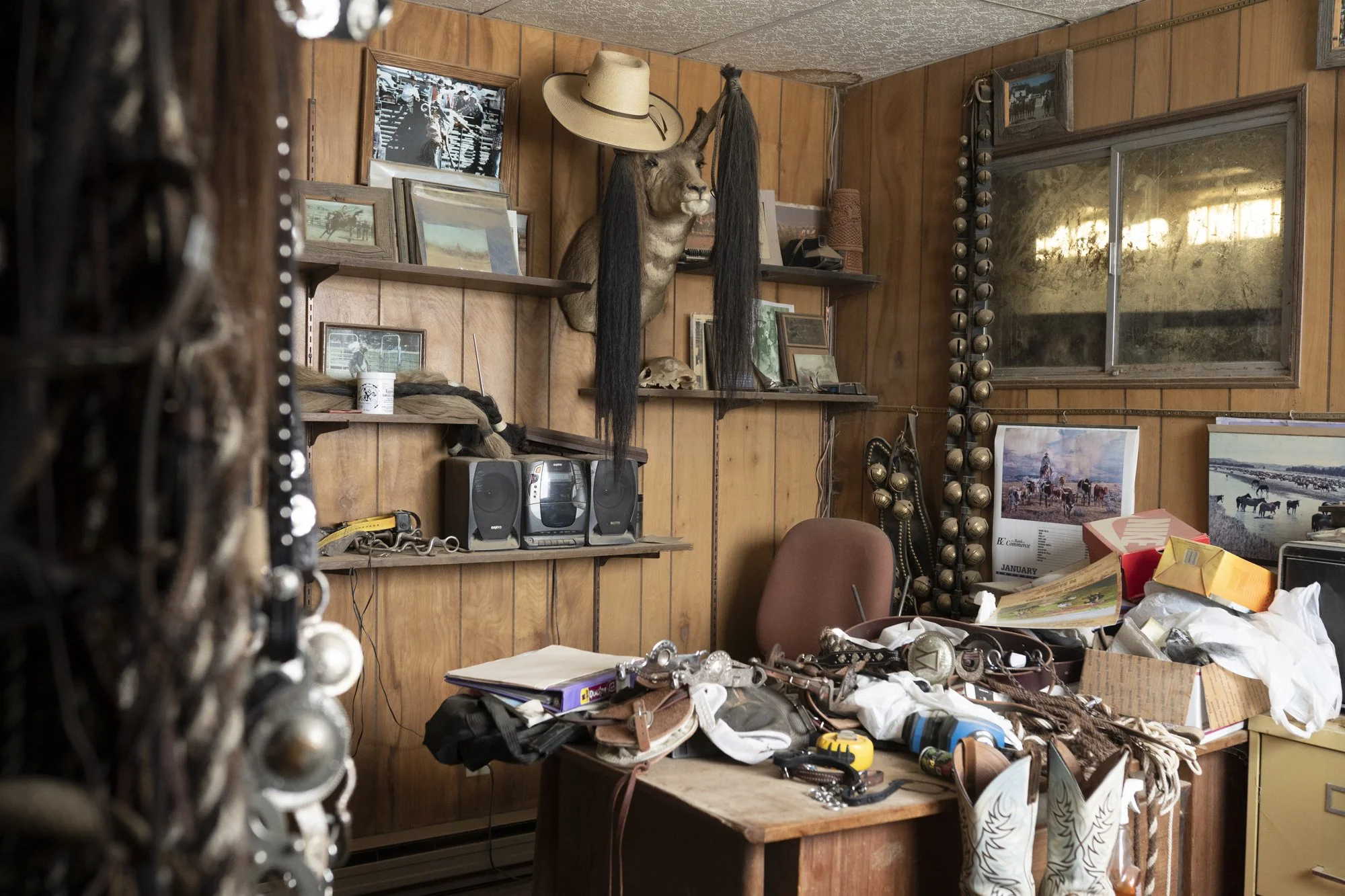
Photograph of the clutter in a cowboys office in Idaho

Cowboy “Office” - Idaho

Photograph of Dwight Hill - Idaho cowboys

Dwight Hill - Buckaroo - Idaho

Black and white photograph of cowboys riding out into open range

Diamond A Ranch - Seligman, Arizona

Photograph of Dwight Hill practicing with his horse in Idaho

Dwight Hill - Buckaroo -Idaho

American West Photography

Cowboy Photography

It’s always great to get press on your work, especially when it’s a big outlet like the Daily Mail. If you want to go on “followers’, they come in at 22+million on Facebook, whatever that means. Either way, I’m honored to have them do a feature on my cowboy photography - a project I love. It’s also quite young compared to some of the others like Barbershops of America or American Backcourts, which have both been going on now for ten years!

Click here to see more of my cowboy photography. Or contact me directly if you’re looking Western prints / wall art for your home, office, or commercial space.

Road Trip Photos - USA

Photography and the Great American Road Trip

Road Trip Photo Book

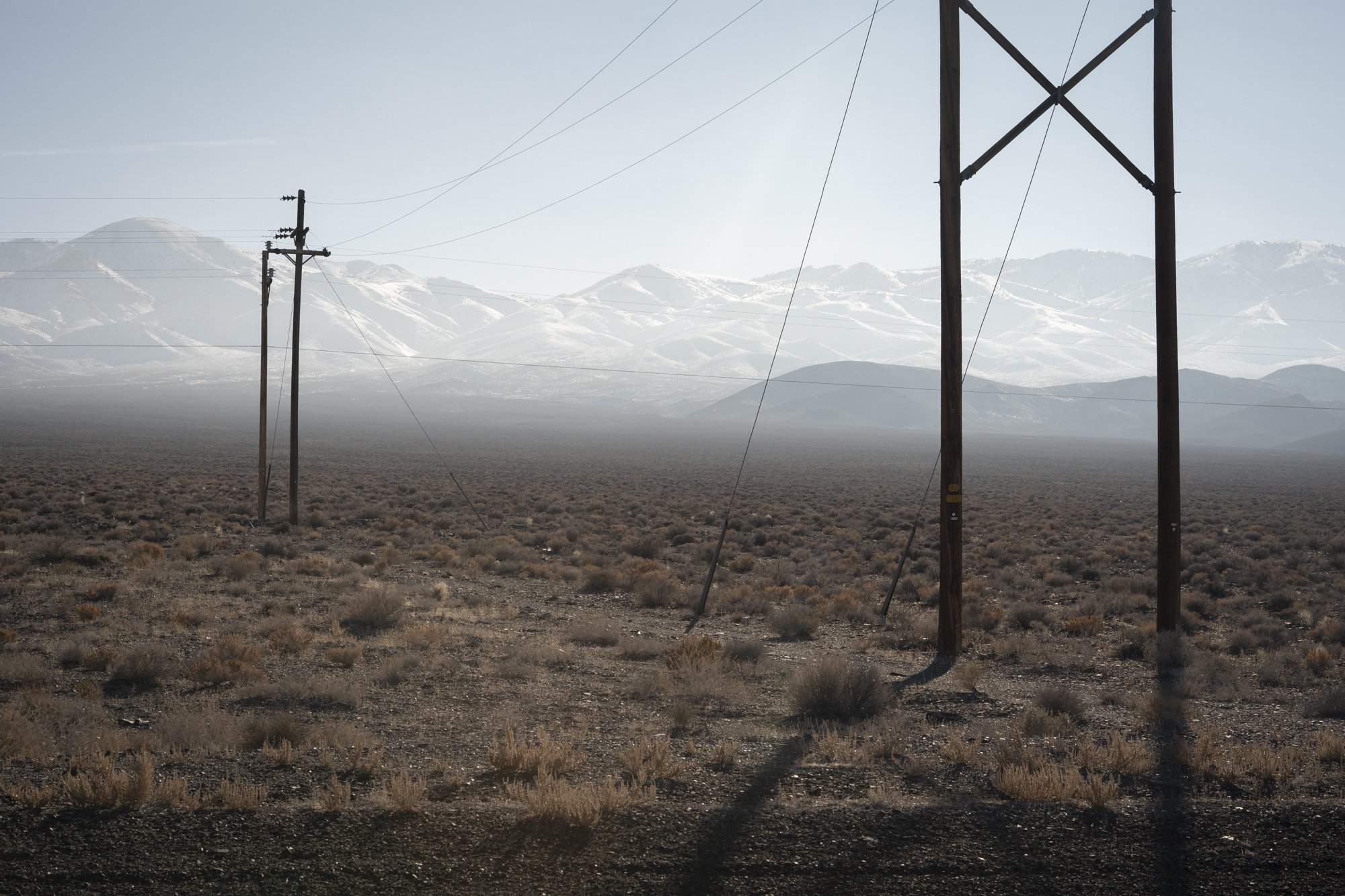
It’s a good thing most people only think of Las Vegas when Nevada gets brought up. Otherwise it gets thrown into the “fly over state” category. Staying that way would be just fine. The hoards can go elsewhere and leave the untamed beauty to the rest of us that truly appreciate it. Of the states many redeeming qualities, under populated ranks very high on the list. I’d argue it has everything, but that’s an obvious bias. The biggest draw is almost endless open roads, which is why it fits so nicely for my Roadside Meditations series. One of those places that really allows your mind to wander. Beyond that, it’s got sage brush, deserts, mountains, snowboarding, fly fishing, and cattle ranches. What more does a guy need? All joking aside, Nevada is a really special place. Another one that took me a while to understand or appreciate, but now the hooks are firmly planted. Desert mornings and evenings offer a vibe you can’t find elsewhere. It’s something about the light mixed with the color palette and textures of the landscape. I’ve spent many a night sleeping in my truck in Nevada, waking up to sunrises that rival any in the country.

Click here to pick up a copy of Roadside Meditations

Contact me directly about American road trip photography prints for your home, office, or commercial space - rob@robhammerphotography.com

Desert road near Goodsprings Nevada - American Road Trip Photography - Rob Hammer

Goodsprings, Nevada - Road Trip Photography

Desert road near Goodsprings, Nevada - American Road Trip Photography

Goodsprings, Nevada - American Road Trip

Jean, Nevada -Photography - American Road Trip

Jean, Nevada - Road Trip Photography

Hawthorne, Nevada Photo - American Road Trip

Hawthorne, Nevada - American Road Trip Photography

Sandy Valley, Nevada - American Road Trip Photography

Sandy Valley, Nevada - Travel Photography - America

Sandy Valley, Nevada - Road Trip- American

Sandy Valley, Nevada - Road Trip Photo Book

Walker Lake, Nevada - American Road Trip Photography

Walker Lake, Nevada - American Photography

Hawthorne, Nevada - American Road Trip Photography - Rob Hammer

American Road Trip Photography

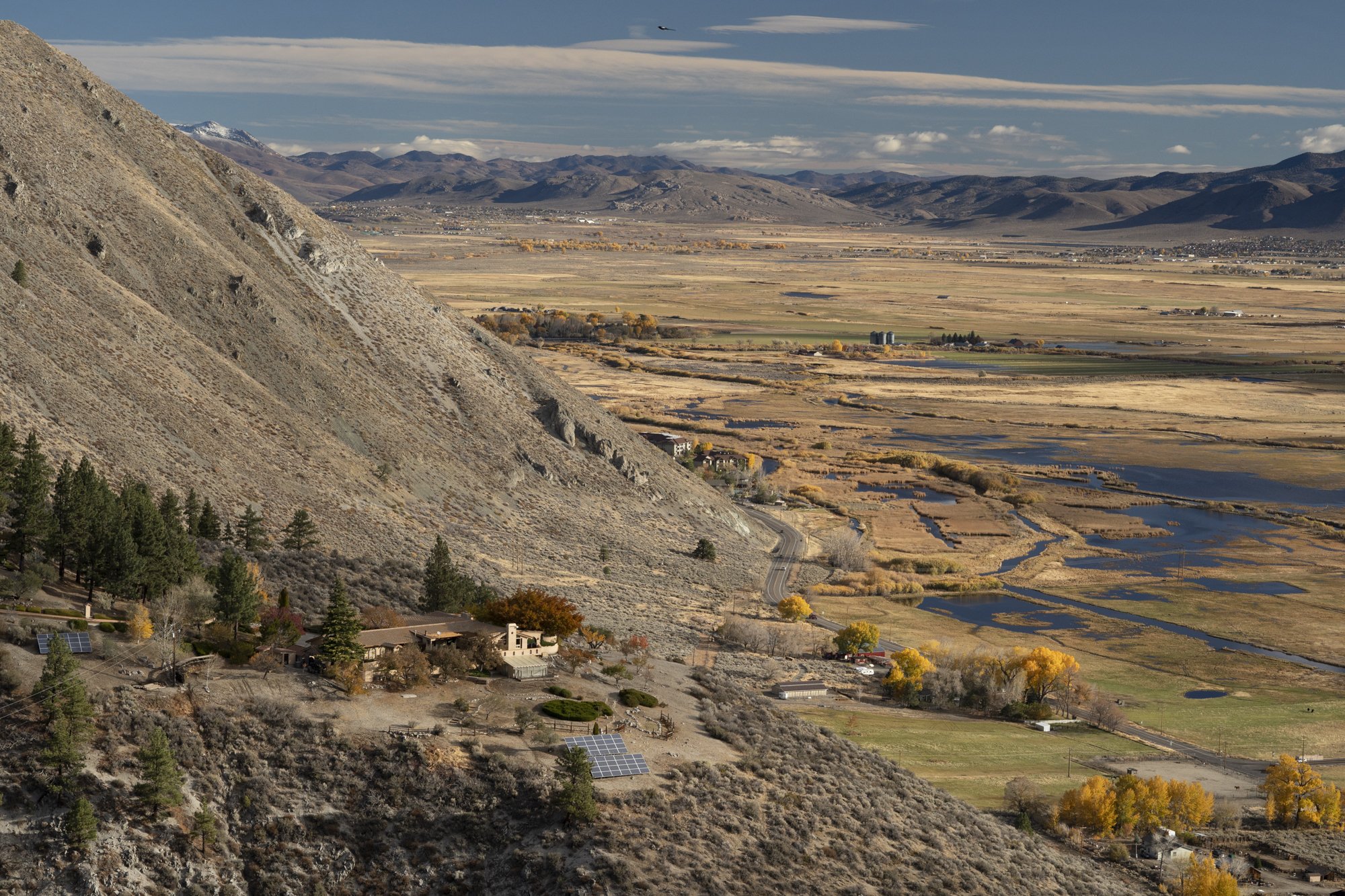
Gardnerville, Nevada Carson Valley Photo

Carson Valley, Nevada - American Photography

Driving Through America

American Road Trip Photography

More from the road this winter. You never know what you’ll find out there, which is most of the draw. If you knew, what fun would it be? That’d be like fly fishing if you were guaranteed a catch every single time out. It’s about the hunt. The coyote image is a great example how the road always keeps you guessing. I only found them because of a pee break on the side of some desert parking lot in the middle of the Nevada desert. Parking lot is the only word available, because it didn’t seem a need for one. There was nothing around for miles and miles. Nevada desert. Which begs the question, why were the coyotes there? Clearly they were killed by hunters and placed carefully in that spot. It took effort to drag them from the kill location. Why not just leave them there? We’ll never know. Nor does it matter. Just the kind of thing you see on the road.

Click here to see more of my America series

Dave's Pubb - Tetonia, Idaho - dive bar - photo - America

Dave’s Pubb - Tetonia, Idaho

Photograph of the Lovelock Speedway - Lovelock, Nevada

Lovelock Speedway - Lovelock, Nevada

Dead coyotes in the Nevada desert -photo

Nevada desert

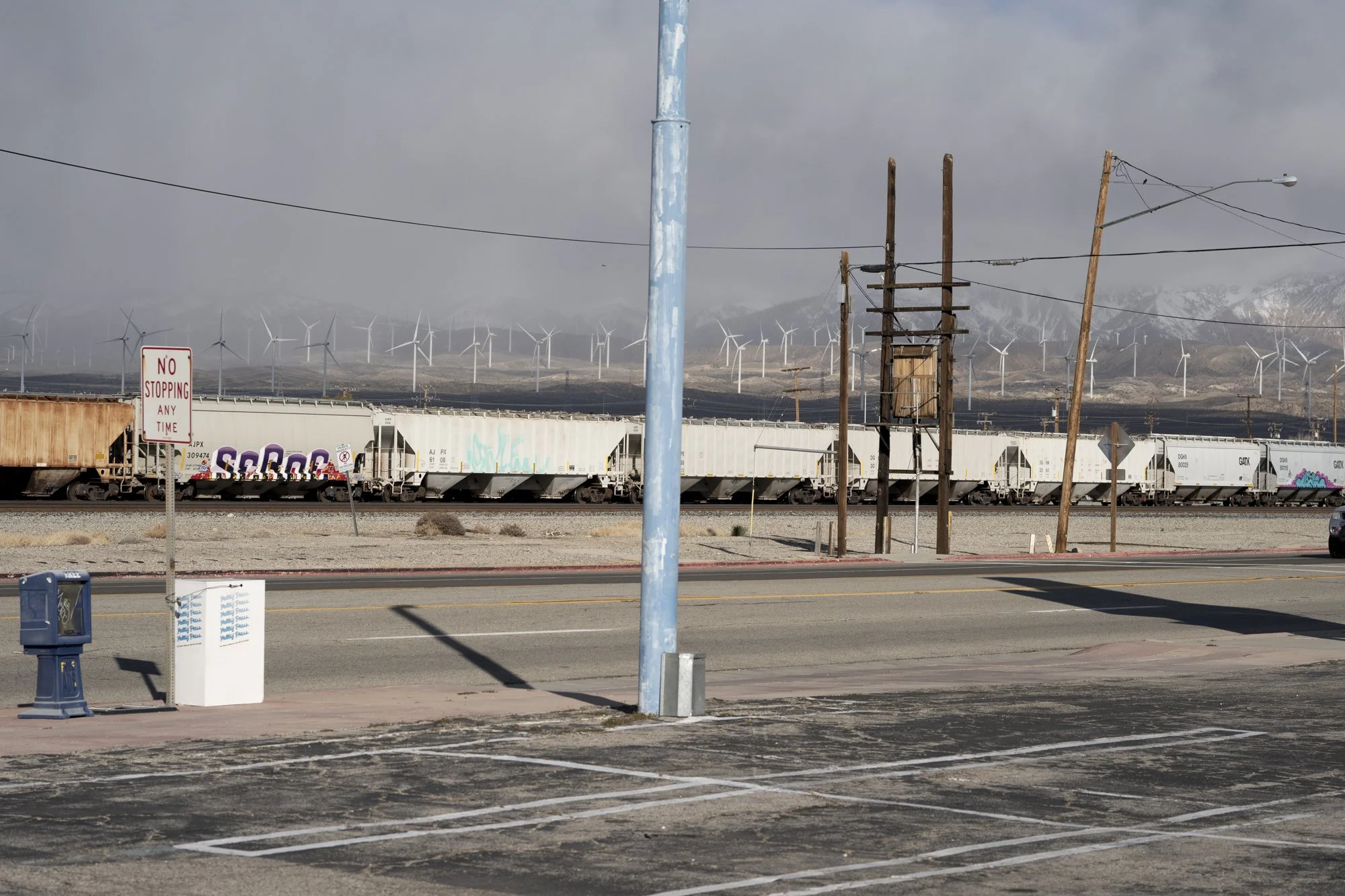
Mojave, California Photo Train Windfarm

Mojave, California

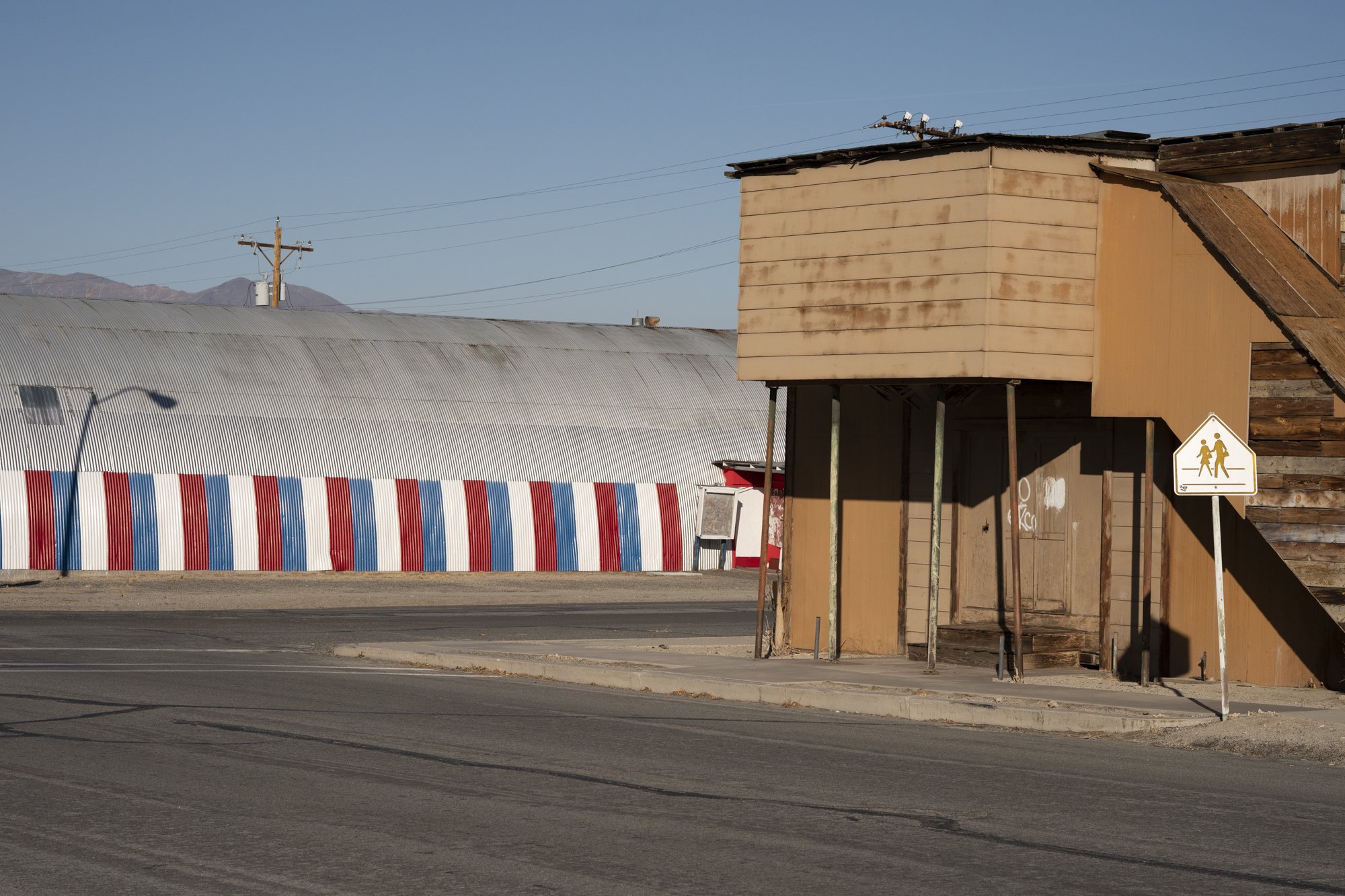
Hawthorne, Nevada - movie theater - photo

Hawthorne, Nevada

Frames Magazine

Photography Podcast - Frames Magazine

It’s rewarding connecting with people that you’re on the same page with. The motto at Frames Magazine is “Because excellent photography belongs on paper”. For quite some time I’ve been saying that photography belongs on your wall, not your phone. So you can see the natural connection to the people at Frames. They get it. So I was honored to be interviewed about Roadside Meditations by W. Scott Olsen for their podcast. Scott is as talented a photographer as he is an interviewer and writer. If you’re into long form photo essays about travel, check out the piece he did on traveling the country by train - Scenes From a Moving Window . It’s a lot of fun. Here is a link to my episode on the Frames Photography Podcast.

And here is a link to purchase Roadside Meditations

Road Trip

Road Trip Photographer - America - Open Road

What a winter it’s been. The snow just keeps on coming. Made an impromptu road trip up to Jackson Hole again for a mix of business and pleasure. More on the business part coming soon! We had two days of incredible backcountry snowboarding. The best of which was in Grand Teton National Park, where the snow was literally as good as it gets. Felt like floating on a cloud. The road trip portion was a lot of fun too, although the weather conditions made it quite interesting. On the way south while driving through northern Nevada, an emergency alert popped up on my phone. I figured it was just an overreaction, then got slammed with some of the worst driving conditions I’ve ever witnessed during 10+ years of road trips. The snow and wind was so heavy, that there were moments when I couldn’t figure out if the car was moving forward or backwards. It was also the first time I ever called it and got a hotel due to weather. That hour and a half of driving in those conditions completely fried my eyes and brain. Gotta love the road. It keeps you honest. Will be posting new images soon from the cowboy project.

Doug Monson - Western Charcoal Artist

A Charcoal Artist in Wyoming Preserving the Spirit of the American West

Western Art That Comes From Experience, Not Interpretation

There’s a noticeable difference between Western art made from observation and Western art made from experience. The best work doesn’t try to explain the West. It comes from living in it.

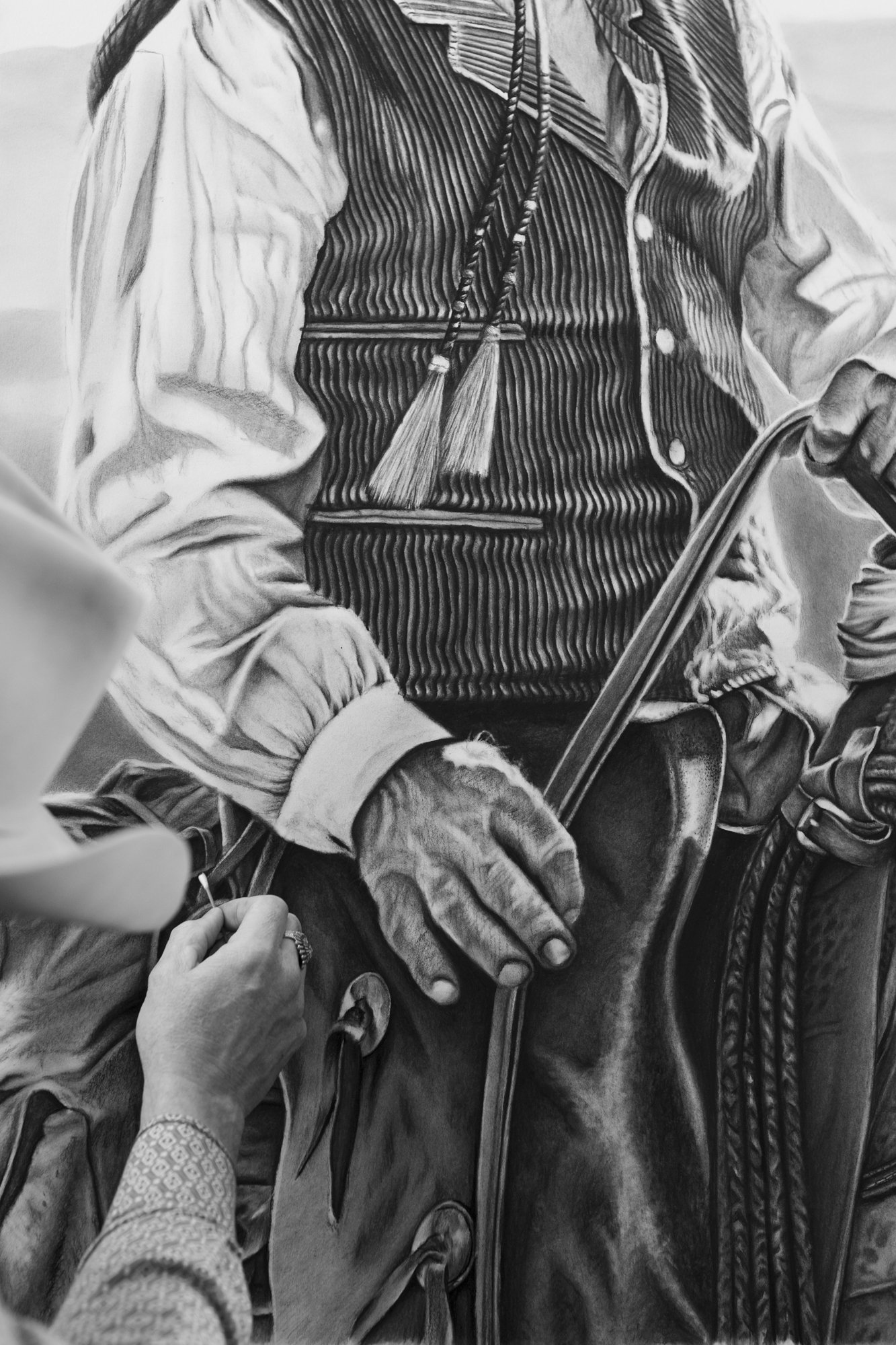
Doug Monson’s charcoal drawings aren’t romanticized versions of cowboy life. They carry the weight of real work—long days, unpredictable conditions, and a deep familiarity with cattle, horses, and the land itself.

That’s something I’ve seen again and again while photographing ranches across the West. The people who live this life don’t exaggerate it. And the artists closest to it don’t either.

A Chance Encounter With a Western Charcoal Atist

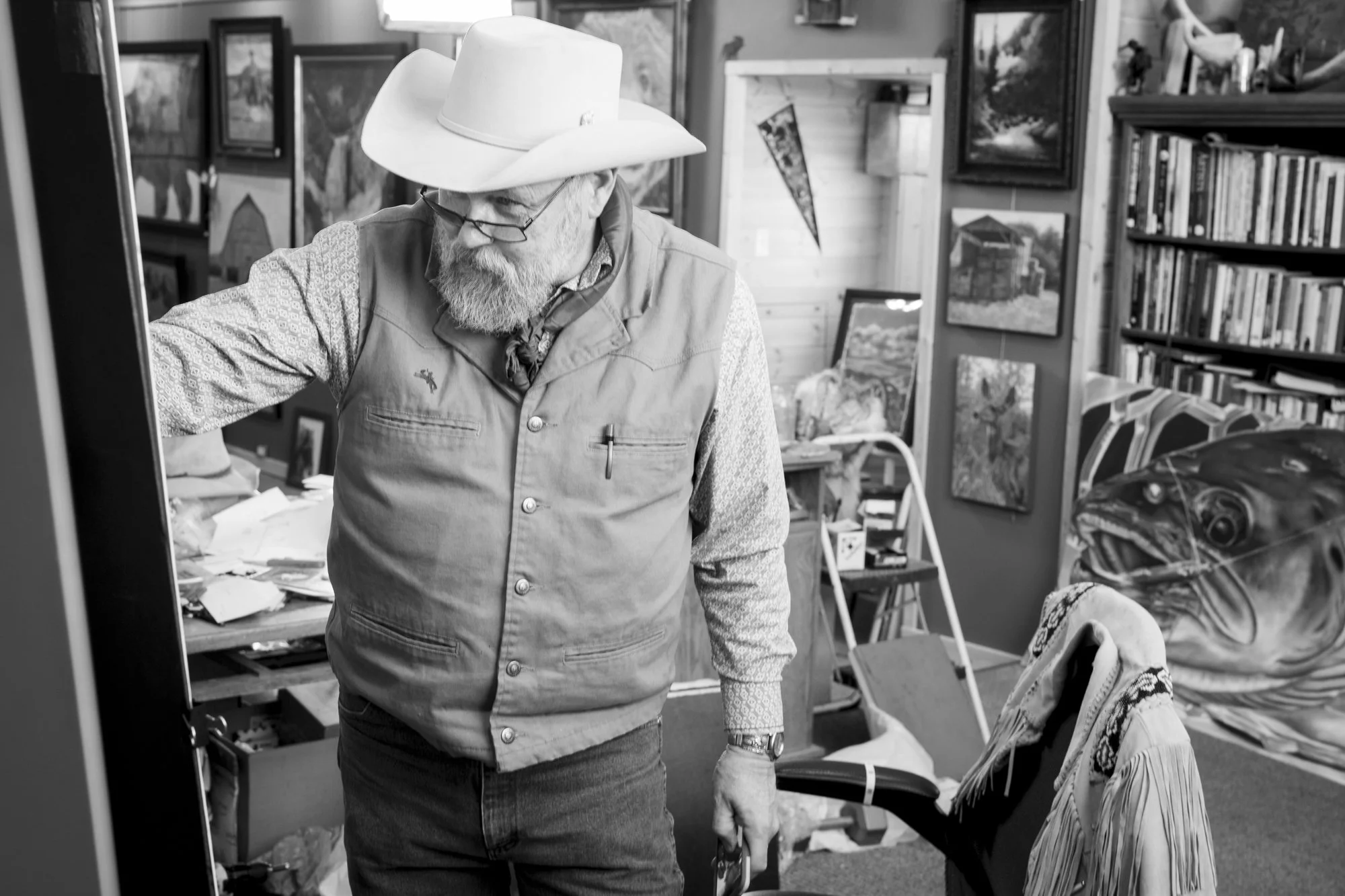
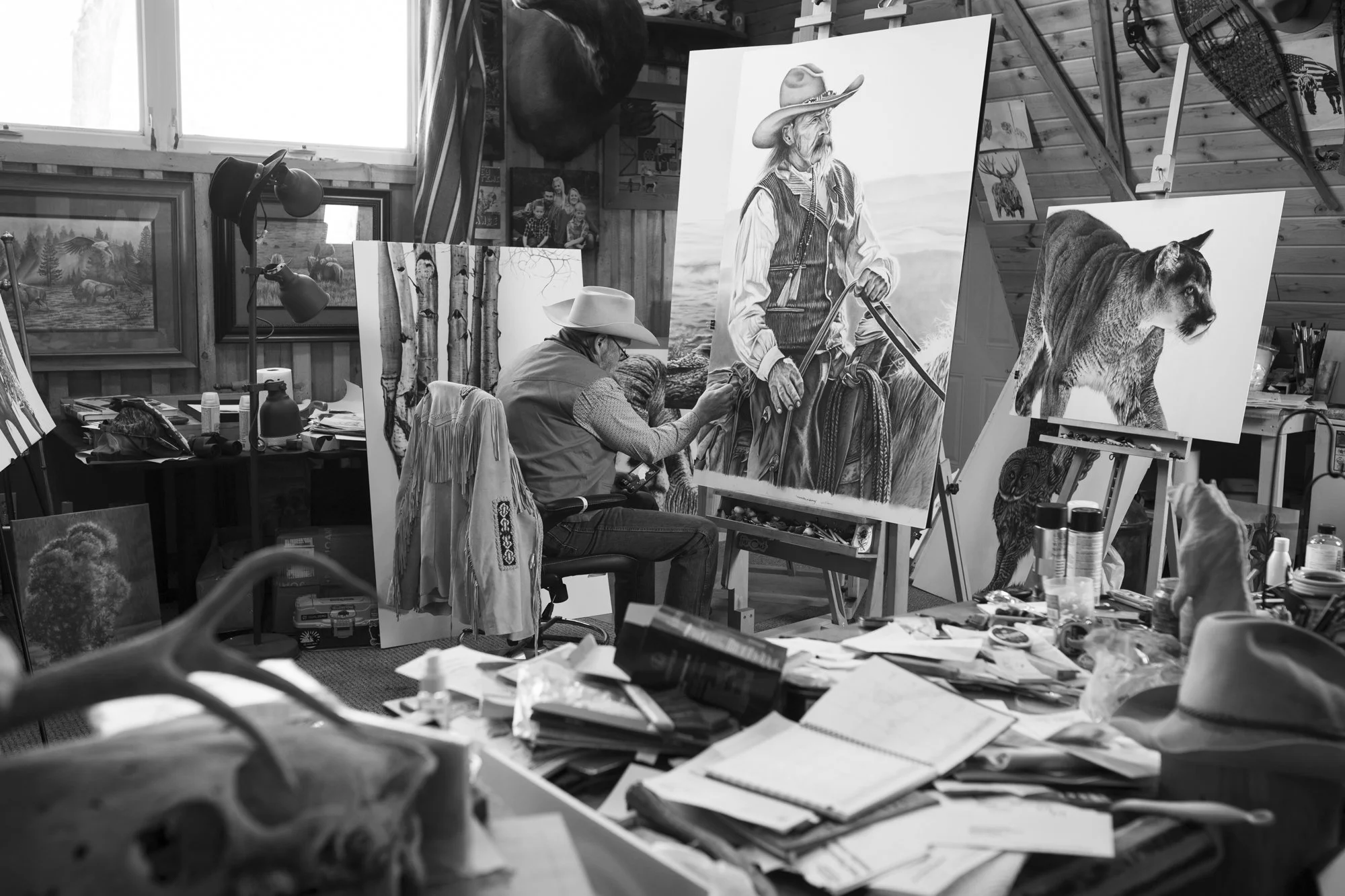
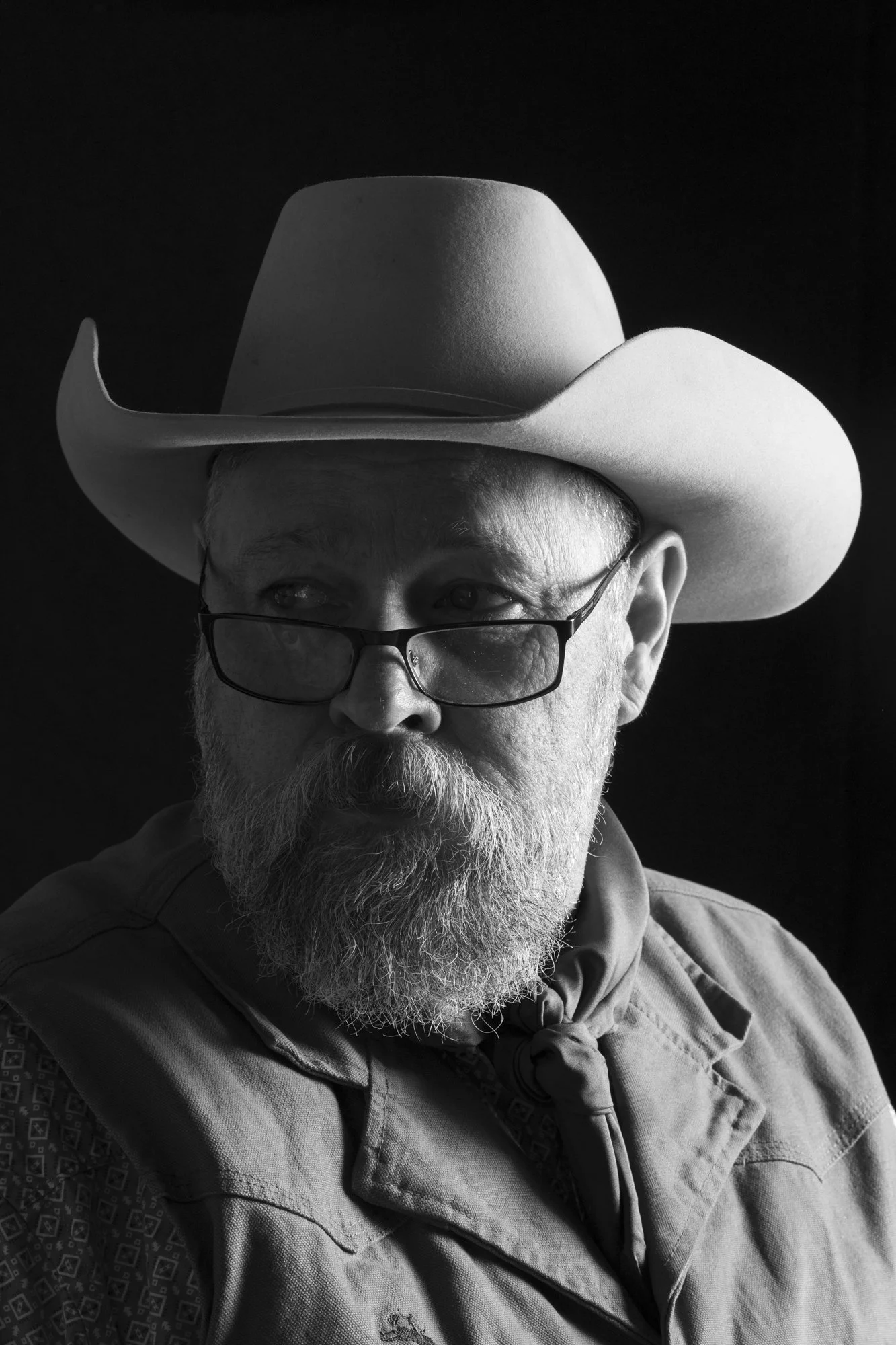
It’s always amazing how the universe brings people together. During a trip to Jackson Hole I was on a big gallery kick and spent quite some time taking in the top tier art that Jackson’s galleries have to offer. After the trip was over I began the drive back home. At the time I was living in San Diego and decided on a route that happened to go through Afton, WY - home of the Western Skies Fine Art - a gallery I had no knowledge of. Still having a thirst for art though, I popped in and was greeted by the owner Doug Monson He showed me around the gallery and his breathtaking studio upstairs. Next thing you know, I pulled the camera gear out of the track and was photographing Doug at work. Prior to that day I never even knew who Monson was. It was a pleasure spending time with him though. He’s a talented artist and a hell of a nice guy.

Why Wyoming Still Matters for Western Artists

Wyoming holds onto something a lot of places have already let go. There’s still space. Still working ranches. Still a culture that hasn’t been completely reshaped for an audience.

For artists—whether working in charcoal, photography, or anything else—that matters.

It means the subject isn’t manufactured. You’re not documenting a version of the West built for tourists. You’re seeing something that still functions the way it always has.

That’s why so much of my own work continues to bring me back to places like this.

Documenting the Same World Through Photography

While Monson works in charcoal, the intent overlaps closely with what I’ve been building through photography. For the past several years, I’ve been documenting working cowboys across the American West—on ranches where traditions like branding, roping, and horsemanship are still part of daily life. It’s not staged. It’s not styled. It’s not built for content. It’s just the work, as it happens. That same honesty is what makes both forms of work resonate. Whether it’s a drawing or a photograph, the goal is the same: create something that holds up over time because it’s rooted in reality.

The Importance of Western Crafts and Artists

There’s a broader ecosystem around cowboy culture that often gets overlooked — Saddle makers. Rawhide braiders. Bootmakers. And artists like this one working in charcoal.

These aren’t separate from Wester culture—they’re part of it. And as fewer people continue these traditions, documenting them becomes more important. Not in a nostalgic way. In a factual one. Because once these skills disappear, they don’t come back.

Collecting Authentic Western Art and Photography

For collectors, there’s a difference between work that references the West and work that comes directly out of it.

That difference shows up over time.

It’s in the details. The restraint. The lack of exaggeration.

Whether it’s a charcoal drawing or a photograph, the strongest pieces tend to be the ones that don’t try too hard. They just reflect what’s there.

If you’re interested in collecting work like this, it’s worth paying attention to where it comes from—and who made it.

A Larger Project Documenting the American West

This visit is part of a much larger body of work focused on documenting the people, places, and traditions that still define the American West.

It’s taken me across ranches in multiple states, often working in remote environments where this way of life still operates largely unchanged.

If you’re interested in seeing more:

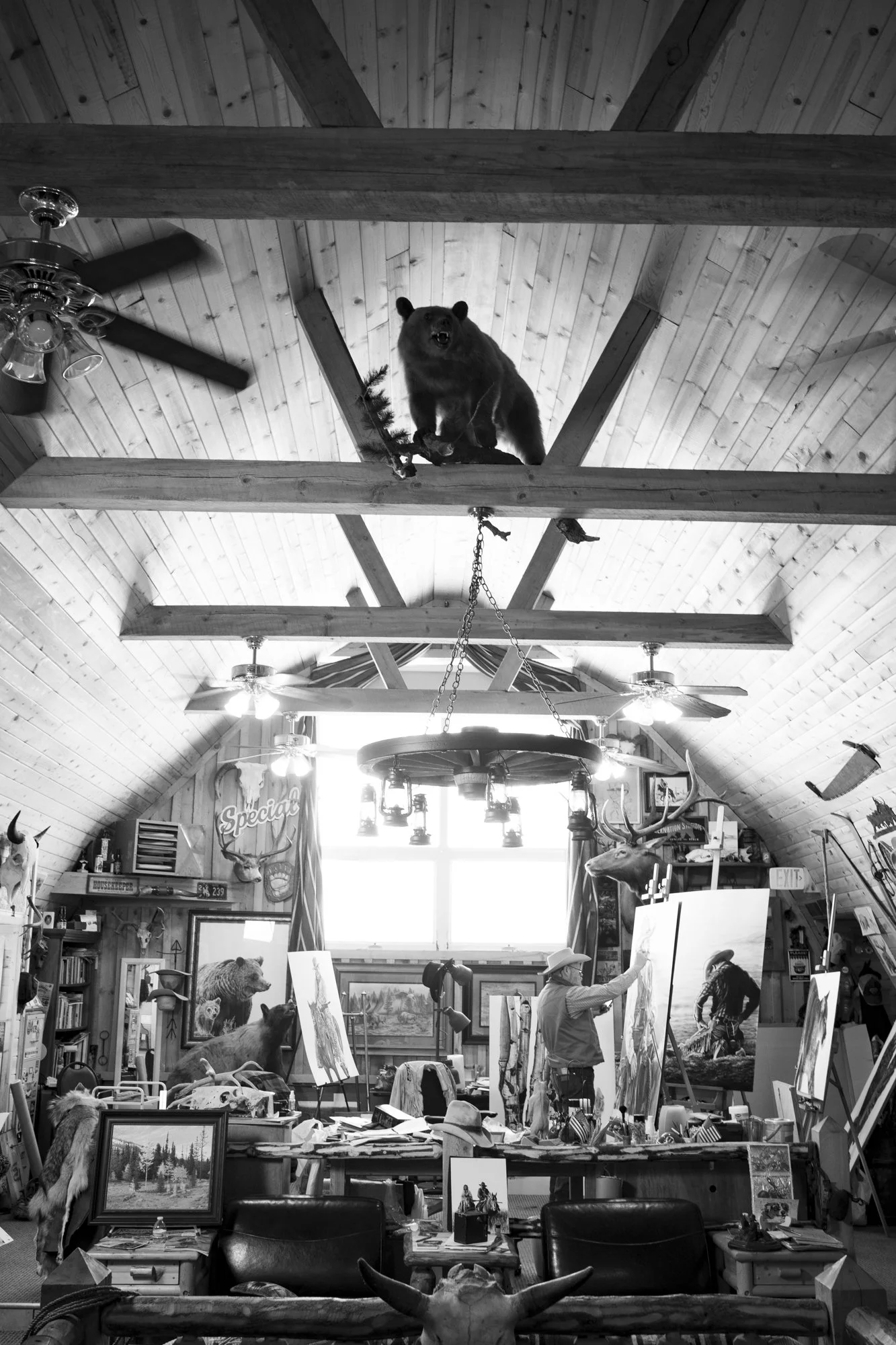
Charcoal artist Doug Monson at work in his studio at the Western Skies Gallery in Afton, Wyoming

Charcoal artist Doug Monson at work in his daylight studio

A western charcoal artist drawing a cowboy

Monson drawing a cowboy with charcoal on paper

Portrait of a Western charcoal artist

Portrait of artist Doug Monson

Western charcoal artist Doug Monson working on a drawing at the Western Skies Gallery

Doug Monson at work on a drawing in the Western Skies Gallery

Black and white photograph of a Western artist in his studio surrounded by drawings and art supplies

Doug Monson surrounded by art in his studio


Cowboy Photography - Buckaroos

Nevada Buckaroo Photos | Authentic Great Basin Cowboy Photography

Buckaroo Photography from the American West

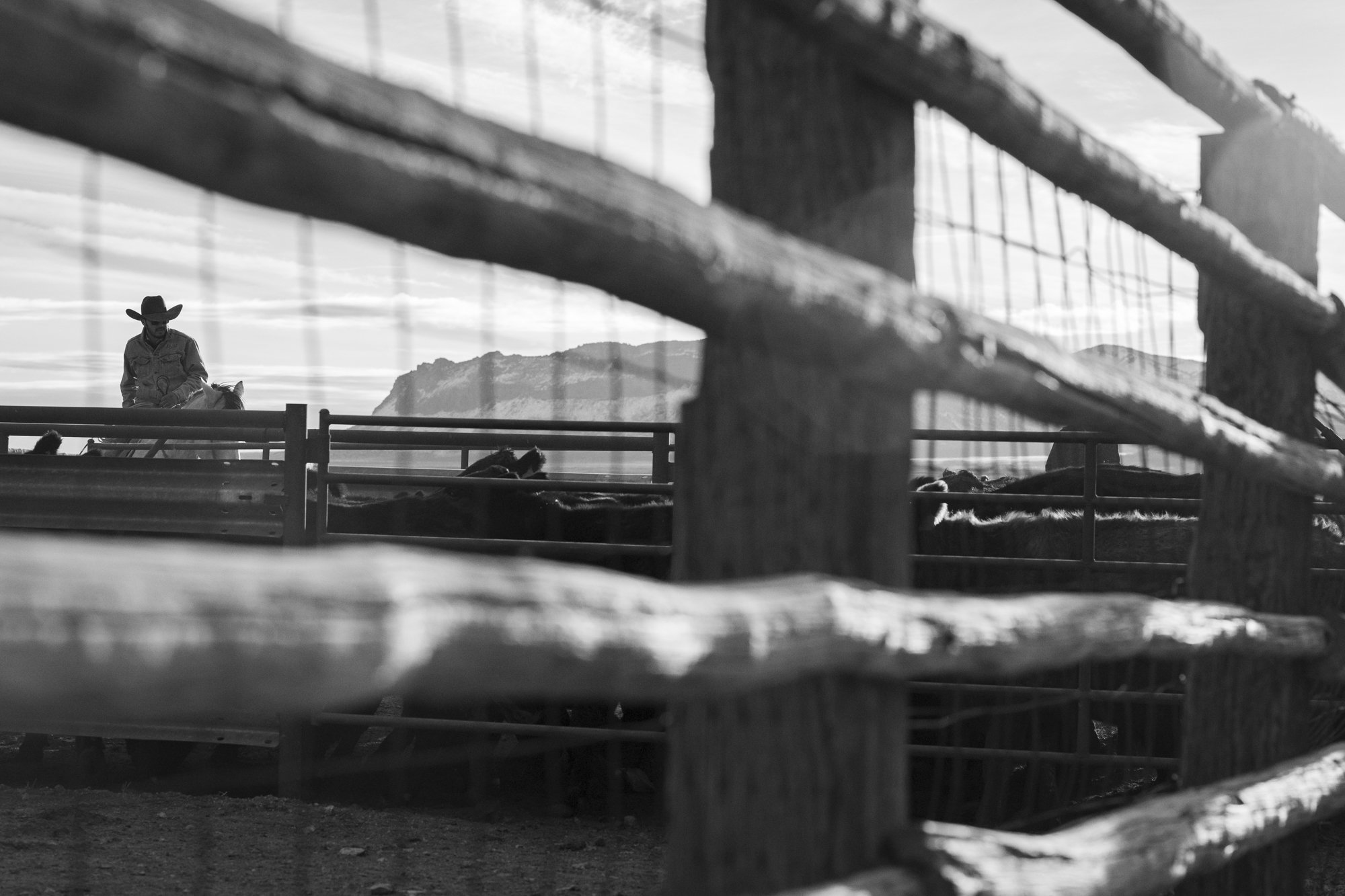
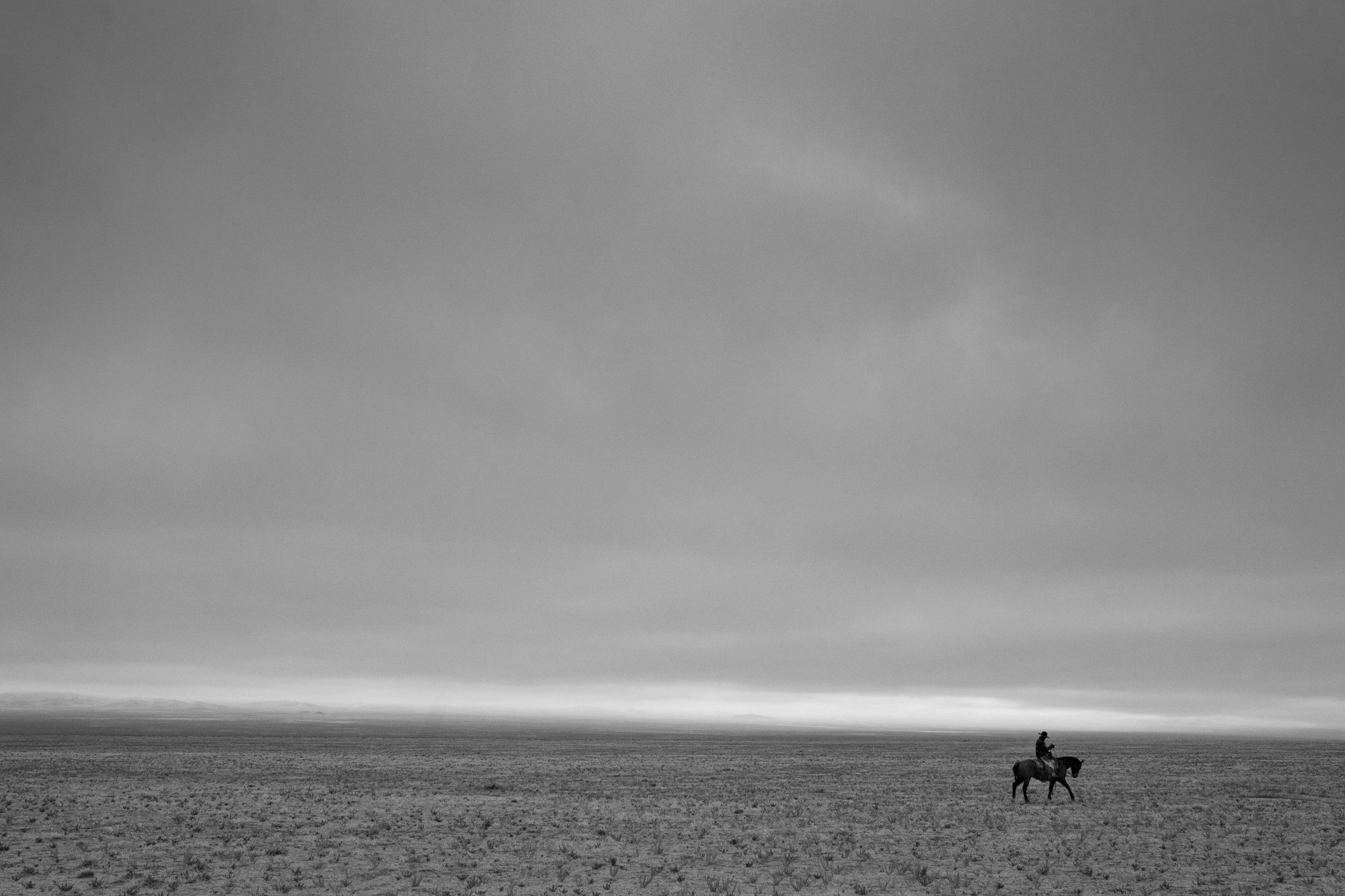
The Great Basin is a special part of the American West, particularly as it applies to cowboy culture and the buckaroos that call it home. Among the few remaining iconic ranches still left in northern Nevada are the C-Punch Ranch in Lovelock and the Winecup Gamble Ranch in Montello. Both are jaw dropping beautiful and incomprehensibly large. The C-Punch, the biggest I’ve been to so far, is 1.8 million acres. Yeah. Try wrapping your head around that. Seeing all these properties in different parts of the country has been amazing. Each region has its own allure. Nobody ever said to pick a favorite, but there’s something about the land in northern Nevada that really does it for me. Still working on putting that into words, but it’s exceptional, to say the least and took a few years to truly understand. At first, places that big, open, and seemingly void of life are difficult to grasp. Then something clicks and you can’t get enough of it. The muted colors, textures, and vibes of the Sage Brush Sea are intoxicating.

Nevada Buckaroos and Great Basin Ranch Culture

A Nevada buckaroo is not a costume or a posture. It is a way of working that developed in wide country where distance matters and horses are tools, not accessories. The Great Basin shaped this culture the way weather shapes a face—slowly, without asking permission. These photographs were made in that context, among people whose days are structured around stock, seasons, and the quiet competence required to make both endure.

The buckaroo tradition in Nevada carries deep vaquero roots, visible in gear, horsemanship, and the small details that separate function from style. While every worn saddle mark, coil of rope, and dirty Garcia bit does a job it has already done many times, make no mistake, buckaroo gear has a style all it’s own. A style that’s worm with immense pride, not just because it’s part of their very identity, but also because they know it’s the visual element that separates them from cowboys in every other region of the West.

Photographing Working Buckaroos in Nevada

Photographing buckaroos is less about chasing moments and more about staying put long enough for the work to reveal itself. The rhythm is slow, punctuated by long stretches of waiting and brief intervals where everything happens at once. These images come from time spent standing off to the side, watching cattle move, horses settle, and men do what they’ve always done without commentary.

There is no staging here. The photographs are made in real working conditions, often dictated by weather, dust, and the simple fact that ranch work does not stop for a camera. That constraint is part of the appeal. It keeps the photographs honest and the subjects unbothered.

Nevada Buckaroos Within the American West

Within the larger story of cowboy culture, Nevada buckaroos occupy a particular corner—one defined by style, scale, isolation, and continuity. This body of work fits within a broader project photographing working cowboys across the American West, but these images belong specifically to the Great Basin and the people who know it well.

Taken together, the photographs function less as individual moments and more as a quiet record of a way of life that persists without announcement. They are not meant to explain or romanticize the work, only to show it as it appears when you spend enough time around it. I am forever grateful that these these buckaroos have allowed me to spend time with them.

View More Nevada Buckaroo Photography

Shop Cowboy Photography Prints

Photograph of a cowboy working cattle on the C-Punch Ranch - Nevada

Cowboys roping cattle on the C-Punch Ranch in Lovelock, Nevada

C-Punch Ranch

Winecup Gamble Ranch - Montello, Nevada

Winecup Gamble Ranch - Montello, Nevada

Photograph of a buckaroo catching horses

Photograph of Great Basin Buckaroos branding cattle

Buckaroos branding cattle in Nevada

Cowboys working on the Winecup Gamble Ranch in Montello, Nevada

Black and white photograph of cowboys on the Winecup Gamble Ranch

Cowboy moving cattle on the Winecup Gamble Ranch

A cowboy working on the C-Punch Ranch in Lovelock, Nevada

C-Punch Ranch

Cowboys working colts in a round pen on the C-Punch Ranch in Lovelock, Nevada

C-Punch Ranch - Cowboys working horses in a round pen

A cowboy on the C-Punch Ranch in Lovelock, Nevada

C-Punch Ranch

American West Cowboys

Trapper Rogers - Winecup Gamble Ranch - Montello, Nevada

Portrait of Trapper Rodgers

A cowboy lets his horse drink water after branding on the C-Punch Ranch in Lovelock, Nevada

C-Punch Ranch - a cowboy waters his horse

A cowboy pets his cattle dog after a day of work on the C-Punch Ranch in Lovelock, Nevada

C-Punch Ranch

Photograph of a cowboy riding his horse through a huge pasture on the C-Punch Ranch - Lovelock, Nevada

A cowboy riding his horse on the C-Punch Ranch in northern Nevada

Catching Horses
from $1,200.00

American Road Trip Photography Book

American Road Trip Photography Book

Photo Book - The Open Road

For the past 13 years, I’ve been photographing the quieter edges of America—small towns, roadside motels, empty streets, and the kinds of places most people pass without stopping.

What began as a road trip became a long-term body of work built over hundreds of thousands of miles on the road.

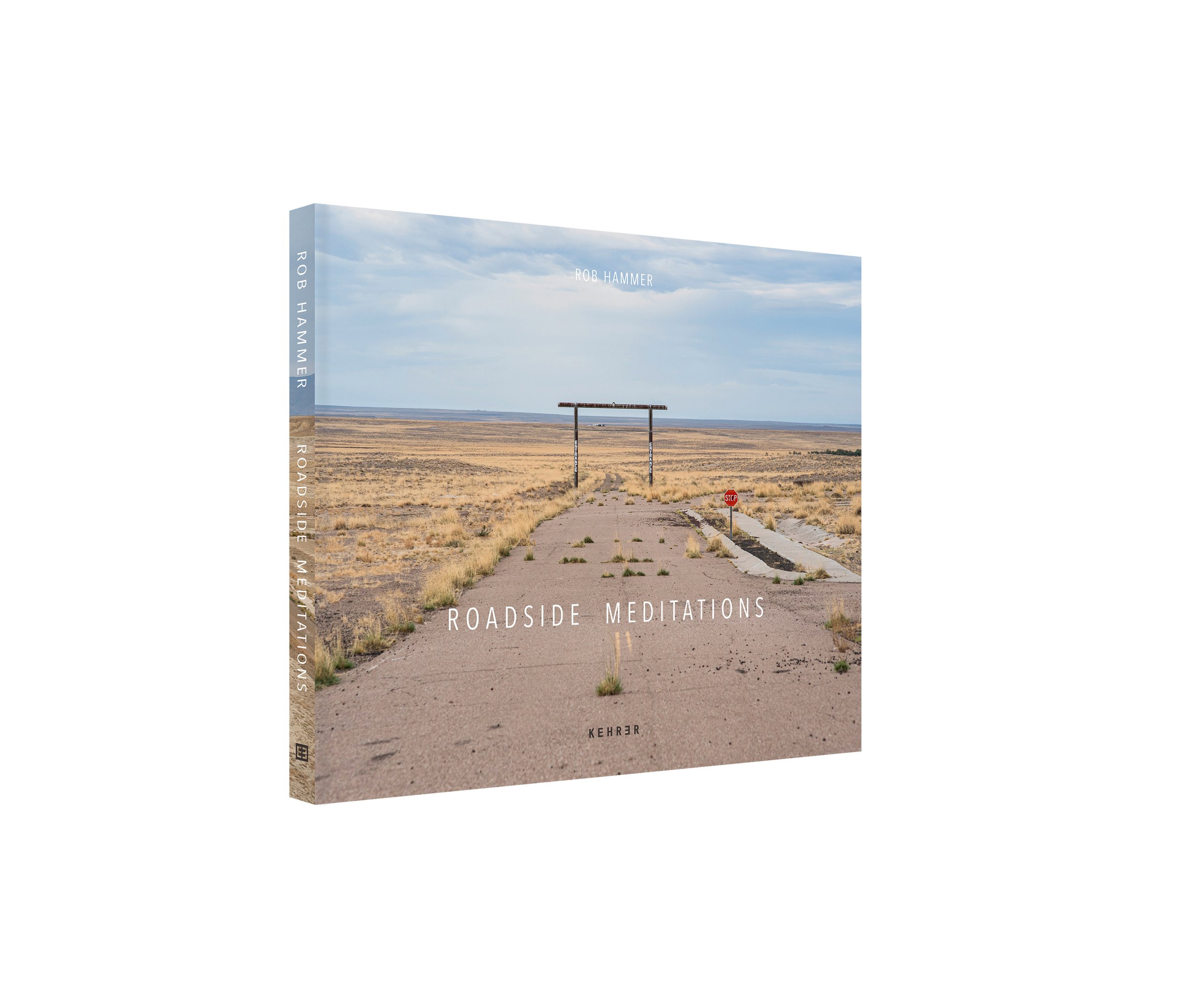
That work is now collected in the book Roadside Meditations.

Roadside Meditations — A Photographic Record of the American Road

This fine art photography book brings together photographs made across the United States, focusing on places that exist just outside of attention.

There’s no single destination or narrative arc. The work moves through the country the same way the photographs were made—slowly, without urgency, and often without a clear endpoint.

The images reflect towns that feel paused in time, buildings that have outlived their purpose, roadside spaces shaped more by use than design, and landscapes that hold a quiet, persistent stillness

This is not a document of landmarks, but of presence—of what remains when nothing is trying to be seen.

An American Landscape Between Moments

The photographs sit within a tradition of American color work that looks beyond spectacle and into the everyday.

Gas stations, motel rooms, desert edges, storefronts, parking lots—places that are often overlooked, but deeply characteristic of the American landscape.

The interest is in the in-between: The space before something happens. The trace of something that already has. The feeling that time moves differently in certain places

Many of these scenes resist being tied to a specific moment. They exist somewhere outside of it.

The Book

Last week on the drive home from Wyoming I listened to a great podcast with Rick Ruben and Rich Roll. Rick is such a unique and inspiring individual with an immense amount of knowledge from a lifetime of varying experiences. Of the many nuggets he dropped on the show, this one stuck out the most - “The audience comes last, in service to the audience. The audience wants the best thing. They don’t get the best thing when you’re trying to service them. They get the best thing when you’re servicing yourself. When you’re true to who you are”.

That’s an invaluable statement for any creator to hear and it sums up exactly how I feel about photography, for personal projects as well as commercial work. Very rarely do you see commercial work that has any great effect on people or the world of photography, because it’s watered down generic imagery that’s sole purpose is to sell a product and feature the companies logo as many times as possible. Nobody wants to take a risk. They want to play it safe and not ruffle any feathers. Seldom does an ad campaign come out with historical significance or staying power. They are about now! How much can we sell now!!?? So what does this have to do with a photography book? Everything. If I or any other photographer set out to make a book strictly with the audience in mind, it would suck. The intention would be glaringly obvious and the images would reflect a direct lack of caring. The title of the book might as well be Money Grab.

Roadside Meditations is a niche subject that’s not for everyone, which you could argue is the case for any fine art book. If it were for everyone, it wouldn’t be worth a damn. To further Ruben’s above quote, I’d like to share how my latest photo book came to be. A few years back I began collaborating with (now) photo editor/consultant Alexa Becker (Germany). At the time she was working for Kehrer Verlag and I was trying to pitch her one (maybe three?) different book ideas, none of which landed. Her interest in my work seemed genuine though, so I kept in touch. And at one point I reached out asking simply for a consultation on my “America” series. After a half dozen back and forths through Zoom, she pulled a few outlying images from my edit and asked if I had anything else that might go along with it. I did, so she began assembling a side edit. A while later she had the beginnings of Roadside Meditations, and told me to forget all about the America series, because “this” was the book! Turns out she was right, and all the roadside images I made thinking they were just accents to the bigger series, was IT all along. The point is that I never had anything in mind for the photos. I wasn’t making them for anyone but myself, and maybe one or two of them might find their way into a book, print, whatever?? Well, here we are a year and a half later, and a large shipment of books is scheduled to arrive from Germany in less than a half hour. So much has happened since then. I’ve continued shooting images that would fit into a Roadside Meditations Vol. 2, but that’s not the intention. The images are only made because I’m drawn to make them. And it would be a bonus if another book happened to develop. Vol.1 isn’t out in the world yet, so there is nothing to say people even want it, but I’m still a firm believer that “the audience comes last, in service of the audience.”

Collecting the Work

Photographs from Roadside Meditations are available as fine art prints.

Each print is produced using museum-grade materials and intended for long-term display in private collections, interior spaces, and galleries. If you’re interested in prints, please contact me directly - rob@robhammerphotography.com

Purchase the Book

Click here to purchase a copy of Roadside Meditations

Fine art American road trip photography book Roadside Meditations by Kehrer Verlag and Rob Hammer

Fine Art Road Trip Photography Book

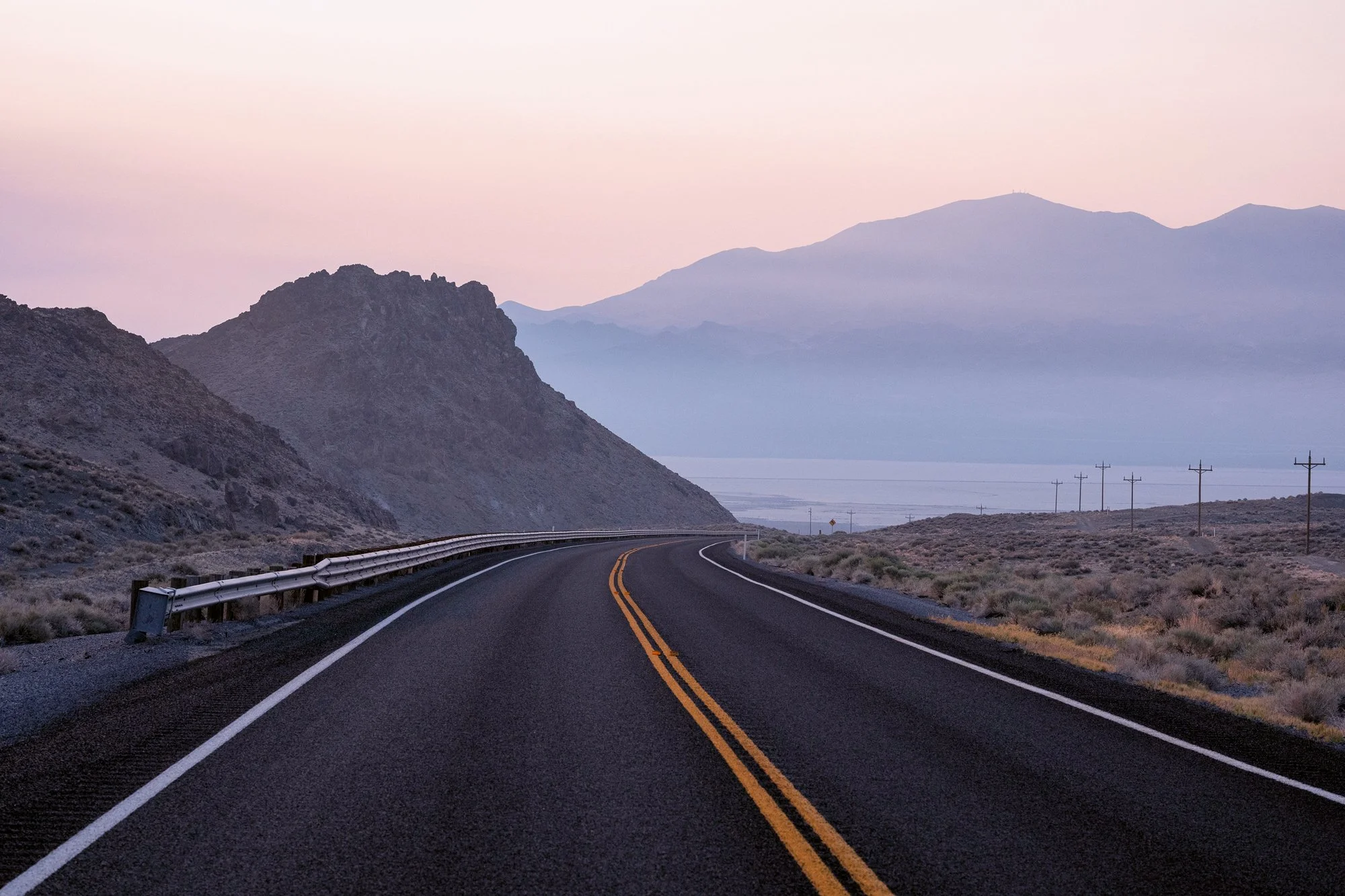
A two-lane road curves into the desert as the last light settles over the mountains.

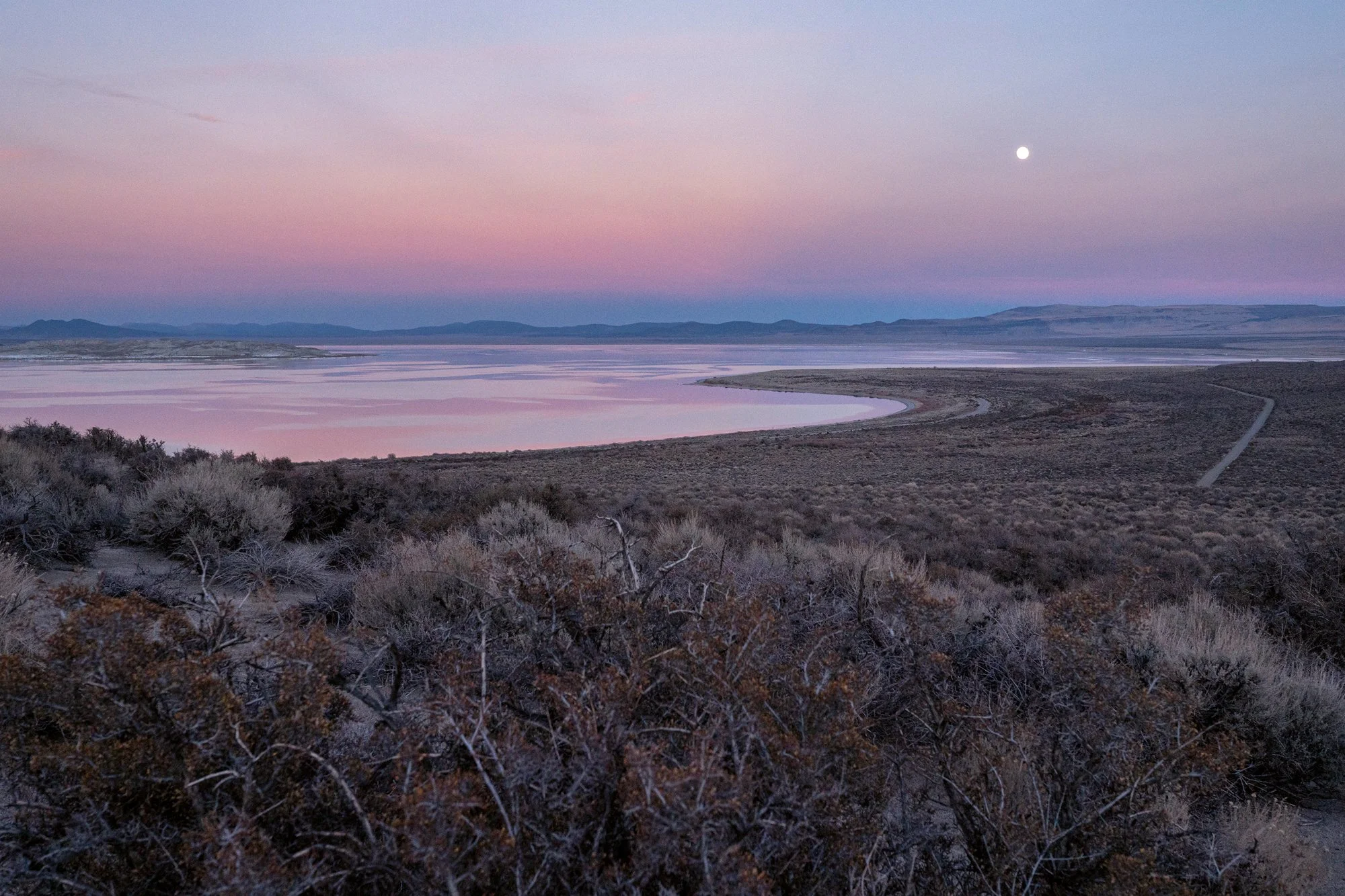
The shoreline bends into still water under a fading sky, the moon rising over the basin.

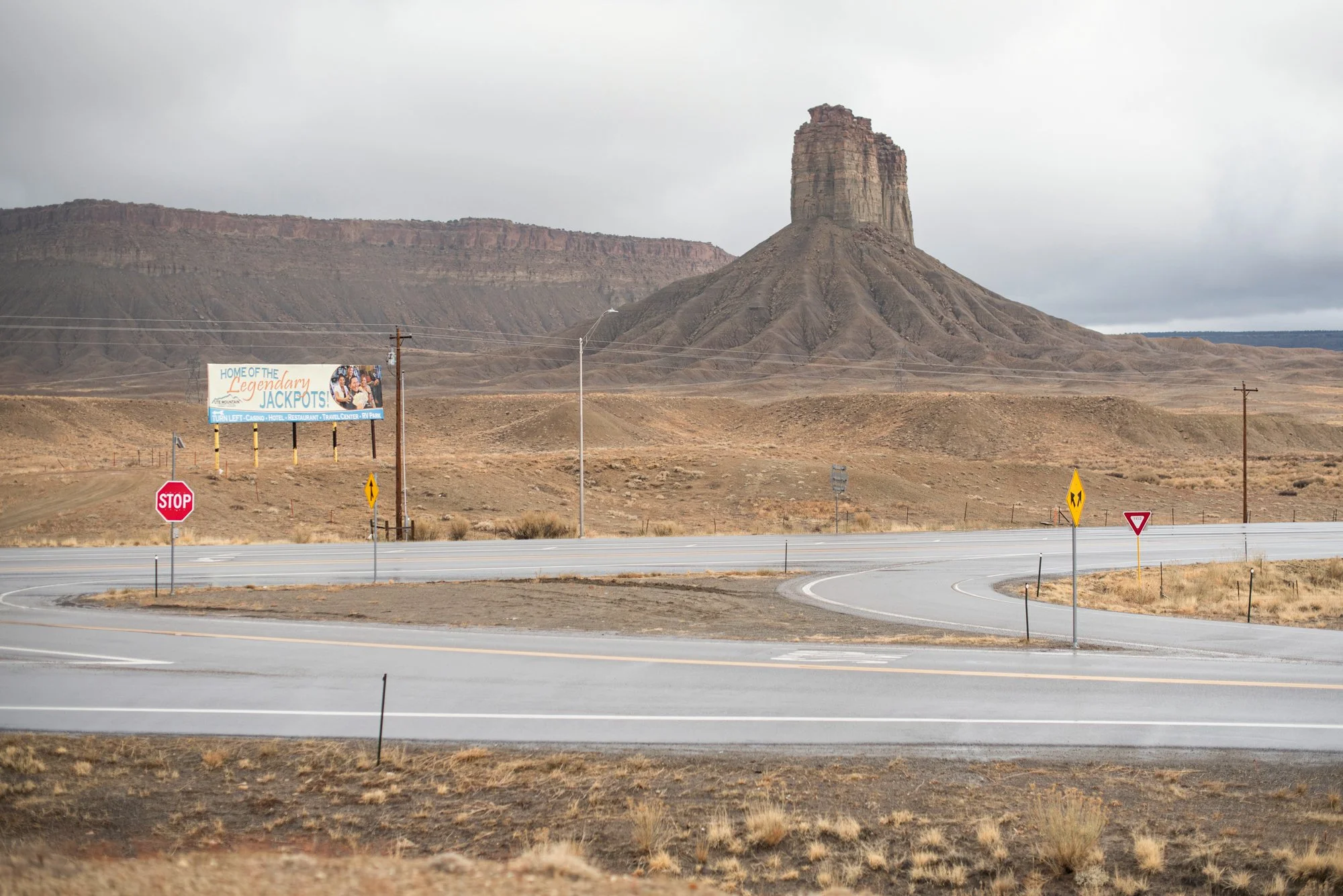
A quiet intersection sits beneath a weathered formation, where signage meets open land.

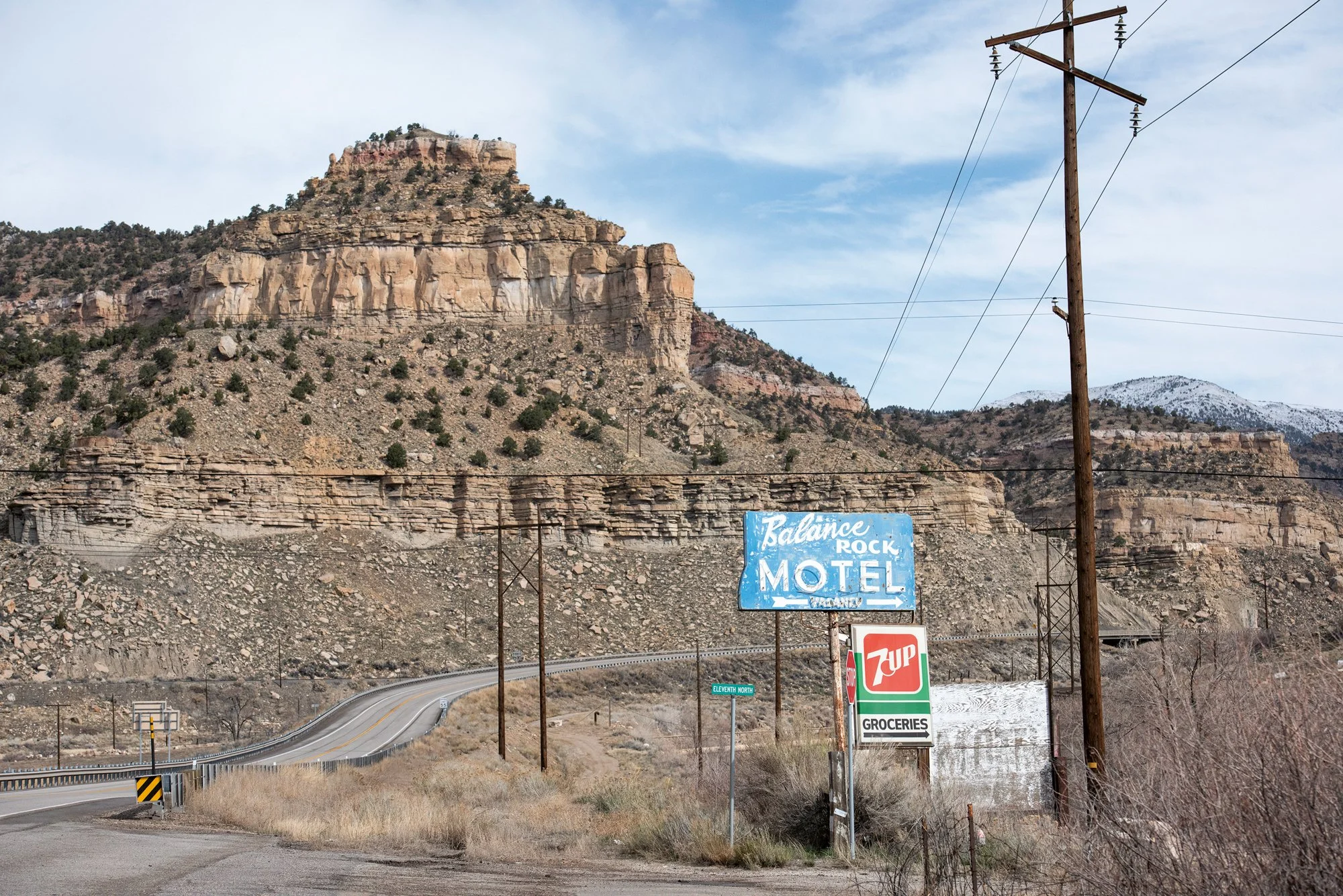
A roadside sign marks a place to stop, set against the slow movement of the landscape.

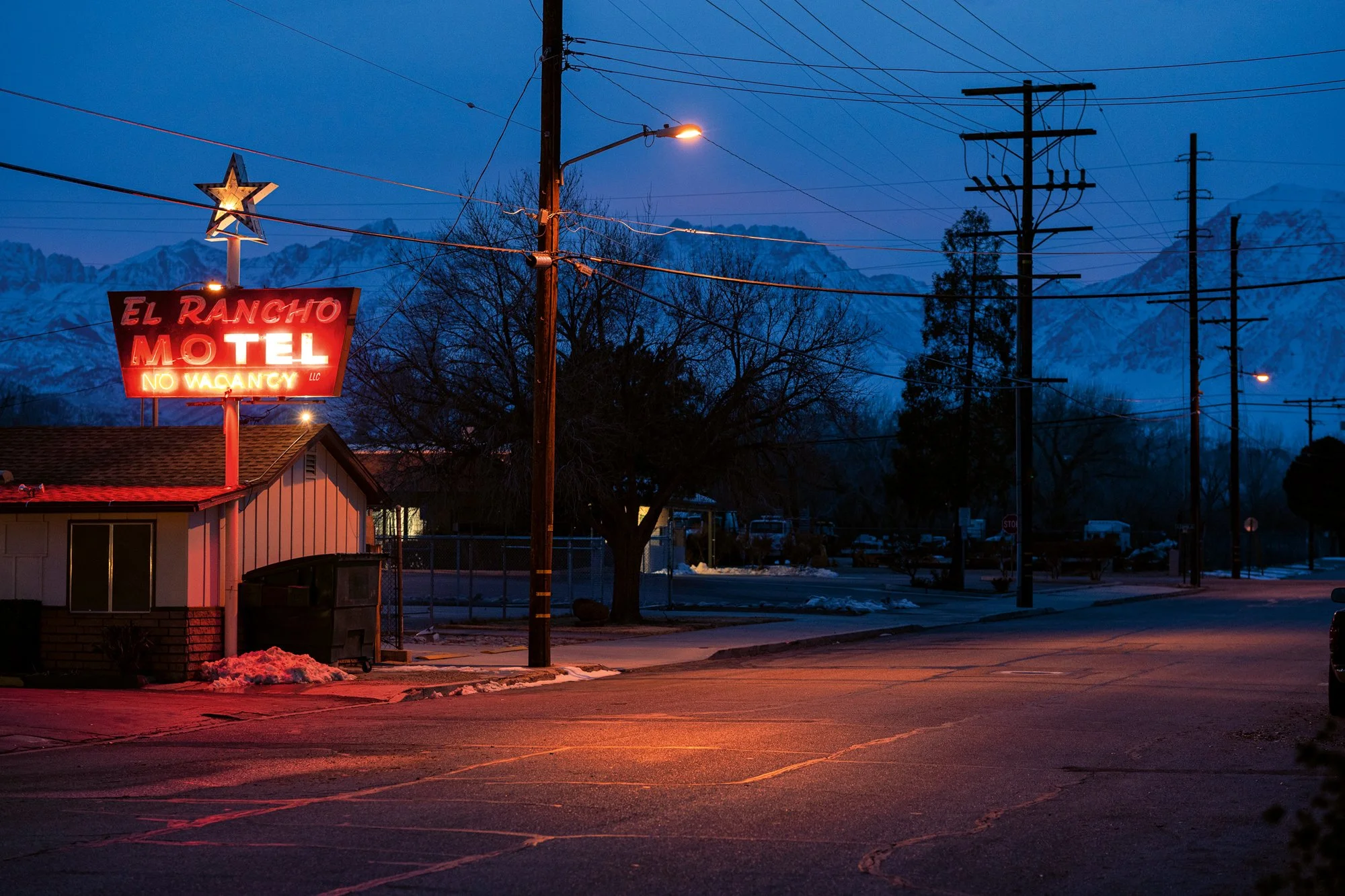
Neon light spills onto an empty street, holding the only sign of activity after dark.

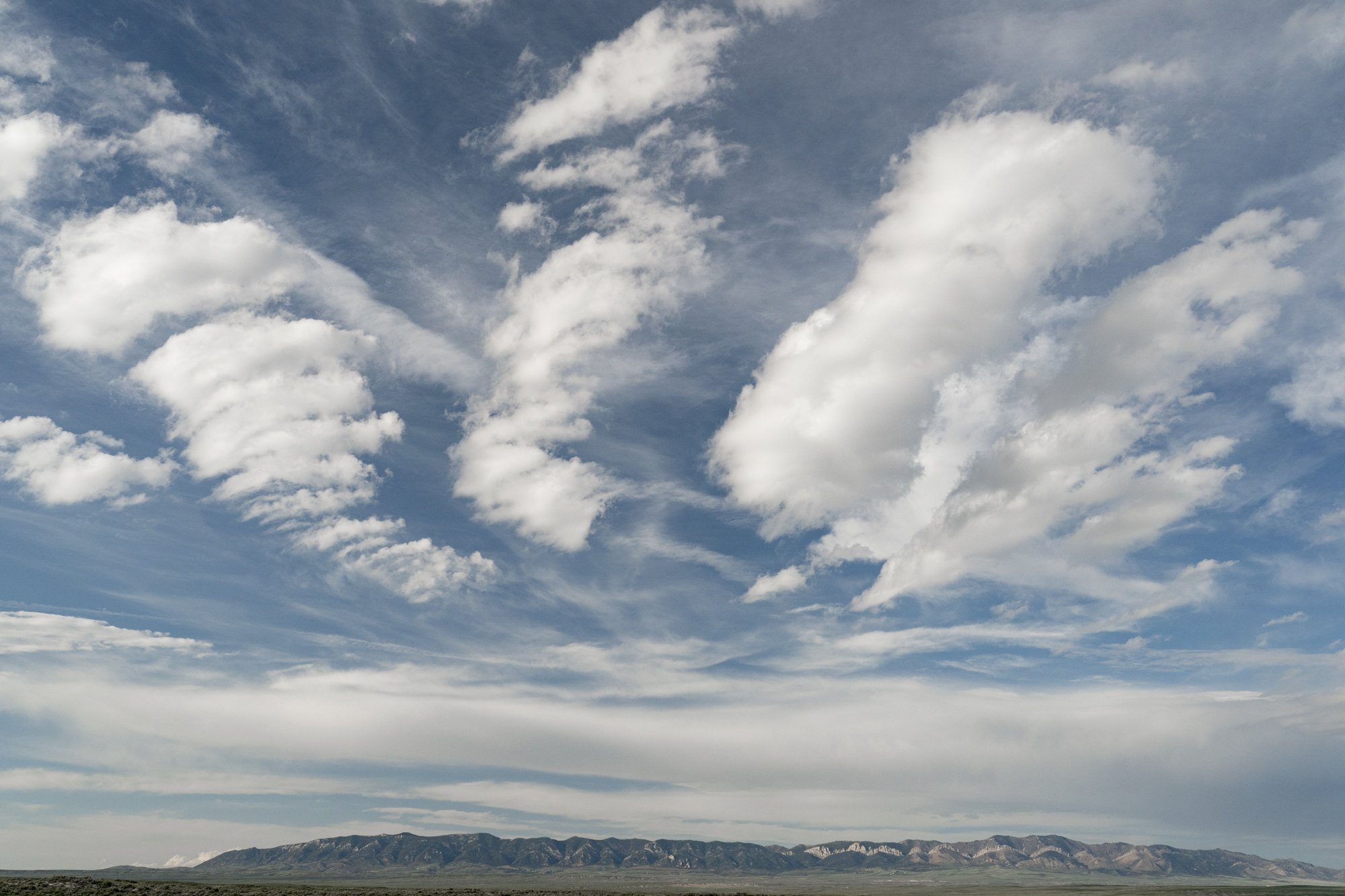
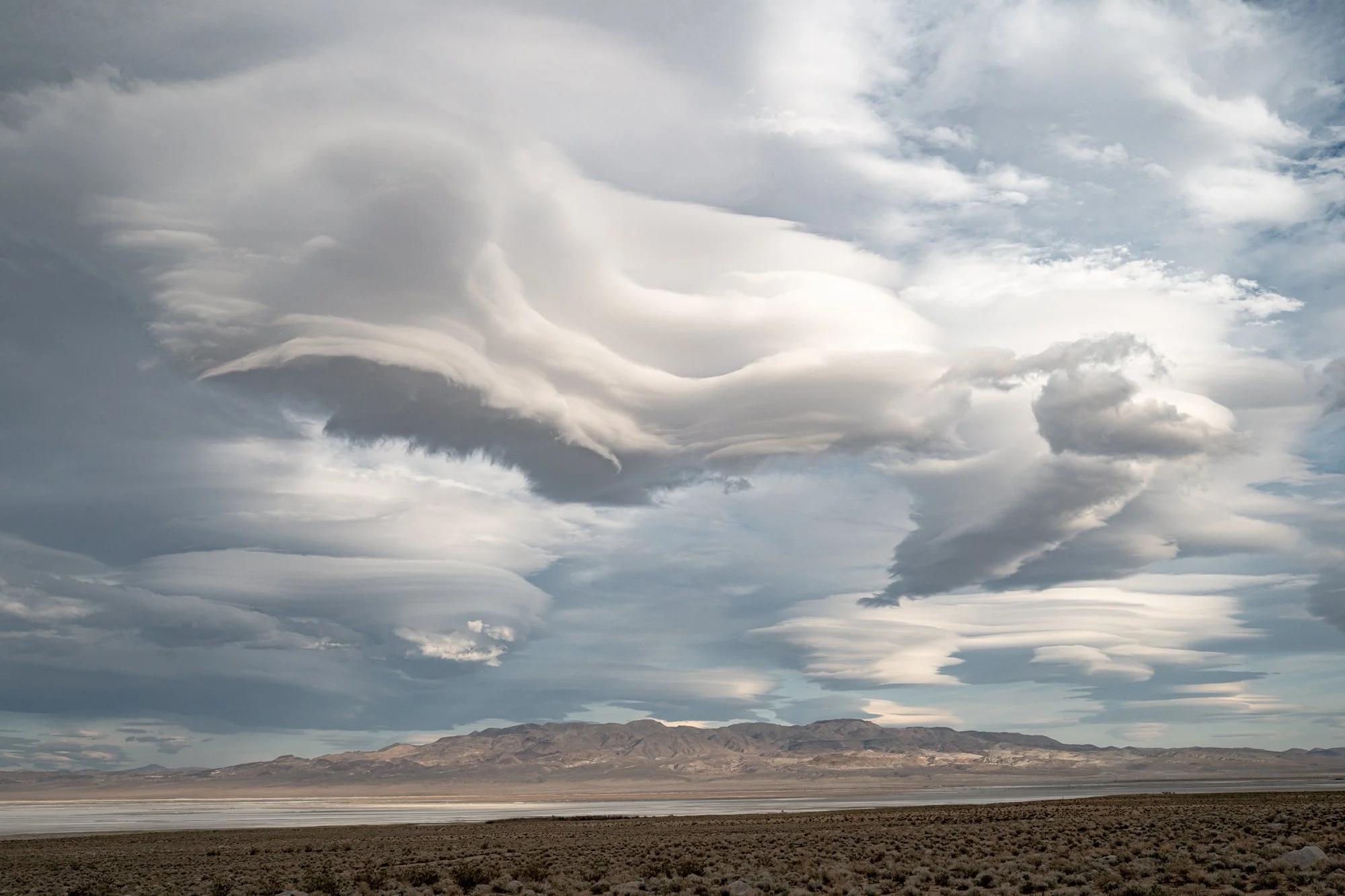
Expansive desert landscape with dramatic cloud formations over vast basin

Clouds gather and stretch across the basin, moving slowly over an open and unchanged landscape.

American Road Trip

Road Trip Photography - America - Open Road

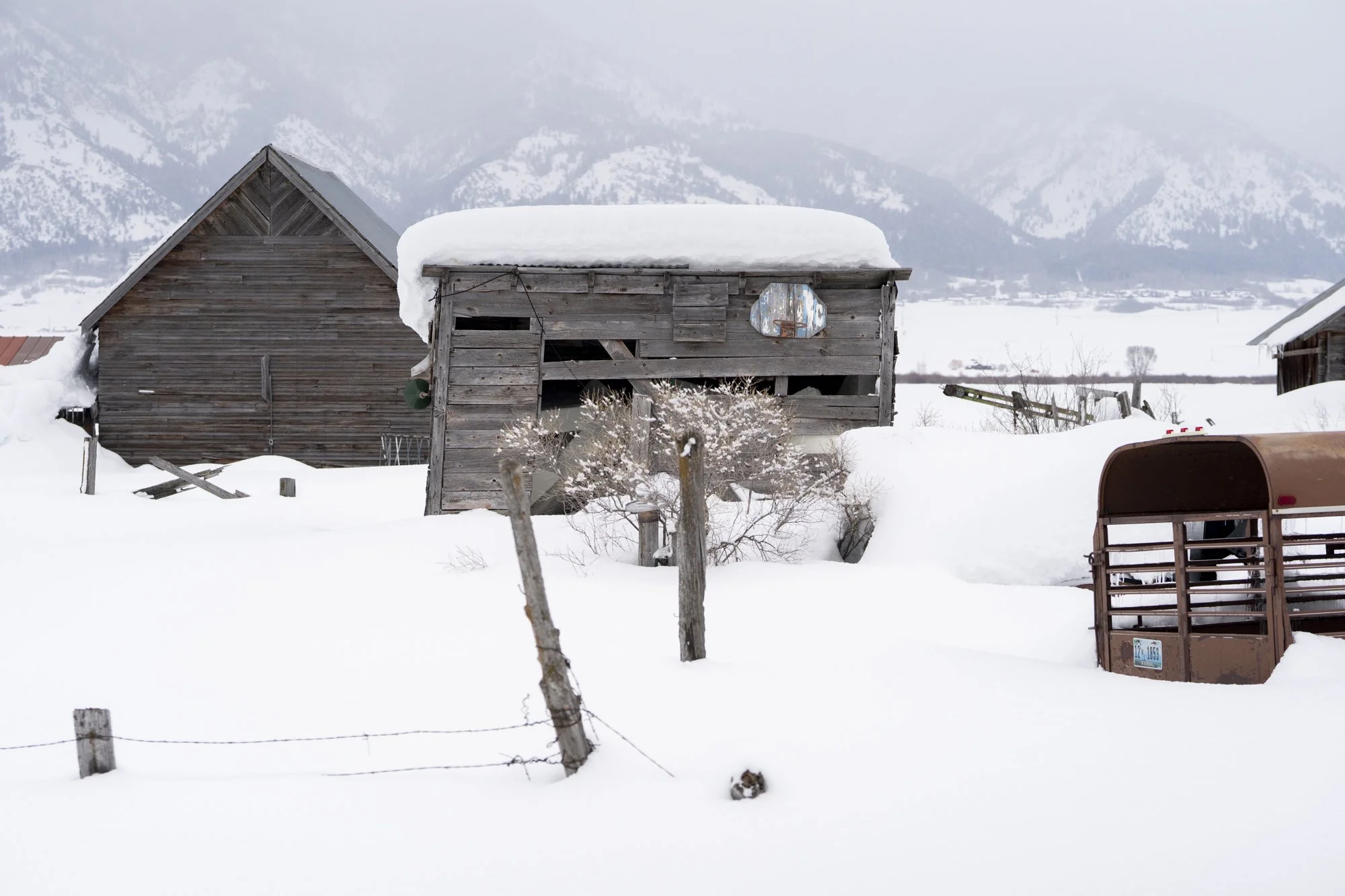
Winter is such a special time in the West. Especially if you’re lucky enough to be in it when a massive snowstorm hits. Such was the case this past week in Wyoming where the snow never seemed to stop. I drove up there to do some shooting and for a backcountry snowboarding hut trip in the Tetons. Jackson Hole and the surrounding area never disappoint in the snow category. Snowboarding is my “selfish time”, meaning I generally put the camera away and just ride, so there are no images of powder to share. However, the image below made in Afton, Wyoming is a great example of the odd things you see while on the road that are only made possible by the hand of mother nature.

Winter in Afton, Wyoming

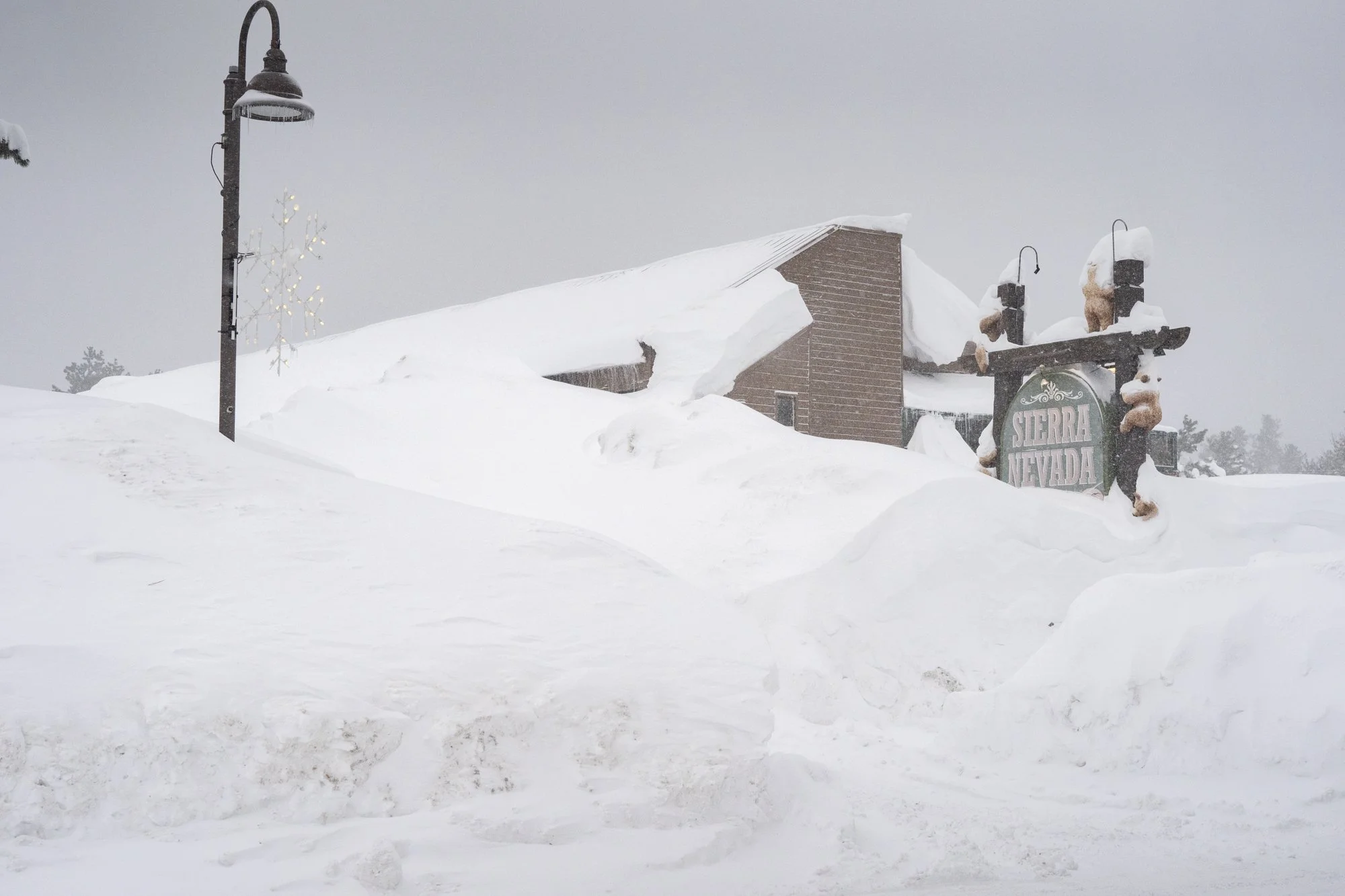
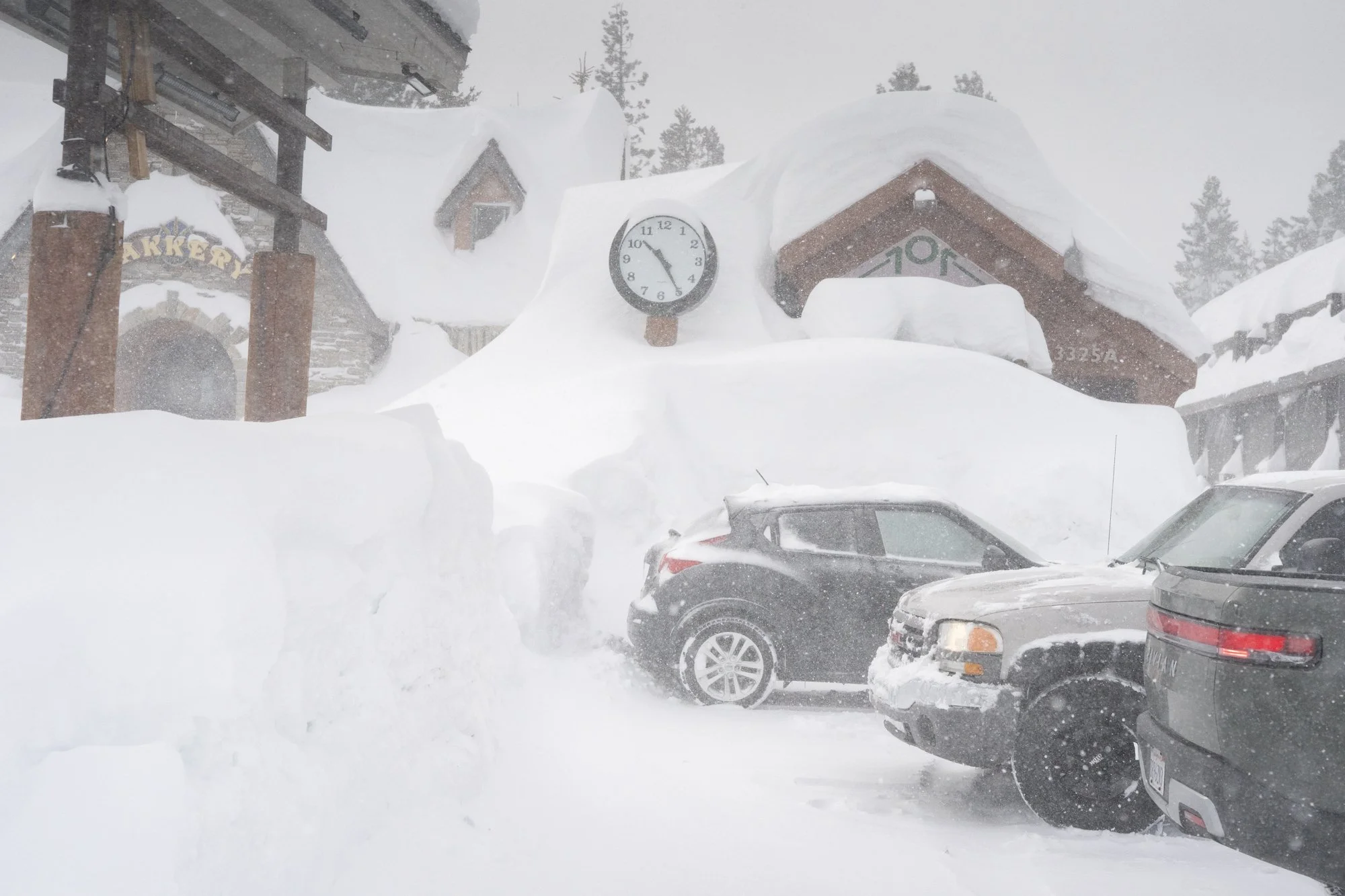
Winter Storm Photography in Mammoth, California

Photographing a Winter Snow Storm in Mammoth

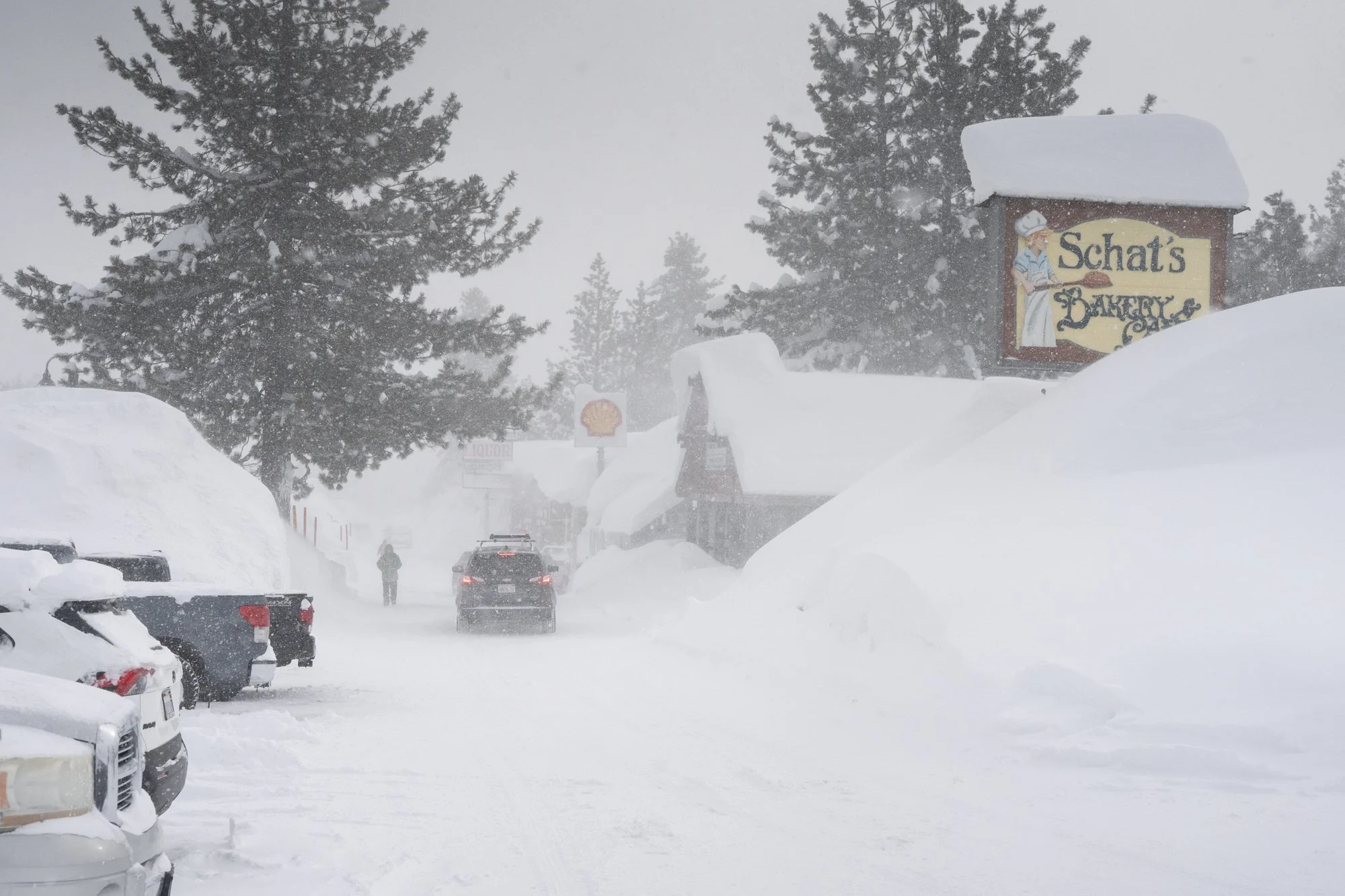
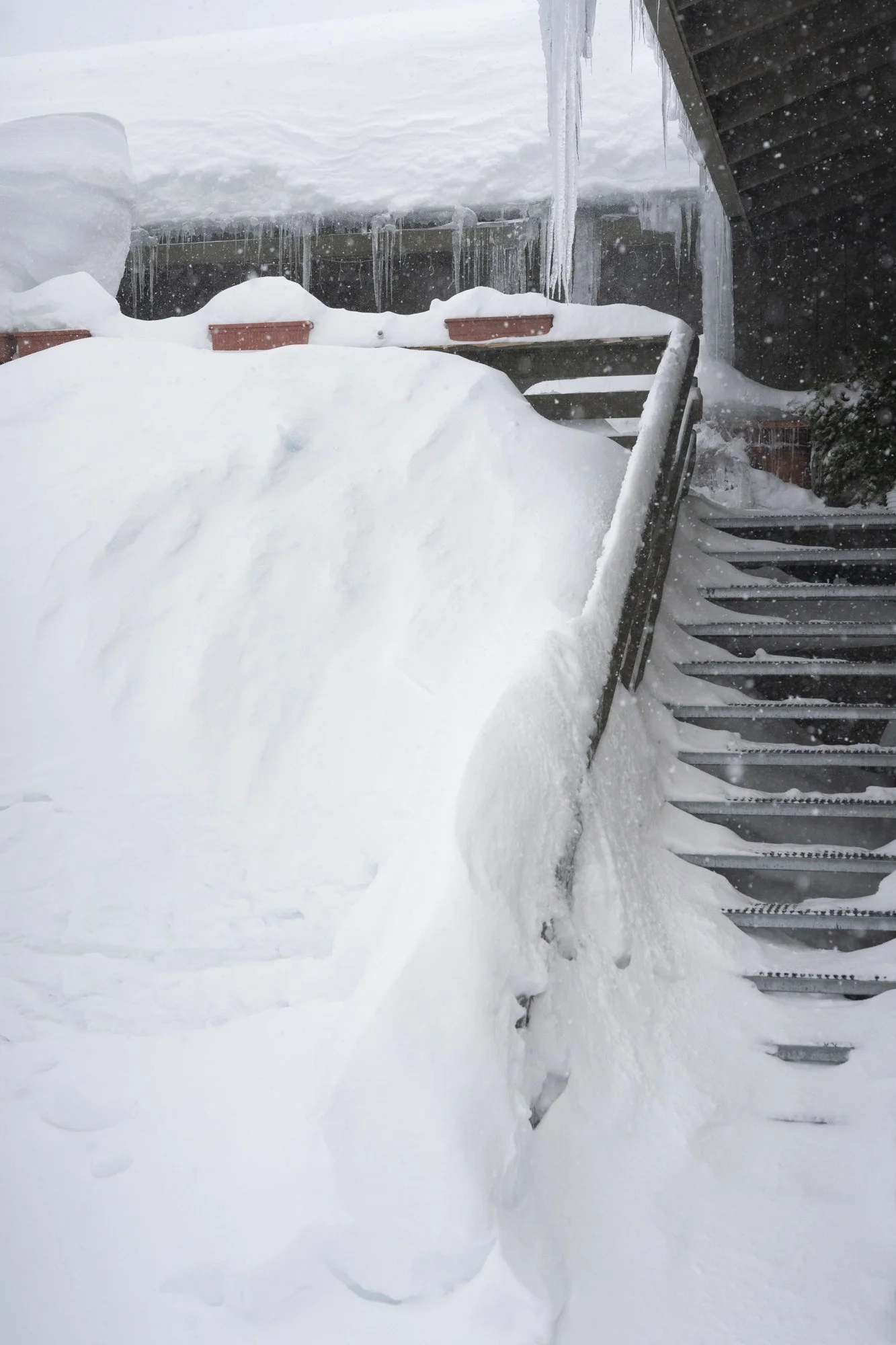
I’ve spent a lot of time in Mammoth over the years, mostly chasing snowstorms and long days on a snowboard. When a real storm rolls in, the town changes completely. Roads disappear, buildings soften, sound drops, and everything starts to feel slower and heavier. Those are the days I usually trade the board for a camera because the mountain tends to shutdown during heavy storms.

These images were made during an active winter snow storm in Mammoth, California. Not the postcard version of winter, but the kind where visibility comes and goes, snow stacks up faster than you expect, and the landscape feels stripped down to its essentials.

Living and Riding Through Winter Storms in Mammoth

If you spend enough winters here, storms stop feeling like events and start feeling like part of daily life. You wake up early to check the wind, ride when it’s good, wait it out when it’s not, and move through town while everything is still half-buried.

That familiarity makes it easier to photograph in tough conditions. I’m not chasing drama — I’m paying attention to how snow reshapes familiar places. A parking lot becomes abstract. A road turns into a line of tone and texture. Scale shifts constantly as the storm moves through.

Photographing Snow, Wind, and Scale

Winter storm photography is less about spectacle and more about restraint. Snow simplifies scenes, but it also hides detail. Light flattens quickly. Wind erases edges. The challenge is working within those limits without forcing a moment that isn’t there.

Most of these photographs were made quietly, between riding and driving, while the storm was actively changing the landscape. I’m drawn to scenes where human presence feels temporary — plowed roads, snow-covered buildings, tracks that won’t last long.

Why Winter Storm Photography Matters

Severe weather has a way of revealing place. In the mountains, storms expose how people build, move, and adapt. They show scale in a way clear days don’t. For editors, designers, and brands, winter storm imagery can communicate isolation, endurance, calm, and intensity without explanation.

These photographs aren’t about tourism or ski culture. They’re about atmosphere and environment — images that work as visual anchors in editorial layouts, books, campaigns, and long-form storytelling.

Editorial and Commercial Licensing

This series of winter storm photographs from Mammoth, California is available for editorial and commercial licensing. The images are well suited for magazines, books, outdoor and lifestyle brands, environmental storytelling, and large-format applications where mood and scale matter.

If you’re looking for cinematic winter imagery made from lived experience rather than a one-day shoot, I’m happy to help you find the right images or build a custom edit for your project.

Images from this series are also available as fine art prints. Contact me for details.

The Sierra Nevada Resort in Mammoth Lakes, California after a huge winter snowstorm

Sierra Nevada Resort covered in snow after a winter storm

Schat's Bakery in Mammoth Lakes, California covered in snow after a massive snow storm

Schat’s Bakery in Mammoth, California covered in snow

Photograph of a house covered in deep snow after a storm in Mammoth, CA

Photograph of a record breaking snow storm in Mammoth Lakes, CA

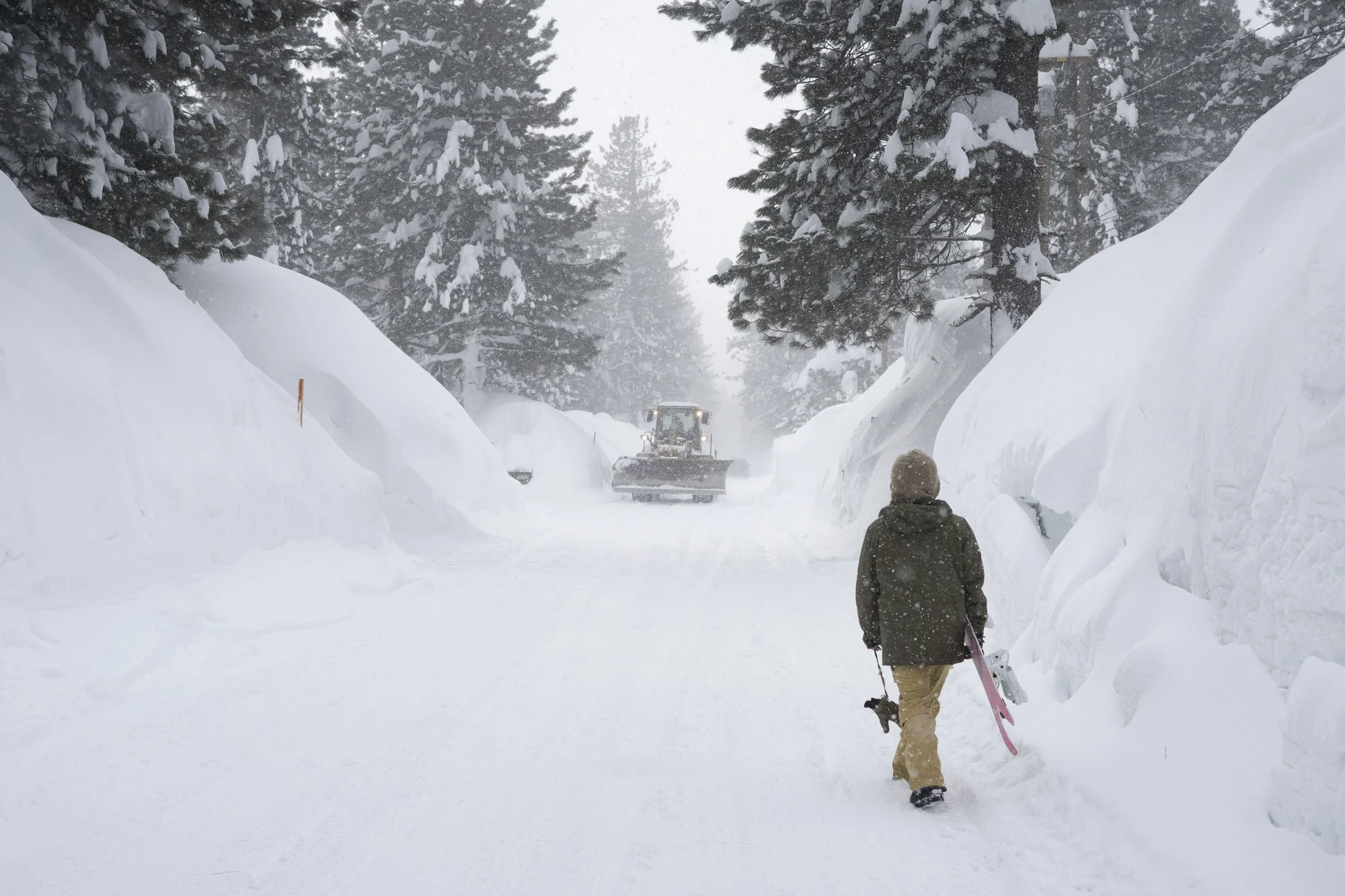
A snowboarder walks down the street after a massive winter snow storm in Mammoth Lakes, California

Streets covered in snow after a record storm in Mammoth Lakes, CA

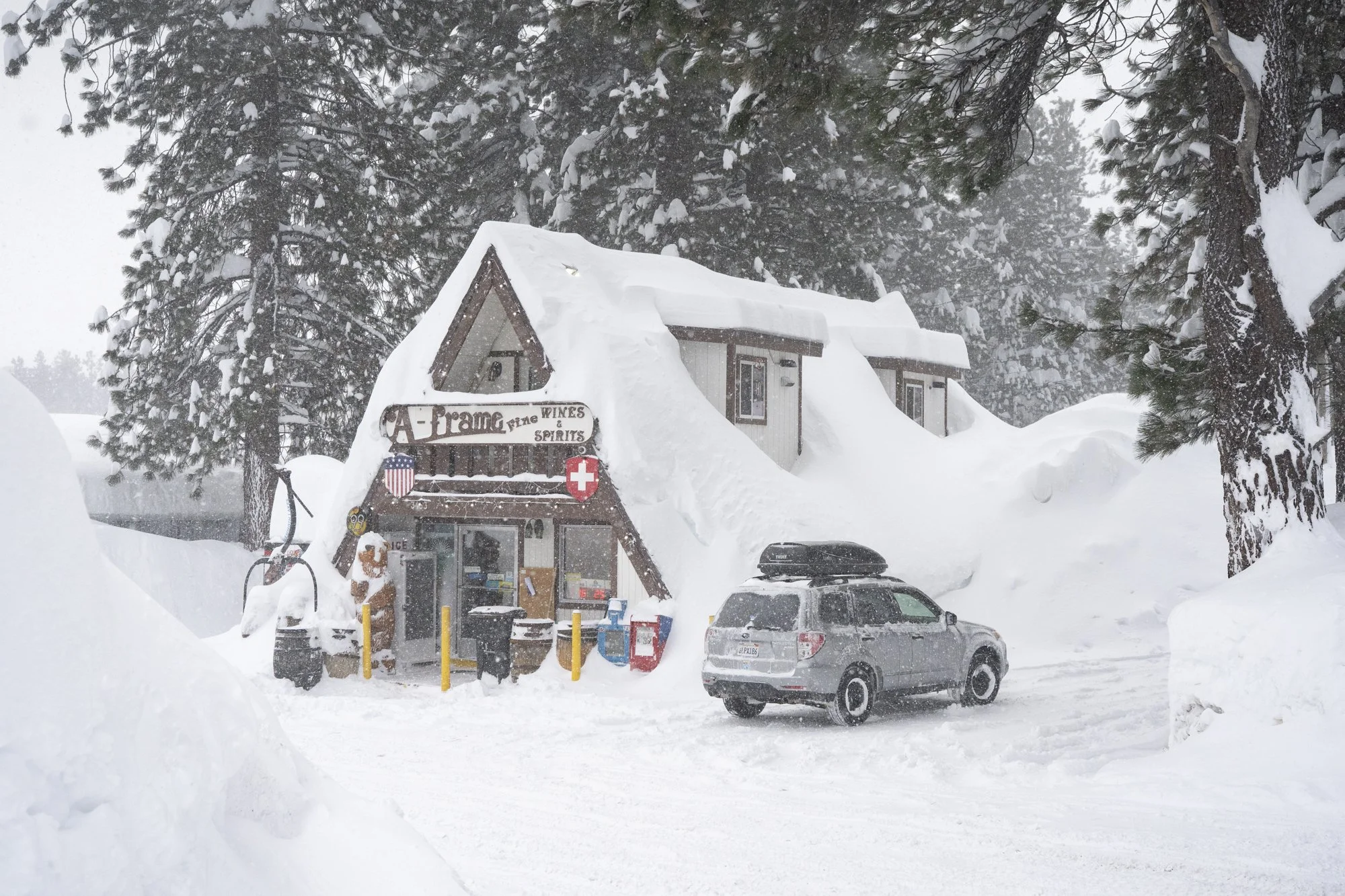
A-Frame Liquor store covered in snow after a record breaking winter storm in Mammoth Lakes, California

A-Frame Liquor covered in snow after a winter storm in Mammoth Lakes, CA

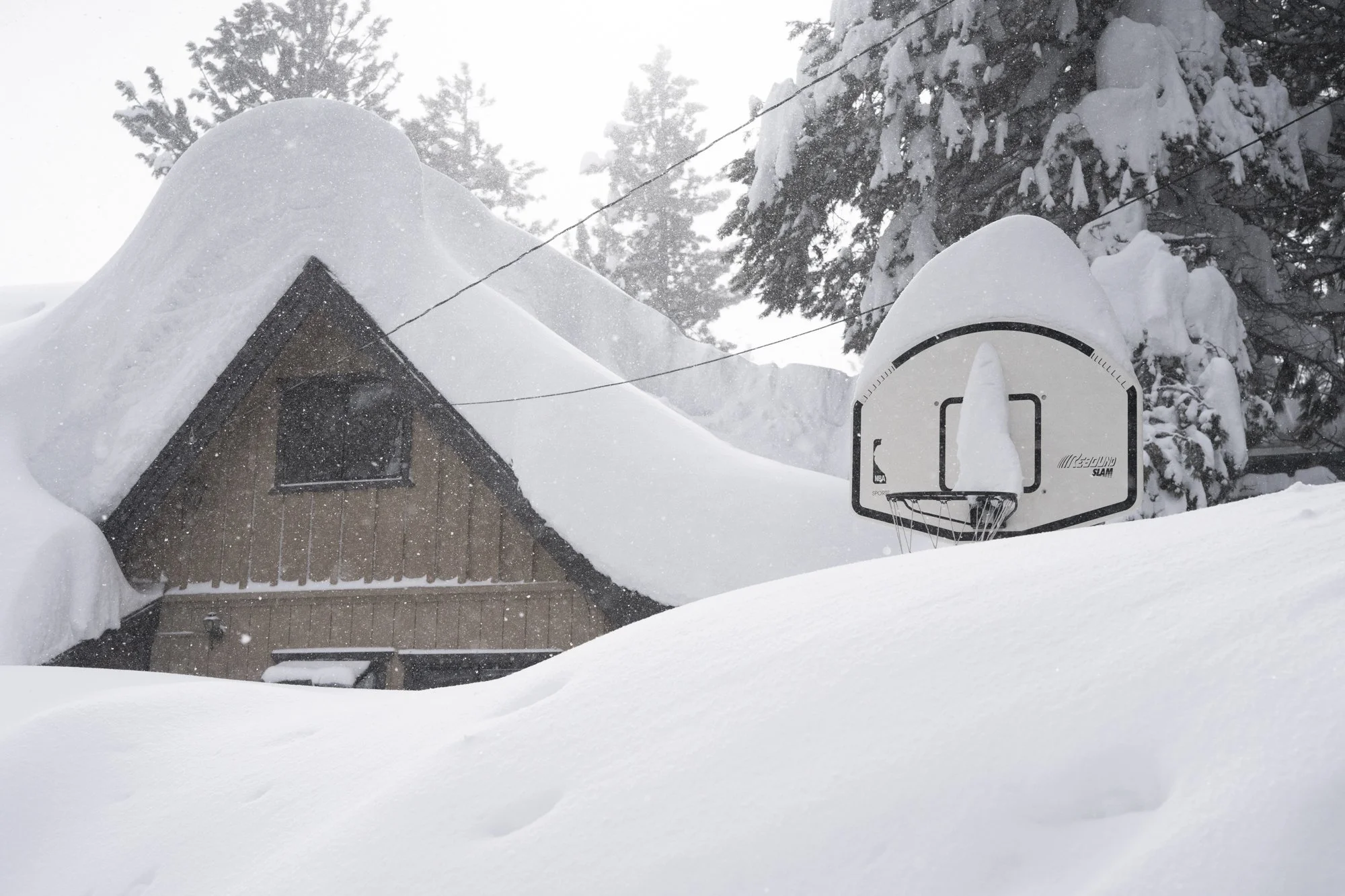
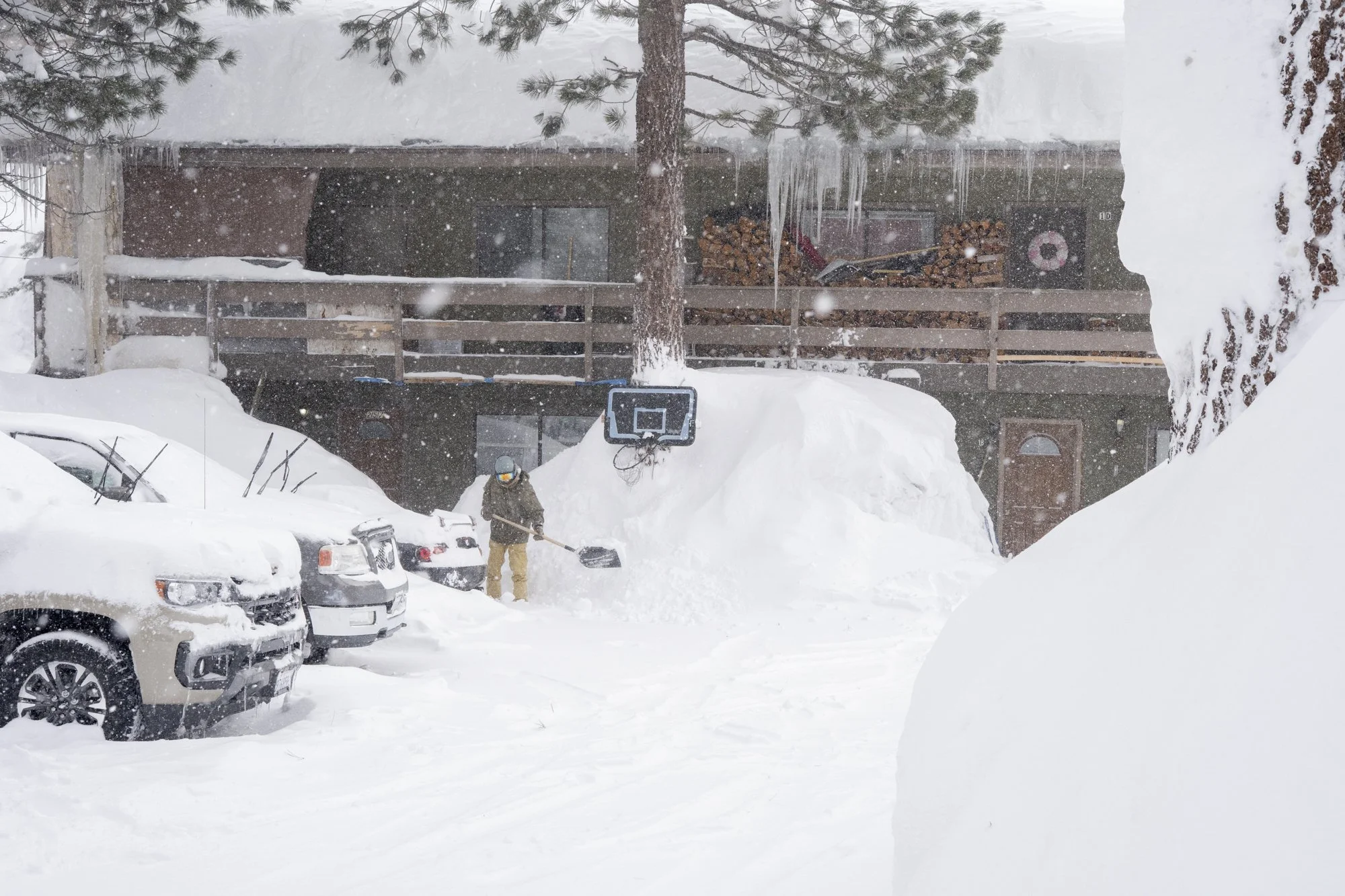
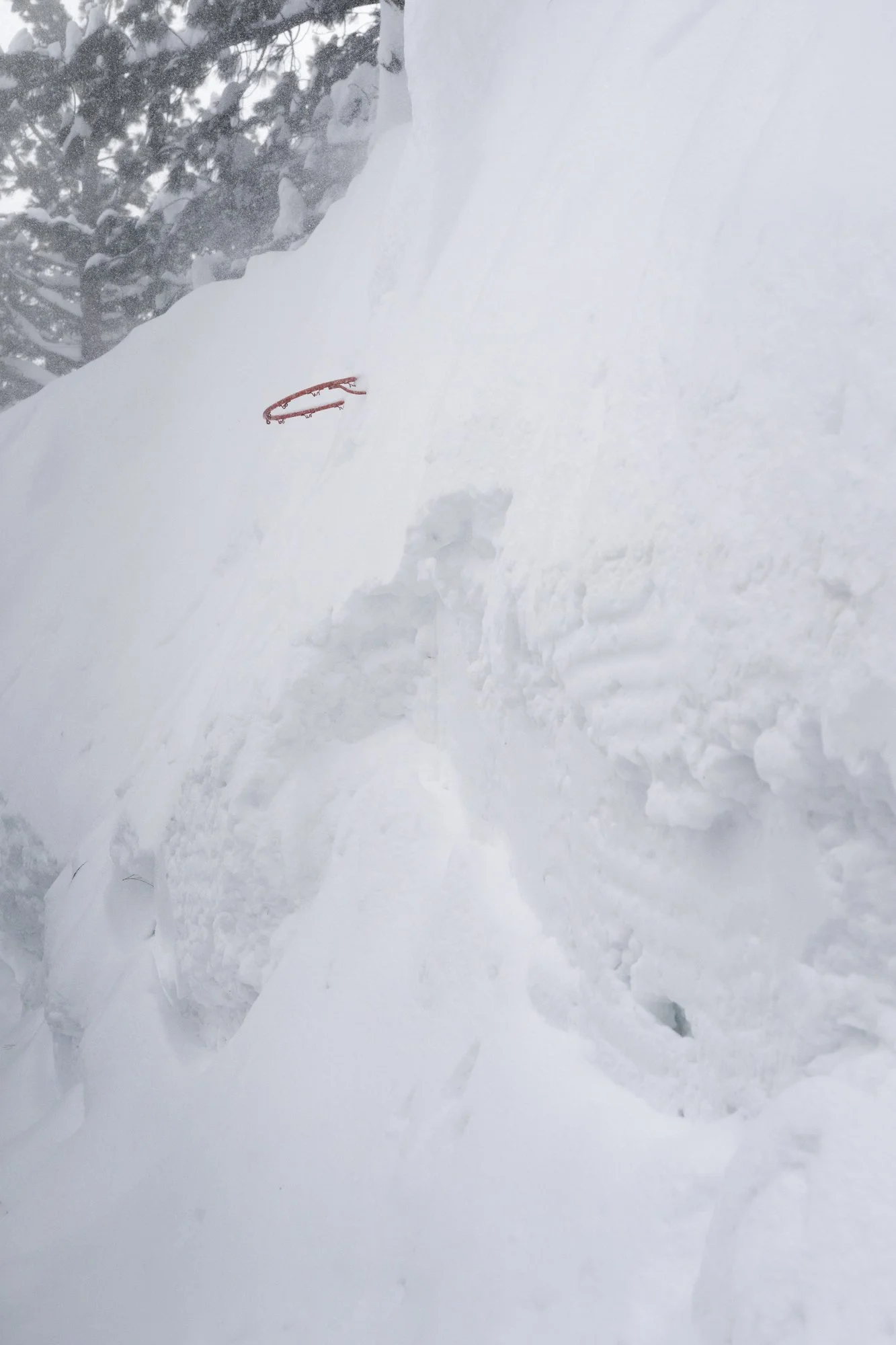
A basketball hoop completely covered in snow after a record breaking winter storm in Mammoth Lakes, California

A basketball hoop sticking out of a snow bank after a record breaking storm in Mammoth,CA

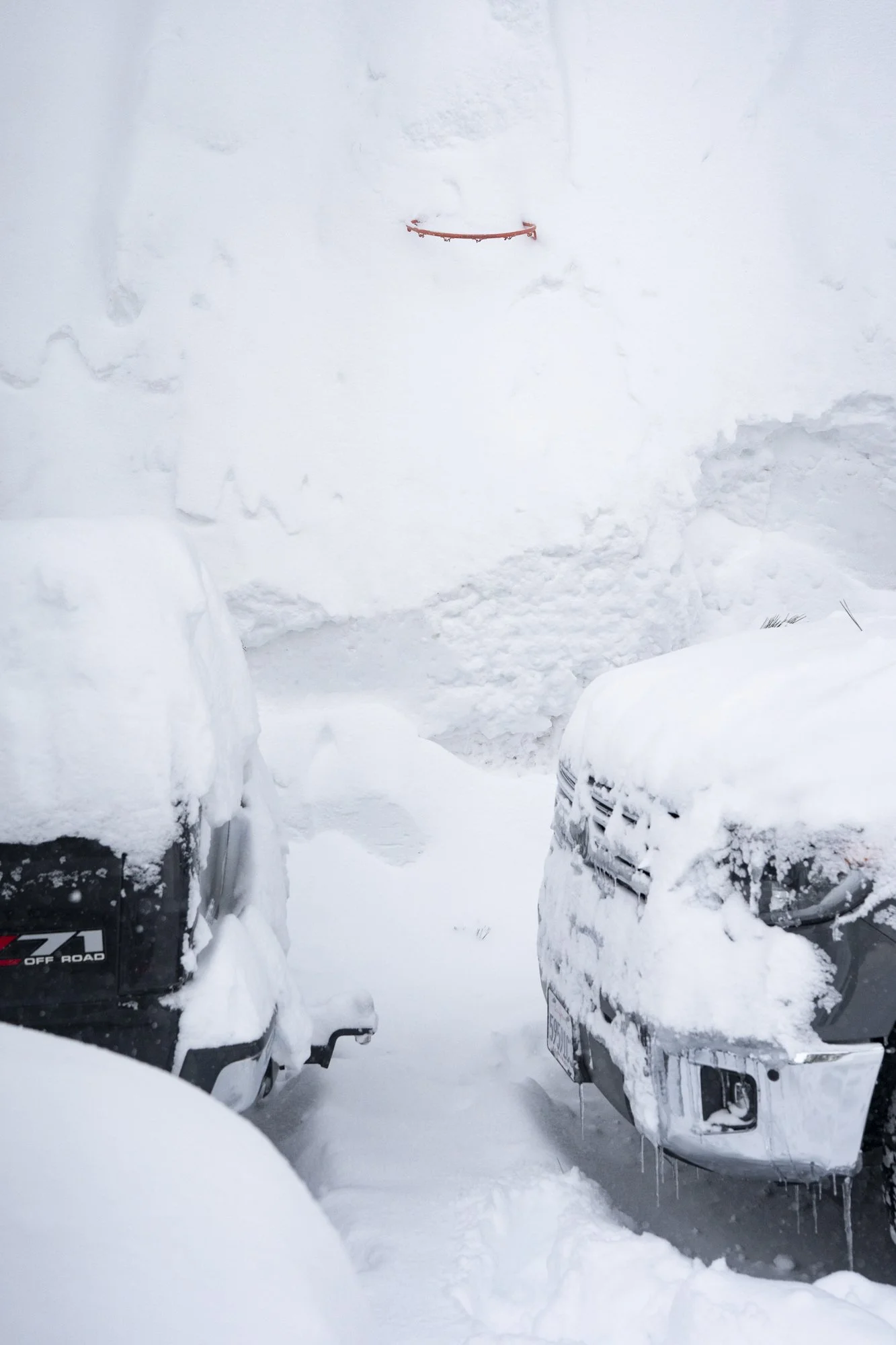
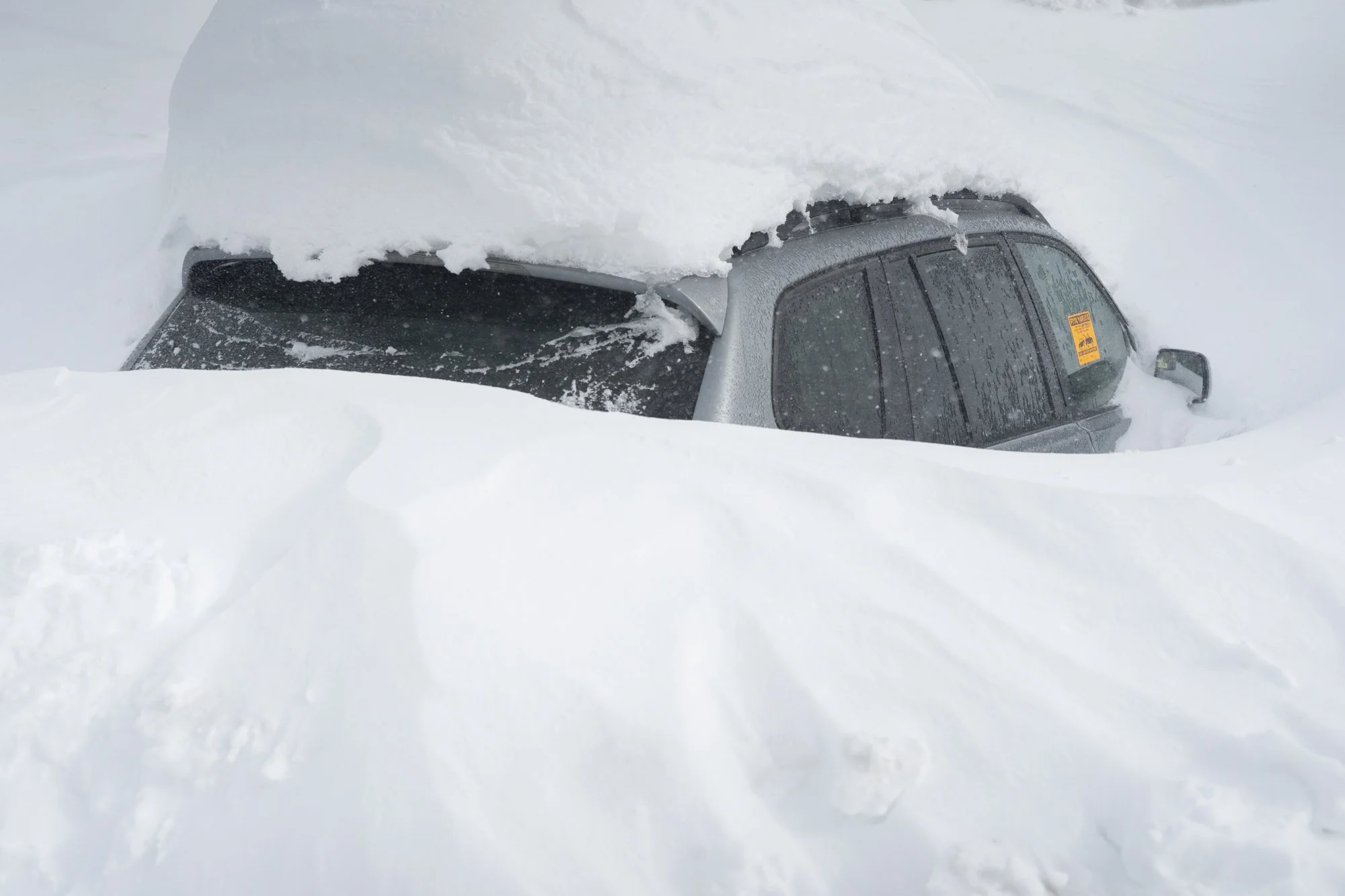
A car completely covered in snow after a massive winter storm in Mammoth Lakes, California

Photograph of a car covered in snow after a storm in Mammoth Lakes, CA

Schat's Bakery and other local businesses covered in snow after a massive winter storm in Mammoth Lakes, California

Snow storm in Sierra Nevada Mountains in California

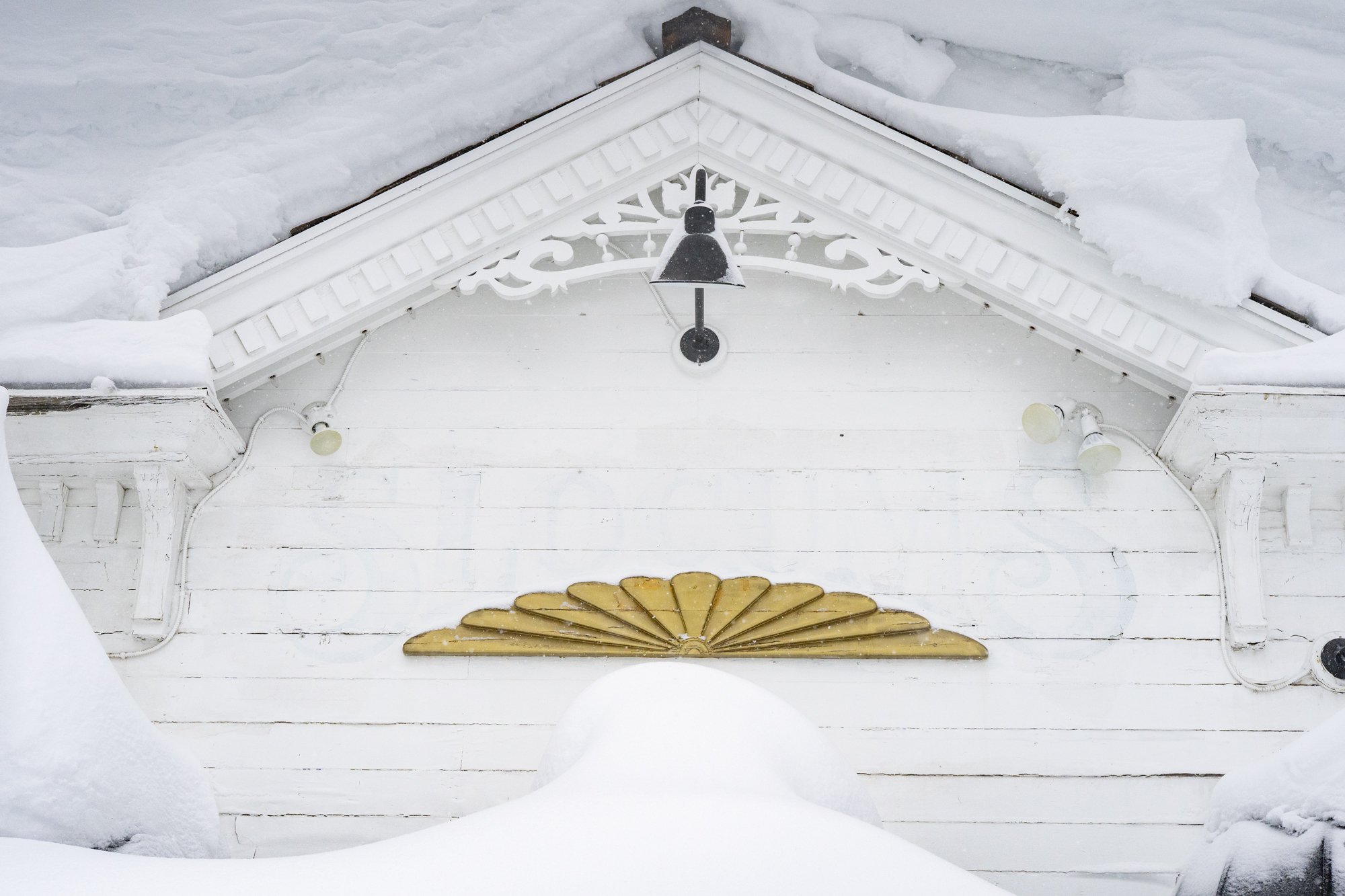
Buildings covered in snow after a record breaking winter storm in Mammoth Lakes, California

Photograph of a Mammoth California restaurant covered in snow

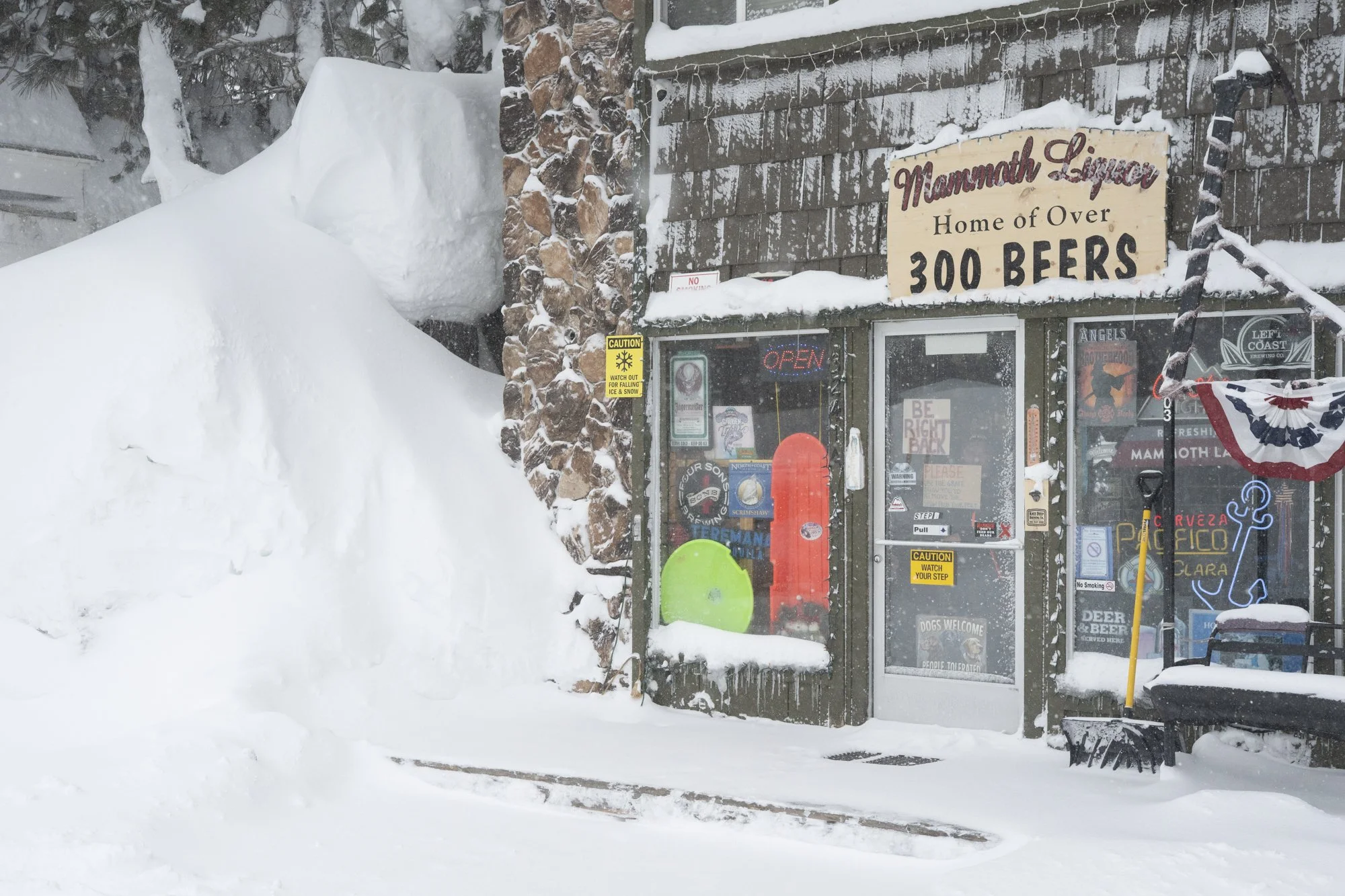
Mammoth Liquor Store covered in snow after a record breaking storm in Mammoth Lakes, California

Photograph of Mammoth Liquor covered in snow after a record breaking storm

Roadside Photography in America — Small Towns, Quiet Roads & Stillness

Roadside Photography Across the USA: Small Towns, Country Roads & Quiet Places

This body of roadside photography from across the United States focuses on small towns, country roads, and the overlooked spaces between destinations. Made while traveling secondary highways through places like Iowa, Utah, Nevada, Virginia, and California, these photographs slow down the idea of the American road trip and shift attention away from landmarks toward quieter moments. The work comes from a long-term project that eventually became my book, Roadside Meditations—a photographic exploration of stillness, distance, and the visual language of everyday America.

Photographing America Beyond the Interstate

Much of American road trip imagery centers on motion—crossing state lines, reaching destinations, ticking off places on a map. This work was made by doing the opposite. Instead of interstates and major routes, I spent years driving back roads, county highways, and rural connectors where towns thin out and time feels less compressed.

These roadside photographs aren’t about where you’re going. They’re about where you pause. A quiet diner at dusk. A sun-bleached sign. An empty stretch of road that doesn’t ask for attention but rewards it if you stop. This approach allows the landscape to reveal itself slowly, without narrative pressure or spectacle.

Small-Town America and the In-Between Places

The photographs in this series were made in places most travelers pass without stopping—small towns, agricultural regions, and rural outskirts where commercial life has softened or shifted over time. These in-between places are rarely presented as destinations, yet they form the connective tissue of the American landscape.

By photographing these locations without dramatization, the images lean into quiet observation. The goal isn’t nostalgia or critique, but presence. These towns and roads exist as they are—weathered, functional, sometimes fading—holding layers of American life that often go undocumented in contemporary photography.

A Slow, Observational Approach to Roadside Photography

The photographs in this post were made over many years, often while driving alone, without a fixed itinerary. Working slowly is central to the process. I look for moments when light, geometry, and stillness align—scenes that feel complete without intervention.

There are no staged elements and no attempt to “improve” what’s already there. The camera becomes a tool for noticing rather than arranging. This method allows the work to remain open-ended, inviting viewers to bring their own experiences and memories into the frame.

From Long-Term Project to Roadside Meditations

Select images from this body of work eventually became the book Roadside Meditations, a collection shaped by years of sustained attention to the American roadside. The book brings these photographs together as a single visual conversation—one that reflects on travel, stillness, and the quiet spaces that exist alongside movement.

Rather than documenting a single journey, the book and this ongoing series reflect an accumulation of time on the road. Each image stands on its own, but together they form a broader meditation on how America looks when you stop trying to get somewhere.

This post represents one thread within a larger, ongoing exploration of the American landscape. For those interested in seeing the work as a whole, Roadside Meditations gathers these photographs into a single volume focused on overlooked places, visual quiet, and the spaces we usually pass by.

View the book

View the American Road Trip photography gallery

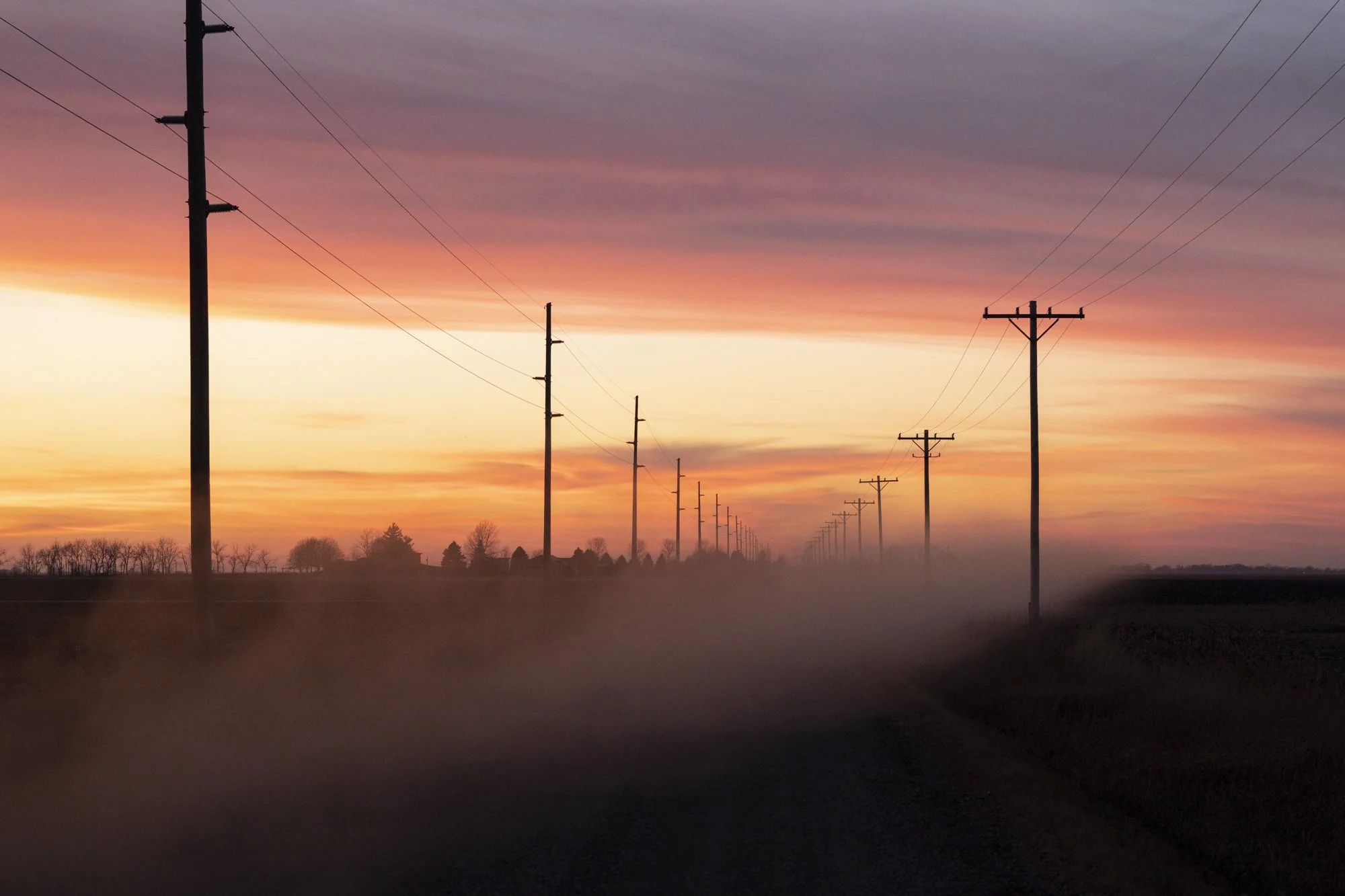
Sunset on a country road in Iowa

Sunset on a country road in rural Iowa

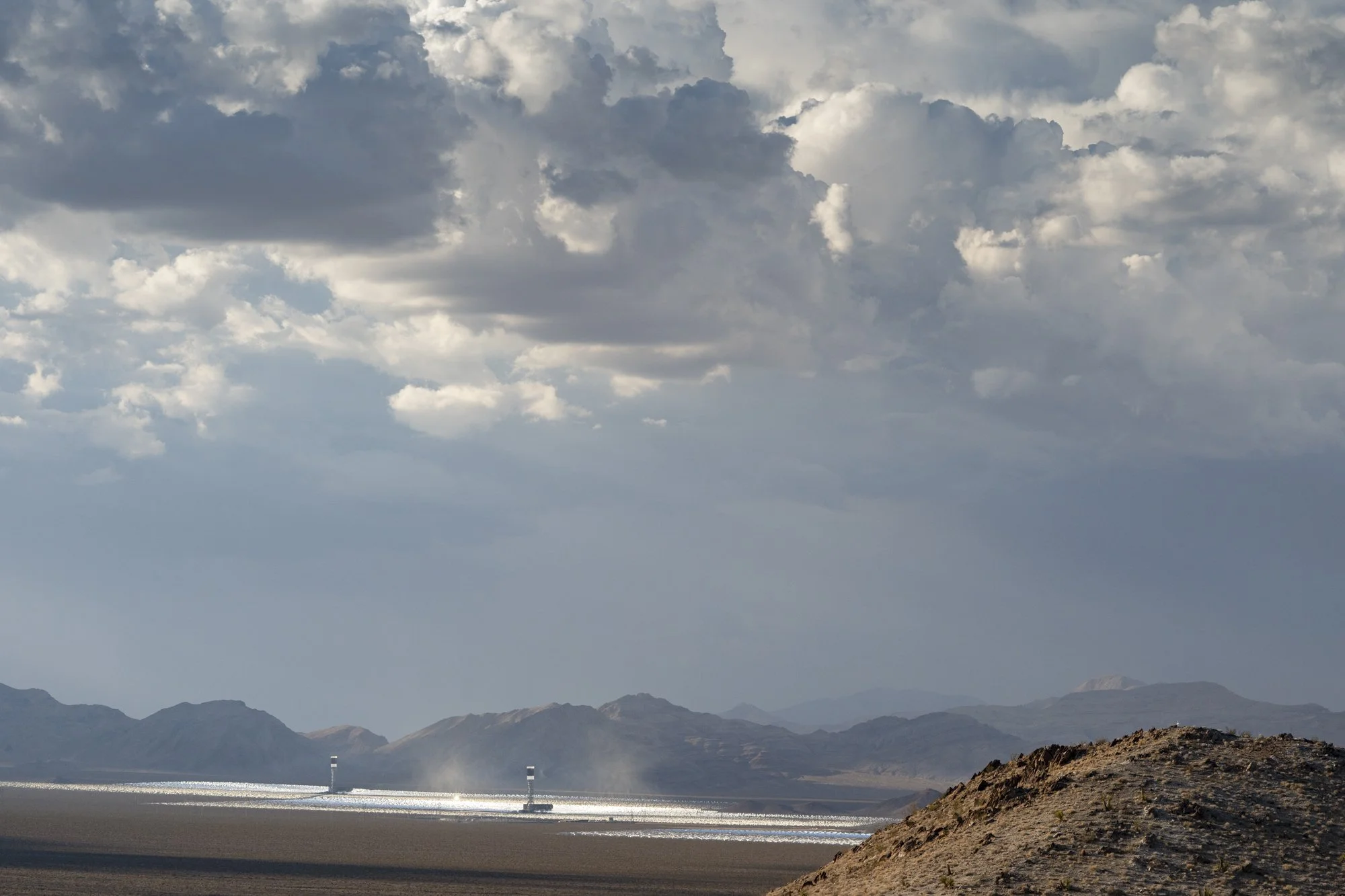
Ivanpah Solar Electric Generating System

Ivanpah Solar Electric Generating System

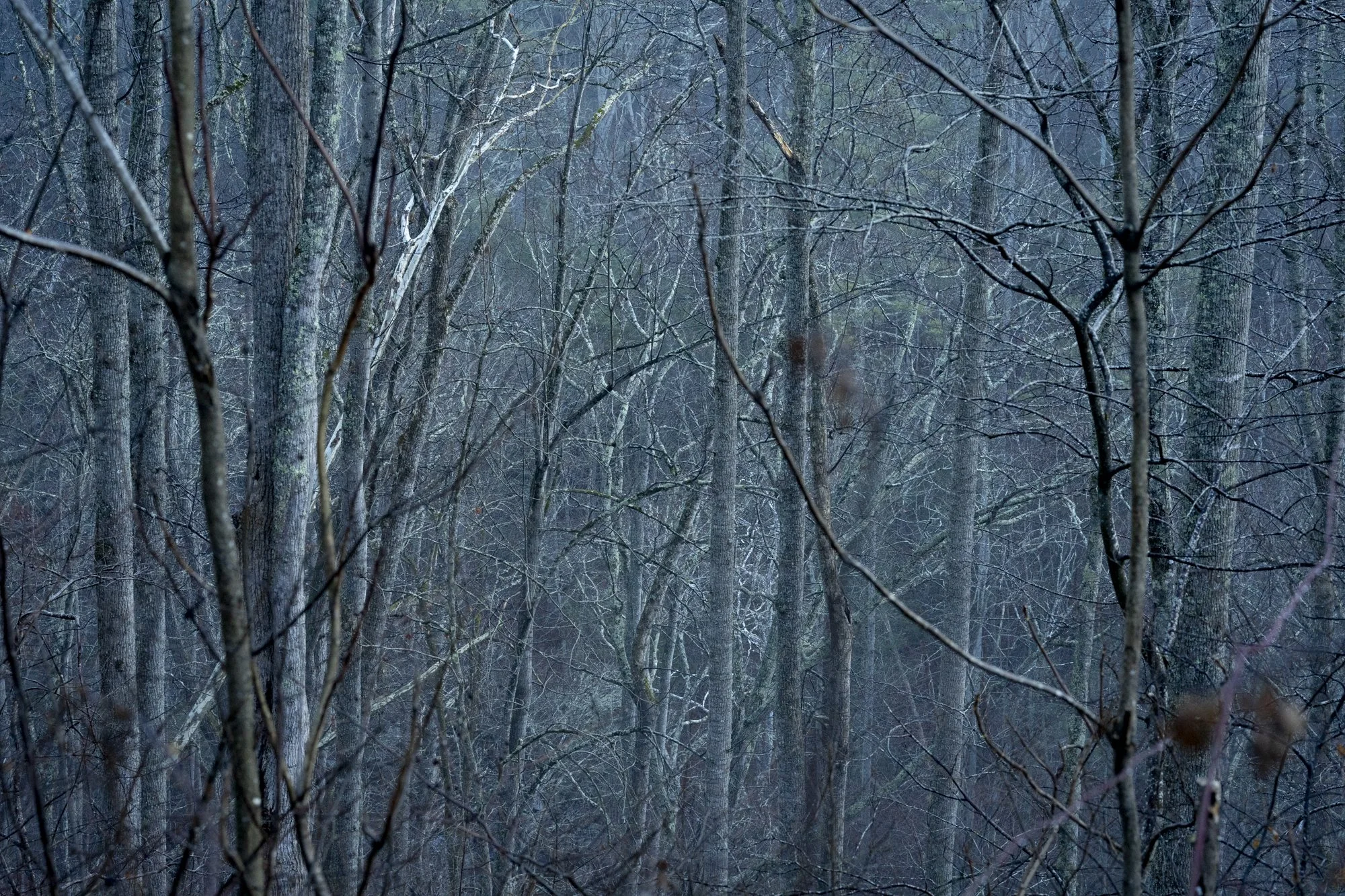
Fine art photograph of a Virginia forest

An abstract view of dense forest in Virginia

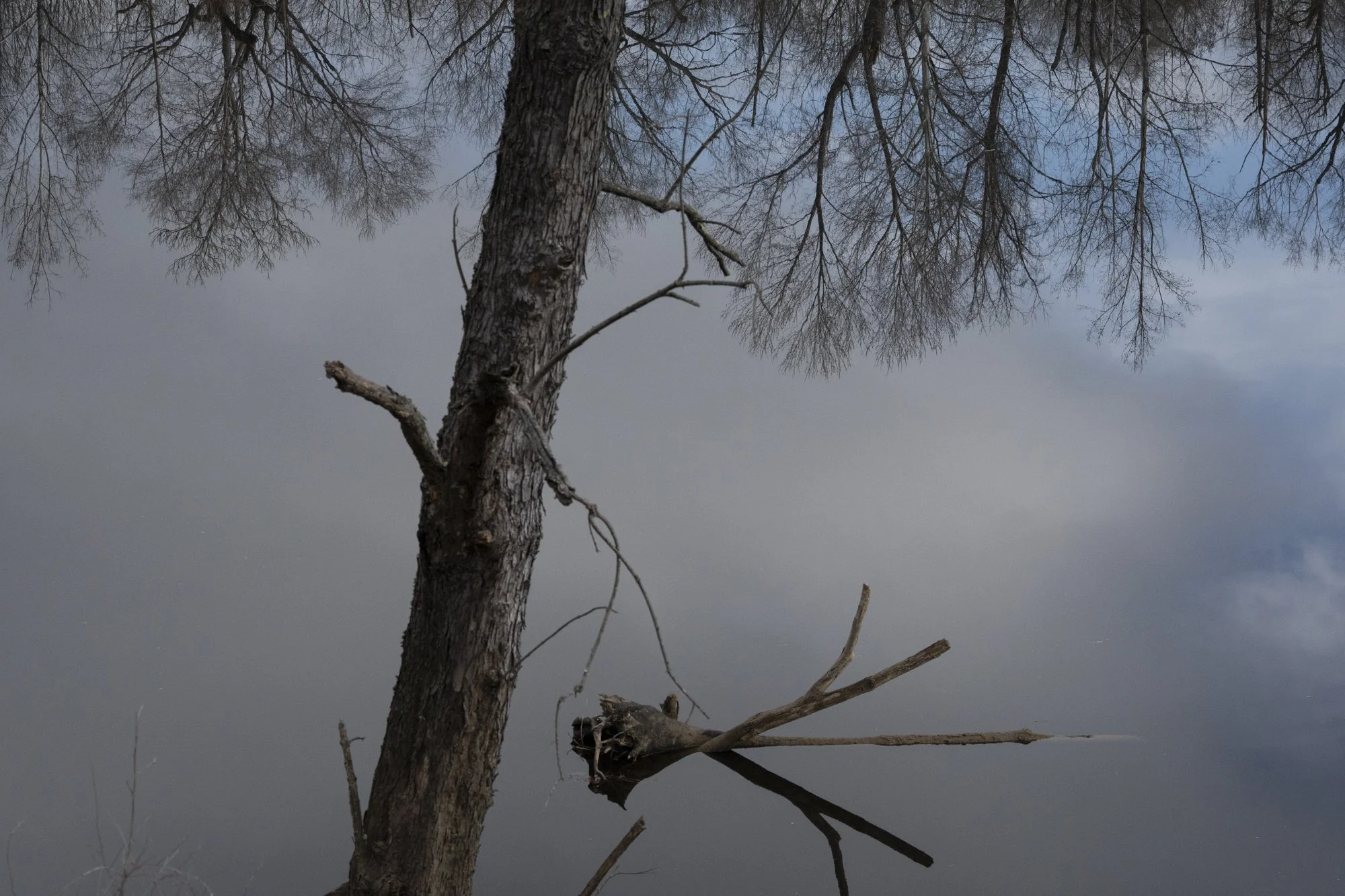
Abstract fine art photography

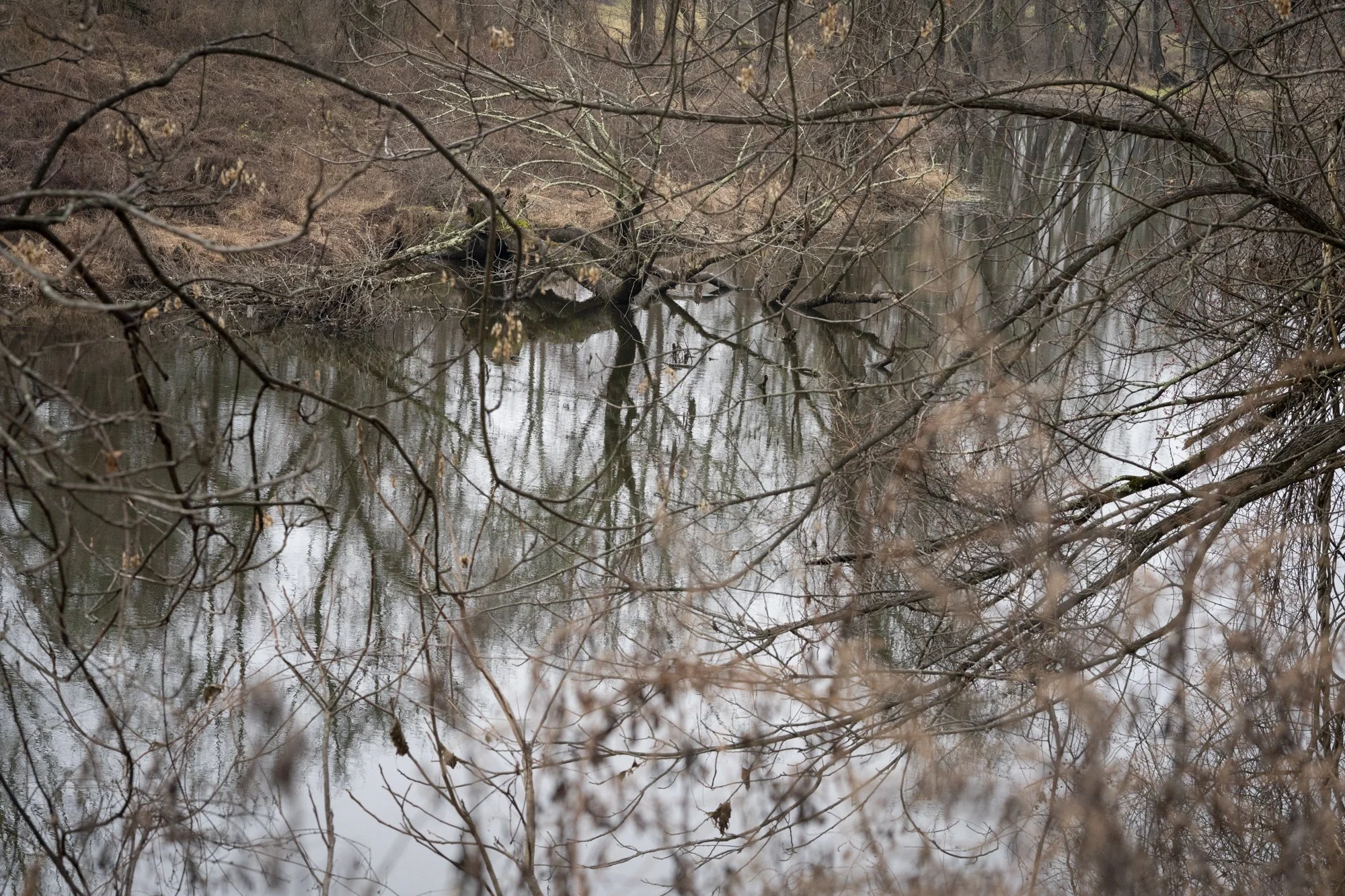
Reflections of trees in a Virginia river

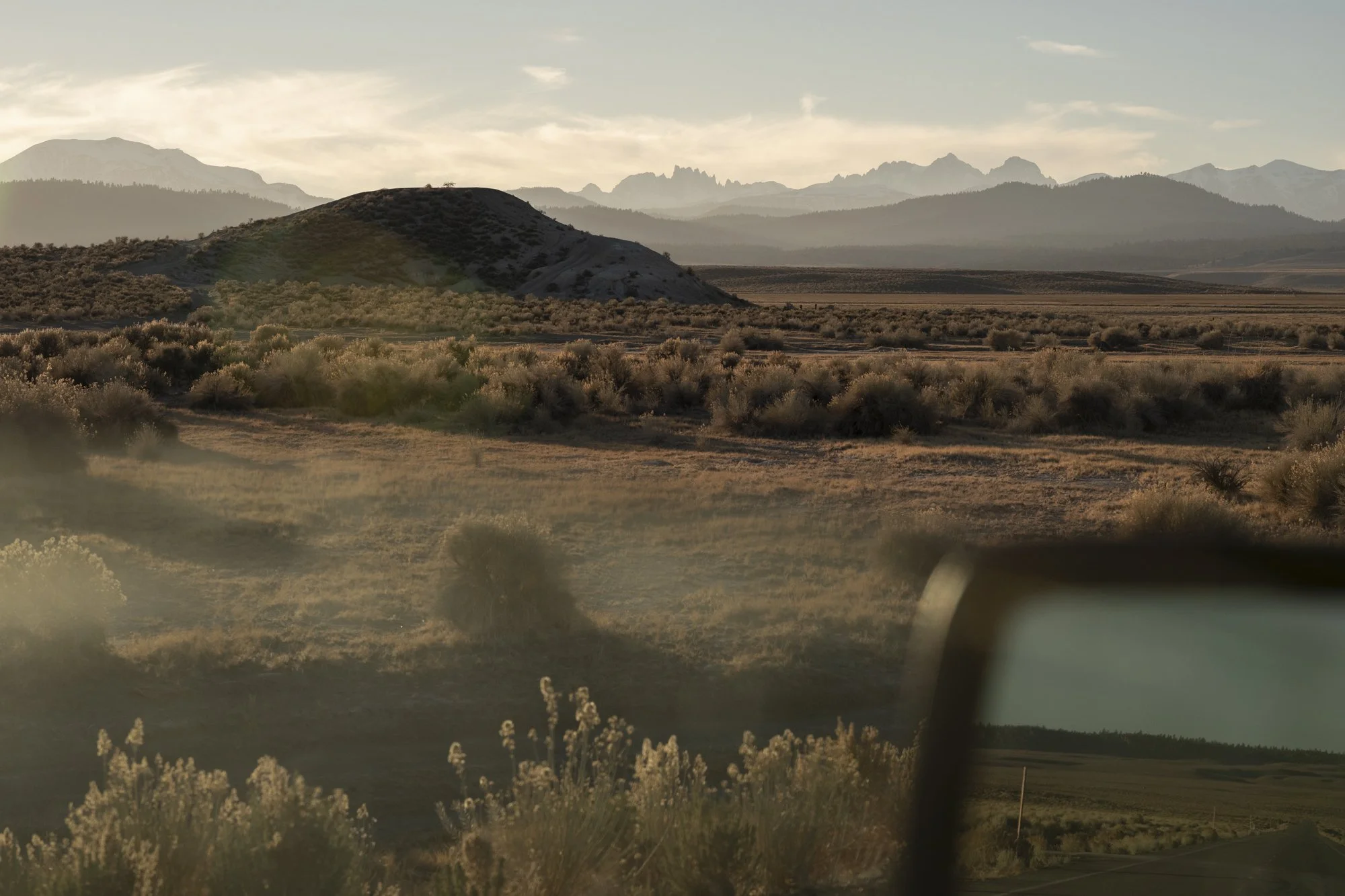
Driving through the Eastern Sierra Mountains near Mammoth, California at sunset

Eastern Sierra - California

Abstract fine art nature photography

Reflections of trees and foliage in a still river in Upstate New York

Roadside photograph of a country road through farmland in rural Iowa at sunrise

A car kicks up dust on a country road through harvested farmland in rural Iowa, photographed in early morning light.

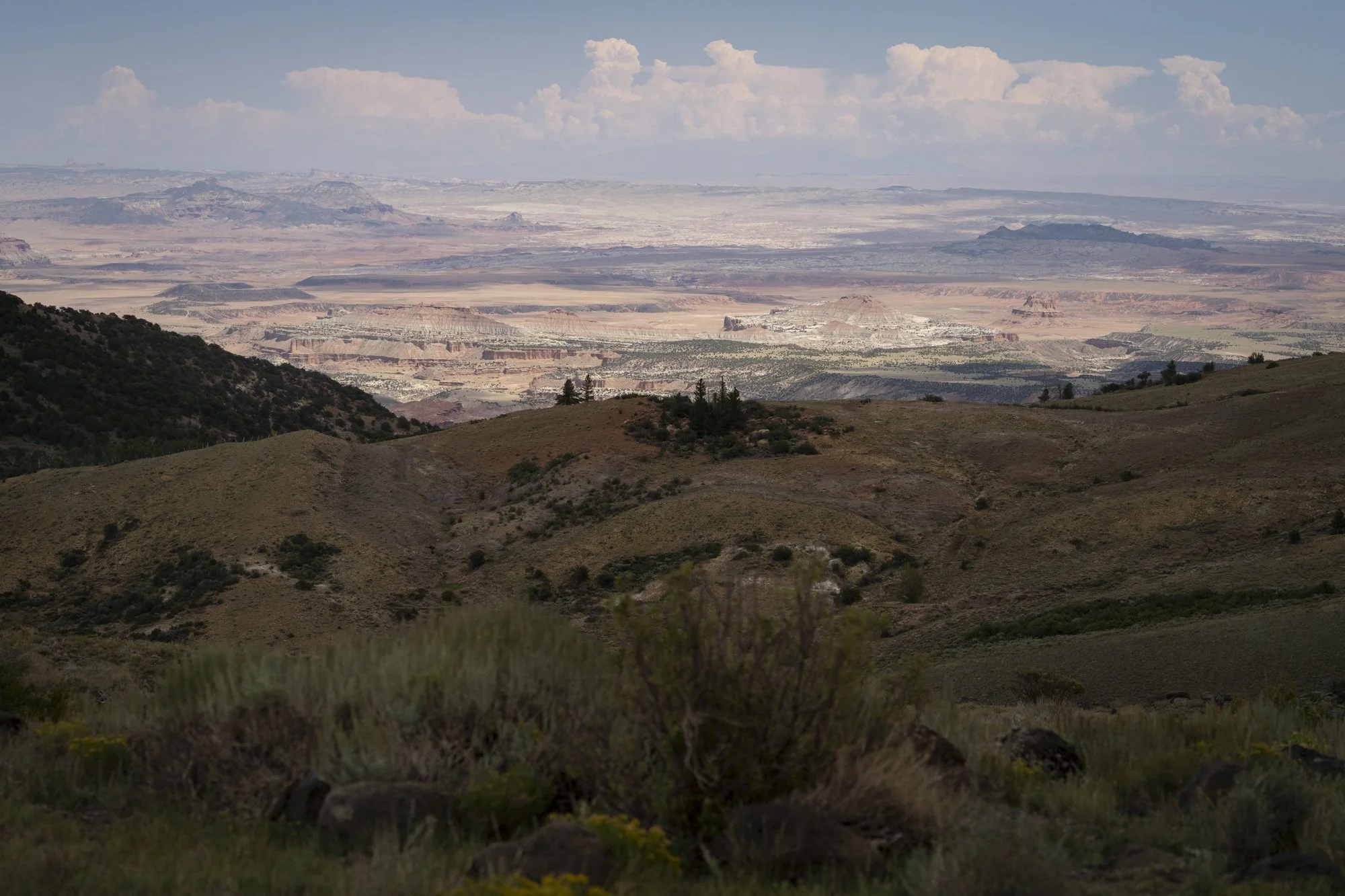
Fine art photograph of a massive desert landscape in Utah

The alien landscape in a remote part of Utah

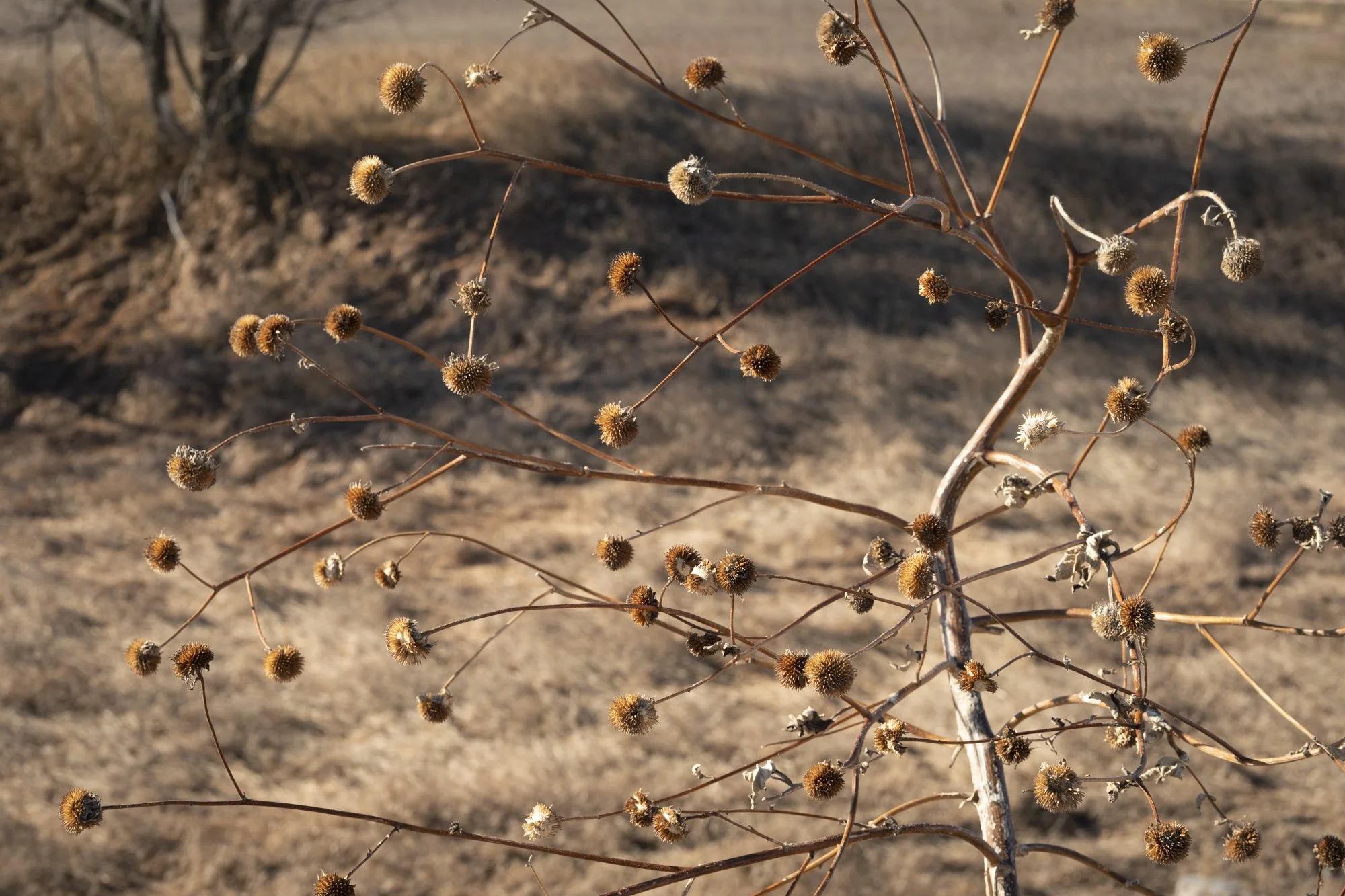
Abstract fine art photography of plants in Iowa farmland

Muted colors of dead plants during winter in Iowa farmland

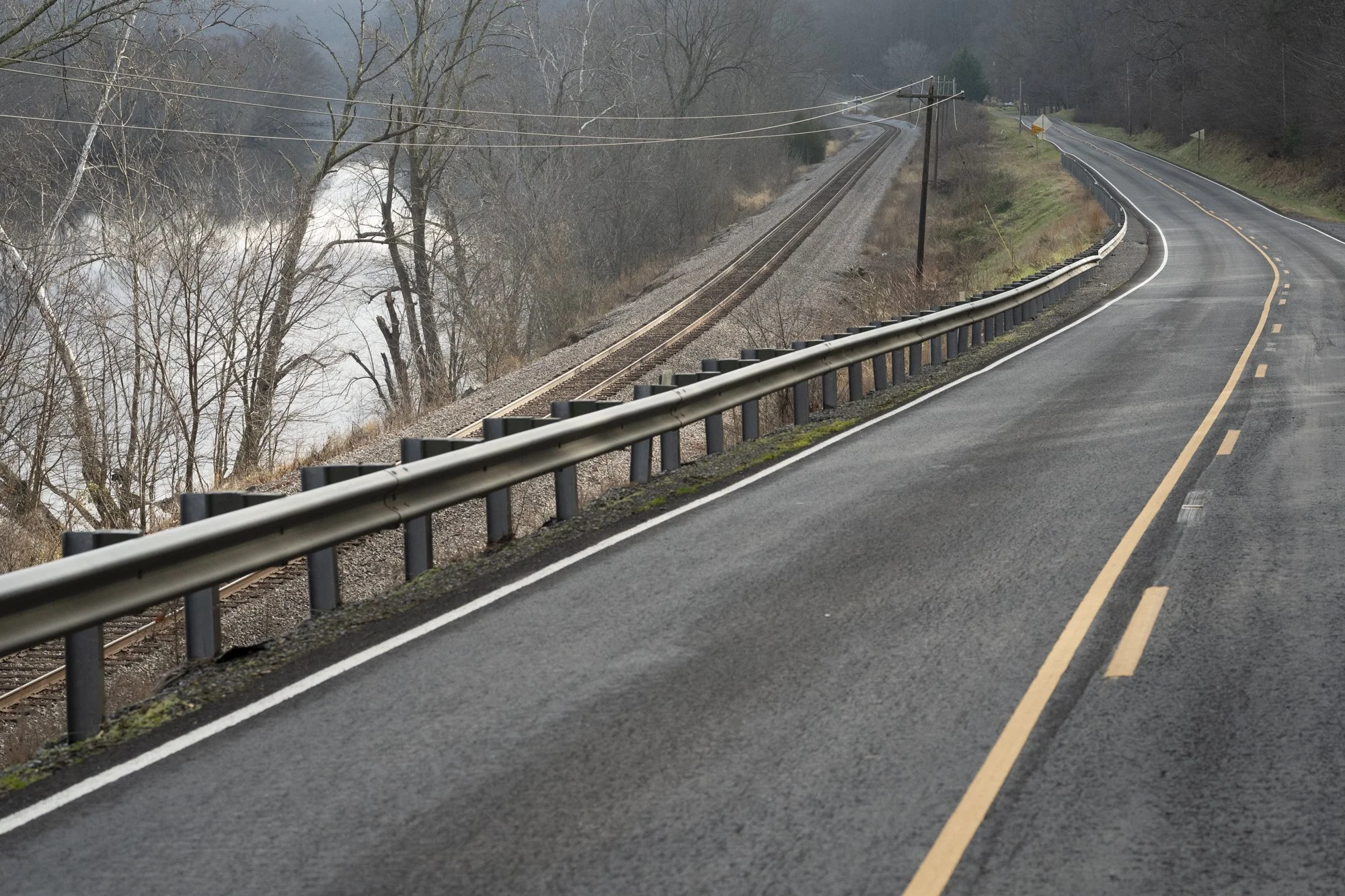
Photograph of a country road and train tracks along a river in Virginia

A country road and train tracks running along a river in rural Virginia

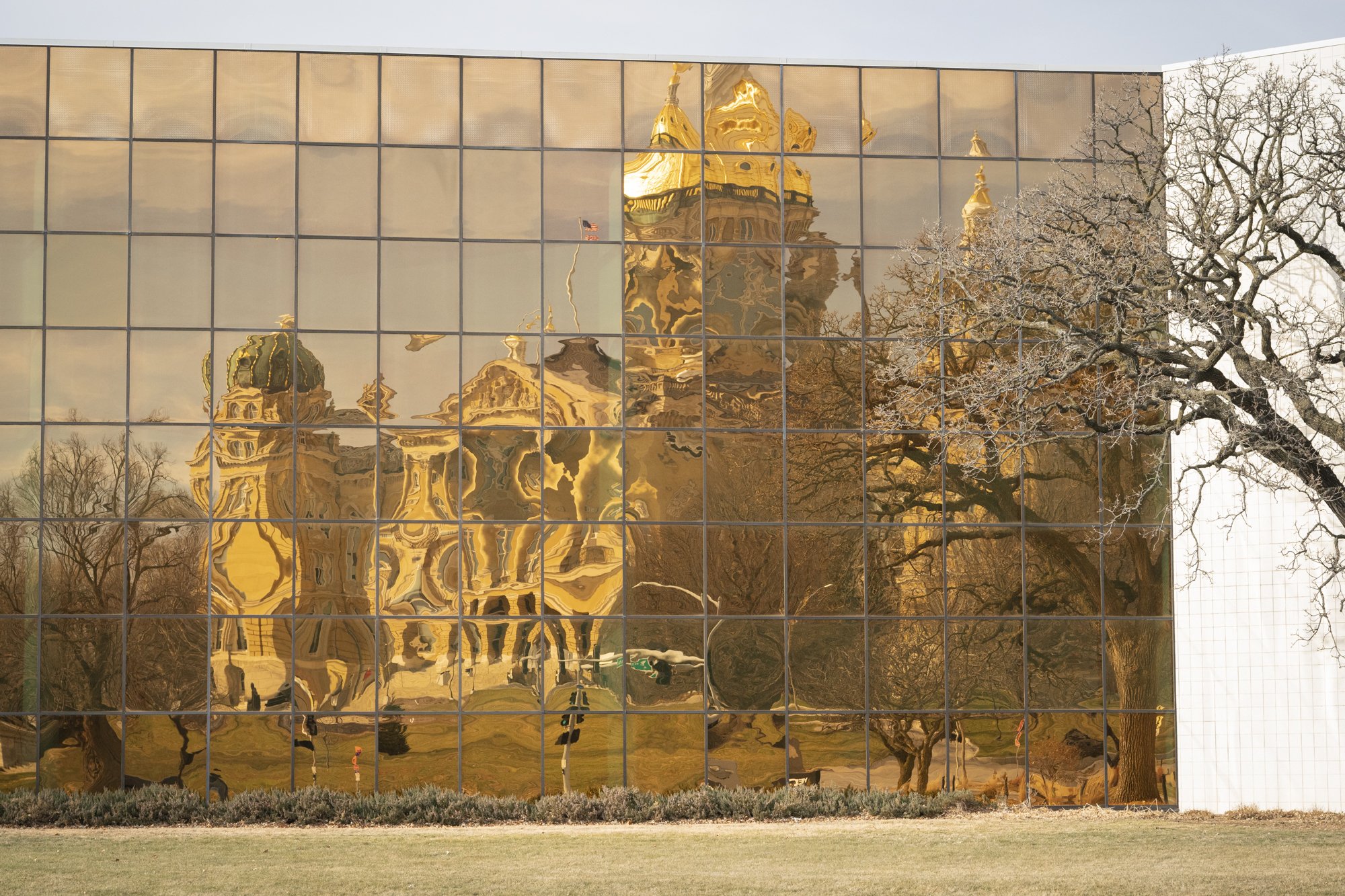
Fine art photograph of the capitol building in Des Moines, Iowa

The Des Moines, Iowa capitol building reflected in windows of a nearby office building

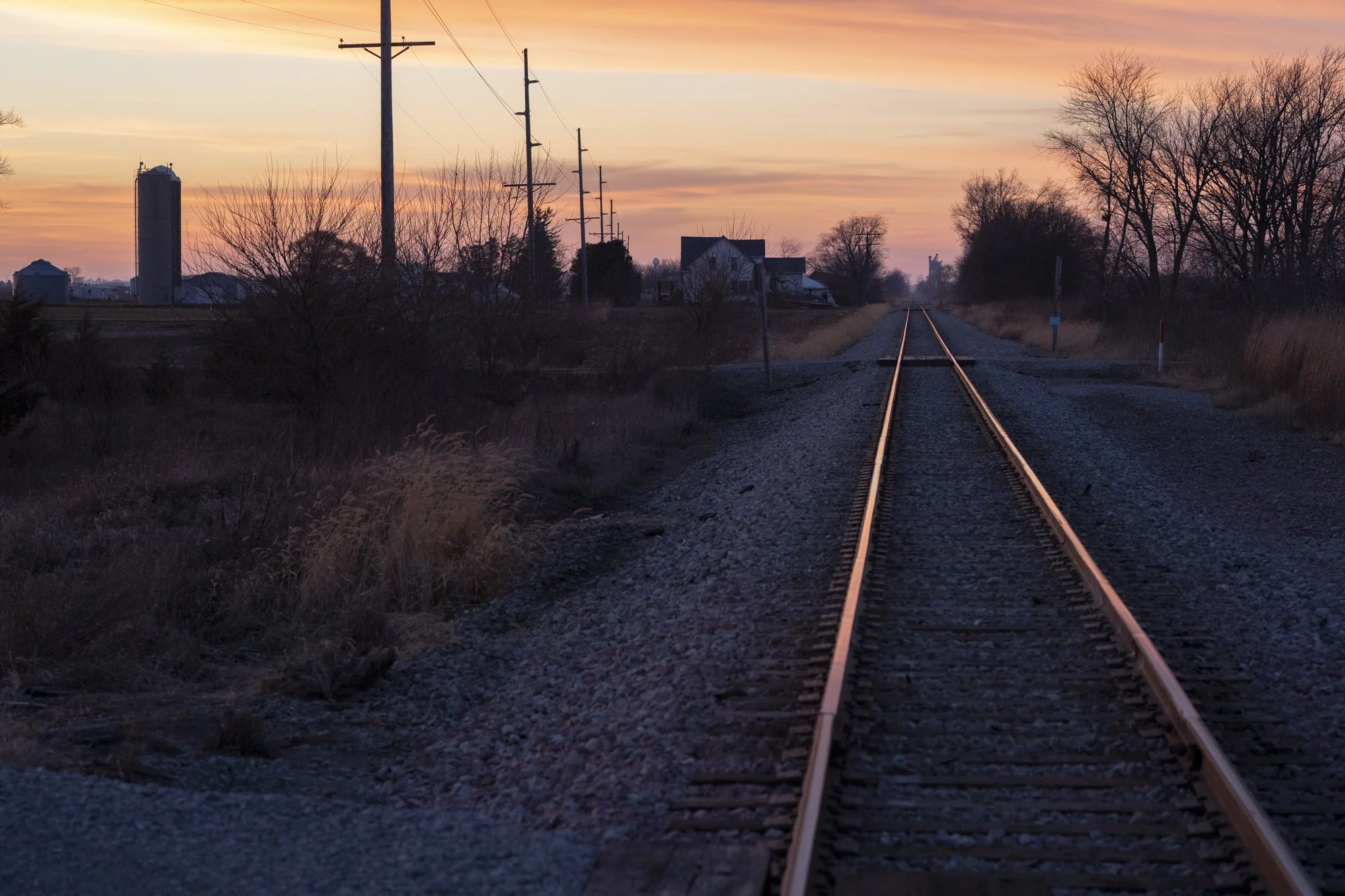
Sunset on train tracks going through farmland in southern iowa

Train tracks going through Iowa farmland at sunset