Boots O'Neal

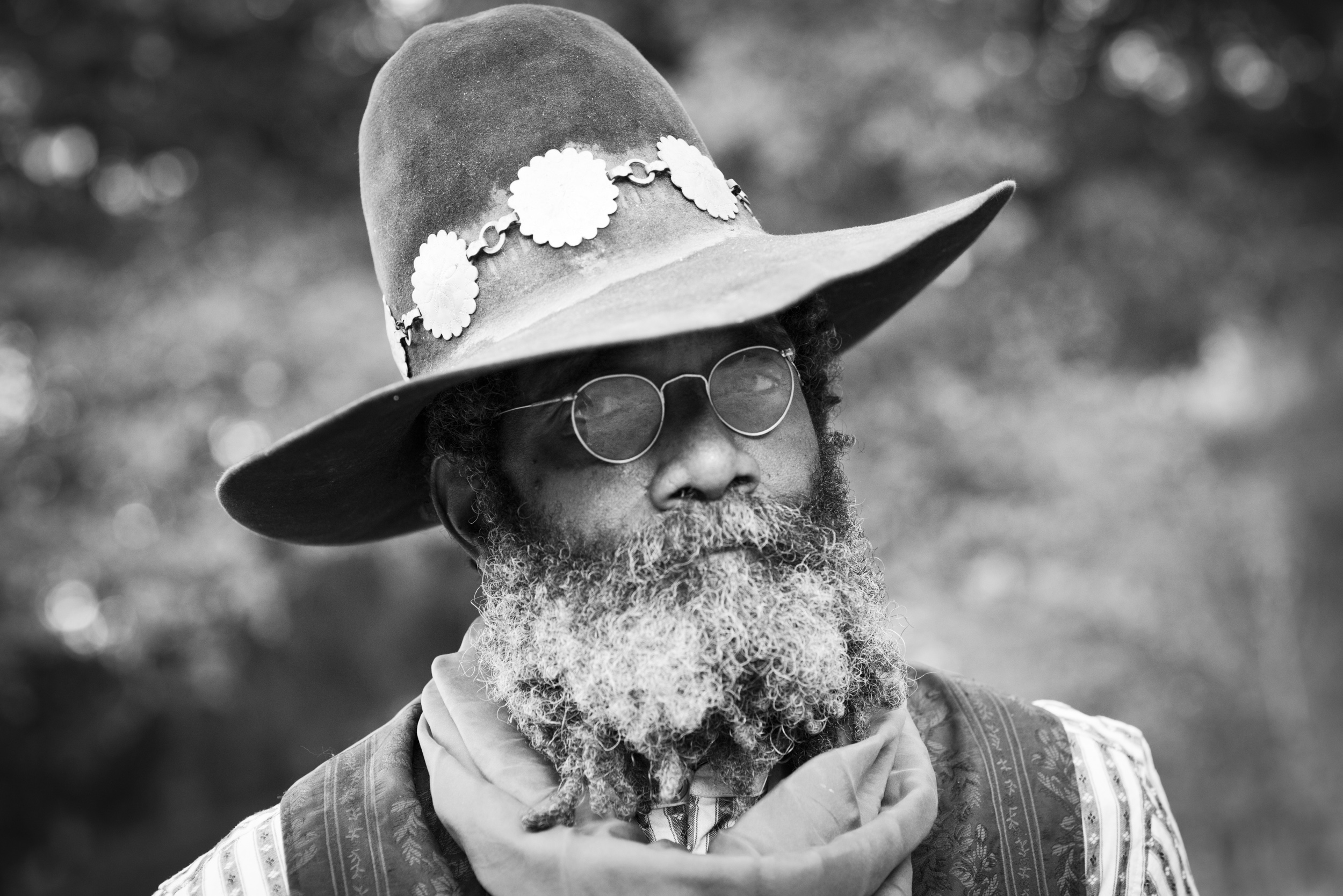
Boots O’Neal - Cowboy - 6666 Ranch - Texas

Being a photographer has been a great pleasure and an even greater adventure. It’s taken me to some outstanding parts of the earth and allowed me to photograph some of the most famous athletes on it. “Who is your favorite?”, has always been a common question. Until recently that was an impossible question to answer. Now my final is abundantly clear - it’s the legendary Texas cowboy Boots O’Neal. Boots is a 90 year old cowboy on the iconic 6666 Ranch. A more inspiring human you will not meet. To learn more about him continue reading this piece I wrote that was originally published with Wrangler.

View the Boots O’Neal Fine Art Print

For prints of any photographs not listed for sale, inquire directly - rob@robhammerphotography.com

Branding Season at the 6666 Ranch

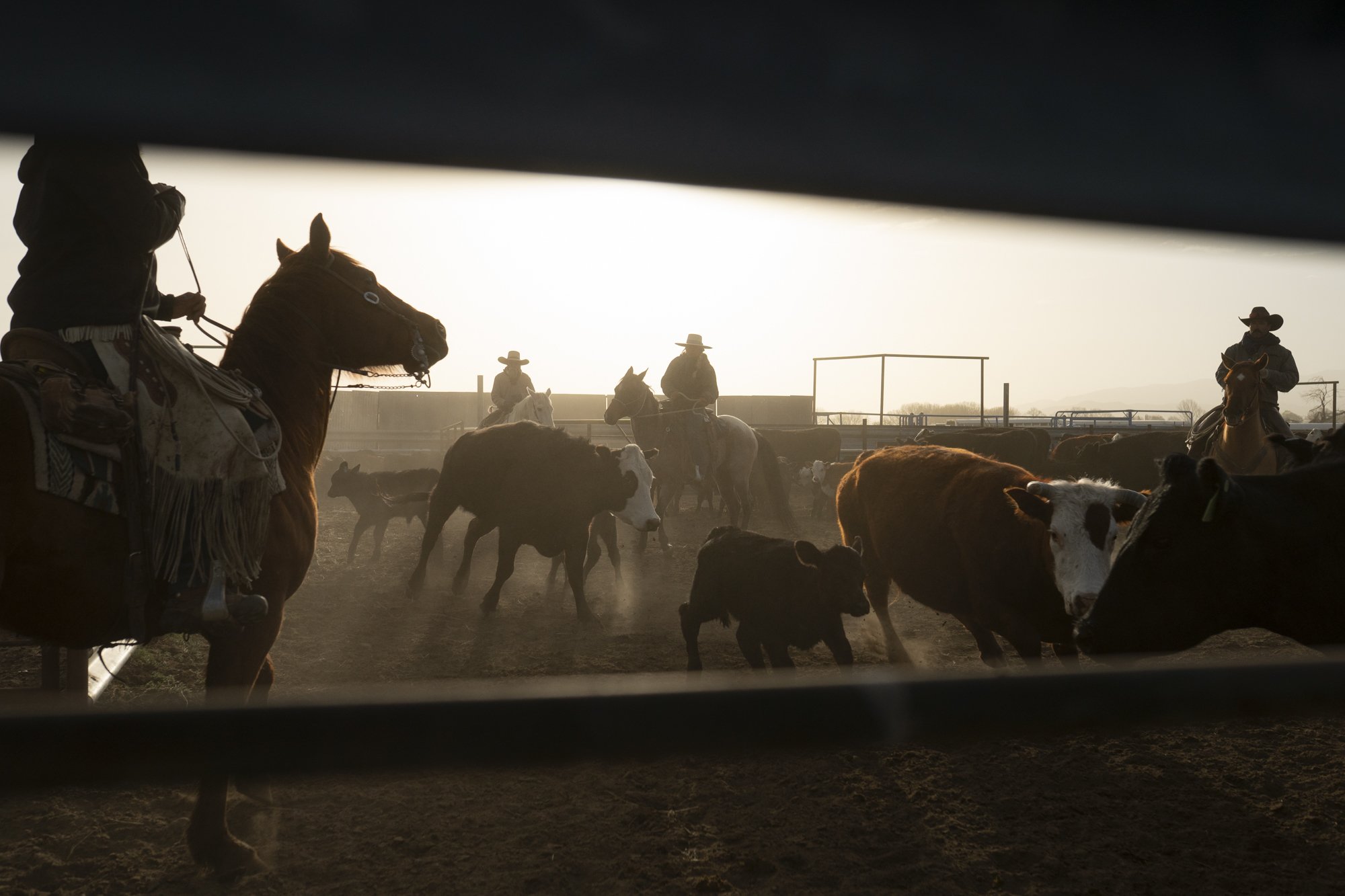
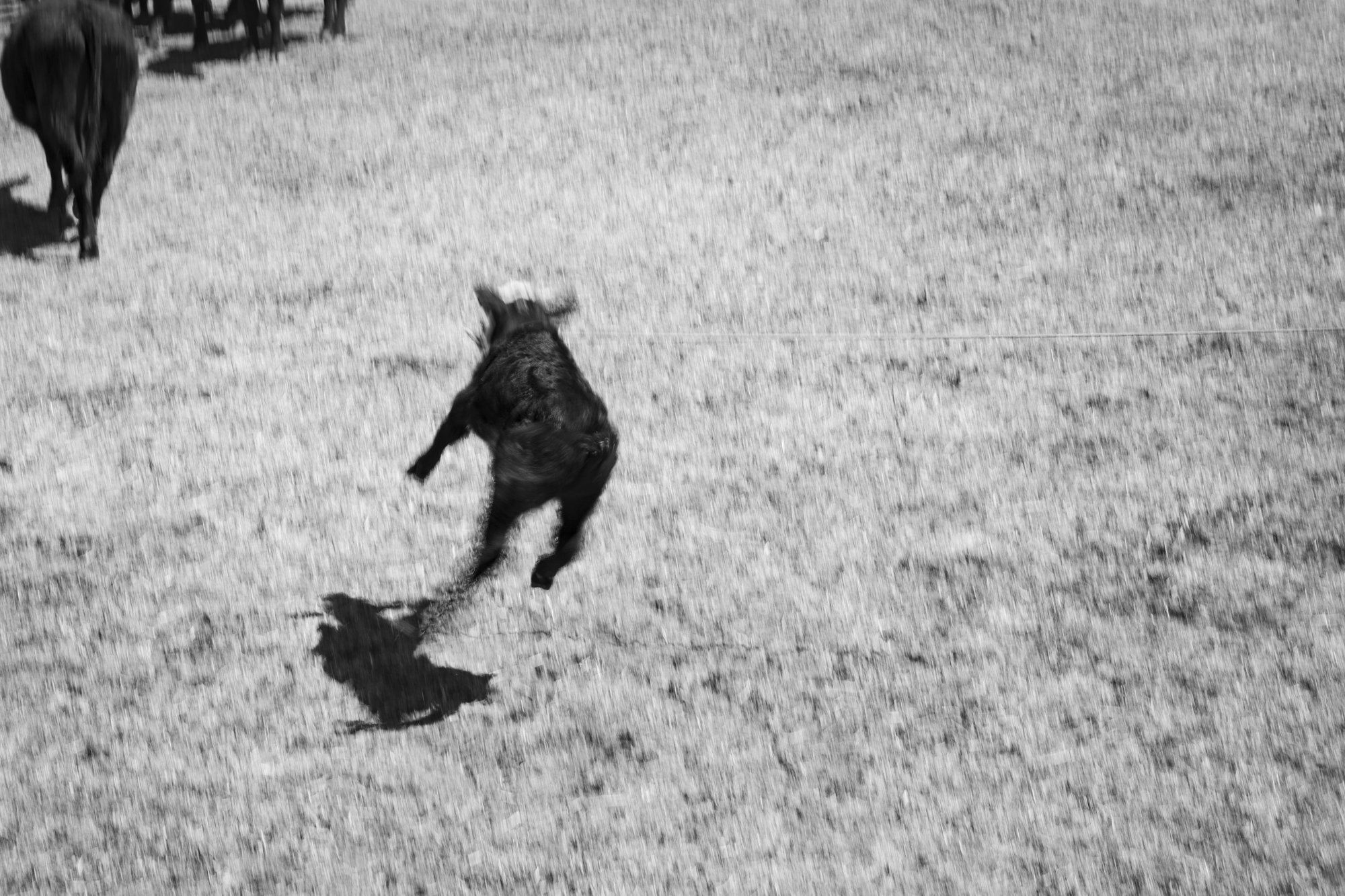
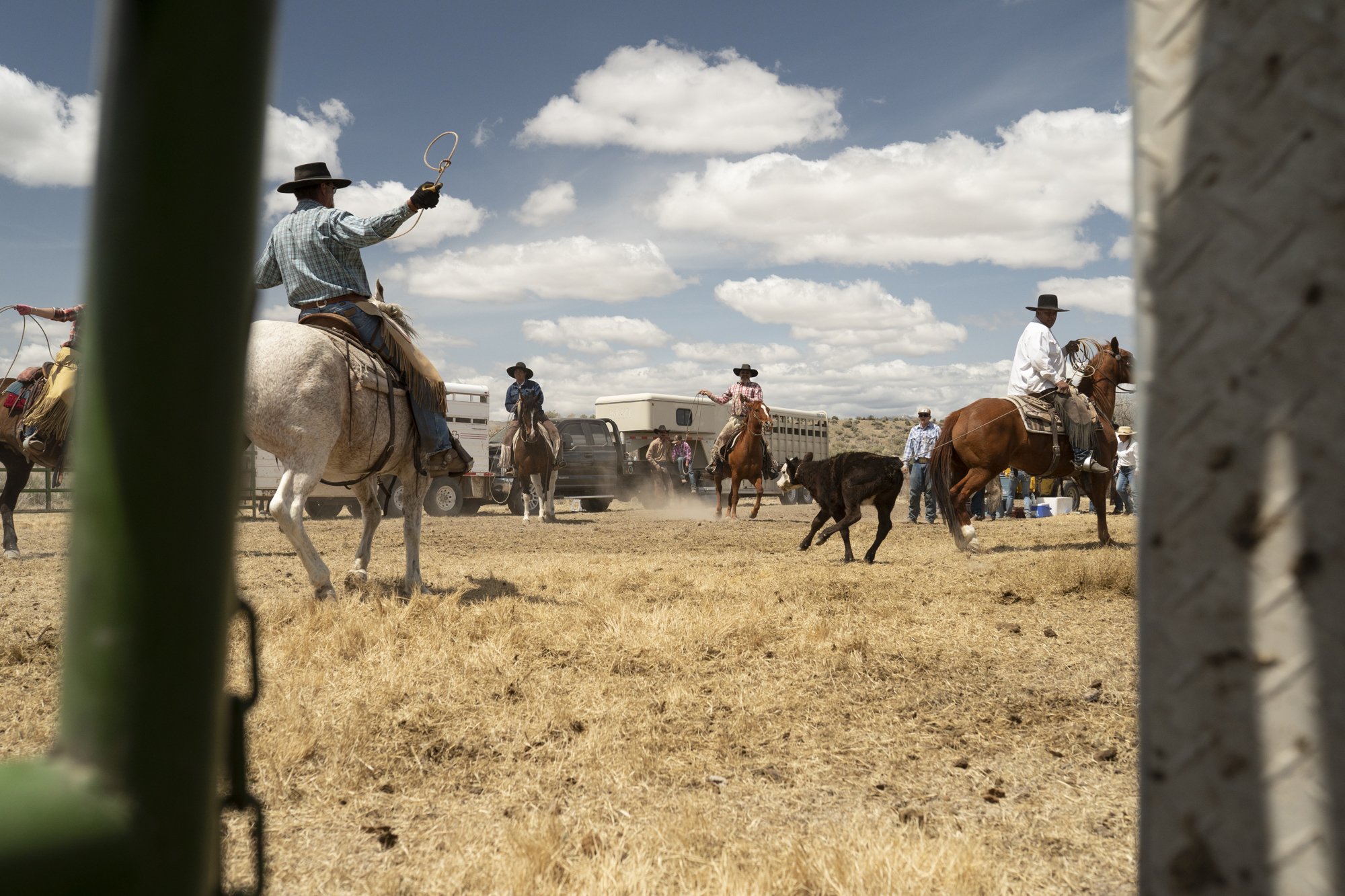
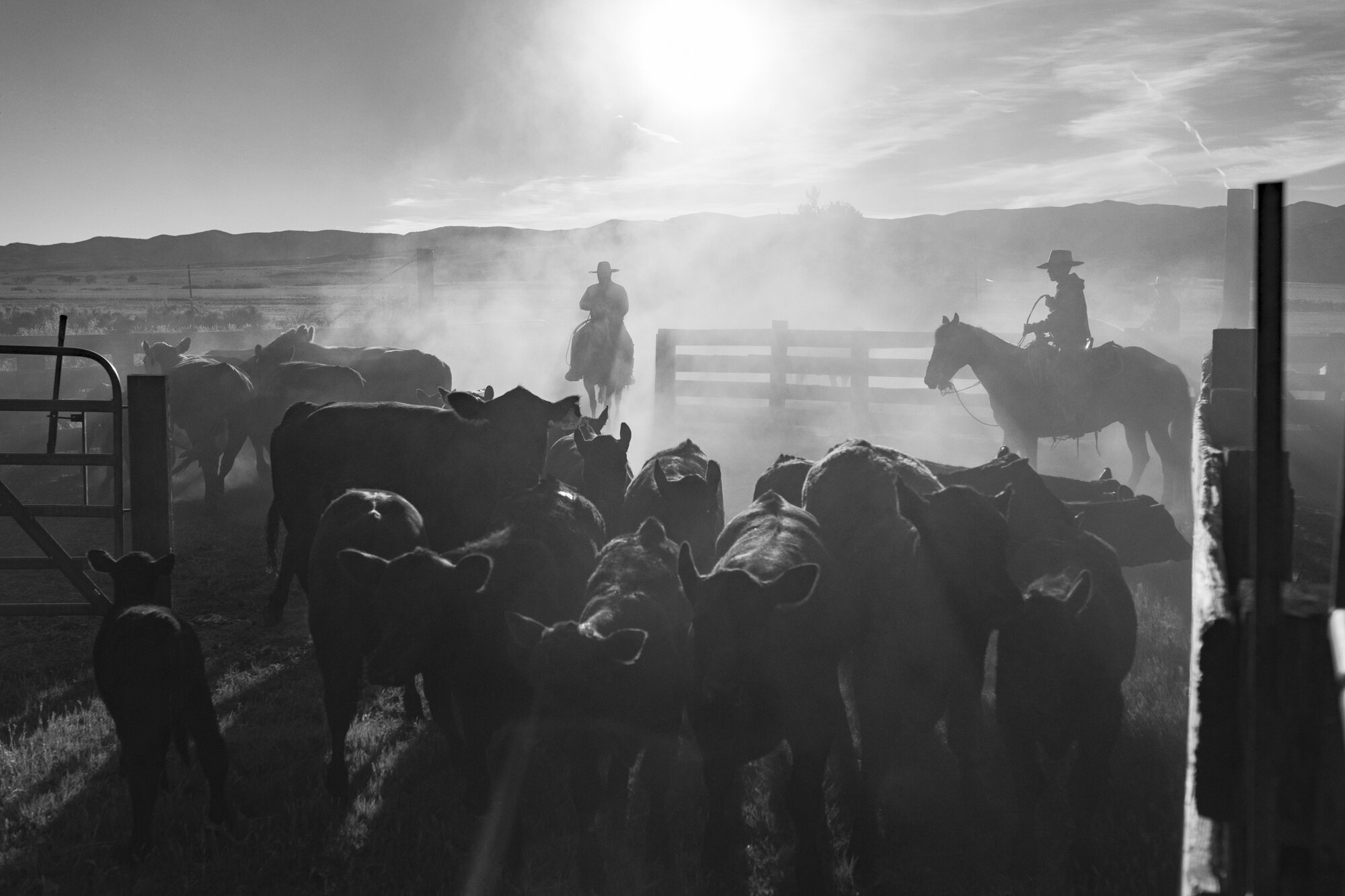
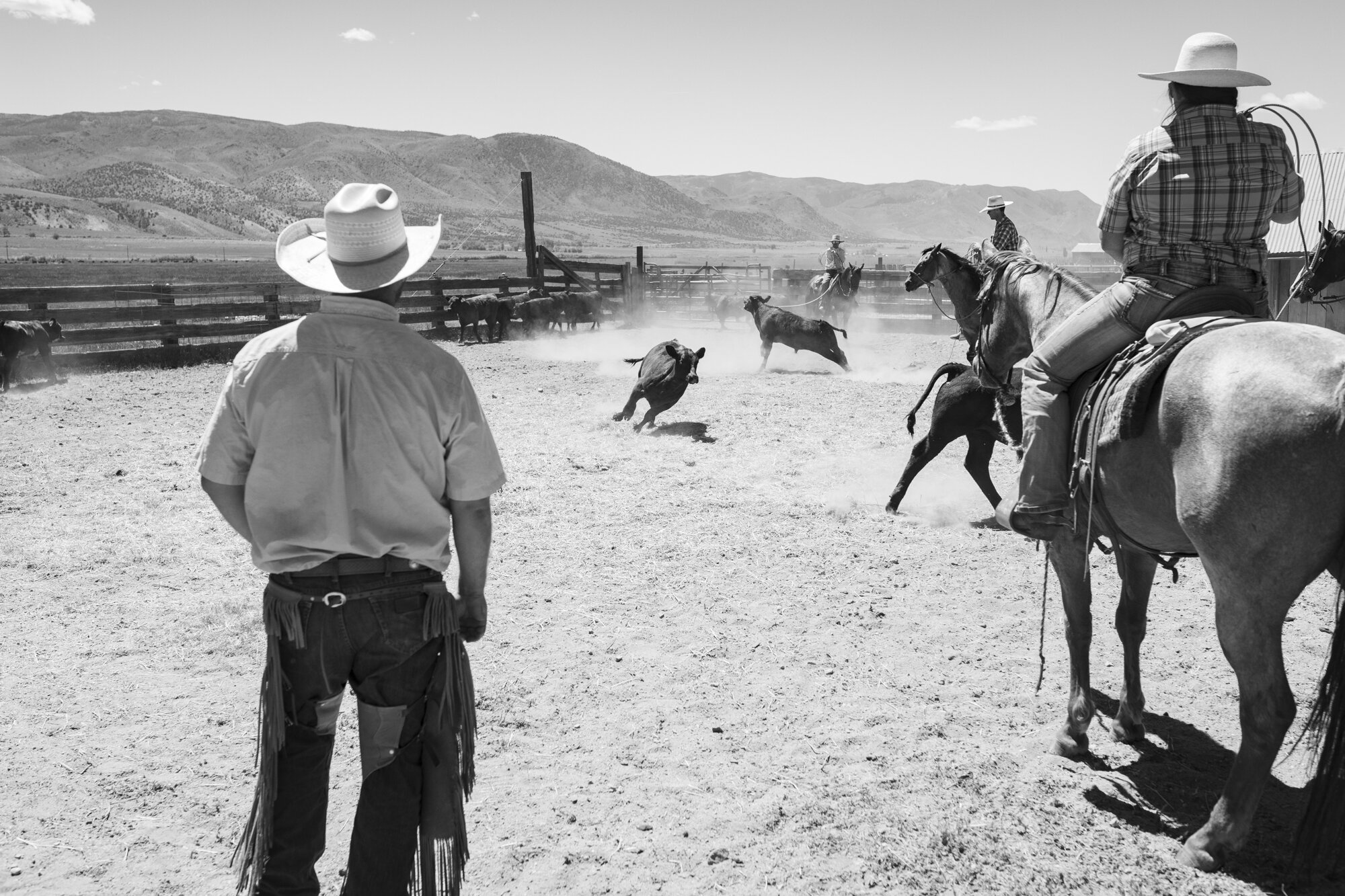
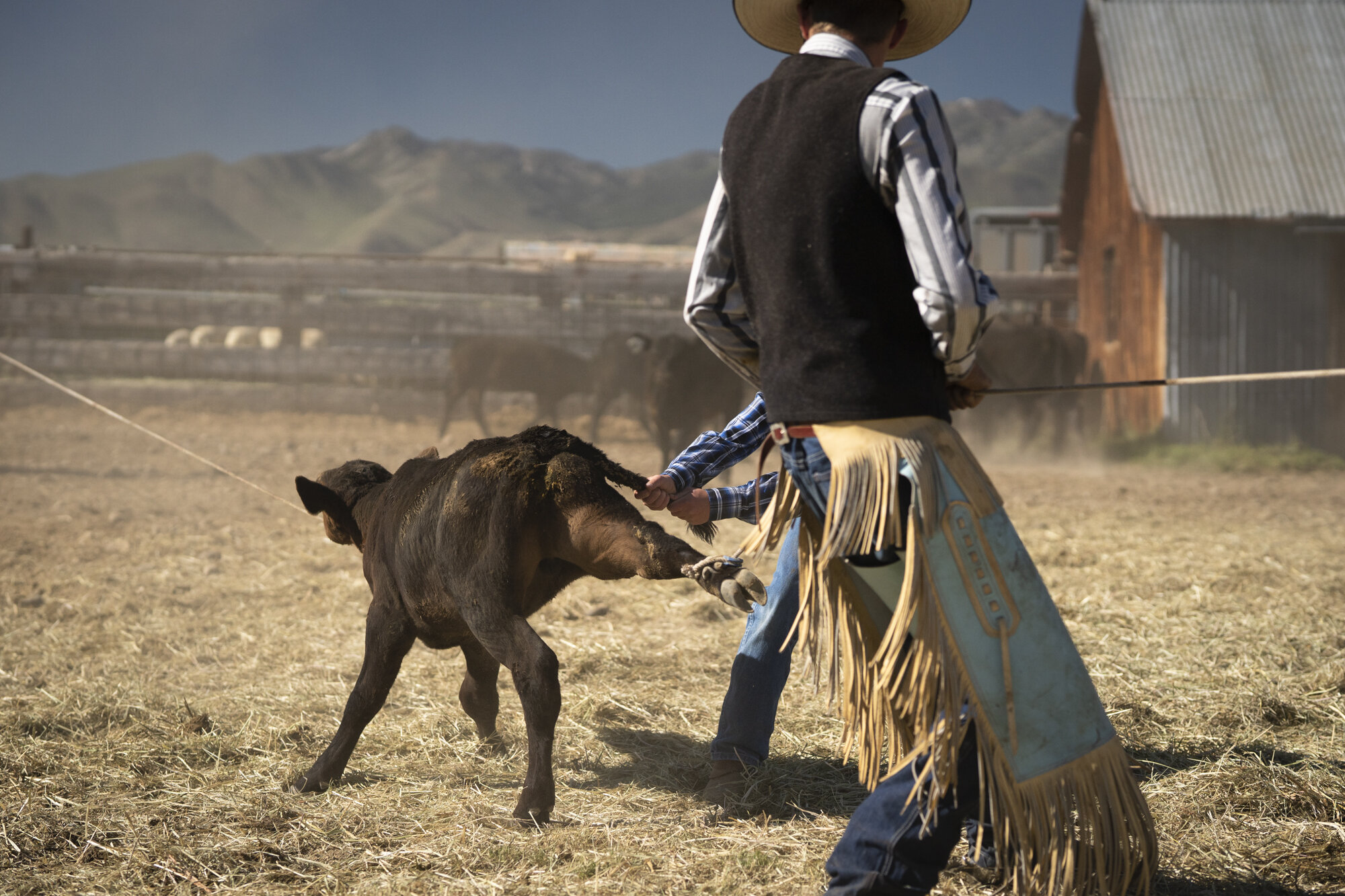
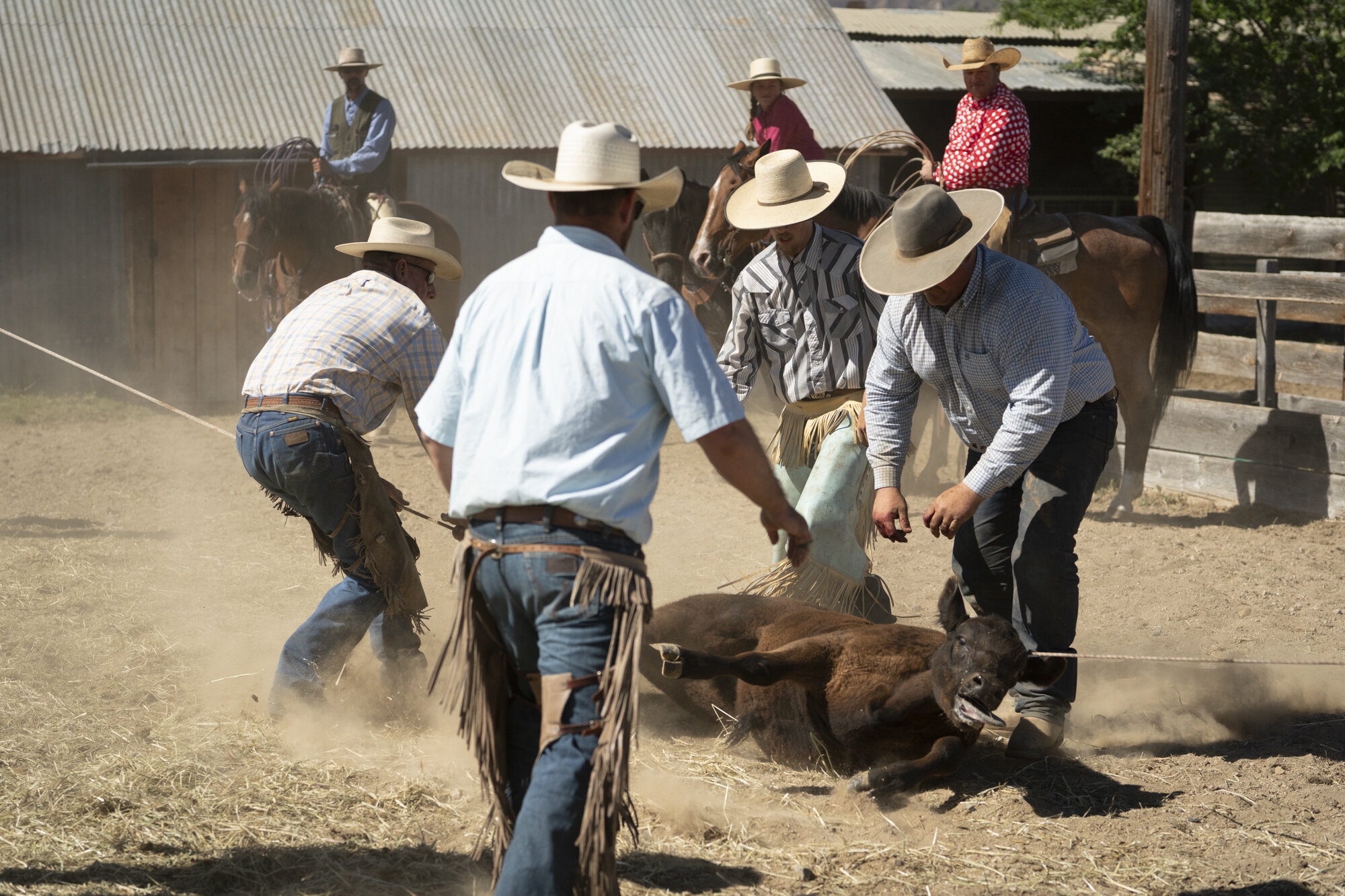
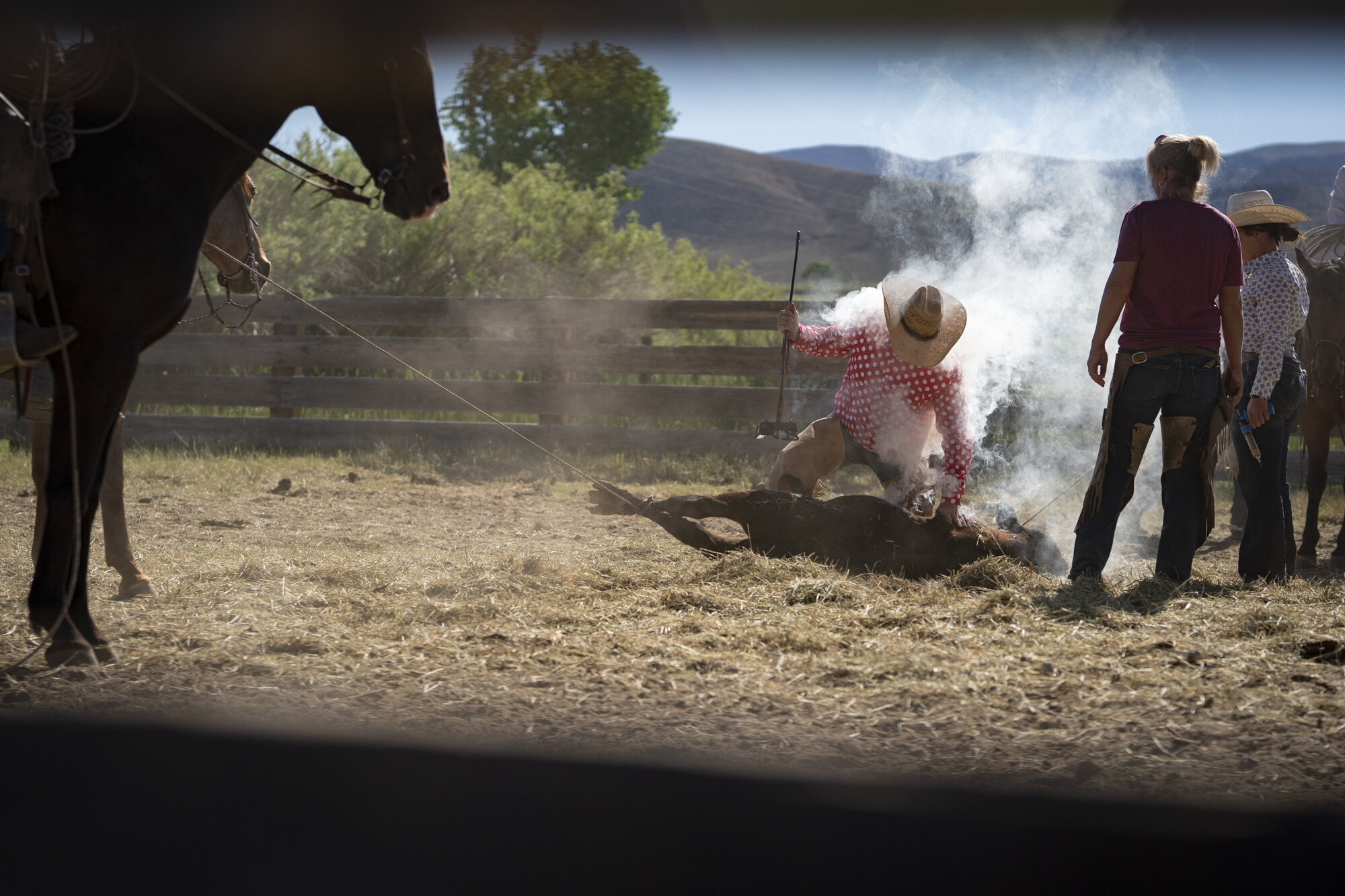
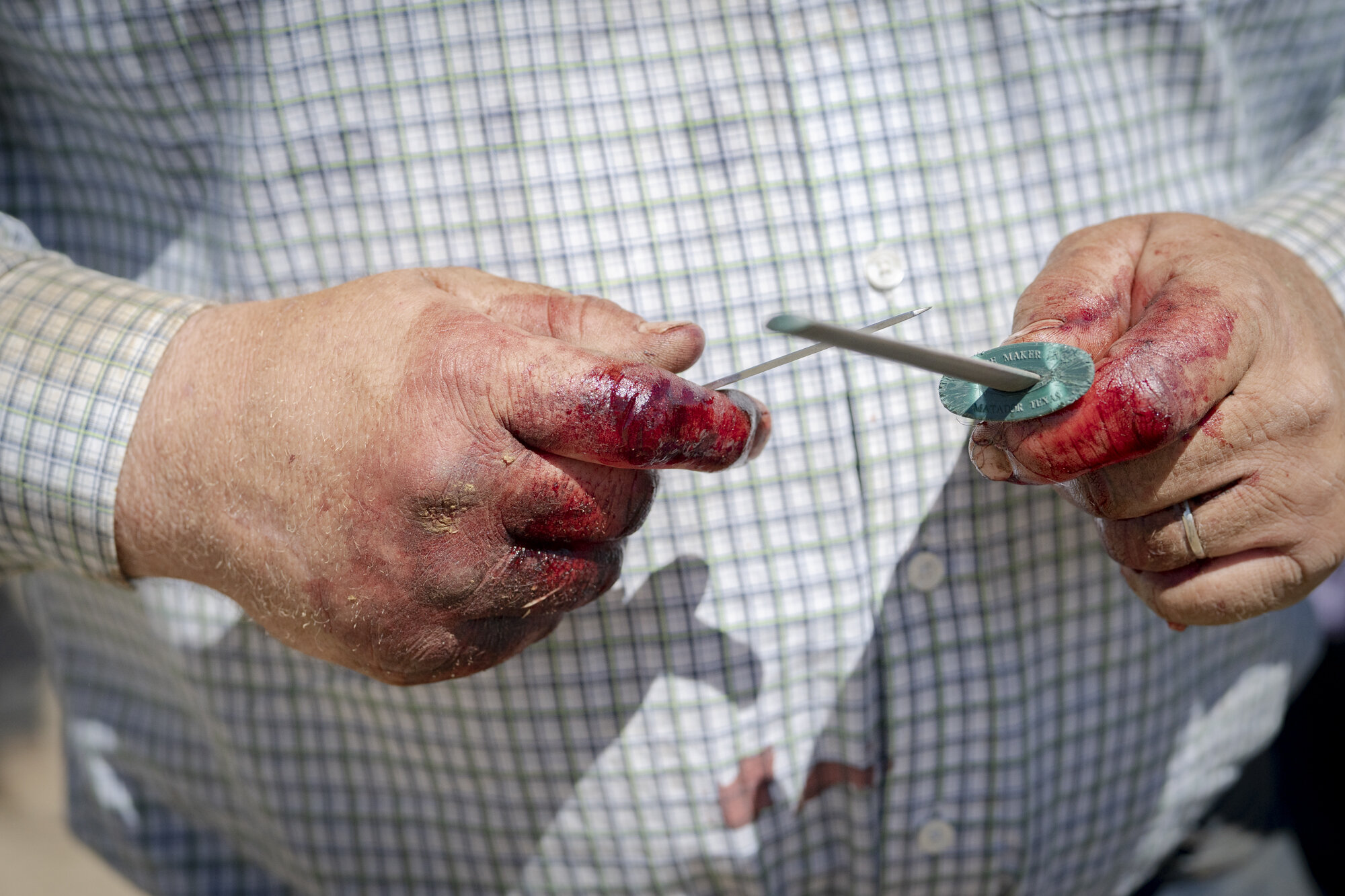
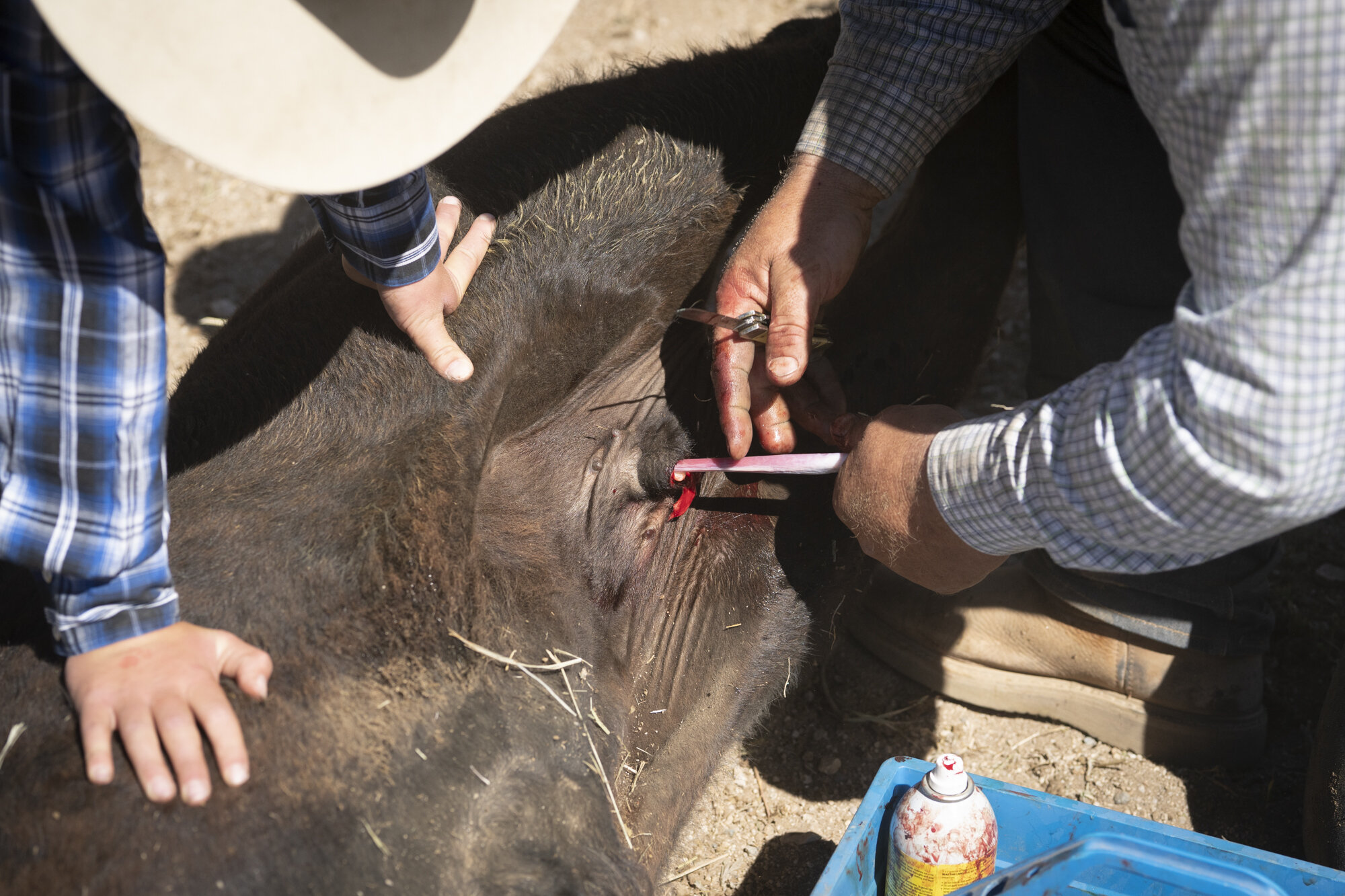
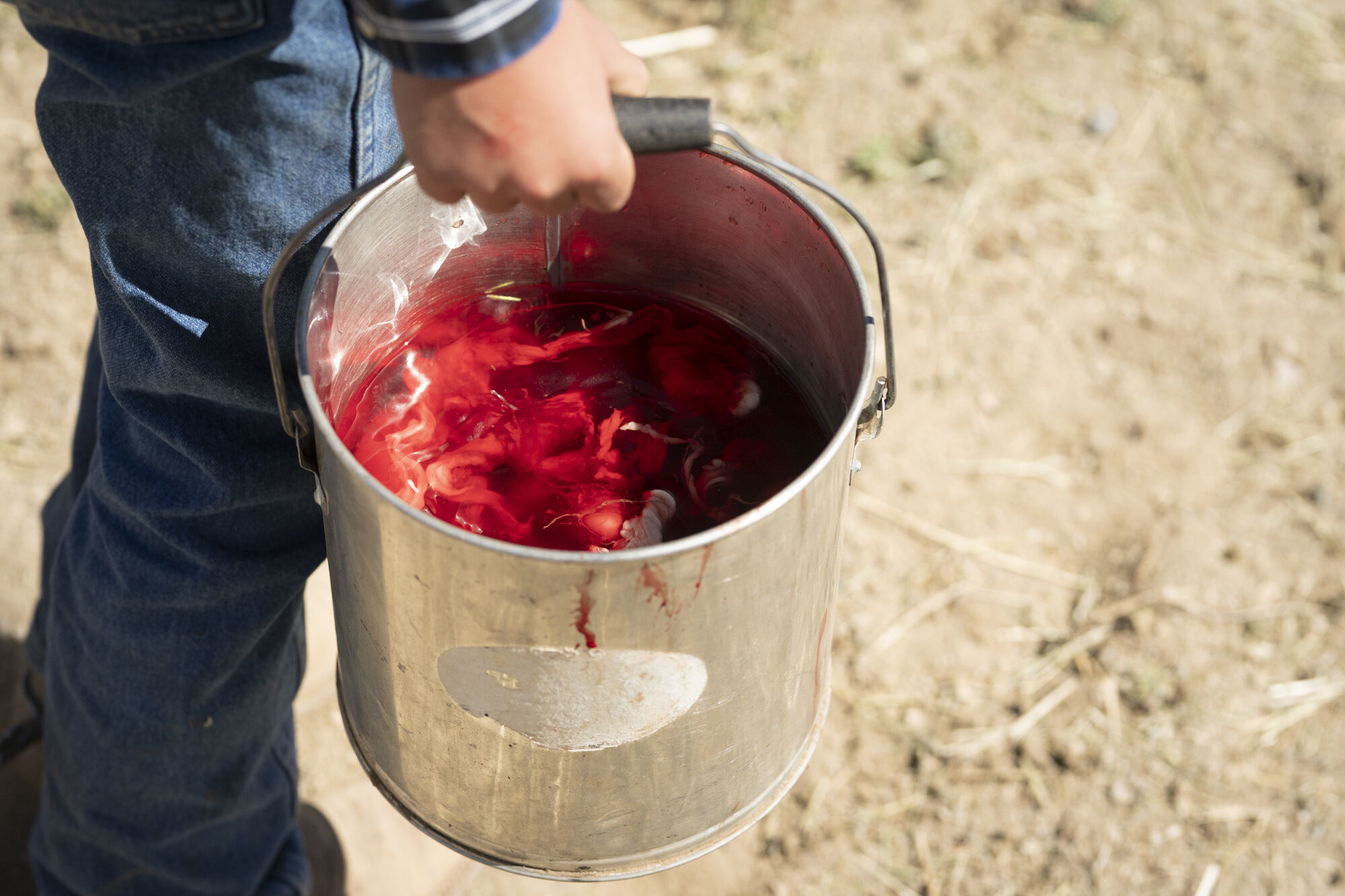
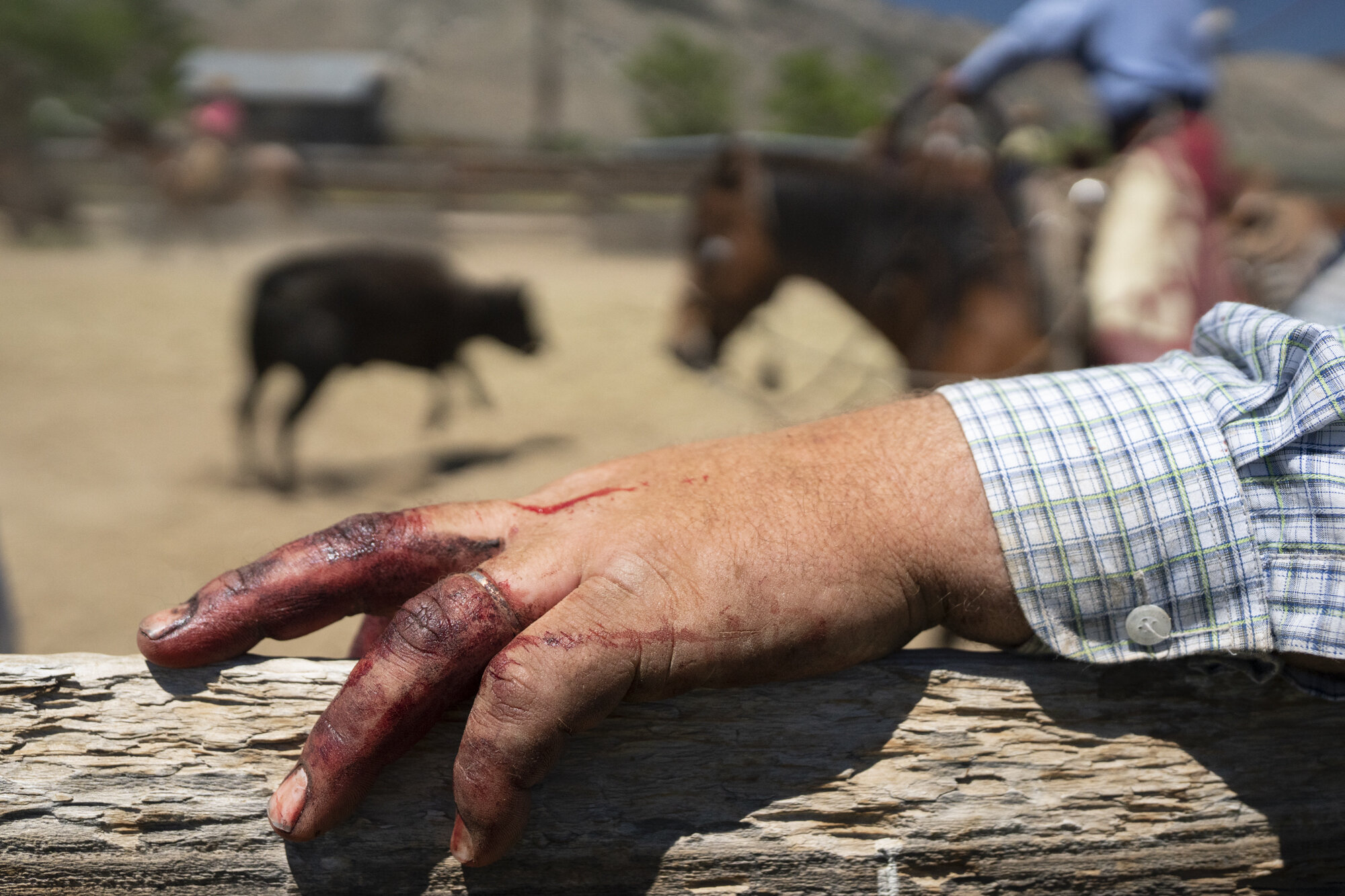
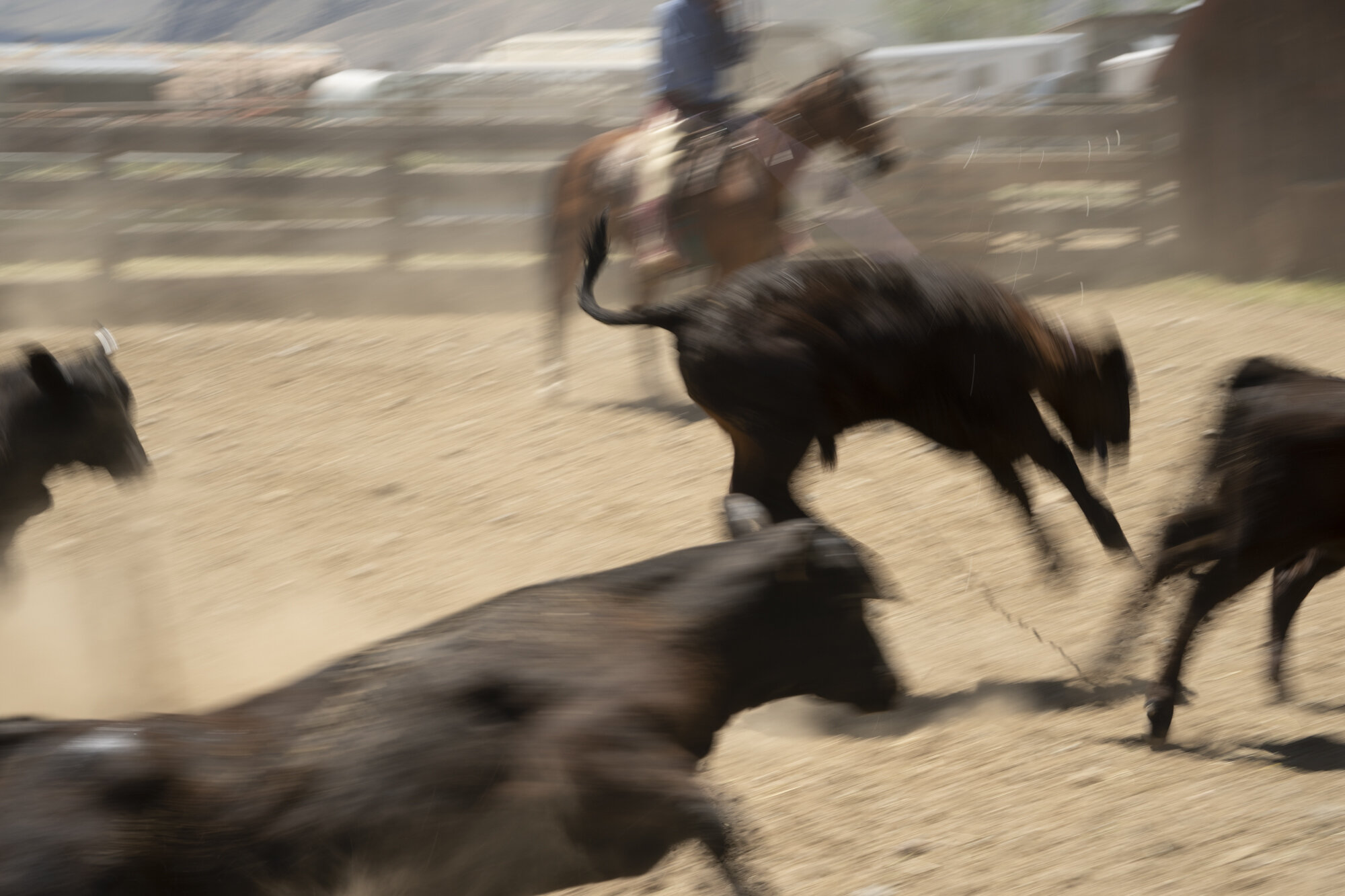
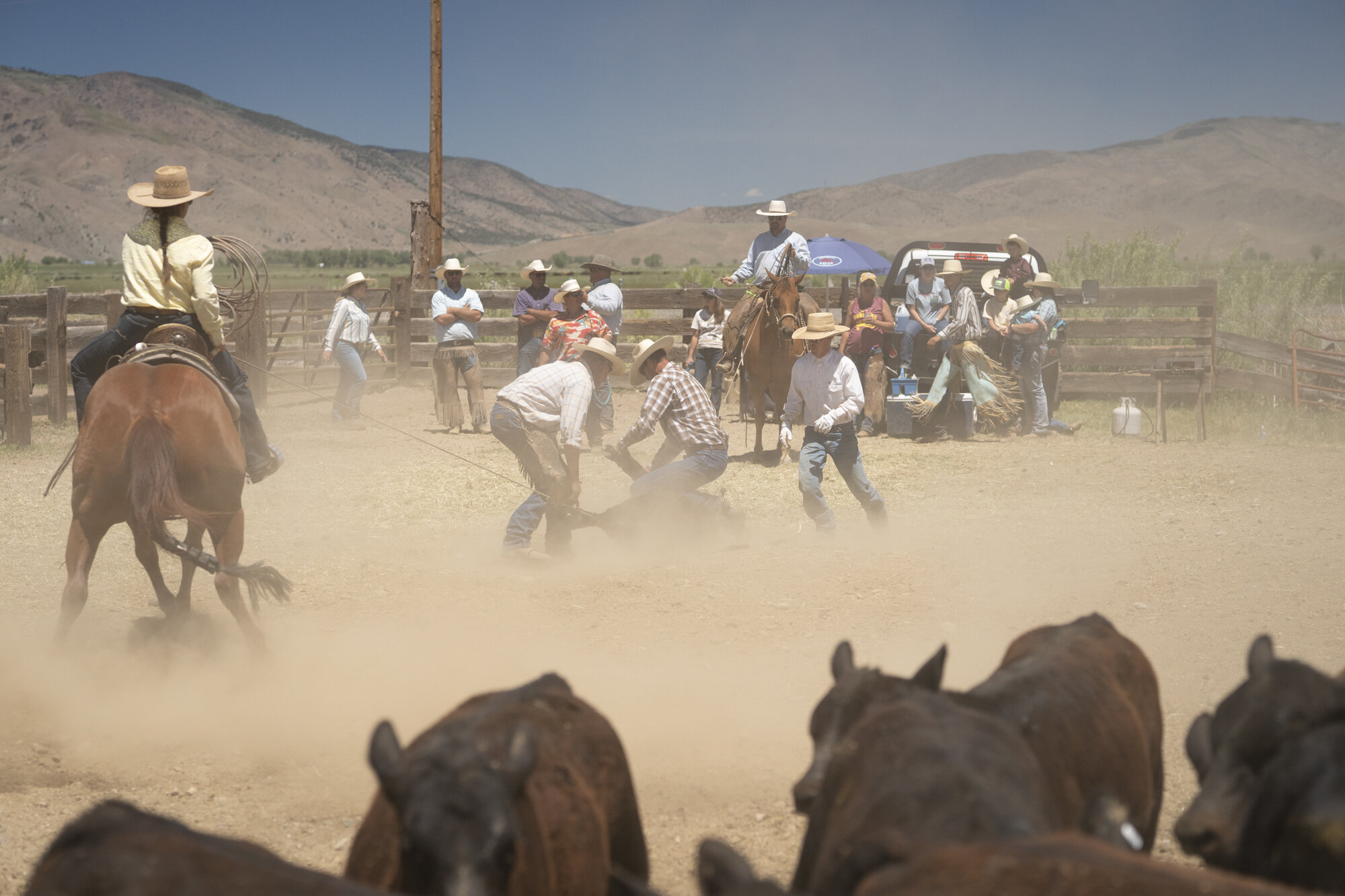
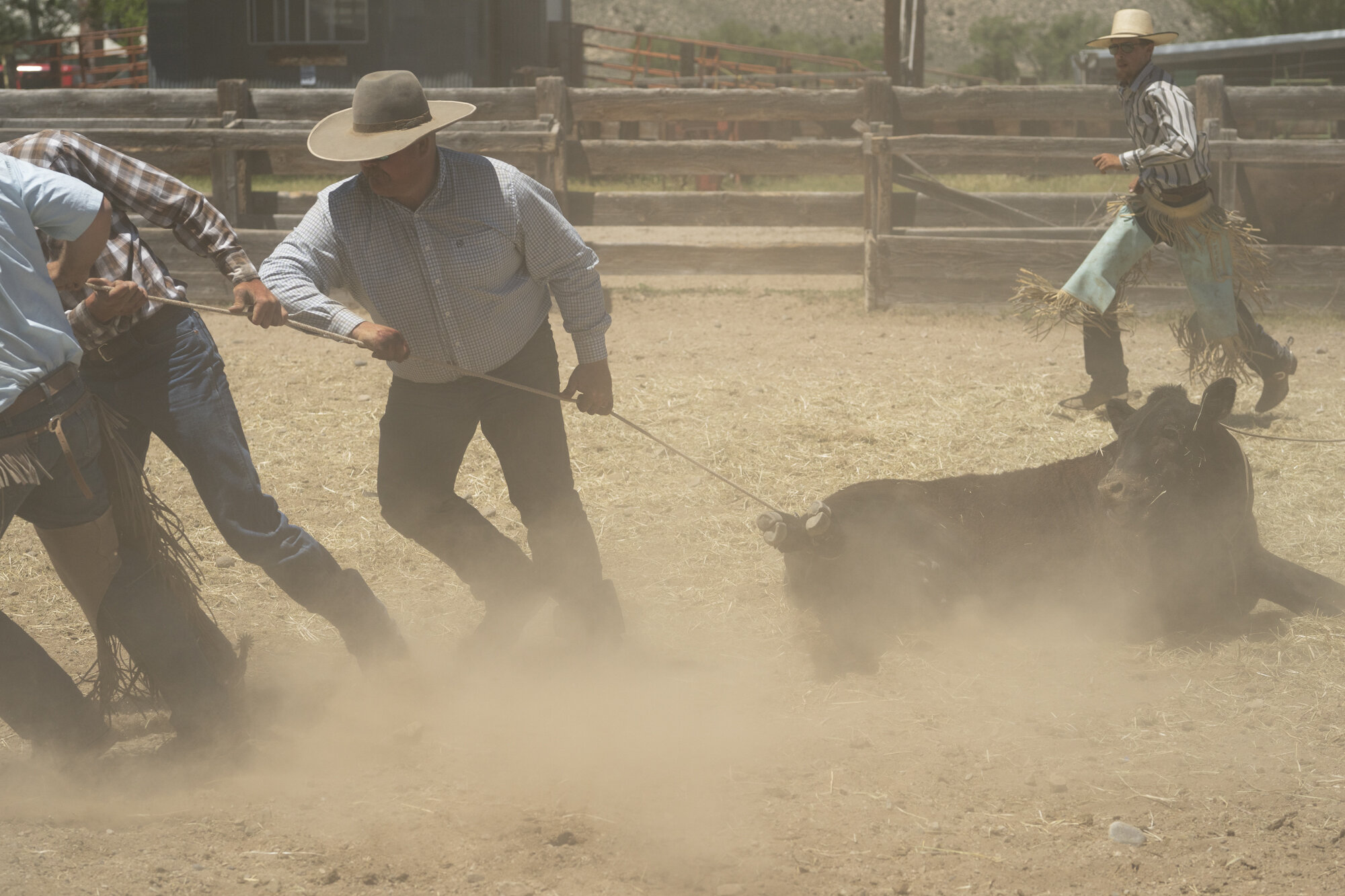
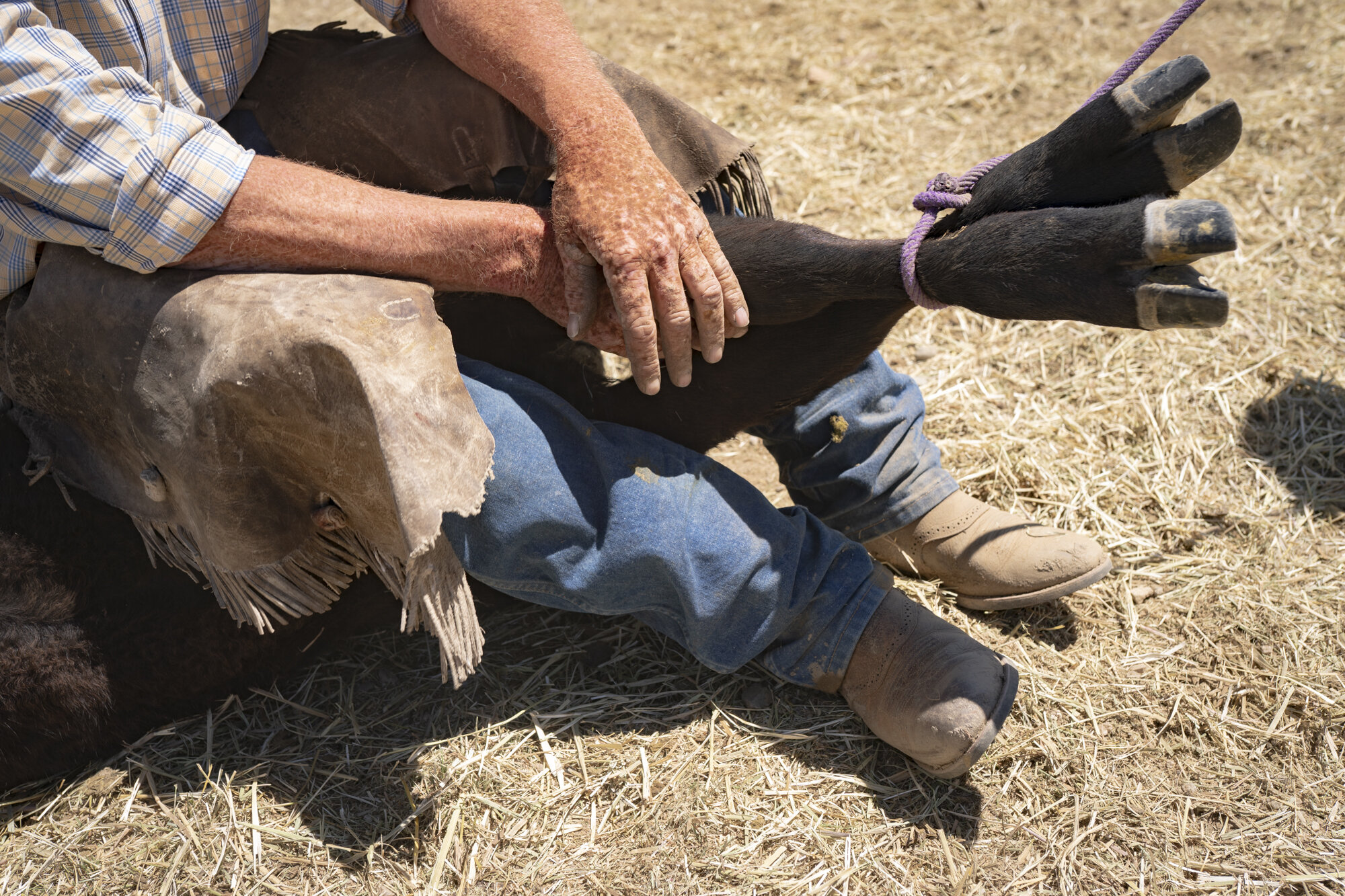
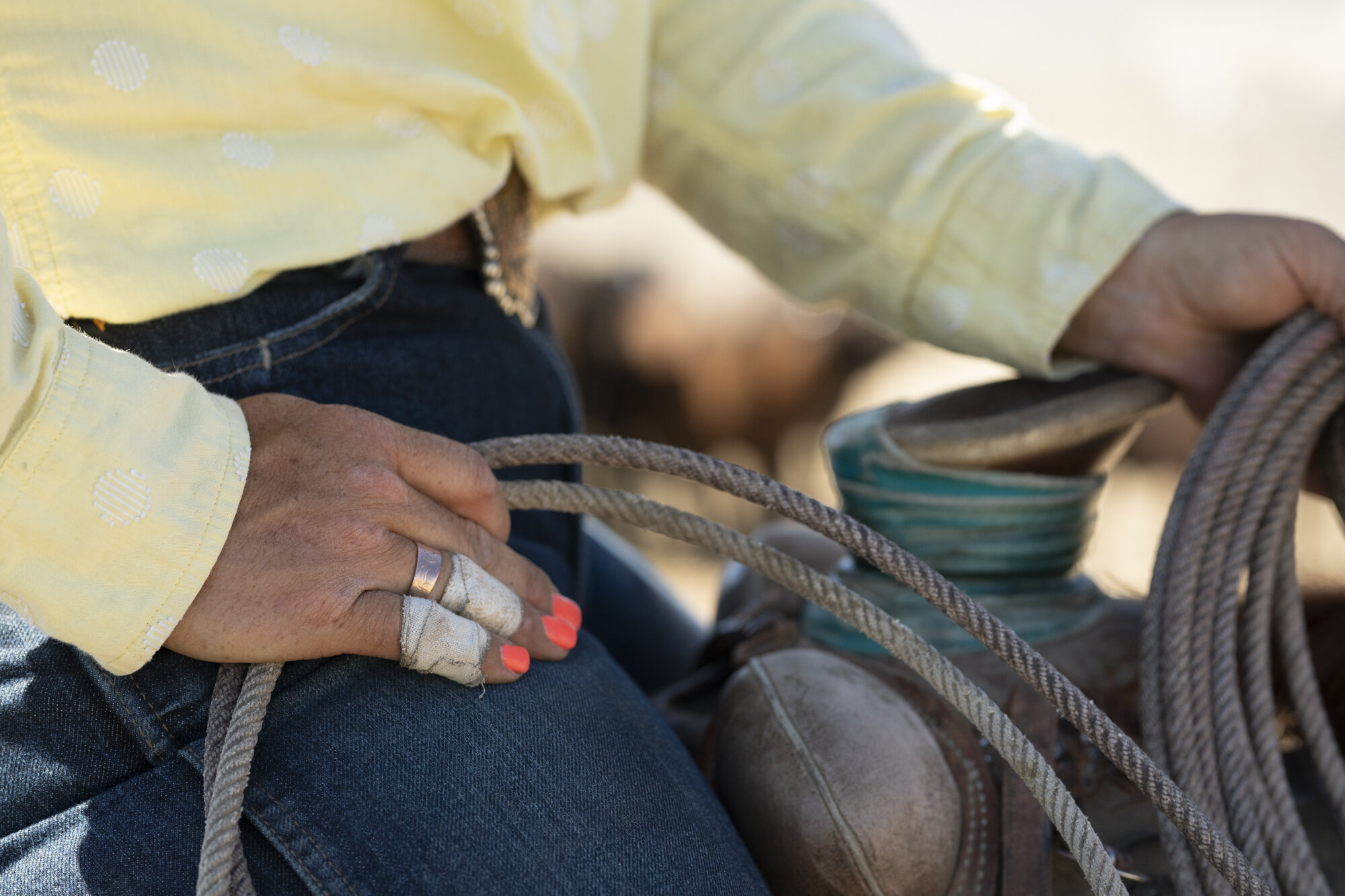
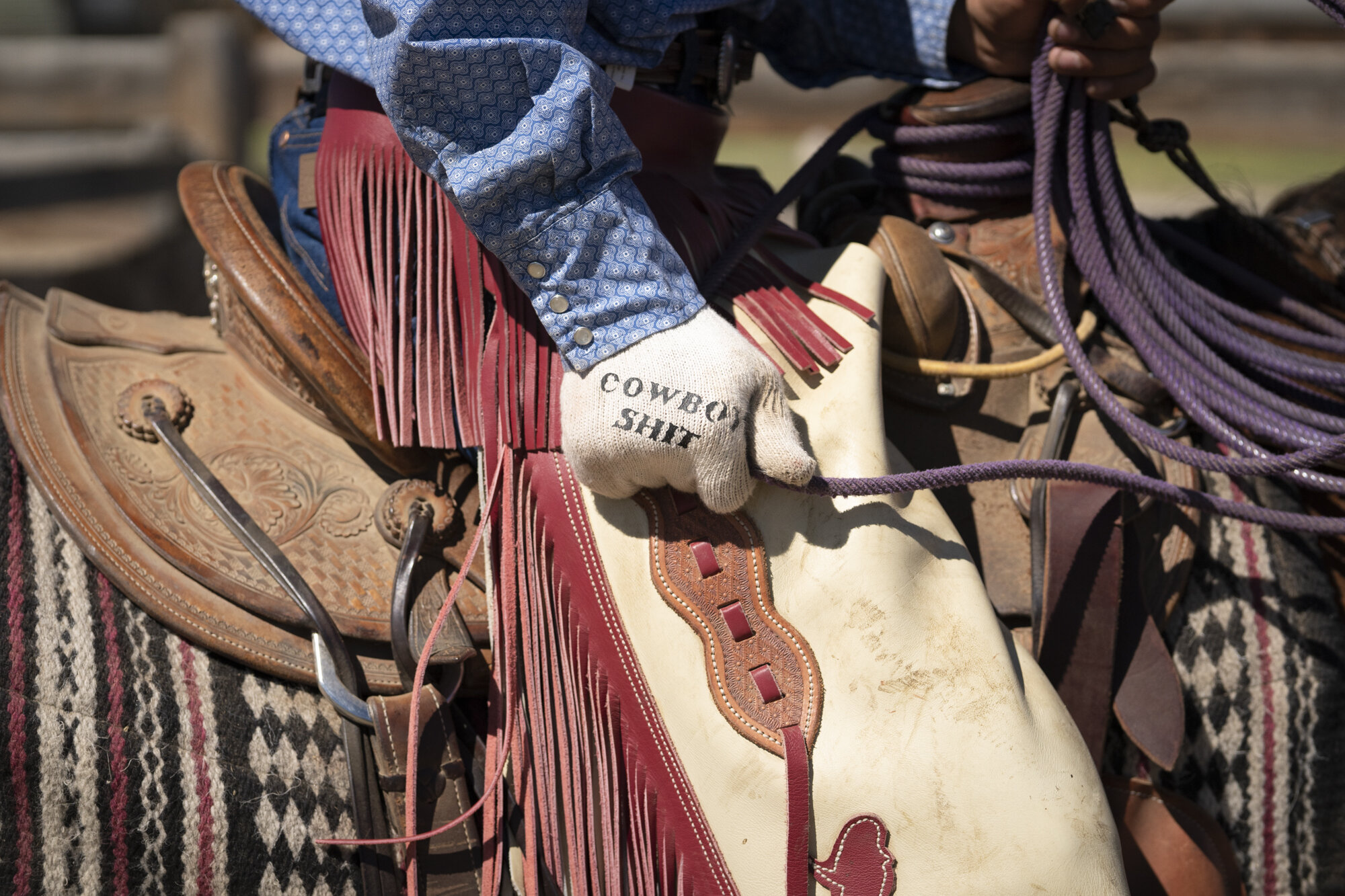
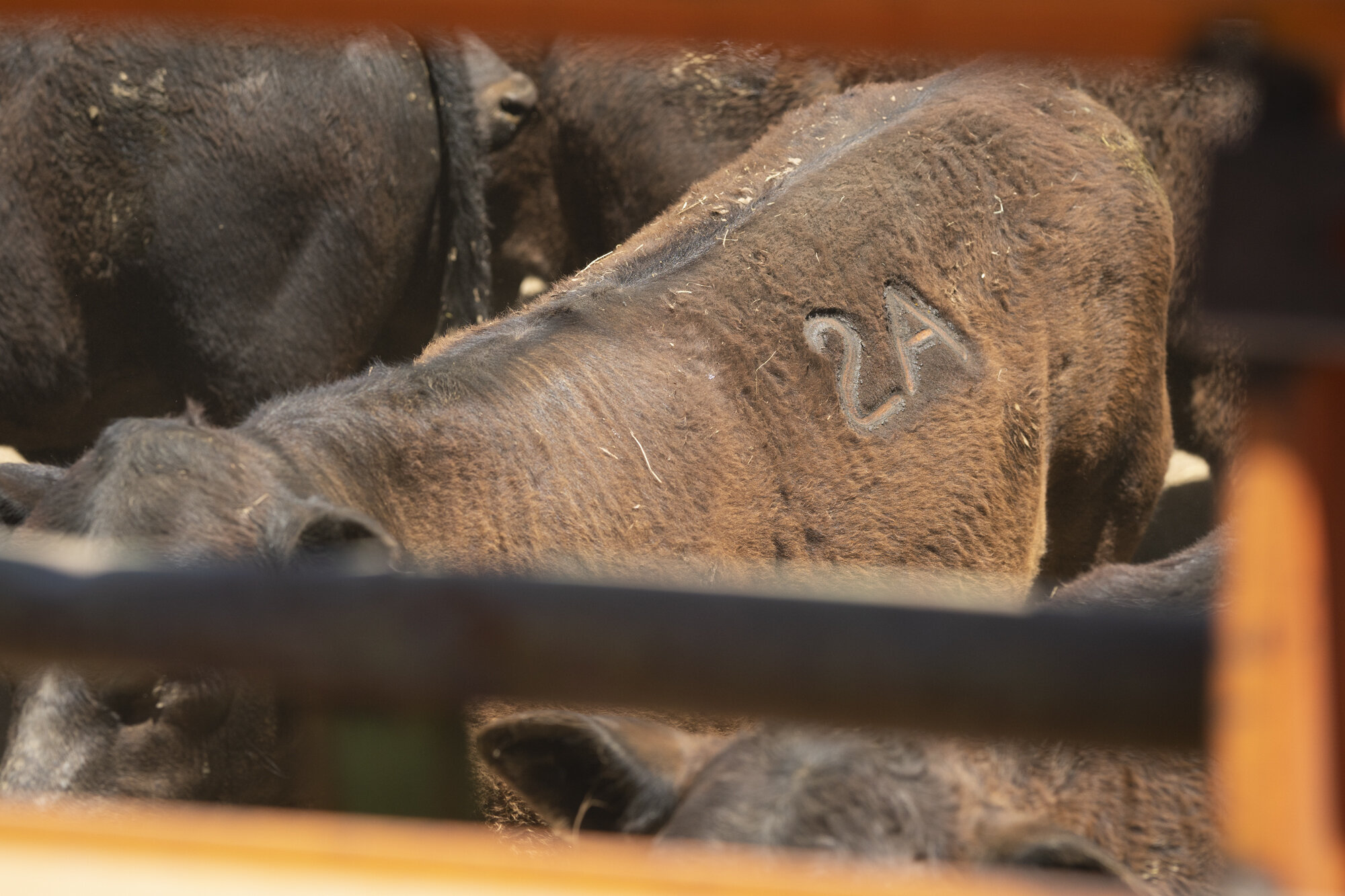
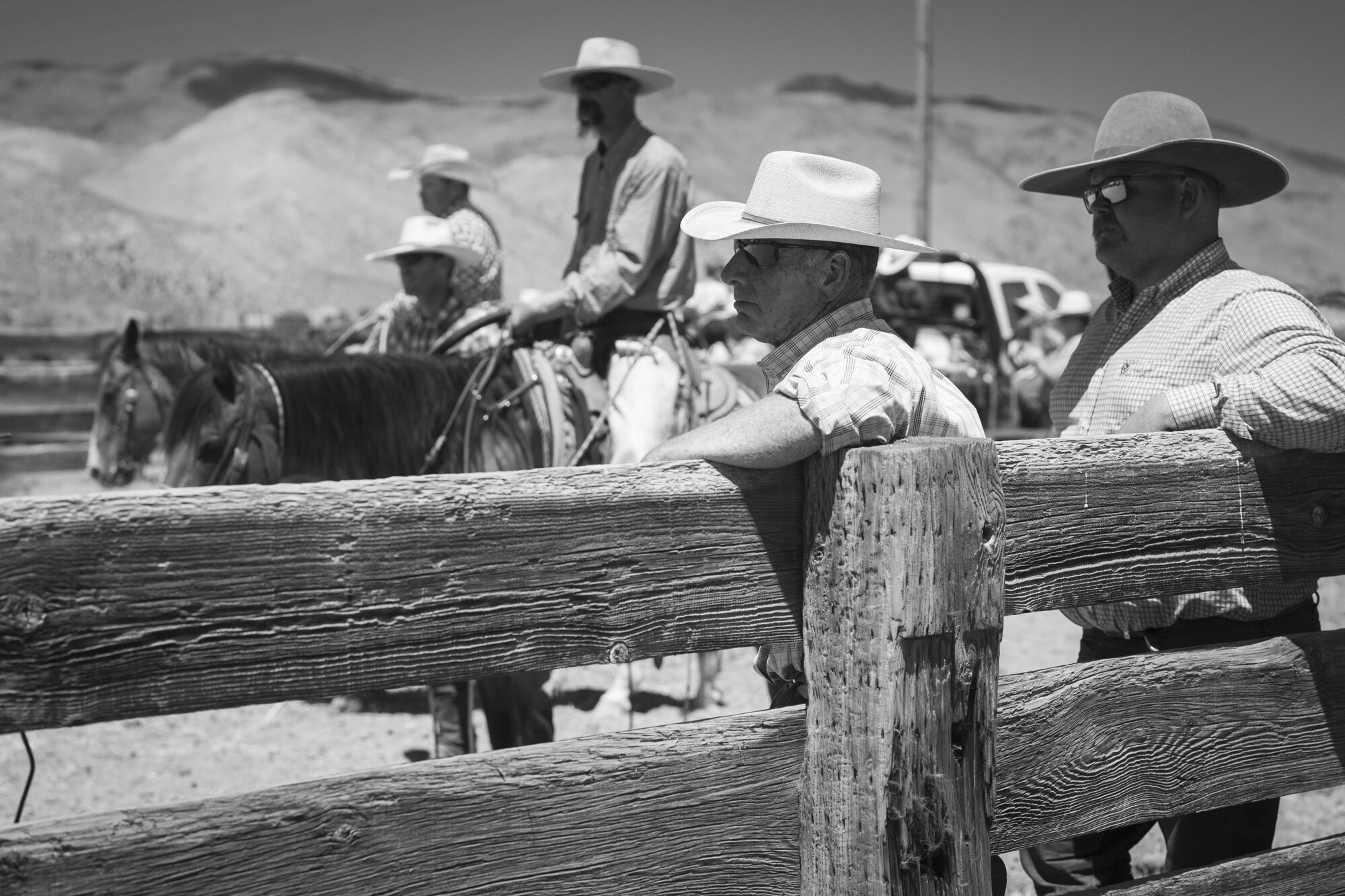
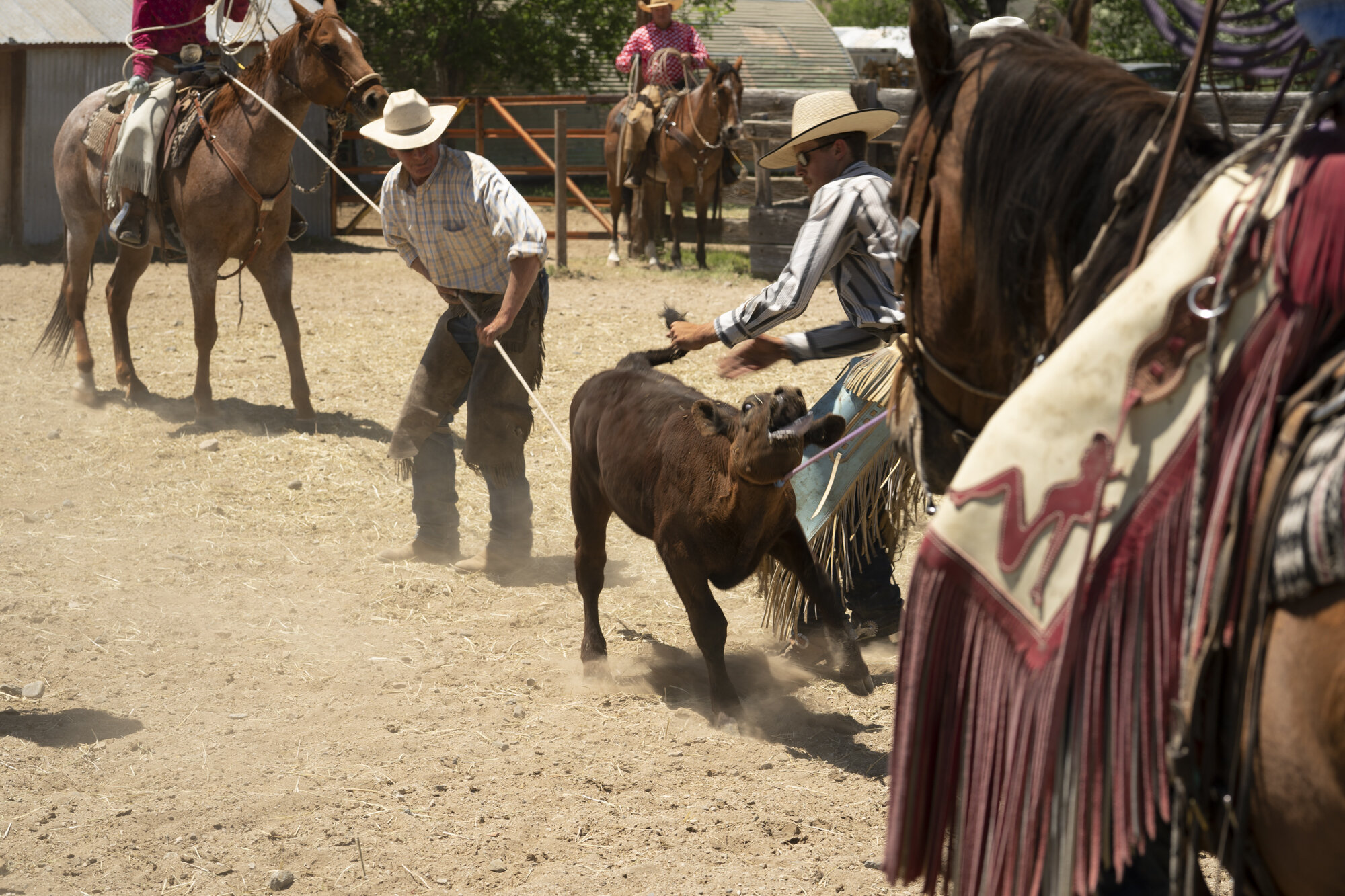
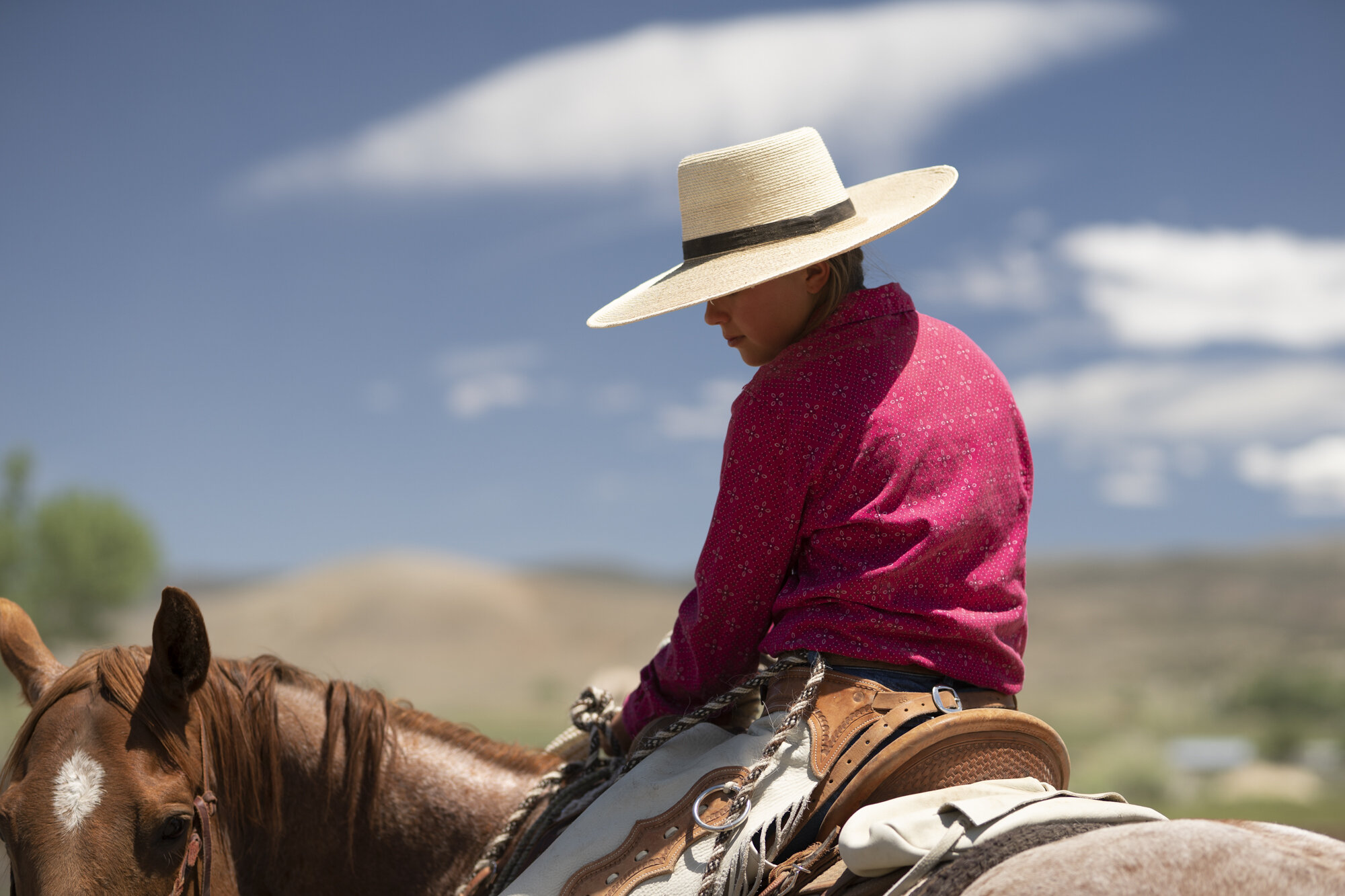
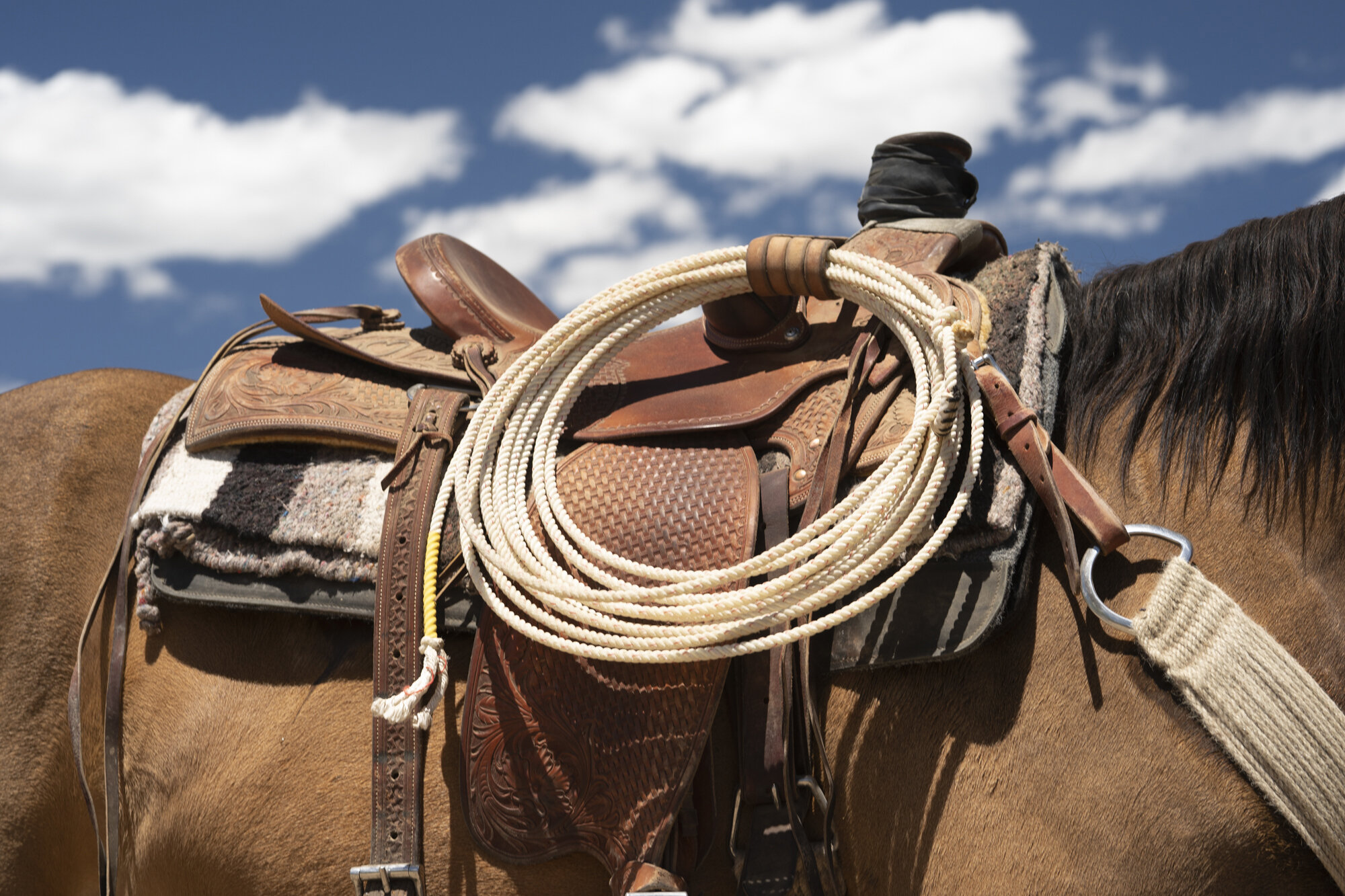
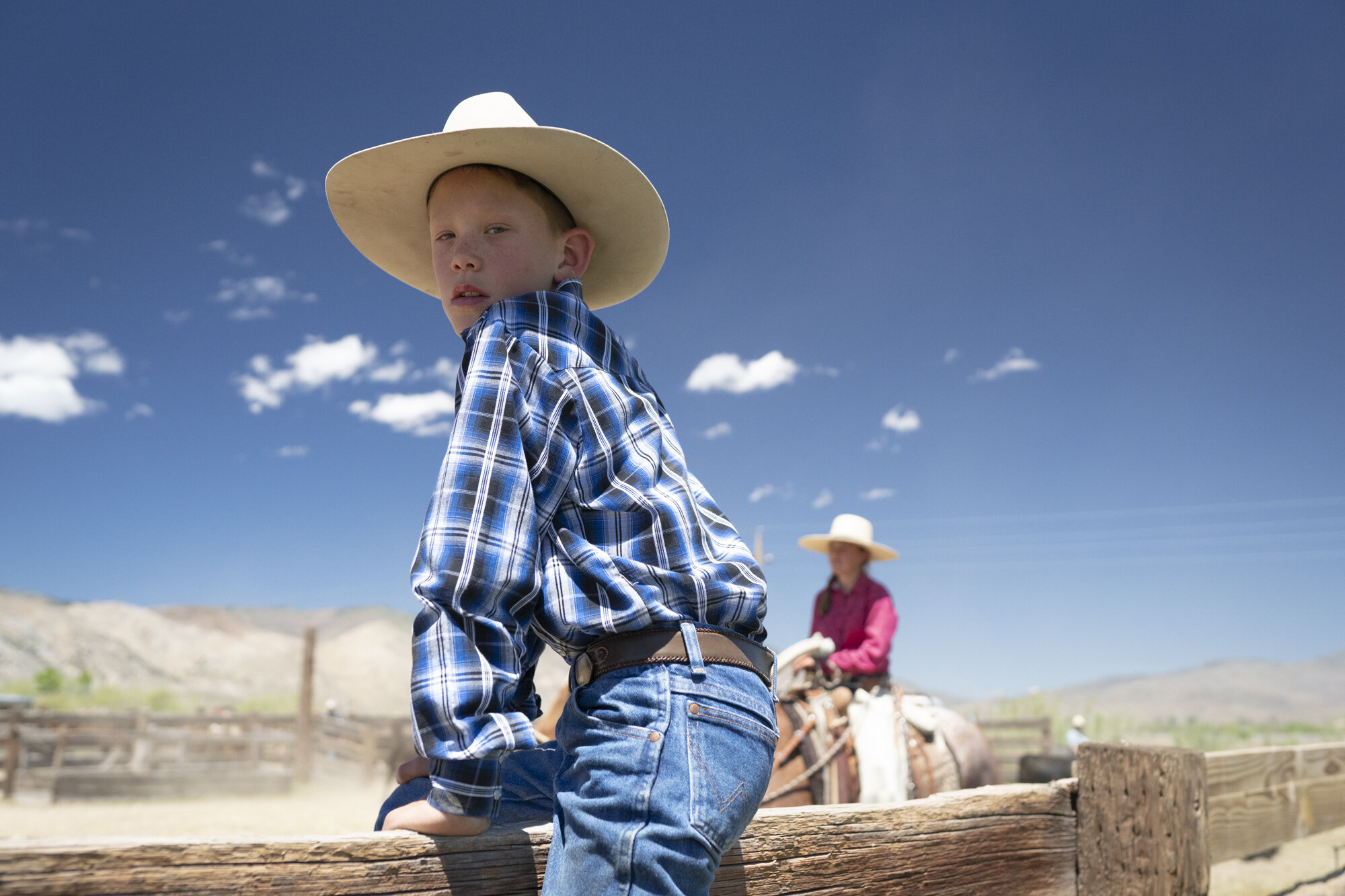
The photographs here are just one piece of a much larger story. Branding season at the 6666 Ranch is a coordinated effort and well oiled machine run by first class cowboys.

→ See the complete 6666 Ranch branding photo series

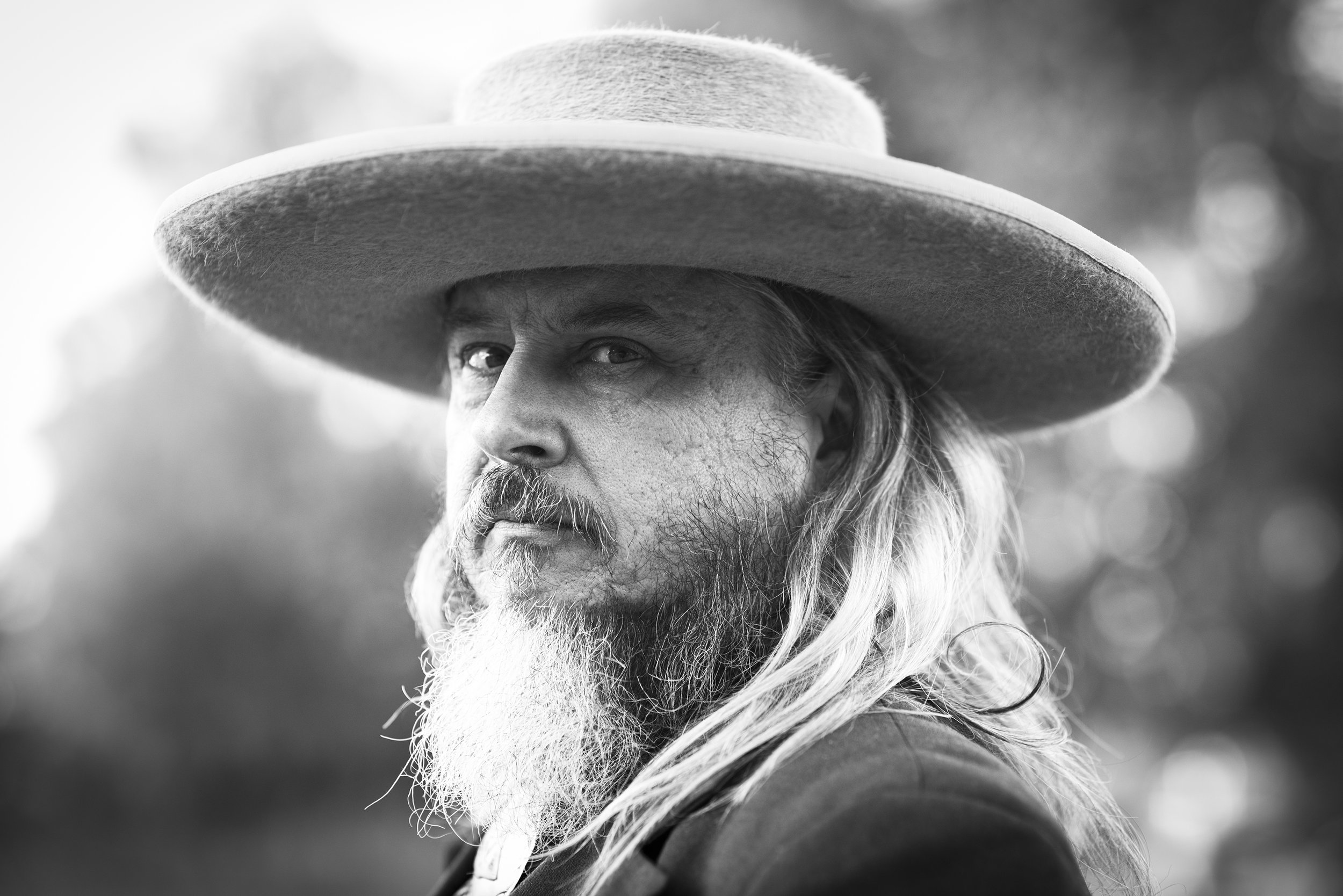
Photograph of legendary Texas cowboy Boots O'Neal on the 6666 Ranch

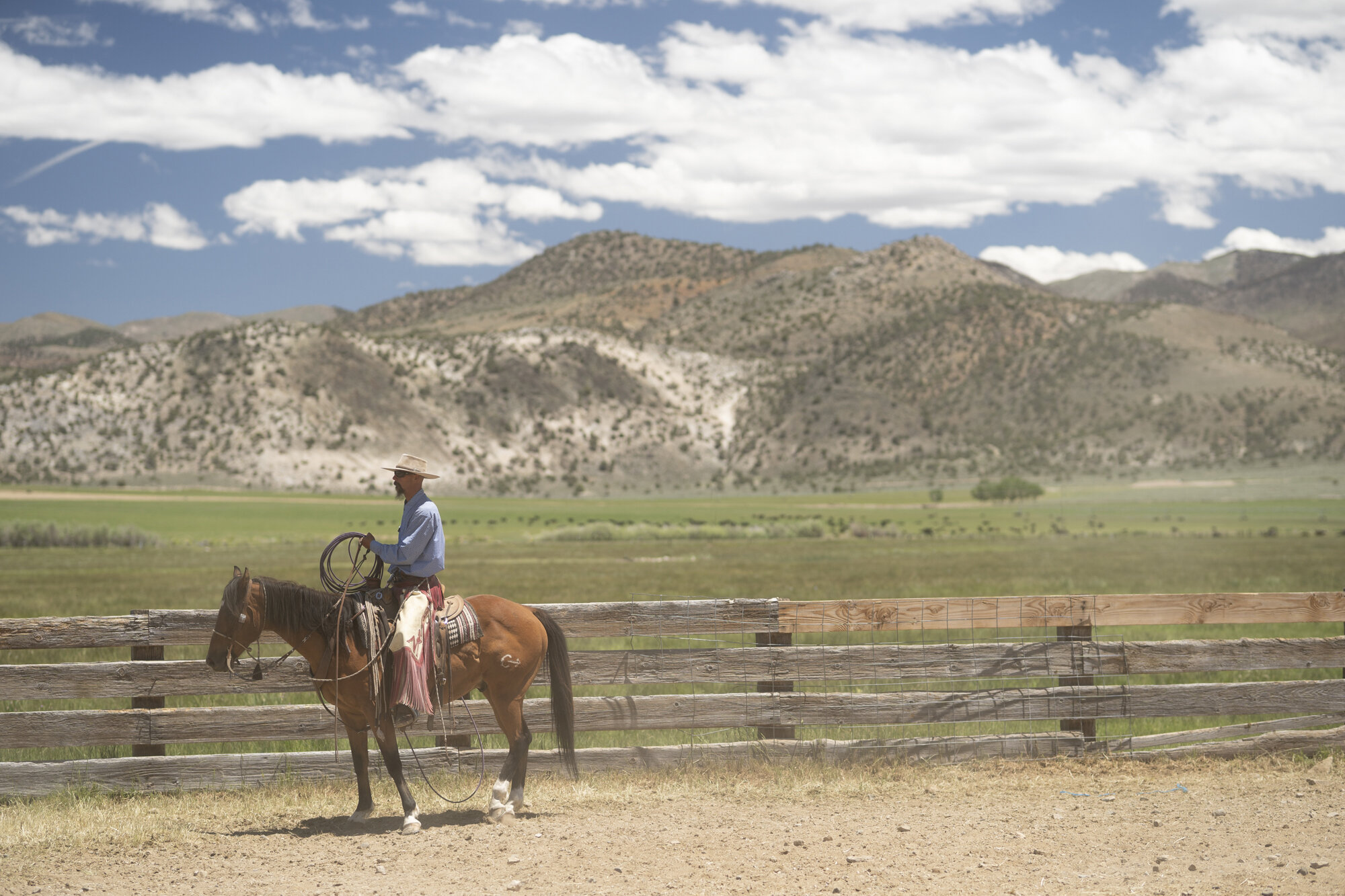
Boots O’Neal on his horse working cattle in the corrals at the 6666 Ranch

Boots O’Neal and the Tradition of Ranching in West Texas

Imagine for a moment, waking up in the hospital with 12 broken ribs, a punctured lung, broken vertebrae, and a bleeding brain. Now imagine that pain at 82 years of age. Cal Ripken Jr. was Major League Baseball's “Ironman”. Earning the nickname after playing 2,632 consecutive games. Put those end to end and you’ve got over 7 years of straight baseball. An astonishing stat and impressive feat only possible for a human made from the toughest stock. No offense to Mr. Ripken, but that doesn’t hold a candle to the Texas legend - Boots O’Neal, who's been horseback for the better part of the last 75 years. Despite the aforementioned injuries, piled on a lifetime of other broken body parts, the now 90 year old cowboy shows no desire whatsoever to retire. You’d think someone that’s lived in such a way would have a face much resembling their saddle that’s endured as many miles. Instead, O’Neal’s is endearing, and fixed with a perpetual smile that causes you to do the same. The kind of guy that inadvertently makes you a better person just by being in his presence. 

While we’re on the stat train, let’s dole out a few more just to drive the point home, what an outlier he truly is. The average retirement age in America is 62. The average age of death is 78. And a cowboy will normally take home about $31,466 a year. At a time in life when most folks are either dead or in a nursing home, Boots wakes up every morning with excitement to saddle a horse and work cattle alongside fellow cowpunchers that could be his grandkids. People just aren’t built like him anymore. Not a partier, but it would be safe to put O’Neal in the Keith Richards class. Immortal freaks, in the most beautiful way possible. 

Portrait of Boots O'Neal - Cowboy on the 6666 Ranch in Texas. Available as a photography print.

Portrait of Boots O’Neal

Cowboys in general are a strand of human unlike the rest of us. Born not made. And from birth, it was obvious O’Neal created a category all his own. Growing up in the 30’s he was one of 8 children living in a home without running water. The bathroom was an outhouse, and the bath, a tub filled with water and placed next to the kitchen oven, door open for heat. After 3 or 4 of the kids took their turn, that water was tossed outside to calm down the dust. He was never much for school. The only thing he excelled at was boxing, but usually just looked forward to running off the bus and into the barn to saddle a horse, only coming in when his mother hung a white sheet on the clothesline - their version of a dinner bell. 9th grade was as far as he cared to go, leaving home in August of 49’ at sixteen to cowboy for the JA ($90/week). That job found him on the wagon, sleeping in only a bedroll 6-7 months at a time. A lifestyle that fit him just fine. 

Before we go any further, it would be appropriate to define what makes a real cowboy. The loud mouth sporting a big black hat getting in drunken bar fights makes for good movies, but that’s about it. According to the man himself, a real cowboy is polite. Smooth. Talks gentlemanly to ladies and is good under fire. Dusty Burson (32) - foreman on the Four Sixes and close friend to Mr. O’Neal said it best - “What’s a cowboy? Well, they’re good people. Honest. They do what they say they’re gonna do. If they tell you they’ll be there to help, they’ll be there, and they’ll stay to the end.” If that statement made its way into Websters, the following words should read “also see Boots O’Neal”. 

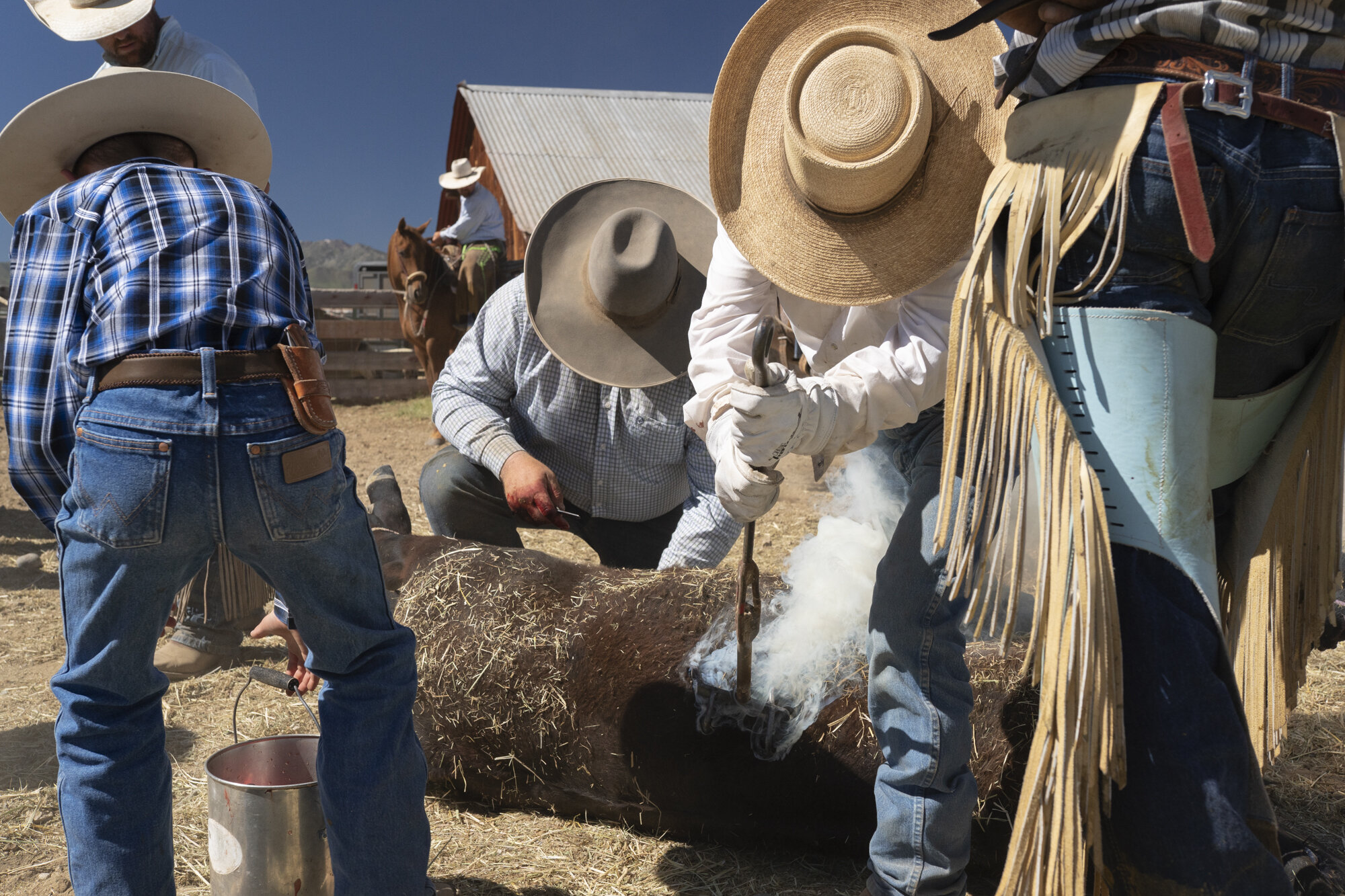
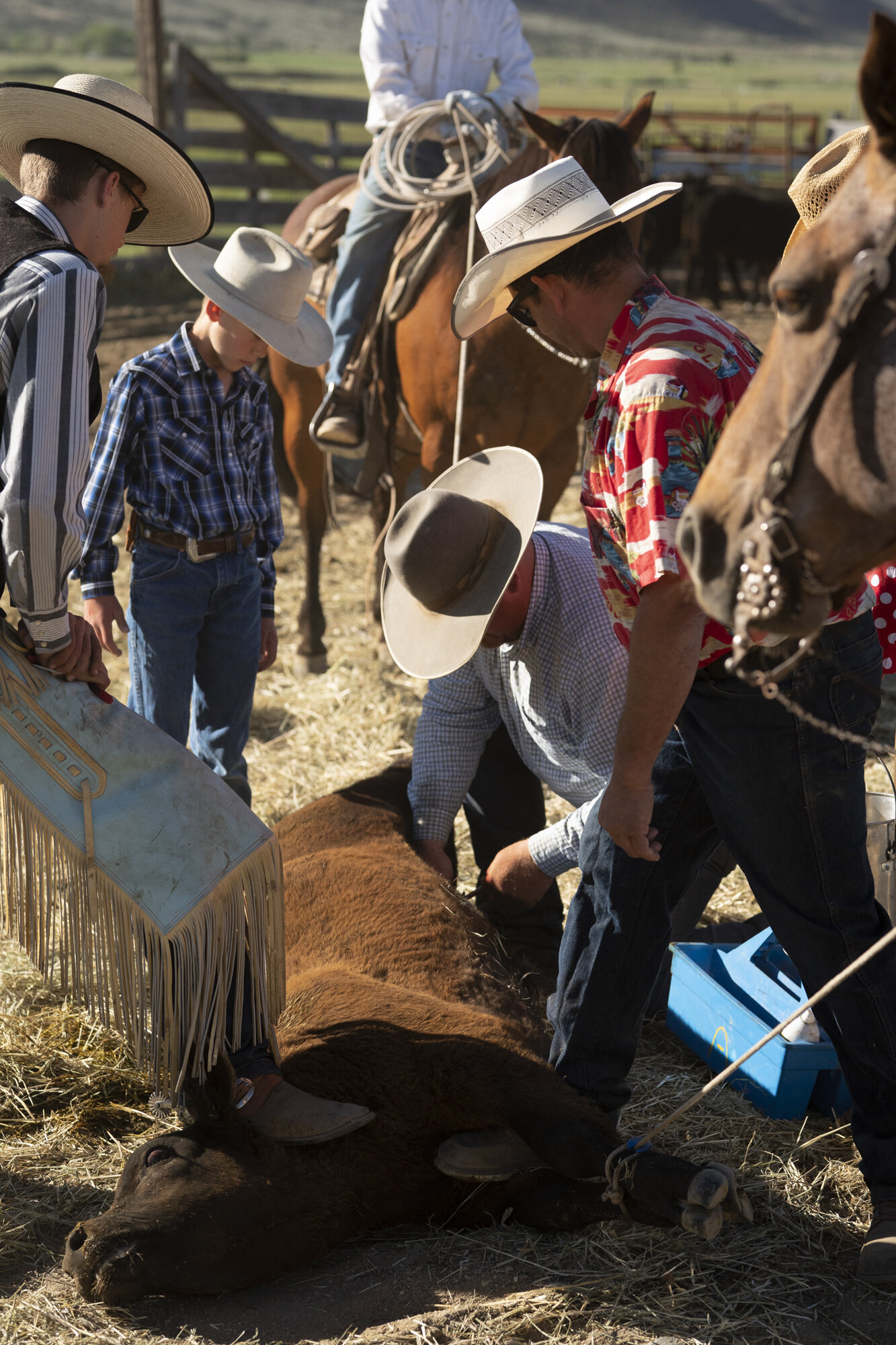
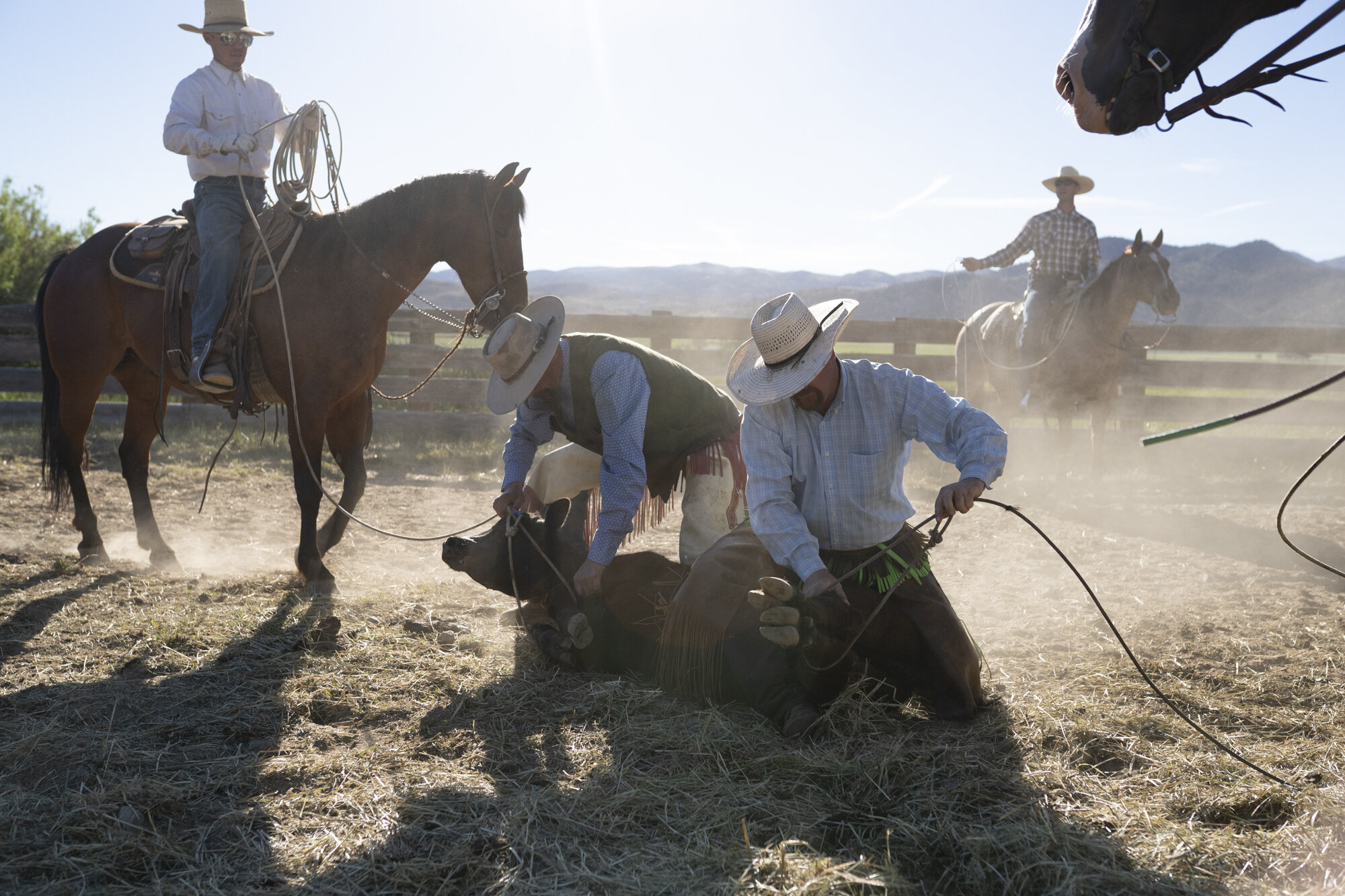
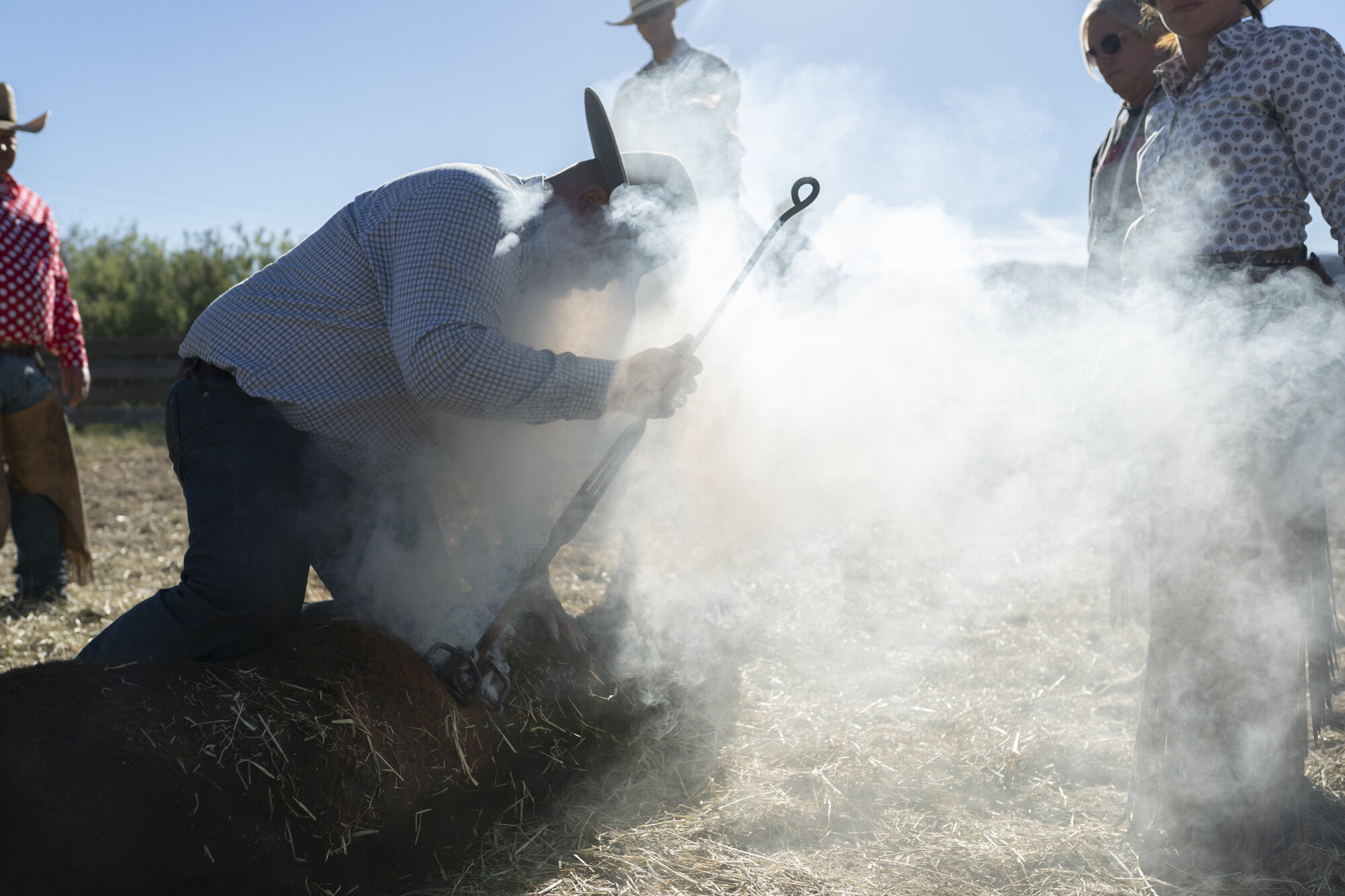
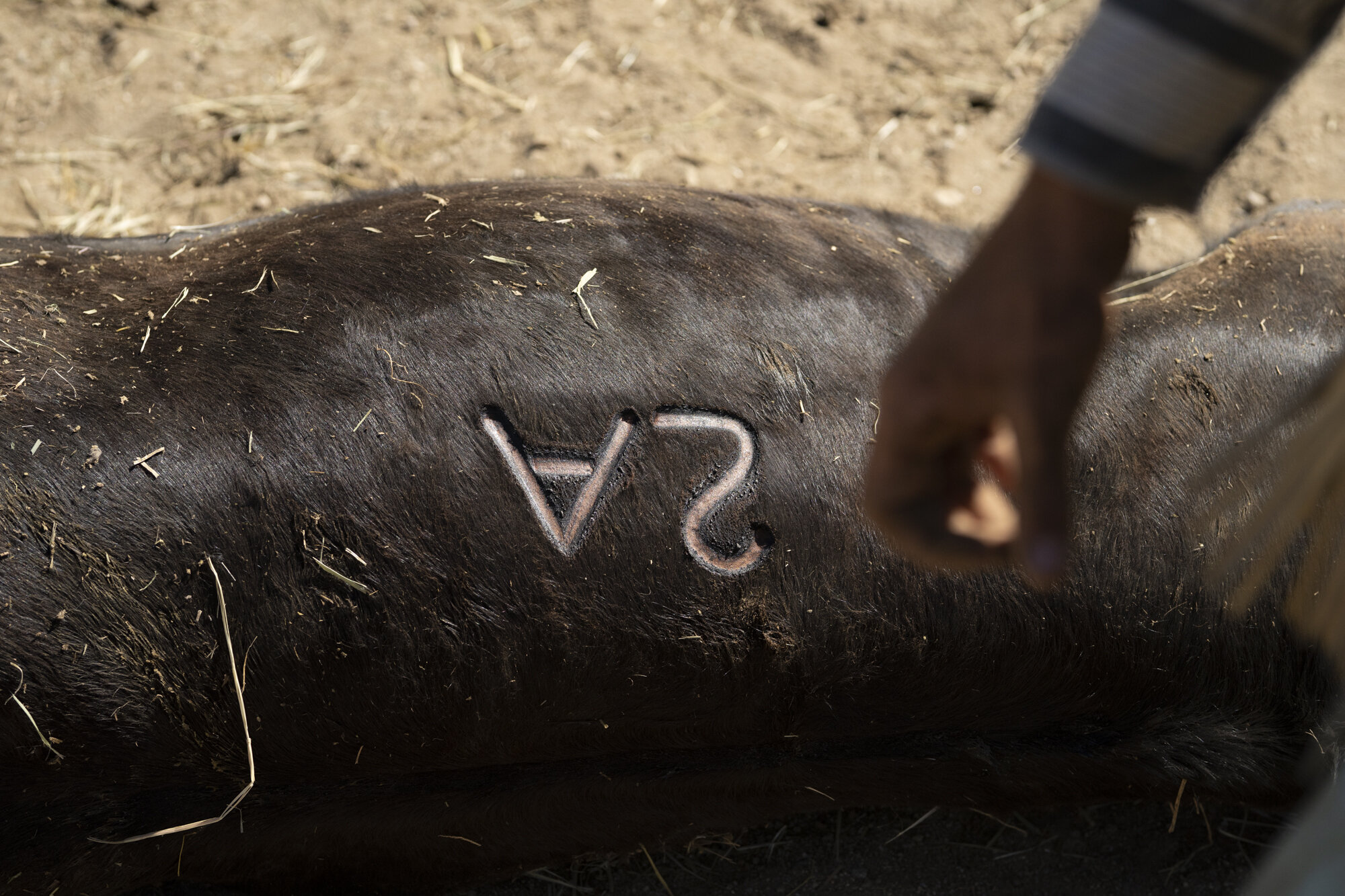
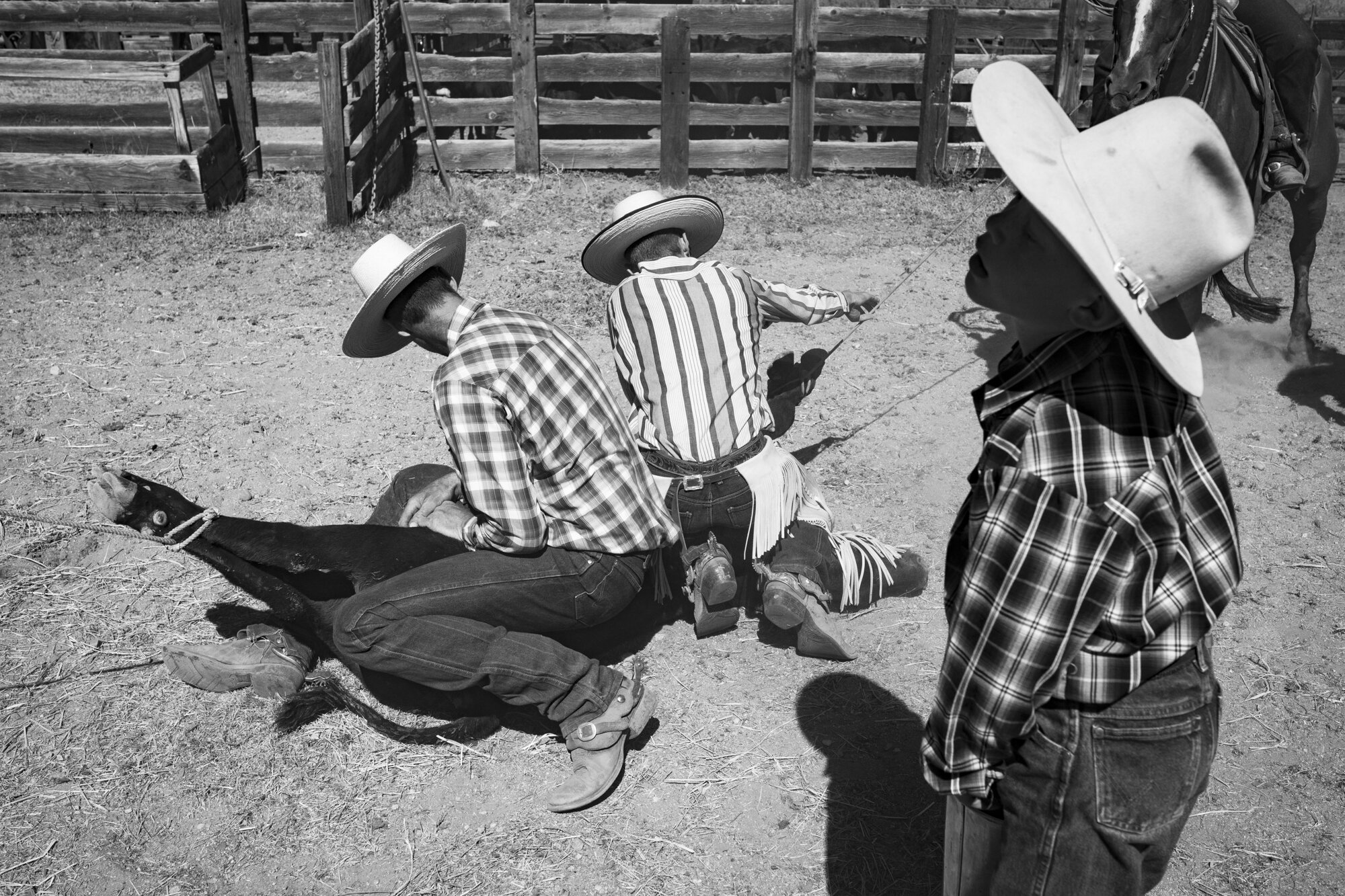
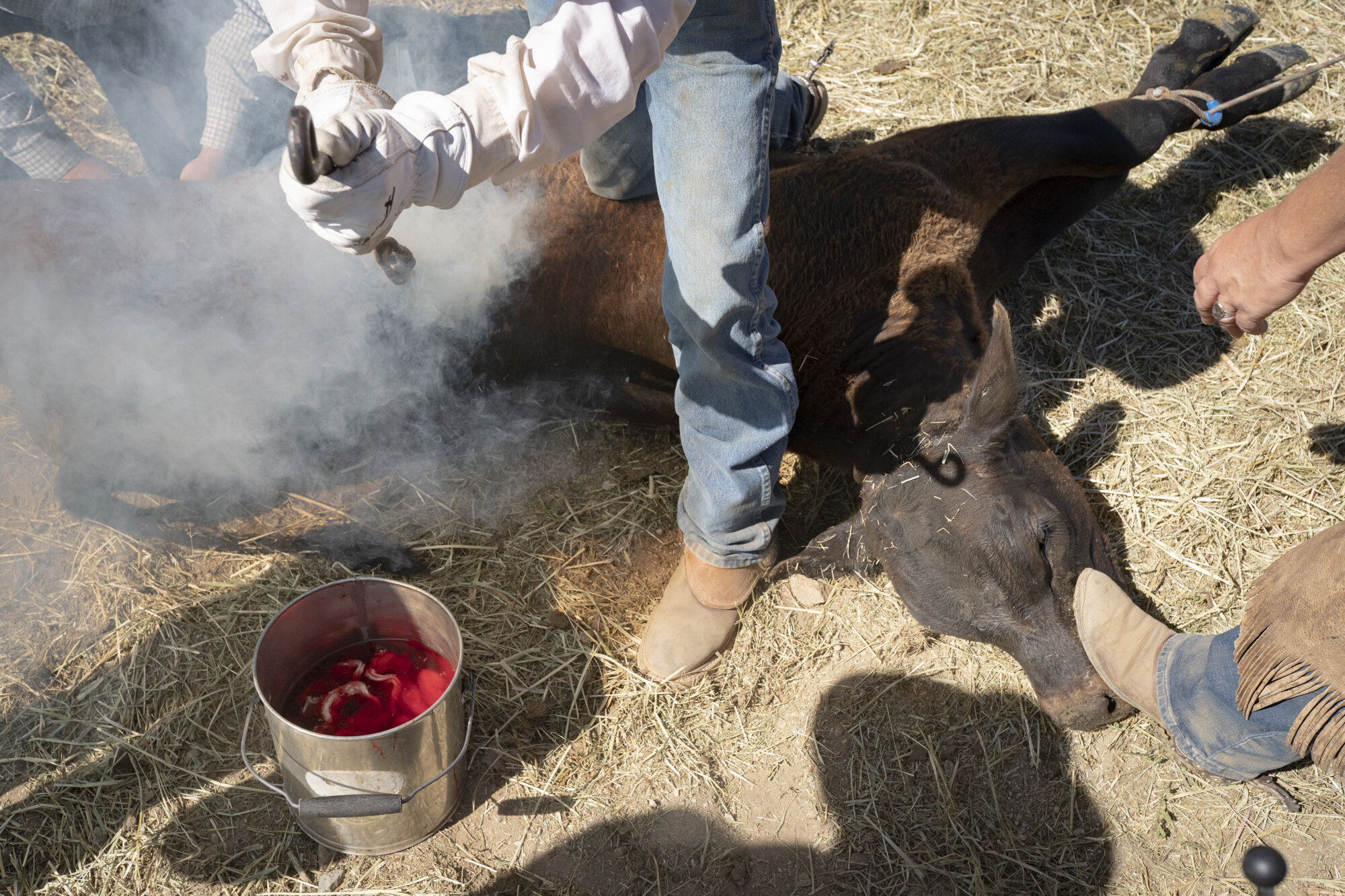
Photograph of Boots O'Neal branding calves on the 6666 Ranch in Texas. Available for editorial and commercial licensing.

Boots O’Neal branding calves in the early morning on the 6666 Ranch in Texas

Photograph of a famous Texas cowboy

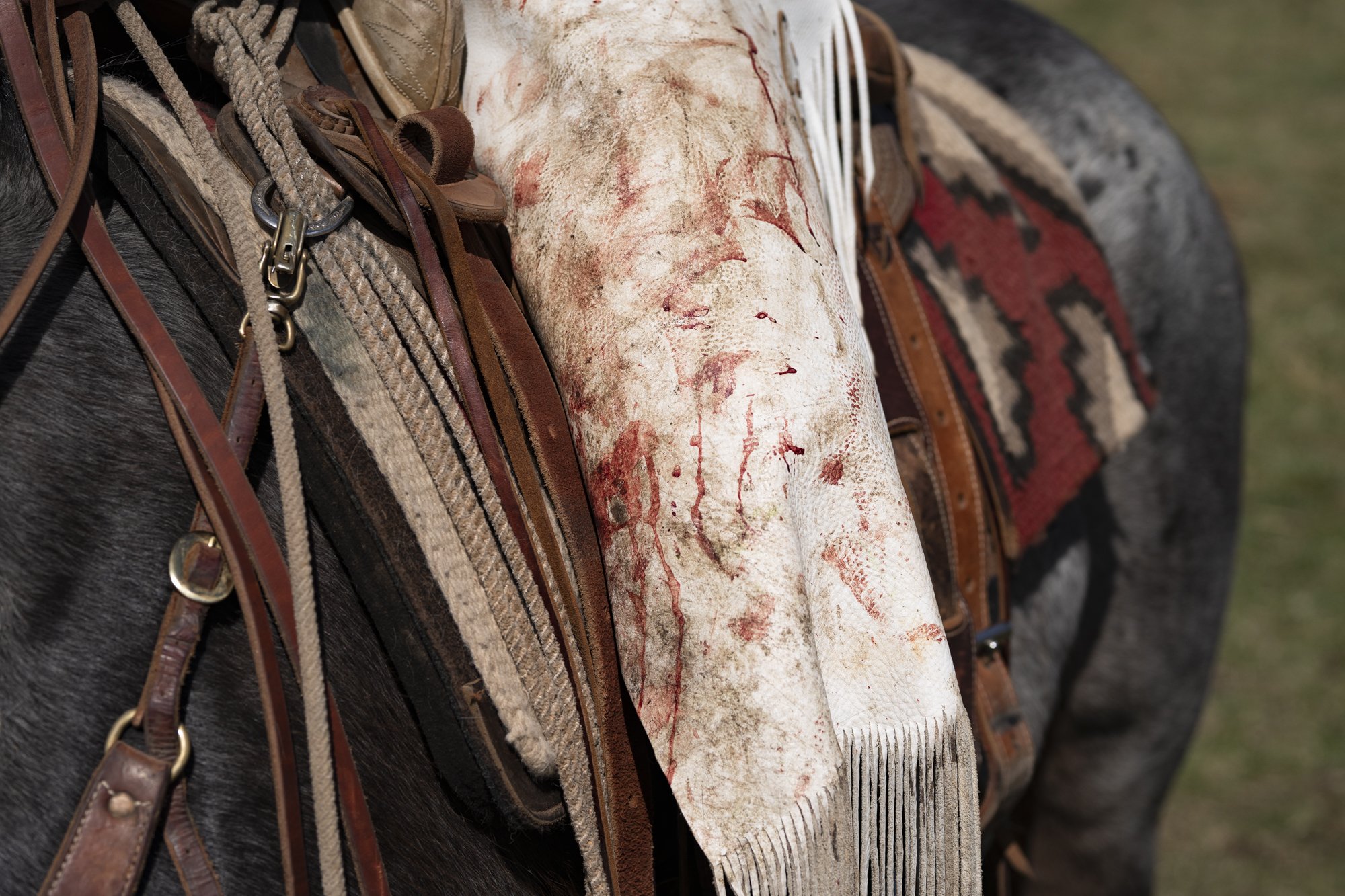
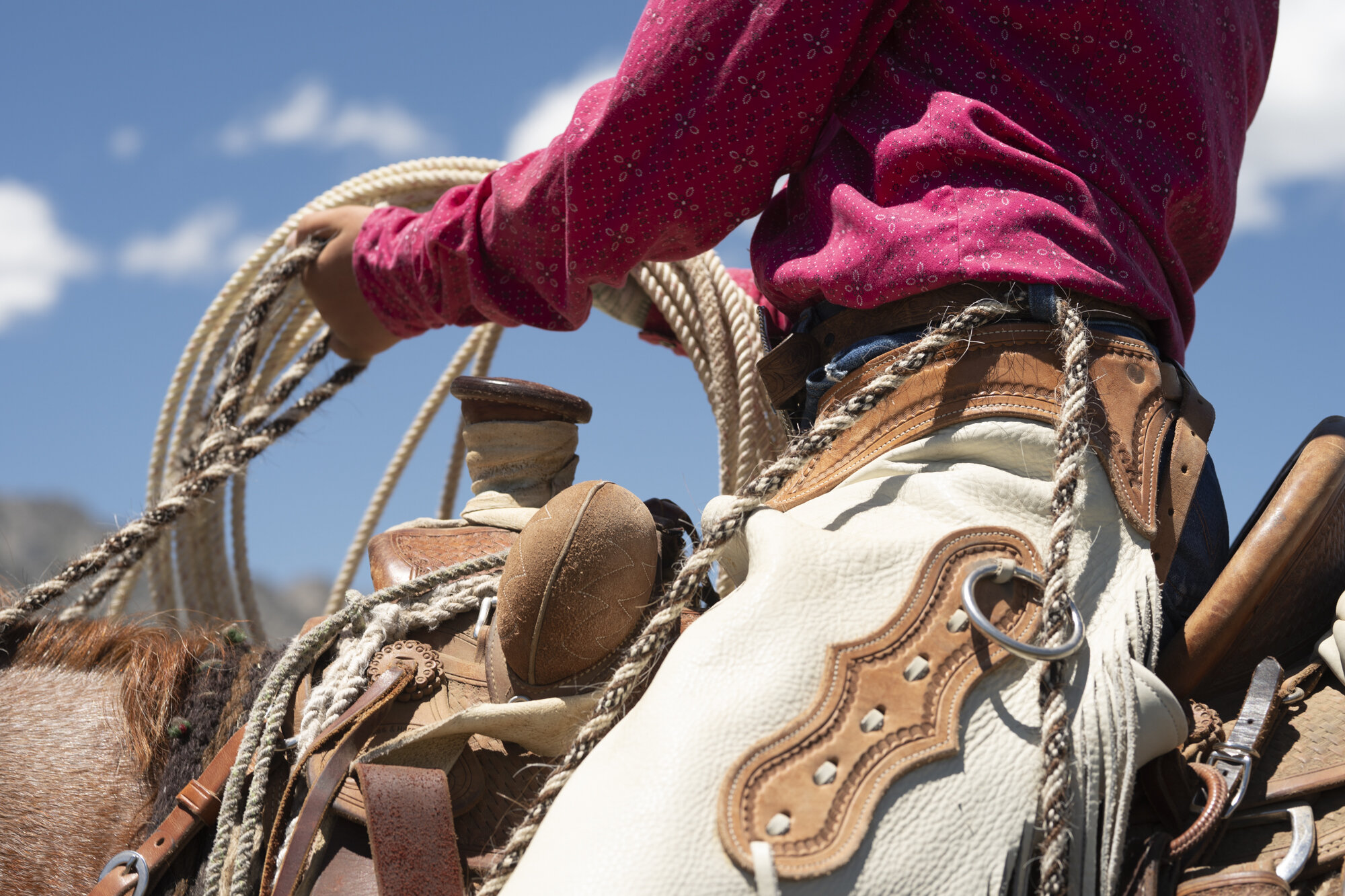
Boots O’Neal’s custom spurs

After the JA, he continued punching cows in different places including a quarter century stay at the Waggoner Ranch. All the while racking up a collection of buckles and saddles from bronc riding in rodeos all over the country. Word is he’s still pretty sticky. A wife (Nelda) also came into the mix as did a daughter (Laurie). Despite being opposites, Boots and Nelda remained in love for 44 years until her passing. She was a proper lady that enjoyed being in town but fully supported his innate need for open country. As their relationship grew, his career did along with it. The 50’s’ found him in Korea with the Army, where he stared out at vast foreign valleys, daydreaming about them filled with 1000 steer, and wondering why in the world they didn’t have any. After two years he was back on a ranch working hard to become a Peace Office and Brand Inspector at a time when cattle were still shipped by railroad. Along with the coveted title came a doubled salary, new clothes, fancy truck, and expense account. A novelty quickly erased by jealousy every time business on a ranch forced him to watch cowboys ride away on horses while he sat in a truck headed back to the office. “I just wanted to punch cows” he said. So he gave back a job that most in the industry would kill for and reclaimed his true love, working cattle from the back of a horse. 

Love is what it takes because the life of a cowboy asks a lot of a person, physically and emotionally. “ Even when I know tomorrow is gonna be a bad deal, and they’re predicting snow, and the wind coming out of the north blowing, and we’re gonna ride straight into it in the morning, I just look forward to getting out there and freezing my tail off” says O’Neal. How many 90 year olds have you ever heard say something like that? Burson again offers some insight - “he wakes up thinking I’m going to be happy today. He doesn’t let circumstances dictate happiness.” Dusty was the one who found the 82 year old O’Neal alone in a pasture, after the horse wreck that would have ended any mortal man. Even if it didn’t put him in the ground, the pain alone would cause a rational person to take a brush with death as a sign and say, ok, it’s been a good run. Burson visited him in the hospital shortly after and recalled the nurse asking why he kept lifting his left leg up in the air. Obviously, it was to keep the mobility of toeing a stirrup. “That’s how bad he wants to be a cowboy when he grows up” says Burson. 6 weeks later, he was back on that same horse and continues riding him today.  

Black and white photograph of Boots O'Neal and Charlie Ferguson talking in the chuck wagon tent on the 6666 Ranch in Texas

Boots O’Neal talks with chuck wagon cook Charlie Ferguson on the 6666 Ranch in Texas

Seems like it came naturally for Boots, but don’t get it twisted, any good cowboy is a student of the trade. Always figuring out a way to get it done better without asking for recognition. All of the best cowboys Boots ever knew and patterned himself after, accomplished unthinkable feats even Taylor Shariden couldn’t script, in the middle of nowhere with only a few people to witness. Another friend and Texas icon Tom Moorehouse (72) is quick to point out “I’ve known Boots almost all my life, and anything I’ve got to say about him is good”. From the outside you might think that cowboying is a physical game. Only for the young. Not so. Sure, you need the gumption to handle extreme physical abuse and relentless weather that doesn’t end after an eight hour shift. But Moorehouse says the thing that separates Boots from the rest is that he’s a “keen observer”. He continues “my dad used to say a real cowboy is somebody that pays attention. Now that doesn’t sound like a good story, but that’s the truth.” There is so much that can go wrong when you’re working with 2,000+lb animals and navigating remote unforgiving terrain. One mistake could mean the end. 

We’ve already established that Boots is an enigma, but for arguments sake, let’s say he got lucky? Somehow the body that’s been broken more times than anyone can count, managed to miss the big one. Even with luck, longevity like his doesn’t just happen. And living on a wagon, eating ranch food, wouldn’t make any blueprint for “healthy living”. Cowboys require hearty meals to get them through their overly demanding lives. So It should be no surprise that beef has made its way to Boots’ plate just about every day for the past 90 years. Along with the beef came biscuits, gravy, and potatoes. Breakfast was peanut butter and syrup sandwiches. All of which goes against everything you’ll read from the so-called nutrition experts. Although pinto beans, prunes, and raisins are foods he now tries to consume regularly along with said beef. The fresh fruit and vegetables he also concentrates on just wasn’t a thing back then.”It wasn’t until I got up in years that I ever worried about putting something bad in my body.”  A chuckle was the only answer given when asked about exercise, but “I’ve never been short on sleep” says O’Neal. Which he believes has been the holy grail to his success. For as long as he can remember, even as a young buck, he’d turn in early, ensuring 8-9 hours of shuteye every night. These days he says “it takes me longer to rest than it does to get tired”, but it becomes obvious shortly after meeting him, that modesty is one of his many virtues. He’ll try and claim that he can’t do this, that, or the other. Then he slips into the saddle and the truth is revealed. “It takes a whole crew to keep me going”, he says. Again, modesty perfected. Perhaps his days aren’t spent aboard wild broncs, but he always gets the job done with grace, and his expertise couldn’t be matched anywhere in the world. Ironic for a guy who’s never considered himself very smart. What Boots has can’t be taught. He’s got a PHD in punching cows. Anybody will tell you he’s on the Mount Rushmore of the cowboy universe, but who the hell else could be up there with him? Is there another human that’s punched cows for almost 8 decades?  “It’s amazing what all he’s got stored up inside him that someone oughta have recorded” Dusty says. A lot of people with such knowledge and history can become high and mighty. Not Boots. He’ll let you mess up, then suggest, in a non degrading way, how to do it better. He knows we’re all in this thing together.

Photograph of the famous Texas cowboy Boot O'Neal

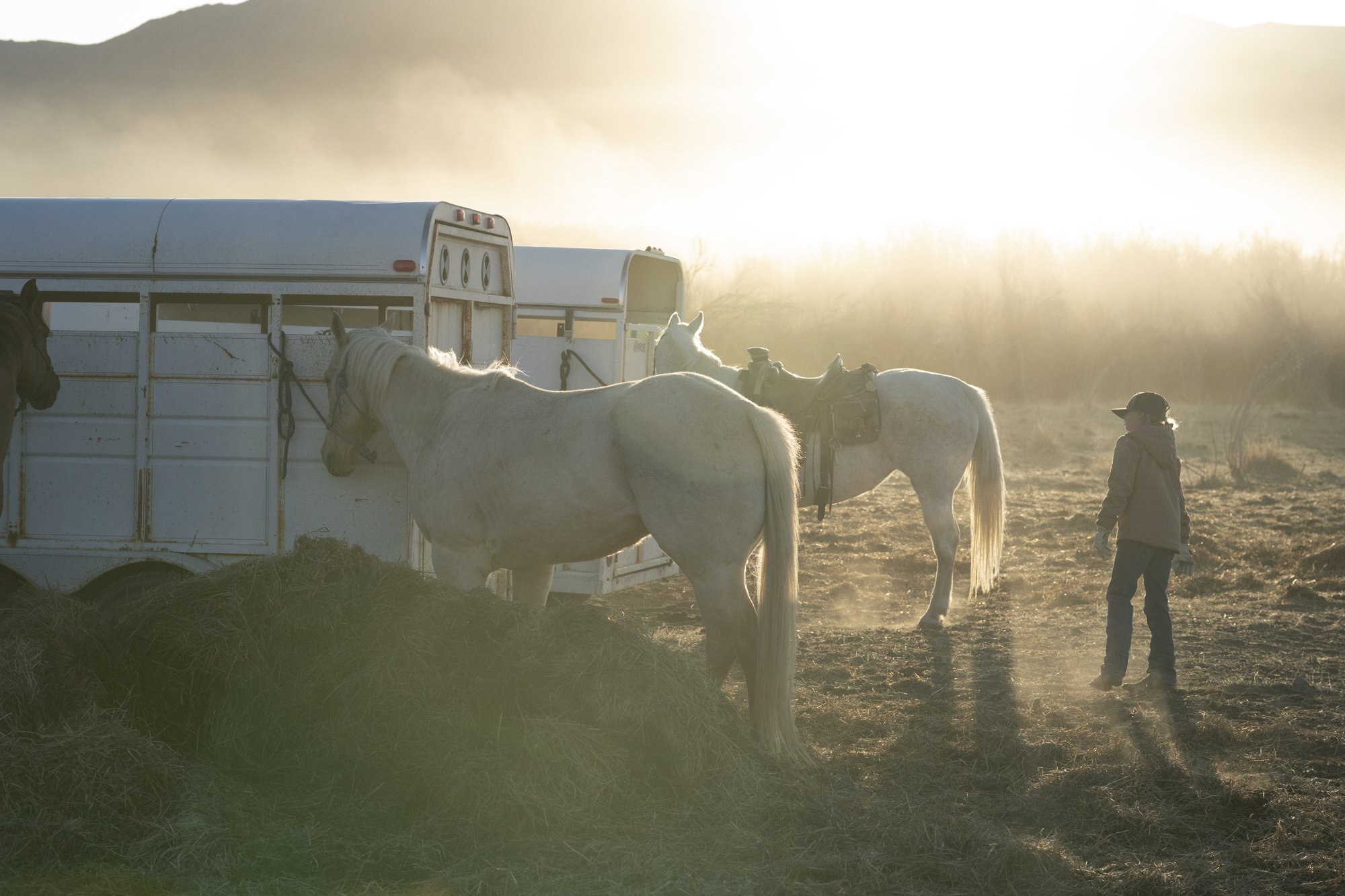
Boots O’Neal offloading his horse from a trailer on the 6666 Ranch in Texas

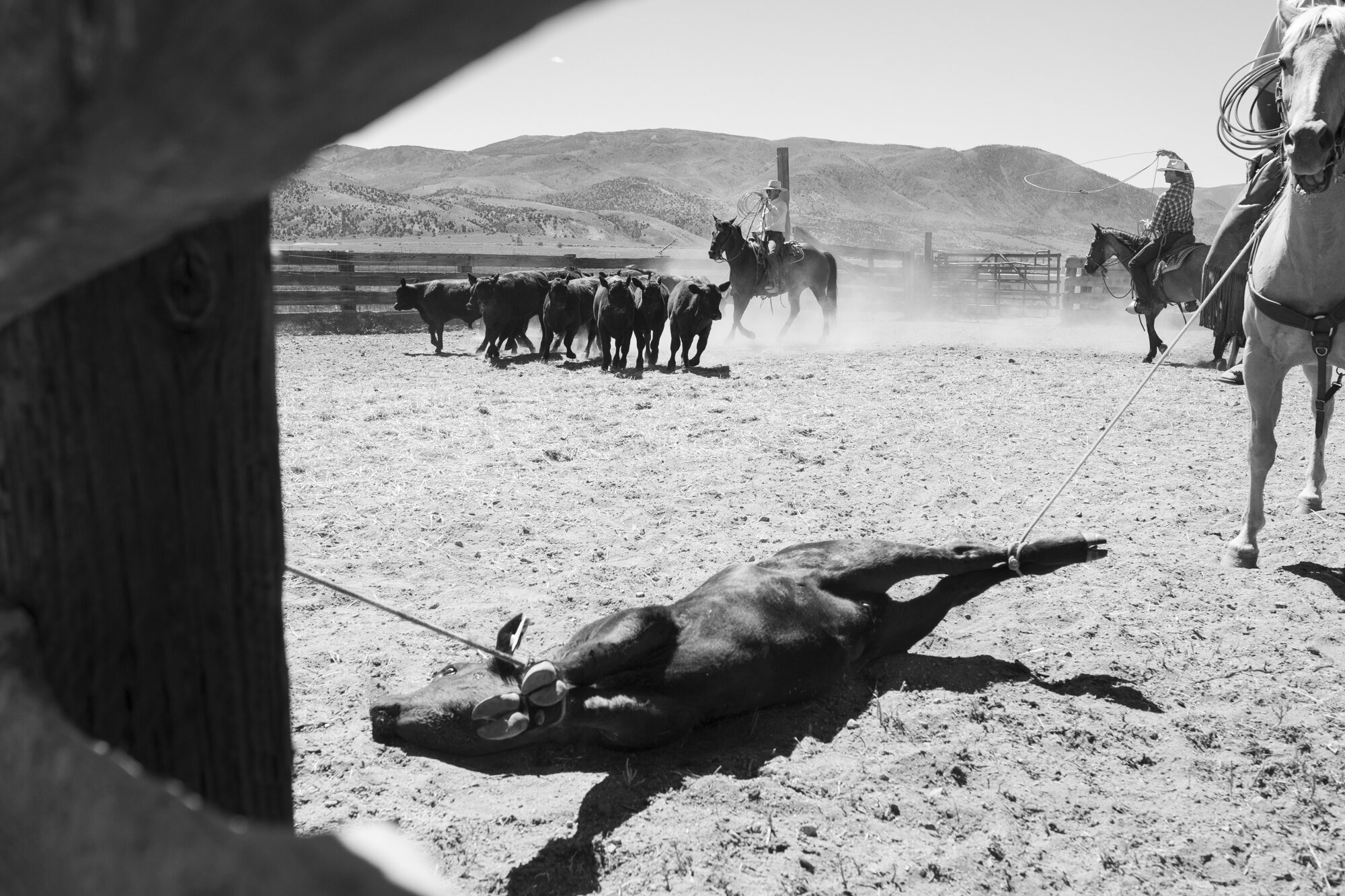
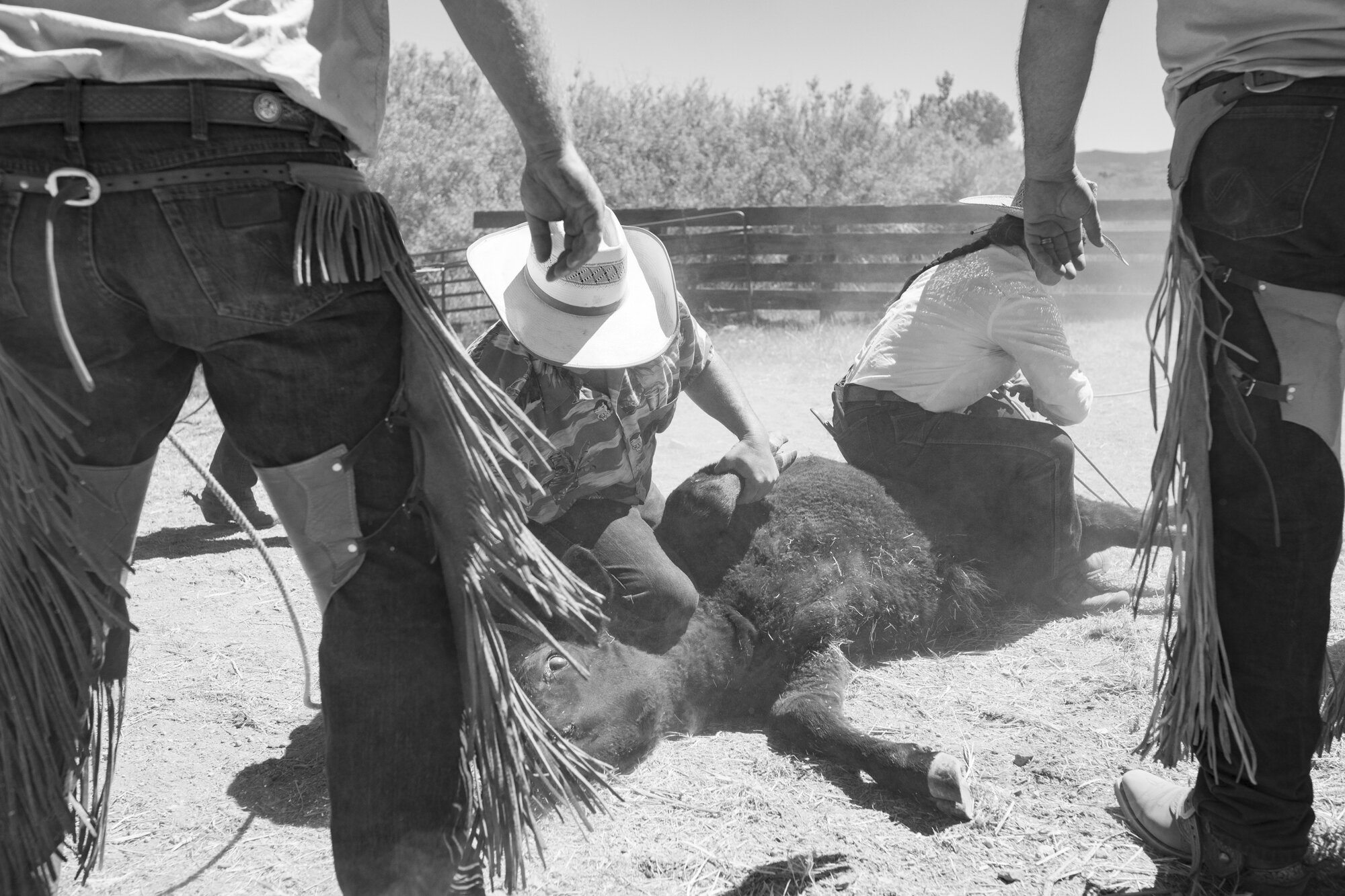
Photograph of Boots O'Neal dragging a calf to the fire for branding on the 6666 Ranch in Texas

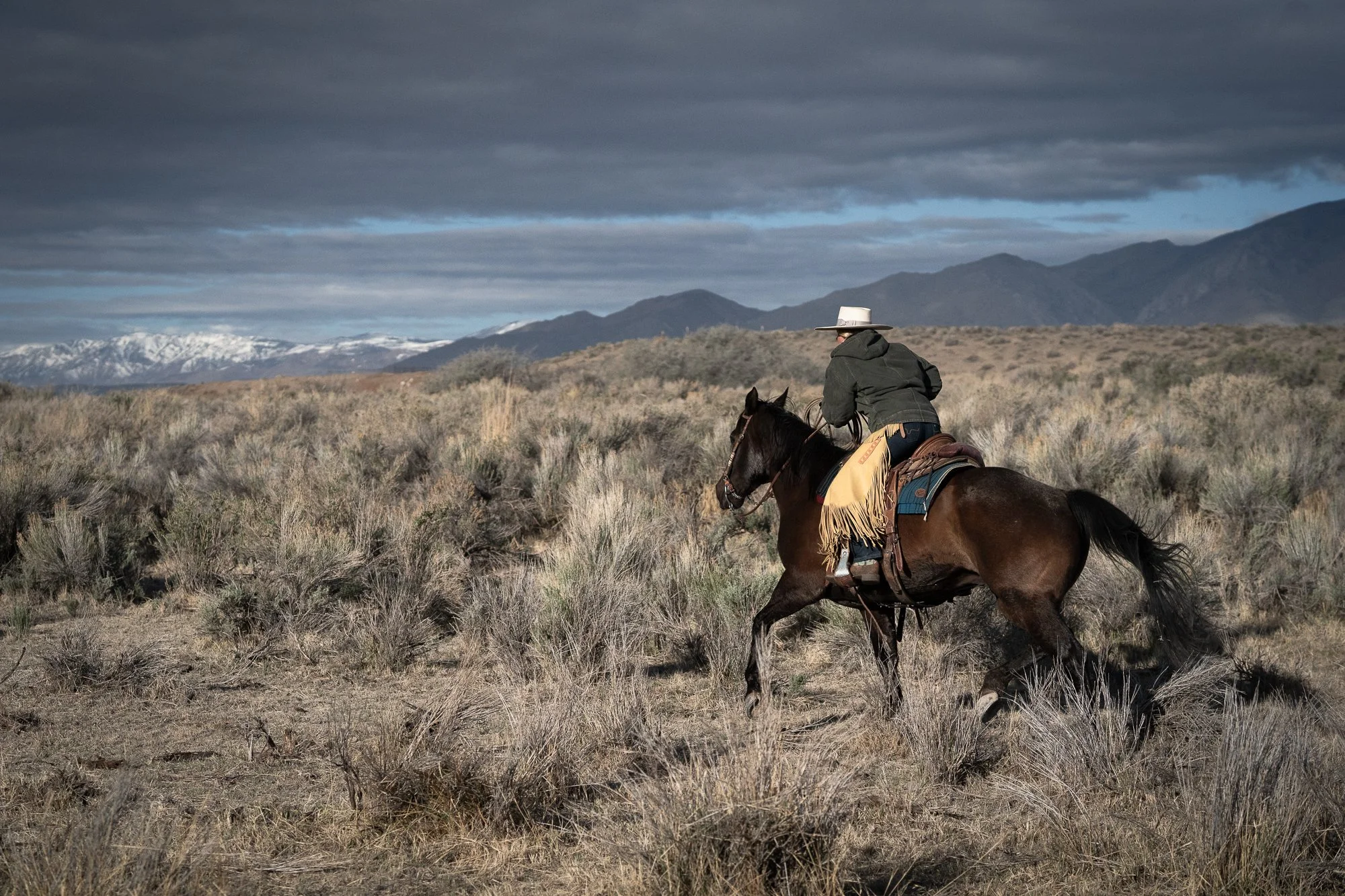
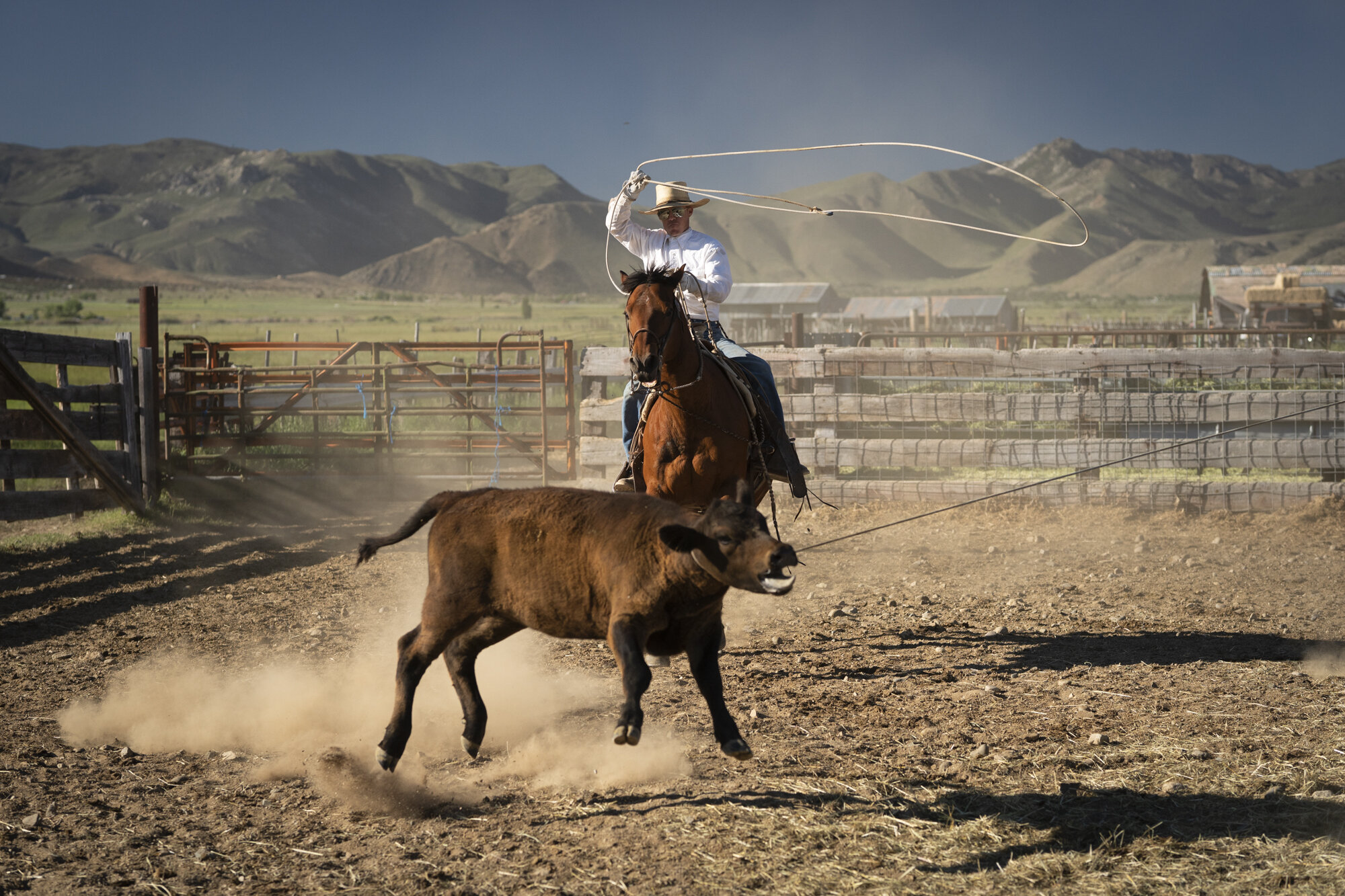
Boots O’Neal roping calves on the 6666 Ranch in Texas

If you think about the human condition and what we’re all after, one of the key ingredients is professional happiness. Everyone wants to spend their waking hours doing something they love. Why is that goal so elusive, so rare? A million dollar question. Even harder than finding that happiness, is keeping it. Somehow Boots O’Neal has managed to do it at one of the most physically demanding jobs on the planet and continues today at a very high level. Maybe the how doesn’t really matter. Maybe we should just use Boots as inspiration to be better humans. The iconic Four Sixes has been his home for the past 26 years. Panhandle, Texas is the closest town to their northern division where we met. The town sign fittingly reads “People of Pride and Purpose”. Just like the dictionary, there might as well be a picture of Boots next to that slogan. He figured IT out and still can’t get enough. He doesn’t need to work in a monetary sense. He wants to work, although it’d be a stretch to hear him use a four letter word like that. Even on a rare day off, he doesn’t look forward to a hobby or a vacation. Instead he’ll watch a rodeo on television or sit in a chair outside his bunkhouse apartment to watch the remuda come in. A sight he says, of 50 horses all running together, is one that most people will never get to see. Bob Dylan wrote a song on this very topic using only 17 words:  

“All the tired horses in the sun…..”

The guy has done it all, taken the beatings, and asked for more. He’s been inducted into every Hall of Fame a cowpuncher could possibly be associated with. Somehow that doesn’t seem enough of an honor though. Boots should be everyone's hero. He’s a national treasure and outstanding human being.  We should all strive to accomplish in our own lives what he has in his. Burson says “Yeah, he’s a cowboy, but he wants to be one tomorrow too”. If more people had that attitude, the world would be a better place. 

We were just about done talking when Boots’ story paused abruptly . A mischievous smile came to his face and the words stopped flowing. His attention fixed on one of the guys in a nearby corral working a young horse that was fixing to blow up. The grin stayed as he reminisced “I rode a lot of bucking horses in years past. I could get on a horse like that, just gather that thing up, and he’d be 3 feet in the air when I got that right stirrup”. Boots is a Christian. If he weren’t, and followed a religion believing in reincarnation, he says that’s what he’d want to come back as, a bucking horse. At 90 years young he knows precisely how good his life has been and isn’t scared of the inevitable. In a very matter of fact way he spoke about his funeral, being buried in the cemetery on the Four Sixes, and the speech by his friend Joe Leathers. When asked what he hopes Joe will say, Boots paused then replied humbly with a far off stare ”He was an honorable man. Done what he said he would. And didn’t mistreat his horses” 

Portrait of Boots O'Neal the famous Texas cowboy

Portrait of Boots O’Neal

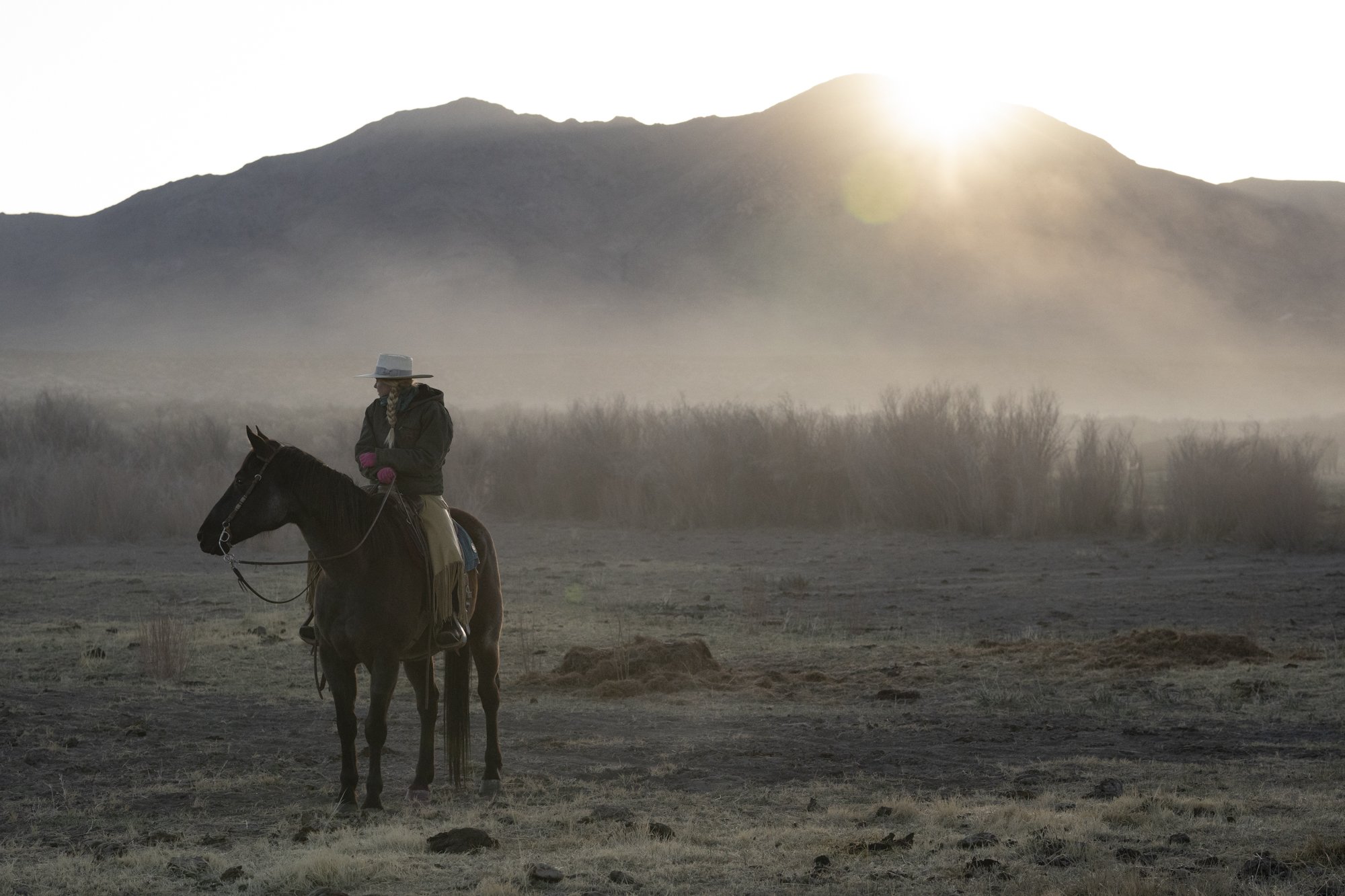
Silhouette of a cowboy on his horse at sunrise on a cattle ranch in Texas

Boots O’Neal on his horse at sunrise on the 6666 Ranch in Texas

Boots O'Neal
from $1,500.00

Montana Road Trip

Talking highly about Montana is better left to the most lyrical of wordsmiths because I certainly can’t do that place any justice. Maybe that should be a personal goal? I’m fresh off the road after spending over a week in that glorious state and can’t wait to go back. This trip was particularly visual due to to the heavy winter snowfall that made everything greener than green. I’ve never been to Ireland, but the particular hue off grass felt more like something you could only see there. Check back soon to see images from the two cattle ranches I photographed, but don’t expect any images of trout. Those are only in my head.

Cowboy Photography - American West

Western Cowboy Photography

Photographing cowboys in the American West has been so many adjectives. Just scrolling through images to make this blog post gives me even more appreciation for the work, life, and culture of these people. As of this writing I’ve been lucky to photograph on cattle ranches in Nevada, California, Texas, Arizona, Idaho, and Wyoming. Which has been an education in and of itself, seeing all the differences from region to region. Not sure how long thing has been going on no, but the desire to continue only grows with each ranch visited. Certainly my favorite project to date.

Click here to see more of my cowboy photography and contact me directly to purchase wall art from the American Cowboy series. All of my images are available as prints for your home, office, or commercial space.

Sunrise photograph of two saddled horses with pogonip in the background

Fulstone Ranch - Bridgeport, California

Black and white portrait of a Wyoming cowboy

Dave Ennis - Wyoming Cowboy

Photograph of a cowboy working cattle in a chute

Diamond A Ranch - Seligman, Arizona

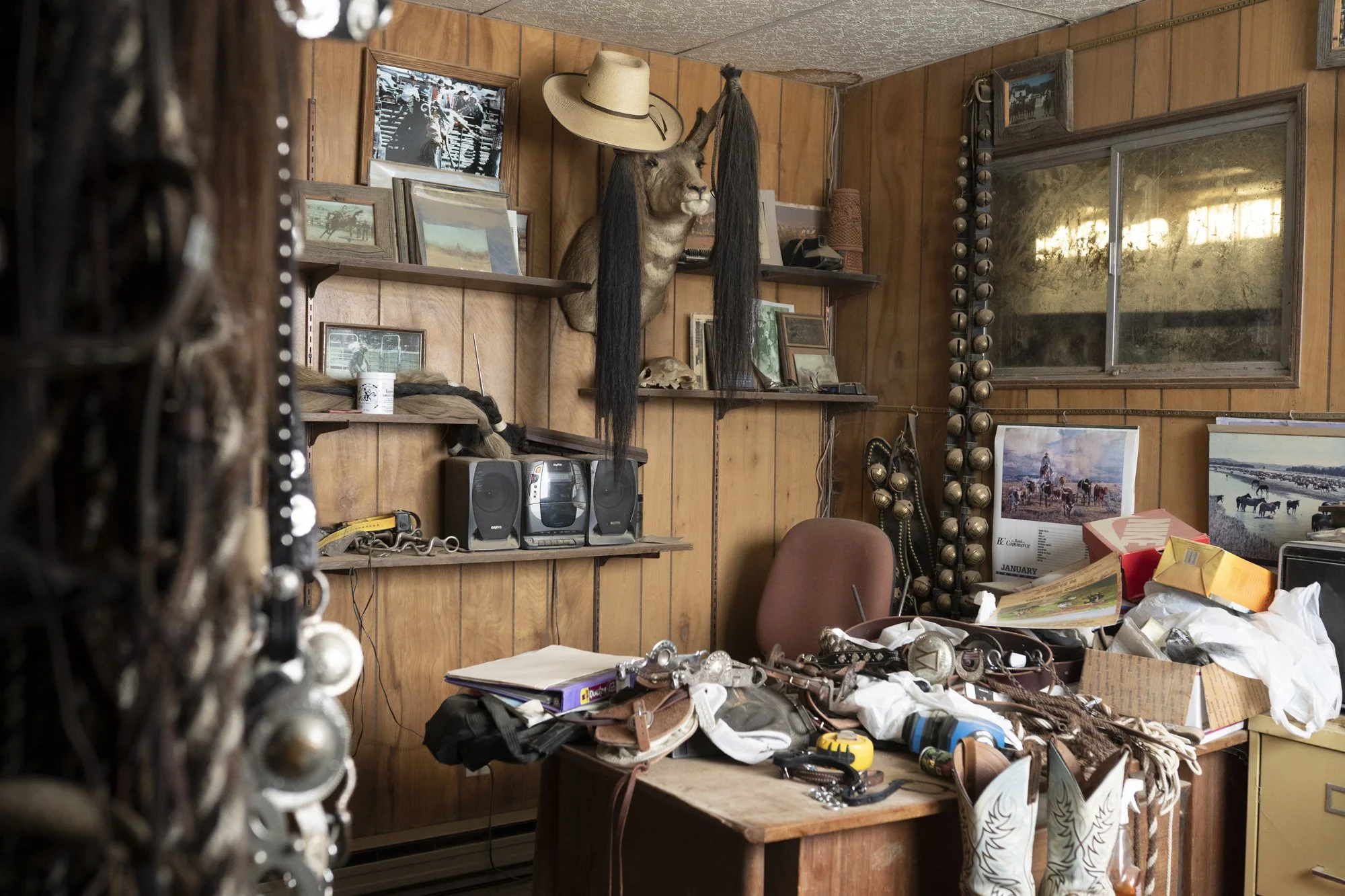
Photograph of the clutter in a cowboys office in Idaho

Cowboy “Office” - Idaho

Photograph of Dwight Hill - Idaho cowboys

Dwight Hill - Buckaroo - Idaho

Black and white photograph of cowboys riding out into open range

Diamond A Ranch - Seligman, Arizona

Photograph of Dwight Hill practicing with his horse in Idaho

Dwight Hill - Buckaroo -Idaho

Doug Monson - Western Charcoal Artist

A Charcoal Artist in Wyoming Preserving the Spirit of the American West

Western Art That Comes From Experience, Not Interpretation

There’s a noticeable difference between Western art made from observation and Western art made from experience. The best work doesn’t try to explain the West. It comes from living in it.

Doug Monson’s charcoal drawings aren’t romanticized versions of cowboy life. They carry the weight of real work—long days, unpredictable conditions, and a deep familiarity with cattle, horses, and the land itself.

That’s something I’ve seen again and again while photographing ranches across the West. The people who live this life don’t exaggerate it. And the artists closest to it don’t either.

A Chance Encounter With a Western Charcoal Atist

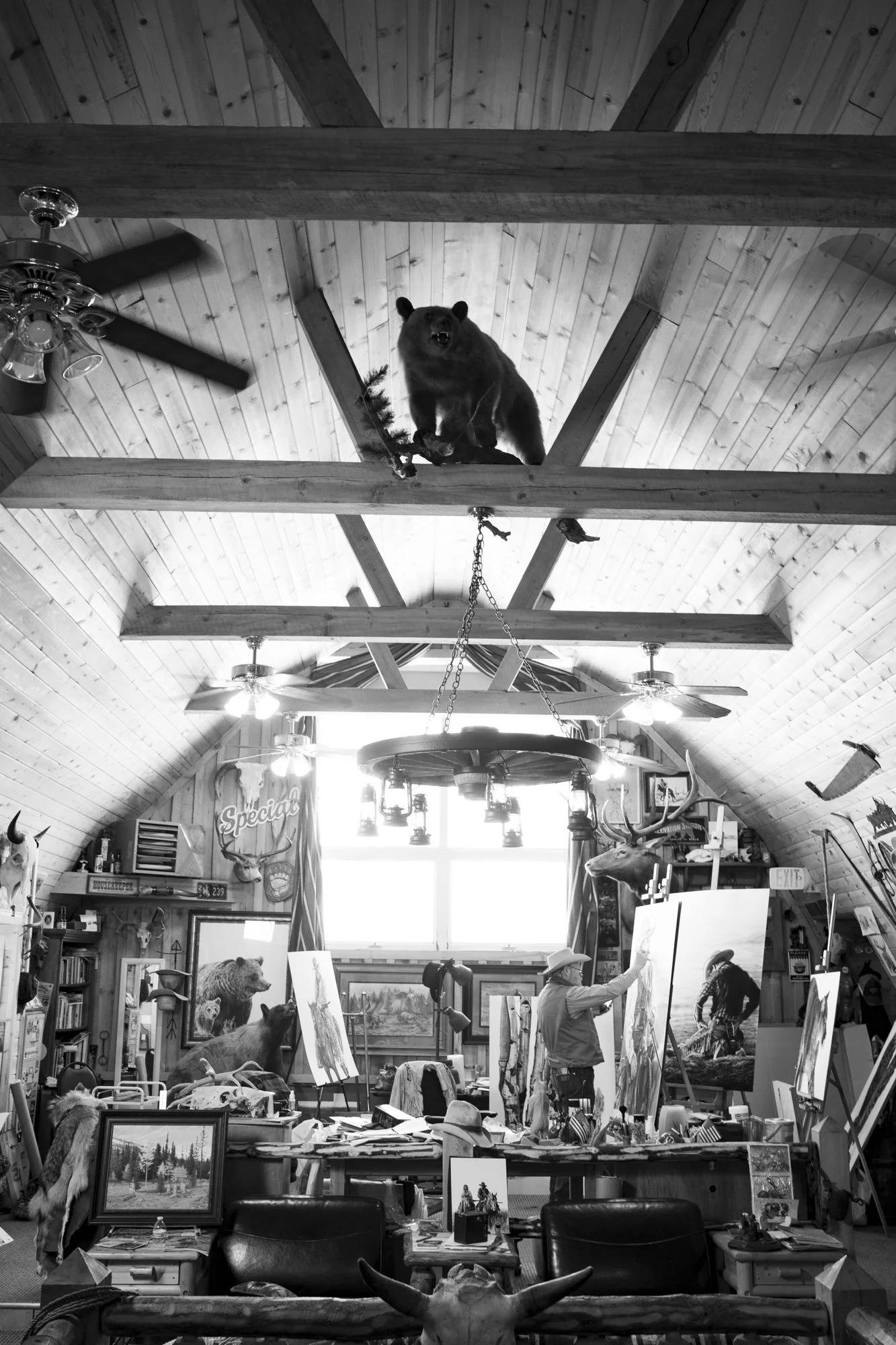
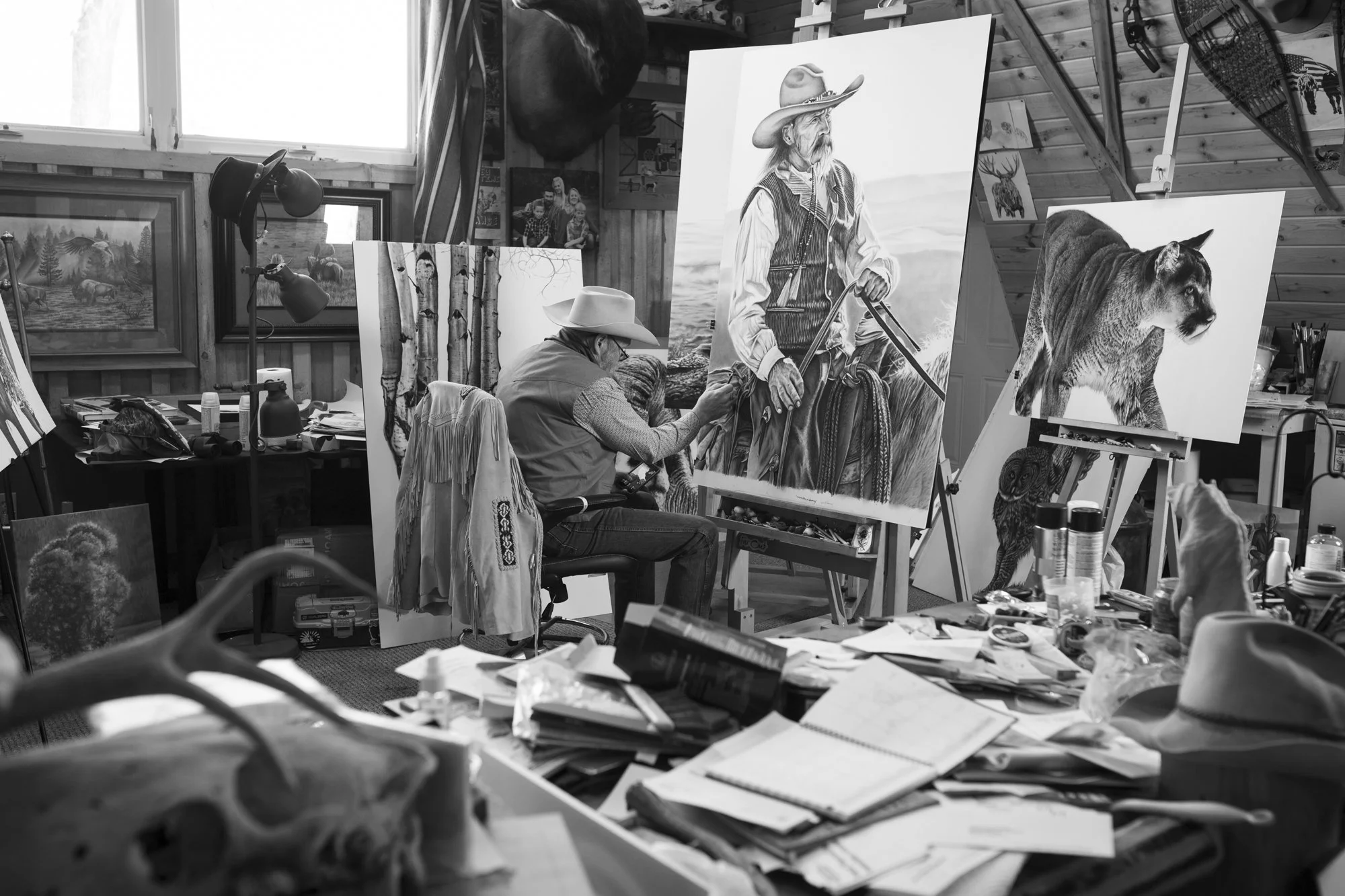
It’s always amazing how the universe brings people together. During a trip to Jackson Hole I was on a big gallery kick and spent quite some time taking in the top tier art that Jackson’s galleries have to offer. After the trip was over I began the drive back home. At the time I was living in San Diego and decided on a route that happened to go through Afton, WY - home of the Western Skies Fine Art - a gallery I had no knowledge of. Still having a thirst for art though, I popped in and was greeted by the owner Doug Monson He showed me around the gallery and his breathtaking studio upstairs. Next thing you know, I pulled the camera gear out of the track and was photographing Doug at work. Prior to that day I never even knew who Monson was. It was a pleasure spending time with him though. He’s a talented artist and a hell of a nice guy.

Why Wyoming Still Matters for Western Artists

Wyoming holds onto something a lot of places have already let go. There’s still space. Still working ranches. Still a culture that hasn’t been completely reshaped for an audience.

For artists—whether working in charcoal, photography, or anything else—that matters.

It means the subject isn’t manufactured. You’re not documenting a version of the West built for tourists. You’re seeing something that still functions the way it always has.

That’s why so much of my own work continues to bring me back to places like this.

Documenting the Same World Through Photography

While Monson works in charcoal, the intent overlaps closely with what I’ve been building through photography. For the past several years, I’ve been documenting working cowboys across the American West—on ranches where traditions like branding, roping, and horsemanship are still part of daily life. It’s not staged. It’s not styled. It’s not built for content. It’s just the work, as it happens. That same honesty is what makes both forms of work resonate. Whether it’s a drawing or a photograph, the goal is the same: create something that holds up over time because it’s rooted in reality.

The Importance of Western Crafts and Artists

There’s a broader ecosystem around cowboy culture that often gets overlooked — Saddle makers. Rawhide braiders. Bootmakers. And artists like this one working in charcoal.

These aren’t separate from Wester culture—they’re part of it. And as fewer people continue these traditions, documenting them becomes more important. Not in a nostalgic way. In a factual one. Because once these skills disappear, they don’t come back.

Collecting Authentic Western Art and Photography

For collectors, there’s a difference between work that references the West and work that comes directly out of it.

That difference shows up over time.

It’s in the details. The restraint. The lack of exaggeration.

Whether it’s a charcoal drawing or a photograph, the strongest pieces tend to be the ones that don’t try too hard. They just reflect what’s there.

If you’re interested in collecting work like this, it’s worth paying attention to where it comes from—and who made it.

A Larger Project Documenting the American West

This visit is part of a much larger body of work focused on documenting the people, places, and traditions that still define the American West.

It’s taken me across ranches in multiple states, often working in remote environments where this way of life still operates largely unchanged.

If you’re interested in seeing more:

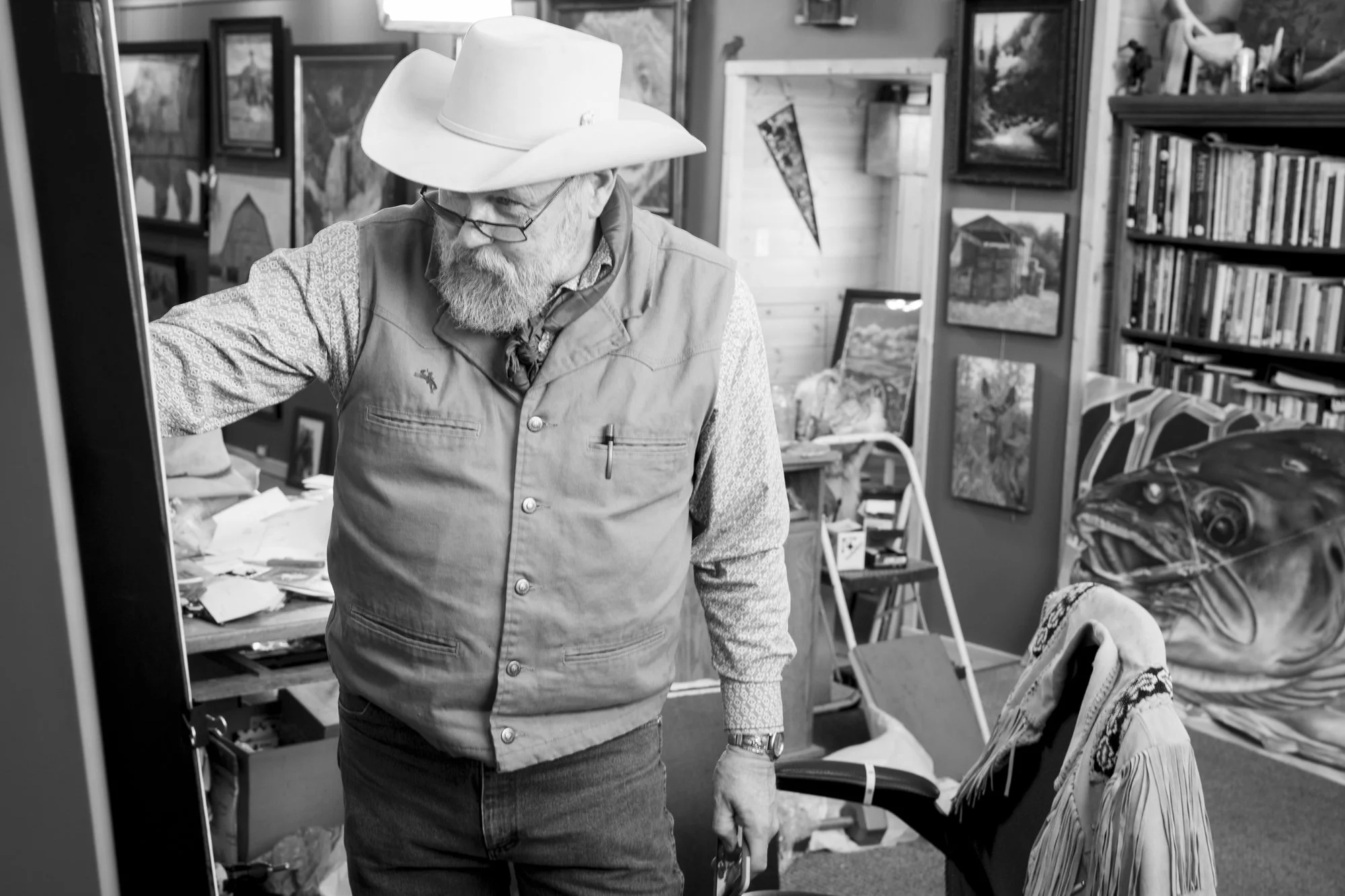
Charcoal artist Doug Monson at work in his studio at the Western Skies Gallery in Afton, Wyoming

Charcoal artist Doug Monson at work in his daylight studio

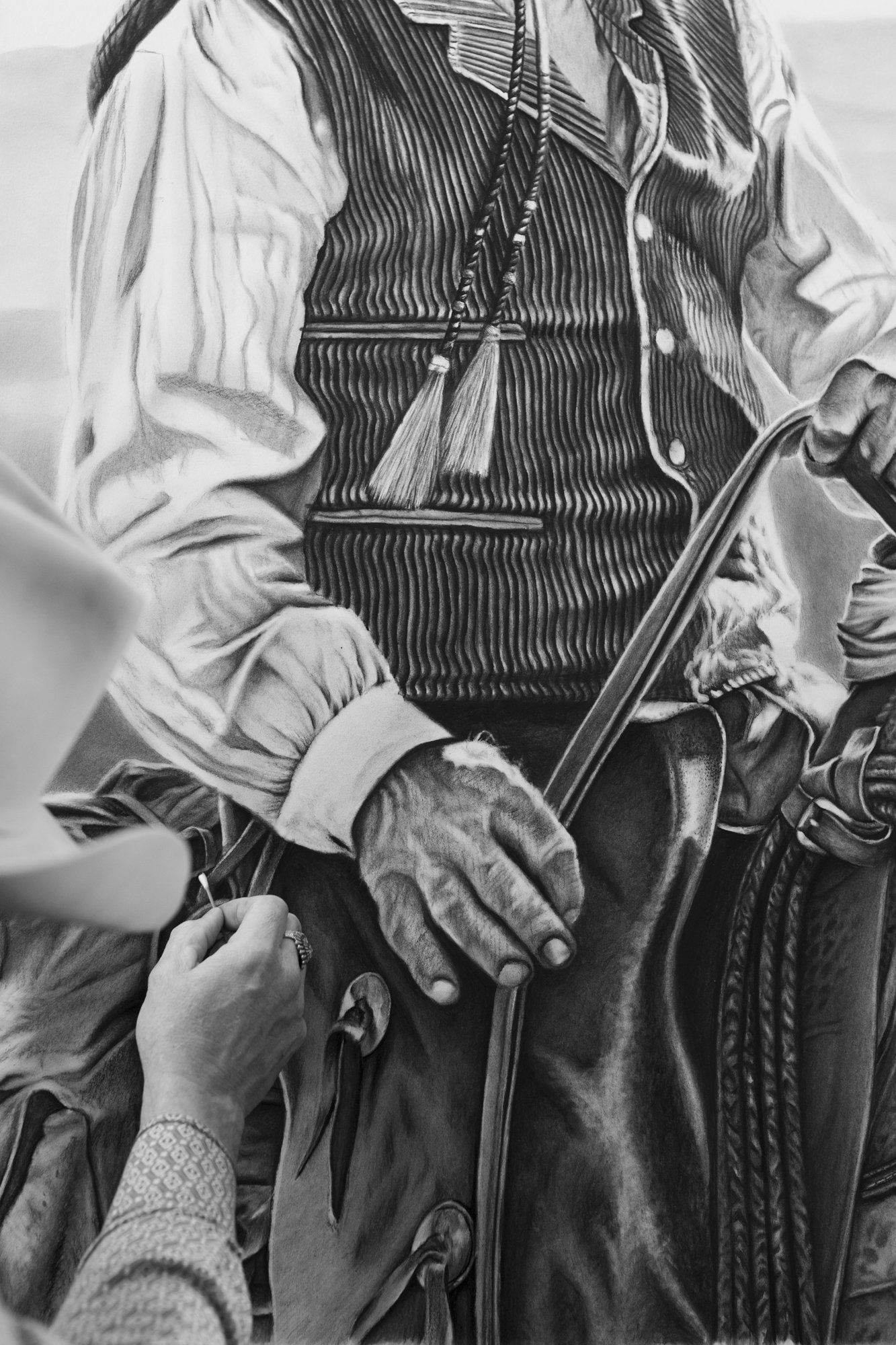
A western charcoal artist drawing a cowboy

Monson drawing a cowboy with charcoal on paper

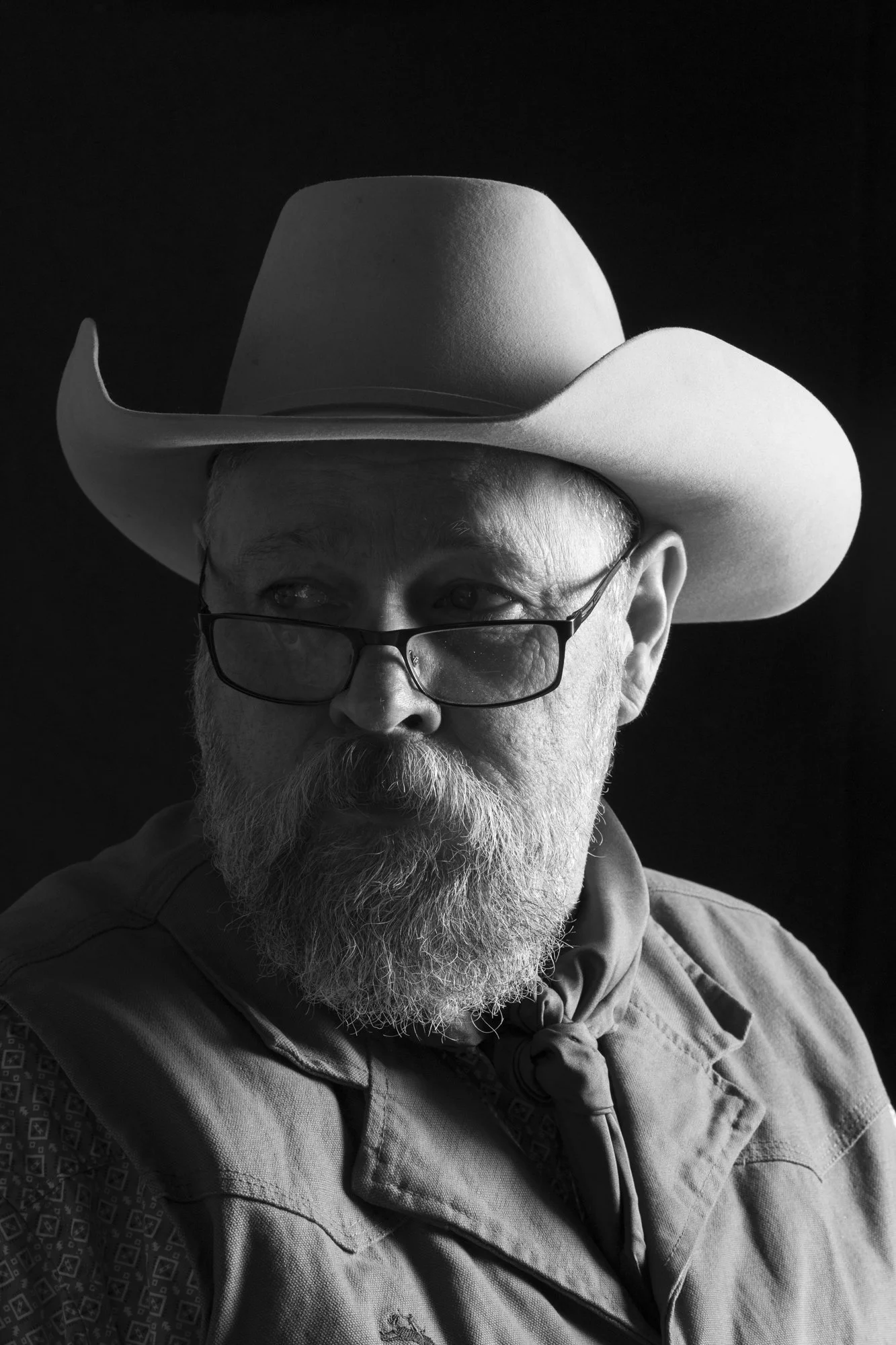
Portrait of a Western charcoal artist

Portrait of artist Doug Monson

Western charcoal artist Doug Monson working on a drawing at the Western Skies Gallery

Doug Monson at work on a drawing in the Western Skies Gallery

Black and white photograph of a Western artist in his studio surrounded by drawings and art supplies

Doug Monson surrounded by art in his studio


Wyoming Cattle Ranch

Wyoming Cowboy Photography

American West

A cowboy gathering cattle on a ranch outside Laramie, Wyoming. Cowboy Photographer Rob Hammer.

Wyoming cattle drive

Wyoming is a land rich in rugged beauty, where open plains meet towering mountain ranges, and the cowboy way of life still thrives. One of the most iconic images that evokes the spirit of the American West is that of a working cowboy on a Wyoming cattle ranch. These photos not only showcase the breathtaking landscapes but also the hard work, dedication, and heritage that define ranch life.

A cattle drive on a large ranch in Wyoming by cowboy photographer Rob Hammer.

Cowboys moving cattle on a ranch in Wyoming

A cowboy lets his horse drink from a pond during a long cattle drive on a ranch in Wyoming by cowboy photographer Rob Hammer.

Black and white cowboy photography print

Cowboys herd cattle on a rugged section of open ranch in Wyoming by cowboy photographer Rob Hammer

Wyoming cowboys

Kurt Markus

KURT MARKUS - COWBOY PHOTOGRAPHER

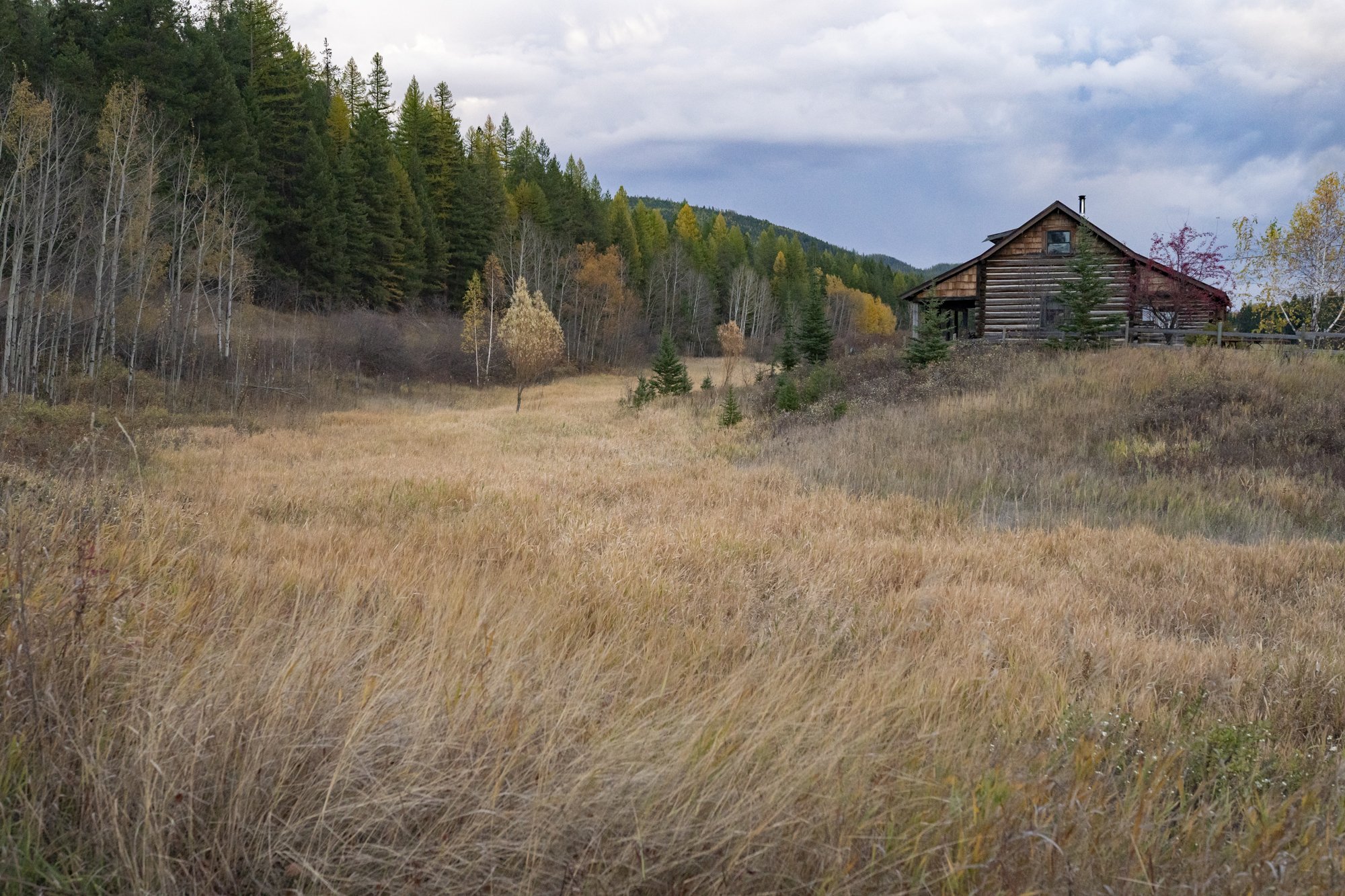
In the realm of Western/Cowboy photography there are a small handful of names that stand above all the rest: William Albert Allard, Bank Langmore, John Langmore, and Andy Anderson, but in my opinion Kurt Markus is the G.O.A.T. Few would argue. He passed away today. Not sure how it’s possible, but I didn’t learn about him until October 2021 during a road trip to Montana. Emily, Mojo, and I were staying at an old cabin Airbnb (1st picture) near Glacier National Park. Kurt’s book “Cowpuncher” was sitting on the coffee table. After looking through it for 30 seconds I put it down and instantly ordered myself a copy, feeling grateful that we even had cell service enough to do so. Since then, Markus has been the photographer I’ve studied/taken inspiration from more than anyone else on the planet. He is truly exceptional. What sets him apart is that his writing is just as strong as his images. Looking through his books and reading his stories makes the reader feel like they are right there experiencing the same thing he did. A special talent. I’m honored to own two of his books - Cowpuncher and Buckaroo. I believe his crown jewel though, is After Barbed Wire. A couple months ago I looked it up to buy, but was dissuade by the $150 price tag. No doubt, it’s worth every penny and more, but an honest effort has been made to cut back on my photo book “problem”. A while later another search went out in hopes of a better deal, resulting in the lowest price tag of $350. Yikes! During a recent road trip in Idaho, I found myself in an antique shop and spotted the book resting quietly in a locked cabinet. This is it, I thought! The owner couldn’t possibly be asking the same as the internet!? $400 - a signed 1st edition. Damnit!! The search continued. Now I check almost every antique shop that crosses my windshield from California to New York in hopes of finding the White Whale. So far, the results haven’t produced, and Google shows it valued as high as $800. On days like today, it seems like I should just fork it up. Rest in power, Kurt!

Click HERE to see some of my cowboy photography greatly inspired by Kurt Markus.

Cowboy Portraits

Authentic Cowboy Portraits

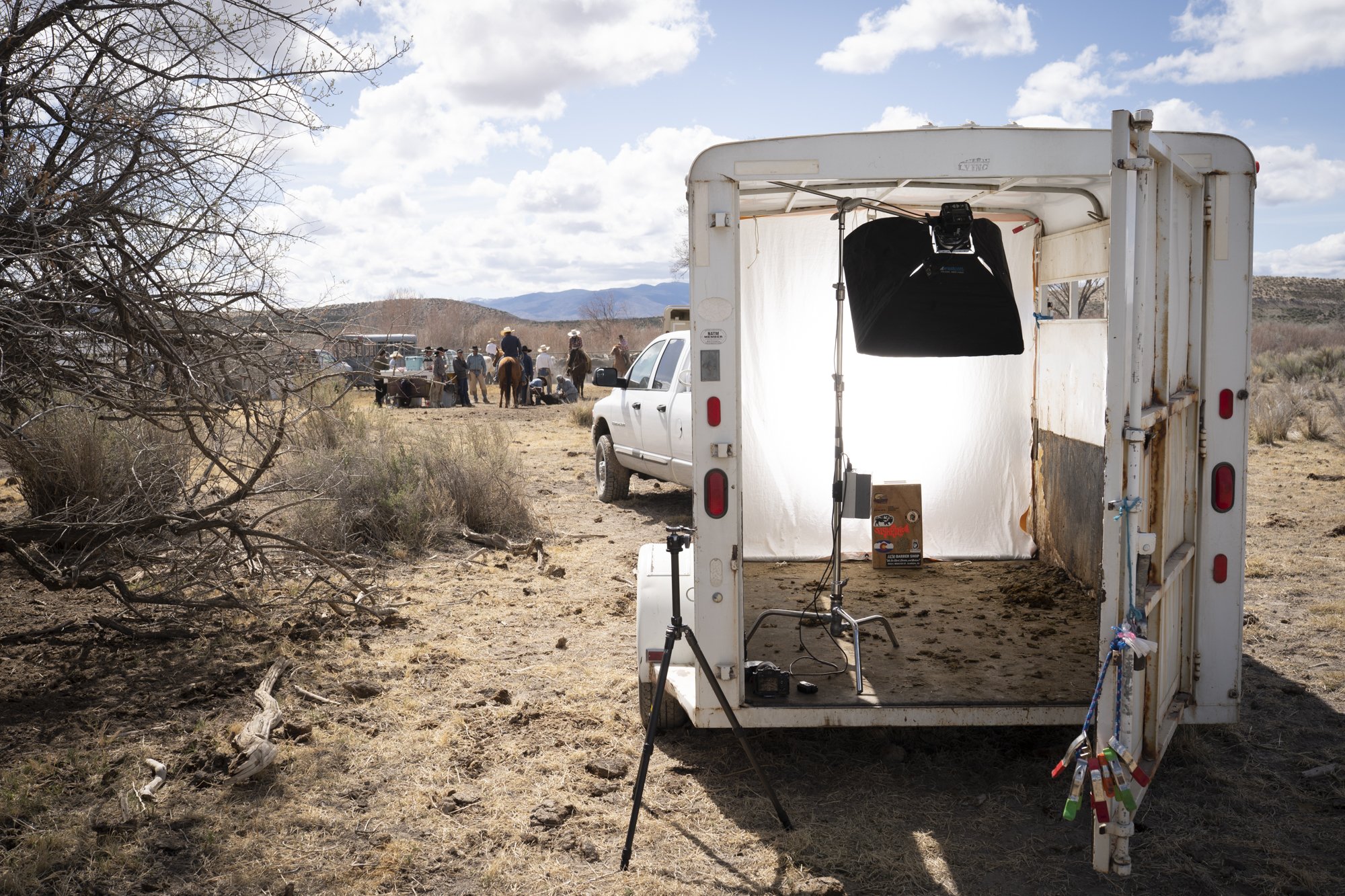
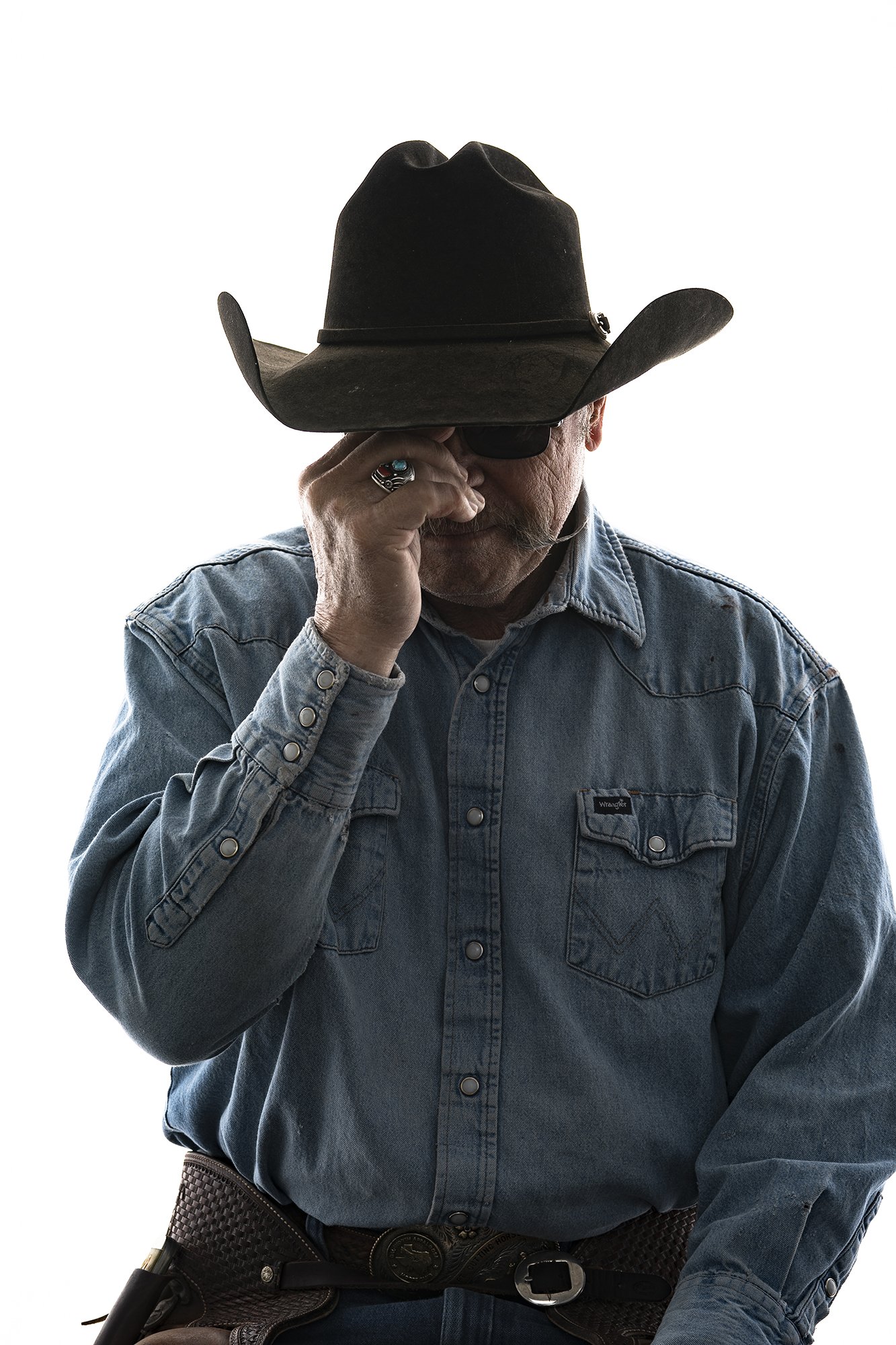
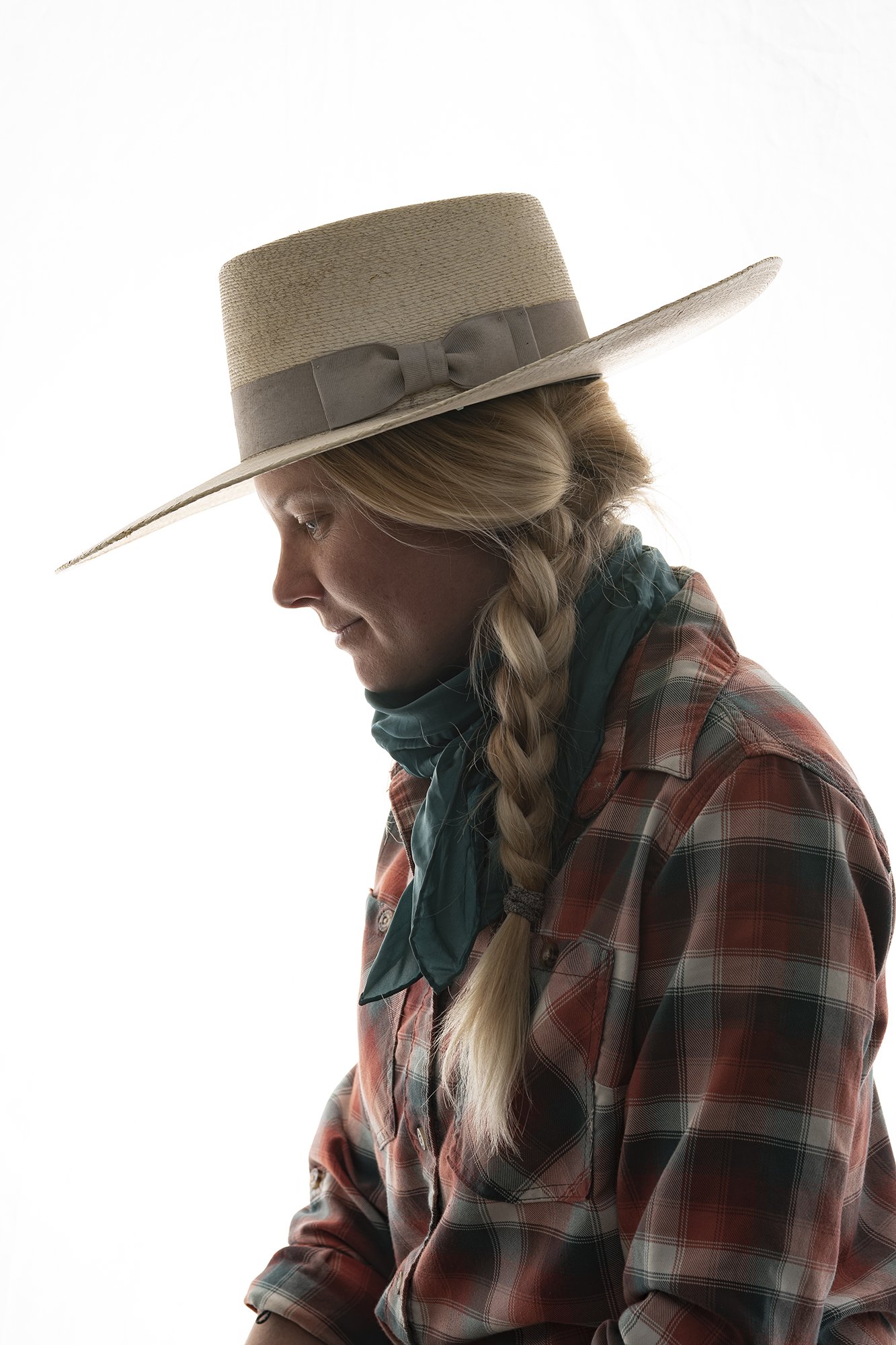
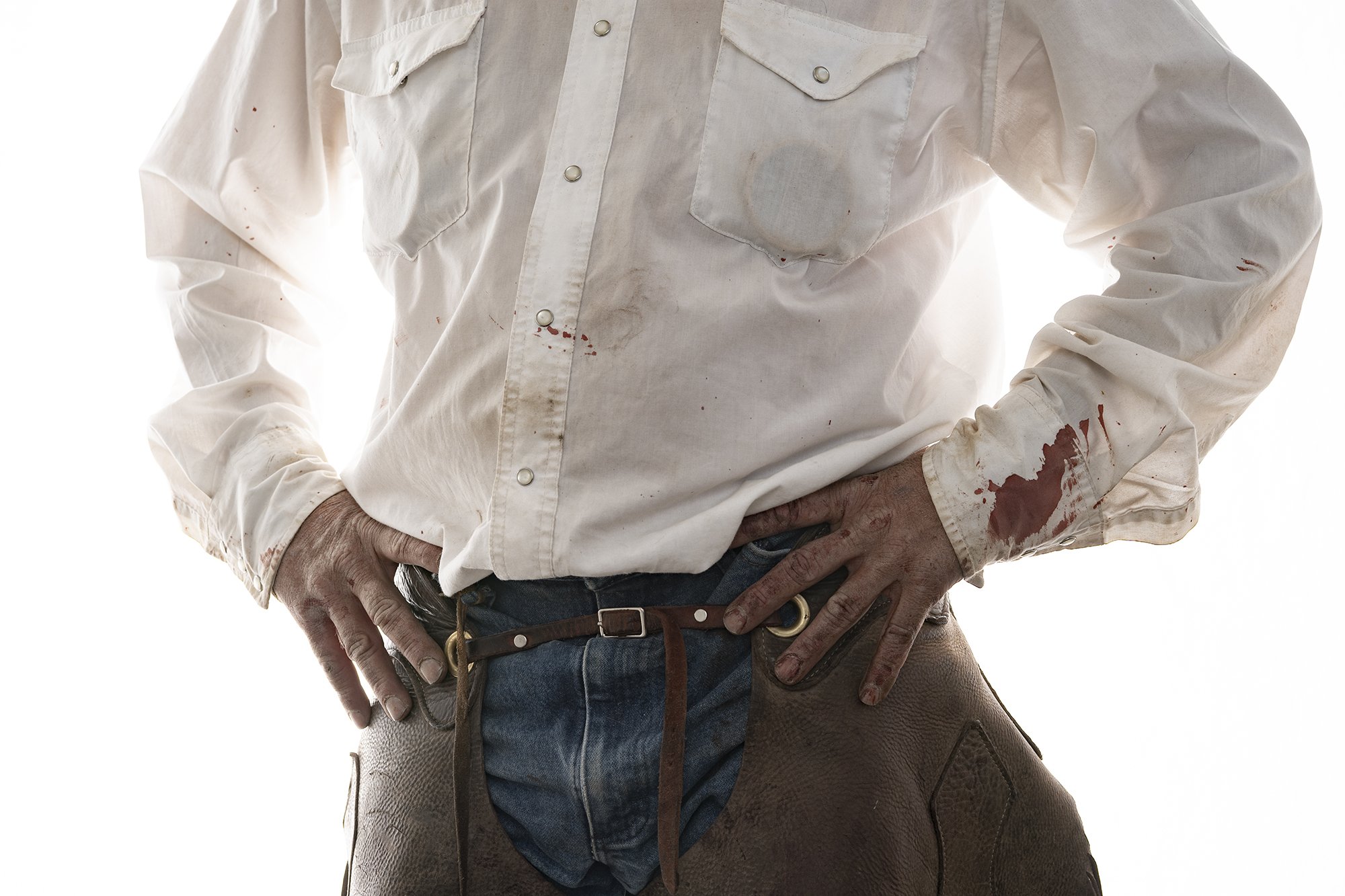
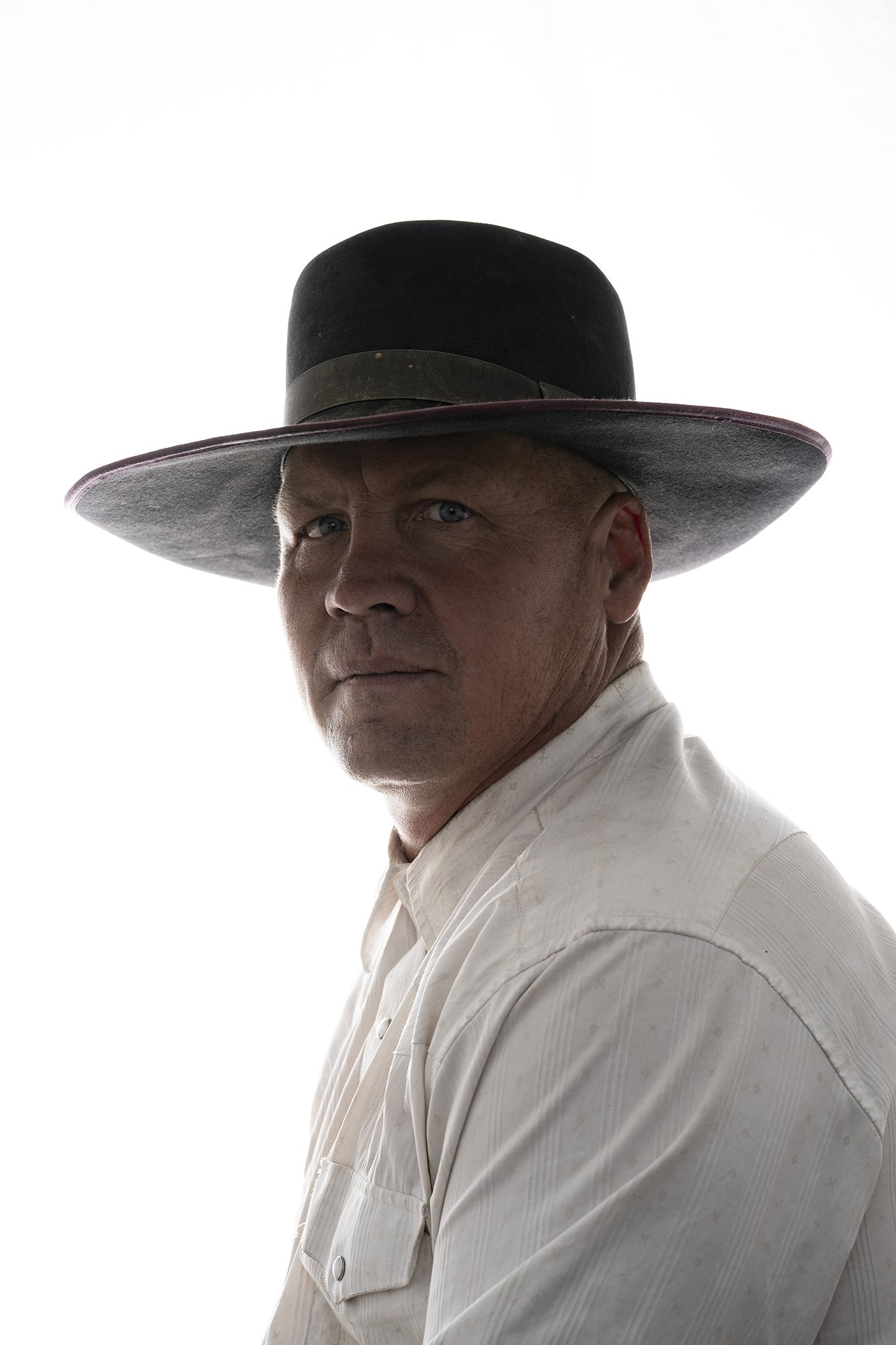
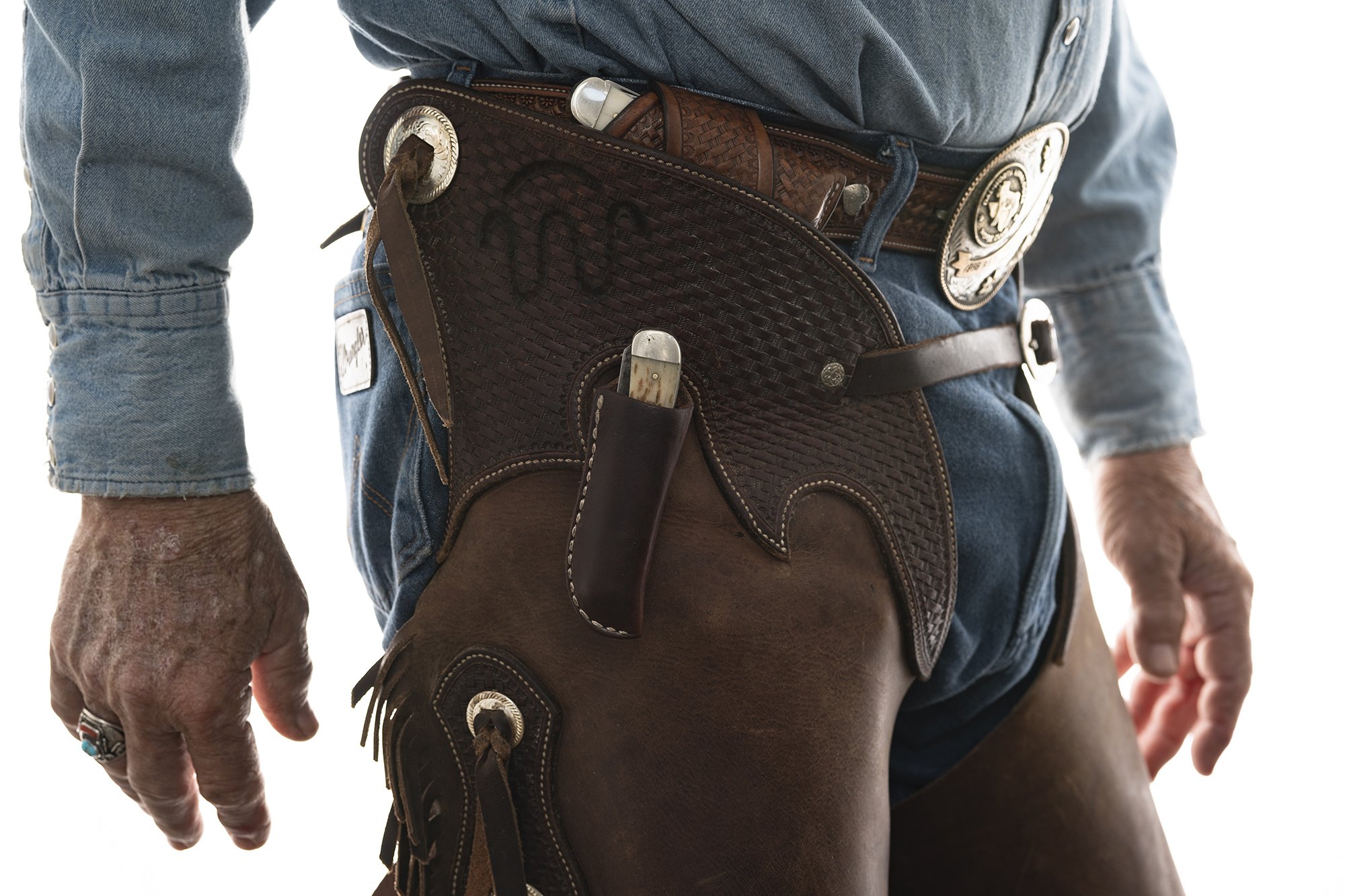
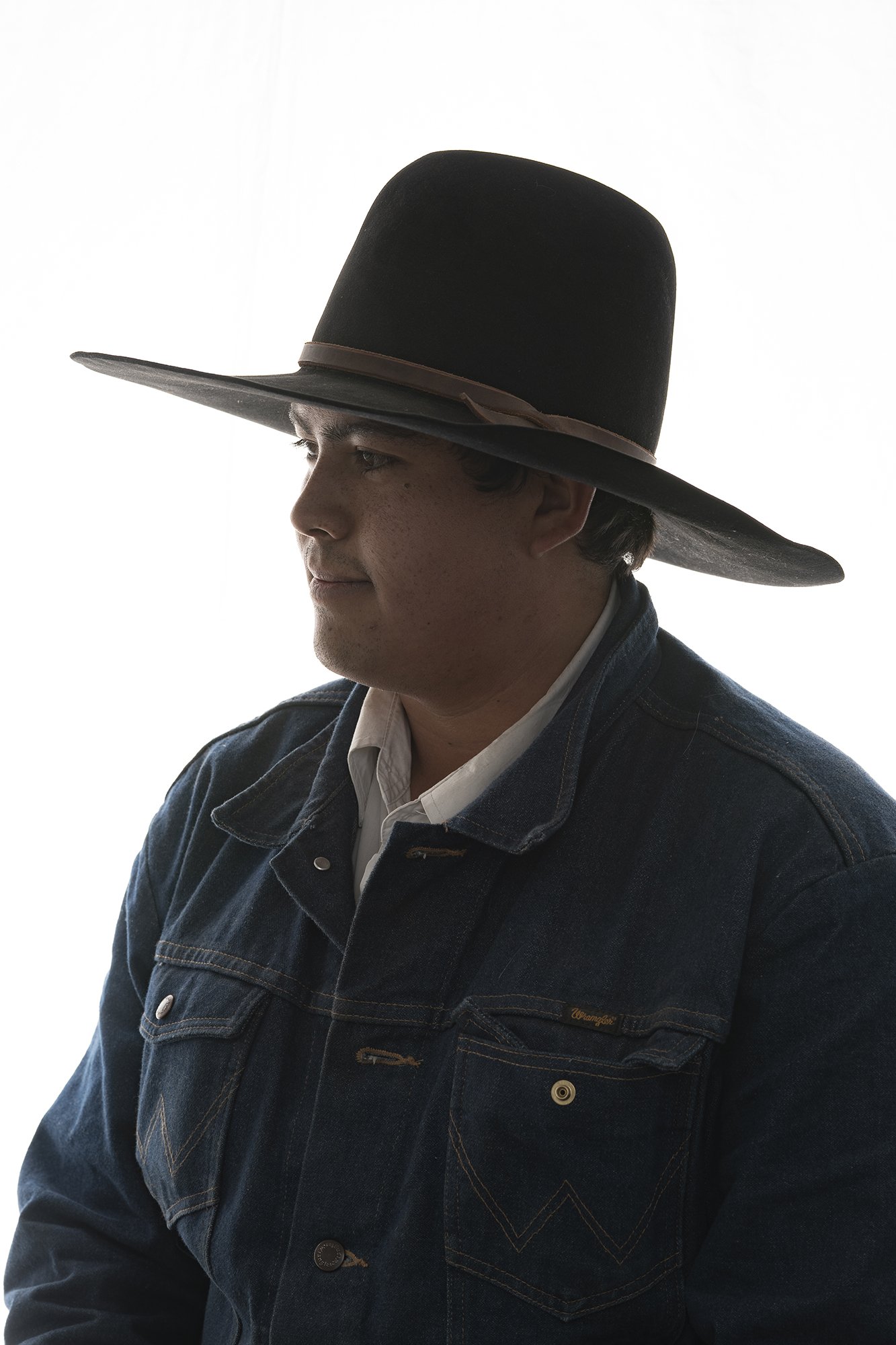
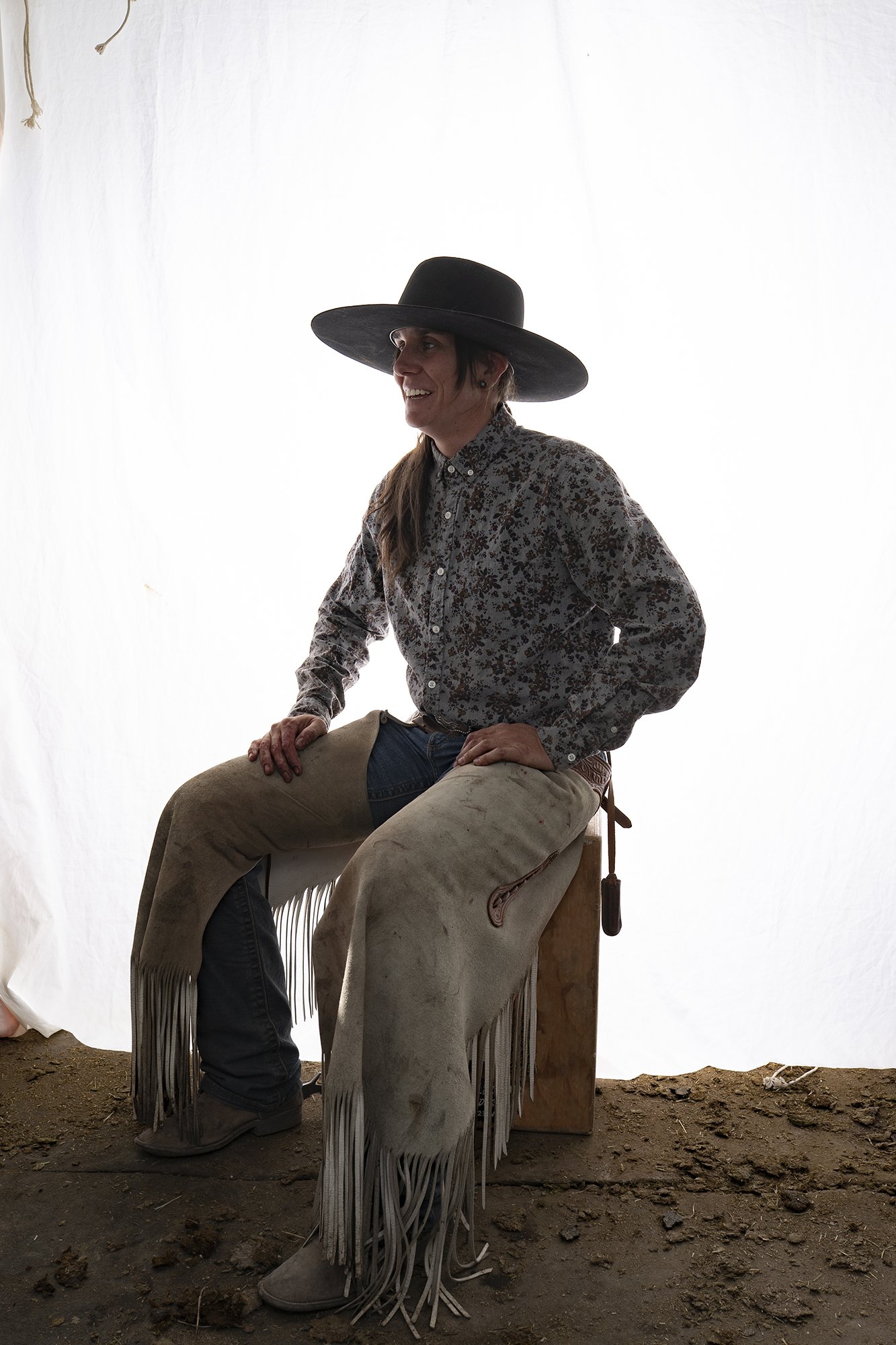
Brought the lighting gear out to a cattle branding a few months ago to make some portraits of all the cowboys and cowgirls working on the ranch. Wanted the focus to just be the people and their gear without anything else to distract from that. Had a blast setting it all up and shooting in a horse trailer, but still undecided if I’ll stick with this style or not.

Click HERE to see more from this series.

Cowboy Culture Photography

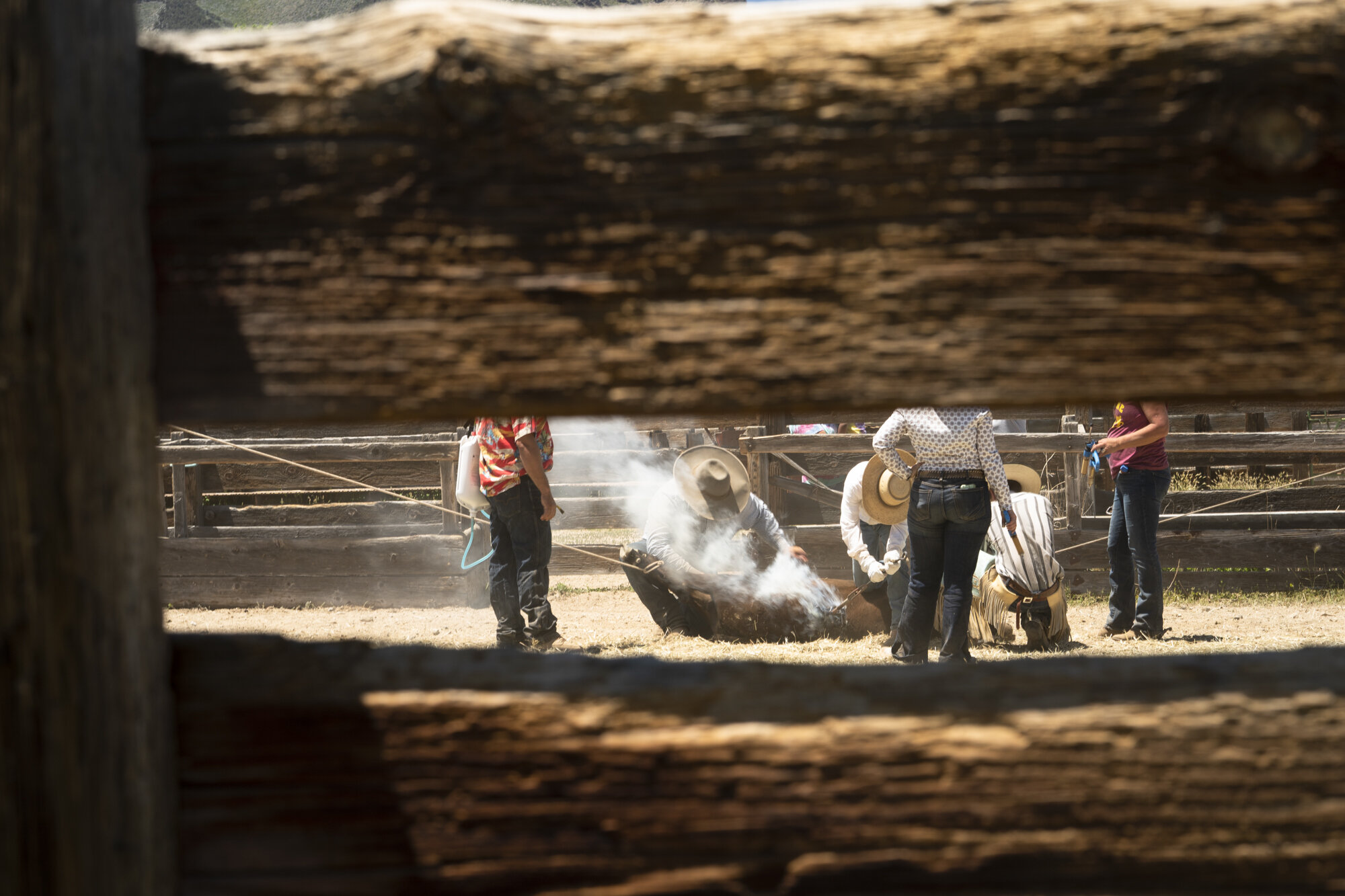
Cattle Branding - Cowboy Photography

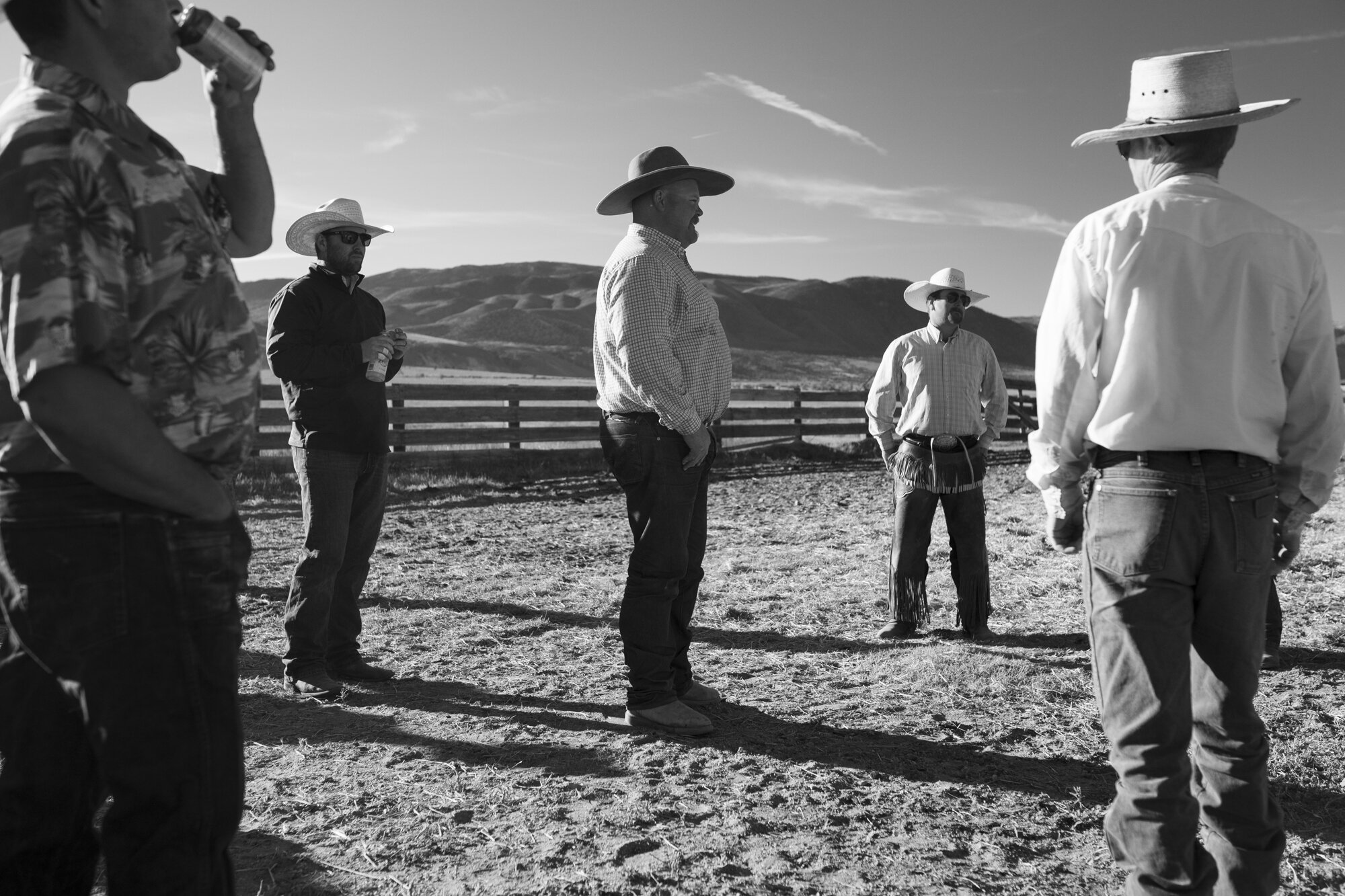
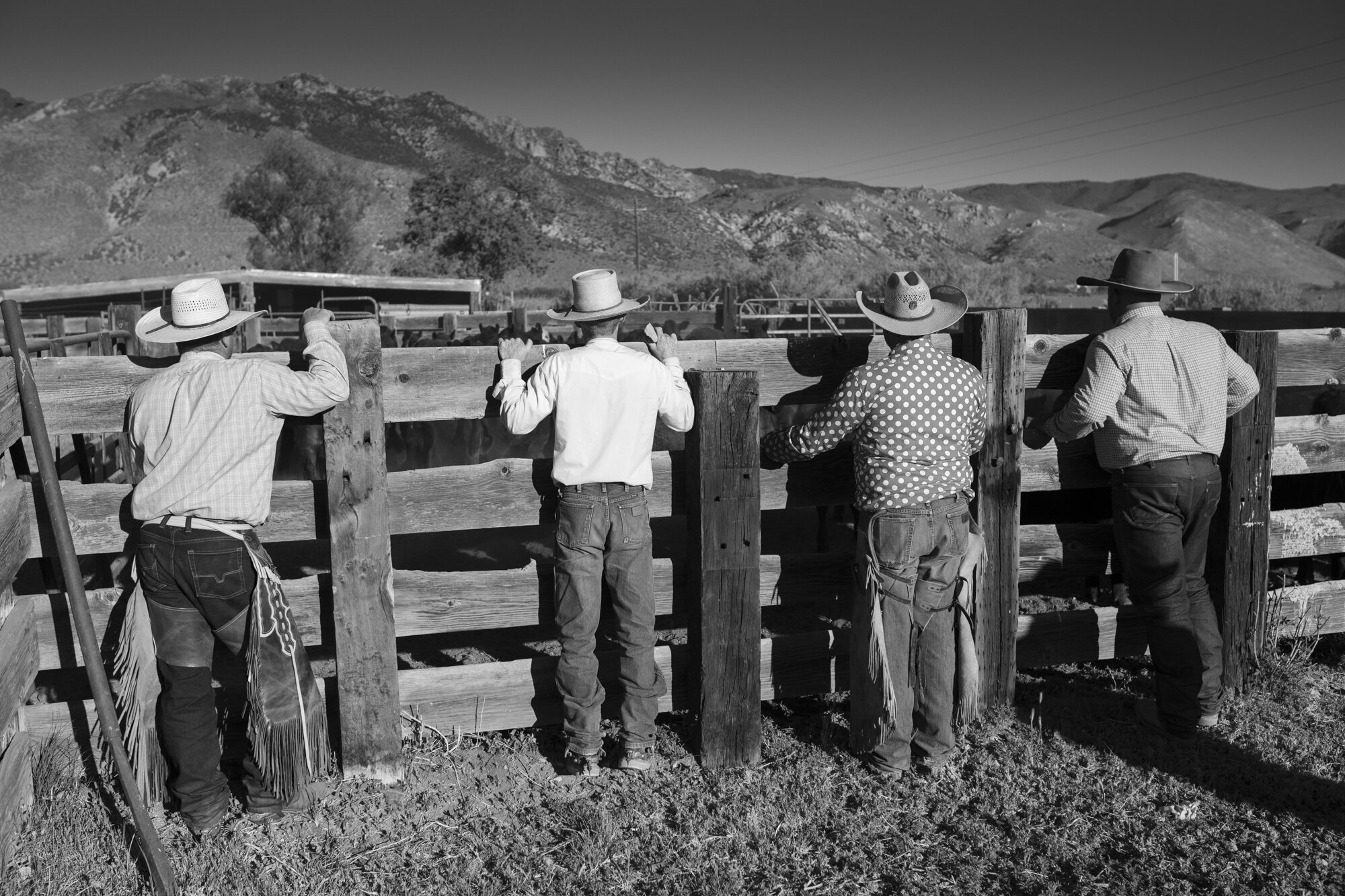
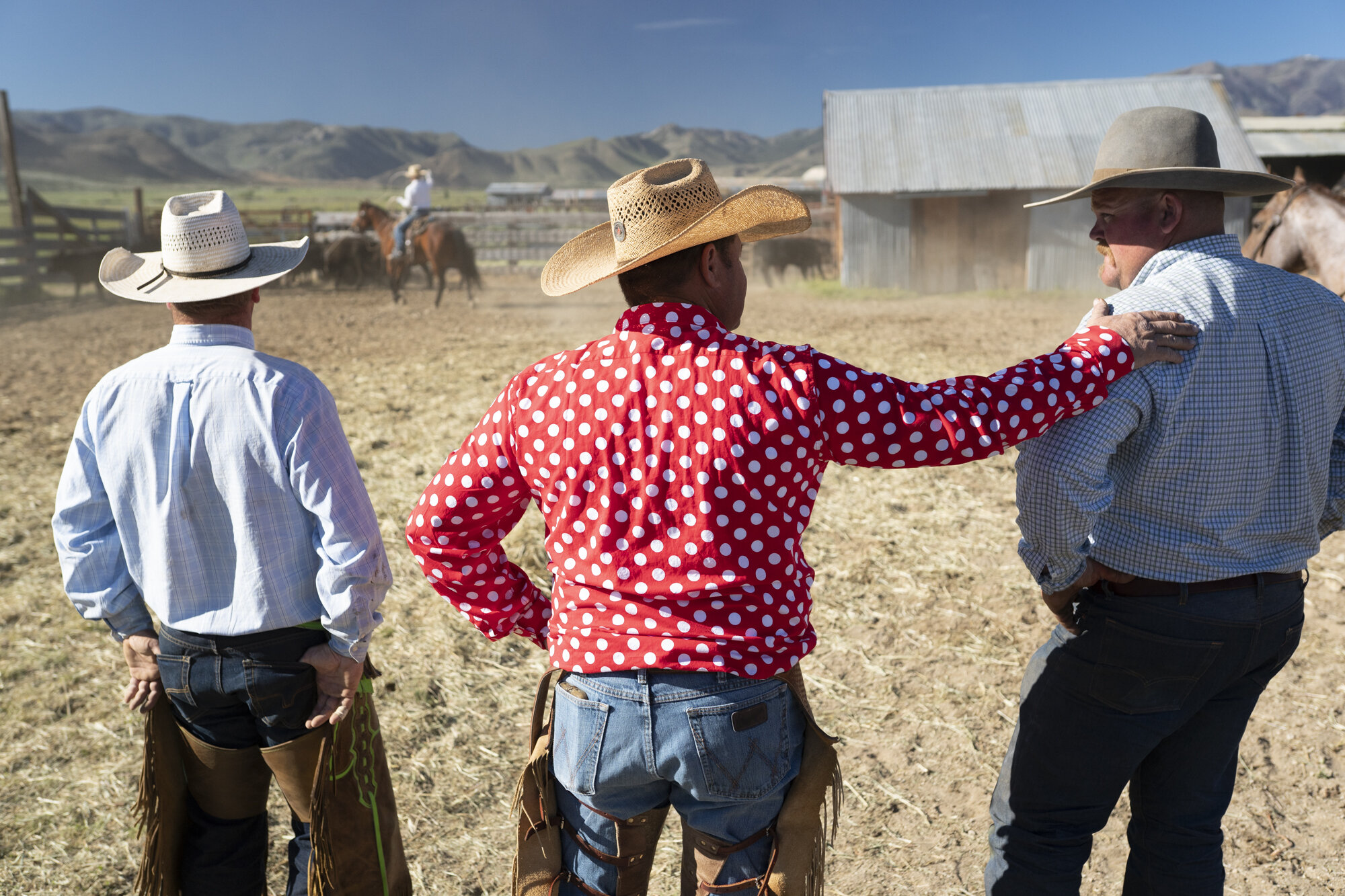
There’s nothing staged about the kind of cowboy photographs I make. No hired models in brand-new hats. No one pretending to ride for the brand. Just real people doing real work day in and day out, in weather that doesn’t care if you’ve got a camera slung over your shoulder.

For the past 5 years I’ve been photographing working cowboys on ranches across the American West. Not for the sake of nostalgia or myth-making, but because this way of life still exists, and it’s worth documenting. It’s early mornings, long days, sore horses, busted hands, and wind that doesn’t quit. It’s also pride, precision, and an unspoken connection between the people, the animals, and the land.

Most of the time, I’m just trying to stay out of the way. The goal isn’t to direct or interrupt—it’s to be quiet, to watch, and to make images that feel true. The kind that a cowboy can look at and say, “Yeah, that’s how it really is.”

These photographs aren’t just about cowboy hats and boots (though those are in there too). They’re about culture. About people whose lives are shaped by purpose, place, and tradition. And if you spend enough time around it, you realize it’s not just a job. It’s a commitment. A way of seeing the world.

If you're interested in cowboy culture—not the romanticized version, but the actual, hard-earned life behind it, this collection of photographs is for you. No frills, no filters. Just the truth of the West, one frame at a time.

Click HERE to see more of my cowboy photography.

Click HERE to shop my collection of cowboy photography prints

ROAD TRIP

THE BAD:This past week was the first time in a while since I’ve been on this particular route through Arizona, New Mexico, and Texas. The findings were not good economically. It was hard to see so many familiar small town restaurants and hotels closed, boarded up, or in the process of being demolished. Maybe the timing was a coincidence, but you have to wonder if it was all the result of COVID? Either way it’s a shame.

THE GOOD: Road trips are always so much fun, educational, and therapeutic. This one had me shooting on a cattle ranch (The Four Sixes) in the Texas panhandle where I met some great people and had a hell of a lot of fun shooting with them. Will be a while until I can post those images. So for now you can click HERE to see more of my Cowboy photography.

Western Photography

Cowboy Photography - American West - Cattle Ranching

Maybe it’s the nostalgia? Maybe it’s the hats? I don’t know. However you spin it though, I appreciate everything going on in the pictures here. To really boil it down though, there are a couple factors that turn me on to this culture and lifestyle. First is the freedom. Cowboys/ranchers/farmers. Whatever you want to call them. They work their asses off, but they do so on their own terms, not someone else’s. They freelance, like me. I always say that if I’m not exhausted, dirty, or bloody by the end of a shoot, then chances are it wasn’t that much fun. And I wouldn’t dare to compare the work I do in a day to that of a cowboy, but I certainly connect with it. Another part is their “work” hasn’t changed that much since the old days. Sure there are more laws and guidelines, especially in California, but the bones of it is pretty much the same. And there’s a lot to be said for that, especially since everything else in the world changes minute by minute, and not usually for the better. The simplicity of their trade is another parallel to draw. That’s not to say that what they do is easy, because it certainly isn’t. Quite the opposite. With photography everyone is so focused on gear, gear, gear. Gotta get the latest and greatest piece of gear. Gotta light this with 12 strobes or it won’t look good! Admittedly, I was guilty of that in the past too. At a certain point though, I realized that was all about false impressions. Yes, your equipment needs to be at a certain level to operate as a professional, but that doesn’t mean you constantly need to be upgrading. Having a better camera doesn’t make you a better photographer. Hell, if you know what you’re doing, you could make an entire career with one camera and one lens. So you don't need that new 150 megapixel Medium Format bullshit. Fun to play around with? Yup. Not what matters though. Focus on making images not on the gear. That’s what I mean by simplicity. Location is the last thing I’ll mention. In general, the places where these people live and work is also something I connect with. Living in San Diego has a lot of pluses, but I’d much rather be out in the mountains or the country. It feels more like home and fits my personality/interests much more. Along with the location comes a certain type of attitude or lack there of. City people and country people are just different. No way around it. I prefer the later.
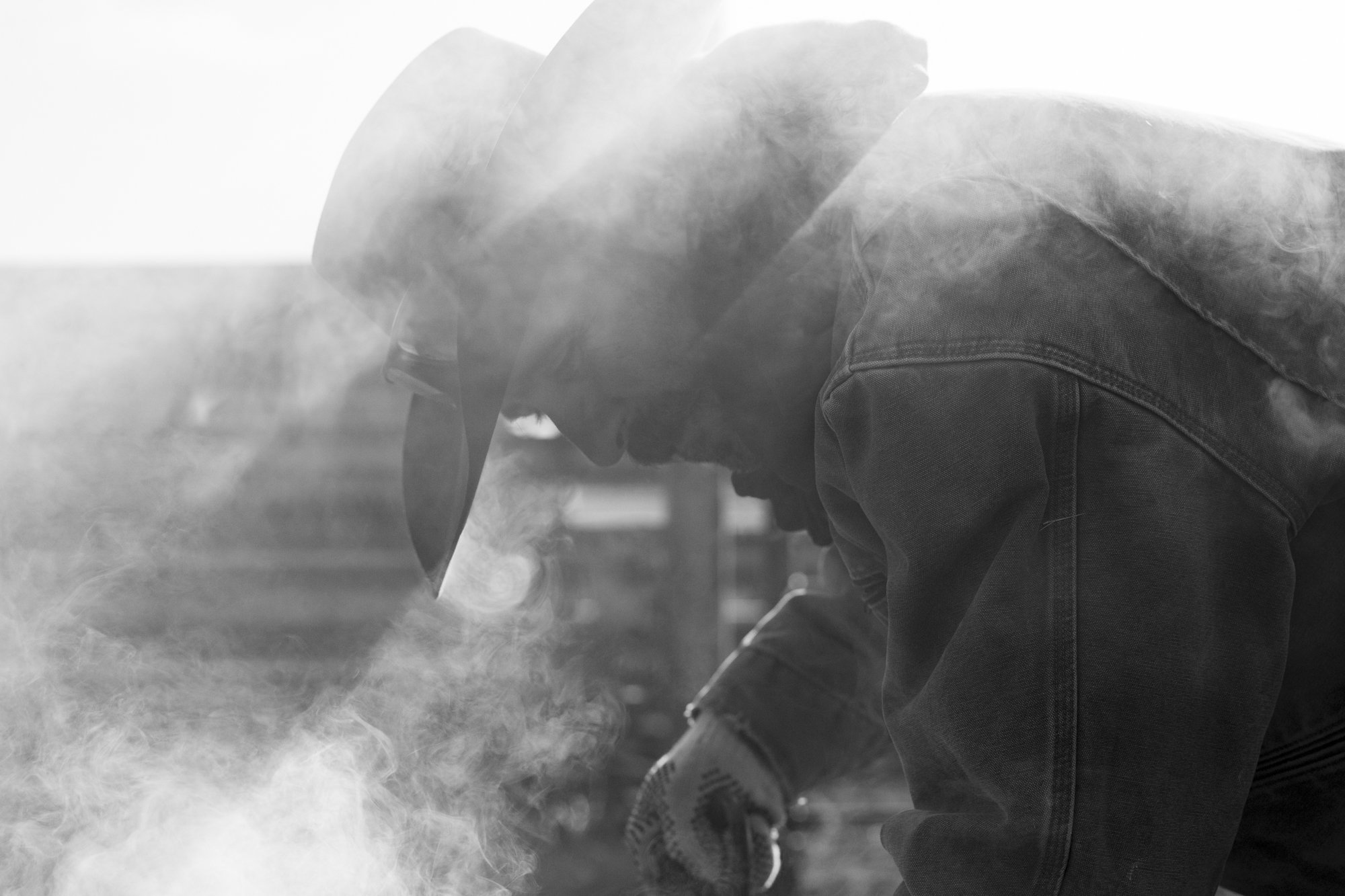
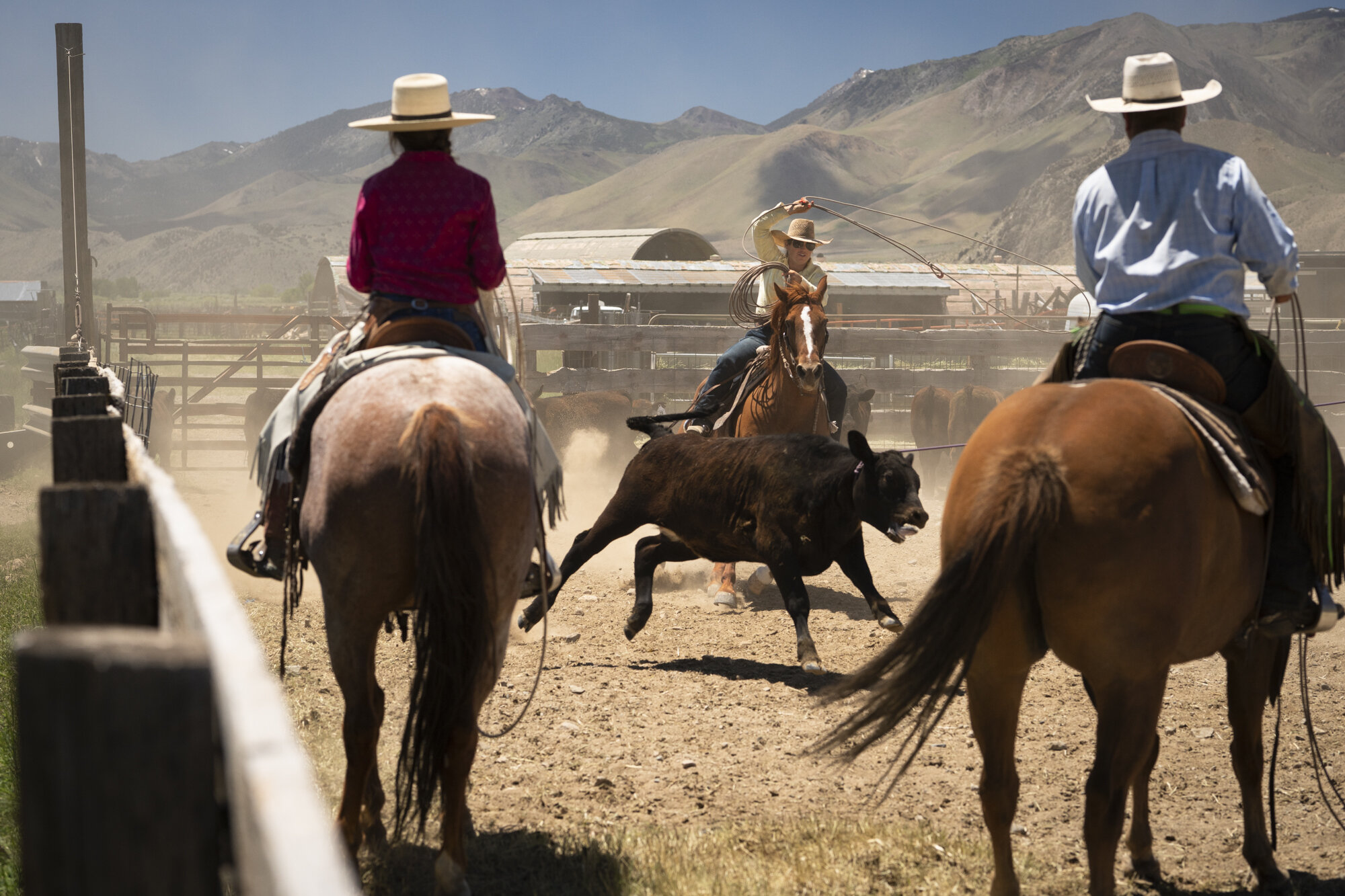
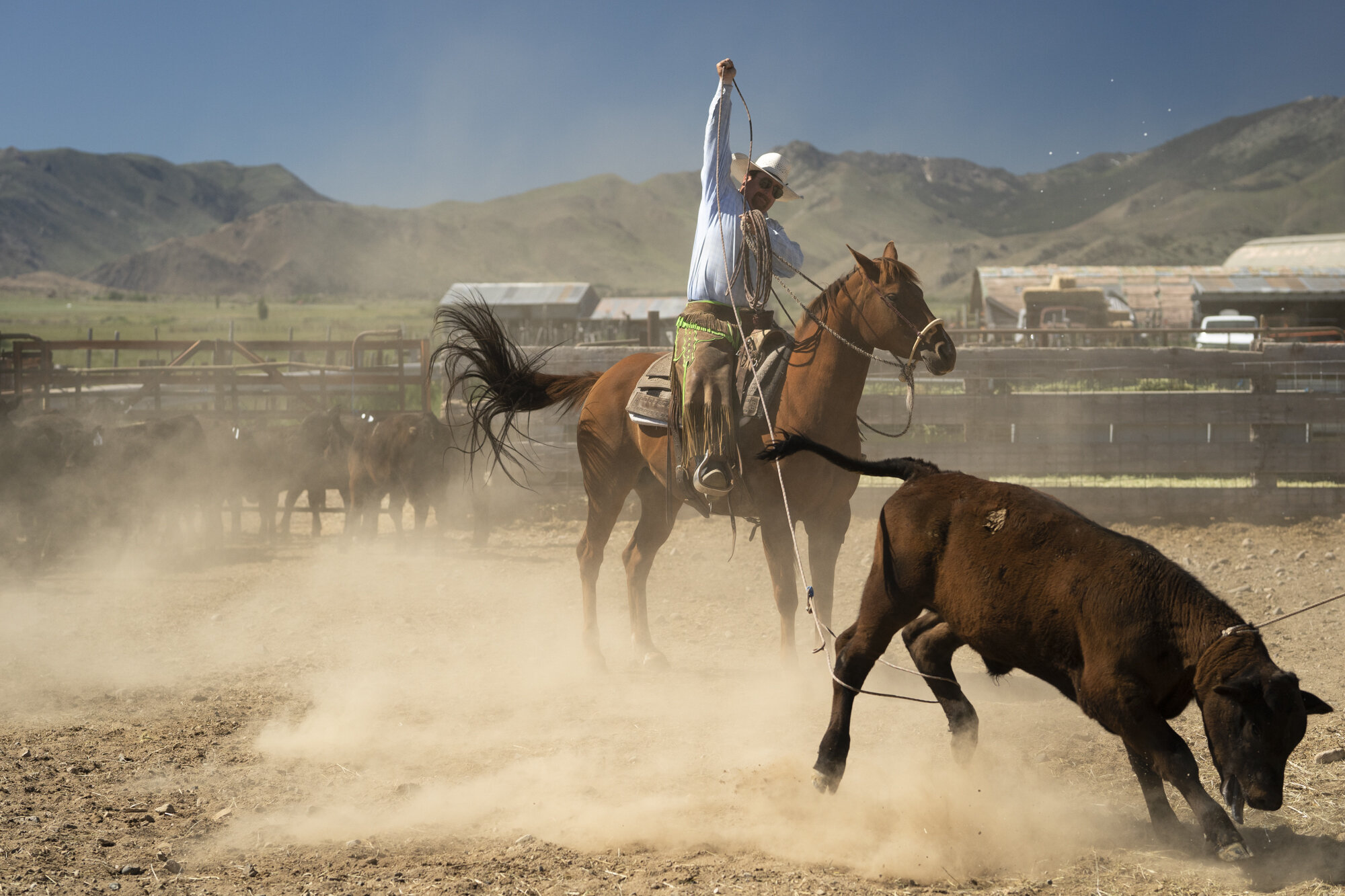
What a day this was with Spencer and Jessica of the Anderson Cattle Company (click to buy some of their beef) and their crew. Really grateful to have documented the work done by these folks. Not only was it fun, but also incredibly impressive. Watching the control they had over their horses and the way they used them as vehicles was a pleasure. That goes for the women too. They can rip. At the end of the day I asked one of the guys how long it took until he was comfortable with that sort of environment. To which he replied that you don’t, really. “Controlled chaos”. You just get use to the controlled chaos, he said. A very fair and accurate way to describe that type of event.

Something well worth noting in my opinion is that none of the people you see in these pictures were paid to be there. They are all friends of the Anderson’s and volunteered to work their asses off in the hot sun. A favor that is always returned over and over again throughout their lifetimes. On this day they helped on their ranch, but next time the Anderson’s will be the one’s lending a hand. The way life should be.

One of my favorite photographers of all time is William Albert Allard. He made a great deal of photographs in the American West documenting the lifestyle and I’d argue that nobody has ever done it better. In one of his books he talked about time spent on a ranch with some cowboys in Nevada. He asked one of the guys if he was ever afraid of being replaced by a machine. “Bill, they just ain’t come up with nothin’ yet that’ll take as much abuse as a cowboy”.

Follow along with the Anderson’s on IG @2aranchwife

More Western Cowboy Photographer here

Poway Rodeo

Poway Rodeo

Poway, San Diego, California

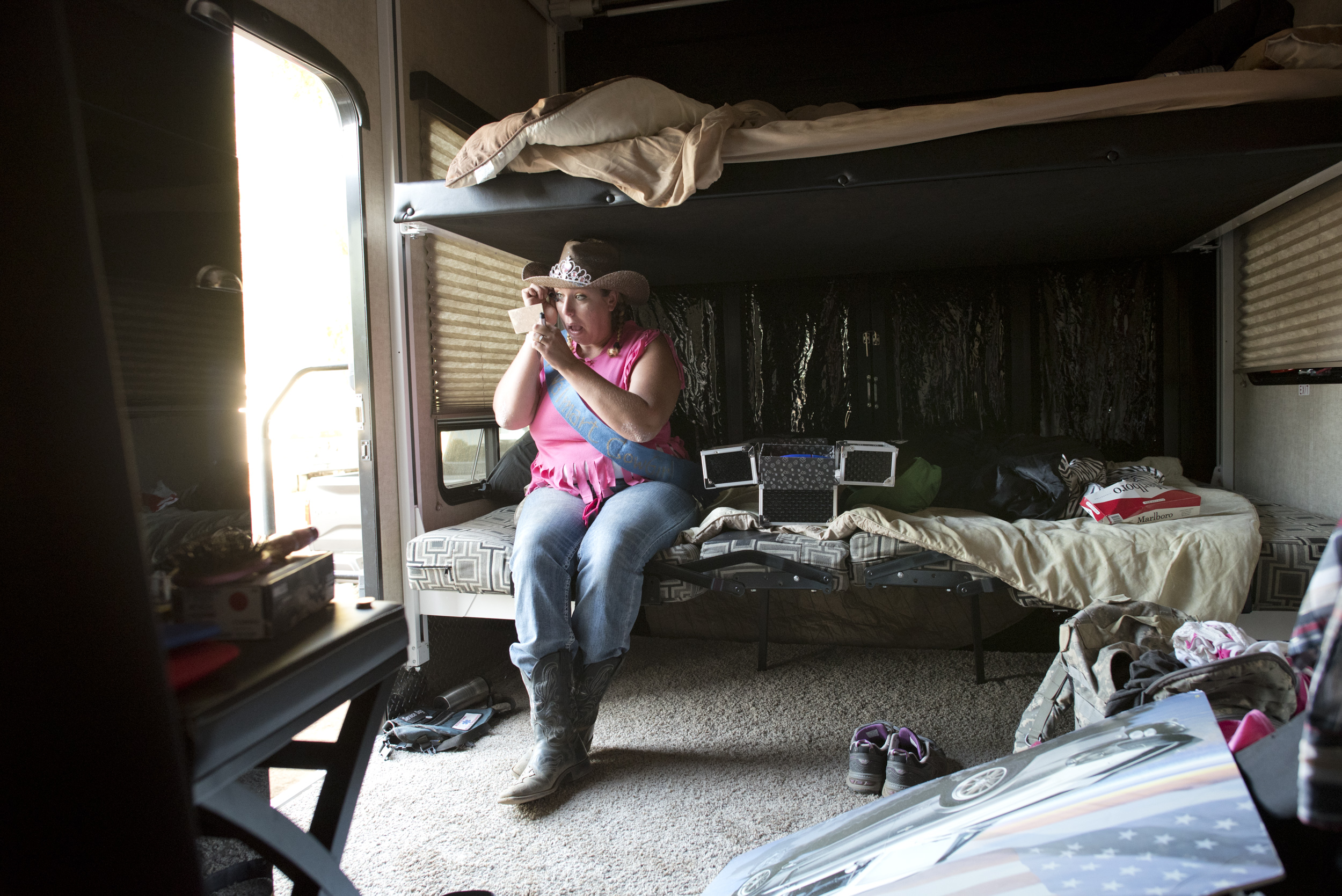
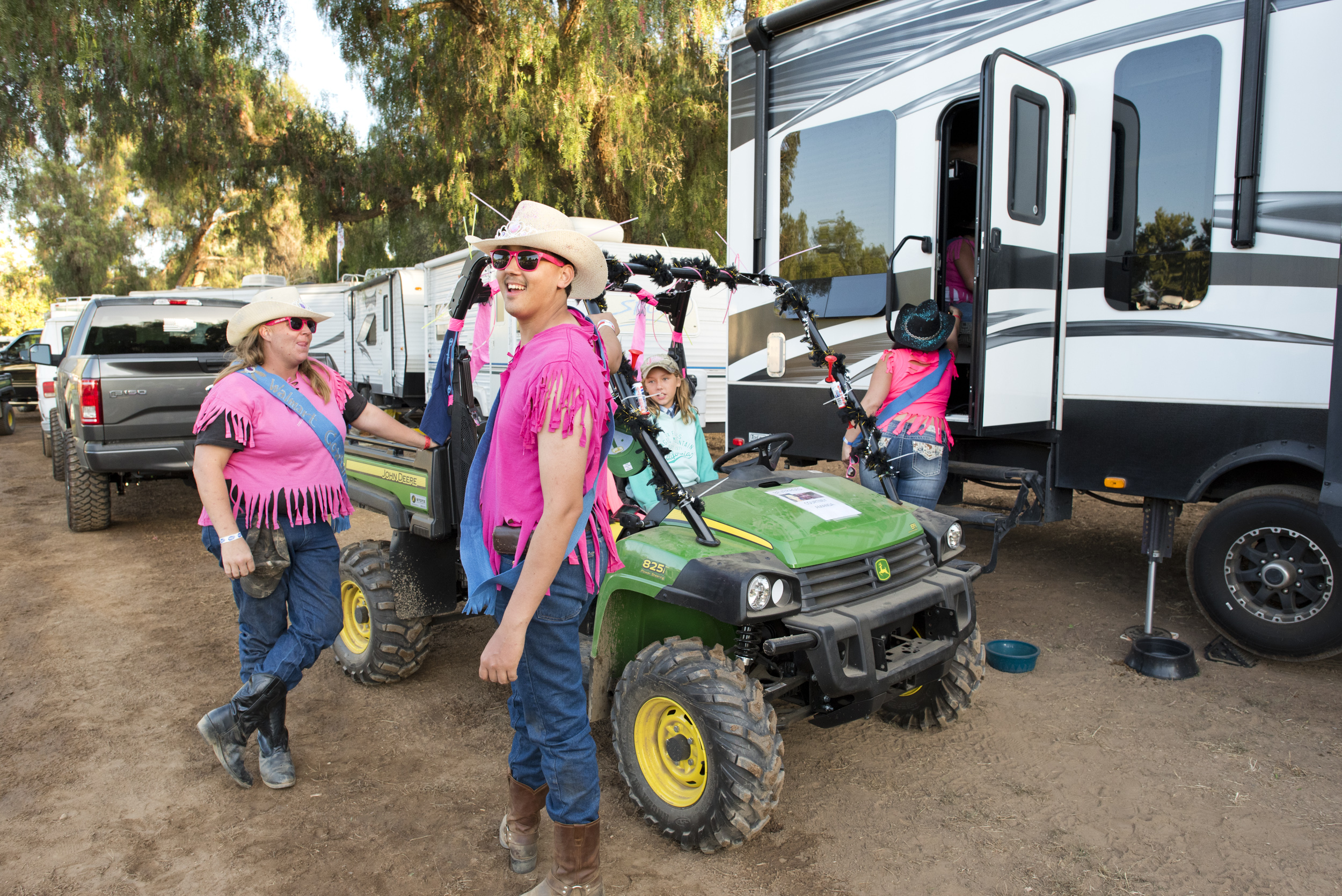
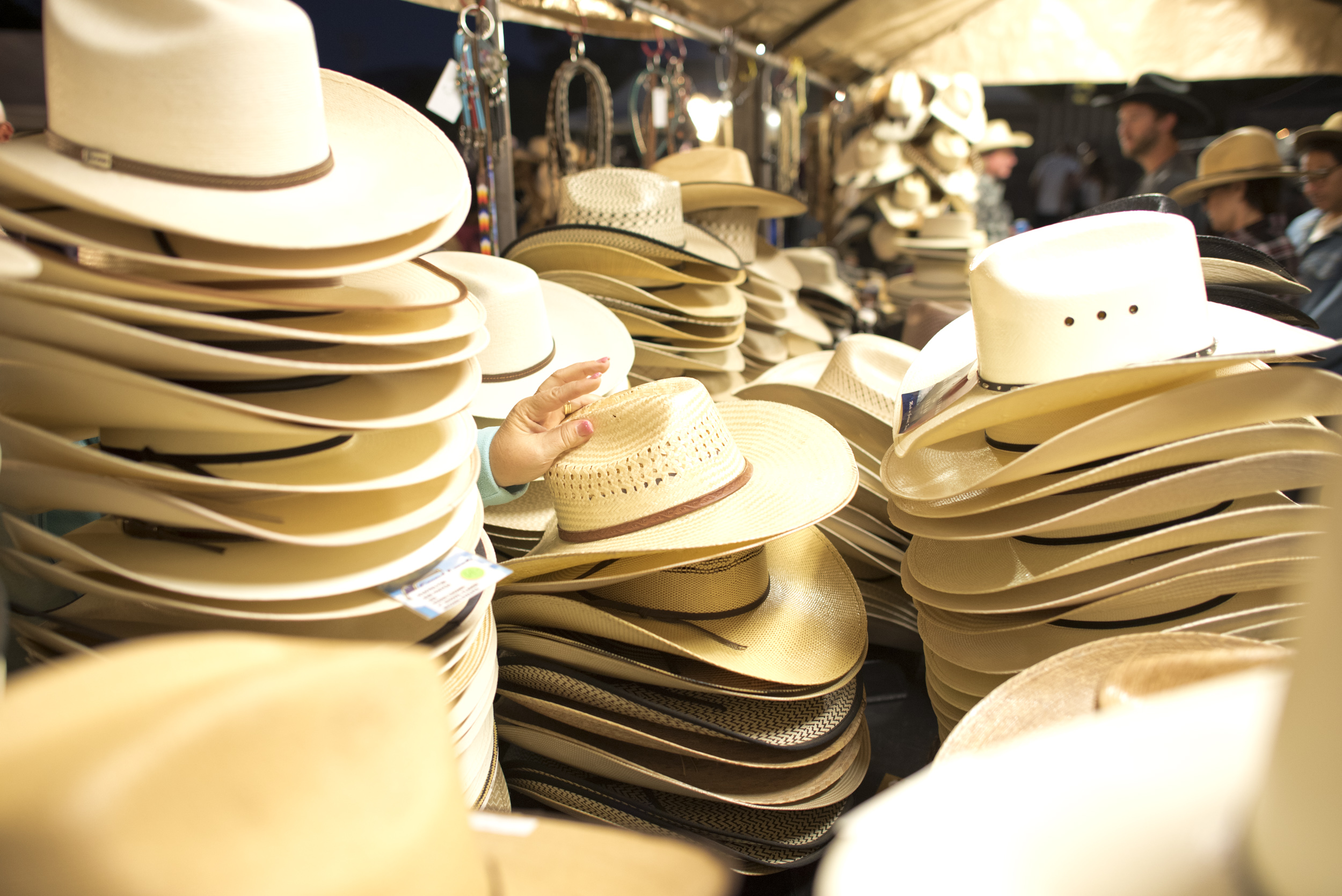
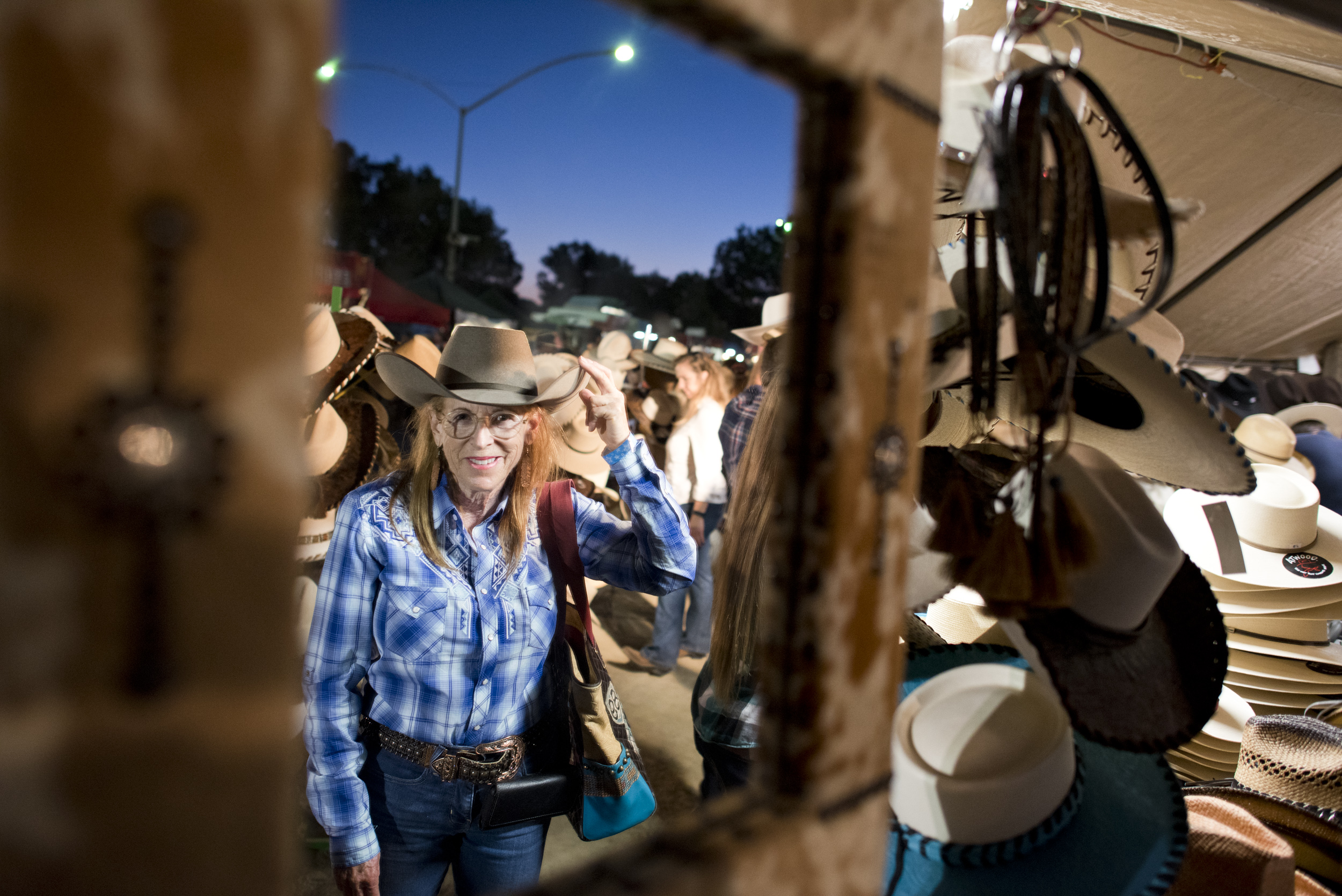
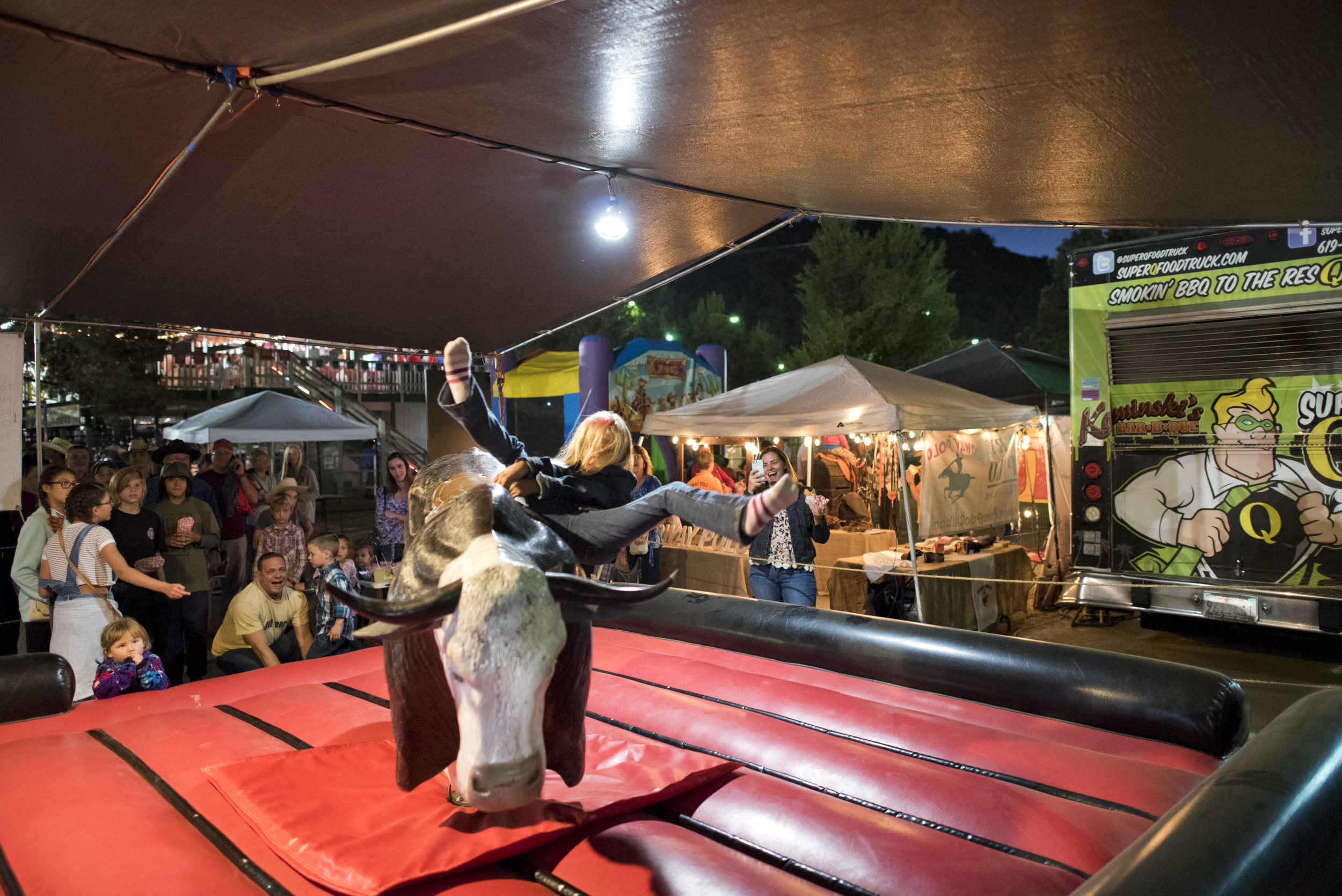
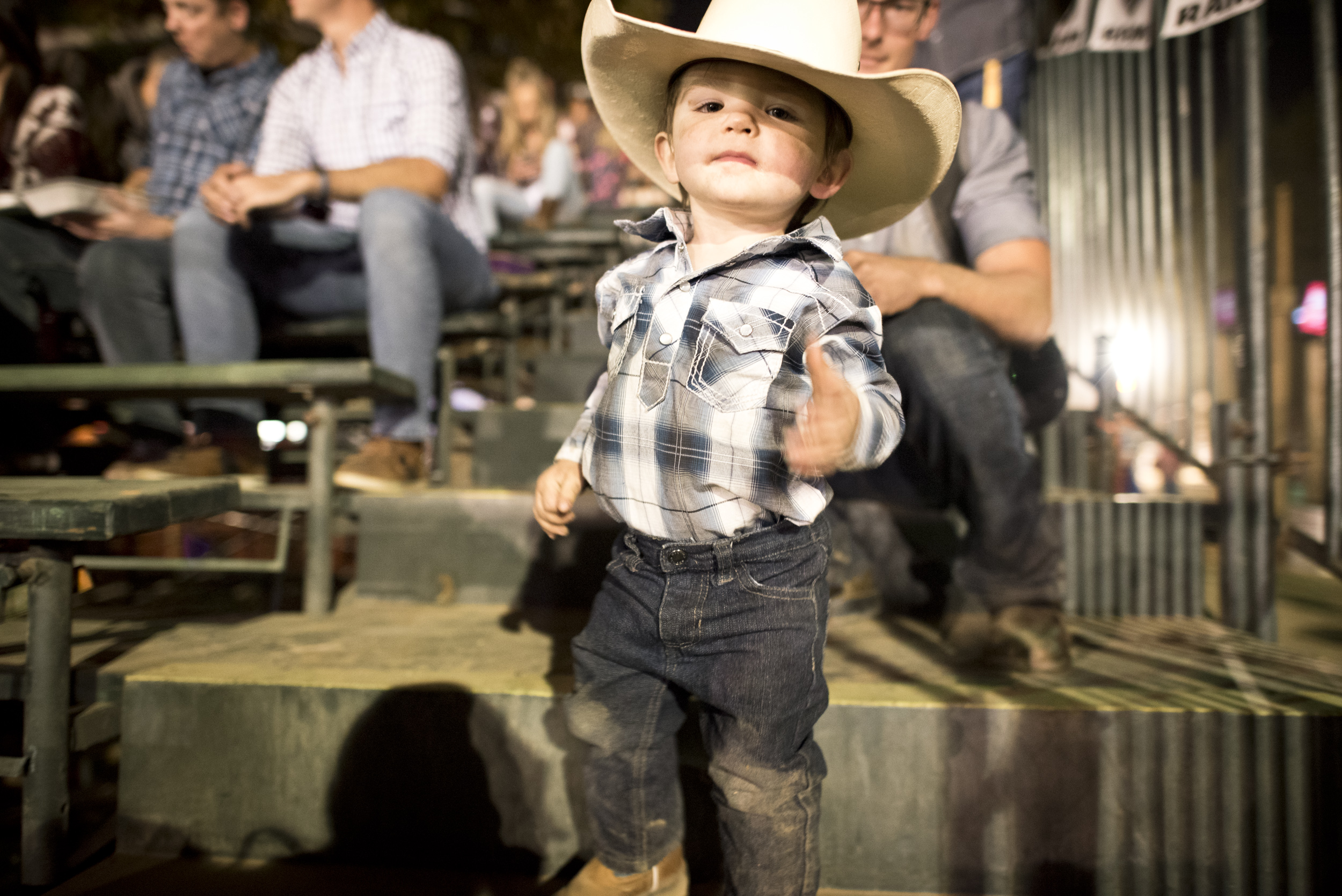
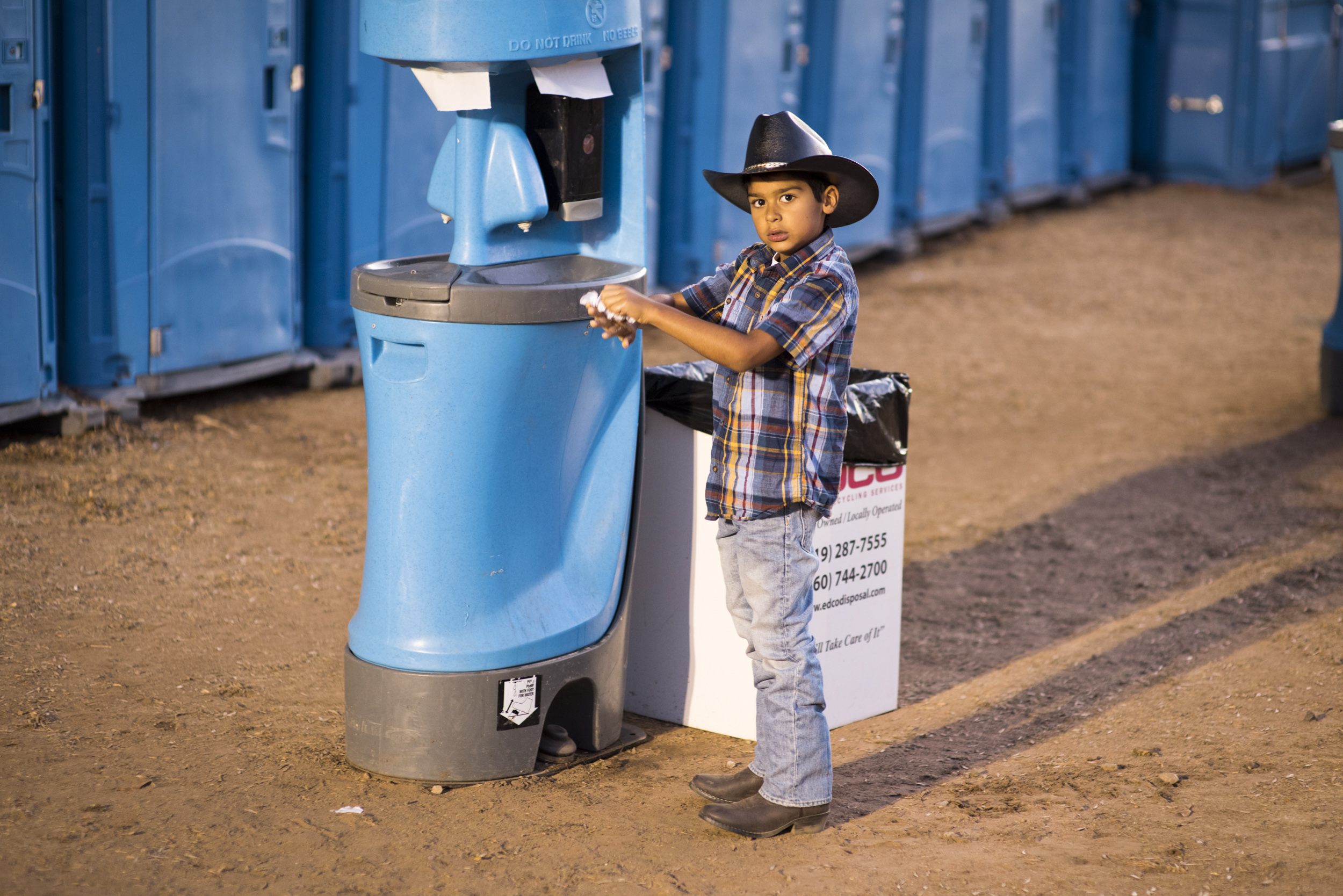
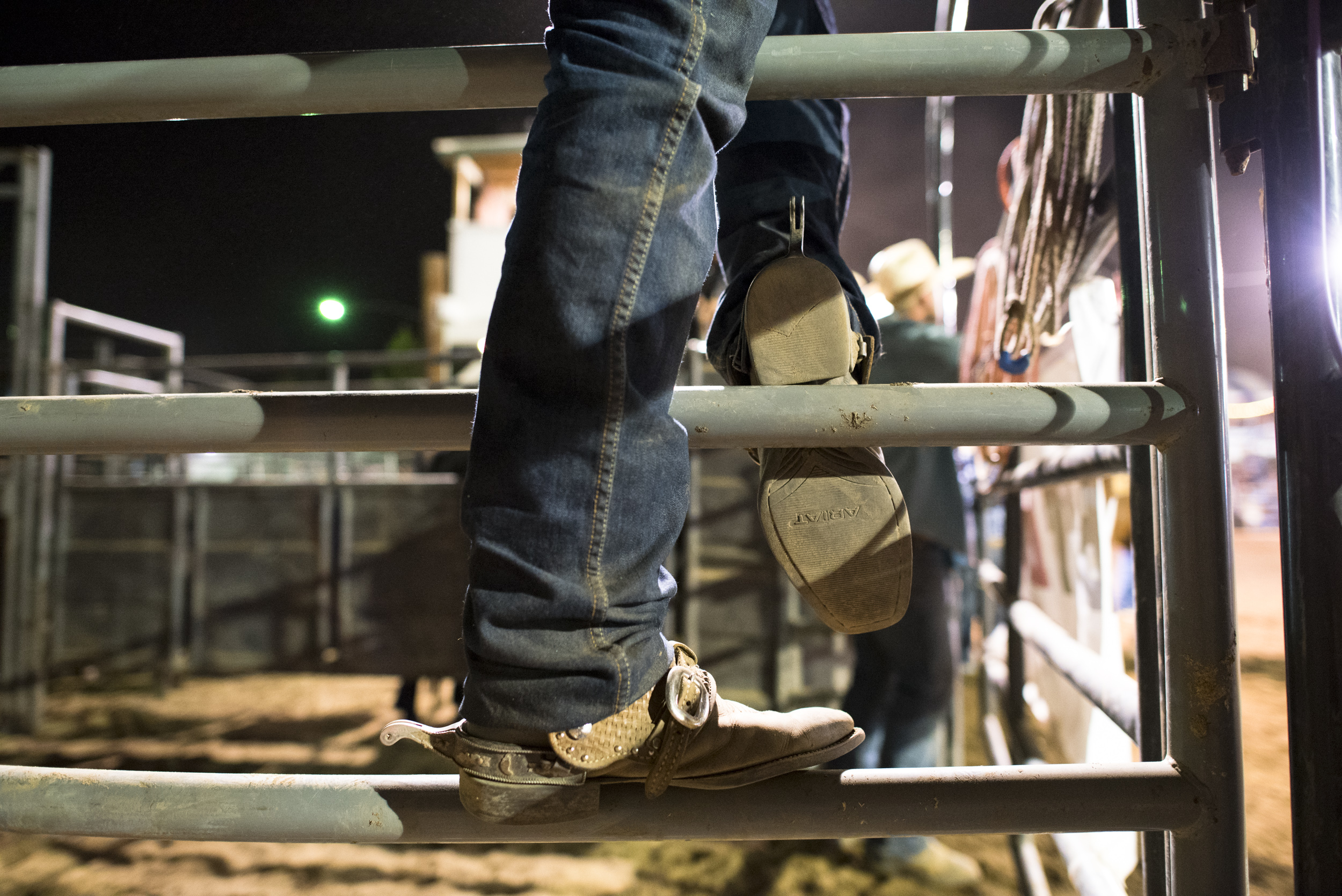
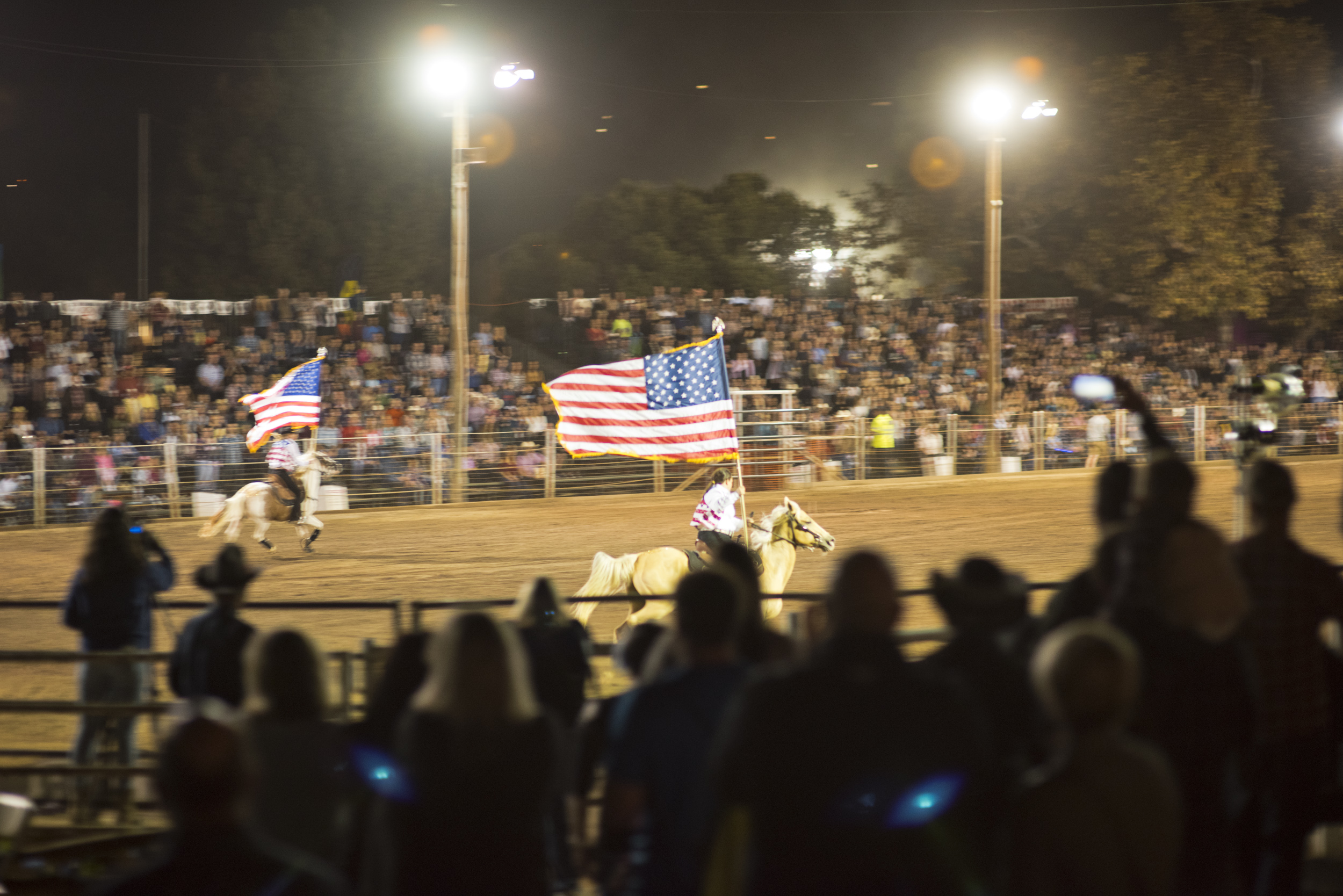
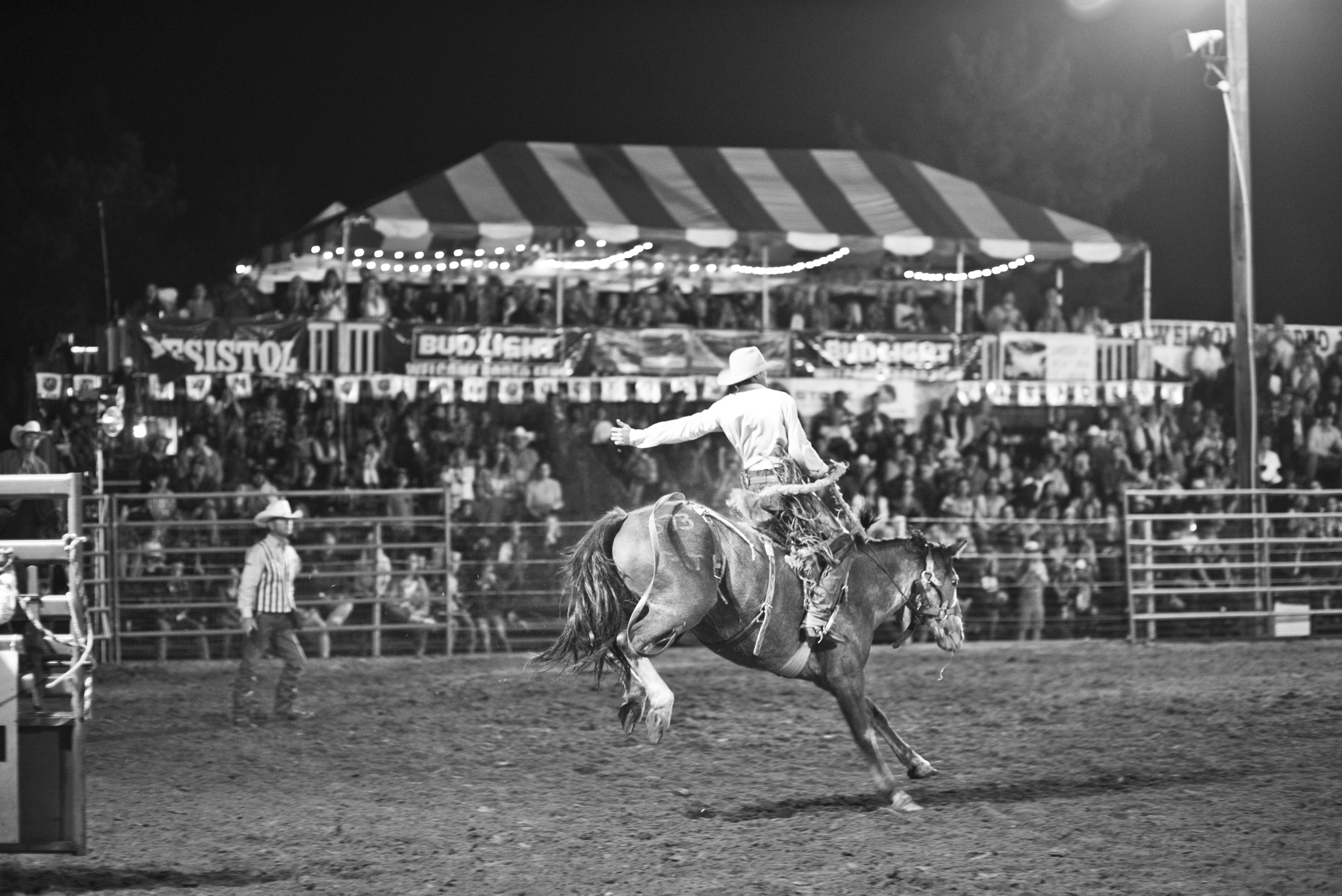
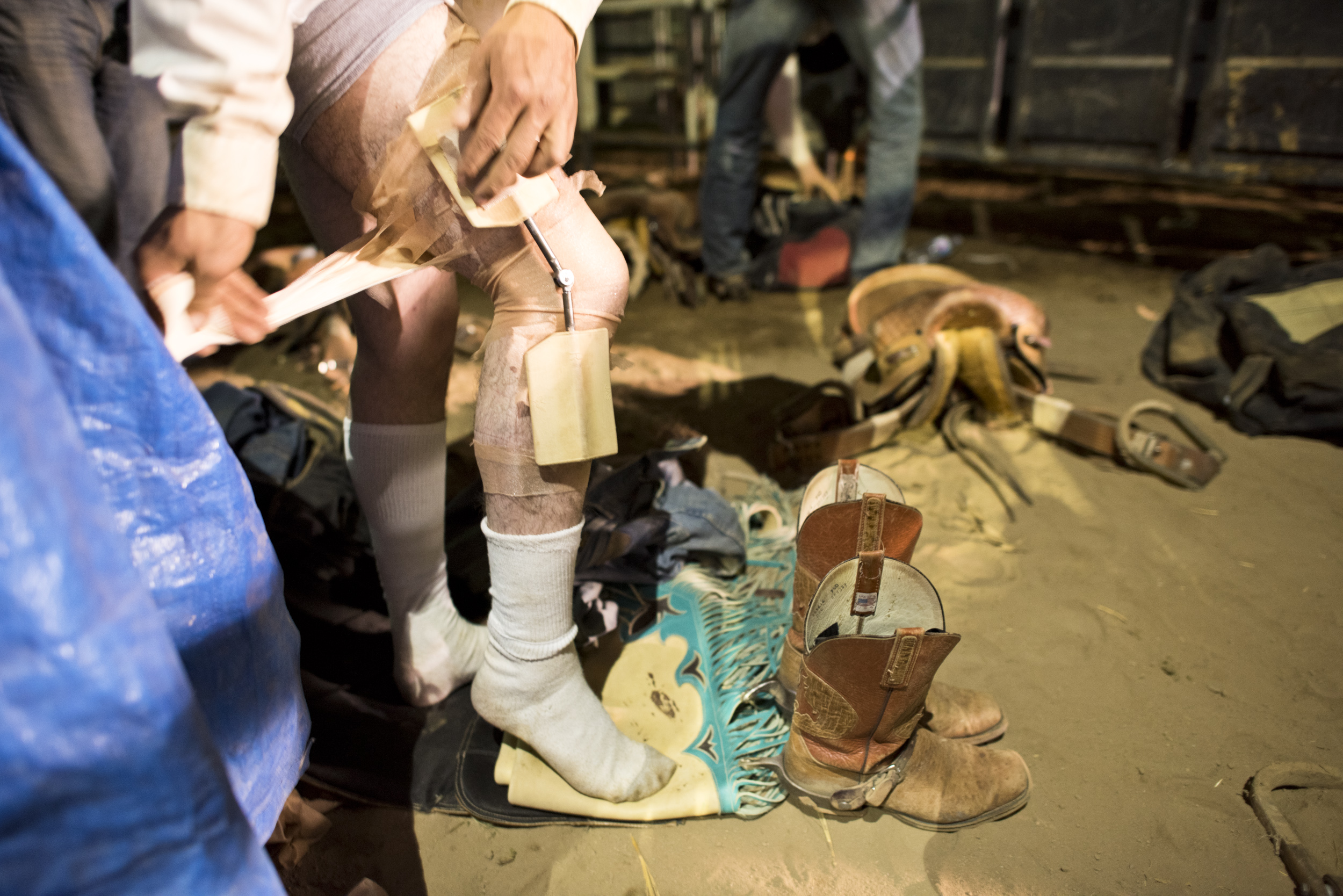
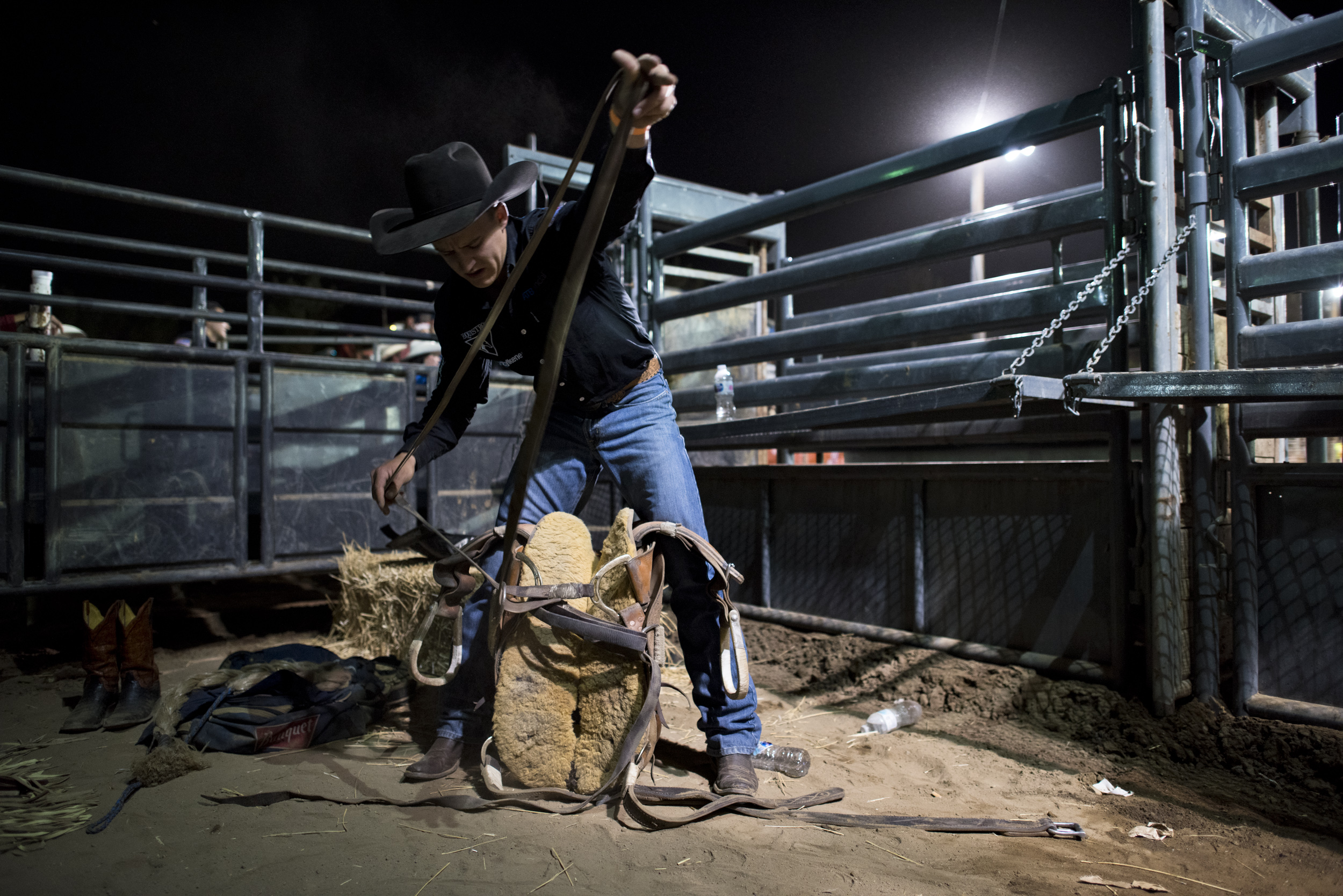
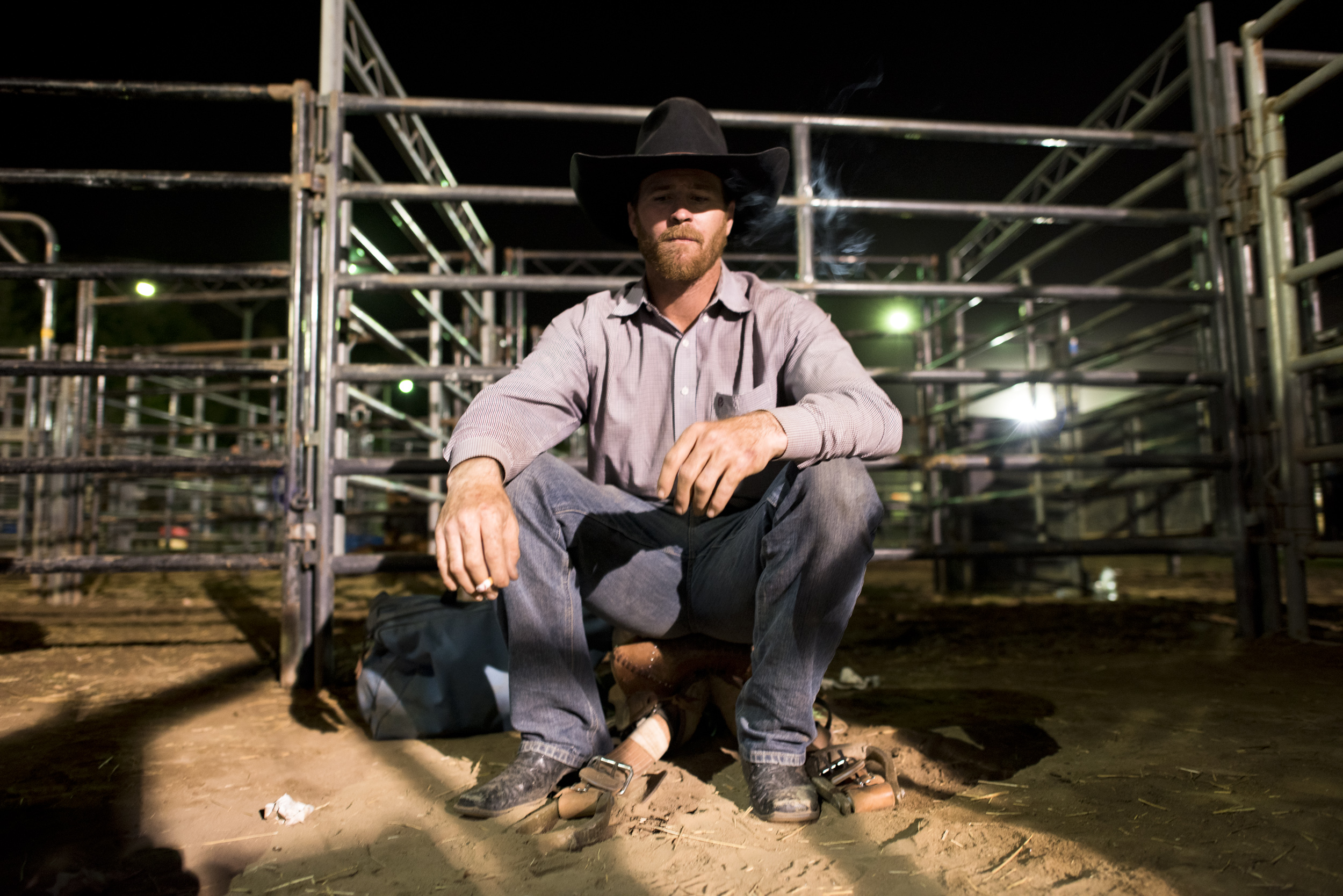
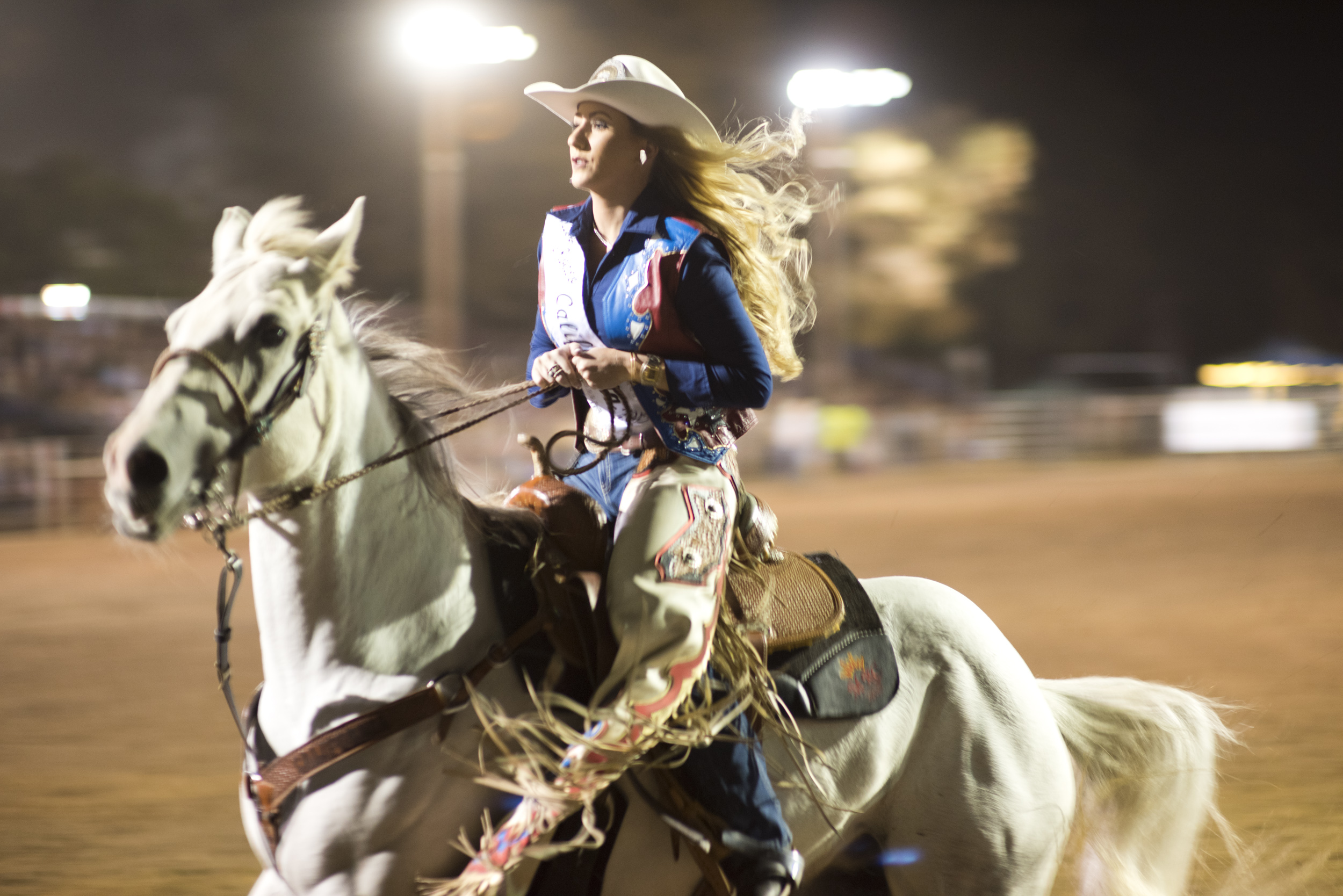
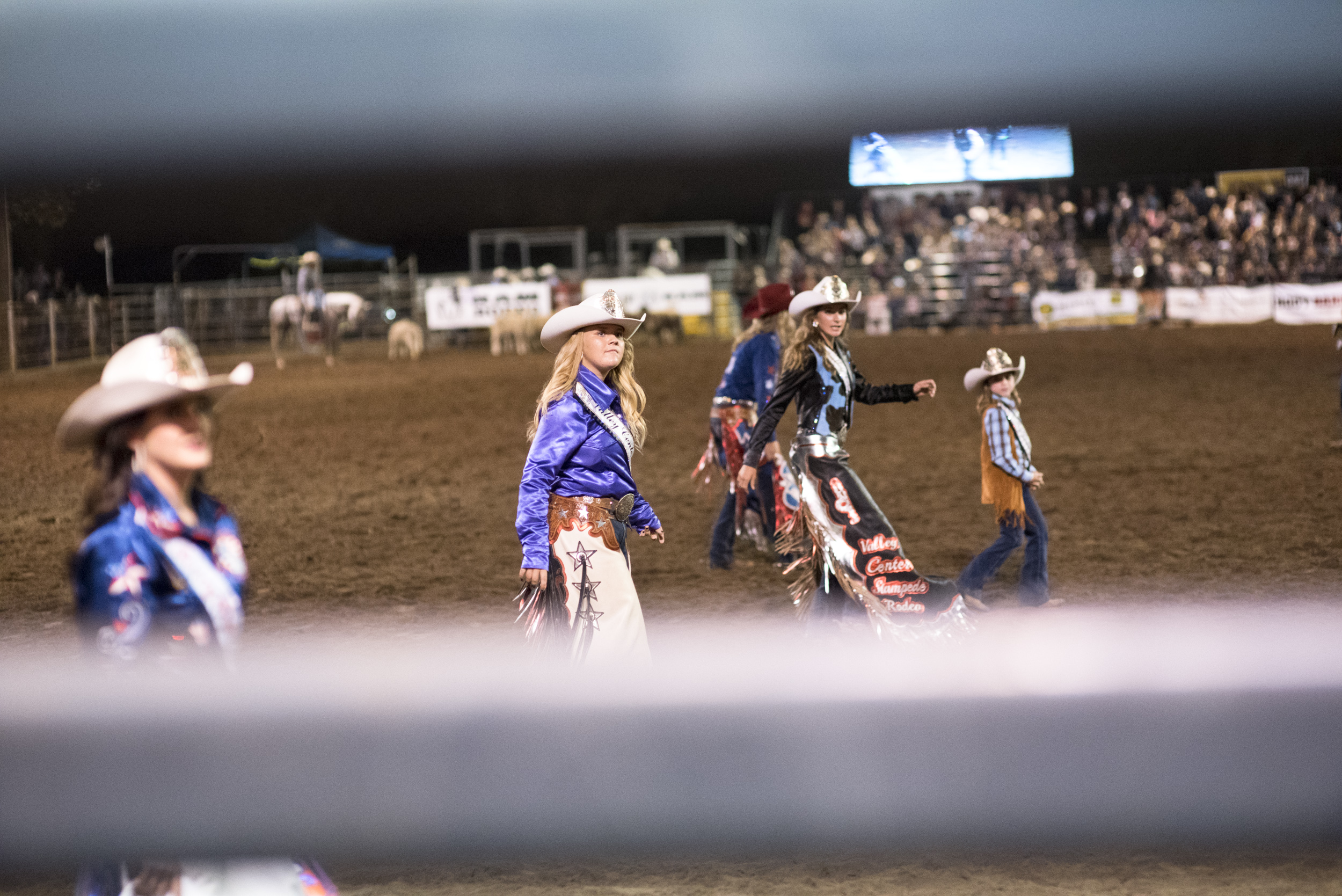
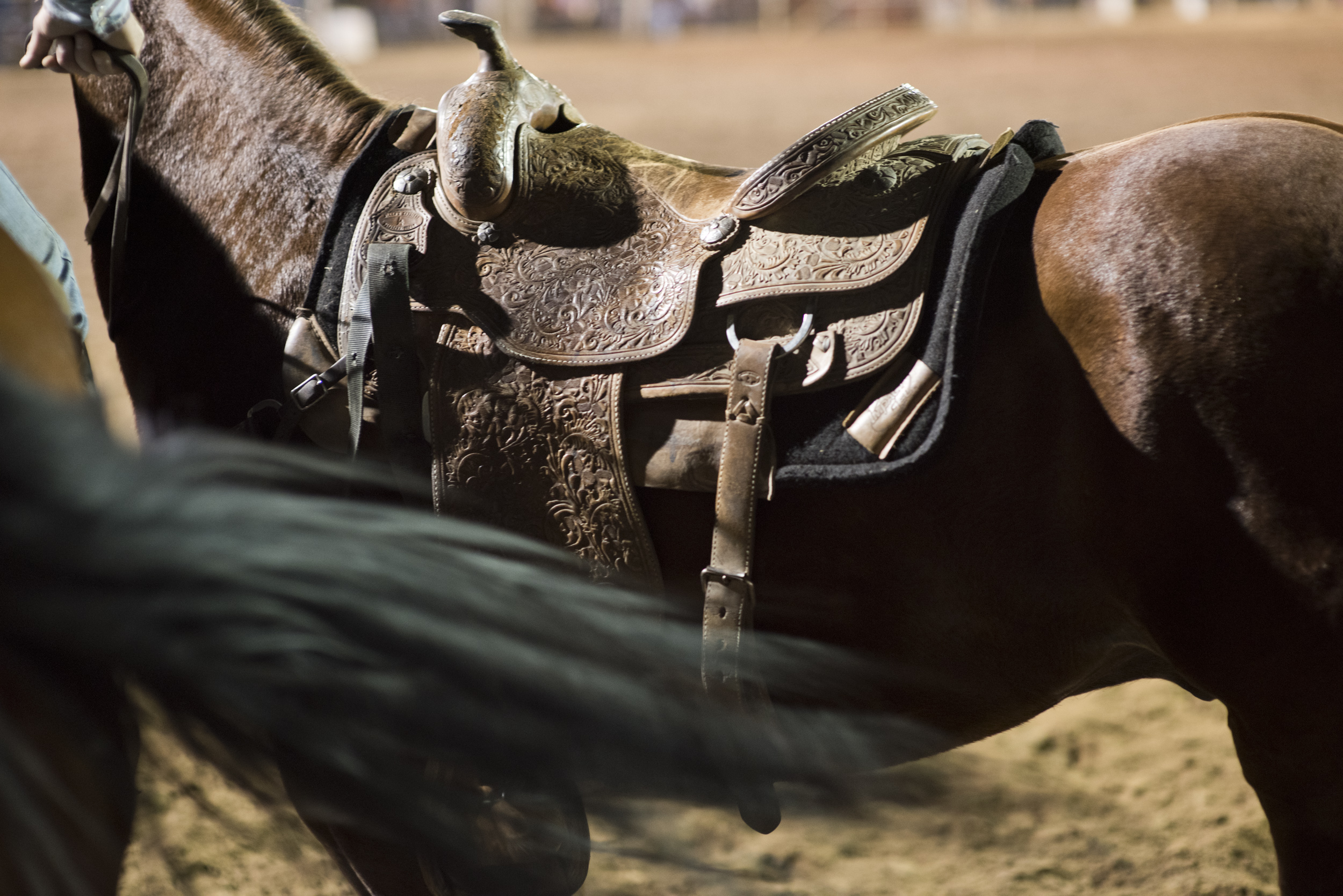
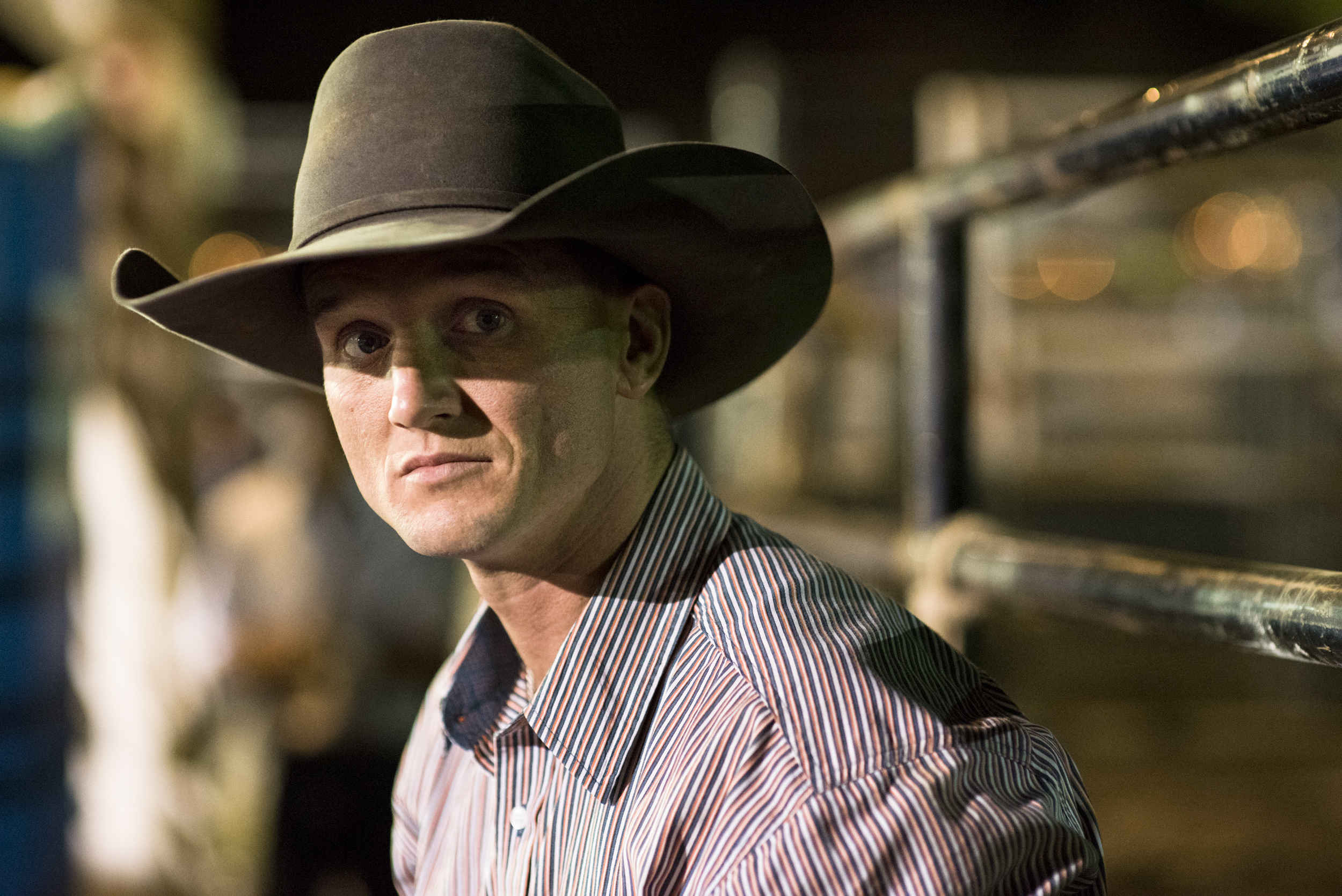
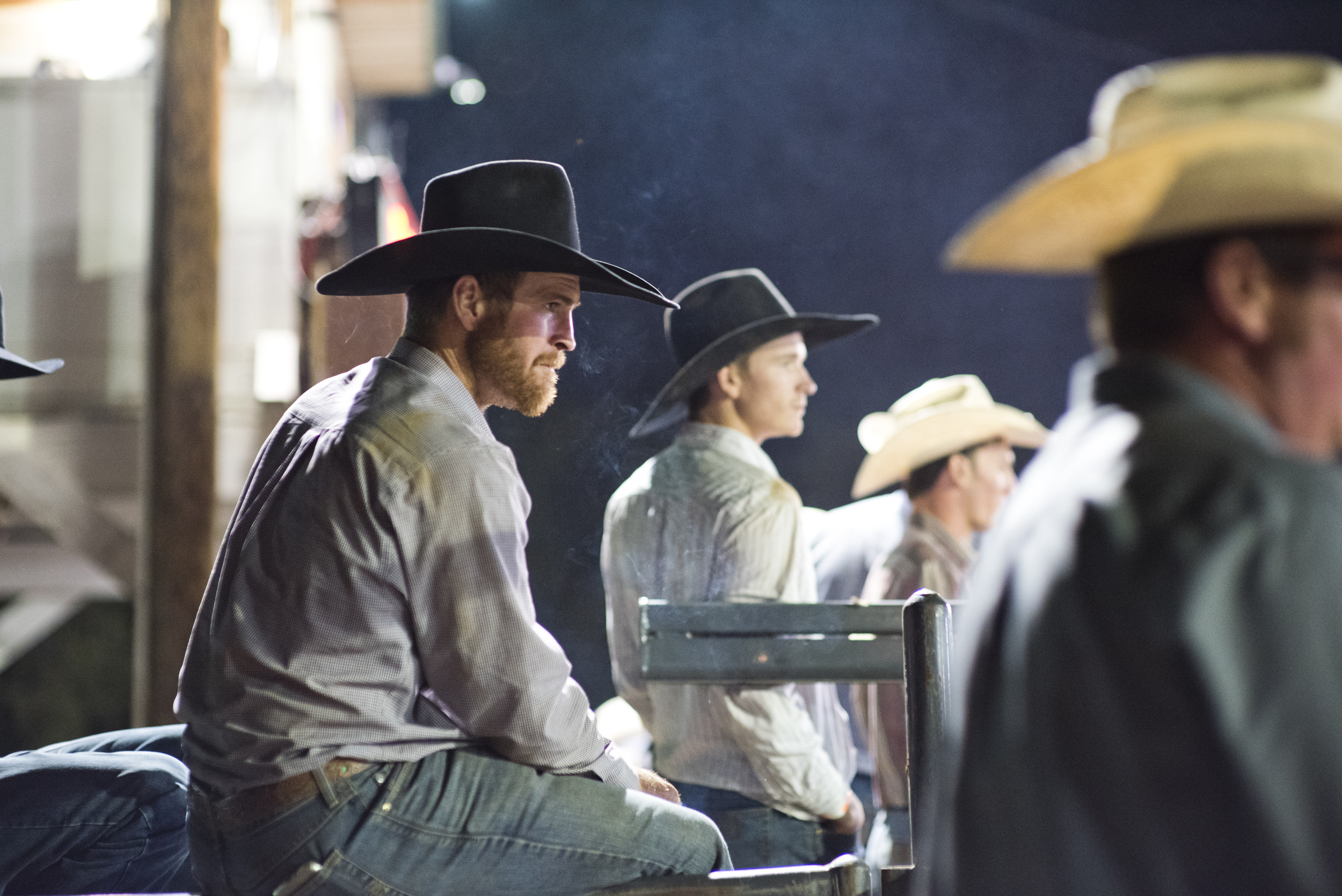
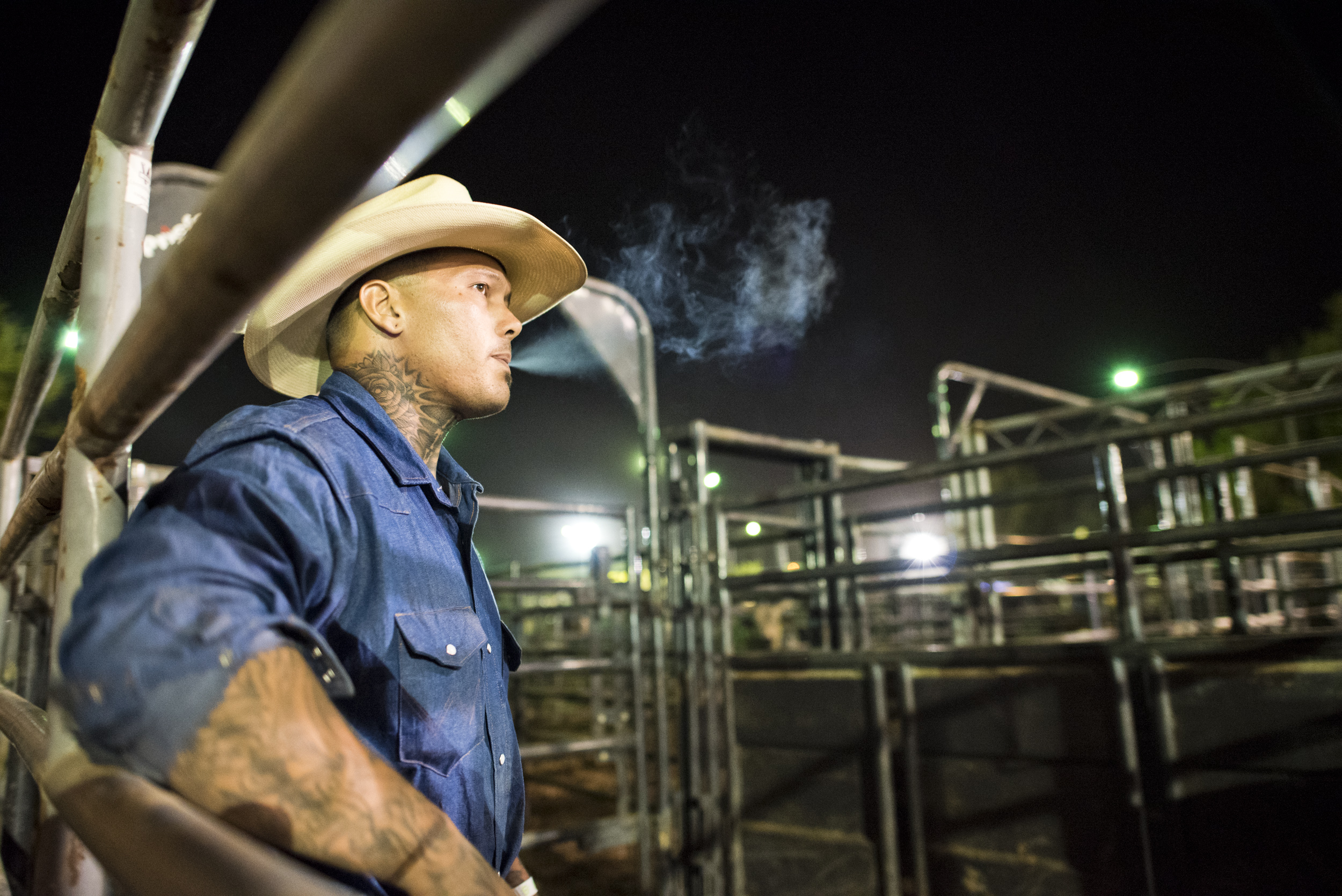
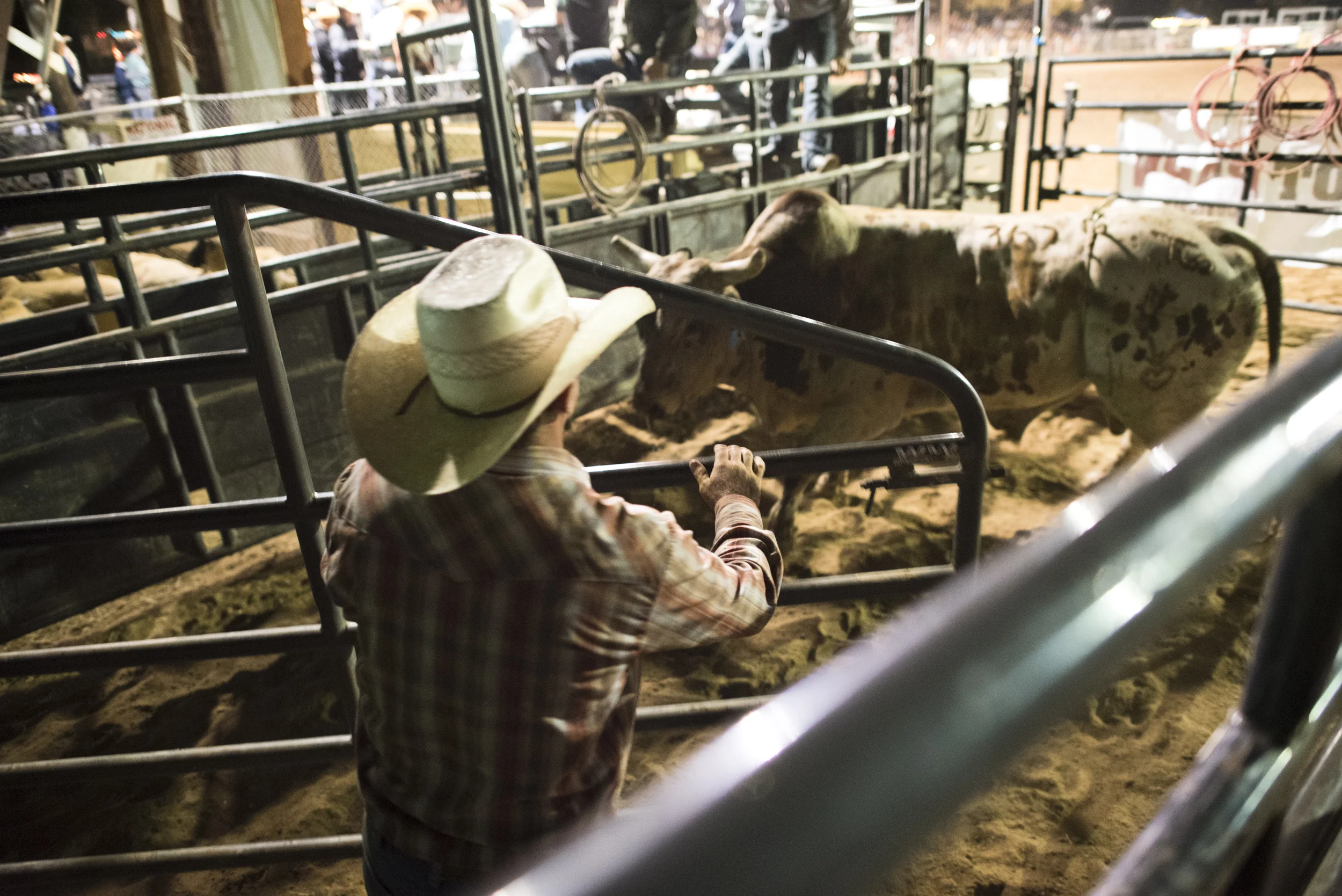
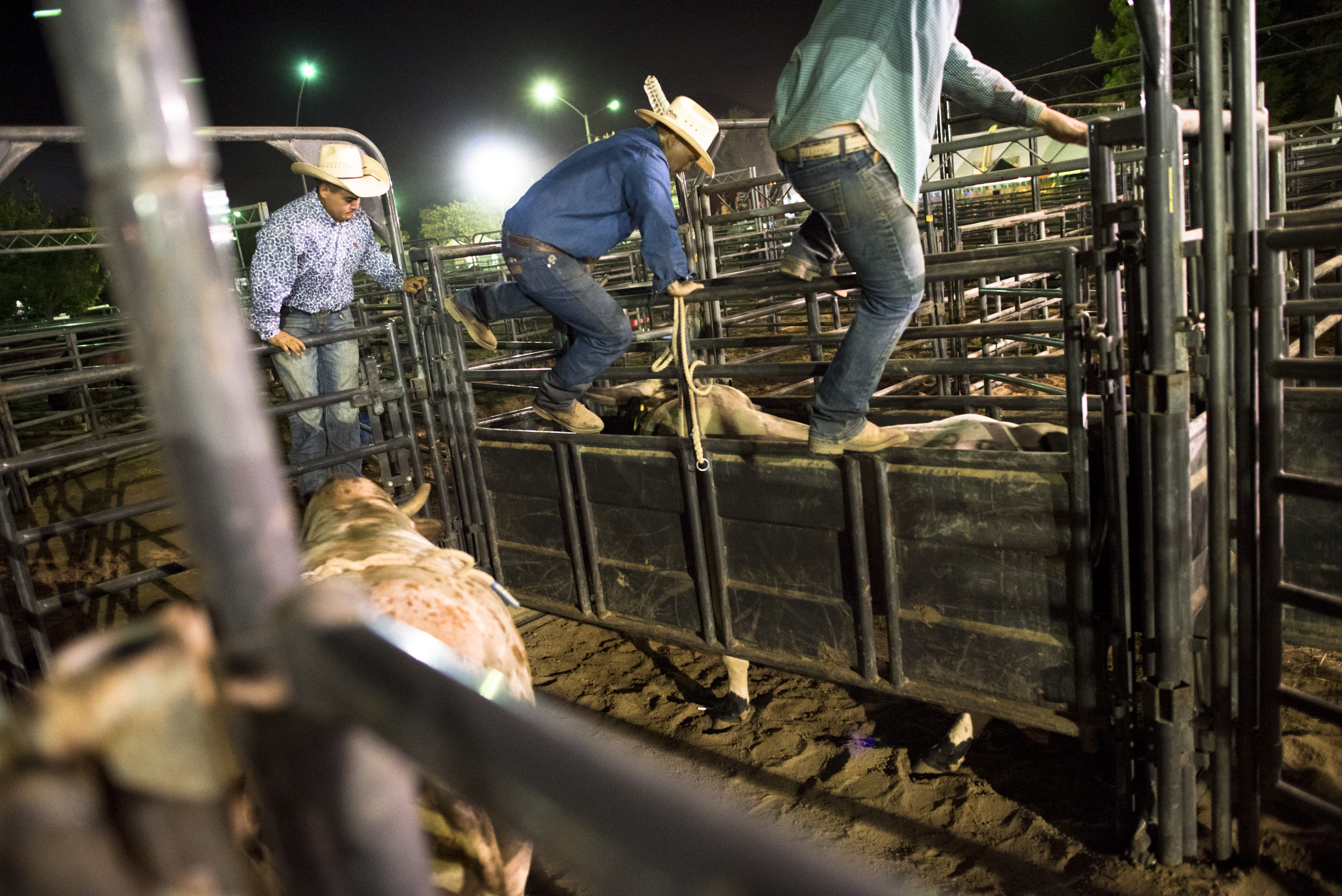
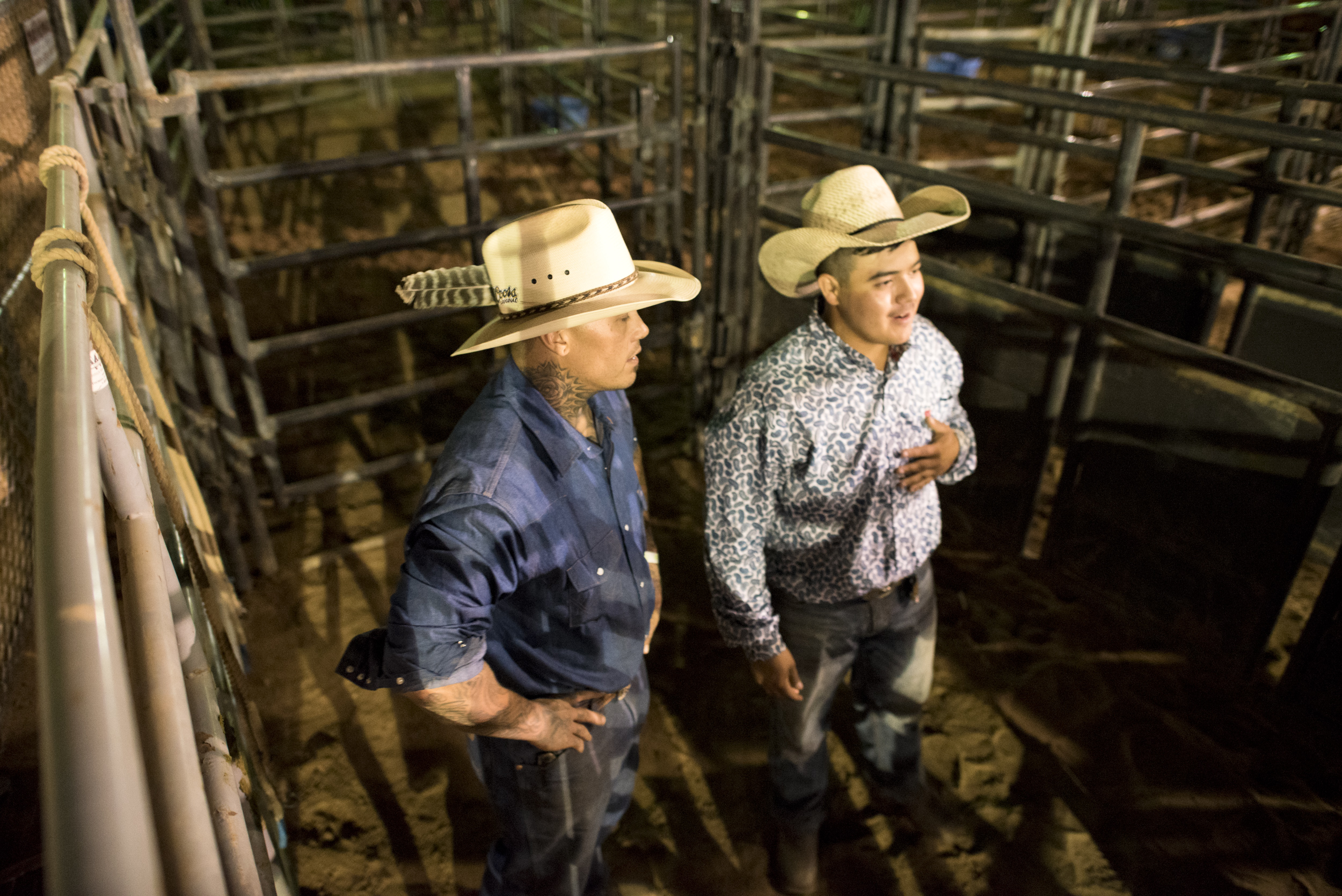
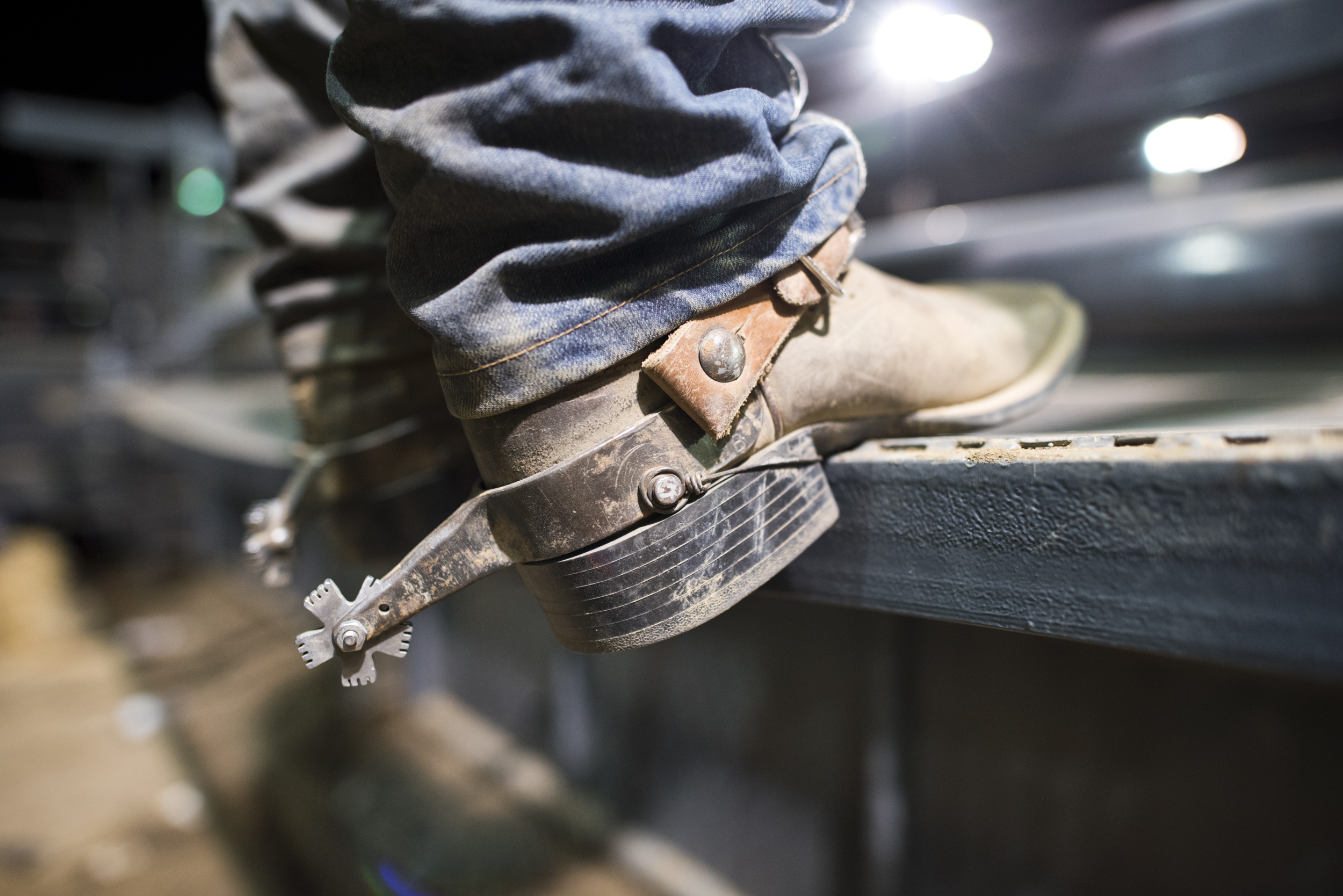
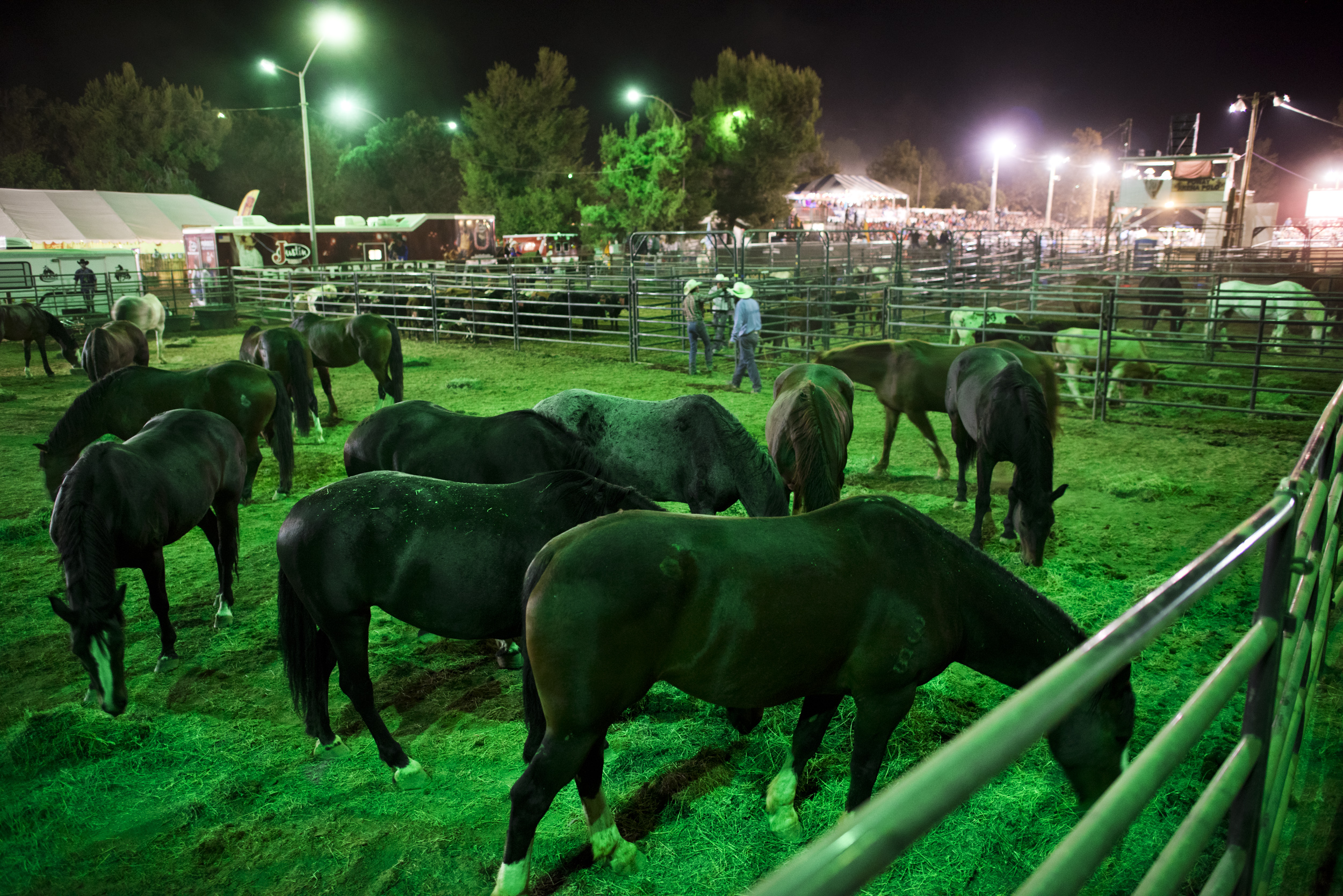
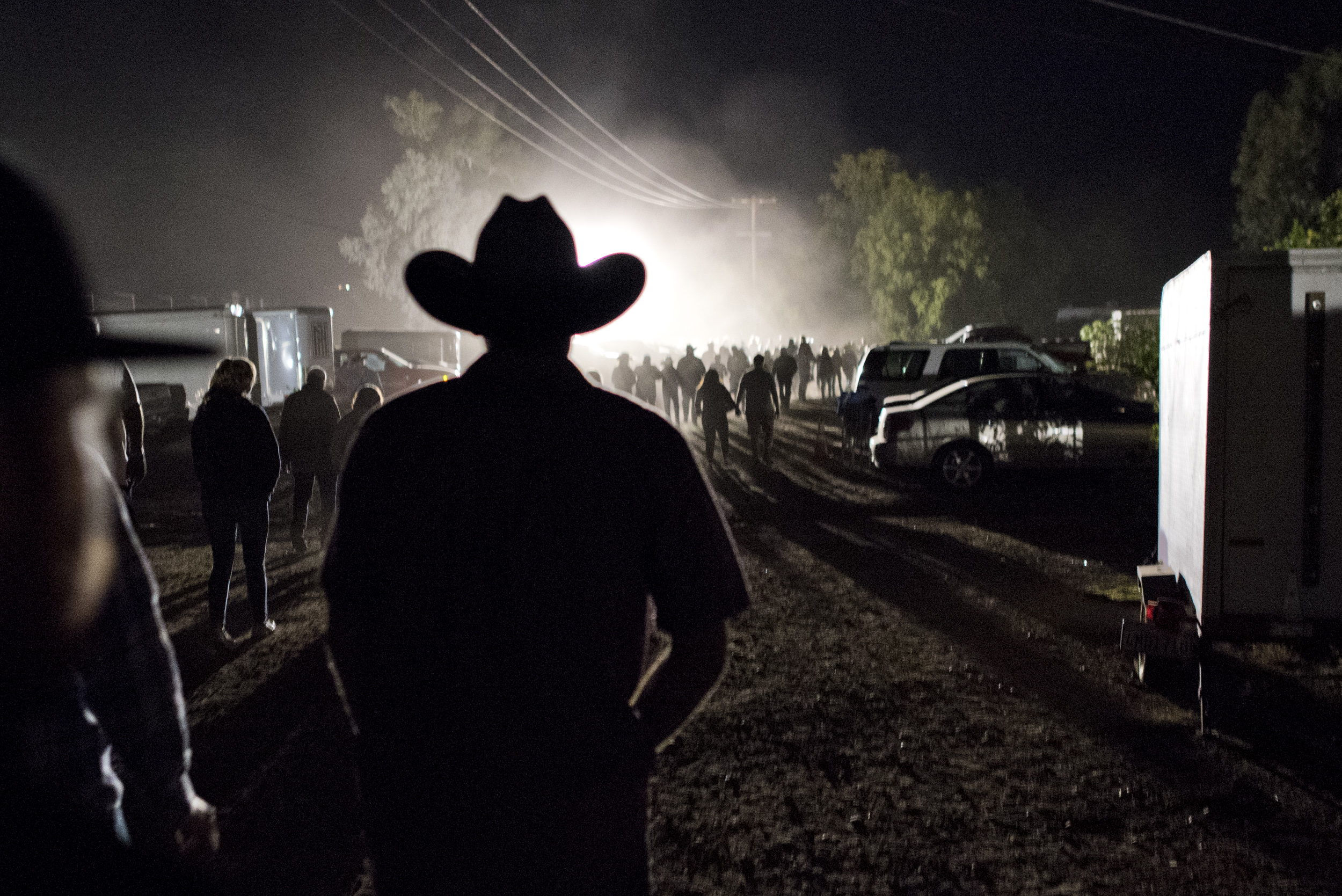
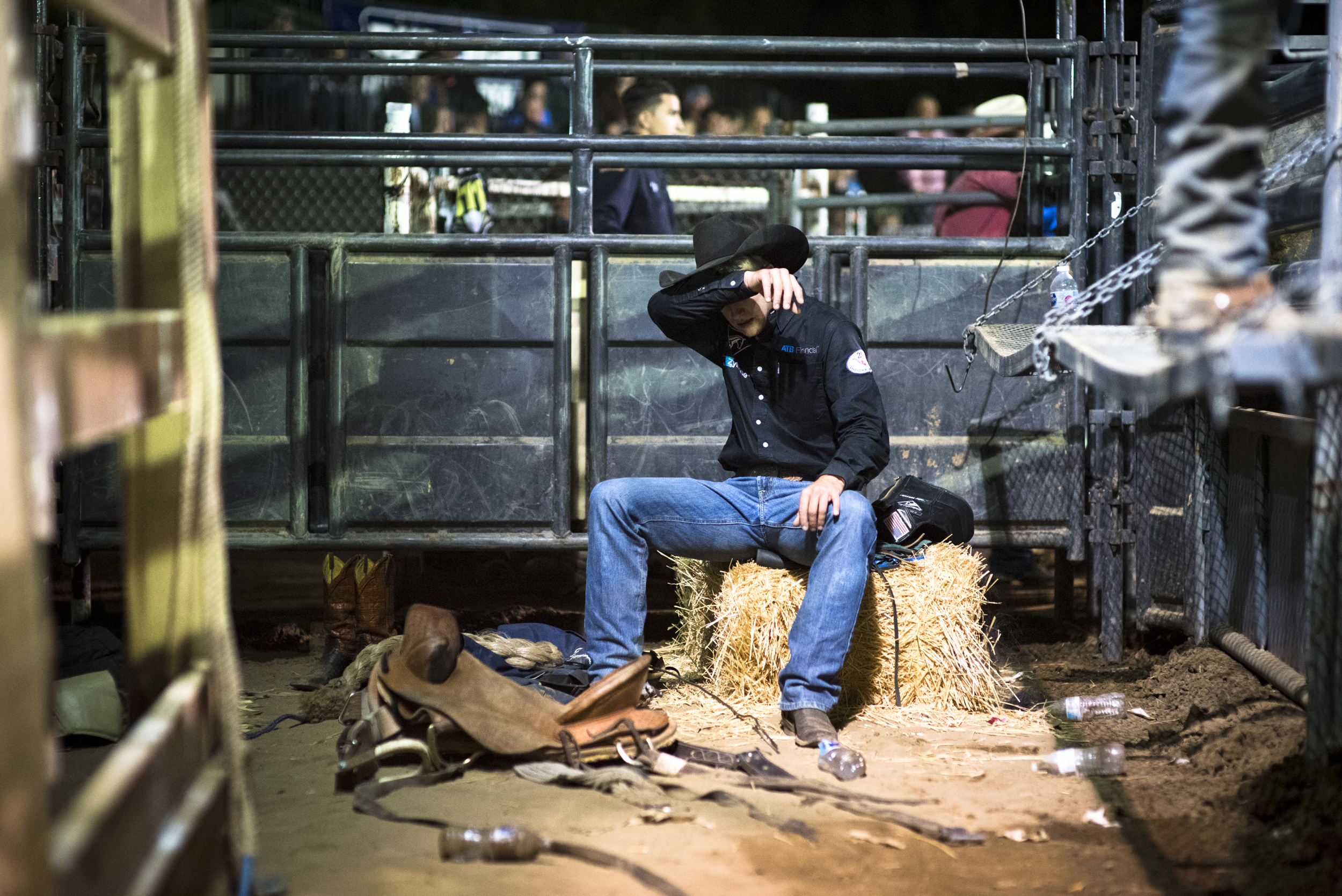
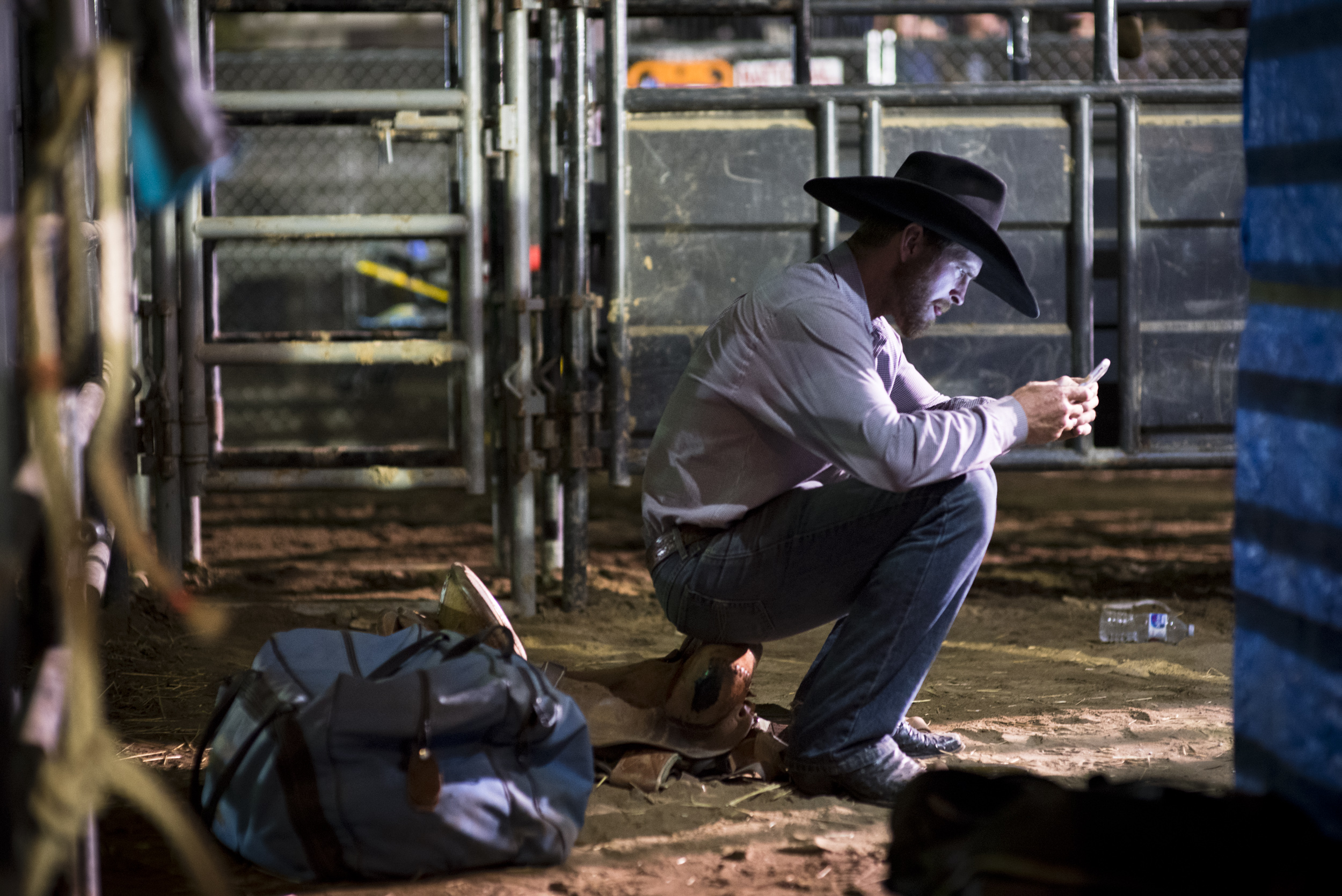
Getting outside your comfort zone is a beneficial thing in all aspects of life. Without it growth is not possible. The rodeo in Poway was last week, and I thought it would be a fun thing to shoot. Certainly something I've never done, but was very drawn to. So I reached out and found someone who needed some coverage. Like most things I shoot, my focus was not so much on the action, but behind the scenes. The little things that add to the culture but aren't really noticed or seen by most people. I loved everything about shooting this event. Being back where the riders were was awesome. Such a foreign culture that I've never experienced. And all the auxiliary stuff was great too. I got there really early and just wondered around the grounds, where I ran into a lot of characters. Everything I shot was natural light, and after the sun went down it was cool to see how much the color temperature of the "house" lights changed so quickly as they fell off. Learned a lot, most of which is that I'd shoot something like this again in a second. The grittiness of it is right up my alley. And everything felt so authentic. These aren't showy athletes on multi million dollar contracts. They are cowboys being cowboys.