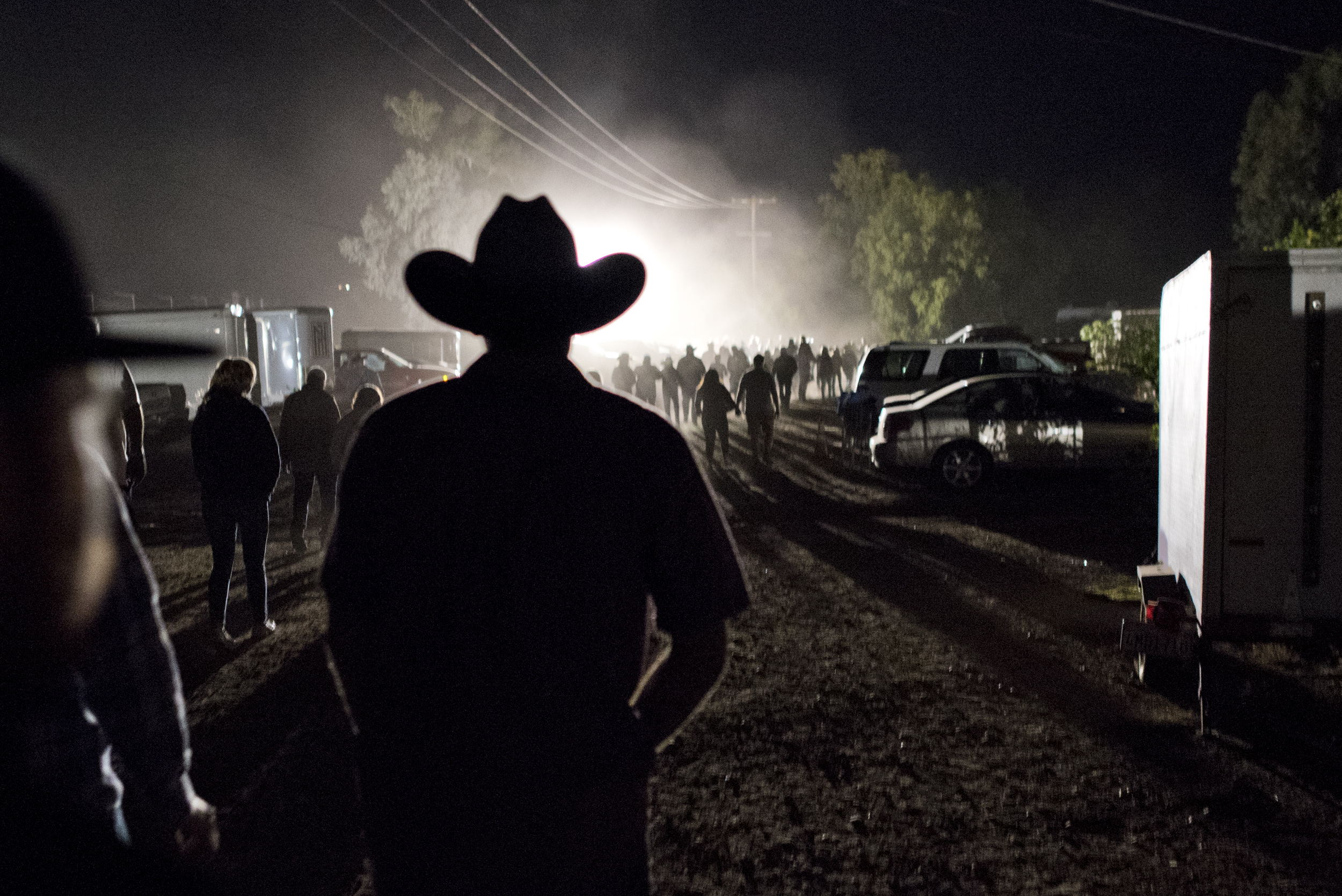
Wyoming Photography: Cowboys, Ranches, Small Towns & the American West
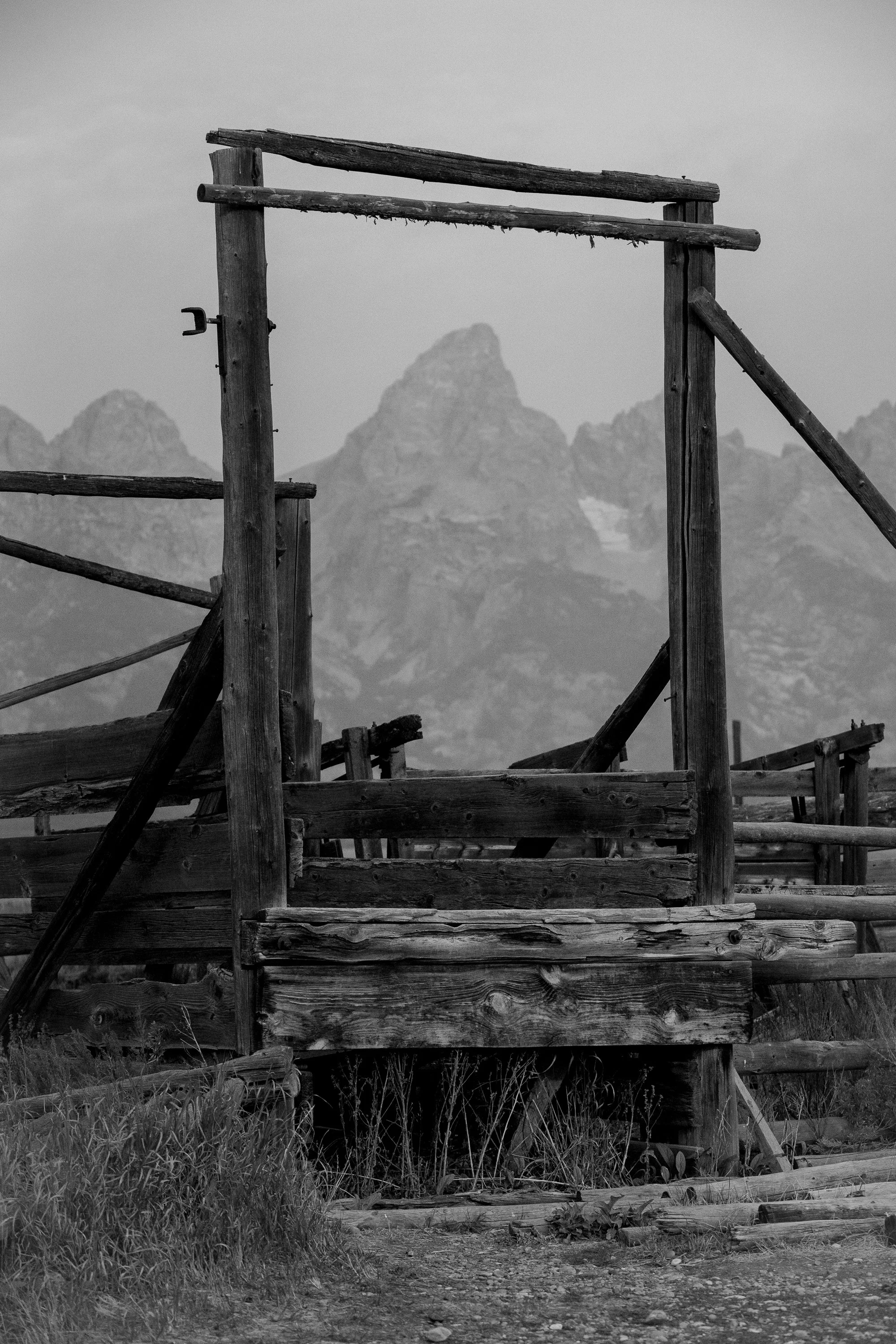
Weathered wooden corrals sit against the mountains in the distance.
I've spent a lot of time driving through Wyoming over the years, usually with somewhere specific to be and enough time built into the trip to stop when something catches my attention. And in Wyoming, that happens a lot.
Most photography of Wyoming understandably focuses on the obvious places. Yellowstone, wildlife, etc etc. All of which deserve the attention they get. But that's never really been what keeps me coming back with a camera.
I'm more interested in the Wyoming between those places.
The working ranches. Cowboys. Small towns. Rodeos. Bars. Old motels. Empty highways. People going about their lives. And all the strange, quiet things you find after enough hours on the road.
Over the years, those photographs have become part of several long-term bodies of work documenting the American West. Taken together, they tell a story about Wyoming that has less to do with its famous scenery and more to do with what it feels like to spend time there.
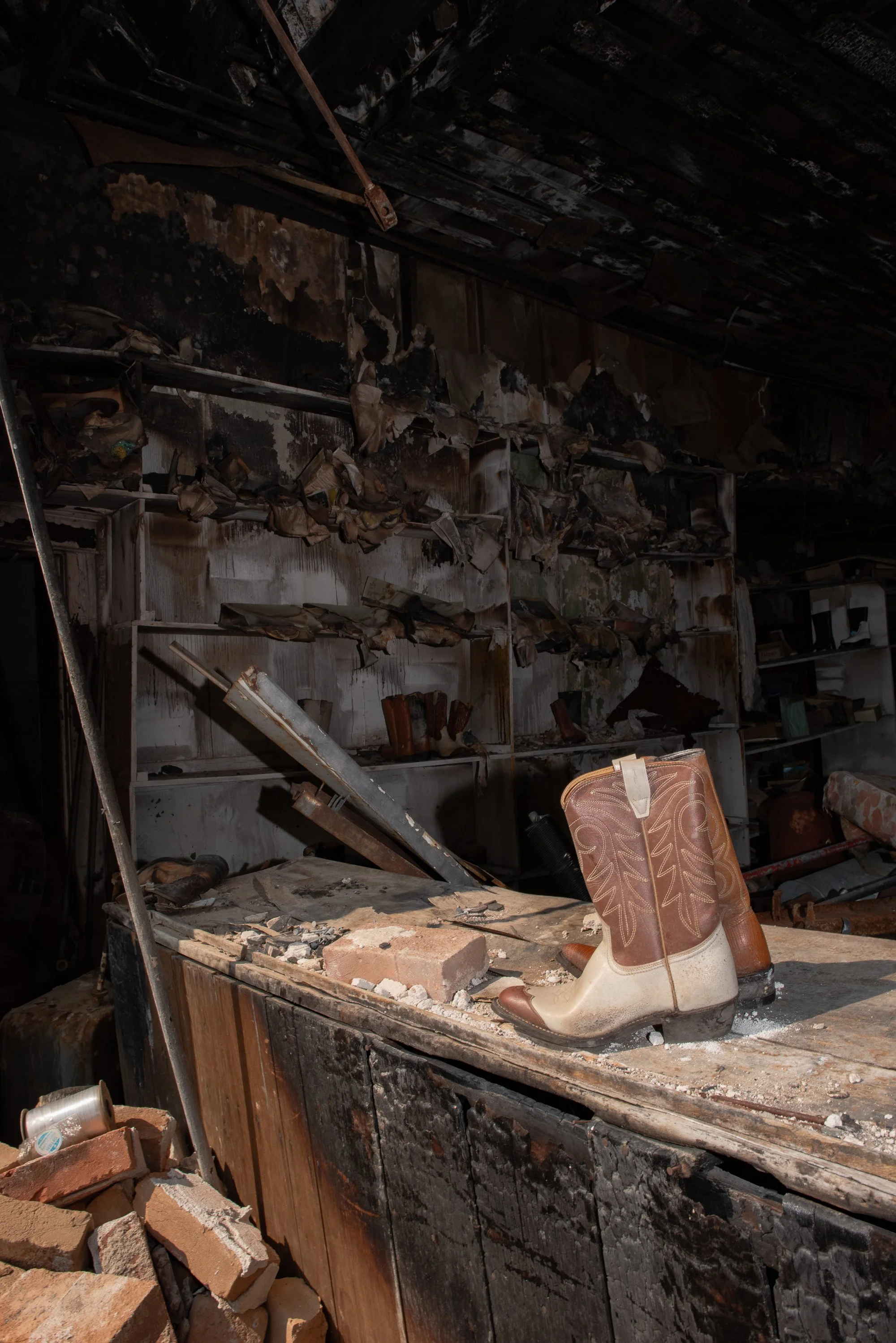
Worn cowboy boots sit among the tools and debris in a burned out building.
Photographing Wyoming Beyond The Instagram Hot Spots
There probably isn't another state in America as visually associated with the West as Wyoming. It's hard to separate the place from the mythology surrounding it.
The landscape certainly has something to do with that. Everything feels bigger. Towns are separated by enormous stretches of nothing. Weather can change quickly. Mountains appear on the horizon and stay there for hours.
But the longer I've photographed Wyoming, the more interested I've become in the evidence of people living inside that landscape.
A faded motel sign. An old truck parked outside a bar. A gas station in the middle of nowhere. Horses standing behind a fence. A main street that looks like it hasn't changed much in 40 years.
None of those things are unique to Wyoming on their own. Together, though, they start to describe the place in a way that another photograph of the Tetons can't.
That's the Wyoming I keep looking for.
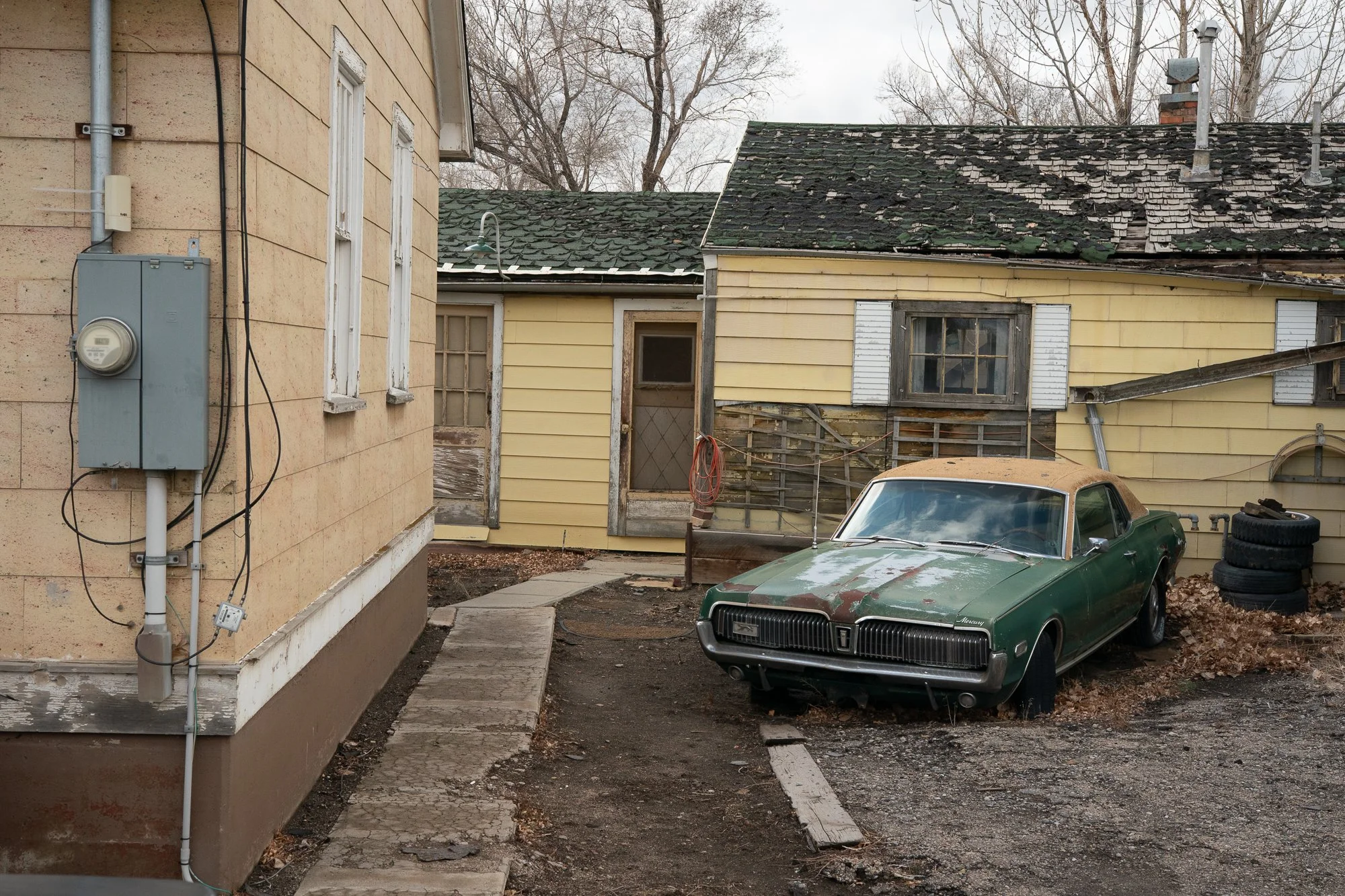
An old car parked beside a dilapidated building adds another detail along the road.
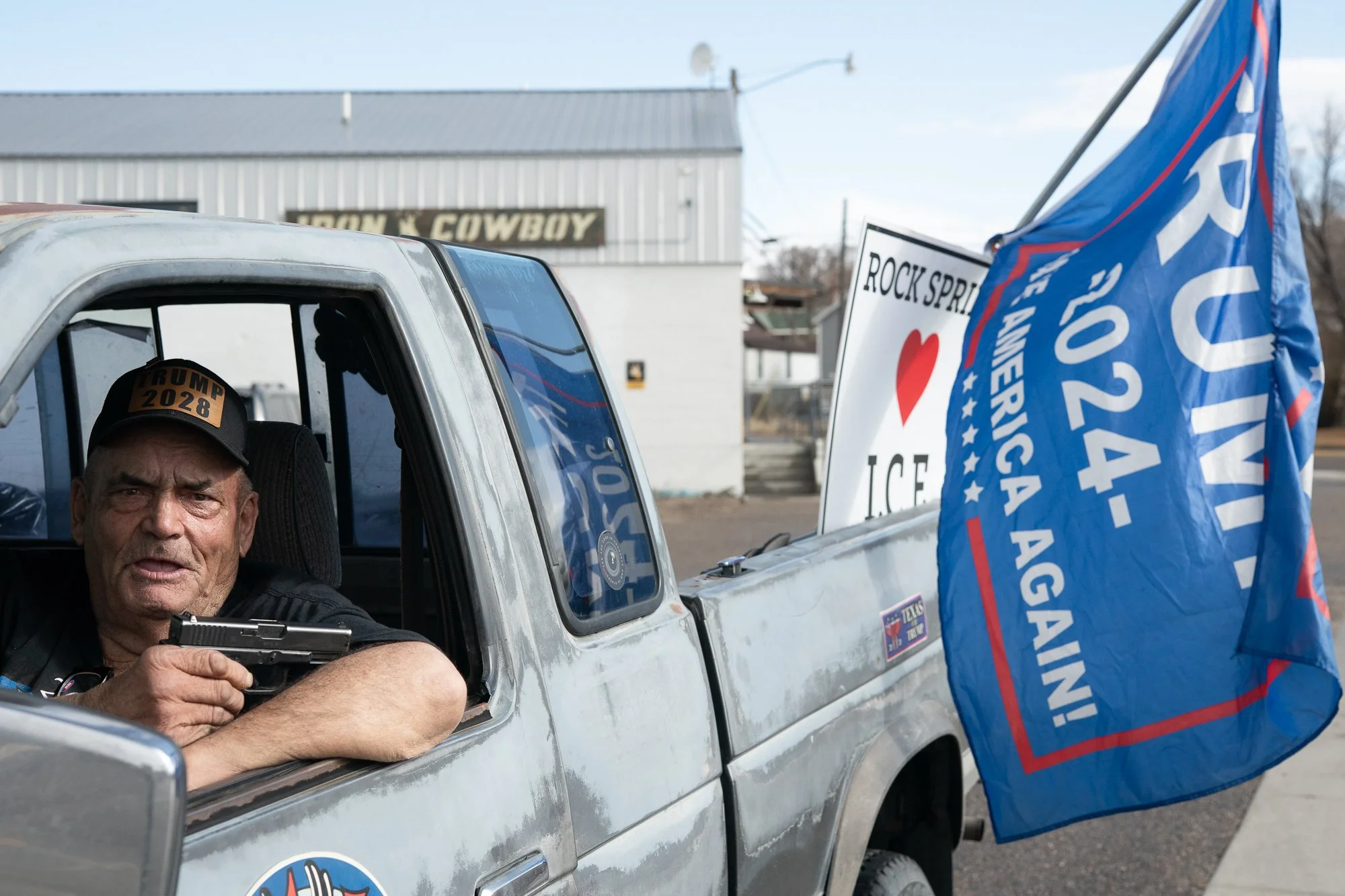
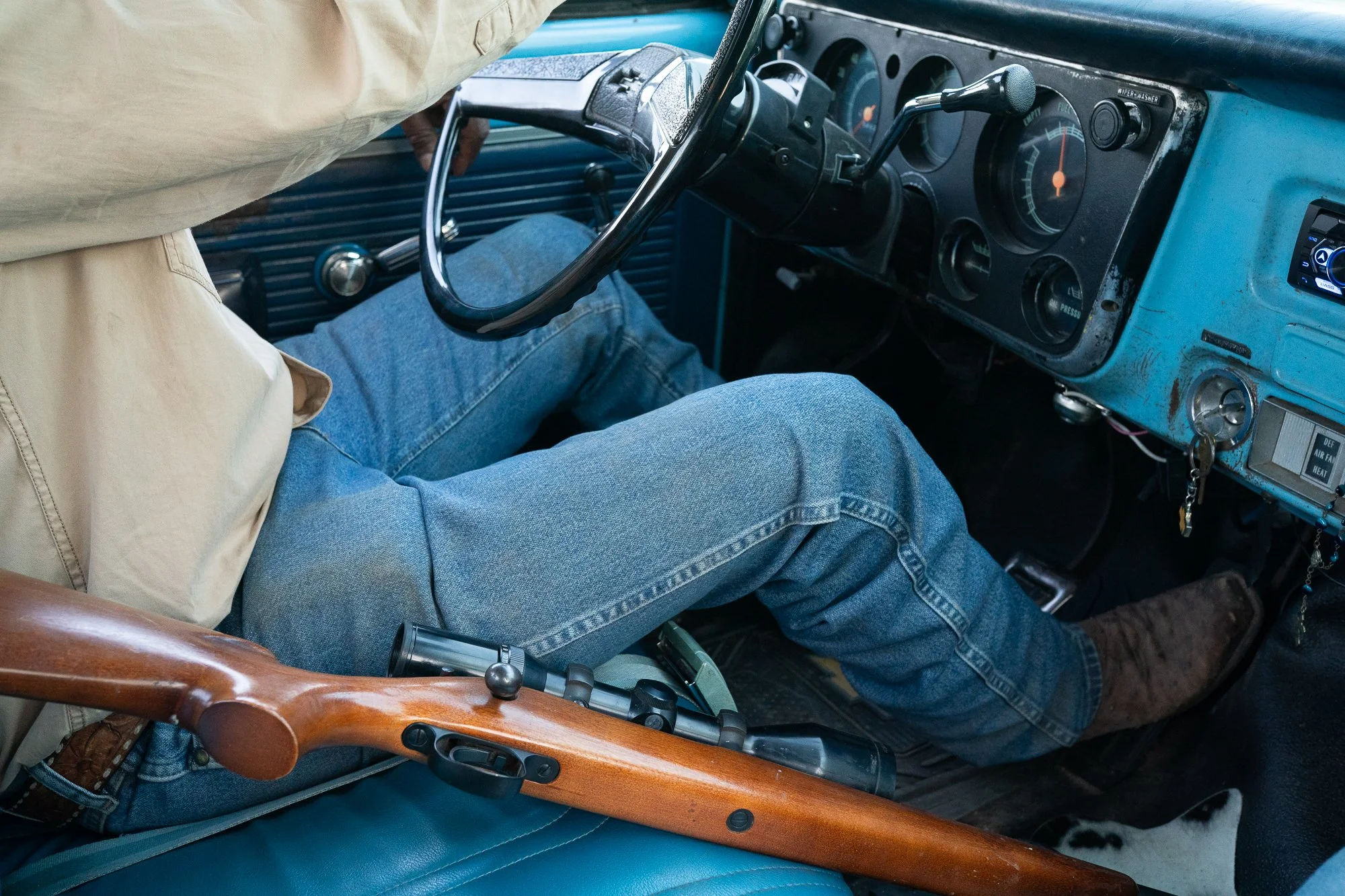
A man holding a gun sits in his truck with a Trump flag hanging off the tailgate.
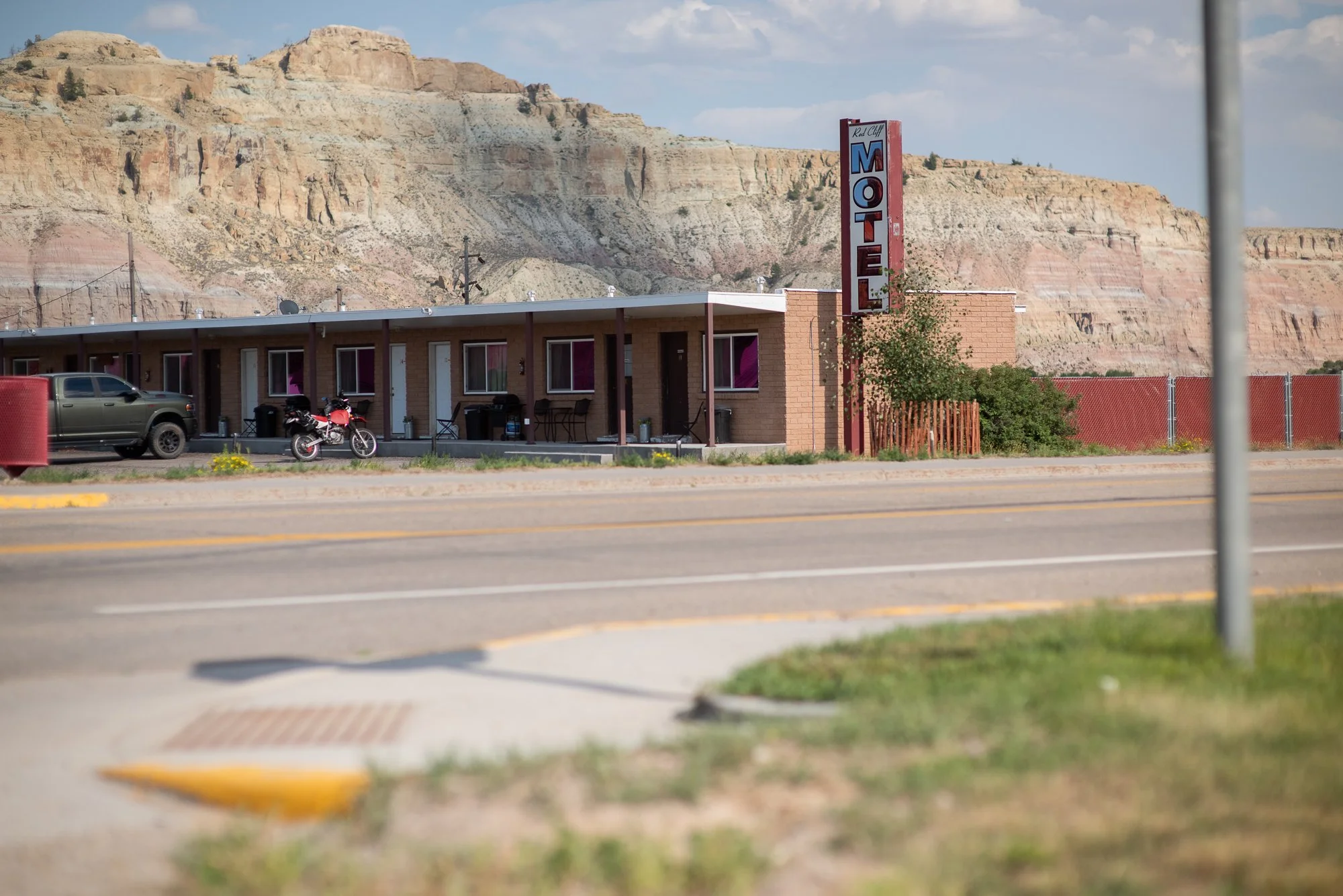
The old motel sits beside the road with rocky cliffs behind it.
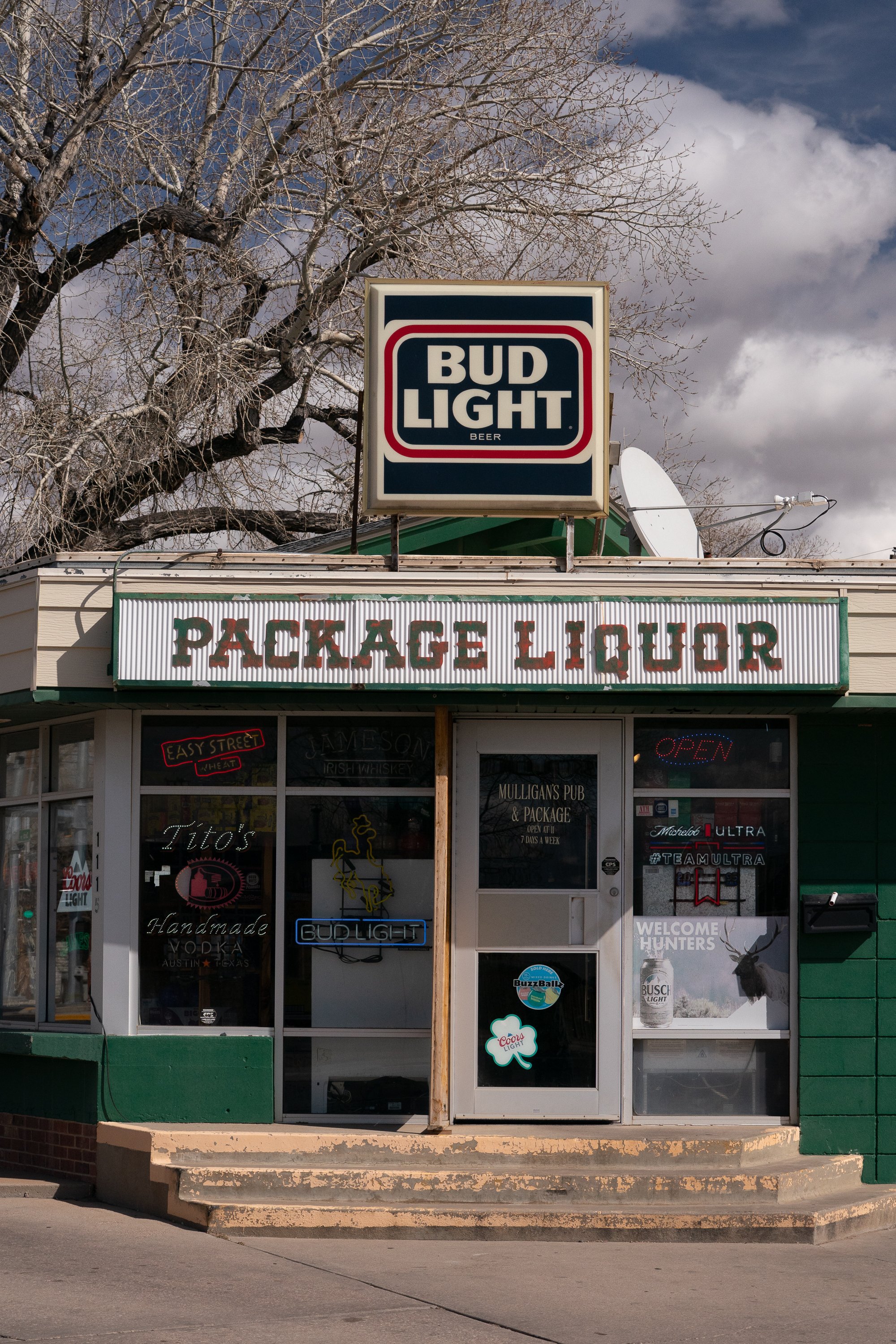
Old signs and storefronts are part of the small-town landscape.
Wyoming Cowboy Photography
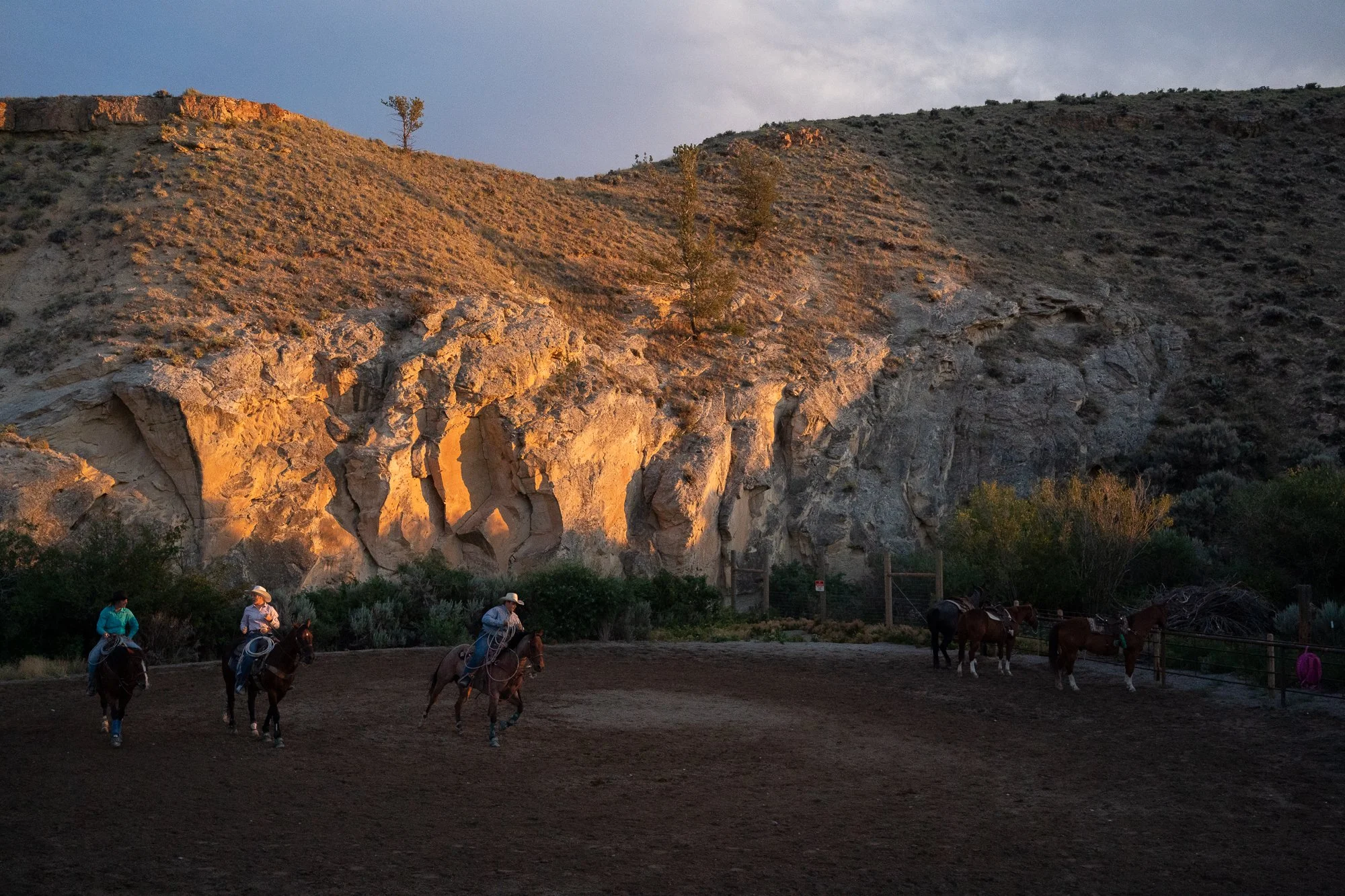
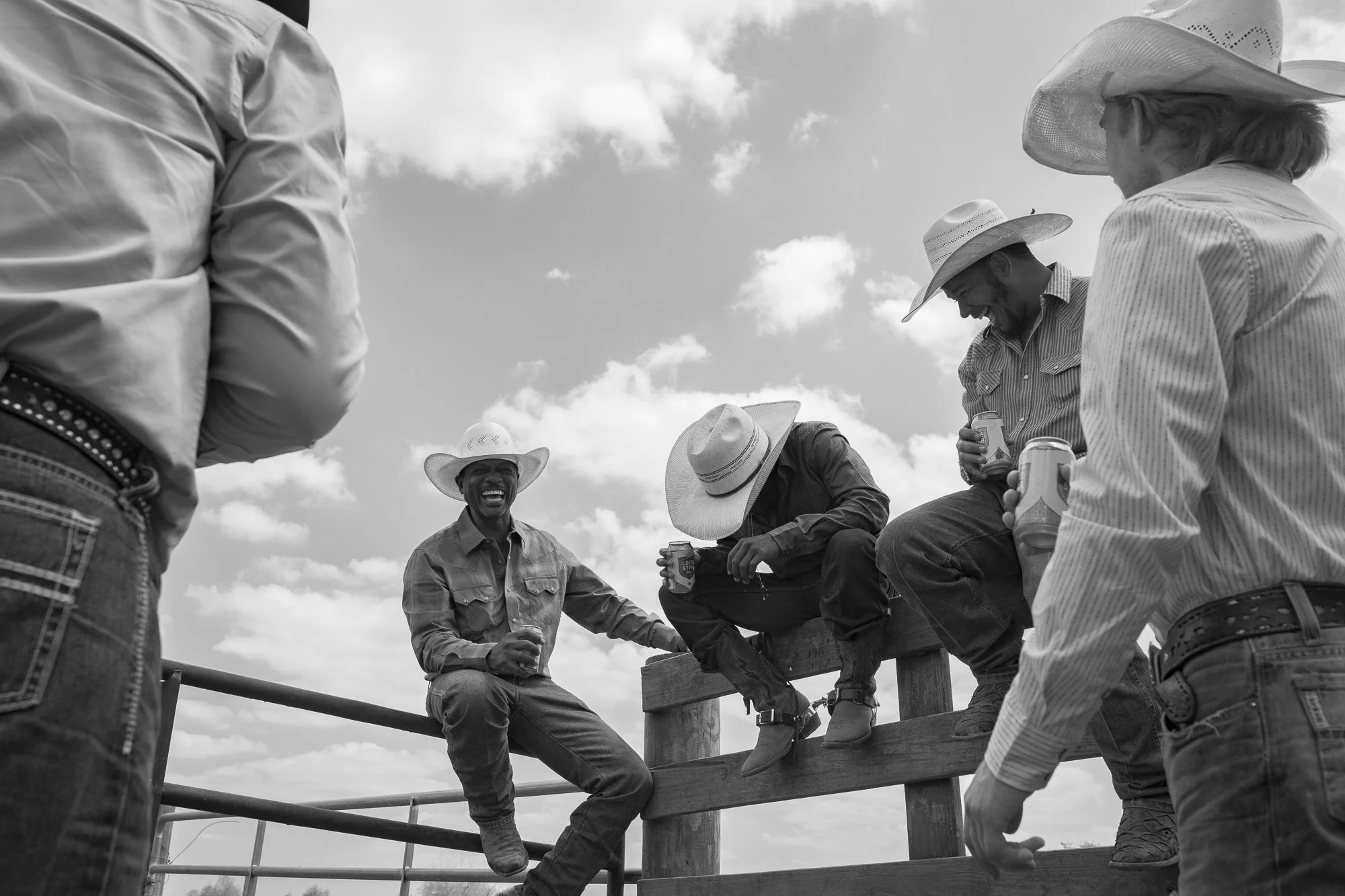
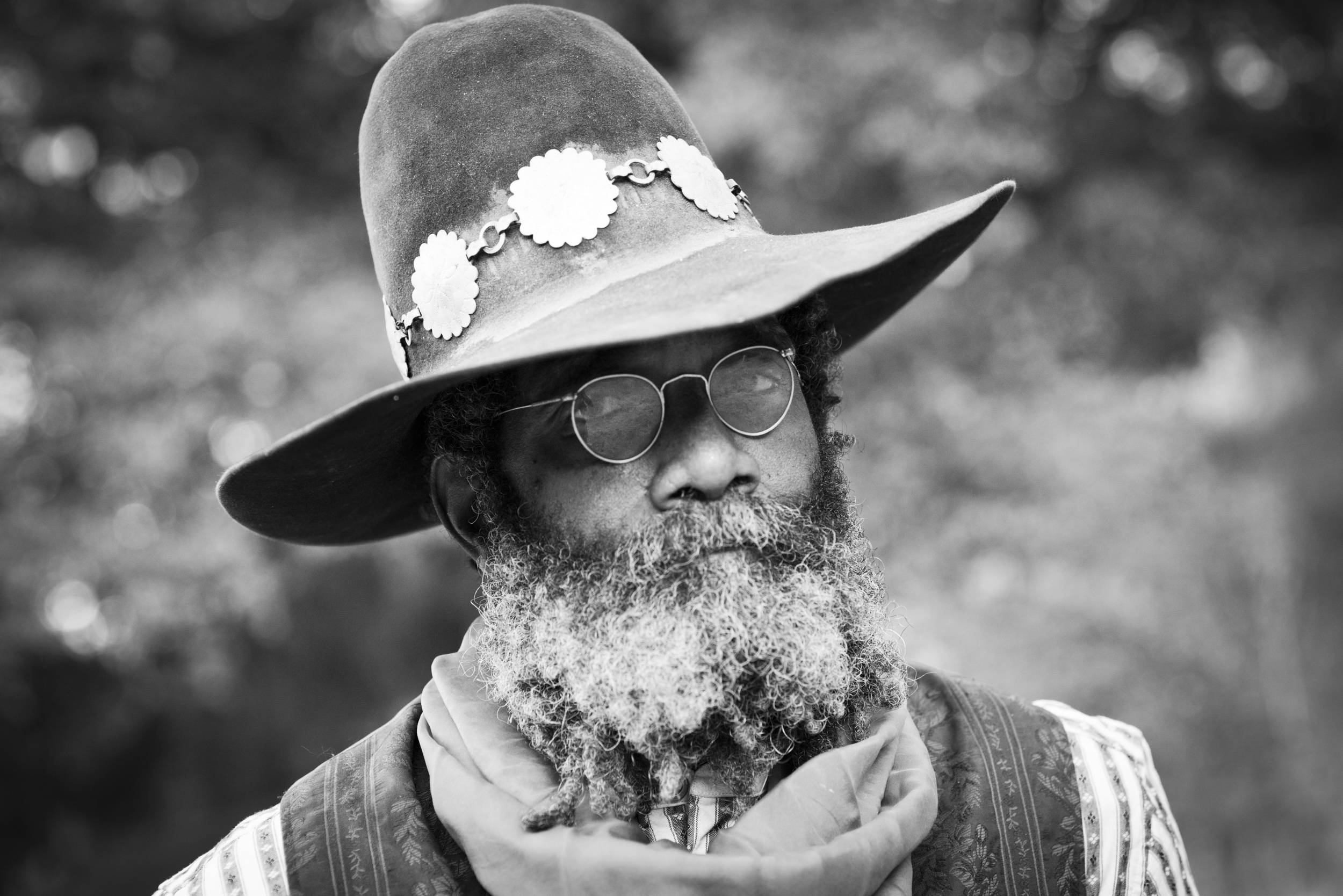
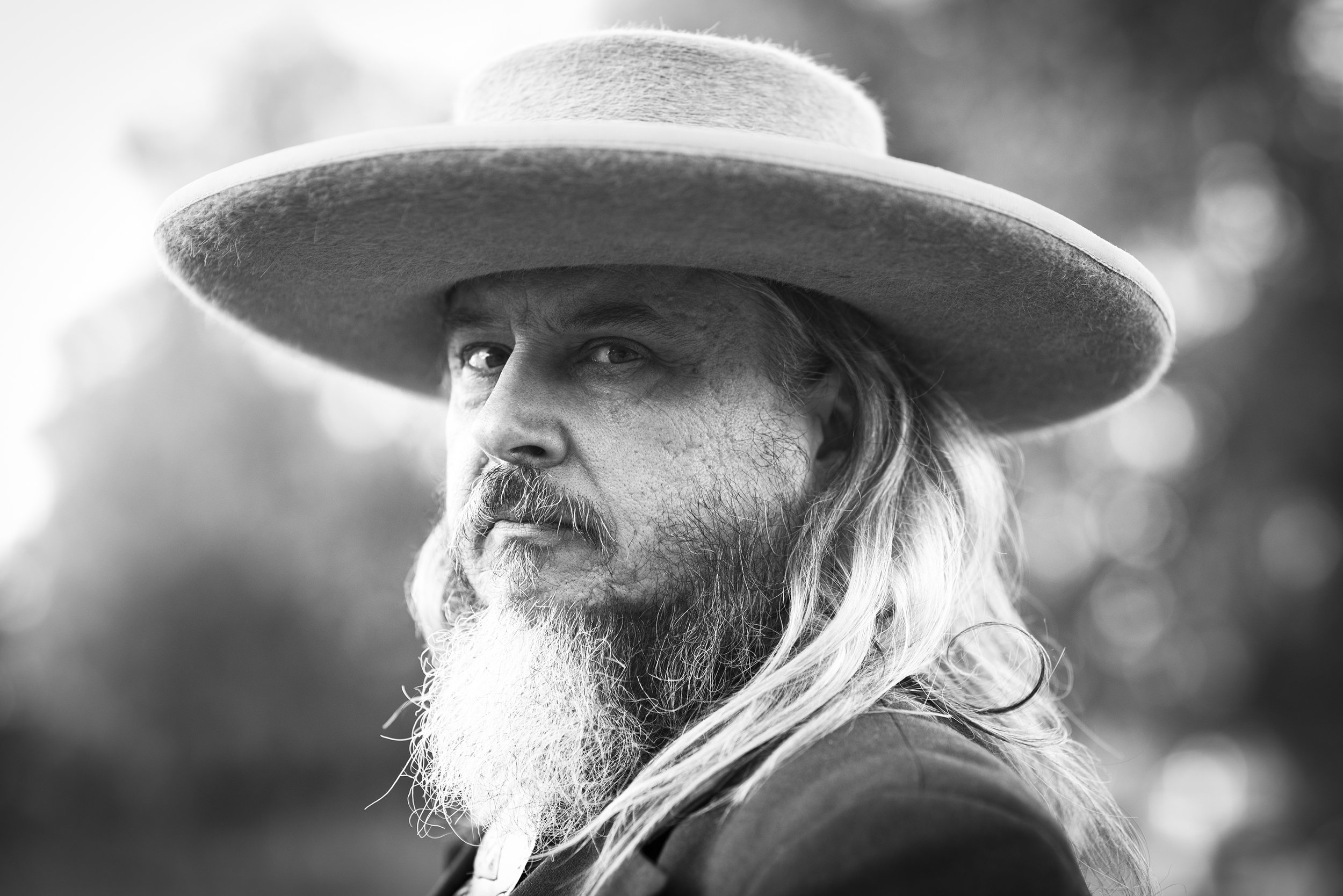
For the past several years, a significant part of my work has focused on working cowboys and ranches throughout the American West.
There's an enormous difference between photographing the idea of a cowboy and photographing someone who actually makes a living horseback.
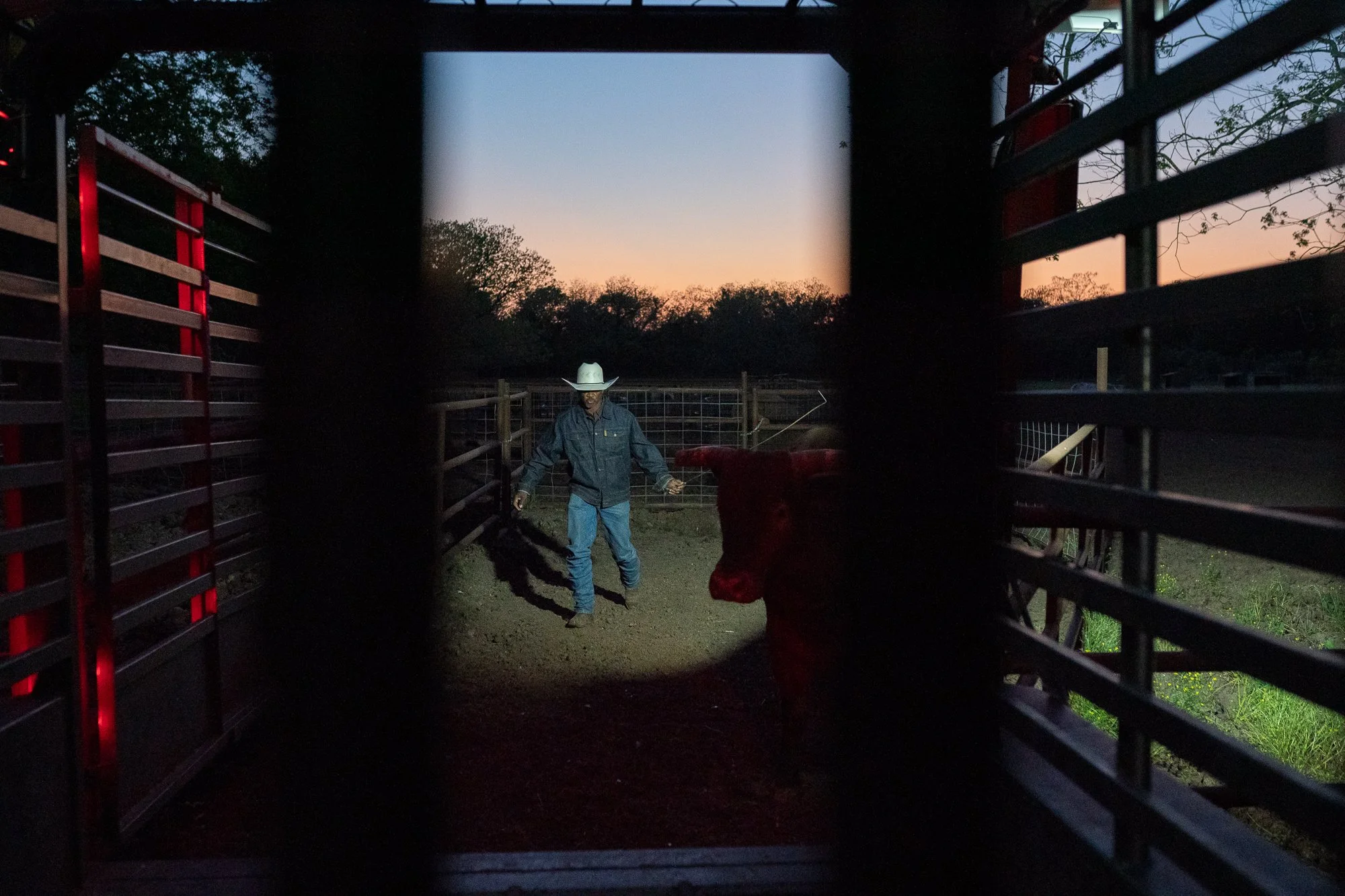
The work isn't performed for the camera. Cattle need to be gathered and moved. Calves need to be branded. Fences need fixing. Horses need to be saddled. The weather doesn't care that you're trying to make photographs.
That's precisely what makes it interesting.
When I'm photographing cowboys in Wyoming, I'm not interested in manufacturing some romantic version of the West that doesn't exist. I'm interested in the things that happen naturally when people are doing work they've spent their lives learning how to do.
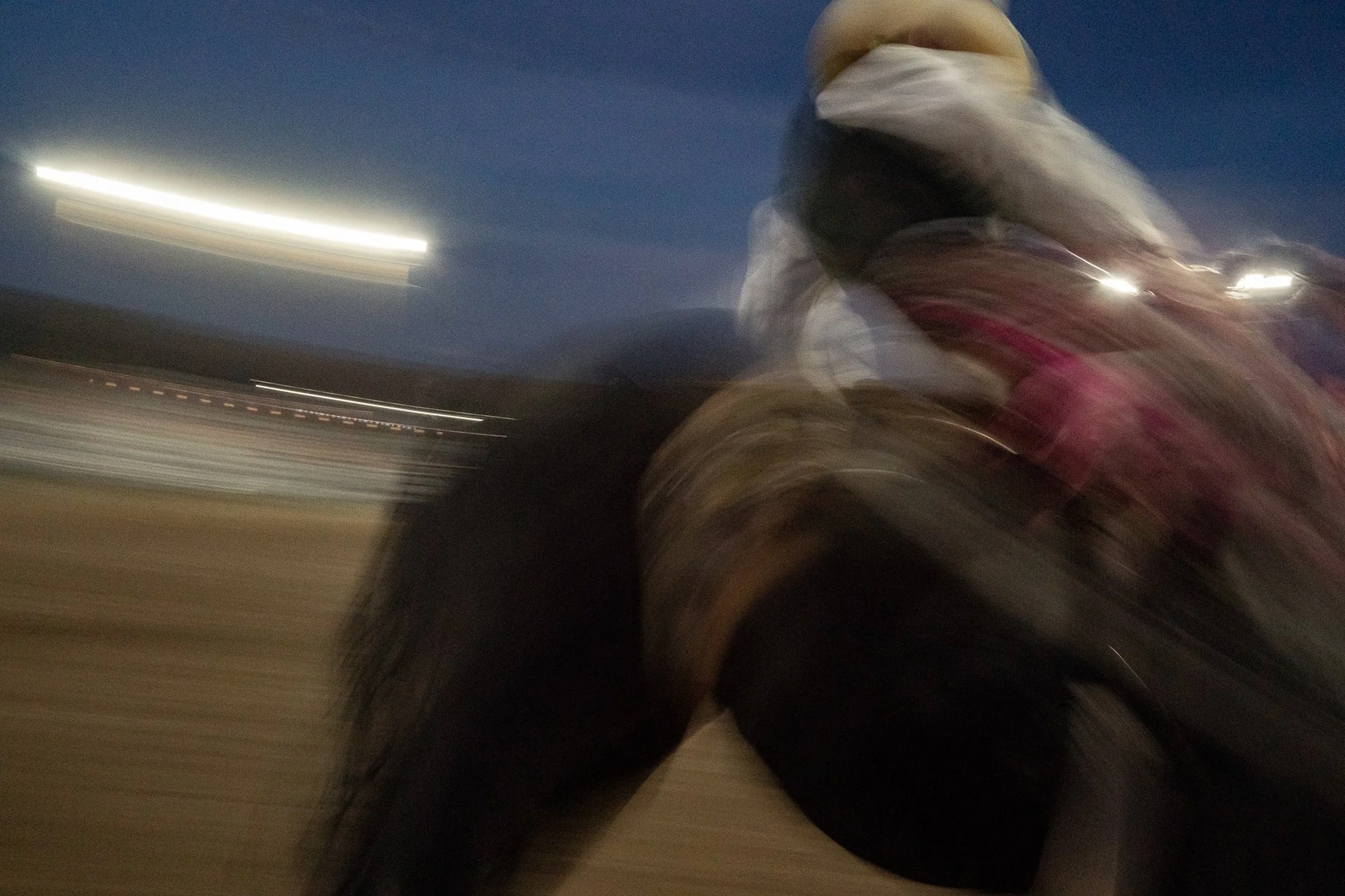
A rider disappearing into a cloud of dust. The way a horse and cowboy move together while sorting cattle. Frozen hands early in the morning. Long stretches where nothing particularly dramatic happens, followed by thirty seconds when everything happens at once.
Those moments are what have kept me working on this project year after year.
They also serve as a reminder that the American cowboy isn't simply a historical character. Ranching culture is still very much alive in Wyoming.
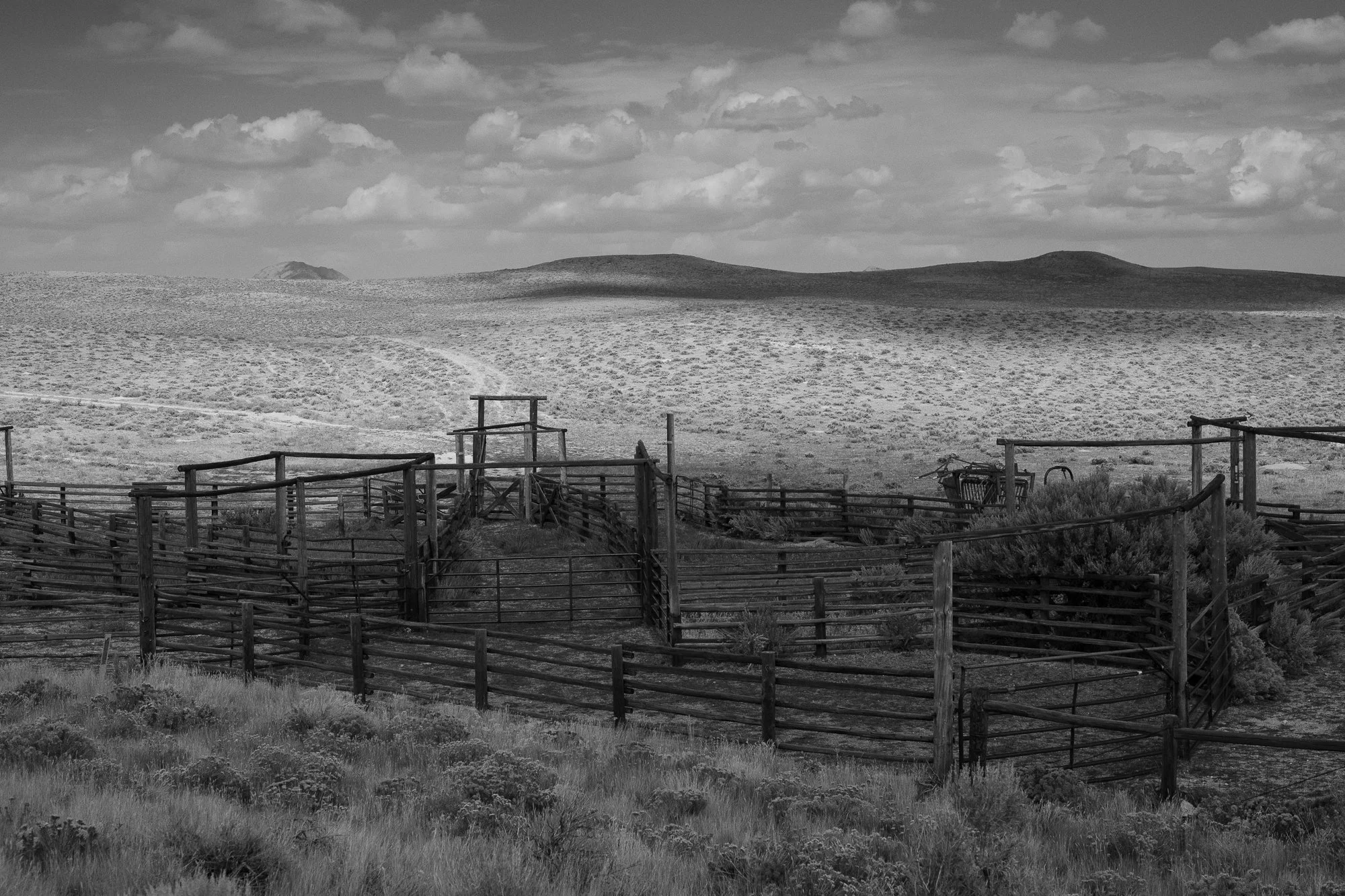
Weathered cattle corrals sit below the rolling hills on a working ranch in Wyoming.
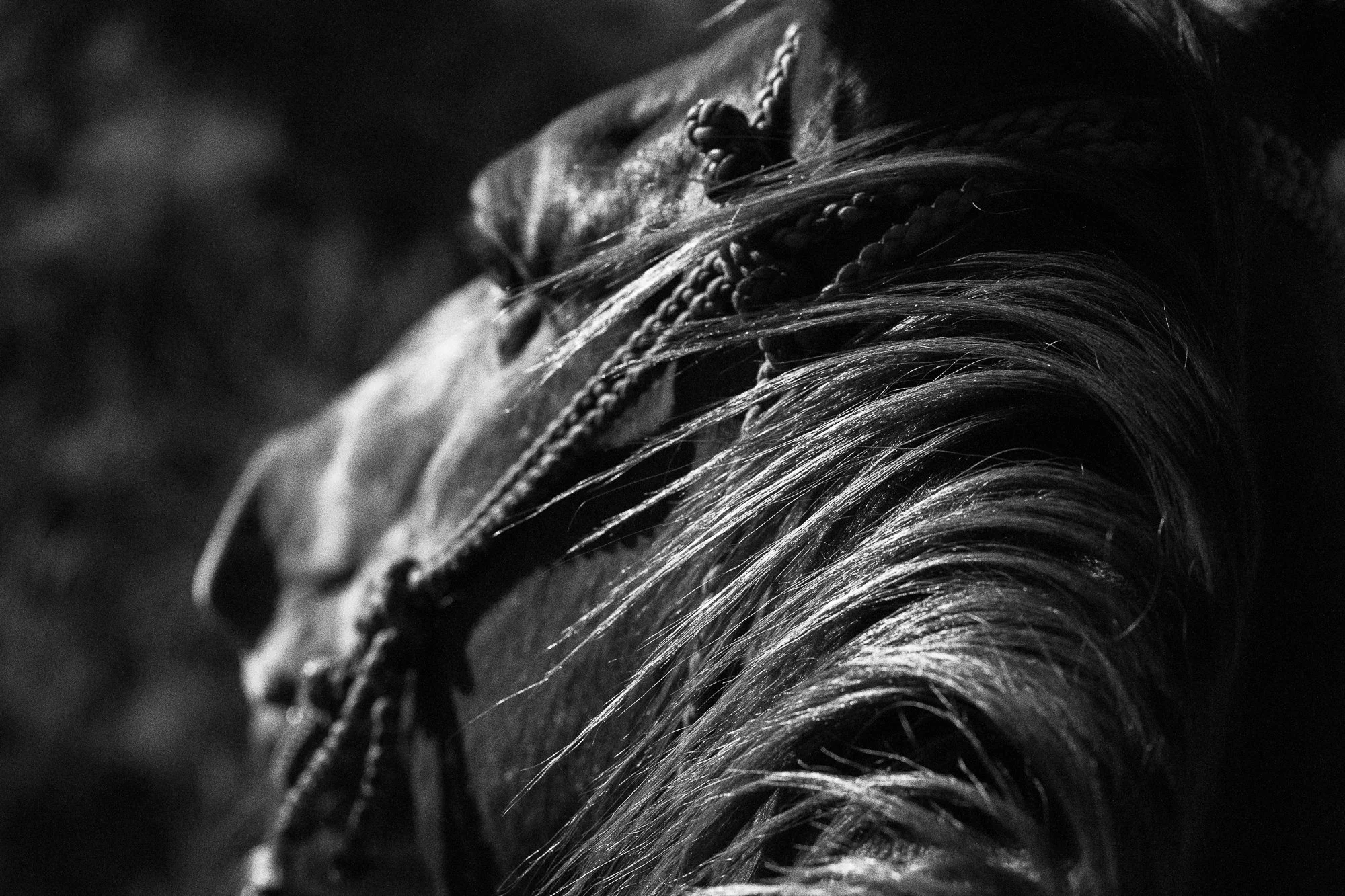
First light illuminates a horses face on a working cattle ranch.
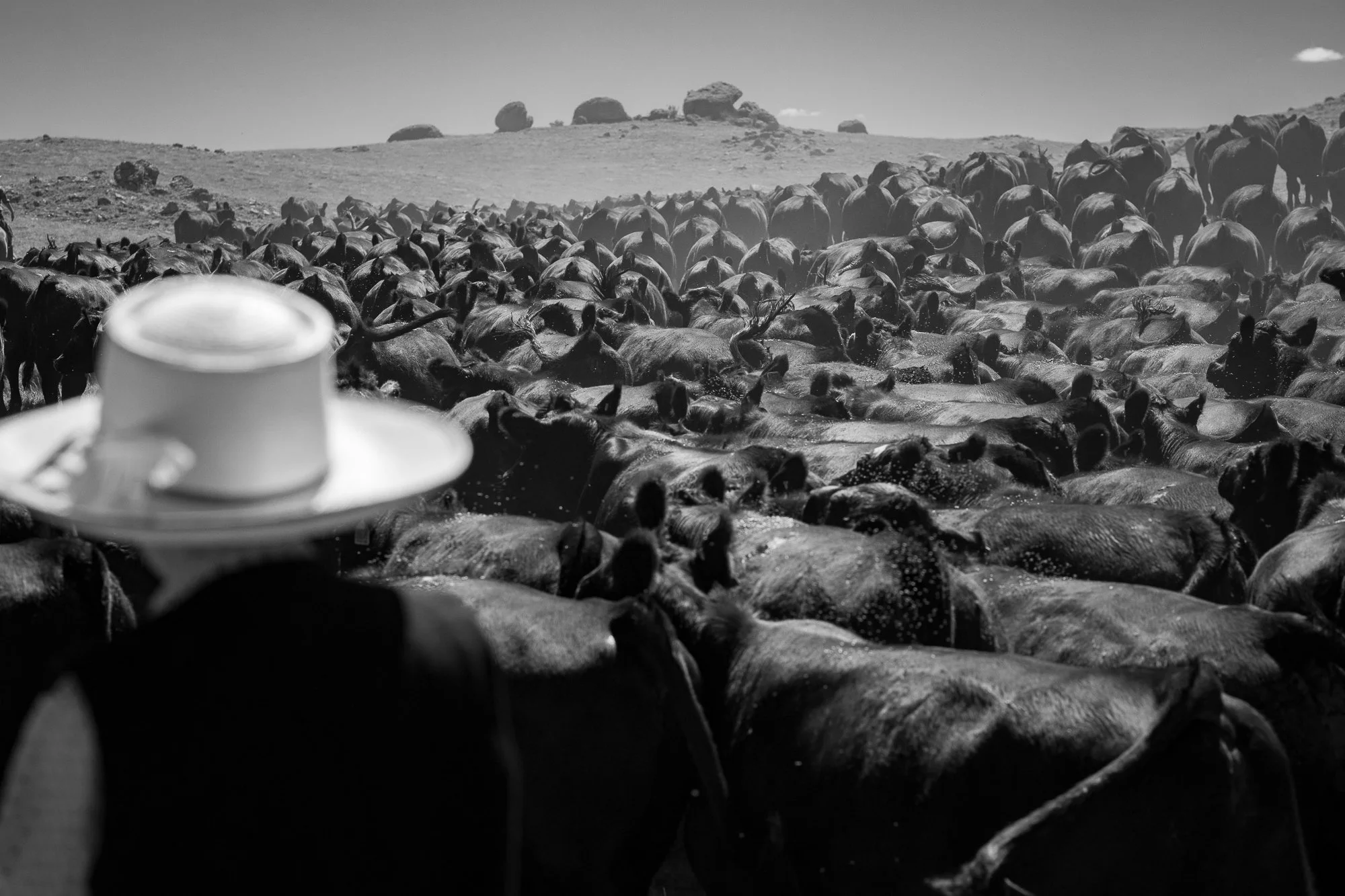
Working cattle brings the cowboy, horses, and land into the same frame.
Photographing Working Ranches in Wyoming
Access is everything when photographing ranches.
You can't understand much about a place by showing up for twenty minutes, making a few photographs and leaving. The pictures get better when people stop paying attention to the camera.
That takes time.
Over the years I've been fortunate to spend time on working ranches throughout the West, documenting cattle drives, brandings, roundups and the everyday work that happens between those bigger events.
Some of my favorite photographs aren't necessarily of cowboys at all.
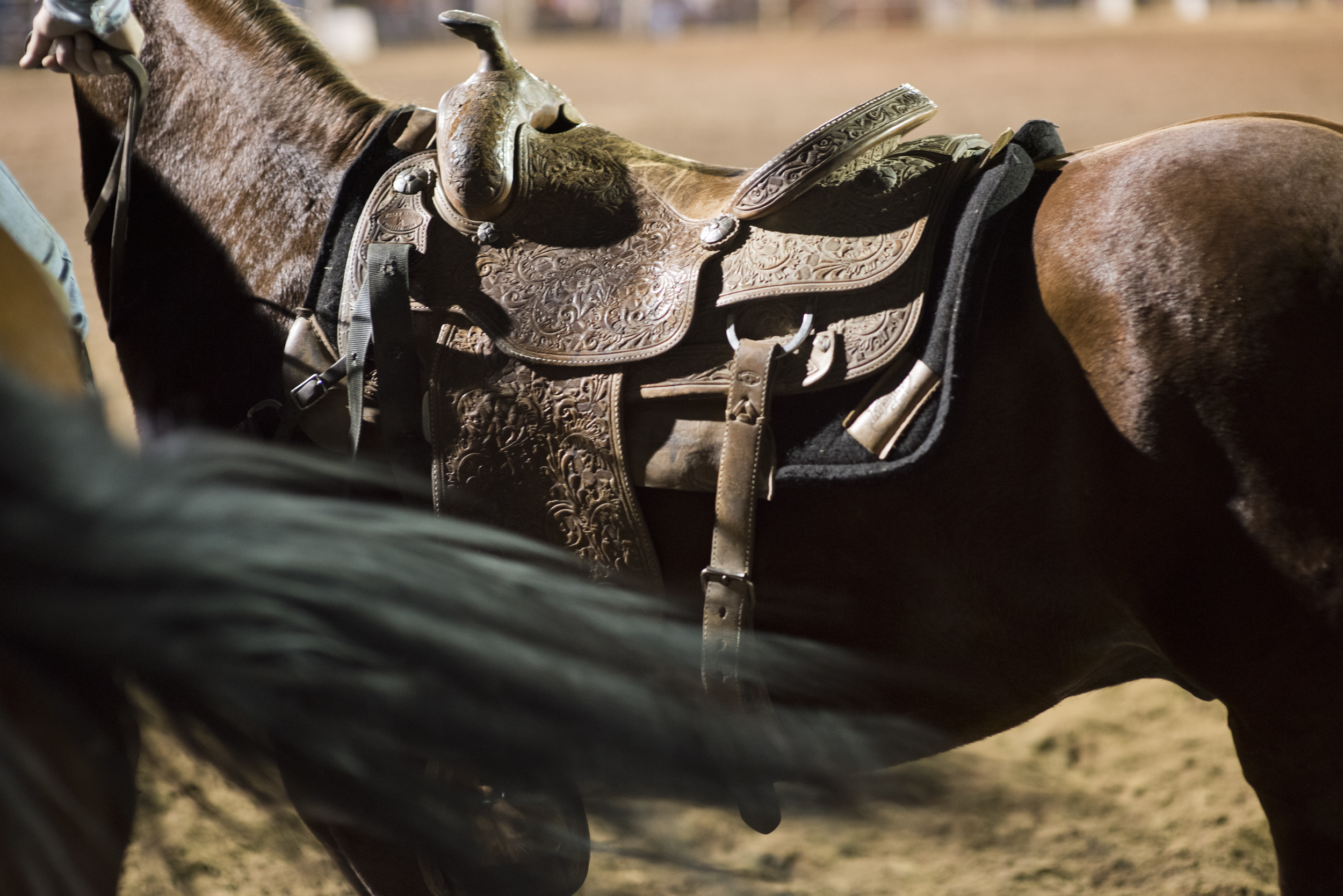
They're the details surrounding the work. Saddles worn smooth from years of use. A pair of gloves sitting on a fence post. Steam coming off a horse on a cold morning. Trucks covered in dirt. Dogs waiting for something to happen. People standing around talking after the work is finished.
Those details say as much about ranching as the dramatic moments do.
The landscape is always present too. In Wyoming, it's impossible for it not to be. Ranching happens at a scale that can make a rider on horseback look insignificant against the country surrounding them.
That relationship between people, animals and land is a large part of what I'm trying to photograph.
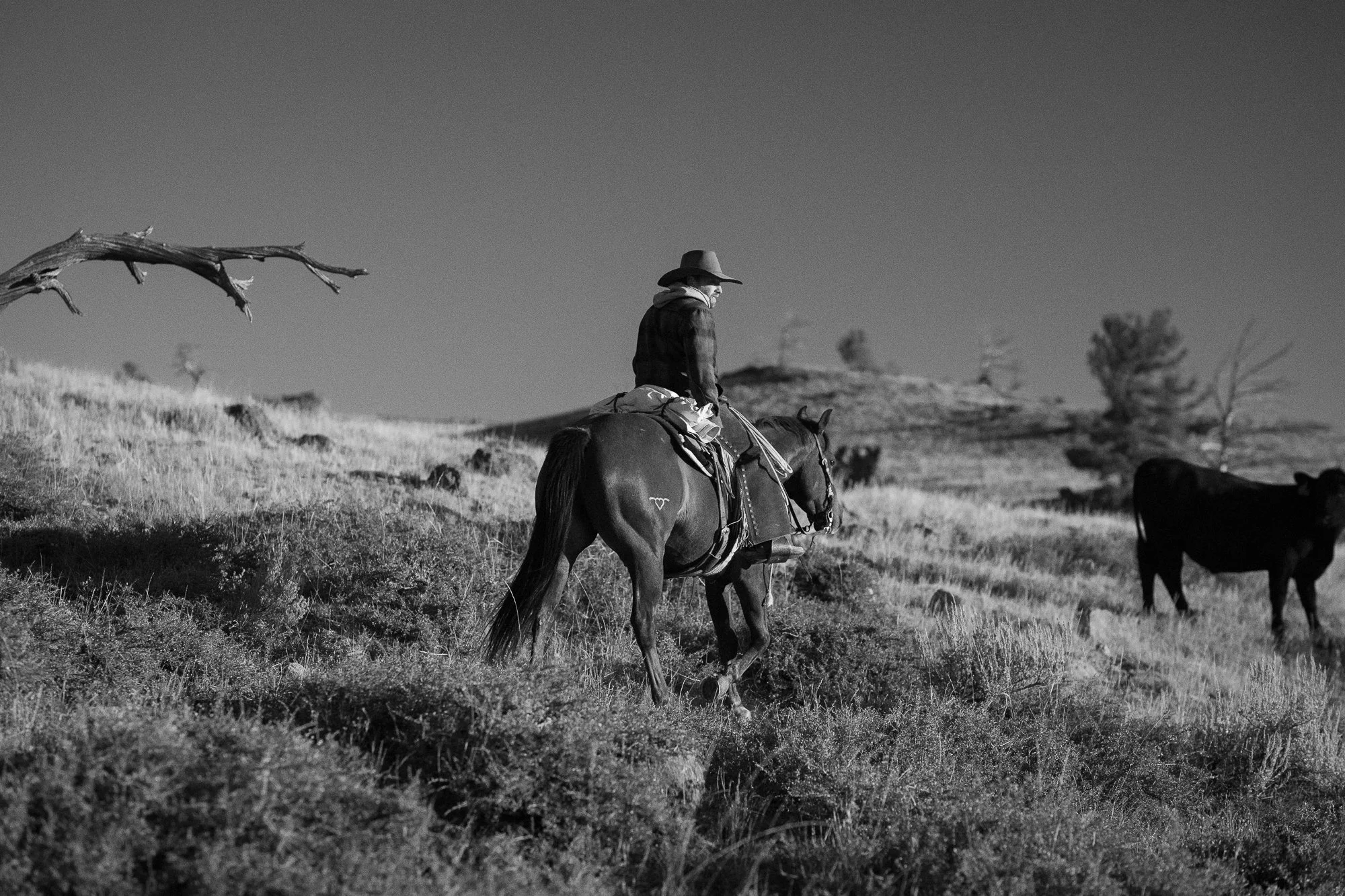
Horse and rider move through the pasture as cattle gather nearby.
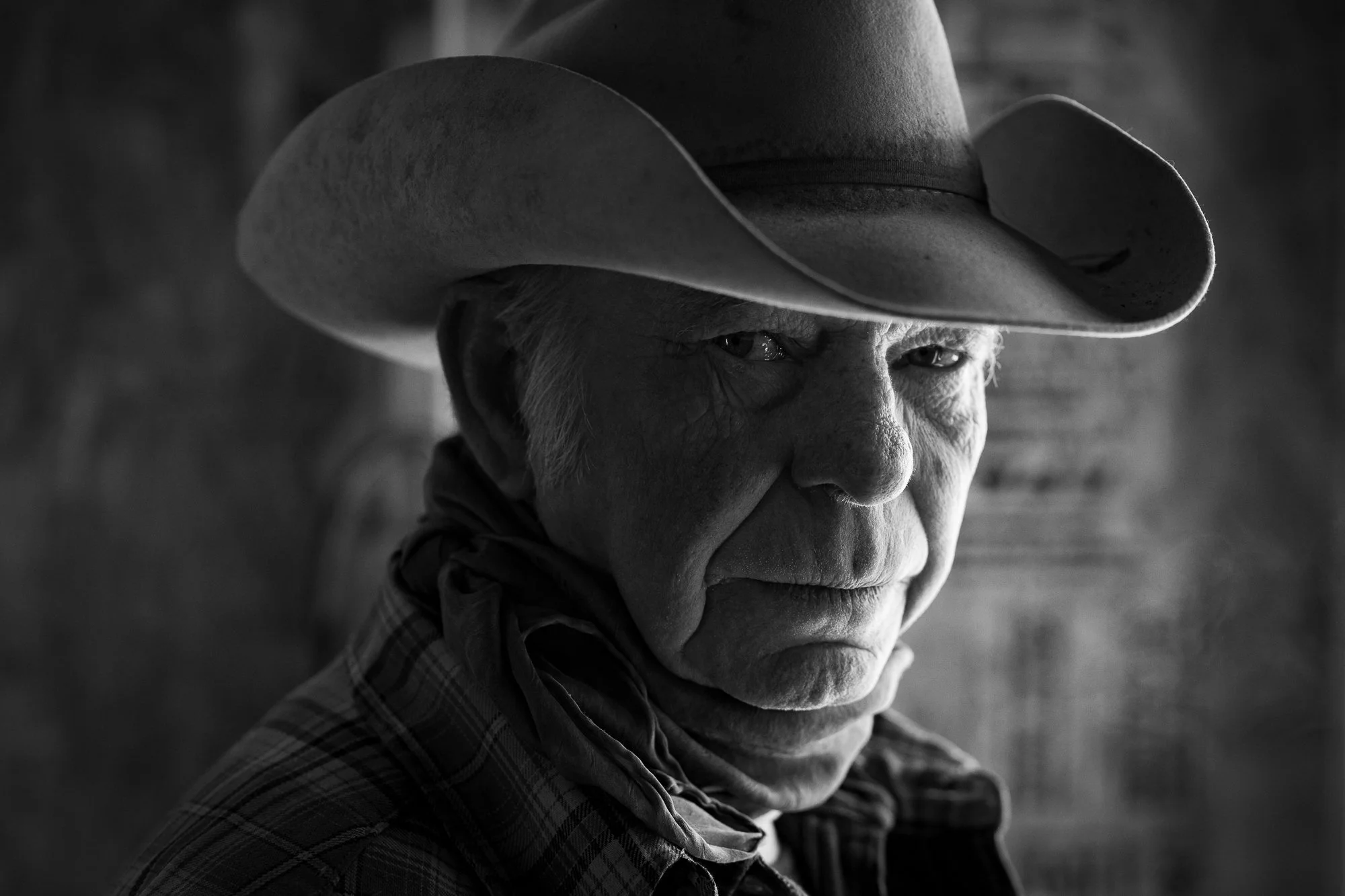
Cowboy portrait inside a working ranch workshop.
Small Town Wyoming
Long before I started seriously photographing cowboys, I was photographing the American road.
For years I've driven around the country making photographs of places and objects that aren't typically considered important enough to photograph. Motels. Diners. signs. Abandoned buildings. Old cars. Storefronts. Bars. Basketball hoops. And whatever else makes me pull over.
Wyoming is particularly good for that kind of wandering.
There are towns where the main street seems disproportionately wide for the number of people living there. Bars that might be the only place open for miles. Old motels hanging on beside highways that travelers now pass through without stopping.
Some places are changing quickly. Others feel like they exist in their own time zone.
That's what interests me.
Road trips are usually organized around destinations, but photography has taught me that the spaces between those destinations are often more interesting.
Wyoming has a lot of space between destinations.
And I've learned not to hurry through it.
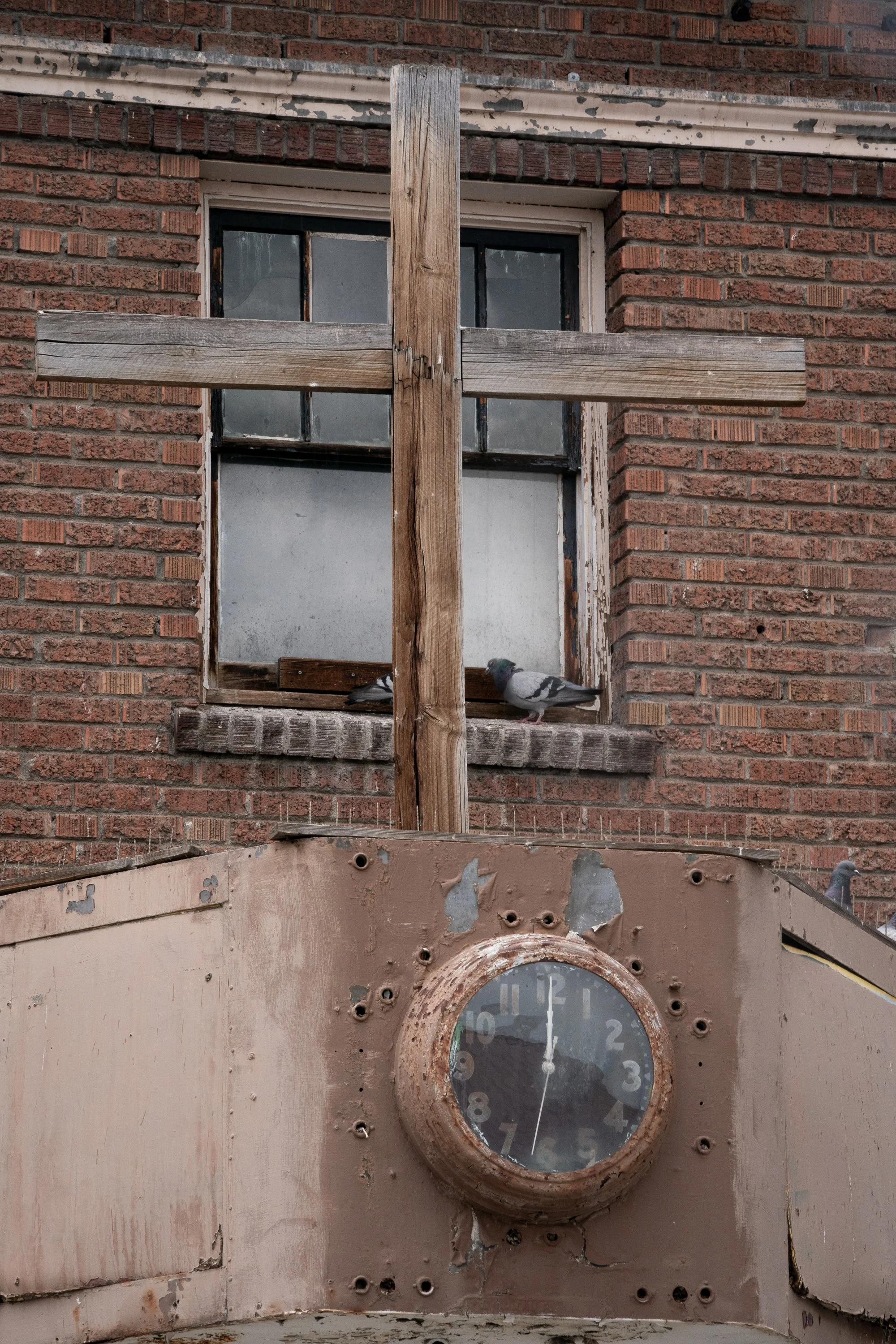
Old clocks, weathered brick, and worn storefronts are part of the small-town landscape.
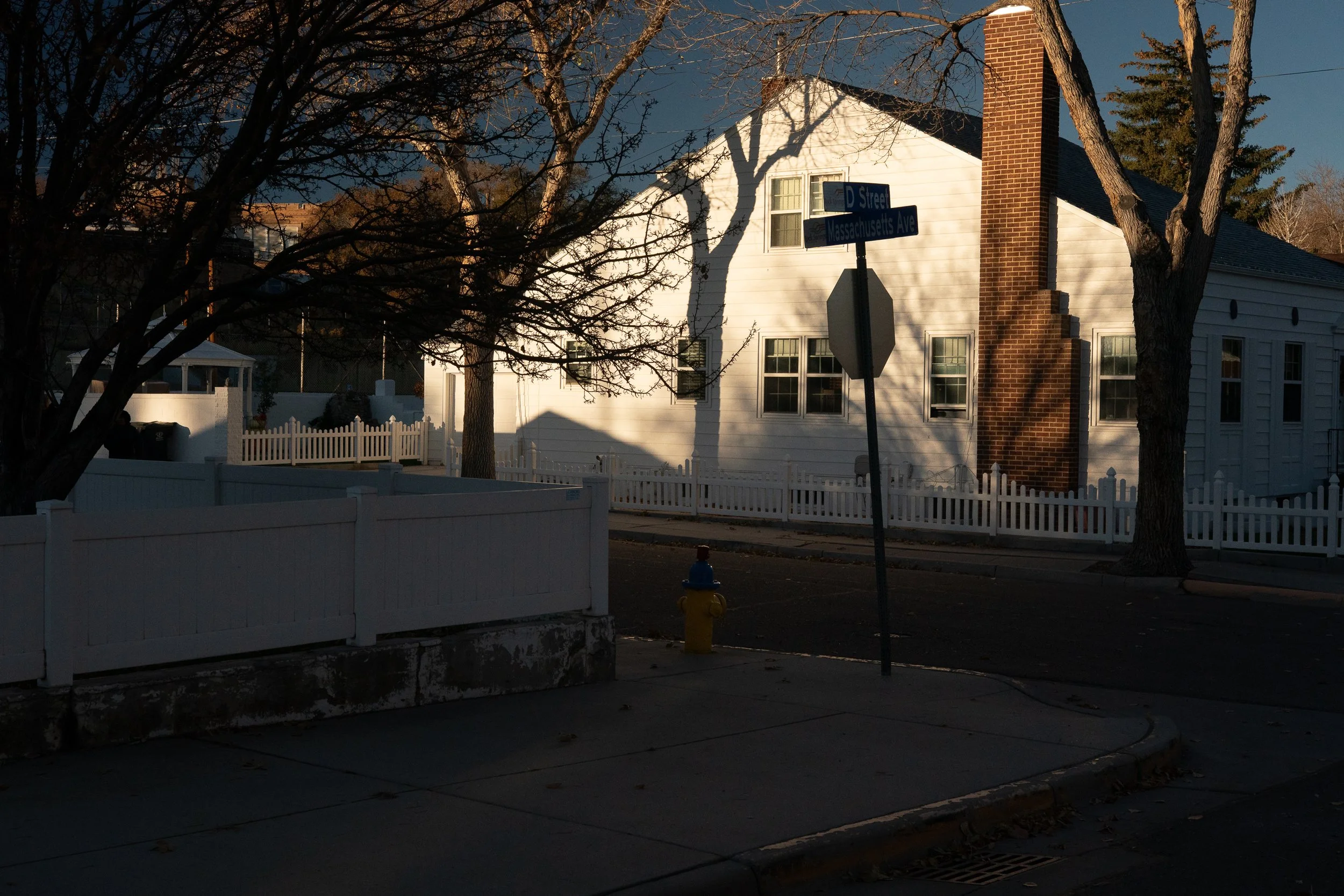
Small-town streets like this make it easy to slow down and look around.
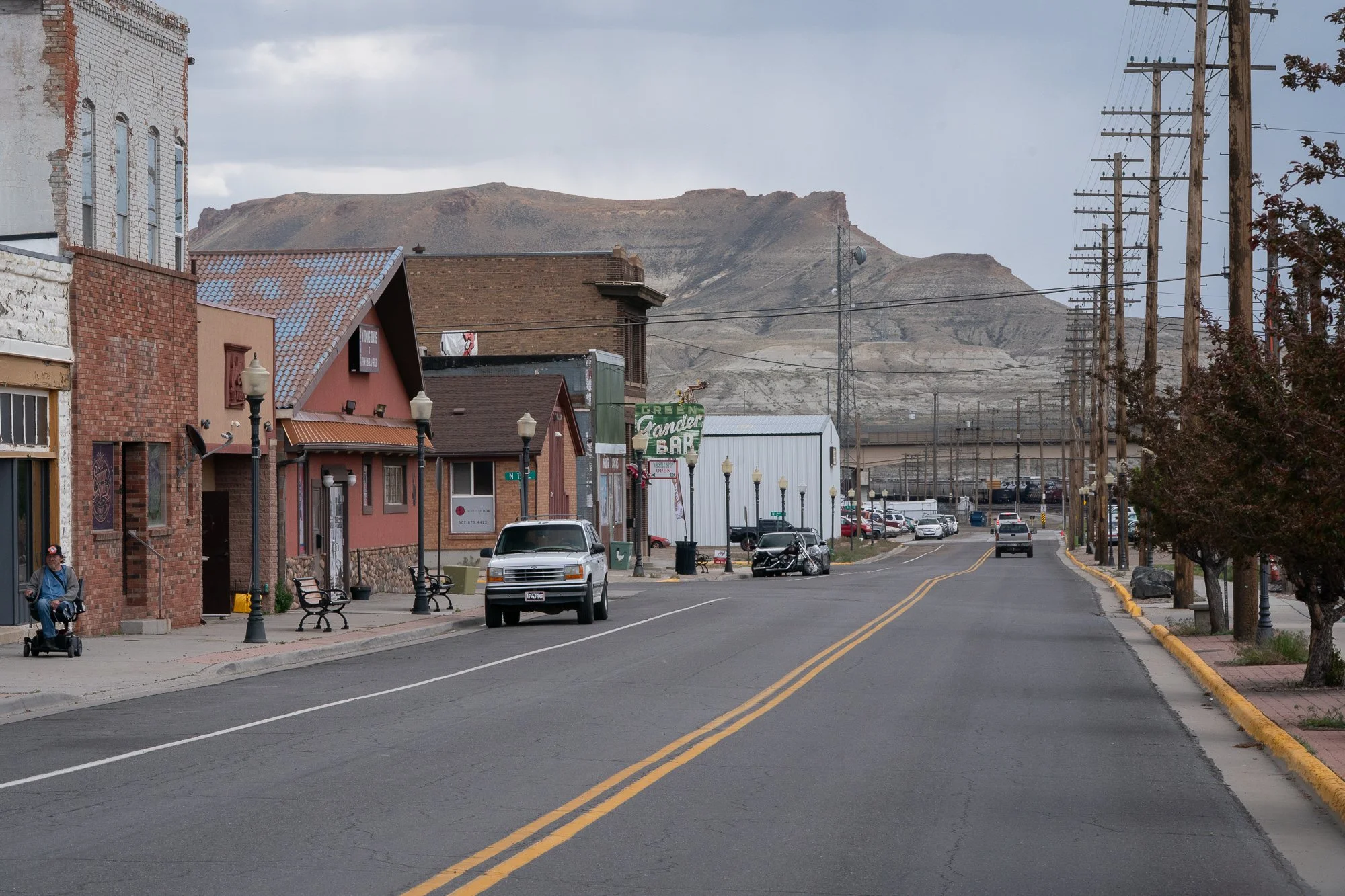
Wyoming's main streets often run straight toward the mountains, with businesses and storefronts along the road.
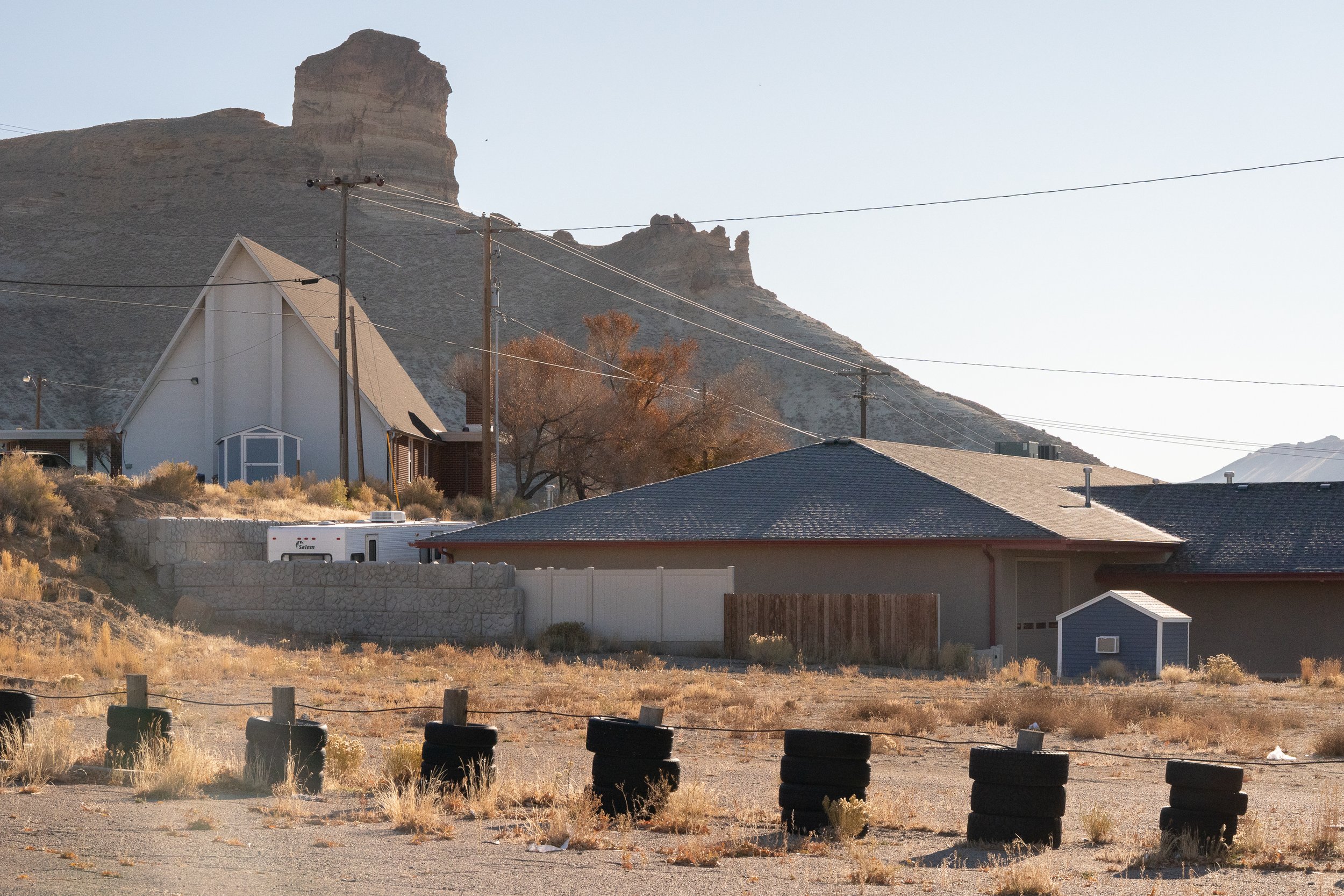
The mountains rise behind the houses and streets of town.
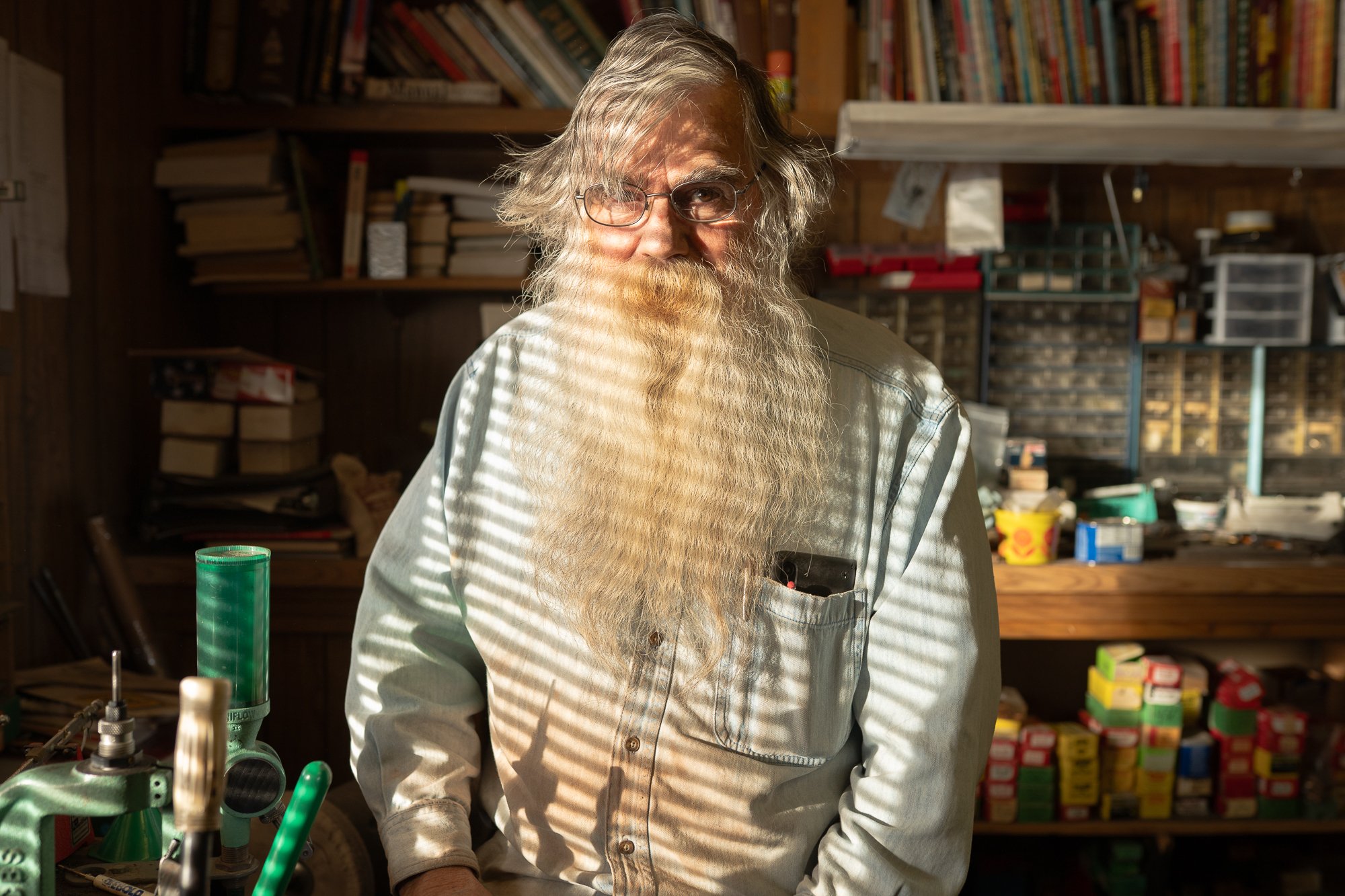
Light from the window adds detail to the portrait.
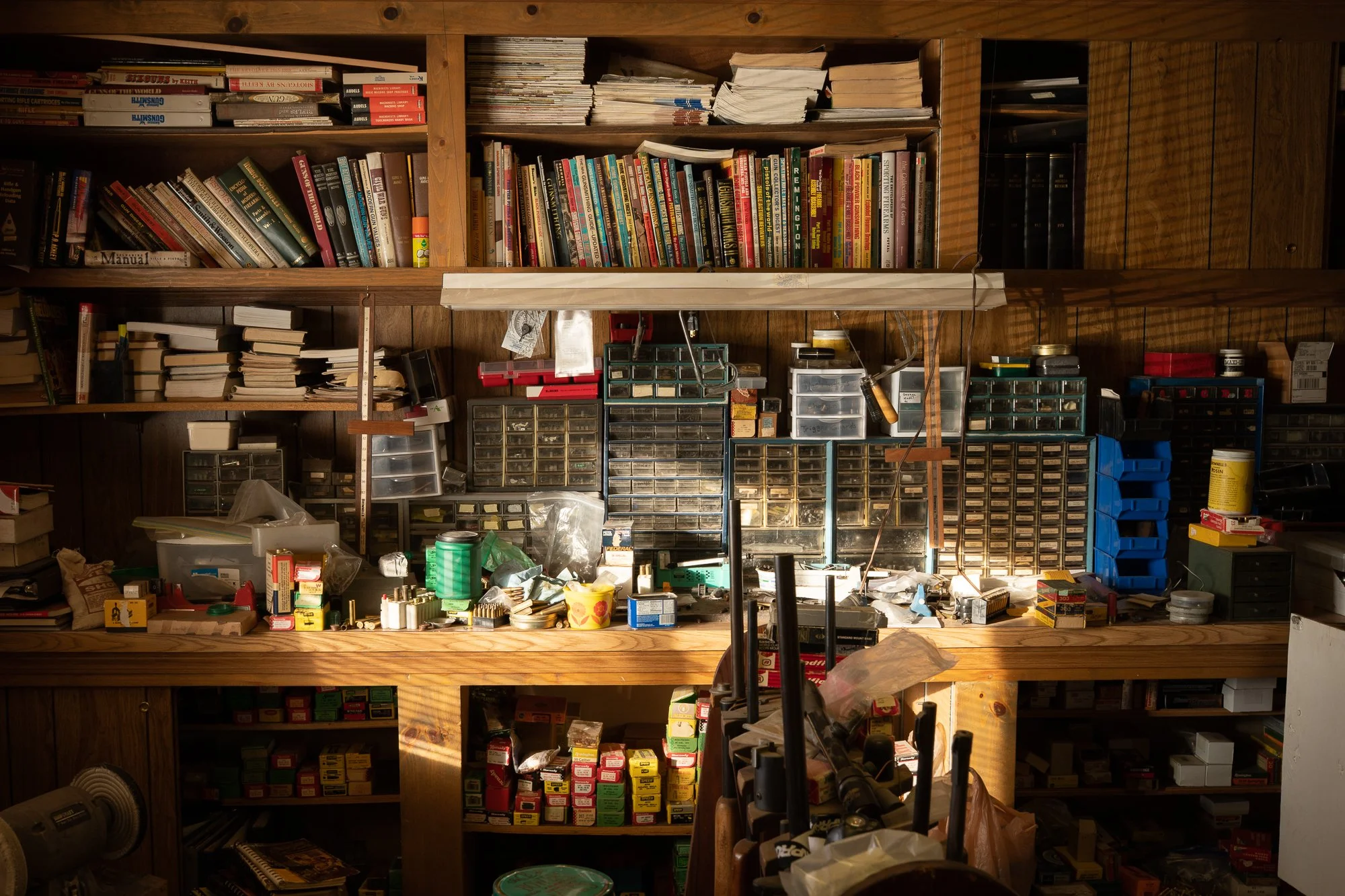
Books, tools, and supplies fill the shelves and workbench of the shop.
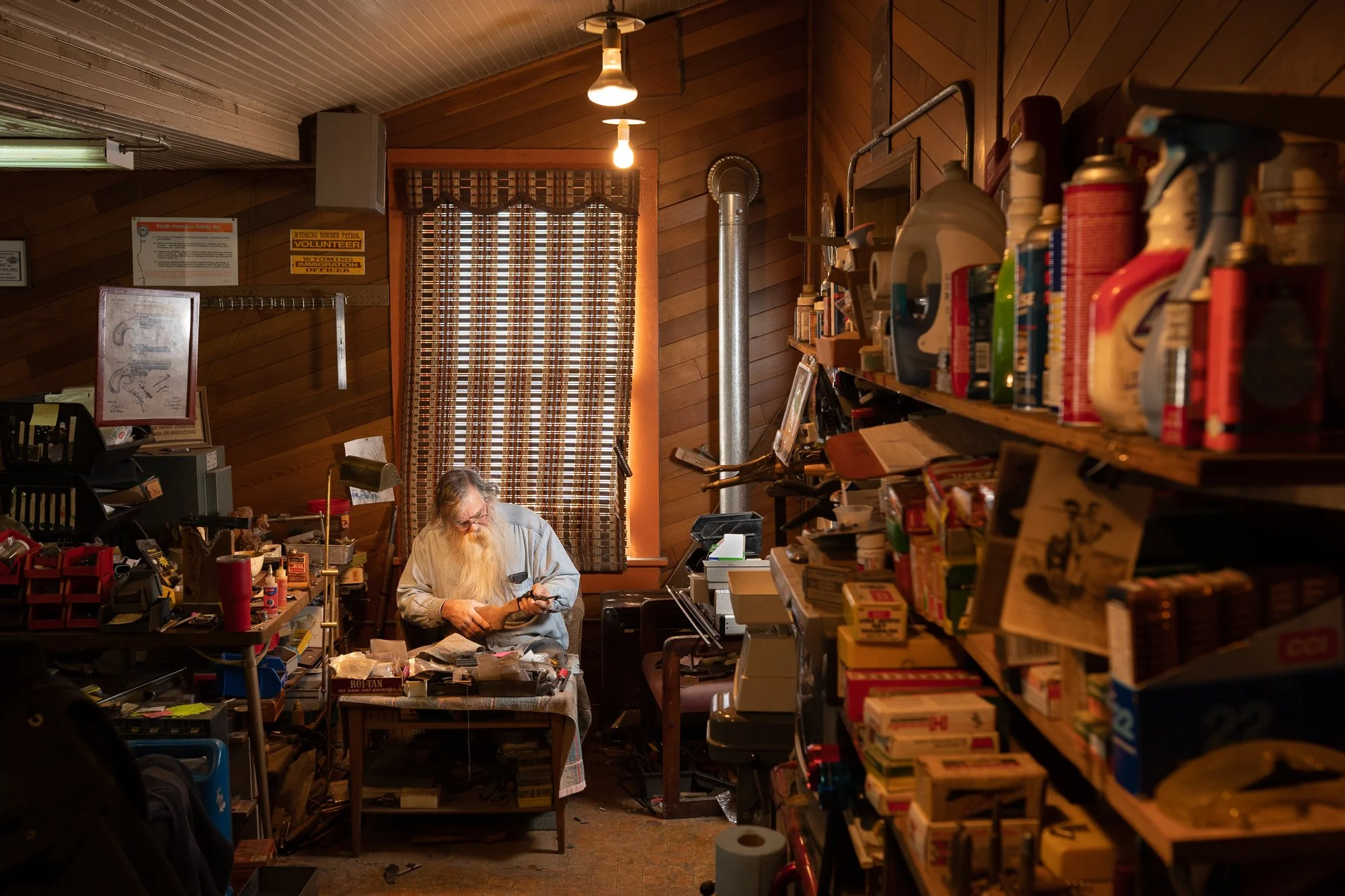
A man works on a rifle at the crowded workbench.
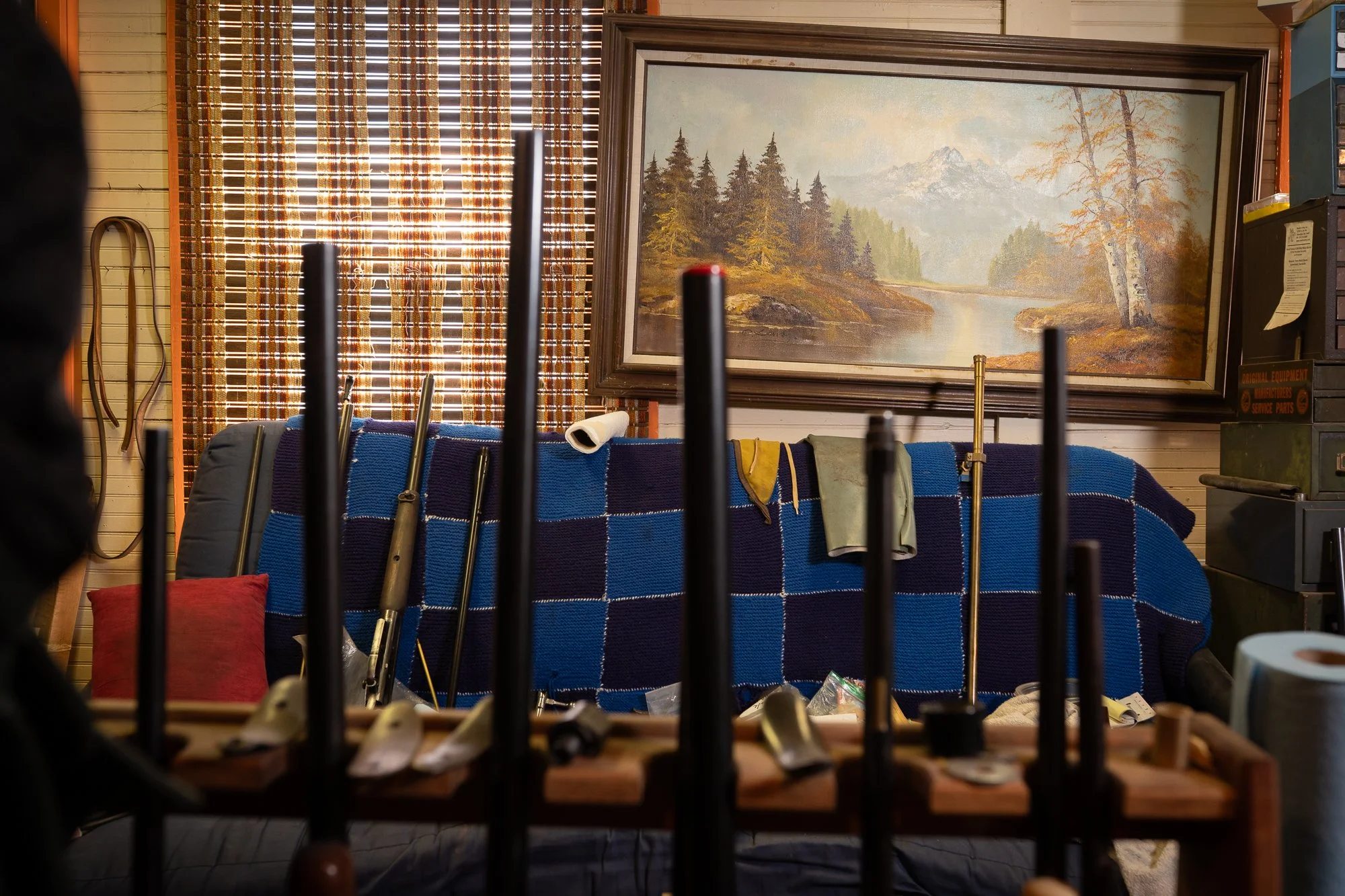
Saddles and ranch gear fill the interior of the building.
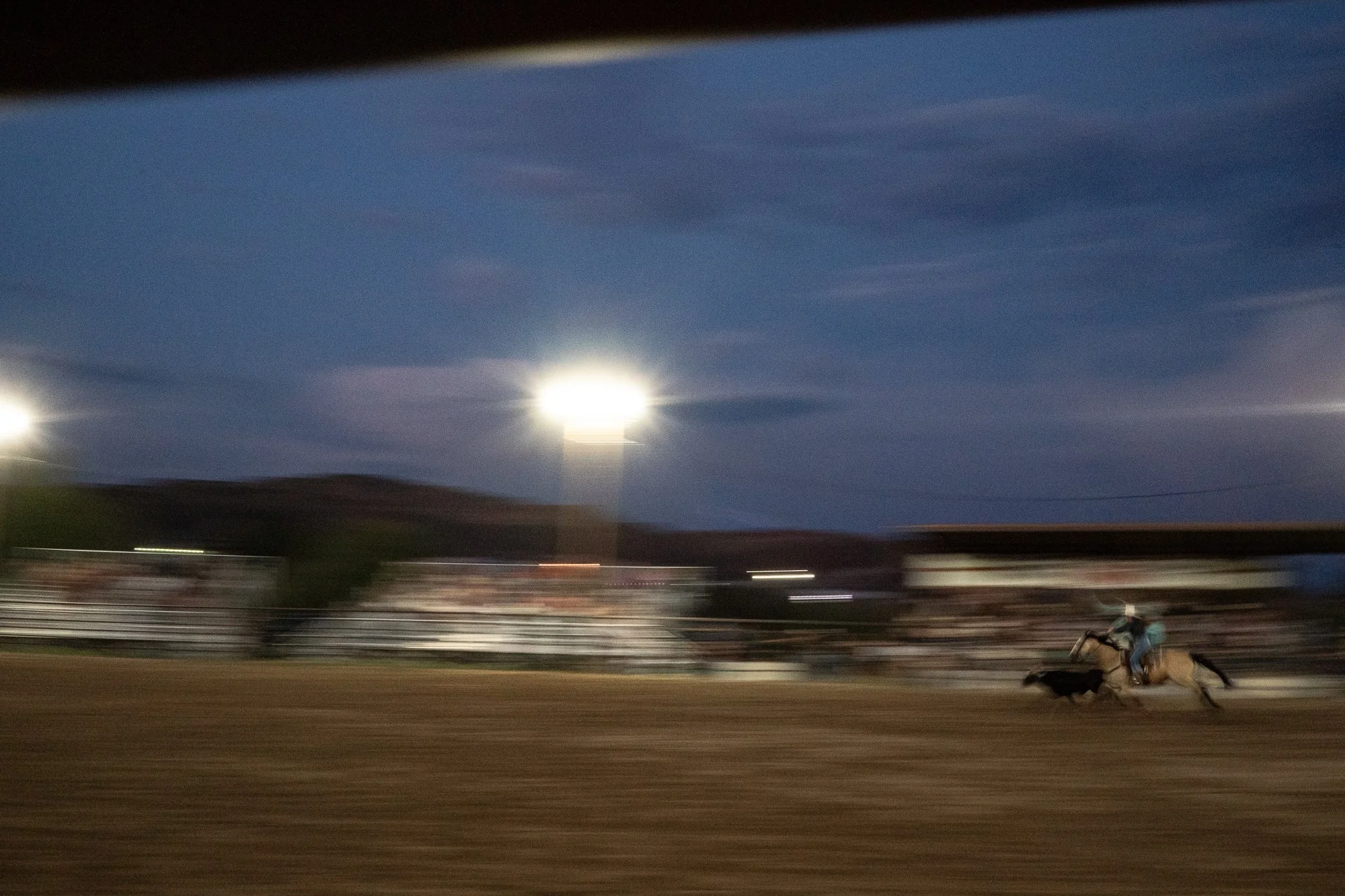
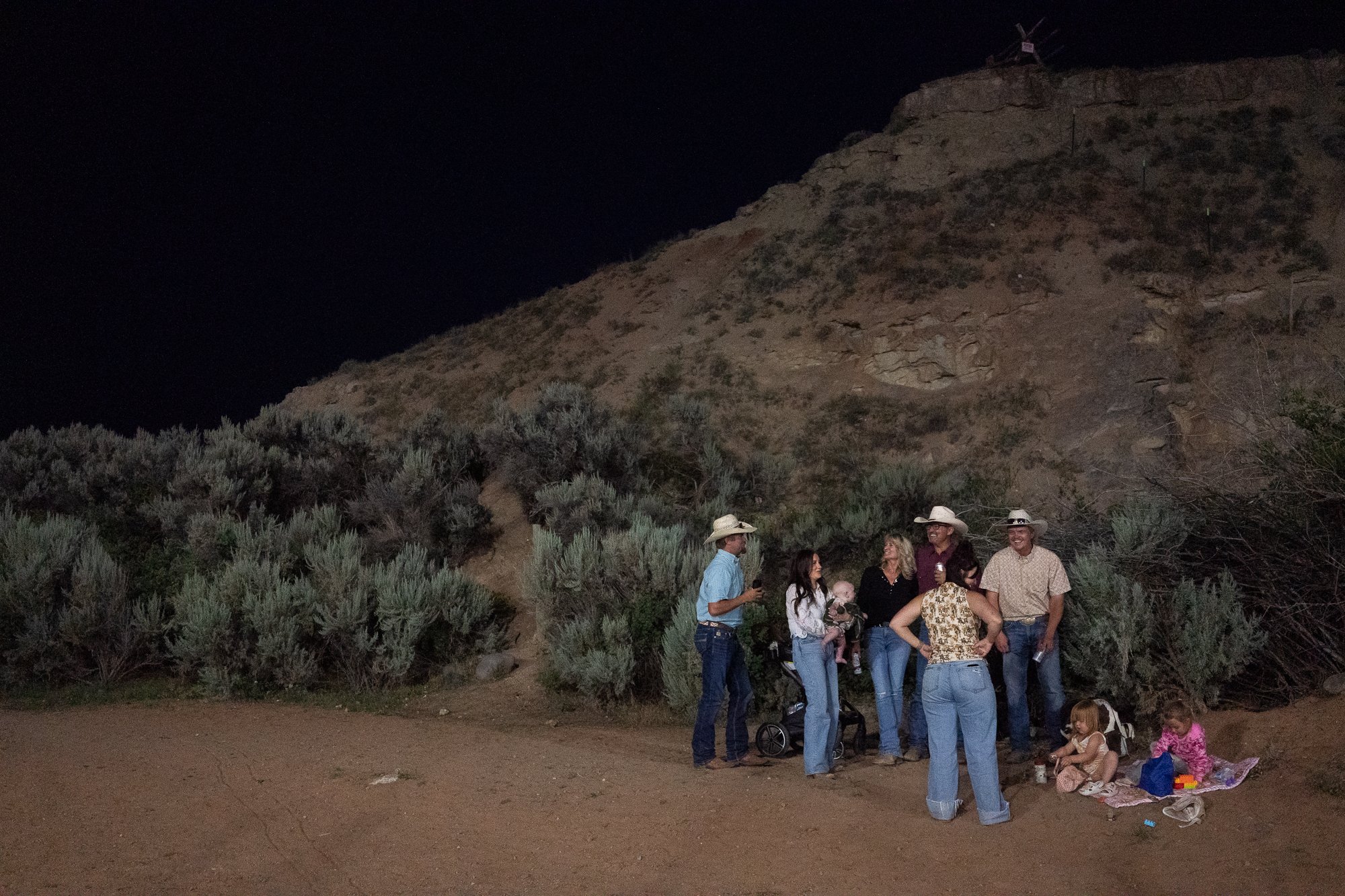
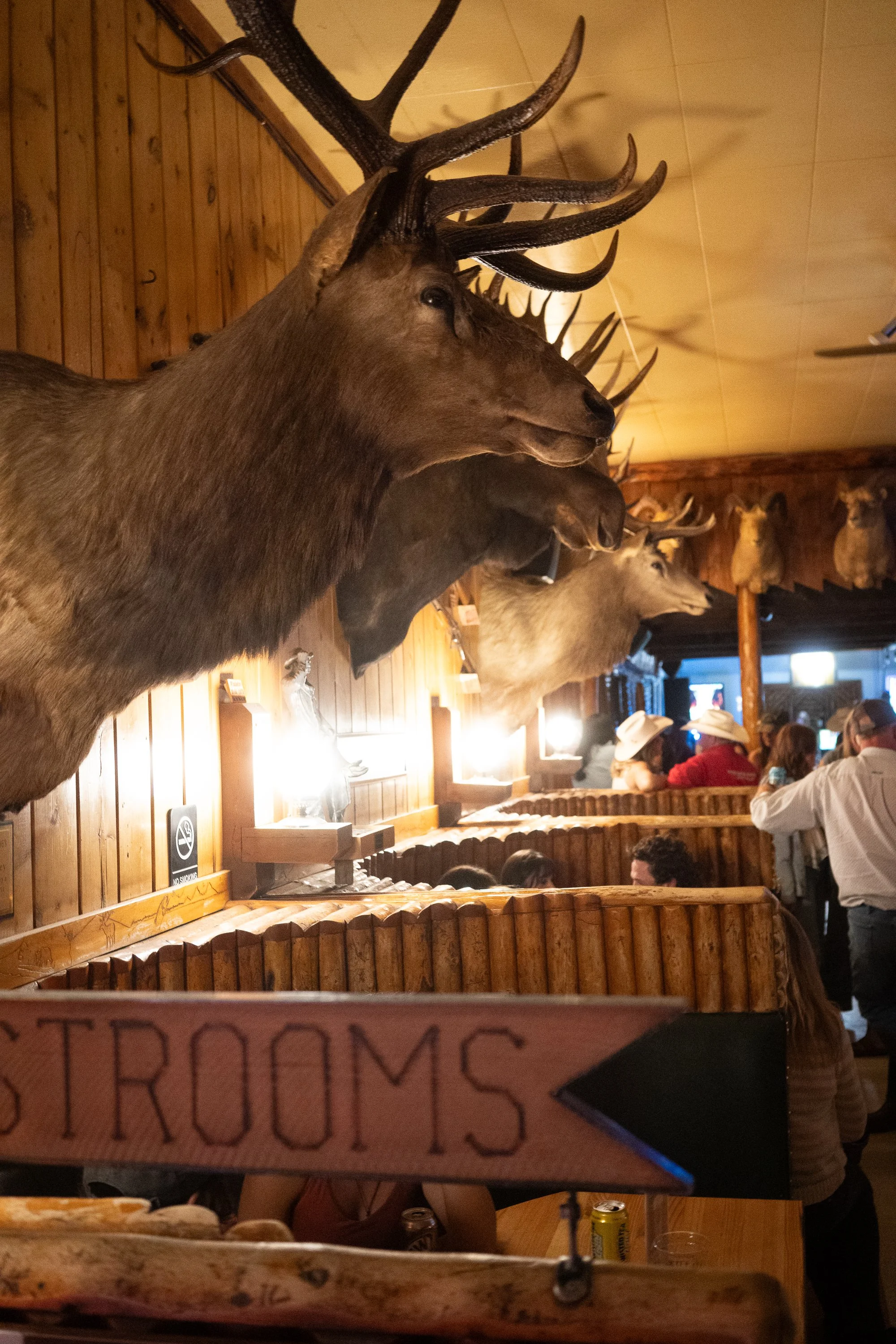
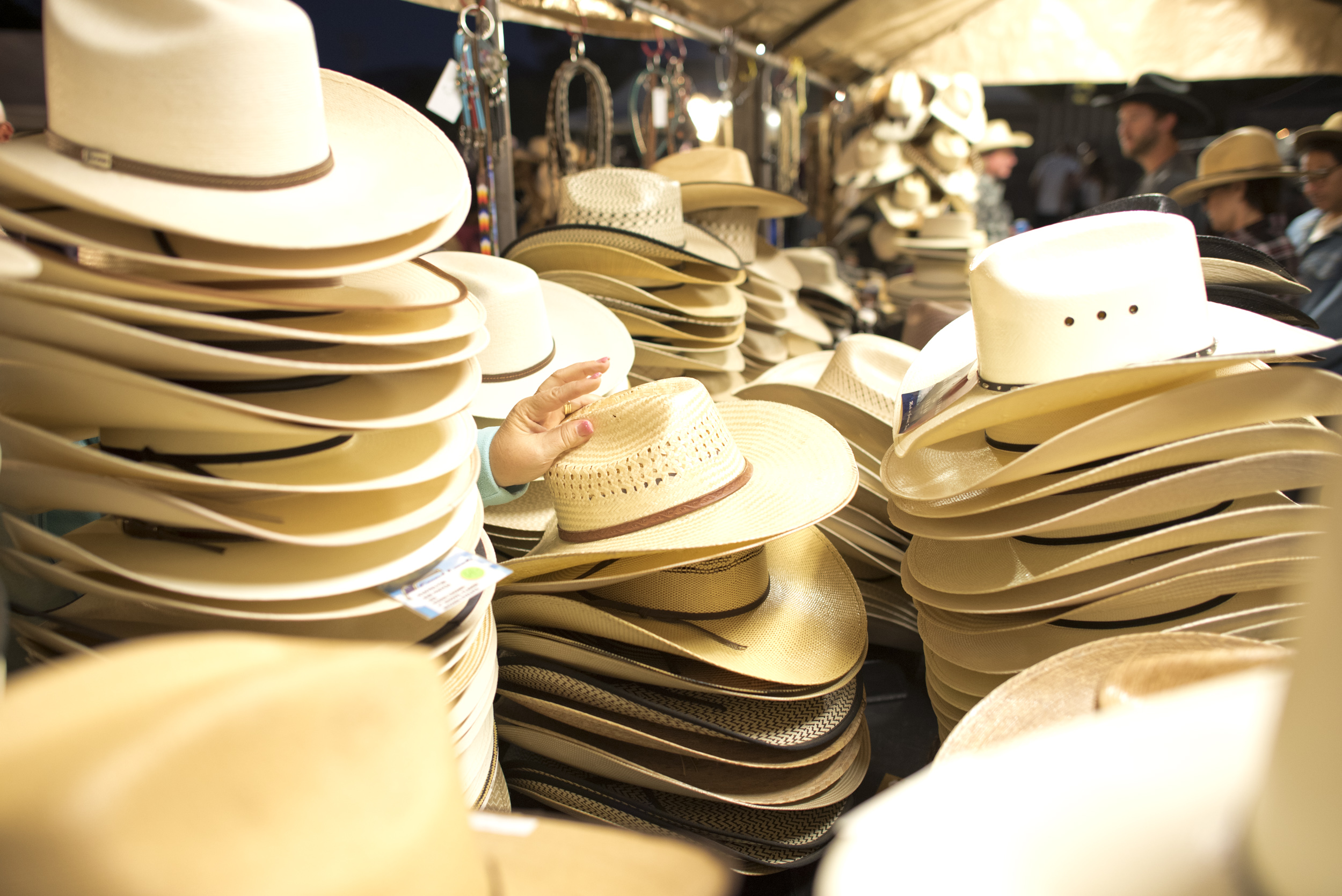
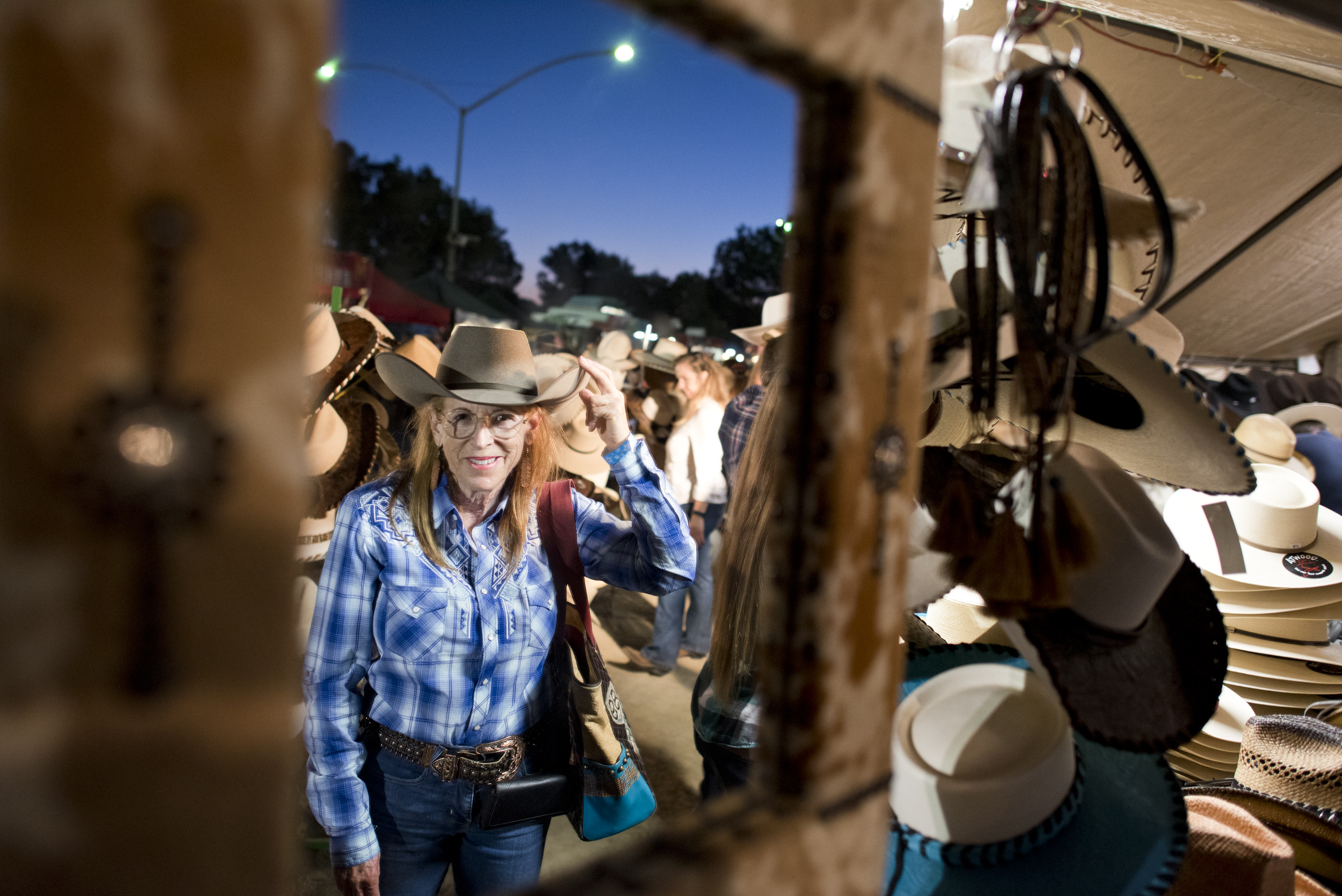
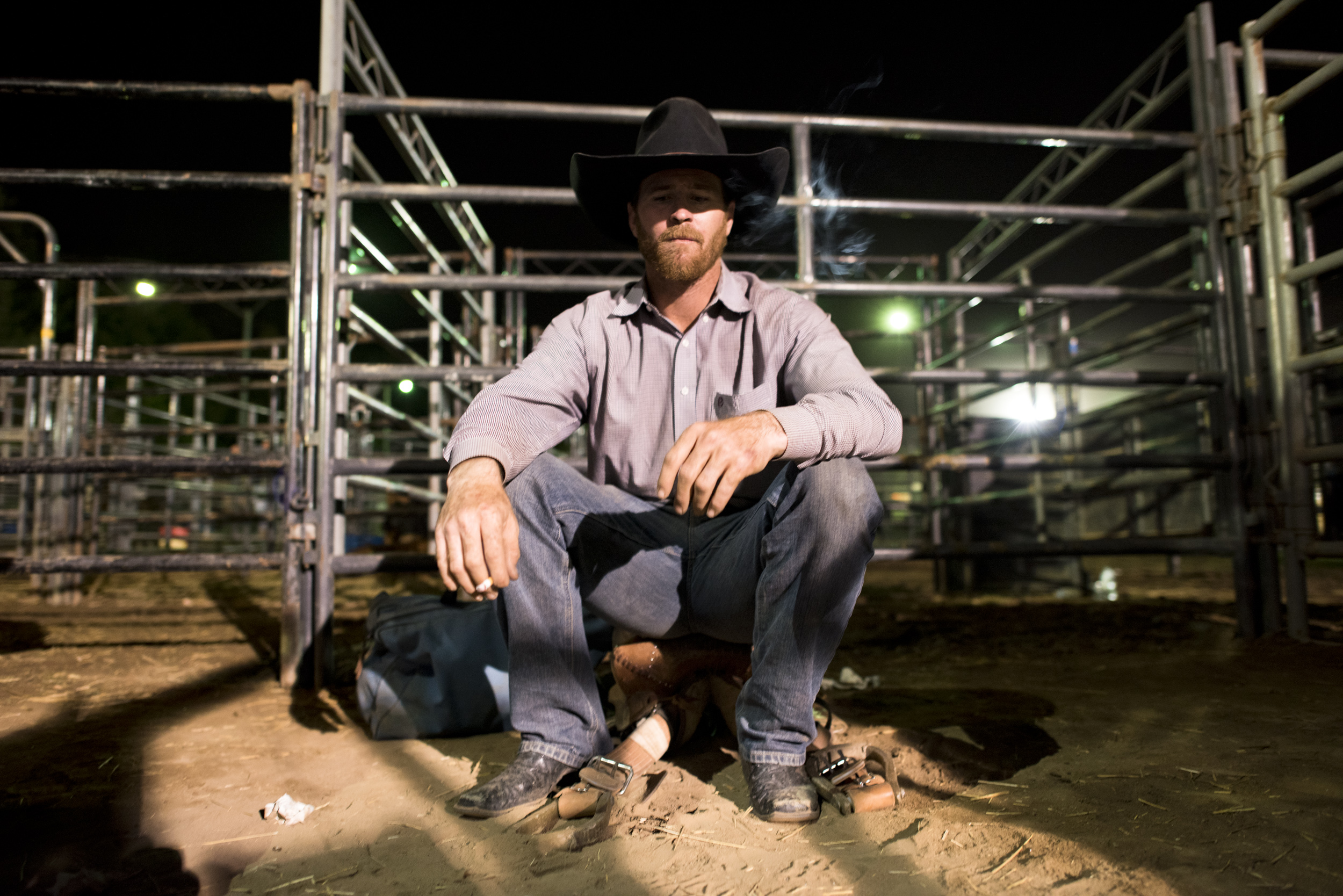
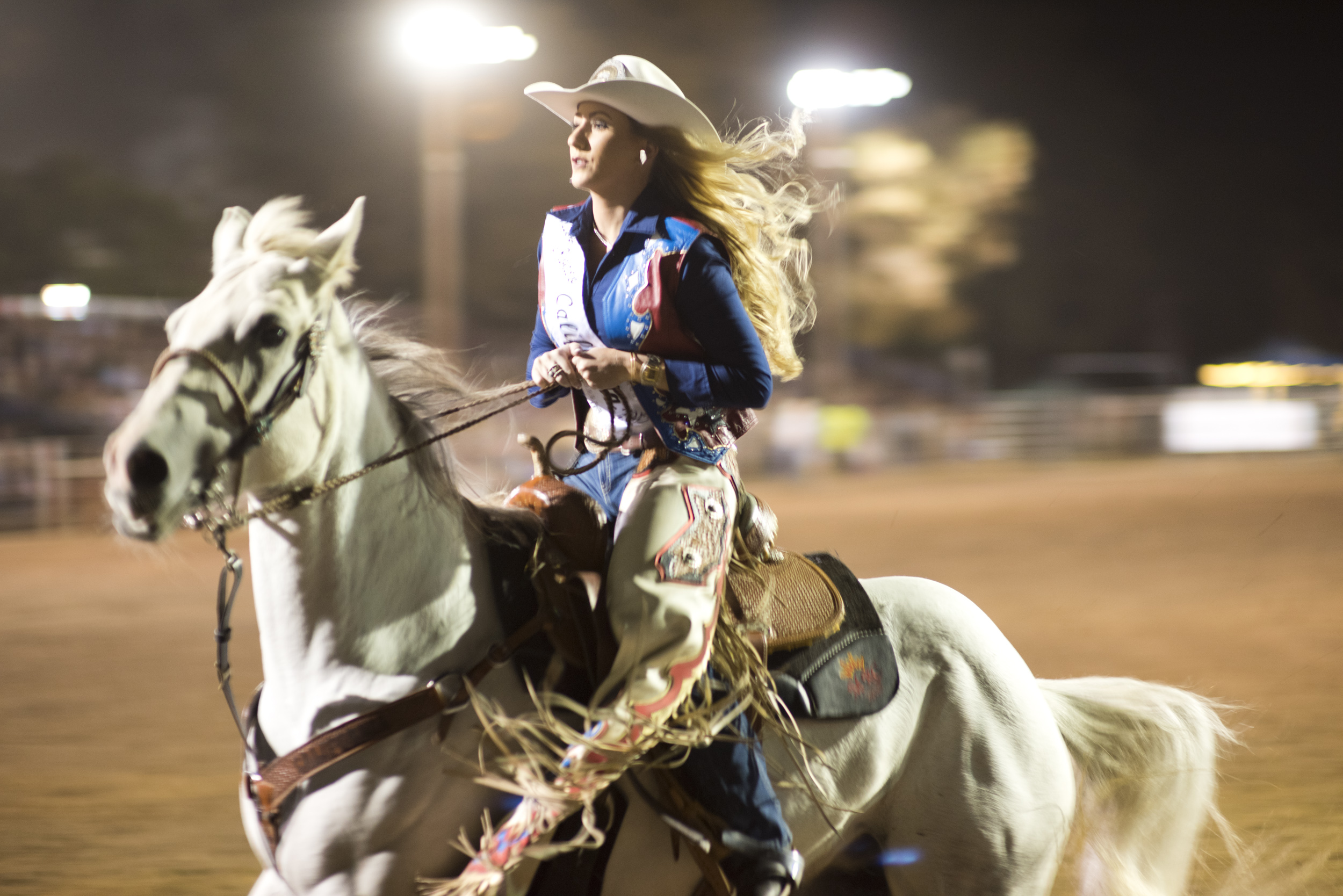
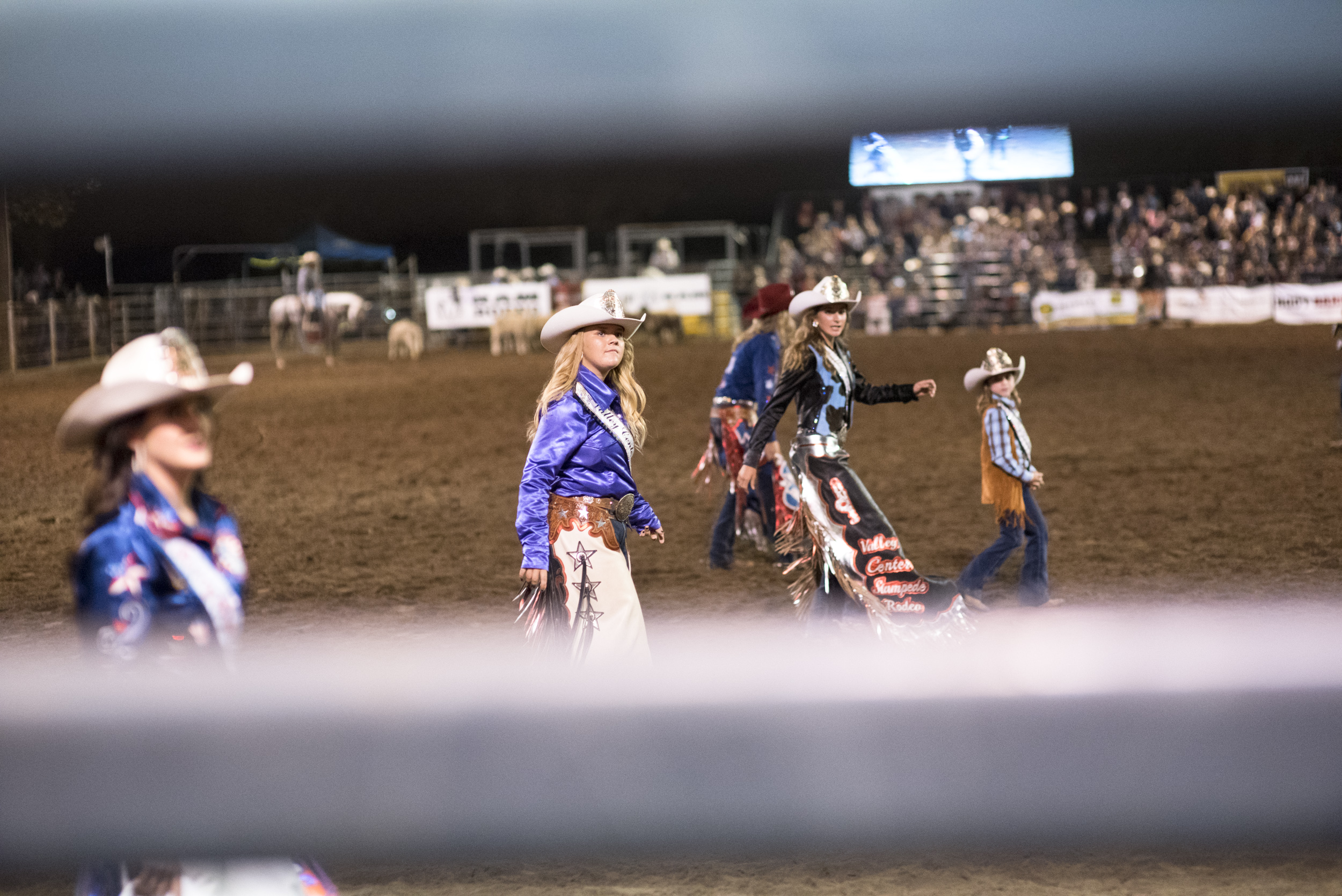
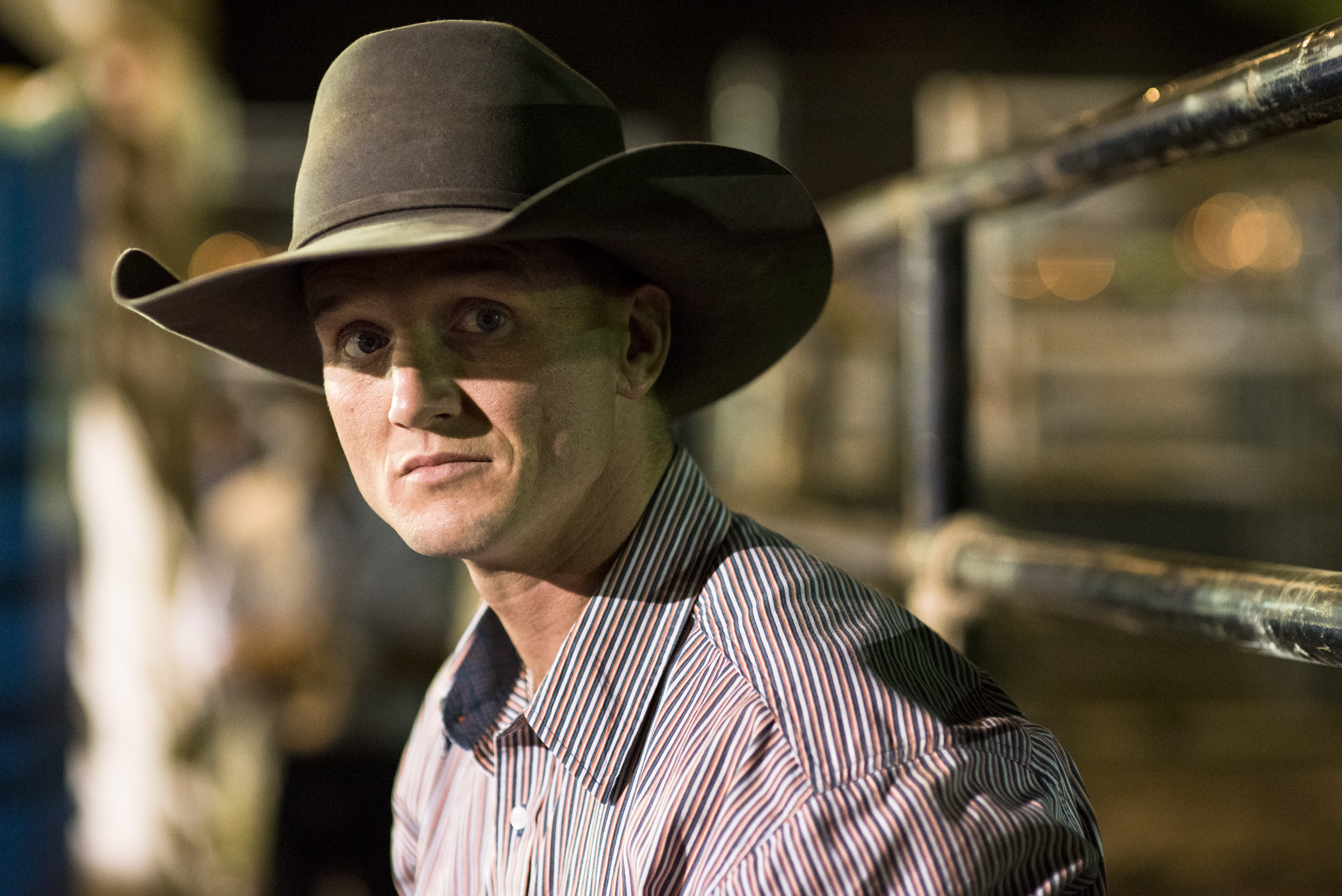
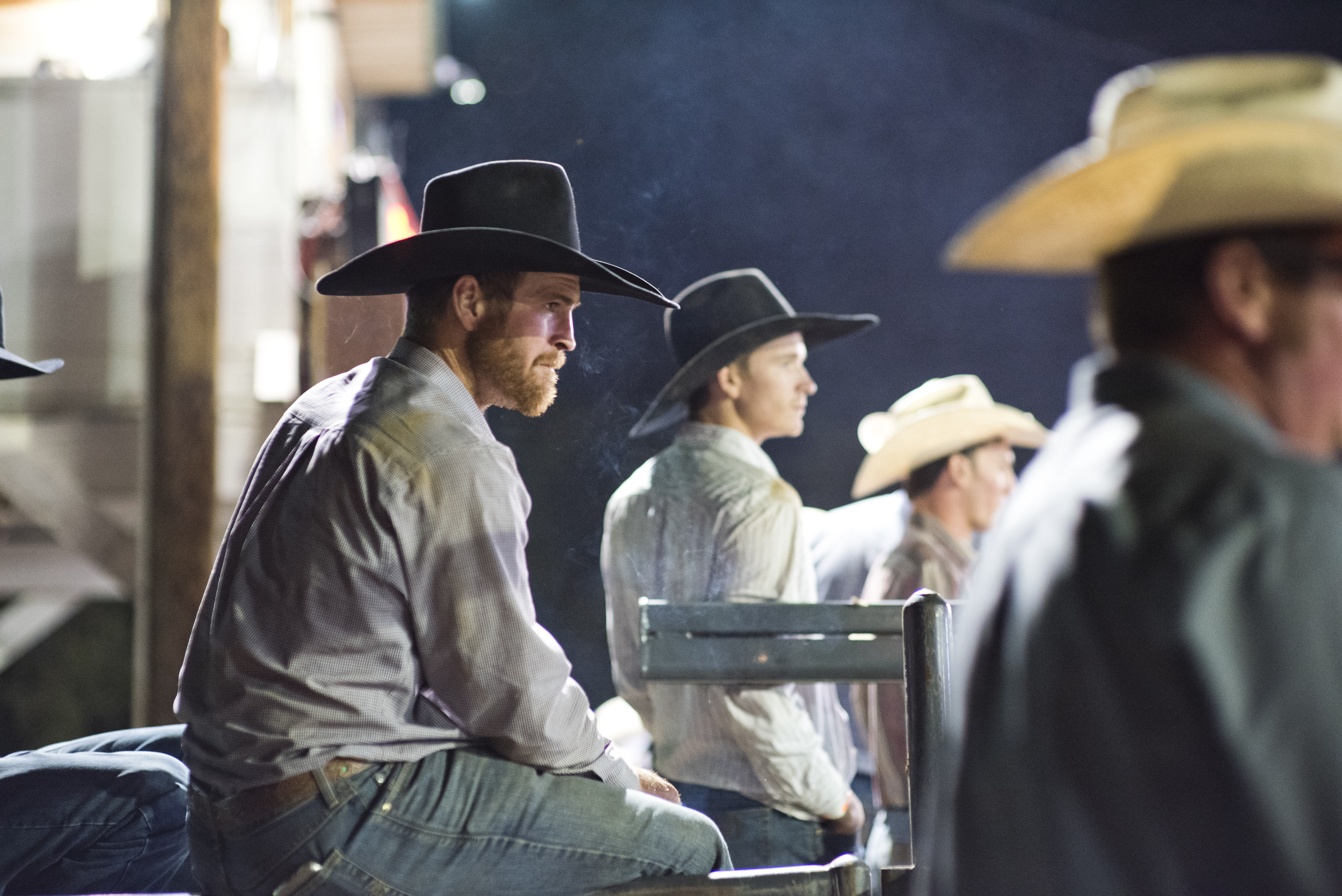
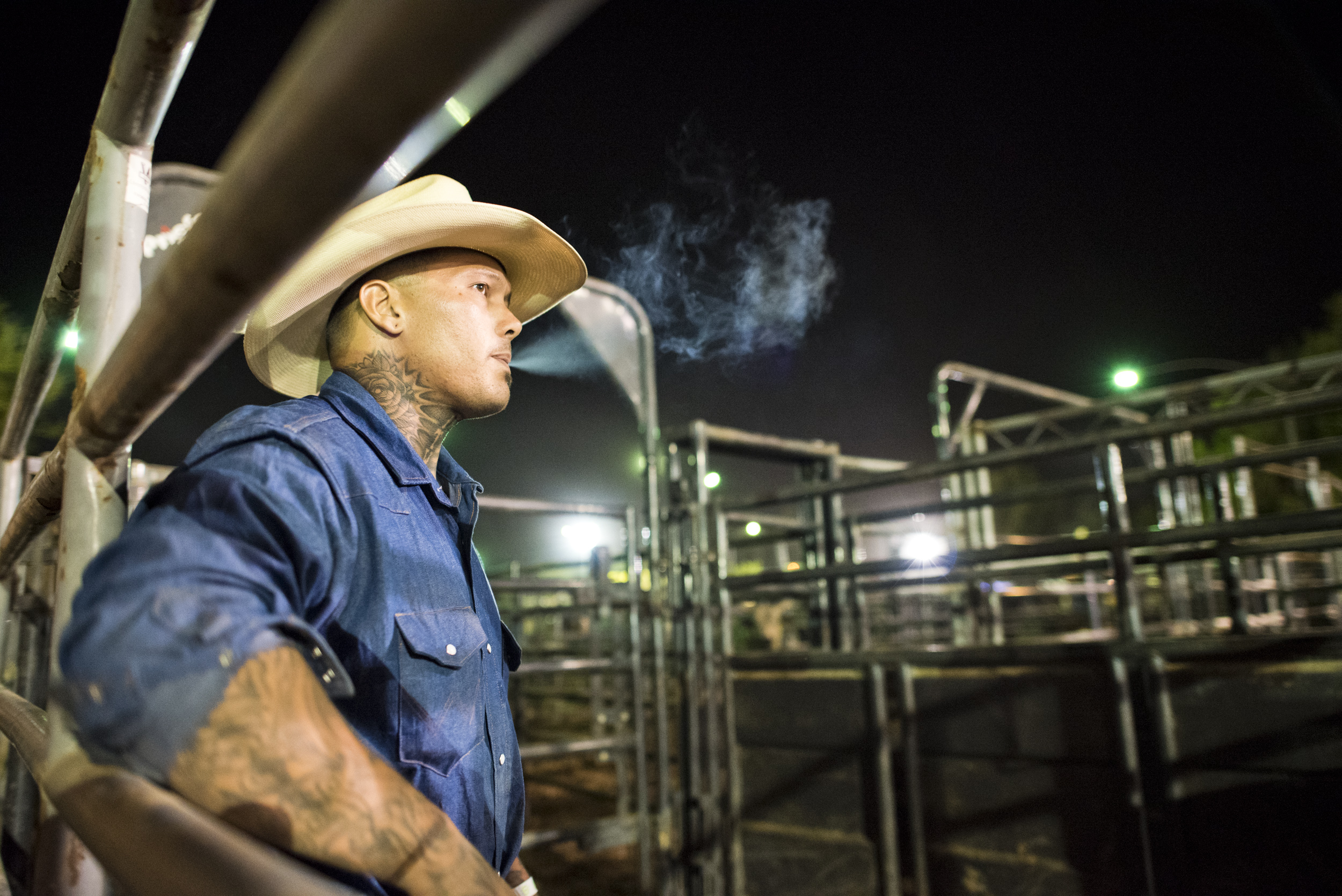
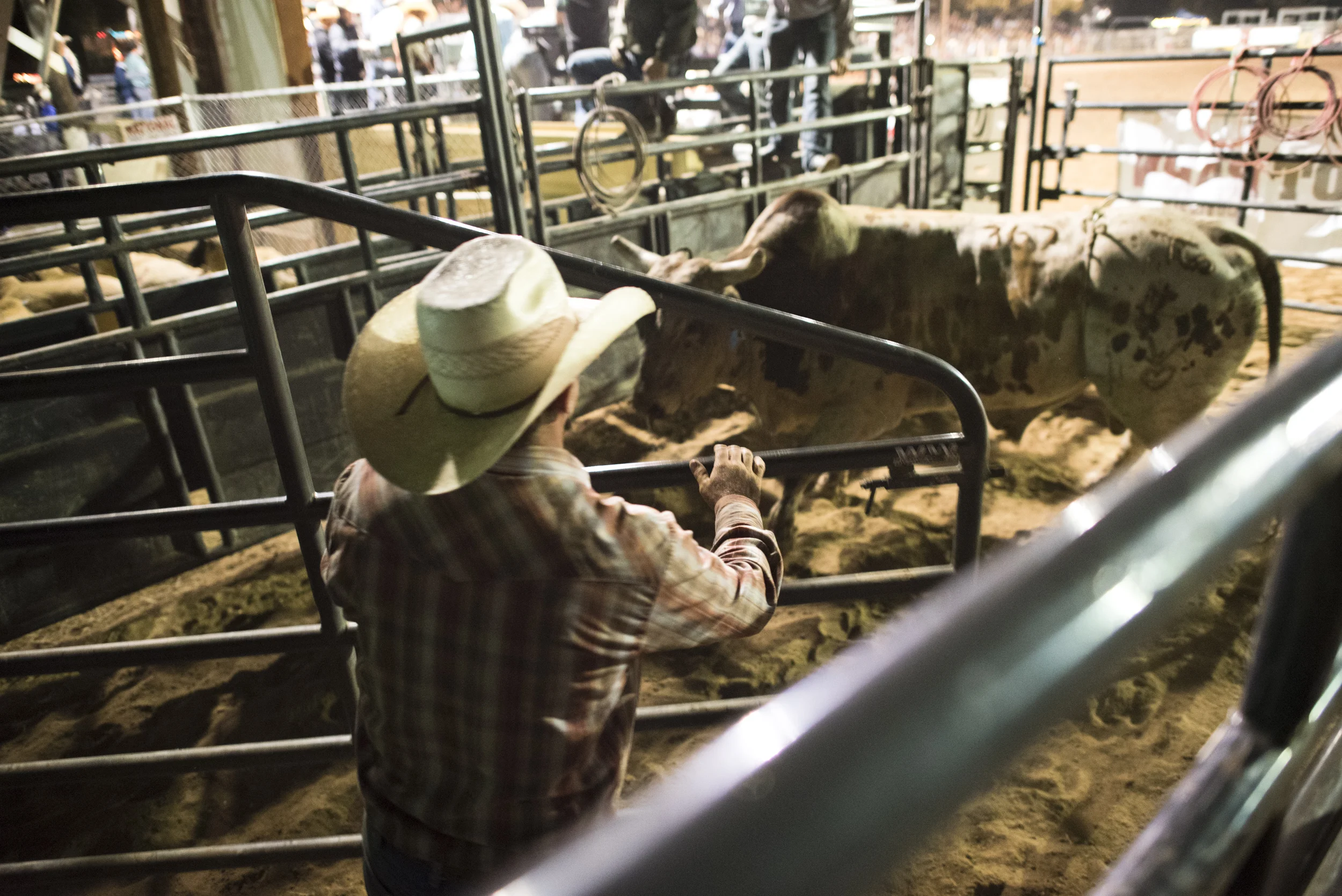
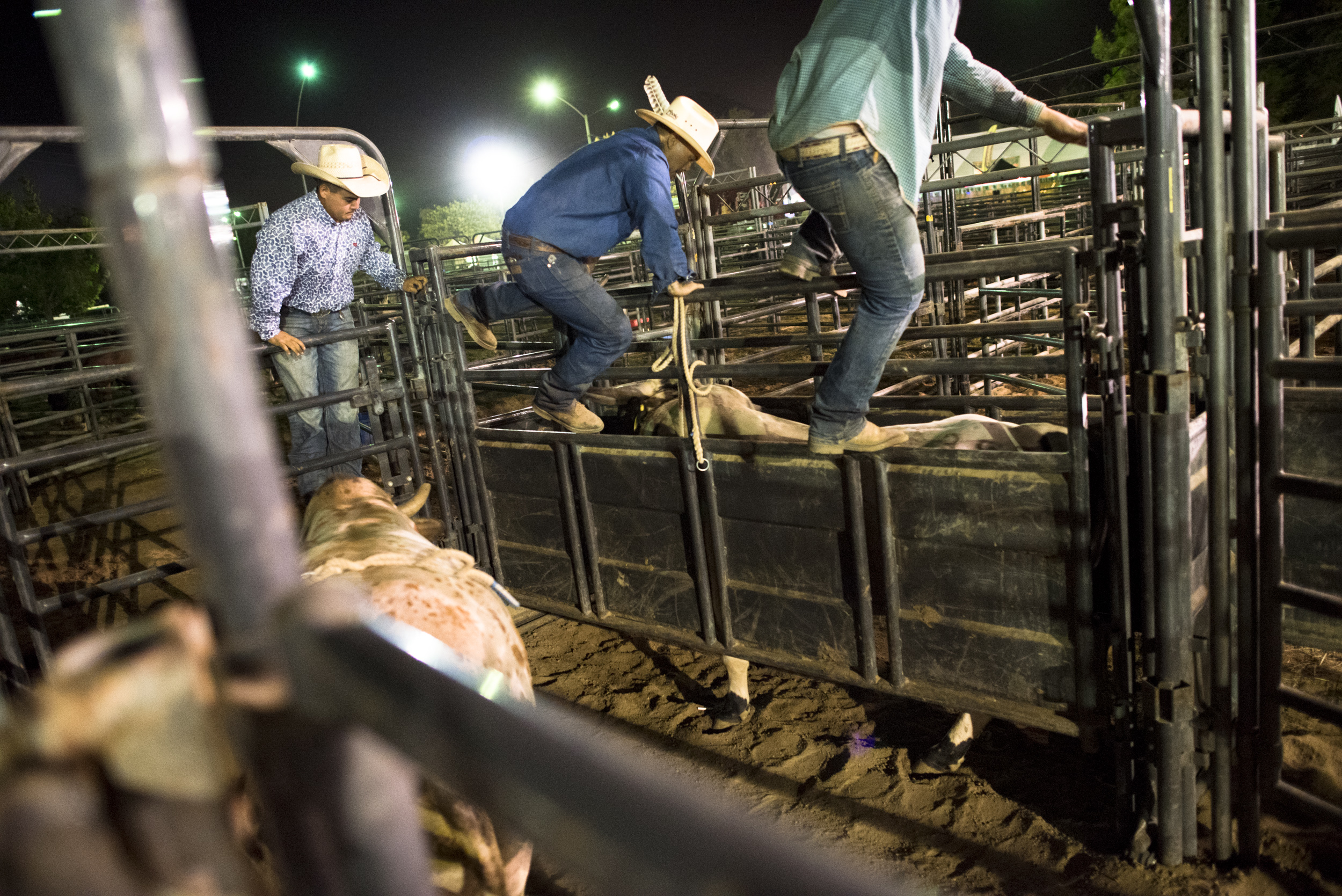
Rodeo Culture in Dubois, Wyoming
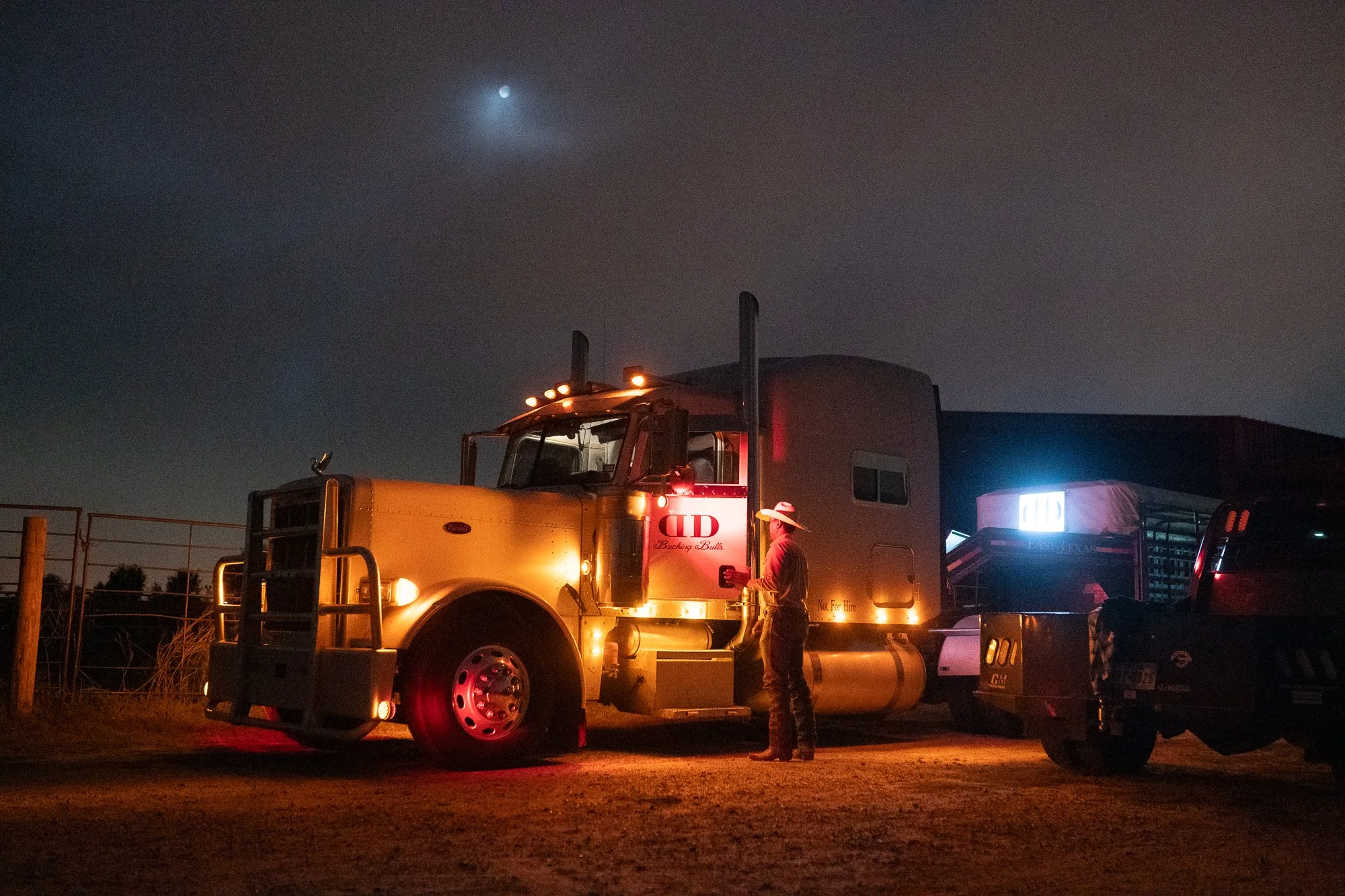
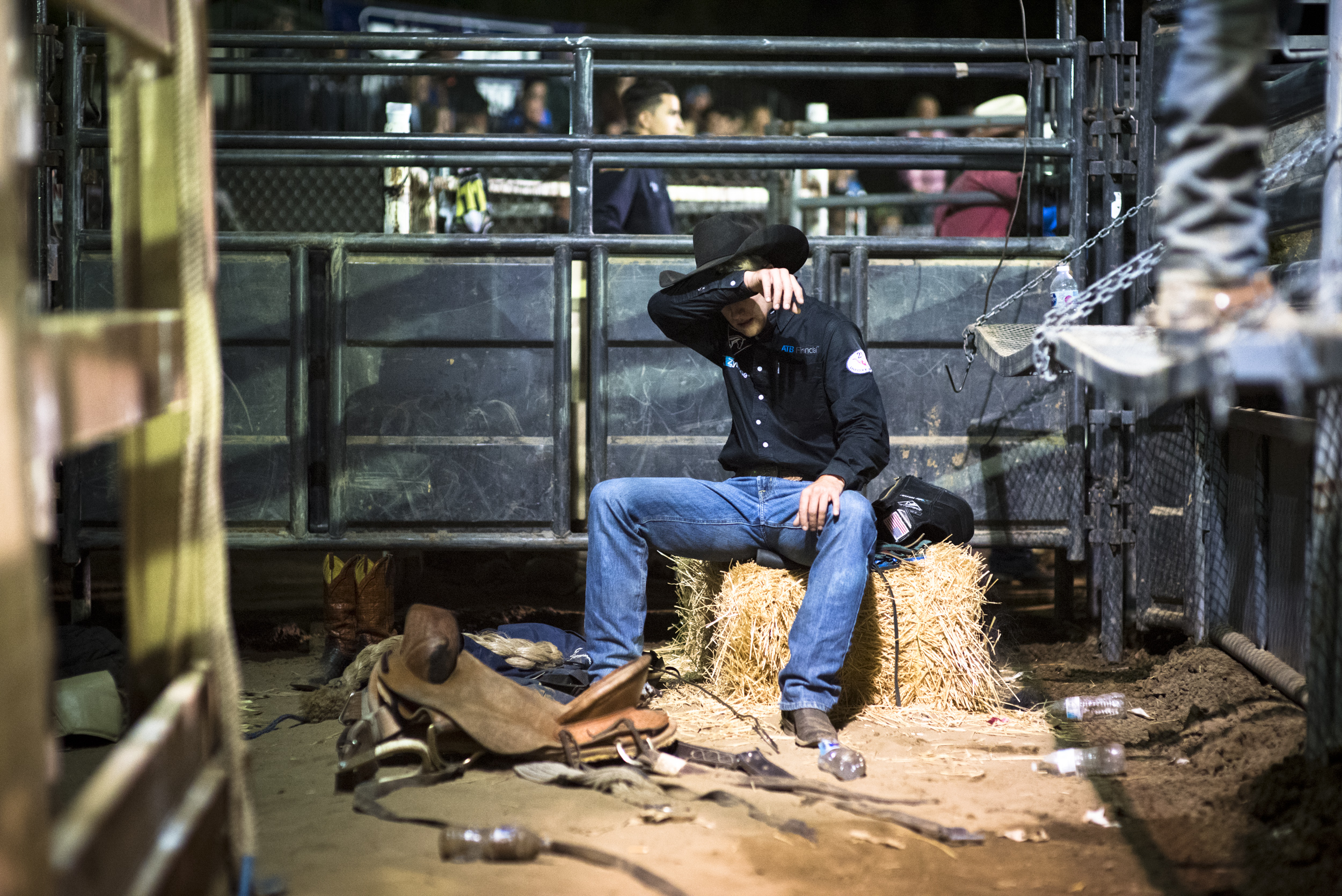
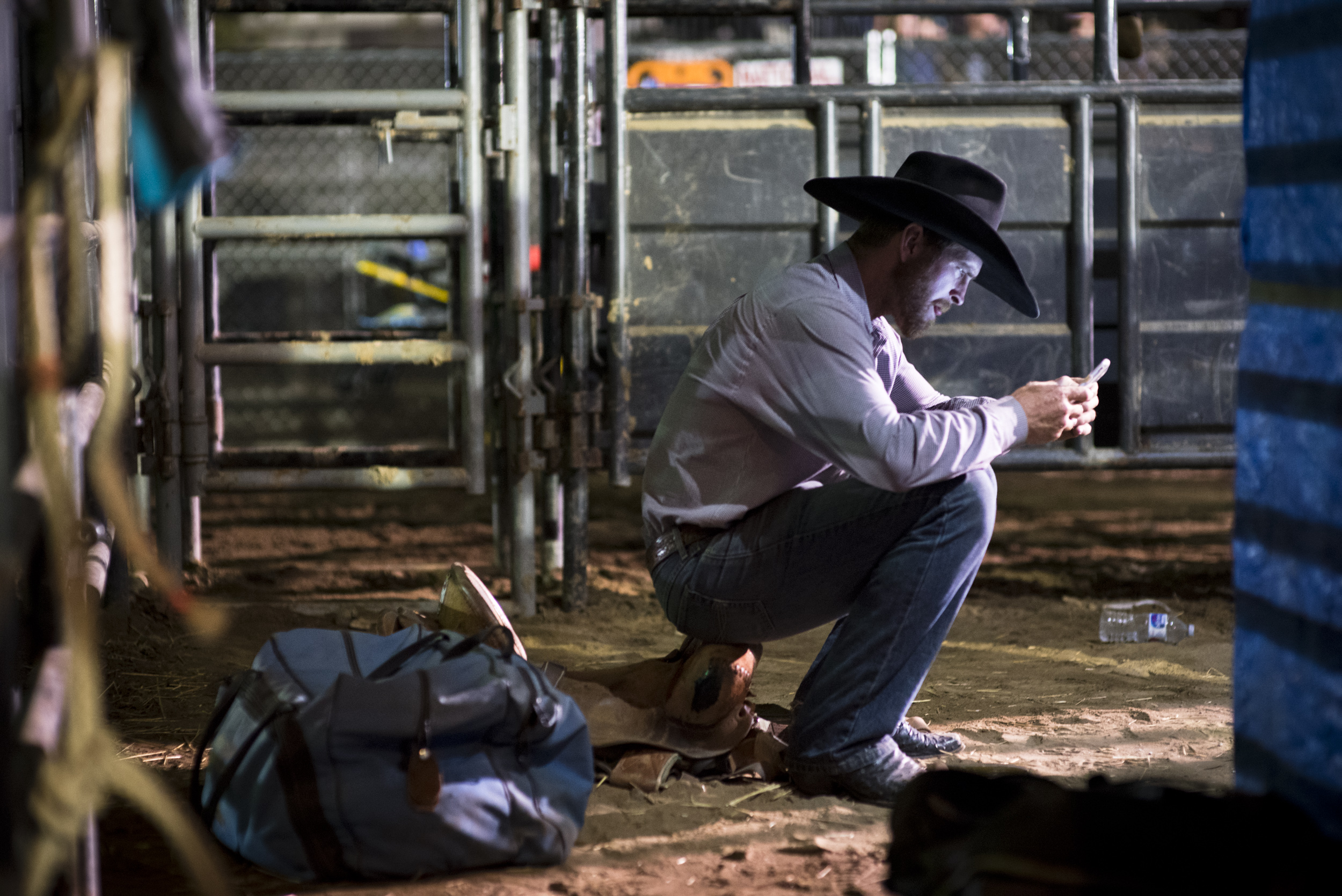
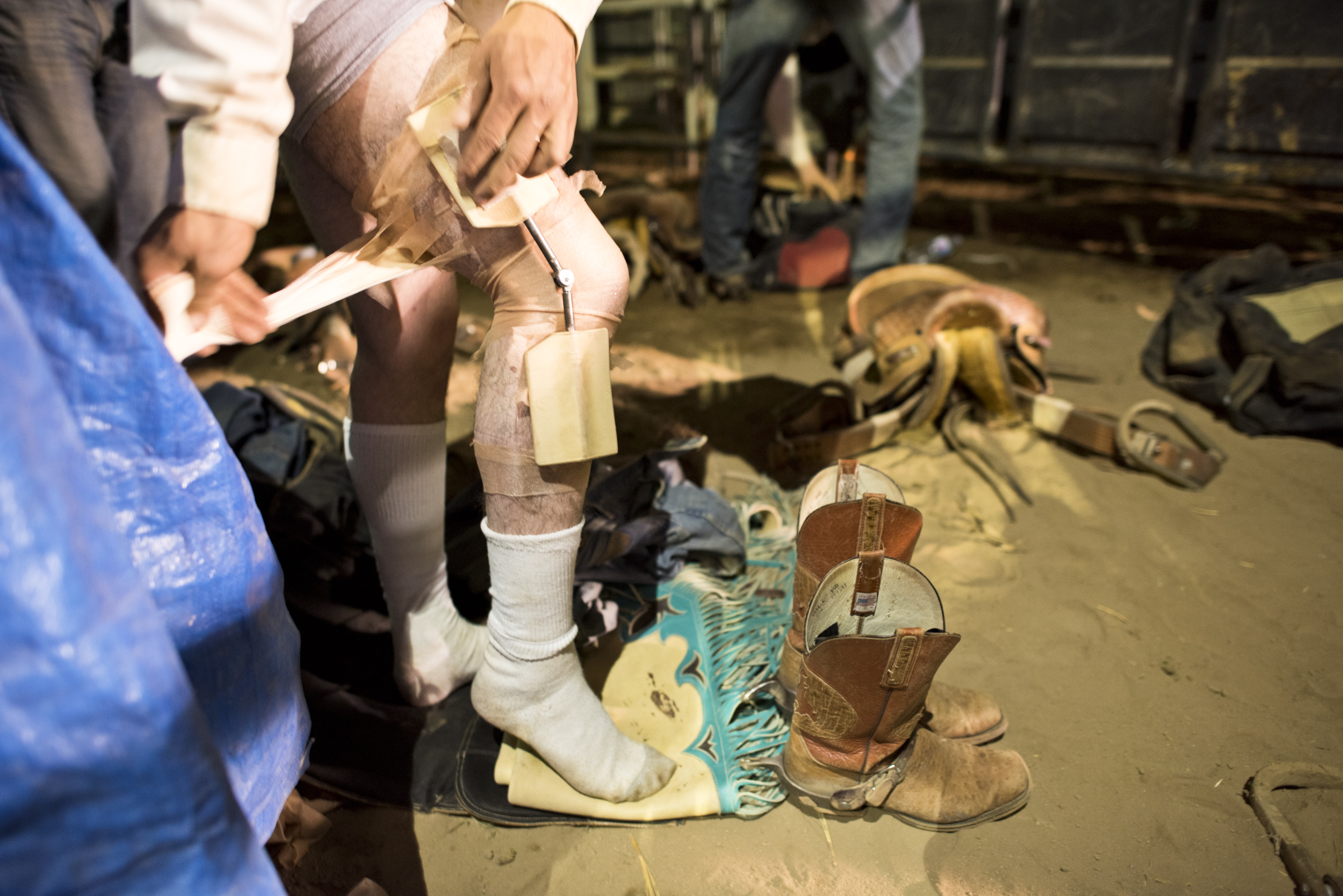
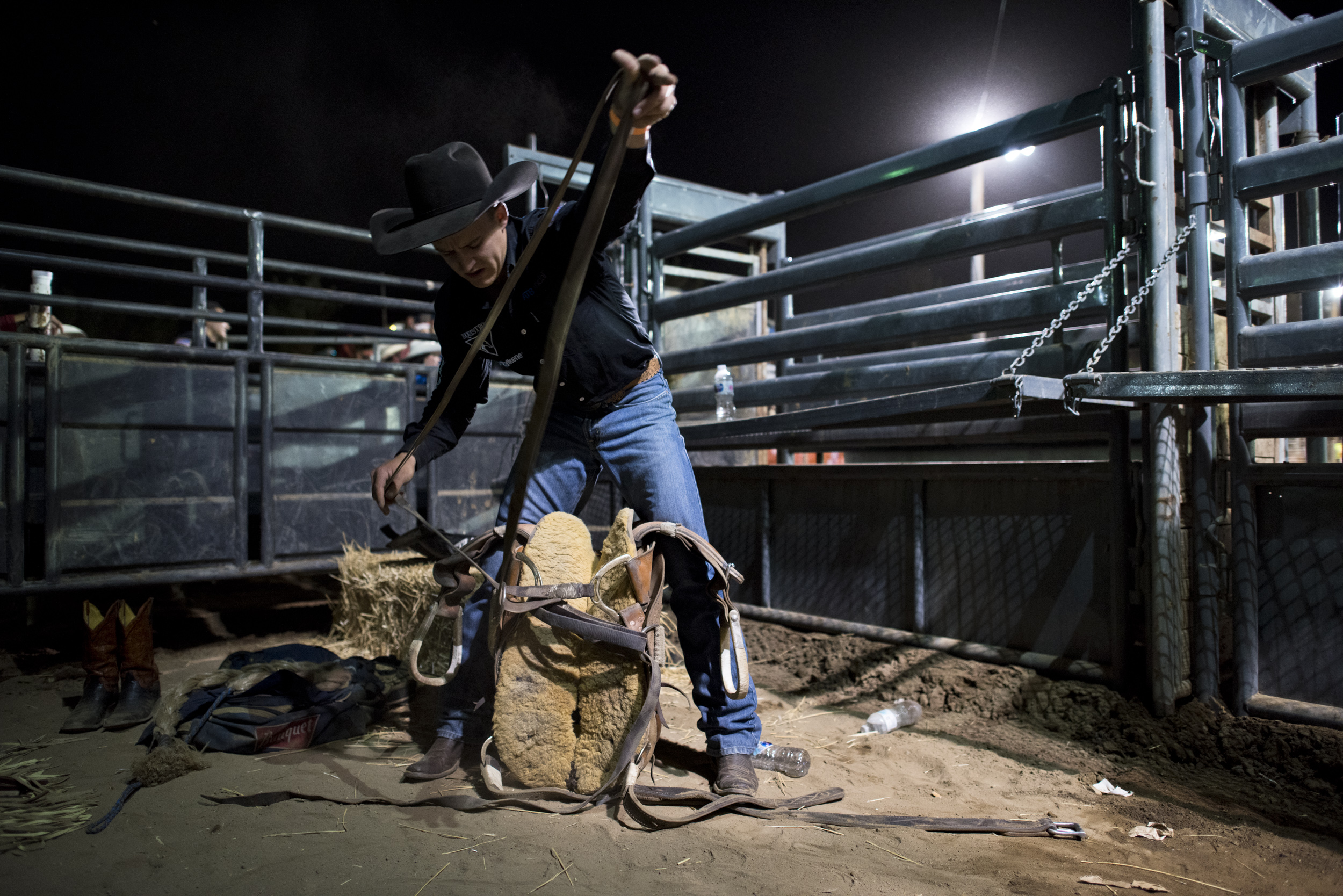
Dubois is a small town in western Wyoming with a population of roughly a thousand people. During the summer, Friday nights mean rodeo.
I went there expecting to photograph the rodeo and came away much more interested in everything surrounding it.
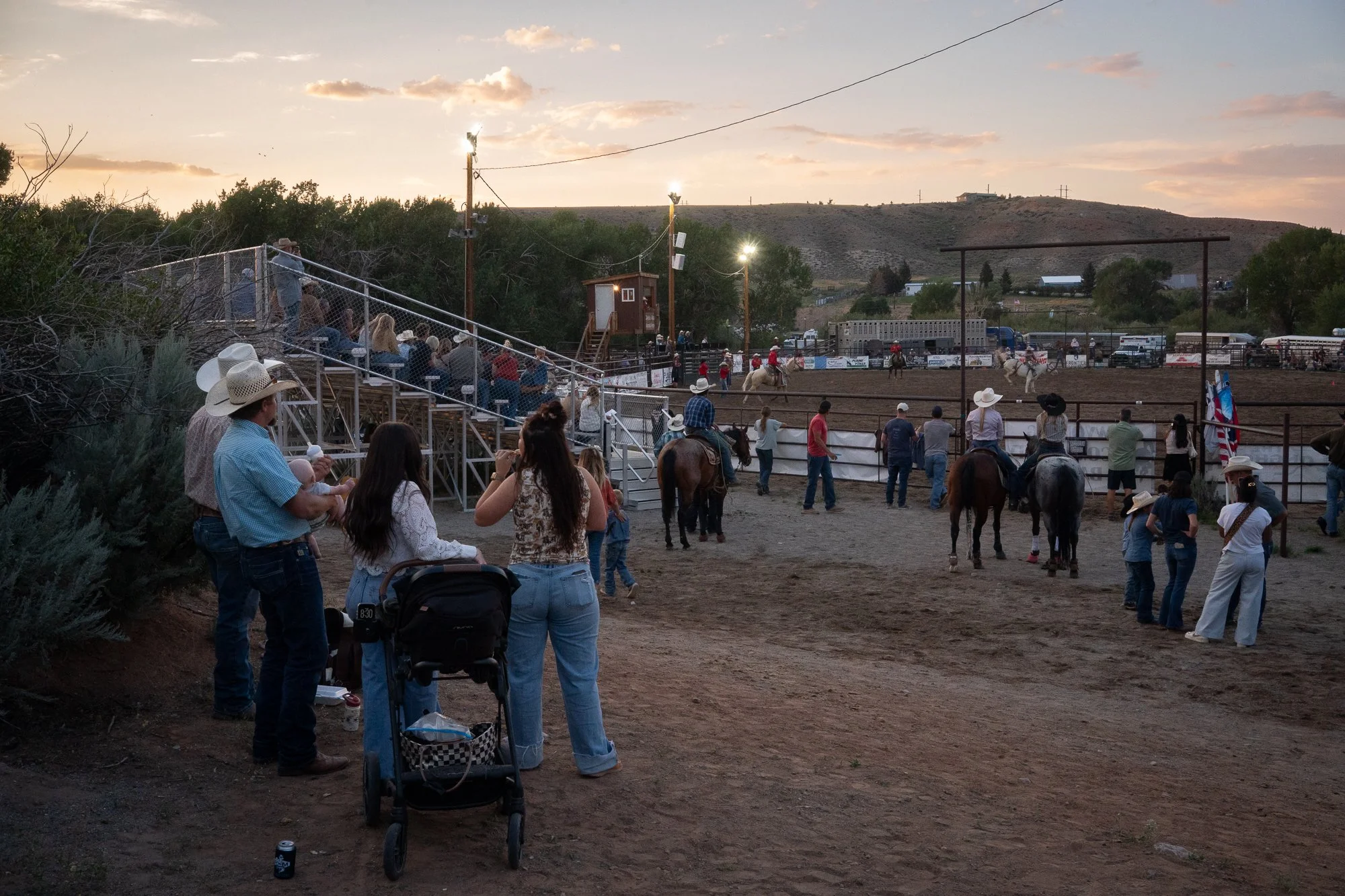
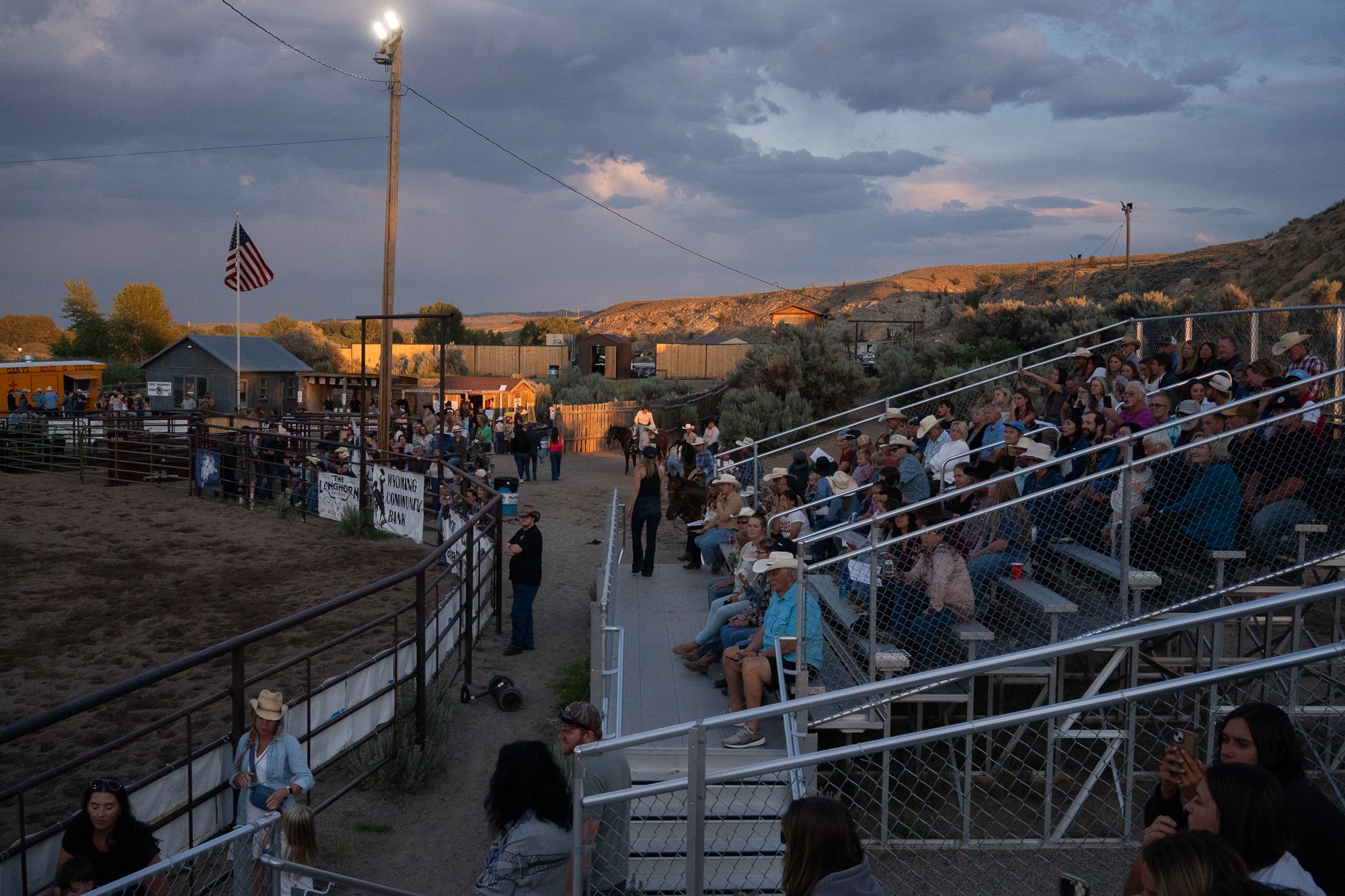
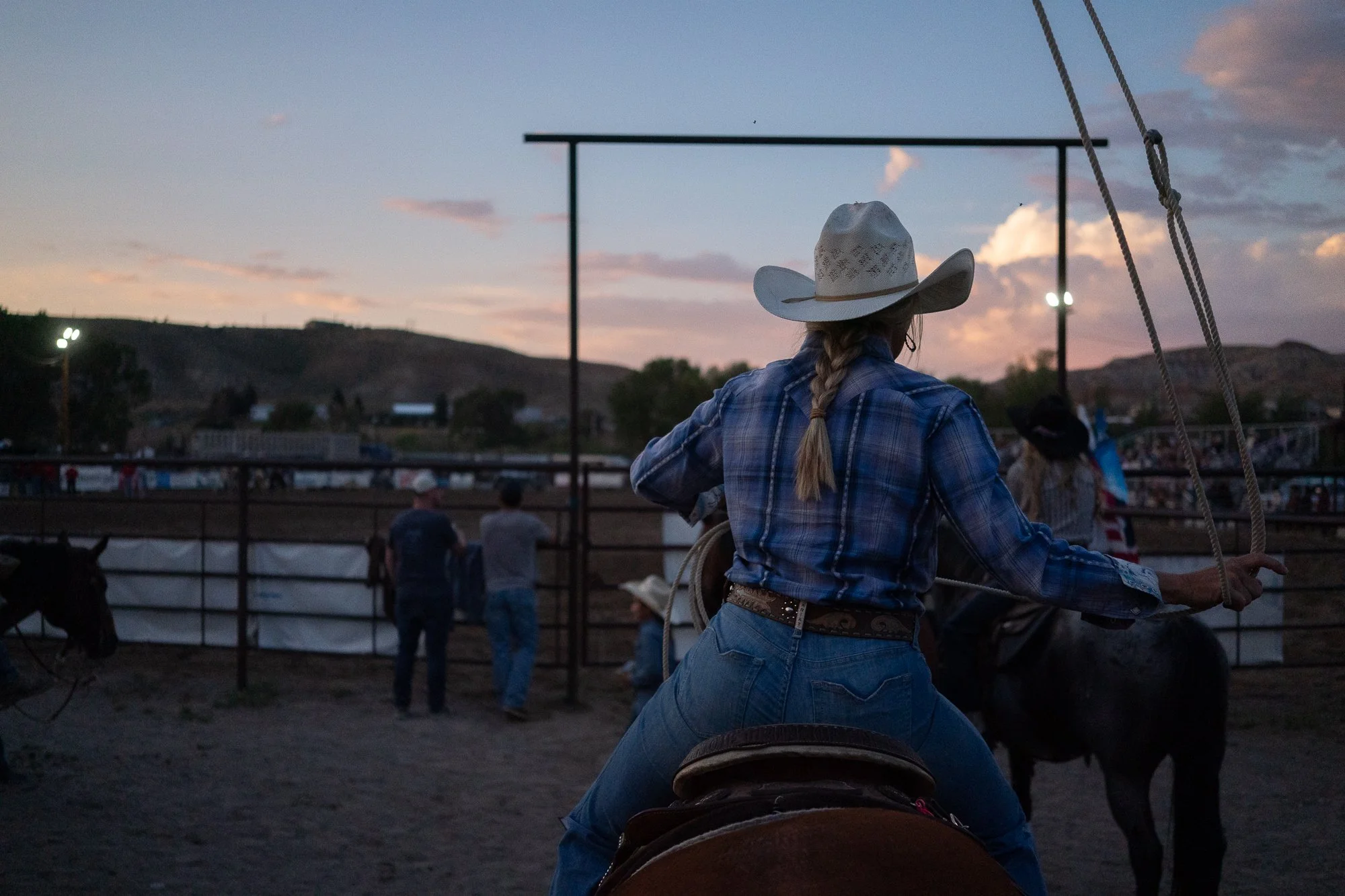
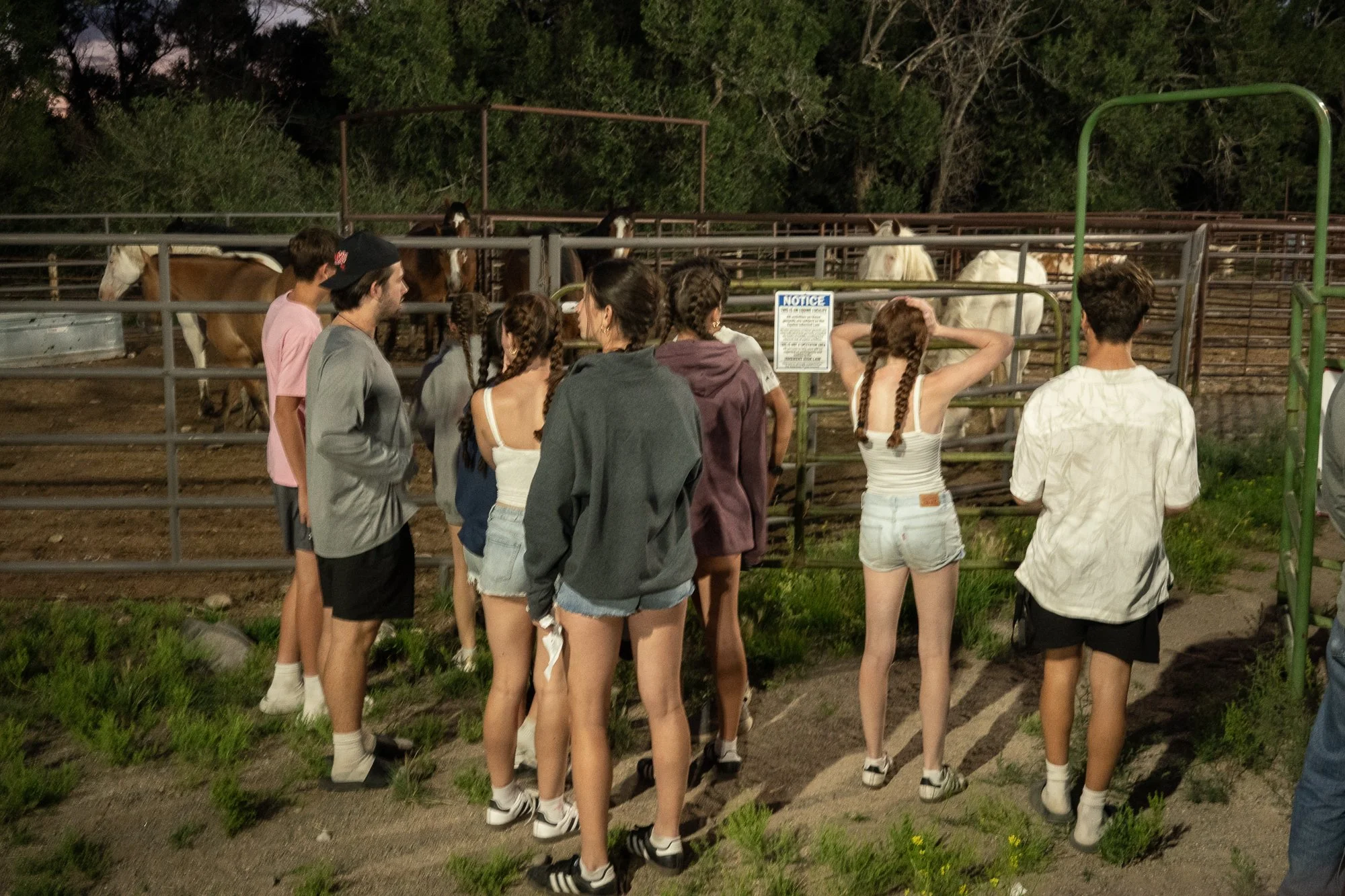
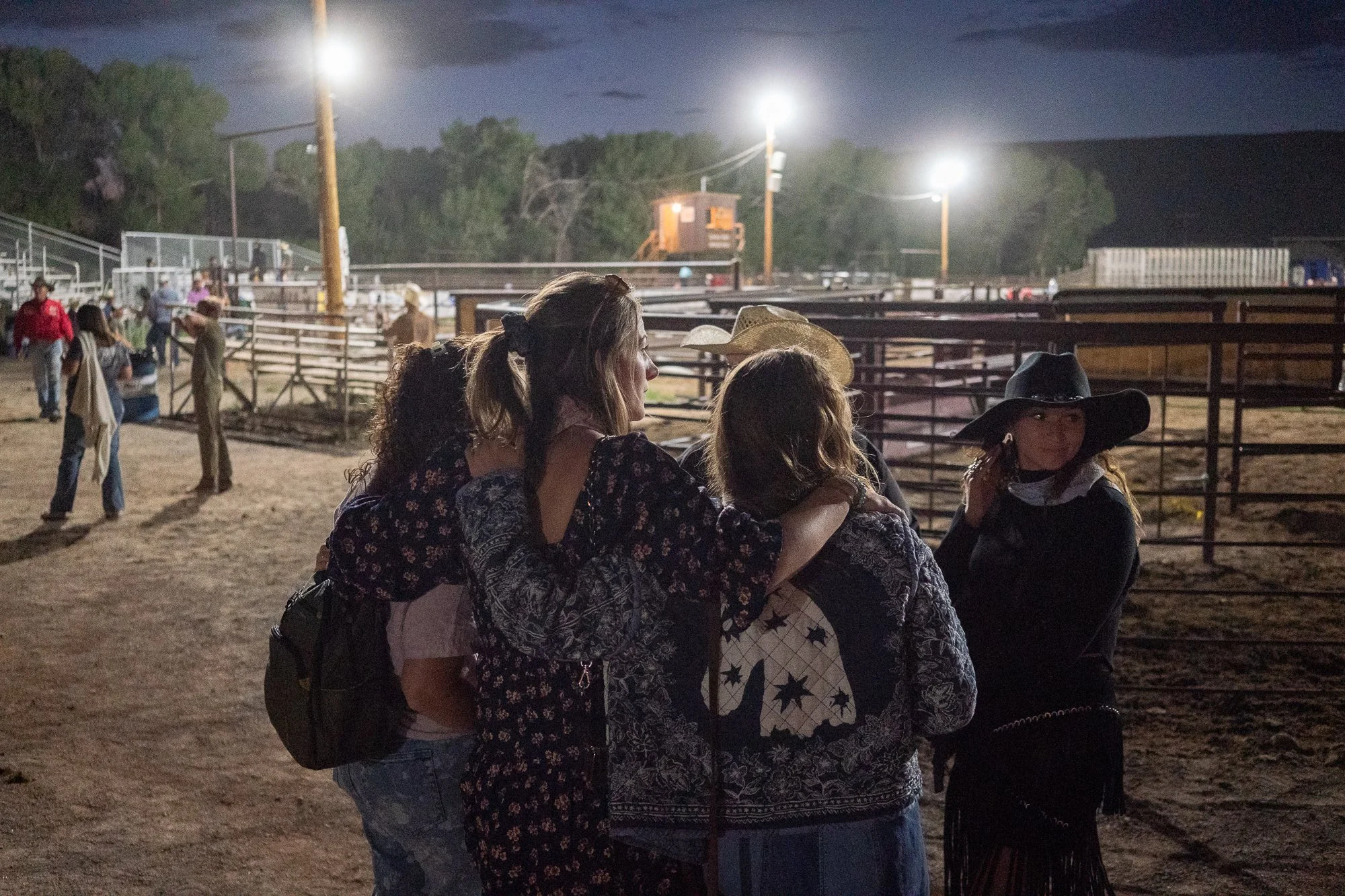
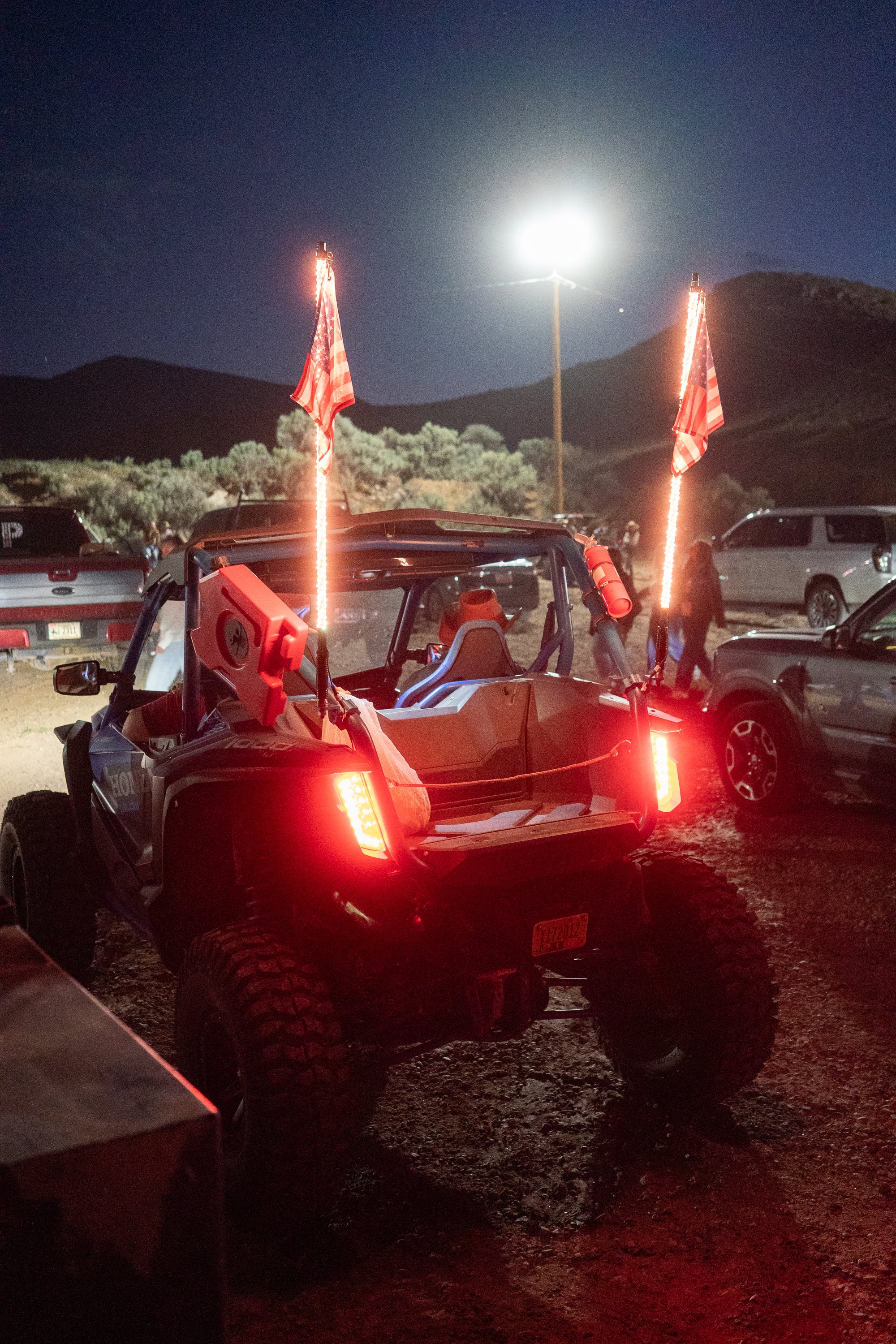
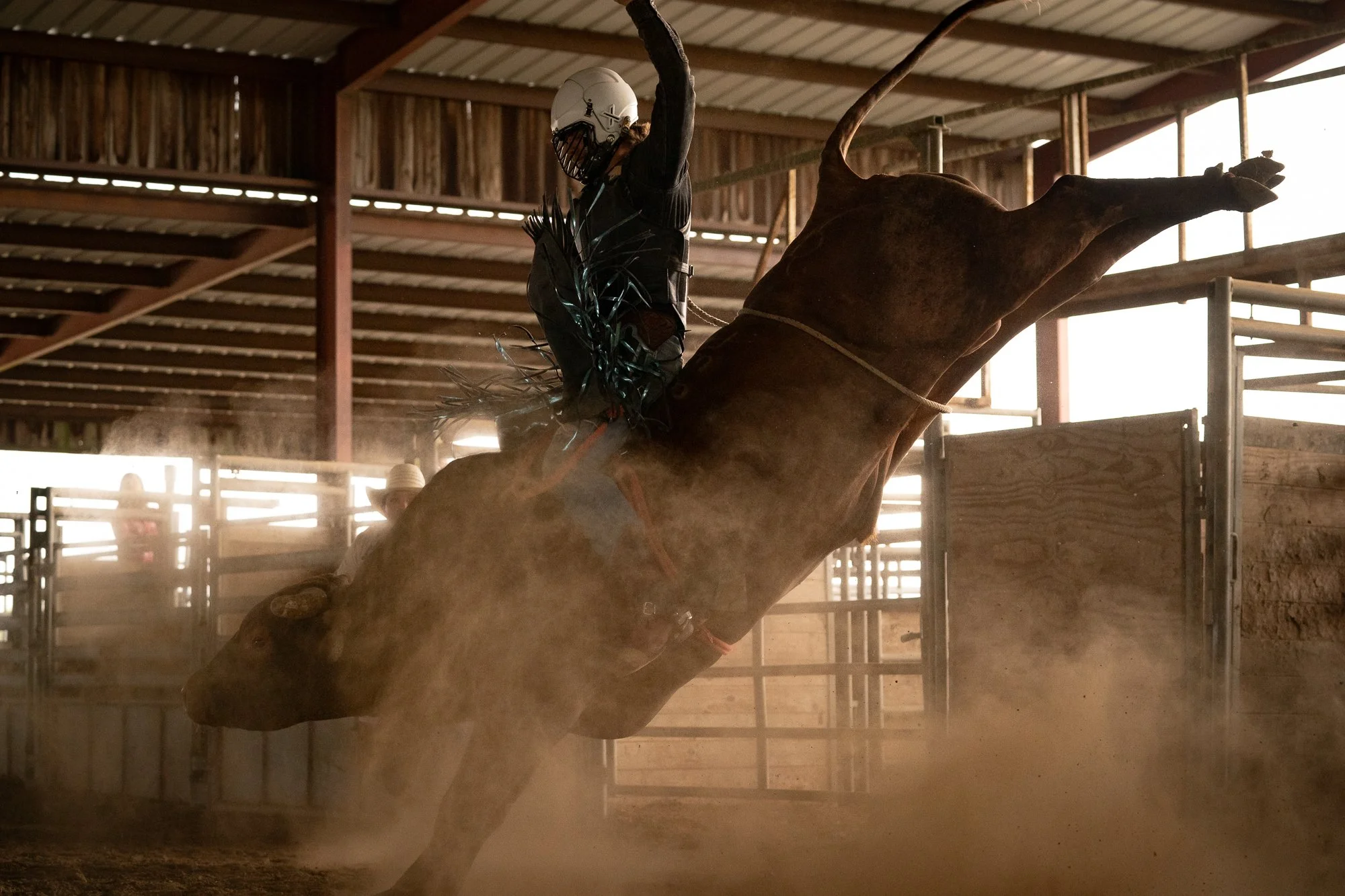
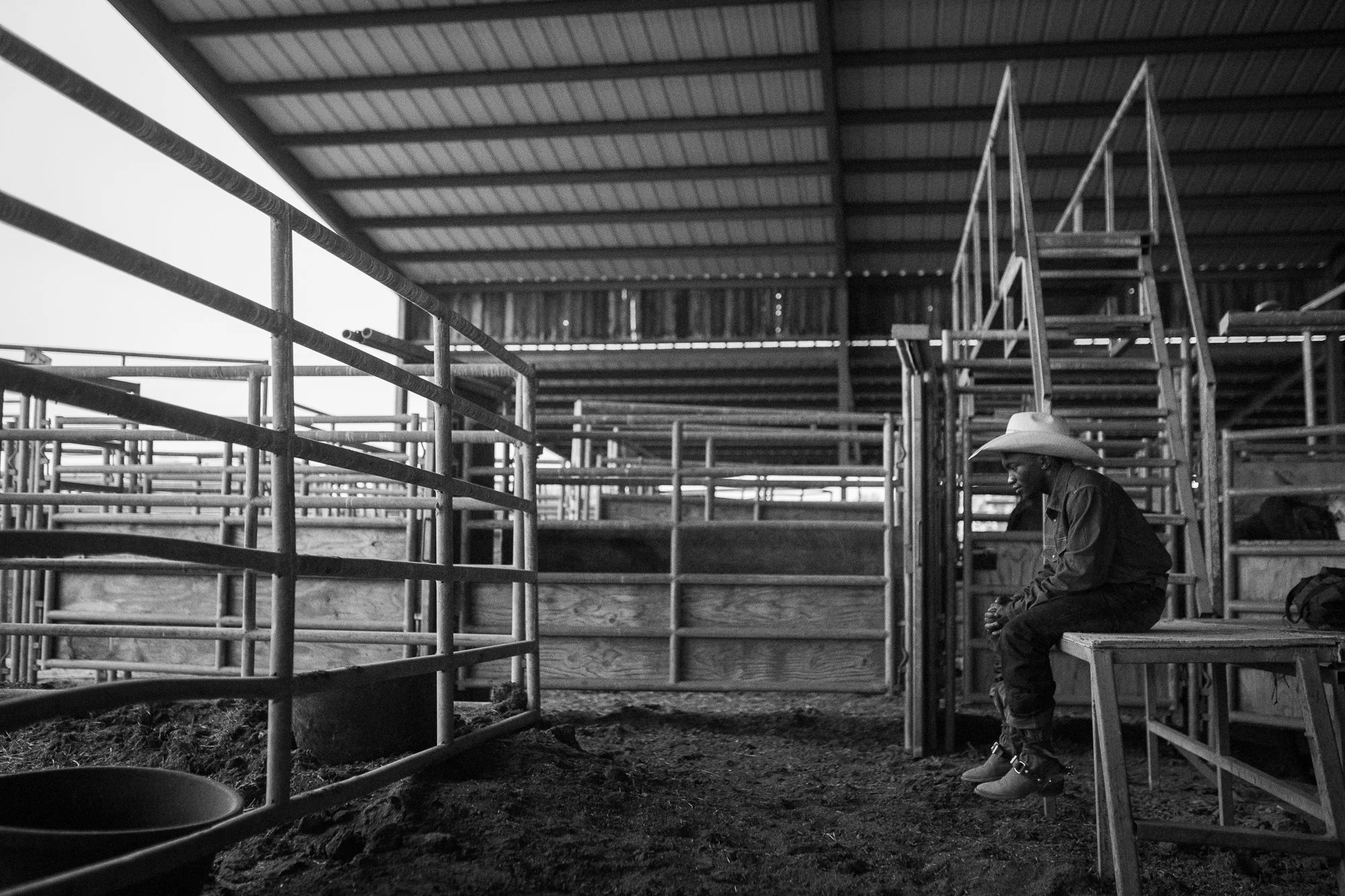
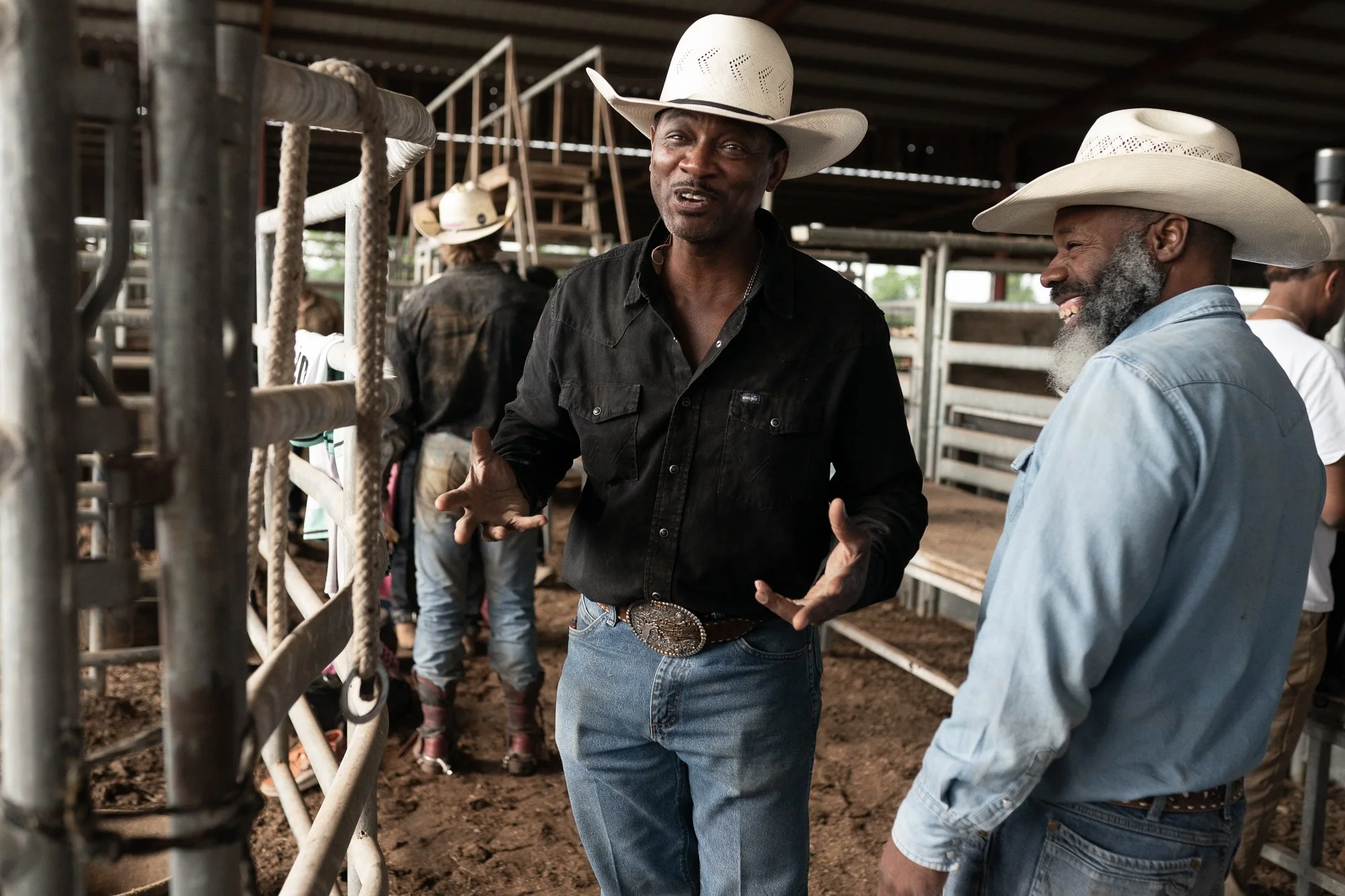
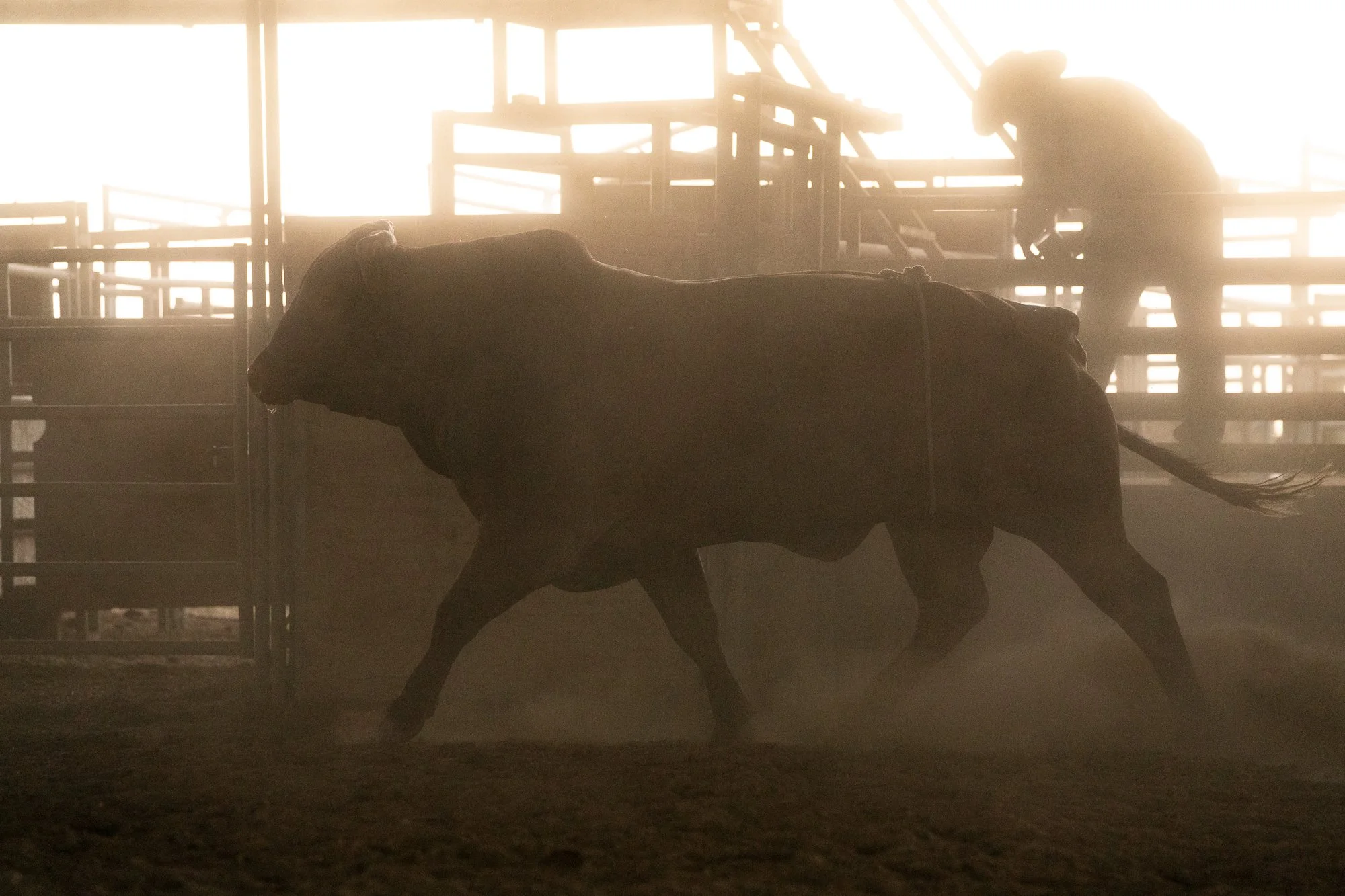
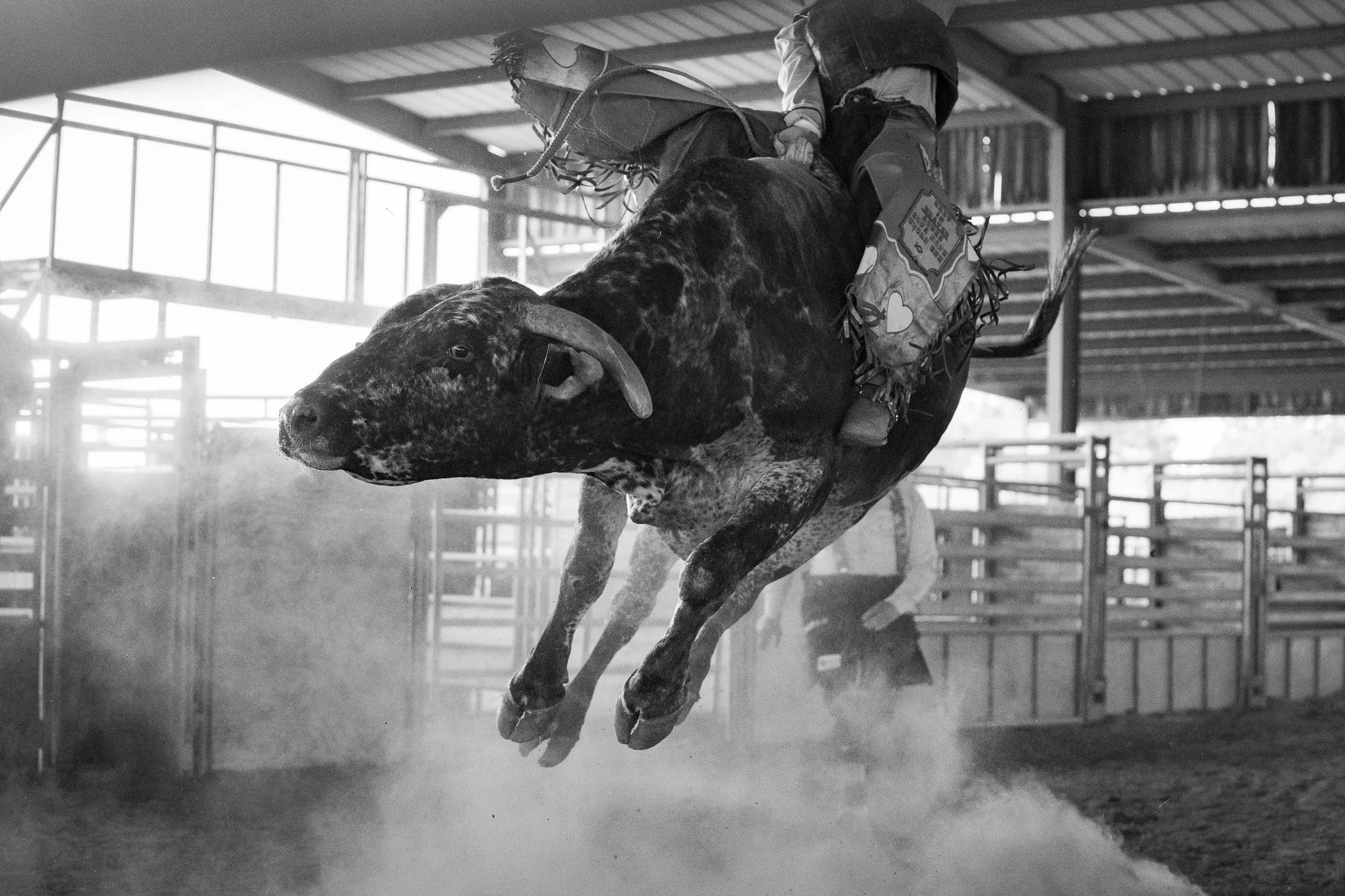
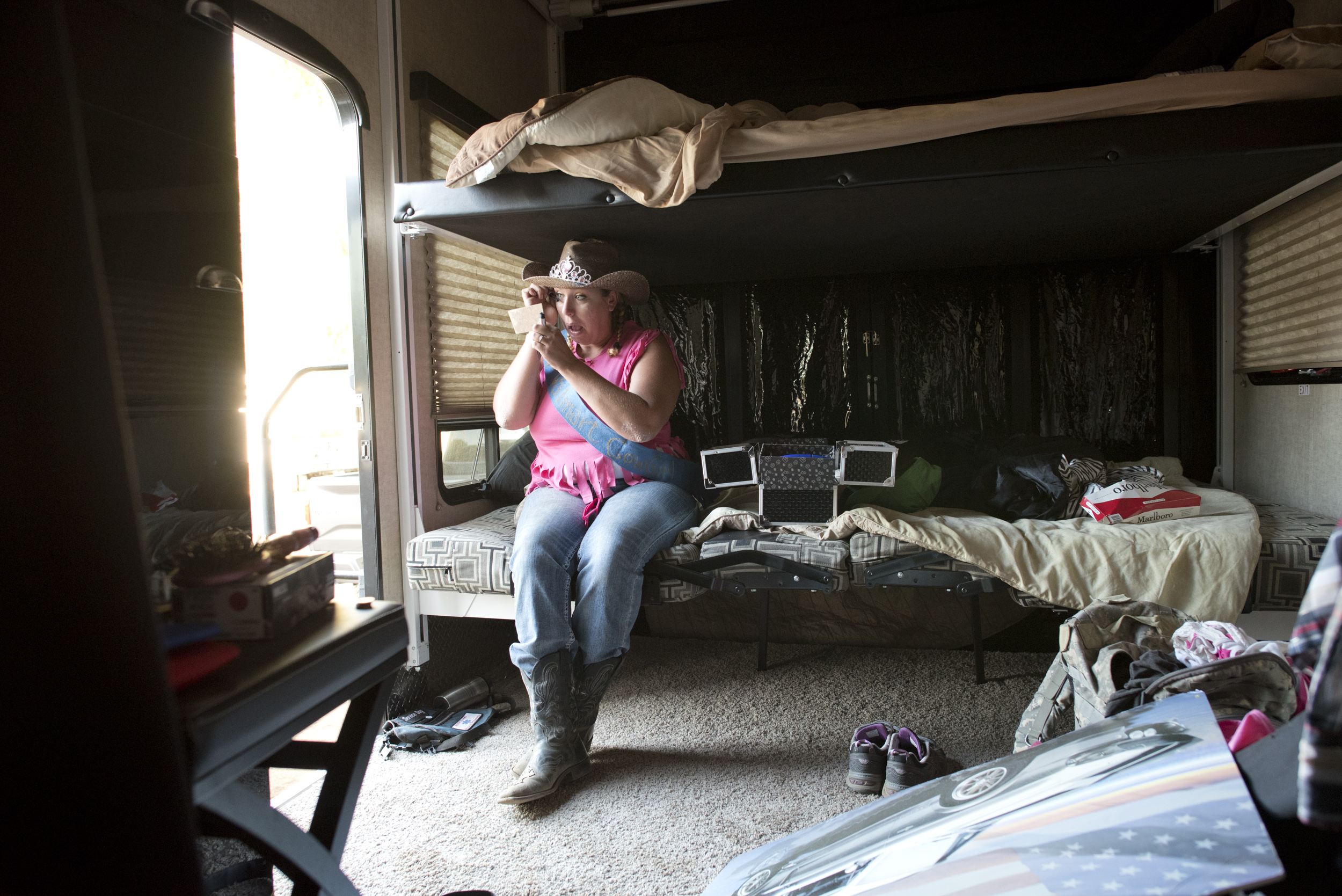
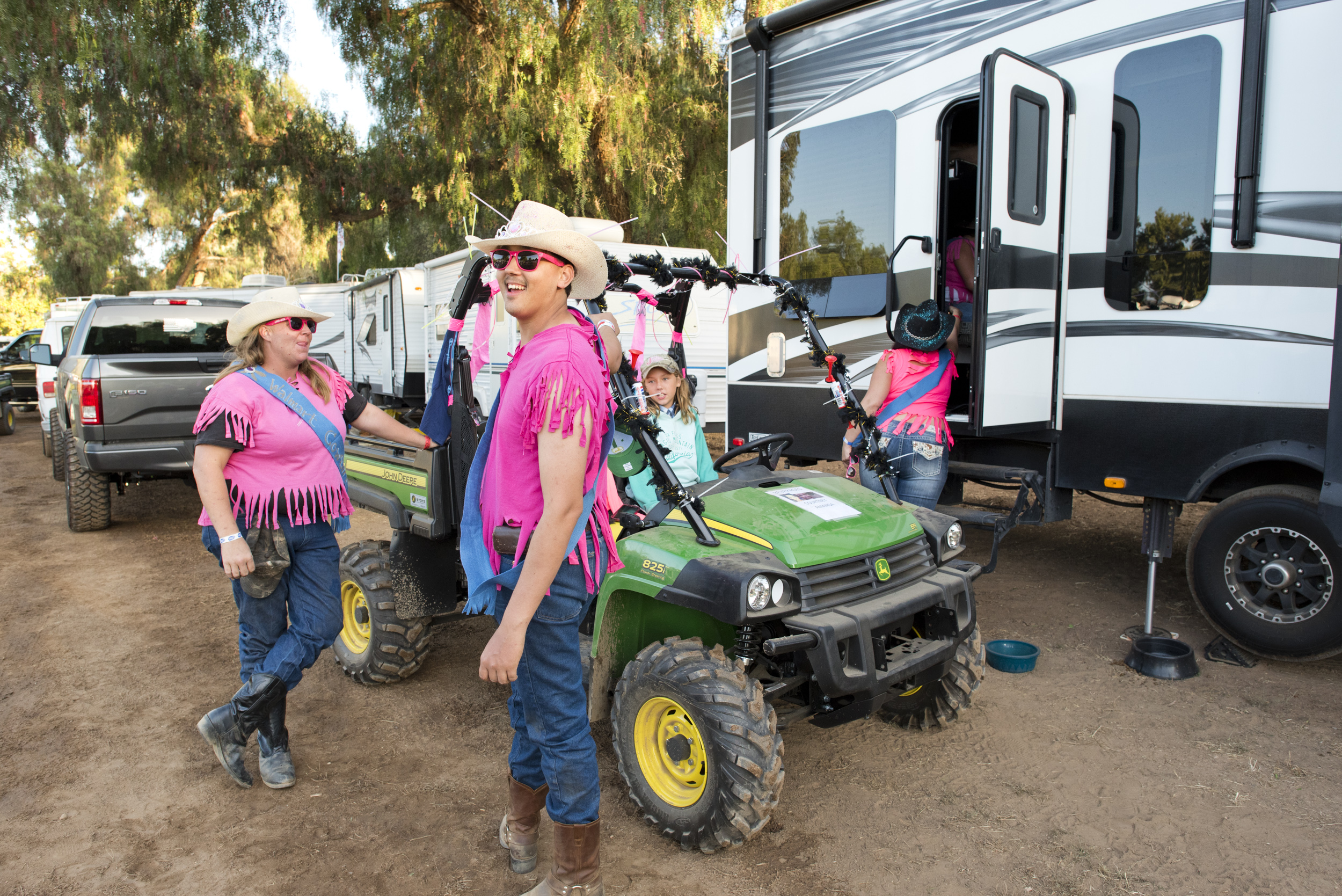
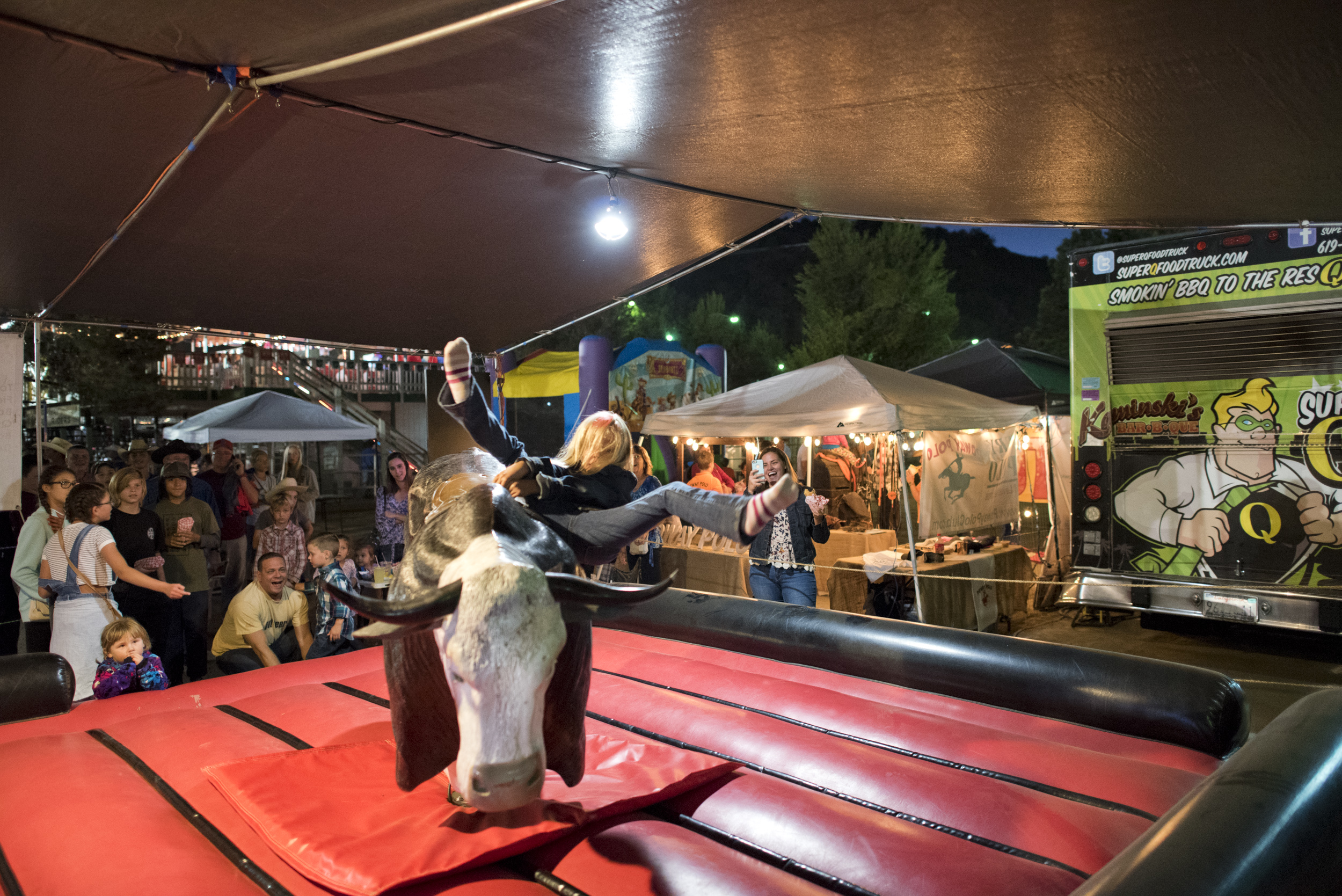
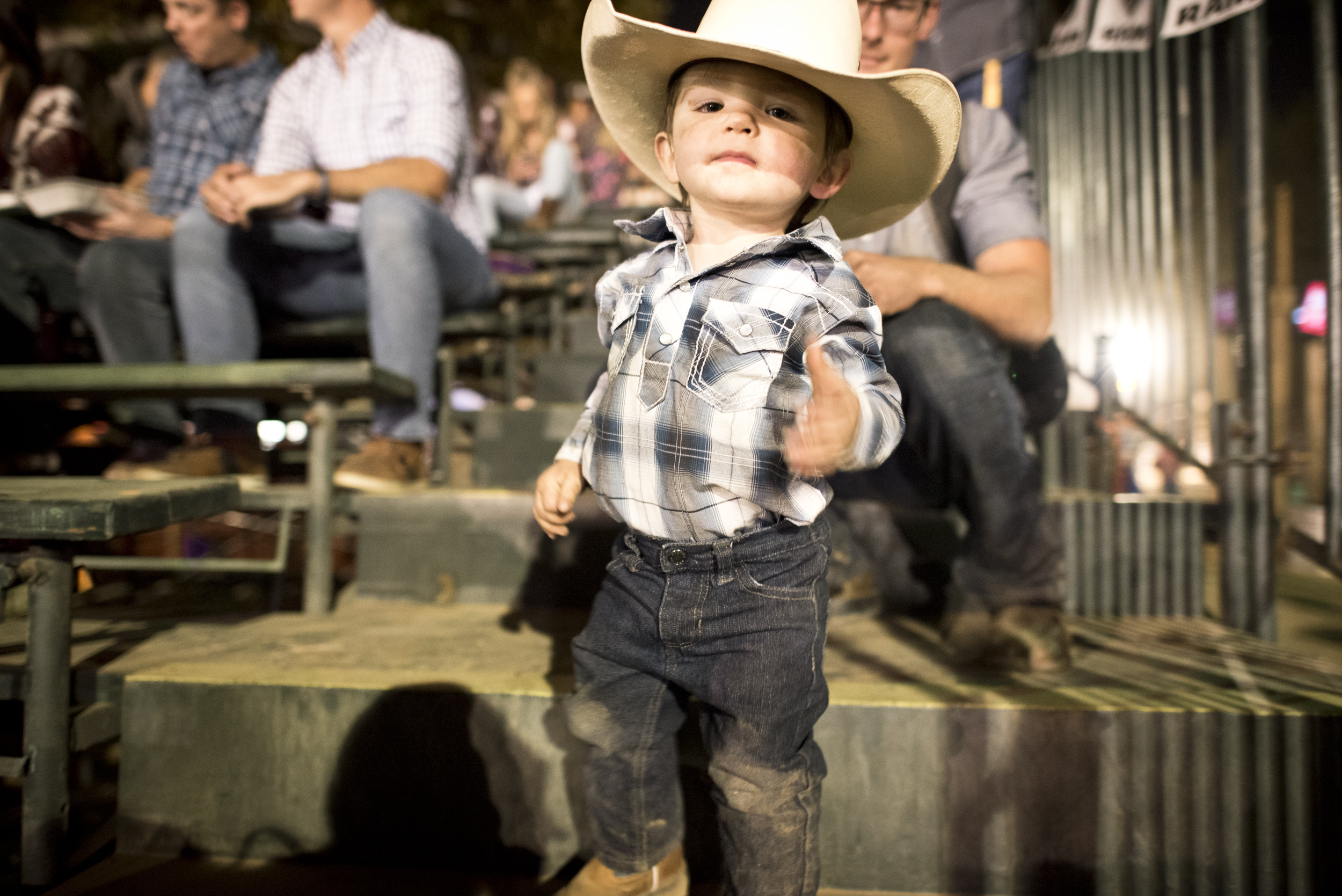
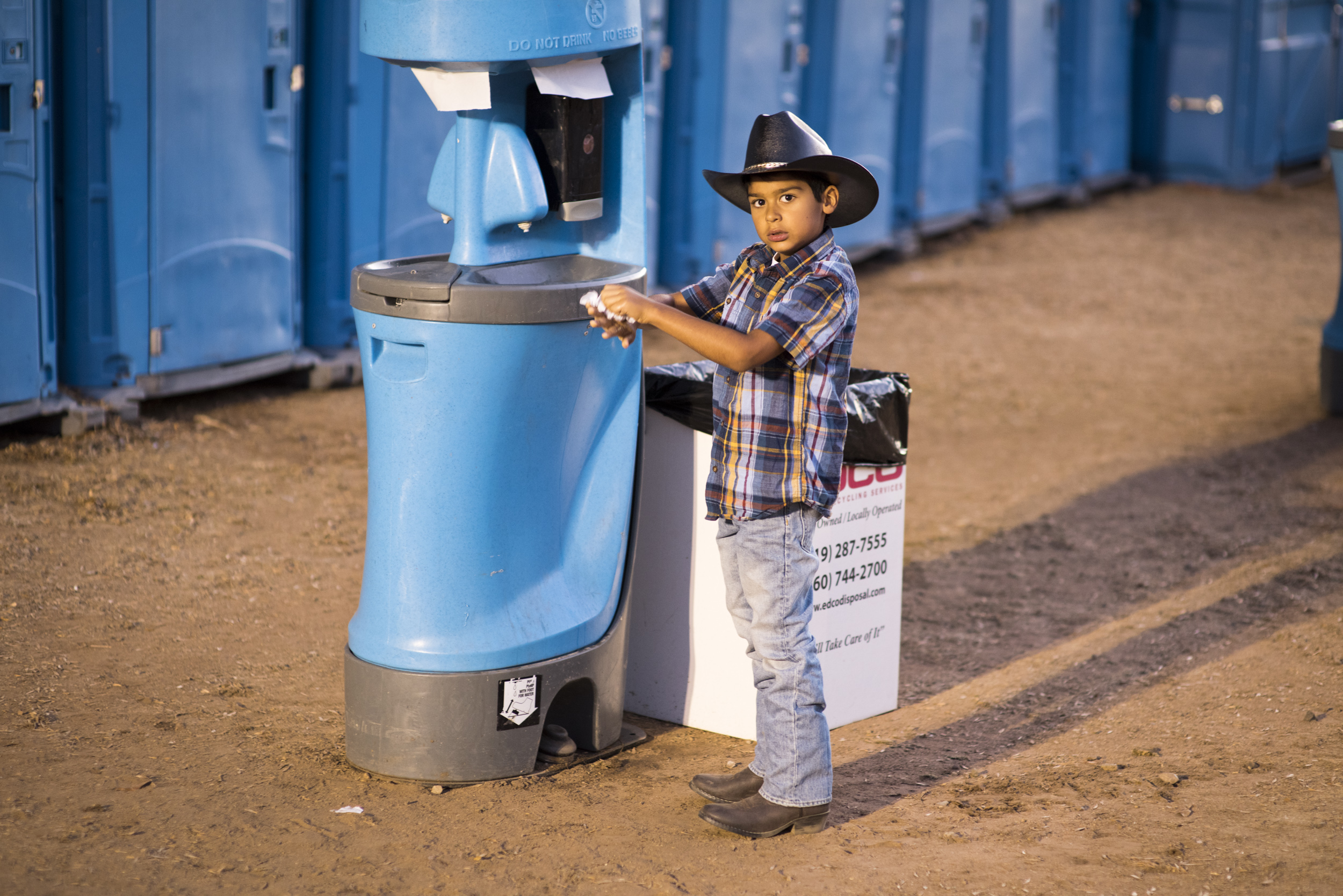
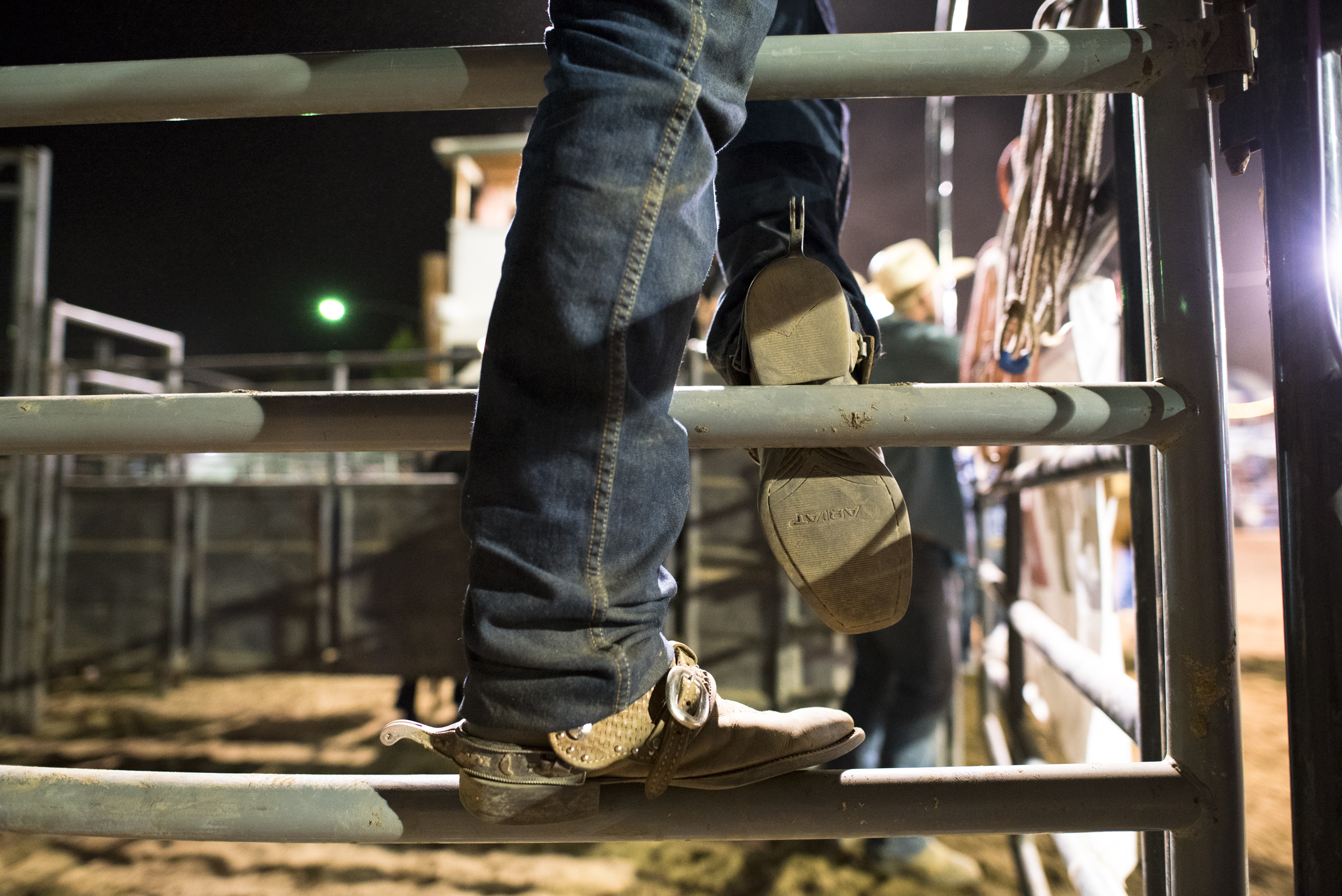
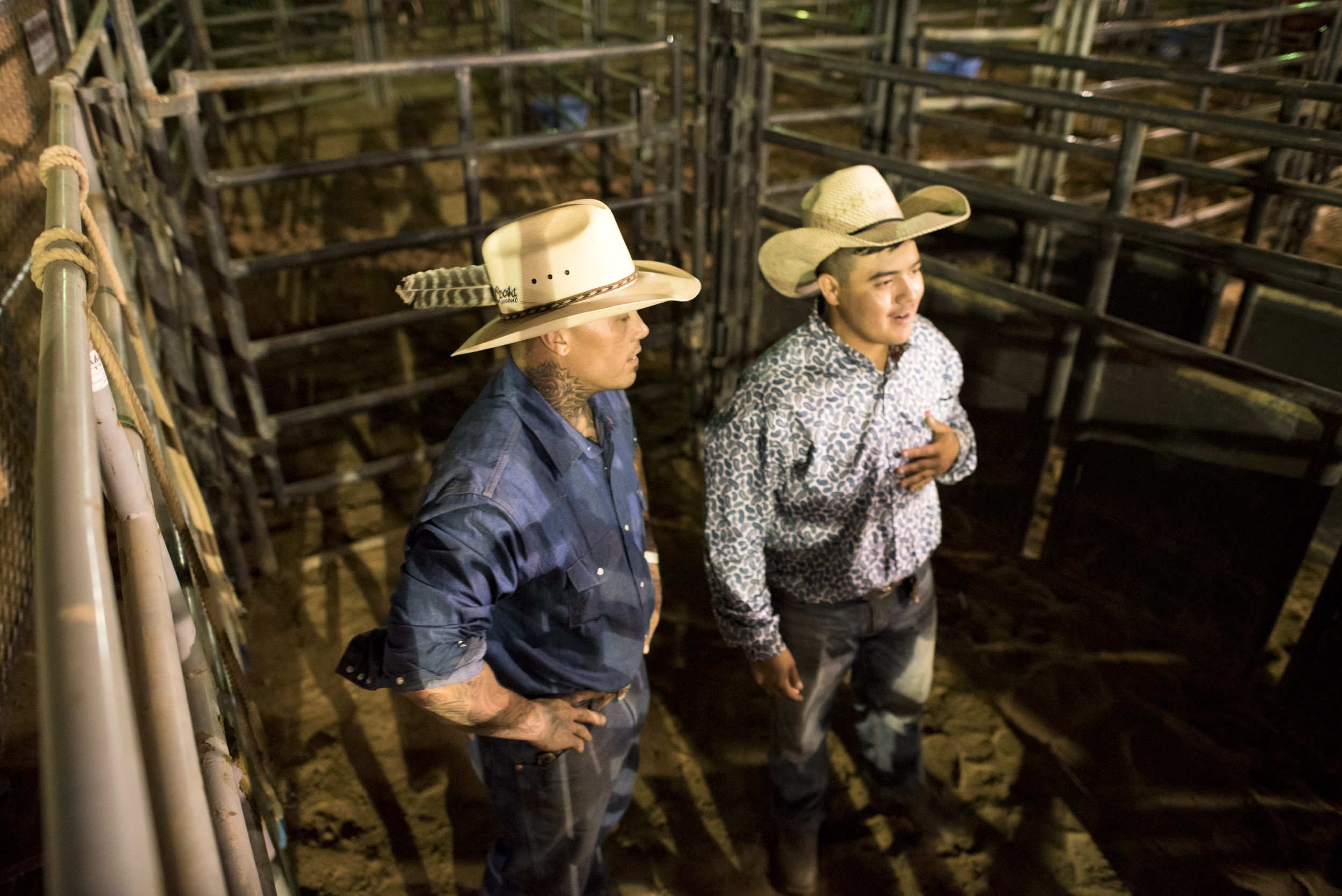
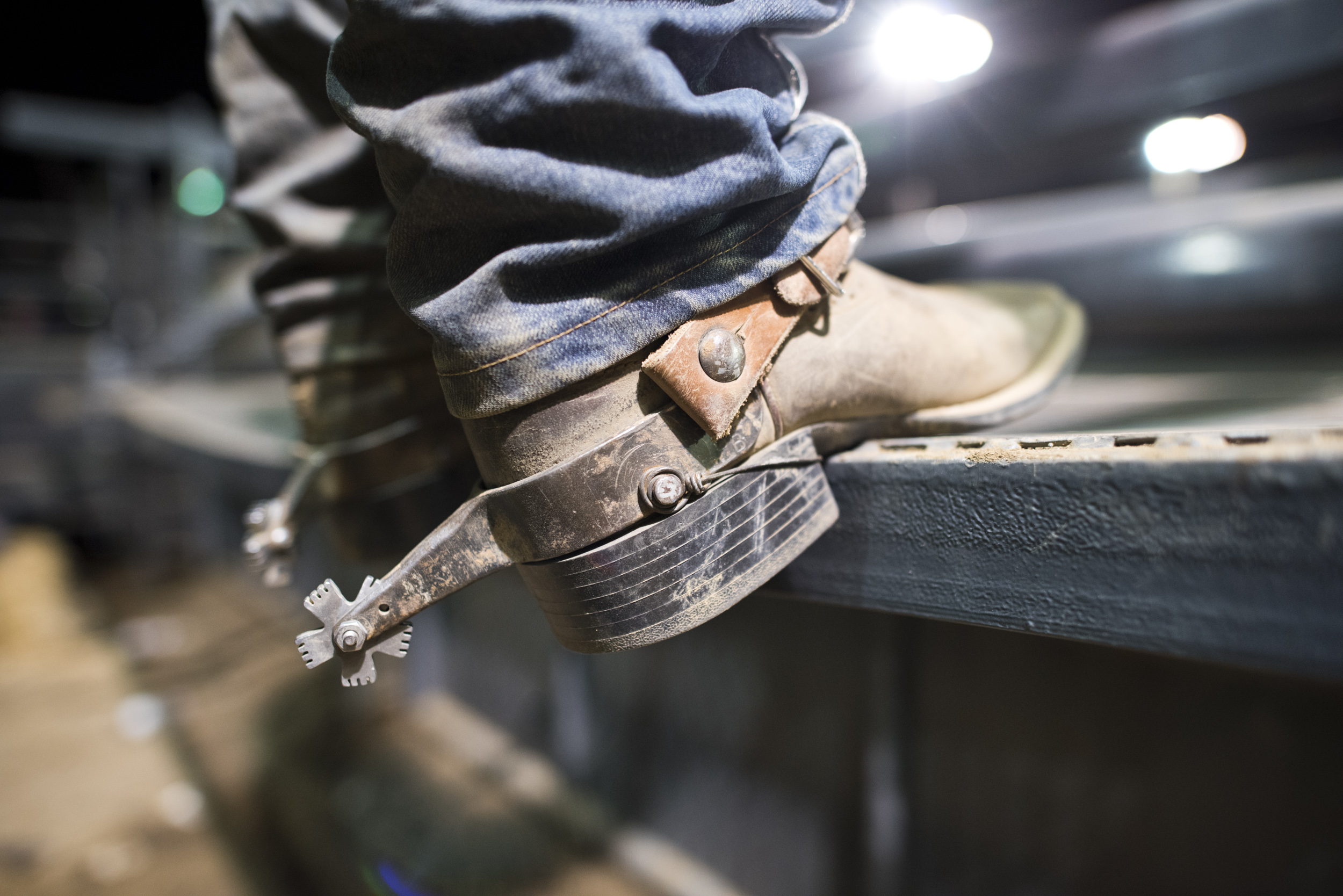
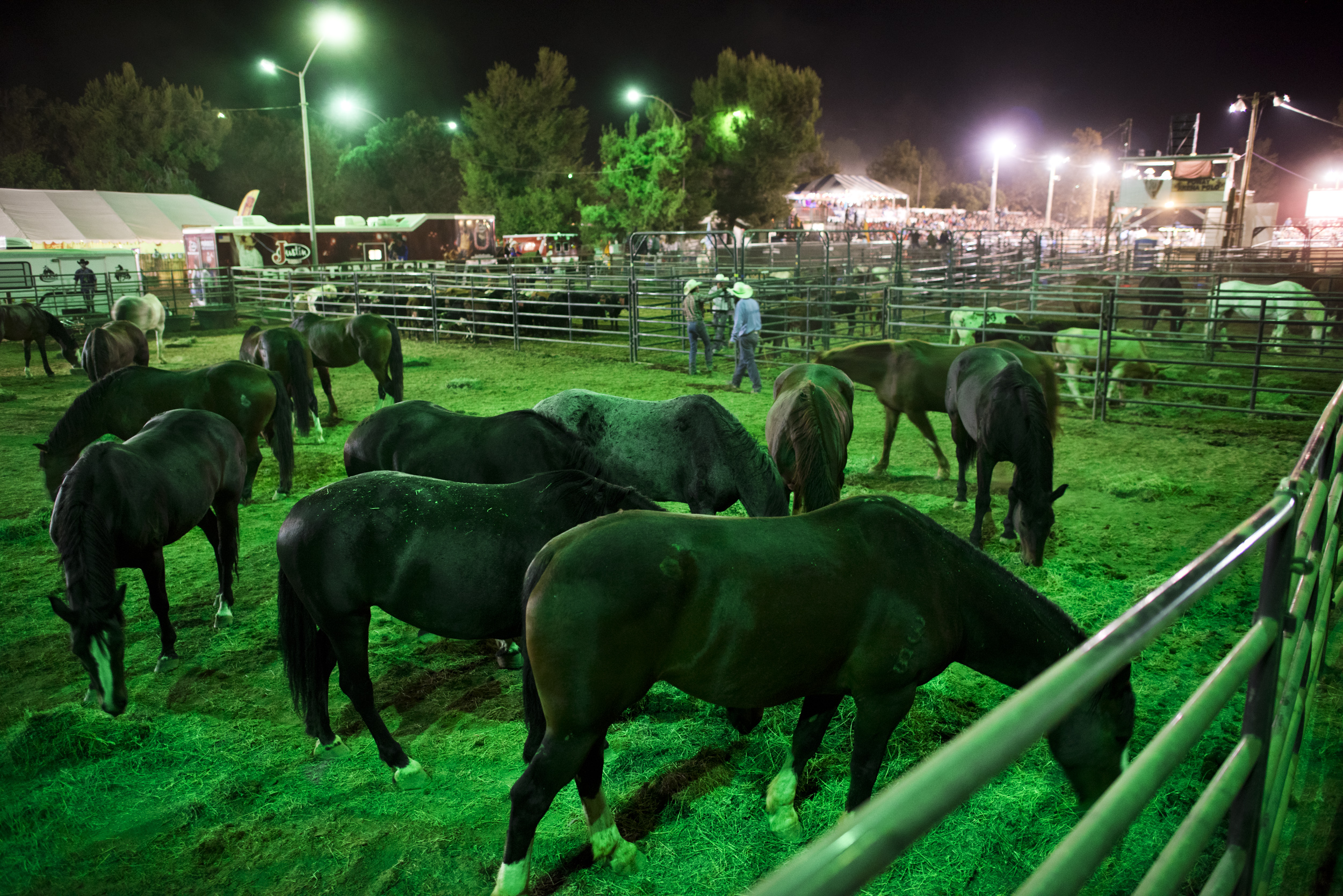
Of course there were cowboys, horses, broncs and bulls. But there were also kids running around behind the chutes, families sitting in the stands, competitors talking before their events and all the little interactions happening away from the arena.
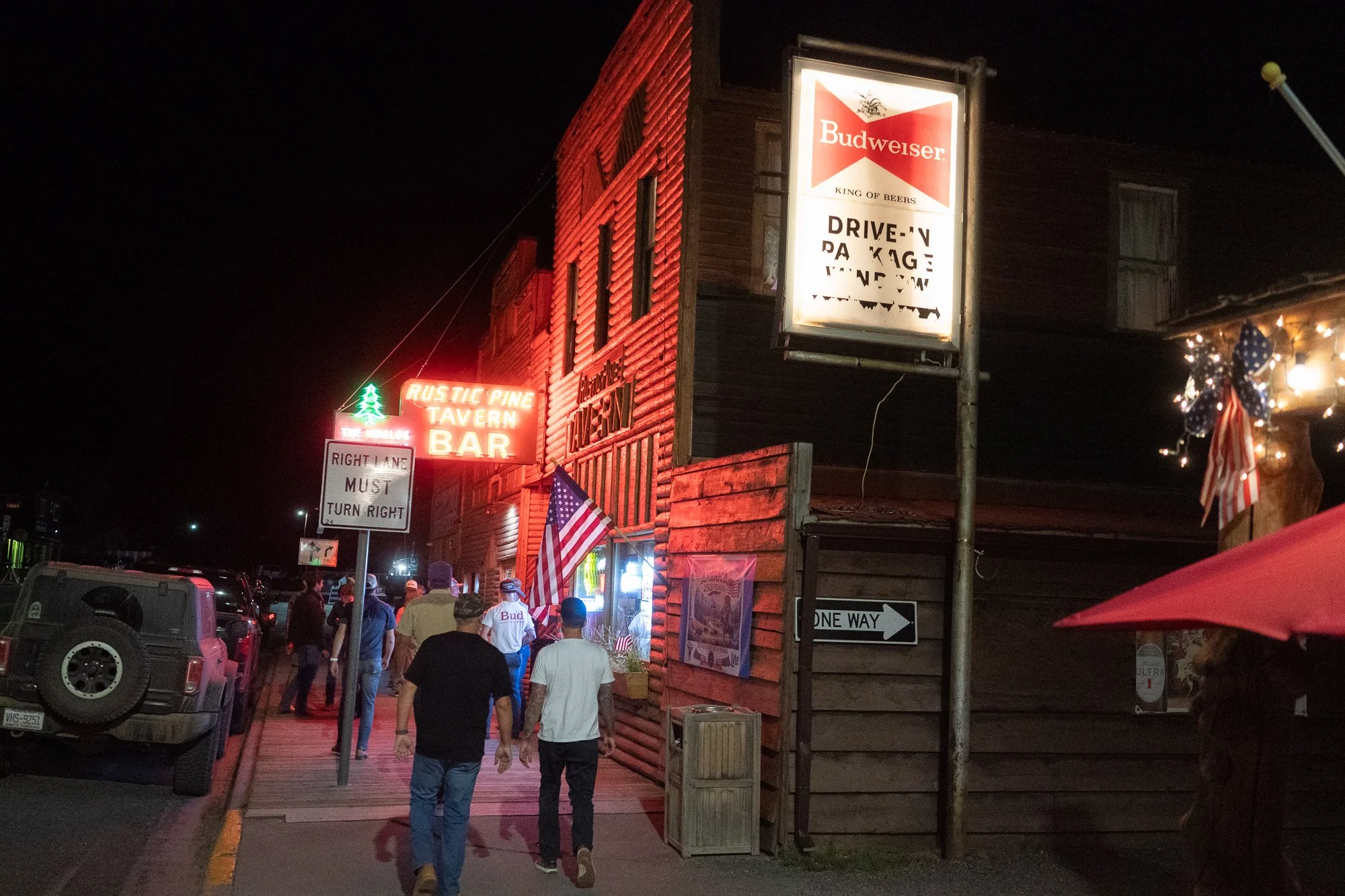
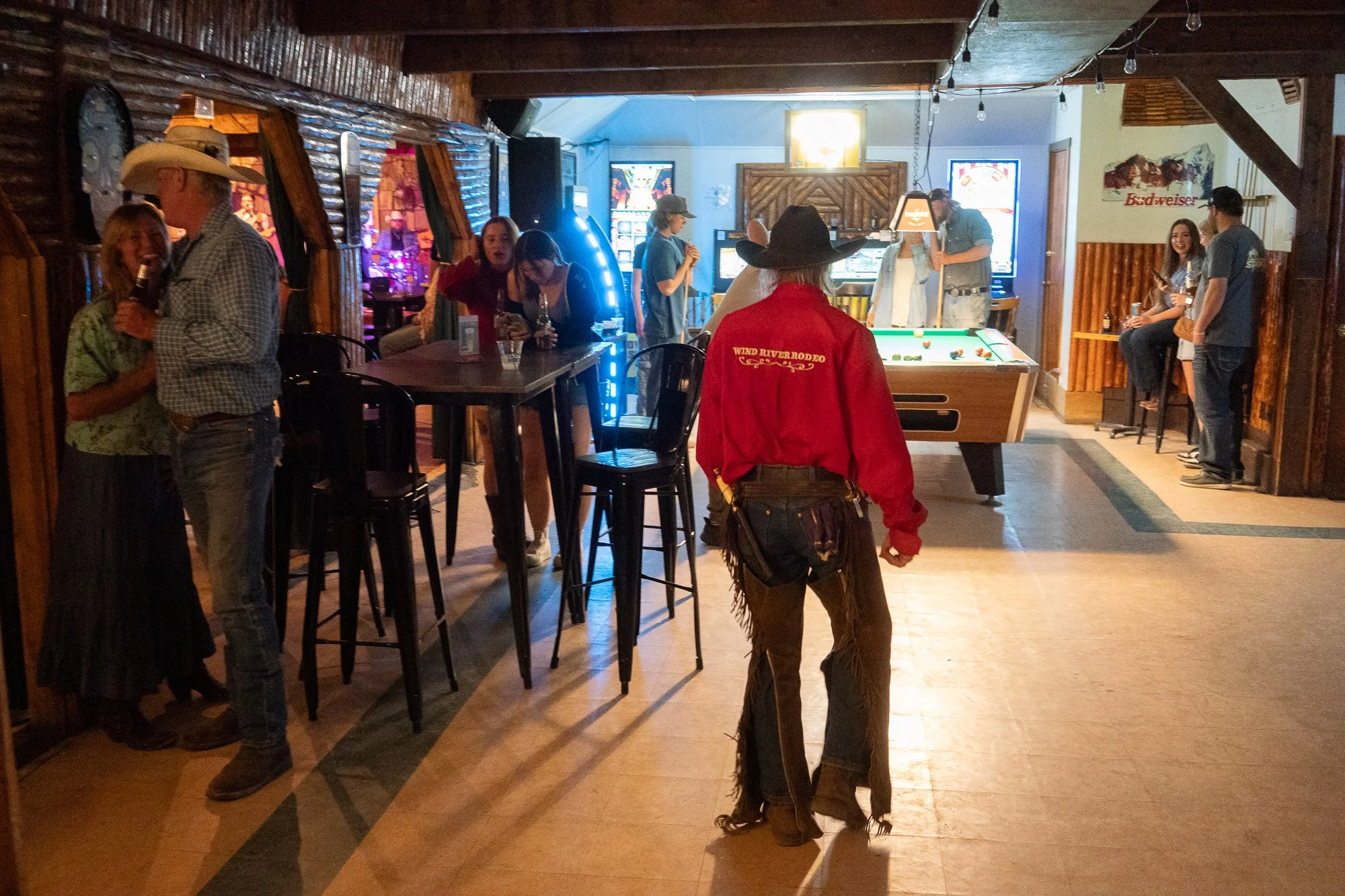
Afterward, a lot of the same people ended up at the local bar.
That's where the story became more interesting to me.
Cowboys who had been competing a few hours earlier were drinking, talking and dancing. Rodeo spectators mixed with locals. The distinction between the event and everyday life disappeared.
Those photographs became less about rodeo and more about a small Western community.
That's generally where I want the camera to be.
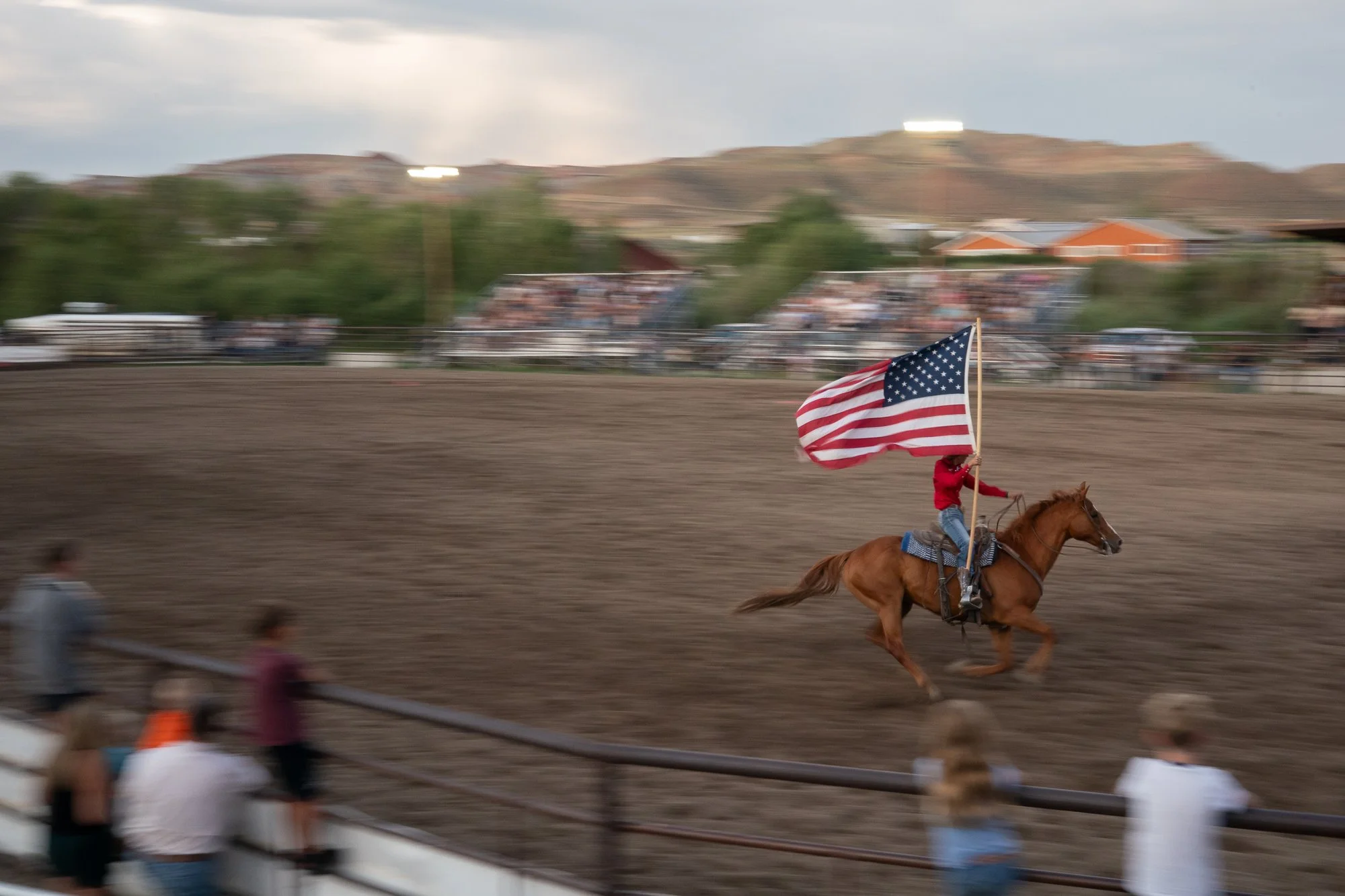
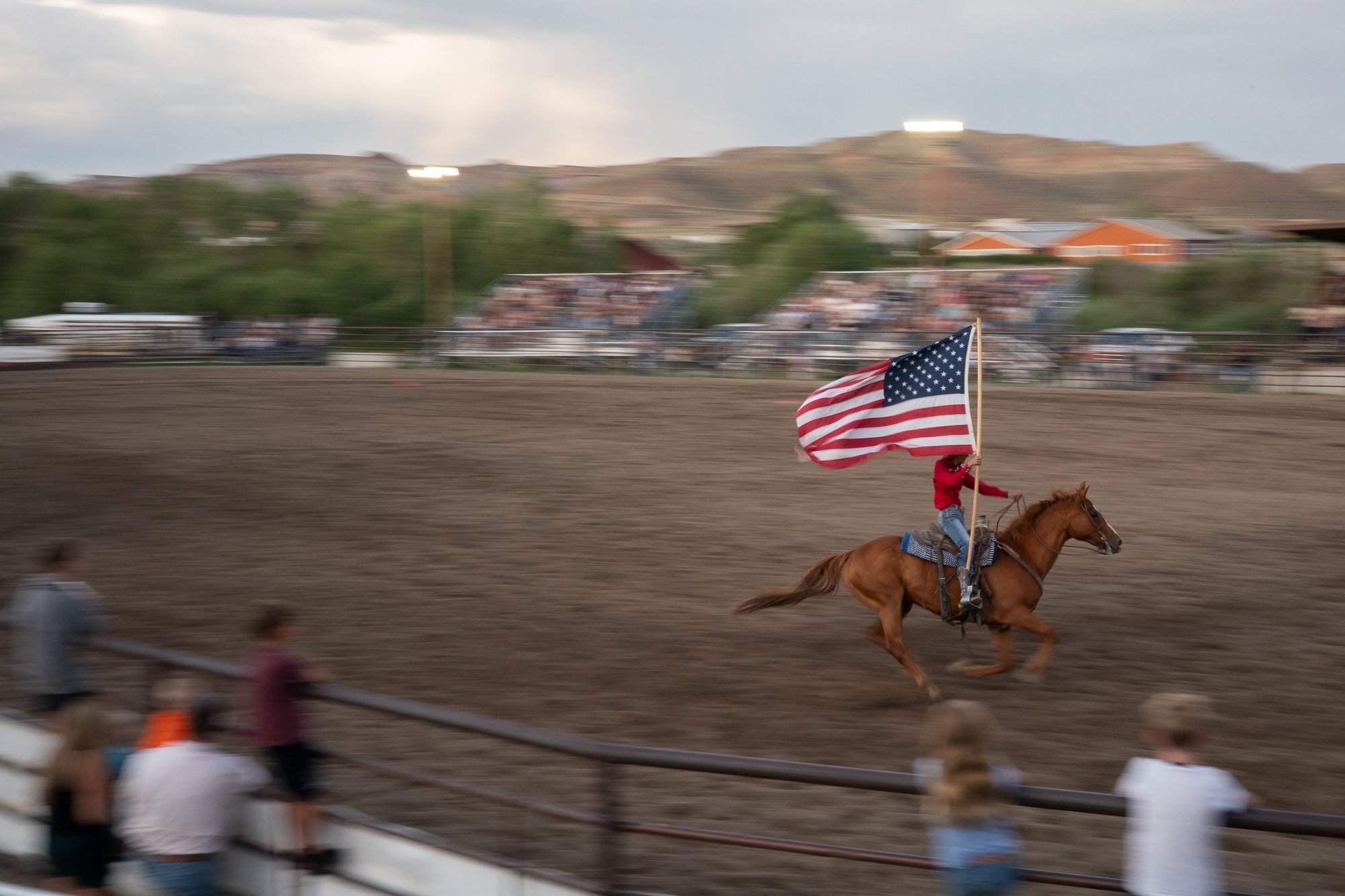
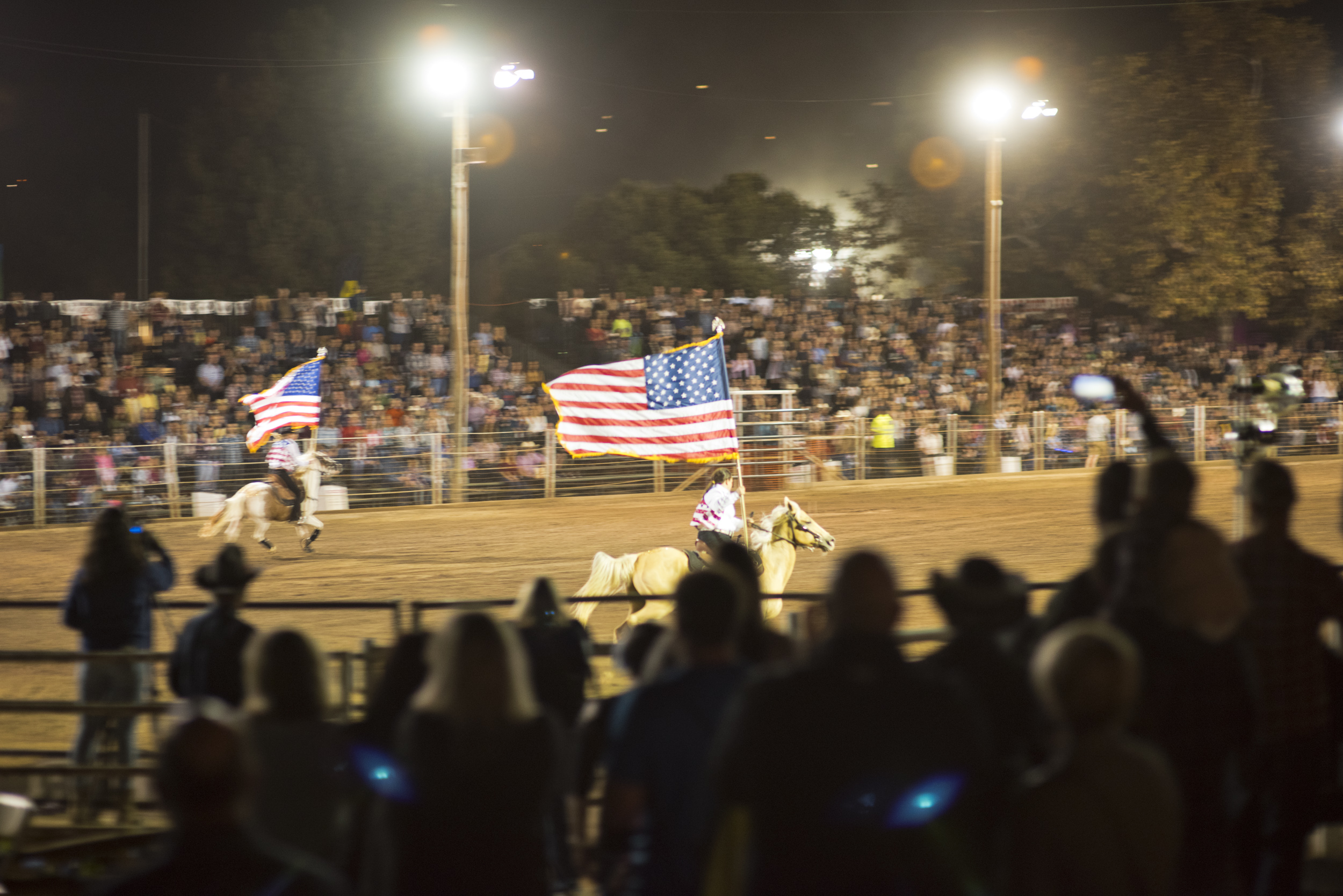
A cowboy carries an American flag through the rodeo arena.
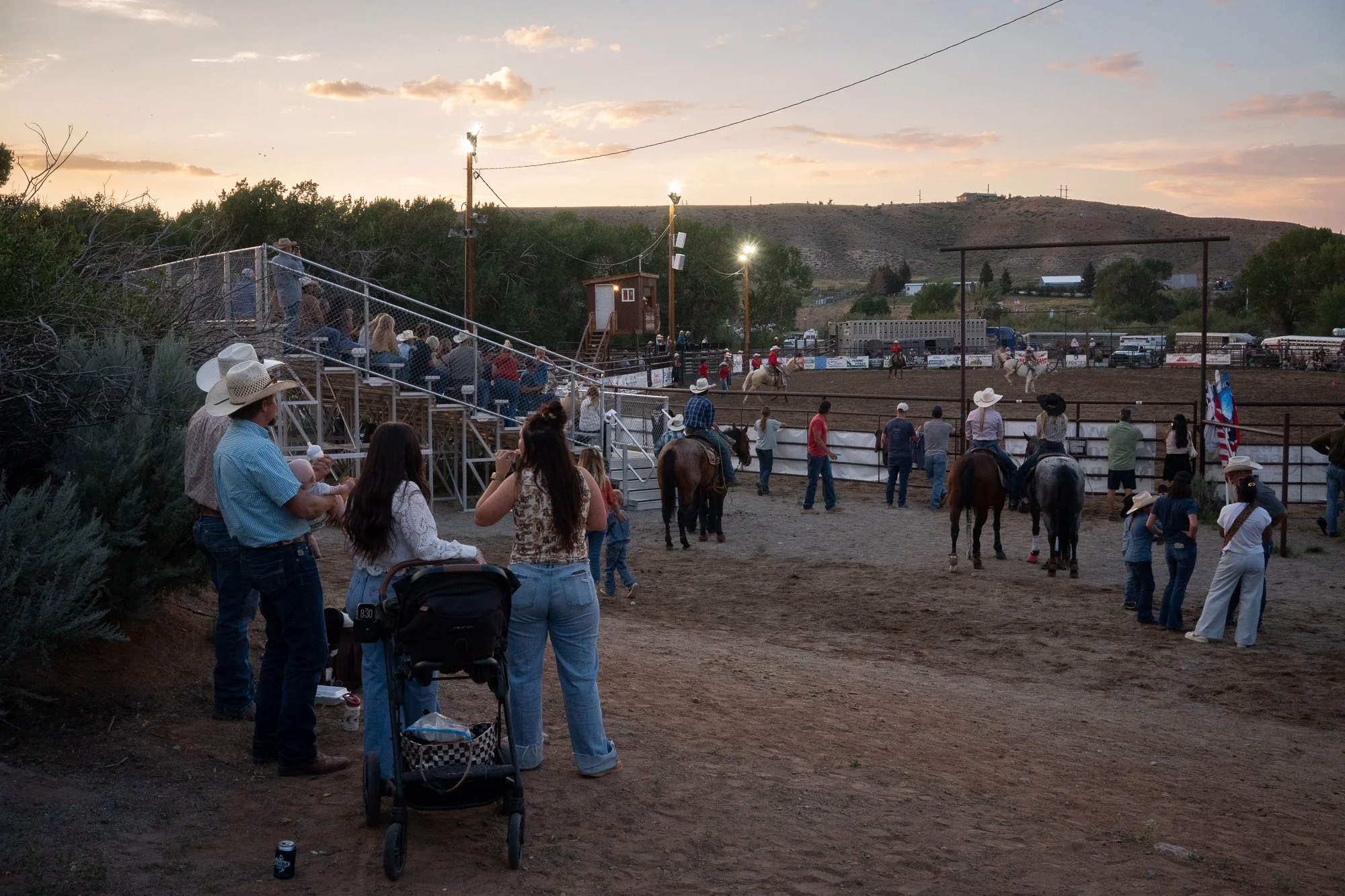
Cowboys and spectators gather around the rodeo as the evening gets underway.
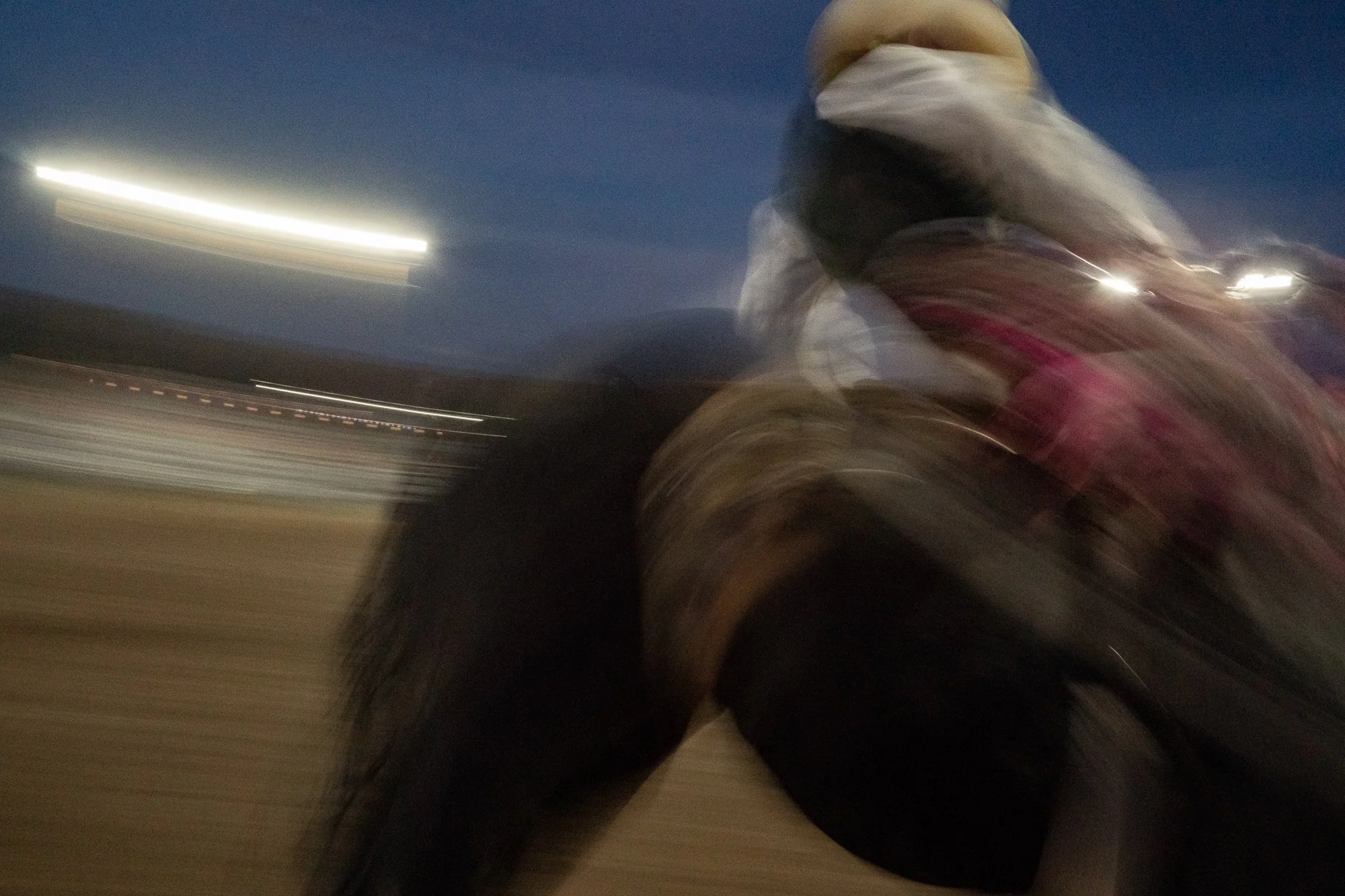
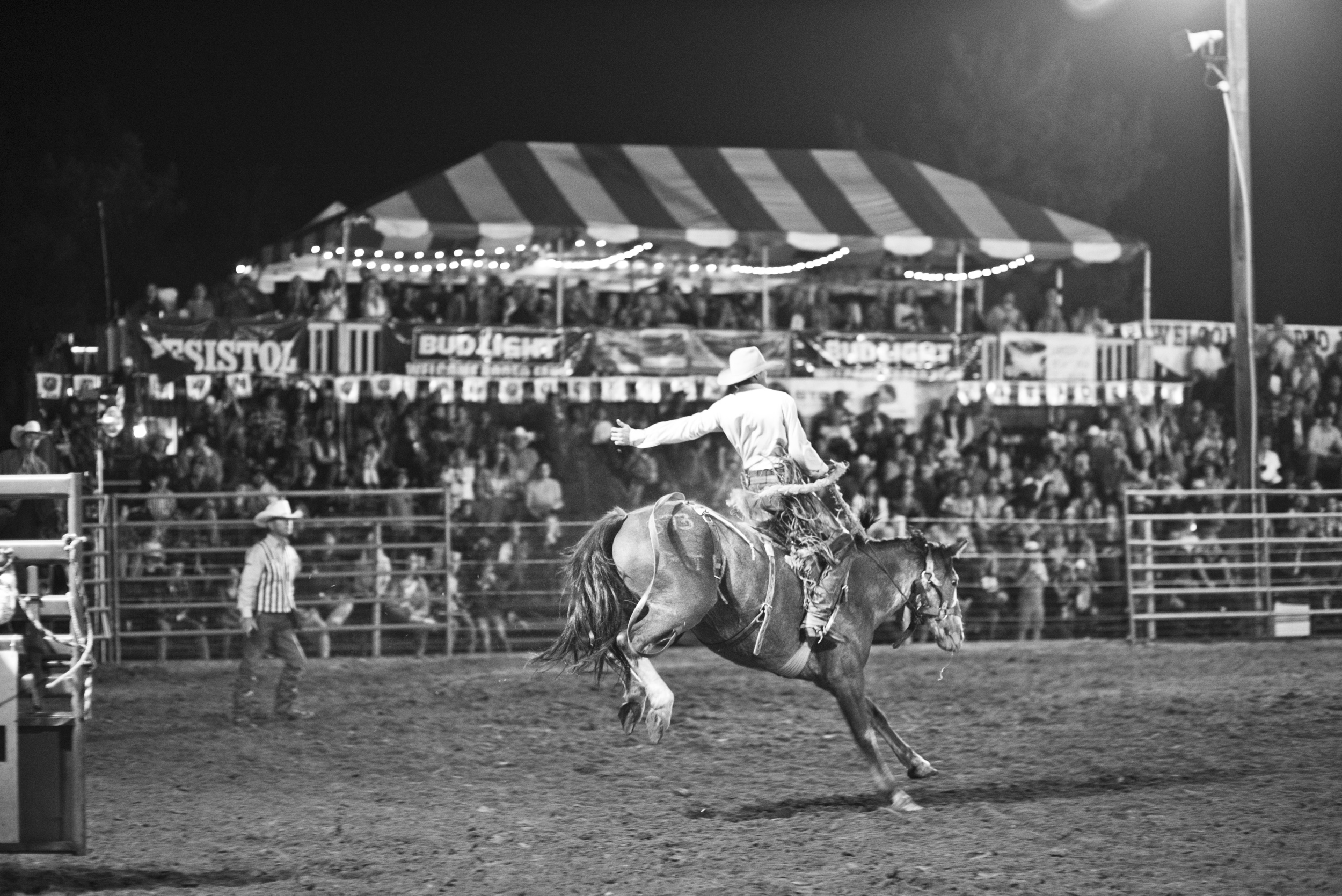
Horse and rider move through the arena in a blur of motion.
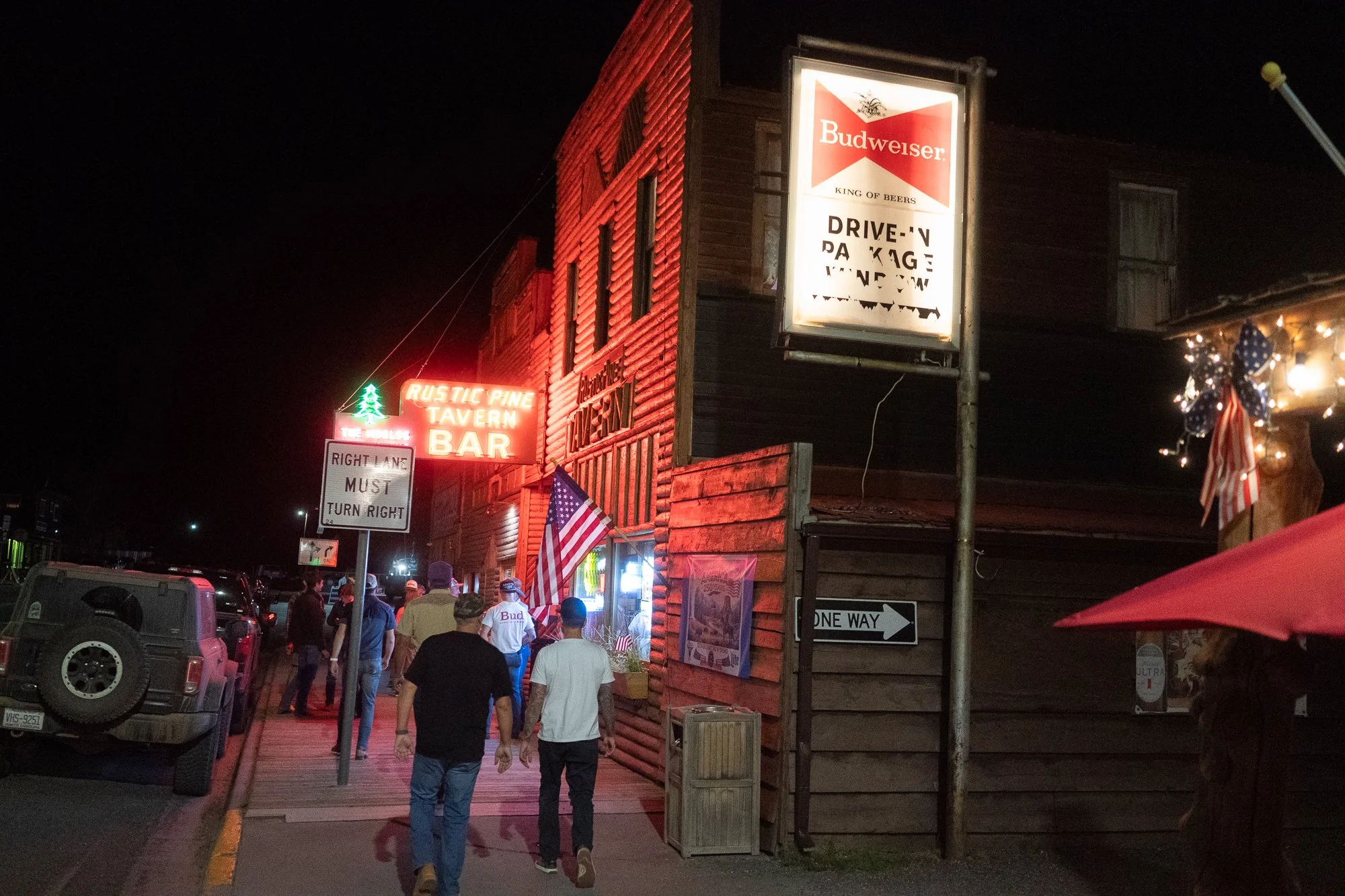
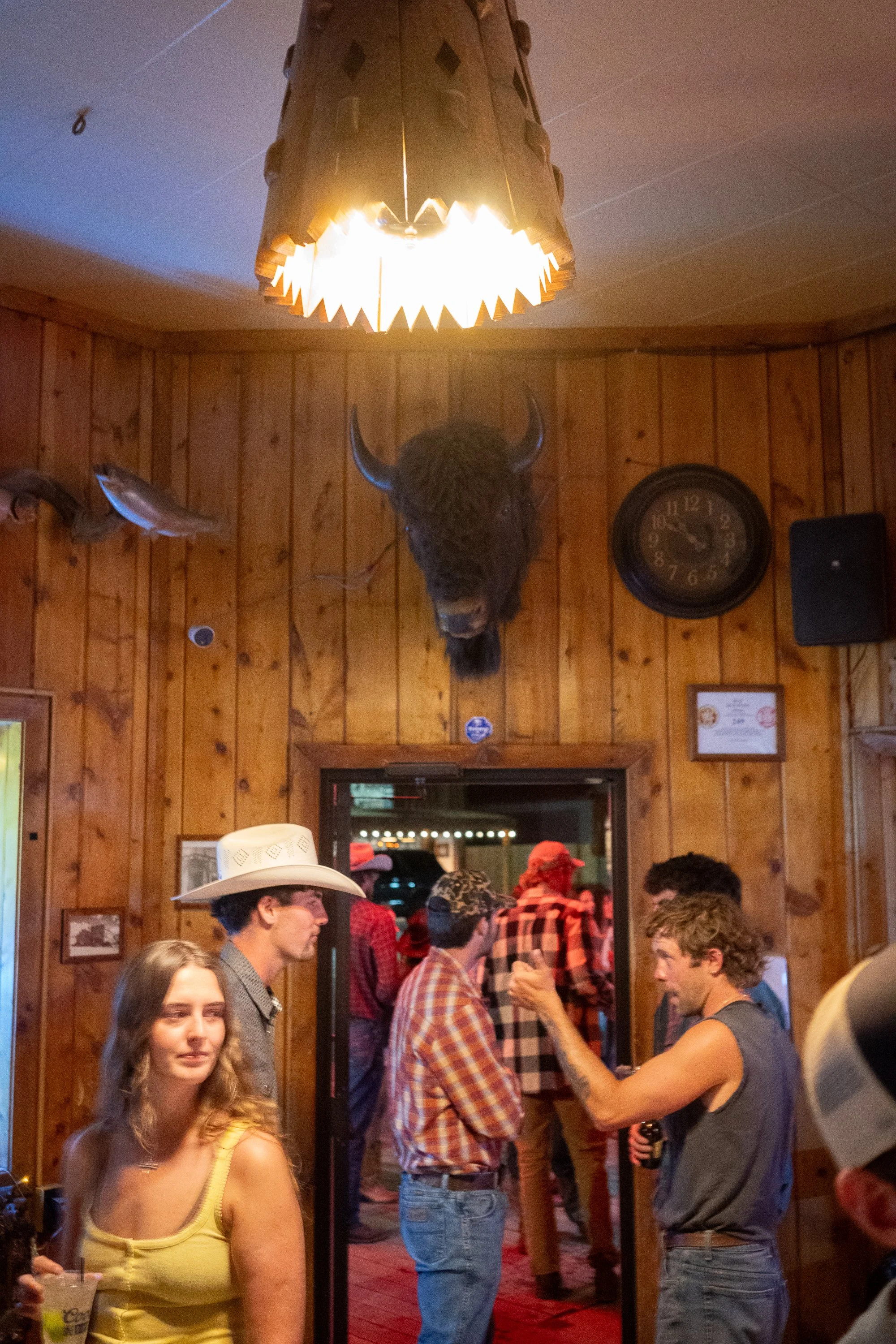
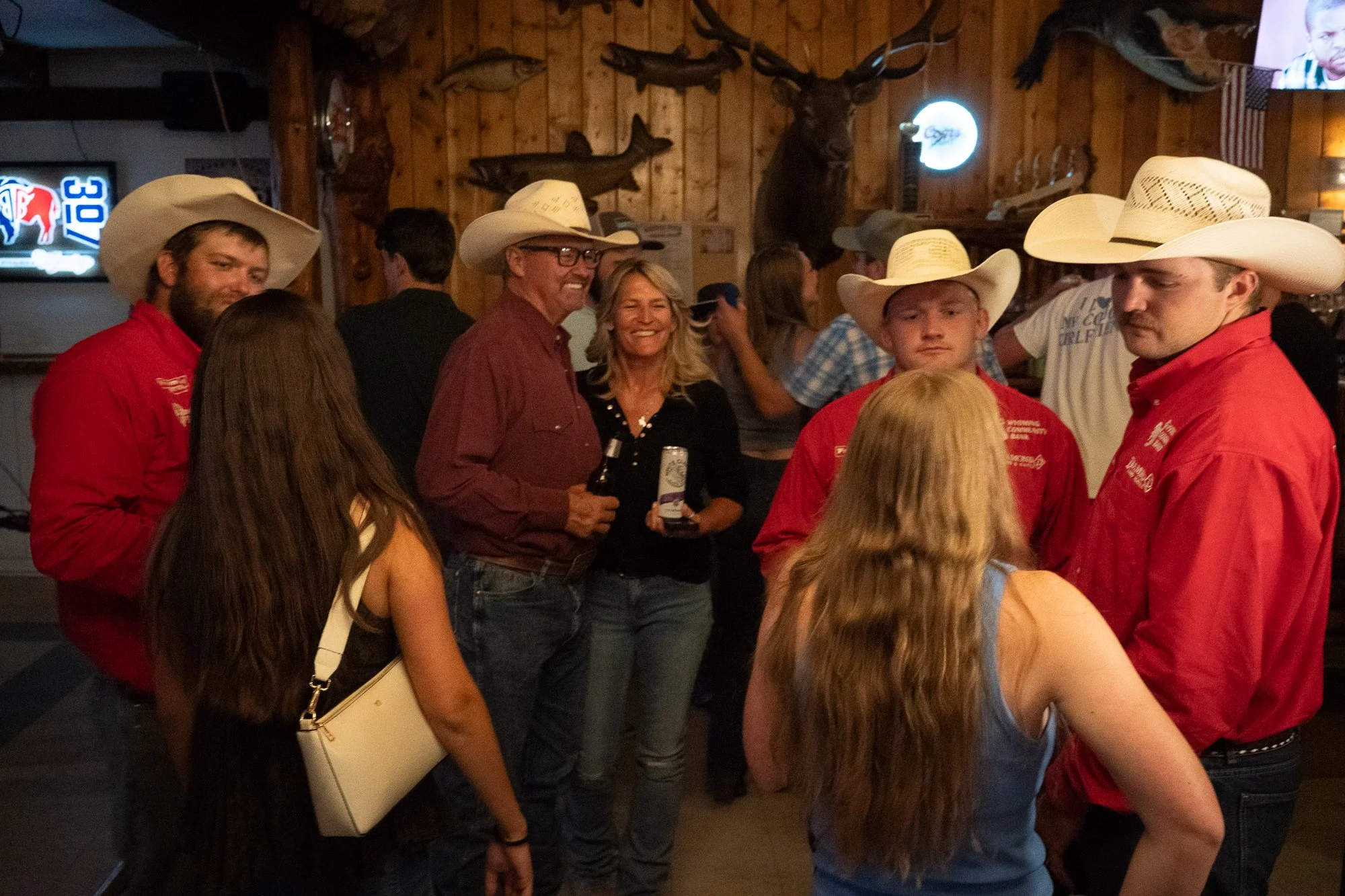
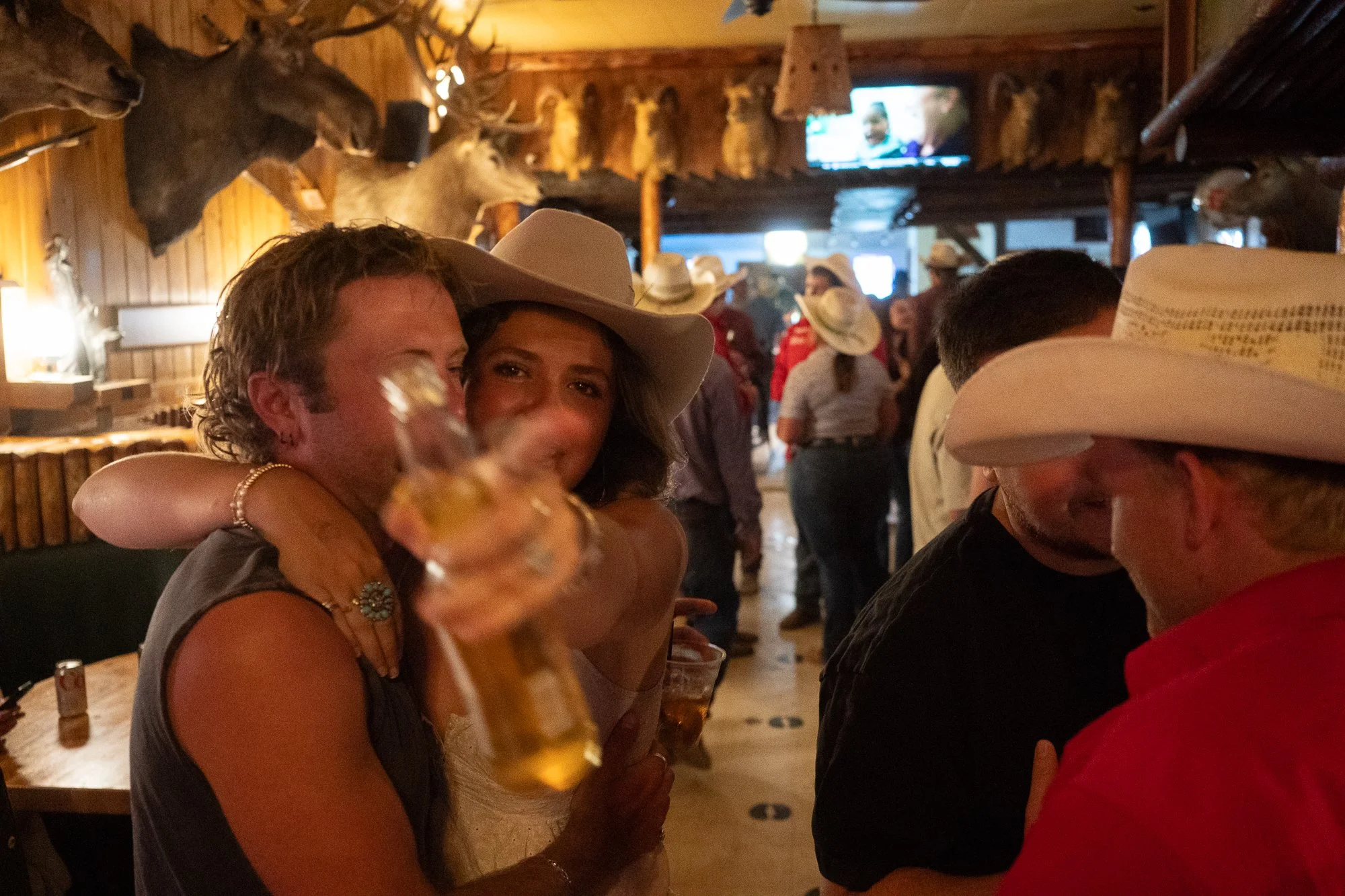
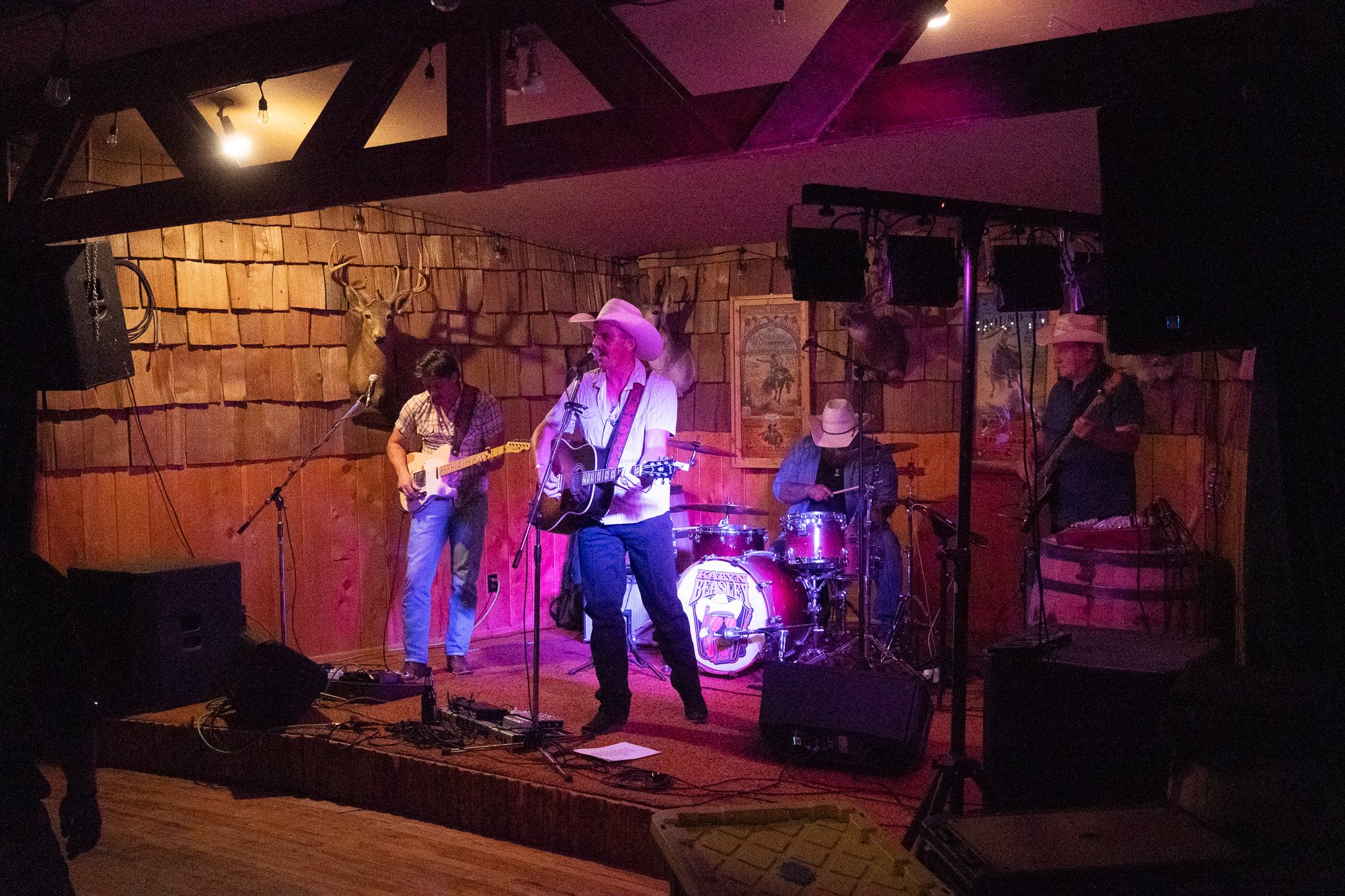
The night continues at the local bar after the rodeo.
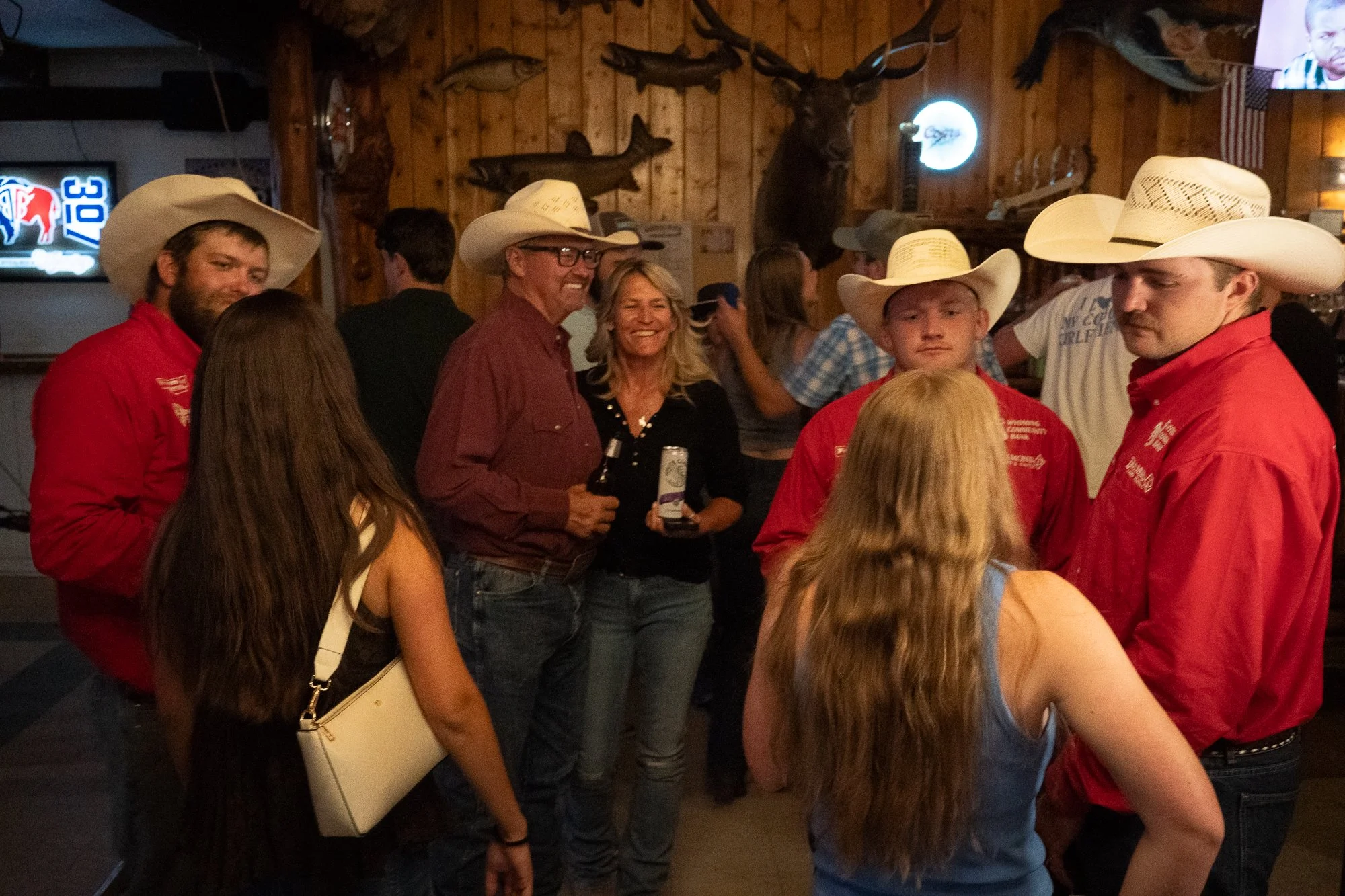
Rodeo competitors and spectators mix together inside the bar after the events.
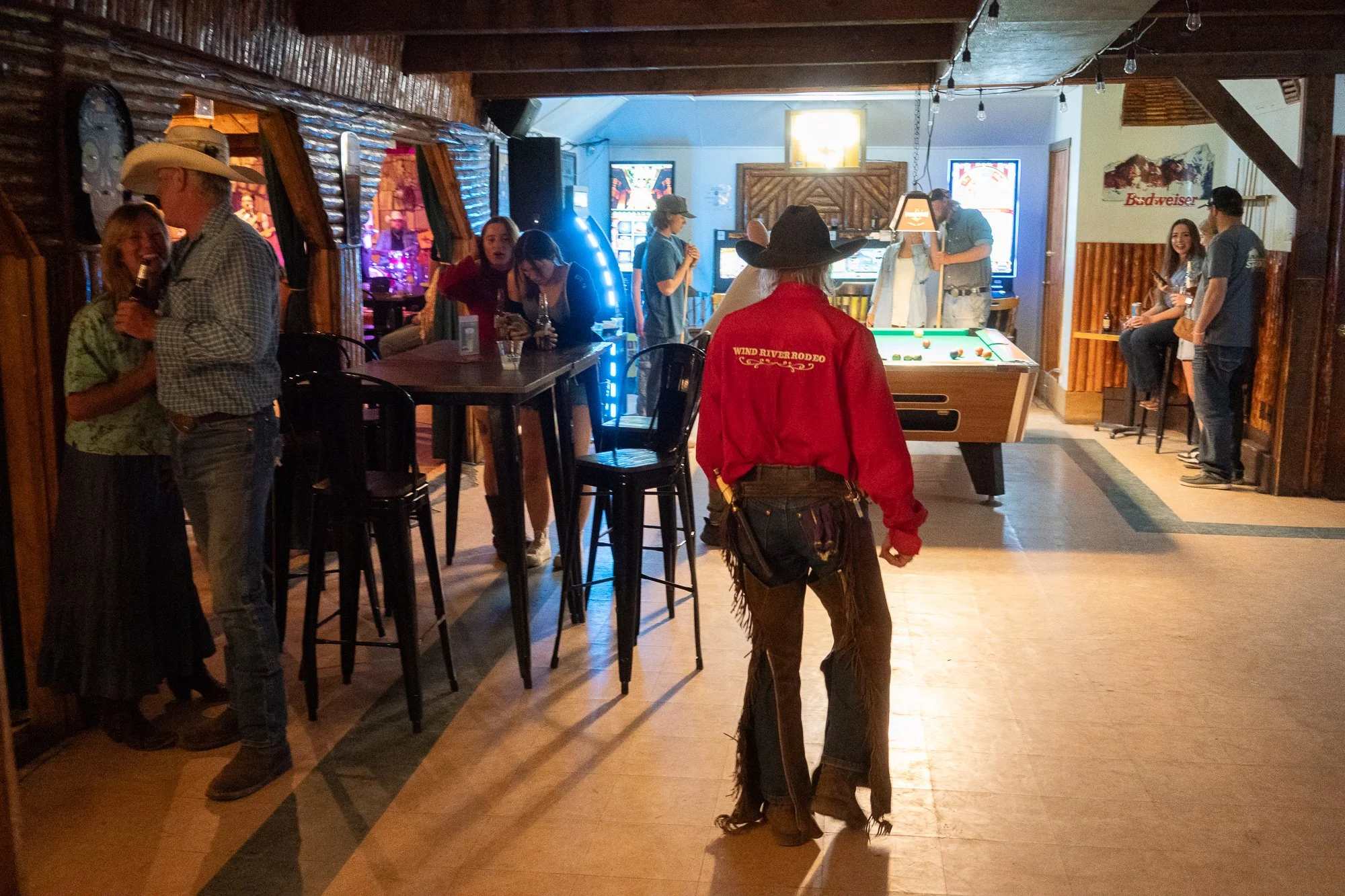
The rodeo continues into the evening at the local bar.
Wyoming Road Trip Photography
Driving is an enormous part of making this work.
There isn't really another way around it.
Wyoming rewards that kind of travel because the distances force you to slow down. You can drive for hours through country that initially appears empty before realizing how much is actually there.
Weather systems move across the horizon. Light changes constantly. Pronghorn appear beside the highway. Towns come and go in a few minutes.
Then there's all the human stuff.
Hand-painted signs. Old bars. Gas stations. Churches. Trucks. Motels. Ranch entrances. Buildings whose original purpose isn't immediately obvious.
I've missed plenty of photographs because I told myself I'd stop on the way back.
I've learned not to do that anymore.
If something makes me look twice, I turn around.
Sometimes it turns into a photograph. Most of the time it doesn't. That's part of the process.
There isn't a checklist for this kind of Wyoming road trip photography. I'm not driving from one famous overlook to another trying to reproduce photographs I've already seen.
The whole point is not knowing what I'm looking for until I see it.
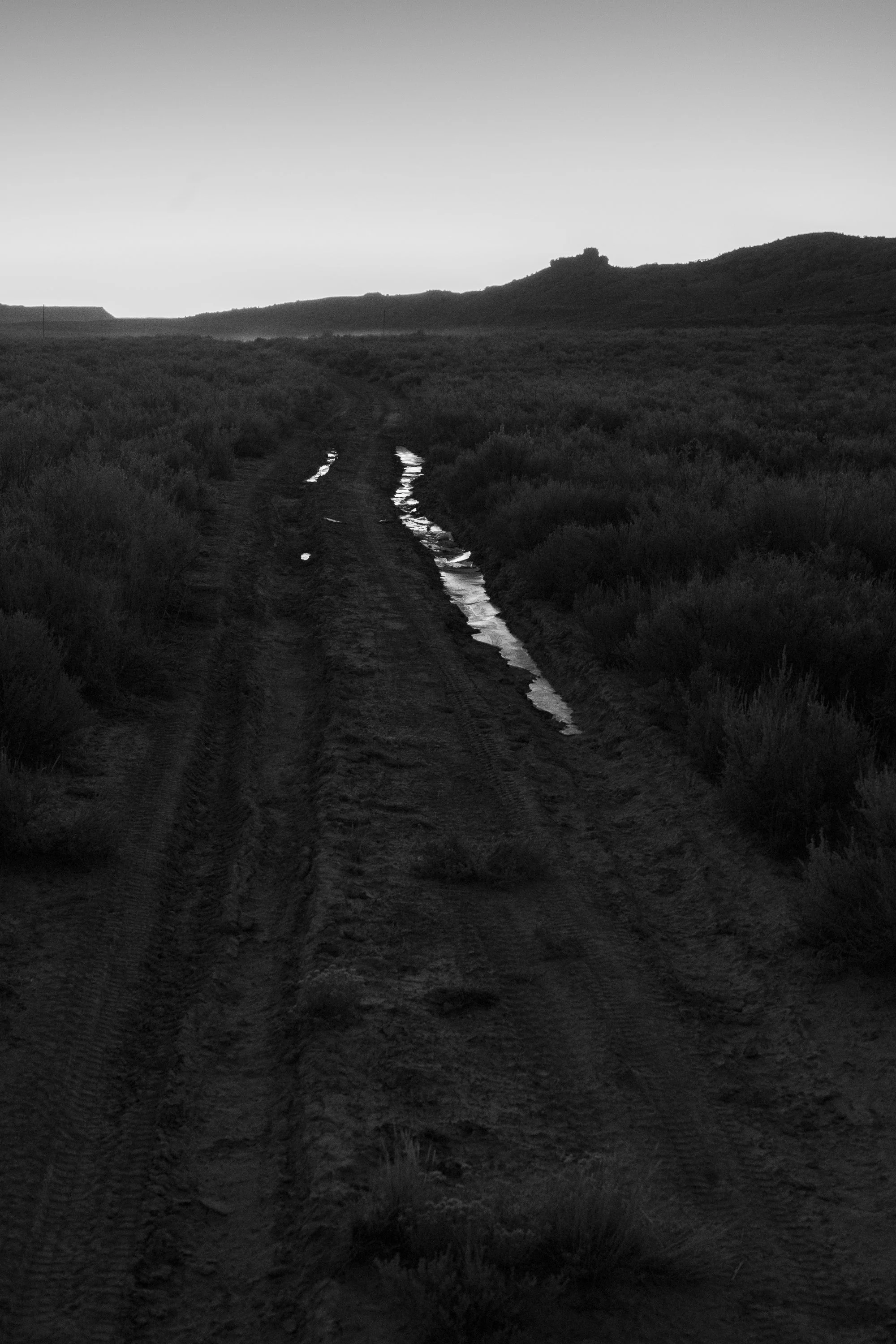
The dirt road cuts through the open country and sagebrush.
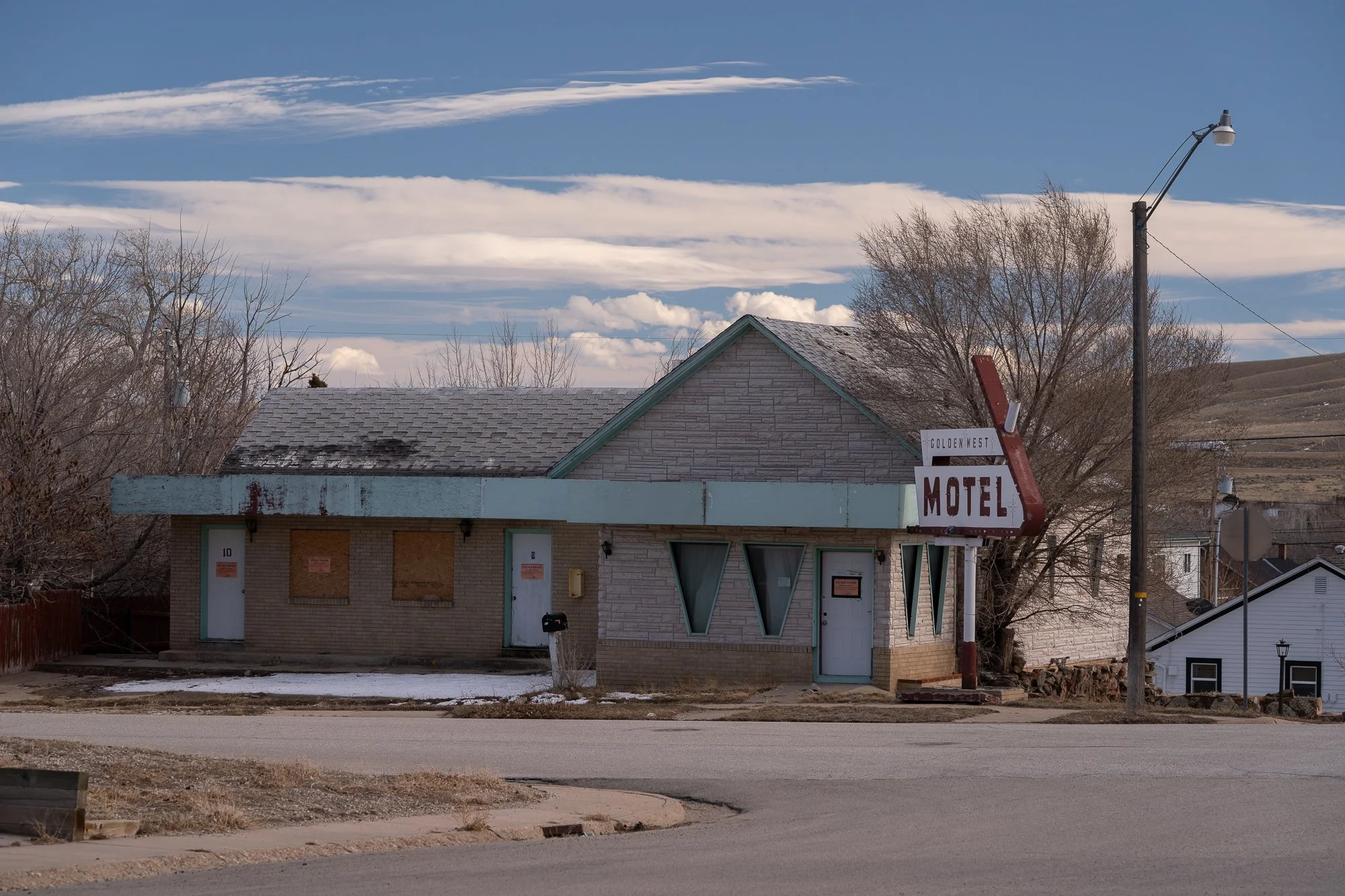
Mountains rise behind the Golden West Motel and its roadside sign.
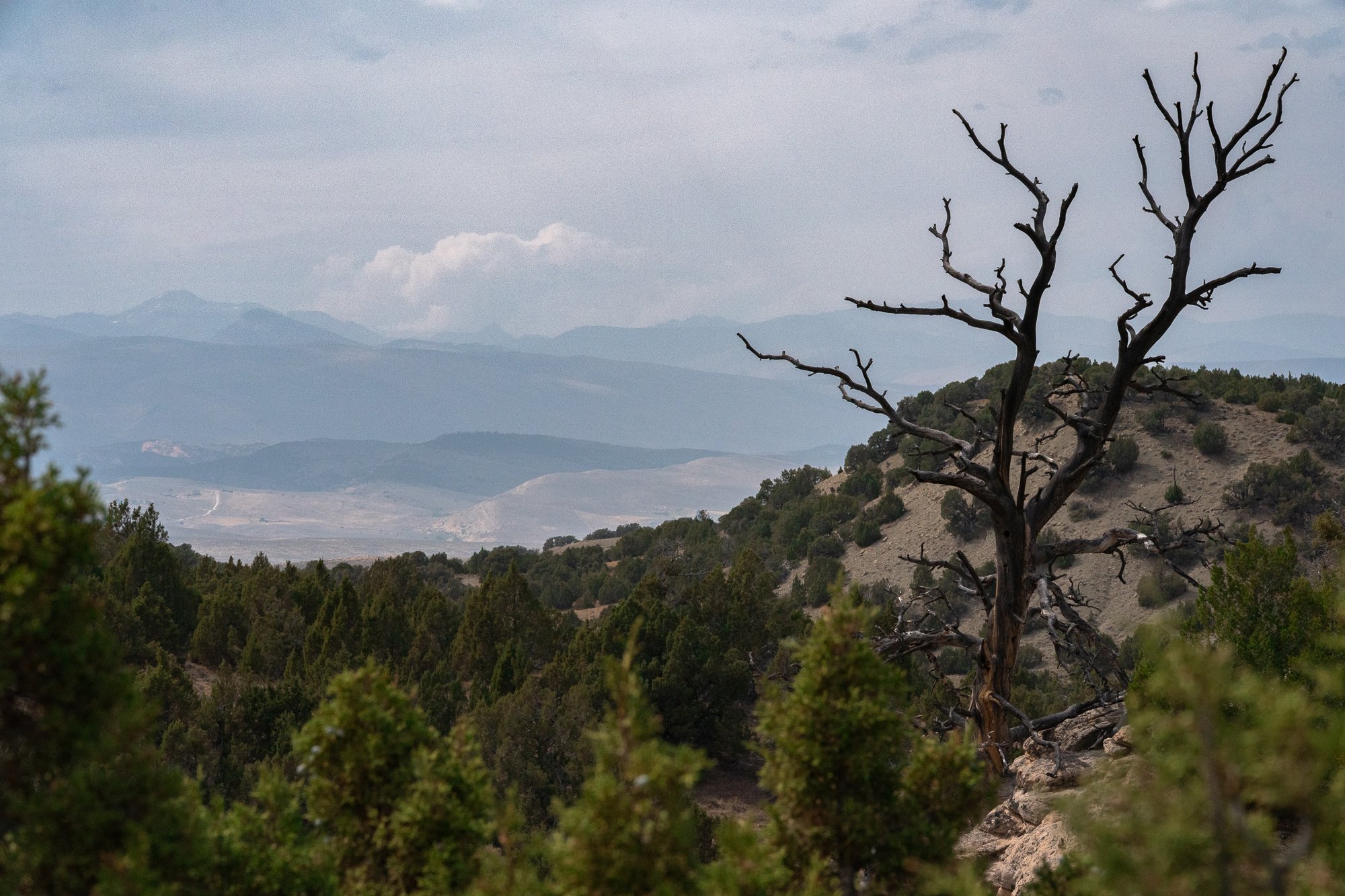
Open country and scattered trees stretch toward the mountains.
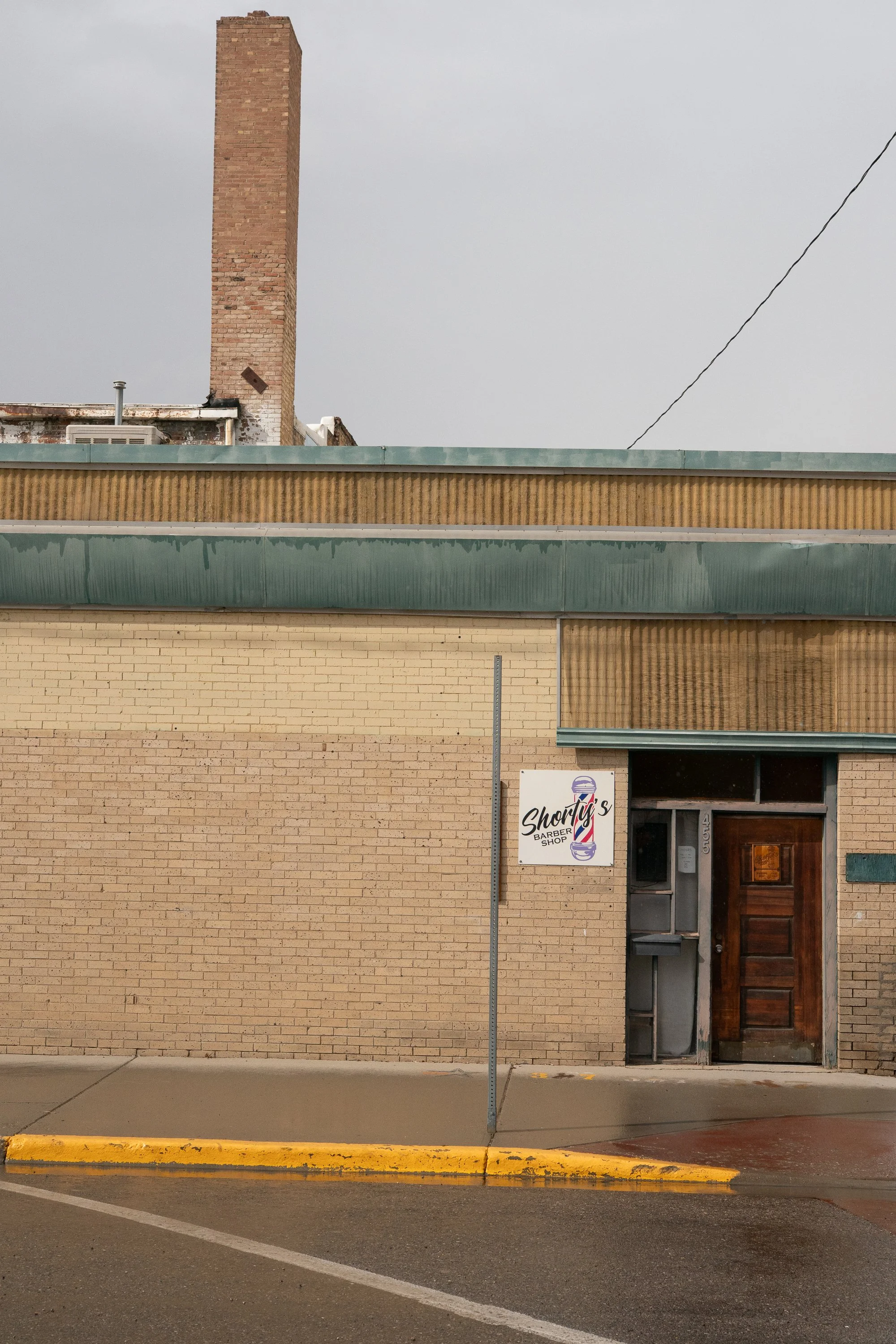
Weathered brick and an old storefront show the age of the building.
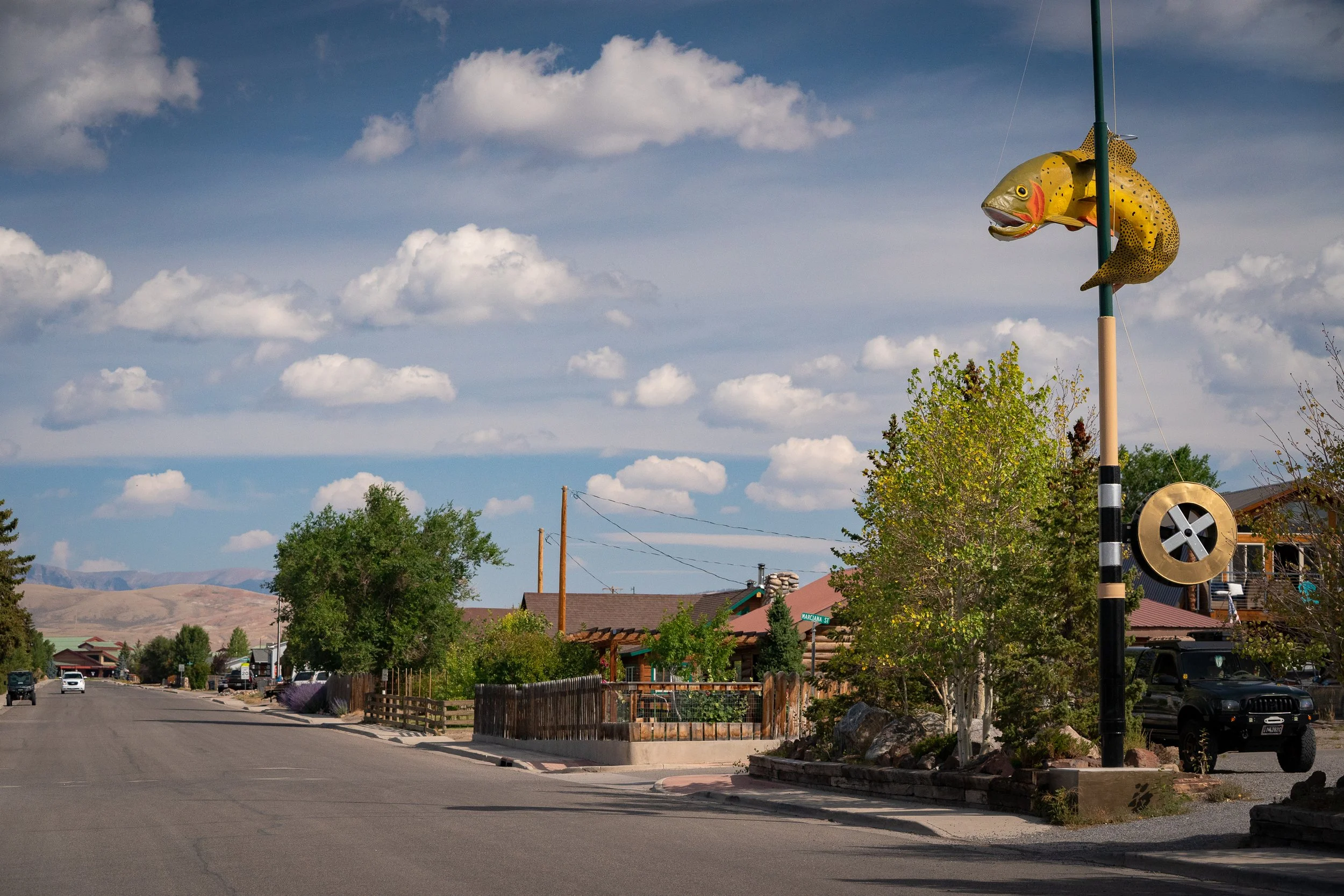
A fish-shaped sign adds another unexpected detail to a small Wyoming town.
Why I Keep Photographing Wyoming
The West has changed enormously, and it continues to change.
That's part of the reason I feel an urgency to keep photographing it.
I'm not interested in pretending Wyoming is frozen in some earlier era. It isn't. New houses go up. Old businesses disappear. Ranches change hands. Towns grow. People leave and other people arrive.
At the same time, there are aspects of life here that remain closely connected to the state's history.
People still make their living raising cattle. Cowboys still spend long days horseback. Small-town rodeos still bring communities together on summer nights. There are still roads where you can drive a long time without seeing another car.
The tension between those things interests me.
Photography can't preserve a place, but it can preserve evidence of what it looked and felt like at a particular moment.
That's enough reason for me to keep going back.
There will always be another road I haven't driven, another ranch I haven't visited, another town I've passed through too quickly.
And probably another reason to turn the truck around.
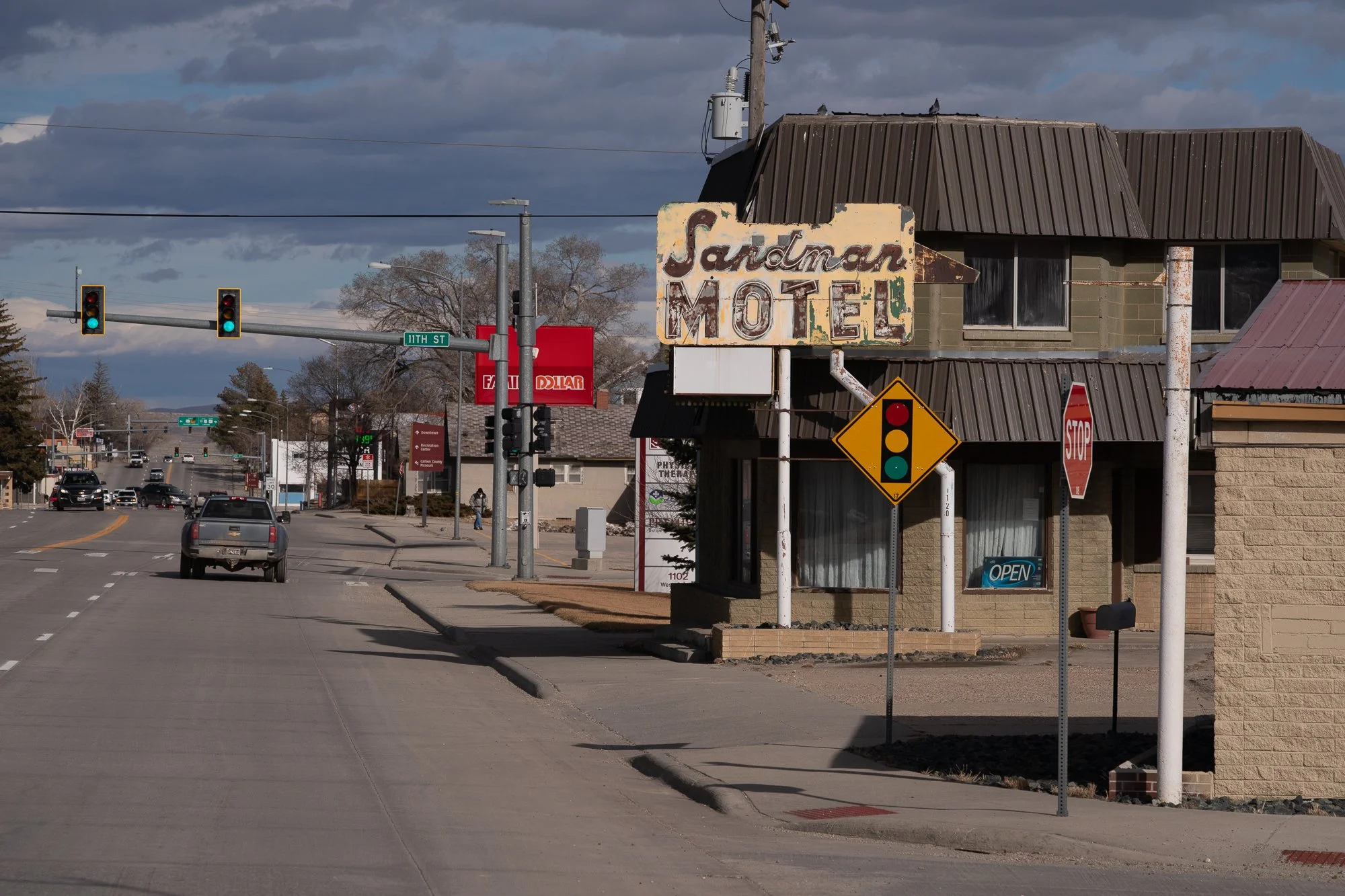
The Sandman Motel sign stands beside the road in town.
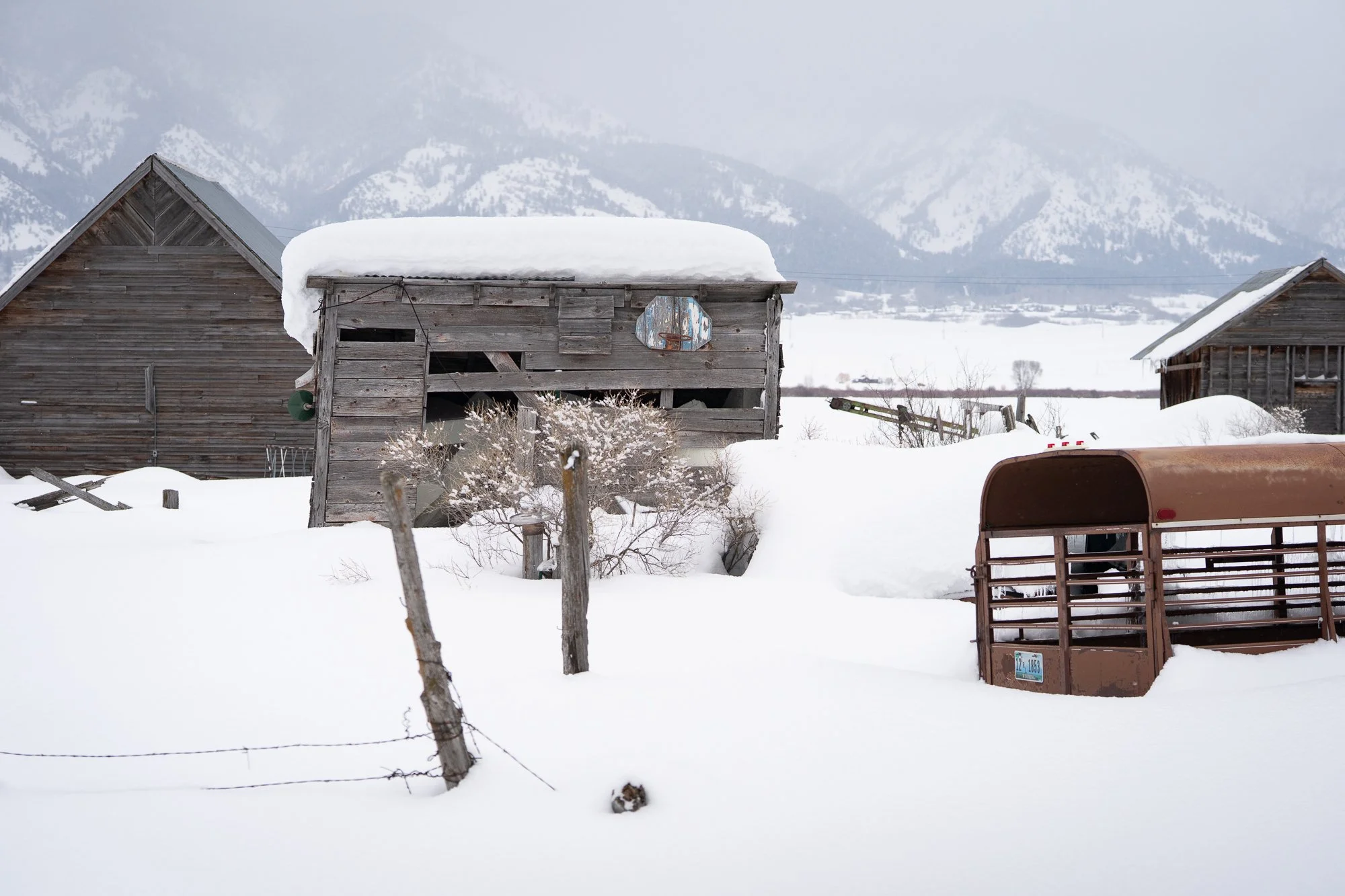
Ranch buildings and a livestock trailer sit in the snow below the mountains.
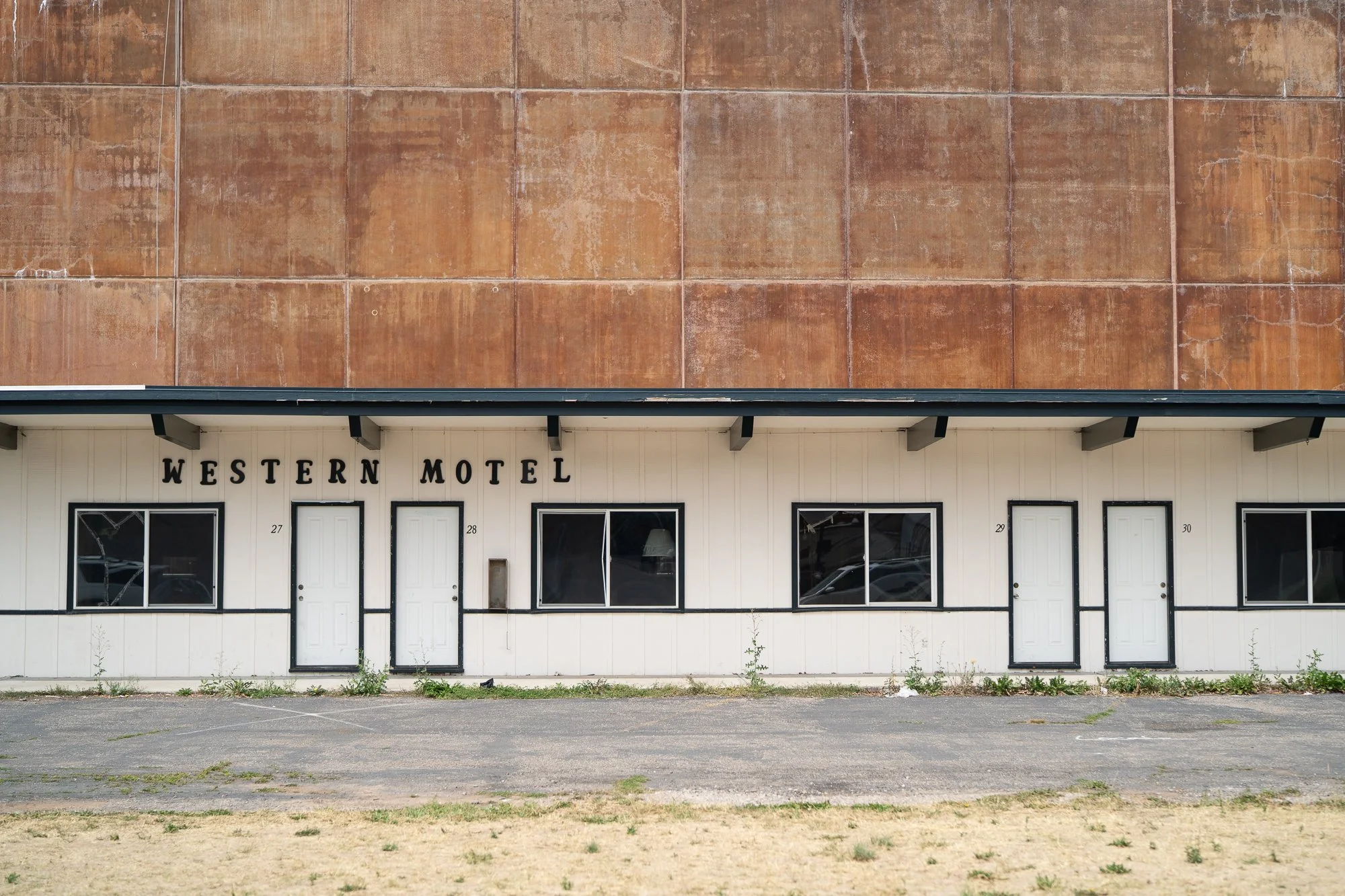
The Western Motel sits along the road beneath the rocky cliffs.
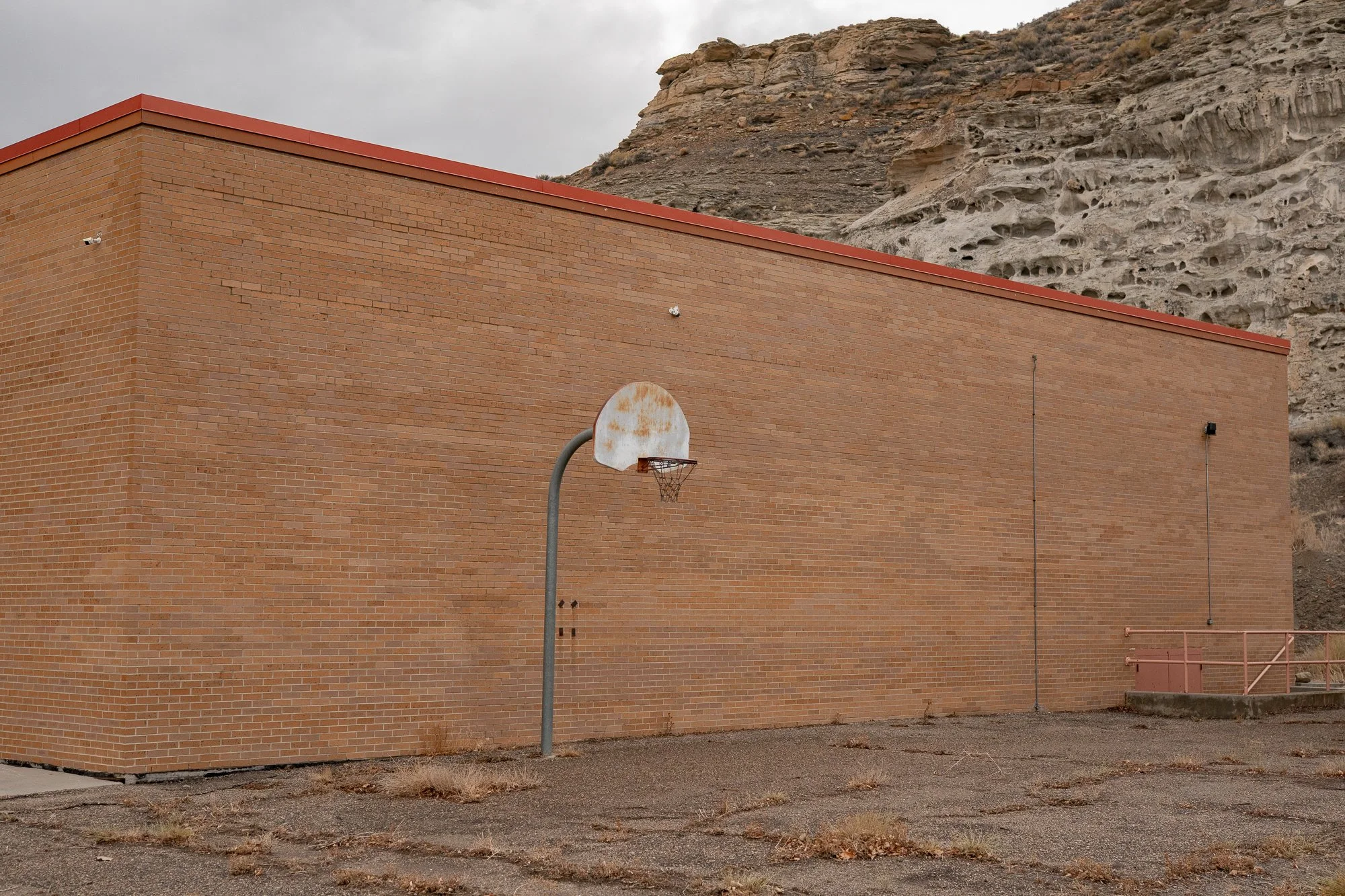
A basketball hoop stands against a brick building below the rocky hillside.
Fine Art Photography of Wyoming & the American West
These Wyoming photographs are part of my larger ongoing documentation of cowboy culture, working ranches, rural communities and everyday life throughout the American West.
A selection of the work is available as limited-edition fine art photography prints, produced using archival materials and available in a range of sizes and custom framing options.
The photographs aren't intended to present a polished or invented version of the West. They're records of people, places and moments I've encountered after years of traveling and photographing this part of America.
View Cowboy Photography Prints
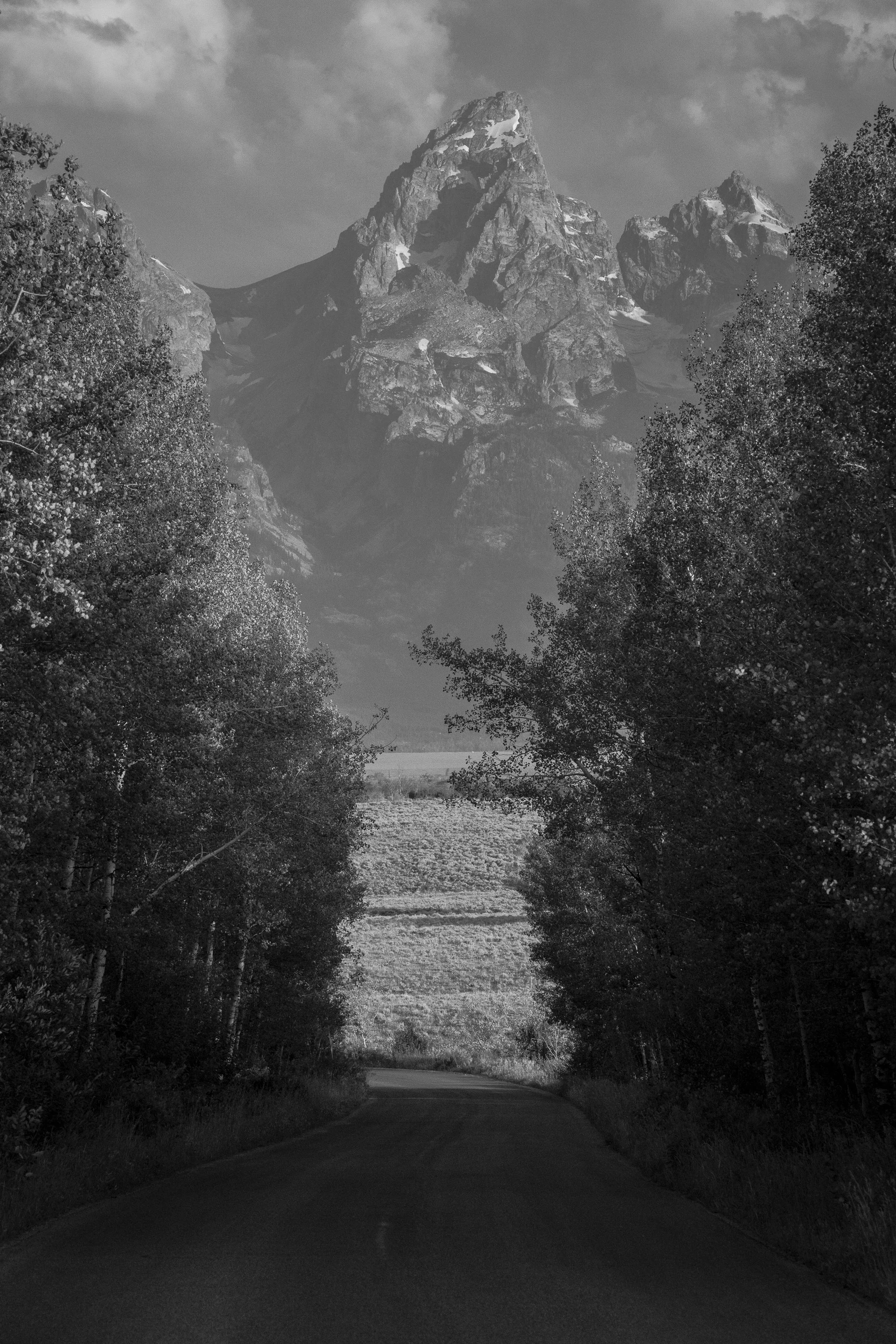
The road runs through open country toward the mountains.
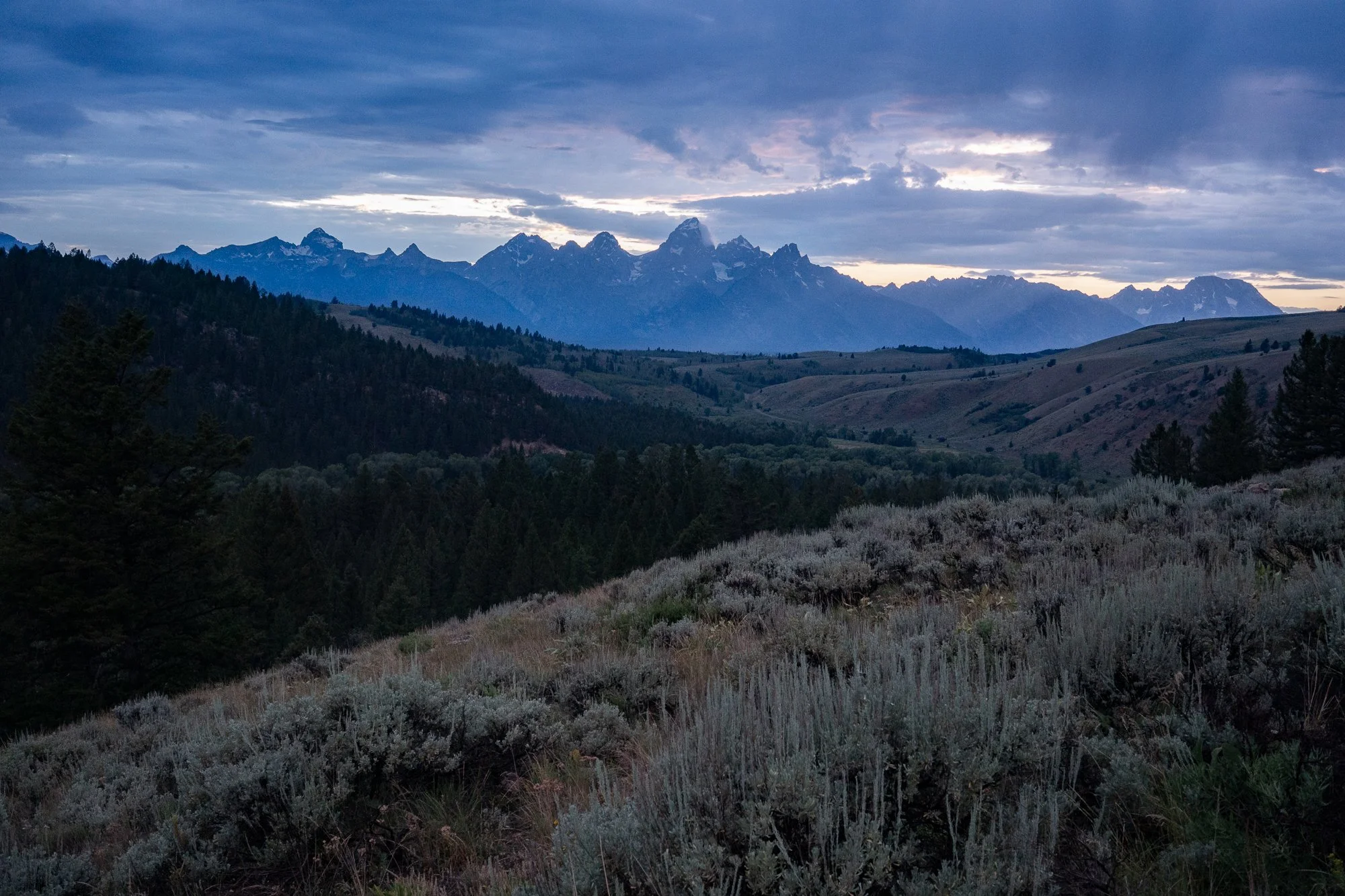
Sagebrush and open country stretch toward the mountain range.
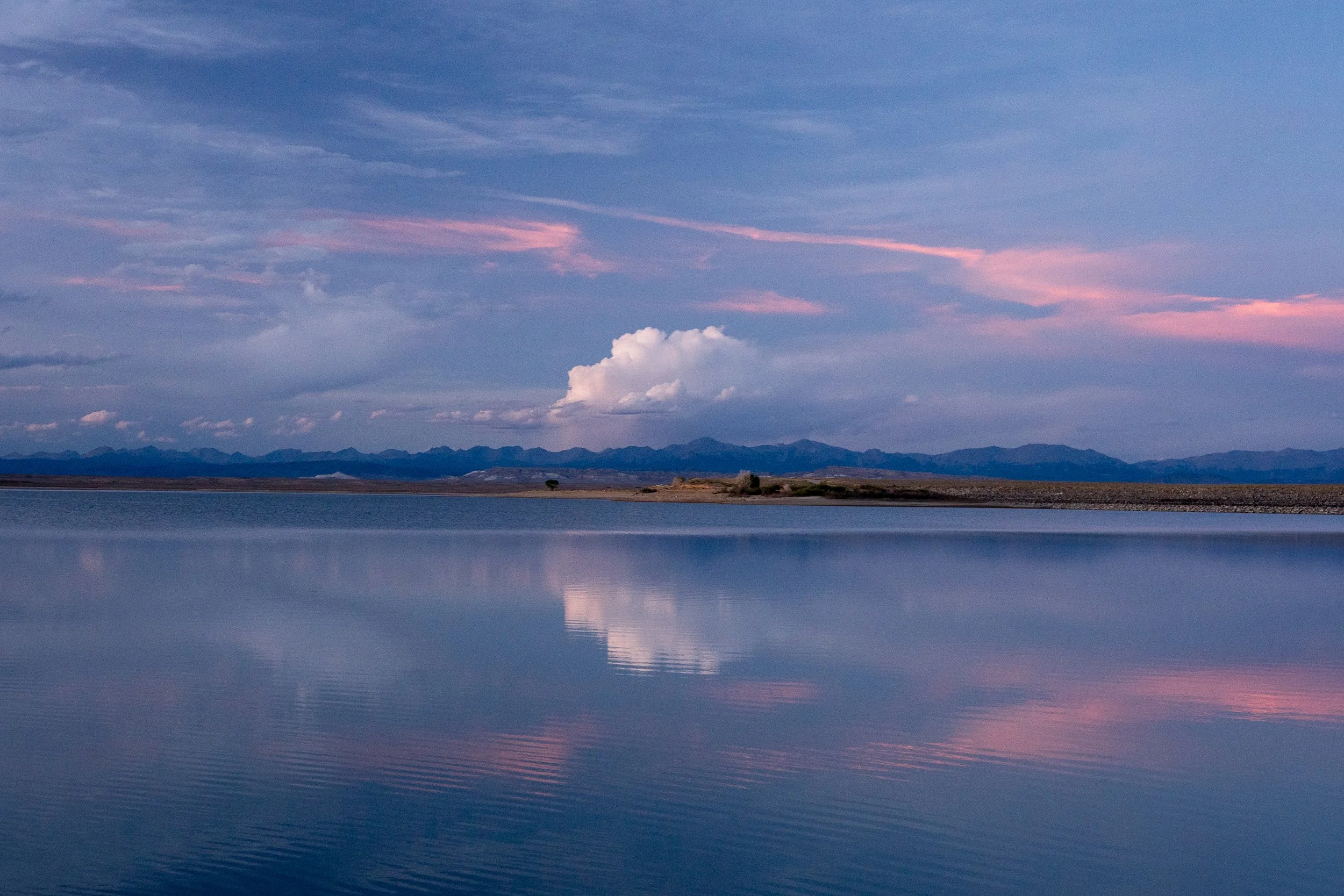
The lake reflects the mountains and clouds across the open country.
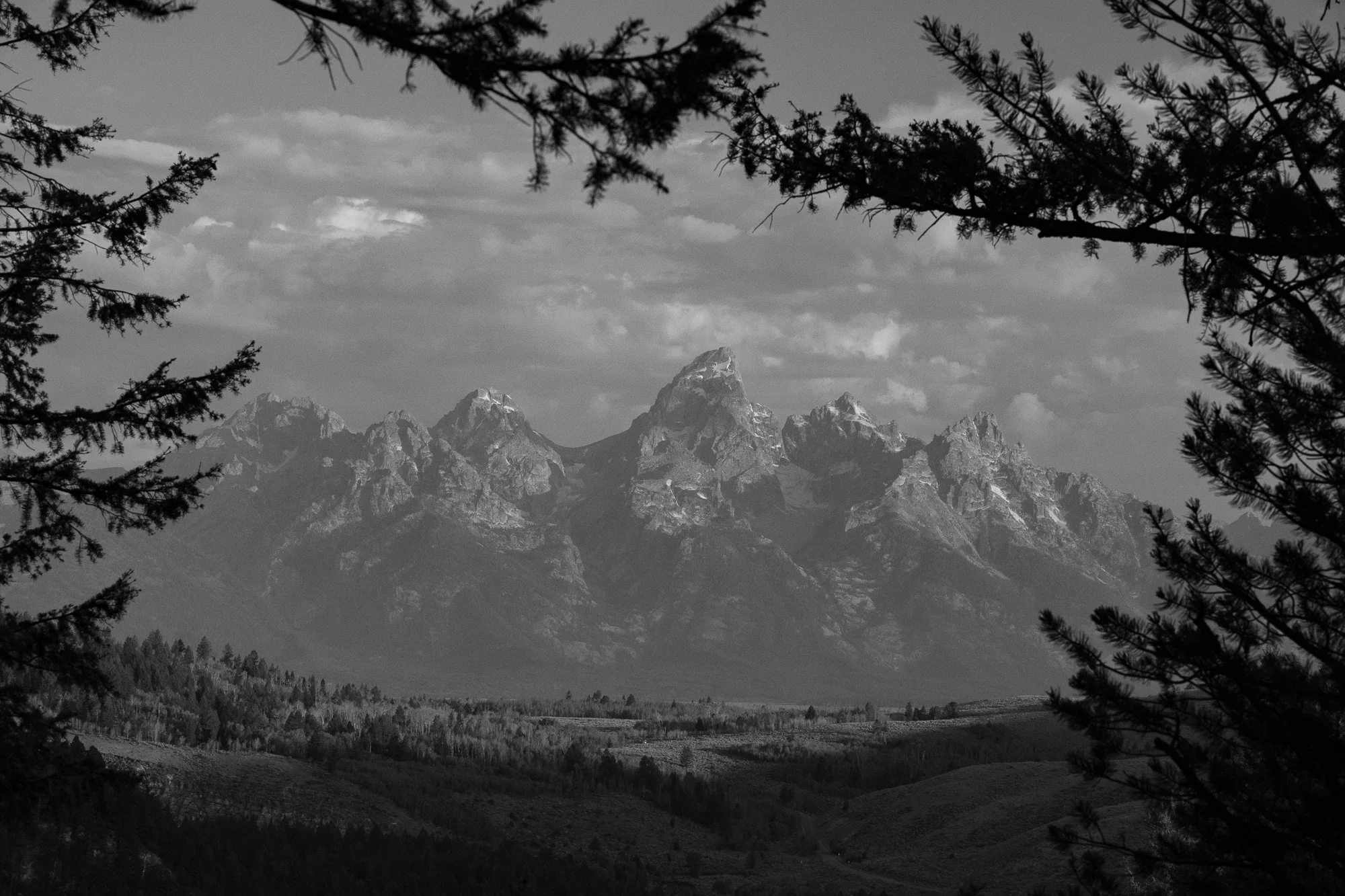
The Grand Teton range rises above the landscape.