Western Artist William Matthews

William Matthews – Legendary Western Artist and His Creative Studio in Denver

William Matthews (born 1949) is one of the most influential painters of the American West — best known for his evocative watercolors of working cowboys, landscapes, ranch life, and Western culture. Though he didn’t grow up in the West, his artistic journey has taken him from New York City to studios and ranches across the region. I recently spent time photographing him in his Denver studio to document both the man and the creative space that shapes his work.

Meeting William Matthews — A Western Artist Icon

Although he doesn’t come from The West and wouldn’t restrict himself to the title of Western Artist, there is no denying the indelible effect William Matthew’s work has had on Western culture.

As with most of my subjects in any genre, it’s important that I have a genuine interest. And I’ve long been a fan of Matthews’ art, which was the reason for this collaboration. At 76 years young he’s full of life and still has an insatiable desire to create art at a prolific pace. So having the opportunity to meet and photograph Matthew’s at work in his Denver, CO studio was a gift i’ll always be grateful for. A lot of artists can’t be bothered with this kind of thing, but he was welcoming and generous with conversation throughout our time together.

Shared Stories from Historic Ranches Across the West

Of the many compliments you could say about an artist, perhaps the best is that their style is instantly recognizable. And there’s no mistaking the renowned paintings he created of the American West, specifically of the buckaroos in nothern Nevada. There isn’t another artist alive whose work even vaguely resembled Matthews’. Which could be a big reason for his success, but it was also what drew me to him. Digest his paintings for a while and you’ll know they were created by a person that truly became part of the life. He was there. The light, colors, and textures, and the body chemistry of his subjects could only be made by a person with first hand experience. So naturally we talked a lot about our experiences having visited a lot of the same ranches. Oddly, a few days before writing this post, I came back from the Winecup Gamble Ranch - a place he frequented. A number of his paintings of the ranch grace the walls there and his book “Working The West” sits proudly on the coffee table at the big house. To further the conversation about shared experiences we also spoke about Western Spirit: Scottsdale’s Museum of the West, where I was honored to have work on the walls at the same time as his incredible exhibition.

Capturing the Atmosphere of an Artist’s Workspace

Matthew’s has lived a life in art. It is his life, and that’s obvious when you walk into his beautiful studio, which I’m told he hadn’t ever granted access to. The shelves are filled with books about design - previous profession and gateway into art. The floors are a beautiful hard wood that accents the rich walls filled with momentos from decades of travel, and of course, art. The upstairs loft feels like a break room of sorts, where Matthews goes to play one of the dozen guitars that line the space. All of this is obviously bathed in beautiful light from the north facing window that he designed along with the rest of the studio.

Photographing an artist like this in his sanctuary should never be taken lightly. And there is also a lot to consider when it comes to the plan of attack. First and foremost is respecting their time. Beforehand I had it in my head to set up a few strobes, but quickly realized that half hour would be better spent photographing documentary style as a fly on the wall with available light. For someone like Matthews, all that matters is the art. He doesn’t care about having his photograph made, nor does he need it. So I made it a point to be as effective as possible in as little time as possible so he could get back to it.

How Matthews’ Work Connects to Cowboy Photography

William Matthews has spent decades painting working cowboys — not the Hollywood version, not the myth, but the real men who ride out before the sun and come home only when the work is done. His watercolors aren’t loud or romanticized. They’re quiet, restrained, and deeply observant. The details matter: the way a hat sits after a long day, the posture of a rider checking cattle, the weight of open country pressing against a lone figure.

That’s the same thread that runs through my own cowboy photography, and I have and continue taking heaps of inspiration from Matthews’ Buckaroo paintings.

While Matthews works in watercolor and I work with a camera, the intent feels similar — to pay attention to the people who actually live this life. To show the labor behind the image. To acknowledge that raising cattle and maintaining ranch traditions is demanding, physical work that still feeds communities and shapes the American West.

His paintings slow the viewer down. They invite you to notice subtle shifts in light, gesture, and atmosphere. Photography, at its best, can do the same. Both mediums rely on observation. Both depend on trust — the kind that allows you to step into a rancher’s world without turning it into spectacle.

Spending time in his studio made that connection even clearer. Matthews’ walls are lined with studies, reference images, and decades of visual research. The work doesn’t happen by accident. It’s built on repetition, discipline, and showing up again and again — something I’ve learned firsthand while photographing working cowboys across the West for more than a decade.

Different tools. Same subject. Same respect for the culture.

Photographing Working Cowboys of the American West

If you’re drawn to Matthews’ iconic interpretation of working cowboys, you may also appreciate my ongoing photographic project documenting ranch life across the American West. You can view the full series of working cowboy photographs here.

Another Voice in Contemporary Western Art

William Matthews’ work has helped define the modern image of the working cowboy. I’ve also spent time photographing iconic Western artist Teal Blake — another painter deeply rooted in the culture of the American West. See those photographs here.
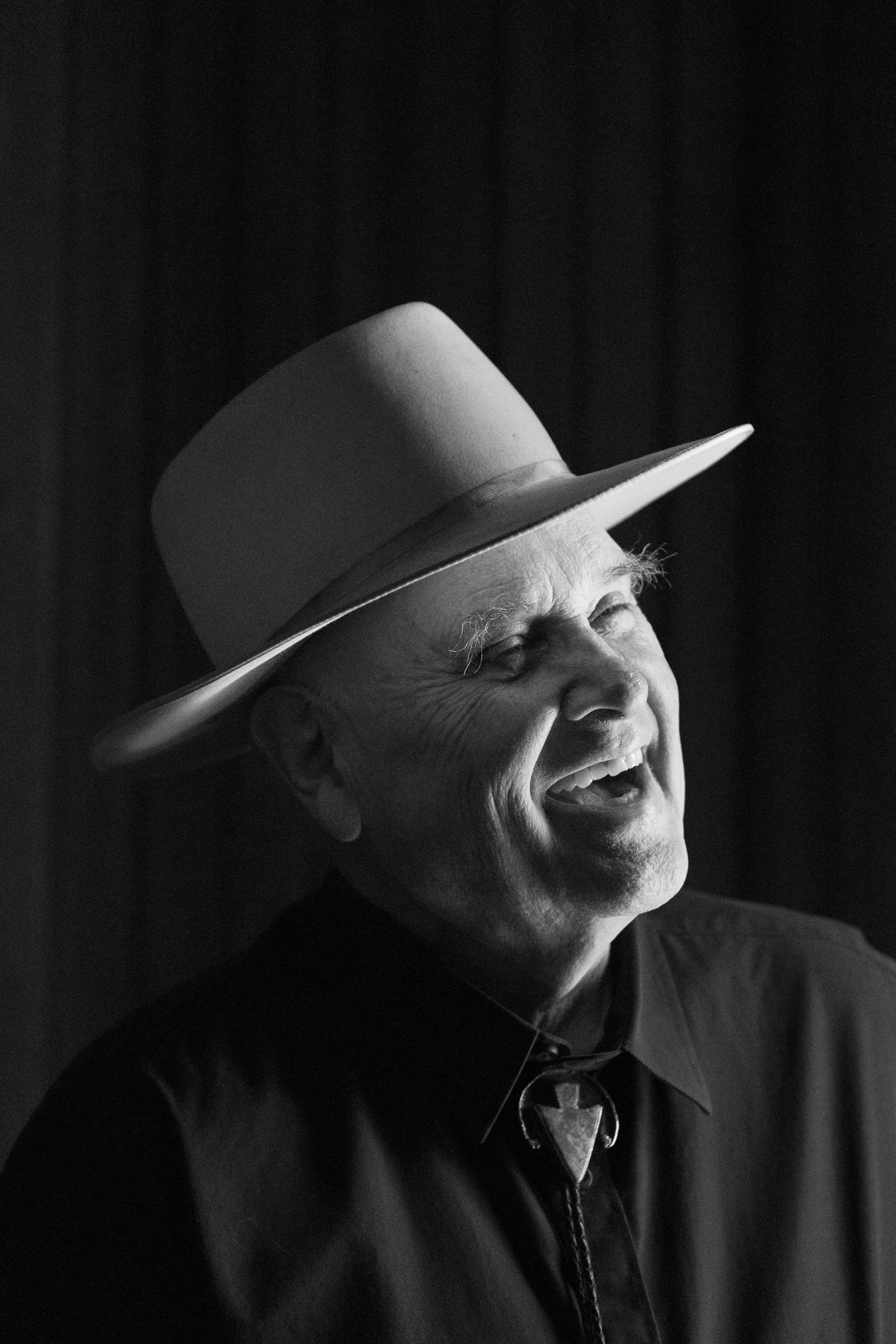
Western artist William Matthews laughing in warm studio light wearing a cowboy hat and bolo tie

William Matthews in a candid moment inside his studio. His paintings of working cowboys and ranch life have become a defining voice in contemporary Western art.
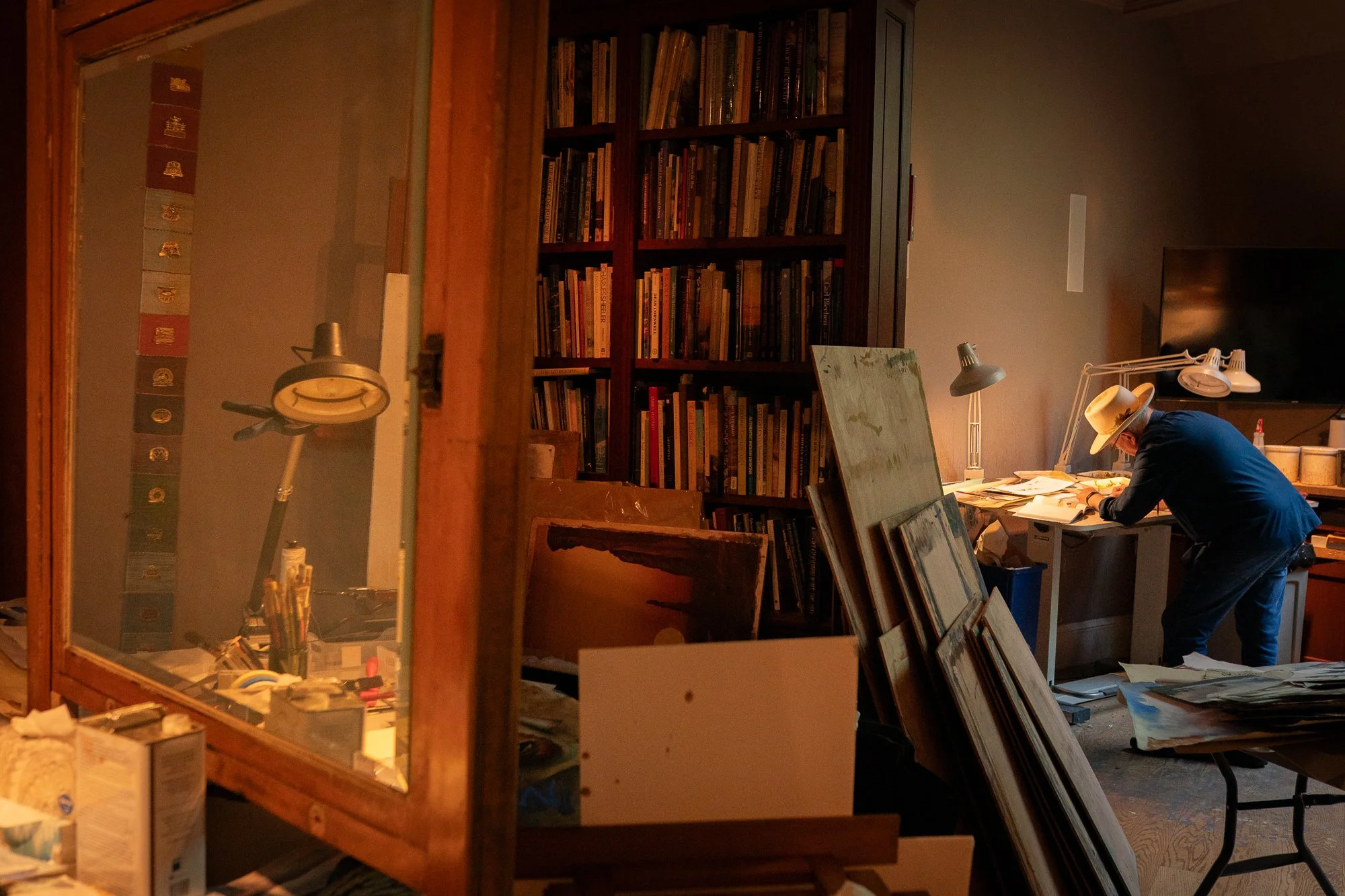
William Matthews working at his desk surrounded by books and paintings in his Western art studio

Matthews at work in his Colorado studio, surrounded by reference books, studies, and decades of accumulated material that inform his paintings of the American West.
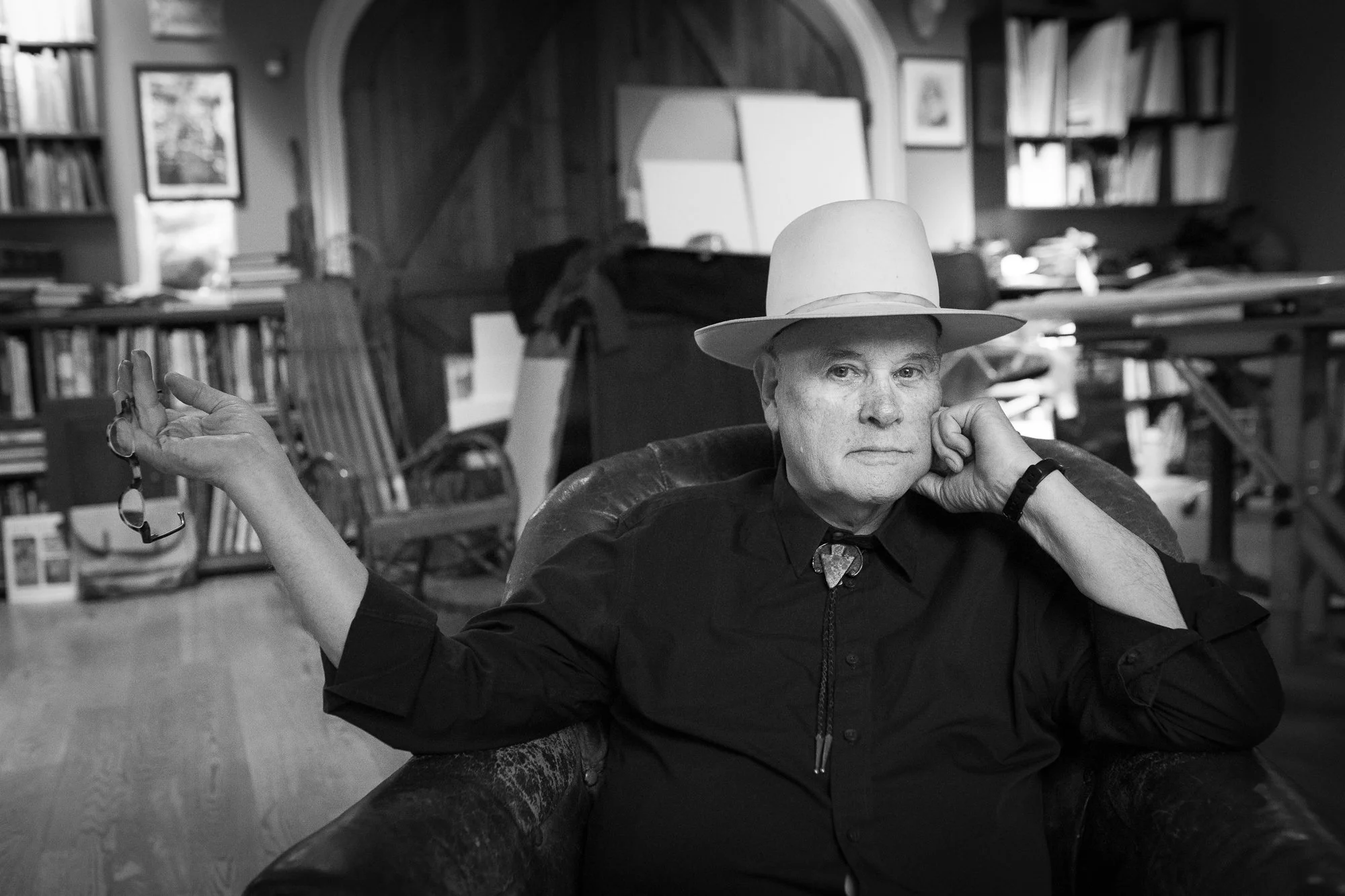
Black and white portrait of Western painter William Matthews seated in his studio

A quiet portrait of William Matthews inside his working studio, where his celebrated cowboy paintings take shape.

Watercolor palettes and paint brushes on a table in William Matthews’ studio

Pigment-stained palettes and well-worn brushes — the quiet tools behind Matthews’ watercolor interpretations of cowboy country.
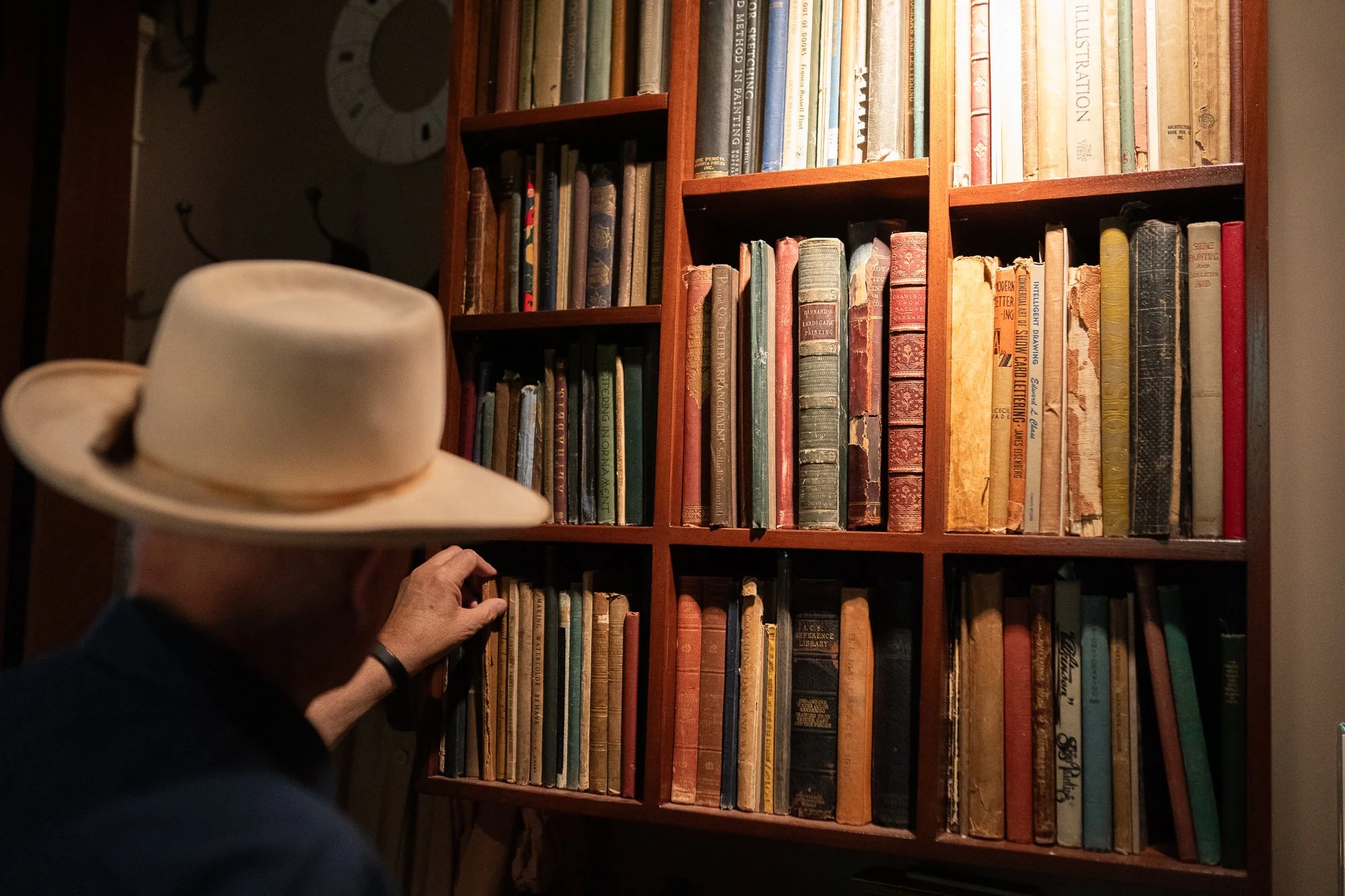
Bookshelves filled with art books inside William Matthews’ Western art studio

A wall of well-worn art books lines the studio shelves. Even an established Western painter remains a lifelong student of the craft.
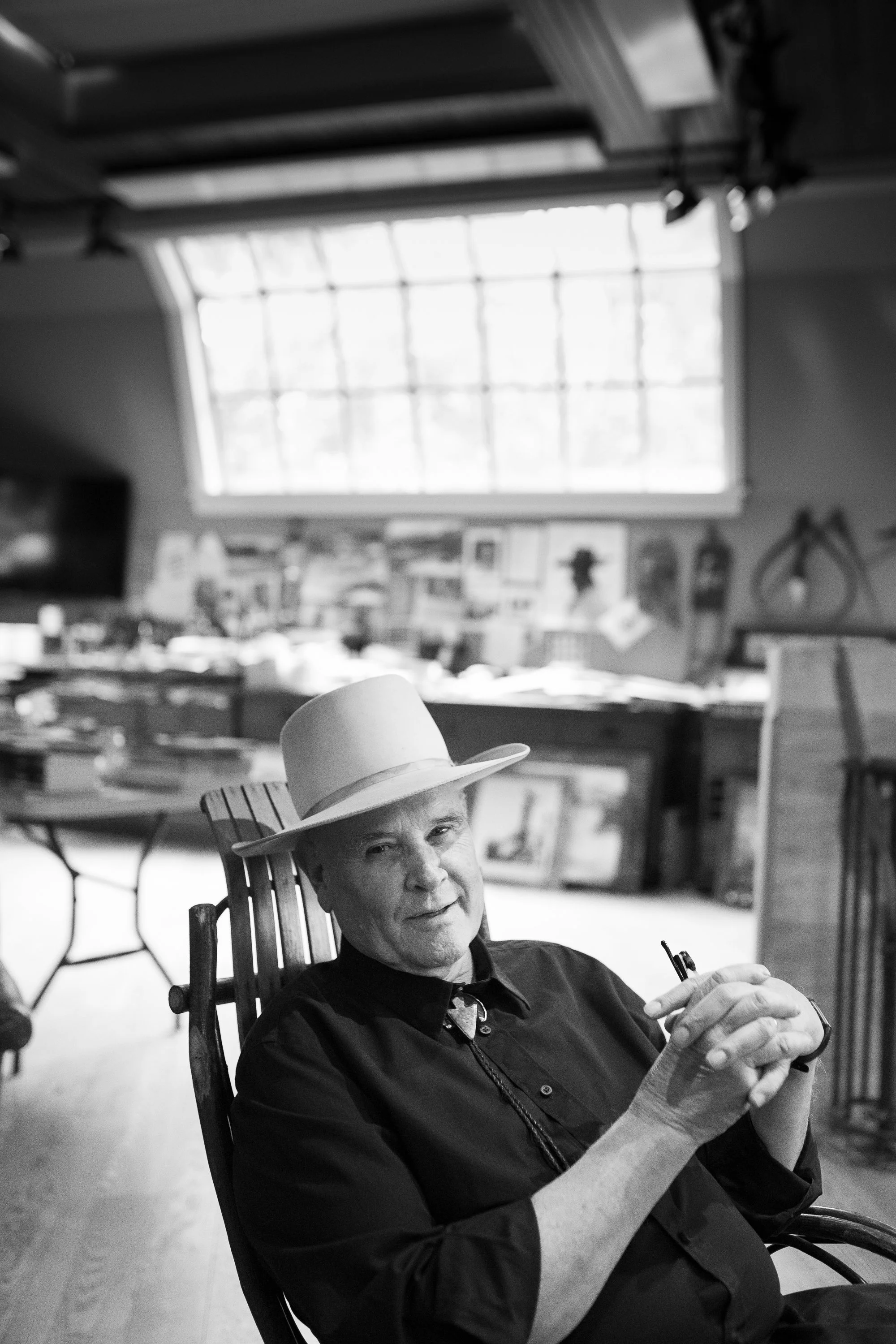
William Matthews seated in rocking chair inside his art studio under large window

Seated beneath the studio windows, Matthews reflects between works. His paintings have shaped how many collectors visualize the modern cowboy.
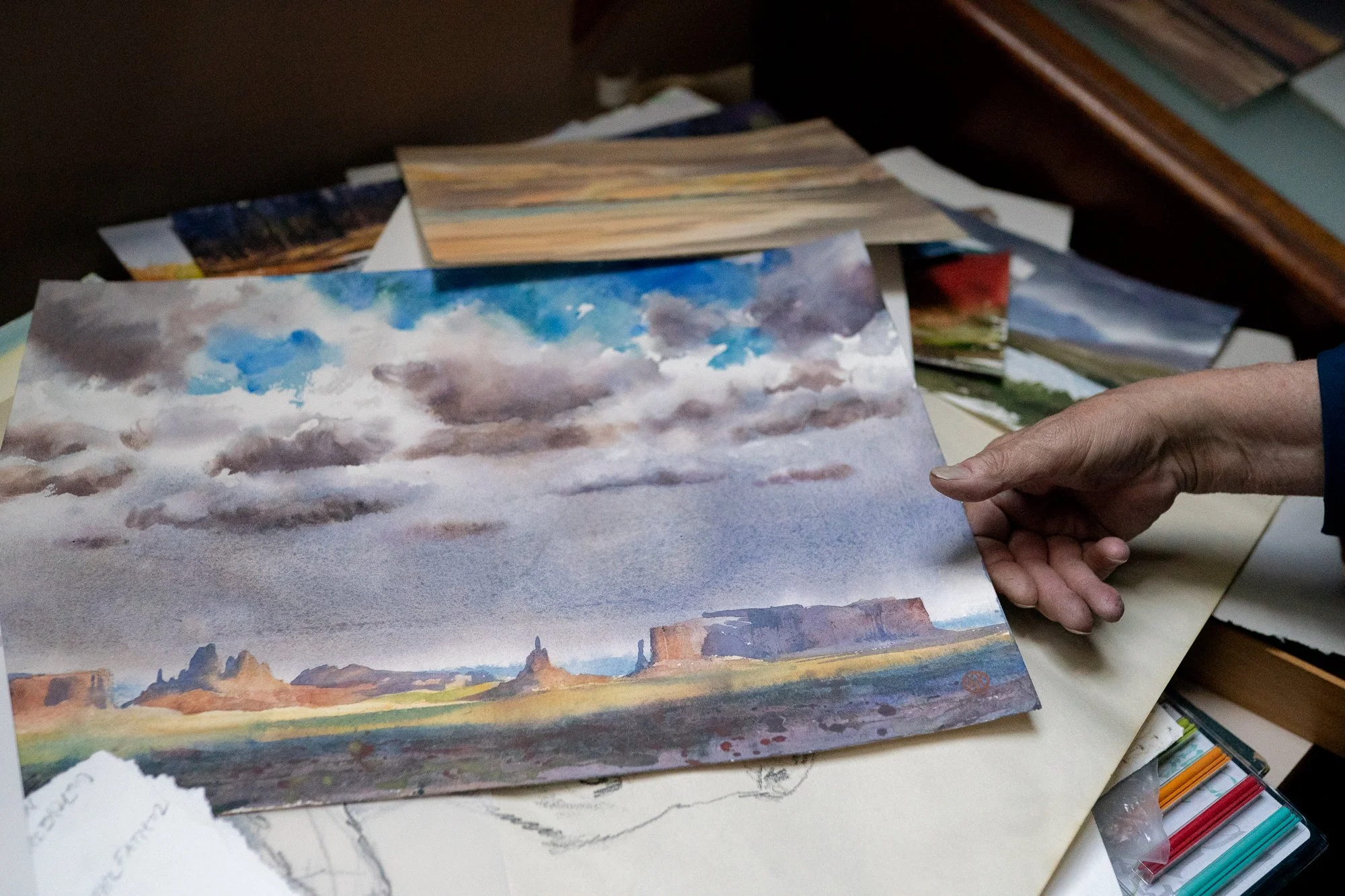
Western landscape watercolor painting featuring mesas and dramatic sky by William Matthews

A watercolor study of the American West, where open sky and distant mesas echo the same landscapes that inspire generations of cowboy artists.
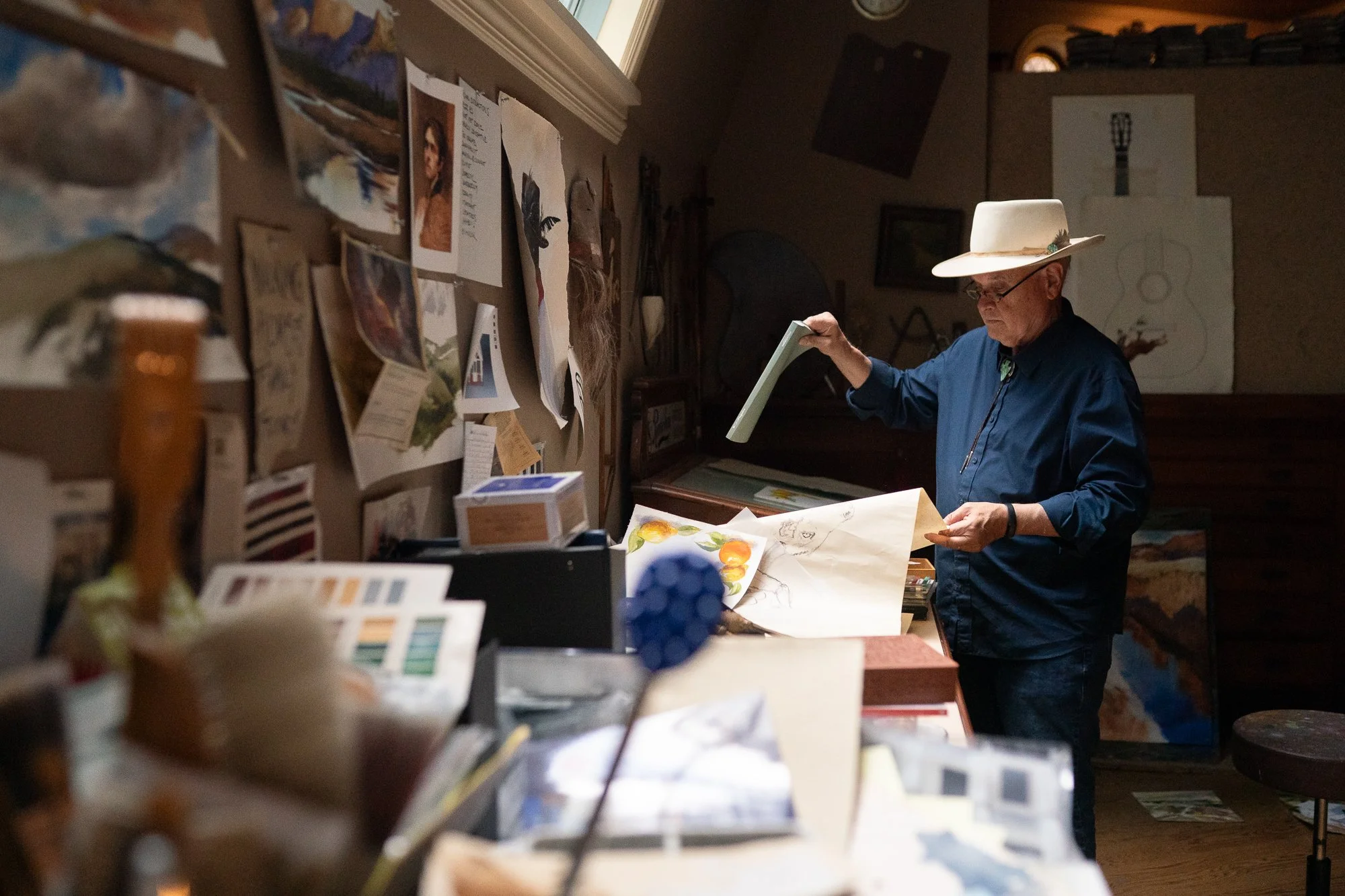
William Matthews examining watercolor painting in his studio workspace

Reviewing a recent watercolor study, Matthews considers light, atmosphere, and restraint — hallmarks of his Western landscapes.
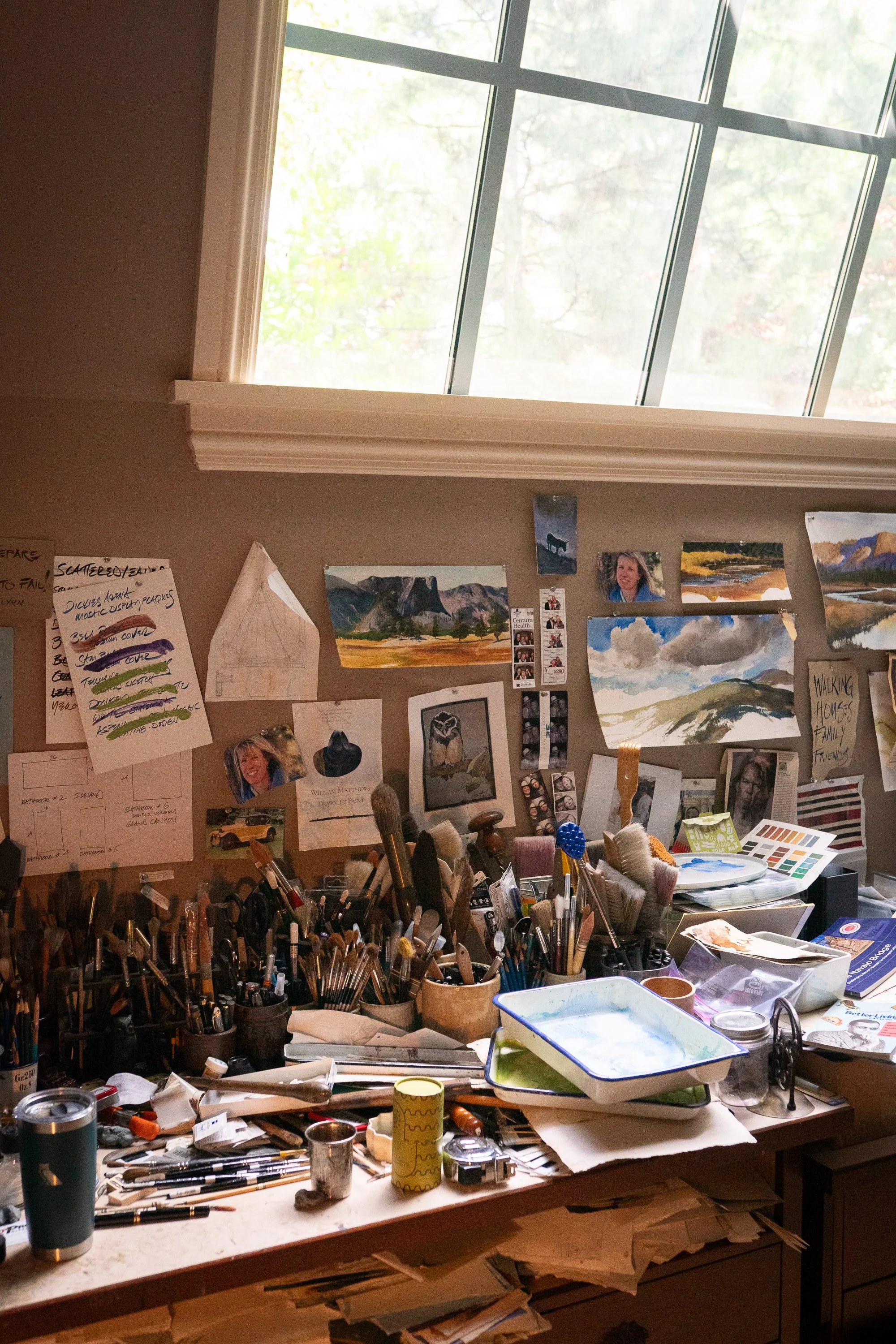
Artist desk filled with brushes, pinned sketches, reference photos and watercolor trays in William Matthews’ studio

Pinned studies, reference photographs, handwritten notes, and brushes crowd the desk — a working studio shaped by decades devoted to painting the West.
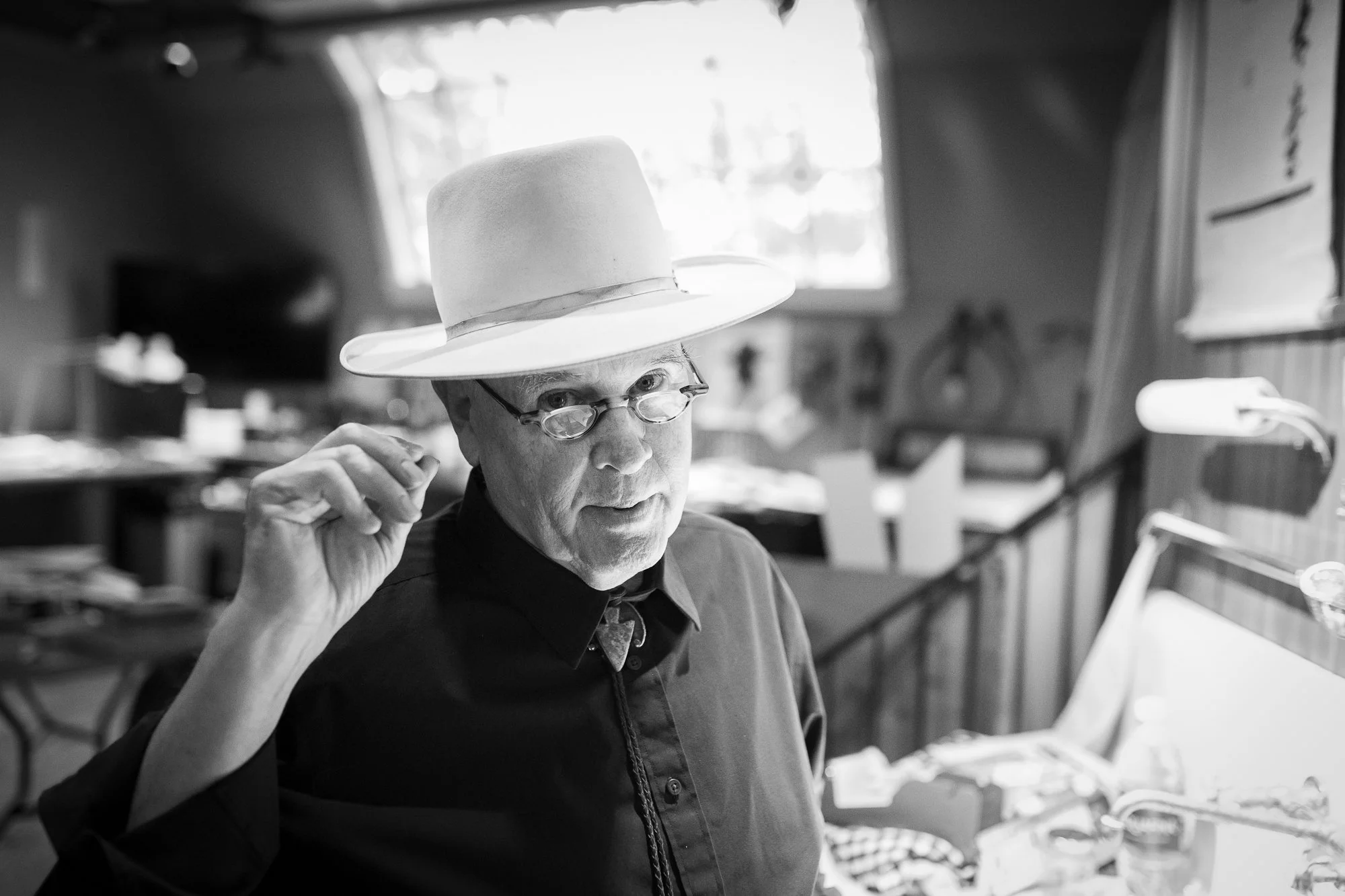
Candid portrait of William Matthews in studio wearing cowboy hat and glasses

Between studies and finished pieces, Matthews pauses at his drafting table — a reminder that Western art begins with careful observation and discipline.
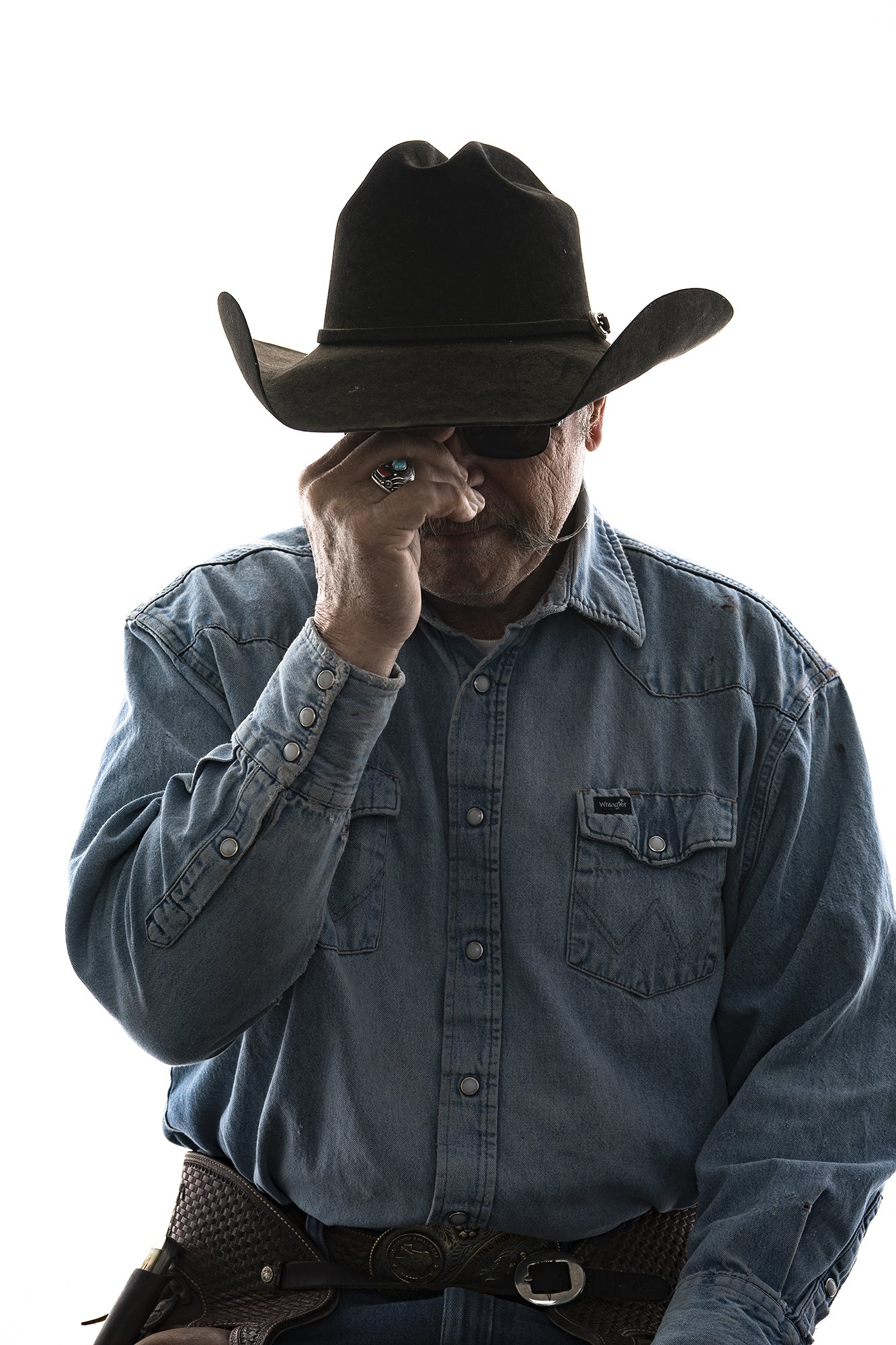
Cowboy Portraits

Authentic Cowboy Portraits

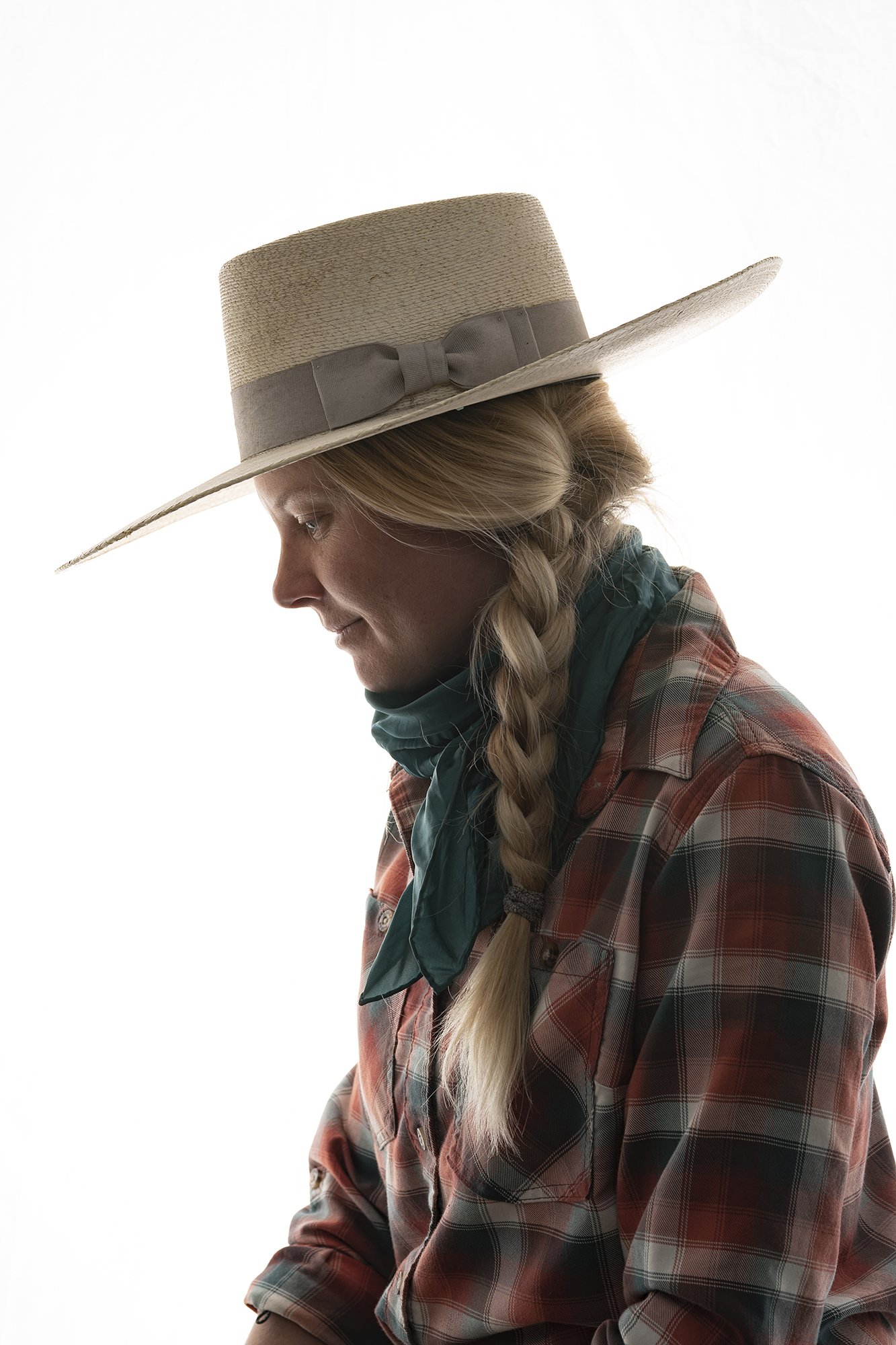
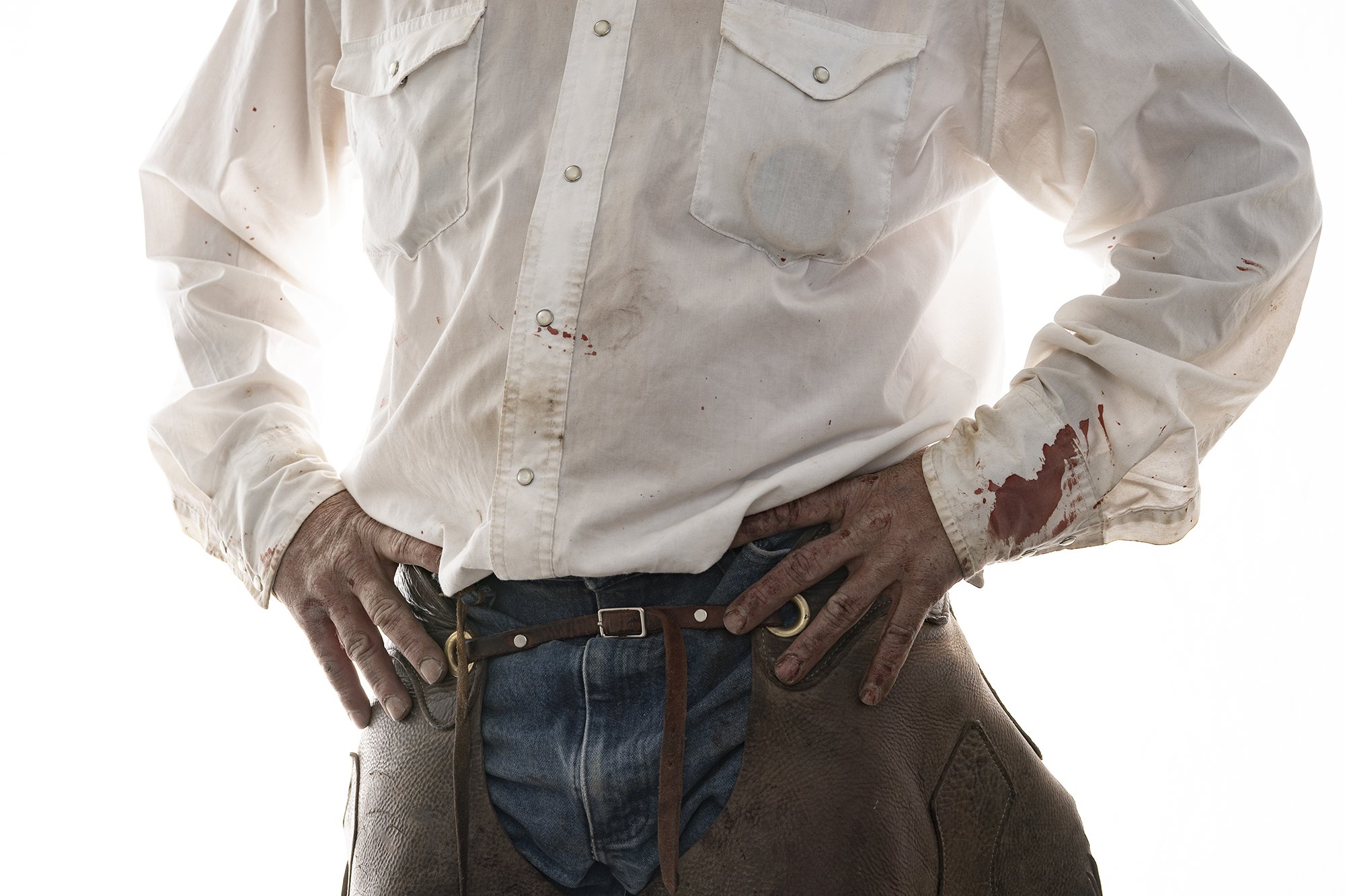
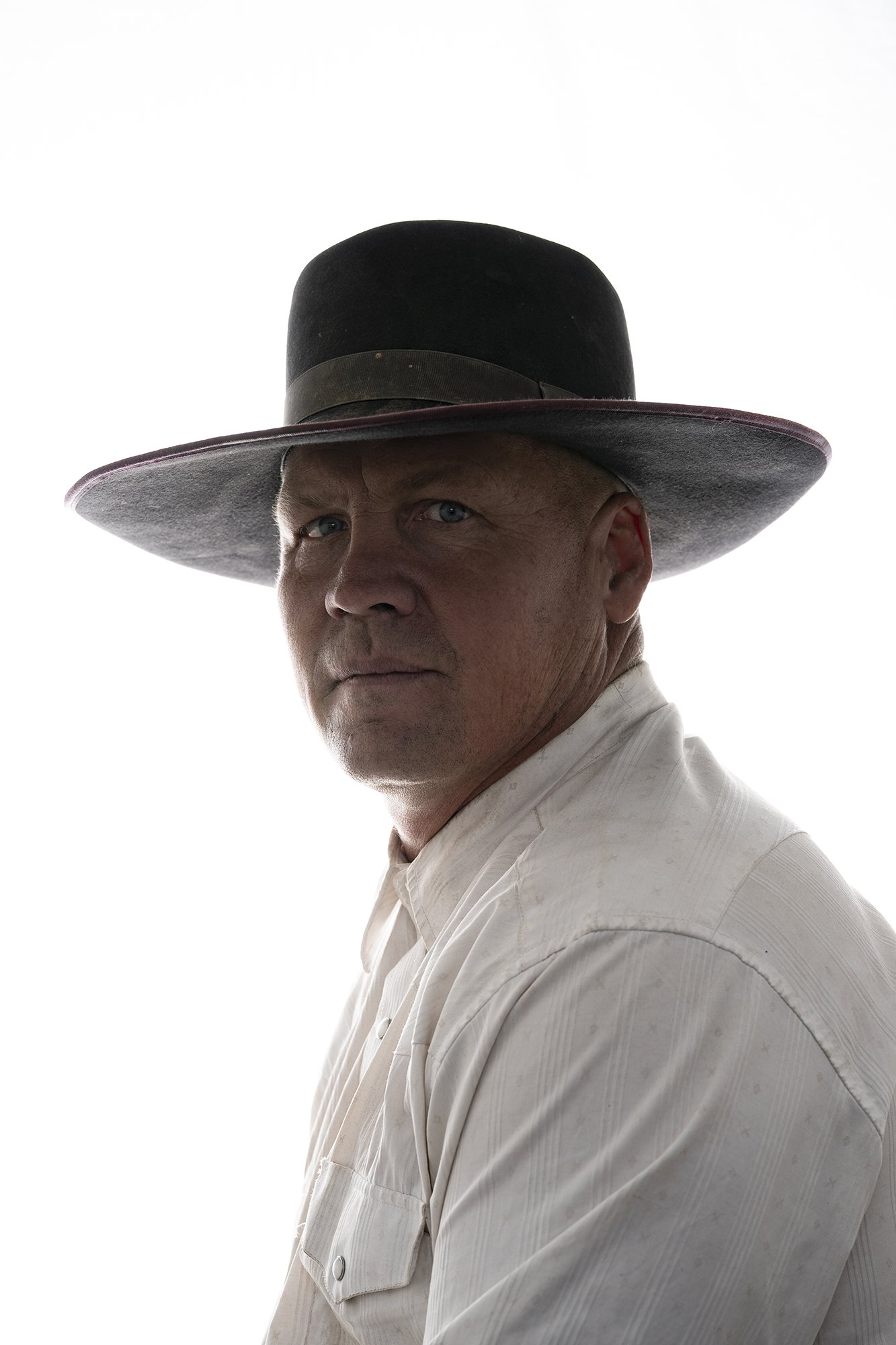
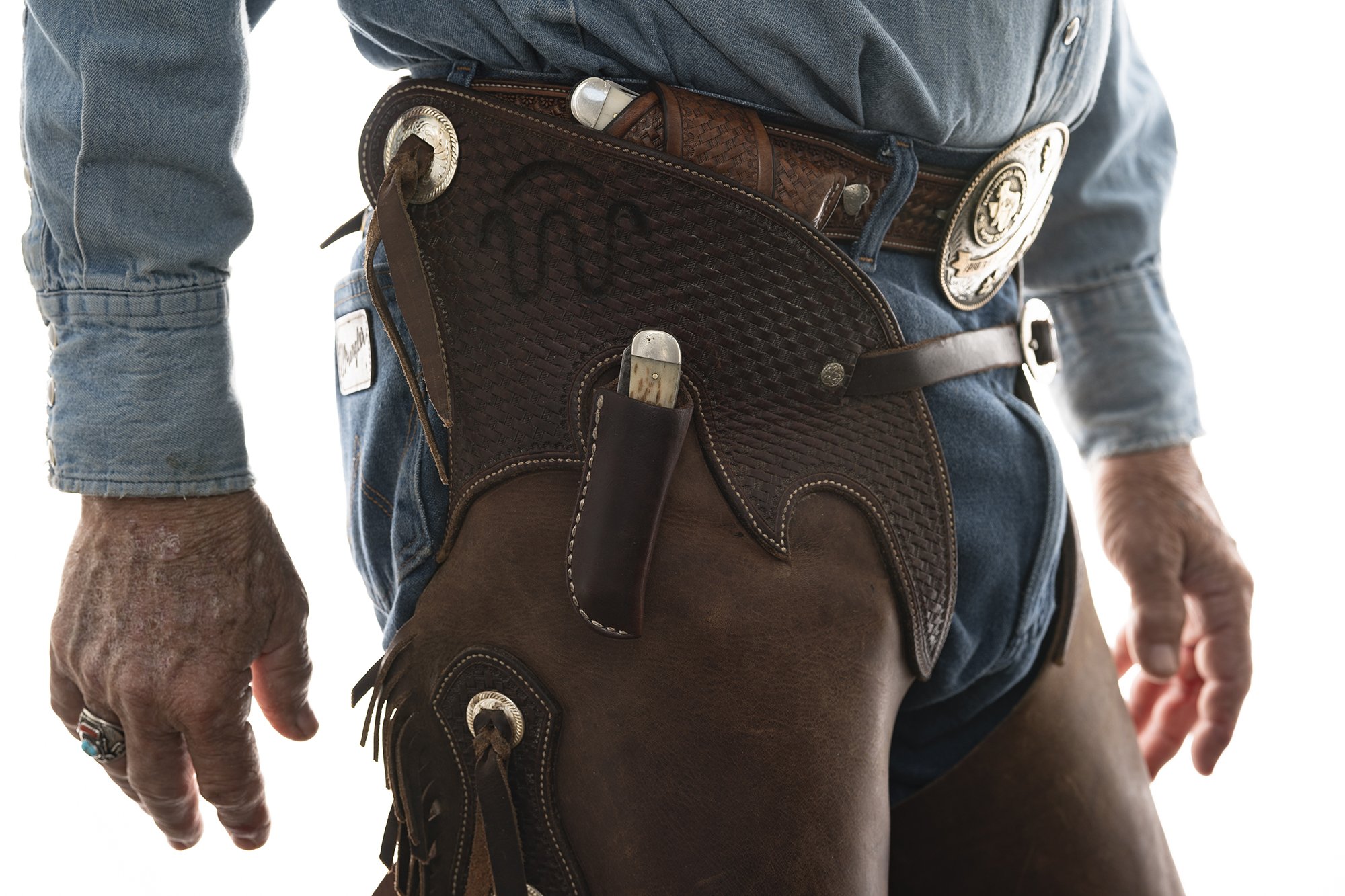
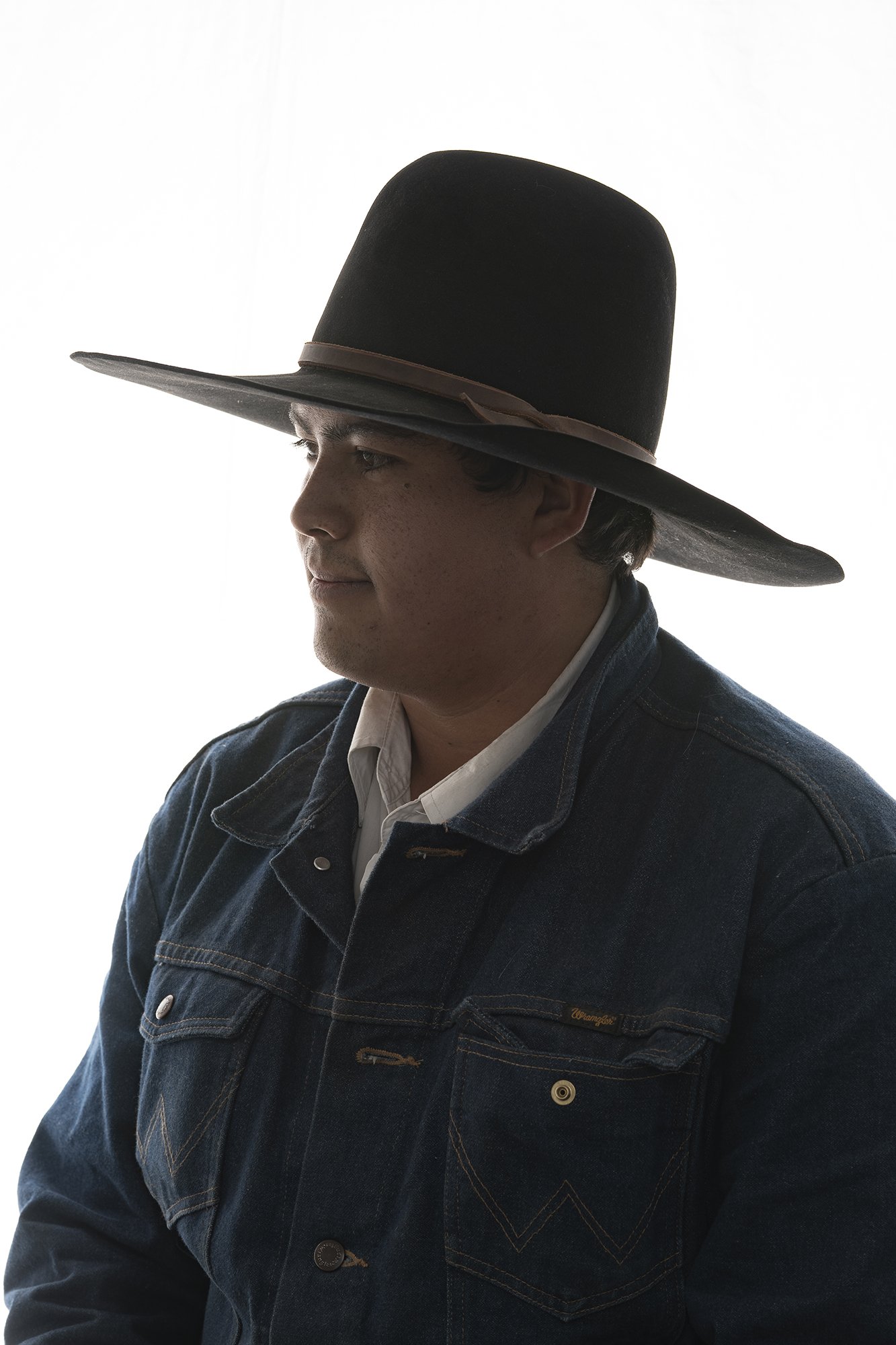
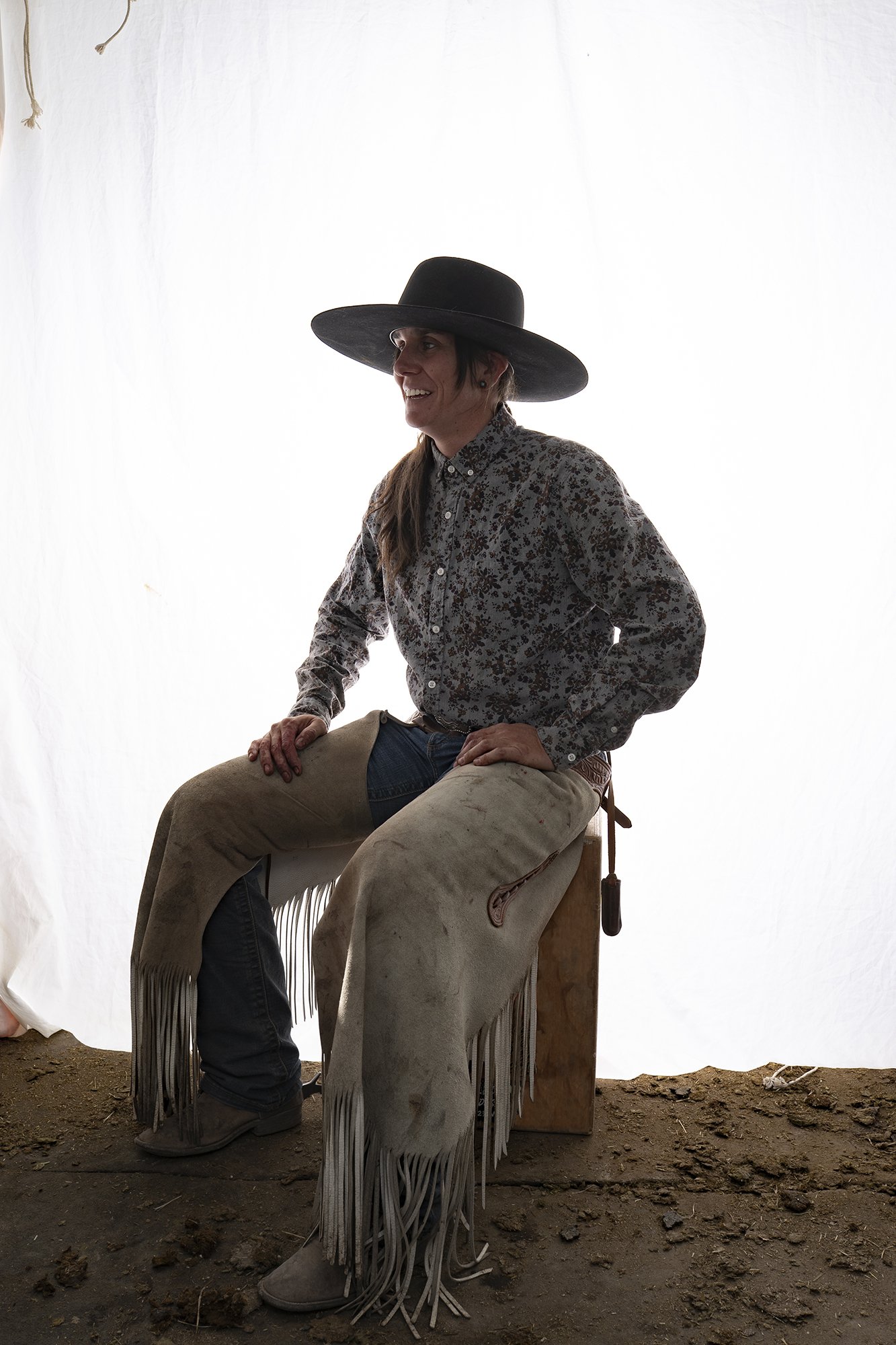
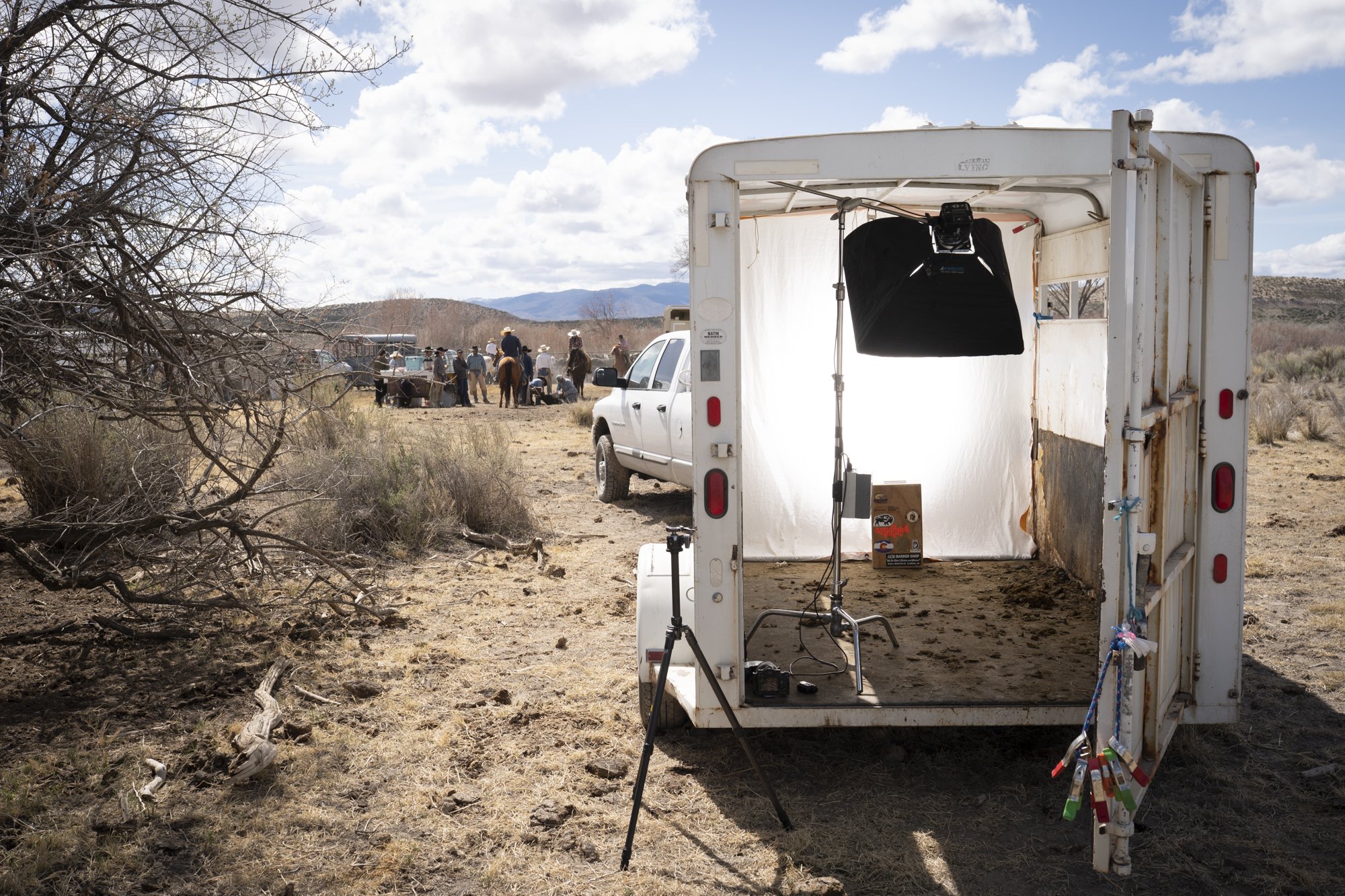
Brought the lighting gear out to a cattle branding a few months ago to make some portraits of all the cowboys and cowgirls working on the ranch. Wanted the focus to just be the people and their gear without anything else to distract from that. Had a blast setting it all up and shooting in a horse trailer, but still undecided if I’ll stick with this style or not.

Click HERE to see more from this series.

American Portraits

American Portrait Photography

Road Trip - Americana - Culture

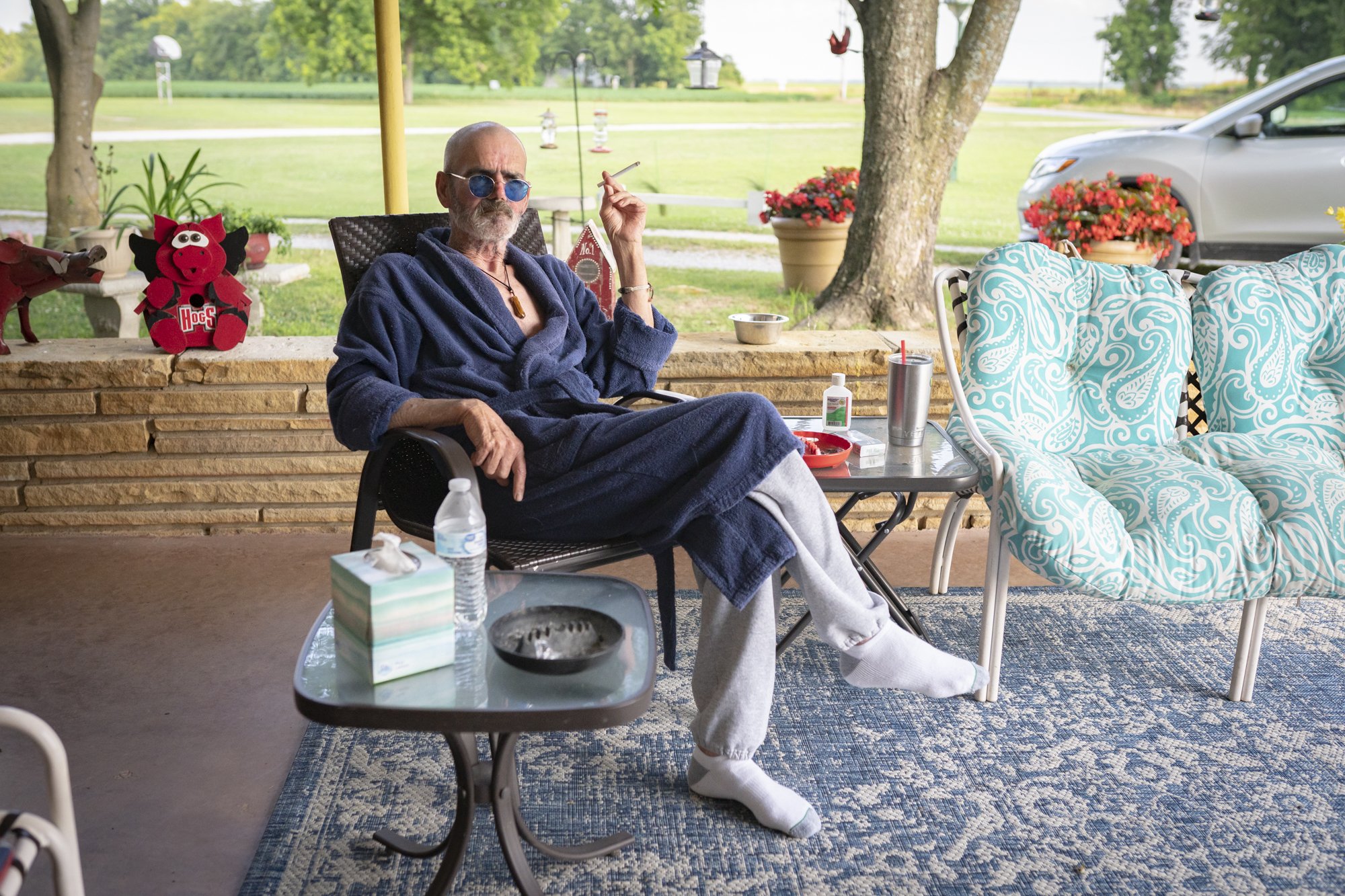
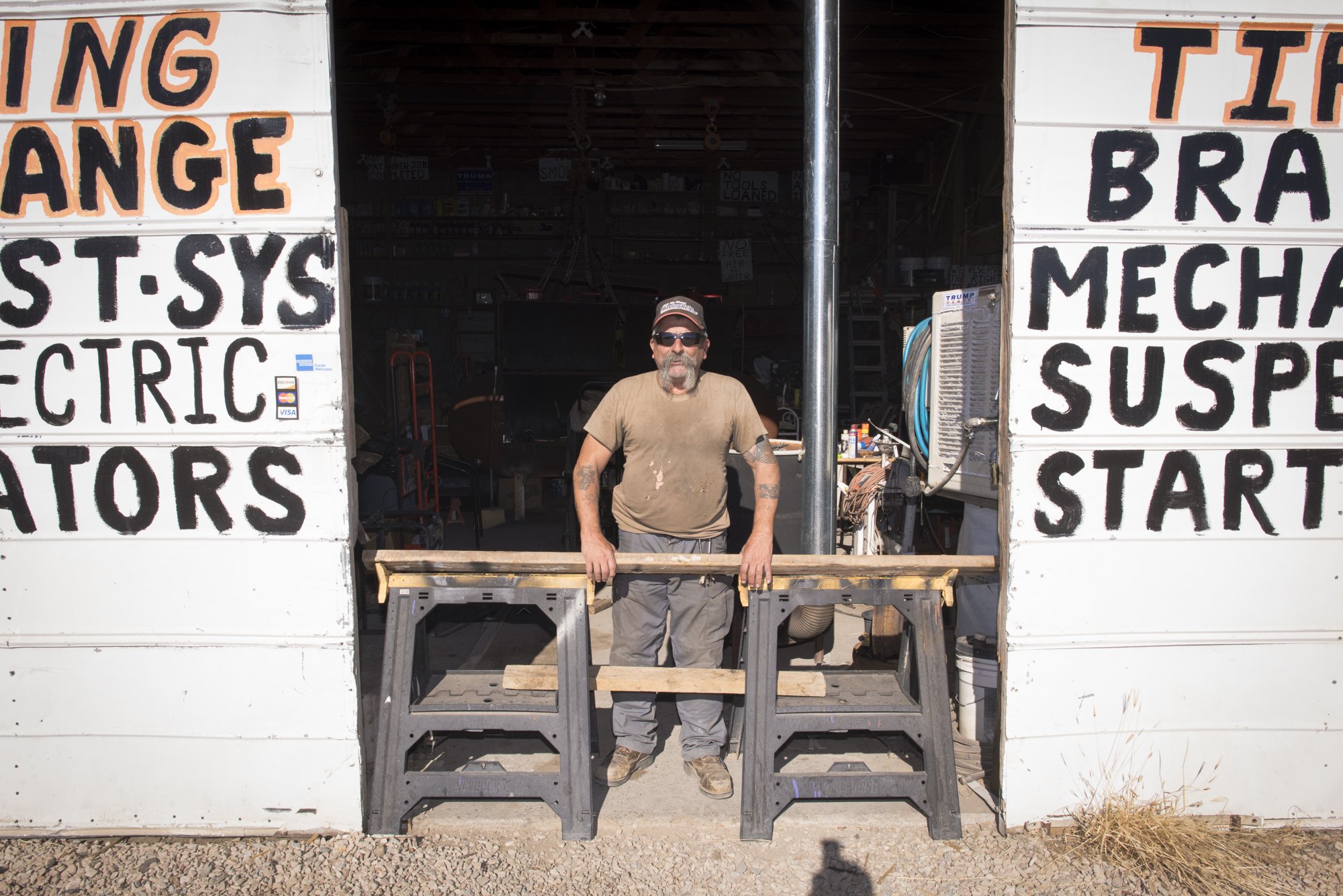
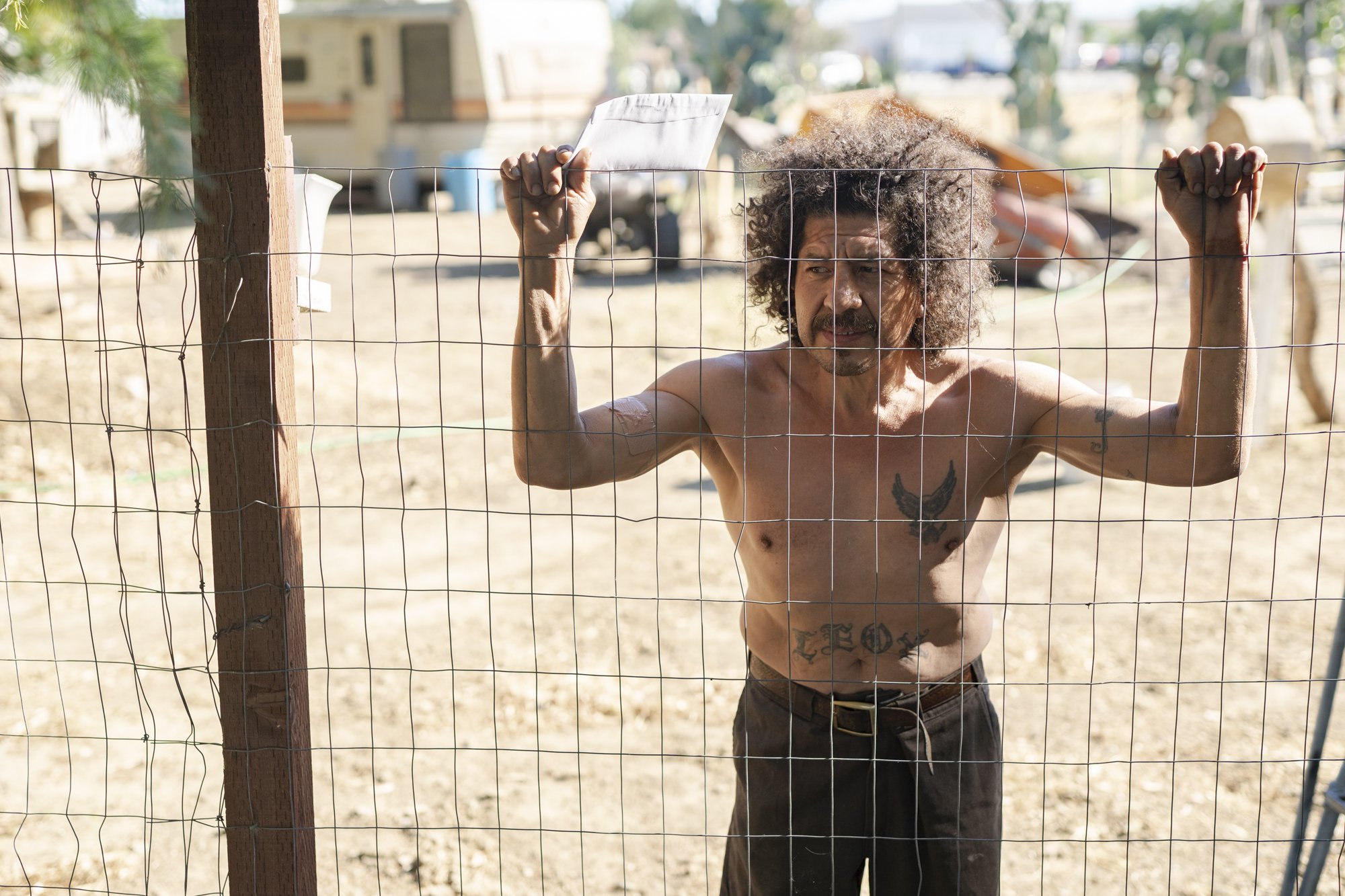
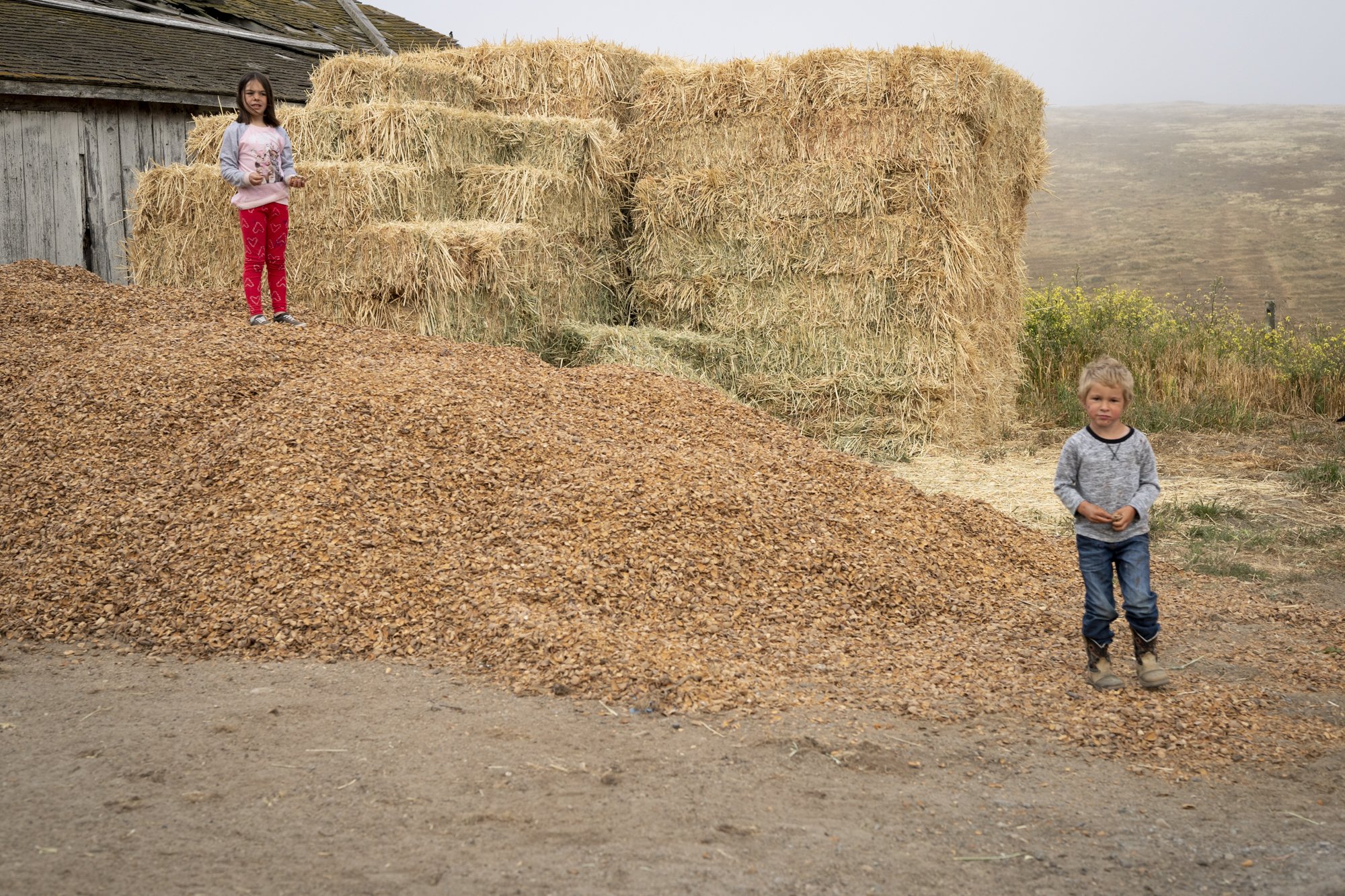
It’s really interesting to look at what you do and don’t shoot over a long period of time. Way back when I first got going it was only people. That’s all I would shoot. Then at some point drifted away from that to basketball hoops and people-less places in small towns. It was never a conscious decision, but it happened. It was a conscious decision to start again however. Not sure why, although it occurred to me that subconsciously I was missing human interaction from COVID? Don’t know. Either way, it’s a plus. I love America so much. And just this second as I’m typing, a commercial comes to mind of John Cena saying “To Love America, is to love all Americans”. While that’s not a reality for most, it’s true. And talking to people from all over this country can teach you so much, about people, and the country. One of my favorite things in the world is being on an empty road for long periods of time, but nothing can replace the interaction between someone that lives, thinks, and believes in things opposite of yourself. It’s also an opportunity to give. To help change a person’s mind about a possible misconception they have of “people from California”, which as I’ve found out is not a liked stated.
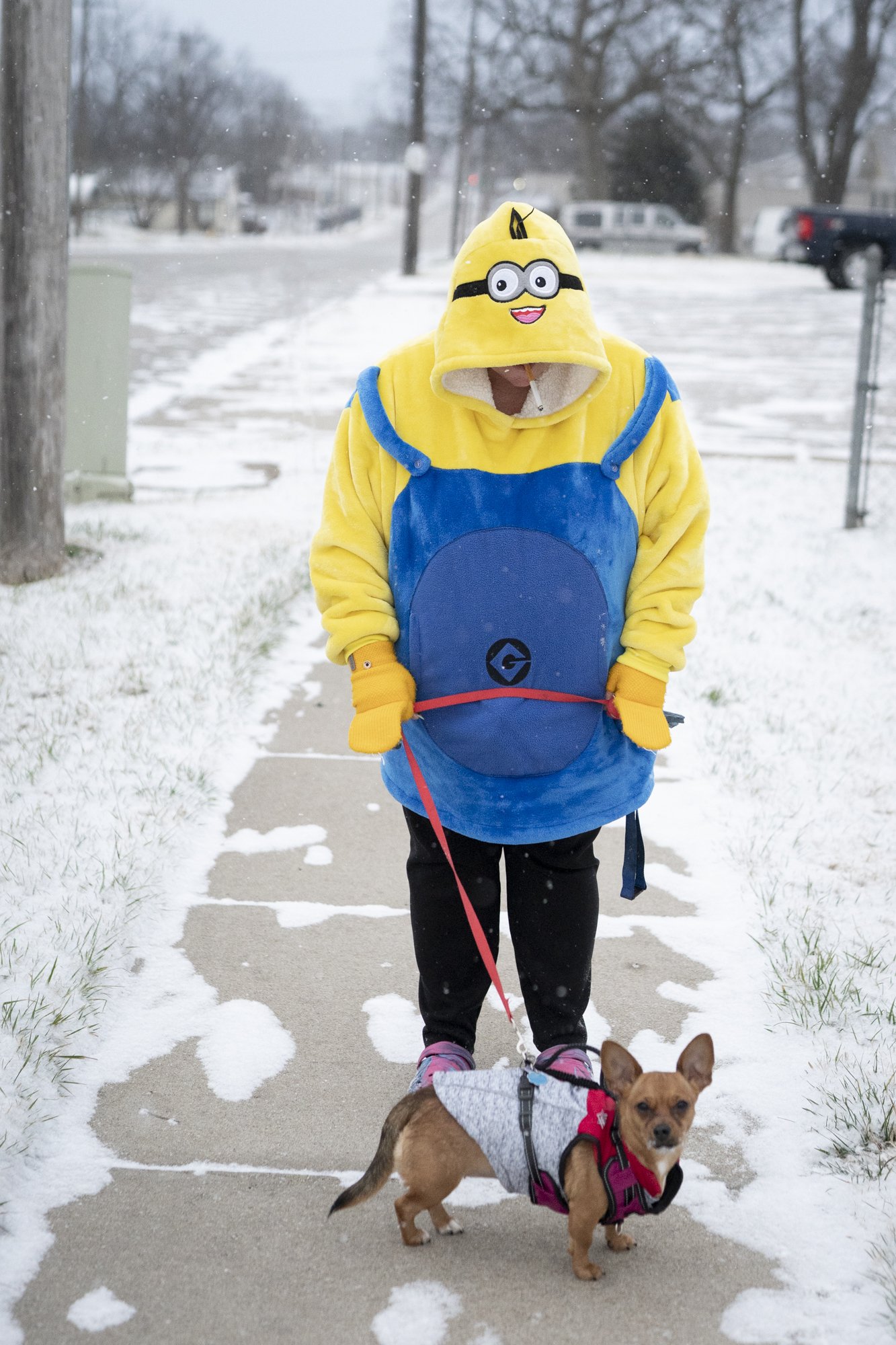
On a photography related topic, you also learn a lot from what you can’t have. The first shot here of the woman in the Minion coat was made about 7:00am while she was out walking her dog/smoking a cigarette. Her response to being asked for a picture was “as long as my face isn’t in it”. That frustrated the hell out of me. What good will this portrait be without her face ? Then she put her head down and the Minion eyes/mouth appeared and solved the whole problem. And on top of that you can still see the cigarette sticking out. So the result wound up being way better than the image I originally set out to make.

Kobe Bryant

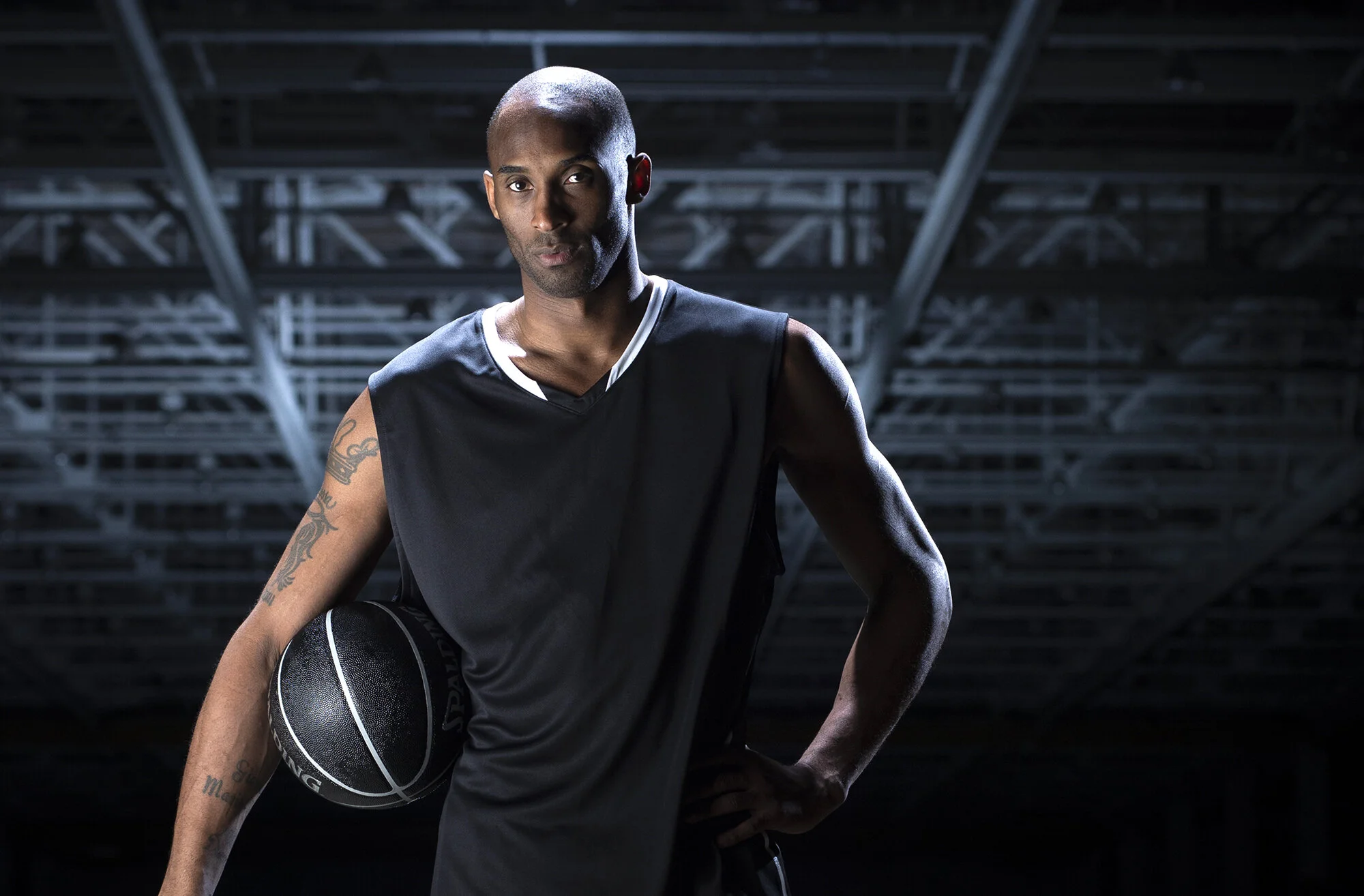
Today Kobe Bryant would have turned 42. What an incredible loss he was, not just to the basketball community, but the world at large. An icon that raised the bar for everything he did. Kobe was one of those people that expect to live forever. People like him don’t die??!! I feel very fortunate to have shot with him twice in my life, during a time that I was shooting a lot of professional athletes. This one was back in 2013. It’s impossible to every put your finger on your “favorite” shoot, but this one certainly will never be forgotten.

Click here to see more of athlete images.

Photos

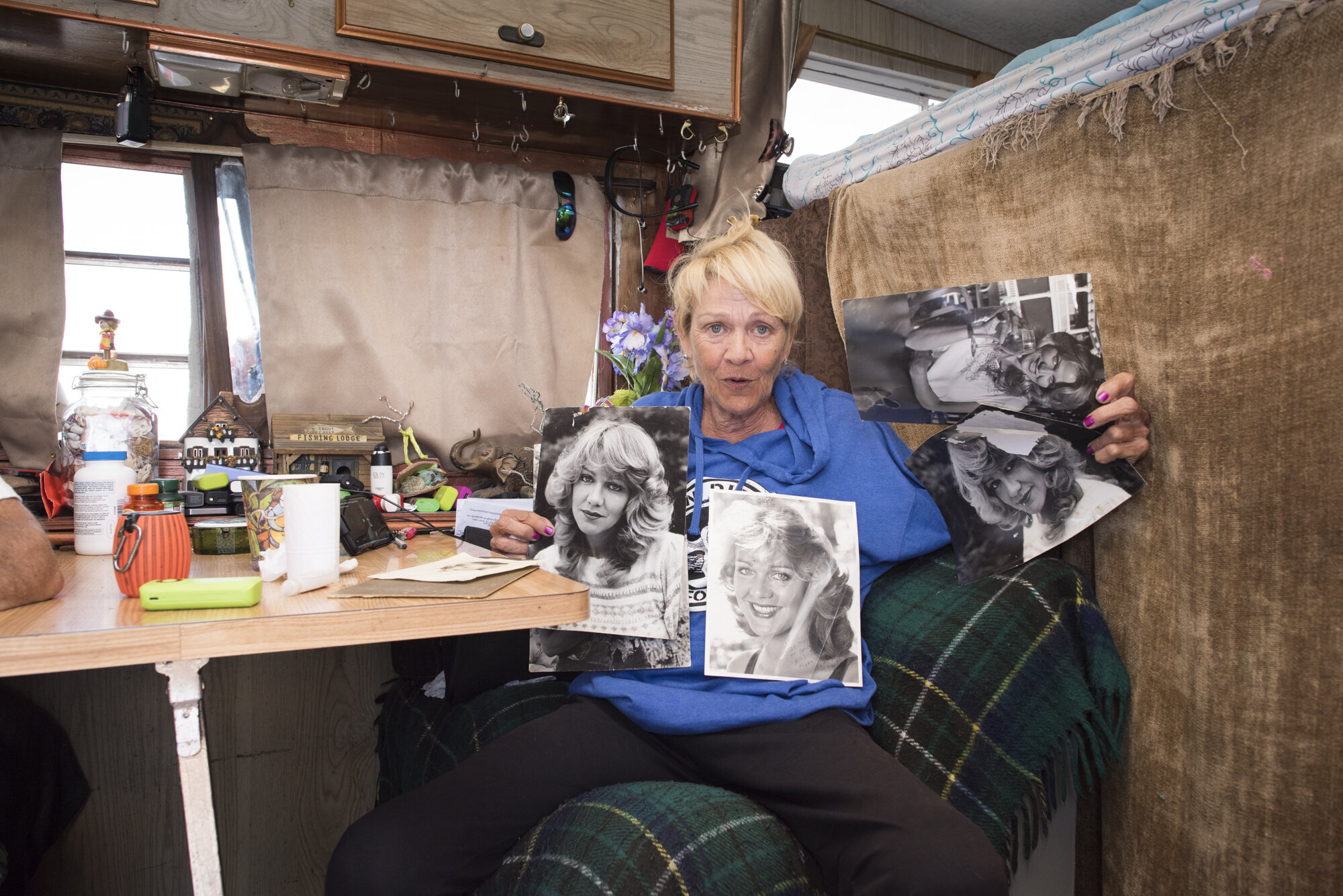
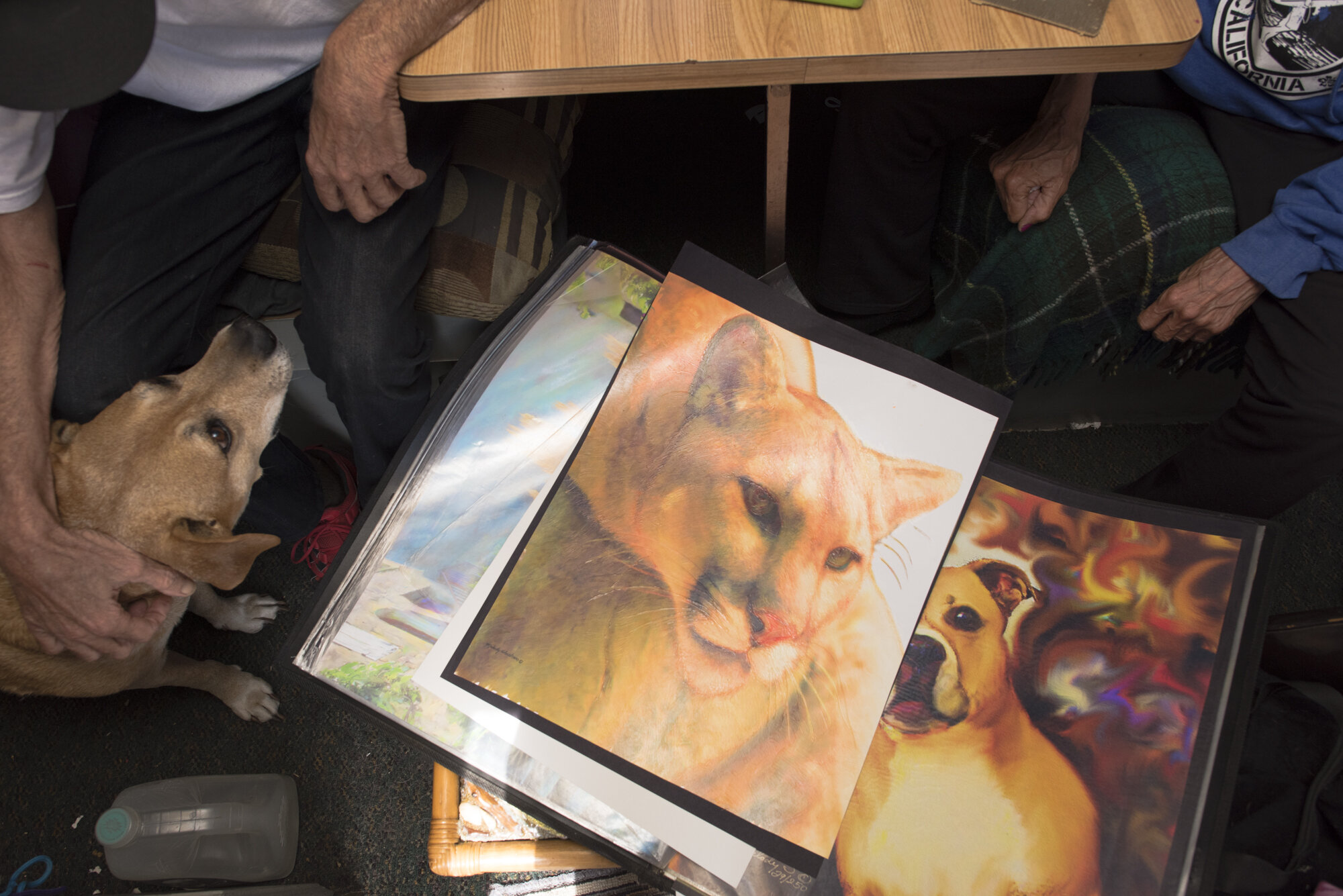
Have been rummaging through some old hard drive folders recently which led me to stumble upon a few forgotten images. Another thing I should put more time into as there are certainly countless images that have yet to even be looked at. Going back to what I said on the previous post though, it’s all about seeing how images fit in. Not one to really make “One Off’s”, my focus has mostly been on long term series/projects. The two you see here go into the "One Off category, at least for now. Who knows, maybe a series will grow over time and they will fit perfectly within it? Almost exactly a year ago I made these while walking around Encinitas. On that particular day the focus was people living some sort of the “van life”. No idea why. This woman and her husband are technically homeless, although they do own the RV pictured here. So I’m not sure how you classify that. Both very nice and were happy to let me inside to make a few pictures. She was quick to pull some old photos out of herself and said as I raised the camera “this was back when I was beautiful”.

Steve Purcell & Uppercut Deluxe: A Barbershop Culture Story

An Interview with Steve Purcell on Barbering, Heritage, and Why the Barbershop Still Matters

The modern barbershop has become one of the most recognizable cultural spaces in the world. From small-town America to major cities in Australia and Europe, the barbershop remains a place rooted in tradition, craft, and human connection. Few brands understand this better than Uppercut Deluxe, a globally respected grooming company known for its pomades and hair products that are staples in barbershops worldwide.

I first connected with Steve Purcell, founder of Uppercut Deluxe, while working on my long-term documentary project Barbershops of America. What stood out immediately wasn’t marketing language or trend-chasing—it was a shared respect for barbering as a trade and a desire to build a unique brand with their own voice, regardless of what others think.

This conversation explores barbering beyond products: where the culture comes from, why it still resonates globally, and how authenticity continues to matter in an industry that’s constantly evolving.

Uppercut Deluxe: A Brand Built Inside the Barbershop

Uppercut Deluxe didn’t emerge from a boardroom. It came out of real barbershops, real clients, and real hands-on experience. Steve’s background as a barber shaped how the brand was built—from the products themselves to how the company shows up in barber communities around the world.

Rather than chasing trends, Uppercut Deluxe focused on classic barbering fundamentals: products that work all day, respect traditional styles, and make sense behind the chair. That grounding is a big reason the brand has earned credibility among barbers—not just customers.

In many ways, their success mirrors what I’ve seen repeatedly while photographing barbershops across America: longevity comes from understanding the trade, not trying to reinvent it every five minutes.

Photographing Barbershops as Living History

Conversations like this reinforce why documenting barbershops matters. These spaces are not frozen in time—they are working, evolving environments shaped by the people inside them.

My Barbershops of America project exists to preserve these places as they are, before they disappear to rising rents, redevelopment, or simple retirement. Talking with someone like Steve—who has spent decades inside the culture—helps place those photographs within a much larger global context.

Barbering may look different in Australia than it does in Kansas or New York, but the underlying values remain strikingly similar.

Continue Exploring Barbershop Culture

If this conversation resonates, you can see more of my ongoing documentary work in the
Barbershops of America project—an archive built over 15 years, photographing traditional barbershops across all 50 states.

View the Barbershops of America photo series and book/prints

Read more from the Barbershops of America blog

“It's like jumping off a cliff and trying to build the plane before you hit the ground!“

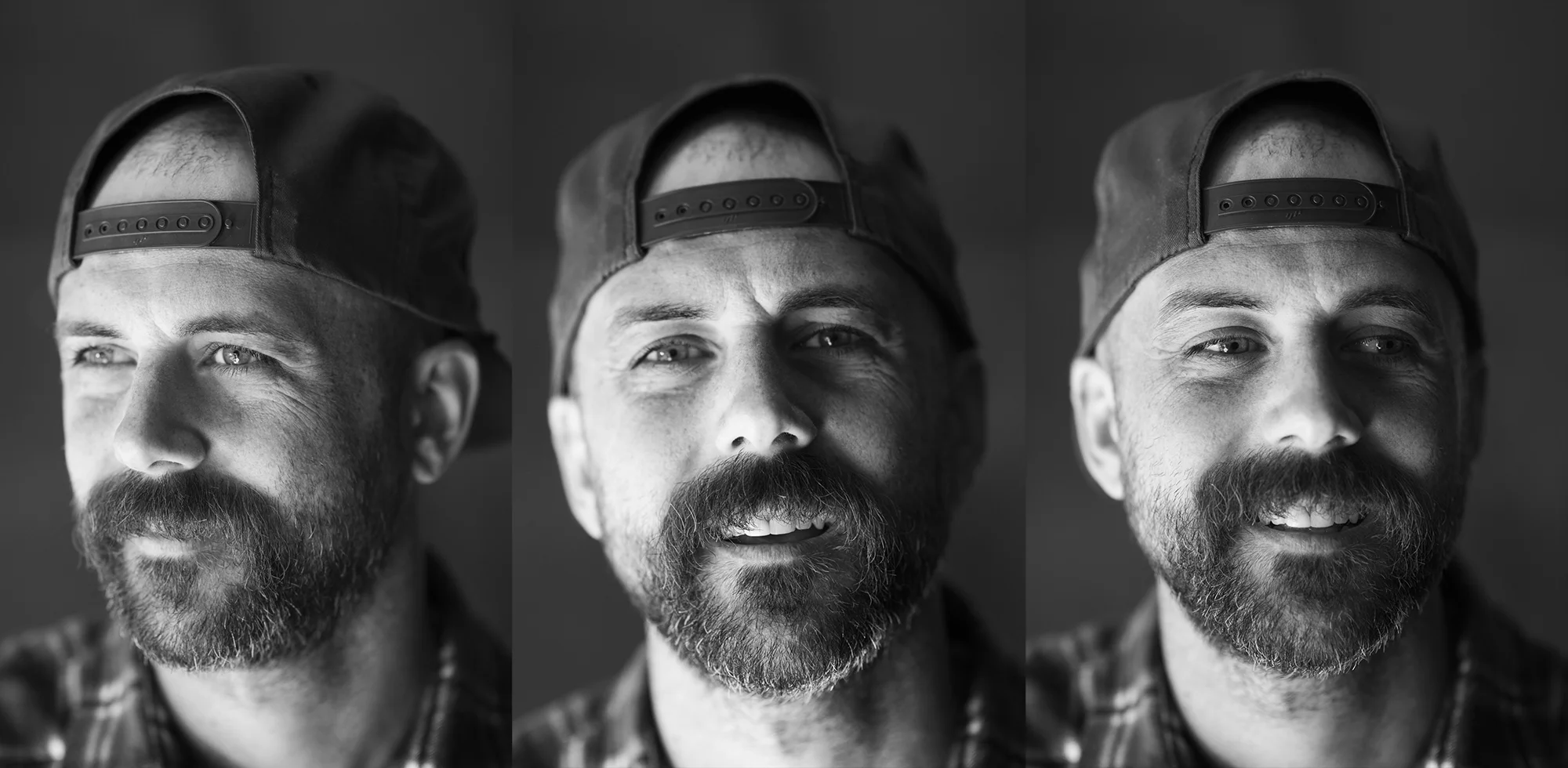
Portrait of Uppercut Deluxe owner Steve Purcell

1) What did you do prior to becoming a barber? 

I worked as a clean up kid in my dads butcher shop after school. 

2) What was the barbershop scene like in Australia when you thought about becoming a barber and what made you take the jump? What year was it? 

There was no scene! I was 15, late 90's, struggling at school and I'd always enjoyed seeing the barber with my granddad growing up. There was a job offer on the table at the local barbershop so I jumped at it. 

3) How did people react when you started on that path?

Brutal! The scene was totally misunderstood at the time, it was all super salon focused and no-one my age was doing it. But I knew I could make it into something rad. Its such a heritage trade. I was the ONLY kid in Australia doing the barber apprenticeship that year. Haha. My friends gave me heaps of shit about it...would call up asking for a perm or a purple rinse.

Literally the only kid? Where did you get the idea that you could make it into something cool? 

The ONLY kid. My grandad used to take me to his barber growing up, a hilarious old italian guy and I always loved the banter and bad jokes. I grew up surfing and skating so just wanted to create a space that I felt was rad, and just wanted to do it my way. I was 22 when I opened the shop, my every cent we had went into it and hoped for the best! 

4) How did people react when you opened your own shop?

This is where I saw the shift where people stopped rolling their eyes at the trade. People have to physically see things to understand it. We decked the shop out like a mates garage so it was a rad place to just come and hang. Once people figured out what we were doing in there, word spread pretty quick. 


Portrait of Steve Purcell the founder of Uppercut Deluxe

5) What is the barbershop scene like in Australia compared to when you started?

Night and Day! Its awesome to see, it stokes me out. Barbering scene in Australia draws inspo from everywhere in the world- European/US/Asia we get the influence from everywhere and it merges out some amazing talent...plus our certification is strict here, to be fully qualified takes 3-4 years so you gotta earn your stripes the old fashioned way. 

3-4 years? That's crazy? Is it like America where you have to go to school? Or more like on the job training in a shop? 

Its on the shop floor learning, with some school elements. 4 long years!! Shitty pay and definitely a lot of shitty cuts on some brave customers who let me practise on them. 

6) How do Australians view American barbers/barbershops? 

Classic and traditional. Huge respect, some of my favourite barbers and shop fit outs are in the US. 

Care to name a few?

So many! Don't wanna leave anyone out. But I Iove the ones that haven't been updated since the 60's, they grow around the barber and the walls have stories. My ambassador crew are dear to my heart and are amazing barbers with rad shops. 

7) What prompted you to start Uppercut and how was it initially received by the locals?

It was the perfect storm, we couldn't easily access products for the shop that we loved. I have always been into mixing products together, and fascinated by the product process. 

The locals were overwhelmingly supportive, and still are! We were just doing what we thought was rad and did it the way we wanted to do it.

What do you mean by "I have always been into mixing products together?" What other kinds of products were you previously mixing together? 

I was mixing Oil based products with a water soluble/ gel base along with my kernels herbs and spices haha. I had a list of 4 products I would mix together and send my customers to the grocery store. My wife was always mad at me for clogging up our sinks. 

8) Describe the journey from the idea to where Uppercut is now. Ups/downs/expectations/growing pains/etc. 

It's like jumping off a cliff and trying to build the plane before you hit the ground! 

Looking back we were so naive when we started, the journey has taught us so much and we still learn as we go. We timed it well. If we did every single thing the same way but did it later, it wouldn't have worked. We've had amazing people involved in the journey and made lifelong friends, we've also had some huge let downs, which in hindsight has taught us some of our hardest lessons. 

You gotta block out the comments, everyone has opinions and if you listened to everything you hear you'd lose your mind. You're either too niche, or a total sell out. Or both! My vision for the brand has never changed, I always listen to my internal compass. 

I'm a huge believer in learning the best lessons from screw ups or let downs. Can you talk about one in-particular that happened and how you turned it into a positive? 

There isn't one major event that stands out. I've learned that if you can surround yourself with talented people and hire people who inspire and are smarter than you, thats half the battle won. Keep a thick skin and stay focused on your own race. People can be the hardest and the best part of business, looking back the highs and lows have actually happened simultaneously, you have to enjoy the journey along the way or you'll lose your mind. 

9) Uppercut is a very distinct and tangible "brand". How did that develop? Why is your roster filled with those particular people?

Coz they're my homies! Ha. They genuinely live the lifestyles so they can't help but be mad dogs. Uppercut is a family and the bigger the brand grows the bigger that family is. The biggest compliment I get is when people say they feel like its a big ass family. Mission accomplished. 

10) How do you keep the brand feeling so authentic?  

Refer to answer above!! We only bring in the good eggs. Mad love. 


11) Any random thoughts you want to get out....

Yes! How the hell did Tim from Syndicate get the front cover of your book? Haha just kidding love you Timmo

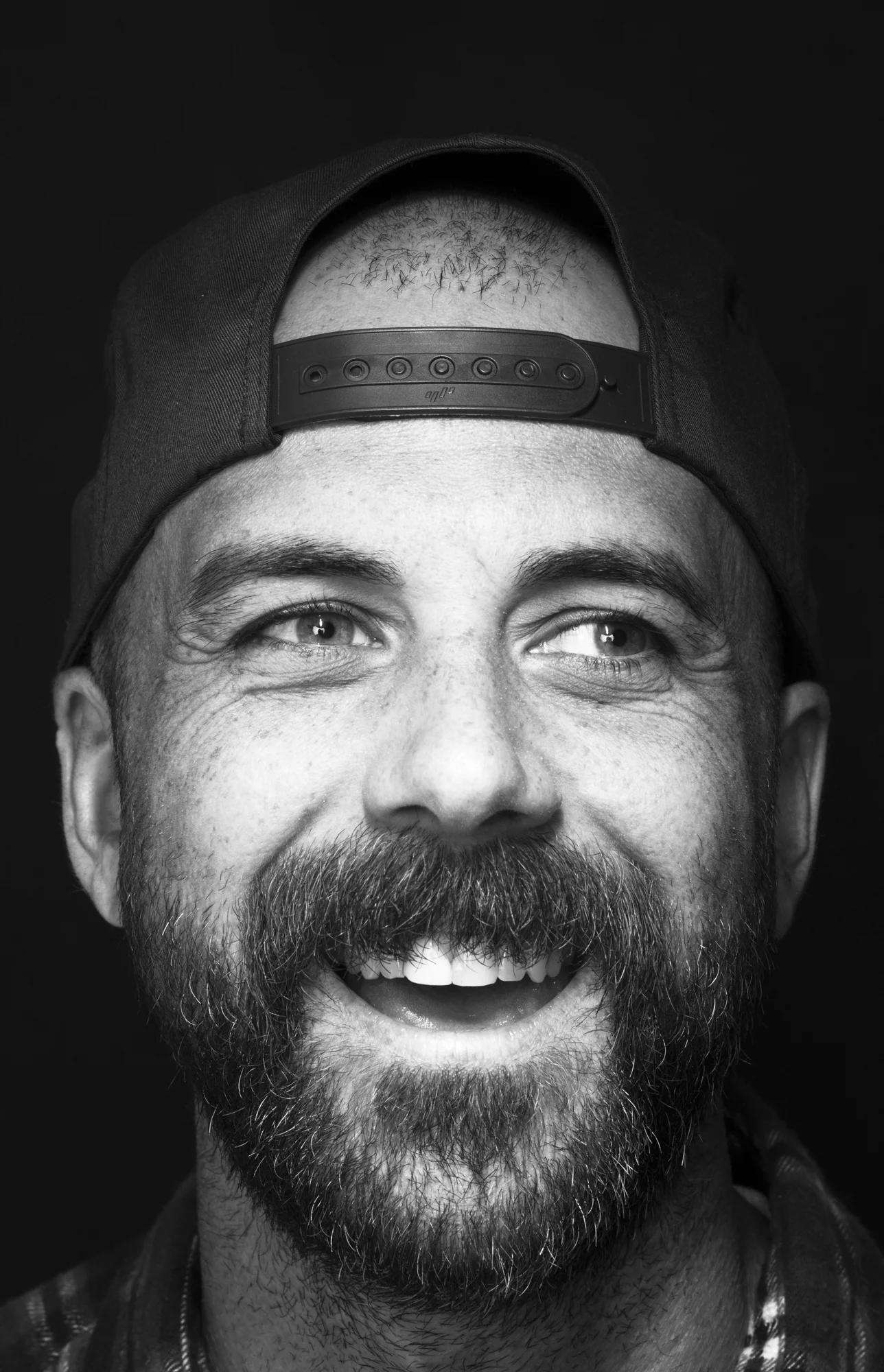
Portrait of the owner of mens grooming company Uppercut Deluxe

Chennai, India Photo Gallery

Chennai, India Travel Photography

Street Culture - Portraits

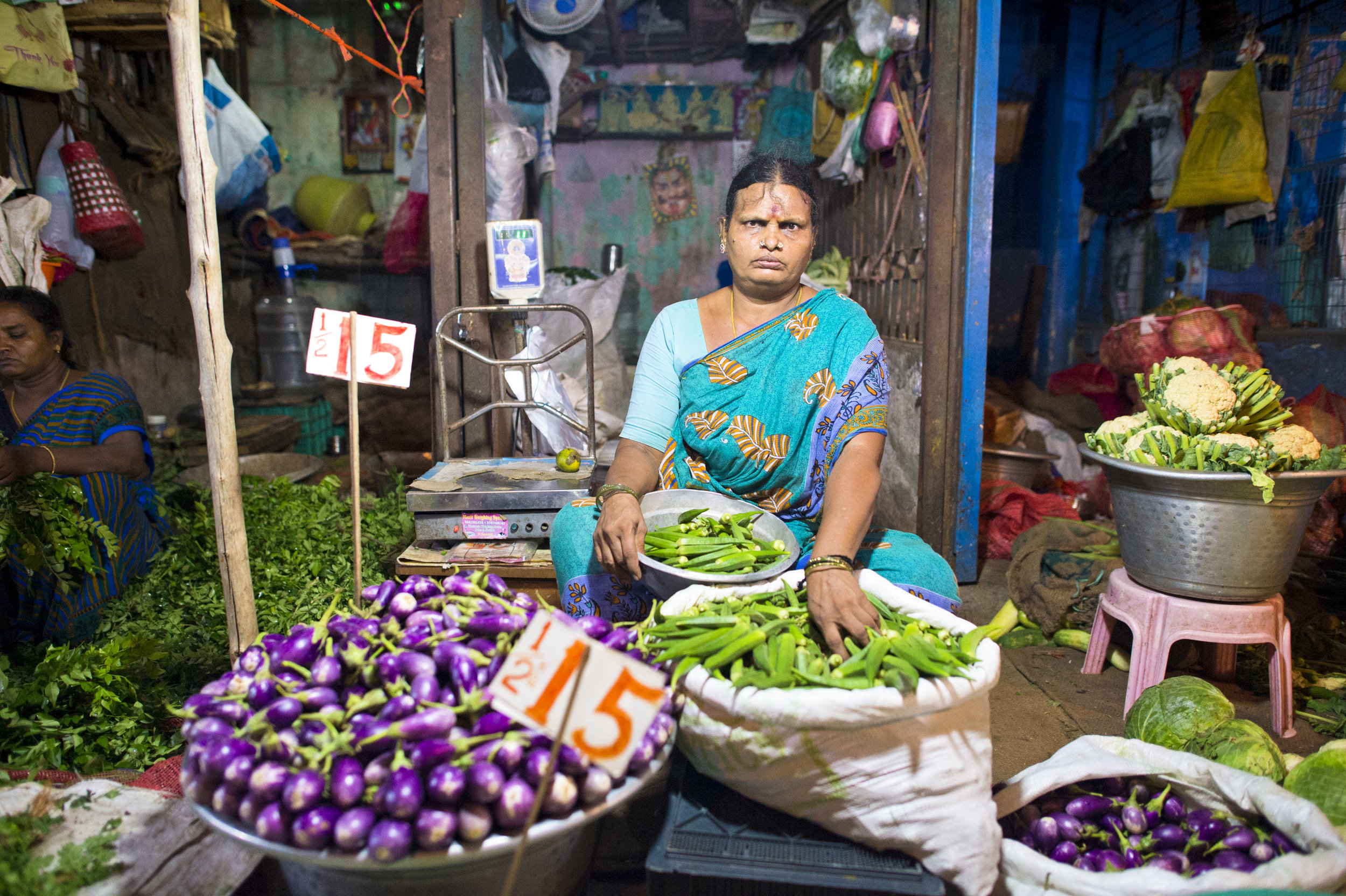
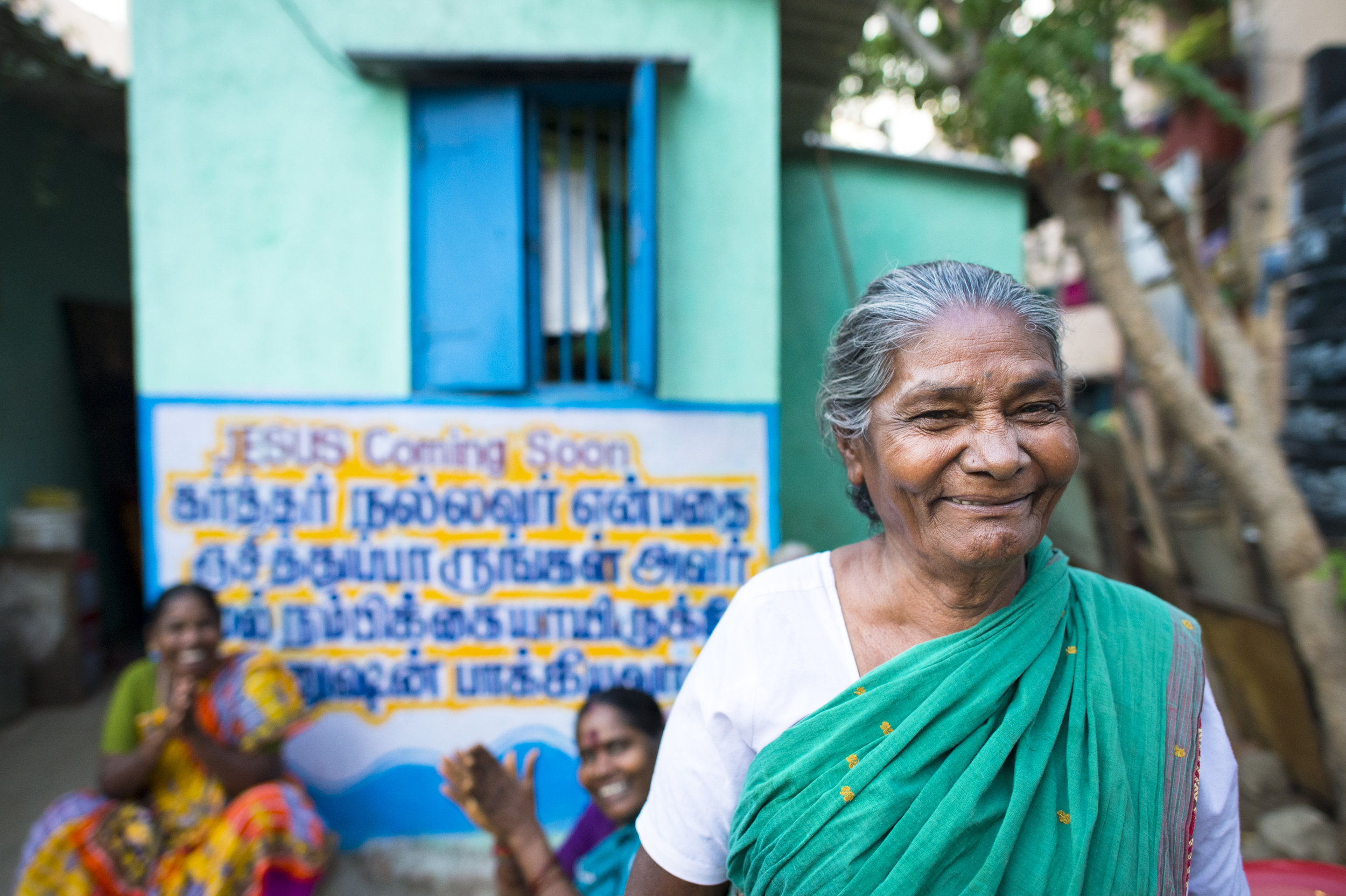
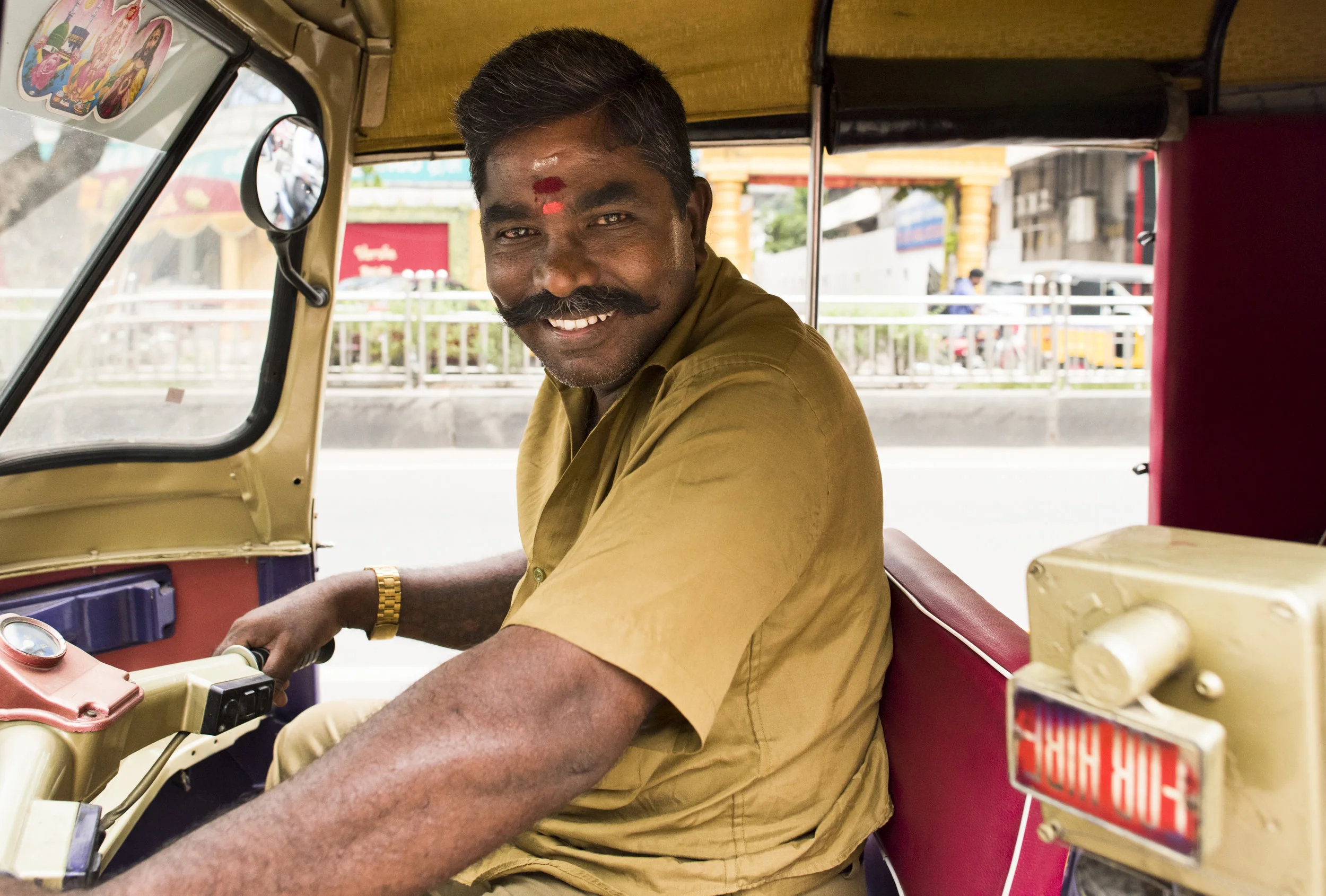
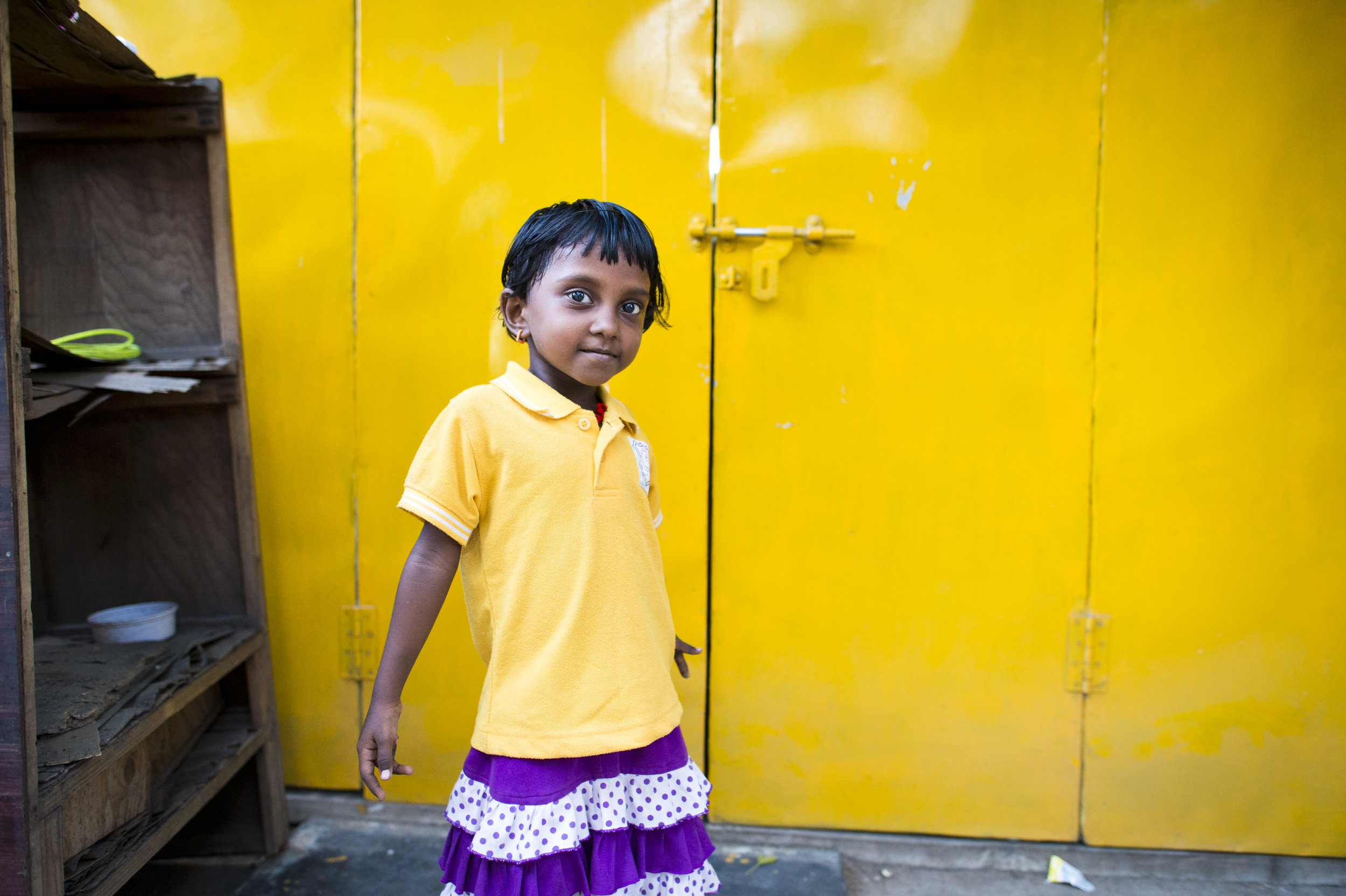
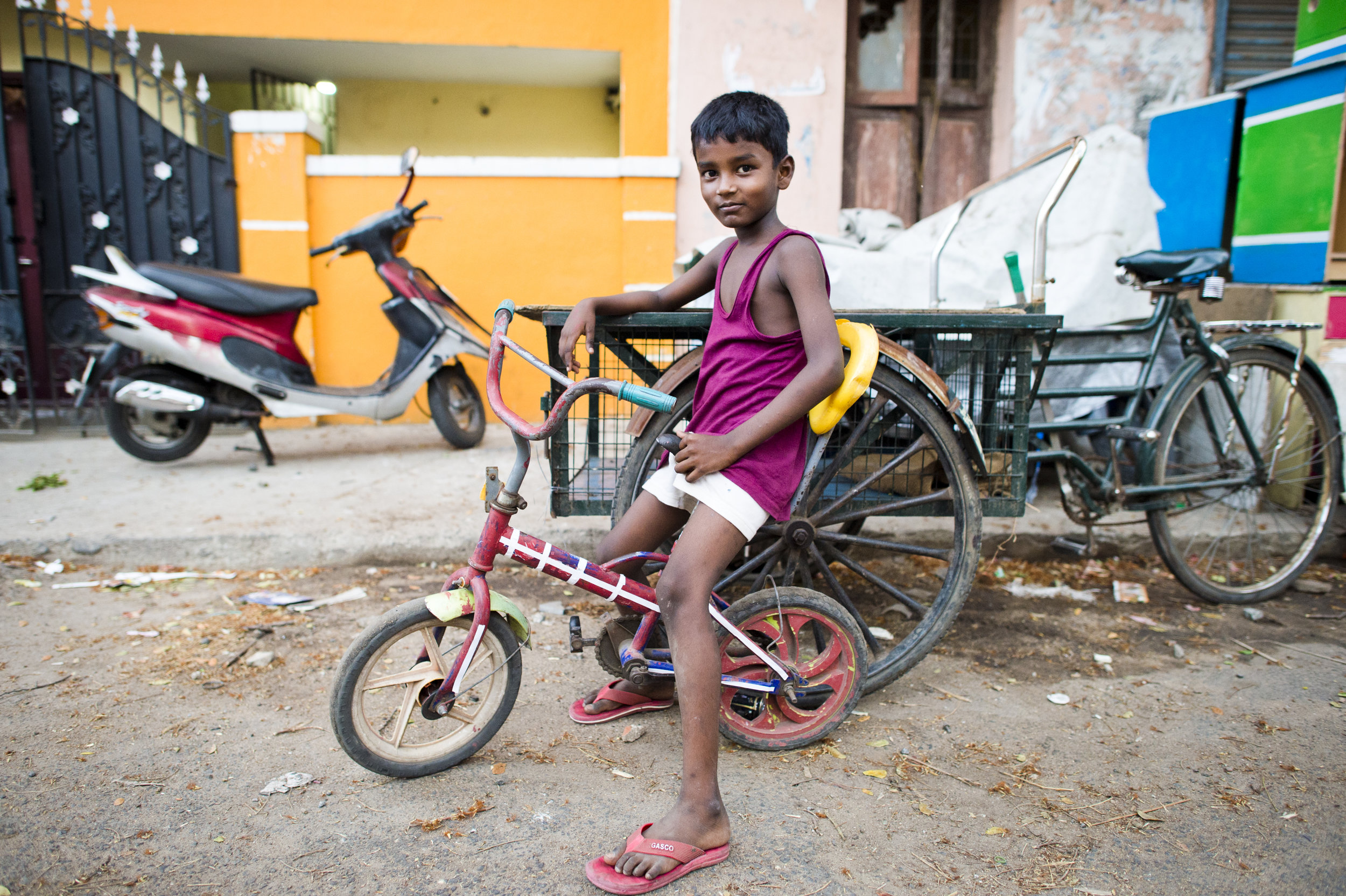
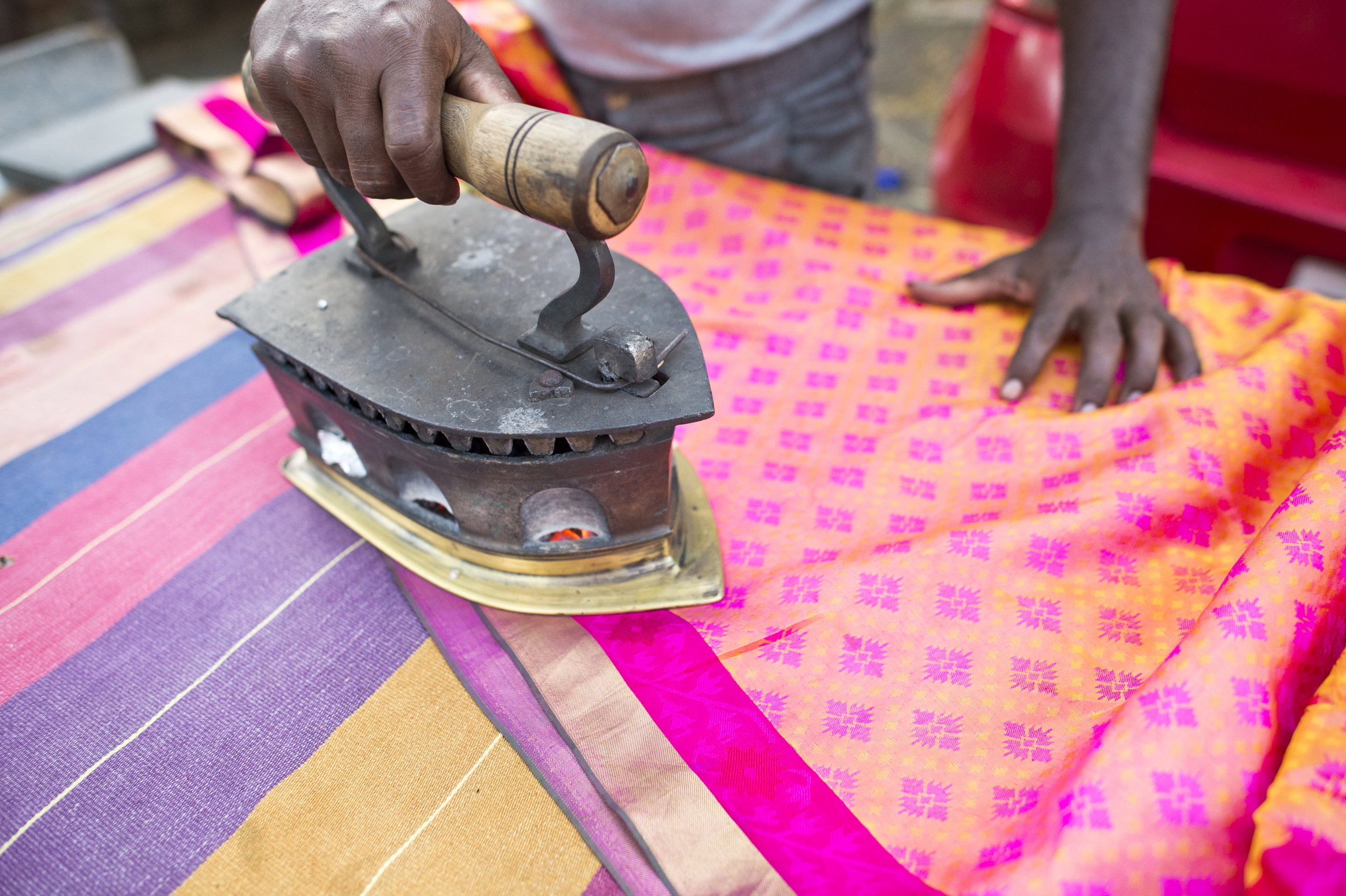
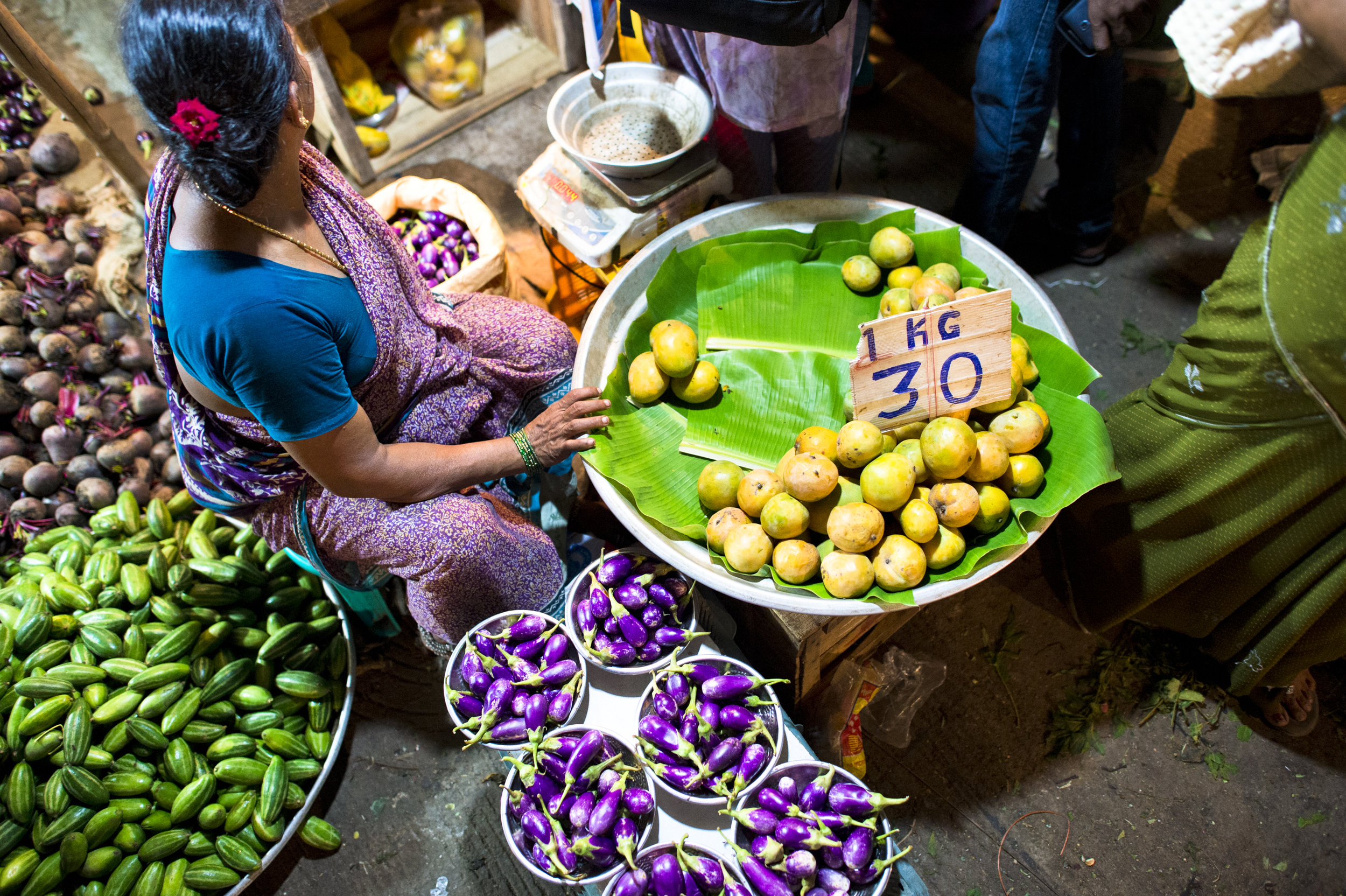
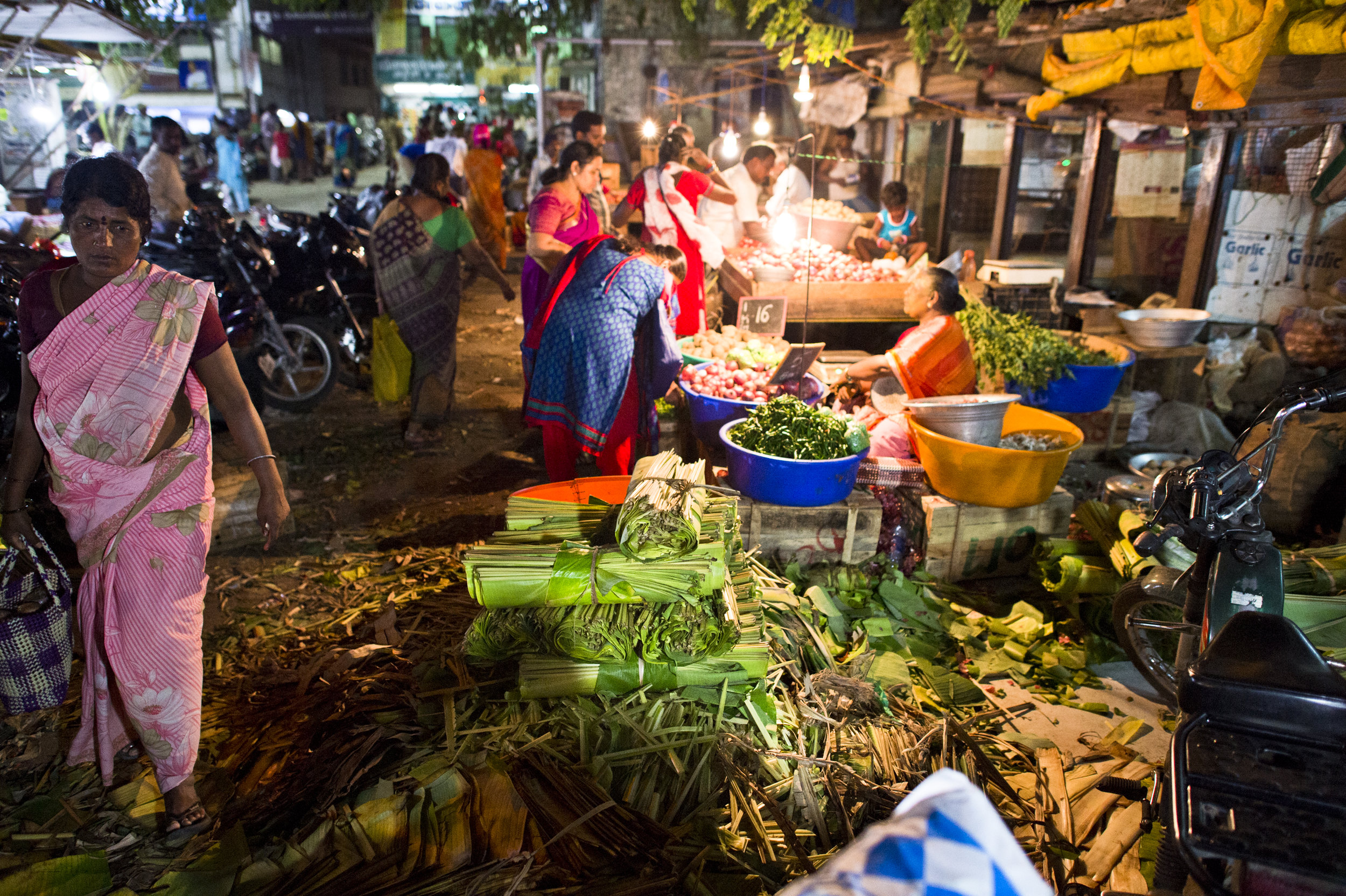
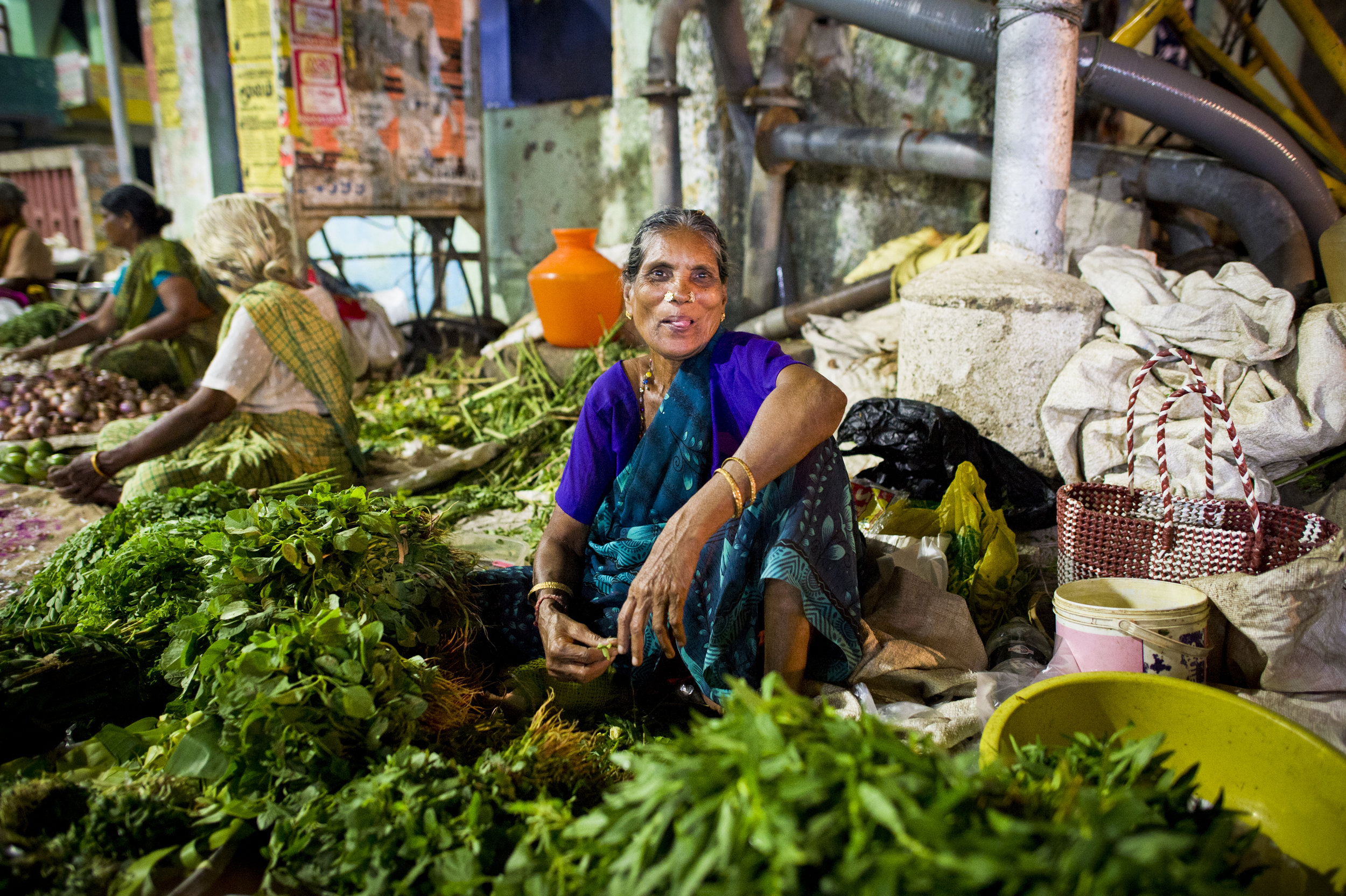
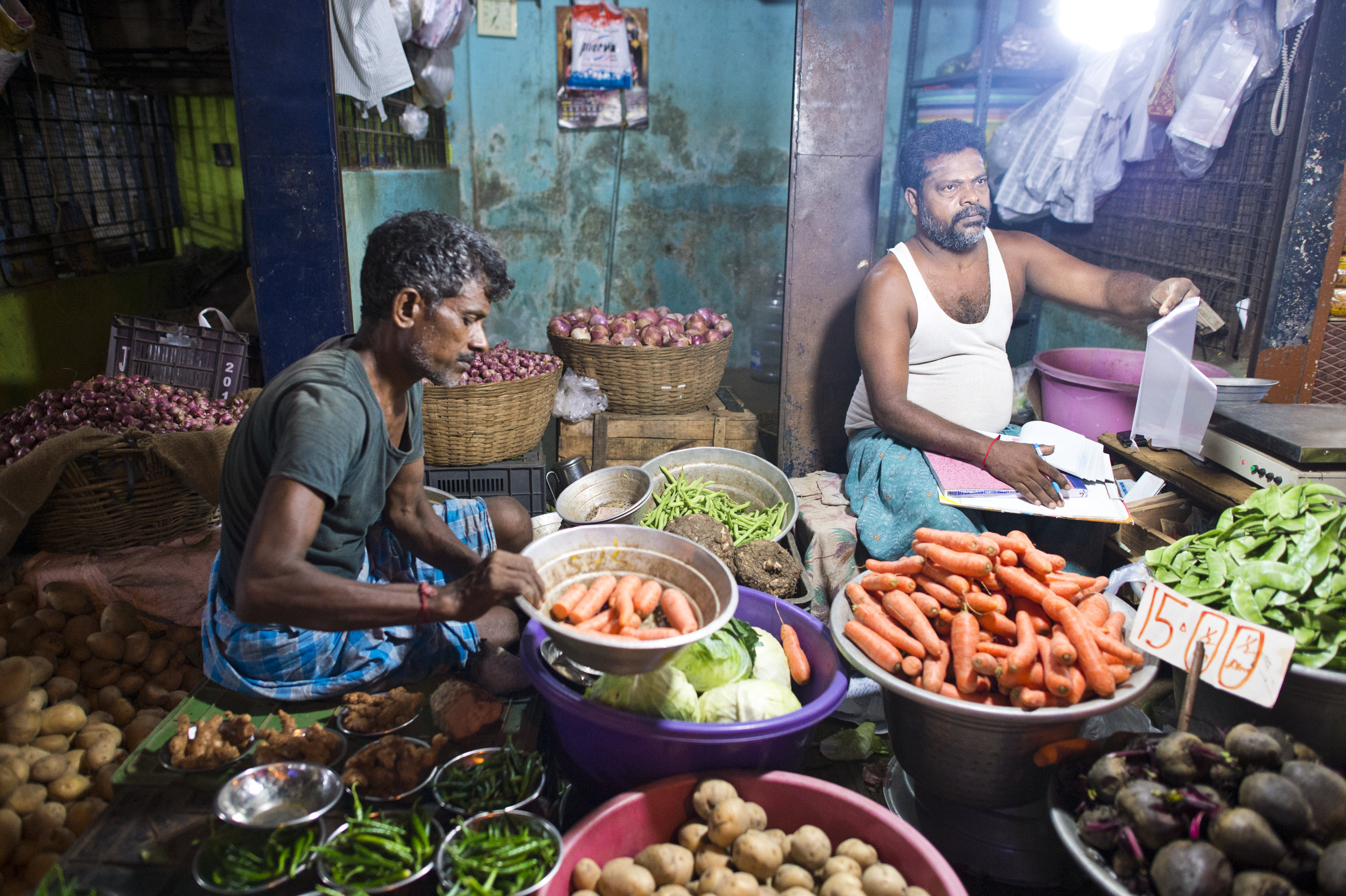
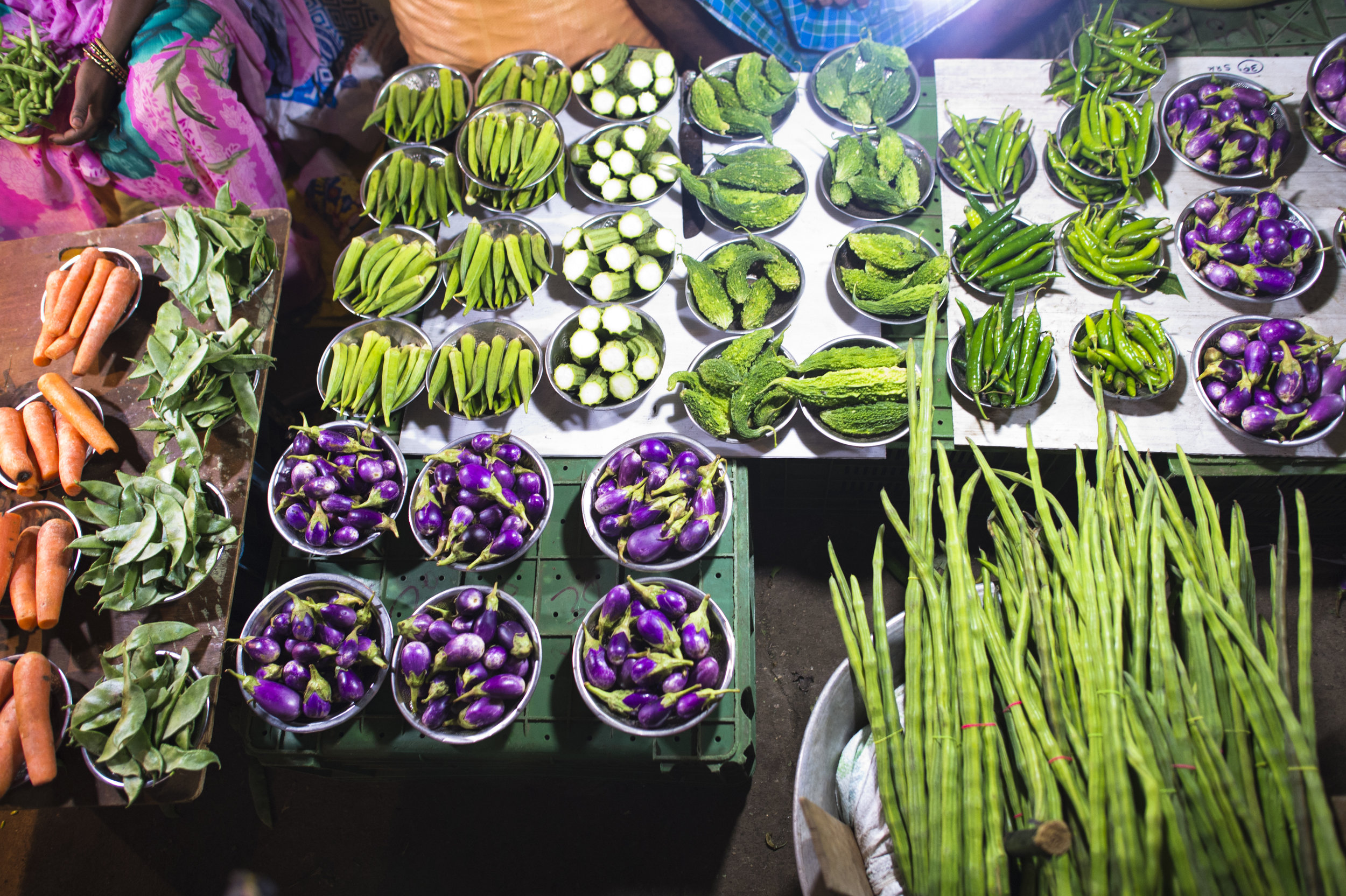
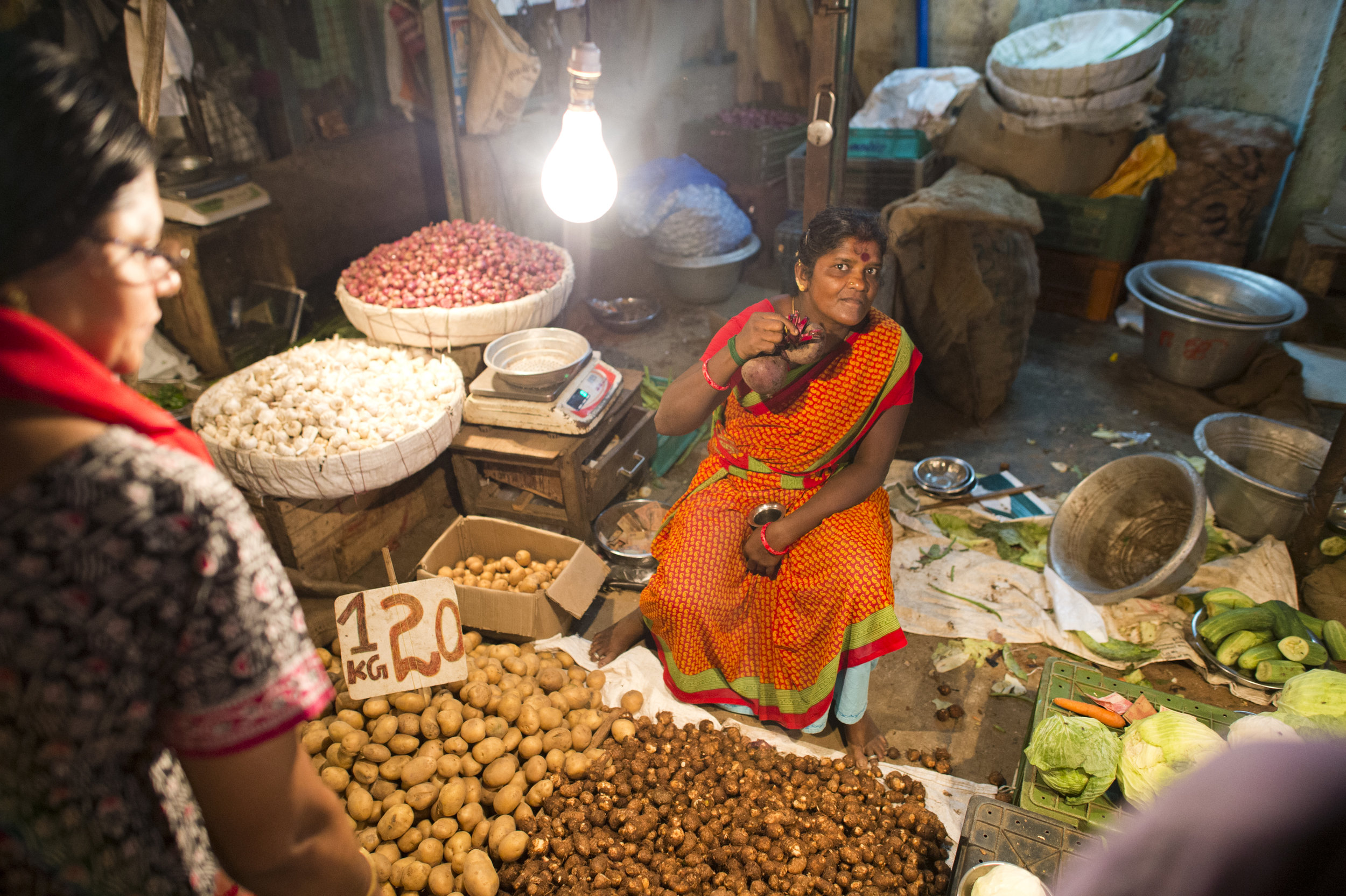
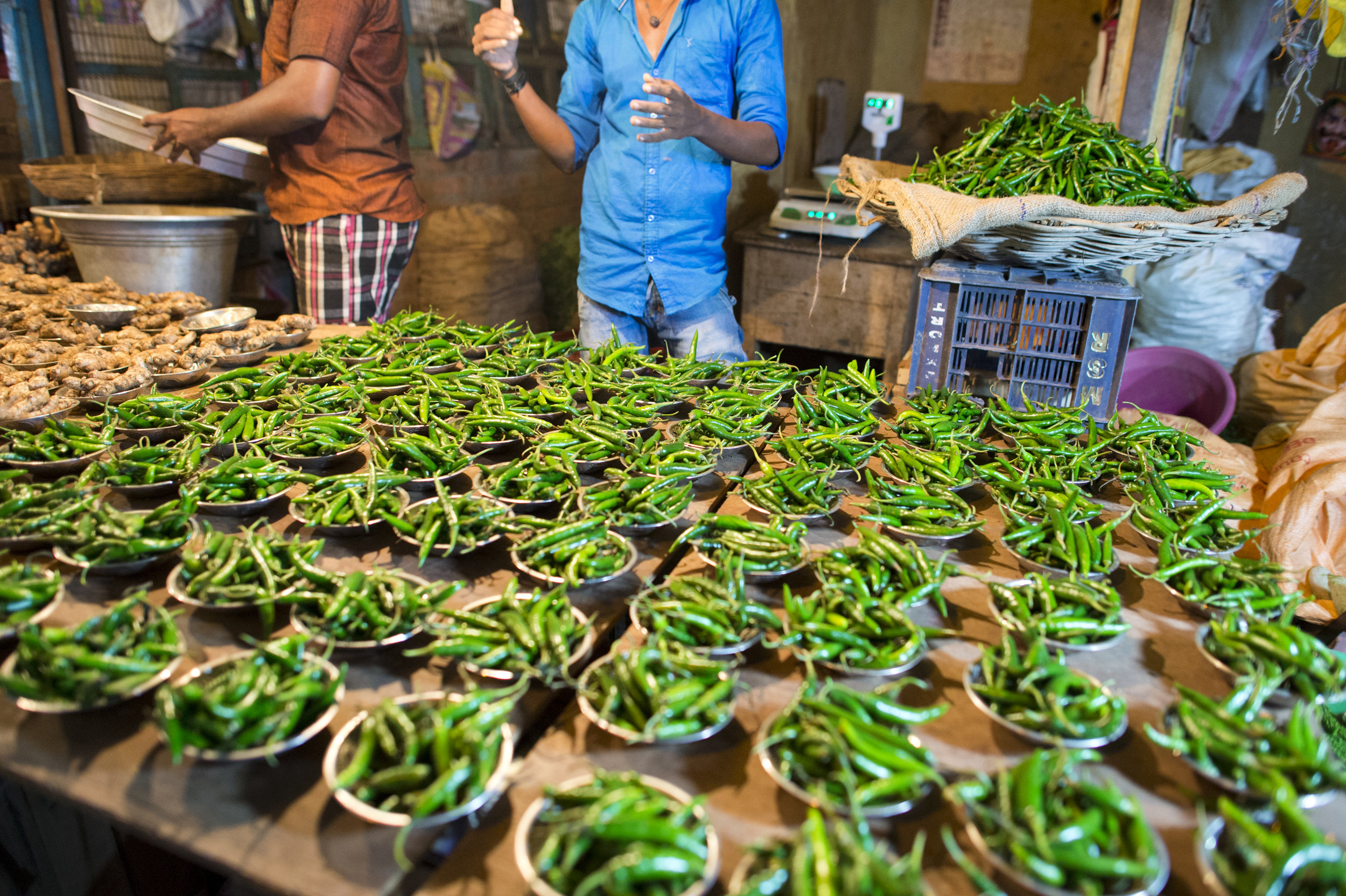
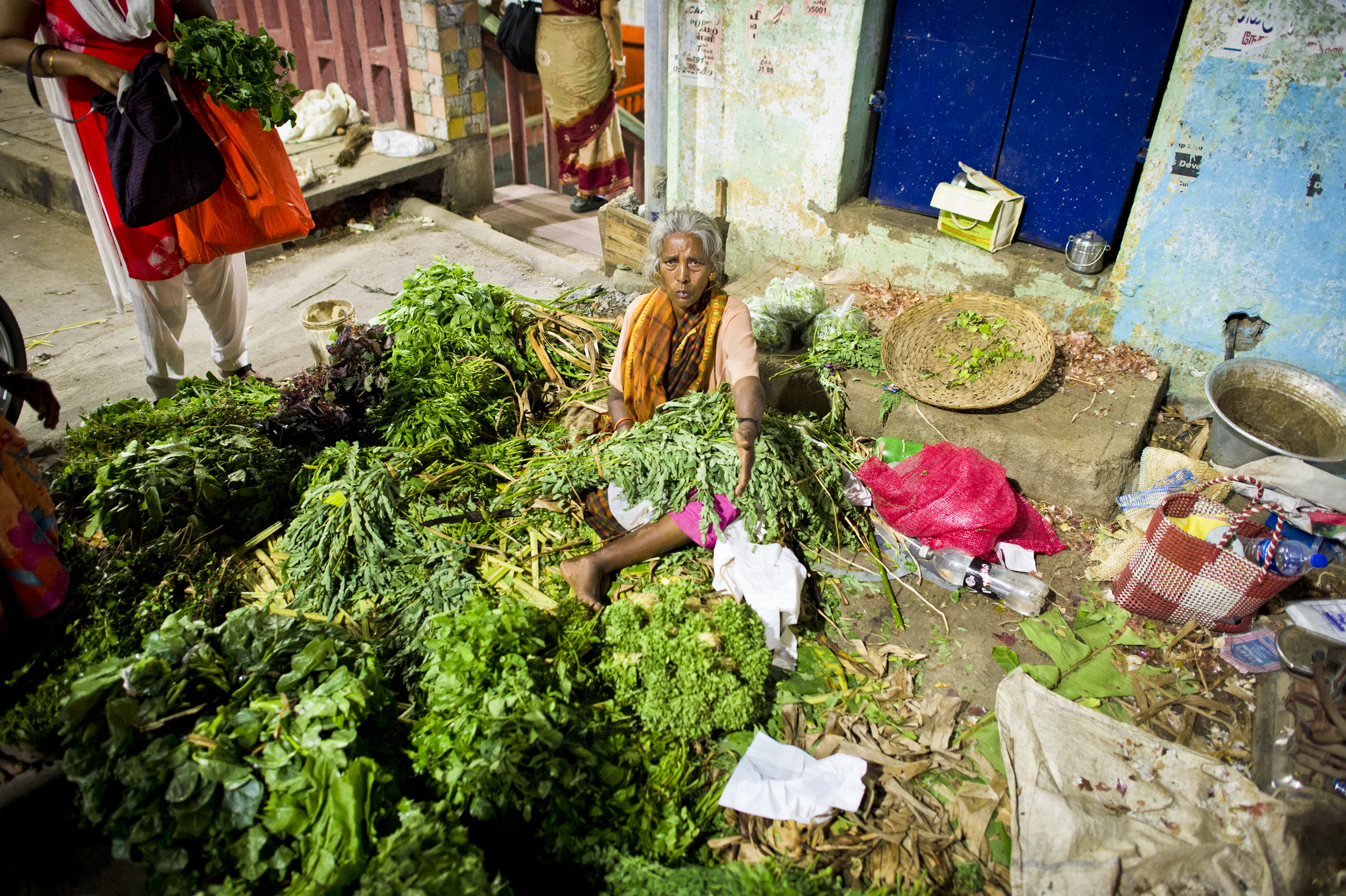
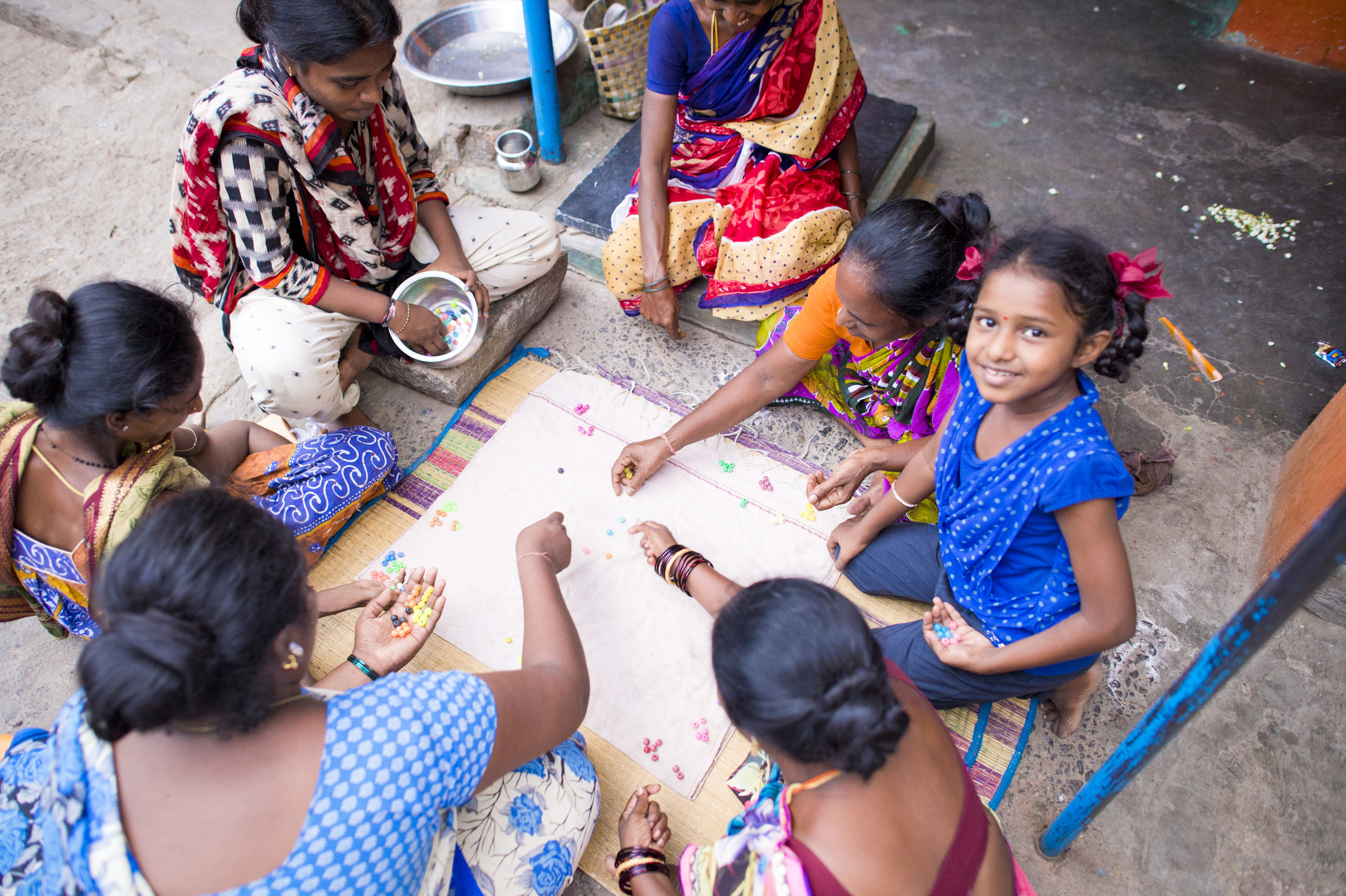
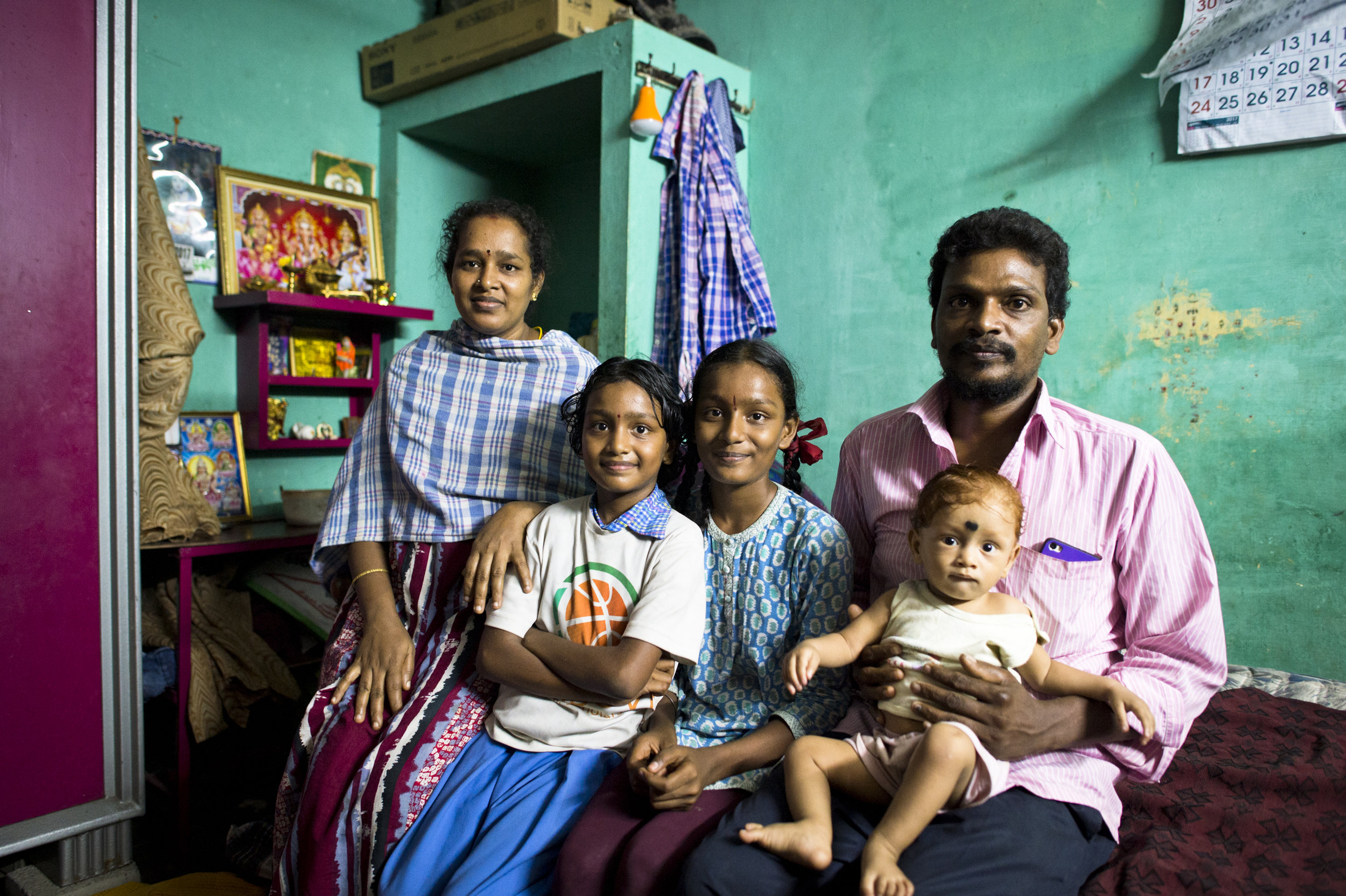
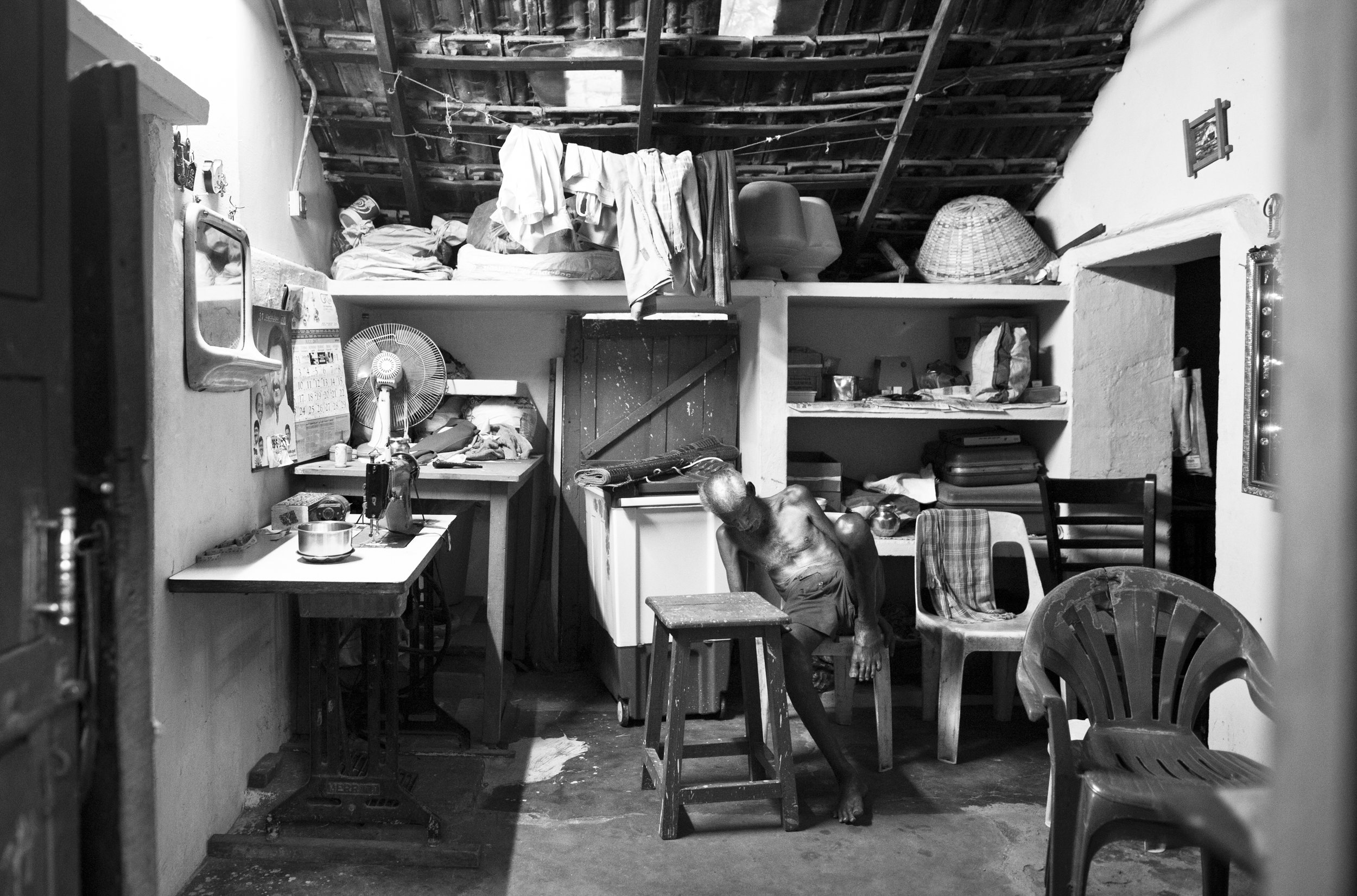
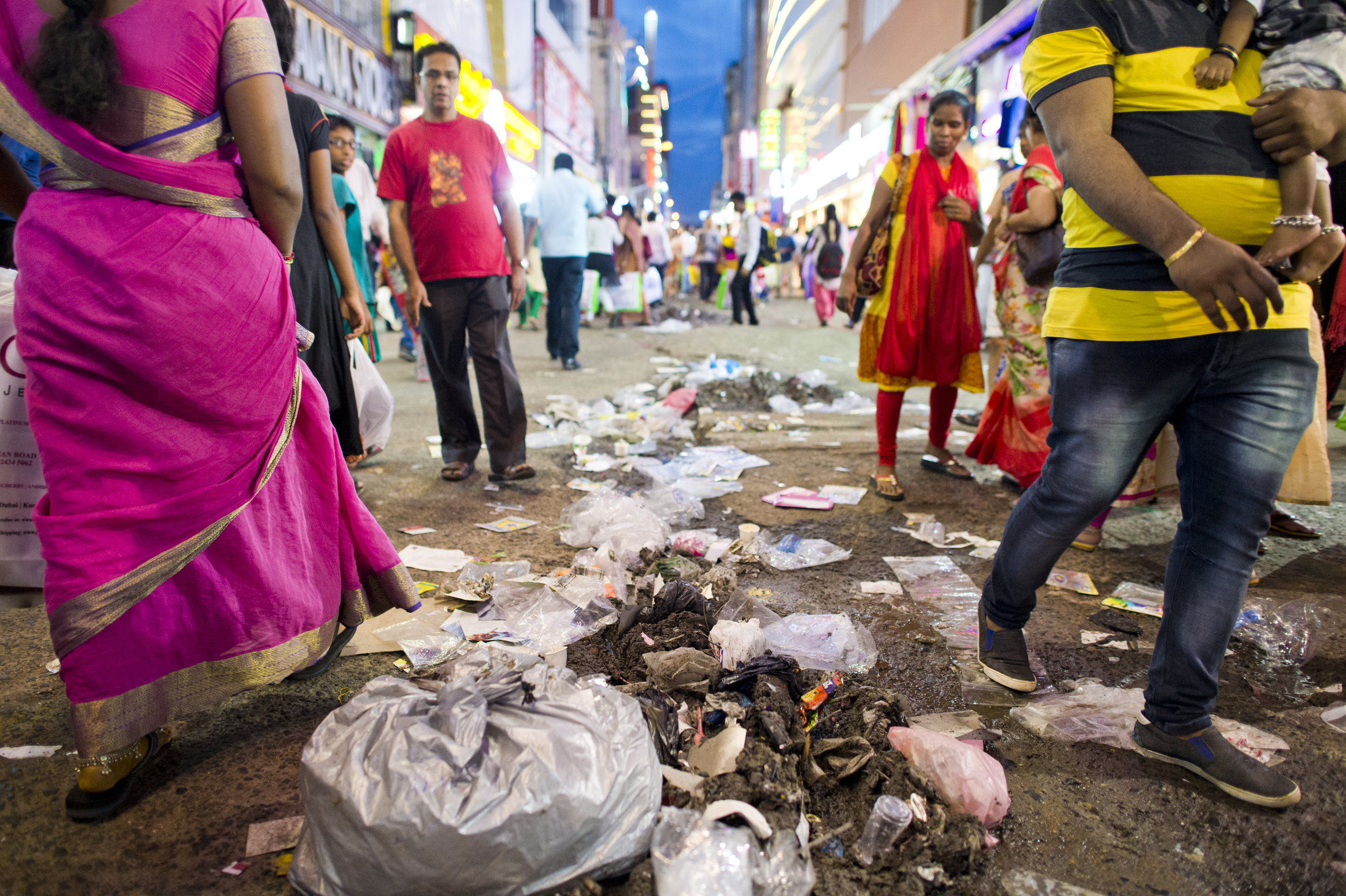
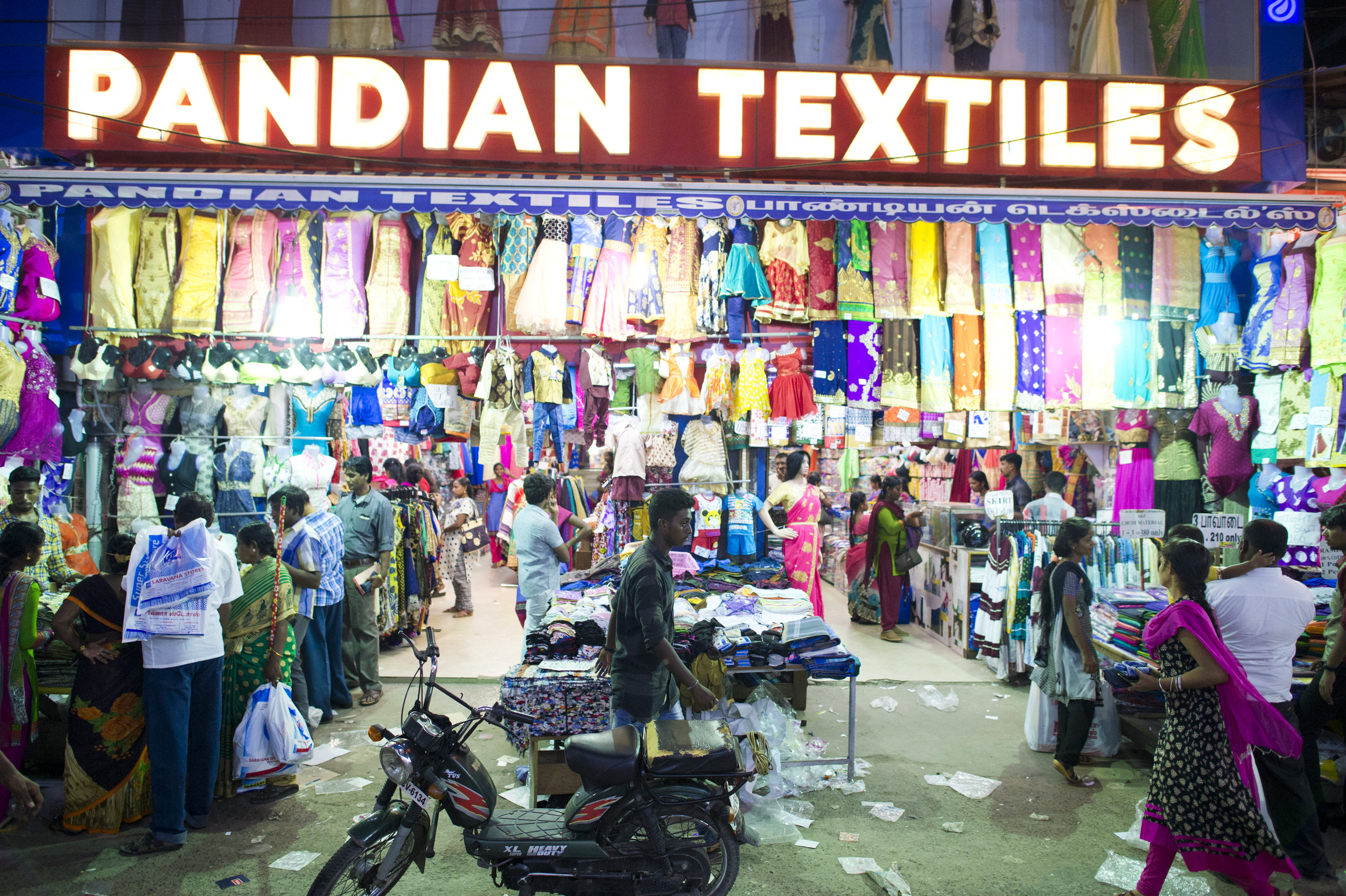
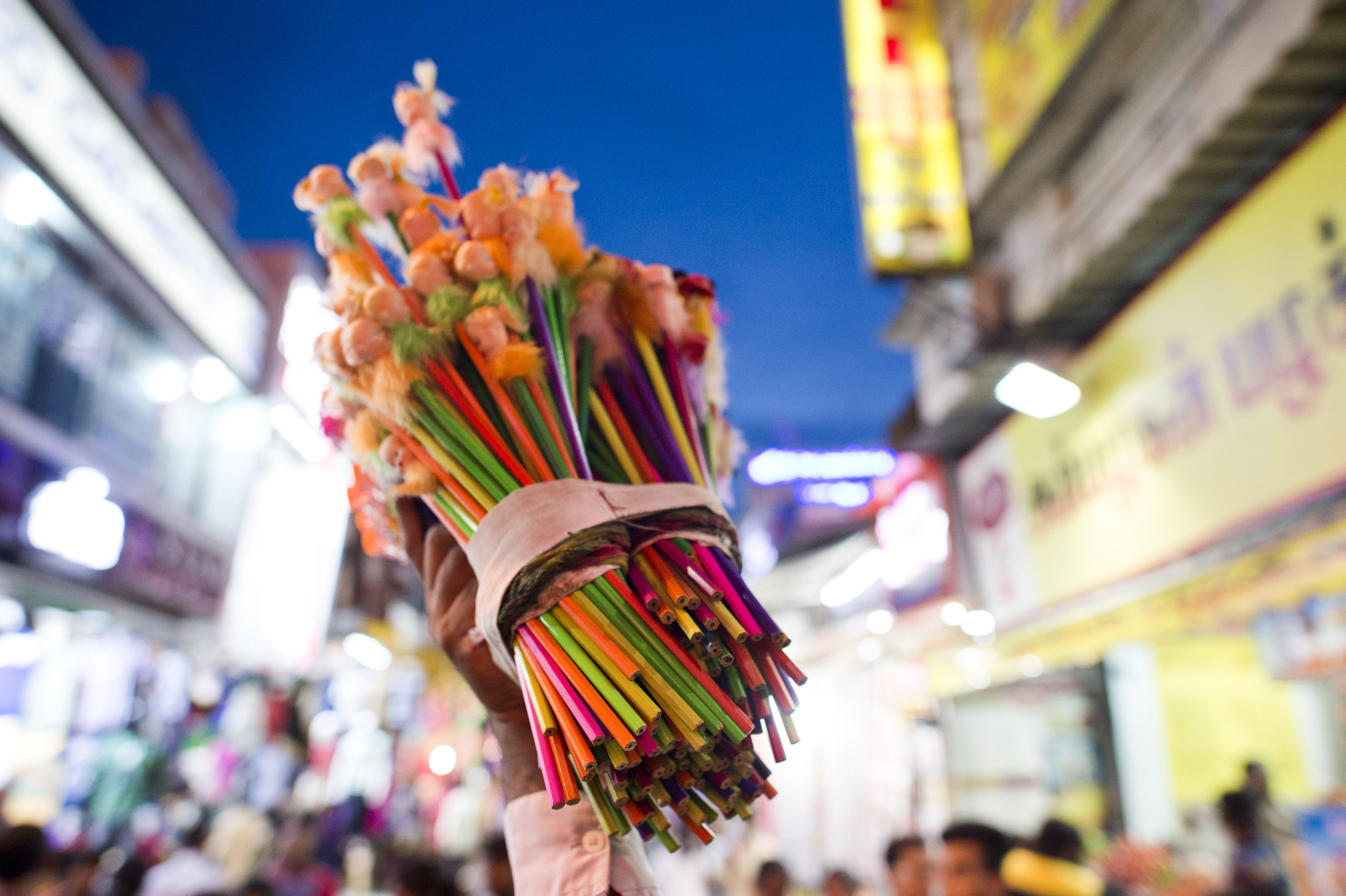
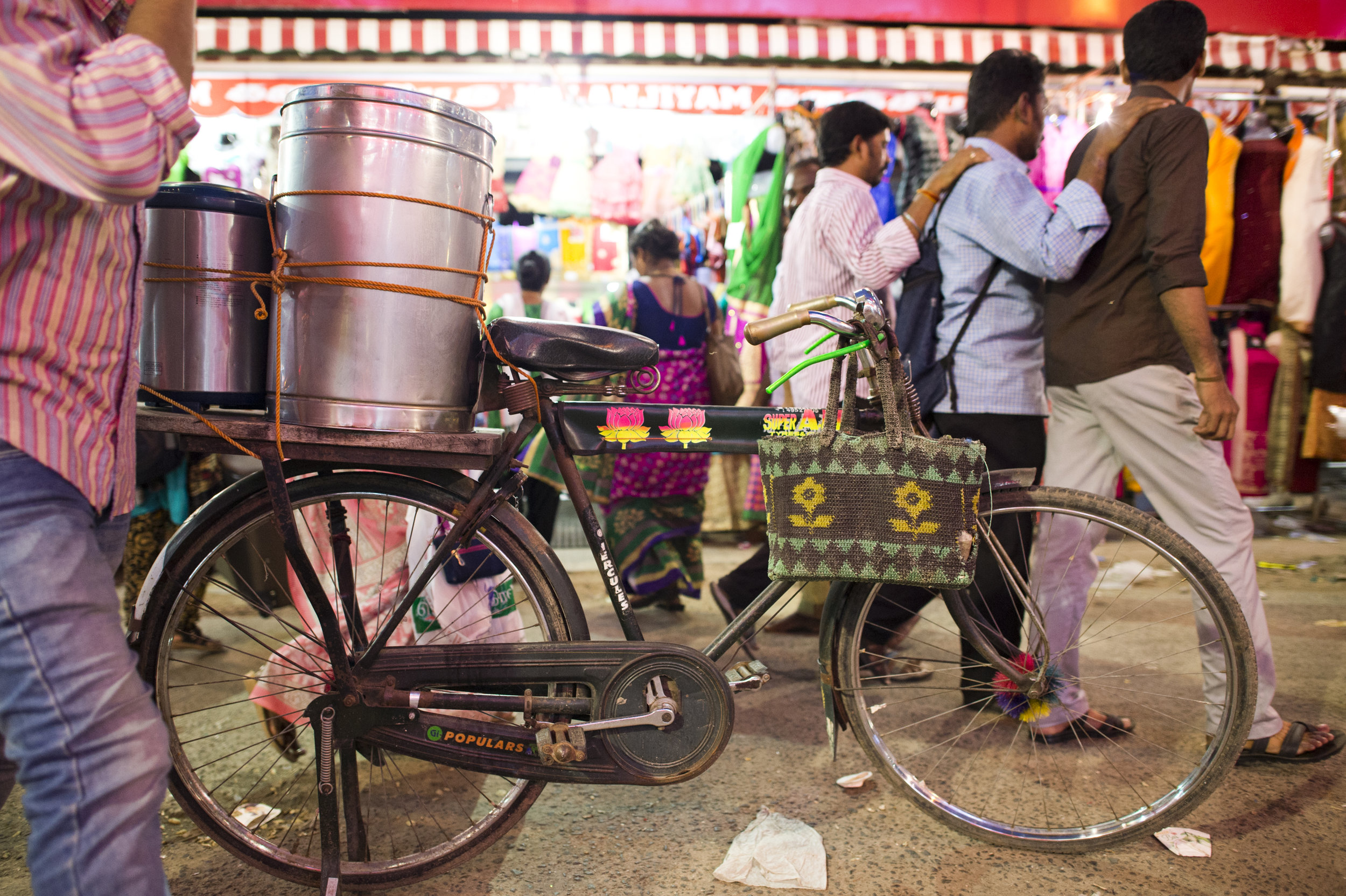
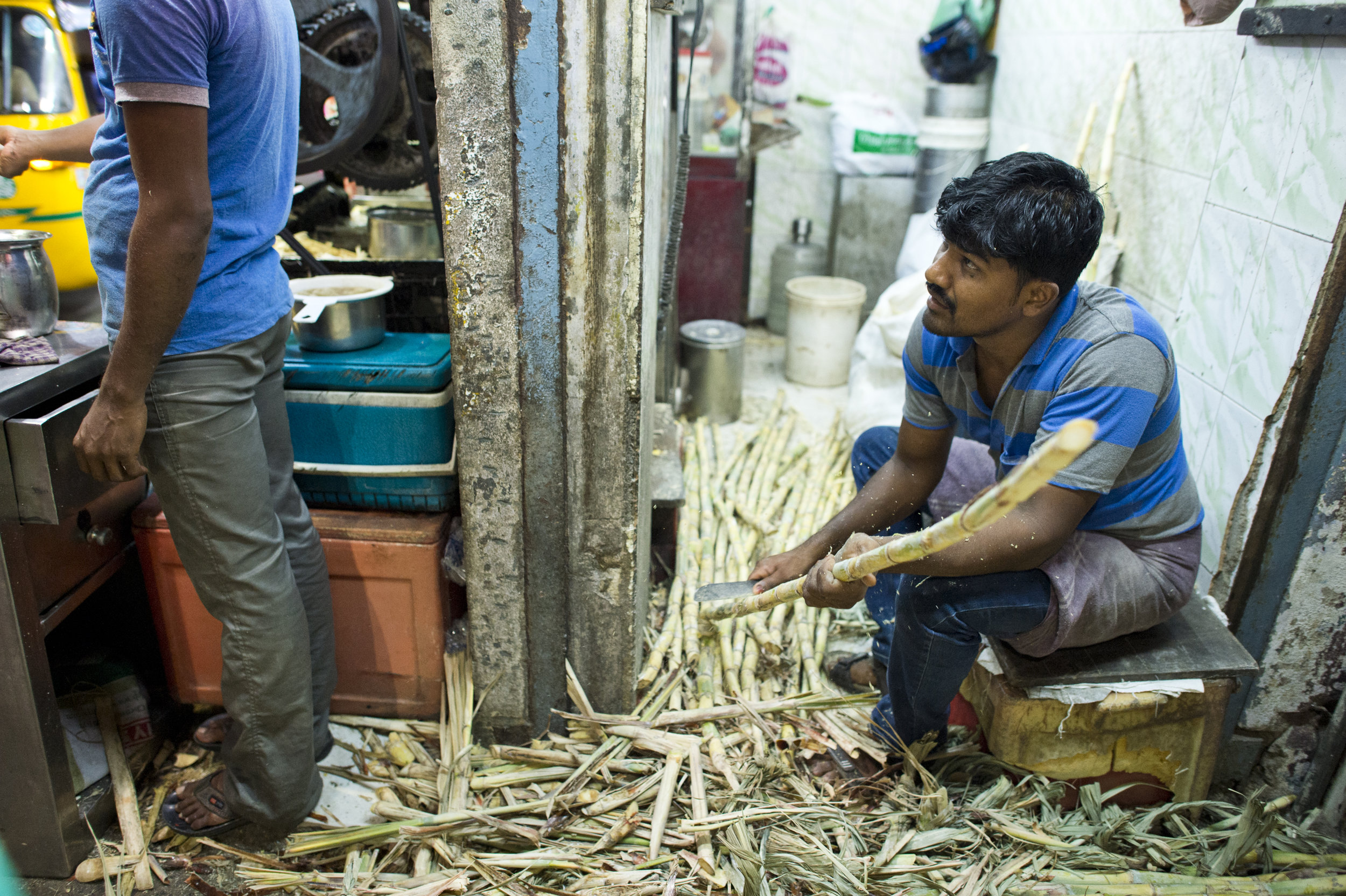
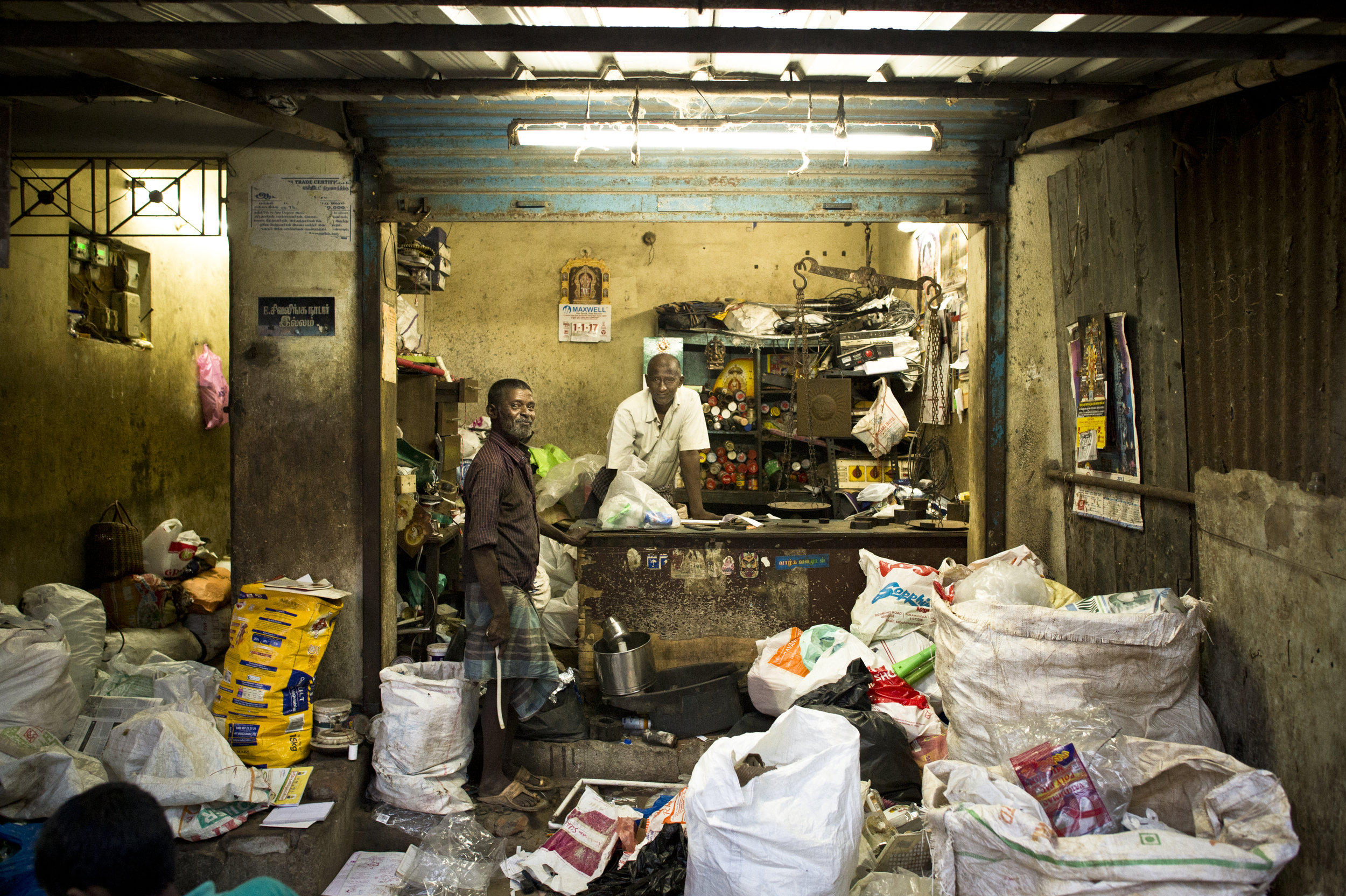
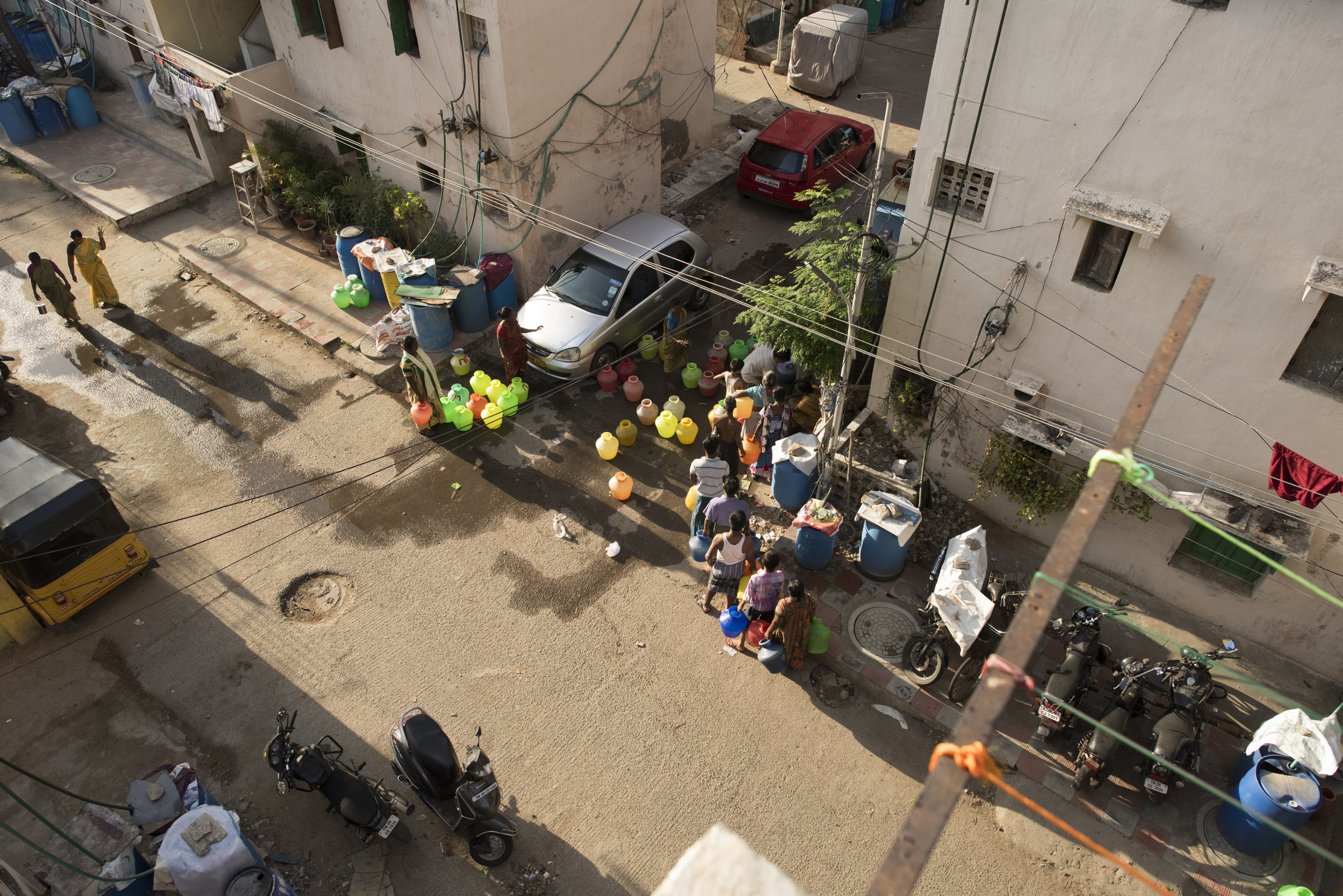
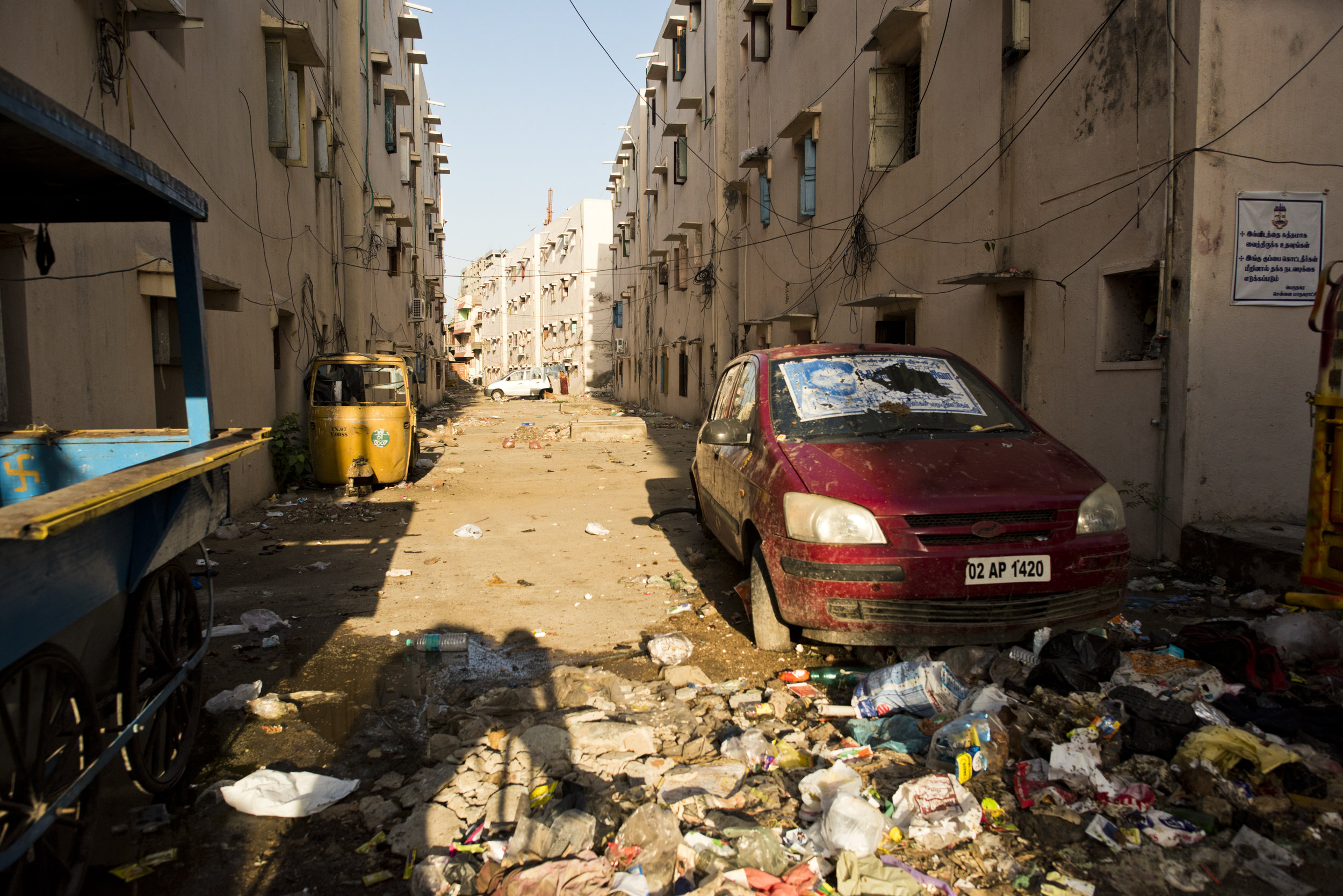
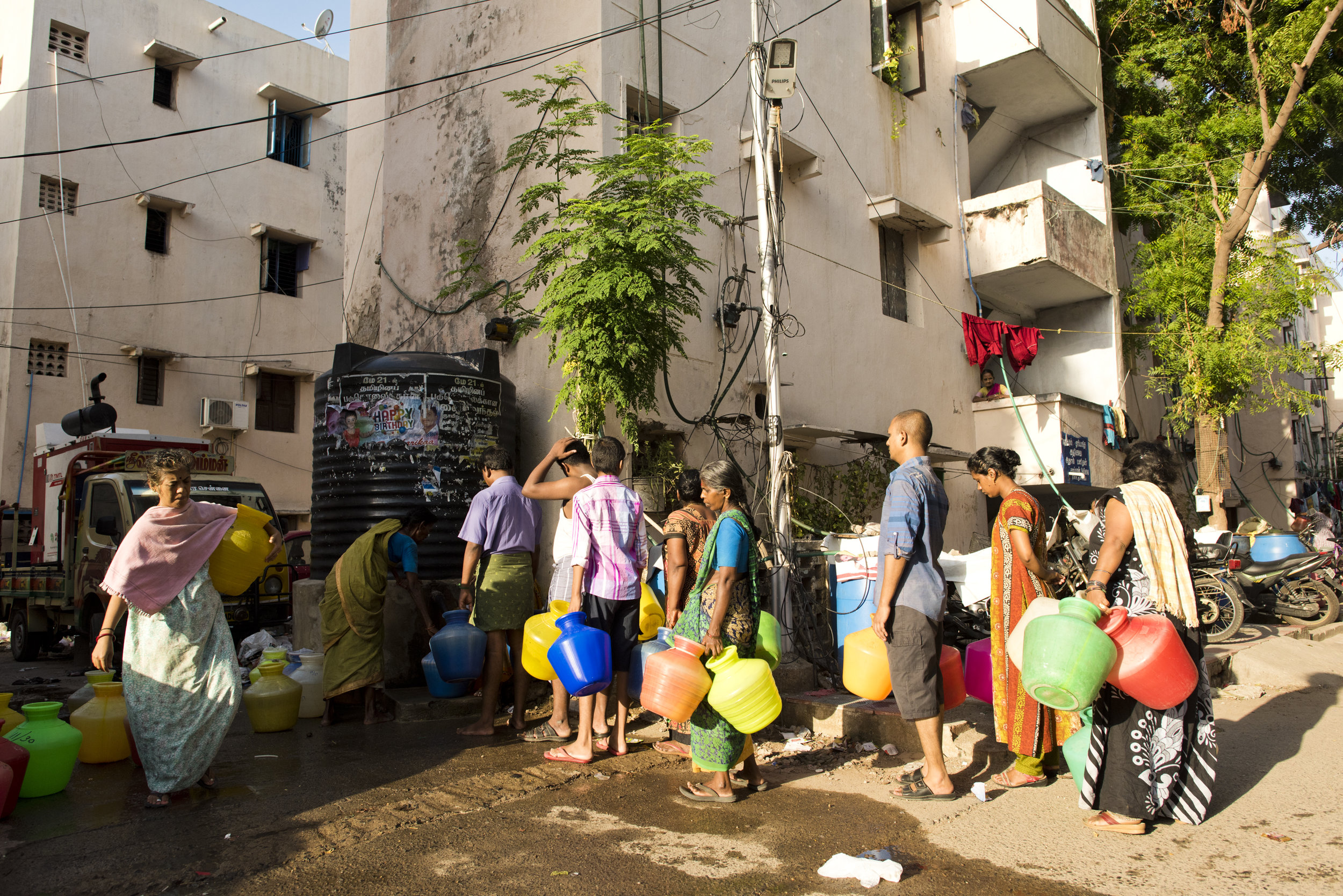
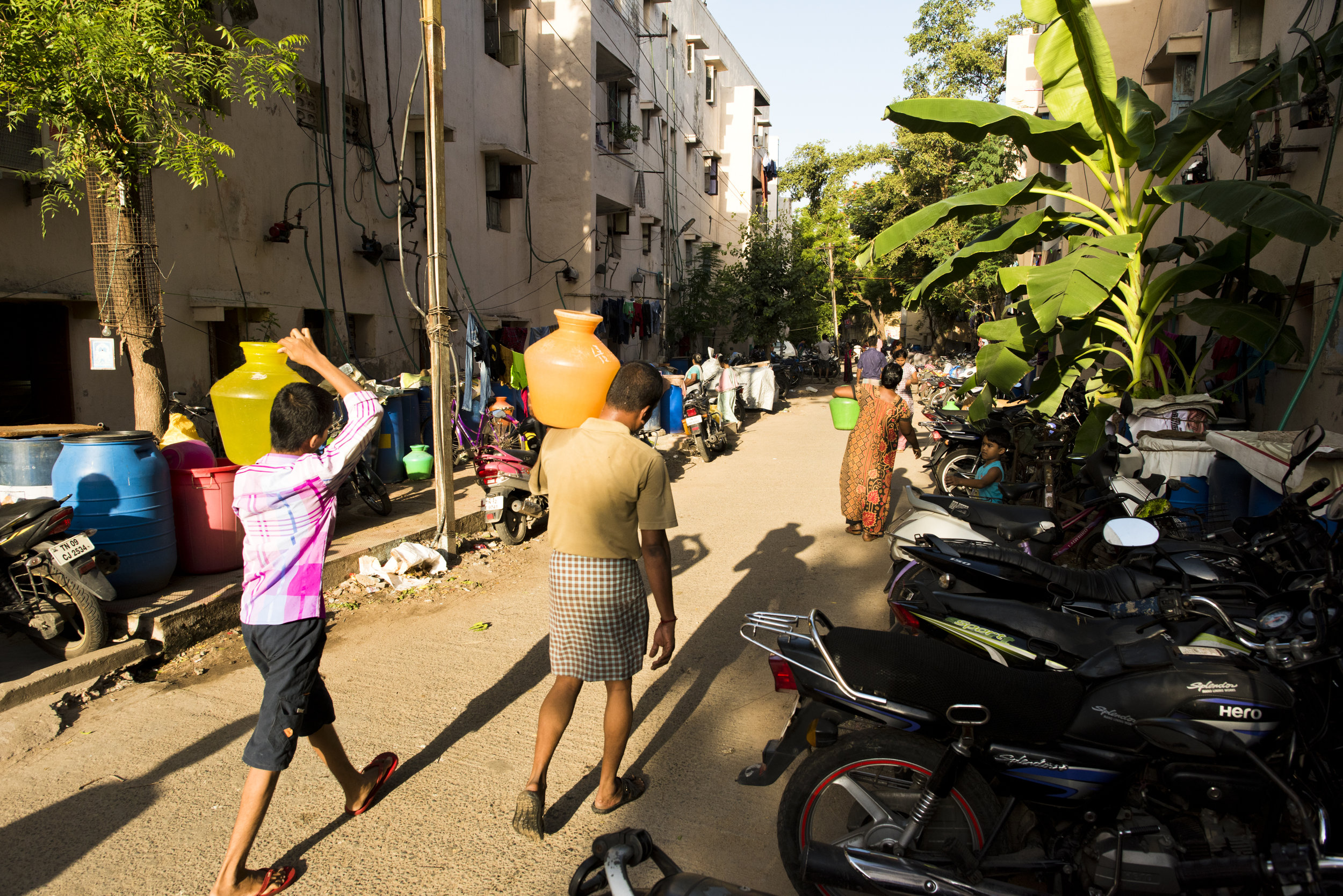
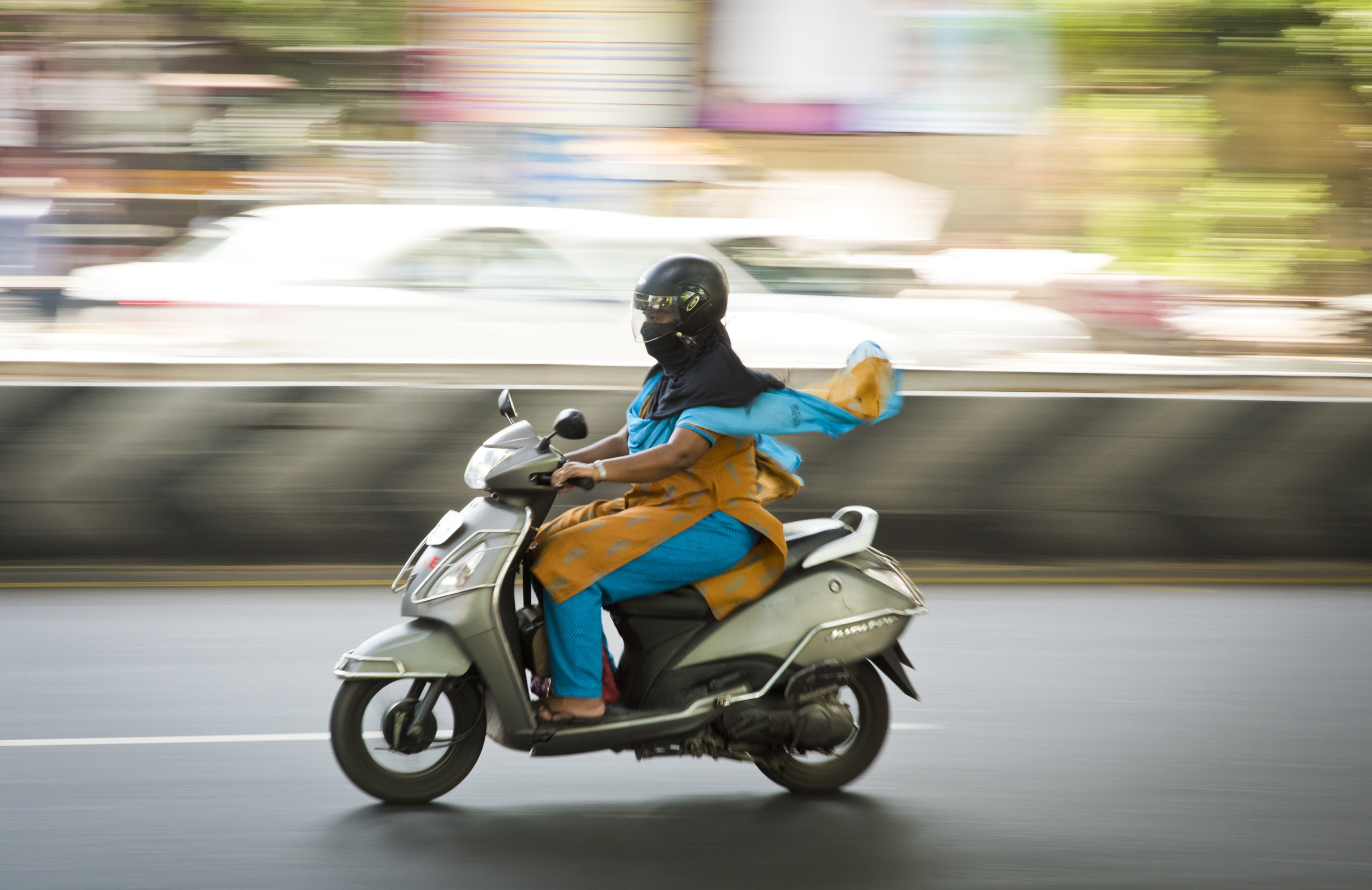
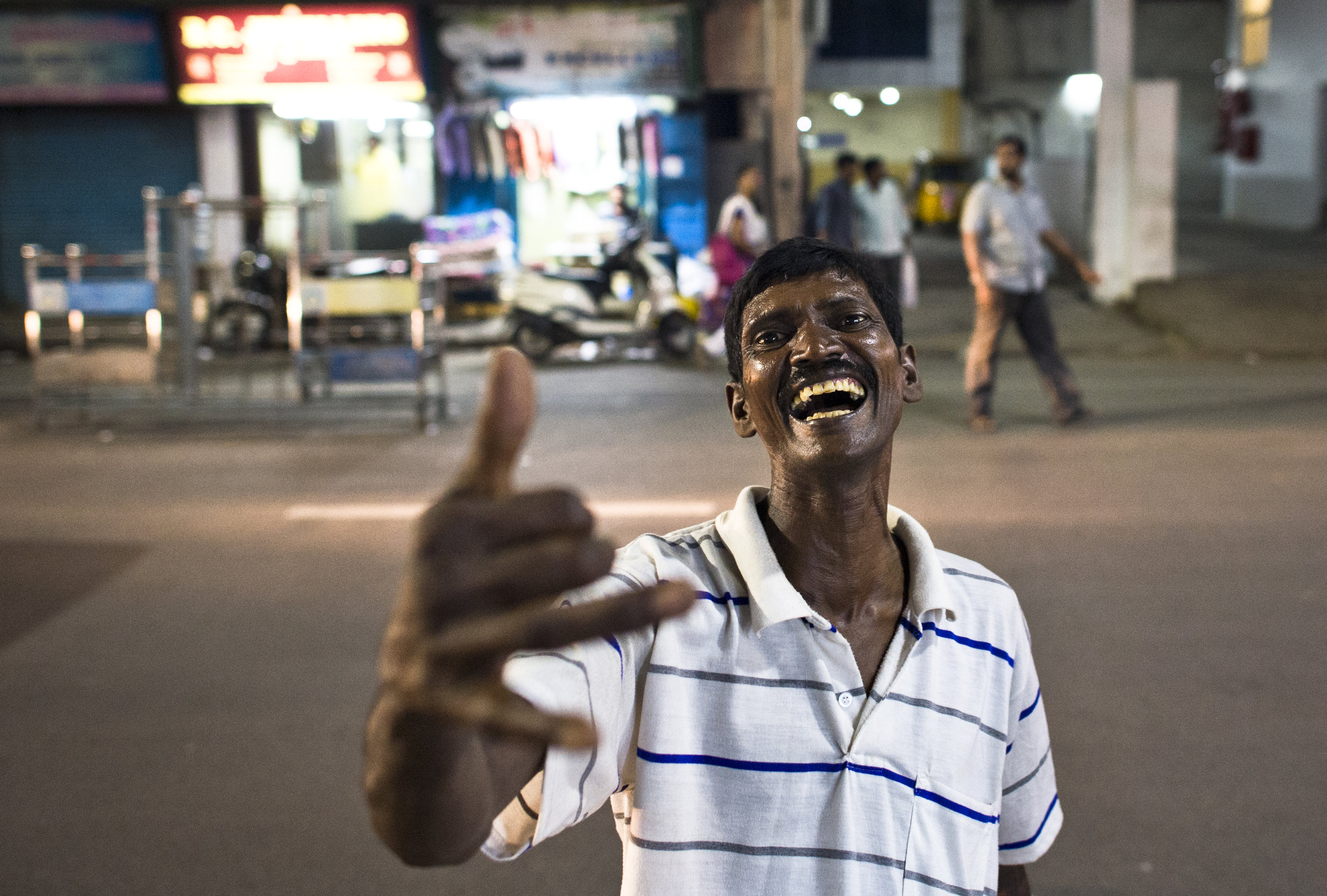
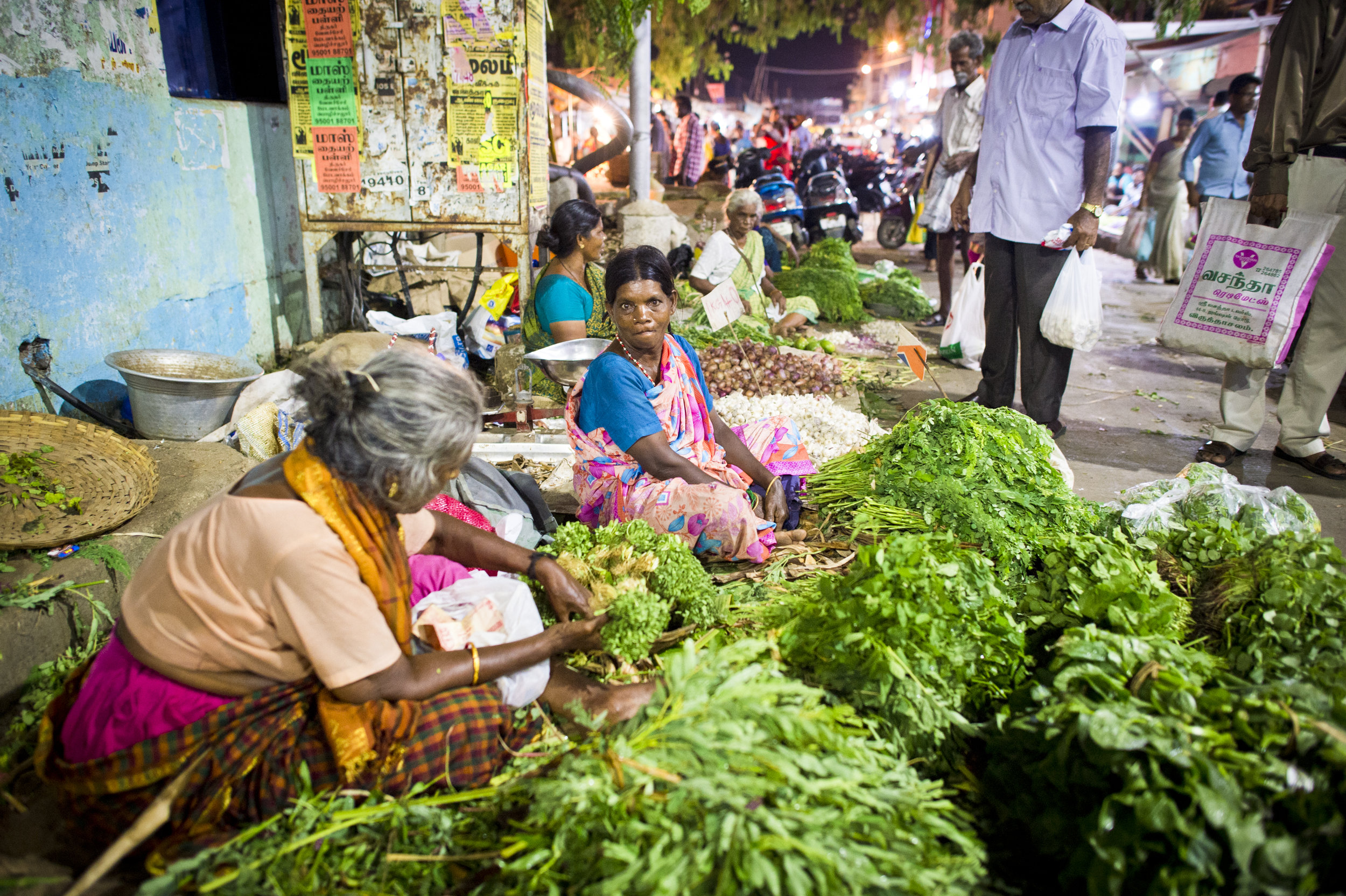
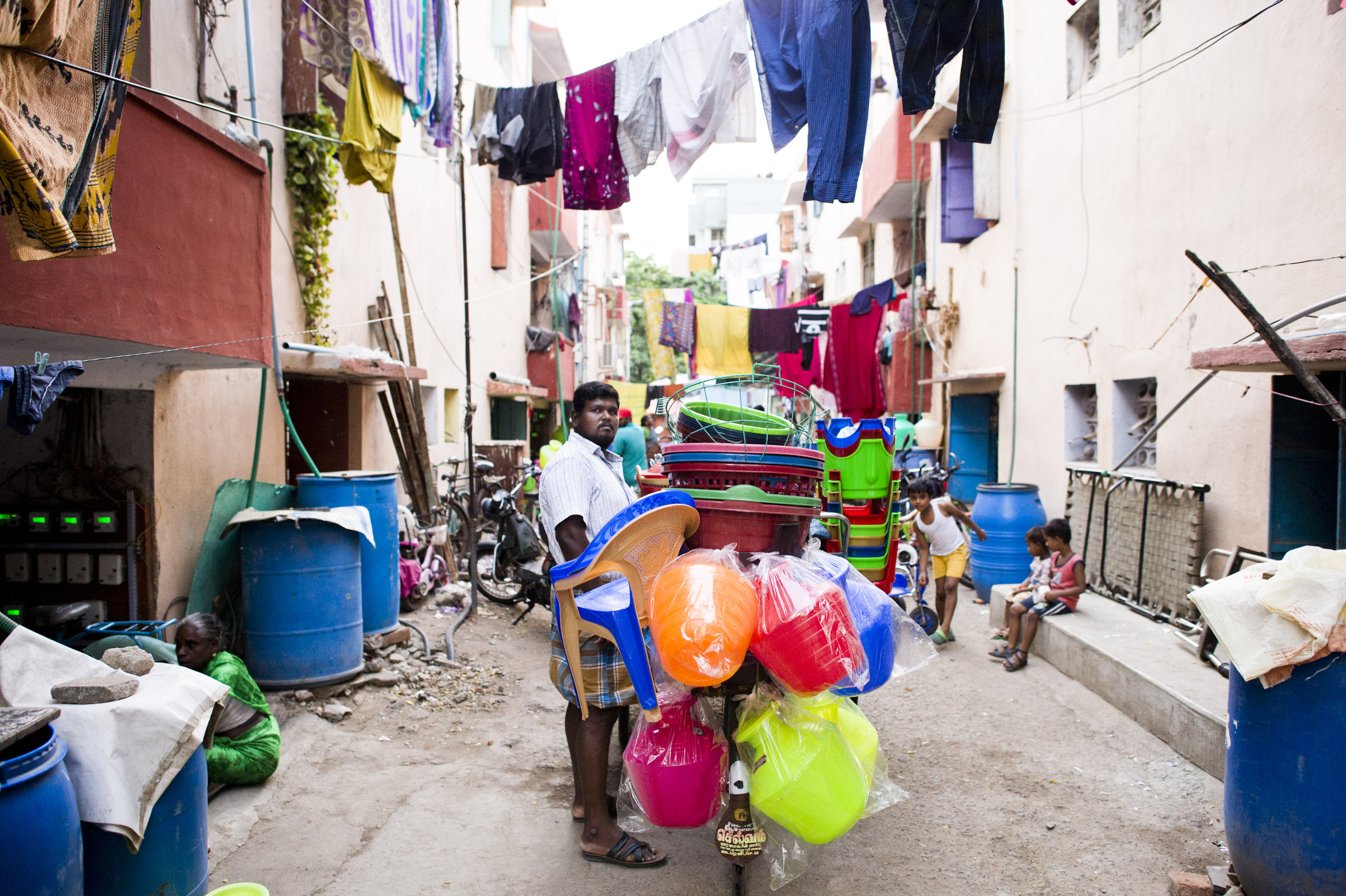
Went to Chennai, India for a client last month, making it the second time I've been to India in the last 6 months. Funny where the camera will take you. Any time you travel that far for a shoot, no matter how much fun you're having, you have to make time shoot for yourself. Which is precisely what these images are. The people and things I saw while aimlessly wondering around that foreign city. There were a lot of very noticeable differences between Chennai and the places I visited up north (Delhi, Agra, and jaipur). Firstly, the people down south seemed to be much more relaxed. They were still trying to sell you on something, but it wasn't nearly as often or with the same aggression. Which was a big plus. Overall, I think it didn't have the character of the northern cities, but that could just be my experience. One of my favorite parts of the northern trip was all the Chai tea. It was everywhere. Granted, we were there in the winter, but it didn't seem to be as much of thing down in Chennai. And when it was, the tea itself had a completely different taste. I was told they don't use a lot of spices like the northerners do. 

Keep scrolling down to see lots of images from the 1st trip to India.