CrossFit Photography - Boulder, CO

CrossFit Photography in Boulder, Colorado

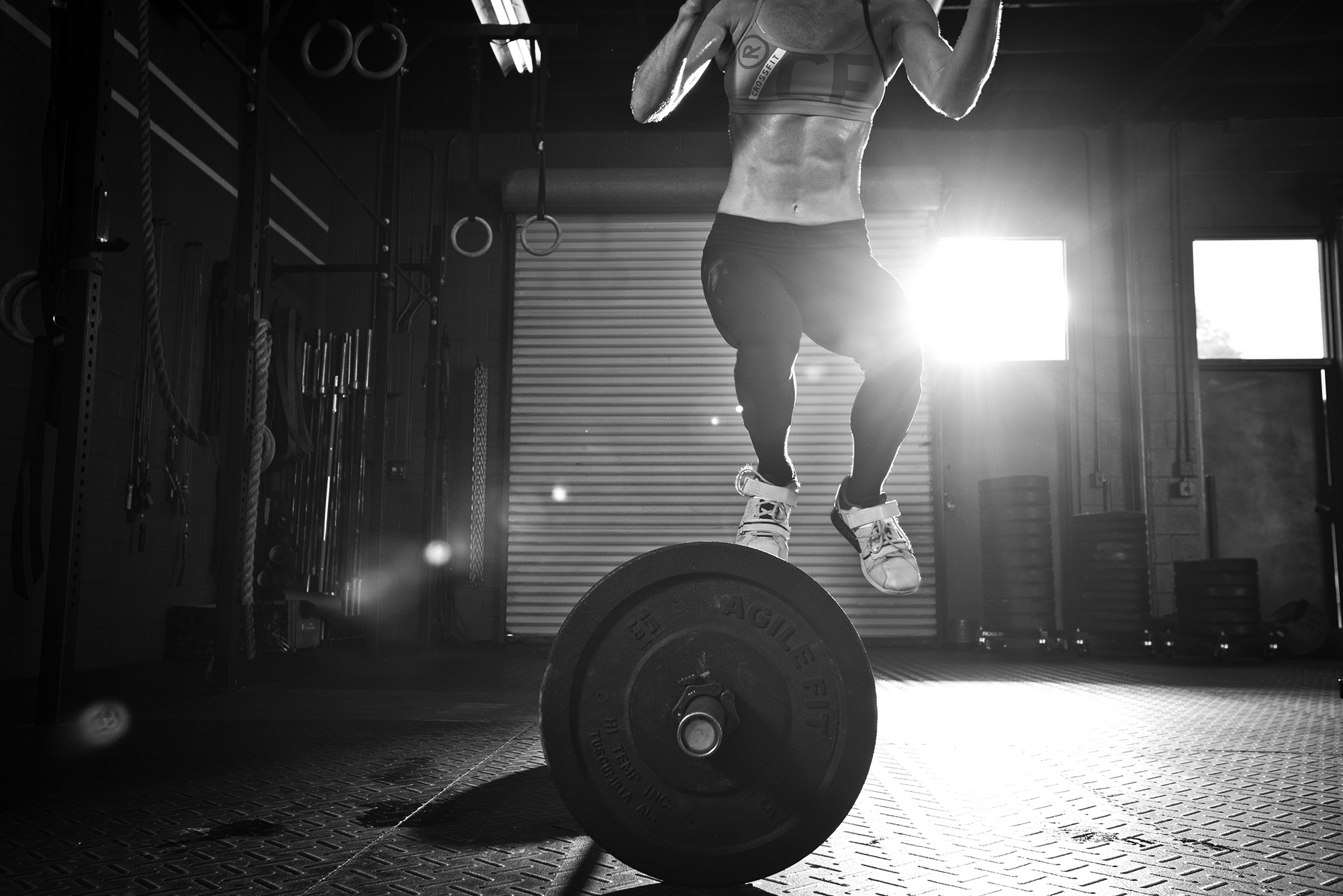
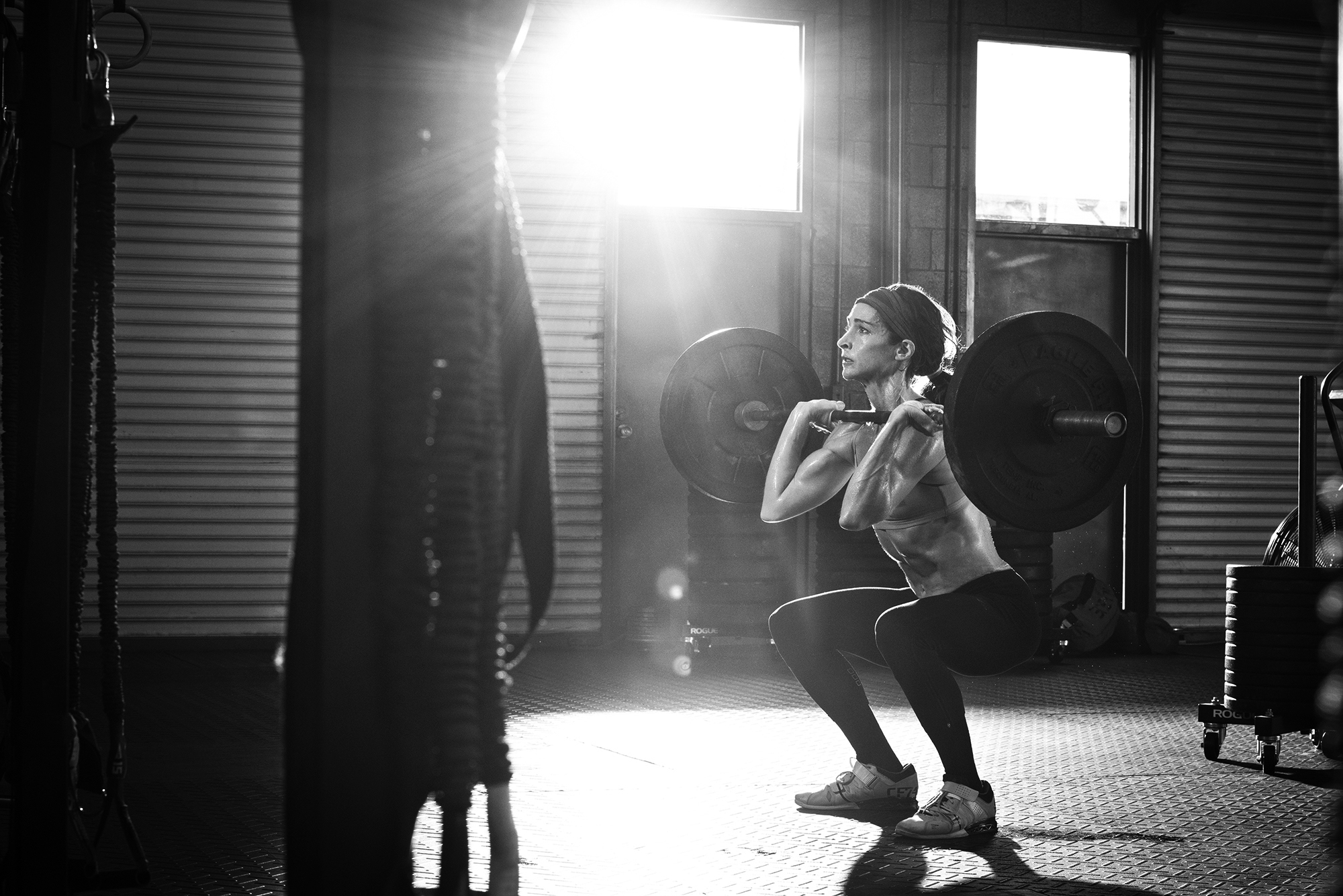
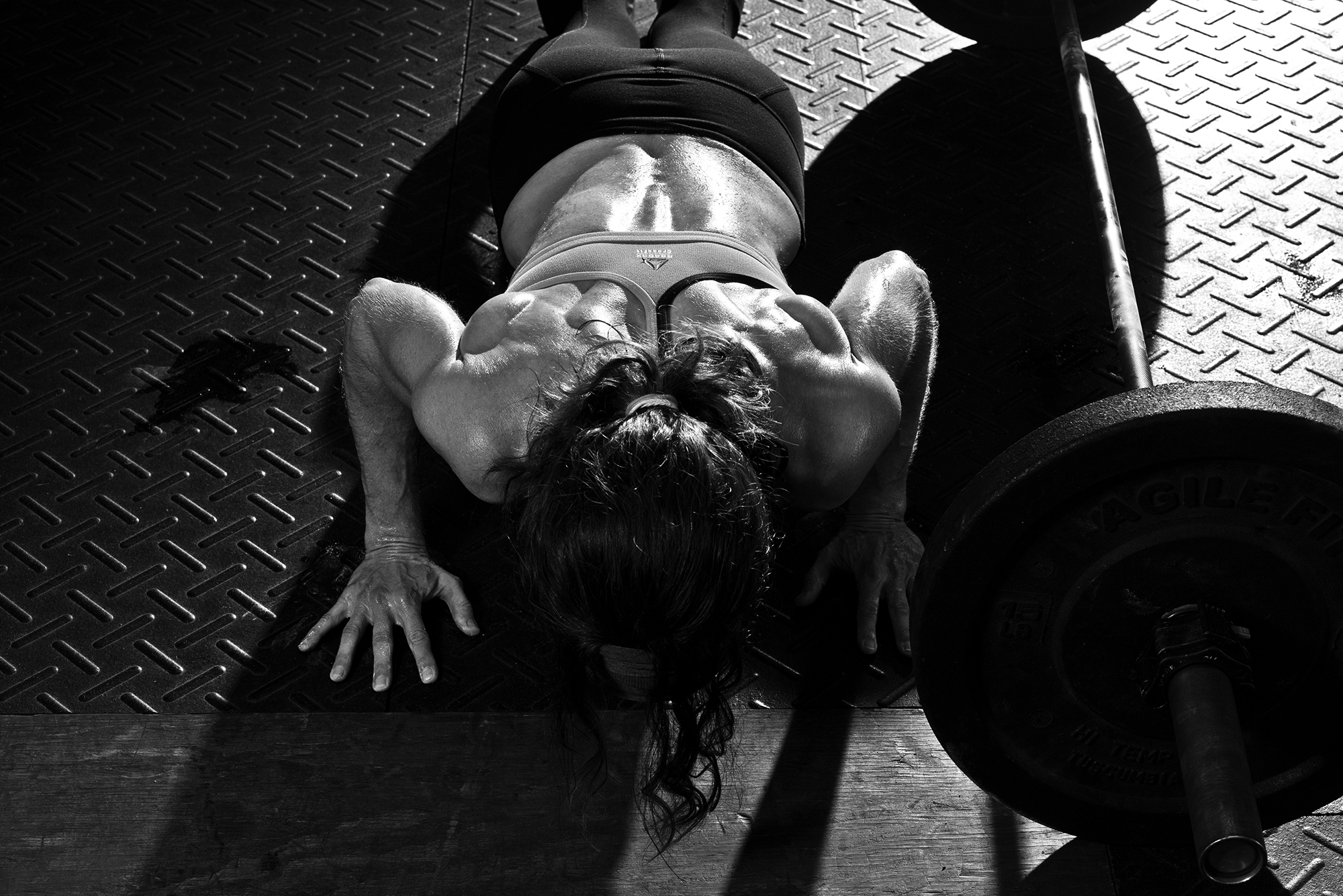
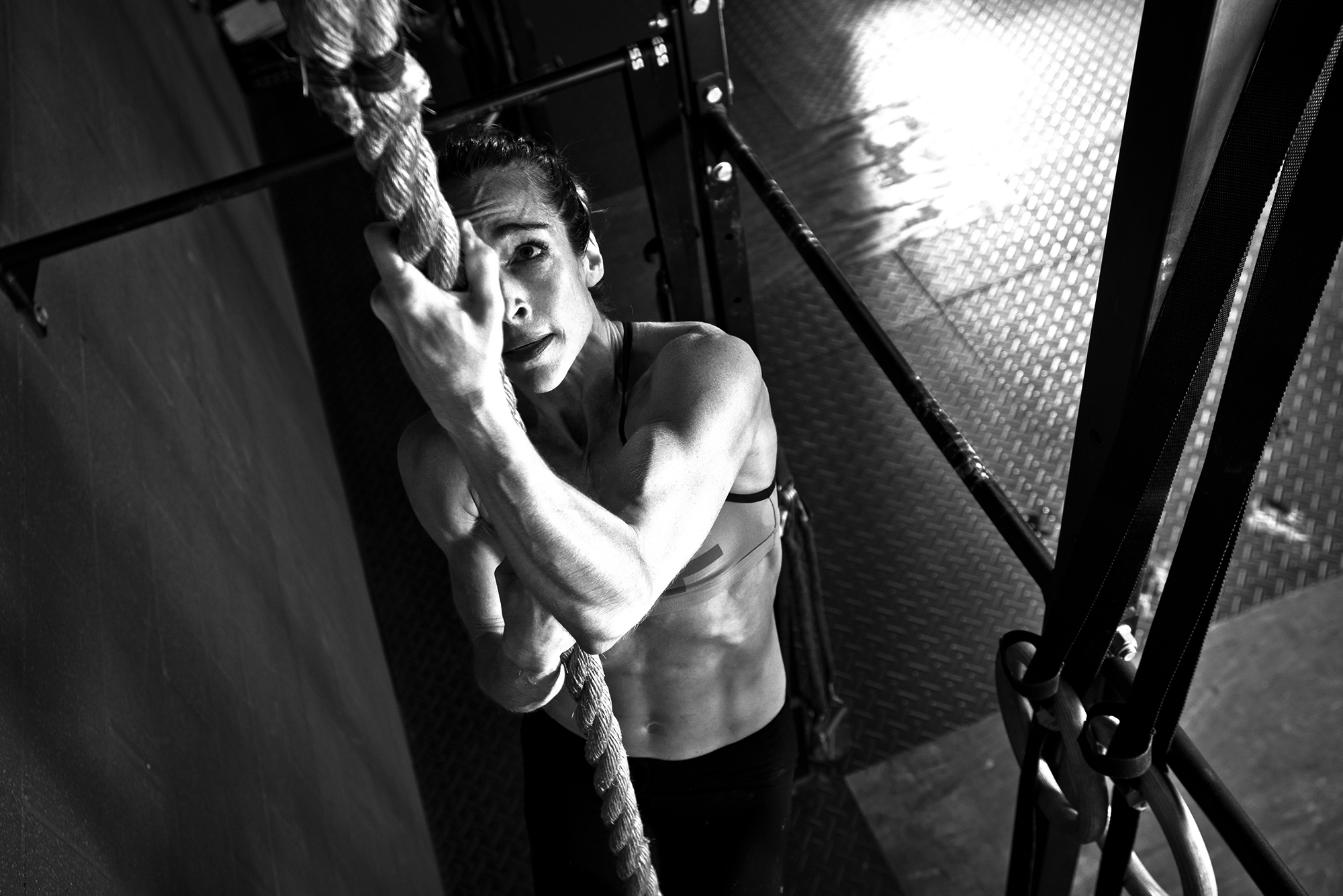
CrossFit is unusually good territory for photography because very little needs to be manufactured. The movement, effort, repetition, exhaustion, chalk, equipment, and interaction between athletes already create the visual language.

The challenge is staying out of the way long enough for those moments to happen.

These photographs were made during CrossFit training in Boulder, Colorado, with an approach that has shaped much of my fitness work since: photograph athletes actually training rather than repeatedly stopping workouts to manufacture photographs.
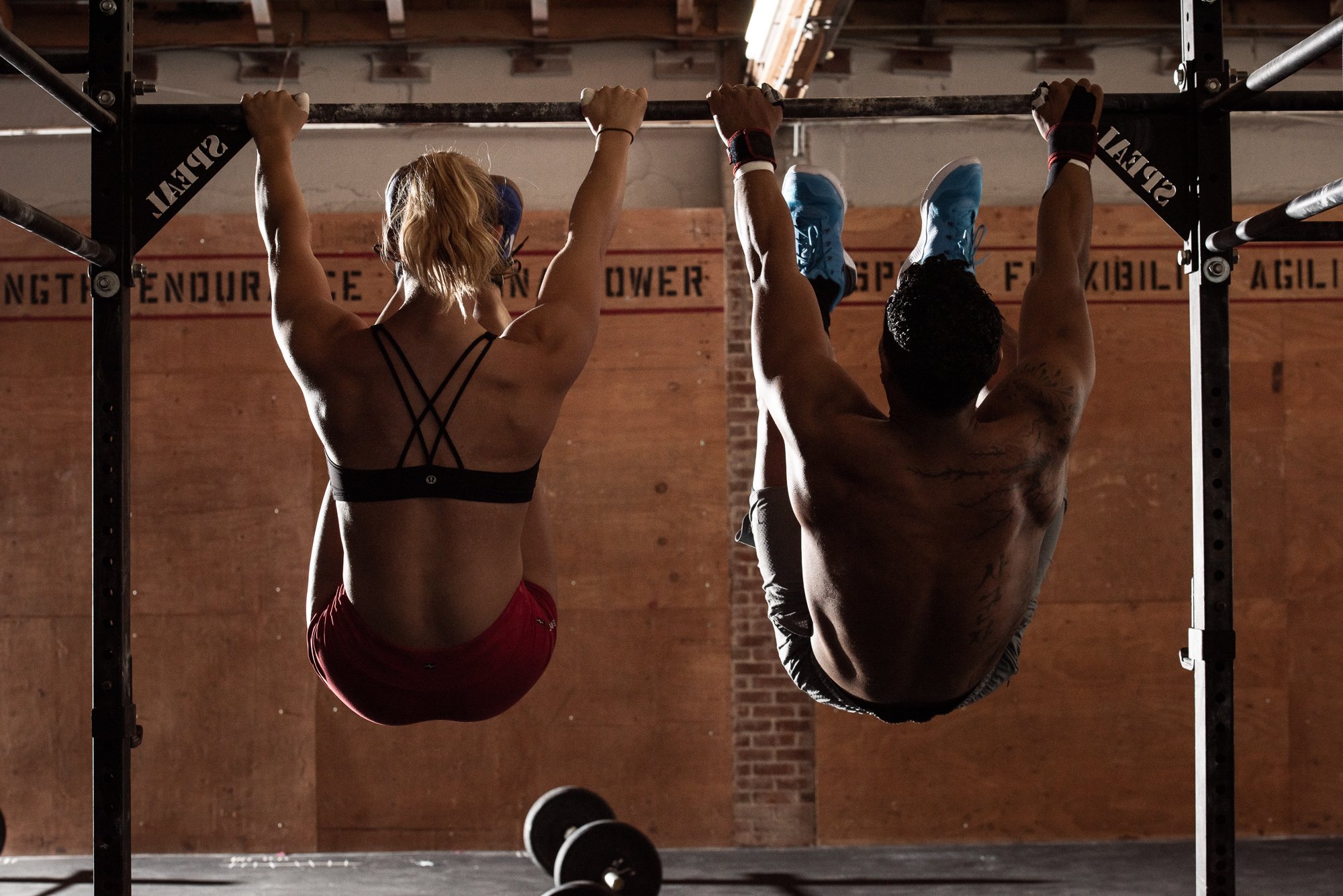
Two CrossFit athletes performing hanging leg raises on a pull-up rig in Boulder, Colorado.

Two athletes hang from the pull-up rig doing toes-to-bar during a CrossFit training session in Boulder.

Photographing the Training, Not Recreating It

There is a noticeable difference between someone performing an exercise for a camera and someone actually training.

Body language changes. Expressions change. Fatigue accumulates. The gym gets messy. Athletes stop thinking about the photographer.

That's usually when the interesting photographs start happening.

Rather than making every frame about a perfectly executed movement, I'm also looking for everything surrounding it: hands preparing for a lift, athletes recovering between efforts, chalk in the air, interaction between training partners, equipment scattered across the floor, and the moments immediately before and after the work.

Those details give a fitness campaign a sense of place and make the resulting library feel less like a collection of exercise demonstrations.
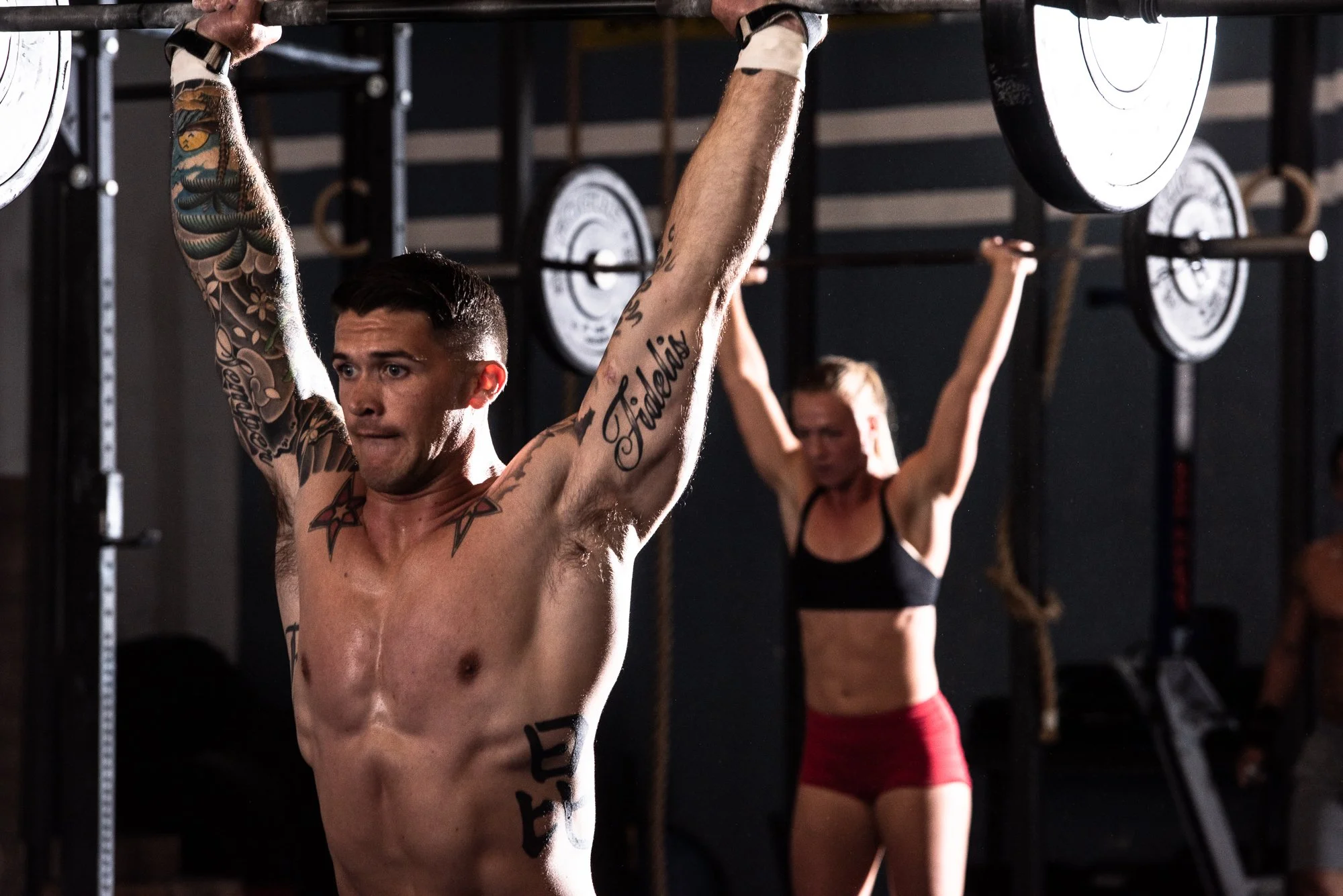
CrossFit athletes holding barbells overhead during functional fitness training in Boulder, Colorado.

Barbells move overhead as athletes work through a training session inside the gym.
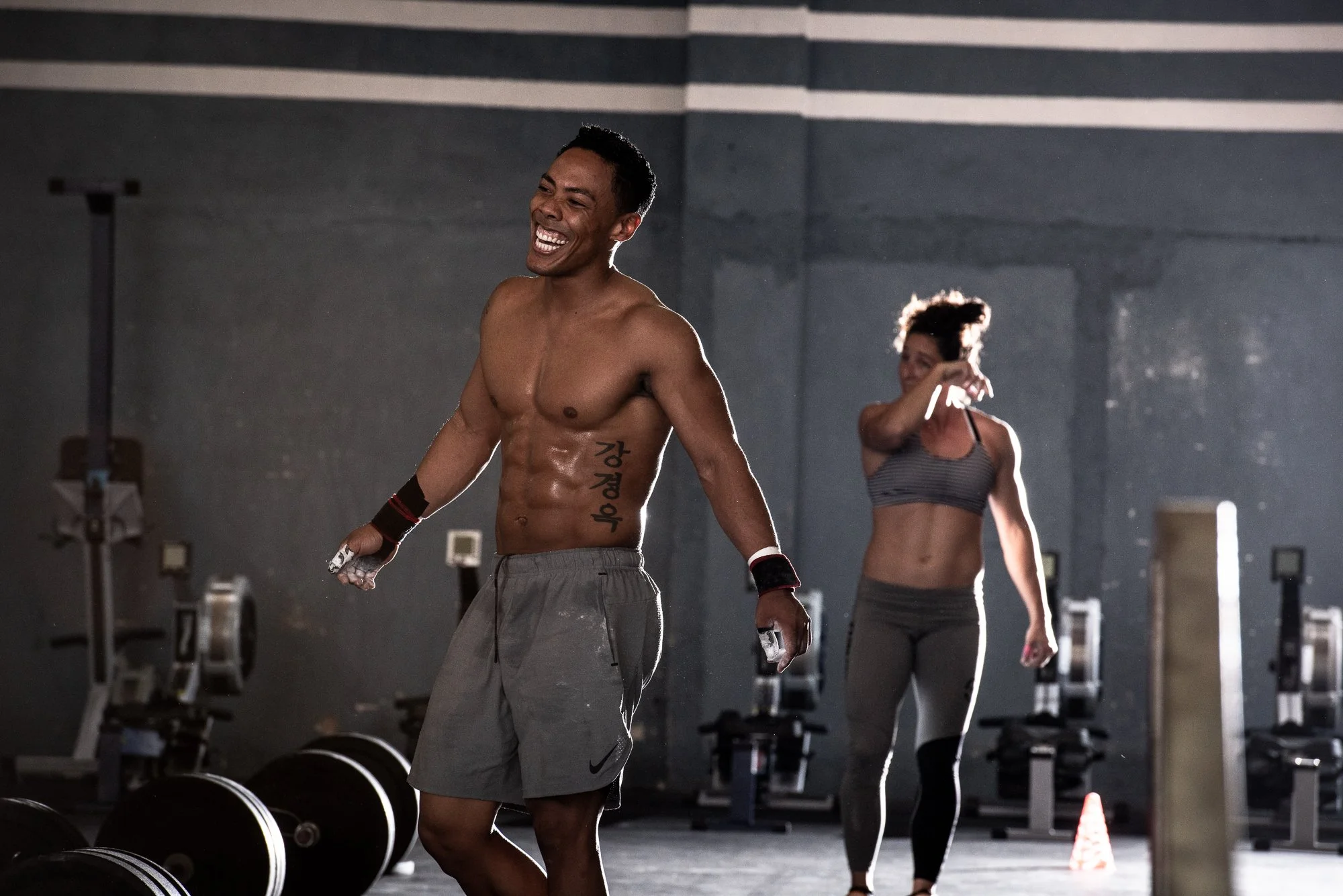
CrossFit athlete walking between barbells during a training session.

Chalk still covers his hands as an athlete smiles between efforts with other training continuing behind him.

CrossFit Photography for Brands and Advertising

For fitness brands, the advantage of photographing real training is authenticity without giving up production value.

A commercial shoot still needs intention. Lighting, composition, wardrobe, products, locations, shot lists, and usage all matter. But those elements don't necessarily require making the athlete look staged.

My approach is to build the production around the activity whenever possible, then give athletes enough room to move naturally within it.

That can create a much broader image library from a single production: hero images for advertising, wider environmental photographs, product details, portraits, training sequences, and quieter transitional moments for social, editorial, web, and campaign use.
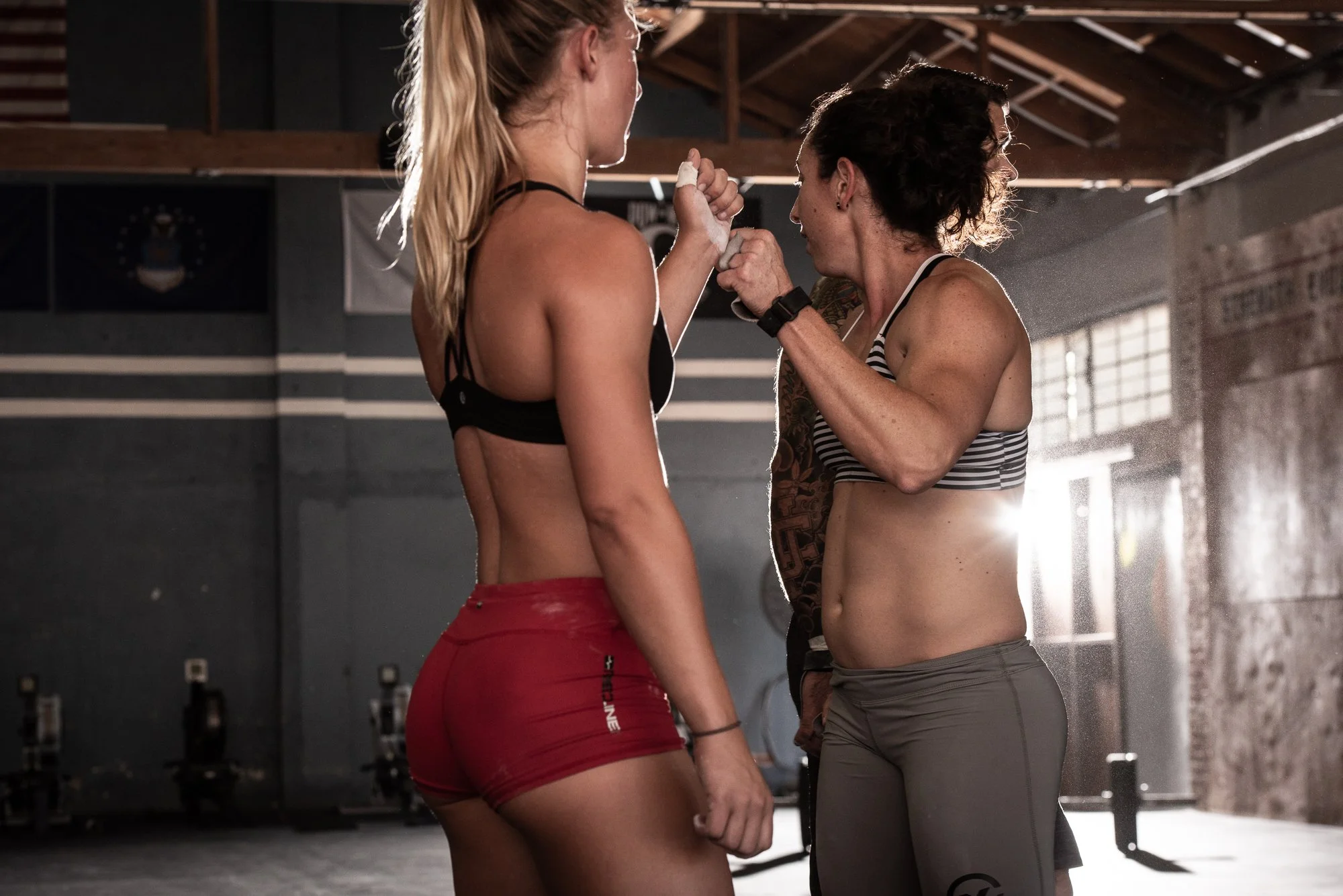
Two CrossFit athletes wrapping their hands between training efforts inside a gym.

Between sets, the two athletes pause together before continuing the workout.
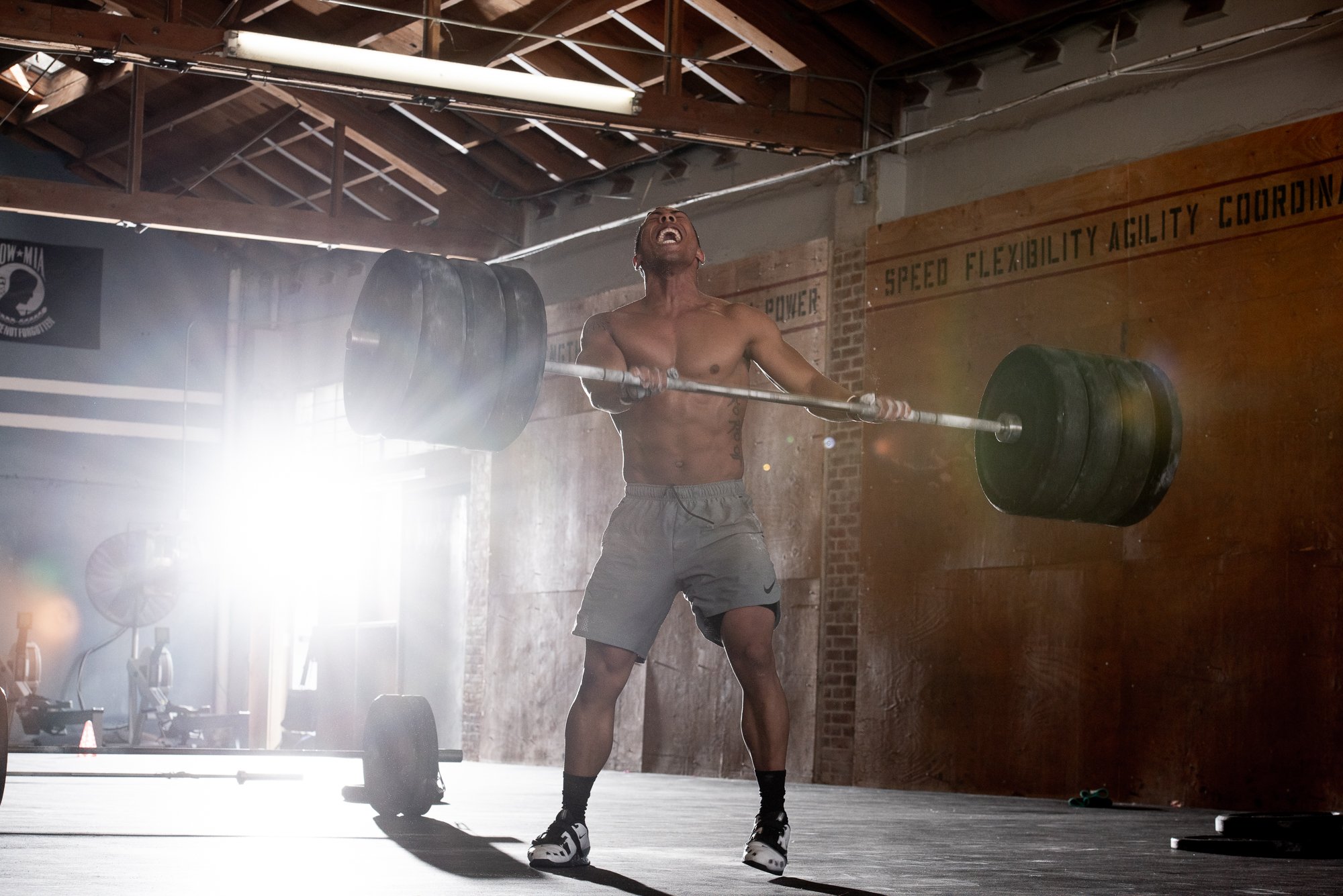
CrossFit athlete lifting a heavily loaded barbell during functional fitness training in Boulder, Colorado.

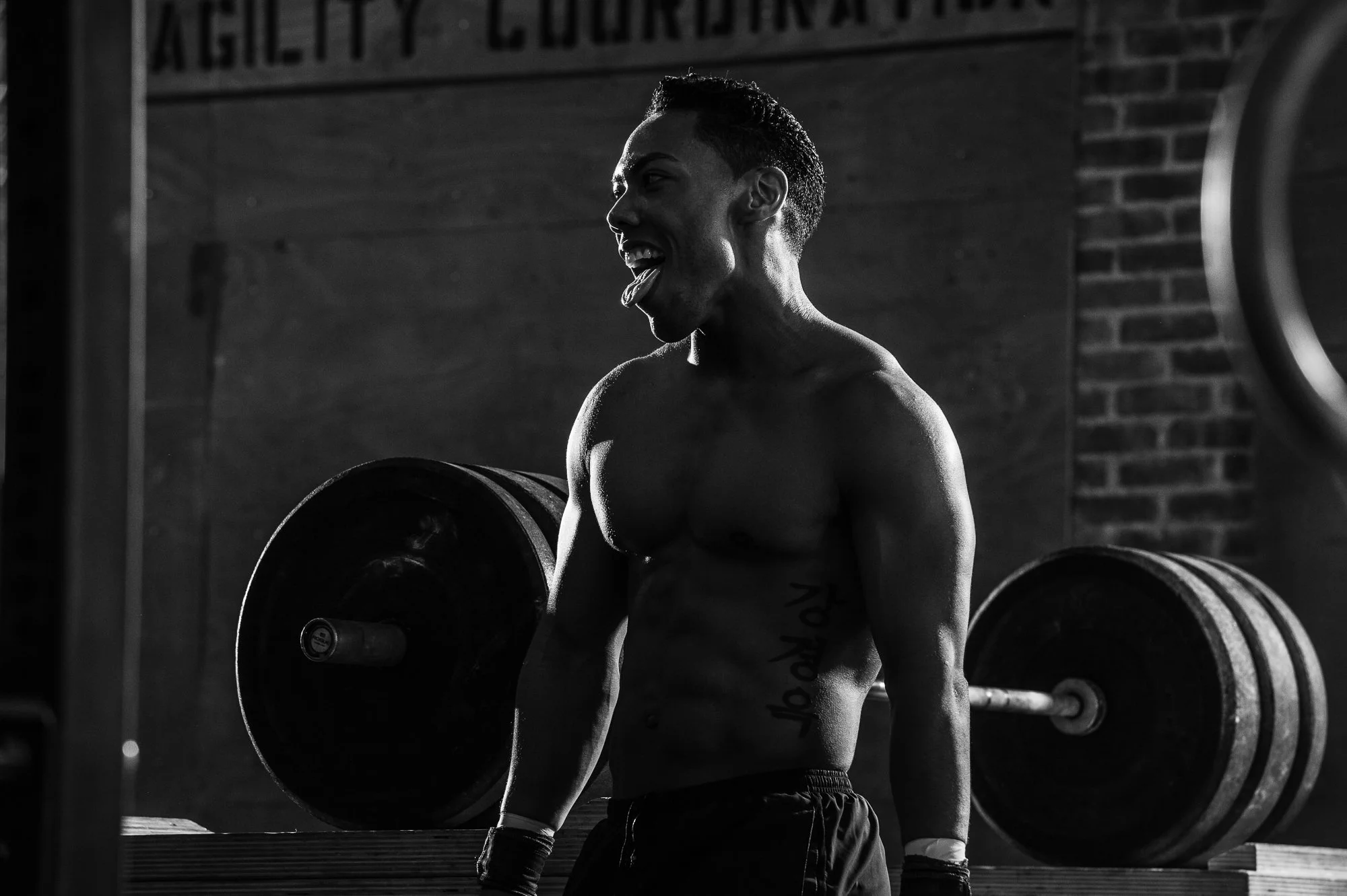
An athlete screams after a failed attempt as sunlight streams across the gym floor.

The Visual Language of Functional Fitness

Functional fitness has its own visual vocabulary.

Barbells, kettlebells, rowing machines, bikes, pull-up rigs, boxes, ropes, plates, chalk, rubber floors, and worn equipment immediately establish the environment. But equipment alone doesn't make a photograph feel believable.

The athlete does.

Effort has to look like effort.

That's why I prefer working with real athletes whenever a project allows for it. Their familiarity with the movements means less directing, better body positioning, and more freedom to concentrate on making photographs rather than teaching someone how an exercise is supposed to look.
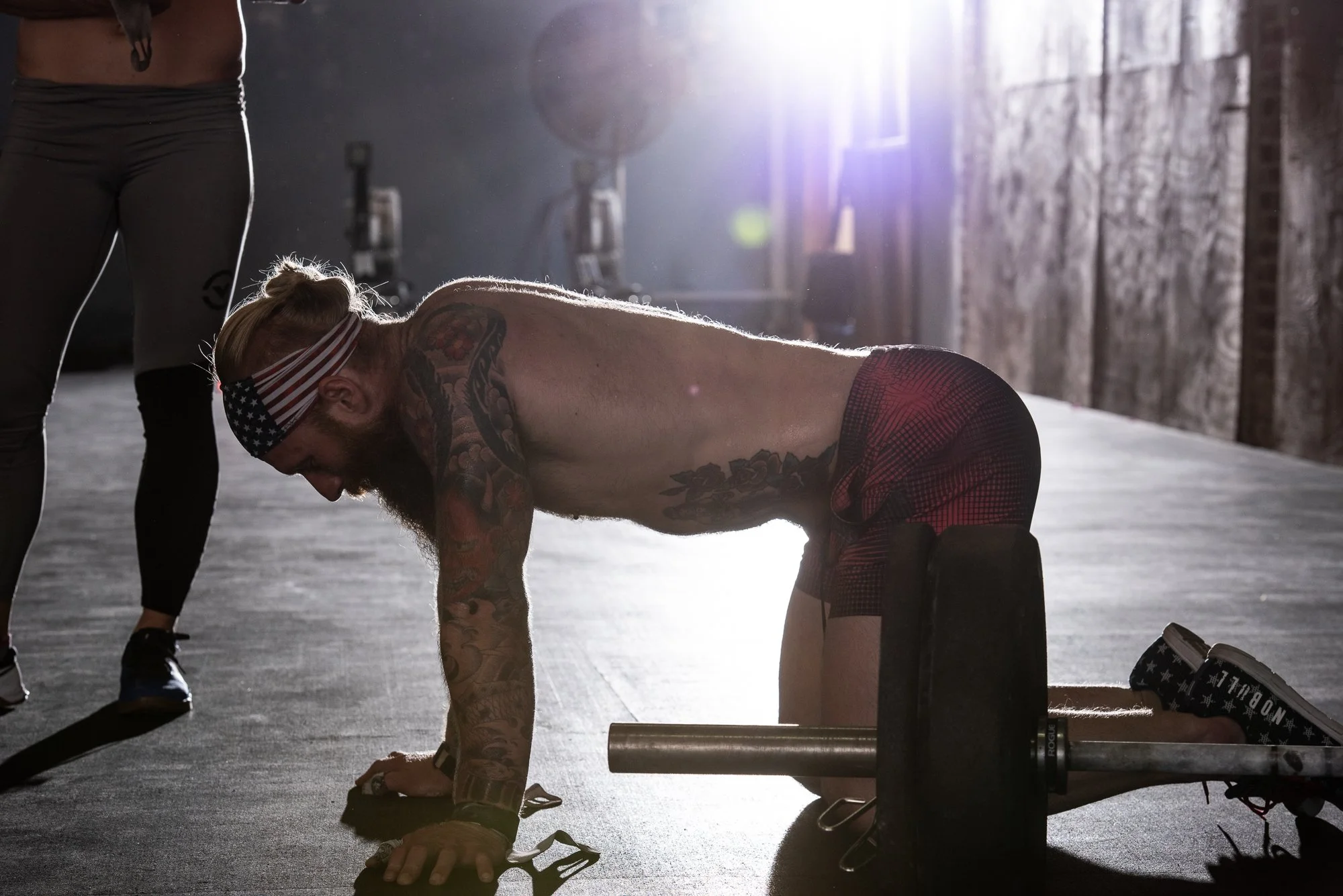
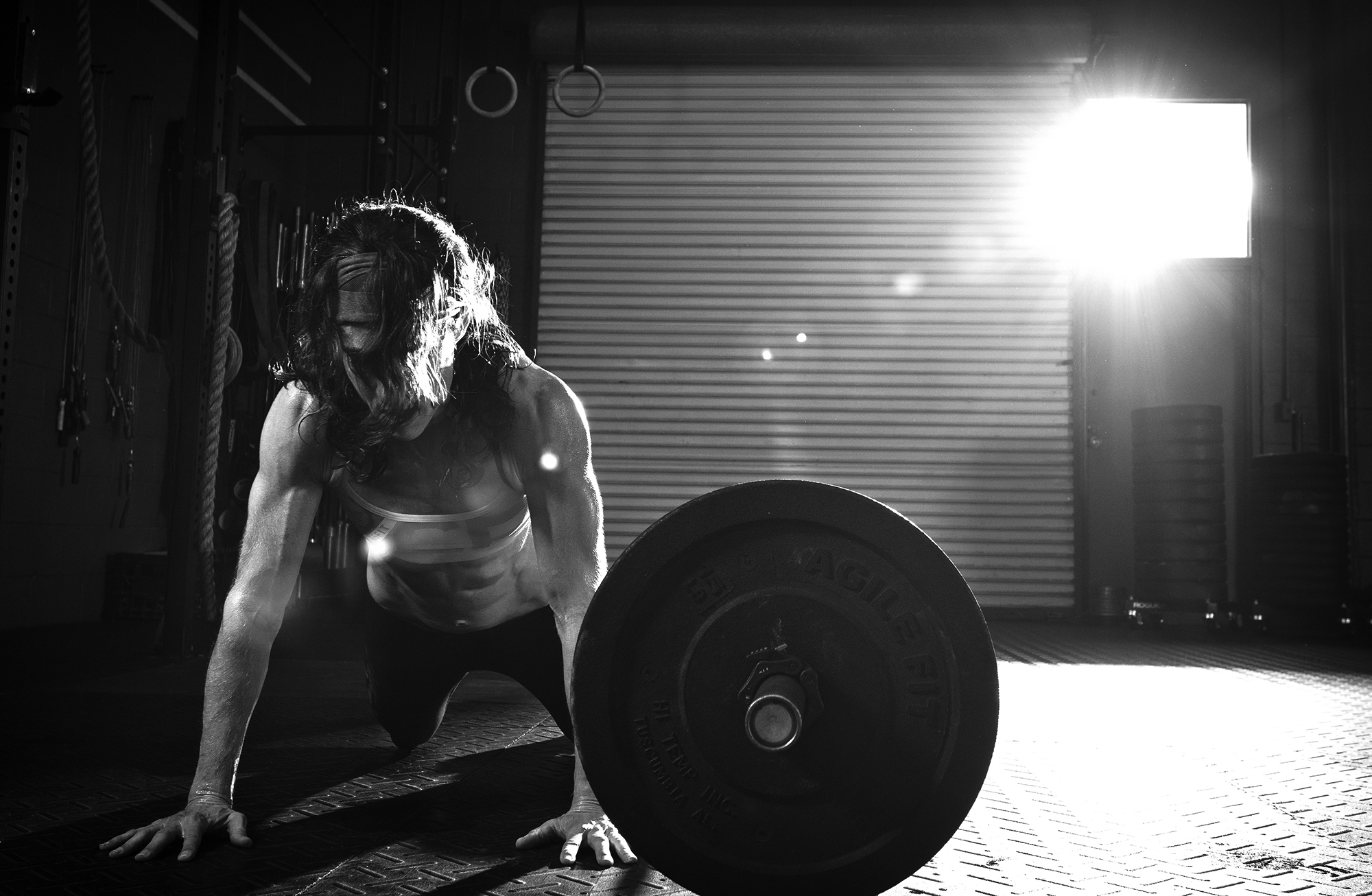
CrossFit athlete working beside a loaded barbell on the gym floor.

An athlete pauses beside a loaded barbell as sunlight cuts across the gym floor.
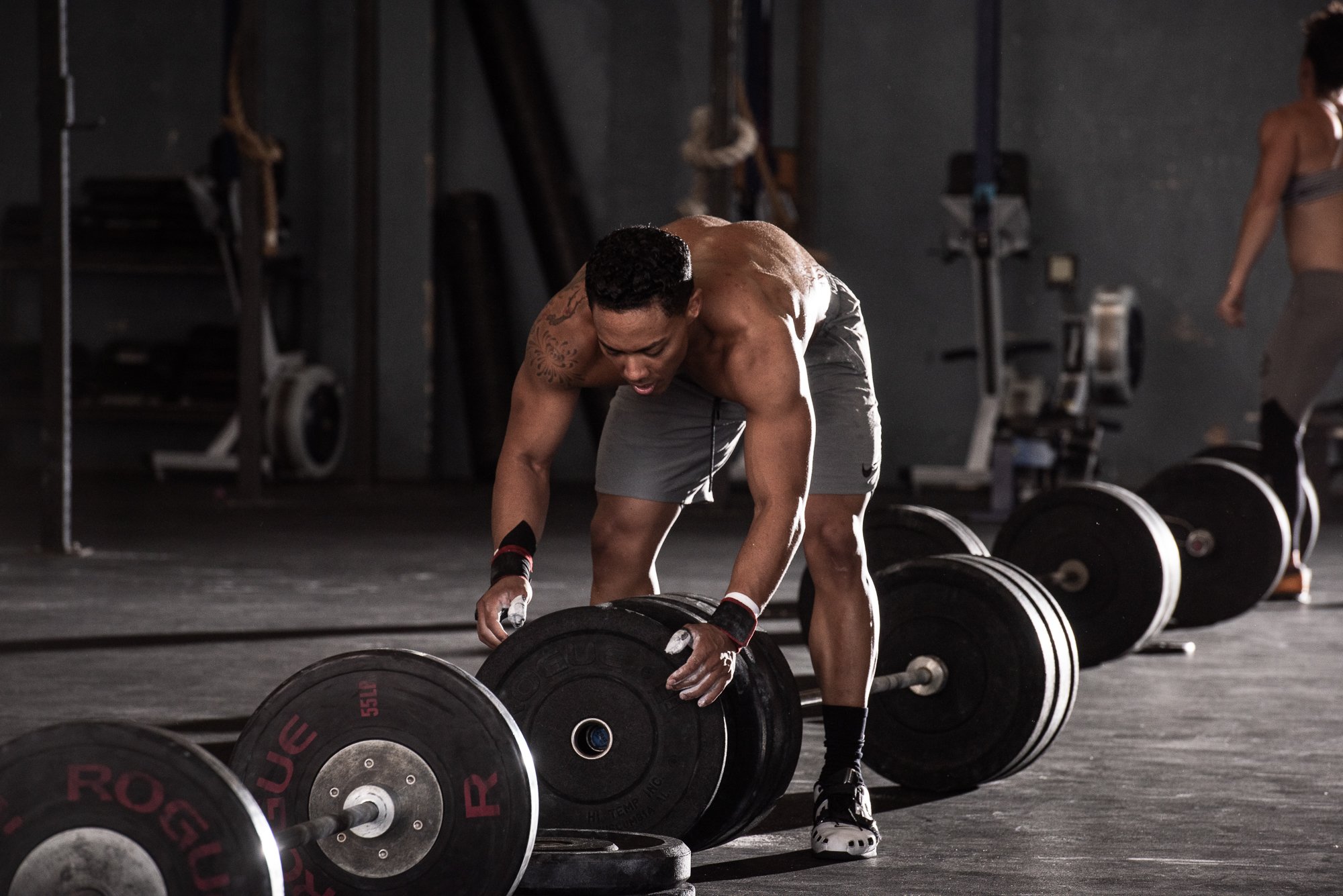
CrossFit athlete preparing a loaded barbell for a strength training movement.

Preparing a loaded barbell on the gym floor, an athlete prepares for the next set.

Fitness Photography in Boulder and Beyond

Boulder has a strong connection to training, endurance, and outdoor athletics, which makes it a natural location for fitness productions. It also offers something particularly useful for commercial shoots: the ability to combine indoor training with Colorado's outdoor environments.

A project can move from strength and functional training inside a gym to running, cycling, hiking, or other active lifestyle imagery outside, creating a larger visual campaign without losing continuity.

While this shoot was made in Boulder, I photograph fitness and active lifestyle campaigns throughout Colorado and travel nationally for commercial and editorial assignments.
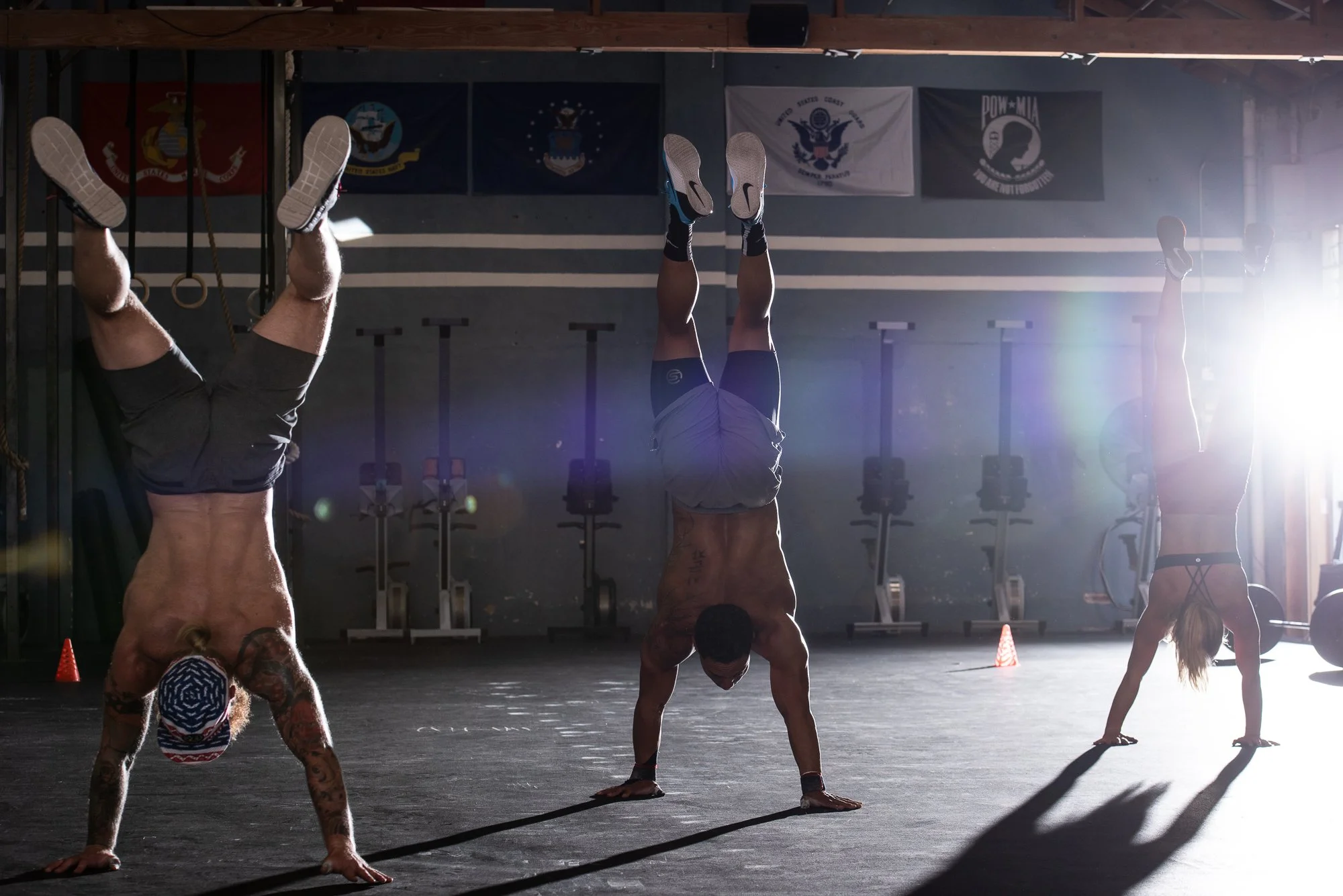
Three CrossFit athletes performing handstands on a gym floor in Boulder, Colorado.

Three athletes work through handstands across the training floor, their shadows stretching through the gym.
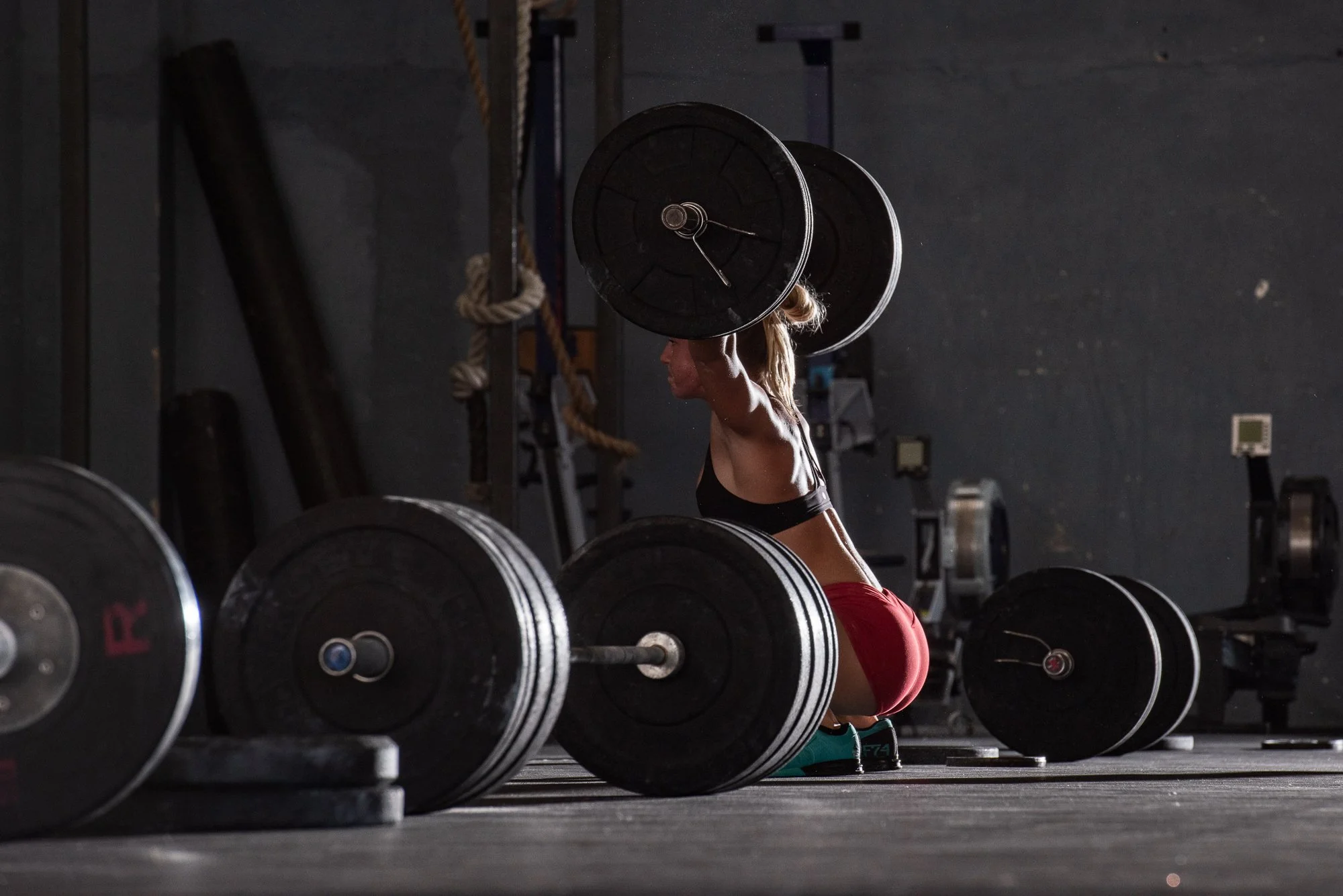
CrossFit athlete holding a loaded barbell overhead during strength training.

A loaded barbell moves overhead as an athlete works through a strength movement among the equipment on the gym floor.

Commercial CrossFit and Fitness Photographer

I work with advertising agencies, fitness brands, apparel and equipment companies, gyms, and athletes to create photography that feels athletic without feeling manufactured.

The goal isn't to make training look perfect.

It's to make it look believable.

For commercial photography projects involving CrossFit, strength training, functional fitness, athletes, or active lifestyle imagery, view my fitness portfolio or get in touch to discuss the production.

Most of my my fitness photography is also available for editorial and commercial licensing.
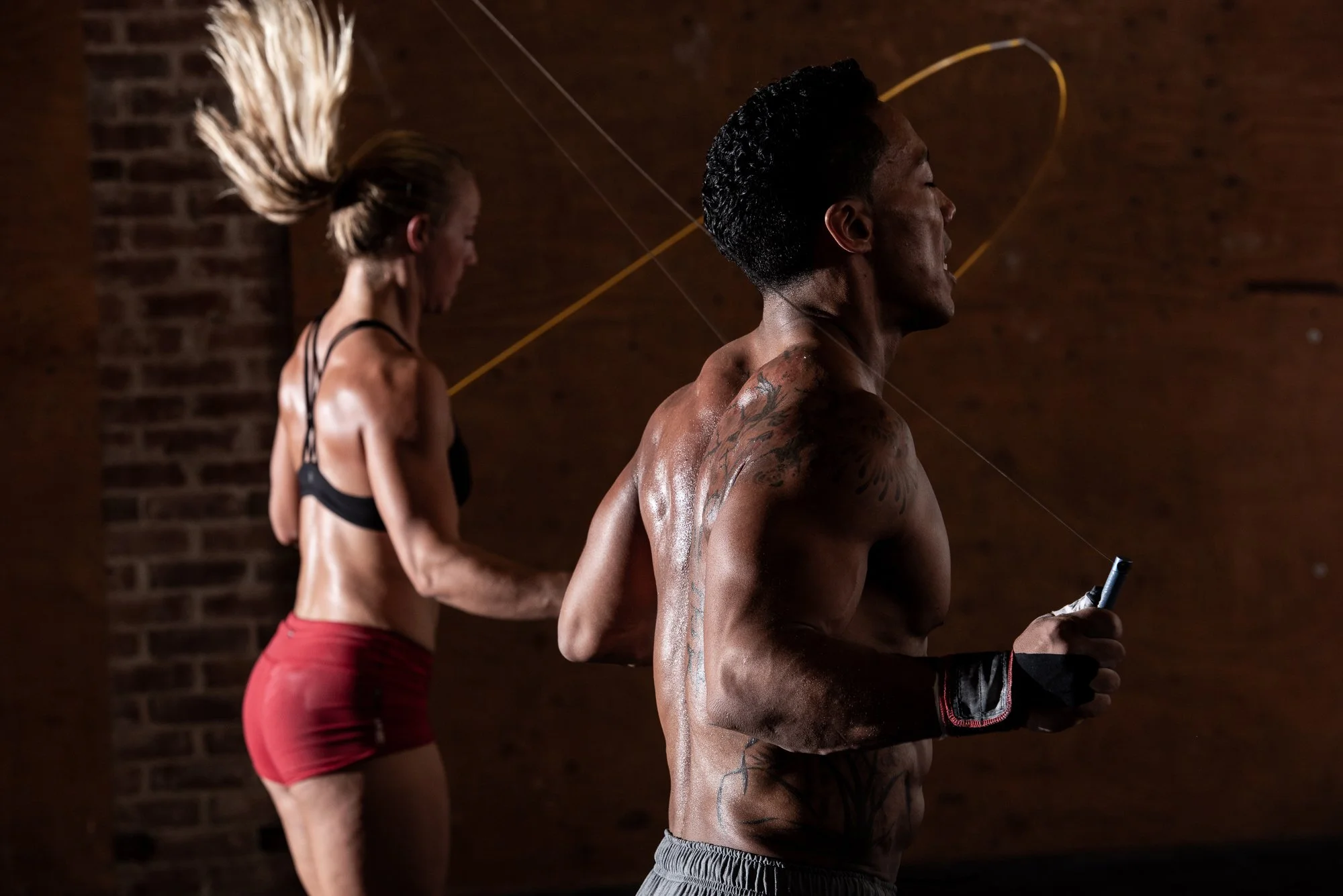
CrossFit athletes jumping rope during functional fitness training.

Jump ropes turn between efforts as two athletes continue training against the wood walls of the gym.
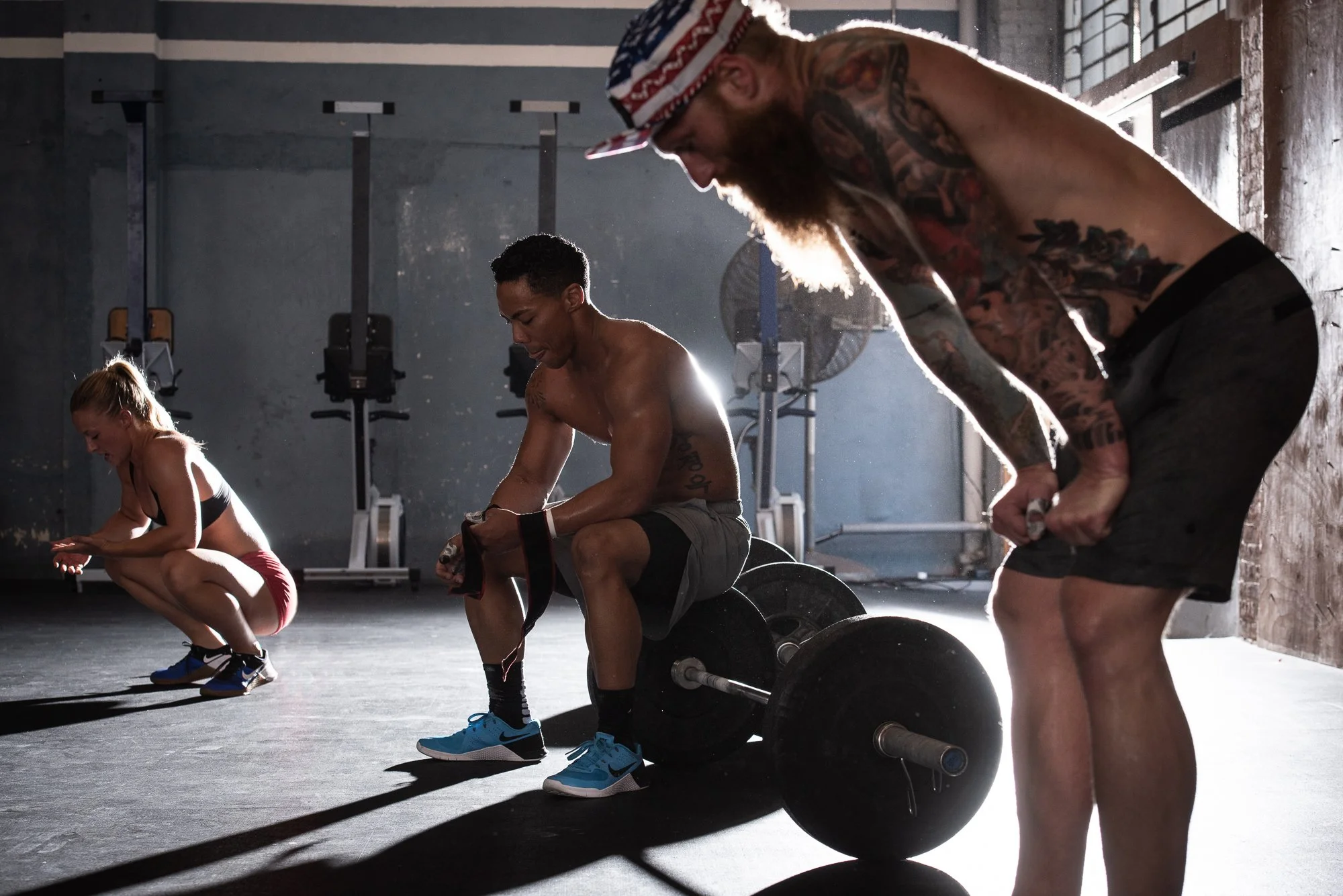
CrossFit athletes resting beside loaded barbells between training efforts.

Between efforts, athletes reset around loaded barbells before getting back to the work.
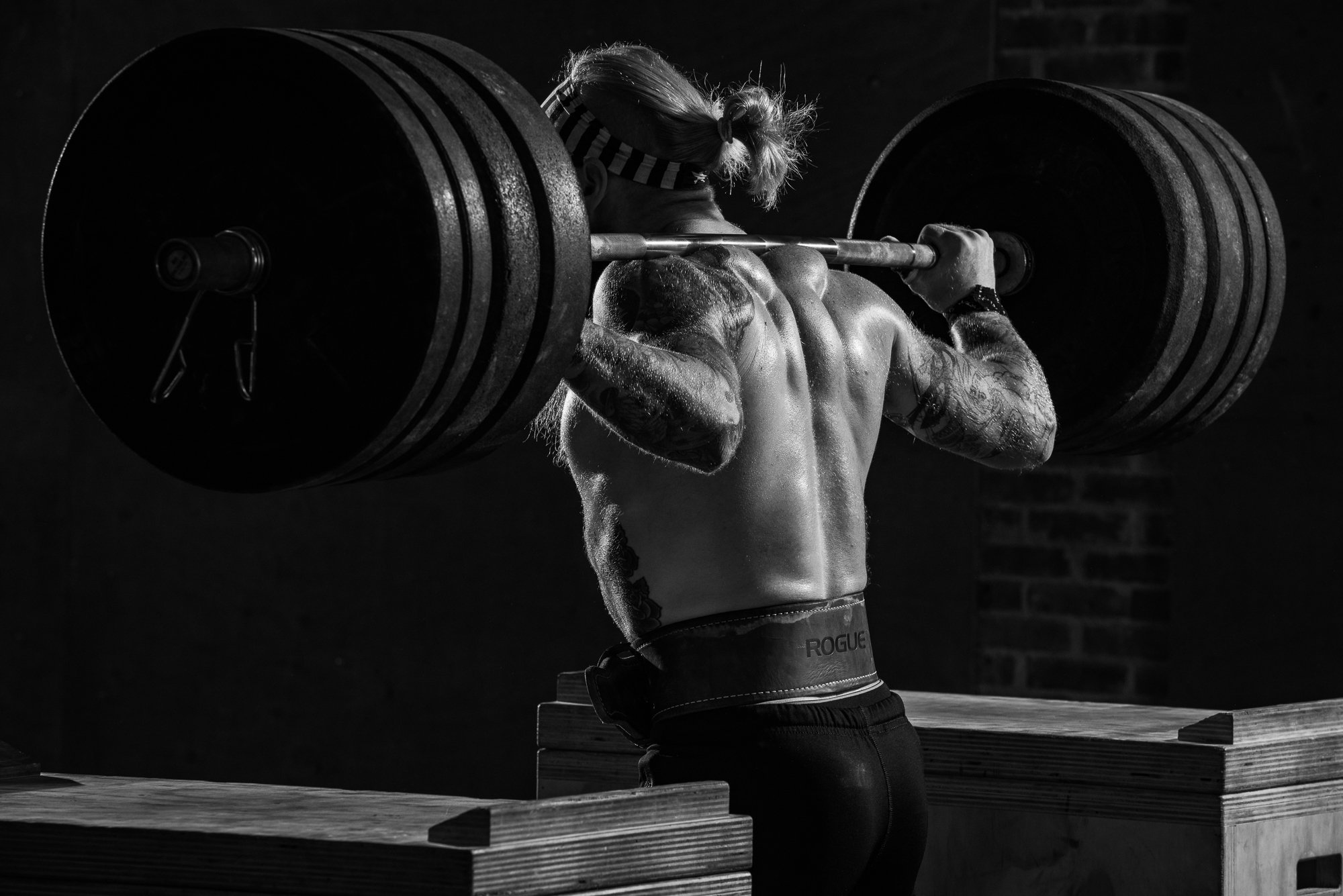
Dark Fitness Photography

Dark Fitness Photography: Creating Dramatic Images for Athletic Brands

Dark fitness photography isn't simply about making a photograph dark.

Done well, it's about using light selectively. Instead of illuminating everything in a gym, the light can isolate an athlete, define muscle and movement, bring texture out of the environment, and let everything unnecessary disappear.

It's an approach I've used for years photographing athletes and fitness campaigns, particularly when a brand needs imagery that feels strong, focused, and intense.

Female CrossFit athlete holding a heavily loaded barbell across her shoulders between wooden plyometric boxes.

A heavily loaded barbell rests across the athlete’s shoulders as he braces between wooden plyometric boxes.

What Makes Dark Fitness Photography Work?

Gyms are visually complicated places.

There are mirrors, machines, signs, windows, equipment, fluorescent lights, people, and dozens of other elements competing for attention. Lighting everything can sometimes make the photograph more confusing.

Darkness can simplify it.

By controlling where light falls, the athlete becomes the obvious focus while the environment provides context without taking over the photograph.

The result can feel much more intentional than simply photographing whatever ambient light happens to exist inside the gym.

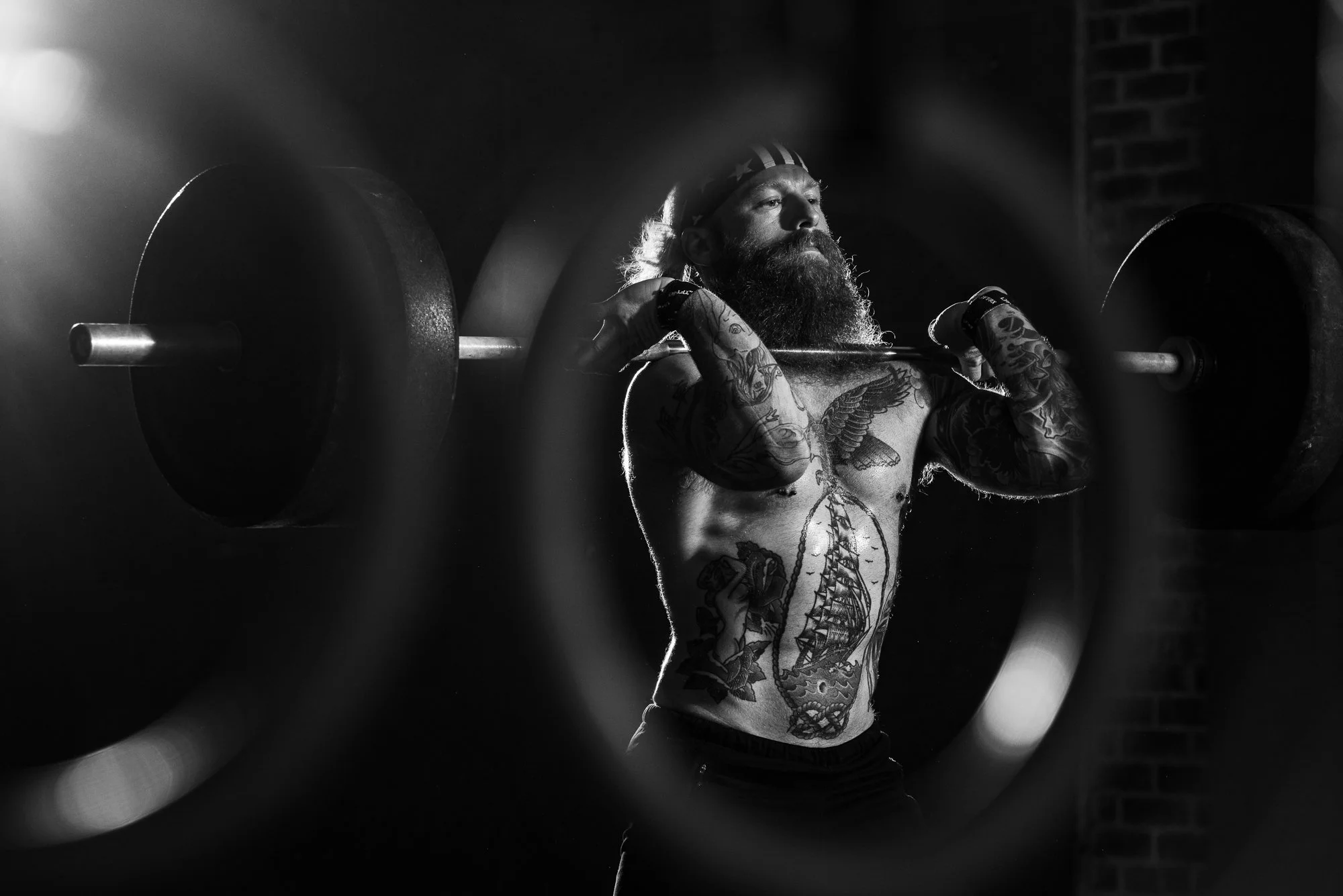
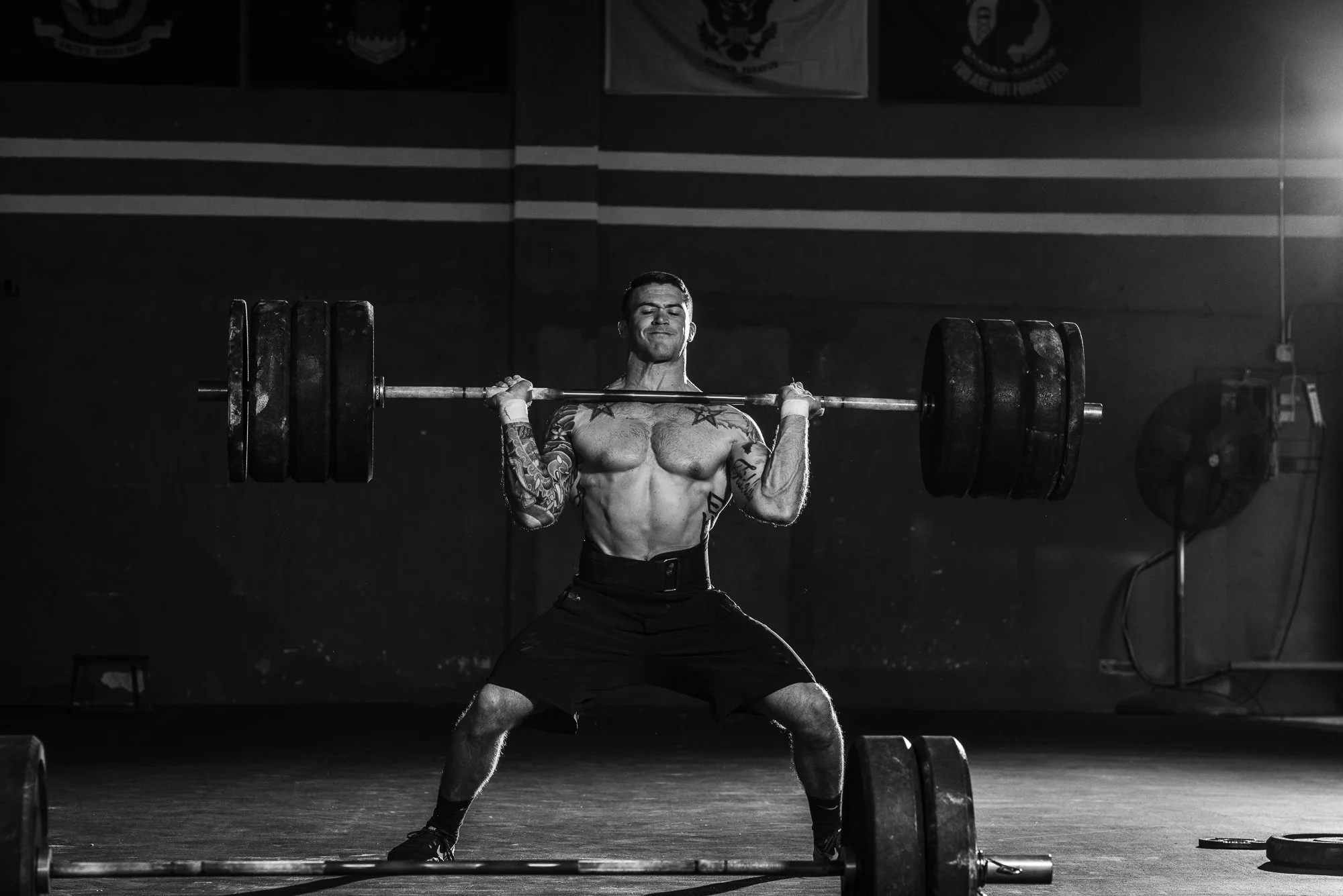
Bearded CrossFit athlete holding a loaded barbell in the front rack position inside a gritty gym.

A loaded barbell rests across the athlete’s shoulders as he prepares for the next part of the lift.

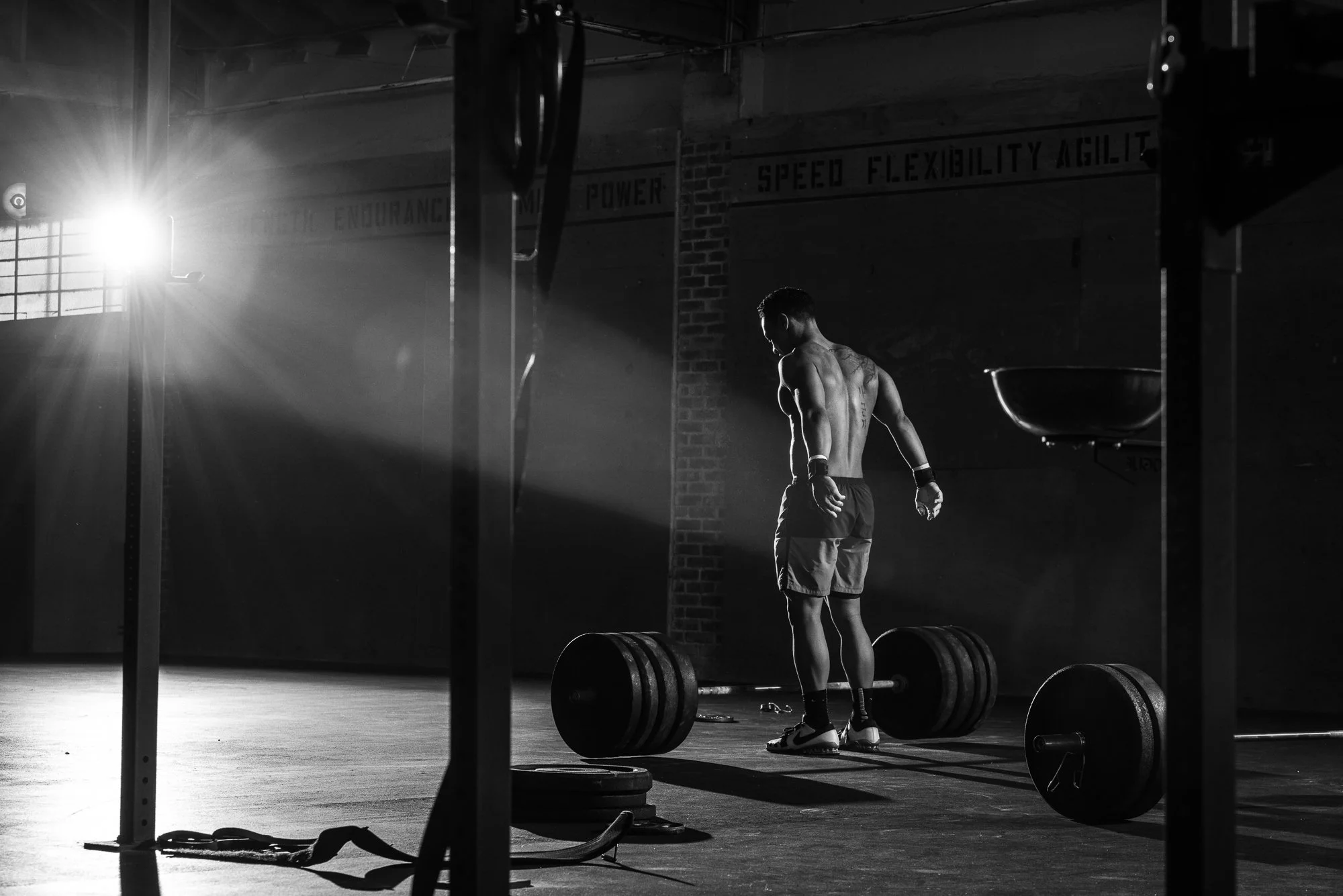
CrossFit athlete standing beside a loaded barbell as sunlight cuts across the gym floor.

Sunlight cuts across the gym floor as the athlete stands beside a heavily loaded barbell.

Using Light to Photograph Strength and Movement

For this kind of fitness photography, I frequently use strobes to create shape rather than simply adding more light.

Where the light comes from matters.

Side and back lighting can define an athlete's body, separate them from a dark background, emphasize sweat and texture, and give movement more dimension. Areas of the frame that don't contribute to the photograph can fall naturally into shadow.

The objective isn't necessarily to make someone look more dramatic than they really are. It's to use light to communicate the intensity that's already there.

That becomes particularly effective with strength training, explosive movement, and exercises where body position and muscular definition are important parts of the photograph.

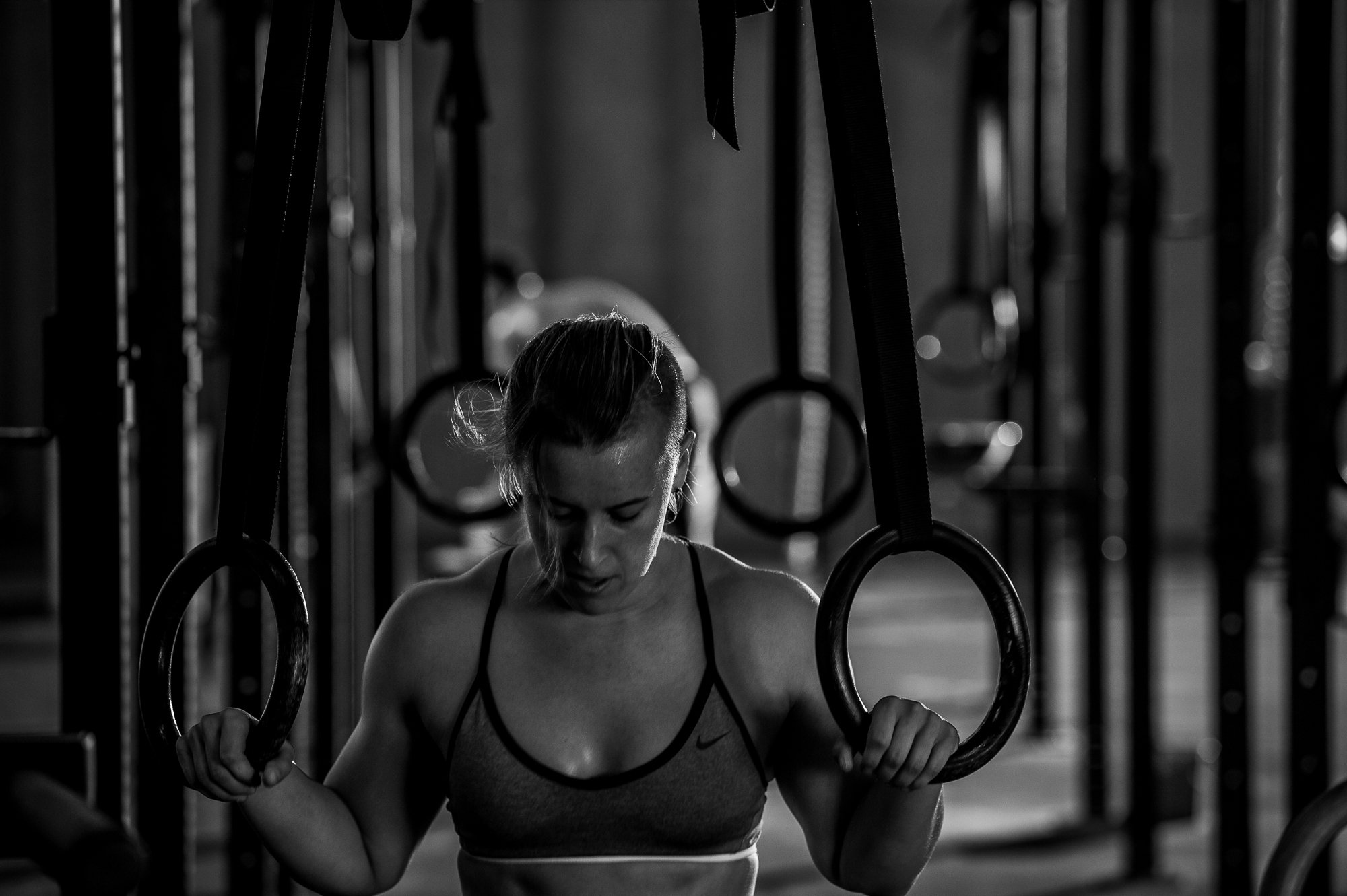
Female CrossFit athlete using gymnastic rings during a workout inside a gritty gym.

Framed by hanging rings, an athlete rests between sets inside the gym.

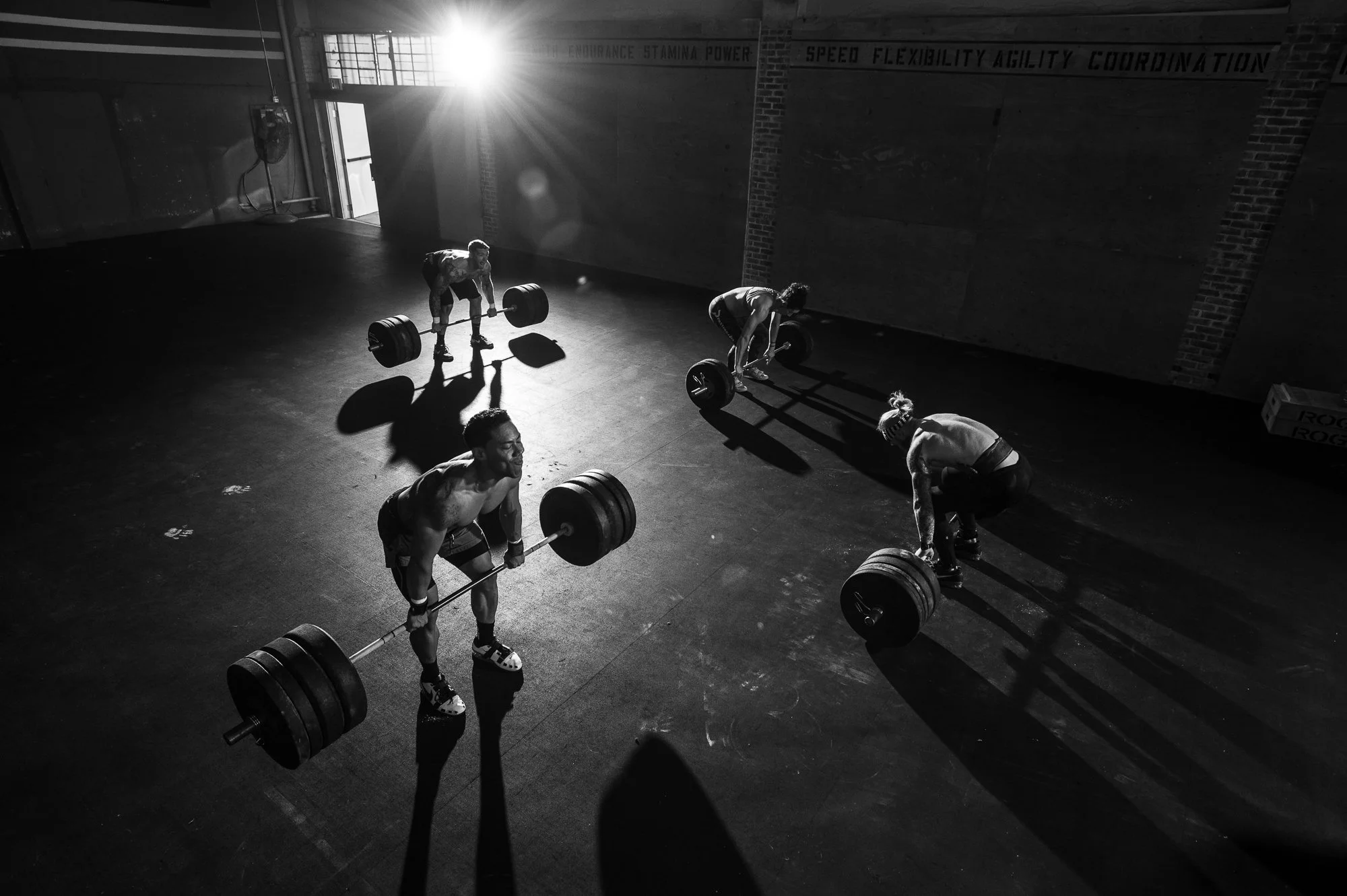
Four CrossFit athletes performing heavy barbell deadlifts in a gritty gym.

Four athletes work through heavy barbell deadlifts as sunlight stretches across the gym floor.

Why Dark Fitness Photography Works for Advertising

A fitness campaign needs more than a collection of impressive individual photographs. The images have to work together.

A darker visual approach can create consistency across different athletes, locations, exercises, and products. It can also give designers room to work with typography, logos, headlines, and other campaign elements.

That matters when photographs need to function across advertising, websites, social campaigns, retail displays, packaging, and other brand applications.

The goal is to create photographs that work as photographs while also understanding that they're part of a larger visual system.

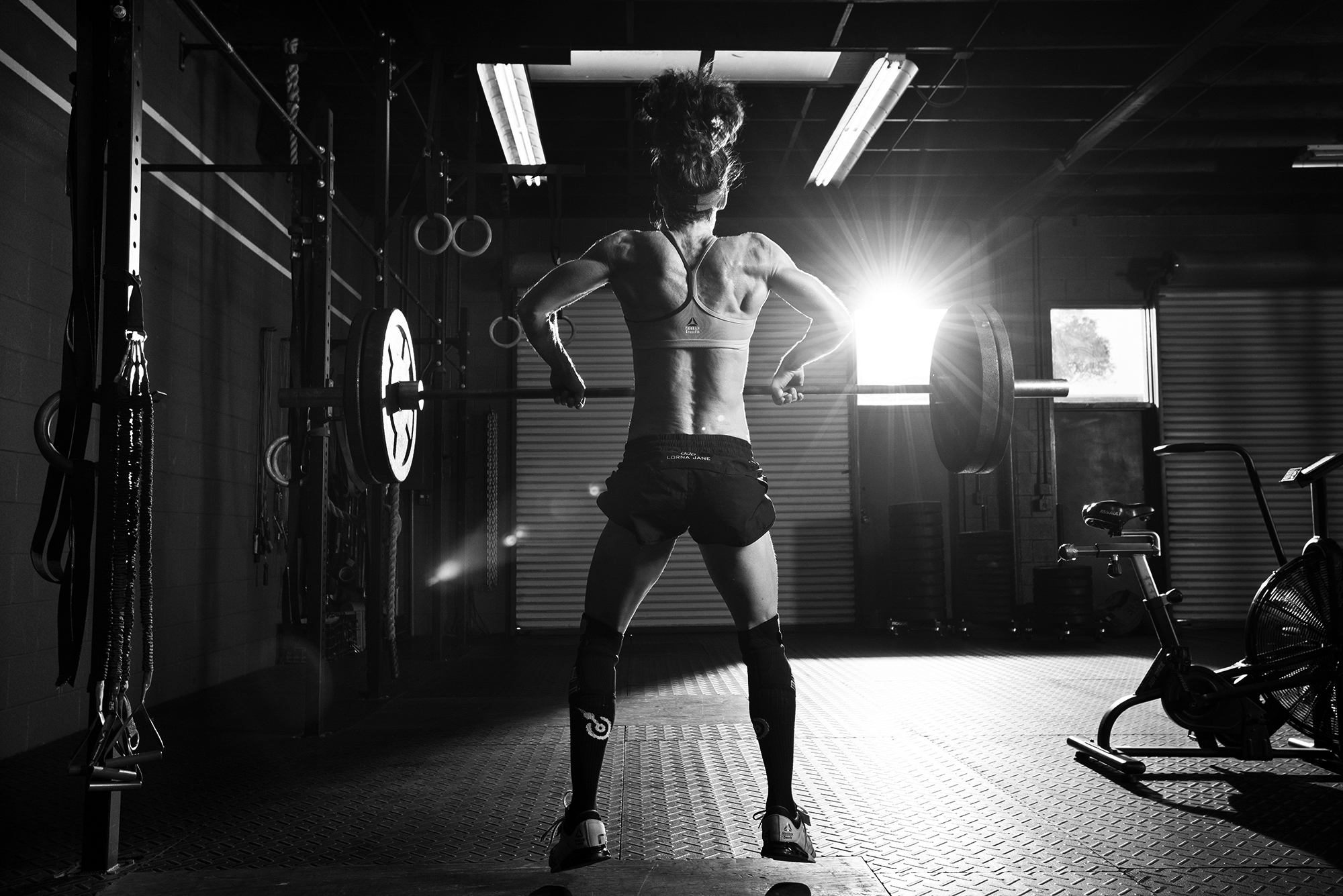
CrossFit athlete holding a heavily loaded barbell in the front rack position during a lift.

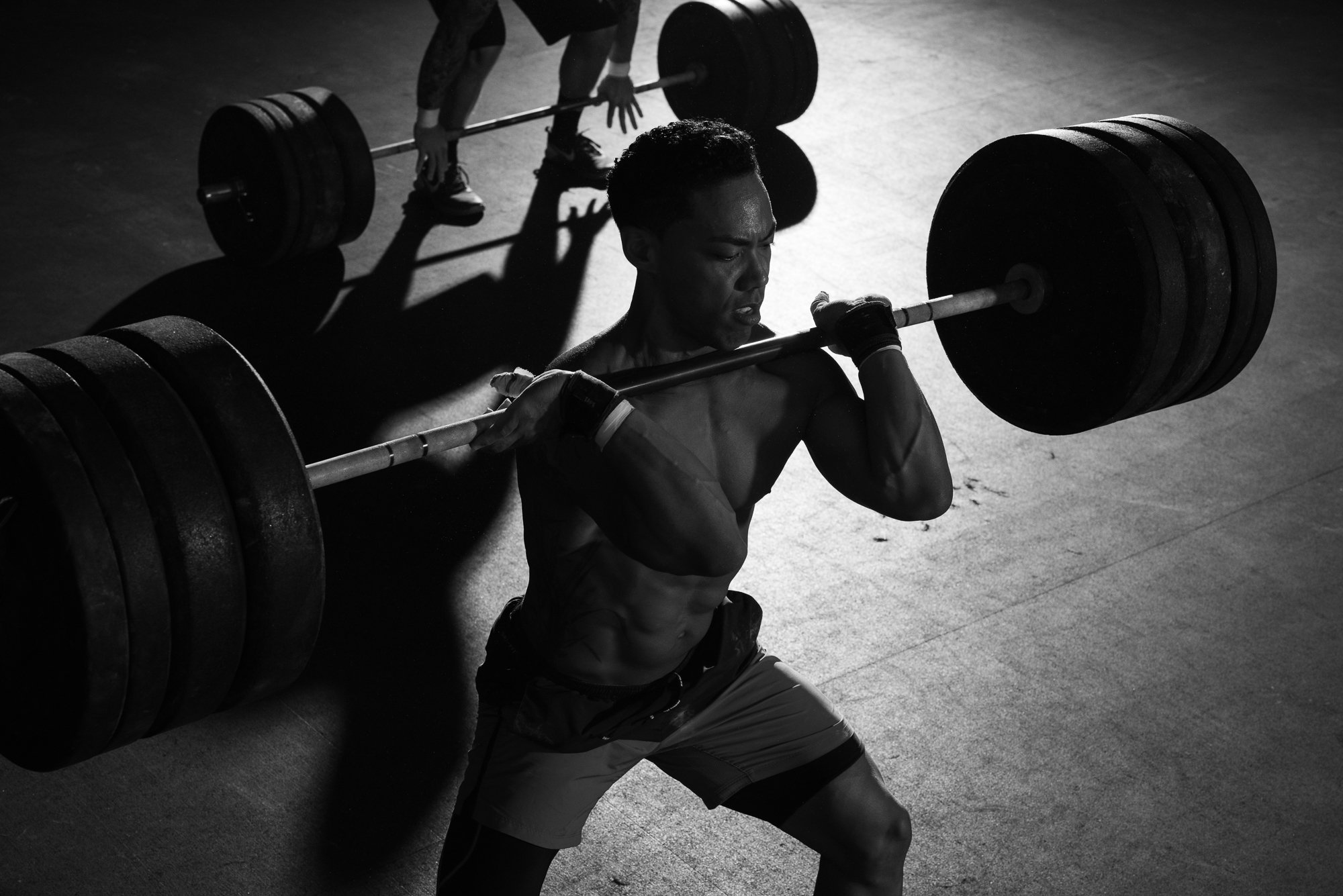
Driving upward from a wide stance, the athlete holds a heavily loaded barbell across his shoulders.

CrossFit athlete driving upward from a deep squat with a heavily loaded barbell in the front rack position.

Working from a deep squat, the athlete drives upward with a heavily loaded barbell as another athlete prepares behind him.

Real Athletes Still Matter

Lighting can change the mood of a photograph. It can't manufacture believable athletic movement.

That's why I prefer photographing real athletes whenever possible.

Someone who has performed a movement thousands of times carries themselves differently than someone performing it for a photograph. Their grip, stance, posture, timing, and reaction to effort are instinctive.

It also allows the photography to move faster.

Instead of spending a production teaching movements or endlessly recreating them, we can concentrate on light, composition, products, wardrobe, angles, and the moments happening around the workout.

The finished photographs can be highly produced without feeling artificial.

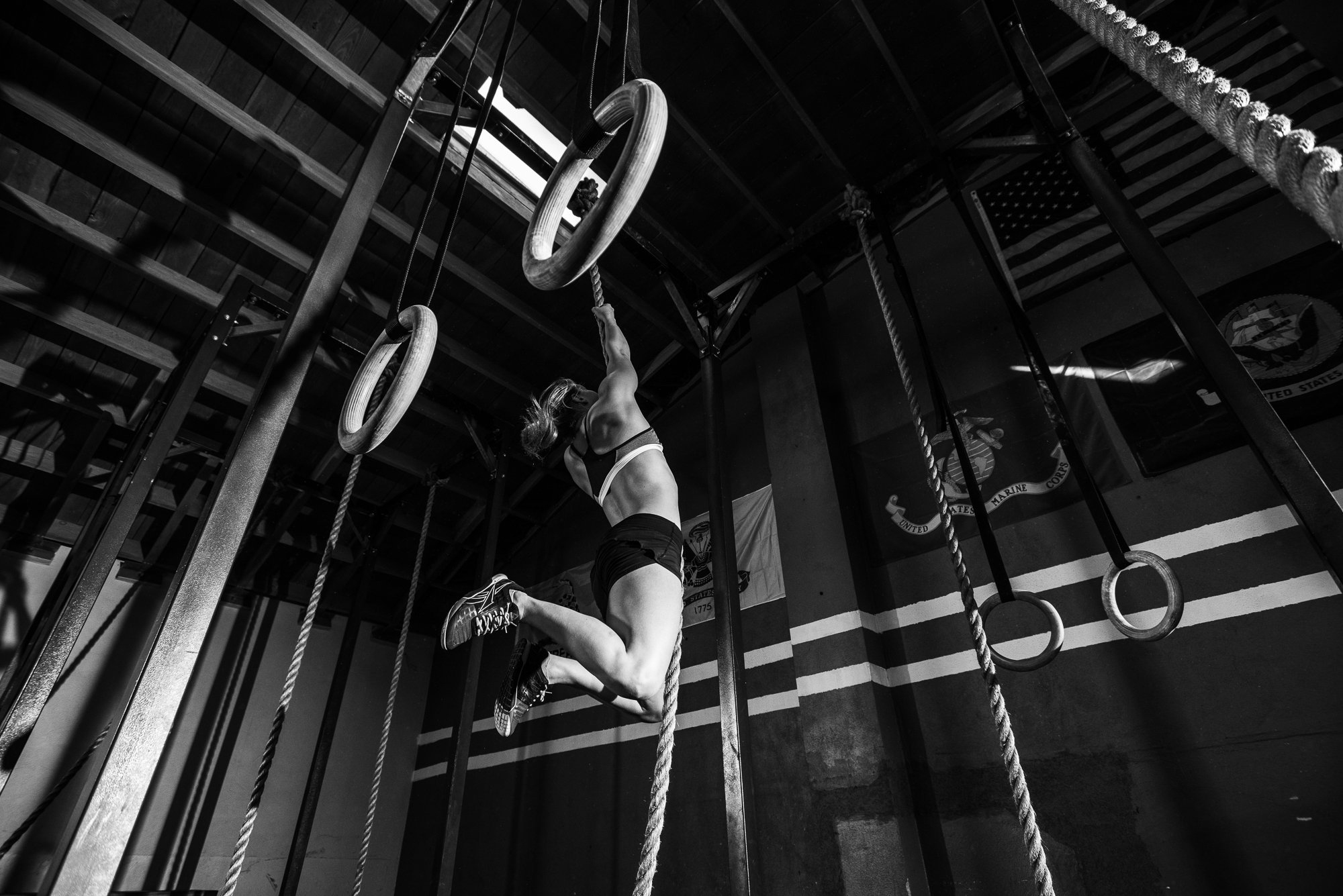
Female CrossFit athlete climbing a rope beneath gymnastic rings inside a gritty gym.

Reaching for the rope above, the athlete climbs through the rig surrounded by gymnastic rings and climbing ropes.

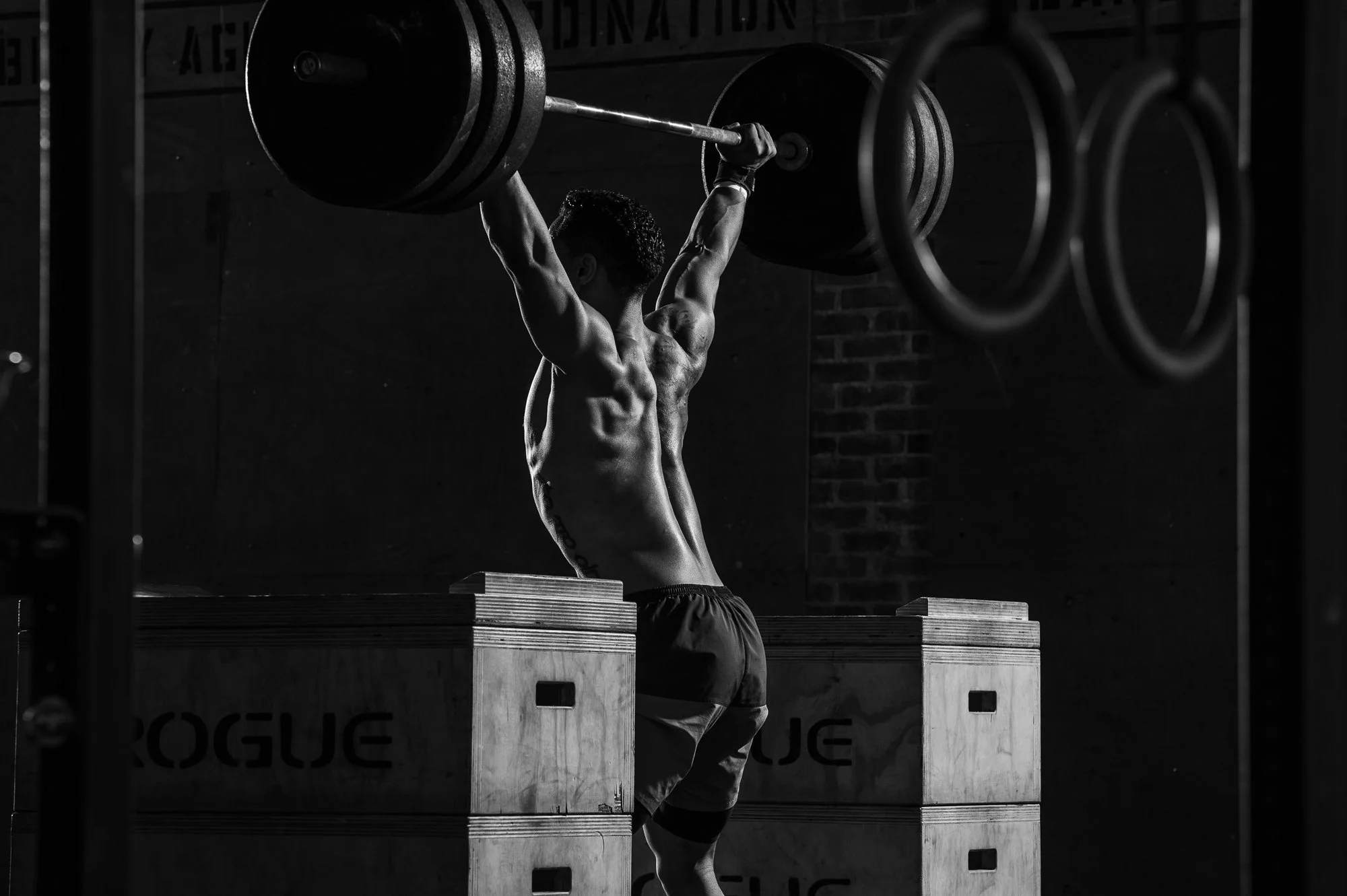
CrossFit athlete holding a loaded barbell overhead between wooden plyometric boxes in a gritty gym.

Holding a loaded barbell overhead, the athlete works between wooden plyometric boxes as gymnastic rings hang in the foreground.

Dark and Gritty Doesn't Have to Mean Cliché

Fitness advertising has developed a familiar vocabulary: sweat, chalk, dramatic expressions, heavy weights, dark rooms.

Those elements can work, but repeating them isn't enough.

The environment, athlete, product, and brand should determine what the photographs look like.

Sometimes that means hard directional light and deep shadows. Sometimes it's a quieter portrait between sets. Sometimes the strongest photograph isn't the lift itself, but the anticipation beforehand or exhaustion immediately afterward.

The visual treatment should support the story rather than become the story.

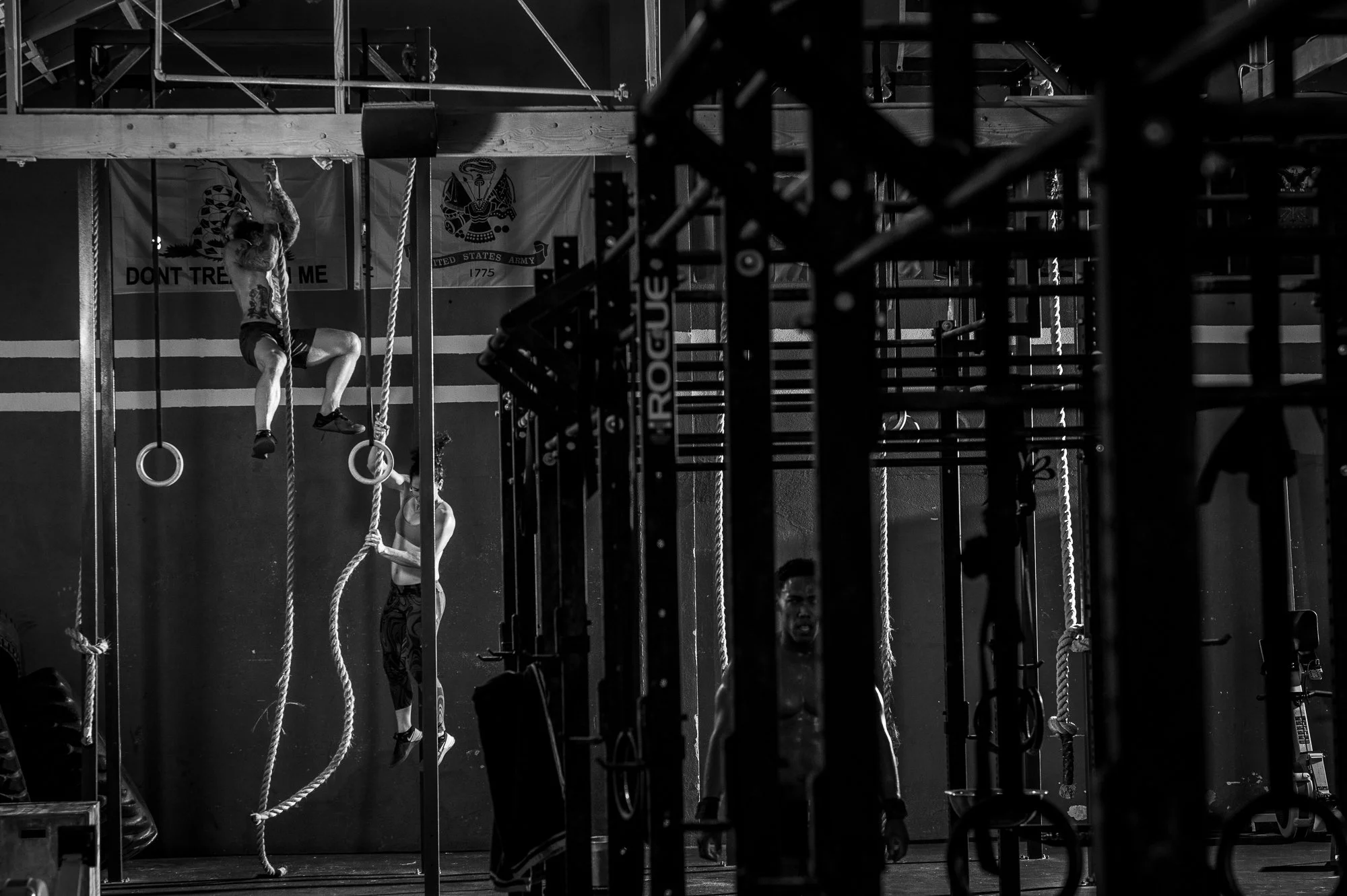
CrossFit athletes climbing ropes and using gymnastic rings inside a gym with a Rogue rig.

Ropes, rings and a Rogue rig fill the gym as athletes move through their workout.

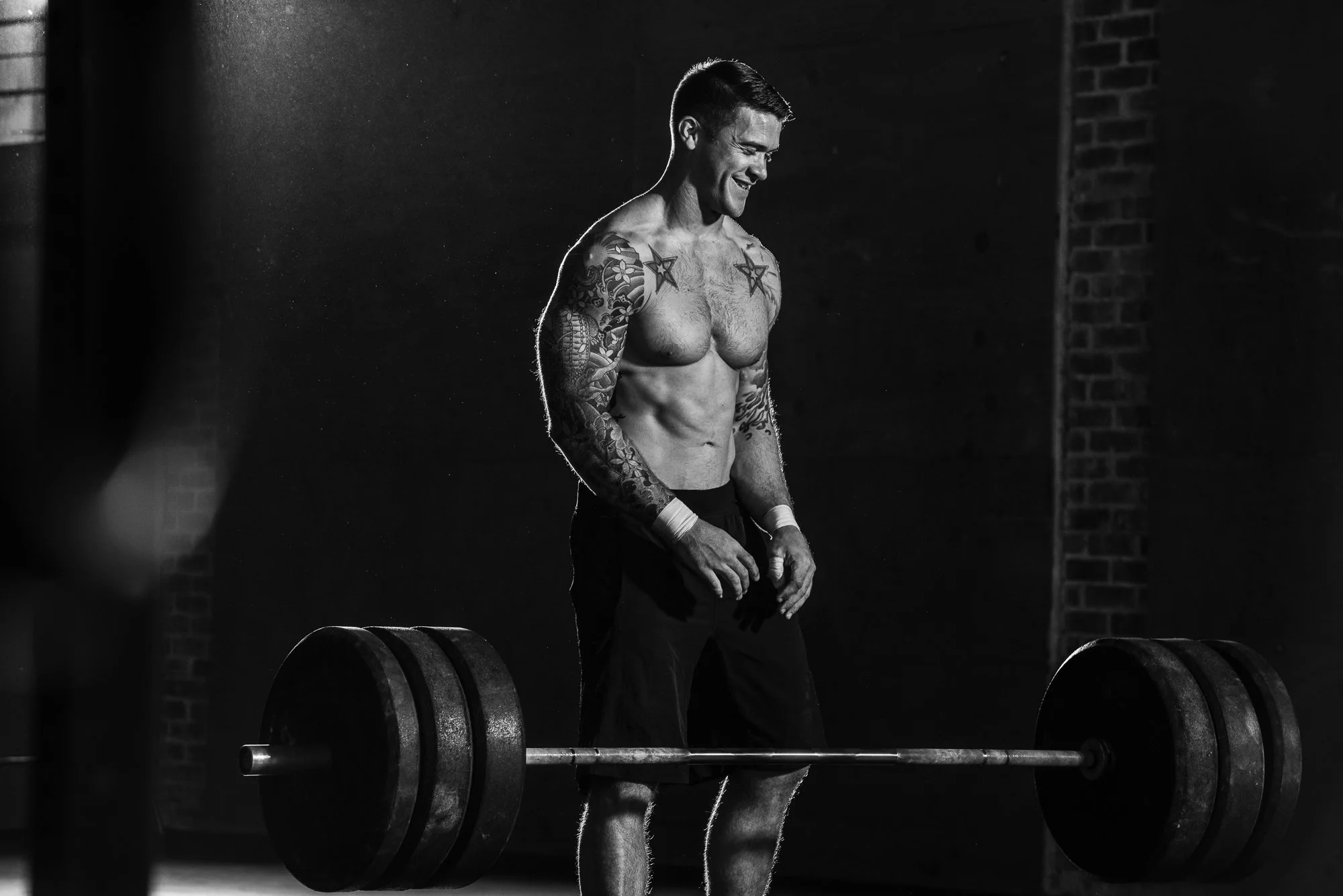
CrossFit athlete standing beside a loaded barbell in a gritty warehouse gym.

Athlete stands beside a loaded barbell between efforts, still wearing wrist wraps.

Building a Fitness Campaign Around a Visual Direction

One advantage of establishing a dark visual direction before a shoot is that it gives the entire production a common language.

Hero photographs can live alongside portraits, movement, details, product imagery, and quieter documentary moments without feeling like they came from five different shoots.

That gives brands and agencies a deeper library of photographs to work with across a campaign.

And when a project calls for something completely different, I also photograph fitness with a brighter, more natural and colorful approach.

The style should always serve the project.

CrossFit athlete standing over a heavily loaded barbell during a workout in a gritty gym.

The athlete resets beside a heavily loaded barbell, his tattoos catching the light.

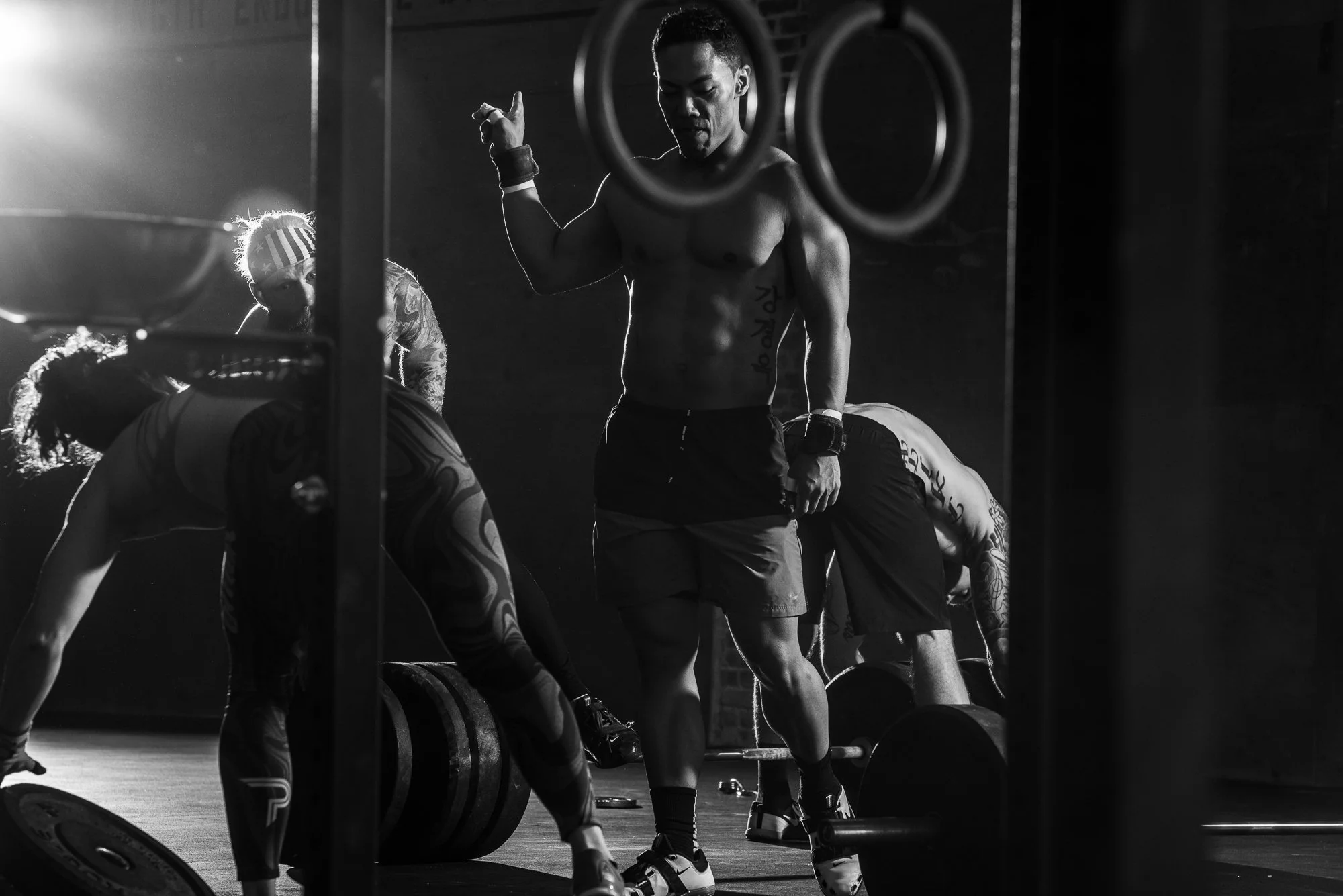
CrossFit athletes working around loaded barbells during a workout inside a gritty gym.

Athletes work around loaded barbells as gymnastic rings and the rig fill the foreground and background.

Dark Fitness and Athletic Photography

I photograph fitness and athletic campaigns for brands, advertising agencies, athletes, and companies throughout Colorado and across the country.

My fitness work ranges from dark, controlled, high-contrast photography to bright, colorful active lifestyle imagery depending on the visual direction of the campaign.

The common thread is making photographs that feel believable.

View my Dark + Gritty Fitness portfolio to see more of this work, or get in touch to discuss a photo shoot or image licensing.

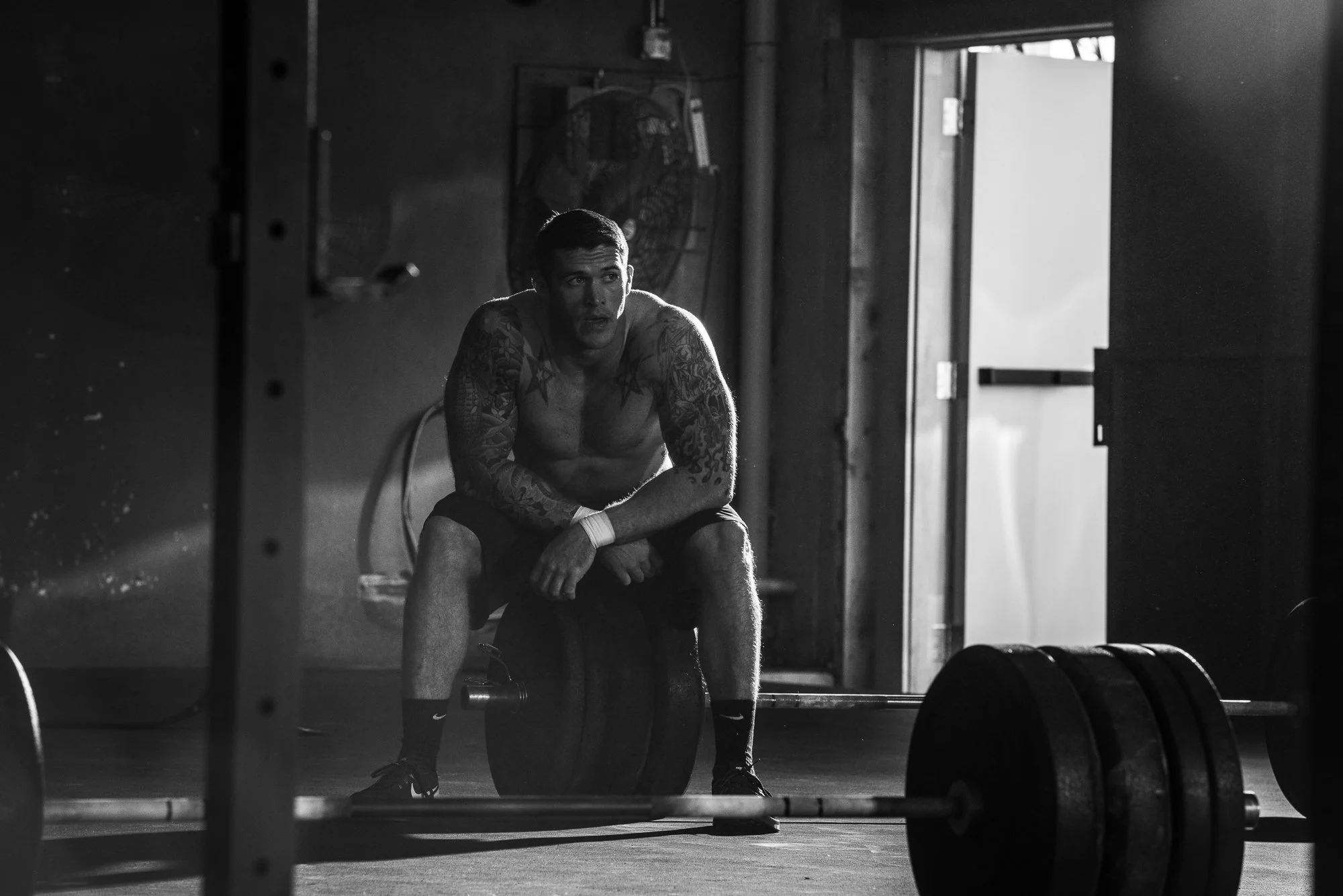
CrossFit athlete resting on a wooden plyometric box beside loaded barbells in a gritty gym.

Between efforts, an athlete sits exhausted on a loaded barbell.

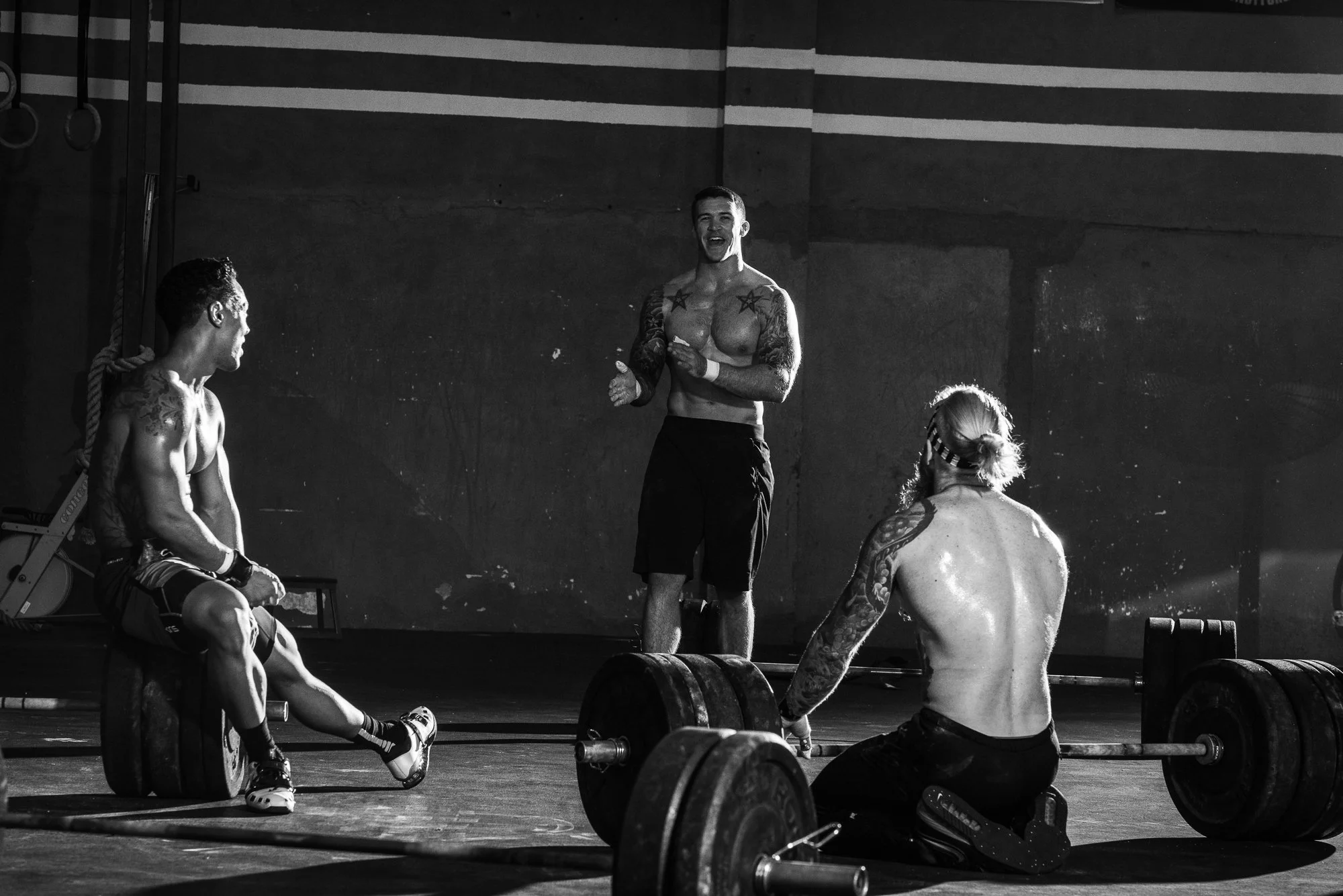
CrossFit athletes resting around loaded barbells during a workout in a gritty gym.

Athletes having fun together after a workout in a warehouse gym.

Fitness Photoshoot

Denver Fitness Photoshoot

Commercial Photography

Fitness photography thrives in environments where raw energy meets unfiltered determination. A commercial fitness photo shoot at a gritty gym offers the perfect backdrop to capture authenticity and resilience. From the textured walls to the sweat-streaked equipment, every element tells a story of hard work and perseverance.Unlike pristine fitness centers, gritty gyms exude character. These spaces are often adorned with worn weights, exposed brick walls, and industrial lighting, creating a rugged atmosphere that enhances the narrative of strength. For a commercial shoot, this environment provides depth and texture, making every image feel grounded and impactful.

Click here to see more of my advertising fitness photography

Master Knife Maker

Tim Zowada - Knife Maker

Custom Knives - American Craftsman

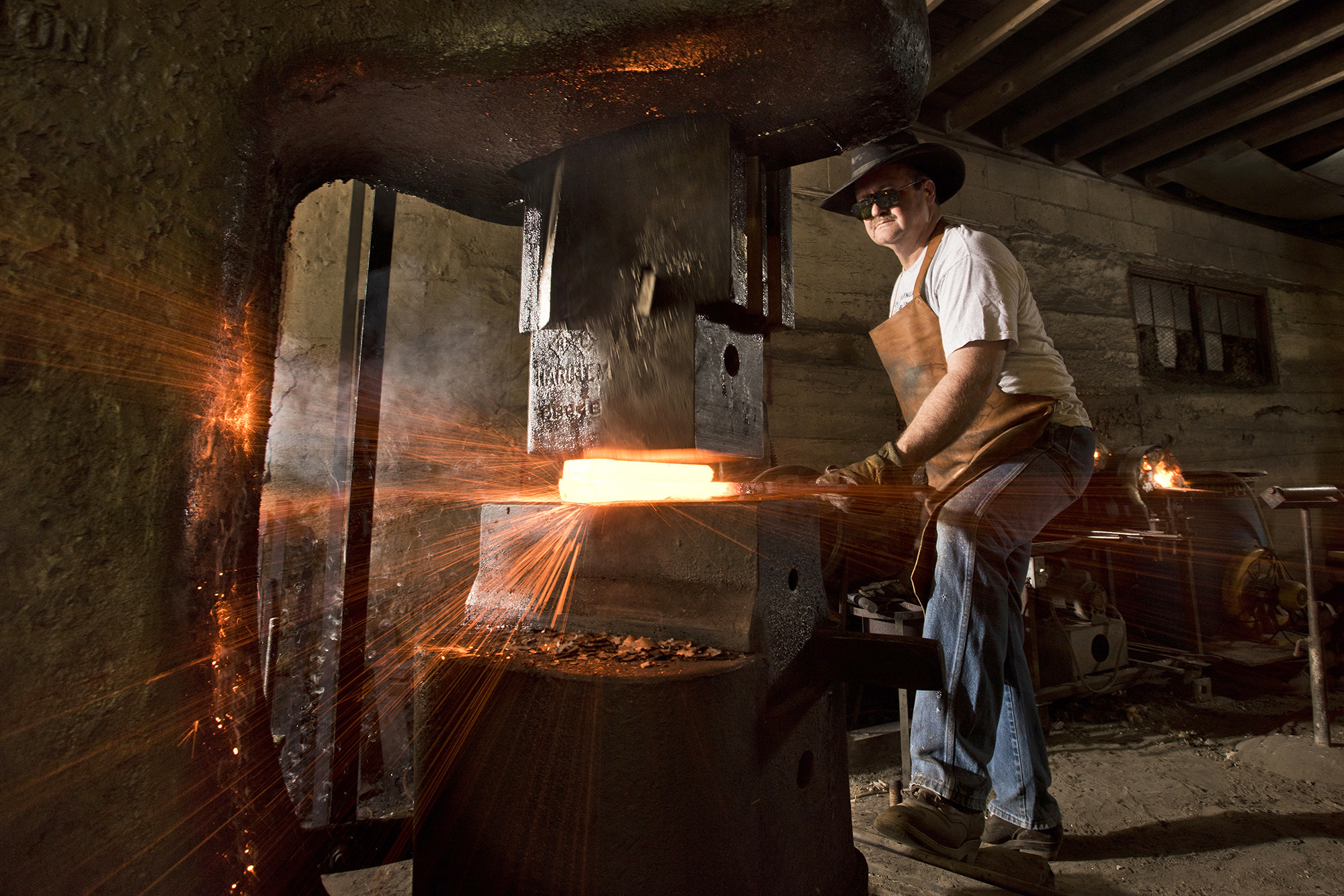
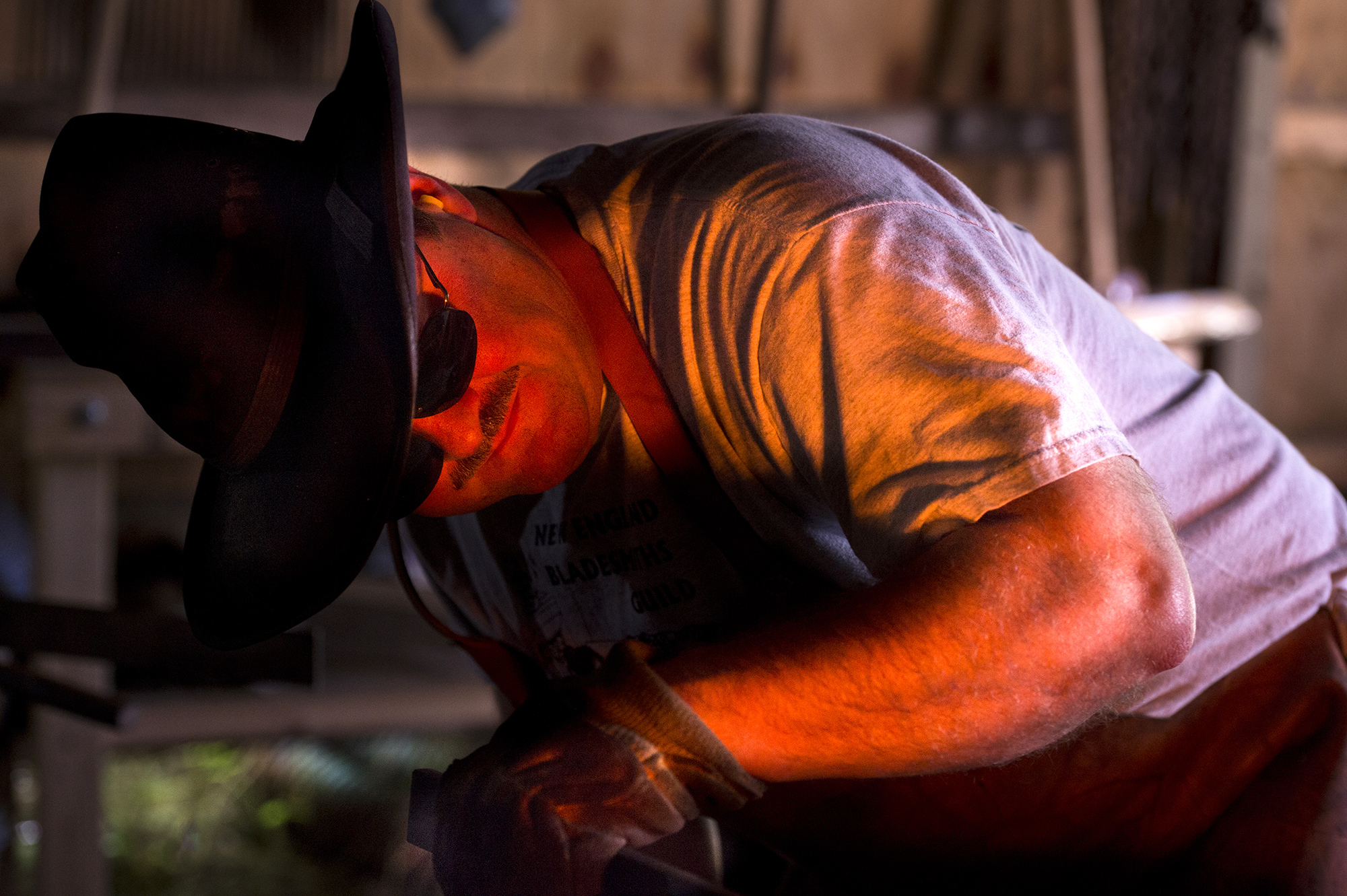
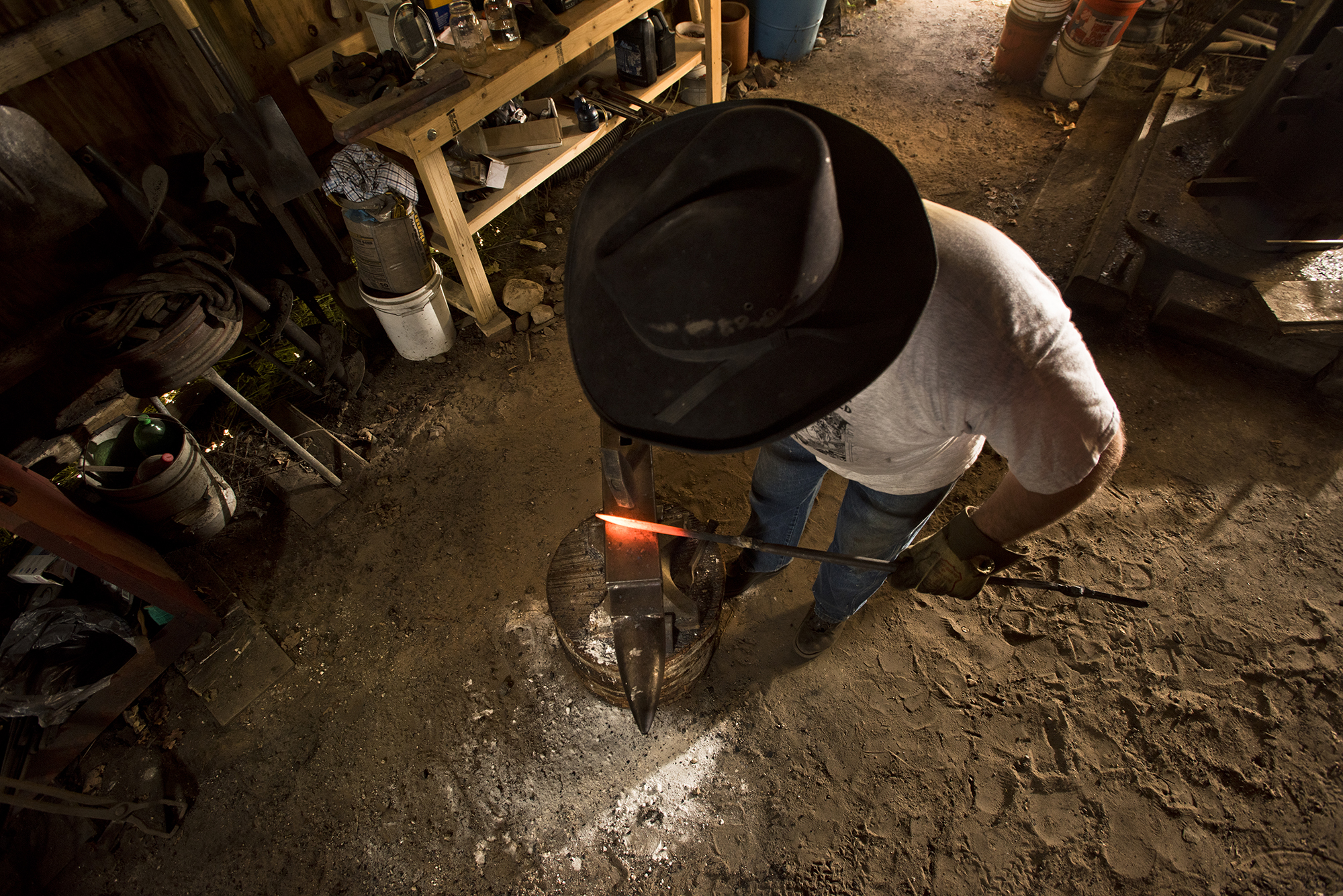
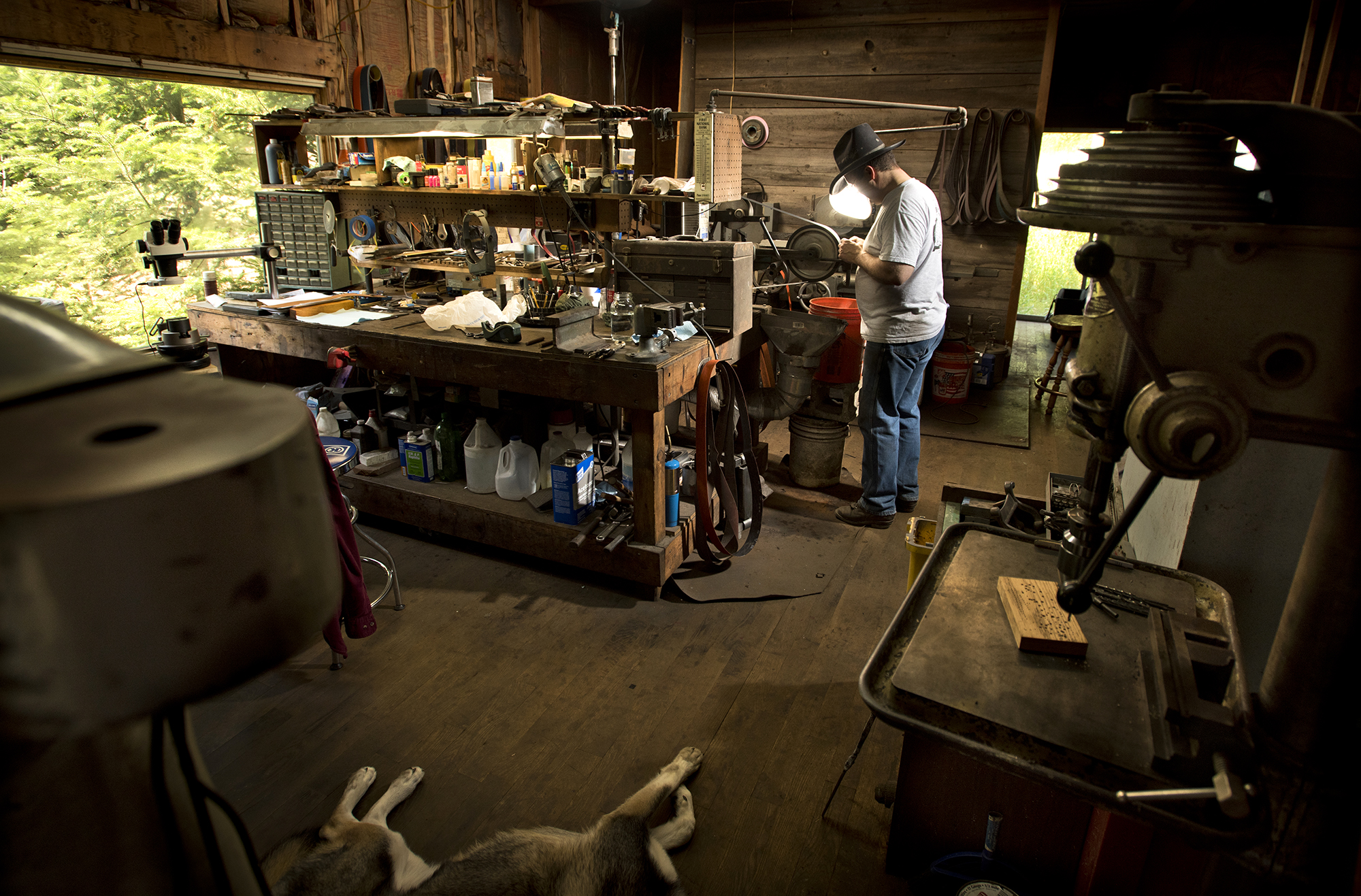
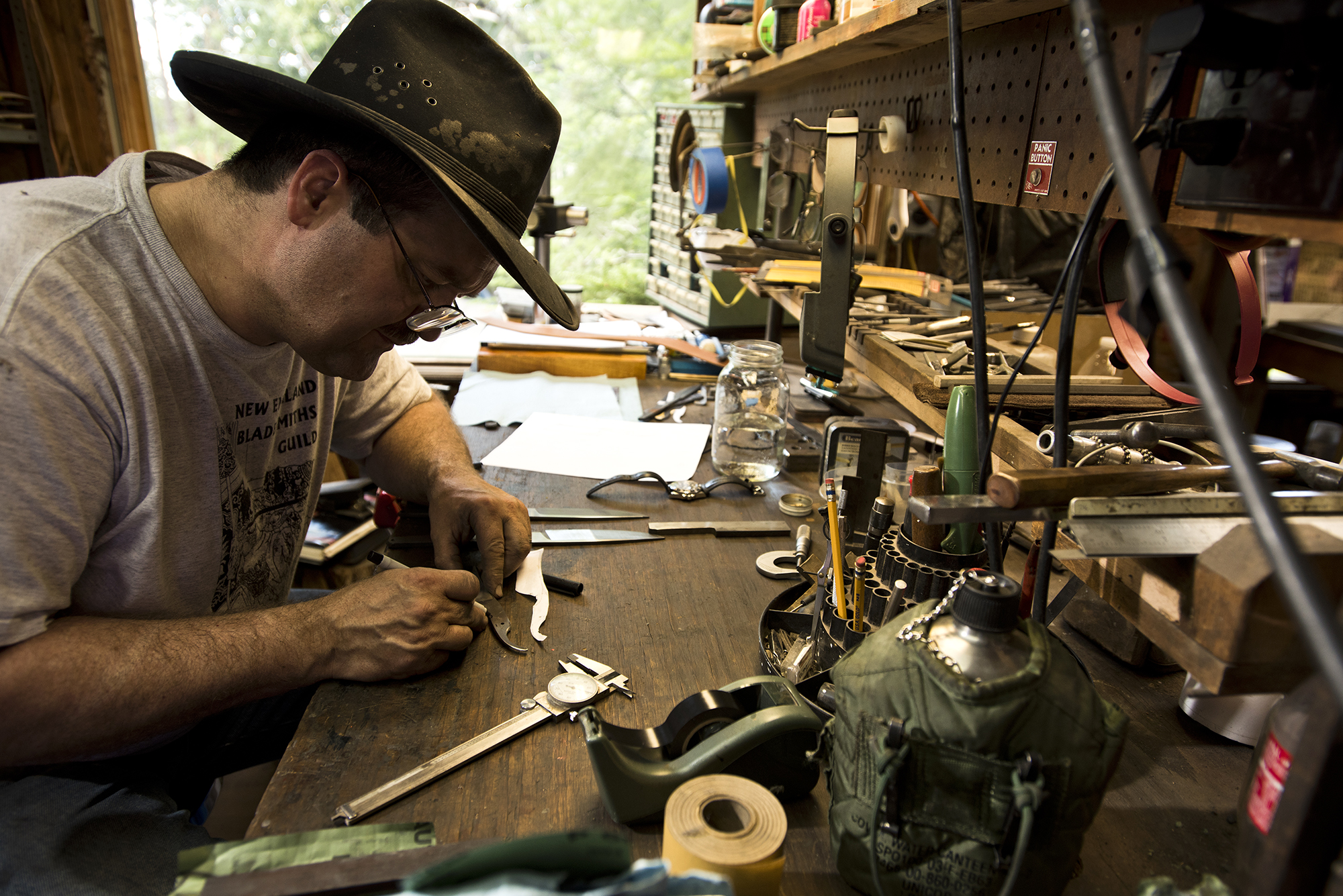
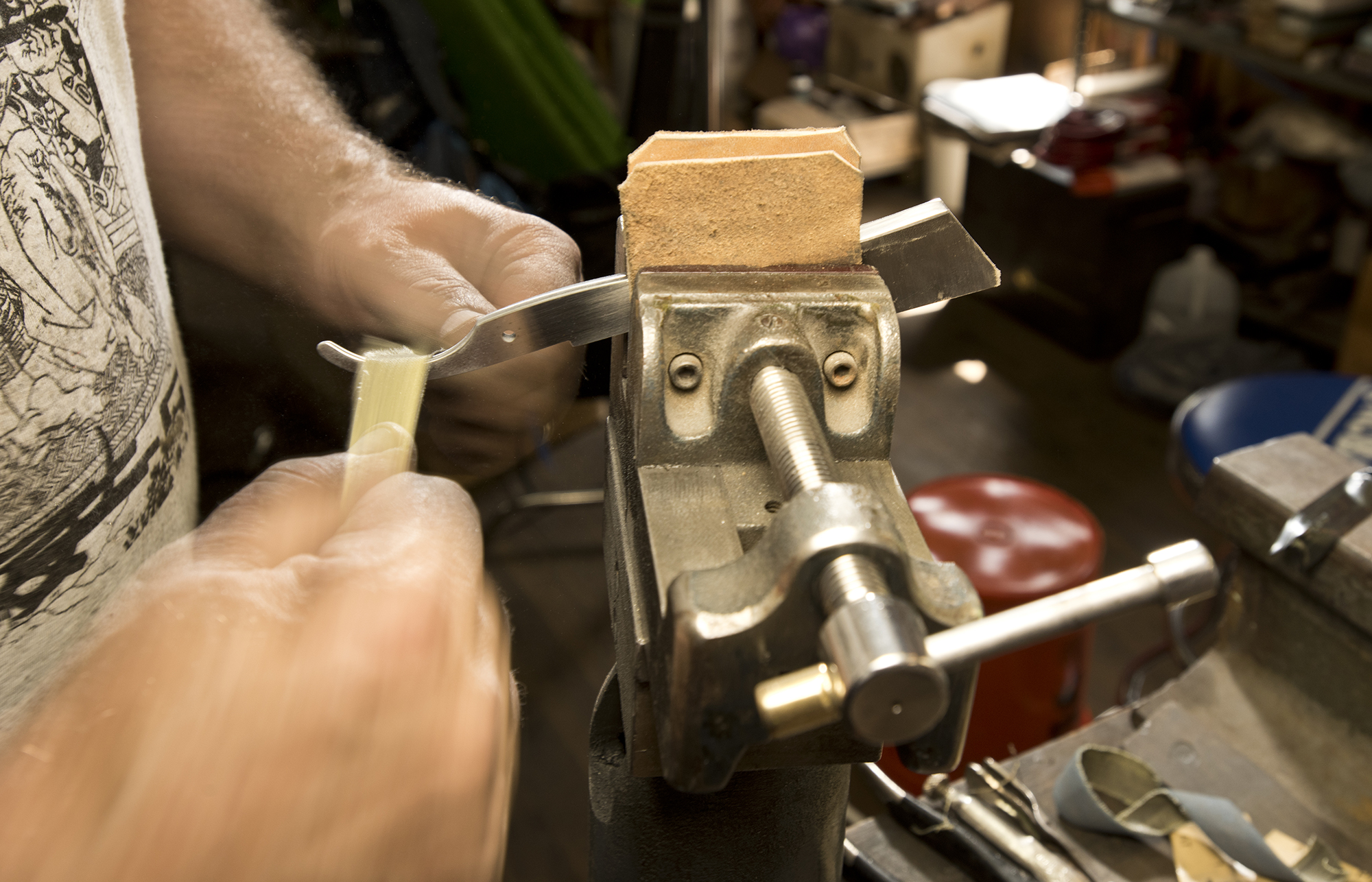
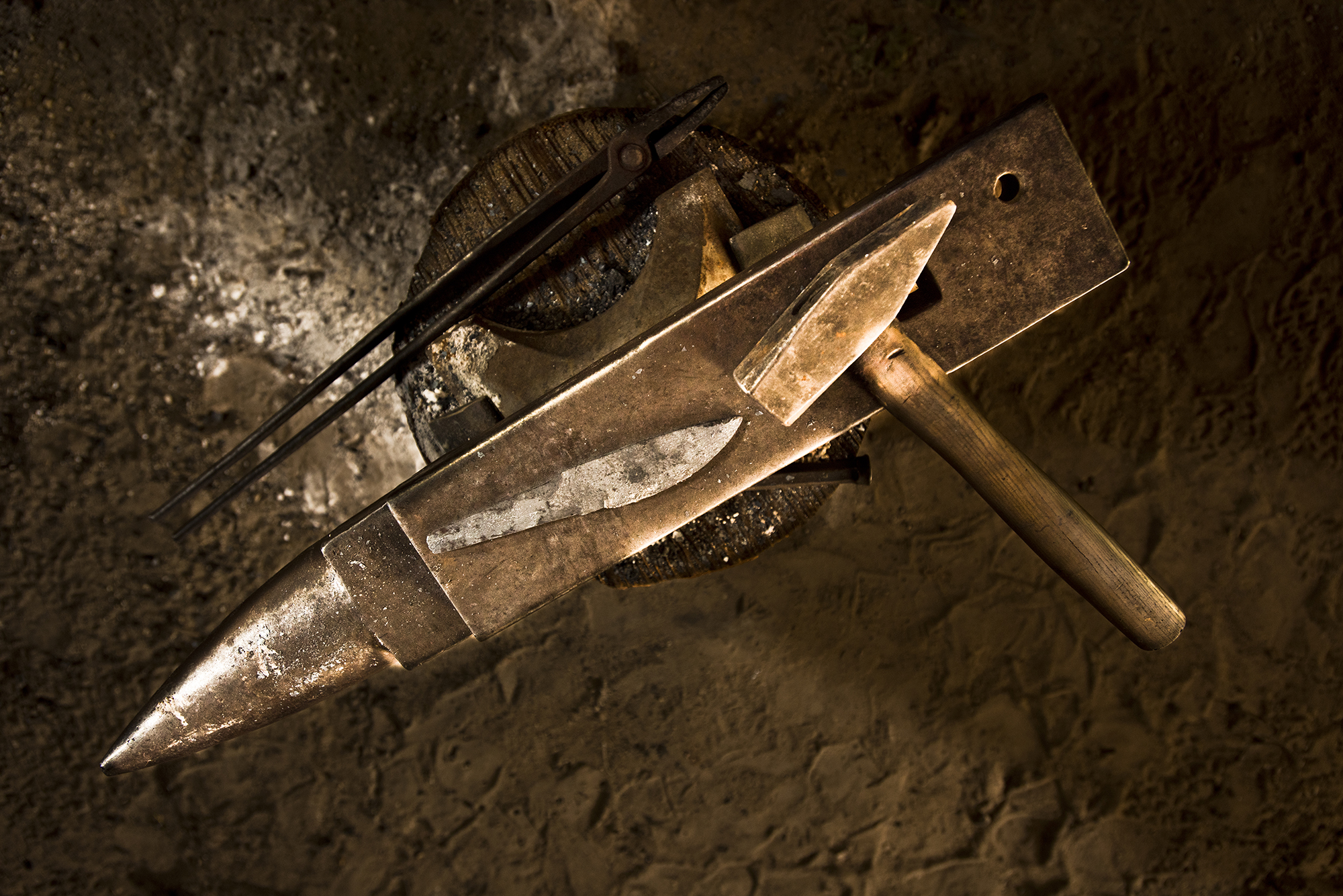
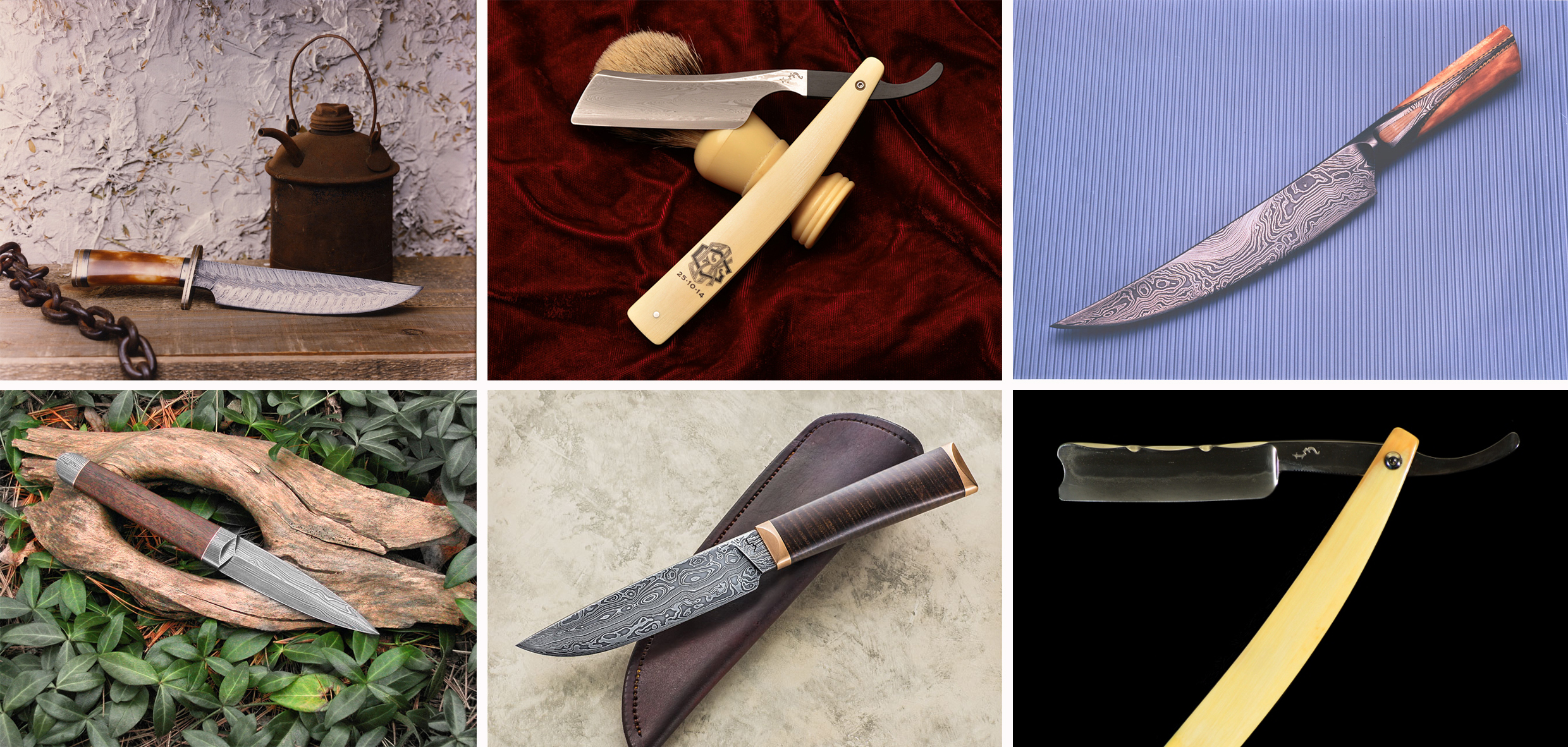
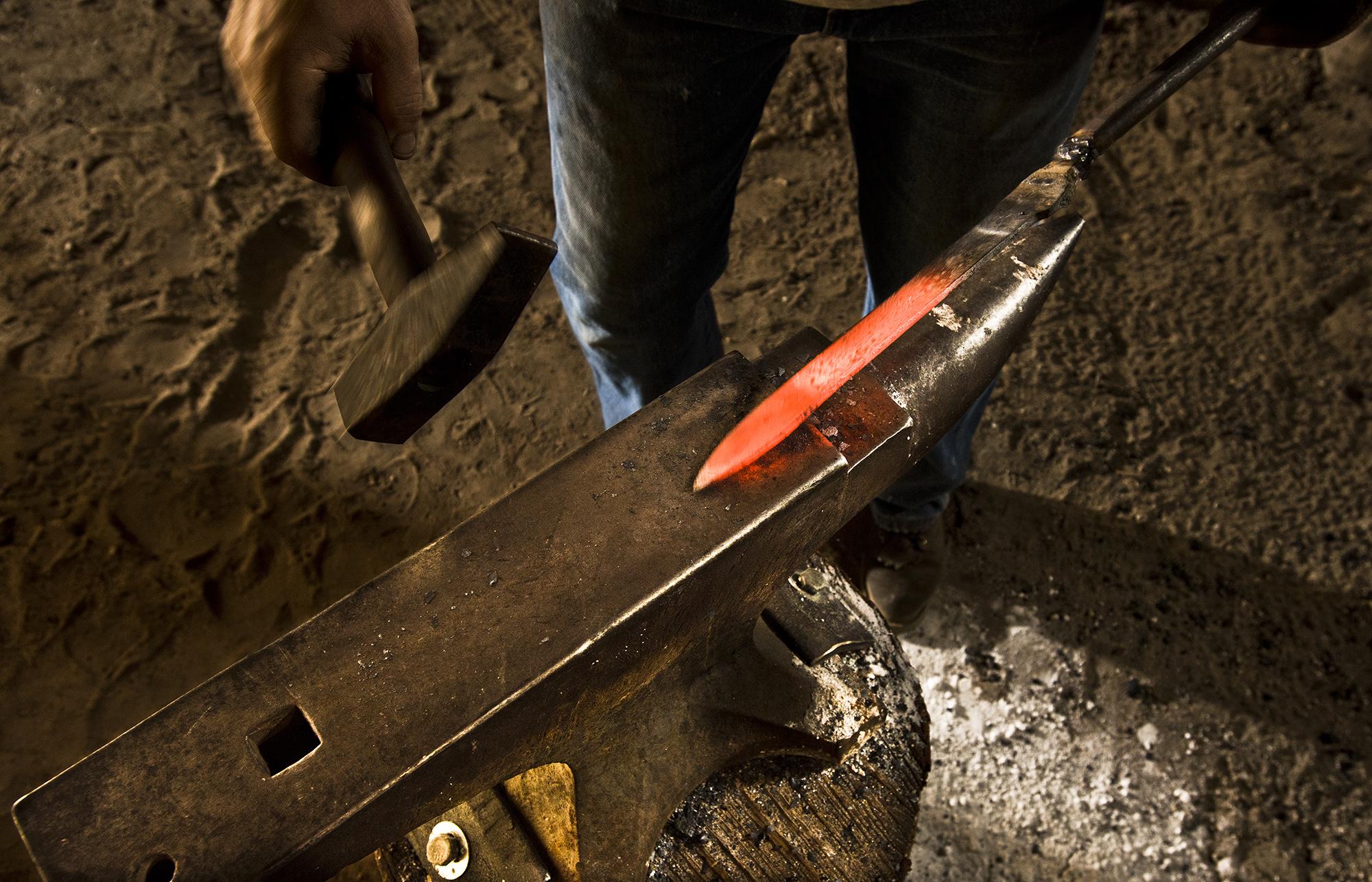
There are a lot of ways for people to earn a living. Most probably wouldn't ever think that making knives would be one of them. Especially in the manner of Tim Zowada, who lives/works in a remote part of northern Michigan. He's not on any kind of payroll. Nor is he paid by a large company to crank out mass quantities of their product. He's self employed, and creates beautiful one of a kind pieces. From scratch. Tim is much more of an artist or craftsman, than he is blade maker. You could make an argument that Tim is also one of kind, which is the reason why his products come out the way they do. A few months ago, I had the honor of shooting with Tim. And was amazed not only at his knowledge, but also his dedication. There is an incredible amount of time and detail that goes into making each one of his pieces.  Rather than write out a lot unqualified bullshit about his process, thought I would let Tim explain things for himself. His answers are great for anyone, regardless of profession, is trying to do their own thing. 

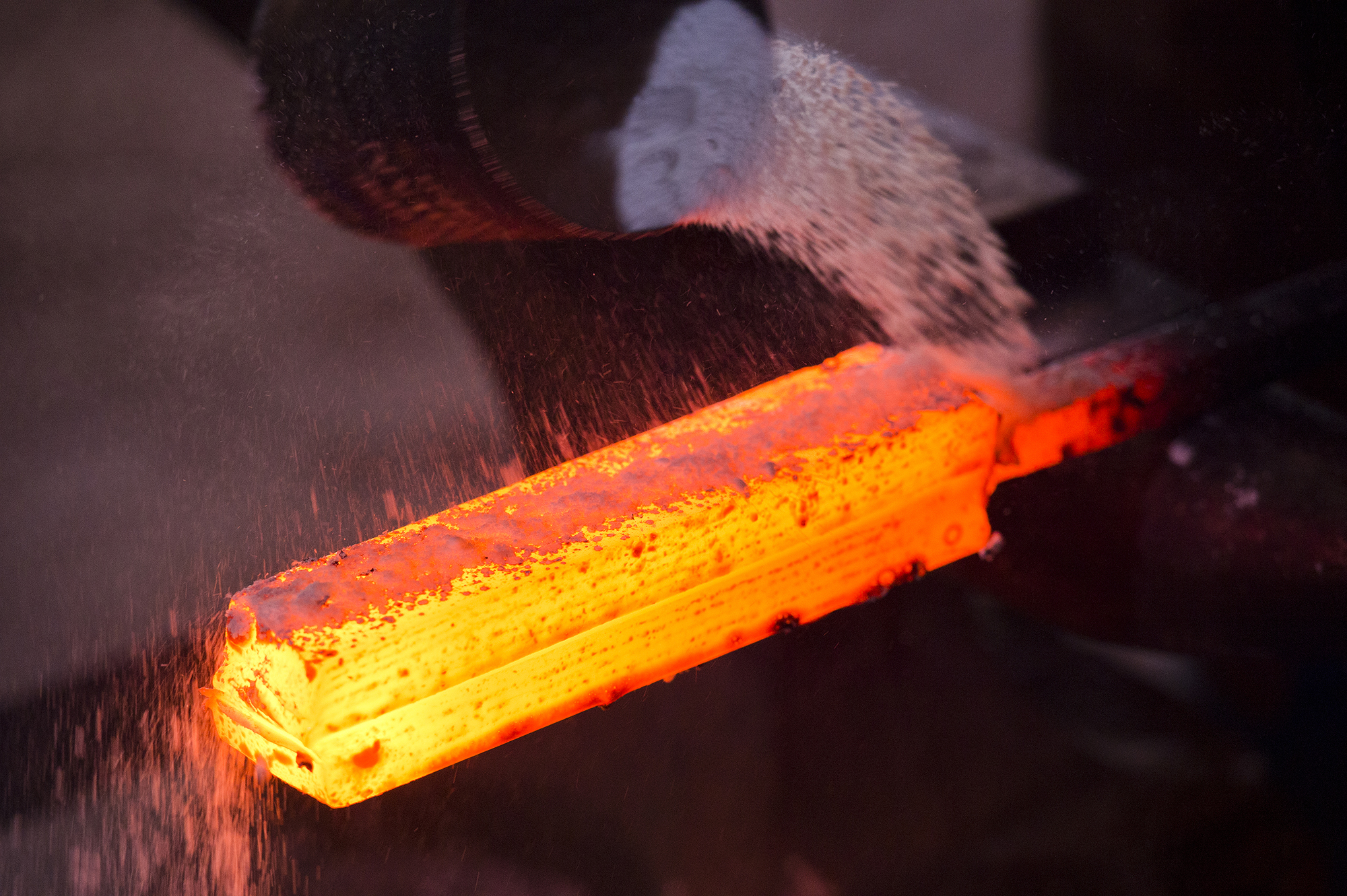
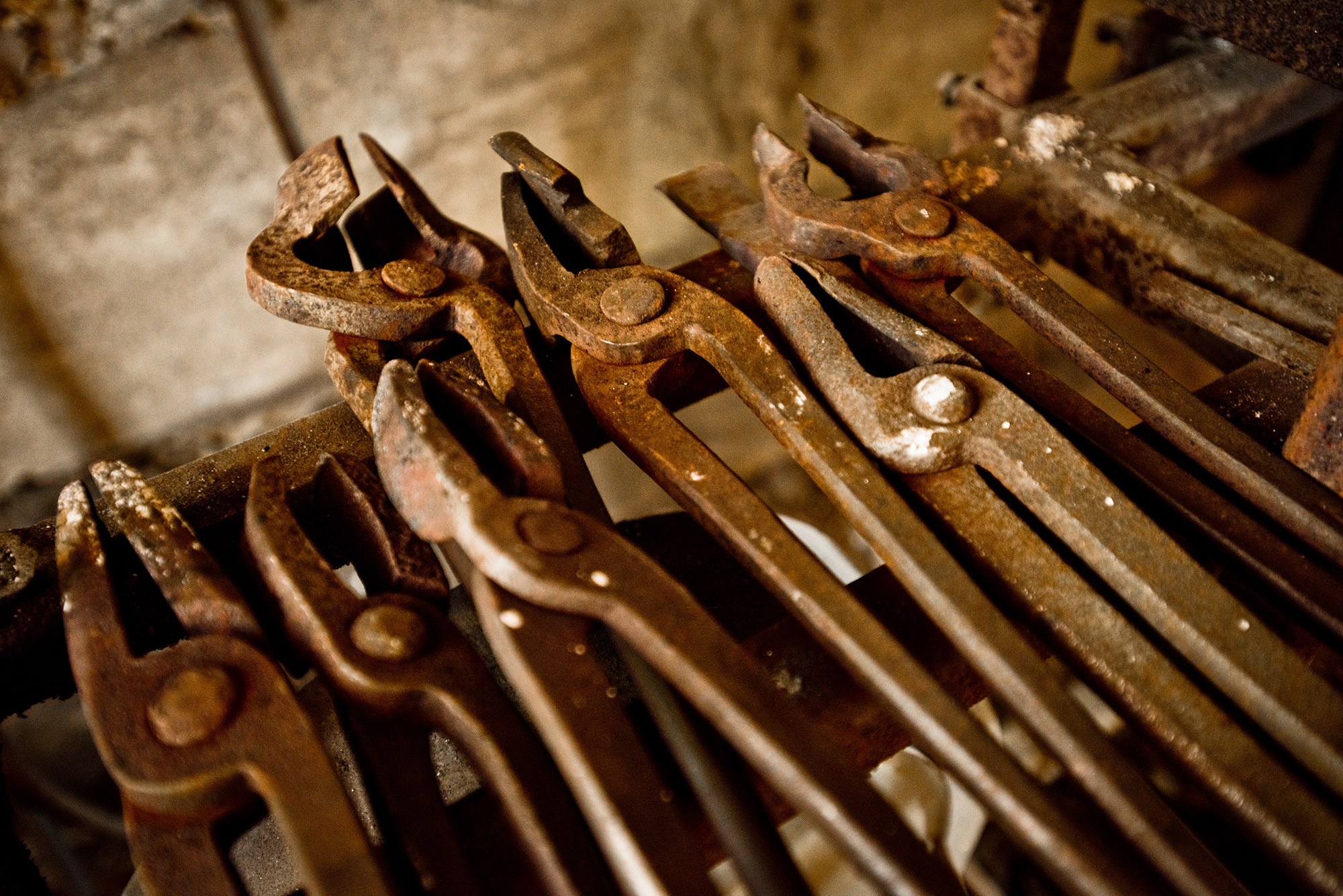
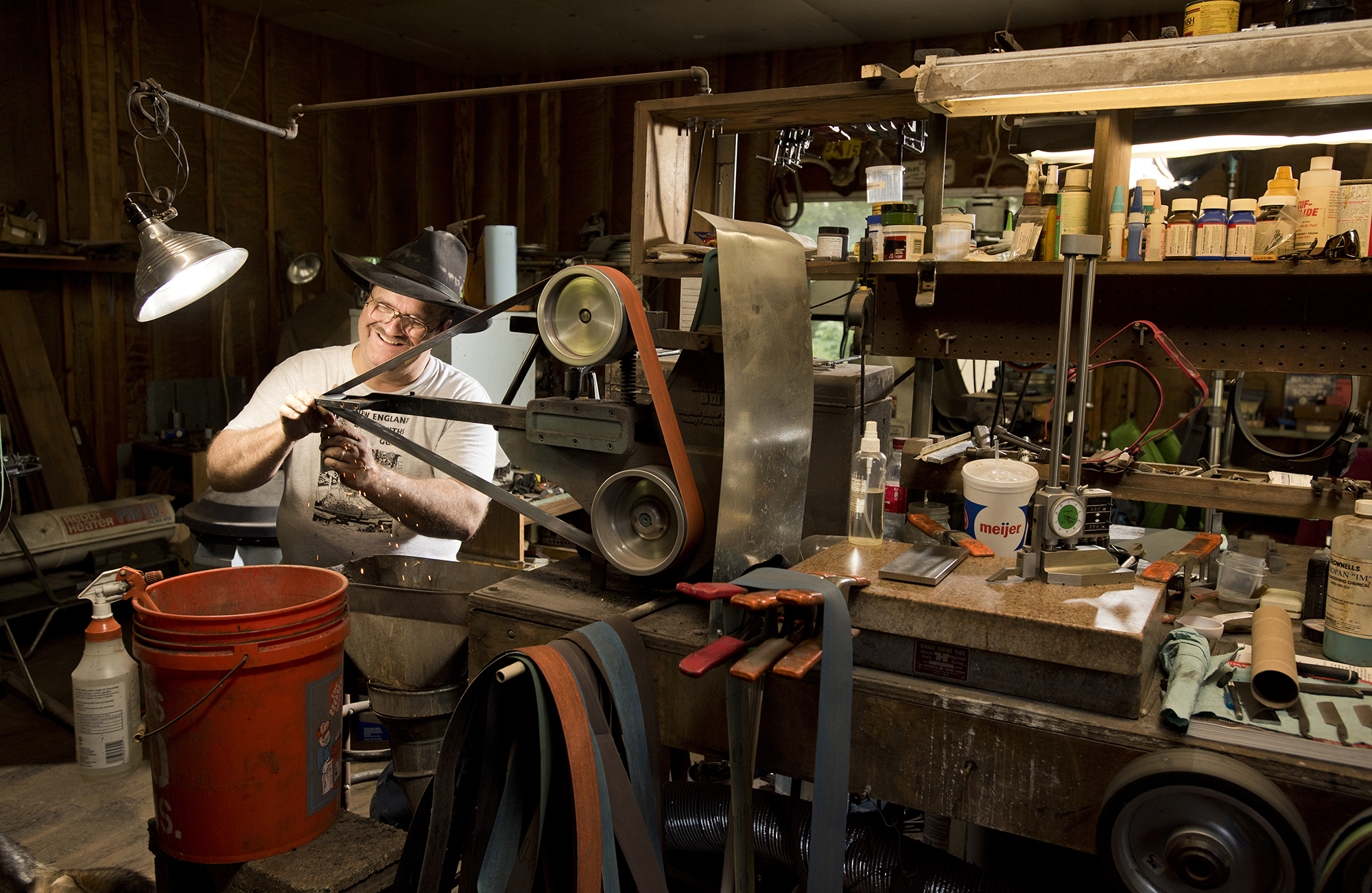
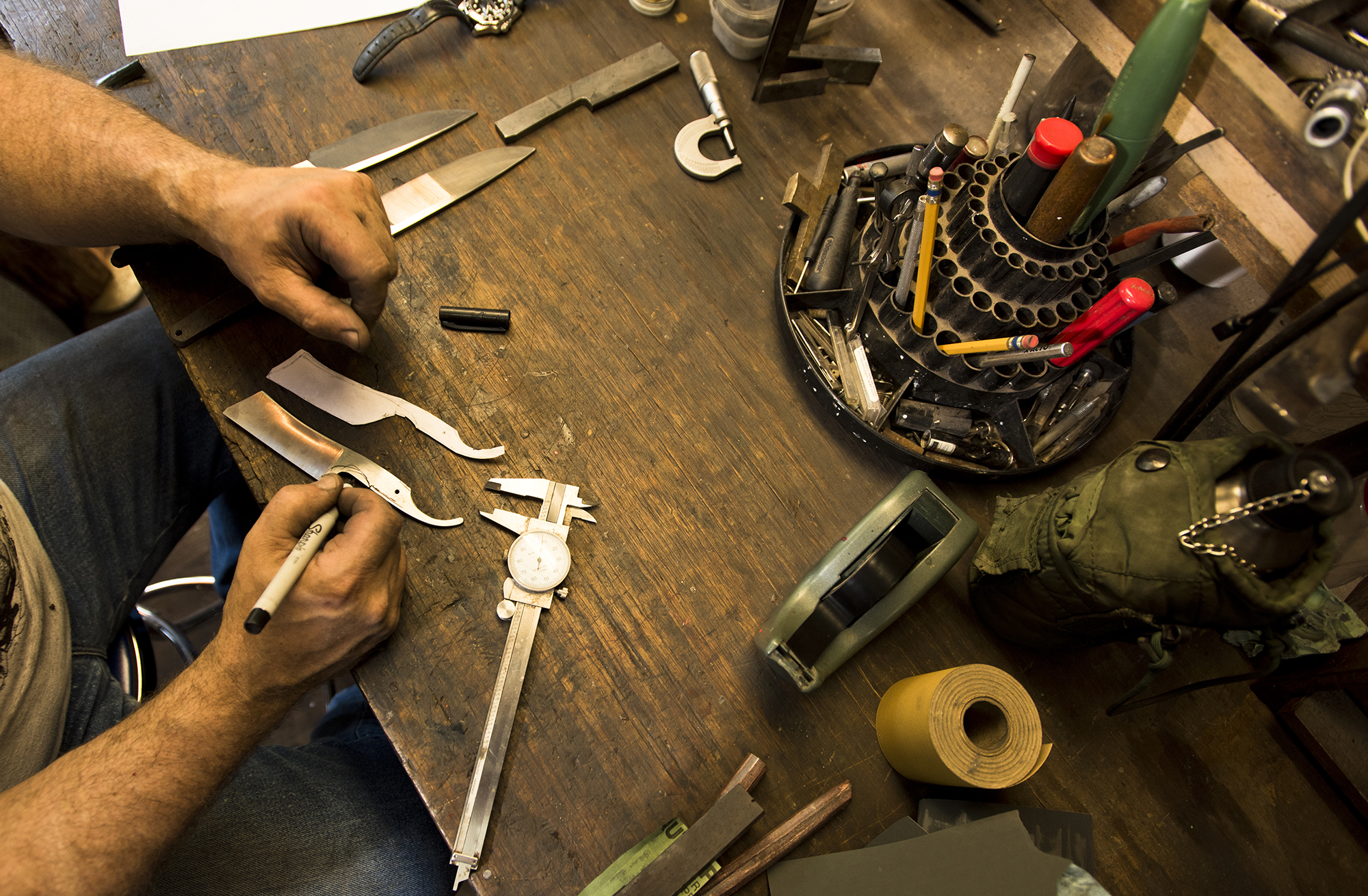
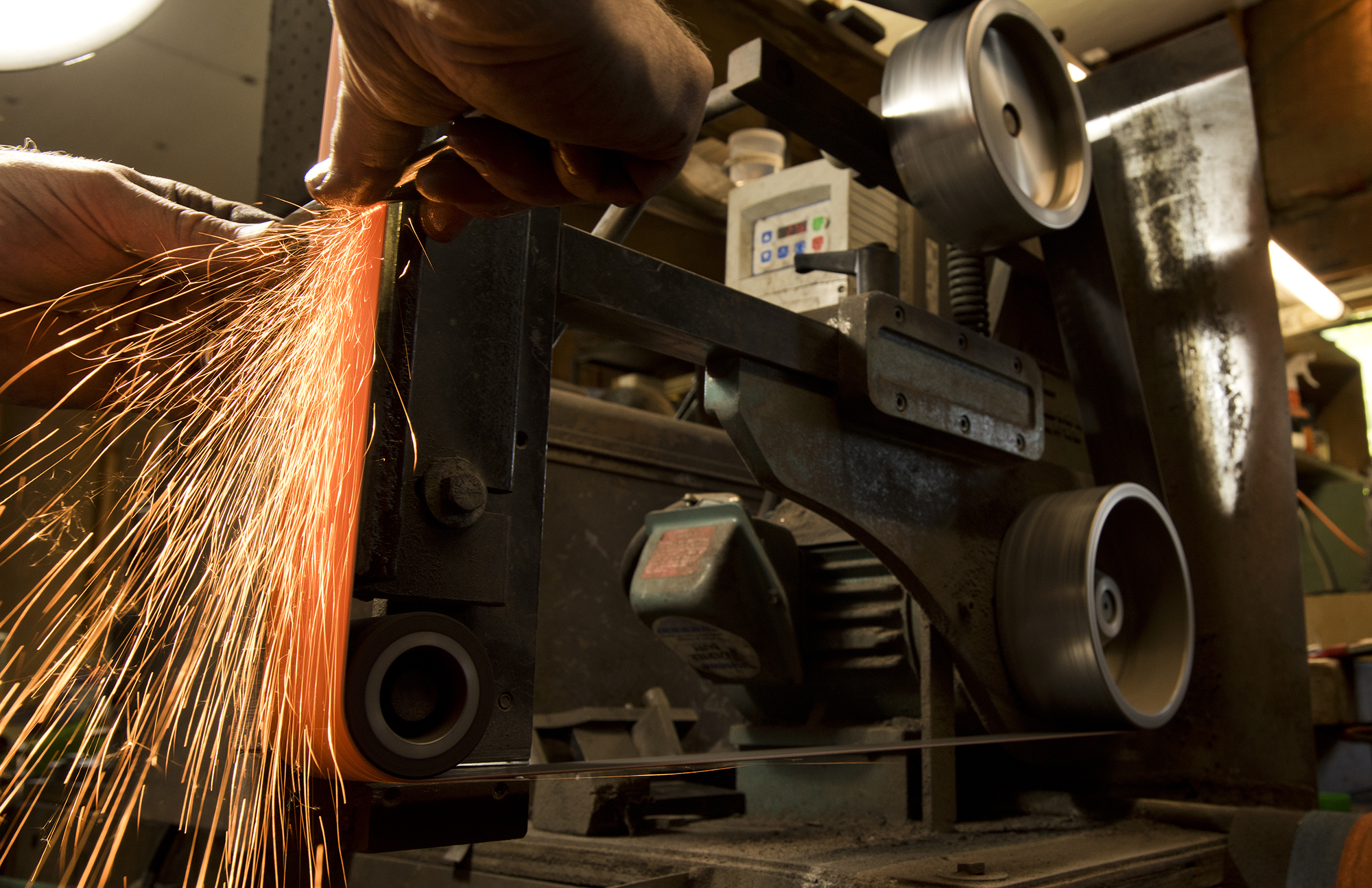
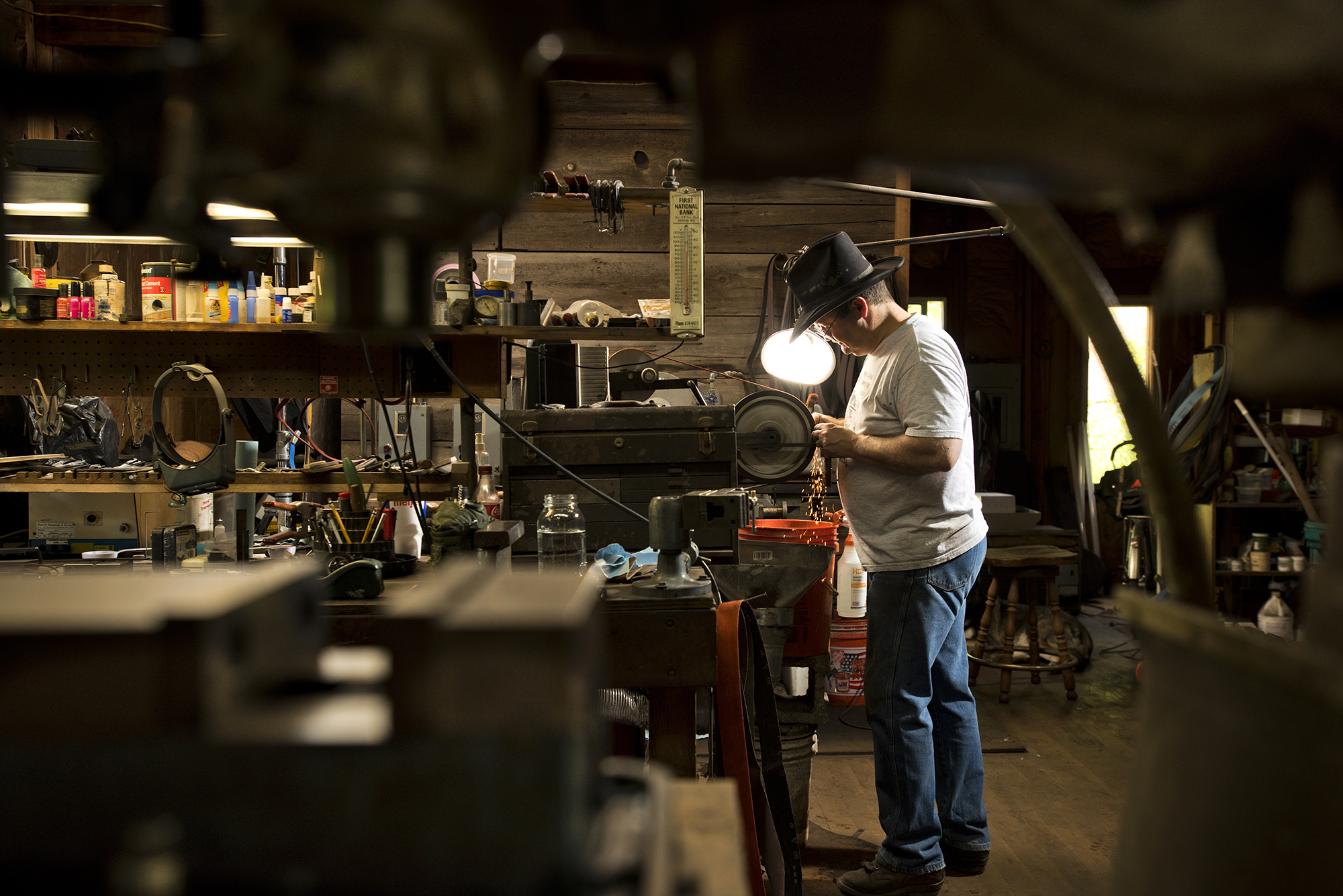
Side note: These images were all made with a mix of ambient light, shop light, and Broncolor strobes. My goal was to mimic what was already there, but boost it up with strobes a bit without having the strobe light call attention itself. 

1) Explain briefly (or at length) how you got started at your craft. Simply put, it was a hobby than ran amok. I have always had a "knack" for building things. Before I made my first knife I had made such things as a banjo, fly fishing rod and a rifle. I made my first knife in high school shop class. (Yes, we could do that then.) During college, I tinkered with knife making as a hobby. My junior year of college, I became disillusioned with my chosen career path. During that time, my father asked, "Do you think you could make a living with the knife making thing?". That question led to a complete change in the direction of my life. Thirty three years later, I'm still avoiding a "real job".2) How did you develop your personal style? A personal style seems to develop with experience. Over the years, certain work would catch my attention. I would take what I thought was the best elements from those knives, guns, jewelery, sculpture, etc. and try to incorporate it in to my own work. As I learn new techniques, my perspective and style continue to evolve. 3) What are some things you do that others in your business don't ?Currently, I specialize in straight razors. It is not that I don't make knives, but the razors have really caught my attention. That being said, as far as I know, I am the only craftsman making razors from steel that I smelt directly from iron ore. It's not that others are not able to do it, I'm just the only one that is doing it.
 

4) What would you say is the one thing that separates you from everyone else? 

This is really a difficult question, as there are a lot of good knife makers out there. I think it would boil down to the style of my work, coupled with my perspective on materials, techniques, and attention to detail. 5) Where does most of your business come from? (location,demographic. etc.)
I have customers from all over the world, in nearly every demographic. It is very difficult to specify what would I would call my standard customer. I have sold knives, and razors, to customers who have had to save for a very long time, and probably couldn't justify the expense. I have also sold my products to "billionaires". Since I sell to such a wide variety of people, It makes marketing quite difficult.6) You live in an isolated part of northern Michigan, and run your business from the same location. Can you talk about the effect it has on your business? With the advent of the Internet, it doesn't really have much effect. The internet has pretty much taken the place of the knife shows of the past. It is still important to get out and be seen once and a while. Since customers quite often become friends, it is good to get together.7) From what I observed, the way you doing things can be classified as the definition of "old school". Explain your desire to keep things simple and authentic. You saw a lot of the "old school" stuff because that's what makes the best photographs! You didn't see the things like: my metallurgical microscopes, micro-hardness tester, digitally controlled salt bath hear treatment kilns, liquid Nitrogen process, etc. The way I think of it is; I like to combine traditional and ancient techniques with new technology, to produce products that are truly unique.

A good example would be my home smelted "Timahagane" steel. The smelting of iron ore to make steel ore goes back many centuries. Not much has changed in the materials or techniques. Yet when it comes time to heat treat my Timahagane, I rely on electric salt bath kilns. They give me the best control available over the temperature and atmosphere of the process.
 

7a) How has the digital age had an effect on your business? 

The internet has revolutionized marketing and communication. Earlier this week, my son was doing a live feed on Facebook. He had a crowd of people watching him, as he ground a razor. It was amazing to watch him communicate with his clients as he worked.
As you know, digital photography has made everything much faster. I can finish a knife, and have a high quality photo up on the internet in less than 20 minutes. Even though I am a luddite, I have to admit, it is very important to keep up with technology in the area of marketing.8) You've been doing this a long time, and are considered one of the top knife makers in the world. How did that come to be? 
Well, I don't know about that. I guess it would have to be persistence, and enjoying what I do...  :)
9) Are there any areas of your craft that you would like to improve on? 
Pretty much everything. The more I learn, the more I realize how much there is to learn. If someone is continually trying to improve, they will never "arrive". The biggest new thing in my bag of tricks is, I am learning basic engraving from David Riccardo.10) The way you run your business can be a great lesson for anyone who is self employed. Do you have any advice for someone who wants to live "off the grid" but still become the best at what they do (and make a living at it)? 
Don't quit your "real job" until it is getting in the way of making money at your craft. Too many people dive in to self employment before they are ready. Lots of skilled craftsmen have had to give it up because their business wasn't to the point of supporting their bills. It is very important to remember the business side of the "business". If you look around, it is easy to find excellent craftsmen who are starving, and conversely, people who produce junk who are making a lot of money. Finding a balance between production and running the business is very important.

*Last collage image of knives were made by Tim Zowada, Jim Weyer, and Sharp by Coop. 


Crossfit - San Diego

San Diego Fitness Photography

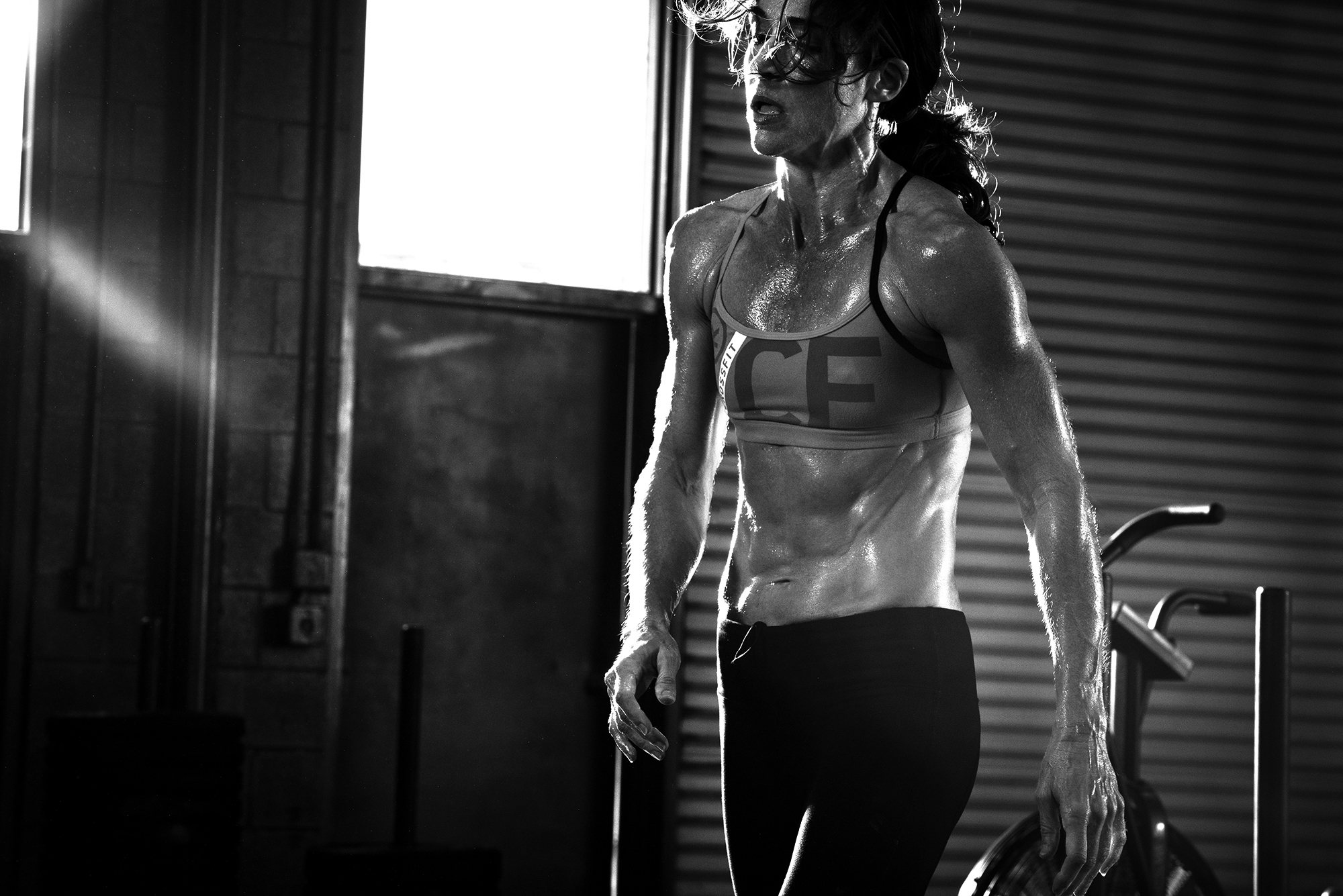
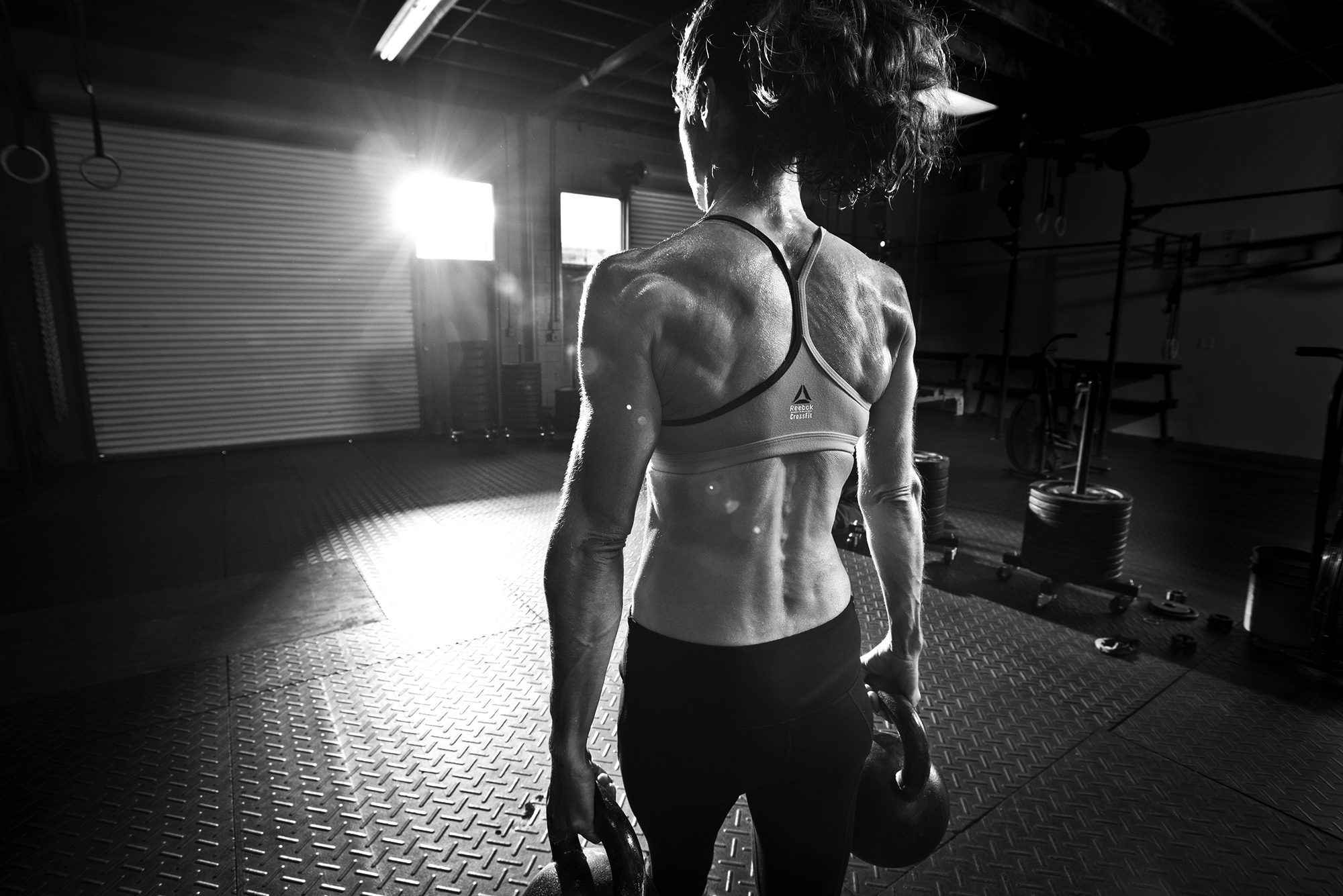
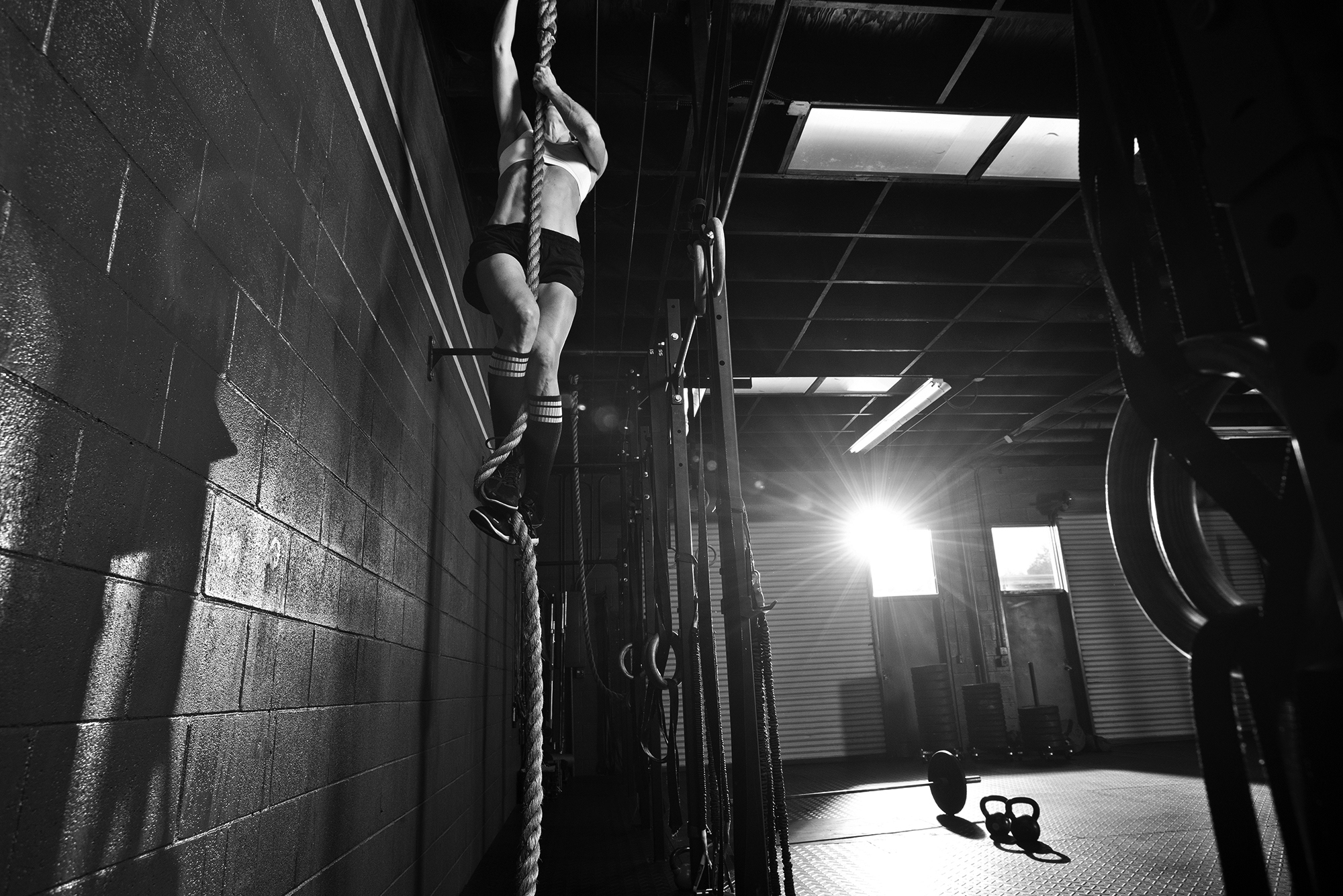
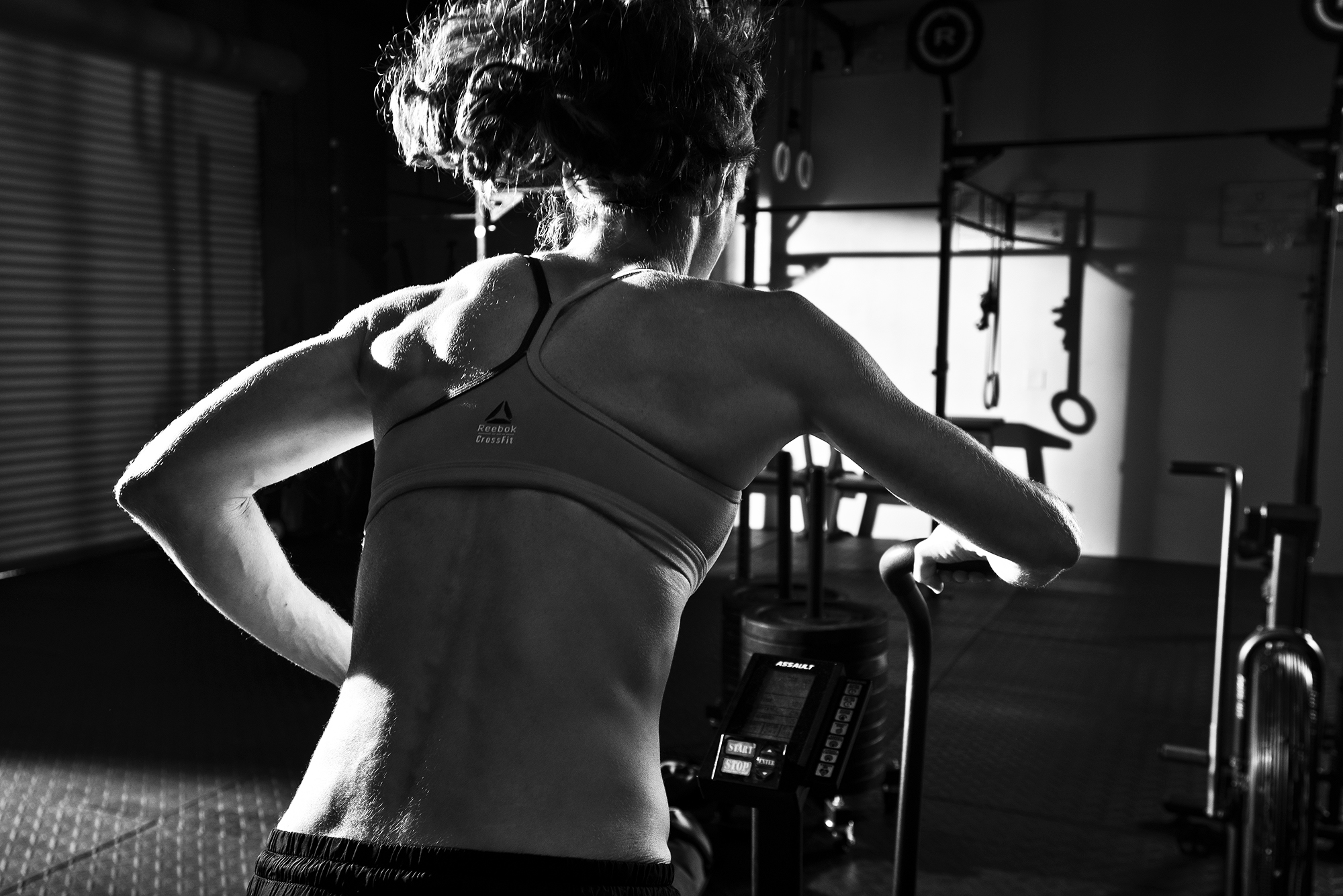
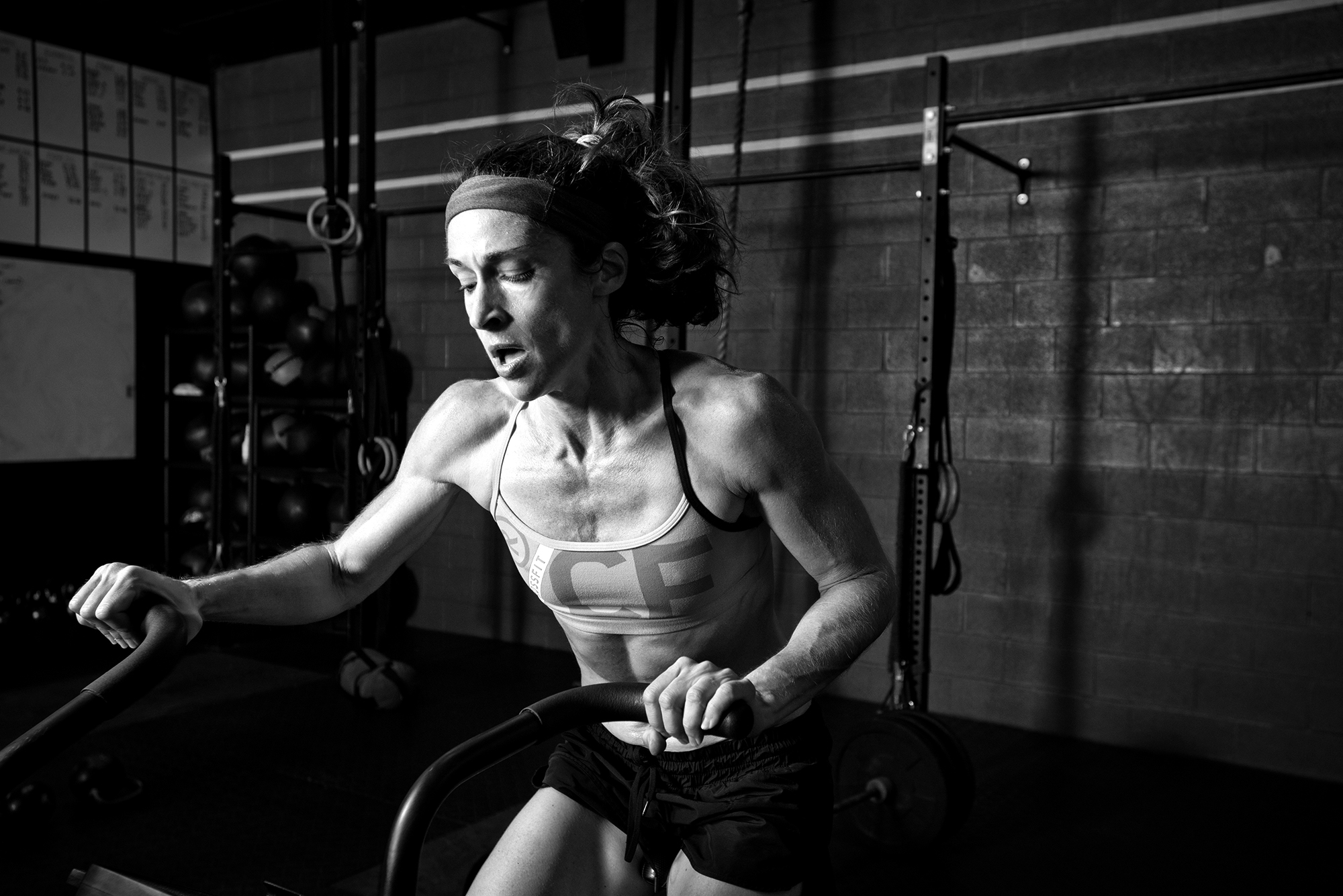
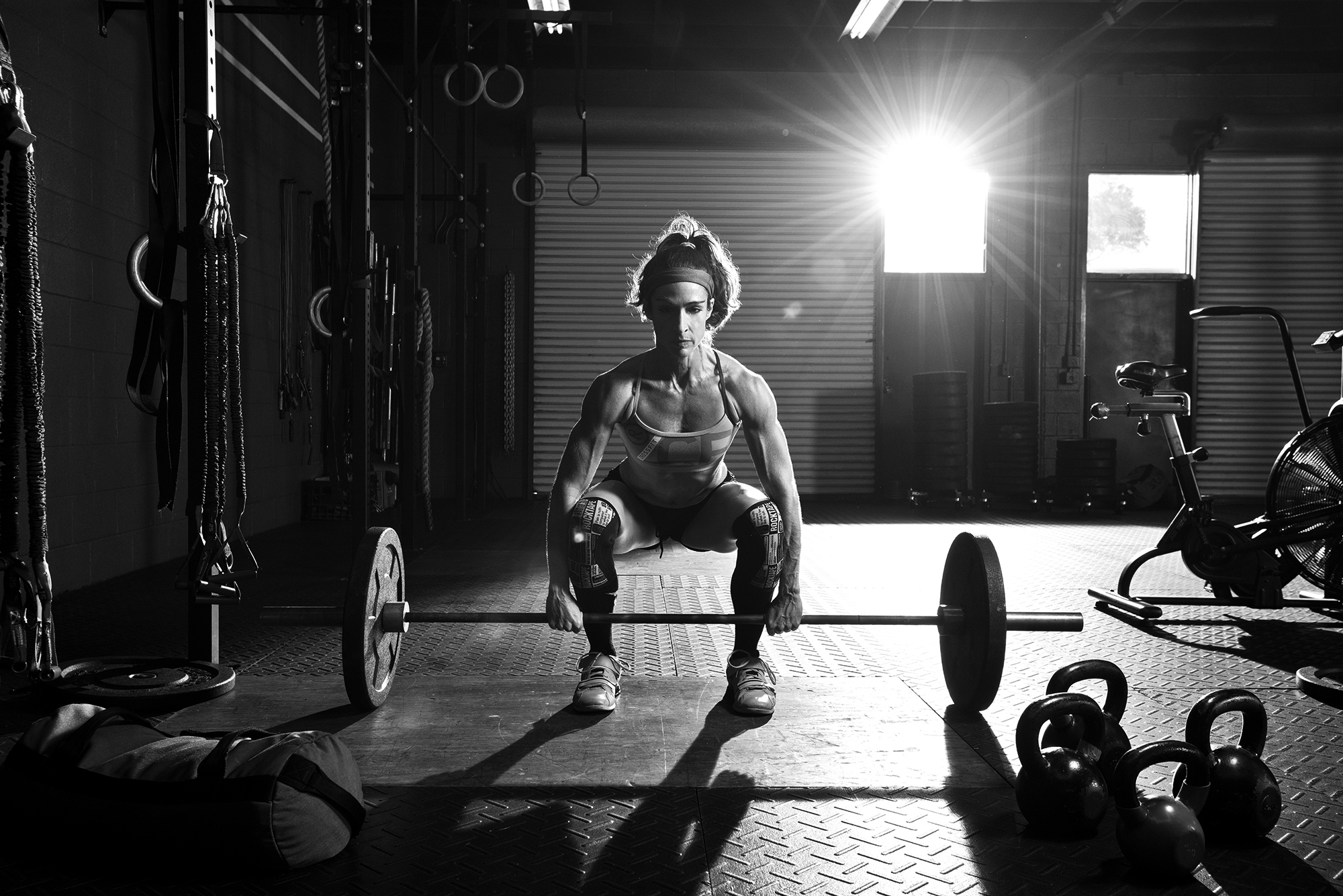
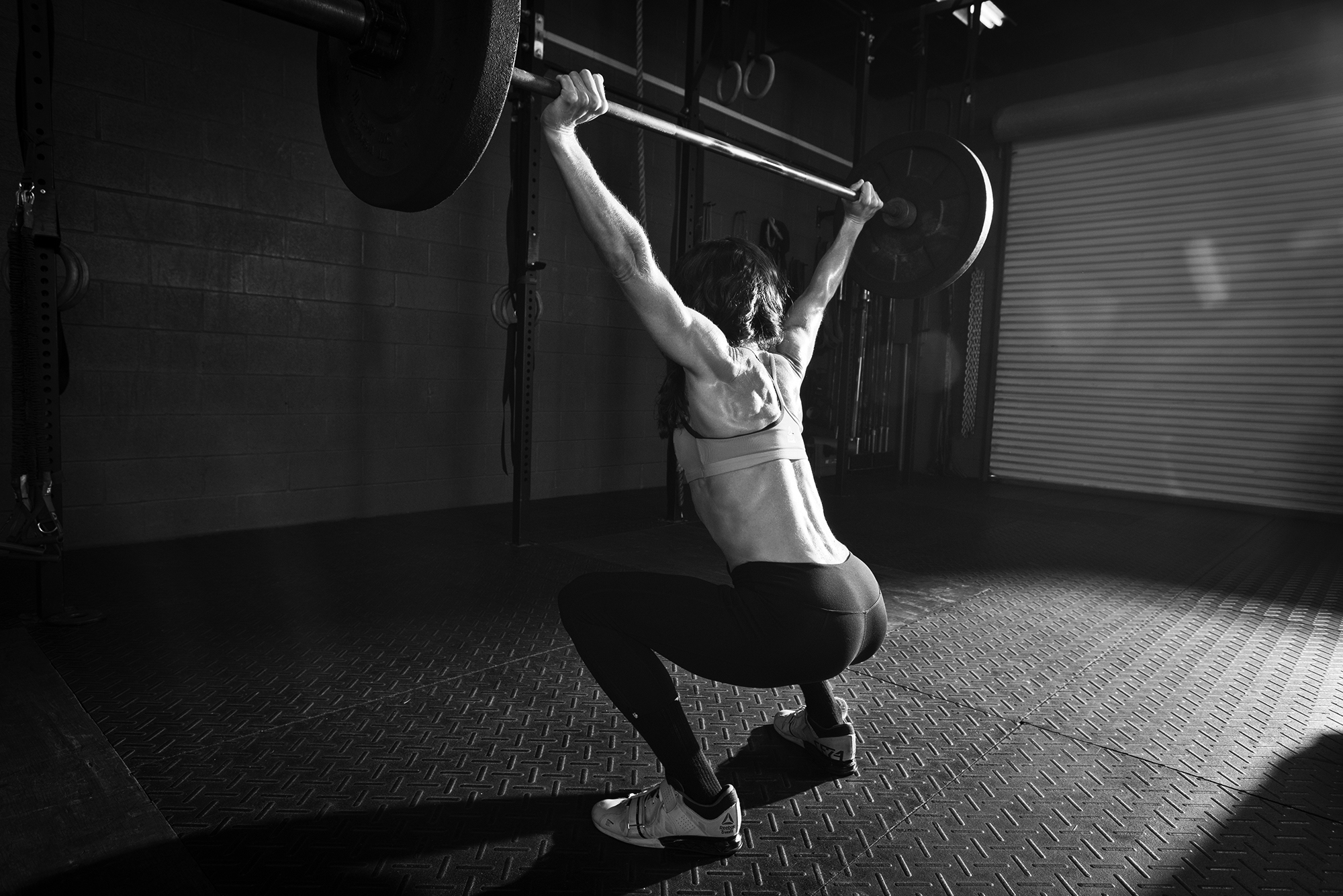
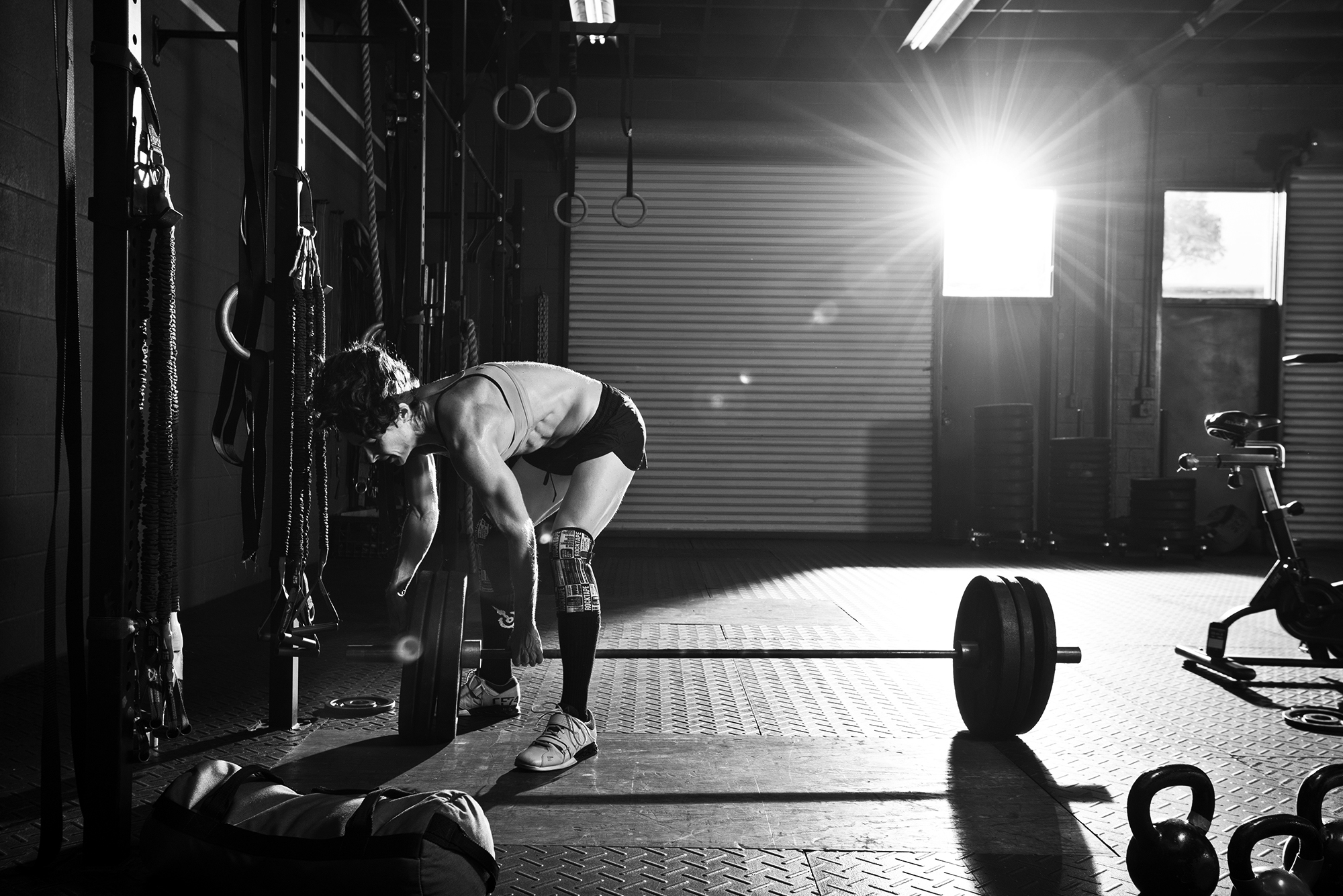
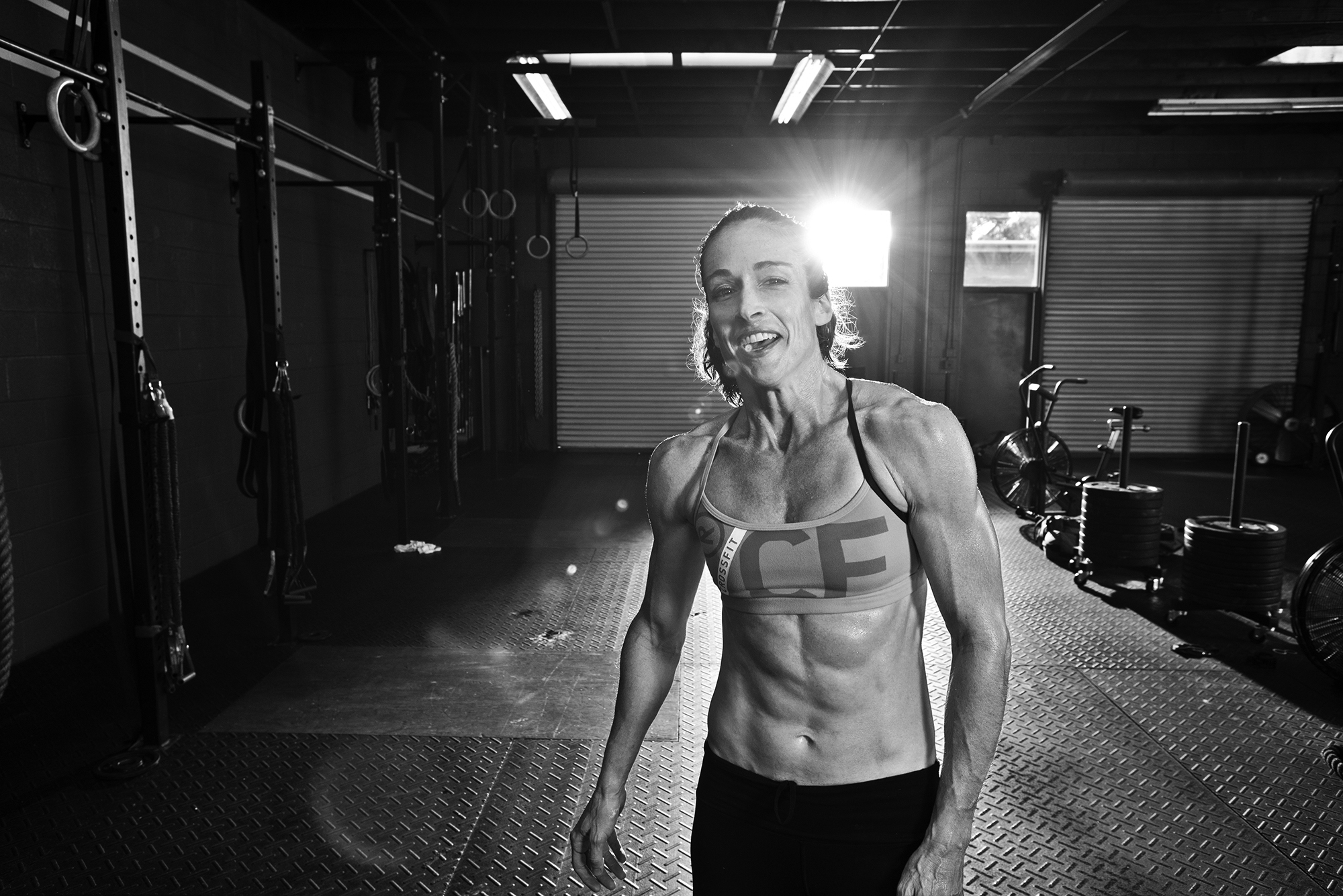
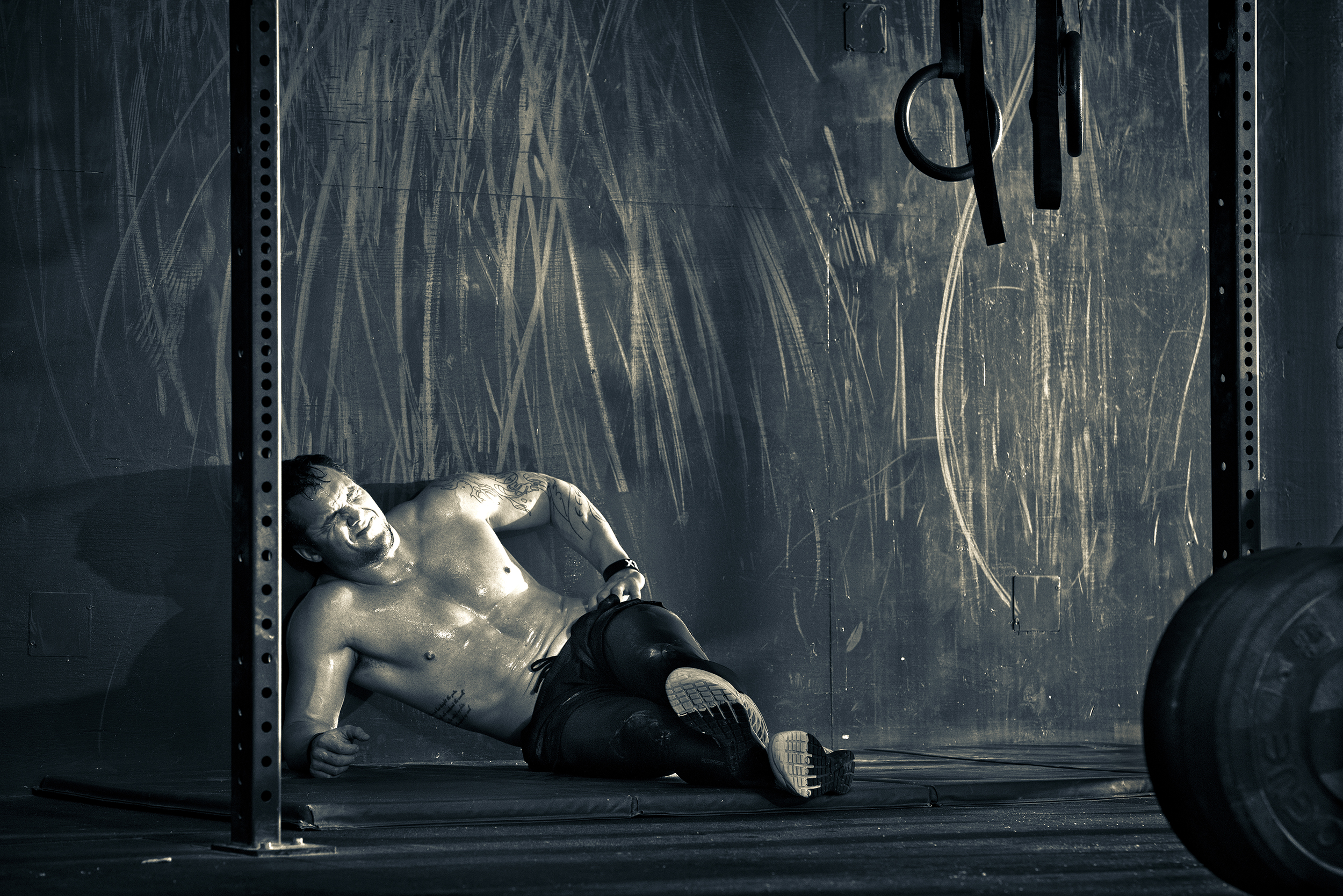
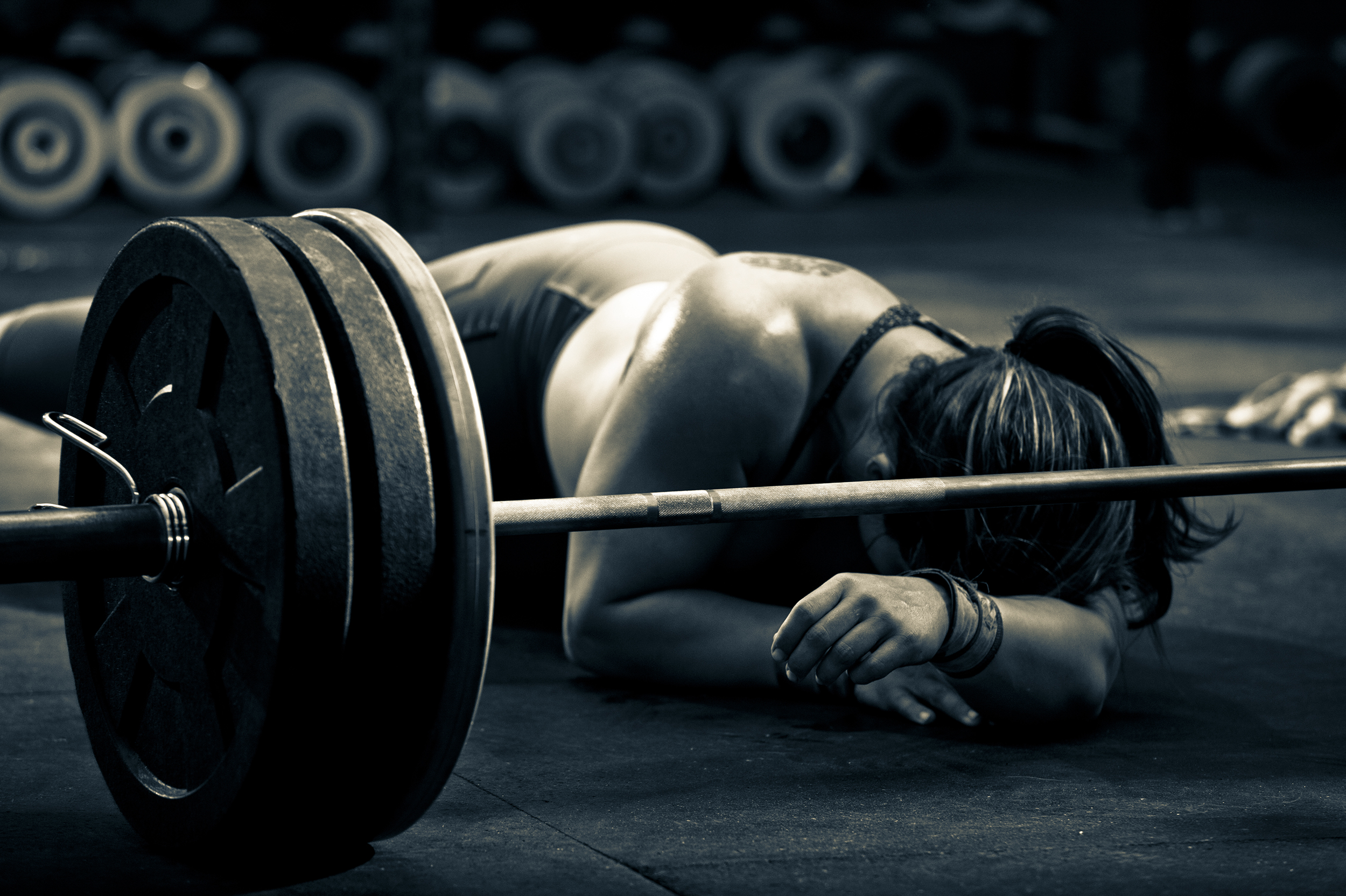
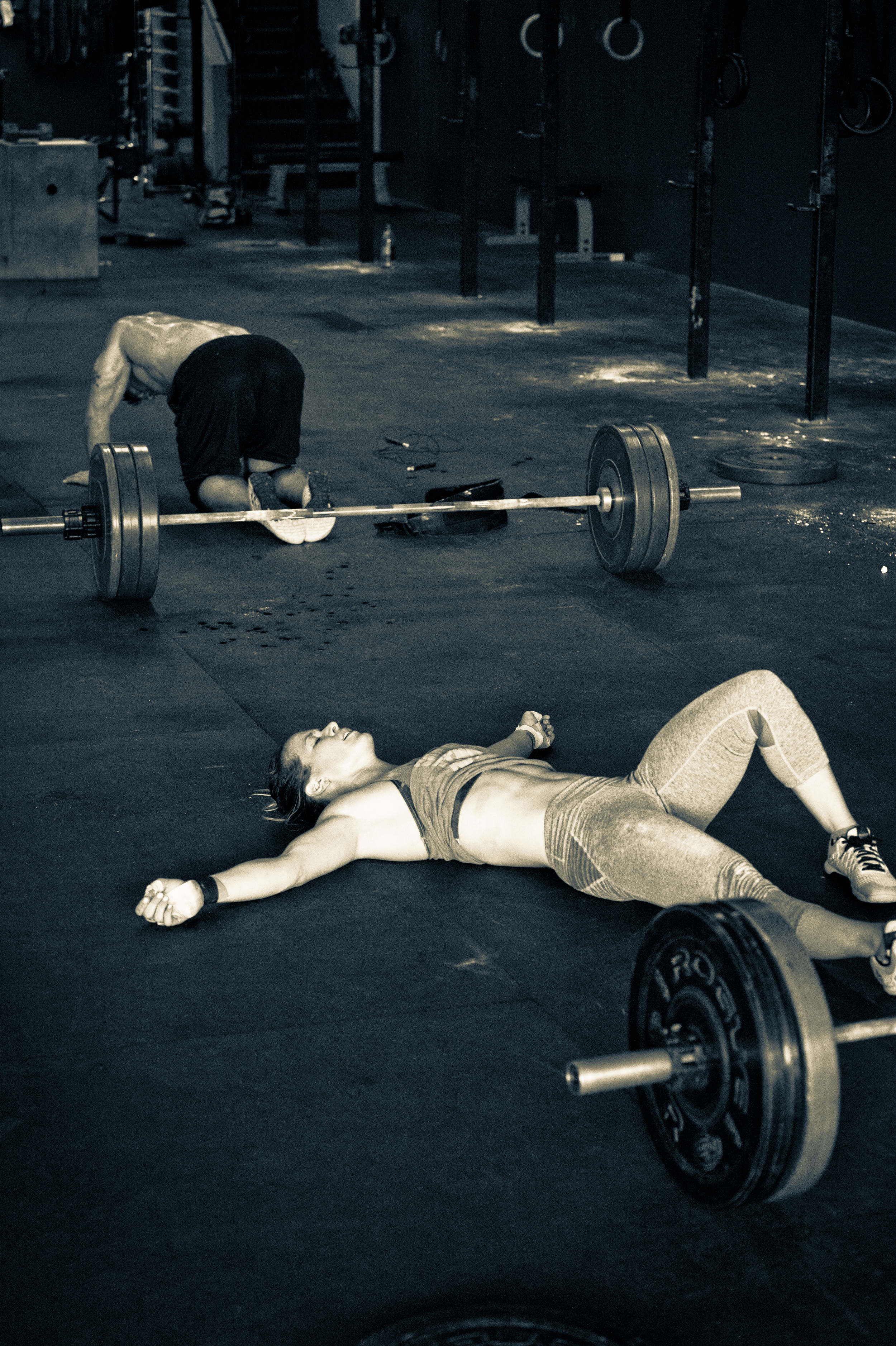
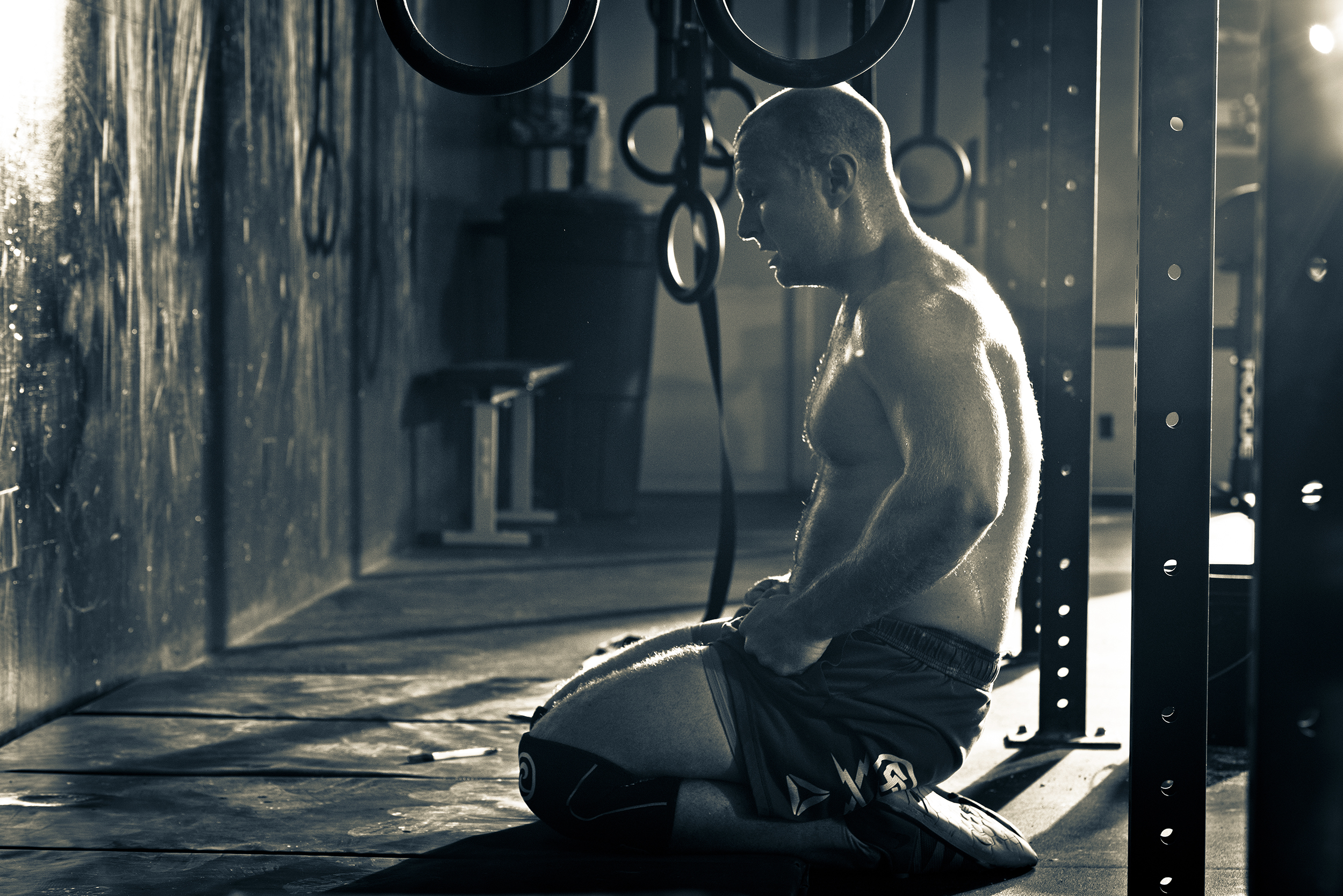
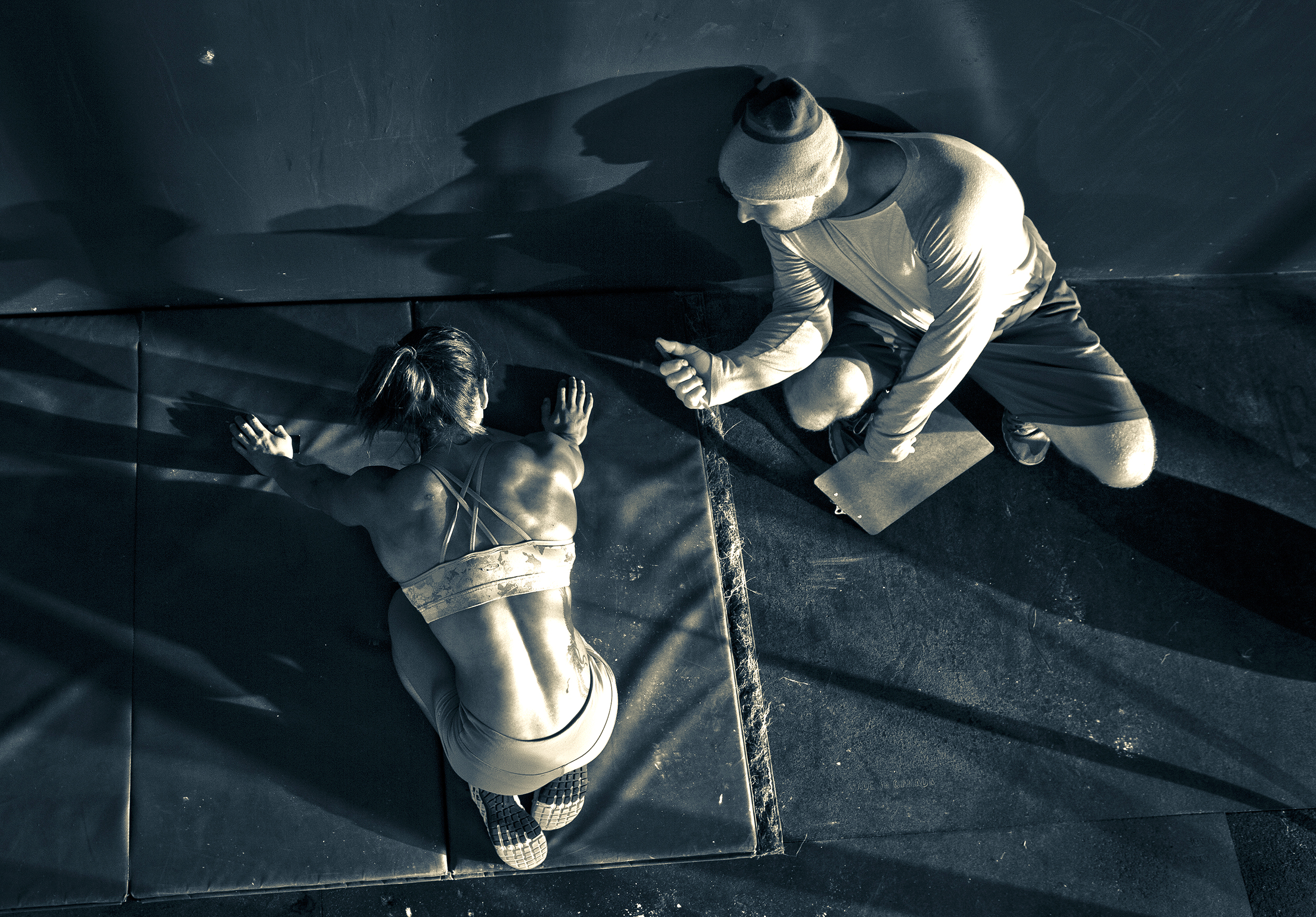
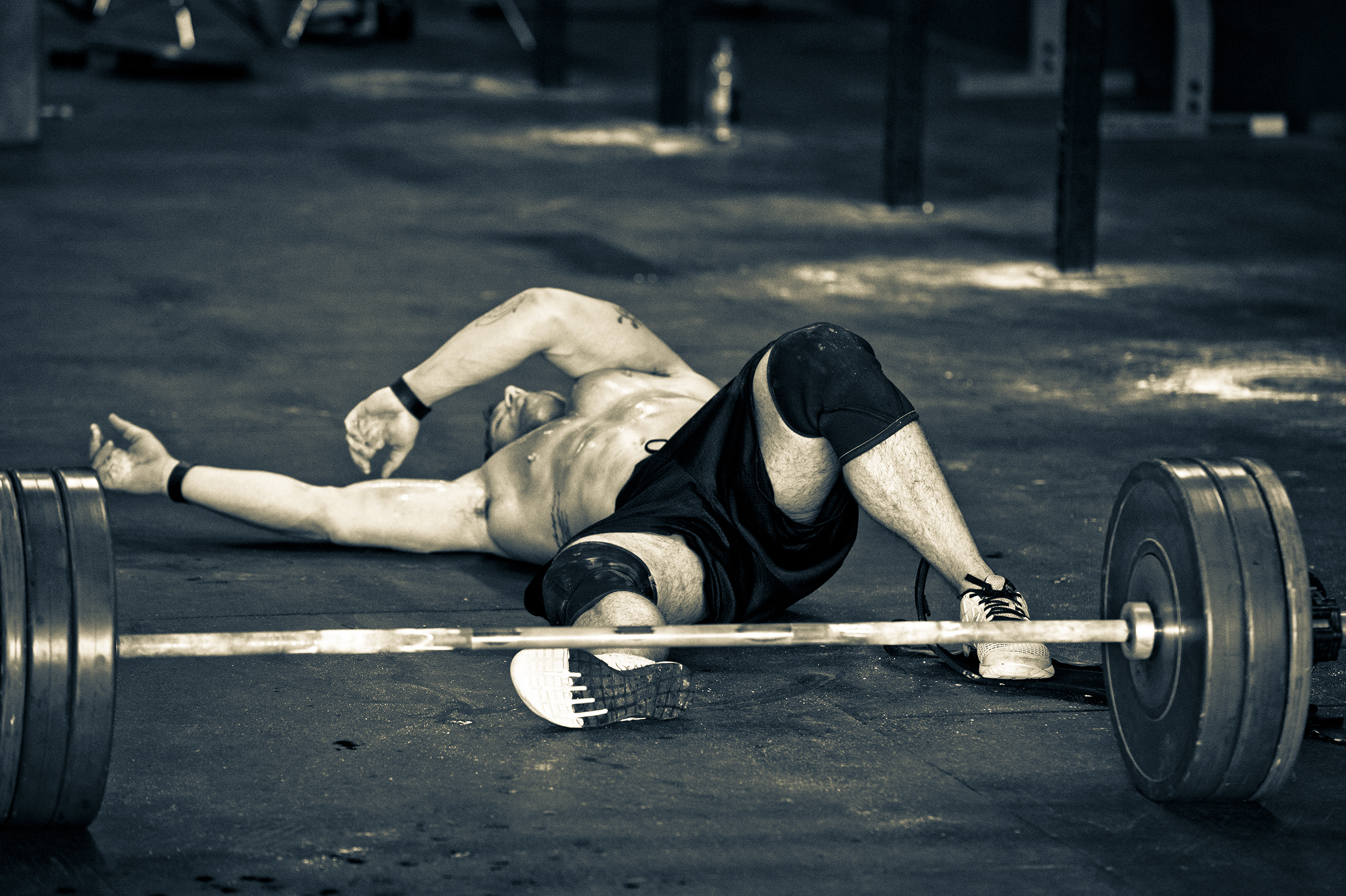
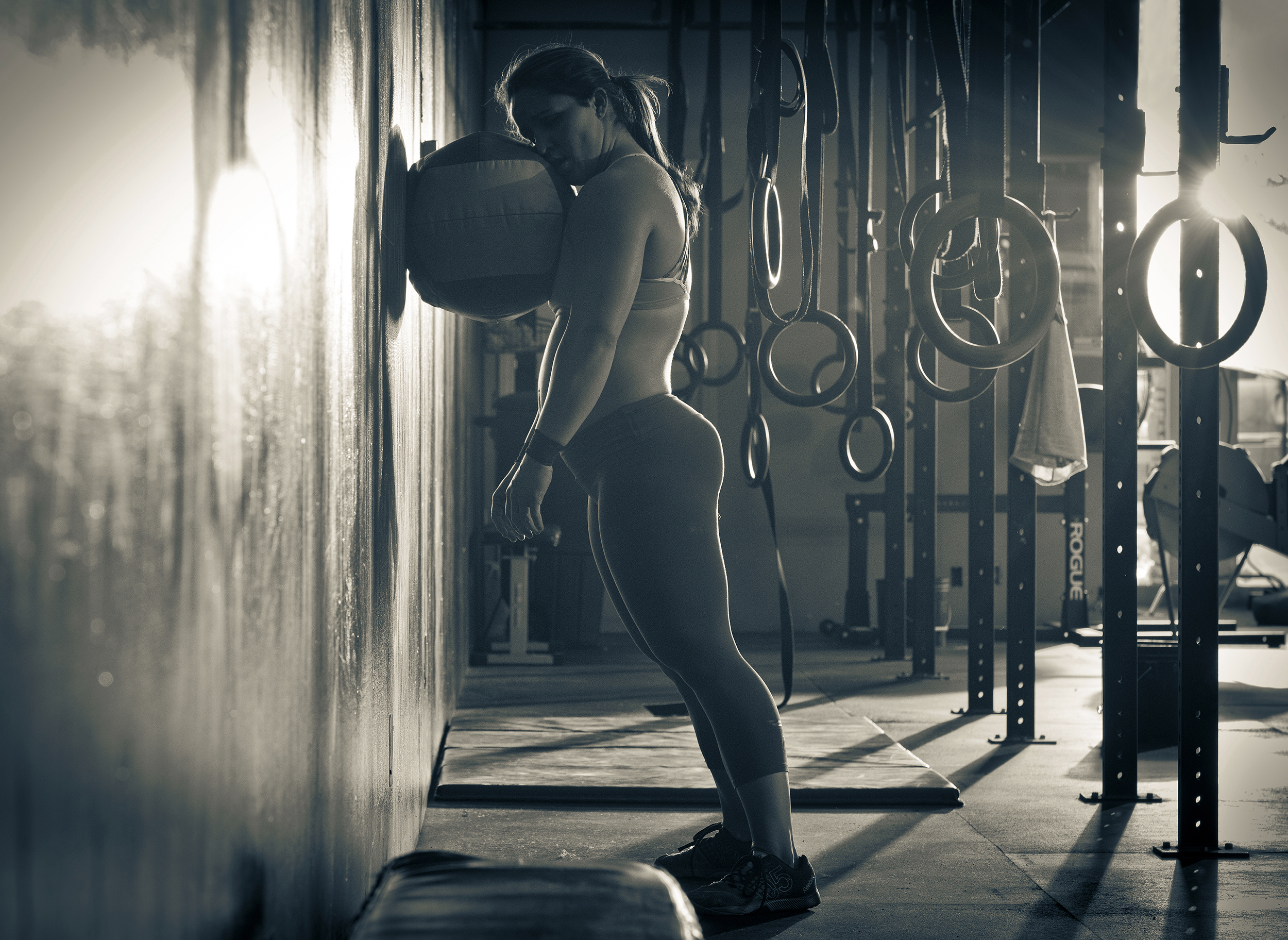
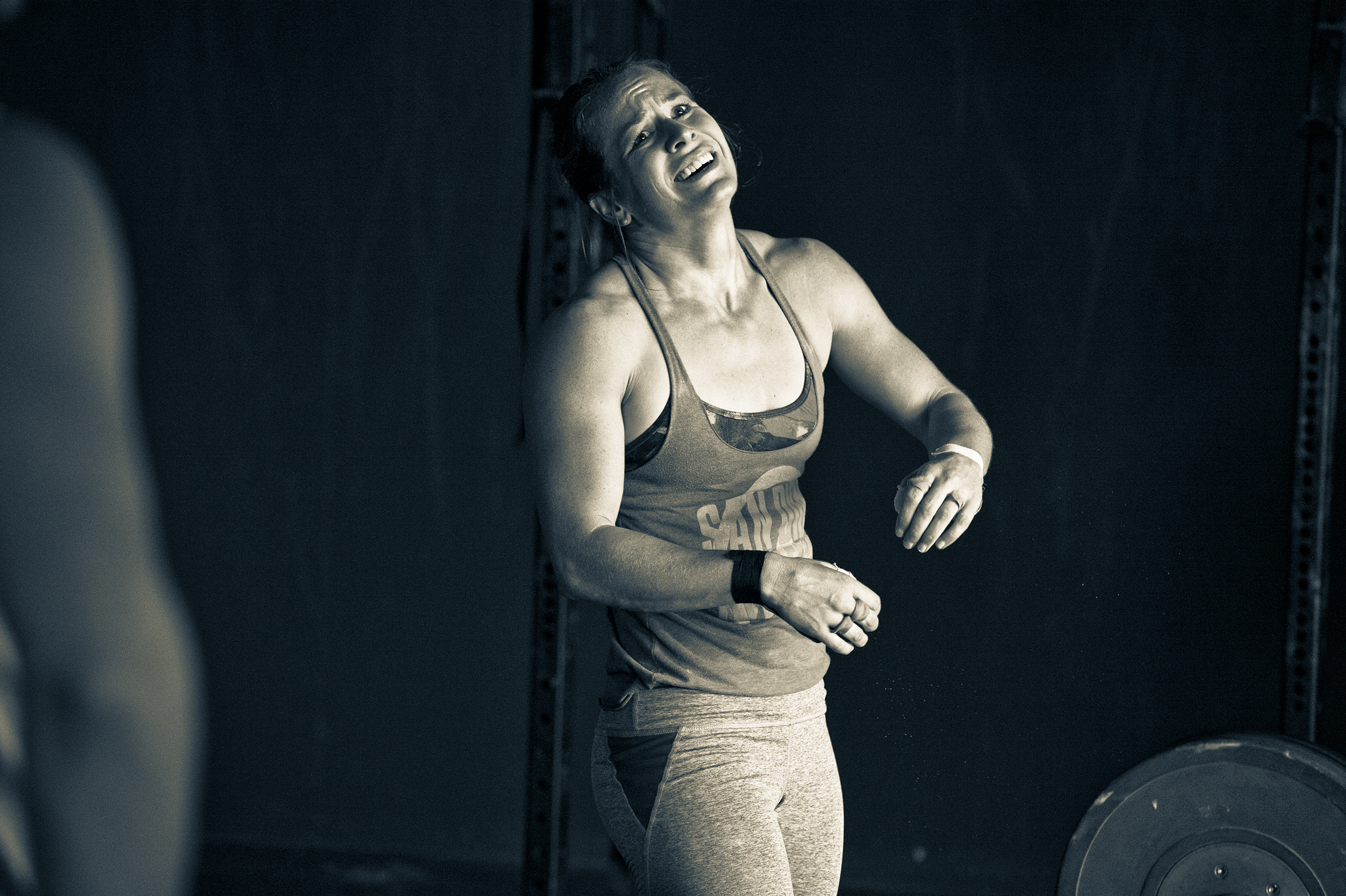
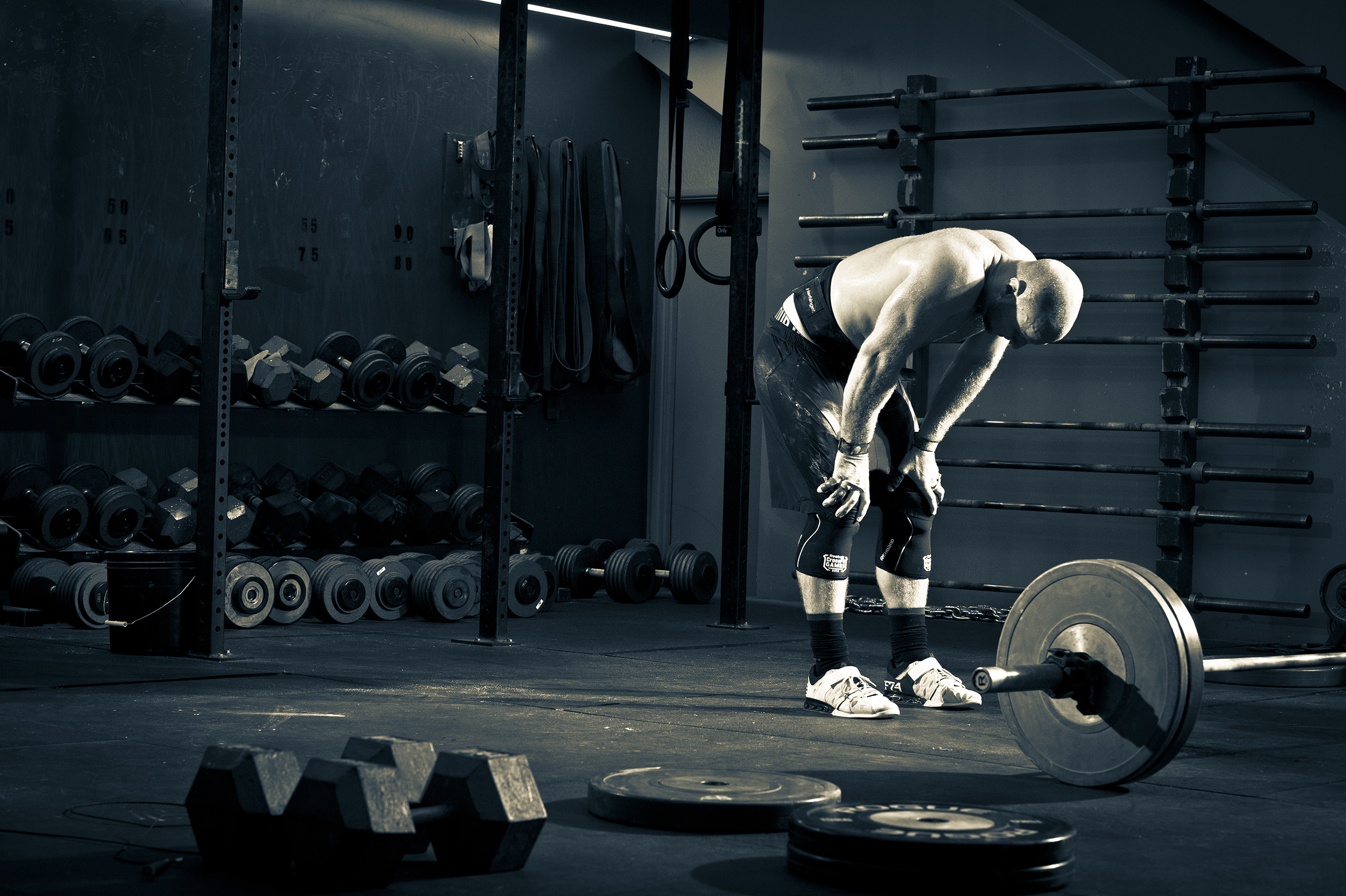
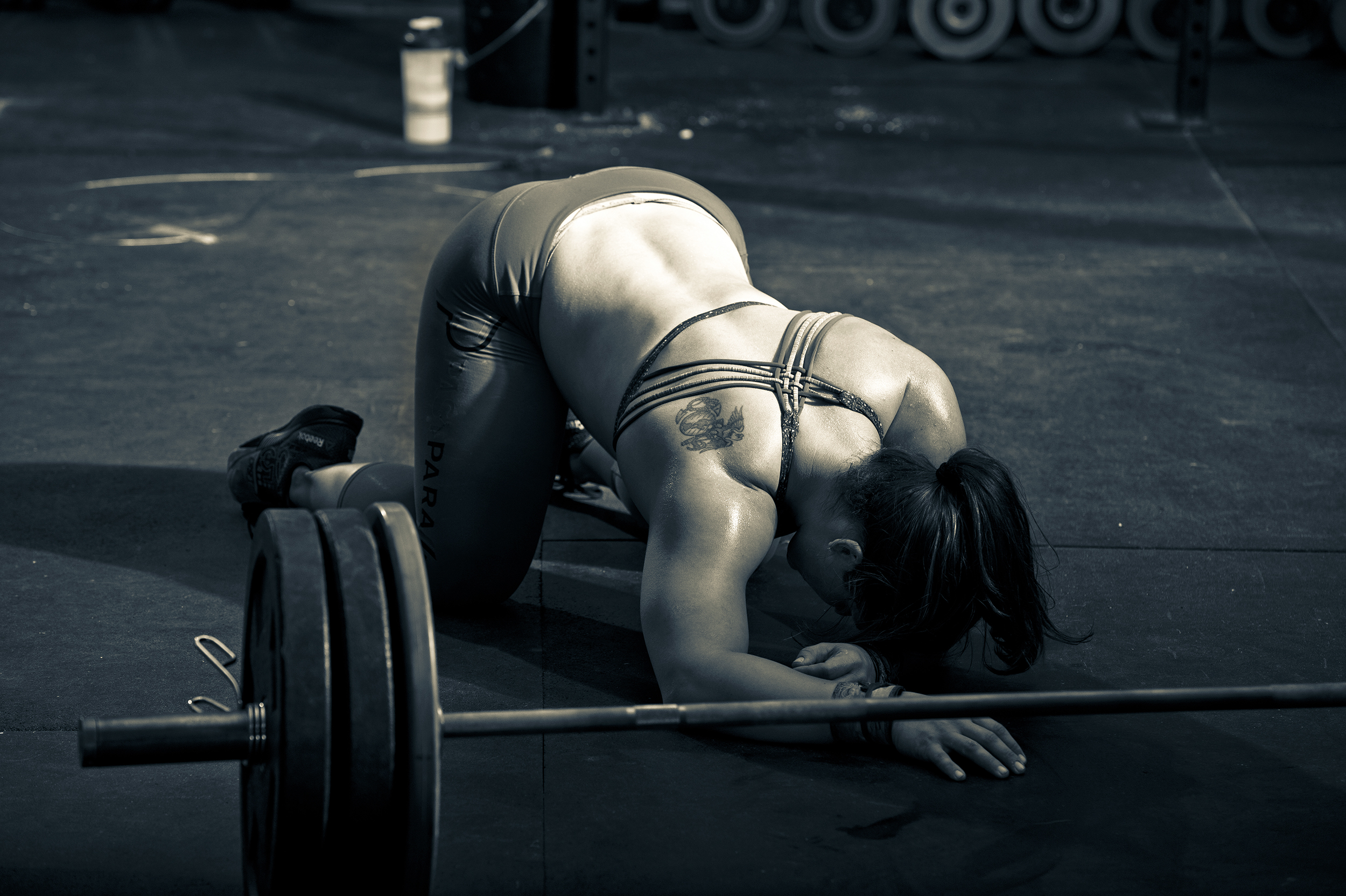
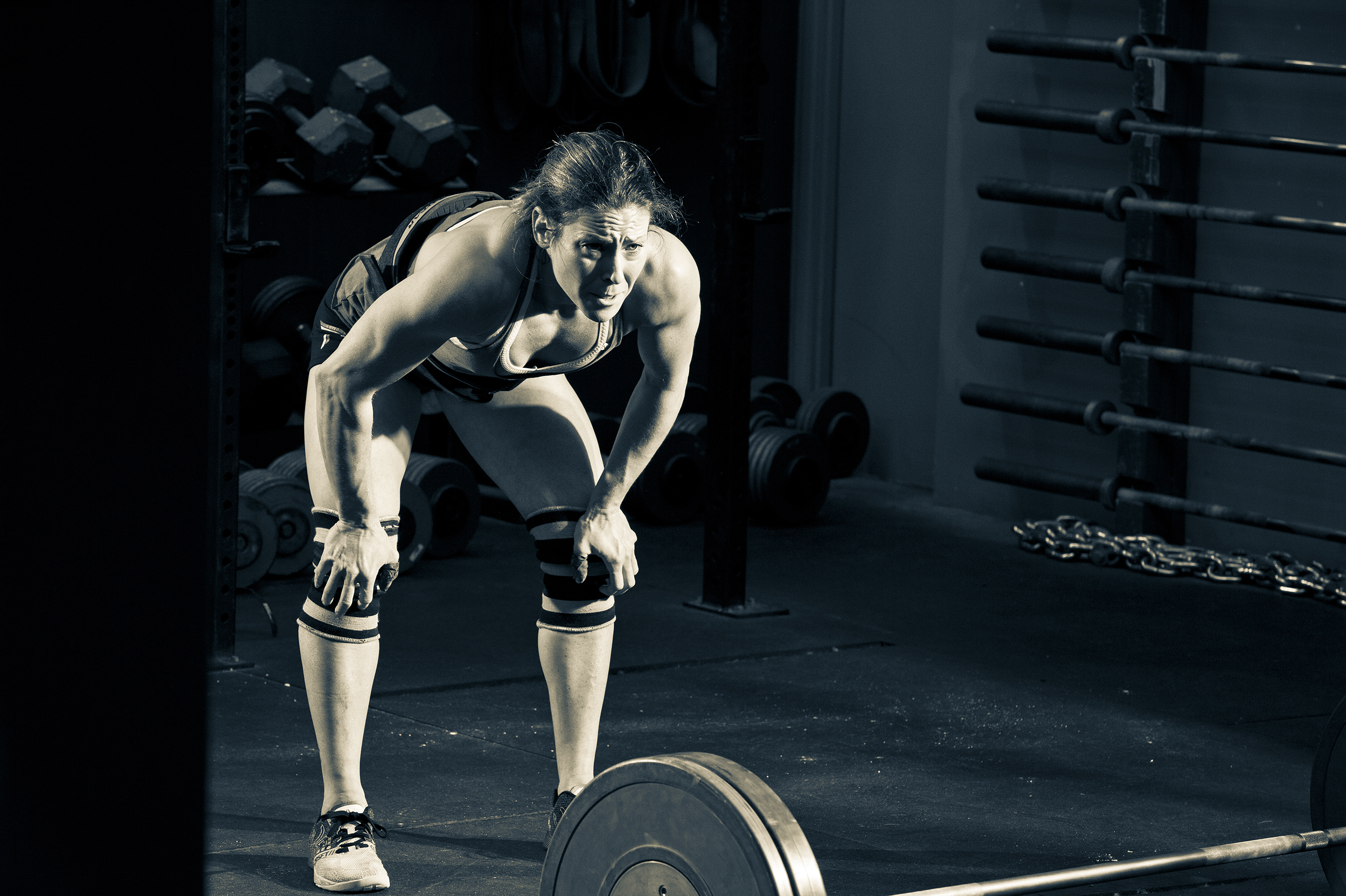
I've been shooting Crossfit for a few years now, and love it. There is a certain element that is missing in regular gyms. Most people in regular gyms get dressed up to "workout", but really they just stare in the mirror for an hour. Crossfitters want it to hurt. They are authentic. They want to be in pain by the end of their workout. This is a small collection of images I made over the past month, of that pain.

All images were shot on a Nikon D810/D4 and lit with Broncolor strobes.

Steph Curry

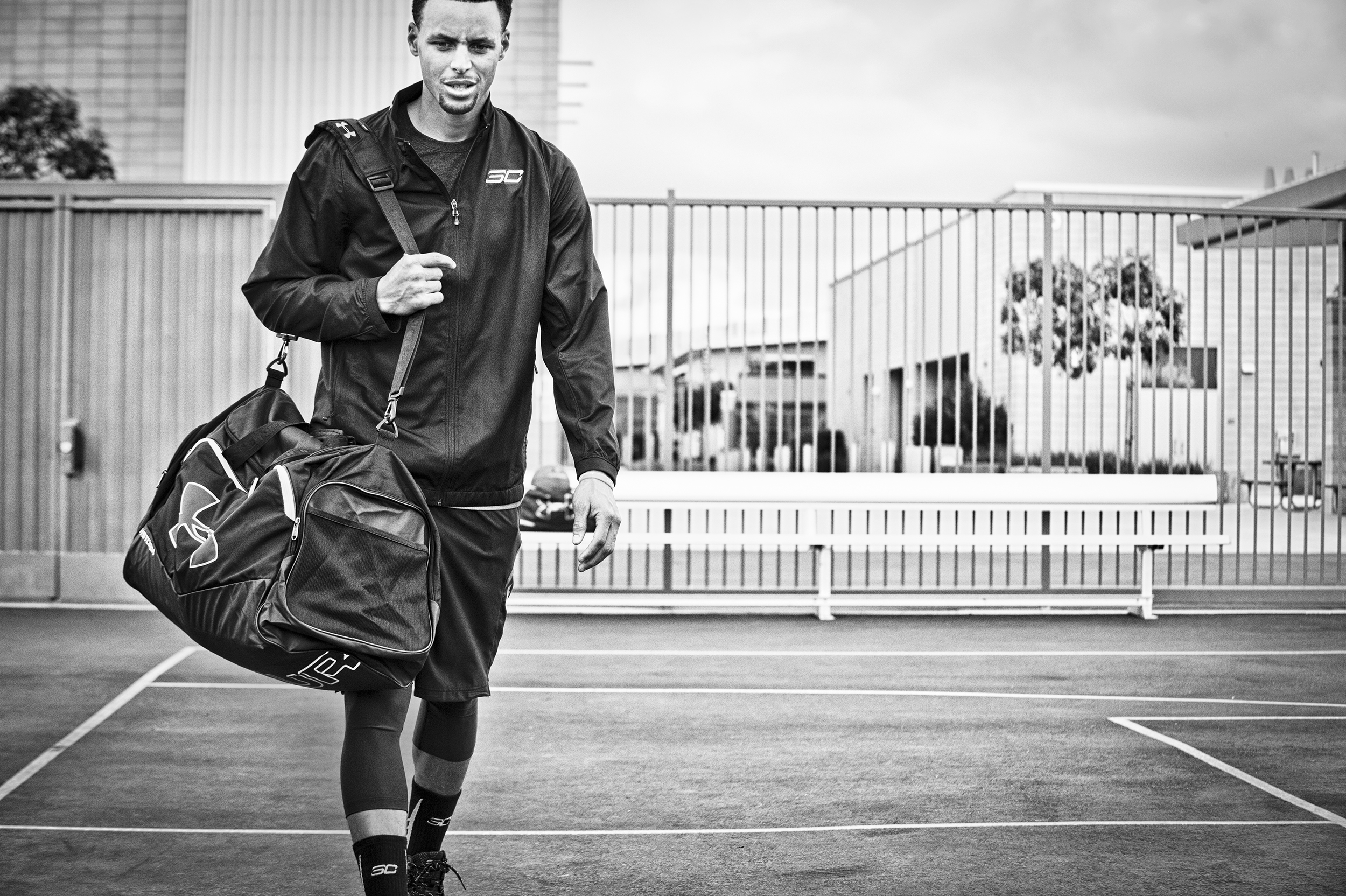
Couple images from a shoot a few months back with World Champion and NBA MVP; Steph Curry of the Golden Sate Warriors. This was my second shoot with Steph, and he's still cool as ever. The second shot was taken during filming of the Foot Locker commercials you've probably seen on tv, and done with all natural light. The first was done on white seamless with 5 strobes. The only place we were permitted to set up our seamless was outdoors. And at the very least, you always have to worry about wind taking up the seamless, or knocking down your strobes. Weather that day said 0% chance of rain. And of course it didn't rain all day, until we were a few minutes into our shoot. Then it just started pouring. Steph wasa good sport about it, and thankfully, we had already got what we needed. Some of my equipment on the other hand, took a small beating. Took quite a while to rip it all down, and get out of the rain. Everything was all good in the end though.These two images are my favorites, but certainly not what Foot Locker/Under Armour used for their store windows/ads.


Running in downtown San Diego

San Diego Health and Fitness Photography

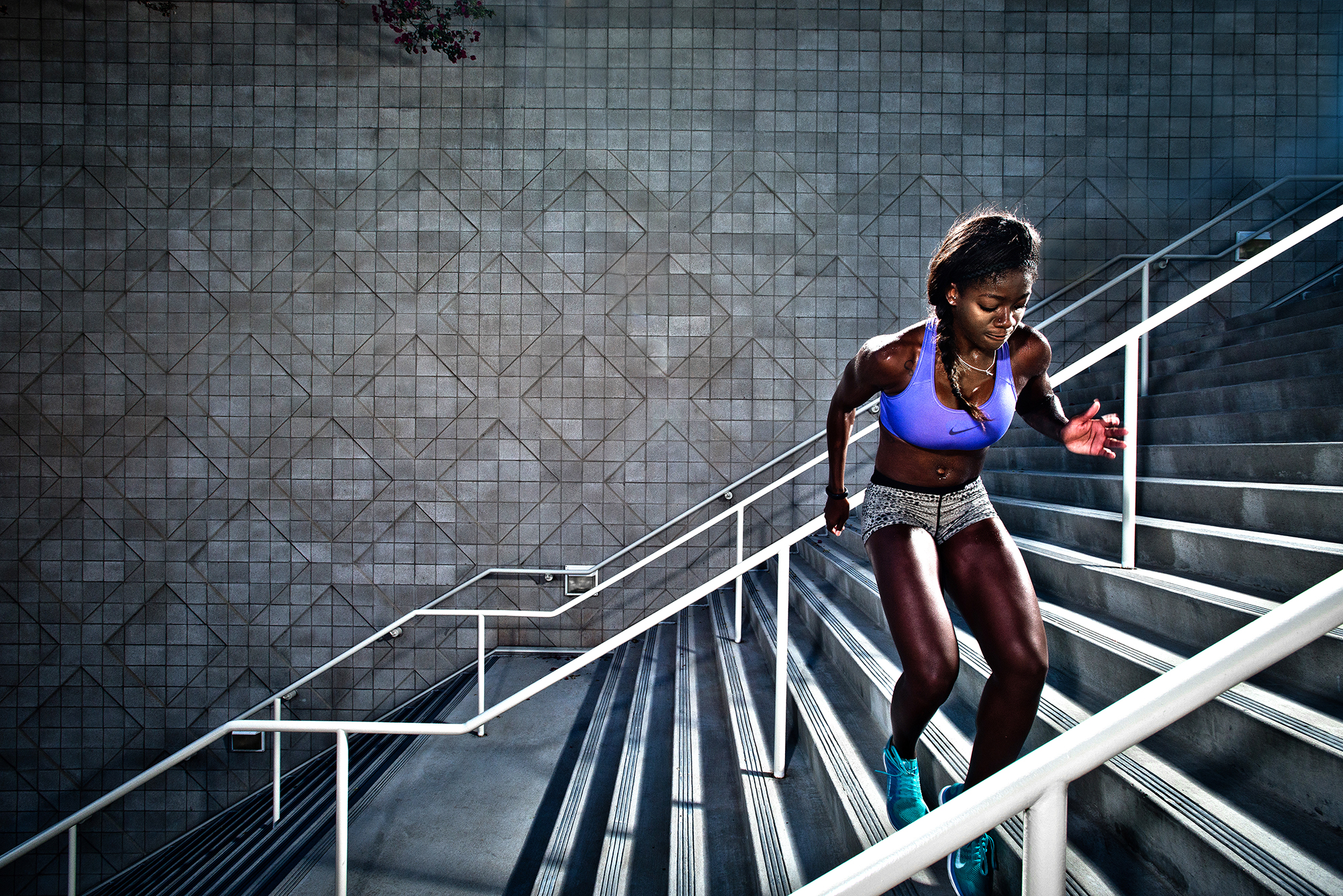
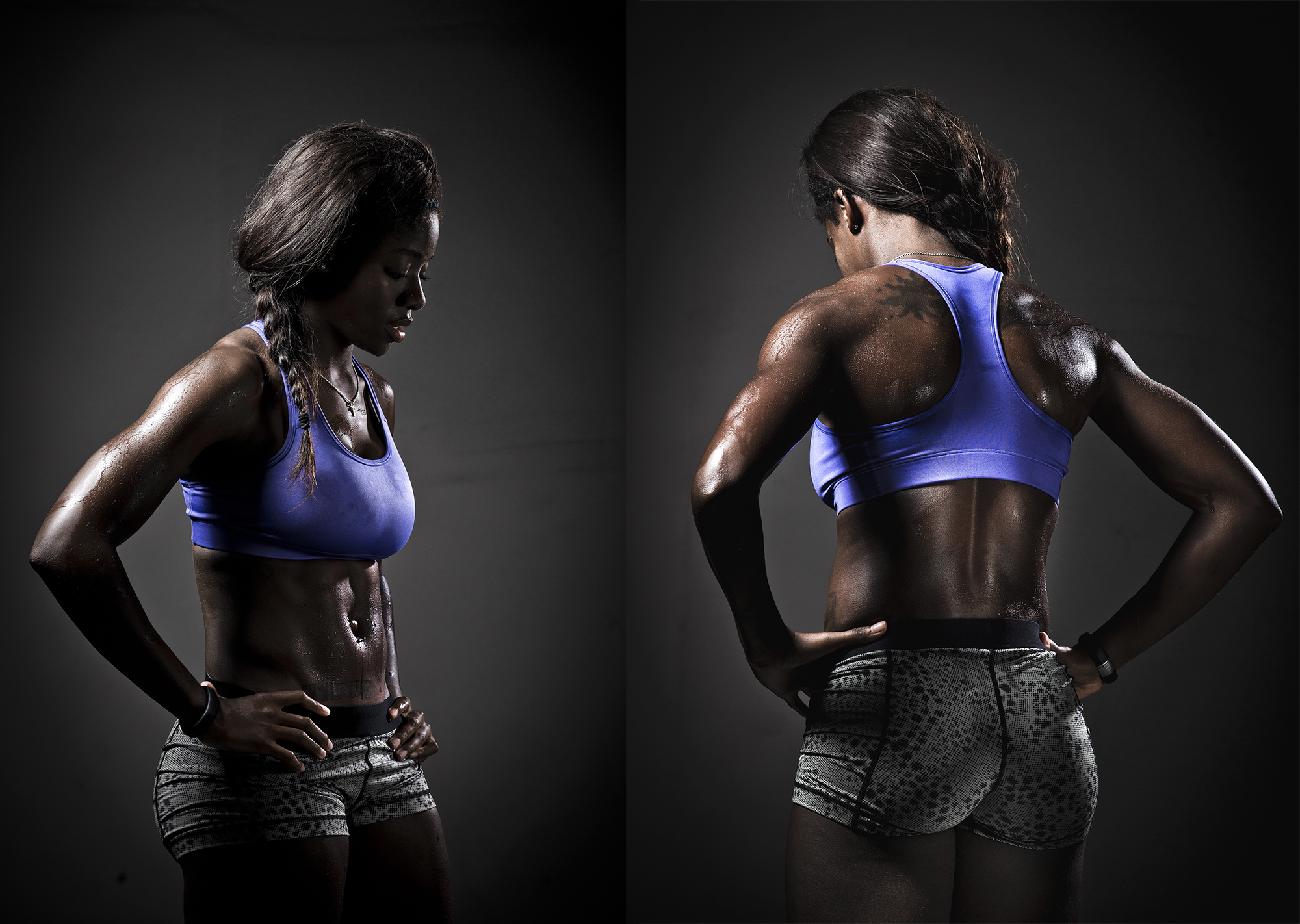
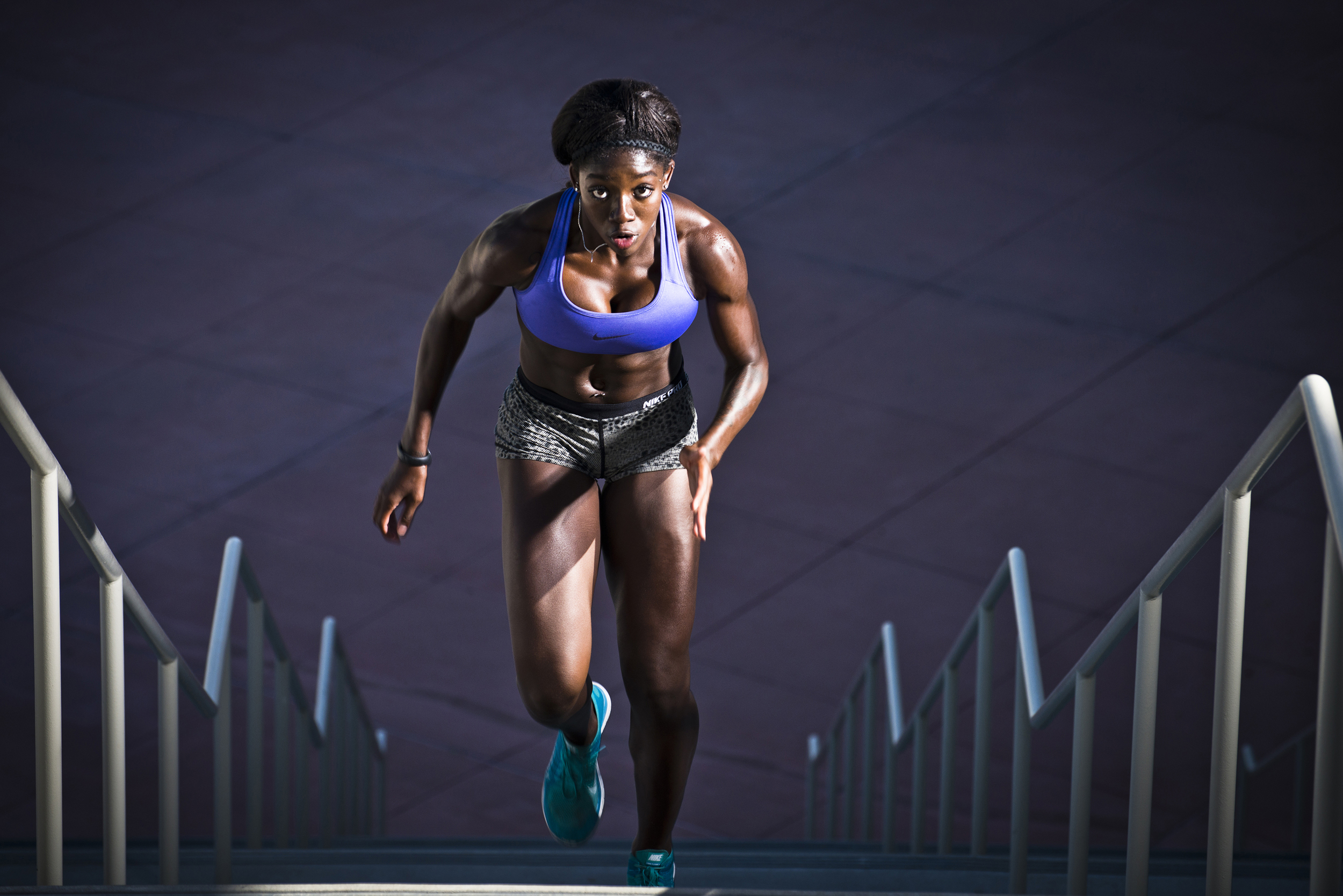
Happy with what we got here, but things didn't start so hot. Our first location was the rear stairs of the San Diego Convention Center. So I got there early to set up, and got kicked out before we even got started. That always sucks, but I've learned when things like that happen, it pushes me harder, and I usually come out of the day with cool stuff. You just have to improvise, and Tara was great. The portraits were actually shot in a parking garage. Who needs a studio? 

Random fact: Tara and I share the same birthday. 

Shot on a Nikon D800e and lit with Broncolor strobes. 

Emmanuel Mudiay

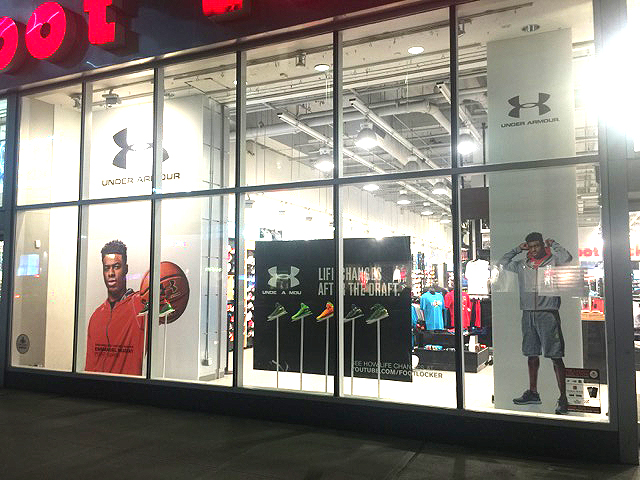
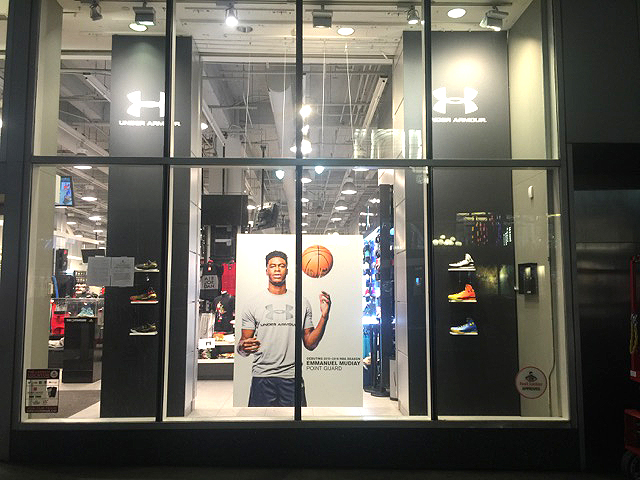
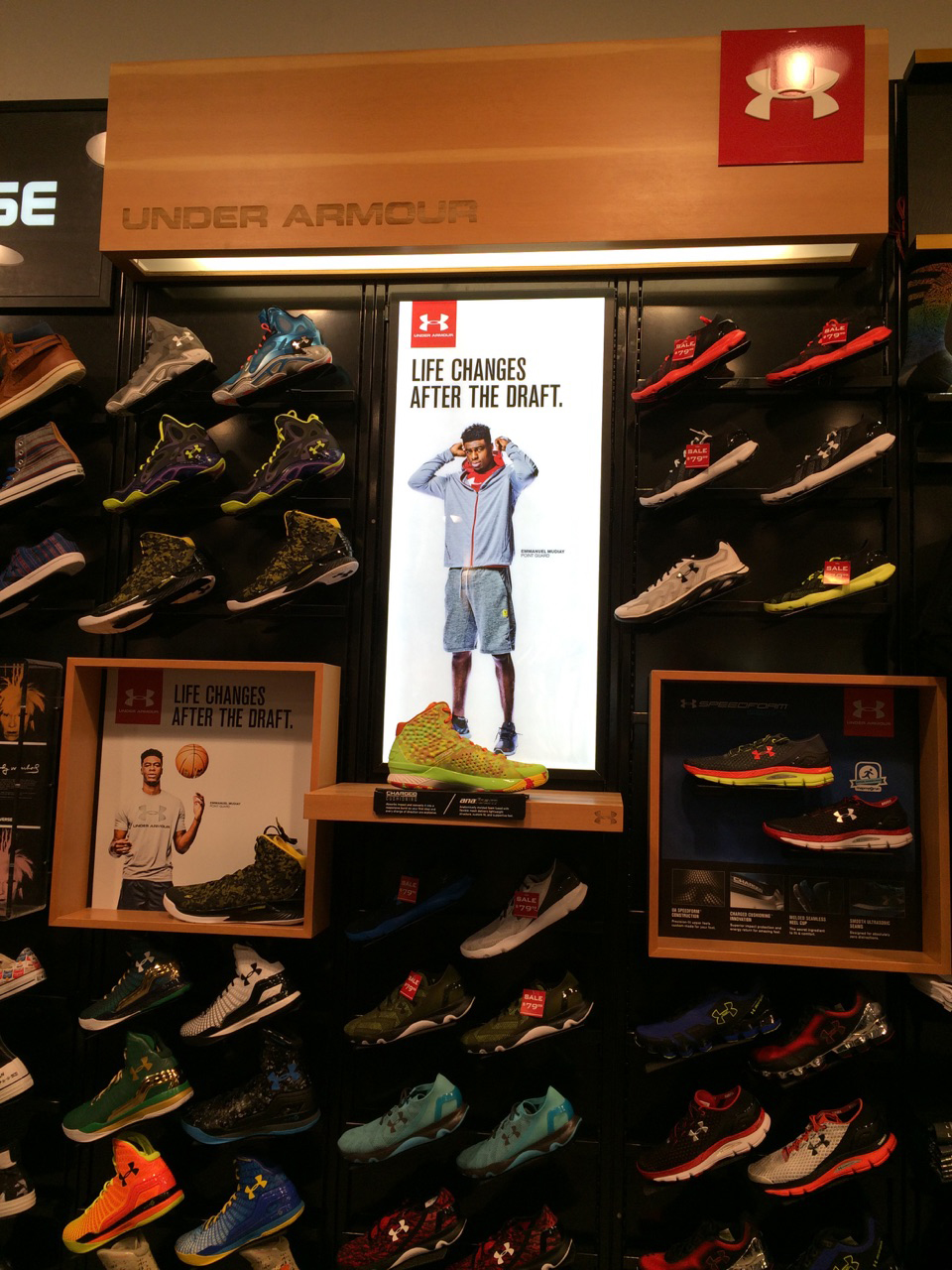
Emmanuel Mudiay just went #7 overall in the 2015 NBA Draft, and is now the newest member of the Denver Nuggets. I had the opportunity to shoot with his last month in LA for Under Armour. If you pay attention to hoop, you've probably seen all his "Life changes after the draft" commercials. Funny spots.Anyway, he's a good kid, and was fun to shoot with. Seemed very mature for his age, and handled all of his responsibility well. These shots below are from the 34th St. Foot Locker in New York City. It's always cool to see your stuff used like this. 


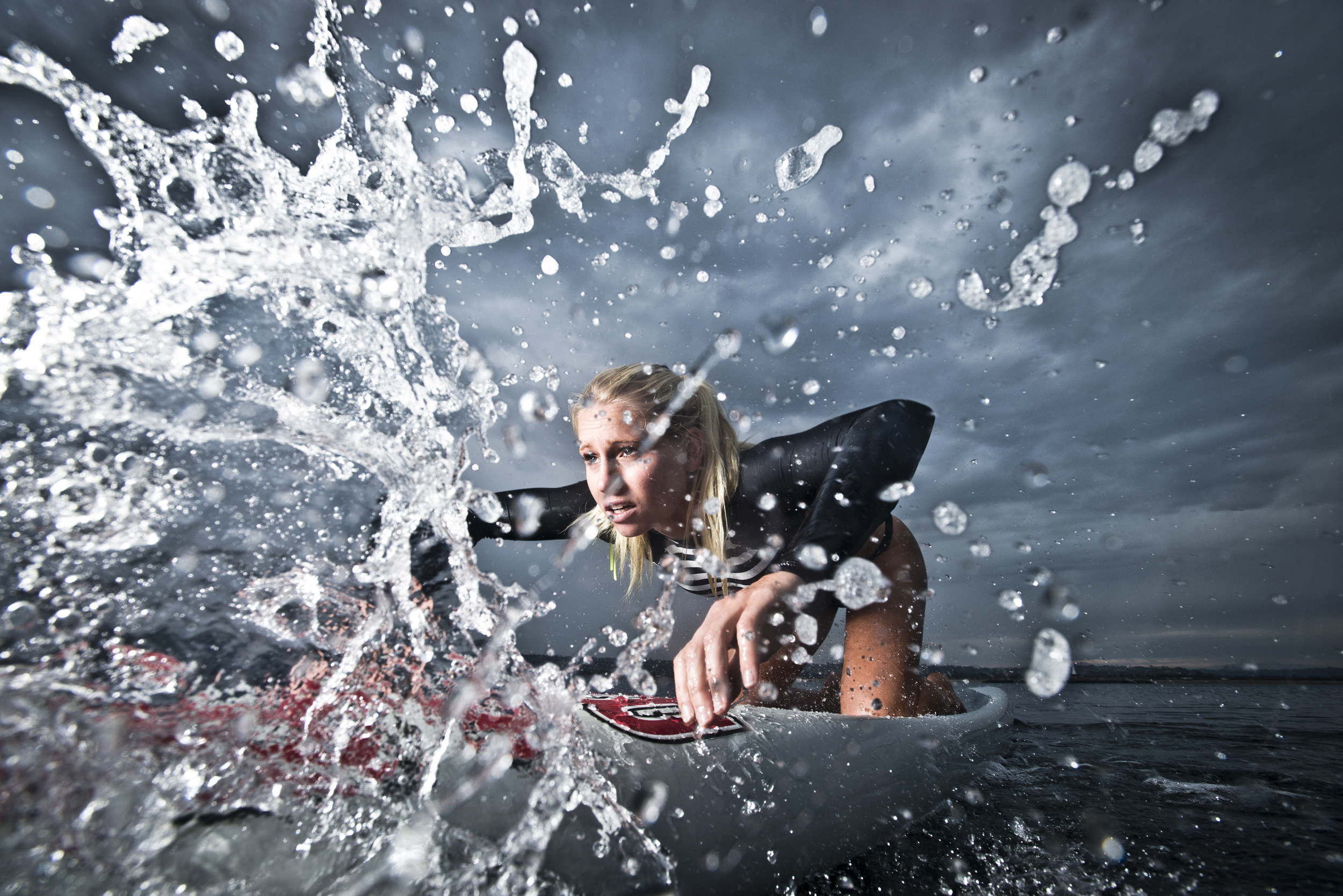
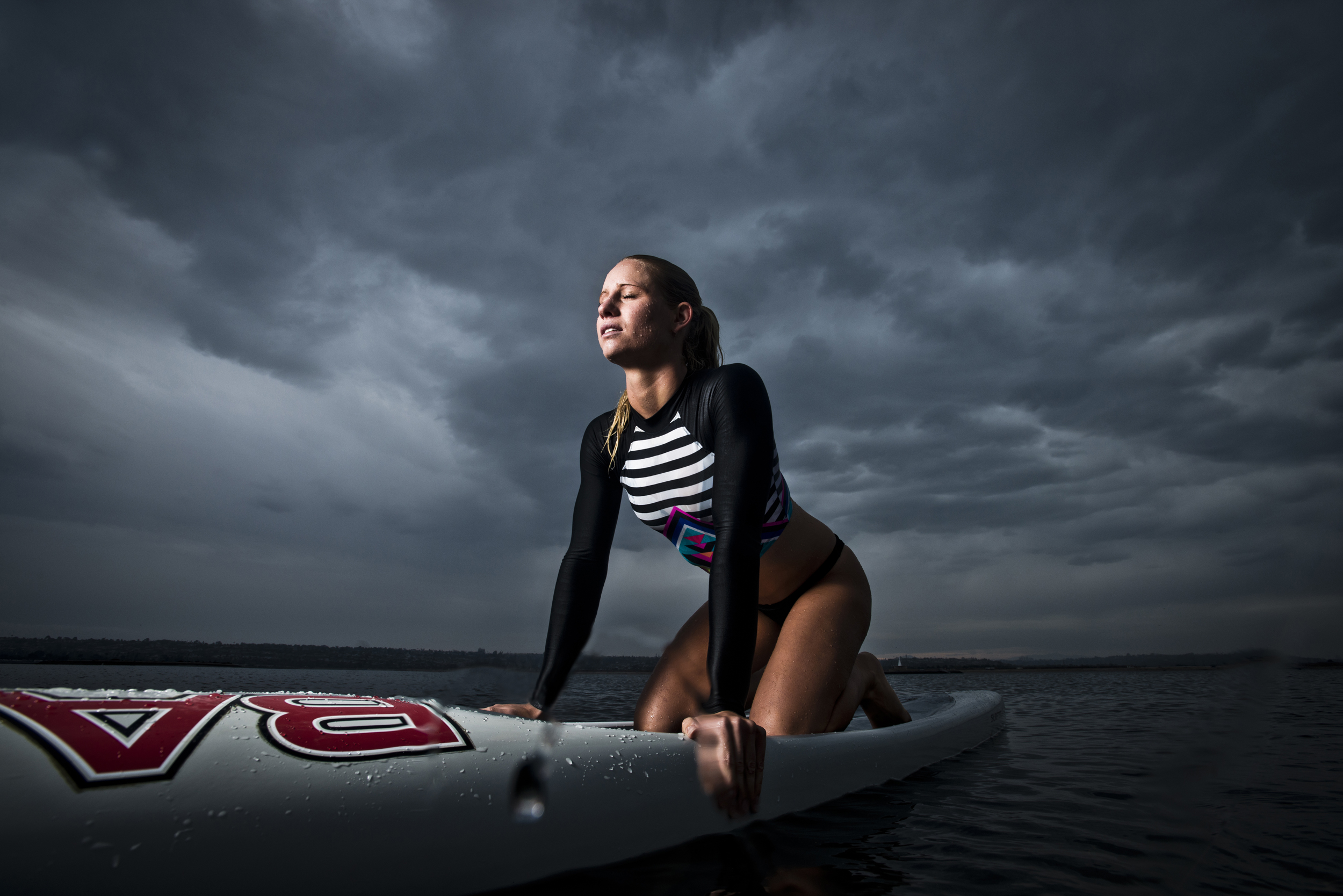
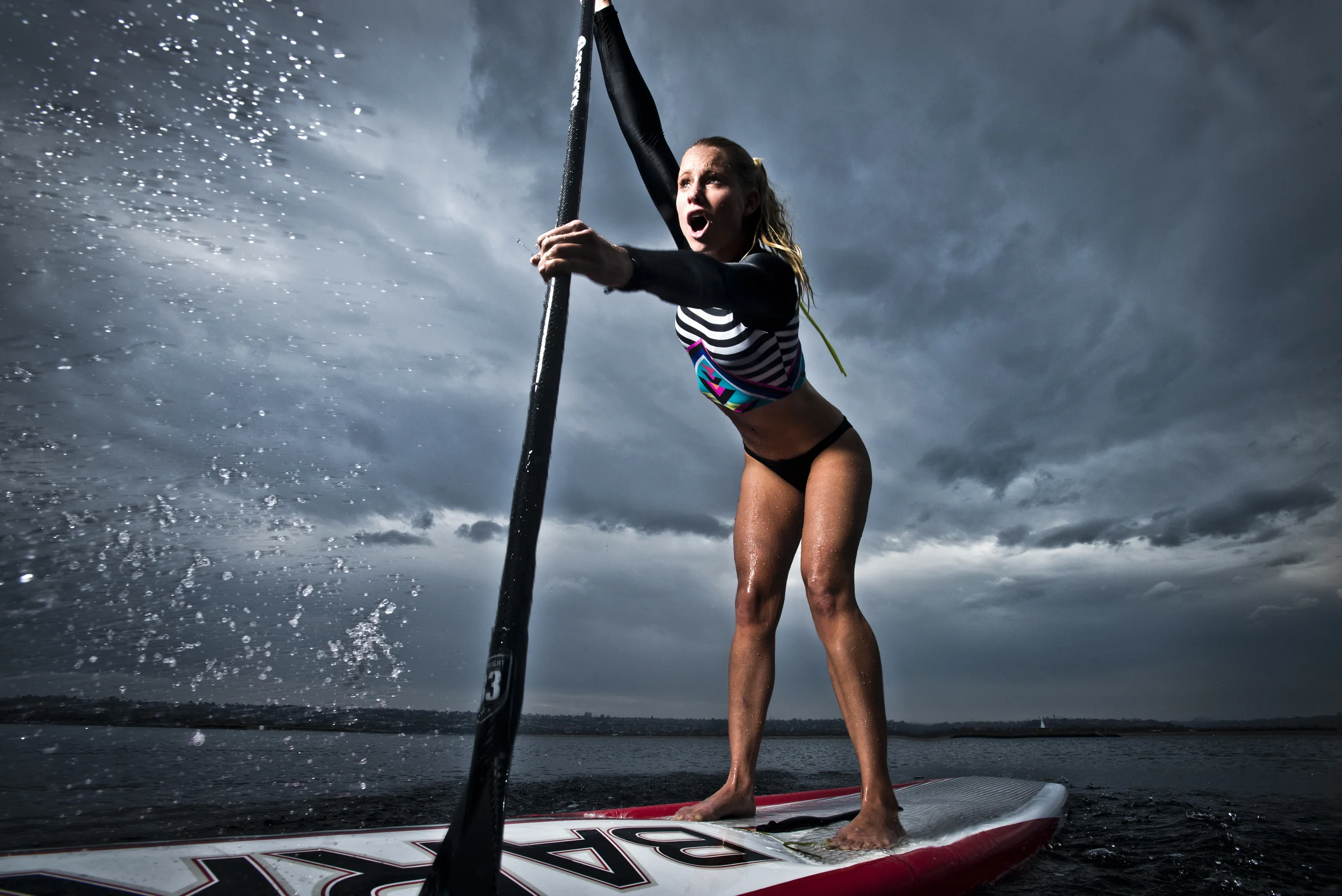
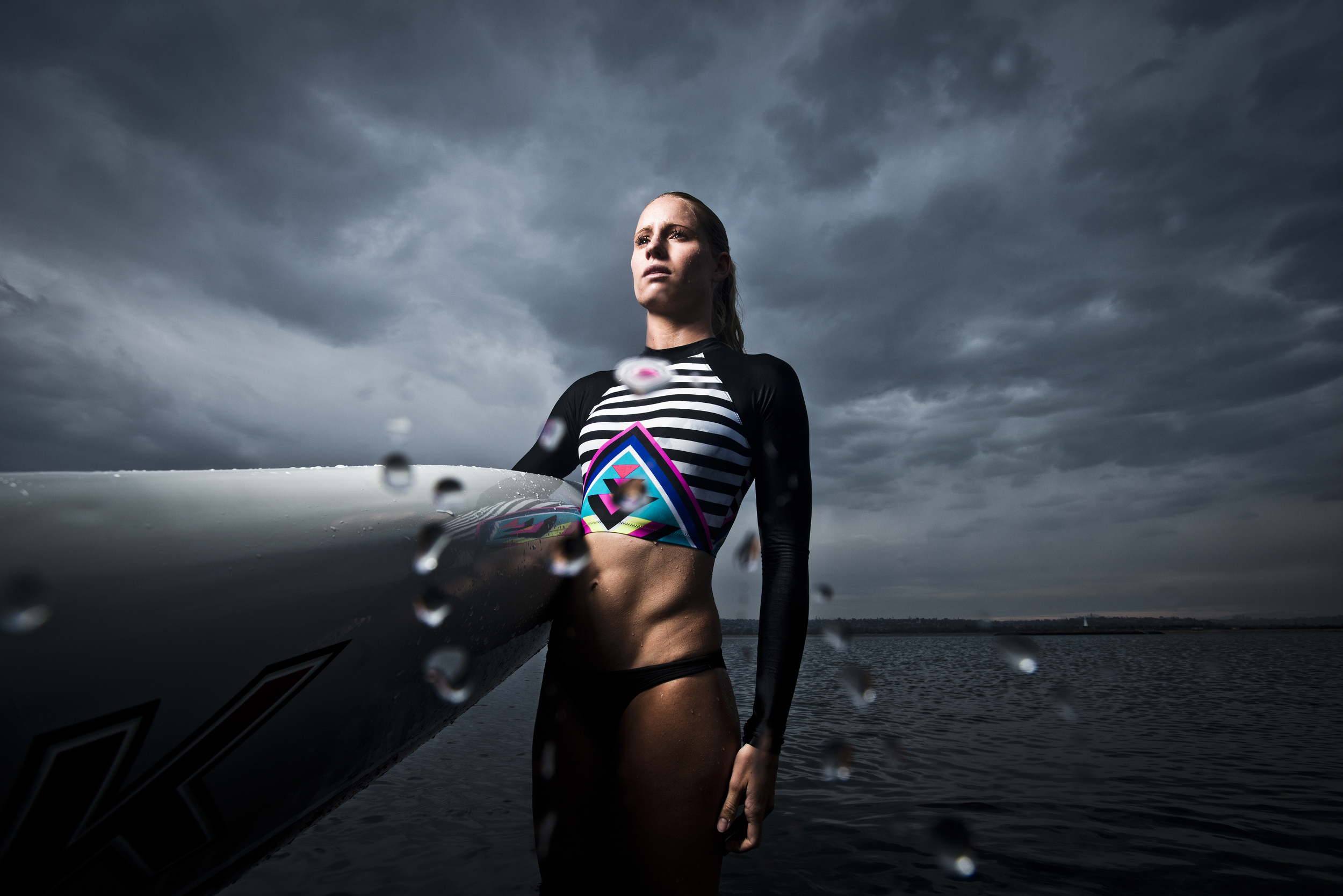
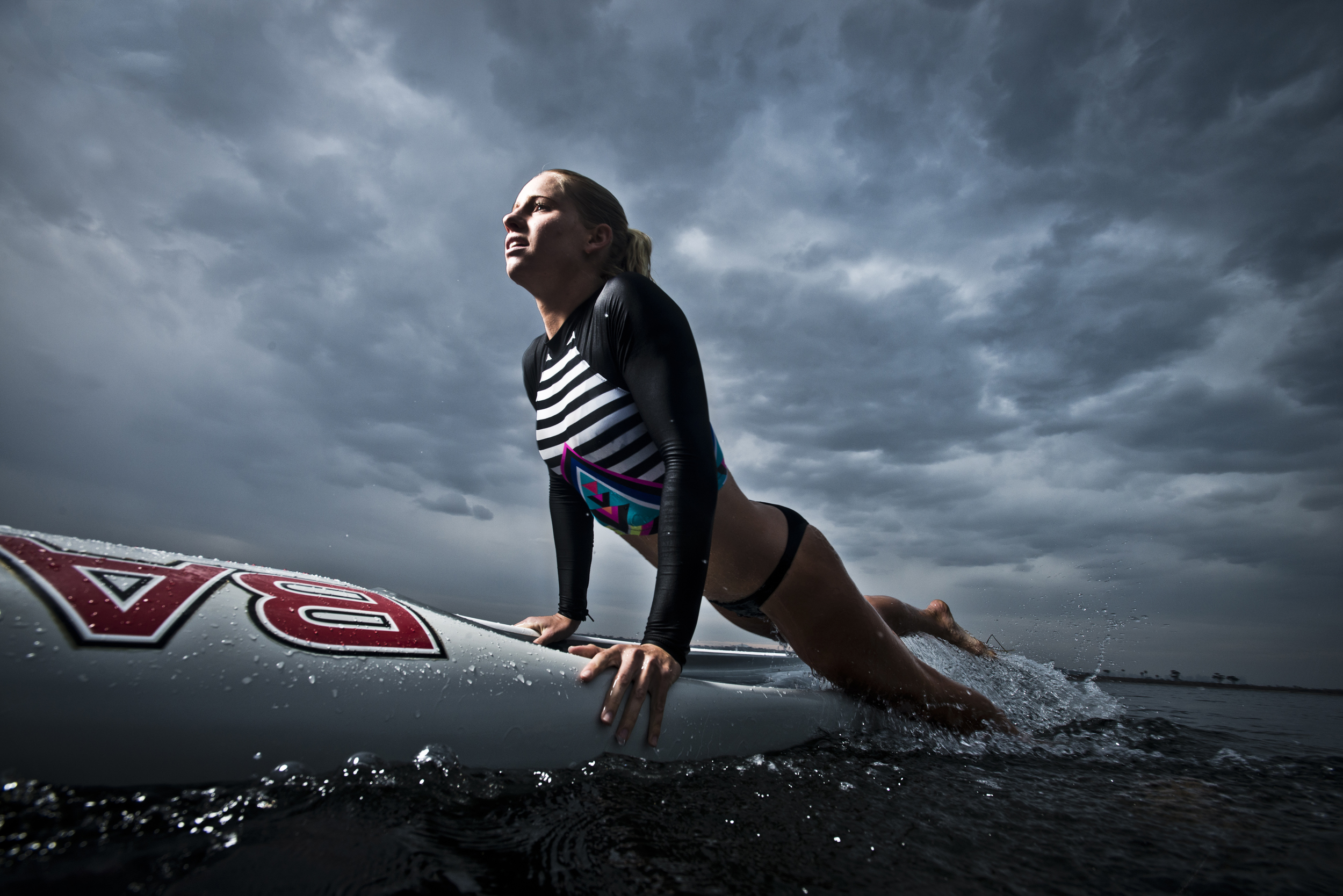
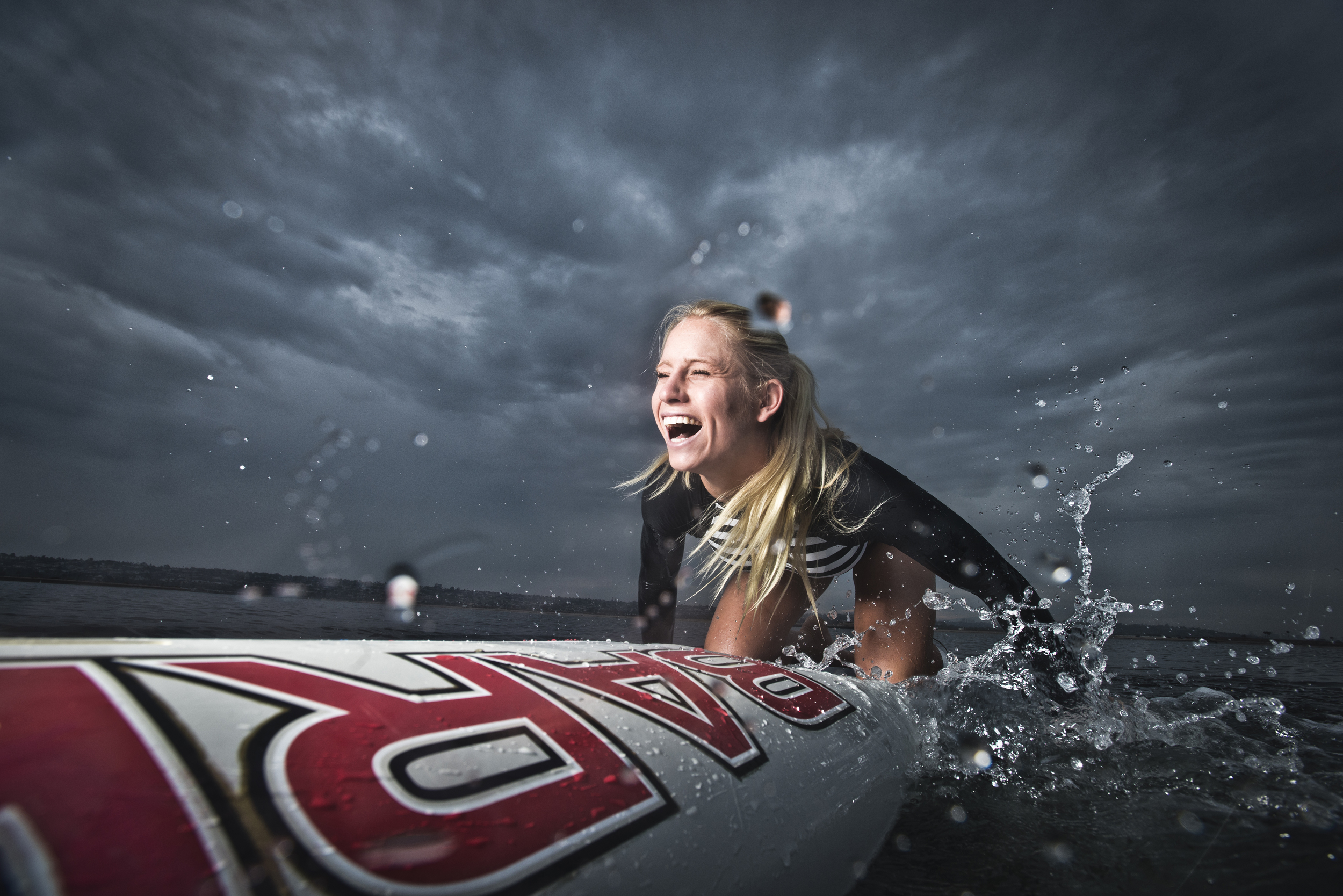
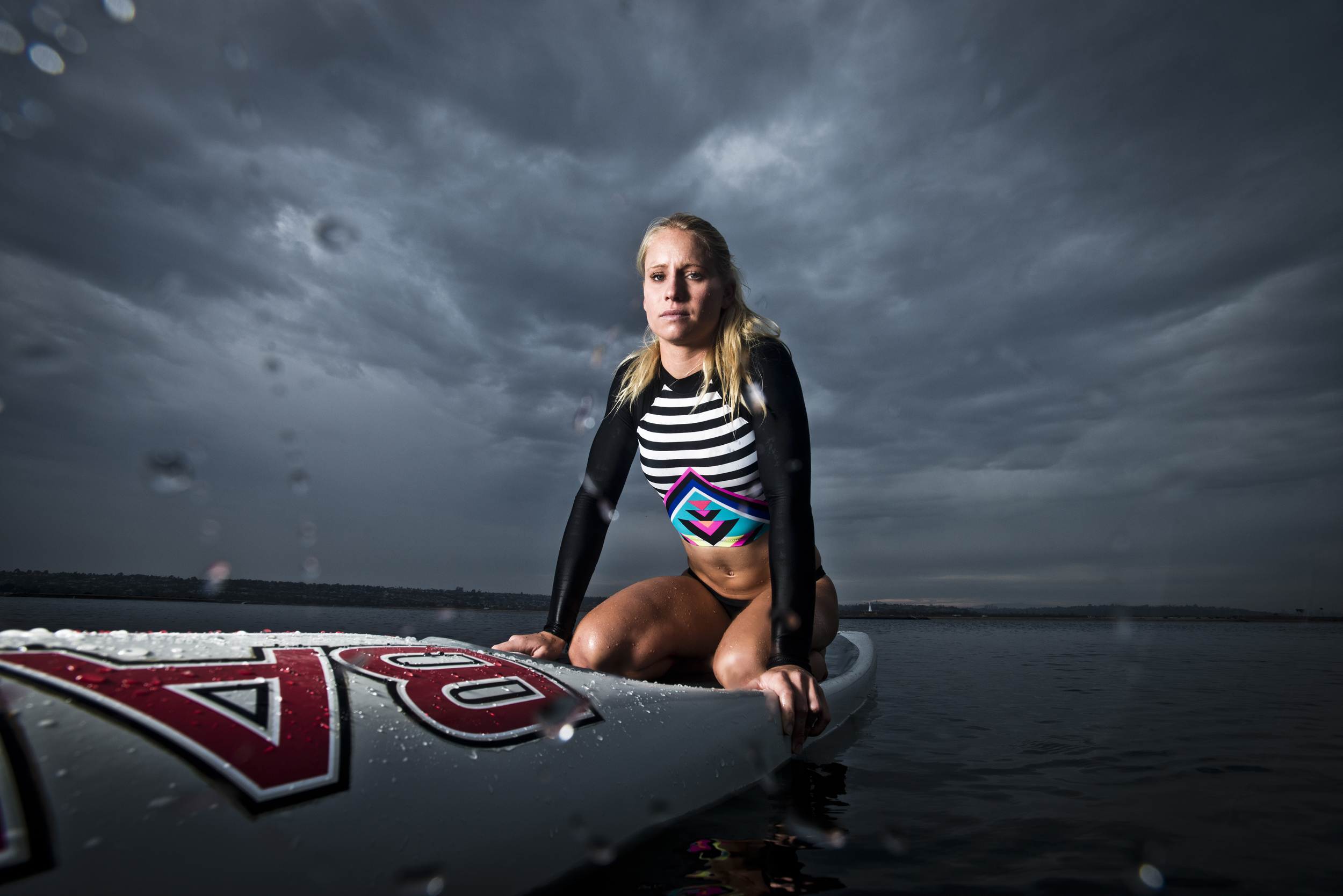
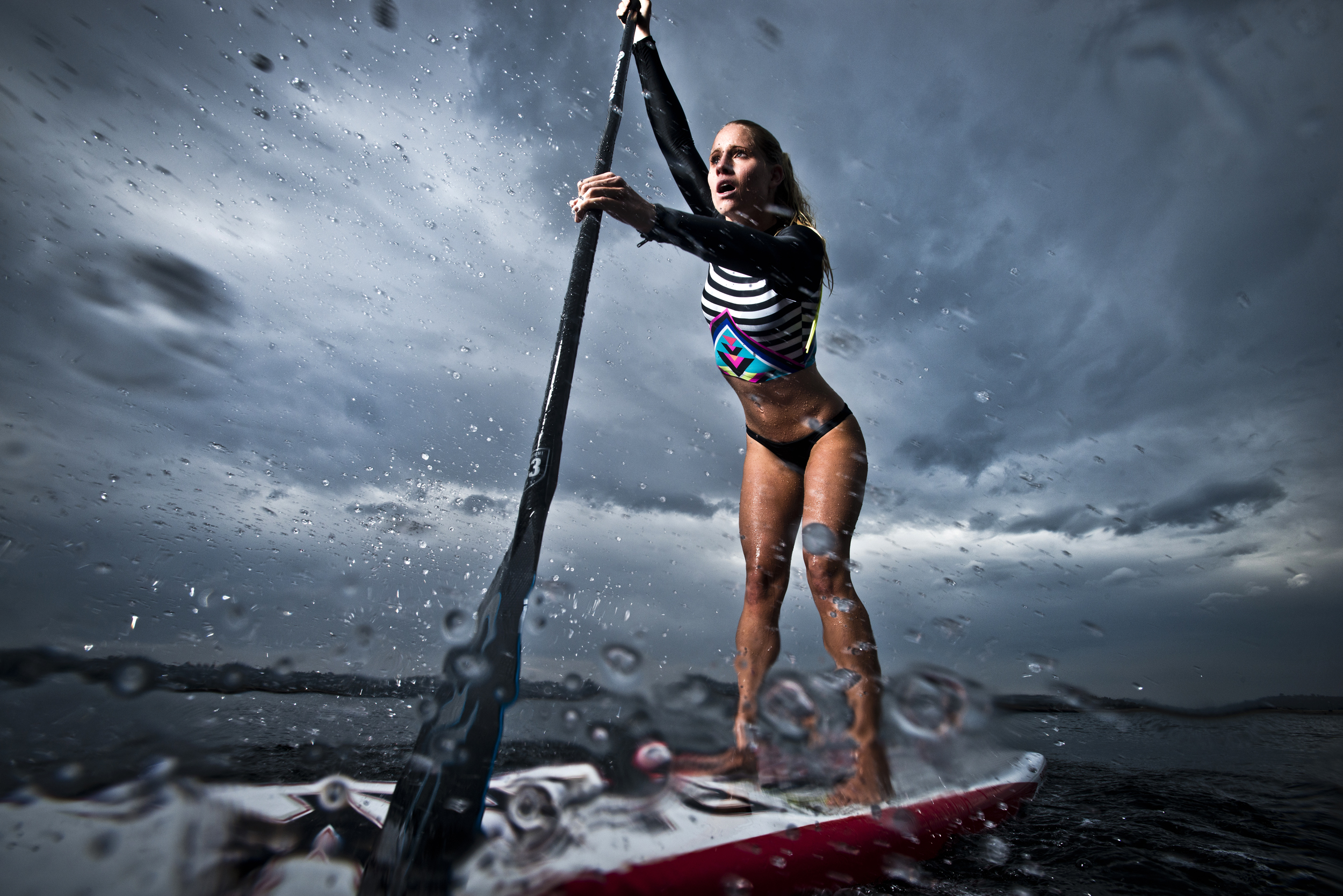
High-Impact Paddleboard Photos for Editorial & Commercial Use

Stand Up Paddleboarding with Impact: Strobe-Lit Action Photography

There’s a specific kind of energy you get when mixing outdoor sports with studio lighting. This shoot with a competitive stand up paddleboarder was all about that tension and blending the natural flow of water with bold, strobe-lit drama.

We planned it like a commercial shoot: sunrise location, multiple lighting setups on the water, and a focus on strong, clean compositions that would work well in both advertising and editorial contexts. The result? A set of images that feel athletic and raw, but also controlled and brand-ready.

This wasn’t a spontaneous session. It was lit like a campaign, and that’s exactly the kind of work I love doing. Whether you’re looking to license images from this shoot or want to plan your own production, I’m always open to collaborations where sport meets style, so please reach out if you’re ready to plan your next campaign photo shoot - rob@robhammerphotography.com


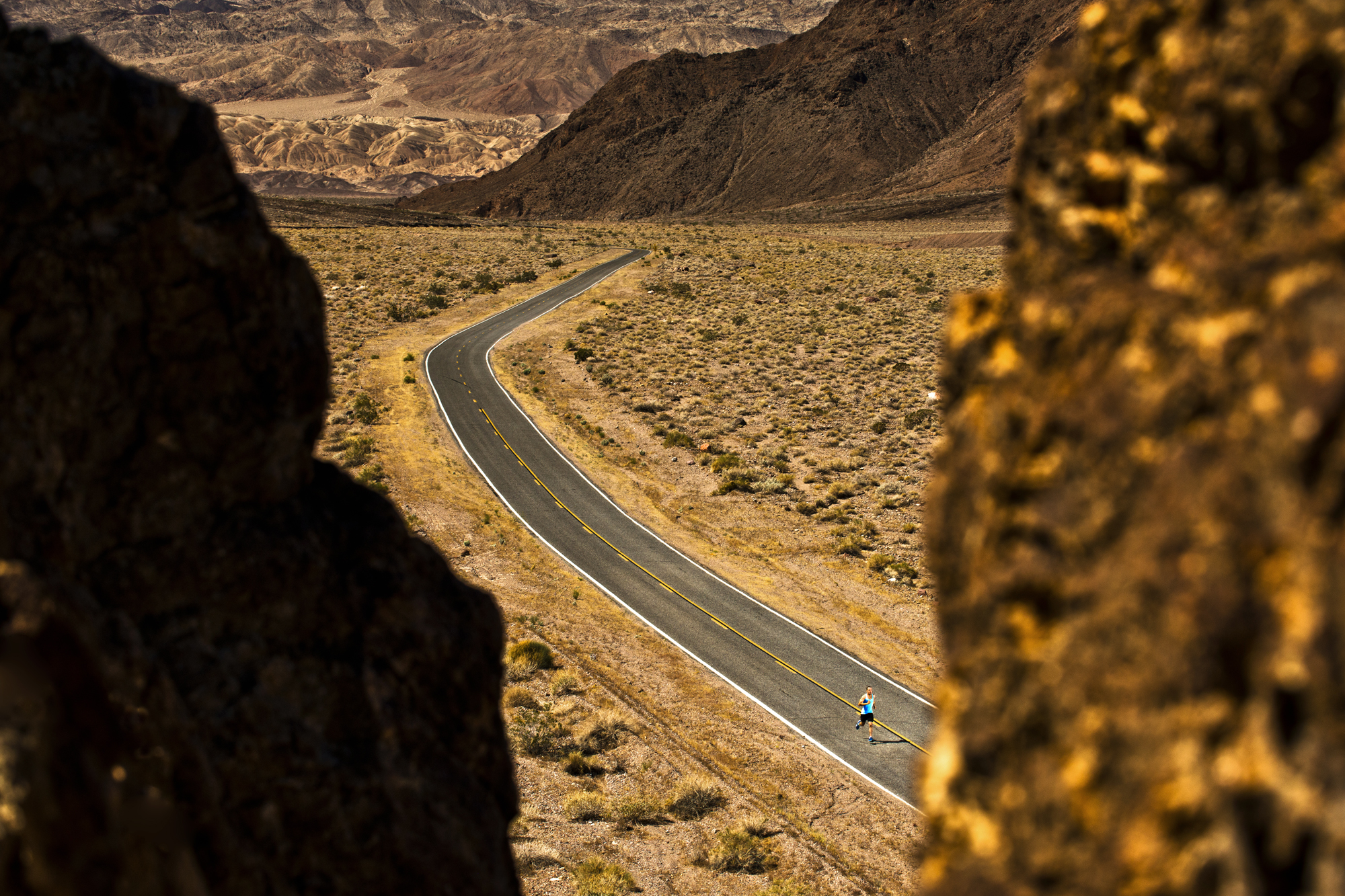
Death Valley-Running

I've been living in San Diego for a lot of years now, and have no excuse for never visiting Death Valley until just a few weeks ago. With all the cross-country driving I do, it seems ridiculous that it took this long to visit a place less than 5 hours away. Either way, I was more than excited when a client asked me to shoot some running images out there. And can't wait to go back for more. It's a very unique place. Obviously. Massive and desolate. You could argue that is almost seems like another planet, and not many people would argue. We came out of there with some awesome shots, but this has to be my favorite. This style of image is something I've been working on for a while now. Trying to show the scale of a place compared to the athlete and what they are doing. About 70 yards away from the runner in this shot, I still wanted to use strobes in order to really make him pop. So we ran a 20ft sync cord from my camera to the Broncolor transmitter, and set it up on top of a rock, which was in direct line of site to the strobe. Have to admit, when we first started testing, I thought the distance was going to be too far. That, and the very nature of Death Valley, seemed like it would mess with the radio frequencies between transmitter and receiver. Hoping to head back in a few weeks to push the envelope. Stay tuned. 

Nikon D800e and Polarized Nikon 70-200mm lens. Runner lit with Broncolor Move Pack and MobiLed Head. 

Click HERE to see more RUNNING images. 


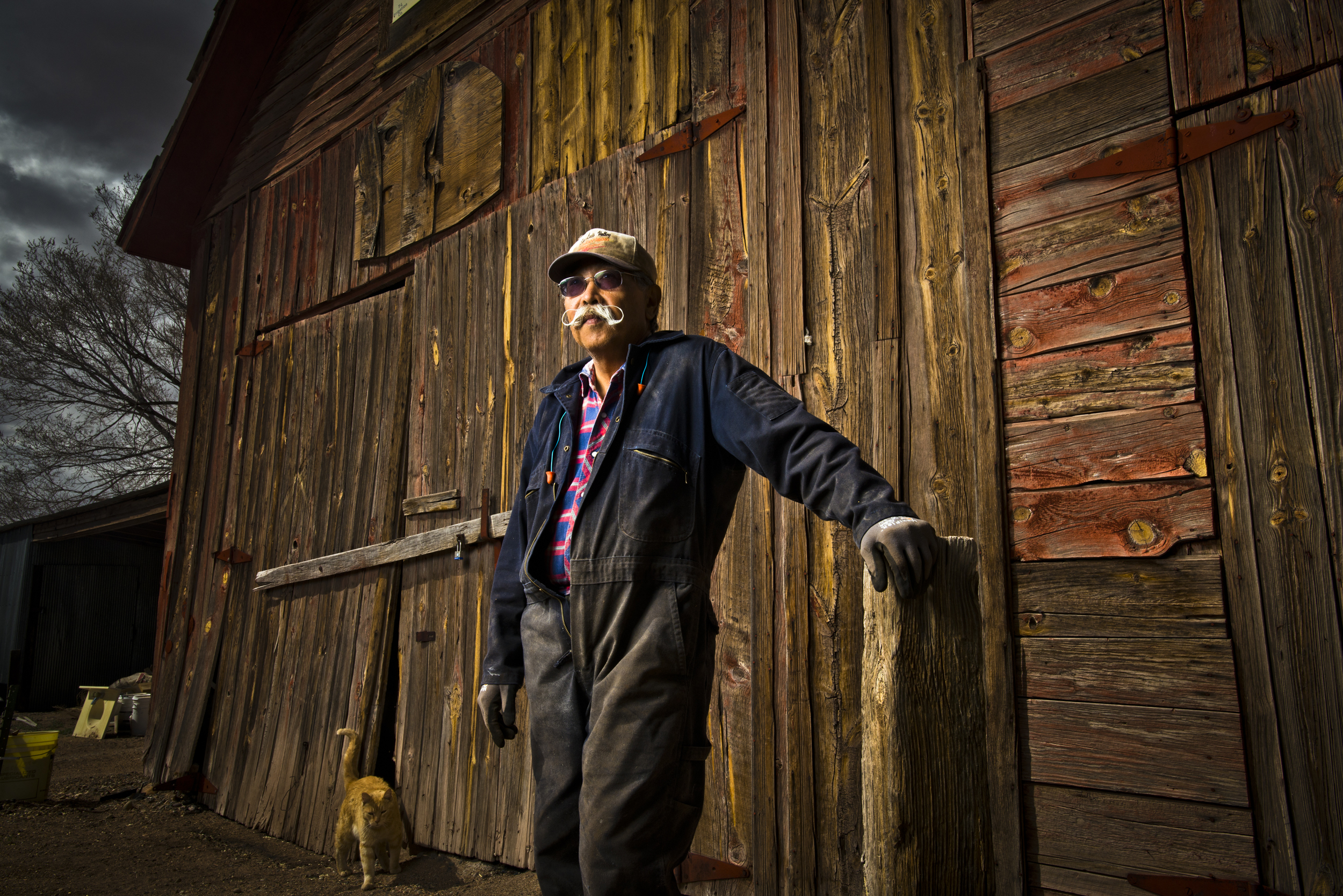
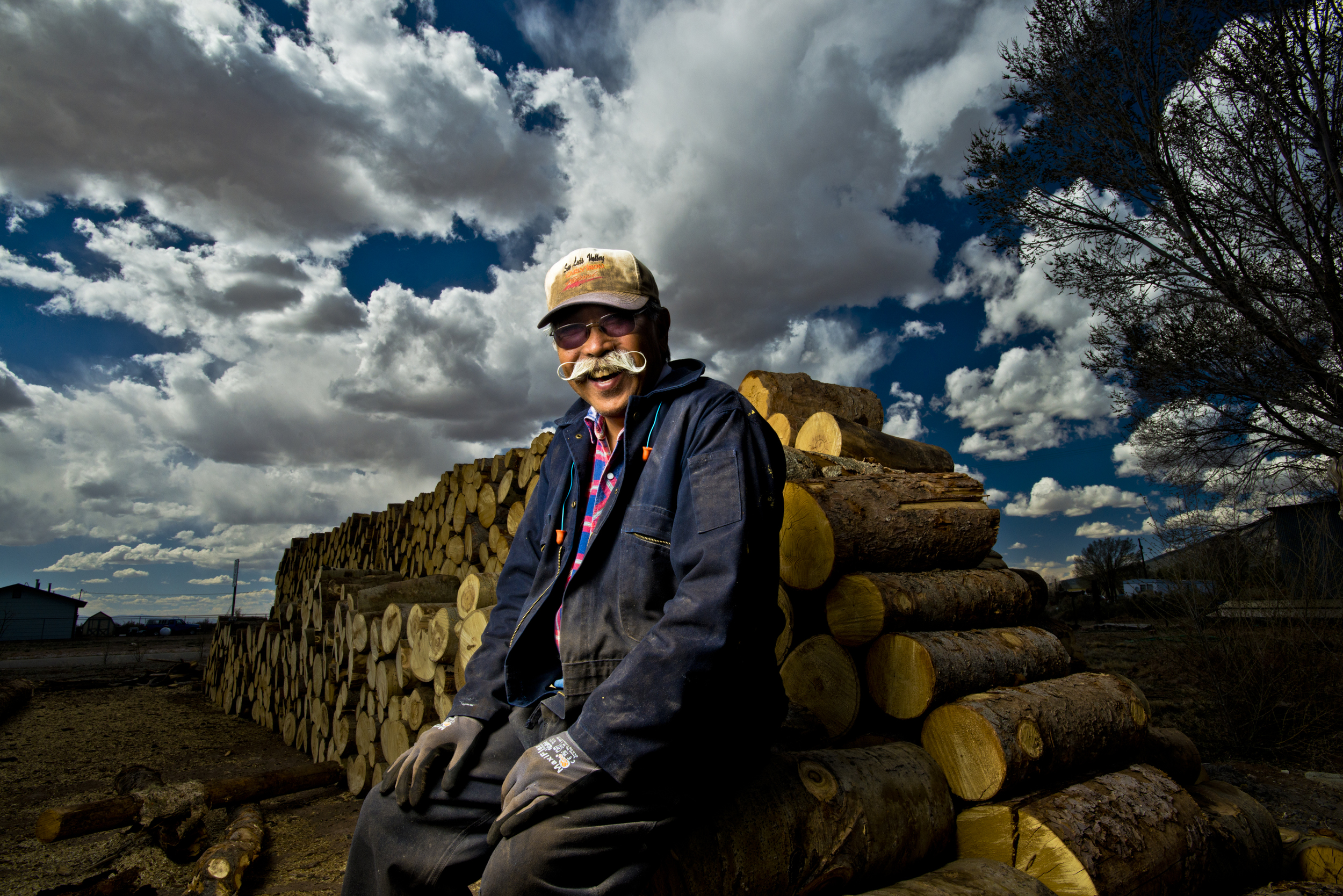
TRAVEL PORTRAIT

One of my favorite things to do on the road is make portraits of people that I randomly come across. This is Larry. He's a farmer in Blanca, Colorado. Which is a place you've probably never heard of. Neither had I, until driving through it last week. There isn't much to be said for it, but quite the opposite for Larry. Really jolly guy, and proud owner of that mustache since September 8, 1971. "The day I got my shipping papers to go state-side". Saw him out of the corner of my eye while passing his farm, and knew a portrait had to be made. Really gladded I stopped. 

Nikon D810 with Nikon 17-35mm lens. Lit with a Broncolor Move Pack and MobiLED Flash Head.