The American Barbershop

Inside an Old School Barbershop

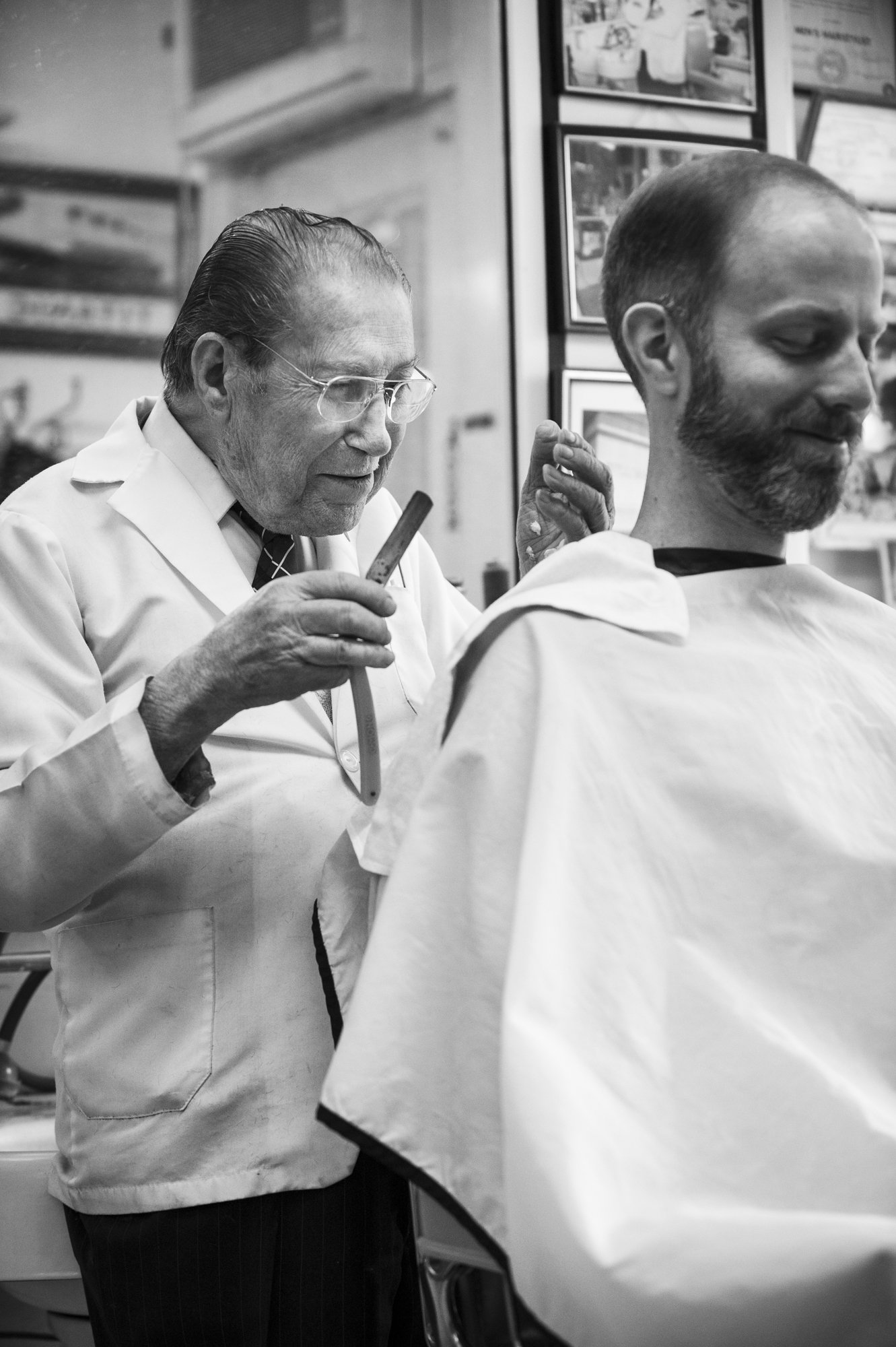
Some barbershops just feel different the moment you walk in, at least they should. This one sits right on Main Street in a small Nevada town, and it hasn’t tried to reinvent itself or keep up with trends. It doesn’t need to. It’s an old school barbershop in the truest sense — a place built on community, friendships, decades of doing things the same way because they work.

You notice it in the details first. The worn chairs. The mirrors that have seen thousands of haircuts. The quiet hum of clippers and conversations that don’t feel rushed. This is the kind of traditional barbershop where people come not just for a haircut, but because it’s part of their weekly or monthly rhythm.

An Old School Barbershop That Still Feels Like Main Street America

Main Street barbershops like this one are becoming harder to find. A lot of them have disappeared, replaced by newer spaces that feel more like salons than barber shops. Luckily, this place hasn’t gone that route. It still feels rooted in tradition, serving the same community it always has.

People come in, take a seat, and wait their turn. Some talk. Some don’t. The barbers know all the faces, and the ones they don’t quickly become familiar. There’s no rush to move people through. The pace is steady and comfortable — exactly what you expect from an old school barber shop that’s been around long enough to earn that confidence.

This is Main Street America in its simplest form.

Photographing a Traditional American Barbershop

When I photograph barbershops, I’m not looking to stage anything or make the space feel more polished than it really is. I’m drawn to places like this because they already have character. The work is about paying attention — to how light hits the mirrors, how chairs sit slightly crooked from decades of use, how people interact when they feel at home.

This traditional barbershop didn’t need direction. I spent time watching, waiting, and letting moments happen naturally. A barber stepping back to check his work. Someone laughing mid-conversation. A quiet pause while clippers buzz in the background. Those are the moments that tell the real story of a shop like this.

Why Old School Barbershops Matter

Old school barbershops are more than just places to get a haircut. They’re social spaces, community anchors, and in many towns, one of the last places where people still slow down a little. They reflect the personality of the neighborhood they’re in and the people who keep them going.

Photographing spaces like this feels important, especially as so many of them disappear. Once they’re gone, they’re gone for good. These photographs are a way of preserving what these places look and feel like — not in a nostalgic or romanticized way, but honestly, exactly as they are.

Vintage Barbershop Photography Prints

This series is part of my ongoing Barbershops of America project (and photo book), documenting traditional and vintage barbershops in all 50 states of the USA. Photographs from this Main Street barbershop are available as fine art prints, and they tend to resonate with collectors, interior designers, and anyone drawn to classic American spaces.

If you’re interested in prints from this series, or in licensing images for editorial or commercial use, you can explore more work from the project through my barbershop photography gallery.
View the barbershop photography book

View the barbershops photography gallery

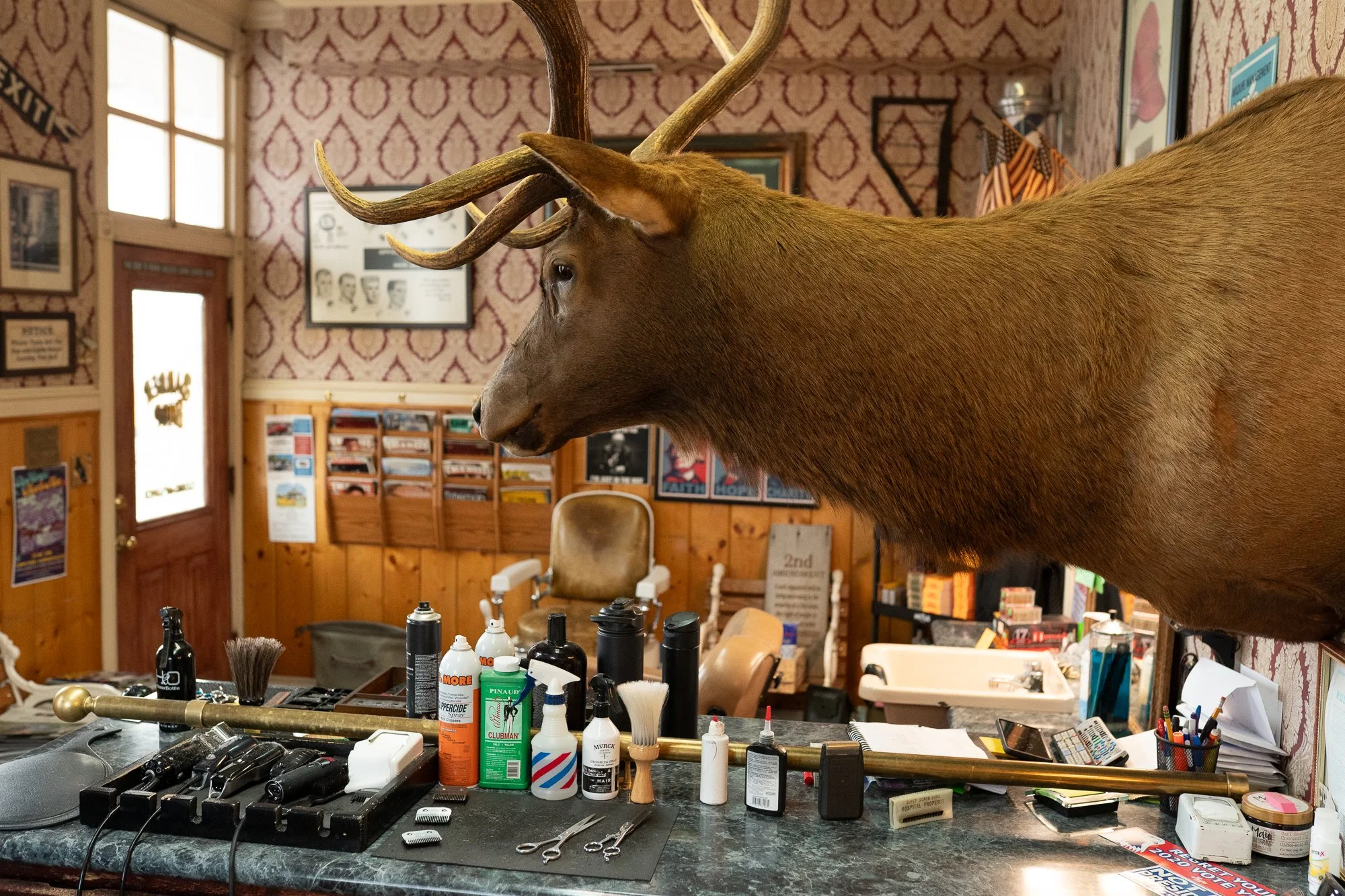
Vintage barbershop interior with a mounted elk head above a counter lined with clippers, shaving tools, and bottles.

A mounted elk watches over the barber’s counter—an unmistakable detail that roots this barbershop firmly in old school tradition.
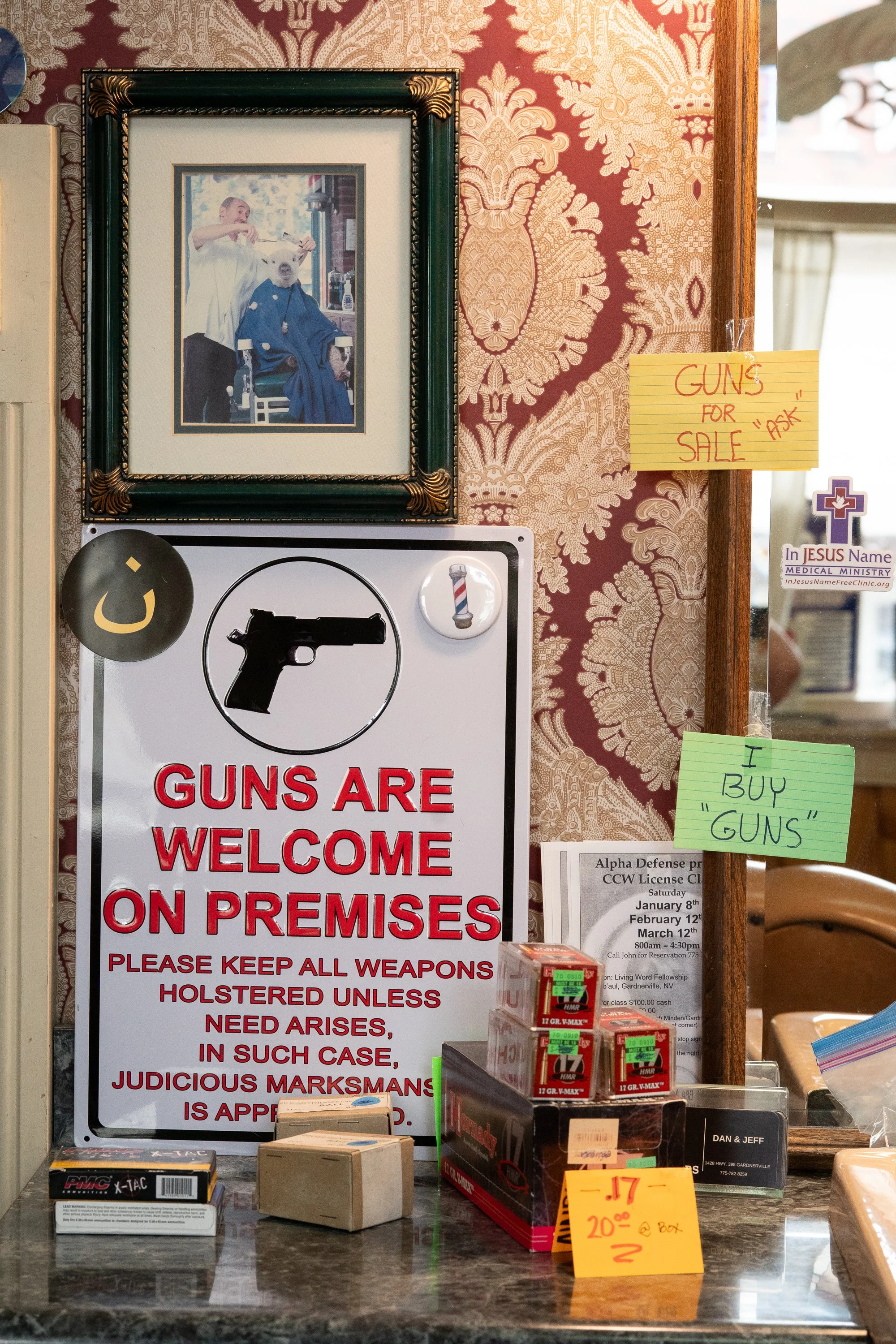
Details like handwritten signs, framed photographs, and unapologetic Americana are part of what defines this old school barbershop.
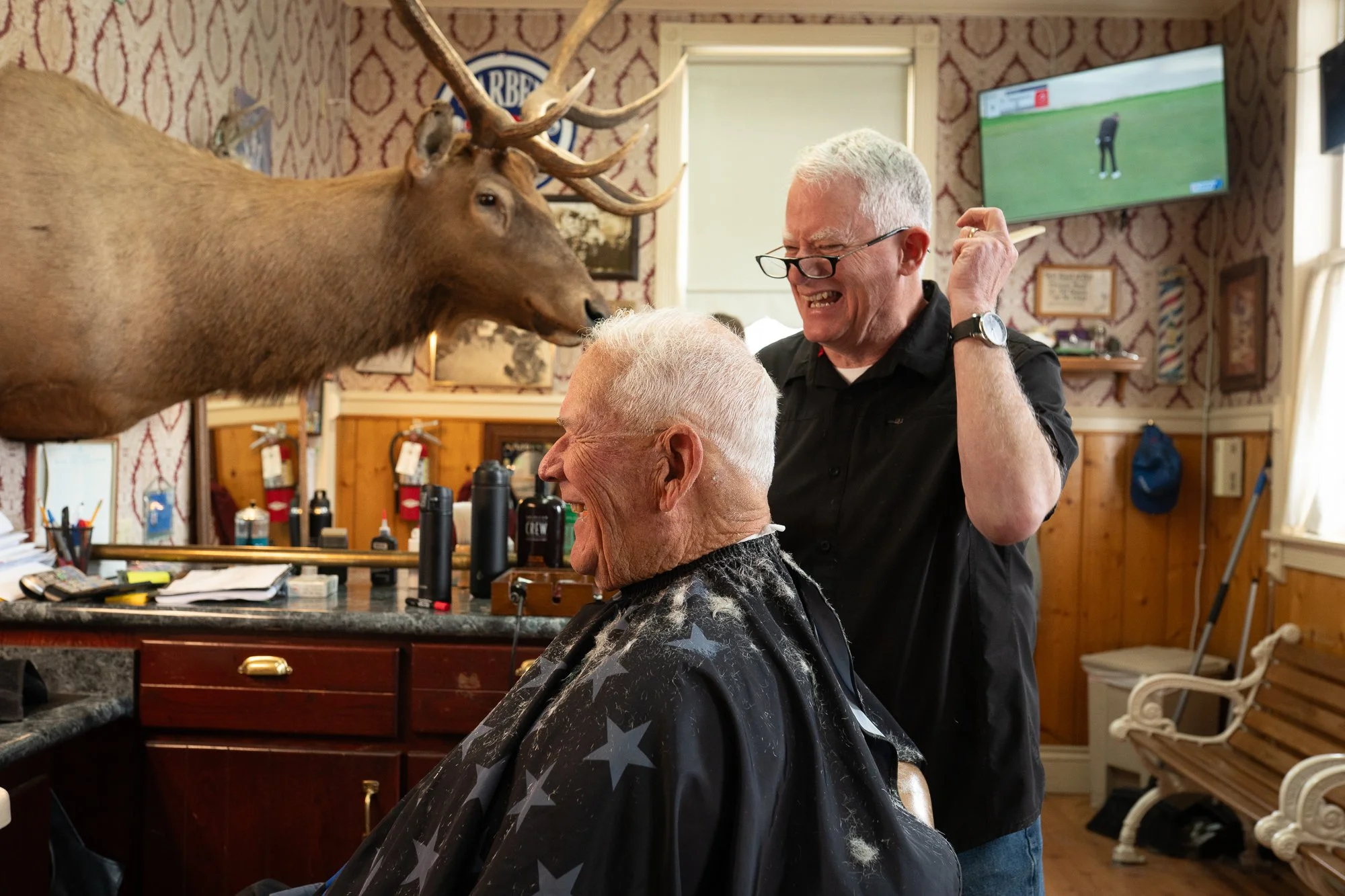
Old school barbershop haircut with a barber laughing beside a client seated beneath a mounted elk head.

A moment of laughter during a haircut in an old school barbershop, where mounted elk and decades of tradition share the same wall.
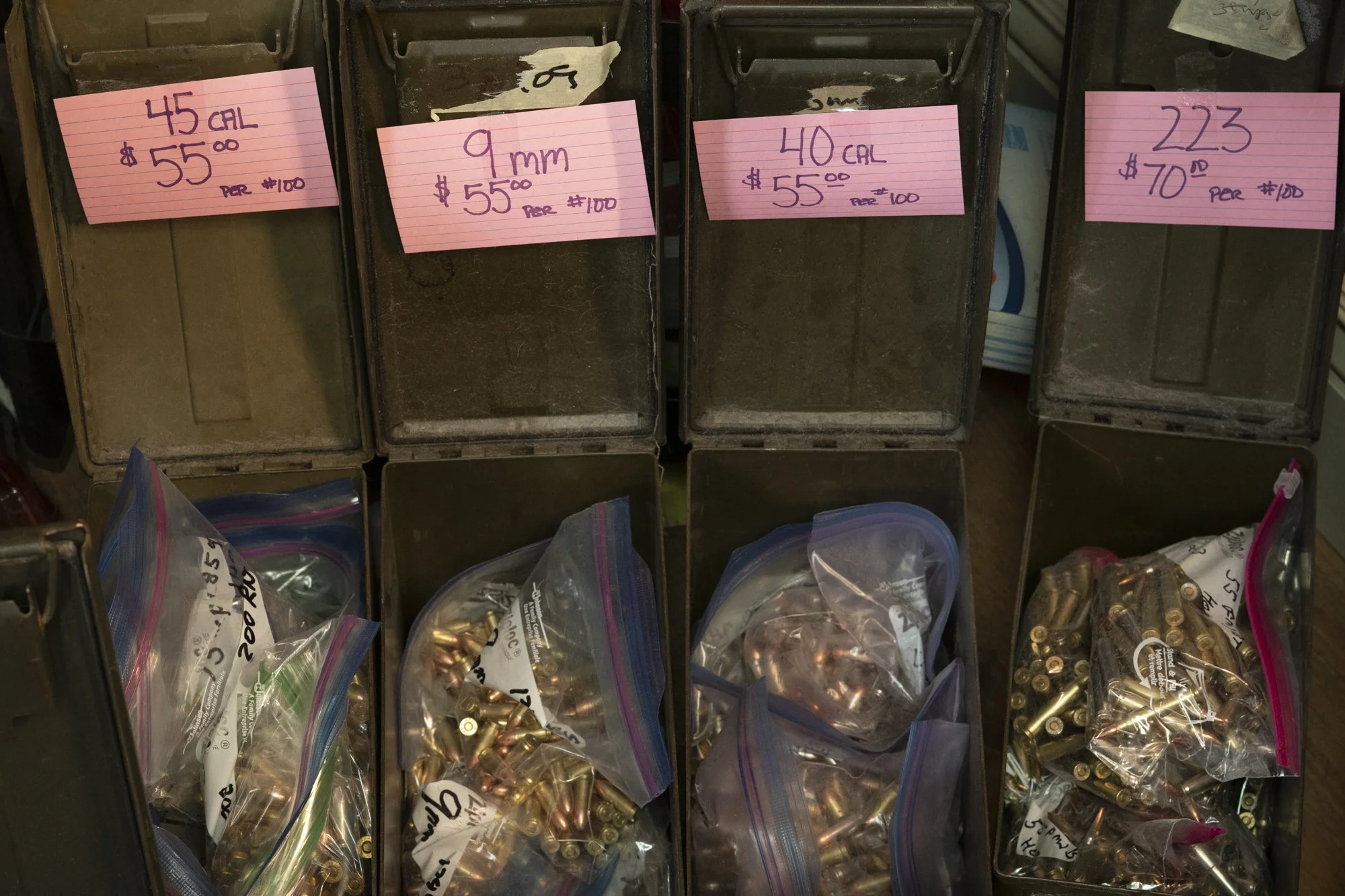
Ammunition for sale on the counter of an old-school barbershop, reflecting rural Americana and local culture.

A detail that stops you in your tracks—ammo for sale on the barbershop counter, a reminder that these shops often reflect the character of the towns they serve.
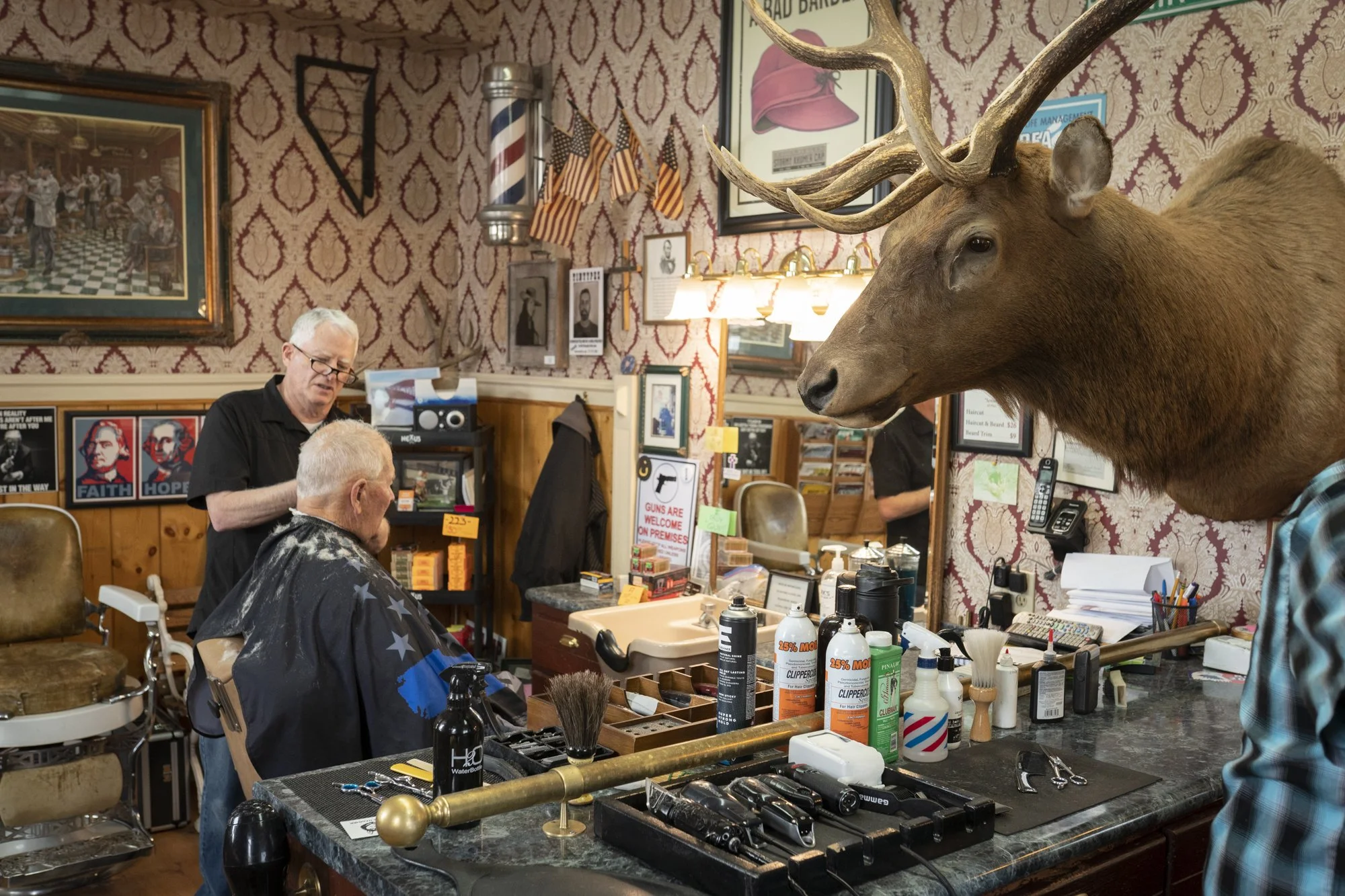
Old-school barbershop haircut beneath a mounted elk head in a traditional American barbershop interior.

An old-school barbershop moment—regulars in the chair, clippers on the counter, and a mounted elk watching over decades of haircuts and conversation.

Kansas City Basketball

Basketball Hoop Photography - Prints

Story Behind The Image

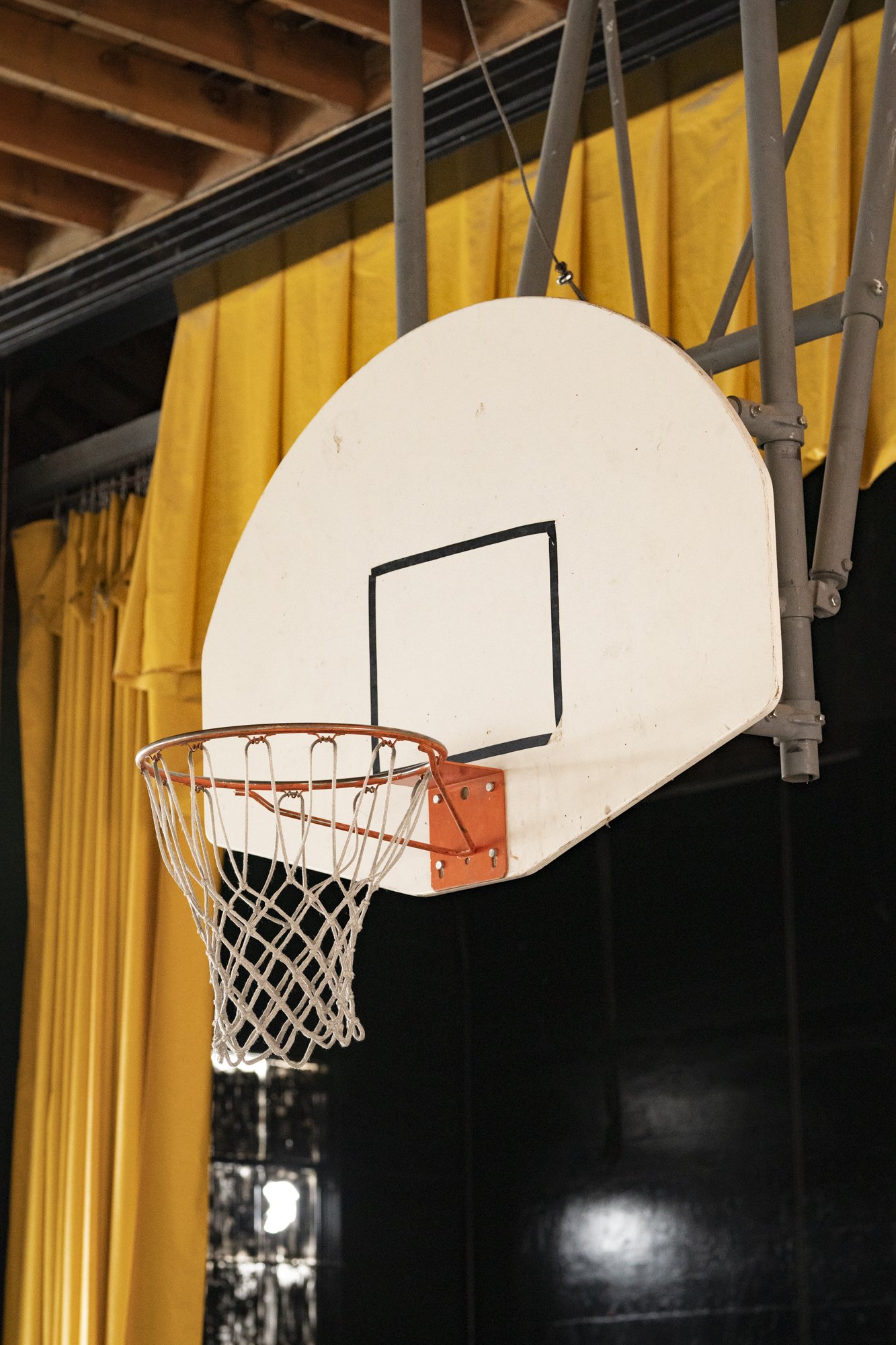
Of my many vices, BBQ is damn near the top of the list. Food in general is a big part of my life, but great BBQ is an especially large weakness. Many years ago while driving cross country, I stopped in Kansas City for some of their famous meat, and almost immediately complained to friends about the quality of that particular establishment. One of them recommended Arthur Bryant’s on Brooklyn Avenue. Ever since that trip AB’s has been a must stop anytime I’m within a couple hundred miles. They don’t miss. You know walking in there that they are going to take care of you. The place just feels right. Like walking into Madison Square Garden, you can feel the history. What the hell does this have to do with basketball? Nothing really, but if you’ve ever had a proper plate of BBQ, then you know the only thing that follows is immense satisfaction followed by meat sweats and a nap. So the ritual goes that I eat too much food, sparing the napkin full of scraps that are saved for Mojo who is (was) always waiting in the truck, drool already hanging several inches from his mouth. Poor bastard had to sit there while the smell of burnt ends and pulled pork wafts steadily in the window. After his treat we go for a long walk which turned into the same familiar route over the years. One of the regular sites is an abandoned school that I’ve made some mediocre images of. Viewing it from the outside always led to daydreaming of what the  gym inside looked like. As luck would have it, while walking by one year the plywood on a ground floor window was ripped off and the metal grate had been ripped open. That’s an invitation, right? Of course it is. Anyone that takes if for anything less is a fool. So I hopped in the window with a tripod, camera bag, and a headlamp. Kansas City summers are hot to say the least. Inside a sealed off brick building is something else altogether. It felt like you could chew on the air in there. Walking into the gym didn’t even seem real. My jaw must have drooped right to the floor. Couldn’t believe what a gift I was handed.  The whole room was all but gutted, yet the backboard still stood. I could have been happy in there for days. Still though it wasn’t a place to be for long. There were obviously people squatting and I didn’t have much interest in them knowing I was there. So after waiting waiting waiting for my lens to defog, a few frames were made, and I hit the road without any interactions between the squatters or the police. Moral of the story is eat more BBQ. 

If you’re a photography collector looking for basketball wall art, please contact me directly. All of my basketball hoop photography is available as fine art prints - rob@robhammerphotography

American Photography

Photographing America - Road Trip - USA - Travel

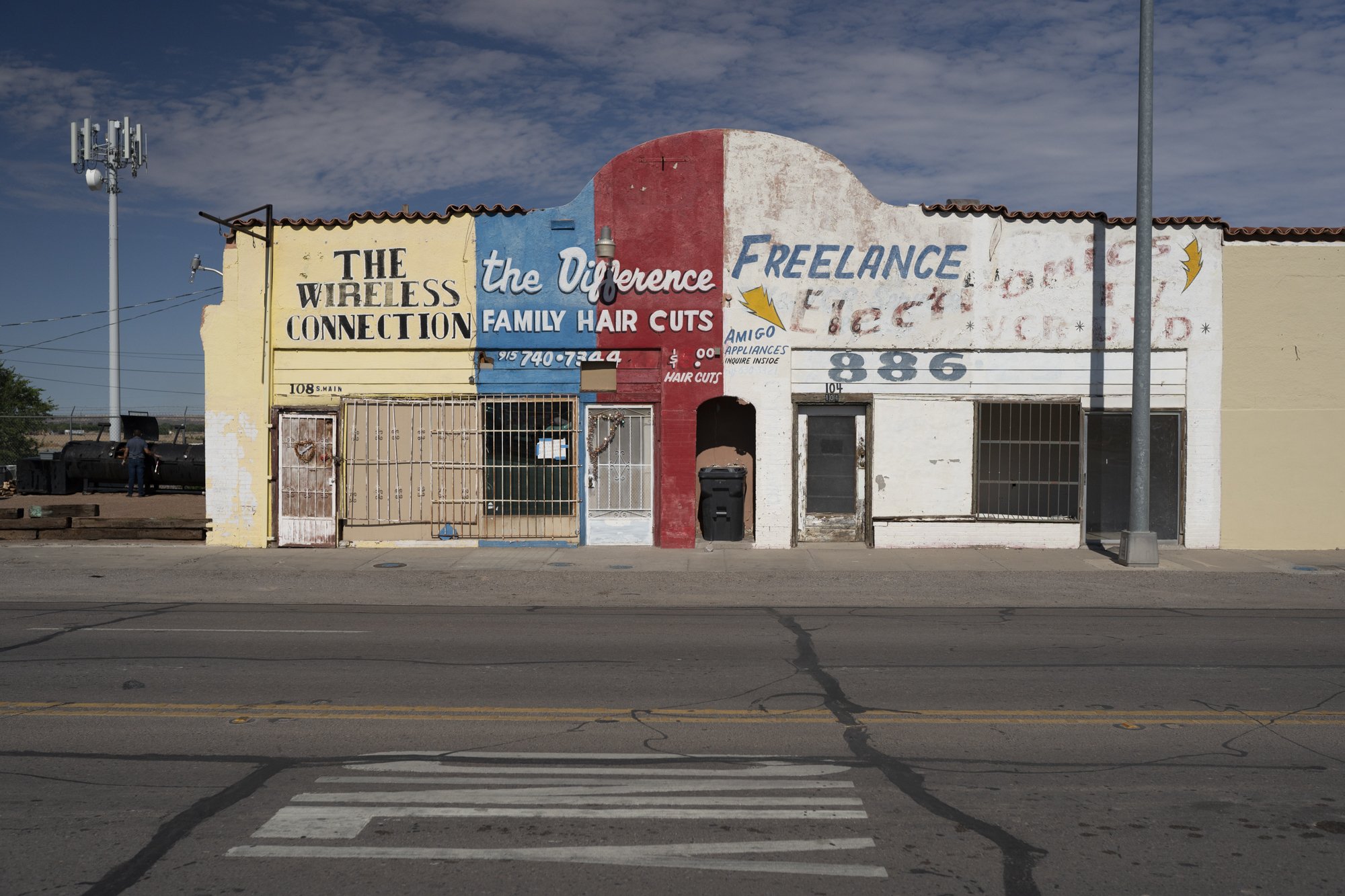
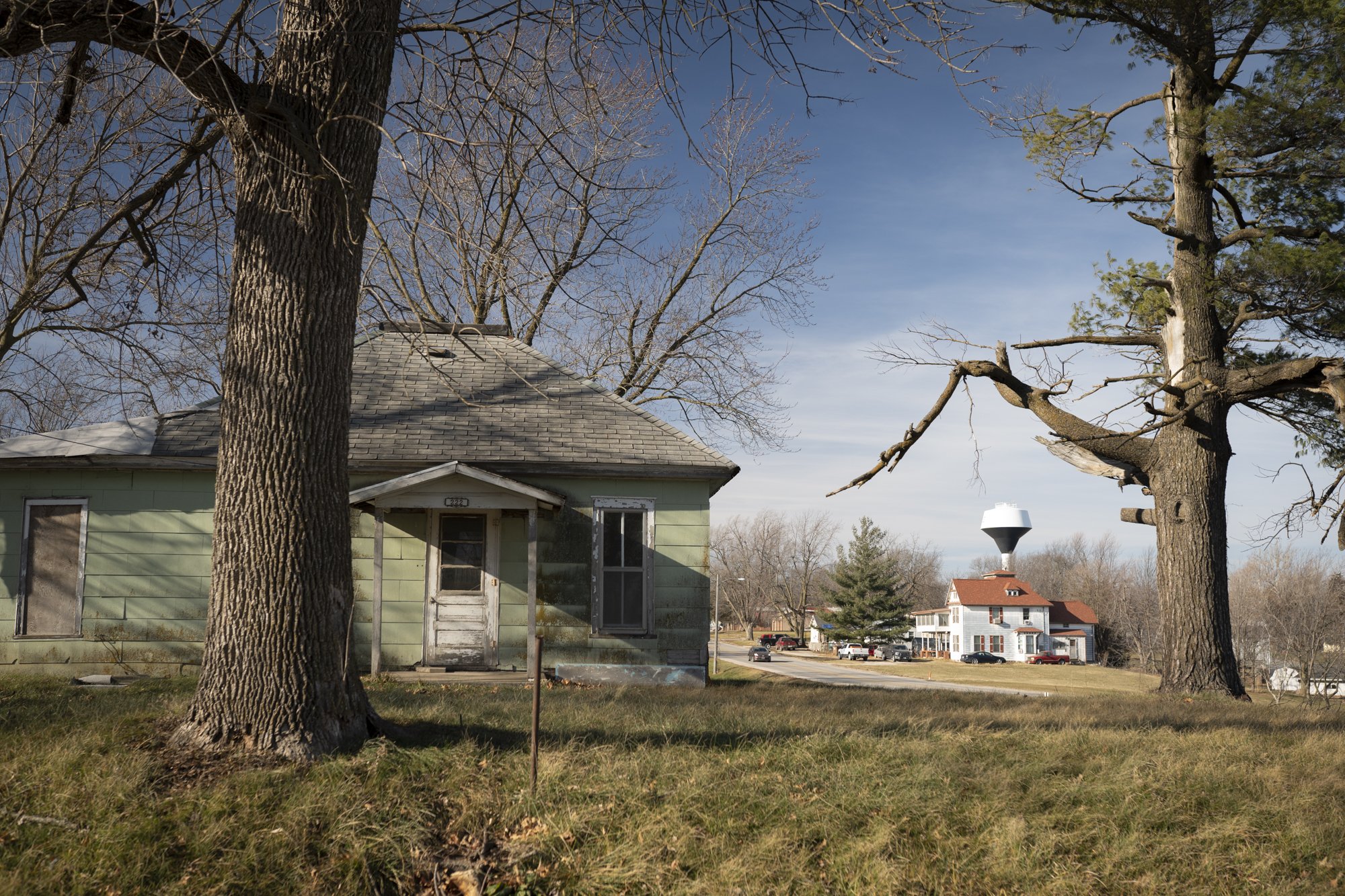
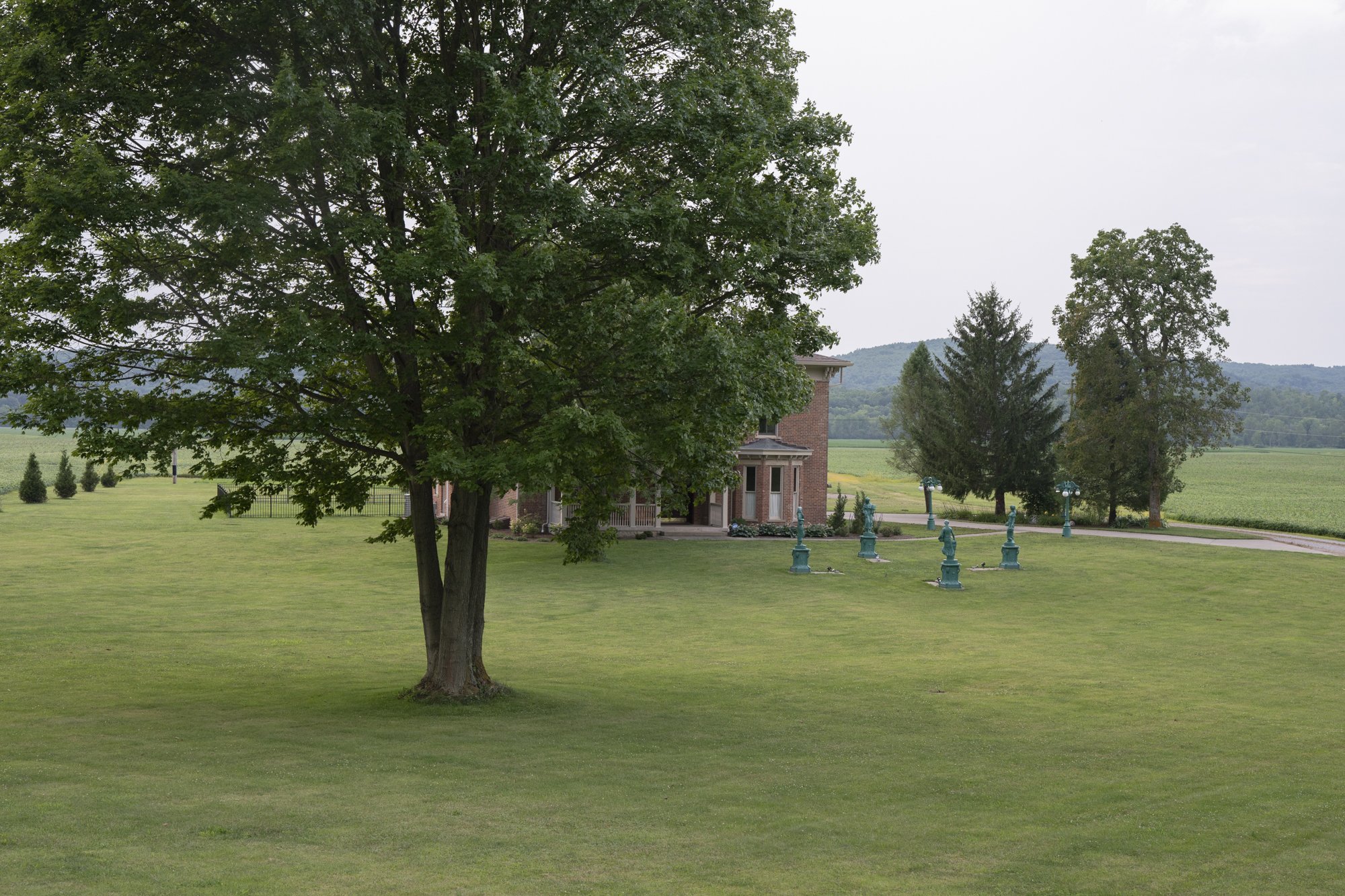
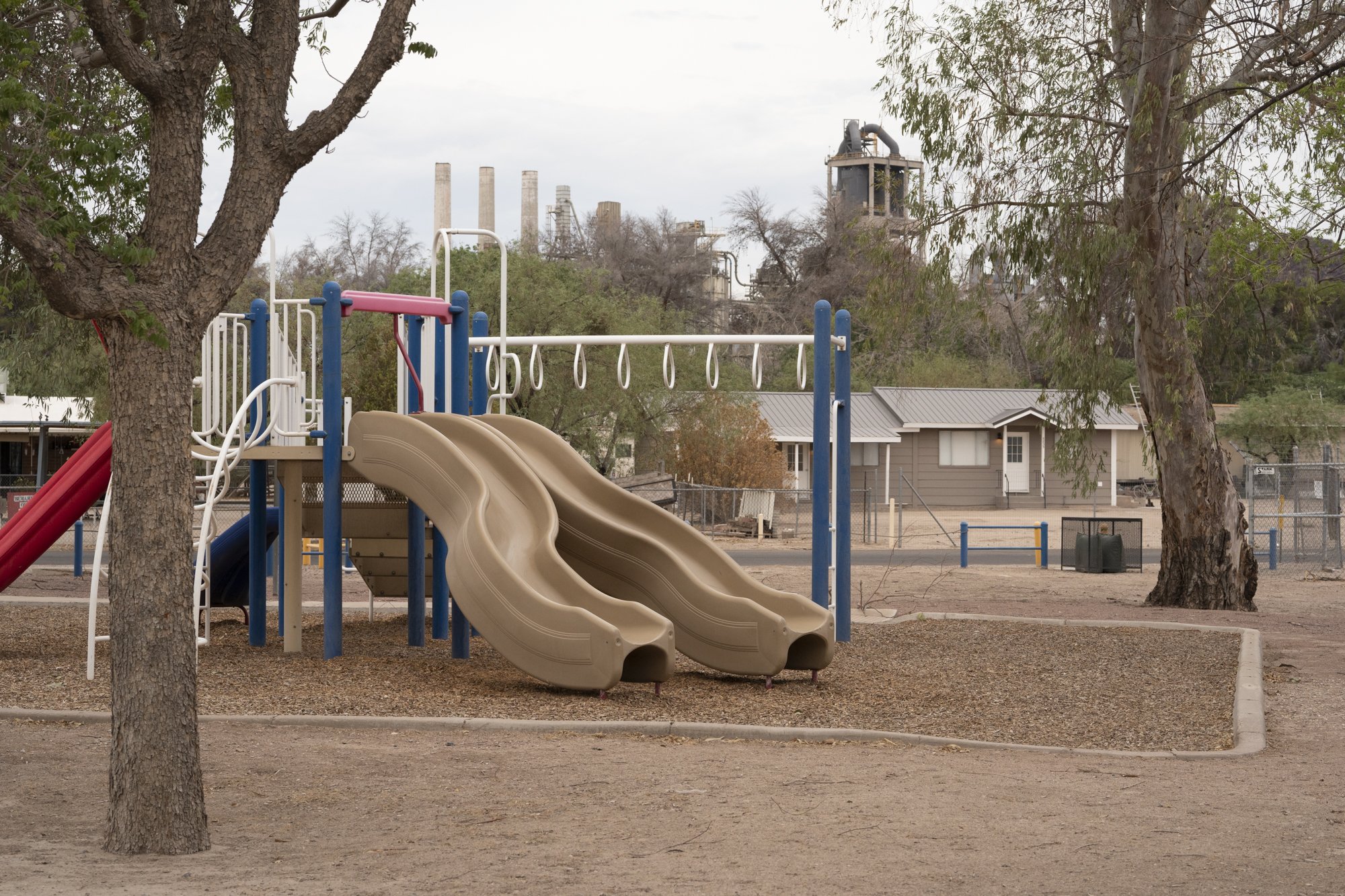
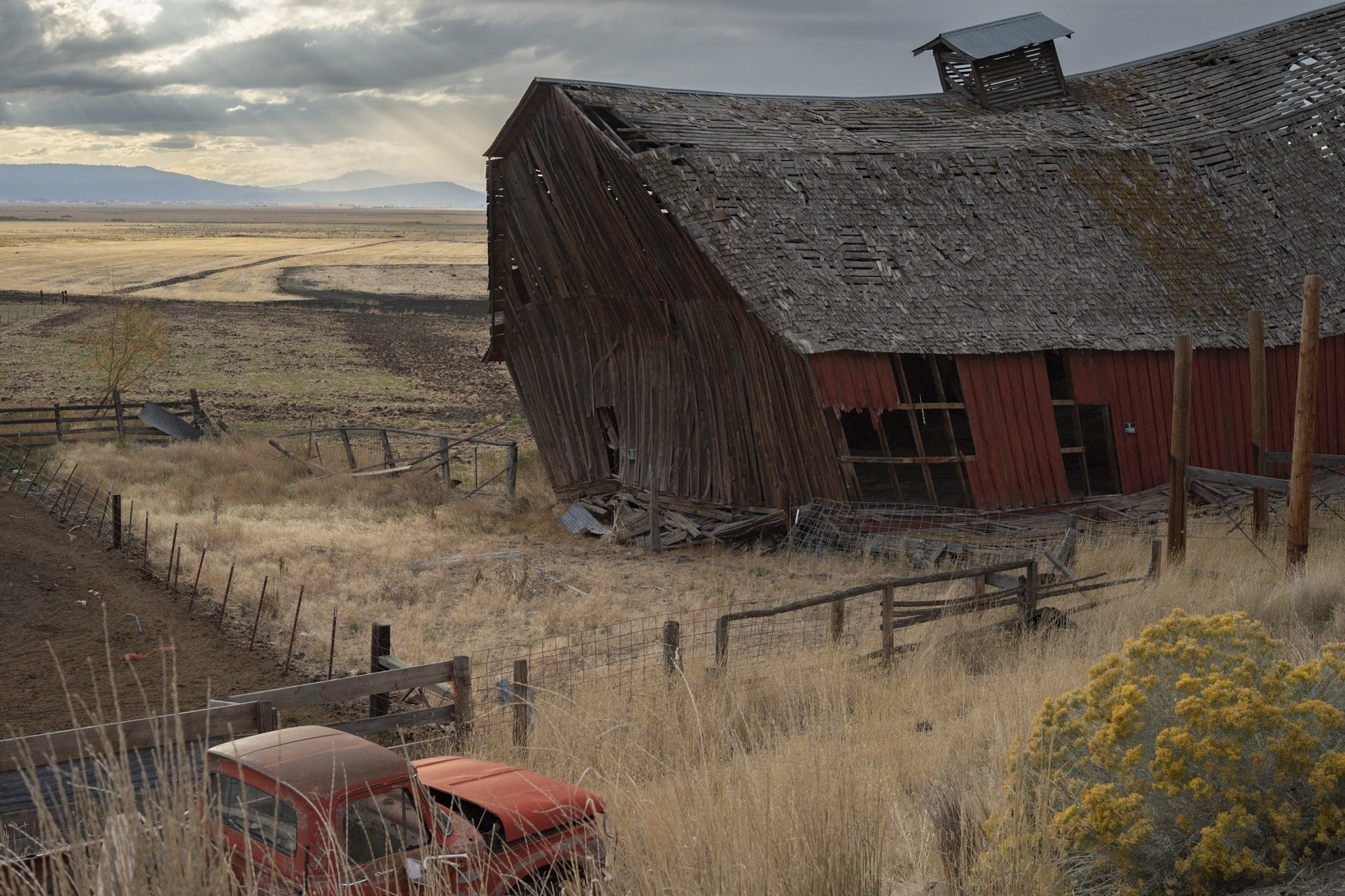
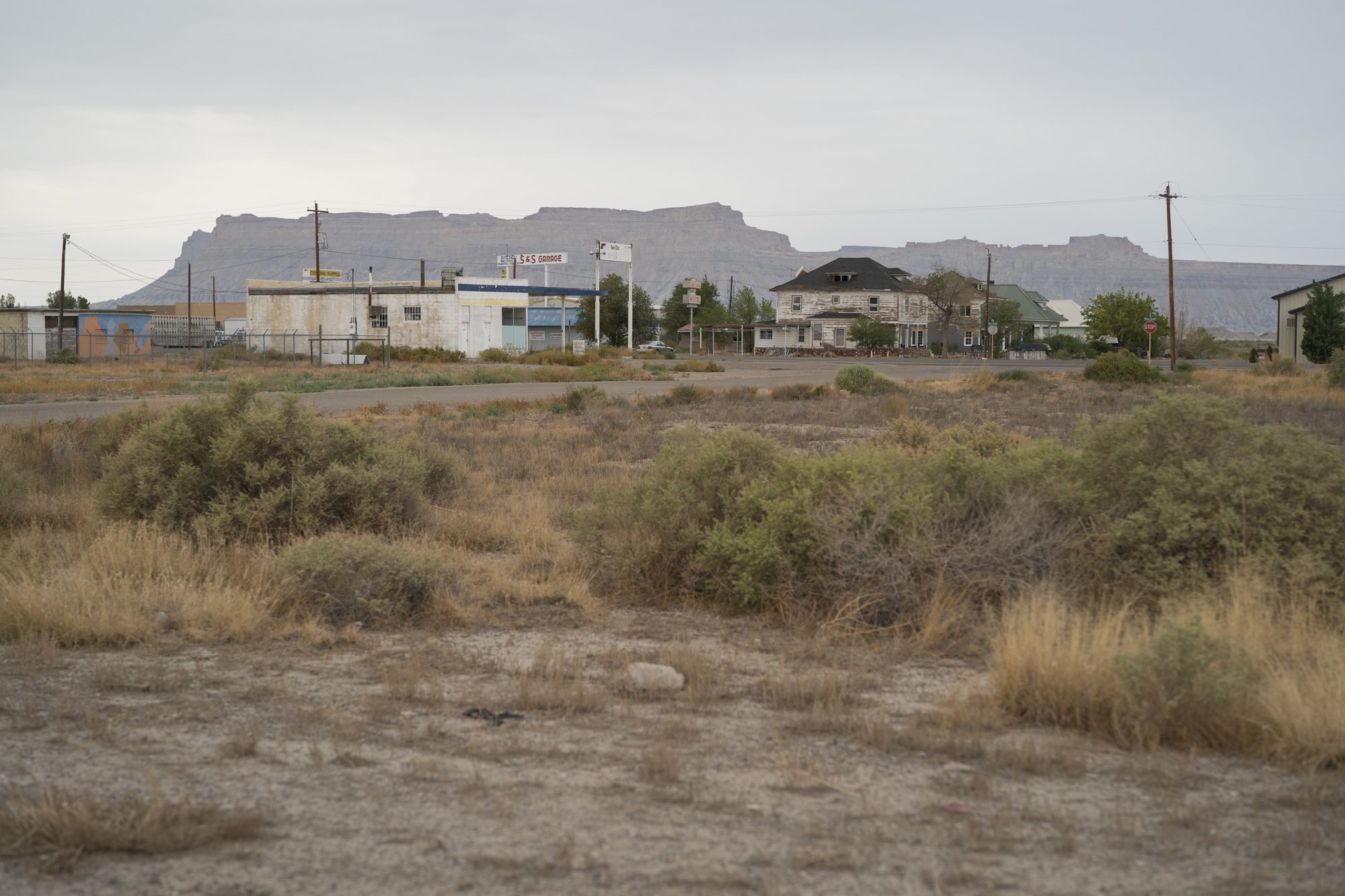
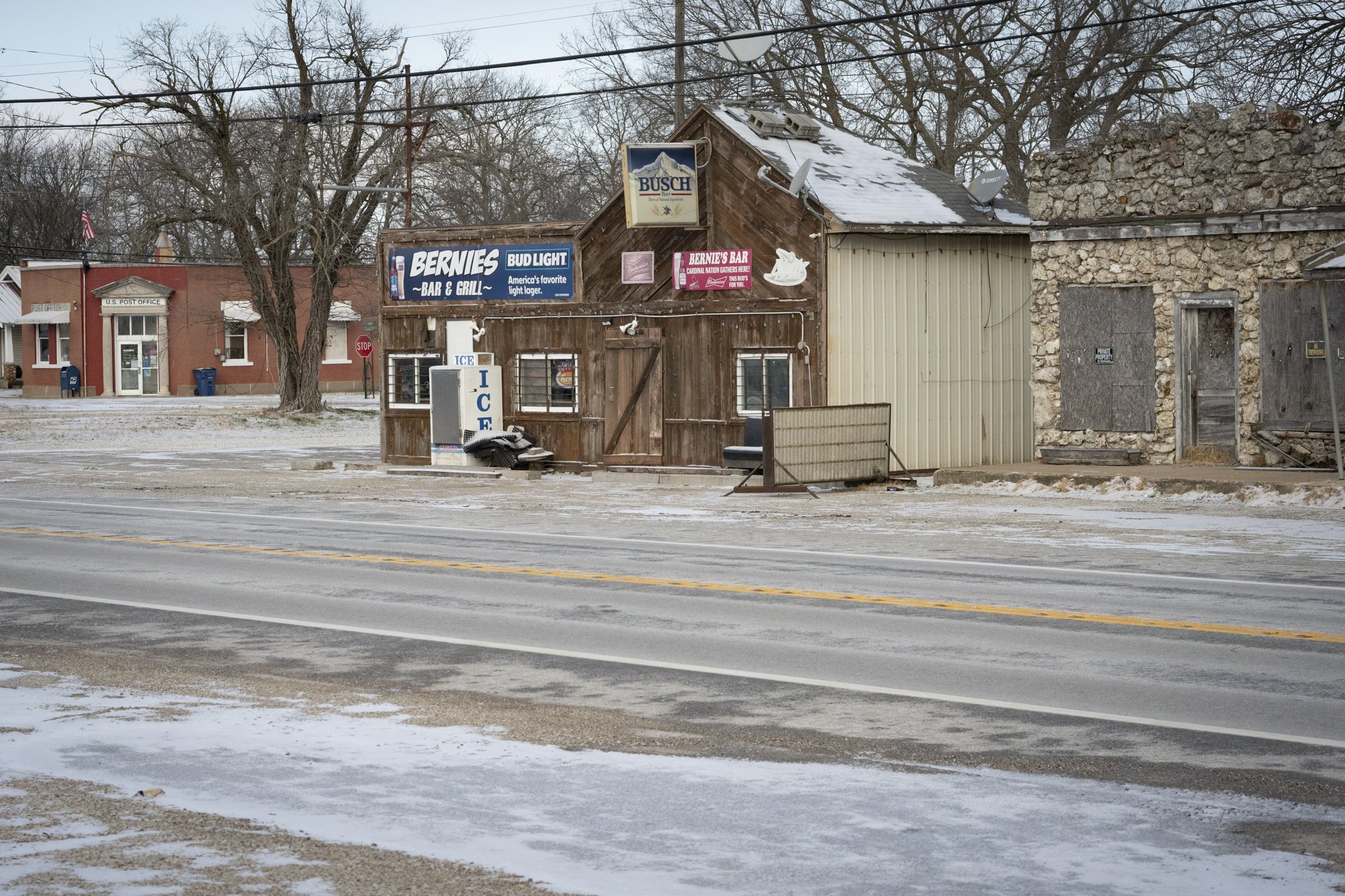
Every day spent on the road is educational in some way, especially when you drive for hours upon hours without producing anything. Half days even. A full day, and you still might not have put the camera up to your eye. Then you get to some kind of hot spot, for the lack of a better word. That’s what happened here. These top 3 images were made within 100 feet of each other in some small Illinois town on a day that otherwise produced almost nothing. Odd how that happens.

Click here to see more from my America series.

Roadside Meditations - Kehrer Verlag

Just returned from the road to find the first copy of Roadside Meditations waiting quietly at home. Feels so good to finally hold a hard copy in my hands after the long (but fun) production process with Kehrer Verlag in Germany. Unfortunately the books aren’t for sale yet in the States, but I will be posting and talking much more about this when the time comes. Hoping to have them up and ready to sell on my web store in about a month. Check back here or Instagram (@robhammerphoto) for updates.

Fine art photography book Roadside Meditations by Rob Hammer and Kehrer Verlag.

Wyoming Cattle Ranch

Wyoming Cowboy Photography

American West

A cowboy gathering cattle on a ranch outside Laramie, Wyoming. Cowboy Photographer Rob Hammer.

Wyoming cattle drive

Wyoming is a land rich in rugged beauty, where open plains meet towering mountain ranges, and the cowboy way of life still thrives. One of the most iconic images that evokes the spirit of the American West is that of a working cowboy on a Wyoming cattle ranch. These photos not only showcase the breathtaking landscapes but also the hard work, dedication, and heritage that define ranch life.

A cattle drive on a large ranch in Wyoming by cowboy photographer Rob Hammer.

Cowboys moving cattle on a ranch in Wyoming

A cowboy lets his horse drink from a pond during a long cattle drive on a ranch in Wyoming by cowboy photographer Rob Hammer.

Black and white cowboy photography print

Cowboys herd cattle on a rugged section of open ranch in Wyoming by cowboy photographer Rob Hammer

Wyoming cowboys

At Work

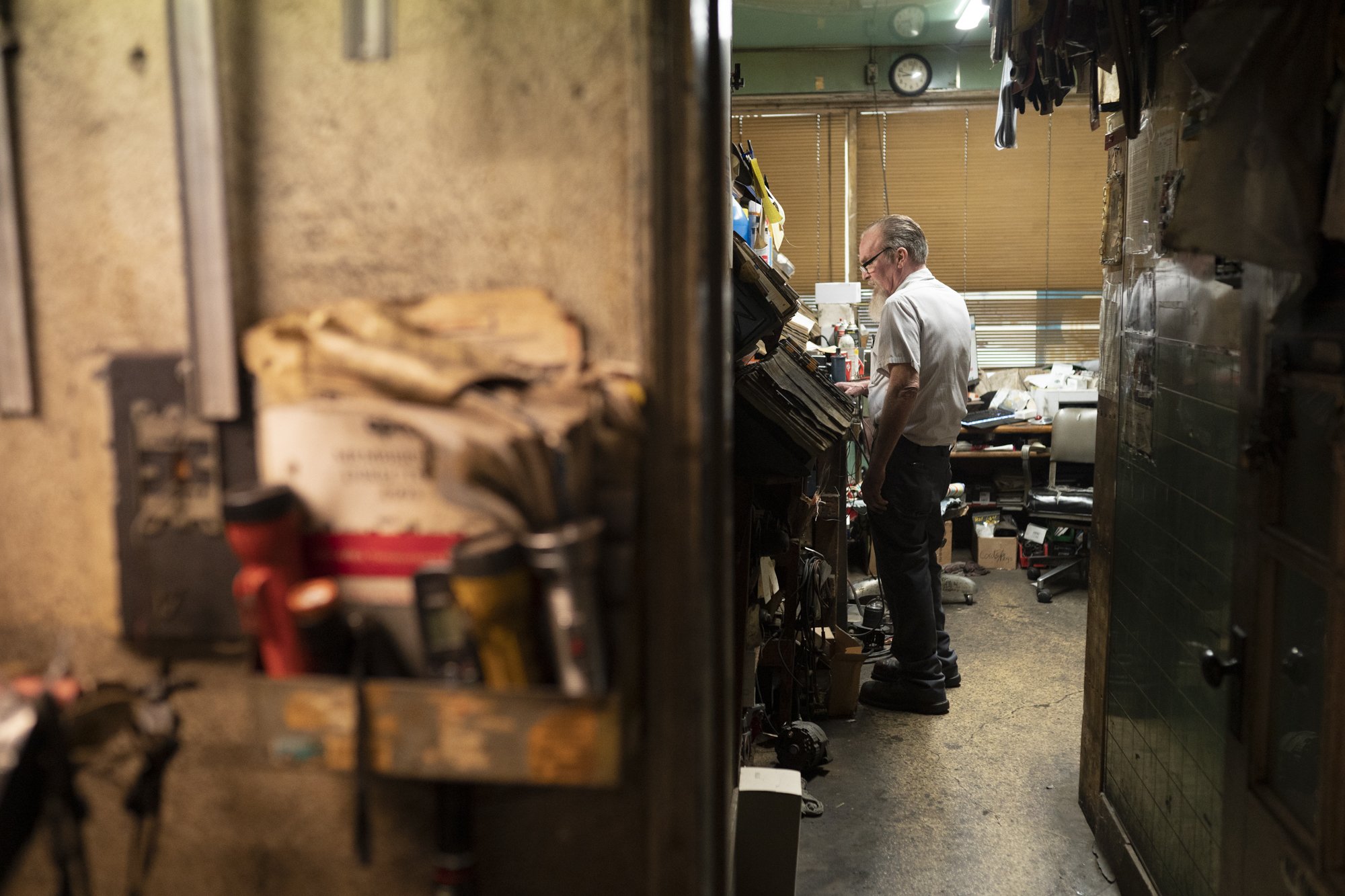
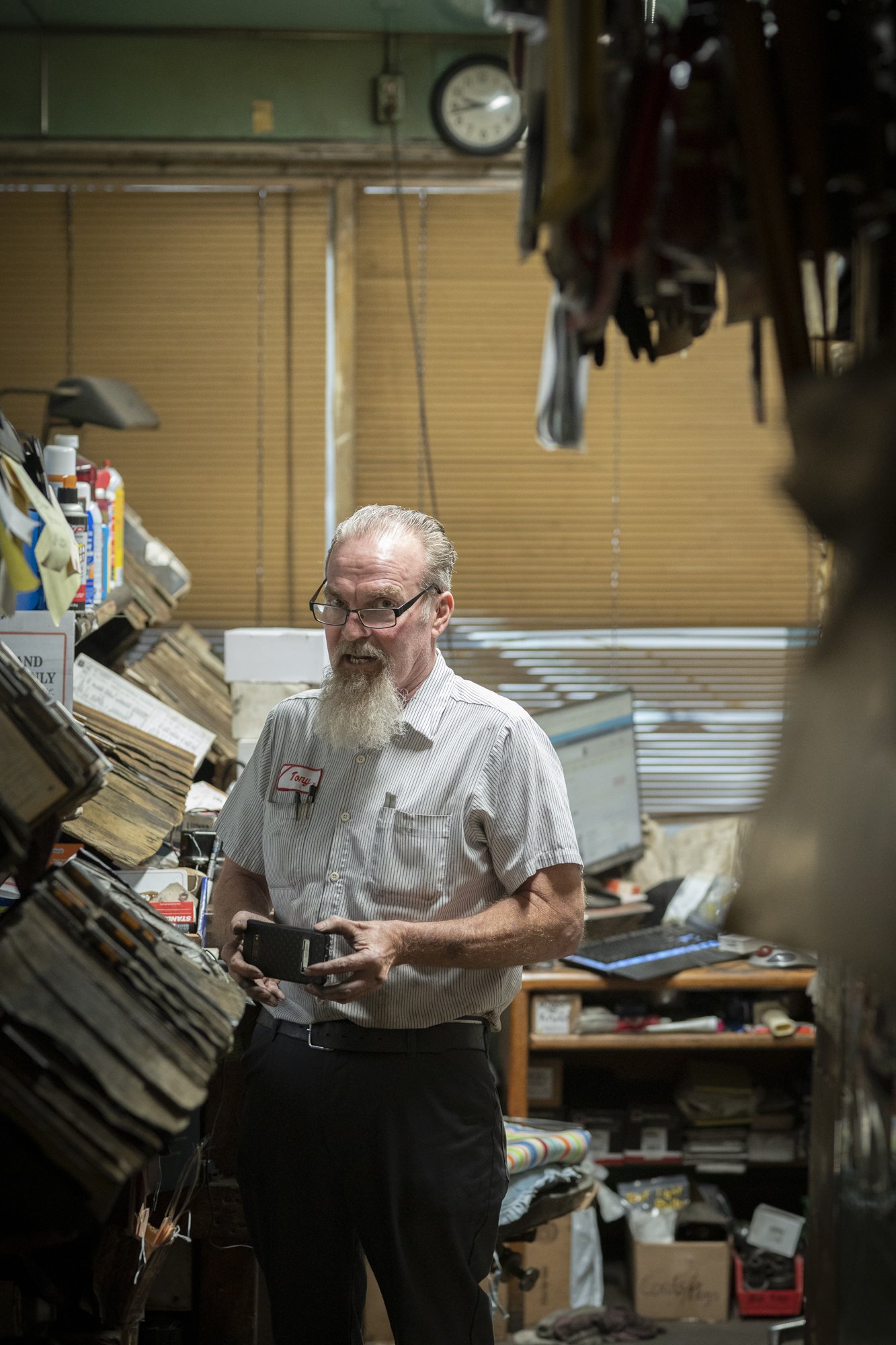
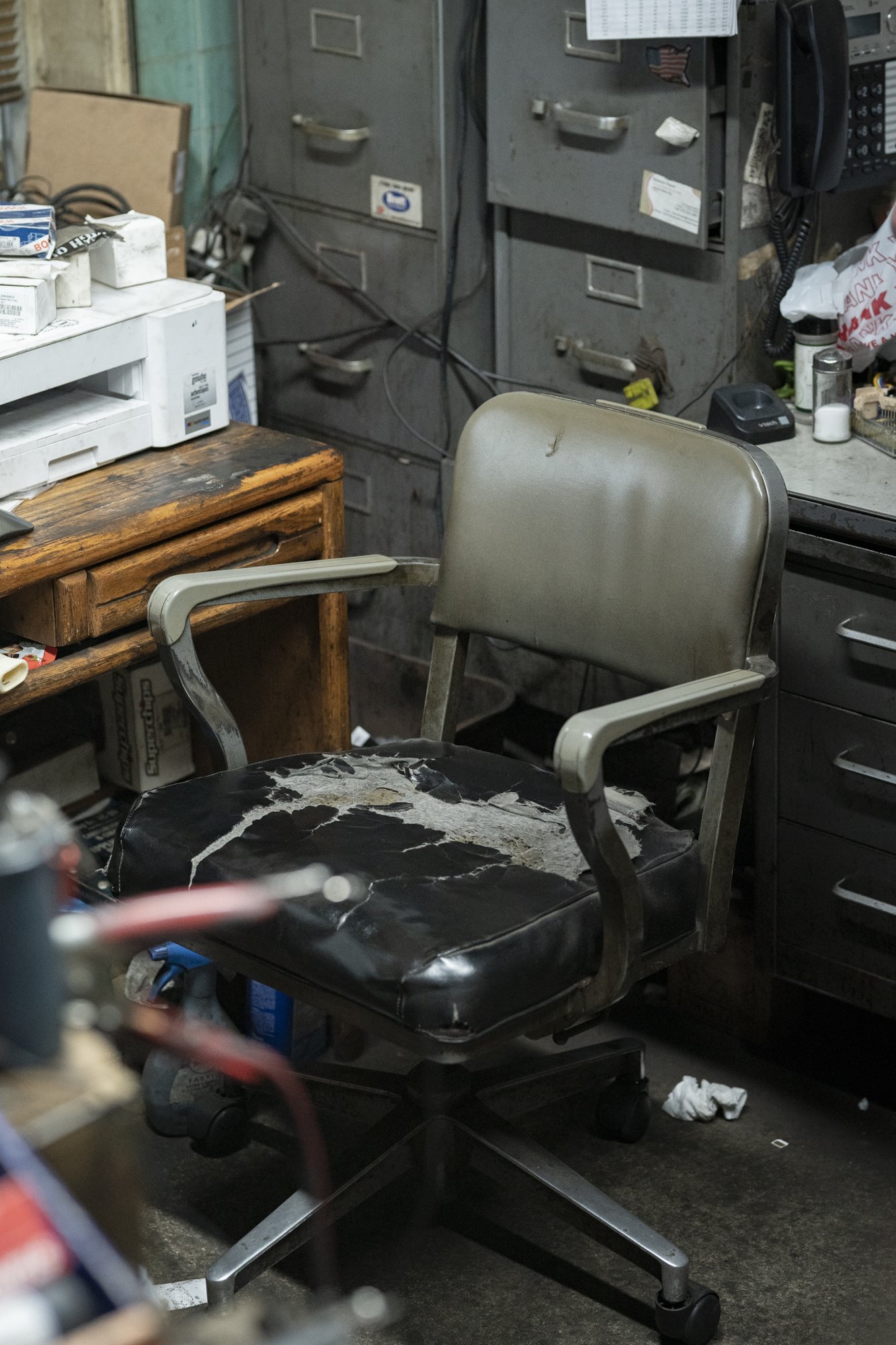
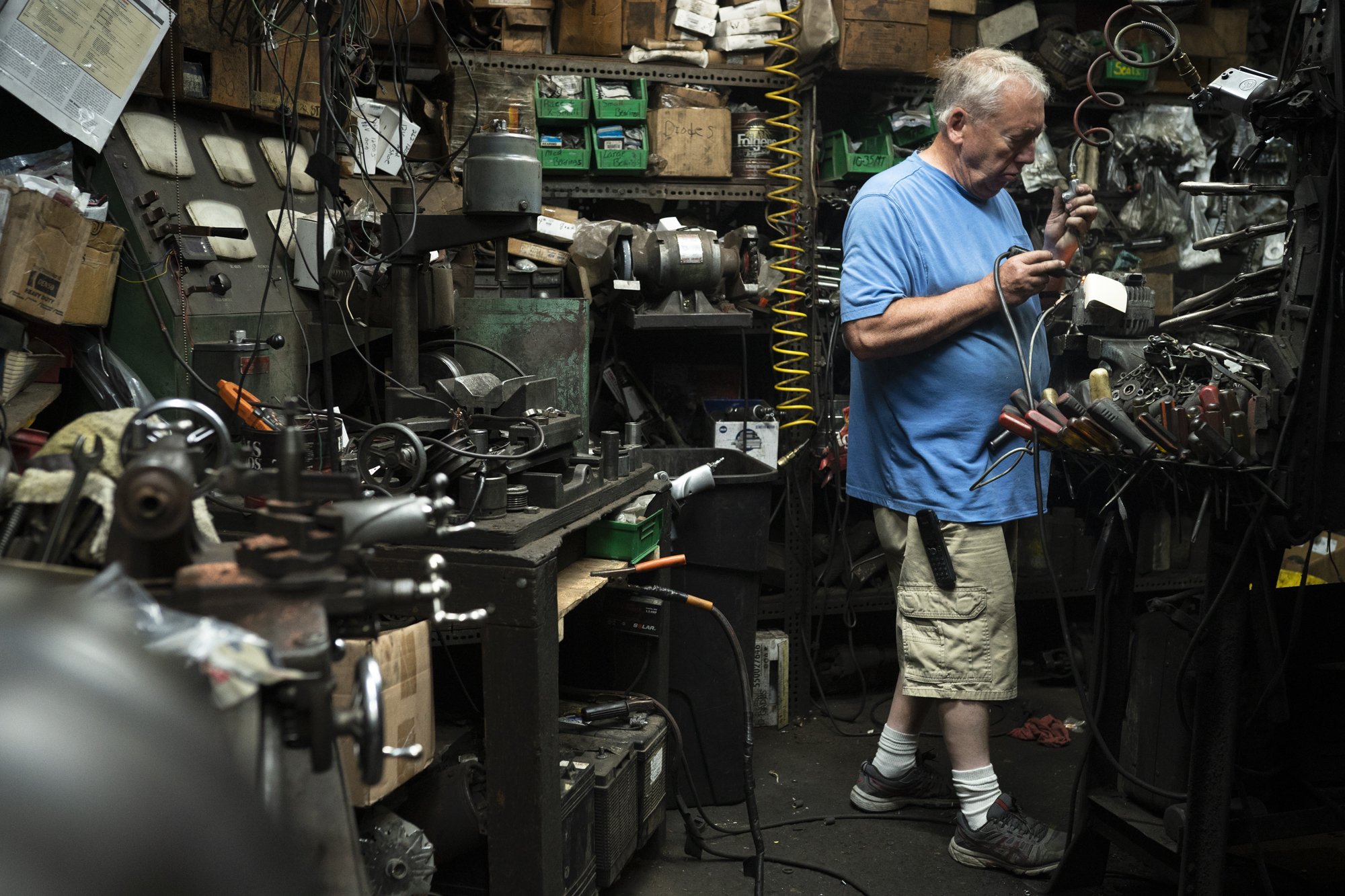
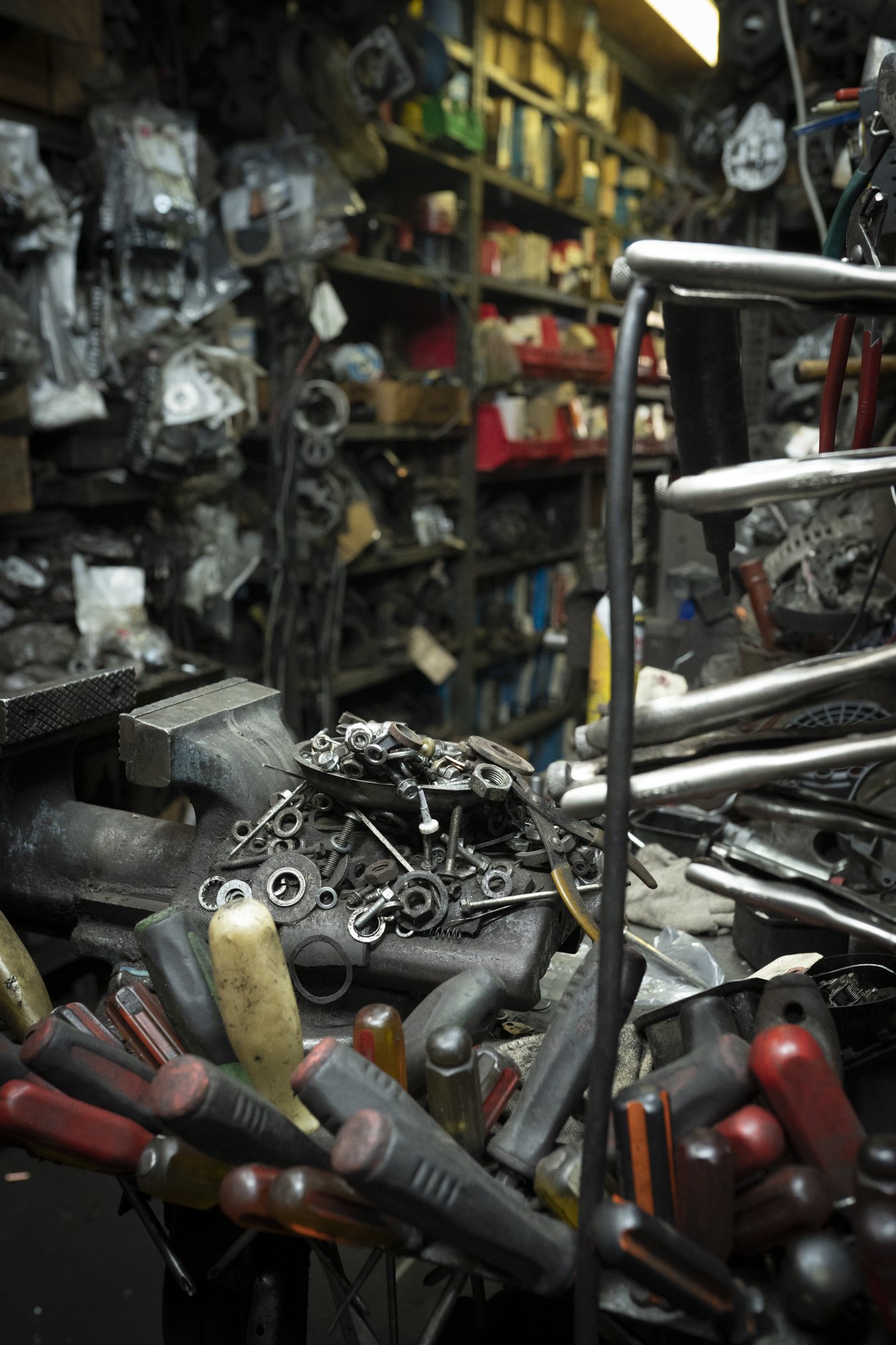
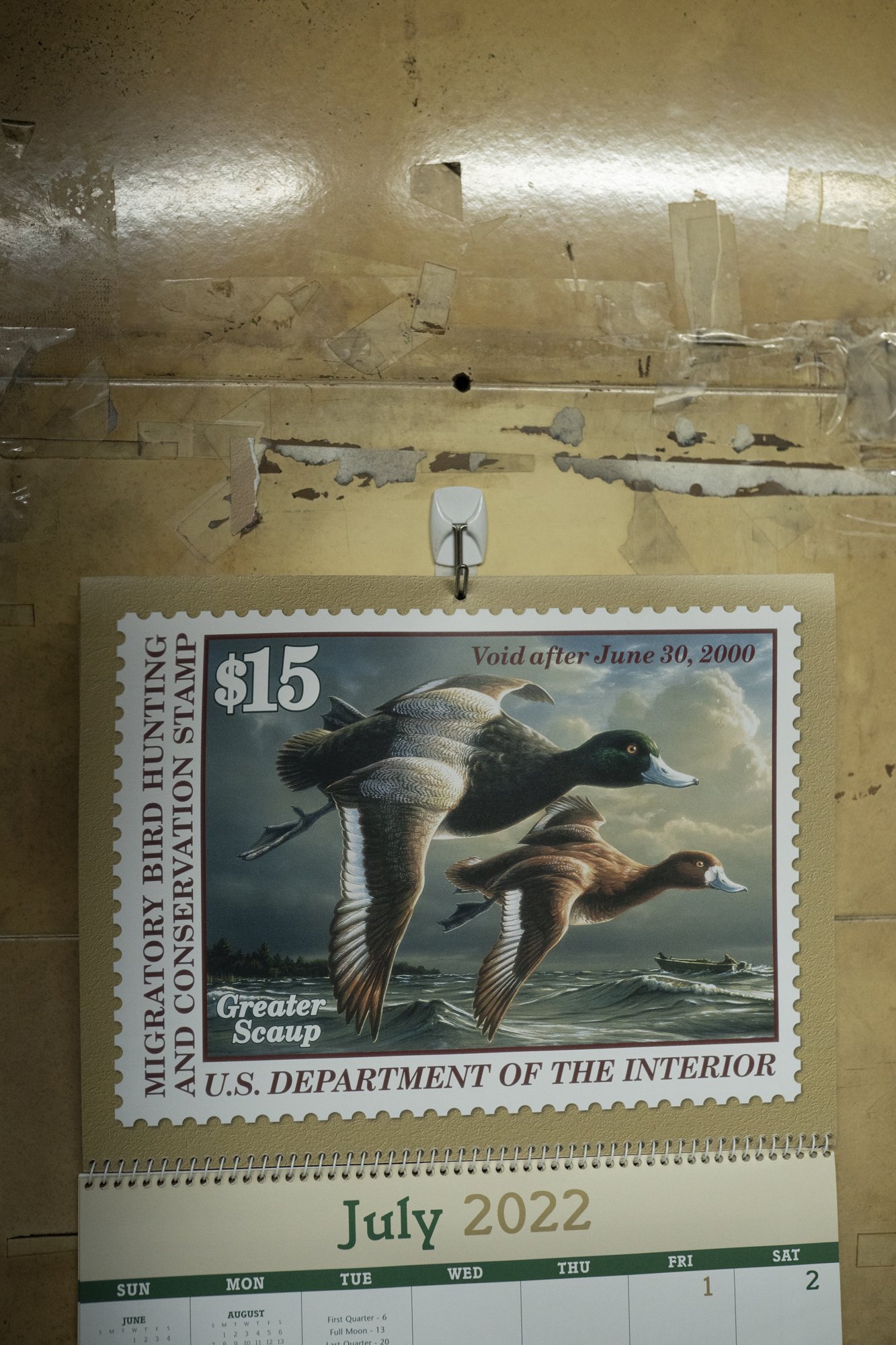
There are a lot of strategies for being productive while on the road. One of them is the “pop-in”. It’s become my go-to when rain won’t let you do much outside. That’s precisely how these images came to be. The pop-in isn’t for everybody. It used to scare the hell out of me. Then you realize there are only two answers, yes or no. If it’s a no, who cares? Just move on. Tony, the owner of this garage, was happy to let me hang out for a few minutes to make some images. Confused as to why, but it didn’t bother him any. Obviously they are going into my “At Work” series that has been so much fun to shoot. Some of the images you’ll see in the gallery are personal and others were made for clients. Better yet, some of them are personal assignments that were later published. Love when that happens.

American Road Trip

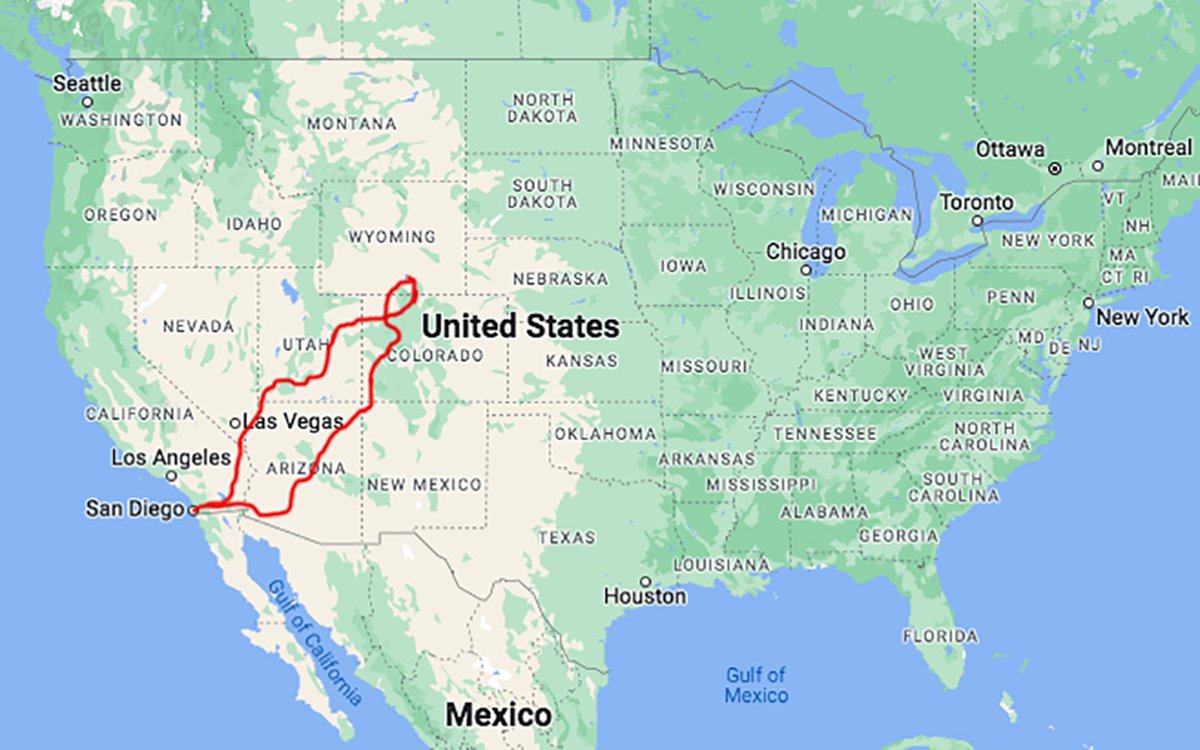
It seems like every road trip has its own personality filled with unique findings and activities. Of course photography is always the main focus of these trips, but there are also auxiliary goals that I try to squeeze in as well. Ranching, fly fishing, friends, and hunting are just a few of the things that happened in the squiggly red lines on the map. So far it seems like the results are good in the photography category and a hell of a lot of good times were had along the way. Excited to share more the miles soon.

View the American Roadtrip Gallery

Shop my American Roadtrip Photography Book

Historic Texas Barbershop Photographs

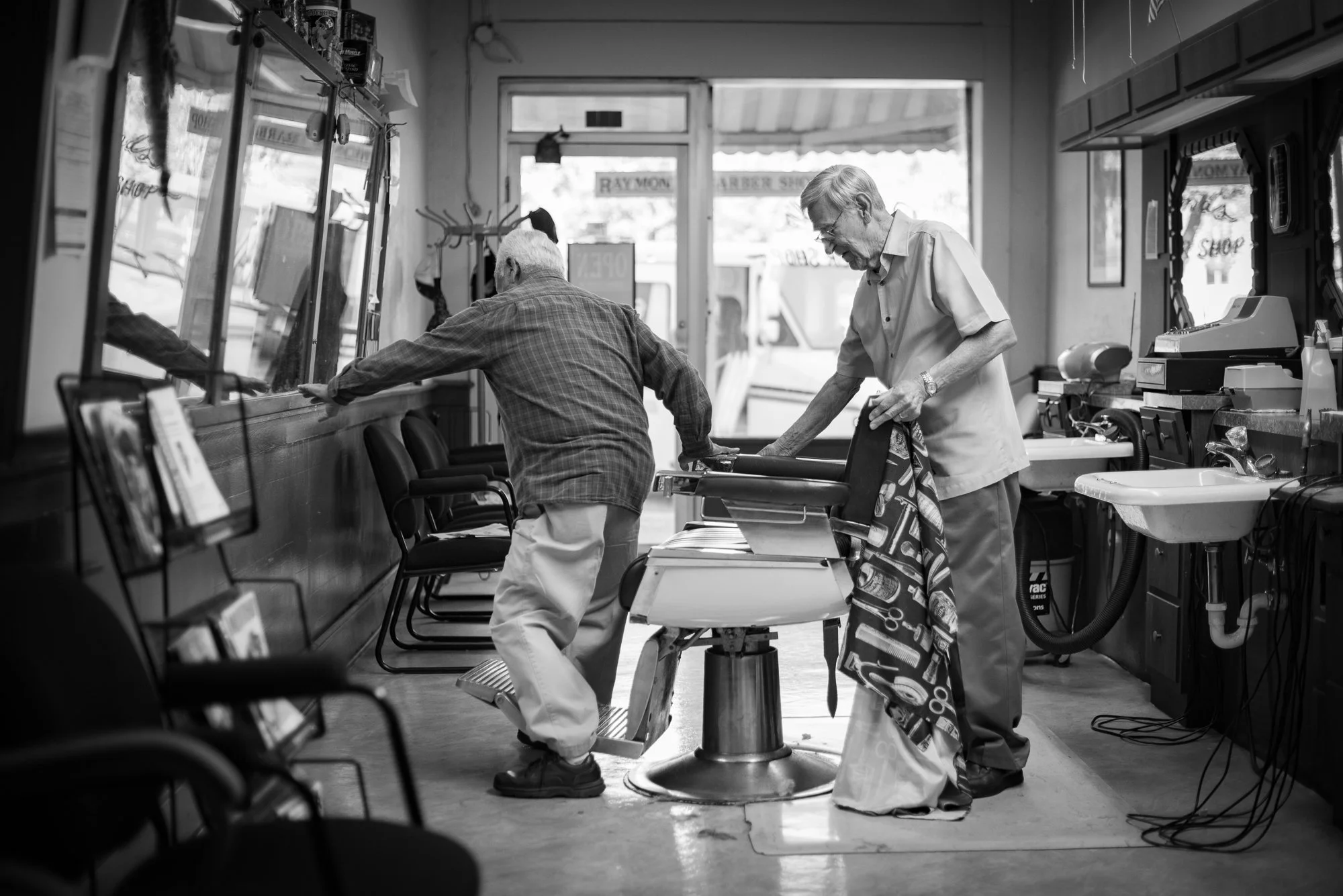
Raymond’s Barbershop - Lockhart, Texas

Lockhart is best known for its barbecue, but places like Raymond’s Barbershop tell another side of the town’s story. Between visits to longtime institutions like Smitty’s Market, everyday routines continue in quiet spaces that rarely draw attention but shape the rhythm of local life just as much.

A Traditional Barbershop in Lockhart, Texas

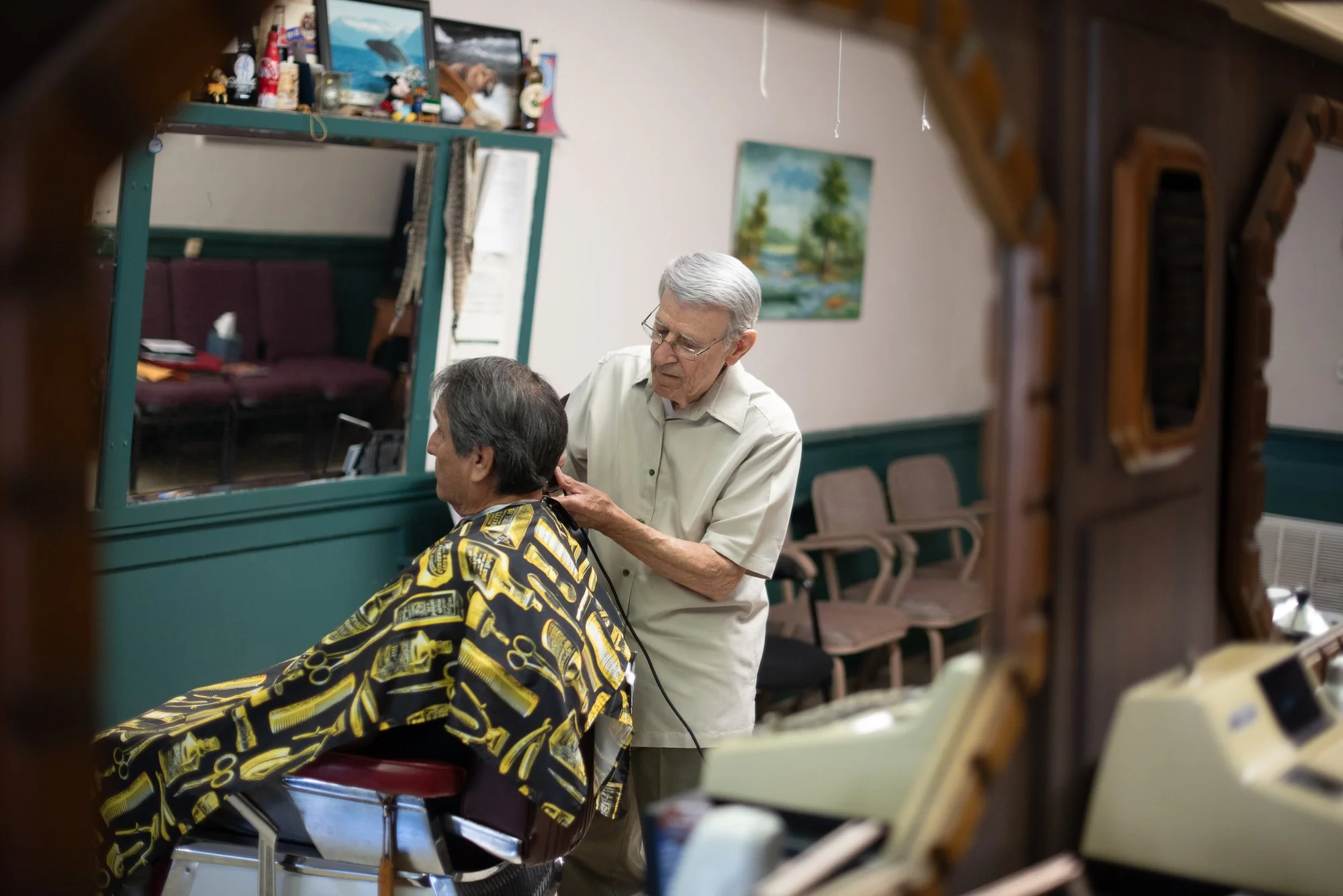
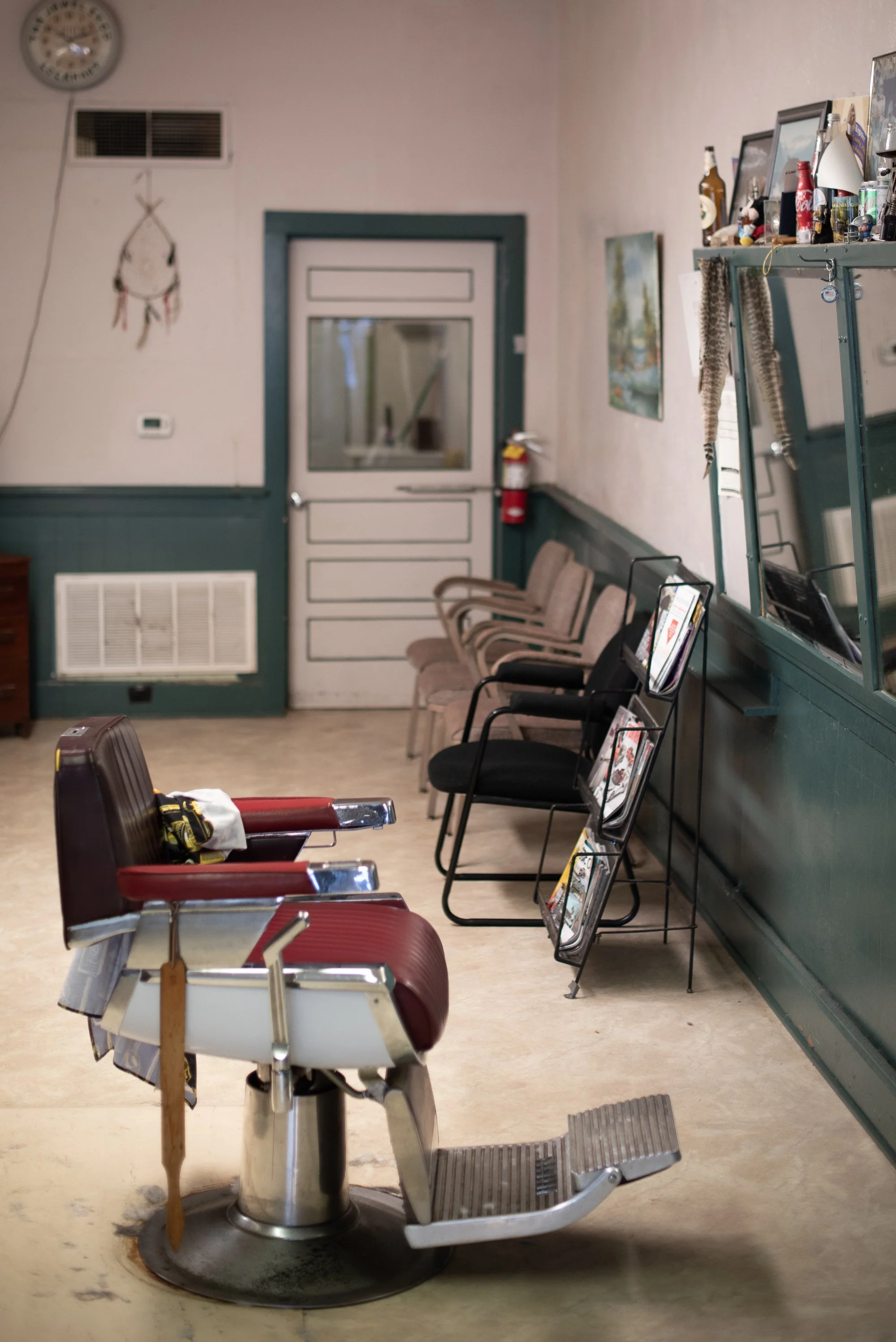
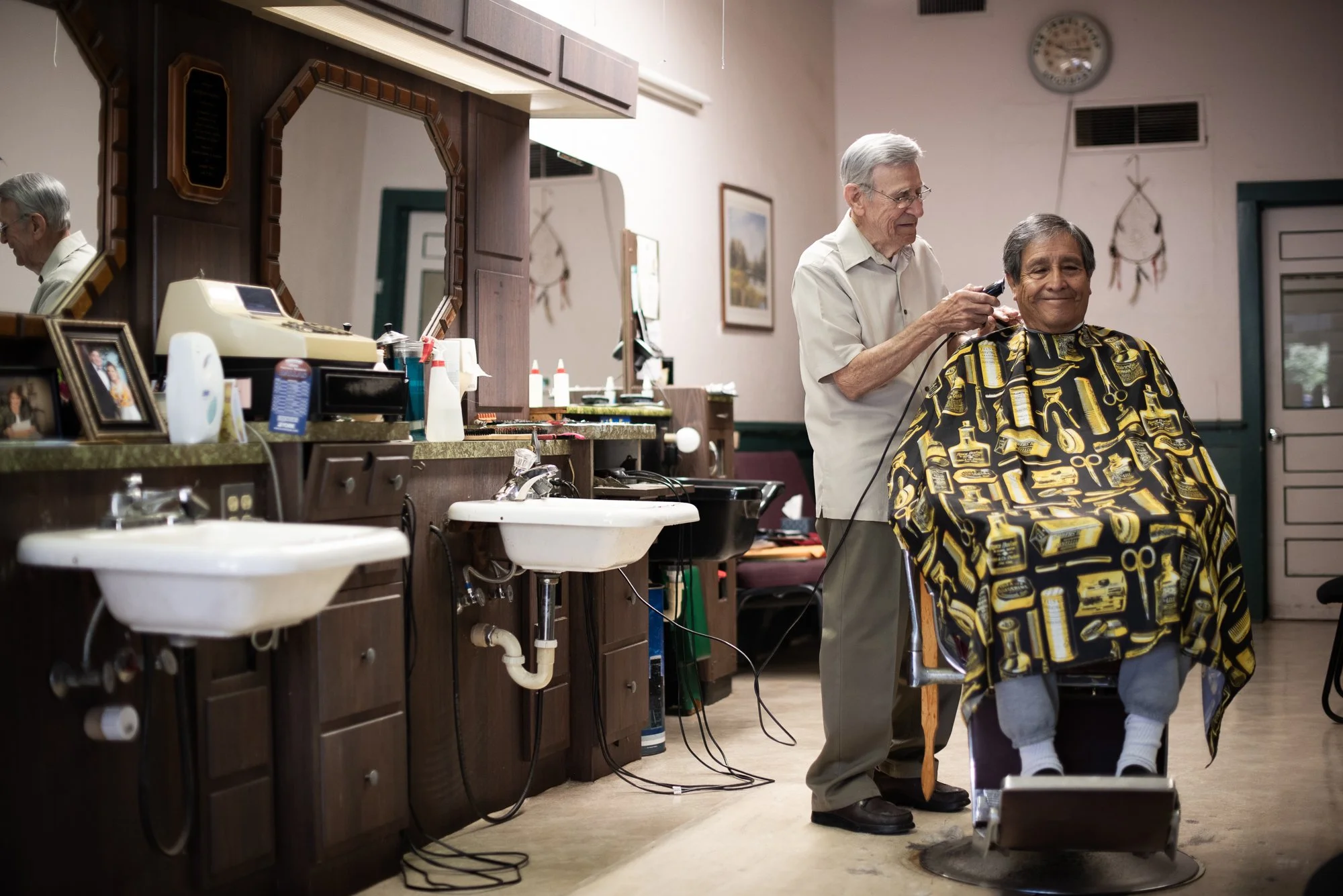
Lockhart has no shortage of visitors passing through, but Raymond’s Barbershop remains firmly rooted in local life. The worn chairs, utilitarian layout, and unpolished surfaces reflect decades of daily use rather than intentional preservation. This is not a styled space—it’s one that has simply been allowed to age naturally alongside the town itself. During my time at Raymond’s, he was cutting the hair of an old friend. This wasn’t made known explicitly, rather in the chemistry the two had—genuine smiles exchanged as the customer walked through the door and candid, easy banter which can only be formed by time.

Why Small-Town Barbershops Still Matter

In towns like Lockhart all across America, barbershops have long functioned as informal gathering places—spaces where news travels, laughs are shared, and familiarity carries more weight than novelty. As commercial rents rise and older barbers retire, places like Raymond’s quietly disappear, taking a long and irreplaceable history with them.

Documenting Raymond’s Barbershop as Part of a Larger Archive

Truth be told I only found Raymond’s because of my obsession with BBQ, which brought me to Lockhart, but that’s just the luck of the draw. You never know how important subjects are going to come into your life. Regardless, these photographs of Raymond and his beautiful old shop are part of an ongoing, 15-year effort to document traditional barbershops across the United States. Each shop is approached individually—rooted in its town, its people, and its history—while collectively contributing to a broader visual record of a disappearing American institution.

View More Traditional Barbershops

→ View the full Barbershops of America gallery

For more work made in Texas, you can also view photographs from another long-standing barbershop documented as part of the same project:

→ View a Texas barbershop in Marfa

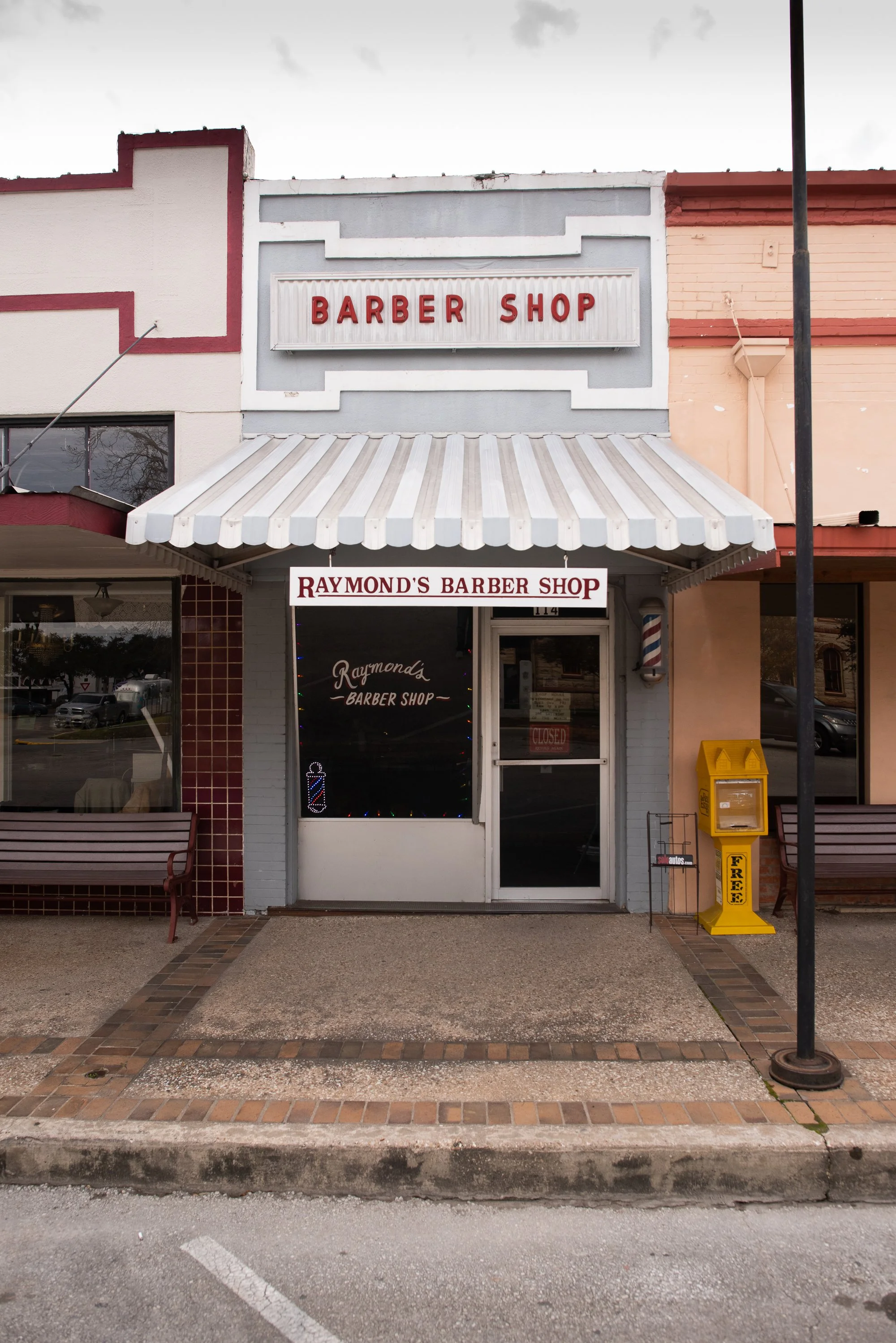
Exterior storefront of Raymond’s Barber Shop in downtown Lockhart, Texas.

The storefront of Raymond’s Barber Shop in Lockhart, Texas—a modest main street presence that has served generations of local residents.

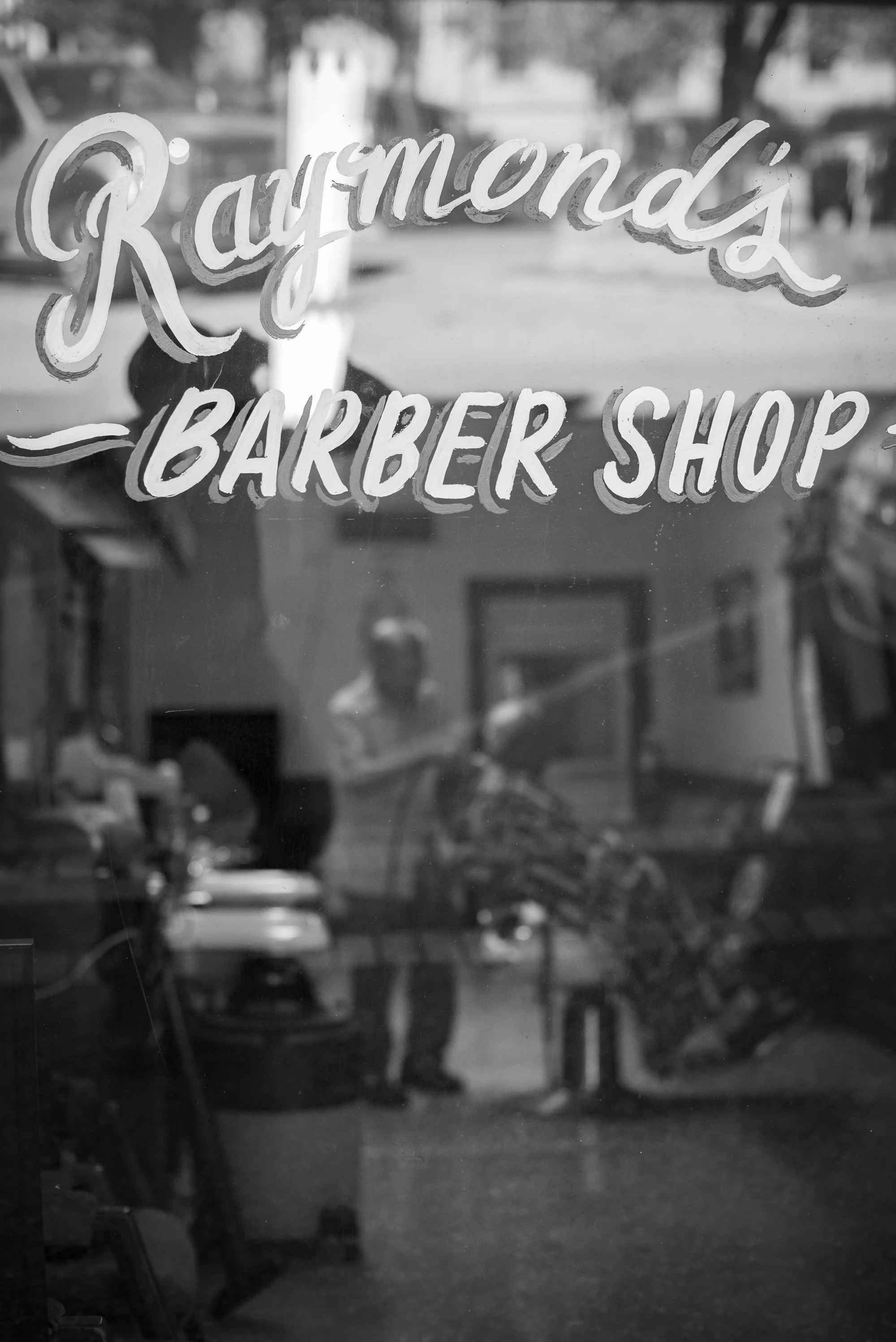
Hand-painted “Raymond’s Barber Shop” lettering on the front window in Lockhart, Texas, with reflections of the barbershop interior.

Hand-painted lettering on the front window of Raymond’s Barber Shop in Lockhart, Texas, separating the street outside from the quiet work happening inside.

Empty barber chair and waiting area inside Raymond’s Barber Shop in Lockhart, Texas.

An empty chair and quiet waiting area inside Raymond’s Barber Shop in Lockhart, Texas, between customers and conversations.

Barber giving a haircut to a customer inside Raymond’s Barber Shop in Lockhart, Texas.

Barber and customer smile together during a routine haircut underway at Raymond’s Barber Shop in Lockhart, Texas, where familiarity and trust guide the work as much as technique.

An elderly man sits in a barber chair inside Raymond’s Barber Shop in Lockhart, Texas.

Barber holds the chair as his elderly customer braces himself at Raymond’s Barber Shop in Lockhart, Texas—part of a daily routine that has remained largely unchanged for decades.

Western Road Trip Photography

American West Road Trip Photography

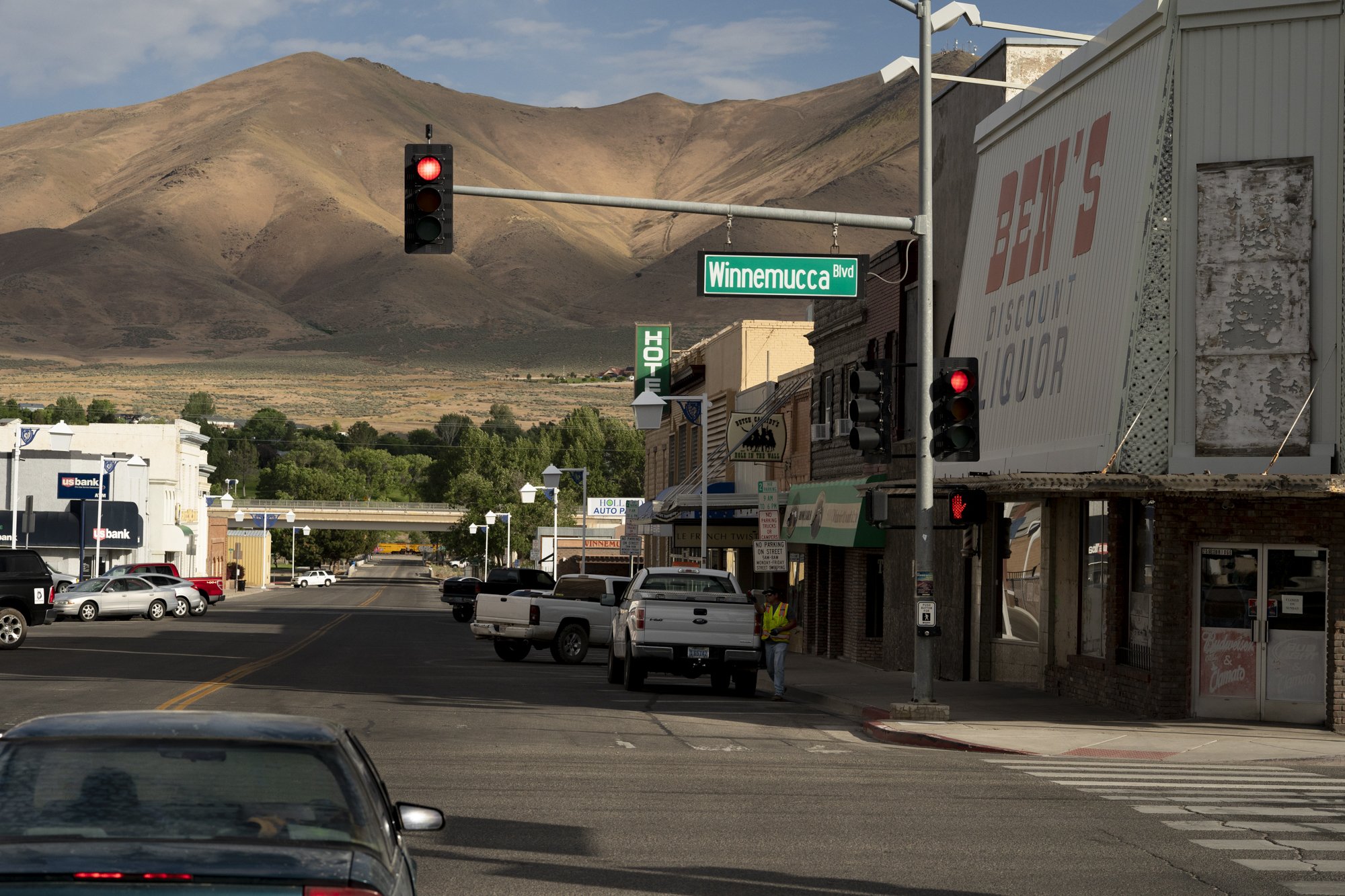
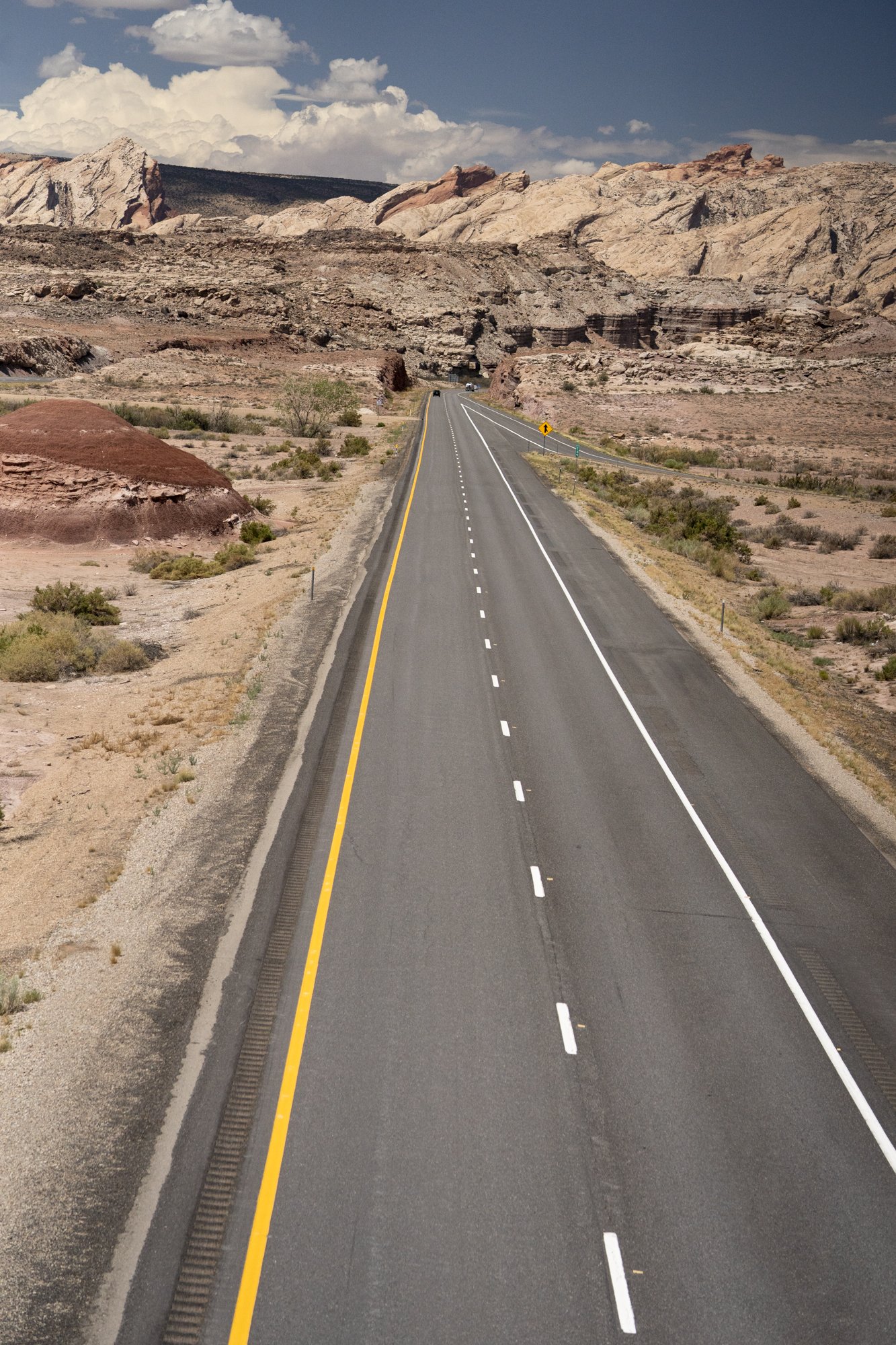
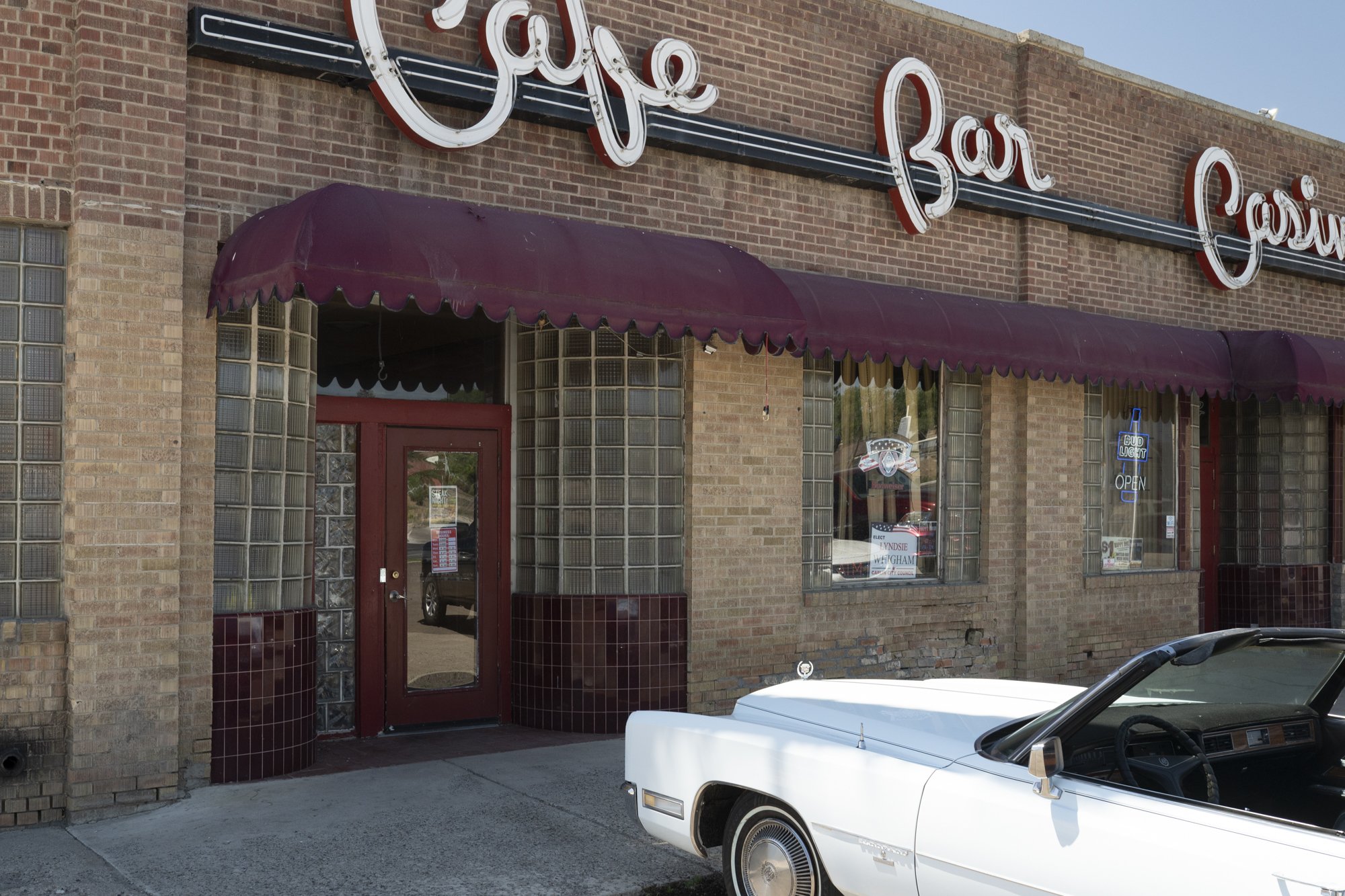
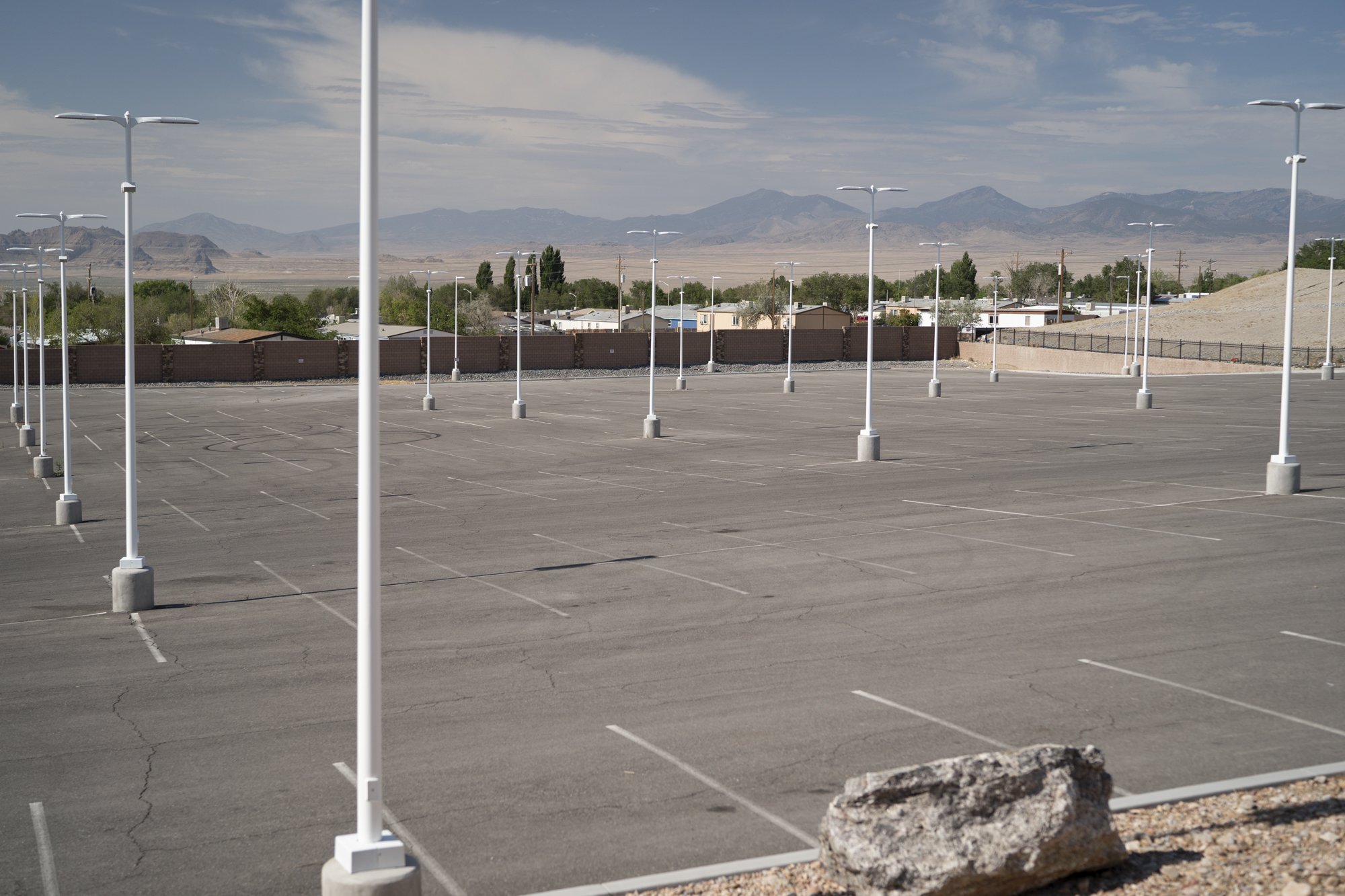
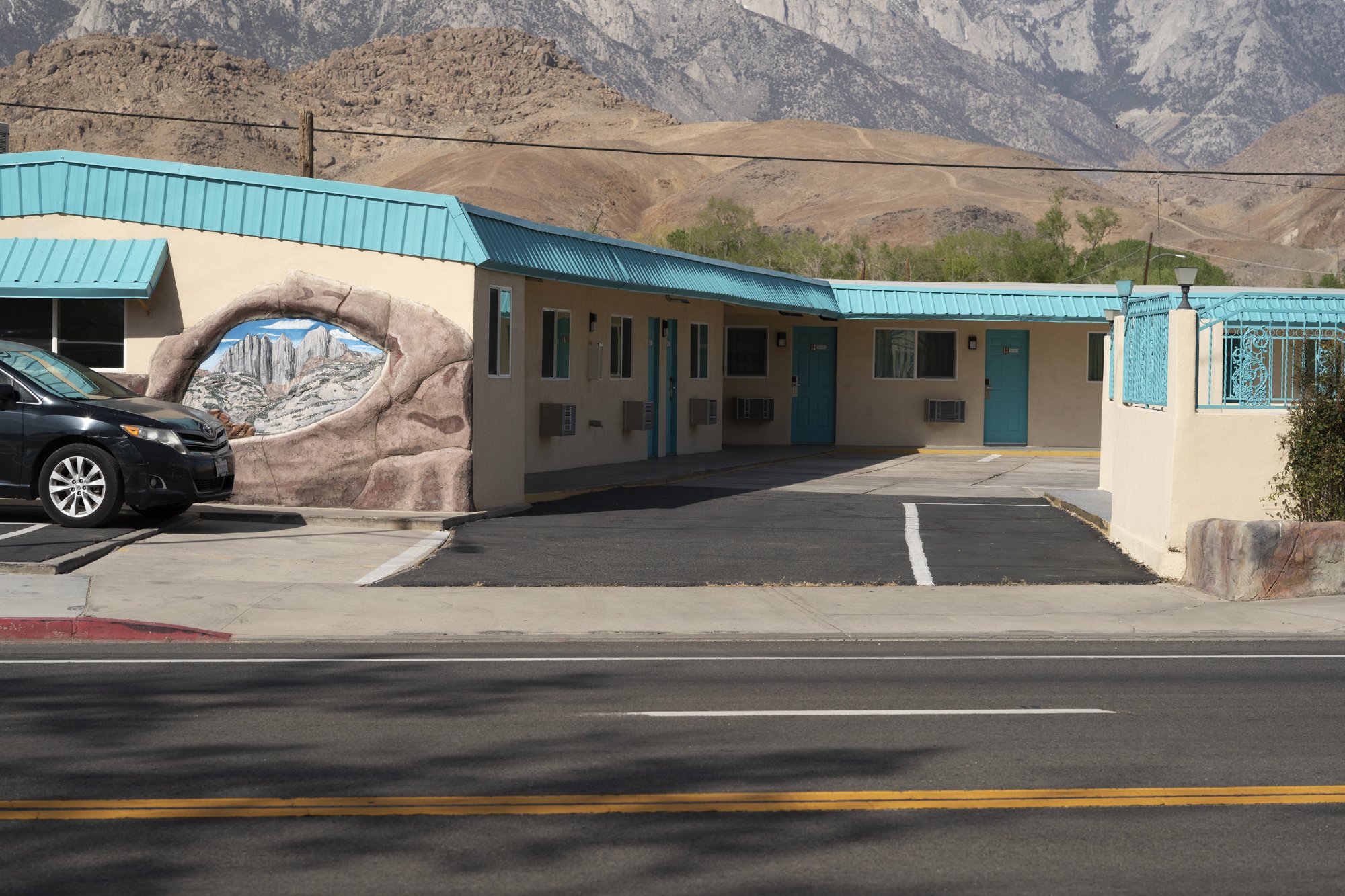
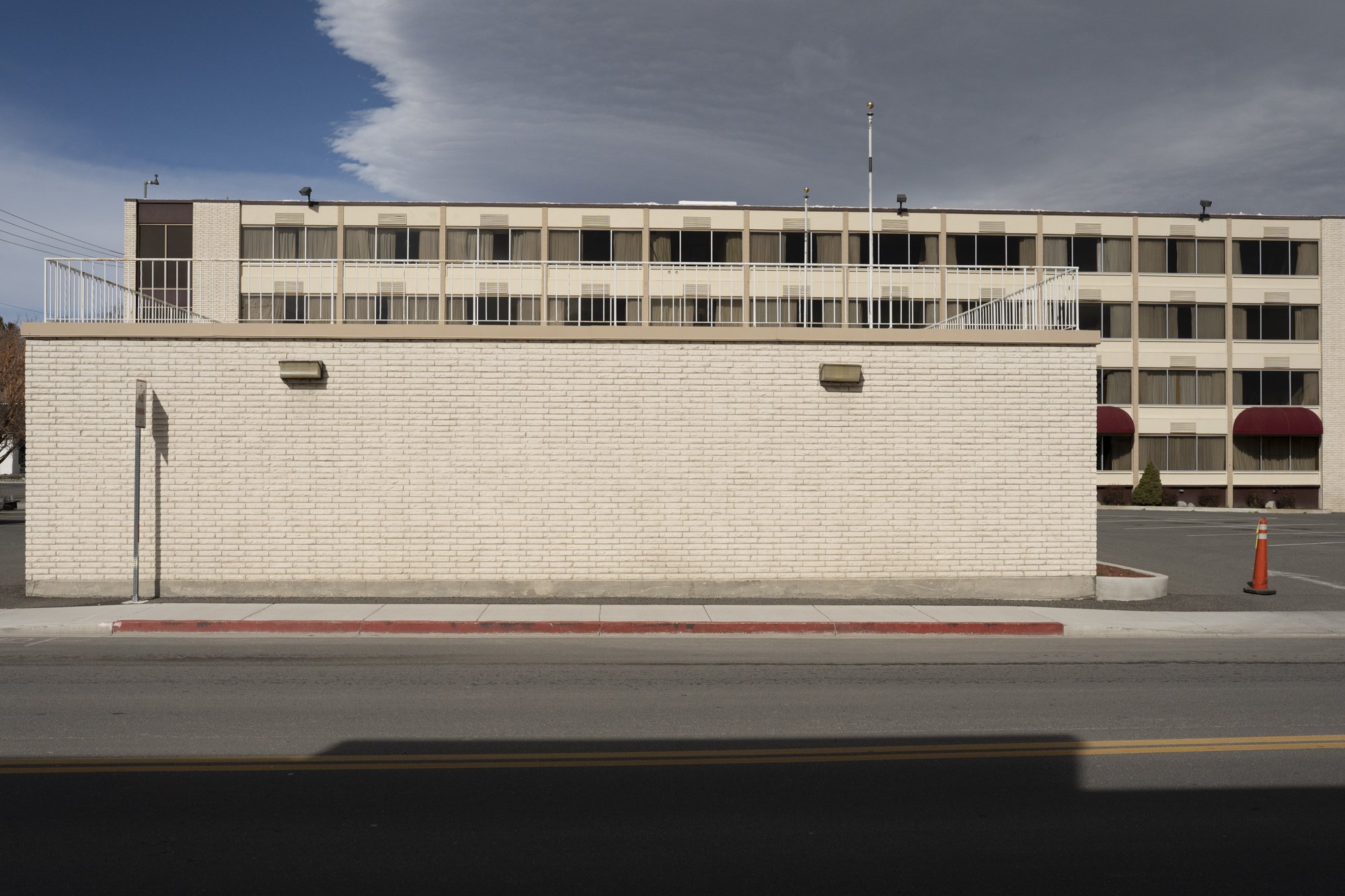
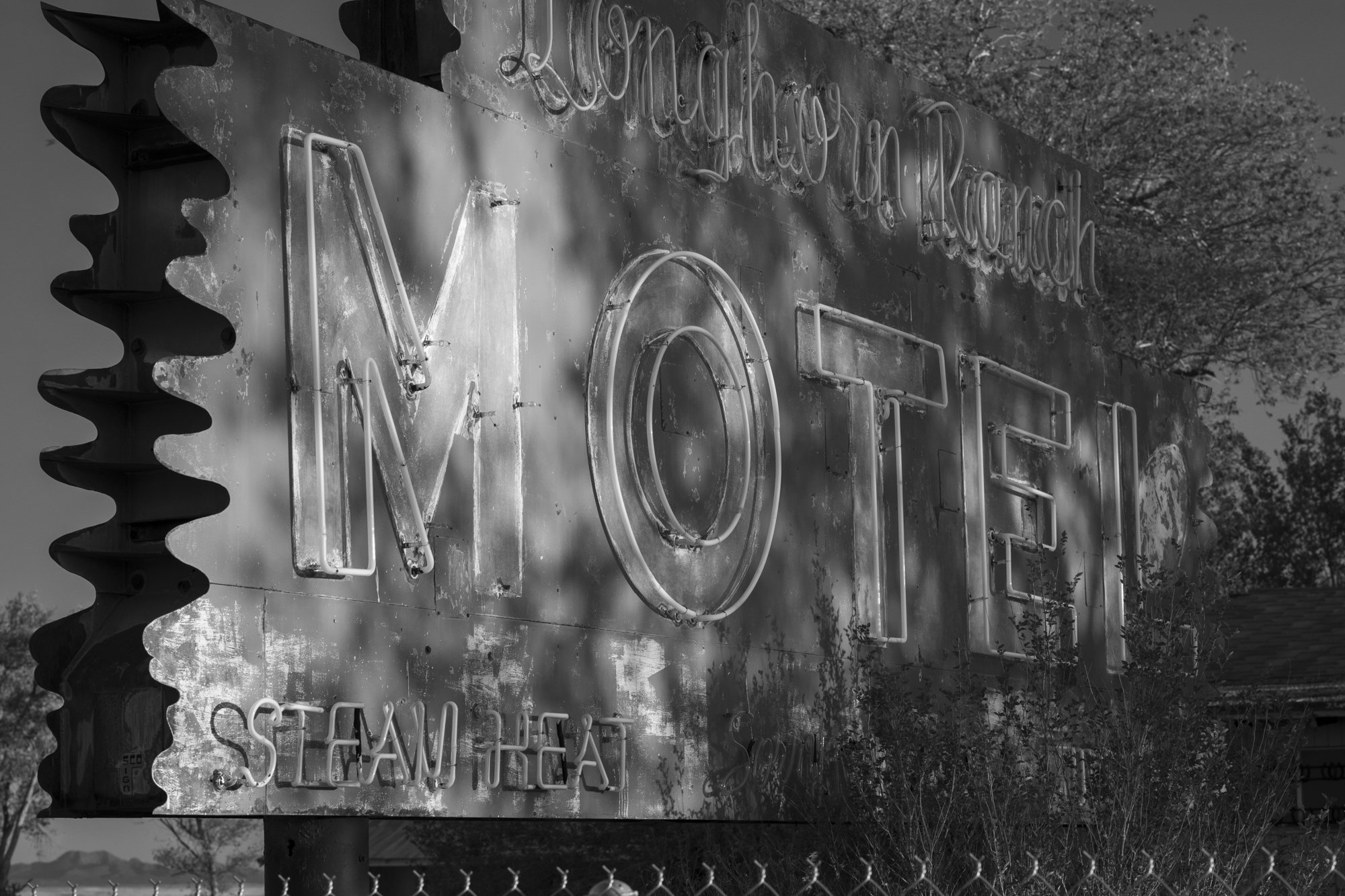
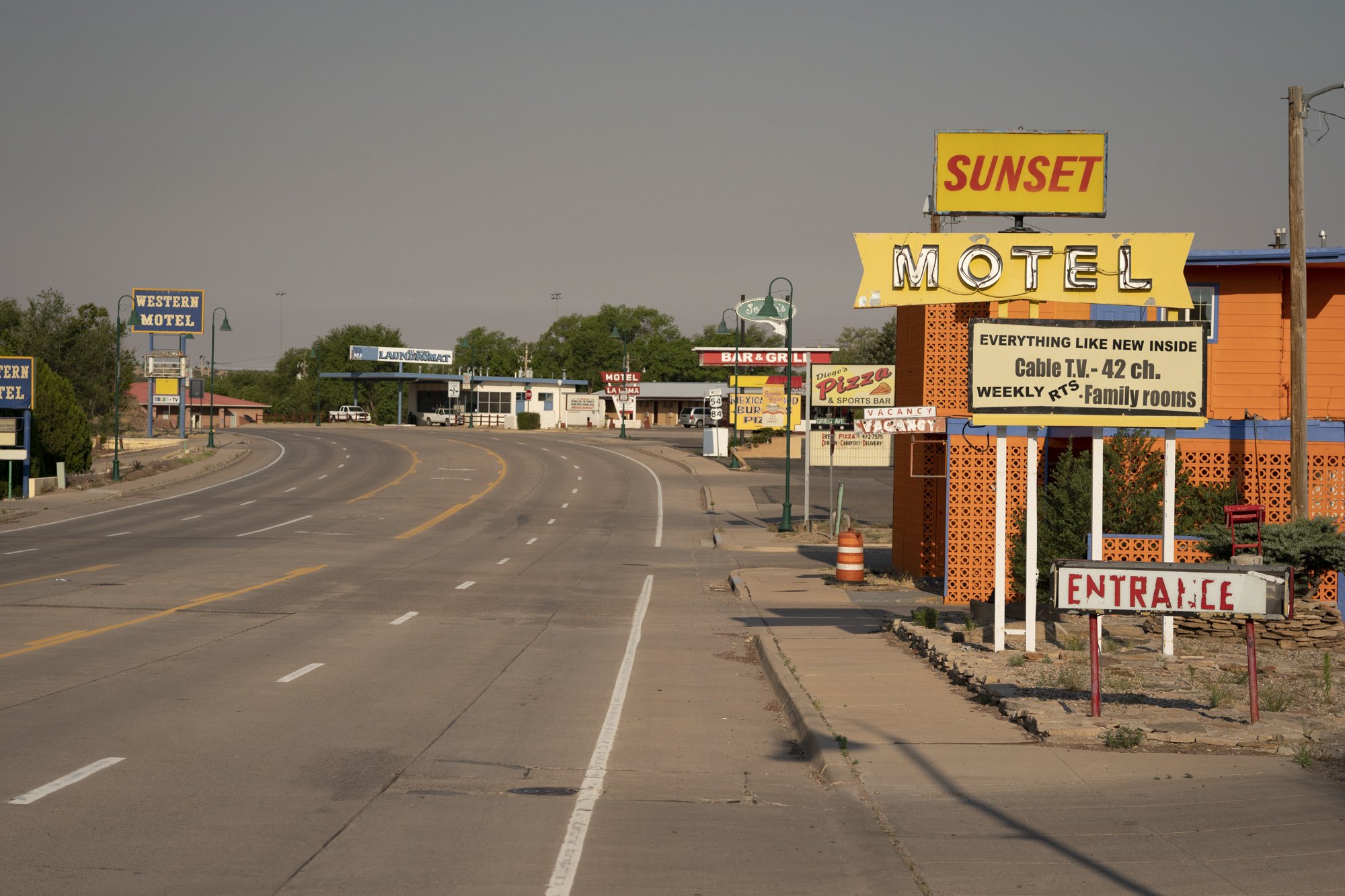
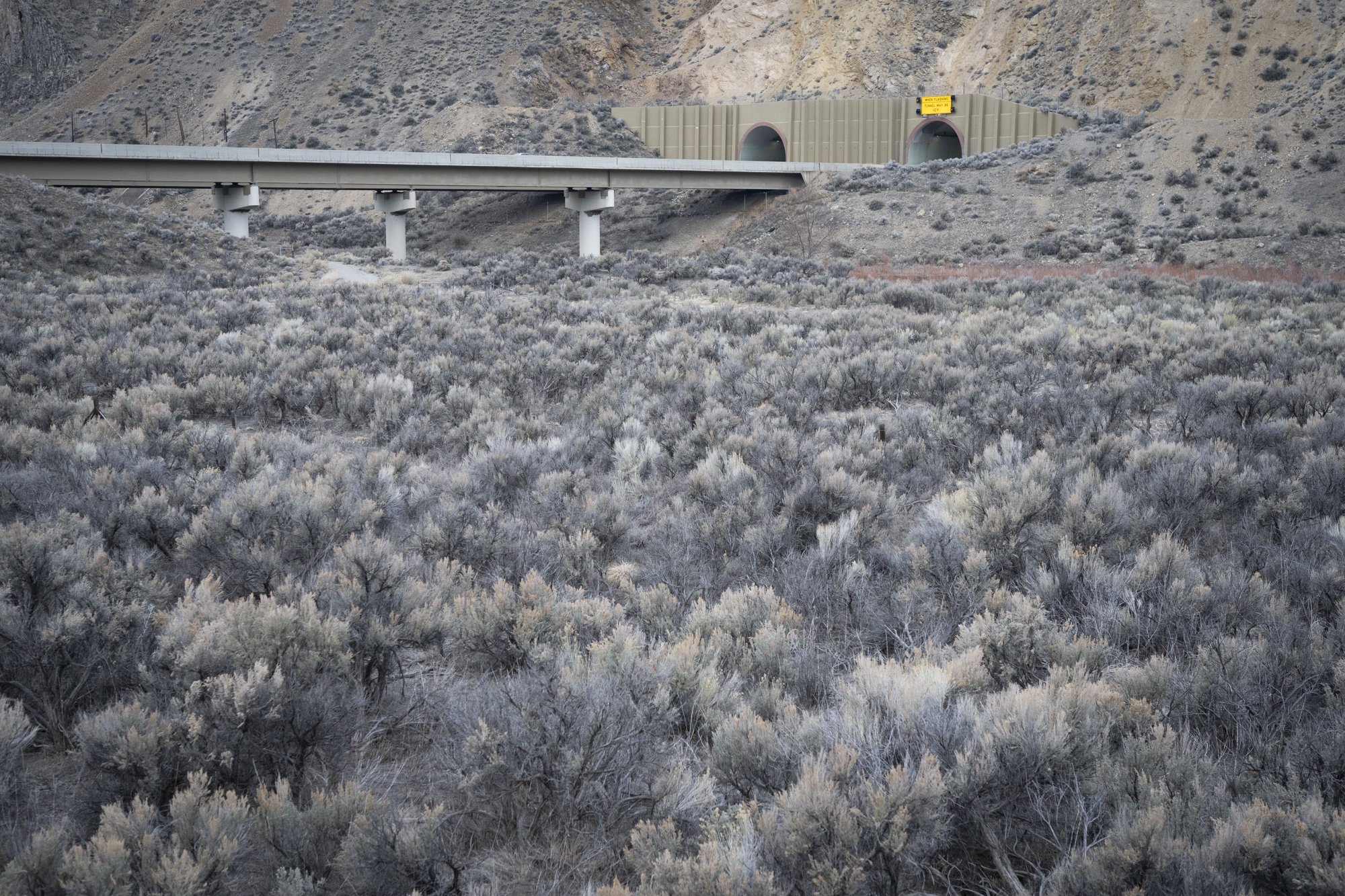
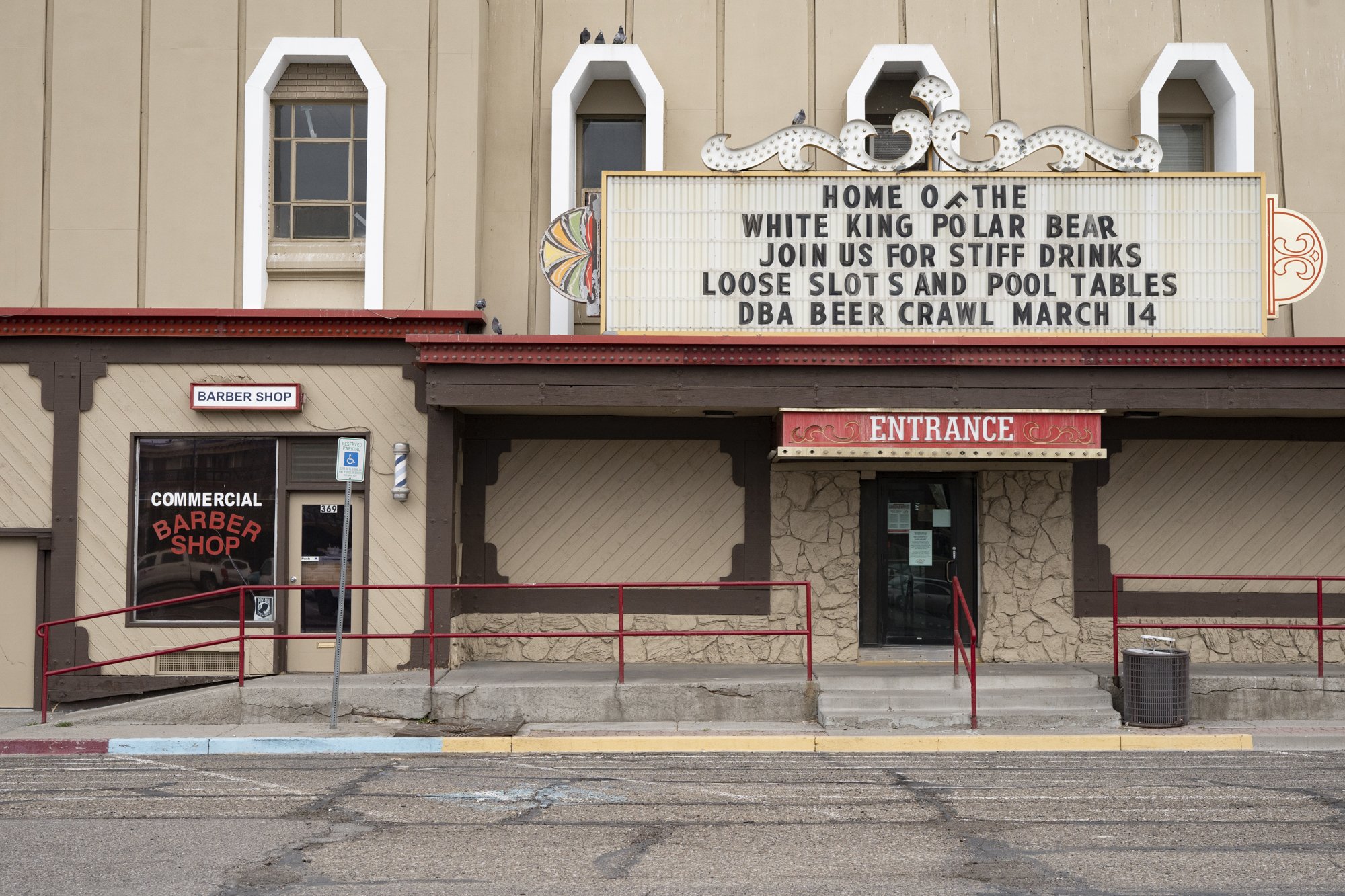
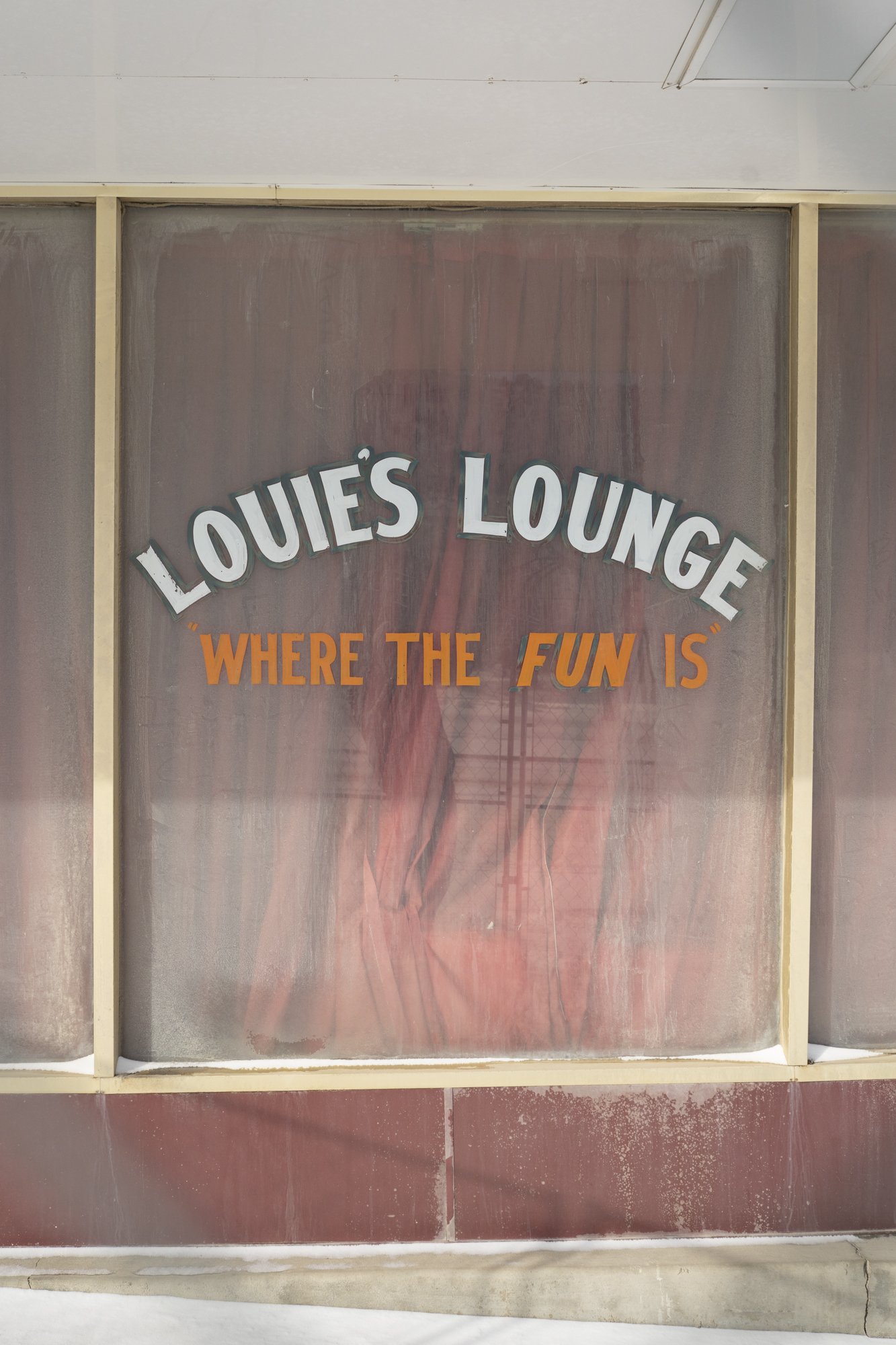
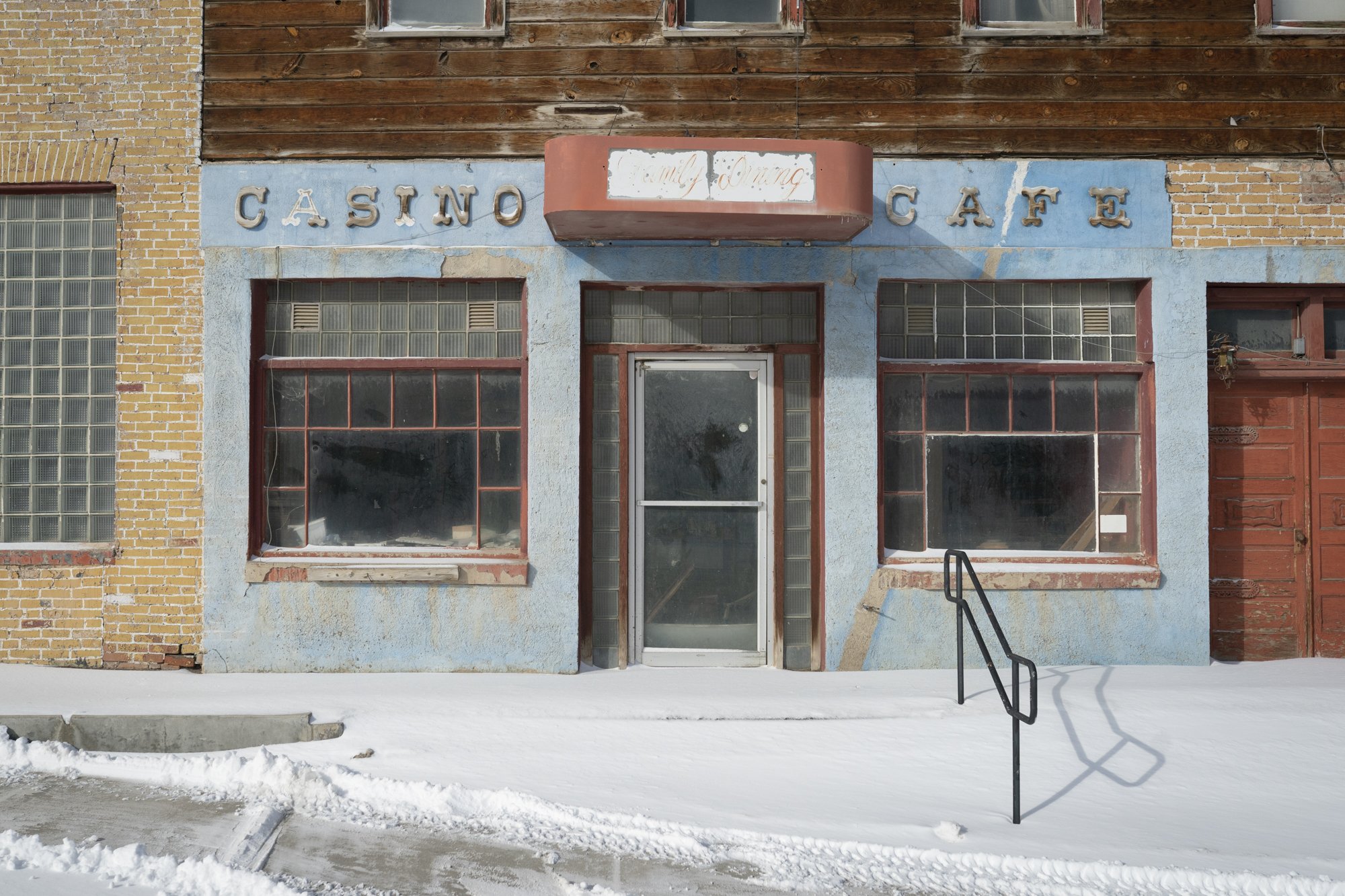
The American road has a way of pulling you back. Long stretches of highway through Nevada and Utah feel endless, but in that repetition there’s a rhythm. Old motels with fading neon, empty casinos standing against the desert sun, and roads that cut straight through the silence — these are the kinds of places I stop for. Photographing them isn’t about chasing a postcard view; it’s about capturing the way travel really feels out here. The grit, the solitude, and the strange beauty of what’s left behind. Many of these kinds of photographs found their way into my book Roadside Meditations, a collection built from years behind the wheel documenting the overlooked corners of America.

Why the Open Road Keeps Calling
There’s something about the freedom of the highway that never wears off. It doesn’t matter how many miles I’ve logged — each trip feels new. With every mile marker comes the possibility of something unexpected: a forgotten town, a roadside diner, or a stretch of desert that feels infinite.

Nevada’s Overlooked Beauty in Photographs
Nevada isn’t just casinos and flashing lights. Once you get off the interstate, the state opens up into a landscape of wide valleys, mountains in the distance, and towns that feel frozen in time. Photographing here means noticing the quiet — the old gas stations, fading billboards, and roads that seem to go on forever.

Utah Road Trip Photography and Timeless Highways
Utah is a different kind of dramatic. The land rises and folds into formations that feel older than time, and the towns tucked between them hold their own stories. Photographing here means chasing light across red rock, watching storms roll over plateaus, and pulling over just to breathe in the silence.

From the Road to the Book: Roadside Meditations
This series of photographs is part of a larger body of work I’ve been building for years — a meditation on the American road. Many images similar to these live in my book Roadside Meditations, which gathers together the motels, highways, small towns, and wide-open spaces that define what it feels like to drive across America. It’s less about where you’re going and more about what you see along the way.

Click here to shop my road trip photo book - Roadside Meditations

Click HERE to see more of my American Road Trip Photography.

Communication Arts Photography Annual Winner

Award Winning Basketball Photographs

Competitions have become one of the many shams in the photography industry. Today is seems like there are as many competitions as there are Starbucks, and they all prey on people, promising “exposure” that will lead to a world of endless possibilities. What they really are is a bullshit way for companies to rake in a boatload of money on entry fees. Communication Arts on the other hand, has a long standing reputation for high quality and publishing the most inspiring work of the year in their Photo Annual. So I’m honored to have my American Backcourts images included in this years pages along with breathtaking work by incredible photographers.

Click HERE to pick up a copy of American Backcourts

Photographing America

American Photography - Fine Art

Road Trip Photos - Travel

Walking away from our work can be such a benefit. Meaning that we need to not see it for quite some time to realize what’s good and what isn’t. The “America” series has, like most of my projects, been going on for ten years now. I love it, but things have reached the point where the library is so big that it’s overwhelming. Making it hard to share in any productive manner. Everything you seen in the post was made over the last two or three years, which is usually the amount of time it takes to make sense of it all. That’s not a good thing. It’s time to enlist the help of a professional editor.

Click here to see more from the America series

American Basketball Culture

Basketball and American Culture

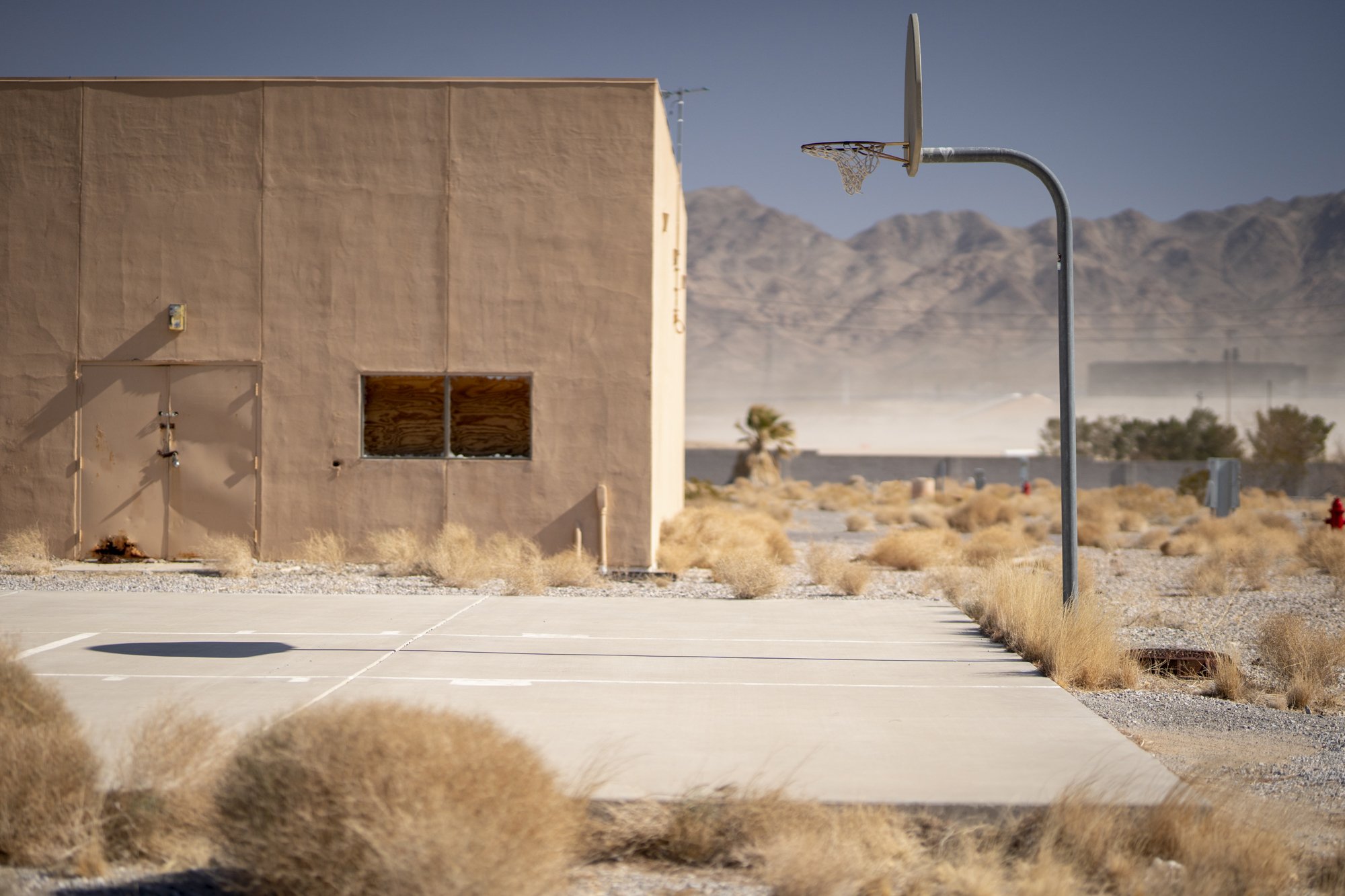
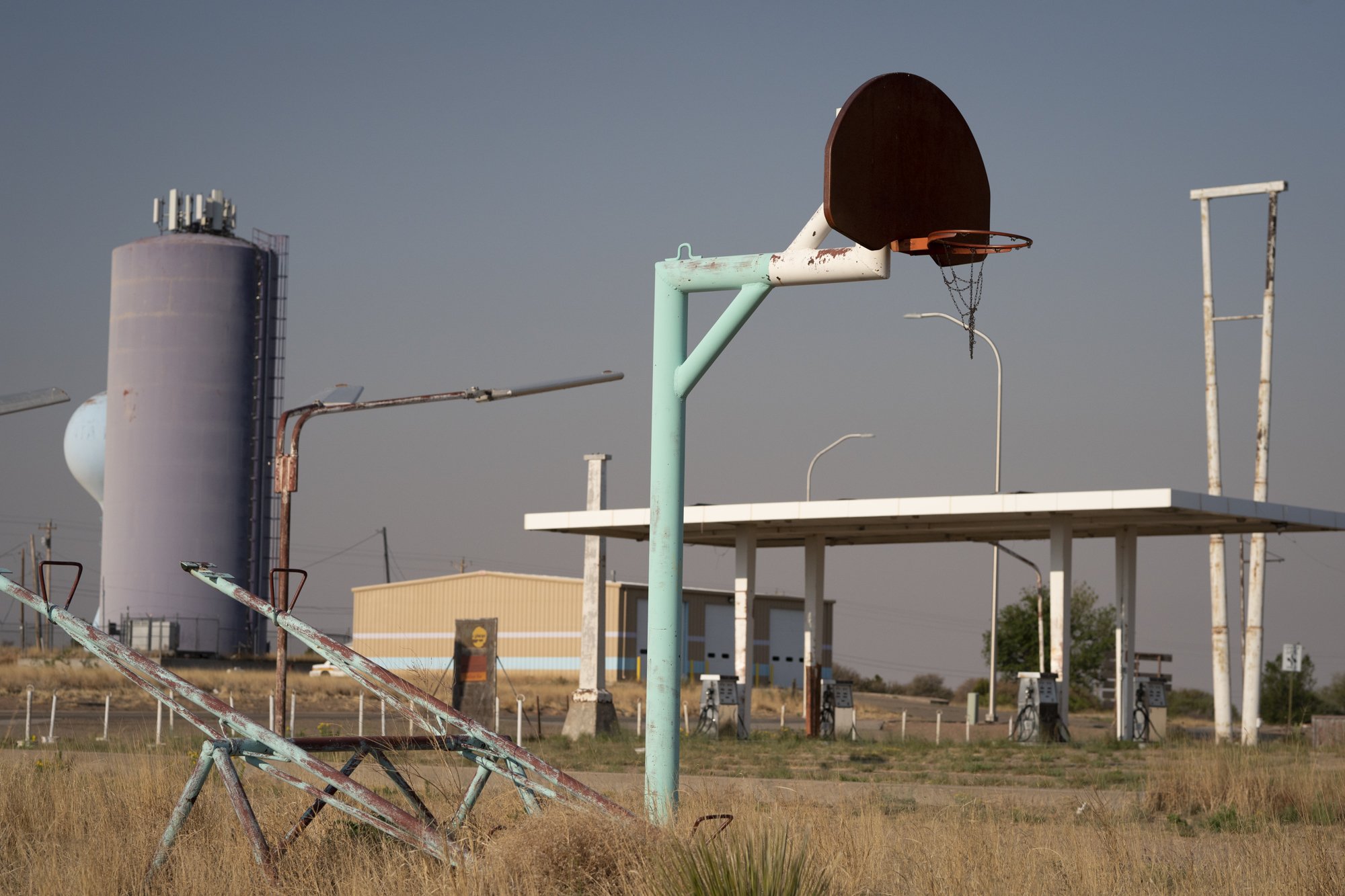
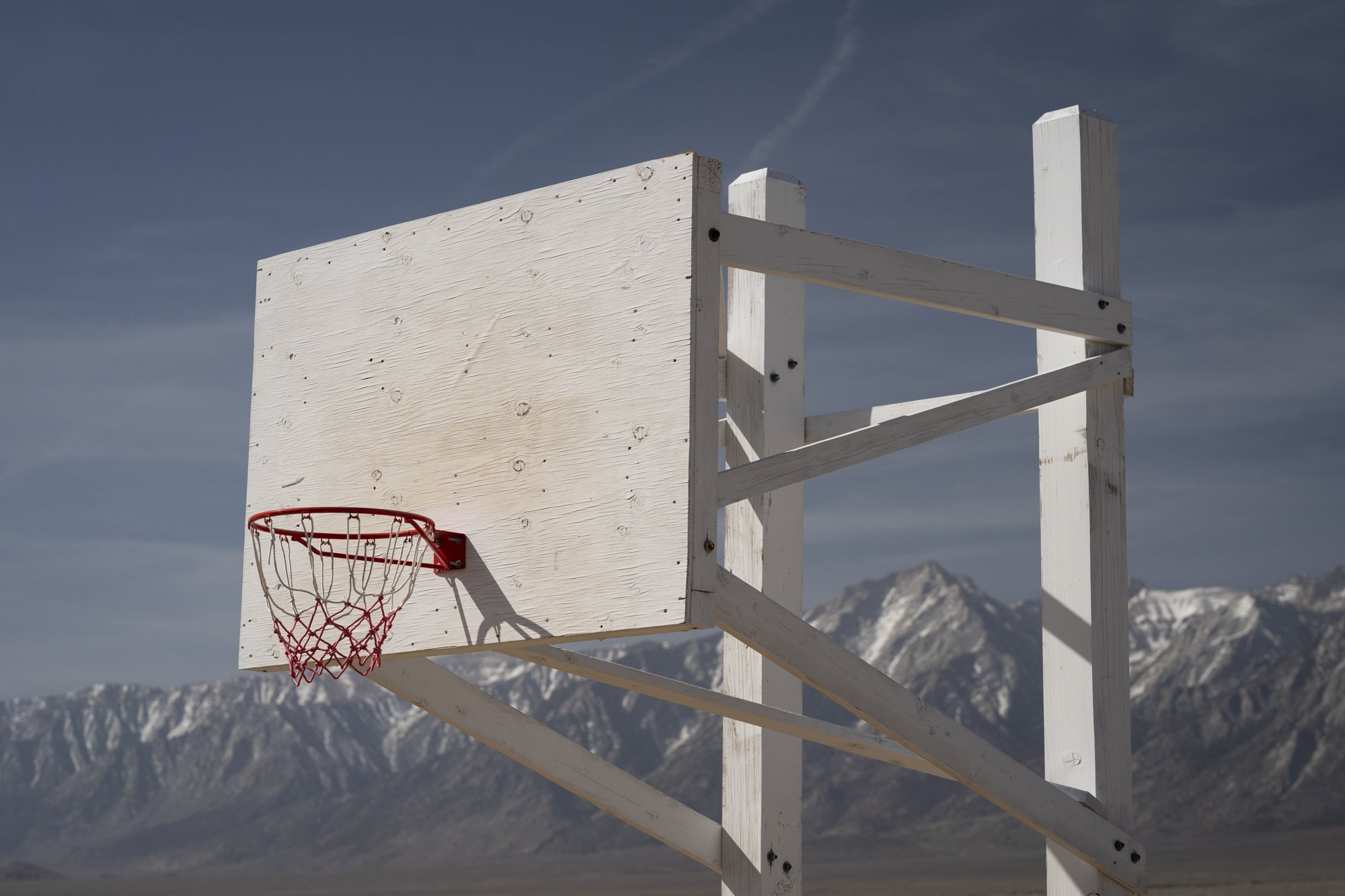
Basketball is woven into the American landscape. Hoops appear beside barns and houses, on school playgrounds and city streets, in small towns, empty lots, driveways and gyms. Some are carefully maintained. Others have been patched together, weathered by decades outside, or left behind long after the games stopped.

For more than fifteen years, American Backcourts has documented these places across the country. The photographs aren't really about basketball courts alone. They're about the communities, landscapes and people surrounding the game, and the different ways basketball becomes part of a place.

A hoop can reveal a surprising amount without a player ever appearing in the frame.

American Motels

Road Trip Photography - American Culture

American Motels - Open Road - Americana

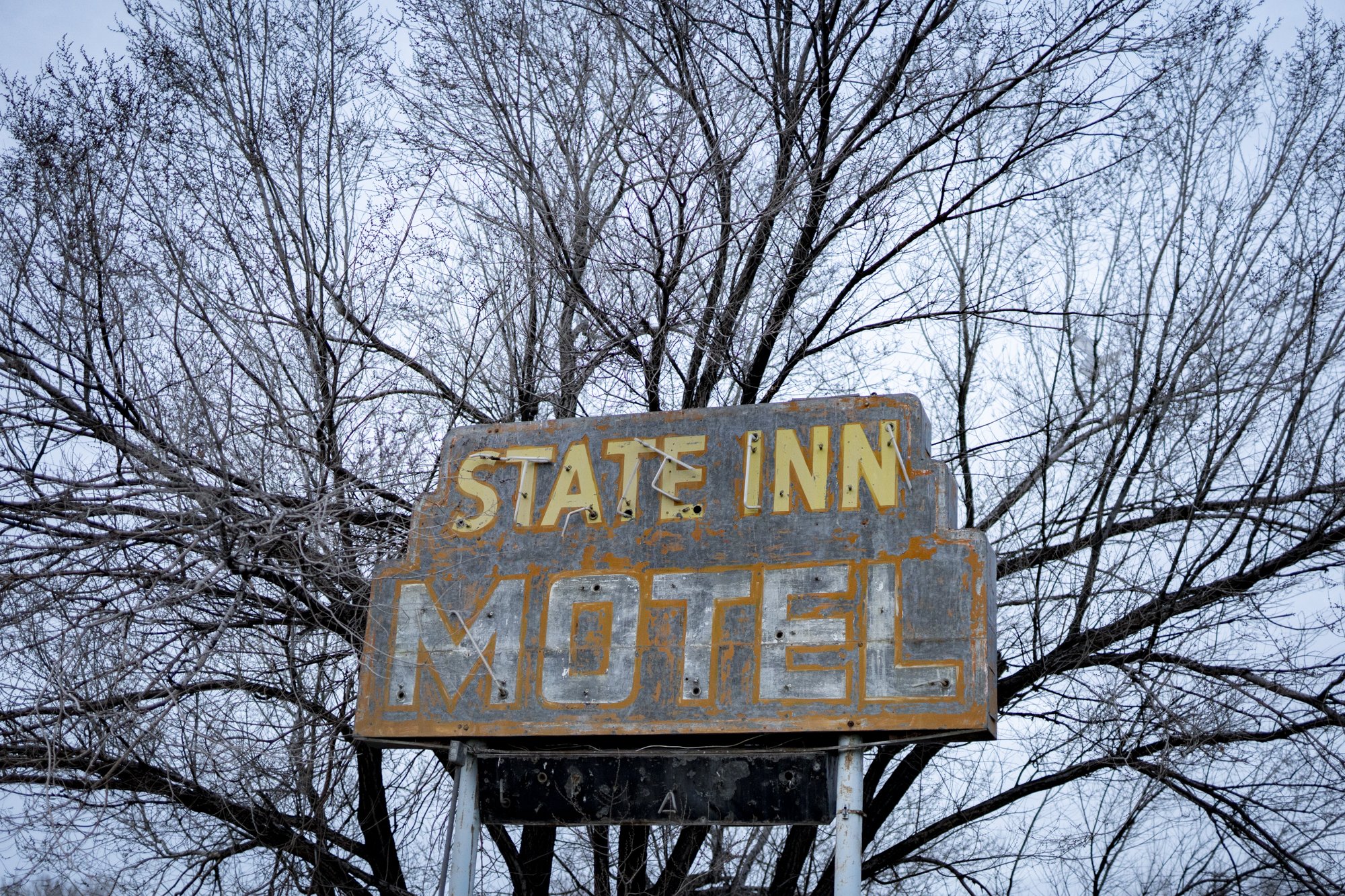
Another one of those subjects I can’t seem to stay away from - American Motels. Maybe it’s the nostalgia or all the time I’ve personally spent in them? Not sure. Said this in a recent post, but it was shocking to see how many of these old places had shut down during a trip out to Texas a few weeks ago. What a shame.

Click here to see more from this series.

Cowboy Culture Photography

Cattle Branding - Cowboy Photography

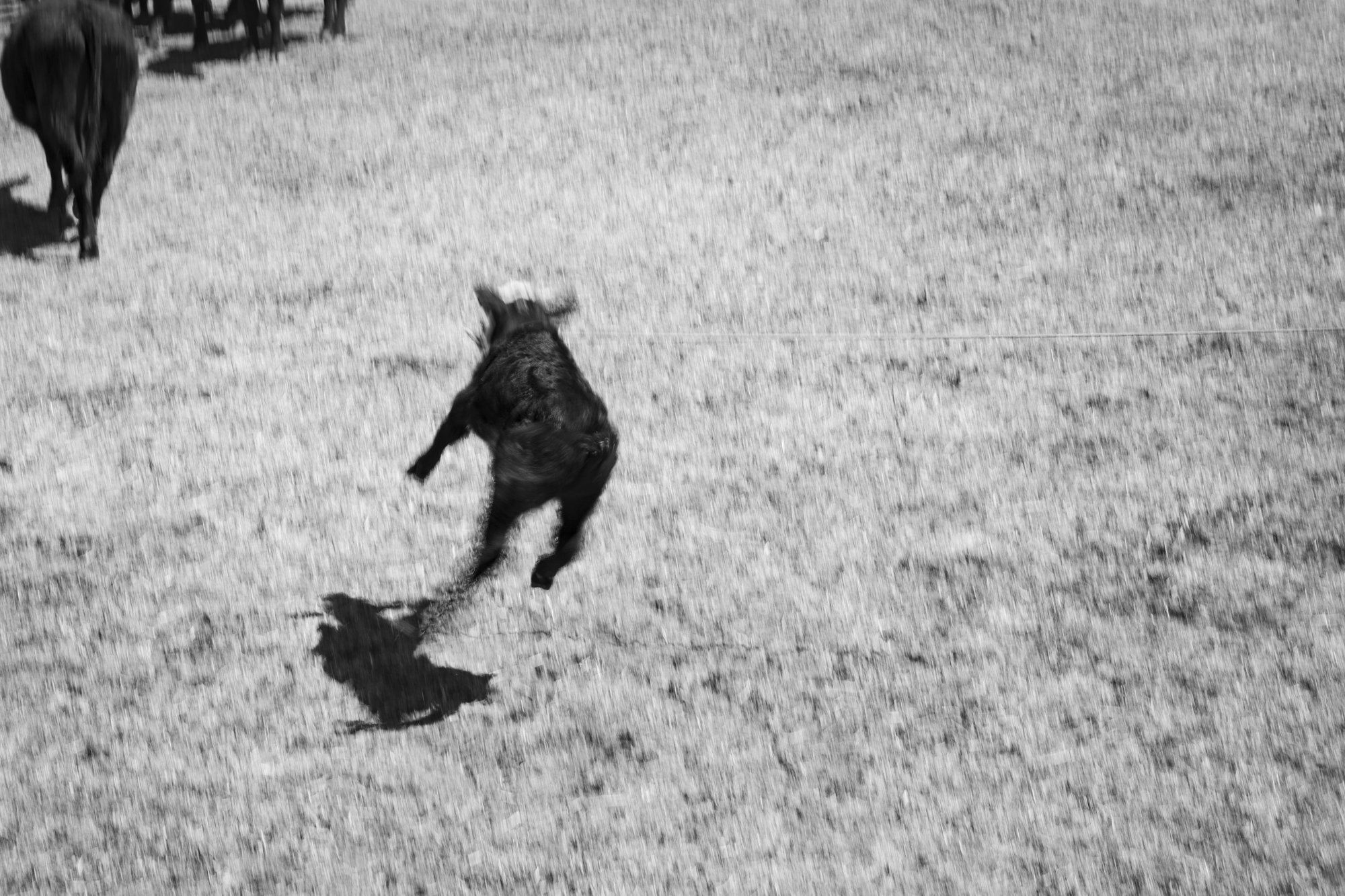
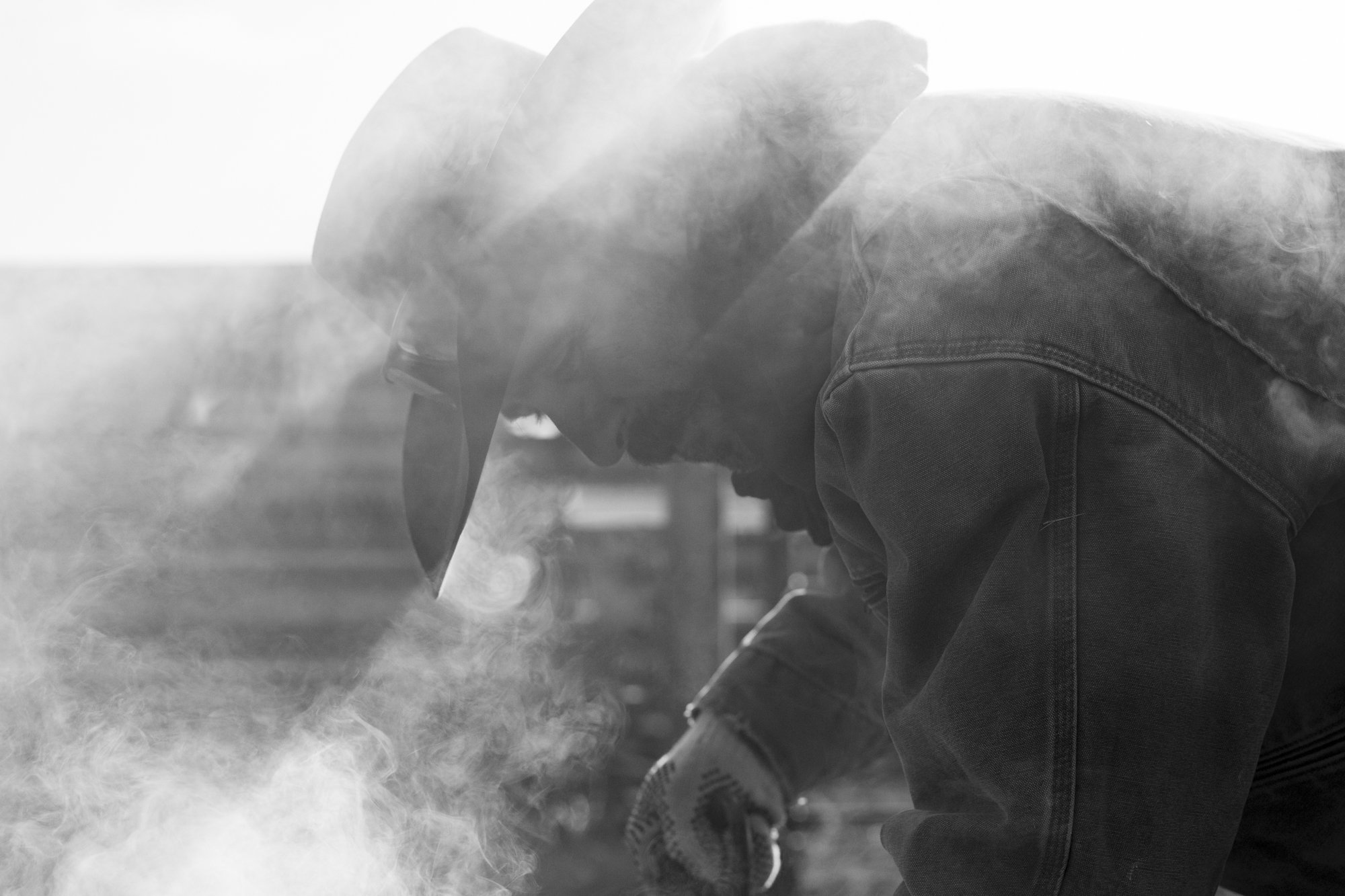
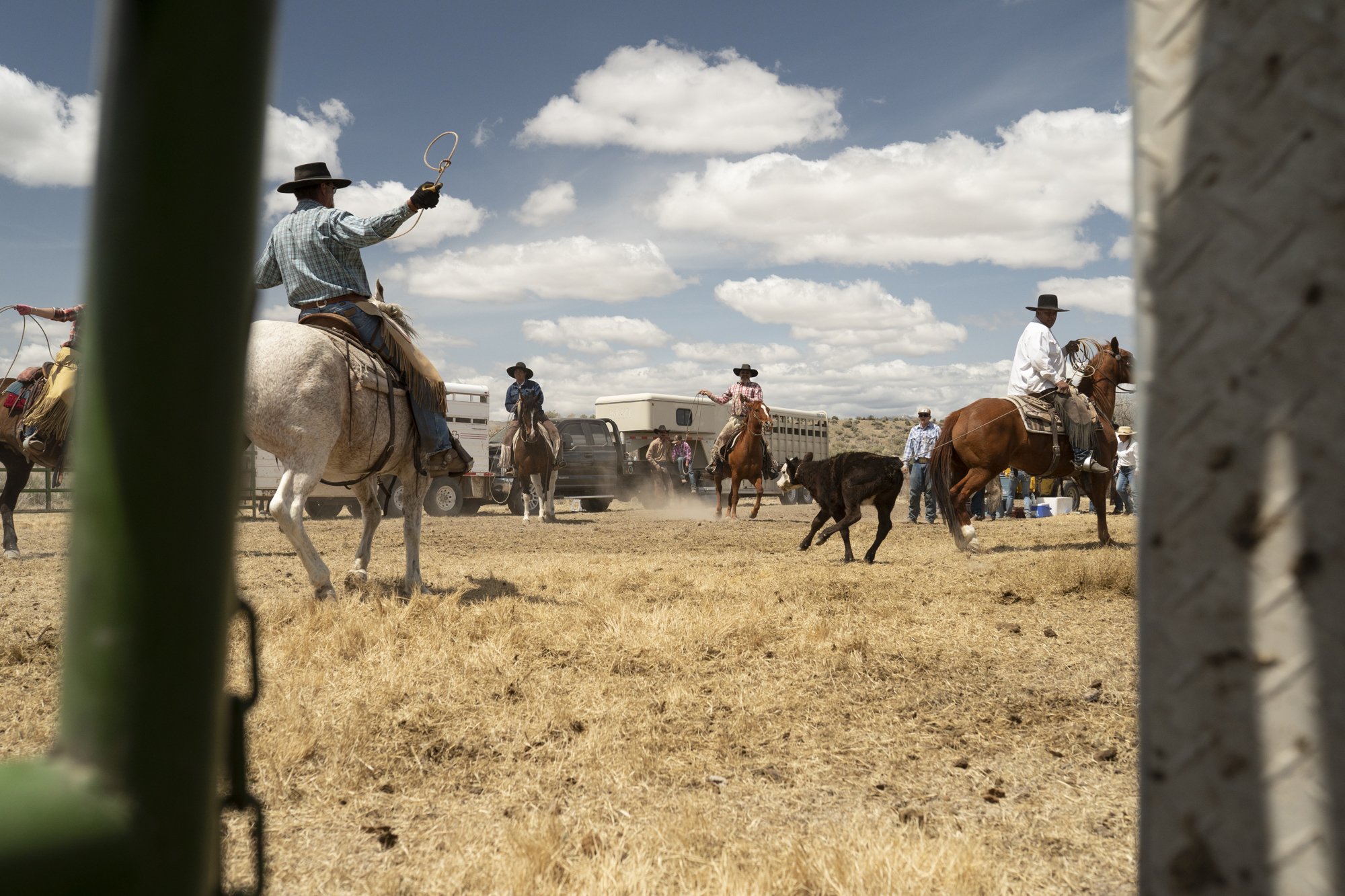
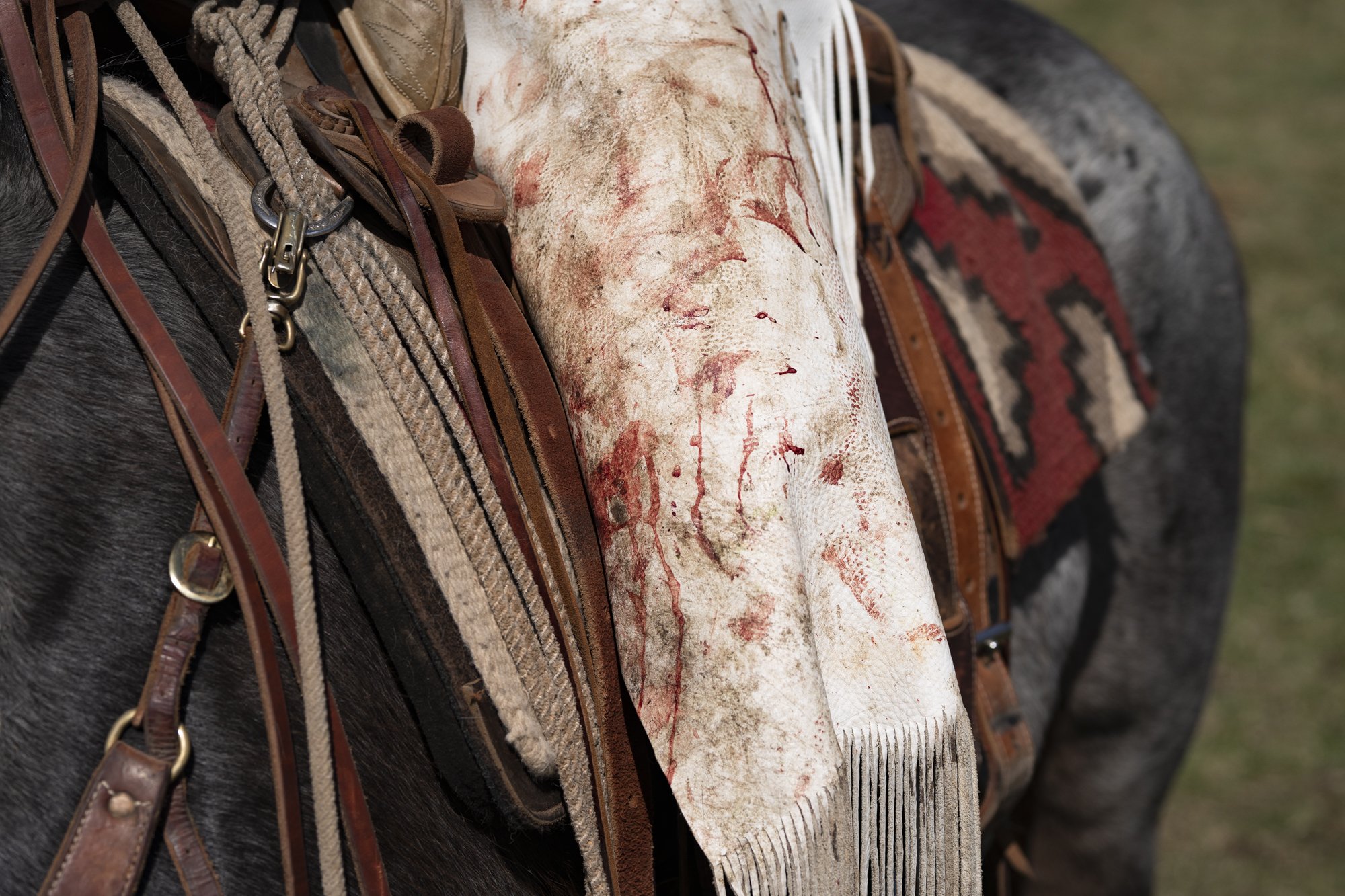
There’s nothing staged about the kind of cowboy photographs I make. No hired models in brand-new hats. No one pretending to ride for the brand. Just real people doing real work day in and day out, in weather that doesn’t care if you’ve got a camera slung over your shoulder.

For the past 5 years I’ve been photographing working cowboys on ranches across the American West. Not for the sake of nostalgia or myth-making, but because this way of life still exists, and it’s worth documenting. It’s early mornings, long days, sore horses, busted hands, and wind that doesn’t quit. It’s also pride, precision, and an unspoken connection between the people, the animals, and the land.

Most of the time, I’m just trying to stay out of the way. The goal isn’t to direct or interrupt—it’s to be quiet, to watch, and to make images that feel true. The kind that a cowboy can look at and say, “Yeah, that’s how it really is.”

These photographs aren’t just about cowboy hats and boots (though those are in there too). They’re about culture. About people whose lives are shaped by purpose, place, and tradition. And if you spend enough time around it, you realize it’s not just a job. It’s a commitment. A way of seeing the world.
If you're interested in cowboy culture—not the romanticized version, but the actual, hard-earned life behind it, this collection of photographs is for you. No frills, no filters. Just the truth of the West, one frame at a time.

Click HERE to see more of my cowboy photography.

Click HERE to shop my collection of cowboy photography prints

ROAD TRIP

THE BAD:This past week was the first time in a while since I’ve been on this particular route through Arizona, New Mexico, and Texas. The findings were not good economically. It was hard to see so many familiar small town restaurants and hotels closed, boarded up, or in the process of being demolished. Maybe the timing was a coincidence, but you have to wonder if it was all the result of COVID? Either way it’s a shame.

THE GOOD: Road trips are always so much fun, educational, and therapeutic. This one had me shooting on a cattle ranch (The Four Sixes) in the Texas panhandle where I met some great people and had a hell of a lot of fun shooting with them. Will be a while until I can post those images. So for now you can click HERE to see more of my Cowboy photography.

Basketball As A Global Language

Basketball Hoops in Europe

Street Basketball and Public Hoops Across European Countries

Basketball is often thought of as an American game, but travel quickly proves otherwise. While moving through cities and small towns across Europe, I began noticing basketball hoops tucked into courtyards, alleys, schoolyards, and public spaces—quietly integrated into daily life. These photographs document street basketball as it exists beyond professional arenas: worn backboards, improvised courts, and places where the game is played simply because space allows for it. What stood out was both the differences from home and the familiarity—evidence that basketball has become a shared, global language spoken in cities far from where the game began.

Basketball Culture Beyond the United States

By the time these photographs were made, I had already spent years documenting basketball hoops across the United States. That long-term work shaped how I saw the game elsewhere. In Europe, basketball didn’t announce itself with signage or formal courts; it appeared quietly—behind apartment buildings, beside schools, along the edges of public parks. The hoops were often worn, sometimes improvised, and clearly used. These weren’t destinations. They were part of the landscape.

Basketball as a Global Game

Basketball’s simplicity is what allows it to travel. A single hoop can turn almost any space into a court. In Europe, that adaptability felt especially apparent. Courts were smaller, surfaces uneven, and surroundings shaped by centuries of architecture rather than modern planning. Yet the game persisted, fitting itself into whatever space was available.

These photographs aren’t about organized play or competition. They focus instead on the presence of the game itself—how basketball exists even when no one is on the court. In that way, the hoops become markers of cultural exchange, evidence of how a game invented in one country has embedded itself into everyday life far beyond its origins.
What These European Hoops Reveal About Basketball in America

Seeing basketball in Europe reinforced something I had already been observing at home: the game belongs as much to ordinary places as it does to arenas. The same visual patterns repeat—bent rims, weathered backboards, courts shaped by their surroundings rather than by regulation. Basketball adapts to place, but it never loses its identity.

That realization continues to inform my ongoing work documenting basketball hoops across the United States. While the landscapes differ, the impulse behind the game feels universal. Basketball shows up wherever people live their lives, and the hoop often remains long after the players have gone—quiet, functional, and waiting.

An Ongoing Documentary Approach

This body of work exists alongside my long-term project photographing basketball hoops in America, where I continue to focus on rural towns, backyards, alleys, and overlooked spaces. Together, the images form a broader visual study of basketball as part of everyday life—one that crosses borders without losing its meaning.

Rather than treating these European photographs as a separate series, they function as context. They reinforce the idea that basketball isn’t confined to a single country or culture. It’s a shared language, expressed through place, architecture, and the simple presence of a hoop.

View More Global Basketball Hoop Photographs

American Backcourts - A long-term photography project documenting old, handmade, and overlooked basketball hoops found in small towns, rural yards, and quiet neighborhoods across the United States.

Vietnam Hoops - A photographic exploration of basketball hoops across Europe, where the game blends into historic streets, housing blocks, and everyday public spaces.

Venice Beach - A vibrant look at basketball culture in Venice Beach, California, where color, creativity, and public courts collide in one of the most iconic basketball environments in the world.

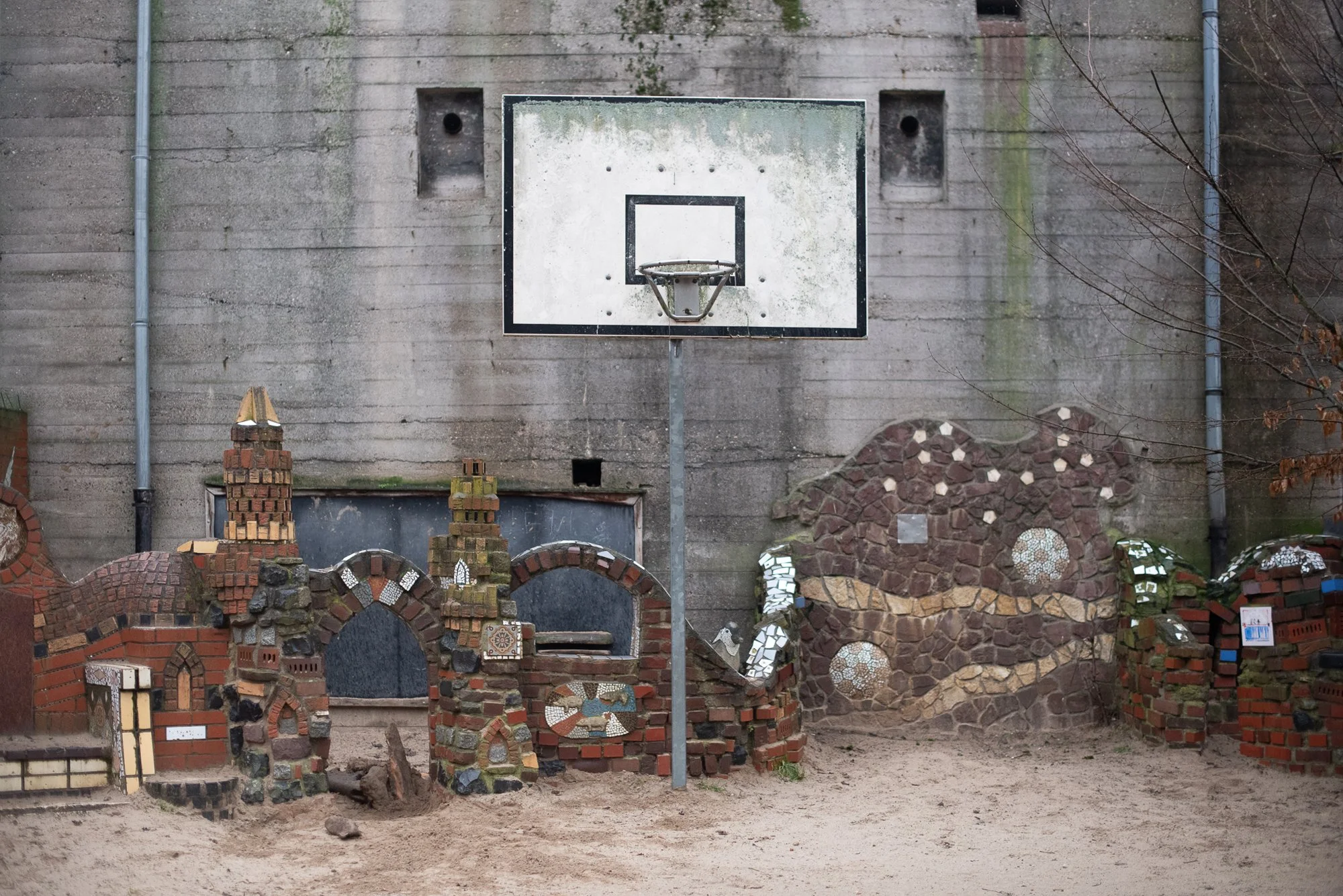
Outdoor basketball hoop on a metal pole set in front of a mosaic brick wall on a European courtyard court.

A basketball hoop stands in a small courtyard, framed by handmade brick and stone mosaics that blend public art and everyday basketball culture

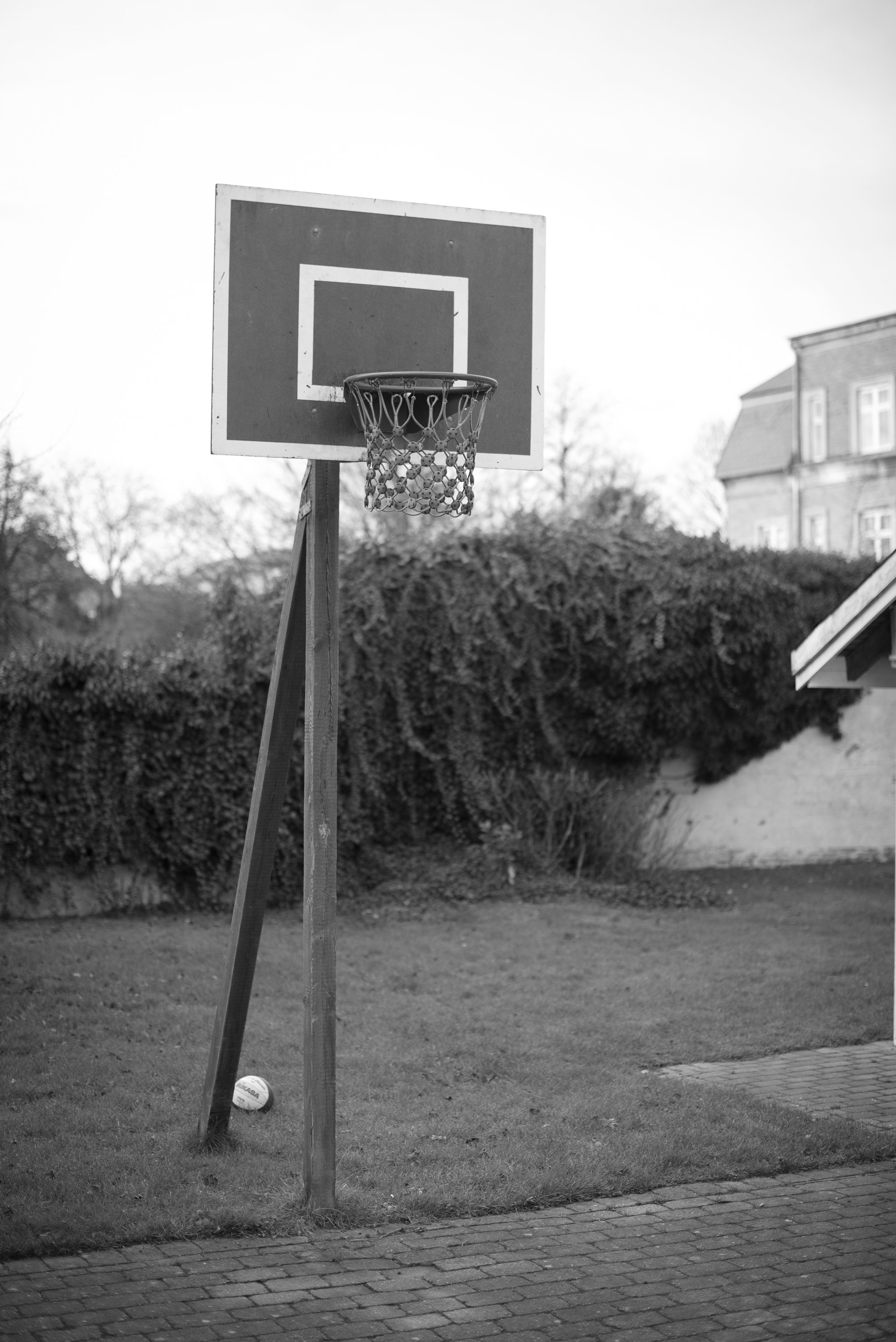
Black and white photograph of a residential basketball hoop set on a small outdoor court in Europe.

A lone basketball hoop in a residential setting, photographed in black and white, highlighting the quieter side of European basketball culture.

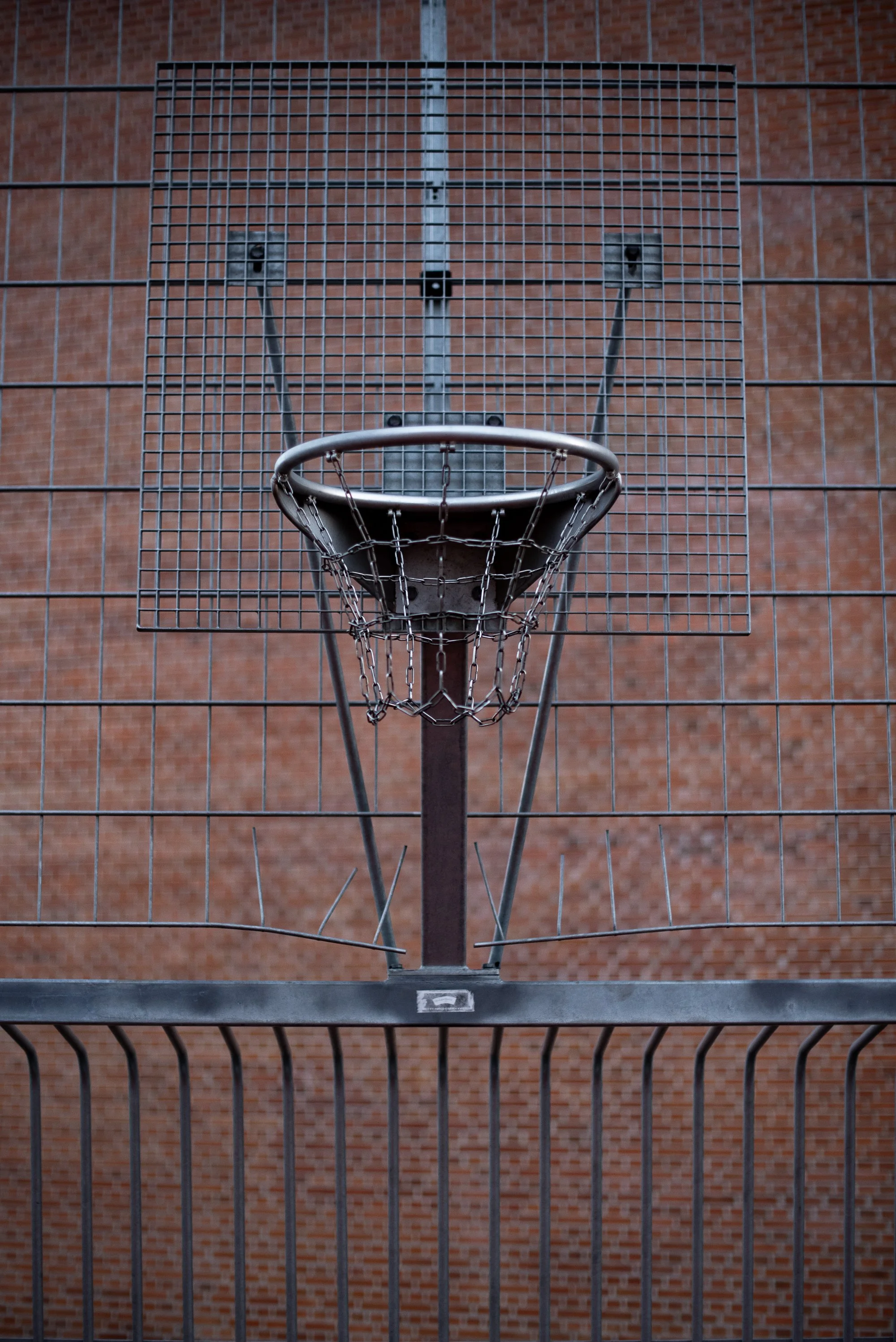
Chain-net basketball hoop mounted on a pole in front of a brick wall on a European outdoor court.

A chain-net basketball hoop centered against a brick backdrop, highlighting durability and utility in European public courts.

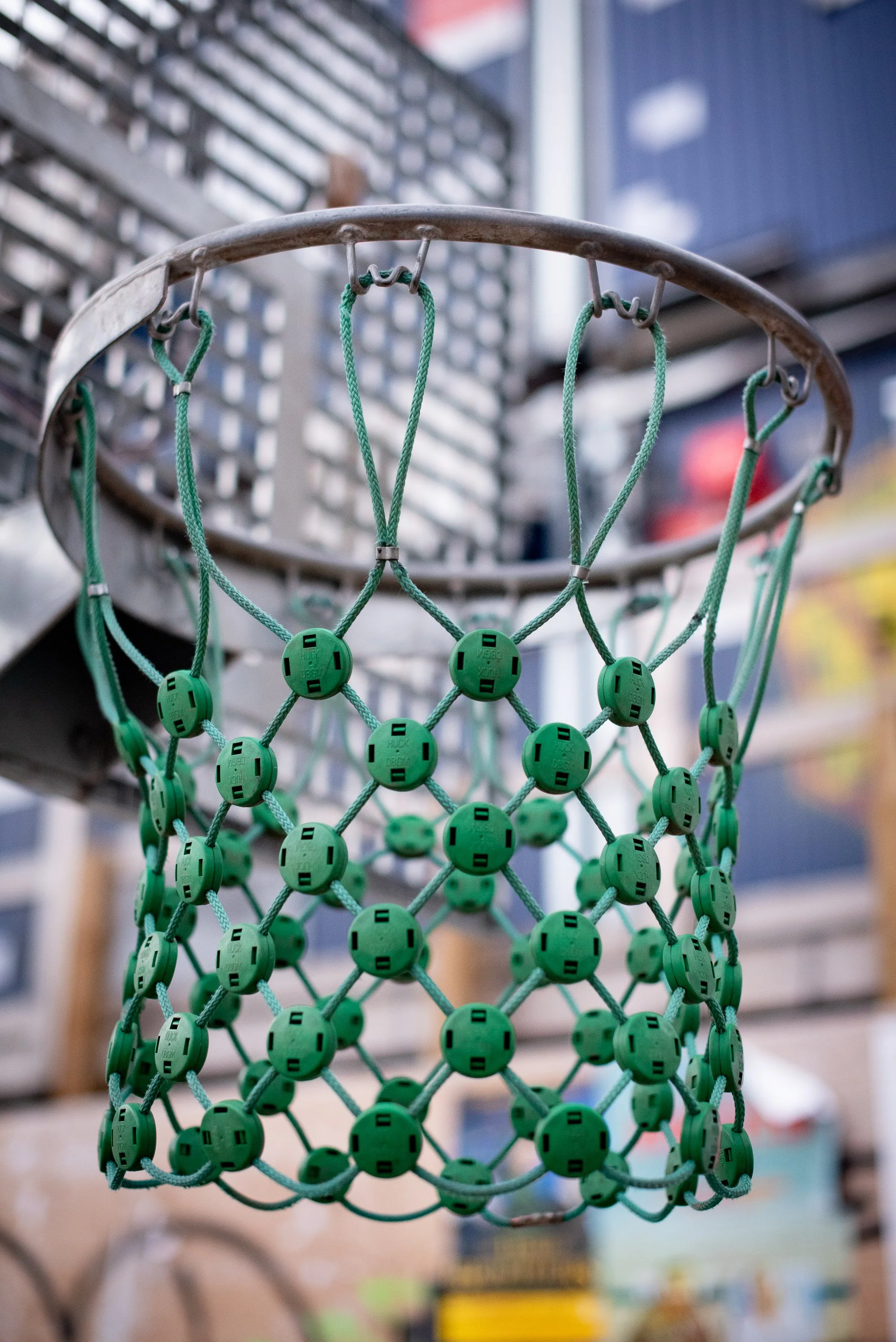
Close view of a basketball hoop with a green net on an outdoor European court, photographed against an urban background.

A brightly colored basketball net hangs from an outdoor hoop, emphasizing the visual details that define everyday basketball culture in European cities.

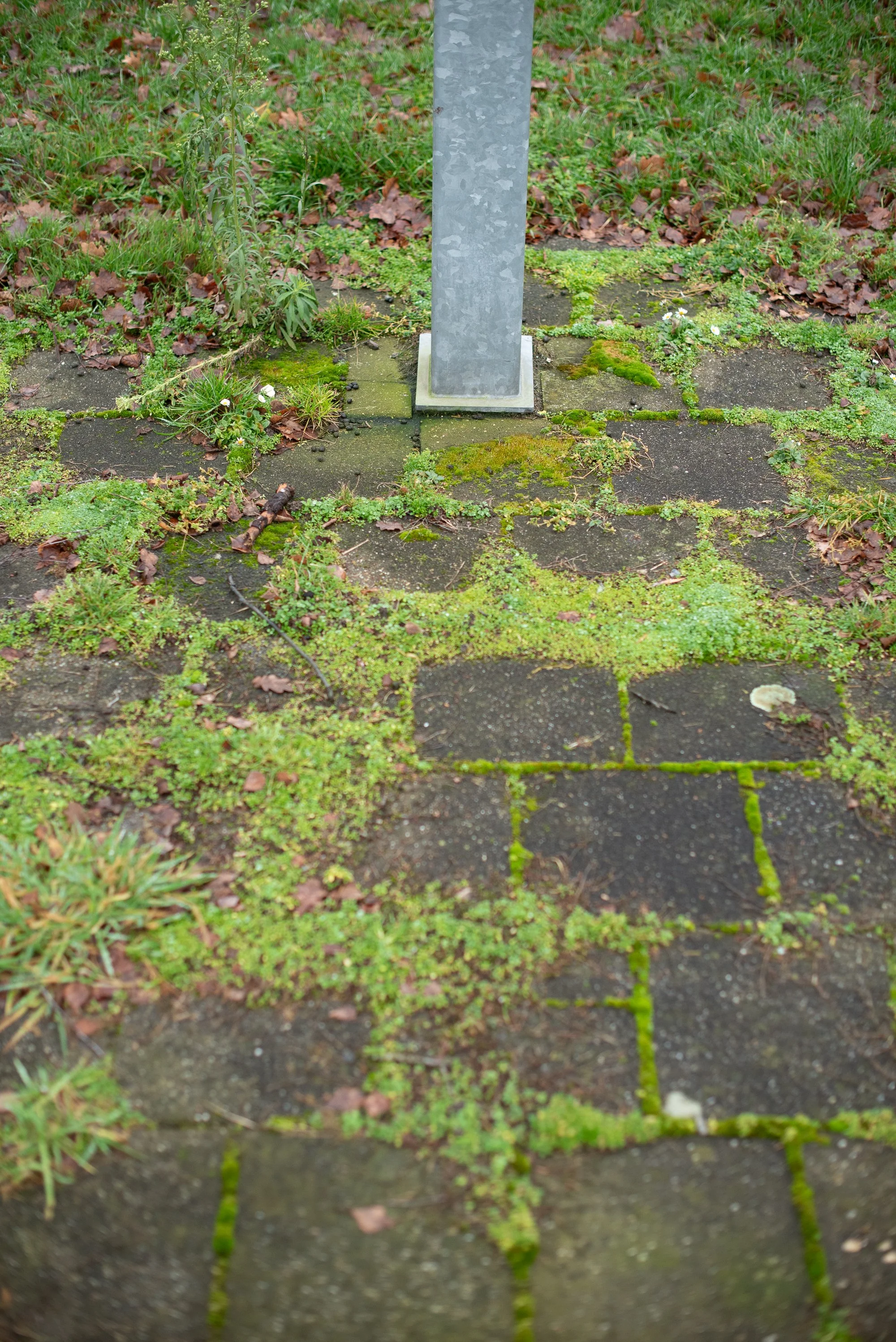
Close-up of a basketball hoop pole anchored into moss-covered stone on an outdoor European court.

Detail of a basketball hoop’s base, where metal, stone, and moss reveal the slow passage of time on an outdoor European court.

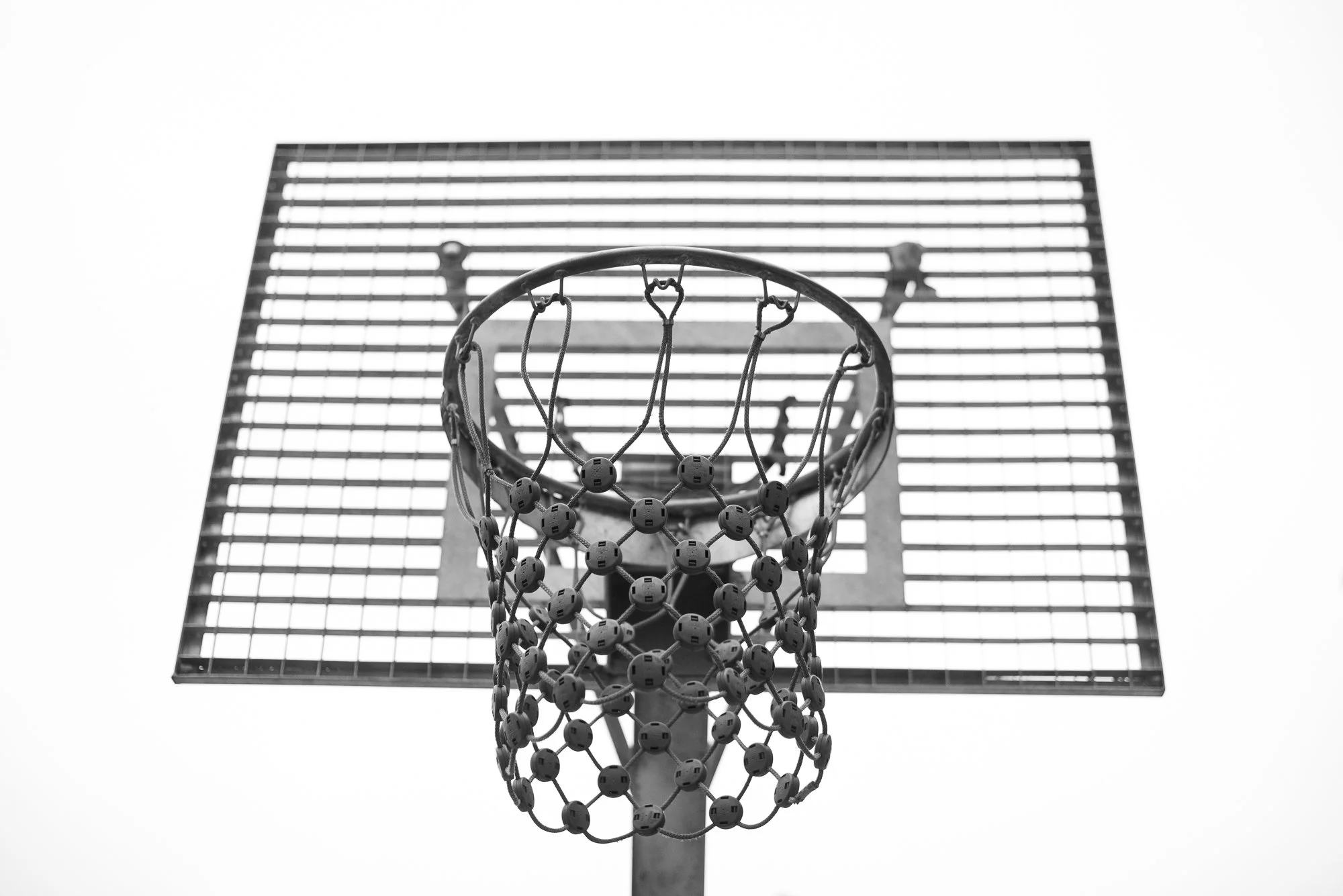
Black and white photograph of an outdoor basketball hoop and net on a European public court.

A straightforward view of an outdoor basketball hoop, photographed in black and white to focus on form, structure, and balance.

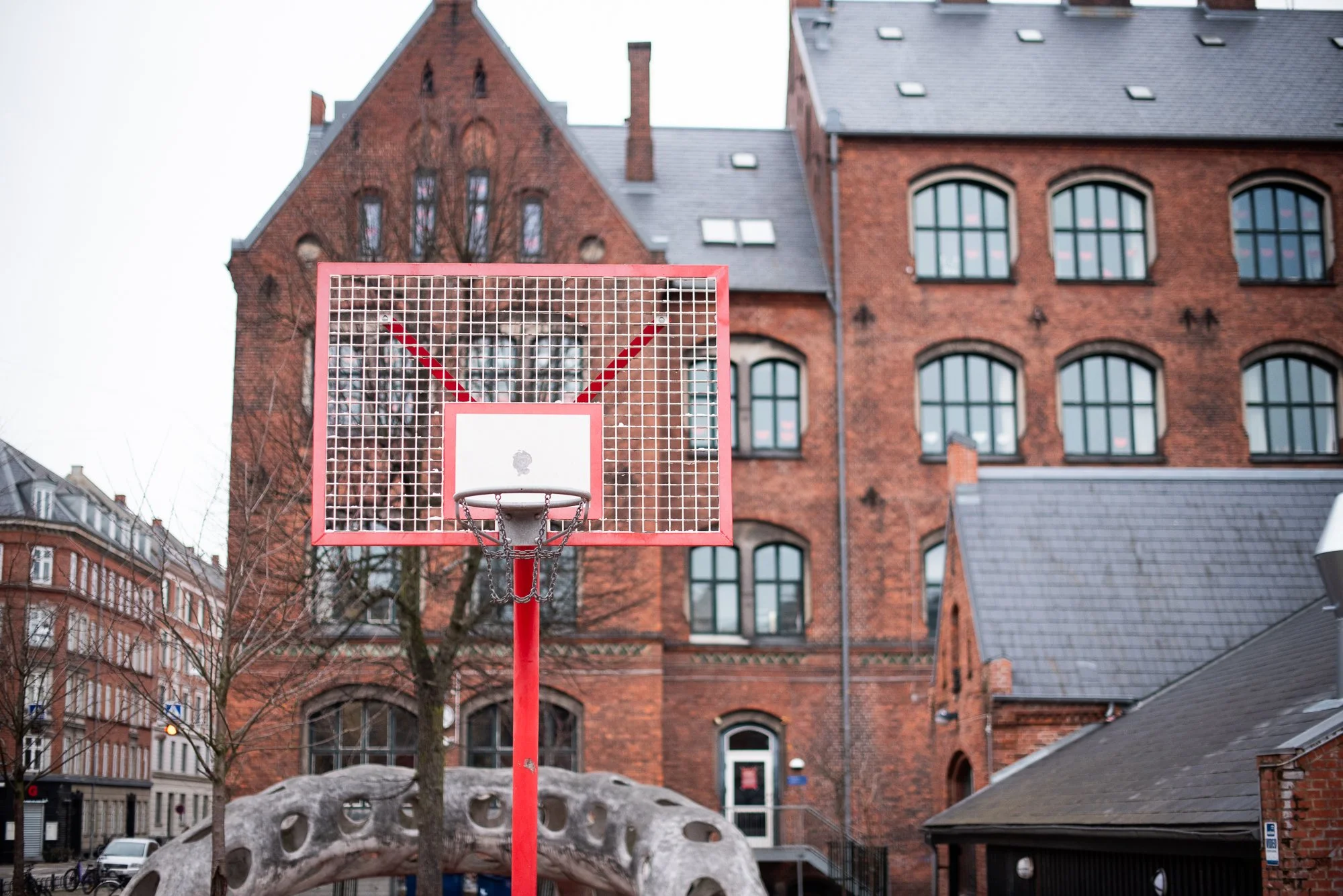
Outdoor basketball hoop with a red backboard set in front of a historic brick building in Europe.

A red basketball backboard stands out against brick architecture, showing how outdoor courts are embedded within everyday European neighborhoods.

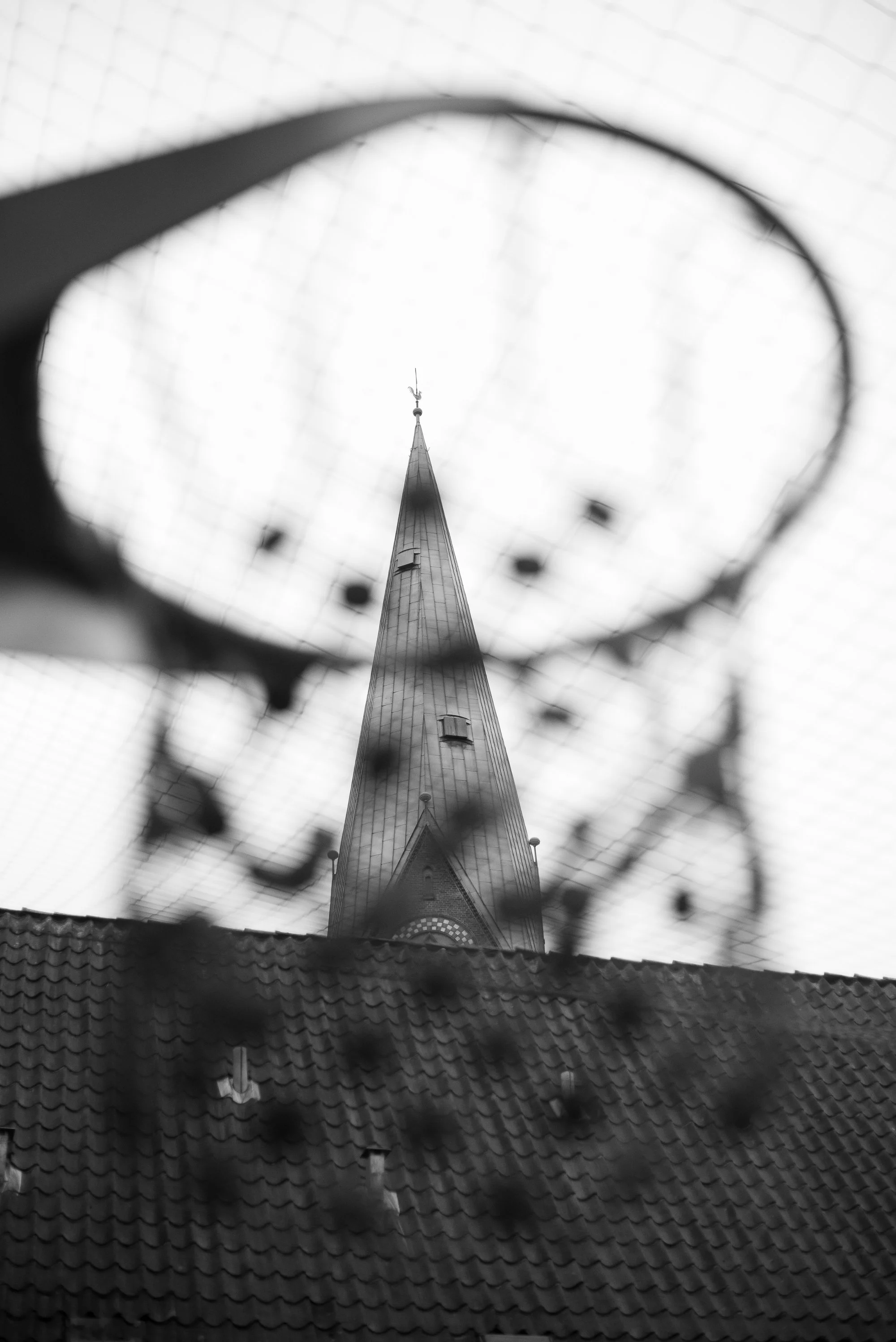
Black and white photograph of a church steeple framed through a basketball hoop on a European outdoor court.

Seen through the rim of a basketball hoop, a church steeple rises in the background, placing the game within the architectural fabric of a European town.

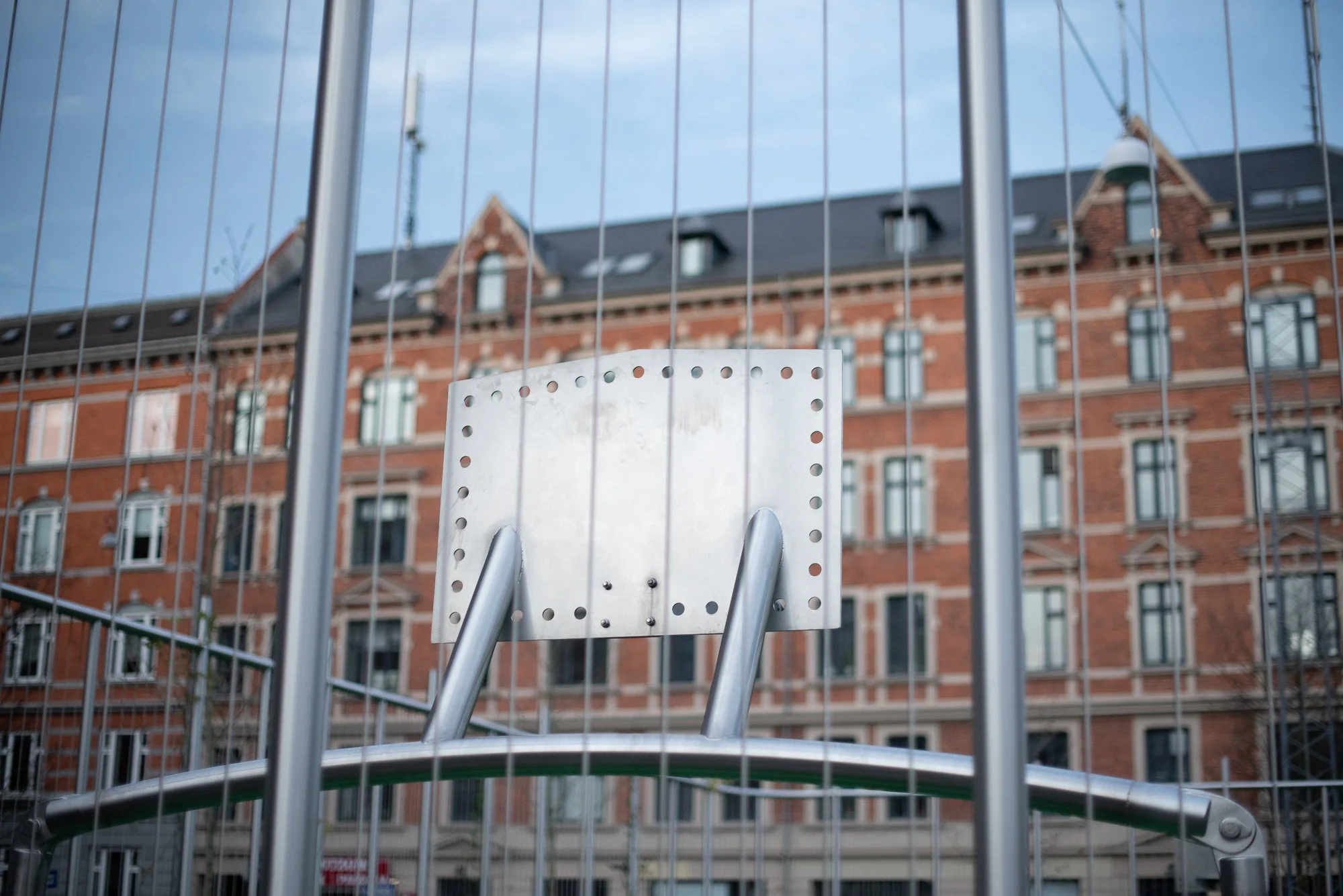
Outdoor basketball backboard photographed behind protective fencing on a European urban court.
A metal basketball backboard seen through fencing, reflecting the layered infrastructure common to many public courts across Europe.

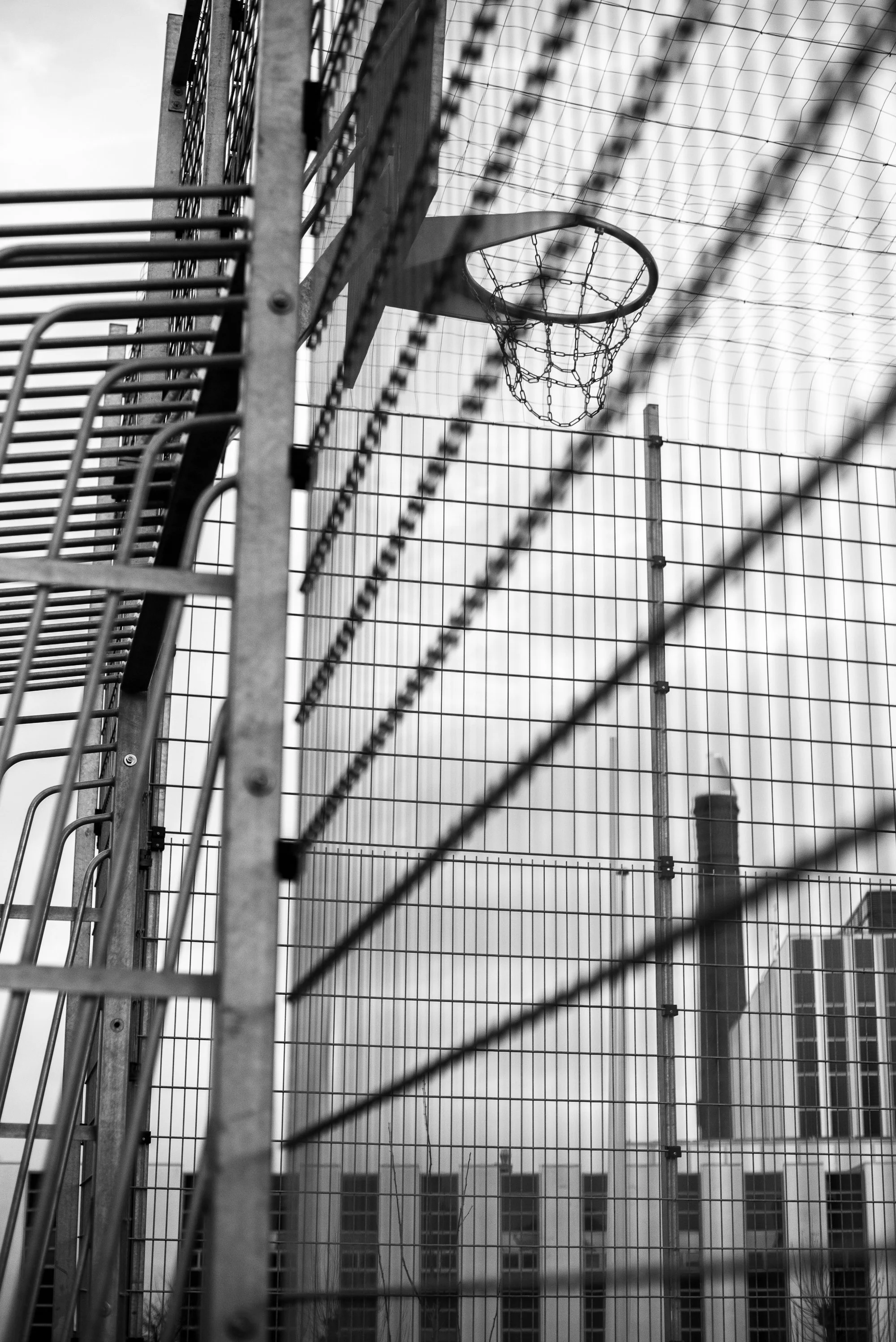
Black and white photograph of a basketball hoop viewed through fencing on an outdoor European court.

Viewed through layers of fencing, an outdoor basketball hoop emphasizes access, separation, and the realities of shared public space.

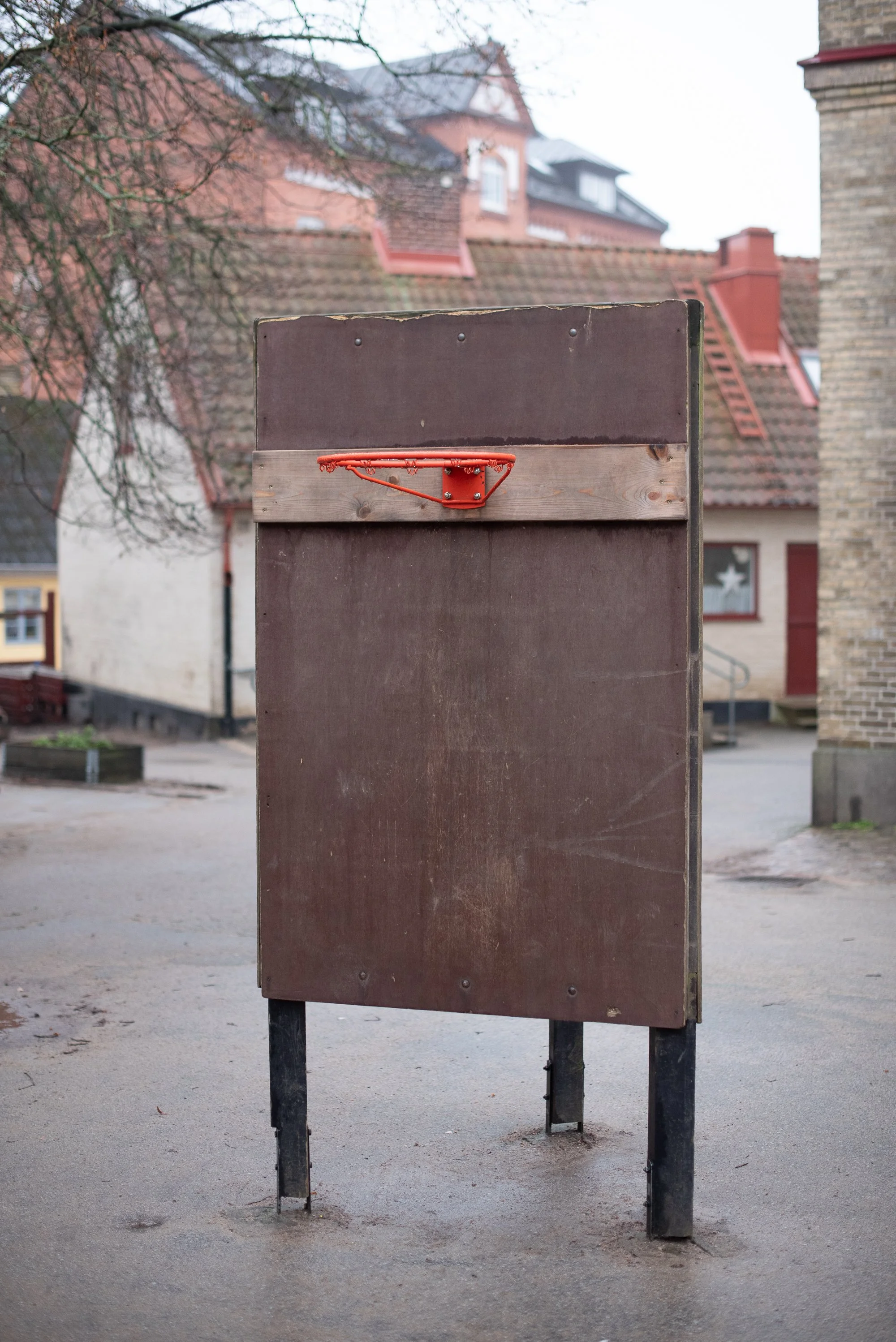
Handmade wooden basketball backboard with an orange rim photographed in a European residential setting.

A handmade wooden backboard with a bright orange rim highlights the improvised, personal nature of informal basketball spaces.

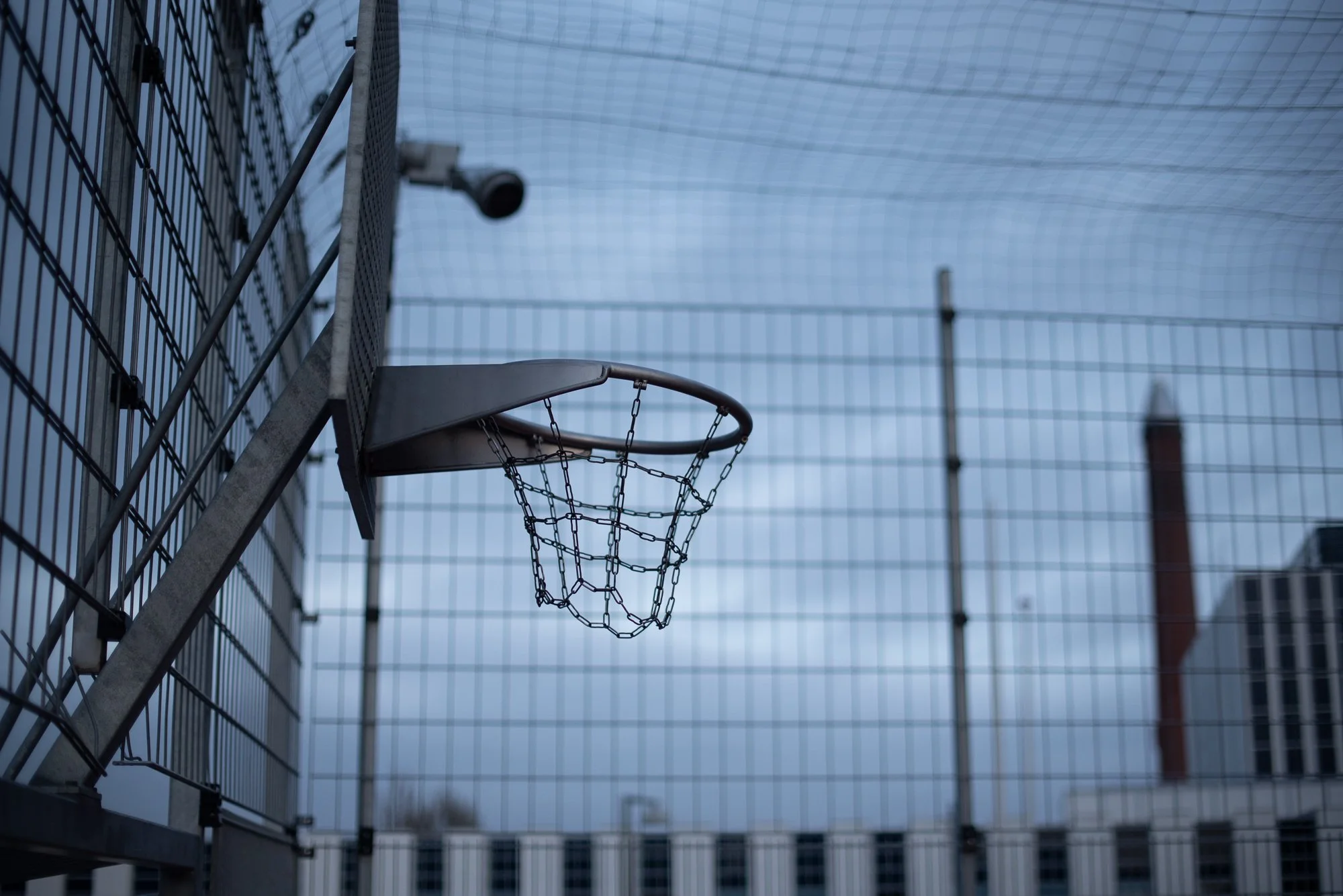
Outdoor basketball hoop photographed at dusk behind fencing on a European public court.

A basketball hoop at dusk, surrounded by fencing, captures the subdued atmosphere of an outdoor European court after daylight fades.

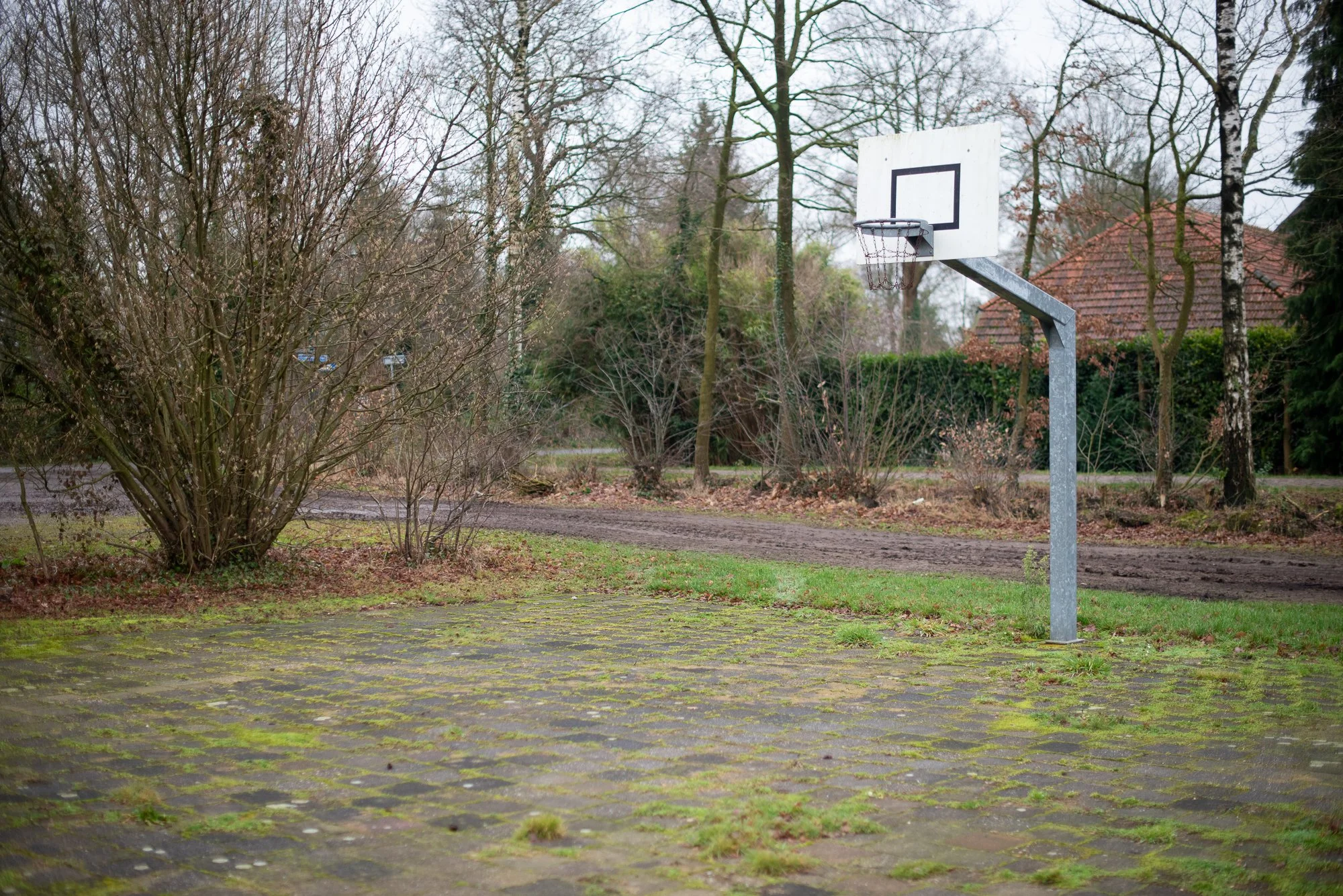
Outdoor basketball hoop on a quiet European court with moss-covered paving stones and surrounding trees.

A solitary basketball hoop sits on a moss-covered outdoor court, reflecting the quieter, weathered character of many European public playing spaces.

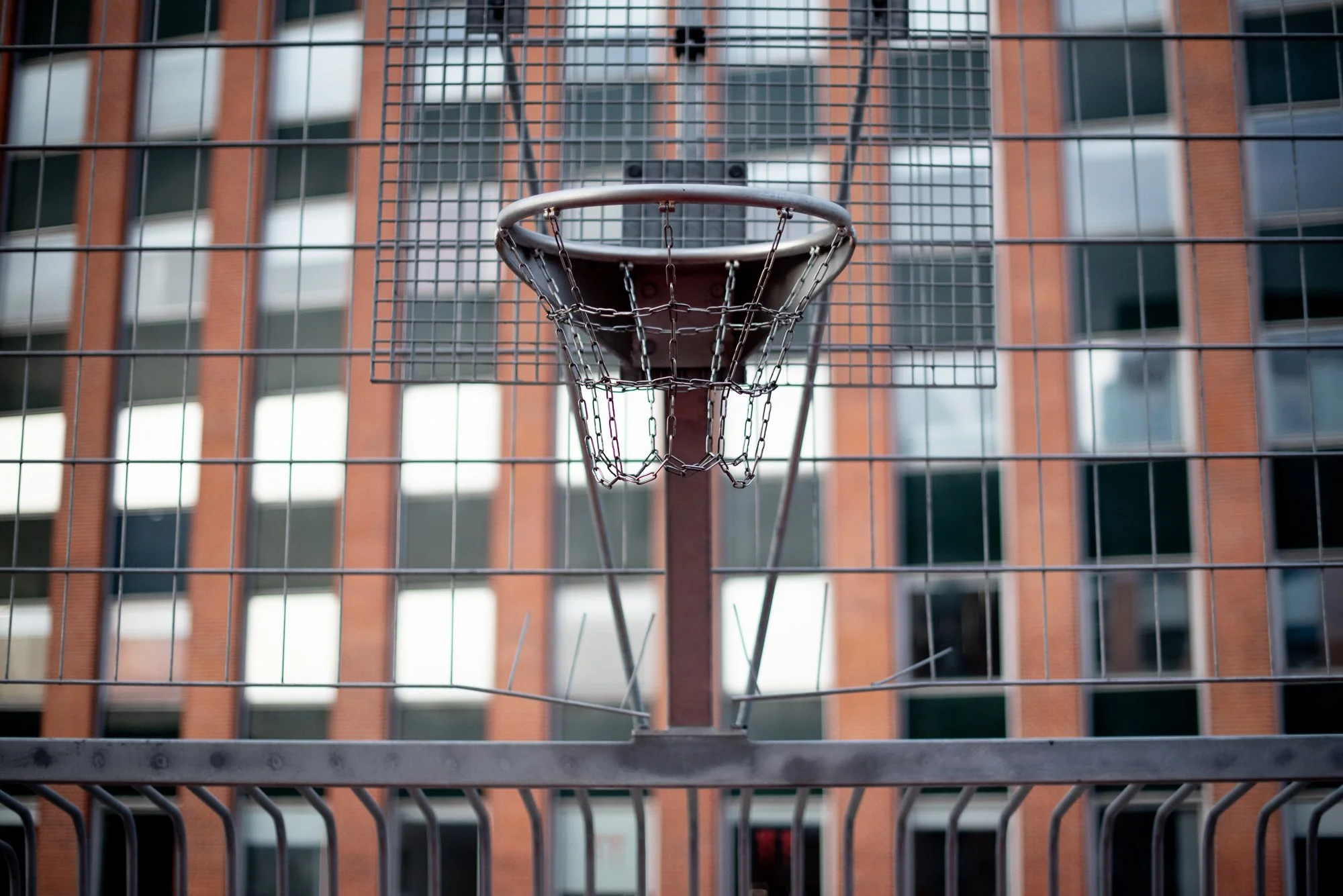
Outdoor basketball hoop with a chain net set against an urban building facade in Europe.

A chain-net hoop framed by city windows, underscoring how basketball courts exist within dense European urban environments.

American Photography

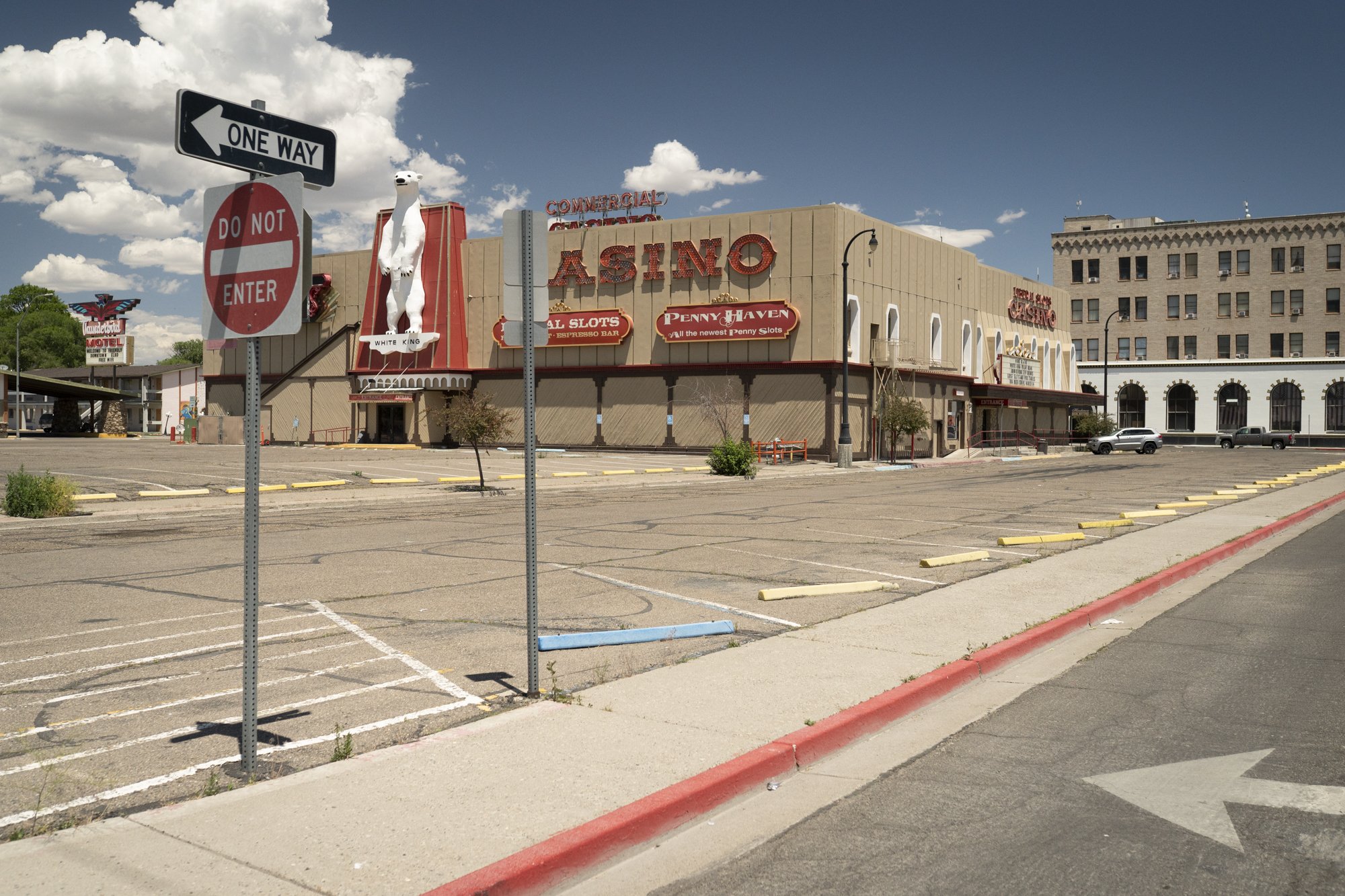
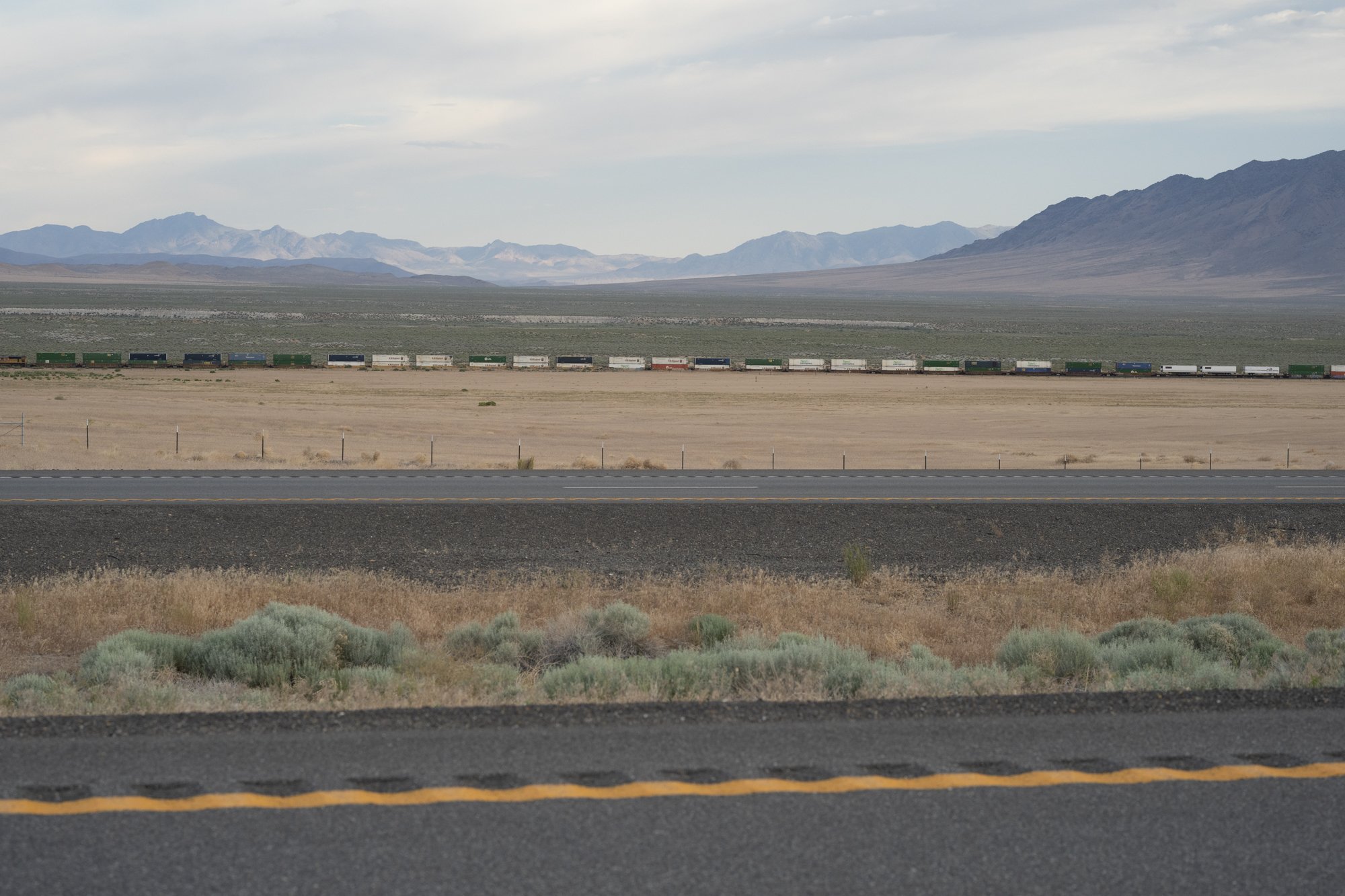
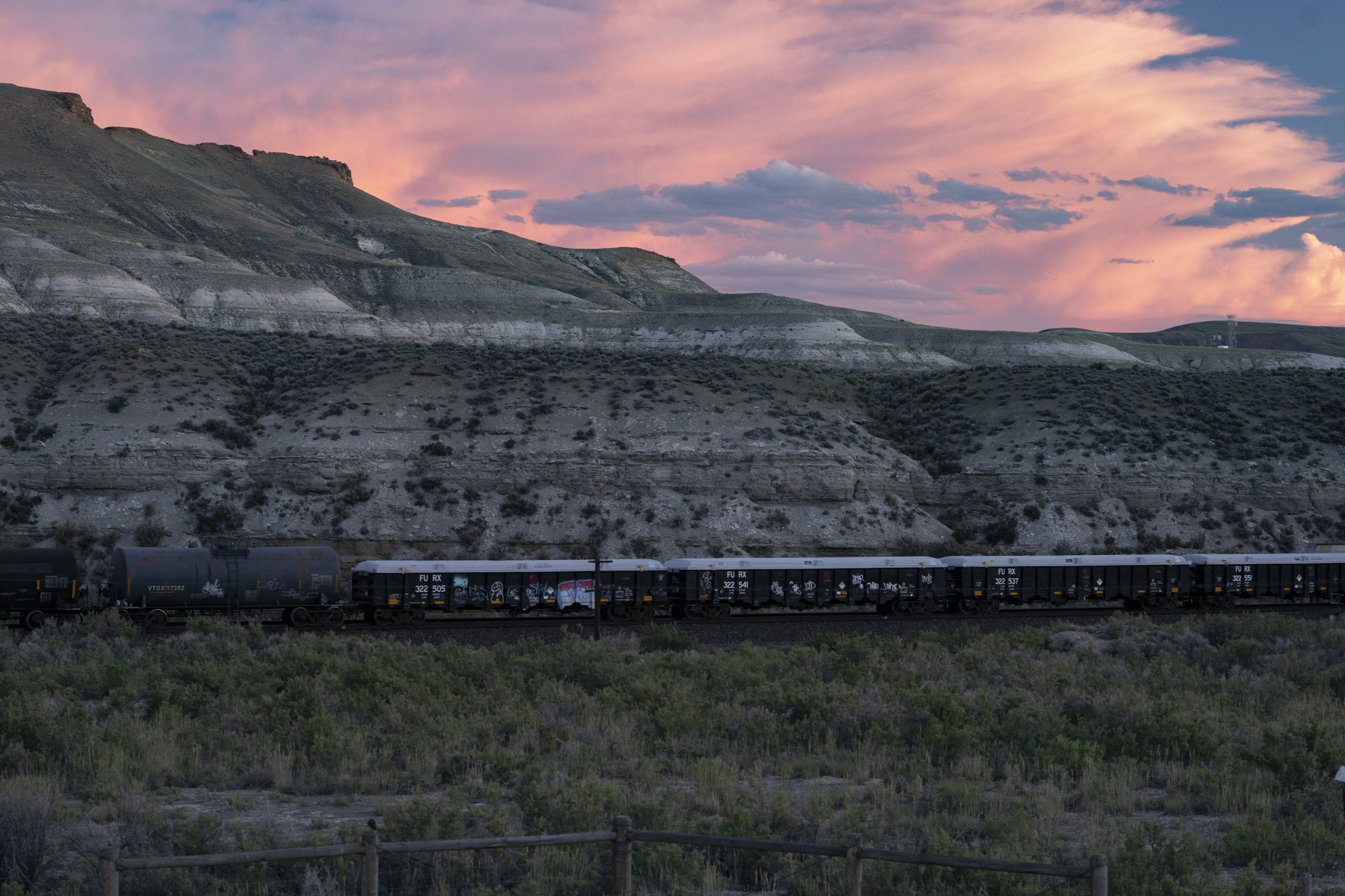
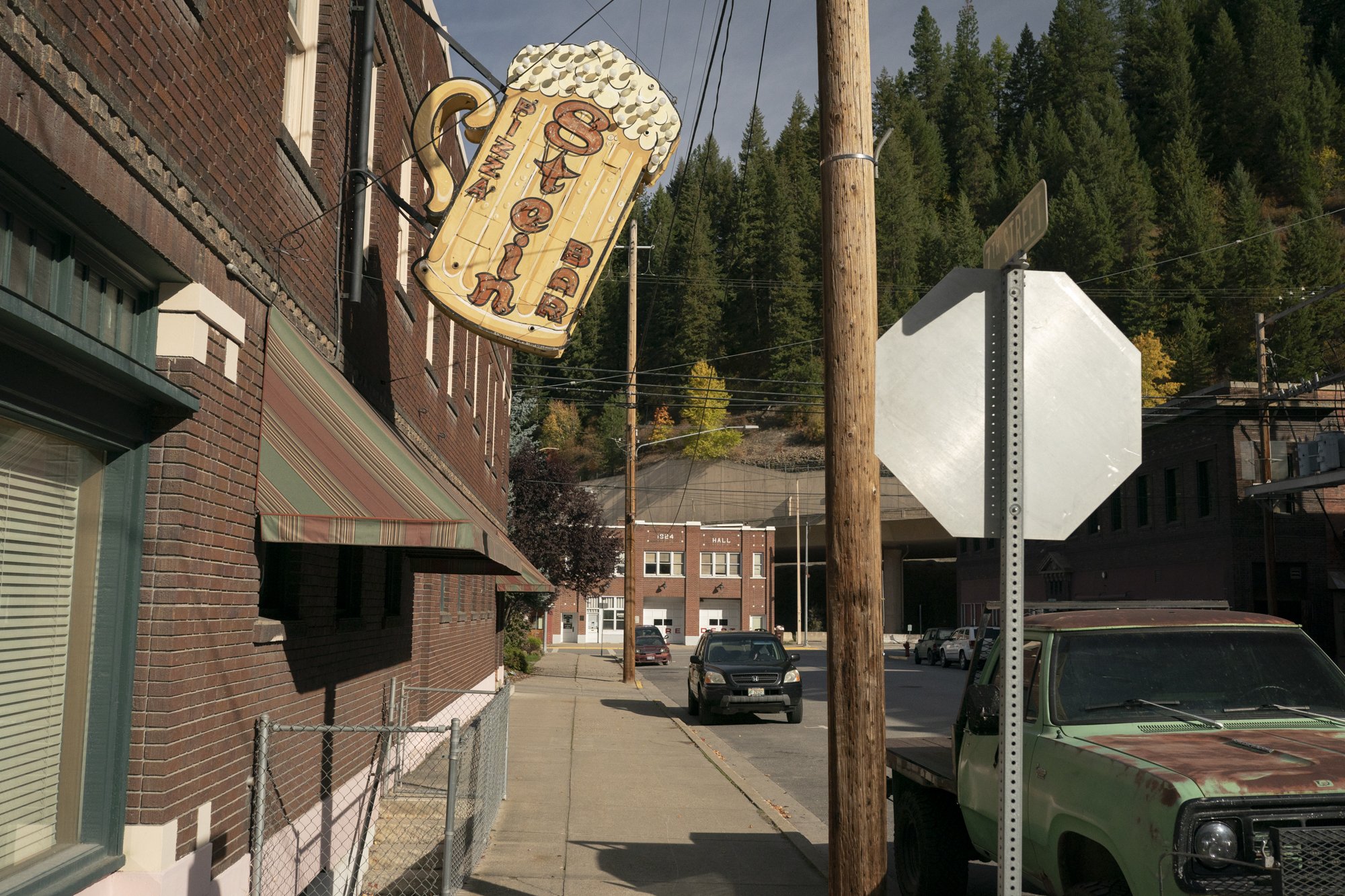
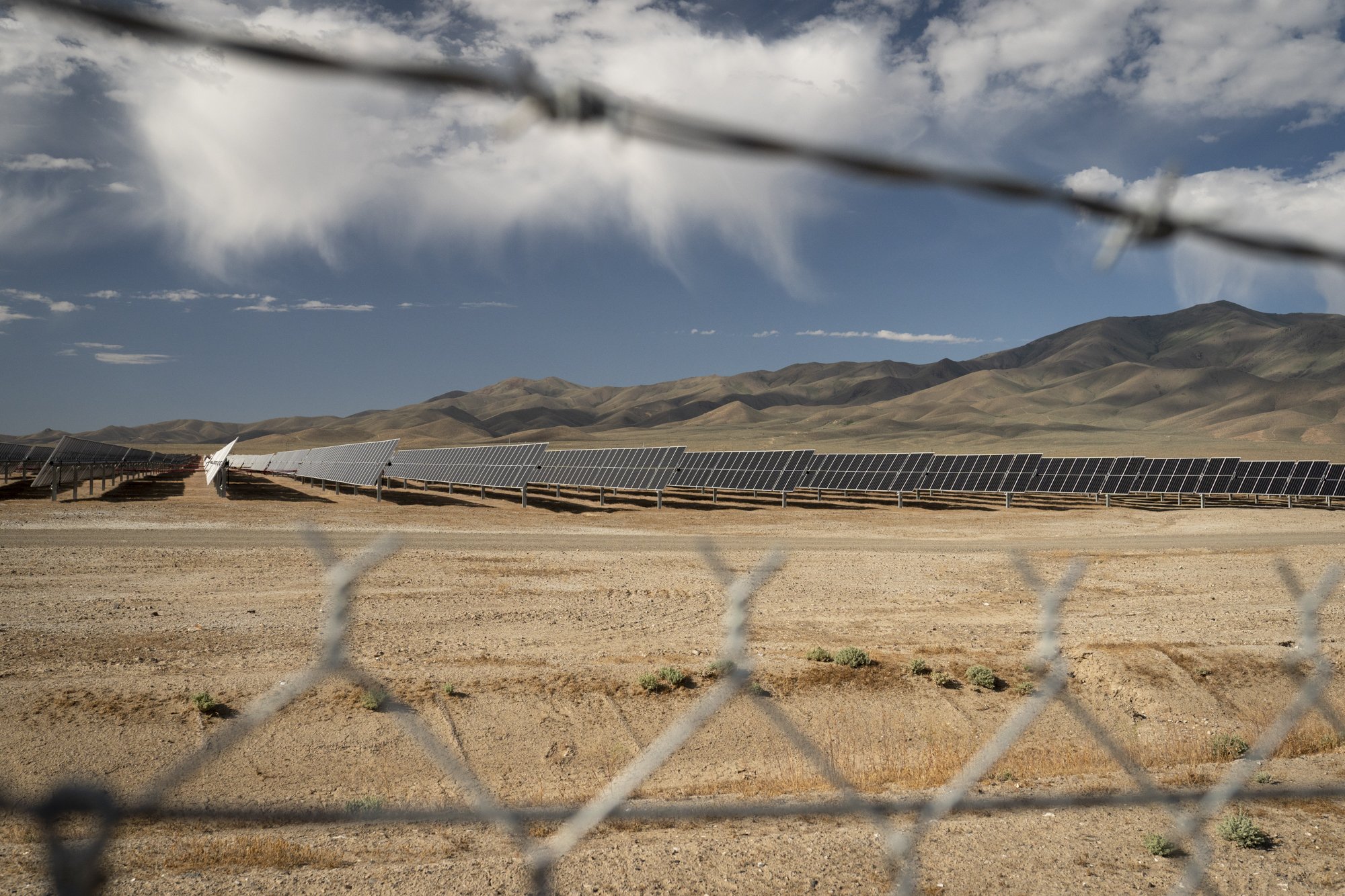
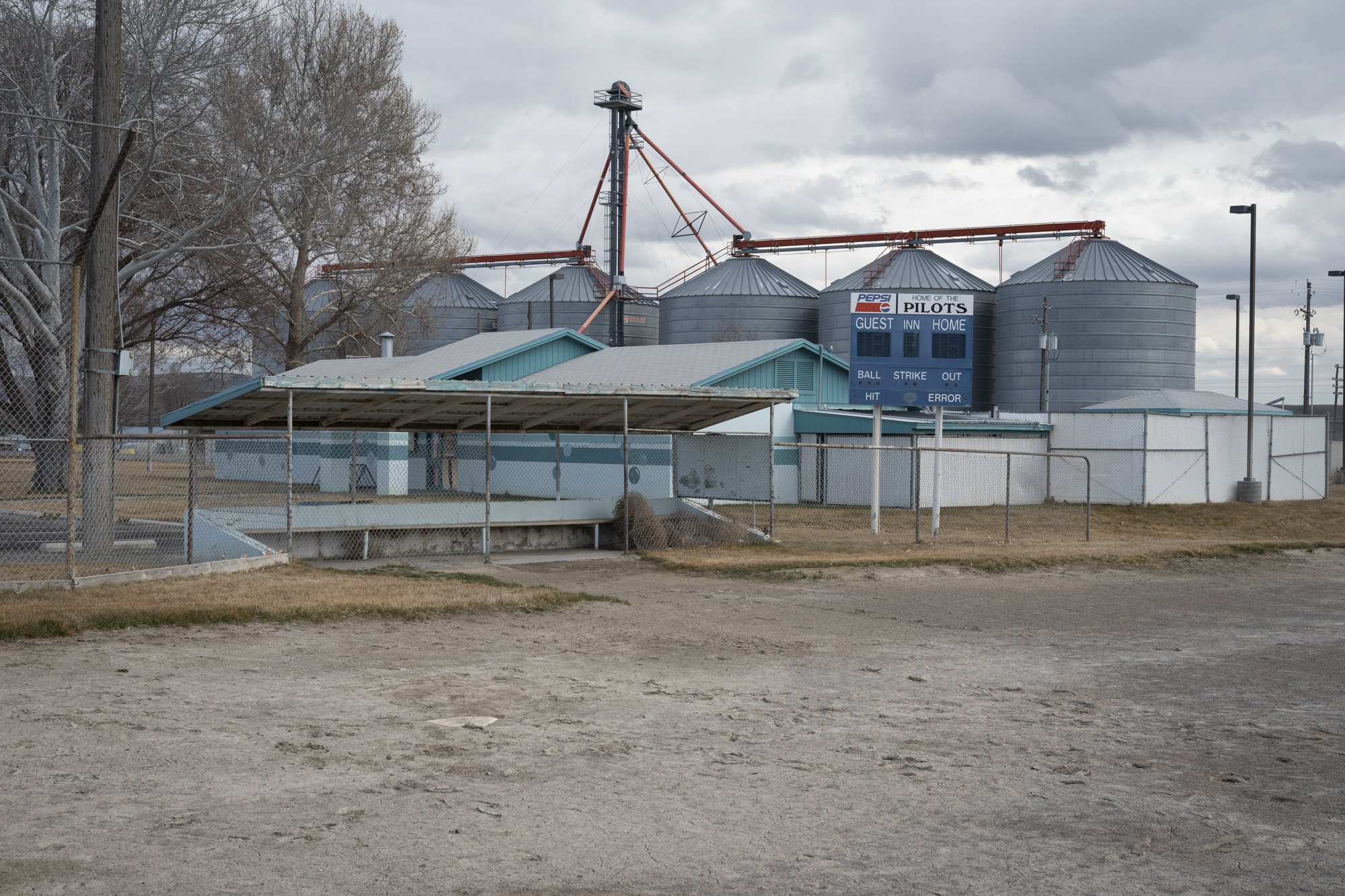
Some frames from the last road trip up to Idaho and back. Seems like I’m always saying “______ is my new favorite place” and I can’t help that because I love this country so much. For now though, Nevada is becoming that new favorite place.

Looking at this set of images is interesting because they all fit into the different major ongoing series that have taken shape over the last few years. “American” , “Hotels” , “Barbershops of America”, and the latest “Roadside Meditations” which comes out in June. Only one missing is “American Backcourts”. None of these images were intentional. I didn’t set out with the thought to add to those series, it just happens. Grateful for that.

Click here to see more of my American Road Trip Photography

Fausto Ferrari Barbershop

Traditional Barbershop - Cincinnati, Ohio

It’s crazy what BBQ can bring into your life besides good times and a happy belly. There are countless images made on the road that have been a direct result of my love for smoked meat. In December 2013 I was cruising around downtown Cincinnati in a huge snowstorm when a (meat) smoker caught my eye in front a non-descript store front. If it weren’t for the huge plums of smoke coming from it I would have went right on by. Luckily it was about the only form of life on those empty streets that day. So I stopped for some food which happened to be next door to a beautiful old barbershop, which at the time, was closed despite the listed hours stating it should be open. I remember asking the owner of the bbq joint about the barber - “Good luck. That guy comes and goes whenever he wants to. Who knows when he’ll be back.” I had to take a gamble though, hoping he would indeed be cutting the following day. After spending the night I showed up at his stated “opening” time, but there was no sign of the barber. So I sat in my car wondering if he would show. Quite some time after, he did.

Over the past 10 years of working on this project I’ve encountered an almost endless list of characters. Mr. Fausto Ferrari is at or near the top of them all. Despite being in this country some 50+ years, he still spoke very broken English, so our conversations were fun to dissect. One of his long time customers came in shortly after he arrived and it was obvious that they had quite the history together. Halfway through the cut Fausto went into the back room . The man in the chair could see how much I enjoyed the barbers antics and said “I keep a file on my computer of all the stories he tells me”. Fausto was entertaining on his own, but watching the two of them was a gift. The kind of chemistry that can only happen between old friends. They carried effortless conversations that were often interrupted by the barber abruptly saying “Seeeñññoooooorrr” and the man in the seat volleying back with a smile “Faaaauuuussstooo”. Then the conversation would continue like it never stopped until the next volley. A special interaction that I was luck to witness.

Señor Fausto recently passed away after 94 years. A beautiful ride that any of us would be luck to match. Rest in Power Mr. Ferrari. Cincinnati will miss you.

Click here to grab a copy of Barbershops of America

Photo was made on 12/7/13

On The Road Again

Winters are typically when I spend the most time on the road to get as much snowboarding in as possible. This has been a very dry year for snow but that hasn’t kept the miles off at all. The better part of the last 30 days was on the road for two different trips filled with a weekend getaway to Tahoe for Emily and I, a commercial shoot, two editorial shoots, personal shooting (of course), and a “ski” trip with old friends in Sun Valley, Idaho that turned into a fly fishing trip due to the severe lack of snow. More on all this later.

Click HERE to see some of my road trip photography