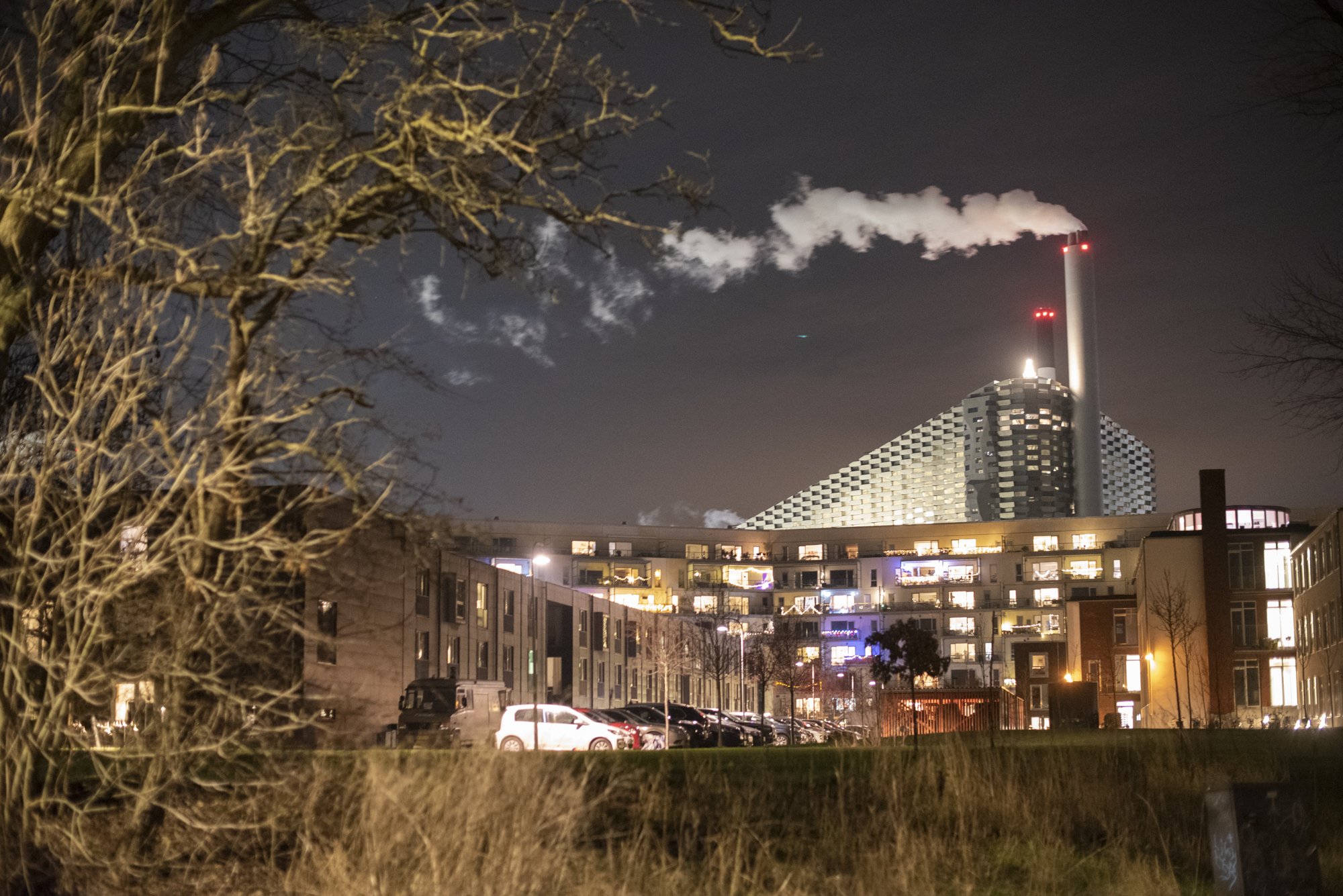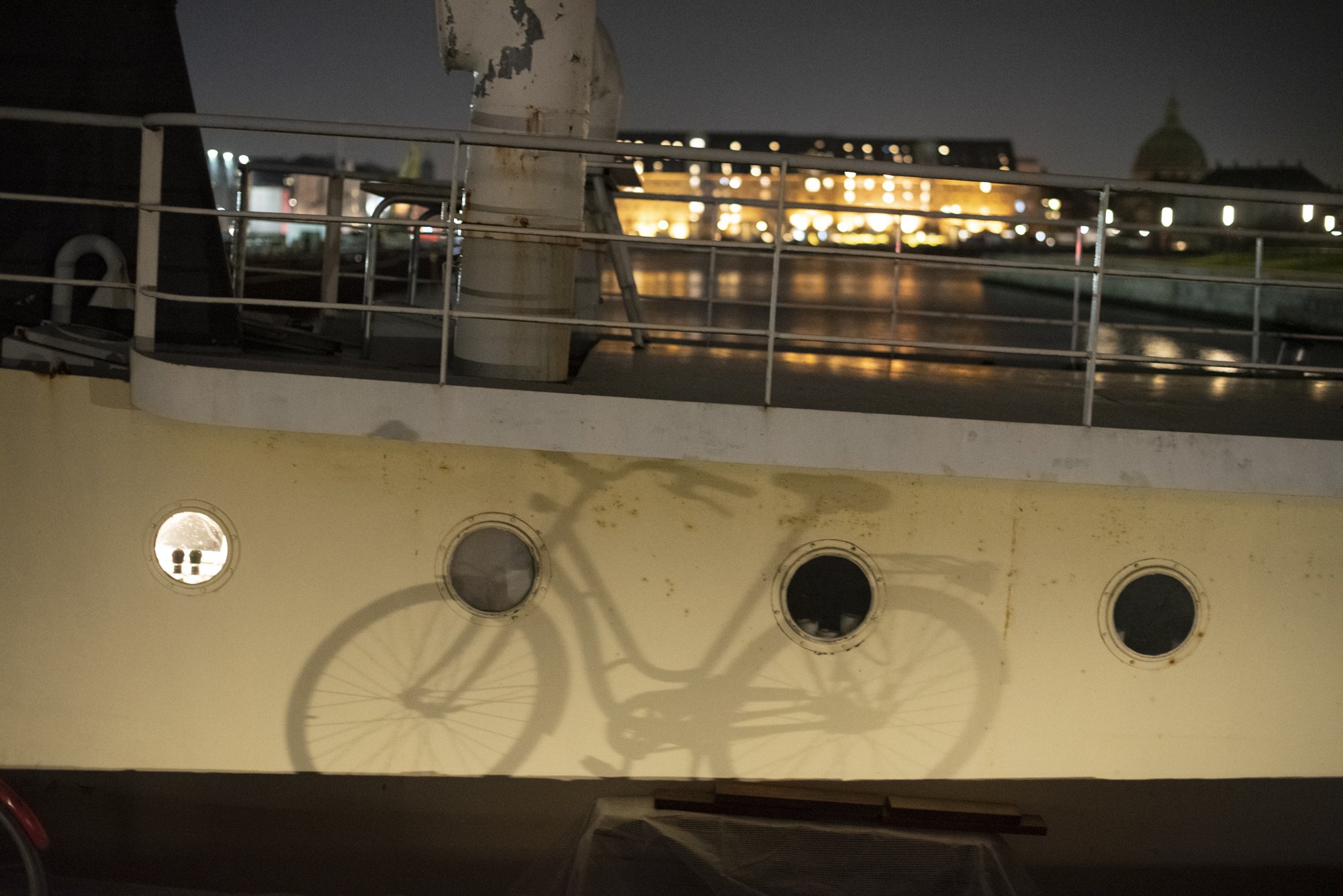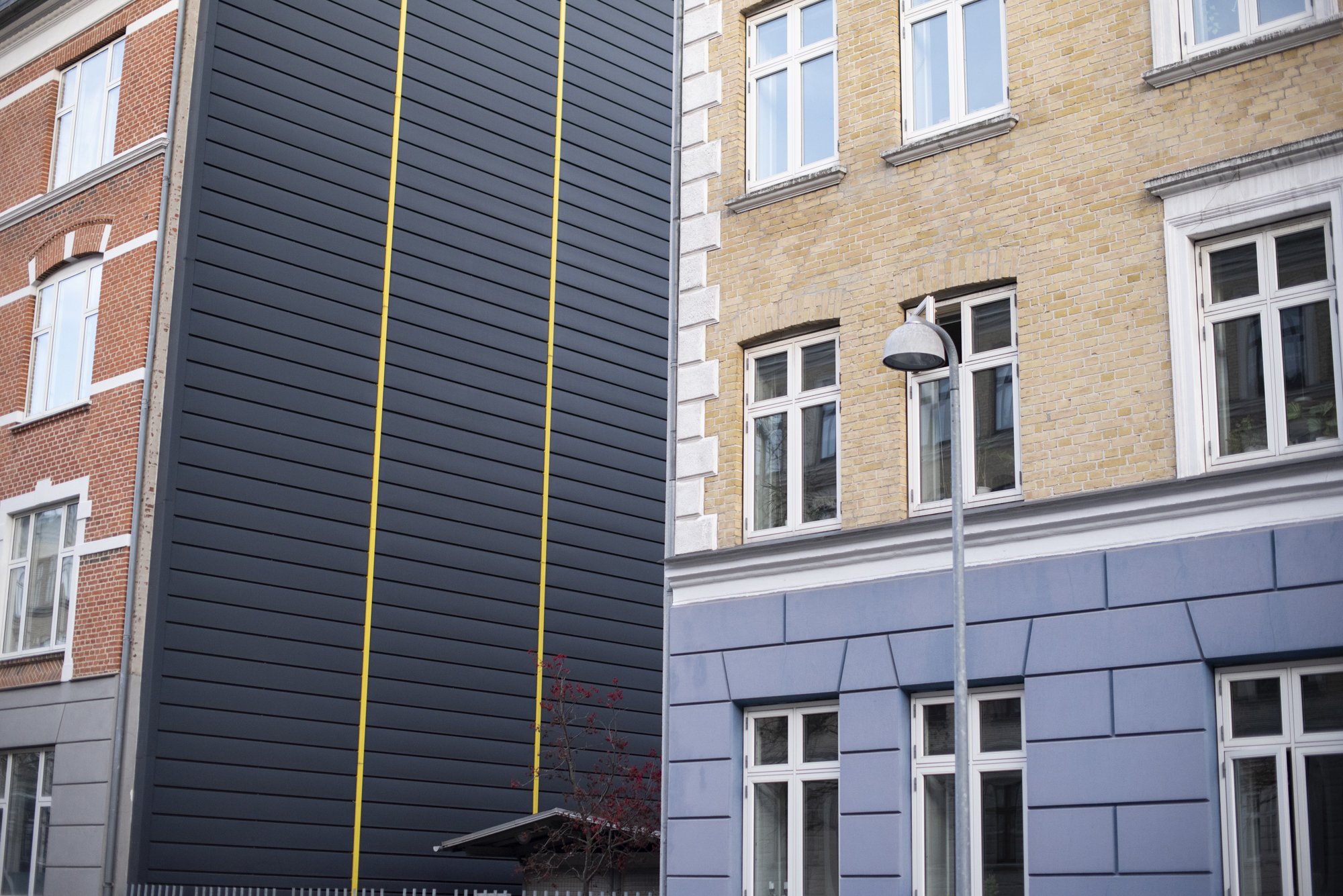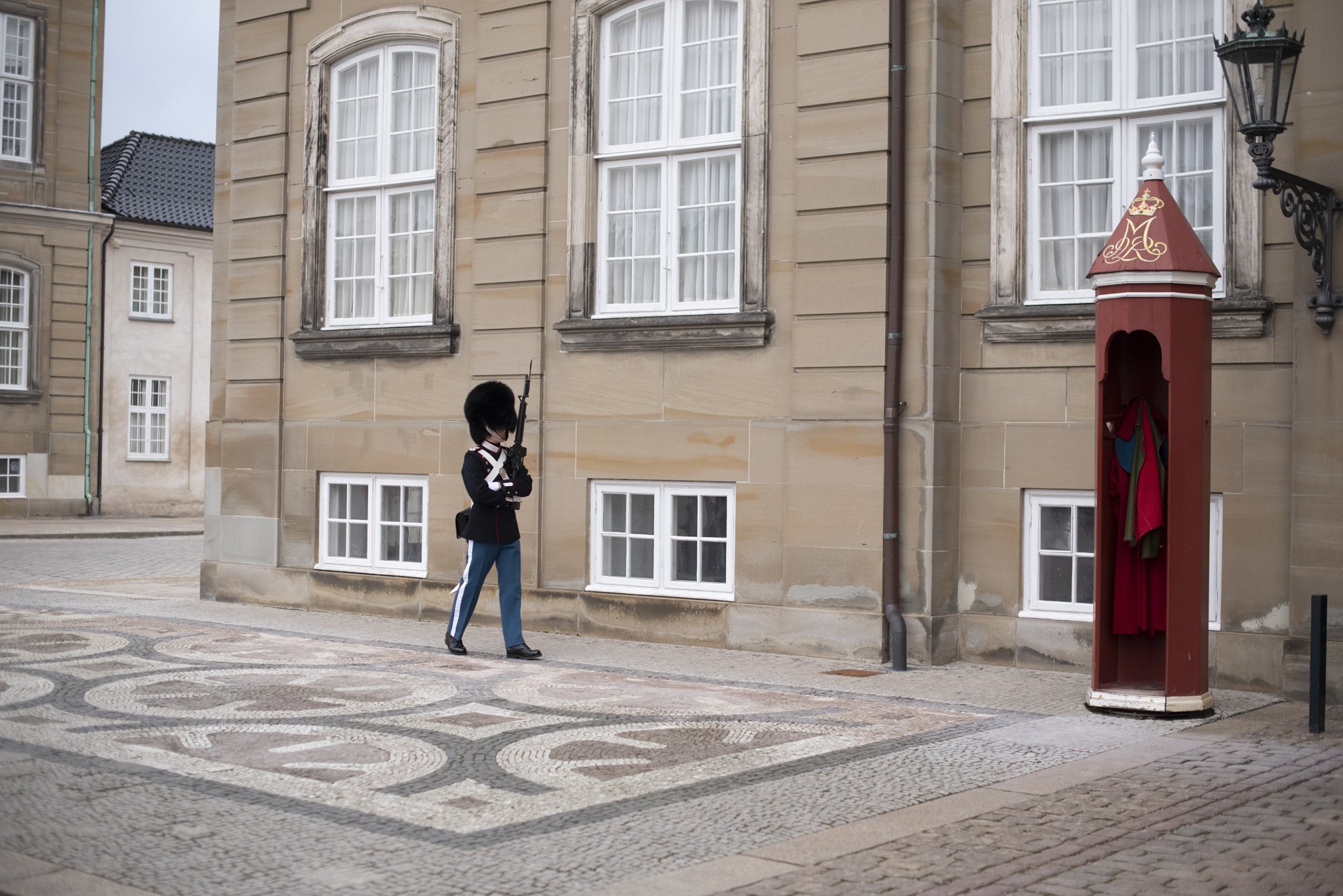
Kurt Markus

KURT MARKUS - COWBOY PHOTOGRAPHER

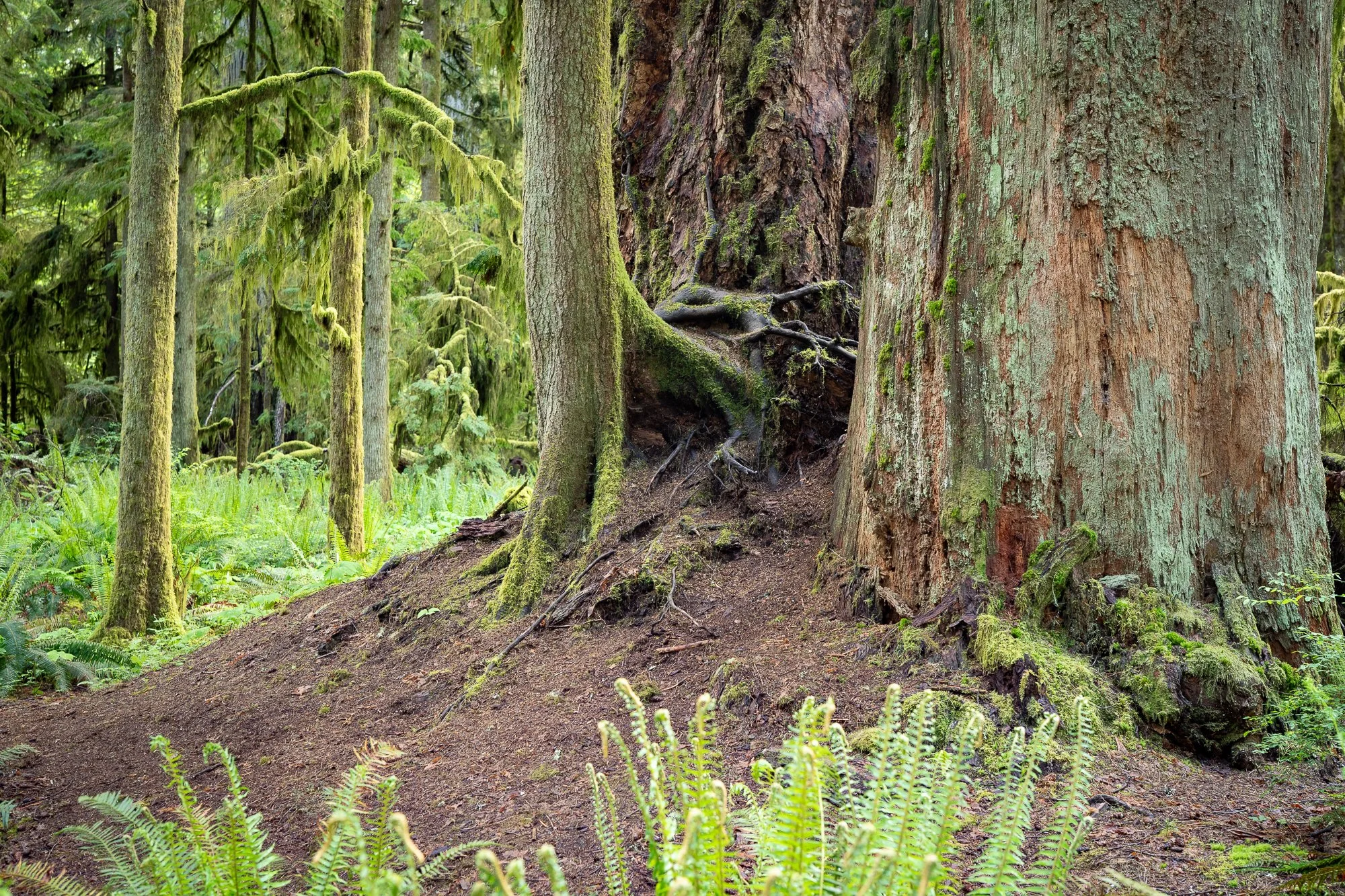
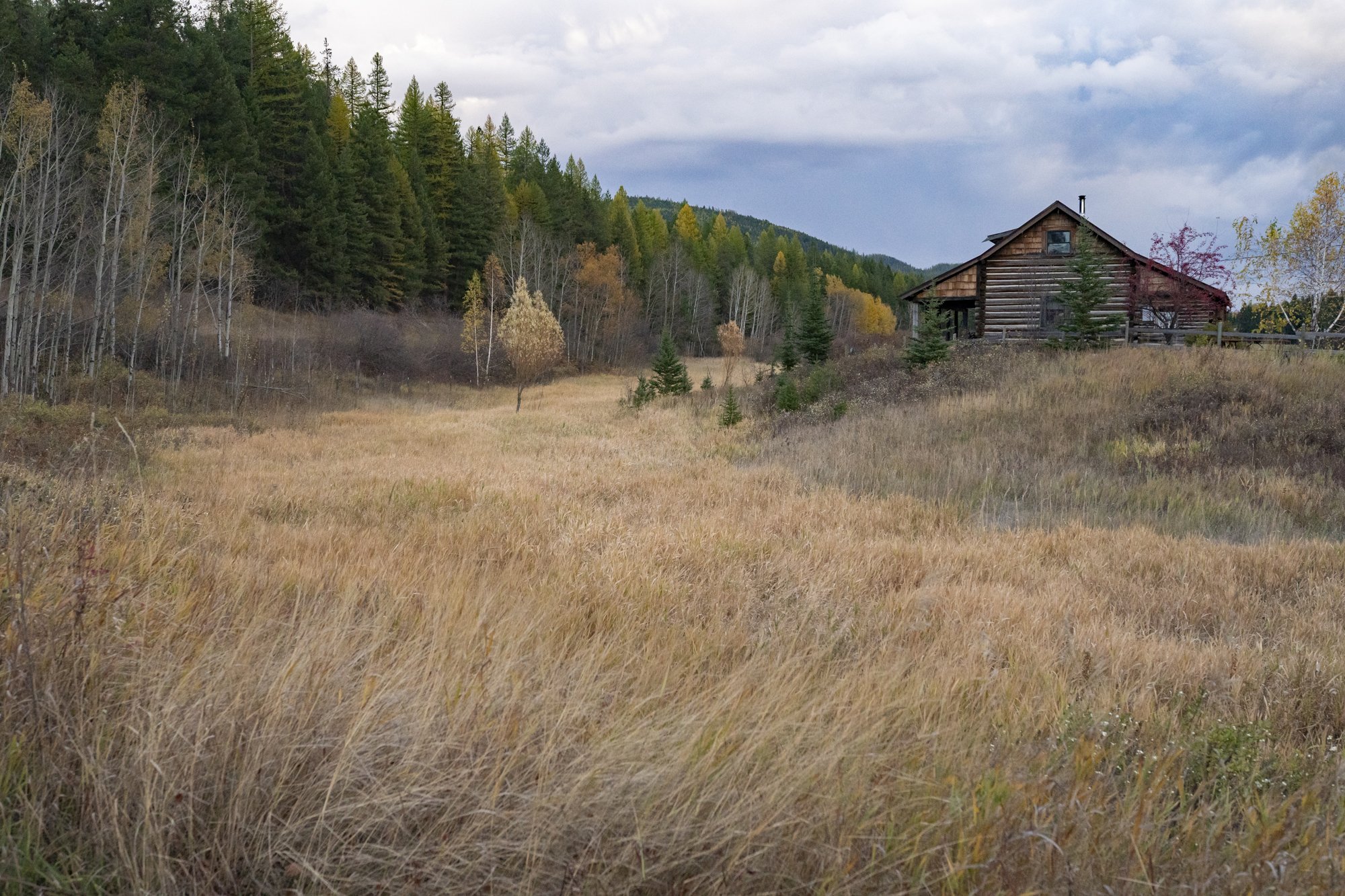
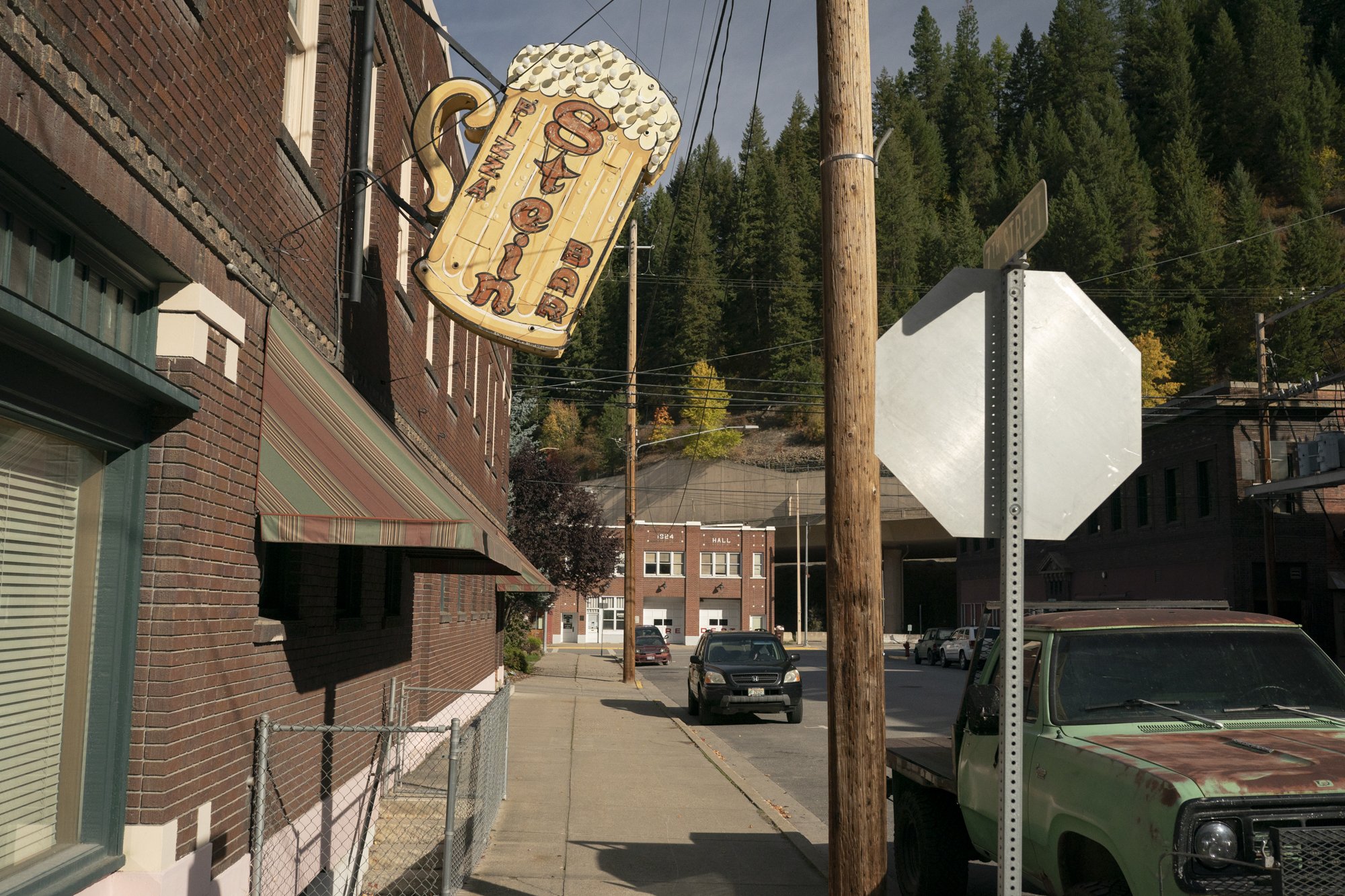
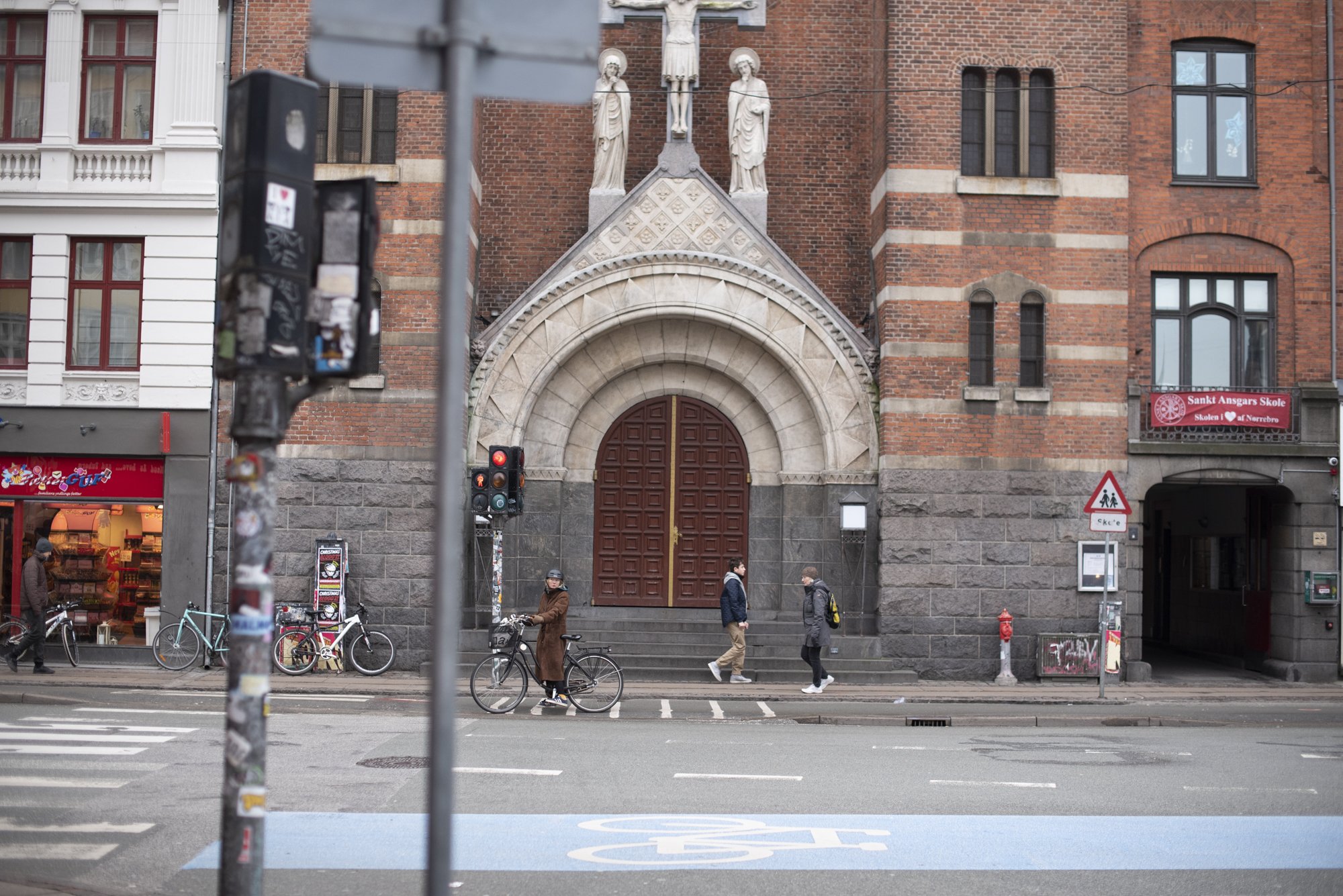
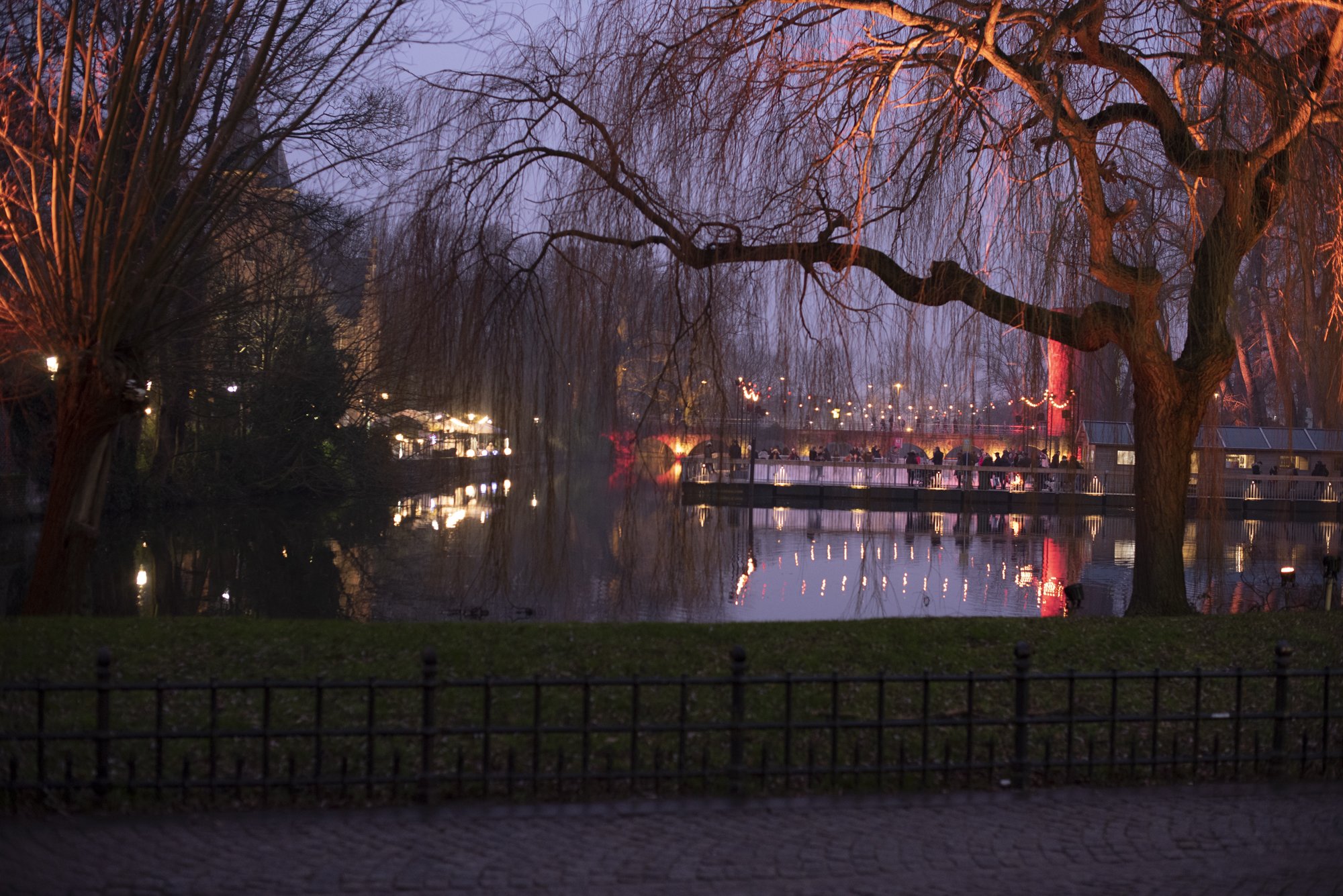
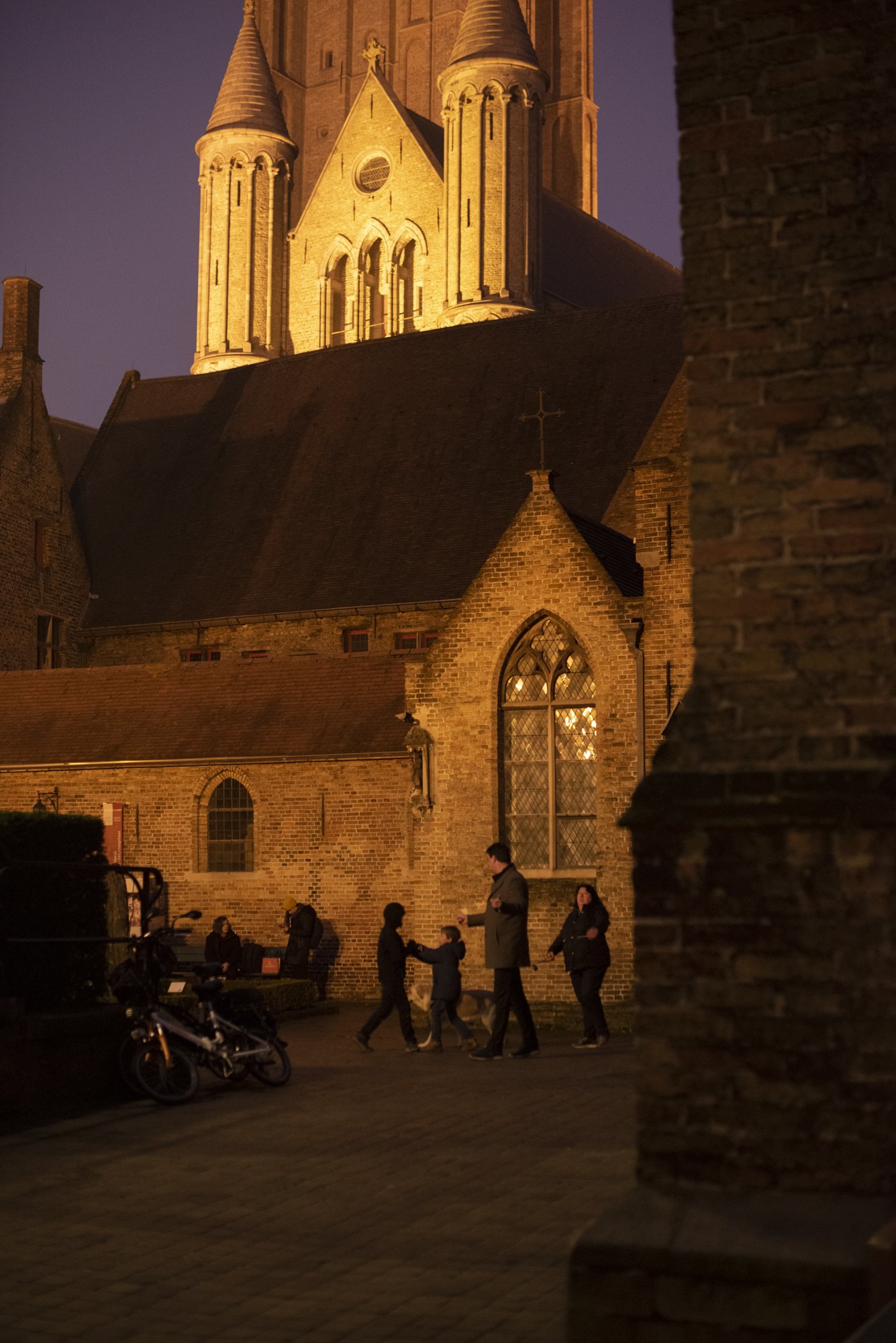
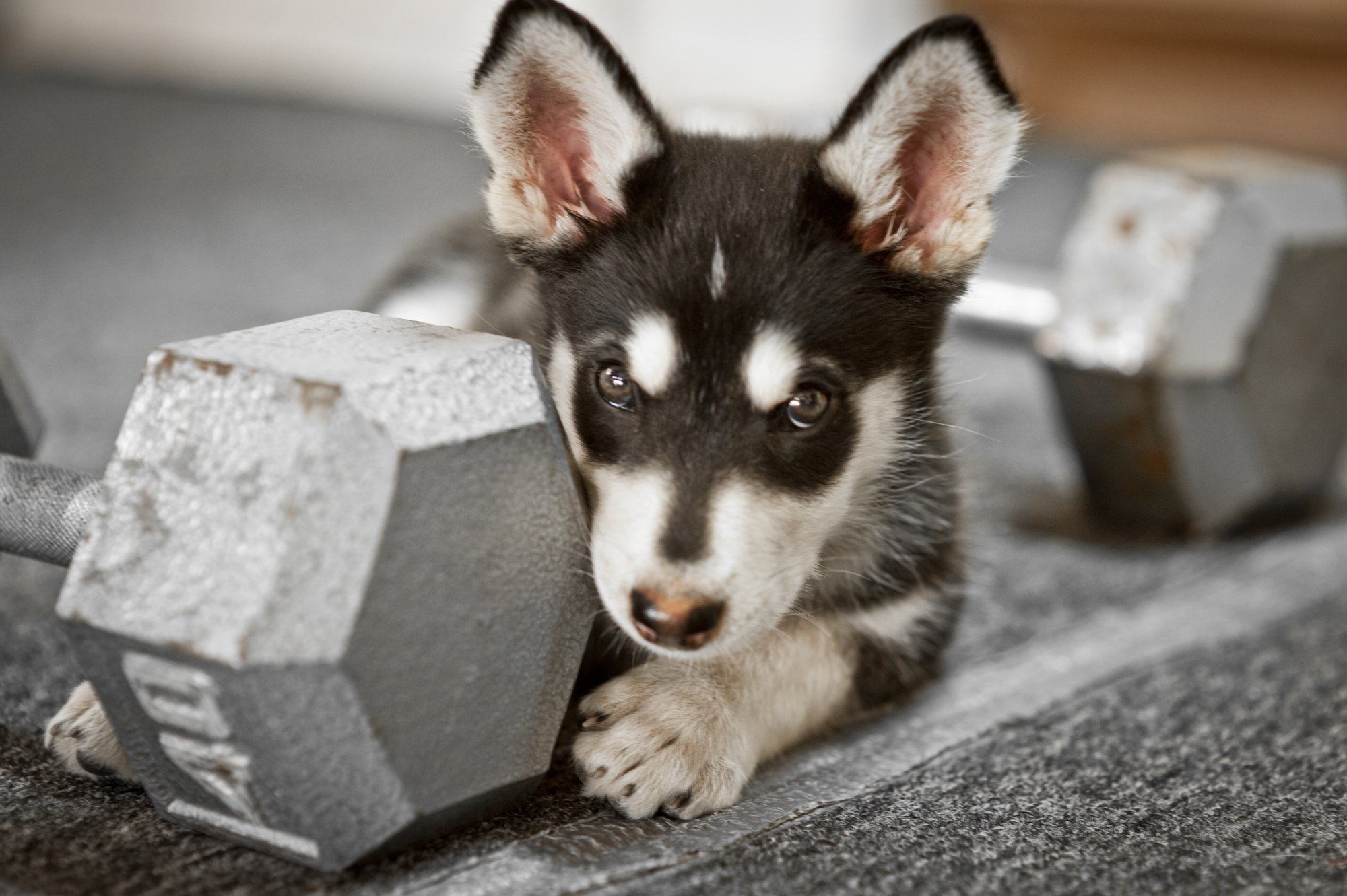
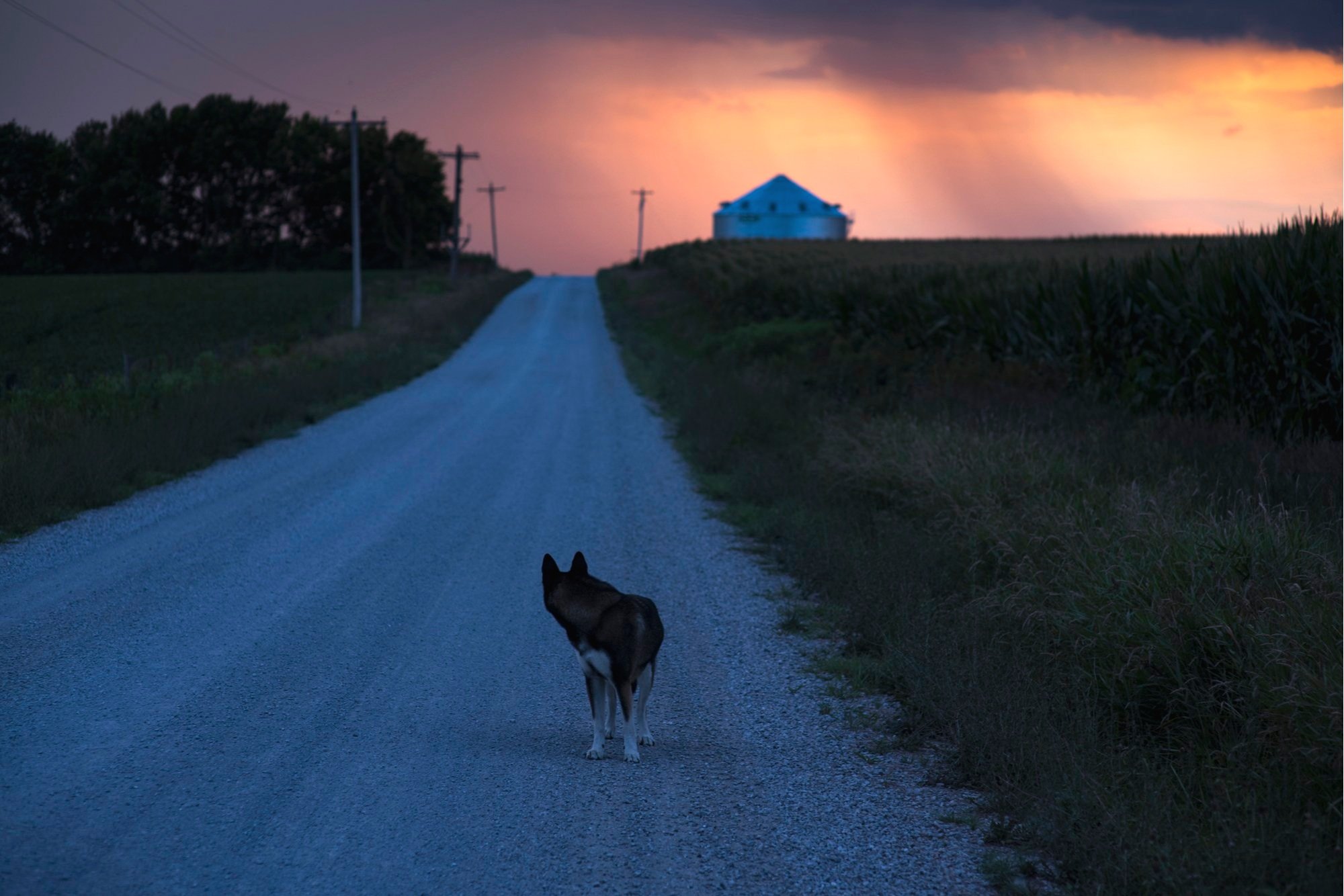
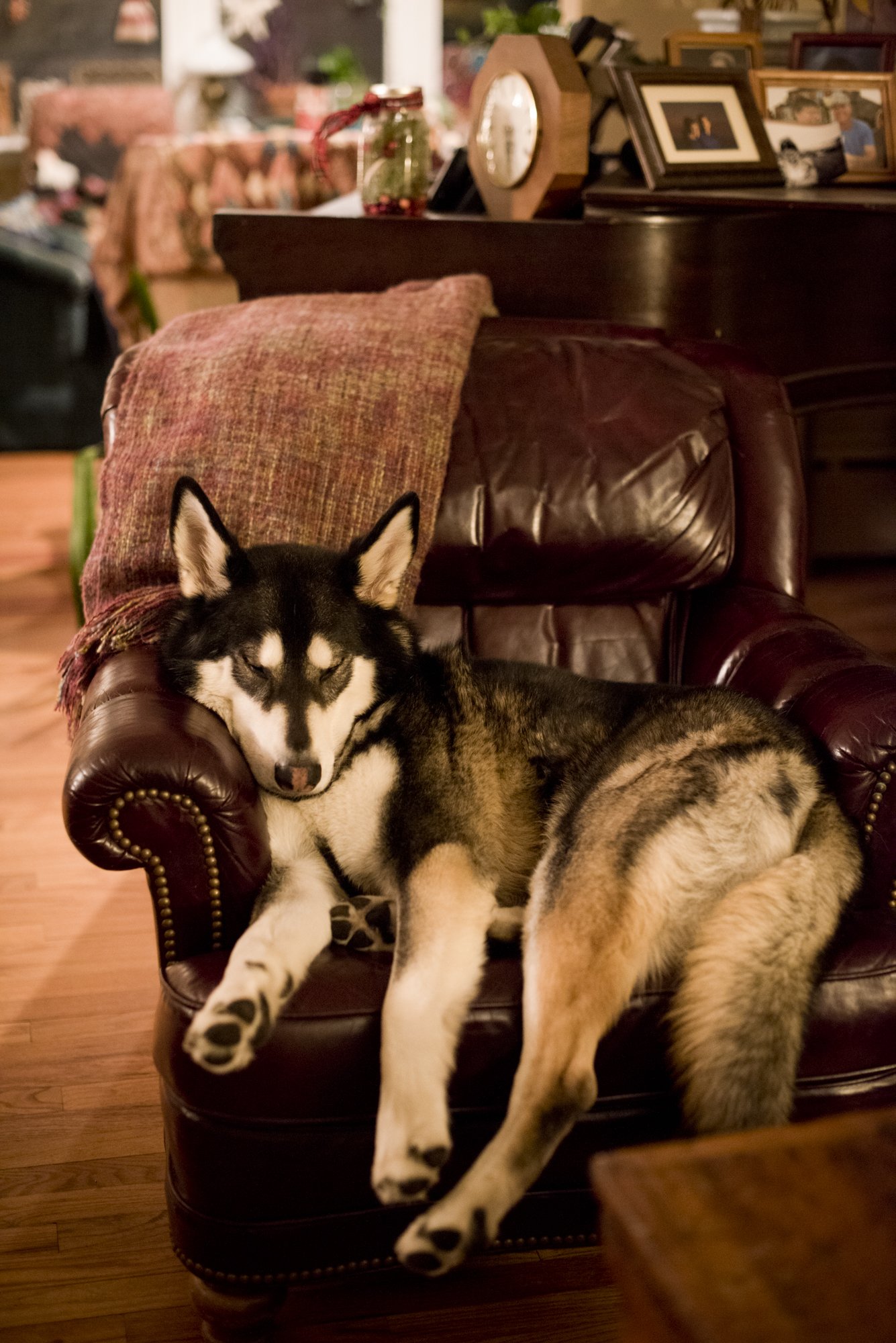
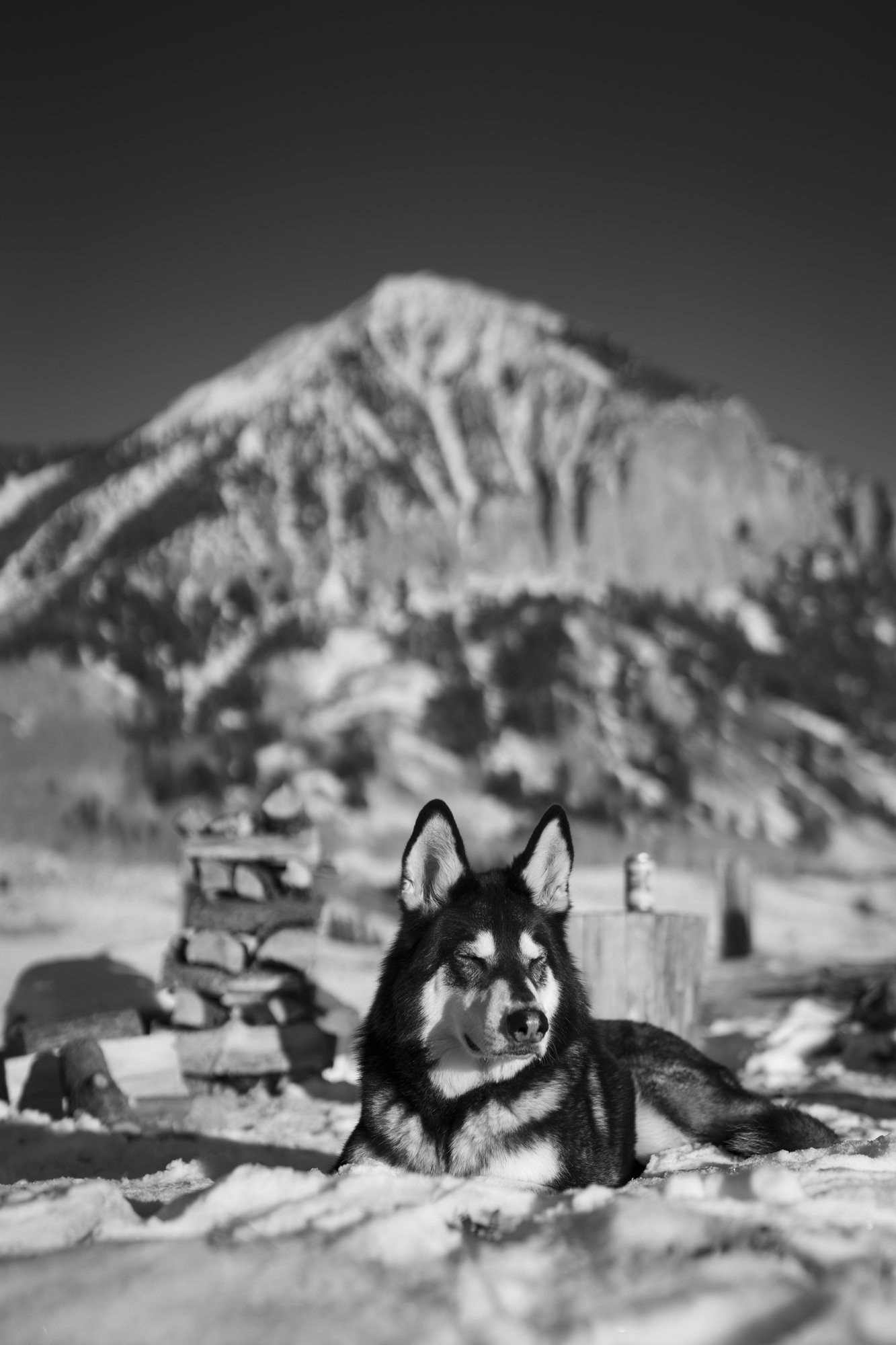
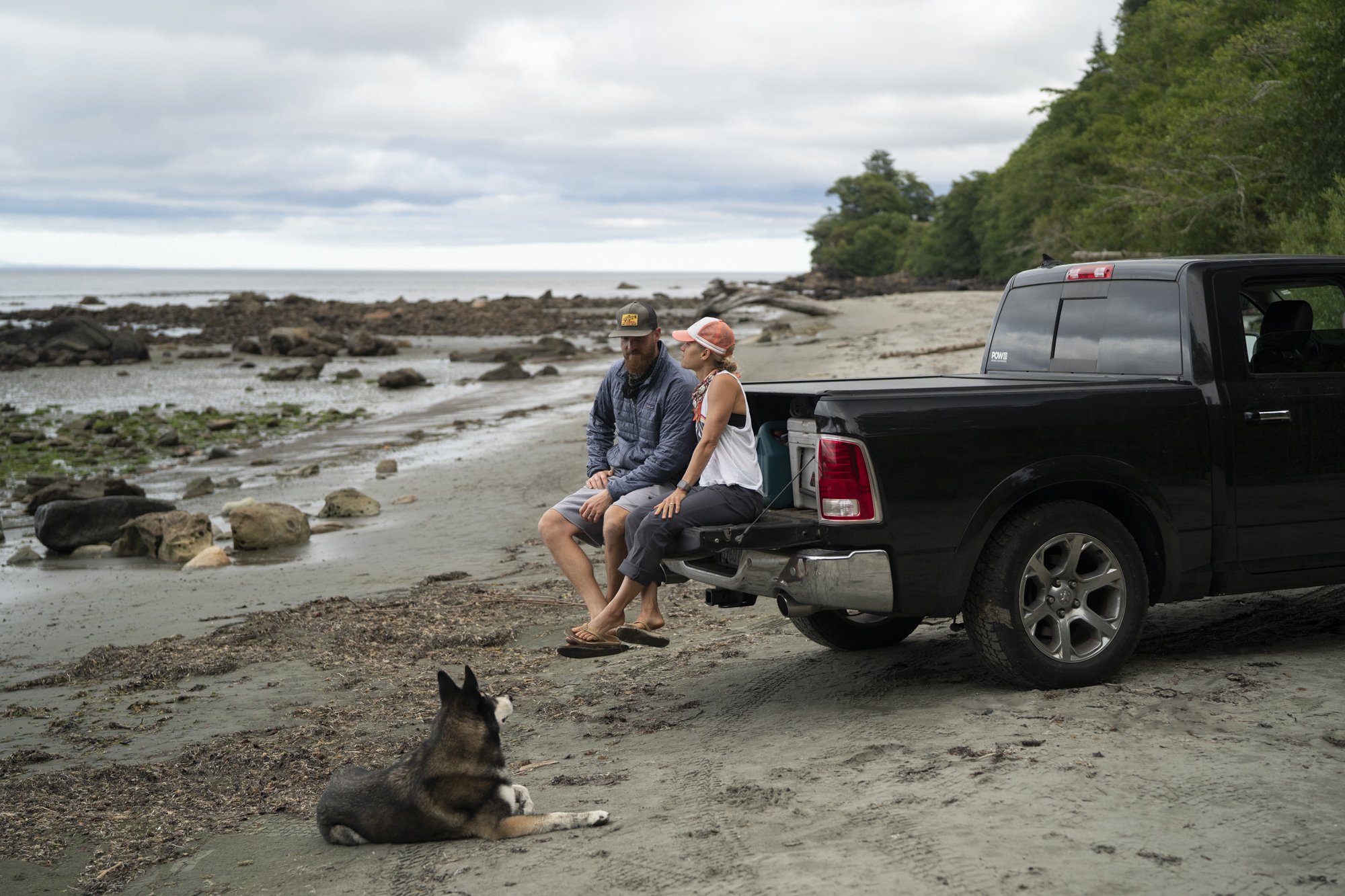
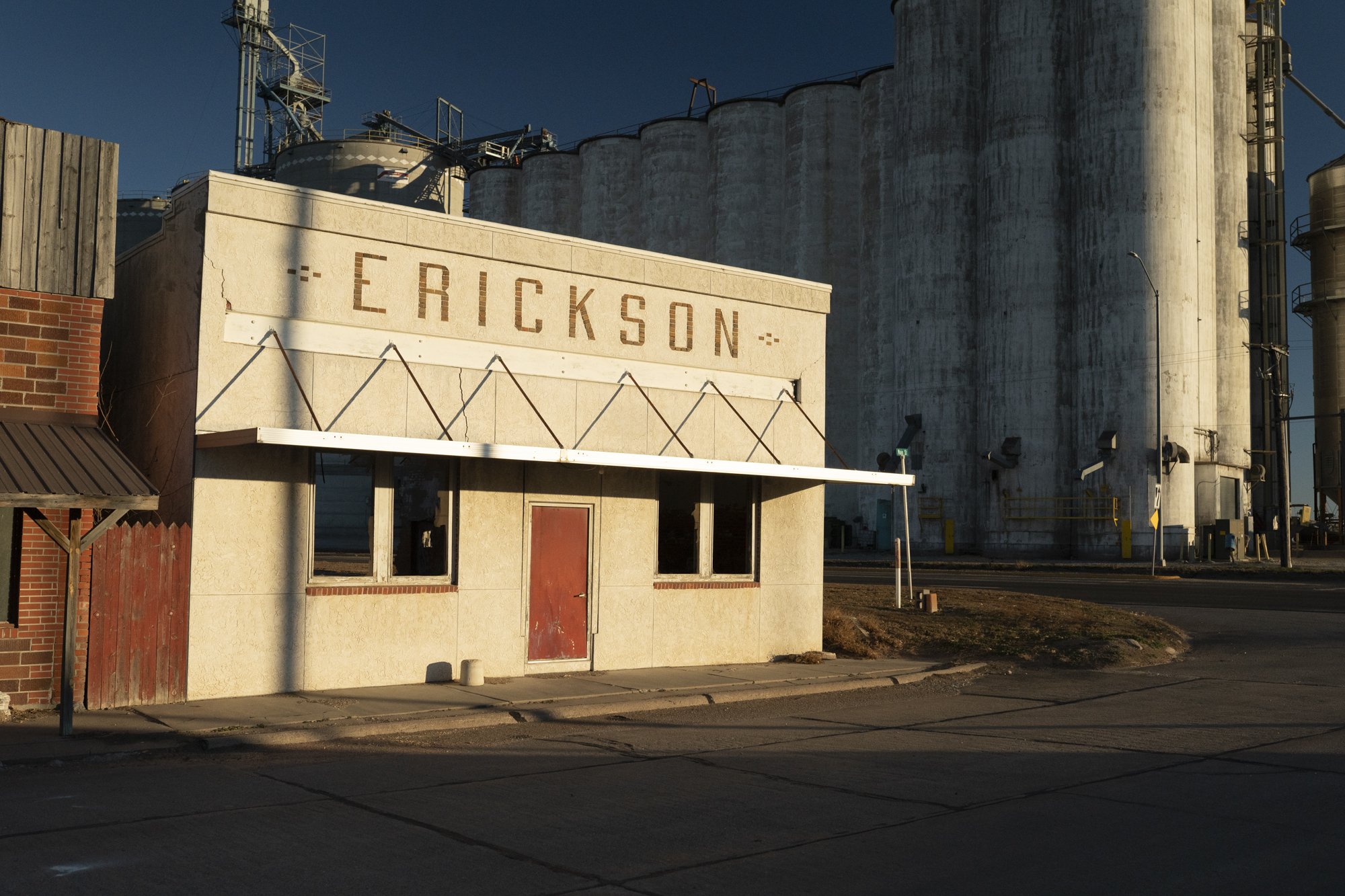
In the realm of Western/Cowboy photography there are a small handful of names that stand above all the rest: William Albert Allard, Bank Langmore, John Langmore, and Andy Anderson, but in my opinion Kurt Markus is the G.O.A.T. Few would argue. He passed away today. Not sure how it’s possible, but I didn’t learn about him until October 2021 during a road trip to Montana. Emily, Mojo, and I were staying at an old cabin Airbnb (1st picture) near Glacier National Park. Kurt’s book “Cowpuncher” was sitting on the coffee table. After looking through it for 30 seconds I put it down and instantly ordered myself a copy, feeling grateful that we even had cell service enough to do so. Since then, Markus has been the photographer I’ve studied/taken inspiration from more than anyone else on the planet. He is truly exceptional. What sets him apart is that his writing is just as strong as his images. Looking through his books and reading his stories makes the reader feel like they are right there experiencing the same thing he did. A special talent. I’m honored to own two of his books - Cowpuncher and Buckaroo. I believe his crown jewel though, is After Barbed Wire. A couple months ago I looked it up to buy, but was dissuade by the $150 price tag. No doubt, it’s worth every penny and more, but an honest effort has been made to cut back on my photo book “problem”. A while later another search went out in hopes of a better deal, resulting in the lowest price tag of $350. Yikes! During a recent road trip in Idaho, I found myself in an antique shop and spotted the book resting quietly in a locked cabinet. This is it, I thought! The owner couldn’t possibly be asking the same as the internet!? $400 - a signed 1st edition. Damnit!! The search continued. Now I check almost every antique shop that crosses my windshield from California to New York in hopes of finding the White Whale. So far, the results haven’t produced, and Google shows it valued as high as $800. On days like today, it seems like I should just fork it up. Rest in power, Kurt!
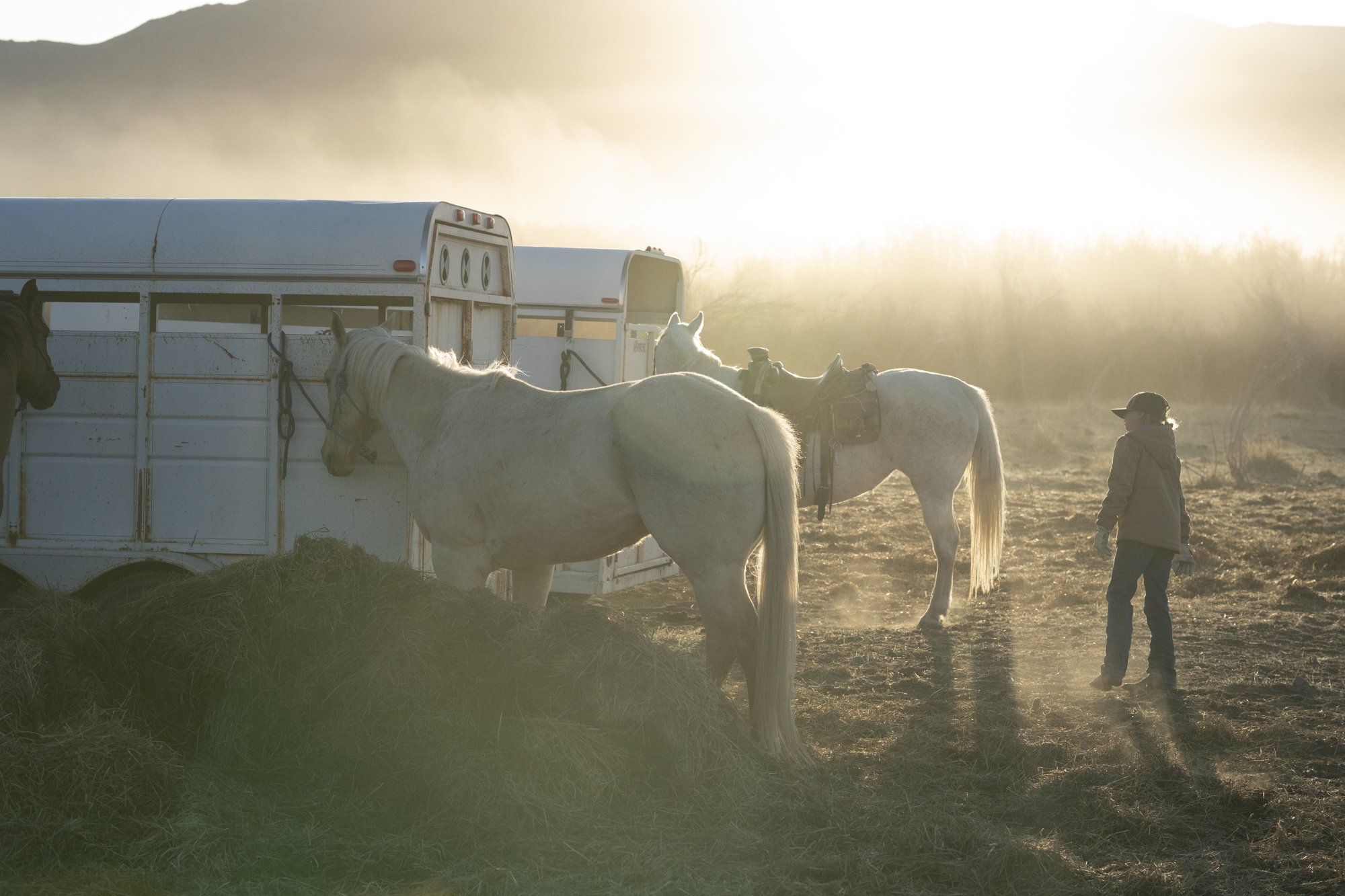
Click HERE to see some of my cowboy photography greatly inspired by Kurt Markus.

Photographing America

American Photography - Fine Art

Road Trip Photos - Travel

Walking away from our work can be such a benefit. Meaning that we need to not see it for quite some time to realize what’s good and what isn’t. The “America” series has, like most of my projects, been going on for ten years now. I love it, but things have reached the point where the library is so big that it’s overwhelming. Making it hard to share in any productive manner. Everything you seen in the post was made over the last two or three years, which is usually the amount of time it takes to make sense of it all. That’s not a good thing. It’s time to enlist the help of a professional editor.

Click here to see more from the America series

Cowboy Portraits

Authentic Cowboy Portraits

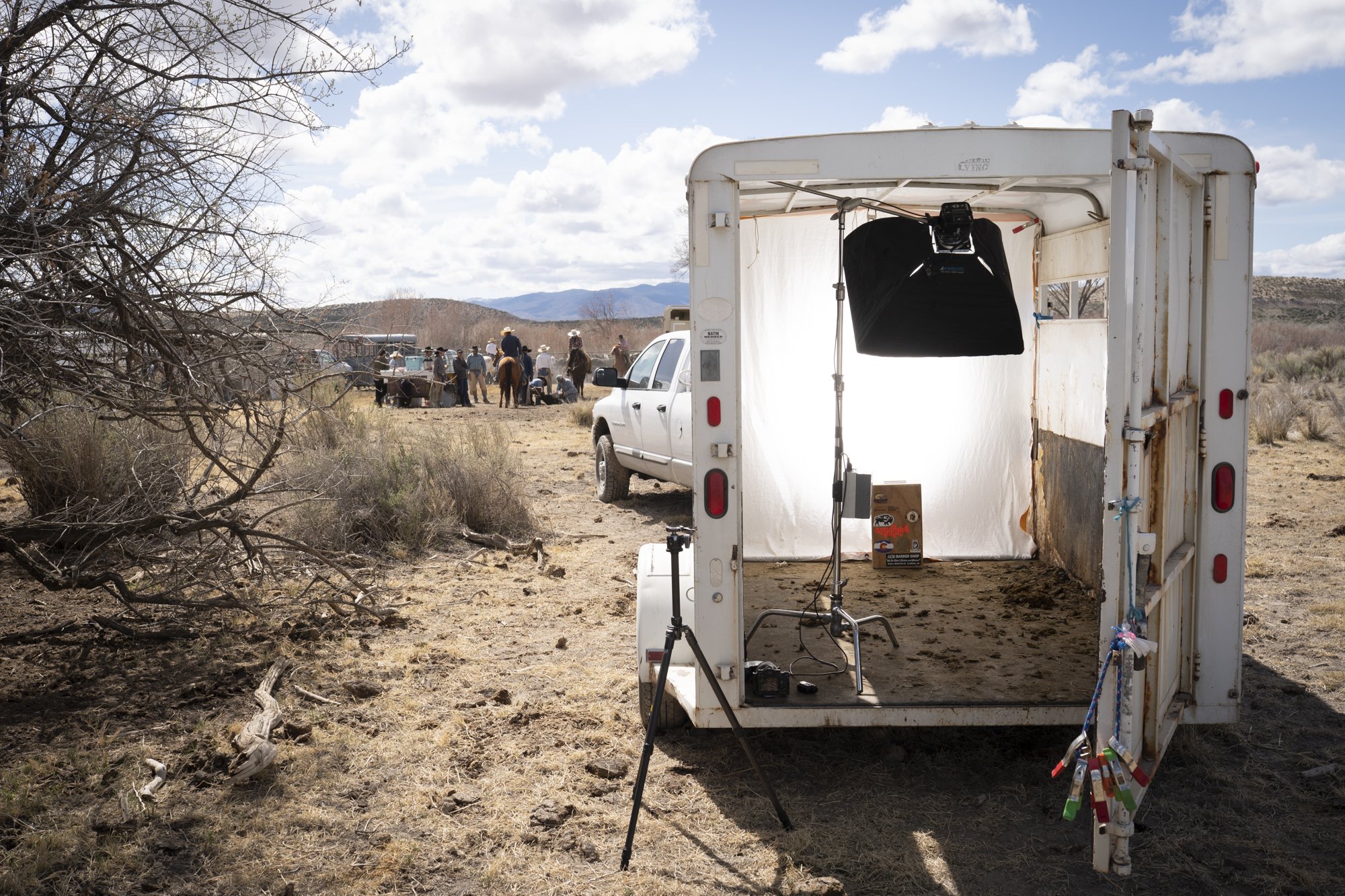
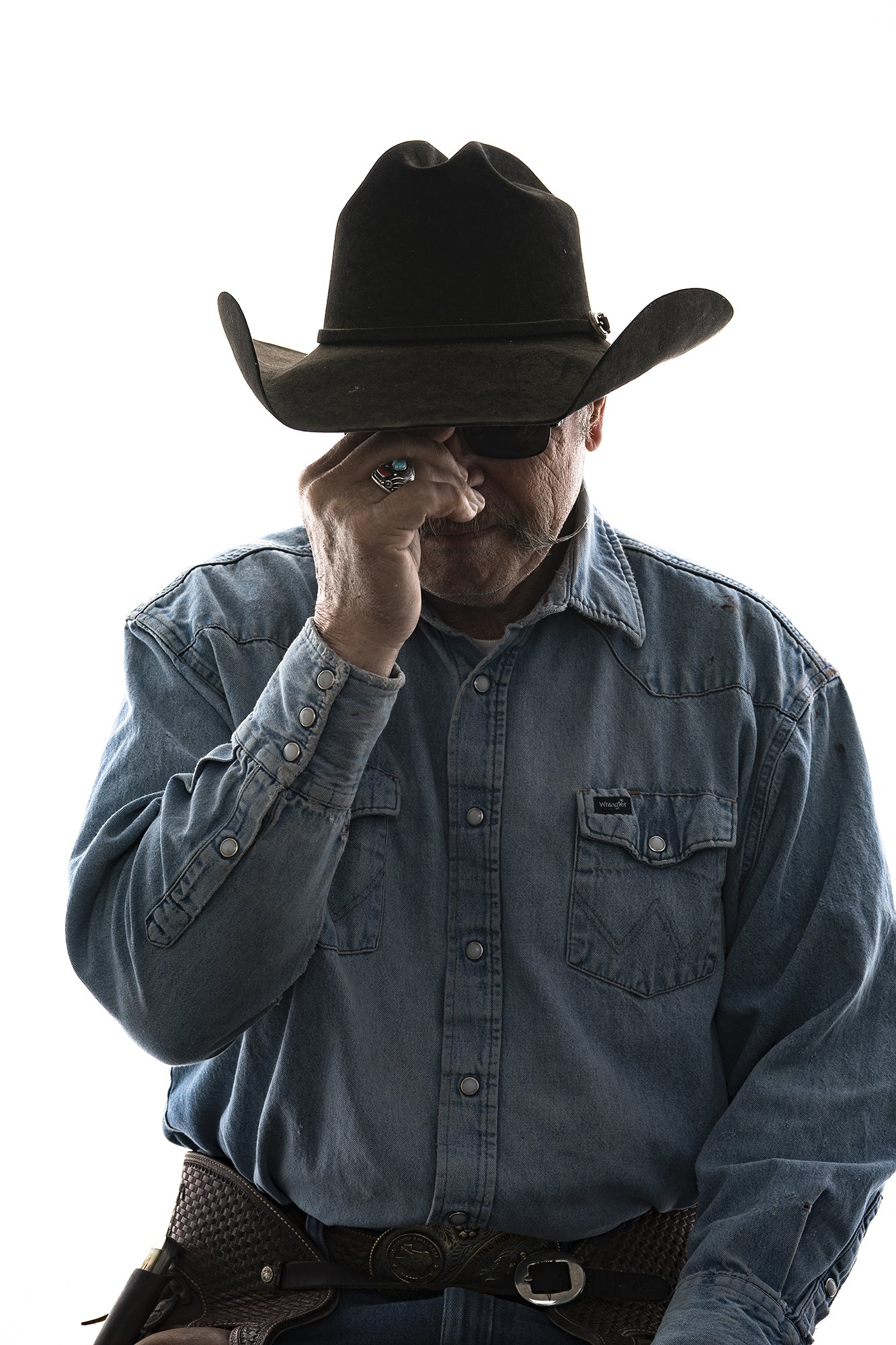
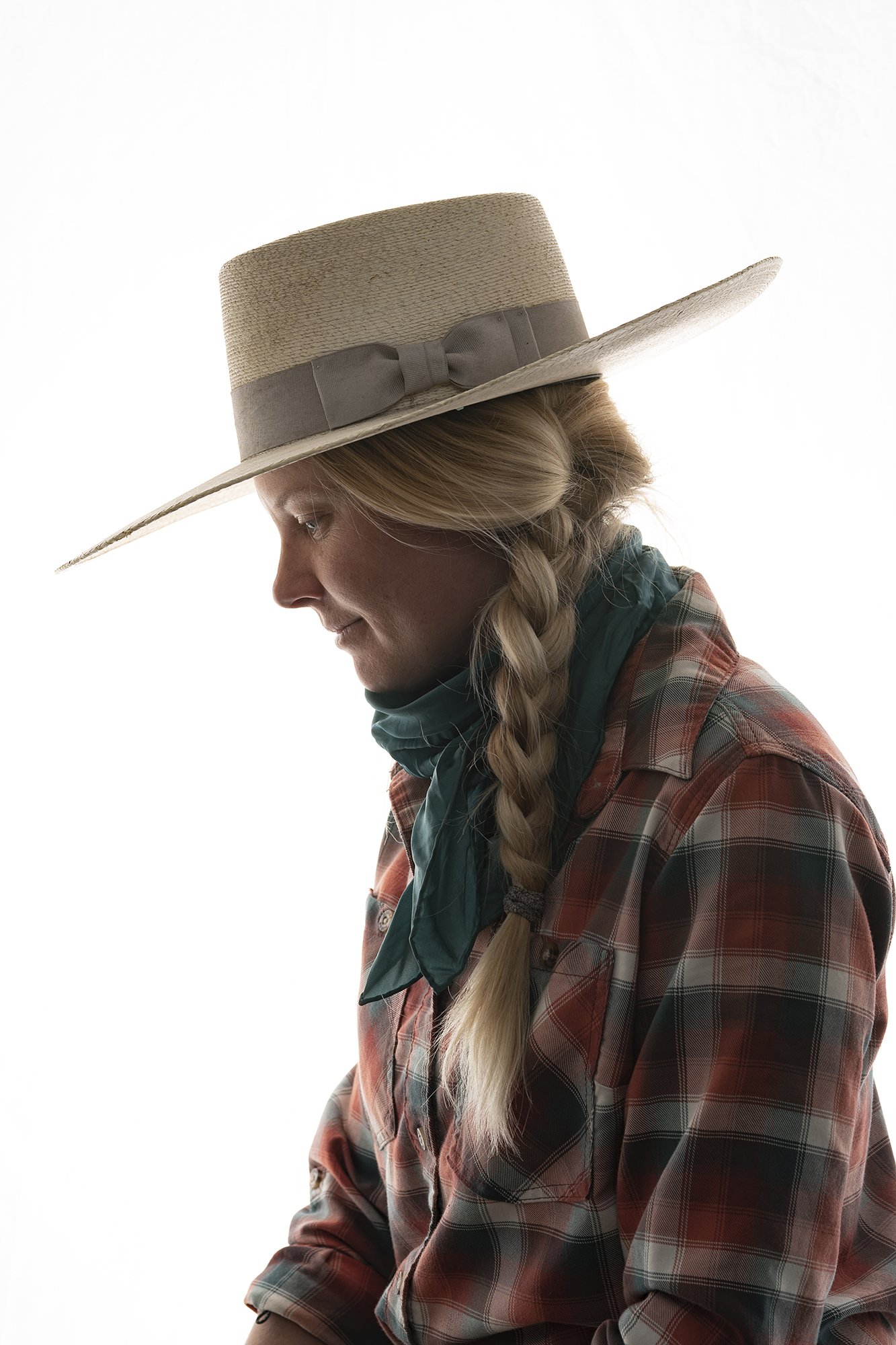
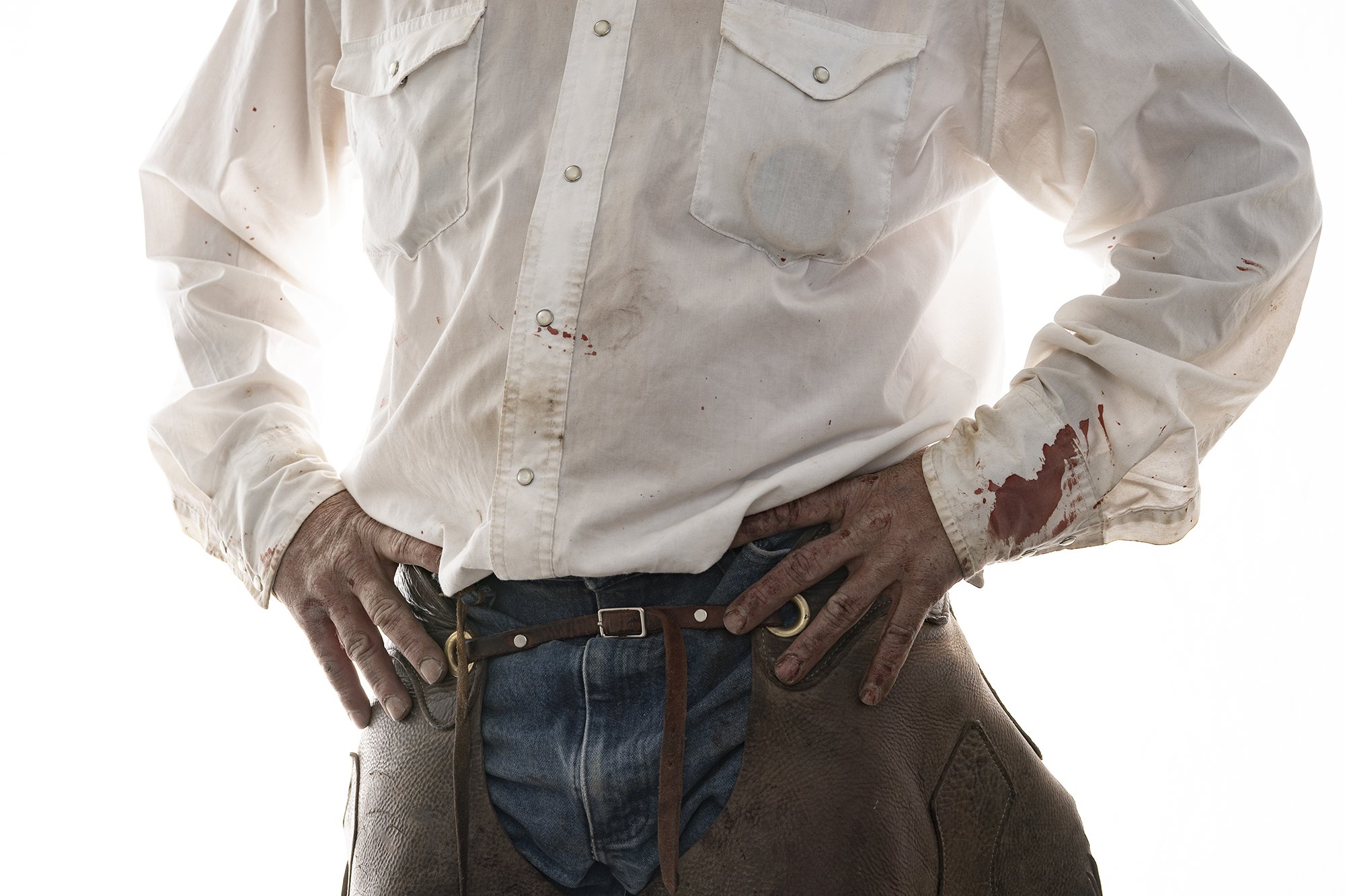
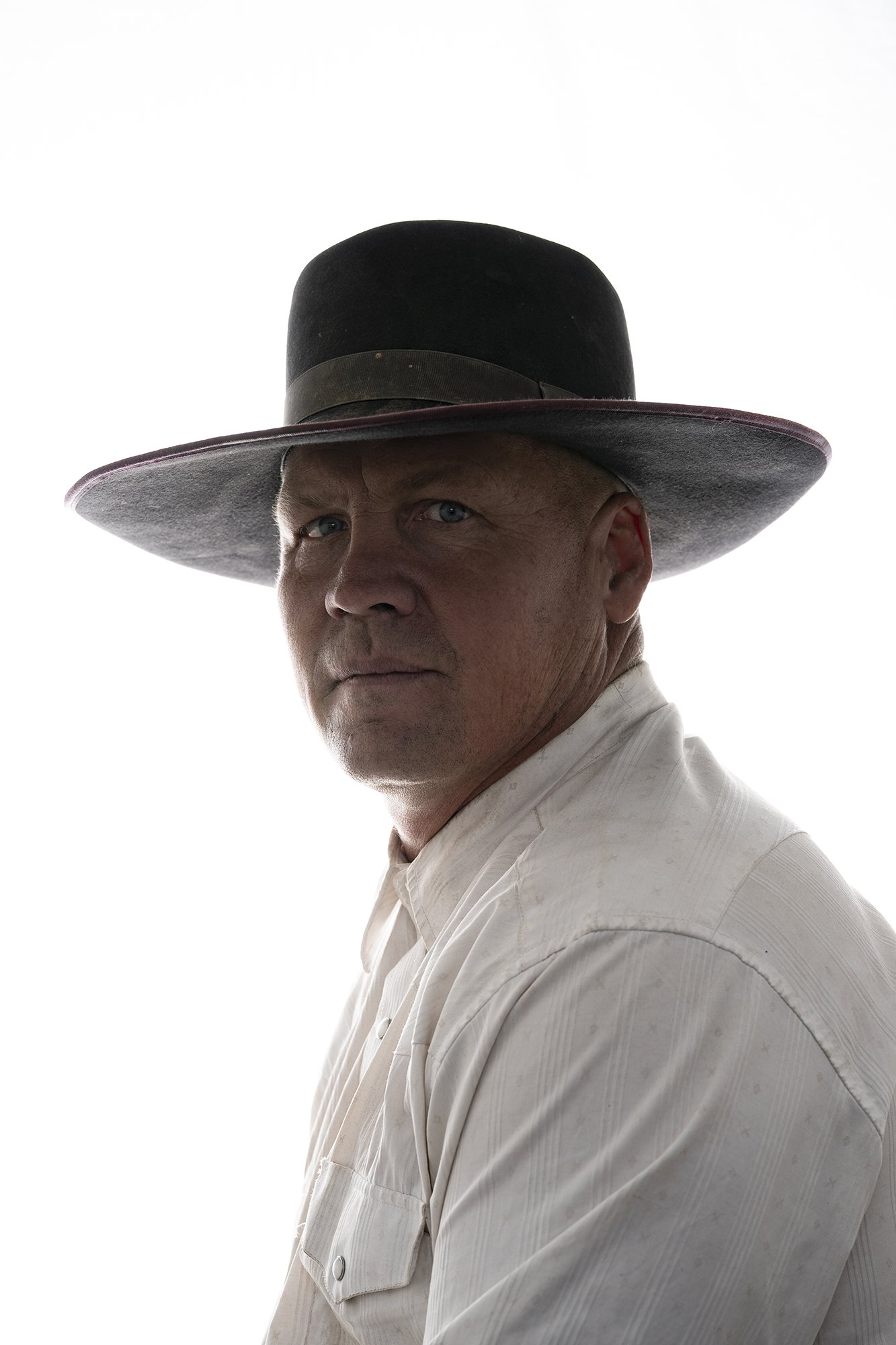
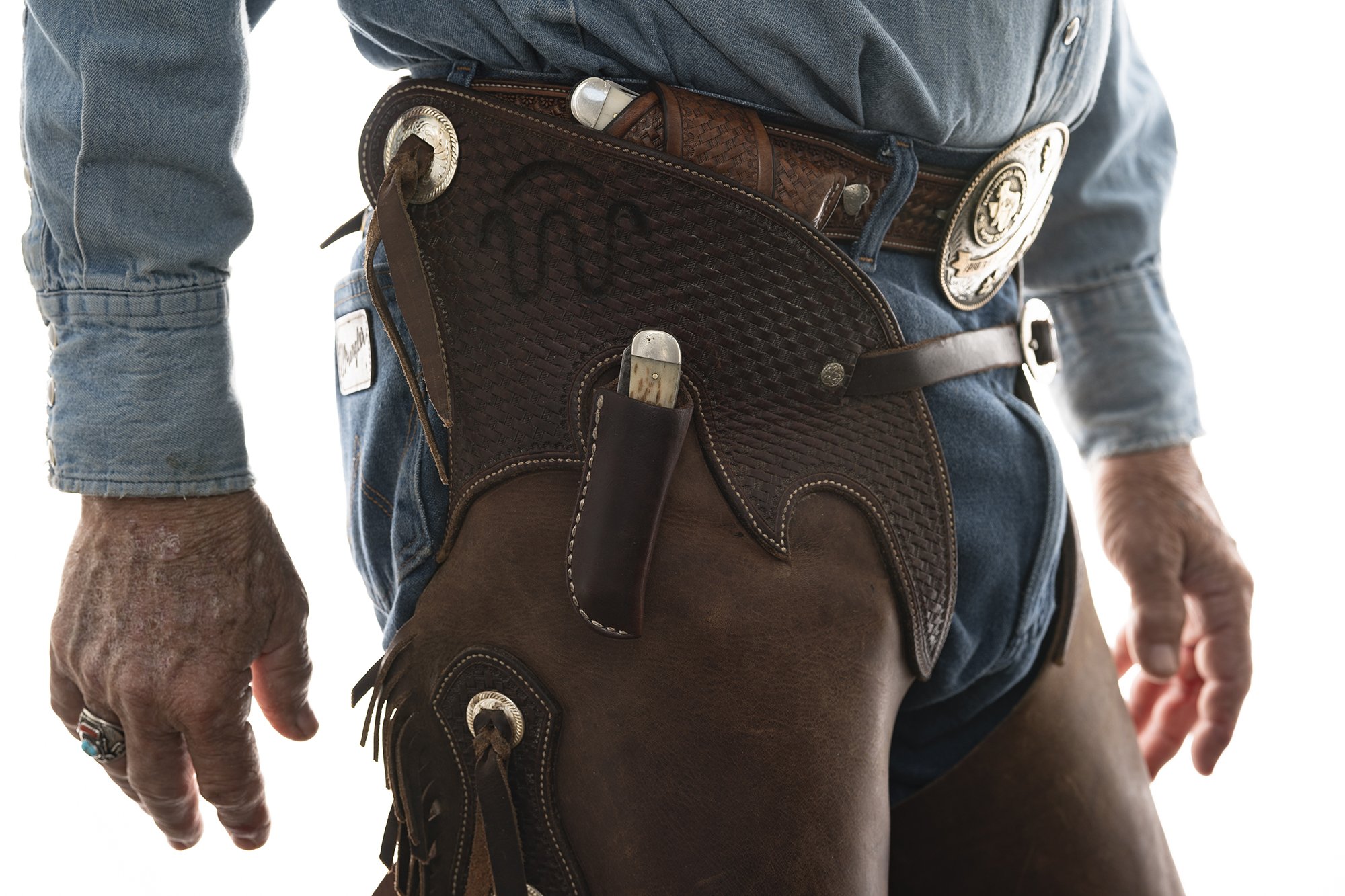
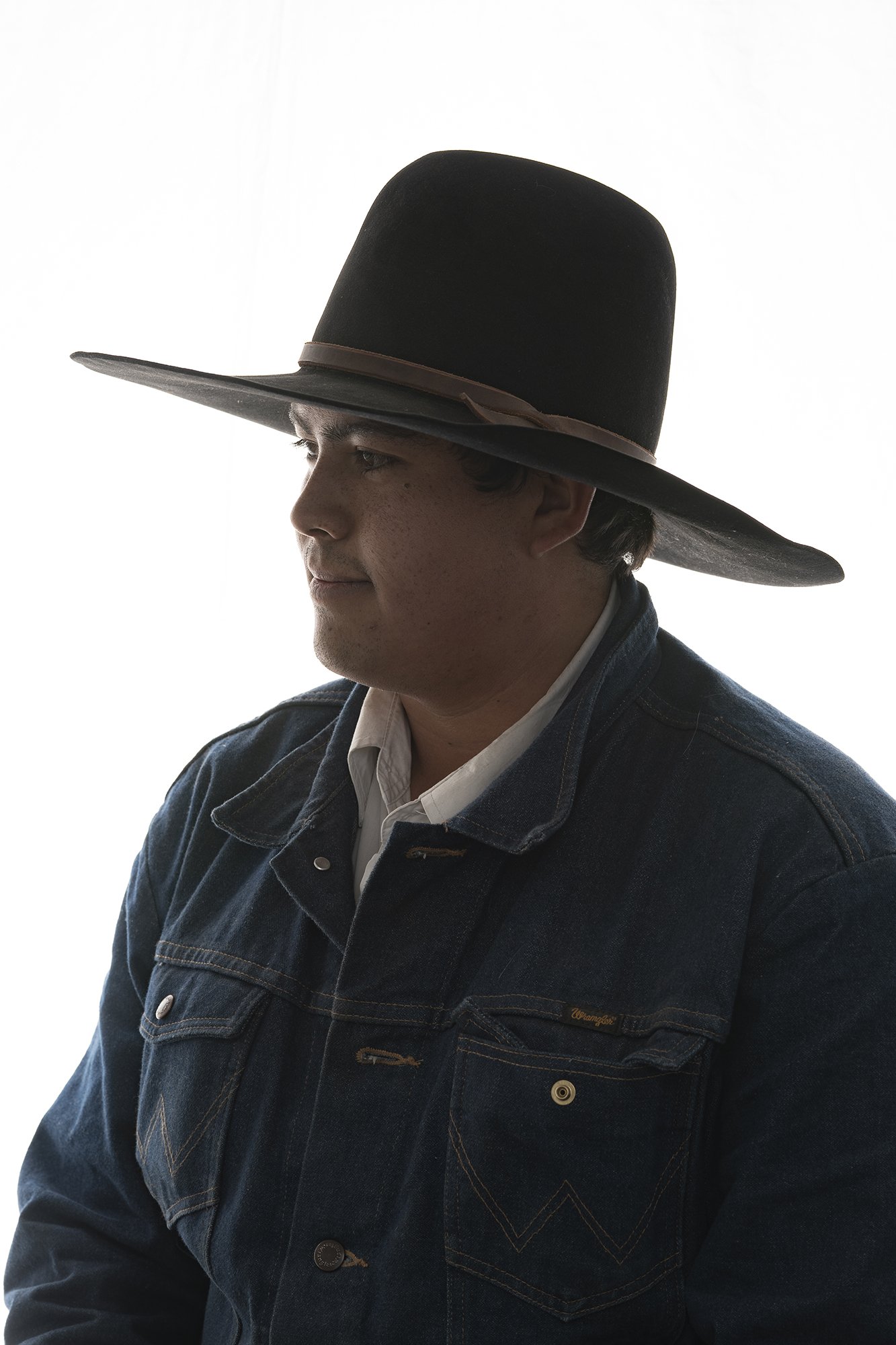
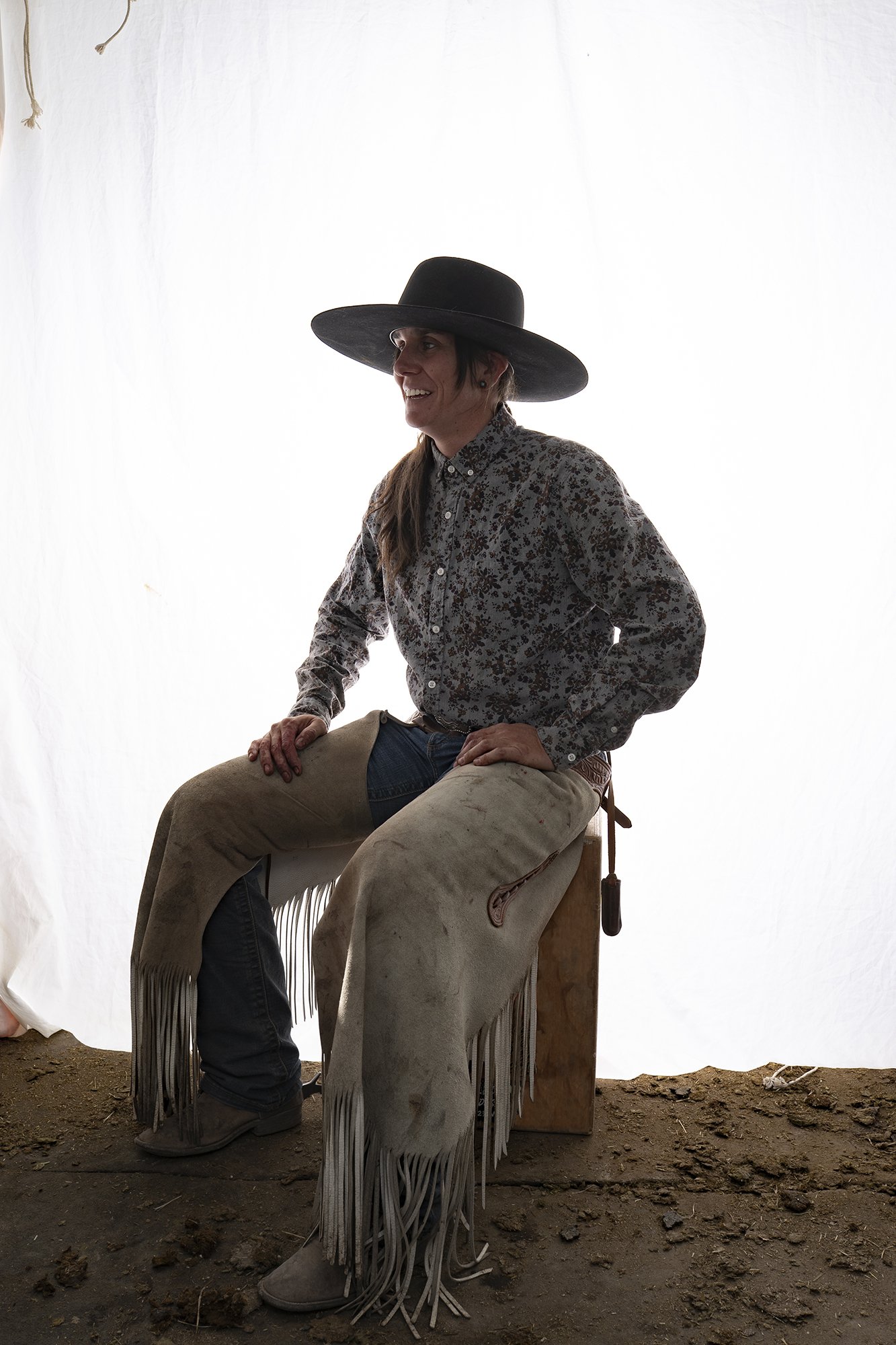
Brought the lighting gear out to a cattle branding a few months ago to make some portraits of all the cowboys and cowgirls working on the ranch. Wanted the focus to just be the people and their gear without anything else to distract from that. Had a blast setting it all up and shooting in a horse trailer, but still undecided if I’ll stick with this style or not.

Click HERE to see more from this series.

American Basketball Culture

Basketball Hoop Photography - American Sports Culture

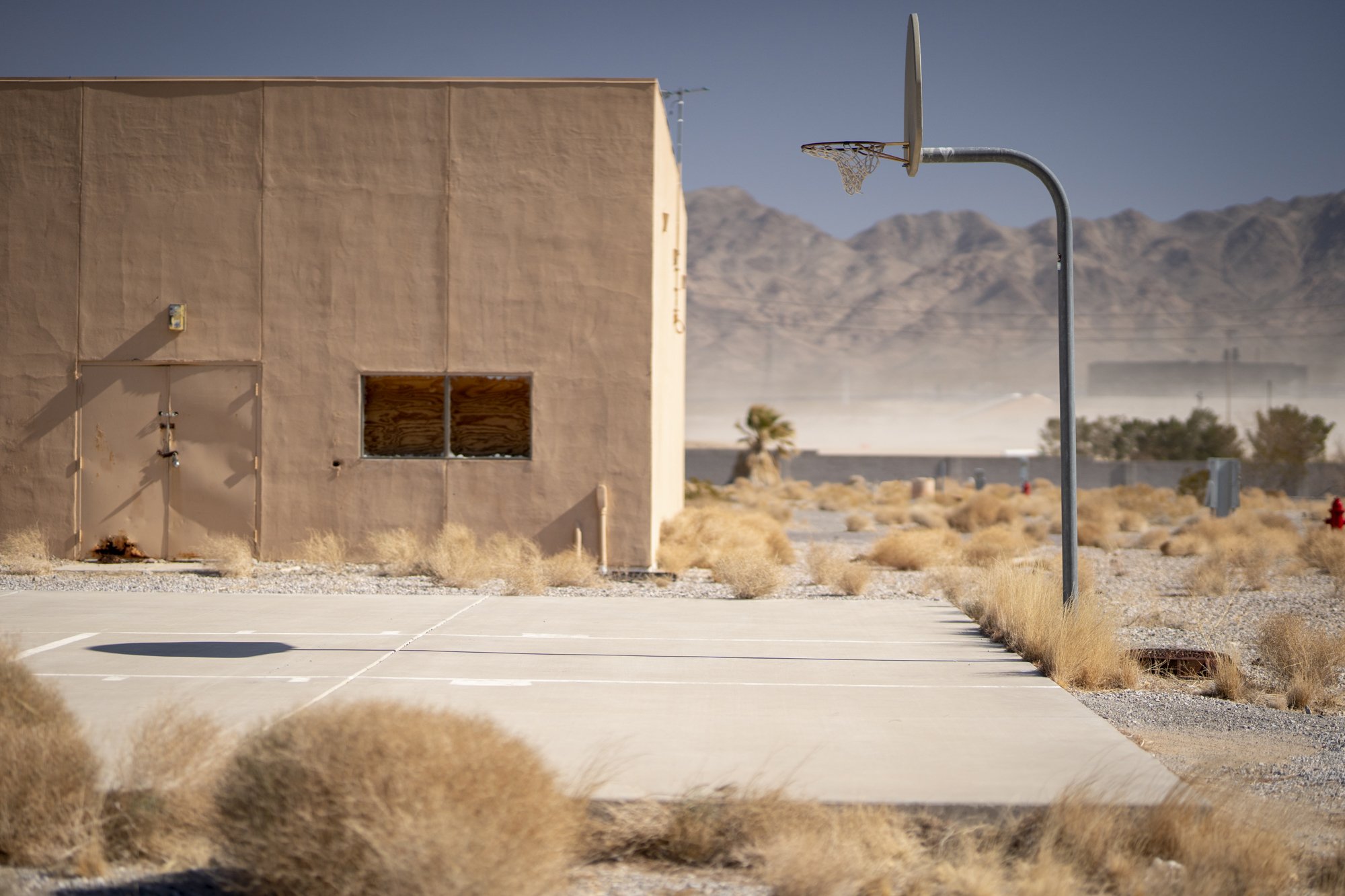
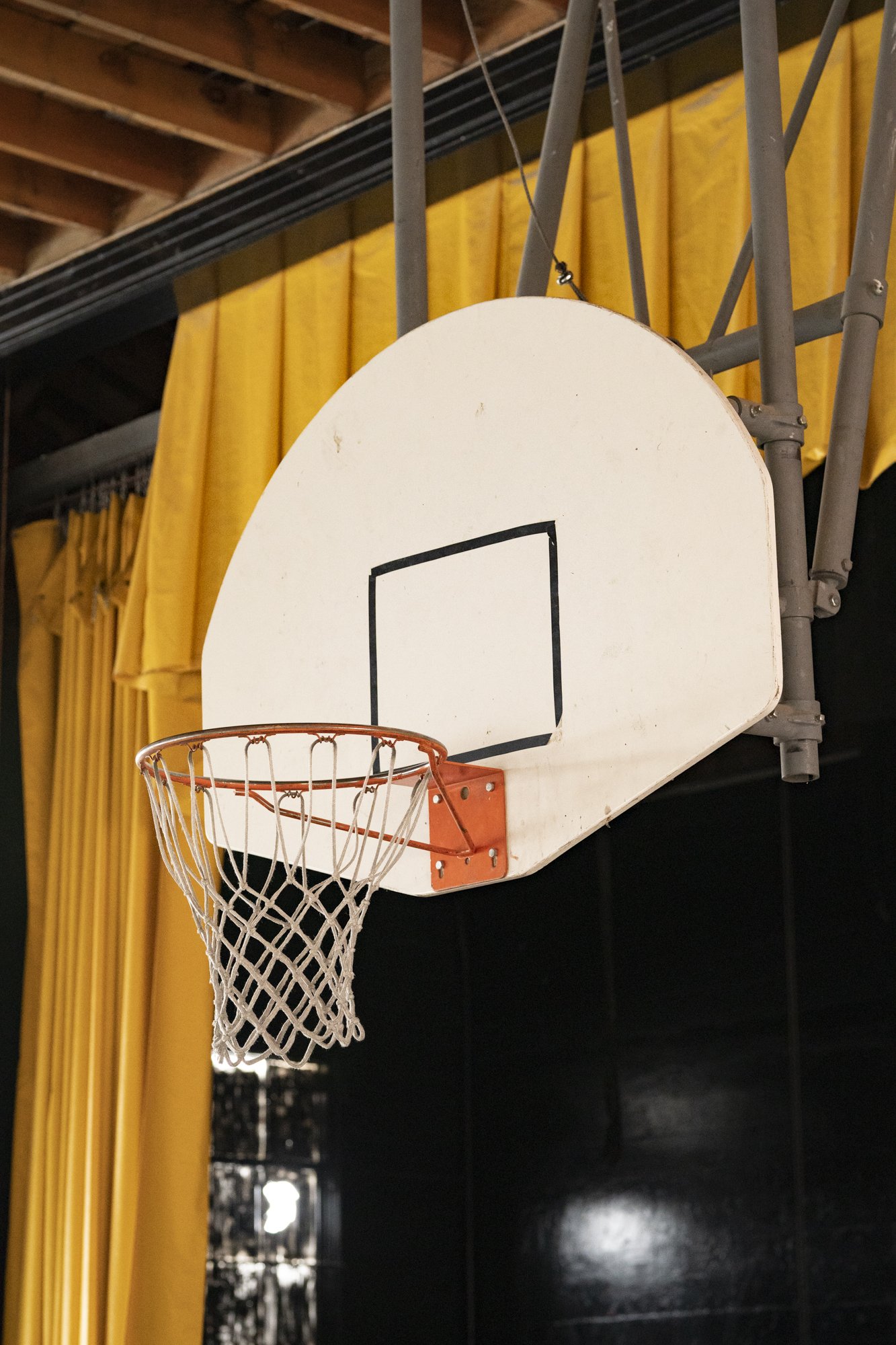
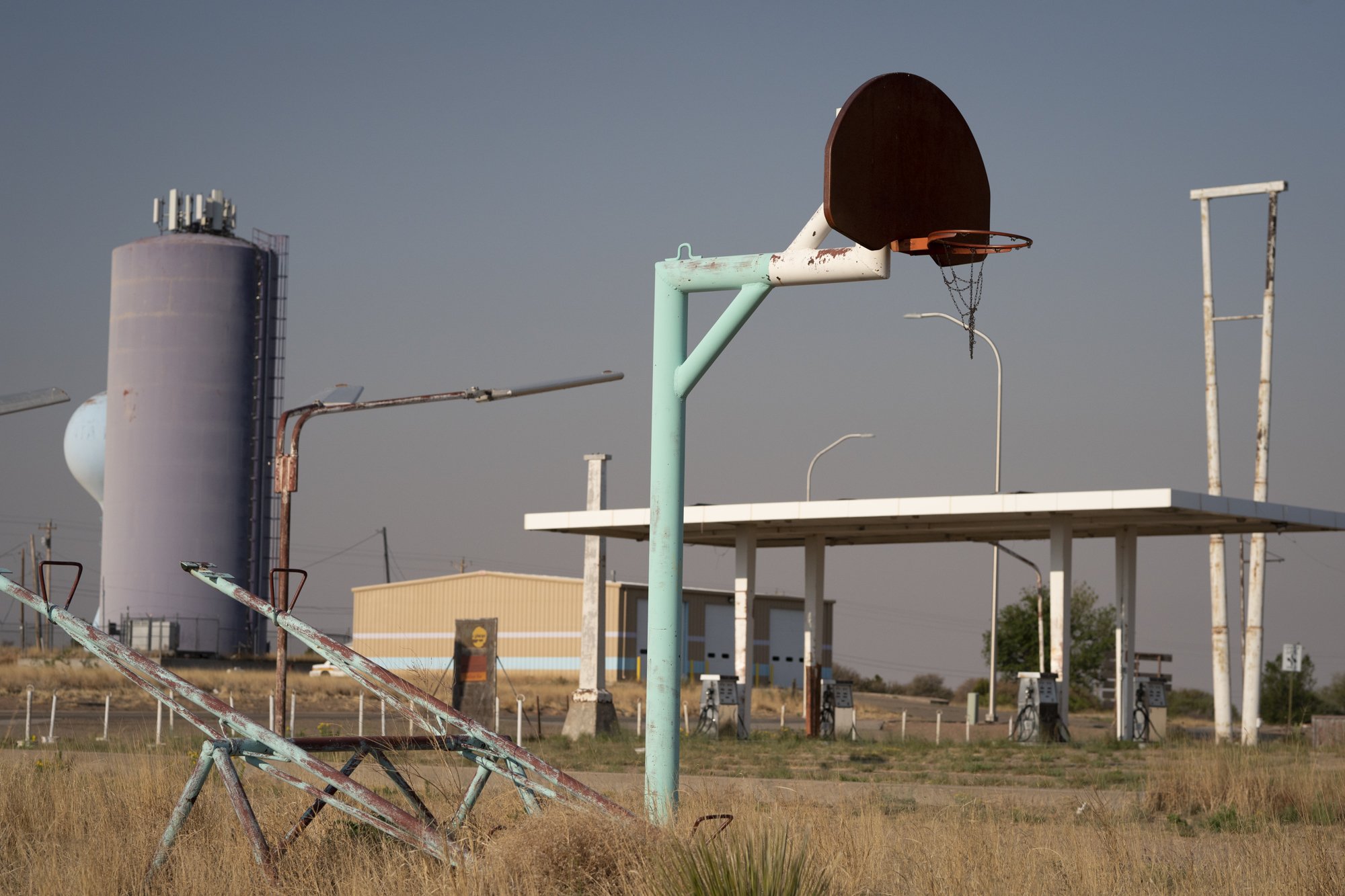
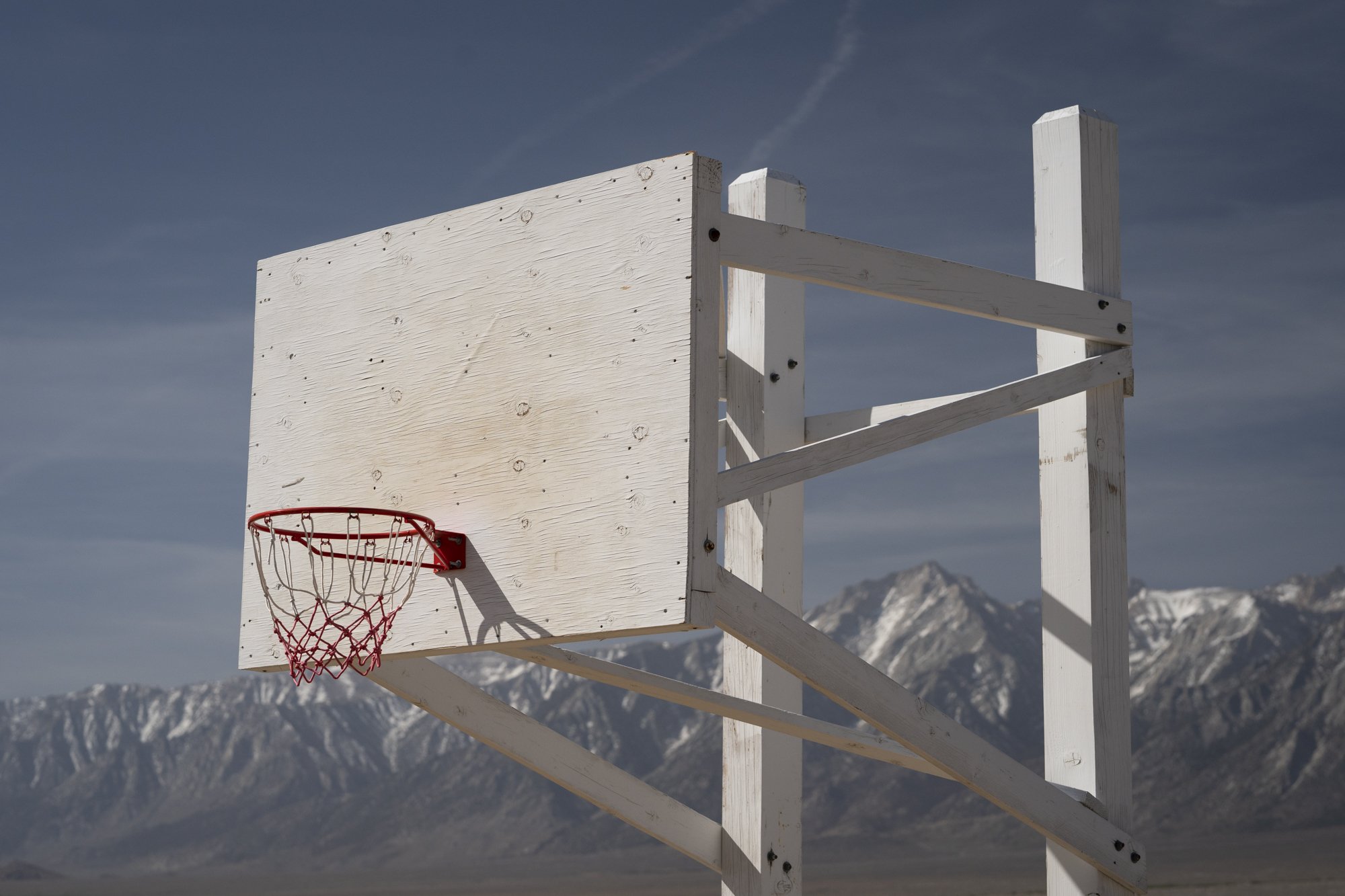
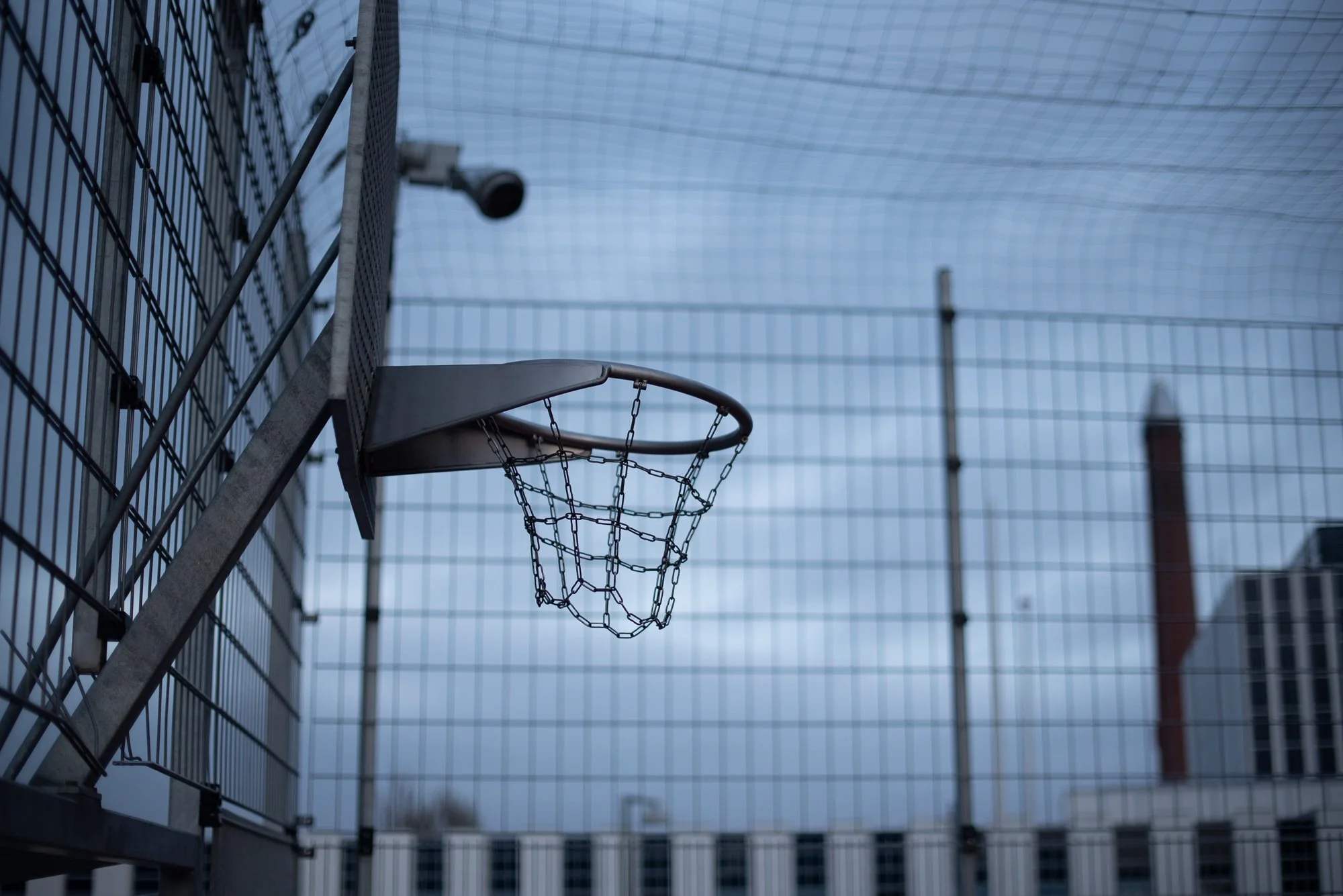
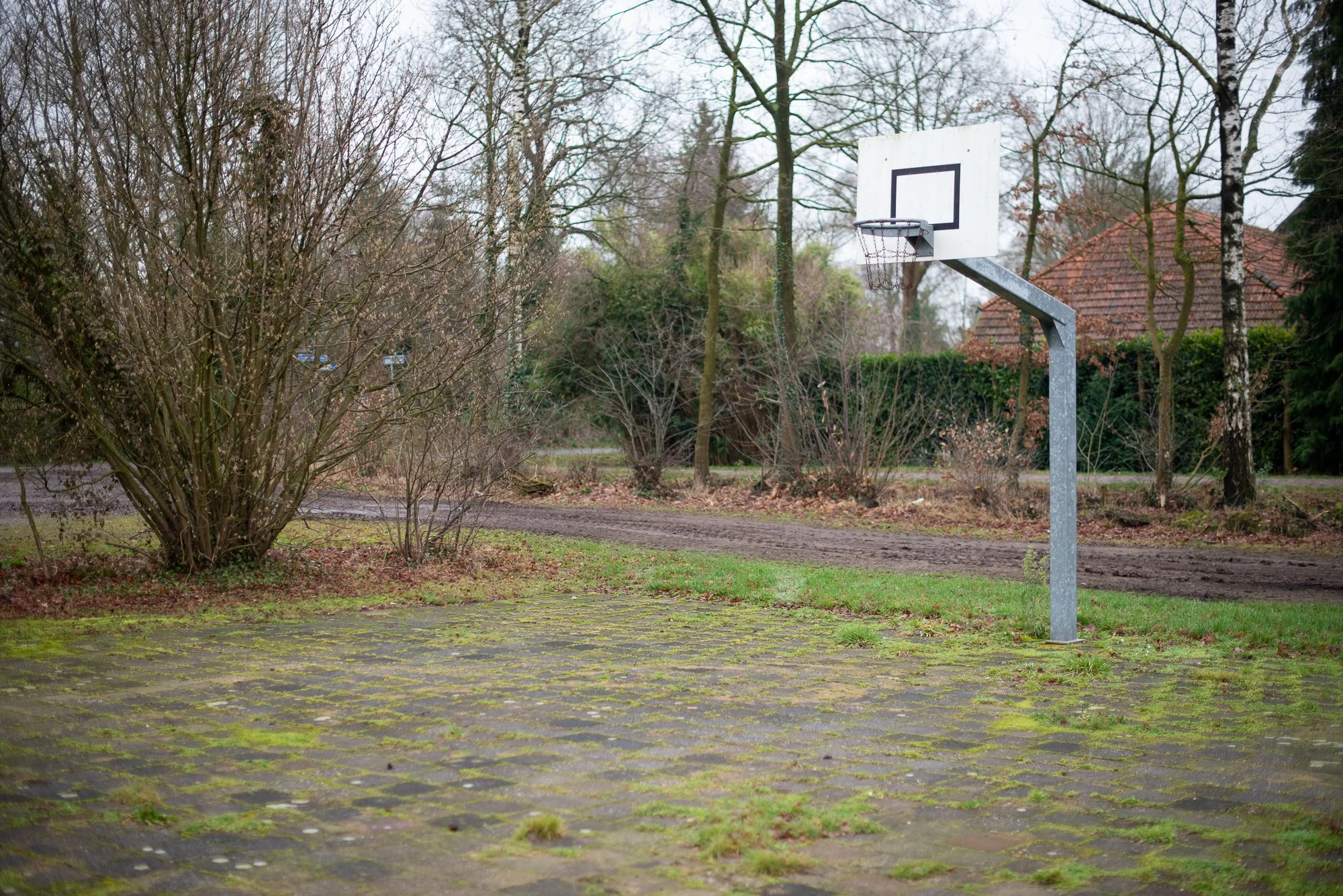
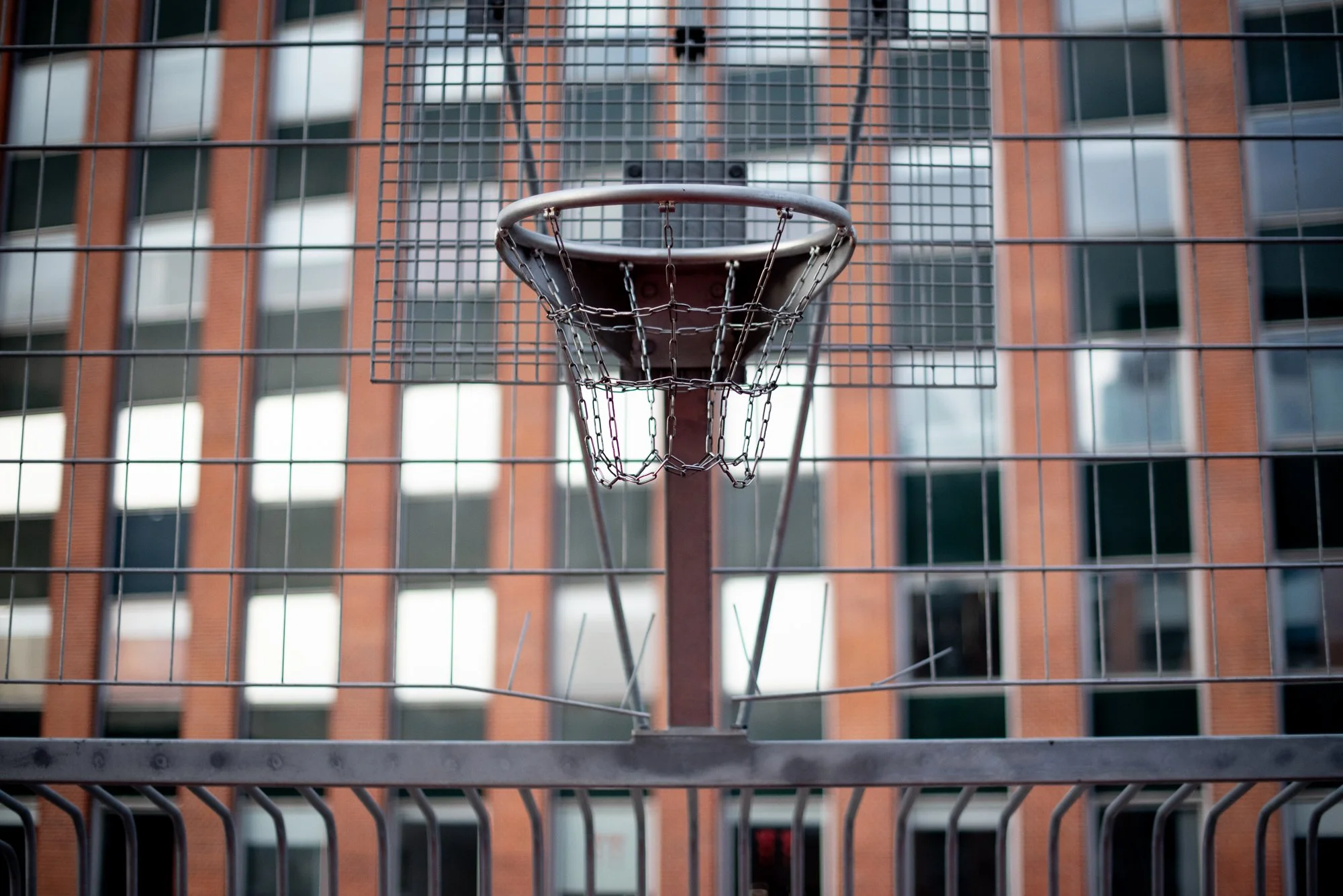
10 years into this series and it’s still just as much fun documenting the sport of basketball as it was initially. It’s always interesting to think about the games played on hoops in different parts of the country. It’s also enjoyable to see the images and realize that each one was an experience in itself to make. The first photo here in Primm was taken on a day so windy that I had to brace myself with one leg five feet in front of the other. You can see how the net is being pushed backwards. The second shot is from a high school gym in the middle of a remodel. Door was wide open and not a sole in sight. The hoop in Santa Rosa is actually one I photographed 10 or so years ago under completely different conditions. That image from all those years ago is in the book. Crazy how a location so random can be unintentionally revisited. And shocking to see that there is still a chain net hanging from the rim. The last image was made on a road I’ve driven a hundred times and never noticed before.

Click here to grab a copy of the book

American Motels

Road Trip Photography - American Culture

American Motels - Open Road - Americana

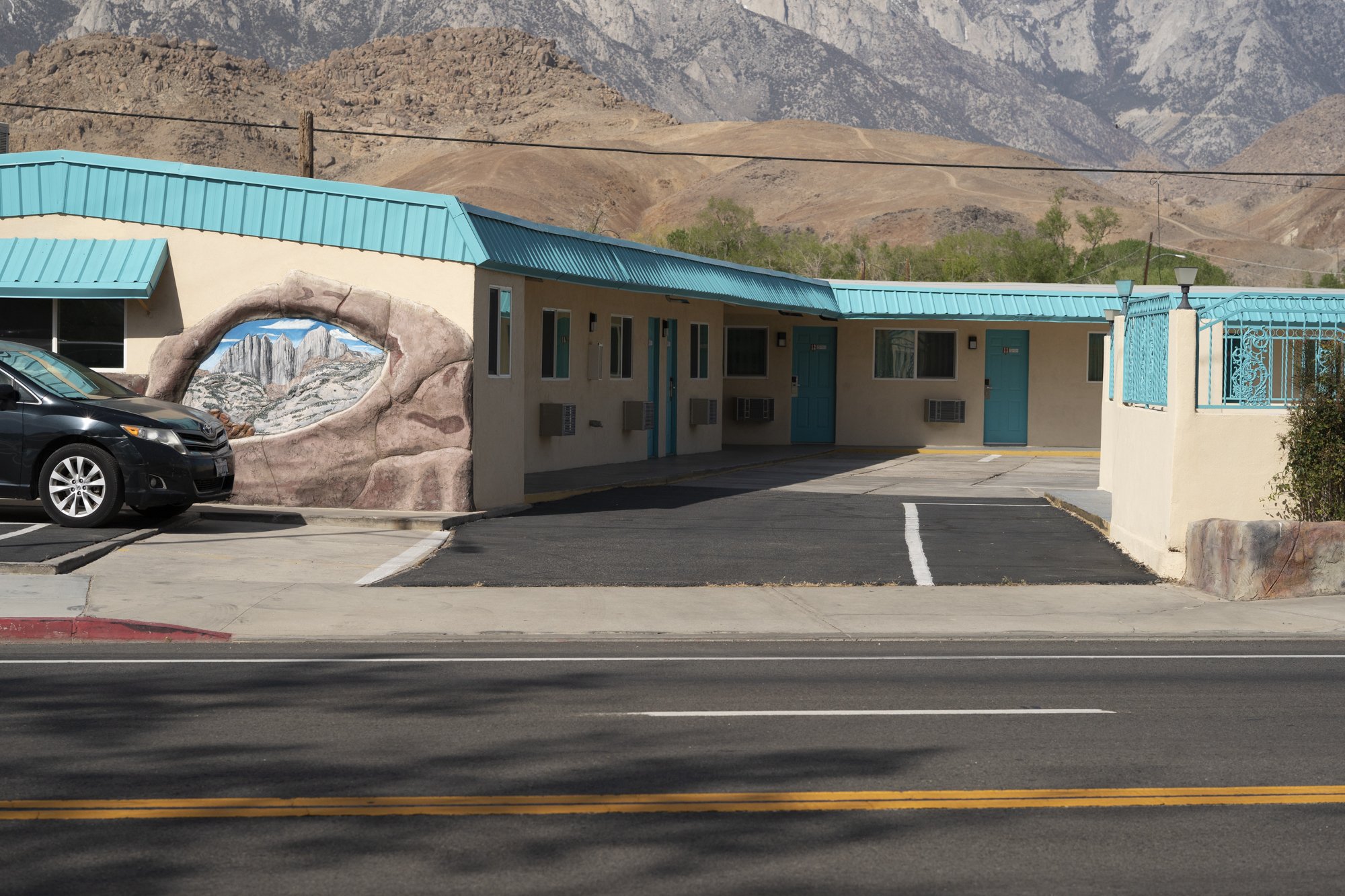
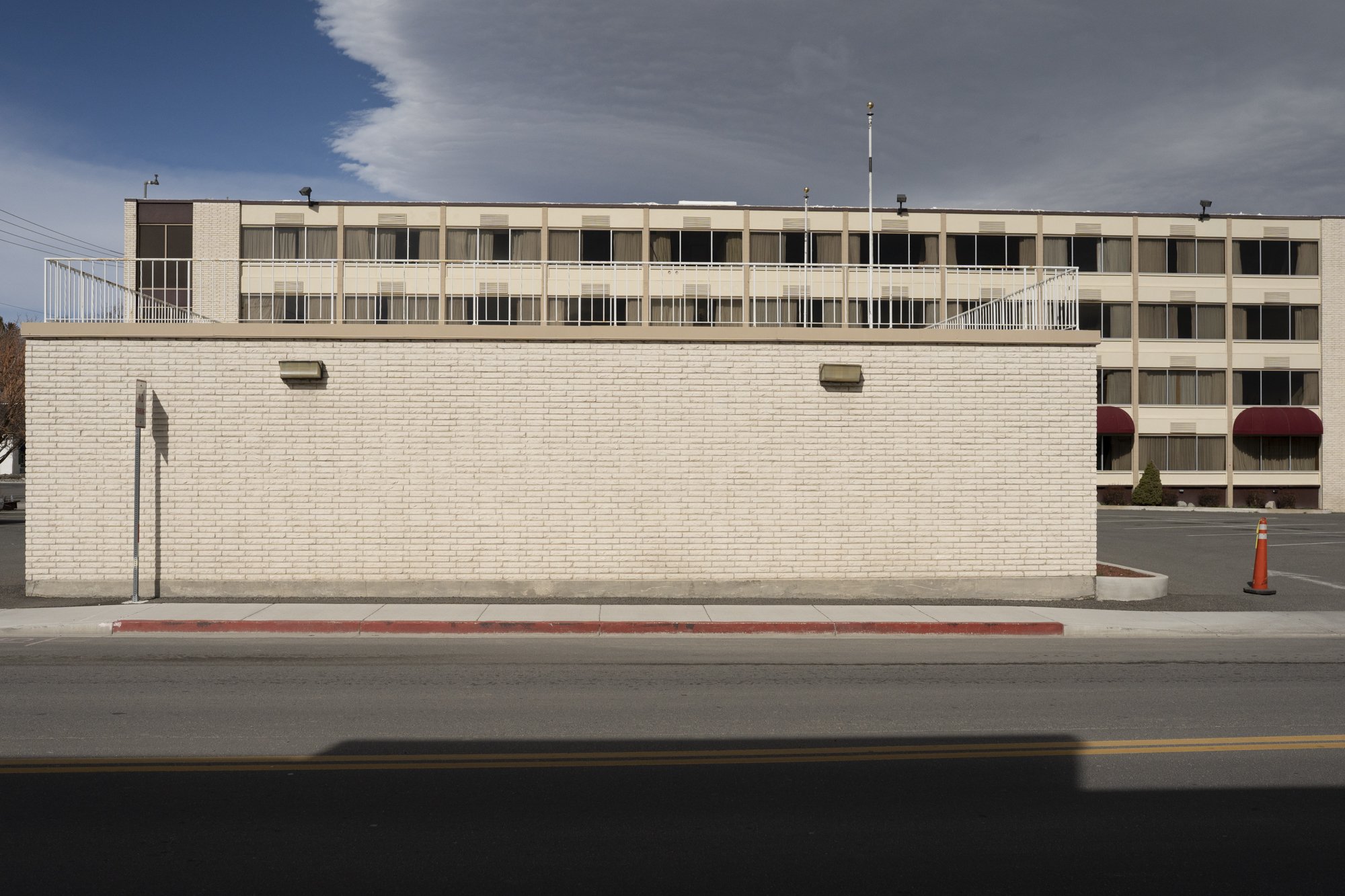
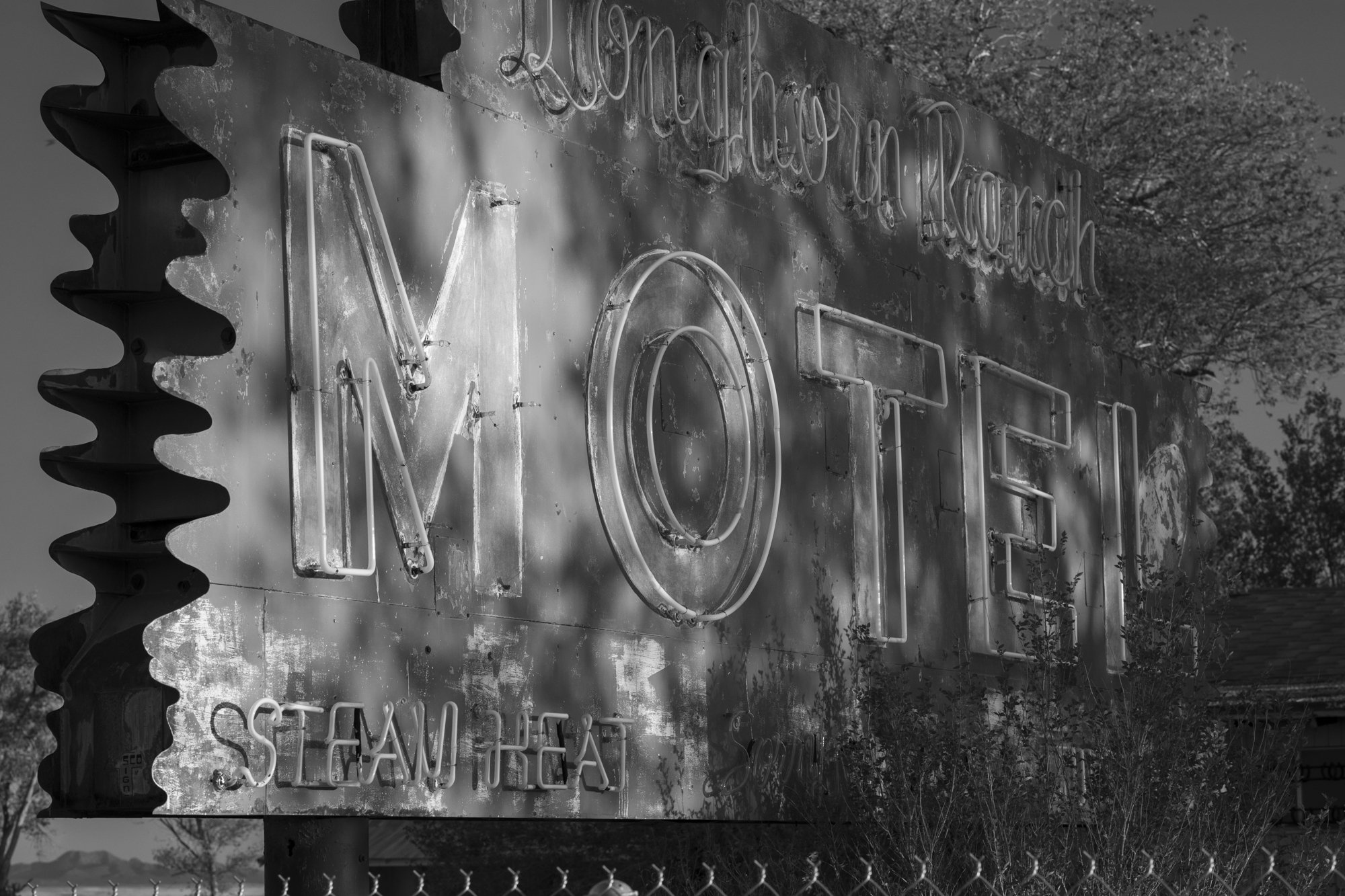
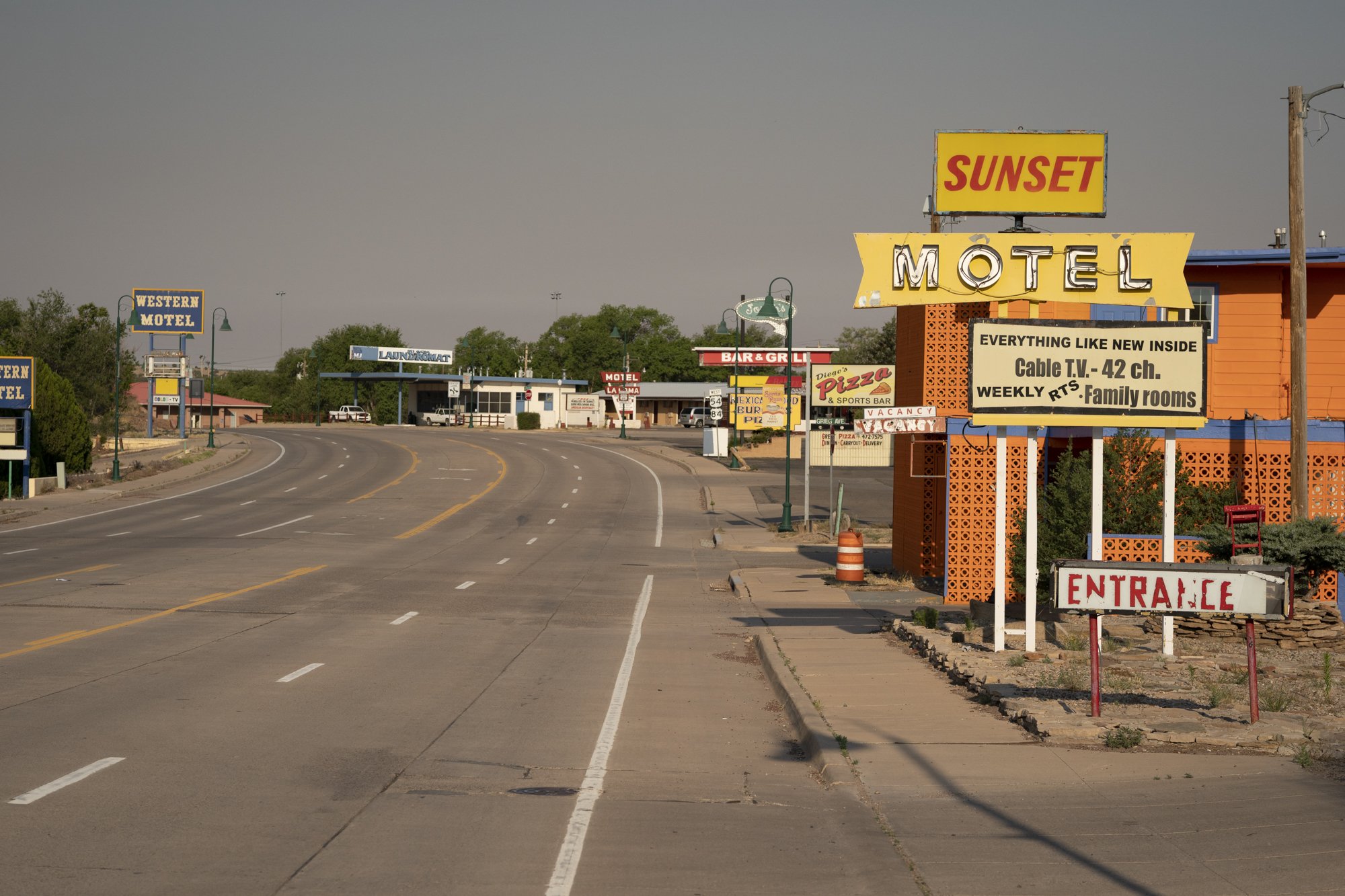
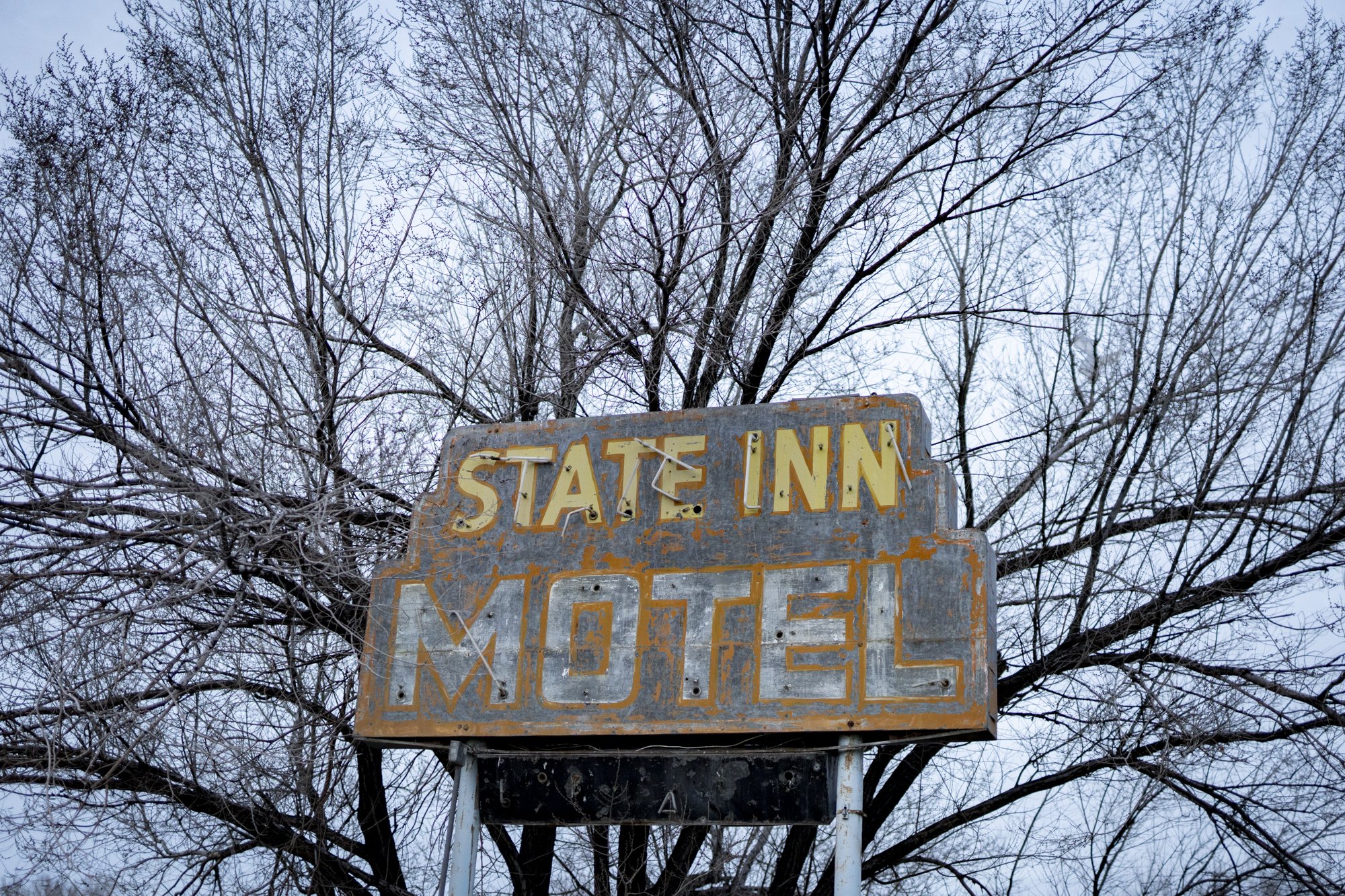
Another one of those subjects I can’t seem to stay away from - American Motels. Maybe it’s the nostalgia or all the time I’ve personally spent in them? Not sure. Said this in a recent post, but it was shocking to see how many of these old places had shut down during a trip out to Texas a few weeks ago. What a shame.

Click here to see more from this series.

Cowboy Culture Photography

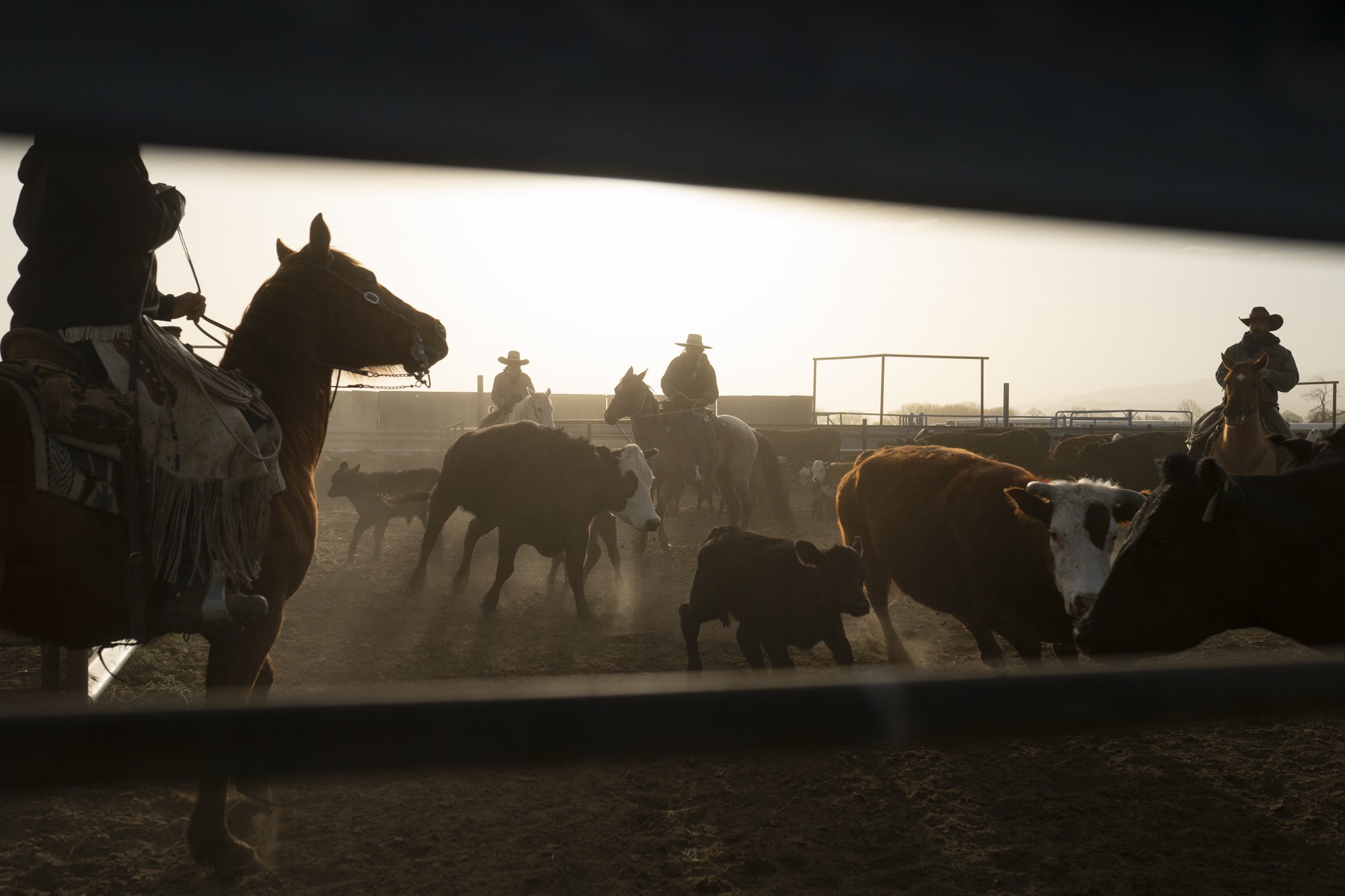
Cattle Branding - Cowboy Photography

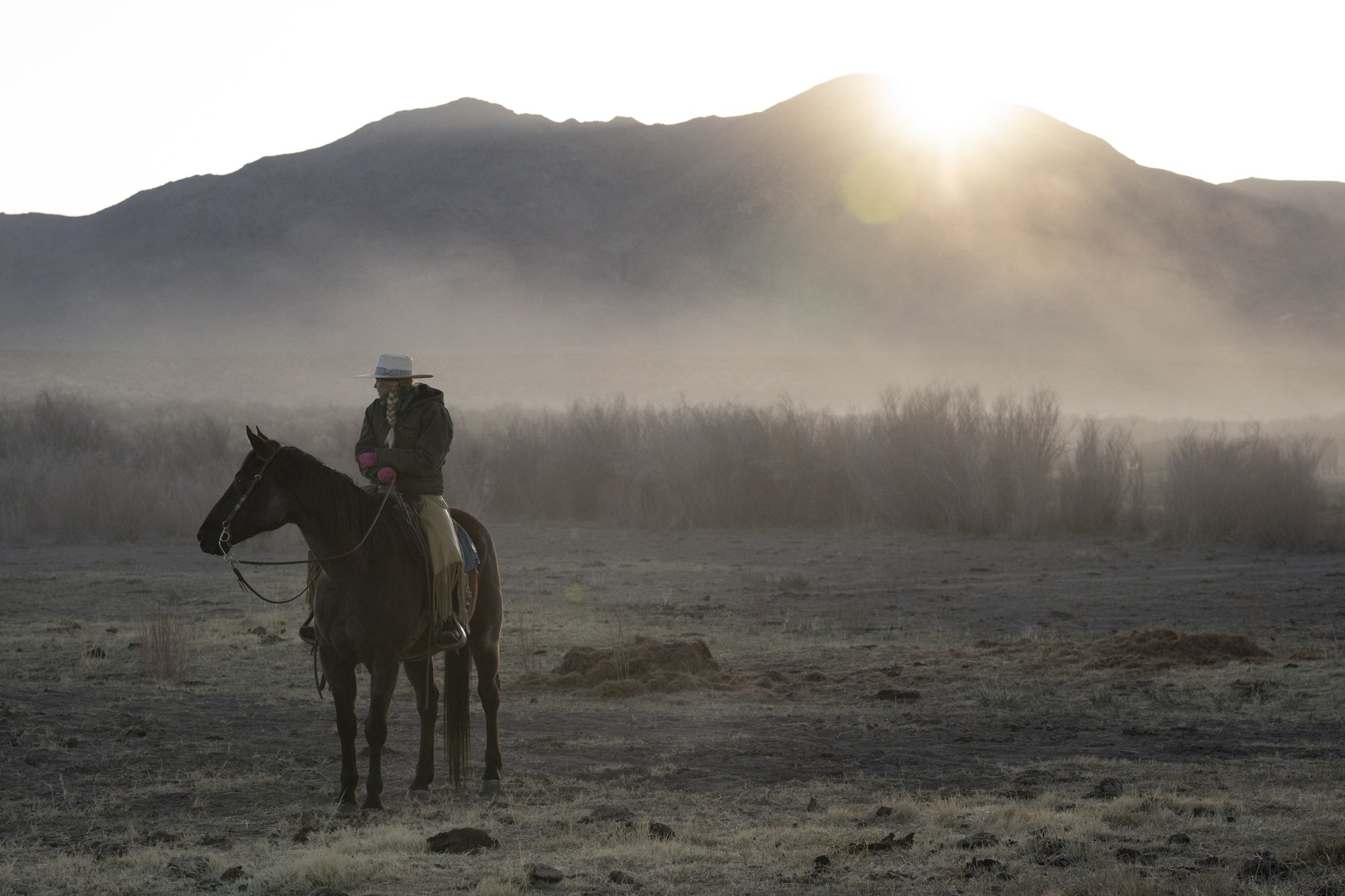
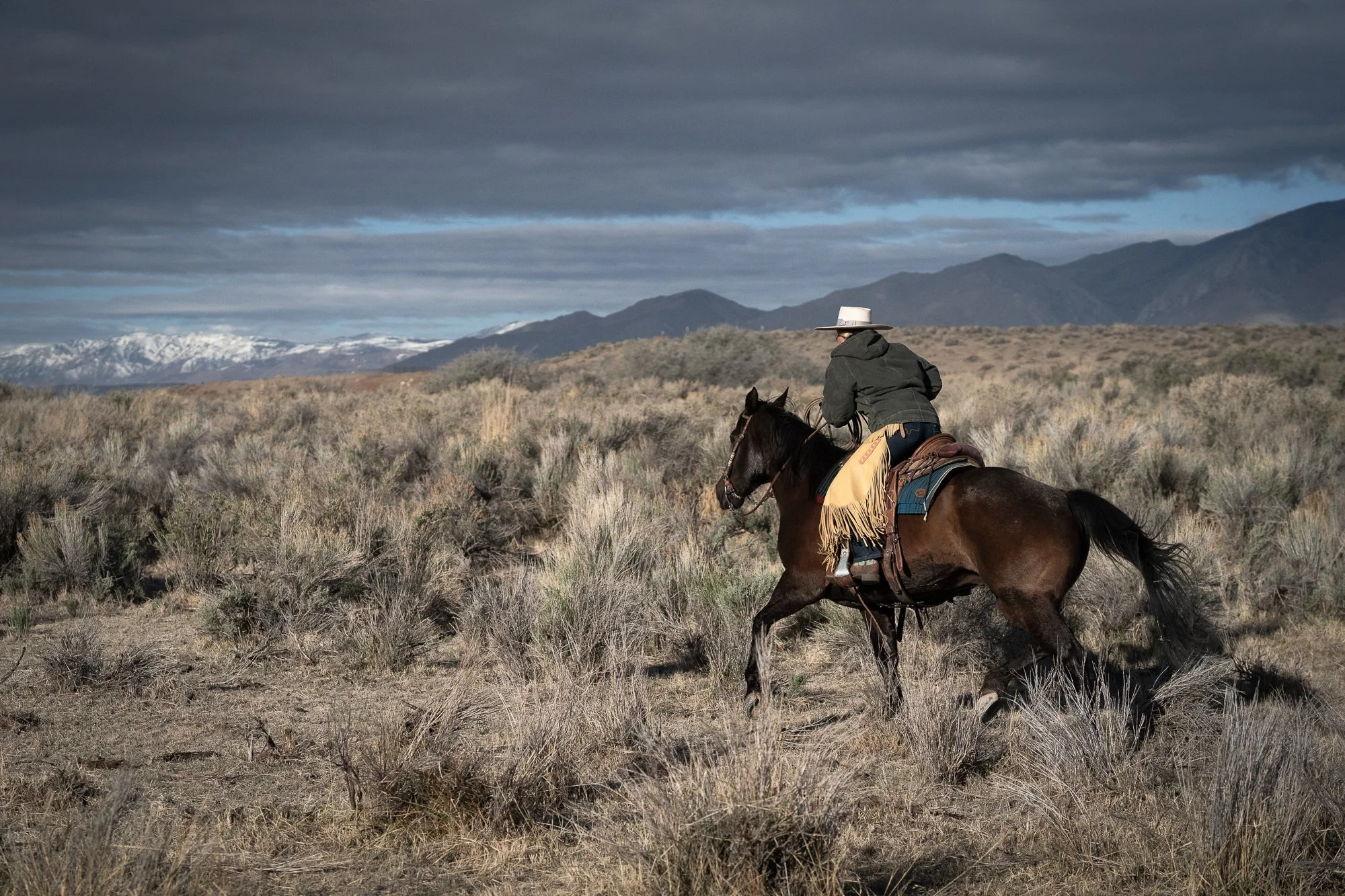
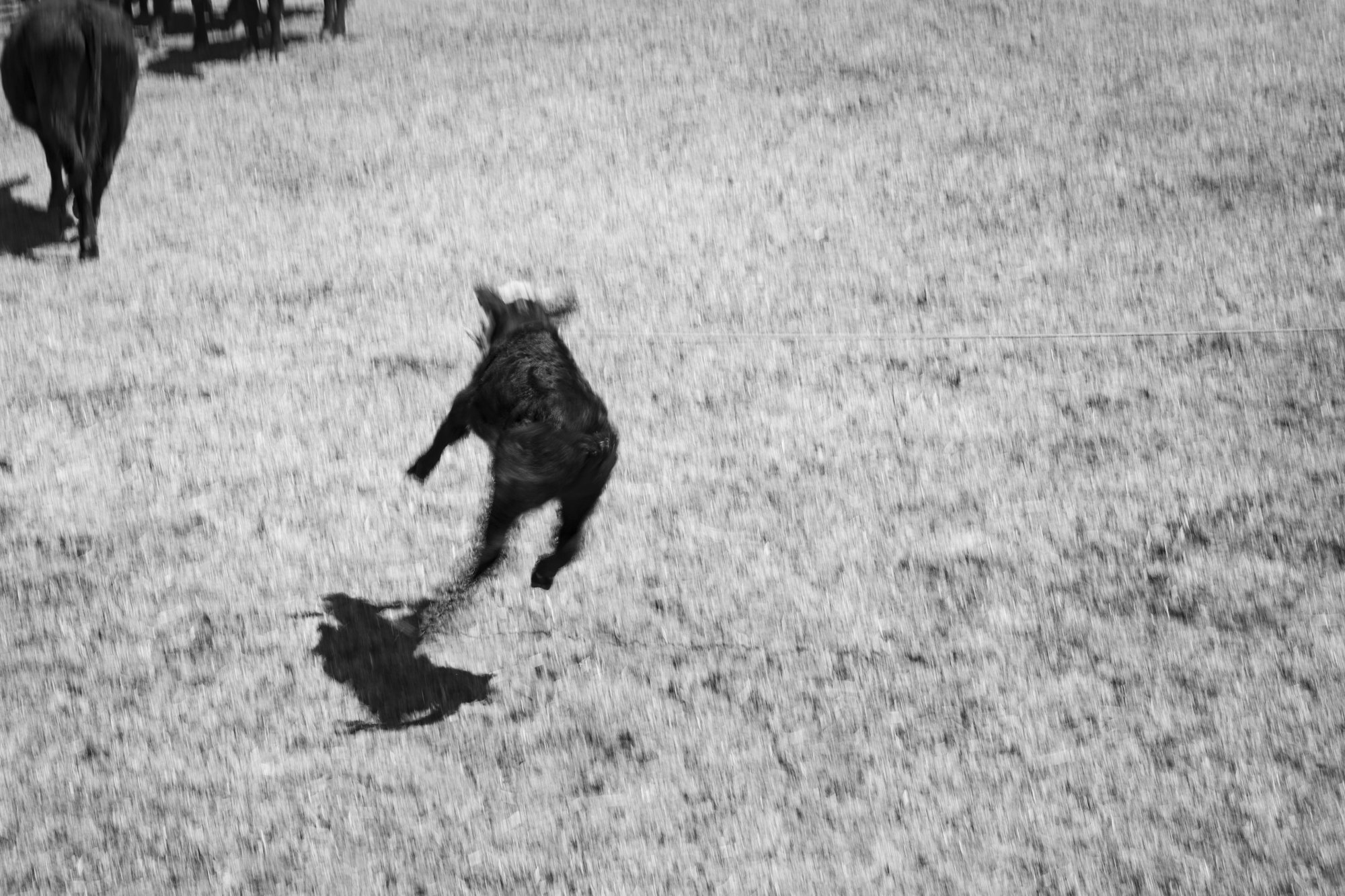
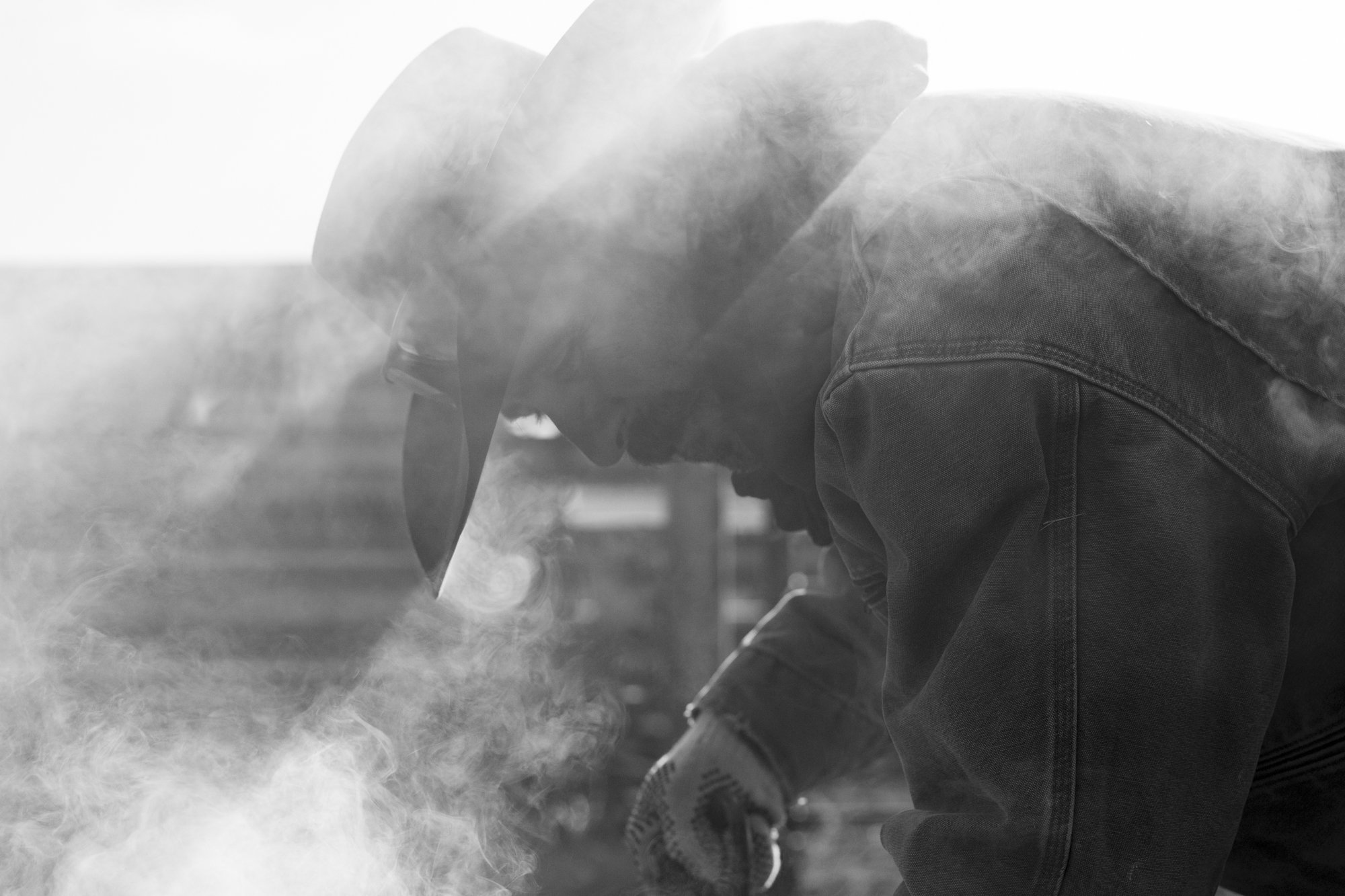
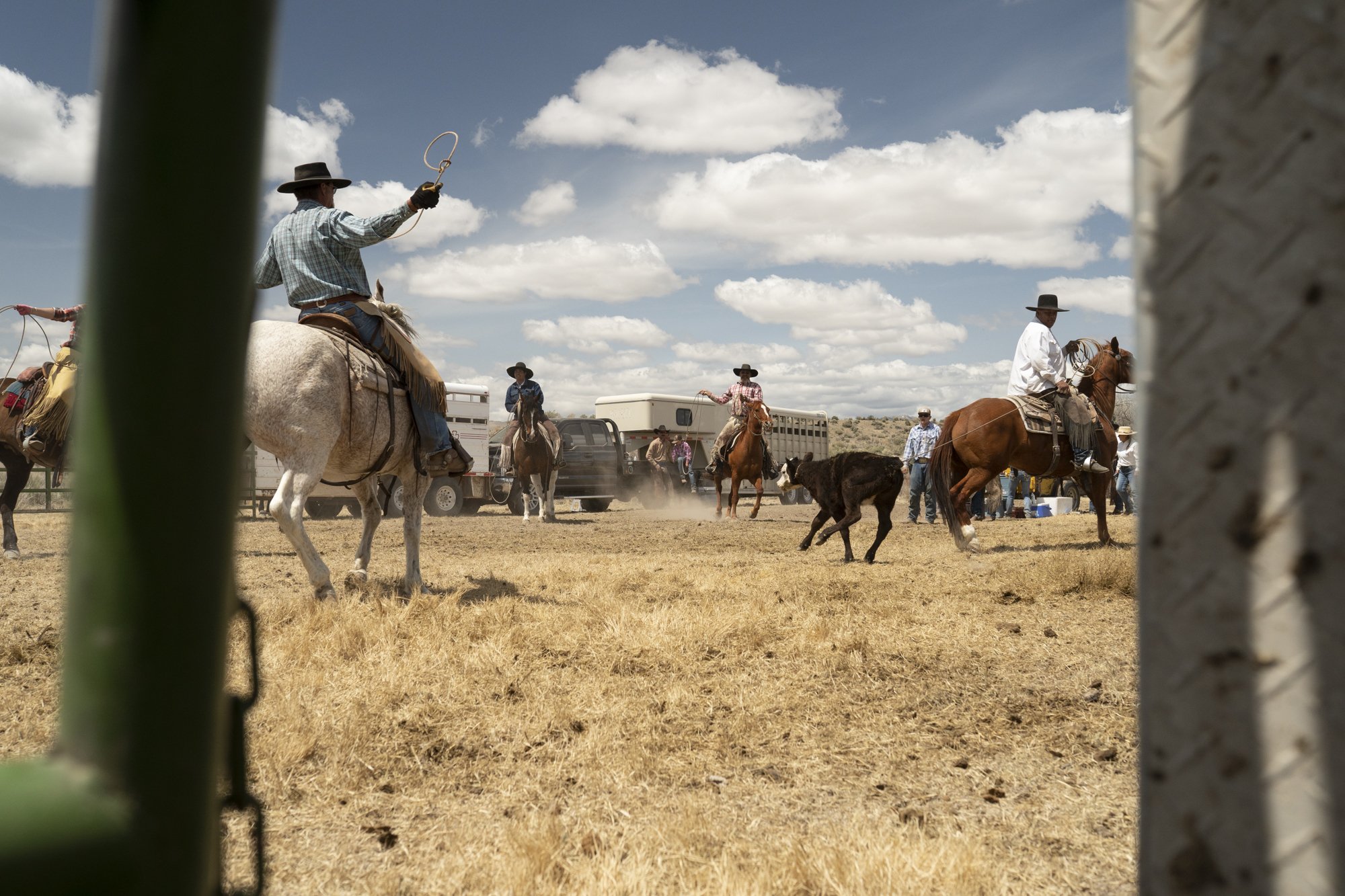
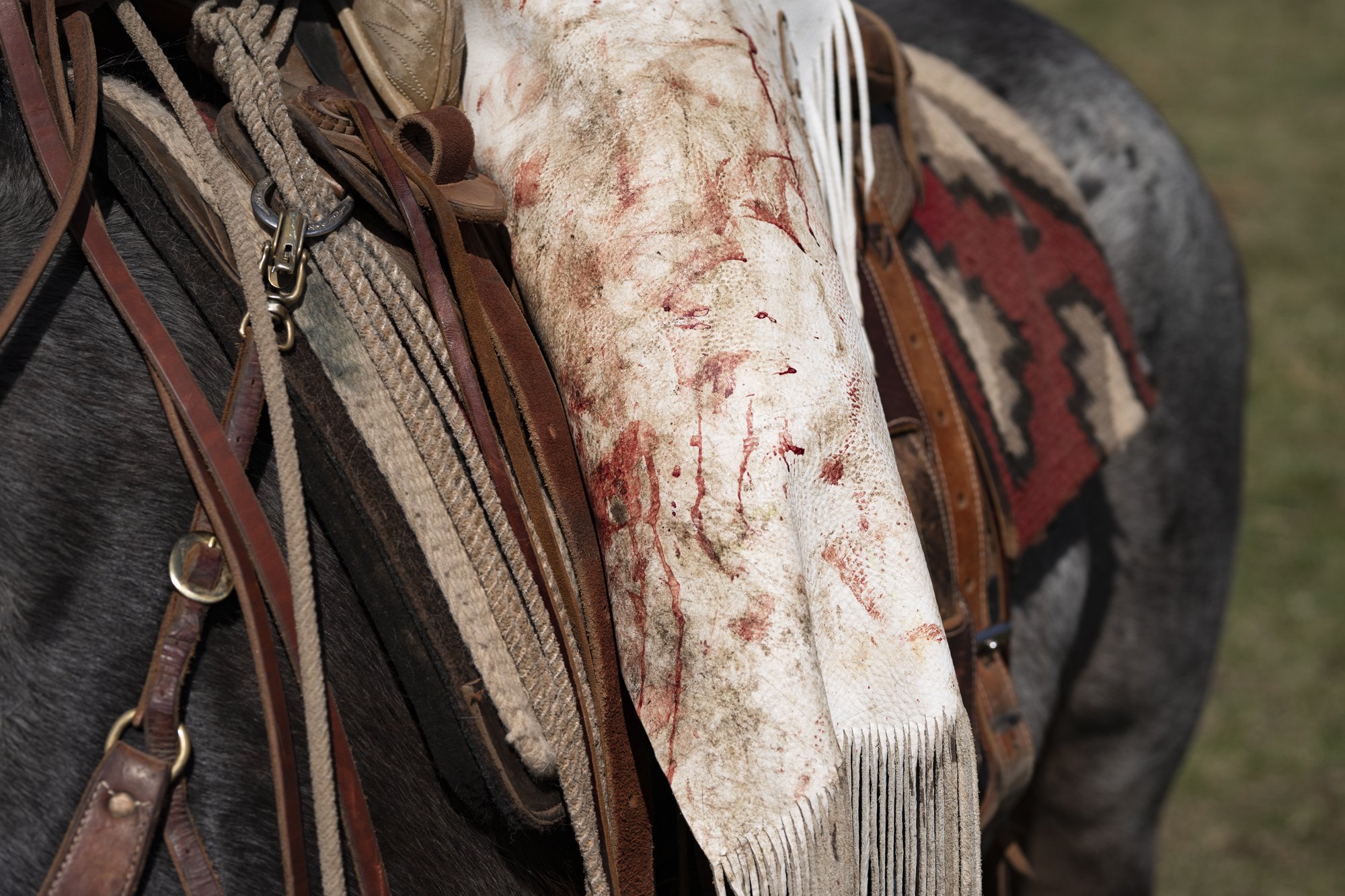
There’s nothing staged about the kind of cowboy photographs I make. No hired models in brand-new hats. No one pretending to ride for the brand. Just real people doing real work day in and day out, in weather that doesn’t care if you’ve got a camera slung over your shoulder.

For the past 5 years I’ve been photographing working cowboys on ranches across the American West. Not for the sake of nostalgia or myth-making, but because this way of life still exists, and it’s worth documenting. It’s early mornings, long days, sore horses, busted hands, and wind that doesn’t quit. It’s also pride, precision, and an unspoken connection between the people, the animals, and the land.

Most of the time, I’m just trying to stay out of the way. The goal isn’t to direct or interrupt—it’s to be quiet, to watch, and to make images that feel true. The kind that a cowboy can look at and say, “Yeah, that’s how it really is.”

These photographs aren’t just about cowboy hats and boots (though those are in there too). They’re about culture. About people whose lives are shaped by purpose, place, and tradition. And if you spend enough time around it, you realize it’s not just a job. It’s a commitment. A way of seeing the world.

If you're interested in cowboy culture—not the romanticized version, but the actual, hard-earned life behind it, this collection of photographs is for you. No frills, no filters. Just the truth of the West, one frame at a time.

Click HERE to see more of my cowboy photography.

Click HERE to shop my collection of cowboy photography prints

ROAD TRIP

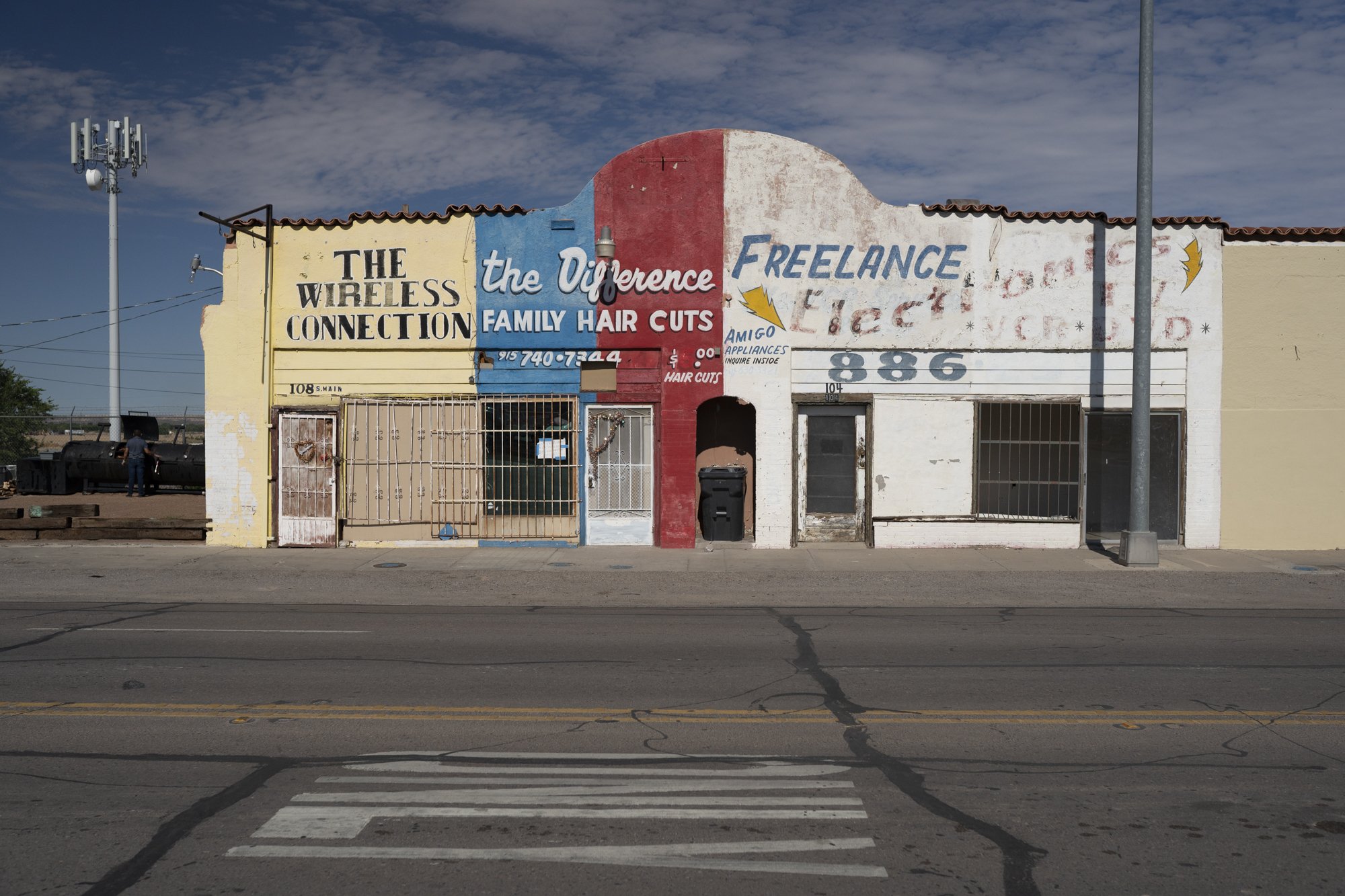
THE BAD:This past week was the first time in a while since I’ve been on this particular route through Arizona, New Mexico, and Texas. The findings were not good economically. It was hard to see so many familiar small town restaurants and hotels closed, boarded up, or in the process of being demolished. Maybe the timing was a coincidence, but you have to wonder if it was all the result of COVID? Either way it’s a shame.

THE GOOD: Road trips are always so much fun, educational, and therapeutic. This one had me shooting on a cattle ranch (The Four Sixes) in the Texas panhandle where I met some great people and had a hell of a lot of fun shooting with them. Will be a while until I can post those images. So for now you can click HERE to see more of my Cowboy photography.

European Travel Photography

Street Photography - Europe

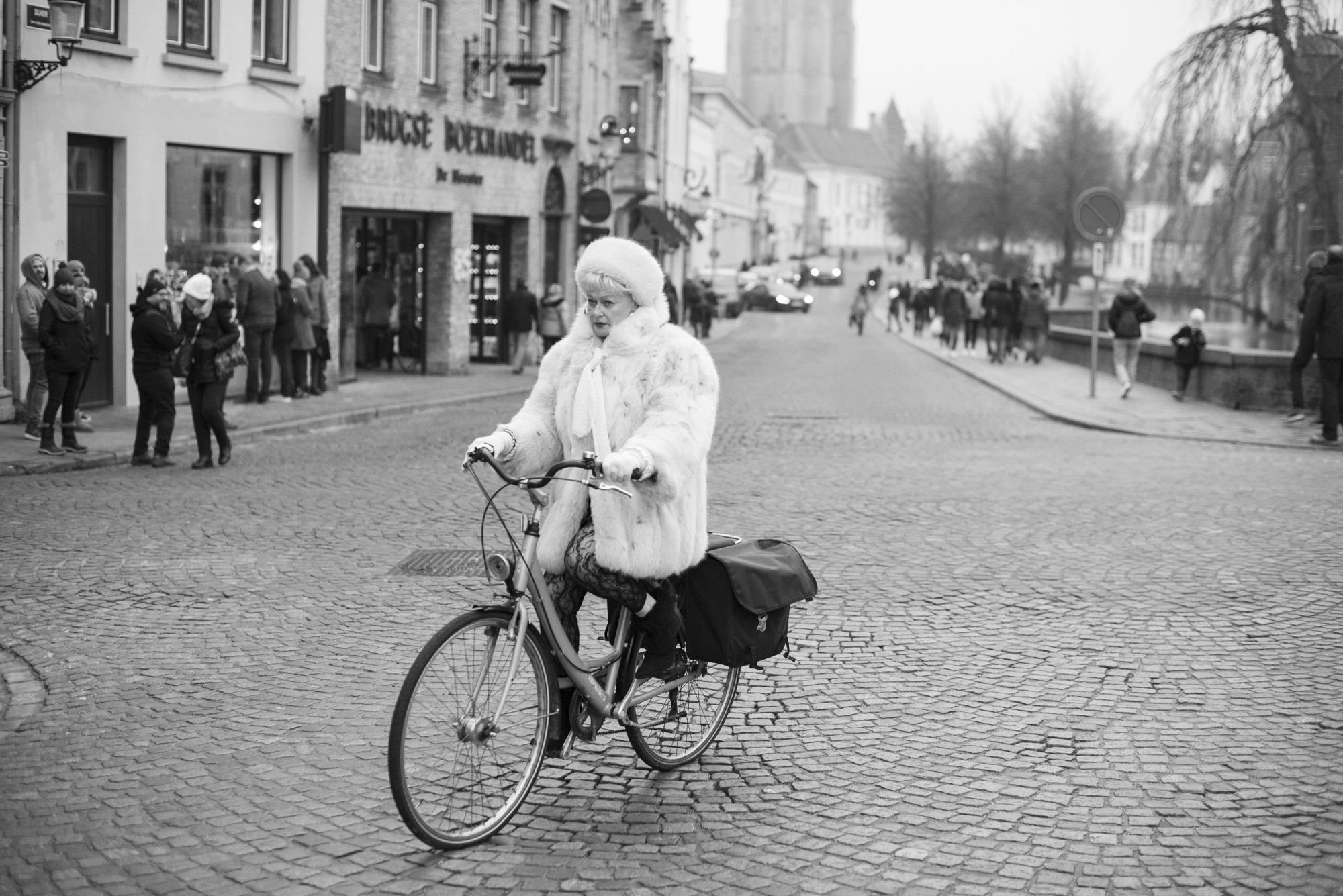
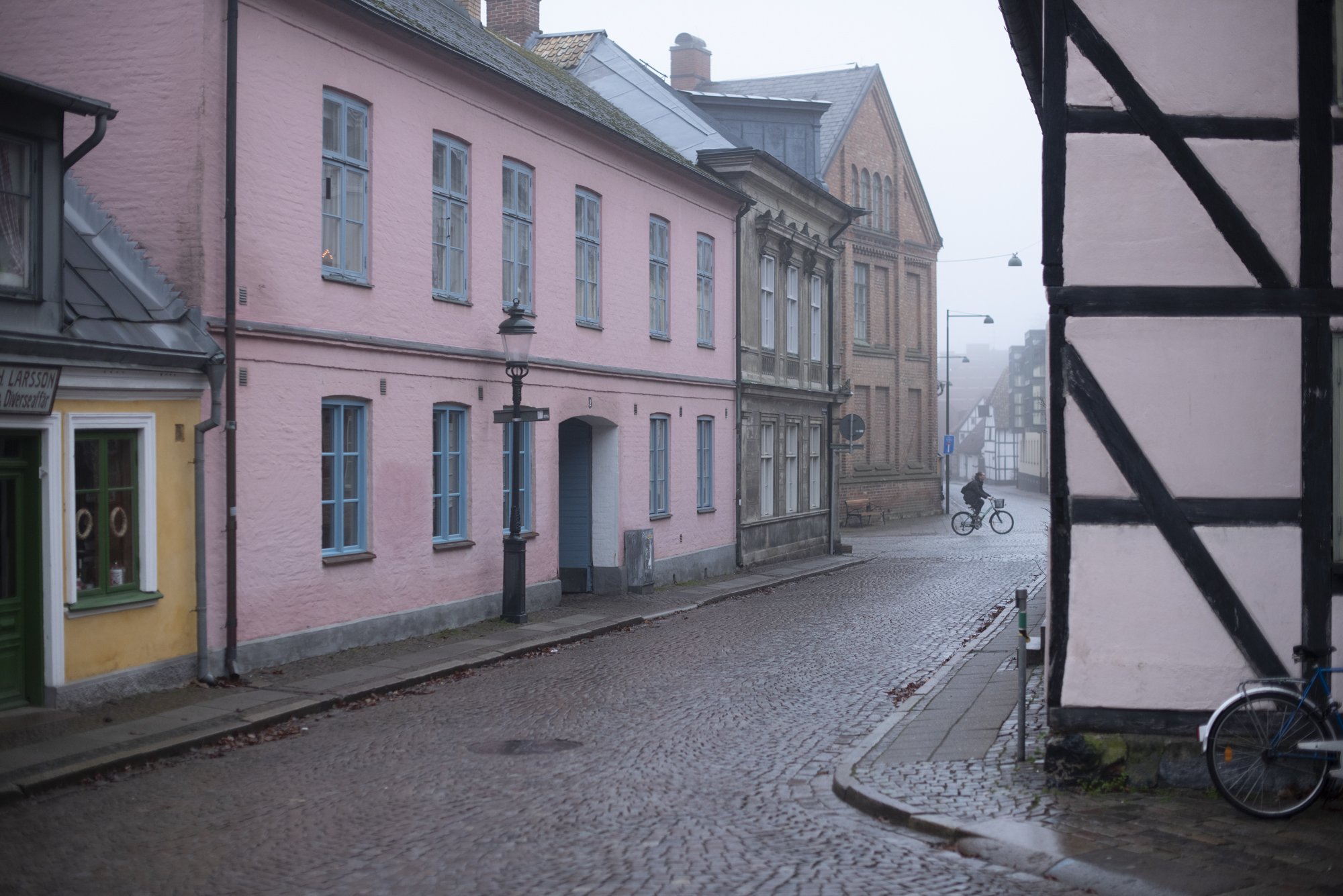
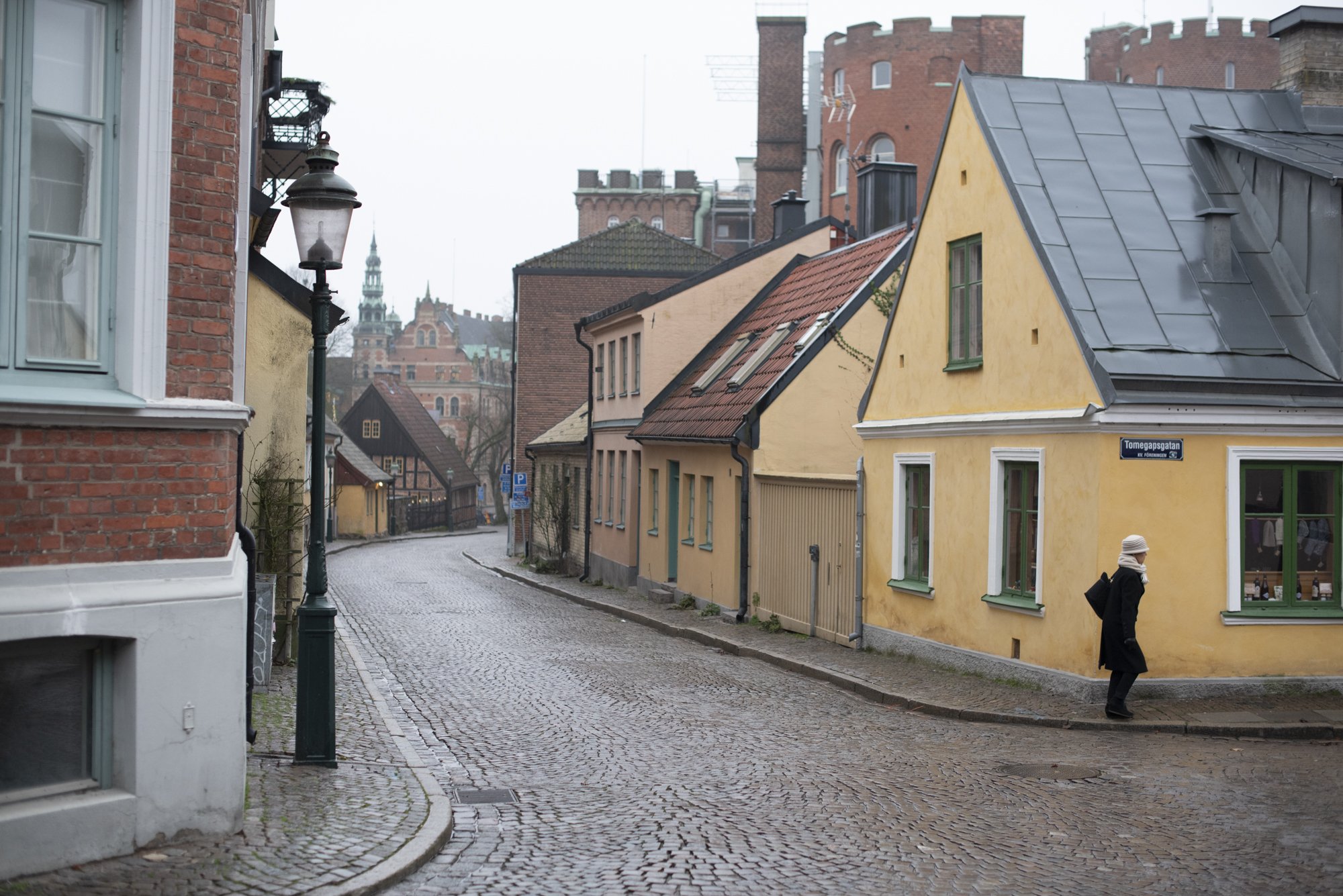
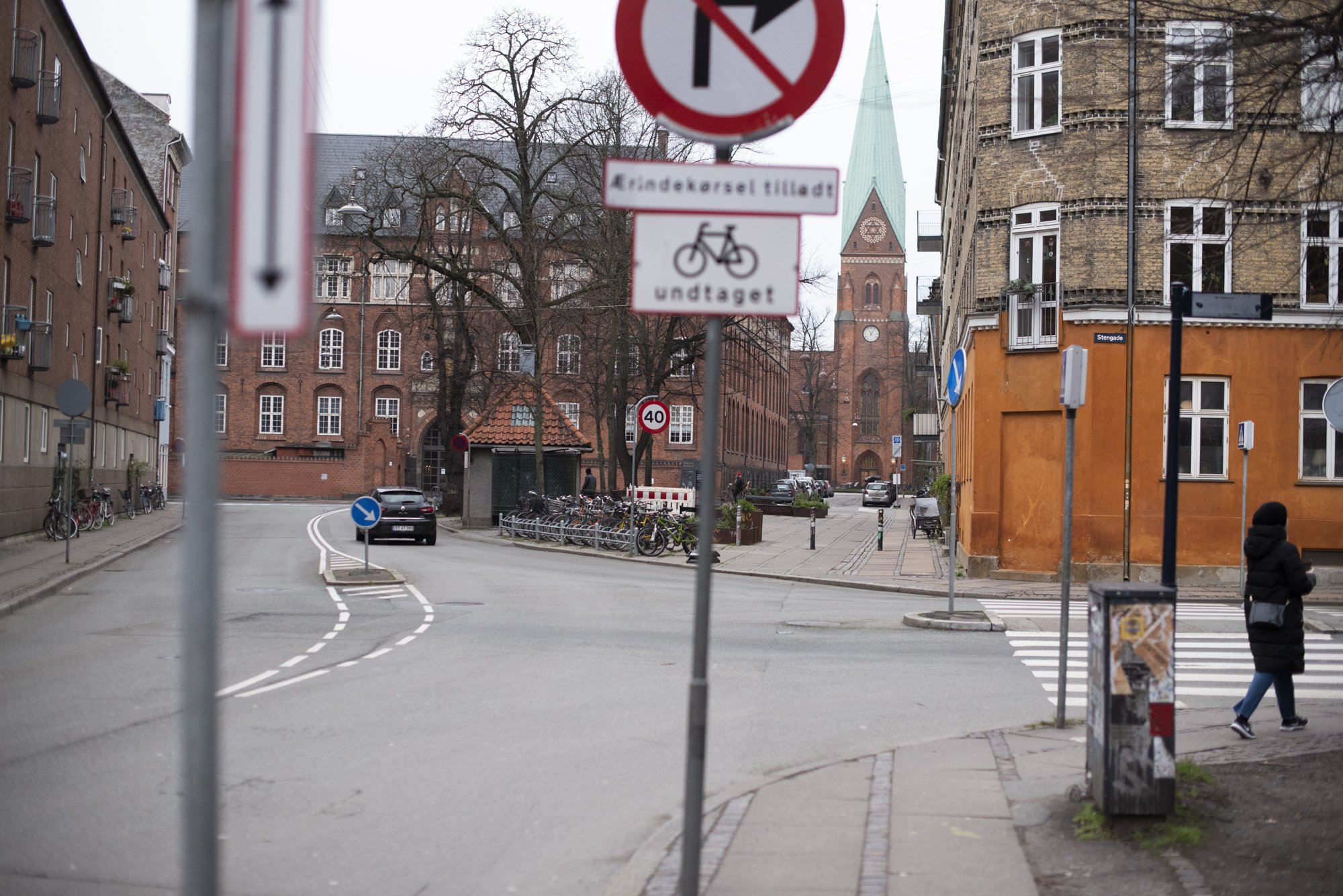
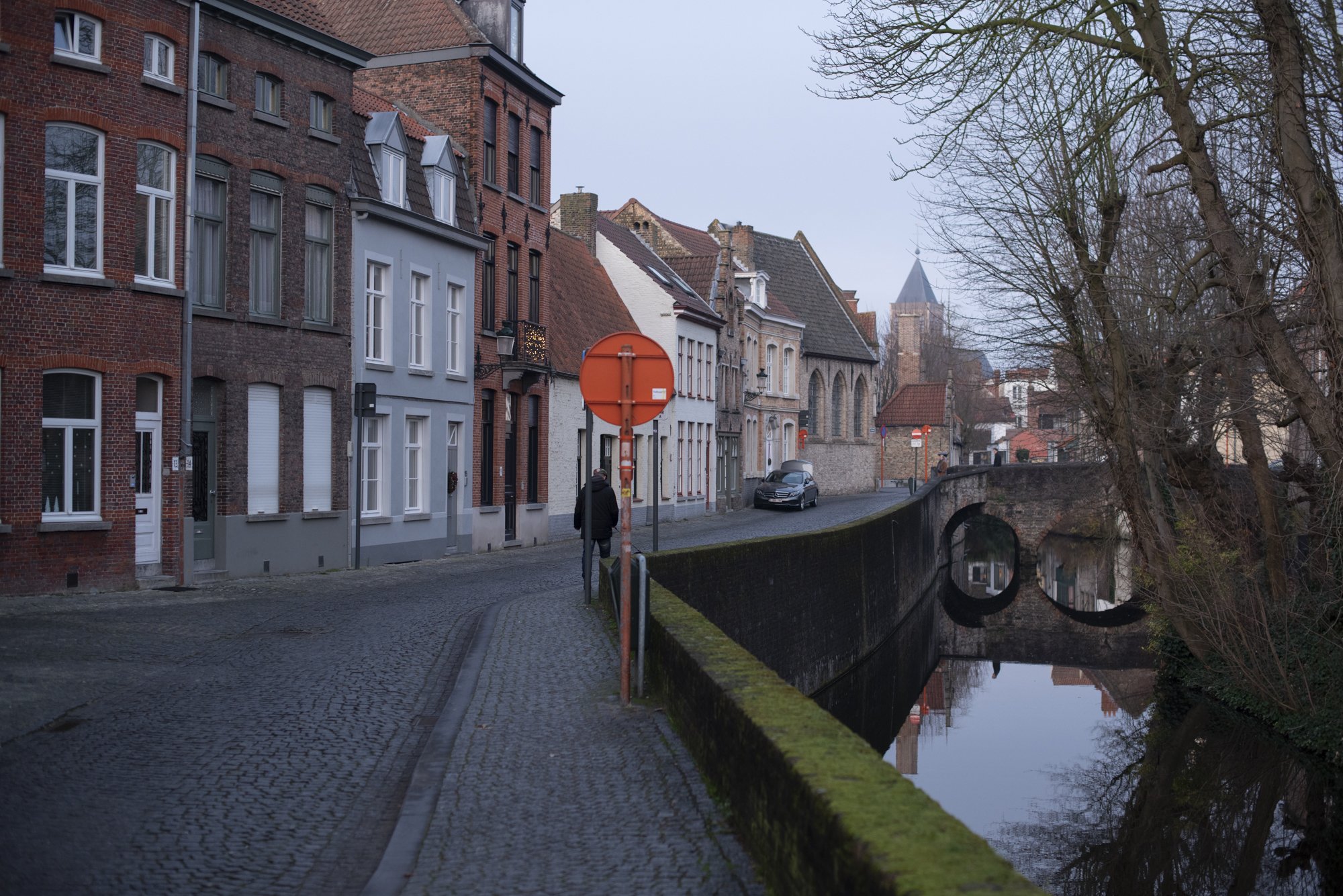
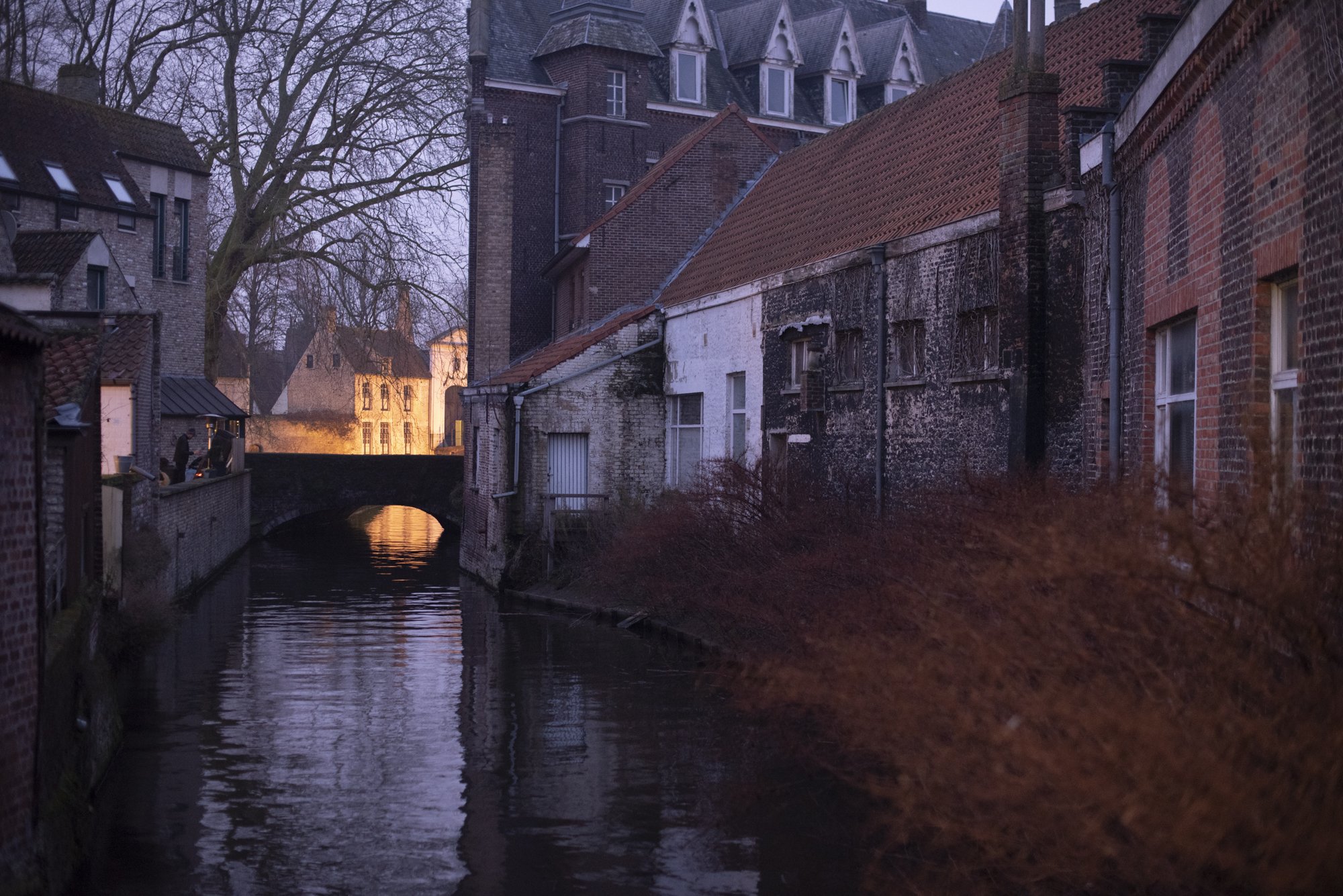
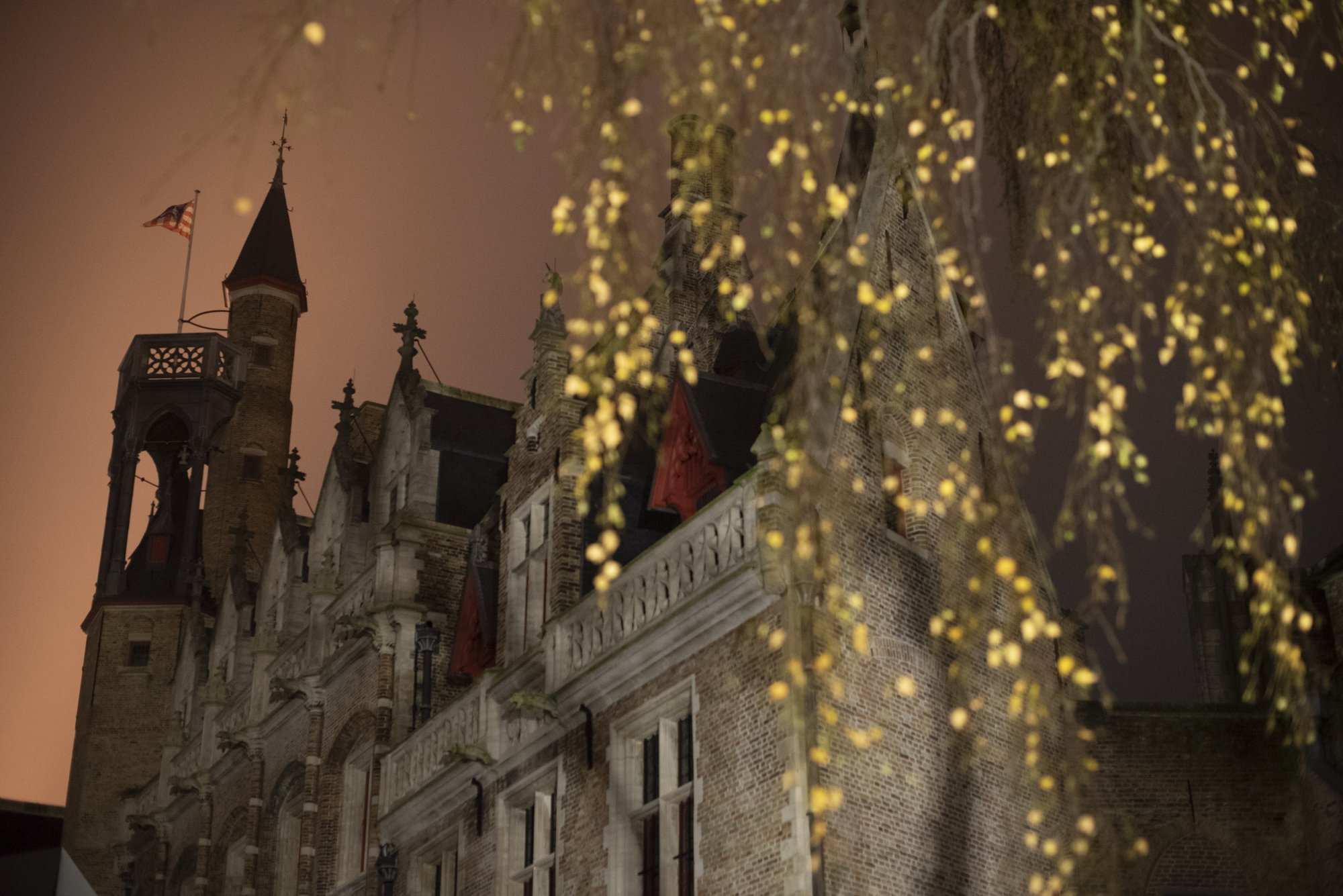
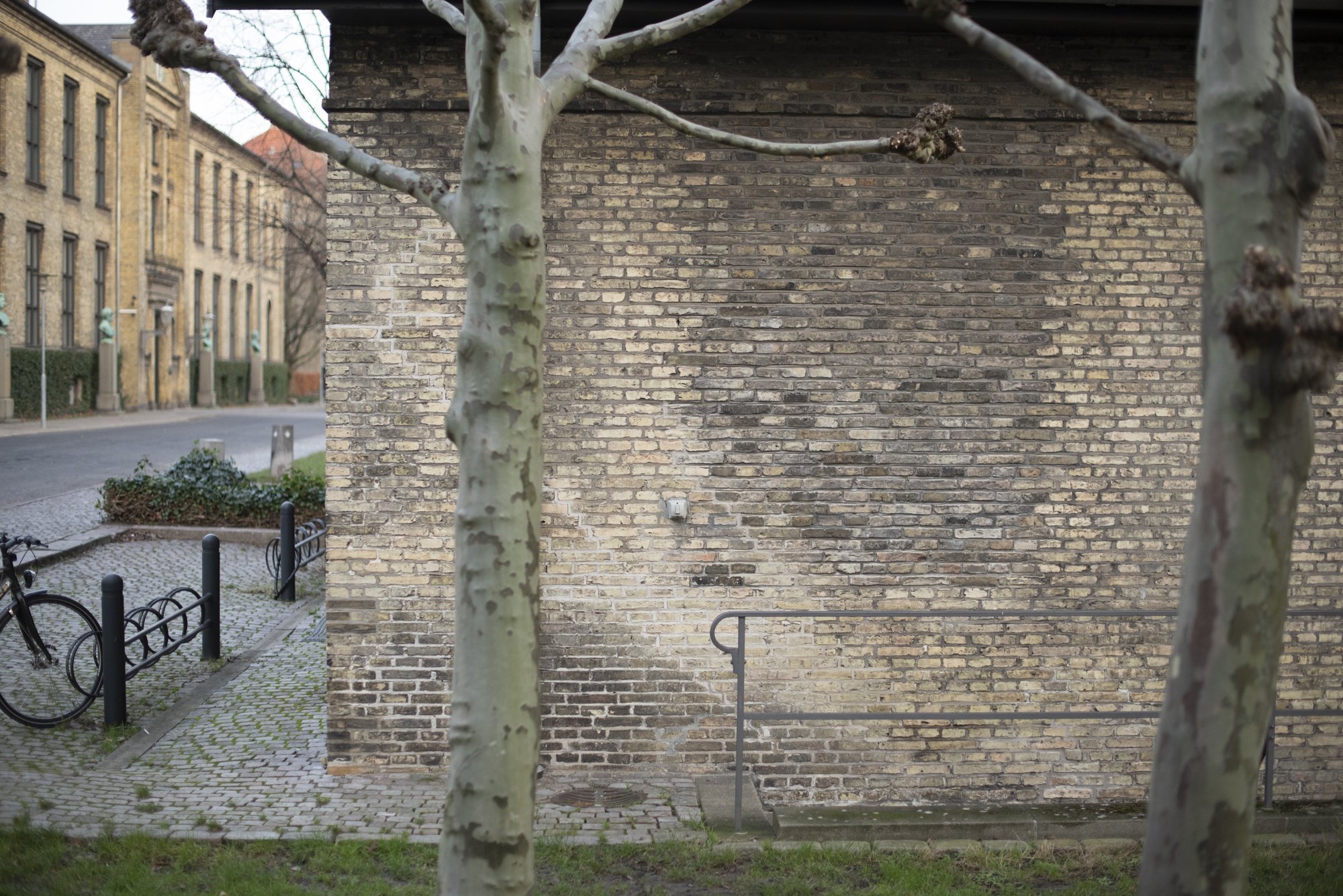
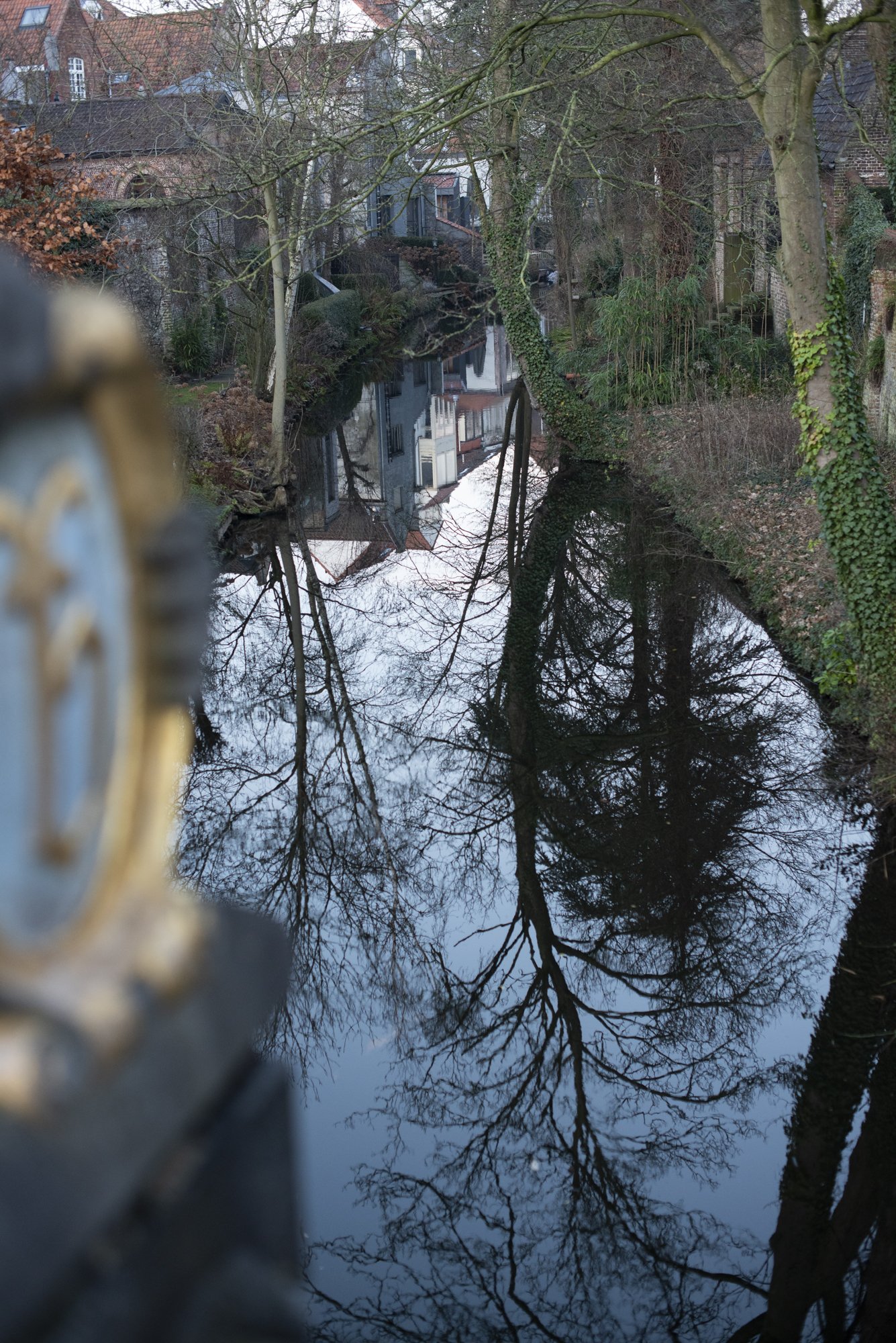
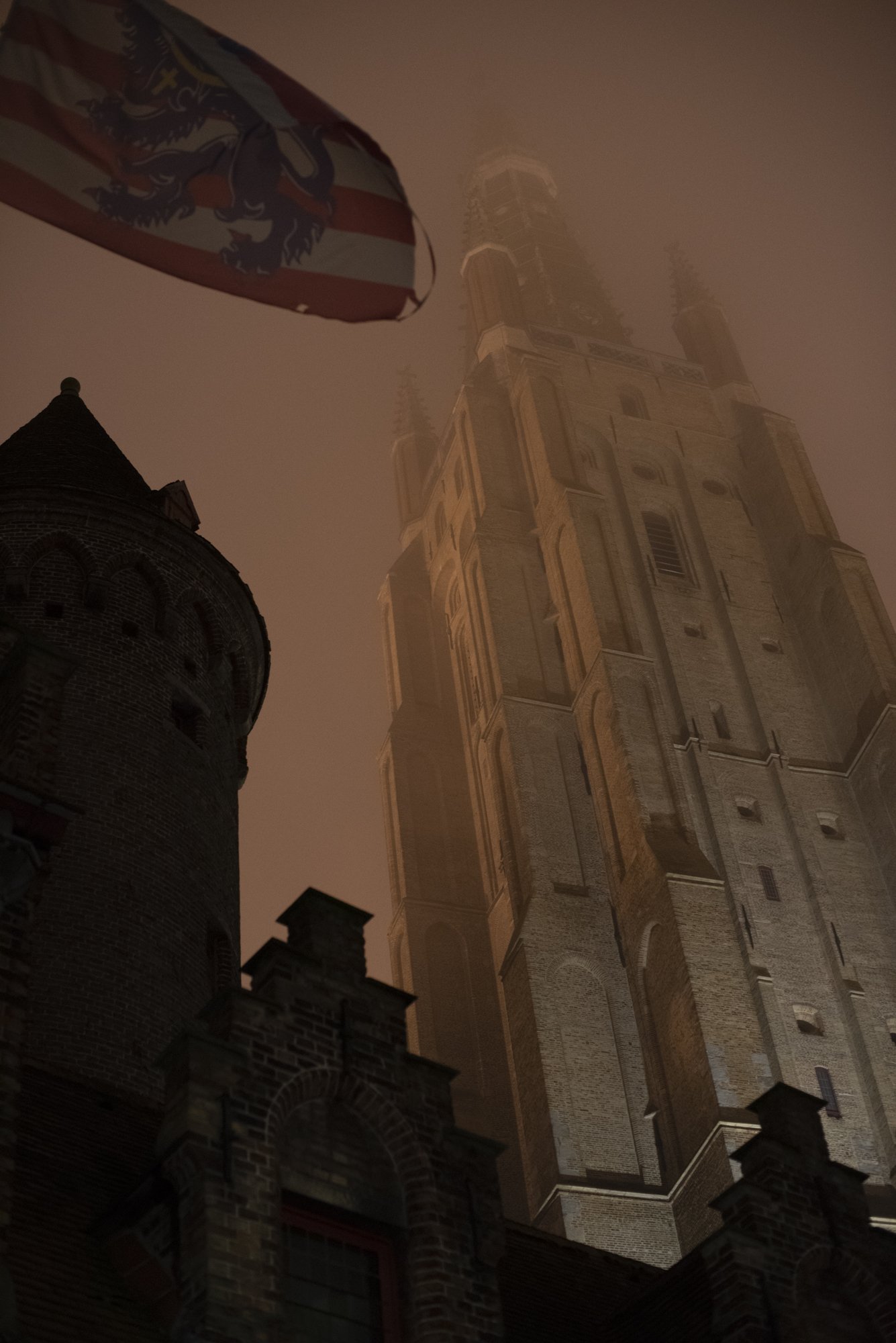
Round two of sharing old work from the archive. One of the positives to come out of COVID is the gratitude we gained for things previously taken for granted. Never would anyone believe that something as simple as eating at their favorite local restaurant would be outlawed for more than a year. For Emily and I, travel is always on the top of the list. There is nothing we enjoy more than aimlessly exploring new places. Doesn’t matter if that “new” is a neighborhood in Southern California or a foreign country. Europe in late December 2019 was our last international trip before the lockdown. The only problem with trips like this is it just stokes the fire for the next one. Which is always a topic of conversation on the long plain ride home. Travel bans almost makes it better because you know there literally isn’t an option of going overseas. 2 years later though, we are itching. And looking through these images only makes it harder, but it will also make us more grateful when we finally do take another trip.

Basketball As A Global Language

Basketball Hoops in Europe

Street Basketball and Public Hoops Across European Countries

Basketball is often thought of as an American game, but travel quickly proves otherwise. While moving through cities and small towns across Europe, I began noticing basketball hoops tucked into courtyards, alleys, schoolyards, and public spaces—quietly integrated into daily life. These photographs document street basketball as it exists beyond professional arenas: worn backboards, improvised courts, and places where the game is played simply because space allows for it. What stood out was both the differences from home and the familiarity—evidence that basketball has become a shared, global language spoken in cities far from where the game began.

Basketball Culture Beyond the United States

By the time these photographs were made, I had already spent years documenting basketball hoops across the United States. That long-term work shaped how I saw the game elsewhere. In Europe, basketball didn’t announce itself with signage or formal courts; it appeared quietly—behind apartment buildings, beside schools, along the edges of public parks. The hoops were often worn, sometimes improvised, and clearly used. These weren’t destinations. They were part of the landscape.

Basketball as a Global Game

Basketball’s simplicity is what allows it to travel. A single hoop can turn almost any space into a court. In Europe, that adaptability felt especially apparent. Courts were smaller, surfaces uneven, and surroundings shaped by centuries of architecture rather than modern planning. Yet the game persisted, fitting itself into whatever space was available.
These photographs aren’t about organized play or competition. They focus instead on the presence of the game itself—how basketball exists even when no one is on the court. In that way, the hoops become markers of cultural exchange, evidence of how a game invented in one country has embedded itself into everyday life far beyond its origins.

What These European Hoops Reveal About Basketball in America

Seeing basketball in Europe reinforced something I had already been observing at home: the game belongs as much to ordinary places as it does to arenas. The same visual patterns repeat—bent rims, weathered backboards, courts shaped by their surroundings rather than by regulation. Basketball adapts to place, but it never loses its identity.

That realization continues to inform my ongoing work documenting basketball hoops across the United States. While the landscapes differ, the impulse behind the game feels universal. Basketball shows up wherever people live their lives, and the hoop often remains long after the players have gone—quiet, functional, and waiting.
An Ongoing Documentary Approach

This body of work exists alongside my long-term project photographing basketball hoops in America, where I continue to focus on rural towns, backyards, alleys, and overlooked spaces. Together, the images form a broader visual study of basketball as part of everyday life—one that crosses borders without losing its meaning.

Rather than treating these European photographs as a separate series, they function as context. They reinforce the idea that basketball isn’t confined to a single country or culture. It’s a shared language, expressed through place, architecture, and the simple presence of a hoop.

View More Global Basketball Hoop Photographs

American Backcourts - A long-term photography project documenting old, handmade, and overlooked basketball hoops found in small towns, rural yards, and quiet neighborhoods across the United States.

Vietnam Hoops - A photographic exploration of basketball hoops across Europe, where the game blends into historic streets, housing blocks, and everyday public spaces.

Venice Beach - A vibrant look at basketball culture in Venice Beach, California, where color, creativity, and public courts collide in one of the most iconic basketball environments in the world.

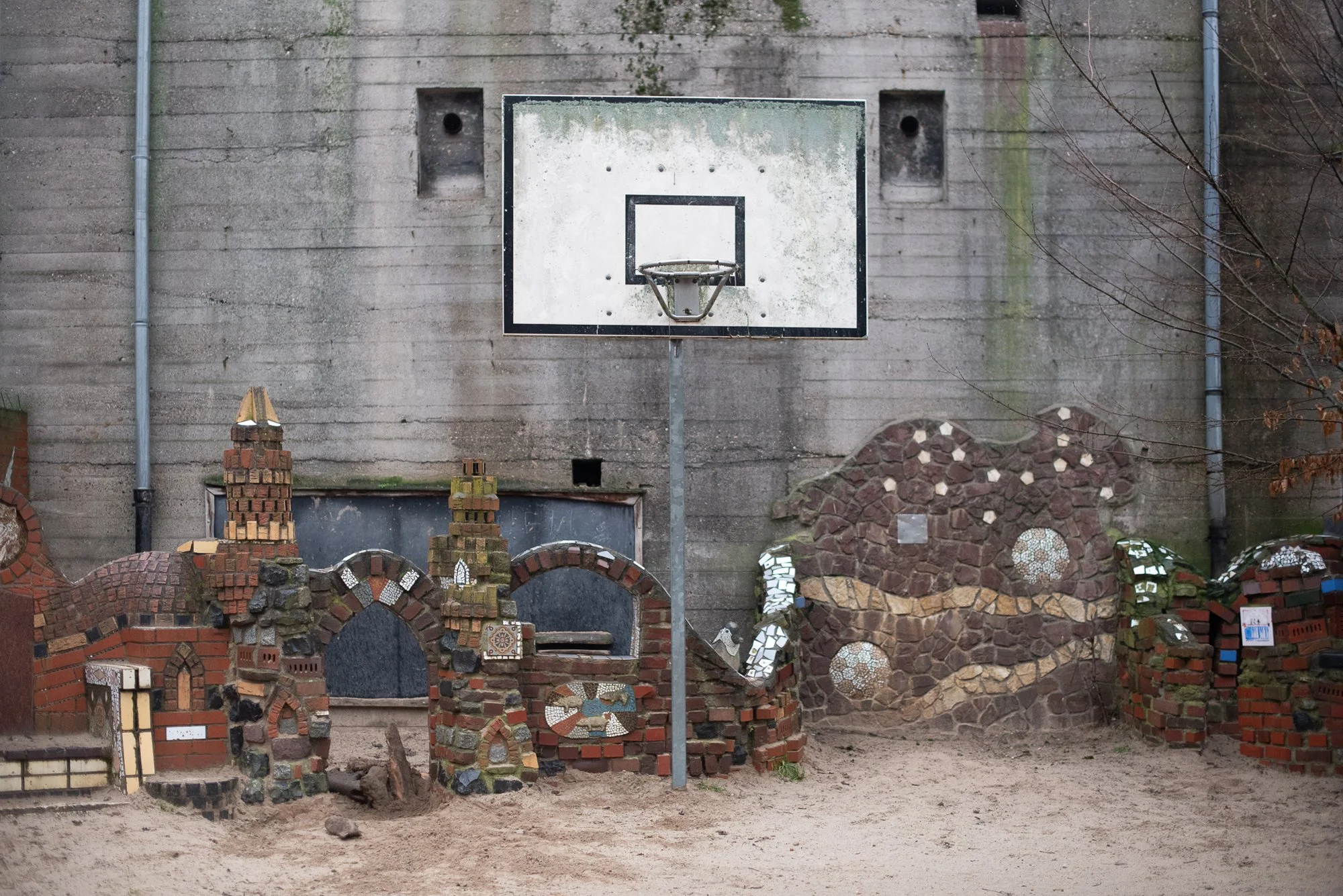
Outdoor basketball hoop on a metal pole set in front of a mosaic brick wall on a European courtyard court.

A basketball hoop stands in a small courtyard, framed by handmade brick and stone mosaics that blend public art and everyday basketball culture

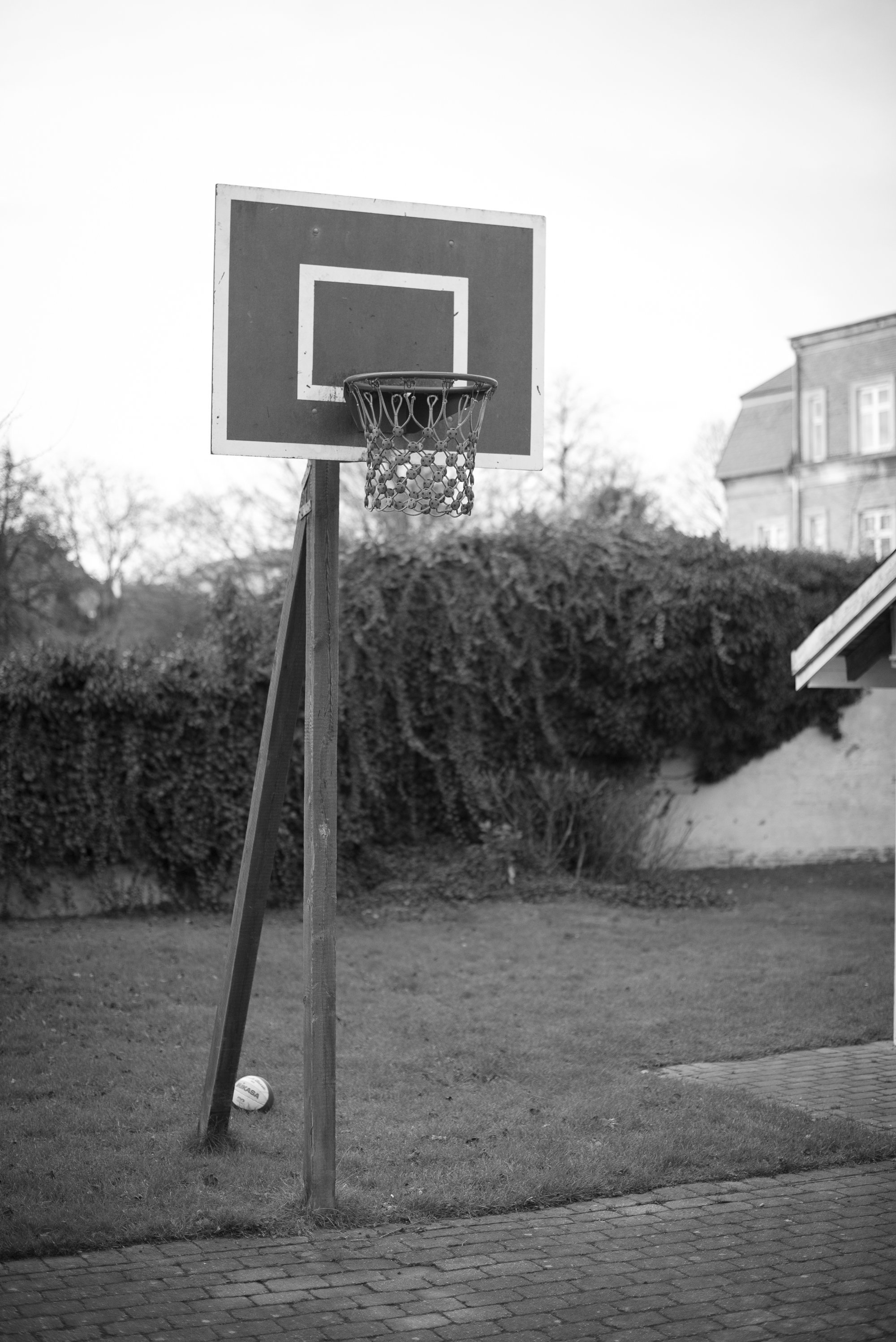
Black and white photograph of a residential basketball hoop set on a small outdoor court in Europe.

A lone basketball hoop in a residential setting, photographed in black and white, highlighting the quieter side of European basketball culture.

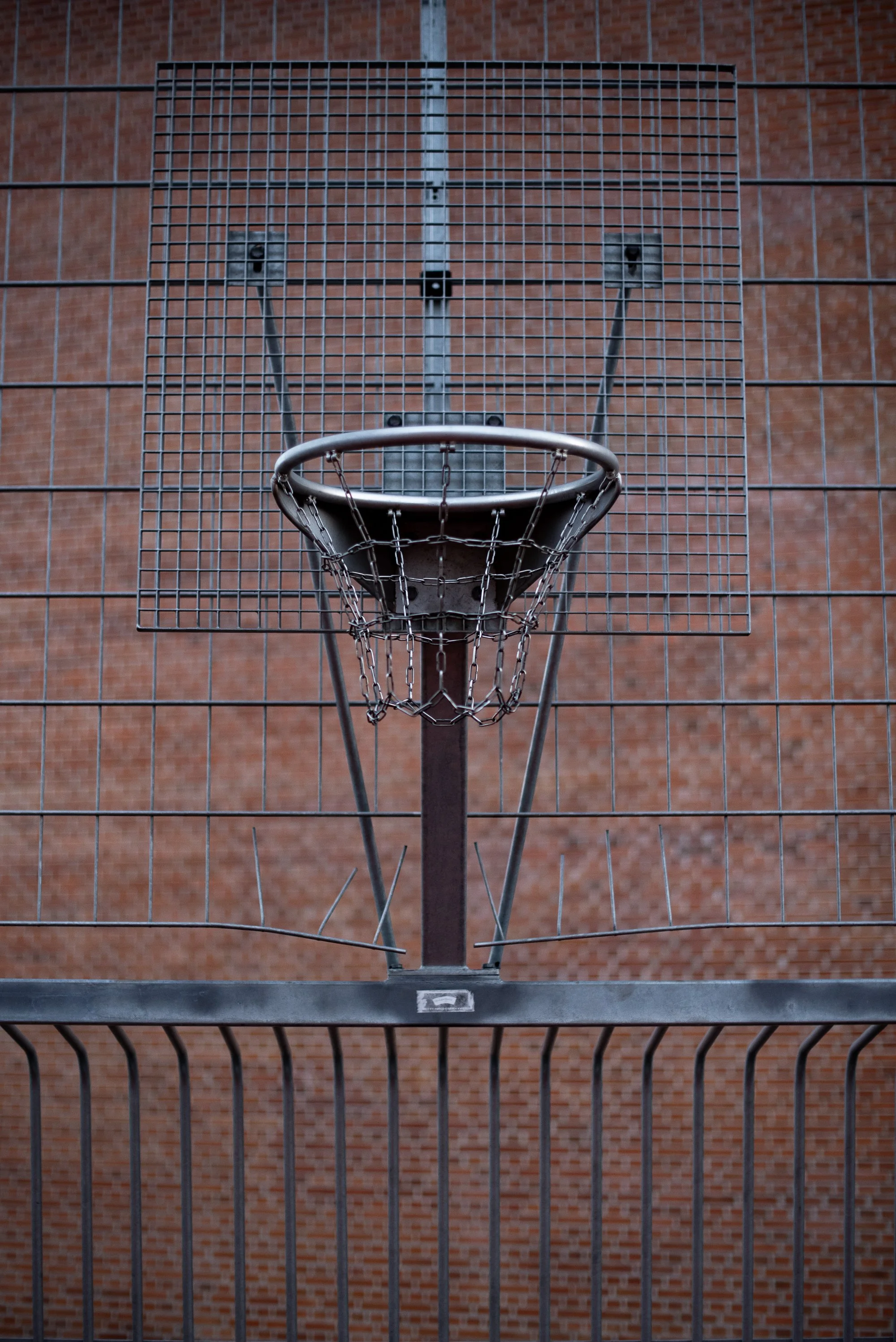
Chain-net basketball hoop mounted on a pole in front of a brick wall on a European outdoor court.

A chain-net basketball hoop centered against a brick backdrop, highlighting durability and utility in European public courts.

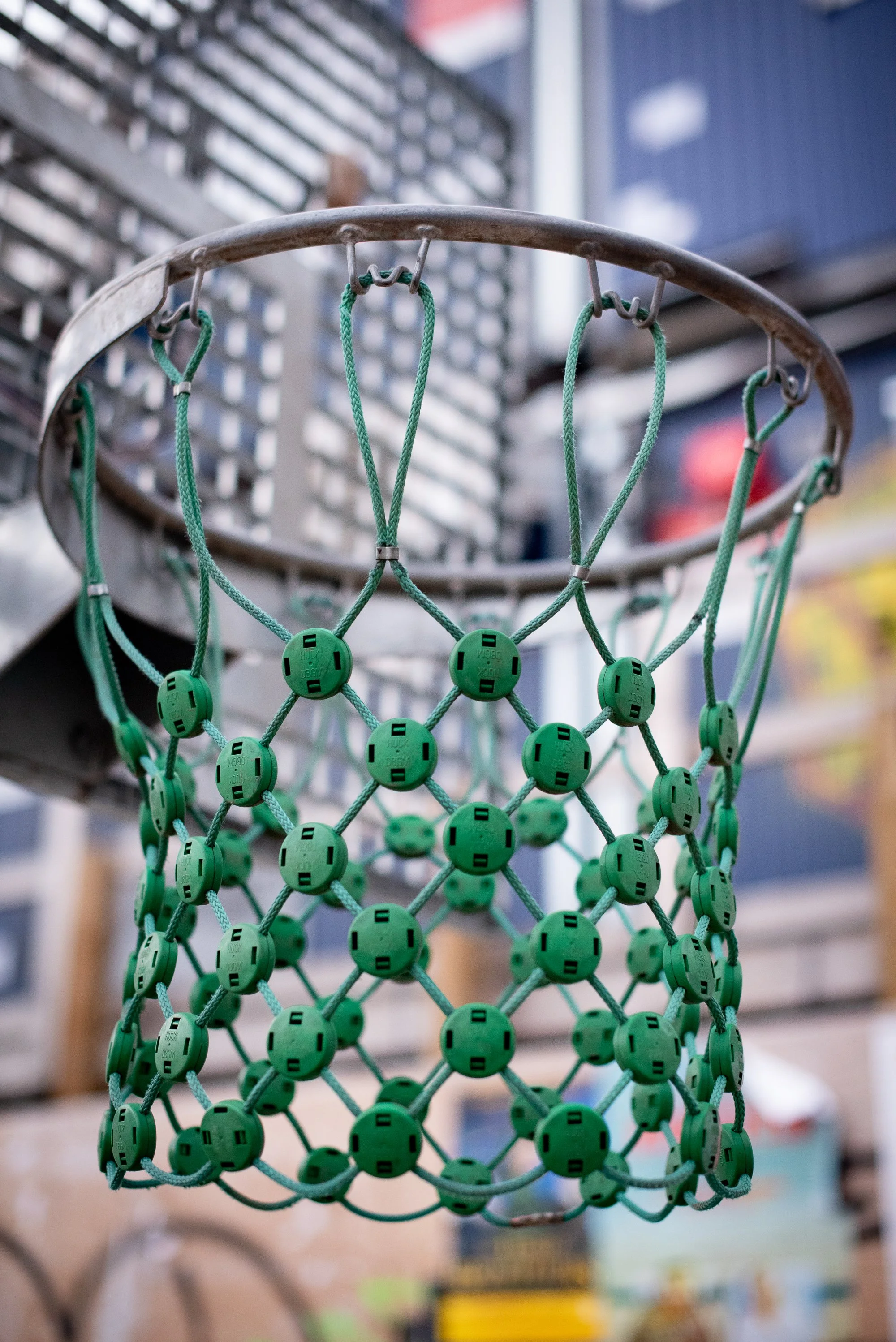
Close view of a basketball hoop with a green net on an outdoor European court, photographed against an urban background.

A brightly colored basketball net hangs from an outdoor hoop, emphasizing the visual details that define everyday basketball culture in European cities.

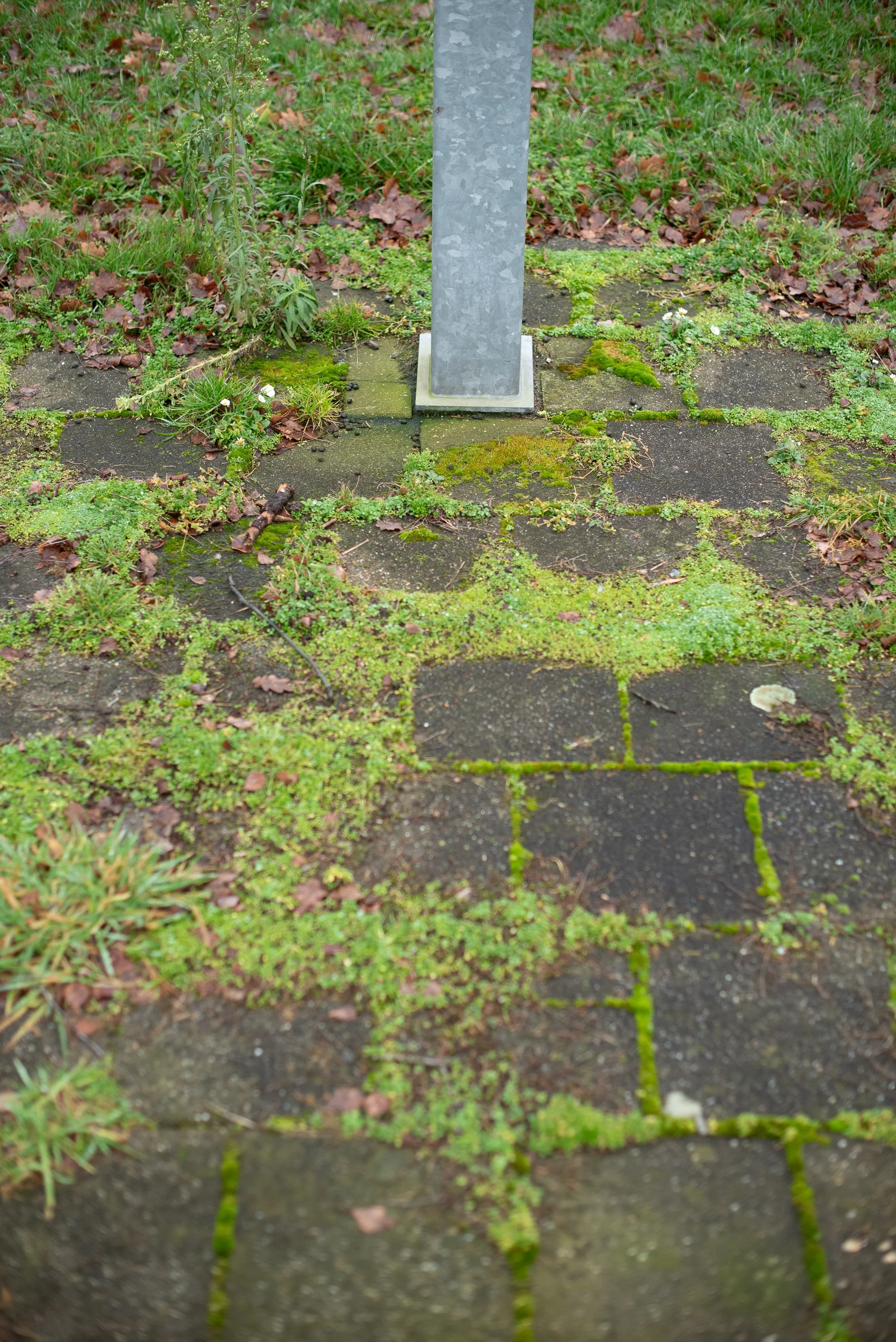
Close-up of a basketball hoop pole anchored into moss-covered stone on an outdoor European court.

Detail of a basketball hoop’s base, where metal, stone, and moss reveal the slow passage of time on an outdoor European court.

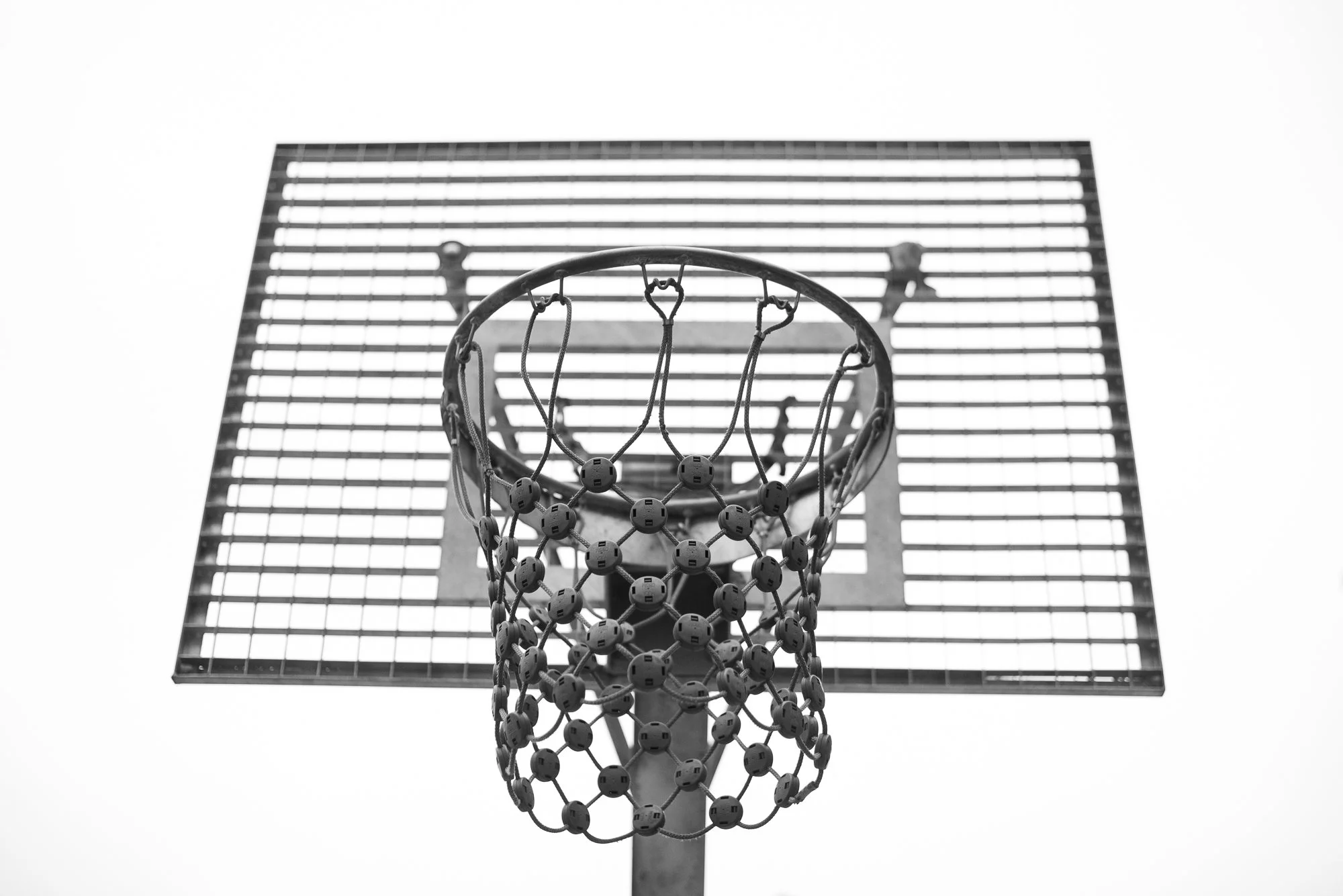
Black and white photograph of an outdoor basketball hoop and net on a European public court.

A straightforward view of an outdoor basketball hoop, photographed in black and white to focus on form, structure, and balance.

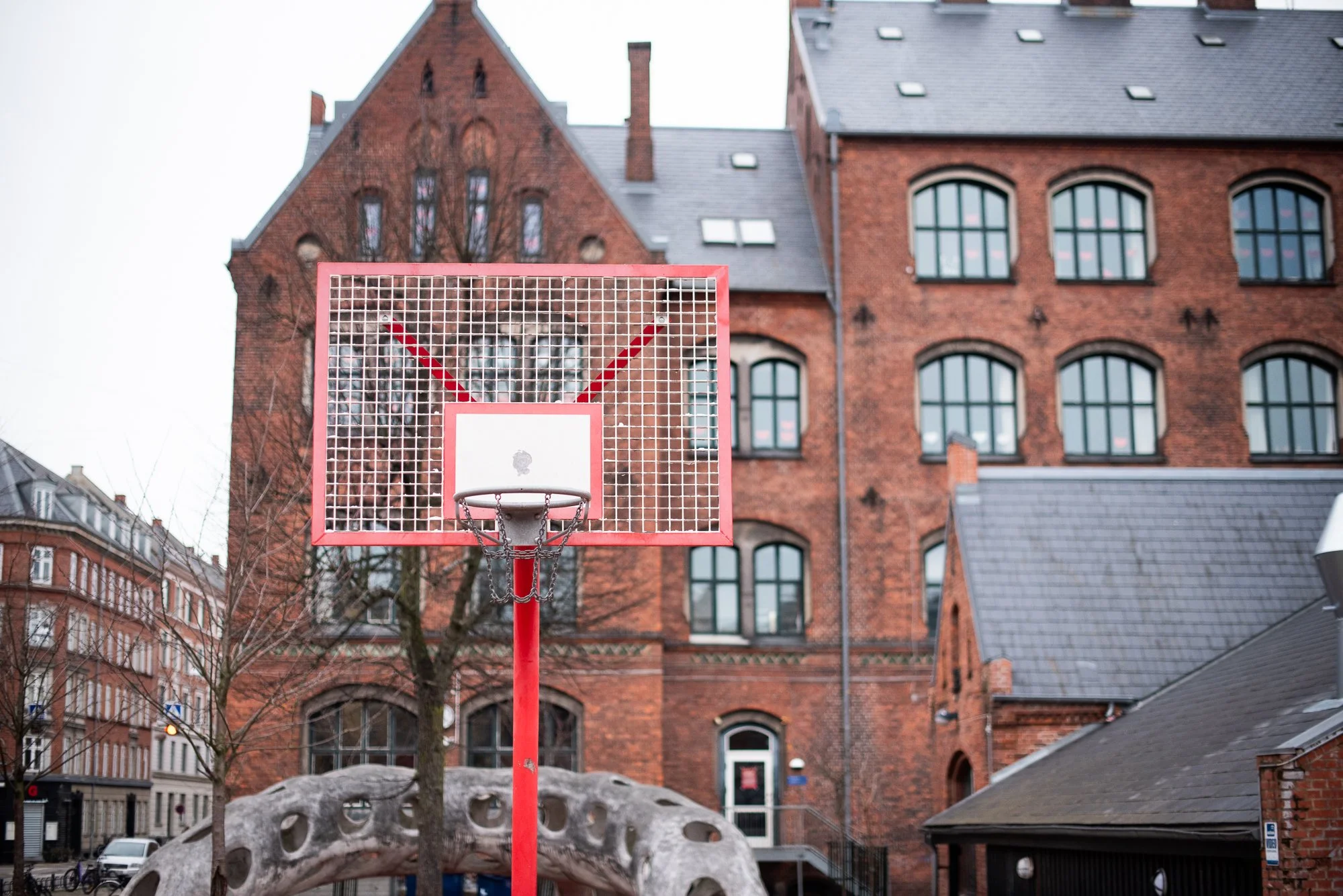
Outdoor basketball hoop with a red backboard set in front of a historic brick building in Europe.

A red basketball backboard stands out against brick architecture, showing how outdoor courts are embedded within everyday European neighborhoods.

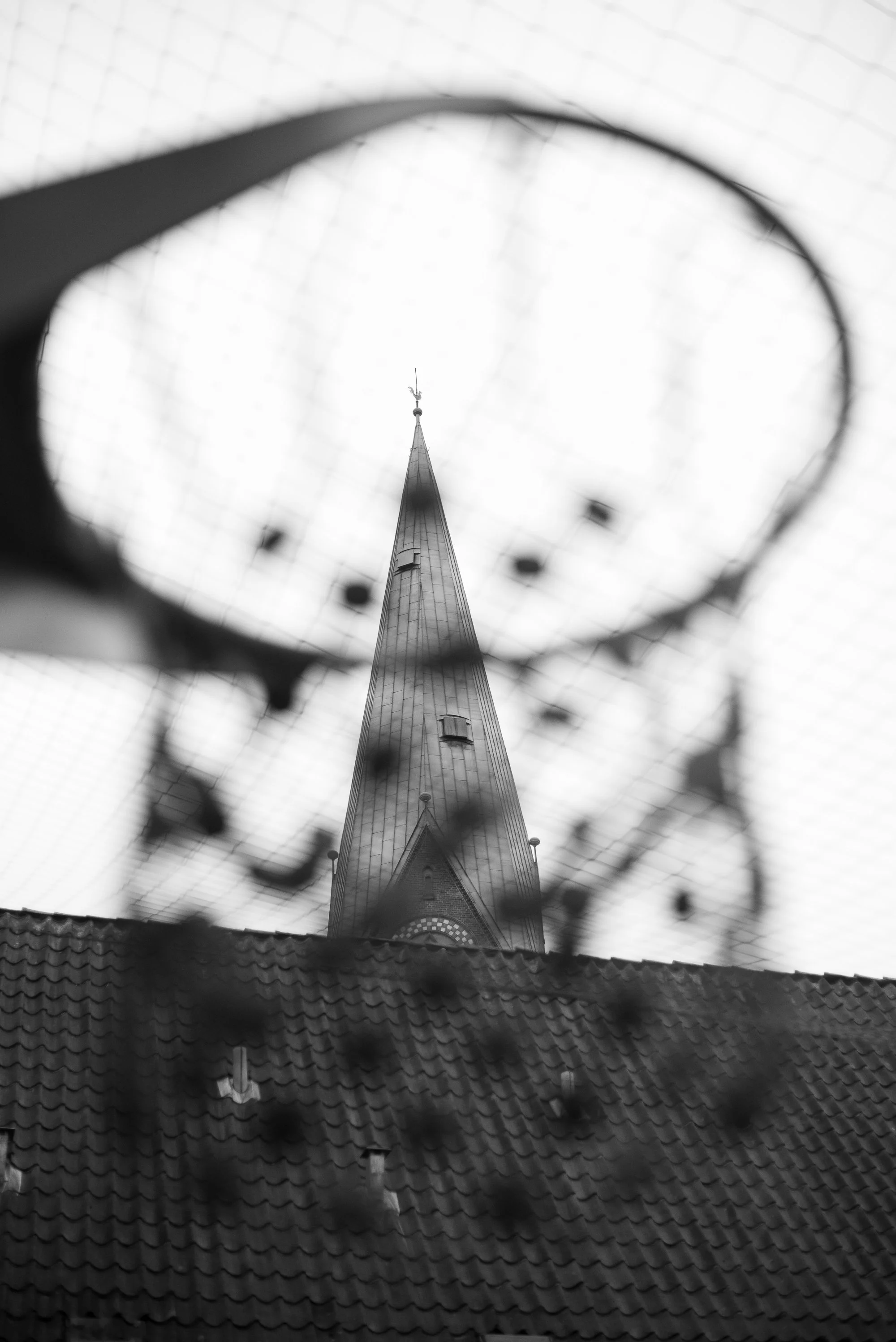
Black and white photograph of a church steeple framed through a basketball hoop on a European outdoor court.

Seen through the rim of a basketball hoop, a church steeple rises in the background, placing the game within the architectural fabric of a European town.

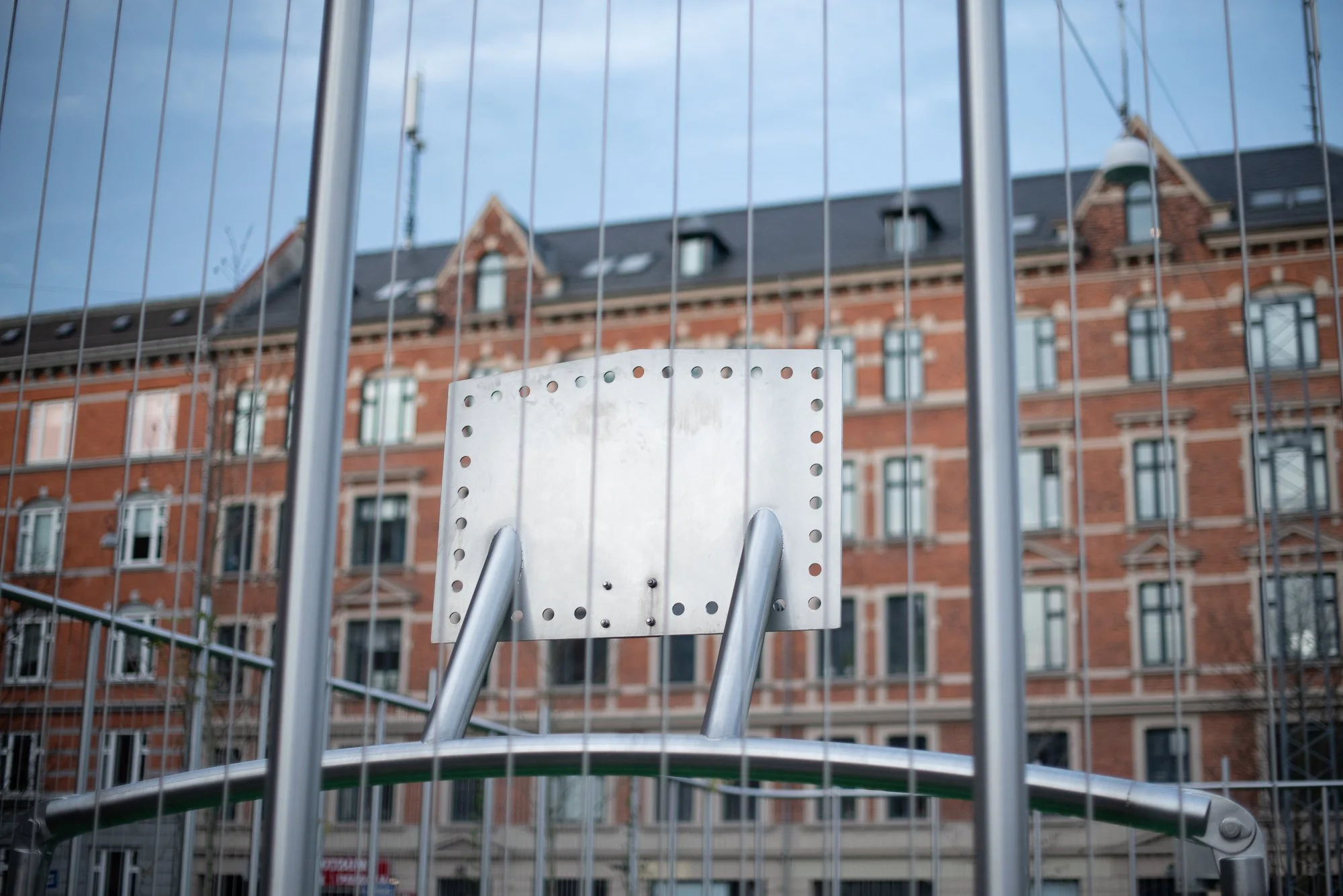
Outdoor basketball backboard photographed behind protective fencing on a European urban court.

A metal basketball backboard seen through fencing, reflecting the layered infrastructure common to many public courts across Europe.

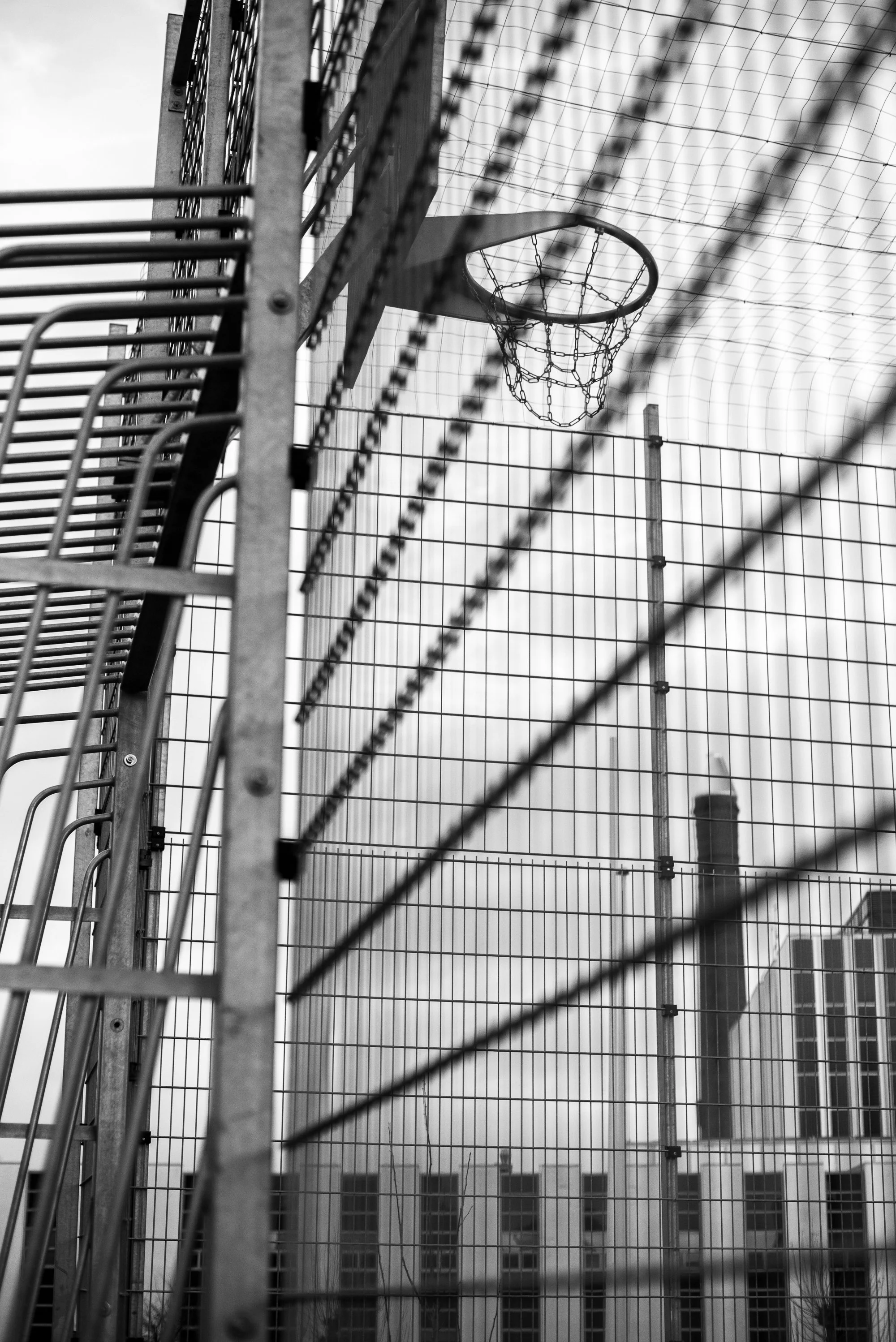
Black and white photograph of a basketball hoop viewed through fencing on an outdoor European court.

Viewed through layers of fencing, an outdoor basketball hoop emphasizes access, separation, and the realities of shared public space.

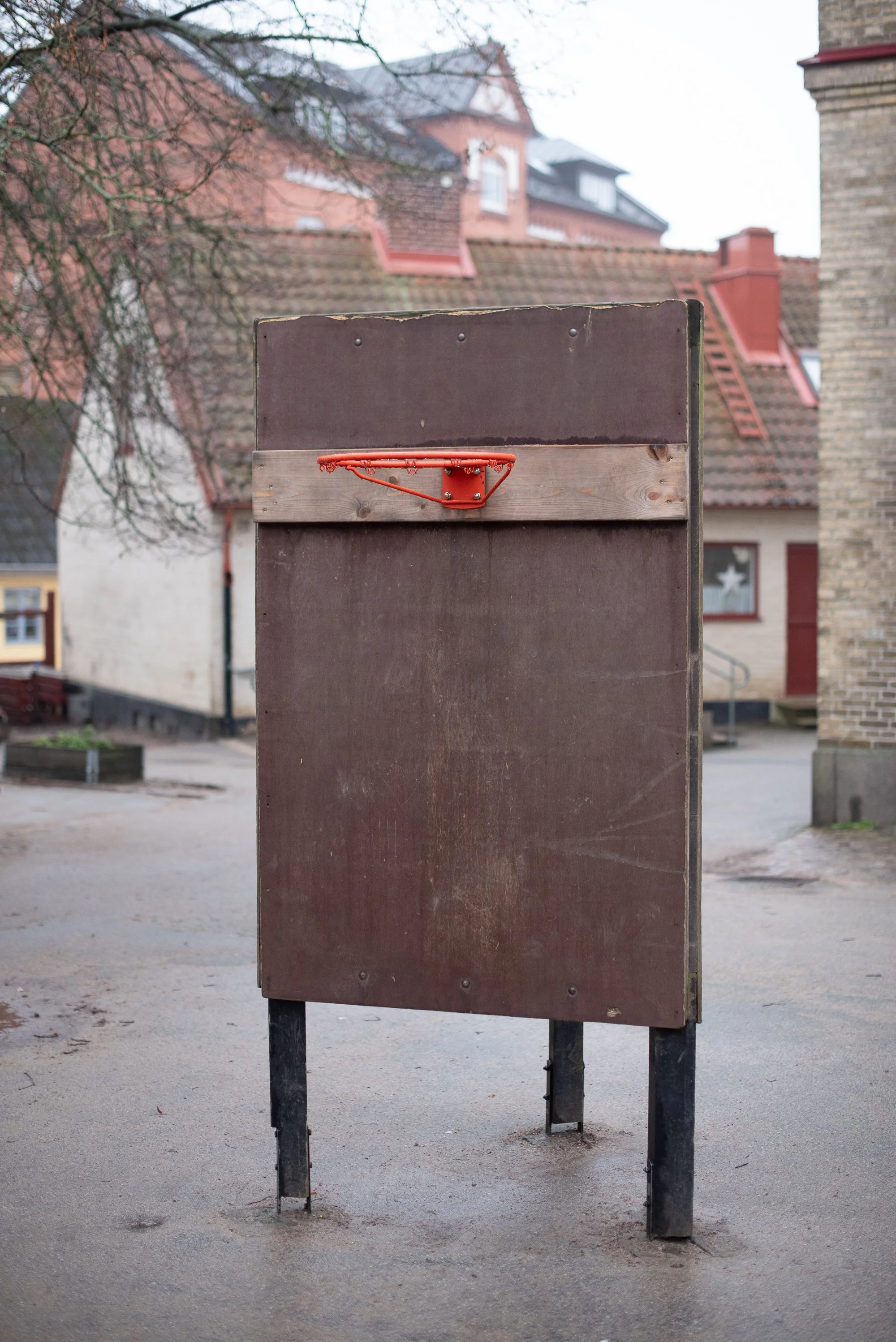
Handmade wooden basketball backboard with an orange rim photographed in a European residential setting.

A handmade wooden backboard with a bright orange rim highlights the improvised, personal nature of informal basketball spaces.

Outdoor basketball hoop photographed at dusk behind fencing on a European public court.

A basketball hoop at dusk, surrounded by fencing, captures the subdued atmosphere of an outdoor European court after daylight fades.

Outdoor basketball hoop on a quiet European court with moss-covered paving stones and surrounding trees.

A solitary basketball hoop sits on a moss-covered outdoor court, reflecting the quieter, weathered character of many European public playing spaces.

Outdoor basketball hoop with a chain net set against an urban building facade in Europe.

A chain-net hoop framed by city windows, underscoring how basketball courts exist within dense European urban environments.

American Photography

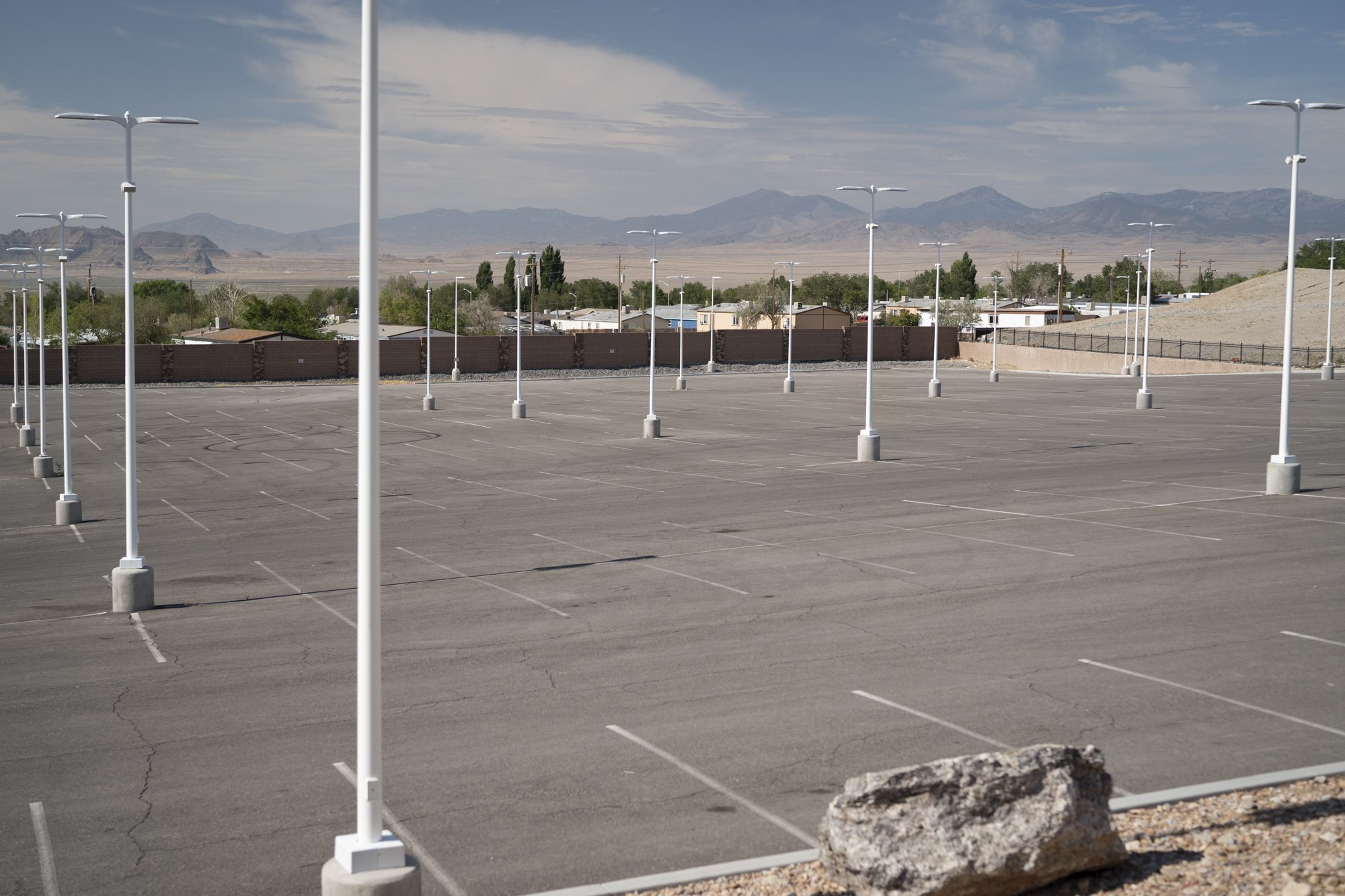
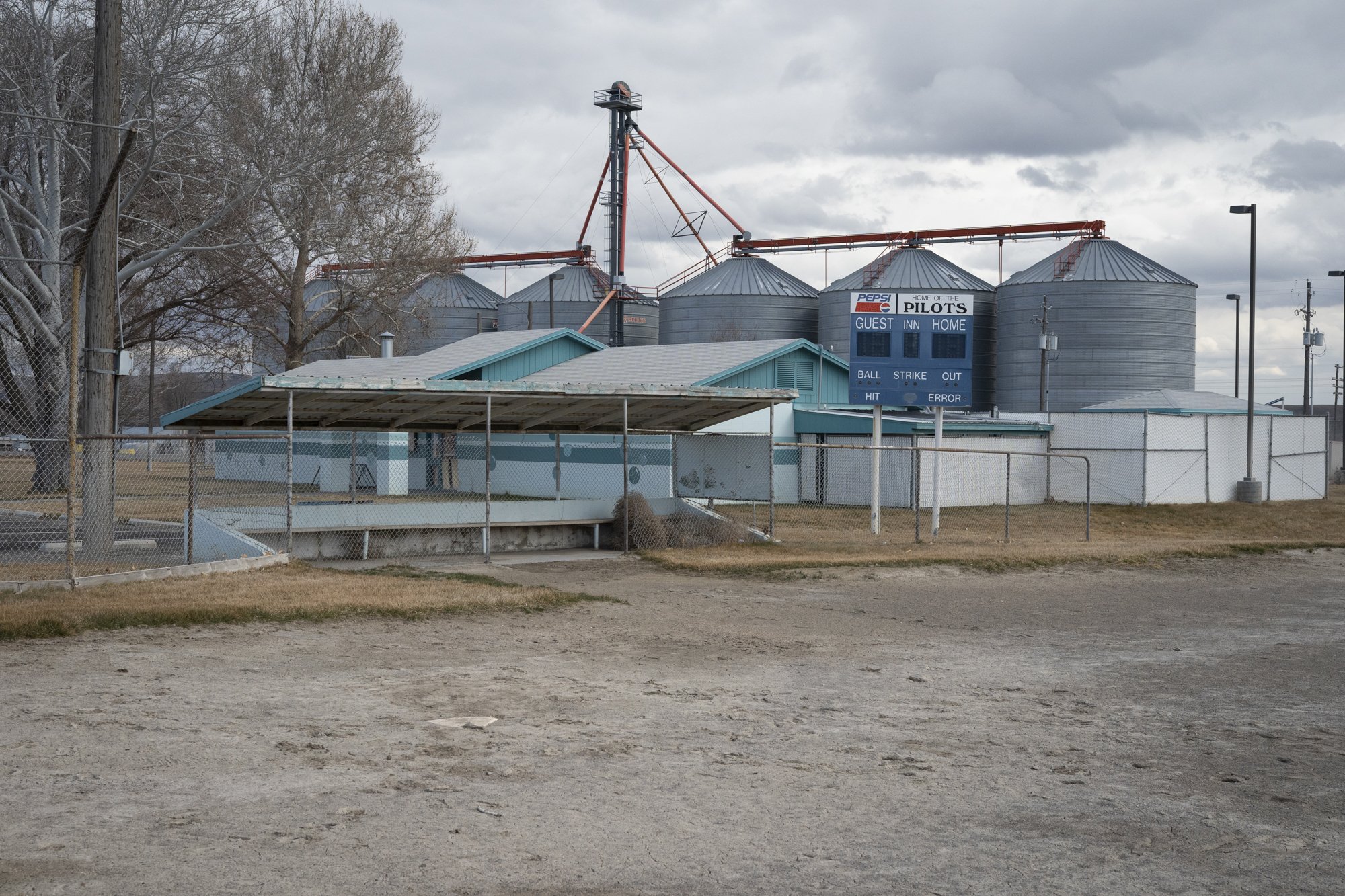
Some frames from the last road trip up to Idaho and back. Seems like I’m always saying “______ is my new favorite place” and I can’t help that because I love this country so much. For now though, Nevada is becoming that new favorite place.

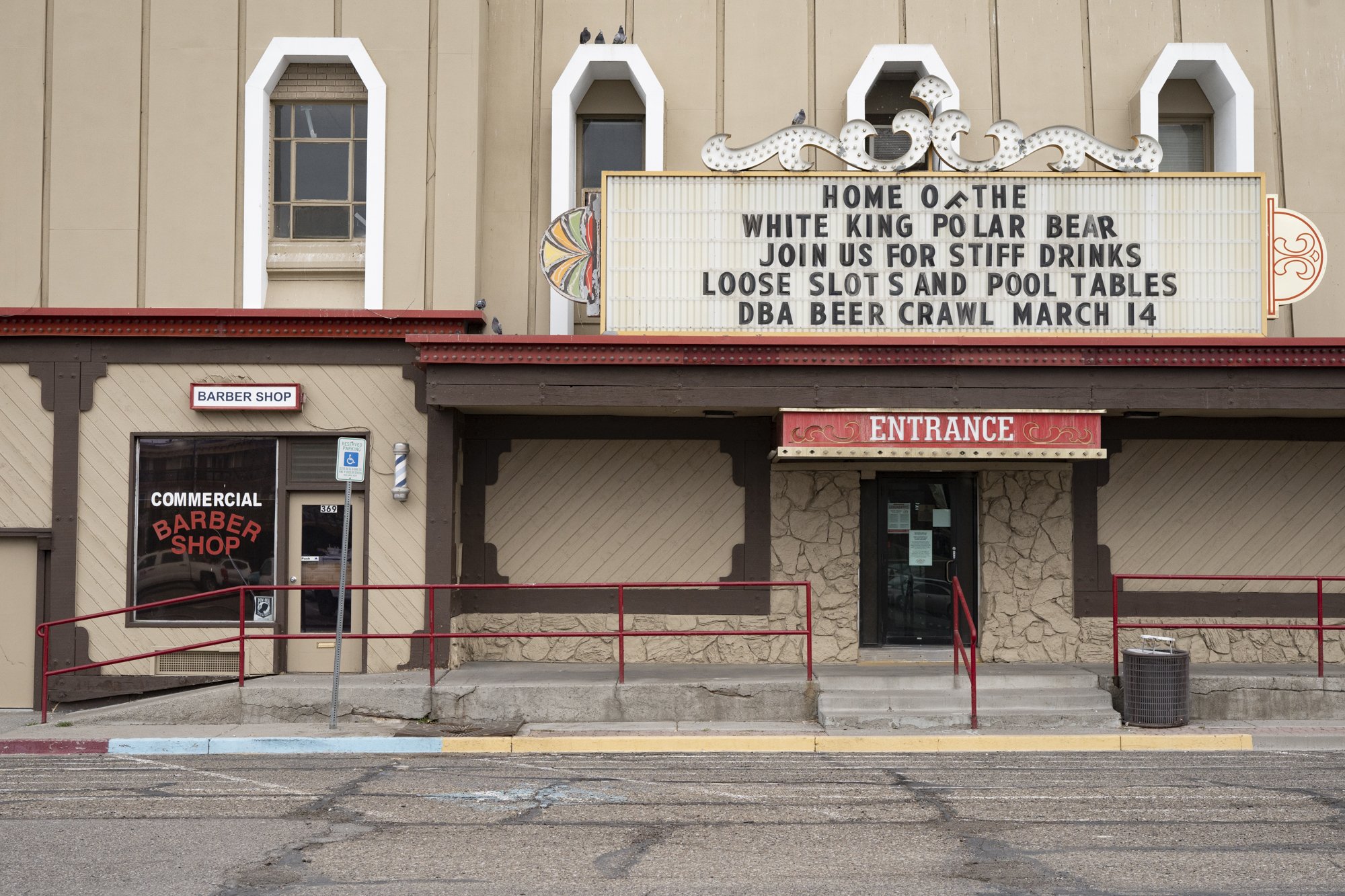
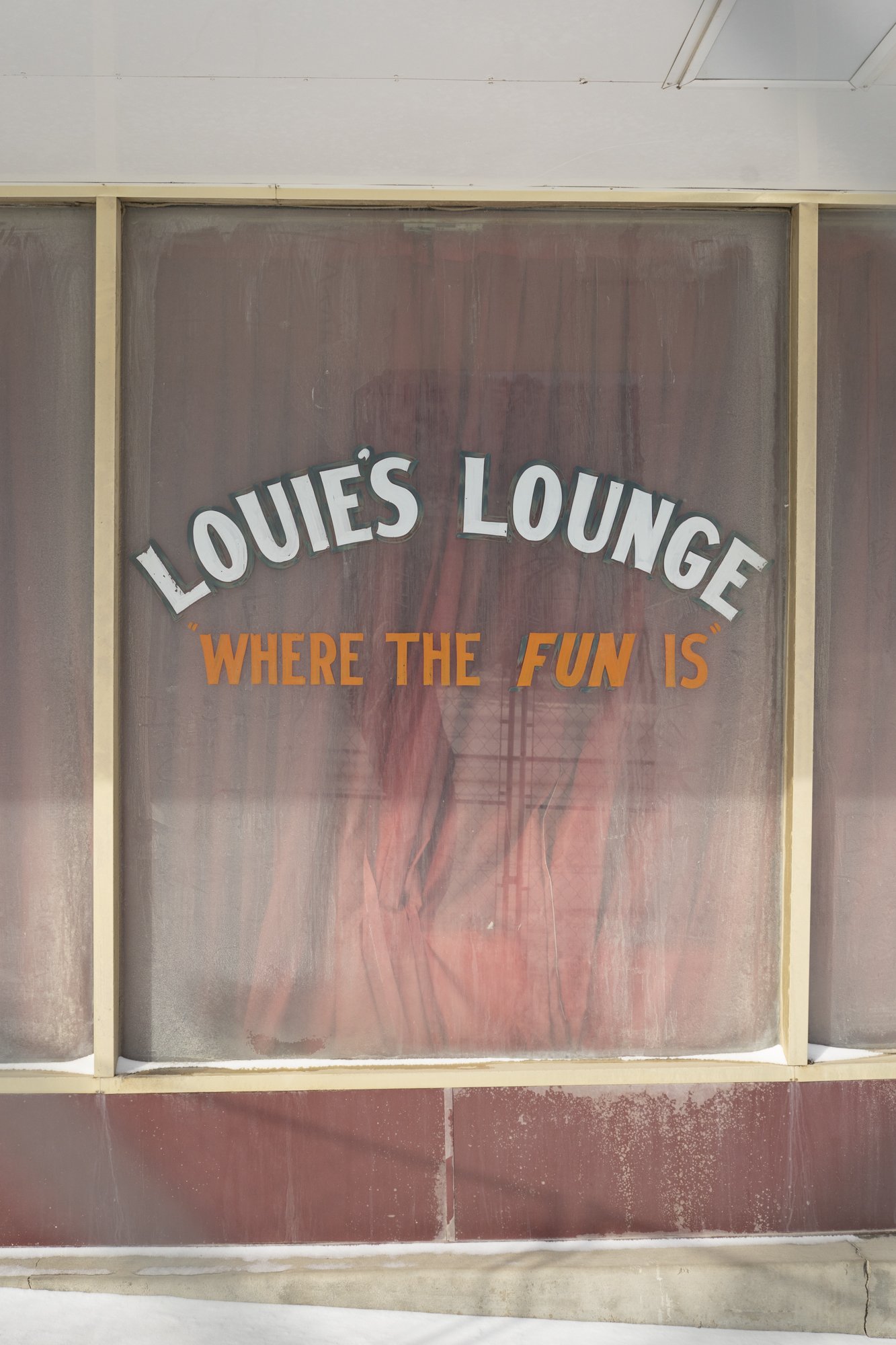
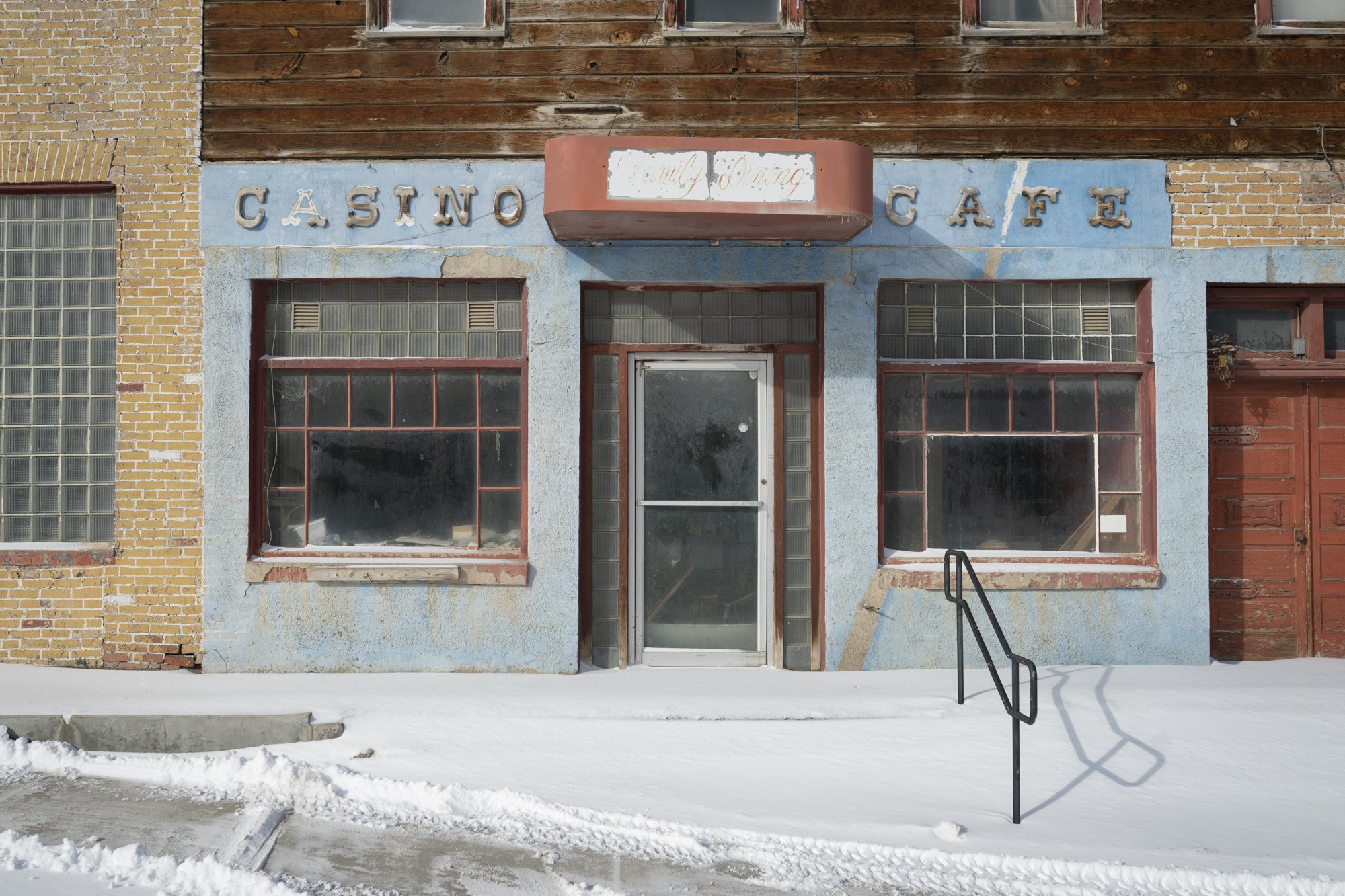
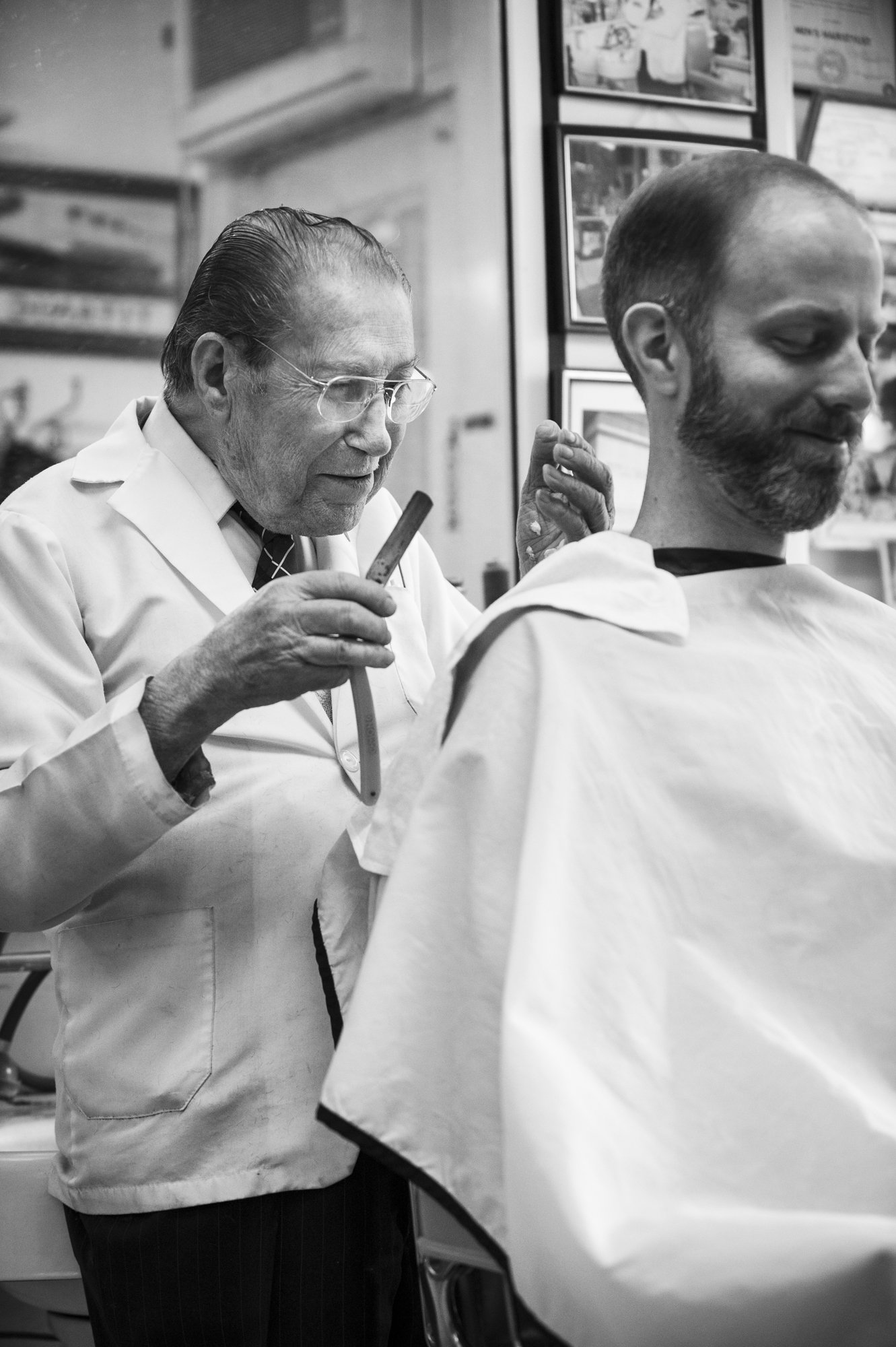
Looking at this set of images is interesting because they all fit into the different major ongoing series that have taken shape over the last few years. “American” , “Hotels” , “Barbershops of America”, and the latest “Roadside Meditations” which comes out in June. Only one missing is “American Backcourts”. None of these images were intentional. I didn’t set out with the thought to add to those series, it just happens. Grateful for that.

Click here to see more of my American Road Trip Photography

Fausto Ferrari Barbershop

Traditional Barbershop - Cincinnati, Ohio

It’s crazy what BBQ can bring into your life besides good times and a happy belly. There are countless images made on the road that have been a direct result of my love for smoked meat. In December 2013 I was cruising around downtown Cincinnati in a huge snowstorm when a (meat) smoker caught my eye in front a non-descript store front. If it weren’t for the huge plums of smoke coming from it I would have went right on by. Luckily it was about the only form of life on those empty streets that day. So I stopped for some food which happened to be next door to a beautiful old barbershop, which at the time, was closed despite the listed hours stating it should be open. I remember asking the owner of the bbq joint about the barber - “Good luck. That guy comes and goes whenever he wants to. Who knows when he’ll be back.” I had to take a gamble though, hoping he would indeed be cutting the following day. After spending the night I showed up at his stated “opening” time, but there was no sign of the barber. So I sat in my car wondering if he would show. Quite some time after, he did.

Over the past 10 years of working on this project I’ve encountered an almost endless list of characters. Mr. Fausto Ferrari is at or near the top of them all. Despite being in this country some 50+ years, he still spoke very broken English, so our conversations were fun to dissect. One of his long time customers came in shortly after he arrived and it was obvious that they had quite the history together. Halfway through the cut Fausto went into the back room . The man in the chair could see how much I enjoyed the barbers antics and said “I keep a file on my computer of all the stories he tells me”. Fausto was entertaining on his own, but watching the two of them was a gift. The kind of chemistry that can only happen between old friends. They carried effortless conversations that were often interrupted by the barber abruptly saying “Seeeñññoooooorrr” and the man in the seat volleying back with a smile “Faaaauuuussstooo”. Then the conversation would continue like it never stopped until the next volley. A special interaction that I was luck to witness.

Señor Fausto recently passed away after 94 years. A beautiful ride that any of us would be luck to match. Rest in Power Mr. Ferrari. Cincinnati will miss you.

Click here to grab a copy of Barbershops of America

Photo was made on 12/7/13

American Portraits

American Portrait Photography

Road Trip - Americana - Culture

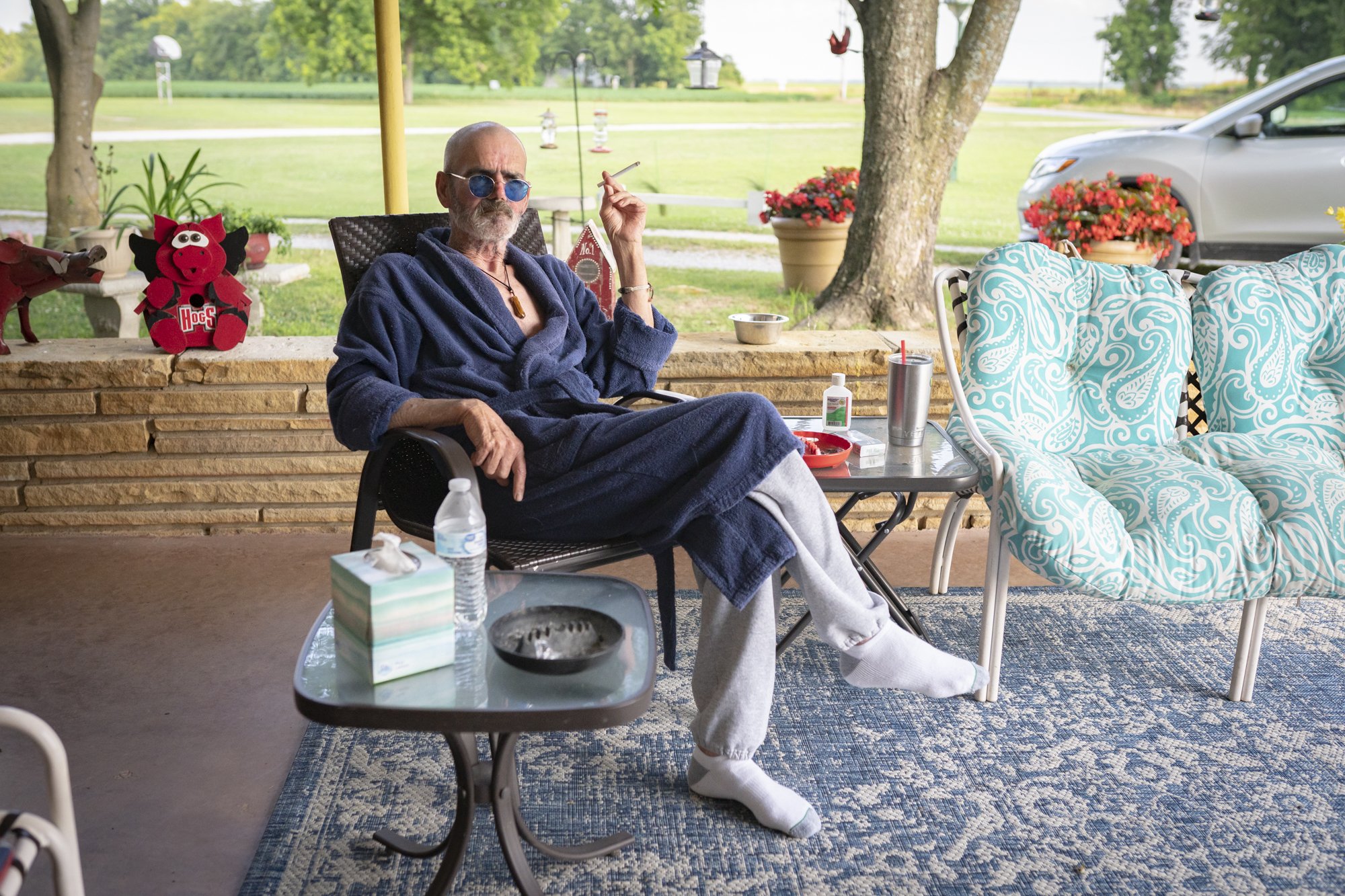
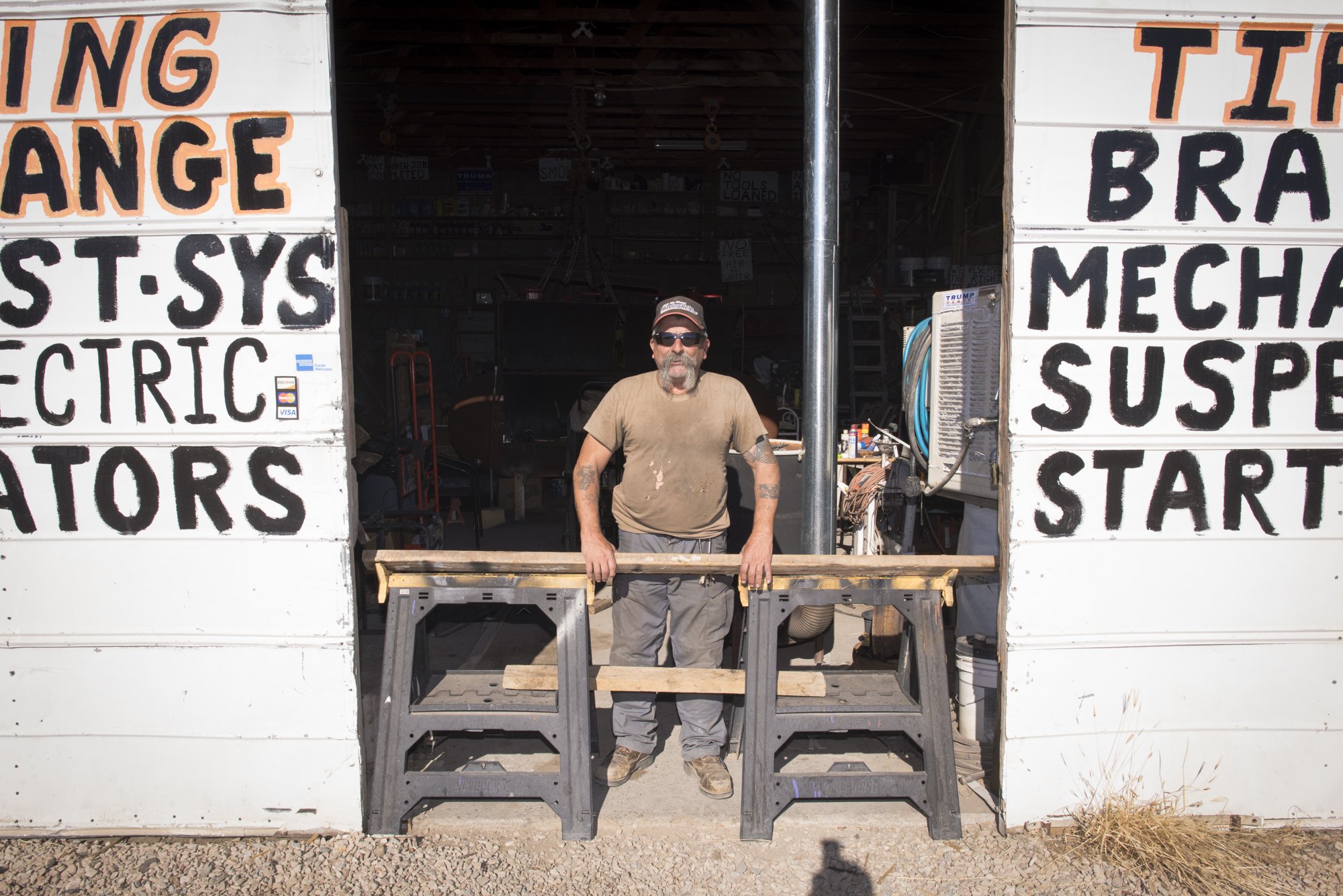
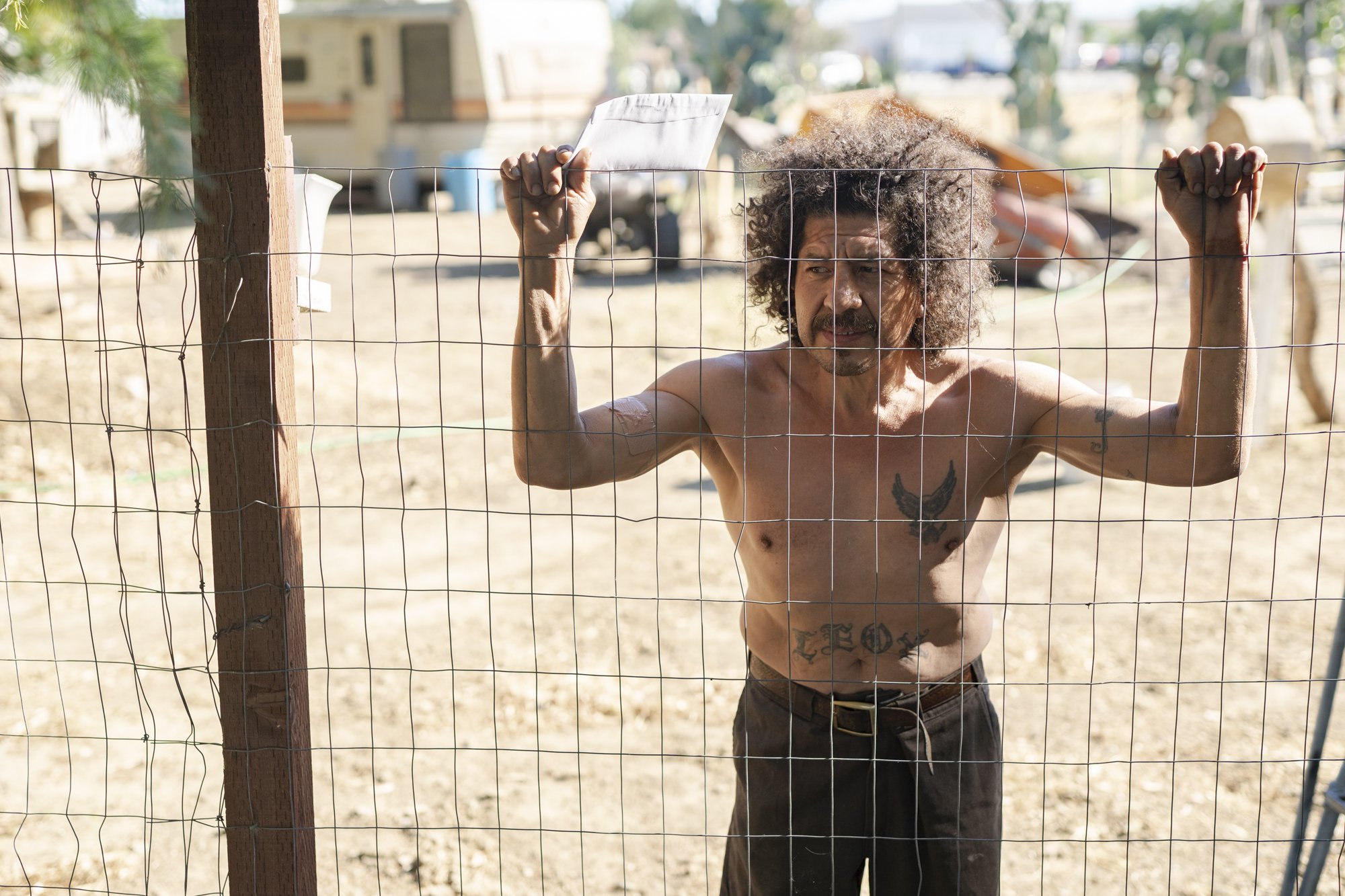
It’s really interesting to look at what you do and don’t shoot over a long period of time. Way back when I first got going it was only people. That’s all I would shoot. Then at some point drifted away from that to basketball hoops and people-less places in small towns. It was never a conscious decision, but it happened. It was a conscious decision to start again however. Not sure why, although it occurred to me that subconsciously I was missing human interaction from COVID? Don’t know. Either way, it’s a plus. I love America so much. And just this second as I’m typing, a commercial comes to mind of John Cena saying “To Love America, is to love all Americans”. While that’s not a reality for most, it’s true. And talking to people from all over this country can teach you so much, about people, and the country. One of my favorite things in the world is being on an empty road for long periods of time, but nothing can replace the interaction between someone that lives, thinks, and believes in things opposite of yourself. It’s also an opportunity to give. To help change a person’s mind about a possible misconception they have of “people from California”, which as I’ve found out is not a liked stated.

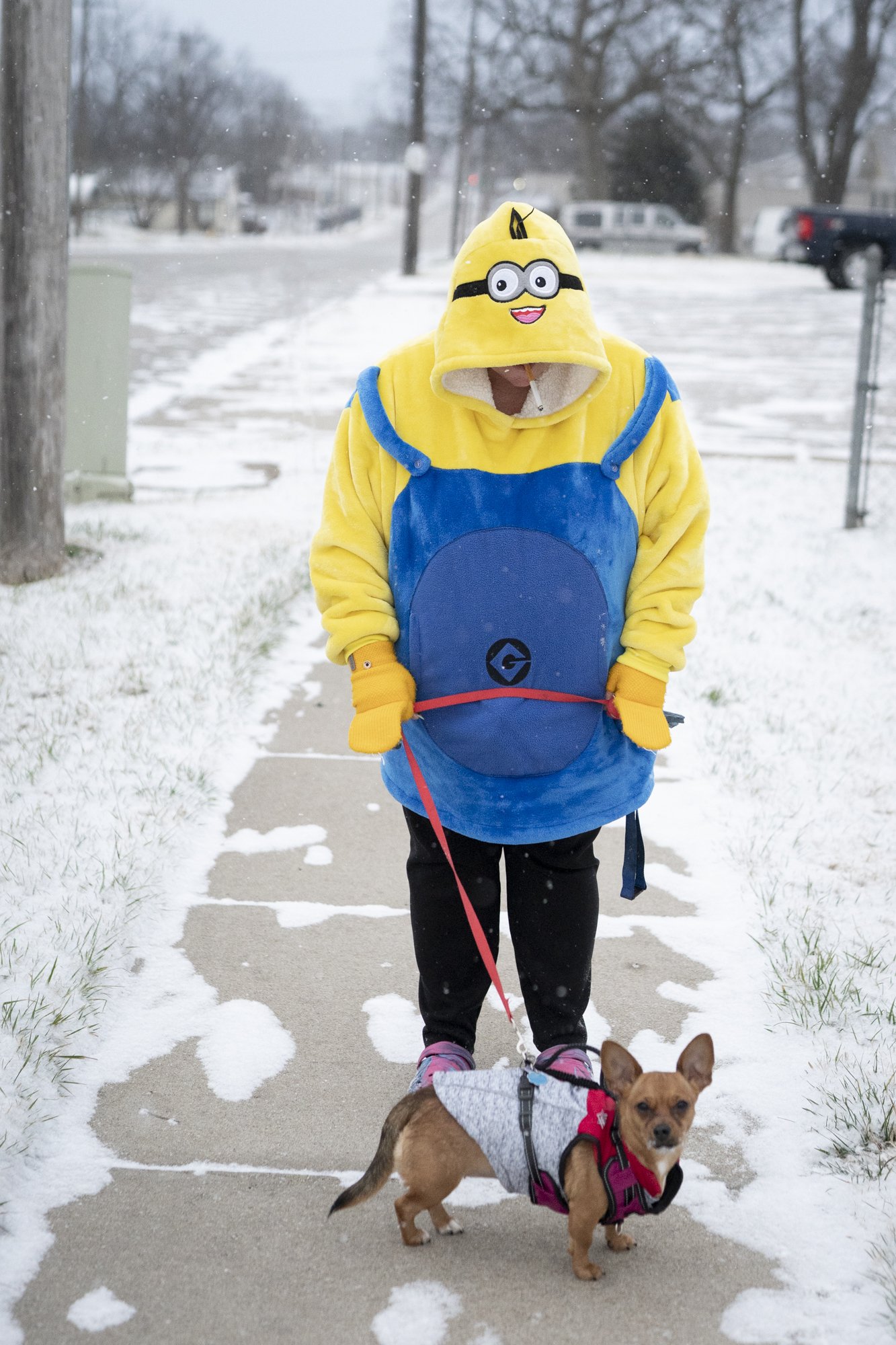
On a photography related topic, you also learn a lot from what you can’t have. The first shot here of the woman in the Minion coat was made about 7:00am while she was out walking her dog/smoking a cigarette. Her response to being asked for a picture was “as long as my face isn’t in it”. That frustrated the hell out of me. What good will this portrait be without her face ? Then she put her head down and the Minion eyes/mouth appeared and solved the whole problem. And on top of that you can still see the cigarette sticking out. So the result wound up being way better than the image I originally set out to make.

On The Road Again

Winters are typically when I spend the most time on the road to get as much snowboarding in as possible. This has been a very dry year for snow but that hasn’t kept the miles off at all. The better part of the last 30 days was on the road for two different trips filled with a weekend getaway to Tahoe for Emily and I, a commercial shoot, two editorial shoots, personal shooting (of course), and a “ski” trip with old friends in Sun Valley, Idaho that turned into a fly fishing trip due to the severe lack of snow. More on all this later.

Click HERE to see some of my road trip photography

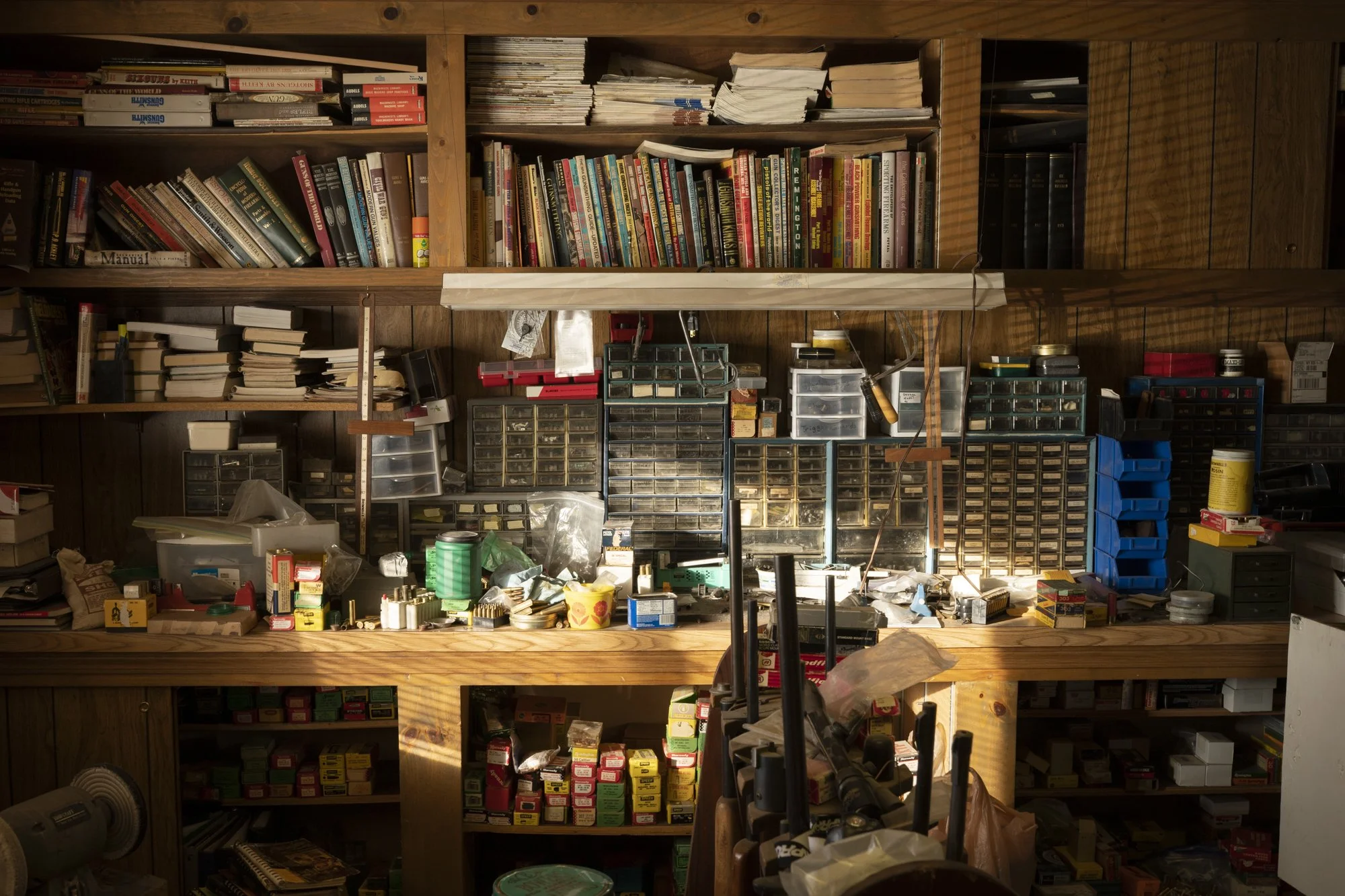
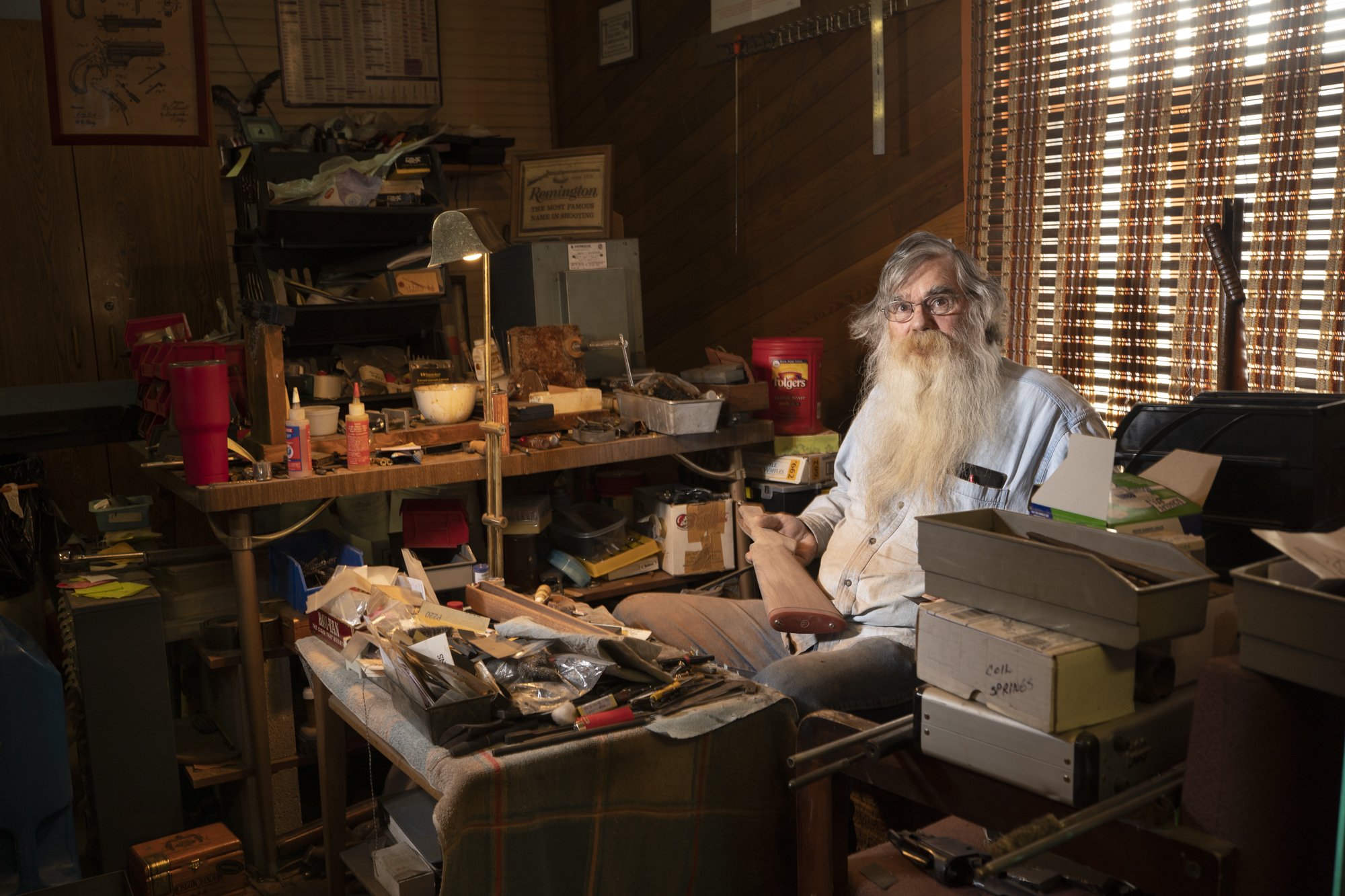
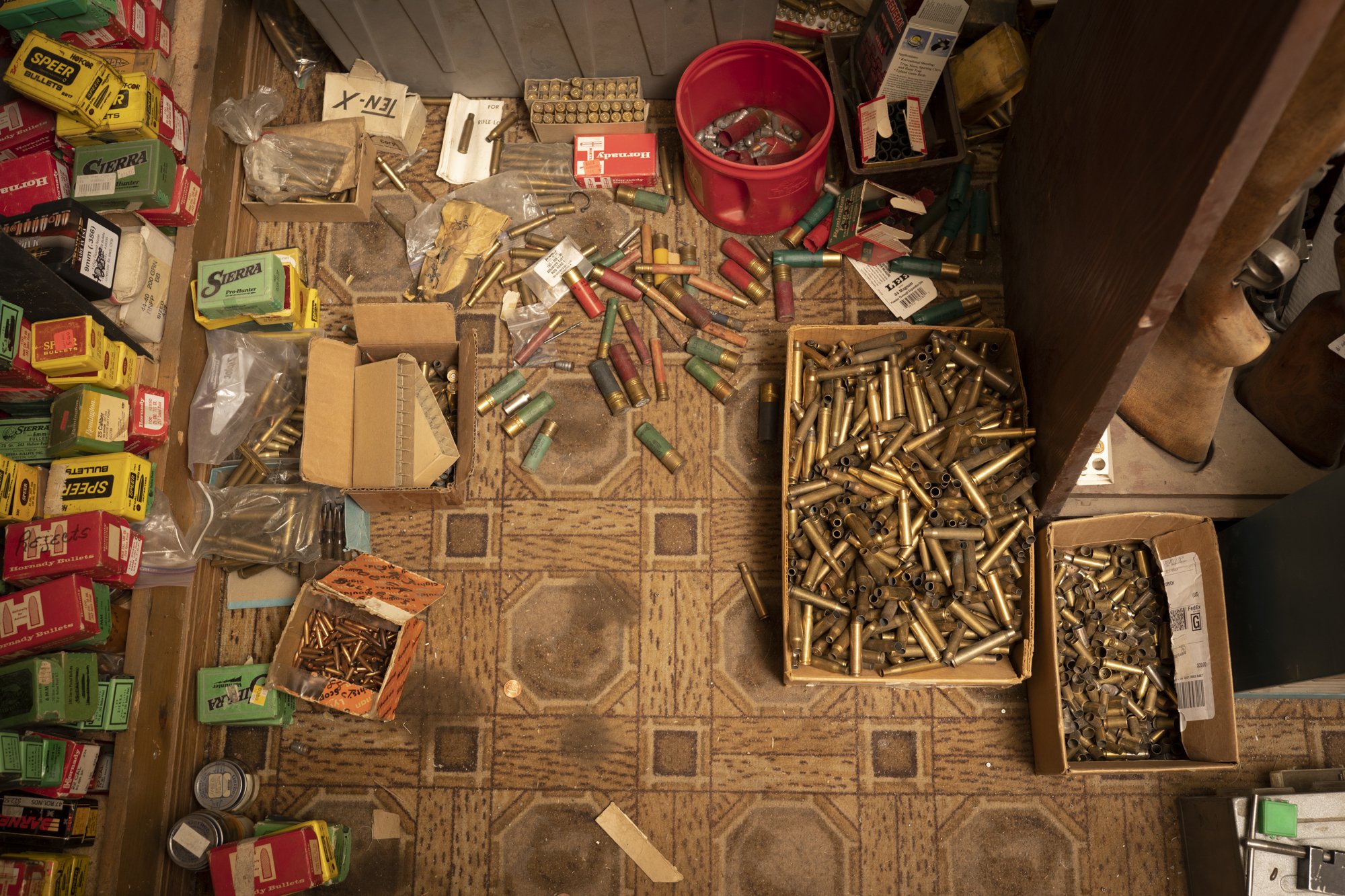
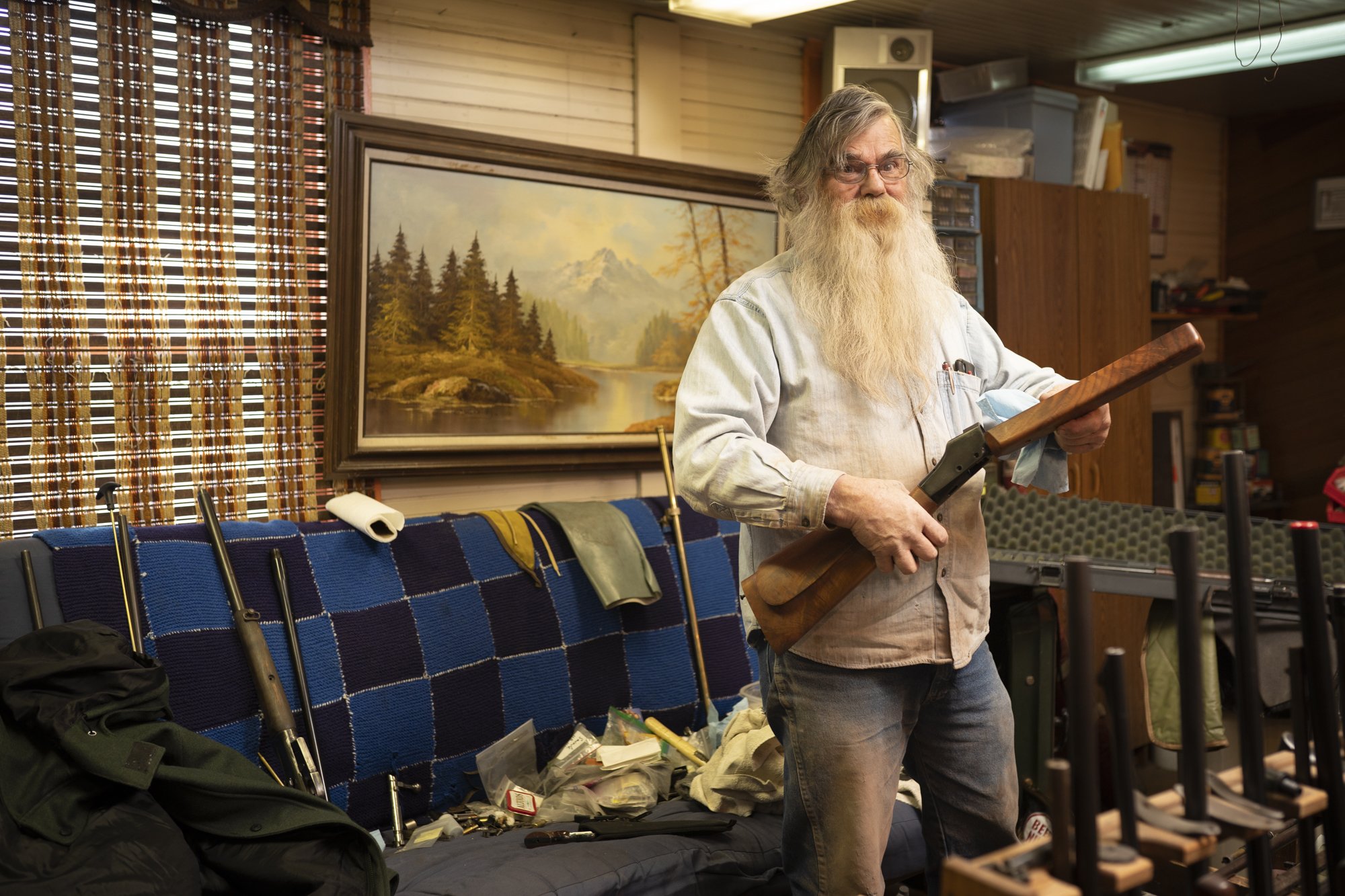
The Gunsmith

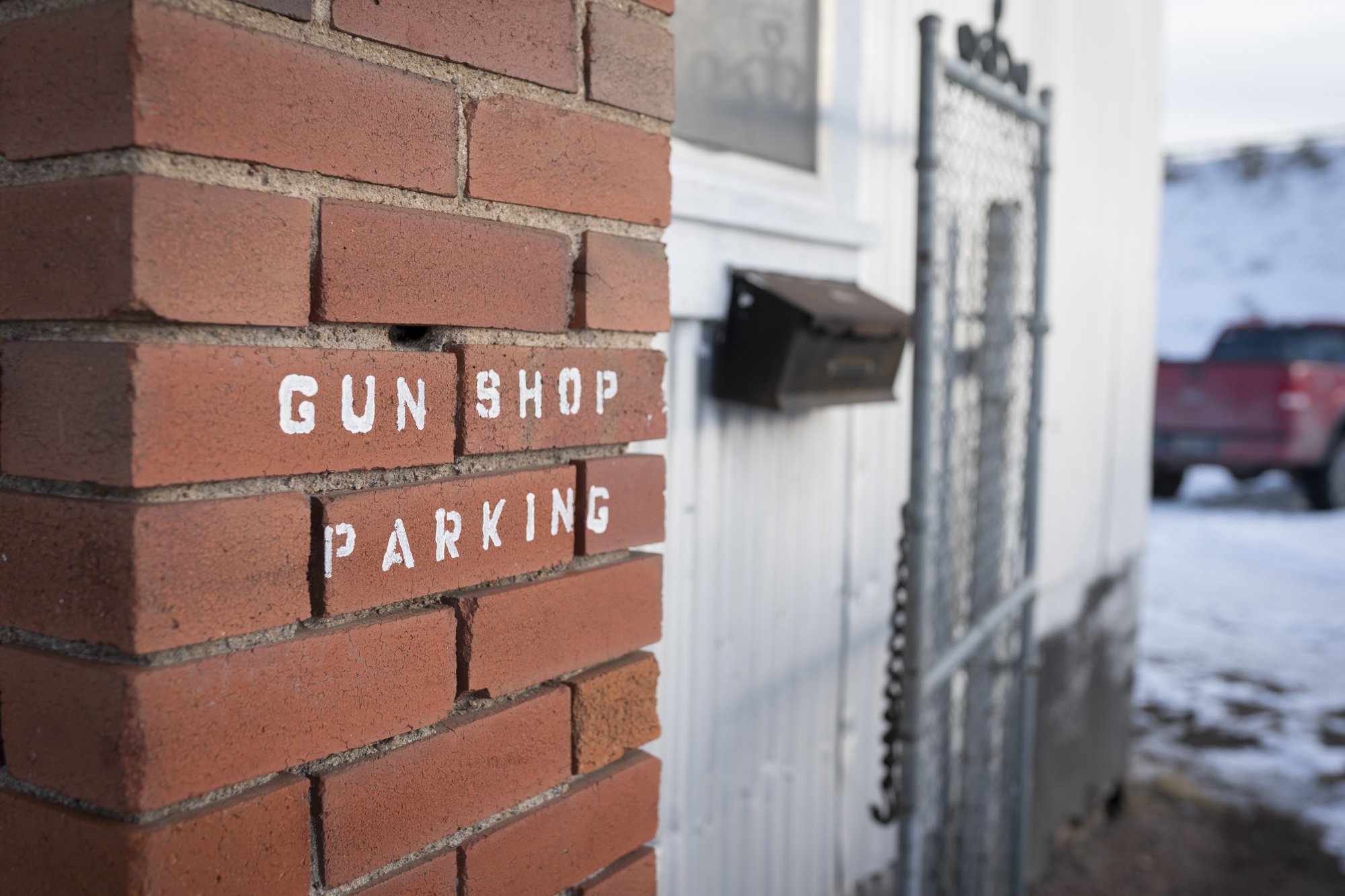
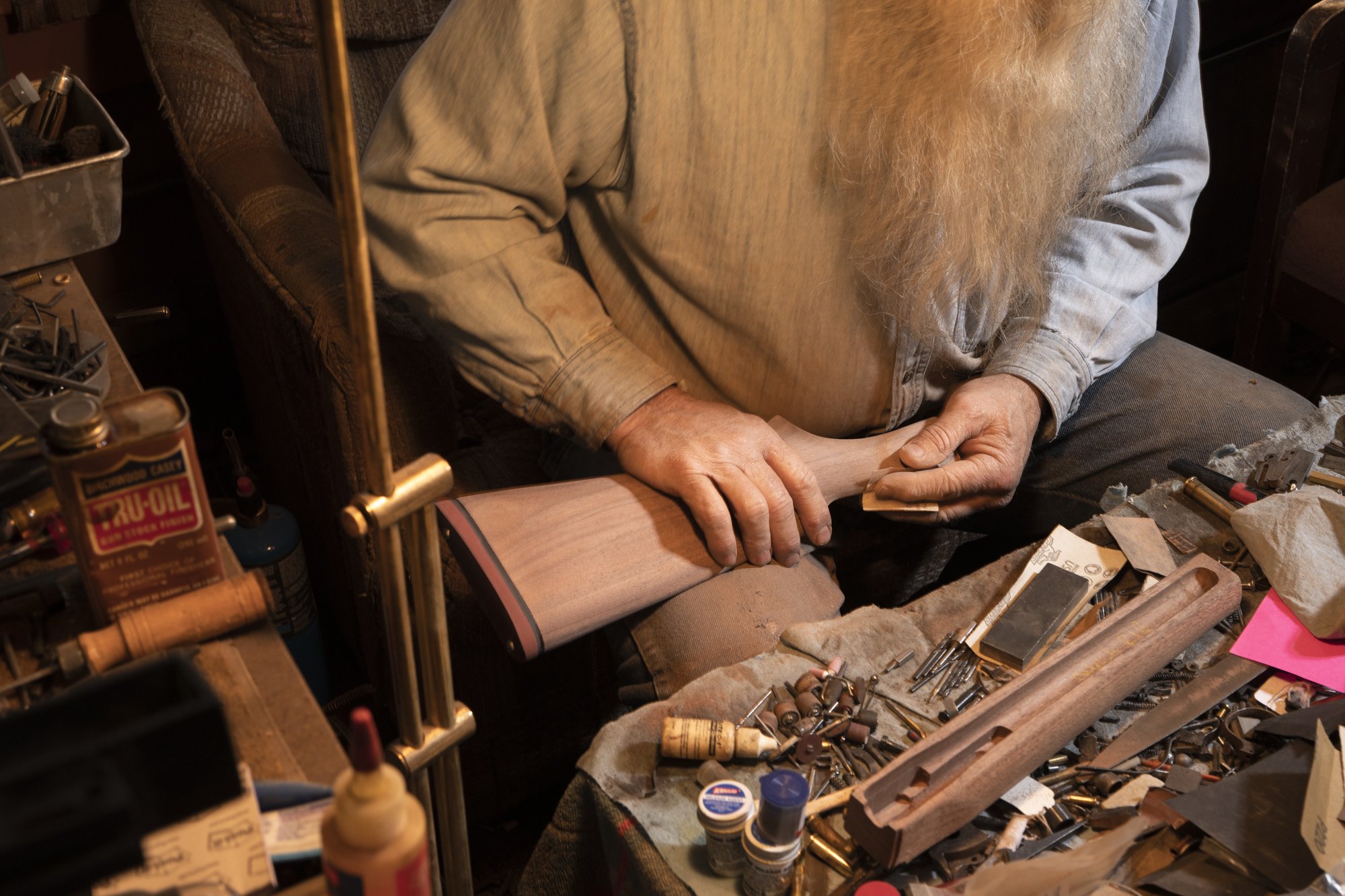
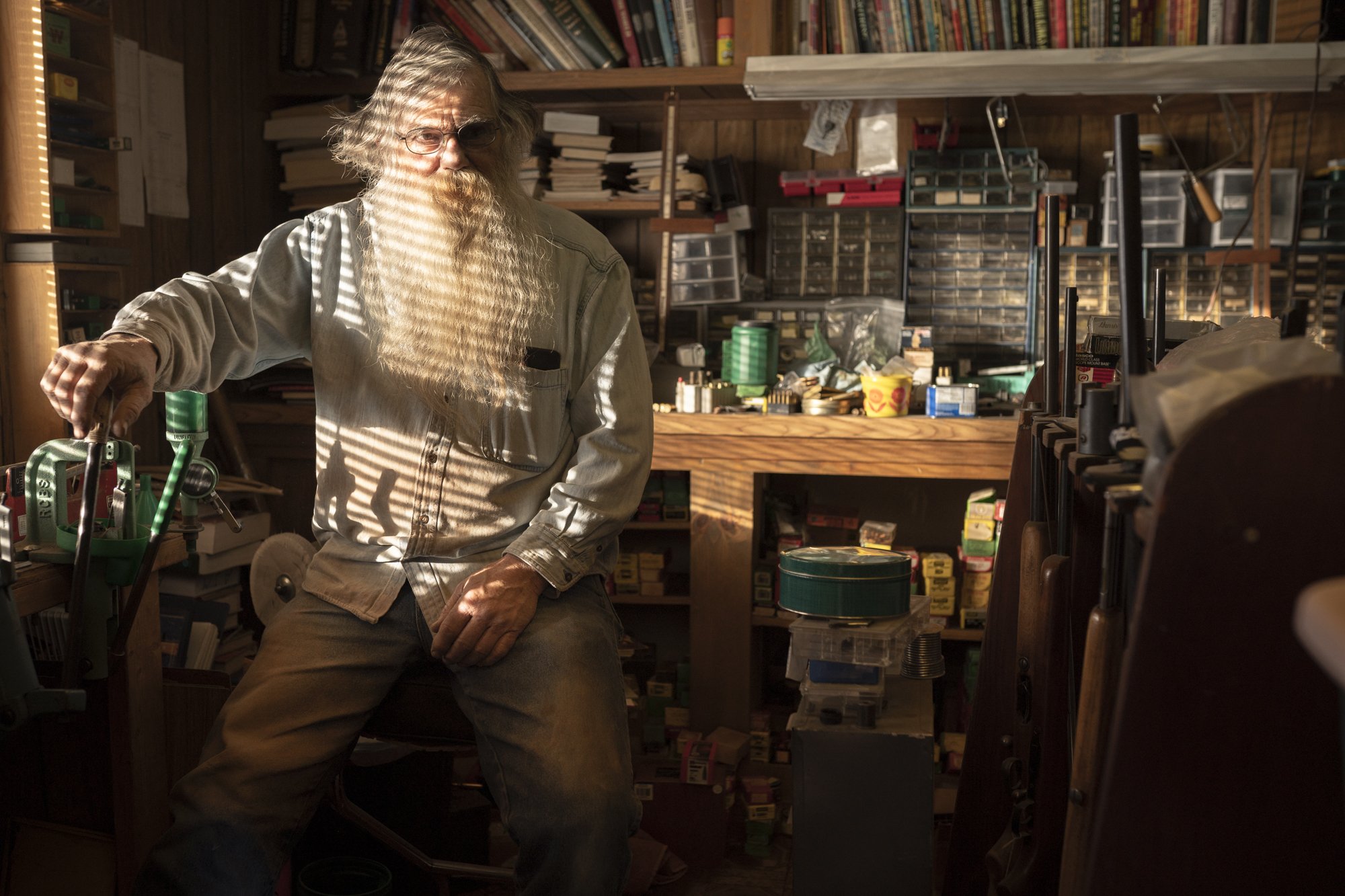
Always blows my mind to think about the simple act of talking and where it can lead. A while back I stopped in Laramie, Wyoming to say hi to a barber I’ve known there for a few years. Afterward while walking Mojo around town I came upon a gunsmith shop (not this one) a few blocks off the main street. A gunsmith at work is something I’ve been wanting to photograph, so we popped in and introduced ourselves. That interaction didn’t result in the desired outcome but it was still informational/entertaining. The owner didn’t want to be photographed for a variety of reasons. Some of them valid. The rest were…….irrational??!! The somewhat brief conversation consisted of his opinion on the world today and how “you can’t even go to Denver anymore because everybody is getting shot.” He asked if I had a gun and was upset to hear that I only kept it in my truck. “That’s not good enough. You have to keep it on you! That’s when they get you, when you’re getting out of your truck !”. I’m not disagreeing that the world is a sort of a disaster, but it also seemed like his thoughts were that of a person who might not ever leave their small town. Maybe I’m wrong?! And no disrespect to small towns. They are my favorite. Afterward I asked if there are any other gunsmiths in the area. He replied with very vague information about a guy that possibly works out of his house on a dead end street down near the highway. So I went looking and somehow found the place only recognizable by small stenciled letters “Gun Shop Parking” on the chimney bricks near the front gate. Otherwise the house was totally nondescript and didn’t show any other signs of life. A knock on the door confirmed nobody was home. Not a big deal. It was on my radar for the next trip through Wyoming.

Click HERE to see more from my “At Work” series.

Driving across America

Cross Country Road Trip - America - Photography

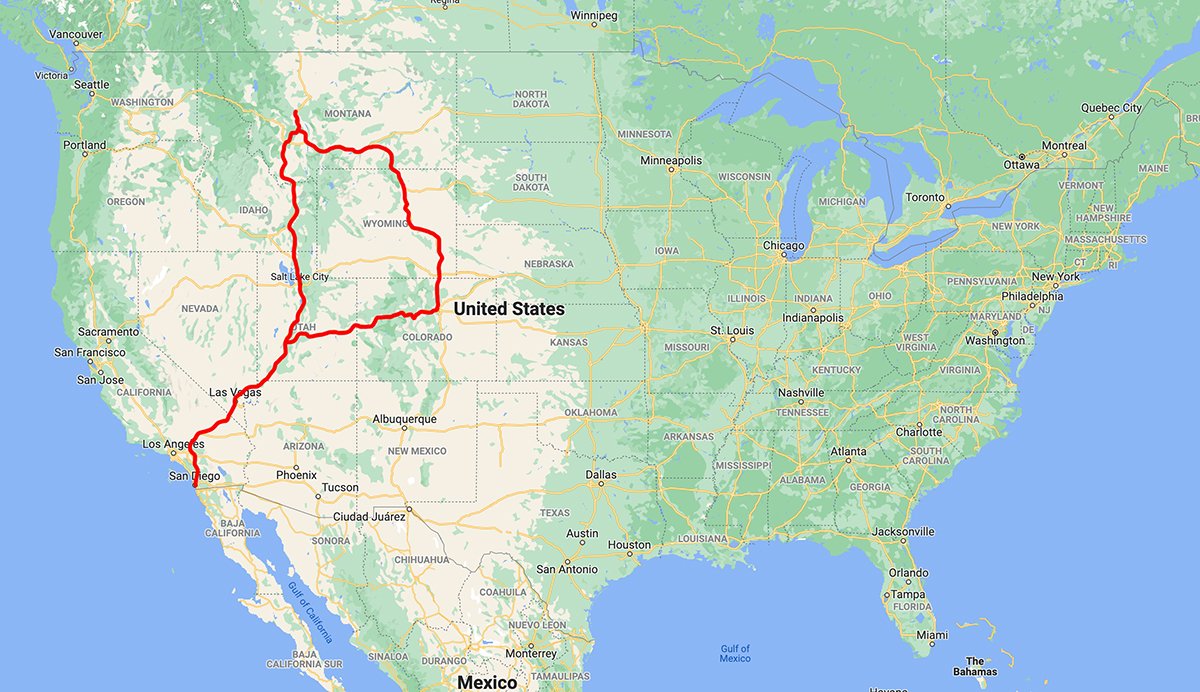
There aren’t a lot of positive things things to say about American highways. Whenever possible I try avoid the soulless stretches of poorly maintained pavement that teach you very little about the country and the towns/people that inhabit it. The 15 on the other hand is something special. It’s one very long stretch of highway that’s as fascinating as any “blue highway” (backroad) in the USA. I’ve personally been traveling this road since 2006 during the move from Upstate, NY to San Diego, CA. It blew my mind then and still does today. Once you get north of the clusterfuck that is Los Angeles /Riverside County and into the desert, there’s a lot to love. Images can be made from the highway or, if you want to get more intimate, try ducking off into one of the many small towns along the way.

Last month I was working on a a few stories up in Montana without a ton of time to get there, so The 15 it was, straight up north from southern California. Regardless, I ALWAYS find time in-between destinations for one or many of my ongoing series. This trip found images that will fit nicely into the “America” and “Hotel” series.

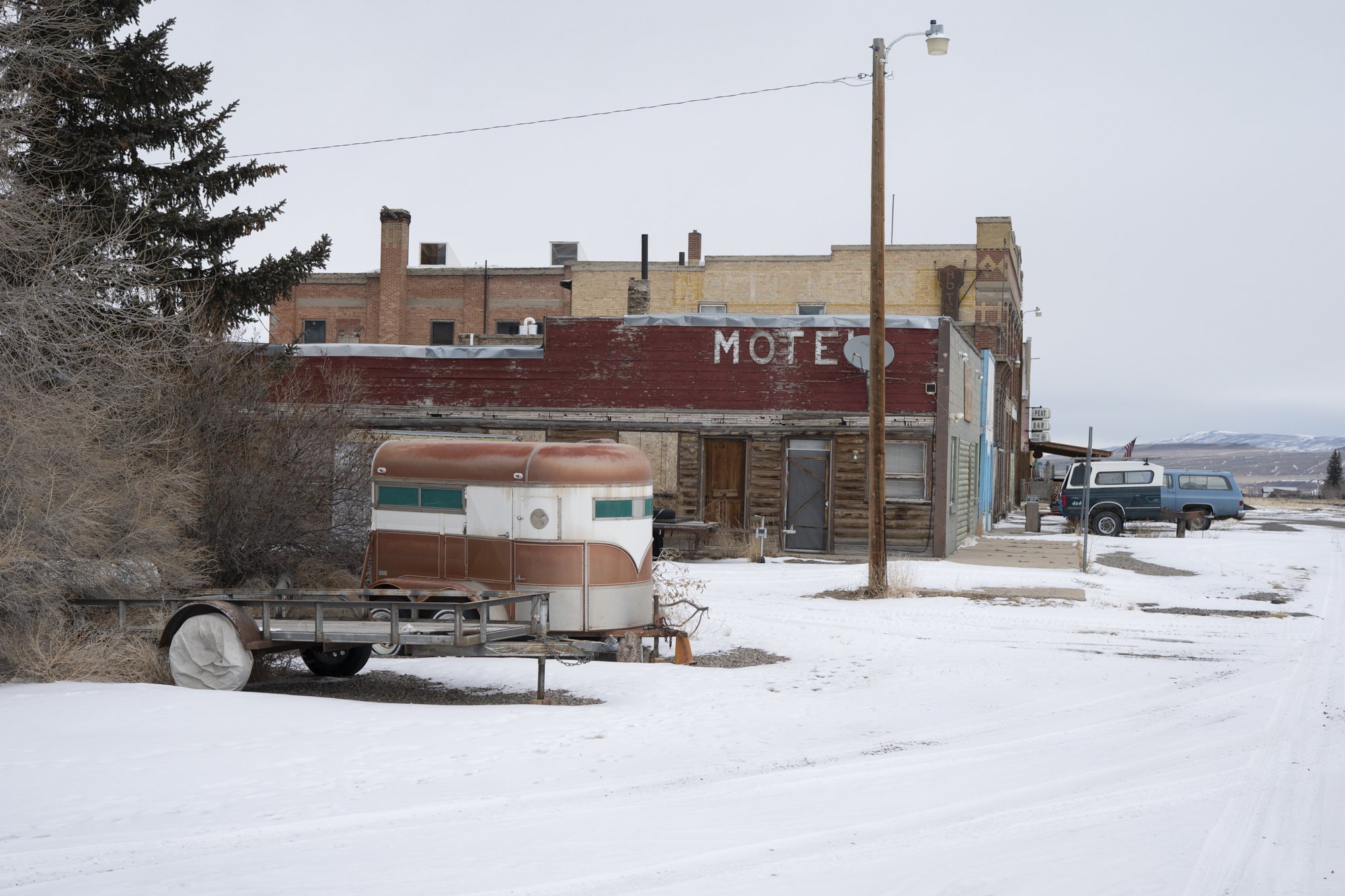
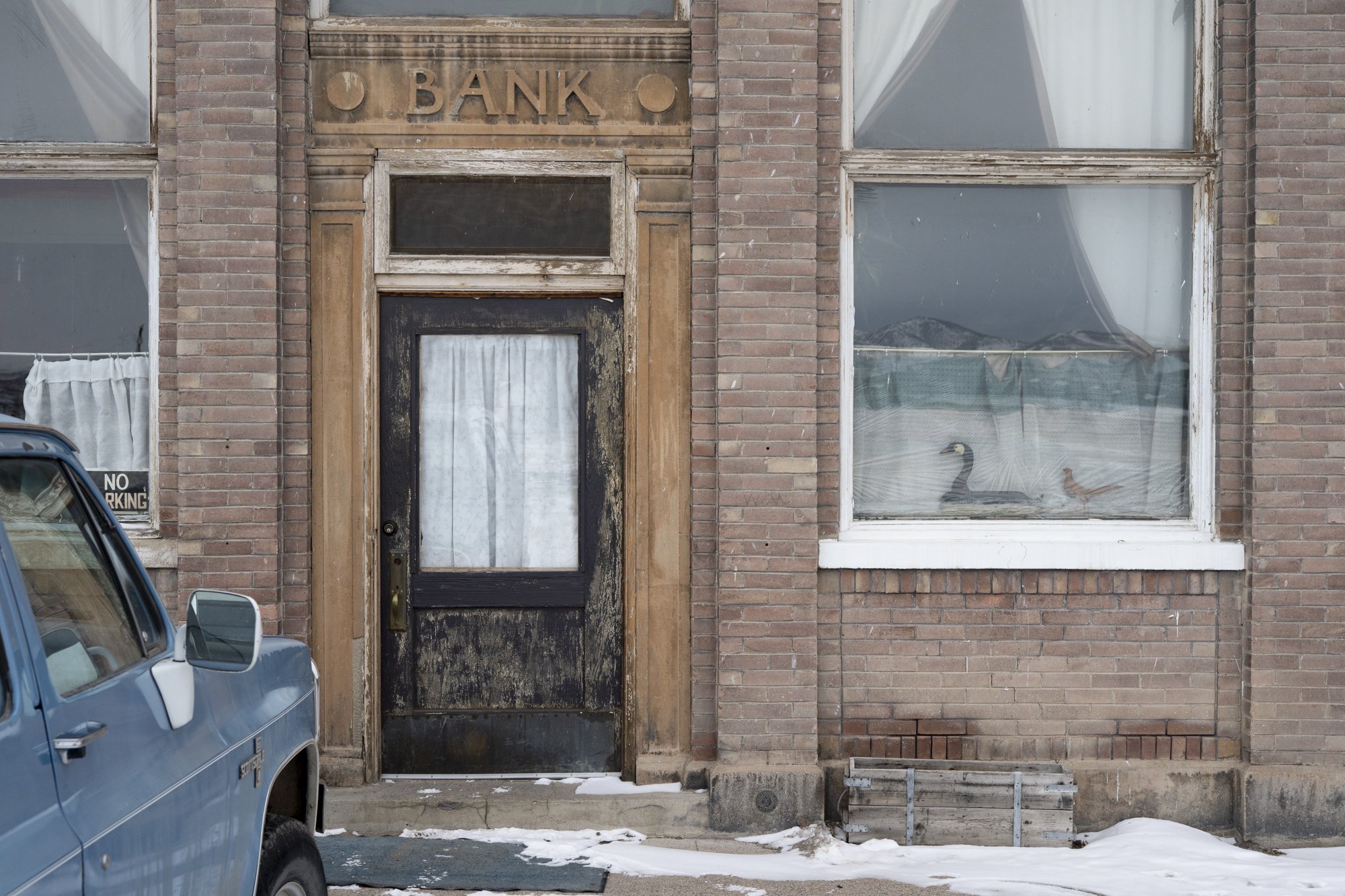
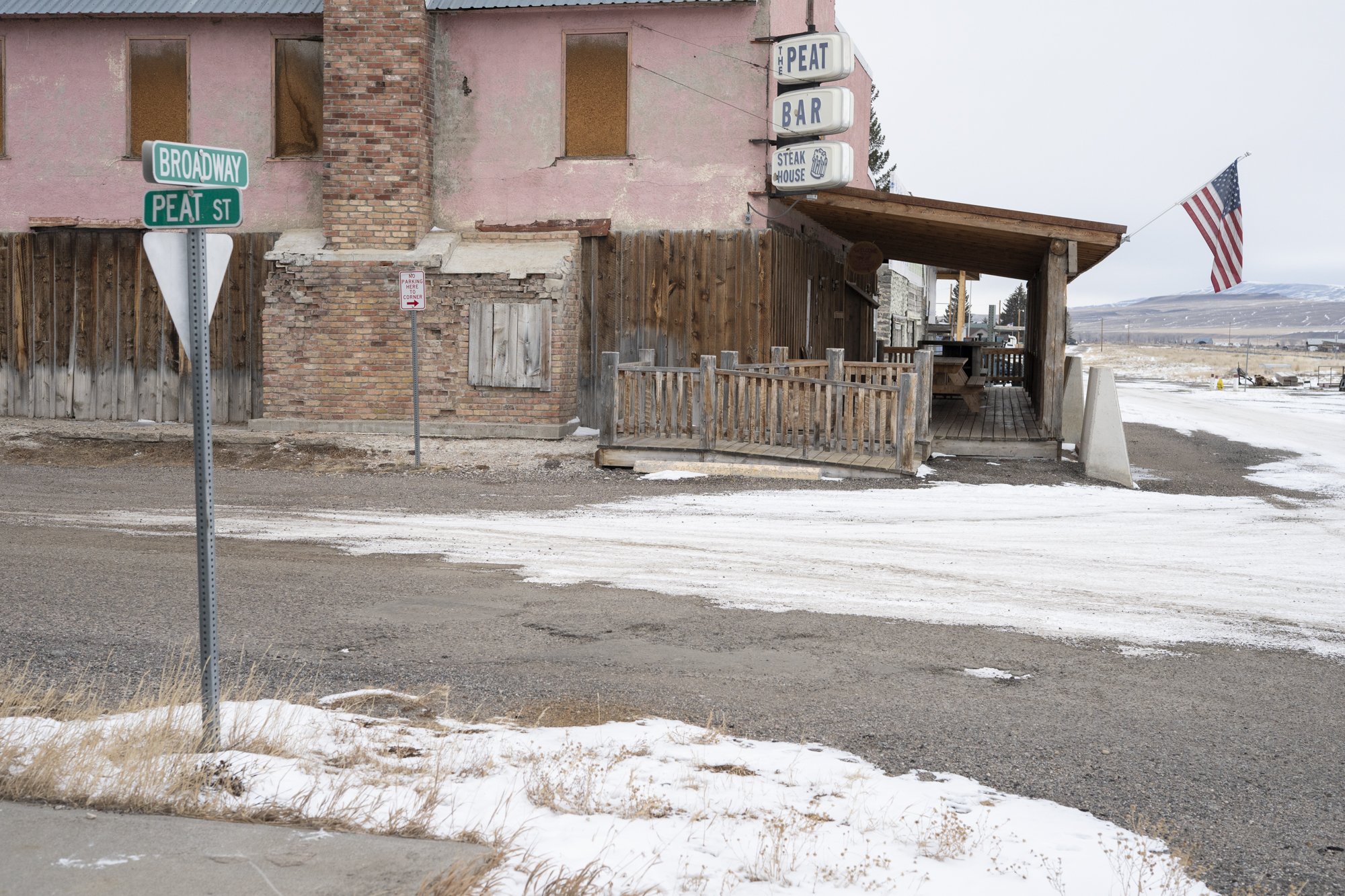
Places like Lima, Montana are endlessly fascinating no matter how many small towns I see. As someone who lives in a frustratingly populated place, it’s stimulating to stand in and see the beginning and end of a town only 75 yards long surrounded by nothing but rolling hills. You can’t help but wonder what everyday life is life for the people of that community.

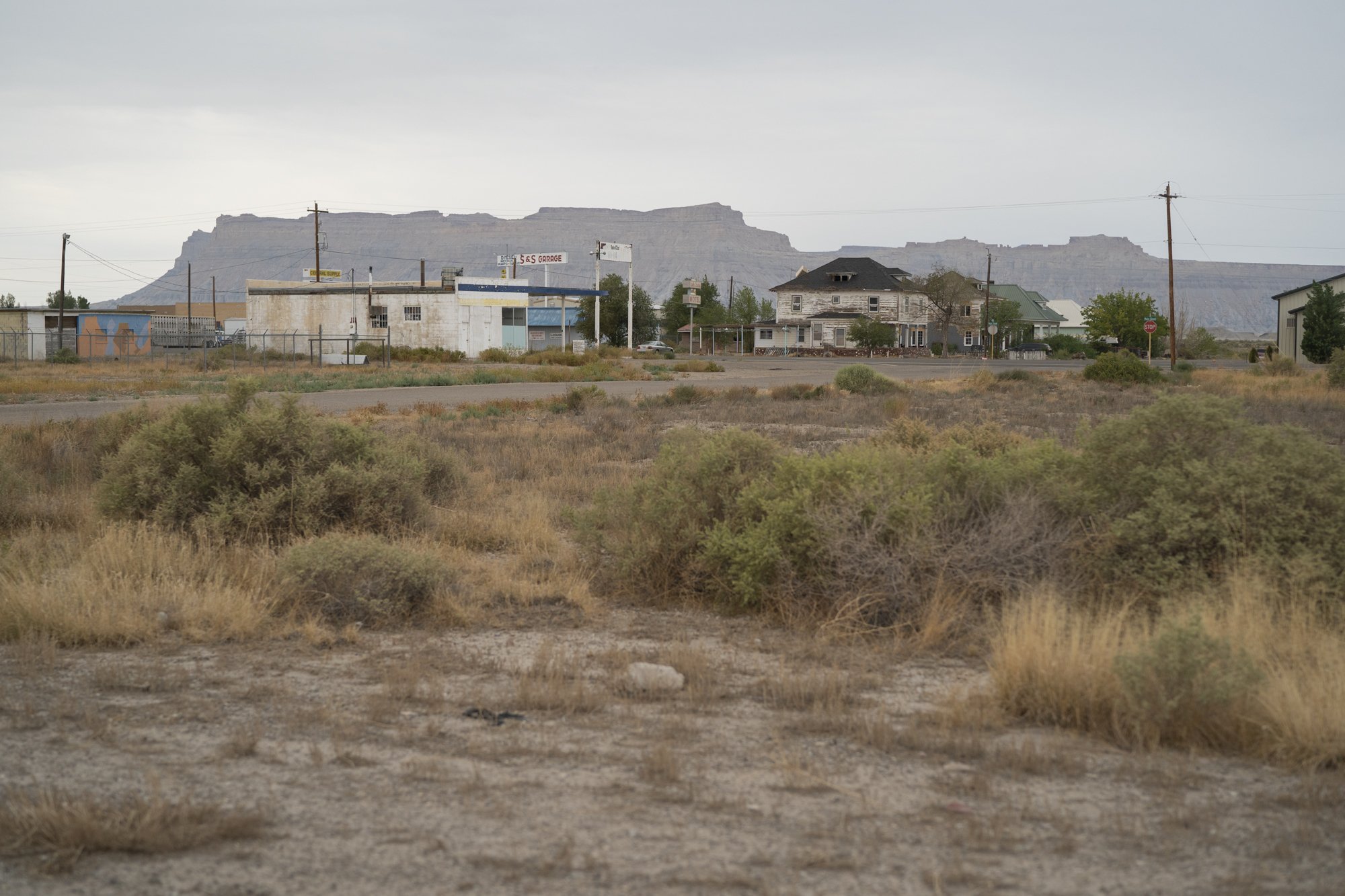
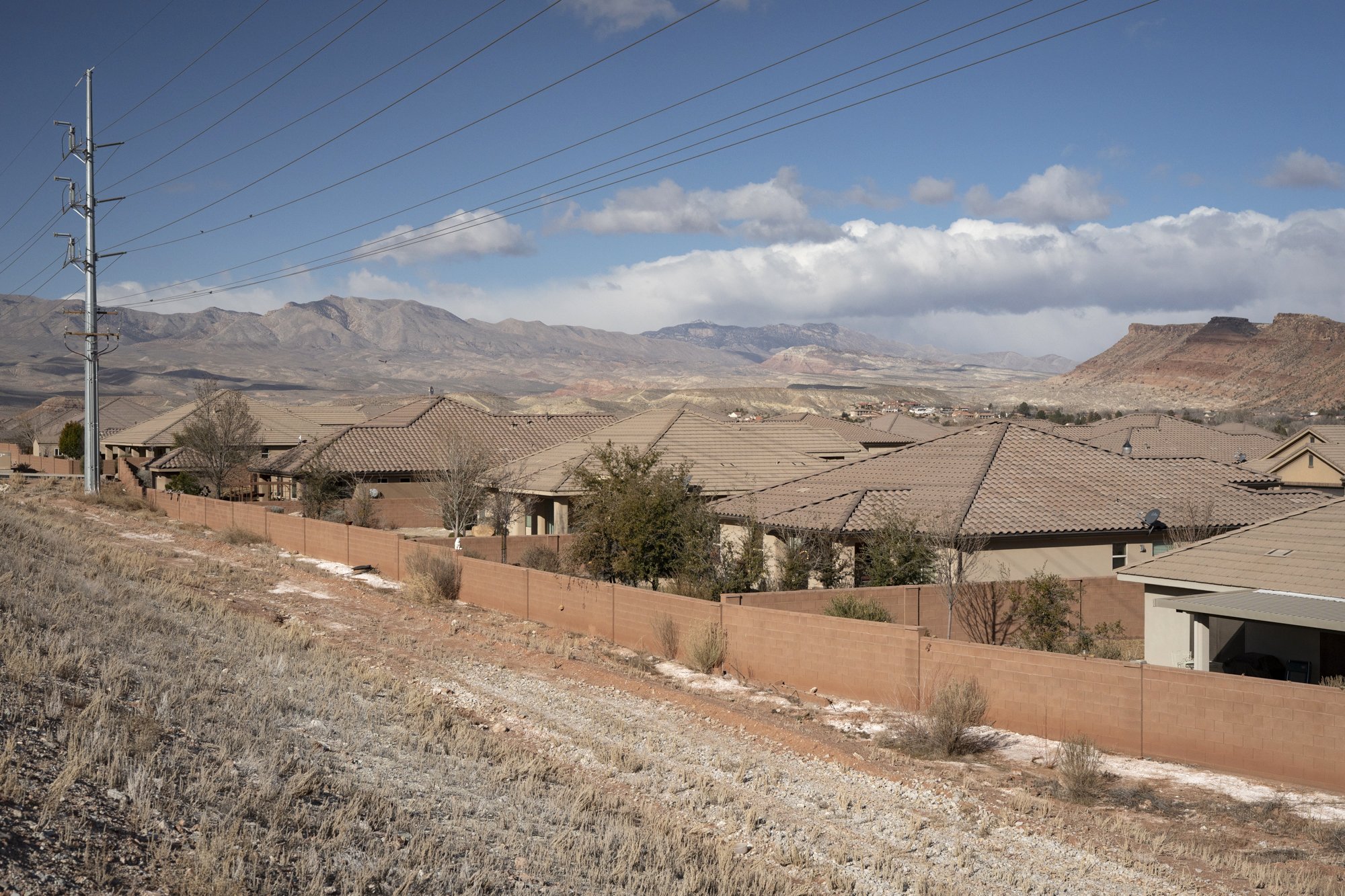
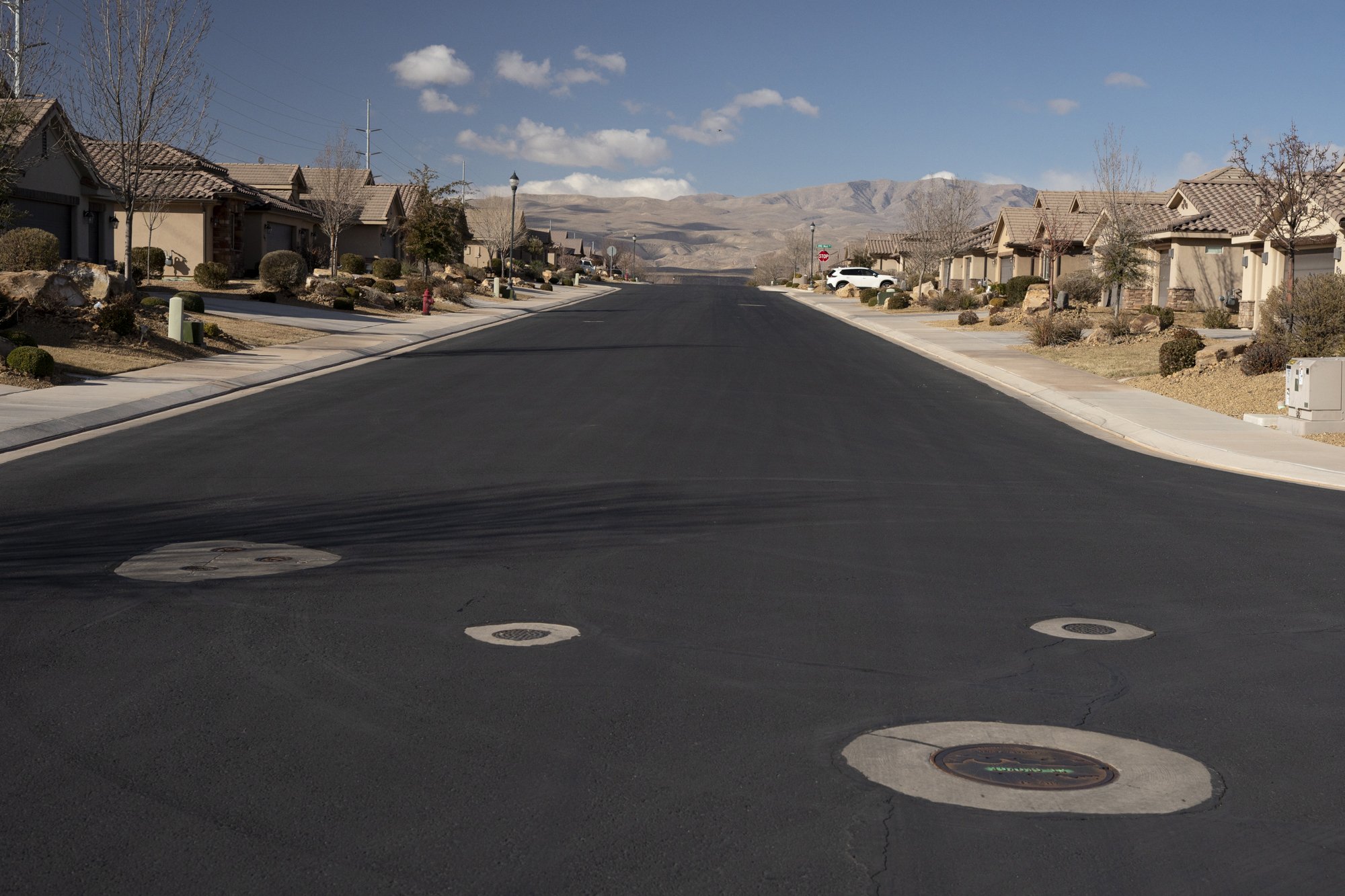
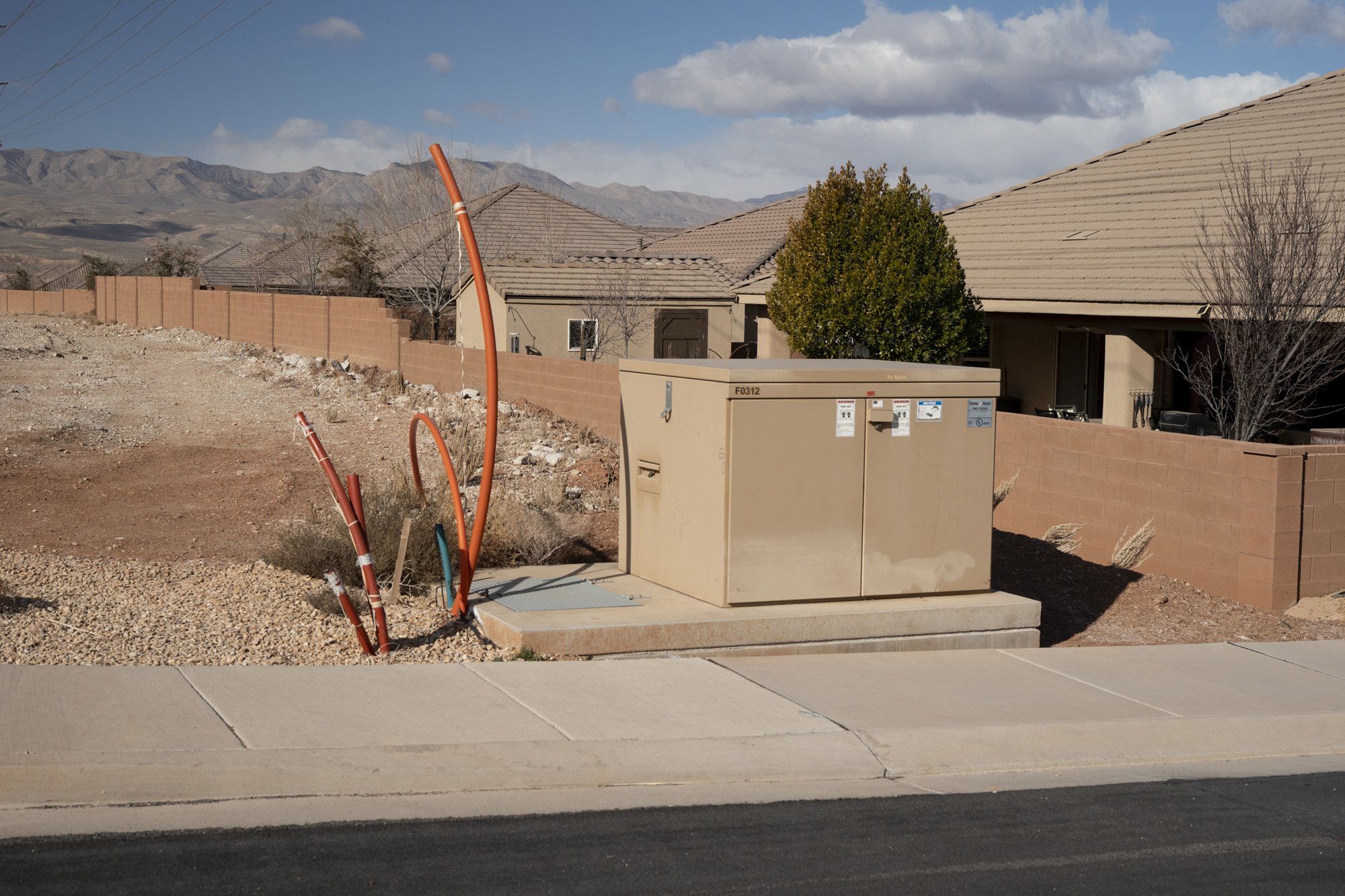
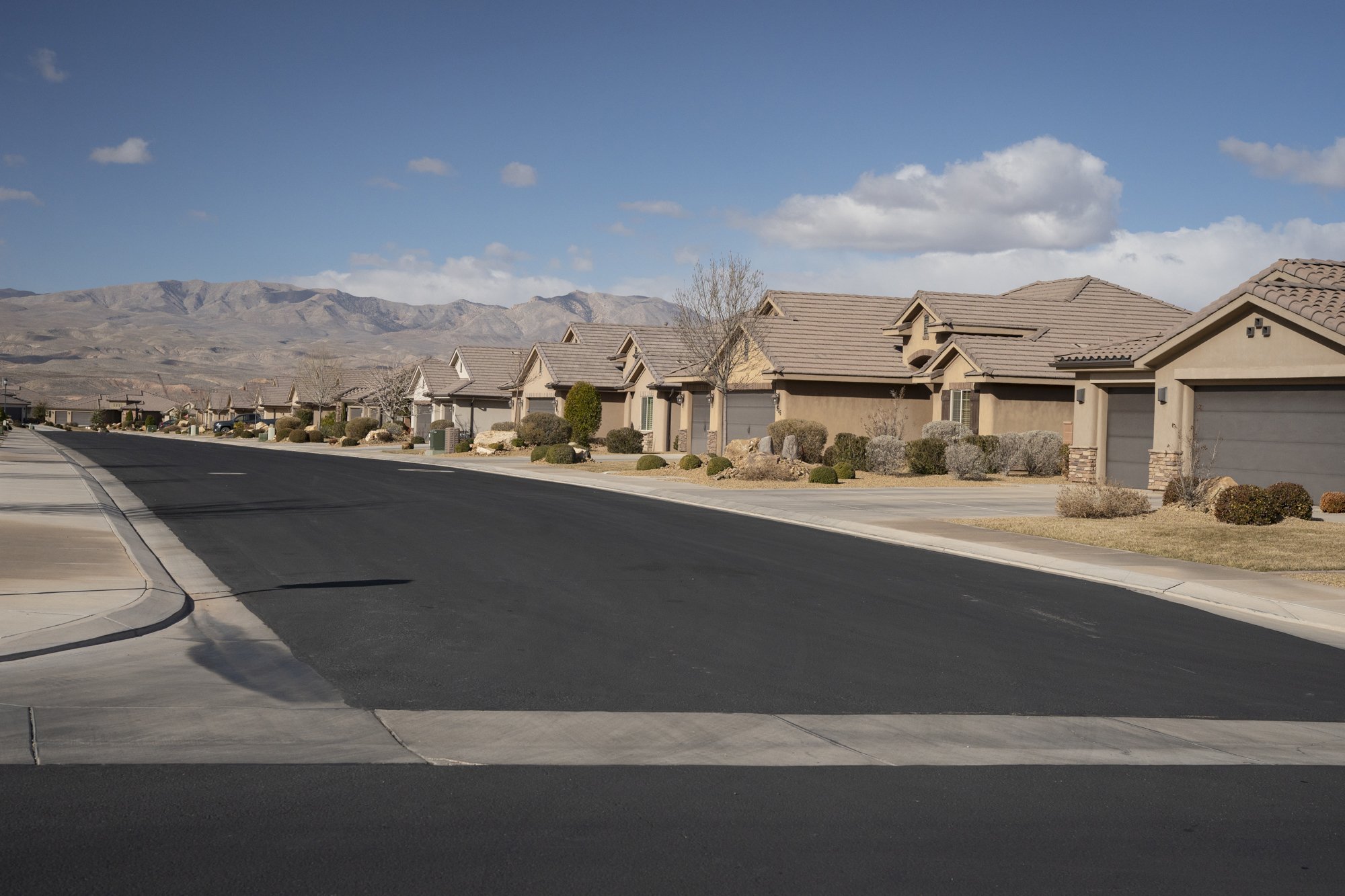
The second set of images were made in St. George, Utah. Also interesting for different reasons. Although much bigger than Lima, it’s still a small town “in the middle of nowhere”. One thing that stands out is the way they build homes there to blend in to the environment. The color palette matches almost seamlessly.

American Road Trip

As has become standard, the miles are piling up this season even with it be an extremely dry winter around the western states. Really unfortunate for the ski industry. I’m sure Vail is doing ok though!!??

Seems repetitive to say that this “last” road trip was great, memorable, productive, etc. etc. etc., but reporting otherwise would be a lie. Time on the road really is a special adventure that should never be taken for granted, nor should it ever be rushed. Grateful not just for the time spent in Montana, but also for the two stories I worked on and will be sharing more of soon. After Montana it was south to Colorado for a hut trip in the Gore Range which was truly unforgettable. The longer I snowboard the less desire and patience I have to ride at a resort. Being in the backcountry is always rewarding, but being in a hut with good friends miles and miles away from everything else is in a whole different category.

Images coming soon.

American Photographs

Photographs of Small Towns in America

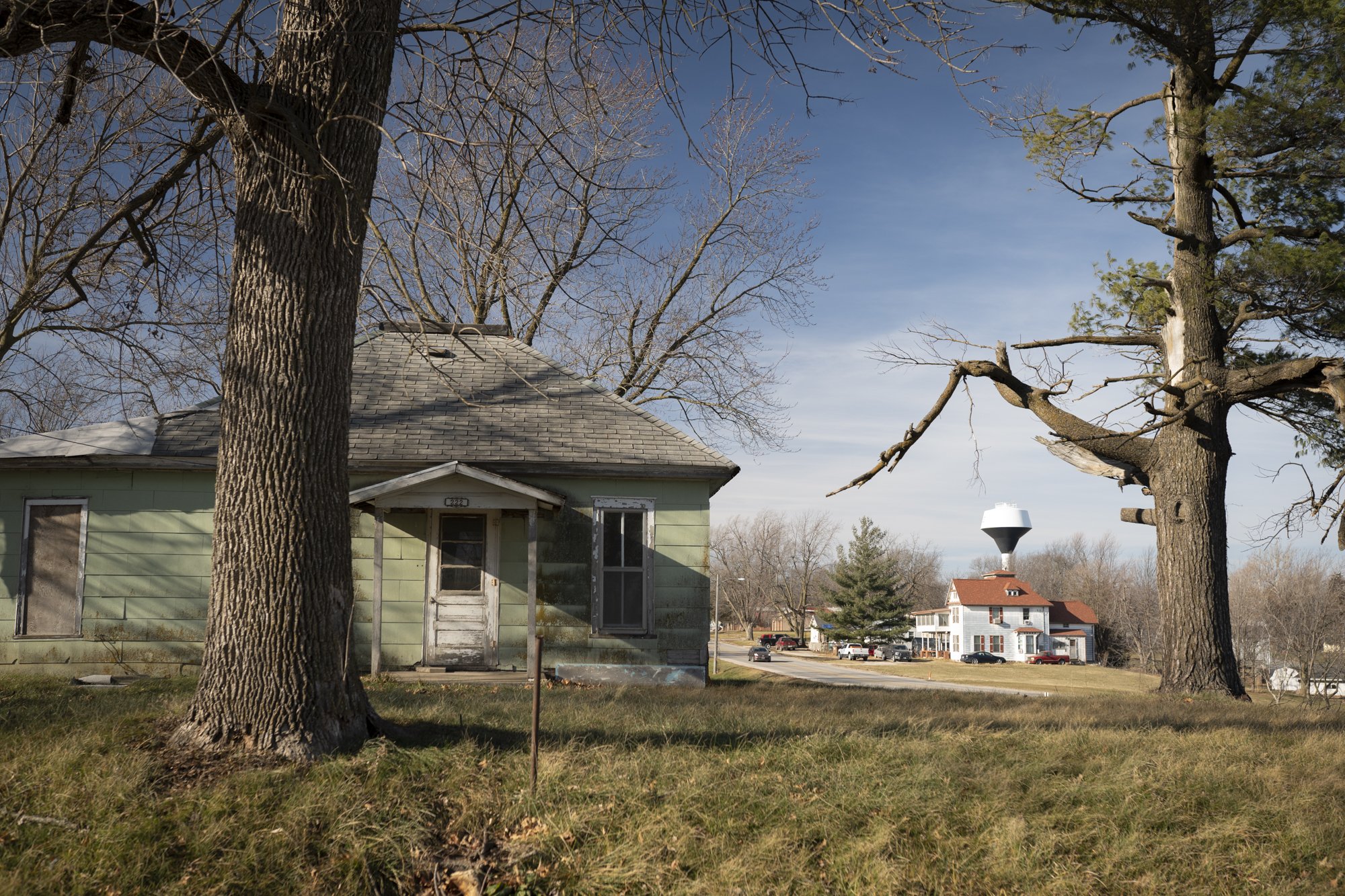
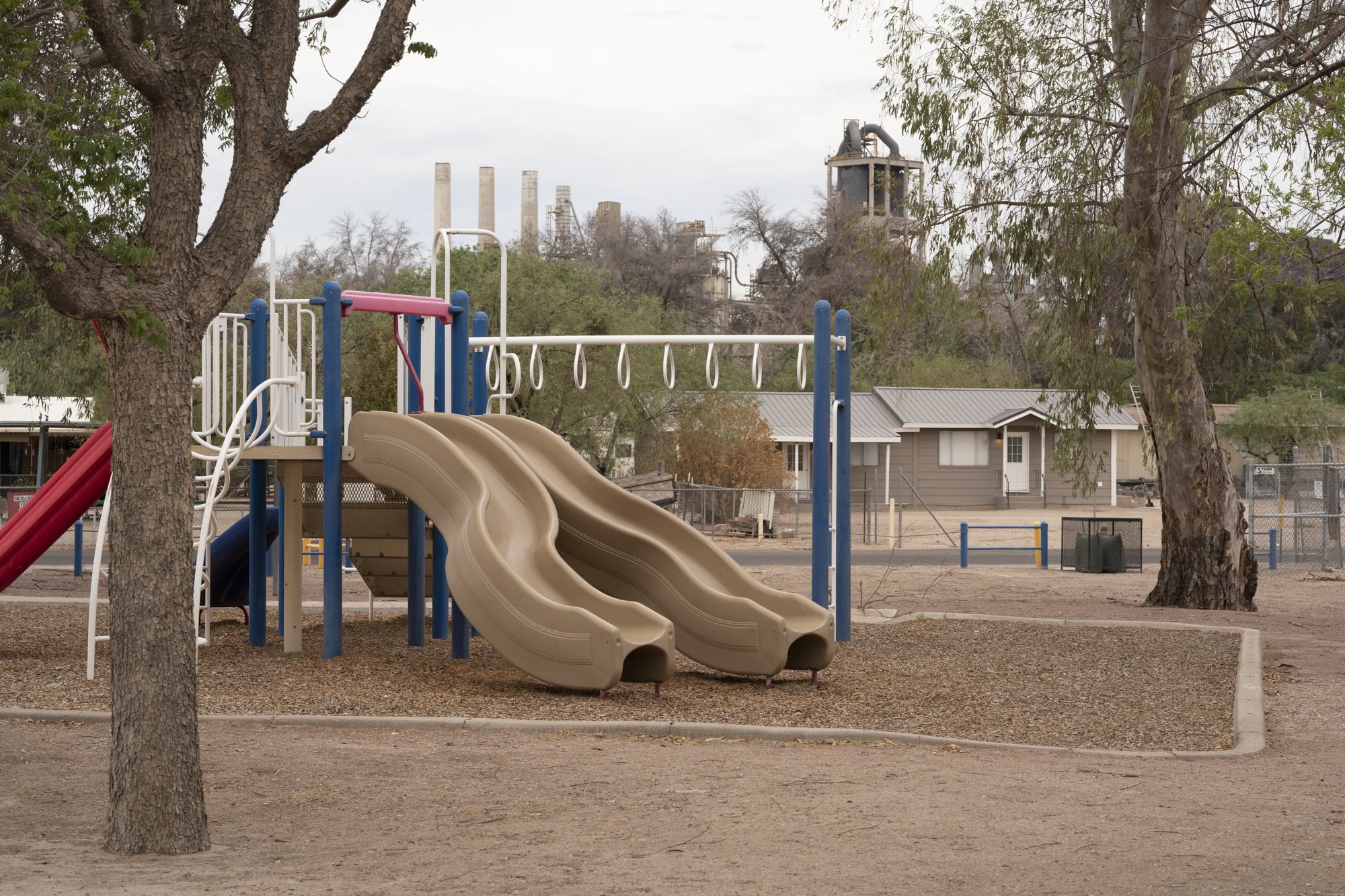
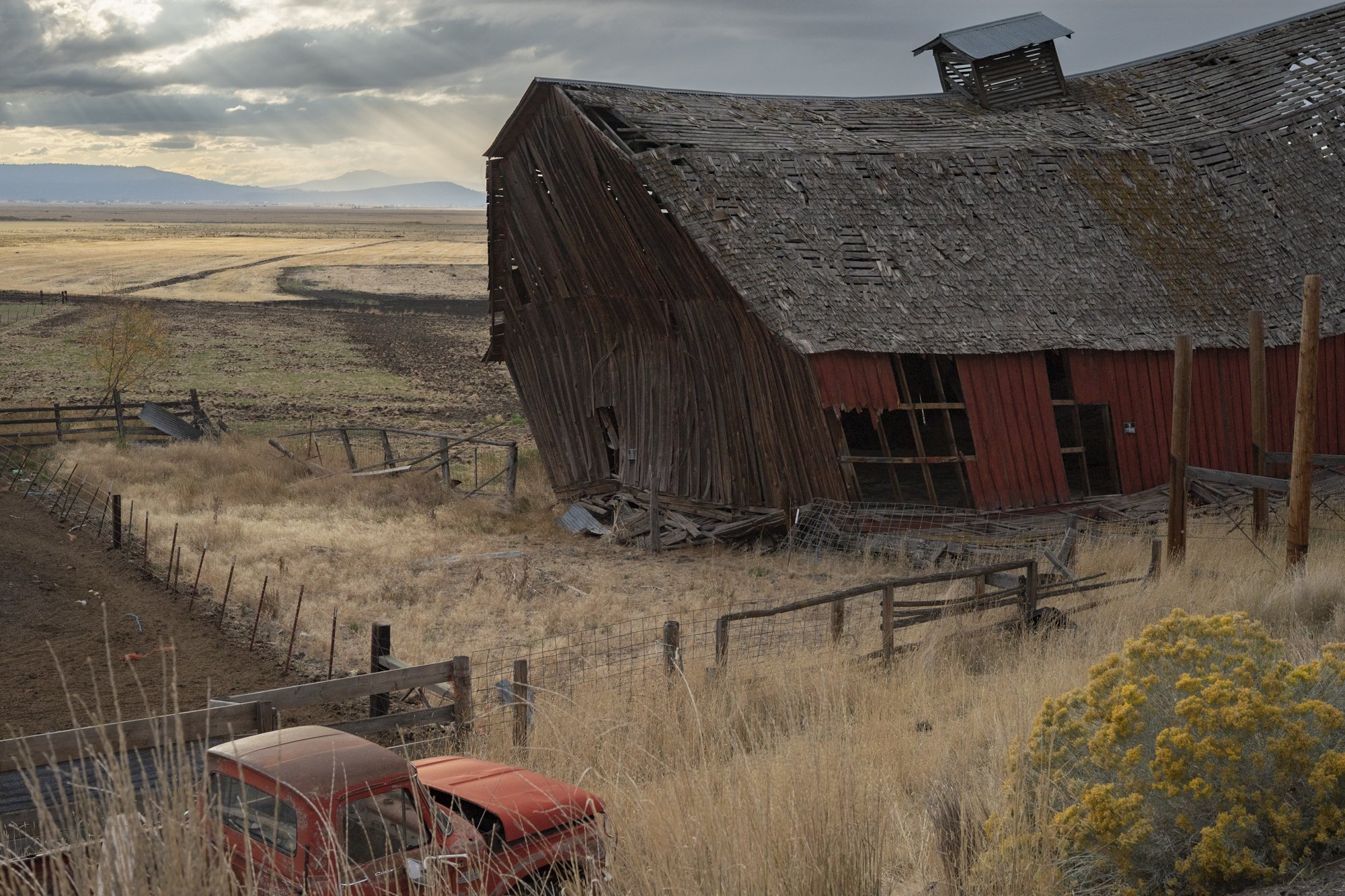
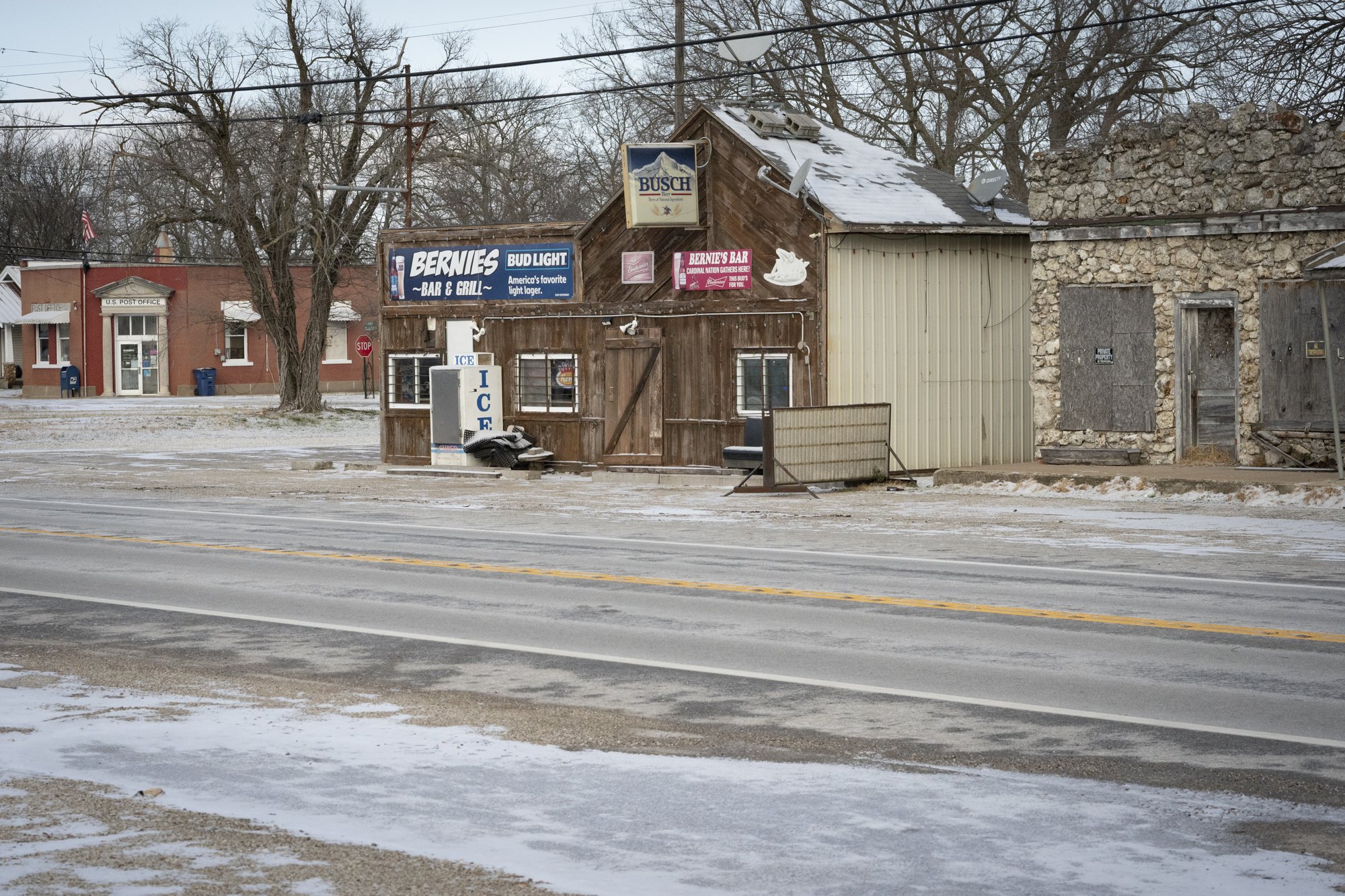
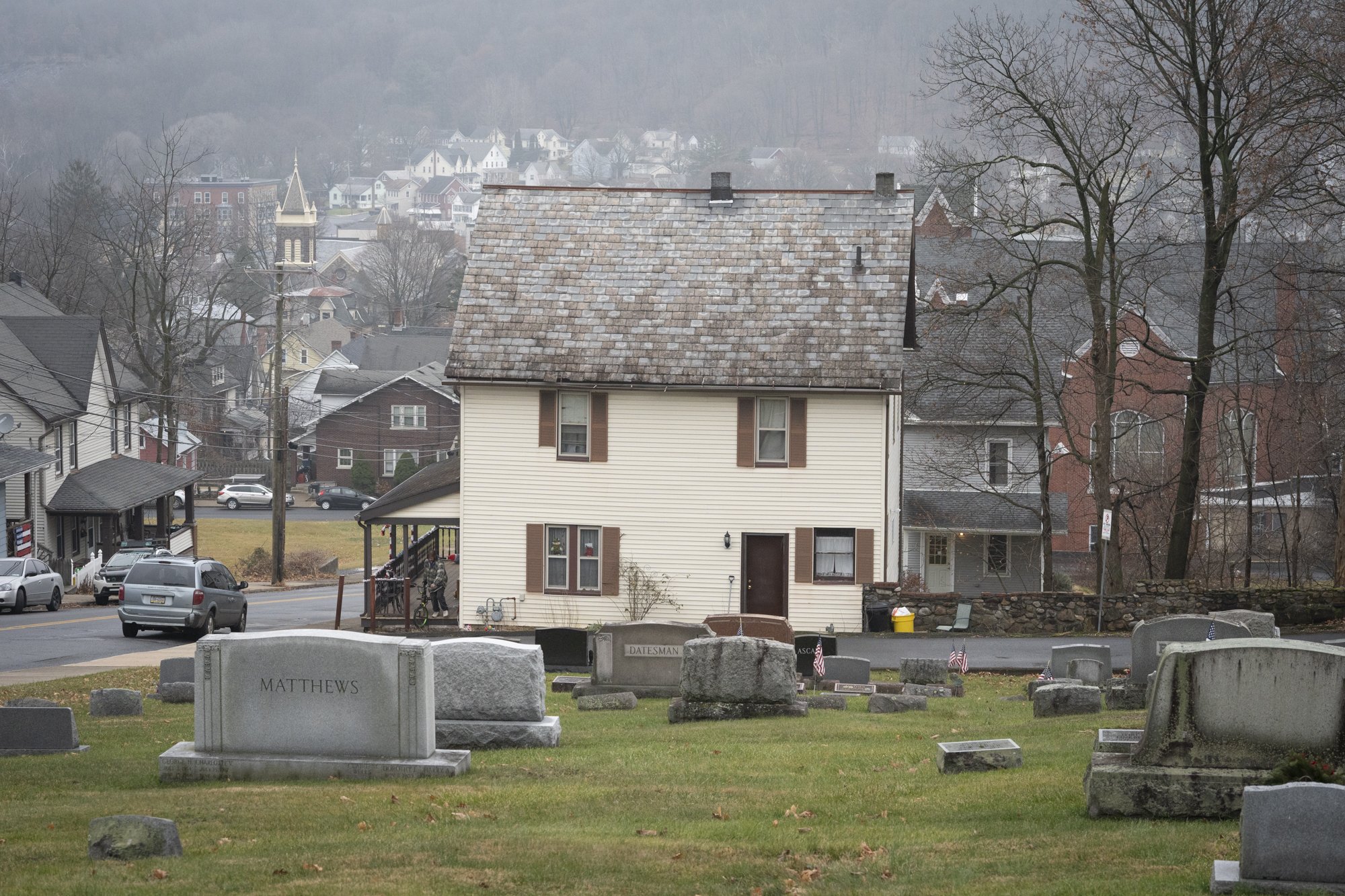
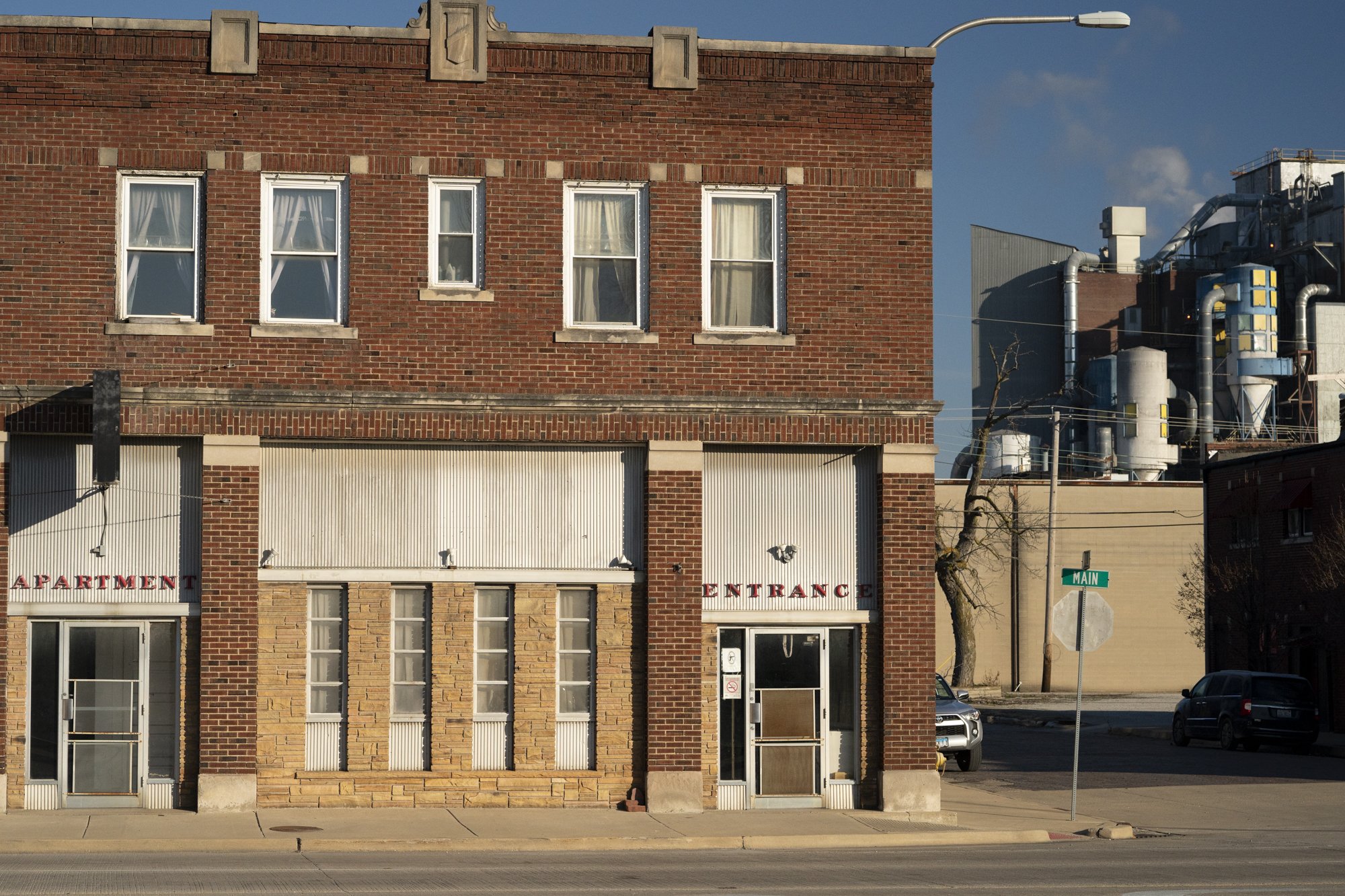
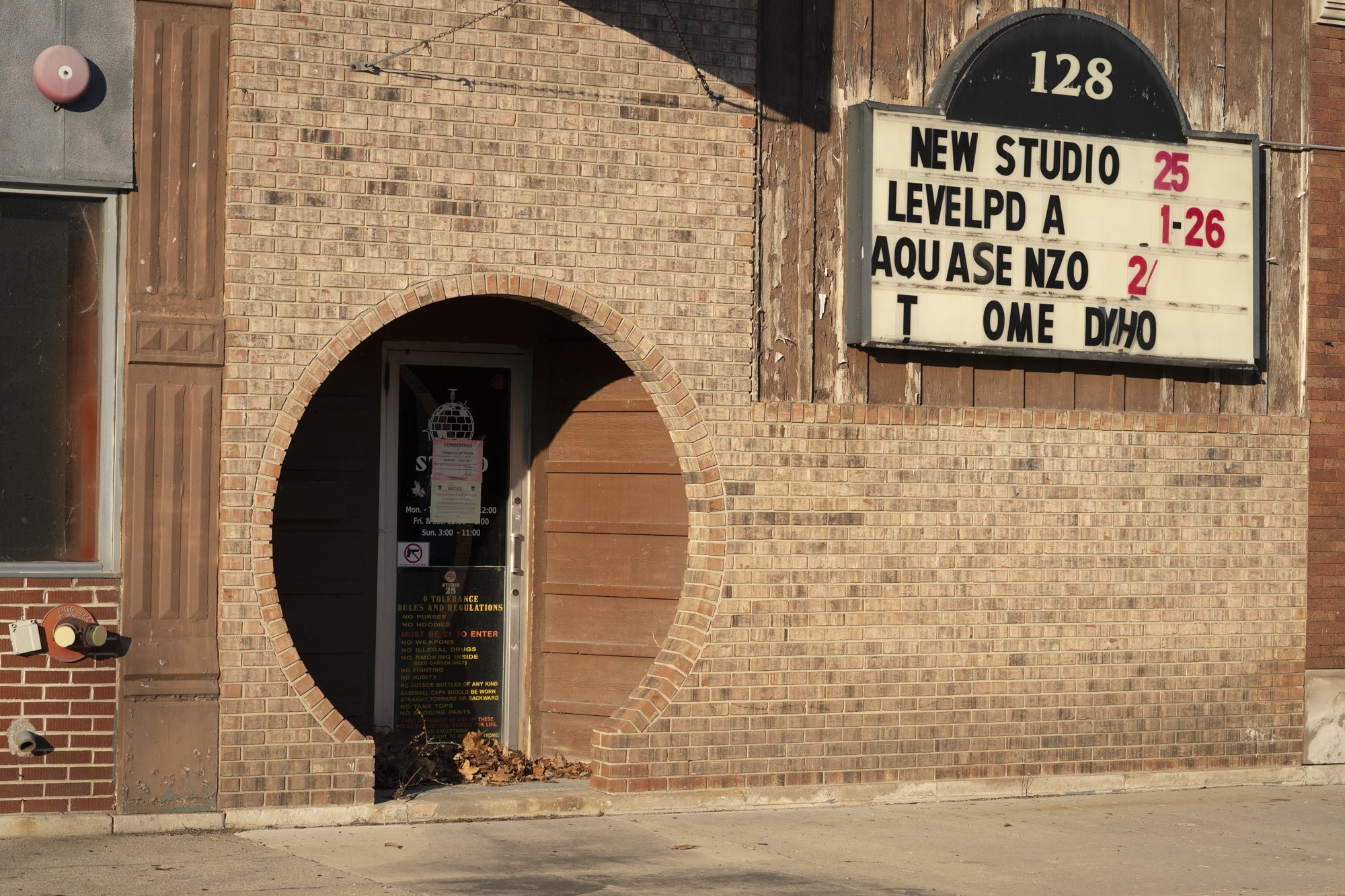
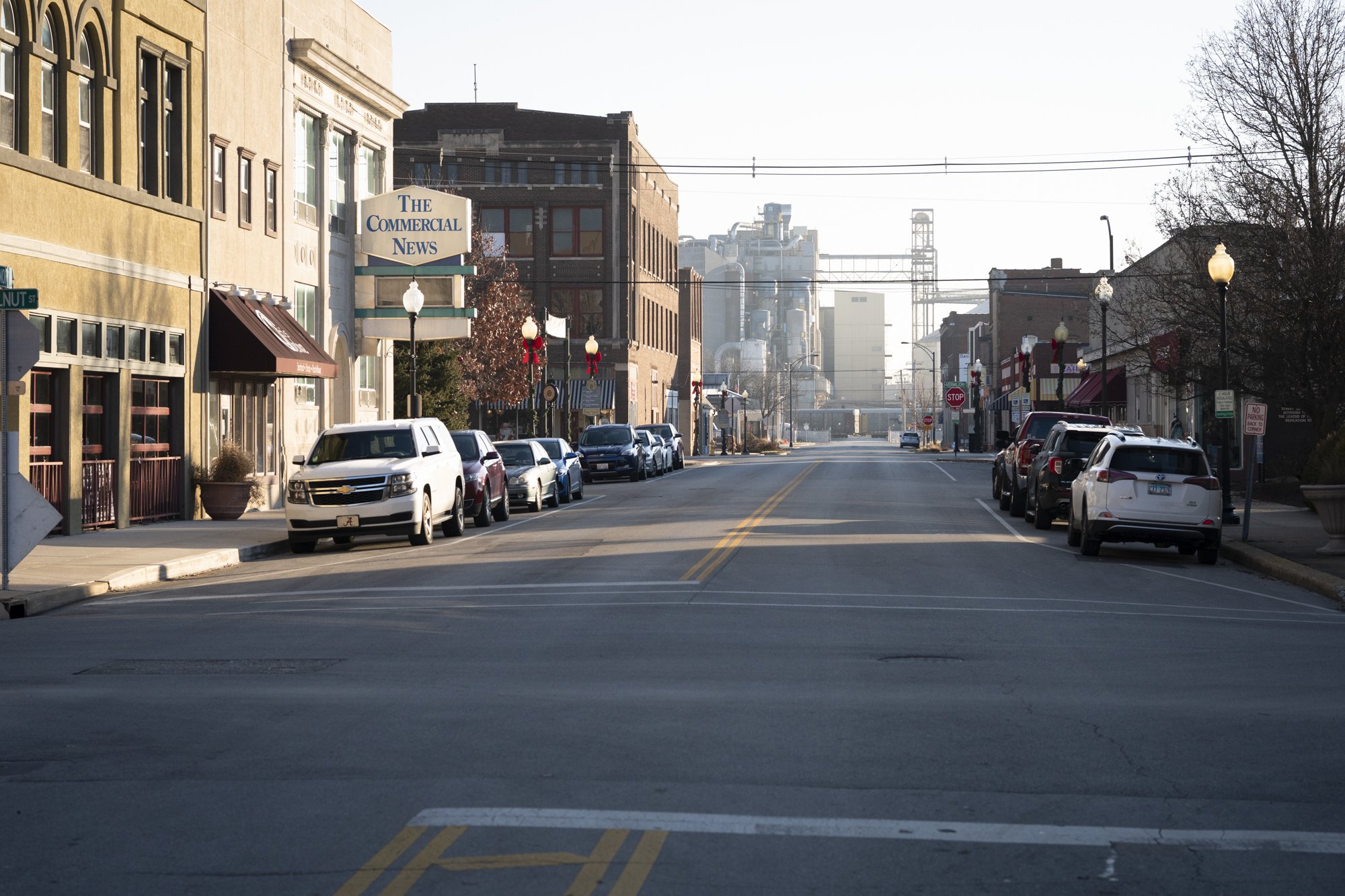
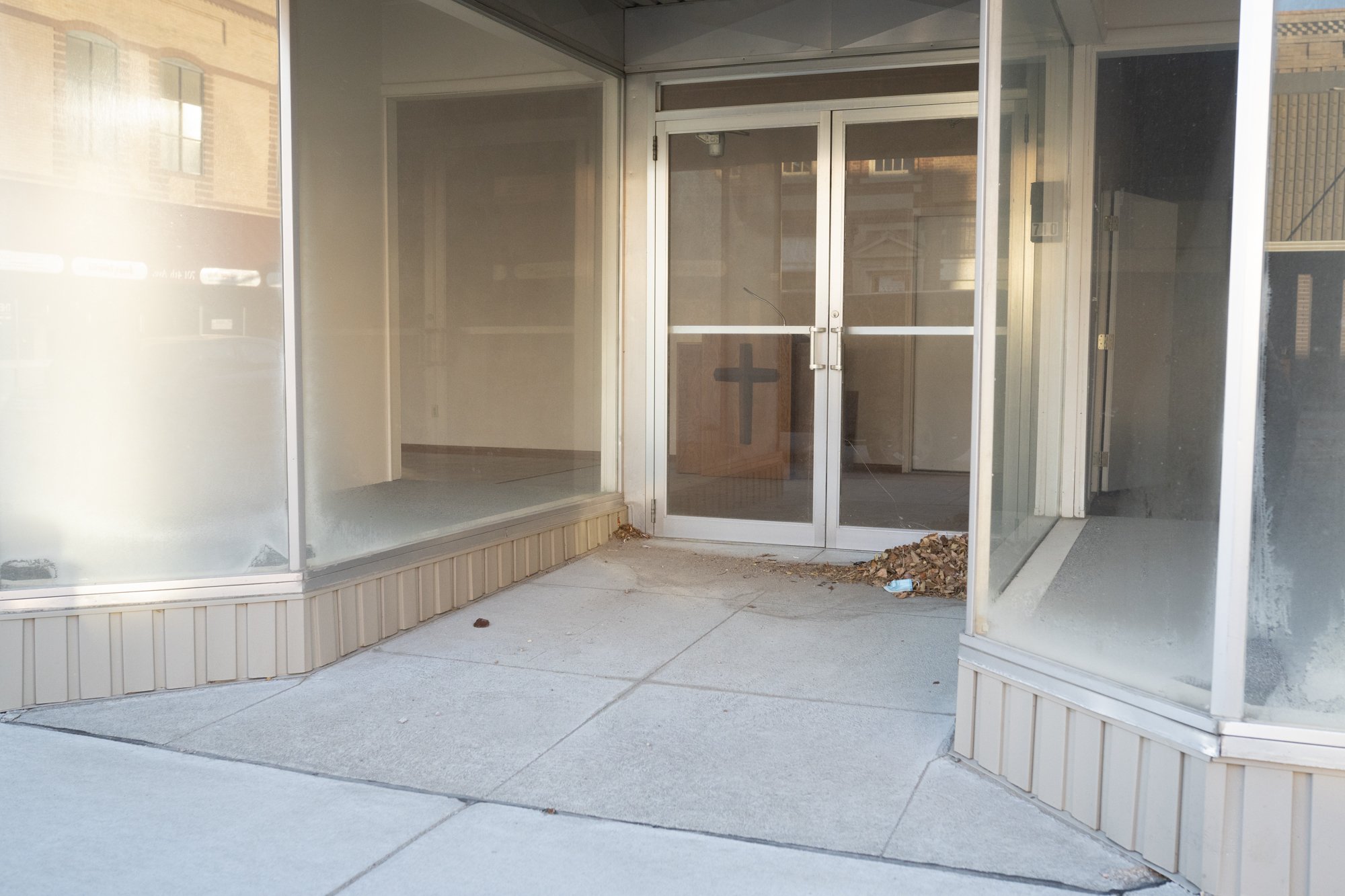
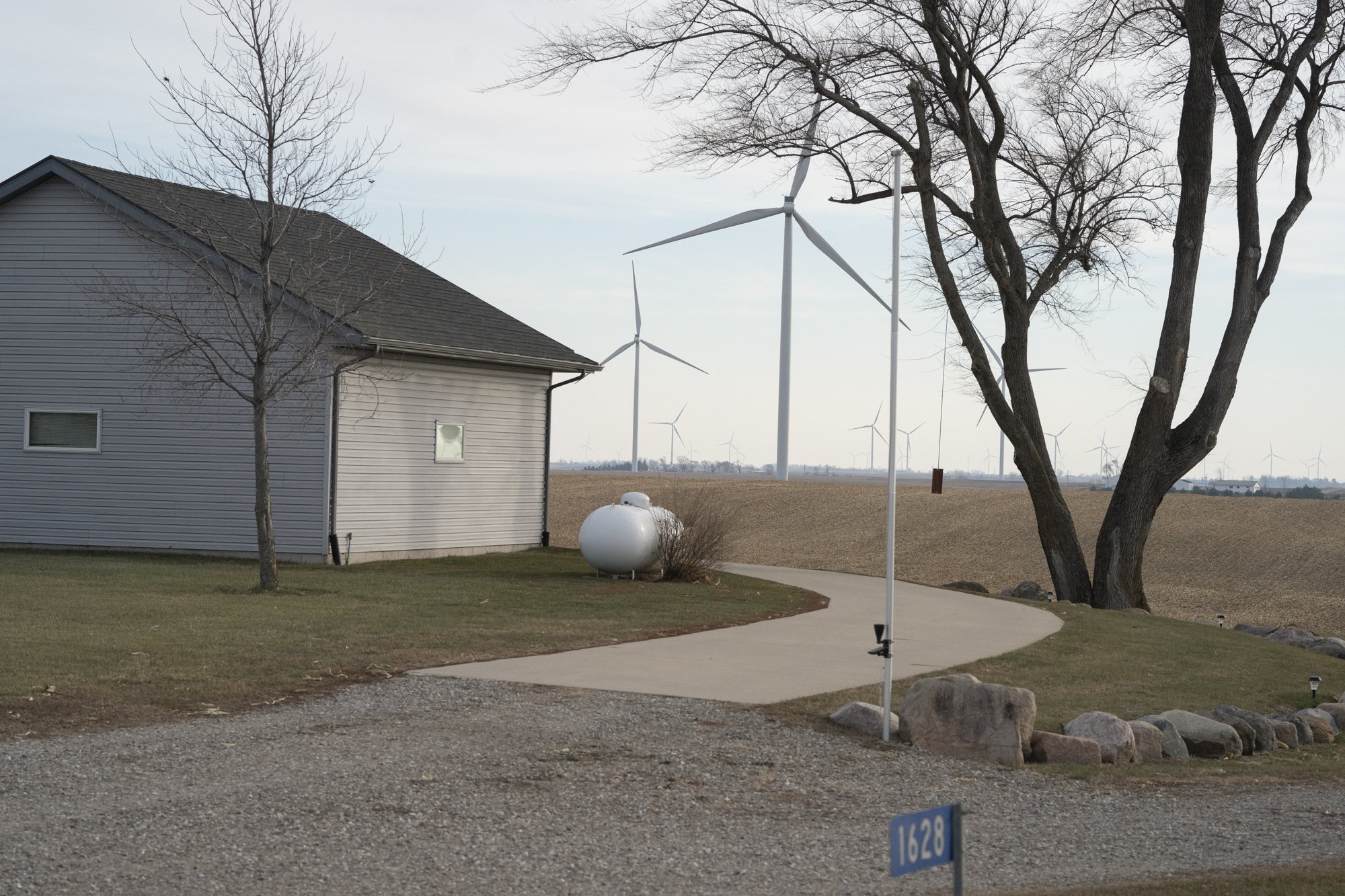
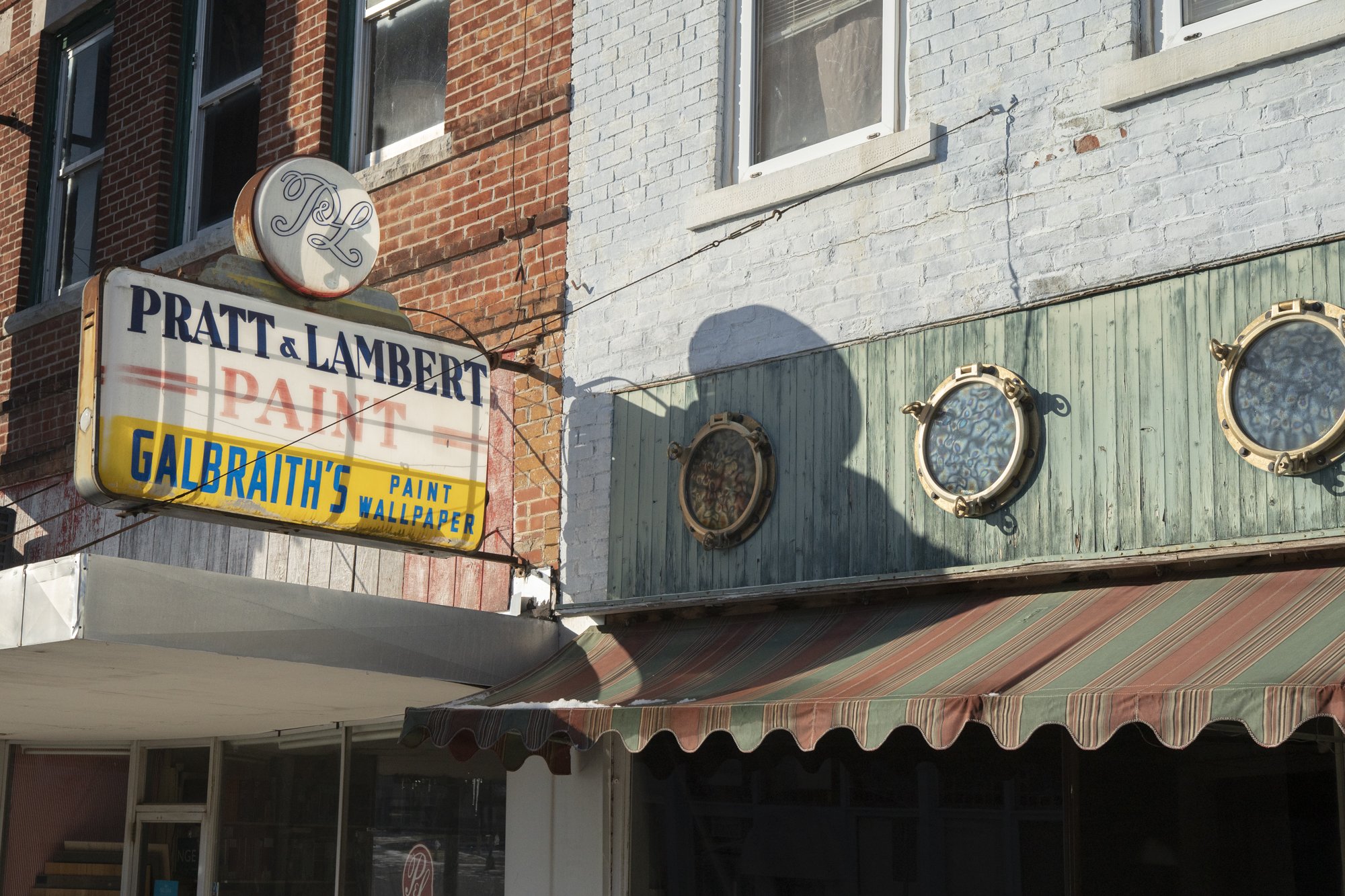
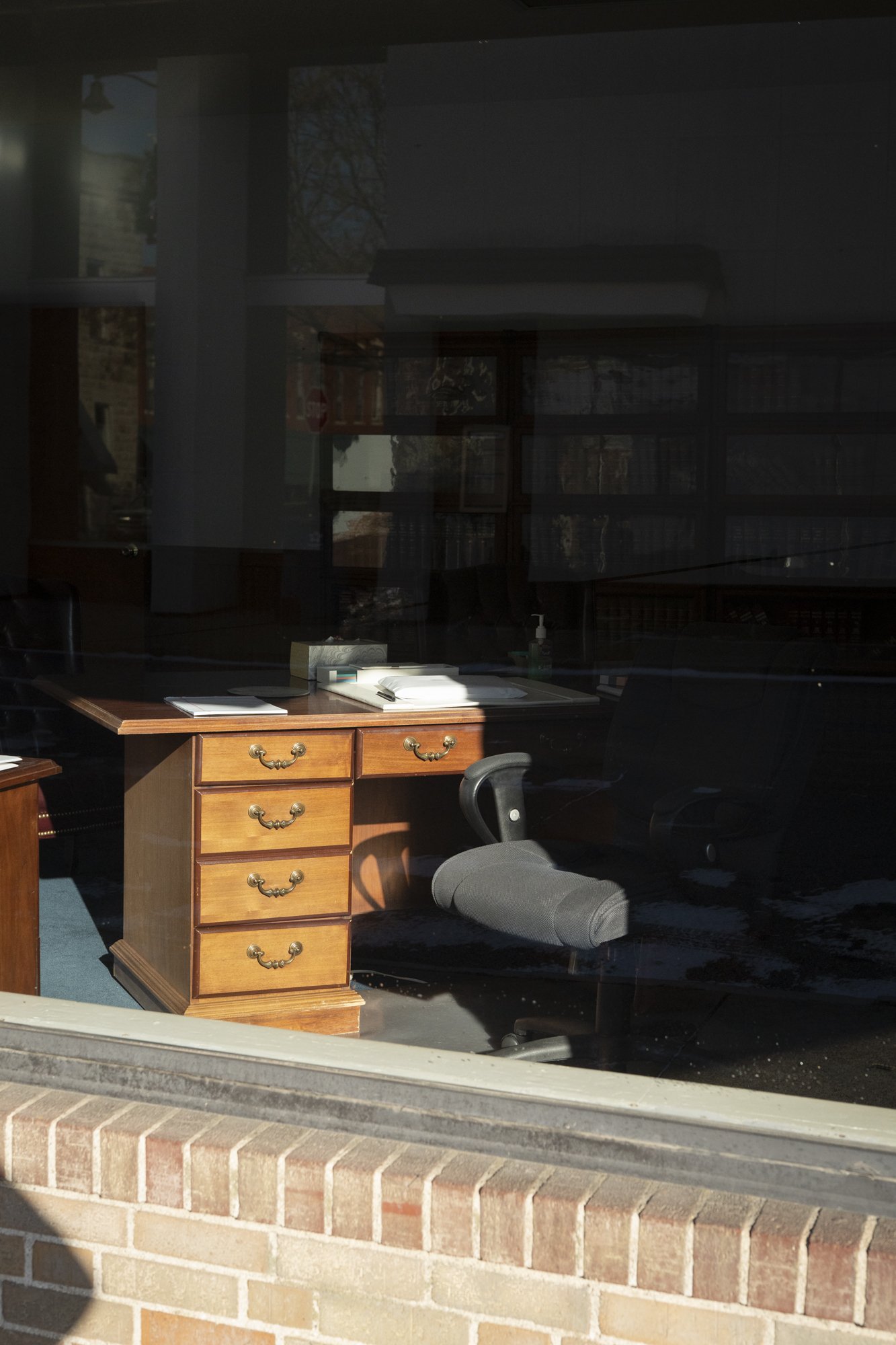
A few images from the most recent cross country road trip that go along with my America series. This type of thing wasn’t the main focus of the trip, but I can never help myself . One of these days or years all the images in this series will add up to something that makes sense and it will be a book. Still working through it…

Click here to see more from this series