Cowboy Photography - Buckaroos

Nevada Buckaroo Photos | Authentic Great Basin Cowboy Photography

Buckaroo Photography from the American West

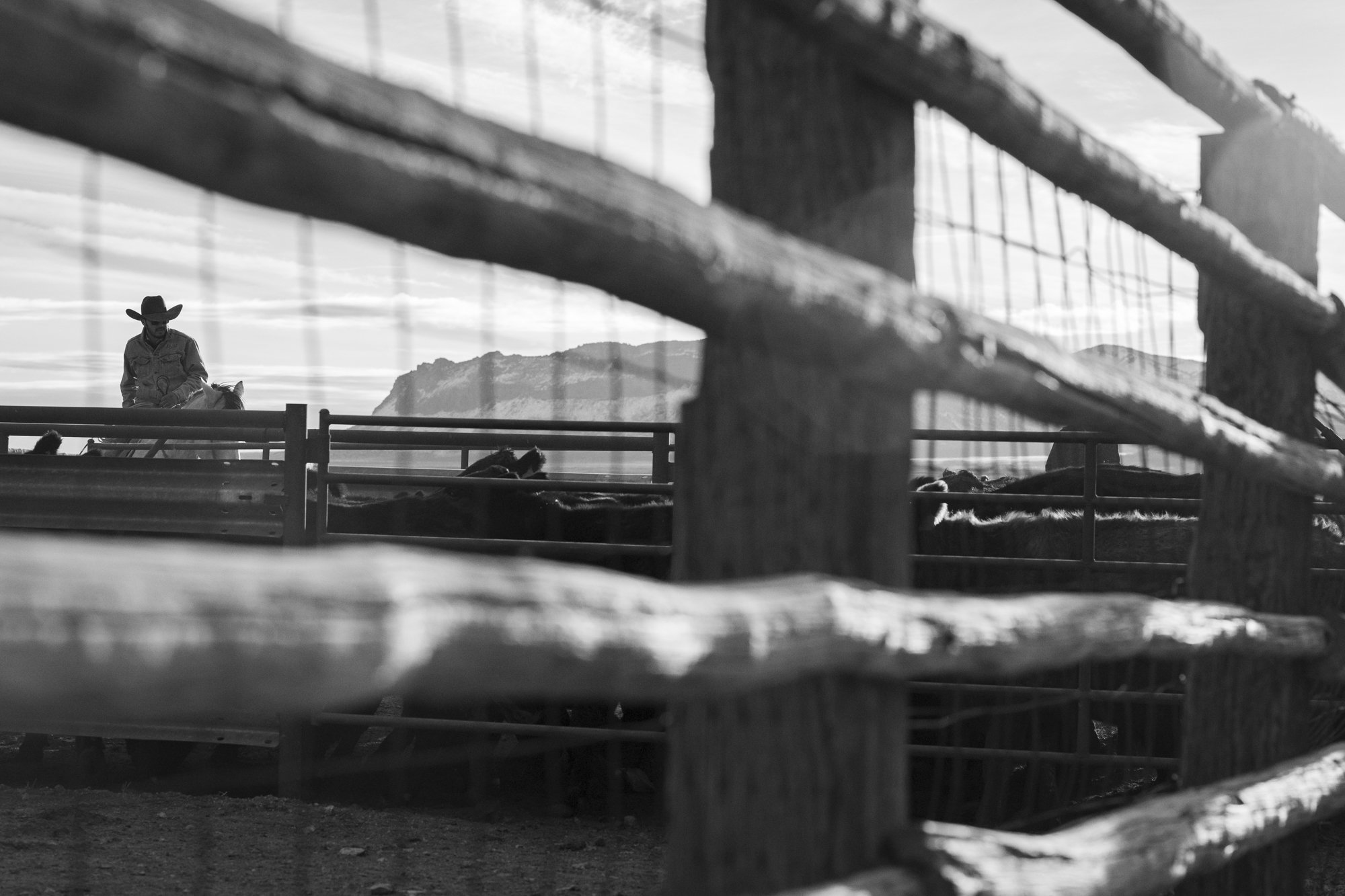
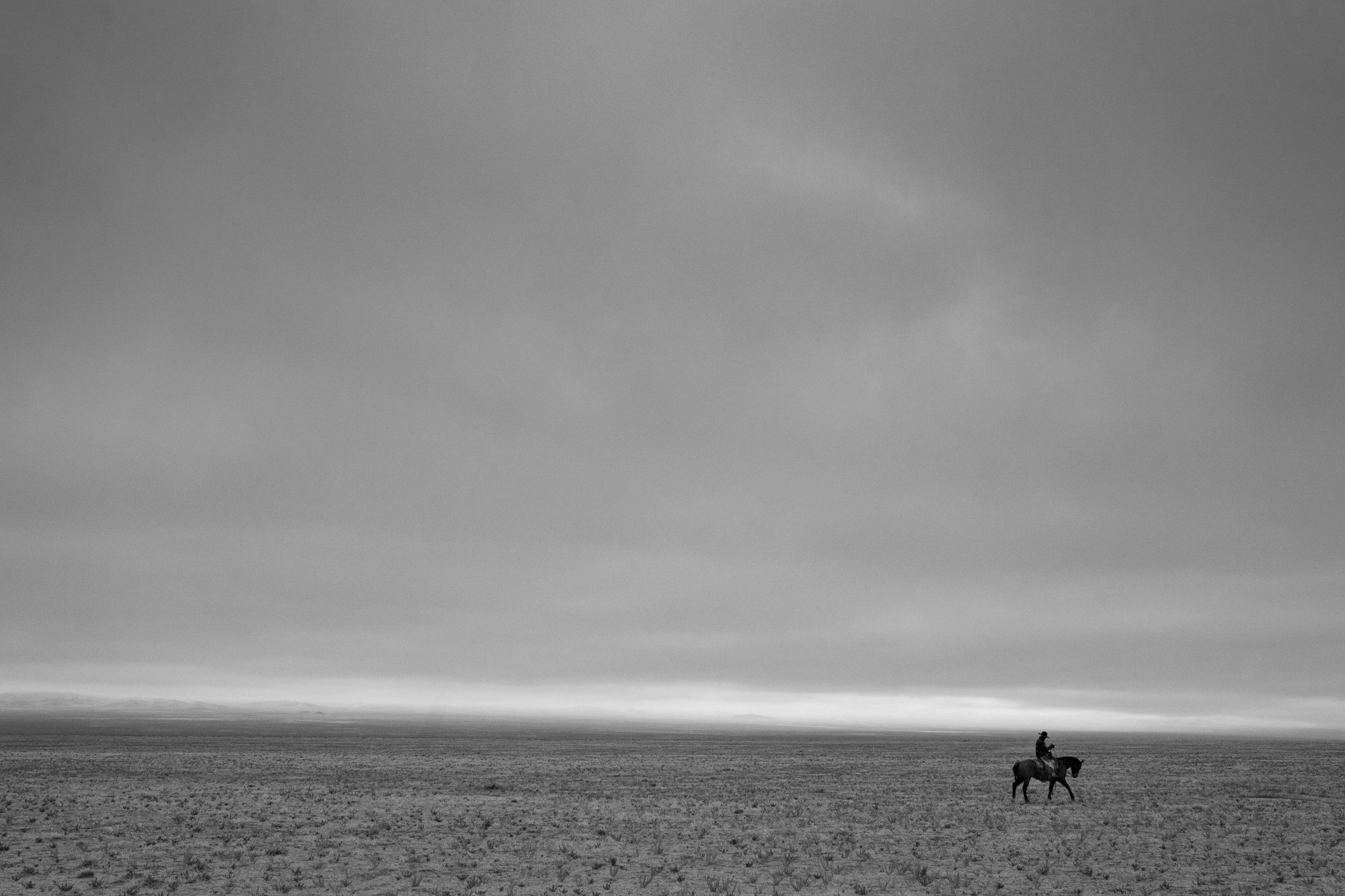
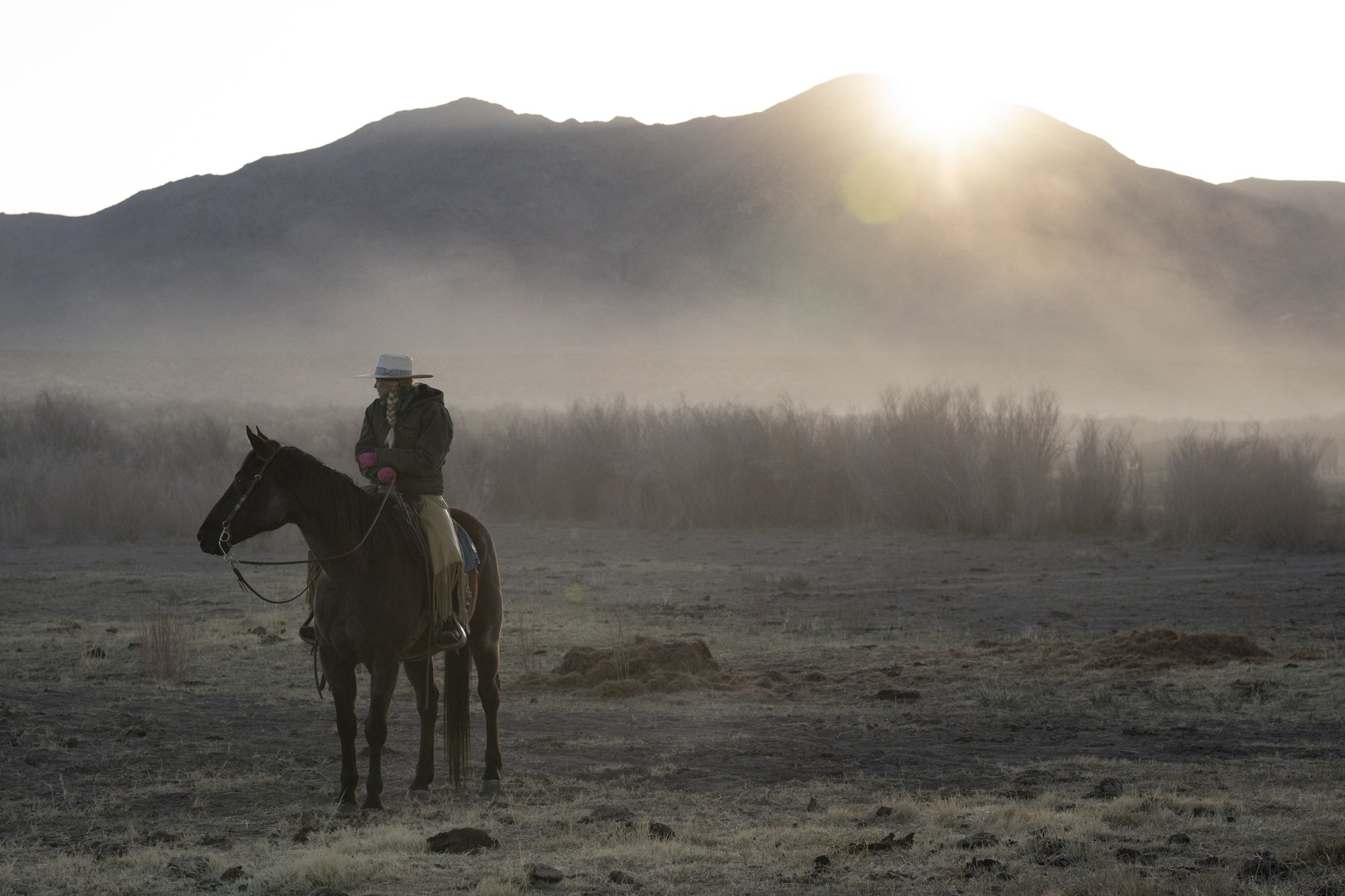
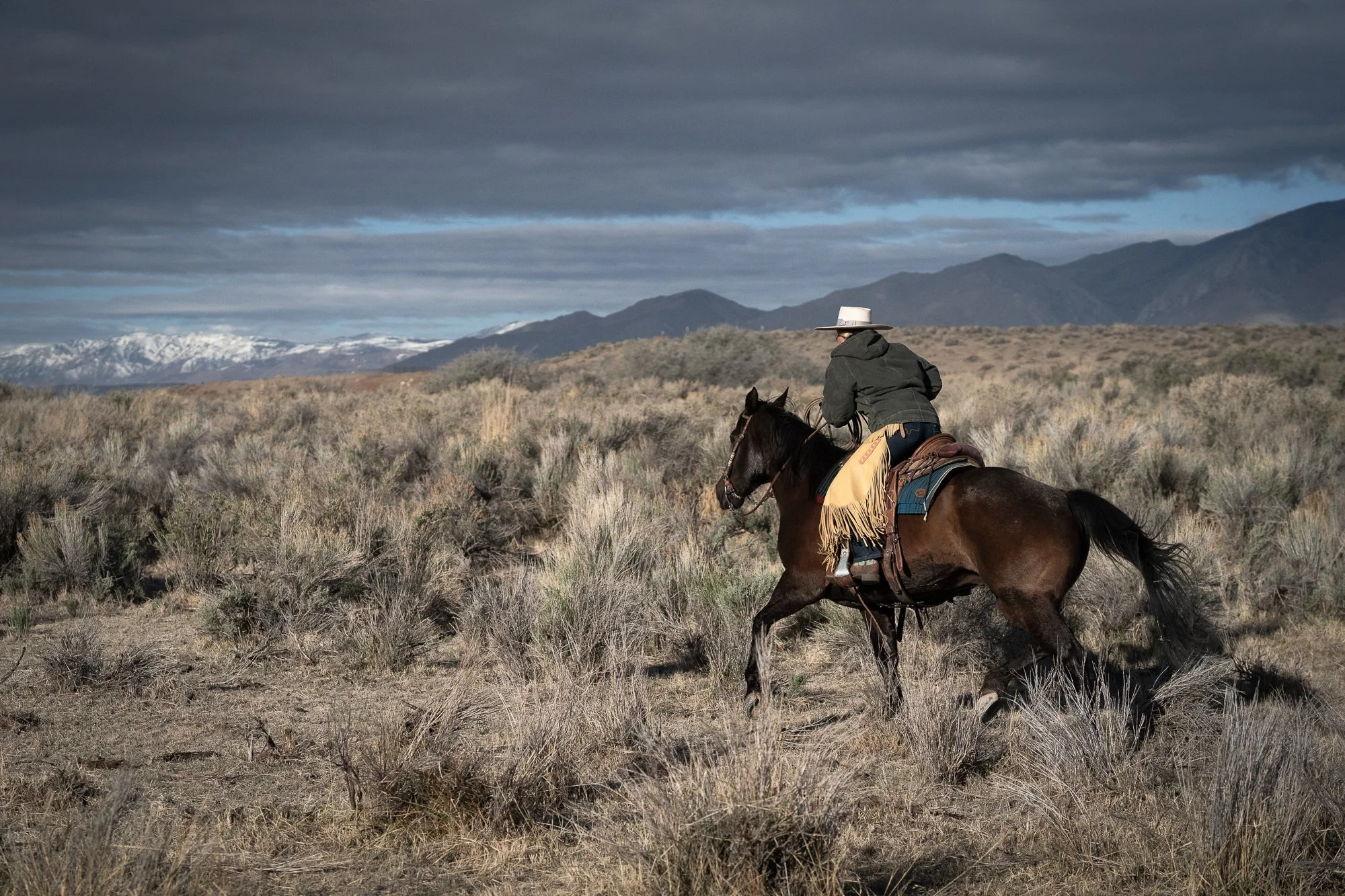
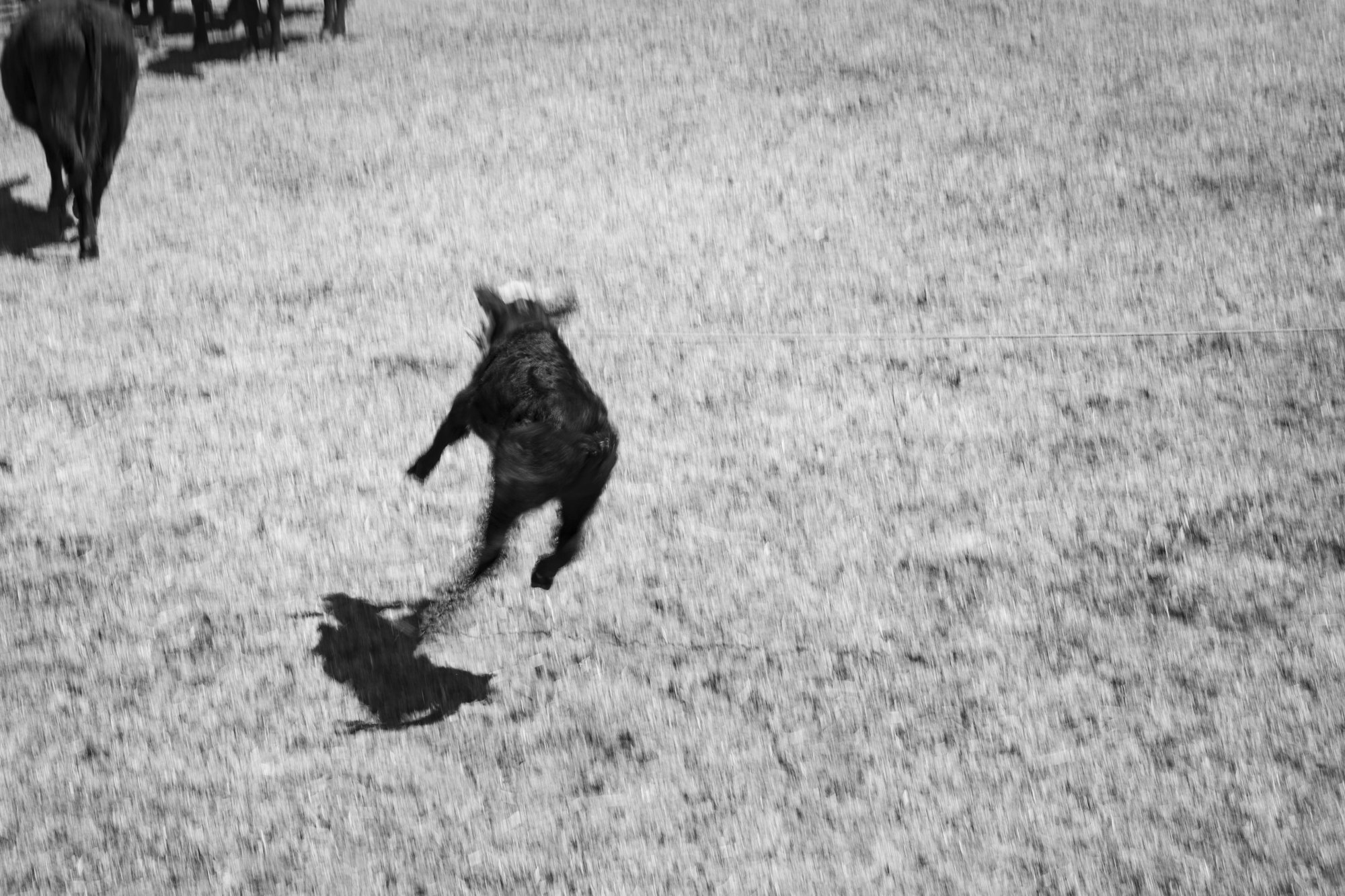
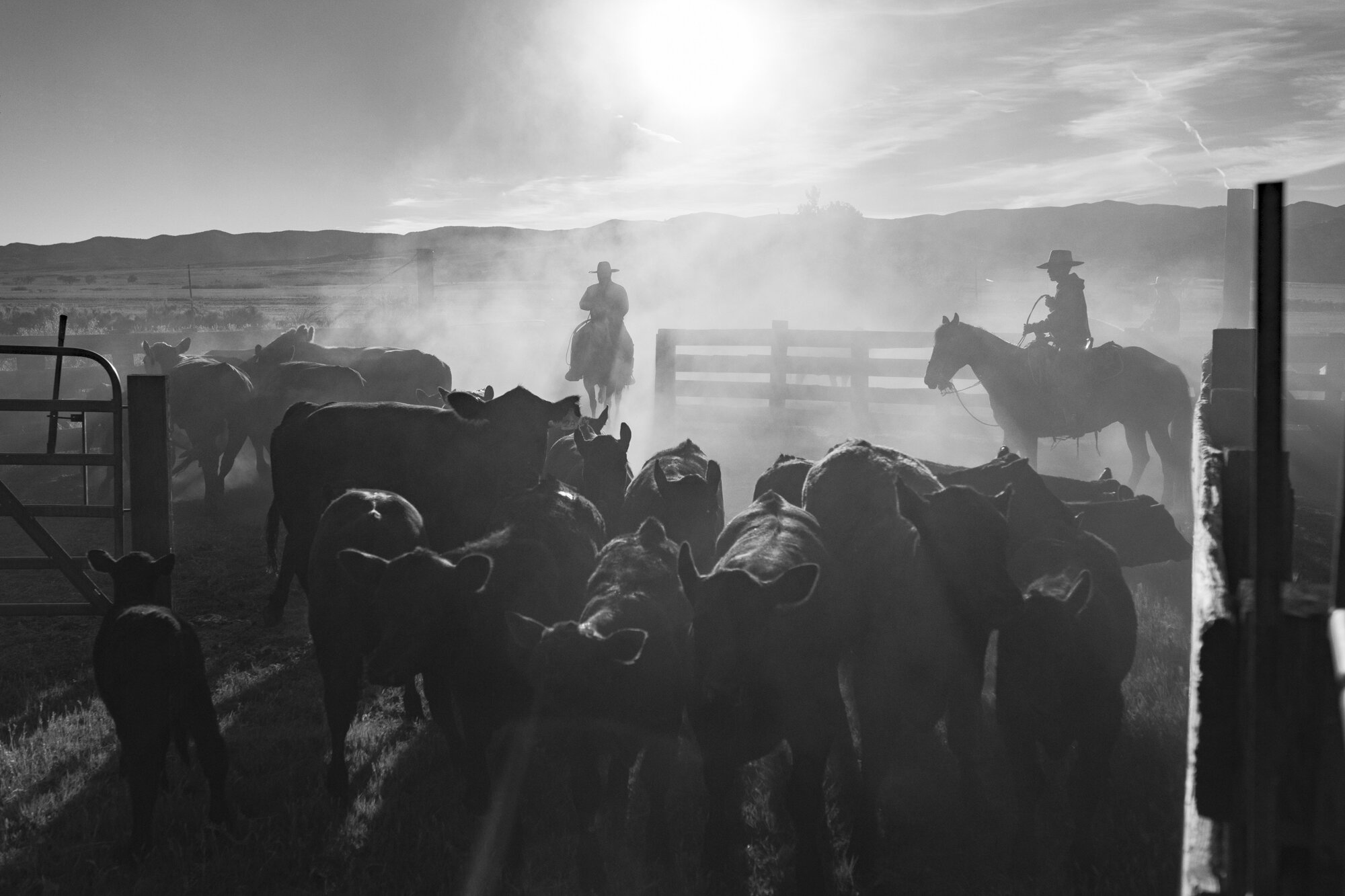
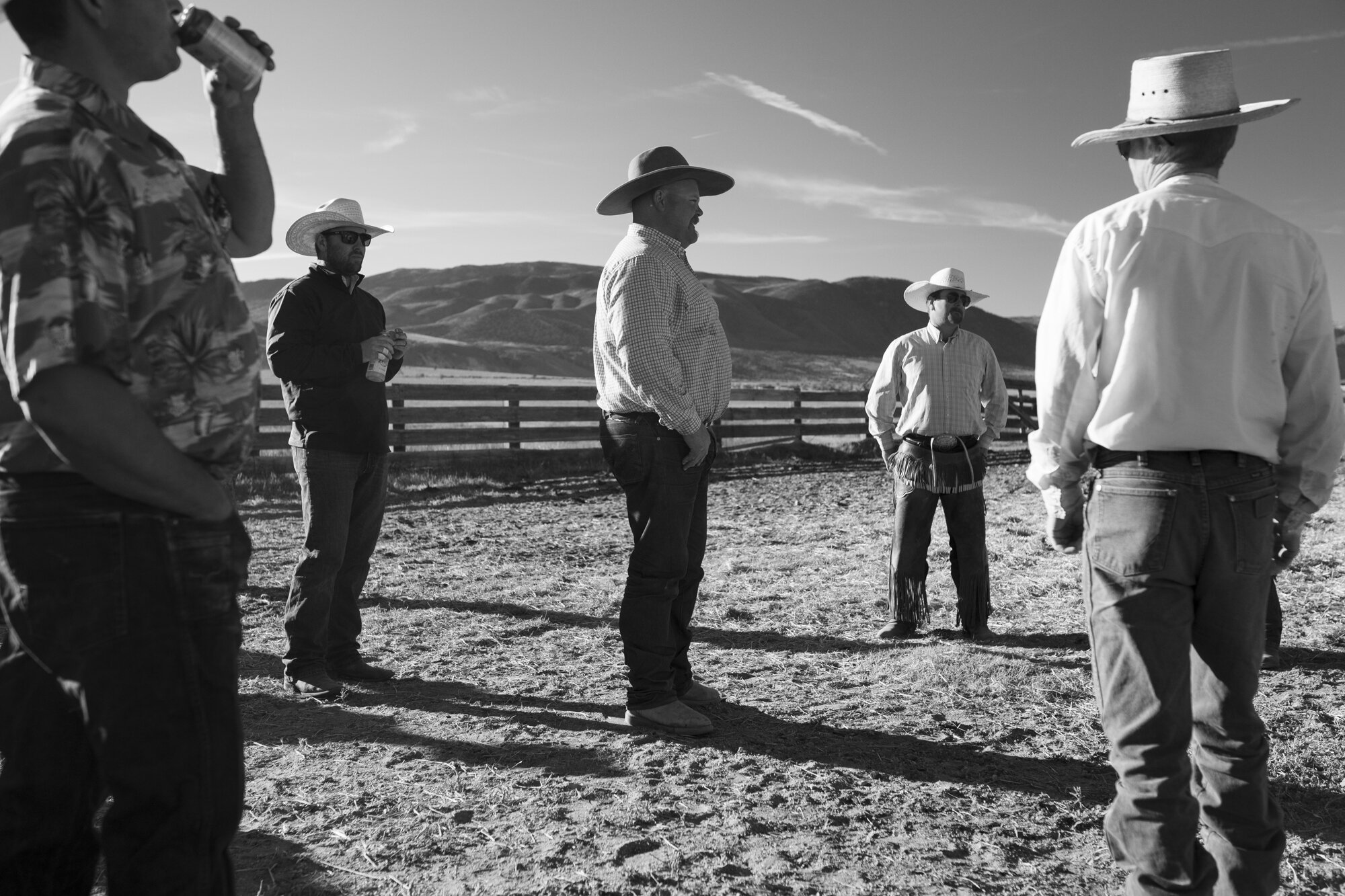
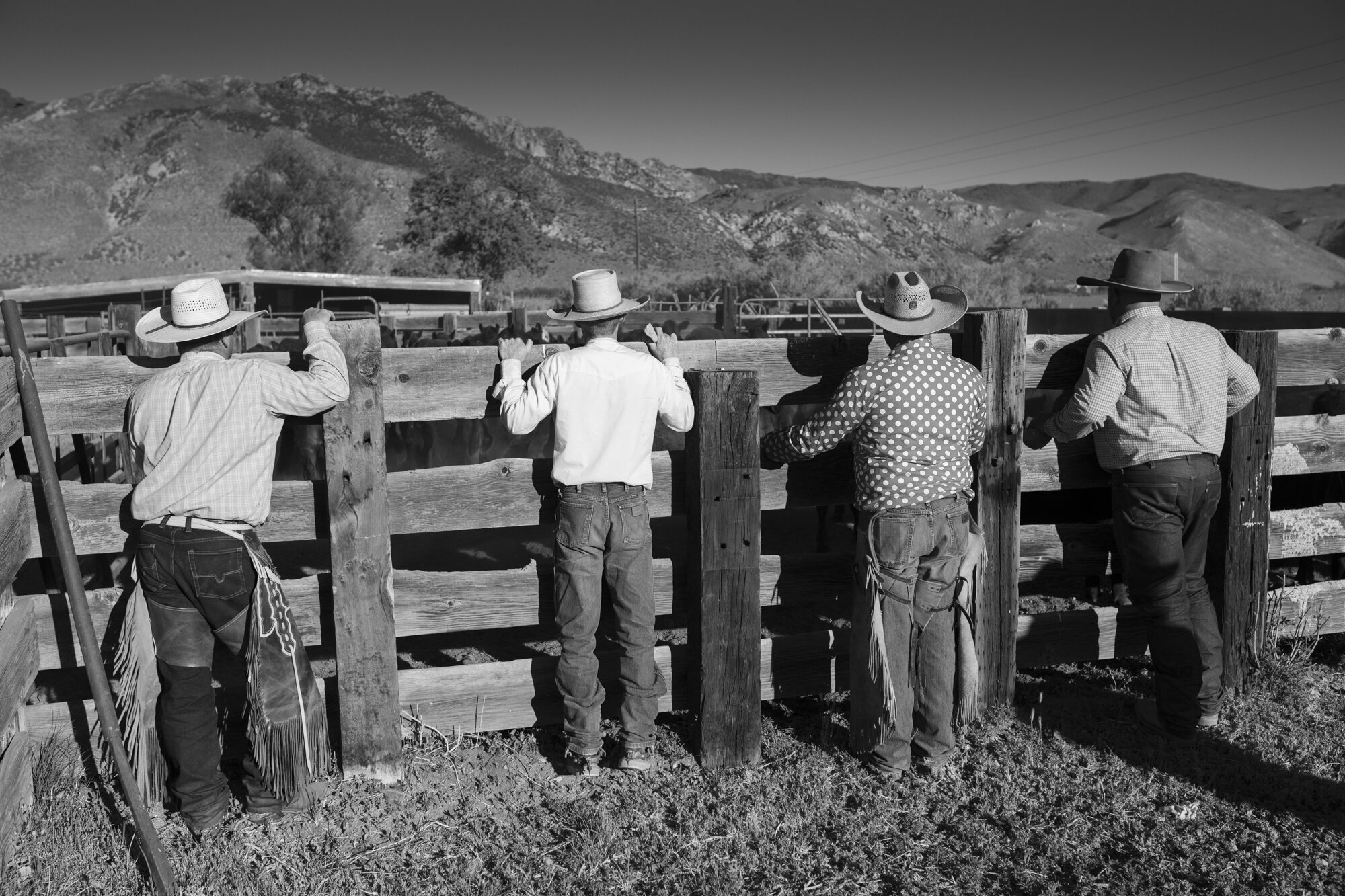
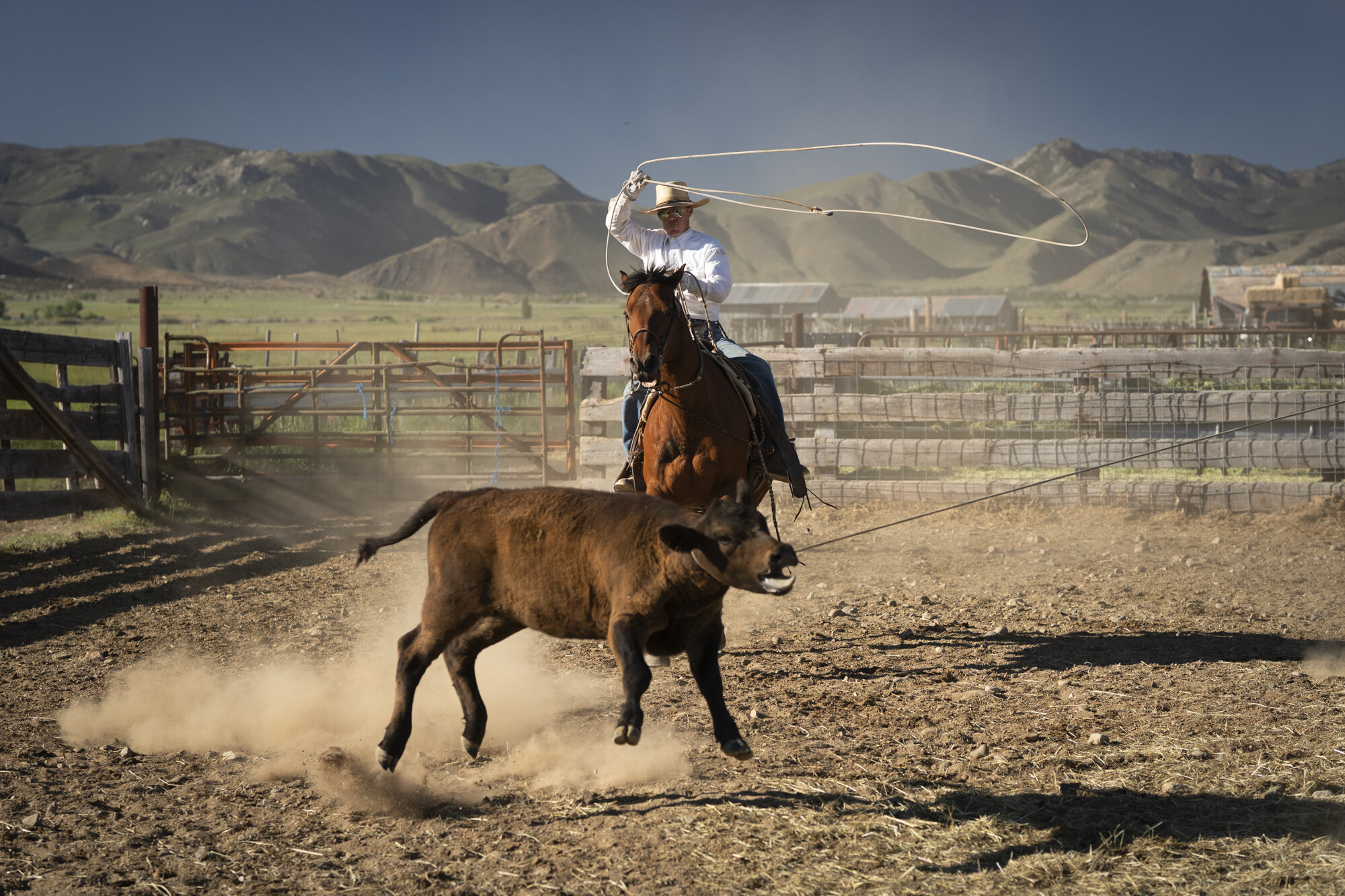
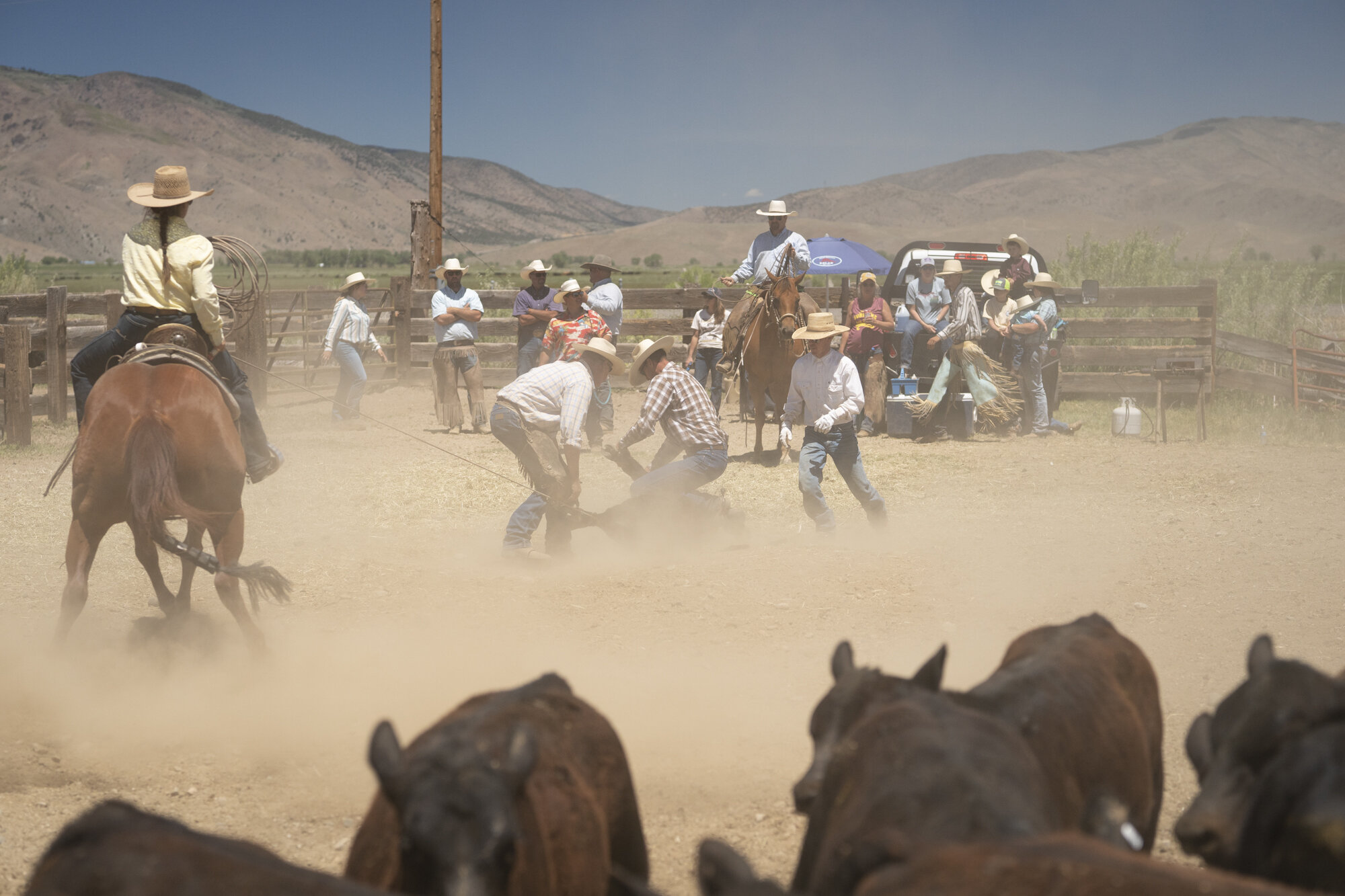
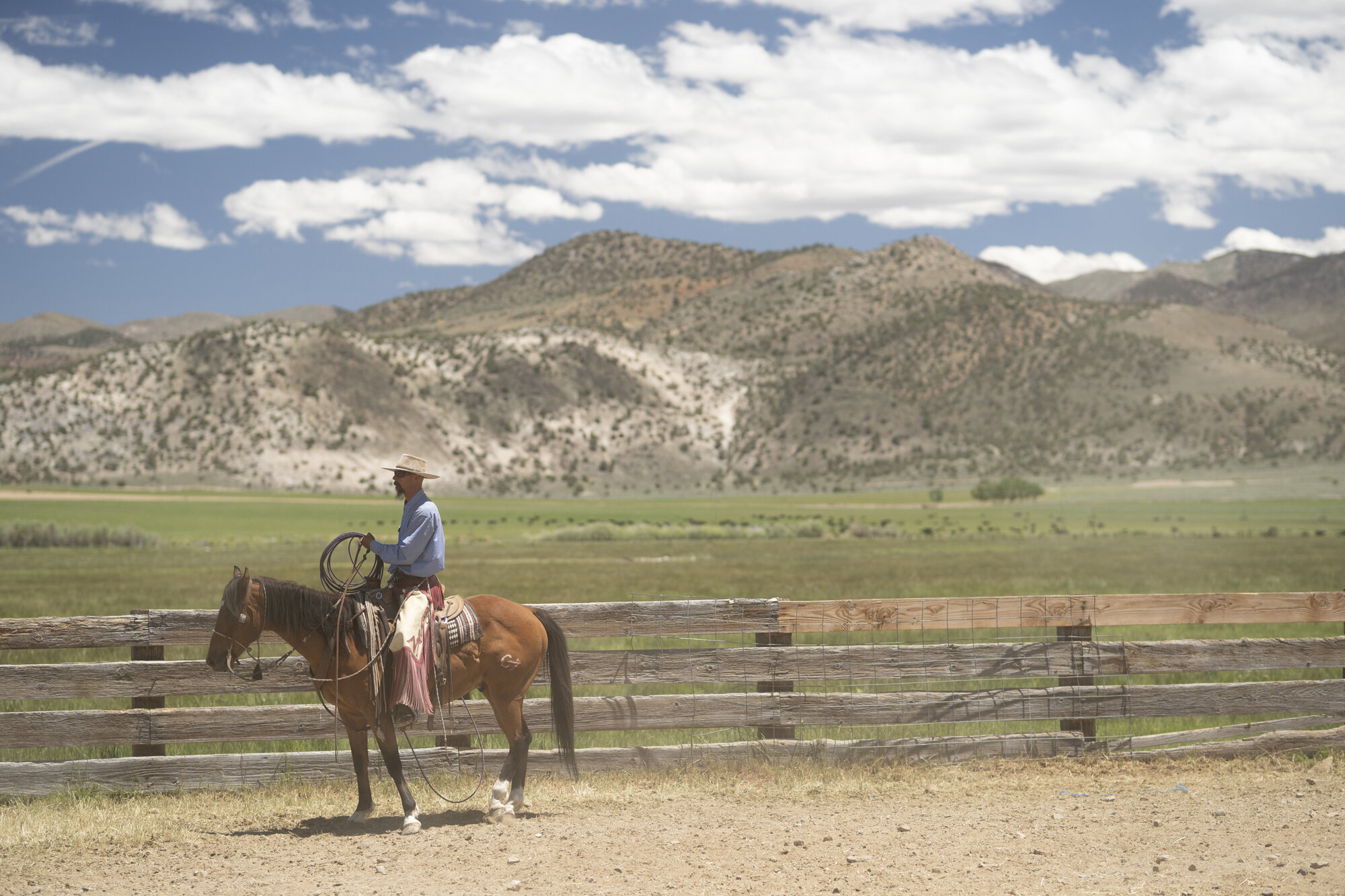
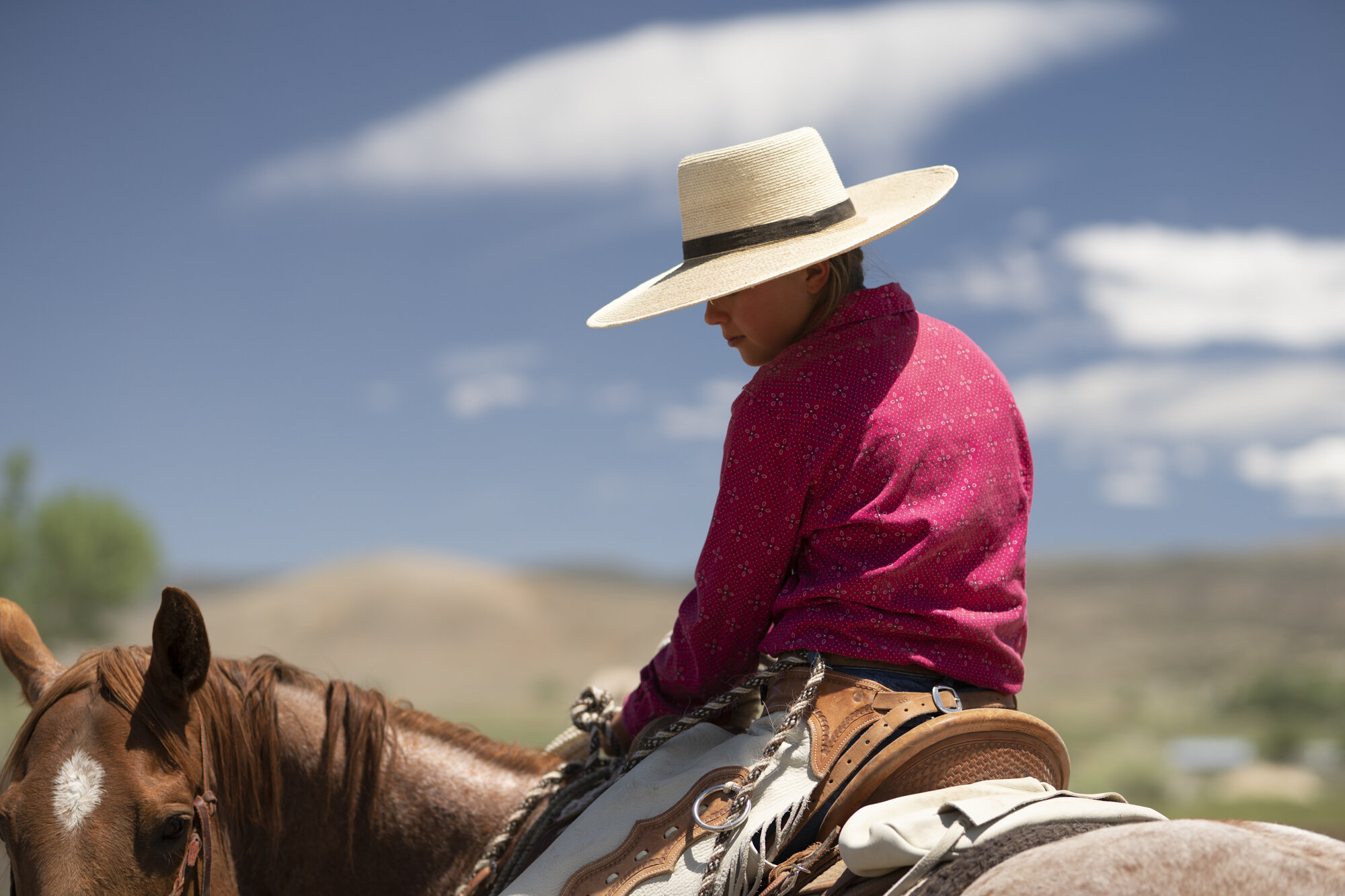
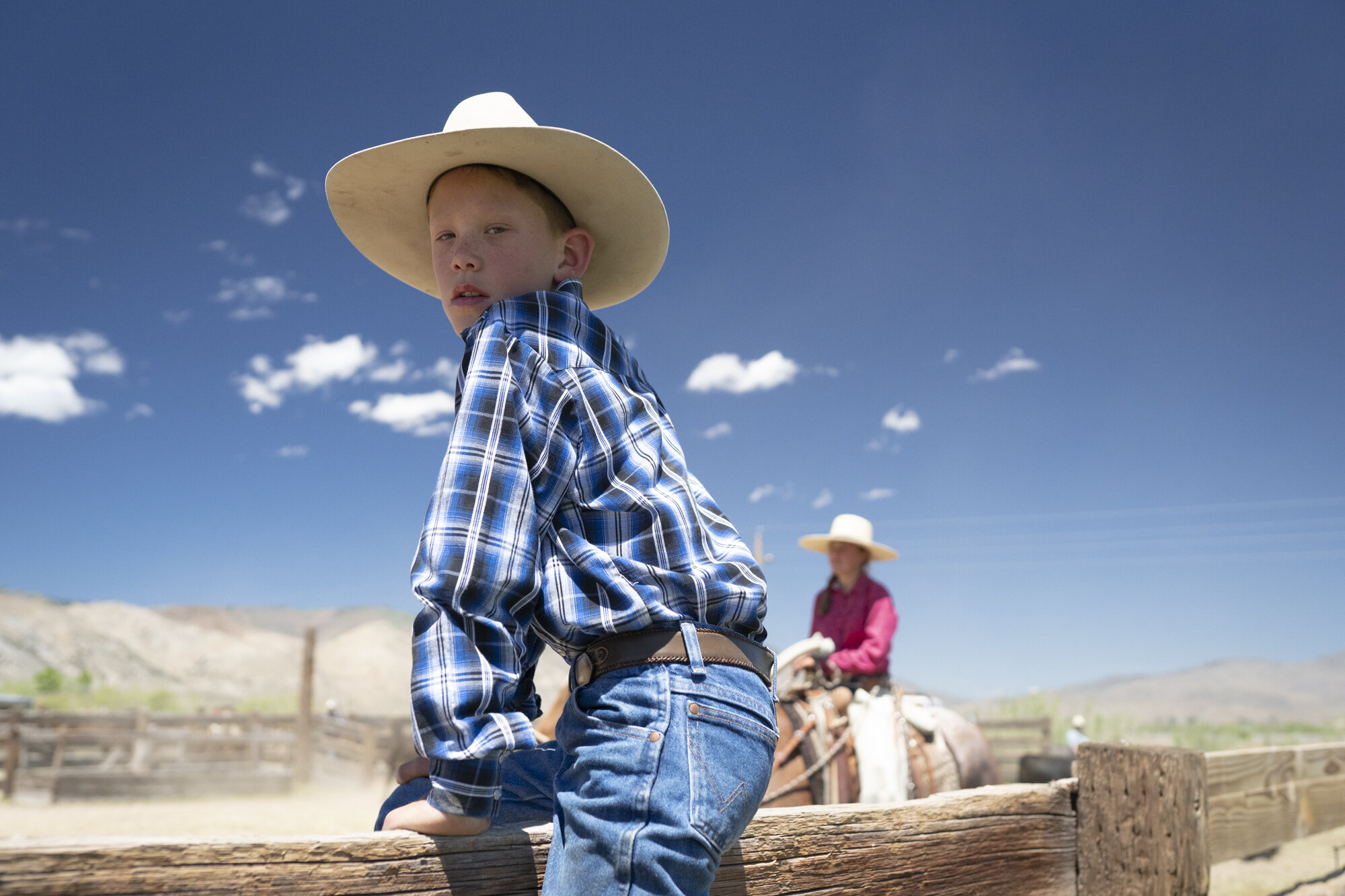
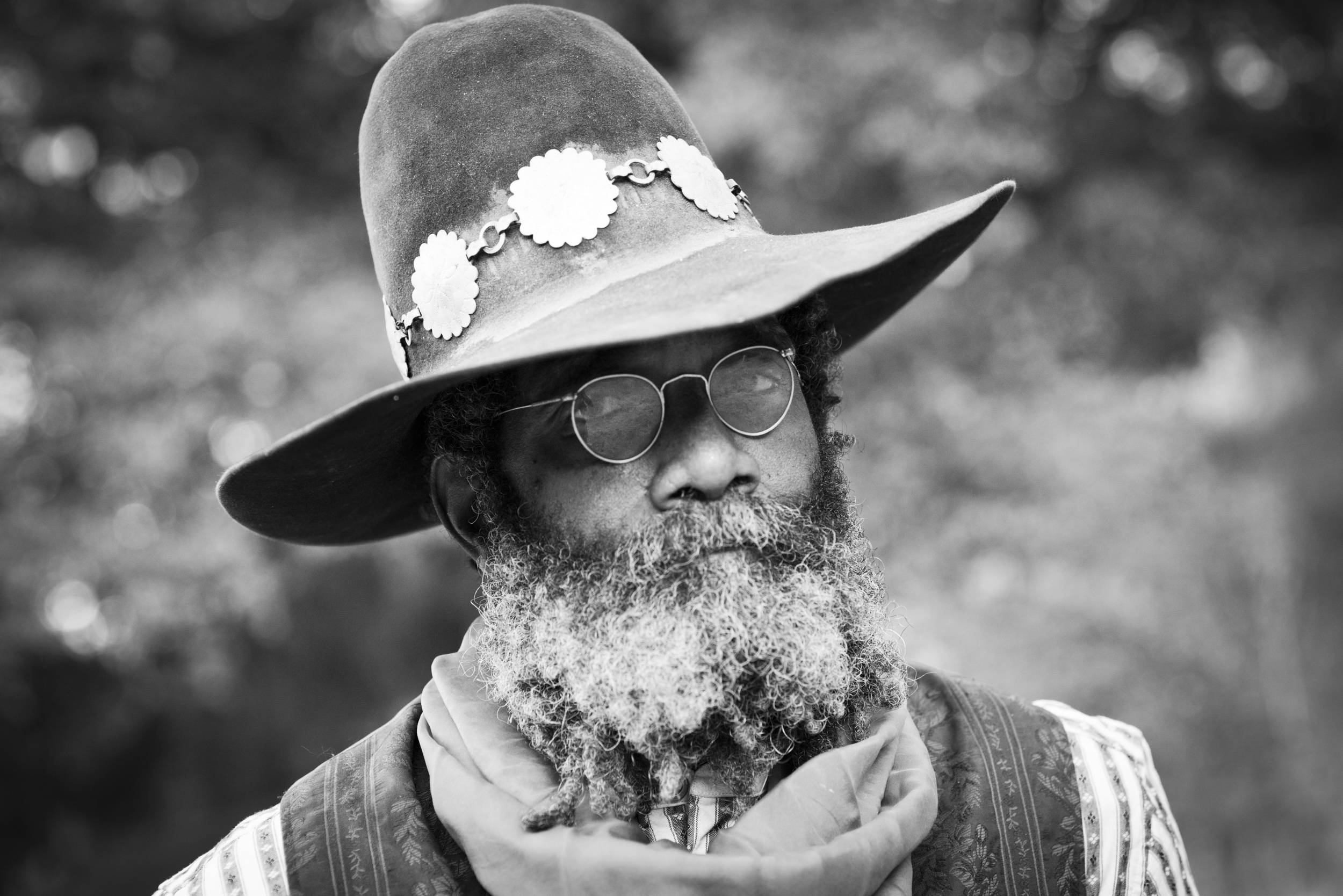
The Great Basin is a special part of the American West, particularly as it applies to cowboy culture and the buckaroos that call it home. Among the few remaining iconic ranches still left in northern Nevada are the C-Punch Ranch in Lovelock and the Winecup Gamble Ranch in Montello. Both are jaw dropping beautiful and incomprehensibly large. The C-Punch, the biggest I’ve been to so far, is 1.8 million acres. Yeah. Try wrapping your head around that. Seeing all these properties in different parts of the country has been amazing. Each region has its own allure. Nobody ever said to pick a favorite, but there’s something about the land in northern Nevada that really does it for me. Still working on putting that into words, but it’s exceptional, to say the least and took a few years to truly understand. At first, places that big, open, and seemingly void of life are difficult to grasp. Then something clicks and you can’t get enough of it. The muted colors, textures, and vibes of the Sage Brush Sea are intoxicating.

Nevada Buckaroos and Great Basin Ranch Culture

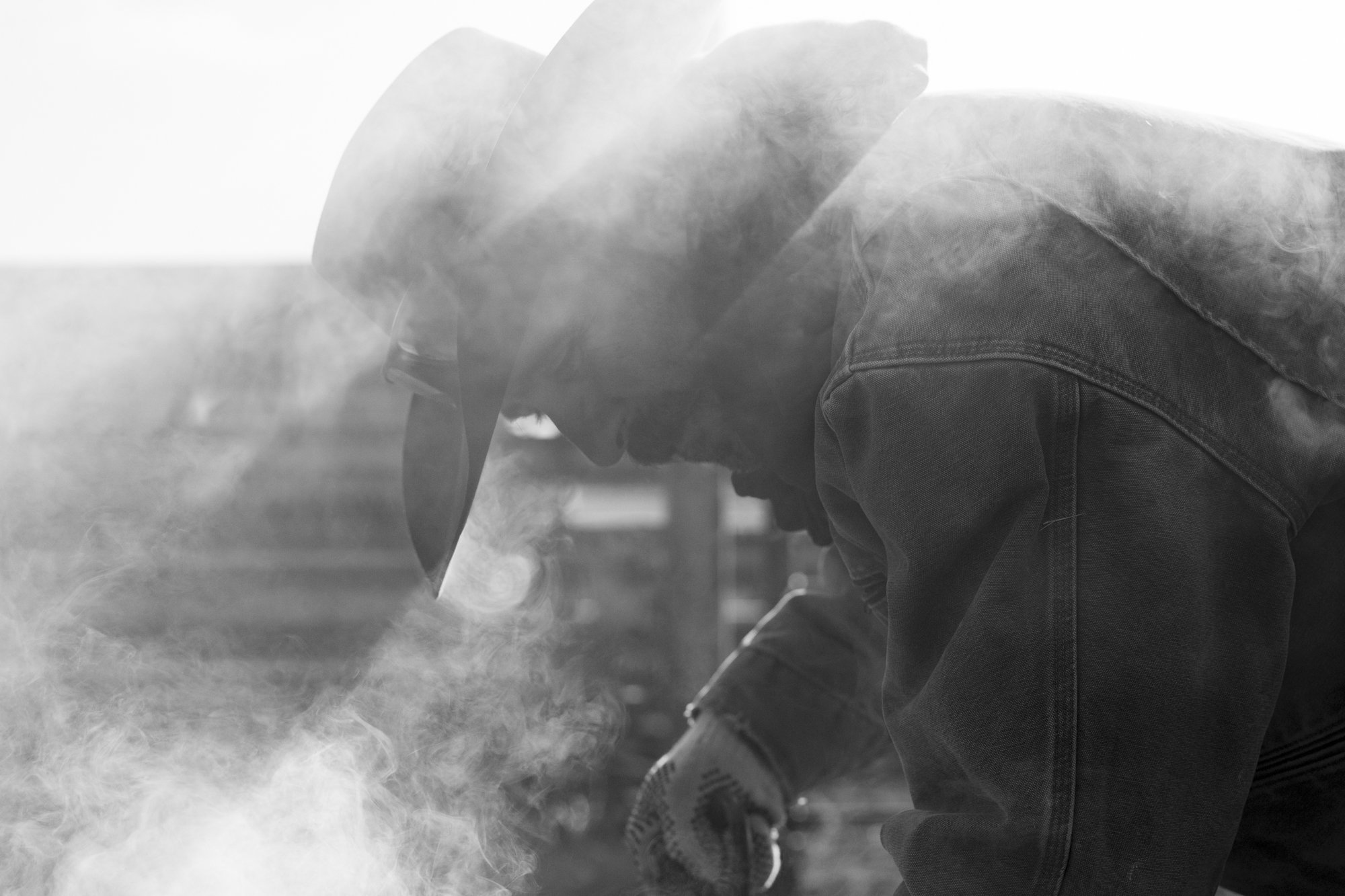
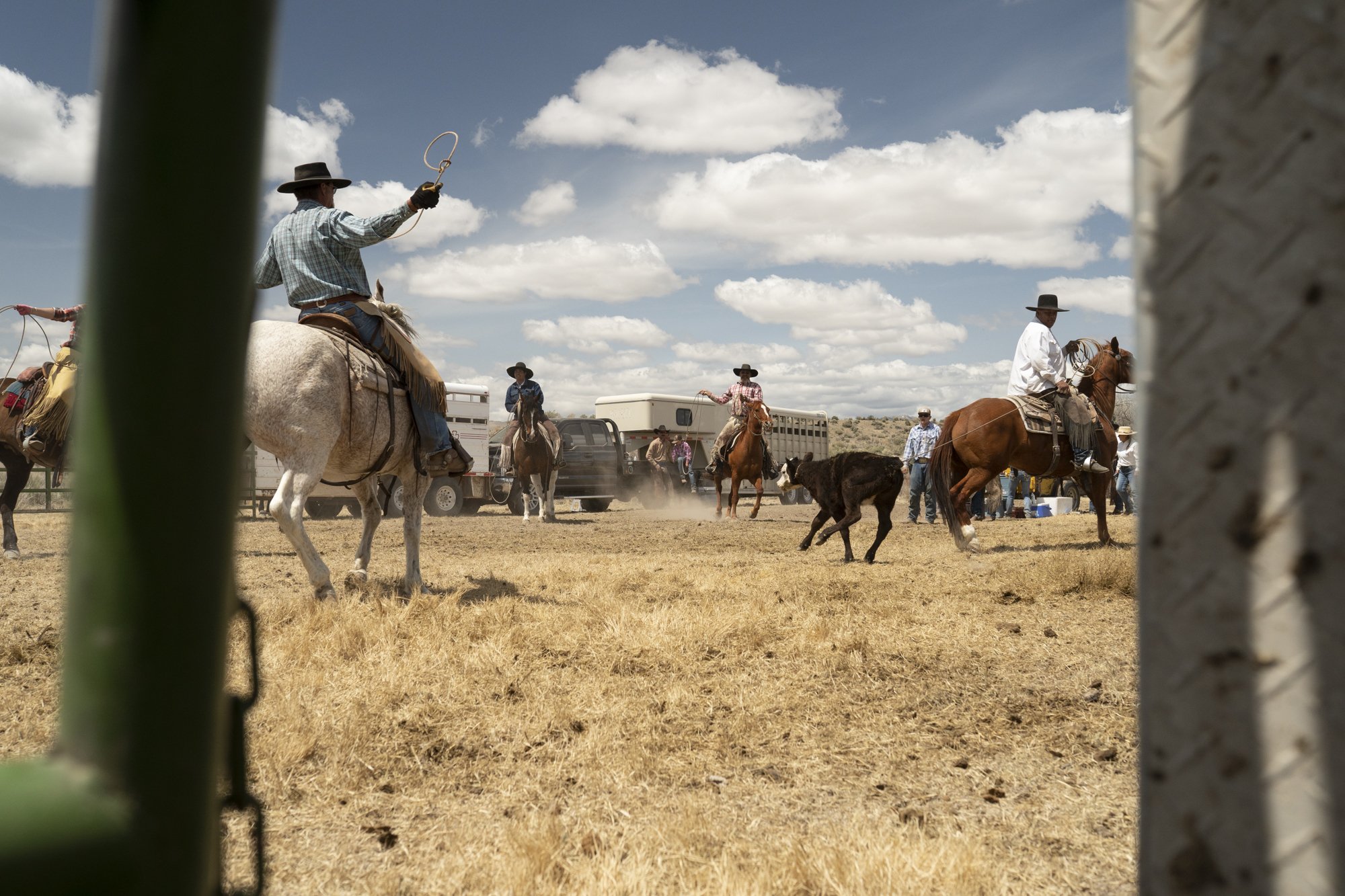
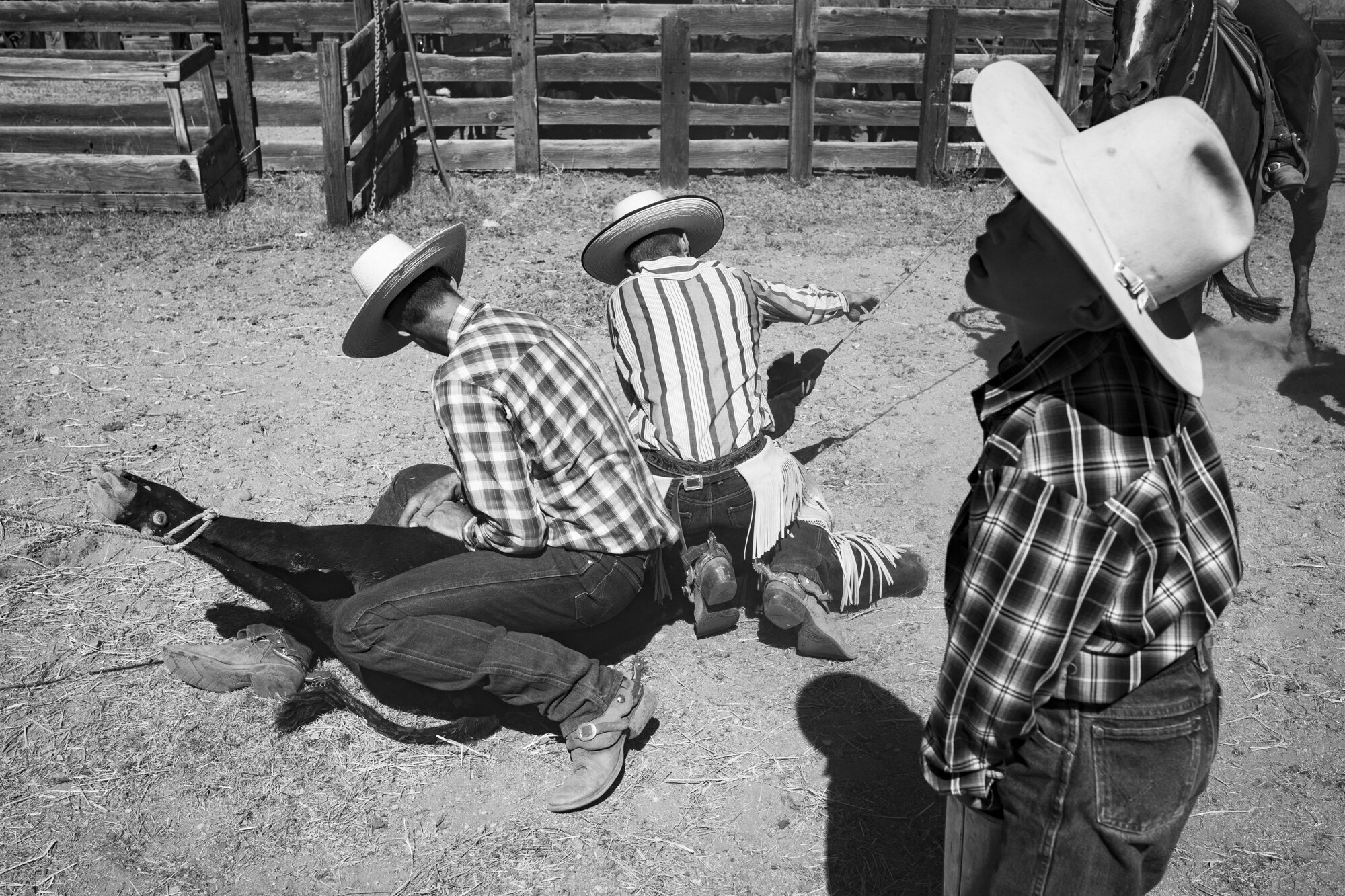
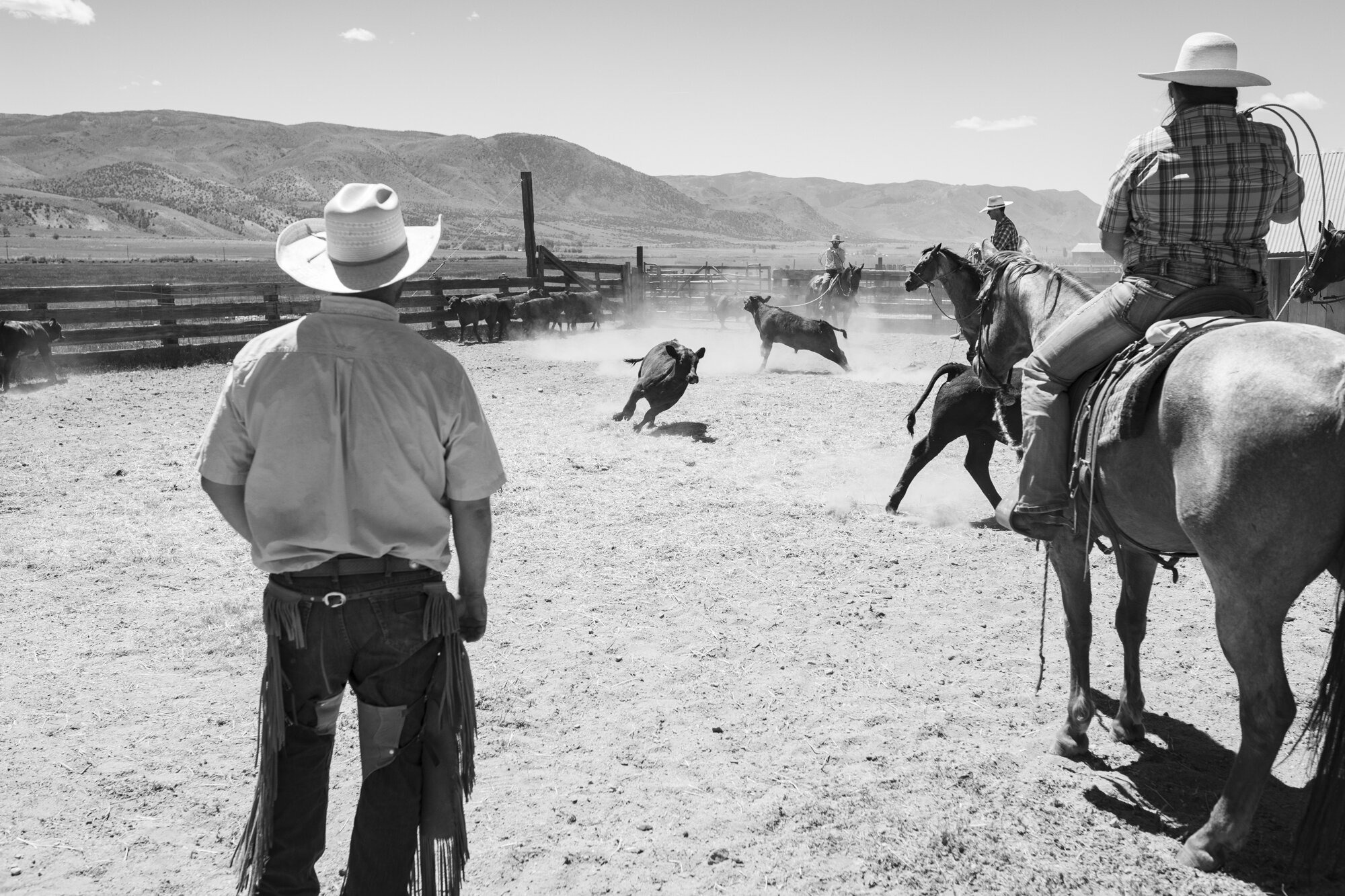
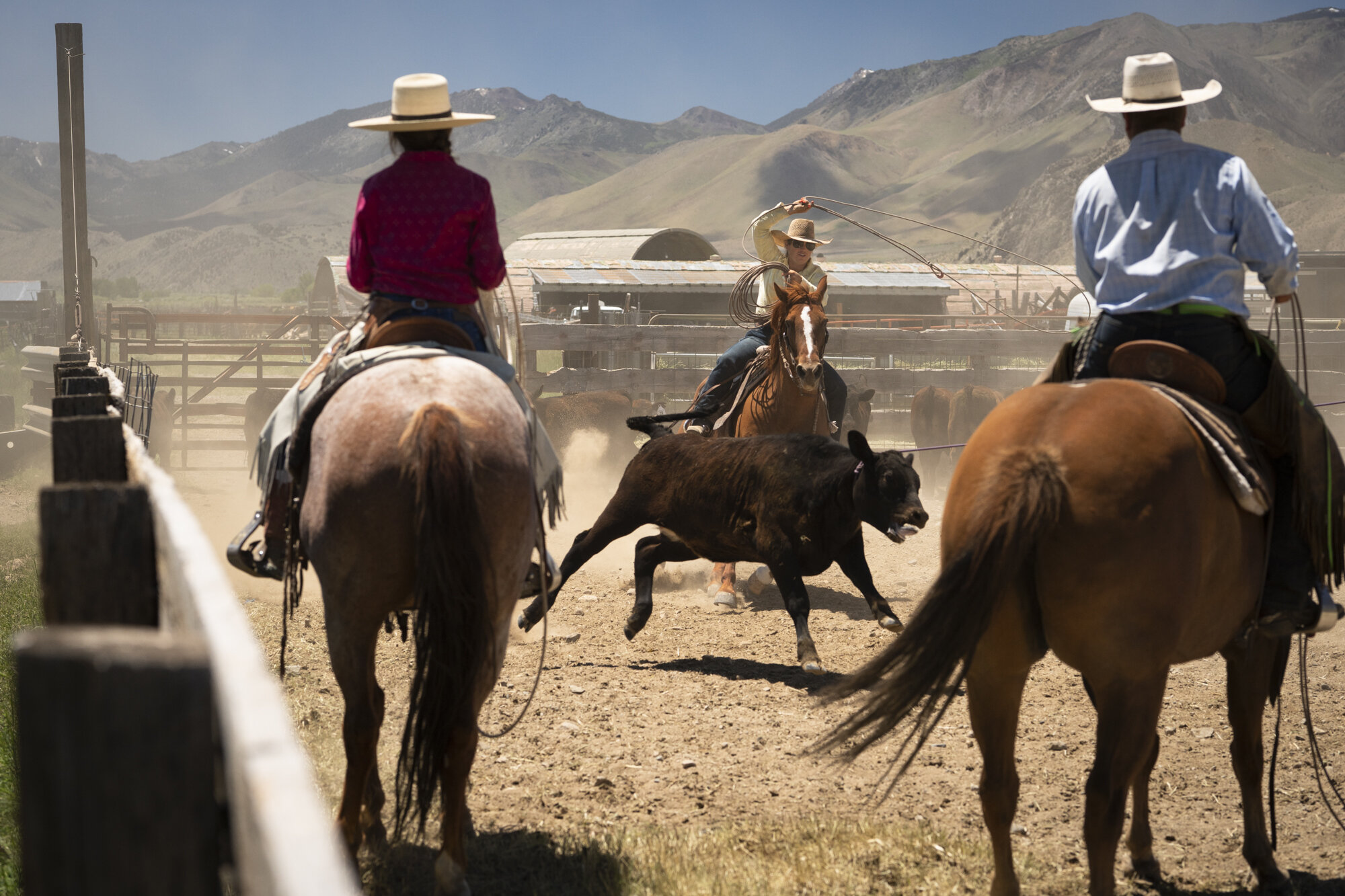
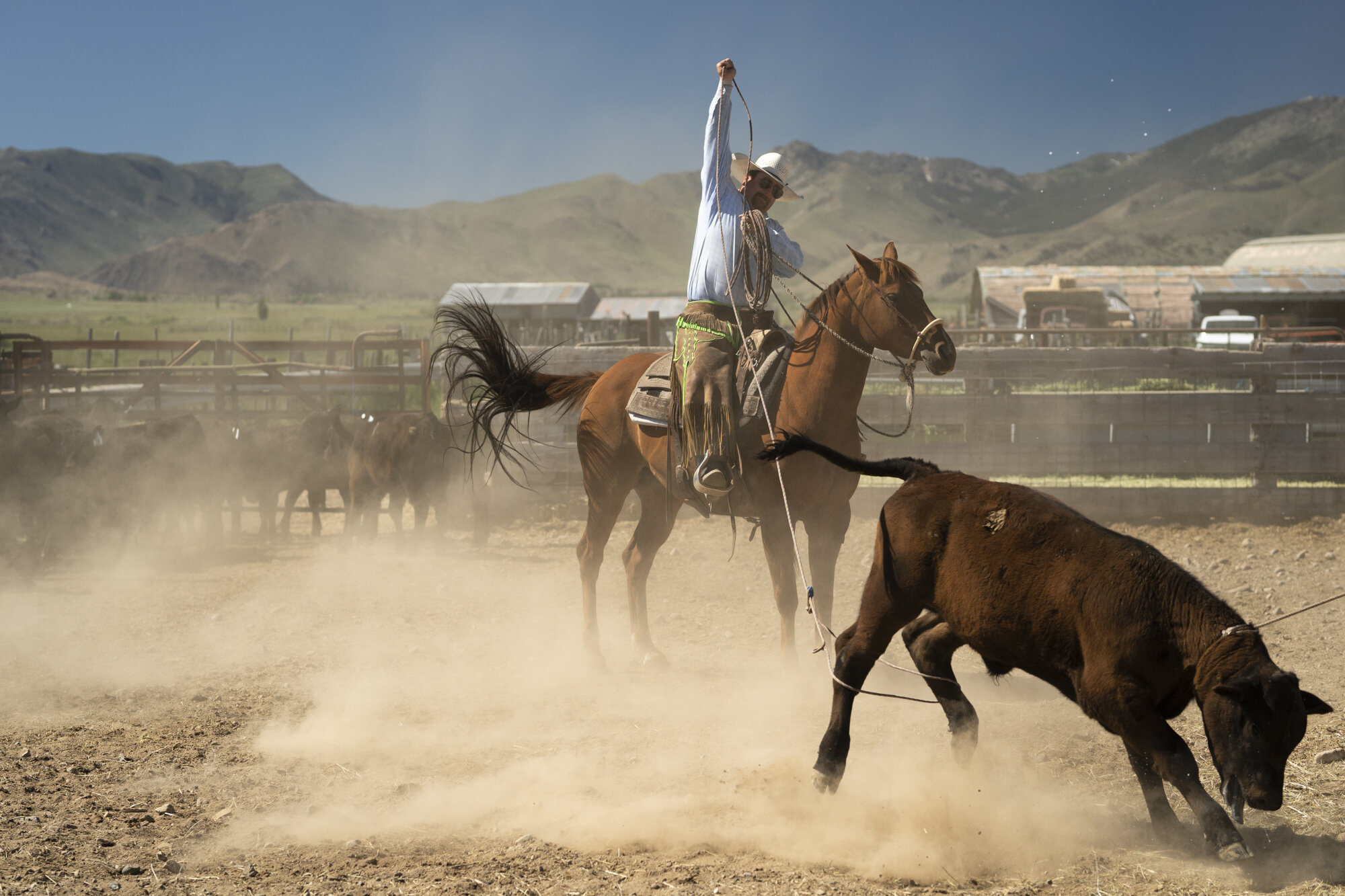
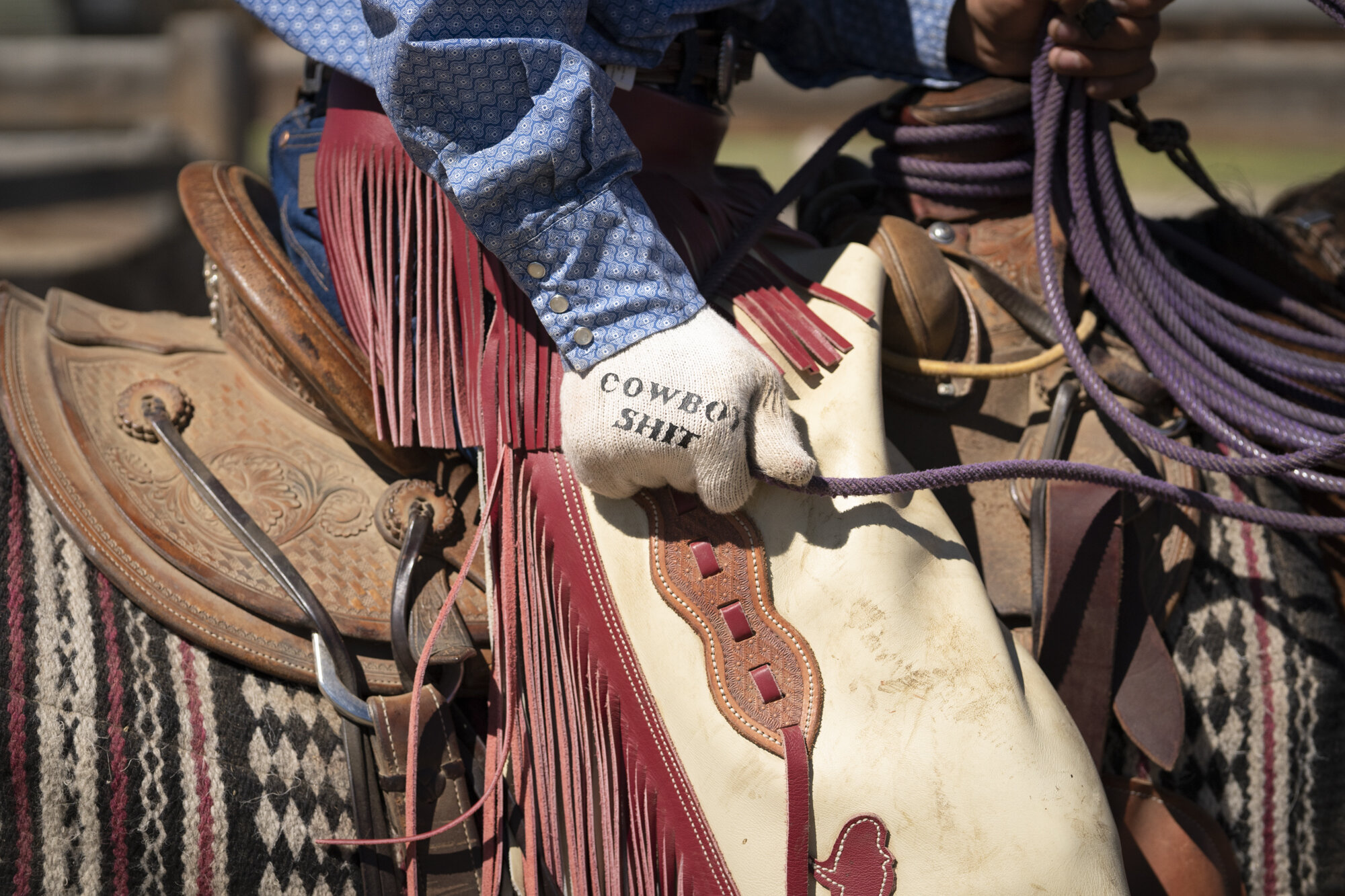
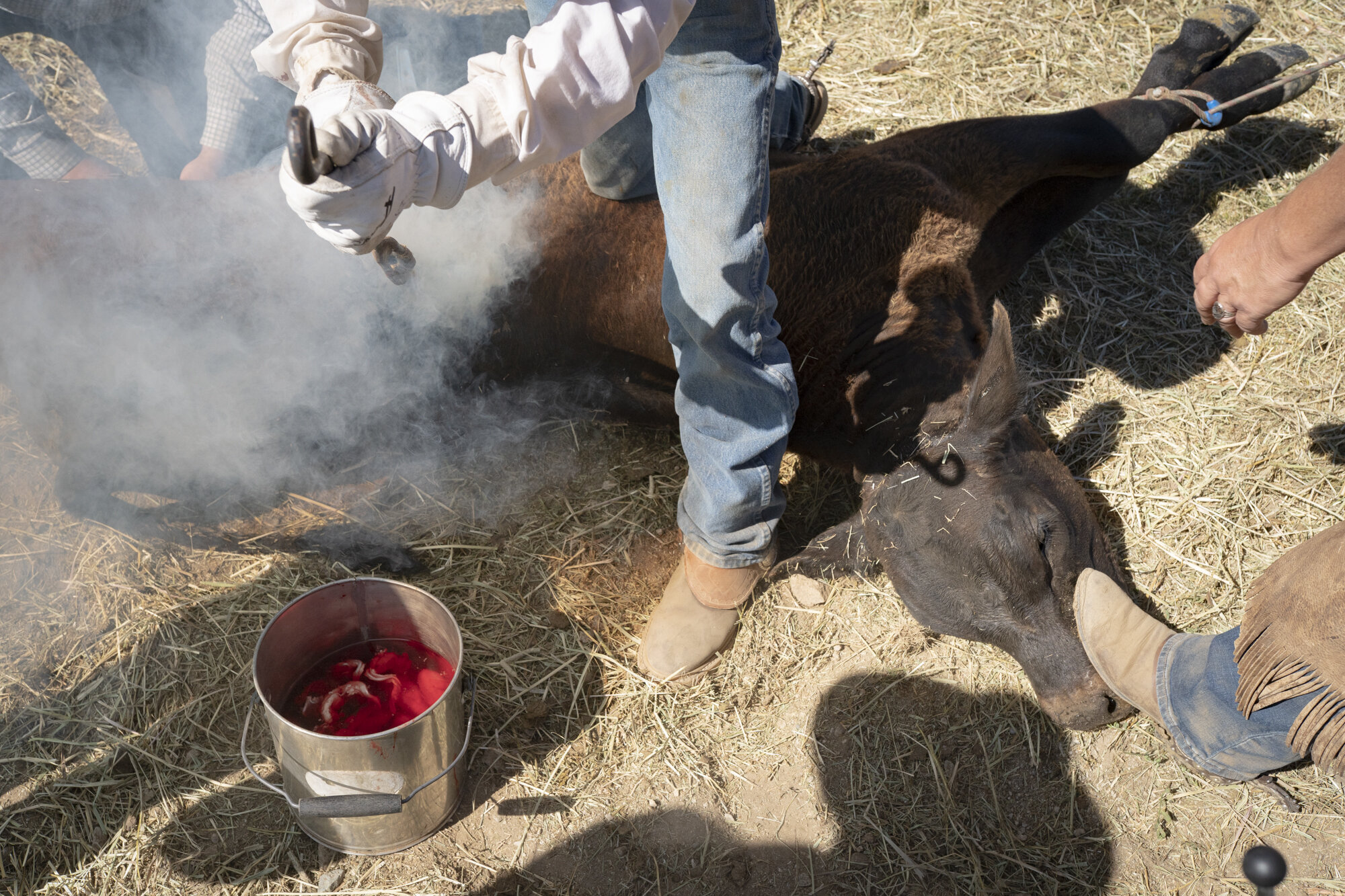
A Nevada buckaroo is not a costume or a posture. It is a way of working that developed in wide country where distance matters and horses are tools, not accessories. The Great Basin shaped this culture the way weather shapes a face—slowly, without asking permission. These photographs were made in that context, among people whose days are structured around stock, seasons, and the quiet competence required to make both endure.

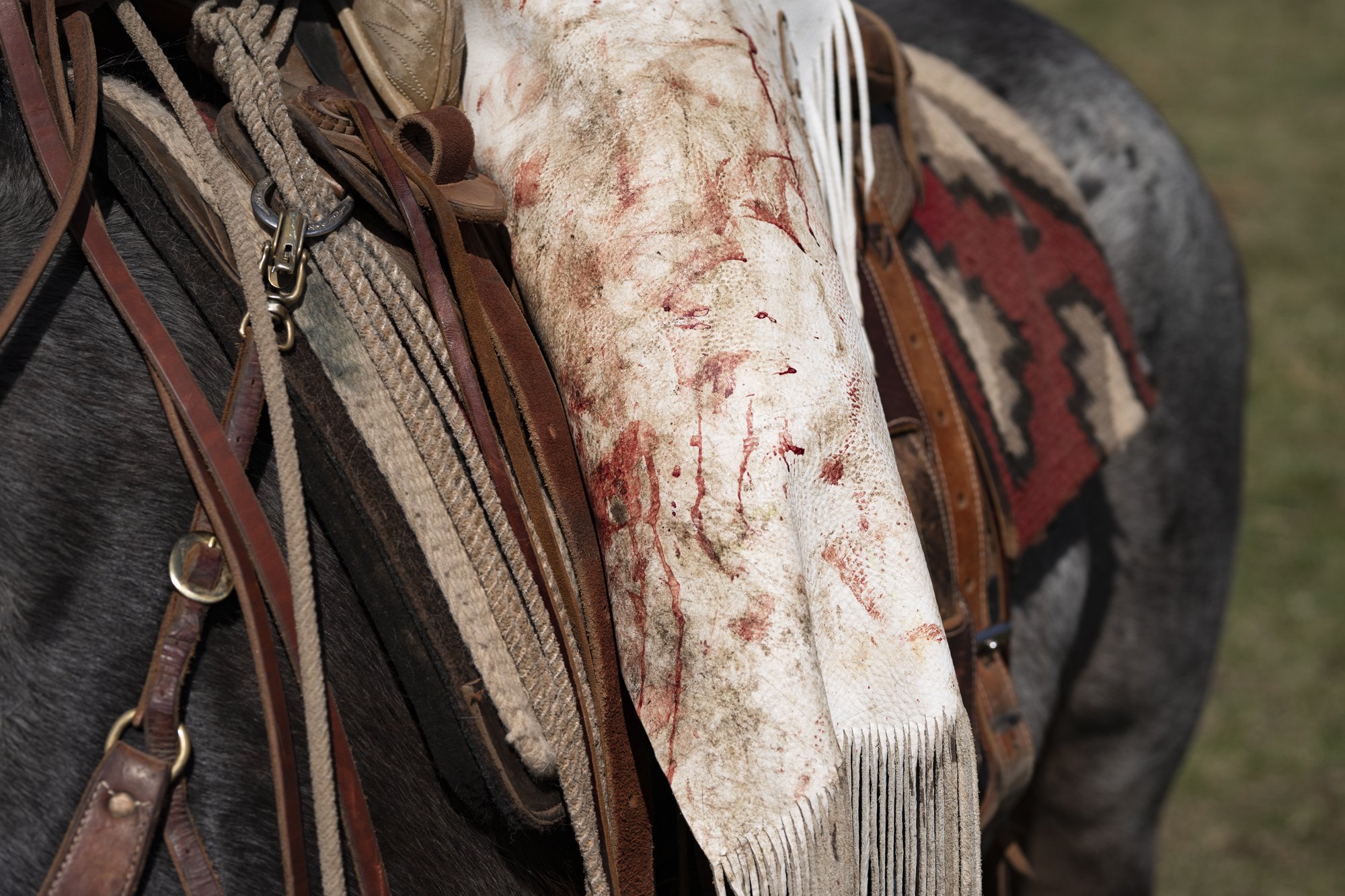
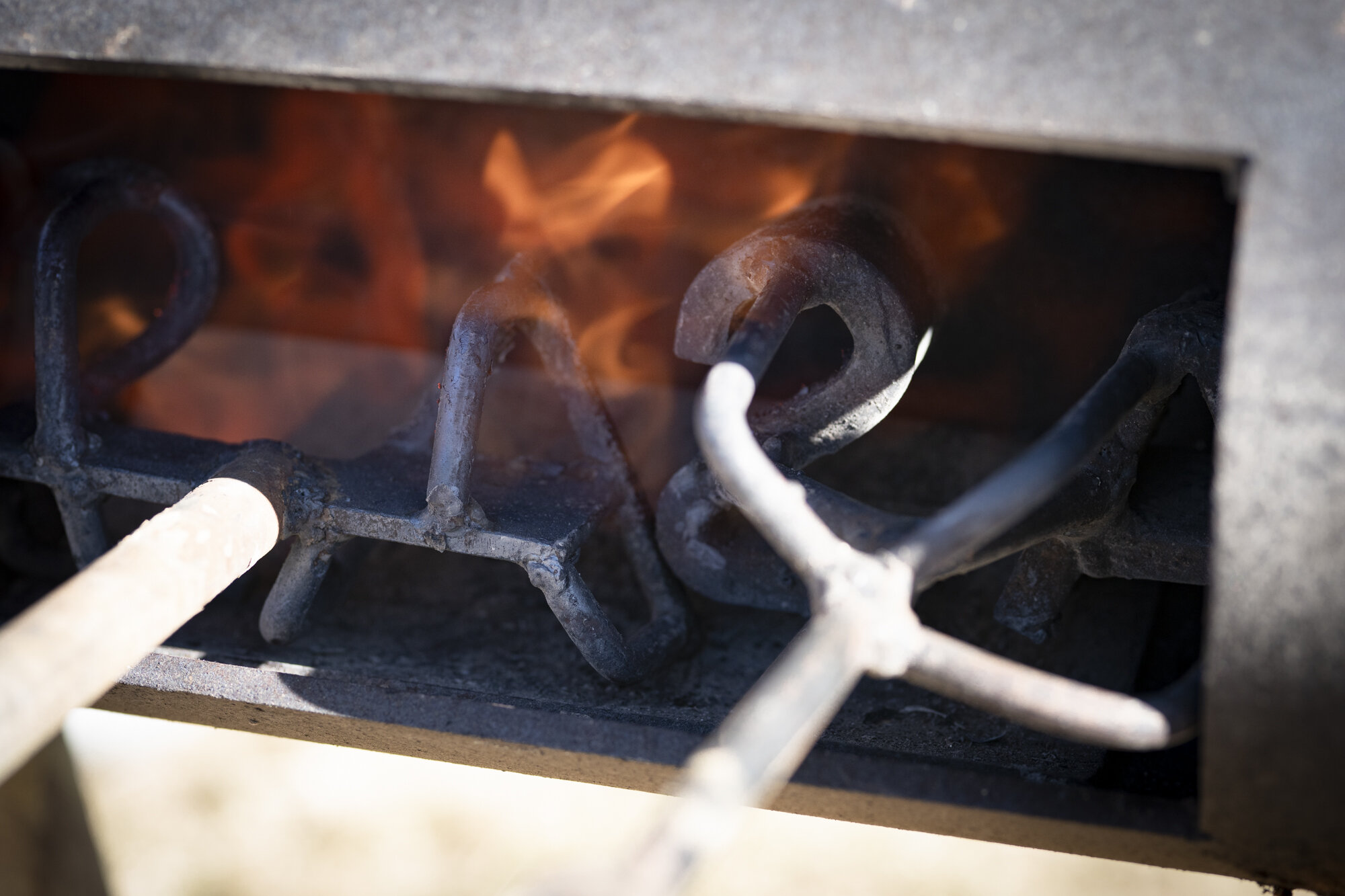
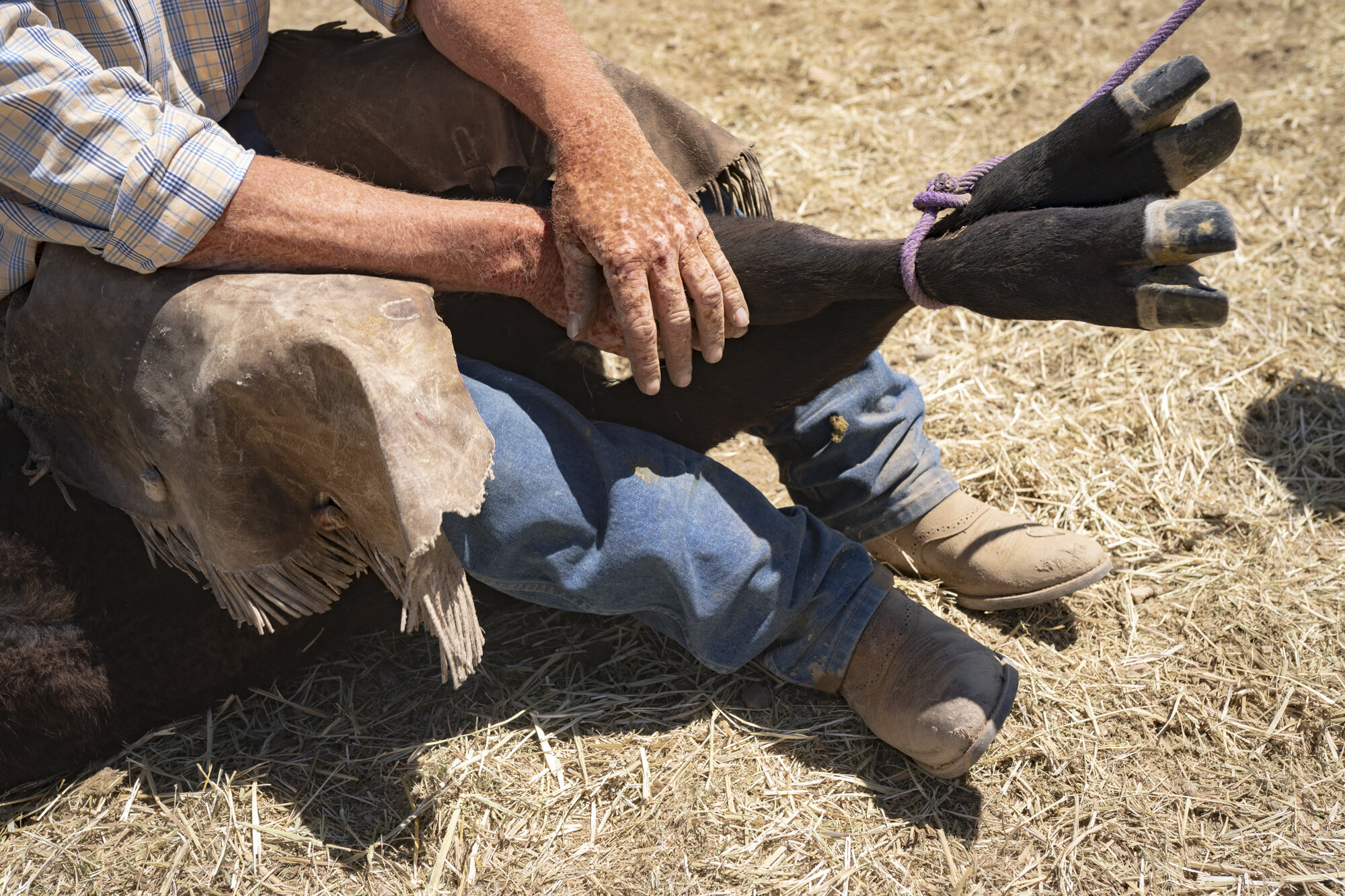
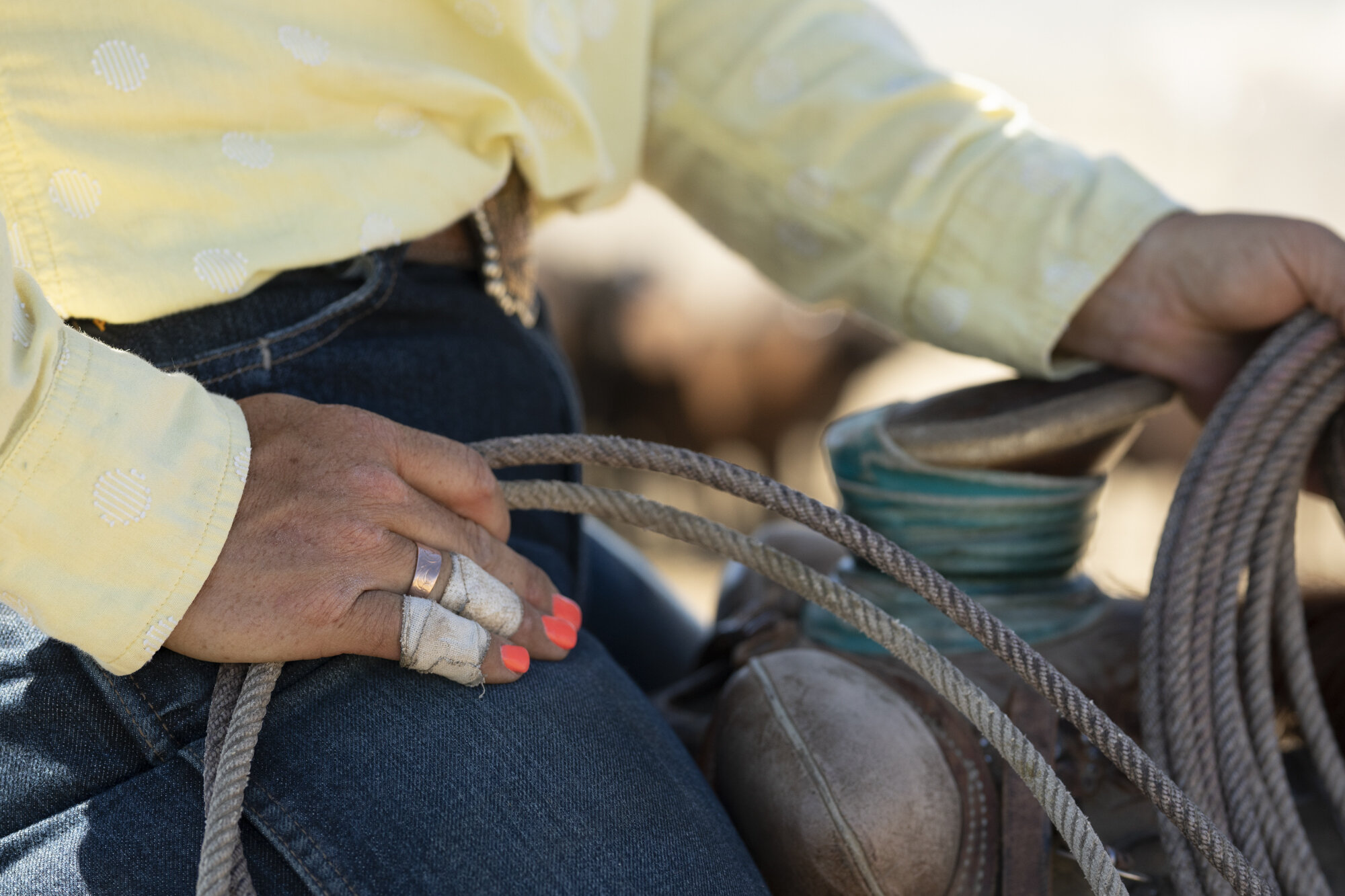
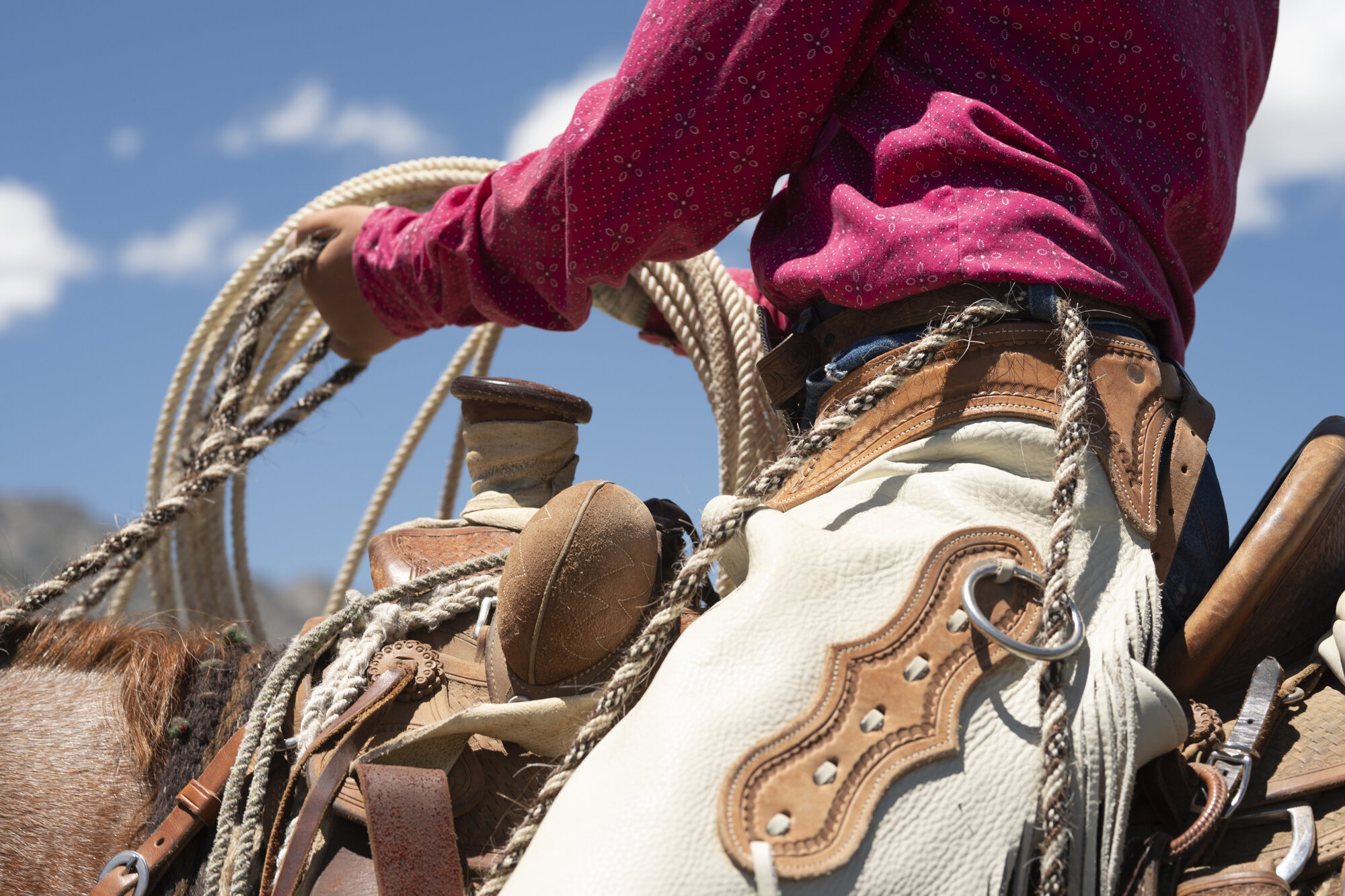
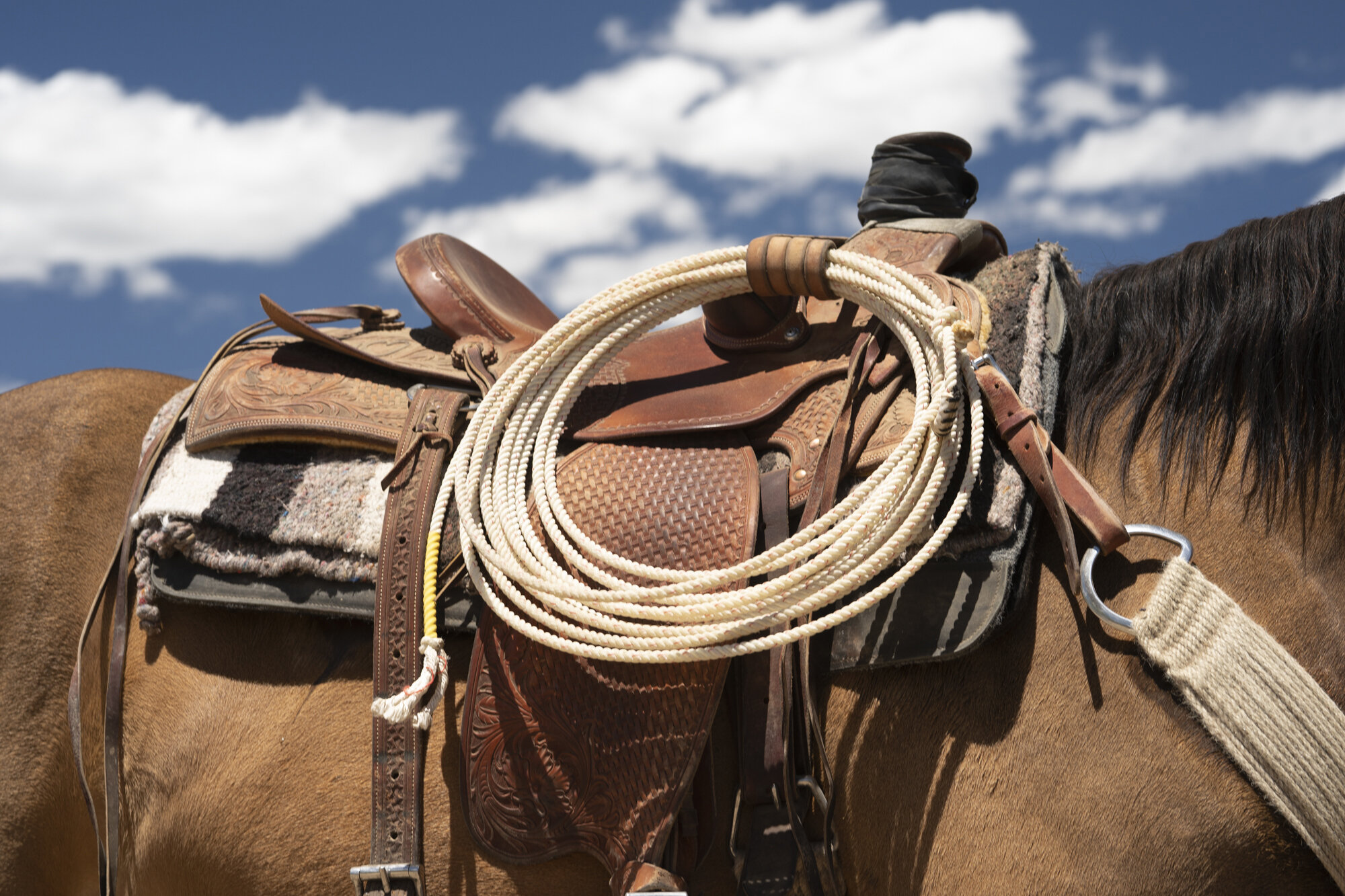
The buckaroo tradition in Nevada carries deep vaquero roots, visible in gear, horsemanship, and the small details that separate function from style. While every worn saddle mark, coil of rope, and dirty Garcia bit does a job it has already done many times, make no mistake, buckaroo gear has a style all it’s own. A style that’s worm with immense pride, not just because it’s part of their very identity, but also because they know it’s the visual element that separates them from cowboys in every other region of the West.

Photographing Working Buckaroos in Nevada

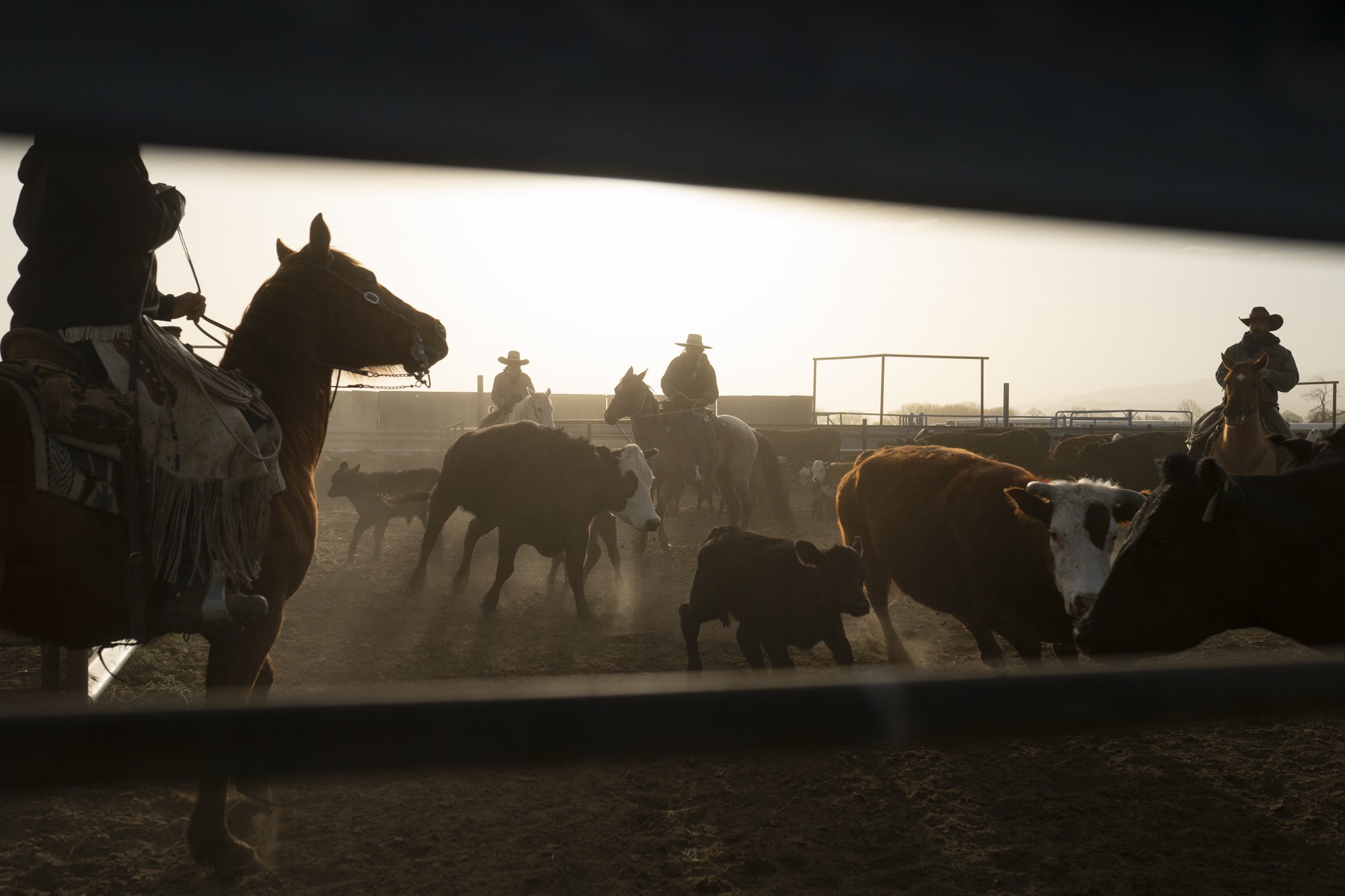
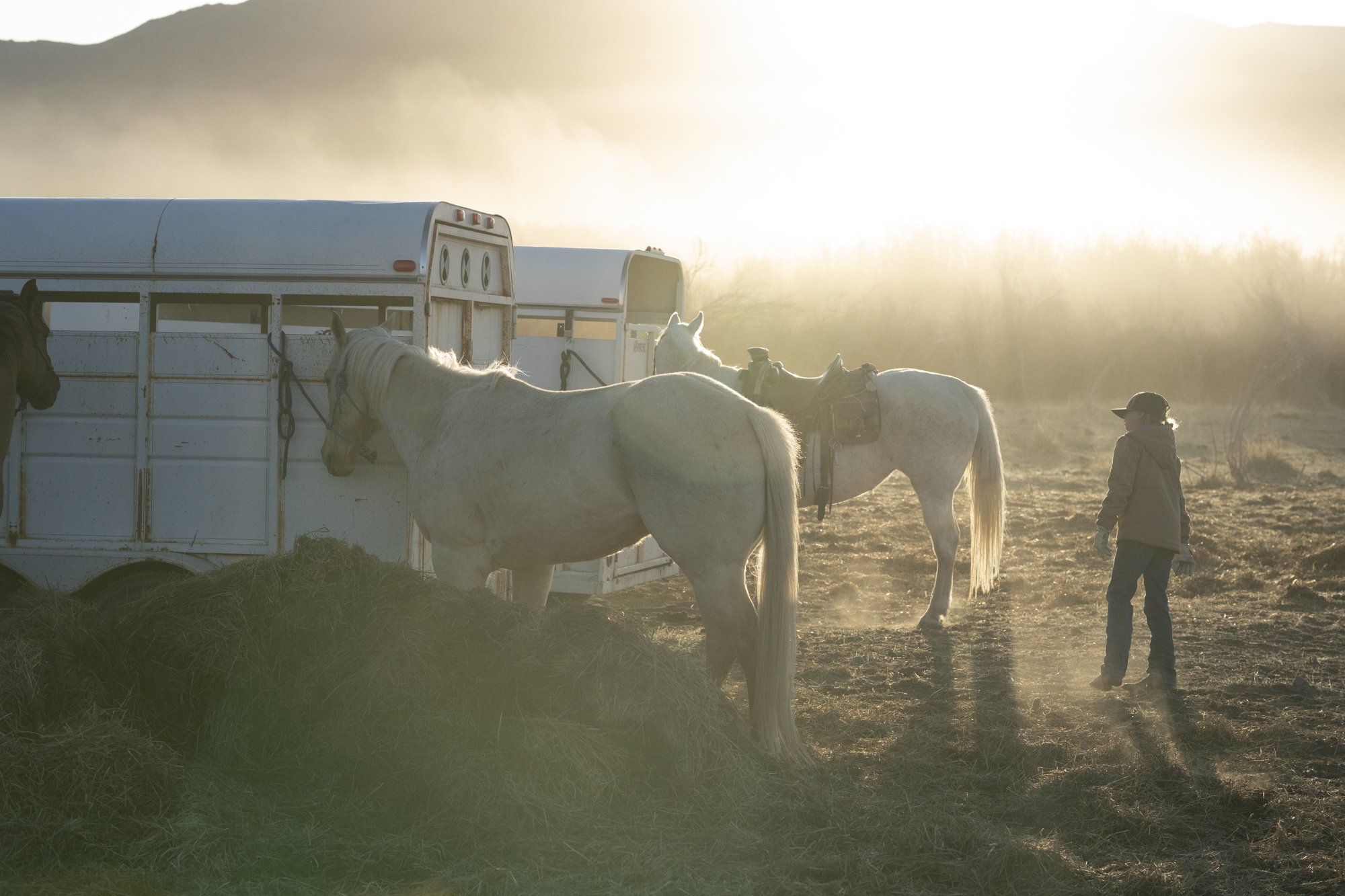
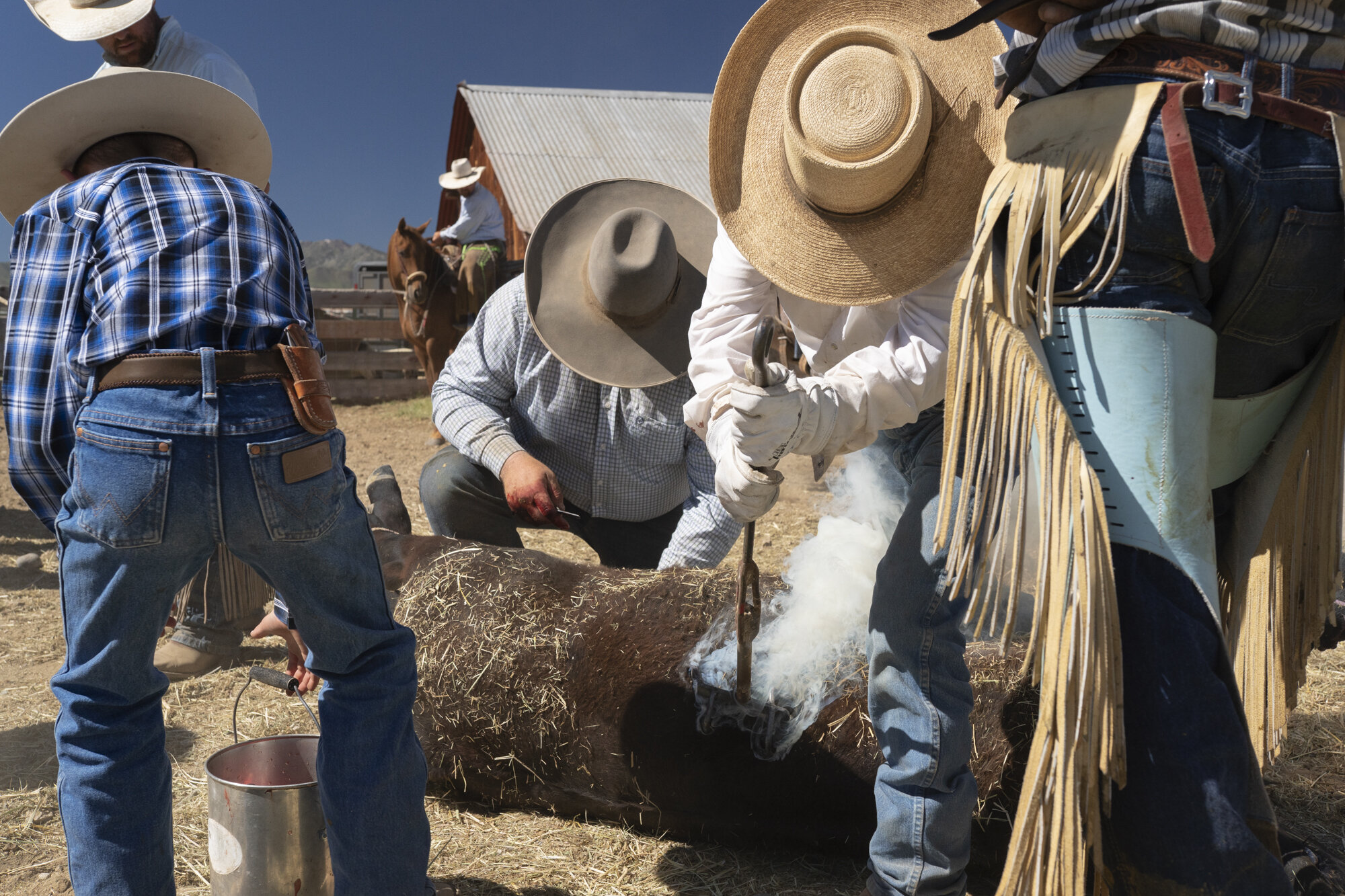
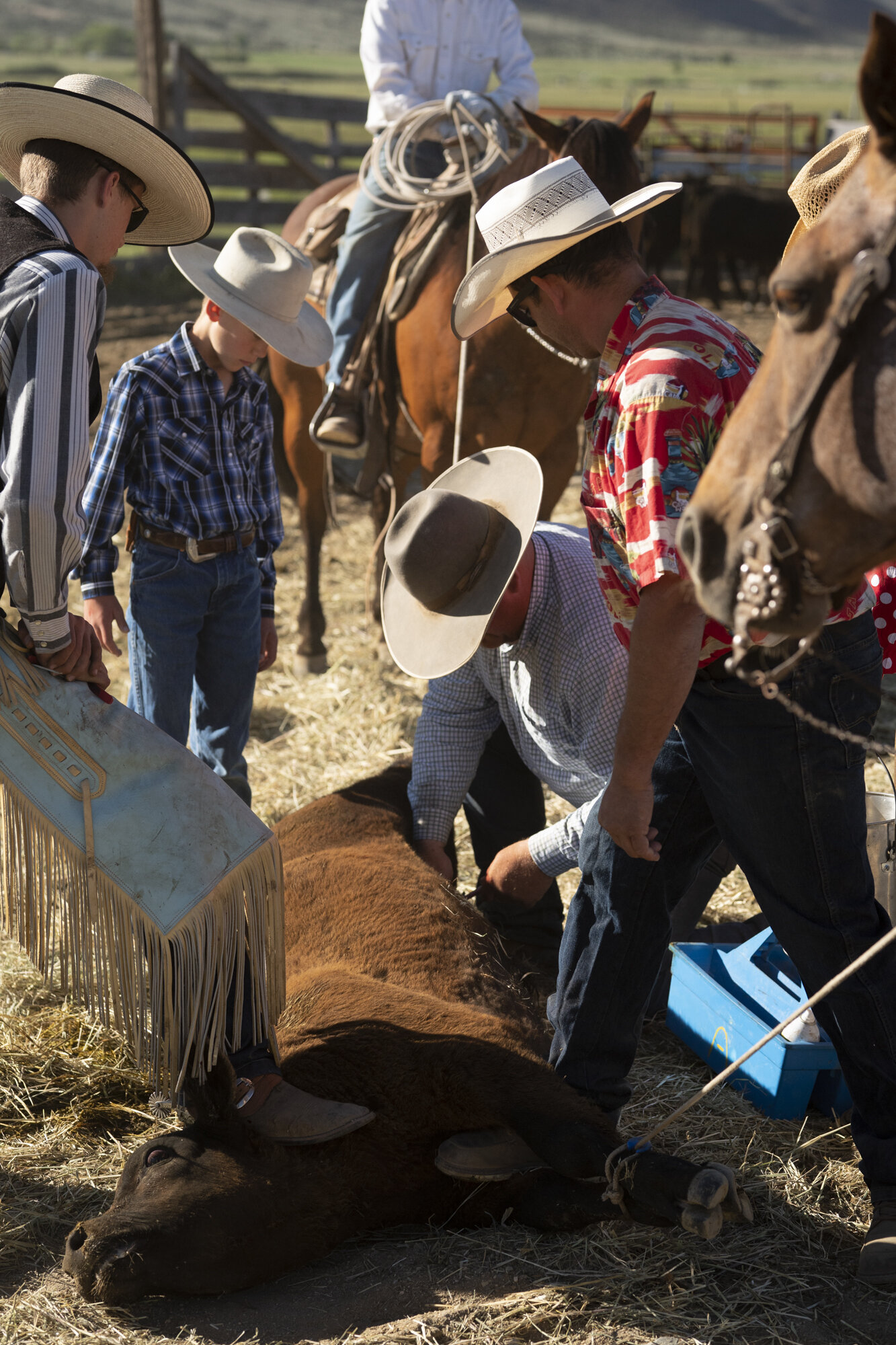
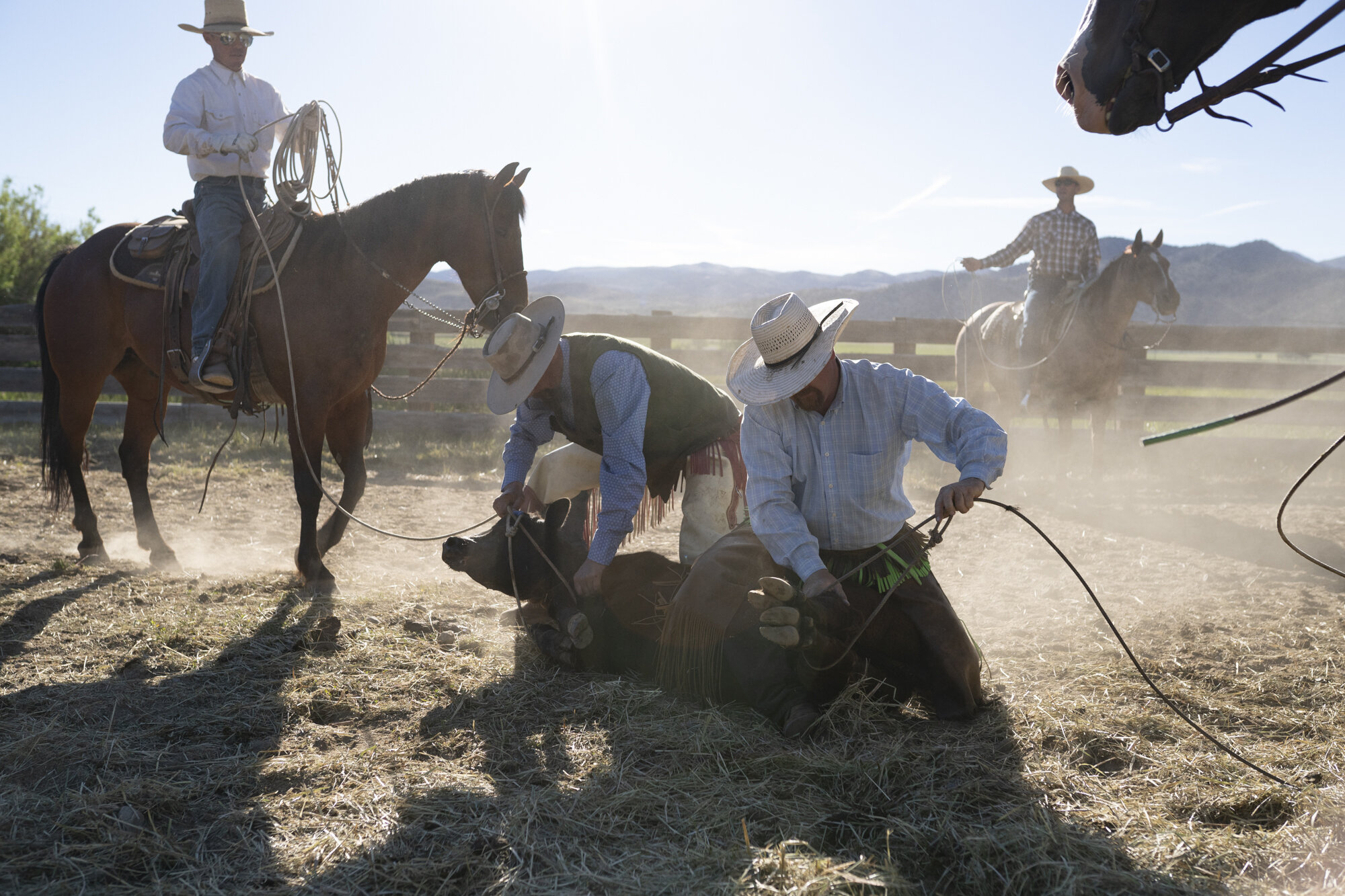
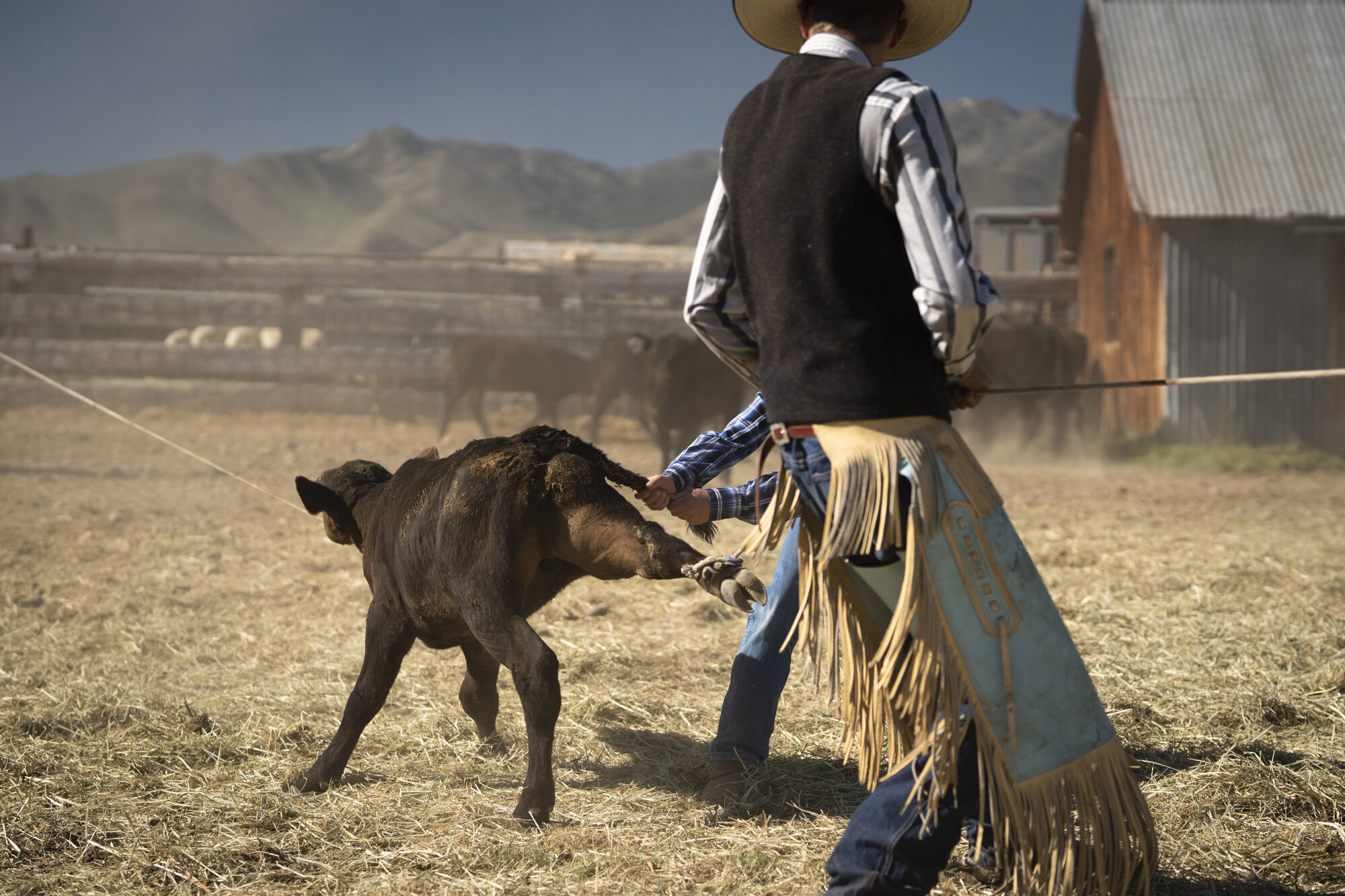
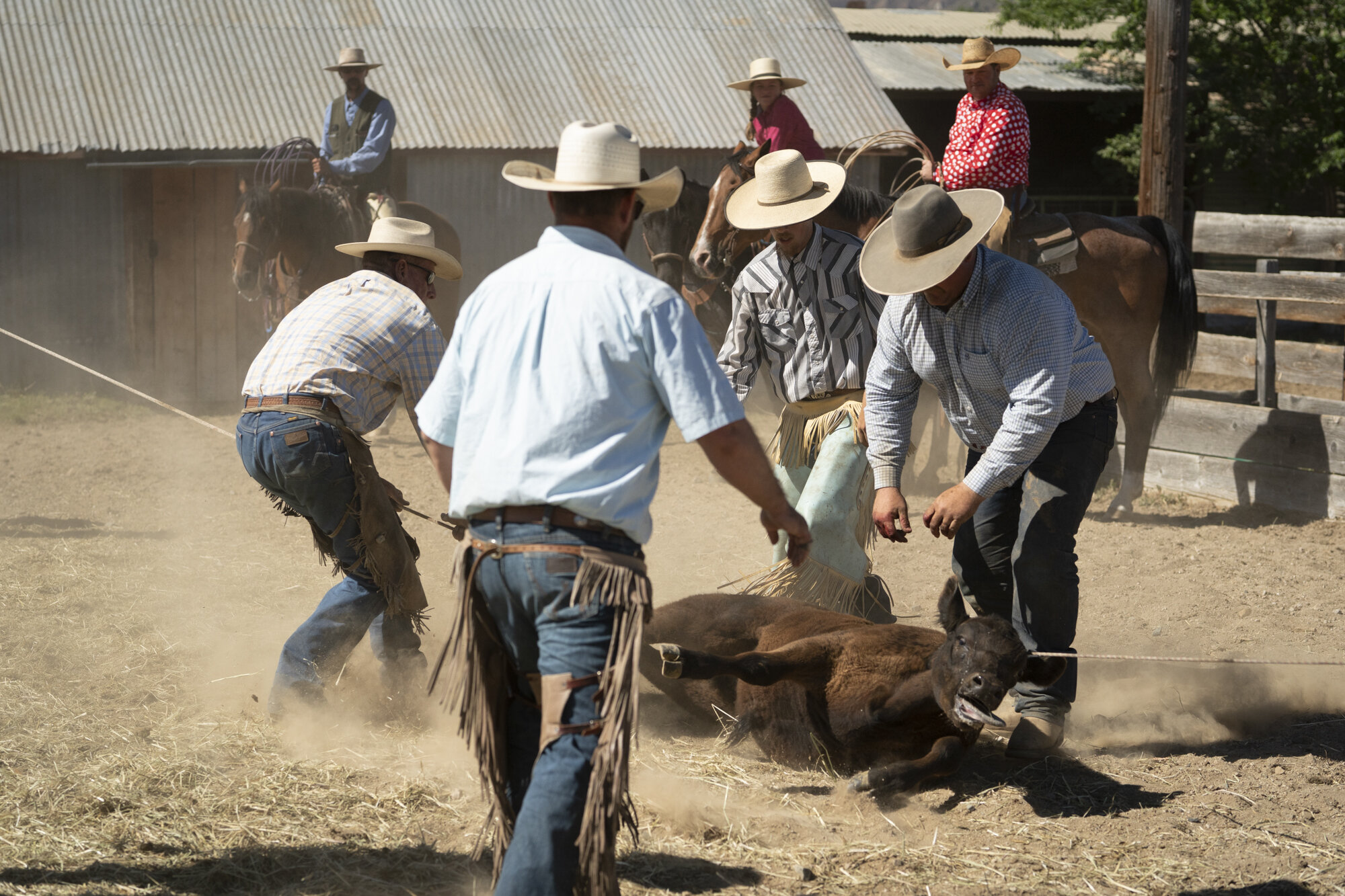
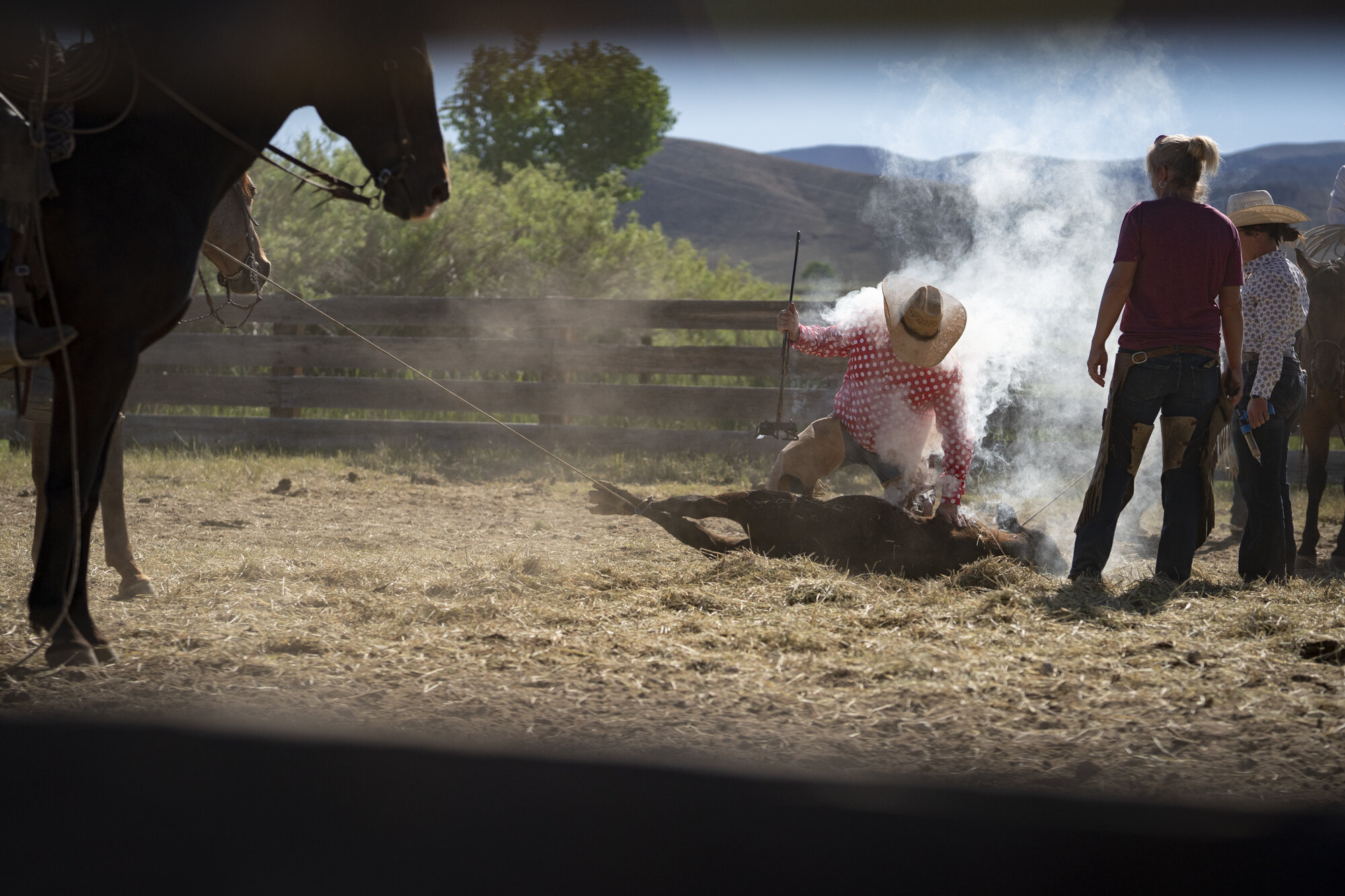
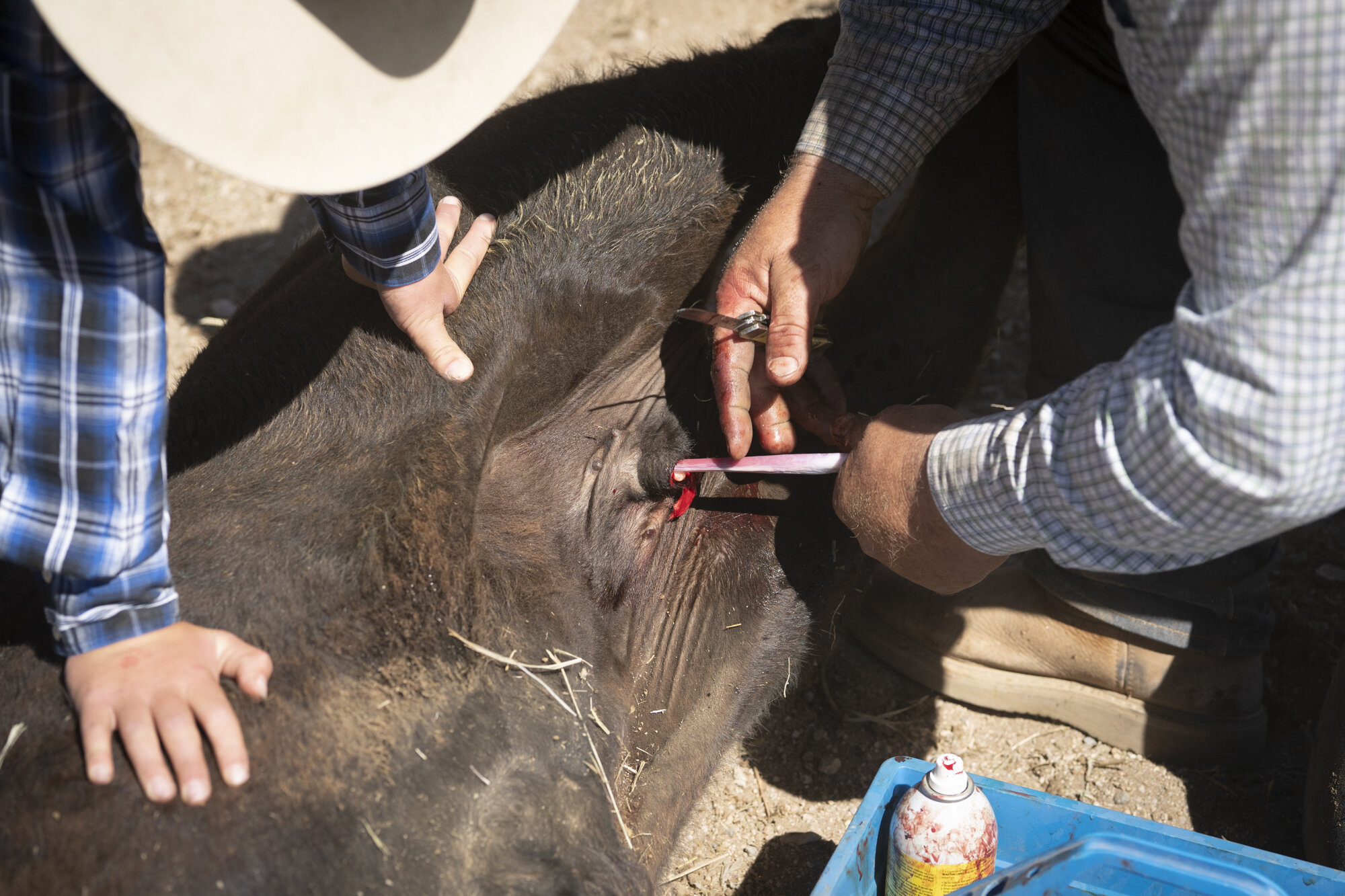
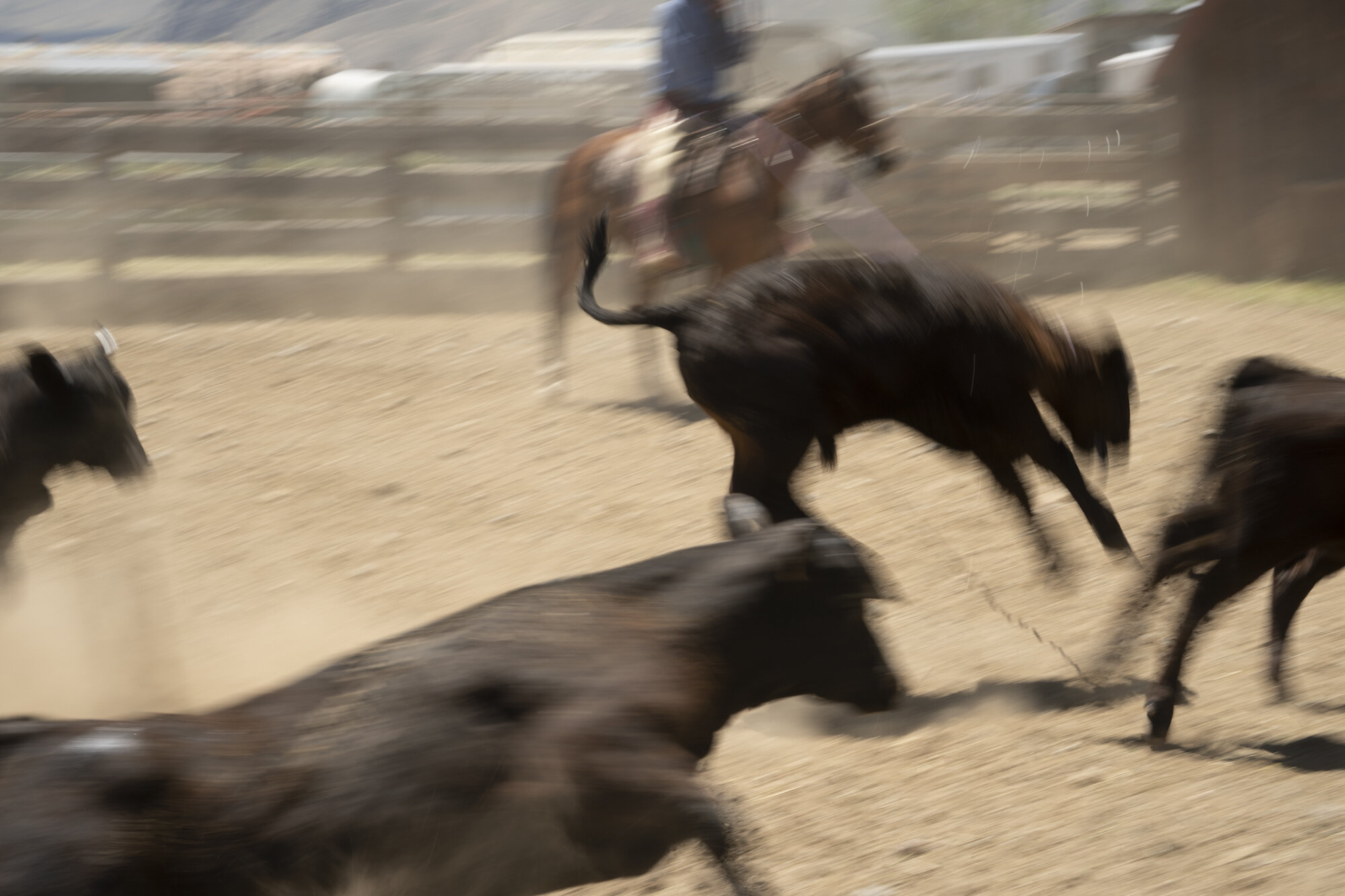
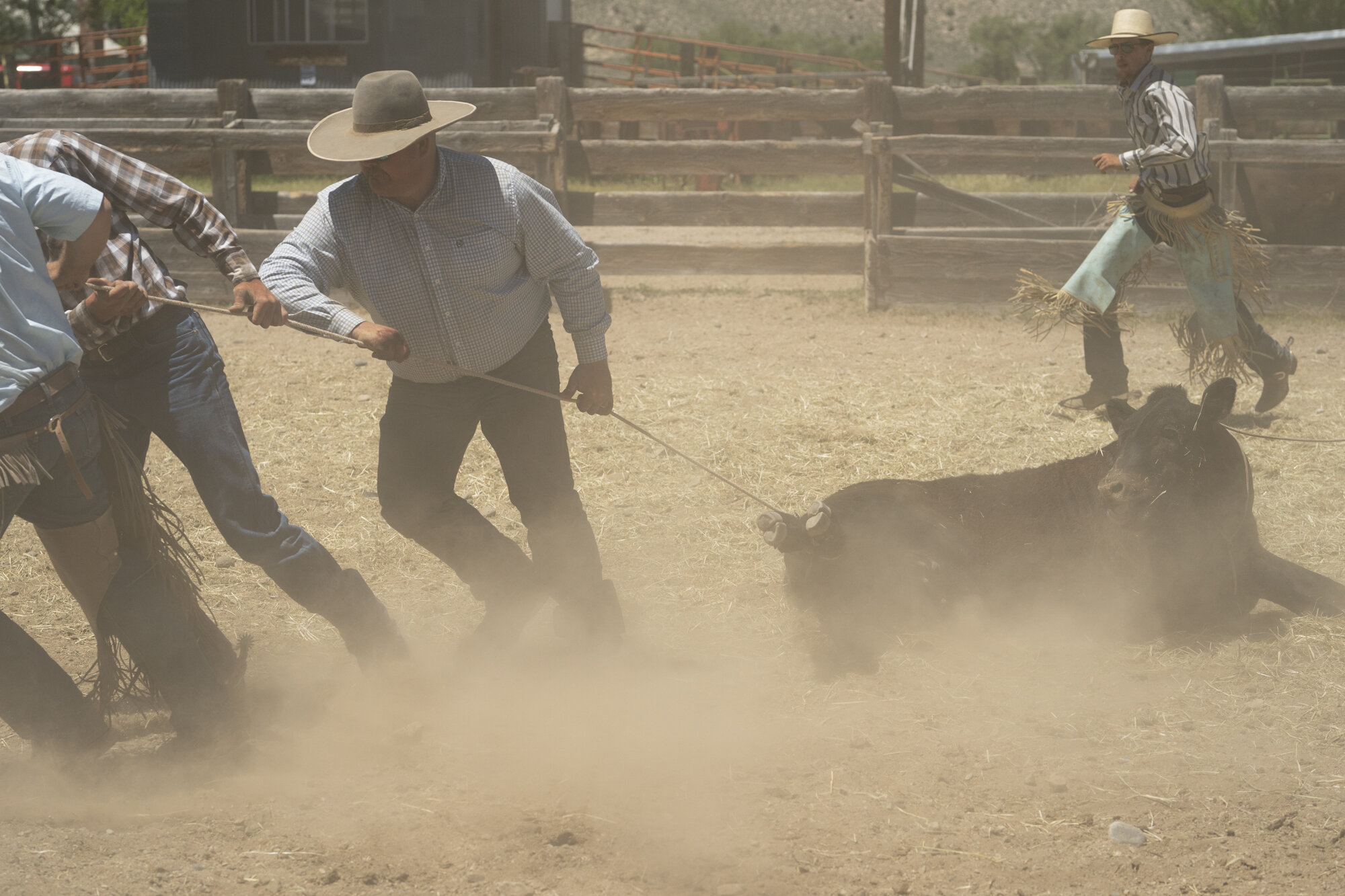
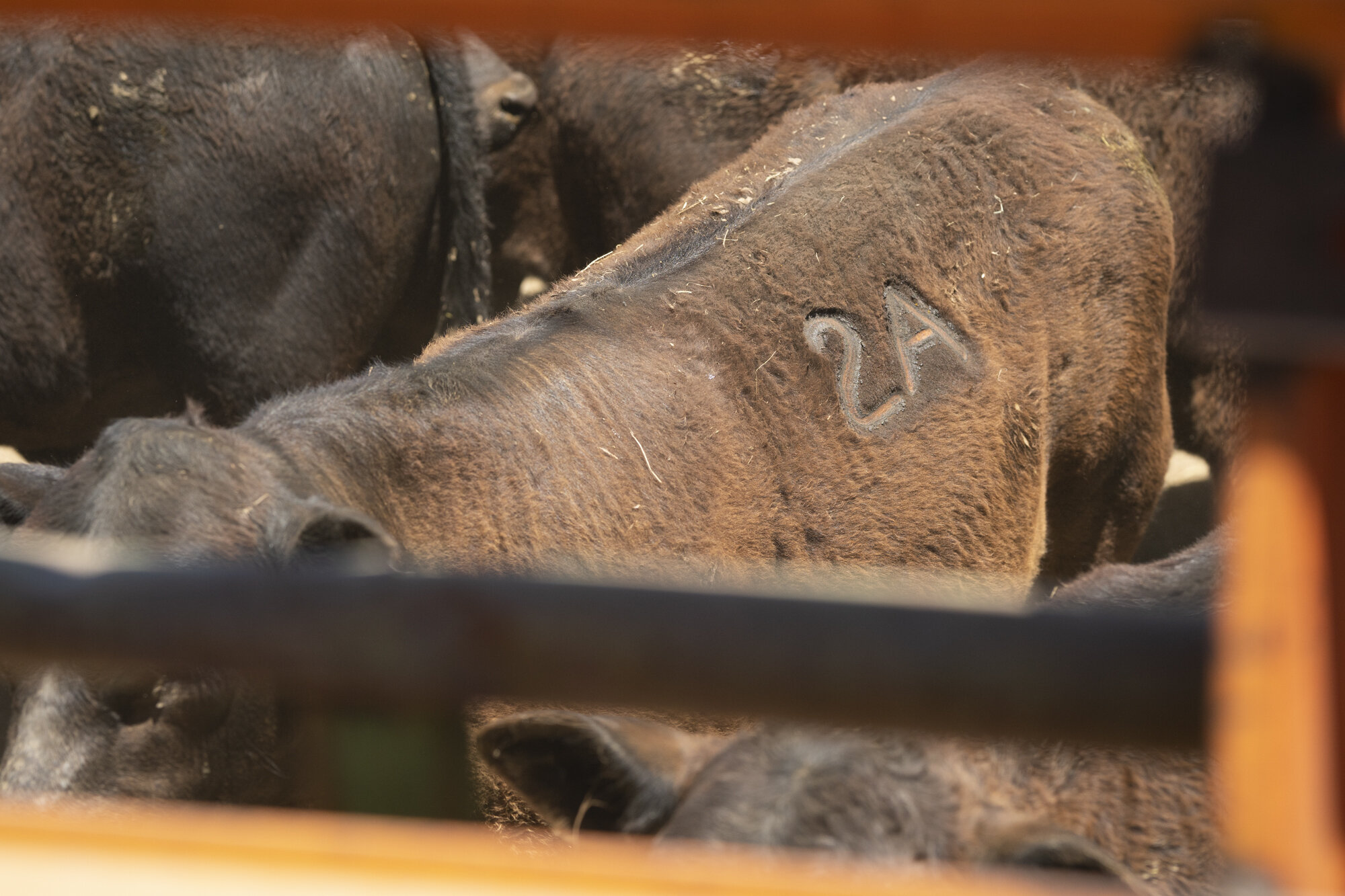
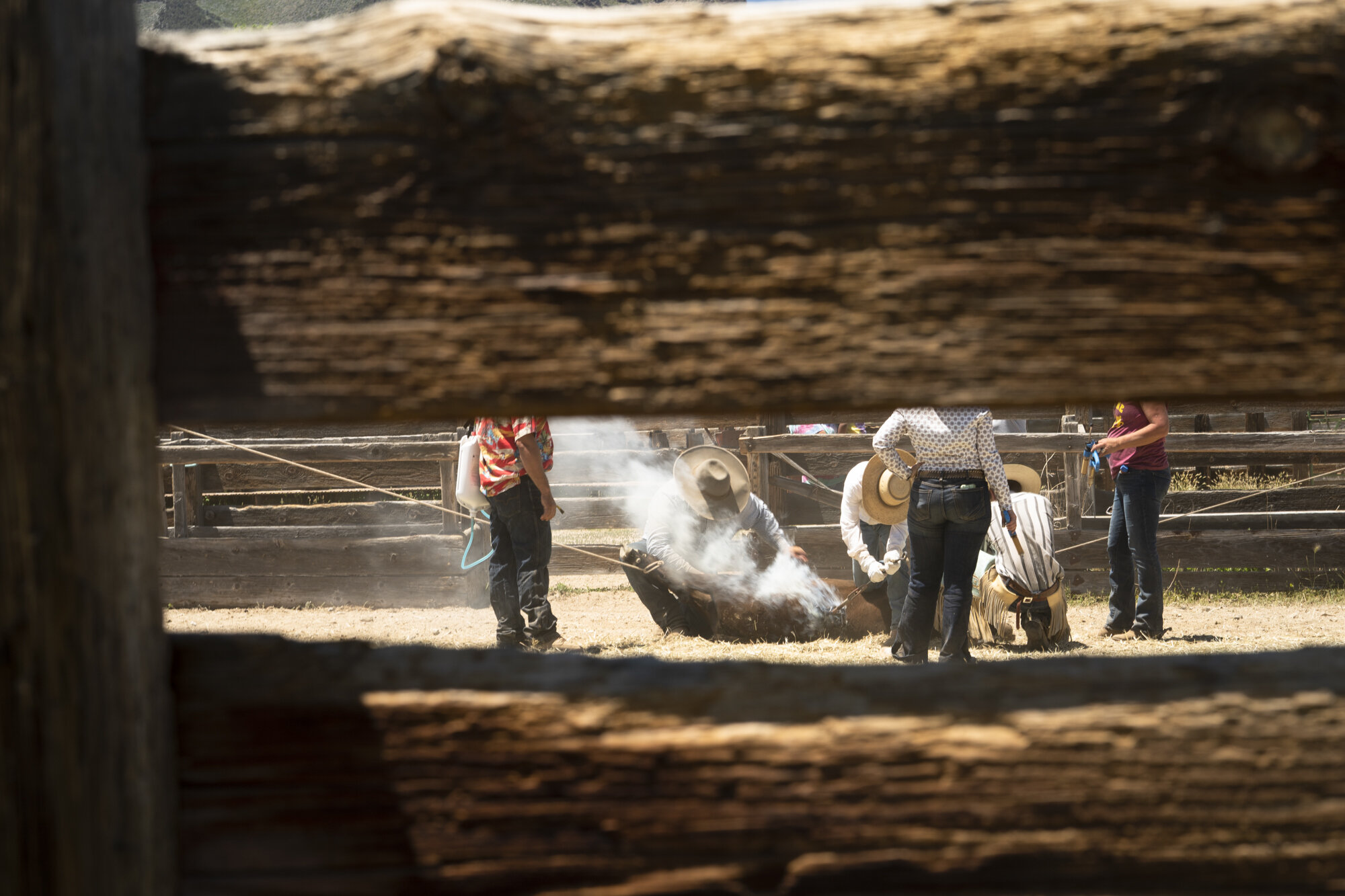
Photographing buckaroos is less about chasing moments and more about staying put long enough for the work to reveal itself. The rhythm is slow, punctuated by long stretches of waiting and brief intervals where everything happens at once. These images come from time spent standing off to the side, watching cattle move, horses settle, and men do what they’ve always done without commentary.

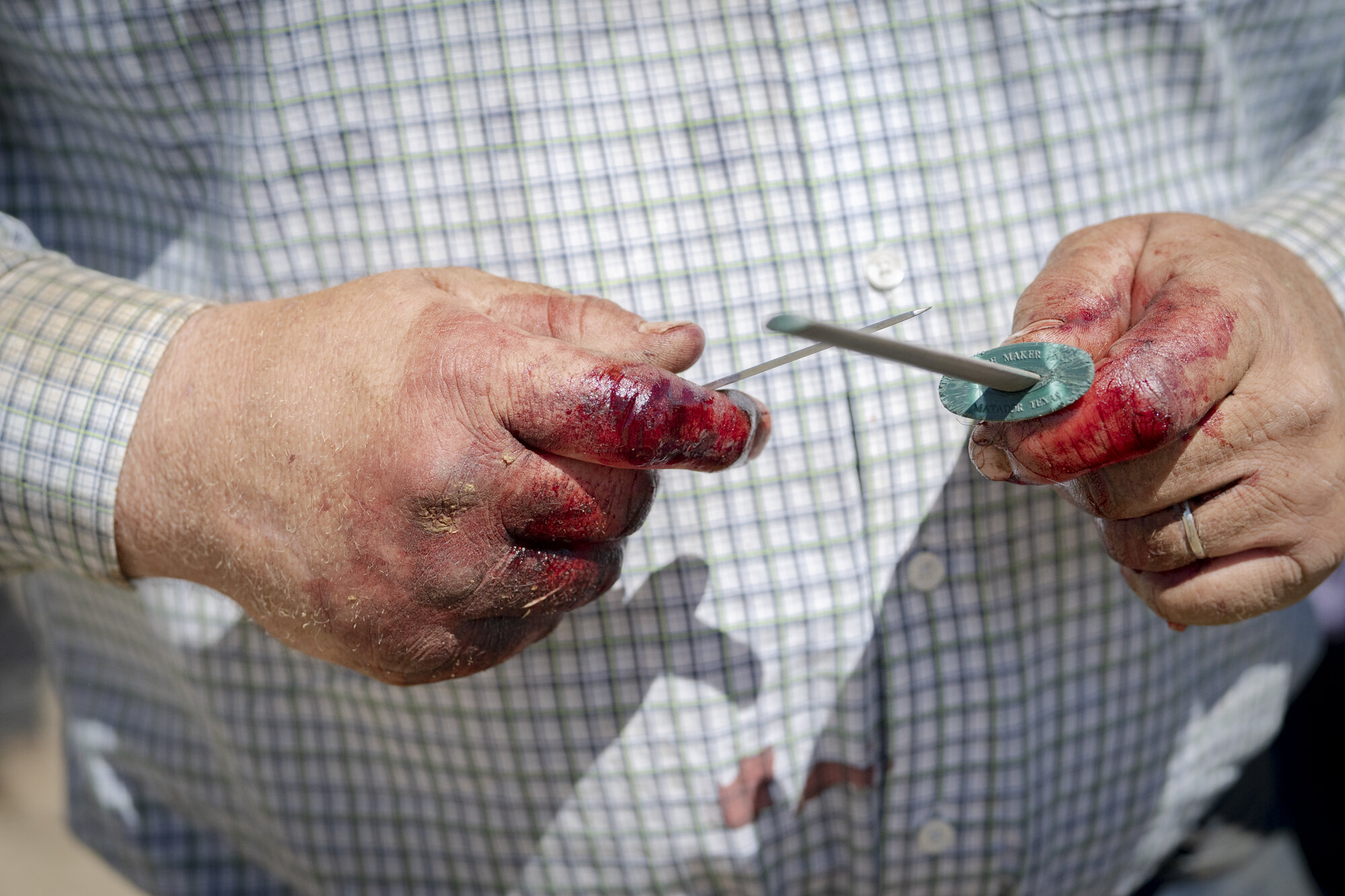
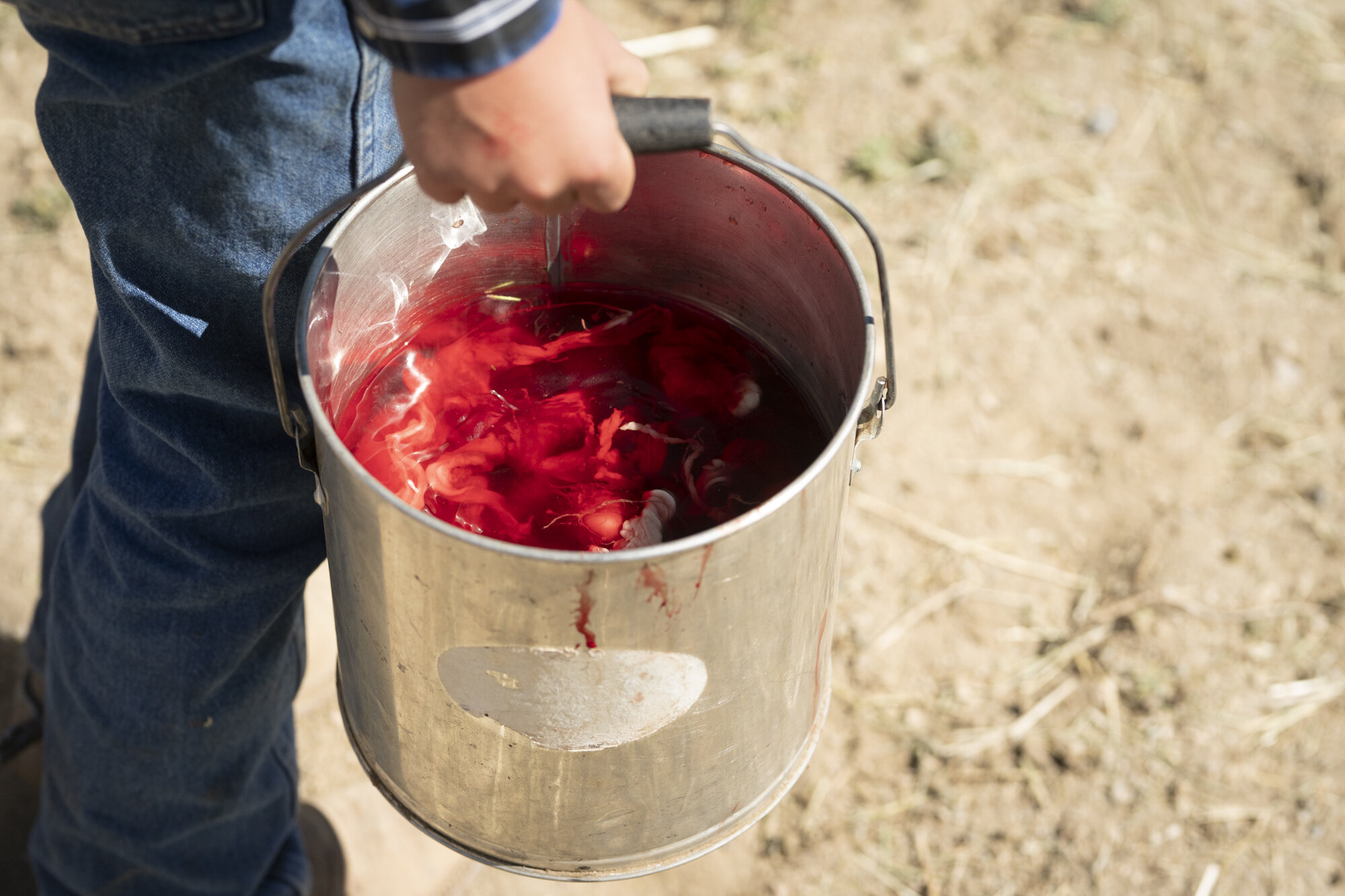
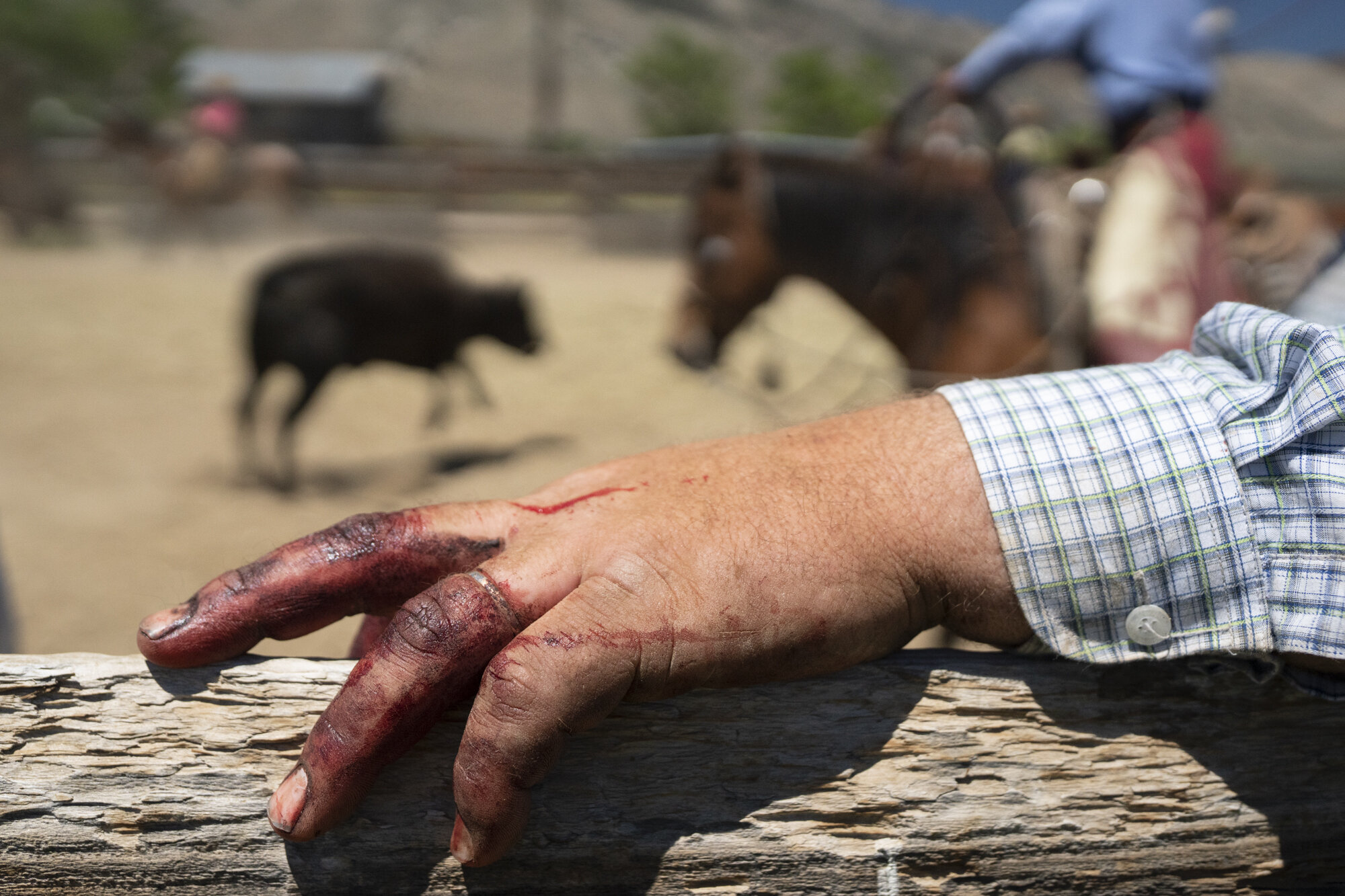
There is no staging here. The photographs are made in real working conditions, often dictated by weather, dust, and the simple fact that ranch work does not stop for a camera. That constraint is part of the appeal. It keeps the photographs honest and the subjects unbothered.

Nevada Buckaroos Within the American West

Within the larger story of cowboy culture, Nevada buckaroos occupy a particular corner—one defined by style, scale, isolation, and continuity. This body of work fits within a broader project photographing working cowboys across the American West, but these images belong specifically to the Great Basin and the people who know it well.

Taken together, the photographs function less as individual moments and more as a quiet record of a way of life that persists without announcement. They are not meant to explain or romanticize the work, only to show it as it appears when you spend enough time around it. I am forever grateful that these these buckaroos have allowed me to spend time with them.

View More Nevada Buckaroo Photography

Shop Cowboy Photography Prints

Photograph of a cowboy working cattle on the C-Punch Ranch - Nevada

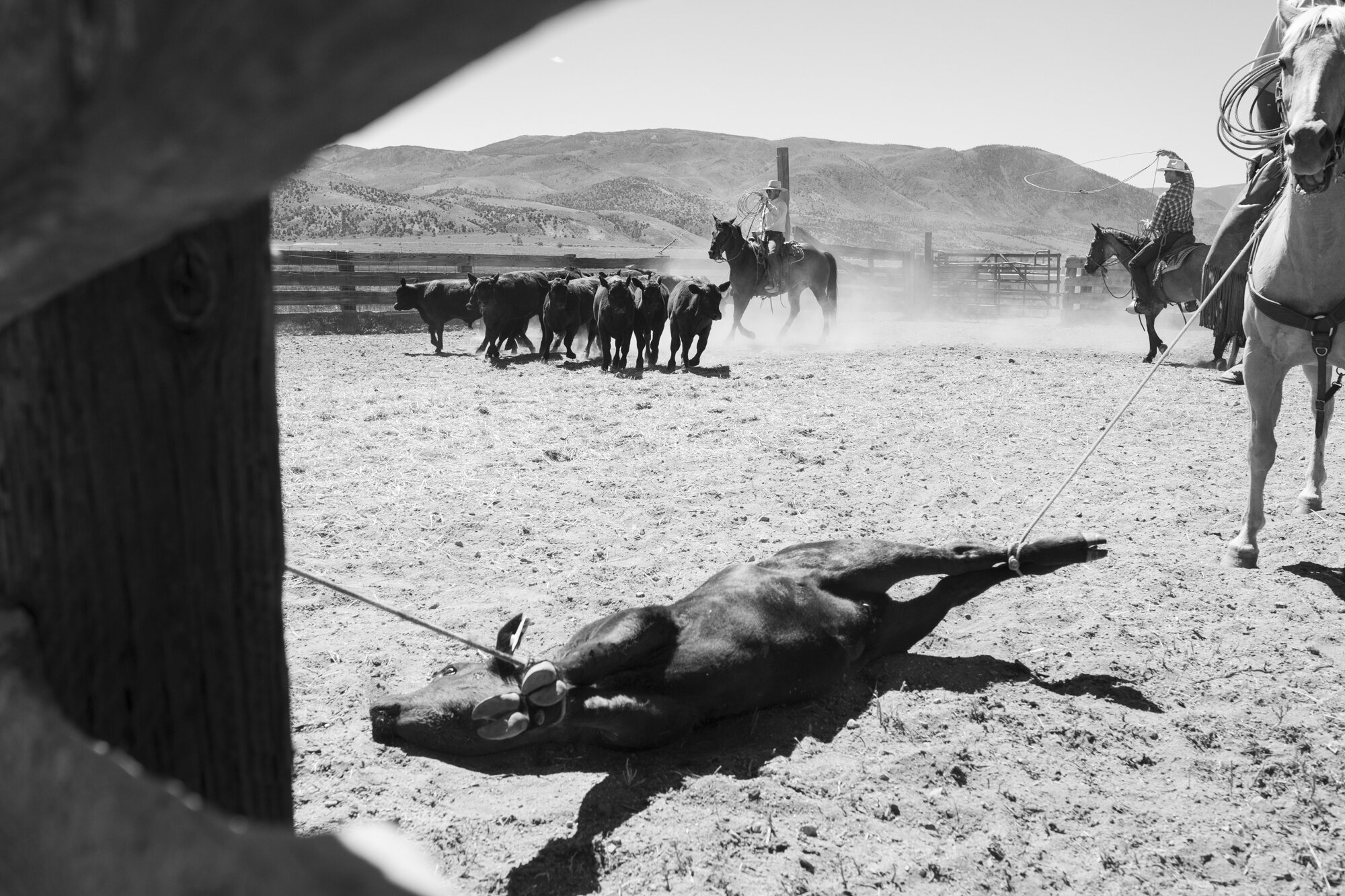
Cowboys roping cattle on the C-Punch Ranch in Lovelock, Nevada

C-Punch Ranch

Winecup Gamble Ranch - Montello, Nevada

Winecup Gamble Ranch - Montello, Nevada

Photograph of a buckaroo catching horses

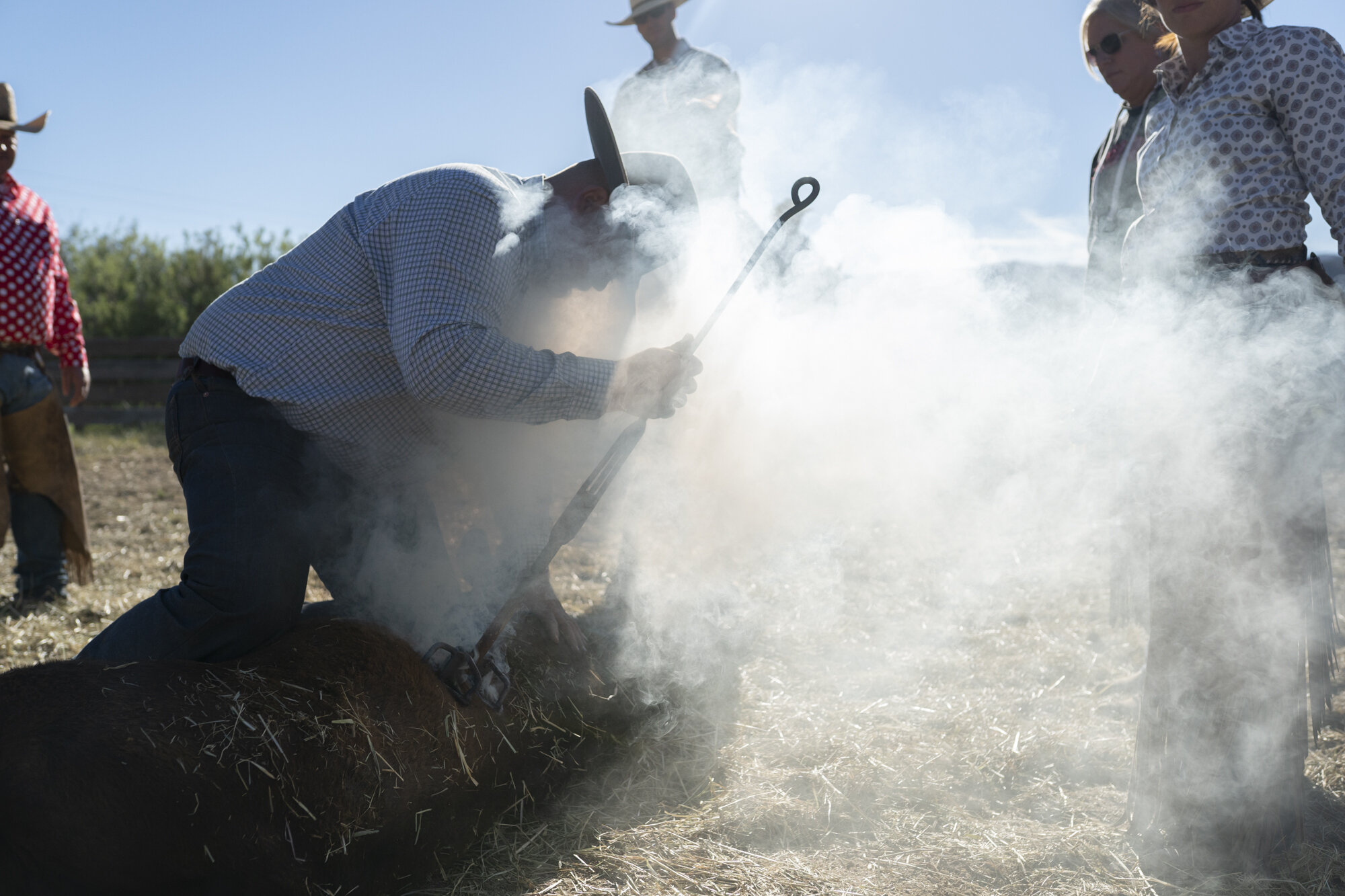
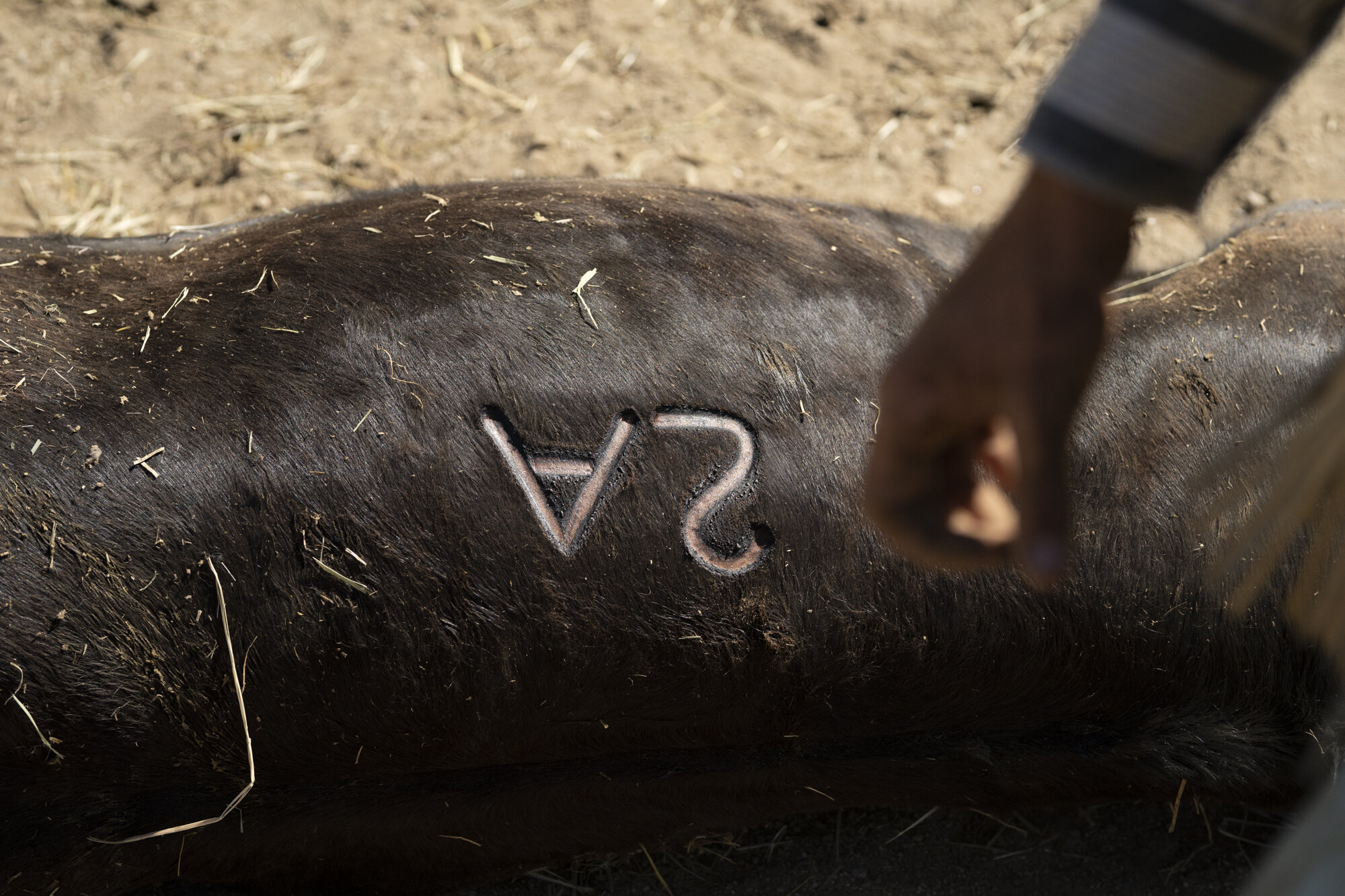
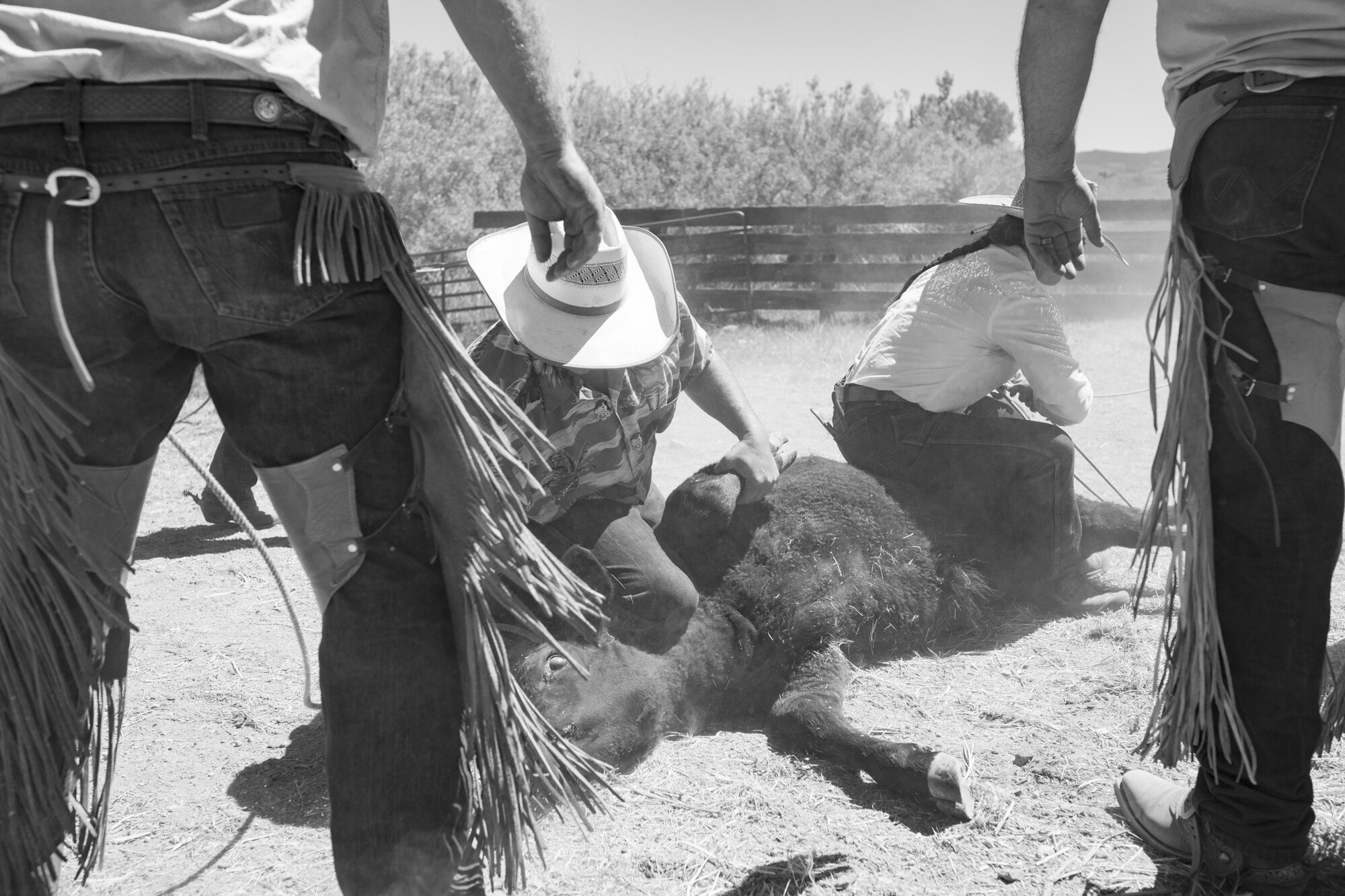
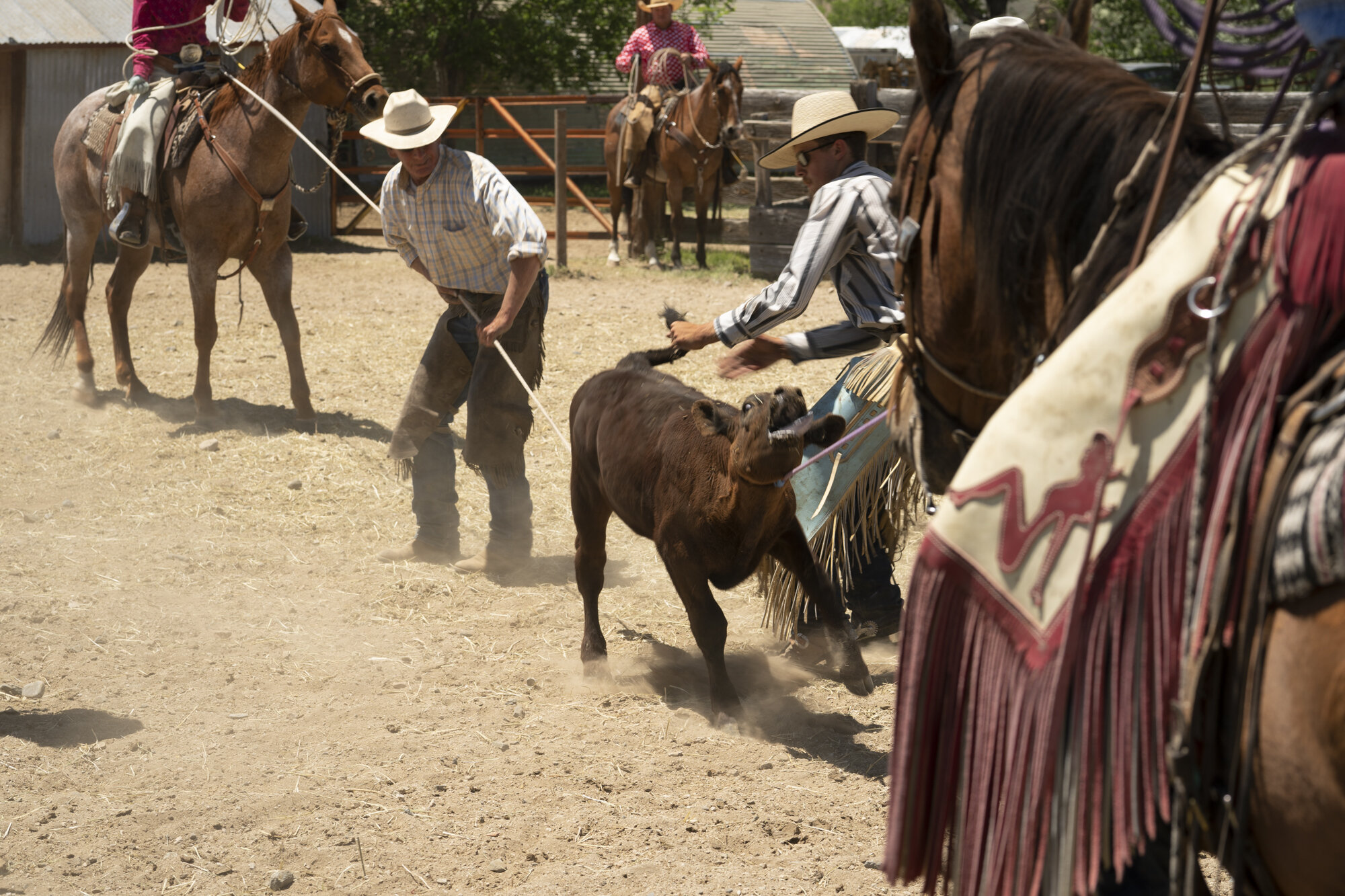
Photograph of Great Basin Buckaroos branding cattle

Buckaroos branding cattle in Nevada

Cowboys working on the Winecup Gamble Ranch in Montello, Nevada

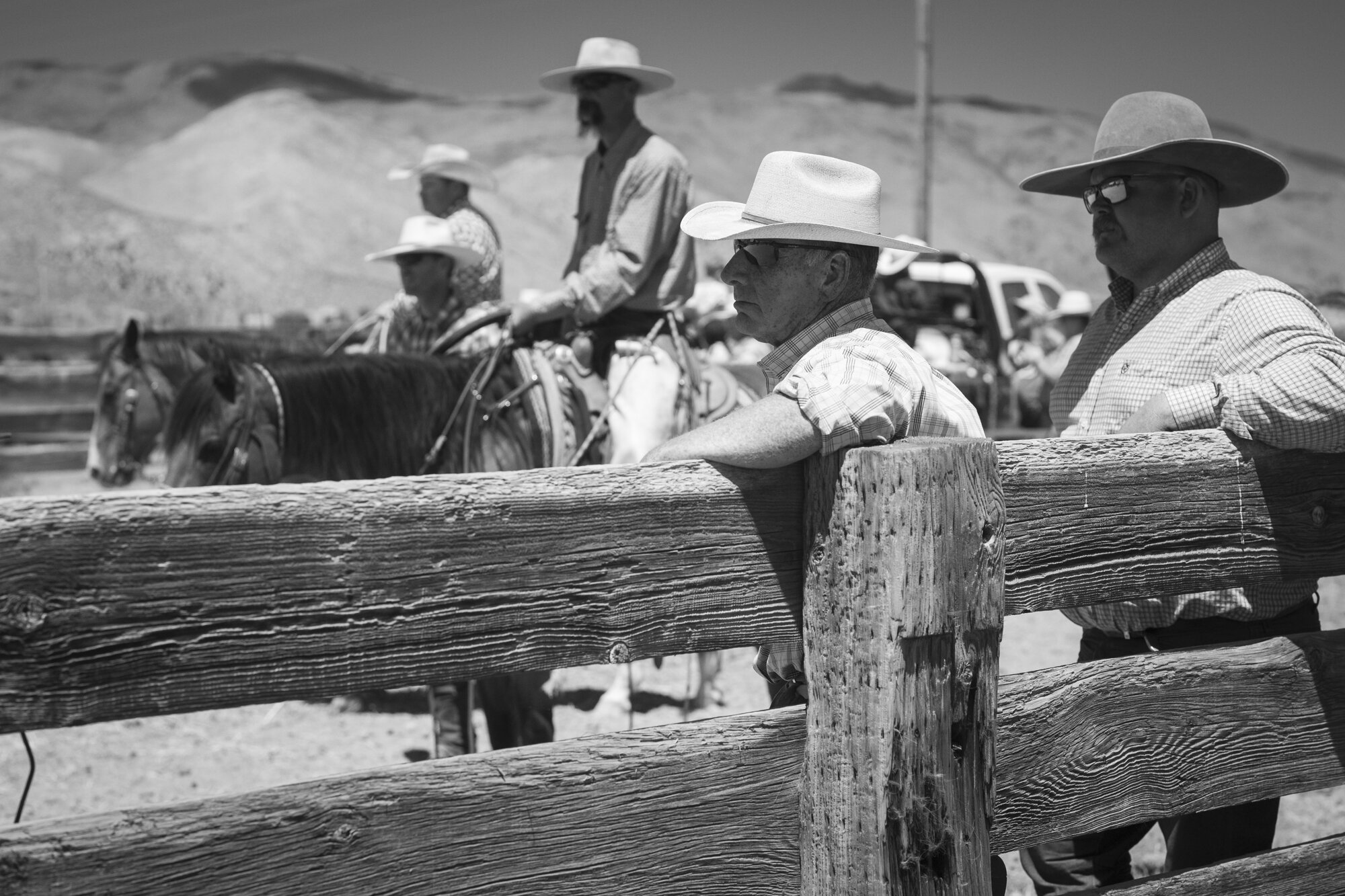
Black and white photograph of cowboys on the Winecup Gamble Ranch

Cowboy moving cattle on the Winecup Gamble Ranch

A cowboy working on the C-Punch Ranch in Lovelock, Nevada

C-Punch Ranch

Cowboys working colts in a round pen on the C-Punch Ranch in Lovelock, Nevada

C-Punch Ranch - Cowboys working horses in a round pen

A cowboy on the C-Punch Ranch in Lovelock, Nevada

C-Punch Ranch

American West Cowboys

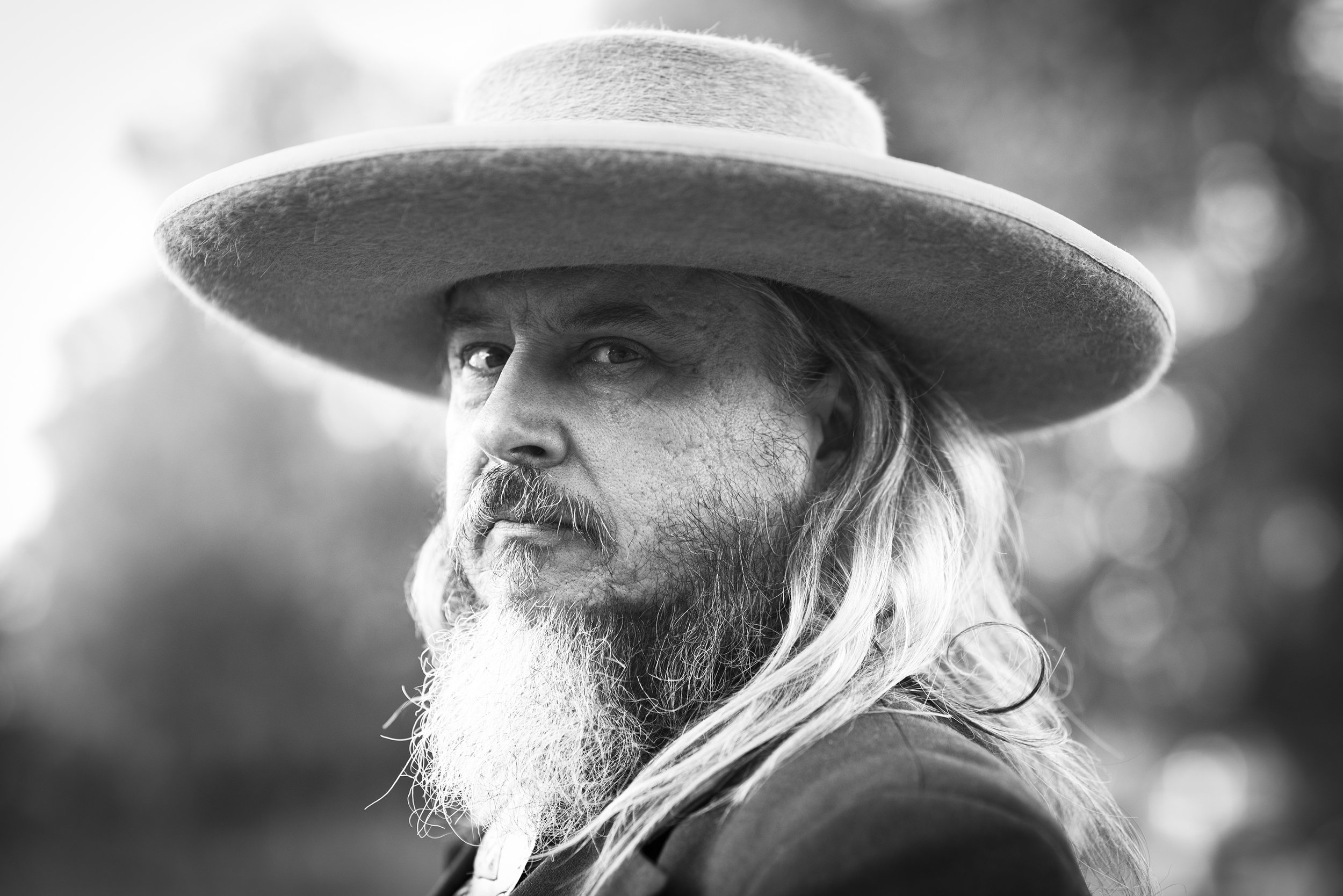
Trapper Rogers - Winecup Gamble Ranch - Montello, Nevada

Portrait of Trapper Rodgers

A cowboy lets his horse drink water after branding on the C-Punch Ranch in Lovelock, Nevada

C-Punch Ranch - a cowboy waters his horse

A cowboy pets his cattle dog after a day of work on the C-Punch Ranch in Lovelock, Nevada

C-Punch Ranch

Photograph of a cowboy riding his horse through a huge pasture on the C-Punch Ranch - Lovelock, Nevada

A cowboy riding his horse on the C-Punch Ranch in northern Nevada

Catching Horses
from $1,500.00

Wyoming Cattle Ranch

Wyoming Cowboy Photography

American West

A cowboy gathering cattle on a ranch outside Laramie, Wyoming. Cowboy Photographer Rob Hammer.
Wyoming cattle drive

Wyoming is a land rich in rugged beauty, where open plains meet towering mountain ranges, and the cowboy way of life still thrives. One of the most iconic images that evokes the spirit of the American West is that of a working cowboy on a Wyoming cattle ranch. These photos not only showcase the breathtaking landscapes but also the hard work, dedication, and heritage that define ranch life.
A cattle drive on a large ranch in Wyoming by cowboy photographer Rob Hammer.

Cowboys moving cattle on a ranch in Wyoming

A cowboy lets his horse drink from a pond during a long cattle drive on a ranch in Wyoming by cowboy photographer Rob Hammer.

Black and white cowboy photography print

Cowboys herd cattle on a rugged section of open ranch in Wyoming by cowboy photographer Rob Hammer

Wyoming cowboys

Kurt Markus

KURT MARKUS - COWBOY PHOTOGRAPHER

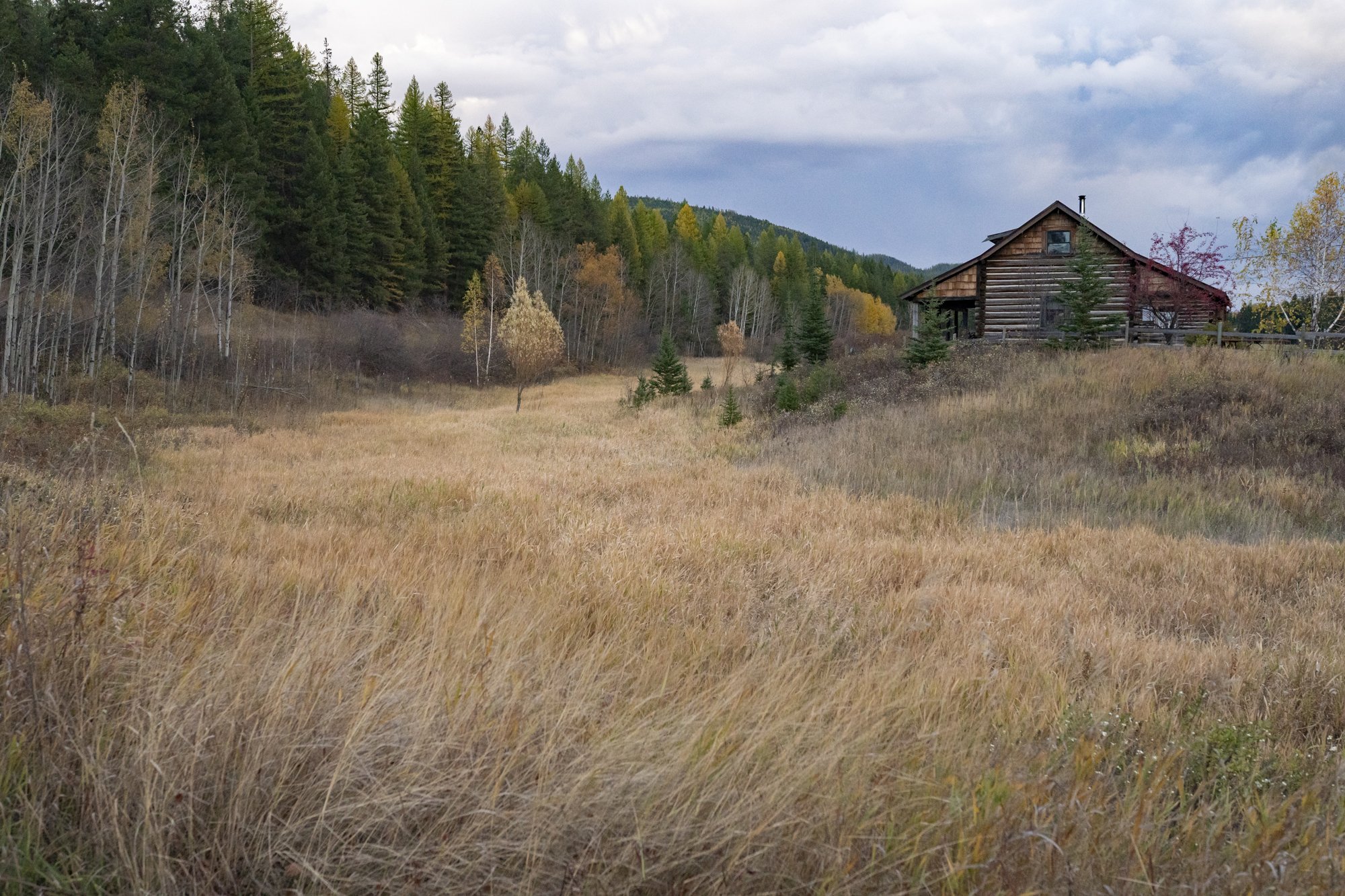
In the realm of Western/Cowboy photography there are a small handful of names that stand above all the rest: William Albert Allard, Bank Langmore, John Langmore, and Andy Anderson, but in my opinion Kurt Markus is the G.O.A.T. Few would argue. He passed away today. Not sure how it’s possible, but I didn’t learn about him until October 2021 during a road trip to Montana. Emily, Mojo, and I were staying at an old cabin Airbnb (1st picture) near Glacier National Park. Kurt’s book “Cowpuncher” was sitting on the coffee table. After looking through it for 30 seconds I put it down and instantly ordered myself a copy, feeling grateful that we even had cell service enough to do so. Since then, Markus has been the photographer I’ve studied/taken inspiration from more than anyone else on the planet. He is truly exceptional. What sets him apart is that his writing is just as strong as his images. Looking through his books and reading his stories makes the reader feel like they are right there experiencing the same thing he did. A special talent. I’m honored to own two of his books - Cowpuncher and Buckaroo. I believe his crown jewel though, is After Barbed Wire. A couple months ago I looked it up to buy, but was dissuade by the $150 price tag. No doubt, it’s worth every penny and more, but an honest effort has been made to cut back on my photo book “problem”. A while later another search went out in hopes of a better deal, resulting in the lowest price tag of $350. Yikes! During a recent road trip in Idaho, I found myself in an antique shop and spotted the book resting quietly in a locked cabinet. This is it, I thought! The owner couldn’t possibly be asking the same as the internet!? $400 - a signed 1st edition. Damnit!! The search continued. Now I check almost every antique shop that crosses my windshield from California to New York in hopes of finding the White Whale. So far, the results haven’t produced, and Google shows it valued as high as $800. On days like today, it seems like I should just fork it up. Rest in power, Kurt!

Click HERE to see some of my cowboy photography greatly inspired by Kurt Markus.

Cowboy Portraits

Authentic Cowboy Portraits

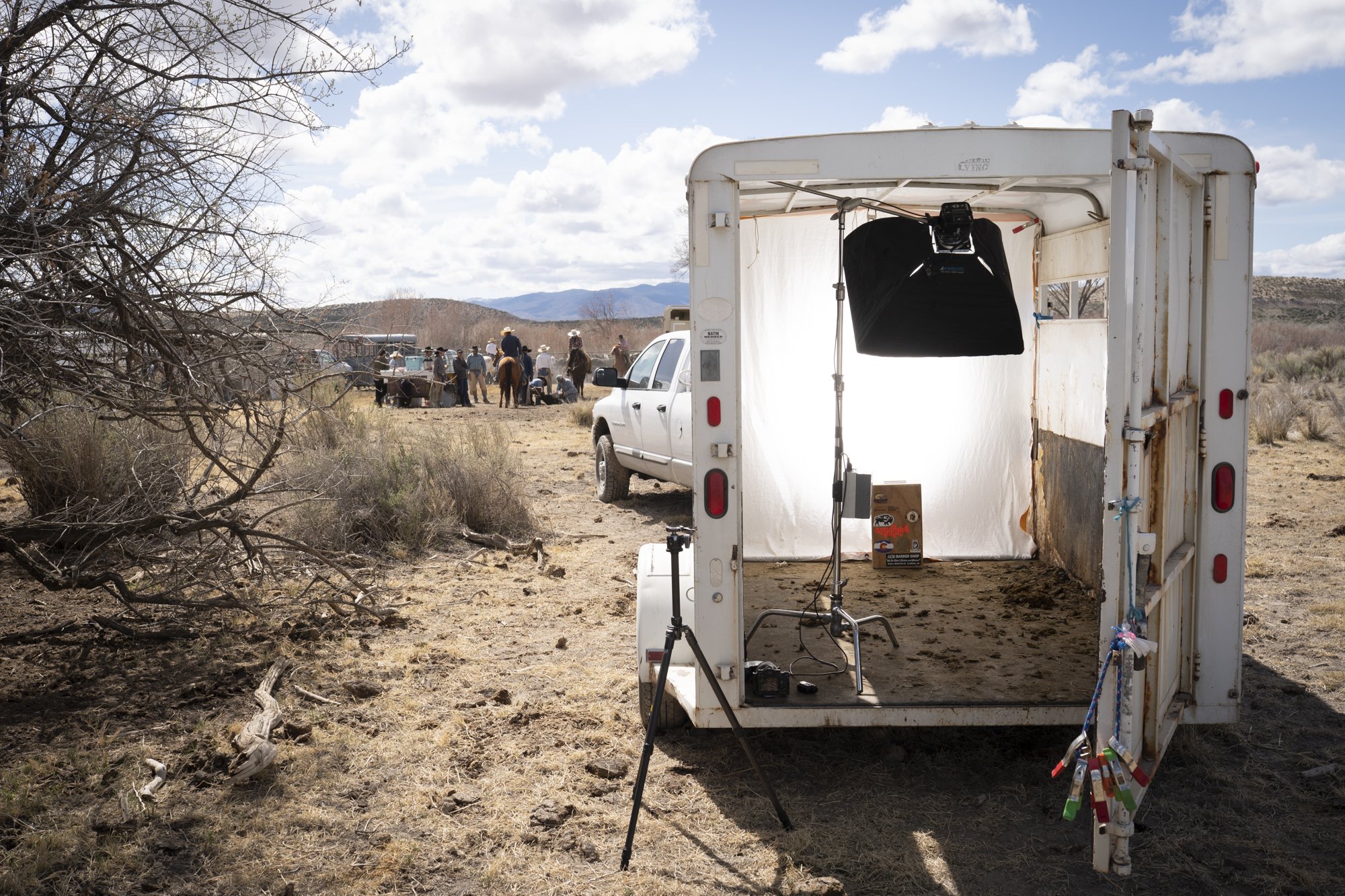
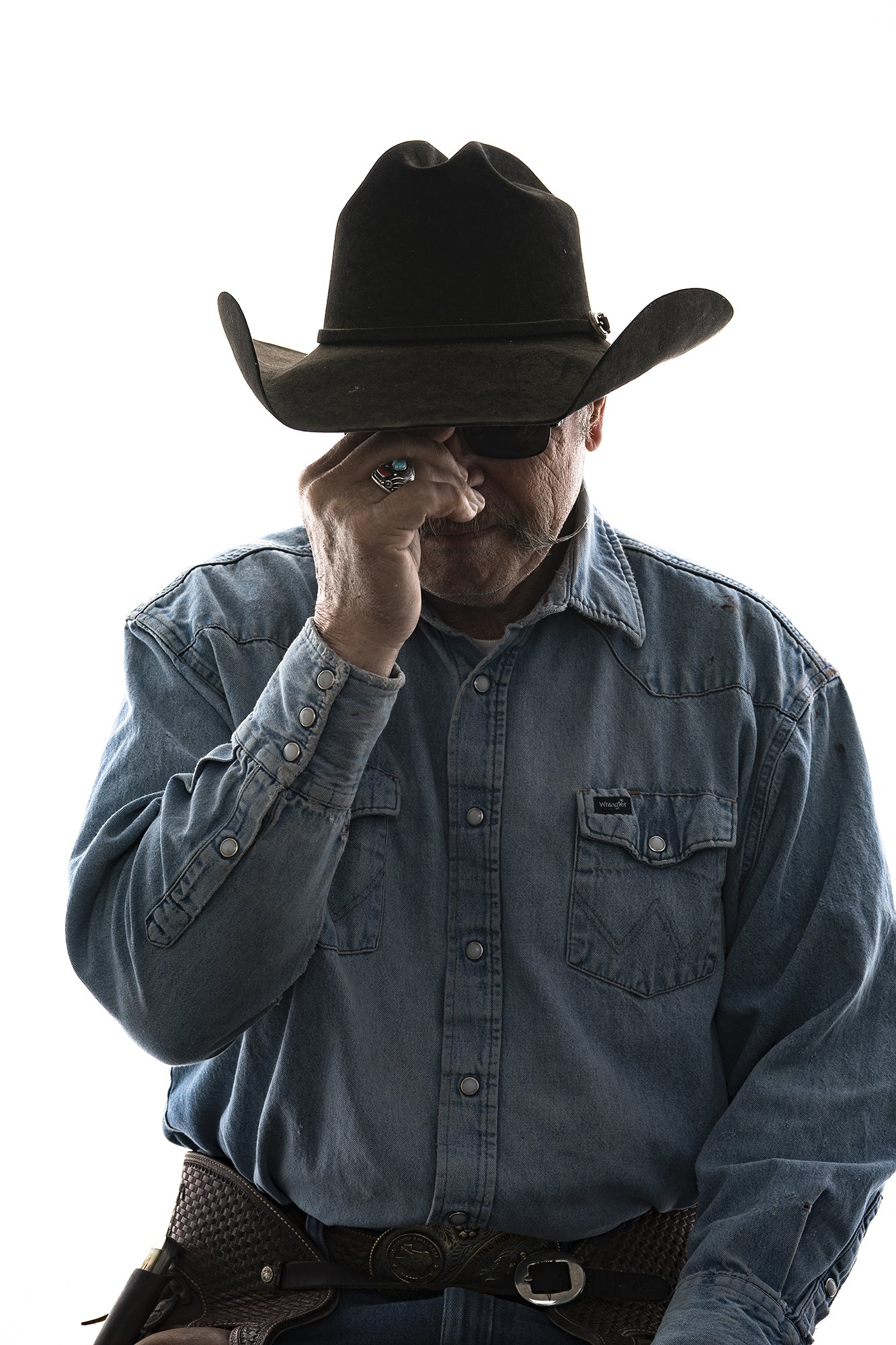
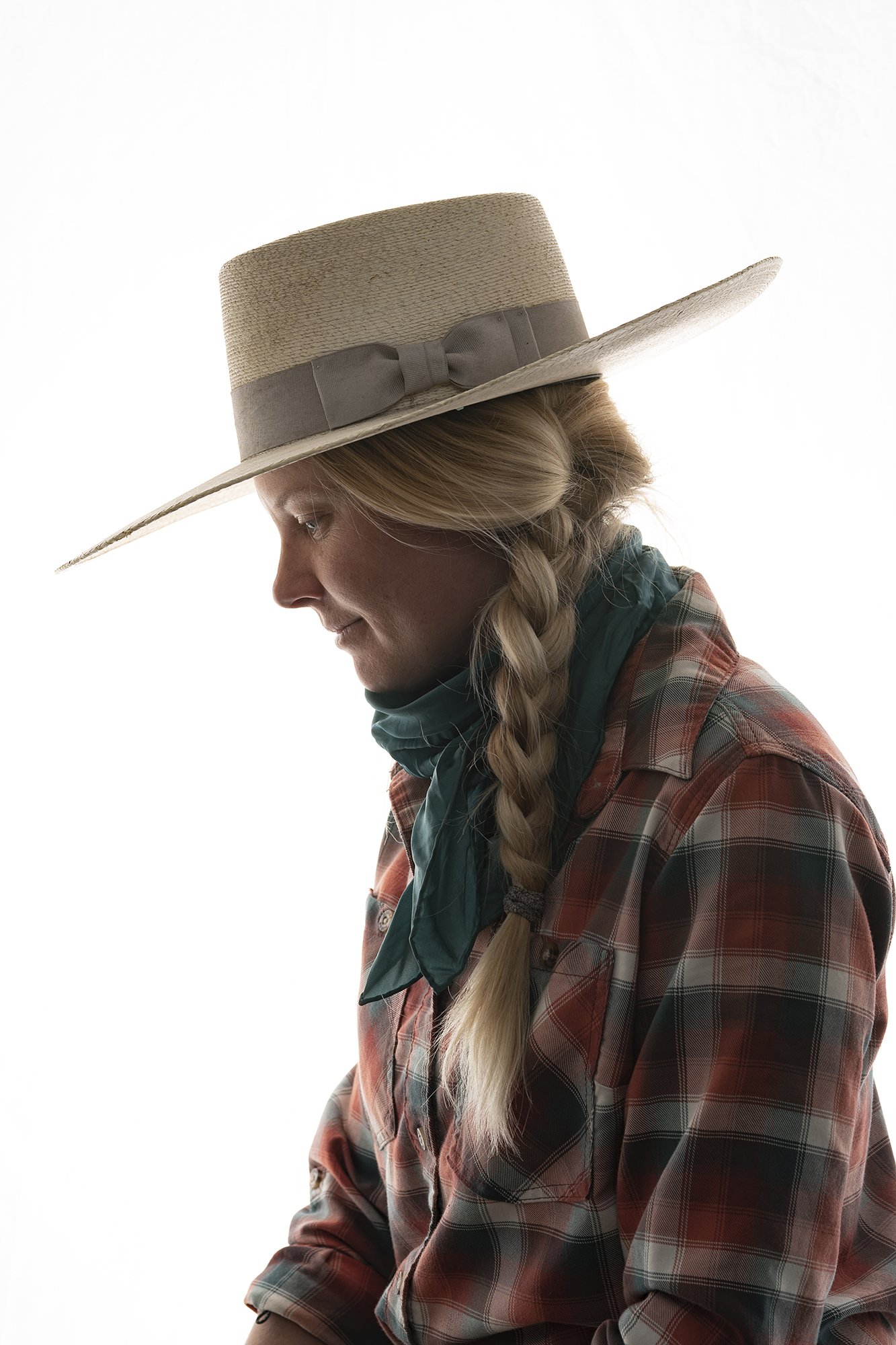
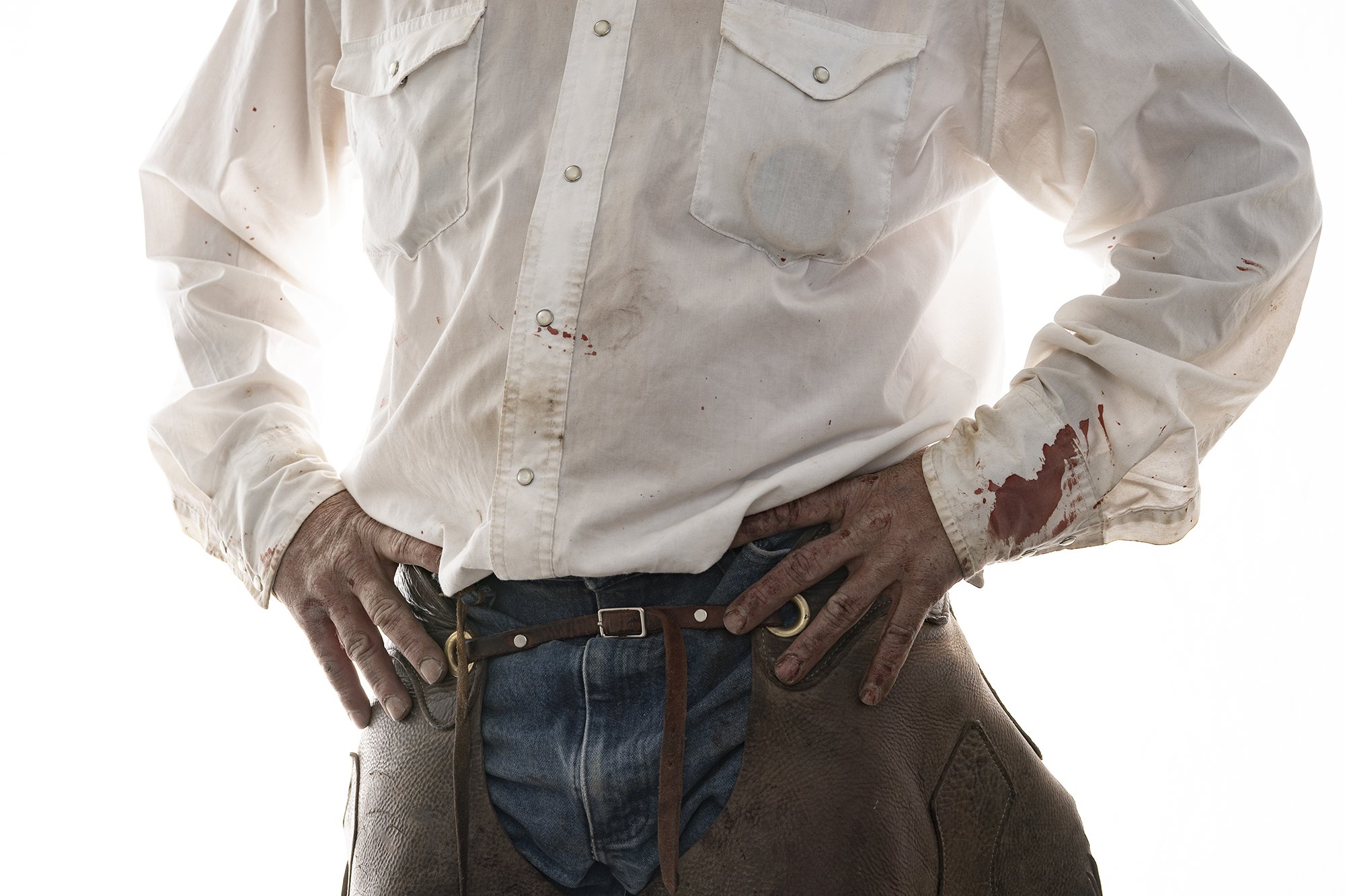
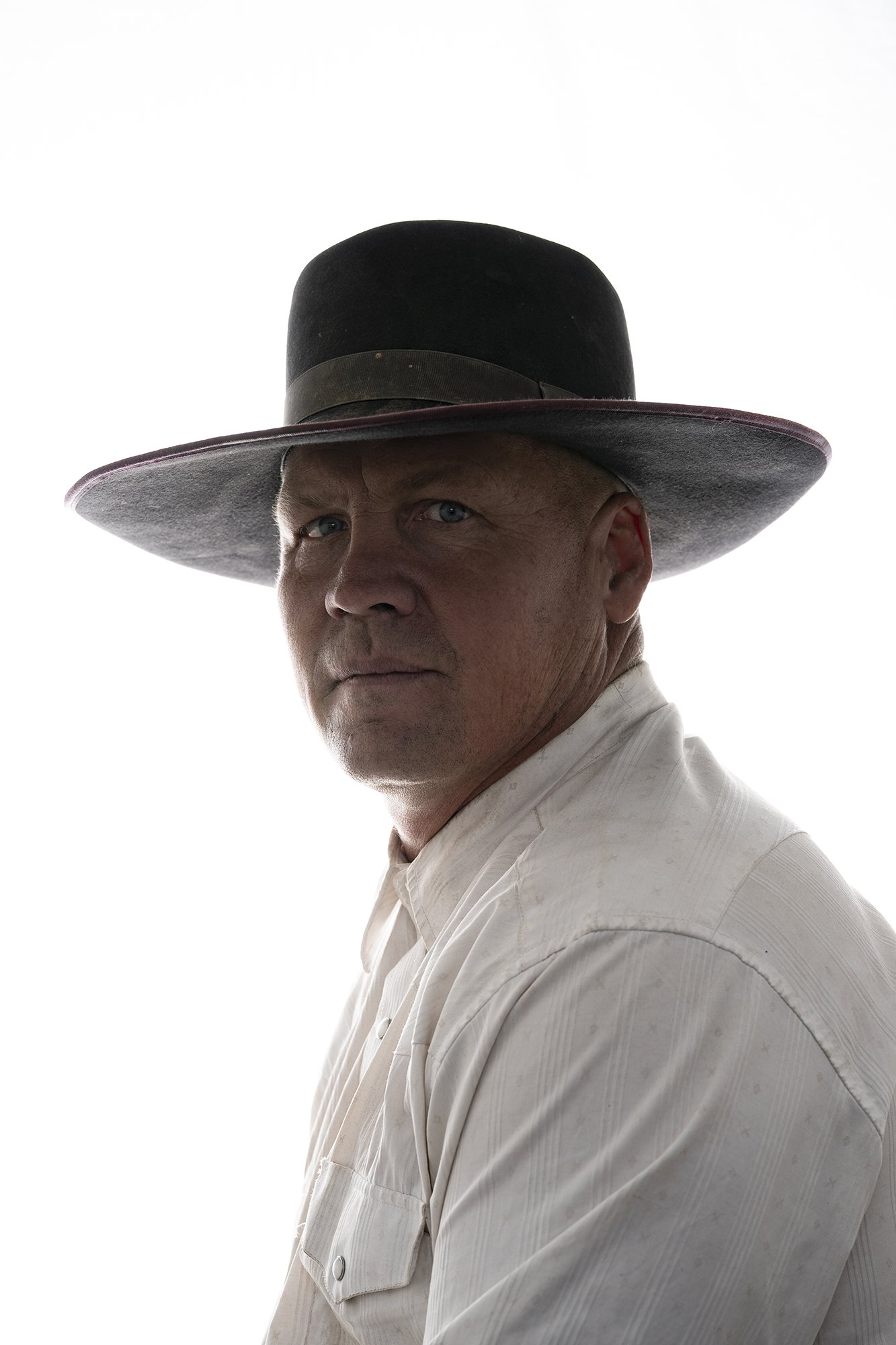
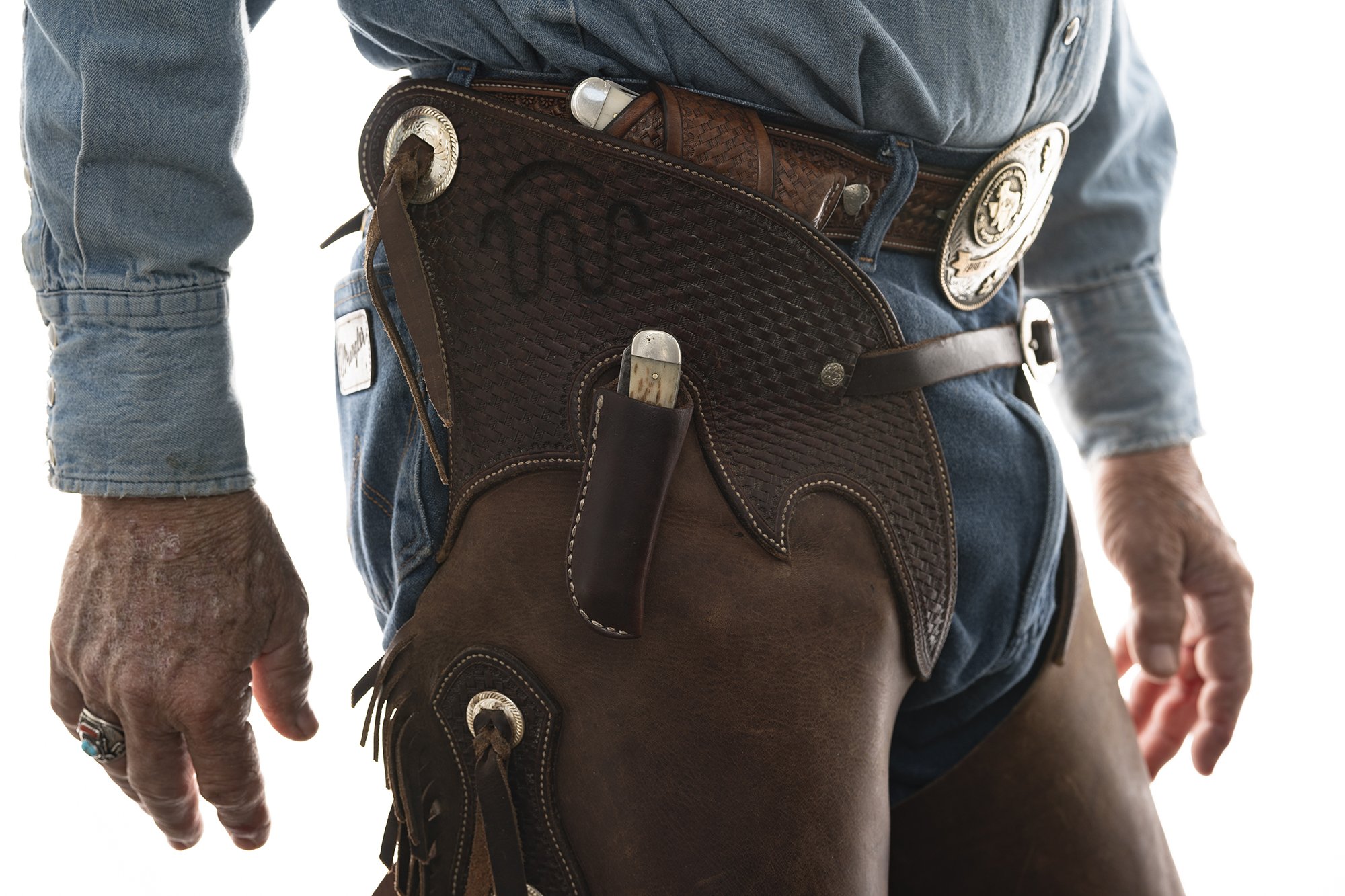
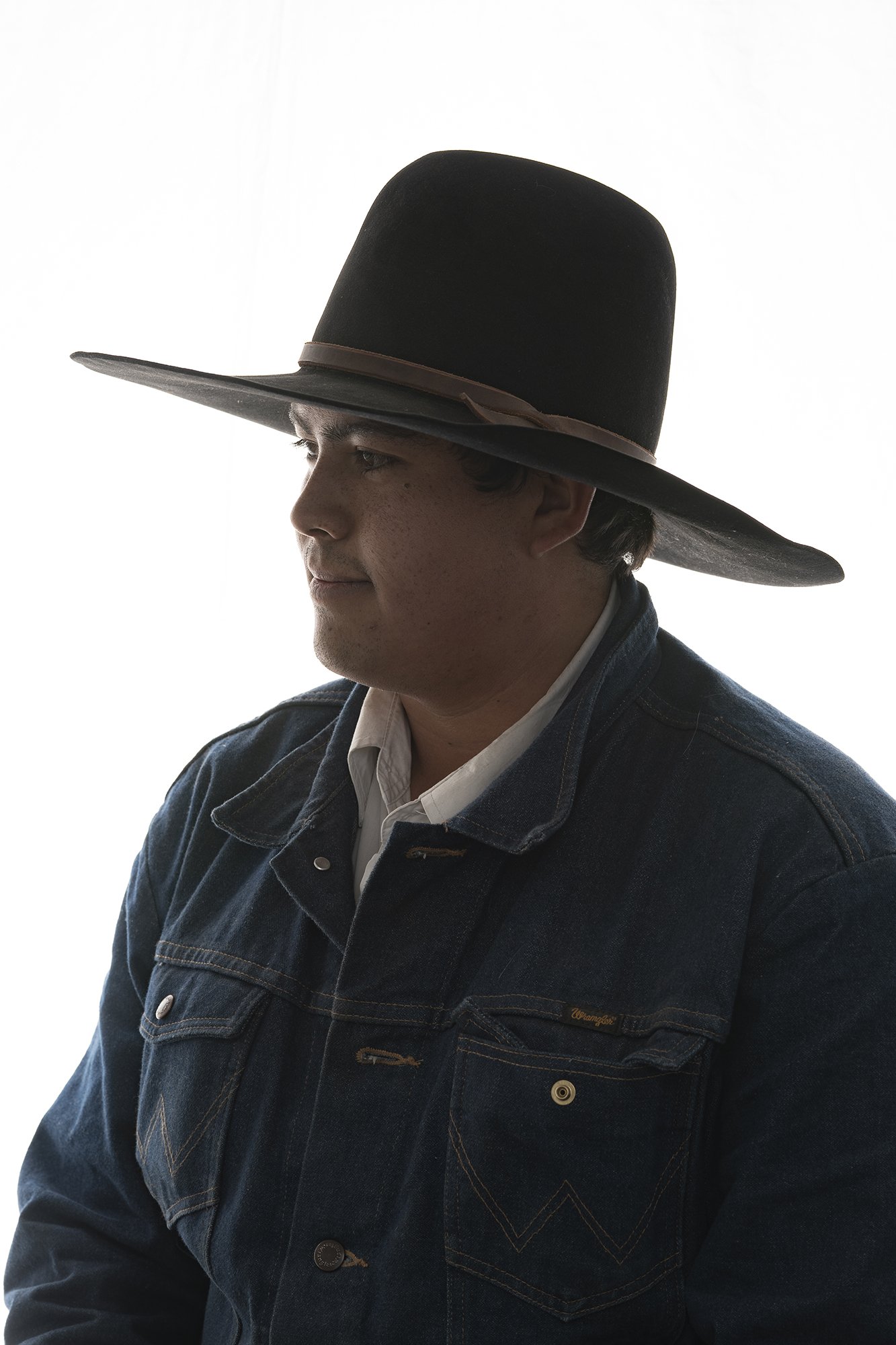
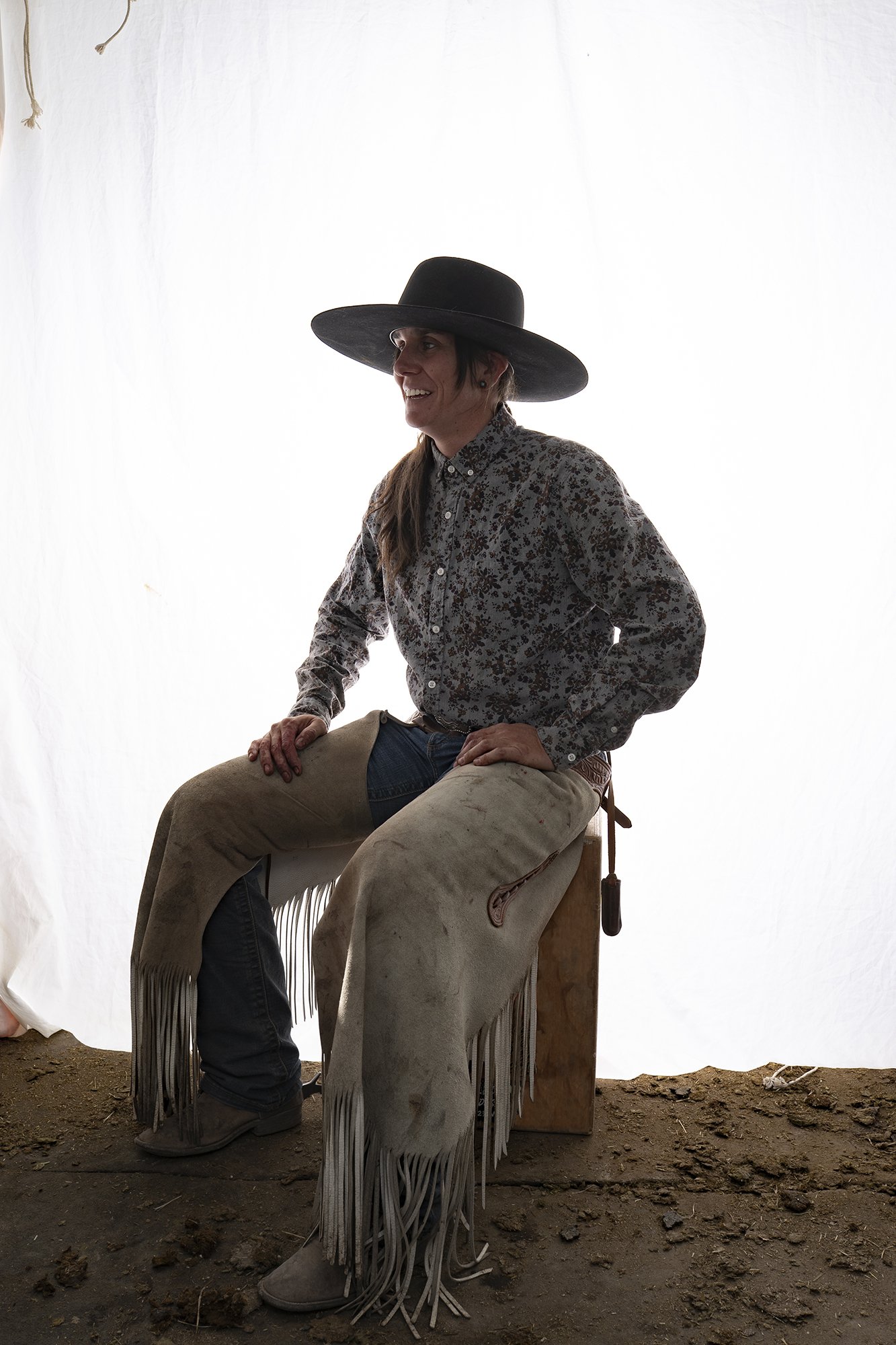
Brought the lighting gear out to a cattle branding a few months ago to make some portraits of all the cowboys and cowgirls working on the ranch. Wanted the focus to just be the people and their gear without anything else to distract from that. Had a blast setting it all up and shooting in a horse trailer, but still undecided if I’ll stick with this style or not.

Click HERE to see more from this series.

Cowboy Culture Photography

Cattle Branding - Cowboy Photography

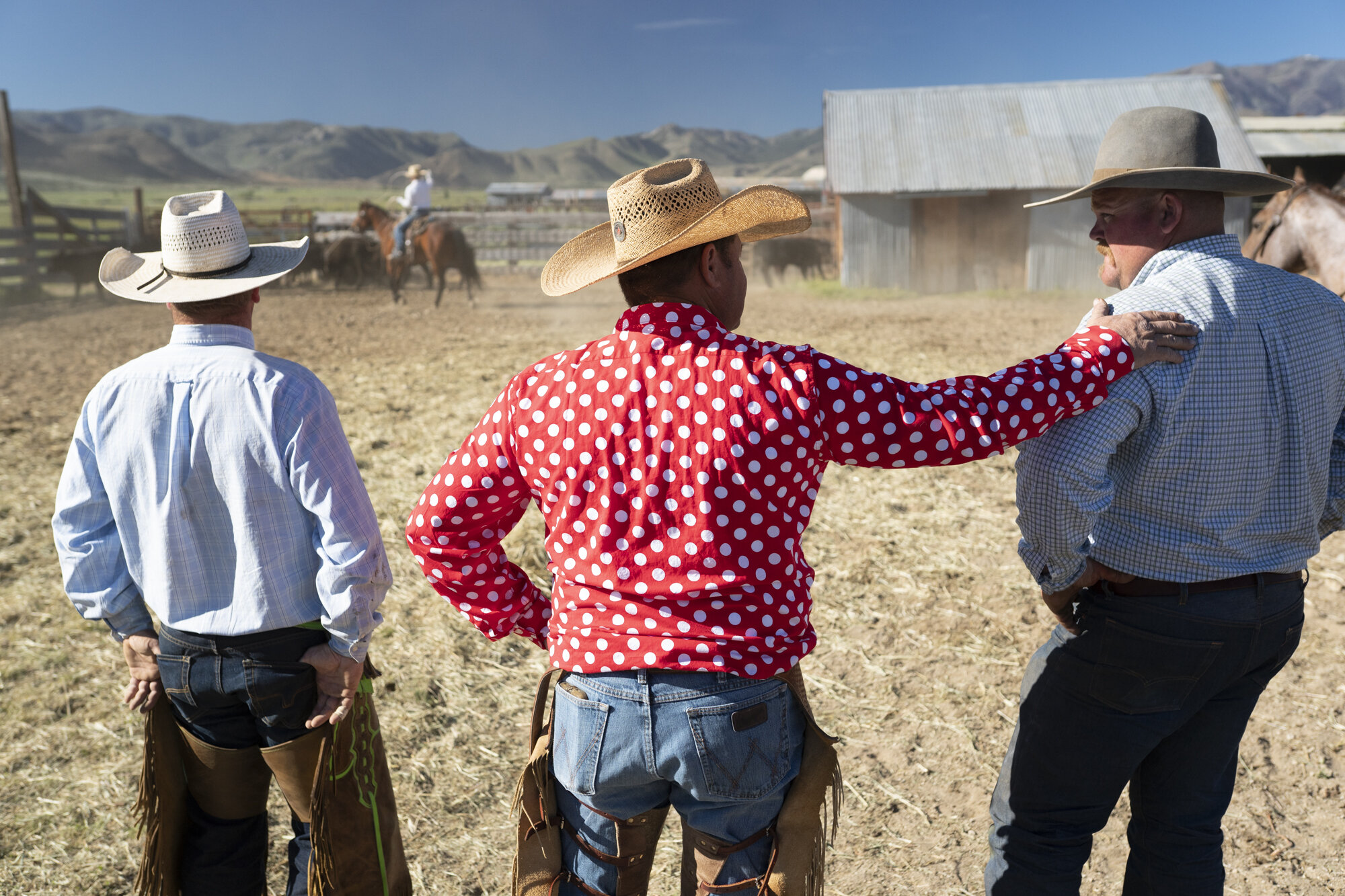
There’s nothing staged about the kind of cowboy photographs I make. No hired models in brand-new hats. No one pretending to ride for the brand. Just real people doing real work day in and day out, in weather that doesn’t care if you’ve got a camera slung over your shoulder.

For the past 5 years I’ve been photographing working cowboys on ranches across the American West. Not for the sake of nostalgia or myth-making, but because this way of life still exists, and it’s worth documenting. It’s early mornings, long days, sore horses, busted hands, and wind that doesn’t quit. It’s also pride, precision, and an unspoken connection between the people, the animals, and the land.

Most of the time, I’m just trying to stay out of the way. The goal isn’t to direct or interrupt—it’s to be quiet, to watch, and to make images that feel true. The kind that a cowboy can look at and say, “Yeah, that’s how it really is.”

These photographs aren’t just about cowboy hats and boots (though those are in there too). They’re about culture. About people whose lives are shaped by purpose, place, and tradition. And if you spend enough time around it, you realize it’s not just a job. It’s a commitment. A way of seeing the world.

If you're interested in cowboy culture—not the romanticized version, but the actual, hard-earned life behind it, this collection of photographs is for you. No frills, no filters. Just the truth of the West, one frame at a time.

Click HERE to see more of my cowboy photography.

Click HERE to shop my collection of cowboy photography prints

ROAD TRIP

THE BAD:This past week was the first time in a while since I’ve been on this particular route through Arizona, New Mexico, and Texas. The findings were not good economically. It was hard to see so many familiar small town restaurants and hotels closed, boarded up, or in the process of being demolished. Maybe the timing was a coincidence, but you have to wonder if it was all the result of COVID? Either way it’s a shame.

THE GOOD: Road trips are always so much fun, educational, and therapeutic. This one had me shooting on a cattle ranch (The Four Sixes) in the Texas panhandle where I met some great people and had a hell of a lot of fun shooting with them. Will be a while until I can post those images. So for now you can click HERE to see more of my Cowboy photography.

Western Photography

Cowboy Photography - American West - Cattle Ranching

Maybe it’s the nostalgia? Maybe it’s the hats? I don’t know. However you spin it though, I appreciate everything going on in the pictures here. To really boil it down though, there are a couple factors that turn me on to this culture and lifestyle. First is the freedom. Cowboys/ranchers/farmers. Whatever you want to call them. They work their asses off, but they do so on their own terms, not someone else’s. They freelance, like me. I always say that if I’m not exhausted, dirty, or bloody by the end of a shoot, then chances are it wasn’t that much fun. And I wouldn’t dare to compare the work I do in a day to that of a cowboy, but I certainly connect with it. Another part is their “work” hasn’t changed that much since the old days. Sure there are more laws and guidelines, especially in California, but the bones of it is pretty much the same. And there’s a lot to be said for that, especially since everything else in the world changes minute by minute, and not usually for the better. The simplicity of their trade is another parallel to draw. That’s not to say that what they do is easy, because it certainly isn’t. Quite the opposite. With photography everyone is so focused on gear, gear, gear. Gotta get the latest and greatest piece of gear. Gotta light this with 12 strobes or it won’t look good! Admittedly, I was guilty of that in the past too. At a certain point though, I realized that was all about false impressions. Yes, your equipment needs to be at a certain level to operate as a professional, but that doesn’t mean you constantly need to be upgrading. Having a better camera doesn’t make you a better photographer. Hell, if you know what you’re doing, you could make an entire career with one camera and one lens. So you don't need that new 150 megapixel Medium Format bullshit. Fun to play around with? Yup. Not what matters though. Focus on making images not on the gear. That’s what I mean by simplicity. Location is the last thing I’ll mention. In general, the places where these people live and work is also something I connect with. Living in San Diego has a lot of pluses, but I’d much rather be out in the mountains or the country. It feels more like home and fits my personality/interests much more. Along with the location comes a certain type of attitude or lack there of. City people and country people are just different. No way around it. I prefer the later.

What a day this was with Spencer and Jessica of the Anderson Cattle Company (click to buy some of their beef) and their crew. Really grateful to have documented the work done by these folks. Not only was it fun, but also incredibly impressive. Watching the control they had over their horses and the way they used them as vehicles was a pleasure. That goes for the women too. They can rip. At the end of the day I asked one of the guys how long it took until he was comfortable with that sort of environment. To which he replied that you don’t, really. “Controlled chaos”. You just get use to the controlled chaos, he said. A very fair and accurate way to describe that type of event.

Something well worth noting in my opinion is that none of the people you see in these pictures were paid to be there. They are all friends of the Anderson’s and volunteered to work their asses off in the hot sun. A favor that is always returned over and over again throughout their lifetimes. On this day they helped on their ranch, but next time the Anderson’s will be the one’s lending a hand. The way life should be.

One of my favorite photographers of all time is William Albert Allard. He made a great deal of photographs in the American West documenting the lifestyle and I’d argue that nobody has ever done it better. In one of his books he talked about time spent on a ranch with some cowboys in Nevada. He asked one of the guys if he was ever afraid of being replaced by a machine. “Bill, they just ain’t come up with nothin’ yet that’ll take as much abuse as a cowboy”.

Follow along with the Anderson’s on IG @2aranchwife

More Western Cowboy Photographer here

Poway Rodeo

Poway Rodeo

Poway, San Diego, California

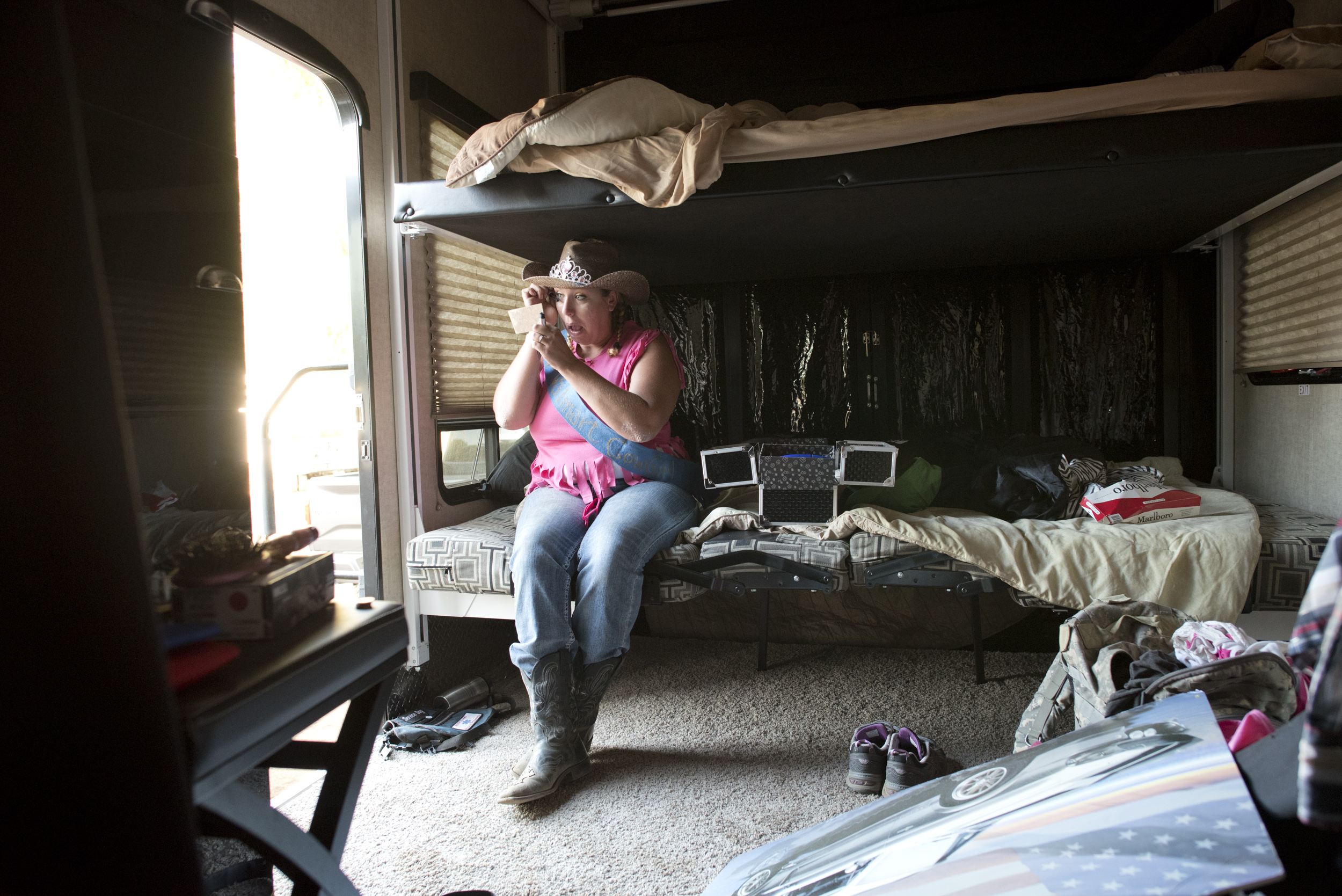
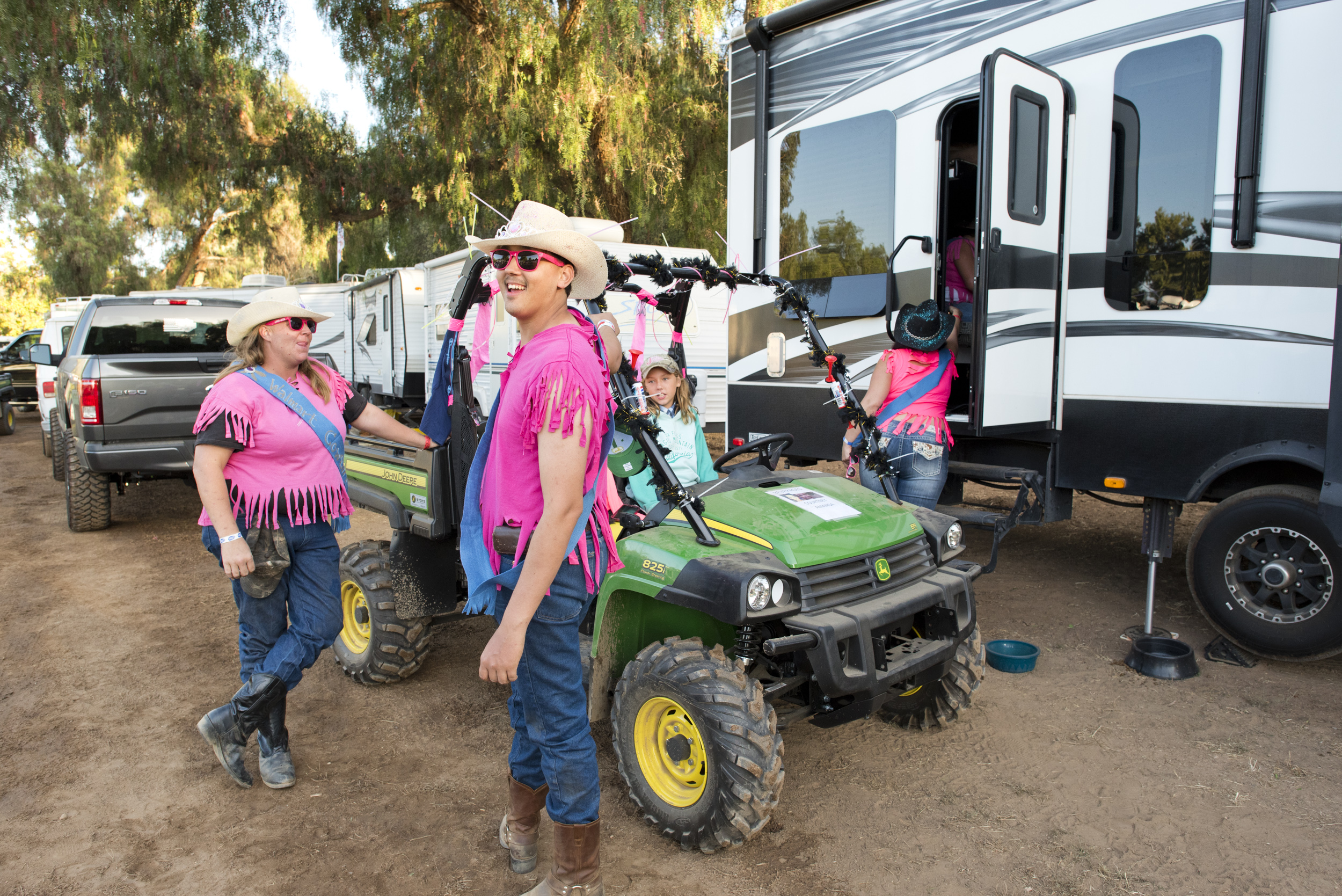
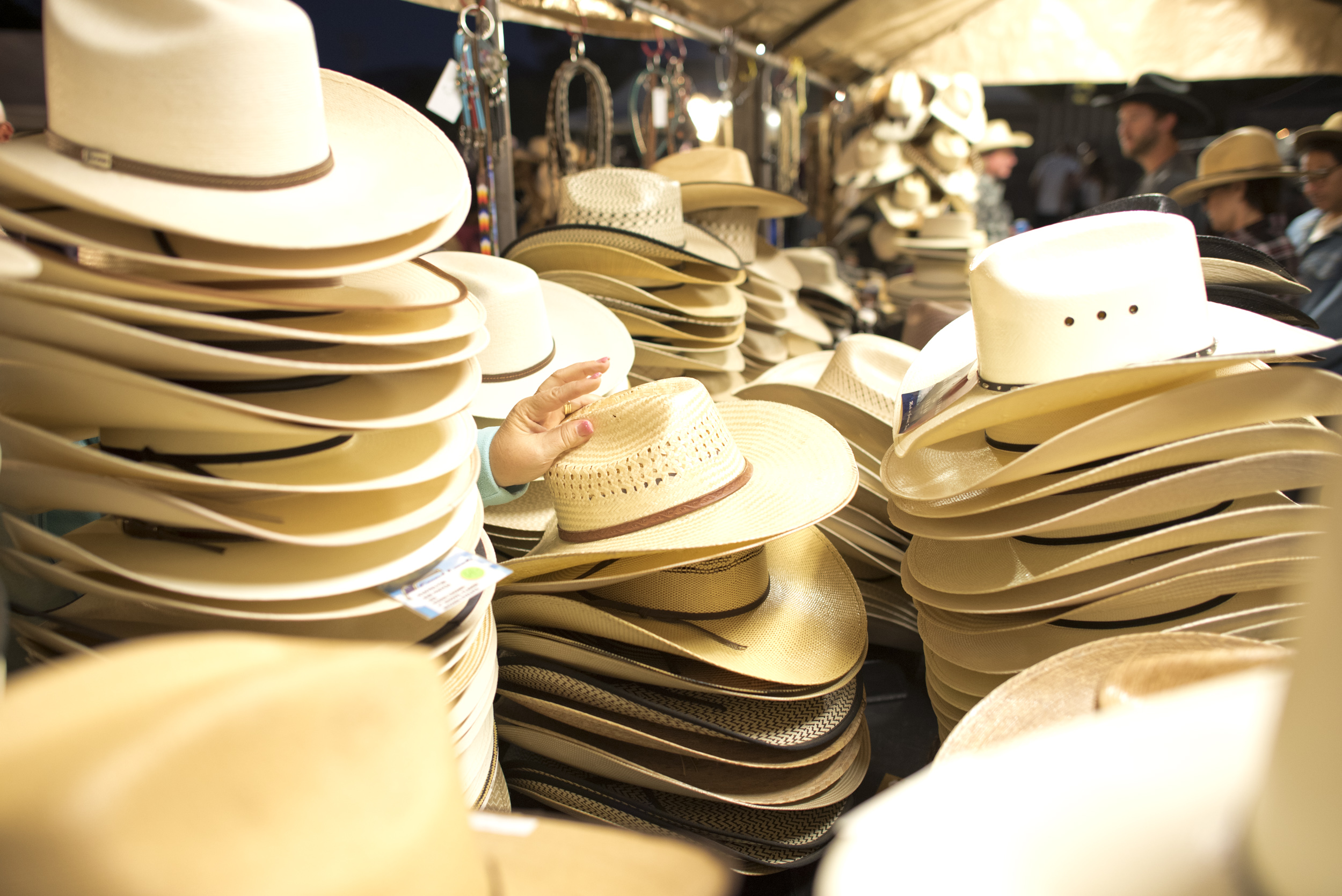
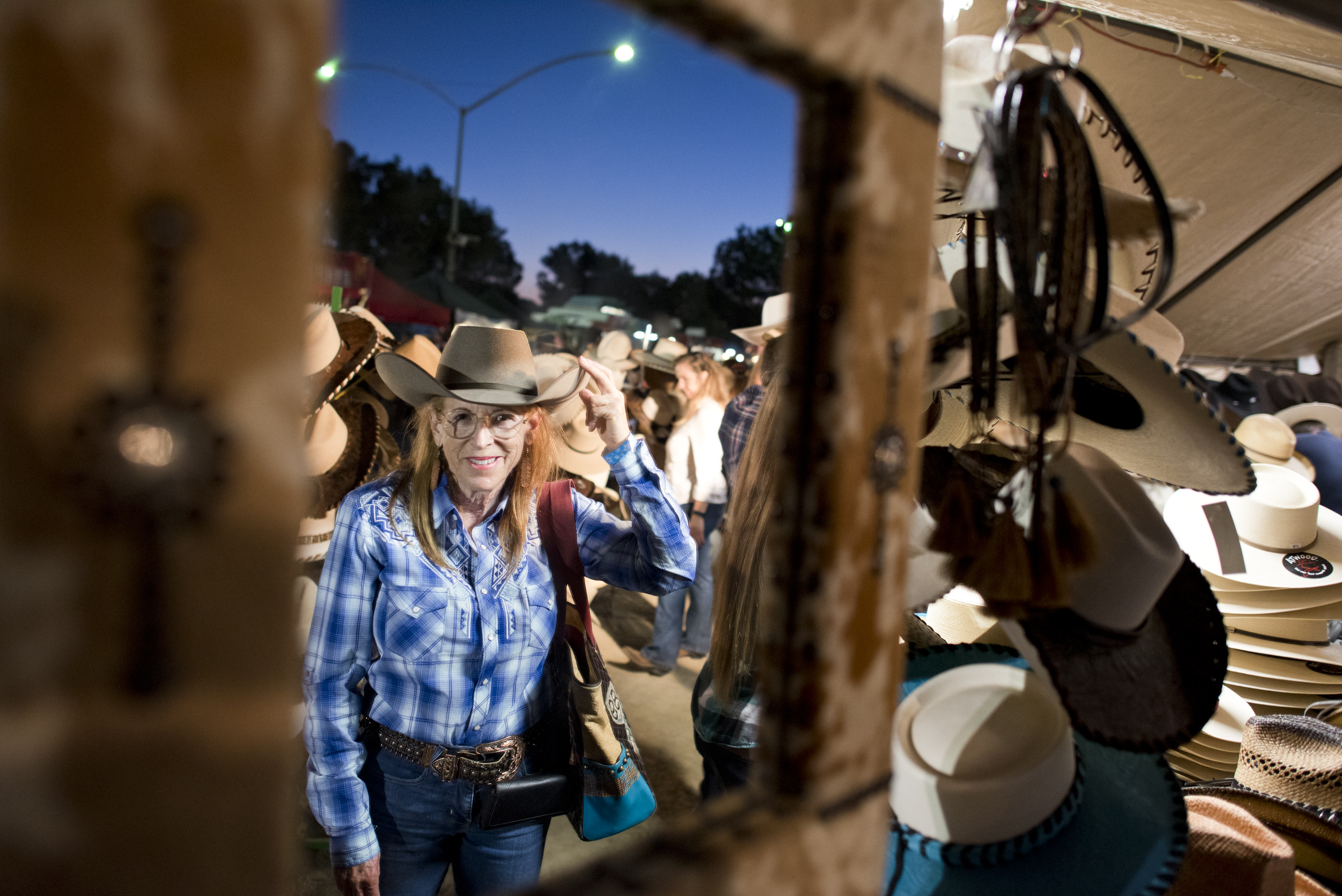
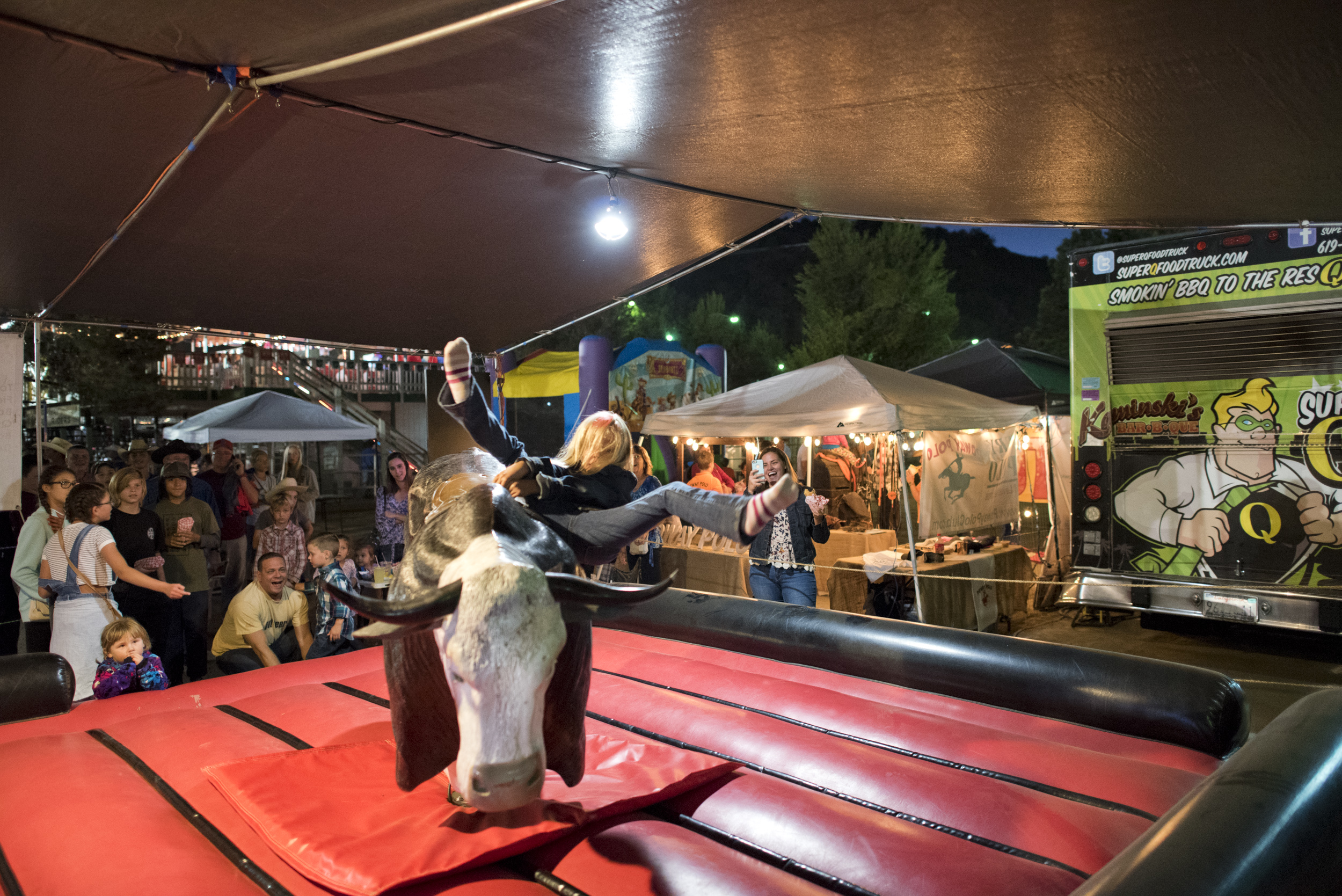
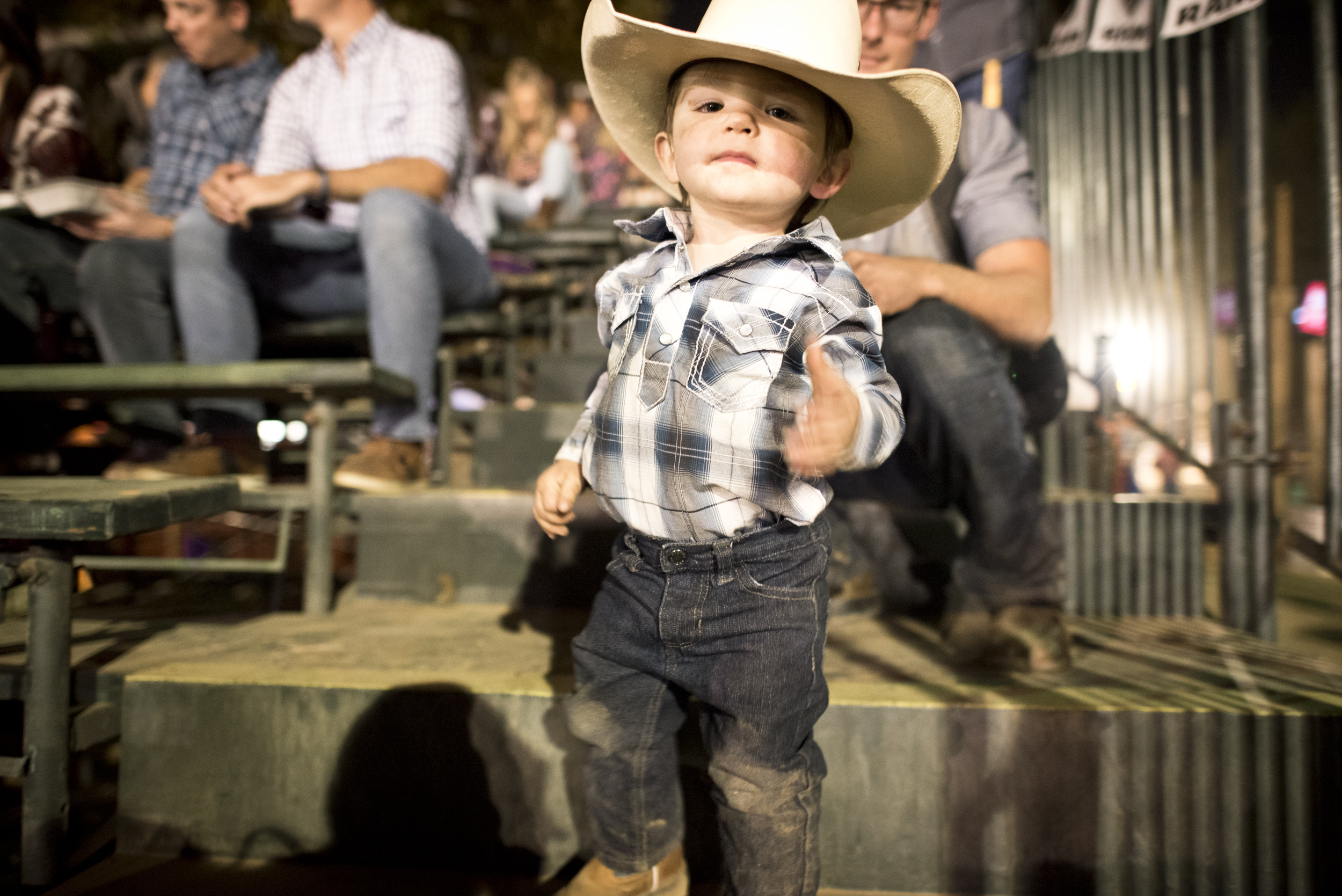
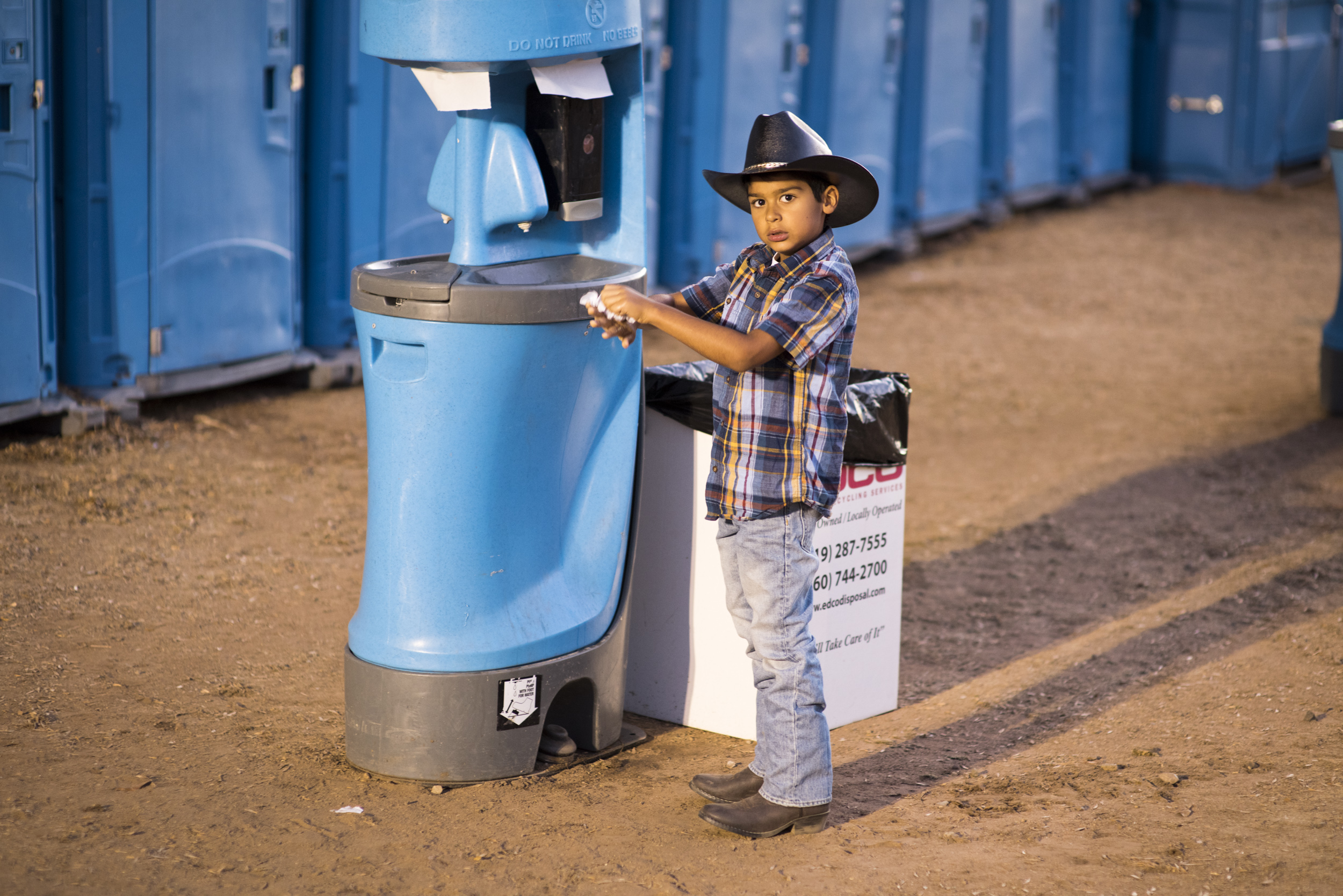
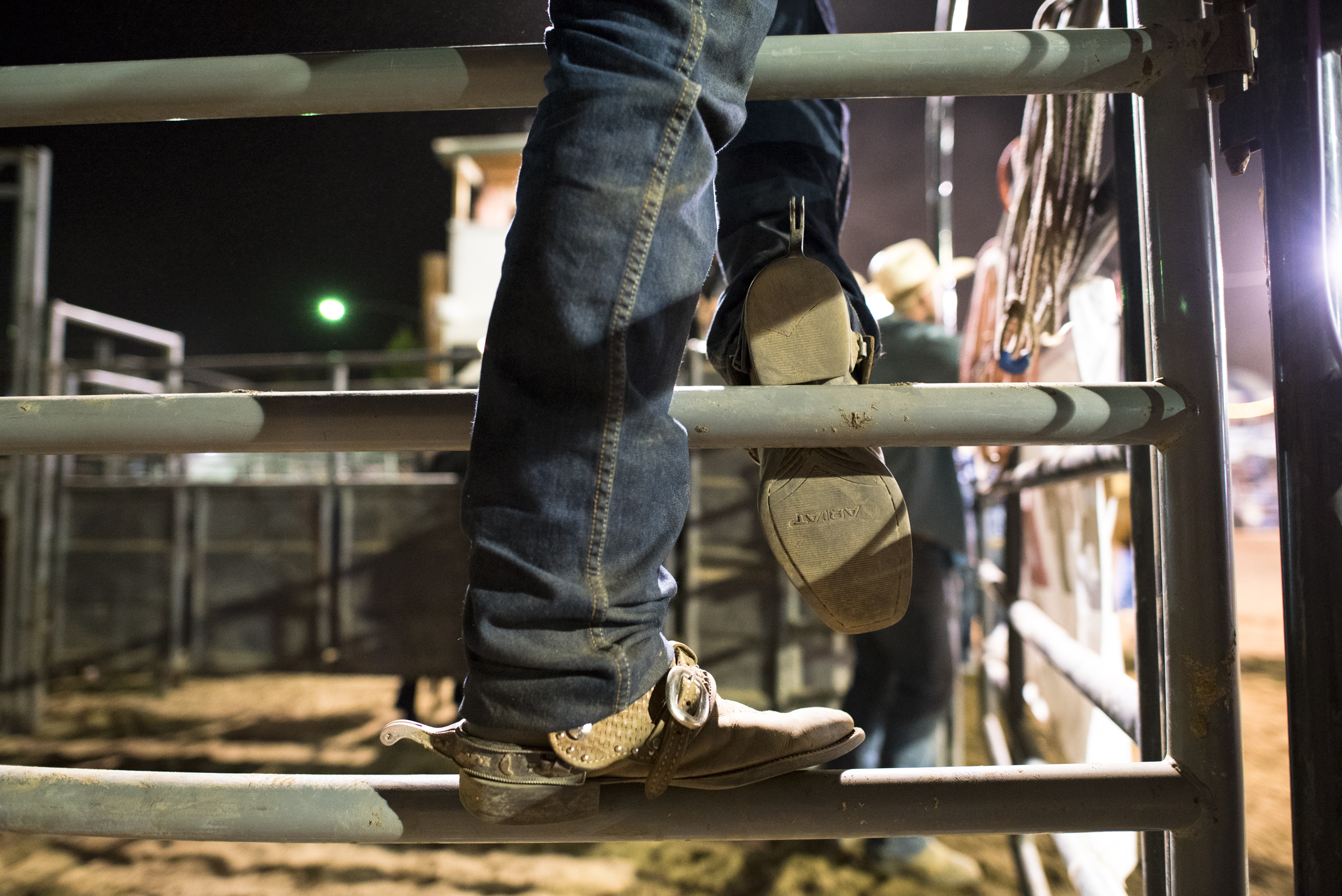
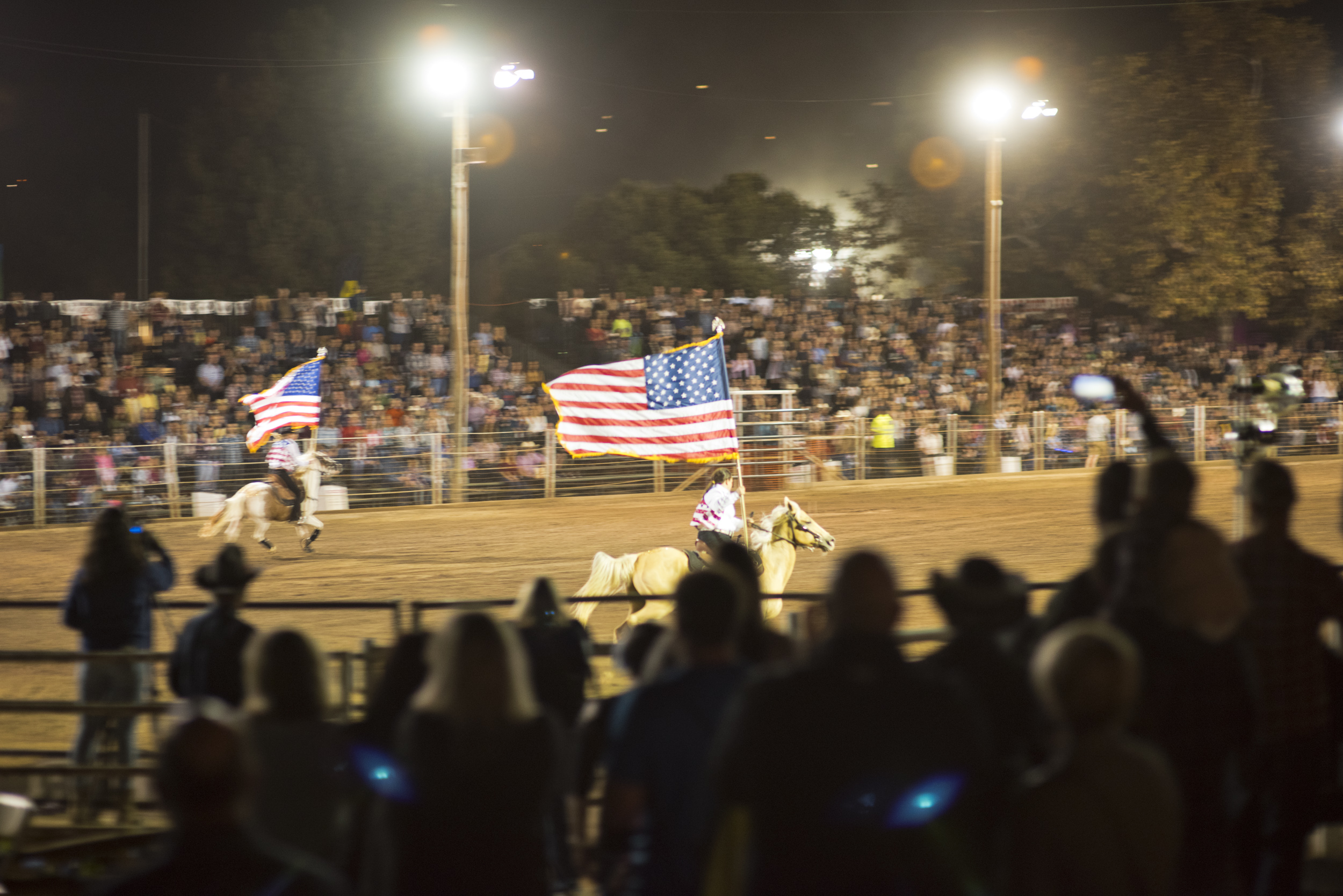
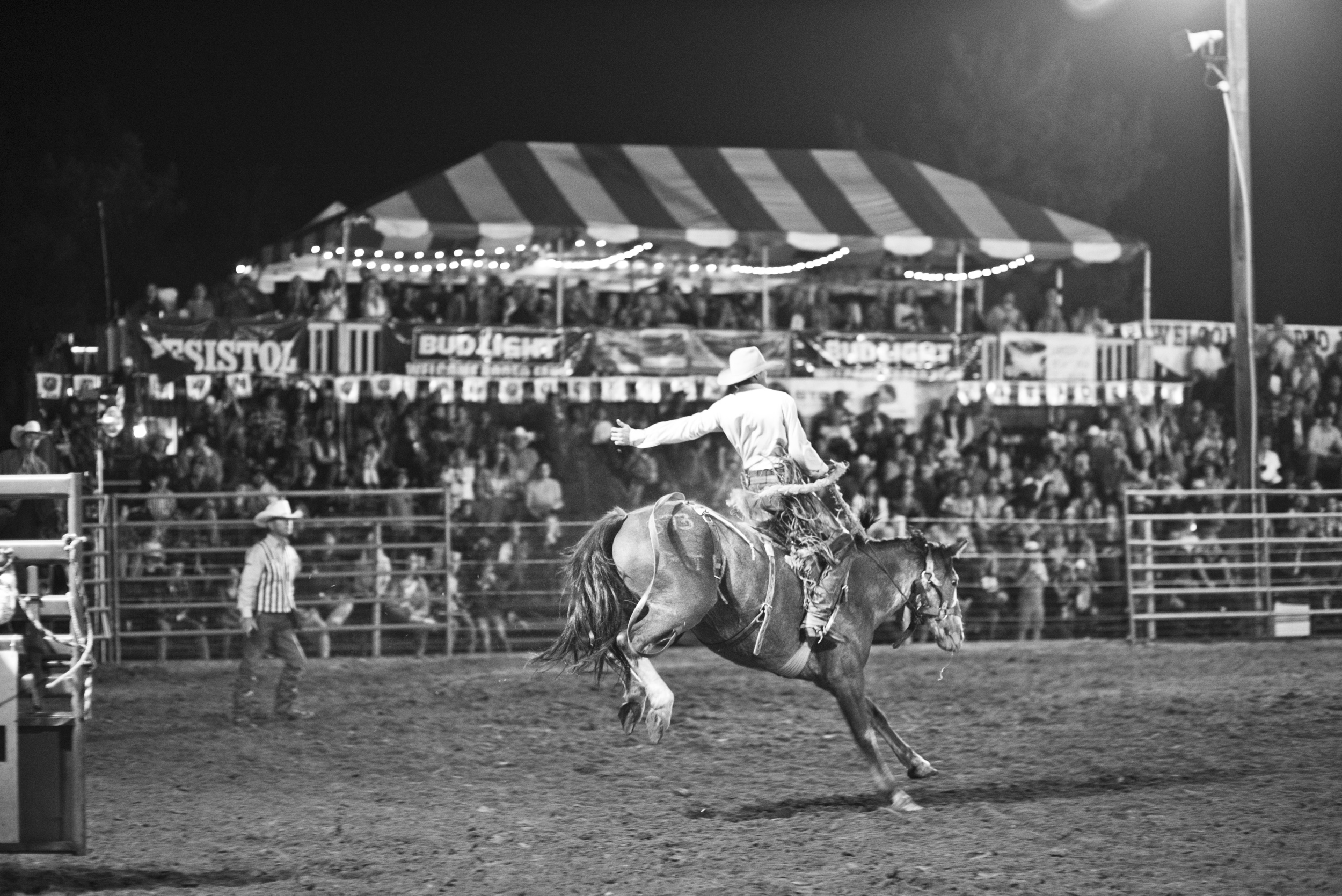
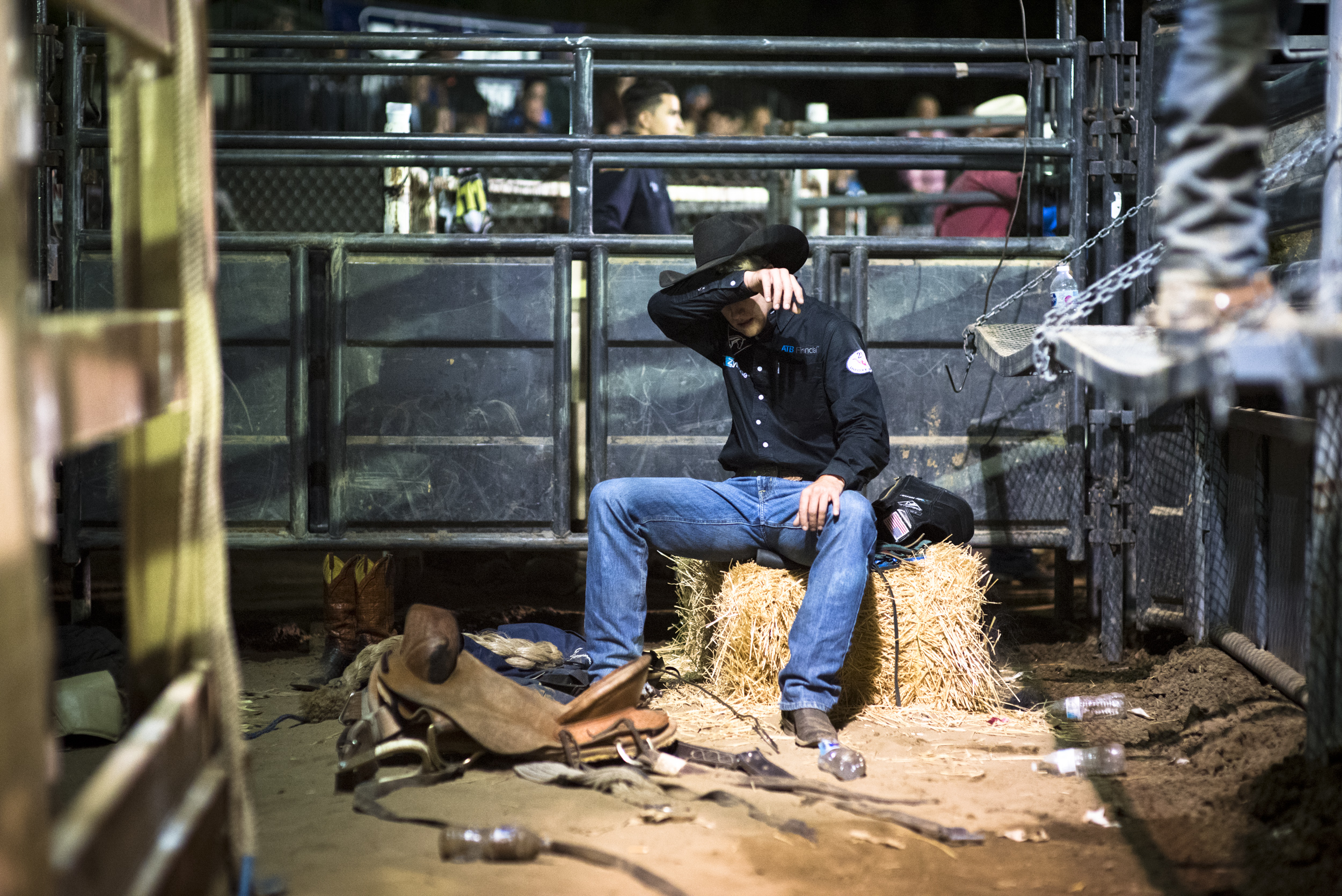
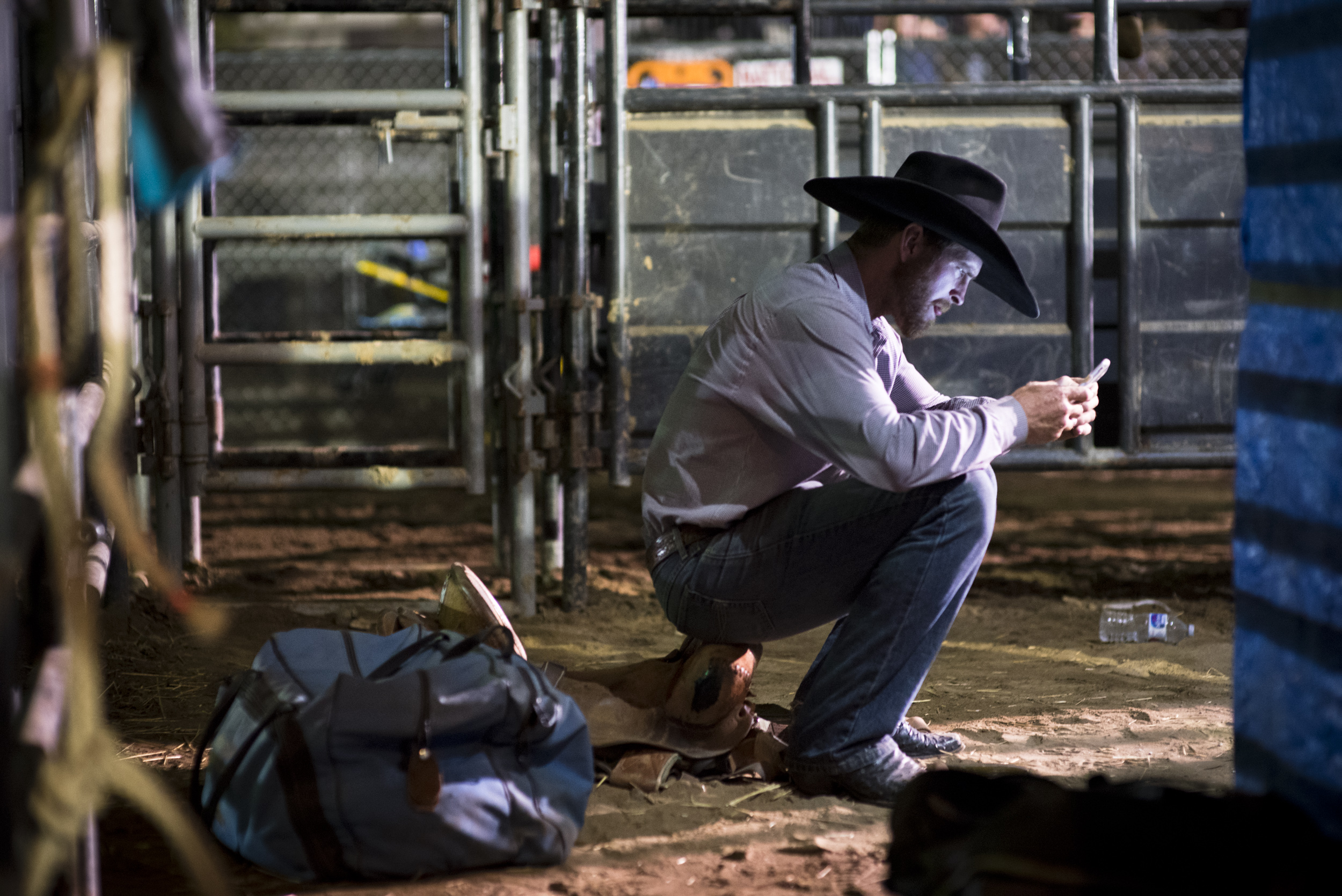
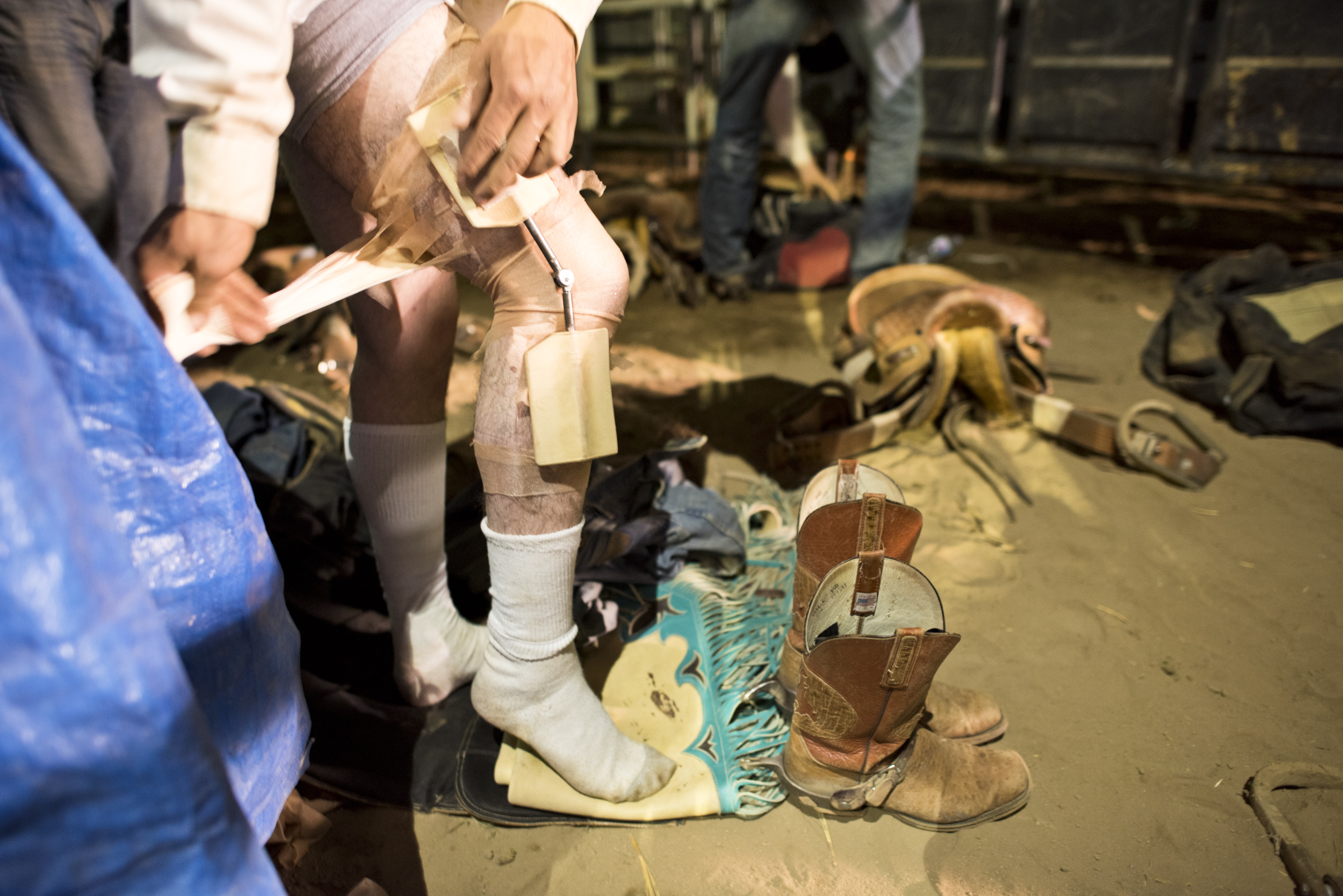
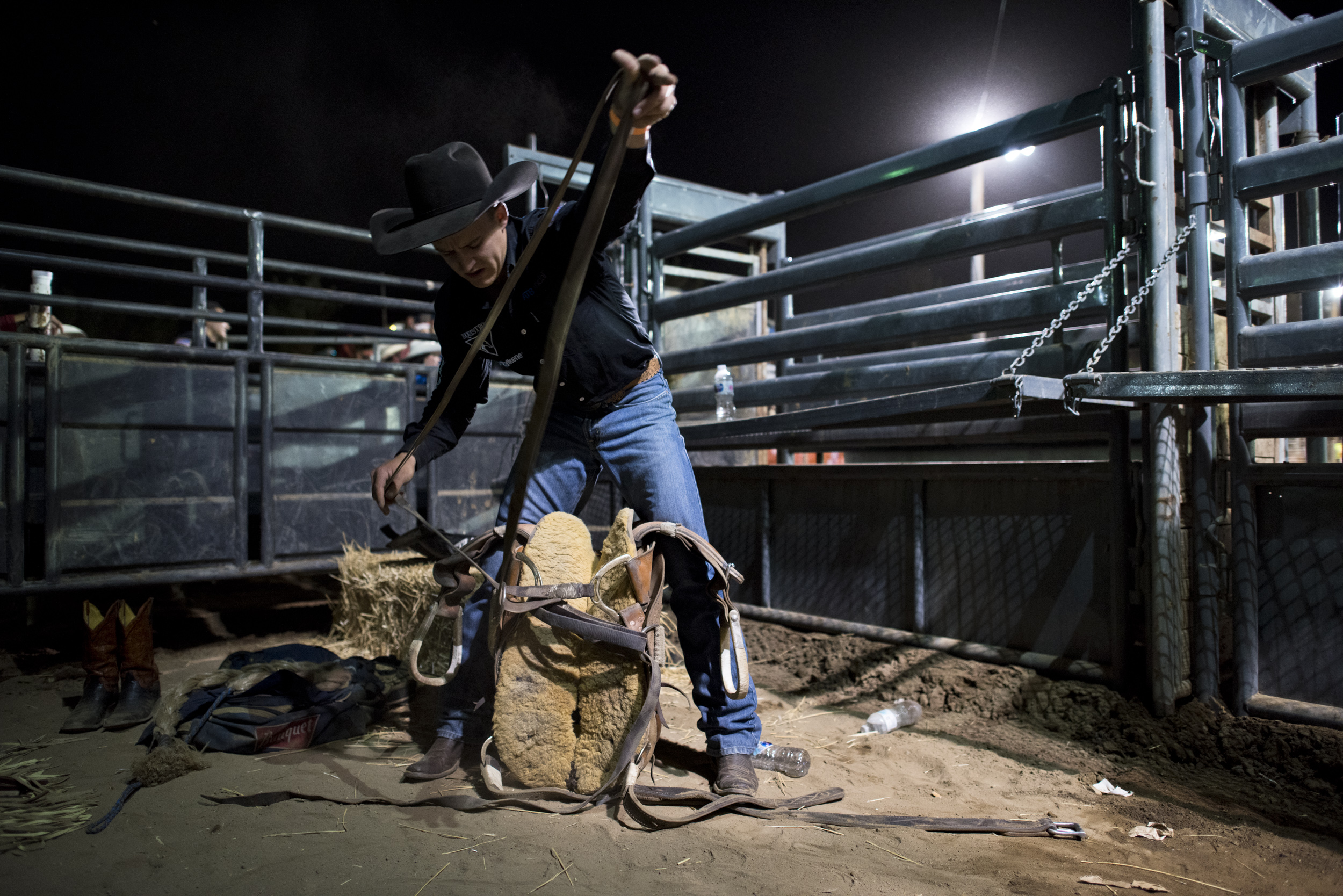
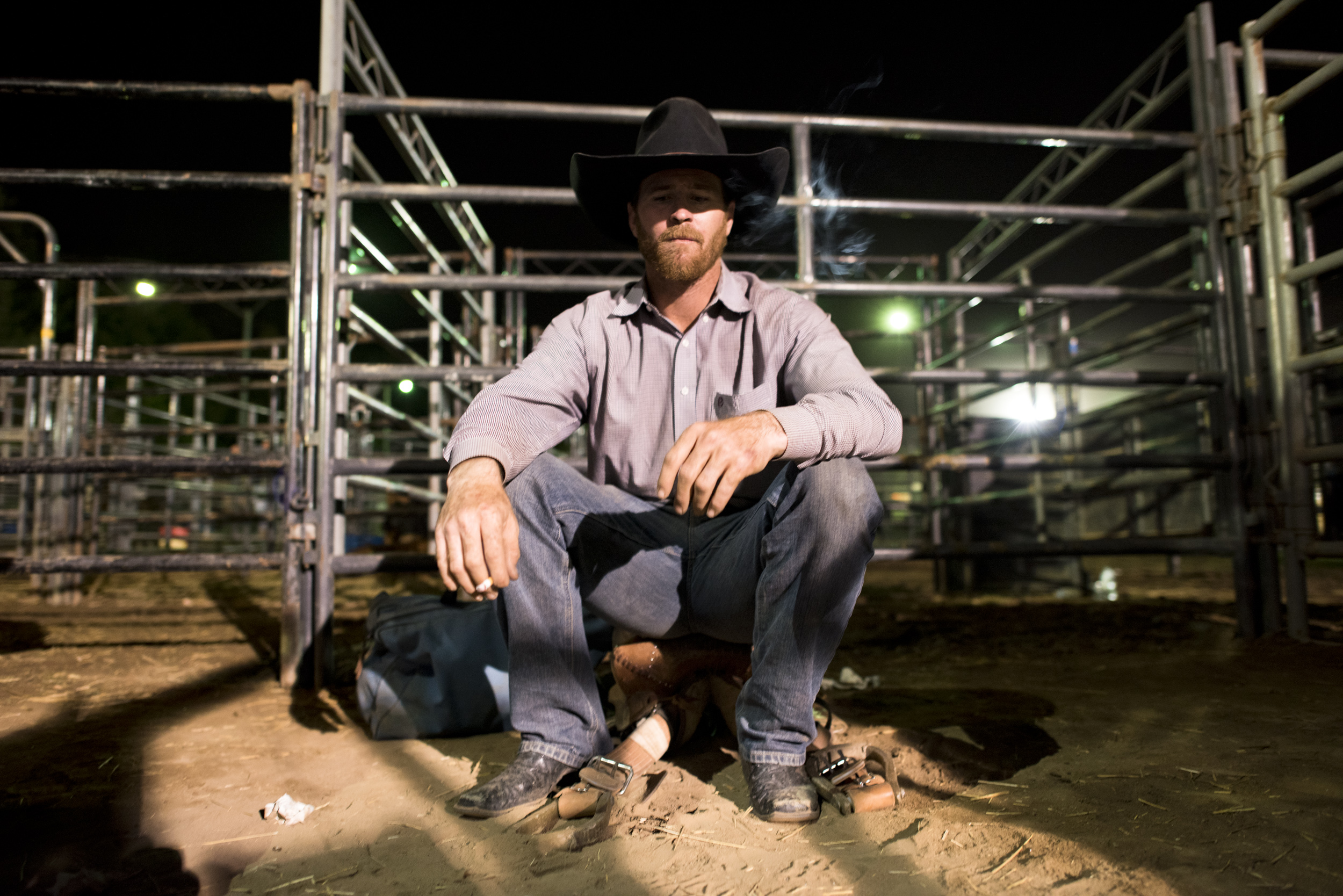
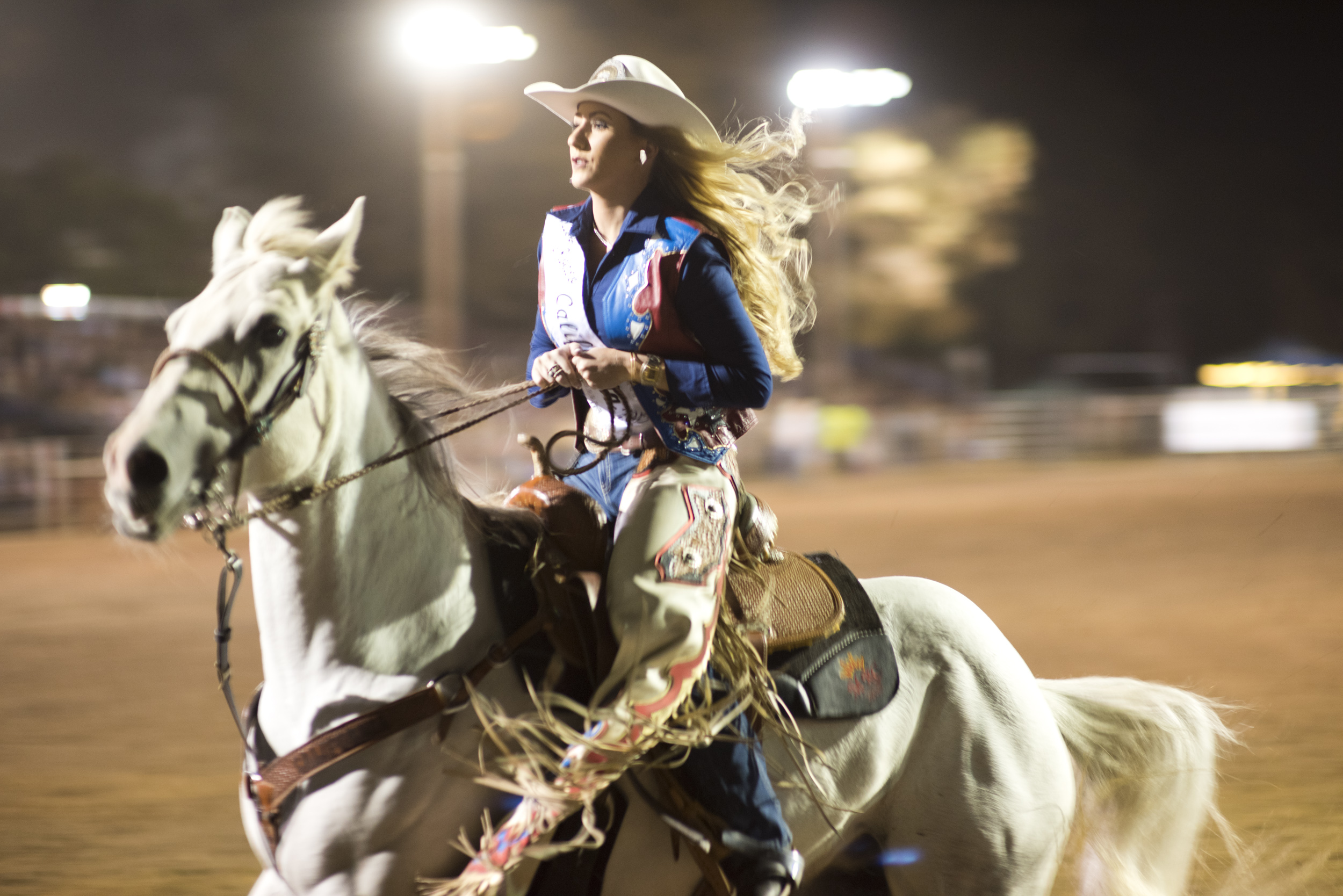
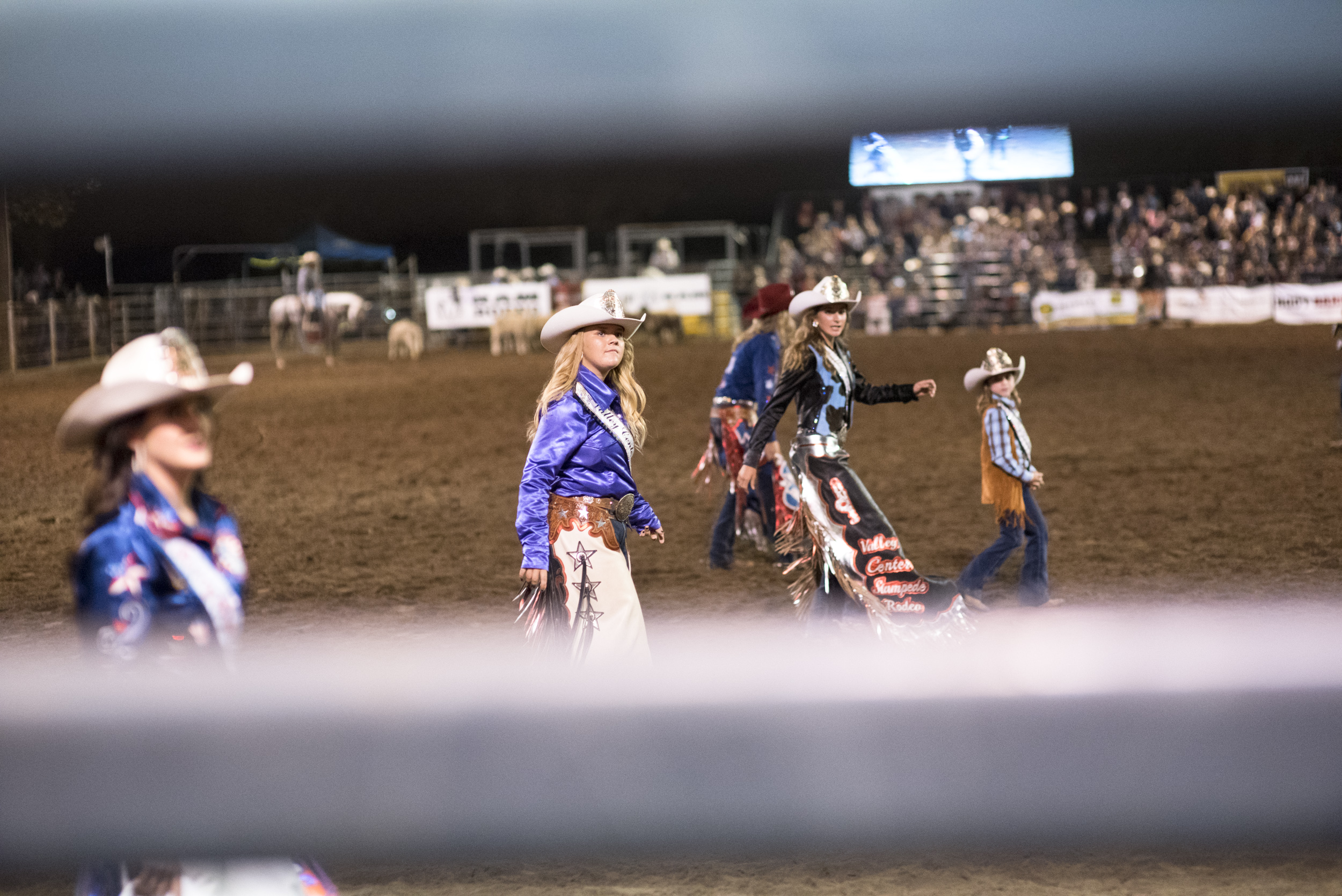
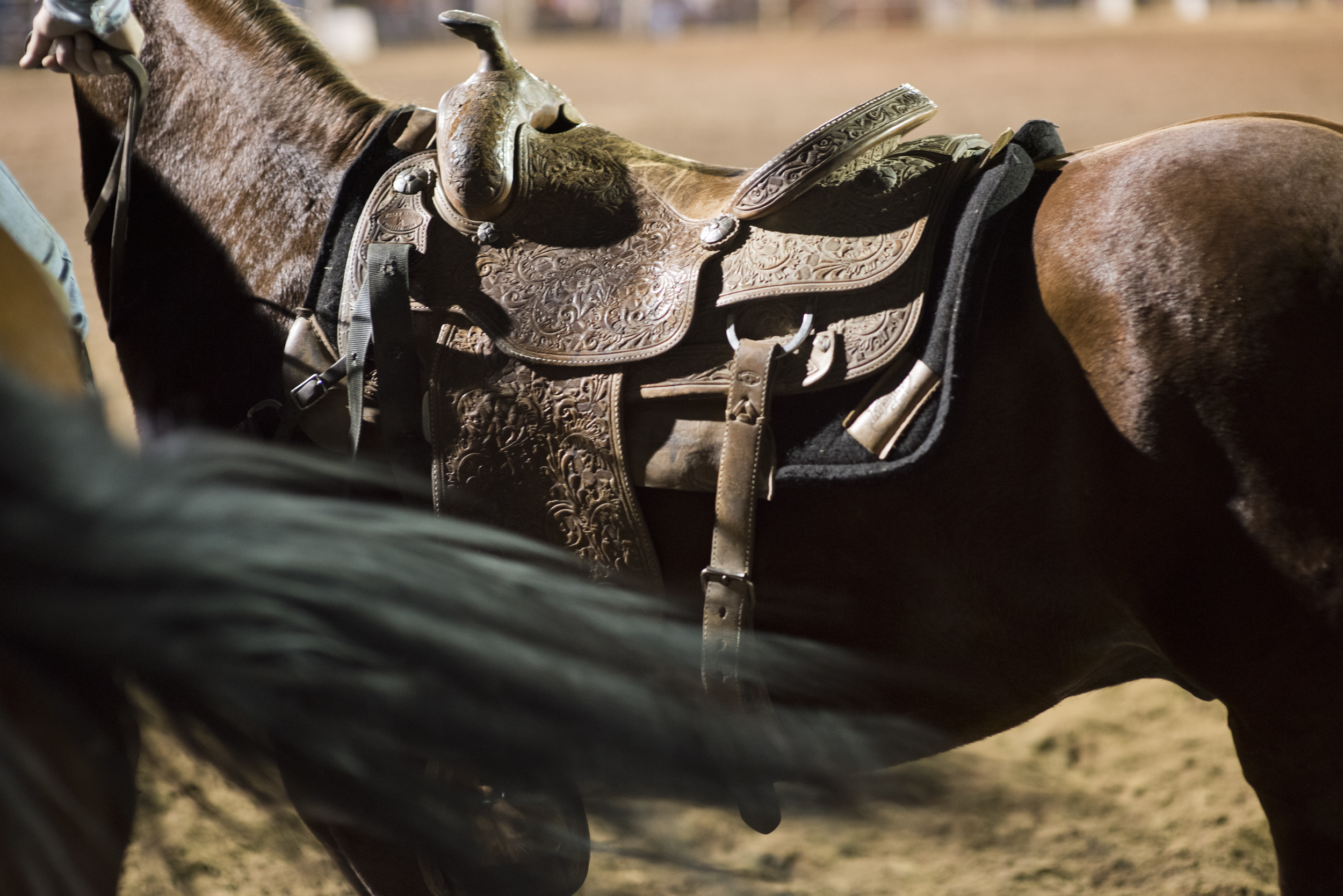
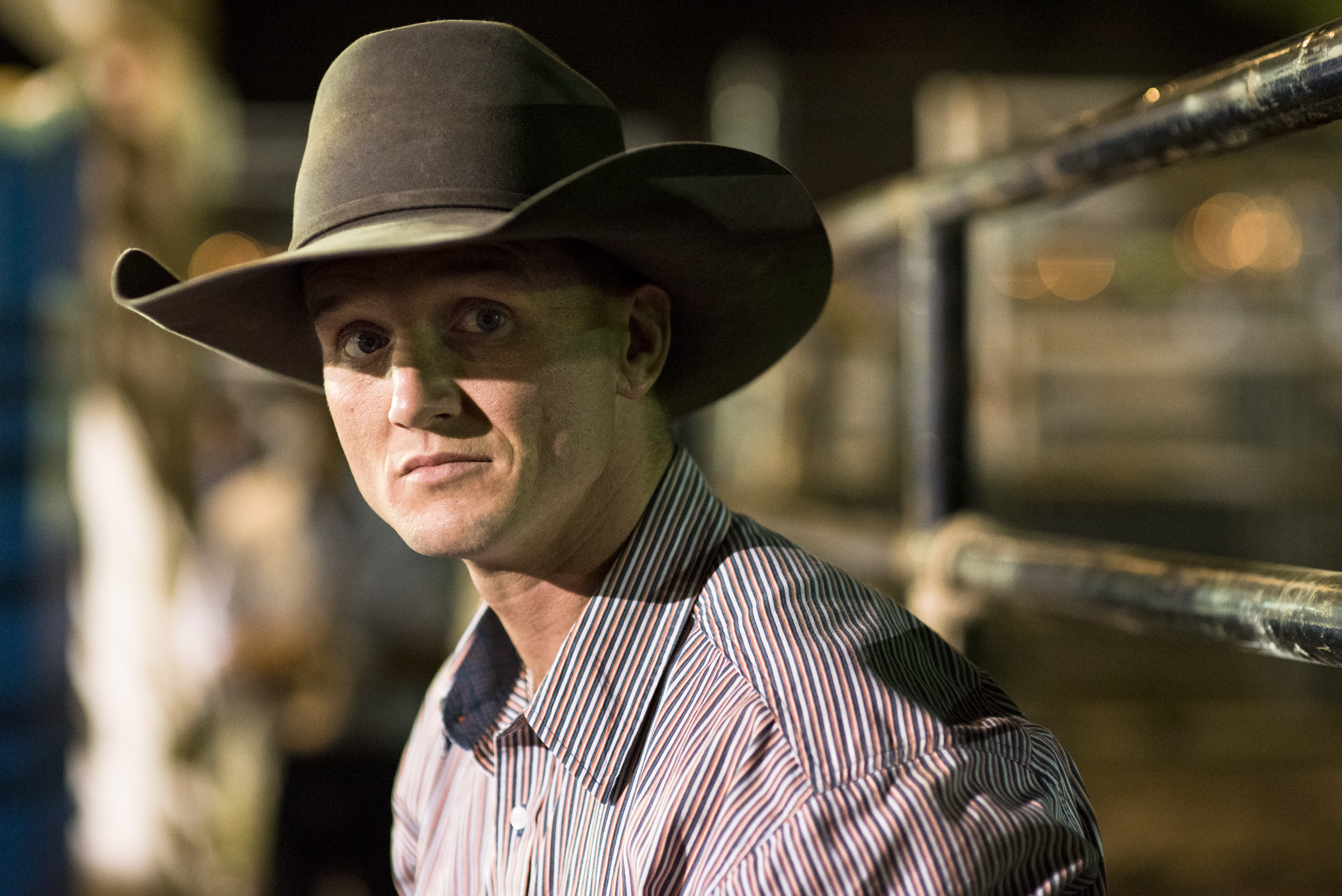
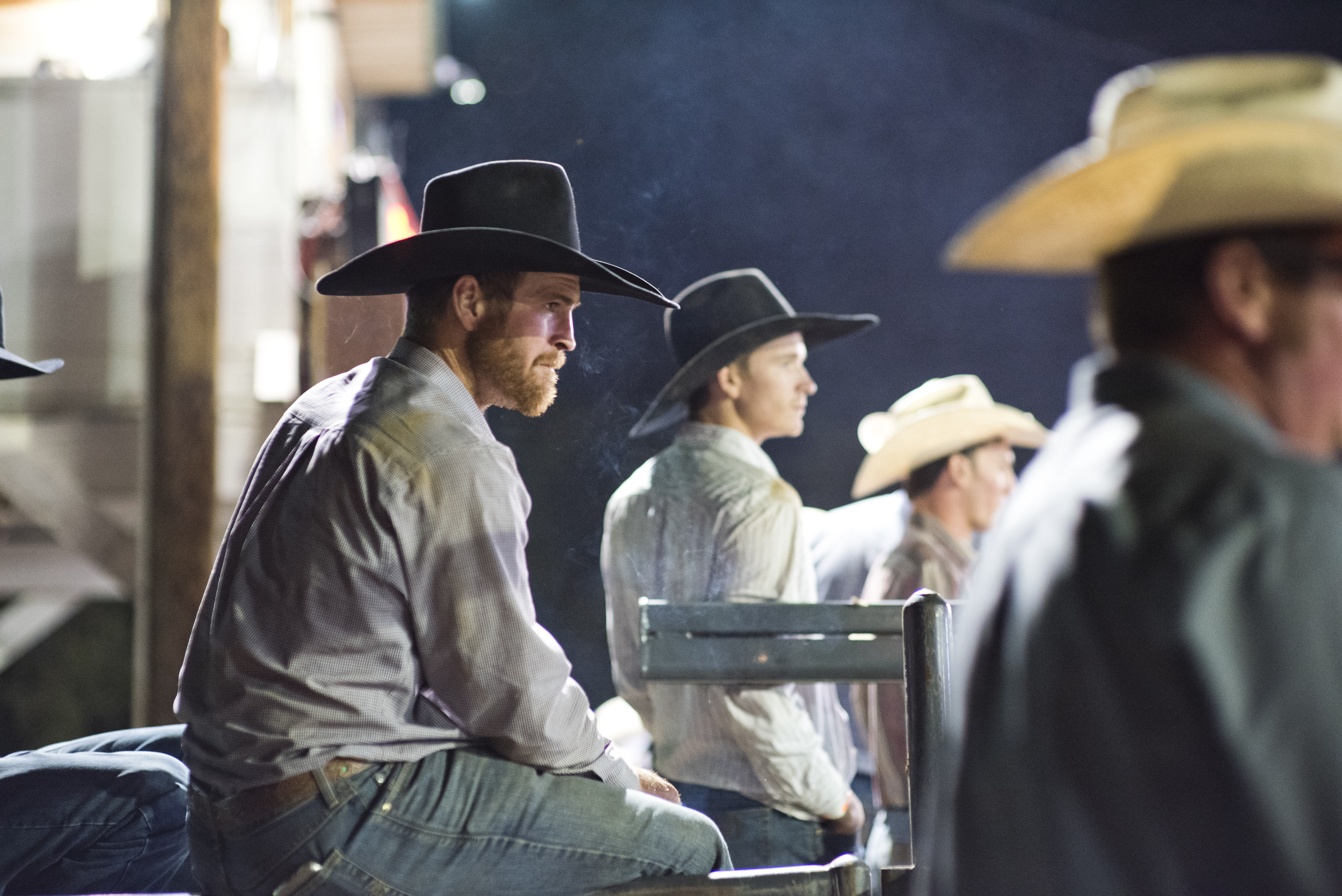
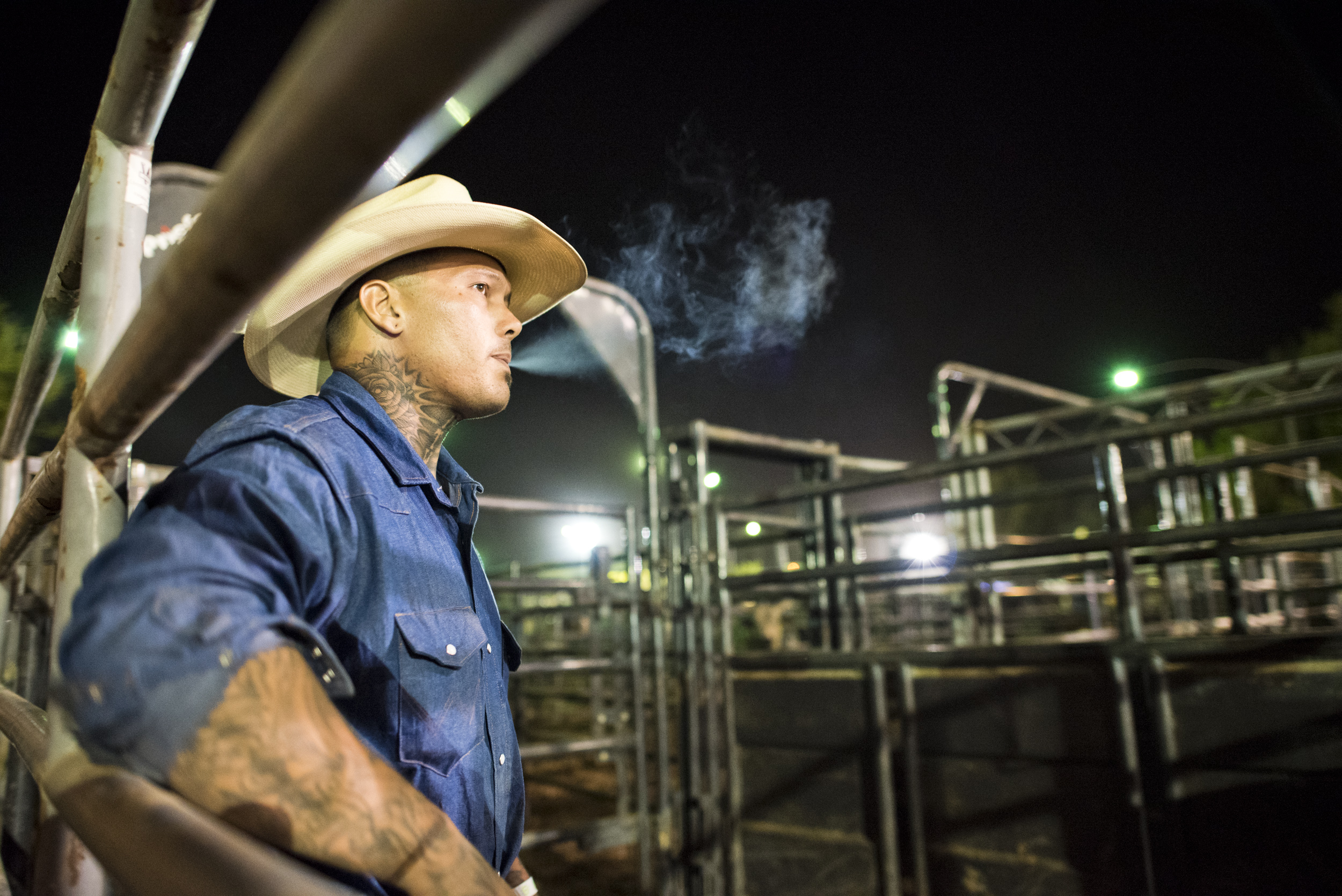
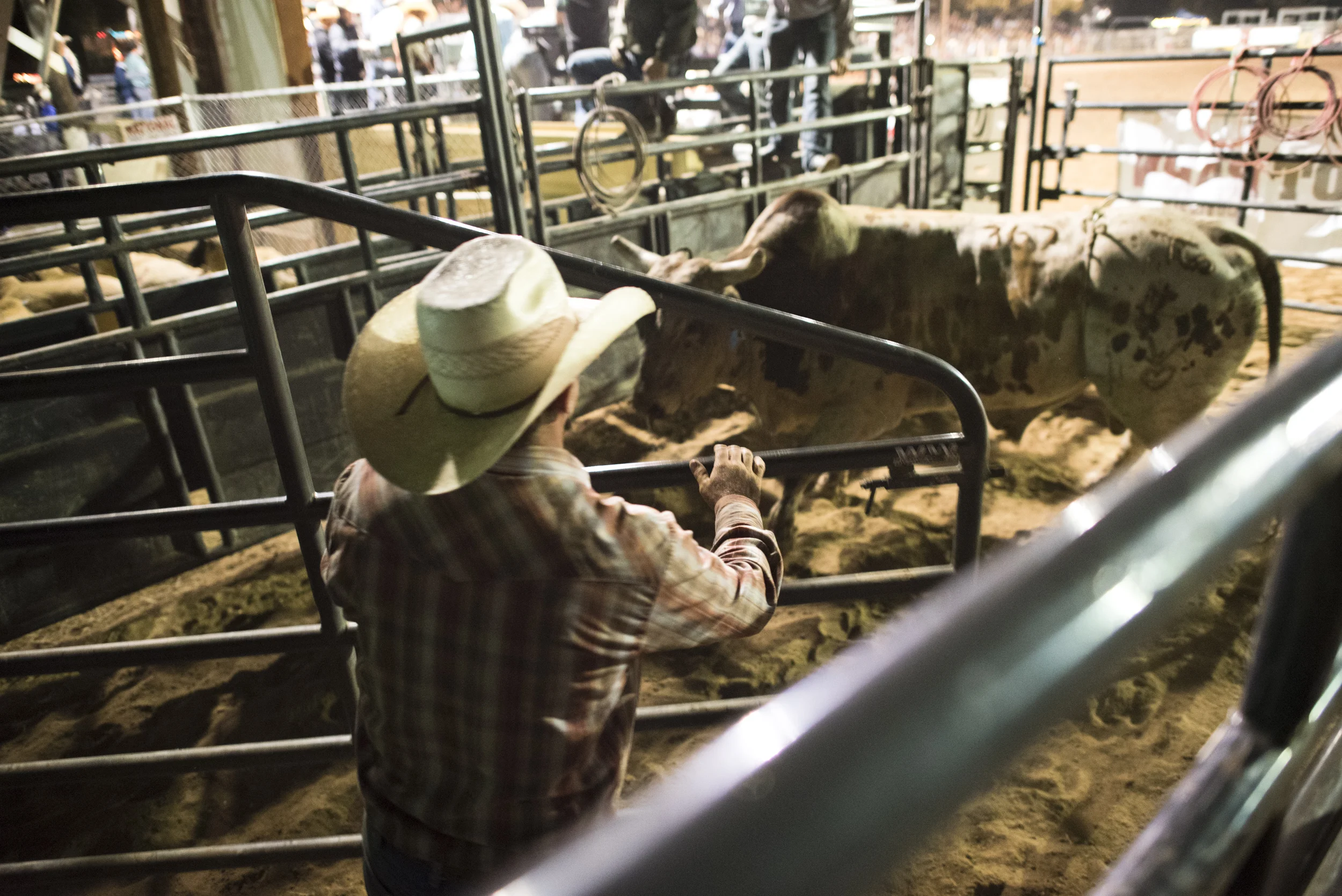
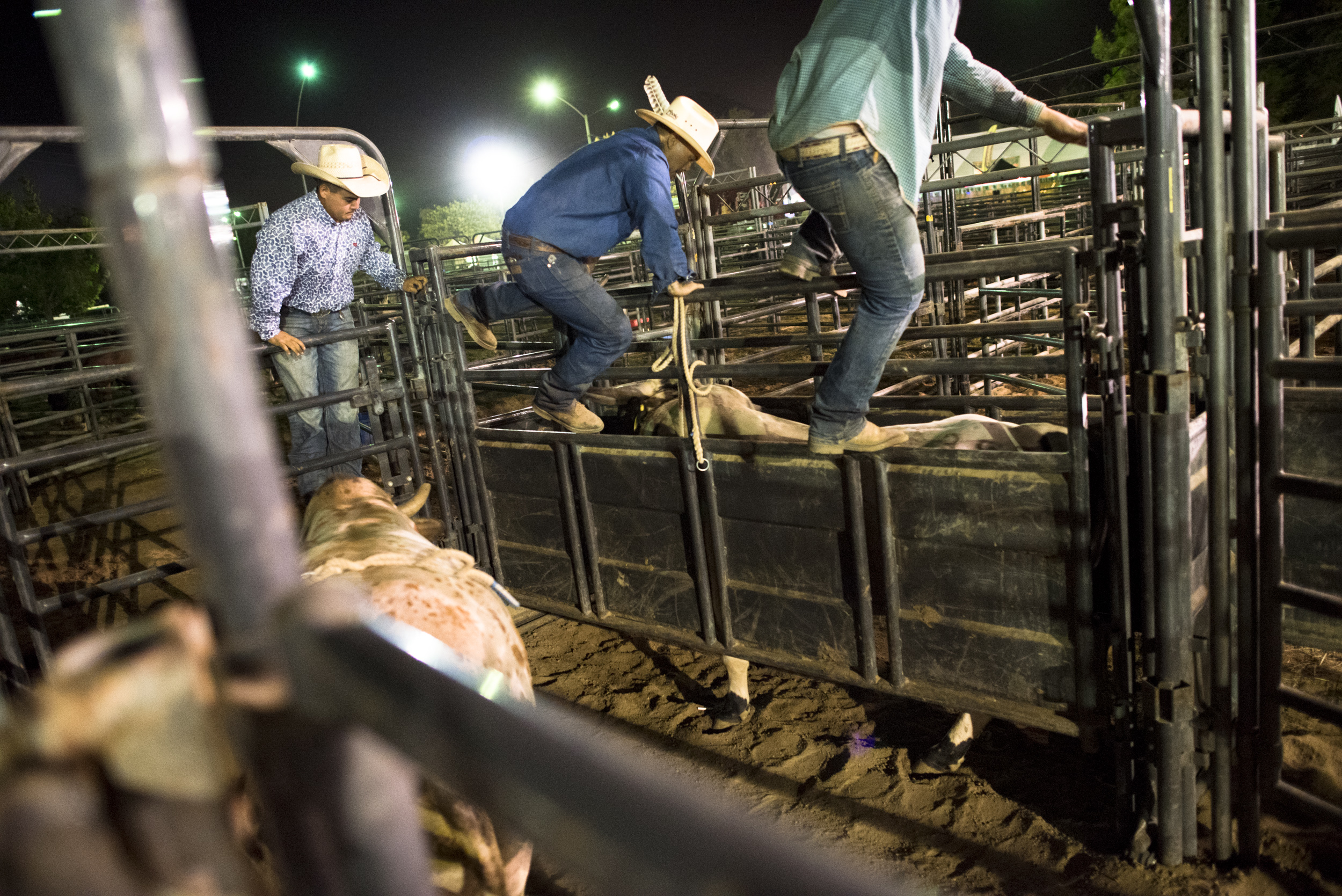
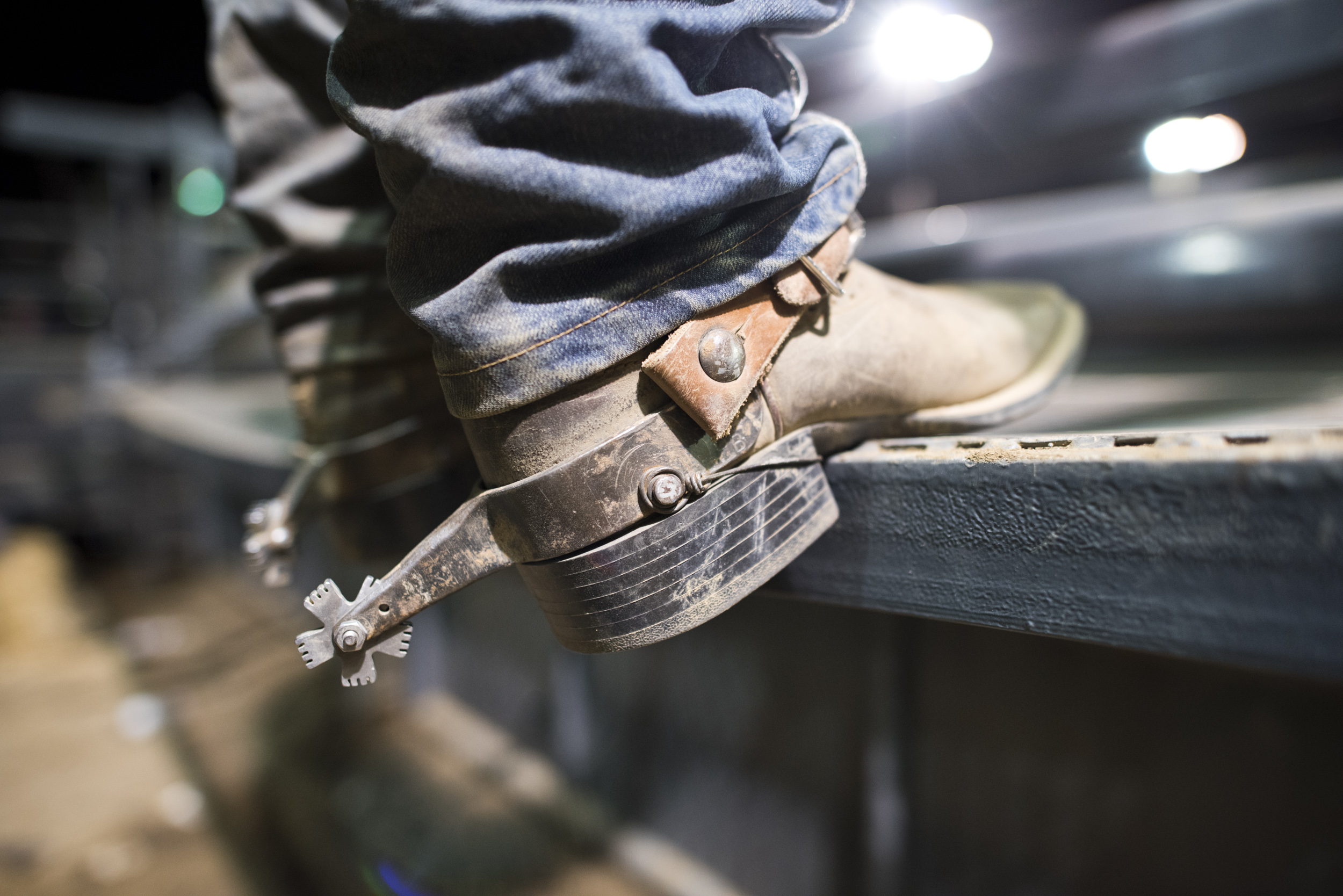
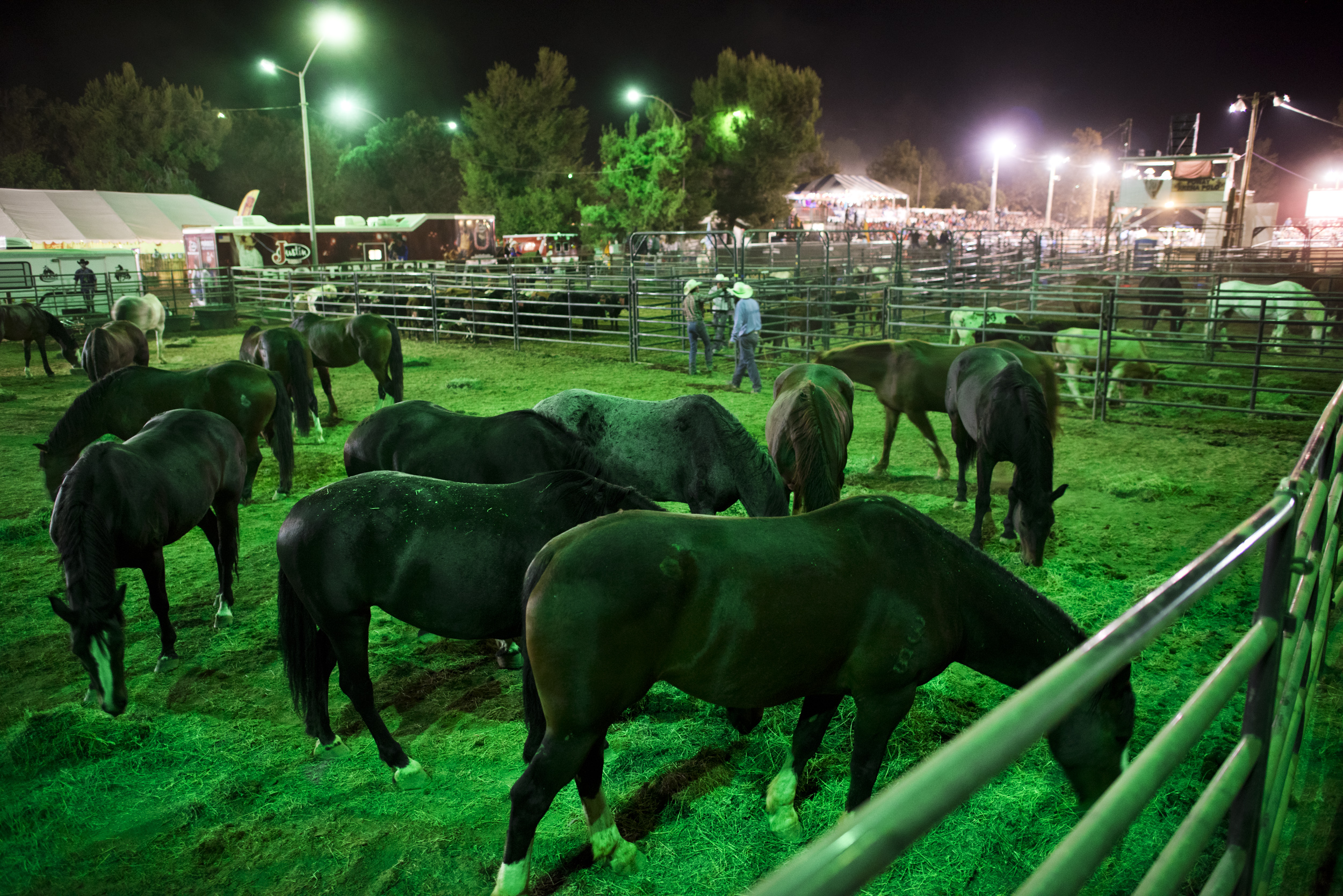
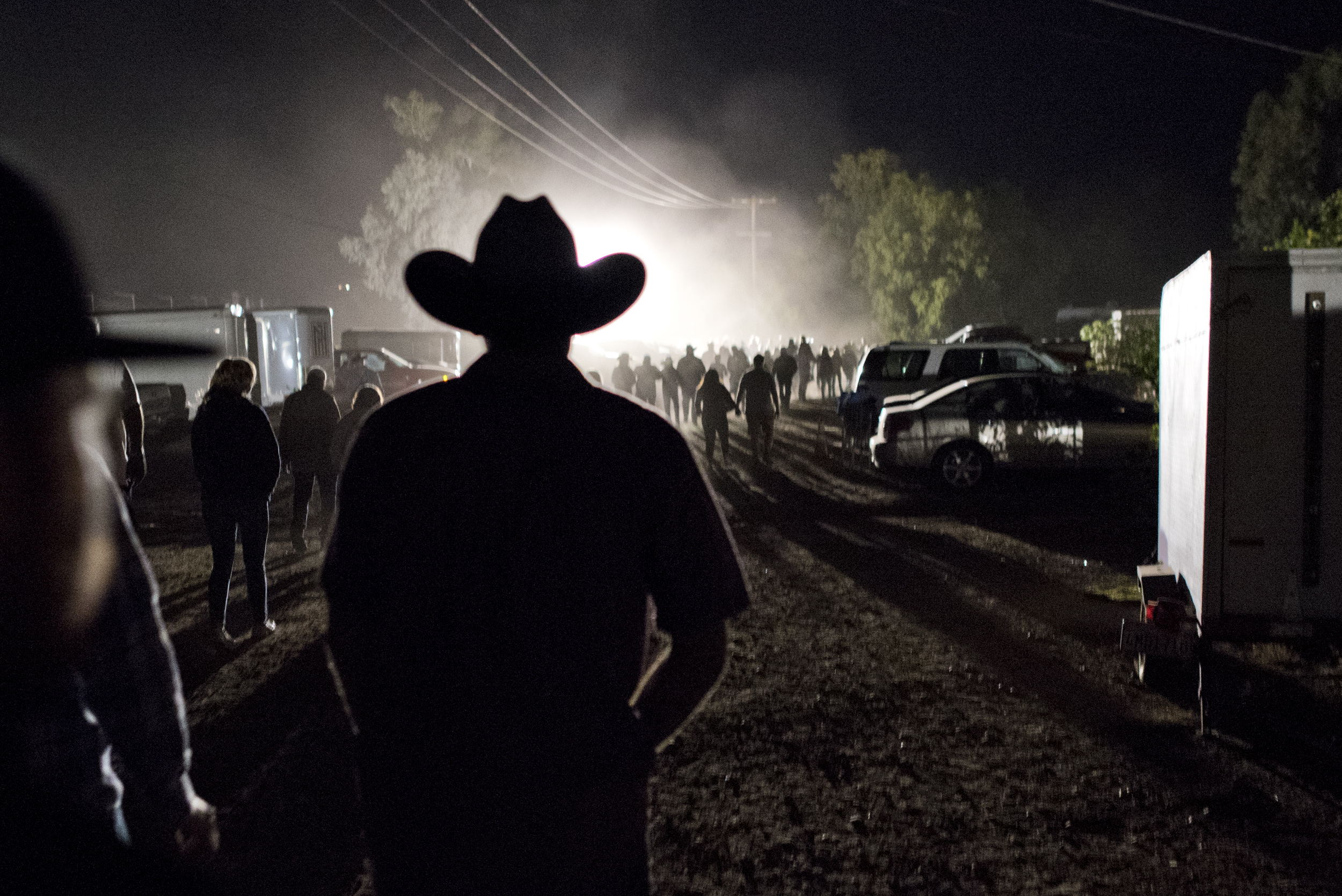
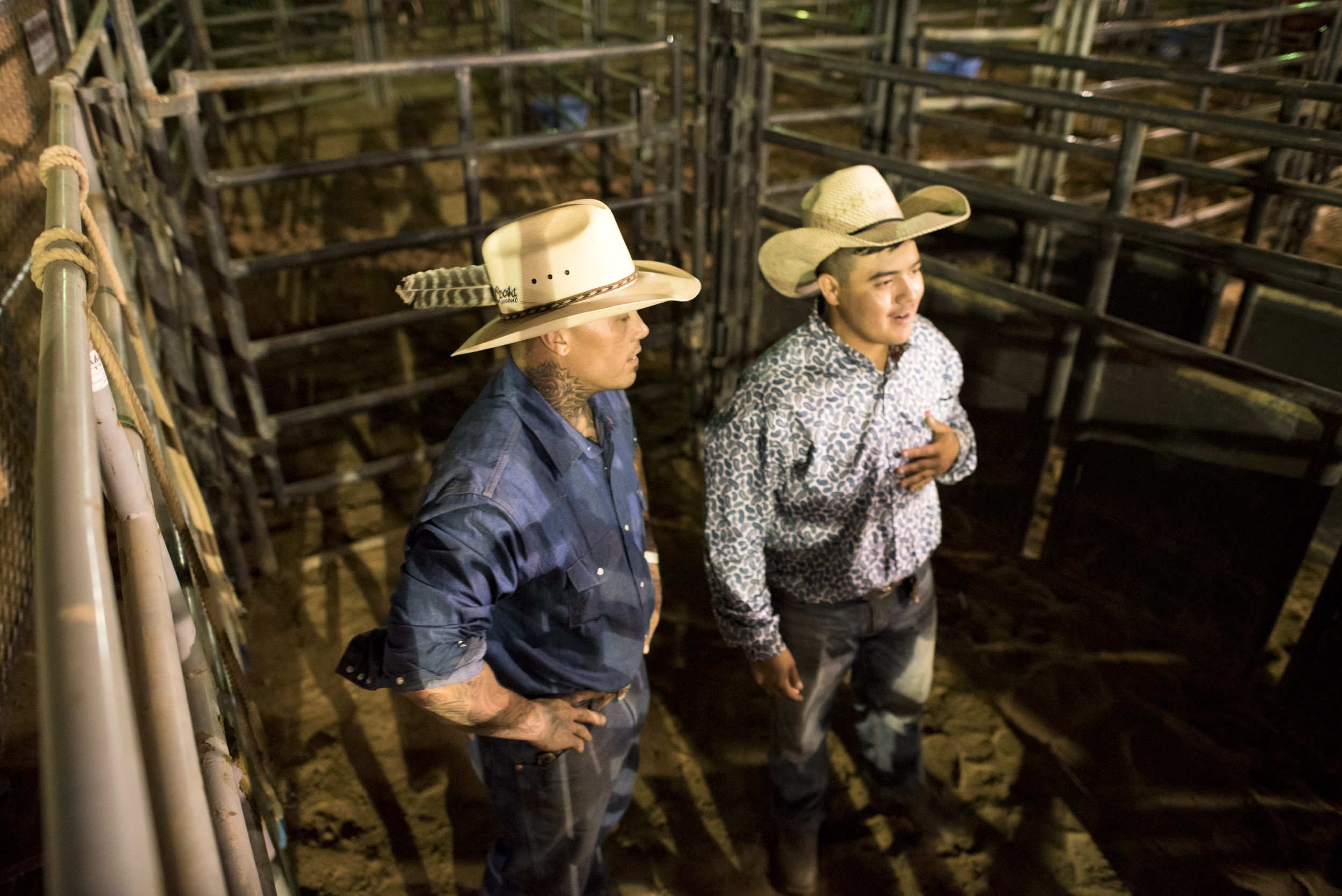
Getting outside your comfort zone is a beneficial thing in all aspects of life. Without it growth is not possible. The rodeo in Poway was last week, and I thought it would be a fun thing to shoot. Certainly something I've never done, but was very drawn to. So I reached out and found someone who needed some coverage. Like most things I shoot, my focus was not so much on the action, but behind the scenes. The little things that add to the culture but aren't really noticed or seen by most people. I loved everything about shooting this event. Being back where the riders were was awesome. Such a foreign culture that I've never experienced. And all the auxiliary stuff was great too. I got there really early and just wondered around the grounds, where I ran into a lot of characters. Everything I shot was natural light, and after the sun went down it was cool to see how much the color temperature of the "house" lights changed so quickly as they fell off. Learned a lot, most of which is that I'd shoot something like this again in a second. The grittiness of it is right up my alley. And everything felt so authentic. These aren't showy athletes on multi million dollar contracts. They are cowboys being cowboys.