Photographing Real Fitness Athletes in Colorado

Real Athlete Fitness Photography in Colorado

Most fitness photography looks the same.

Clean gym floors. Posed movements that feel more like demonstrations than actual training. It works for certain campaigns, but it rarely reflects how athletes really move, train, or push themselves day to day.

The work shown here comes from a different approach—photographing real athletes in the middle of real training sessions. No overproduction. Just movement, effort, and the environment as it exists.

Shot in Colorado, this session is part of an ongoing body of work focused on authentic fitness and active lifestyle photography for brands, athletes, and companies that want something more grounded.
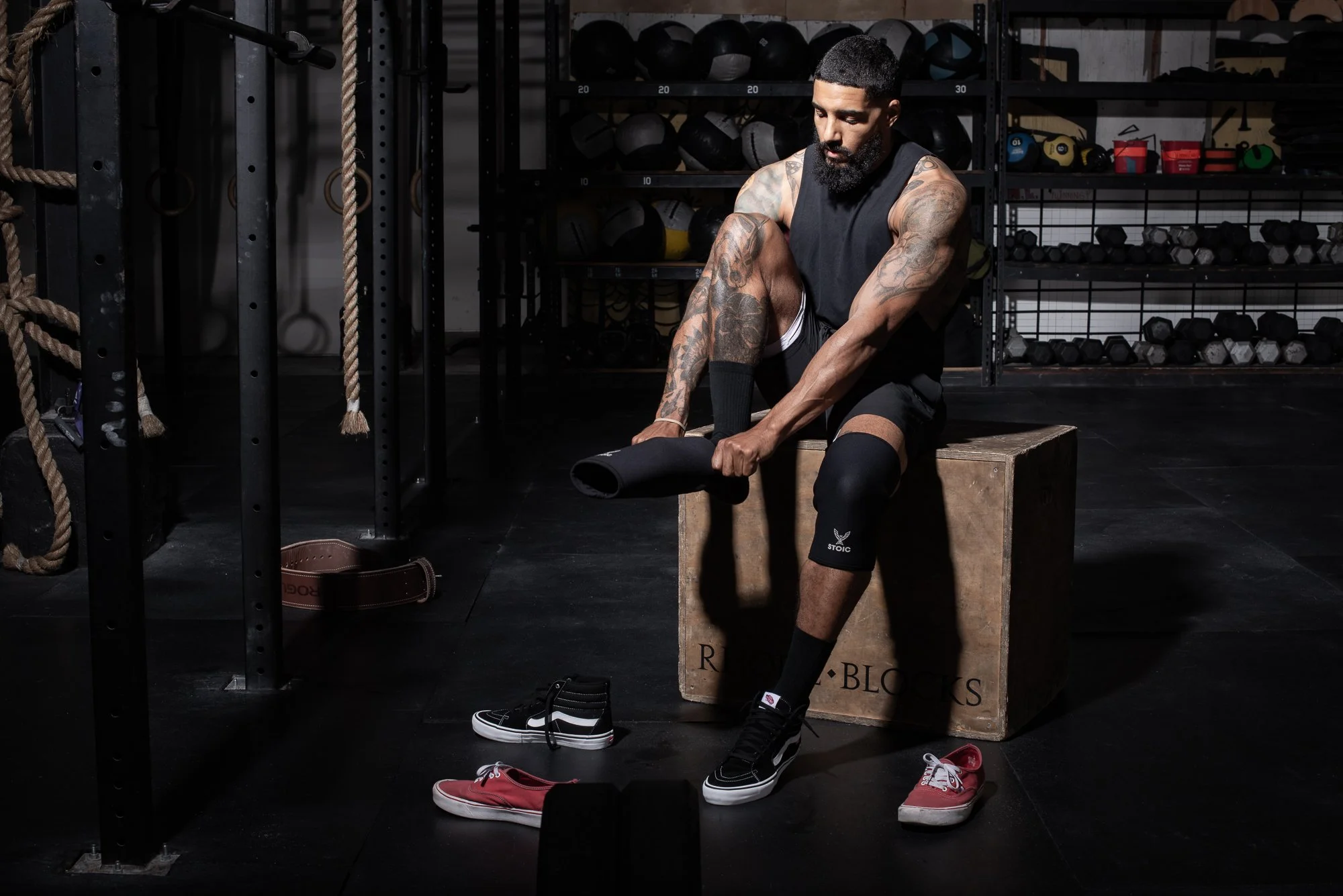
Athlete sits on a wooden box in a Colorado gym changing shoes, with training equipment and  weights around him

An athlete changes his shoes before a training session at a gritty gym

Built Around Real Training, Not Staged Moments

There’s a noticeable difference between directing an athlete into a pose and documenting them while they’re actually working.

In a real training environment:

  • movements aren’t perfect

  • timing isn’t predictable

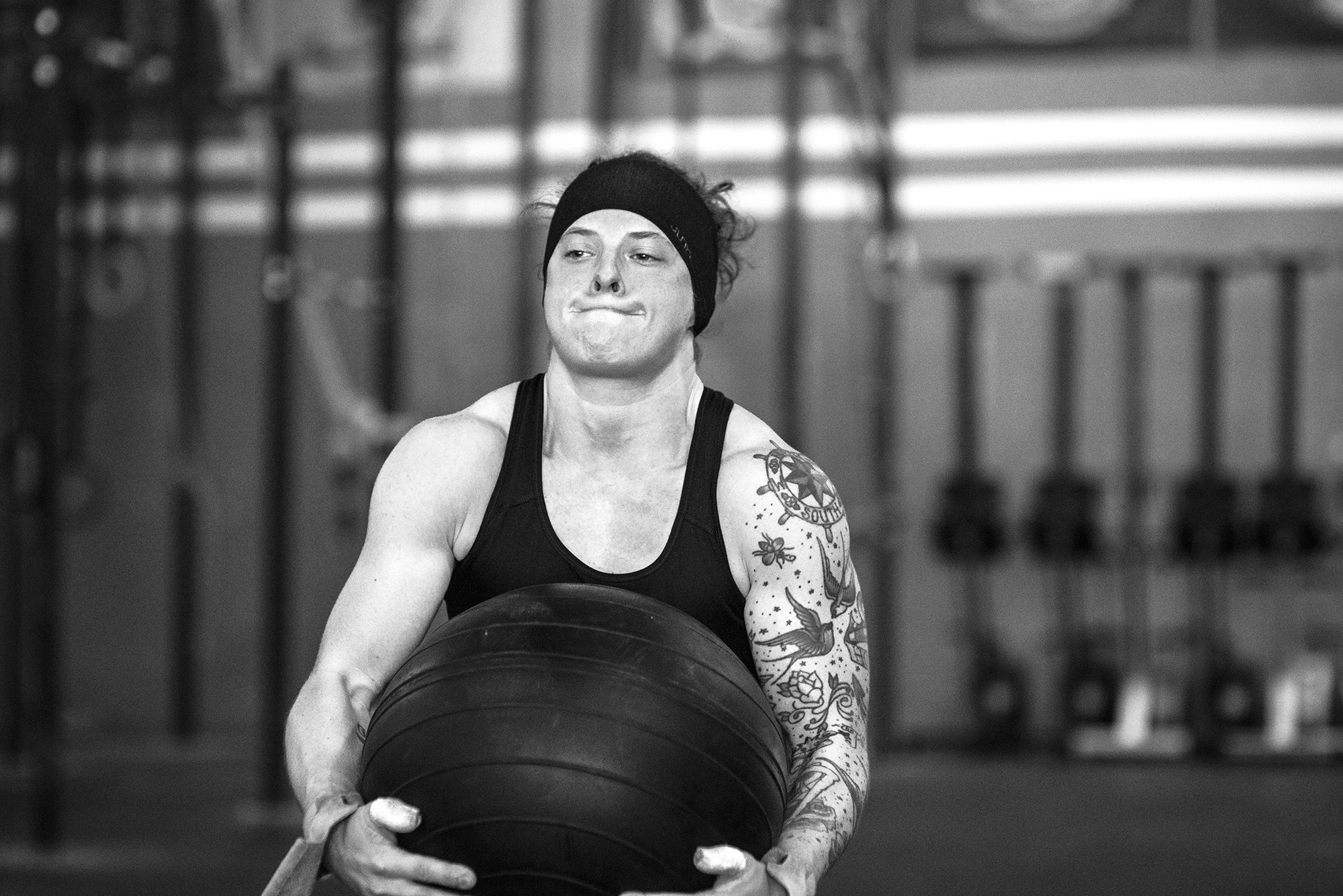
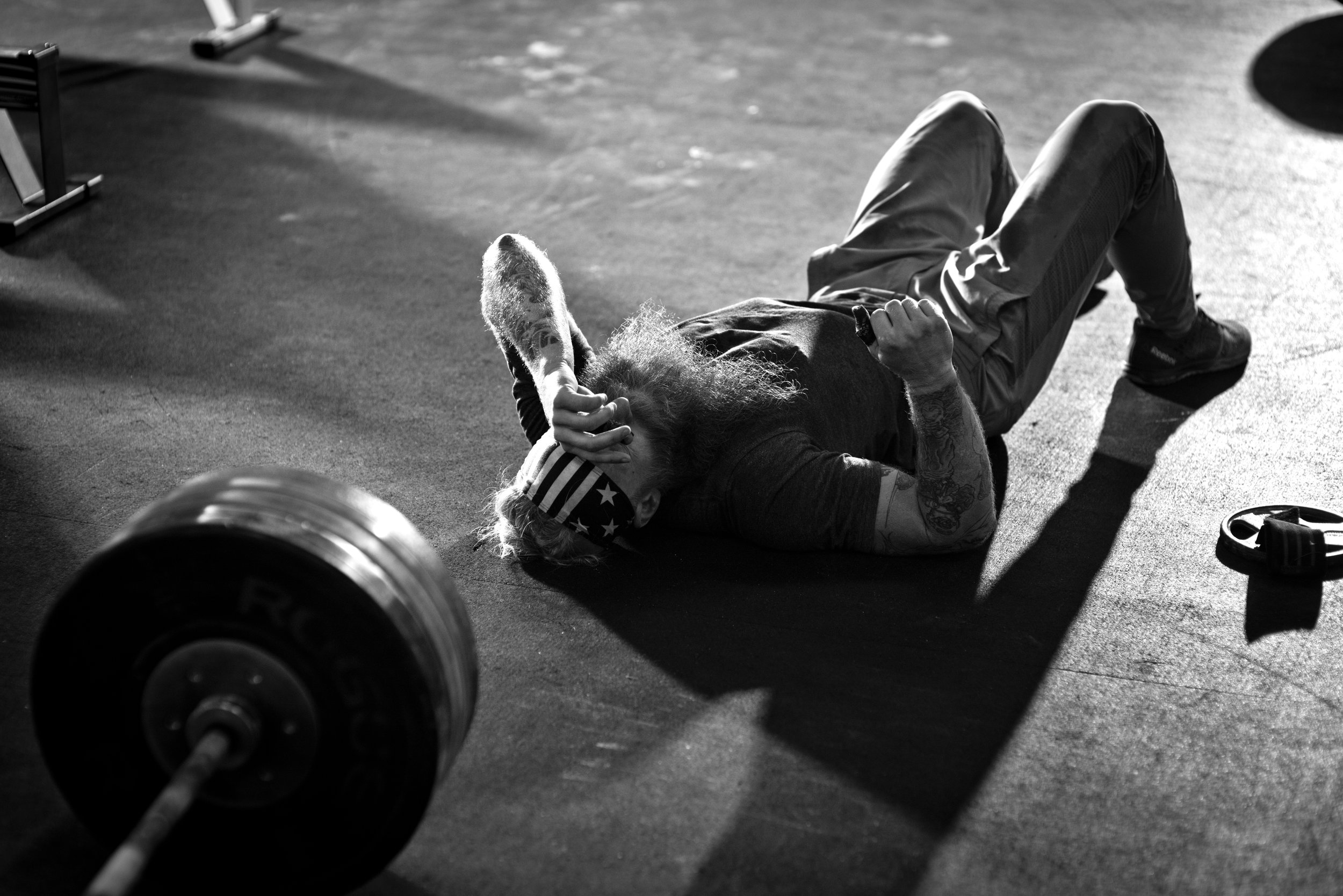
  • fatigue becomes part of the visual story

That’s where the strongest images tend to come from.

Instead of stopping and resetting between reps, the goal is to stay with the athlete as the session unfolds—capturing the moments that would normally be missed in a more controlled shoot.
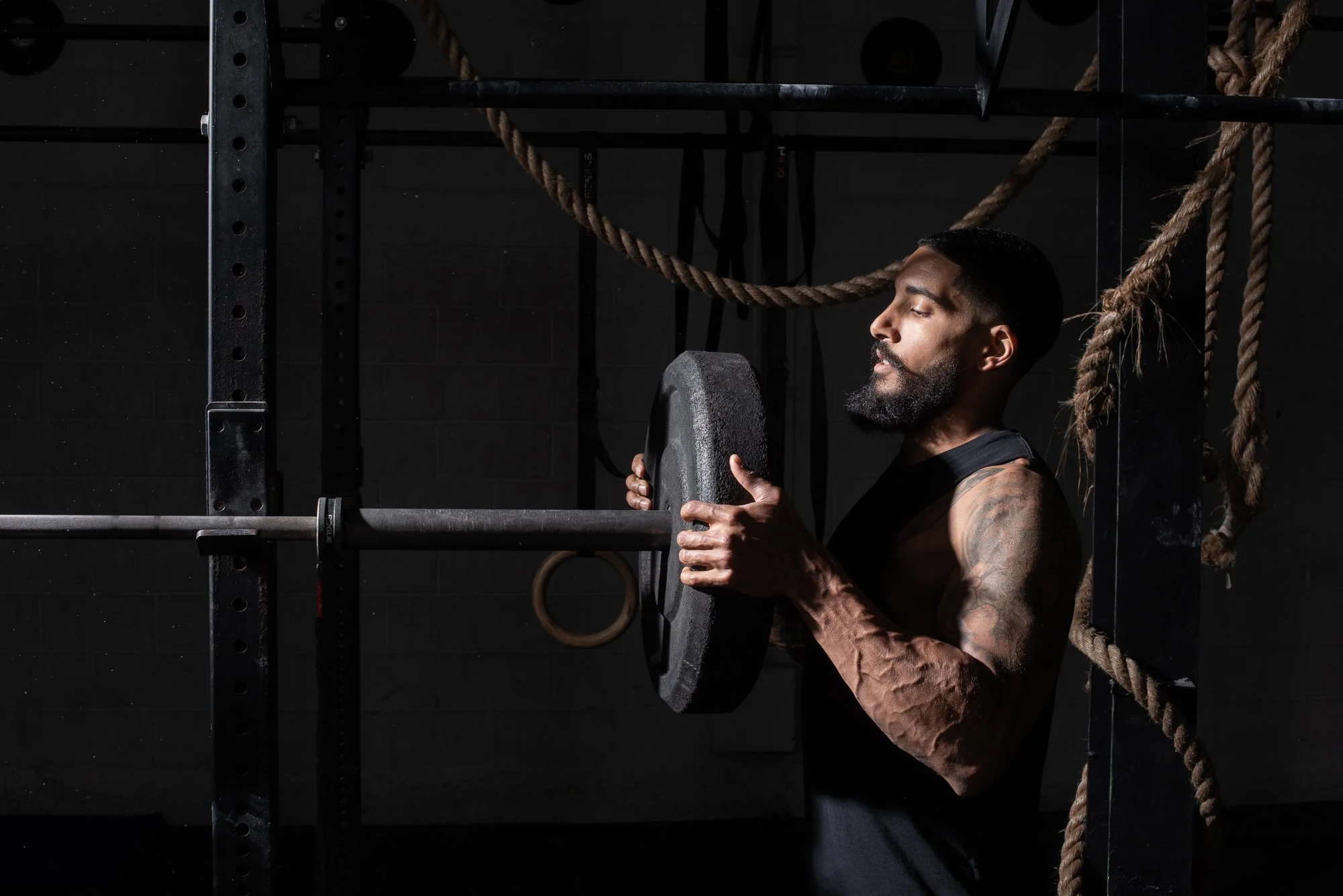
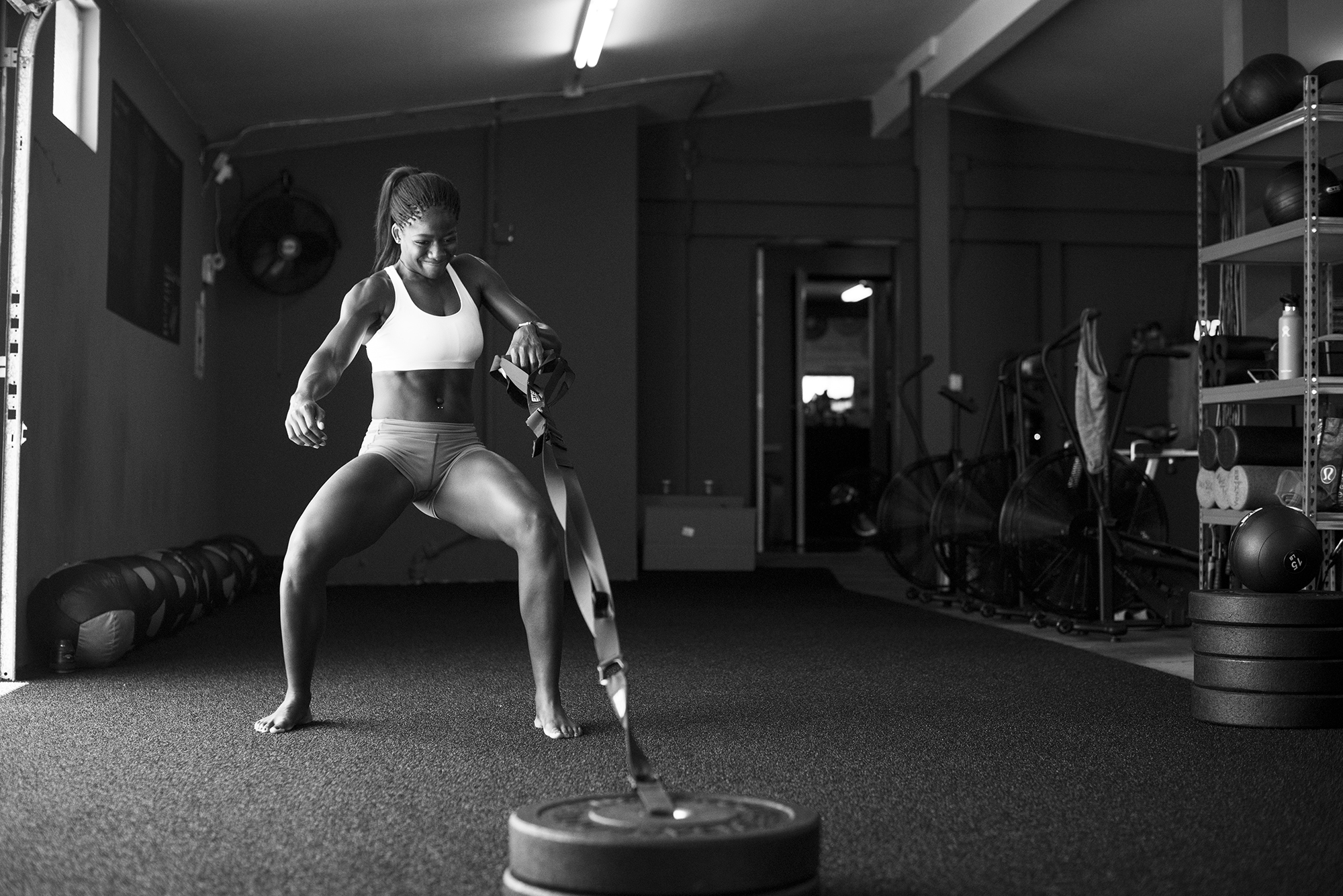
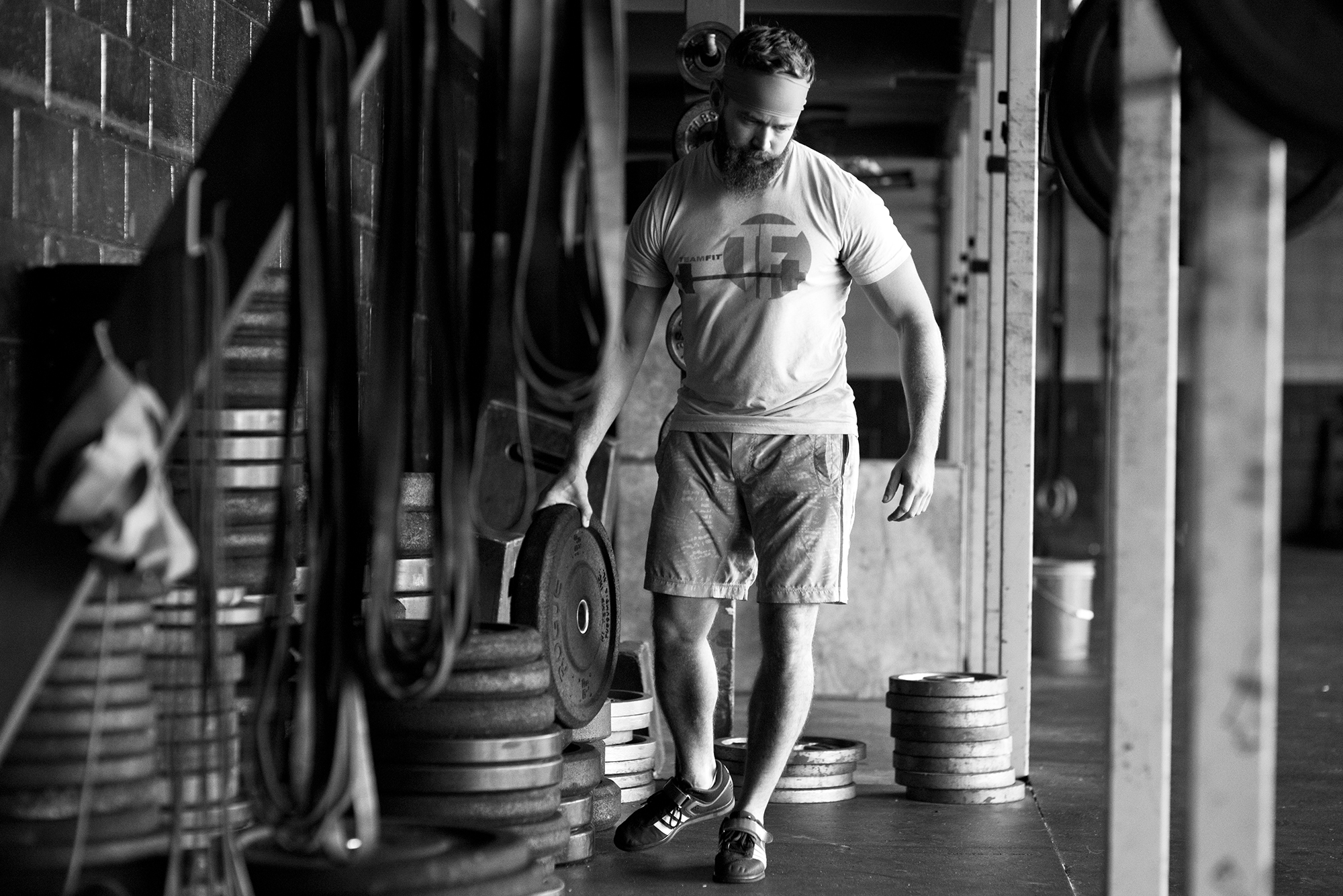
Athlete loads a weight plate onto a barbell in a Colorado gym, surrounded by ropes and  strength equipment

A plate slides onto the bar as the session continues, with no pause between movements in a Colorado training space.

Letting the Environment Do the Work

Real gyms naturally lends themselves to this kind of photography.

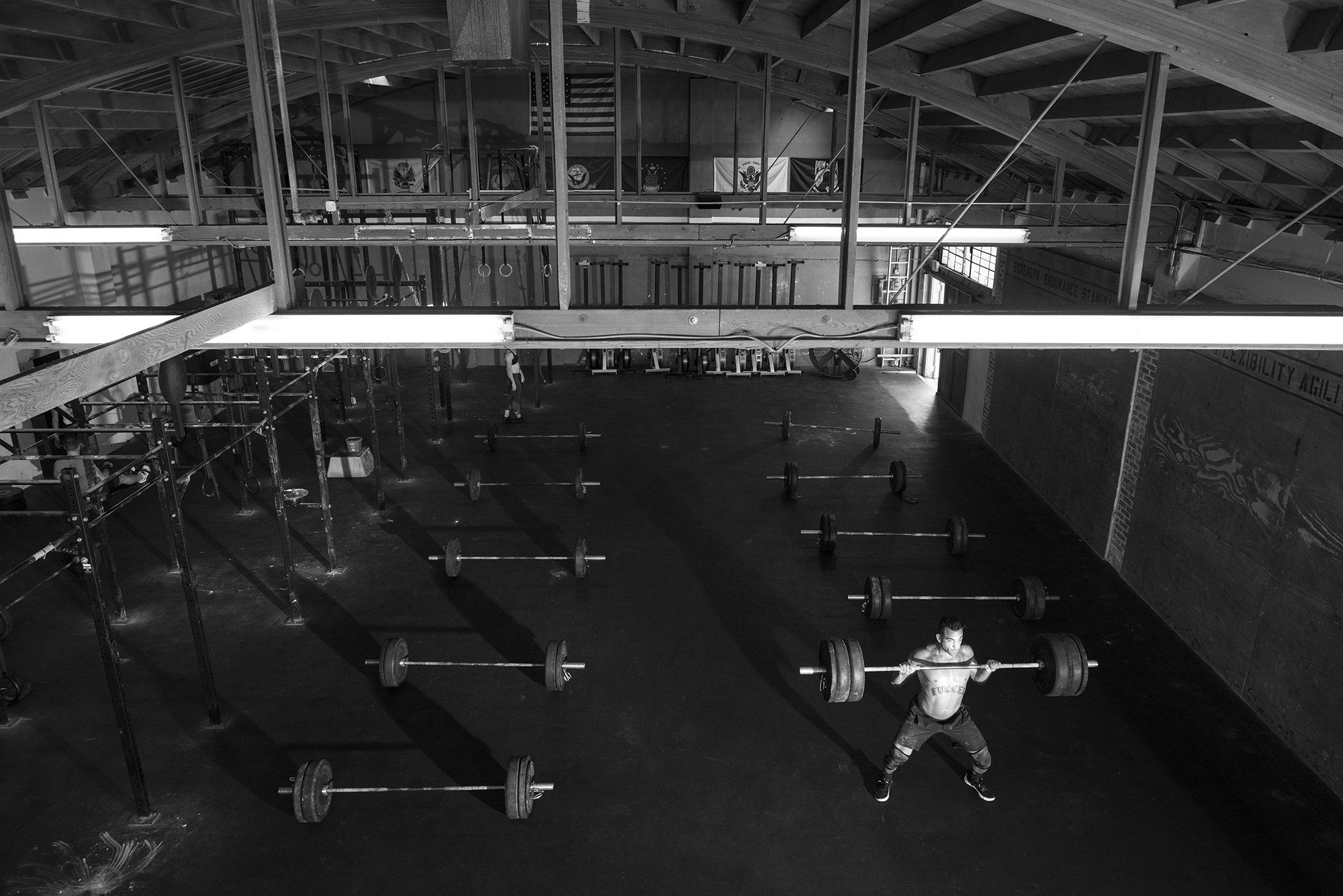
Whether it’s a garage gym, a CrossFit space, or an outdoor training setup, the environment becomes part of the frame—not something to be cleaned up or removed.

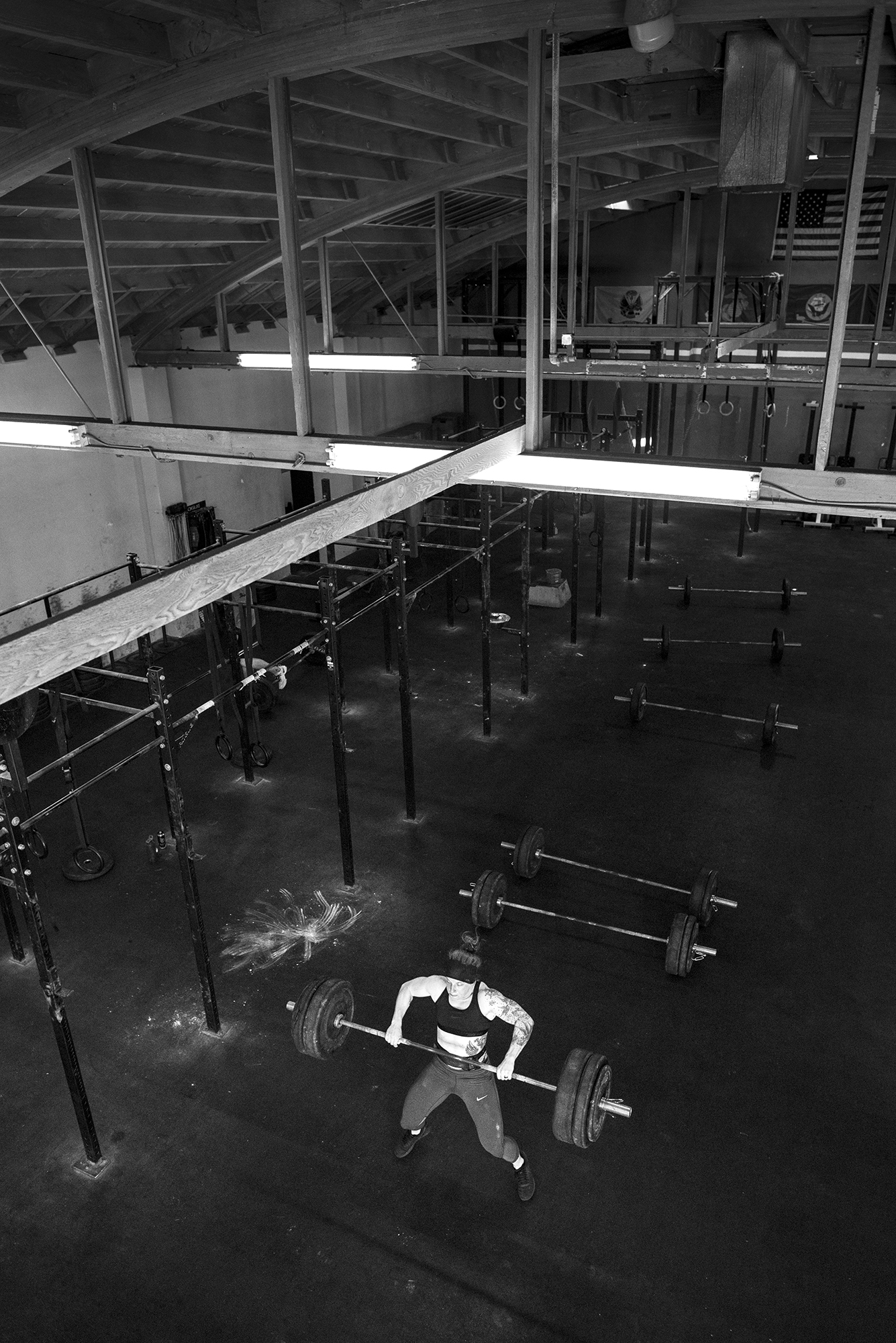
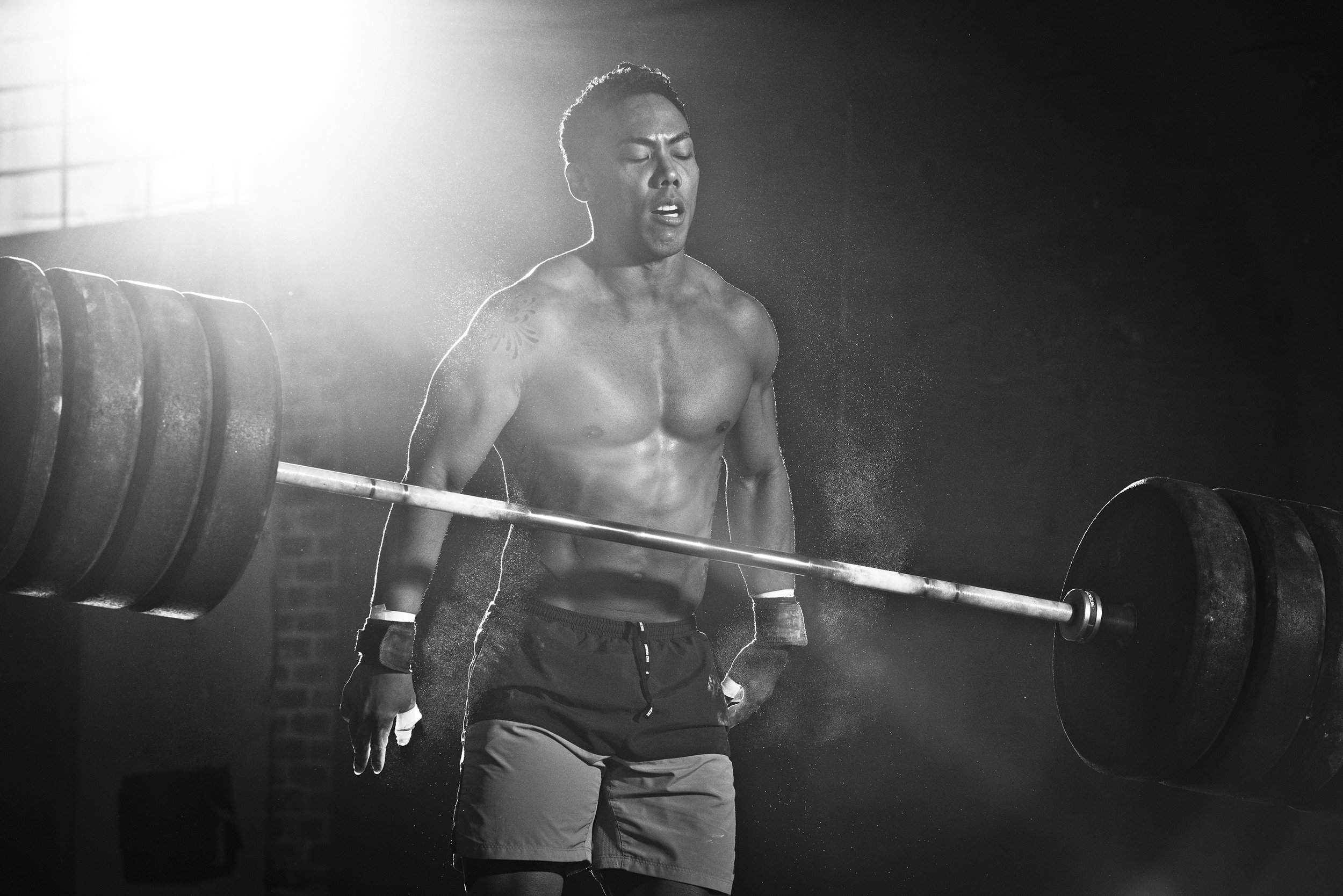
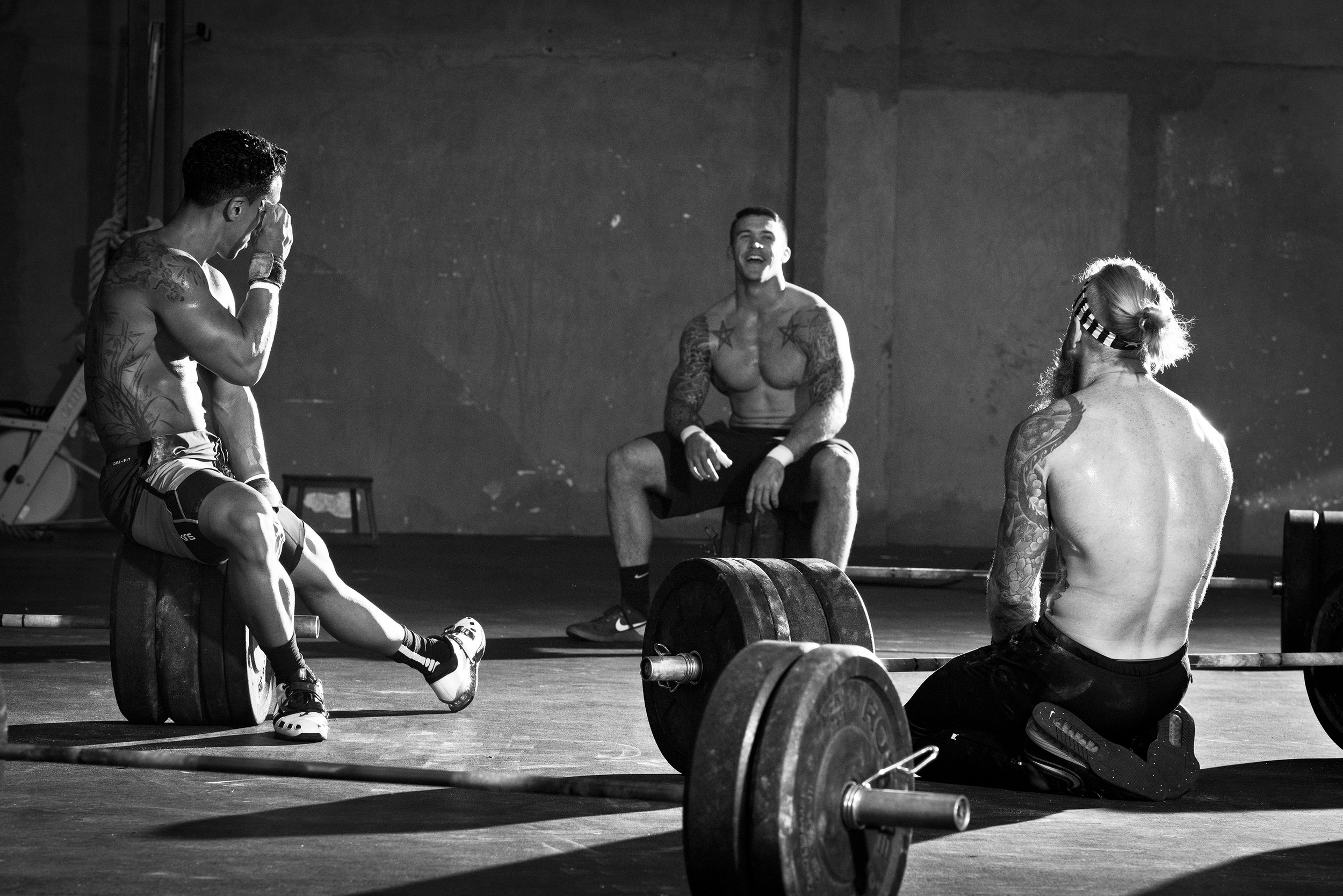
Concrete floors, worn equipment, chalk in the air, changing light throughout a session—these details add context and make the images feel real. They also give brands something they can’t replicate in a studio.
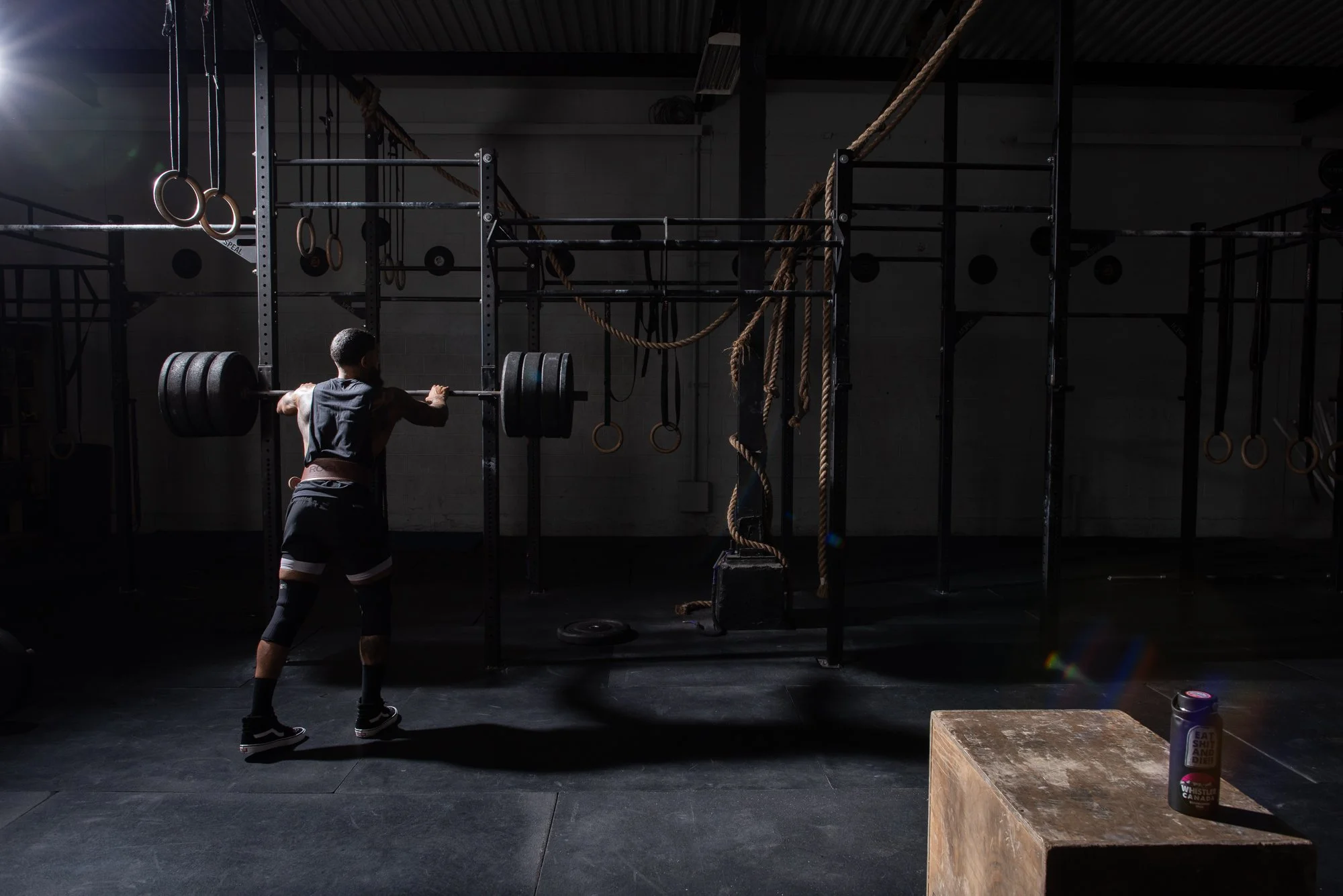
Athlete steps back from a barbell setup in a Colorado gym, surrounded by racks and ropes

The bar remains in the rack as position resets between attempts, part of the natural pacing of a training session in Colorado.

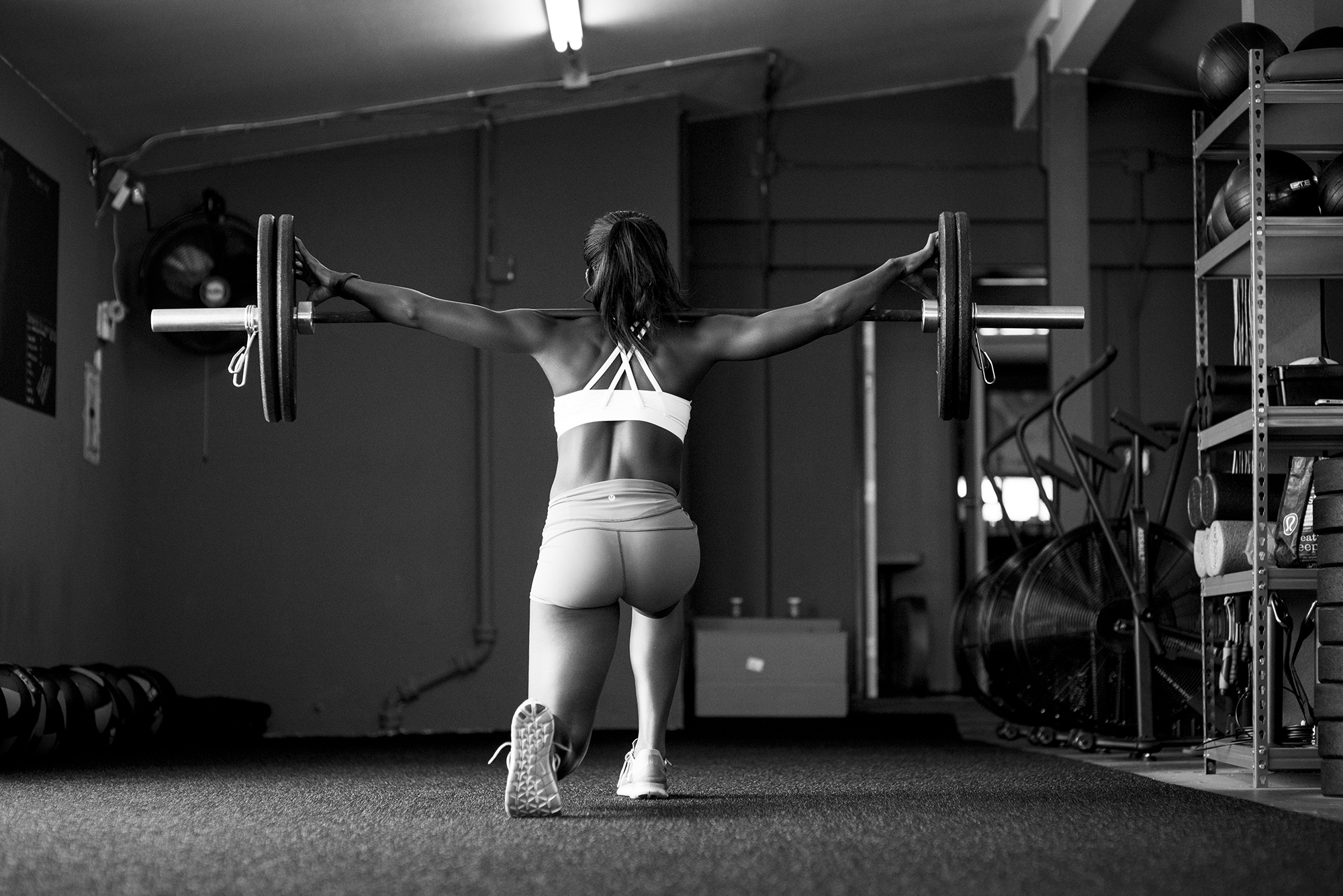
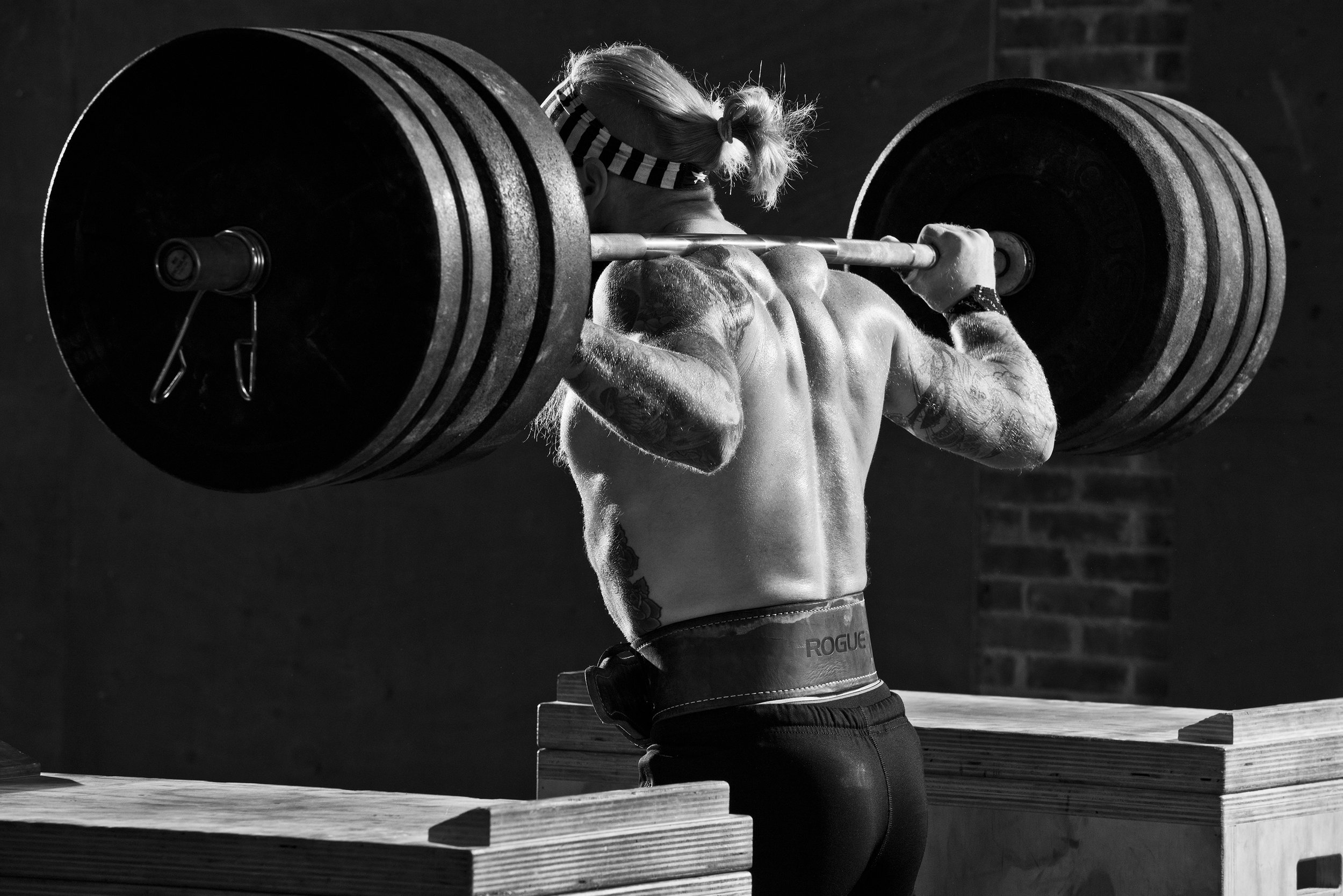
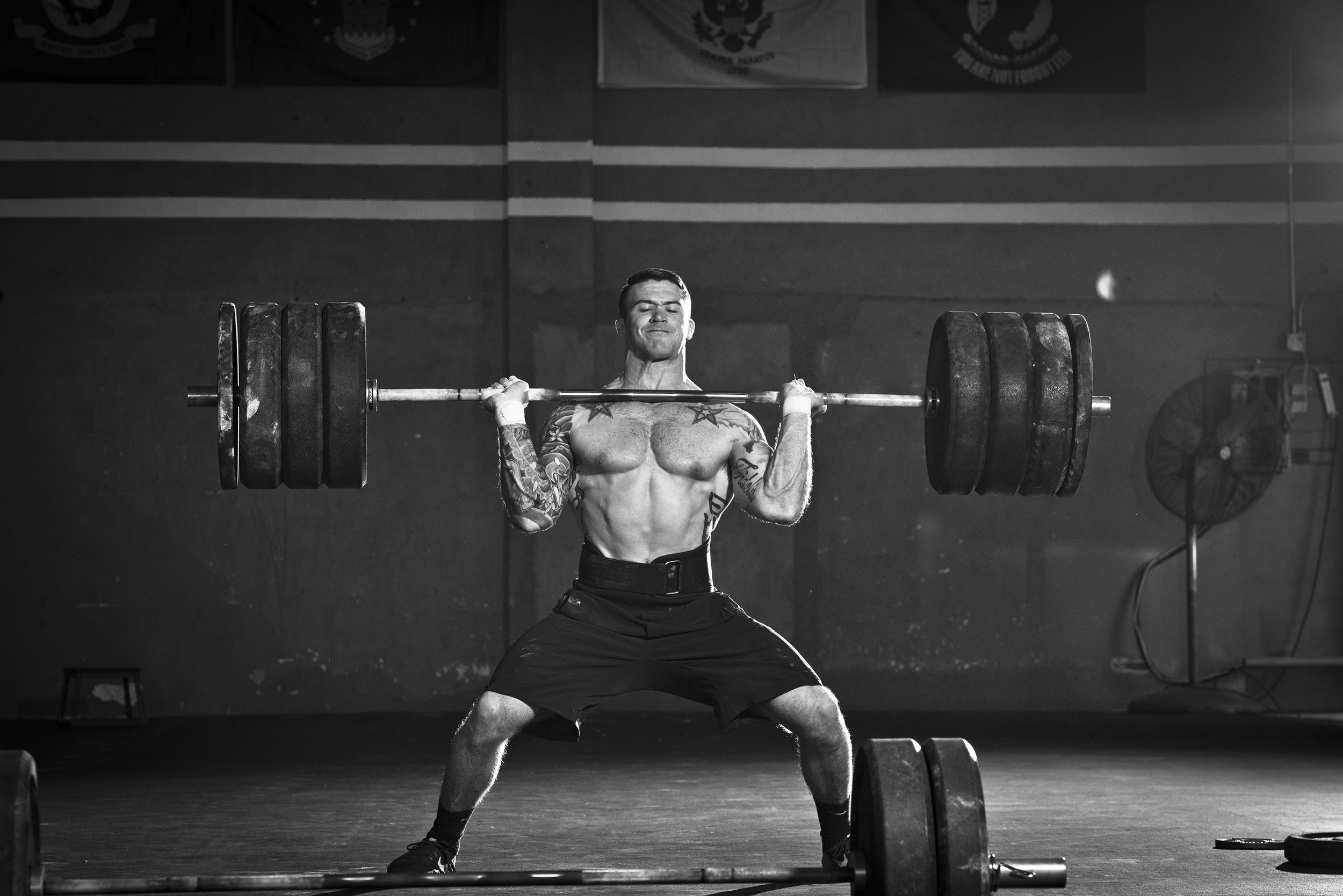
Athlete performs a heavy back squat with a loaded barbell in a Colorado training gym

A heavy squat settles at the bottom, the weight held across the shoulders during a working set in Colorado.

Using Strobes to Match Real Environments

While the goal is to keep these sessions grounded in real training, lighting still plays an important role.

These images were lit with strobes to create a more dramatic, high contrast look. Still though, the intention is to shape and enhance what’s already there, not replace it.

In fast-moving training sessions, strobes allow for:

  • freezing motion at peak intensity

  • maintaining consistency across changing conditions

  • adding depth without flattening the scene

The key is restraint. The light is built to feel like it belongs in the space—whether that’s a gym, garage, or outdoor setup—so the final images still reflect how the session actually felt.
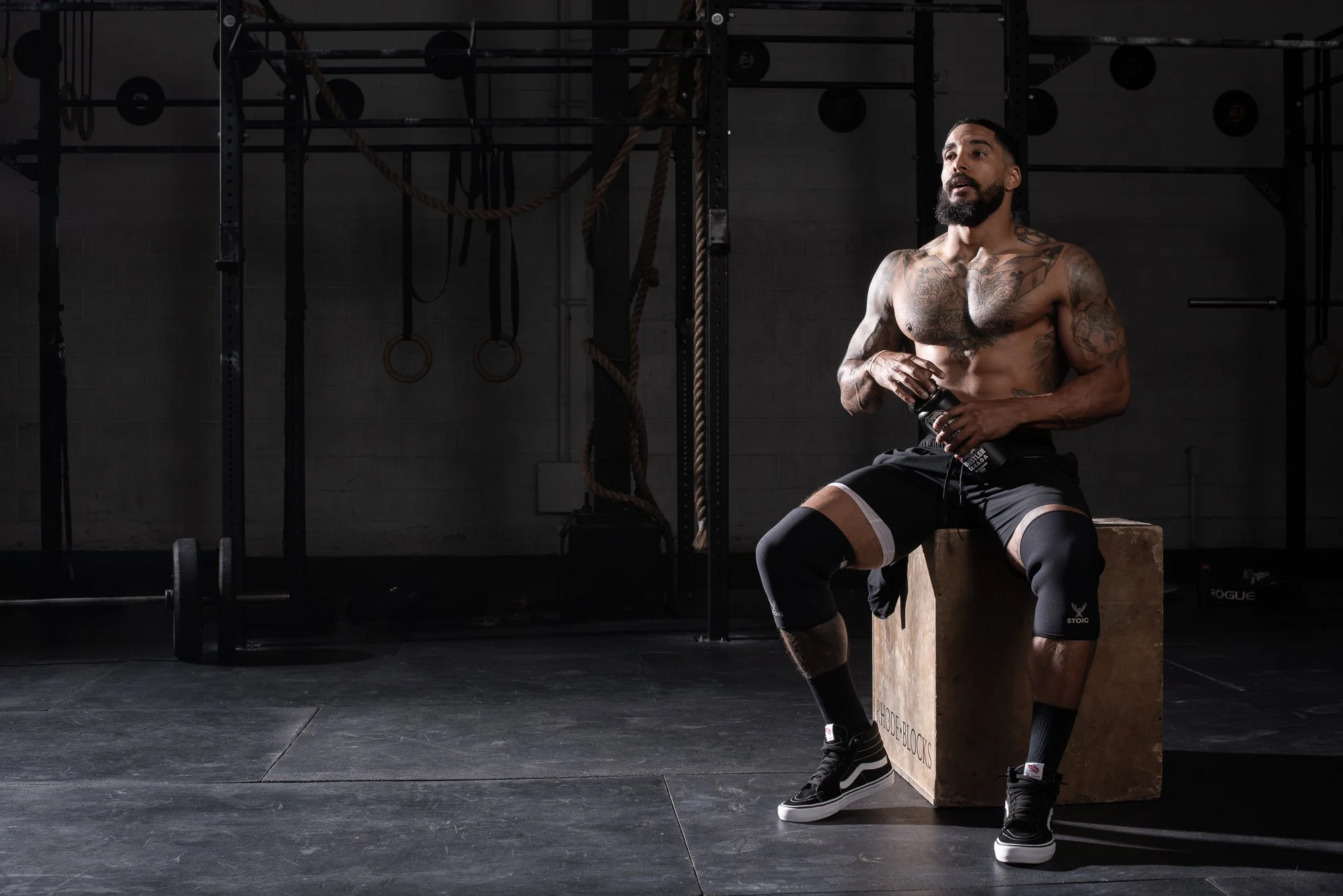
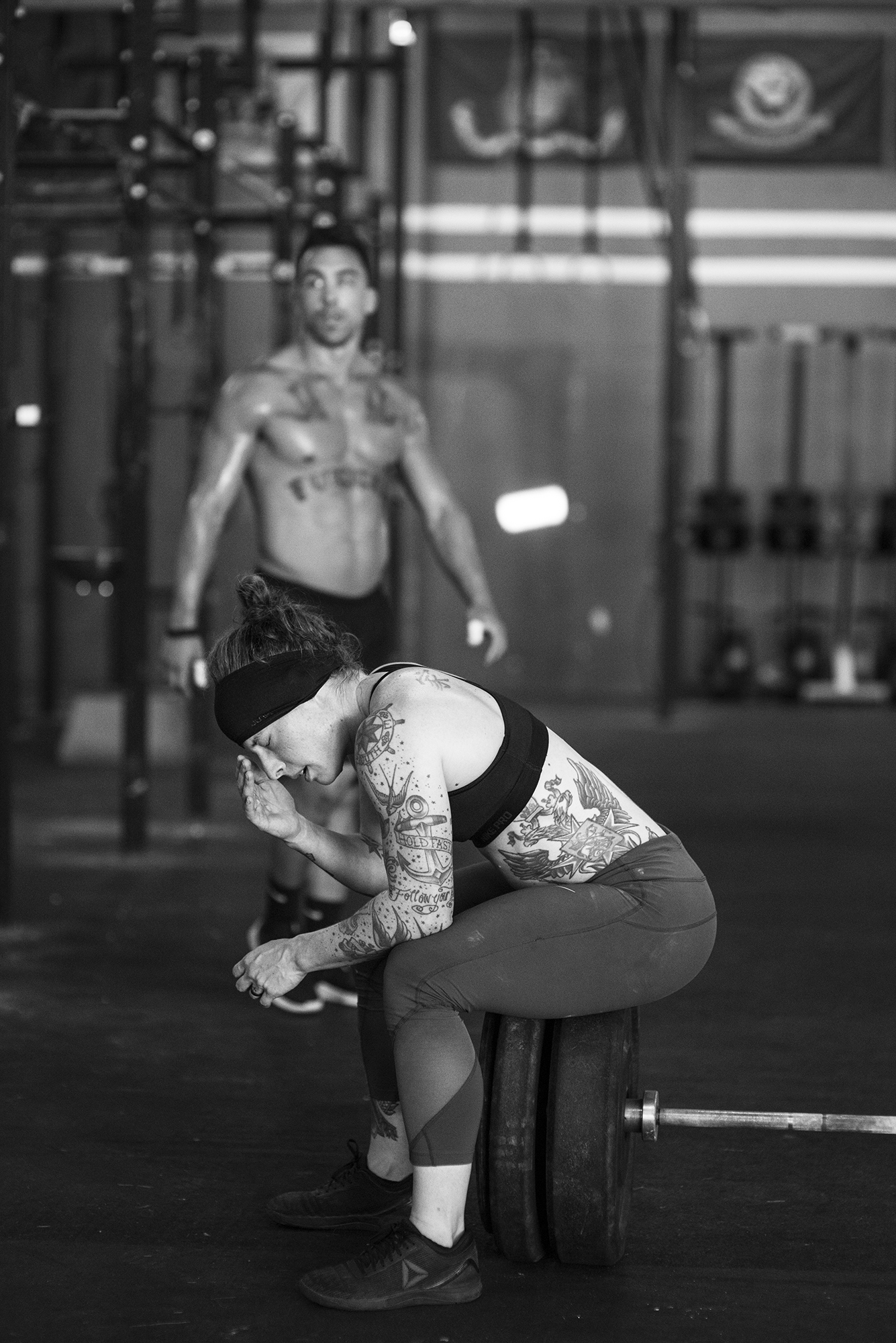
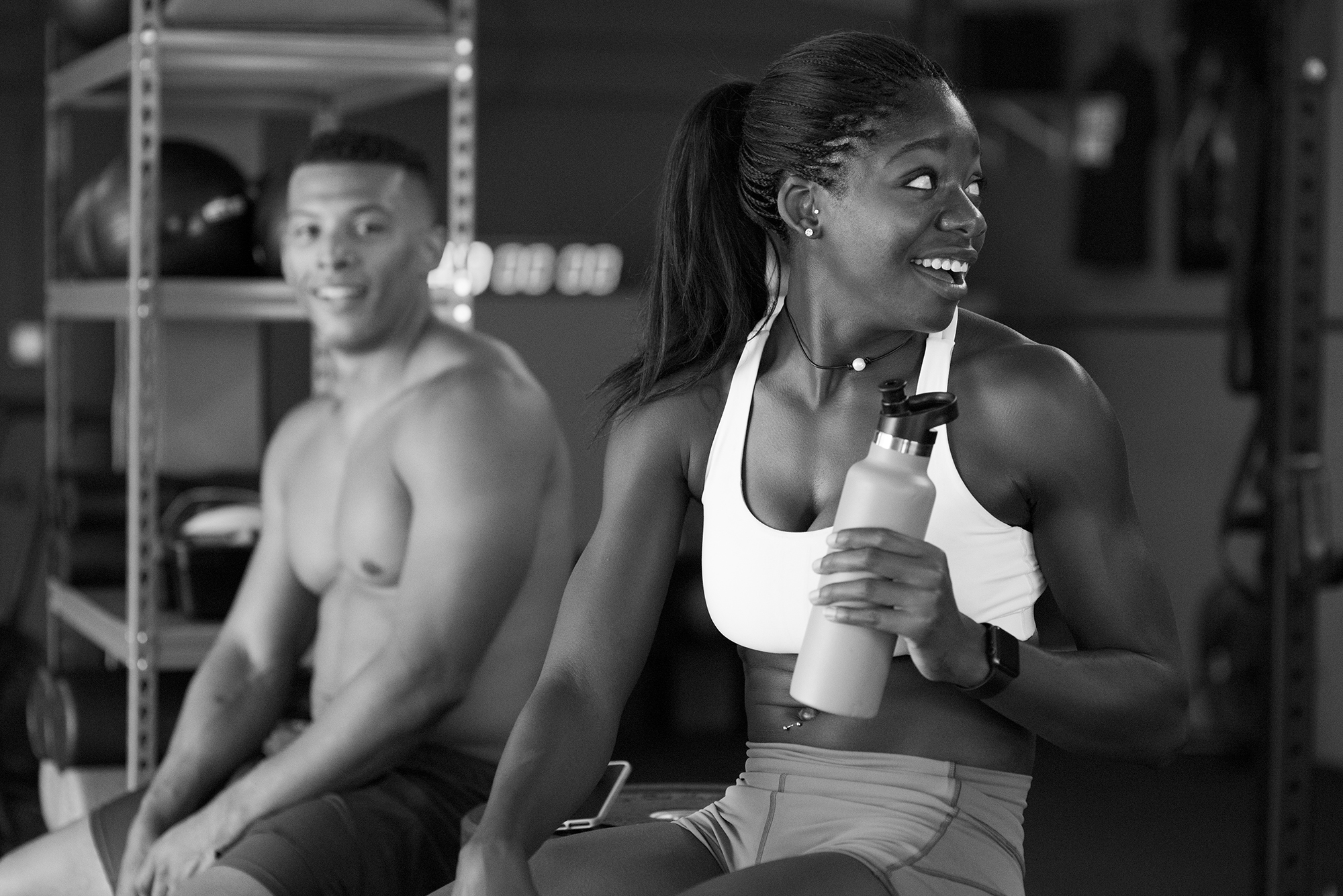
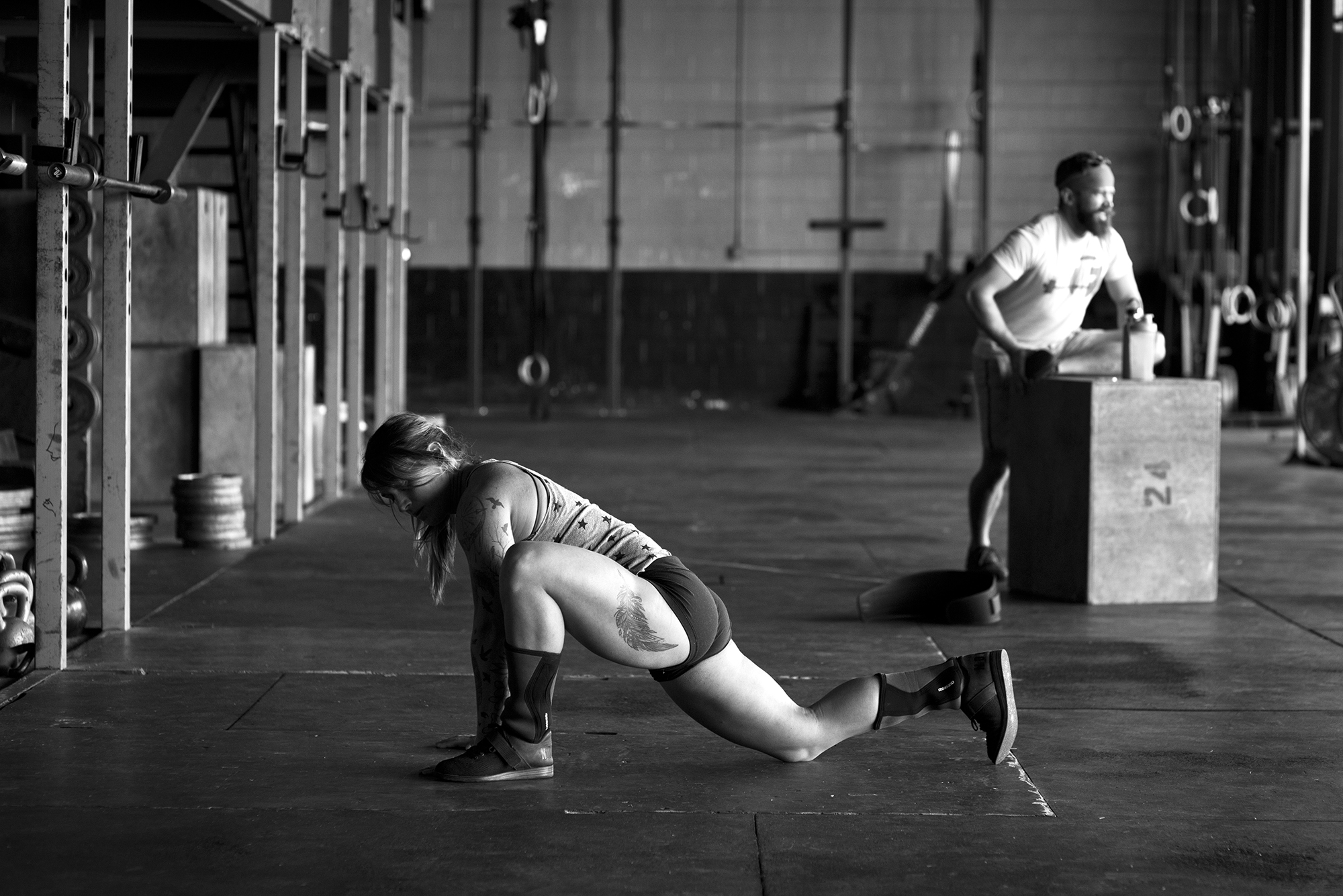
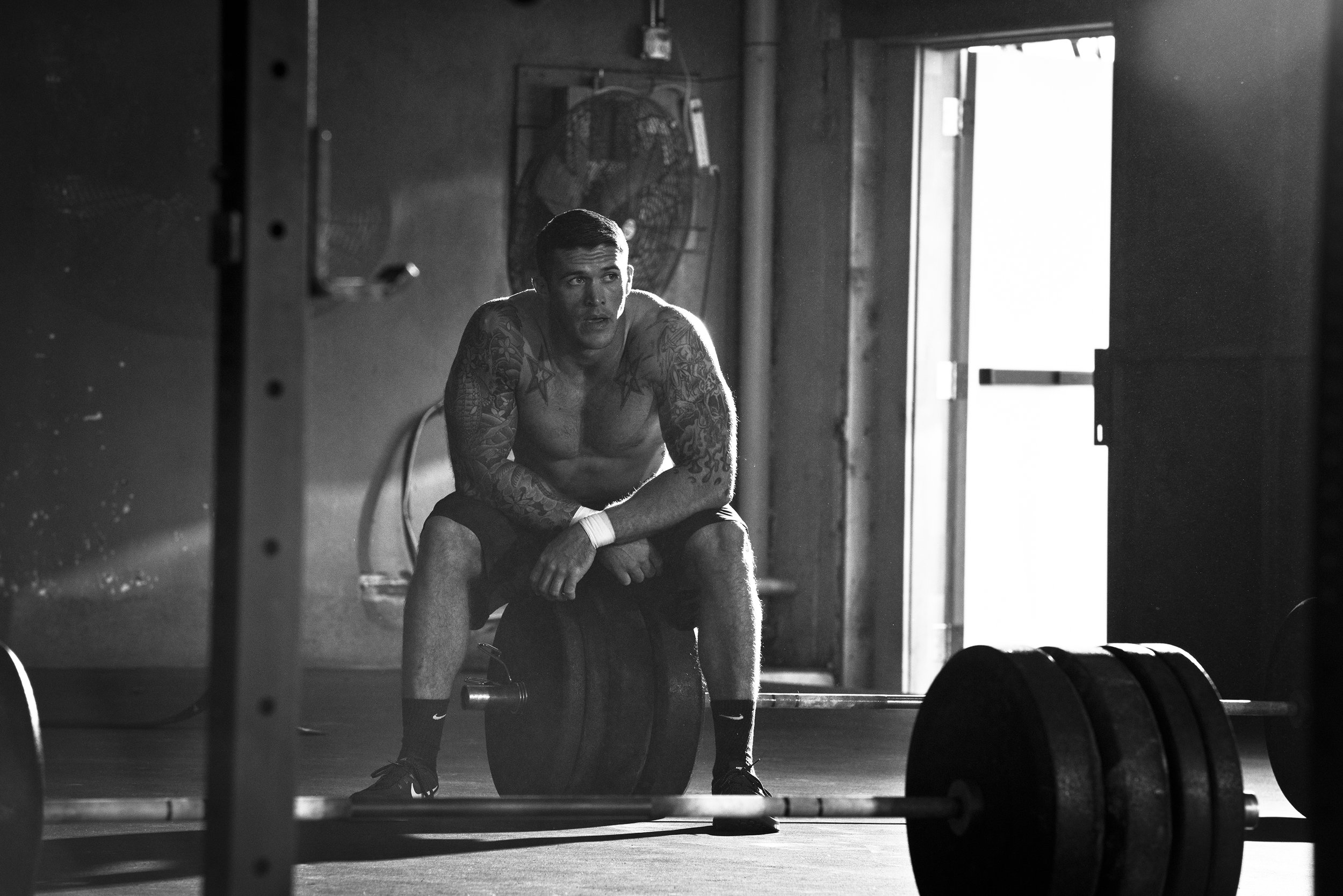
Athlete sits on a wooden box drinking water during a workout in a Colorado gym

A short break between efforts, sitting with a bottle in hand before the next set begins in a Colorado gym.
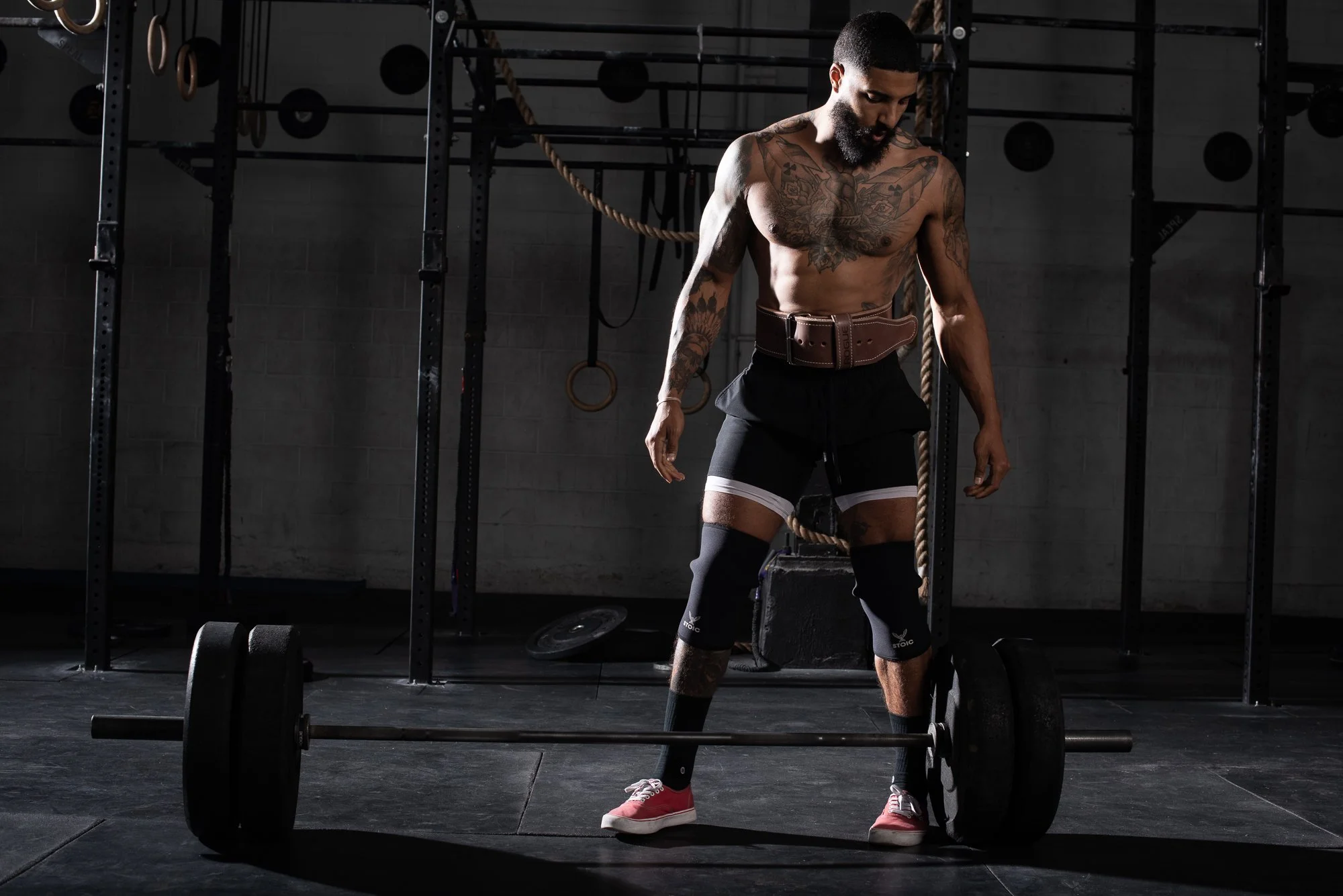
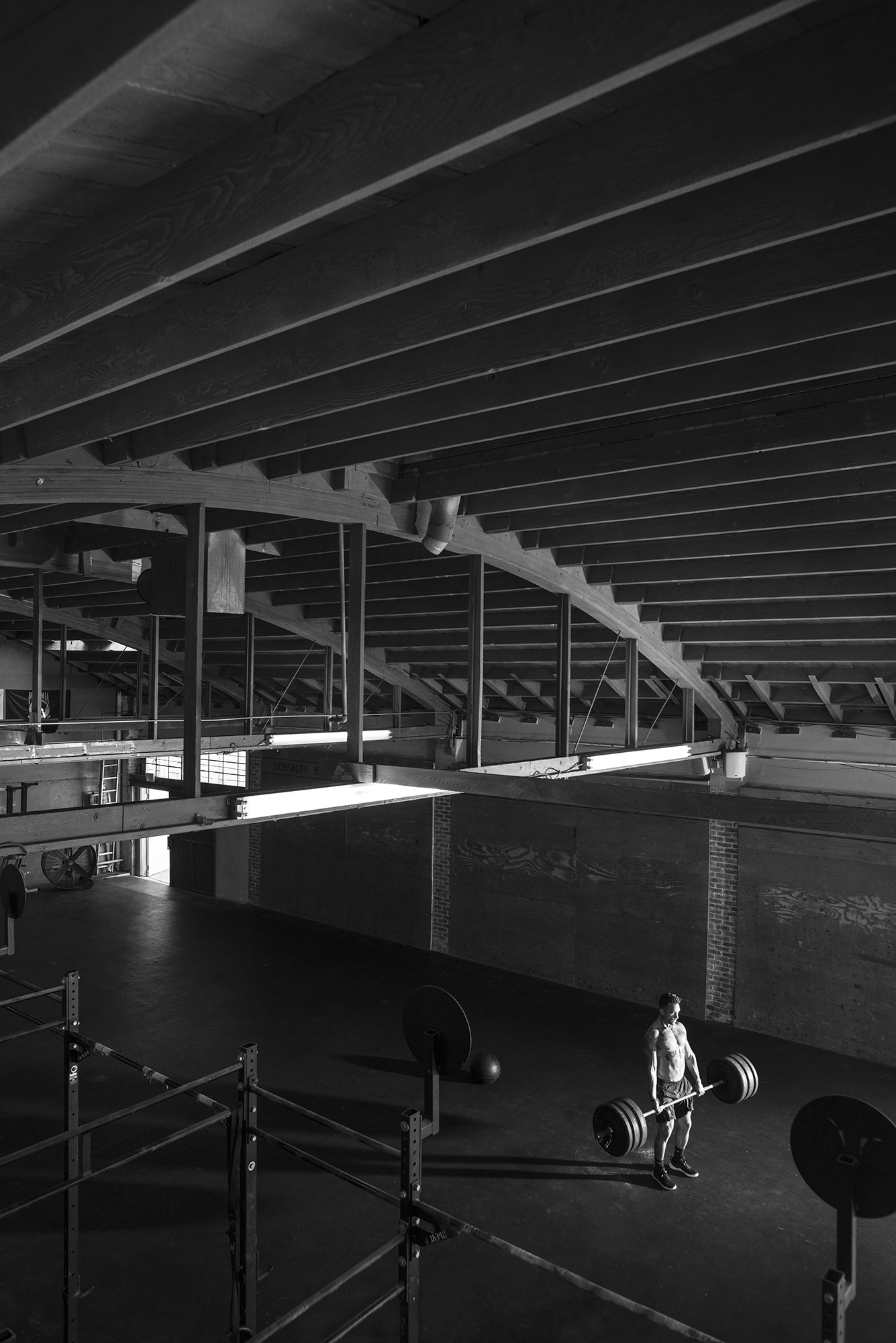
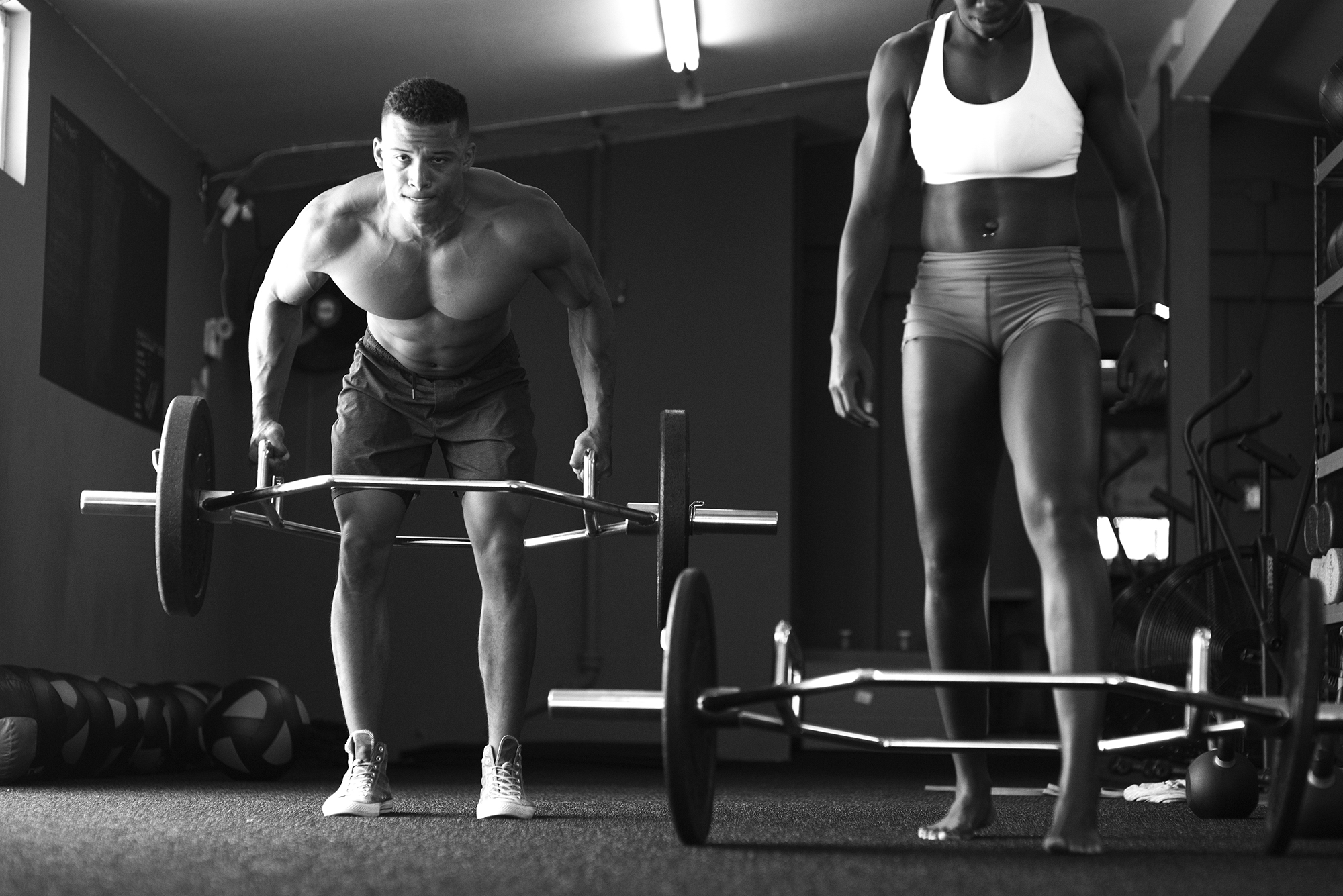
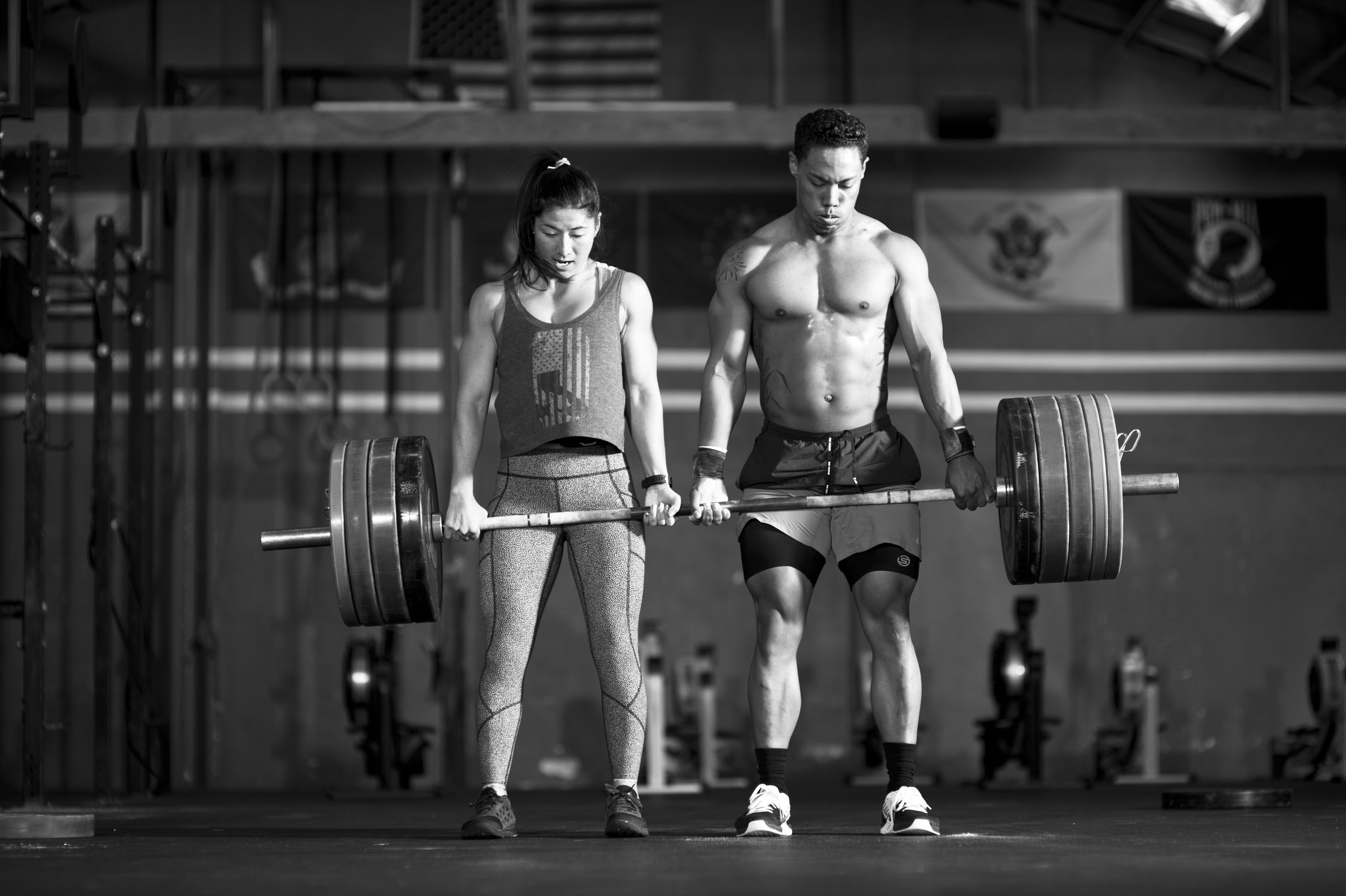
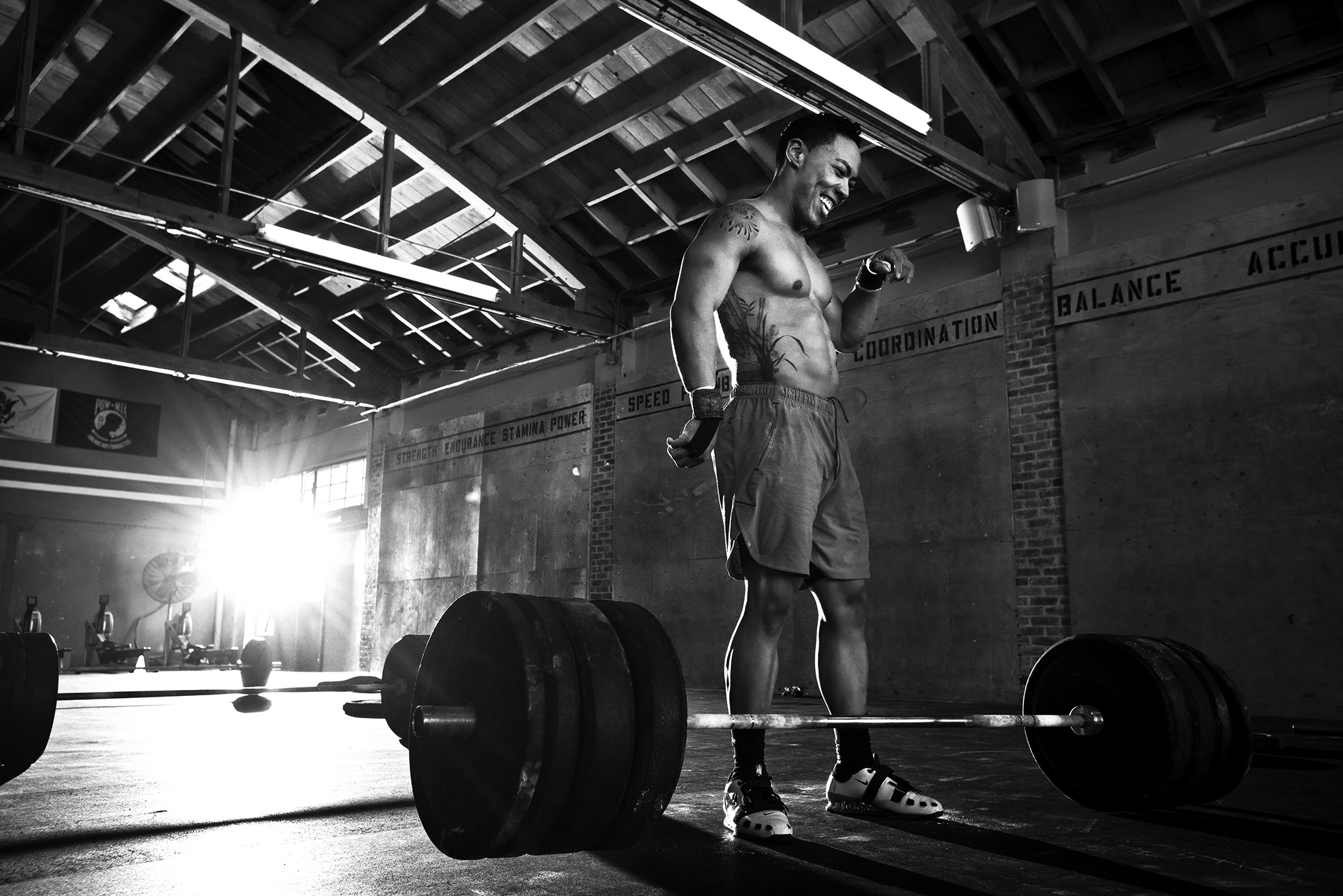
Athlete stands over a loaded barbell preparing for a deadlift in a Colorado gym

The bar rests on the floor as position is set before the next pull, part of an ongoing training session in Colorado.

Movement First, Everything Else Second

The priority in this type of shoot is always movement.

Not the perfect frame. Not the cleanest composition. The movement itself.

That means working through:

  • fast, unpredictable sequences

  • partial moments instead of full poses

  • imperfect but honest frames

Over time, that approach builds a set of images that feel connected to each other—like they came from a real session, not a series of isolated setups.
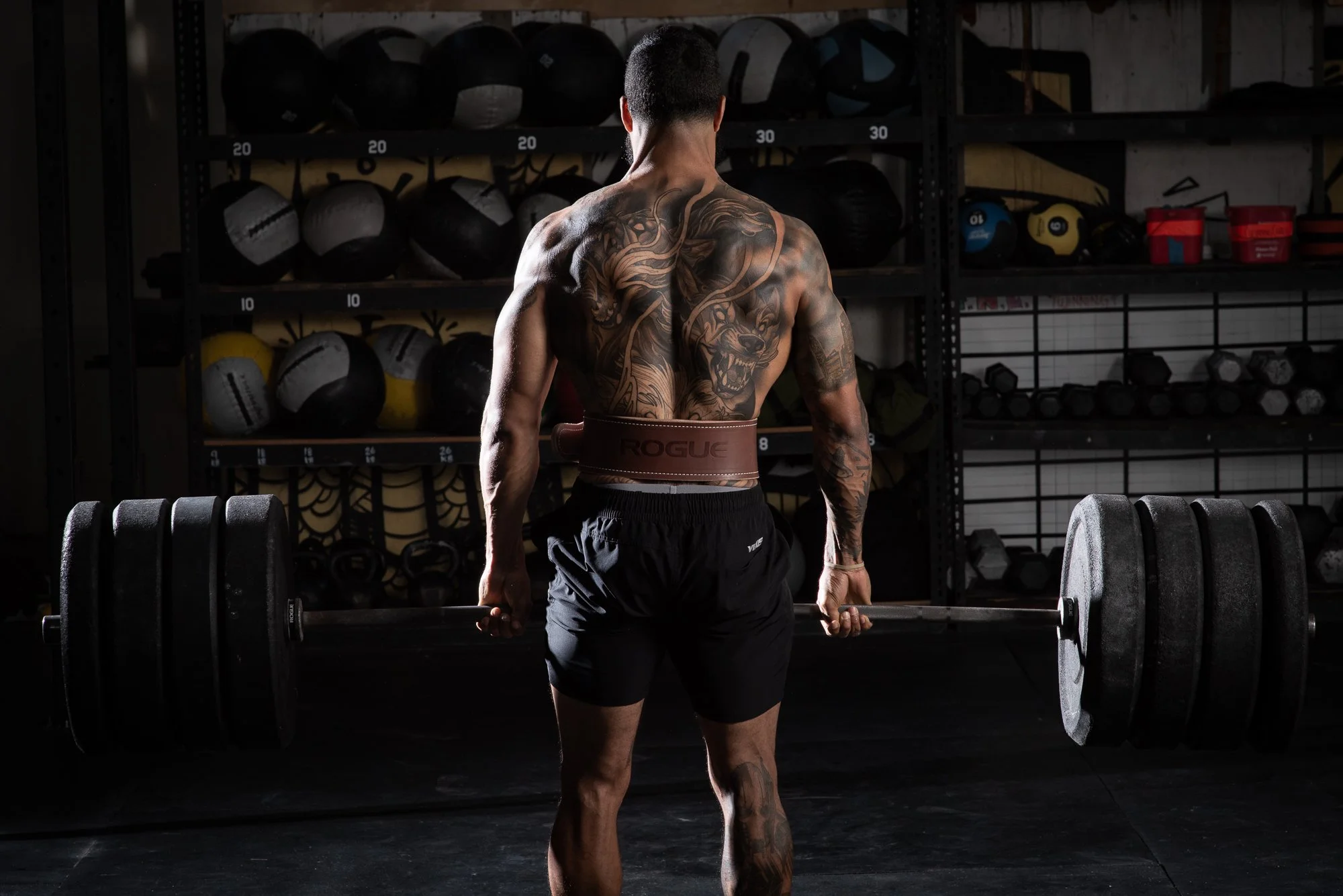
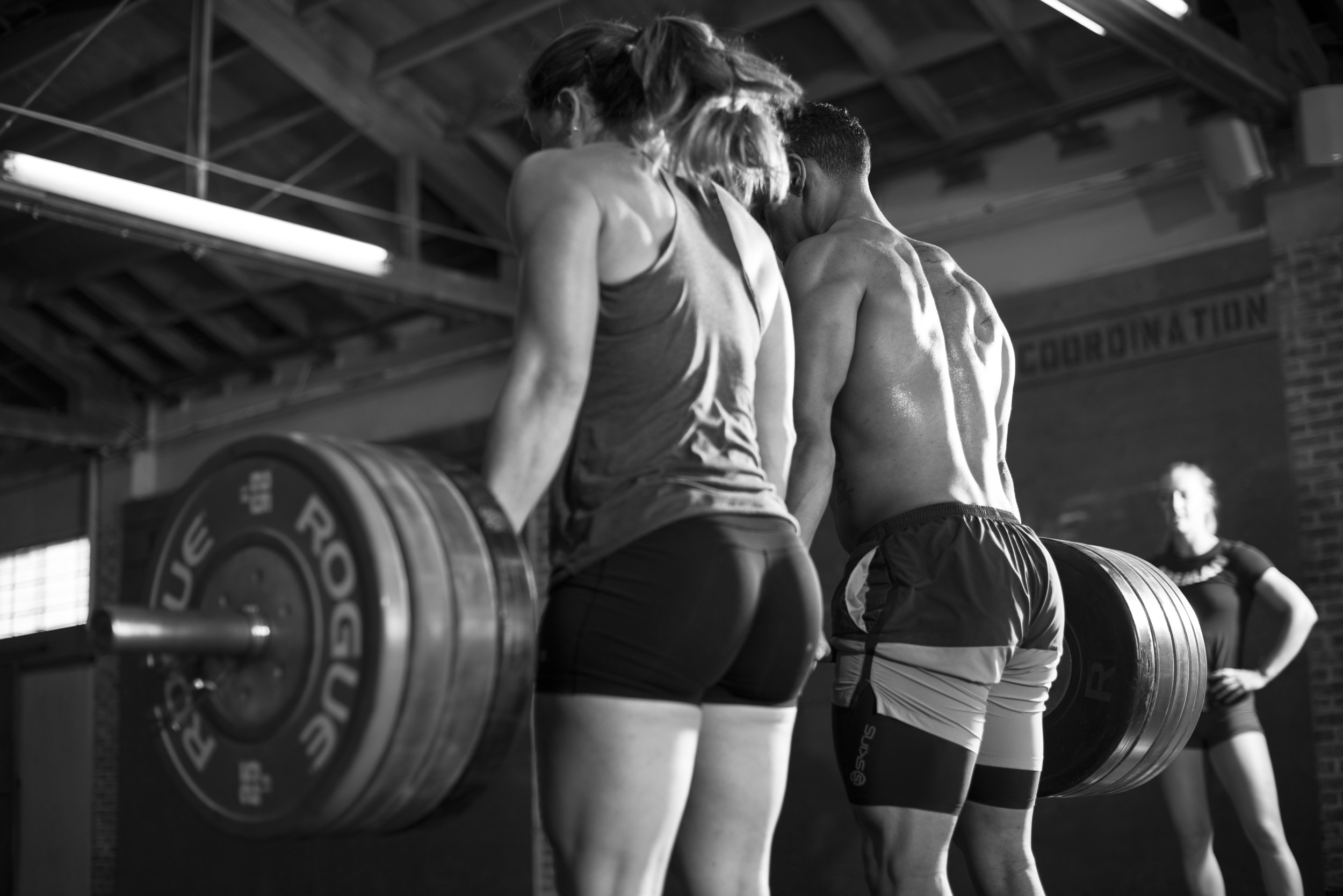
Athlete lifts a loaded barbell from the ground during a deadlift in a Colorado gym, viewed  from behind

The bar rises from the ground, back and shoulders tightening as the lift moves through in a Colorado gym.
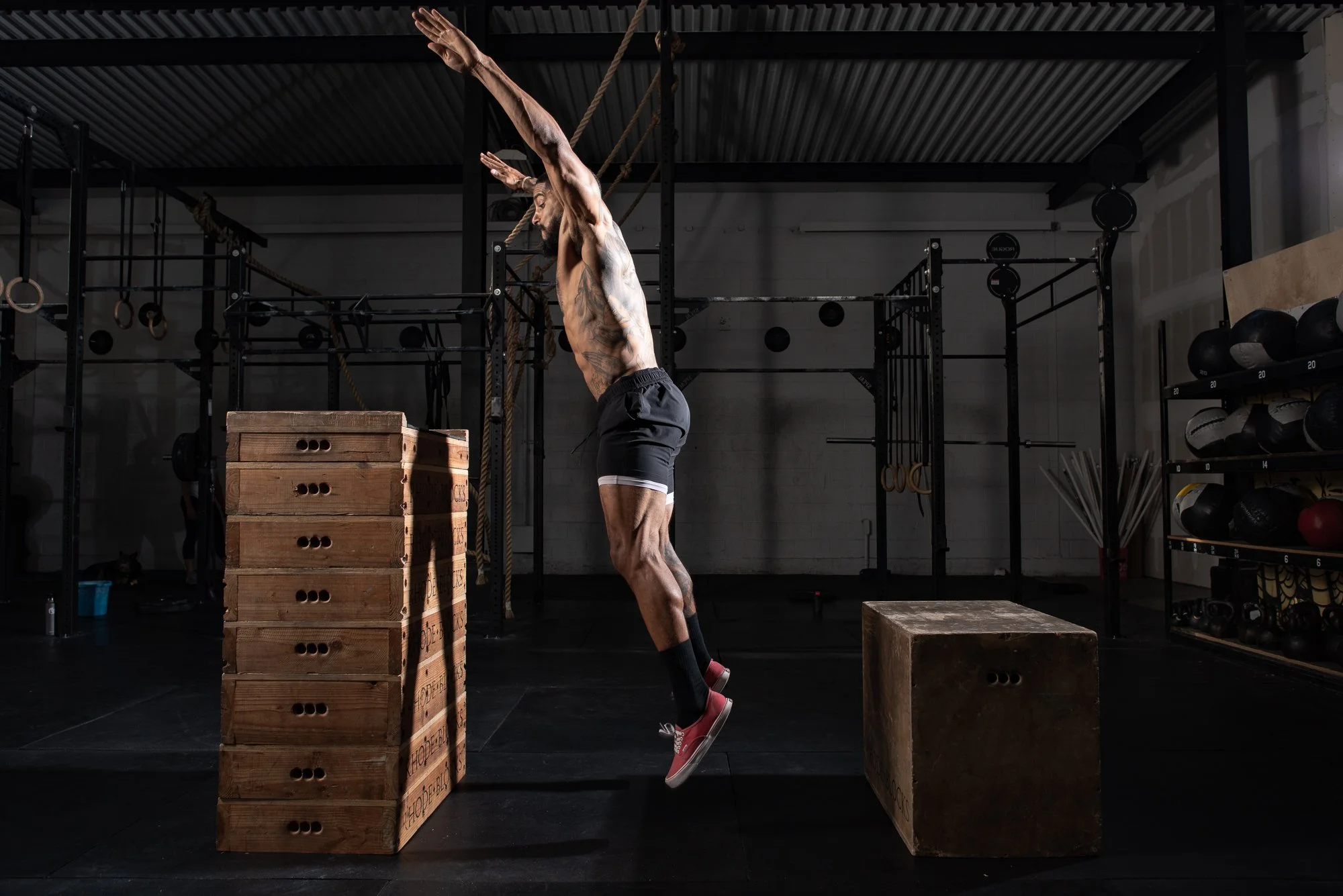
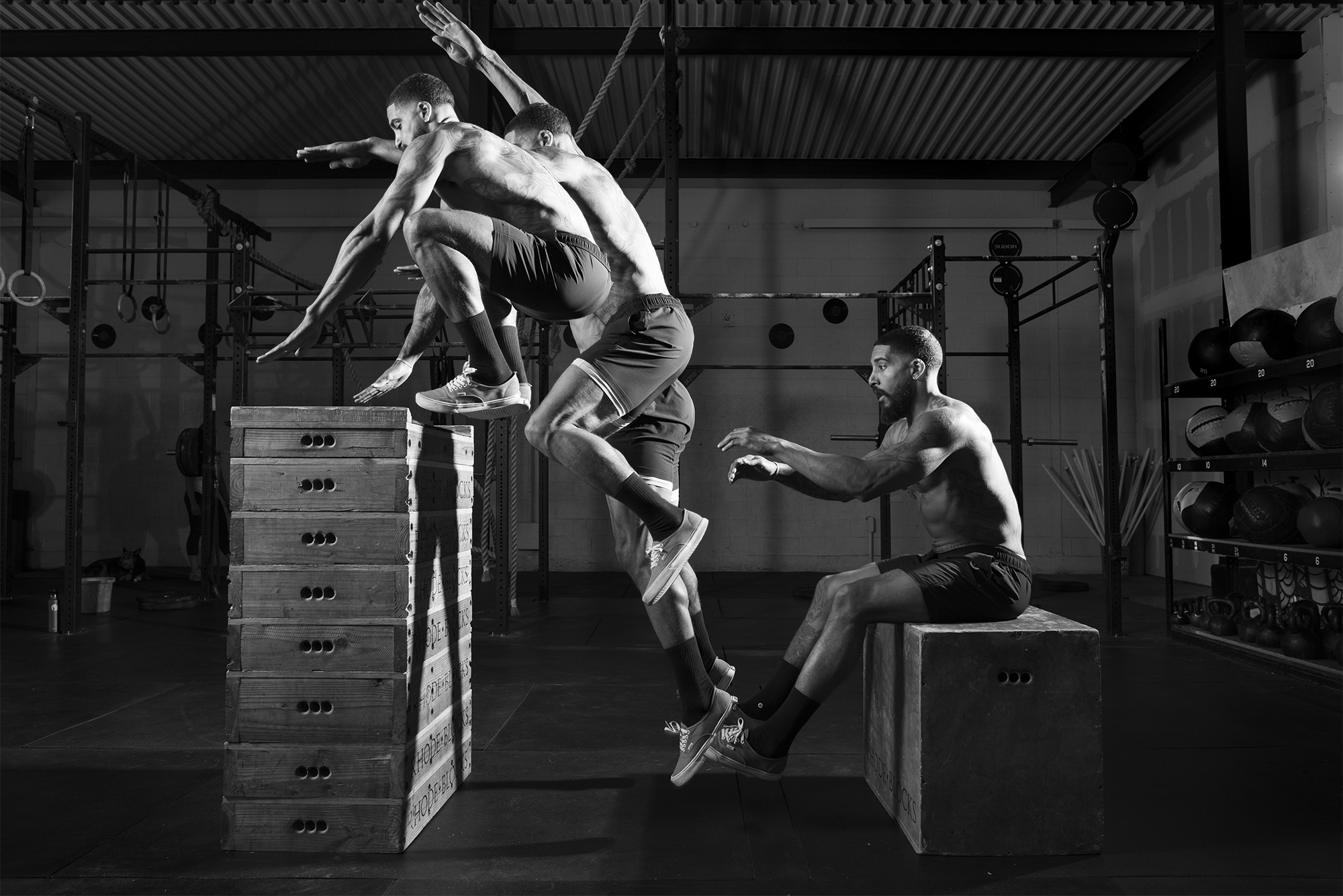
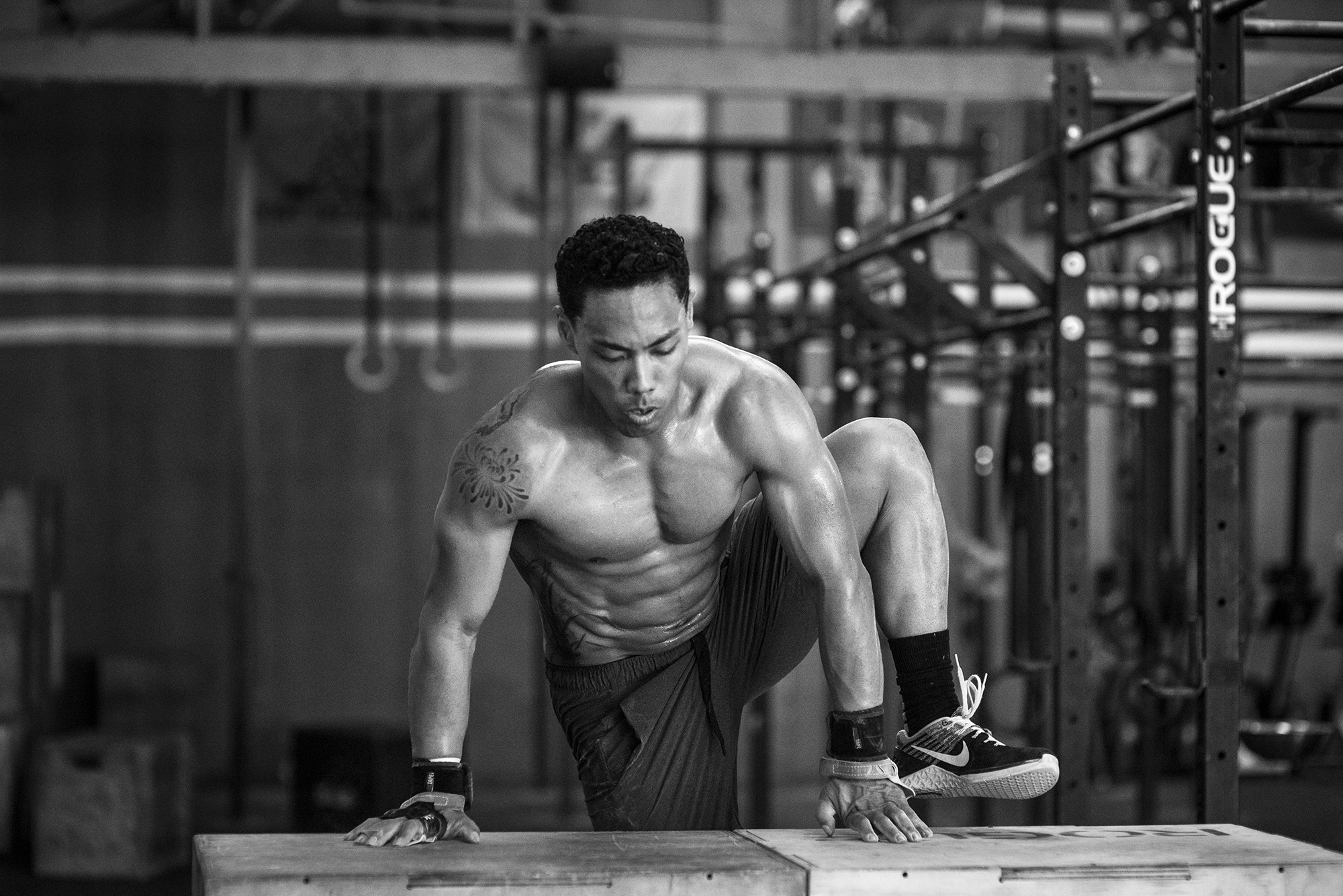
Athlete jumps onto stacked wooden boxes in a Colorado gym during a training session

An athlete doing box jumps during a training session at a Denver, Colorado gym.

Fitness and Active Lifestyle Photography in Colorado

This session is part of a broader body of work photographing athletes, brands, and outdoor fitness environments across Colorado.

If you're looking for photography that reflects how people actually train—whether for a campaign, brand shoot, or editorial project—you can view more here:

Denver Fitness and Active Lifestyle Photographer
View more fitness photography from another training session
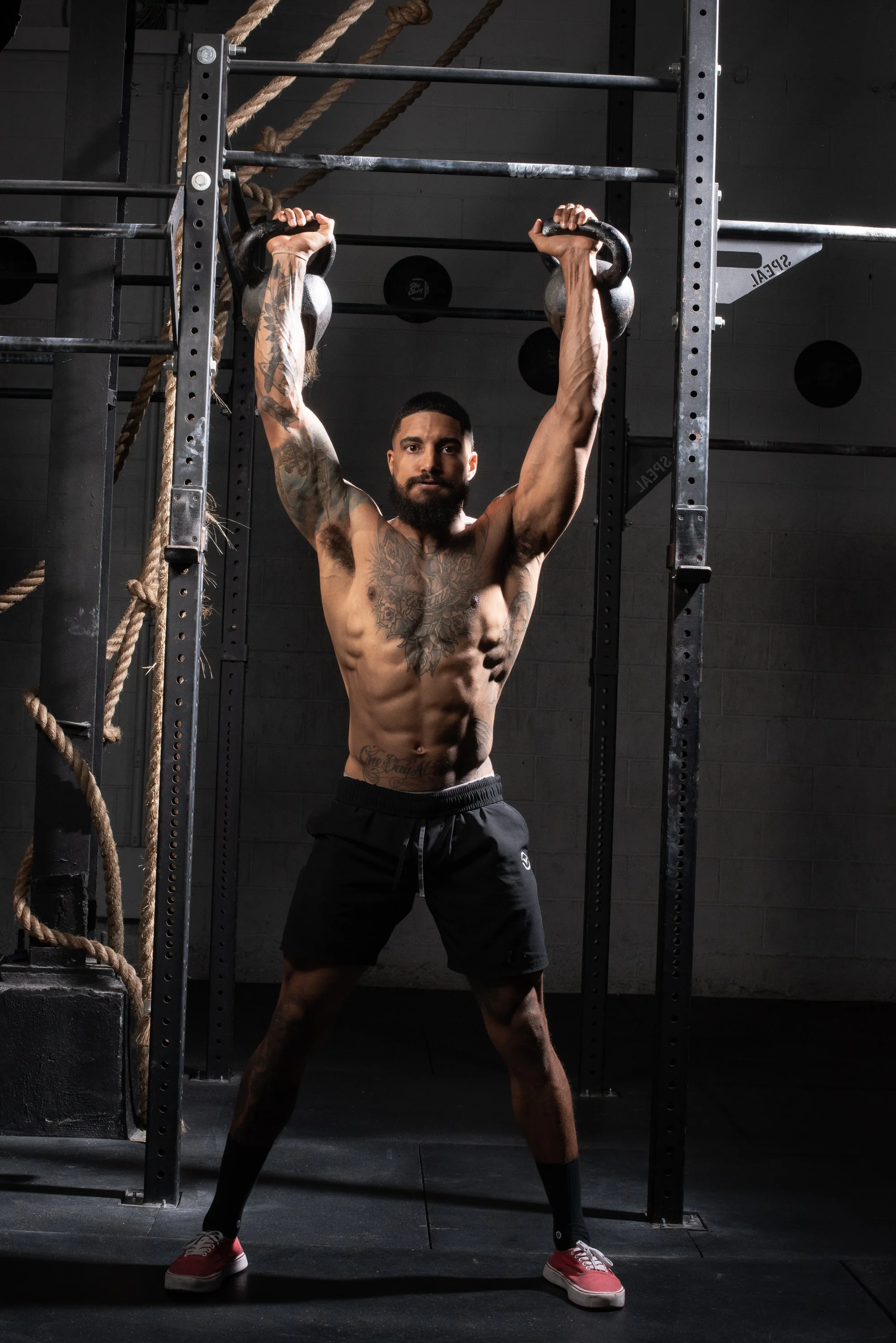
Athlete presses kettlebells overhead in a Colorado gym while standing inside a rack

Kettlebells reach full extension overhead, finishing the movement at the top of a working set in Colorado.
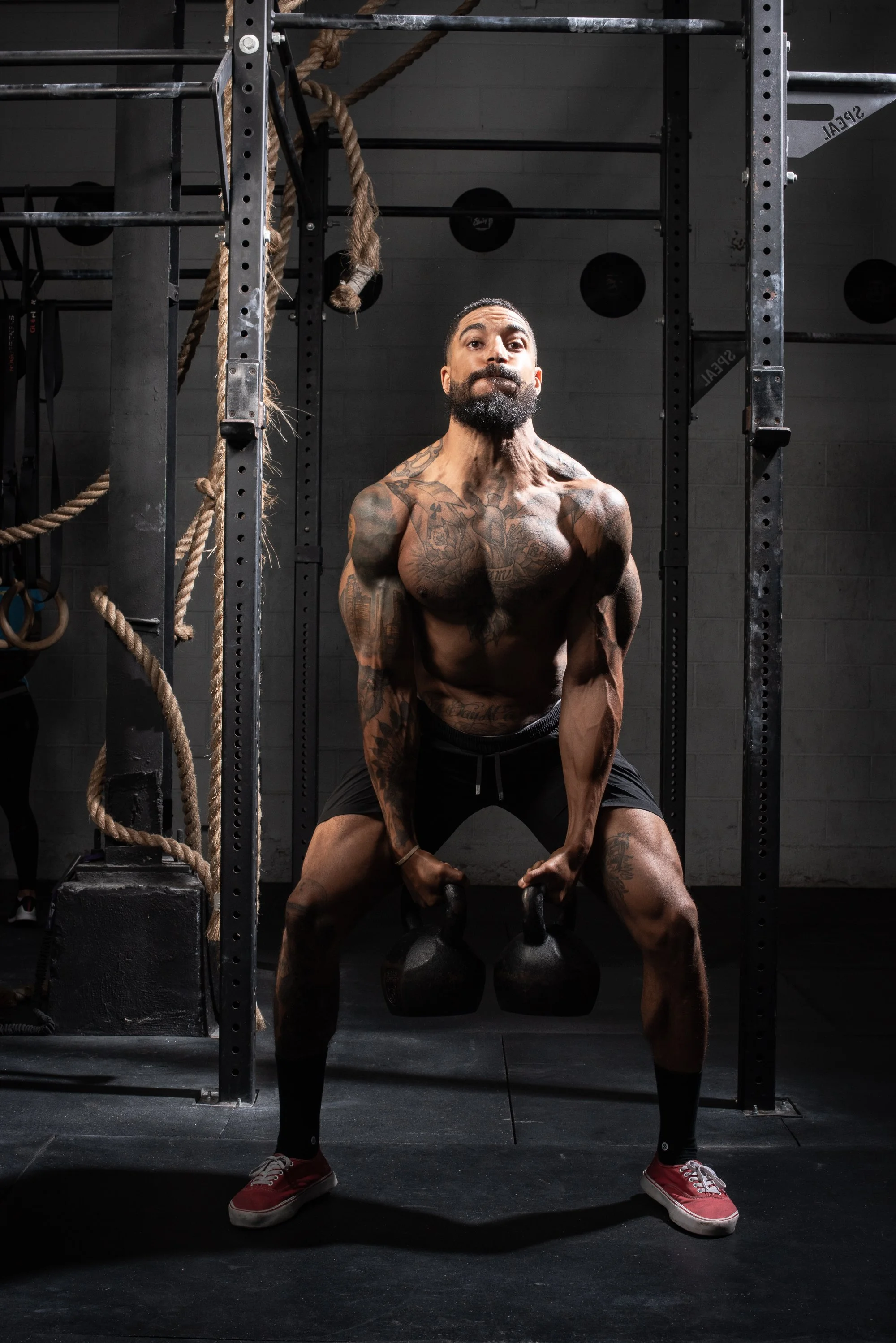
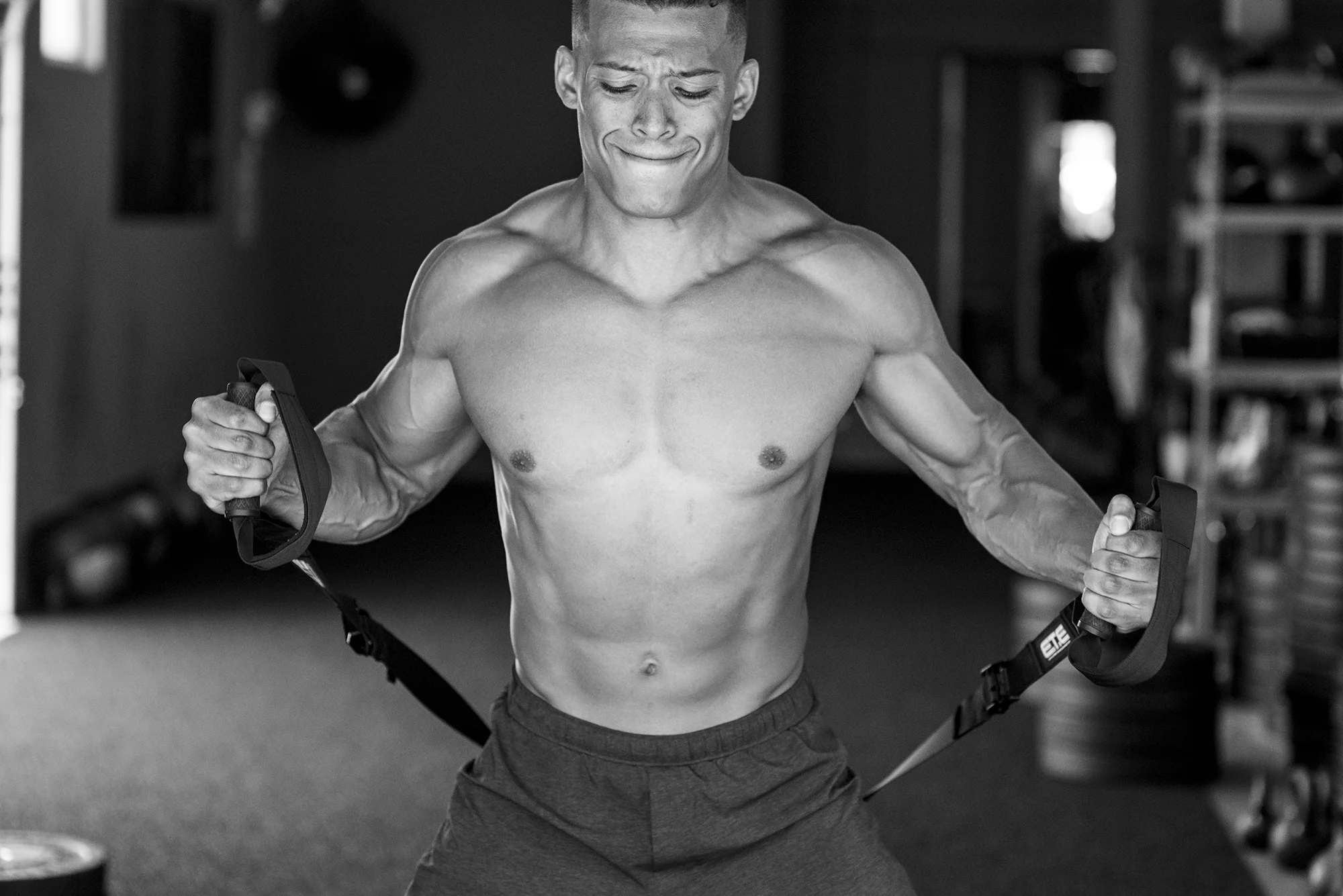
Athlete lifts two kettlebells from a low position in a Colorado gym, showing visible strain

Kettlebells move upward from a low position, effort visible through the strain of the lift in a Colorado gym.

A More Realistic Direction for Fitness Imagery

There’s a shift happening in how brands approach fitness photography.

Less emphasis on perfection. More emphasis on authenticity.

Not because it’s trendy, but because audiences can tell the difference.

Real training environments. Real effort. Real moments.

That’s where the work becomes more useful—not just visually, but commercially.
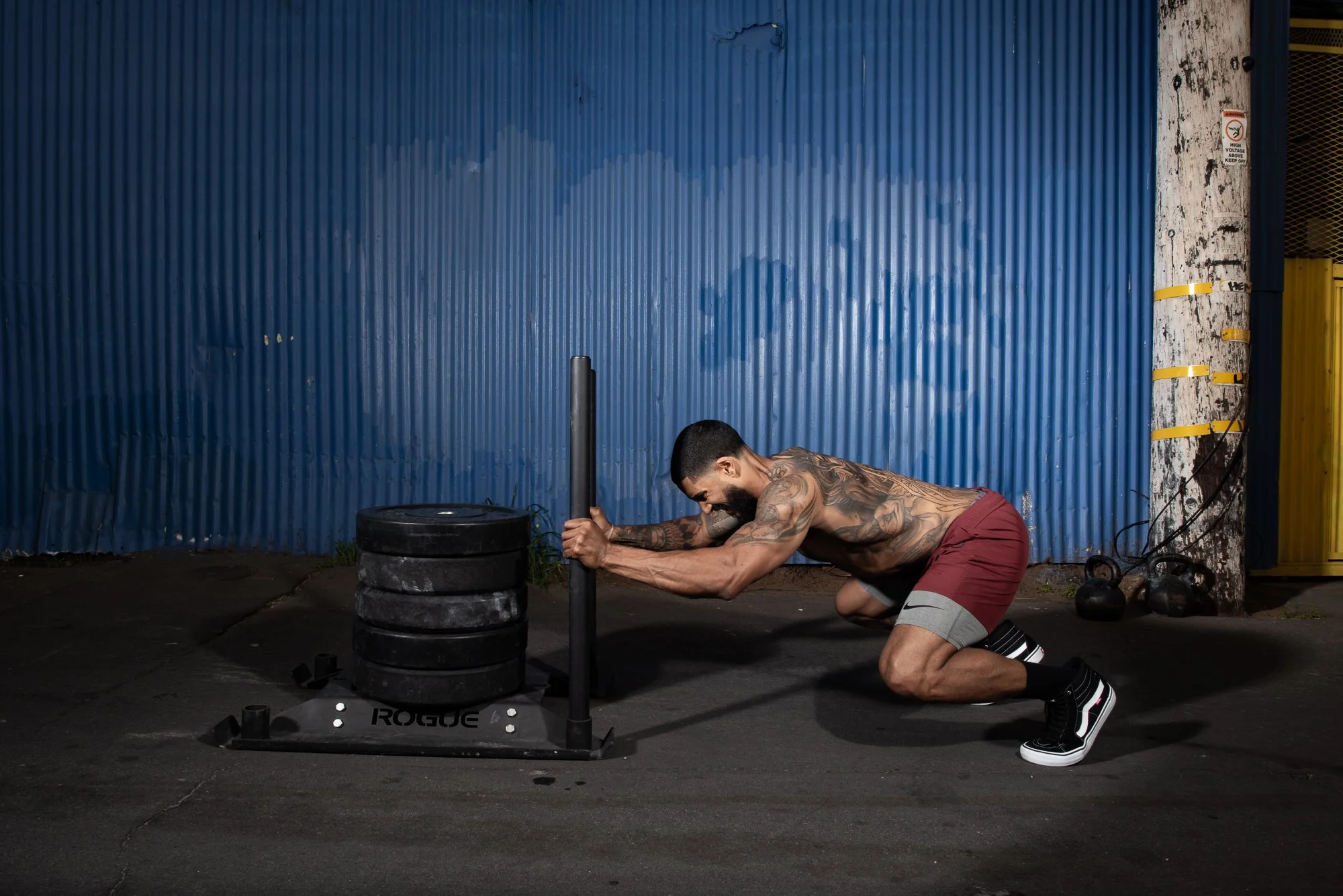
Athlete pushes a weighted sled across pavement in an outdoor Colorado training area

A weighted sled moves across pavement, driven forward step by step during outdoor training.
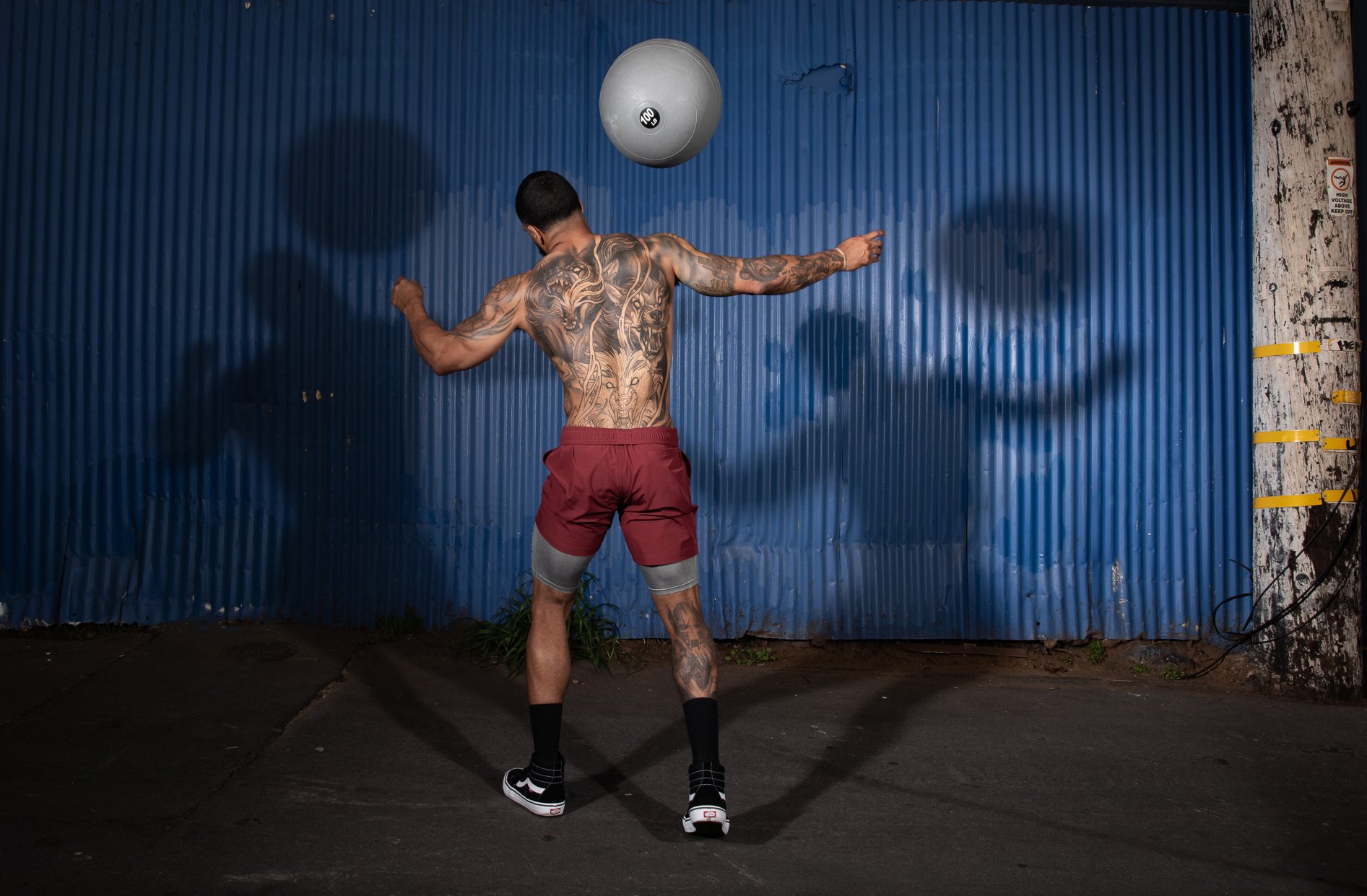
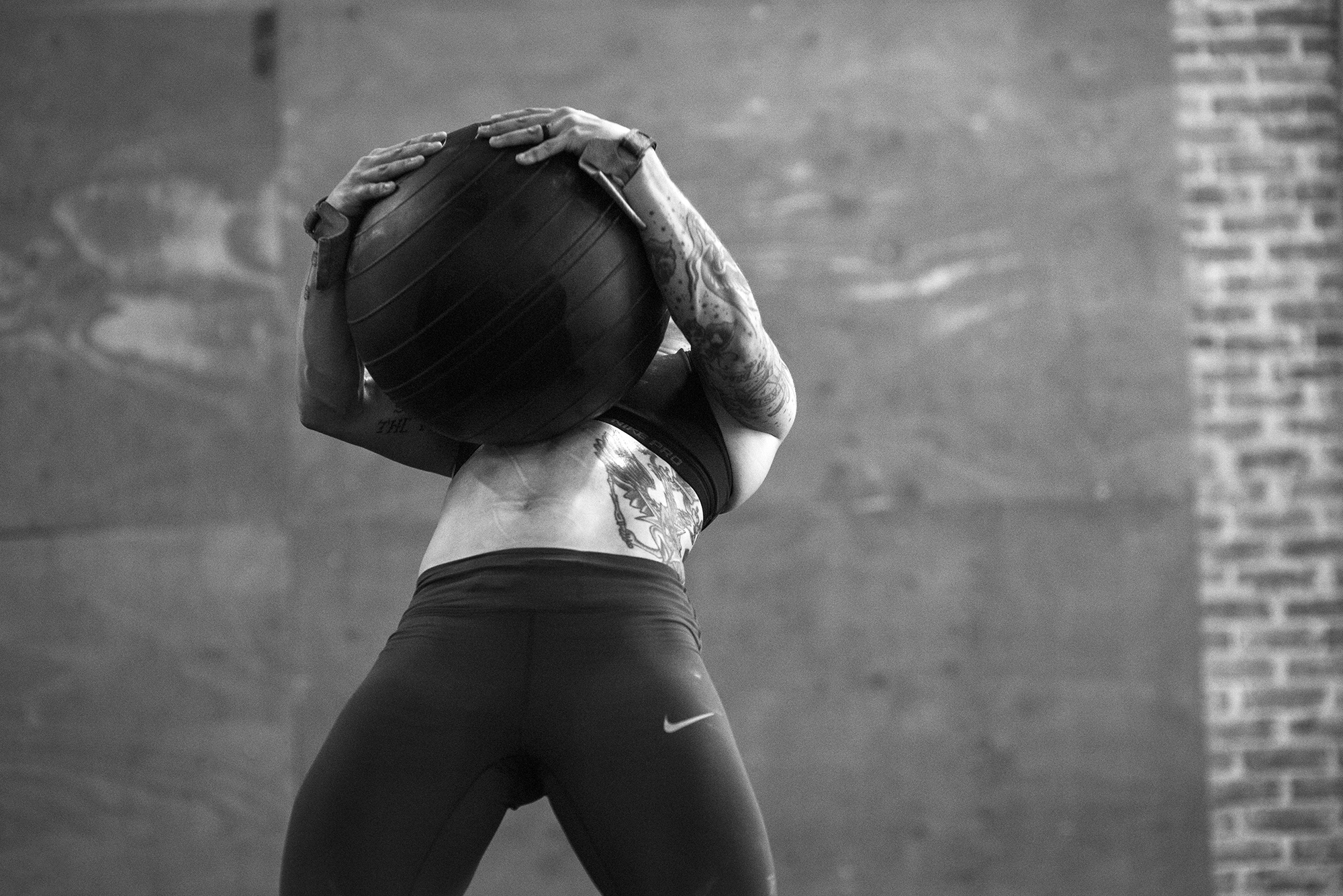
Athlete throws a medicine ball upward against a wall in an outdoor Colorado training area

An athlete doing heavy ball throws in an alley outside a gym
Creative Fitness Photography

Creative Fitness Photography: Capturing Movement and Energy

Most fitness photography is built around control.

Perfect form. Clean lines. A frozen moment at the top of a lift.

That has its place. But it doesn’t always reflect what training actually feels like.

The work here comes from a different approach—one that focuses less on perfection and more on movement, repetition, and the physical toll of effort over time. Instead of isolating a single moment, these photographs are built from many moments layered together.

The result is something closer to the experience of training itself.

A Different Approach to Fitness and Sports Photography

There’s a shift happening in how brands approach fitness imagery.

The overly polished, staged look is starting to feel interchangeable. What stands out now is work that feels real—images that show strain, rhythm, and the imperfect nature of movement.

This approach leans into that.

Rather than stopping motion, it allows it to build. You see the path of a barbell, the repetition of a movement, the fatigue setting in over time. The photograph becomes less about a single peak moment and more about the accumulation of effort.

For brands and agencies, this kind of imagery creates something harder to ignore. It carries energy. It feels lived-in. And it separates itself immediately from standard gym photography.

Using Multiple Exposure in Fitness Photography

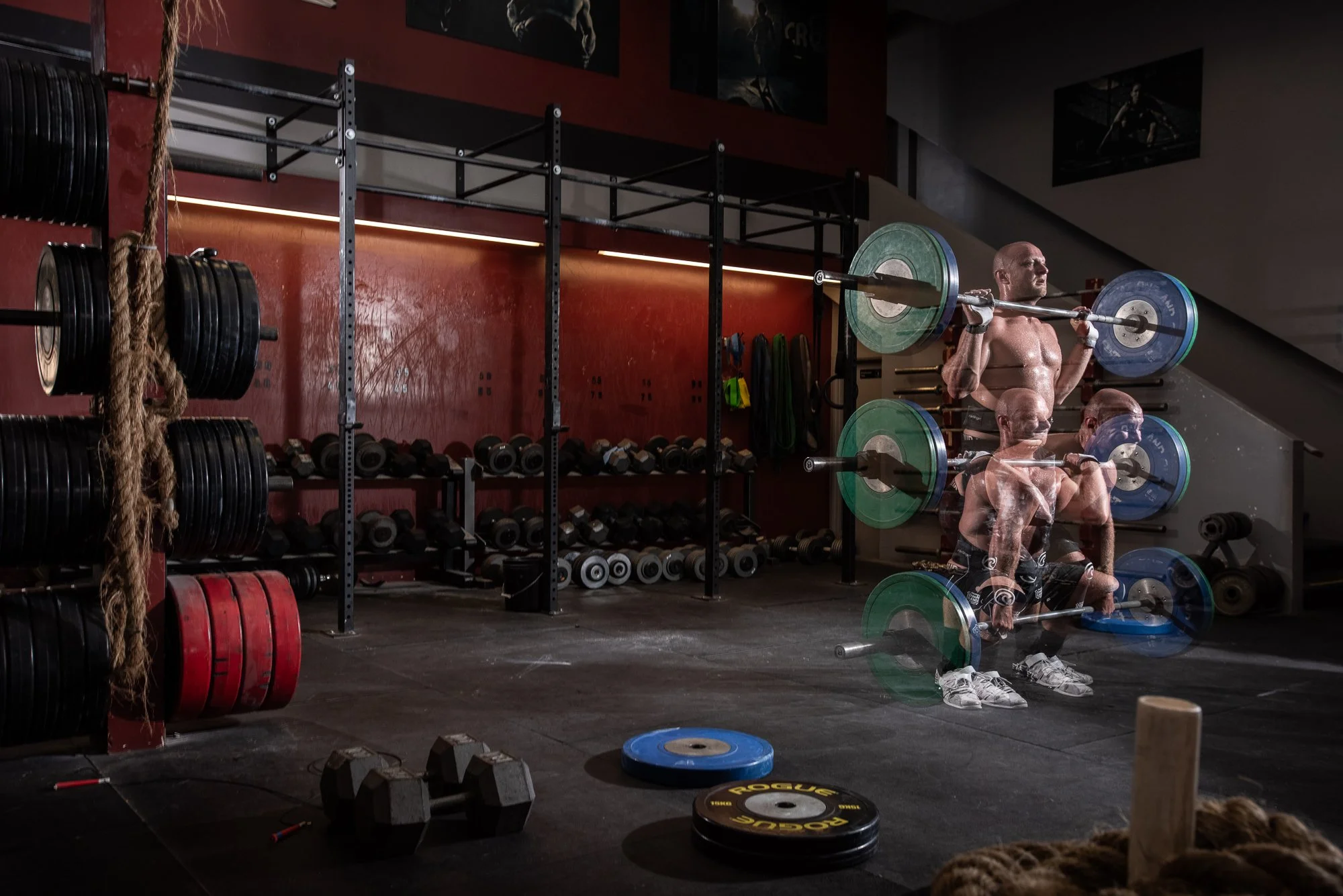
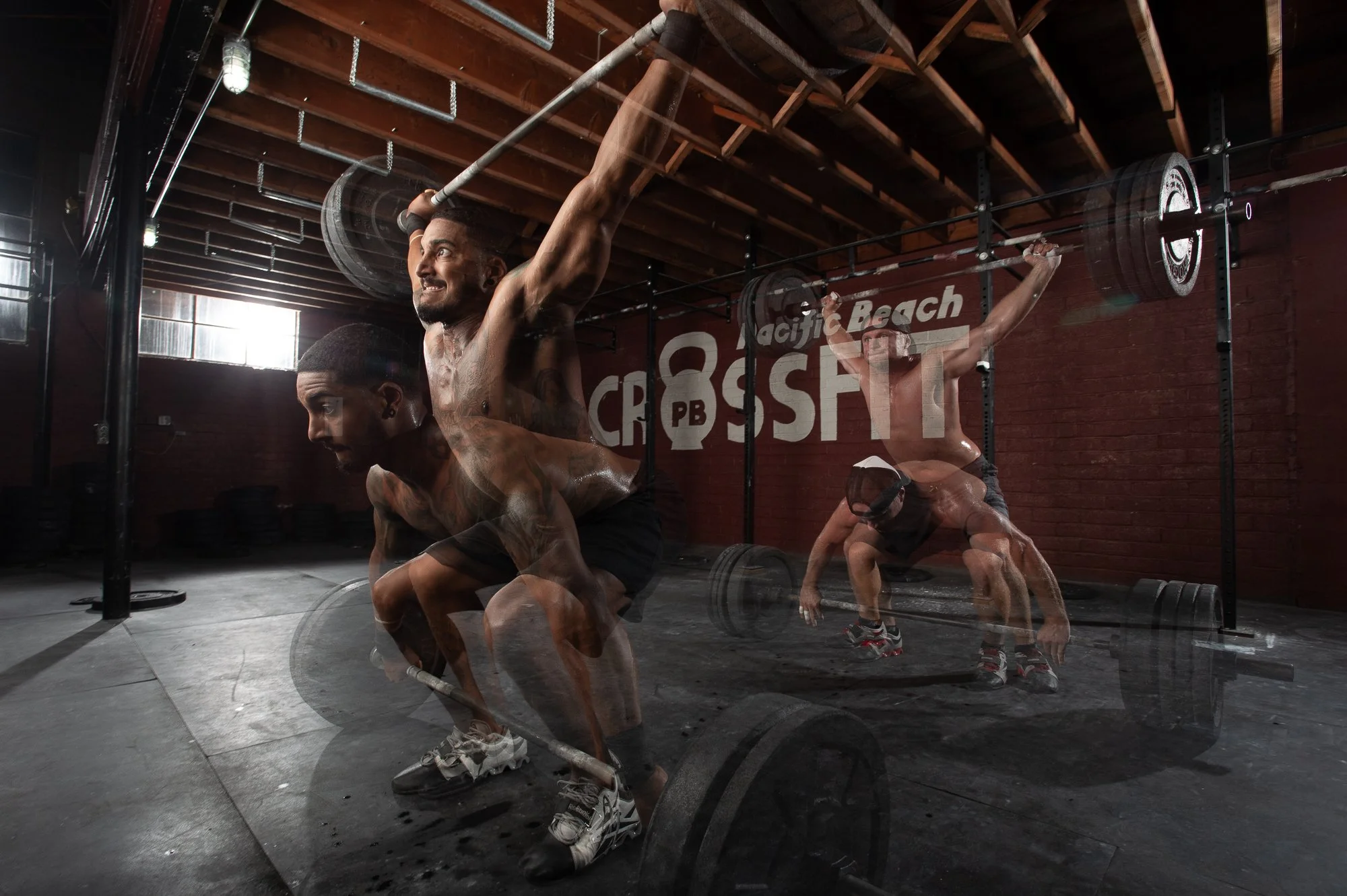
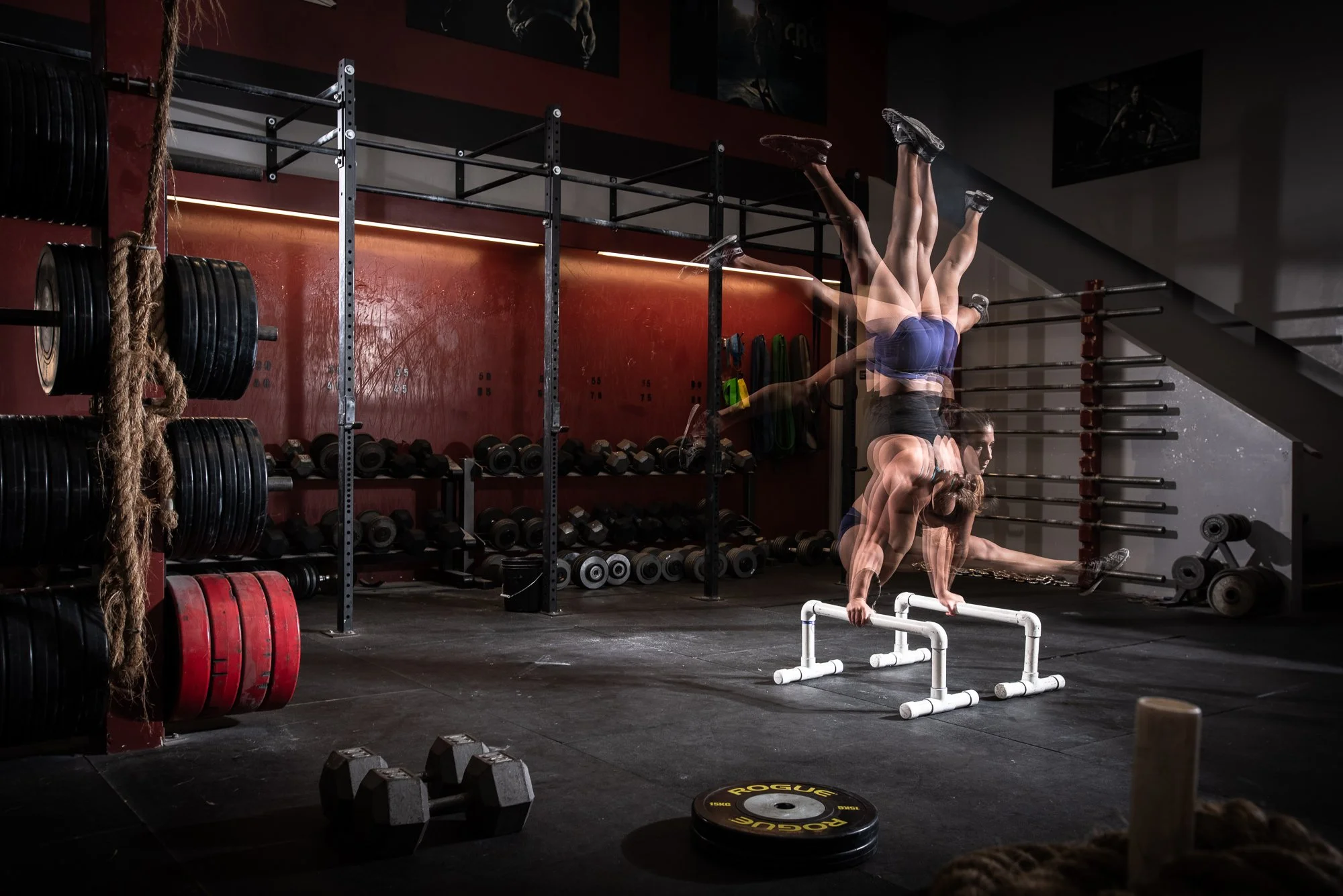
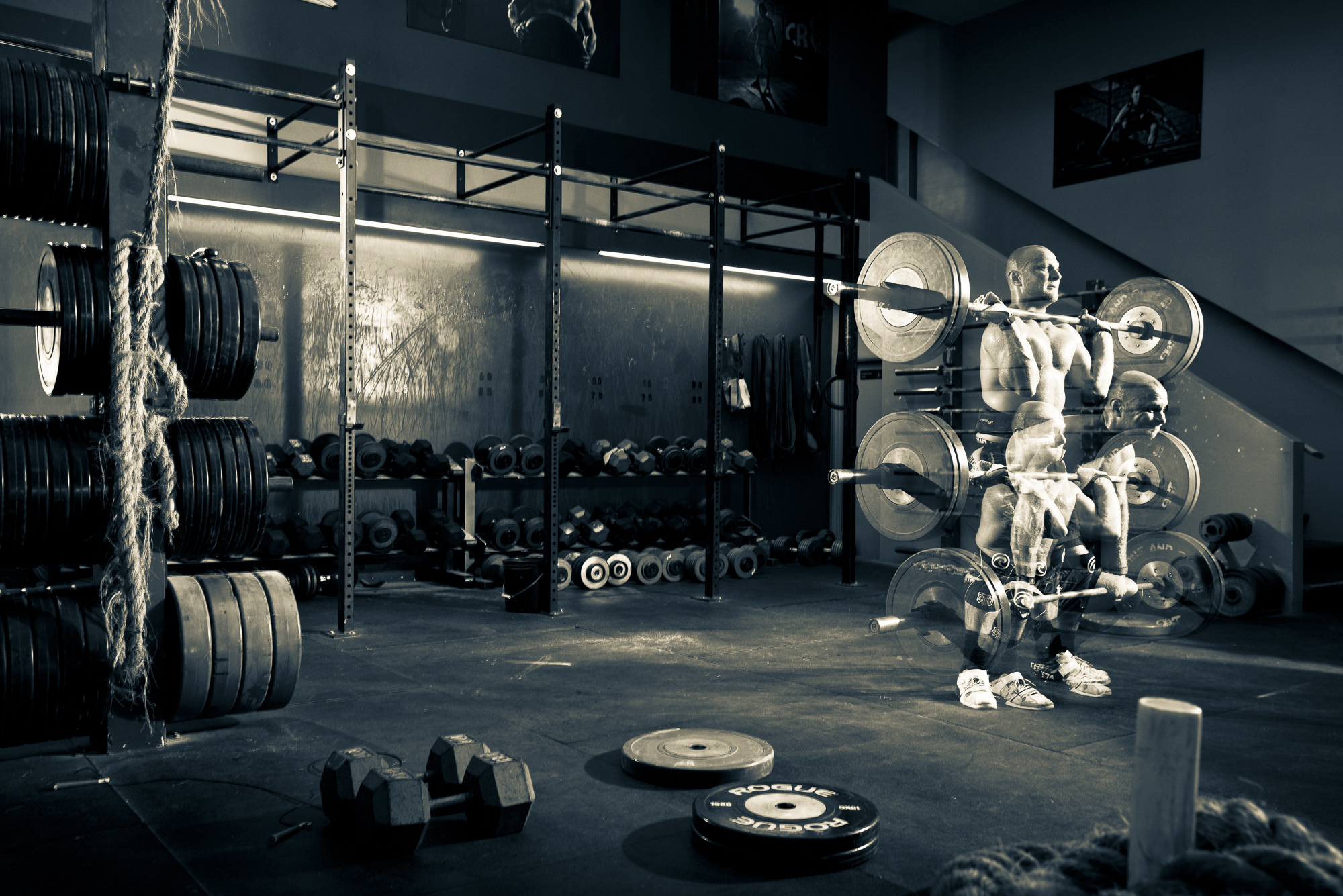
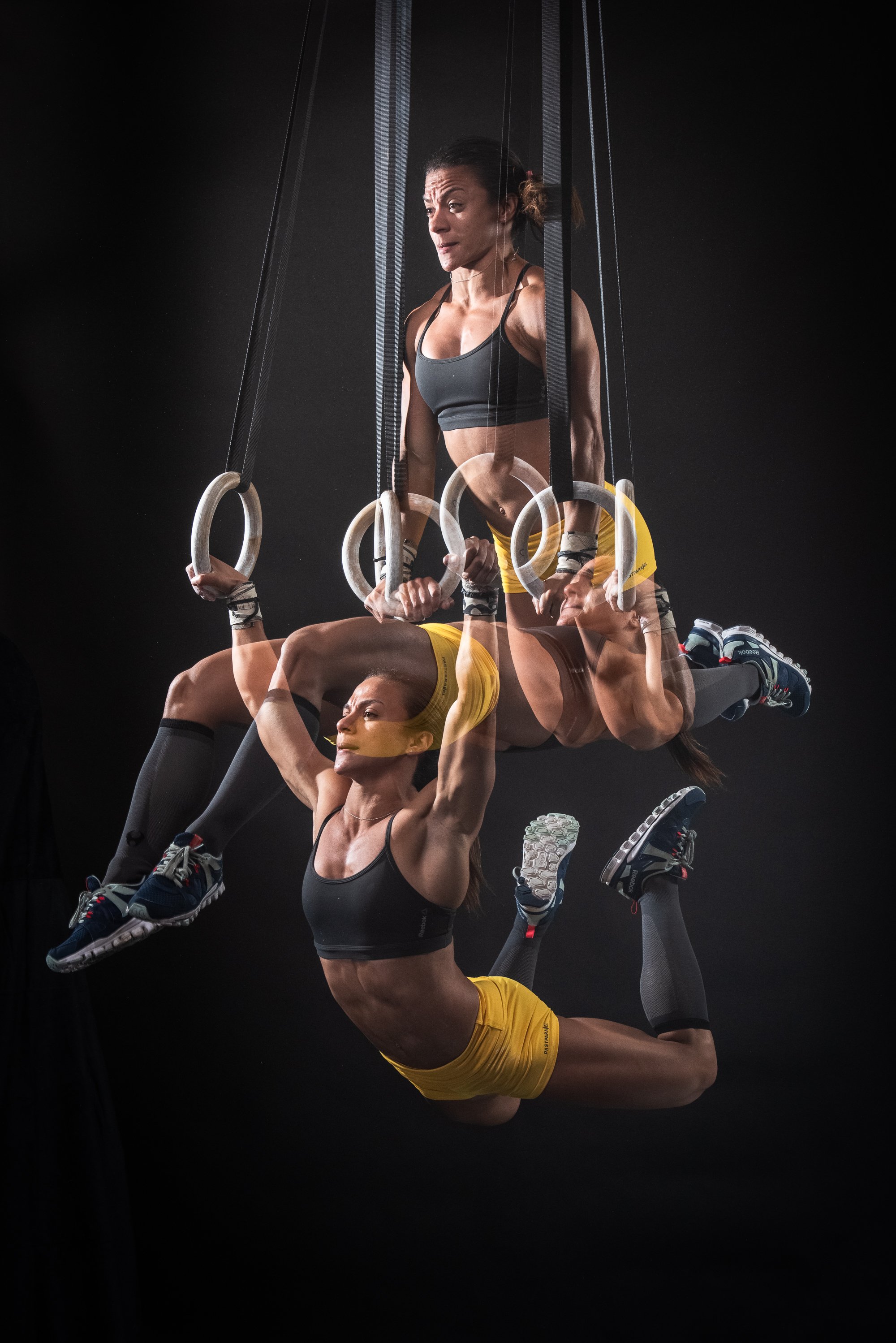
All of the images in this series are built using multiple exposures.

Instead of capturing one frame, several frames are combined—either in-camera or in post—to create a layered image that shows the progression of movement.

A single lift becomes a sequence. A sprint becomes a rhythm. A workout becomes something you can almost feel.

This technique works particularly well in strength training and high-intensity environments because the movements are repetitive and structured. There’s a natural pattern to follow—whether it’s a barbell cycling through a lift or an athlete moving through a set.

The goal isn’t to create something abstract for the sake of it. It’s to translate what training actually looks like over time:

  • The buildup of effort

  • The repetition of movement

  • The physical and mental grind that defines the work

When done right, it adds depth without losing clarity. You still understand the movement, but you also feel the duration behind it.

High-Intensity Training and Gym Photography in Motion

A lot of this work comes out of gym environments where the pace is high and the movements are constant—strength training, functional fitness, and conditioning workouts.

These are spaces where traditional photography can fall short. A single frame often doesn’t tell the full story.

By working with motion instead of against it, the images start to reflect what’s actually happening:

  • The speed of transitions

  • The repetition of lifts

  • The density of effort in a short period of time

This applies across a wide range of fitness disciplines. Whether it’s barbell work, bodyweight training, or conditioning circuits, the visual language stays consistent—movement, rhythm, and intensity.

Fitness and Active Lifestyle Photography for Brands

This style of work translates well beyond the gym.

For brands, it offers a way to move away from generic fitness imagery and toward something more distinctive—imagery that feels specific to the product, the athlete, and the environment it’s used in.

It works across:

  • Training environments and gyms

  • Outdoor workouts and endurance sports

  • Apparel and performance gear campaigns

  • Editorial and advertising projects

The goal is always the same: create photographs that feel authentic to the work being done, while still holding up in a commercial context.

I’m based in Denver and regularly work with brands, gyms, and agencies looking for fitness and outdoor active lifestyle photography that reflects how people actually train.

Please get in touch if you’d like to talk about a project

View More Commercial Fitness Photography

multiple exposure fitness photography of athlete on gymnastics rings showing strength and motion

A sequence on the rings that emphasizes strength and control over time—this style brings a sense of progression and effort into a single frame for commercial fitness campaigns.

multiple exposure fitness photography of athlete lifting barbell in gym showing movement and strength training

A multi-exposure barbell sequence capturing the full range of movement during a lift—ideal for brands looking to show strength, repetition, and the intensity of real training environments.

multiple exposure fitness photography of athlete performing barbell lift in CrossFit gym environment

A layered barbell movement inside a high-intensity gym setting, capturing both explosive power and repetition—built for brands that want to move beyond static fitness imagery.

multiple exposure fitness photography of athlete performing handstand movement in gym training environment

Layered motion of a handstand sequence highlights control, balance, and athletic precision—well suited for fitness brands focused on performance and movement.

Denver Crossfit Photography

Denver, Colorado Crossfit Photographs

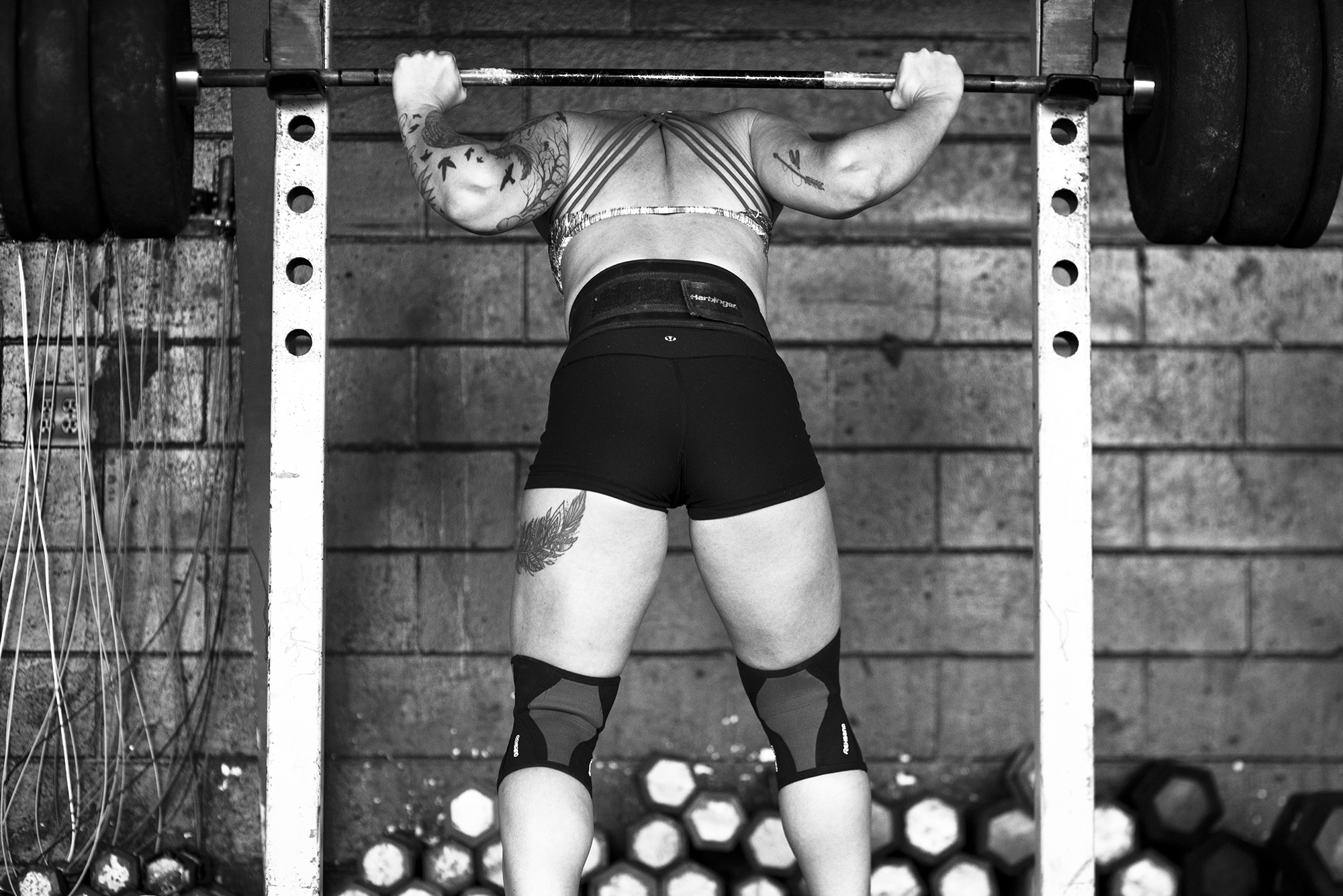
Black and White

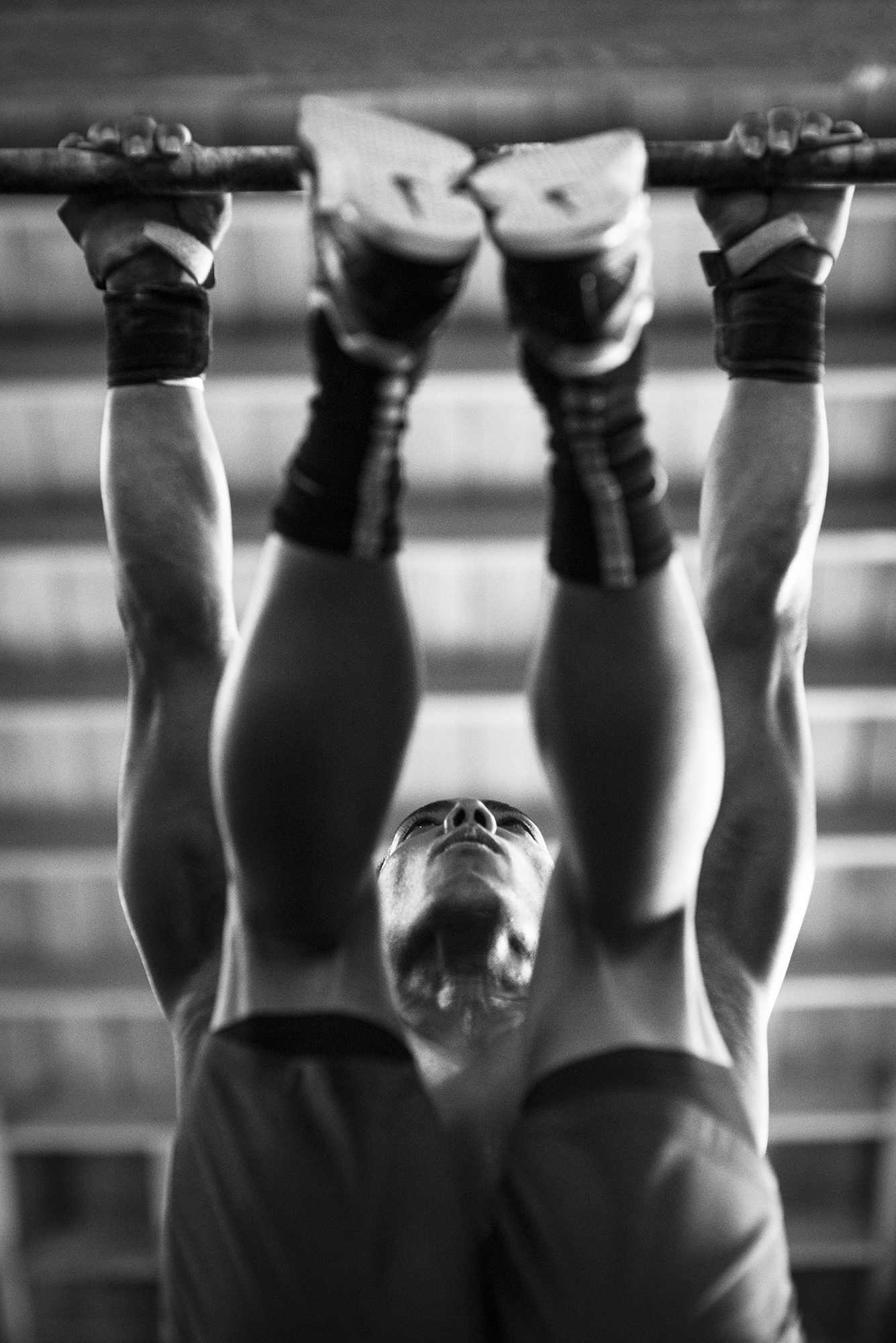
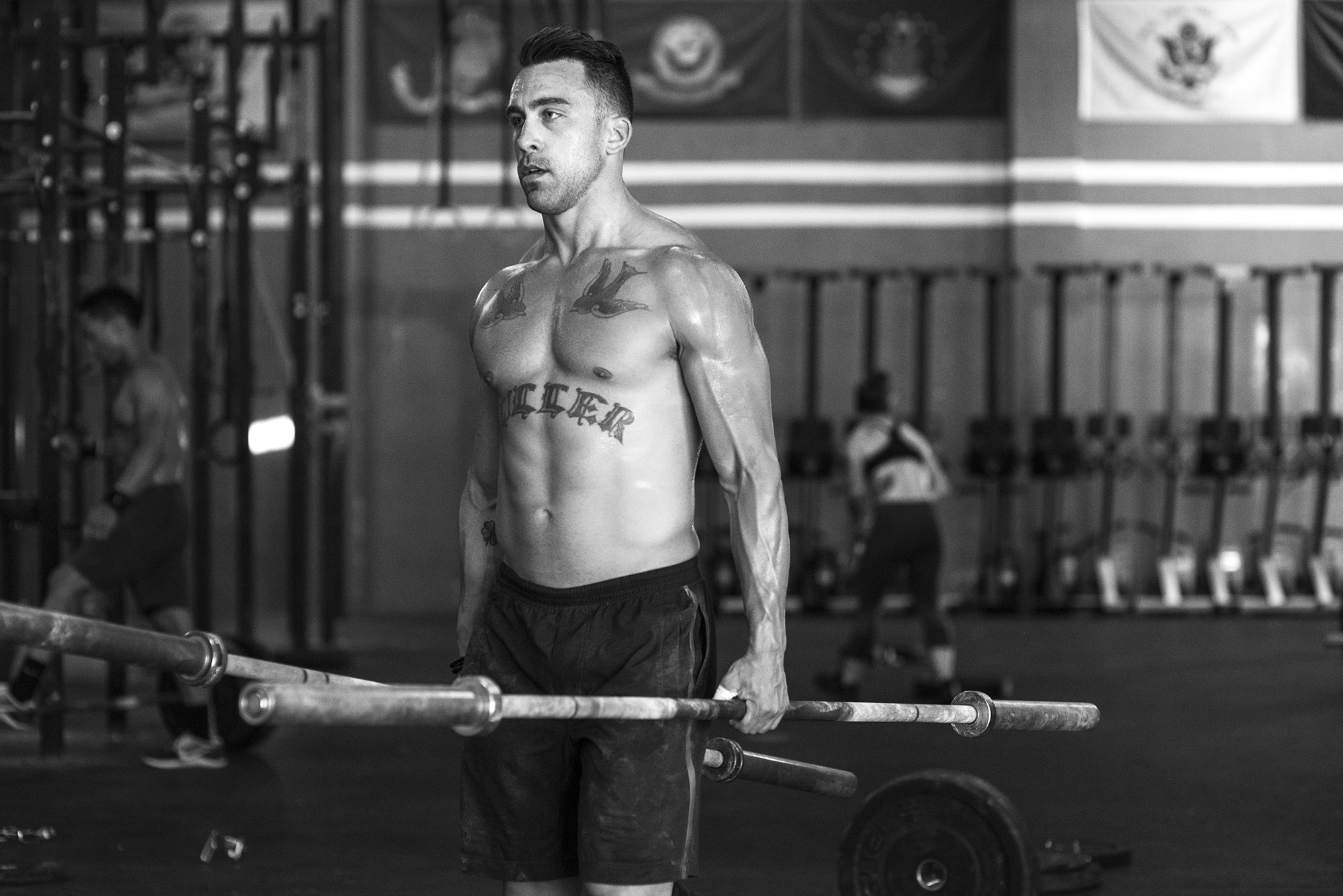
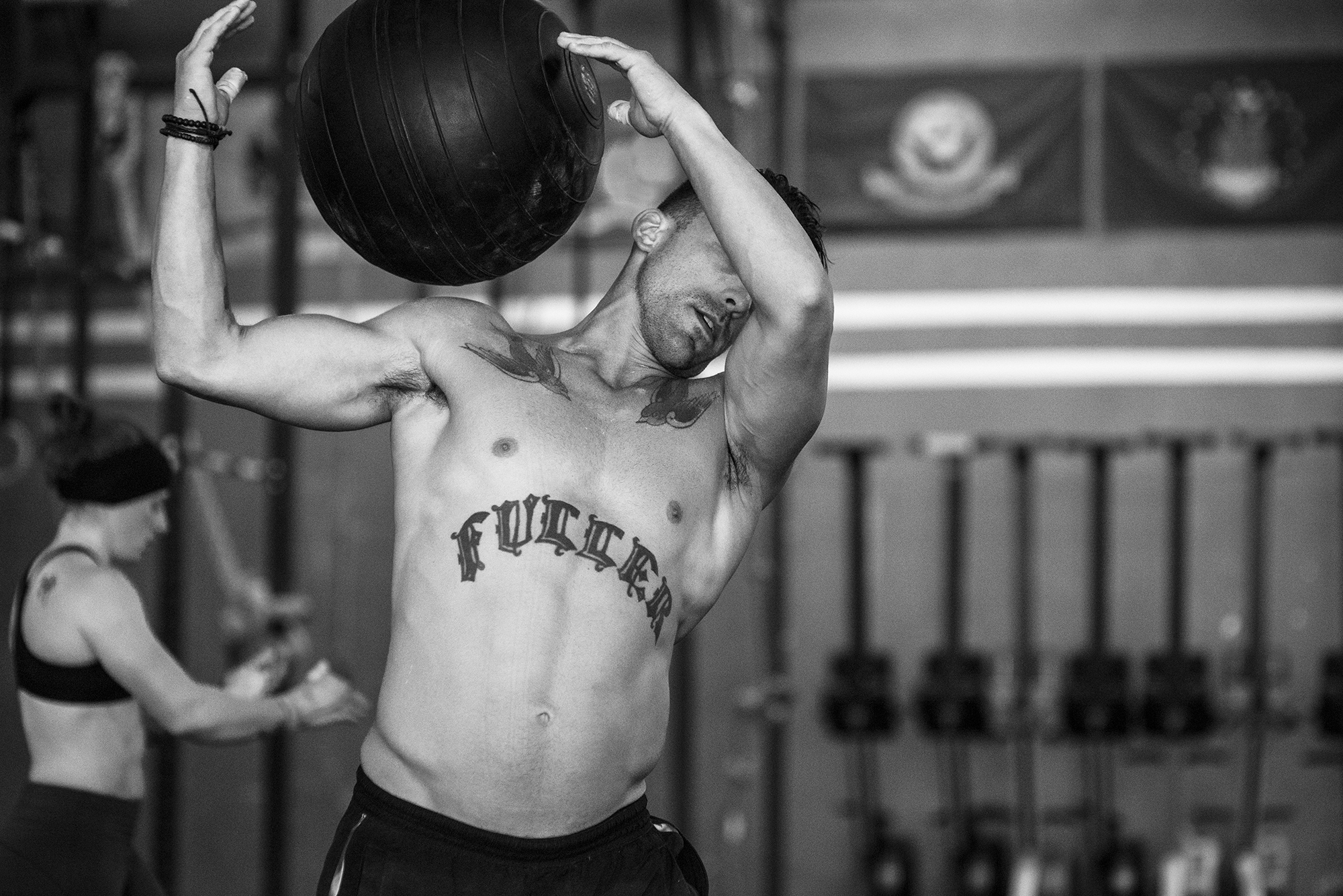
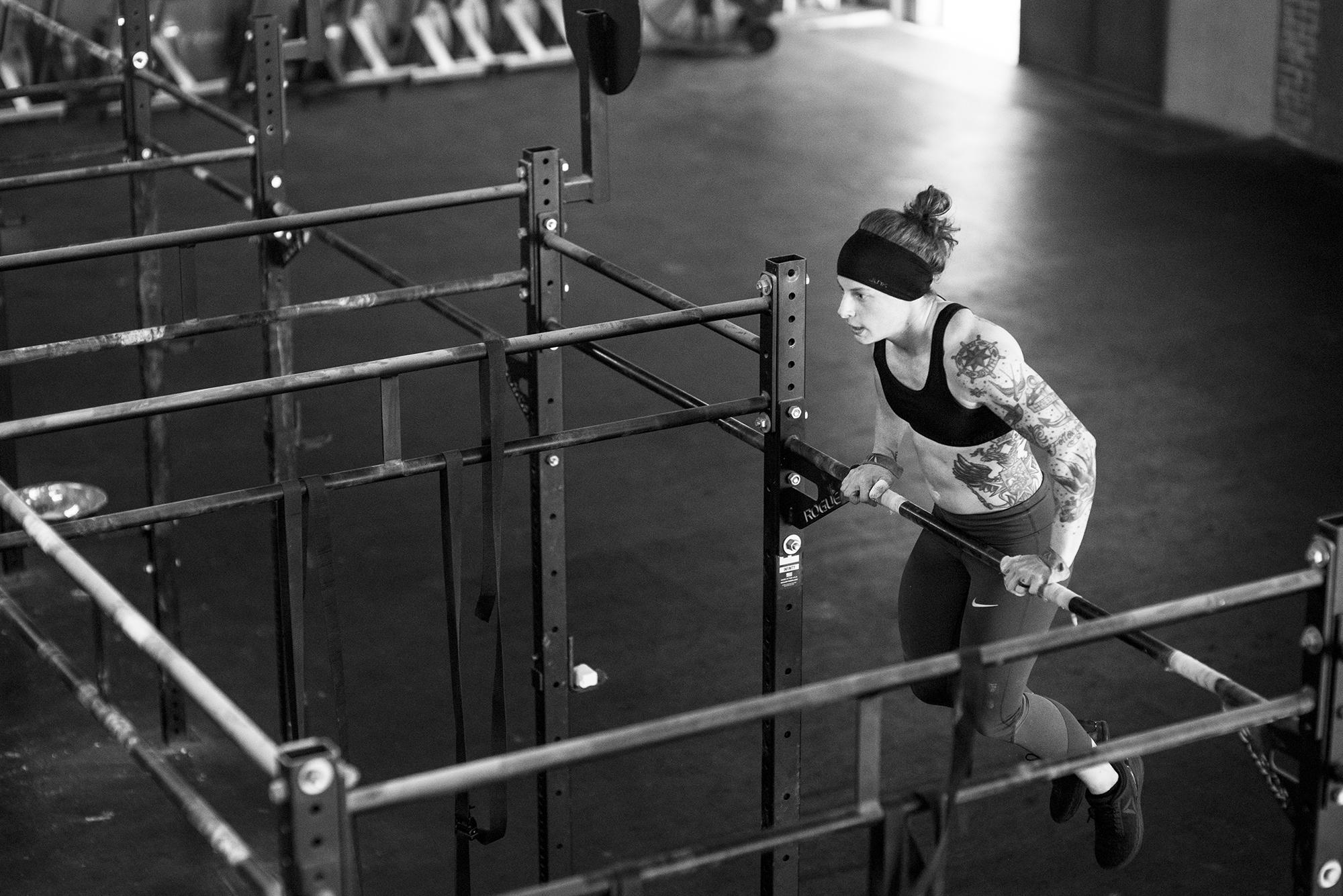
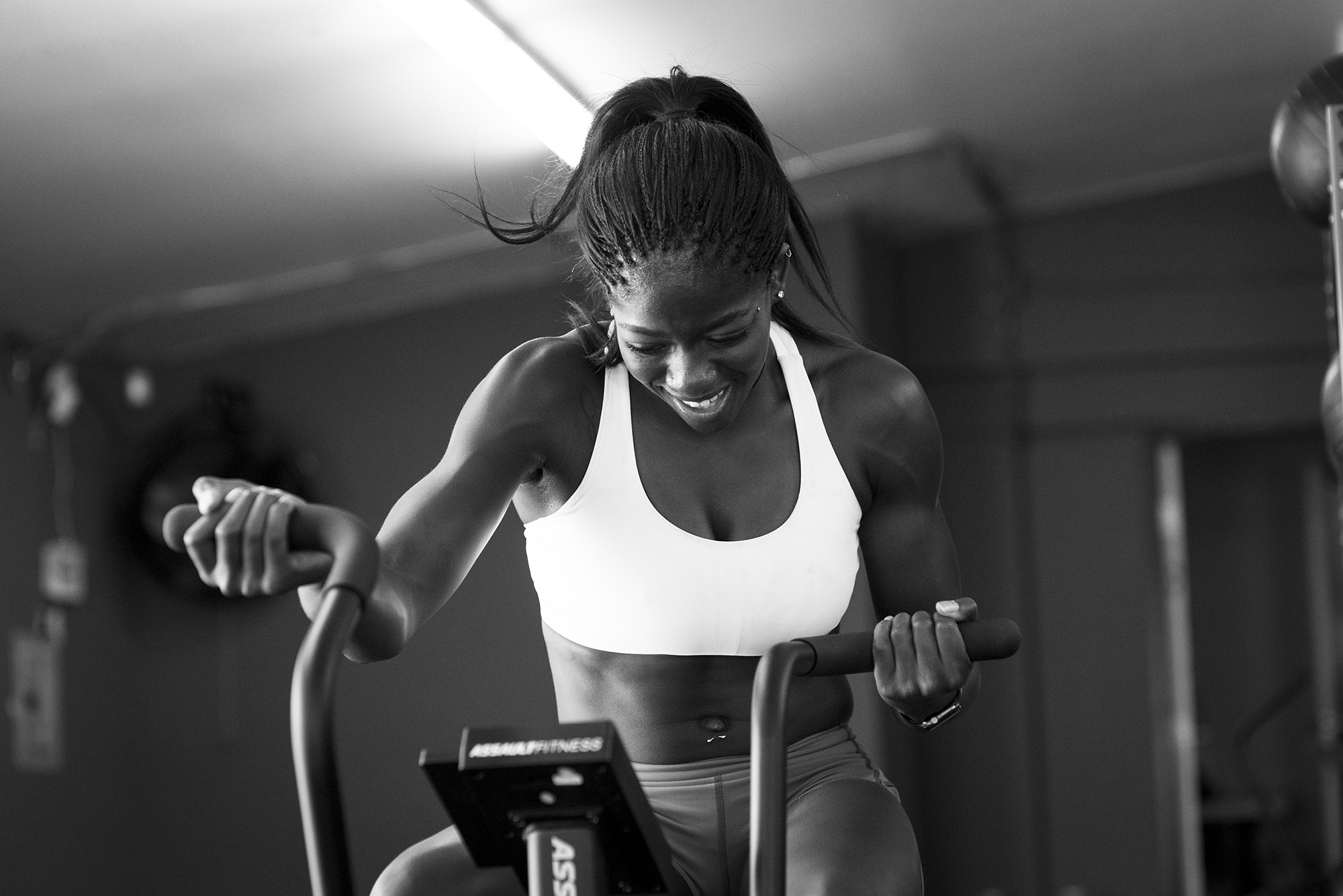
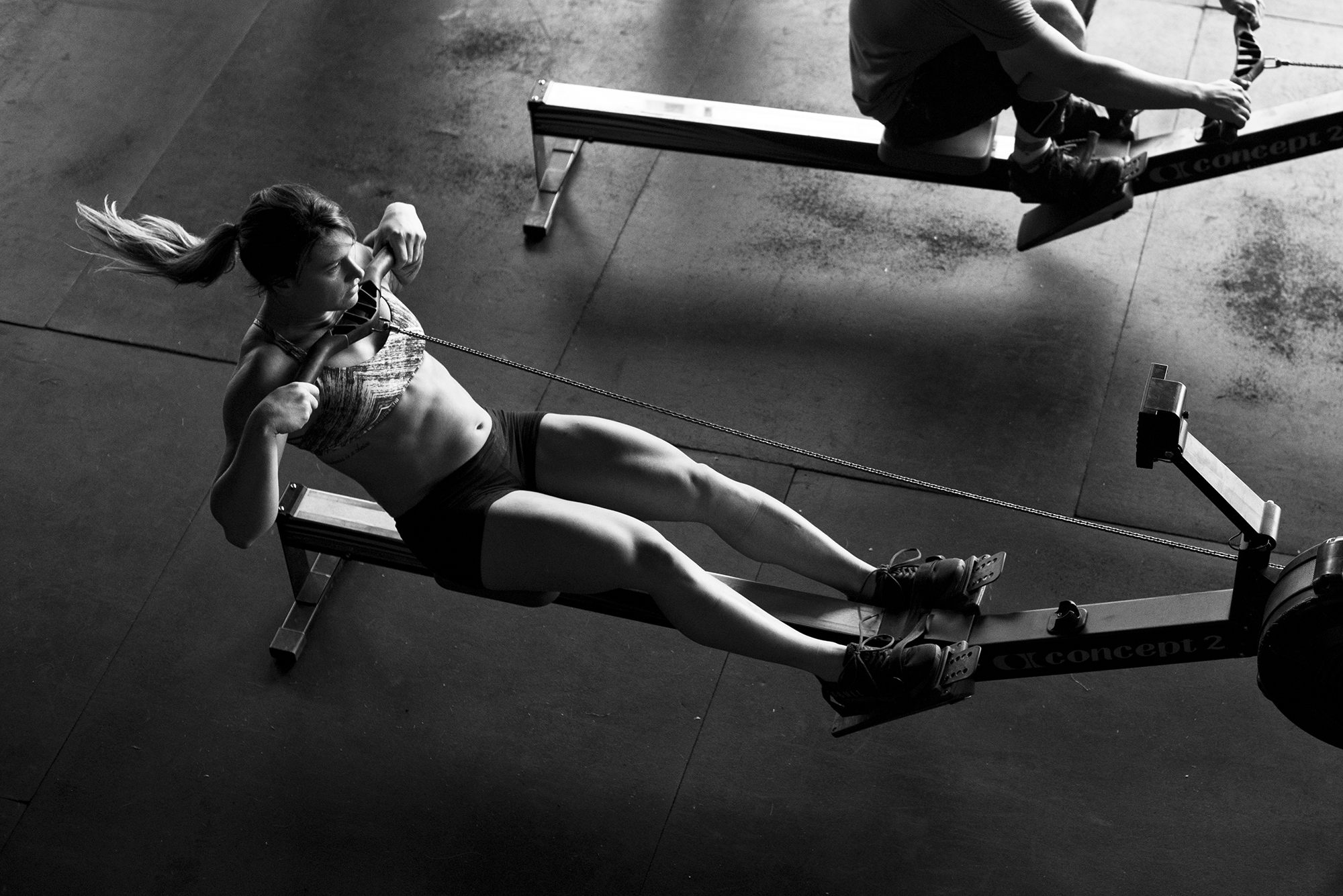
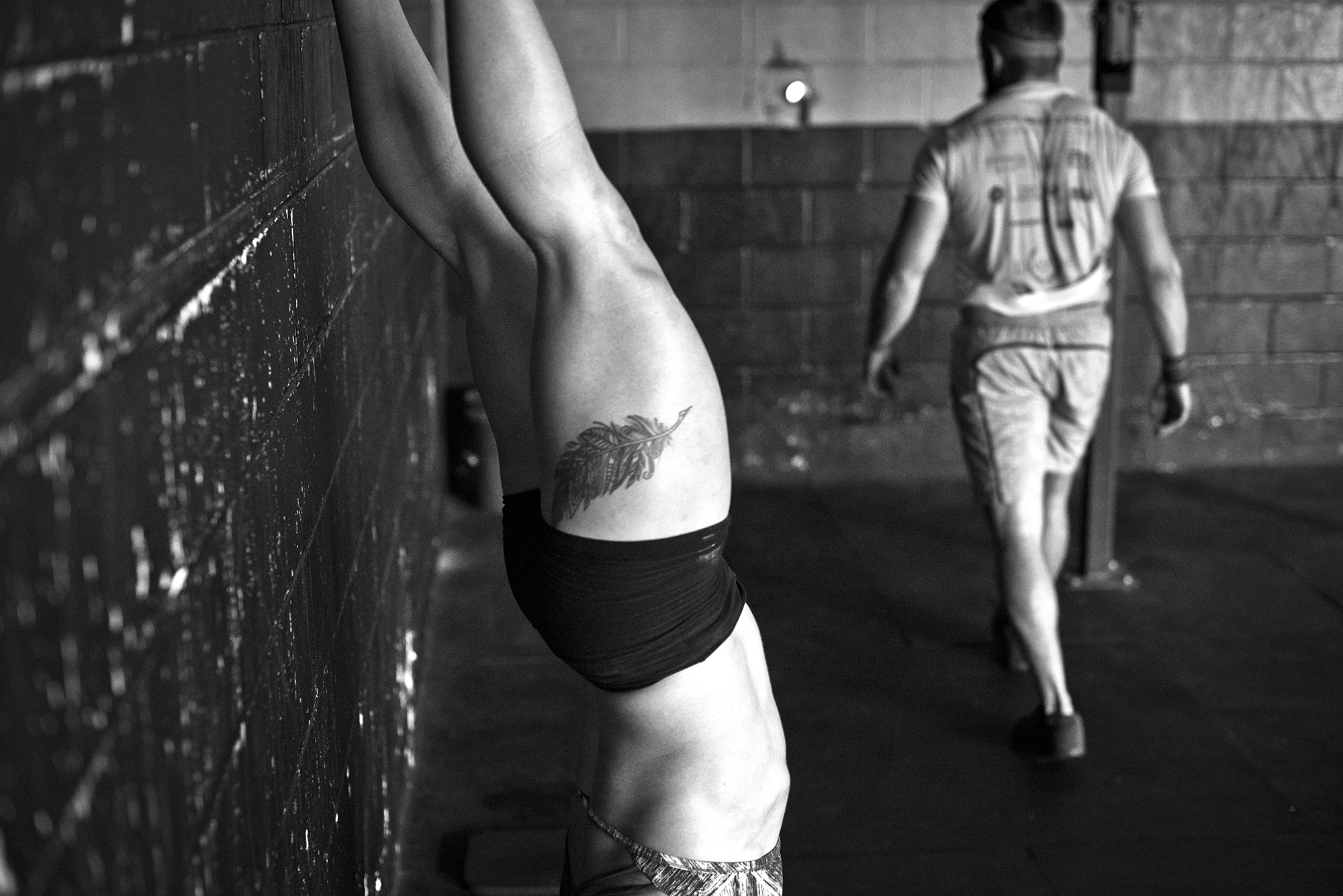
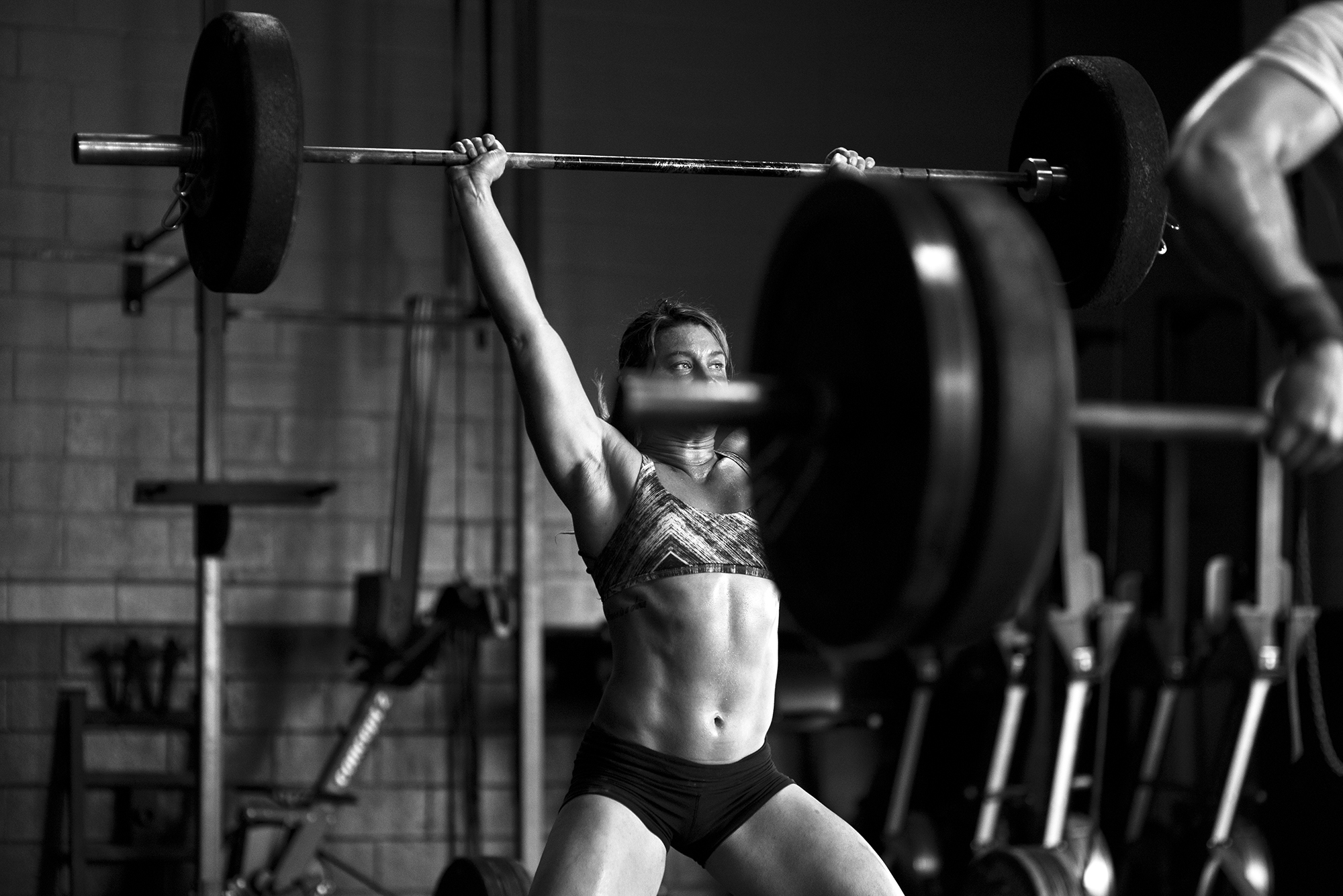
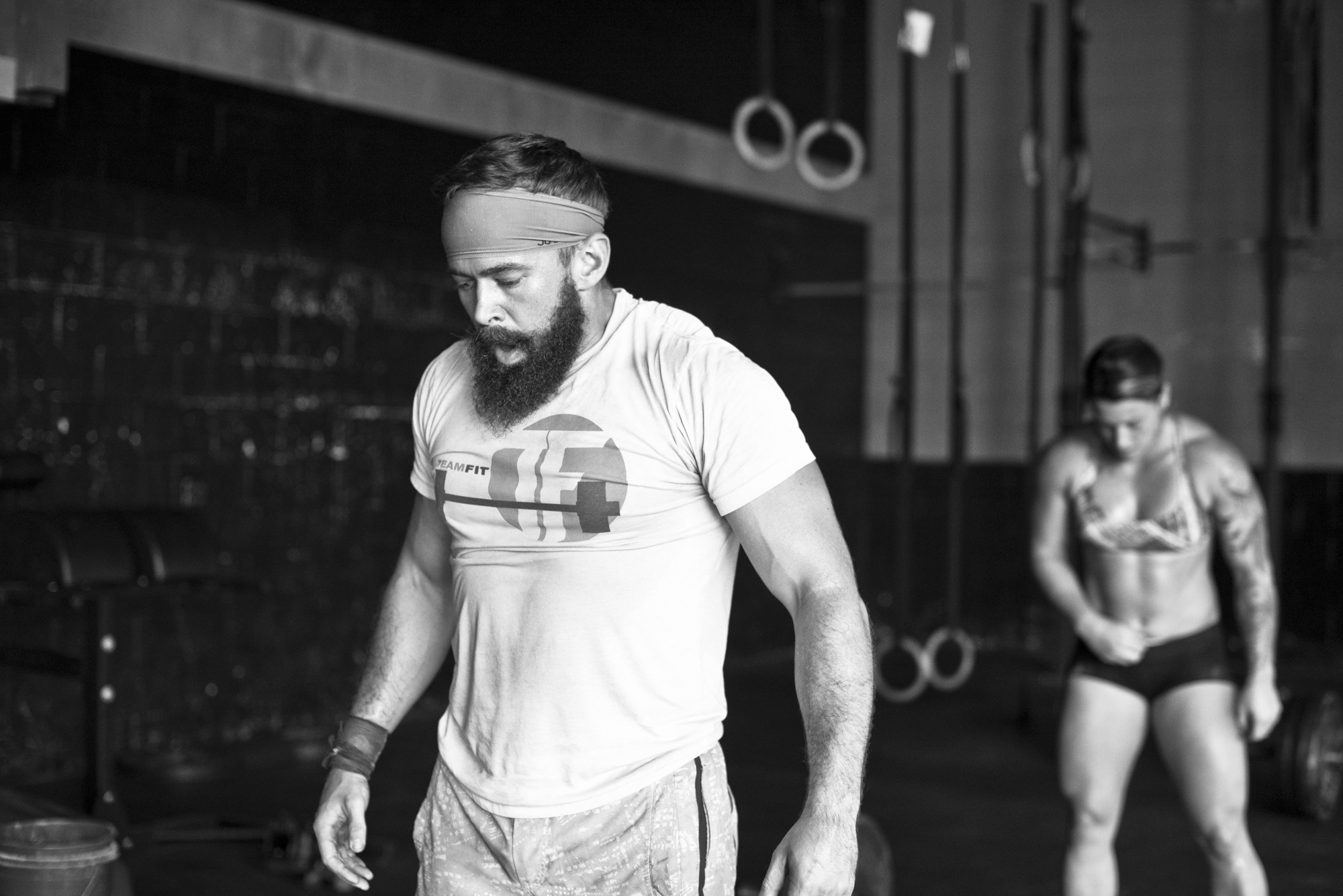
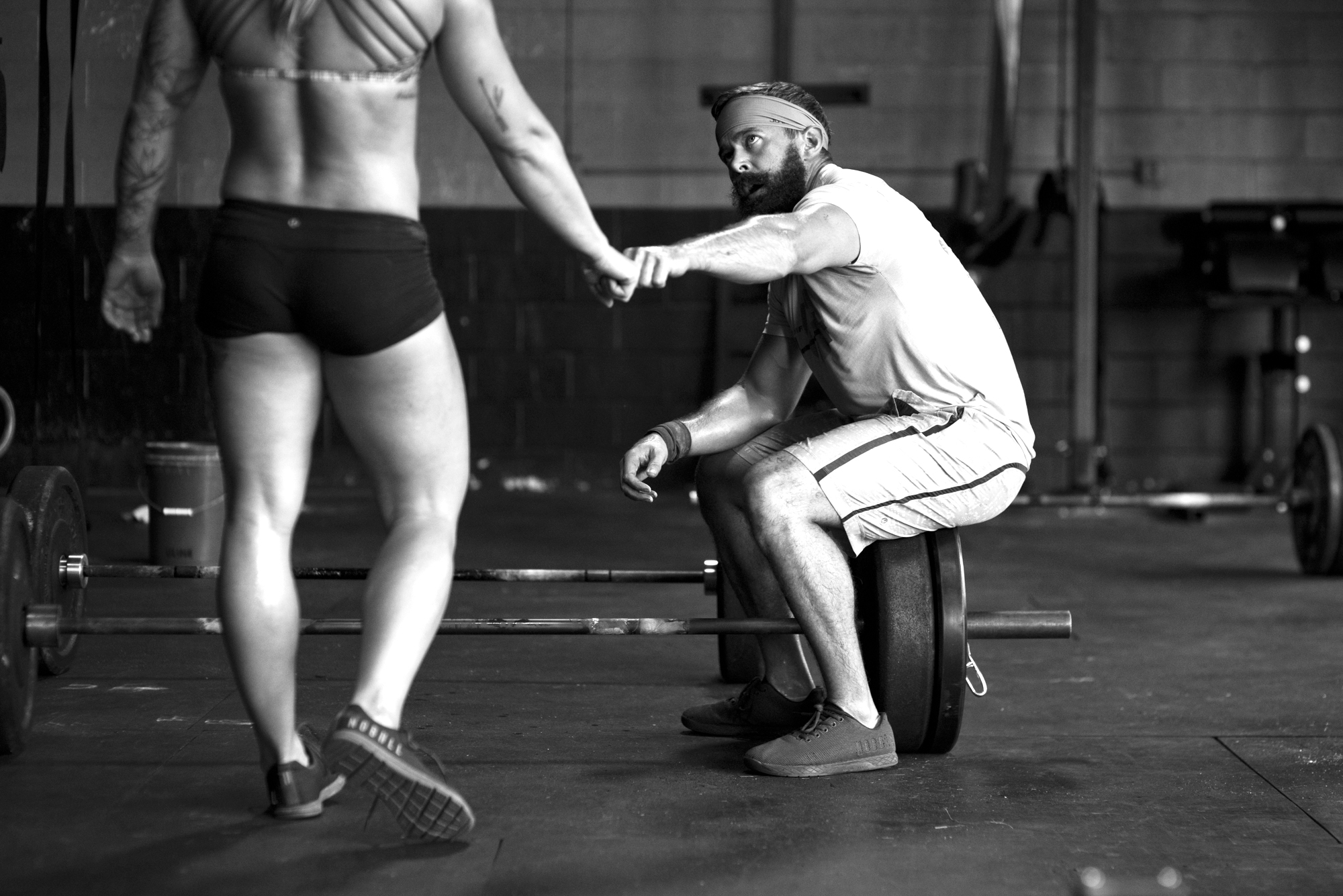
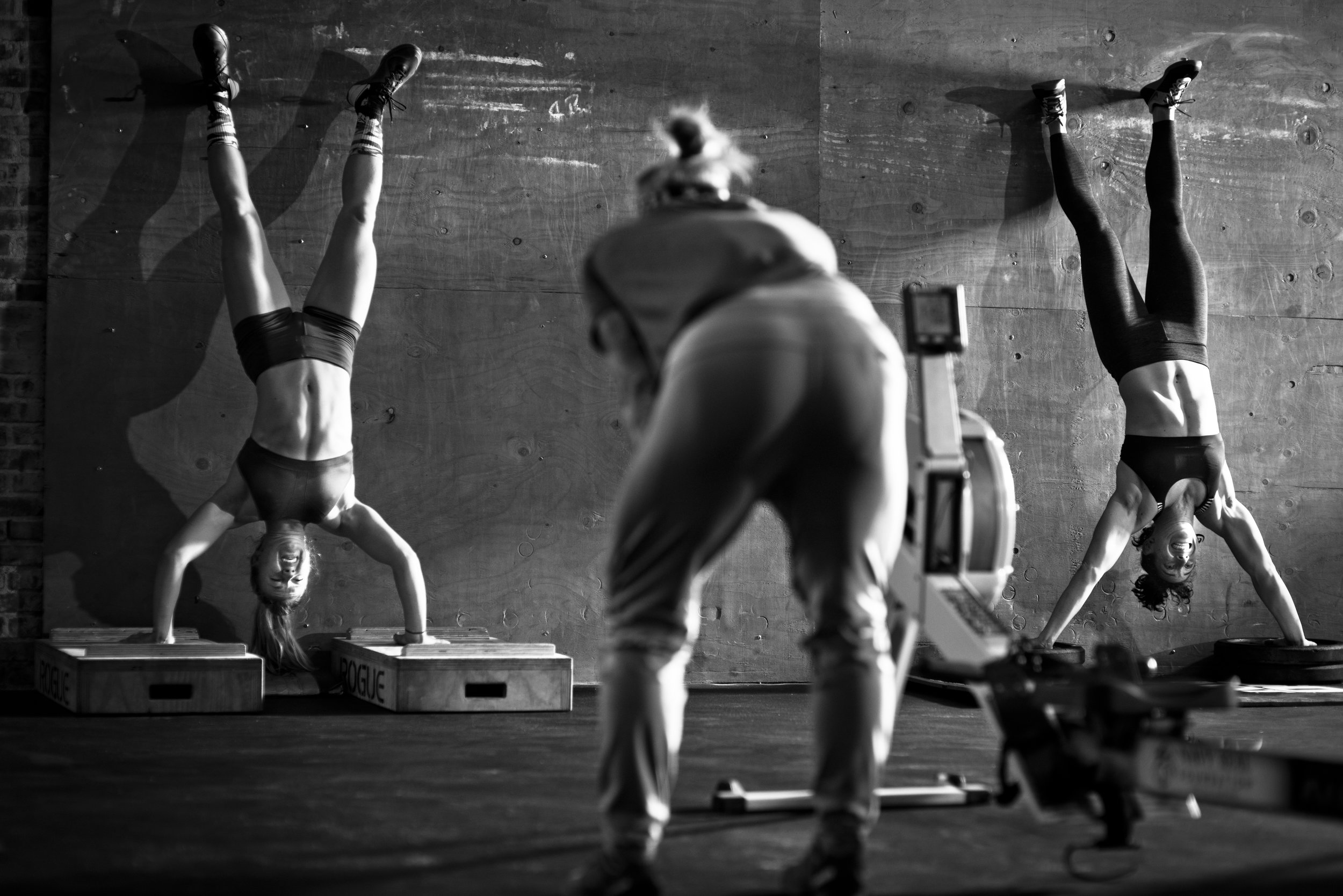
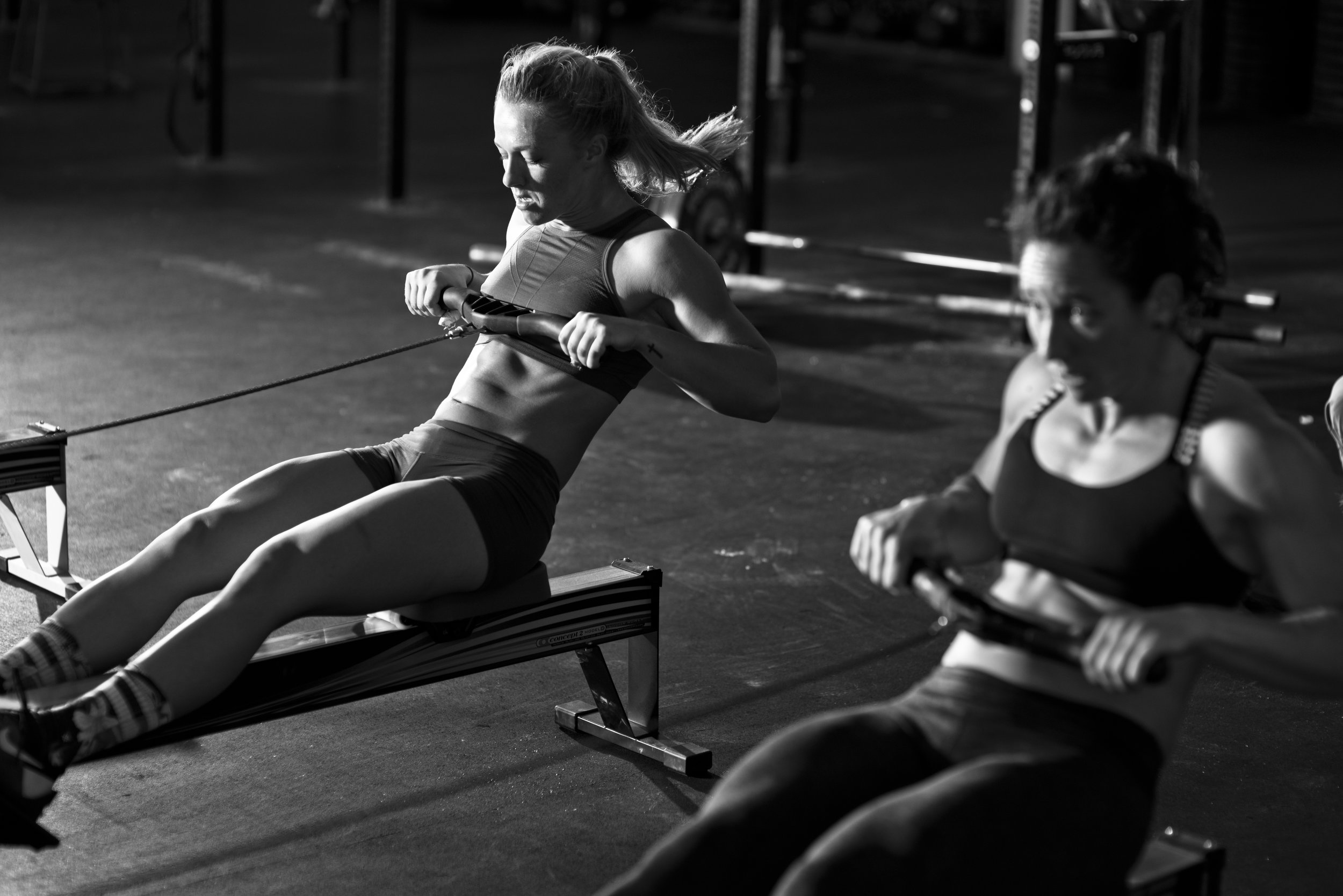
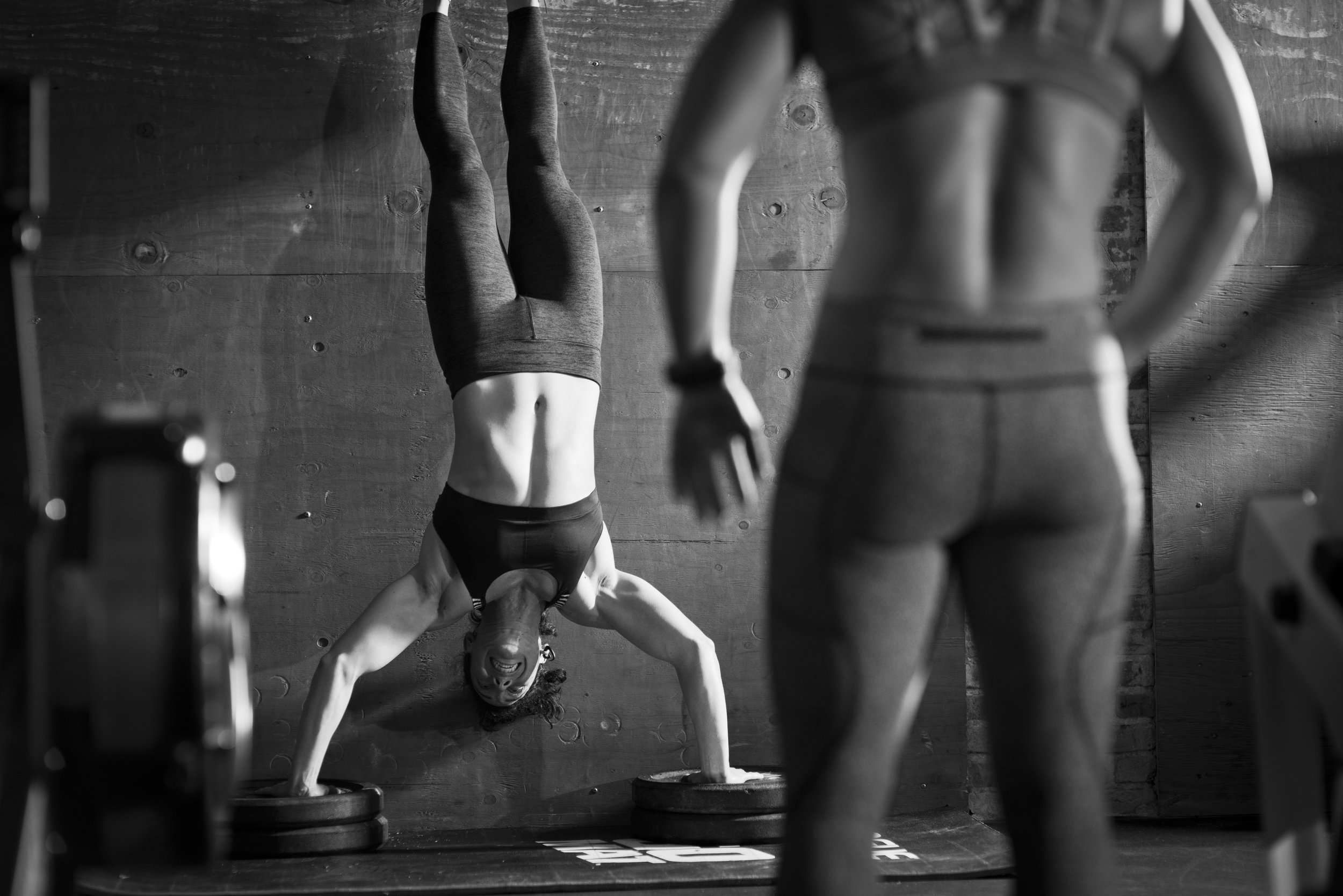
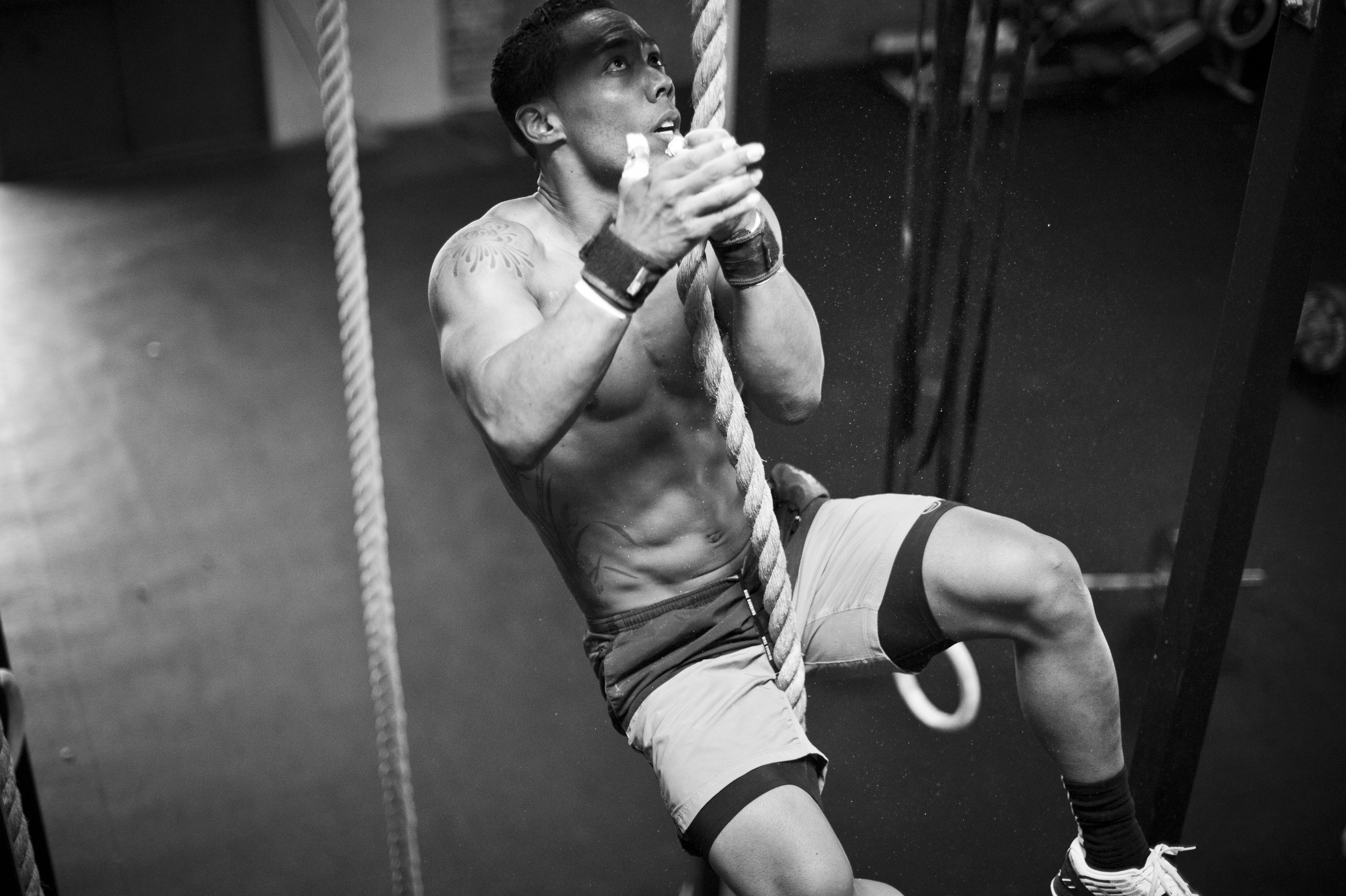
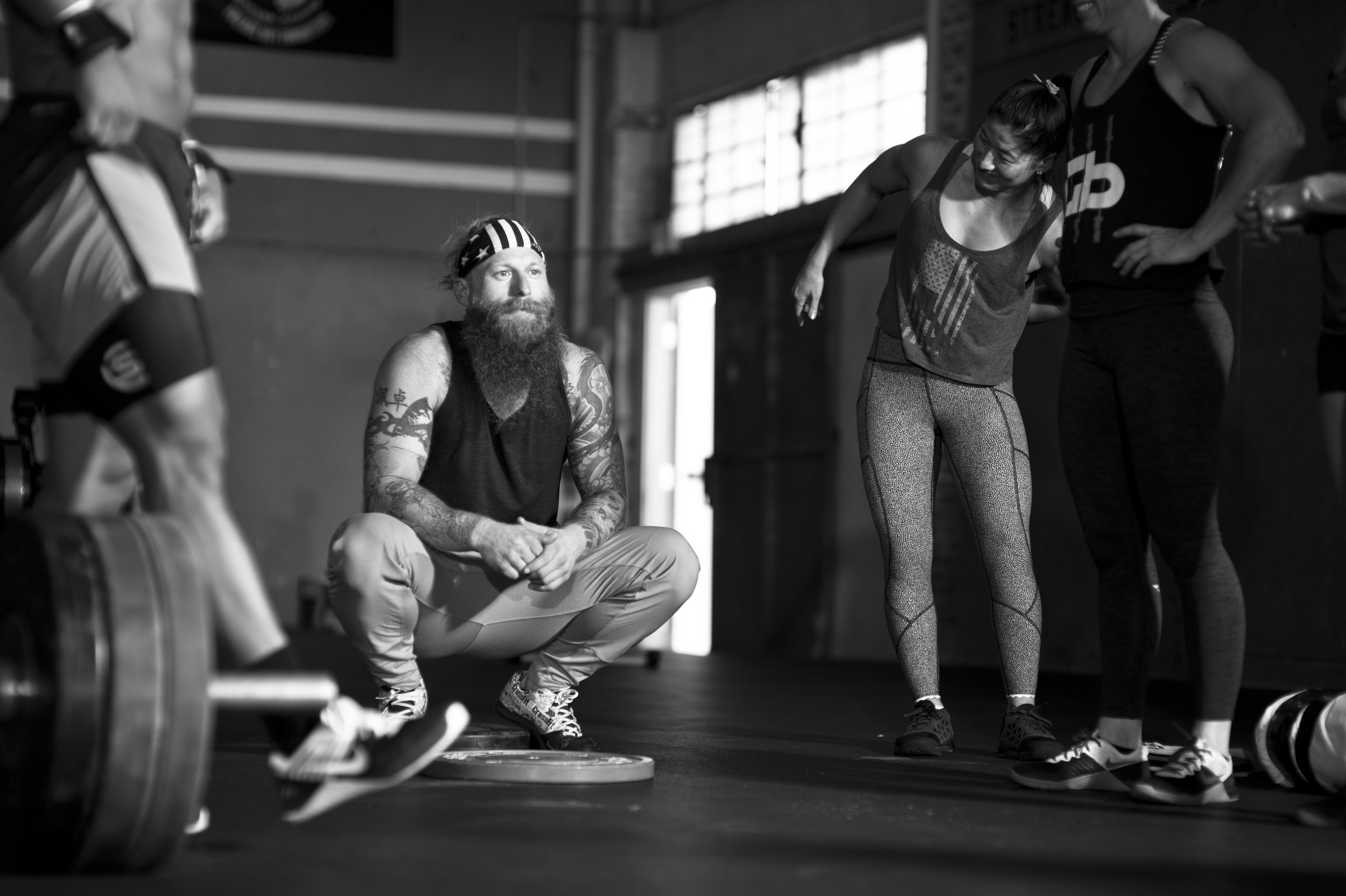
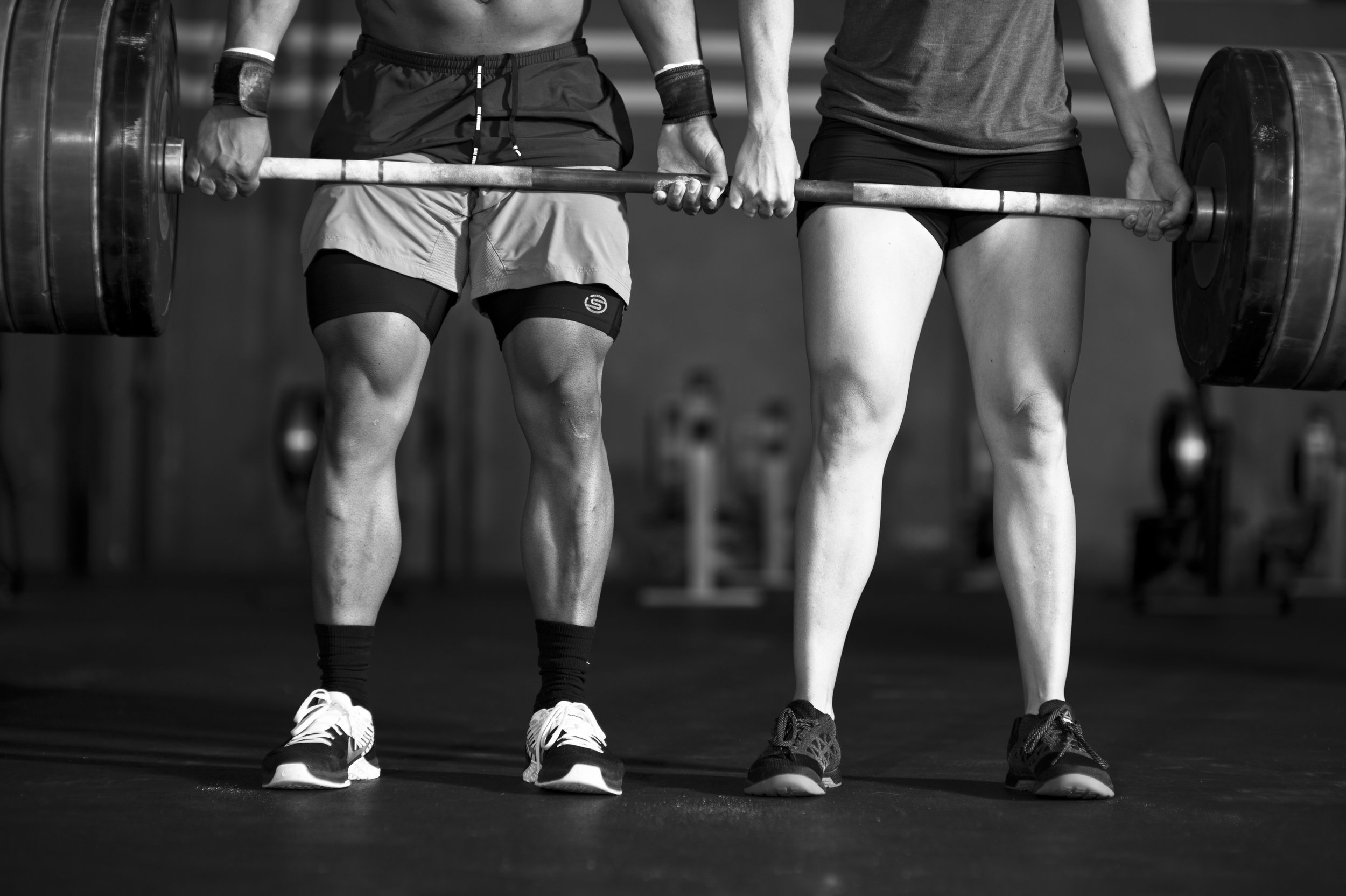
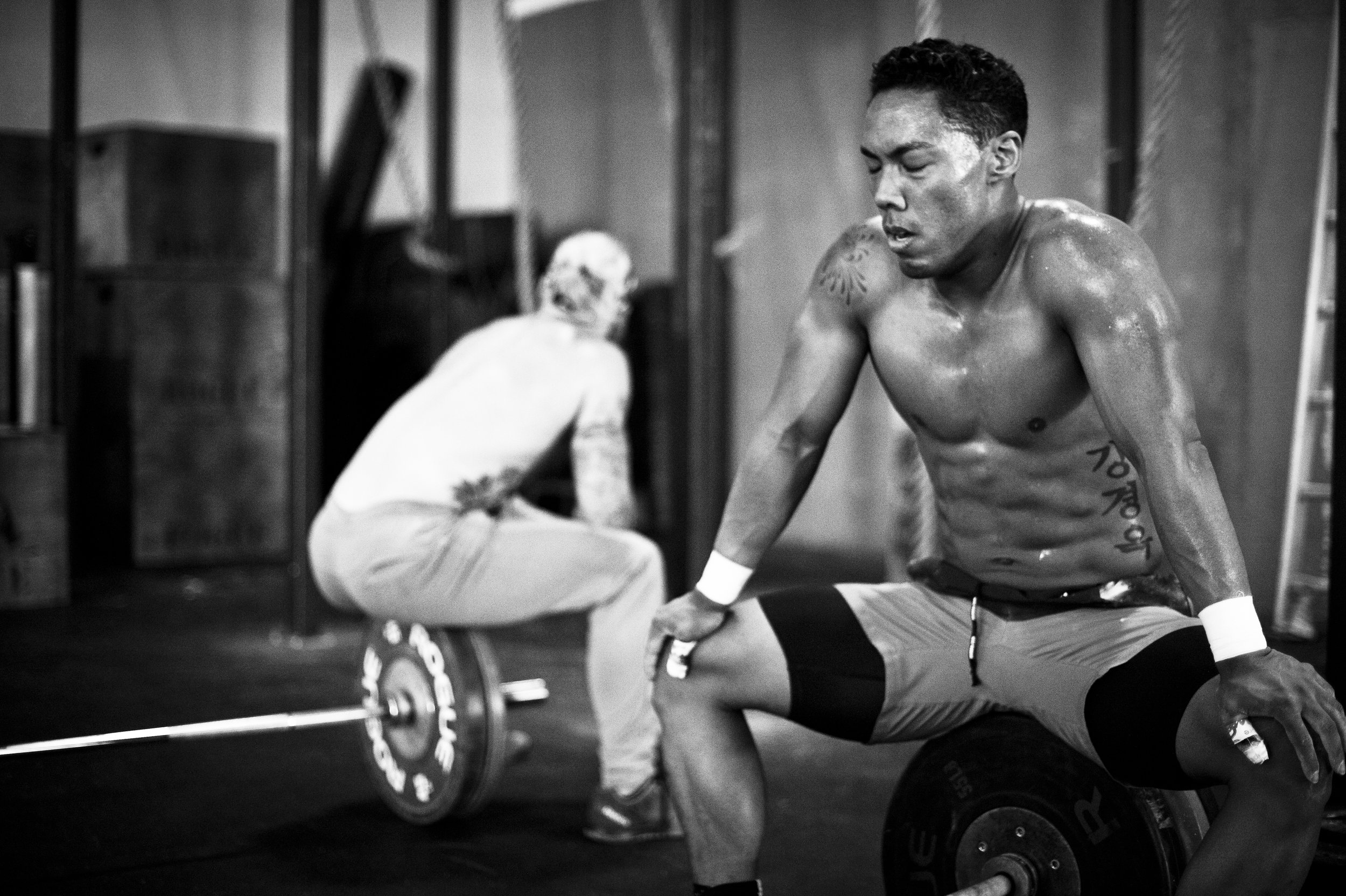
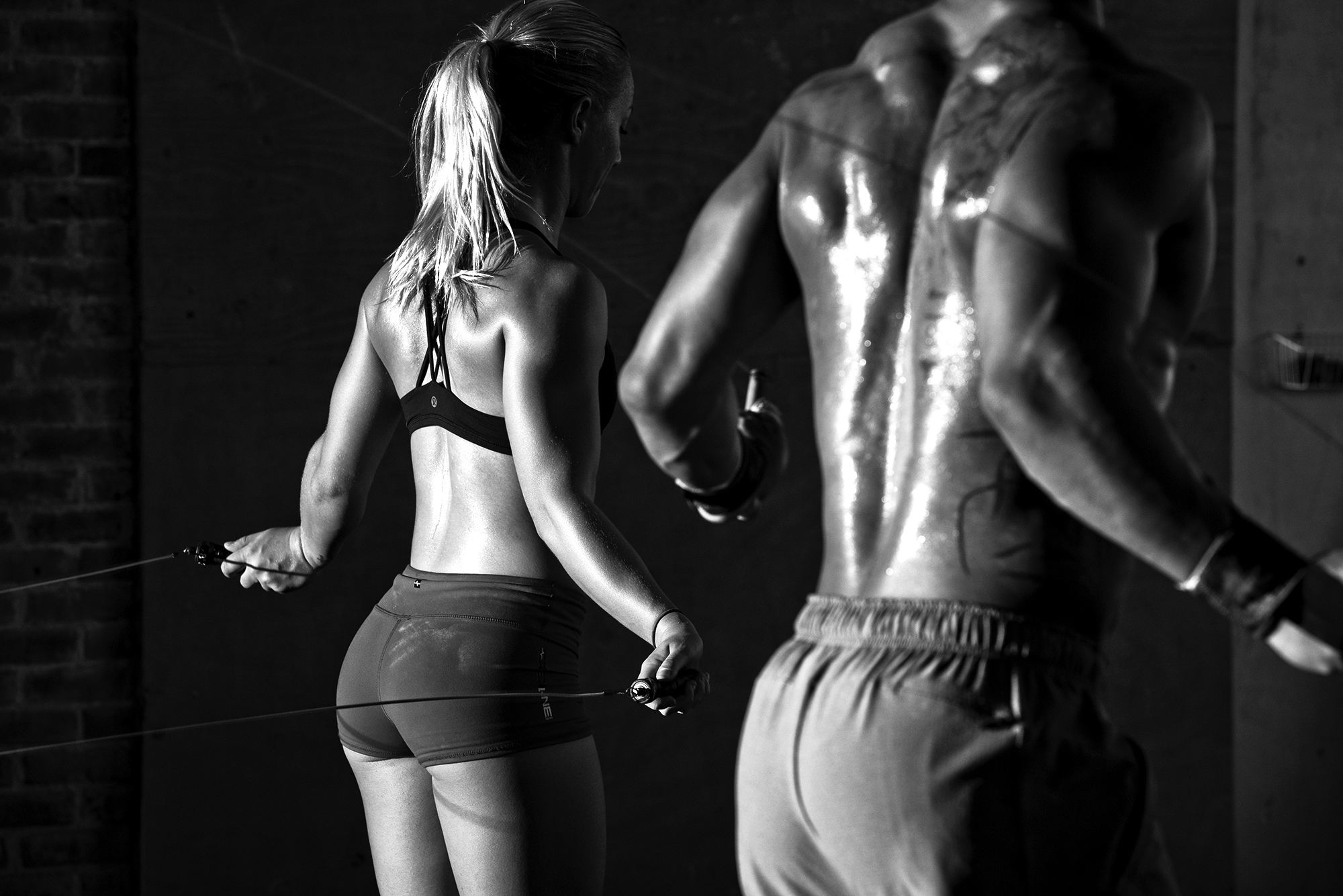
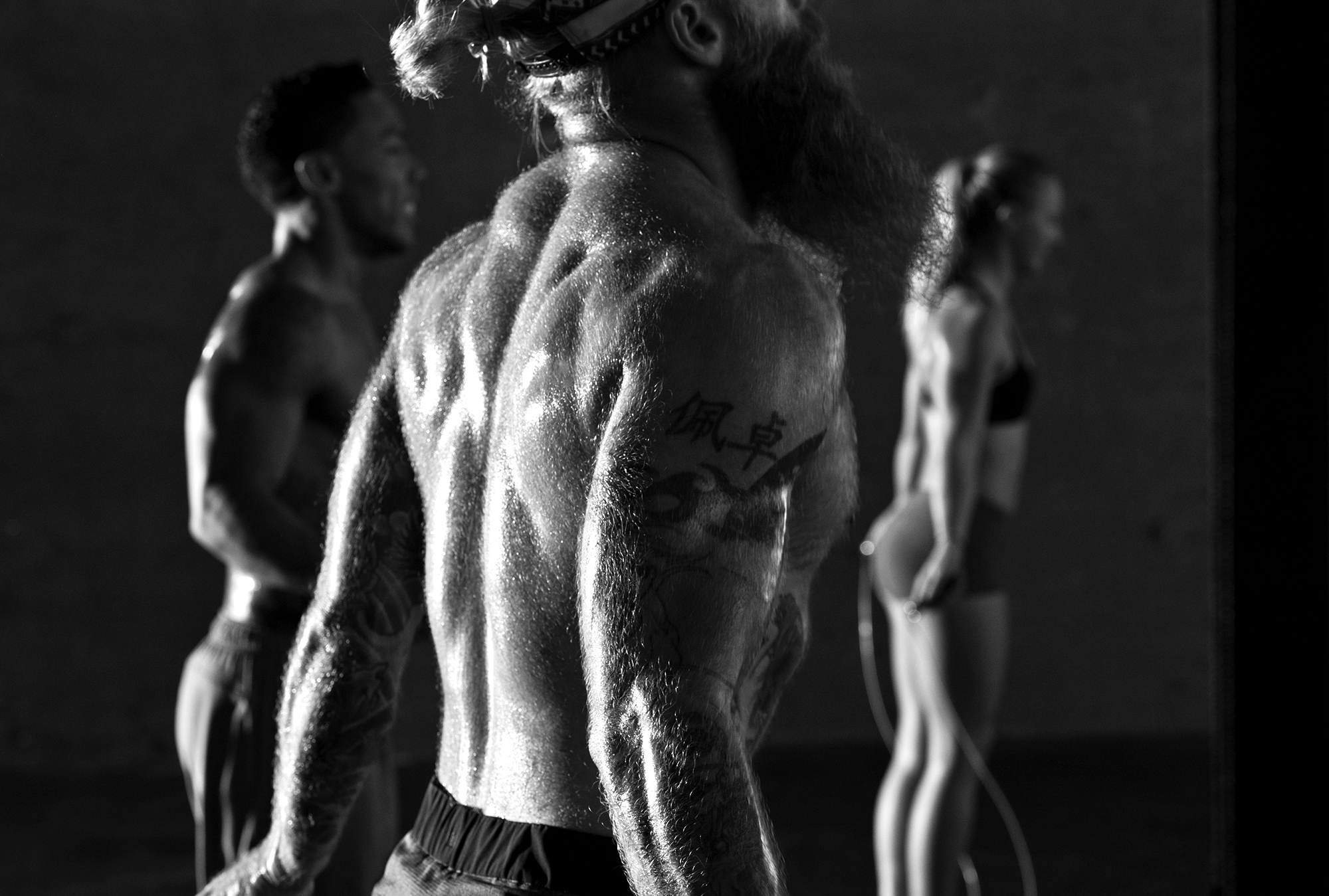
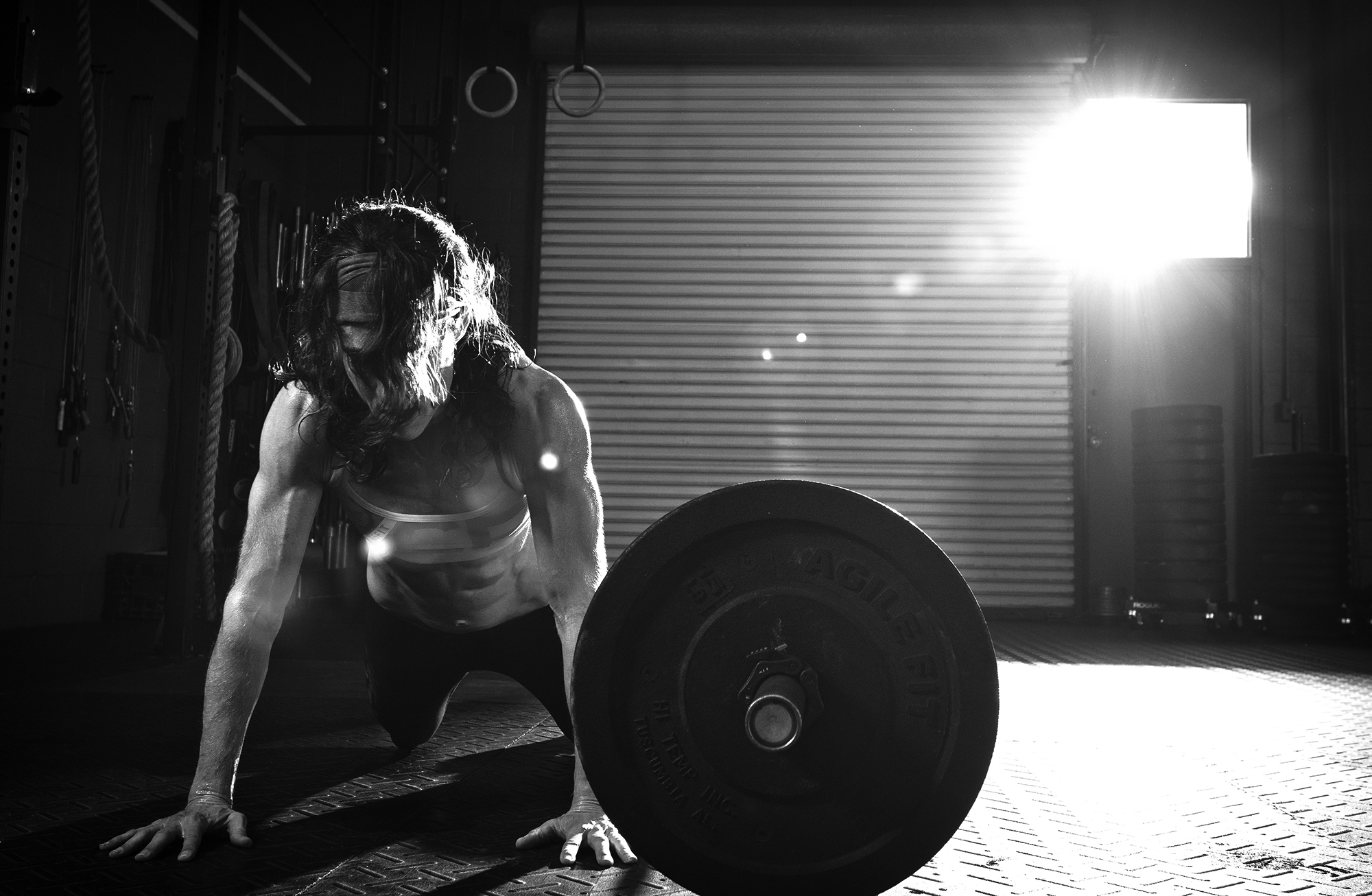
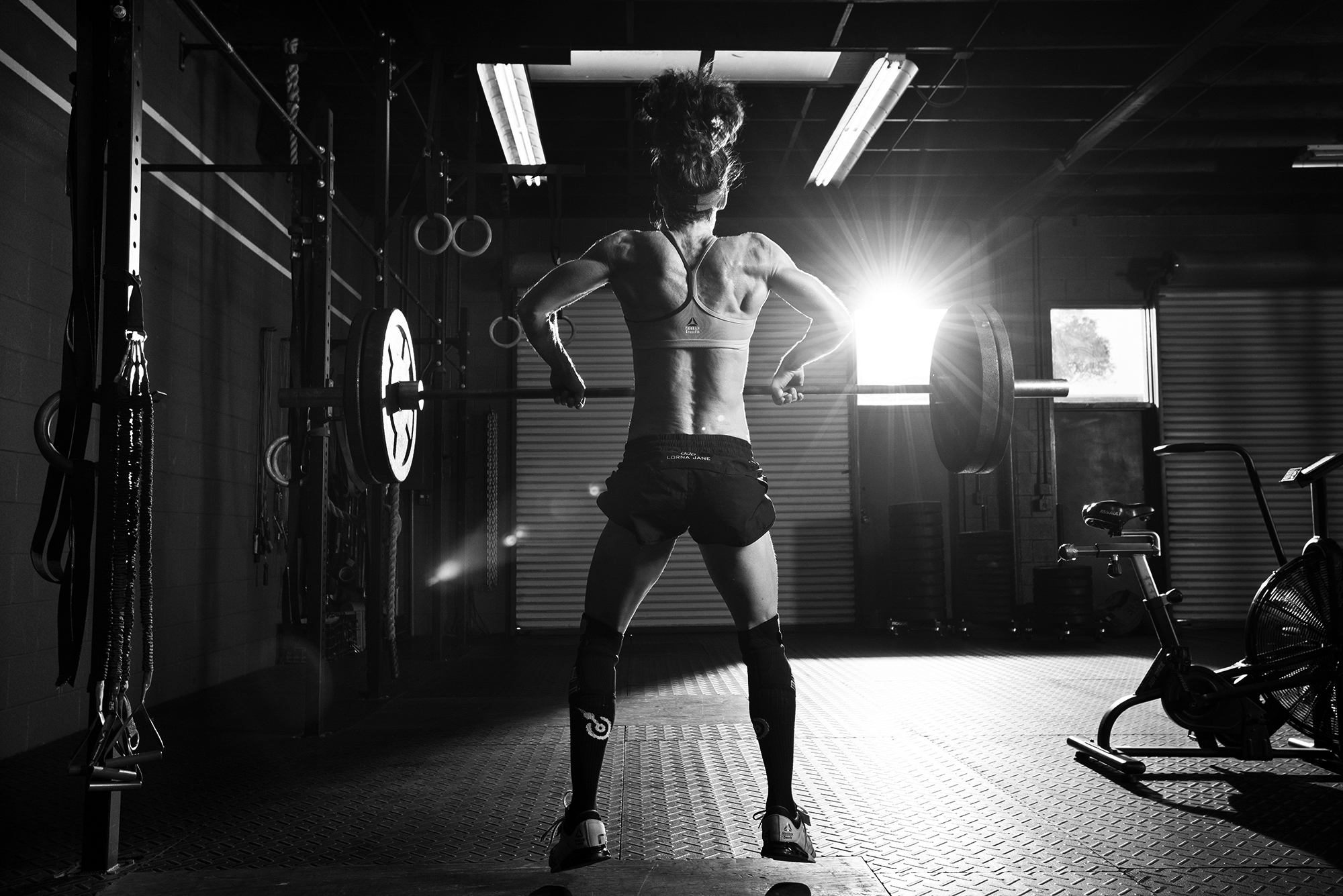
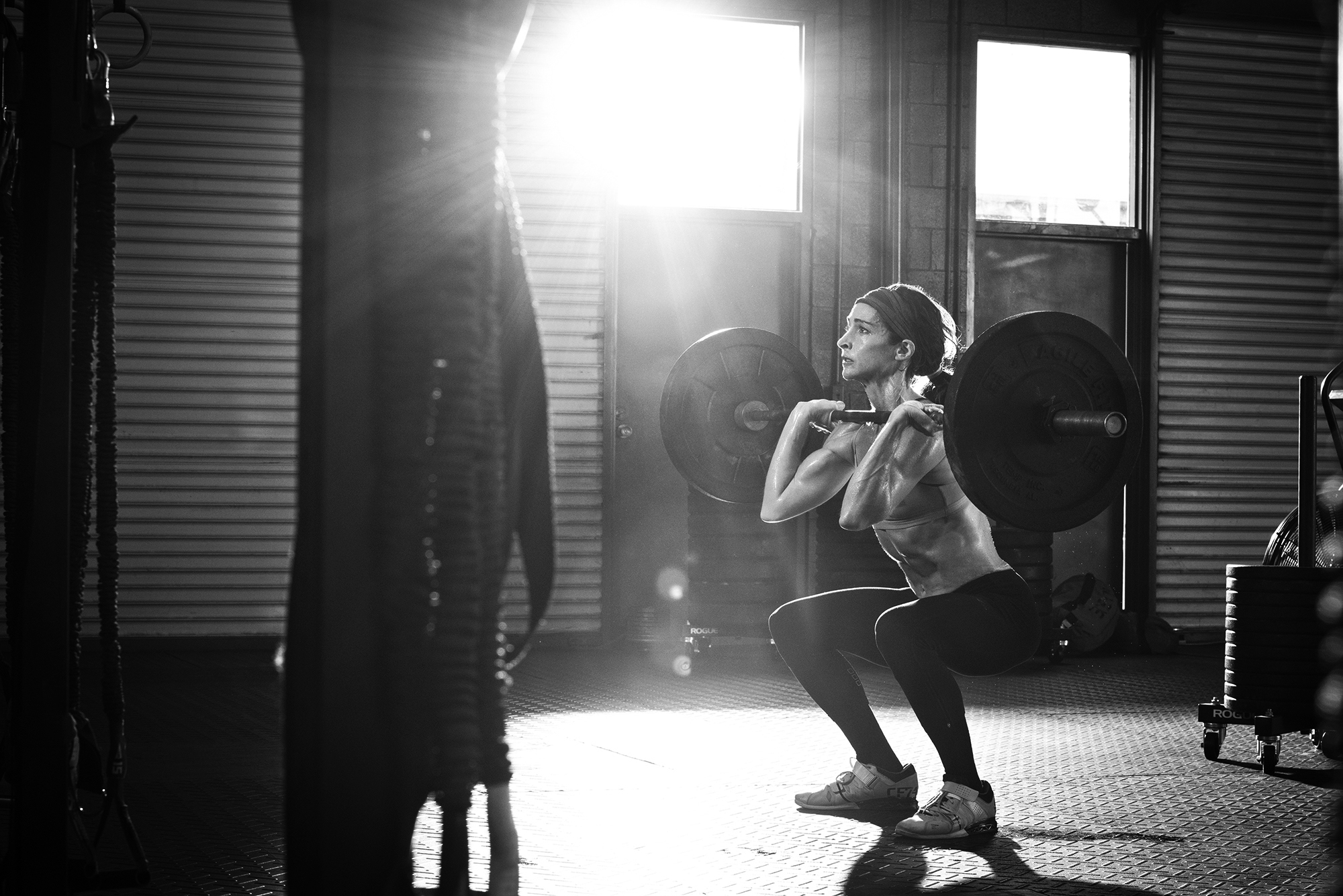
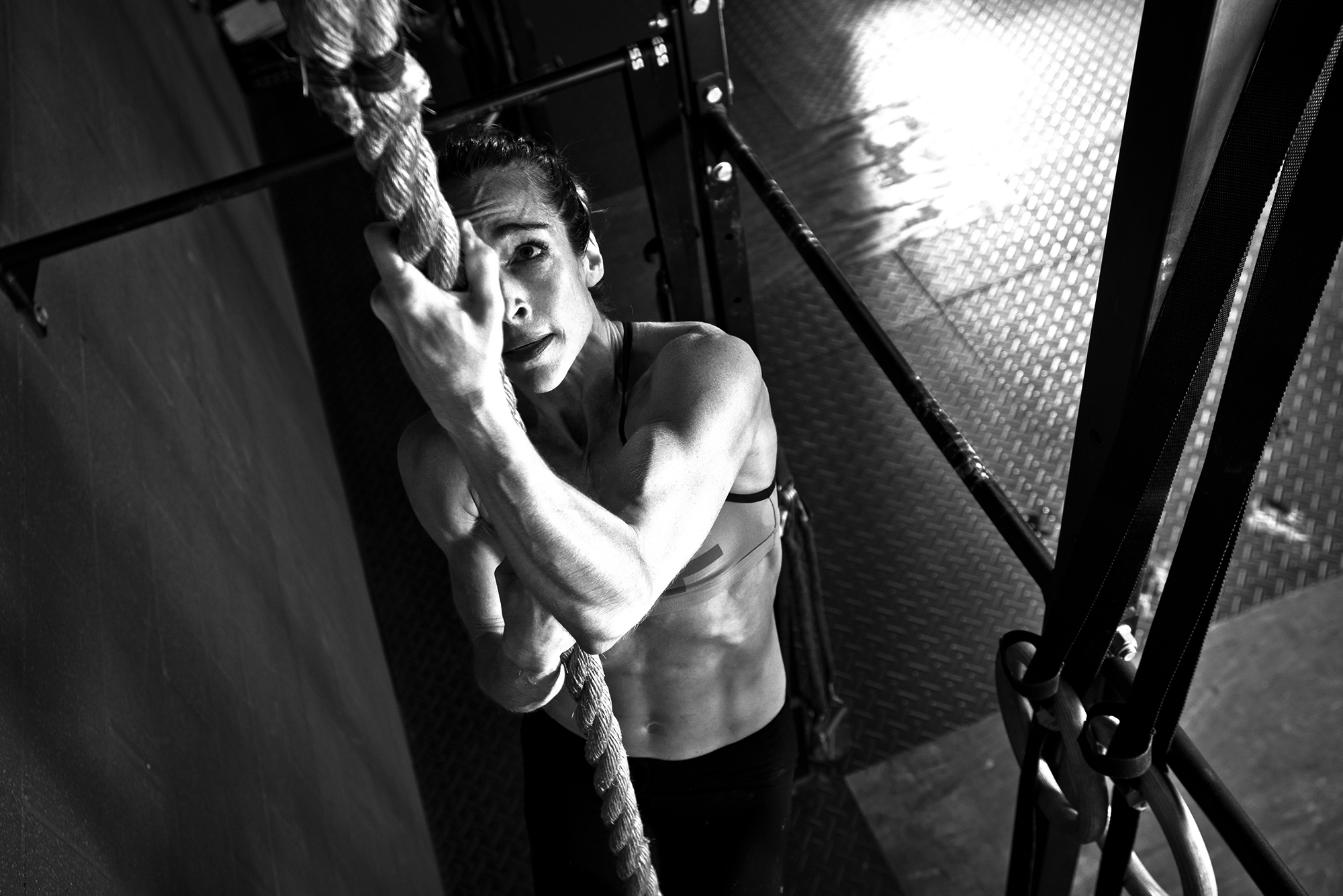
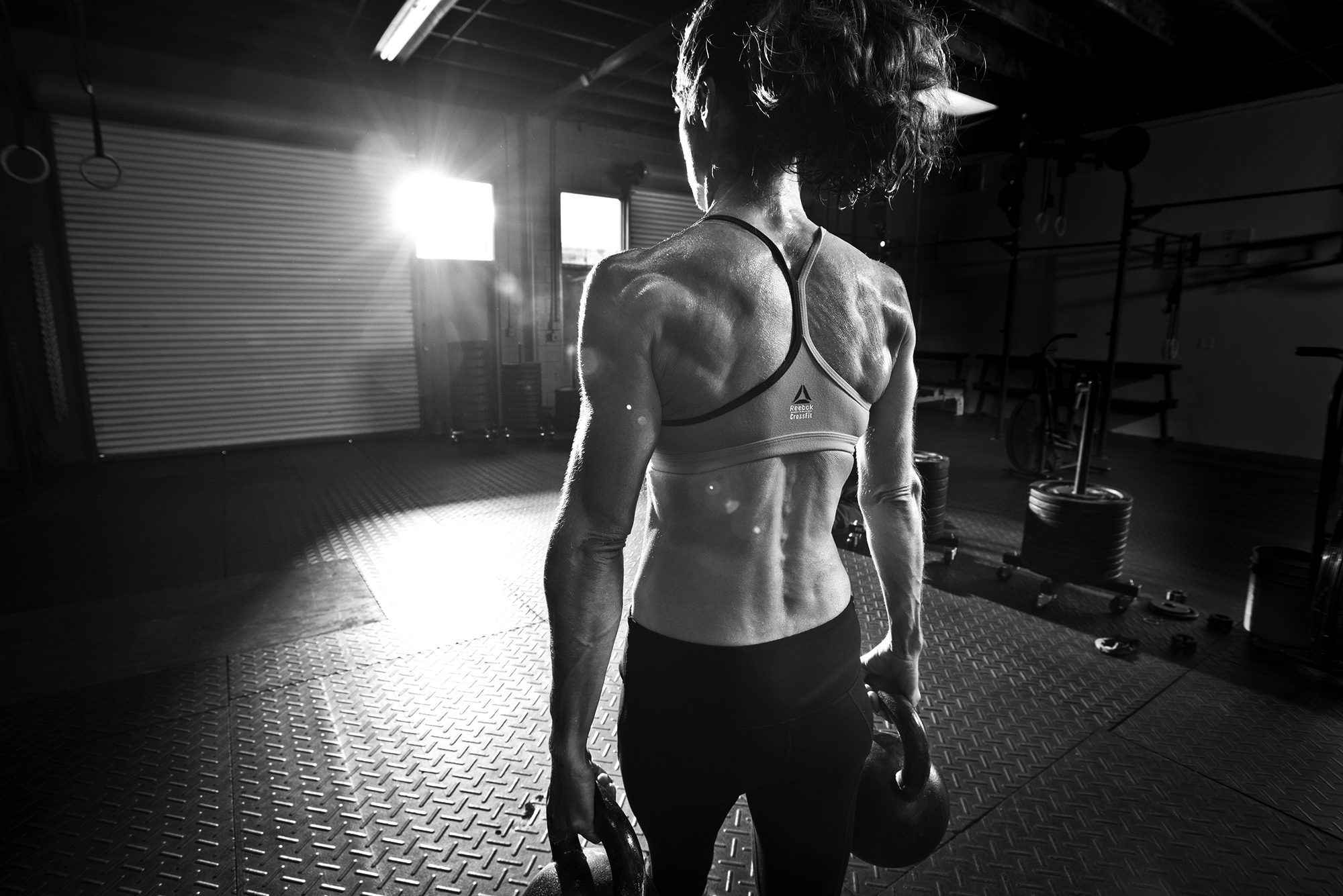
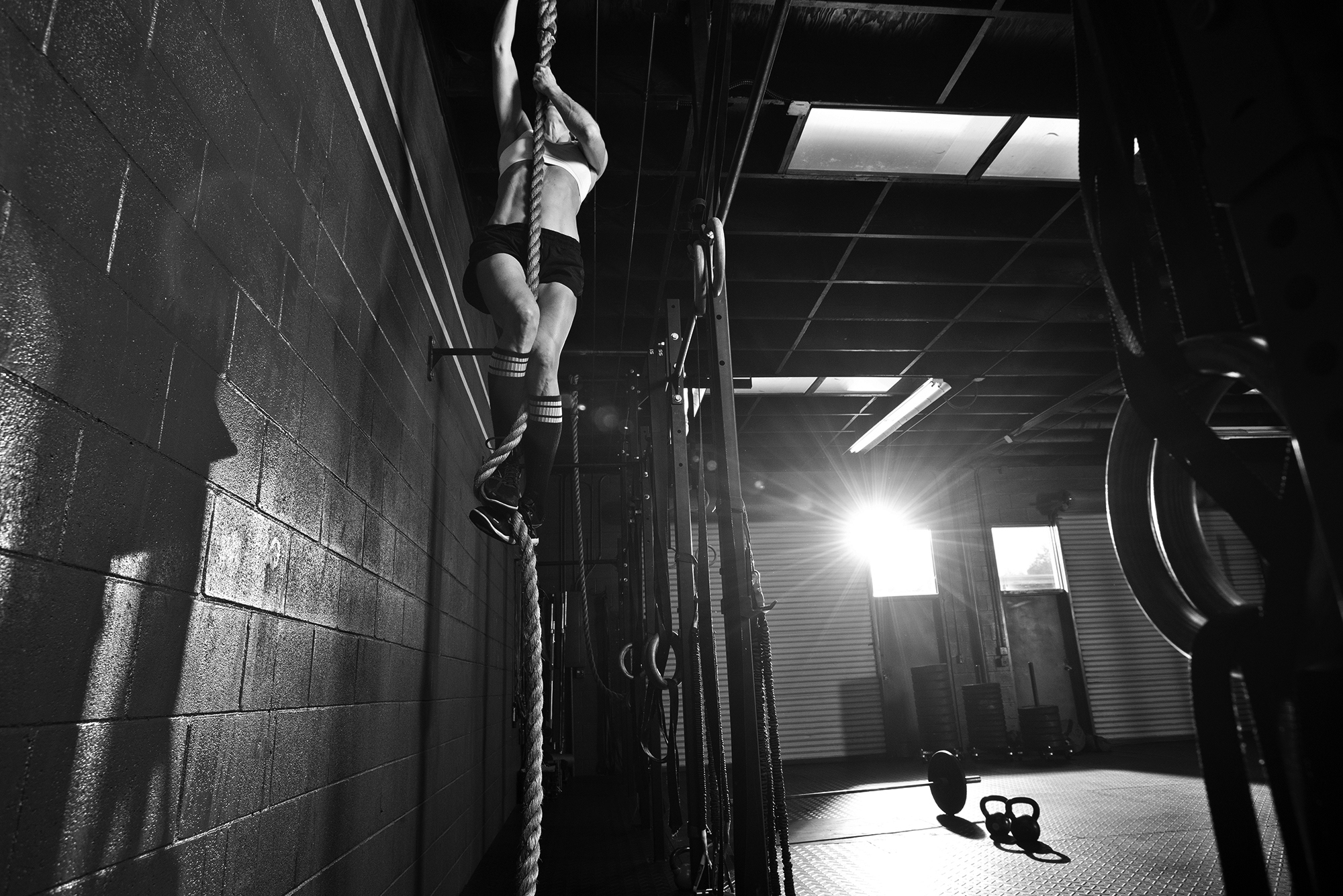
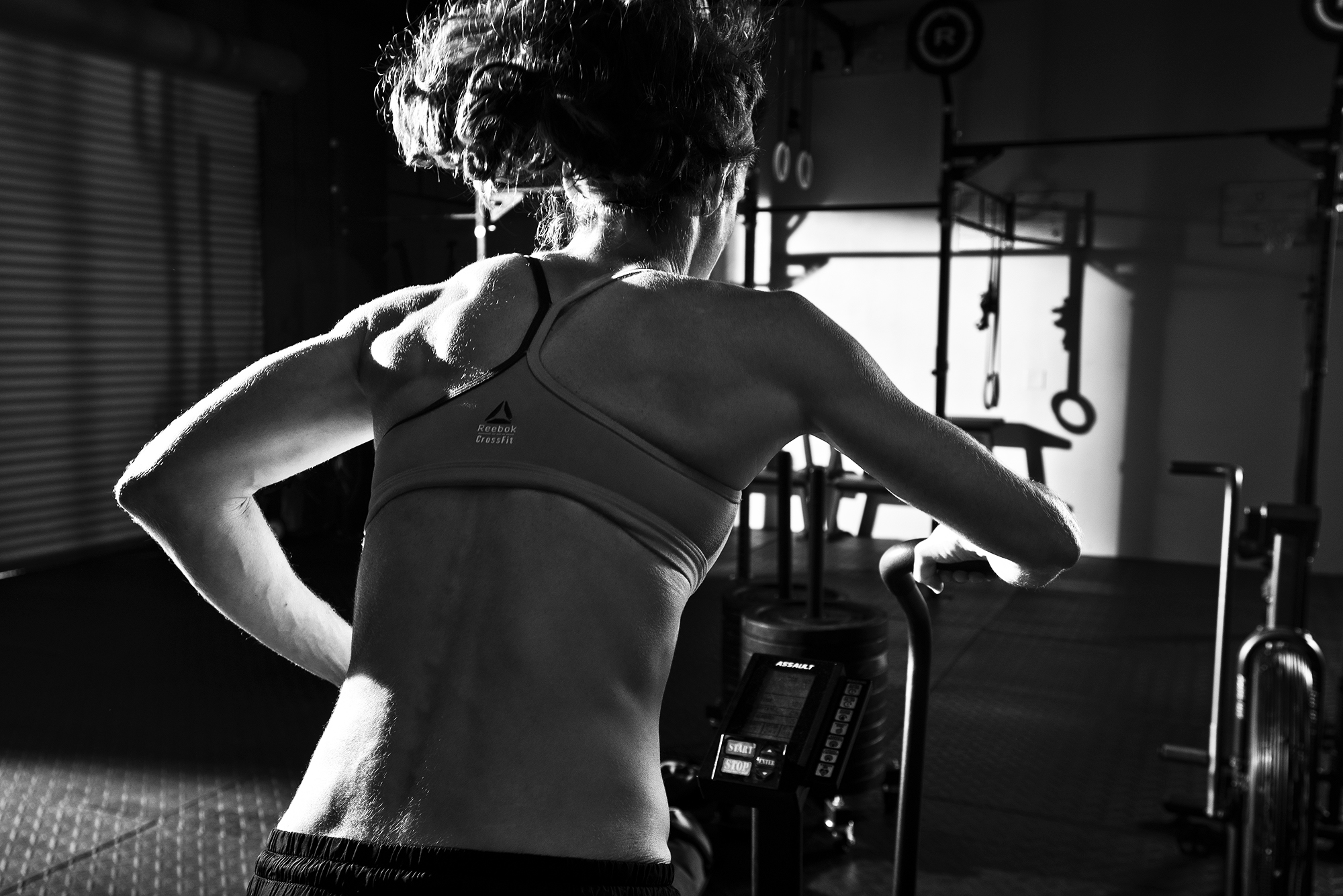
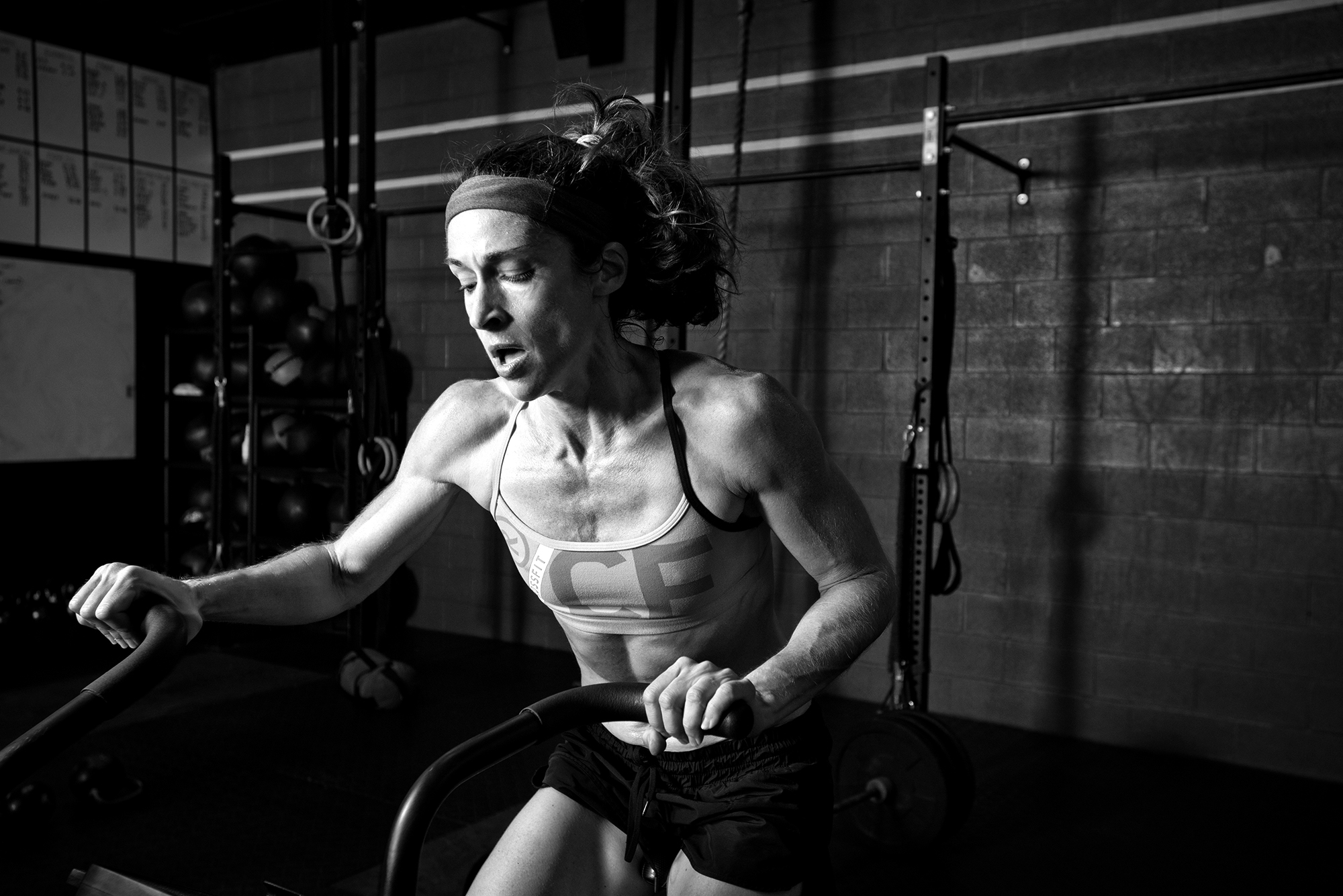
More experiments with sweat. As always, just looking for those different angles.

To see more of my CrossFit/Fitness images click here.

Boulder, CO Fitness Photography

Boulder Fitness Photo Shoot

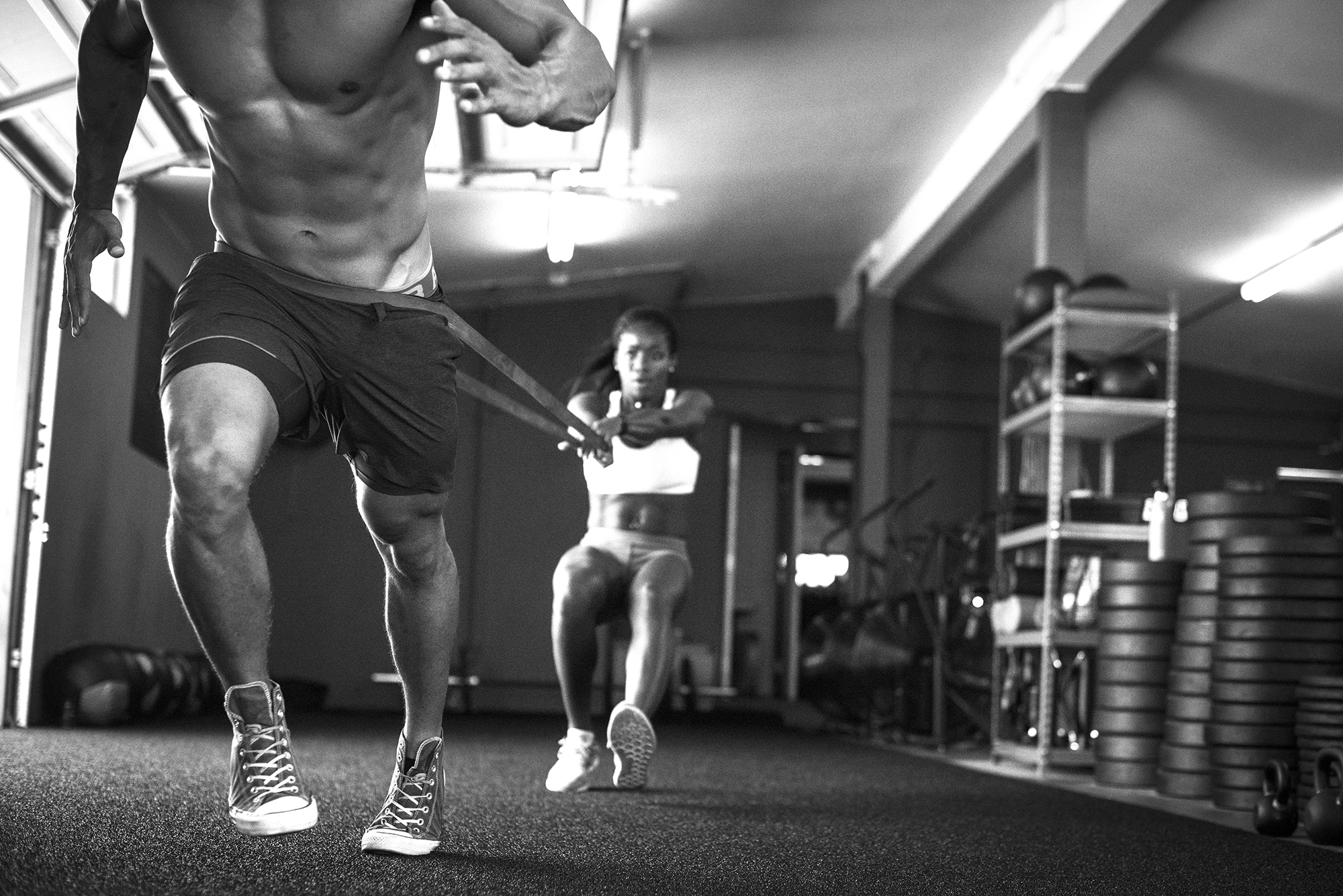
There is always a particular itch that is scratched when I shoot fitness like this. Unrehearsed real workouts. Nothing staged. Just as a fly on the wall waiting for things to unfold. While looking at these images months after the shoot I realized that neither of them was sweating, which is very strange. Then I realized how hot and dry it was that day and that their sweat was just instantly evaporating. They didn’t complain.

If you’re in looking for a fitness photographer in Boulder, Colorado, please feel free to reach out. I’m always happy to discuss your ideas and goals - rob@robhammerphotography.com

To see more of my fitness images click here.

CrossFit - Denver, CO

CrossFit Photography - Denver, Colorado

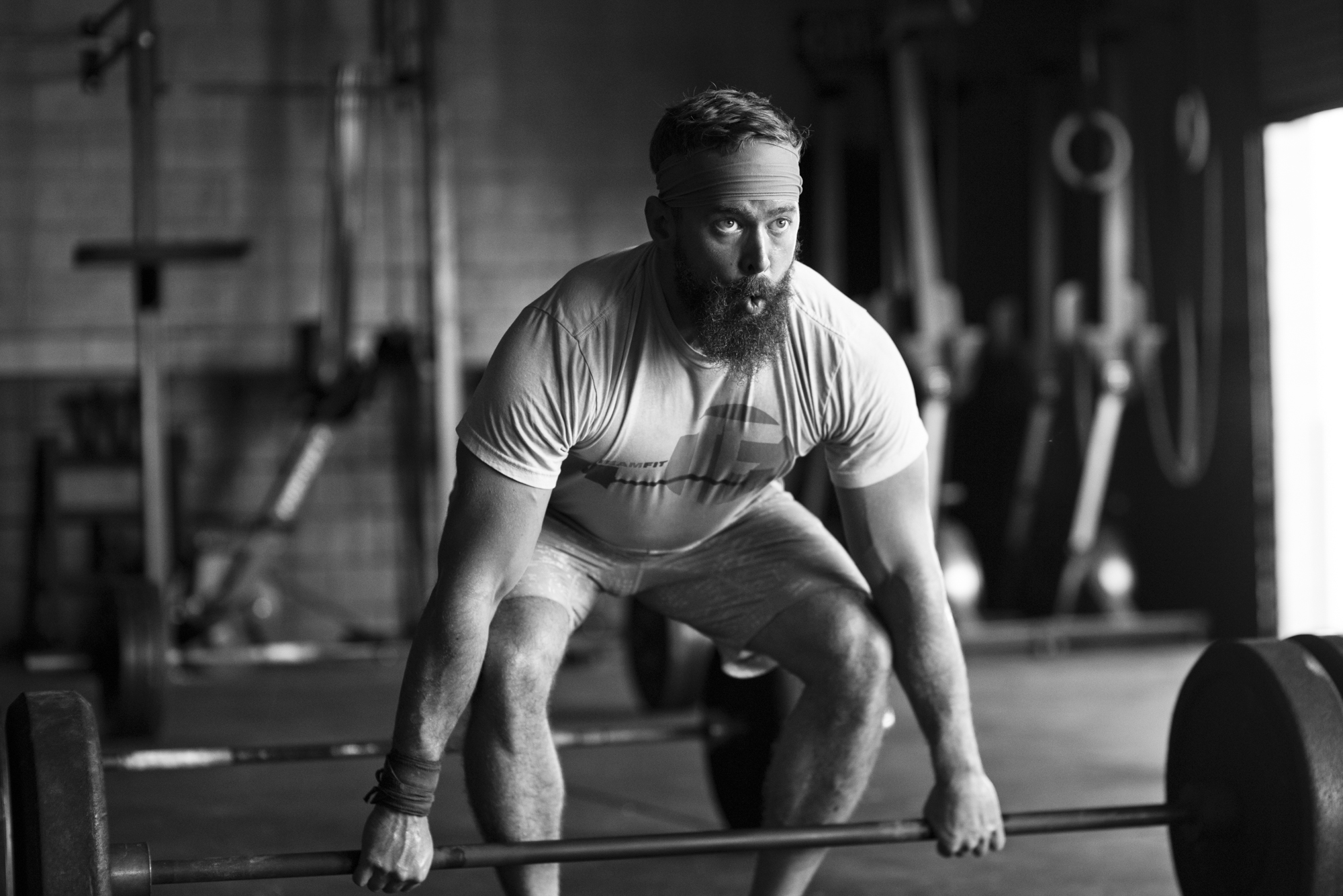
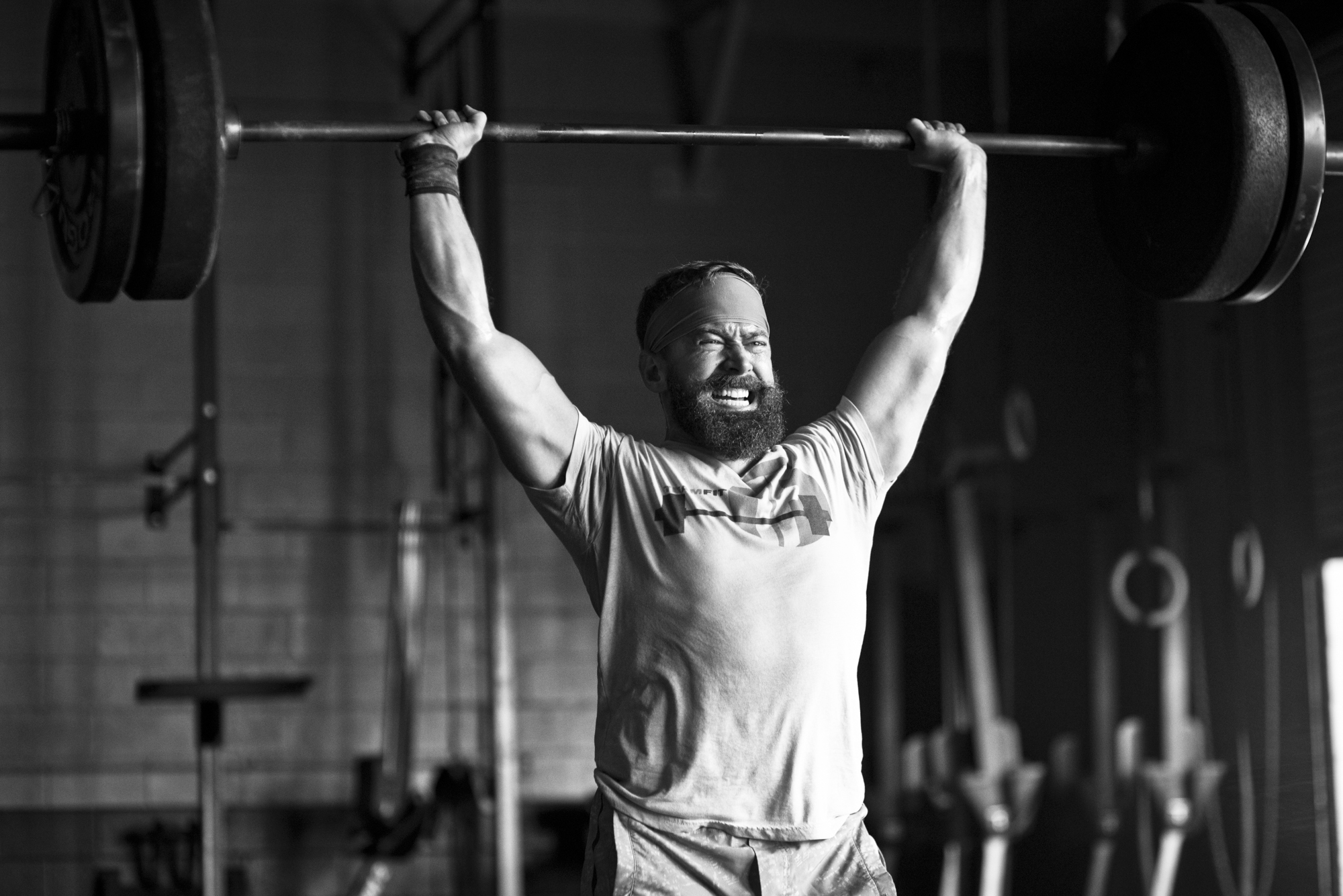
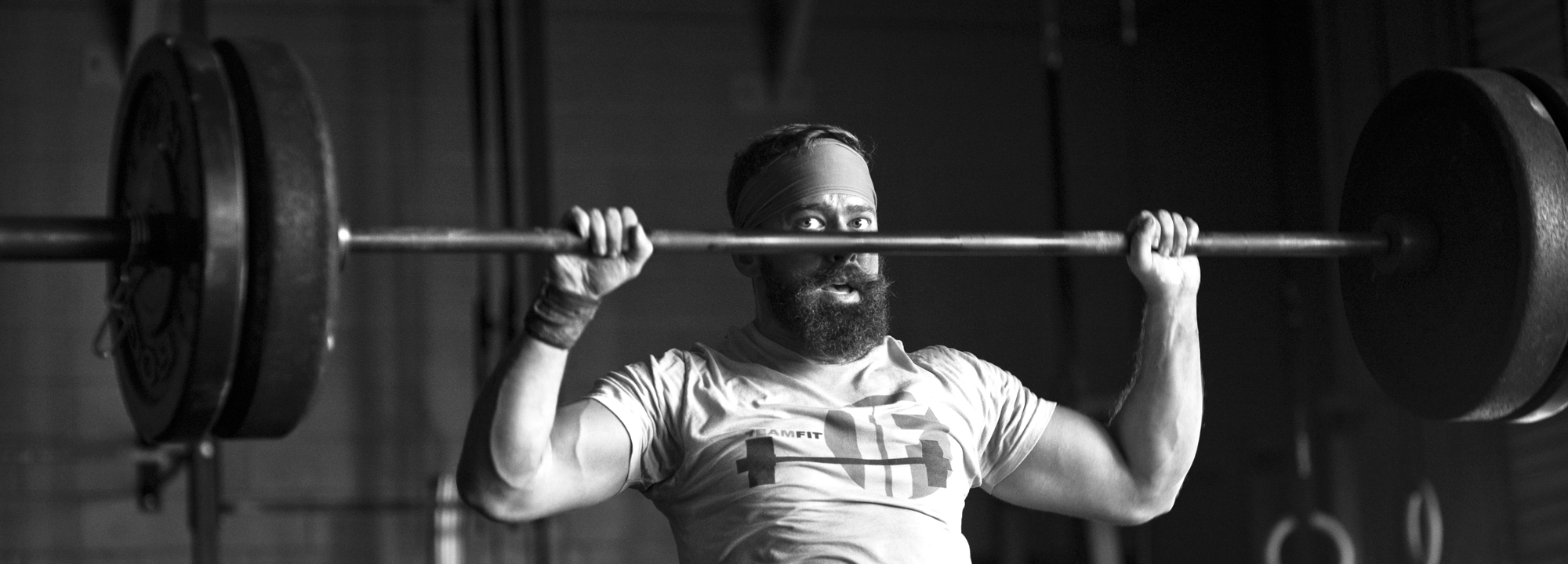
Photographing CrossFit athletes in Denver is an exhilarating challenge that combines technical skill with artistic vision. It’s about more than just capturing movement; it’s about telling the story of resilience, effort, and achievement. Whether you’re shooting in a gritty gym or against the vibrant Denver skyline, every image is about freezing powerful, fleeting moments that embody the spirit of the sport. From the explosive power of a box jump to the intensity in an athlete’s eyes as they push through a personal record, every frame tells a story.

Click HERE for more fitness photography

Gym Photographer - Denver, Colorado

Own Your Grind: Gym Photography in Denver for Trainers, Influencers & Serious Lifters

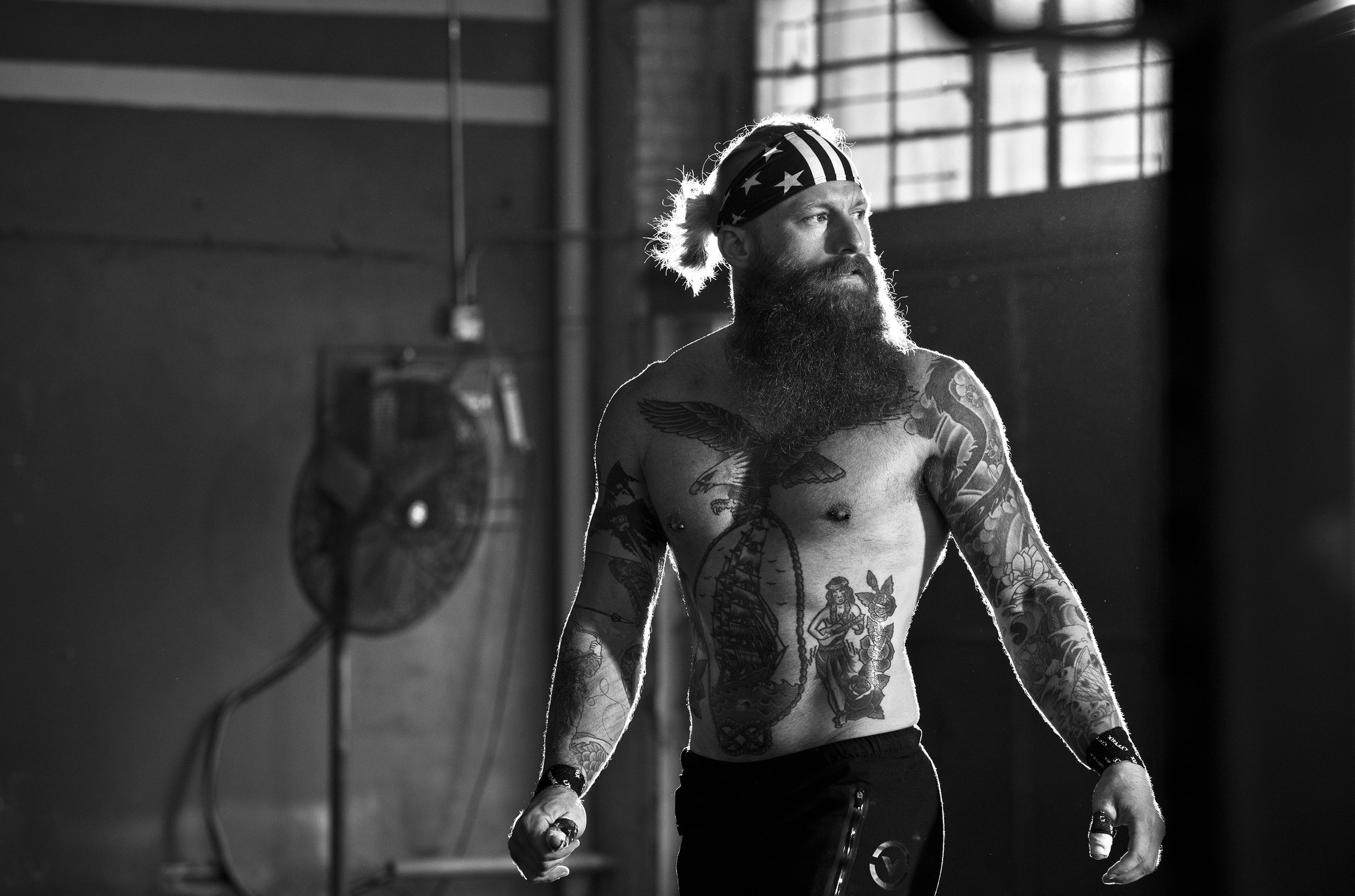
If you spend hours a week in the gym chasing progress, setting goals, and pushing your limits—you deserve photos that show that story. Not the posed, overly polished kind. Real ones. The kind that reflect the grit, the sweat, and the hard-earned strength that lives under the surface.

That’s what I shoot.

I work with personal trainers, fitness influencers, and gym-goers here in Denver who want to level up their presence with powerful, cinematic gym photography. Whether you're building your brand, launching a training program, or just want something that captures the intensity of your fitness journey, this is for you.

I shoot in both private and public gyms across the city and surrounding areas. The vibe? Think moody lighting, sharp contrast, and real action—photos that feel as intense as the workout itself. These aren’t stock-looking fitness pics. They’re personalized, badass, and built around you.

Each shoot is tailored to highlight what you do best—whether that’s heavy lifts, calisthenics, mobility work, or coaching your clients. I bring in studio strobes to control the lighting and create that bold, gritty look that cuts through the noise online.

You don’t need to be a model. You just need to show up and do your thing. I’ll take care of the rest. So scroll through and if the photographs speaks to you, let’s talk. I’d love to help you create something you’re proud to share - rob@robhammerphotography.com

Click here to see more of my fitness photography

CrossFit - Boulder, CO

CrossFit Photographer - Boulder, CO

When it comes to CrossFit, every rep, every lift, and every drop of sweat tells a story of dedication and grit. For CrossFit athletes in Boulder, Colorado, the gym is more than just a training ground; it’s a stage where personal bests are shattered and camaraderie thrives. Capturing these moments through photography not only celebrates the athlete’s journey but also highlights the raw beauty of strength and determination.

Nestled at the foothills of the Rocky Mountains, Boulder offers a unique blend of natural beauty and a fitness-focused community. The city boasts several top-tier CrossFit gyms, or "boxes," that cater to everyone from beginners to seasoned athletes. Gyms like CrossFit Sanitas, Roots, and Left Hand CrossFit are hubs of activity, attracting individuals committed to pushing their physical and mental boundaries.

This dynamic environment makes Boulder an ideal location for CrossFit photography. Whether it’s a sunrise workout in an open-air setting or an intense WOD (Workout of the Day) inside a gym, the opportunities for capturing striking visuals are endless.

Click here to see more of my fitness photography

Anders Varner

About 5+/- years ago, I was walking around my neighborhood and heard the unmistakeable sounds of barbells dropping, people yelling, and hip-hop. It was a new Crossfit gym that now occupied the space behind my local coffee shop. I had never seen inside that space, and was now extremely intrigued with the space itself, and what is was the maniacs inside of it were doing. After walking by the gym a few more times, it was obvious to me that everything going on in there was right in my wheel house photographically. So I went in at an off time and spoke with the "bosses". One of which was Anders Varner. Since that day, I've spent a great amount of time in his gym shooting. Time I have enjoyed very much. It's  been cool getting to know him, as well as the other people who make it a point to regularly throw heavy weights around in there. Every time I walked in and said "what's up" to Anders, his answer would inevitably be "just hangin' out". And it was always said with one of those grins that make you think he's up to something. That's just him though. He's just a happy dude who really enjoys what he does. A lot has changed since we met, and he now has a completely new focus. Which I thought would be a good fit for a new project I'm working on. Anders is an interesting person. Always happy and always extremely positive. Always trying to achieve personal growth, while also helping other people grow. He's got two different sides, which I also think are interesting. On the one hand, he's just a happy laid back person. Then he starts working out, and goes 110% until he can't go anymore. He's extremely passionate about fitness, but it seems like he could care less about ever being the guy with a 6 Pack. I have a lot of appreciation for that. Either way, I think his story can be extremely valuable to a lot of people. Specifically if you have the desire to start on an entirely different career path. So I asked him a few questions, to which he came back with some very honest answers. Hope you enjoy them and are able to learn from them.  

“I got sick of pimping out other people’s shit” 

1) In order for people to understand why you're qualified to do what it is you do now, explain what you did before (school, working out, owning the gym, etc).

I started working out to play sports when I was 13. I am 5’8” so I learned very quickly if I wanted to matter in anything athletic I needed to get strong. So that is what I did. I have been in the gym for over 20 years now. I was a gym rat in high school, college, and then in 2005 I found CrossFit. CrossFit hit like the most intoxicating drug I had ever experienced. It combined the gym, athletics, competition, and friendship. There was something about the correlation of hard work and success in CrossFit that defined a lot about me as a person.
I opened CrossFit PB in June of 2010 and it was my dream. Since that day I have coached thousands of athletes, watched movement for tens of thousands of hours, flown in private jets on weightlifting vacations with John Cena, competed in the CrossFit SoCal Regional four times, and worked with a handful of professional athletes. I truly believe my purpose is to help others live a stronger, healthier life.

I have an MBA and a lot of certifications but the barbell has been the tool I have used to connect with and change the lives of thousands of people.

2) A few months ago we had coffee, and we talked about your recent change in focus/lifestyle. During that conversation, you said "I got sick of pimping out other people's shit". Explain that....

When I started CrossFit in 2005, me and two of my friends were the only people we knew following the program. I was living in Virginia at the time and there was one gym in Northern VA, 30 minutes away. We were weird, unique, and training harder than everyone. We had our own little tribe and it made us special. CrossFit was special. We were in our own fight club, had our own language, and it was really hardcore back in those days. You didn’t want to train with us because we were out for blood every day.

But that was the culture of CrossFit. It wasn’t for the masses. Glassman (the founder of Crossfit) was posting videos of legit badasses with his middle fingers raised to the fitness community. “Here I am, come get some,” was how he talked, how we trained, and I was at the front of that mob.

When we opened Crossfit Pacific Beach, we were the seventh gym in San Diego and San Diego was considered the hotbed. Seven CrossFit gyms in a county was considered a ton. We were special. We planted a flag that said, “If you’re aggressive and want to lift weights with the biggest and strongest, I have a place where you can see if you fit in.”

There are now over 150 CrossFit gyms in San Diego. What was something very special, very unique, and a clearly defined culture is now mainstream and corporate. It is great for the growth of CrossFit but the culture is bland and nobody even knows what it means anymore.

I have spent my entire life in gyms seeking out the best way to do things. In 2010, if someone walked in, lost 100 pounds, and changed their life, saying CrossFit meant that person could go online and find me.

Now, I can give someone hundreds of hours of my time, years of education, help them lose a 100 pounds, and them uttering the word CrossFit does nothing to boost my business when there are three CrossFit gyms within two miles.

I don’t want to fit in with the masses. I don’t like the masses. I want to be weird, on the fringe, and pushing the boundaries of people’s belief systems. I don’t want the name of my gym to share the same name as everyone else’s just because they paid an affiliate fee.

It really comes down to understanding what you want to accomplish in life. You can make a choice to own a gym that is a CrossFit affiliate or you can try to change the world and create your own “CrossFit.” There is nothing wrong with either one but you should know who you are and what you want.
I do not want to be just another affiliate. I do not want to sell CrossFit anymore. I want to carve out my own path and lead my own tribe. I watched Greg Glassman do it for 11 years. I think I can do it. Most importantly, I am on my own and I have the freedom to try.

3) As an outsider looking in, I witnessed an awesome community develop at the gym. Can you talk about what went into that? 

I think the culture of the gym was just an extension of my personality. I never really had to think much about it. It was loud, aggressive, and when you walked in, you knew you were going to work hard. It was beautiful.
Culture is nothing more than finding the people that speak the same language as you and giving them a home to be themselves.

If you like loud rap music, lifting weights, and working your ass off, I know a group of people that you will probably like hanging out with.

One piece about culture that resonated so much back then was the pressure of hard work. Every day mattered and I have no time for people that do not work hard. It is hard to give your best every day. Some people can do it for days, months, and maybe even years. But the pressure of showing up every single day, forever, is something that is too much for most people. A lot of the people in those early days of the gym and CrossFit shared that belief in hard work.
4) As time went on, I also witnessed that community change. Can you talk about how that change effected your decision to leave? 

Part 1: The culture changed as CrossFit grew, our gym grew, and we started attracting people that did not have the strength training background as our initial clientele.

So we built a gym, called it CrossFit PB, and because CrossFit was seen as so hardcore, the hardcore people showed up. You can carry that attitude, culture and training philosophy until the masses show up.

The masses do not have extensive athletic and strength training backgrounds so the programs and culture have to change to meet your clients’ needs. With that, things have to be slowed down and a culture loses its edge.

Part 2: As CrossFit grew, I felt more and more handcuffed by a brand I had no control over. It was becoming less and less special to me and I was pulling away from the CrossFit side of things.
I desperately wanted out of the CrossFit rat race so much that I rebranded the name of the gym. We had companies stealing our branding, neighboring gyms we were friends with directly poaching members, and I just wanted out. CrossFit grew so fast that I had lost control of the message.

What CrossFit was to me is not what CrossFit is today. It stopped being something I wanted to talk about because I did not feel any connection to the people that were doing it.

I stopped wearing the shirts, I stopped connecting with the brand, and the more you retreat the more a community is affected.

The year leading up to me selling the gym I just did not want to talk about CrossFit anymore. I wanted to talk about the zillion other things that I find interesting about fitness and training but I was out on CrossFit. I had lost control of the message and was coaching something I did not want to coach.

I loved the people, but I really wanted to teach them new things and show them how much more there was to fitness than just CrossFit.

5) You were running a very successful gym. Not something most people would decide to give up, and it certainly couldn't have been an easy decision. Talk about your thought process from when you first thought about leaving, to when it actually happened. 

I was checked out. I found a new business partner and had started working on new projects that I was really passionate about.

As for a specific moment, I am not sure there is just one. I spend a lot of time reflecting on who I am, what I want, and how I affect others.

About a year and a half ago I was really unhappy. I did not really know why and I hired a mindfulness coach, she is now my business partner. She sent me down to the beach and asked me to count my breathing cycles. I could not get to 10 without my brain going nuts.

I started meditating daily and it is a practice I have maintained since that day.

When I started to slow down, I disconnected from the CrossFit brand. It was not me and by trying to force it, I was not being my authentic self.

When I allowed myself to detach from CrossFit, it became so obvious that I needed to leave. I was trying to force a belief system on people that did not want the same things I did.

It is the equivalent of telling all of the aggressive meatheads in year one that they had to do yoga. It just would not work.

It took a long time for me to realize that letting go is OK. CrossFit was the most amazing time in my life but I am different now. I connect with people on a very different level. I am growing a new tribe and because the message comes from me and not a giant corporation, it is pure and authentic.

This is not to say CrossFit is bad. It just is not me. CrossFit has an amazing tribe and coaches and it is changing people’s lives. It is just not me anymore.

6) You were the co-owner of that gym with your best friend. Explain how that effected business (positively and negatively) and your decision to leave.

The highest of highs and the lowest of lows.

I take owning a business very seriously. There are a lot of ways to make money. Choosing to own a business puts you on the hook for constantly growing, evolving, and the daily struggle to get better. There are no days off.

When you sign a lease, you are responsible for paying that bill. You take on overhead and it is important to make money to pay that bill.

There is also overhead in your life. I am married, own a house, have a future family, and I am responsible for the wellbeing of those things.

I have to make decisions that will provide a life that is best for my family.

By owning a business with your best friend, you rely on and share these responsibilities with someone else. I am half responsible for the financial future of his family as he is mine.

When two people do not have the same vision of where they want the business to go, it adds stress and you begin to start to looking for people that share your vision.

When things are good, they are great. When two people do not share the same vision, things can get really bad.

Much of my decision to leave was rooted in our different visions. To say coming to this conclusion was difficult would be an understatement.

It is also incredibly important to understand that there is no such thing as right and wrong. I have a belief system that I think will provide the most value to me and my family. My business partner  has the same thing. We just do not share the same belief system and we stopped providing value to each other.

My business partner is great for CrossFit. He loves it, enjoys coaching it, and that is where he needs to be.

The easy route out is to blame but that isn’t the truth.

I do not think I can put any label on the experience. You learn so much that calling it bad would not do the good times justice. It also is not great because I do not think I achieved the things we should have achieved from the platform we created.

When I reflect on the six years, the word acceptance comes to mind. I have to believe that we were doing our best and our visions stopped aligning. You cannot blame someone for not wanting what you want, but when you realize it, you have to go and seek that thing that drives you. I just had to go.

We go through a lot of relationships before we get married. Along the way we learn about our strengths, weaknesses, and get to analyze how we would do things differently. Owning a business with your best friend is no different. I did my best, I was not perfect, and I learned a lot. Now I get to implement all of those lessons into my new business and life.

Constant growth.

7) After devoting X years of your life to the gym, your focus and lifestyle are drastically different now. What are the biggest changes you need to make for that? 

There is something about being poor that creates freedom in life. When I think back to six years ago starting CrossFit PB, I was dirt poor. Every penny I owned was spent on equipment, I drained my 401K, and I was at zero. I did not have a girlfriend, my mattress was on the floor, and I owned 50 pounds of clothes. I know it was 50 because I could not pay the overage fees flying it out here. There is freedom in zero, because you have nothing to lose.

When I got married, my wife bought into the gym life. She bought the terrible hours, training schedule, and gym community. There were a lot of times where she played second fiddle to what was going on at the gym. The gym always took priority.

My biggest priority now is designing a life that really works for both of us. That means creating space for her, not leaving the house at 5 and getting home at 7 every day, and being a husband – not a gym owner that is married.
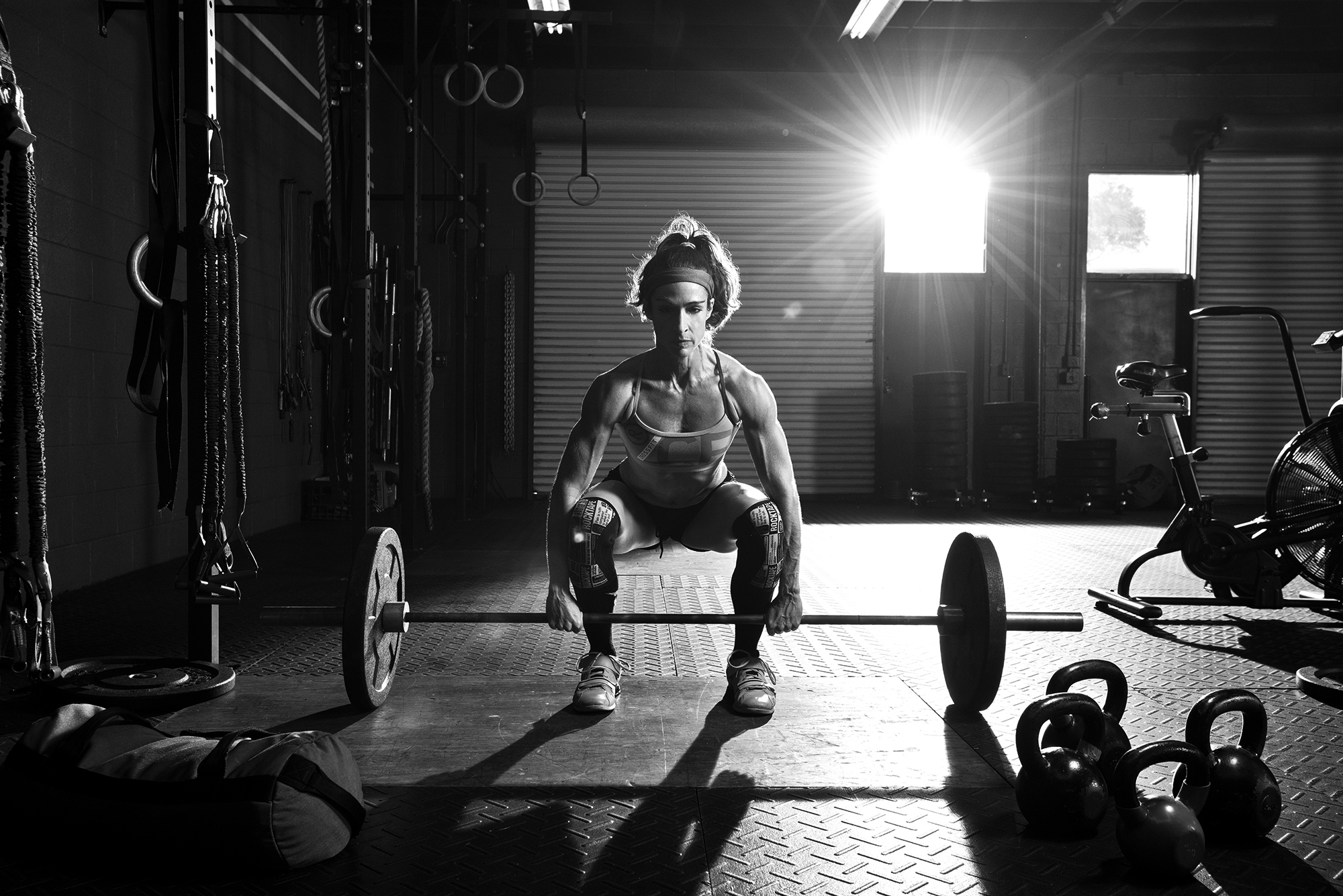
There is also something about money that creates freedom in life. I do not have a lot of it, but selling the gym allowed me the time to focus on exactly what I want in life. I want to be a good husband, I want to work, and I want to surround myself with people that are really positive people. In order to do these things, I block out time for each of them and make a point to be as present as possible.
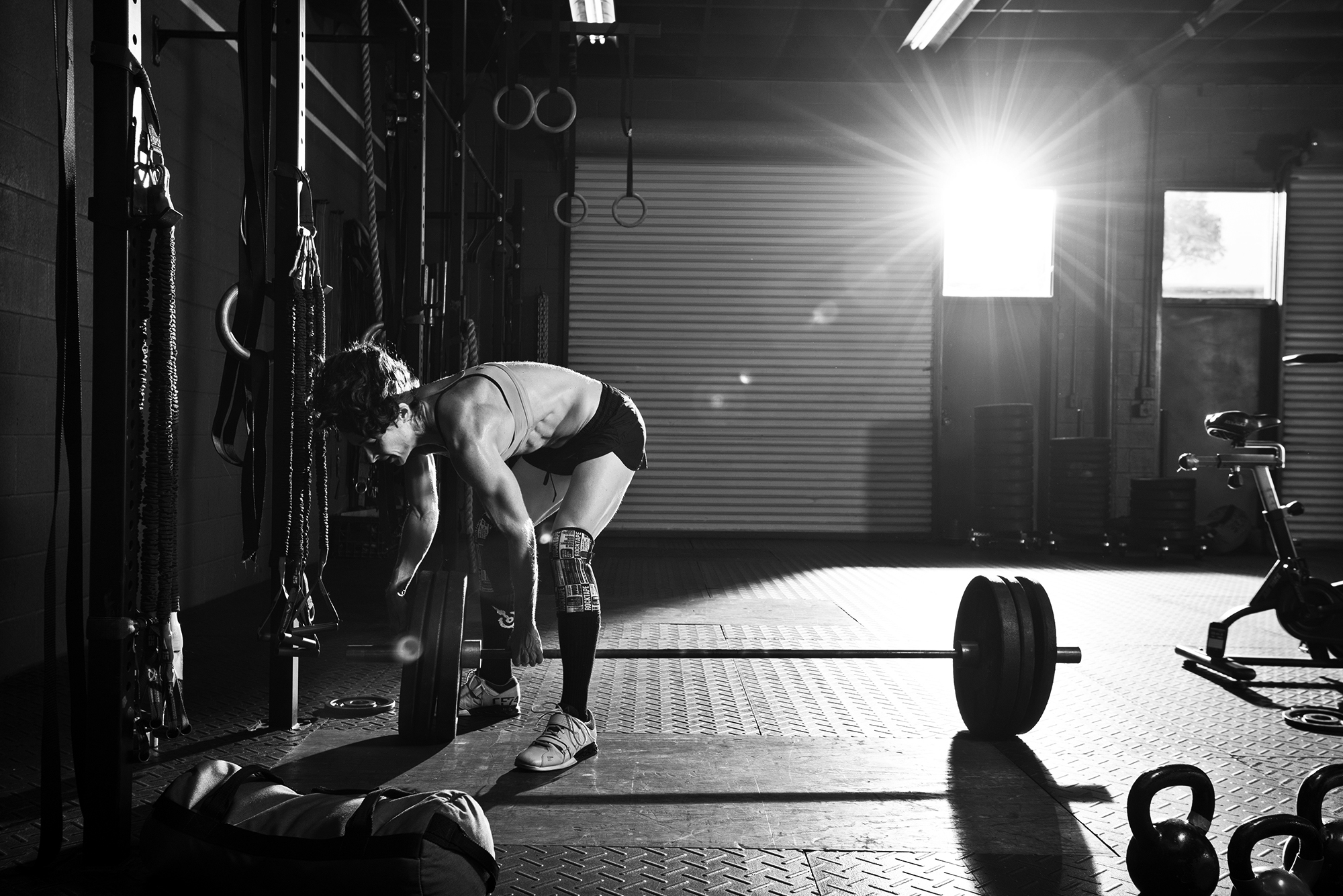
That was always a huge problem of mine with the gym. No matter where I was, I was always at the gym.

Everything in life right now is refreshing. I get to start back over and there is a freedom that is hard to describe. I no longer have to talk about CrossFit. I do not have to go to the gym or worry about classes, coaches, and all of the storylines of the last six years.
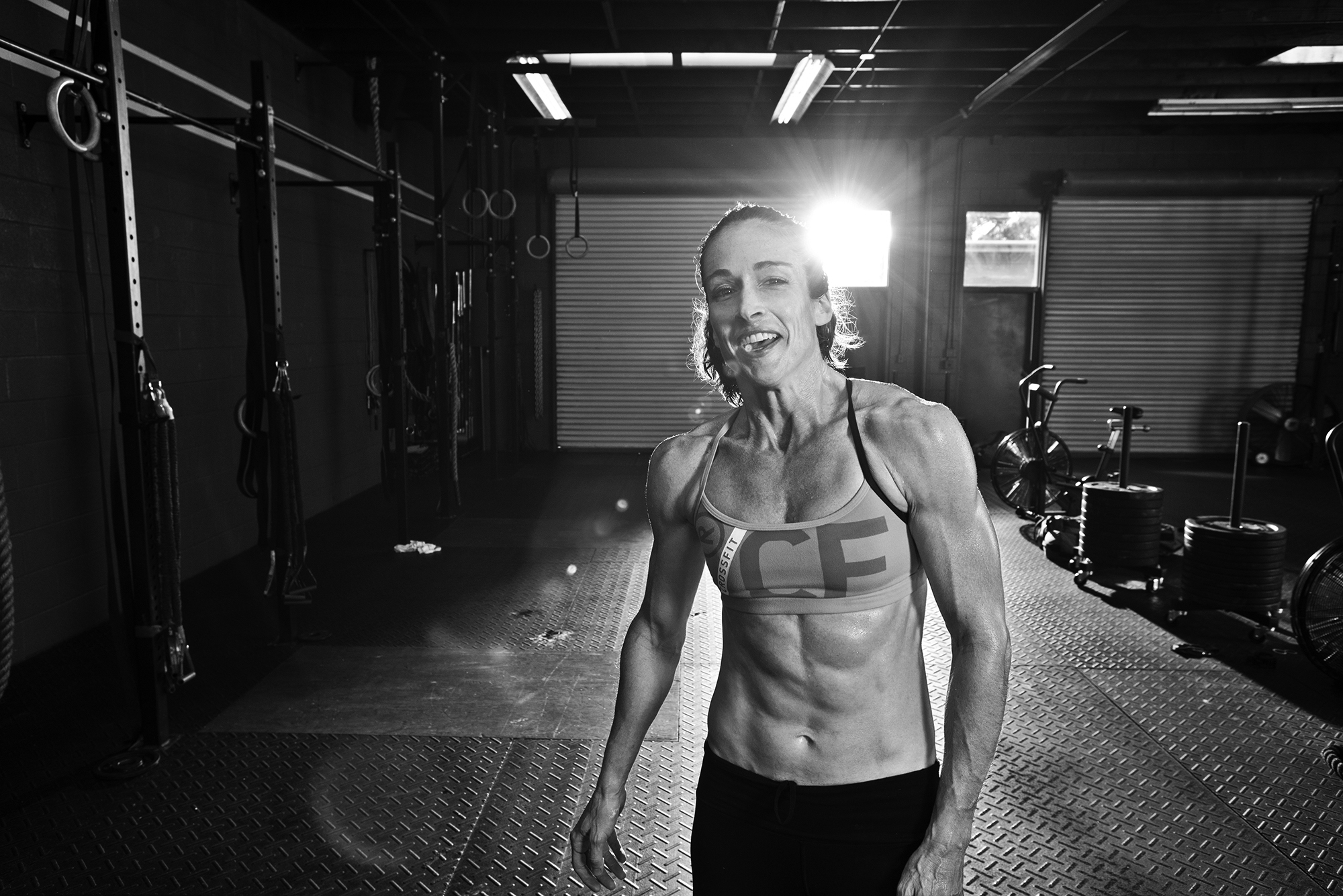
My whole life I feel like I have had to fight so hard to be heard. This is the first time I have ever sat back and tried to let the world come to me. I am still fighting, but when you let the world come to you, opportunities present themselves and the universe opens up. I have met more industry leaders and been invited to more talks in the last three months than I was in six years. People reach out for business advice, I am connecting people that share the same vision, and building networks. These are the things I want to be doing, that inspire me to think bigger, and push me to keep going.

8) What is the biggest reason you're doing what you're doing now?  

 I believe that through movement and developing physical capacity we can empower people to live an inspired life.

Humans are animals. We have been told how advanced we are and how big our brains are yet millions of Americans sit in their cubicle cage all day watching the clock tick by. They sit in traffic, sit on the couch, watch TV, and they suffer because they lack the ability to experience life. They spend so much of their day killing time that they are killing themselves.

Through movement we can heal people suffering from pain, depression, addiction, and disease.  I have watched it firsthand. Most of these things happen because that person feels like they have lost control and they turn to damaging resources to fill that hole in their lives. Through movement and mindfulness, we can help people find themselves, and I want to be that catalyst for change.

9) Tell me more about what you are working on. (this is a larger question than just the online platform)

At the most basic level I am a strength coach. I teach people how to move well, get stronger, and become more capable. I have been doing this for a very long time so I spend the majority of my day creating content and programs comprised of the best info and systems I have found over the last 20 years of training and coaching.

I coach a lot of adaptive athletes including a wheelchair basketball team through the VA. Many of these athletes compete in the Paralympics and are extremely motivated. It is very inspiring work.

I am a presenter for a seminar on training adaptive and injured athlete. The world tour starts in November.

With, Dr. Theresa Larson, my business partner, we developed The Low Back Fix and The Shoulder Fix. These are online platforms that combine physical therapy and strength training to help people dealing with shoulder and back pain. These programs are being implemented by individuals as well as large corporations supporting their wellness initiatives.

We also developed, The Referee Athlete, an online training platform for referees around the world. On top of the online platform, we have hosted seminars and camps for these referees and we are adding years and dollars to their careers.

I contribute training and lifestyle articles to my own personal website as well as a handful of external websites and podcasts.

And finally, I write training plans for people through my website for individuals that are looking for more creative approaches to strength and conditioning. Most of these people have been in the training world for a long time and find themselves looking for something new.

In general, I am a strength coach, and I use that skill to connect with as many groups of people as possible.

10) What are your goals for it in the next year, 5 years, 10 years?

1 Years (end of 2017) – I want to go on tour, run very successful seminars, meet, and connect with as many people as possible. These seminars will develop trust and people will be able to follow online programs.

5 Years – Masterminds, retreats, and running a business school for strength coaches and medical professionals.

10 years – I hope to bridge the gap between the medical and strength and conditioning worlds. Right now there is such a disconnect. Theresa and I can educate and change the way doctors and coaches treat clients on a massive scale.

http://www.andersvarner.com/a-sky-full-of-lighters/

11) Among the many reasons I believe you're good at what you do, is your positivity and ability to connect with people. What made you like that? 

I left home when I was 14 years old. Although this is insanely scary, there are some really strange benefits that you develop when you are on your own at such a young age.

1. You get really good at reading people’s motives. Not everyone is a good person and when your brain tells you something is off with someone, run. I do not keep negative people in my life.

2. I am a chameleon of culture. From 14-18 years old I lived in dorm rooms with people from all over the world. At the time, I just thought it was cool talking to interesting people. Looking back, I realize my brain was learning how to find the common bond that ties humans together. We all just want to be happy. Teach people something of value, be friendly, and listen.

3. I know everything is going to be OK. I can distinctly remember being on the phone with my parents, hyperventilating, 14 years old, and so homesick that my parents hopped in the car and drove nine hours to see me.

I suffered from a lot of separation anxiety when I was a kid. Leaving home was the last thing anyone would have ever expected me to do. But I wanted to play hockey and if I was ever going to see how good I could be, I knew I needed to leave.

The summer before I left, my dad wrote a check for tuition and told me I needed to drop it in the mail. He would not do it for me. I went to my room for three days and didn’t leave. Somewhere in those three days I set the tone for the rest of my life.

I cannot tell that story without getting really emotional. It was the first time in my life I really assessed where I was in life, what I wanted, and gambled on myself. You do not realize at 14 that these are the same decisions you will face throughout your life. I know everything is going to be OK because throwing myself into the unknown and figuring thin is out is the thing I am the best at.

I will forever be grateful to my Dad for not putting that check in the mail for me.

12) You are also someone who is constantly trying to learn/grow. Talk about that....

I enjoy the fundamental principles of how things work. When I do not understand something, I have to learn about it. When I was a sophomore in high school the religion teacher almost failed me and told my parents I was a terrible student. I just couldn’t understand how people could believe the stories in the bible. It just did not make sense to me so I was constantly asking questions and poking holes in the stories. My antics were not appreciated. Since then, I have read countless books on evolution and how humans developed as a species.

Here is my general outlook on life:

As human animals, we are all born pretty much the same; a blank slate of bones, cells, and tissues that will adapt in a way that best suits survival. Then we unknowingly start mimicking the things around us. Athletes are not born more athletic; they grow up in athletic households and mimic the way their parents move. If your parents read a lot and talk politics, you will probably be a great reader and love politics.

Then we grow up and we get to pick our teachers. This is where most people stop learning. In school teachers are assigned to you. In the real world, you have to find them.

I love reading about business because I am on the journey. I like finding teachers that have struggled with the same things I struggle with and learn from their experiences. I am also obsessed with understanding psychology and people’s motivations. I do not think the majority of people actually know why they do things. There is some evolutionary drive buried deep inside all of us that push us to do the things we do. I want to understand that subconscious level of thinking in myself and recognize it in others to predict their behaviors and how they experience the world. 

13) What would you tell someone who is trying to quit what they are doing now in order to do their own thing? 

 My suggestion is for that person to lock themselves in a room and spend some time finding out who they really are and who they want to be. If tomorrow you wake up, your significant other is gone, your house is gone, and you have zero dollars.

Who are you?

What is your skill?

What value do you bring to others?

Can you make their life better?

You do not have to have the answers, but you should be very committed to the journey.

14) Other advice on books to read, blogs to follow, daily habits, etc? 

Wake up early, make coffee, meditate, and be vulnerable to someone you love.

In the process of owning and selling a business, in my darkest nights, there has been only one person there for me. I am not sure I fully understood love until I went through that process with her by my side.

I recently wrote an article on books everyone should read: http://www.andersvarner.com/a-self-help-guide-to-self-help-books/

15) I've always believed that a lot of people (myself included) can learn the most by learning the hard way. Can you share an example of a huge lesson you learned by screwing something up? 

The easy answer is yes.

But the real answer is that every day I am giving my best. And every decision I make is the best decision I can make with the information I have.

Even if a decision leads to poor results, you have learned that you should never do that again, and it is actually a positive.

I gave up on the idea that I actually knew things a while ago. I found that thinking I knew the answer usually did not yield the results I wanted. Now I look at everything as a mini experiment that I can adjust with time.

16) 3 things you would tell your younger self?

 1. It is OK to take yourself seriously.

2. Do not let people tell you how to live. “You'll meet them all again on their long journey to the middle.” – Lester Bangs (Almost Famous)

3. Authenticity is hard, but worth it.

WWW.ANDERSVARNER.COM


Fitness Photoshoot

Denver Fitness Photoshoot

Commercial Photography

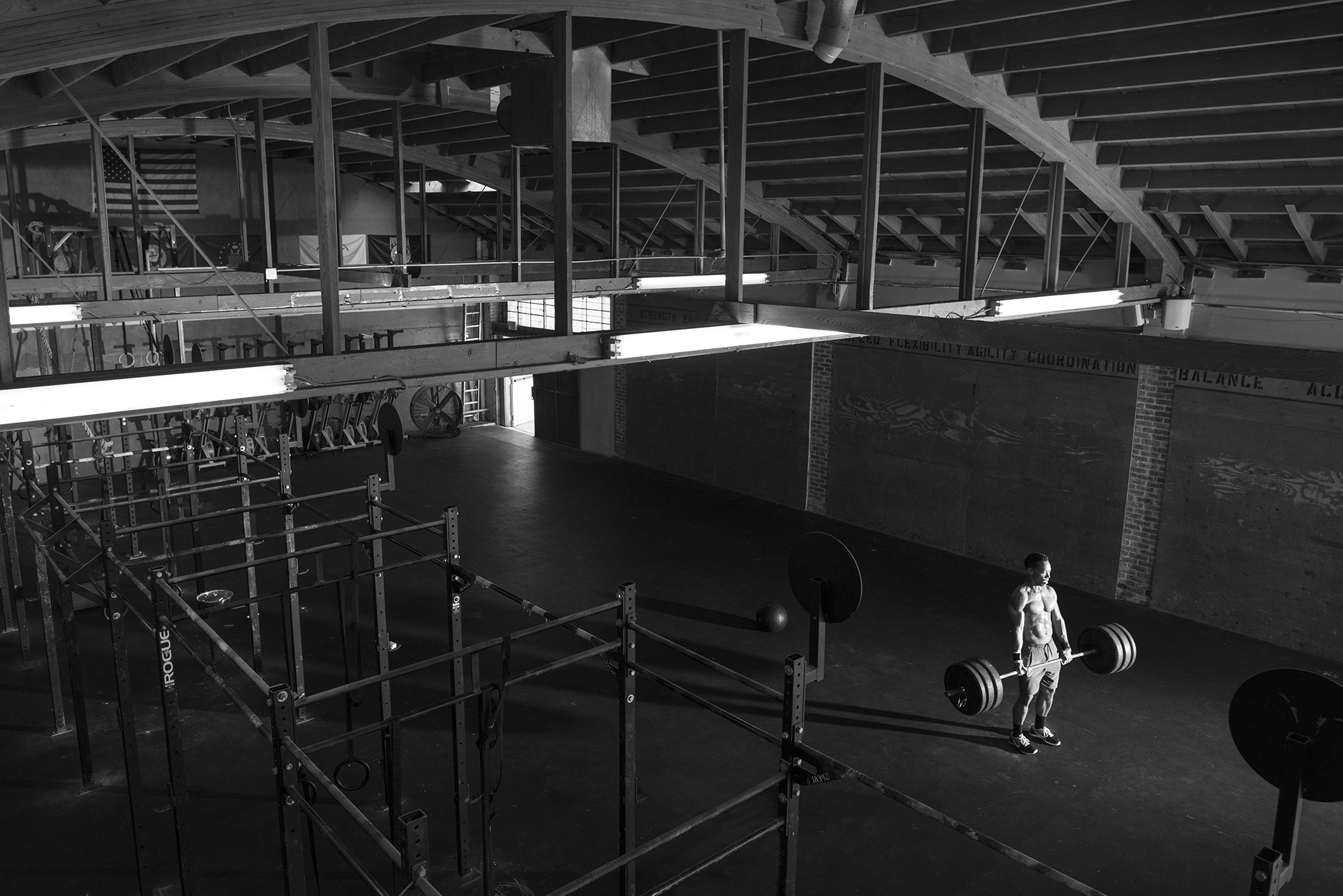
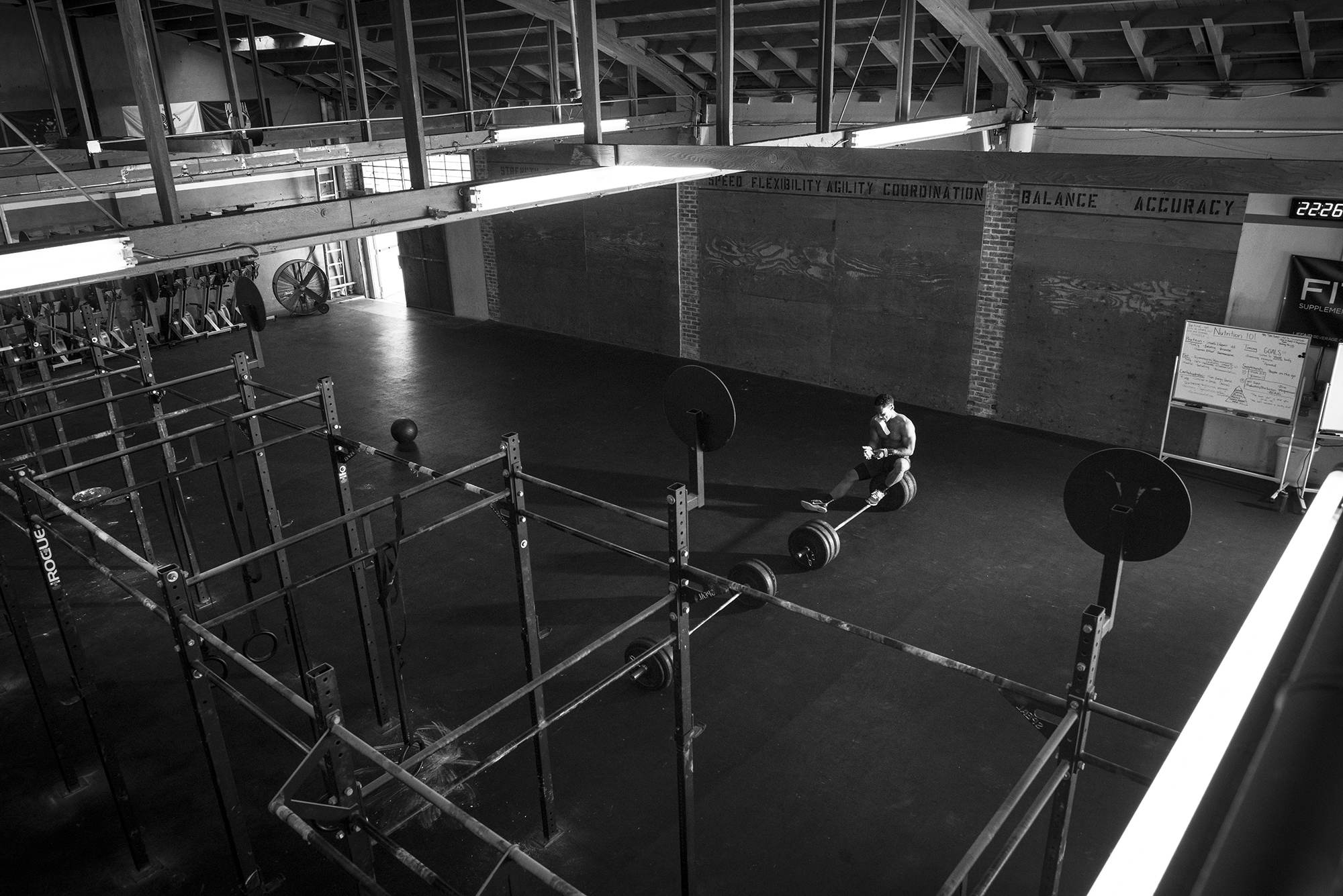
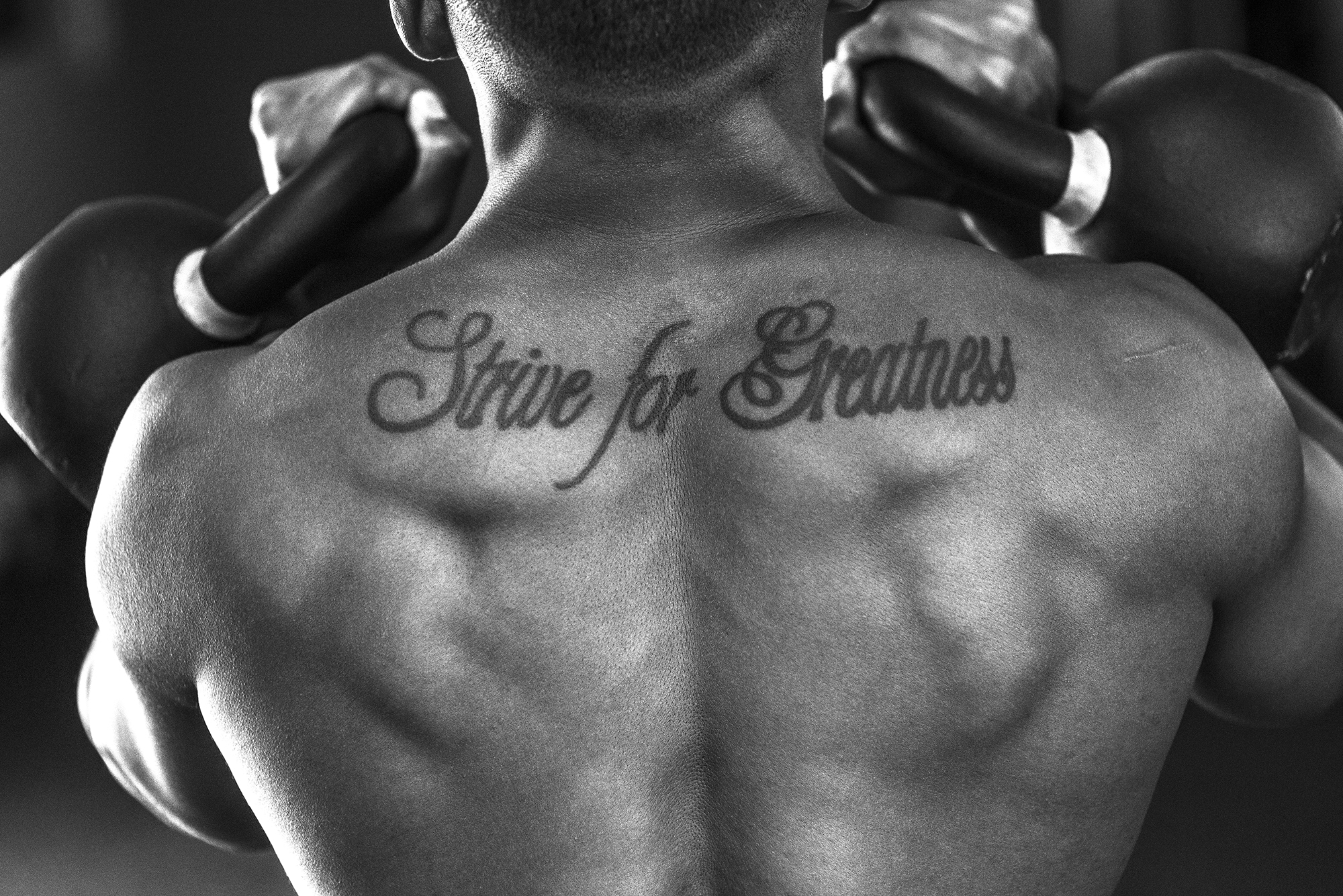
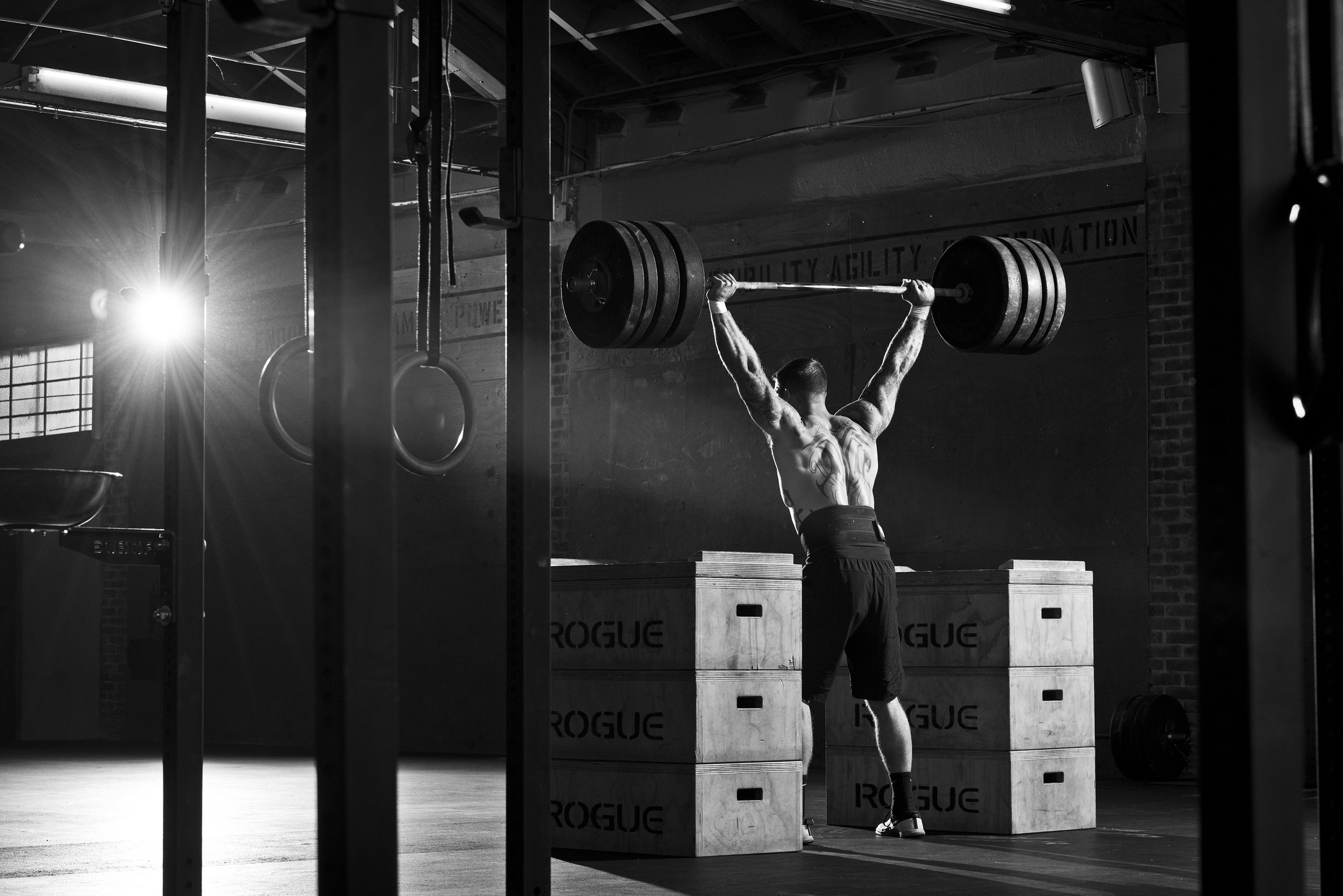
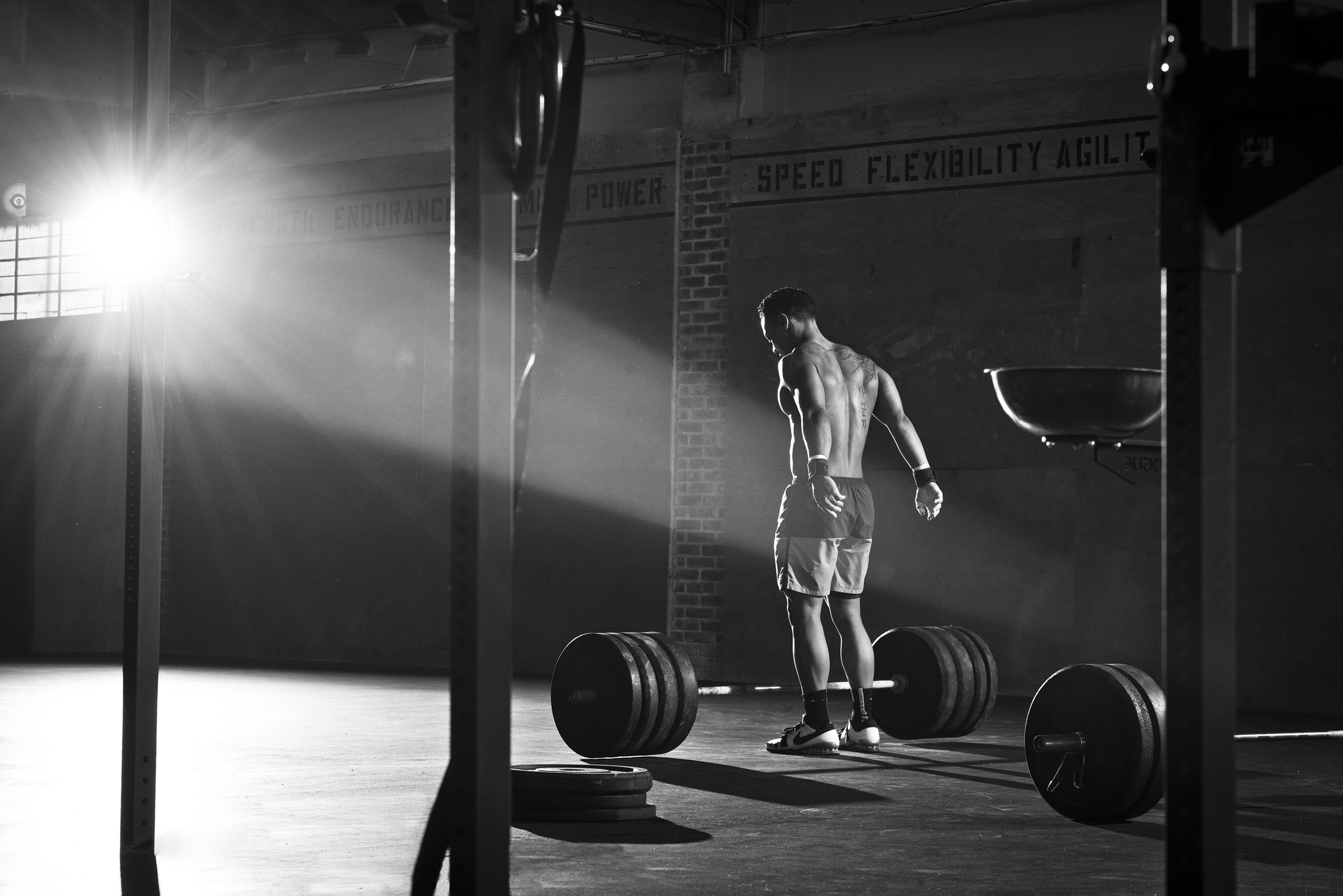
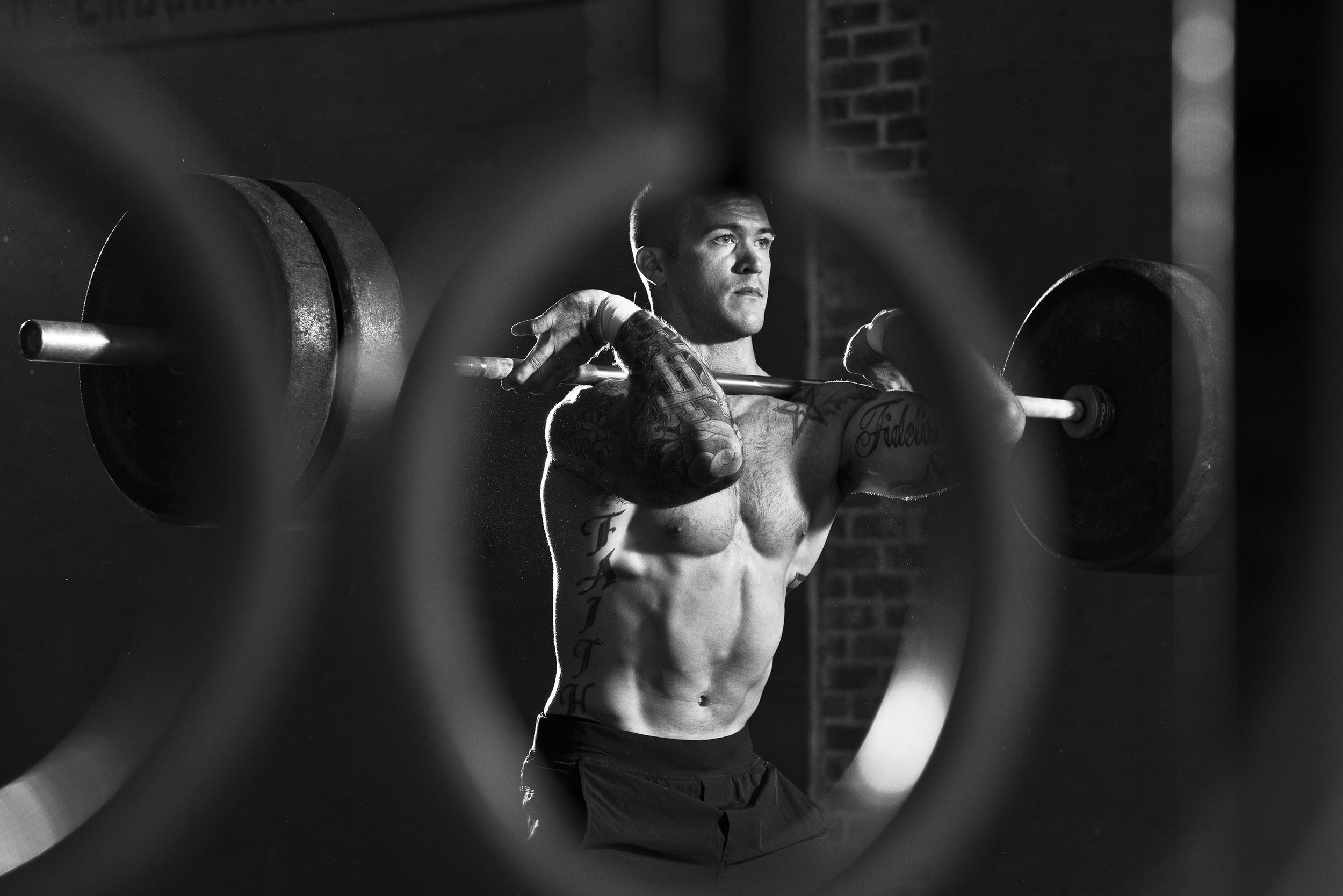
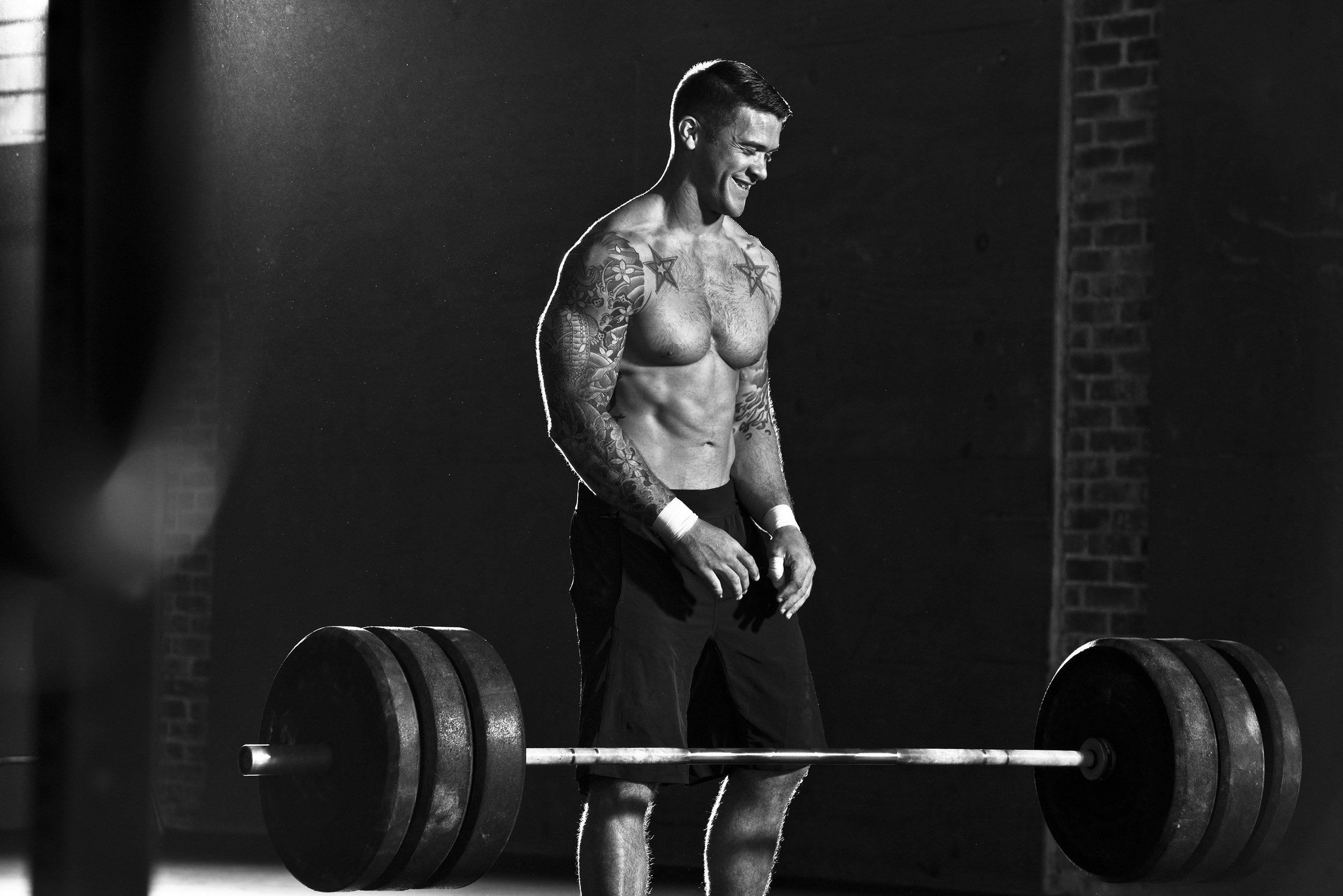
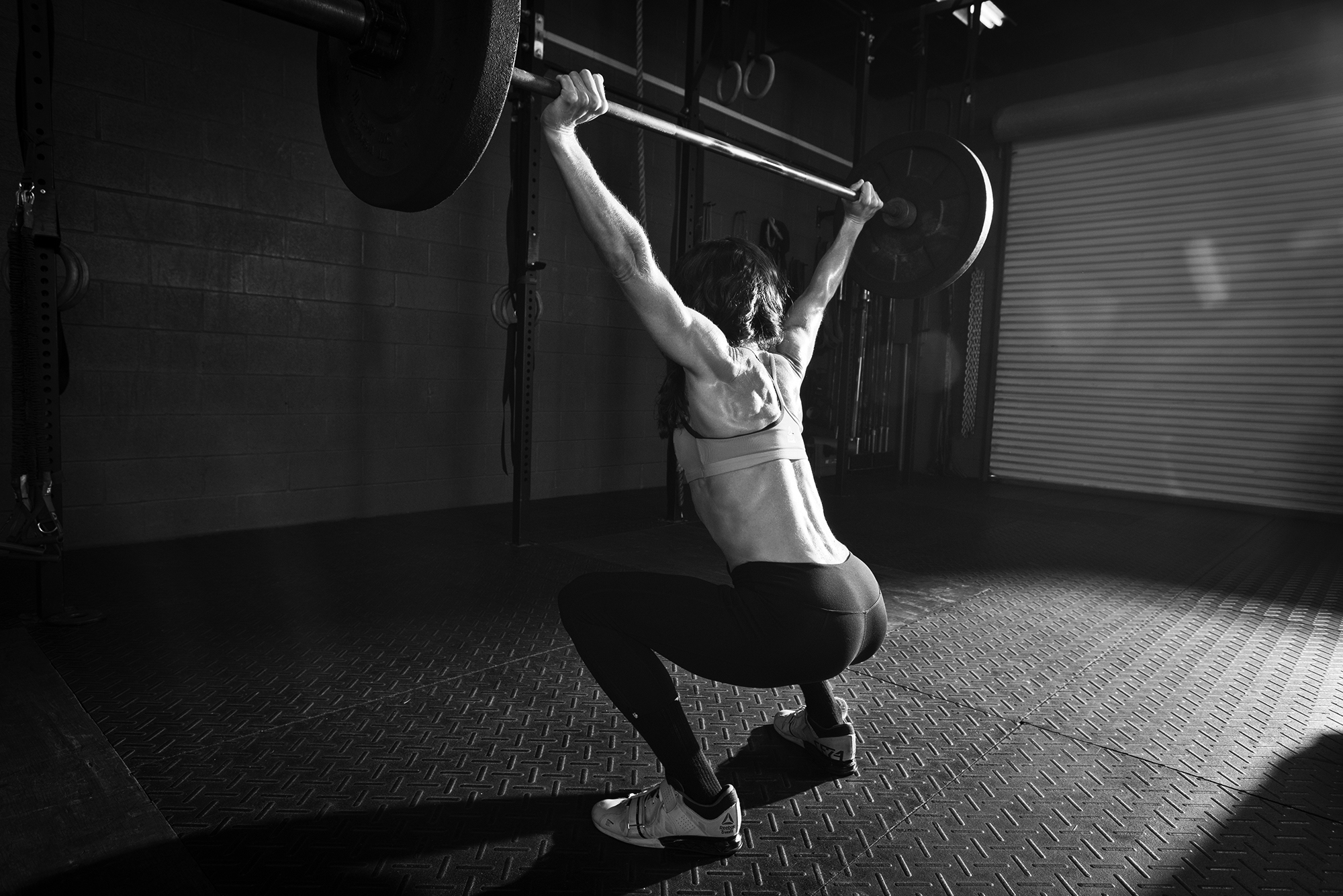
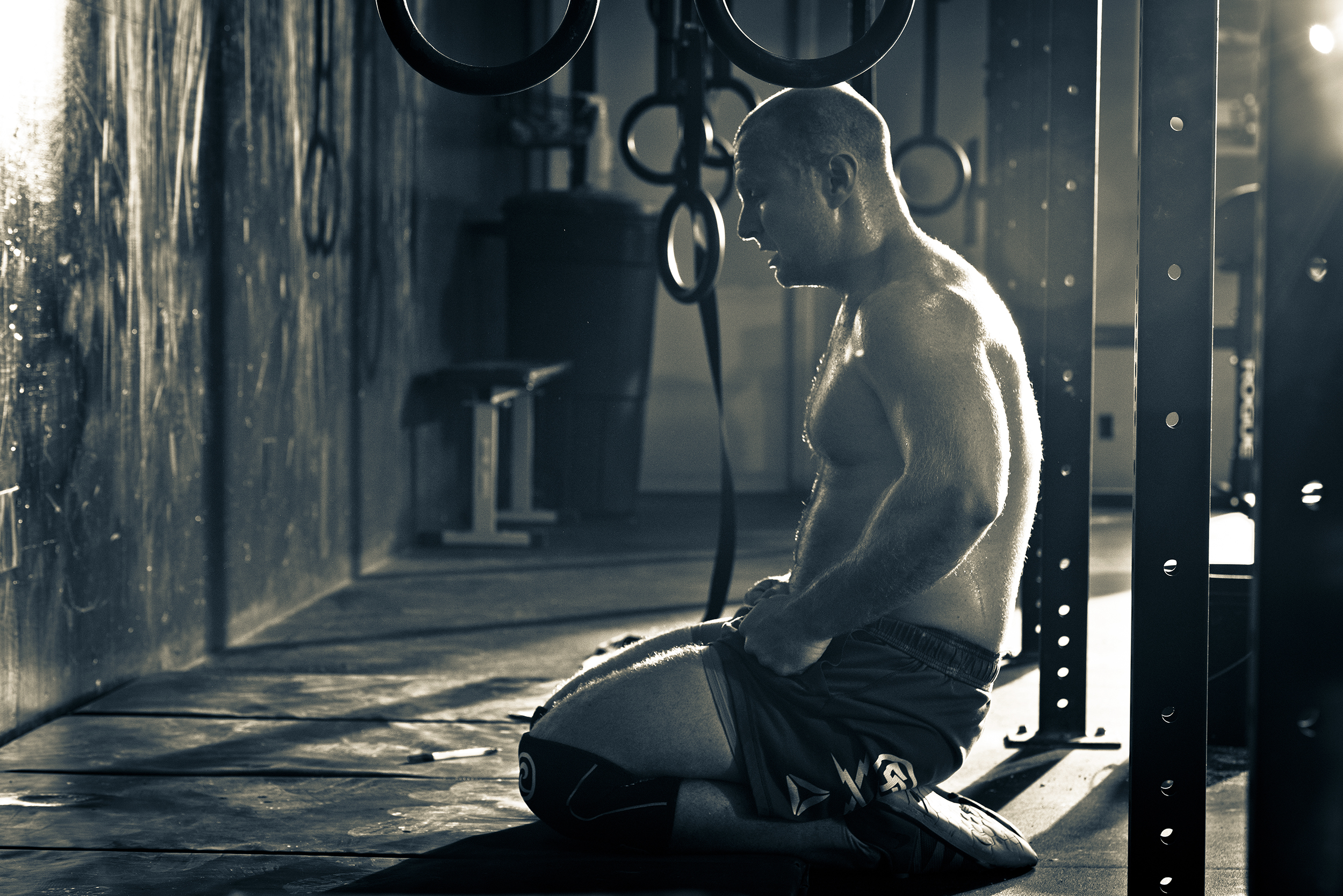
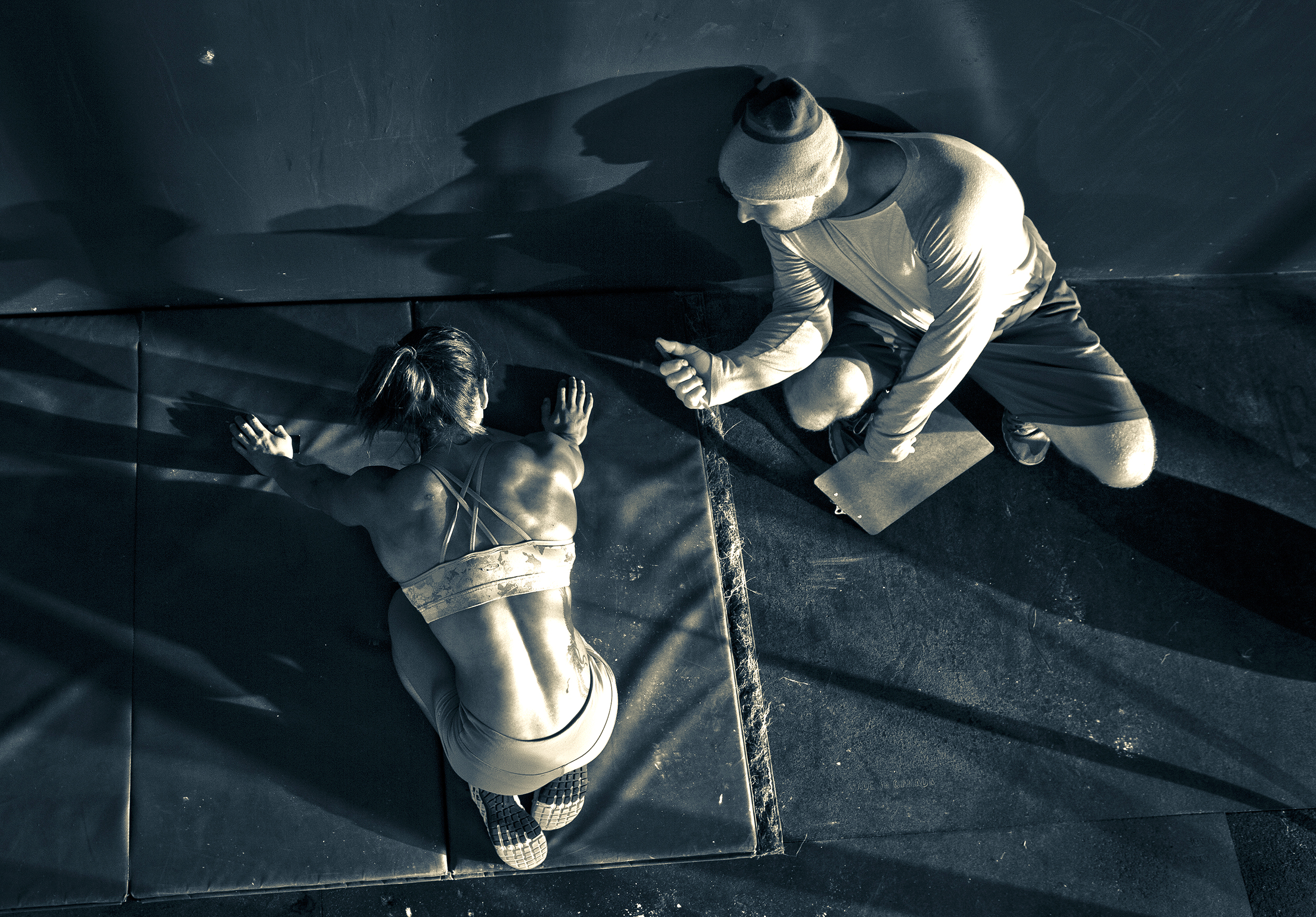
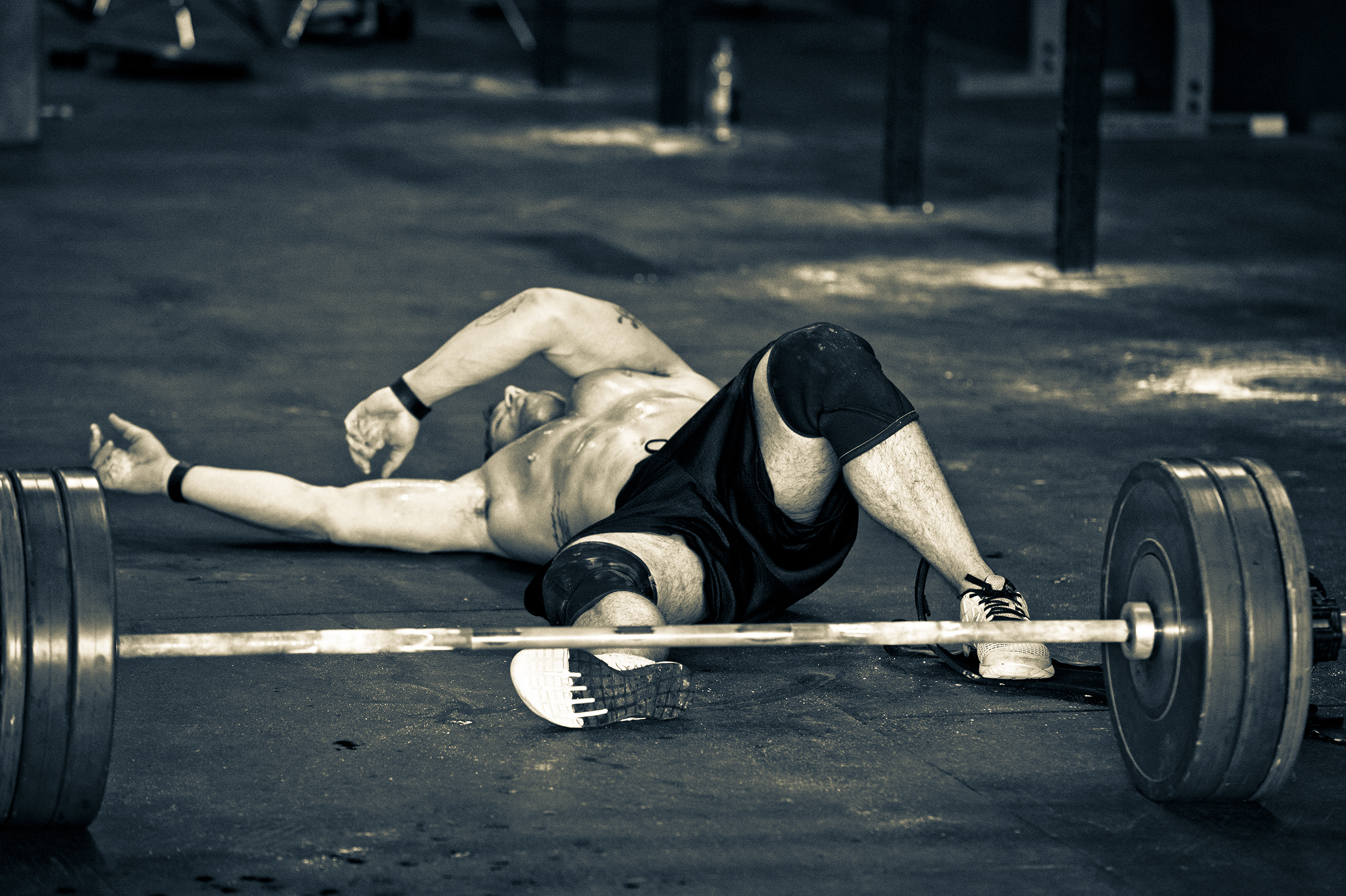
Fitness photography thrives in environments where raw energy meets unfiltered determination. A commercial fitness photo shoot at a gritty gym offers the perfect backdrop to capture authenticity and resilience. From the textured walls to the sweat-streaked equipment, every element tells a story of hard work and perseverance.Unlike pristine fitness centers, gritty gyms exude character. These spaces are often adorned with worn weights, exposed brick walls, and industrial lighting, creating a rugged atmosphere that enhances the narrative of strength. For a commercial shoot, this environment provides depth and texture, making every image feel grounded and impactful.


Click here to see more of my advertising fitness photography

Crossfit - San Diego

San Diego Fitness Photography

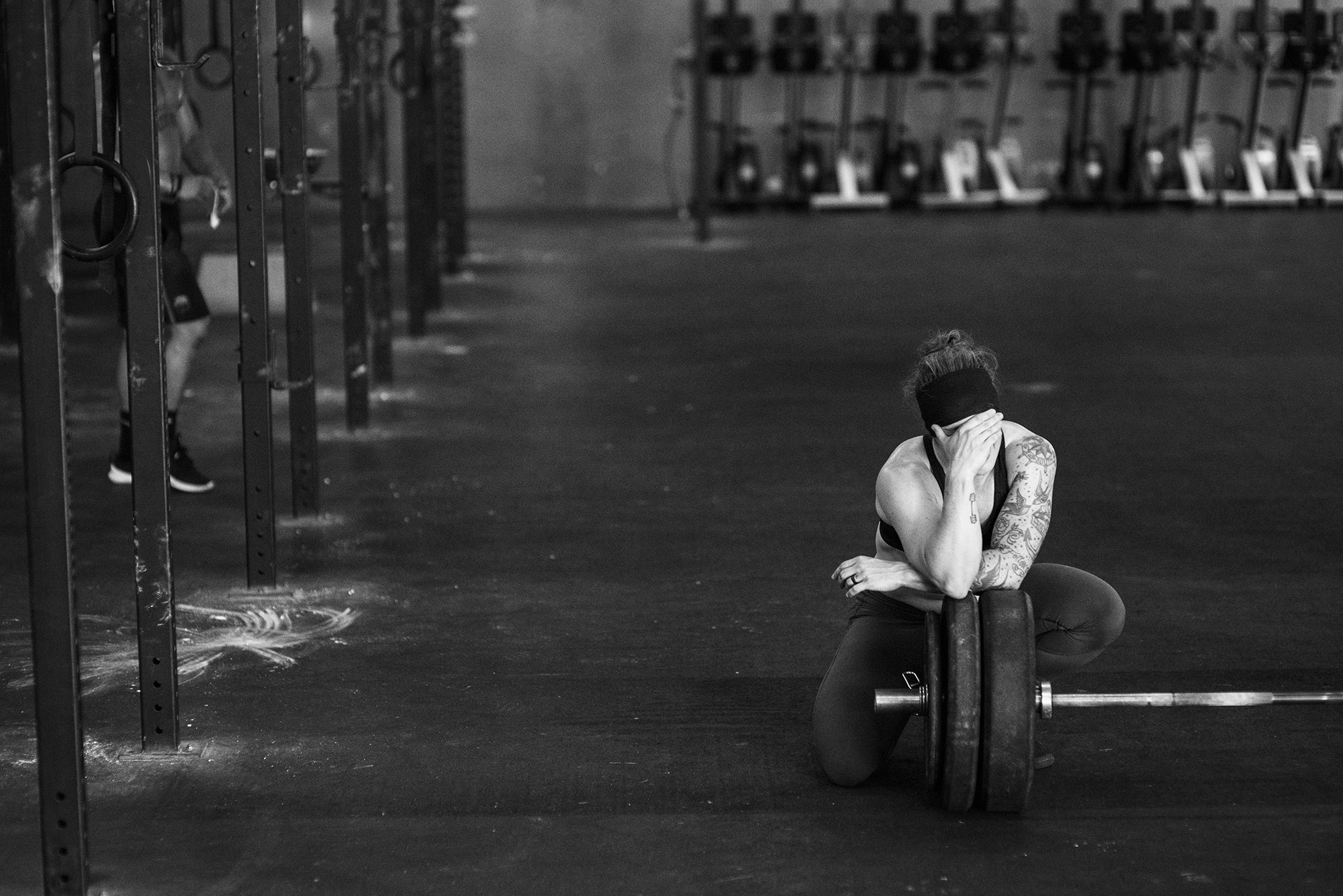
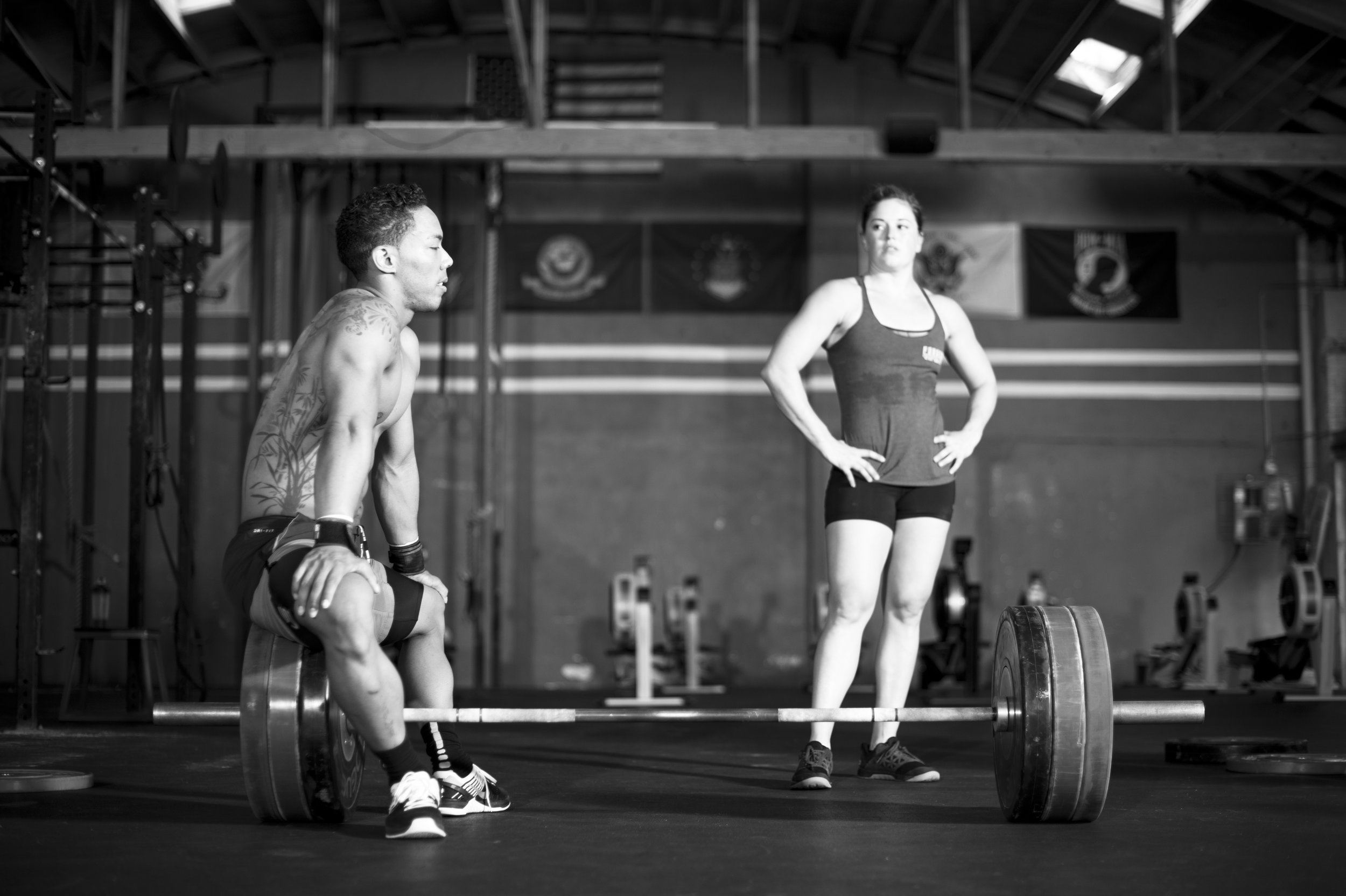
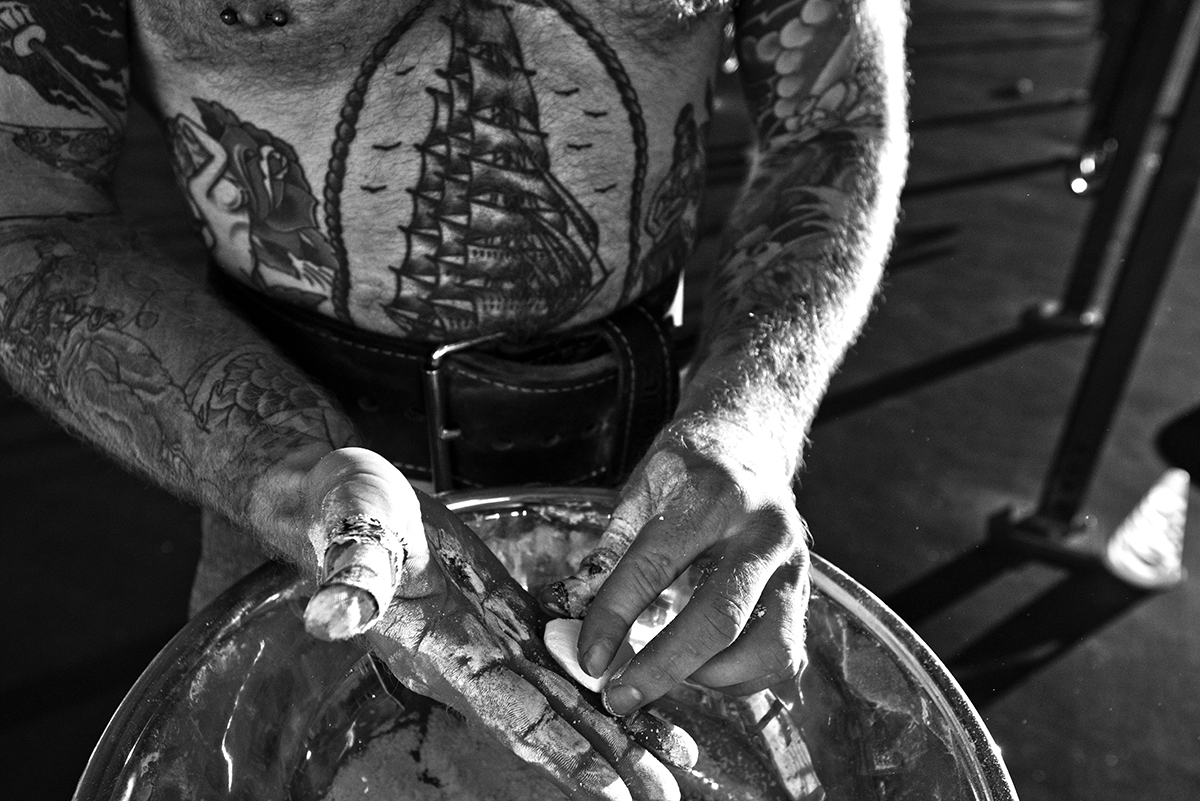
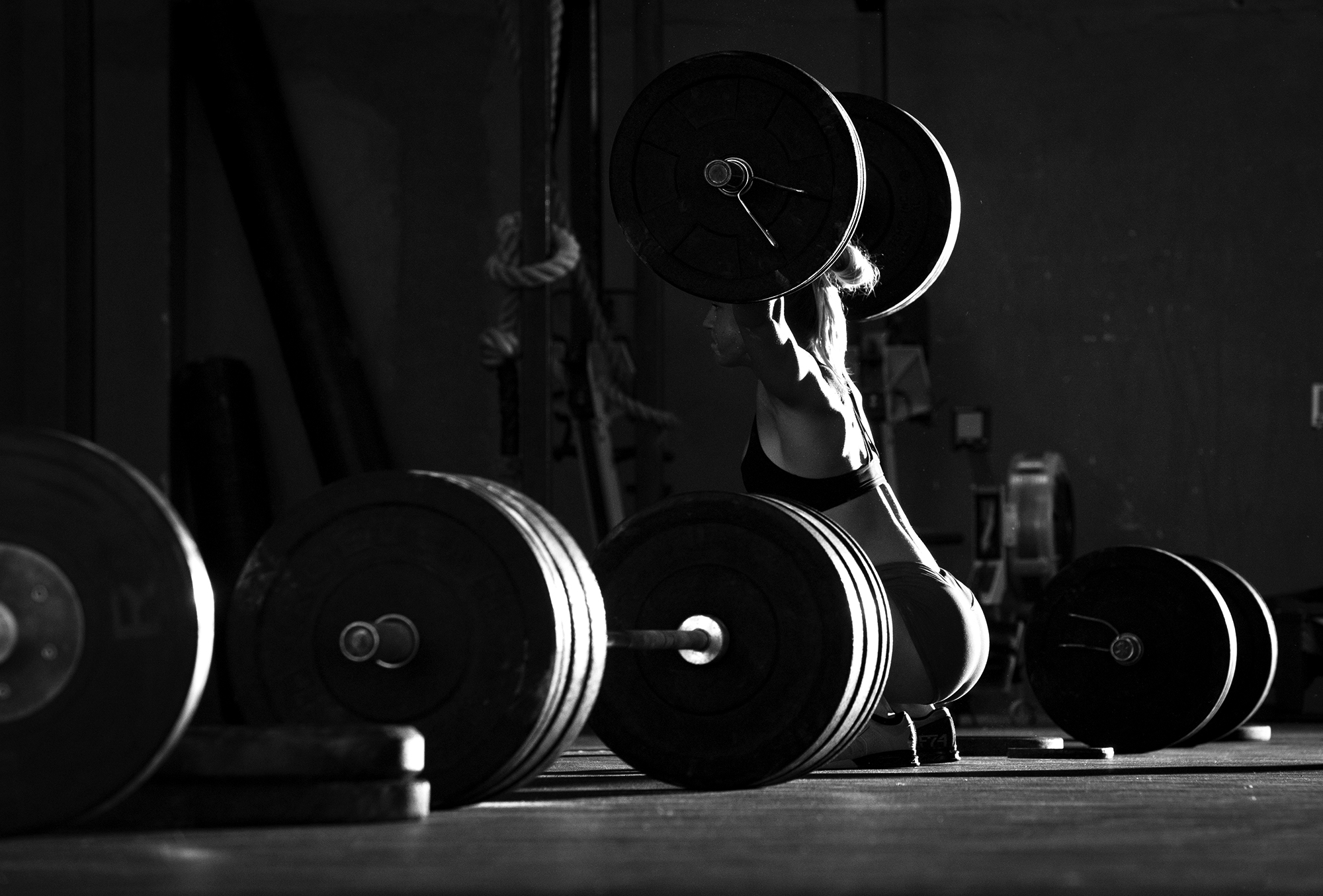
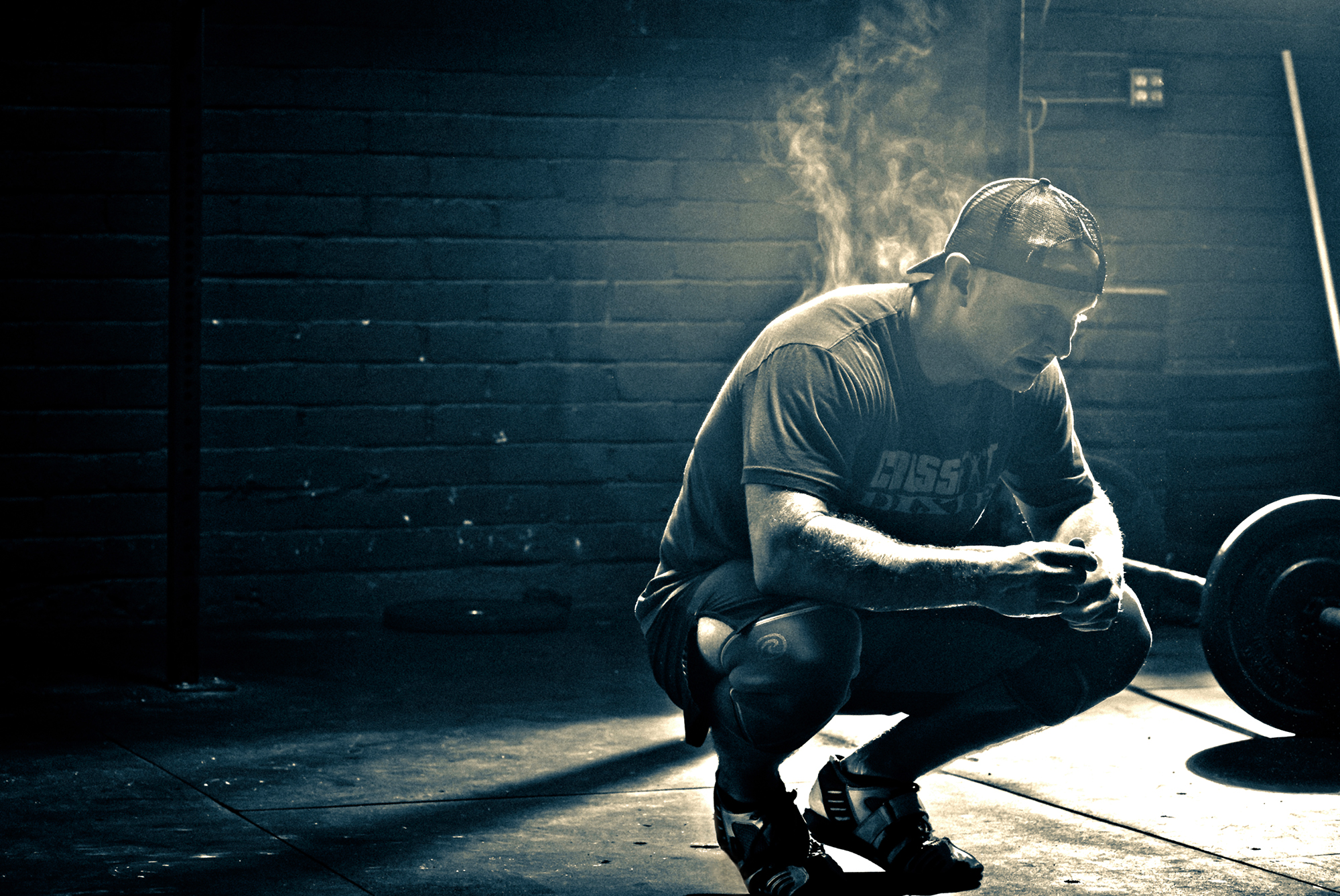
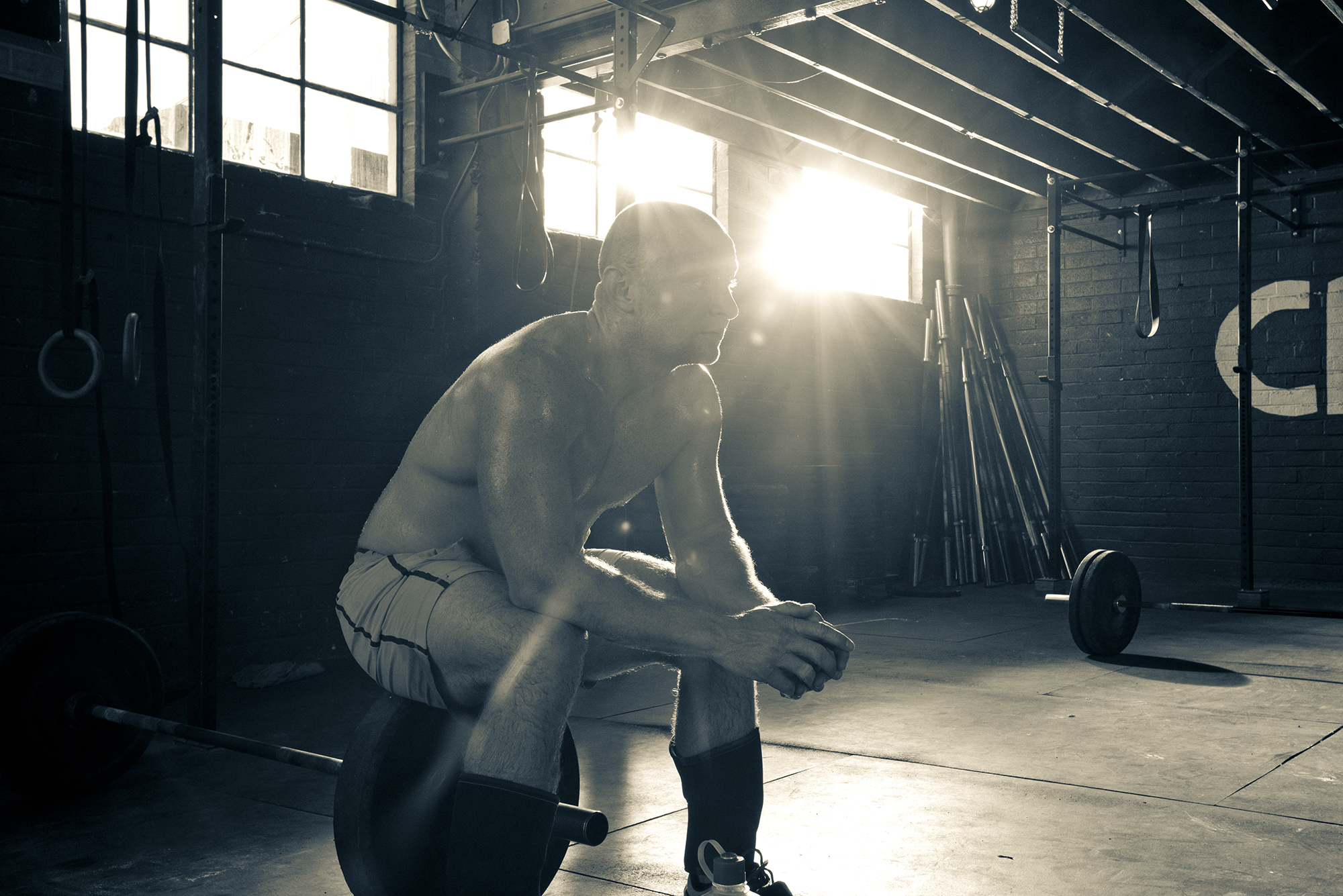
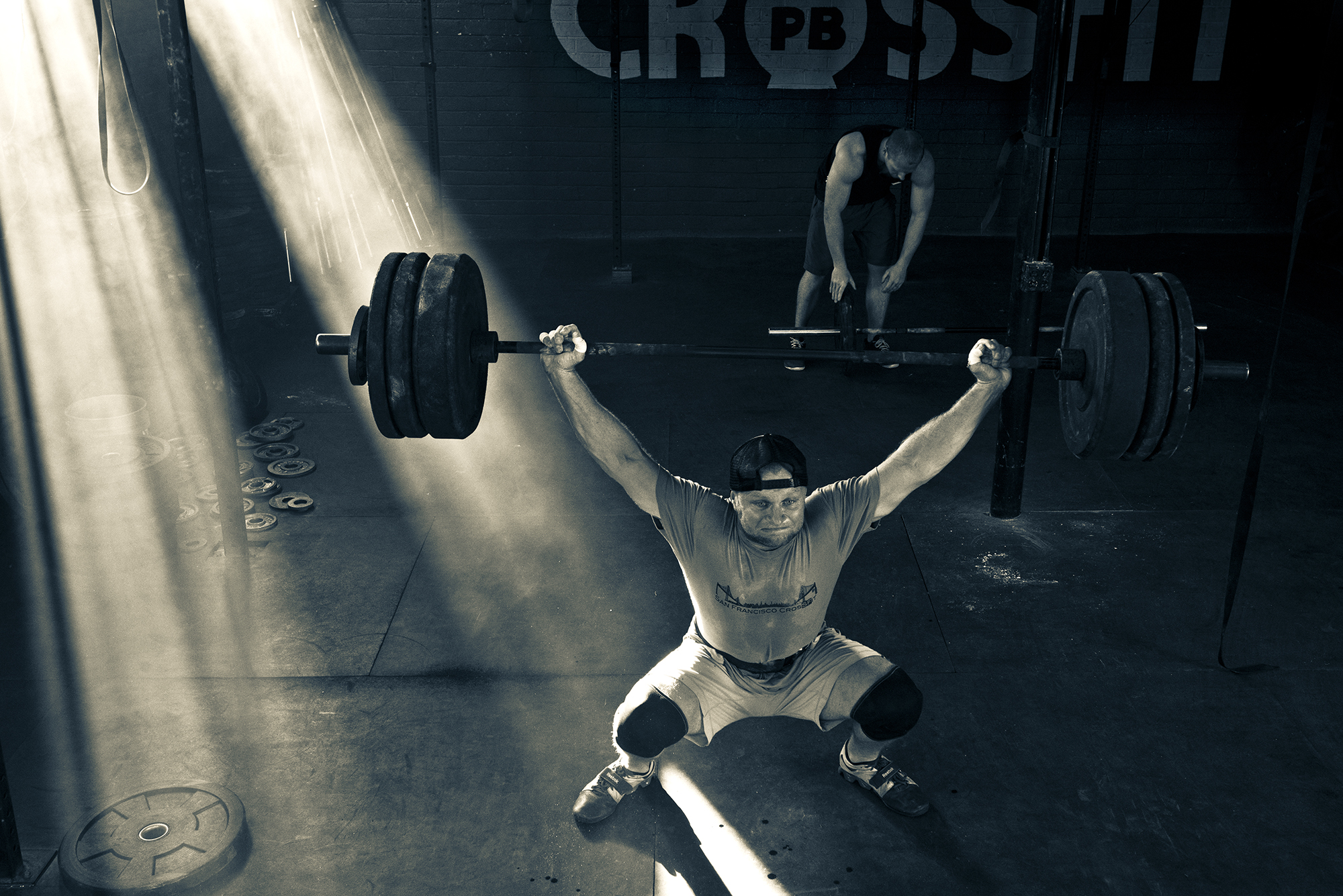
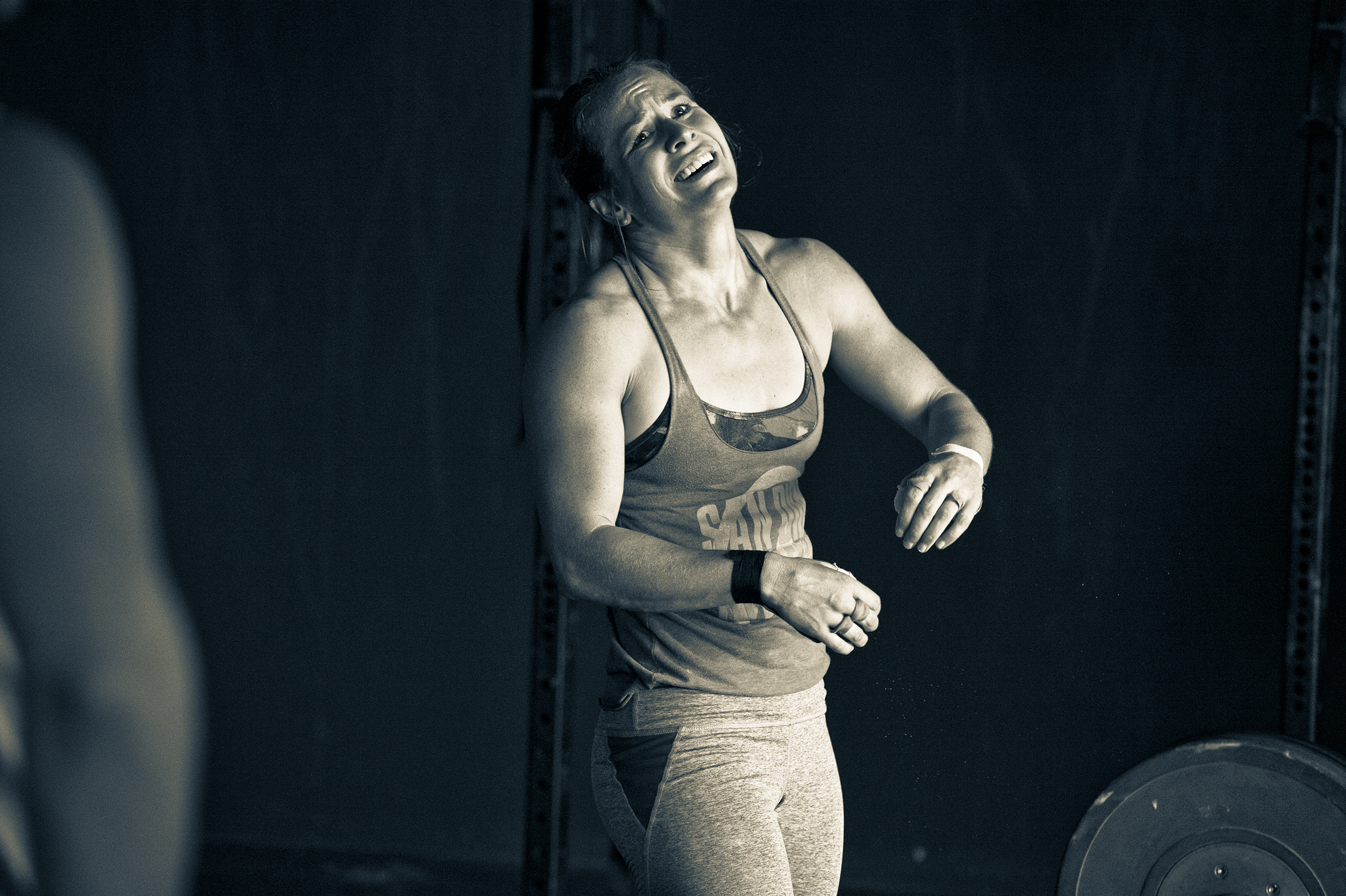
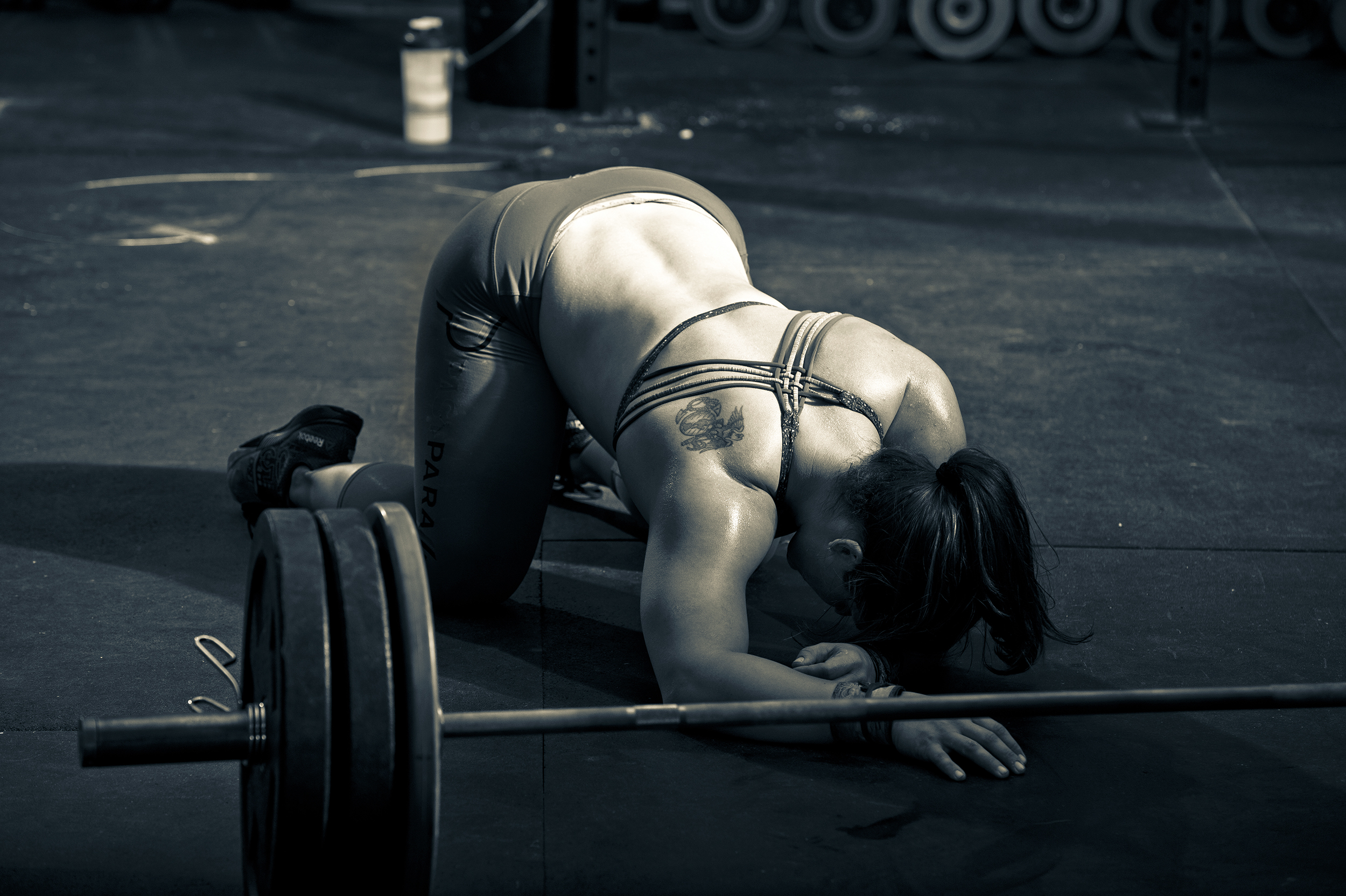
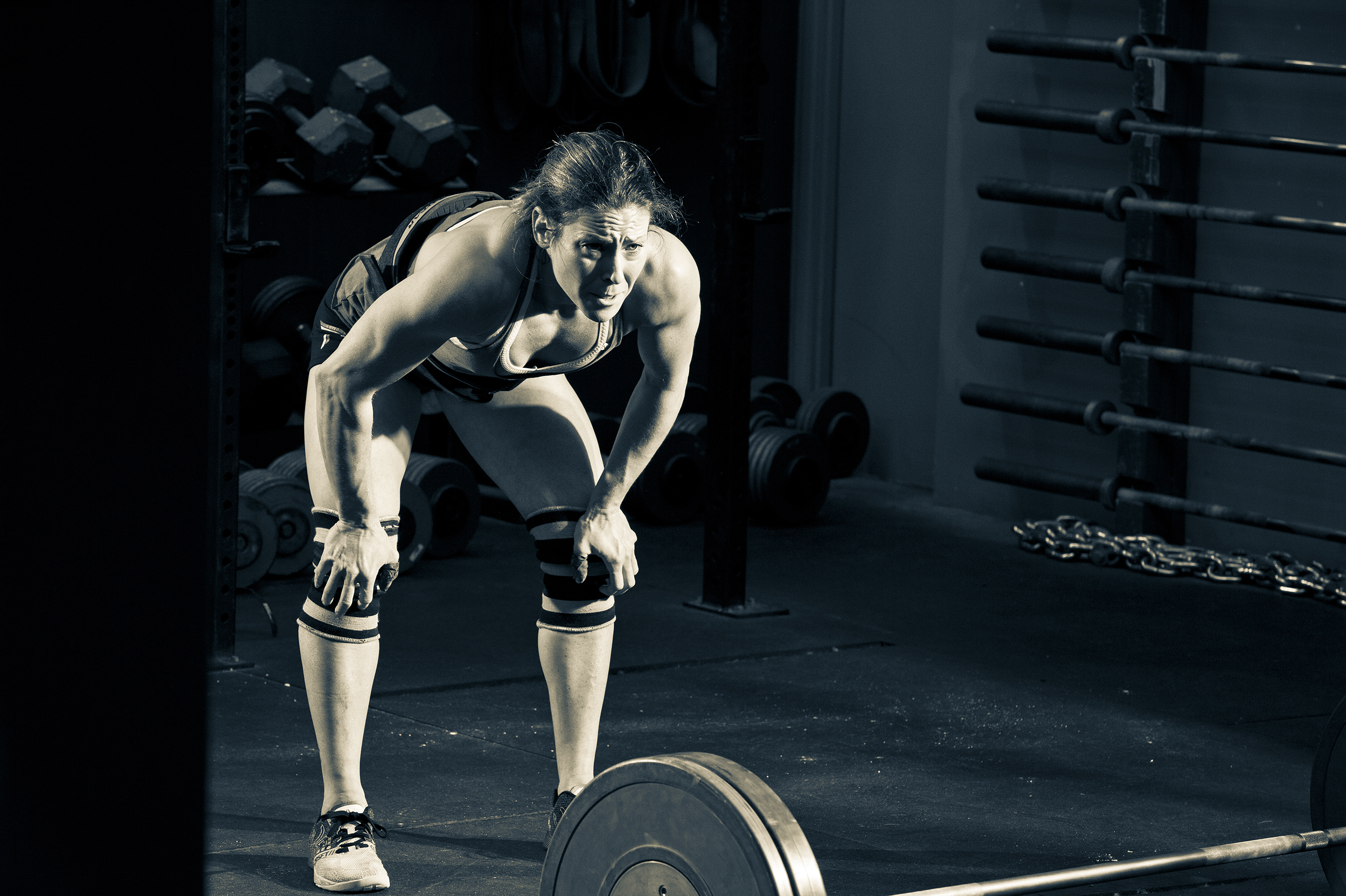
I've been shooting Crossfit for a few years now, and love it. There is a certain element that is missing in regular gyms. Most people in regular gyms get dressed up to "workout", but really they just stare in the mirror for an hour. Crossfitters want it to hurt. They are authentic. They want to be in pain by the end of their workout. This is a small collection of images I made over the past month, of that pain.

All images were shot on a Nikon D810/D4 and lit with Broncolor strobes.