Photographing Real Fitness Athletes in Colorado

Real Athlete Fitness Photography in Colorado

Most fitness photography looks the same.

Clean gym floors. Posed movements that feel more like demonstrations than actual training. It works for certain campaigns, but it rarely reflects how athletes really move, train, or push themselves day to day.

The work shown here comes from a different approach—photographing real athletes in the middle of real training sessions. No overproduction. Just movement, effort, and the environment as it exists.

Shot in Colorado, this session is part of an ongoing body of work focused on authentic fitness and active lifestyle photography for brands, athletes, and companies that want something more grounded.
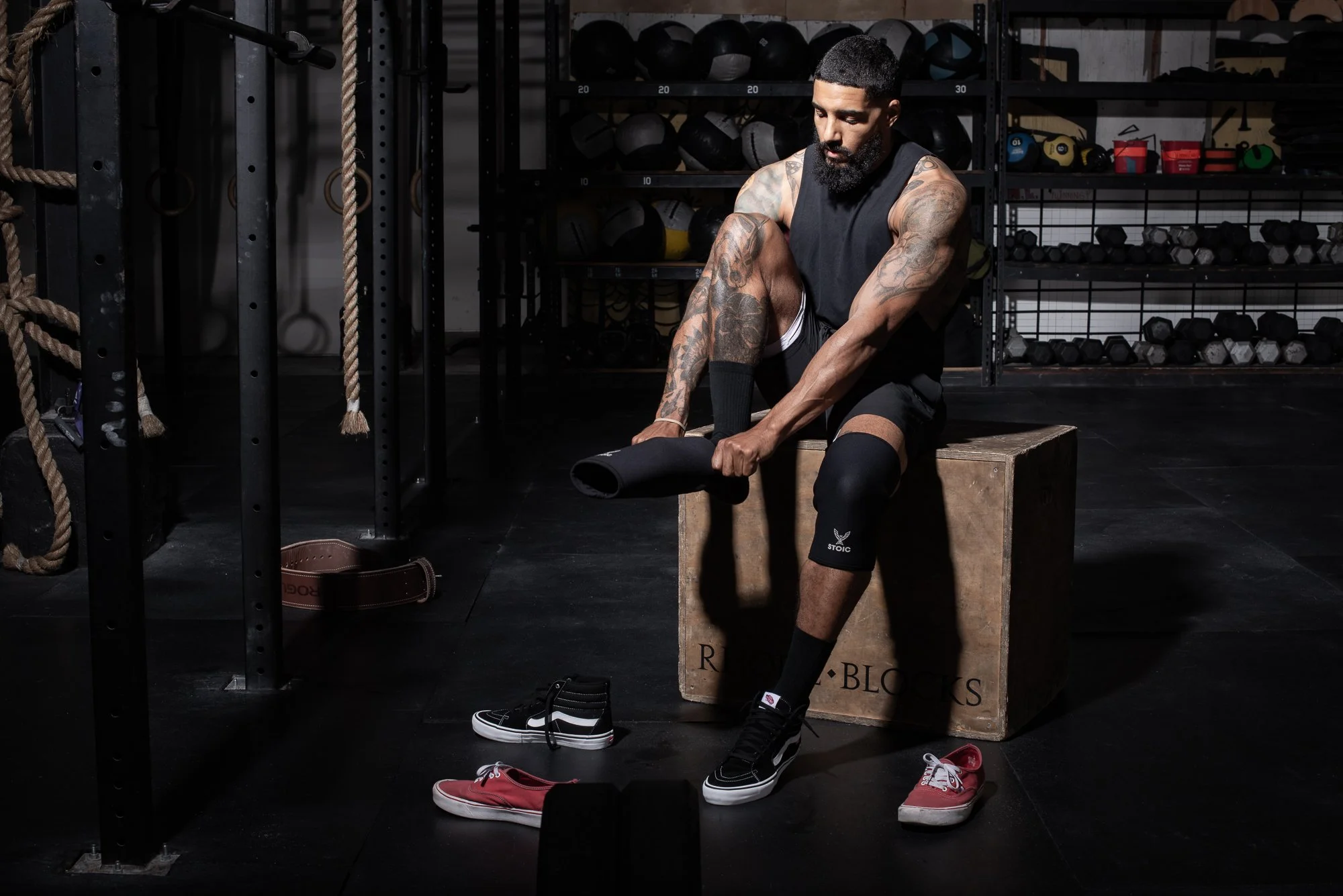
Athlete sits on a wooden box in a Colorado gym changing shoes, with training equipment and  weights around him

An athlete changes his shoes before a training session at a gritty gym

Built Around Real Training, Not Staged Moments

There’s a noticeable difference between directing an athlete into a pose and documenting them while they’re actually working.

In a real training environment:

  • movements aren’t perfect

  • timing isn’t predictable

  • fatigue becomes part of the visual story

That’s where the strongest images tend to come from.

Instead of stopping and resetting between reps, the goal is to stay with the athlete as the session unfolds—capturing the moments that would normally be missed in a more controlled shoot.
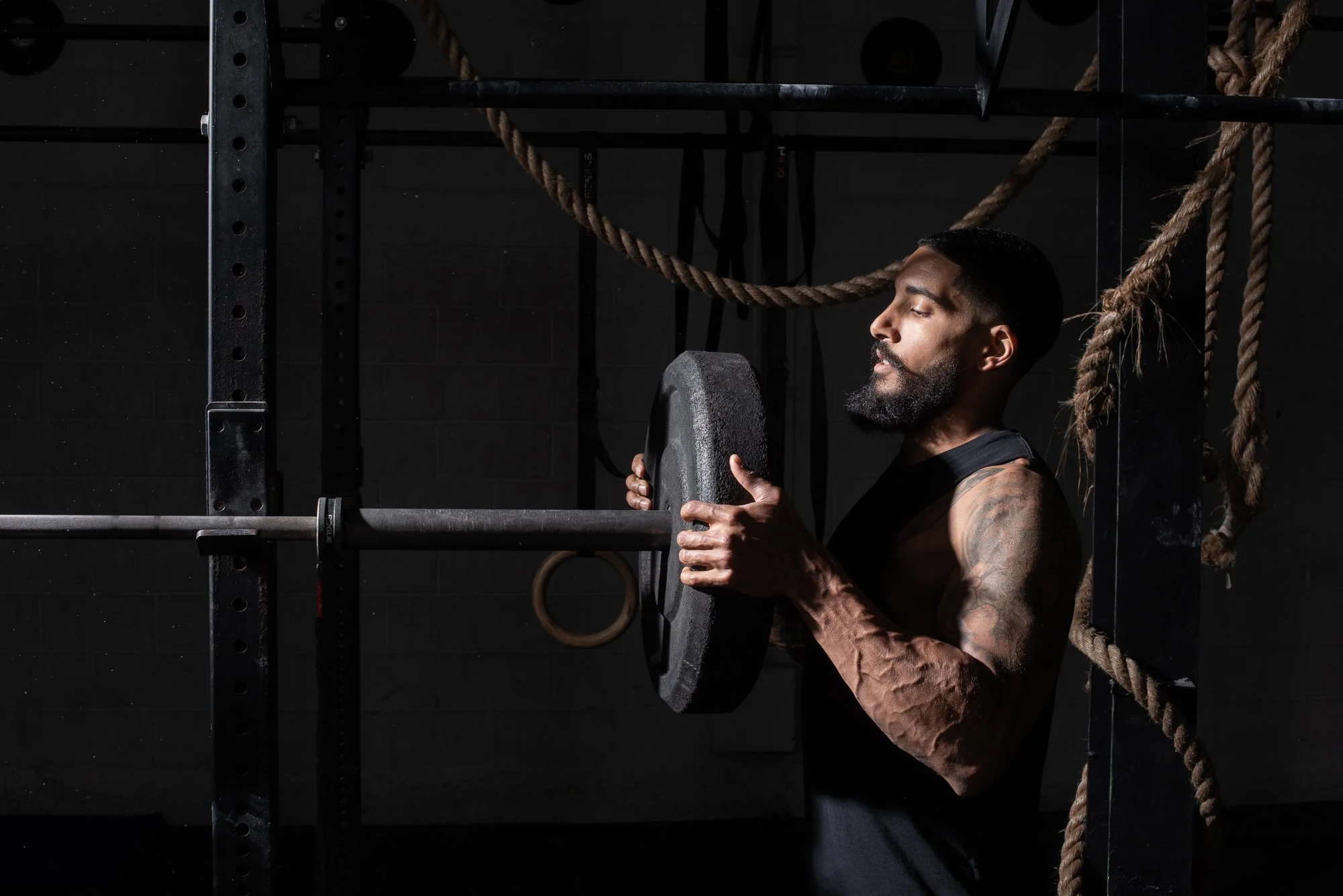
Athlete loads a weight plate onto a barbell in a Colorado gym, surrounded by ropes and  strength equipment

A plate slides onto the bar as the session continues, with no pause between movements in a Colorado training space.

Letting the Environment Do the Work

Real gyms naturally lends themselves to this kind of photography.

Whether it’s a garage gym, a CrossFit space, or an outdoor training setup, the environment becomes part of the frame—not something to be cleaned up or removed.

Concrete floors, worn equipment, chalk in the air, changing light throughout a session—these details add context and make the images feel real. They also give brands something they can’t replicate in a studio.
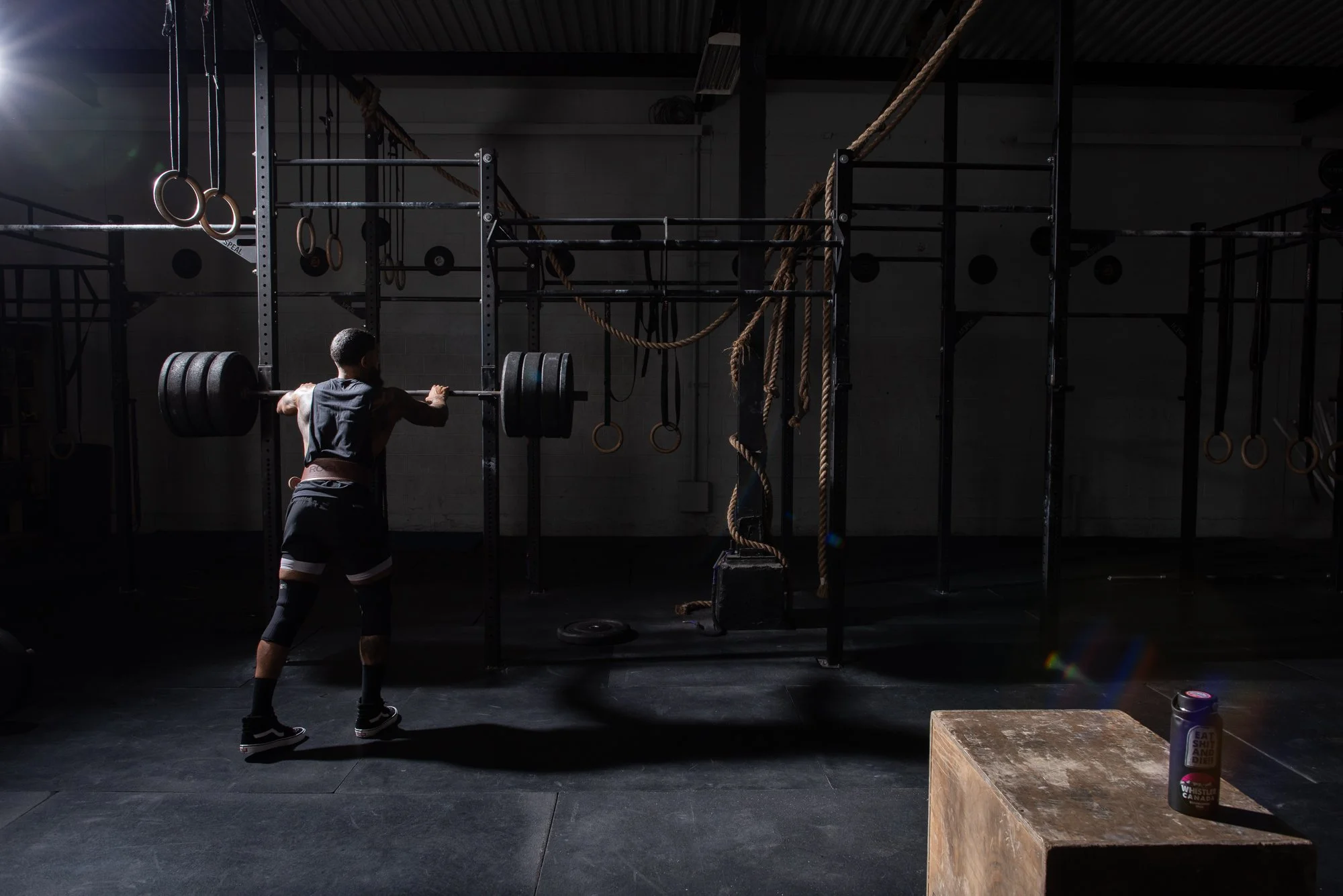
Athlete steps back from a barbell setup in a Colorado gym, surrounded by racks and ropes

The bar remains in the rack as position resets between attempts, part of the natural pacing of a training session in Colorado.
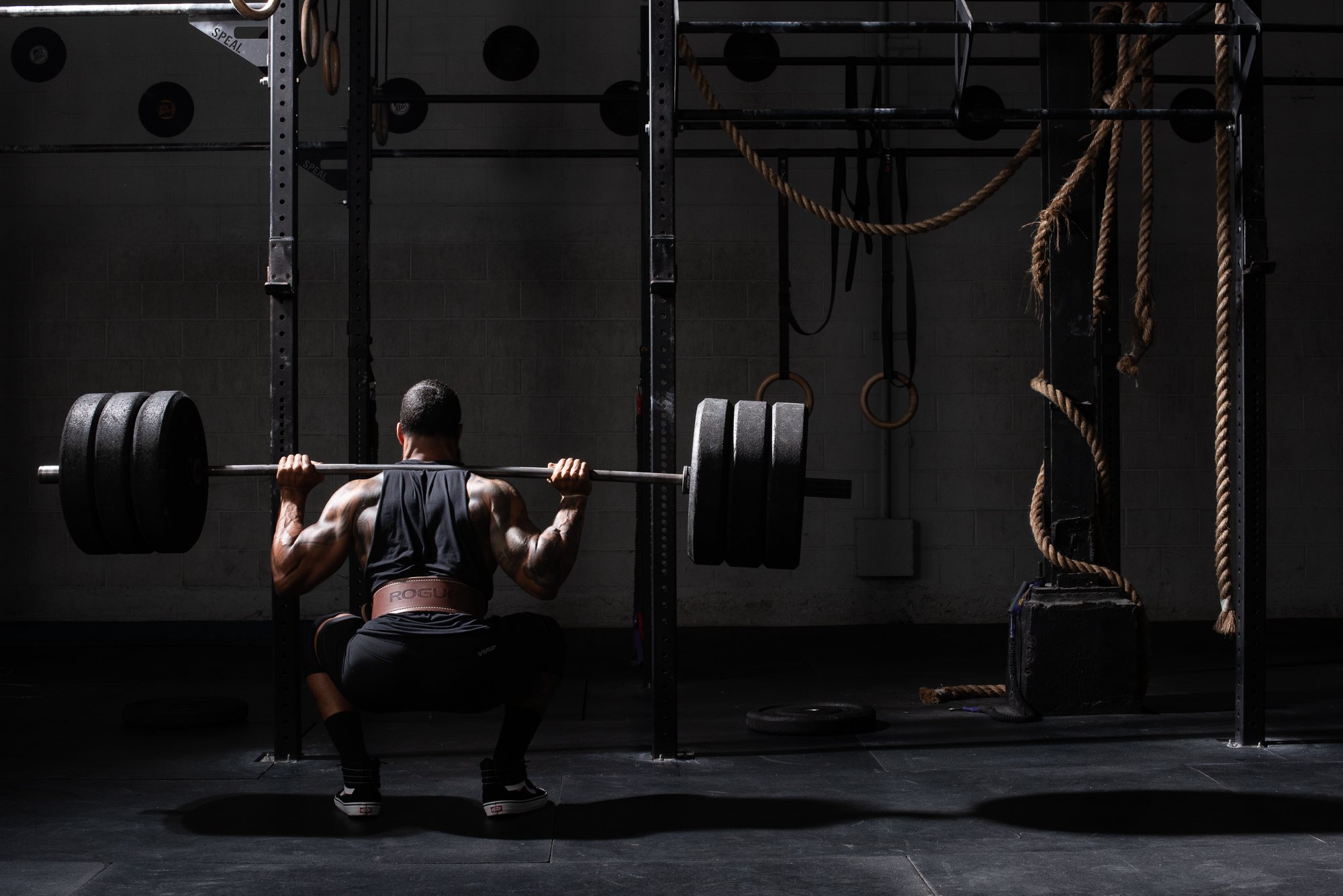
Athlete performs a heavy back squat with a loaded barbell in a Colorado training gym

A heavy squat settles at the bottom, the weight held across the shoulders during a working set in Colorado.

Using Strobes to Match Real Environments

While the goal is to keep these sessions grounded in real training, lighting still plays an important role.

These images were lit with strobes to create a more dramatic, high contrast look. Still though, the intention is to shape and enhance what’s already there, not replace it.

In fast-moving training sessions, strobes allow for:

  • freezing motion at peak intensity

  • maintaining consistency across changing conditions

  • adding depth without flattening the scene

The key is restraint. The light is built to feel like it belongs in the space—whether that’s a gym, garage, or outdoor setup—so the final images still reflect how the session actually felt.
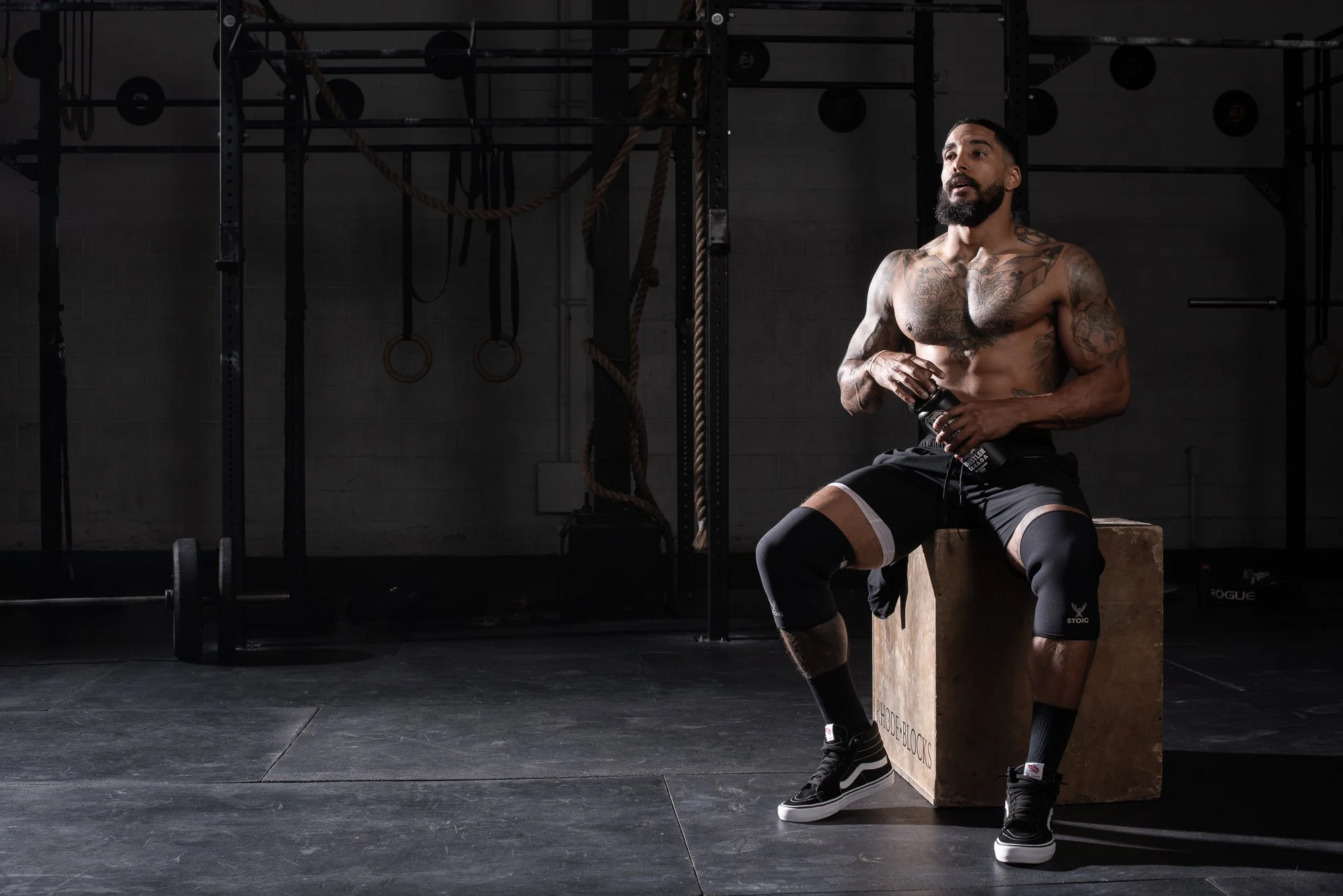
Athlete sits on a wooden box drinking water during a workout in a Colorado gym

A short break between efforts, sitting with a bottle in hand before the next set begins in a Colorado gym.
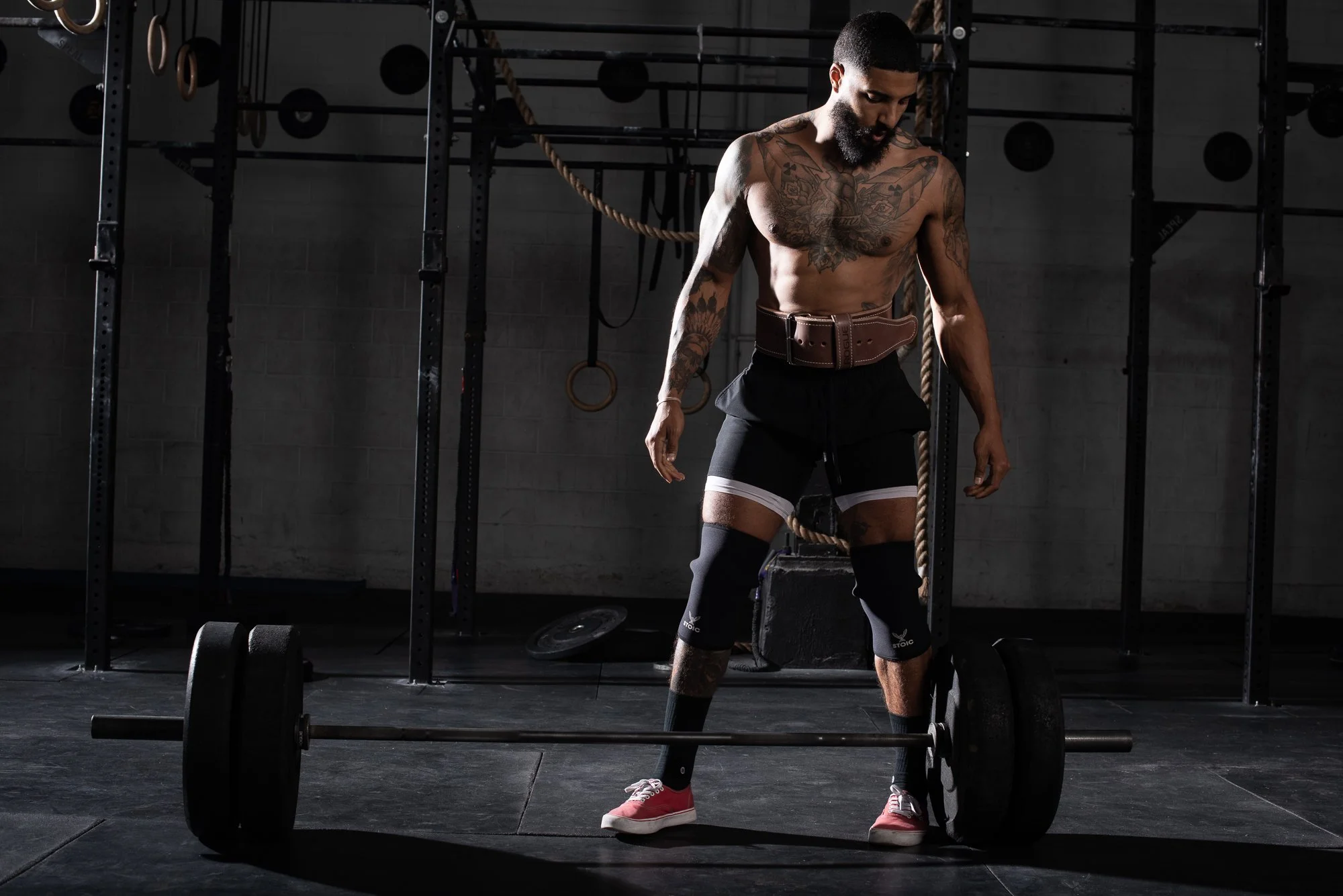
Athlete stands over a loaded barbell preparing for a deadlift in a Colorado gym

The bar rests on the floor as position is set before the next pull, part of an ongoing training session in Colorado.

Movement First, Everything Else Second

The priority in this type of shoot is always movement.

Not the perfect frame. Not the cleanest composition. The movement itself.

That means working through:

  • fast, unpredictable sequences

  • partial moments instead of full poses

  • imperfect but honest frames

Over time, that approach builds a set of images that feel connected to each other—like they came from a real session, not a series of isolated setups.
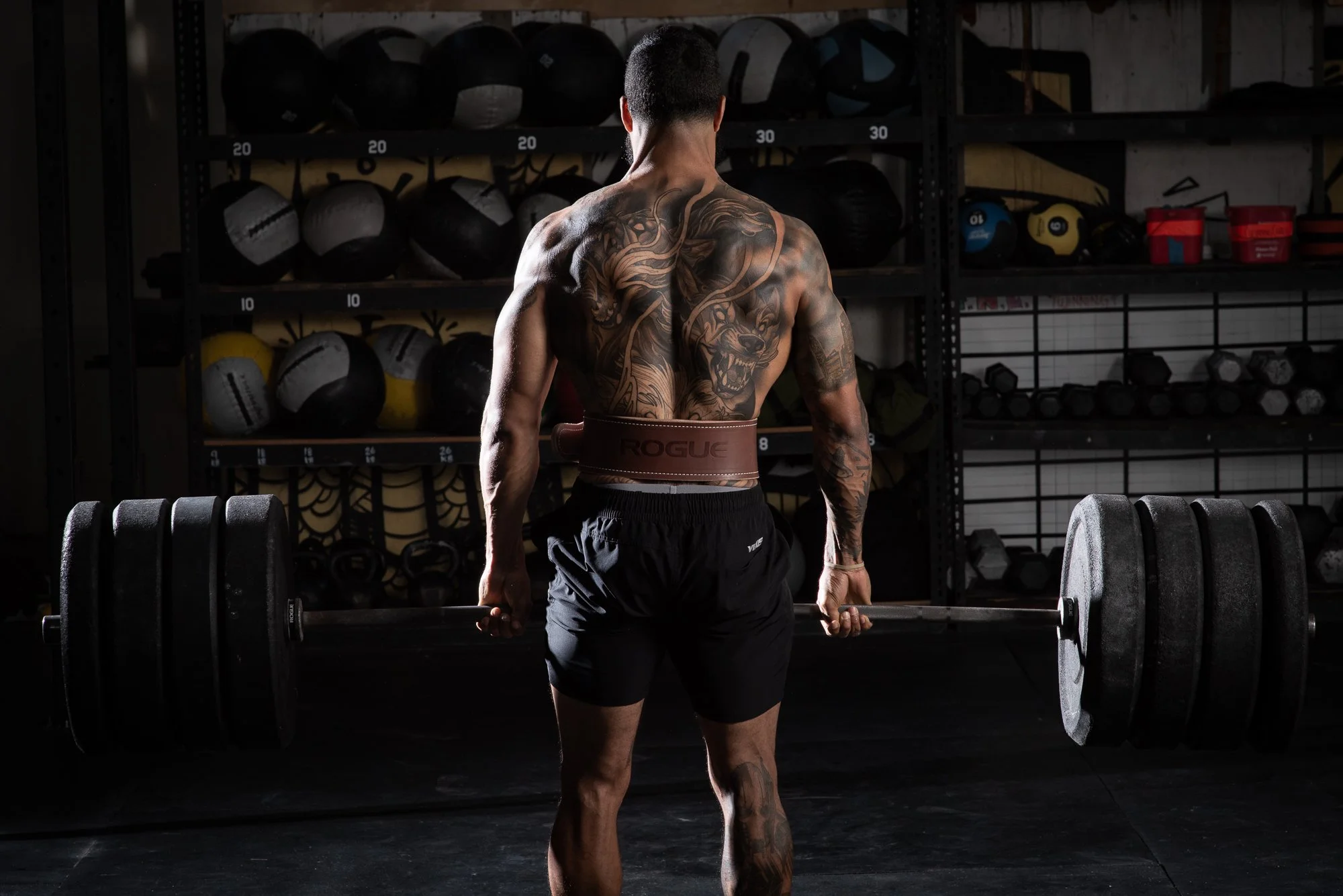
Athlete lifts a loaded barbell from the ground during a deadlift in a Colorado gym, viewed  from behind

The bar rises from the ground, back and shoulders tightening as the lift moves through in a Colorado gym.
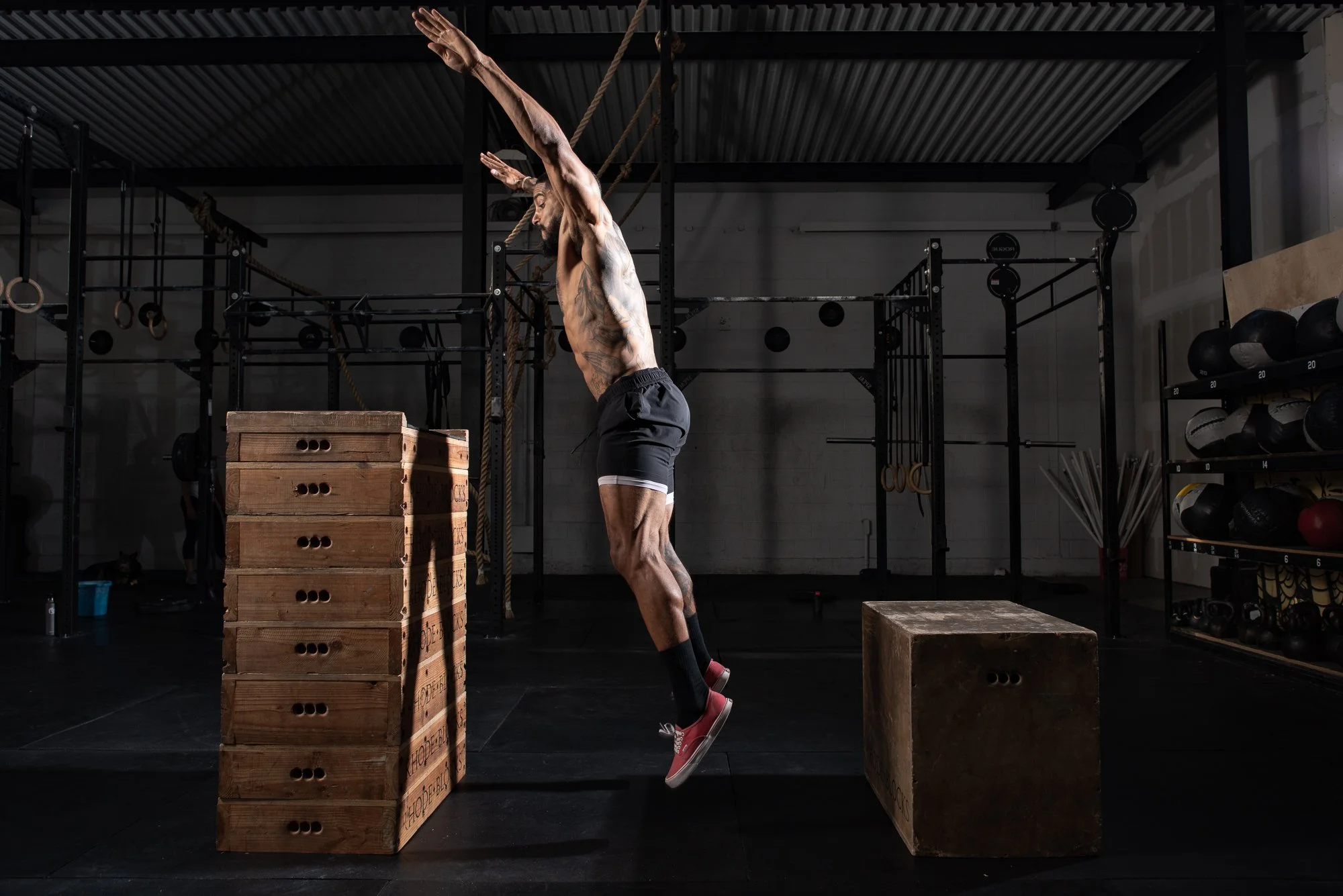
Athlete jumps onto stacked wooden boxes in a Colorado gym during a training session

An athlete doing box jumps during a training session at a Denver, Colorado gym.

Fitness and Active Lifestyle Photography in Colorado

This session is part of a broader body of work photographing athletes, brands, and outdoor fitness environments across Colorado.

If you're looking for photography that reflects how people actually train—whether for a campaign, brand shoot, or editorial project—you can view more here:

Denver Fitness and Active Lifestyle Photographer
View more fitness photography from another training session
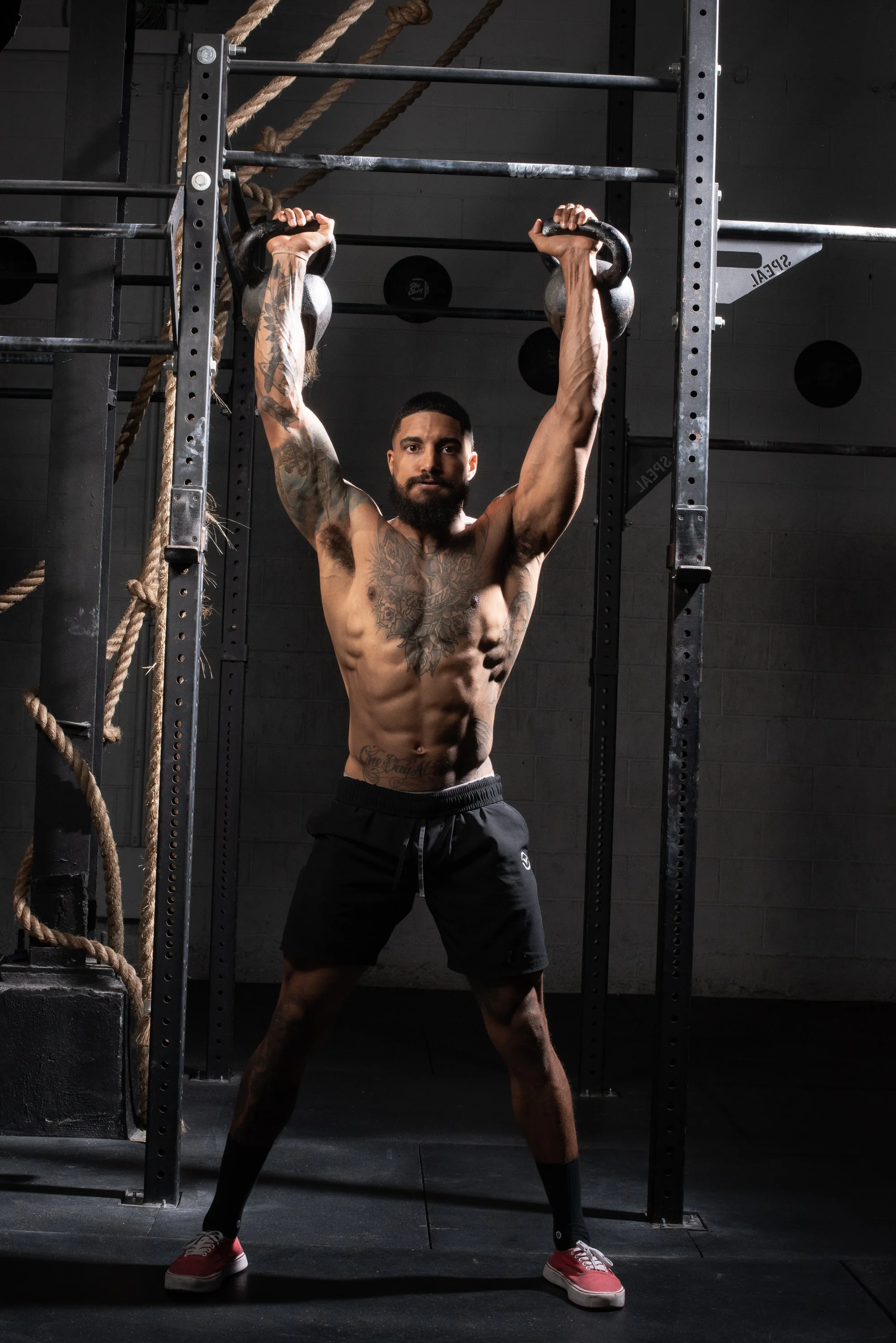
Athlete presses kettlebells overhead in a Colorado gym while standing inside a rack

Kettlebells reach full extension overhead, finishing the movement at the top of a working set in Colorado.
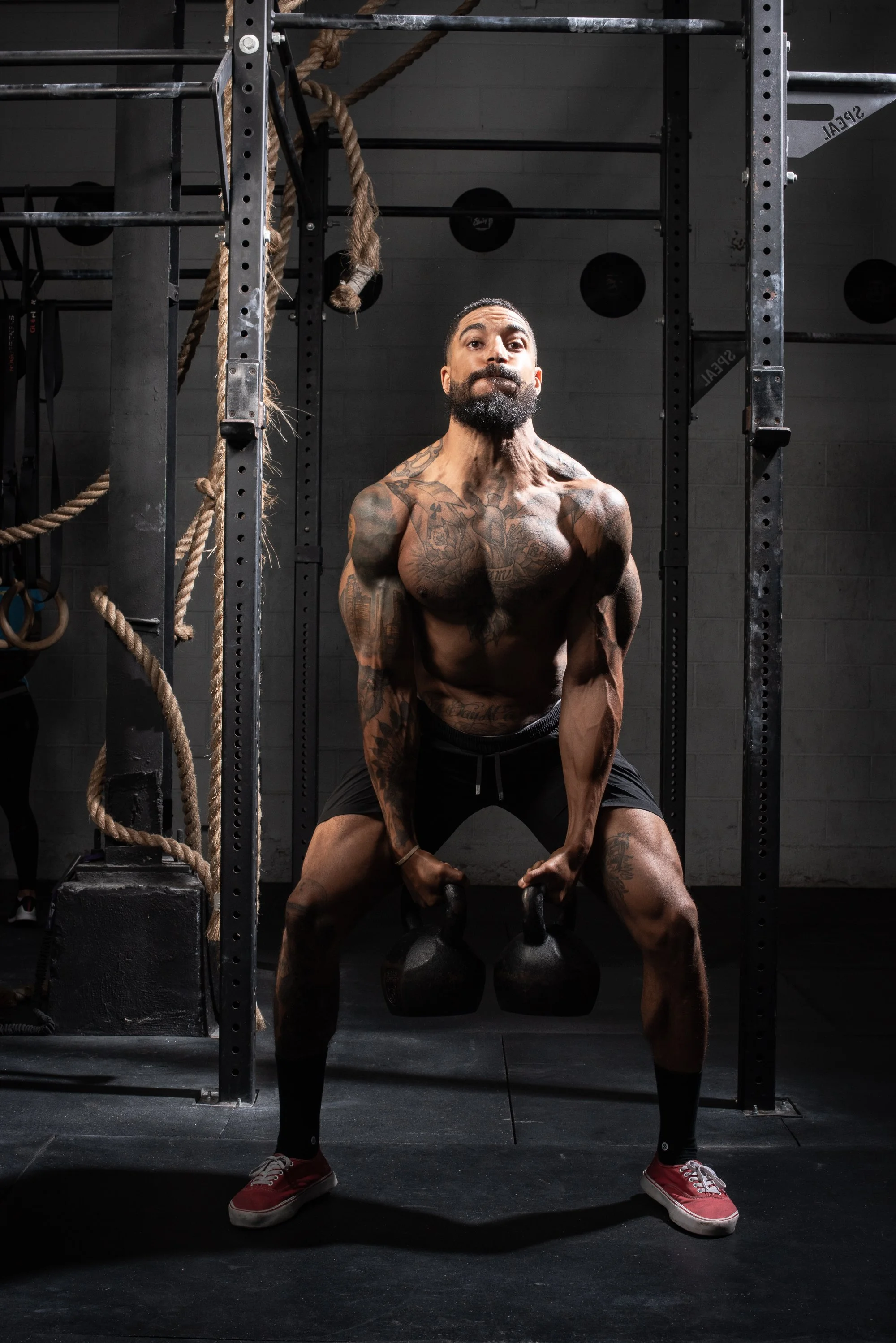
Athlete lifts two kettlebells from a low position in a Colorado gym, showing visible strain

Kettlebells move upward from a low position, effort visible through the strain of the lift in a Colorado gym.

A More Realistic Direction for Fitness Imagery

There’s a shift happening in how brands approach fitness photography.

Less emphasis on perfection. More emphasis on authenticity.

Not because it’s trendy, but because audiences can tell the difference.

Real training environments. Real effort. Real moments.

That’s where the work becomes more useful—not just visually, but commercially.
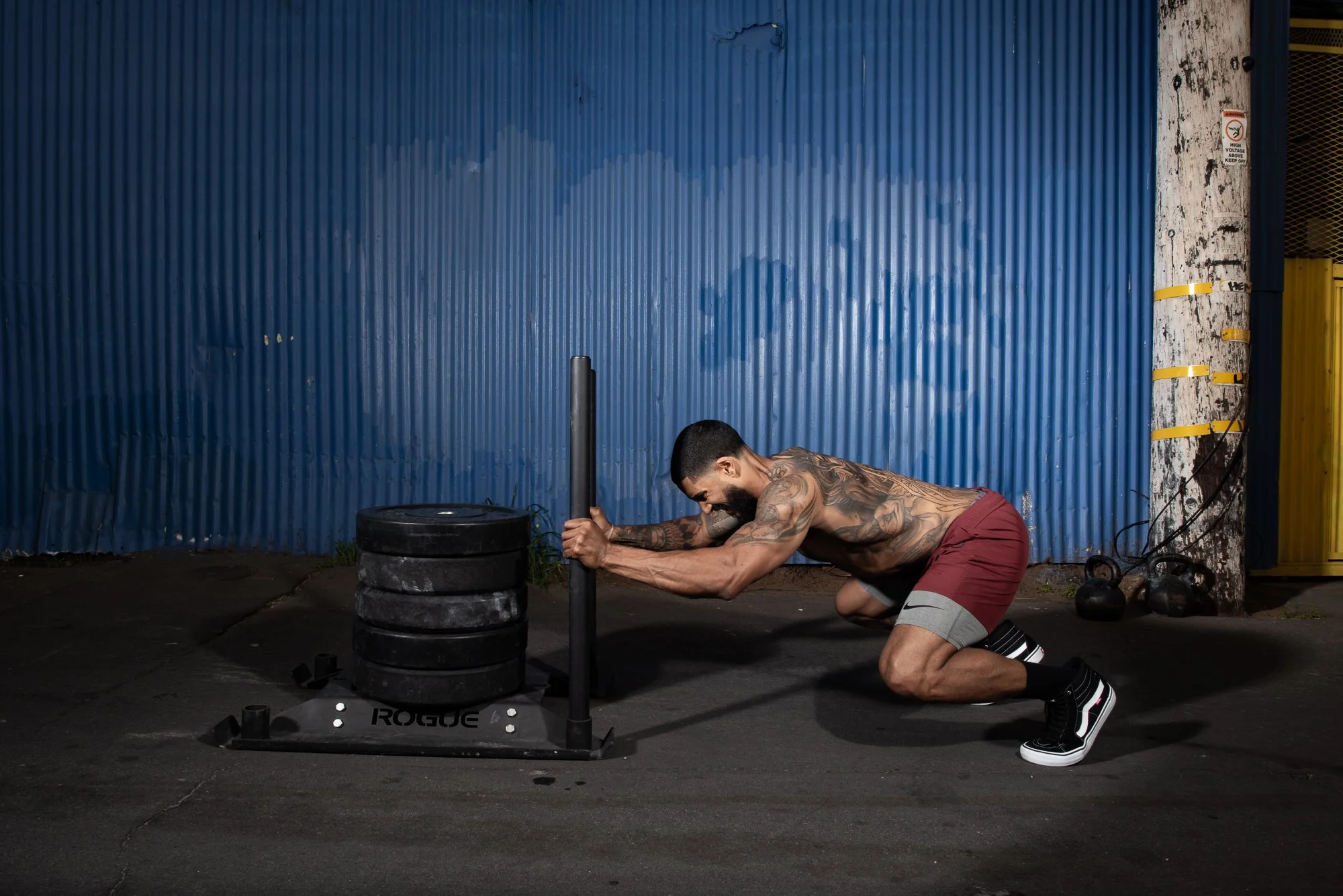
Athlete pushes a weighted sled across pavement in an outdoor Colorado training area

A weighted sled moves across pavement, driven forward step by step during outdoor training.
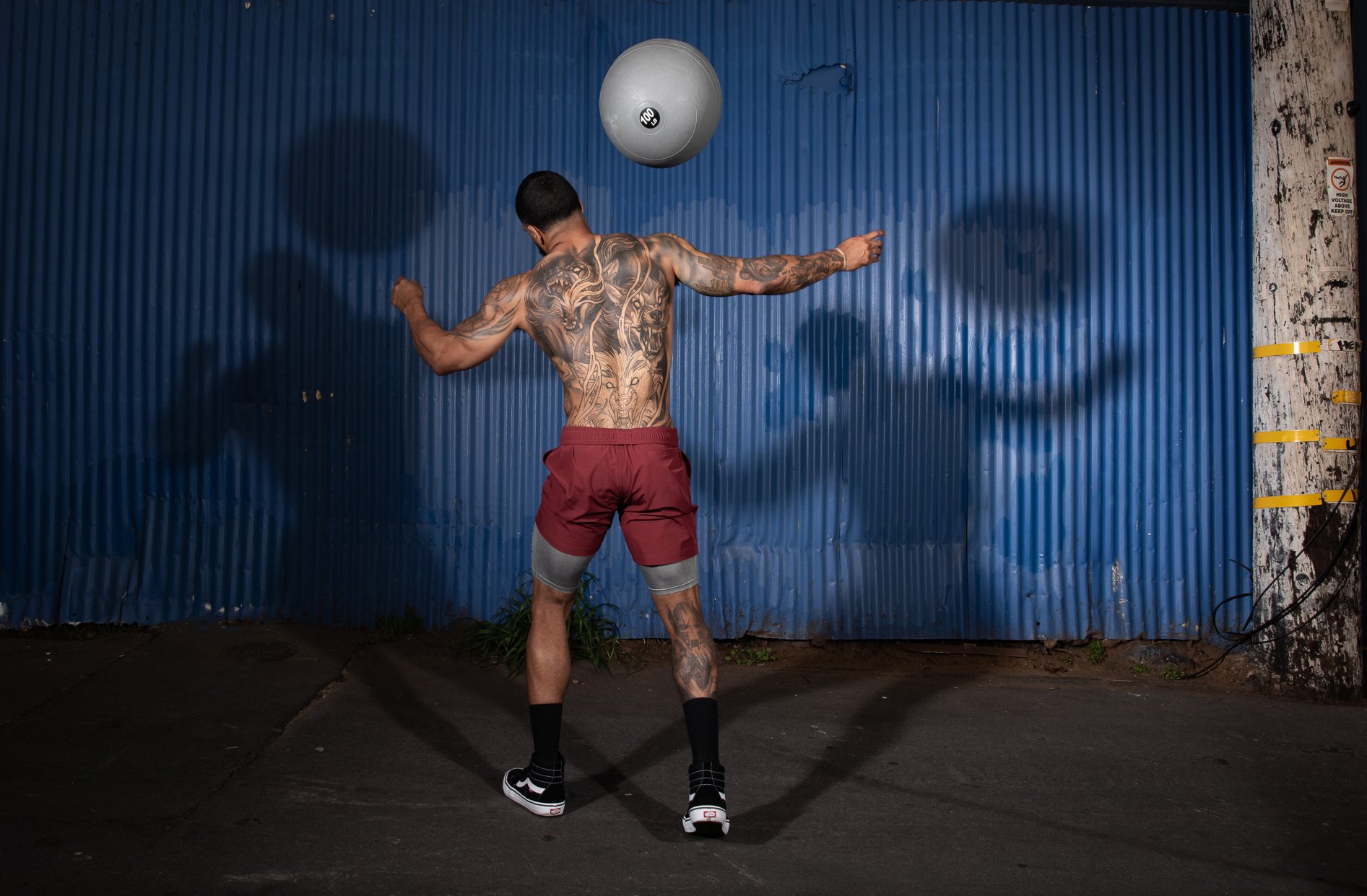
Athlete throws a medicine ball upward against a wall in an outdoor Colorado training area

An athlete doing heavy ball throws in an alley outside a gym
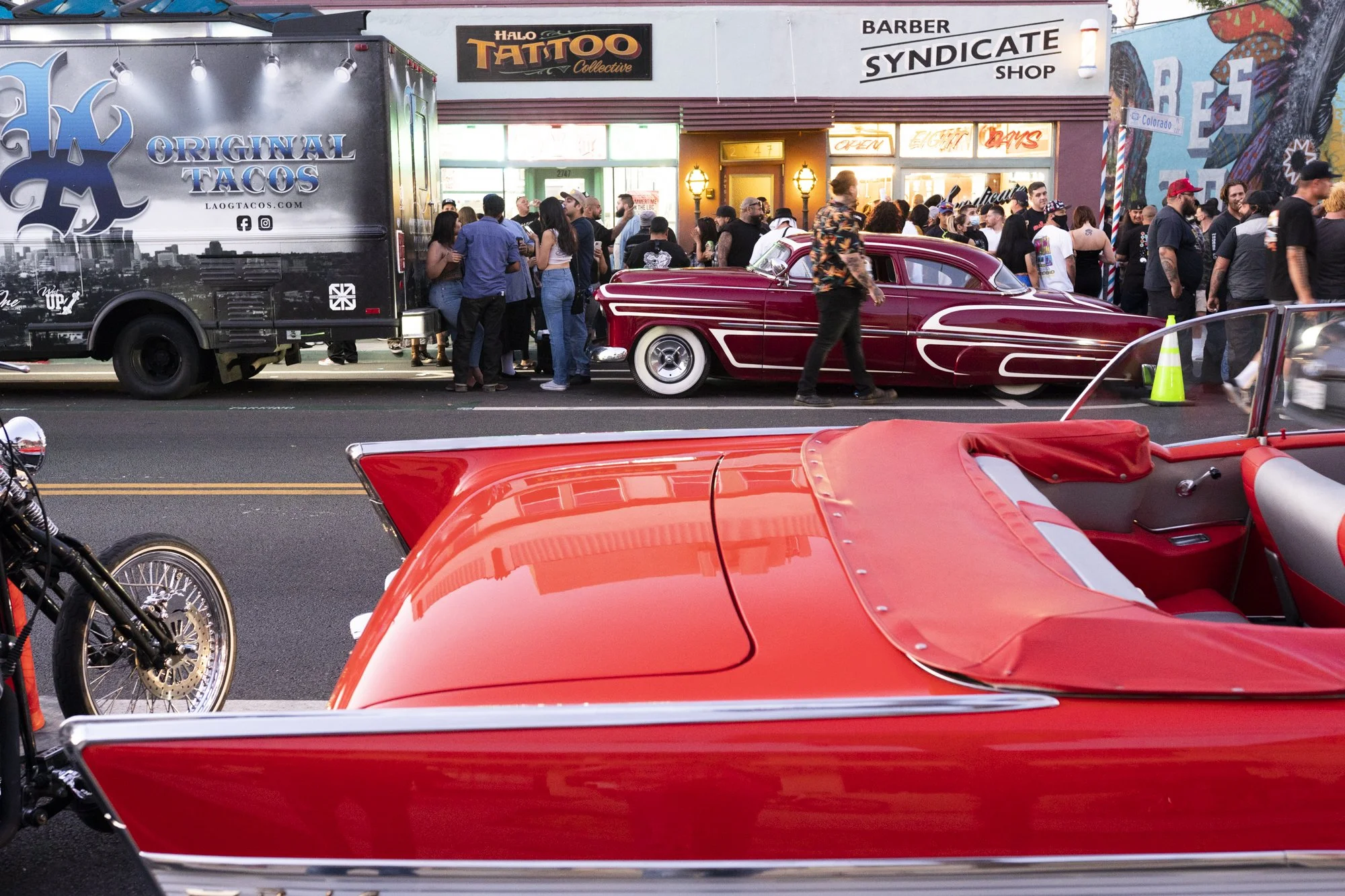
Barber Interview

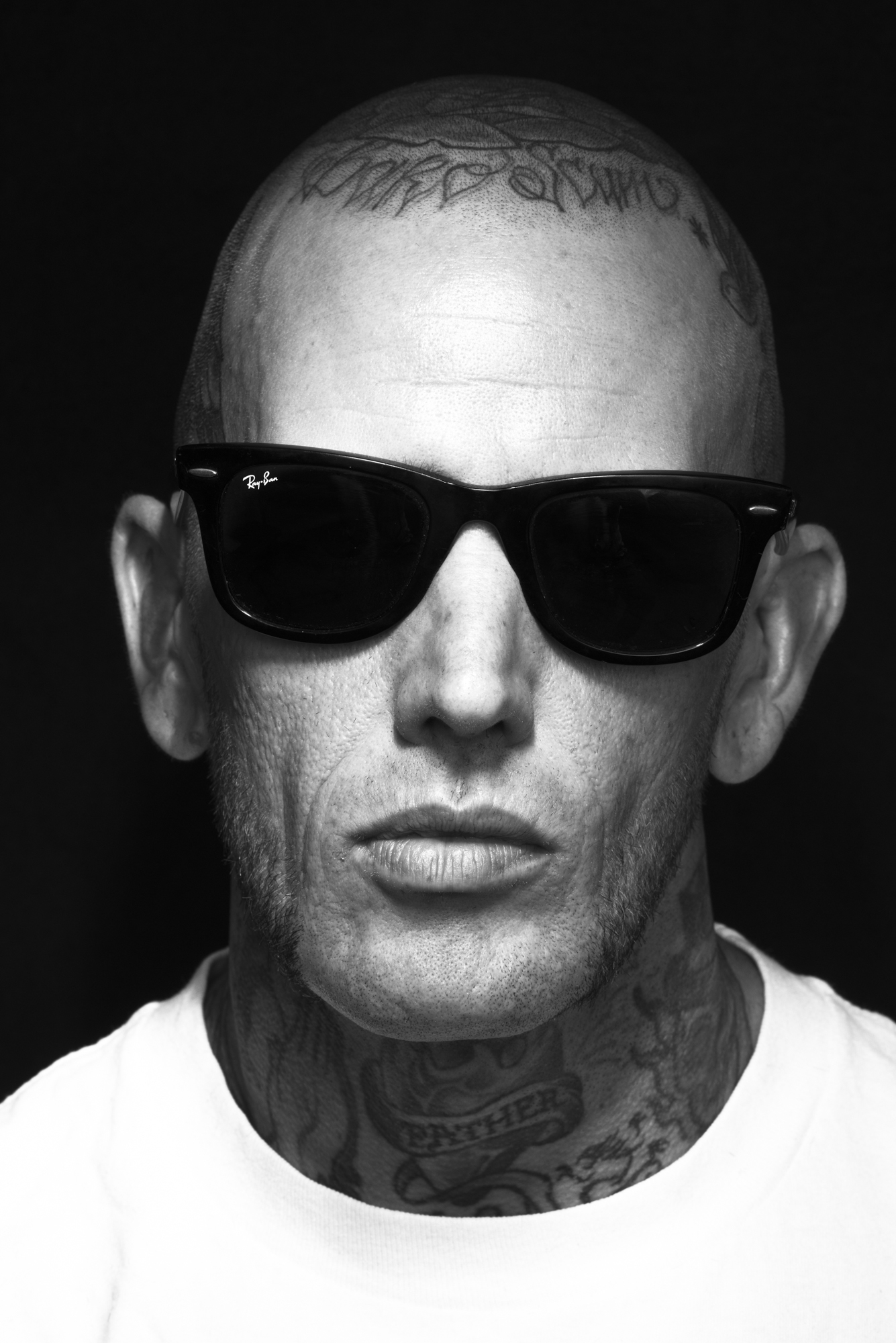
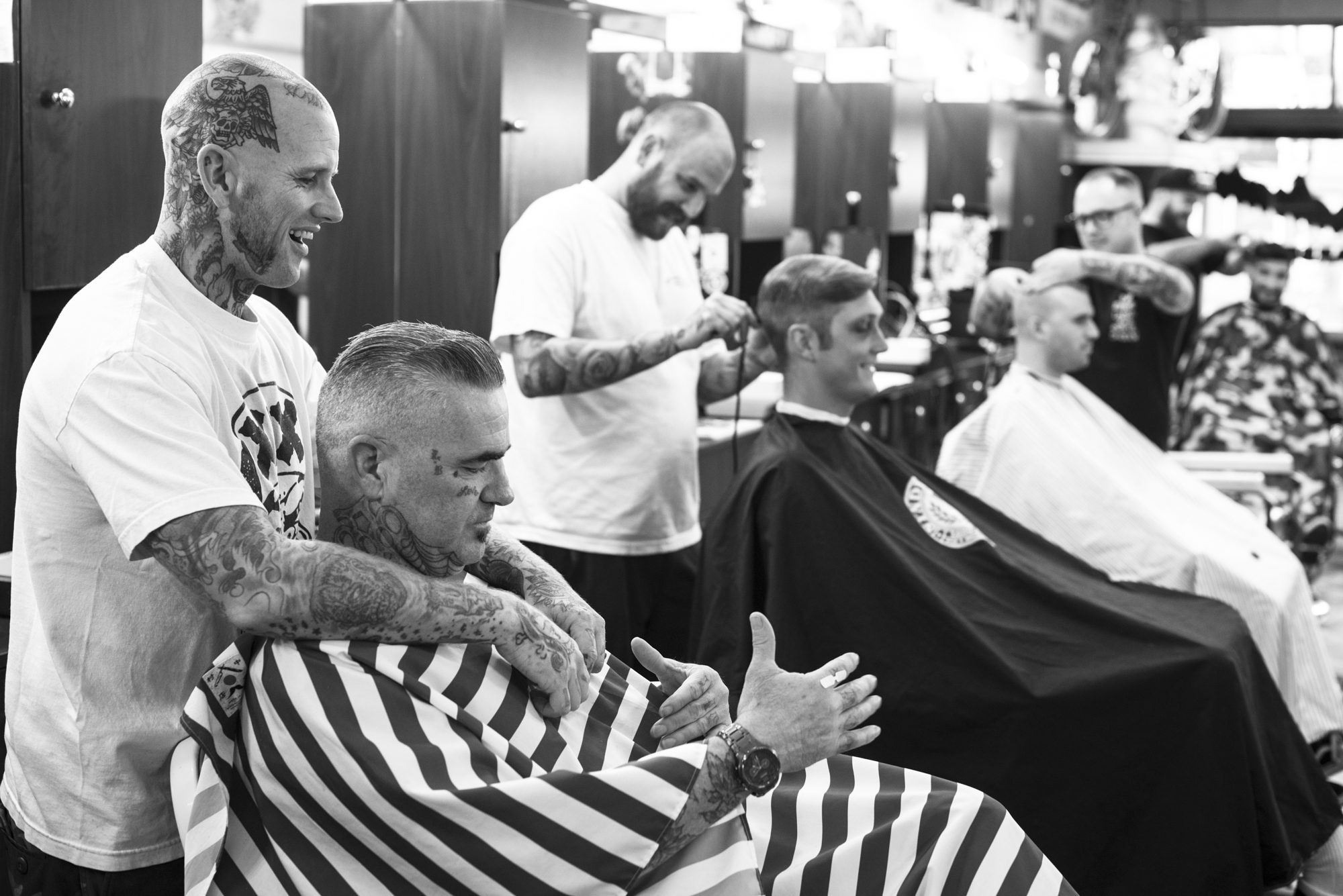
This is the first in what I hope is a long line of Q&A's with barbers from my book. I'm naturally curious about people and the way they live, so I thought this would be a fun thing to do. Adam Byrd cuts at Syndicate Barbershop in Long Beach, CA and is a great example of what I love about the "next generation" of barbers. So many of them are covered in tattoos, which could be very intimidating to people who aren't used to that culture. Once you get past that and talk to them though, you'll see they are just good people who happen to have a lot of ink on their skin. I enjoyed talking with Adam during the shoot because of his candid style, and figured he would be a good interview to kick this off with. I also think it's a good way for barbers to learn about other barbers and to be inspired by their stories. You can follow him on Instagram @bakoscum19 and the shop @syndicatebarbershop . 

Click here to check out the book. 

1) Where are you from and how did you make a living prior to becoming a barber? 

Bakersfield, CA. Prior to becoming a barber I worked random construction jobs. 

2) When we shot at Syndicate you mentioned moving to Long Beach because you were partying too much. Talk about that and what has changed since you moved to LB.

Partying too much, for me, means black tar heroin...crack cocaine...pills....and vodka.  I was using heroin everyday, I was in and out of jail and prison...lived in shit bag hotel rooms.  I was strung out and I had to quit doin' drugs.  Since moving to Long Beach, I 've been off drugs for  5 years.  I graduated barbering school, got married, and became a full time barber at Syndicate Barber Shop. 

    ** Would you mind expanding on that? 

So when I was a young Punk Rocker everyone that I looked up to was a heroin addict and most of them died very young. It was just a natural progression for me. I was 16 years old the first time I tried heroin. The first time I became strung out on that particular drug I was 19 years old. That was pretty much my life for a whole lot of years. Back then they weren’t so lenient with drug users so I eventually went to prison for 10 dollars worth of dope and with parole the way it was back then I was in and out- couldn’t clean up because really I didn’t want to. Eventually I got off parole but not off drugs and almost every bad thing that can happen to an addict short of dying or catching a terminal disease happened to me. I had girlfriends who were prostitutes, I was shot once in a drive by (in my foot haha), dropped off for dead in my mother’s driveway, woke up in the hospital handcuffed to a wheelchair. All kinds of crazy shit some people probably only think is in the movies. Then one day at age 35 I looked at myself in the mirror and was like ,”Well- you fucked off dying young, maybe it’s time.” December 12th, 2013 I did hard drugs for the last time in the restroom at Union Station downtown Los Angeles. At about 4 months sober I enrolled in Barberschool and the rest is history. This trade has literally helped me save my life because it has given me a life worth living. I met a kid who became one of my best friends, Anthony Champion, Rest In Peace, in barber school. He pushed me when I wanted to quit. My wife pushed me when I wanted to quit. My family pushed me when I wanted to quit. And Tim hired me when I was ready to just go to work in a sober living home haha. I don’t know where I’m going with this but I’ll tell you one thing I’m not falling asleep in a 30 dollar motel room tonight. And for that I’m grateful.

3) What was the final factor that lead you to start barber college? 

To be honest, there really weren't a lot of options for a guy like me.  The wreckage created from my past life makes me almost completely unemployable.  Except for Tim.  Tim doesn't give a fuck.  

Adam-1775.jpg

4) What is life like as a barber at Syndicate? 

I've met some of my best friends working at Syndicate.  I get to listen to music I love all day.  I meet people from all over the United States and the world.  I make cash daily and I get to make people feel better.

5) What are your favorite/least favorite parts about being a barber? 

Least favorite: Rollercoaster income, man buns, picky metro-sexuals

Favorite:  Get to hang out with my friends all day, get to make people feel better walking out then they did when they walked in, nobody seems to mind the fact that I am heavily tattooed or what my past has been.

Adam-1852.jpg

6) Opinions on where the industry is now compared to when you were getting cut as a kid? 

Hipsterville.  Its saturated with hipsters...when I was a kid you went a got a fucking haircut, they did an alright job, and barbers didn't have egos..they didn't have Instagram.  They didn't have this cool-guy bullshit.  It's oversaturated with corny people.  I like the old timers.

7) What is your greatest strength as a barber? 

My greatest strength as a barber is my gift of gab. Cutting hair has helped me immensely go from being sort of introverted to getting outside of myself talking to people making them feel comfortable. I look a little intimidating so I always make it a priority to let a new clients know that I'm just a poo-butt teddy bear. And the way I do this is through a handshake, a conversation, and doing my best to make sure that time in my chair is enjoyable for the client. Like I’m not a dick or some too cool for school barber stuck up his own asshole.

8) What does is take to be a great barber?

I’m still learning what it takes to be a good barber haha but I’d say taking it seriously and doing your best haircut and remembering that even if you have an asshole in your chair that asshole is paying for your dinner that night. Be nice.

9) Advice for someone wanting to become a barber? 

Try to join a union first.

10) Where do you see yourself in ten years?

At Syndicate.

Adam-1389.jpg