Cowboy Photography Featured on the Set of Dutton Ranch
Recently, one of my cowboy photography prints appeared on the set of Dutton Ranch, the latest series set within the world of the modern American West.
It wasn't the first time my work has found its way onto a television set. Previously, four of my photographs were used on the set of Yellowstone, where they appeared as part of the visual landscape of one of the most successful Western dramas in recent memory.
As a photographer who has spent years documenting working ranches, cowboys, and ranching culture throughout the American West, those placements feel particularly meaningful. The photographs weren't created for television. They were made while documenting real people, real ranches, and a way of life that continues to shape the region today.
Seeing those images incorporated into productions that have helped reignite public interest in the American West is a reminder that authentic Western imagery still resonates with audiences far beyond ranch country.
Like many photographers, I've had images published in magazines, licensed for commercial campaigns, and exhibited in galleries. Seeing a photograph become part of a television production is a different experience altogether. Rather than serving as the subject of a story, the image becomes part of the environment itself—helping establish a sense of place, history, and authenticity within the world being portrayed on screen.
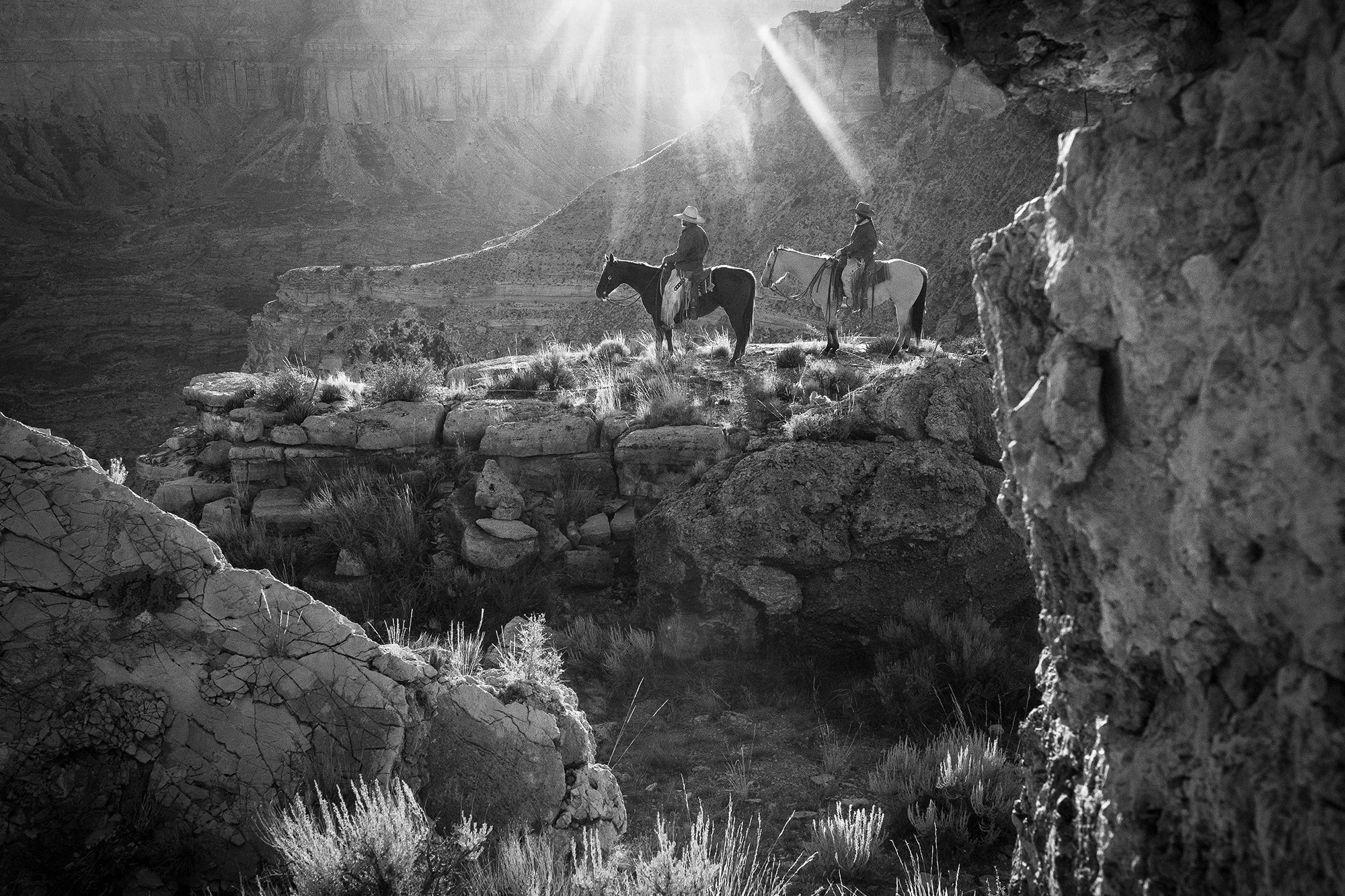
Two riders pause on a canyon ledge, showing the kind of real Western imagery that gives the cowboy photography project its sense of place.
The Importance of Authentic Western Imagery
The popularity of Western television and film has created renewed interest in the people, places, and traditions that continue to define ranching culture throughout the American West.
Audiences are increasingly drawn to stories that feel authentic. Whether it's a working ranch in Texas, a historic cattle operation in Nevada, or a multi-generational ranching family in Nebraska, viewers can recognize the difference between imagery that is staged and imagery that reflects lived experience.
Production designers and set decorators understand this better than anyone.
Every object that appears on screen helps establish the identity of a character, a family, or a place. The artwork hanging on a wall becomes part of that visual storytelling.
When a production chooses photography from real ranches and real working cowboys, it helps create a more believable world.
Photographing the Modern American West
The photographs featured on the set is part of an ongoing documentary project focused on cowboy culture and ranching communities throughout the American West.
Over the past several years, I've traveled countless miles documenting historic ranches, branding crews, horse wranglers, ranch families, saddle makers, artists, and working cowboys whose lives remain deeply connected to the land.
The goal has never been to recreate a romanticized version of the West.
Instead, the project focuses on the people who continue to live it every day.
The ranches may differ in size and geography, but many share the same values: hard work, stewardship, resilience, and a strong connection to tradition.
Those qualities continue to resonate far beyond ranch country.
Why Western Art Matters in Interior Spaces
One of the things I enjoy most about creating fine art prints is seeing where they ultimately end up.
Some are installed in private homes.
Others find their way into ranch headquarters, lodges, hospitality projects, corporate offices, and Western-inspired interiors.
A television set adds another chapter to that story.
In each case, the photograph becomes more than an image on a wall. It contributes to the atmosphere of a space and helps tell a larger story about the people who inhabit it.
The best Western artwork doesn't simply depict the West—it reflects the character, history, and culture behind it.
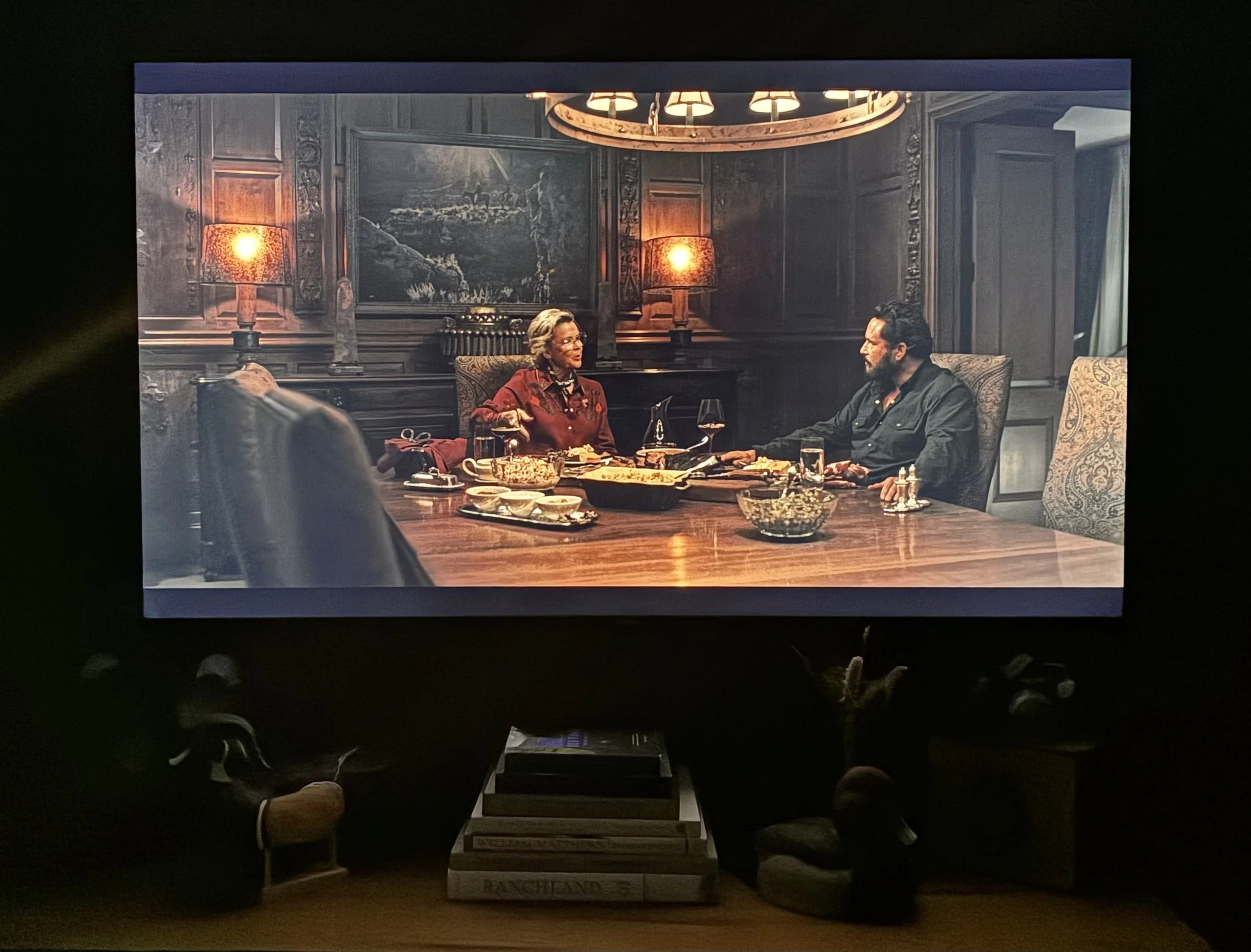
Rob Hammer’s cowboy photography print appears on the set of Dutton Ranch as part of the room’s Western set decor.
From Working Ranches to Television Screens
What makes this placement especially meaningful is that the photograph originated in the same world the series seeks to portray.
The image wasn't made on a movie set.
It wasn't created during a commercial production.
It was made while documenting real people and real ranching communities across the American West.
That authenticity has become one of the defining themes of the project, and it's gratifying to see those photographs continue to find new audiences through publications, exhibitions, private collections, and now television.
Cowboy Photography Prints from the American West
Many of the photographs from this ongoing project are available as museum-quality limited edition prints.
Collectors, ranch owners, designers, and hospitality clients have incorporated the work into homes, offices, lodges, and Western-inspired interiors throughout the country.
Each photograph is rooted in real places and real experiences, offering a contemporary look at ranching culture and life in the American West.
Explore More from the Cowboy Project
The image featured on the set of Dutton Ranch represents one photograph from a much larger body of work documenting cowboy culture across the American West.
Additional stories from the project include historic ranches, working cowboys, ranch families, Western artists, saddle makers, and the landscapes that continue to shape the region.
Together, they form an ongoing visual record of a culture that remains both enduring and relevant in the modern world.
While trends come and go, the stories of the American West continue to resonate. Seeing one of these photographs become part of a television production is a reminder that authentic Western imagery still holds a powerful place in the cultural imagination.
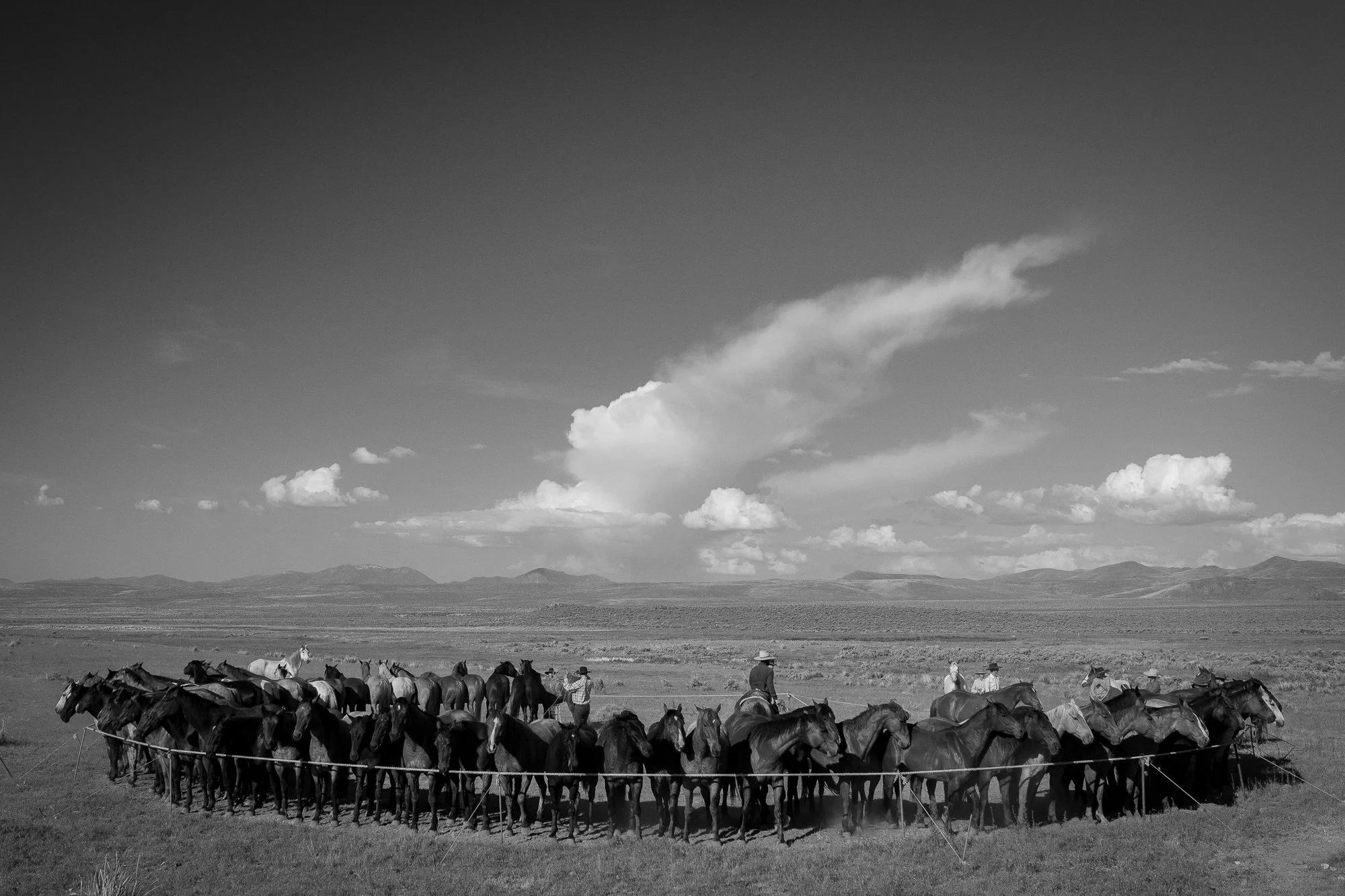
A horse herd gathers in open ranch country, reflecting the working landscapes and ranch culture behind Rob Hammer’s Western photography.