
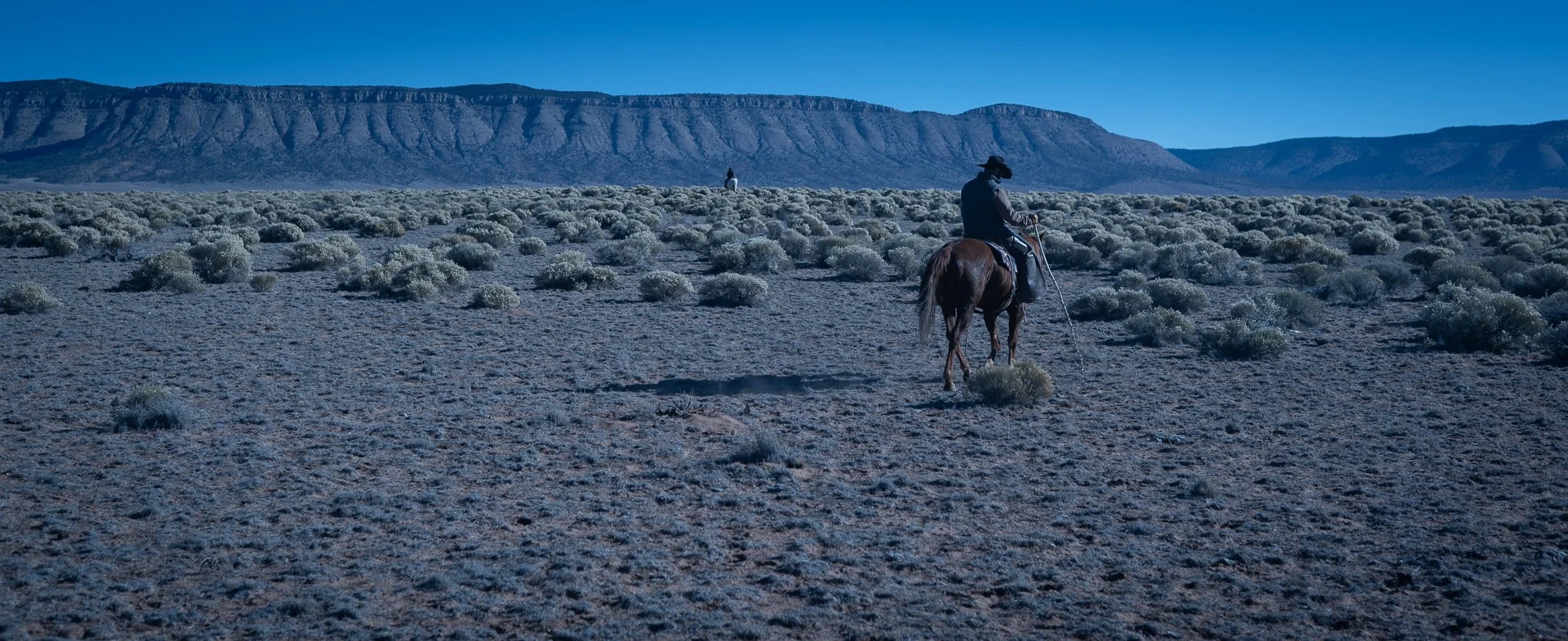
Working Cowboys on the Diamond A Ranch - Arizona
You don’t really understand cowboy culture until you spend time on a working ranch. The frigid mornings horseback under moonlight, the physicality, the long stretches of quiet—it’s a life built on responsibility, not image.
Over the past several years, I’ve had the opportunity to photograph working cowboys across the American West, from multi-generational outfits like the Haythorn Ranch in Nebraska to historic operations like the one featured here, the Diamond A Ranch in Arizona. These places aren’t preserved for show—they’re active, evolving landscapes where tradition is carried forward through daily work.
What I document through this body of cowboy photography isn’t a romanticized version of the West, but something much quieter and more honest. The work itself. The pace of it. The people who’ve chosen to stay with it.
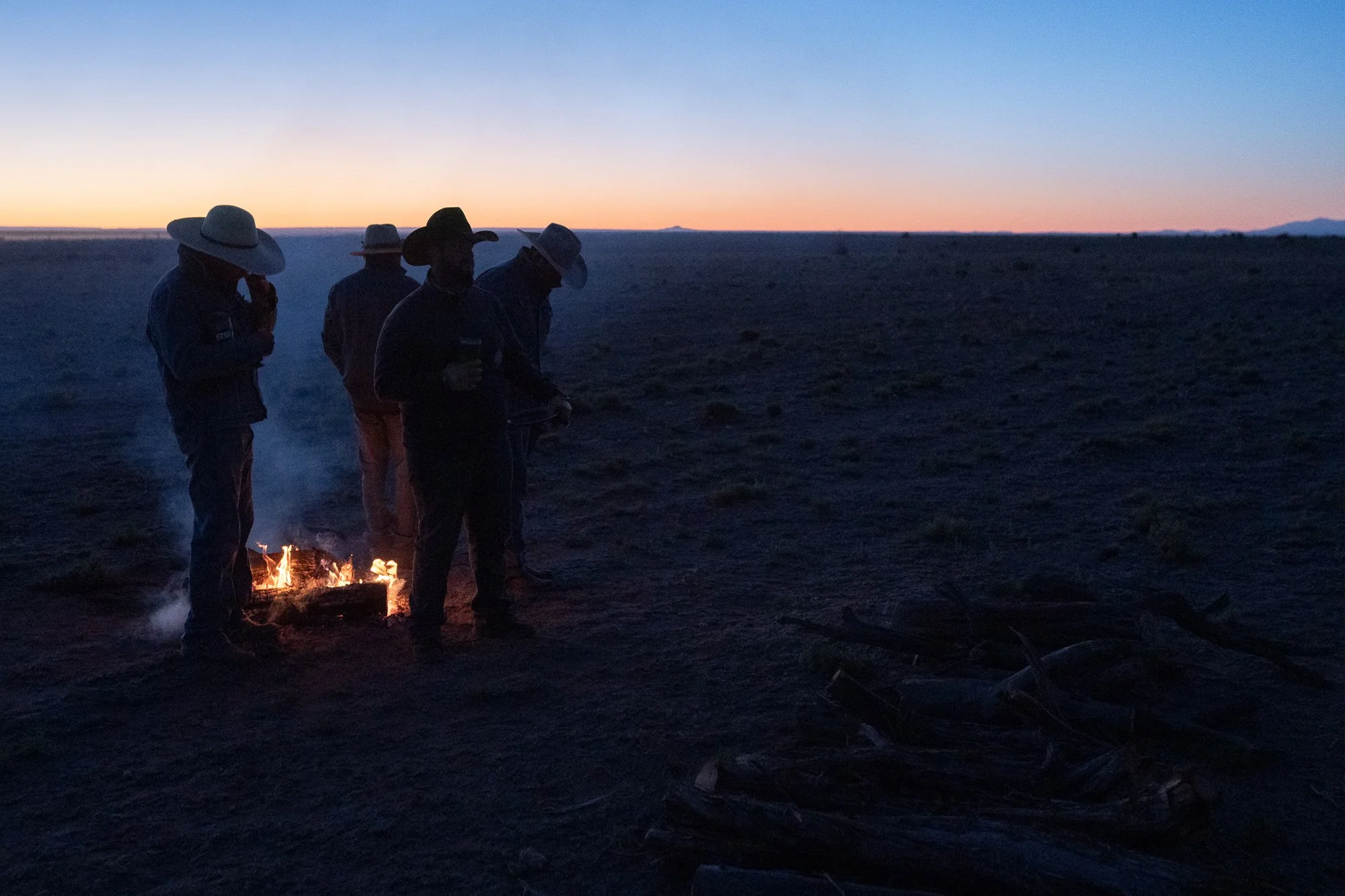
Cowboys gather around a small fire before sunrise on open ranch ground.
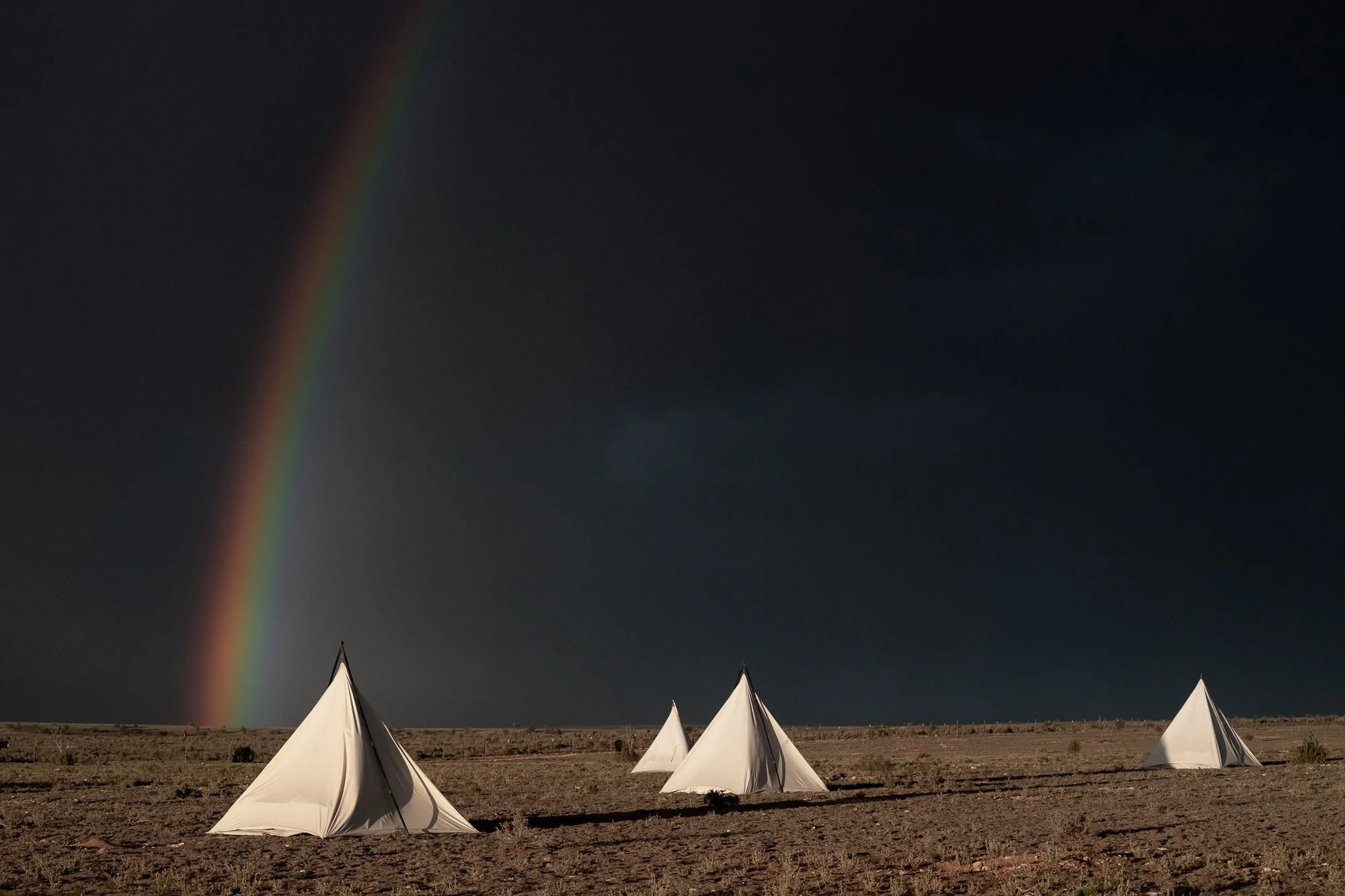
Canvas tents sit on open desert ground beneath a dark sky and a narrow rainbow.
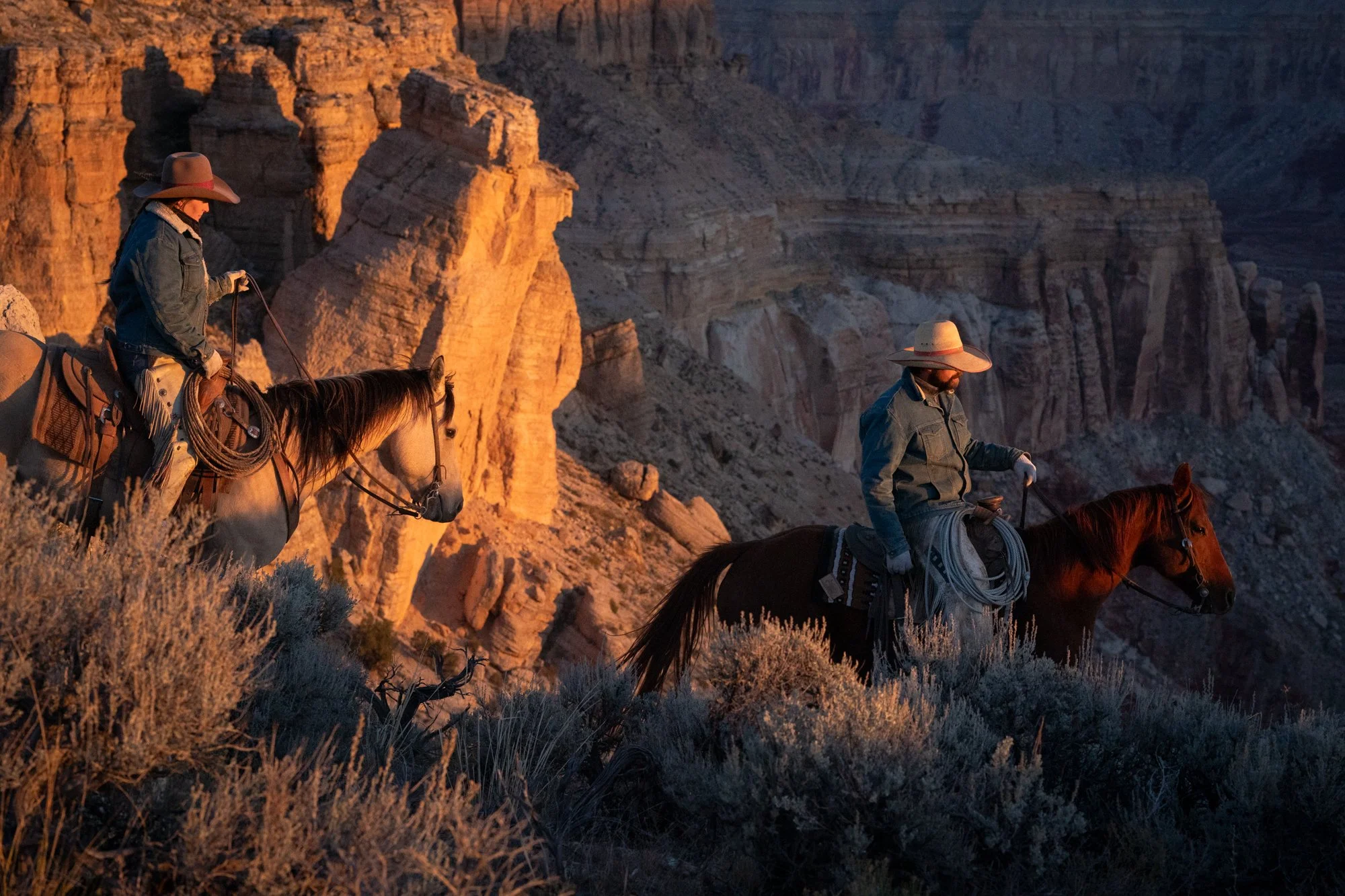
Two cowboys ride along the edge of canyon country at the Diamond A Ranch in Arizona, moving through rough terrain as golden light hits the rock.
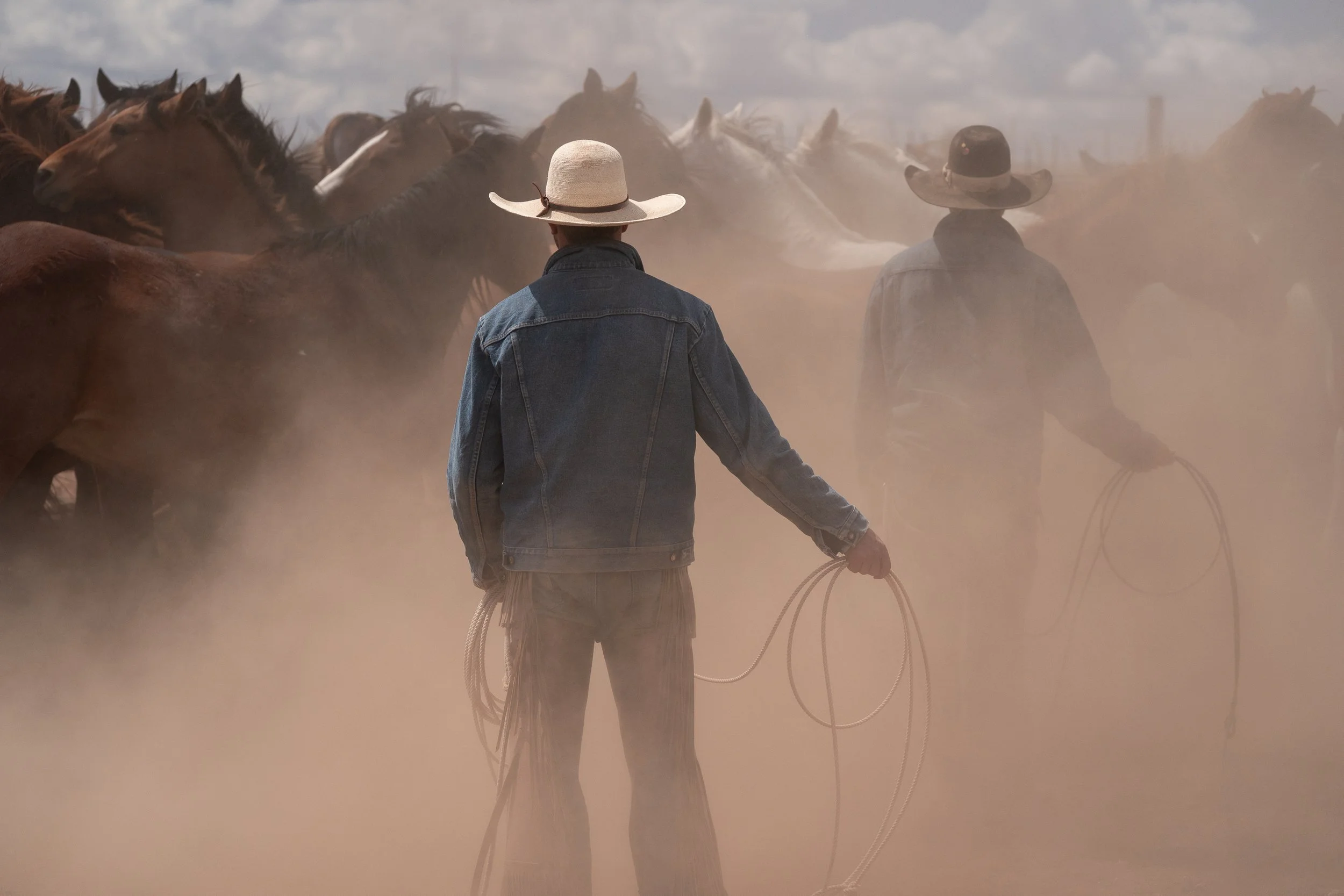
Cowboys stand among horses in thick dust as they work through the corral.
What Cowboy Culture Looks Like Today
Cowboy culture hasn’t disappeared—it’s just not always visible from the outside.
Most of the time, it looks like long days spent horseback, sorting cattle, fixing fence, checking water, or covering miles of ground without much to say. There’s a rhythm to it that doesn’t translate easily into photographs, and even less into the popular image of what a cowboy is supposed to be.
On ranches as big as the Diamond A Ranch (750,000 acres), that rhythm is still intact. On land so massive and unforgiving, real cowboy work is the only way to get it done. There is no algorithm or bot that can replace the knowledge, hard work, and passion that cowboys have lived for hundreds of years.
It’s not nostalgic—it’s current. And it’s still necessary.
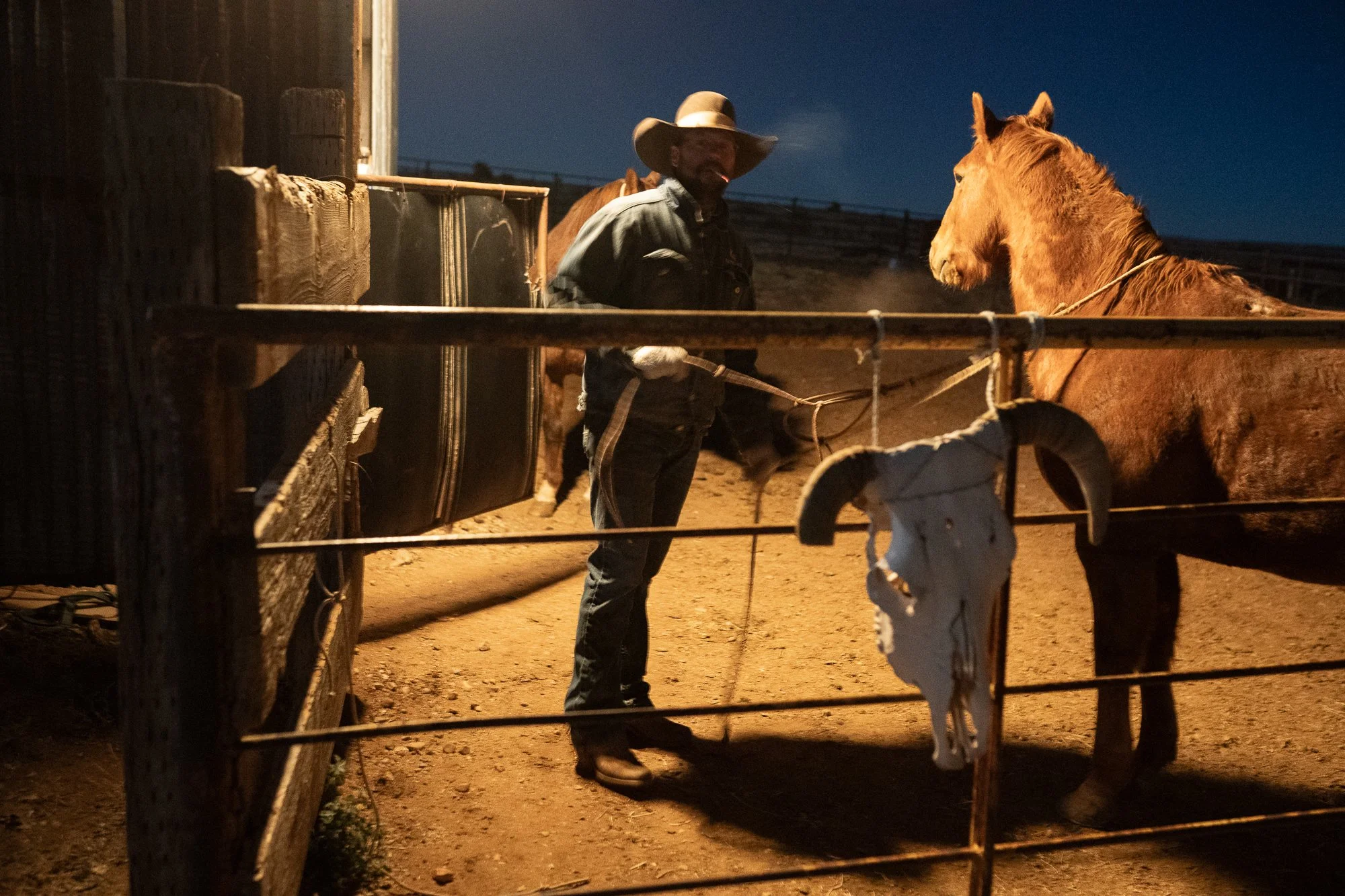
Before the sun clears the horizon, the day is already underway—horses are brought in, gear is checked, and the work starts in that quiet stretch of morning most people never see.
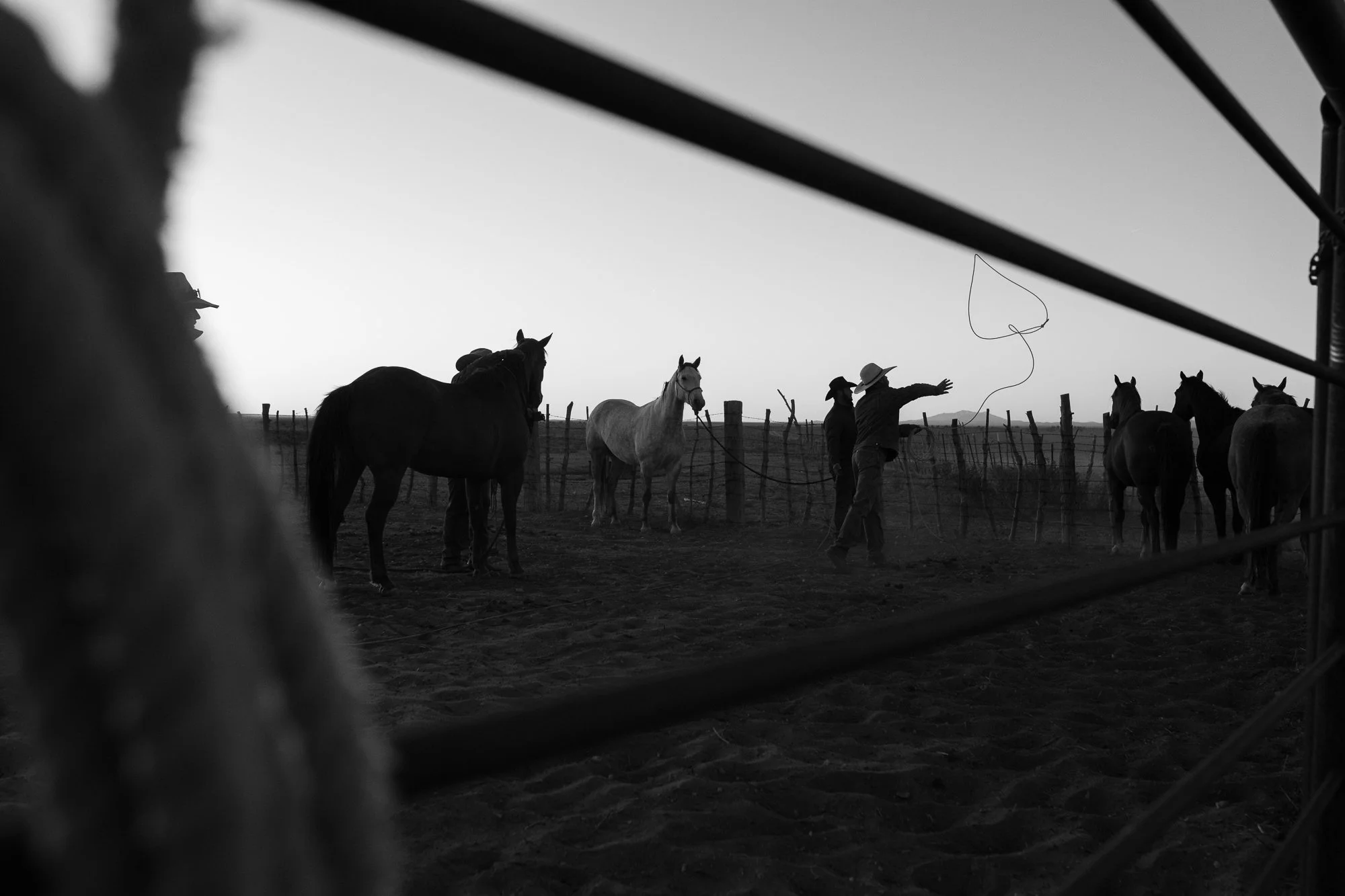
Cowboys catch horses inside the corral, framed through fence rails in a quiet black and white view of ranch life.
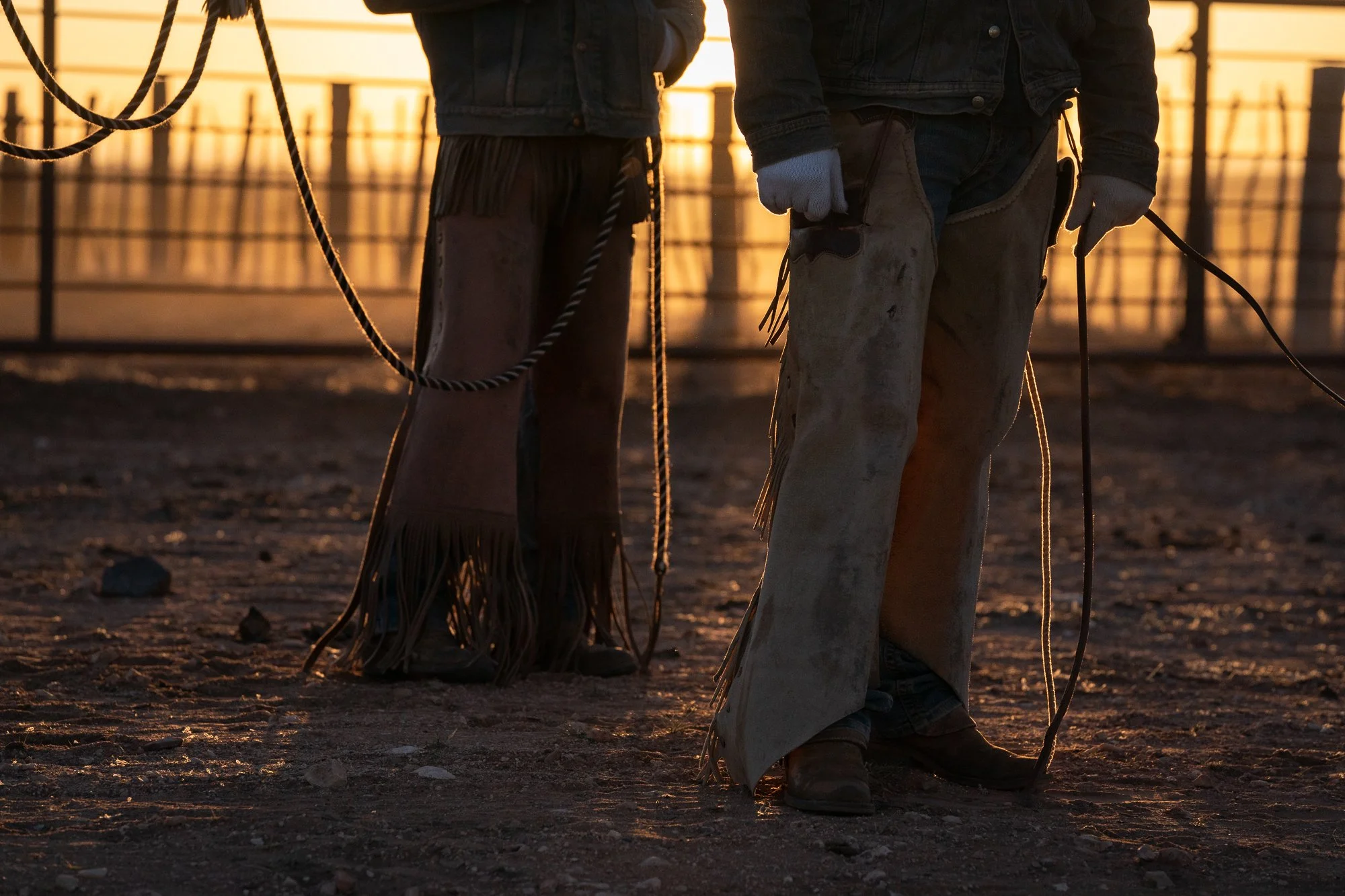
Ropes, chaps, and worn boots illuminated by first light

Cowboys on the Diamond A Ranch
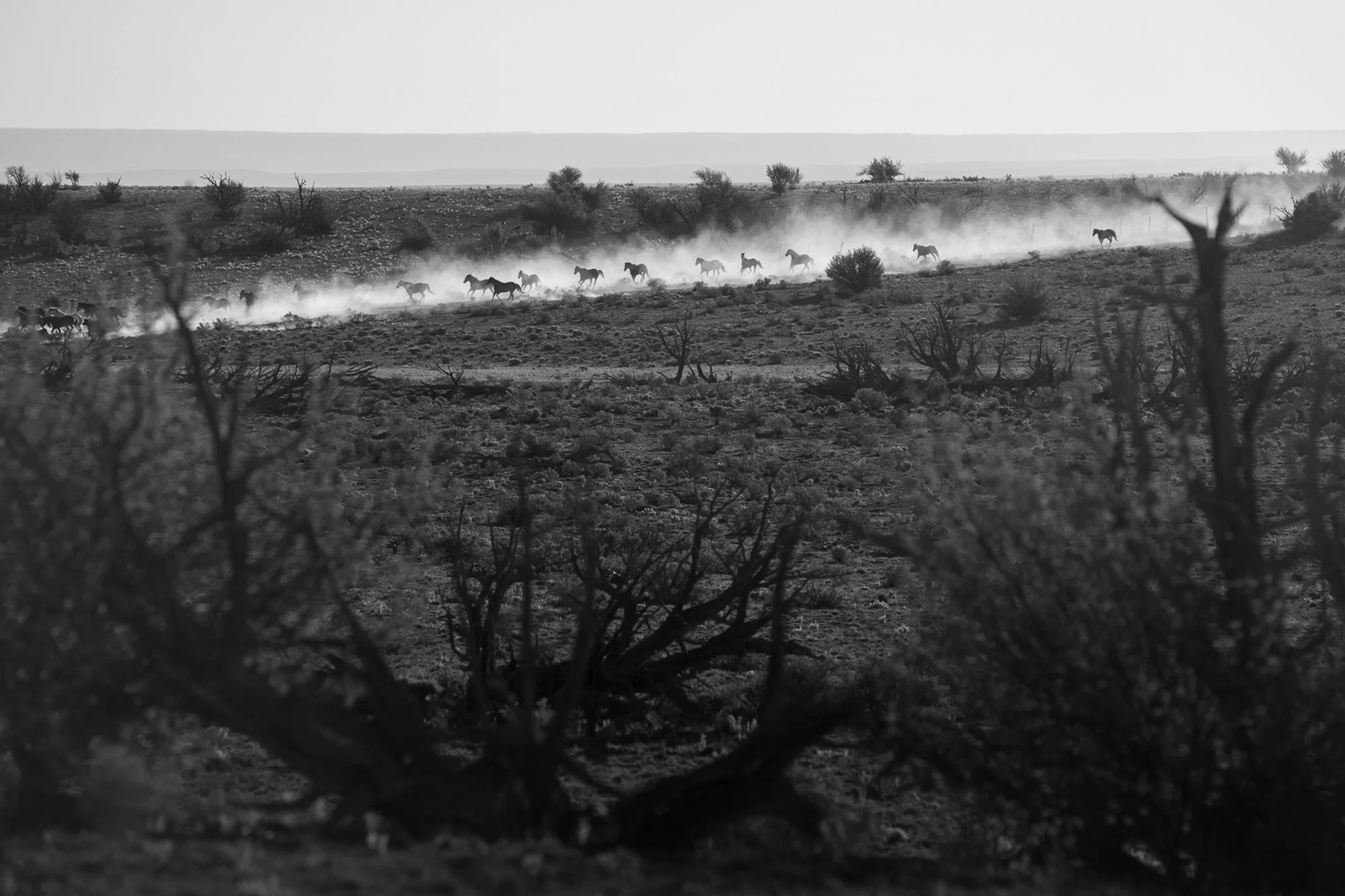
Horses move across the open range at the Diamond A Ranch, kicking up dust through the dry Arizona landscape.
Working Cowboy Photography vs. Western Imagery
A lot of what gets labeled as “Western photography” leans heavily into aesthetics—wide-open landscapes, clean silhouettes, and a version of the cowboy shaped more by film than reality.
Working cowboy photography is different.
It’s less about staging and more about observation. The moments that matter aren’t always dramatic—they’re often subtle. A rider cutting a single cow from the herd. A pause at the gate. Dust hanging in the air just long enough to catch the light before it disappears.
Photographing on active ranches like the Diamond A Ranch means working within that reality. There’s no controlling the timing, no resetting a scene. You move with the day as it unfolds.
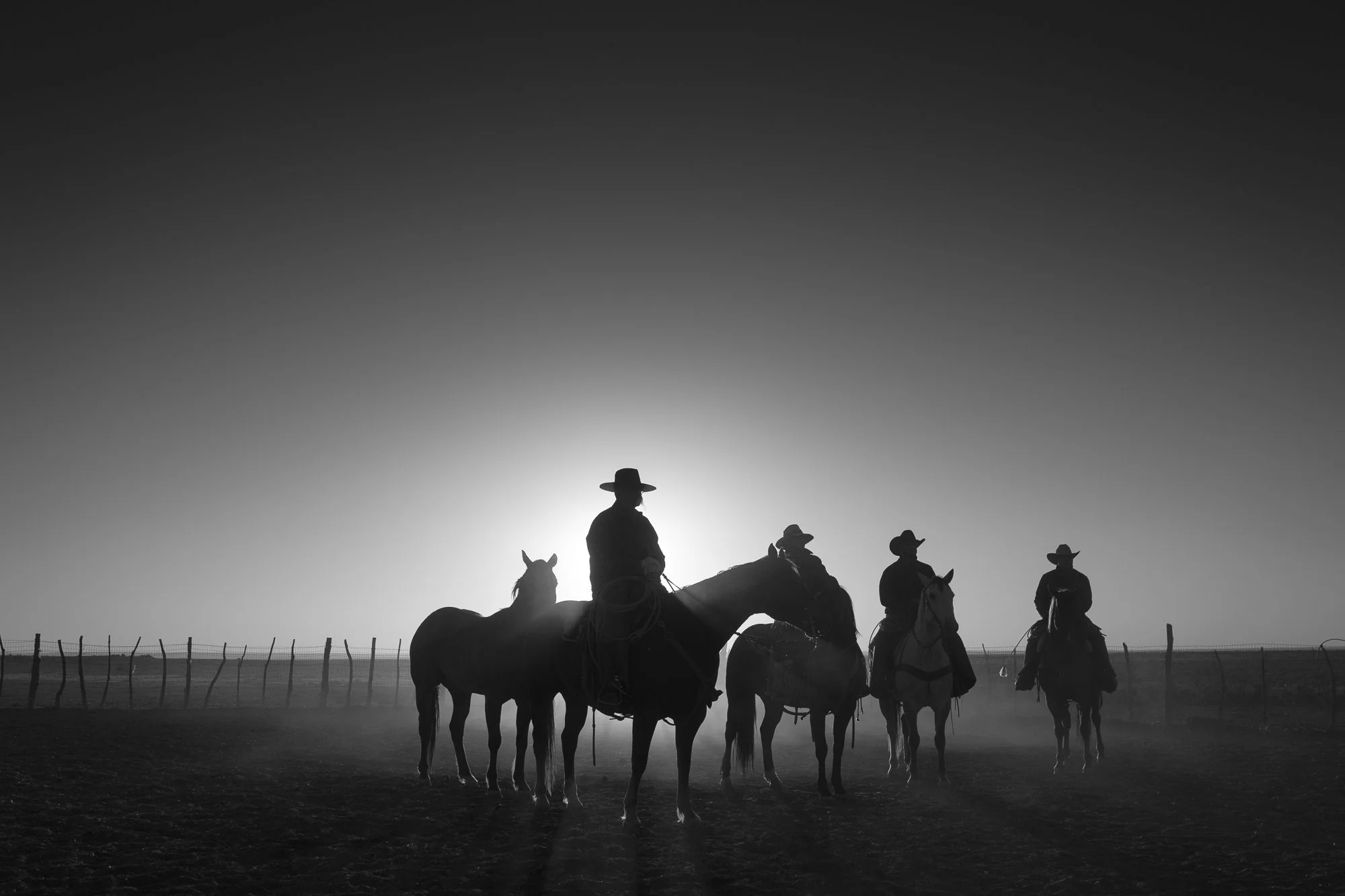
Cowboys sit horseback in the dust and low light, waiting for the next part of the day’s work to begin.
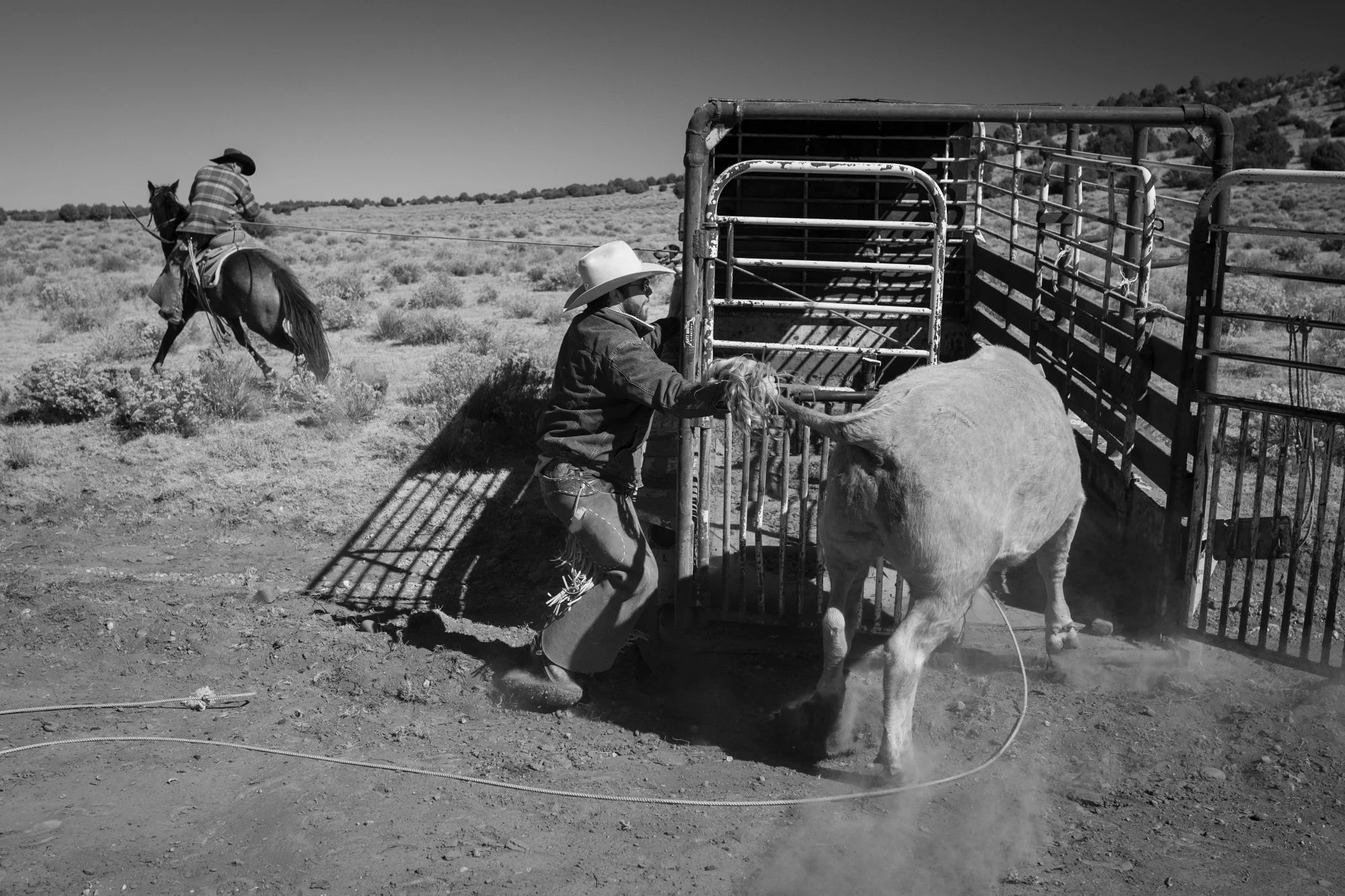
Handling a wild steer at the gate while another rider holds the rope—routine work that requires timing and trust between horse and rider.

Photograph of.a cowboy kid with blood covered hands
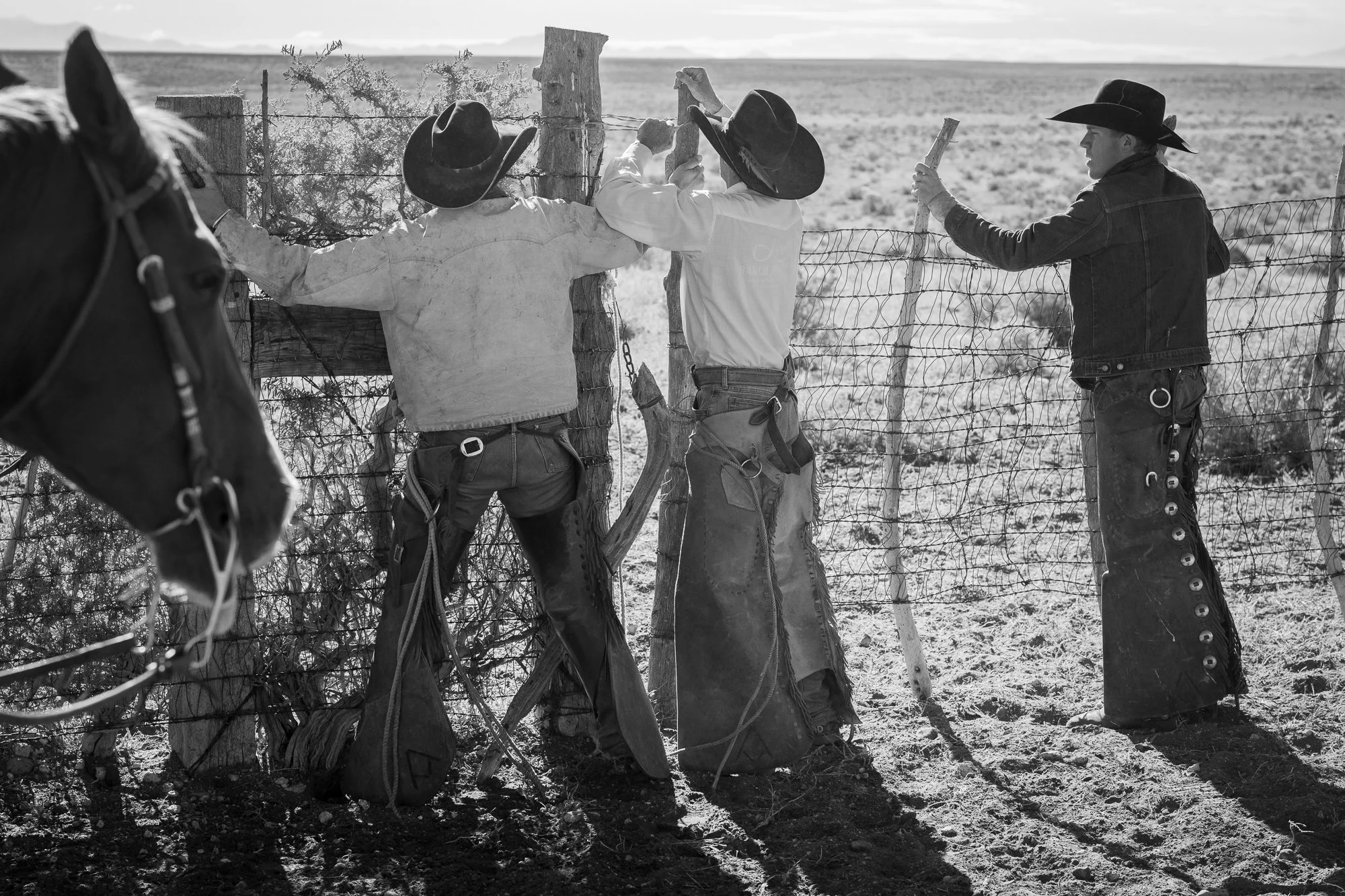
A lot of ranch work comes down to maintenance—fixing what’s broken so everything else can keep moving.
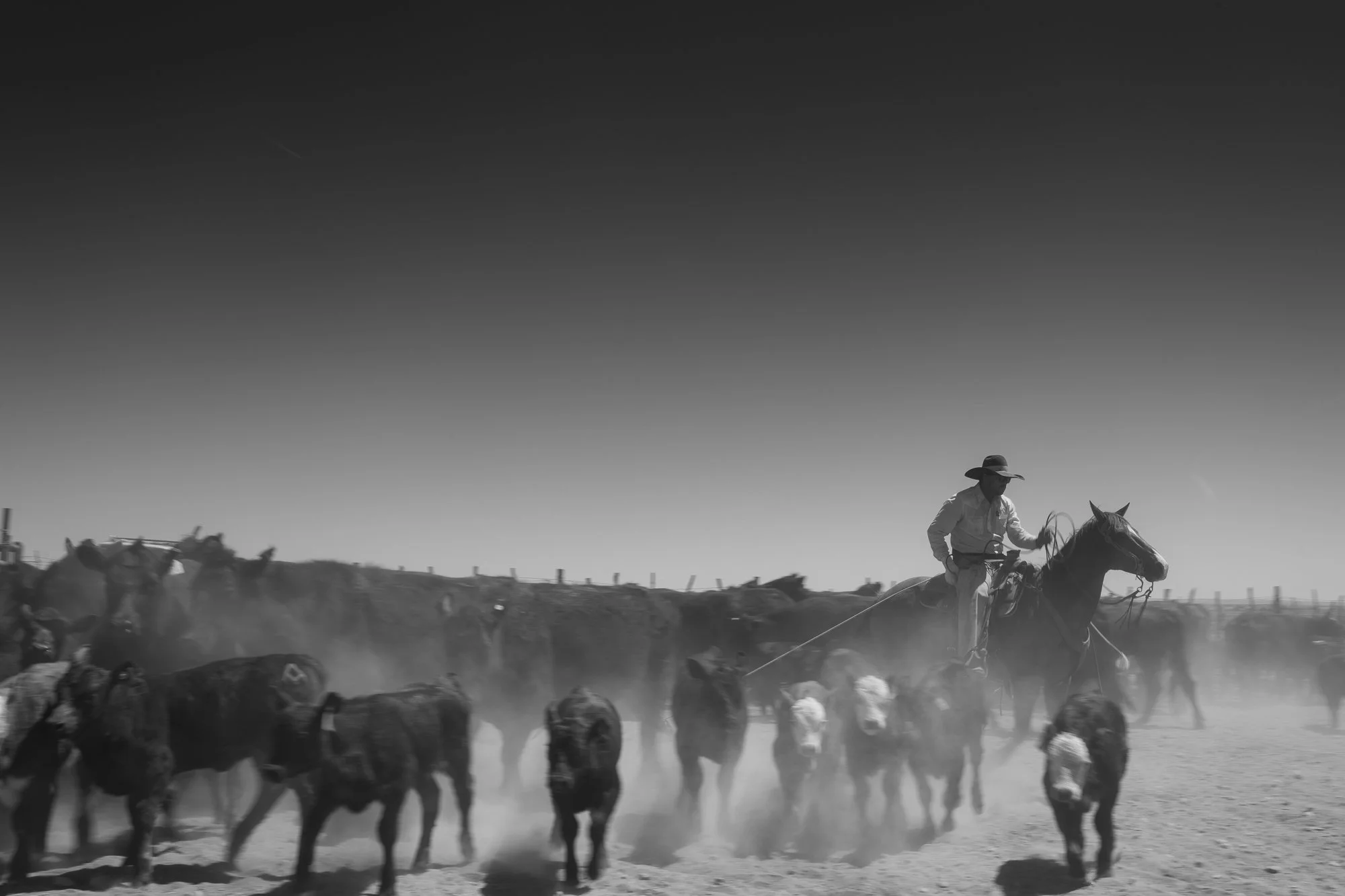
A cowboy drags a calf from the herd during a day of branding
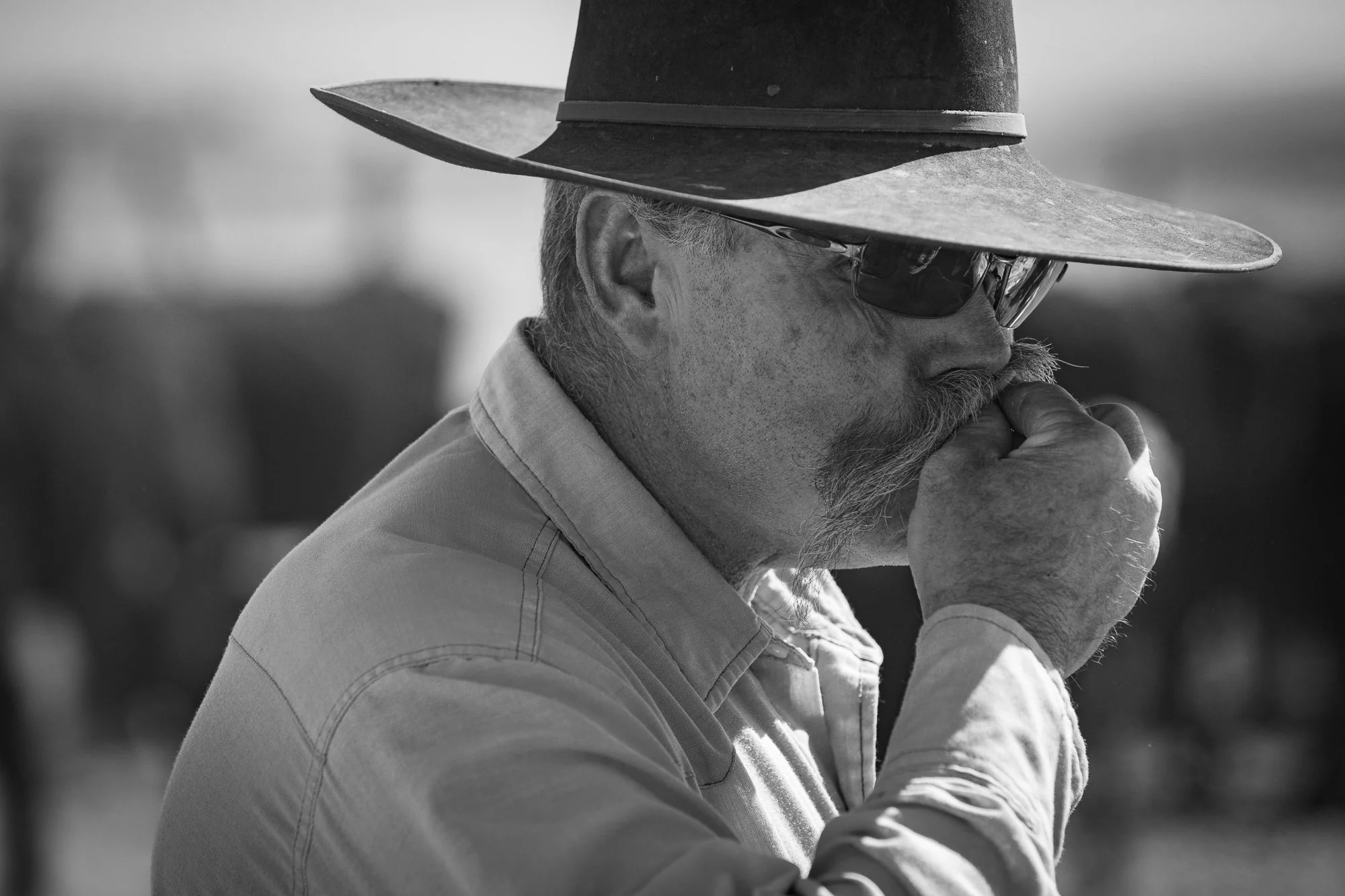
A close portrait of a cowboy putting chewing tobacco in his upper lip

Photograph of cowboys eating dinner in a bunkhouse
Photographing the In-Between Moments
Most of this work happens in the in-between.
Not the obvious moments, but everything surrounding them—the buildup, the reset, the quiet after something’s finished. That’s where the photographs start to feel closer to the truth of it.
On the Diamond A Ranch and other historic ranches across the West, those moments are constant. Horses standing still after a long gather. Cowboys leaning on a fence line. Gear worn in ways that only come from years of use.
It’s not always dramatic, but it’s real. And over time, those details begin to carry more weight than anything staged ever could.
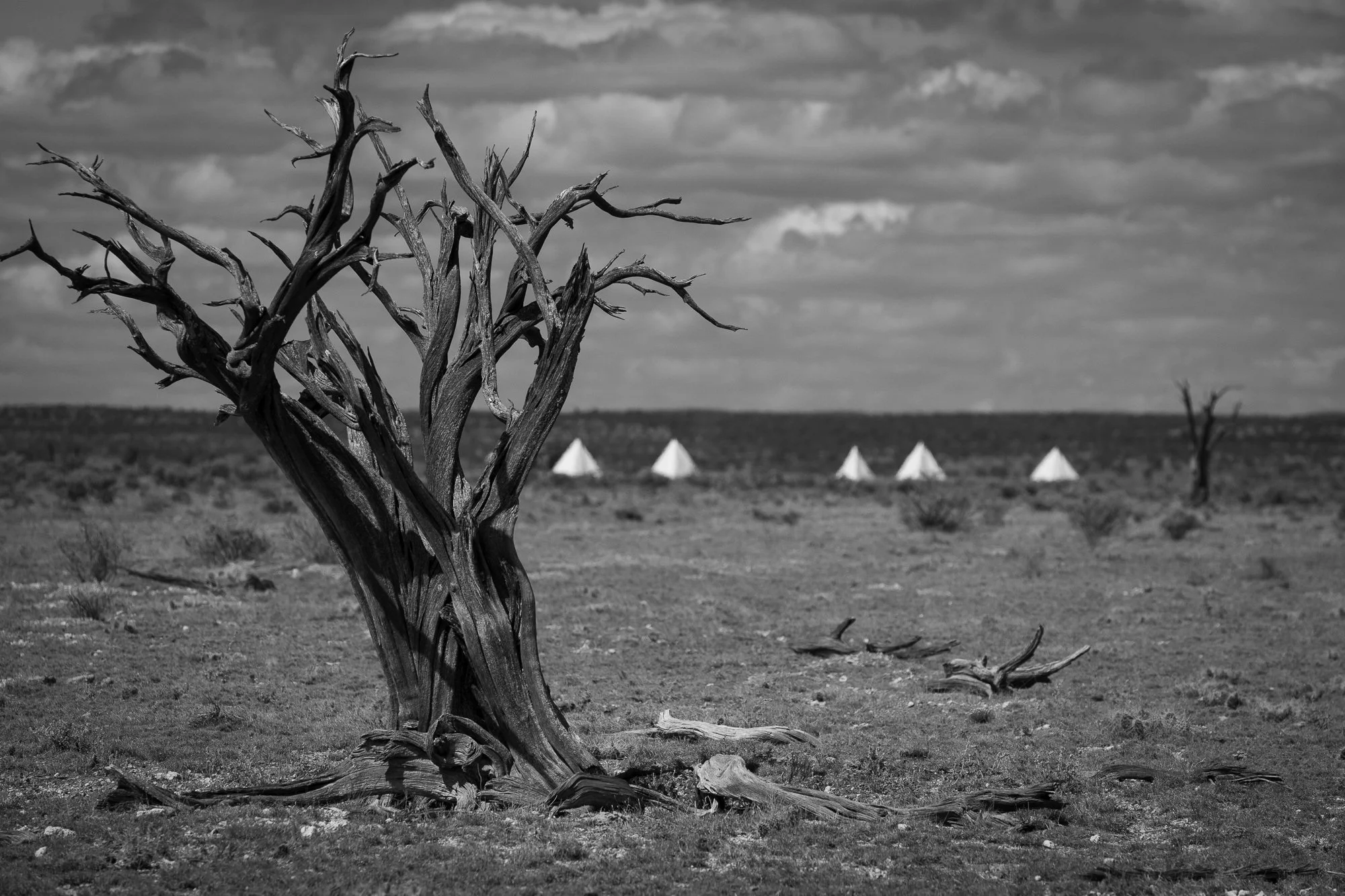
A weathered tree stands in the foreground while canvas tents sit in the distance on the open Arizona landscape.
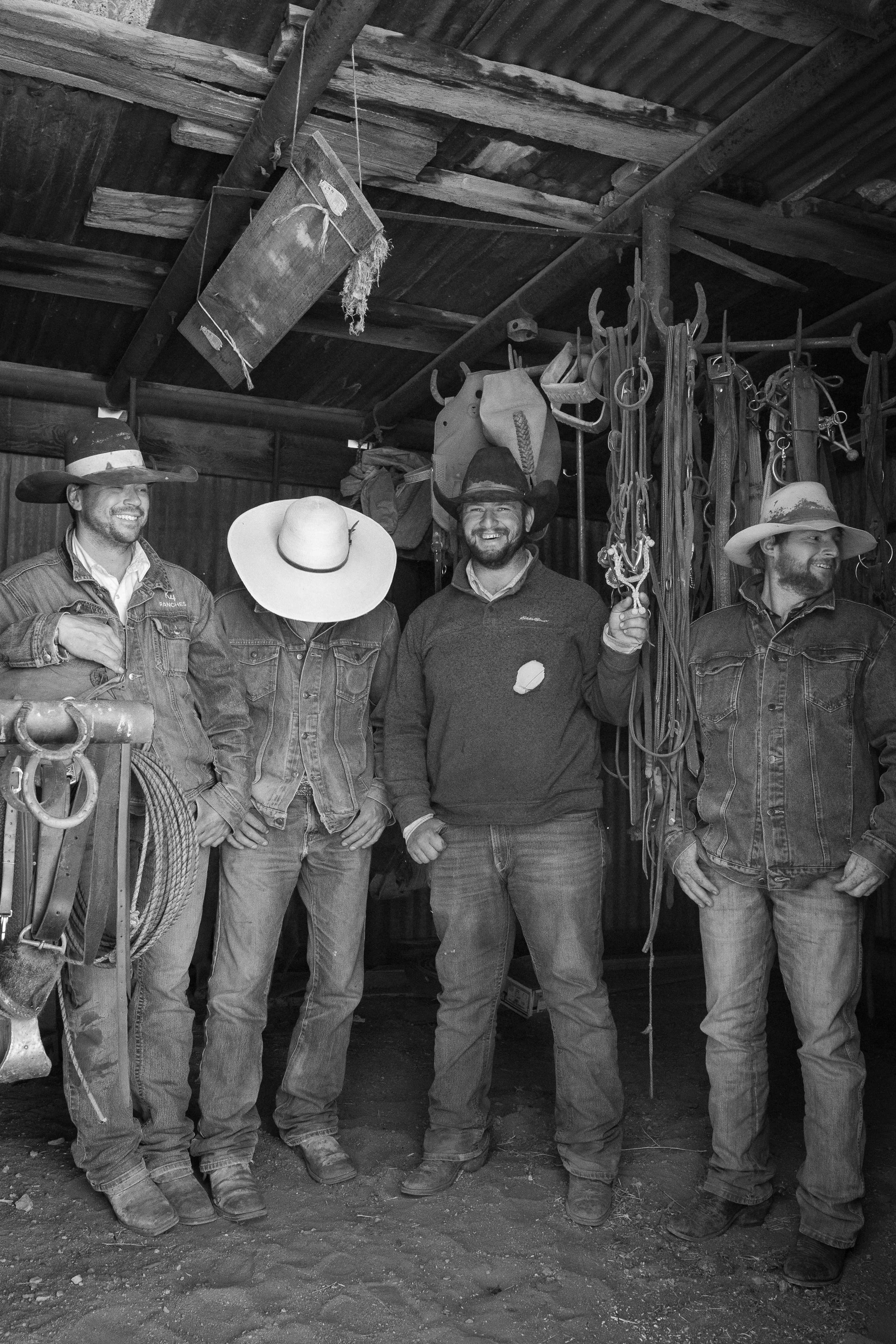
Cowboys gather inside the tack room at the Diamond A Ranch, surrounded by ropes, saddles, and worn gear.
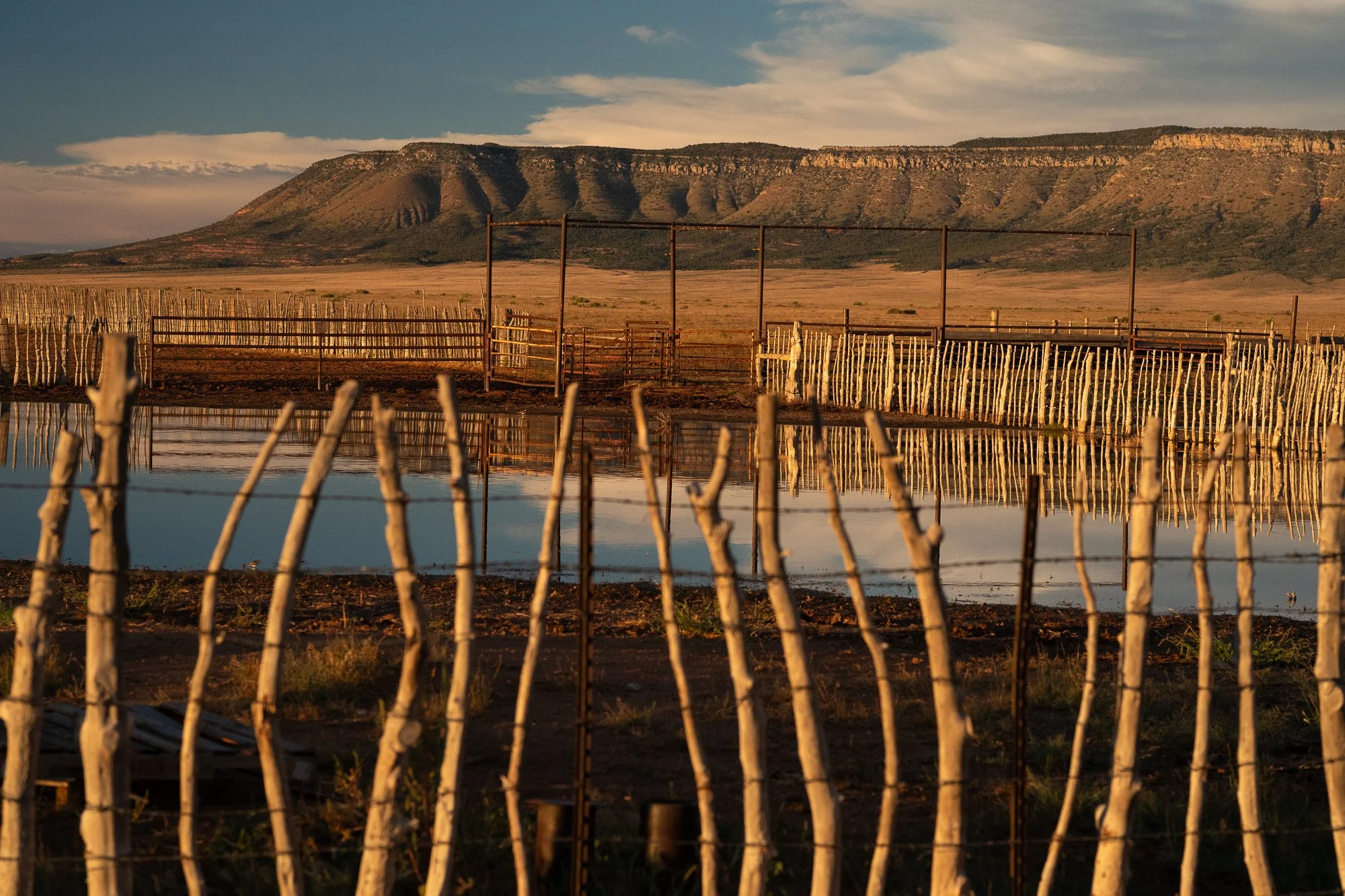
Water, fence, and open land—everything here is built around what the cattle need.
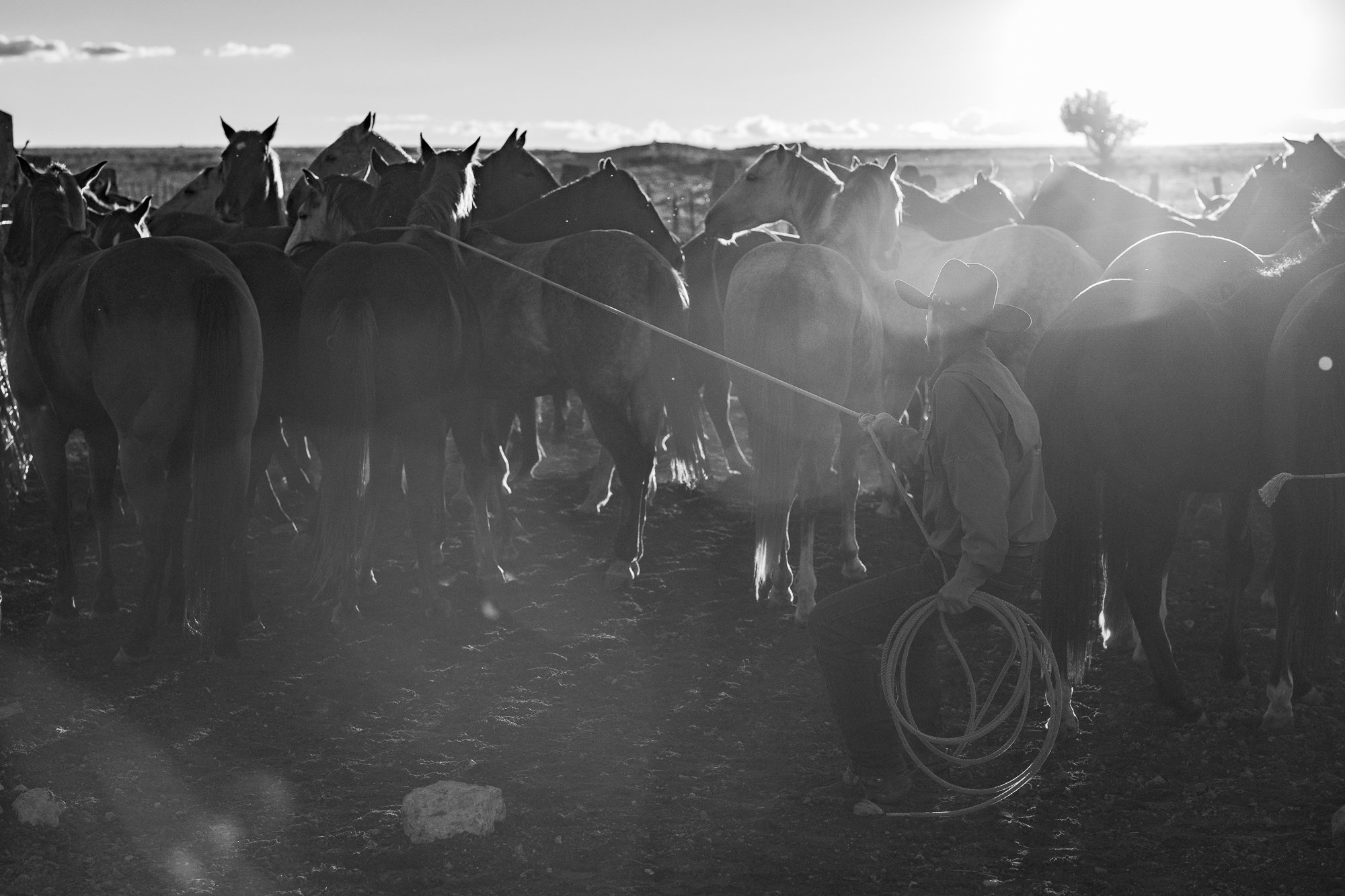
A cowboy catching horses in late afternoon light
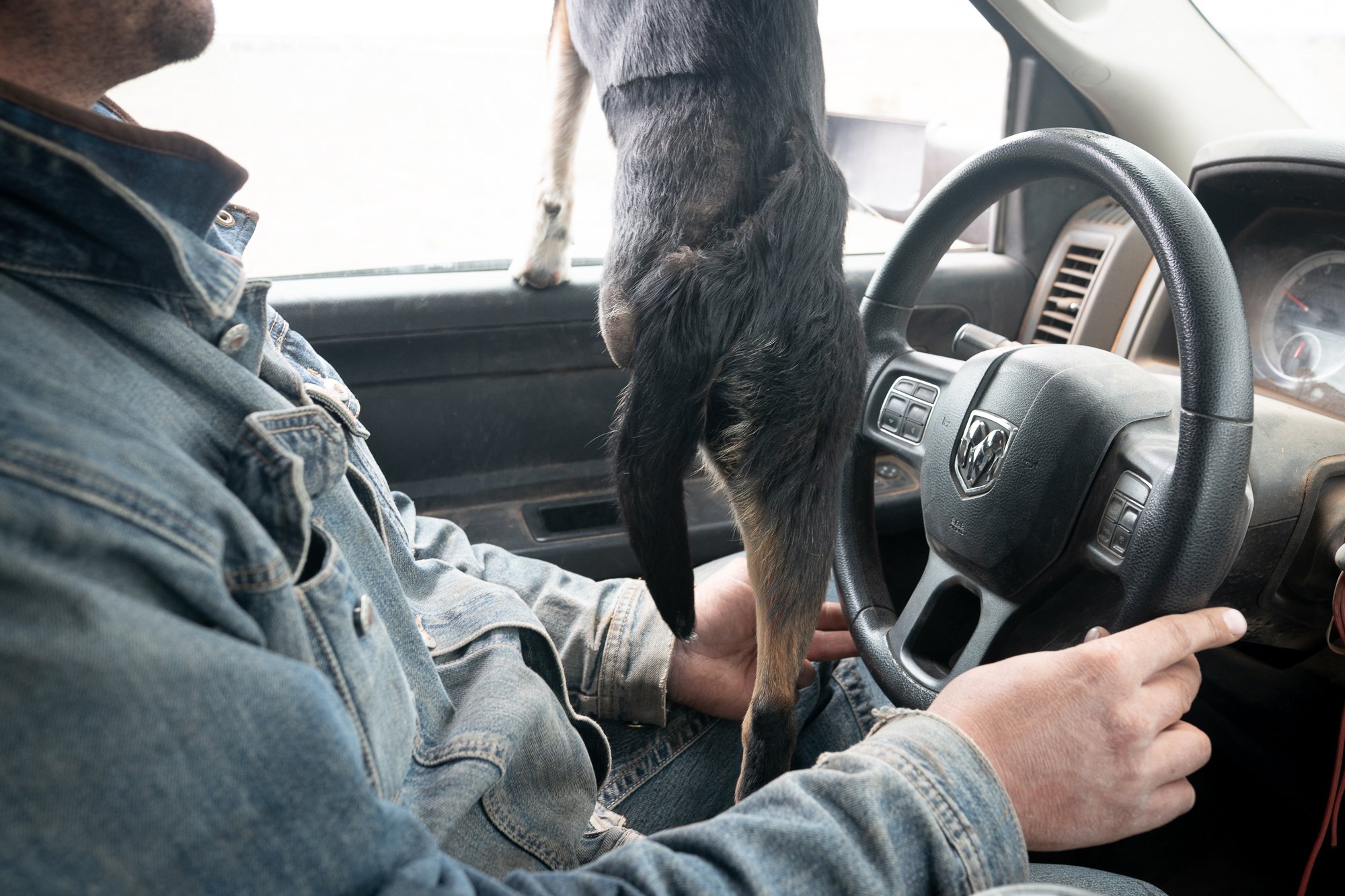
Shorty the 3 legged cattle dog
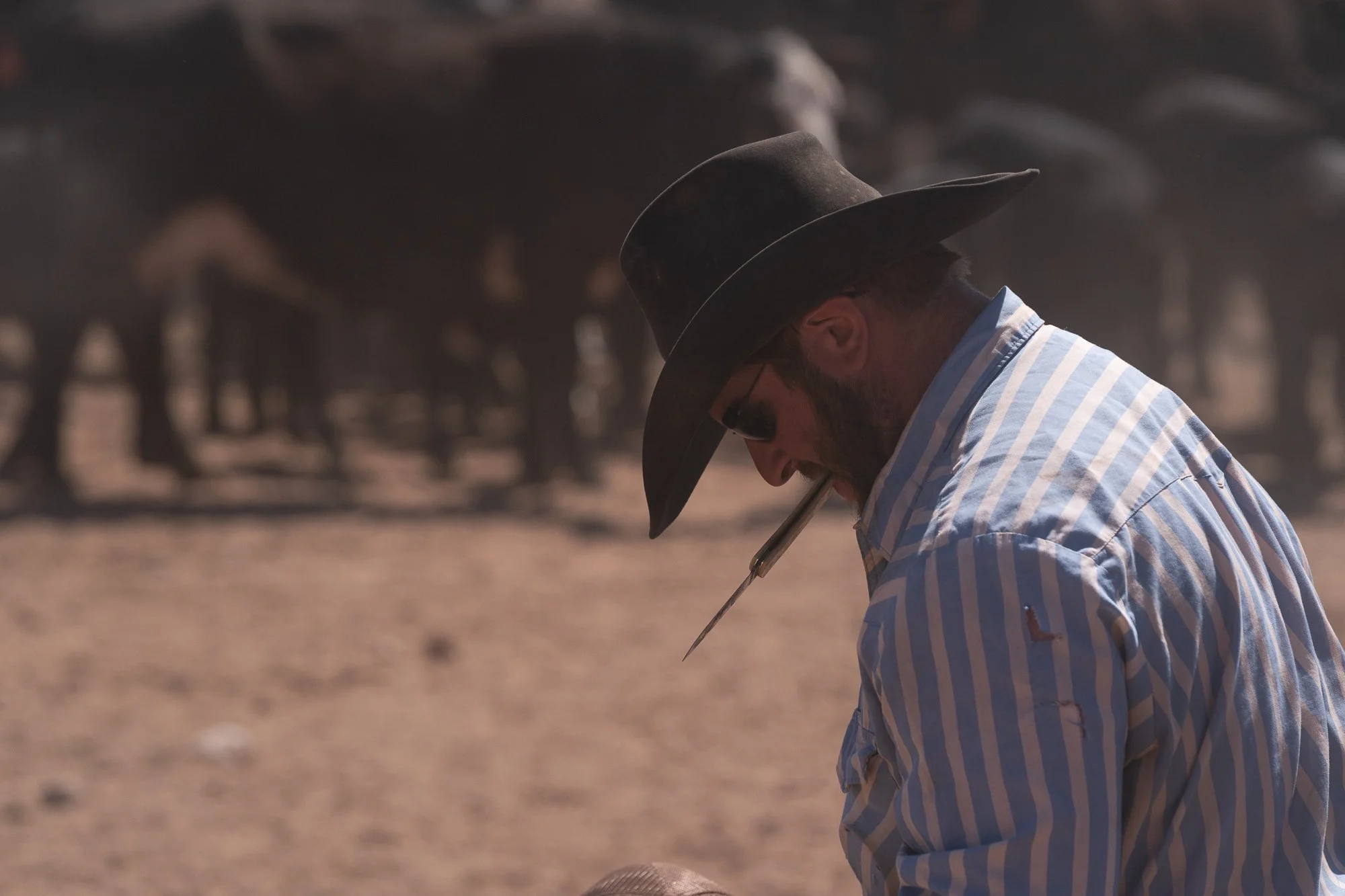
A working cowboy leans over a calf with his pocket knife clenched in his mouth
Returning to the Diamond A Ranch
It’s always an honor when you’re allowed access to historic cattle ranches, but being invited back is another thing altogether. Over the past 6 years or so I’ve been lucky to visit the Diamond A four times and am proud to call a few of the cowboys my friends.
Ranches with the scale and history of the Diamond A have become increasingly rare in the America West. So I consider it a great gift being able to continue documenting the people, work, and land of such an incredible outfit. And what you see in this post are photographs made over all of my return visit.
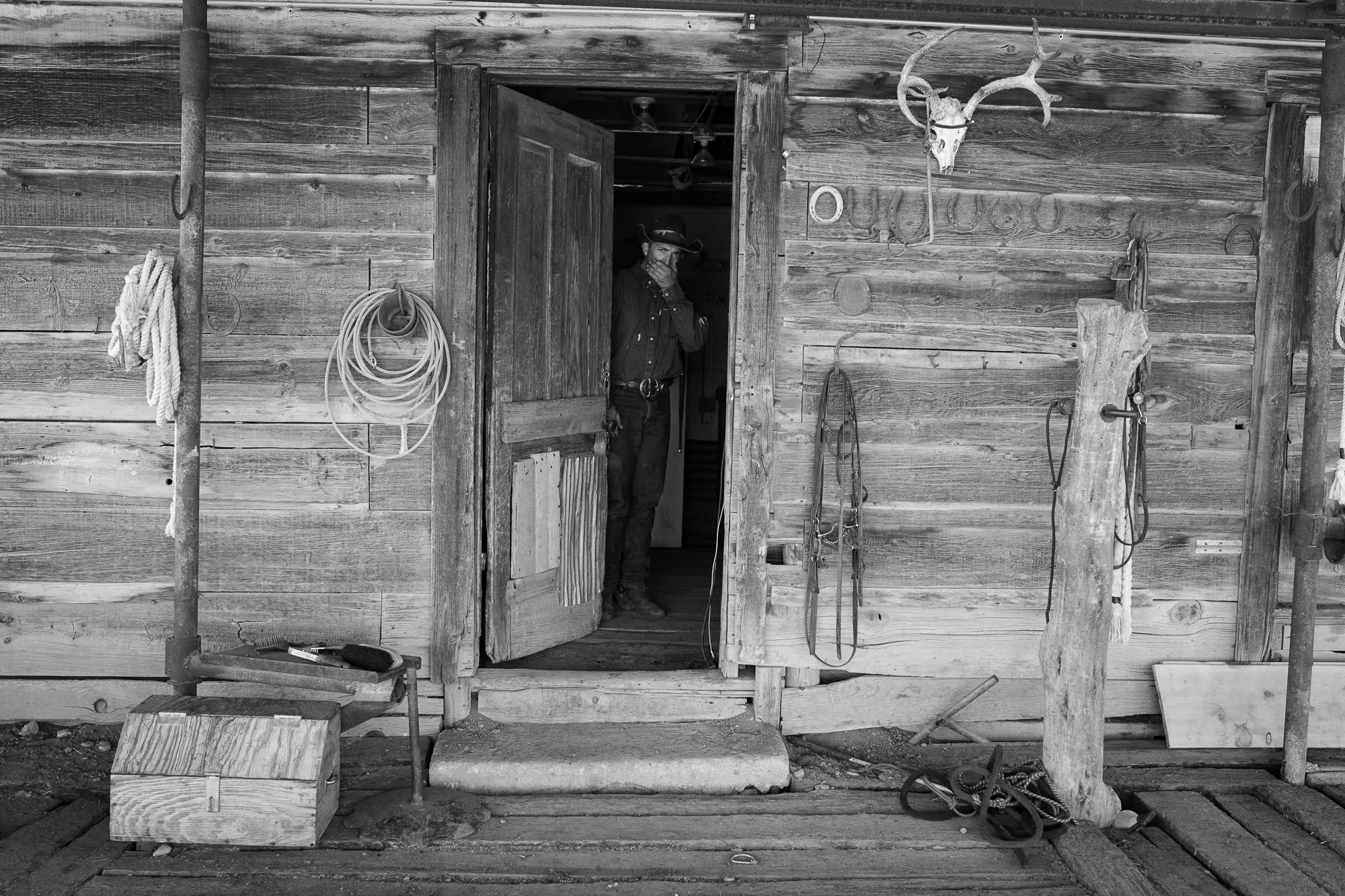
Every ranch has a place like this—part workspace, part history, everything within reach.
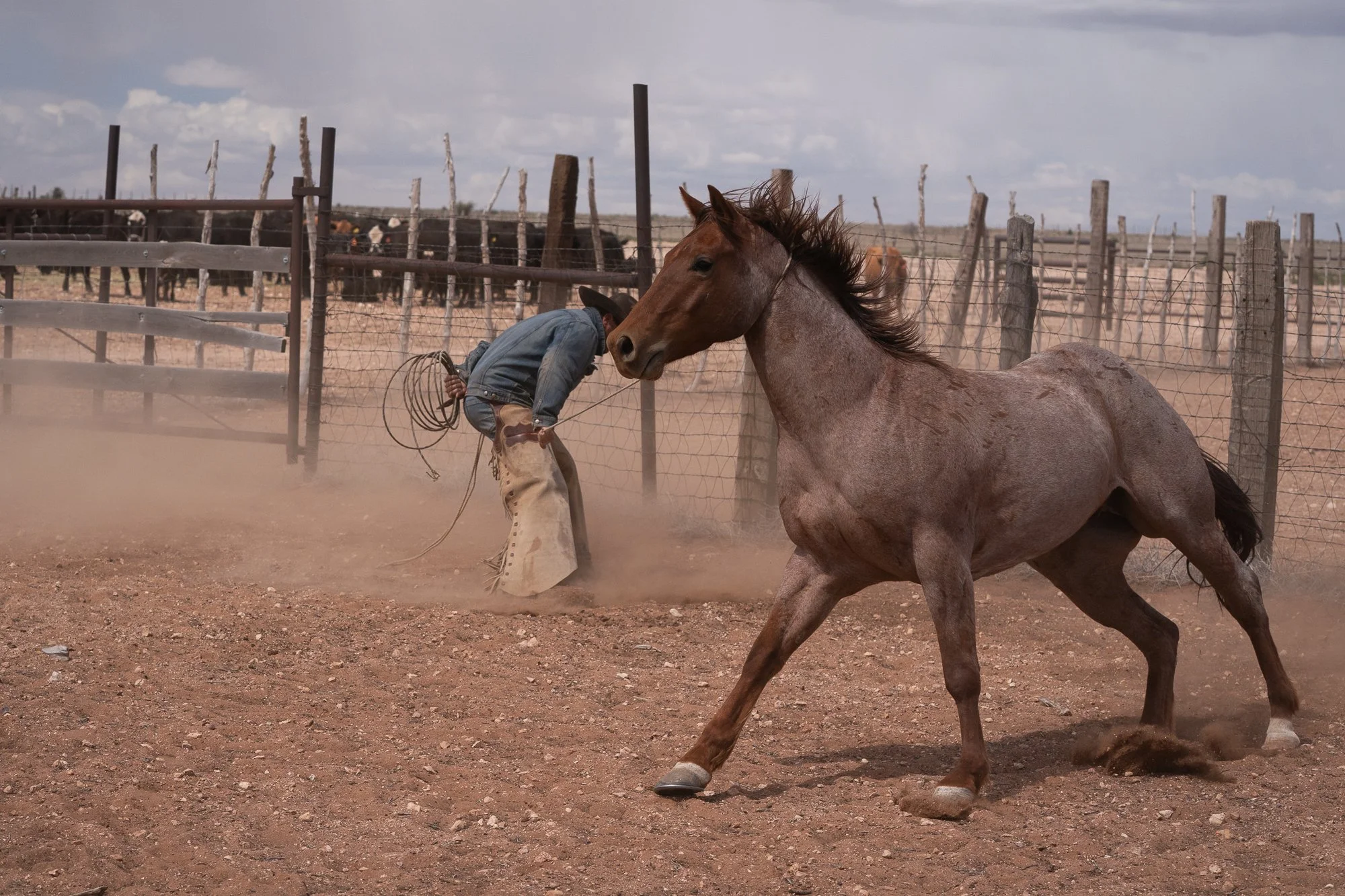
A cowboy attempts to slow down a roped horse in a corral
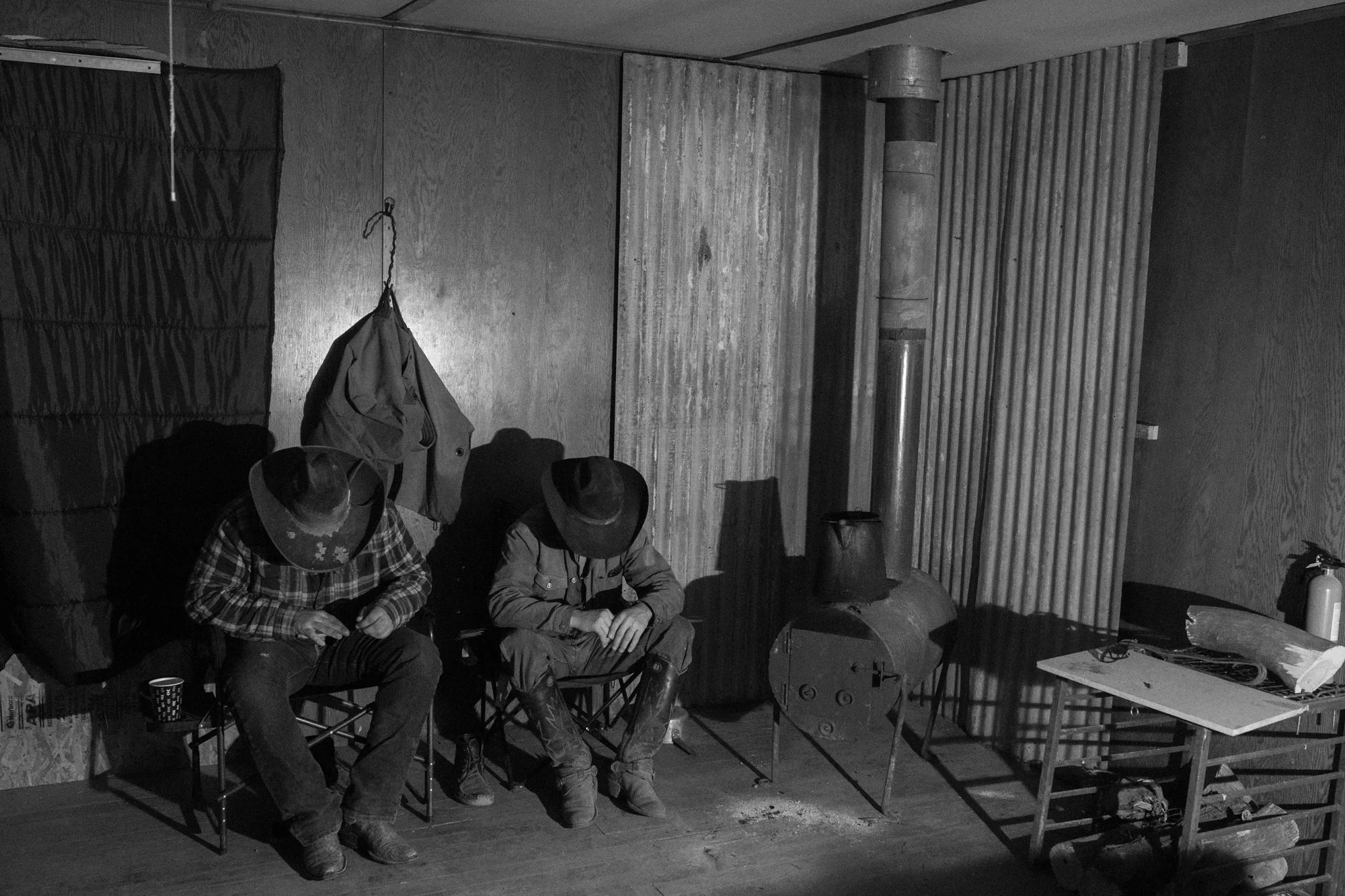
When the work winds down, this is where the day catches up with you.
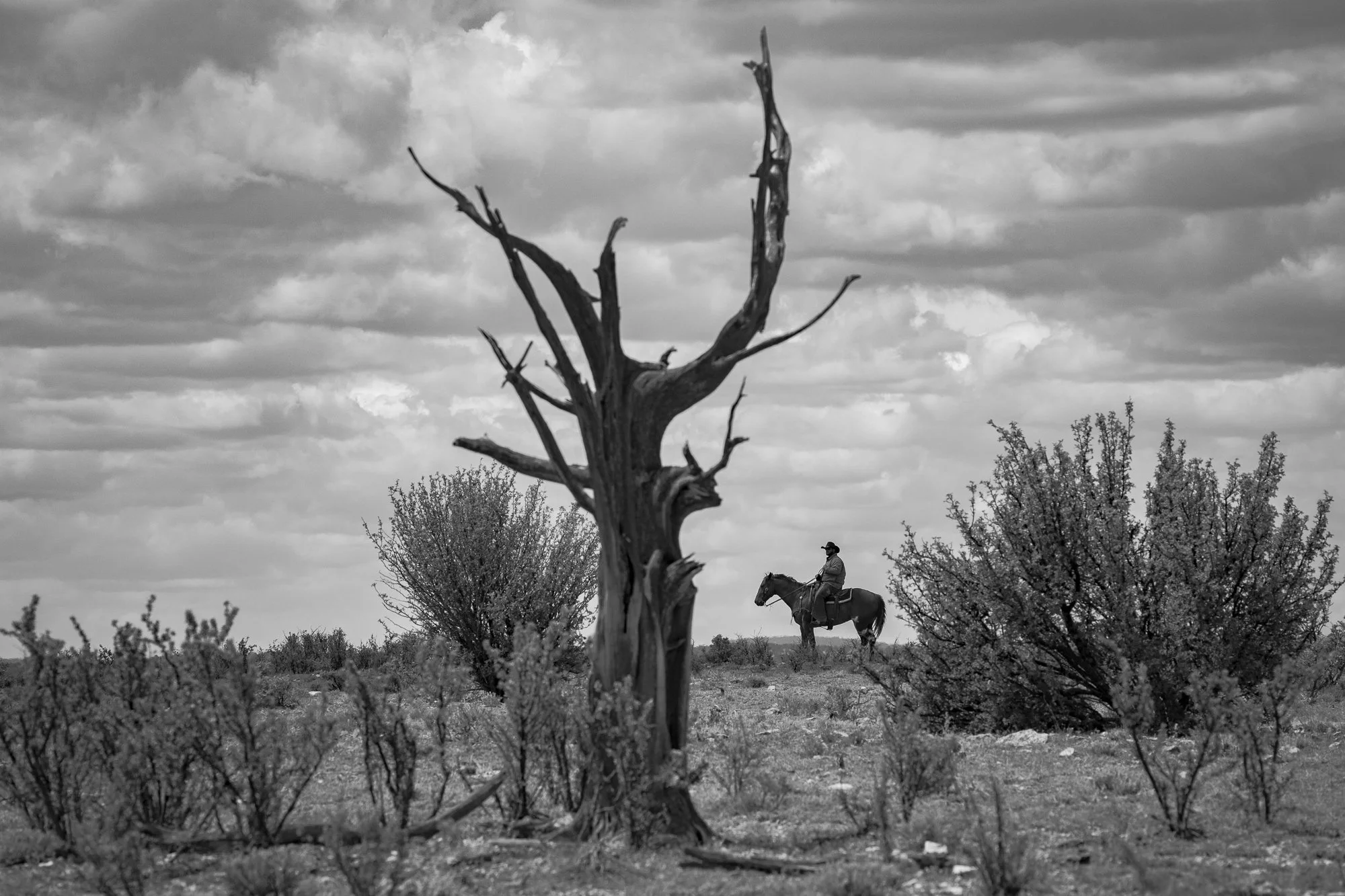
A cowboy rides through open brush, with bare trees and heavy clouds across the Arizona range.
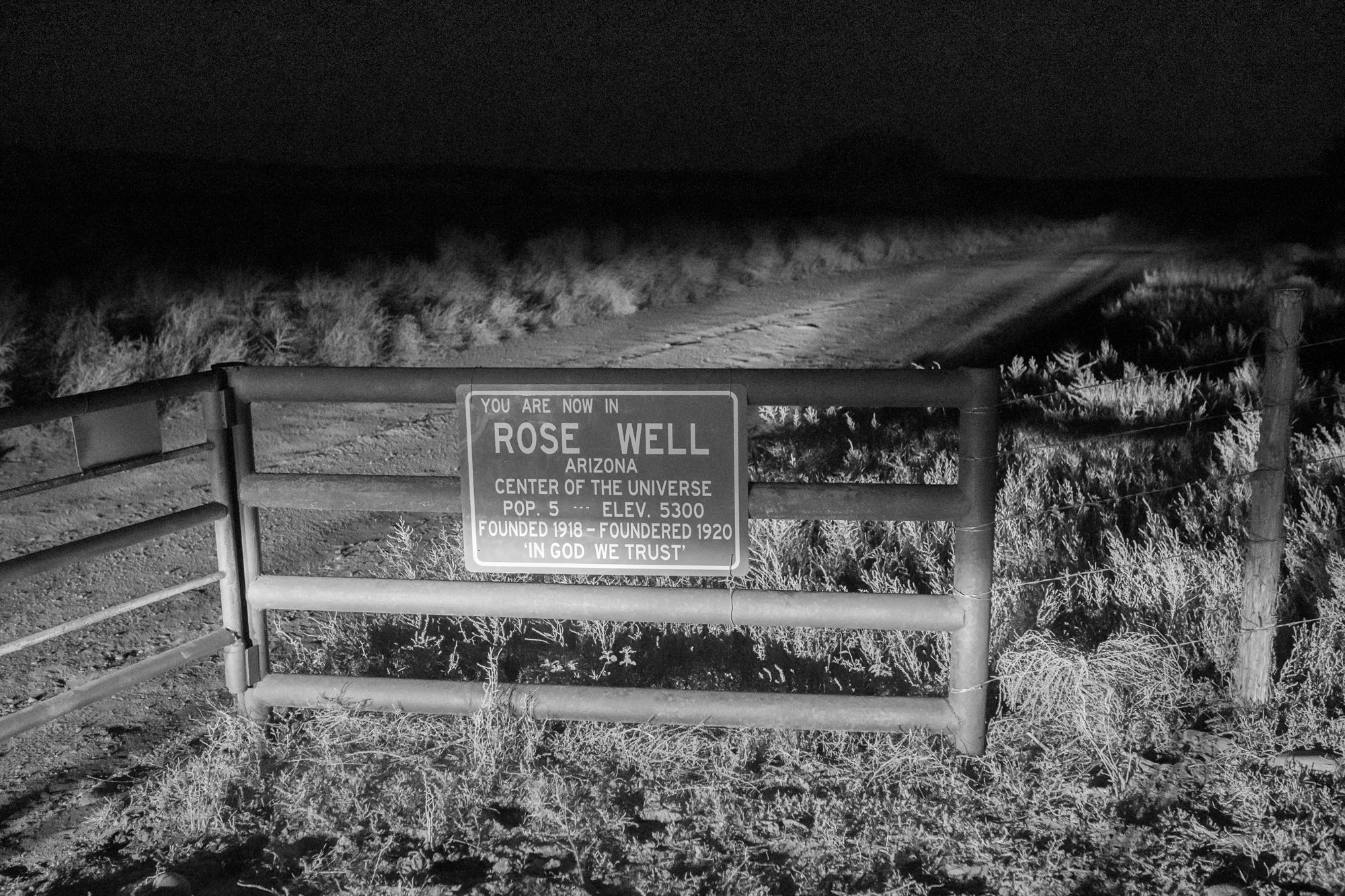
Places like this don’t show up on most maps—but they’re where the work happens.
A Continued Body of Work
This is part of a larger, ongoing project documenting working cowboys and ranch life across the American West, some of which have been in operation for over a century.
The goal isn’t to define cowboy culture—it’s to spend enough time around it to understand it a little better, and to make photographs that reflect that experience honestly.
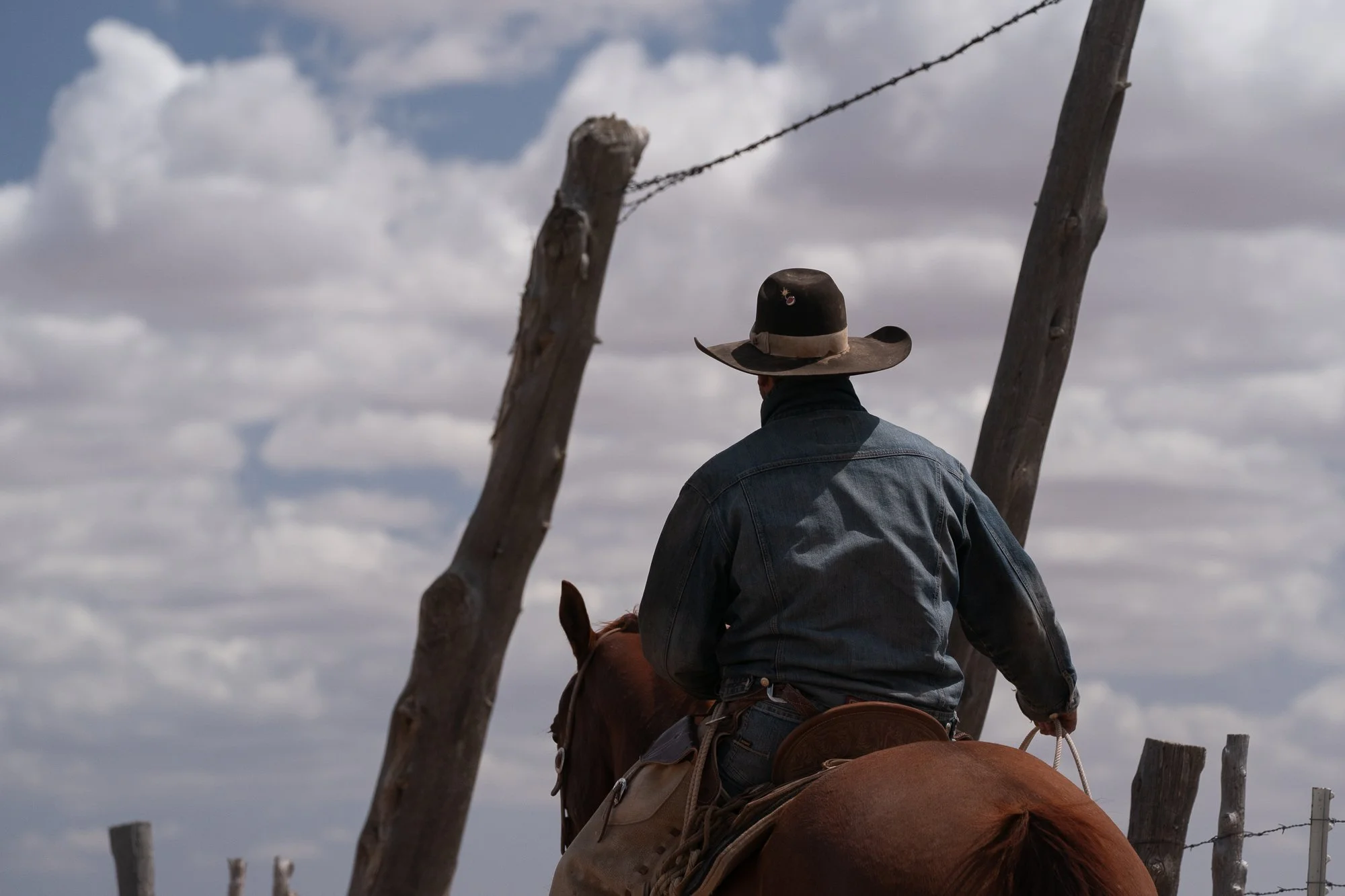
A cowboy rides along a rough fence line, moving through the working landscape of the ranch.
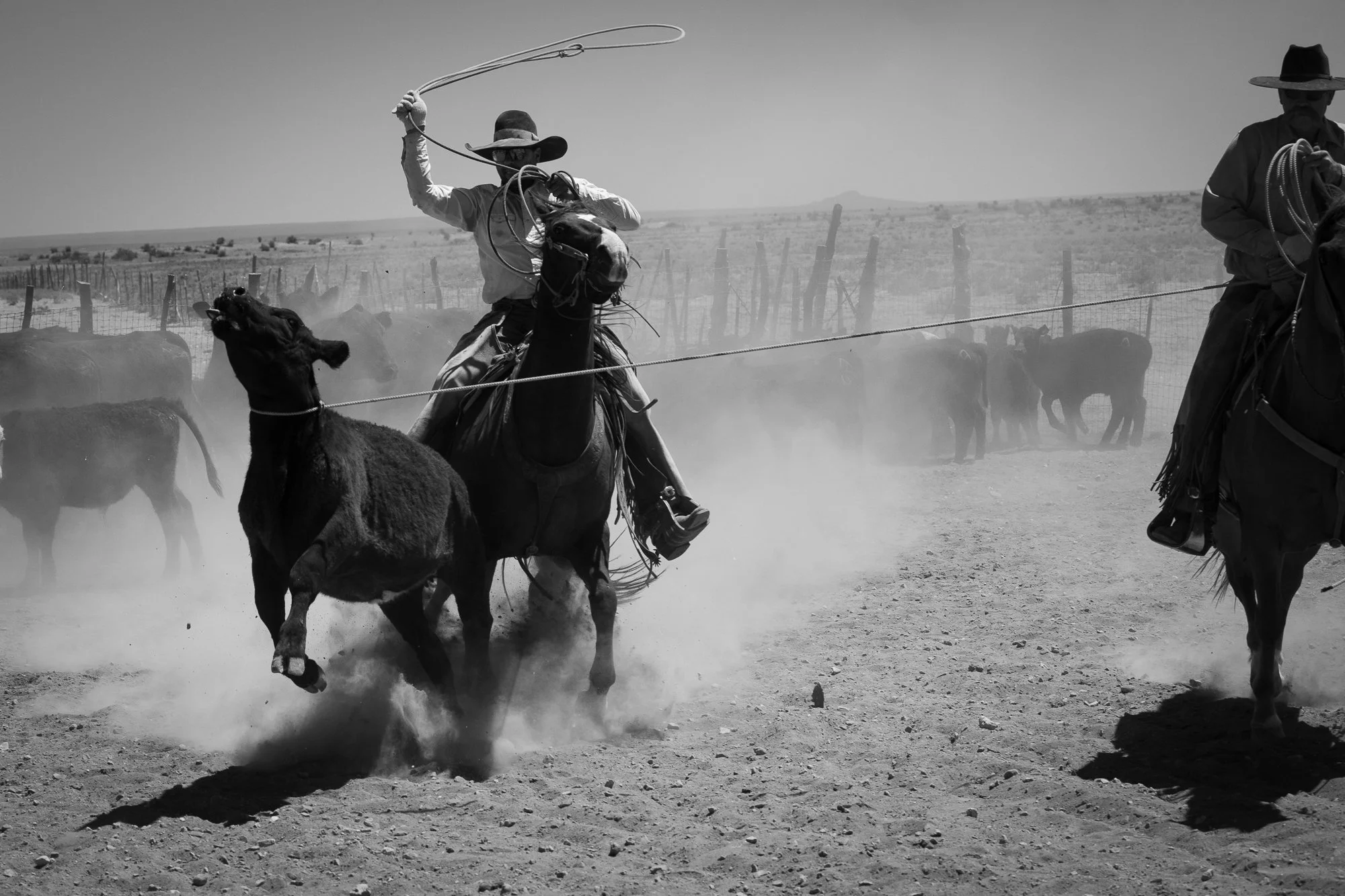
A cowboy ropes a calf from horseback as dust rises through the corral.
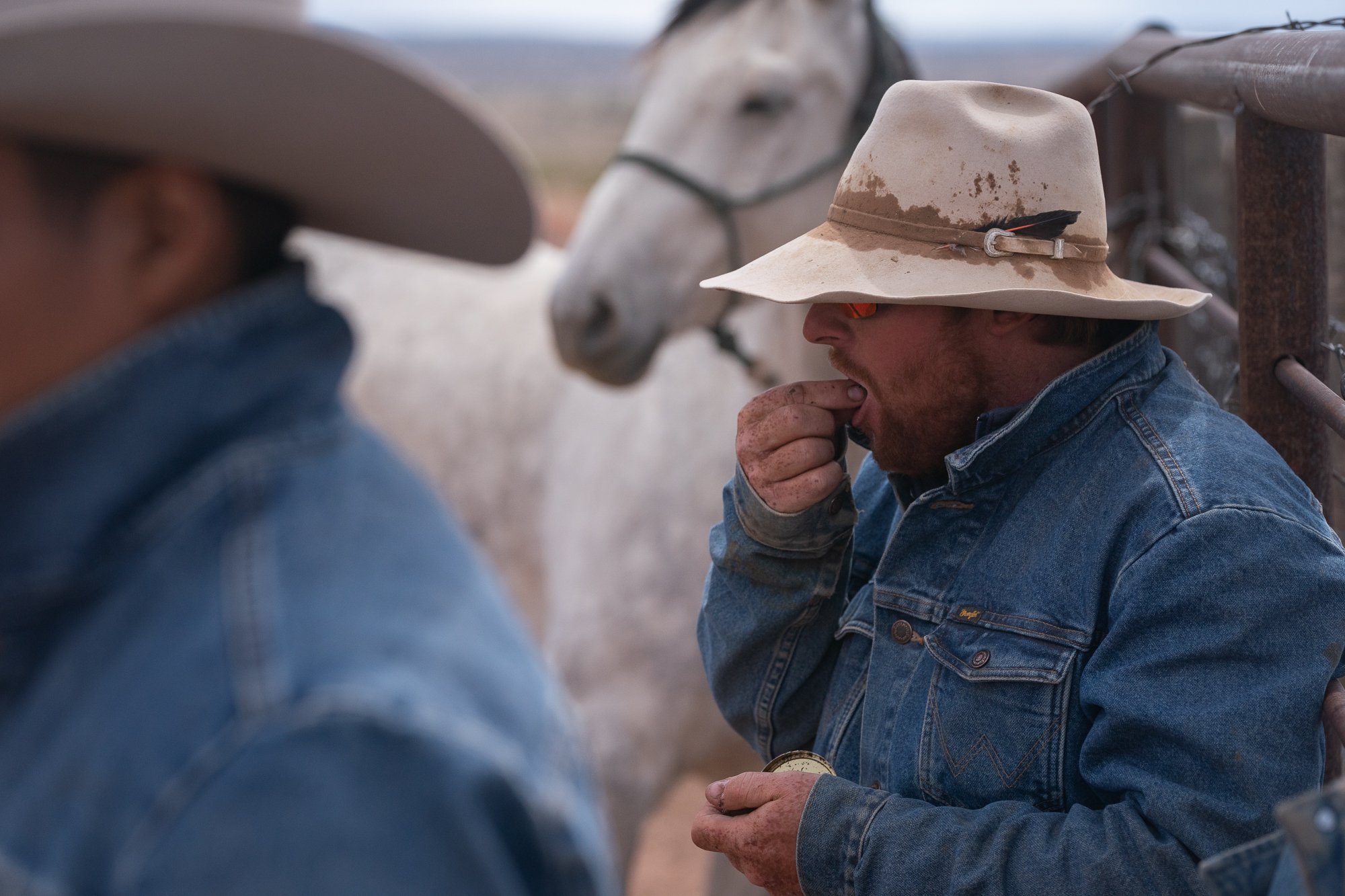
A cowboy takes a short break beside the corral fence, with a horse standing just behind him.
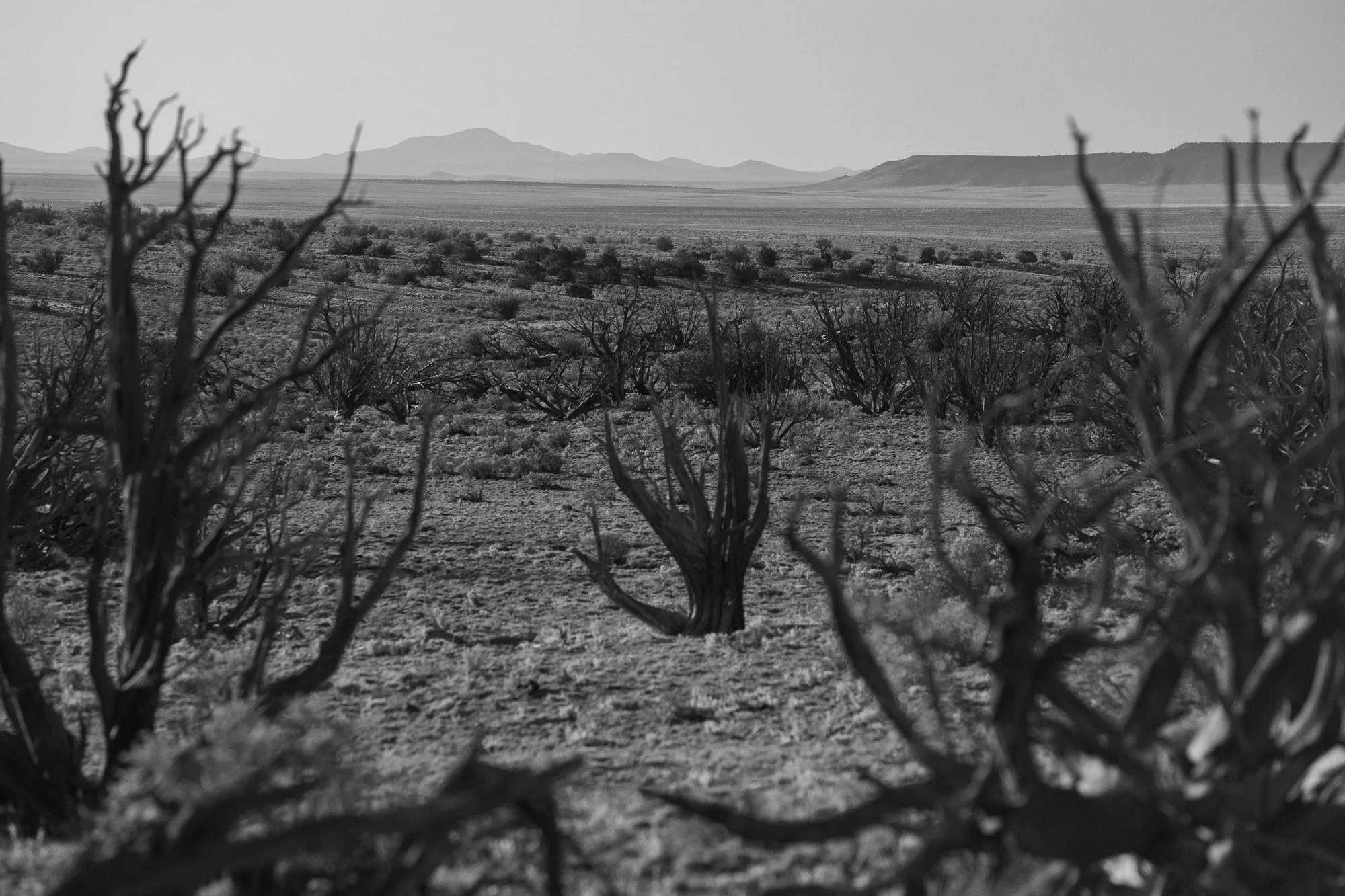
Open ground, desert brush, and distant mountains show the scale of the Arizona ranch landscape.
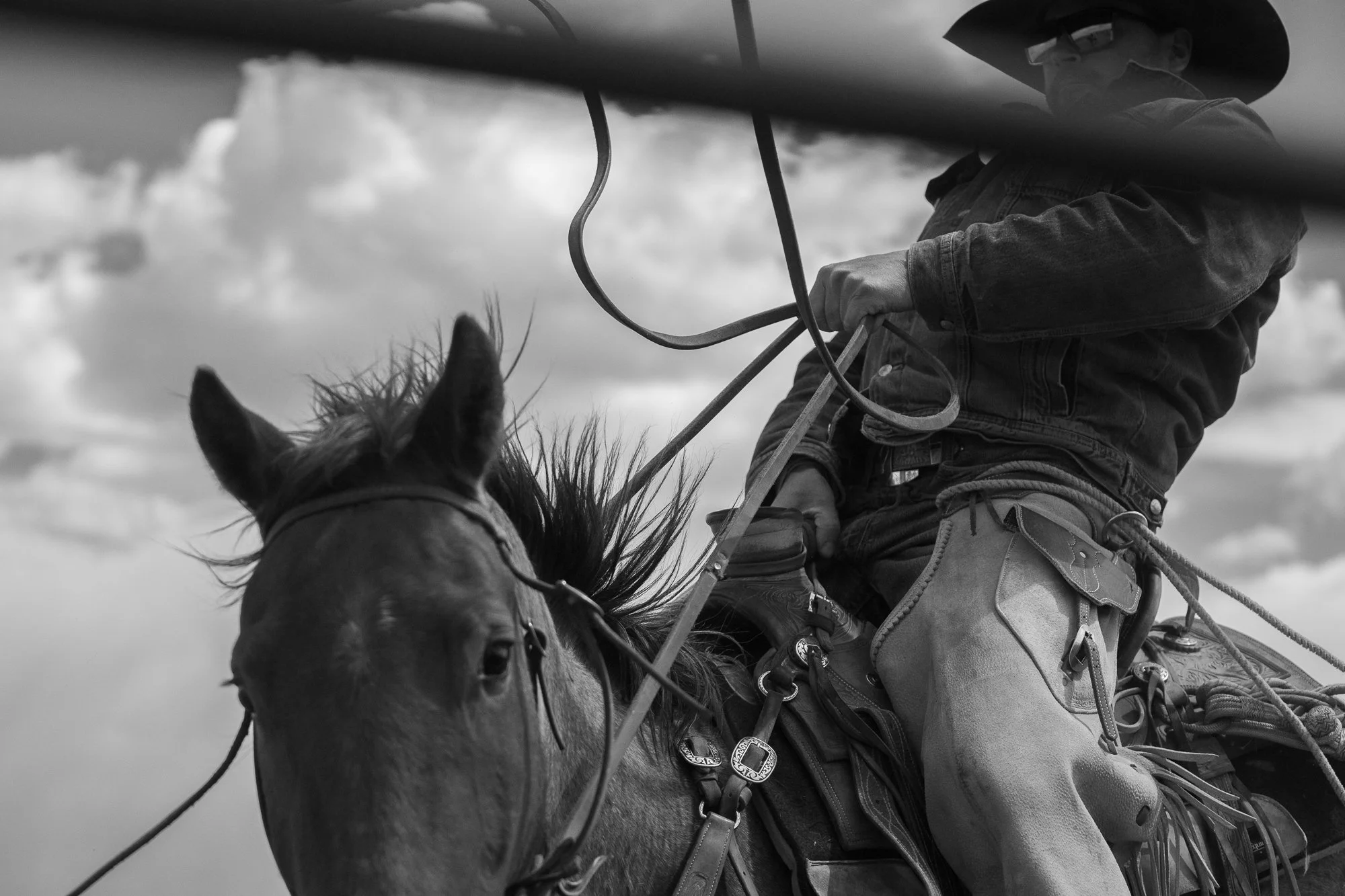
A cowboy rides a bucking horse inside the corrals at the Diamond A Ranch
Collecting Cowboy Photography Prints
A selection of these photographs are available as fine art prints, produced using museum-quality materials and intended to be experienced in person.
→ View Cowboy Photography Prints
For commercial, editorial, or brand collaborations focused on Western and ranch life:
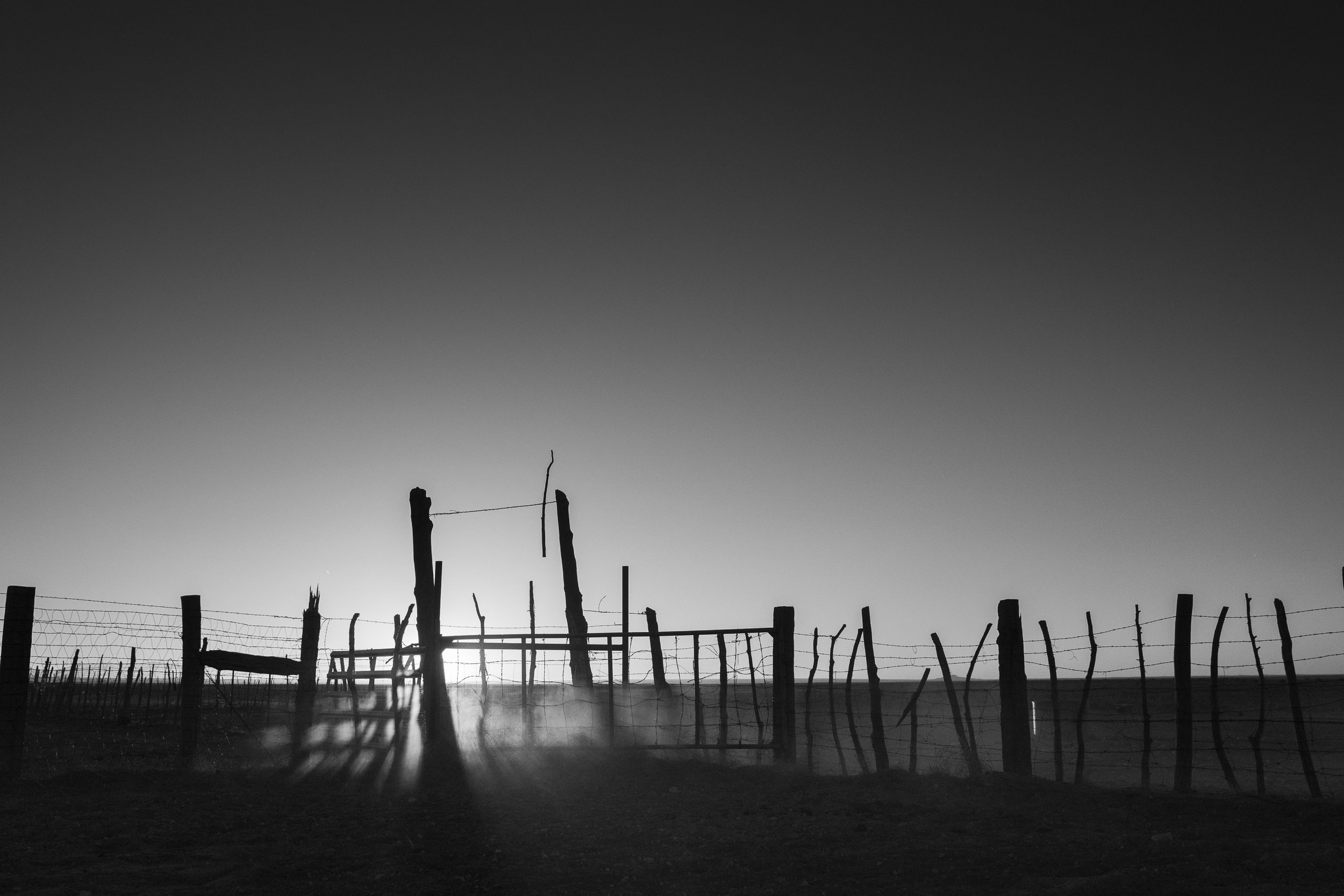
Low light comes through the fence line at the Diamond A Ranch, showing the quiet start or end of a day on the Arizona range.
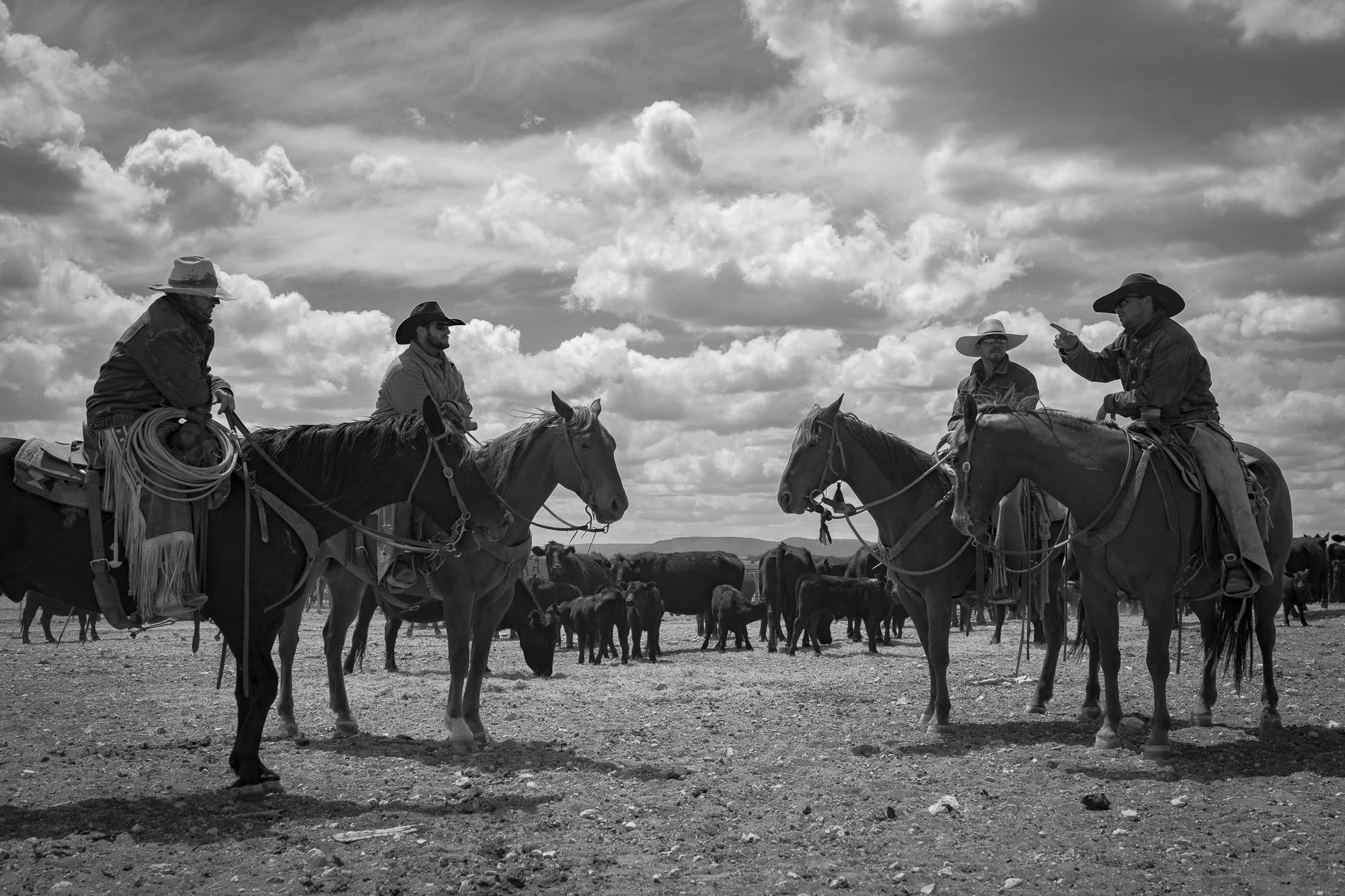
Cowboys pause on horseback near cattle during a day of ranch work on the Diamond A Ranch in Arizona.
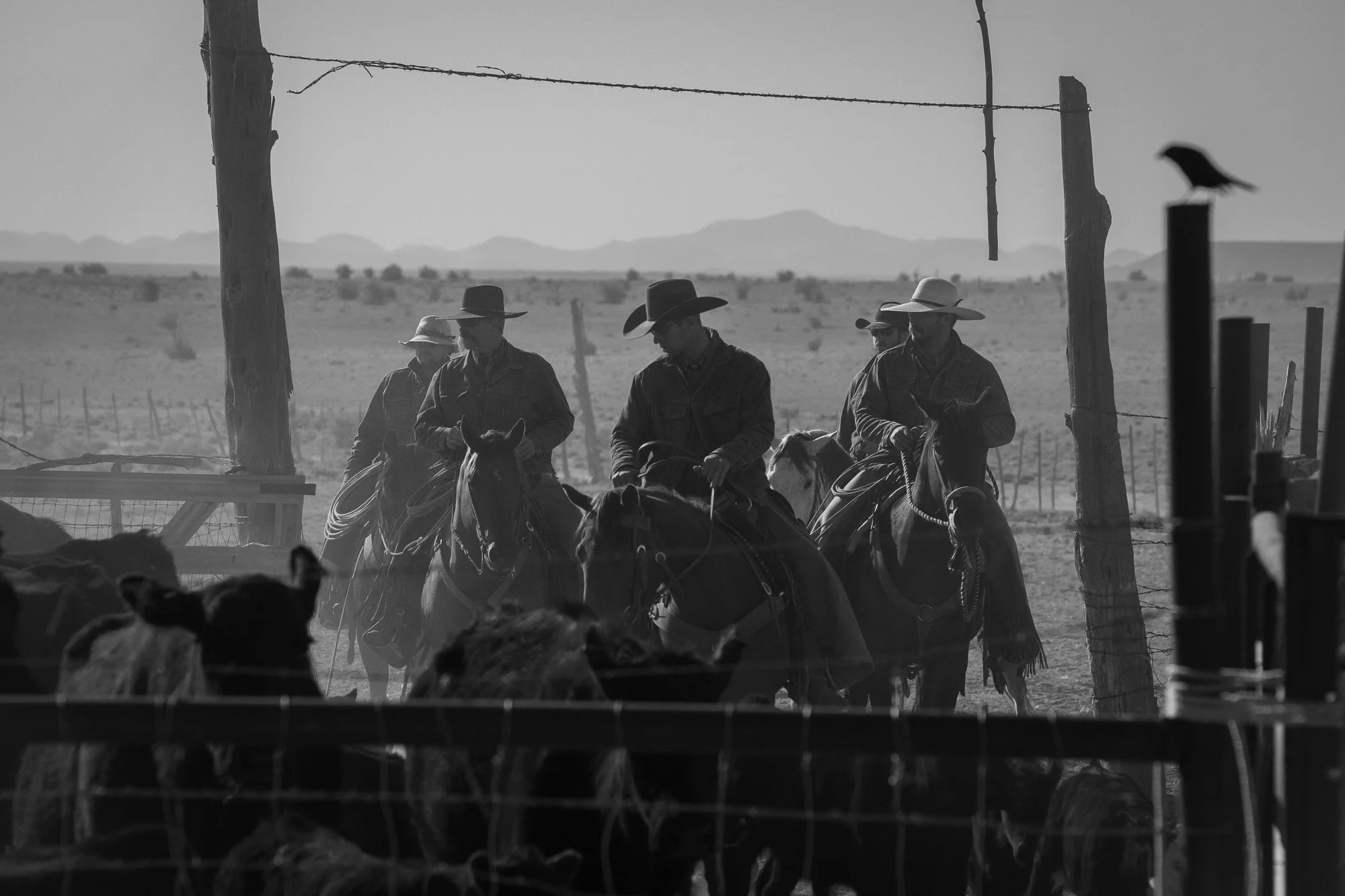
Cowboys sit horseback near cattle inside the corral, framed by dust, fence posts, and open Arizona range.
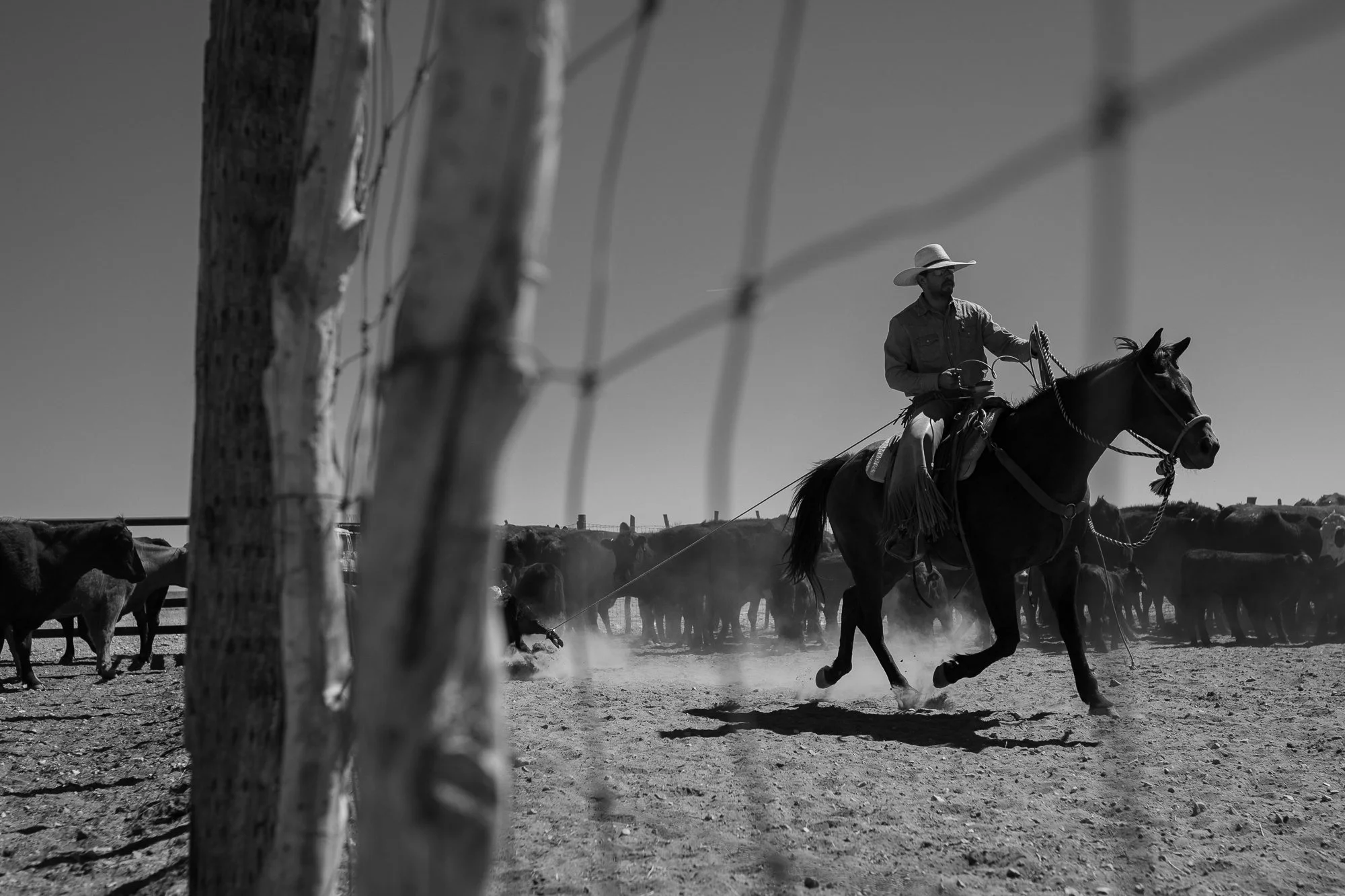
A cowboy works from horseback inside the corral, moving through dust, cattle, and fence lines.
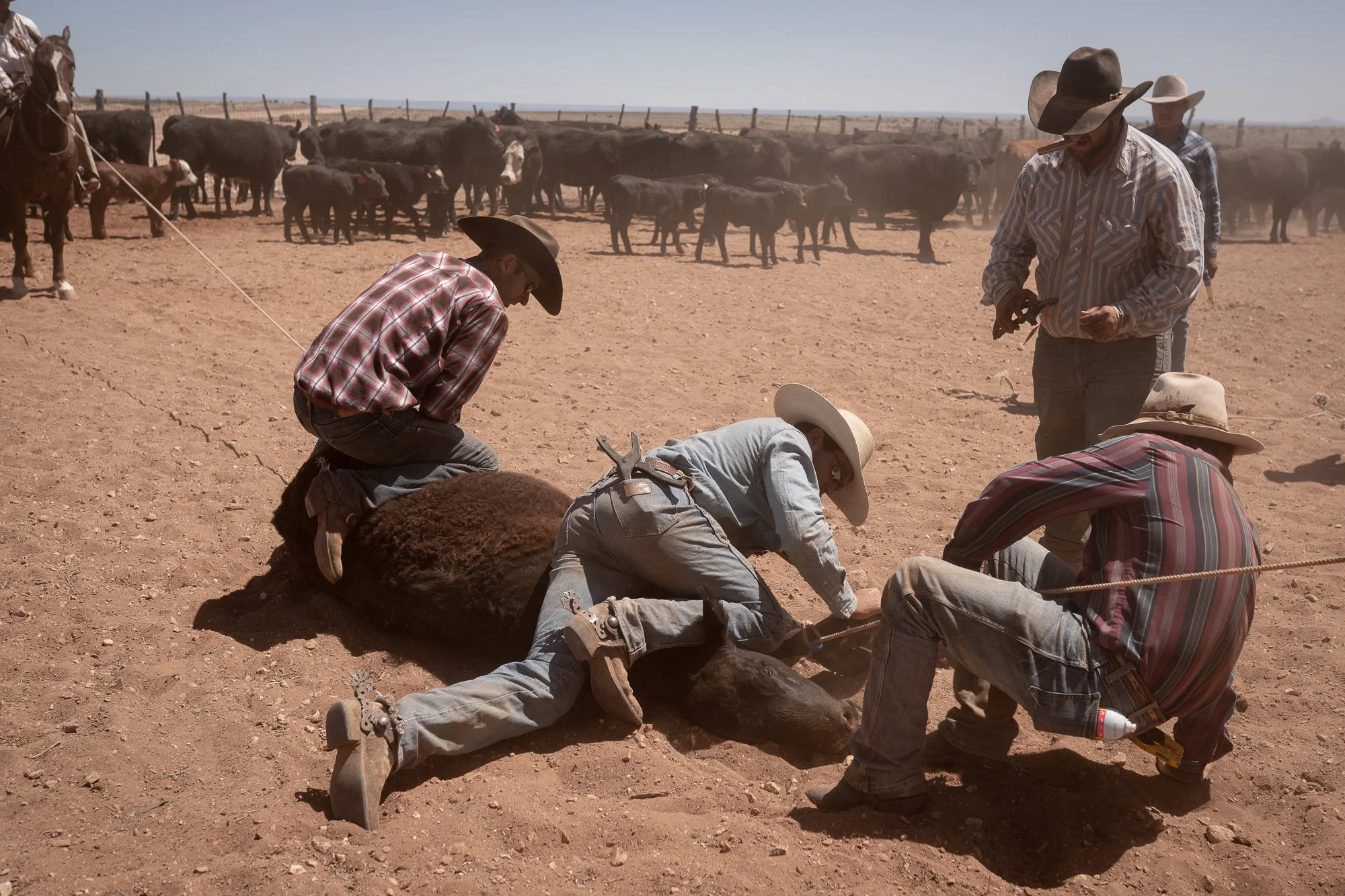
Cowboys work together on the ground with a calf, surrounded by dust, horses, and cattle.
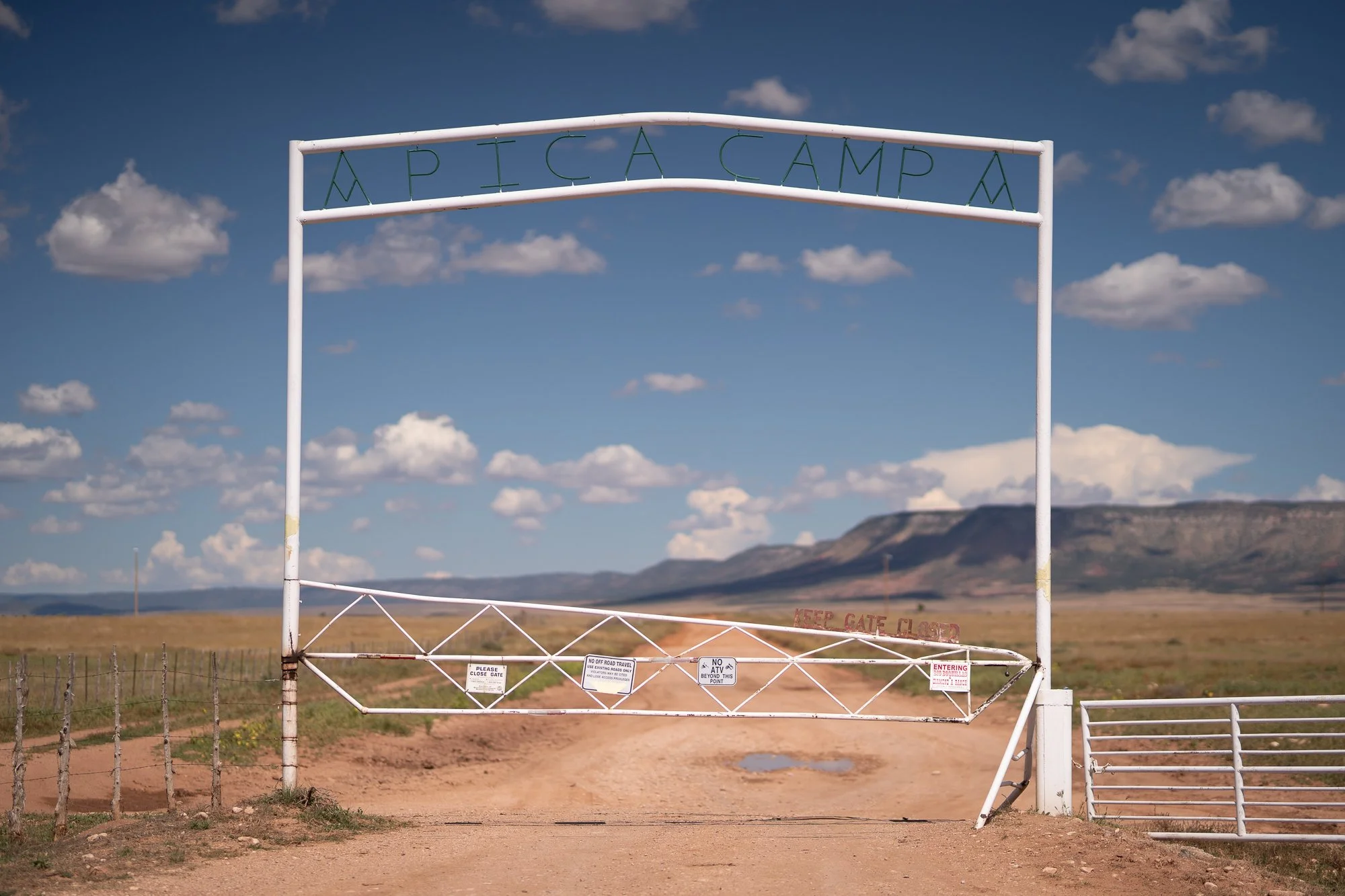
Pica Camp - Diamond A Ranch - Crossing a gate like this means you’re leaving one world and stepping into another.