
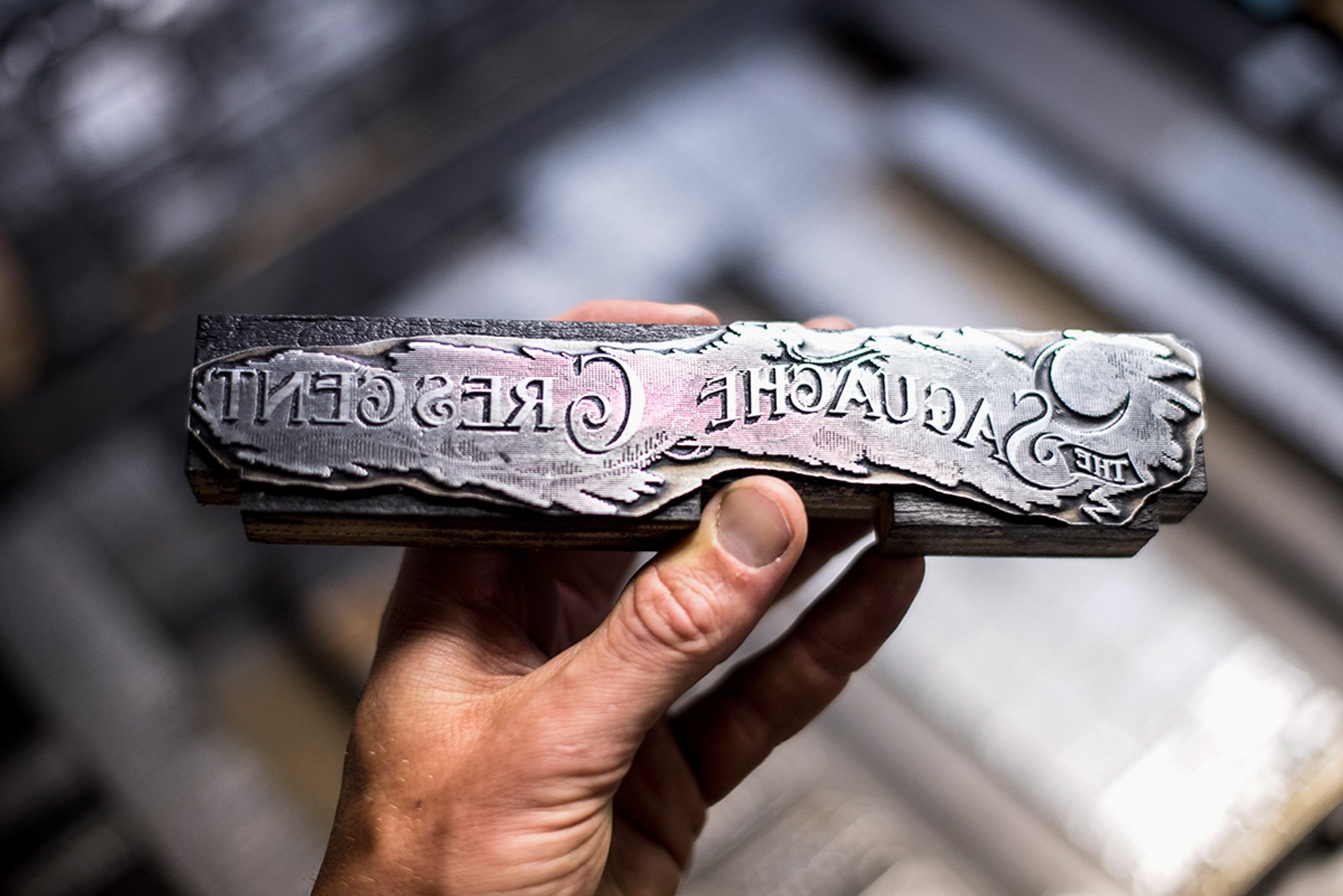
The Last Linotype Newspaper in America
There aren't many places left where you can watch someone make a newspaper with molten lead.But in the tiny town of Saguache, Colorado, Dean Coombs still does it every week.
Dean is the publisher, editor, printer, repairman and, by his own admission, not a particularly good janitor at the Saguache Crescent, a weekly newspaper that's been serving this small Colorado town since the late 1800s. While virtually every other newspaper in the world moved on to computers and modern printing technology decades ago, Dean still produces the Crescent using a Mergenthaler Model 14 Linotype machine that his family bought new in 1920.
It's believed to be the last newspaper in the United States, and possibly the world, still produced this way.
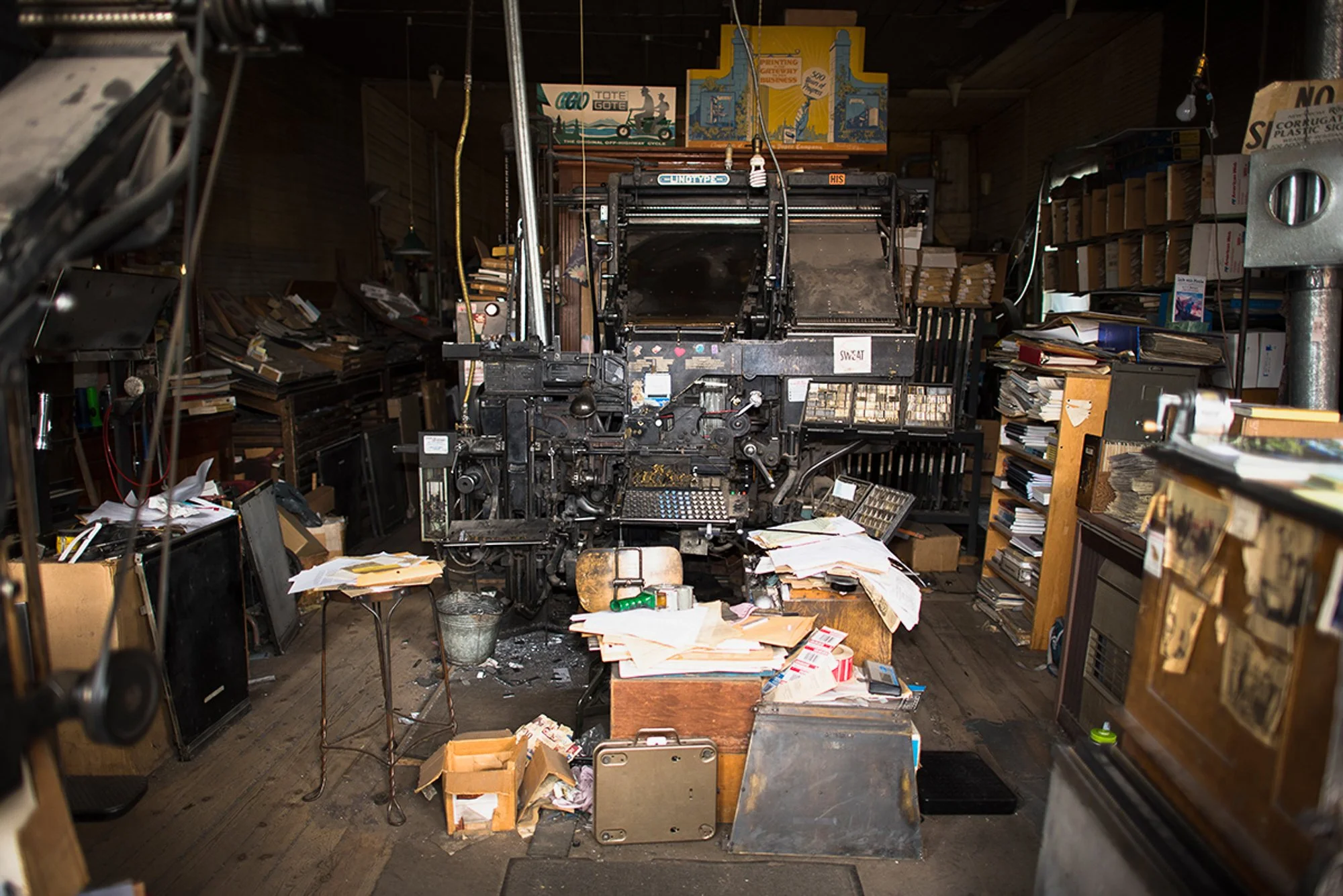
The Linotype and other printing equipment fill the workroom.
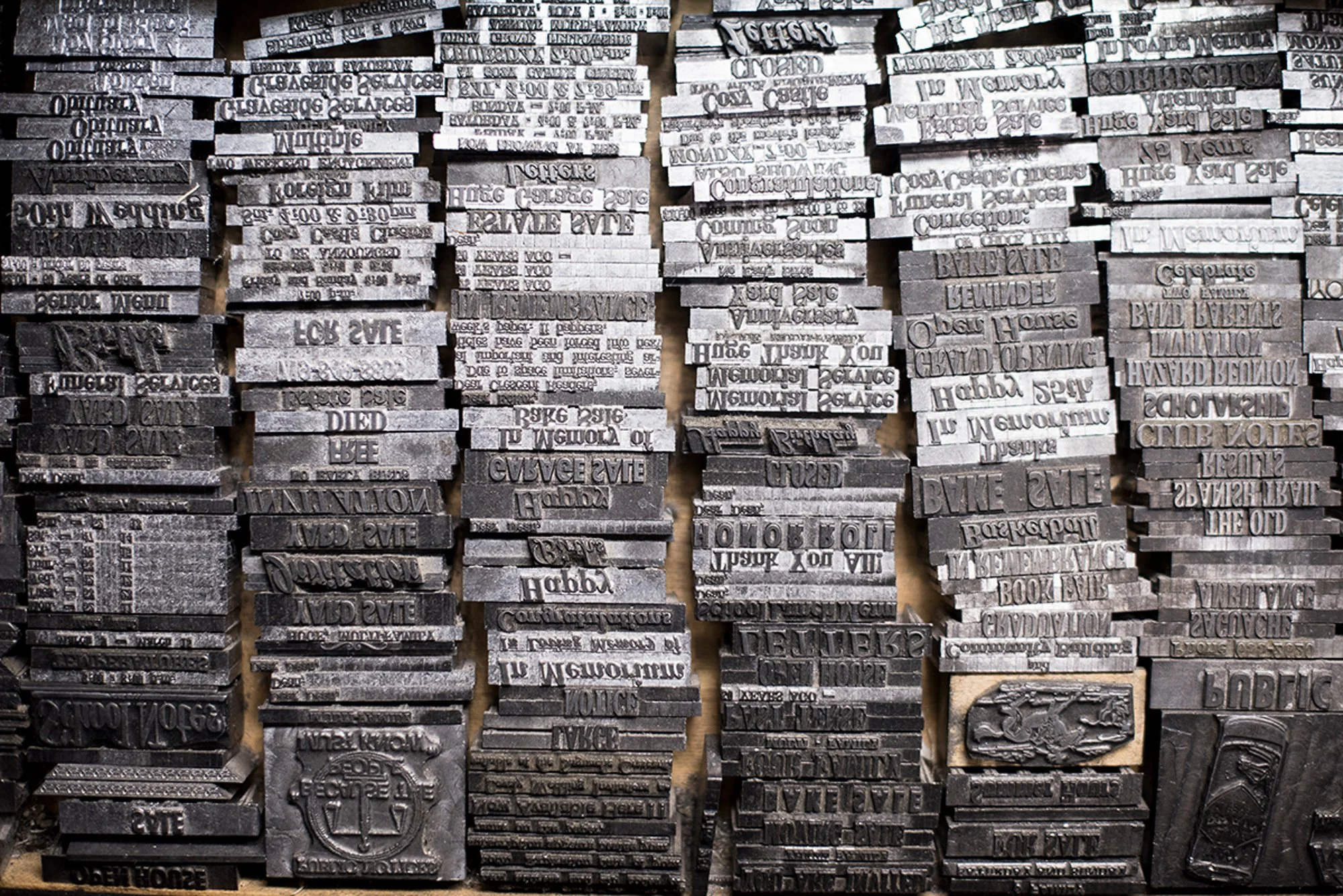
Rows of metal type slugs line the shelves throughout the print room.
The Saguache Crescent
Saguache sits in Colorado's San Luis Valley, a place that already feels somewhat removed from the speed of the rest of the world. The town has a population of only a few hundred people, and the Saguache Crescent fits naturally into that landscape.
The newspaper began in 1882 as the Saguache Advance and has been produced in the same building since 1902. Dean's grandparents bought the paper in 1917, and it has remained in the Coombs family ever since.
Dean was essentially born into it.
When he was a baby, his parents reportedly attached his carriage to the back of the printing press so the movement of the machine would rock him to sleep. He started working at the newspaper when he was 12.
His mother, Marie, set type and wrote stories. His father, Ivan, handled the printing. When Ivan died unexpectedly in 1978, Dean took over. The family still managed to get that week's paper out the following day. That tells you quite a bit about Dean and the Crescent. A newspaper comes out when a newspaper is supposed to come out.
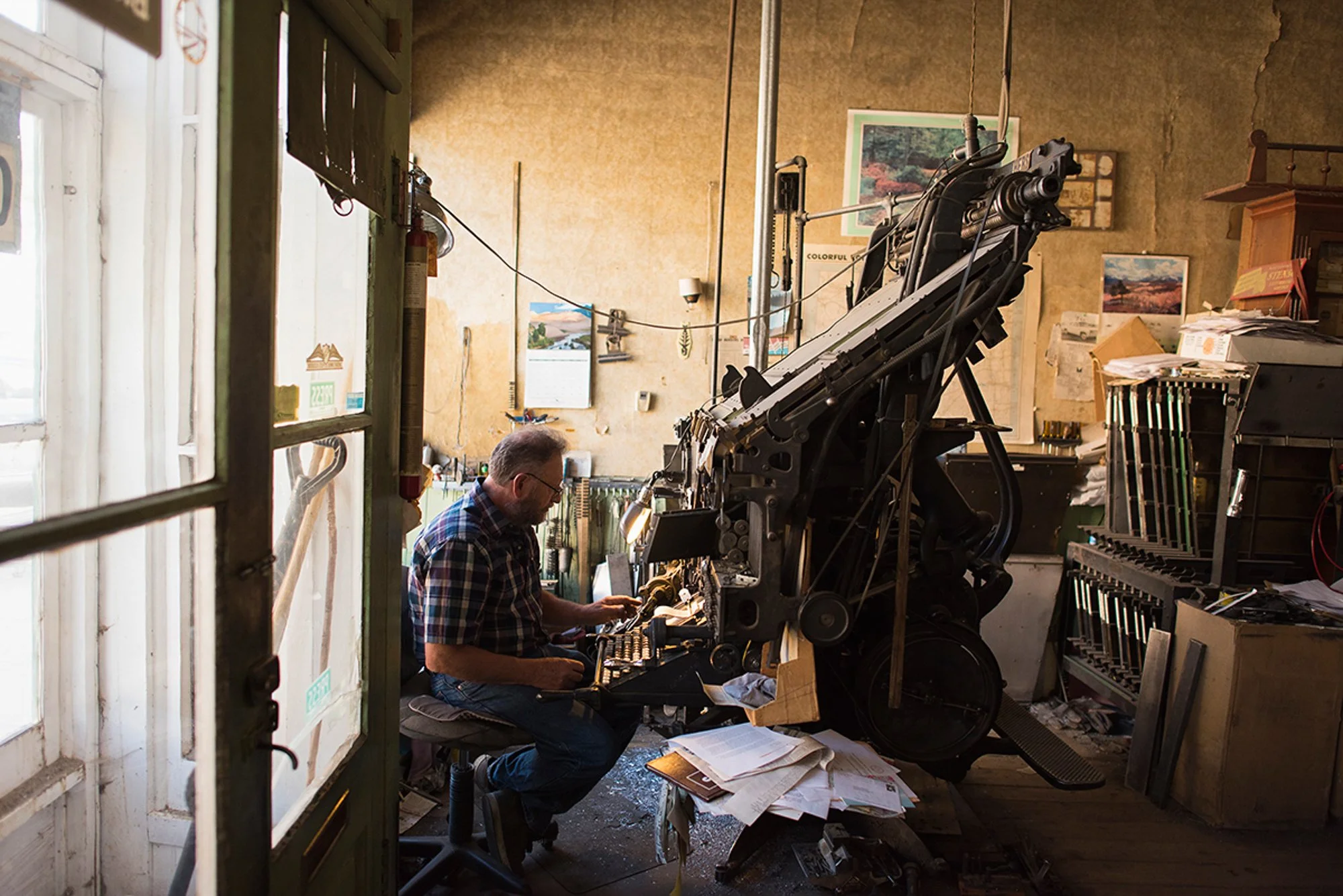
For Dean, working at the Linotype is part of the weekly routine of producing the newspaper.
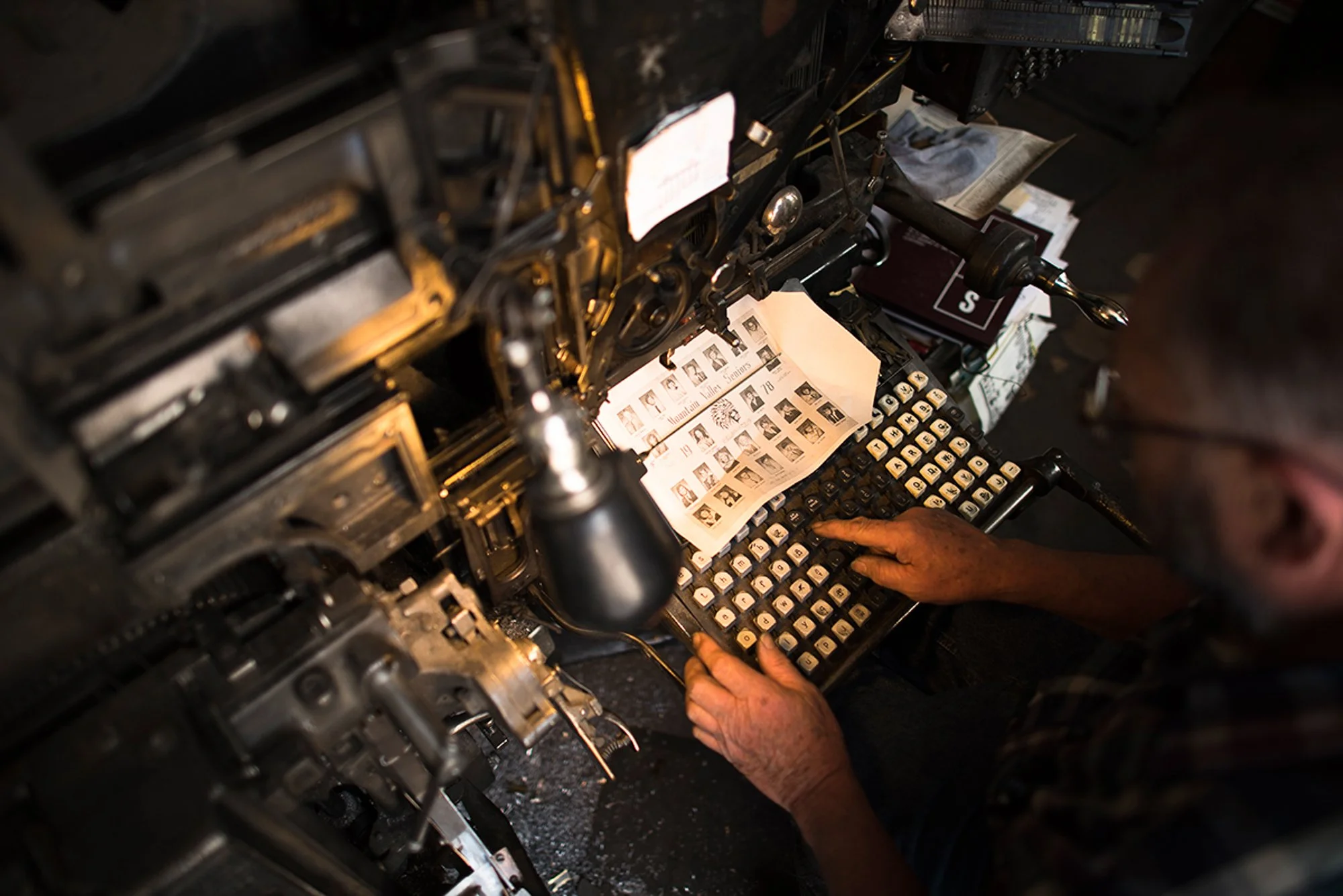
Individual brass matrices drop into place as newspaper copy is entered on the Linotype keyboard.
Printing a Newspaper With a Linotype Machine
The first thing that struck me about the Linotype wasn't necessarily how old it was. It was how physical the whole process is.Modern publishing is quiet. Sit at a computer, type some words, move things around on a screen and hit send.
This is the opposite.
The Linotype is big, loud, mechanical and complicated. There are gears, levers, chains, molds and moving parts everywhere. The machine looks like something you could spend a lifetime operating and still not completely understand.
Dean types the newspaper's copy on a keyboard that controls the Linotype. With every keystroke, a small brass matrix for an individual character drops from a magazine inside the machine.
Those matrices line up to form a complete line of text.Then things get really interesting. Molten metal is injected against the matrices, casting an entire line of type into a solid metal slug. That's where the name comes from: a "line o' type."
The individual lead slugs are then arranged by hand into columns. The words are upside down and backward, which Dean reads and organizes as naturally as the rest of us read a newspaper sitting at the kitchen table.
Eventually those columns become a page.
The page becomes a printing plate.
And the printing plate becomes the Saguache Crescent.
It's an enormous amount of work to produce something most of us barely think about.
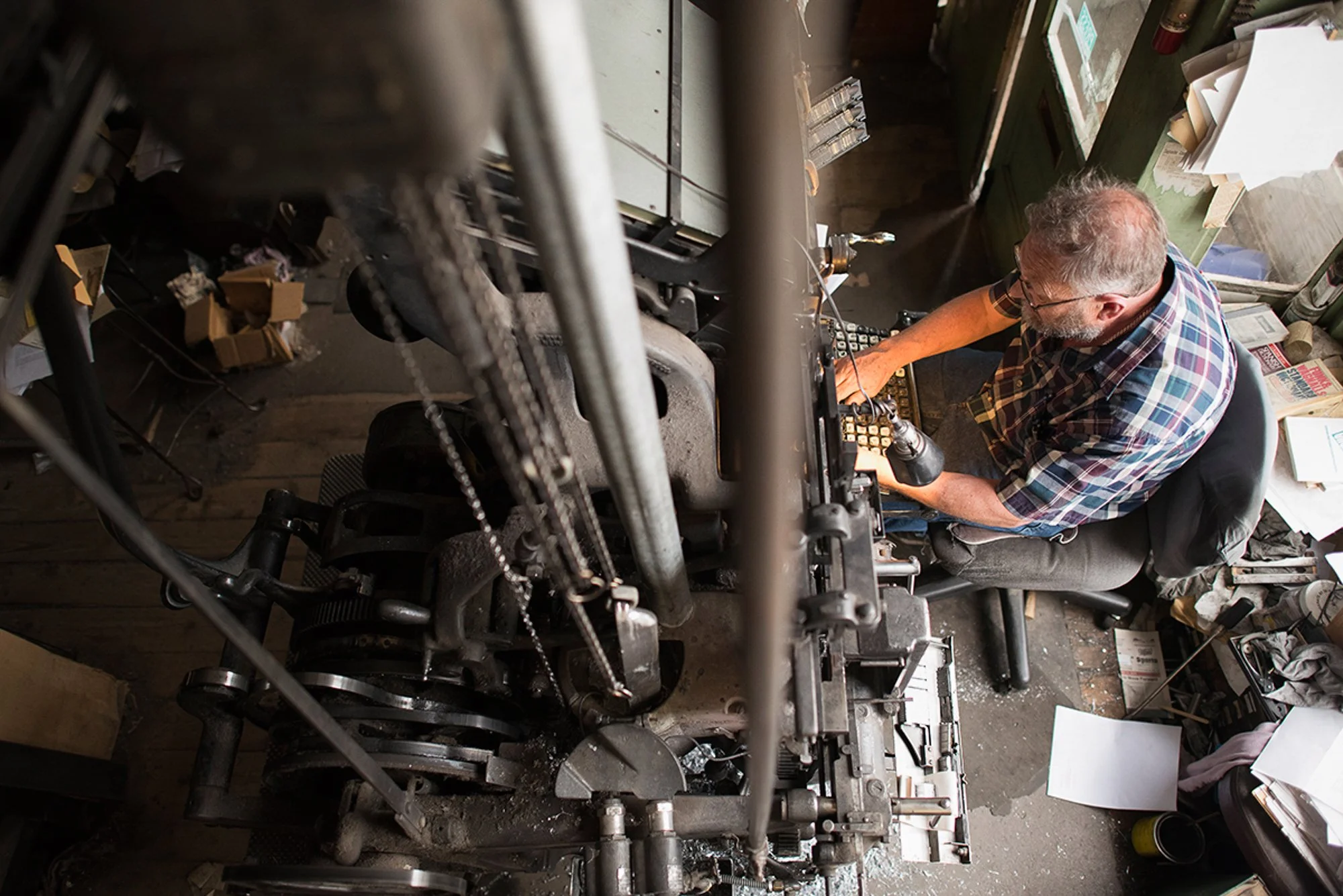
The Linotype sits among the gears, chains, and other machinery that make the printing process possible.
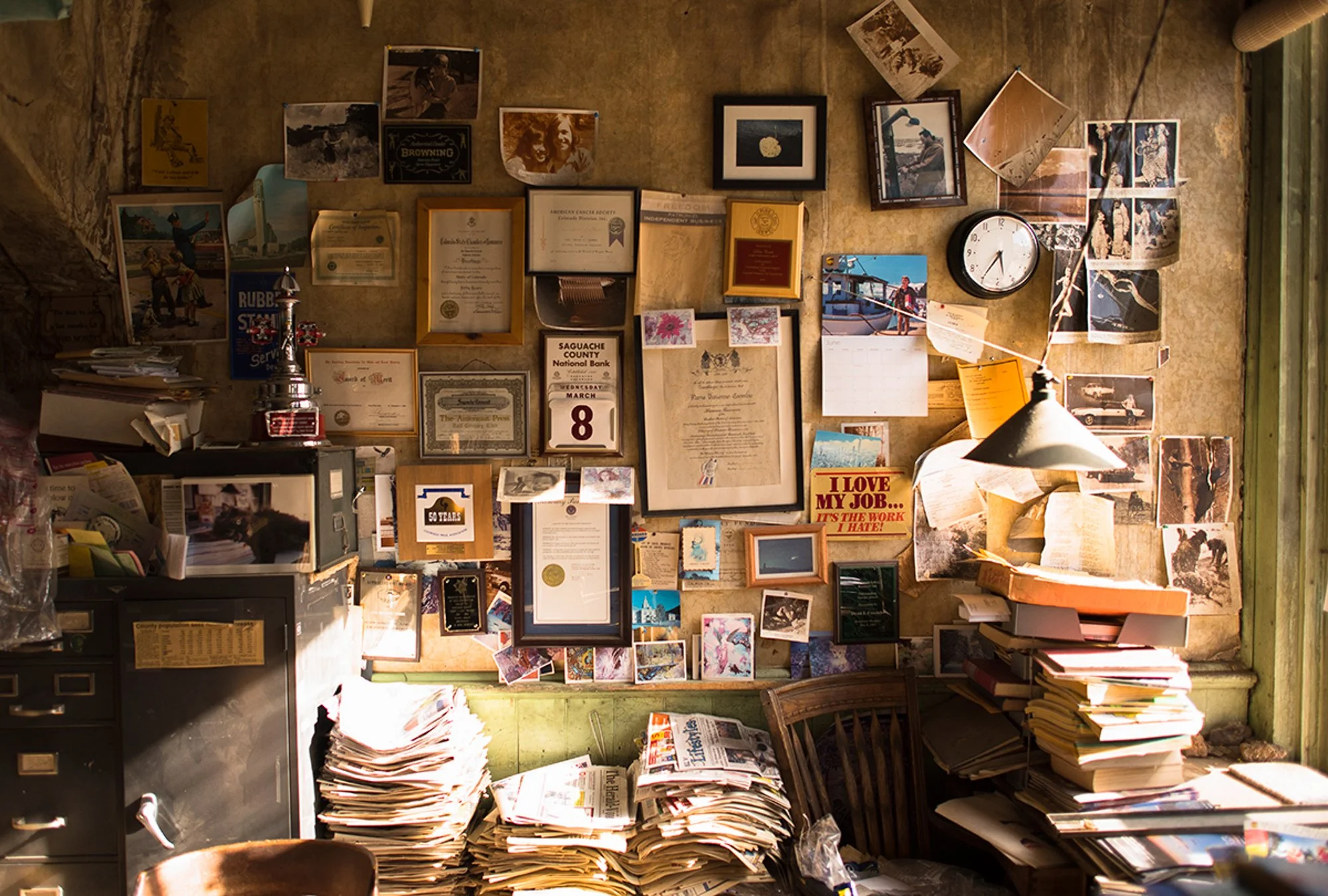
Photographs, certificates, newspapers, and other reminders of the Crescent's history cover a wall in the office.
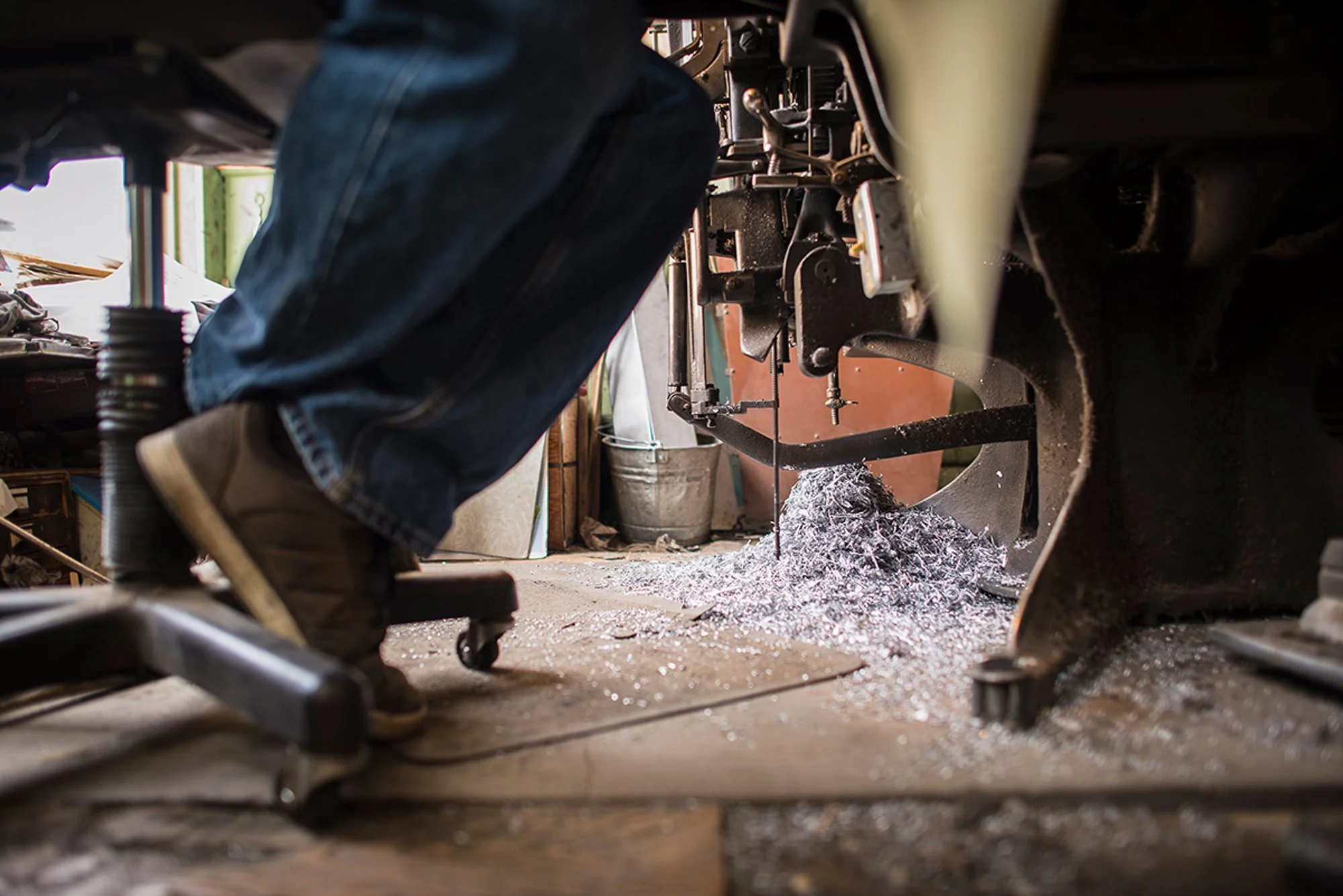
Metal shavings gather on the floor beneath the printing machinery.
A 100-Year-Old Machine That Still Has a Deadline
There is another problem with using a Linotype machine built in 1920.You can't exactly call the service department. If something breaks, Dean fixes it.
The walls of the Crescent are covered with tools, parts and the accumulated evidence of a century of keeping old machinery alive. Dean has spent enough time with the Linotype that he seems to understand it in the way someone understands an old truck they've owned forever. Maybe he doesn't know what every part is called or exactly why every piece does what it does. He knows when something isn't right. And it has to be made right because Tuesday is coming. That's one of the things I loved about photographing Dean. There wasn't any performance to it. He wasn't operating an antique machine for tourists or demonstrating a historical process at a museum. He was at work.
There was a newspaper that needed to be printed, subscribers who expected to receive it and a town that expected its local news. The fact that the process happens to involve technology invented in the 1880s almost seemed secondary to him. It's simply how he makes the paper.
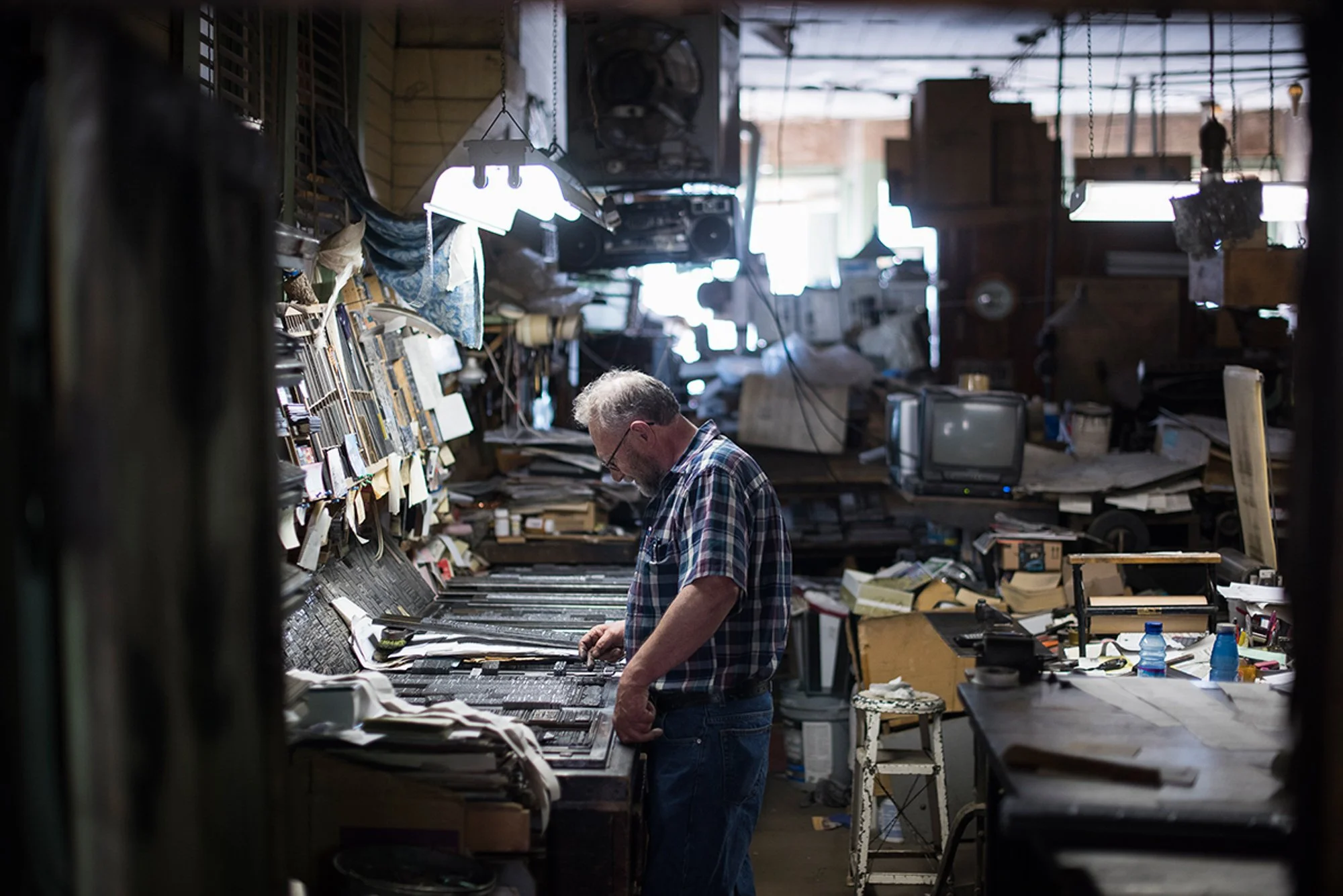
Machinery, metal type, and printing supplies fill the workspace around Dean.
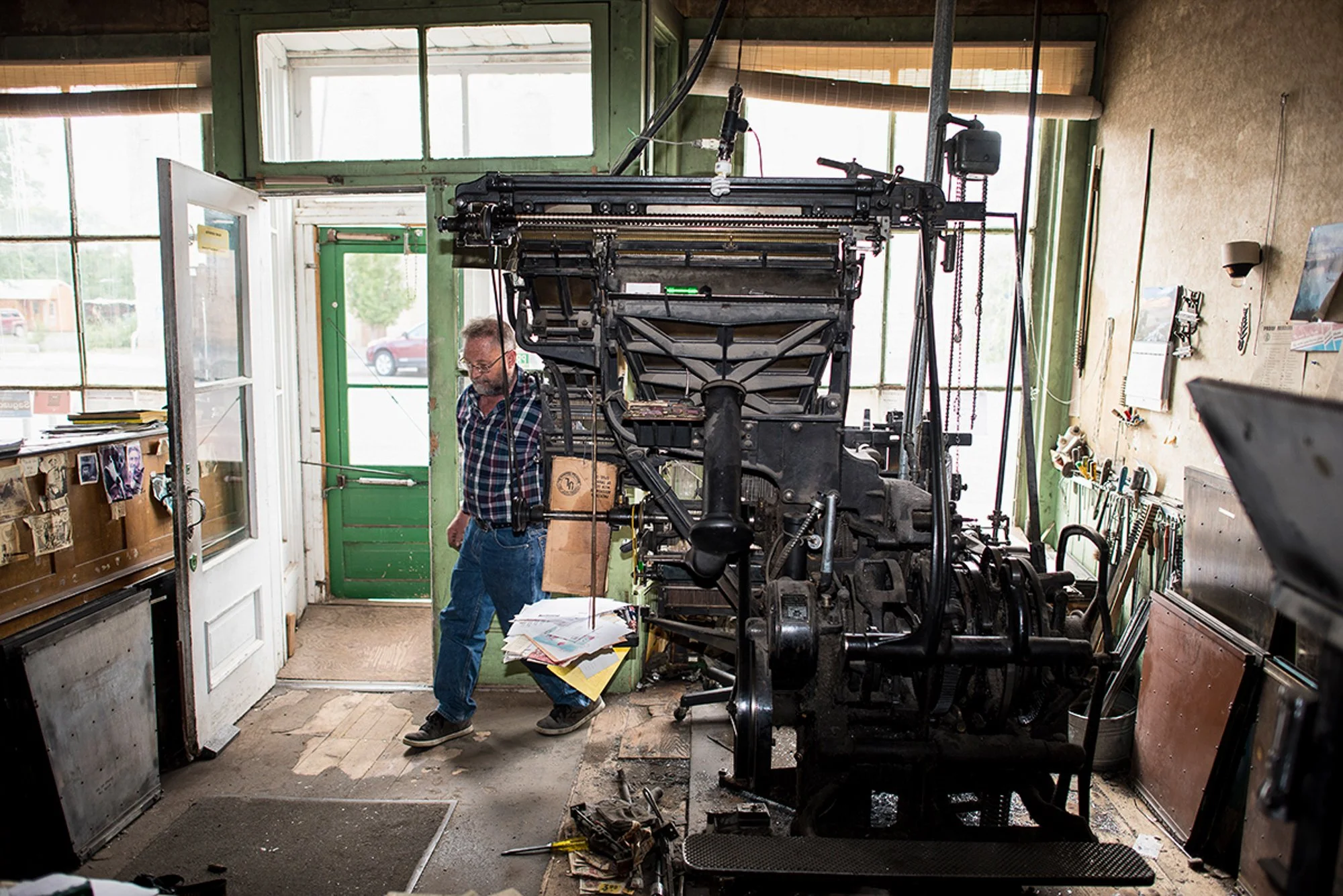
The printing press sits ready for another issue of the newspaper.
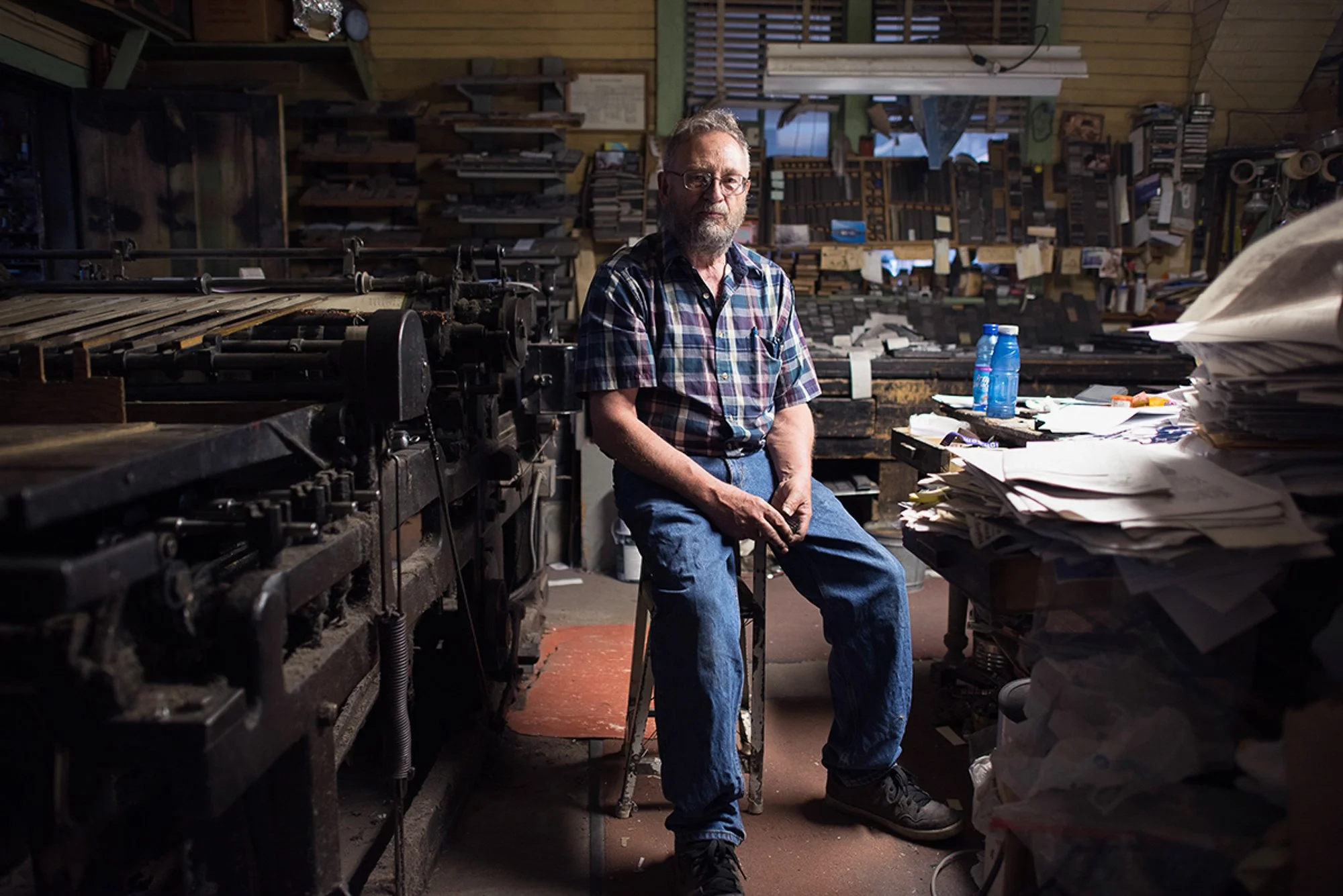
A portrait of Dean inside the Saguache Crescent, where he has spent most of his life producing the weekly newspaper.
Photographing Dean Coombs at Work
Visually, the Saguache Crescent is the kind of place I could spend days photographing. There is stuff everywhere. Tools hang from walls. Metal type fills drawers and work surfaces. Lead slugs pile up. Paper, machinery, handwritten notes and decades of accumulated newspaper history compete for whatever space remains.
Then, in the middle of all of it, is Dean.
What interested me wasn't just making photographs of an old Linotype machine. The machine by itself is interesting, but without Dean it's just an artifact. Dean is what makes the place matter.
He grew up with the newspaper. His parents worked there. His grandparents owned it before them. He has spent most of his life inside the same building, using the same process to deliver local news to generations of people in the same small Colorado town.
The more time I spent photographing him, the less the story felt like it was about obsolete technology. It was about continuity.

The weekly newspaper takes shape at the Linotype as Dean works through the printing process.
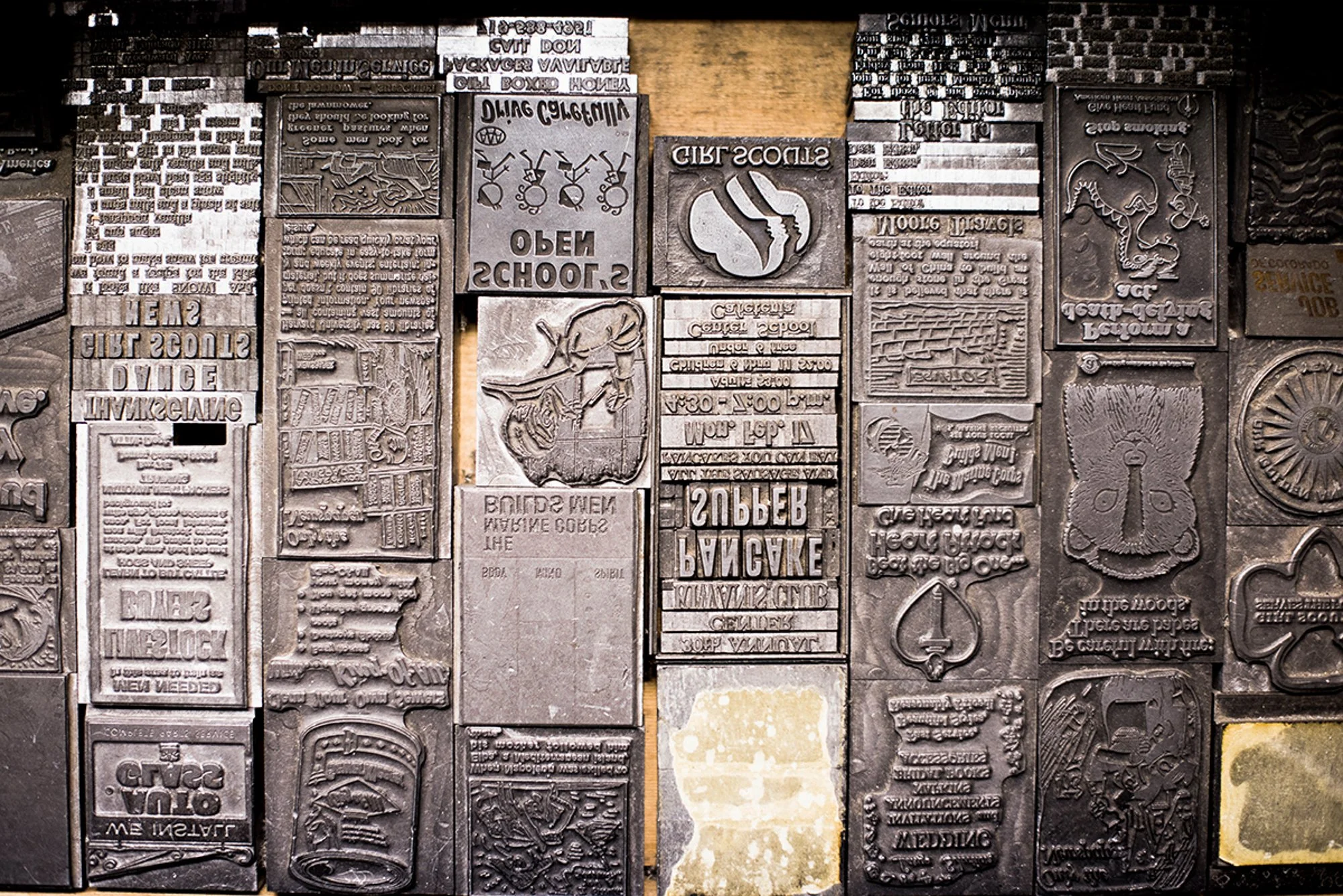
Close details of reversed type and images are visible across the metal printing plates.
When "Obsolete" Doesn't Mean Useless
The Linotype changed publishing when it was introduced in the 1880s. Before its invention, type had to be assembled largely by hand, one character at a time. Linotype allowed an operator to create an entire line of metal type at once and dramatically increased the speed at which newspapers and books could be produced.
For much of the 20th century, Linotype machines were everywhere. Then computers came along. The technology that had revolutionized publishing became obsolete itself. Newspapers modernized, Linotype machines disappeared and the specialized knowledge required to operate and repair them largely disappeared too.
Except in Saguache.
More than a century after Dean's family purchased their Mergenthaler Model 14, he was still sitting at its keyboard making a newspaper. There's something wonderfully unreasonable about that. From a business perspective, almost none of it makes sense. There are easier ways to do every step of the process.
But efficiency isn't always the same thing as value. The Crescent isn't being made this way because someone developed a clever marketing campaign around "old-fashioned newspaper printing." It's being made this way because this is how Dean knows how to make it.
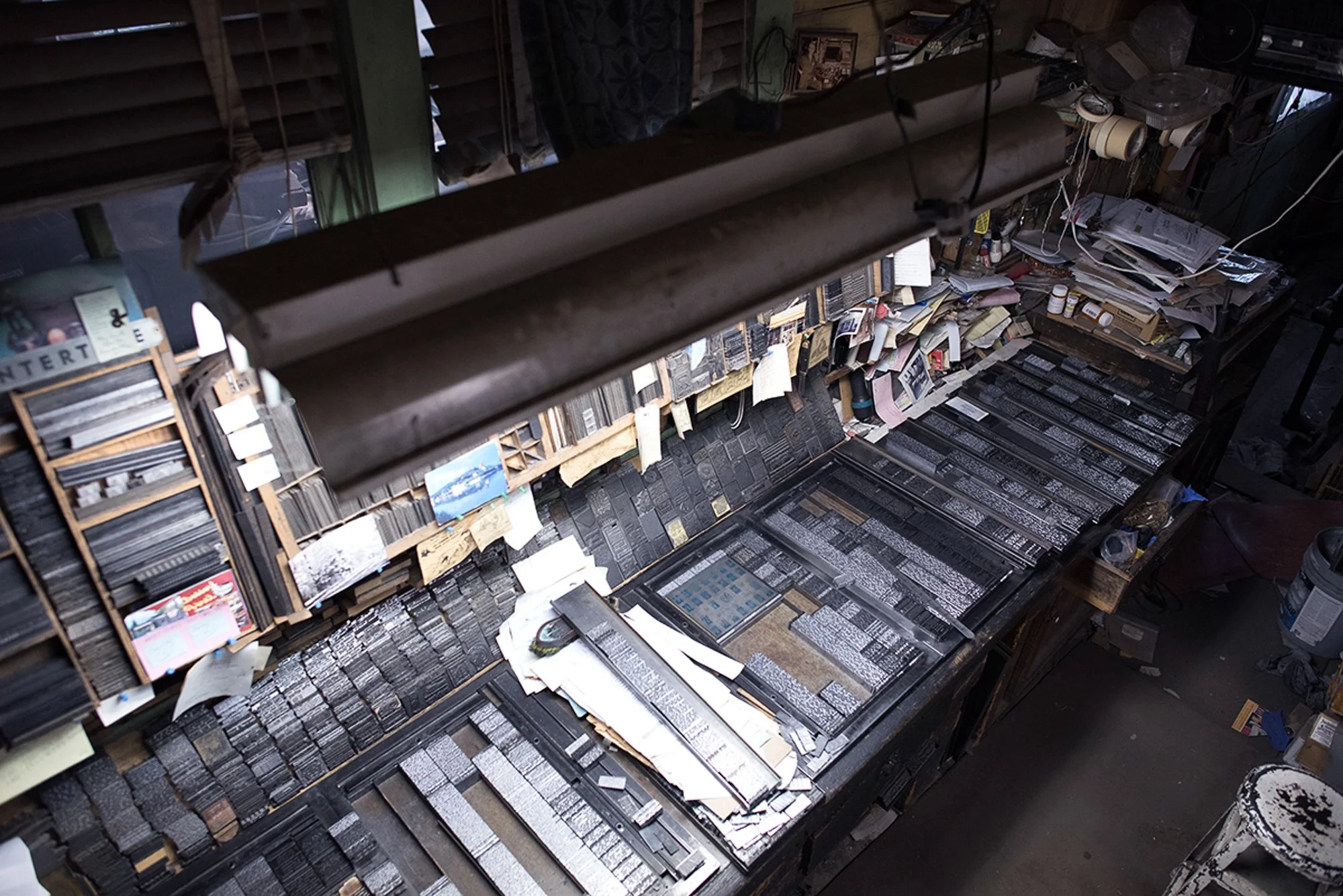
Drawers packed with metal type hold the individual characters used to compose the newspaper.
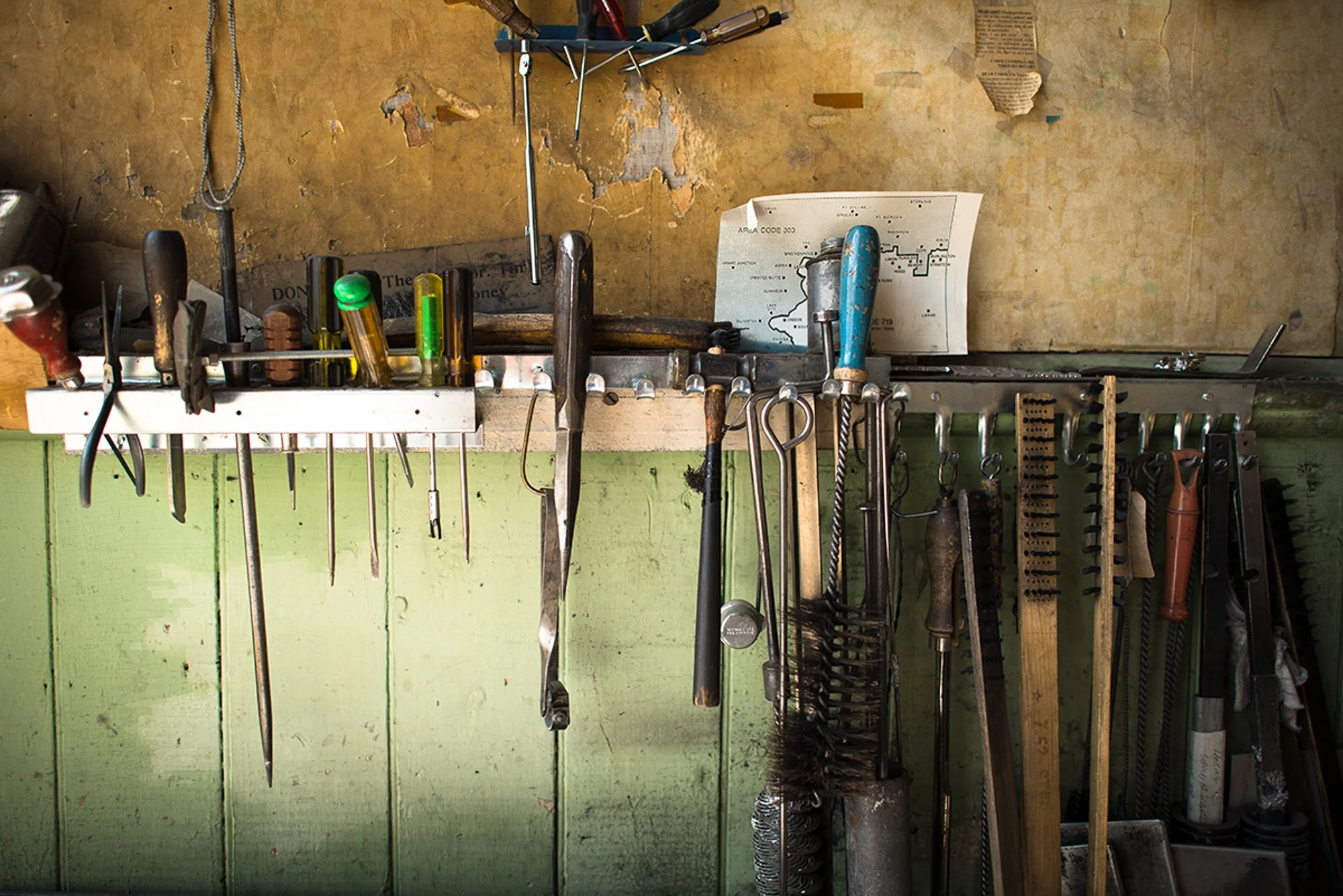
Tools, parts, and supplies fill a wall in the newspaper office.
A Small-Town Colorado Newspaper
The technology can also overshadow the other important part of this story: the Saguache Crescent is an actual community newspaper. Dean isn't making a reproduction of an old newspaper. He's reporting on Saguache.
The stories are about the people who live there. Local government. Community happenings. The ordinary events that wouldn't mean much to someone living a thousand miles away but matter a great deal when it's your town and your neighbors.
At the time I photographed him, Dean was producing hundreds of copies every week for a community of only about 500 people. There's something fitting about a newspaper this local being produced by a process this personal. One man knows the stories. The same man sets the type. He keeps the machine running. He prints the paper.And then the people in town read it. There aren't many layers between the community and the finished product.
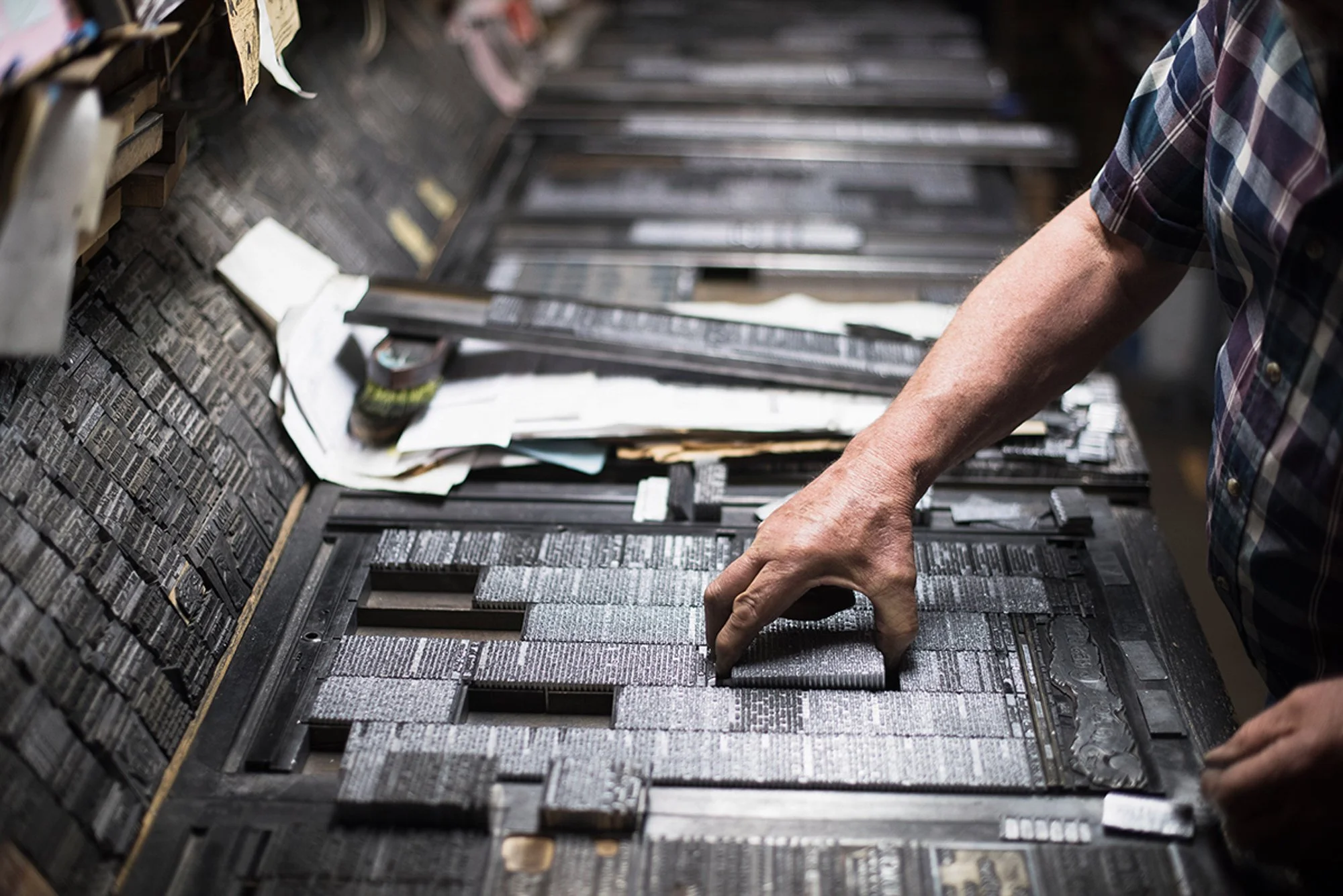
Metal type is arranged by hand for what is believed to be the last Linotype-produced newspaper in the United States.
The End of the Linotype Newspaper
The uncomfortable part of photographing places like this is knowing they aren't going to exist forever.
Dean doesn't have children to take over the Crescent, and he isn't training a successor.
It's difficult to imagine who could replace him.
Learning to operate a Linotype would only be the beginning. Someone would also have to learn how to diagnose and repair a century-old machine for which there isn't a technician coming from Denver when something goes wrong.
Then they'd have to want the lifestyle that comes with running a weekly newspaper. Dean has spent decades organizing his life around that Tuesday deadline. At some point, that will end. And when it does, an unbroken connection to an era when Linotype machines powered newspapers around the country may end with it.
That's part of why photographs matter.
You can't keep everything alive.
Sometimes all you can do is pay attention while it's still there.
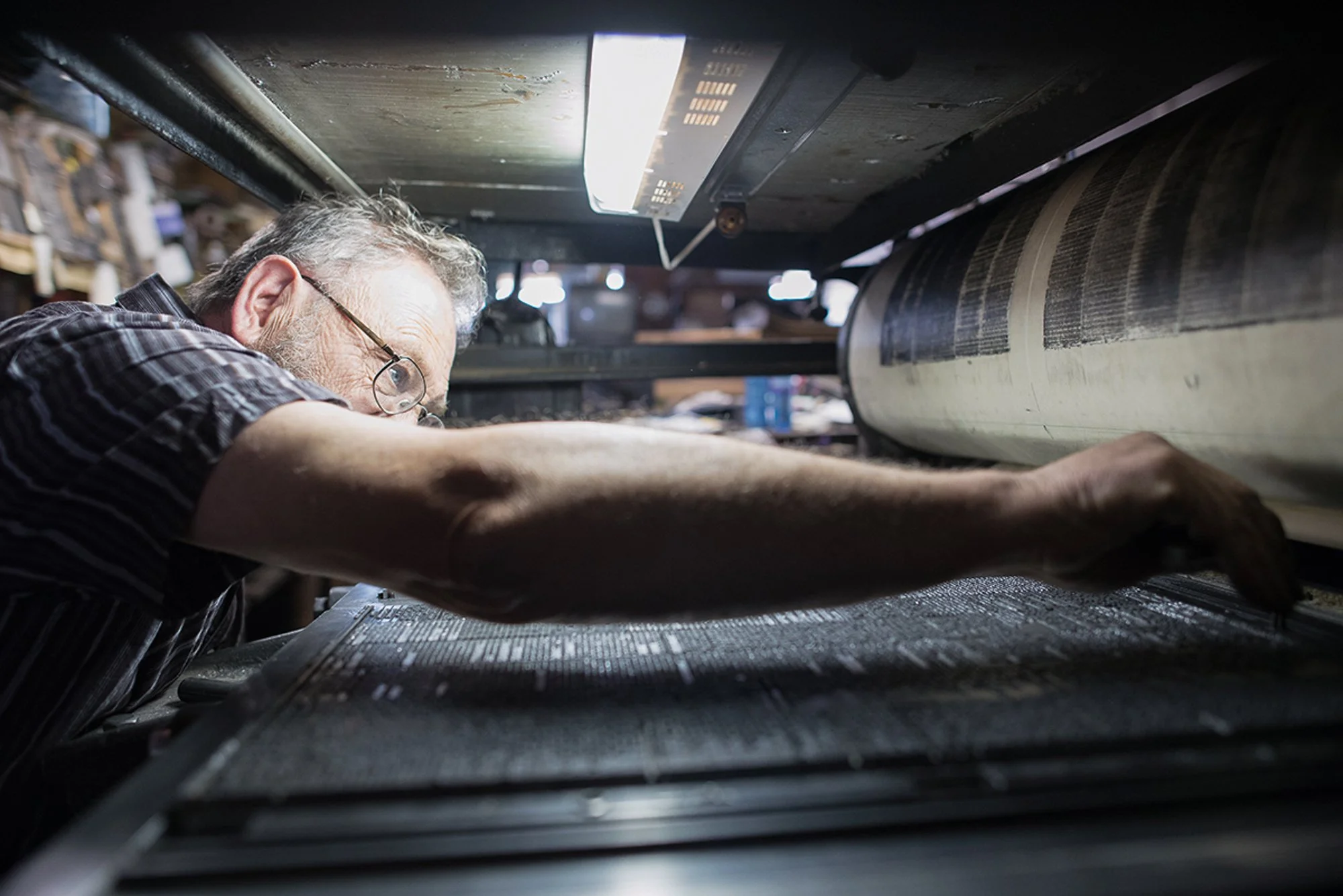
The weekly newspaper comes together at the press as Dean handles the printing.
The Smithsonian Magazine Story
The photographs I made of Dean and the Saguache Crescent were eventually published by Smithsonian Magazine in April 2022 as part of the story "This Small-Town Newspaper Is the Last of Its Kind," written by Nick Yetto.
The article tells Dean's story in much greater detail and explains the history and mechanics of Linotype printing. Smithsonian described the Crescent as the last Linotype-produced newspaper in the United States and possibly the world.
But what has stayed with me most isn't the historical significance of the machine. It's Dean standing in that cluttered newspaper office, surrounded by a century's worth of tools and machinery, doing something almost nobody else on earth still knows how to do.
Not because he's trying to preserve history.
Because the paper has to come out Tuesday.
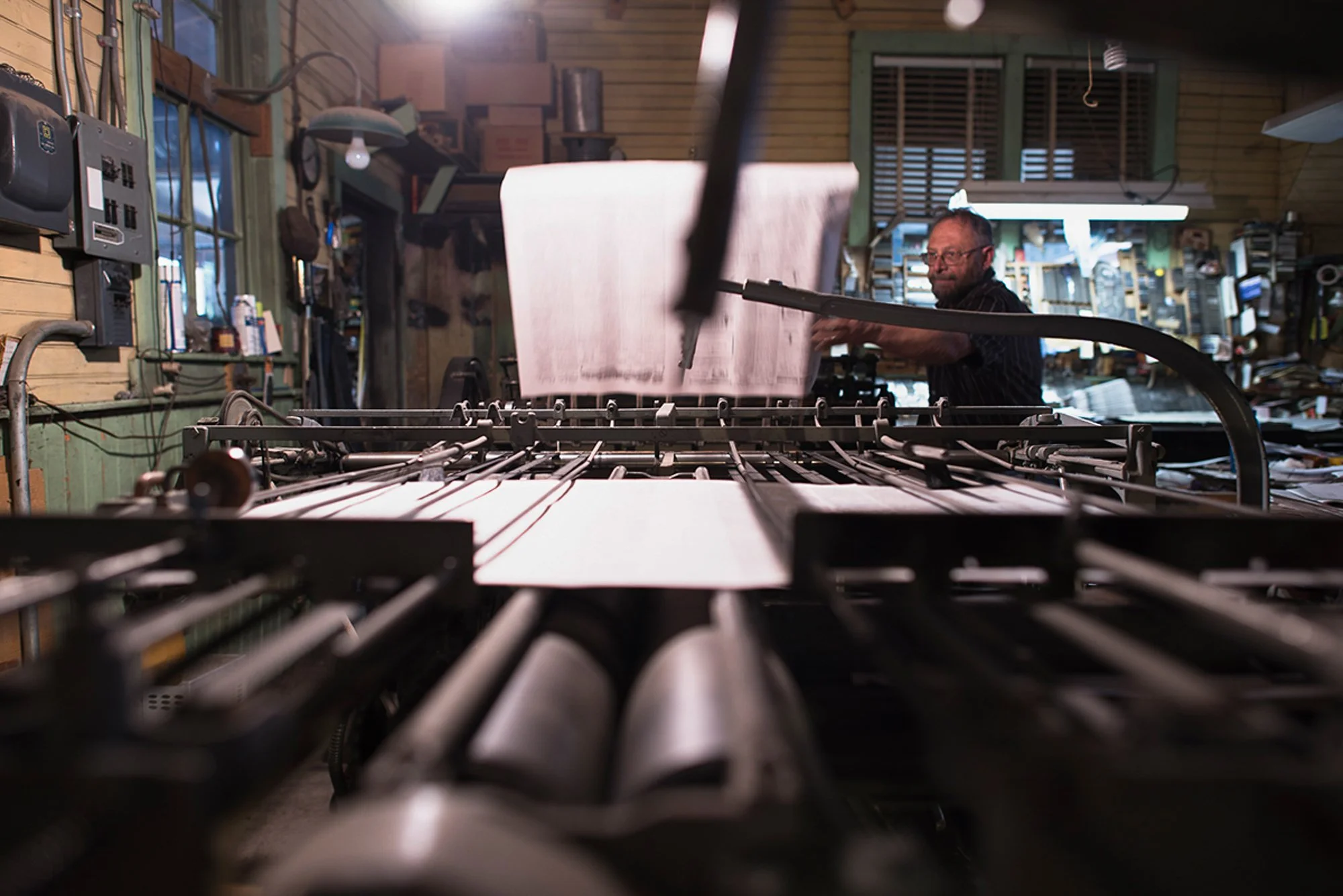
The gears and mechanical parts of the printing press show the physical work behind each issue of the newspaper.
More Documentary Stories
For more than two decades I've photographed people, places, traditions, and pieces of American culture that are easy to overlook and, in some cases, slowly disappearing.
Barbershops of America
For more than 15 years I've traveled through all 50 states photographing traditional barbershops and the people who keep them going.
[View Barbershops of America]
Cowboys & the American West
An ongoing photographic project documenting working cowboys, historic ranches, and the people continuing the traditions of the American West.
[View the Cowboy Photography Project]
American Backcourts
A long-term photographic study of basketball hoops and the landscapes surrounding them across the United States.
[View American Backcourts]
Roadside Meditations
Photographs made while traveling America's backroads, focusing on the quiet, strange, and often overlooked landscapes along the way.
[View Roadside Meditations]
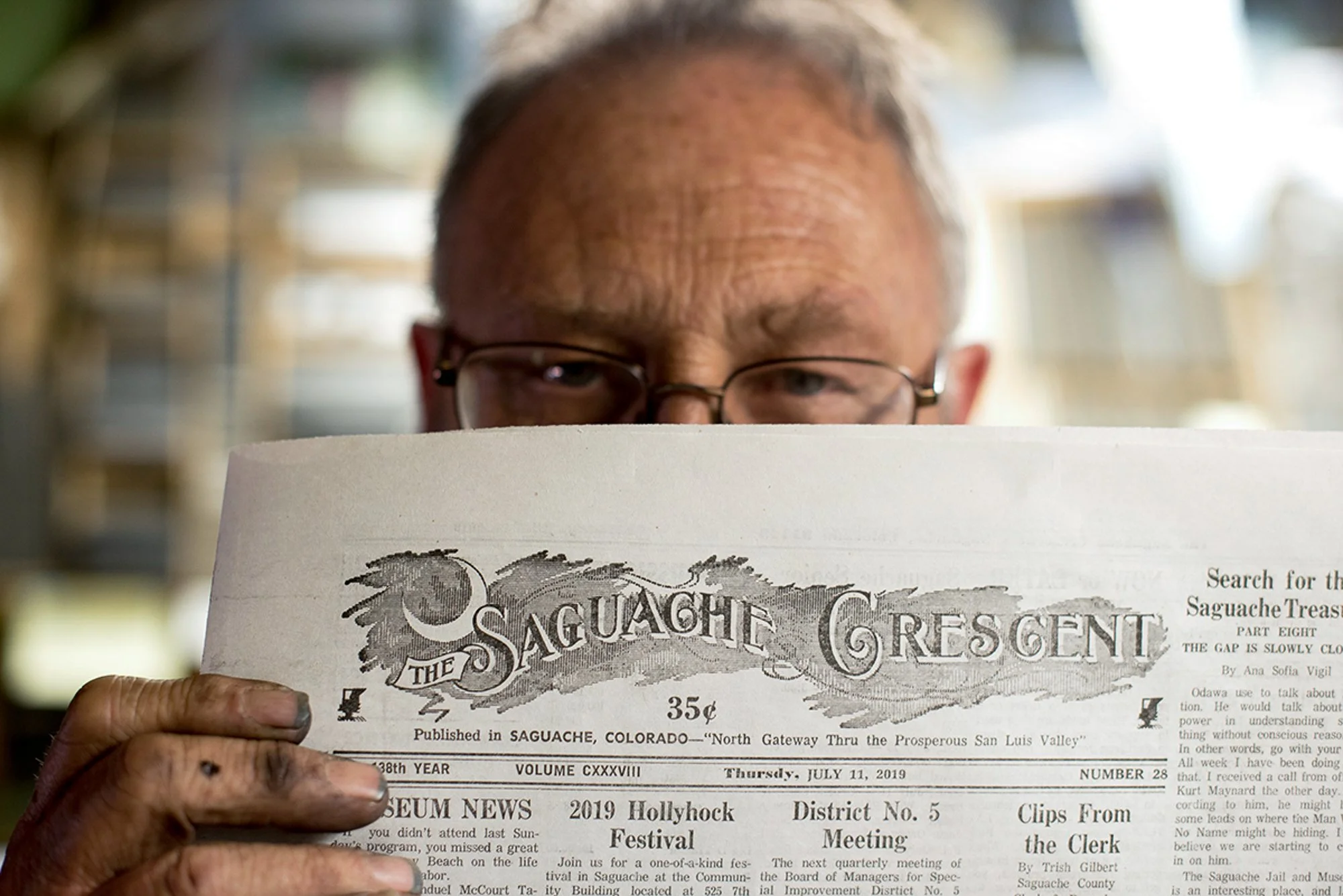
Dean holds a copy of the Saguache Crescent, the weekly newspaper serving the Saguache community.
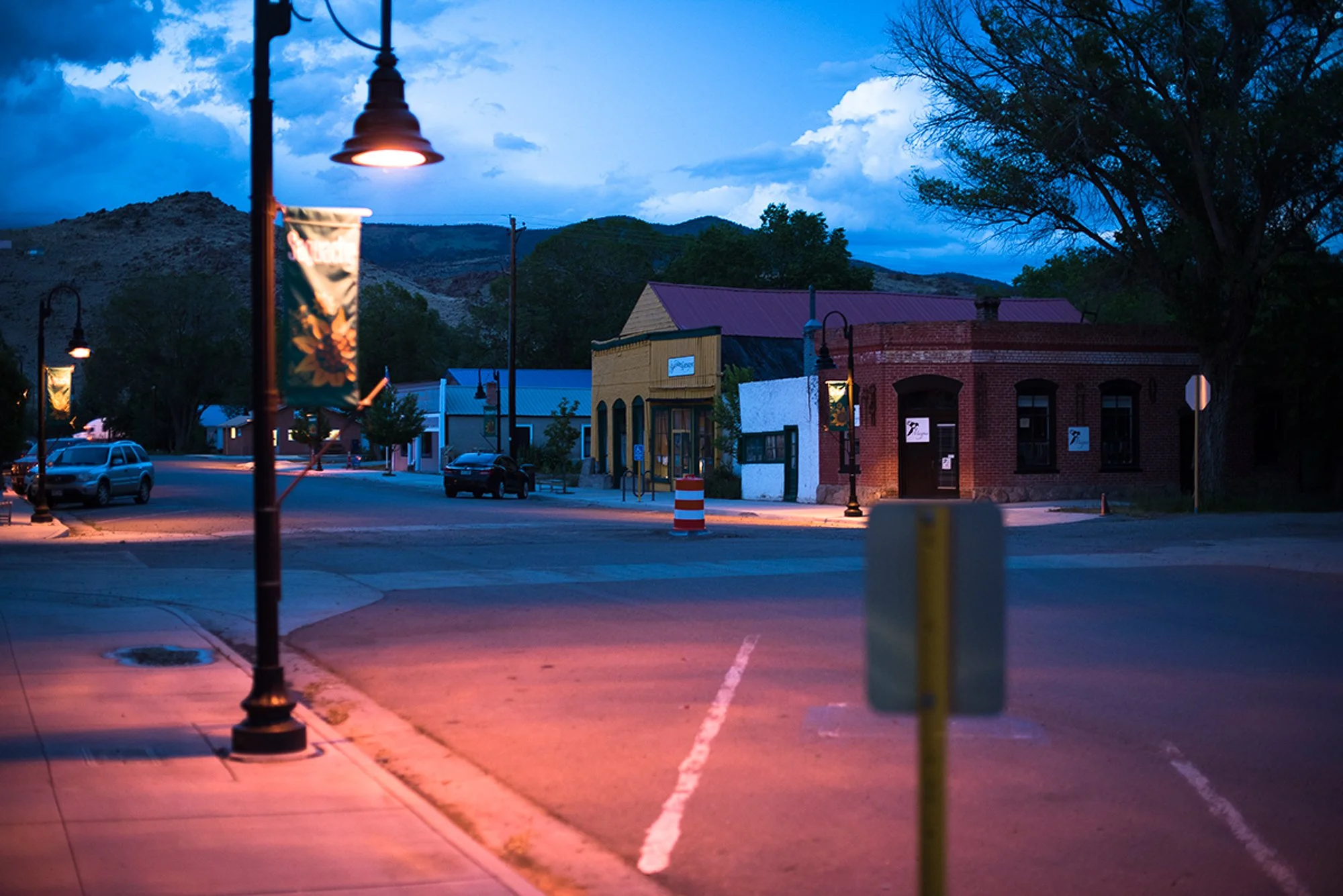
Downtown Saguache settles in for the evening in Colorado's San Luis Valley.