
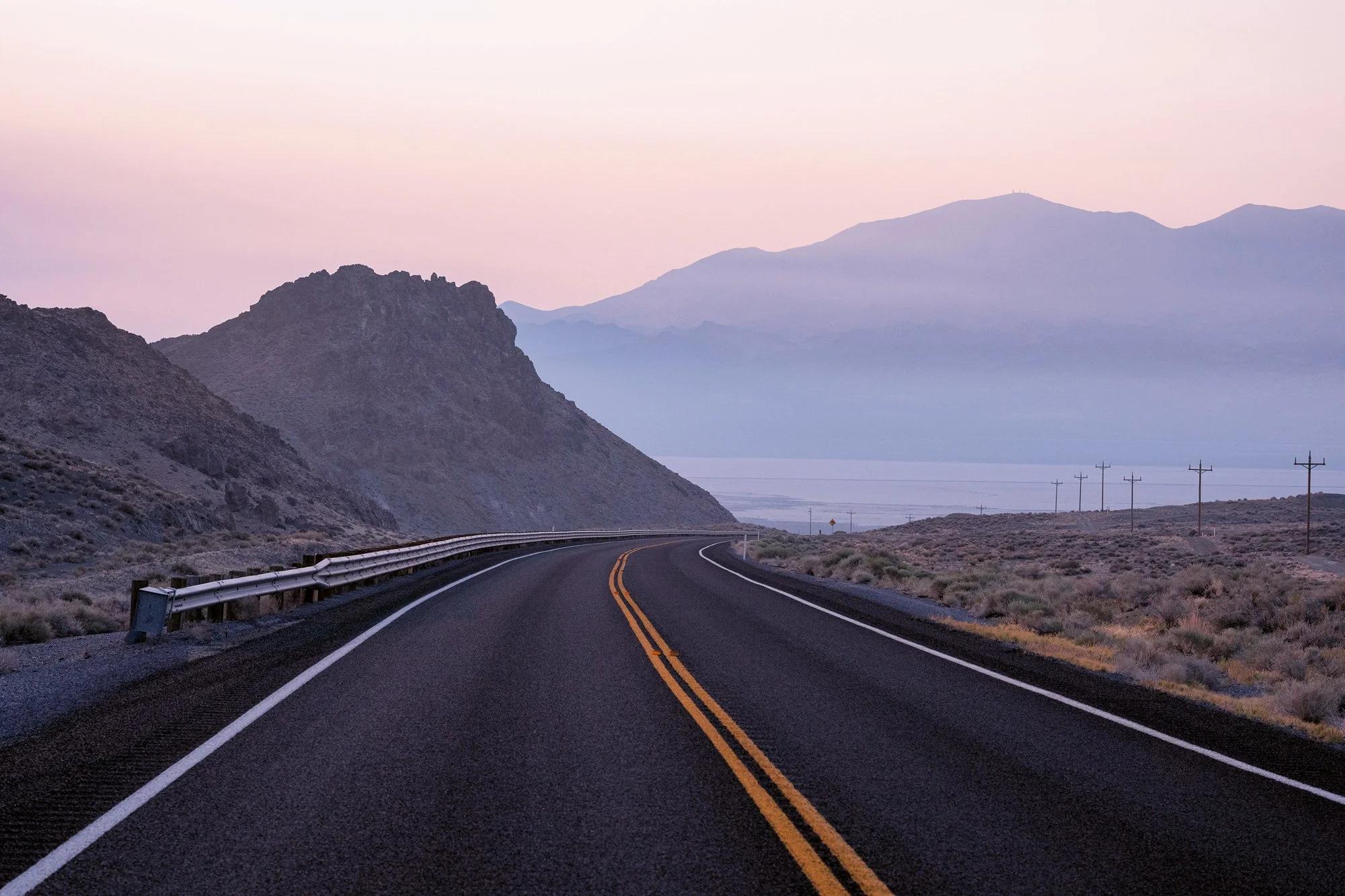
The American Roadside: Photographing the Places We Usually Pass By
There is a lot of America between the places we are going.
Most of it goes by through a windshield.
Gas stations. Motels. Empty parking lots. Bars. Grain elevators. Hand-painted signs. Abandoned buildings. Small towns where the main street has seen better days. Desert intersections with nothing around for miles. A restaurant that may or may not still be open. A basketball hoop behind a convenience store. A mountain range sitting quietly behind a truck stop.
These are not destinations.
Nobody tells you to pull over.
And that's precisely what has kept me photographing them for more than a decade.
The photographs that eventually became Roadside Meditations were made while traveling hundreds of thousands of miles around the United States. Many were made on the way to somewhere else. I wasn't following a famous highway or working from a list of landmarks. Most of the time I was simply driving, looking, and stopping when something felt worth remembering.
Over the years, those stops became a portrait of the American roadside.
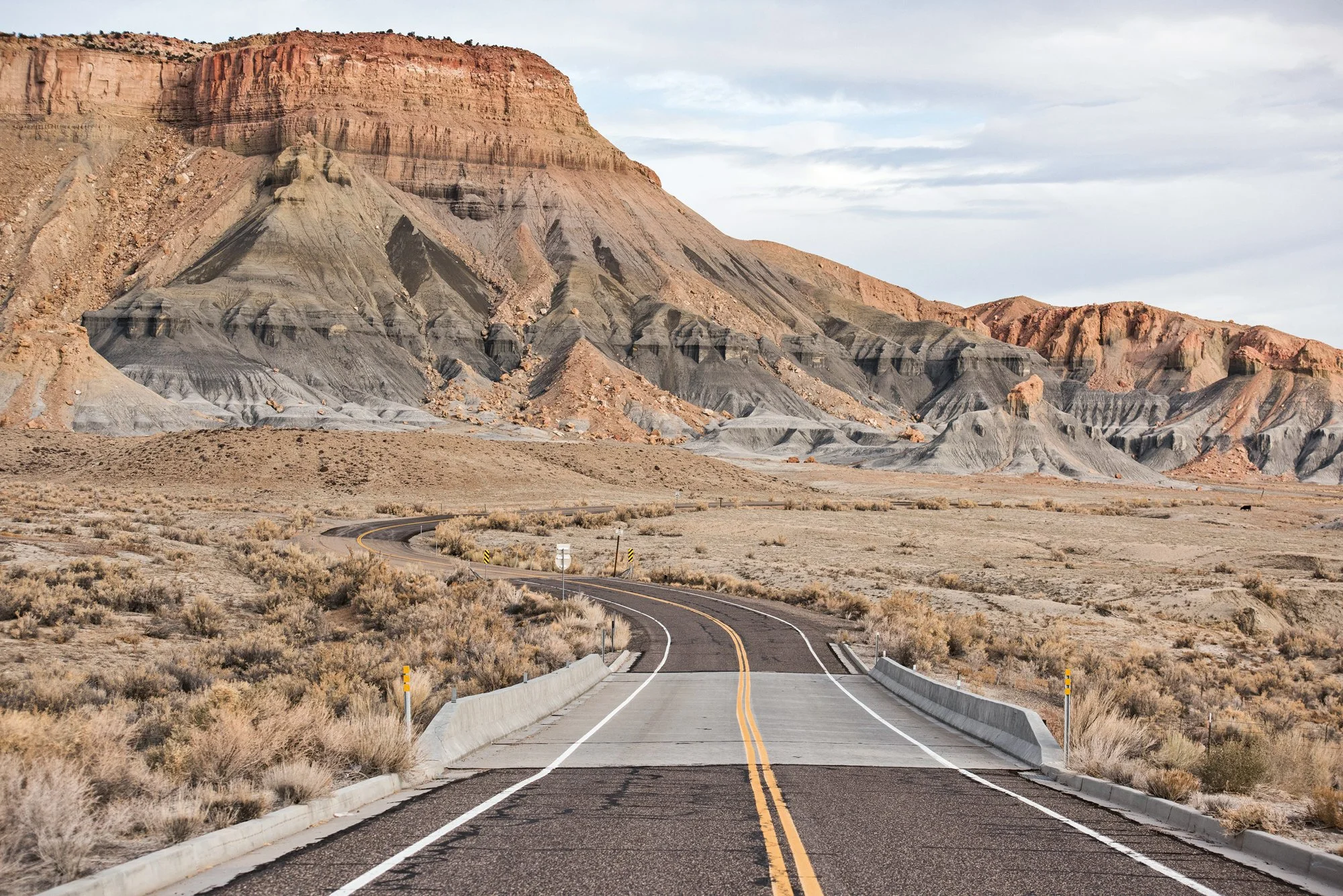
The road cuts through dry terrain beneath layers of eroded hills.
What Is American Roadside Photography?
Roadside photography isn't necessarily photography of roads.
For me, it's photography of everything that accumulates around them.
It's the places built because people needed somewhere to sleep, eat, drink, work, buy gas, fix a tire or kill a few hours before moving on. It's also the landscape surrounding those places and the strange relationship between the natural and man-made worlds.
A motel sign against an enormous western sky.
A gas station surrounded by nothing.
A small building painted an inexplicable color.
A lone tree beside a highway.
A faded advertisement on the side of a brick building.
Individually, these things can seem insignificant. Collectively, they say something about the country.
That is what keeps me looking.
I'm not particularly interested in photographing something because I've been told it's important. Usually the opposite is true. The places that hold my attention are the ones most people would drive past without thinking twice.
Photography gives me an excuse not to.
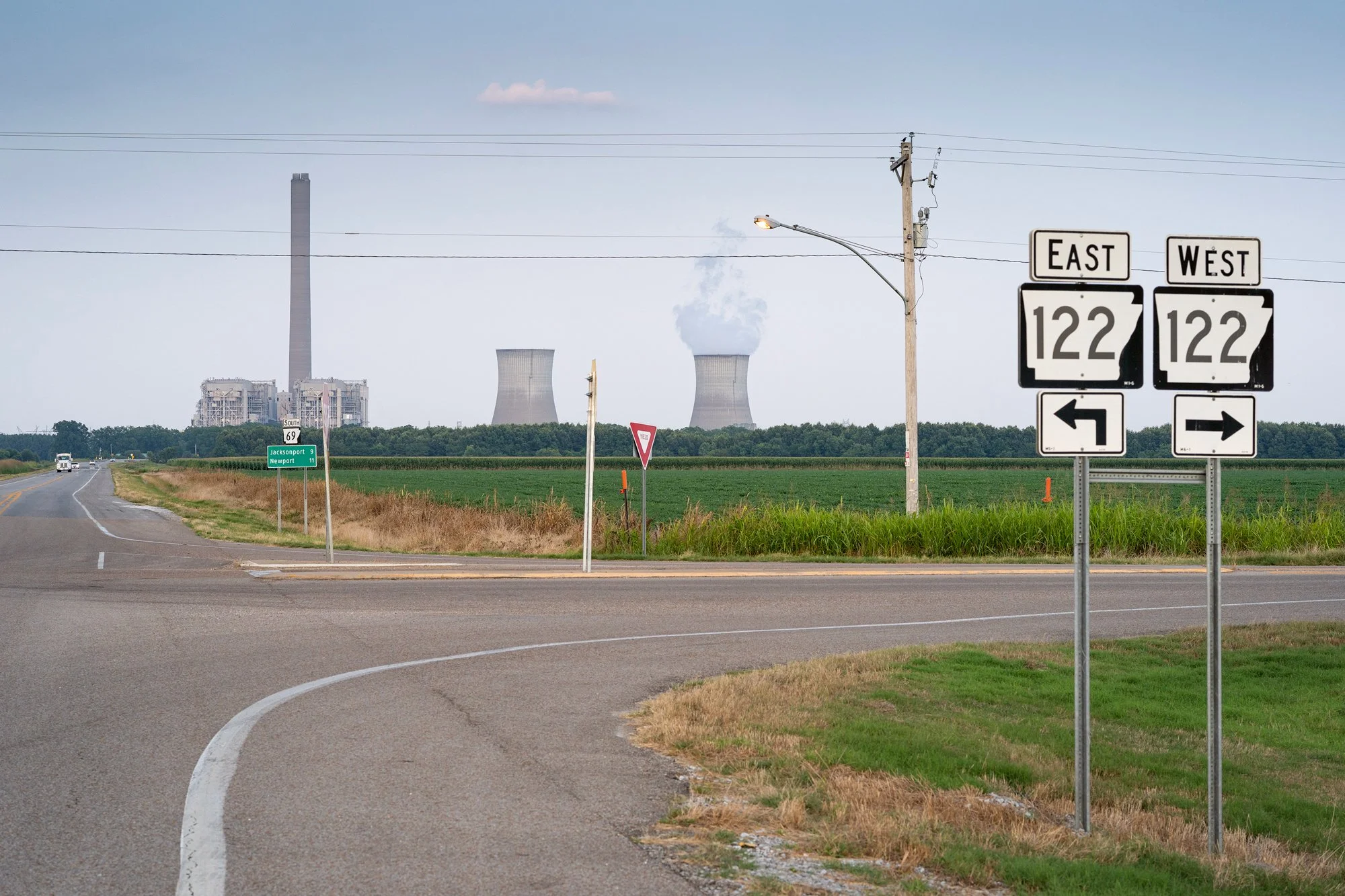
East and west signs for Highway 122 point in opposite directions with the power plant visible beyond the fields.
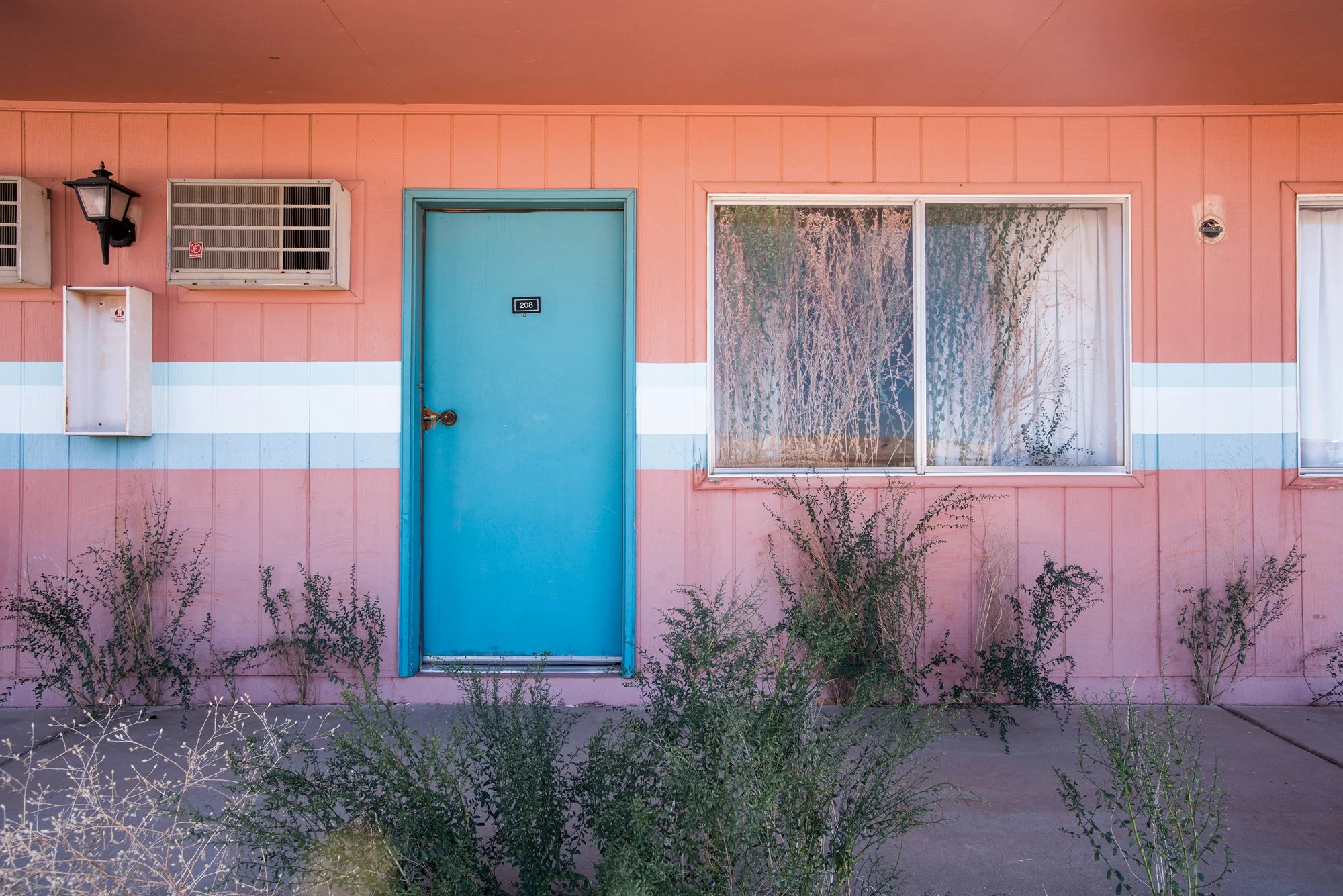
Vegetation growing inside an abandoned motel room in Arizona
The America Between Destinations
Travel is usually described by destinations.
We went to California.
We drove to Montana.
We spent a week in Texas.
The hundreds or thousands of miles between those places become a logistical inconvenience. Get on the interstate, set the cruise control, stop when the tank is empty and get where you're going as quickly as possible.
I've never been particularly good at that.
A six-hour drive can easily turn into twelve.
I'll see something, drive another mile thinking about it, convince myself it wasn't worth stopping for, then turn around anyway.
Sometimes the photograph works.
Most of the time it doesn't.
But the habit of stopping changes the way you experience a place.
You begin noticing things that aren't intended to be noticed.
And America is full of them.
The places between destinations don't have visitors' bureaus telling you where to stand. There isn't necessarily a scenic overlook. Nobody has identified the best time of day to photograph them.
You have to decide for yourself what's worth looking at.
That's where things get interesting.
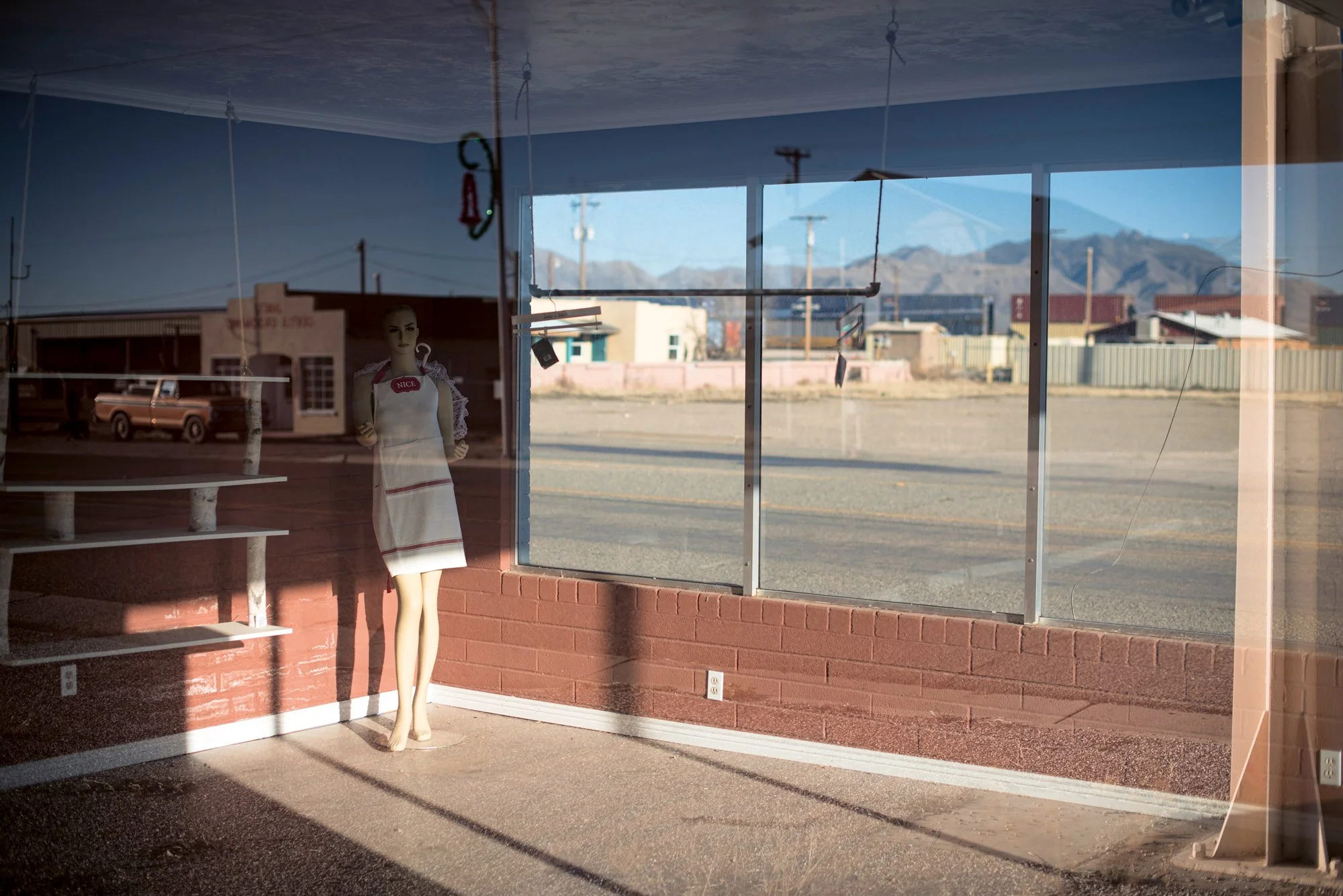
Inside the empty storefront, a mannequin stands against the window with mountains and roadside buildings visible beyond.
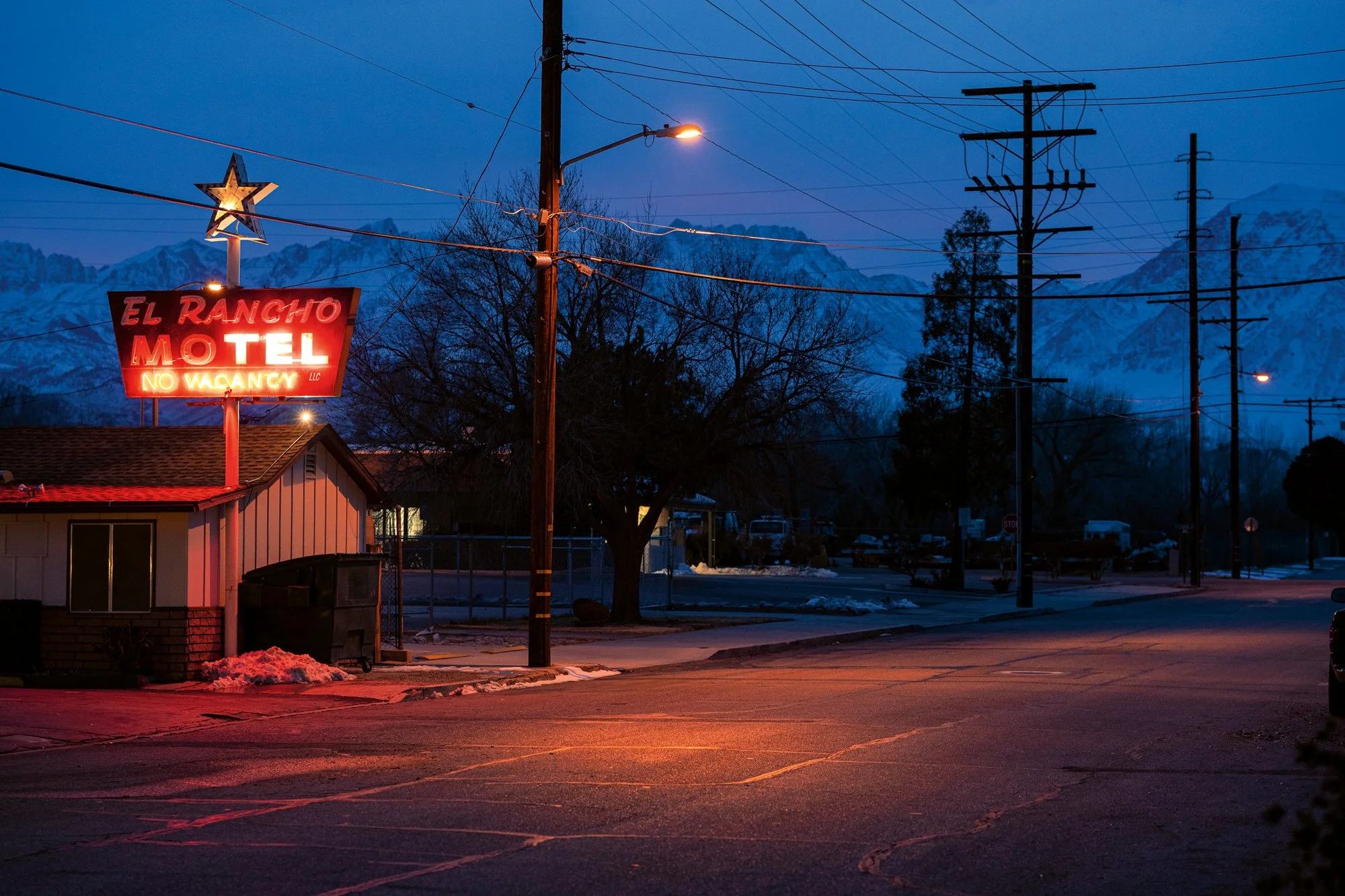
The El Rancho Motel sign lights up the street beneath a mountain backdrop at dusk.
Small Town America
I've spent an enormous amount of time driving through small towns across the United States.
Some are thriving. Some clearly aren't.
Main streets that once served as the center of a community now compete with businesses built along the highway. Old hotels have become apartments. Movie theaters are closed. Signs remain long after the businesses underneath them disappear.
Elsewhere, people are opening restaurants, repairing storefronts and finding new uses for old buildings.
I'm not interested in presenting these towns as relics or romanticizing their decline.
I'm interested in what they look like now.
There is a tendency to photograph small-town America through nostalgia. Find the old pickup truck, the weathered barn, the faded Coca-Cola sign and you've assembled a familiar version of Americana.
But real places are more complicated than that.
A Dollar General can be just as much a part of the contemporary American landscape as a hundred-year-old general store.
So can a laundromat.
A modular home.
A new gas station.
A broken sign.
A perfectly ordinary parking lot.
The photograph doesn't have to confirm what we already think America is supposed to look like.
Sometimes it's more interesting when it doesn't.
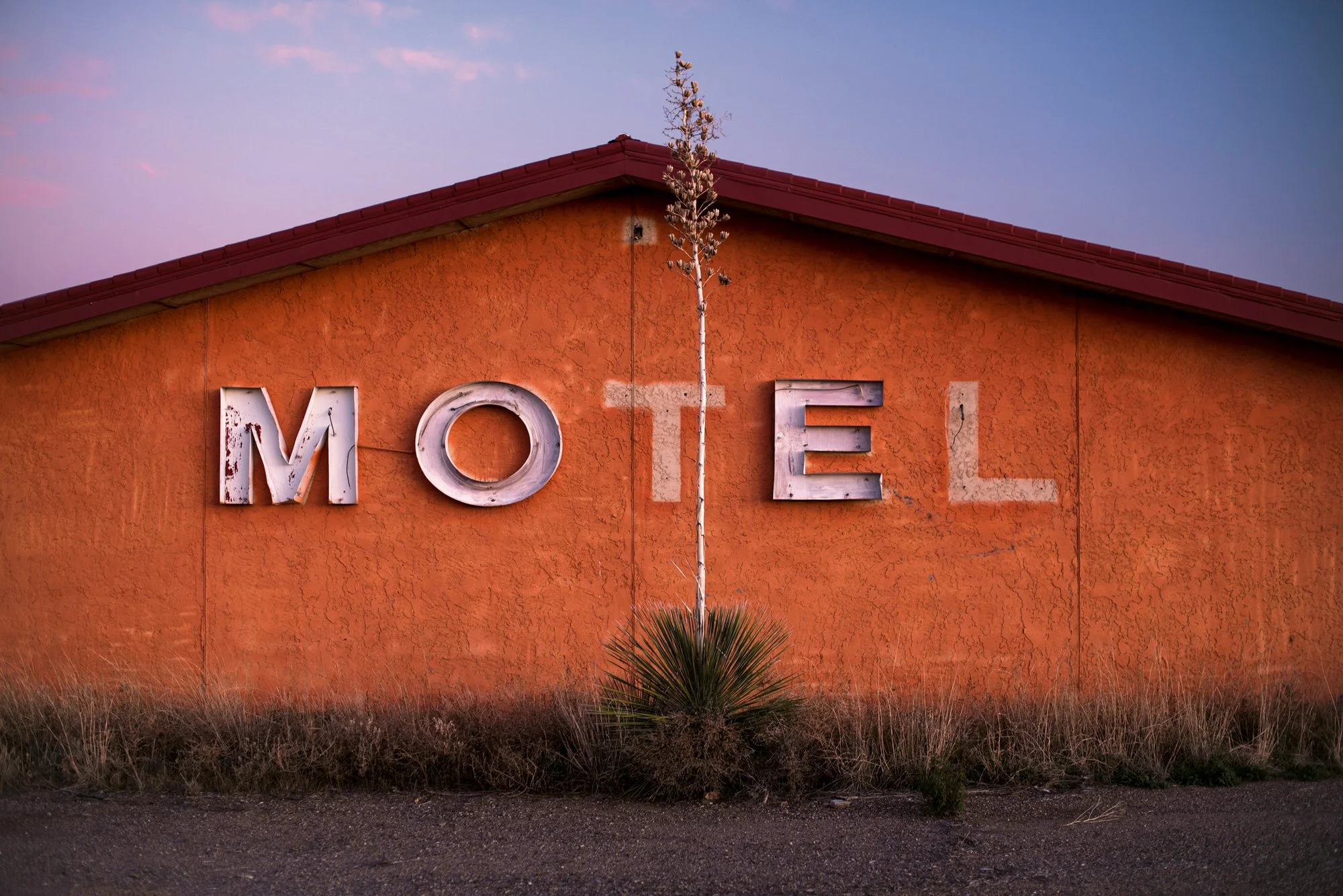
Missing letters on an old motel sign stand out against an orange stucco wall, with dry grass surrounding the roadside building.
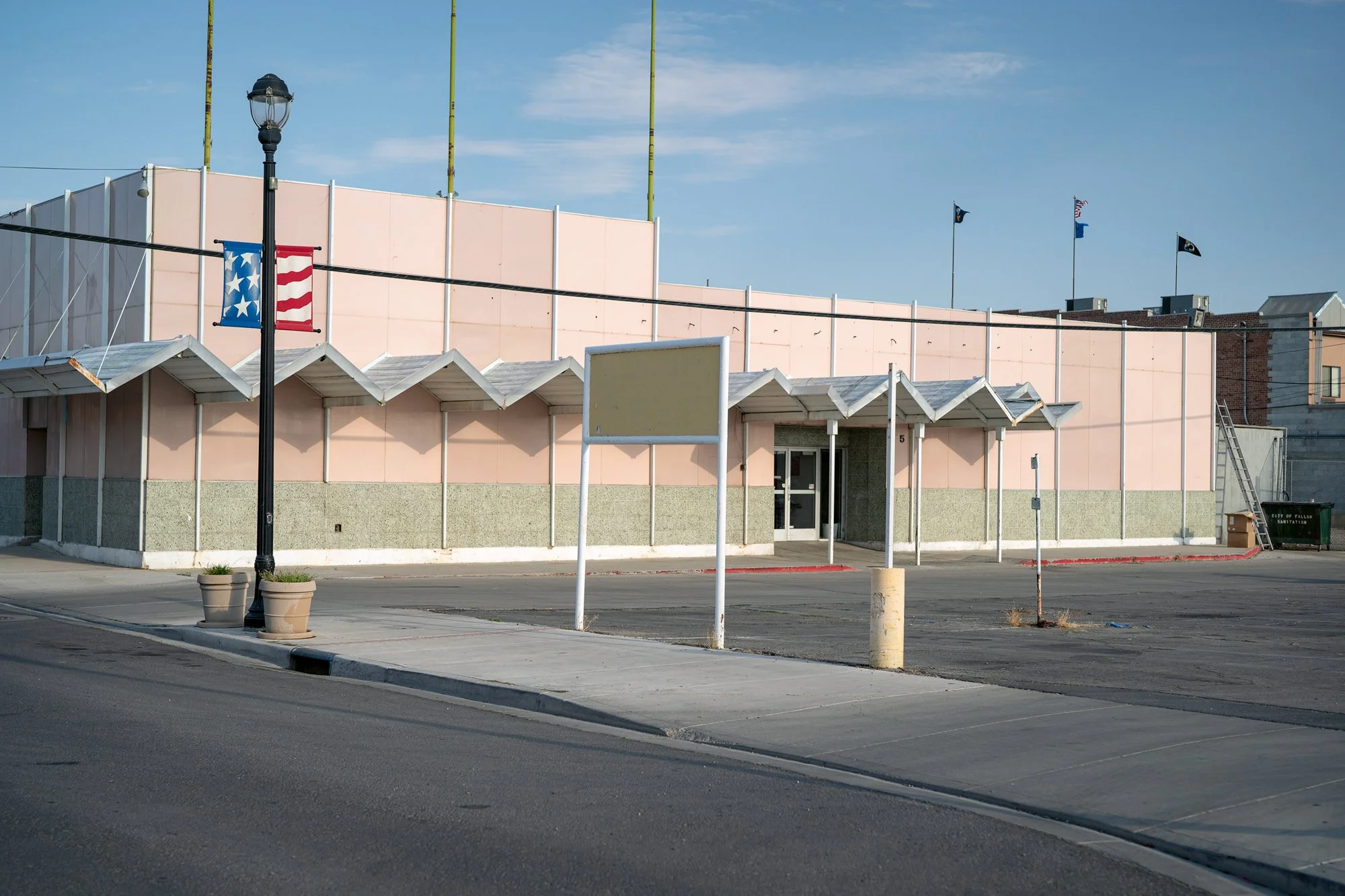
Along a quiet street, the low commercial building has a covered walkway, flag banner and open parking lot.
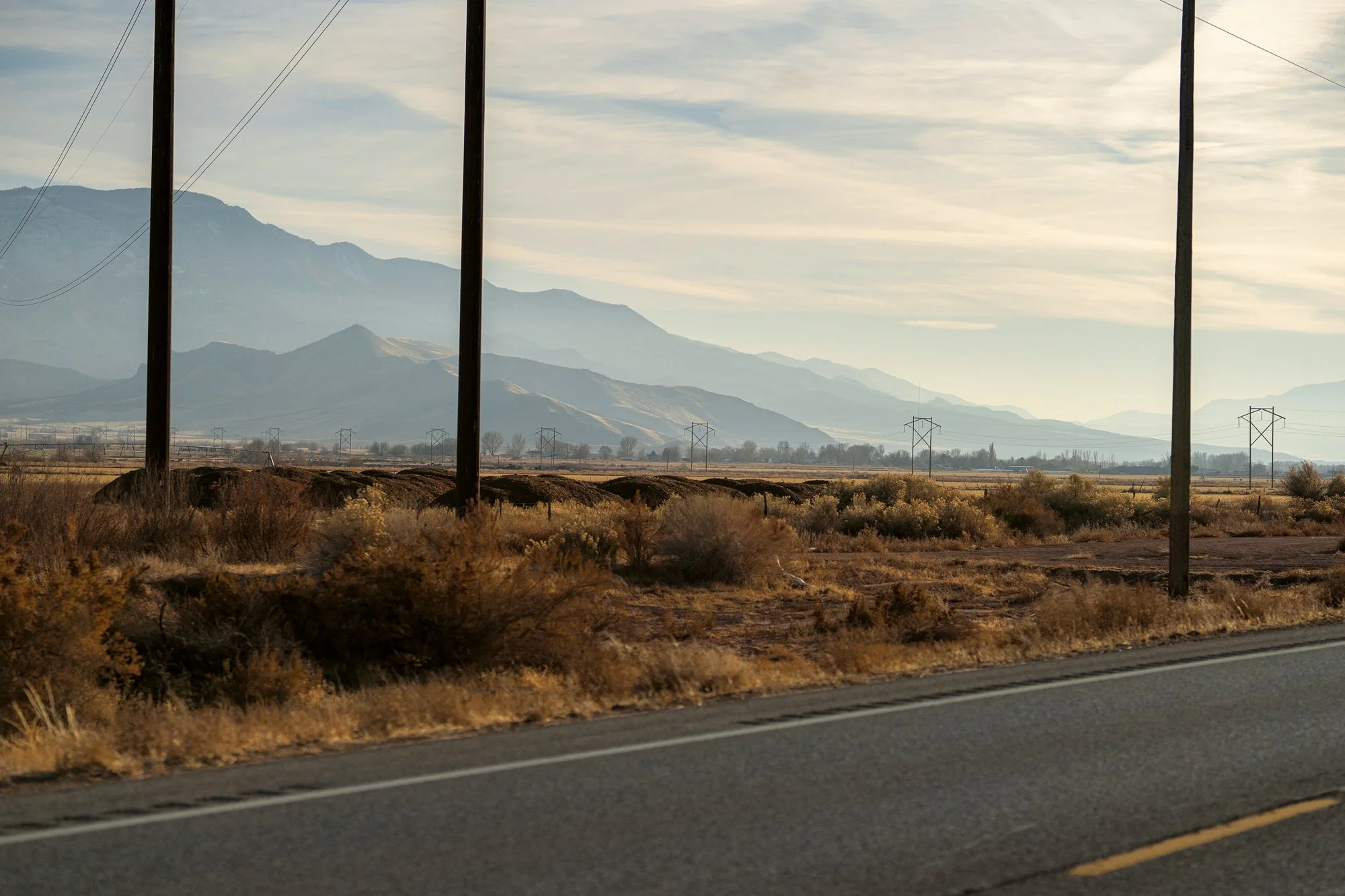
Utility poles cross a dry field with the mountains stretching out beyond the roadside.
Motels, Gas Stations and the Architecture of the Road
Long-distance driving created its own architecture.
Motels were built so travelers could park outside their rooms. Gas stations appeared at intersections and highway exits. Diners, truck stops, bars and roadside restaurants developed their own visual language.
Then the highways changed.
Interstates bypassed towns. Businesses closed. New chains appeared at exits. Independent motels became apartments or disappeared altogether. Signs that once competed for the attention of passing motorists became unnecessary.
I've photographed these places for years, not because I set out to document roadside architecture, but because they kept appearing in front of me.
There is something fascinating about a building designed almost entirely to attract someone traveling 50 miles an hour.
Color matters.
Scale matters.
The sign might be more important than the building.
And when the business disappears, sometimes the sign outlives everything else.
These places aren't monuments, but collectively they are part of the visual history of American travel.
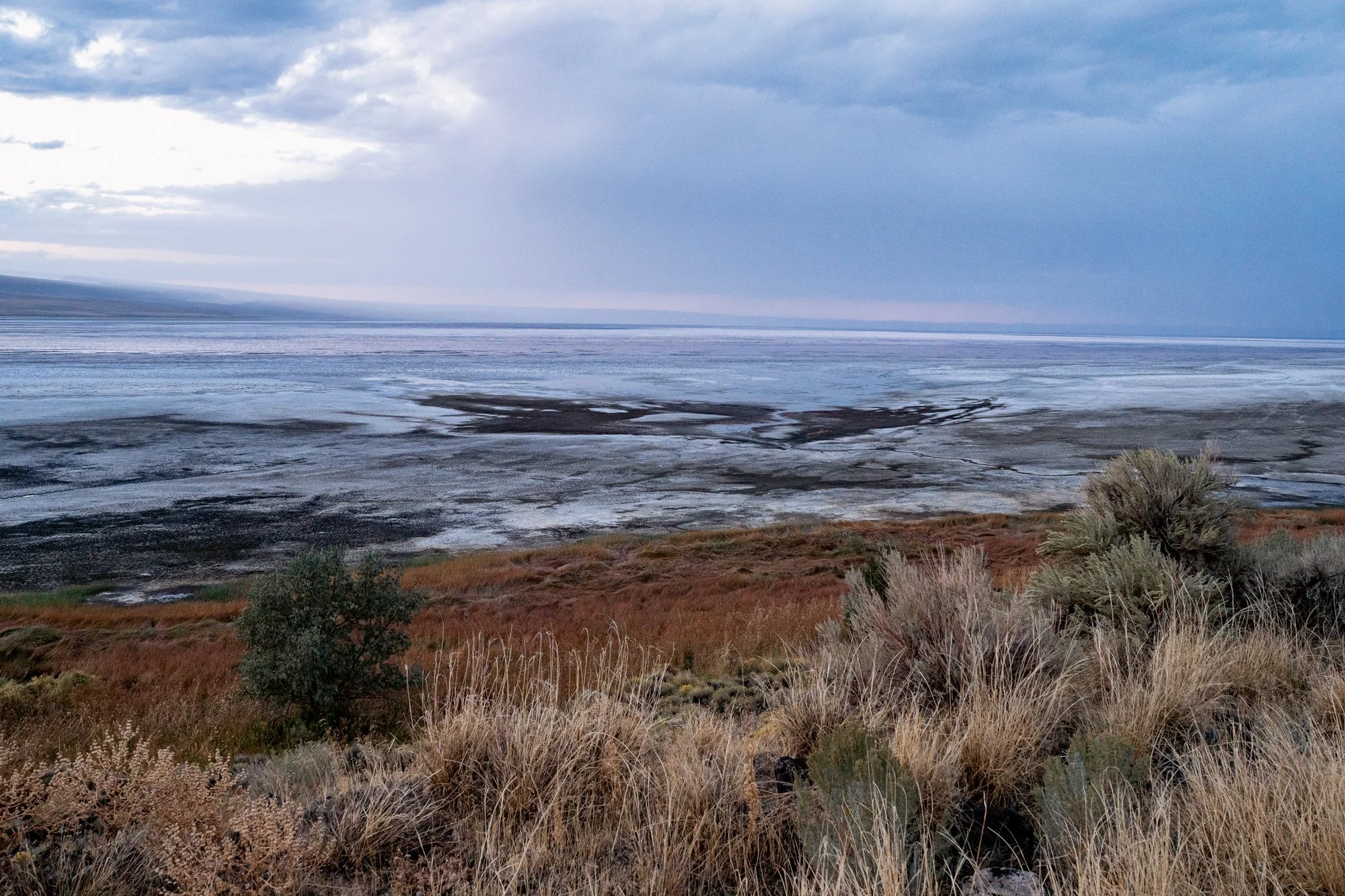
Dry grasses and sagebrush spread across the hillside beneath a cloudy sky.
The Landscape Is Always Changing
Photography has a funny relationship with time.
When you make a photograph, whatever is in front of the camera feels completely ordinary.
Ten years later, it might not exist.
I've returned to places I've photographed and found buildings gone, businesses closed, signs removed and entire areas changed.
I didn't necessarily understand that I was documenting something when I originally made the picture.
I just liked what I saw.
That's one of the things that has become more meaningful about Roadside Meditations as the years have passed.
The photographs aren't ancient history. They're relatively recent.
Yet some already depict an America that no longer exists.
That doesn't mean everything old should be preserved or that change is inherently bad. America has always been changing.
It simply makes the act of paying attention feel more important.
Because ordinary things disappear too.
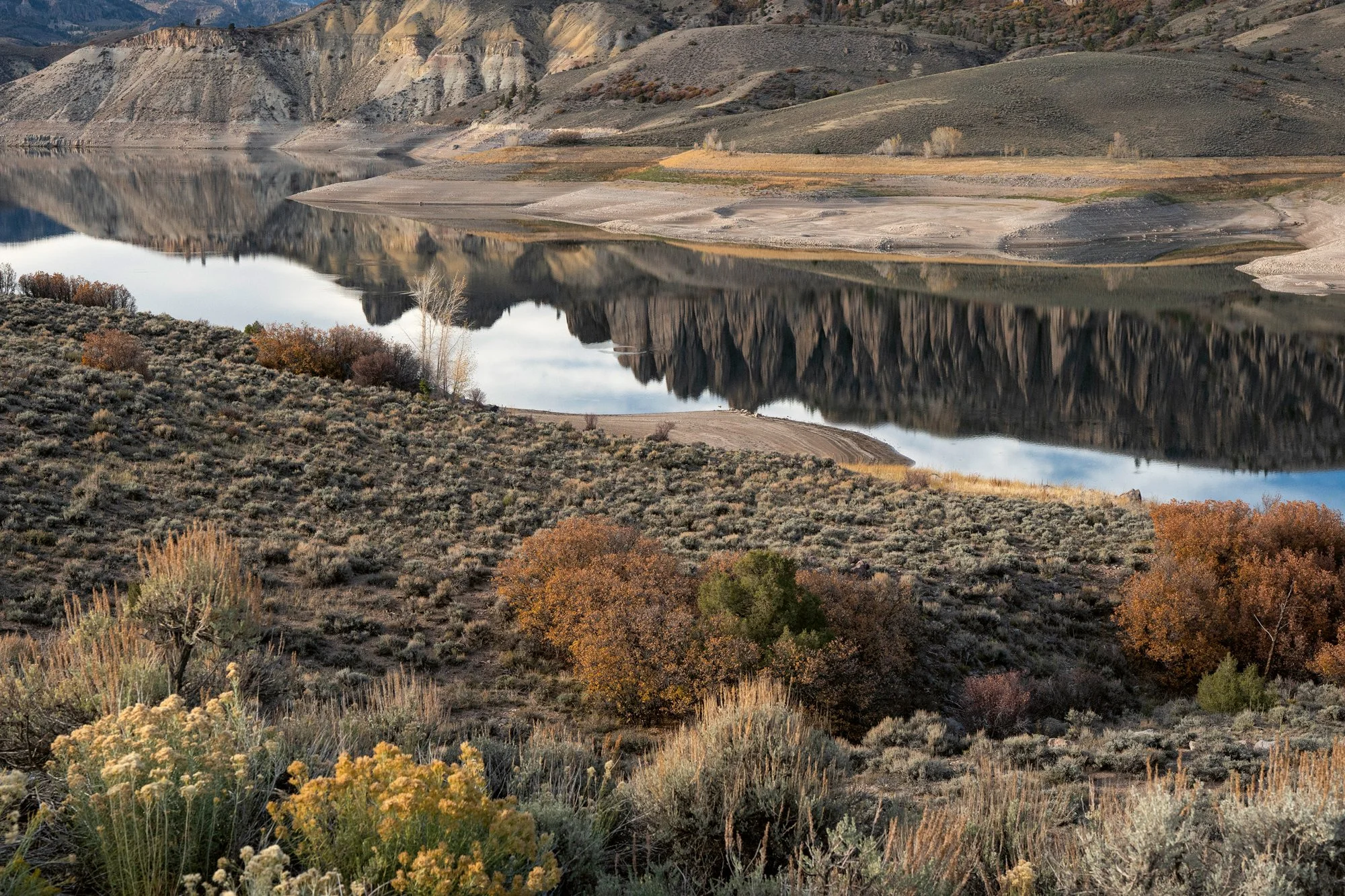
Sagebrush and dry grass cover the foreground as the open landscape stretches toward the horizon.
The American Landscape Isn't Always Beautiful
Landscape photography has traditionally rewarded the spectacular.
Mountains.
Canyons.
Waterfalls.
Perfect sunsets.
America certainly has plenty of those things, and I appreciate them as much as anyone.
But I'm equally interested in landscapes that don't announce themselves.
A telephone pole crossing an otherwise empty horizon.
A road disappearing into nothing.
A building sitting alone in the desert.
The edge of a town where pavement becomes dirt.
A mountain seen from behind a gas station instead of a designated scenic overlook.
These scenes don't always fit our conventional definition of beautiful.
That's part of the attraction.
I've never wanted Roadside Meditations to be a collection of America's greatest hits. There are enough photographs of famous places.
I'm more interested in the places without names.
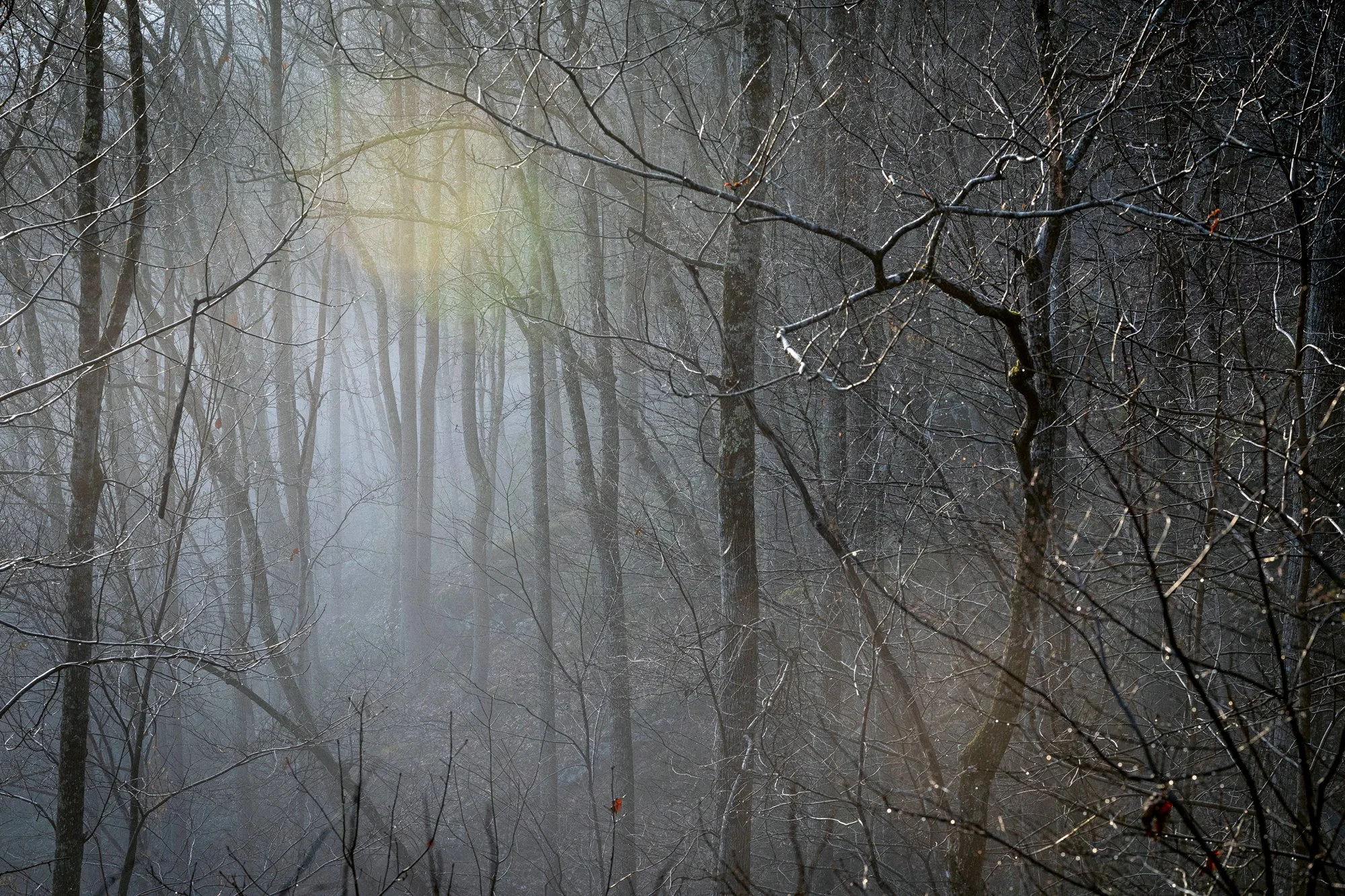
Bare branches fill the forest as light filters through the trees.
Learning to See What's Easy to Ignore
Spending this much time driving has taught me that interesting photographs are rarely limited to interesting places.
You don't have to be standing in Yosemite.
You don't have to be in New York City.
You don't need a famous road, a historic landmark or a spectacular sunset.
You need to pay attention.
That's much harder.
Most of us become incredibly efficient at filtering out the ordinary. We drive the same streets and stop seeing what's on them. We walk past the same buildings. We stop noticing signs, colors, shapes and the peculiar little decisions people make about the places where they live and work.
A camera can interrupt that.
It forces you to ask a simple question:
Why am I looking at this?
Sometimes there isn't a good answer.
Something about it just feels right.
Those are often my favorite photographs.
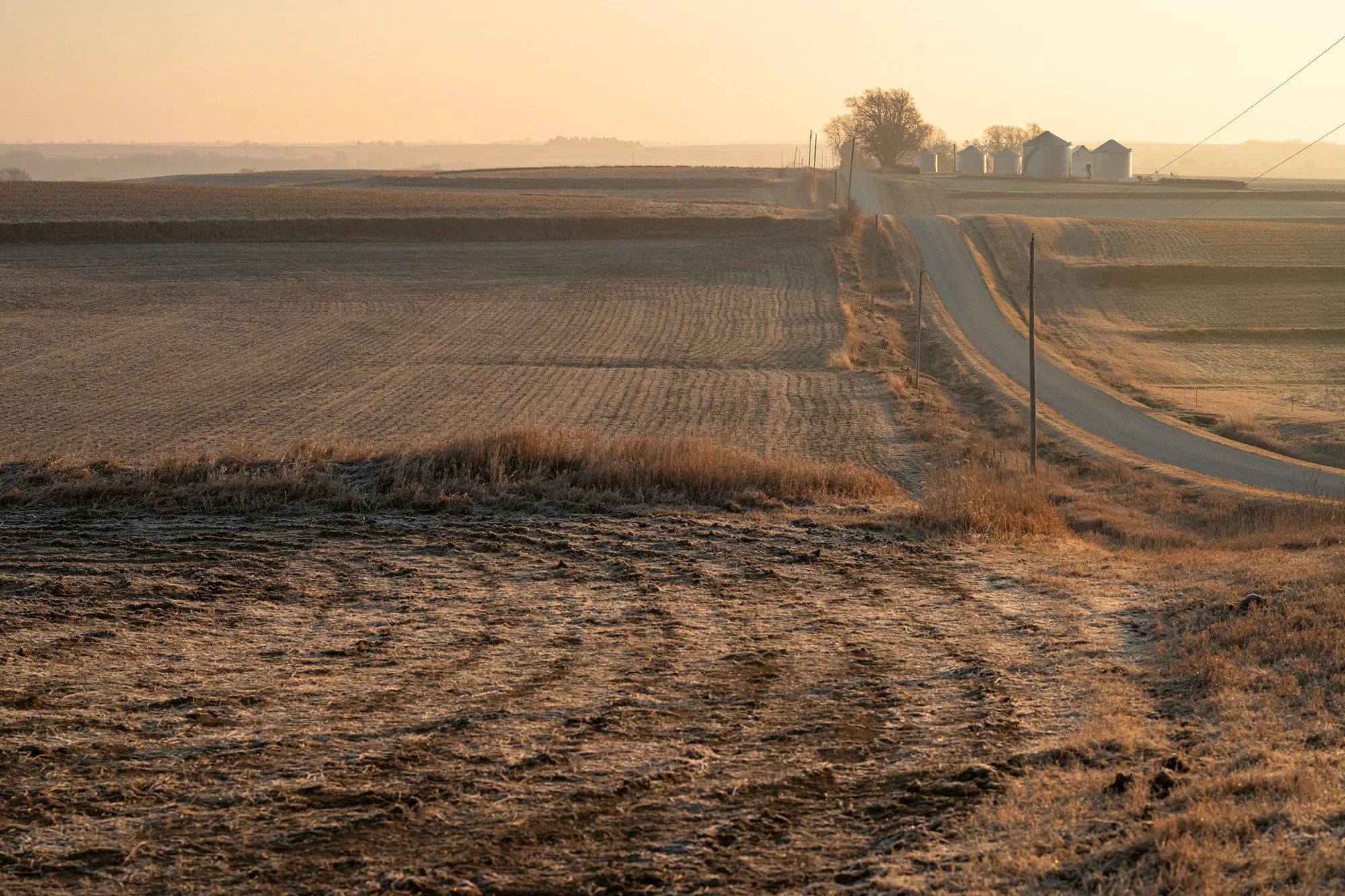
A country road leads through wide-open farmland toward a row of grain bins.
Roadside Meditations
I didn't start driving around America with the intention of making a photography book about the roadside.
The pictures accumulated slowly.
I was traveling constantly for commercial assignments and personal projects, and the camera was always beside me. Whenever something caught my attention, I'd stop.
Year after year, the archive grew.
Eventually it became clear that these photographs weren't incidental pictures made between assignments.
They were the project.
That project became Roadside Meditations, a photography book published by Kehrer Verlag featuring color photographs made during more than a decade of traveling throughout the United States.
The title describes the experience better than anything else I could come up with.
These photographs aren't intended to explain America.
They're observations.
Small moments of attention paid to places that would otherwise disappear behind the windshield.
A building.
A sign.
A landscape.
A town.
A moment of strange light.
A place you may never see again.
And then you keep driving.
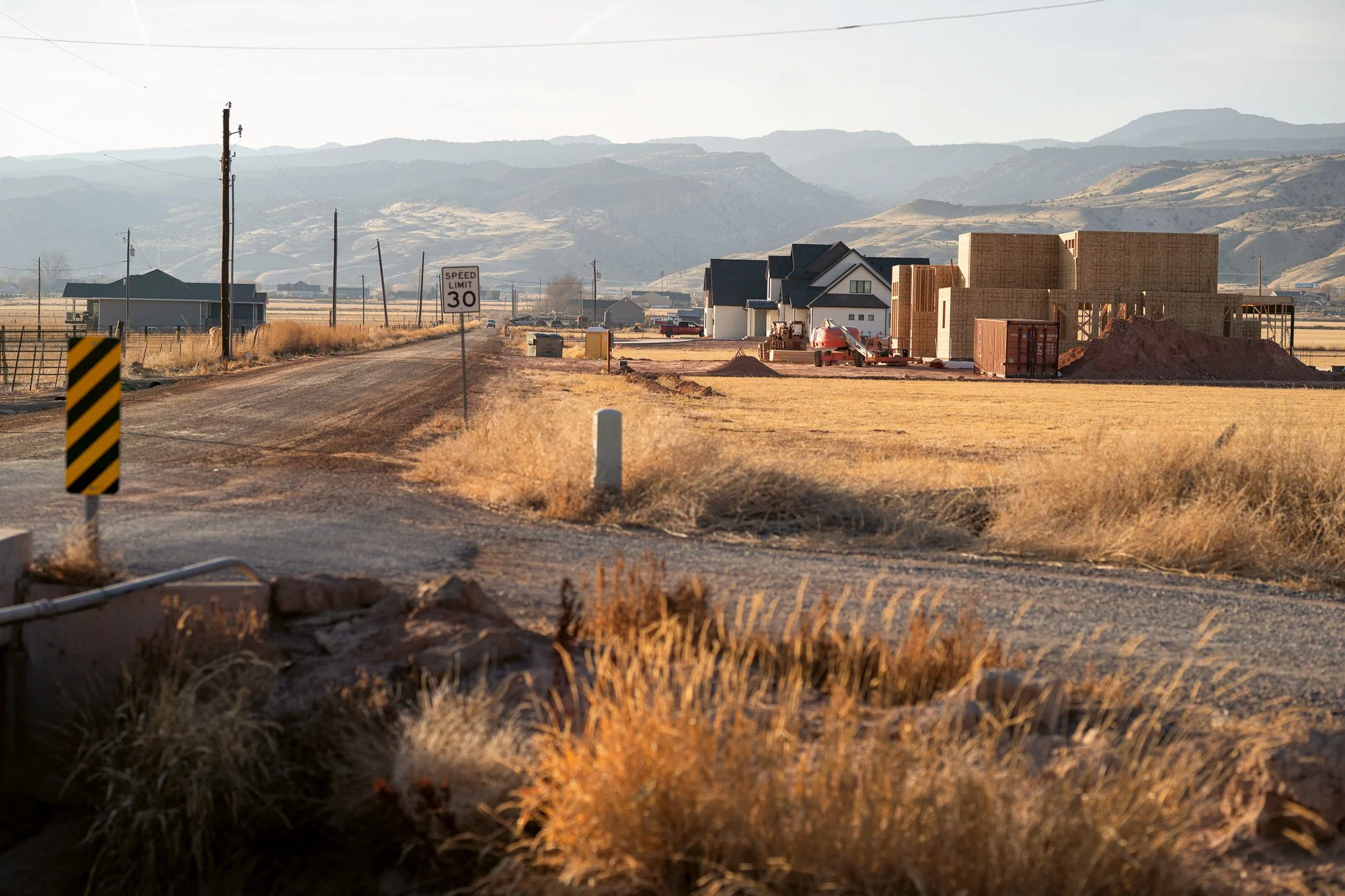
A rural road follows open fields toward new homes with mountains rising in the distance.
The Places We Pass By
I've traveled a lot of miles photographing America and still don't feel particularly close to understanding it.
That's probably why I keep going.
The country becomes stranger and more interesting the closer you look at it.
There is always another town.
Another road.
Another building that makes no sense.
Another empty landscape.
Another reason to turn the car around.
Roadside Meditations is ultimately about that act of looking.
Not searching for the America we've already been taught to recognize.
Just paying attention to the one that's actually there.
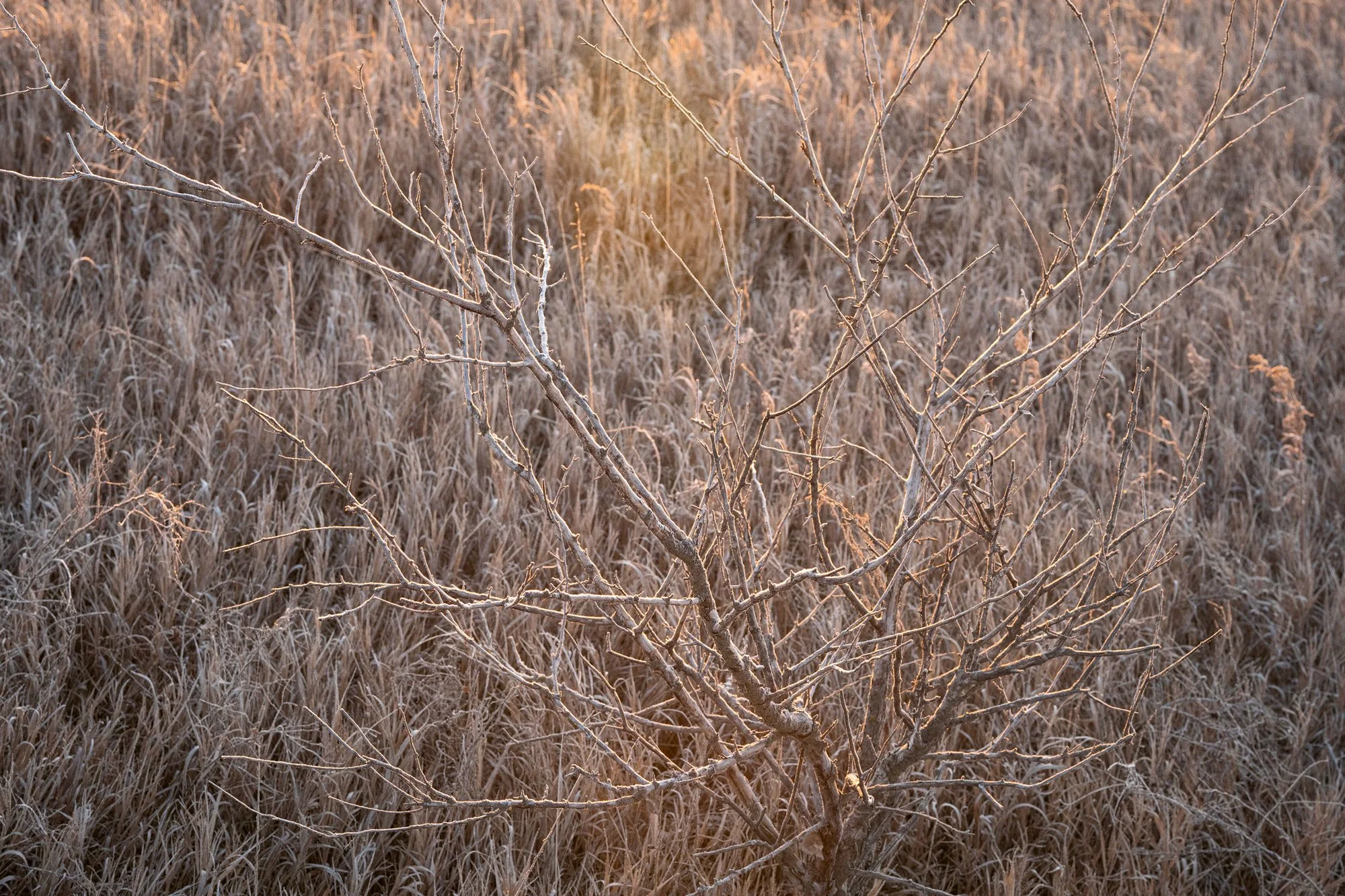
Leafless shrub stands among dry roadside grasses in the open landscape.